ARBOR HILLS CARE & REHAB CENTER
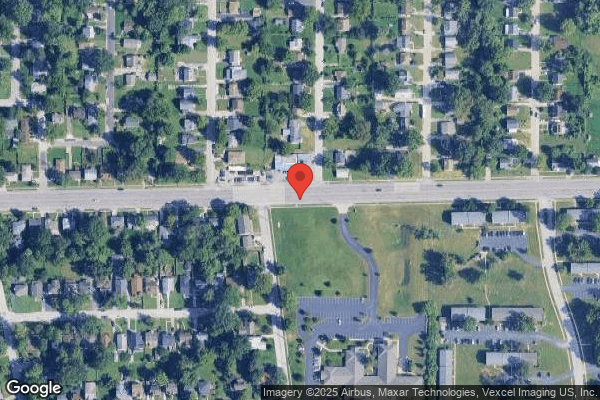
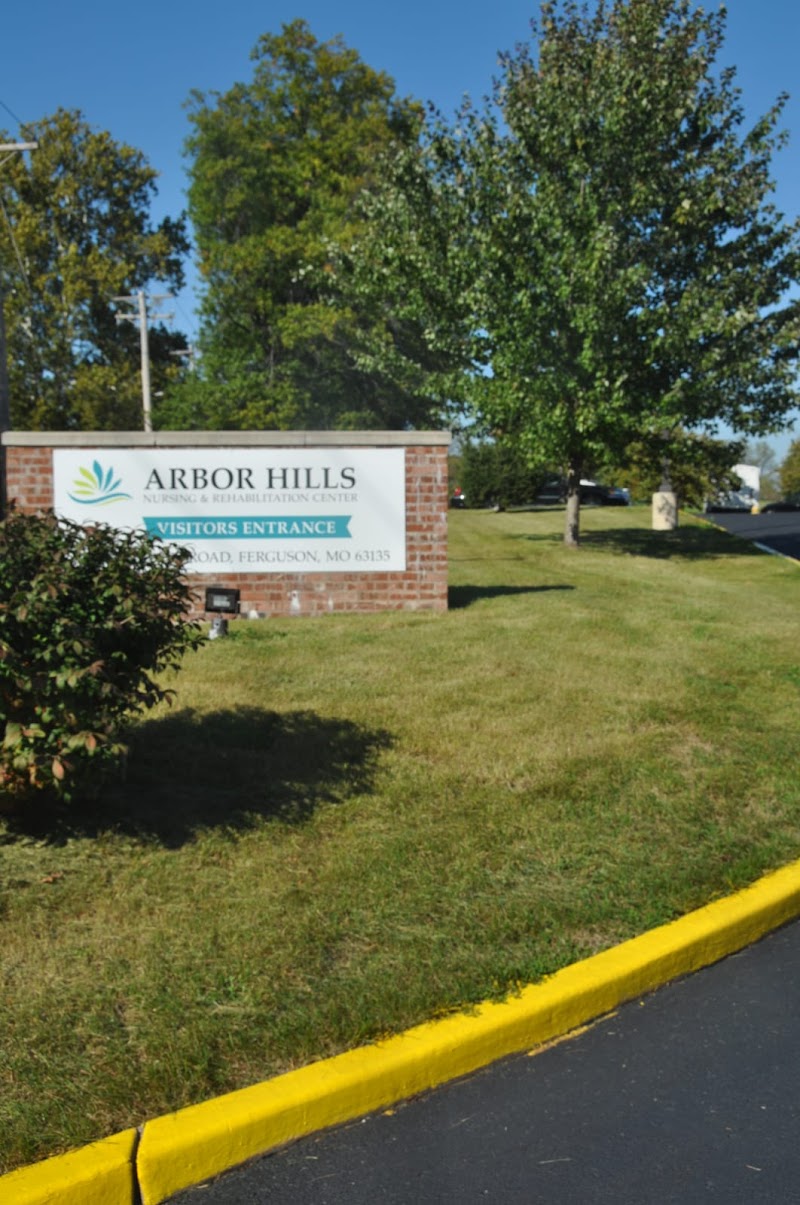
800 CHAMBERS ROAD, FERGUSON, MO 63135 (314) 524-1111
For profit - Limited Liability company 150 Beds Independent Data: November 2025 1 Immediate Jeopardy citation
Trust Grade
0/100
#323 of 479 in MO
Last Inspection: May 2024

Within standard 12-15 month inspection cycle. Federal law requires annual inspections.

Overview

Families considering Arbor Hills Care & Rehab Center should be aware that it has received a Trust Grade of F, indicating significant concerns and poor overall performance. It ranks #323 out of 479 facilities in Missouri, placing it in the bottom half of the state’s nursing homes, and #42 out of 69 in St. Louis County, meaning only a few local options are better. While the facility's trend is improving, with issues decreasing from 34 in 2024 to 16 in 2025, it still has a concerning 75% staff turnover rate and only 1/5 star ratings across all categories, suggesting staffing challenges. The facility has faced $277,668 in fines, higher than 95% of Missouri facilities, which raises red flags about compliance. Some serious incidents reported include a failure to provide timely CPR for a resident who did not survive and instances of staff verbally abusing residents, highlighting both critical safety risks and a troubling atmosphere.

Trust Score
F
0/100
In Missouri
#323/479
Bottom 33%
Safety Record
High Risk
Review needed
Inspections
Getting Better
34 → 16 violations
Staff Stability
⚠ Watch
75% turnover. Very high, 27 points above average. Constant new faces learning your loved one's needs.
Penalties
⚠ Watch
$277,668 in fines. Higher than 97% of Missouri facilities. Major compliance failures.
Skilled Nurses
⚠ Watch
Each resident gets only 11 minutes of Registered Nurse (RN) attention daily — below average for Missouri. Fewer RN minutes means fewer trained eyes watching for problems.
Violations
⚠ Watch
59 deficiencies on record. Higher than average. Multiple issues found across inspections.
★☆☆☆☆
1.0
Overall Rating
★☆☆☆☆
1.0
Staff Levels
★☆☆☆☆
1.0
Care Quality
★☆☆☆☆
1.0
Inspection Score
Stable
2024: 34 issues
2025: 16 issues

The Good

  • Full Sprinkler Coverage · Fire safety systems throughout facility
  • No fines on record

Facility shows strength in fire safety.

The Bad

1-Star Overall Rating

Below Missouri average (2.5)

Significant quality concerns identified by CMS

Staff Turnover: 75%

29pts above Missouri avg (46%)

Frequent staff changes - ask about care continuity

Federal Fines: $277,668

Well above median ($33,413)

Significant penalties indicating serious issues

Staff turnover is very high (75%)

27 points above Missouri average of 48%

The Ugly 59 deficiencies on record

1 life-threatening 6 actual harm
Sept 2025 2 deficiencies
CONCERN (D) 📢 Someone Reported This

A family member, employee, or ombudsman was alarmed enough to file a formal complaint

Potential for Harm - no one hurt, but risky conditions existed

Quality of Care (Tag F0684)

Could have caused harm · This affected 1 resident

Based on observation, interview and record review,, the facility failed to ensure one resident's (Resident #2) change in condition was appropriately documented and treated after the resident missed mu...

Read full inspector narrative →
Based on observation, interview and record review,, the facility failed to ensure one resident's (Resident #2) change in condition was appropriately documented and treated after the resident missed multiple doses of medication. The facility also failed to follow physician orders to order pain medication for one resident (Resident #6). The sample size was eight. The census was 73. Review of the facility's Change in Condition or Status policy, dated 12/2016, showed:-Policy Statement: Our facility shall promptly notify the resident, his or her attending physician, and representative (sponsor) of changes in the resident's medical/mental condition and/or status;-Policy implementation: The nurse will notify the resident's Attending Physician or physician on call when there has been a(an): accident or incident involving the resident, discovery of injuries of an unknown source, adverse reaction to medication, significant change in the resident's physical/emotional/mental condition, need to alter the resident's medical treatment significantly, refusal of treatment or medications two or more consecutive times, need to transfer the resident to a hospital/treatment center;-The nurse will record in the resident's medical record information relative to changes in the resident's medical/mental condition or status. Review of the facility's Administering Medications policy, dated 4/2019, showed:-Medications are administered in a safe and timely manner, and as prescribed;-Policy implementation: medications are administered in accordance with prescriber orders, including any required time frames.Review of the facility's Physician and Non-Practitioner Orders policy, dated 1/1/22, showed:-With changing ways in communication, it will be the practice of this facility to honor physician's/Licensed Independent Practitioner (LIP) orders in the following ways; -Verbal orders; -Electronic orders, including, but not limited to direct entry into the clinical recorder electronic order system or entered in the clinical record by nurse after acknowledged from written order. 1. Review of Resident #2's quarterly Minimum Data Set (MDS), a federally mandated assessment instrument completed by facility staff, dated, 8/6/25, showed:-Moderately impaired cognition;-Diagnoses included dementia, generalized anxiety disorder, and cognitive communication deficit. Review of the resident's Physician's Orders Summary (POS), dated for 9/11/25, showed:-An order, dated 12/24/25, for Lorazepam (Ativan) Oral Tablet 1 milligram (mg). Give one tablet by mouth every 12 hours for anxiety. Review of the Resident's Medication Administration Record (MAR), dated 8/2025, showed:-On 8/24/25 the resident did not receive his/her second dose of Ativan;-On 8/25/25 the resident did not receive the first or second dose of Ativan;-On 8/26/25 the resident did not receive the first dose of Ativan. Review of the resident's individual resident's controlled substance record, dated 7/22/25, showed:-60 Ativan 1 mg tablets were ordered by the resident's psychiatrist and received by the facility on 7/22/25;-The first dose was administered to the resident on 7/23/25;-The last dose was administered to the resident on 8/24/25. Review of the resident's progress notes, dated 8/26/25, showed the resident was giving his/her lorazepam after 48 hours without. The resident went kind of unresponsive to questions. His/Her blood pressure was taken and was 98/53 (normal 90/60-120/80) . His/Her pulse was 54 beats per minute (normal 60-100). The Physician was called with no answer, so this writer (LPN B) sent the resident out to the hospital. During an interview on 9/11/25 at 1:25 P.M., Licensed Practical Nurse (LPN) B said on 8/26/25 the resident took his/her Ativan for the first time after missing four doses. The resident had a change in condition and became a bit unresponsive. LPN B reached out to the nurse manager who told him/her to call emergency services. Emergency services came and evaluated the resident, but his/her shift ended before the emergency services had left the facility. LPN B was under the impression that the resident was going to be transported to the hospital and documented that before his/her shift was over. LPN B was not aware the resident did not end up being transported to the hospital. LPN B expected resident medication to be reordered at least 10 days before the medication runs out. He/She was in a hurry and did not pass on the information about the resident's change of condition to the oncoming nurse. During an interview on 9/11/24 at 10:06 A.M., LPN A said new scripts should be obtained for resident medication at least 14 days before the medication is due to run out. He/She expected medication to be ordered in a timely manner, so residents do not have to go without medication. Changes in conditions should be reported to the Director of Nursing (DON) and the oncoming shift for continuity of care. During an interview on 9/11/25 at 11:31 A.M., the resident's Psychiatrist said he expected the facility to obtain orders for the resident's Ativan before the medication runs out to prevent the resident from going without his/her medication. He expected the facility to have an emergency supply of Ativan at the facility. He said the new script for Ativan was sent to the facility on 8/26/25 after the facility reached out to his office. During an interview on 9/11/25 at 1:51 P.M., the DON said when she became aware the resident missed multiple doses of medication, she immediately ensured that the medication was ordered. She would have expected for the medication to have been re-ordered at least 10 days before the last dosage was given. She was not made aware that the resident had a change of condition on 8/26/25 until the next day on 8/27/25. She said that LPN B never informed her or the oncoming nurse on 8/26/25 that the resident had a change in condition. She would expect for nurses to inform her and the oncoming shift of any changes in condition. She would have expected follow up assessments to be obtained on the resident's change in condition and said no assessments were completed due to lack of communication on LPN B's part. 2. Review of Resident #6's quarterly MDS, dated , 9/5/2025, showed:-admitted to facility 4/16/25;-discharged to hospital 9/1/25;-Intact Cognition;-Diagnoses included peripheral vascular disease (a circulatory disorder characterized by the narrowing, blockage, or spasm of blood vessels outside of the heart and brain, primarily in the limbs and organs), hemiplegia (paralysis) following unspecified cerebral vascular disease (blood vessels supplying blood to brain are damaged by blockage, bleeding or structural problems) affecting left dominant side, dysphagia (difficulty with speaking), pressure ulcer (wound with skin damage down to subcutaneous fat tissue) sacral (part of lower back that sits between the lower spin and buttocks) region stage III (full thickness tissue loss. Subcutaneous fat may be visible but bone, tendon or muscle is not exposed. Slough may be present but does not obscure the depth of tissue loss. May include undermining or tunneling), pressure ulcer to left leg stage II (wound with damage through top layer of skin), cognitive communication deficit (difficulty with communication skills). Review of the resident's POS, dated for 9/15/25, showed:-An order, dated 4/1/25, Acetaminophen (Tylenol) oral tablet 325 mg. Give two tables every six hours as needed for fever and/or pain. Max allowable dose of four grams (4000 mg) in a 24-hour period;-An order, dated 5/5/25, Hydrocodone-Acetaminophen (Norco, pain medication) oral Tablet 5 mg/325 mg. Give one tablet by mouth every four hours as needed (PRN) for moderate pain;-An order, dated 6/24/25, Norco oral Tablet 5 mg /325 mg. Give one tablet by mouth one time a day for moderate/severe pain;-An order, dated 4/1/25, assess for pain every shift for pain monitoring. Review of the resident's progress notes showed:-Order administration note dated 8/14/25 at 12:17 P.M., Hydrocodone-Acetaminophen oral tablet 5-325 mg, give one tablet by mouth one time a day for moderate/severed pain;- Nursing progress note dated 8/15/25 at 1:11 P.M., nurse spoke with Hospice nurse regarding the Hydrocodone medication order. Hospice nurse confirmed that the order has been entered and is awaiting pharmacy delivery. Resident will continue to be monitored for comfort and safety until medication is received and administered as ordered;-Nursing progress note dated 8/15/25 at 1:55 P.M, Primary Care Physician (PCP) currently in facility made aware that resident was out of hydrocodone medication and came off hospice a couple of days ago. PCP stated he would contact the pharmacy to send a three-day supply to facility and would have his office to take care of the script order on Monday (8/18/25). Also, placed call to responsible party and made him/her aware resident's condition and Hydrocodone 5/235 mg medication was out for a few days due to hospice nurse not recording medication. Resident has an order for Acetaminophen, which will be offered until medication arrives to facility. Review of the Resident's MAR, dated 8/2025 and 9/2025 showed:-On 8/16/25 Norco once a day dose, scheduled for 9:00 A.M., had been discontinued with no physician order;-On 8/16/25 Norco as needed every four hours dose, had been discontinued with no physician order;-On 8/17/25 through 9/1/25 the resident did not receive his/her Norco, once a day dose;-On 8/17/25 through 9/1/25 the resident did not receive his/her Norco, as needed every four hours dose. Review of the Resident's Treatment Administration Record (TAR), dated 8/2025 and 9/2025 showed:-On 8/11/25, evening shift, the resident was not assessed for pain;-On 8/20/25, night shift, the resident was not assessed for pain;-On 8/21/25, evening shift, the resident was not assessed for pain;-On 8/25/25, evening shift, the resident was not assessed for pain;-On 8/27/25, evening shift, the resident was not assessed for pain; During an interview on 9/16/25 at 10:06 A.M., the DON said she was not aware the resident's Norco was out and then was discontinued by a nurse without physician order. After reviewing nursing progress note dated 8/15/25, she said the physician's intention clearly states continue resident on Norco and follow up with script on Monday. She would have expected nursing staff to follow up on the resident's Norco script, and it is unacceptable for a nurse to change or discontinue medication without a physician's order. 260291426044882602553
CONCERN (E) 📢 Someone Reported This

A family member, employee, or ombudsman was alarmed enough to file a formal complaint

Potential for Harm - no one hurt, but risky conditions existed

Pressure Ulcer Prevention (Tag F0686)

Could have caused harm · This affected multiple residents

**NOTE- TERMS IN BRACKETS HAVE BEEN EDITED TO PROTECT CONFIDENTIALITY** Based on observation, interview and record review, the facility failed to provide services to identify and treat pressure ulcers...

Read full inspector narrative →
**NOTE- TERMS IN BRACKETS HAVE BEEN EDITED TO PROTECT CONFIDENTIALITY** Based on observation, interview and record review, the facility failed to provide services to identify and treat pressure ulcers (injury to the skin and/or underlying tissue usually over a bony prominence, as a result of pressure or friction) when staff failed to complete daily wound care as ordered for one resident (Resident #6). In addition, the facility also failed to ensure four residents, identified as at risk for development of pressure ulcers, received weekly skin assessments as ordered (Residents #6, #2, #3, and #7). The sample was 8. The census was 73.Review of the facility's Wound Care policy, dated October 2010, showed:-The purpose of this procedure is to provide guidelines for the care of wound to promote healing;-Verify that there is a physician's order for this procedure;-Review the resident's care plan to assess for any special needs of the resident. Review of the facility's Physician and Non-Physician Practitioner Orders policy, dated 1/1/22, showed with changing ways in communication it will be the practice of this facility to honor physician's/licensed independent practitioners orders in the following ways: Electronic Orders, including, but not limited to , direct entry into the clinical record electronic order system or entered in the clinical record by the nurse after acknowledged from written order. 1. Review of Resident #6's entry Minimum Data Set (MDS), a federally mandated assessment instrument completed by facility staff, dated 9/1/25, showed-Two Stage 4 pressure ulcers (full thickness tissue loss with exposed bone, tendon or muscle);-Diagnoses included peripheral vascular disease (poor blood flow in the extremities), hemiplegia (paralysis on one side of the body) affecting left dominant side, pressure ulcer sacral (part of lower back that sits between the lower spin and buttocks) region, pressure ulcer to left leg, and cognitive communication deficit (difficulty with communication skills). Review of the resident's care plan, showed:-Focus initiated 8/28/25: The resident has a pressure ulcer Stage 4 to sacrum, Stage 4 to left leg;-Goal: Pressure ulcer will show signs of healing and remain free from infection;-Interventions included: Administer treatments as ordered and monitor for effectiveness. Review of the resident's electronic Physician Order Sheet (ePOS), showed an order, dated 3/19/25, for weekly skin assessments on every Tuesday. Review of the resident's Wound Physician visits for evaluation and treatment, showed:-Visit, dated 6/16/25: --Sacrum pressure ulcer Stage 3 (full thickness tissue loss. Fat may be visible but bone, tendon or muscle is not exposed). Condition, stable. Measurements Length (L) 10.0 centimeters (cm), width (W) 8.0 cm, depth (D) 1.0 cm; --Left leg Stage 2 (partial thickness loss of dermis presenting as an intact blister or shallow open ulcer with a red-pink wound bed pressure ulcer). Condition, deteriorating. Measurements L 9.5 cm by W 5.0 cm by D 0.5 cm.-Visit dated 7/17/25:--Sacrum pressure ulcer Stage 3. Condition, improving. Measurements L 8.5 cm by W. 3.0 cm by D 0.5 cm; --Left leg Stage 2 pressure ulcer. Condition, improving. Measurements L 8.6 cm by W 7.0 cm by D 1.0 cm. Review of the resident's July 2025 Treatment Administration Record (TAR), showed:-Left lower extremity treatment orders:--An order dated 6/21/25 and discontinued on 7/3/25, for wound care. Cleanse left lower extremity with normal saline/wound cleanser. Apply Flagyl (antibiotic) to wound bed. Apply calcium alginate (wound dressing used to manage moderate to heavy drainage and promote a moist healing wound environment) to wound bed. Cover with dry dressing every day and as need for wound care:---Treatment not documented as administered as ordered 3 out of 3 days;--An order dated 7/4/25, for wound care. Cleanse left lower extremity with normal saline/wound cleanser. Apply non-adhesive dressing to wound bed. Cover with kerlix (gauze wrap) daily and as needed every dayshift for wound care:---Treatment not documented as administered as ordered 19 out of 28 days;-Sacral treatment orders:--An order dated 6/21/25 and discontinued 7/3/25, for wound care. Cleanse sacrum with normal saline/wound cleanser. Apply Flagyl to wound bed. Apply calcium alginate to wound bed Cover with dry dressing every day and as needed. Every dayshift for wound care: ---Treatment not documented as administered as ordered 3 out of 3 days;--An order dated 7/4/25, for wound care. Cleans sacrum with normal saline/wound cleanser. Lightly pack wound bed with 4x4 gauze. Cover with ABD dressing (absorbent dressing) every day and as needed. Every dayshift for wound care: ---Treatment not documented as administered as ordered 19 out of 28 days;-No documentation any as needed wound care treatments were provided. Review of resident's weekly skin assessments reviewed for the dates of 7/1/25 through 9/1/25, showed weekly skin assessments not completed on 8/6/25, 8/13/25 and 8/27/25. Review of resident's weekly wound assessment reviewed for the dates of 7/1/25 through 9/1/25, showed weekly wound assessments not completed on 7/31/25, 8/14/25 and 8/21/25. Review of the resident's August 2025 TAR, showed:-Left lower extremity treatment orders:--An order, dated 7/4/25 and discontinued 8/11/25, for wound care. Cleanse left lower extremity with normal saline/wound cleanser. Apply non-adhesive dressing to wound bed. Cover with Kerlix every day and as needed. Every dayshift for wound care:---Treatment not documented as administered as ordered 3 out of 11 days;--An order, dated 8/13/25 and discontinued 8/28/25, for wound care. Cleanse left lower extremity with normal saline/wound cleanser. Apply collagen to wound bed. Cover with foam dressing every day and as needed. Every dayshift for wound care:---Treatment not documented as administered as ordered 5 out of 16 days;--An order, dated 8/29/25 for wound care. Cleans left lower extremity with normal saline/wound cleanser, pat dry. Apply collagen to wound bed. Cover with non-adhesive dressing every day and as needed. Every dayshift for wound care:---Treatment not documented as administered as ordered 1 out of 3 days;-Sacral treatment orders:--An order, dated 7/4/25 and discontinued 8/8/25, for wound care. Cleanse sacrum with normal saline/wound cleanser. Lightly pack wound bed with 4x4 gauze. Cover with ABD dressing every day and as needed. Every dayshift for wound care:---Treatment not documented as administered as ordered 2 out of 8 days;--An order, dated 8/8/25 and discontinued 8/18/25, for wound care. Cleanse sacrum with normal saline/wound cleanser. Apply collagen to wound bed. Cover with foam dressing every day and as needed. Every dayshift for wound care:---Treatment not documented as administered as ordered 3 out of 10 days;--No sacral treatment for the dates of 8/19/25 through 8/20/25 documented as ordered or completed;--An order, dated 8/21/25 and discontinued 8/28/25, for wound care. Cleanse sacrum with normal saline/wound cleaner. Apply wound vac (a device that provides light suction to remove excess drainage from the wound bed) to sacral wound continuous suction. Every dayshift every Monday, Thursday for wound care:---Treatment not documented as administered as ordered 3 out of 3 days;--An order, dated 8/29/25 for wound care. Cleanse sacrum with normal saline/wound cleanser. Apply collagen and dry dressing daily every dayshift for wound care:---Treatment not documented as administered as ordered 1 out of 3 days; -No documentation any as needed wound care treatments were provided. Review of the resident's medical record, showed the resident discharged on 9/1/25. During an interview on 9/16/25 at 9:00 A.M., the Wound Care Physician said he expected staff to follow wound care orders as written and to mark the TAR when wound care has been completed. He was not aware the resident's TAR showed the resident did not receive wound care on several dates during the months of July 2025 and August 2025. He would have noticed the change in wound condition when he made weekly rounds and the resident did not have deterioration of the wound due to lack of care. The resident had overall decline related to poor prognosis and overall health decline. The resident was on hospice and his/her care focused on comfort. His/Her wounds never showed signs or symptoms of infection or not receiving wound treatments. He agreed if the treatment on the TAR is not documented, it means it was not completed but believes it was completed, the nurse just forgot to mark the TAR. 2. Review of Resident #2's quarterly MDS, dated [DATE], showed:-Moderately impaired cognition;-At risk for pressure ulcers;-Diagnoses included dementia, generalized anxiety disorder and cognitive communication deficit. Review of the resident's ePOS, dated 9/15/25, showed an order dated 10/8/24, for weekly skin assessment, on every Wednesday dayshift. Review of resident's weekly skin assessments reviewed for the dates of 7/1/25 through 9/11/25, showed weekly skin assessments not completed on 8/13/25, 8/27/25 and 9/3/25. 3. Review of Resident #3's quarterly MDS, dated [DATE], showed:-Severe impaired cognition;-At risk for pressure ulcers;-Diagnoses included Alzheimer's, dementia and pressure ulcer to right ankle. Review of the resident's ePOS, dated 9/15/25, showed:-An order dated 8/20/25, wound care order to left hip, apply protective border gauze to left hip to protect bony prominence weekly on Monday and Thursday every dayshift to prevent area from opening;-An order last updated 8/28/25, wound care to right lateral (outer) foot, apply skin prep (protective barrier wipe) during day shift and as needed when soiled or dislodged for wound care;-No order for weekly skin assessments. Review of resident's weekly skin assessments reviewed for the dates of 7/1/25 through 9/11/25, showed weekly skin assessments not completed on 8/14/25 and 8/21/25. 4. Review of Resident #7's entry MDS, dated [DATE], showed:-Moderately impaired cognition;-At risk for pressure ulcers;-Diagnoses included Alzheimer's disease, heart failure and moderate-protein calorie malnutrition. Review of the resident's ePOS showed an order dated 1/28/25, for weekly skin assessment perform weekly on every Tuesday dayshift for preventative. Review of the resident's weekly skin assessments reviewed for the dates of 7/1/25 through 9/11/25, showed weekly skin assessments not completed on 8/6/25, 8/13/25, 8/27/25 and 9/3/25. 5. During an interview on 9/15/25 at 2:20 P.M., the Administrator and Director of Nursing (DON) said, an X or blank space on the TAR indicates the order was not completed. They expected nursing staff to follow physician orders as they are written. They also expected nursing staff to mark a treatment as completed on the TAR once it has been completed. If not marked completed, it has not been done. They were not aware of Resident #6's missing documentation for wound treatments for the months of July and August 2025. If the treatments were not performed, this could be detrimental to the resident's wound healing process. Orders were most likely completed and nursing staff forgot to mark as completed. During an interview on 9/16/26 at 8:43 A.M., the DON said weekly skin assessments are to be completed every week on all residents in the facility regardless of whether the resident is on hospice. The weekly skin assessments usually occur on one of the resident's shower days during the week. The weekly skin assessments are usually done by the nurse and sometimes the wound nurse. Weekly wound assessments are different than the weekly skin assessments and should be documented separately. Weekly wound assessments are to be completed by the wound nurse during the wound physician rounds on Thursdays of every week, unless the wound nurse is not available and then the nursing staff should complete wound assessment. The difference between a skin assessment and wound assessment is that the skin assessment is a head-to-toe observation of the resident skin, and the wound assessment is only focused on the wound. She was not aware weekly skin, and wound assessments were not completed during July 2025, August 2025 and September 2025. The wound nurse was let go during this time and this could be the reason the assessments were missed. 26029142604488
Apr 2025 1 deficiency
CONCERN (D) 📢 Someone Reported This

A family member, employee, or ombudsman was alarmed enough to file a formal complaint

Potential for Harm - no one hurt, but risky conditions existed

Quality of Care (Tag F0684)

Could have caused harm · This affected 1 resident

**NOTE- TERMS IN BRACKETS HAVE BEEN EDITED TO PROTECT CONFIDENTIALITY** Based on observation, interview, and record review, the facility failed to ensure that services were provided in accordance with...

Read full inspector narrative →
**NOTE- TERMS IN BRACKETS HAVE BEEN EDITED TO PROTECT CONFIDENTIALITY** Based on observation, interview, and record review, the facility failed to ensure that services were provided in accordance with the resident's care plan and accepted professional standards of clinical practices. The facility failed to ensure medications including torsemide (treats fluid retention), Amiodarone (heart medication), Lidocaine 4% patch, and Metoprolol (blood pressure medication) were ordered timely and administered for one resident (Resident #29) who had a diagnosis of congestive heart failure. In addition, the facility failed to ensure the resident was assessed for side rails and document a rationale for the use of side rails. The sample was 11. The census was 83. The administrator was notified on 4/28/25, of the past non-compliance. Staff were in-serviced on the side rail assessment policy and medication administration policy. The deficiency was corrected on 3/5/25. Review of the facility's Medication and Treatment Orders policy, revised July 2016, showed: -Drug and biological orders must be recorded on the Physician's Order Sheet in the resident's chart. Such orders are reviewed by the consultant pharmacist on a monthly basis; -All drug and biological orders shall be written, dated, and signed by the person lawfully authorized to give such an order; -Verbal orders must be recorded immediately in the resident's chart by the person receiving the order and must include prescriber's last name, credentials, the date and the time of the order; -Verbal orders must be signed by the prescriber at his or her next visit; -Orders for medications must include: Name and strength of the drug. Number of doses, start and stop date, and/or specific duration of therapy. Dosage and frequency of administration. Route of administration. Clinical condition or symptoms for which the medication is prescribed; and any interim follow-up requirements (pending culture and sensitivity reports, repeat labs, therapeutic medication monitoring, etc.); -Only authorized personnel shall call in orders for prescribed medications to the pharmacy; -Drugs and biologicals that are required to be refilled must be reordered from the issuing pharmacy not less than three (3) days prior to the last dosage being administered to ensure that refills are readily available. Review of the facility's Side Rail policy, revised December 2016, showed: -Side rails are only permissible if they are used to treat a resident's medical symptoms or to assist with mobility and transfer of residents; -An assessment will be made to determine the resident's symptoms, risk of entrapment and reason for using side rails. When used for mobility or transfer, an assessment will include a review of the resident's: -Bed mobility; -Ability to change positions, transfer to and from bed or chair, and to stand and toilet; -Risk of entrapment from the use of side rails; -The use of side rails as an assistive device will be addressed in the resident care plan; -Consent for using restrictive devices will be obtained from the resident or legal representative per facility protocol; -Less restrictive interventions that will be incorporated in care planning include: -Providing restorative care to enhance abilities to stand safely and to walk; -Providing a trapeze to increase bed mobility; -Placing the bed lower to the floor and surrounding the bed with a soft mat; -Documentation will indicate if less restrictive approaches are not successful, prior to considering the use of side rails; -The risks and benefits of side rails will be considered for each resident; -Consent for side rail use will be obtained from the resident or legal representative, after presenting potential benefits and risks. Note: Federal regulations do not require written consent for using restraints; -When side rail usage is appropriate, the facility will assess the space between the mattress and side rails to reduce the risk for entrapment; -Facility staff, in conjunction with the Attending Physician, will assess and document the resident's risk for injury due to neurological disorders or other medical conditions. Review of Resident #29's admission Minimum Data Set (MDS), a federally mandated assessment instrument completed by facility staff, dated 11/14/24, showed: -Diagnoses include anemia (low red blood cells), atrial fibrillation (irregular heart rate), heart failure, high blood pressure, peripheral vascular disease (PVD, circulation disorder), kidney failure, and cataracts; -Cognitively intact; -No behaviors; -No wandering; -Pain frequency: Almost constantly; -Pain interference with day to day activities: Almost constantly; -Pain score 9 out of 10; -Falls since admission: No. Review of the resident's care plan, revised on 11/20/24, showed: -Focus: Resident is at risk for fluid overload and/or dehydration potential fluid deficit related to diuretic use: -Goal: Resident will be free of symptoms of fluid overload and/or dehydration and maintain most mucous membranes, and good skin turgor; -Interventions included: Administer medications as ordered. Monitor/document for side effects and effectiveness. Monitor for fluid overload edema change in level of consciousness, and respiratory distress. Monitor vital signs as ordered/per protocol and record as needed. Notify physician of significant abnormalities; -Focus: Resident is at risk for falls related to history of syncope (fainting) with diagnosis with osteoporosis (thinning of bone density), peripheral artery disease (PAD, narrow or blocked arteries), history of lower extremity edema (swelling), and history of heart attack. On 11/17/24, noted on the floor with abrasion to left eye and skin tear to left eye: -Goal: Resident will not sustain serious injury; -Interventions included: Monitor for change in level of consciousness. Patient evaluate and treat as ordered or as needed. Sent to hospital for evaluation related to fall. Times 1 assist with transfers as needed; -Focus: Resident has history of complaints of acute/chronic pain. History of abdominal pain: -Goal: Resident will verbalize adequate relief with pain or ability to cope with incompletely relived pain; -Interventions included: Administer analgesia per orders/as needed. Receives lidocaine patch daily as ordered; -No documentation of the use of side rails. Review of the resident's electronic Physician's Orders Sheet (ePOS), dated November 2024, showed: -An order, dated 11/4/24, torsemide oral tablet 20 mg. Give three tablets by mouth two times a day for swelling; -An order, dated 11/4/24, for Amiodarone HCl Oral Tablet 200 mg. Give 1 tablet by mouth one time a day for arrhythmia, showed: -An order, dated 11/4/24, Lidocaine External Patch 4%. Apply to skin topically one time a day for muscle ache; -An order, dated 11/4/24, Hospice, admitting diagnosis congestive heart failure. -An order, dated 11/4/24, Metoprolol Succinate ER Oral Tablet Extended Release 24 Hour 100 mg. Give one tablet by mouth one time a day for HTN. Discontinued on 11/11/24; -An order, dated 11/11/24, Metoprolol Succinate ER Oral Tablet Extended Release 24 Hour 50 mg. Give one tablet by mouth one time a day for HTN If systolic B/P less than 100 hold medication; -No order for the use of side rails. Review of the resident's medication administration record (MAR), dated November 2024, showed: -An order, dated 11/4/24, torsemide oral tablet 20 mg, give three tablets by mouth two times a day. Scheduled administration times 8:00 A.M. and 5:00 P.M.: -For the 8:00 A.M. scheduled administration: On 11/5 through 11/11 and 11/17/24, staff documented other/hold see notes. On 11/13, 11/15, and 11/16/24, staff documented refused; -For the 5:00 P.M. scheduled administration: On 11/4 through 11/8/24, staff documented hold or other/hold see notes. On 11/13 and 11/15/24 at 5:00 P.M., staff documented refused; -An order, dated 11/4/24, for Amiodarone HCl Oral Tablet 200 mg. Give 1 tablet by mouth one time a day. Scheduled administration time 9:00 A.M.: -On 11/6, 11/7, 11/8 through 11/11, and 11/17/24, staff documented hold or other/see progress notes. On 11/13, 11/15, and 11/16/24, staff documented refused; -A order, dated 11/4/24, for Lidocaine External Patch 4%. Apply to skin topically one time a day. Scheduled administration time 9:00 A.M.: -On 11/5 through 11/7, 11/9- 11/12, and 11/17/24, staff documented hold or other/see progress notes. On 11/13 through 11/16/25, staff documented refused; -An order, dated 11/4/24, for Metoprolol Succinate ER oral tablet extended release 100 mg. Give one tablet by mouth one time a day. Scheduled administration time 9:00 A.M.; -On 11/6 through 11/11/24, staff documented hold or other/see progress notes. Discontinued on 11/11/24; -An order dated, 11/11/24, for Metoprolol Succinate ER oral tablet extended release 50 mg. Give one tablet by mouth one time a day. Scheduled administration time 9:00 A.M.: -On 11/13, 11/15, and 11/16/24, staff documented refused. Review of the resident's progress notes, showed: -On 11/4/24 at 7:23 P.M., Torsemide oral tablet 20 mg, waiting on prescription; -On 11/5/24 at 9:54 A.M., staff documented on order on administration note. Medication name was not listed; -On 11/5/24 at 8:00 P.M., Torsemide oral tablet 20 mg, waiting on prescription; -On 11/6/24 at 10:42 A.M., staff documented on order on administration note. Medication name was not listed; -On 11/6/24 at 8:42 P.M., Torsemide oral tablet 20 mg, waiting on prescription; -On 11/7/24 at 11:42 A.M., staff documented on order on administration note. Medication name was not listed; -On 11/7/24 at 9:56 P.M., staff documented on order, waiting on pharmacy on administration note. Medication name was not listed; -On 11/8/24 at 2:45 P.M., staff documented, informed the nurse on administration note. Medication name was not listed; -On 11/8/24 at 5:57 P.M., Torsemide oral tablet 20 mg, medication on order; -On 11/9/24 at 10:18 A.M., staff documented informed the nurse on administration note. Medication name was not listed; -On 11/10/24 at 11:05 A.M., staff documented informed the nurse on administration note. Medication name was not listed; -On 11/11/24 at 10:44 A.M., staff documented, on order on administration note. Medication name was not listed; -On 11/11/24 at 6:31 P.M., Torsemide oral tablet 20 mg, not given, waiting on pharmacy. Documentation was crossed out. Strike out reason: Declined order. Strike out date: 11/11/24 at 7:19 P.M.; -On 11/12/24 at 10:09 A.M., Lidocaine external patch 4%. Staff documented on order; -On 11/17/24 at 9:58 A.M., Lidocaine external patch 4%. Staff documented informed the nurse. Review of the medical record, showed no documentation of pharmacy contact, physician contact, or hospice notification regarding medications not delivered, not administered, or refused by the resident. Review of the facility's E-Kit inventory, showed an active inventory for the following medications: -Amiodarone 200 mg; -Metoprolol ER Succ 25 mg; -Metoprolol ER Succ 50 mg; -Torsemide 10 mg; -No medications were pulled from the E-kit between 11/4 through 11/17/24. During an interview on 4/25/25 at 3:00 P.M., Pharmacist A said the resident's Amiodarone was never filled through the facility's pharmacy. Since the resident was hospice, they did not fill prescriptions for that hospice company. Metoprolol and Torsemide was also filled through the hospice company. The Lidocaine patch is a stock medication, so they facility would have it. During observation and interview on 4/25/25 at 3:48 P.M., the Director of Nursing (DON) said they do not have lidocaine patches in stock. They use a cream instead of the patch. At 4:07 P.M., the DON brought in a container of cream called, Triderma pain relief cream. The pharmacy stopped sending the patches at the end of last year. If someone has an order for the lidocaine patch, they would first see if they get the patch, otherwise they will use the pain cream instead. She would expect the order to change to reflect using the cream instead of the patch. During an interview on 4/25/25 at 4:20 P.M., Pharmacist B provided information on the medications ordered and filled by the hospice company. The Amiodarone was filled on 11/11/24 and delivered either the same day or the next day. The resident's Metoprolol 100 mg and 50 mg were filled on 11/11/24. The torsemide was filled on 11/11/24. They did not fill the Lidocaine patch order. Review of the resident's progress notes, dated 11/17/24, showed: -At 3:30 A.M., showed this writer was made aware by the Certified Nurse Aide (CNA) caring for the resident that upon rounds he/she found the resident on the floor next to the bedside commode and the bed. Resident was found laying on his/her left side, abrasion noted above the left eye, skin tear noted under the left eye. Staff times 2 assisted the resident back into the bed, bed placed at lowest position, side rails in placed, call light within reach. Resident encouraged to use call light and wait for assistance. Range of motion (ROM) level of consciousness within normal limits. Neurological checks initiated. Physician, DON, Responsible Party (RP) and Hospice made aware; -At 9:53 A.M., while making rounds, resident was found in another resident room. Resident climb over his/her side rails and walked across the hall and laid across that resident bed. Resident was escorted back to his/her room, placed in bed, side rails up and bed lowered. Wound care provided to resident left eye. Resident heart rate fluctuating. Torsemide and metoprolol held due to blood pressure being low. Hospice and physician contacted; -At 1:51 P.M., nursing reported today in the morning that patient had a fall and developed skin tear. No bleeding at this time. Advised nursing for close monitoring of the patient and neurological checks, to report for any changes. Later on, patient's adult child called and reported that patient is bleeding from the skin tear and complaining of severe pain. We decided to send patient to the emergency room for further evaluation; -At 7:39 P.M., hospice here at facility. Hospice nurse informed this writer that resident was admitted for anemia (low red blood cell count) and atrial fibrillation (irregular heart rate). Resident had a blood transfusion. Hospice informed this writer that resident has been discharged from hospice until he/she is discharged from the hospital. During an interview on 4/28/25 at 9:58 A.M., hospice dispatch read off the hospice notes. The initial assessment was completed on 11/4/24. There were 1-2 visits a week. It is a part of their protocol to speak to facility nursing staff. The resident's amiodarone was an ordered medication, as well as Metoprolol, with some parameters to hold it. The amiodarone was ordered to be taken once a day. The torsemide was never ordered by hospice. As long as the resident was able to swallow, they expect the medications to be administered. There was a triage note on 11/7/24, from the DON, who called about medication issues. It did not specifically define that the issues were or what medications. Hospice was notified the resident fell on [DATE]. They called at 5:16 A.M. and said he/she fell while transferring to the commode and had an abrasion to the left eye. There was no documentation of disorientation or being found in another room. They received another call at 12:13 P.M., to notify hospice that the resident was going to the hospital. During an interview on 4/28/25 at 1:20 P.M., the DON said she did not remember the resident. The Assistant Director of Nursing (ADON) said the resident was kind of confused. He/She had dementia. When the resident first arrived, he/she walked around, he/she was curious of things. If they did not have a resident's medication, the DON would be expected to be notified, so she can contact the pharmacy. They would also pull the medication from the E-kit. Not everyone is able to access the E-Kit, only the ADON and one other nurse. They would contact hospice to let the hospice nurse know if medications are not available. The ADON initially said the resident climbed over side rails of the other resident's bed. Then the ADON said it was never reported that the resident climb over the side rails. It was reported that the resident fell, and his/her family was update and asked for the resident to go out. The fall was called into hospice. The DON said she would expect there to be orders for side rails. There should be a side rail assessment. They do the assessment, but if the bed was delivered from hospice, the facility could have missed that assessment. MO00253193
Apr 2025 1 deficiency
CONCERN (E) 📢 Someone Reported This

A family member, employee, or ombudsman was alarmed enough to file a formal complaint

Potential for Harm - no one hurt, but risky conditions existed

Deficiency F0761 (Tag F0761)

Could have caused harm · This affected multiple residents

Based on observation, interview and record review, the facility failed to ensure drugs and biologicals were labeled and stored per acceptable standards of practice. The facility identified three nurse...

Read full inspector narrative →
Based on observation, interview and record review, the facility failed to ensure drugs and biologicals were labeled and stored per acceptable standards of practice. The facility identified three nurse medication carts and three medication rooms. Three of the three nurse medication carts were checked, and issues were found with all three carts. Staff failed to store Ativan (lorazepam, a controlled substance used to treat anxiety) liquid medication in the refrigerator, as it is labeled to be stored in the refrigerator, and had it stored in the nurse medication cart narcotic lock box. The sample was 9. The census was 83. Review of the facility's Storage of Medications policy, revised April 2007, showed: -Policy Statement: The facility shall store all drugs and biologicals in a safe, secure, and orderly manner. -Policy Interpretation and Implementation: -Drugs and biologicals shall be stored in the packaging, containers or other dispensing systems in which they are received. Only the issuing pharmacy is authorized to transfer medications between containers; -The nursing staff shall be responsible for maintaining medication storage and preparation areas in a clean, safe, and sanitary manner; -Drug containers that have missing, incomplete, improper, or incorrect labels shall be returned to the pharmacy for proper labeling before storing; -The facility shall not use discontinued, outdated, or deteriorated drugs or biologicals. All such drugs shall be returned to the dispensing pharmacy or destroyed; -Drugs for external use, as well as poisons, shall be clearly marked as such, and shall be stored separately from other medications; -Antiseptics, disinfectants, and germicides used in any aspect of resident care must have legible, distinctive labels that identify the contents and the directions for use, and shall be stored separately from regular medications; -Compartments (including, but not limited to, drawers, cabinets, rooms, refrigerators, carts, and boxes) containing drugs and biologicals shall be locked when not in use, and trays or carts used to transport such items shall not be left unattended if open or otherwise potentially available to others; -Drugs shall be stored in an orderly manner in cabinets, drawers, carts, or automatic dispensing systems. Each resident's medications shall be assigned to an individual cubicle, drawer, or other holding area to prevent the possibility of mixing medications of several residents; -Medications requiring refrigeration must be stored in a refrigerator located in the drug room at the nurses' station or other secured location. Medications must be stored separately from food and must be labeled accordingly; -Only person authorized to prepare and administer medications shall have access to the medication room, any keys. During an interview on 4/1/25 at 5:14 P.M., Licensed Practical Nurse (LPN) B said the medication room behind the charting break room does not lock. Someone lost the key fob approximately 6 months ago. The Certified Nursing Assistant's (CNAs) think they can go in there and get the residents' nutritional supplements that are located in the refrigerator. LPN B said that is why the lorazepam is not in there. It is on the medication cart in the narcotic lockbox, so it is behind a double lock. During an interview on 4/2/25 at 10:28 A.M., Pharmacist C said the lorazepam is recommended to be in refrigerated if it is in a liquid form. The drug may just breakdown if not in a refrigerator. The pharmacist checked the bottle that he/she had at the pharmacy and said it does not say anything on the bottle but that it definitely should be stored in the refrigerator all the time. If the lorazepam is not stored in the refrigerator, the medication may not be as effective and it may breakdown. The medication is also supposed to be disposed of after 90 days of opening. Pharmacist C said the pharmacy just lost their entire stock of lorazepam and had to have it reordered because they lost power due to the recent tornado and their generator failed to turn on so all their medication that is stored in the refrigerator like the lorazepam had to be discarded. Observation and interview on 4/3/25 9:45 A.M., showed Registered Nurse (RN) A at the nurse medication cart. RN A said the lorazepam is kept in the narcotic lockbox in the medication cart. The medication should be in the fridge in the medication room but there is not a lock on the fridge in there and the medication needs to be under a double lock. RN A opened the narcotic box in the medication cart and an unopened box of Lorazepam sat in the narcotic box. During an interview on 4/3/25 at 1:00 P.M., the Director of Nursing (DON) said narcotics should be under a double lock and medications should also be refrigerated if it says to be refrigerated on the box. The DON said there are two types of liquid Ativan and the facility has the one that does not need to be refrigerated. It is called lorazepam Intensol. Observation and interview on 4/3/25 at 1:15 P.M., showed the DON entered the dining room where the nurse had the medication cart for Faith Hall. The DON opened the narcotic lockbox in the medication cart and verified a box of Ativan with a sticker to be refrigerated sat in the lockbox. The DON said, Yes that should have been refrigerated. The DON instructed the nurse to immediately dispose of the medication and to reorder the medication for the resident. The DON also said she will get a plastic lock today for the medication room so when the replacement medication arrives it can be under a double lock. The DON went to the Hope Meadows hall medication cart and opened the narcotic lockbox. A box of lorazepam Intensol sat in the box. The box had a sticker needs to be refrigerated. The DON said that should have been in the refrigerator then as well. The DON entered the medication room on the Hope hall and tried the nurses' key but was unable to open the locked box inside the refrigerator. There was no medication stored in the refrigerator. Finally, the DON entered the Grace Meadows hall and opened the medication cart. The narcotic lockbox contained a box of Ativan with a sticker needs to be refrigerated on the box. The DON told the nurse on the hall to get rid of it and to order new bottle for resident. During an interview on 4/3/25 at 1:30 P.M., the Administrator and DON said there is no reason for any CNA to be in the medication room. Badge swipe is the only way to get access to the medication room so they should not have access. Only Certified Medication Technicians (CMTs) and nurses should be in the medication rooms. The DON did not know about a key being lost for the medication room. The DON said she will get a clear lock for the medication room refrigerators so narcotic medications that need a double lock can be stored in the medication room.
Mar 2025 4 deficiencies 1 Harm
SERIOUS (G) 📢 Someone Reported This

A family member, employee, or ombudsman was alarmed enough to file a formal complaint

Actual Harm - a resident was hurt due to facility failures

Deficiency F0692 (Tag F0692)

A resident was harmed · This affected 1 resident

Deficiency Text Not Available

Read full inspector narrative →
Deficiency Text Not Available
CONCERN (D) 📢 Someone Reported This

A family member, employee, or ombudsman was alarmed enough to file a formal complaint

Potential for Harm - no one hurt, but risky conditions existed

Investigate Abuse (Tag F0610)

Could have caused harm · This affected 1 resident

Deficiency Text Not Available

Read full inspector narrative →
Deficiency Text Not Available
CONCERN (D) 📢 Someone Reported This

A family member, employee, or ombudsman was alarmed enough to file a formal complaint

Potential for Harm - no one hurt, but risky conditions existed

Deficiency F0658 (Tag F0658)

Could have caused harm · This affected 1 resident

Deficiency Text Not Available

Read full inspector narrative →
Deficiency Text Not Available
CONCERN (E) 📢 Someone Reported This

A family member, employee, or ombudsman was alarmed enough to file a formal complaint

Potential for Harm - no one hurt, but risky conditions existed

Resident Rights (Tag F0550)

Could have caused harm · This affected multiple residents

Deficiency Text Not Available

Read full inspector narrative →
Deficiency Text Not Available
Jan 2025 8 deficiencies 3 Harm
SERIOUS (G) 📢 Someone Reported This

A family member, employee, or ombudsman was alarmed enough to file a formal complaint

Actual Harm - a resident was hurt due to facility failures

Free from Abuse/Neglect (Tag F0600)

A resident was harmed · This affected 1 resident

Based on observation, interview and record review, the facility failed to ensure two out of 17 sampled residents were free from abuse. Certified Nurse Aide (CNA) N yelled at Resident #6 in the dining ...

Read full inspector narrative →
Based on observation, interview and record review, the facility failed to ensure two out of 17 sampled residents were free from abuse. Certified Nurse Aide (CNA) N yelled at Resident #6 in the dining room and pulled on the resident's arm- telling the resident he/she needed to leave and eat in their room, causing the resident to cry and be afraid. CNA G scolded Resident #7 when he/she yelled for assistance with continence care, due to not having a call light within reach. CNA G told the resident it was the last time he/she was going to care for the resident in bed, causing him/her to feel hurt and disrespected. During a later event, CNA G spoke disrespectfully towards the resident while walking past them. The census was 86. Review of the abuse prevention policy, dated 9/16/24, showed: -Prevention and reporting: Suspected resident/patient abuse, neglect and/or misappropriation of property; -The facility prohibits the mistreatment, neglect, and abuse of residents/patients and misappropriation of resident/patient property by anyone including staff, family, friends, etc; -The Administrator has the primary responsibility in the facility for the implementation of the abuse/neglect program: -The facility will follow all state and federal guidelines on preventing abuse, neglect, mistreatment, exploitation and misappropriation of property; -The facility encourages and supports all resident, staff and families in feeling free to report any suspected acts of abuse, neglect, misappropriation or injury. The facility takes all measures possible to ensure the resident, staff and families are free from fear of retribution if reports or incidents are filed with the facility; Allegations of abuse will be promptly reported and thoroughly investigated. The facility should immediately report all such allegations to the Administrator and to the Department of Health and Senior Services; -The administrator and Director of Nursing (DON) are responsible for investigation and reporting. They are also ultimately responsible for the following as they relate to abuse, neglect: -Implementation and ongoing monitoring consist of the following: screening, training, prevention, identification, protection, investigation and reporting; -Definitions: -Abuse: -Willful infliction of an injury; -Unreasonable confinement; -Intimidation with resulting physical harm, pain or mental anguish; -Instances of abuse includes verbal, sexual abuse, physical and mental abuse; -Verbal abuse: oral, written or gestured language that includes disparaging and derogatory terms to the resident or their families with within their hearing distance; -Physical abuse: includes hitting, slapping, pinching, scratching, spitting, holding roughly, etc; -Mental/emotional abuse: includes, but not limited to humiliation, harassment, and threats of punishment or deprivation; -Training: -Provide training for new employees and volunteers through new hire orientation and annually with ongoing training programs on abuse and neglect and the handling of abuse, and neglect. Training will include, but not limited to: -Definitions of abuse, neglect and mistreatment; -Identification and reporting of abuse, neglect and mistreatment; -Utilization of appropriate interventions to deal with aggressive and/or catastrophic (detrimental) reactions for resident; -How to provide protection for residents; -Investigation of abuse, neglect and mistreatment; -Document staff training and maintain with educational records in the facility; -Resident rights- how the residents are to be treated, including the right to be free from abuse and what to do if an employee/volunteer suspect that a resident has been violated; -Prevention: -Ensure that prevention techniques are implemented in the facility including, but not limited to an ongoing supervision of employees through visual observation or care delivery and recognition of signs of burnout, stress and frustration. It is the responsibility of the staff to promote a safe environment for the residents; -Identify, correct and intervene in situations where abuse, neglect and/or mistreatment are more likely to occur: sufficient staffing on each shift to meet needs of the residents, residents with needs and behaviors which might lead to conflict and supervision of staff to identify inappropriate behavior, such as rising derogatory language, rough handling and ignoring residents while giving care; -Instruct staff that they are required to report concerns and incidents; -Protection: -Provide for the immediate safety of the resident upon identification of the suspected abuse, including but not limited to: moving the resident to another room or unit, provide 1:1 monitoring as appropriate, immediate suspension of the suspected staff pending outcome of the investigation; -Initiate behavior crisis management interventions as applicable. -Reporting: -Any person witnessing or having knowledge of alleged violation involving abuse, neglect or misappropriation are to notify the Administrator and DON immediately. 1. Review of Resident #6's medical record, showed the following: -Moderately impaired cognitive skills for daily decision making. -Diagnoses include traumatic brain dysfunction, depression, and psychotic disorder. Review of the resident's care plan, in use during the survey, showed the resident has periods of crying and mood changes. Interventions included to provide active listening and support when needed, and to encourage the resident to express feelings. Observation of video footage, dated 3/8/25, showed the resident entered the dining room and walked towards a table. He/She pulled out the chair. Another resident approached the resident and spoke to him/her. Certified Nurse Aide (CNA) F approached the residents and motioned with his/her arms, then walked around both residents. CNA F pulled on the resident's left arm. Licensed Practical Nurse (LPN) G intervened and CNA F left the dining room. During an interview on 3/11/25 at 9:53 A.M., the resident said he/she was in his/her room and experienced an episode of urinary incontinence. A CNA entered the room, and helped him/her change clothes. The resident said his/her shoes were wet and the CNA said he/she could not go to lunch because his/her shoes were wet and he/she had to eat in his/her room. The resident walked to the dining room. While at his/her dining room table, the CNA began to yell at him/her and said you can not be in here without shoes, you have to eat in the room. The CNA pulled on his/her right arm. The resident said he/she cried and was very upset and felt terrible. It was just terrible, he/she is afraid of the CNA now, and didn't want the CNA working with him/her. During an interview on 3/12/25 at 1:13 P.M., Resident #20 said he/she sat at the table during lunch on 3/8/25. The resident saw a staff person push on Resident #6. It made Resident #20 scream, Stop that. Resident #6 was crying. Resident #20 was so scared because he/she couldn't do a damn thing. It scared Resident #20 because someone could also hurt him/her. During an interview on 3/12/25 at 1:40 P.M., Visitor H said he/she was in the dining room during lunch with Resident #20 on 3/8/25. Visitor H saw Resident #6 at the dining room doorway, and staff telling the resident he/she couldn't come into the dining room without shoes on, and pushed the resident out. Other residents go to the dining room wearing socks without shoes. Resident #6 was crying. Staff grabbed and pulled at the resident, who yelled, Get your hands off me. Visitor H told the staff not to put his/her hands on people. The staff person said do what you want and left. Other staff were present but did not intervene. Visitor H said it was physical abuse. It could have made the resident fall, it wasn't safe and could be frightening to other residents. Resident #6 was crying and this upset Resident #20. Visitor H told another staff person, in the office across from the chapel, that staff pushed Resident #6. This staff person said he/she would report it but could not nothing about nursing. Visitor H said he/she expected the staff person to report it and for someone to stick up for Resident #6. During an interview on 3/12/25 at 12:52 P.M., the Social Worker said she didn't see the CNA pull the resident's arm, but she went to the resident's table because she heard the resident crying. The Social Worker called the Administrator about 1:00 P.M. on 3/8/25, to report the resident and CNA were arguing and the resident was crying. The Administrator instructed her to tell the DON, which she did on 3/10/25 between 7:30 and 8:00 A.M. During an interview on 3/10/25 at 2:27 P.M., the DON said the incident occurred over the weekend. She found out about it on 3/10/24 before lunch, when the resident's grandparent reported to her that staff snatched his/her arm on Saturday 3/8/25, before lunch. During an interview on 3/10/25 at 3:38 P.M., the Administrator viewed the footage and suspended the CNA. Review of CNA F's timecard, showed he/she worked on 3/8/25 until 2:31 P.M. Observation on 3/10/25 during the day shift, showed CNA F worked directly with the residents. 2. Review of Resident #7's medical record, showed the following: -Intact cognitive response; -Diagnoses include muscle weakness, functional quadriplegia, acquired absence of left leg below the knee and end stage kidney disease. Review of the resident's care plan, updated on 10/24/24, showed: -The resident was at risk for psychosocial well-being; -Interventions included: Allow the resident time to answer questions and to verbalize feeling, perceptions and fears; Inform DON/Administrator of alleged abuse/neglect. During an interview on 3/12/25 at 9:52 A.M., the resident said: -CNA G worked the night shift on his/her hall; -He/She did not have a call light within reach and needed help with incontinence care; -He/She had to holler for help; -CNA G came into the room and told the resident he/she was too big for the CNA to move by him/herself; -CNA G scolded the resident, telling him/her not to holler because he/she would wake the other residents; -He/She tried to explain that he/she only hollered because the call light was not in reach; -CNA g left and came back with another CNA and provided care; -CNA G told the resident it was the last time he/she was going to care for the resident in bed before leaving the resident's room; -The resident was mad because he/she had to holler for the longest time and no one came to help him/her; -The resident's feelings were hurt and he/she felt disrespected; -He/She returned to the facility on Sunday around 7:40 P.M., after a birthday party; -He/She was waiting at the nurses station in his/her wheelchair to go back to his/her room; -CNA G came down the hall and passed the resident saying I'm not going to work with (him/her)! and called the resident a bad name, which he/she could not recall; -It made the resident feel mad and he/she did not want to tell anyone because he/she felt like all of the staff were up against him/her at that point and that they would not help the resident; -He/She did not want CNA G to provide care to him/her anymore. During an interview on 3/10/25 at 4:10 P.M., CNA G said: -Violation of resident rights was when a staff member used a threatening voice, refused to care for residents or refused to listen to residents' needs and/or wants; -He/She would notify the charge nurse or administrative staff of any violation of resident rights so they could investigate the incident; -He/She worked on 3/8/25 from approximately 2:45 P.M. until 8:59 P.M.; -He/She did not have any complaints from the resident regarding care; -He/She had a good relationship with the resident. During an interview on 3/12/25 at 7:50 A.M., the DON said: -The resident reported to her on 3/11/25 that a CNA was talking badly about him/her on Sunday, after the resident had returned from a birthday party; -The CNA said I am not going to put (his/her) fat ass into the bed while he/she was pushing another resident in a wheelchair past the resident at the nurses' station; -The DON looked at the video that was taken around the time described by the resident and determined the CNA in question was CNA G; -The video shows CNA G pushing another resident in a wheelchair past the resident and CNA F was seen speaking to resident. There was no audio to the video; -She had not begun her investigation yet but would try to find out determine what happened and then make the determination of what was best for the residents in regards to psycho-social care; -She expected staff to report any verbal abuse to residents; -She was going to terminate CNA G after the investigation due to other allegations of resident rights violations; -She was educating staff on resident rights; -The resident did not report any incidents of staff rudeness to her.
SERIOUS (G) 📢 Someone Reported This

A family member, employee, or ombudsman was alarmed enough to file a formal complaint

Actual Harm - a resident was hurt due to facility failures

Pressure Ulcer Prevention (Tag F0686)

A resident was harmed · This affected 1 resident

**NOTE- TERMS IN BRACKETS HAVE BEEN EDITED TO PROTECT CONFIDENTIALITY** Based on observation, interview and record review, the facility failed to notify the Primary Care Physician and obtain orders fo...

Read full inspector narrative →
**NOTE- TERMS IN BRACKETS HAVE BEEN EDITED TO PROTECT CONFIDENTIALITY** Based on observation, interview and record review, the facility failed to notify the Primary Care Physician and obtain orders for pressure ulcers (ulcers (localized injury to the skin and/or underlying tissue usually over a bony prominence, as a result of pressure, or pressure in combination with shear and/or friction) when they were first identified for two residents (Resident #2 and #5) out of three sampled residents. The facility also failed to administer treatments as ordered and failed to have consistent documentation of the wounds. The census was 84. Review of the National Pressure Ulcer Advisory Panel (NPUAP), prevention and treatment of pressure ulcers: quick reference guide, Washington DC: National Pressure Ulcer Advisory Panel 2014 showed the following: -Assess the pressure ulcer initially and re-assess it at least weekly; -With each dressing change, observed the pressure ulcer for signs that indicate a change in treatments as required (e.g., Wound improvement, wound deterioration, more or less exudate, signs of infection, or other complications); -Address the signs of deterioration immediately. Review of the Long Term Care Facility Resident Assessment Instrument User's Manual, Version 3.0, Chapter 3, Section M, defines the different stages of pressure ulcers (localized injury to the skin and/or underlying tissue usually over a bony prominence, as a result of pressure, or pressure in combination with shear and/or friction) as follows: -Stage I: an observable, pressure related alteration of intact skin, whose indicators as compared to an adjacent or opposite area on the body may include changes in skin temperature, tissue consistency, sensation, and/or a defined area of persistent redness; -Stage II: Partial thickness loss of dermis (the inner layer that makes up skin) presenting as a shallow open ulcer with a red-pink wound bed, without slough (non-viable yellow, tan, gray, green or brown tissue). May also present as an intact or open/ruptured blister; -Stage III: full thickness tissue loss. Subcutaneous fat may be visible but bone, tendon or muscle is not exposed. Slough may be present but does not obscure the depth of tissue loss. May include undermining (destruction of tissue or ulceration extending under the skin edges) or tunneling (a passage way of tissue destruction under the skin surface that has an opening at the skin level from the edge of the wound); -Stage IV: Full thickness tissue loss with exposed bone, tendon or muscle. Slough or eschar (dead or devitalized tissue that is hard or soft in texture; usually black, brown, or tan in color) may be present on some parts of the wound bed. Often includes undermining and tunneling; -Unstageable pressure ulcers (known but unstageable due to coverage the wound bed by slough (necrotic/avascular tissue in the process of separating from the viable portion of the body, usually light colored, soft, moist and stringy) and or eschar (thick leathery, frequently black or brown in color, necrotic tissue). Until enough slough and/or eschar is removed to expose the base of the wound, the true depth, and therefore stage, cannot be determined; -Deep tissue injury: Purple or maroon area of discolored intact skin due to damage of underlying soft tissue damage. The area may be preceded by tissue that is painful, firm, mushy, boggy, warmer or cooler as compared to adjacent tissue; -Slough: necrotic/avascular tissue in the process of separating from the viable portions of the body and is usually light colored, soft, moist, and stringy; -Eschar: thick, leathery, frequently black or brown in color, necrotic (dead) or devitalized tissue that has lost its usual physical properties and biological activity. Eschar may be loose or firmly adhered to the wound. Review of the National Pressure Ulcer Advisory Panel (NPUAP), Prevention and Treatment of Pressure Ulcers; quick reference guide, Washington DC: National Pressure Ulcer Advisory Panel: 2009, showed ongoing assessment of the skin is necessary to detect early signs of pressure. Review of the facility's Pressure Ulcer/Skin Breakdown Policy, revised April 2018, showed: -The nursing staff and practitioner will assess and document an individual's significant risk factors for developing pressure ulcers: for example, immobility, recent weight loss, and a history of pressure ulcer(s); -The nurse shall describe and document/report full assessment of the pressure ulcer and current treatments; -The physician will assist the staff to identify the type of ulcer; -The physician will order pertinent wound treatments; -The physician will evaluate and document the progress of wound healing. During an interview on 2/3/25 at 4:05 P.M., the Director of Nursing (DON) said the facility did not have a policy to Follow Physician Orders. 1. Review of Resident #2's annual Minimum Data Set (MDS), a federally mandated assessment instrument completed by facility staff, dated 10/22/24, showed: -Severe cognitive impairment; -Impairment on one side of upper body; -No mobility devices were used; -Total dependence on staff for all activities of daily living (ADLs) including bed mobility, transfers, and eating; -Received hospice care; -At risk for pressure ulcers; -No unhealed pressure ulcers present; -Pressure reducing device for chair and bed were present; -Diagnoses included heart failure, diabetes mellitus, dementia, chronic kidney disease, dysphagia (difficulty swallowing), cognitive communication deficit and contracture of left and right hands. Review of the resident's care plan, undated, showed: -Problem: The resident was incontinent of bowel and bladder related to confusion and was at risk of skin break down. The resident had a Stage II Pressure Ulcer noted to his/her coccyx (a small triangular bone at the base of the spinal column) on 12/28/24. Interventions included: Resident to wear bilateral heel protectors; Assess skin weekly and as needed and inform resident's responsible party (RRP) and Primary Care Physician (PCP) of changes in skin integrity; Treat right foot and ankle as ordered; Treat calluses (hard, thickened skin) as ordered; Treat coccyx as ordered. Review of the hospice handwritten care notes, dated 11/06/24 through 12/3/24, showed there was no documentation found showing the resident had wounds. Review of the facility weekly wound report, dated Week One of December 2024, showed: -The resident had a wound (not specified) at his/her coccyx, measuring 4.5 centimeters (cm) by 3.5 cm by 0.1 cm deep, with a treatment of Dakin's (an antiseptic cleanser) moist with gauze border dressing daily and as needed; -The resident had a wound (not specified) at his/her right ankle, measuring 3.0 cm by 3.0 cm by 0.2 cm, with a treatment of Dakin's moist with gauze border dressing daily and as needed; -The resident had a wound (not specified) at his/her left ankle, measuring 1.0 cm by 1.0 cm with no depth, with a treatment of Dakin's moist with gauze border dressing daily and as needed. Does the not specified statements above refer to the staff not documenting a stage for the wound? Who completes the weekly wound report? is it a designated wound nurse working at the facility? a nurse from a wound management co? I see the interview with the wound nurse below but couldn't tell if he/she was a facility employee. Review of resident's shower sheets, dated 12/3/24 through 12/15/24, showed there was no documentation found of any open areas or skin issues. Review of the hospice handwritten care notes, dated 12/3/24 through 12/15/24, showed there was no documentation found showing the resident had wounds. Review of the facility weekly wound report, dated Week Two of December 2024, showed: -The resident had a wound (not specified) at his/her coccyx, measuring 4.5 cm by 3.5 cm by 0.1 cm deep, with a treatment of Dakin's moist with gauze border dressing daily and as needed; -The resident had a wound (not specified) at his/her right ankle, measuring 3.0 cm by 3.0 cm by 0.2 cm, with a treatment of Dakin's moist with gauze border dressing daily and as needed; -The resident had a wound (not specified) at his/her left ankle, measuring 1.0 cm by 1.0 cm with no depth, with a treatment of Dakin's moist with gauze border dressing daily and as needed. Review of the resident's weekly skin assessment, dated 12/16/24 at 2:14 P.M., showed the resident's skin was intact with no open areas noted. Review of the facility weekly wound report, dated Week Three of December 2024, showed: -The resident had a wound (not specified) at his/her coccyx, measuring 4.5 cm by 3.5 cm by 0.1 cm deep, with a treatment of Dakin's moist with gauze border dressing daily and as needed; -The resident had a wound (not specified) at his/her right ankle, measuring 3.0 cm by 3.0 cm by 0.2 cm, with a treatment of Dakin's moist with gauze border dressing daily and as needed; -The resident had a wound (not specified) at his/her left ankle, measuring 1.0 cm by 1.0 cm with no depth, with a treatment of Dakin's moist with gauze border dressing daily and as needed. Review of the hospice handwritten care notes, dated 12/16/24 through 12/24/24, showed there was no documentation found showing the resident had wounds. Review of the resident's shower sheet, dated 12/24/24 with no time notes, showed the coccyx area was circled with a note saying new open area. Review of the facility weekly wound report, dated Week Four of December 2024, showed: -The resident had a wound (not specified) at his/her coccyx, measuring 4.5 cm by 3.5 cm by 0.1 cm deep, with a treatment of Dakin's moist with gauze border dressing daily and as needed; -The resident had a wound (not specified) at his/her right ankle, measuring 3.0 cm by 3.0 cm by 0.2 cm, with a treatment of Dakin's moist with gauze border dressing daily and as needed; -The resident had a wound (not specified) at his/her left ankle, measuring 1.0 cm by 1.0 cm with no depth, with a treatment of Dakin's moist with gauze border dressing daily and as needed. Review of the resident's weekly skin assessment, dated 12/26/24 at 9:46 A.M., showed: -A pressure ulcer at the resident's coccyx was present, measuring 4.5 cm by 3.5 cm by 0.1 cm deep; -A pressure ulcer at the resident's right ankle was present, measuring 3.0 cm by 3.0 cm by 0.2 cm deep; -A pressure ulcer at the resident's left ankle was present, measuring 1.0 cm by 1.0 cm with no depth noted. Review of the resident's progress notes, showed: -On 12/28/24 at 6:09 P.M., a family member reported the resident had an open area to his/her coccyx and an open area to his/her right ankle with multiple calloused areas on both heels and foot. A call was placed to the PCP for treatment orders for both pressure areas to cleanse the wounds with wound cleanser, apply Medihoney (antimicrobial to treat burns and wounds) and cover with bordered dressing (bandage) once a day and to apply skin prep (liquid film-forming dressing that forms a protective film over skin). There was no documentation found showing where to apply the skin prep; -On 12/28/24 at 6:49 P.M., showed the RRP was made aware of the new orders for the resident's wounds at his/her coccyx and right ankle; -There was no documentation found the facility notified the PCP or RRP of any wounds from 12/1/24 through 12/27/24. Review of the resident's Treatment Administration Record (TAR), dated December 2024, showed: -An order, dated 5/17/24, to apply skin prep to the medial (inner edge that runs from the heel to the big toe) right foot once a day. Documentation showed the facility completed the treatment as ordered 15 out of 31 opportunities; -An order, dated 12/29/24 for Stage II pressure ulcer at right ankle, cleanse with wound cleanser, apply Medihoney and cover with bordered gauze dressing every day shift for wound healing. Documentation showed the facility completed the treatment as ordered two out of three opportunities; -An order, dated 12/29/24, for Stage II pressure injury at coccyx, cleanse with wound cleanser, apply Medihoney and cover with bordered gauze dressing every day shift for wound healing. Documentation showed the facility completed the treatment as ordered two out of three opportunities; Review of the resident's weekly skin assessment, dated 12/30/24 at 11:04 A.M., showed: -A pressure ulcer at the resident's coccyx was present, measuring 4.5 cm by 3.5 cm by 0.1 cm deep; -A pressure ulcer at the resident's right ankle was present, measuring 3.0 cm by 3.0 cm by 0.2 cm deep; -A pressure ulcer at the resident's left ankle was present, measuring 1.0 cm by 1.0 cm with no depth noted. Review of the resident's physician order sheets, dated December 2024, showed there was no order for a treatment to the resident's left ankle. Review of the hospice handwritten care notes, dated 12/26/24 through 1/2/25, showed there was no documentation the resident had wounds. Review of the facility's weekly wound report, dated Week One of January 2025, showed: -The resident had a wound (not specified) at his/her coccyx, measuring 4.5 cm by 3.5 cm by 0.1 cm deep, with a treatment of Dakin's moist with gauze border dressing daily and as needed; -The resident had a wound (not specified) at his/her right ankle, measuring 3.0 cm by 3.0 cm by 0.2 cm, with a treatment of Dakin's moist with gauze border dressing daily and as needed; -The resident had a wound (not specified) at his/her left ankle, measuring 1.0 cm by 1.0 cm with no depth, with a treatment of Dakin's moist with gauze border dressing daily and as needed. Review of the resident's weekly skin assessment, dated 1/2/25 at 2:16 P.M., showed: -A pressure ulcer, unstageable, at the resident's coccyx was present, measuring 4.5 cm by 3.5 cm by 0.1 cm deep; -A Stage II pressure ulcer at the resident's right ankle was present, measuring 3.0 cm by 3.0 cm by 0.2 cm deep; -A Stage II pressure ulcer at the resident's left ankle was present, measuring 1.0 cm by 1.0 cm with no depth noted. Review of the resident's weekly wound assessment, dated 1/2/25 at 4:32 P.M., showed: -A callous (hard thickened skin) located at the right ankle, acquired on 12/26/24, wound bed described as necrotic and dry, with no exudate, measuring 3 millimeters (mm) by 3 mm by .02 mm deep. Apply skin prep daily, with off-loading boot. Waiting on hospice measurements; -A Stage II pressure ulcer located at the coccyx, found on 12/26/24, wound bed described as necrotic and dry, measuring 45 mm by 35 mm by .01 mm deep. Apply border gauze daily; -A callous located at the left ankle, acquired on 12/26/24, wound bed described as necrotic and dry, measuring 1 mm by 1 mm by 0 mm deep. Apply skin prep daily, with off-loading boot. Waiting on hospice measurements. Review of the hospice handwritten care notes, dated 1/3/25, no time noted, showed the resident had wounds to his/her coccyx and right lateral ankle. Review of the facility's weekly wound report, dated Week Two of January 2025, showed there was no documentation on the resident's wounds. Review of the resident's progress note, dated 1/10/25 at 11:24 A.M., showed the RRP was called to confirm and educated the family on the resident's declining status and wound care. Review of the resident's weekly skin assessment, dated 1/9/25 at 2:16 P.M., showed: -A pressure ulcer, unstageable, at the resident's coccyx was present, measuring 3.5 cm by 3.0 cm by 0.1 cm deep; -A Stage II pressure ulcer at the resident's right ankle was present, measuring 1.0 cm by 1.0 cm with no depth noted; -A Stage II pressure ulcer at the resident's left ankle was present, measuring 1.0 cm by 1.0 cm with no depth noted. Review of the resident's weekly wound assessment, dated 1/9/25 at 4:38 P.M., showed: -A callous located at the right ankle, acquired on 12/26/24, wound bed described as necrotic and dry, with no exudate, measuring 1 mm by 1 mm by 0 mm deep. Apply skin prep daily, with off-loading boot. Waiting on hospice measurements; -A Stage II pressure ulcer located at the coccyx, found on 12/26/24, wound bed described as necrotic and dry, measuring 35 mm by 30 mm by .01 mm deep. Apply border gauze daily; -A callous located at the left ankle, acquired on 12/26/24, wound bed described as necrotic and dry, measuring 1 mm by 1 mm by 0 mm deep Apply skin prep daily, with off-loading boot. Waiting on hospice measurements. Review of the Hospice Nurse Wound assessment, dated 1/10/25 at 9:24 A.M., showed: -Hospice assessed and treated the resident's wounds; This is the first time hospice assessed the wound? -A Stage II pressure ulcer at the right buttock, first assessed on 1/10/25, wound bed 50% granulation, 25% slough and 25% eschar, with small amount of serosanguineous, foul-smelling exudate (drainage) measuring 3.5 centimeters (cm) by 2.5 cm; -A Stage III pressure ulcer at the right ankle, first assessed on 1/10/25, wound bed of 100% slough, with moderate amount of serosanguineous exudate, measuring 2 cm by 2 cm by 0.1 cm deep. Review of the facility's weekly wound report, dated Week Three of January 2025, showed there was no documentation on the resident's wounds. Review of the Hospice Nurse Wound Assessment, dated 1/15/25 at 12:17 A.M., showed: -Hospice assessed and treated the resident's wounds; -A Stage III pressure ulcer at the right buttock, first assessed on 1/10/25, wound bed described as fragile, moist, necrotic and pink, with a small amount of tan exudate with a musty odor, no measurements found, wound status described as deteriorating. -A Stage III pressure ulcer at the right ankle, first assessed on 1/10/25, wound bed described as necrotic and pink with a small amount of exudate, no odor, no measurements found, wound status described as evolving; -A Stage III pressure ulcer at the left ankle, first assessed left blank, wound bed described as dry pink, with no exudate or odor, no documentation found regarding wound status. Review of the resident's weekly skin assessment, dated 1/16/25 at 10:18 A.M., showed: -A pressure ulcer, unstageable, at the resident's coccyx was present, measuring 8.5 cm by 3.5 cm by 0.1 cm deep; -A Stage II pressure ulcer at the resident's right ankle was present, measuring 2.0 cm by 2.0 cm by 0.2 cm deep; -A Stage II pressure ulcer at the resident's left ankle was present, measuring 1.5 cm by 1.5 cm with no depth noted Review of the resident's weekly wound assessment, dated 1/16/25 at 4:44 P.M., showed: -A callous located at the right ankle, acquired on 12/26/24, wound bed described as necrotic and dry, with no exudate, measuring 2 millimeters (MM) by 2 mm by .02 mm deep. Apply skin prep daily, with off-loading boot and border gauze (bandage) as needed. Waiting on hospice measurements; -A Stage II pressure ulcer located at the coccyx, found on 12/26/24, wound bed described as necrotic and dry, measuring 52 mm by 35 mm by .02 mm deep. Apply border gauze daily; -A callous located at the left ankle, acquired on 12/26/24, wound bed described as necrotic and dry, measuring 15 mm by 15 mm by .02 mm deep. Apply skin prep daily, with off-loading boot and border gauze (bandage) as needed. Waiting on hospice measurements. Review of the resident's progress note, dated 1/17/25 at 3:50 P.M., showed social services called the hospice four times to obtain their wound report and measurements for the wound nurse. The calls were not answered. Review of the resident's progress notes, showed there was no documentation found the RRP or PCP were notified of the Stage II pressure ulcer found on the resident's left ankle. Review of the resident's TAR, dated January 2025, showed: -An order, dated 5/17/24, to apply skin prep to the medial right foot once a day. Documentation showed the facility completed the treatment as ordered nine out of twenty one opportunities; -An order, dated 12/29/24, discontinue on 1/16/25, for Stage II pressure ulcer at right ankle, cleanse with wound cleanser, apply Medihoney and cover with bordered gauze dressing every day shift for wound healing. Documentation showed the facility completed the treatment as ordered seven out of sixteen opportunities; -An order, dated 1/17/25, for Stage II pressure ulcer at right ankle, cleanse with wound cleanser, apply Medihoney and cover with bordered gauze dressing every day shift for wound healing. Documentation showed the facility completed the treatment as ordered two out of five opportunities; -An order, dated 12/29/24, for Stage II pressure injury at coccyx, cleanse with wound cleanser, apply Medihoney and cover with bordered gauze dressing every day shift for wound healing. Documentation showed the facility completed the treatment as ordered ten out of twenty one opportunities; -There was no treatment order for the resident's left ankle. Review of the resident's electronic medical record (EMR), showed there was no documentation of the resident's Braden score (test that scores resident's risk of pressure ulcers). Observations on 1/22/25 at 12:47 P.M. and at 1:22 P.M., showed: -The resident asleep in his/her bed, laying on his/her right side, on a low air loss mattress, covered with a blanket; -The resident's bed was in a lowered position and the bed had bilateral side rails in the raised position; -The resident had a cup of liquid on his/her bedside table, out of reach of the resident; -The resident was not able to answer any questions, blinked and opened and closed his/her mouth when spoken to; -The resident's skin on his/her arms appeared dry with visible superficial cracks and the resident's lips appeared dry with flaky skin; -There was a stack of wound supplies at bedside. During an interview on 1/22/25, at 1:27 P.M. the Wound Nurse said: -She was responsible for all wound reports, all weekly skin assessments, all wound treatments (unless they were for non open areas or skin tears) and to round with the Wound Doctor once a week; -She was also responsible for completing treatments on any hospice residents unless the hospice nurse completed them; -She expected hospice nurses to document when they completed treatments on residents and to give report to the nurse so they could track the wound's healing status; -She expected nurses who got report from the hospice nurse to write a progress note documenting what was done, by whom, when and the status of the wound during treatment; -She expected nursing staff to alert her when there was a new skin issue by telling her verbally or by putting a note in the wound nurse binder at the nurses station; -She was responsible for assessing resident's skin when she was alerted to a new skin issue, to document her findings on a skin assessment in the resident's EMR, then write a progress note what skin issue was found, the notification of the PCP for treatment orders and notification of the RRP. -She was responsible for putting the physician orders into the resident's physician order sheets in the EMR; -She completed the resident's treatments to his/her right and left ankles and to his/her coccyx before the day shift nurse arrived; -Hospice nurses were responsible for completing weekly assessments on the hospice residents; -She expected hospice nurses to give their wound assessments on the day they were completed; -She was responsible for putting all wound assessments from both the Wound Physician and the hospice nurse into the residents' EMR and on the facility weekly wound report; Observation on 1/22/25 at 1:33 P.M., showed: -The Wound Nurse performed a skin assessment on the resident while the resident was in his/her bed; -The resident wore protective boots on both of his/her feet, had a pillow in between his/her knees and a pillow tucked under his/her right upper body as he/she lay on his/her right side; -The Wound Nurse exposed the resident's right ankle, showing a bandage which had exudate showing through to the surface of the bandage. The bandage was not dated or signed; -The Wound Nurse exposed the resident's left ankle, showing a bandage, which was not dated or signed; -The Wound Nurse exposed the resident's coccyx, showing a bandage was present, which was not dated or signed; -The Wound Nurse was not sure who changed the resident's bandages after she had completed the treatments earlier that morning and had dated and signed each bandage with the day's date and her initials. During an interview on 1/22/24 at 1:45 P.M., Registered Nurse (RN) C, said: -He/She did not administer any treatments to the resident that day; -He/She thought maybe a hospice nurse came and changed them after breakfast; -He/She expected the hospice nurse to document in the hospice binder when they visited, showing what they did during the visit; -He/She did not get a report from the hospice nurse today and would not document if he/she did get a report from hospice staff; -He/She was called to the resident's room a few weeks ago by the RRP; -The RRP was upset because the resident had a wound at his/her coccyx for at least a week and a half and still staff had not done anything about it; -RN C assessed the resident's coccyx and found a new wound was present. He/She called the PCP, got an order, put in the resident's EMR and applied the treatment to the resident; -It was the first time the nurse was alerted to any wound located on the resident's coccyx; -If a Certified Nursing Assistant (CNA) told the nurse of a new skin issue, or if the nurse found a new skin issue, he/she would assess the wound, notify the PCP and RRP, obtain new treatment orders, put the treatment order in the resident EMR and apply the treatment, documenting all in a progress note; -He/She would also alert the Wound Nurse either verbally or by writing a note in the Wound Nurse binder found at the nurses station. Review of the handwritten Hospice Care notes, showed: -A note, dated 1/21/25, no time noted, showed the hospice nurse completed wound treatments on the resident; -There was no documentation they visited the resident on 1/22/24. During an interview on 1/28/25 at 12:20 P.M., the Director of Nursing (DON) said: -If a resident received hospice care, hospice nurses were responsible for changing the wound treatments when they are there and if they are not there, the Wound Nurse was responsible; -Hospice was also responsible for weekly wound assessments and if they didn't do it, the Wound Nurse was responsible or charge nurse in her absence; -If hospice changed a wound treatment and/or completed weekly wound assessments, the charge nurse or Wound Nurse would document that it was complete in the resident's progress notes and in the TAR with a note, saying hospice completed. 2. Review of Resident #5's annual MDS, dated [DATE], showed: -Severe cognitive impairment; -Dependent on staff for toileting, showering, personal hygiene, bed mobility and transfers; -Wheelchair used for locomotion; -Always incontinent of bladder and bowel; -Diagnoses included kidney disease, diabetes mellitus, stroke, dementia and Parkinson's disease (disorder of central nervous system that affects movement). Review of the resident's current care plan, showed: -Problem: The resident was at risk for open areas related to decreased mobility and incontinence; -Interventions included: follow up with wound specialist as needed; Inform PCP and RRP of changes in skin integrity; Assess skin weekly and as needed and inform PCP and RRP of changes in skin integrity. Review of the resident's weekly skin assessment, dated 12/3/24 at 1:50 P.M., showed the resident had intact skin, no open areas, area to sacrum (was red), ointment applied. Review of the resident's shower sheet, dated 12/3/24, showed there were no areas circled or skin issues noted. Review of the resident's weekly wound assessment, dated 12/3/24, showed, Stage I pressure ulcer at the resident's coccyx, acquired on 12/3/24, wound bed had pink, moist tissue with no drainage, measuring at 5 mm by 5 mm with no depth, current treatment of collagen (used to absorb exudate) and border gauze daily. Review of the resident's weekly wound assessment, dated 12/5/24, showed: -The resident had a callus at his/her right heel, acquired on 12/3/24, with necrotic tissue present with no exudate, measuring 0 mm by 0 mm by 0 mm deep, with a treatment order to apply skin prep daily and as needed. Review of the facility's wound report, dated Week One of December 2024, showed: -The resident had an unspecified wound on his/her coccyx, measuring 1.5 cm by 0.5 cm by 0.1 cm with a treatment order of collagen and border gauze daily and as needed. Review of the resident's weekly skin assessment, dated 12/9/24, showed: -A pressure ulcer (stage not applicable) at the resident's right heel, with no measurements noted; -A Stage I pressure ulcer at the resident's sacrum, measuring 1.5 cm by 0.5 cm by 0.1 depth. Review of the resident's shower sheet, dated 12/10/24, showed there were no areas circled or skin issues listed. Review of the resident's weekly wound report, dated 12/12/24, showed: -The resident had a callus at his/her right heel, acquired on 12/3/24, with necrotic tissue present with no exudate, measuring 10 mm by 10 mm by 0 mm deep, with a treatment order to apply skin prep daily and as needed; -There was no documentation on the resident's coccyx. Review of the facility's wound report, dated Week Two of December 2024, showed: -The resident had an unspecified wound on his/her coccyx, measuring 1.5 cm by 0.5 cm by 0.1 cm with a treatment order of collagen and border gauze daily and as needed. Review of the resident's weekly skin assessment, dated 12/16/24, showed: -A suspected deep tissue injury at the resident's right heel, measuring 1.0 cm by 1.0 cm by 0.1 depth; -A Stage I pressure ulcer at the resident's sacrum, measuring 0.5 cm by 0.5 cm by 0.1 cm deep. Review of the resident's shower sheet, dated 12/17/24, showed the resident's left buttock was circled with a note showing there was an open area present with a treatment in place. There was also a circle around both the right and left heels with a note saying skin prep to heels. Review of the resident's weekly wound report, dated 12/19/24, showed: -The resident had a callus at his/her right heel, acquired on 12/3/24, with necrotic tissue present with no exudate, measuring 10 mm by 10 mm by 0 mm deep, with a treatment order to apply skin prep daily and as needed; -There was no documentation on the resident's coccyx. Review of the facility's wound report, dated Week Three of December 2024, showed: -The resident had an unspecified wound on his/her coccyx, measuring 0.5 cm by 0.5 cm by 0.1 cm with a treatment order of collagen and border gauze daily and as needed; -The resident had an unspecified wound at his/her right heel, measuring 1.0 cm by 1.0 cm with no depth, with a treatment to apply skin prep daily and wear offloading boots. Review of the resident's weekly skin assessment, dated 12/23/24, showed: -A suspected deep tissue injury at the resident's right heel, measuring 1.0 cm by 1.0 cm by 0 depth; -A Stage I pressure ulcer at the resident's sacrum, measuring 0.5 cm by 0.5 cm by 0.1 cm deep. Review of the resident's shower sheet, dated 12/24/24, showed the resident's left buttock was circled with a note showing there was an open area present with a treatment in place. There was also a circle around both the right and left heels with a note saying skin prep to heels. Review of the resident's weekly wound report, dated 12/28/24, showed: -The resident had a callus at his/her right heel, acquired on 12/26/24, with necrotic tissue present with no exudate, measuring 10 mm by 10 mm by 0 mm deep, with a treatment order to apply skin prep daily and as needed; -There was no documentation found on the resident's coccyx. Review of the facility's wound report, dated Week Four of December 2024, showed: -The re
SERIOUS (G) 📢 Someone Reported This

A family member, employee, or ombudsman was alarmed enough to file a formal complaint

Actual Harm - a resident was hurt due to facility failures

Deficiency F0692 (Tag F0692)

A resident was harmed · This affected 1 resident

Based on interview and record review, the facility failed to address an order of increased fluids from the Primary Care Physician (PCP) on 9/10/24 and again on 11/22/24 from the Registered Dietitian (...

Read full inspector narrative →
Based on interview and record review, the facility failed to address an order of increased fluids from the Primary Care Physician (PCP) on 9/10/24 and again on 11/22/24 from the Registered Dietitian (RD) for a resident with diagnoses of severe malnutrition, renal (kidney) disease and abnormal lab values, for one out of three sampled residents (Resident #3). This resulted in the resident's hospitalization with the admitting diagnoses of renal failure, hypernatremia (high sodium levels in the blood) and altered mental status. The census was 84. Review of the facility's Nutrition and Hydration to Maintain Skin Integrity policy, revised October 2010, showed: -Purpose: The purpose of this procedure is to provide guidelines for the assessment of resident nutritional needs, to aid in the development of an individualized care plan for nutritional interventions, and to help support the integrity of the skin through nutrition and hydration; -When there is a decline in a resident's appetite, nutritional intake, weight, or overall condition, caregivers should first attempt to discover the factors compromising nutritional status and offer support with eating; -If intake continues to be inadequate, impractical or impossible, nutritional support must be implemented according to the plan of care; -Ensure that the resident's intake of fluid is sufficient. Sufficient fluid'' means the amount of fluid needed to prevent dehydration and maintain health; -The Dietitian, in conjunction with the nursing staff and healthcare practitioners, will conduct a nutritional assessment for each resident upon admission and as indicated by a change in condition that places the resident at risk for impaired nutrition; -The specific amount of hydration needed is specific for each resident, and fluctuates as the resident's condition fluctuates; -Risk factors for dehydration include: fluid loss and increased fluid needs (e.g. uncontrolled diabetes), functional impairments that make it difficult to drink, reach fluids, or communicate fluid needs, or dementia in which a resident forgets to drink or forgets how to drink; -Review supportive ancillary documentation that impacts the nutritional assessment, including, but not limited to, the food and fluid consumption record (Appetite Sheet), weight and height records, laboratory results, and nursing notes; -Implement nutritional support and interventions according to the plan or care. Review of Resident #3's Physician Order Sheet (POS), dated August 2024, showed: -An order, dated 6/14/24, for regular diet, mechanical soft texture, regular/thin consistency, a snack at night and Boost (a nutritional supplement for diabetics) three times a day. Use a divided plate; -An order, dated 8/21/24, for labs, including a complete metabolic panel (CMP, measures 14 substances in the blood to assess metabolism, kidney and liver function and electrolyte and fluid balance). Review of resident's lab report, dated 8/30/24, showed: -On 8/30/24 at 2:30 A.M., the blood sample was collected; -On 8/30/24 at 9:34 A.M., the blood sample was received by the lab; -On 8/30/24 at 11:35 A.M., the final report for the CMP was completed; -Sodium (measures the amount of sodium in the blood. Normal ranges are between 136 milliequivalents per liter (mEq/L) and 145 mEq/L) measured within normal range at 142 mEq/L; -Creatine (measures how well kidneys are functioning, normal levels are between 0.7 milligrams per deciliter (mg/dL) and 1.3 mg/dL. High levels of creatine can show kidney disease or dehydration) measured high at 1.4 mg/dL; -Blood urea nitrogen (BUN, measures the amount of urea nitrogen in blood, showing how well kidneys are functioning. Normal levels are between 10 mg/dL to 22 mg/dL. High BUN could indicate kidney problems) measured high at 30 mg/dL; -BUN to Creatine ratio (blood test that measures the levels of urea nitrogen and creatinine. Normal levels are between 8.6 to 16.7. A high BUN to creatinine ratio could indicate kidney problems or dehydration) measured high at 21.4286; -An order, dated 9/10/24, was handwritten by the PCP on the lab report to push fluids. Review of the resident's POS, dated September 2024, showed: -There was no order found to push fluids. Review of the PCP progress note, dated 11/11/24, showed: -The resident had generalized muscle weakness, was not well-looking, chronically ill and appeared poorly nourished; -The resident reported confusion, disorientation, memory lapse or loss, gait abnormality, difficulty with balance and poor coordination; -Plan of Care included to follow up with weight management; add Remeron (an appetite stimulant) 7.5 milligrams (mg) at night due to severe malnutrition. Review of the resident's Medication Administration Record (MAR), dated November 2024, showed: -An order, dated 11/11/24, discontinued on 11/19/24, for Remeron 7.5 mg, give once at bedtime for weight loss; -Documentation showed the facility administered the medication as ordered seven out of the eight opportunities. Review of the resident's progress notes, from 11/11/24 through 11/19/24, showed: -No documentation was found showing an order was given to discontinue the Remeron on 11/19/24. Review of the resident's Nutrition/Dietary Note, dated 11/22/24 at 12:23 P.M., showed: -The resident had a significant weight gain from 10/10/24 weight of 103.4 pounds (lbs) to 124.4 lbs on 11/8/24; -The resident height was 68 inches and current Body Mass Index (BMI, measured body fat based on height and weight) was 18.9, which was low for his/her age; -The RD believed the resident's October weight was inaccurate as there were no diagnoses or medications noted that could to contribute to weight fluctuation; -The resident was prescribed a mechanical soft diet with thin liquids, with special instructions to use a divided plate; -Supplements included Ensure (nutritional shake) three times a day (TID) and a snack at night; -Most recent labs from 8/30/24, showed creatine high at 1.4 mg/dL and BUN high at 30 mg/dL; -The PCP noted on the lab results to push fluids; -The RD recommended to update diet order to state push fluids 500 milliliters (ml)/2 cups at meals and 250 ml/1 cup in between; -The RD will continue to monitor weight, by mouth (PO) intake and labs as available; -The goal was to improve nutrition related labs and maintain weight plus four percent. Review of the resident's MAR, dated November 2024, showed there was no order to push fluids 500 ml at meals and 250 ml/1 cup between meals. Review of the resident's care plan, undated, showed: -Problem: The resident was at risk for unplanned/unexpected weight loss due to diagnosis of severe protein calorie malnutrition; -Interventions included: give supplements as ordered; give diet as ordered; push fluids 500 ml/2 cups at meals and 250 ml/1 cup in between meals, initiated on 11/22/24. Review of the resident's POS, dated December 2024, showed: -An order, dated 12/10/24, to push fluids 500 ml at meals and one cup in between meals, five times a day for hydration. Review of the resident's MAR, dated December 2024, showed: -An order, undated, to push fluids 500 ml at meals and 1 cup in between meals five times a day for hydration; -Documentation showed from 12/10/24 at 11:00 A.M. through 12/23/24 at 8:00 A.M., the facility documented they followed the order as written 15 times out of 65 opportunities; -Documentation showed the facility failed to follow the order three out of five opportunities on 12/19/24, 12/20/24 and on 12/21/24; -Documentation showed the facility failed to follow the order once out of five opportunities on 12/22/24. Review of the resident's progress note, showed: -A note, dated 12/16/24 at 2:34 P.M., an order was received from the PCP to obtain labs, including a CMP; -A note, dated 12/16/24 at 4:44 P.M., the nurse was informed by the RRP that while the resident was out having a computed tomography (CT scan, combines a series of x-ray images taken from different angles around the body), the office informed him/her that the resident's creatine level was high. The nurse reported the information to the PCP. Review of the resident's POS, dated December 2024, showed: -An order, dated 12/17/24, for labs, including CMP, one time only for creatinine level. Review of the resident's lab report, dated 12/18/24, showed: -On 12/18/24 at 4:26 A.M., the blood sample was collected; -On 12/18/24 at 11:11 A.M., the blood sample was received by the lab; -On 12/18/24 at 1:55 P.M., the final report for the CMP was completed; -Sodium measured high at 156 mEq/L; -Creatine measured high at 1.76 mg/dL; -BUN measured high at 43 mg/dL; -BUN to creatine ratio measured high at 24.4; -A handwritten note, unsigned and undated, showed a call was placed to the PCP to ensure orders were verified, to encourage fluids and repeat CBC and CMP labs in one month. Review of the resident's POS, dated December 2024, showed: -There was no documentation found to repeat CBC and CMP labs in one month; Review of the resident's progress notes, showed: -A note, dated 12/18/24 at 2:41 P.M., the resident's lab results were still pending and the nurse will pass the information on in report; -A note, dated 12/19/24 at 4:59 P.M., the resident's responsible part (RRP) called concerned the resident was getting fluids, stating he/she put a sports drink and water in the resident's personal fridge. The RRP stated the resident had a CT scan on Monday (12/16/24) and iodinate will need to get flushed out. The writer informed the RRP the resident was offered fluids. Review of the resident's quarterly Minimum Data Set (MDS), a federally mandated assessment instrument completed by facility staff, dated 12/21/24, showed: -Severe cognitive impairment; -Required moderate assistance with eating; -Height of 68 inches; -Weight of 120 pounds; -Risk for pressure ulcers (a localized area of damaged skin or tissue that occurs when pressure is applied to the skin for a prolonged period of time); -No pressure ulcers present; -Diagnoses included non-traumatic brain dysfunction, hypertension (high blood pressure), kidney disease, Diabetes Mellitus, Alzheimer's disease, stroke, dementia and severe protein-calorie malnutrition. Review of the resident's progress notes, showed: -A note, dated 12/23/24 at 9:45 A.M., the resident was leaving the building with a family member for a doctor appointment; -A note, dated 12/23/24 at 11:47 P.M., a call was made to the RRP asked when the resident would return to the facility. The RRP stated the resident was sent to the hospital emergency department for evaluation on an order from the doctor during their appointment; -A note, dated 12/24/24 at 12:09 A.M., the nurse called the hospital emergency department and was informed the resident was admitted to the hospital. Admitting diagnoses were hyponatremia (low sodium in the blood), dehydration and altered mental status. During an interview on 1/28/25 at 12:20 P.M., the Director of Nursing (DON) said: -She expected nursing staff to have knowledge of and to follow facility policies; -She expected staff to be aware of and to follow resident's care plans; -It was the charge nurses' responsibility to take physician written orders off of lab results and put them into the resident's physician order sheet in the electronic medical record (EMR); -The DON read the RD's nutritional recommendations after his/her visit to residents and was responsible for putting the RD's orders into the residents' physician order sheet in the EMR; -If the DON was not present on the days the RD came in to assess residents, the RD would email his/her report and the DON was responsible for putting the RD's orders into the residents' physician order sheet in the EMR; -She expected all written, verbal or telephone orders entered into residents' physician order sheet in the EMR within 48 hours; -Residents' health could decline if orders were not put into the EMR in a timely manner; -She expected nurses to document in a progress note when an order was discontinued; -Both she and the Assistant Director of Nursing (ADON) were responsible monthly for reviewing EMRs to review if orders were put in correctly; -Both she and the ADON would review MARs occasionally, especially if a resident complained they were not getting medications; -She was not aware of any issues regarding orders not implemented or followed per the plan of care or PCP; -When there was a blank in the documentation on a MAR, it meant the order was not done; -She expected staff to follow orders and offer fluids to dependent residents; -She expected nurses to follow up with Certified Nursing Assistants (CNA) to ensure the residents were given fluids as ordered; -The residents were at risk of complications to their health related to possible dehydration and/or malnutrition if nursing staff did not administer fluids as ordered. During an interview on 1/30/25 at 2:58 P.M., the hospital charge nurse said: -He/She was the charge nurse on the floor where the resident was admitted to on 12/23/24; -The emergency room (ER) Physician notes, on 12/23/24, said the resident was significant for renal failure, altered mental status and hyponatremia; -The resident's labs taken on 12/23/24 while he/she was in the ER, showed estimated glomerular filtration rate (eGFR, measures how well kidneys filter waste. Normal range is 90 or higher) was 35, showing moderate to severe decreased kidney function, sodium was high at 154 mEq/L, BUN was high at 48 mg/dL and creatine level was high at 1.87 mg/dL; -The ER physicians often dictate their notes and do not review them after they were scribed into the medical record for accuracy; -Given the resident's lab result of sodium at 154, the resident had hypernatremia (high sodium levels in the blood), not hyponatremia. MO00247413
CONCERN (D) 📢 Someone Reported This

A family member, employee, or ombudsman was alarmed enough to file a formal complaint

Potential for Harm - no one hurt, but risky conditions existed

Resident Rights (Tag F0550)

Could have caused harm · This affected 1 resident

Based on observation, interview and record review, the facility failed to ensure facility residents were treated with kindness, dignity and respect. Activity Aide A spoke loudly towards one resident w...

Read full inspector narrative →
Based on observation, interview and record review, the facility failed to ensure facility residents were treated with kindness, dignity and respect. Activity Aide A spoke loudly towards one resident with severe cognitive impairment when the resident dropped a plastic wrapper on the floor (Resident #9). Additionally, direct care staff openly argued and cursed at the nurses' station in front of residents (Residents #12, #13, #14 and #21) about providing showers to residents. The sample was 17. The census was 86. Review of the Resident Right Policy, dated 12/2016, showed: -Policy statement: employees shall treat all residents with kindness, respect and dignity; -Policy Interpretation and implementation: federal and state laws guarantee basic rights to all residents of the facility. These rights include the resident's right to: -A dignified existence; -Be treated with respect, kindness, and dignity; -Self-determination; -Be free from abuse and neglect; -Be supported by the facility to exercise rights without interference, coercion or reprisal from the facility. 1. Review of Resident #9's quarterly Minimum Data Set (MDS), a federally mandated assessment instrument completed by facility staff, dated 12/16/24, showed: -Severe cognitive impairment; -Staff provide meal set up; -Diagnoses included dementia, malnutrition, end stage renal disease and stroke. Review of the care plan, updated 12/24/24, showed: -Focus: the resident is at risk for psychosocial wellbeing problem related to dementia; -Goal: no indications of psychosocial wellbeing problems; -Interventions: staff monitor for changes in mood/behaviors, allow the resident time to answer questions and to verbalize feelings, and perceptions. Observation on 3/10/25 at 10:22 A.M., on the memory care unit, showed Activity Aide A opened a plastic wrapped peanut butter sandwich and handed it to the resident. The resident removed the sandwich from the wrapper and the plastic wrapper dropped to the floor. Activity Aide A stated loudly to the resident that's why I don't like giving you anything. You are always dropping things, man! Two staff members were at the nurses' station and observed the interaction. Neither staff intervened. During an interview on 3/11/25 at 9:20 A.M., LPN B said on 3/10/25 around 10:30 A.M., he/she observed Activity Aide A tell Resident #9, in a loud and rude voice, that's why I don't like giving you anything. You are always dropping things, man. LPN B said he/she told Activity Aide A to speak nicer and in a softer tone to the resident. LPN B said Activity Aide A was apologetic and no further incidents occurred. LPN B said he/she reported the incident to the DON soon after. During an interview on 3/12/25 at 9:54 A.M., the DON said all residents should be treated with respect and dignity. She was not informed of the incident on 3/10/25 by LPN A. When she was notified by the surveyor of the incident, she started in servicing regarding professionalism, dignity and resident rights. She had suspended the staff and begun and investigation. 2. Review of Resident #6's medical record, showed the following: -Moderately impaired cognitive skills for daily decision making. -Diagnoses include traumatic brain dysfunction, depression and psychotic disorder. Review of Resident #12's medical record, showed the following: -Moderately impaired cognitive skills for daily decision making. -Diagnoses include muscle weakness, dependent on wheelchair, and depression. Review of Resident #13's medical record, showed the following: -Severe cognitive skills for daily decision making; -Diagnoses include dementia. Observation on 3/12/25 at 11:06 A.M., showed Resident #13 in his/her wheelchair. The resident could not answer any questions. Review of Resident #14's medical record, showed the following: -Moderately impaired cognitive skills for daily decision making. -Diagnoses include traumatic brain dysfunction. Review of Resident #21's medical record, showed the following: -Severe cognitive skills for daily decision making; -Diagnoses include traumatic dementia and depression. During an interview on 3/10/25 at 4:10 P.M., CNA G said: -Violation of resident rights was when a staff member used a threatening voice, refused to care for residents or refused to listen to residents' needs and/or wants; -He/She would notify the charge nurse or administrative staff of any violation of resident rights so they could investigate the incident; -He/She worked on 3/8/25 from approximately 2:45 P.M. until 8:59 P.M.; -He/She was asked by Resident #6's family member if he/she would give the resident a shower; -CNA G told LPN I that he/she needed a break from giving showers to residents and asked if the other CNAs on the hall could do the shower; -CNA J came up with CNA K and overheard the conversation regarding giving a shower to Resident #6; -CNA J raised his/her voice, shouting If I have to give a mother fucking shower then I am gonna leave after giving a mother fucking shower! while beating hard on the top of the nurses station; -CNA J left the unit because he/she did not want to work in that environment and wanted to go home; -He/She called the DON to tell her what happened, who told him/her to stay at work and to avoid CNA J; -He/She did not see any residents around who were potential witnesses to the event. During an interview on 3/11/25 9:18 A.M., LPN I said: -He/She worked on 3/9/25, from 7:00 A.M. until 7:00 P.M.; -He/She was at the nurses station with RN L when Resident #6's family member came by and asked if staff could give the resident a shower; -He/She asked CNA G to give a shower to Resident #6 because the family request; -CNA G refused saying he/she was always getting assigned showers for residents that were not on his/her assignment; -LPN I simply said ok; -CNA J heard CNA G refuse and was frustrated because he/she did not think CNAs should tell nurses no; -CNA J said if he/she had refused, he/she would get in trouble and then asked CNA G if he/she was going to do the resident's shower; -CNA J was speaking in a louder tone than usual, sounded frustrated, was cursing and hit the top of the nurses station once or twice to emphasize his/her words; -He/She did not notice if there were any residents around the nurses station; -CNA I left to go to another unit; -CNA J left with CNA K, who was a witness to the event; -RN L was a witness to the event; -He/She did not report the event to anyone because he/she did not feel there was a need; -It was not appropriate to be loud around residents or be heard arguing because it could possibly make the residents feed off the energy, get upset themselves, and could make them fearful; -If residents were witnesses to the incident, then they would have removed the staff member away from area and situation and tell management because it is inappropriate to curse around residents, because it is just wrong. During an interview on 3/11/25 at 12:06 P.M., CNA K said: -He/She worked on 3/9/25, from 7:00 A.M. until 7:00 P.M., to help CNA J with resident care; -He/She was walking up to the nurses station and heard CNA G tell LPN I that he/she would not give Resident #6 a shower; -CNA J was upset because he/she did not feel it was ok to refuse a nurse's directions; -CNA J and CNA G started to argue about who was going to give the shower to the resident; -Both CNA J and CNA G were loud but they did not hit the top of the nurses station; -There were three, maybe four residents in the living room during the event who were witnesses to the staff arguing; -CNA G left to another hall; -CNA J was upset and went to the break room to cry; -He/She expected the nurses to report the event to management; -Resident rights included the right to refuse anything, right to say what they want, right to feel safe as this was their home; -Witnessing the staff argue probably made the residents sitting in wheelchairs feel bad, hearing staff yell and saying they didn't want to give a resident a shower; -The residents had a right to not hear staff arguing; -If he/she could go back, CNA K would made sure the nurse reported the event to management so they could investigate to protect the residents and keep them safe. During an interview on 3/11/25 at 12:50 P.M., CNA J said: -He/She worked on 3/9/25, from 7:00 A.M. until 7:00 P.M.; -He/She was at the nurses station when he/she heard CNA G refuse to give Resident #6 a shower when LPN I asked; -CNA J asked CNA G how he/she was going to tell a nurse what he/she was going to do; -CNA G was complaining that he/she was tired, so tired that he/she was going to go home; -CNA J got upset, saying if CNA G went home, that would just leave him/her alone with all the residents; -CNA J remembers he/she may have gotten loud, may have slapped his/her hand against the table to make a point; -There were a few residents in the living room next to the nurses station who were witnesses to the argument; -The argument he/she had with CNA G could have intimidated the residents, making them feel scared and probably felt horrible hearing staff did not want to give another resident a shower; -He/She did not think of how the argument might have made the residents feel as he/she was so upset at CNA G's behavior; -If CNA J could go back, he/she would have walked away when he/she heard CNA G refuse the shower and let the nurses handle it; -CNA J felt really bad and even tried to smooth things over with CNA G later on during their shift on 3/9/25 as he/she wanted to work in a team-like, friendly environment. During an interview on 3/11/25 at 2:14 P.M., RN L said: -He/She worked on 3/9/25, from 7:00 A.M. until 7:00 P.M.; -He/She was sitting at the nurses station with LPN I when LPN I asked CNA G to give Resident #6 a shower; -CNA G got really riled up, saying he/she felt overwhelmed, was doing all he/she could and was always getting dumped on; -CNA G got really loud, was almost crying, saying he/she was going to go home; -CNA J and CNA K came to the nurses station and heard CNA G complaining about not wanting to do showers; -CNA J used a confrontational tone with CNA G, telling CNA G he/she should go and do the resident's shower; -RN L did not remember CNA J hitting the top of the nurses station; -CNA J said he/she would give the resident his/her shower because CNA G was always whining and crying about the work load; -CNA G left the nurses station to another unit; -CNA J and CNA K left the nurses station as well; -He/She thought there were two residents in the living room area, next to the nurses station, who witnessed the event, he/she could not recall who as the RN was newly hired a week ago; -He/She did not receive any education regarding Resident Rights during onboarding; -Resident rights included the right to feel safe, refuse medications, privacy, right to not be abused or neglected; -If a resident was witness to the incident, it could make them feel they were not in a safe environment, feel threatened and not getting good care; -He/She did not report the event to management because he/she thought LPN I was going to report it; -When he/she left that day at the end of his/her shift, RN L did not know if the incident was reported; -In hindsight, RN L should have reported the incident to management; -The risk to the residents was psychological abuse. During an interview on 3/11/25 at 3:25 P.M., the DON said: -She watched the video of the staff members arguing at the nurses station on 3/9/25; -She concluded CNA J was not the aggressor in the event after watching the video; -CNA G was the aggressor as he/she was seen hitting the nurses station tabletop, pointing his/her finger at other staff, grabbing a piece of paper out of LPN I's hand and generally carrying on for a long period of time. While there was not audio, CNA G's body language looked like he/she was loud, a disgruntled employee; -Residents #12, #13, #14 and #21 were witnesses to the event as they were all sitting in the living room within eyesight and earshot of the nurses station; -She had CNA G in her office and would not allow him/her to work his/her scheduled shift that day; -She was going to suspend CNA G pending investigation with the plan to terminate; -She would not ask CNA G to write statement about the event as CNA G already lied to the DON saying it was CNA J who was the aggressor. During an interview on 3/12/25 at 7:30 A.M., the DON said: -The residents, even if they were nonverbal, could have been scared when they witnessed the argument between the staff members; it could have been detrimental to their physical and mental well-being; -She expected the nurses to not engage in an argument with a CNA, to stop the argument with the CNAs and to remove them from the floor if they continued to escalate; -She expected the nurses to assess the residents who were witnesses to the event, to see if there were any non-verbal signs of any distress and to reassure the residents of their safety; -She expected CNAs to take direction from the nurses; -The residents were all dependent on staff for care and hearing the CNAs refuse to give another resident a shower had the potential to make them feel like the CNAs would not provide them care, making them fearful; -Resident #6 did not get a shower that night from staff. His/Her family member washed up the resident; -Family member should feel confident nursing staff would care for the residents. 3. During an interview on 3/10/25 at 2:17 P.M., the DON said: -She expected staff to have knowledge of and to follow facility policies; -She expected staff to report all allegations of rude behavior and/or violations of residents' rights to management so they could investigate the incident; -The investigation included interviews of all staff involved, the resident involved and any possible witnesses; -She expected staff to remove residents to safety for their psycho-social well being; -She expected residents to have care plans if they had behaviors with appropriate interventions. MO00250551 MO00249022
CONCERN (D) 📢 Someone Reported This

A family member, employee, or ombudsman was alarmed enough to file a formal complaint

Potential for Harm - no one hurt, but risky conditions existed

Investigate Abuse (Tag F0610)

Could have caused harm · This affected 1 resident

**NOTE- TERMS IN BRACKETS HAVE BEEN EDITED TO PROTECT CONFIDENTIALITY** Based on observation, interview and record review, the facility failed to complete a thorough investigation of alleged abuse for...

Read full inspector narrative →
**NOTE- TERMS IN BRACKETS HAVE BEEN EDITED TO PROTECT CONFIDENTIALITY** Based on observation, interview and record review, the facility failed to complete a thorough investigation of alleged abuse for one resident (Resident #11) per facility policy. Review of the facility investigation, provided during the onsite investigation, showed it did not include statements from staff or residents. The sample size was 17. The census was 86. Review of the abuse prevention policy, revised 9/16/24, showed: -Investigation: -When an incident or suspected incident of abuse or neglect is reported, the Administrator or designee investigates the incident with the assistance of appropriate personnel; -The investigation should be thorough with witness statements from staff, residents, family members who may be interviewable and have information regarding the allegation; -The investigation may consist of an interview with the person reporting the incident and witnesses, an interview with the resident if possible, a review of the resident's medical record, and interview with staff members having contact with the resident during the period of the alleged incident, interviews with the resident's roommate, family members and visitors, a review of all circumstances surrounding the incident; -The Administrator takes the following actions to ensure that the investigation is conducted effectively: -If the incident has resulted in an injury or was a sexual assault occurring within the last 48 hours, the resident may be transferred to a local emergency room; -In cases of sexual assault, the hospital staff or law officers determine if a rape examination should be conducted; -Conclusion must include whether the allegation was substantiated or not and what information supported the decision. The conclusion/summary must take into account an objective overview of the facts and a reason or basis for the decision to substantiate or not substantiate the allegation; -Reporting: -The results of a thorough investigation of the allegation will be reported to the Department of Health and Senior Services within five working days of the incident and in accordance with state and federal law. Review of Resident #11's significant change Minimum Data Set, (MDS) a federally required assessment instrument completed by facility staff, dated 1/29/25, showed: -Severe cognitive impairment; -Total staff assistance needed for hygiene and daily care; -Received hospice services; -Diagnoses included cancer, arthritis, aphasia (difficulty speaking), stroke and dementia. Review of the resident's care plan, updated on 3/3/25, showed: -Focus: at risk for psychosocial well-being related to residing in a facility. The resident's roommate made allegations about visitors; -Goal: no indications of psychosocial issues; -Interventions: allow the resident time to answer questions and verbalize feelings, staff report any allegations to facility management, and room changed. Review of Resident #26's quarterly MDS, dated [DATE], showed: -Able to make needs and wants known; -Minimal staff assistance needed in care needs; -Diagnoses included stroke, heart failure, anxiety, depression, and lung disease. Review of the resident's care plan, in use during the revisit, showed: -Focus: made accusation regarding roommate visitors; -Goal: no indications of psychosocial issues; -Interventions: allow the resident time to respond, report all allegations to administrator and room changed. Review of the Department of Health and Senior Services Self-Report form, dated 2/3/25 at 3:45 P.M., showed: -Reporter: Facility Administrator; -Resident involved: Resident #11; -Summary of incident: An outpatient counselor of Resident #26 notified the facility that Resident #26 had stated his/her roommate, Resident #11, had sex 2/2/25 with someone. Resident #26 added things were not good with the roommate. He/she stated Resident #11 did not like him/her, and Resident #11 was getting more visitors and he/she was lonely. Resident #26 does not like Resident #11 due to leaving feces on the toilet. Resident #26 has a history of attention seeking behavior, issues with previous roommates and was unable to describe persons or if any words were spoken. During an interview on 3/10/25 at 8:15 A.M., Resident #26 said he/she had been roommates with Resident #11 for several months. His/Her roommate received frequent visitors, and often needed staff to change him/her. Resident #26 said he/she did not like to have roommates and did not like to have staff in his/her room. He/She saw shadows through the room curtain and could not see what was happening clearly to Resident #11 during care. He/She had become suspicious and told his/her counselor that he/she suspected inappropriate sexual behavior had occurred. The Administrator spoke to him/her and the roommate was moved to a different room for several days. During an interview on 3/10/25 at 11:45 A.M., the Director of Nursing (DON) said the Administrator was responsible for the investigation. The DON did not assist or participate in the investigation process. During an interview on 3/10/25 at 3:05 P.M., the Administrator said he did not obtain written statements from staff or facility residents. The facility Social Worker (SW) also assisted with the investigation. The DON was not available to assist. He should have obtained written statements from staff, residents, or the reporting party. Resident #26's behavioral health counselor notified him of the resident's concern. He immediately started an investigation. Resident #26 had a history of false allegations against roommates. He/She wanted a private room. Resident #26's therapist told him he/she felt the resident made the allegations to obtain a private room. Resident #26 also said Resident #11 was incontinent and the room had odors. During an interview on 3/12/25 at 10:14 A.M., the facility SW said she was notified by the Administrator of the allegations on 2/3/25 around 3:30 P.M. She attempted to interview Resident #11. The resident is non-verbal and does not communicate. The nurse performed a skin assessment with no abnormal findings. Resident #26 had a history of behaviors related to roommates. He/She had been moved multiple times. Since Resident #11 admitted to hospice services, more visitors had arrived. Resident #26 said he/she did not like all of the people in the room. Resident #11 was moved to a private room during the investigation and moved back into the room once the investigation was completed. The SW interviewed several residents regarding the allegations. She did not obtain written statements from any of the staff or residents, and she did not have residents sign any statements. MO249008
CONCERN (D) 📢 Someone Reported This

A family member, employee, or ombudsman was alarmed enough to file a formal complaint

Potential for Harm - no one hurt, but risky conditions existed

Deficiency F0658 (Tag F0658)

Could have caused harm · This affected 1 resident

**NOTE- TERMS IN BRACKETS HAVE BEEN EDITED TO PROTECT CONFIDENTIALITY** Based on interview and record review, the facility failed to ensure services provided met professional standards for one out of ...

Read full inspector narrative →
**NOTE- TERMS IN BRACKETS HAVE BEEN EDITED TO PROTECT CONFIDENTIALITY** Based on interview and record review, the facility failed to ensure services provided met professional standards for one out of three sampled residents (Resident #1) when staff failed to follow physician orders as written. A urine specimen was not collected until 8 days after ordered by the physician. Antibiotic treatment was also delayed. The census was 84. Review of the facility's Medication and Treatment Orders, revised July 2016, showed: -Policy Statement: Orders for medications and treatments will be consistent with principles of safe and effective order writing; -Medications shall be administered only upon the written order of a person duly licensed and authorized to prescribe such medications in this state; -Drug and biological orders must be recorded on the Physician's Order Sheet in the resident's chart. Review of Resident #1's quarterly Minimum Data Set (MDS), a federally mandated assessment instrument completed by facility staff, dated 11/03/24, showed: -admitted on [DATE]; -Severely cognitively impaired; -Required moderate assistance for toileting hygiene and bathing; -Occasionally incontinent of bladder and bowel; -Diagnoses included dementia, seizure disorder, myasthenia gravis (an autoimmune disease that causes muscle weakness), need for assistance with personal care and cognitive communication deficit. Review of the resident's progress notes, showed: -On 11/20/24 at 3:27 P.M., obtain the following labs: a complete blood count (CBC, determines general health status and screens for and monitors for a variety of disorders), a basic metabolic panel (BMP, blood test that measures sugar level, electrolyte and fluid balance and kidney function) and a urinalysis (UA, laboratory test of urine used to aid in diagnosis of disease or to detect the presence of infection) with culture and sensitivity (C&S, diagnostic laboratory test used to identify types of bacteria and to determine types of antibiotic that can be used to treat the bacteria). Review of the resident's lab report, dated 11/22/24, showed: -Blood samples were collected on 11/22/24 at 9:30 A.M., for a CBC and BMP; -The final results for CBC and BMP were obtained on 11/22/24 at 3:06 P.M.; -The Primary Care Physician (PCP) noted on the lab report that he saw the report on 11/28/24. Review of the resident's progress notes, showed: -On 11/28/24 at 7:45 P.M., Registered Nurse (RN) C documented a urine specimen was collected and placed in the refrigerator for lab to pick up in the morning. Review of the resident's lab report, dated 11/29/24, showed: -The urine specimen was collected on 11/29/24 at 1:45 P.M. for UA and C&S test; -The UA results were completed on 11/29/24 at 9:29 P.M.; -The C&S results were finalized on 12/3/24 at 5:08 P.M.; -A handwritten nurse's note on the lab report, showed the lab result report was faxed to the PCP on 12/4/24. Review of the resident's progress notes, showed: -On 12/3/24 at 9:26 A.M., RN C called to inform the PCP of the lab results.; -On 12/6/24 at 6:39 P.M., a call was placed to the PCP again and the nurse received orders for Levaquin (antibiotic) 250 milligrams (mg), give once a day for five days. The order was sent to the pharmacy and the resident's responsible party (RRP) was informed of the new orders; -On 12/6/24 at 6:47 P.M., the pharmacy system identified a possible drug allergy for the Levaquin 250 mg, give one time a day for urinary tract infection (UTI); -On 12/6/24 at 8:55 P.M., a nurse administered first dose of Levaquin 250 mg for UTI to the resident. There were no adverse reactions. Review of the resident's Medication Administration Record (MAR), dated December 2025, showed: -An order, dated 12/7/24, and discontinued on 12/7/24, for Levaquin 250 mg, give once a day for UTI; -There was no documentation of administered Levaquin 250 mg on 12/6/24 or 12/7/24. Review of the resident's progress notes, showed: -On 12/7/24 at 10:59 A.M., the pharmacy system identified a possible drug allergy for the Levaquin 250 mg, give one time a day for five days, for UTI; -On 12/8/24 at 6:25 P.M., the nurse spoke with the pharmacy yesterday morning related to the Levaquin not sent out to the facility. The pharmacy representative said they needed a stop date. A stop date was given to the representative. The RRP was present and asking about the resident's medication, saying the resident had increased confusion since last month. The nurse placed a call out to the PCP both yesterday and today related to the RRP concerns without response. The Levaquin was still not available at time of note. Review of the resident's MAR, dated December 2025, showed: -An order dated 12/8/24, for Levaquin 250 mg, give once a day at 8:00 A.M., for five days, for UTI; -Documentation showed on 12/8/24 at 8:00 A.M. was marked as other/see progress notes; -Documentation showed the resident received the Levaquin as ordered on 12/9/24 at 8:00 A.M. Review of the resident's progress notes, showed: -On 12/9/24 at 6:29 P.M., the resident was on antibiotics for UTI, no adverse reaction noted; -On 12/9/24 at 7:19 P.M., a nurse called the pharmacy to follow up on Levaquin 250 mg being sent out to the facility. The pharmacy said the resident had an allergy to the medication. A call was placed to the PCP to make PCP aware. Waiting for return call from PCP; -On 12/9/24 at 8:58 P.M., the on-call physician returned call and wanted to continue medication as ordered and nursing staff directed to monitor for any anaphylaxis (a severe, potentially life-threatening allergic reaction). Review of the resident's care plan, revised on 12/10/24, showed: -Problem: The resident was at risk for adverse reactions related to allergic to Levaquin. On 12/8/24, the resident had a diagnosis of an UTI and Levaquin was ordered; -Interventions included: Monitor for anaphylaxis reactions; Inform pharmacy and PCP of allergens if in contact with allergens, follow PCP orders; Monitor for possible signs and symptoms of adverse drug reactions. Review of the resident's MAR, dated December 2025, showed: -An order dated 12/8/24, for Levaquin 250 mg, give once a day at 8:00 A.M., for five days, for UTI. -Documentation showed the resident received the Levaquin as ordered on 12/10/24 at 8:00 A.M. Review of the resident's progress notes on 12/10/24 at 9:35 A.M., showed the nurse called the pharmacy to inform them the physician wanted to continue medication as ordered and overrode the allergy. Pharmacy said they would send out the Levaquin later that day. Waiting for the medication arrival to the facility. Review of the resident's MAR, dated December 2025, showed: -An order, dated 12/8/24, for Levaquin 250 mg, give once a day at 8:00 A.M., for five days, for UTI. -Documentation showed the resident received the Levaquin as ordered at 8:00 A.M. on 12/11/24 and 12/12/24. Review of the resident's progress notes, showed: -On 12/13/24 at 6:09 A.M., the resident remained on antibiotic for UTI. No adverse reactions were noted; -On 12/13/24 at 2:00 P.M., the resident remained on antibiotic for UTI. No adverse reactions were noted. Review of the resident's MAR, dated December 2025, showed: -There was no documentation the resident received an antibiotic for UTI on 12/13/24. During interview on 1/22/25 at 2:02 P.M. and at 3:00 P.M., RN C said: -He/She would call the PCP if a resident had a suspected UTI to get orders for labs and a UA. He/She would also call the resident's RRP and write a progress note in the resident's EMR describing the resident's symptoms, who was notified and what orders were given; -He/She would put the all the PCP orders into the resident's EMR , including one to collect a urine sample for the UA; -He/She would get a urine sample from the resident, put it in a separate refrigerator meant for lab samples, call the lab to for pick up and fill out a lab requisition form informing lab staff to pick up the next time they were in the building; -The lab staff would come to pick up samples on Monday, Wednesdays and Fridays; -Urine samples were good for analysis for up to 24 hours after collection if kept in the refrigerator; -If the lab did not pick up the urine sample within 24 hours after collection, nursing staff would have to obtain a new urine sample and call the lab to pick it up; -He/She would document in the nursing 24 hour report sheet that the resident's urine sample was obtained; -He/She would not necessarily write a progress note in the resident's EMR showing he/she collected the urine sample; -He/She was not sure how other staff would know if the urine sample was collected; -He/She was not sure who was responsible for making sure the urine sample was collected; -He/She expected nurses to document when a urine sample was picked up by the lab in the 24 hour report and maybe in the resident's progress notes in the EMR; -Residents were at higher risk of an increased infection and increased pain if their urine sample was not collected and processed in a timely manner; -Nurses were expected to put physician orders in as soon as possible, within their shift, and call the pharmacy so they were aware an antibiotic was needed; -Delayed antibiotic treatment could increase the risk of the resident's infection to decline, making it harder to kill and could cause the resident increased pain; -Nurses were expected to document in MAR only when they actually completed the task or administered the medication as ordered to ensure an accurate and complete medical record. During an interview on 1/28/25 at 12:20 P.M., the Director of Nursing (DON) said: -She expected nursing staff to have knowledge of and to follow facility policies; -She expected all physician written, verbal or telephone orders entered into residents' physician order sheet in the residents' EMR within their shift; -Residents' health could decline if orders were not put into the EMR in a timely manner; -She expected nurses to obtain a urine sample for a UA within 24 hours of the PCP order; -She expected nurses to document in progress notes if they were unable to obtain an urine sample so the next nurse was notified it was done and they still needed to obtain a urine sample; -She expected nurses to notify the PCP if they are not able to obtain a urine sample within eight hours of the given order; -It was not acceptable to wait eight days after the PCP order to obtain a urine sample; -Delayed lab work increased the risk of the infection to get worse, making it harder to treat and increased risk of pain to the resident; -She expected the nursing staff to document accurately in the EMR as it affects the plan of care; -She expected the pharmacy to deliver antibiotics the following day after they were notified of the order; -She expected the nursing staff to notify the PCP if they were not able to get the pharmacy to deliver the antibiotic so the PCP could suggest an alternative medication, so treatment for the infection was not delayed; -The residents were in danger of increased infection, possible sepsis (life-threatening condition that occurs when the body has an extreme reaction to an infection), possible hospitalization, and increased altered mental status when antibiotic treatment for an infection was delayed; -There was a danger to the resident's health and plan of care when nursing staff document antibiotics were given when there are conflicting notes that say the antibiotic was not available due to the pharmacy not sending it out and not available in the building; -Such conflicting documentation caused confusion on whether or not the resident actually received the antibiotic as ordered, for the full five days. MO00246949
CONCERN (D) 📢 Someone Reported This

A family member, employee, or ombudsman was alarmed enough to file a formal complaint

Potential for Harm - no one hurt, but risky conditions existed

ADL Care (Tag F0677)

Could have caused harm · This affected 1 resident

Based on observation, interview and record review, the facility failed to provide the necessary care and services for feeding assistance at mealtime for nutrition and hydration for one of three sample...

Read full inspector narrative →
Based on observation, interview and record review, the facility failed to provide the necessary care and services for feeding assistance at mealtime for nutrition and hydration for one of three sampled residents (Resident #2) who required assistance to perform activities of daily living (ADLs). The census was 84. Review of the facility's Assistance with Meals policy, revised July 2017, showed: -Policy statement: Residents shall receive assistance with meals in a manner that meets the individual needs of each resident; -For residents requiring full assistance, nursing will remove food trays from the food cart and deliver the trays to each residents' room; -Residents who cannot feed themselves will be fed with attention to safety, comfort and dignity, Review of Resident #2's Registered Dietician note, dated 10/10/24 at 5:40 P.M., showed: -The resident was on regular - mechanical soft diet with thin liquids and was to receive health shakes three times a day (TID), fortified foods TID and was to receive Nutritional Supplement shakes for mid-day and night (HS) snacks; -The resident liked supplements and drank well when offered; -The resident was dependent on staff for meeting nutritional needs and was fed by an aide at the restorative table in the main dining room; -There was no other Registered Dietician documentation found. Review of the resident's annual Minimum Data Set (MDS), a federally mandated assessment instrument completed by facility staff, dated 10/22/24, showed: -Severe cognitive deficiency; -Impairment on one side of upper body; -No mobility devices were used; -Total dependence on staff for all ADLs including bed mobility, transfers and eating; -Height of five feet and two inches; -Weight of 134 pounds (lbs); -Received a mechanically altered diet; -Received hospice care; -Diagnoses included heart failure, diabetes mellitus, dementia, chronic kidney disease, dysphagia (difficulty swallowing), cognitive communication deficit and contracture of left and right hands. Review of the resident's care plan, dated 11/01/24, showed: -Problem: The resident was on hospice care as of 10/10/23; Interventions included provide comfort as needed; -Problem: The resident had an ADL self-care performance deficit related to confusion, disease process of dementia requires total care for all ADLs; Interventions included staff to spoon feed resident; -Problem: The resident had diabetes mellitus and was at risk for hypo/hyperglycemic (low or high blood sugar in the blood) reactions; Interventions included: Dietary consult for nutritional regimen and ongoing monitoring. Review of the resident's progress notes, dated 12/23/24 at 1:51 P.M., showed the resident had been eating mechanical soft diet well and was pocketing food in side of his/her mouth. The Primary Care Physician (PCP) was notified and a new order to downgrade diet to pureed diet was noted and implemented. Review of the resident's Physician Order Sheet (POS), dated 1/22/25, showed: -An order dated 2/9/24, for furosemide (diuretic) 20 milligrams (mg), take one a day for edema (swelling). -An order, dated 12/23/24, for regular diet, pureed texture, regular/thin consistency, Nutritional supplemental drink midday and at night and health shakes with meals. Review of the resident's Medication Administration Record (MAR), dated January 2025, showed: -An order, dated 2/10/24, for Furosemide 20 mg, give once a day for edema was documented as given every day as ordered; -There was no order found to give nutritional supplemental drink at midday and at night; -There was no order found to give health shakes with meals. Observations on 1/22/25 at 12:11 P.M., at 12:47 P.M. and at 1:07 P.M., showed: -The resident asleep in his/her bed, laying on his/her right side, on a low air loss mattress, covered with a blanket; -The resident's bed was in a lowered position and the bed had bilateral side rails in the raised position; -The resident had a cup of liquid on his/her bedside table, out of reach of the resident; -The resident was not able to answer any questions, blinked and opened and closed his/her mouth when spoken to; -The resident's skin on his/her arms appeared dry with visible superficial cracks and the resident's lips appeared dry with flaky skin; -There was no meal tray seen in room. Observation on 1/22/25 at 1:18 P.M., showed Certified Nurse Assistant (CNA) A and CNA B passing meal trays to residents' rooms on the hall in which the resident resided. Observation on 1/22/25 at 1:22 A.M., at 1:33 A.M. and at 2:06 P.M., showed the resident in the same position, laying on his/her right side. There was no meal tray in the room. During an interview on 1/22/25 at 2:02 P.M., CNA D said: -He/She knew which residents required feeding and hydration assistance by personal observation of the residents, getting told in report from other staff or by looking in their medical record; -He/She was the resident's assigned CNA for the day; -He/She did not feed or give the resident any fluid that day. During an interview on 1/22/25 at 2:07 P.M., CNA A said he/she passed meal trays to the residents in their room on the resident's hall. He/She did not give the resident his/her meal tray and did not feed the resident his/her lunch or provide any liquid to the resident. During an interview on 1/22/25 at 2:10 P.M., CNA B said he/she passed meal trays to the residents in their room on the resident's hall. He/She did not give the resident his/her meal tray and did not feed the resident his/her lunch or provide any liquid to the resident. During an interview on 1/22/25 at 2:17 P.M., CNA A and CNA B said: -They were both assigned to pass meal trays out to the resident's hall and to give feeding assistance to those who needed it; -Neither CNA passed a meal tray to the resident; -Neither CNA fed or offered fluids to the resident during lunch; -Both of them assumed the other CNA fed the resident; -They knew which residents needed feeding assistance by report from fellow CNAs or the nurse or by reading the residents' meal tickets found on their trays; -Neither of them communicated with each other to make sure all residents received their meal trays and all who required feeding assistance were fed; -Neither of them told the resident's nurse the resident did not receive his/her meal tray for lunch; -They were both responsible for checking the dining cart for any meal trays that were not given out to residents; -Neither of them noticed there was a full meal tray for the resident left on the dining cart; -All CNAs were responsible for charting ADLs for nutrition and amount eaten to show how residents were assisted and how much they ate during meal times; -The CNA who gave feeding assistance to the resident was also responsible for charting the amount the resident consumed when charting ADLs; -It was neglect when a resident who was totally dependent on staff for nutrition and hydration did not receive their food or drink. It could lead to the residents missing nutrients needed per their diet order and dehydration. During an interview on 1/22/24 at 2:32 P.M., Registered Nurse (RN) C said: -He/She was not aware the resident did not receive his/her meal tray or health shake at lunch time; -He/She expected whoever was assigned to pass out meal trays to residents in their rooms to assist residents with feeding if it was required; -He/She expected the CNAs to inform him/her if a resident was not fed, as well as how much they consumed; -He/She did not ask the CNAs if all residents who required feeding assistance were fed and how much did they consume; -He/She did not check to make sure CNAs were completing their duties, ensuring residents' needs were met. Review of the resident's ADL documentation for eating, dated 1/22/25 at 3:34 P.M., showed: -On 1/22/25 at 12:52 P.M., the resident was dependent on staff for feeding assistance. Review of the resident's ADL documentation for nutrition-amount eaten, dated 1/22/25 at 3:34 P.M., showed: -On 1/22/25 at 12:52 P.M., the resident ate 0 to 25 % of his/her meal. During an interview on 1/22/25 at 4:45 P.M., the Administrator said: -He expected CNAs to pass all meal trays to residents and to provide feeding assistance if needed; -He expected nurses to follow up with CNAs to ensure residents received their meals and feeding assistance if required; -He expected CNAs to accurately document how much residents consumed. Review of the resident's meal tray ticket, dated 1/23/24, showed: -The resident needed feeding assistance; -The resident required a pureed regular diet with a fortified shake. During an interview on 1/28/25 at 12:20 P.M., the Director of Nursing (DON) said: -She expected staff to know how to access and follow facility policies; -She expected CNAs to provide feeding assistance to residents if required; -She expected nurses to follow up with their CNAs to make sure the residents received their meals and were provided feeding assistance if needed; -There was a risk of dehydration, malnutrition and other complications if residents did not receive their meals or hydration as ordered. MO00247227
CONCERN (D) 📢 Someone Reported This

A family member, employee, or ombudsman was alarmed enough to file a formal complaint

Potential for Harm - no one hurt, but risky conditions existed

Incontinence Care (Tag F0690)

Could have caused harm · This affected 1 resident

Based on observation, interview and record review, the facility failed to ensure staff maintained infection control and proper positioning of the tubing and reservoir bag, for one resident with an ind...

Read full inspector narrative →
Based on observation, interview and record review, the facility failed to ensure staff maintained infection control and proper positioning of the tubing and reservoir bag, for one resident with an indwelling urinary catheter (Foley catheter (a thin, flexible tube inserted into the urethra (the tube that cares urine from the bladder to the outside of the body) to drain urine from the bladder into a collection bag) and recent history of urinary tract infection (Resident #15). The census was 86. Review of the facility's Catheter Care, Urinary policy, dated September 2014, showed: -Purpose: To prevent catheter-associated urinary tract infection (UTIs, infection of the urinary tract system); -Review the resident's care plan to assess for any special needs of the resident; -Check the resident frequently to be sure he or she is not lying on the catheter and to keep the catheter and tubing free of kinks; -The urinary drainage bag must be held or positioned lower than the bladder at all times to prevent the urine in the tubing and drainage bag from flowing back into the urinary bladder; -Be sure the catheter tubing and drainage bag are kept off the floor; -Changing indwelling catheters or drainage bags at routine, fixed intervals is not recommended. Rather, it is suggested to change catheters and drainage bags based on clinical indications such as infection, obstruction, or when the closed system is compromised; -Ensure that the catheter remains secured with a leg strap to reduce friction and movement at the insertion site. (Note: Catheter tubing should be strapped to the resident's inner thigh.); -Observe the resident for complications associated with urinary catheters; -Check the urine for unusual appearance (i.e., color, blood, etc.); -Observe for other signs and symptoms of urinary tract infection or urinary retention. Review of Resident #15's annual Minimum Data Set (MDS), a federally mandated assessment instrument completed by facility staff, dated 2/12/25, showed: -Cognitively intact; -Dependent on help of staff for toileting, lower body dressing and transfers; -Indwelling catheter present; -Always incontinent of bowel; -Diagnoses included UTI within last thirty days, diabetes mellitus and acquired absence of right leg and left leg below the knee. Review of the resident's care plan, undated, showed: -Problem: The resident had an overactive balder with recurrent UTIs, urinary retention and urinary stricture (scarring that narrows the tube that carries urine out of the body) with a Foley catheter in place; -Interventions included: Change Foley catheter monthly and as needed; clean perineal (area between genitals and anus) with each incontinent episode; Foley care daily and as needed as ordered; keep drainage bag below the bladder; monitor/document for pain/discomfort due to catheters; Monitor for signs and symptoms of UTIs such as pain, deepening of urine color, no output, foul smelling urine and cloudiness. Review of the resident's Physician Order Sheet (POS), dated 3/10/25, showed: -There were no orders to clean the resident's catheter; -There were no orders to change the resident's catheter or the size of the Foley catheter. Observation on 3/10/25 at 8:05 A.M., showed the resident asleep in his/her bed. There was a catheter bag hooked to the frame on the left side of the bed. The catheter bag was visible and contained dark golden yellow urine. During an interview on 3/10/25 at 10:58 A.M. and at 11:04 A.M., the resident said: -Nursing staff were not cleaning his/her catheter, and he/she had pain in his/her genitalia, lower abdomen and groin; -He/She complained to the nursing staff but they did not do anything to care for his/her pain. Observation on 3/10/25 at 11:05 A.M., showed Registered Nurse (RN) C providing care for the resident while the resident lay in his/her bed. RN C pulled the resident's brief down and tucked it between the resident's legs. The resident's catheter tube was lodged underneath the resident's right below the knee amputation (BKA) leg, compressing the tube. There was urine visible in the catheter tube above the resident's right BKA leg and there was no urine visible in the tube below the resident's leg leading into the catheter bag. The catheter tube had dried dark matter on the outside of the tube extending from the point of insertion from the resident's urethra down to the resident's middle thighs. The catheter tube was not secured to the resident's leg and was visibly pulling from the resident's urinary tract when RN C cleaned the tube with a soapy cloth. The catheter tube was cloudy with visible urinary sediment (caused by the precipitation of calcium, phosphorous and magnesium minerals in the urine). RN C cleaned the catheter tube and then wiped the inside of the resident's inner thighs. The resident had dark brown, foul smelling matter in between his/her upper thighs and groin area. RN C put the catheter bag onto the resident's bed and turned the resident to his/her right side. Urine was flowing back up from the collection bag half way up the tube towards the resident's urethra. RN C wiped the back of the resident's thighs and wiped away a moderate amount of dark brown, foul smelling matter. There was dried foul smelling brown matter on the resident's buttocks. RN C rolled the resident to his/her back, took the catheter collection bag off of the resident's bed and emptied the contents into a urinal. The urine was foul smelling, dark yellow with visible white sediment present. RN C emptied the urine into the toilet and went back to care for the resident after washing his/her hands and donning gloves. Certified Nursing Assistant (CNA) E came into the room to assist RN C with dressing the resident and transferring him/her from the bed into the wheelchair. While dressing the resident, RN C and CNA E rolled the resident back and forth several times with the catheter bag hanging off of the side of the bed. The catheter bag would bounce from the floor and get pulled up the side of bed, almost to the mattress, each time the staff would turn the resident from the right side to the left. The tube was not secured to the resident's thighs and was visibly pulling up and down inside of the resident's urethra. After the resident was dressed in sweat pants, the catheter tube was again underneath the resident's right stump, compressed by the weight of the limb. RN C and CNA E transferred the resident to his/her wheelchair using a mechanical lift. While securing the resident to the mechanical lift, his/her catheter bag dangled off the side of the bed, lying a few inches off the floor. When moving the mechanical lift into position, CNA E hit the catheter bag with the legs of the machine and the CNA kicked the catheter bag out of the way with his/her foot. CNA E raised the resident out of his/her bed, using the mechanical lift, and placed the catheter bag on the resident's lap. The resident was lowered into his/her wheelchair, which was reclined back and had its footrest extended out. The resident's catheter tube was visible underneath his/her right stump, crossed to the left over the extended footrest and was placed inside of a pocket on the left side of the wheelchair by CNA E. There was visible urine in the tube right above where it was compressed by the resident's right stump. There was no urine visible below the compressed catheter tube. During an interview on 3/10/25 at 11:30 A.M., RN C said: -The dark brown, foul-smelling matter found on the resident's catheter, inner thighs and groin was stool; -Stool around or on the catheter tube could cause a bladder or kidney infection as the bacteria could travel into the resident's urethra; -The cloudy, dark yellow urine with visible sediment could be a sign of a UTI or kidney infection; -The resident's catheter tube should be free of any object that could occlude the urine flow from the resident's bladder into the collection bag to avoid the risk of urine backing up into the bladder, causing infection. Observations on 3/10/25 at 1:37 P.M. and at 2:27 P.M., showed the resident sitting in his/her wheelchair, reclining back with the footrest extended. The resident's catheter tube was visible underneath the resident's right stump, extending out over the left side of the footrest and disappearing into the left pocket of the wheelchair. There was no urine visible in the catheter tube. During an interview on 3/12/25 at 8:11 A.M., the Director of Nursing (DON), said: -She expected nursing staff to have knowledge of and to follow facility policies; -She expected nursing staff to follow care plans; -She expected CNAs to clean resident's catheter tubes throughout their shift when providing perineal care at least a few times during their eight hour shift; -She expected nurses to clean residents' catheter tubes from the point of insertion, down towards the resident's legs once a shift to decrease the risk of infection and to monitor the Foley catheter system (the catheter tube and collection bag); -She expected residents' catheter tubes, inner thighs and groin to be free of stool, as it increased the risk of bacteria entering the resident's body through the urethra, causing infection; -She expected residents with catheters to have physician orders for cleaning and when to change the Foley catheter with the catheter size; -She expected nurses to follow up with the Primary Care Physician and get catheter care orders if they were missing on the physician order sheets; -A cloudy catheter tube could be a sign of infection or that the tube was dirty and needed changed; -She expected nursing staff to secure the catheter tube to the resident's leg so that it did not pull on the resident's urethra causing damage and trauma to the area; -Catheter tubes and collection bags should positioned hanging down below the resident's bladder at all times, without anything on top of the tube occluding the flow of urine; -Catheter bags should always be attached lower than the resident's bladder on the same side in which the resident was lying or on the same side the resident's leg the tube was positioned on; -Having the catheter collection bag move up and down the side to the mattress, on and off the floor, kicked by a staff member's foot was an infection control risk and could cause trauma to the resident's urethra; -Occlusion of the catheter tube could cause urine to stagnate in the bladder (as it can not flow freely out of the body), or to flow back into the bladder which increased the risk of bladder, urinary tract or kidney infections, damage to the urinary system and pain to the resident; -Cloudy dark yellow urine with sediment visible could be a sign of possible infection. MO00249022
Nov 2024 2 deficiencies
CONCERN (D) 📢 Someone Reported This

A family member, employee, or ombudsman was alarmed enough to file a formal complaint

Potential for Harm - no one hurt, but risky conditions existed

Abuse Prevention Policies (Tag F0607)

Could have caused harm · This affected 1 resident

See 81JV12 Based on interview and record review, the facility failed to respond to a report that the Business Office Manager (BOM) had been placed on the Employee Disqualification List (EDL, a listing...

Read full inspector narrative →
See 81JV12 Based on interview and record review, the facility failed to respond to a report that the Business Office Manager (BOM) had been placed on the Employee Disqualification List (EDL, a listing of individuals disqualified from working in a certified nursing home) indicating he/she was ineligible to work in a certified long-term care facility, and continued to employ the staff member. The Department of Health and Senior Services (DHSS) notified the facility on 10/30/24 at 11:45 A.M., that the BOM was permanently placed on the EDL on 10/22/24, and he/she was still working at the facility when surveyors began the investigation on 11/14/24. The census was 95. Review of the EDL Active Report, showed: -The BOM's name and Social Security Number; -Added: 10/22/24; -Ordered Length: Permanent. During an interview on 11/14/24 at 1:41 P.M., the Human Resources (HR) Director said he/she was not aware the BOM had been placed on the EDL. No one notified him/her of the placement. The BOM was currently employed by the facility and had worked as recently as the previous day. The BOM was out of the facility currently due to an emergency. The HR Director has only been in this position since August and had not been able to do quarterly EDL checks. During an interview on 11/14/24 at 1:55 P.M., the Administrator said he was not aware the BOM was placed on the EDL. No one notified him of it until approximately five minutes prior. He checked his phone and there were no voicemails to that effect. The BOM was in the facility working this morning, but said he/she was in pain and needed to leave around the same time as DHSS entered the facility. The BOM is scheduled to have surgery on November 25th, so he did not think twice about it. He was aware screenings needed to be completed post-hire. He understood they were needed to ensure staff were not on the EDL. The HR Director had only been in the position for a few months. He was not sure how often the HR Director was checking the EDL. The EDL was checked, and the BOM was on the list. He will call and terminate him/her immediately. He had been unaware of his/her placement on the EDL. During an interview on 11/15/24 at 1:35 P.M., the HR Director said no one called and told him/her the BOM was placed on the EDL. If someone called, they did not speak with him/her. He/She just started at the end of August and is still trying to clean up things. He/She performed a facility-wide EDL check yesterday and would be checking them quarterly from this time forward. During an interview on 11/15/24 at 10:40 A.M., the Administrator said he called and terminated the BOM the previous evening. He formally educated the HR Director on the importance of EDL checks and the protocol for how often to check it. An EDL check was run on all facility employees with no other issues.
CONCERN (D) 📢 Someone Reported This

A family member, employee, or ombudsman was alarmed enough to file a formal complaint

Potential for Harm - no one hurt, but risky conditions existed

Deficiency F0760 (Tag F0760)

Could have caused harm · This affected 1 resident

**NOTE- TERMS IN BRACKETS HAVE BEEN EDITED TO PROTECT CONFIDENTIALITY** See 81JV12 Based on interview and record review, the facility failed to ensure residents were free from significant medication e...

Read full inspector narrative →
**NOTE- TERMS IN BRACKETS HAVE BEEN EDITED TO PROTECT CONFIDENTIALITY** See 81JV12 Based on interview and record review, the facility failed to ensure residents were free from significant medication errors. Staff failed to discontinue a medication used to lower blood sugar as ordered for one resident (Resident #13). The census was 95. Review of the facility's Medication and Treatment Orders Policy, dated 7/2016, showed the following: -Policy: Orders for medications and treatments will be consistent with the principles of safe and effective order writing; -1. Medications shall be administered only upon the written order of a person duly licensed and authorized to prescribe such such medication in this state; -3. Drug and biological orders must be recorded on the physician's order sheet in the resident's chart; -4. All drug and biological orders shall be written, dated and signed by the person lawfully authorized to give such an order; -9. Orders for medication must include: a. Name and strength of the medication. b. Number of doses, start and stop date and or specific duration of therapy. c. Dosage and frequency of of administration. d. Route of administration. e. Clinical condition or symptoms for which the medication is prescribed. f. Any interim follow up requirements. Review of the facility's Administering Medications policy, updated 4/2019, showed the following: -Medications are administered in a safe and timely mannered as prescribed; -Medications are administered in accordance with prescriber orders, including any required time frames. Review of Resident #13's quarterly Minimum Data Set (MDS), a federally mandated assessment instrument completed by facility staff, dated 8/22/24, showed the following: -Diagnoses of diabetes, high blood pressure and Parkinson's disease (a chronic brain disorder that affects movement, balance, and coordination); -Required total assistance of staff for personal hygiene, bathing, dressing and toileting; -Incontinent of bowel and bladder; -Medication: Received insulin injection in the last seven days. Review of the resident's progress notes, dated 9/20/24 at 8:39 A.M., showed the following: -Resident lay in bed. Poor response. Blood Sugar 81 (normal range, 70 and 100 milligram (mg)/dL); -Grabbing and holding on to staff; -Physician in the facility, new orders for urinalysis and blood work; -Resident refused to open mouth, tremors noted; -New order to send resident to the hospital for evaluation. Review of the resident's Hospital admission Orders, dated 9/20/24, showed the following: -admit date : [DATE]; -admitted for altered mental status. Blood glucose noted to be 45; -Given 200 milliliters (ml) of D 10 (10% Dextrose (intravenous fluid with sugar, used for patients with low blood sugar) enroute to the hospital. Review of the resident's Hospital Transfer Orders, dated 9/25/24, showed the following: -Discharge diagnosis: Hypoglycemia (low blood sugar); -Stop taking this medication: Metformin (medication used to lower blood sugar). Review of the resident's Physician's Order Sheet (POS), showed the following: -admission date of 9/25/24; -Diagnosis of diabetes; -Metformin 500 milligram (mg) one tablet by mouth twice a day; -Administer Glucagon 1 mg for blood sugars less than 60. Review of the resident's readmission progress notes, dated 9/25/24, showed the following: -Returned to the facility; -Physician notified of return; -No new orders; -No documentation regarding the Metformin. Review of the resident's Medication Administration Record (MAR), dated 9/24, showed the following: -Metformin 500 mg two time a day. Start date 8/16/24. Discontinued 9/26/24; -Staff documented medication administered on day shift 9/26/24. Review of the resident's care plan, updated 9/25/24, showed the following: -Problem: Has diagnosis of diabetes mellitus; -Goal: Will be free from signs/symptoms of hypoglycemia (low blood sugar), hyperglycemia (high blood sugar), will be free from diabetes complications. -Intervention: Diabetes medication as ordered by the physician. Monitor and document side effects and effectiveness. Review of the resident's progress notes, dated 10/2024, showed the following: -10/16/24 at 7:33 P.M.: Blood Sugar 40; -Orange juice, glucose tablet and fudge brownie given; -Blood sugar rechecked after 20 minutes: 107. Review of the resident's MAR, dated 10/24, showed the following: -Metformin 500 mg two time a day. Start date 9/26/24; -Staff documented medication administered at 8:00 A.M. on 10/1 through 10/31/24; -Staff documented medication administered at 5:00 P.M. on 10/1 through 10/31/24. Review of the resident's MAR, dated 11/24, showed the following: -Metformin 500 mg two time a day. Start date 9/26/24; -Staff documented medication administered at 8:00 A.M. on 11/1 through 11/15/24; -Staff documented medication administered at 5:00 P.M. on 11/1 through 11/14/24. Review of the resident's progress notes, dated 11/14/24, showed the following: -Blood sugar: 51. Glucagon 1 mg given for blood sugar less than 60; -Physician notified, new order to reduce Levemir (insulin) to 15 units every evening. Observation on 11/15/24 at 9:50 A.M., showed the resident lay in bed. Certified Nurse Aide (CNA) OO raised the head of the resident's bed and attempted to feed him/her breakfast. The resident was slow to respond and held food in his/her mouth. CNA OO reported to the nurse the resident held food in his/her mouth. The nurse checked the resident's blood sugar which was 66. He/She gave the resident orange juice with sugar at this time. He/She rechecked the blood sugar after 15 minutes, which showed a blood sugar of 83. During an interview on 11/15/24 at 1:35 P.M., the Director of Nurses said staff failed to discontinue the Metformin as ordered on the hospital discharge orders. She was unaware the Metformin wasn't discontinued as ordered. The nurse who was responsible was discharged due to another error. The physician has been notified and the Metformin was discontinued.
Sept 2024 4 deficiencies
CONCERN (D) 📢 Someone Reported This

A family member, employee, or ombudsman was alarmed enough to file a formal complaint

Potential for Harm - no one hurt, but risky conditions existed

Abuse Prevention Policies (Tag F0607)

Could have caused harm · This affected 1 resident

Based on interview and record review, the facility failed to respond to a report that the Business Office Manager (BOM) had been placed on the Employee Disqualification List (EDL, a listing of individ...

Read full inspector narrative →
Based on interview and record review, the facility failed to respond to a report that the Business Office Manager (BOM) had been placed on the Employee Disqualification List (EDL, a listing of individuals disqualified from working in a certified nursing home) indicating he/she was ineligible to work in a certified long-term care facility, and continued to employ the staff member. The Department of Health and Senior Services (DHSS) notified the facility on 10/30/24 at 11:45 A.M., that the BOM was permanently placed on the EDL on 10/22/24, and he/she was still working at the facility when surveyors began the investigation on 11/14/24. The census was 95. Review of the EDL Active Report, showed: -The BOM's name and Social Security Number; -Added: 10/22/24; -Ordered Length: Permanent. During an interview on 11/14/24 at 1:41 P.M., the Human Resources (HR) Director said he/she was not aware the BOM had been placed on the EDL. No one notified him/her of the placement. The BOM was currently employed by the facility and had worked as recently as the previous day. The BOM was out of the facility currently due to an emergency. The HR Director has only been in this position since August and had not been able to do quarterly EDL checks. During an interview on 11/14/24 at 1:55 P.M., the Administrator said he was not aware the BOM was placed on the EDL. No one notified him of it until approximately five minutes prior. He checked his phone and there were no voicemails to that effect. The BOM was in the facility working this morning, but said he/she was in pain and needed to leave around the same time as DHSS entered the facility. The BOM is scheduled to have surgery on November 25th, so he did not think twice about it. He was aware screenings needed to be completed post-hire. He understood they were needed to ensure staff were not on the EDL. The HR Director had only been in the position for a few months. He was not sure how often the HR Director was checking the EDL. The EDL was checked, and the BOM was on the list. He will call and terminate him/her immediately. He had been unaware of his/her placement on the EDL. During an interview on 11/15/24 at 1:35 P.M., the HR Director said no one called and told him/her the BOM was placed on the EDL. If someone called, they did not speak with him/her. He/She just started at the end of August and is still trying to clean up things. He/She performed a facility-wide EDL check yesterday and would be checking them quarterly from this time forward. During an interview on 11/15/24 at 10:40 A.M., the Administrator said he called and terminated the BOM the previous evening. He formally educated the HR Director on the importance of EDL checks and the protocol for how often to check it. An EDL check was run on all facility employees with no other issues.
CONCERN (D) 📢 Someone Reported This

A family member, employee, or ombudsman was alarmed enough to file a formal complaint

Potential for Harm - no one hurt, but risky conditions existed

Deficiency F0760 (Tag F0760)

Could have caused harm · This affected 1 resident

**NOTE- TERMS IN BRACKETS HAVE BEEN EDITED TO PROTECT CONFIDENTIALITY** Based on interview and record review, the facility failed to ensure residents were free from significant medication errors. Staf...

Read full inspector narrative →
**NOTE- TERMS IN BRACKETS HAVE BEEN EDITED TO PROTECT CONFIDENTIALITY** Based on interview and record review, the facility failed to ensure residents were free from significant medication errors. Staff failed to discontinue a medication used to lower blood sugar as ordered for one resident (Resident #13). The census was 95. Review of the facility's Medication and Treatment Orders Policy, dated 7/2016, showed the following: -Policy: Orders for medications and treatments will be consistent with the principles of safe and effective order writing; -1. Medications shall be administered only upon the written order of a person duly licensed and authorized to prescribe such such medication in this state; -3. Drug and biological orders must be recorded on the physician's order sheet in the resident's chart; -4. All drug and biological orders shall be written, dated and signed by the person lawfully authorized to give such an order; -9. Orders for medication must include: a. Name and strength of the medication. b. Number of doses, start and stop date and or specific duration of therapy. c. Dosage and frequency of of administration. d. Route of administration. e. Clinical condition or symptoms for which the medication is prescribed. f. Any interim follow up requirements. Review of the facility's Administering Medications policy, updated 4/2019, showed the following: -Medications are administered in a safe and timely mannered as prescribed; -Medications are administered in accordance with prescriber orders, including any required time frames. Review of Resident #13's quarterly Minimum Data Set (MDS), a federally mandated assessment instrument completed by facility staff, dated 8/22/24, showed the following: -Diagnoses of diabetes, high blood pressure and Parkinson's disease (a chronic brain disorder that affects movement, balance, and coordination); -Required total assistance of staff for personal hygiene, bathing, dressing and toileting; -Incontinent of bowel and bladder; -Medication: Received insulin injection in the last seven days. Review of the resident's progress notes, dated 9/20/24 at 8:39 A.M., showed the following: -Resident lay in bed. Poor response. Blood Sugar 81 (normal range, 70 and 100 milligram (mg)/dL); -Grabbing and holding on to staff; -Physician in the facility, new orders for urinalysis and blood work; -Resident refused to open mouth, tremors noted; -New order to send resident to the hospital for evaluation. Review of the resident's Hospital admission Orders, dated 9/20/24, showed the following: -admit date : [DATE]; -admitted for altered mental status. Blood glucose noted to be 45; -Given 200 milliliters (ml) of D 10 (10% Dextrose (intravenous fluid with sugar, used for patients with low blood sugar) enroute to the hospital. Review of the resident's Hospital Transfer Orders, dated 9/25/24, showed the following: -Discharge diagnosis: Hypoglycemia (low blood sugar); -Stop taking this medication: Metformin (medication used to lower blood sugar). Review of the resident's Physician's Order Sheet (POS), showed the following: -admission date of 9/25/24; -Diagnosis of diabetes; -Metformin 500 milligram (mg) one tablet by mouth twice a day; -Administer Glucagon 1 mg for blood sugars less than 60. Review of the resident's readmission progress notes, dated 9/25/24, showed the following: -Returned to the facility; -Physician notified of return; -No new orders; -No documentation regarding the Metformin. Review of the resident's Medication Administration Record (MAR), dated 9/24, showed the following: -Metformin 500 mg two time a day. Start date 8/16/24. Discontinued 9/26/24; -Staff documented medication administered on day shift 9/26/24. Review of the resident's care plan, updated 9/25/24, showed the following: -Problem: Has diagnosis of diabetes mellitus; -Goal: Will be free from signs/symptoms of hypoglycemia (low blood sugar), hyperglycemia (high blood sugar), will be free from diabetes complications. -Intervention: Diabetes medication as ordered by the physician. Monitor and document side effects and effectiveness. Review of the resident's progress notes, dated 10/2024, showed the following: -10/16/24 at 7:33 P.M.: Blood Sugar 40; -Orange juice, glucose tablet and fudge brownie given; -Blood sugar rechecked after 20 minutes: 107. Review of the resident's MAR, dated 10/24, showed the following: -Metformin 500 mg two time a day. Start date 9/26/24; -Staff documented medication administered at 8:00 A.M. on 10/1 through 10/31/24; -Staff documented medication administered at 5:00 P.M. on 10/1 through 10/31/24. Review of the resident's MAR, dated 11/24, showed the following: -Metformin 500 mg two time a day. Start date 9/26/24; -Staff documented medication administered at 8:00 A.M. on 11/1 through 11/15/24; -Staff documented medication administered at 5:00 P.M. on 11/1 through 11/14/24. Review of the resident's progress notes, dated 11/14/24, showed the following: -Blood sugar: 51. Glucagon 1 mg given for blood sugar less than 60; -Physician notified, new order to reduce Levemir (insulin) to 15 units every evening. Observation on 11/15/24 at 9:50 A.M., showed the resident lay in bed. Certified Nurse Aide (CNA) OO raised the head of the resident's bed and attempted to feed him/her breakfast. The resident was slow to respond and held food in his/her mouth. CNA OO reported to the nurse the resident held food in his/her mouth. The nurse checked the resident's blood sugar which was 66. He/She gave the resident orange juice with sugar at this time. He/She rechecked the blood sugar after 15 minutes, which showed a blood sugar of 83. During an interview on 11/15/24 at 1:35 P.M., the Director of Nurses said staff failed to discontinue the Metformin as ordered on the hospital discharge orders. She was unaware the Metformin wasn't discontinued as ordered. The nurse who was responsible was discharged due to another error. The physician has been notified and the Metformin was discontinued.
CONCERN (D) 📢 Someone Reported This

A family member, employee, or ombudsman was alarmed enough to file a formal complaint

Potential for Harm - no one hurt, but risky conditions existed

Deficiency F0800 (Tag F0800)

Could have caused harm · This affected 1 resident

Based on observation, interview and record review, the facility failed to provide a resident with outlined food preferences to meet the needs of one of 3 sampled residents (Resident #4). The census wa...

Read full inspector narrative →
Based on observation, interview and record review, the facility failed to provide a resident with outlined food preferences to meet the needs of one of 3 sampled residents (Resident #4). The census was 86. Review of the facility's Tray Identification policy, undated, showed: -Appropriate identification shall be used to identify various diets; -To assist in setting up and serving the correct food trays/diets to residents, the Food Service Department will use appropriate identification to identify the various diets. Review of Resident #4's admission Minimum Data Set (MDS), a federally mandated assessment instrument completed by facility staff, dated 6/20/24, showed: -Understood, understands, clear comprehension; -Cognitively intact. Review of the Resident #4's care plan, dated 6/21/24, showed: -Assess the resident's likes and dislikes and attempt to accommodate; -No pork, no cooked tomatoes or carrots; -Prefers fresh vegetables and fruits, doesn't like cooked carrots or tomatoes. He/She prefers fish, chicken, and turkey. Turkey sausage and bacon. He/She prefers no gravy on his/her foods; -Service diet as ordered. Review of the Resident #4's Physician's Orders, dated 6/11/24, showed: -Regular texture; -Regular/Thin consistency; -Double portions, three times a day; -No pork at lunch and dinner meals; -Dislikes cooked tomatoes and carrots. During an interview on 9/4/24 at 12:07 P.M., the resident said the staff are still not honoring his/her wishes for meals. The staff are putting gravy on almost everything, serve food he/she dislikes, and the staff does not add the double portions. He/She has spoken with the Director of Nursing (DON) and the Administrator (AD). Observation on 9/4/24 at 1:36 P.M., showed the resident's plate, with single portions of turkey patty, carrots, and chocolate chip cookies. During an interview on 9/6/24 at 11:48 A.M., the Administrator said he is aware of the dietary issues, and it is being addressed. Resident preferences should be followed. Observation on 9/6/24 at 1:00 P.M., showed the resident's tray was placed on the over the bed table, covered. It contained a piece of chicken, greens, spaghetti noodles with ground beef and stewed tomatoes. During an interview on 9/19/24 at 12:05 P.M., the Dietary Director said resident food preferences are created in the electronic medical record and they are able to print out meal cards. The expectation is that when a dietary staff creates the tray, the resident food preferences, likes and dislikes should be followed. It is important for the resident to get the items listed on the meal card because each resident may have a different diet type.
CONCERN (E) 📢 Someone Reported This

A family member, employee, or ombudsman was alarmed enough to file a formal complaint

Potential for Harm - no one hurt, but risky conditions existed

Accident Prevention (Tag F0689)

Could have caused harm · This affected multiple residents

**NOTE- TERMS IN BRACKETS HAVE BEEN EDITED TO PROTECT CONFIDENTIALITY** Based on observation, interview and record review, the facility failed to ensure the vehicle used to transport residents was in ...

Read full inspector narrative →
**NOTE- TERMS IN BRACKETS HAVE BEEN EDITED TO PROTECT CONFIDENTIALITY** Based on observation, interview and record review, the facility failed to ensure the vehicle used to transport residents was in proper working order, free from debris, and free from exposed wires. This had the potential to affect all residents who used the van. The facility also failed to ensure a completed and thorough investigation was performed and documented after each resident fall for two out of 10 sampled residents (Resident #5 and Resident #6). The census was 86. Review of the facility's Safety and Supervision of Residents policy, undated, showed: -Policy Statement: Our facility strives to make the environment as free from accident hazards as possible. Resident safety and supervision and assistance to prevent accidents are facility-wide priorities; -Safety risks and environmental hazards are identified on an ongoing basis through a combination of employee training, employee monitoring, and reporting processes. A facility-wide commitment to safety at all levels of the organization. Review of the facility's Falls - Clinical Protocol, revised March 2018, showed: -The staff will evaluate and document falls that occur while the individual is in the facility; for example, when and where they happen, any observations of the events, etcetera; -Falls should be categorized as: --Those that occur while trying to rise from a sitting or lying to an upright position; --Those that occur while upright and attempting to ambulate; --Other circumstances such as sliding out of a chair or rolling from a low bed to the floor; -Falls should also be identified as witnessed or unwitnessed events. 1. During observation and interview on 9/4/26 at 10:09 A.M., the Maintenance Director said there was no formal tracking for preventative maintenance or services performed on the van. During the tour of the van, a used urinal with yellow urine hung from a folded van seat. There was a panel missing from the passenger side, wires were exposed and hung down. There was soiled linen on the floor pushed against the rear door. Water dripped from the roof of the van onto the walkway, between the seats. The panel lining in the ceiling was chipping away, leaving remnants on the floor of the van. A black substance, located on the wall behind the driver, was present from the roof of the van to the floor. Debris was located on the seats, a panel containing an audio speaker and loose wires were placed behind a bench seat. The driver was loading a resident in a wheelchair into the van for a dental appointment. During observation and interview on 9/6/24 at 11:25 A.M., the Administrator opened the van door and said he was not aware of the condition of the inside of the van. The debris and linen which was observed on the floor on 9/4/24 was not removed or discarded. The panel containing the audio speaker was still behind the bench seat. The urinal contained more yellow liquid than observed on 9/4/24. The black substance was still present on the wall behind the driver. During an interview on 9/6/24 at 11:46 A.M., the Administrator said he was unaware of the condition of the van. The expectation is that the van be clean and in good working order. The current van will be out of order and future transportation requests will be outsourced. 2. Review of Resident #5's quarterly Minimum Data Set (MDS), a federally mandated assessment instrument completed by facility staff, dated 7/8/24, showed: -Severely cognitively impaired; -Required moderate assistance with toileting hygiene and showers; -Occasionally incontinent of bladder; -Had no falls since admission; -Diagnoses included hypertension (high blood pressure), peripheral vascular disease (PVD, a circulatory condition that affects blood vessels outside of the heart and brain), dementia (loss of memory, language, problem-solving and other thinking abilities that are severe enough to interfere with daily life), right dominant sided hemiplegia (severe or complete loss of strength leading to paralysis on one side of the body) and hemiparesis (weakness or the inability to move on one side of the body) following a stroke and frontotemporal neurocognitive disorder (the result of damage to neurons in the frontal and temporal lobes of the brain). Review of the facility's Witnessed Fall Report, dated 8/26/24, showed: -Incident Description: Resident wandered into another resident's room. When escorted out, the resident continued to try to go into other resident's room. Resident got into the first bed by door. This nurse was called to room to redirect resident out of room. While talking with resident, the resident whose room it was came over by the bed trying to pull on the resident. The bed moved or rolled back and the resident lost his/her balance and fell to the floor. The resident was lowered to floor while sliding down bed after it moved. No injuries. Resident's family member came to visit at dinner and was informed of above incident. Family member stated that the resident was not eating and barely talking. New behaviors were explained to the family member; -Immediate Action Taken: None noted; -Injuries Observed at Time of Incident: None; -Mental Status: Alert and oriented to person; -Mobility: Ambulatory without assistance; -Predisposing Environmental Factors: None; -Predisposing Physiological Factors: None; -Predisposing Situational Factors: None; -Statements: No statements found. Review of the resident's August 2024 progress notes, showed: -8/25/24 at 3:06 P.M.: Resident wandered into another resident's room. When escorted out, the resident continued to try to go into other resident's room. Resident got into the first bed by door. This nurse was called to room to redirect resident out of room. While talking with resident, the resident whose room it was came over by the bed trying to pull on the resident. The bed moved or rolled back and the resident lost his/her balance and fell to the floor. The resident was lowered to floor while sliding down bed after it moved. No injuries. Resident's family member came to visit at dinner and was informed of above incident. Family member stated that the resident was not eating and barely talking. New behaviors were explained to the family member; -8/26/24 at 4:35 A.M.: Resident remains on incident follow up related to a fall with no injury. The resident was in bed all night with complaints of pain or discomfort. Monitoring to continue; -8/26/24 at 11:18 A.M.: Resident without complaint with getting blood pressure checked. Resident has been more confused this morning. Was in the shower fully clothed washing up. When staff tried to assist, the resident was resistive to care. While the Certified Nurse Aide (CNA) was trying to change the resident's clothes, the resident was trying to put the wet clothes back on. Resident had a mouth full of food and was resistive to help from nursing staff to remove the food. Gait is more off and unsteady this morning. Resident's responsible party arrived this morning at approximately 9:00 A.M. This writer reported above concerns to him/her. Responsible party stated that he/she was here to transport resident to a podiatrist appointment. Responsible party stated that he/she still will be transporting resident to his/her podiatrist appointment, and from there transport him/her to the emergency room. This writer called and reported above concerns and Responsible party's decision to take resident to the resident's physician's office. Resident exited facility at approximately 9:30 A.M. Assistant Director of Nursing (ADON) updated and will pass this information on in report; -8/26/24 at 2:03 P.M.: Received call the hospital in reference to resident update and status. Resident was admitted to the Intensive Care Unit (ICU) for elevated sodium and chloride levels, in addition to white blood count (WBC) elevation; -8/30/24 at 8:31 P.M.: Resident returned from the hospital via ambulance with an admitting diagnosis of altered mental status and hypernatremia (elevated sodium level in the blood). Resident was also treated for onset UTI. Alert and oriented times one (to self). Patient is on mechanical soft diet with thin liquids. No skin issues noted. Lungs clear. Incontinent of bowel and bladder. Resident voiced no concerns; -8/30/24: Interdisciplinary team (IDT, made up of health professionals who work together to treat a patient's condition or injury) meeting held and resident discussed related to non-injury fall. Resident was pulling away from the nurse, lost balance and fell. Intervention: staff to monitor the resident for safety. Physician and responsible party were made aware. Review of the facility's Witnessed Fall Report, dated 8/31/24, showed: -Incident Description: This writer was called to the resident's room this morning at 8:00 A.M., by the CNA. Upon entering resident room. this writer observed resident lying on his/her back on the floor on the side of his/her bed. Resident was just saying help me up and extending his/her arms for assistance. The resident was able to move both lower extremities as well. Resident denied pain. Head to toe assessment completed, no visible injury or bruising noted. Resident unable to give description of the incident; -Immediate Action Taken: Vital signs (blood pressure, pulse, respirations, temperature, and oxygen saturation) taken, neurological checks (neuro checks, a sensory response and motor strength test used to evaluate brain and nervous system functioning) initiated, head to toe assessment and pain assessment completed, and informed all parties; -Injuries Observed at Time of Incident: None; -Mental Status: Alert and oriented to person; -Pain level: Zero; -Mobility: Wheelchair bound; -Predisposing Environmental Factors: None; -Predisposing Physiological Factors: Confused, impaired memory and gait imbalance; -Predisposing Situational Factors: None; -Statements: No statements found. Review of the resident's progress notes, showed: -8/31/24 at 11:31 A.M.: This writer was called to resident room this morning at 8:00 A.M., by the CNA. Upon entering resident room, this writer observed the resident lying on his/her back, on the floor on the side of his/her bed. Resident was just saying help me up and extending his/her arms for assistance. Resident was able to move both lower extremities as well. Resident denied pain. Head to toe assessment completed. No visible injury or bruising noted. Neuro checks initiated. This writer placed a call out to the resident's physician to report fall with no injury at 10:09 A.M., and to the responsible party at 10:15 A.M. This writer will pass this information on in report. Management updated. At this time, the resident is sitting in the common area in his/her wheelchair watching TV. Nursing staff will continue to monitor; -8/31/24 at 11:38 A.M.: Staff report that the resident's gait has been off since his/her arrival yesterday; -9/1/24 1:46 P.M.: Resident remains on incident follow up related to a fall with neuro checks. No signs or symptoms of distress noted at this time. Resident alert and oriented to one, up ad lib with walker, received all routine medications and meals without difficulties, and denies pain. At this time, the resident is sitting in common area, nursing staff will continue to monitor; -No other follow up notes noted. Review of the resident's care plan, in use at the time of the investigation, showed: -Focus: At risk for falls related to gait/balance problems. Walks with a rollator. The more he/she walks the more his/her gait becomes more impaired. 9/30/23: fell/slipped off his/her rollator in bathroom. No injuries. History of noncompliance with rollator. 7/23/24: fell while ambulating to the bathroom. No Injuries. 8/25/24: staff attempted to redirect resident from wandering into other resident ' s room. Resident fell. No injuries. 8/31/24: noted on the floor. No injuries noted. Date Initiated: 9/26/23. Revision on: 9/3/24; -Goal: Resident will not sustain severe injuries related to falls through next review. Date Initiated: 10/9/23; -Interventions: --Uses rollator to ambulate. Date Initiated: 10/9/23; --Be sure the resident's call light is within reach and encourage the resident to use it for assistance as needed. The resident needs prompt response to all requests for assistance. Date Initiated: 10/9/23; --Encourage resident to ask and wait for assistance. Date Initiated: 9/30/23; --Encourage resident to use rollator to ambulate. Date Initiated: 10/18/23; --Ensure that the resident is wearing appropriate footwear. Date Initiated: 10/9/23; --Physical therapy to evaluate and treat resident as ordered or as needed (PRN). Date Initiated: 10/9/23; --Sent to emergency room for evaluation. Date Initiated: 7/23/24; --Assistance of one staff member with ambulating PRN. Date Initiated: 7/23/24; --Redirect from wandering into other residents' rooms. Date Initiated: 8/25/24; --8/30/24, IDT meeting intervention for staff to monitor the resident for safety was not added to the care plan; -No updated interventions after the resident's un-witnessed fall on 8/31/24. On 9/4/24 and 9/6/24, this surveyor requested the fall investigations, including any witness statements or neuro checks for this resident. The facility only provided the fall incident reports. No witness statements or neuro checks were provided. During an interview on 9/6/24 at 1:18 P.M., the resident said he/she did not remember the incidents and could not tell what happened. 3. Review of Resident #6's significant change MDS, dated [DATE], showed: -Severely cognitively impaired; -Required moderate assistance with oral hygiene and putting on/taking off footwear; -Required maximum assistance with personal hygiene, toileting hygiene and dressing lower part of body; -Always incontinent of bowel and bladder; -Used a walker and a manual wheelchair; -Had one non-injury fall and one non-major injury fall since admission; -Diagnoses included stroke, dementia, Alzheimer's dementia and hypertension. Review of the facility's Un-Witnessed Fall Report, dated 8/16/24, showed: -Incident Description: CNA reported to this nurse that during his/her rounds he/she went into resident's room and found him/her on the floor on the side of his/her bed. No injuries noted and signs of pain. Resident unable to explain what happened; -Injuries Observed at Time of Incident: None; -Mental Status: Alert and oriented to person; -Mobility: Ambulatory with assistance; -Predisposing Environmental Factors: None; -Predisposing Physiological Factors: Confused, incontinent, gait imbalance and impaired memory; -Predisposing Situational Factors: Ambulating without assistance; -Statements: No statements found. Review of the facility's Un-Witnessed Fall Report, dated 8/16/24, showed: -Incident Description: Resident fell to floor while attempting to stand and ambulate without assistance. No injury occurred with fall. Assessed and resident assisted up to wheelchair. Resident talking and carrying out simple commands. No acute distress noted, vital signs monitored per neuro check protocol; -Injuries Observed at Time of Incident: None; -Mental Status: Alert and oriented to person; -Mobility: Ambulatory with assistance; -Predisposing Environmental Factors: None; -Predisposing Physiological Factors: Confused, gait imbalance and impaired memory; -Predisposing Situational Factors: None; -Statements: No statements found. Review of the resident's August 2024 progress notes, showed: -8/16/24 at 5:50 A.M.: CNA reported to this nurse that that during his/her rounds, he/she noted patient sitting on the floor on the side of his/her bed. No injuries noted at this time. Resident's family is aware. Full range of motion (ROM, the extent or limit to which a part of the body can be moved around a joint or a fixed point) performed. Resident denies having any pain. Resident is currently sitting in his/her wheelchair at the nurse's station for safety monitoring; -No follow up or neuro checks for 8/16/24 fall noted; -8/23/24 at 11:56 A.M.: Patient fell to floor and landed on his/her right side. Resident wears a helmet for protection. Patient alert and oriented times one with continued mental confusion. Resident monitored with neuro checks and sitting in wheelchair after assessed and assisted off of the floor. No injury noted. Talking and carrying out simple commands with staff. Physician and family notified. DON made aware. No new orders; -8/24/24 at 2:15 P.M.: On observation related to fall. No complaints of discomfort voiced this shift. Resident up in wheelchair watching television at this time. Assistance of one staff given with ADLs. Decreased safety awareness noted. Will continue to assist and re-direct as needed; -8/26/24 at 4:36 A.M.: Resident remains on observation for a fall with no injury. In bed all night. This nurse in to check on resident. Resident sleeping on extra pillows. Removed extra pillows from under resident's head related to the resident leaning head out of bed. Resident then readjusted to be in on one pillow; -8/30/24 at 11:42 P.M.: IDT meeting held to discuss resident's non-injury fall while transferring self from couch in living room area. Intervention: staff to monitor resident for safety. Physician and responsible party were made aware. Review of the resident's care plan, in use at the time of the investigation, showed: -Focus: At risk for falls related to unsteady gait. Uses wheelchair. Wears a soft safety helmet. Decline in gait noted 6/1/24. Noted on the floor with an abrasion to the right knee. 6/23/24 fall with no injuries. 6/25/24 fall in room. 6/25/24 fall while family visiting. Scant amount of blood noted with small hematoma to posterior head. History of attempting to ambulate alone. 7/7/24 fall in his/her bathroom. 7/9/24 fall attempting to transfer self to the toilet. 7/17/24 noted on the floor with a skin tear to right knee. 7/27/24 and 7/28/24 falls with no injuries. 7/31/24 unwitnessed fall with no injuries. 8/13/24 attempted to get out of wheelchair and fell, no injuries. 8/16/24 noted on the floor next to his/her bed, no injuries. 8/23/24 fall with no injuries. Date Initiated: 06/14/24, Revision on: 08/26/24; -Goal: Resident will not sustain severe injuries related to falls through next review. Date Initiated: 06/14/24, Revision on: 07/05/24; -Interventions: --Be sure resident's call light is within reach and encourage the resident to use it for assistance as needed. The resident needs prompt response to all requests for assistance. Date Initiated: 06/14/24; --Bed in lowest position when staff not providing care to resident. Date Initiated: 06/17/24; --Ensure the resident is wearing appropriate footwear. Date Initiated: 6/14/24; --Floor mat to left side of bed. Date Initiated: 06/14/24; --Monitor closer. Date Initiated: 08/16/24, Revision on: 08/23/24; --Soft safety helmet. Date Initiated: 08/01/24; --Monitor head and scalp for changes in skin integrity every day and night shift for preventative. Date Initiated: 08/19/24; --Monitor in common area for better visual care. Date Initiated: 06/25/24; --Padded siderails and furniture in room for safety related to falls. Date Initiated: 07/16/24; --Sent to emergency room and returned. Date Initiated: 07/31/24, Revision on: 08/01/24. On 9/4/24 and 9/6/24, this surveyor requested the fall investigations, including any witness statements or neuro checks for this resident. The facility only provided the fall incident reports. No witness statements or neuro checks were provided. During an interview on 9/6/24 at 1:27 P.M., the resident said he/she was not able to recall the incidents and could not explain what had occurred. 4. During an interview on 9/12/24 at 9:44 A.M., CNA B said he/she has previously witnessed resident falls. No one had ever asked him/her to make a verbal or written statement after a resident has had a fall. During an interview on 9/12/14 at 11:07 A.M. Licensed Practical Nurse (LPN) A said a head to toe assessment, progress note and fall incident report should be completed after each fall. Neuro checks should be completed if the resident hits their head. Neuro checks are done on paper and turned in to administration. He/She should also notify administration, the physician and responsible party of the fall. LPN A has never asked staff to make a written statement of what occurred. LPN A has never written a witness statement because his/her nurse's note is his/her statement. A new intervention should be added to the care plan after each fall. Anyone can add an intervention to the care plan. If an intervention is decided upon during the IDT meeting, it is administration who will put the intervention on the care plan. During an interview on 9/6/24 at 11:33 A.M., the DON said a complete and thorough fall investigation should be completed after each fall. The investigation should include a fall incident report, resident and witness statements, resident assessments, and neuro checks if it was unwitnessed or if the resident hit his/her head. If any of the items are missing, the investigation is incomplete. A new intervention should be added to the care plan after each fall. All interventions decided upon during IDT meeting should be added to the care plan. She did not know what the policy said. She did not have access to the facility policies. MO00240444 MO00241169 Surveyor: [NAME], [NAME]
Jun 2024 1 deficiency 1 IJ
CRITICAL (J) 📢 Someone Reported This

A family member, employee, or ombudsman was alarmed enough to file a formal complaint

Immediate Jeopardy (IJ) - the most serious Medicare violation

Deficiency F0678 (Tag F0678)

Someone could have died · This affected 1 resident

**NOTE- TERMS IN BRACKETS HAVE BEEN EDITED TO PROTECT CONFIDENTIALITY** Based on observation, interview and record review, the facility failed to provide timely basic life support, including cardiopul...

Read full inspector narrative →
**NOTE- TERMS IN BRACKETS HAVE BEEN EDITED TO PROTECT CONFIDENTIALITY** Based on observation, interview and record review, the facility failed to provide timely basic life support, including cardiopulmonary resuscitation (CPR, a lifesaving technique that's used in emergencies in which someone's breathing or heartbeat has stopped) for one of four sampled residents, who was found by staff without a pulse (Resident #1). The resident expired. The facility also failed to have a code status for one resident (Resident #2), failed to have adequate supplies on the crash cart to allow staff to respond appropriately to an emergency situation, and failed to have a CPR certified staff member on each shift. The census was 82. The Administrator was notified on [DATE] at 3:02 P.M. of an Immediate Jeopardy (IJ) which began on [DATE]. The IJ was removed on [DATE], as confirmed by surveyor onsite verification. Review of the facility's Emergency Procedure Cardiopulmonary Resuscitation Policy, revised 2/2018, showed: -Policy Statement: Personnel have completed training on the initiation of CPR and basic life support (BLS), including defibrillation, for victims of sudden cardiac arrest (SCA); -General Guidelines: -1. SCA is a loss of heart function due to abnormal heart rhythms. Cardiac arrest occurs soon after symptoms appear. It is a leading cause of death among adults; -2. A heart attack refers to impaired blood flow to the heart which leads to damage of the heart muscle. A heart attack can cause sudden cardiac arrest. Typically heart attacks are less sudden than SCA; -3. Victims of cardiac arrest may initially have gasping respirations or may appear to be having a seizure. Training in BLS includes recognizing presentations of SCA; -4. The chances of surviving SCA may be increased if CPR is initiated immediately upon collapse; -5. Early delivery of a shock with a defibrillator (devices that apply an electric charge or current to the heart to restore a normal heartbeat) plus CPR within 3-5 minutes of collapse can further increase chances of survival; -6. If an individual (resident, visitor, or staff member) is found unresponsive and not breathing normally, a licensed staff member who is certified in CPR/BLS shall initiate CPR unless: -a. It is known that a Do Not Resuscitate (DNR) order that specifically prohibits CPR and/or external defibrillation exists for that individual, or; -b. There are obvious signs of irreversible death (e.g., rigor mortis); -7. If the resident's DNR status is unclear, CPR will be initiated until it is determined that there is a DNR or a physician's order not to administer CPR; -8. If the first responder is not CPR certified, that person will call 911 and follow the 911 operator's instructions until a CPR-certified staff member arrives; -Preparation for CPR: -1. Obtain and/or maintain American Red Cross or American Heart Association certification in BLS/CPR for key clinical staff members who will direct resuscitative efforts, including non-licensed personnel; -2. The facility's procedure for administering CPR shall incorporate the steps covered in the 2010 American Heart Association Guidelines for CPR and Emergency Cardiovascular Care or facility BLS training material; -3. Provide periodic Mock Codes (simulations of an actual cardiac arrest) for training purposes; -4. Select and identify a CPR Team for each shift in the case of an actual cardiac arrest. To the extent possible, designate a team leader on each shift who is responsible for coordinating the rescue effort and directing other team members during the rescue effort; -5. The CPR Team in this facility shall include at least one nurse, one Licensed Practical Nurse (LPN) and two Certified Nurses' Aides (CNA), all of whom have received training and certification in CPR/BLS; -6. Maintain equipment and supplies necessary for CPR/BLS in the facility at all times; -7. Provide information on CPR/BLS policies and advance directives to each resident/representative upon admission; -Emergency Procedure, CPR: -1. If an individual is found unresponsive, briefly assess for abnormal or absence of breathing. If sudden cardiac arrest is likely, begin CPR: -a. Instruct a staff member to activate the emergency response system (code) and call 911; -b. Instruct a staff member to retrieve the automatic external defibrillator; -c. Verify or instruct a staff member to verify the DNR or code status of the individual; -d. Initiate the basic life support (BLS) sequence of events; -2. The BLS sequence of events is referred to as C-A-B(chest compressions, airway, breathing); -3. Chest compressions: -a. Following initial assessment, begin CPR with chest compressions; -b. Push hard to a depth of at least 2 inches at a rate of at least 100 compressions per minute; -c. Allow full chest recoil after each compression, and; -d. Minimize interruptions in chest compressions; -4. Airway: Tilt head back and lift chin to clear airway; -5. Breathing: After 30 chest compressions provide 2 breaths via ambu (manual self-inflating bag, a hand-held device used to provide positive pressure ventilation to patients who are not breathing or not breathing adequately) bag or manually (with CPR shield, (device used to safely deliver rescue breaths during CPR)); -6. All rescuers, trained or not, should provide chest compressions to victims of cardiac arrest. Trained rescuers should also provide ventilations with a compression-ventilation ratio of 30:2; -7. When the AED arrives, assess for need and follow AED protocol as indicated; -8. Continue with CPR/BLS until emergency medical personnel arrive. 1. Review of Resident #1's quarterly Minimum Data Set (MDS), a federally mandated assessment instrument completed by facility staff, dated [DATE], showed: -Severe cognitive impairment; -Diagnoses included diabetes mellitus (DM, metabolic disease), Alzheimer's (dementia), epilepsy (seizure disorder), hemiplegia (paralysis of the arm, leg, and trunk on the same side of the body) affecting the right side, and high blood pressure. Review of the resident's CPR Determinator, dated [DATE], showed: -Should an emergency occur, and I go into cardiac arrest I, the resident has chosen the following options for my care: -Yes, I do wish CPR efforts in the event of a cardiac arrest. I agree to the full 911 protocols and transportation to the nearest hospital; -Signed by power of attorney (POA). Review of Resident #1's care plan, dated [DATE], showed: -Focus: Full code status (in the event of no pulse, initiation of CPR and summoning 911); -Goal: Code status will be honored; -Interventions: Review and verify code status. Review of the resident's progress notes, dated [DATE] at 1:45 P.M., showed the interdisciplinary team met with the resident's POA. Remains full code. Review of the resident's June, 2024 physician orders, showed an order as a full code. Review of the resident's progress note, dated [DATE] at 2:26 A.M., showed LPN B was called to the resident's bedside at 1:55 A.M., for unresponsive and pulseless patient, confirmed Full code, no respirations, absent heart sounds and breath sounds, no pulse palpable in carotid (neck) and femoral (top of thigh near groin area) arteries, pupils fixed and dilated. Patient pronounced dead at 2:15 A.M. During an interview on [DATE] at 10:58 A.M., LPN A said he/she received nothing in report showing any change of condition on the resident on the night shift of [DATE]-[DATE]. At approximately 2:08 A.M., LPN A entered the room. LPN A turned on the light and the resident did not respond to him/her. The resident had no pulse, no blood pressure (B/P), no rise and fall of the chest, and the blood sugar (BS) was 87. LPN A did a sternal rub (assessing response to painful stimuli by applying the knuckles of closed fist to the center chest of a patient who is not alert and does not respond to verbal stimuli), to which there was no response. LPN A said he/she checked the resident's radial (wrist) pulse first with no pulse found, then checked the carotid (neck) pulse with no pulse found, the resident had no rise or fall of the chest. LPN A called LPN B to assess the resident. The resident was cool to the touch, but LPN A did not know if that was due to the air conditioning or because of the resident's condition. LPN A said he/she was not aware the resident was a full code and if he/she knew the resident was a full code, he/she would have initiated CPR. The code status is available in the EMR and would be checked by whomever assisted him/her. Some residents' code statuses are listed on the report log, but Resident #1's code status was not. Emergency Medical Services (EMS) was not called. On [DATE] at 2:59 P.M., LPN A said rounds are completed with residents every two hours. During rounds, staff ensure the residents are clean, offer hydration, are breathing and not in any distress. LPN A said when the resident was not responding, LPN A took the resident's blood pressure and could not get a reading on the resident. LPN A said he/she took the resident's blood sugar and the reading was 87. LPN A called the Primary Care Physician (PCP) and did not get an answer. LPN A said the crash cart was not brought to the resident's room. After LPN B assessed the resident at 2:08 A.M., LPN B called the PCP and the PCP answered and said to pronounce the resident at 2:15 A.M. LPN A said the resident's limbs moved easily and he/she had no rigor mortis. The resident had no discoloration to his/her skin. During an interview on [DATE] at 10:44 A.M., LPN B said he/she worked on the night shift [DATE]-[DATE]. About 2:00 A.M., LPN B said LPN A called him/her to ask for his/her assistance with the resident. LPN B went to the room, felt the resident who was cool to the touch and had no pulse. The resident was a full code. LPN B started chest compressions, and then stopped. LPN B was not sure if 911 was called and did not ask. EMS did not come. LPN B said he thought the resident was a DNR The protocol on a full code resident is start CPR and call 911. During an interview on [DATE] at 1:18 P.M., LPN B said when he/she went to assess the resident, he/she was under the impression the resident was a Do Not Resuscitate (DNR) because the resident had been on hospice services in the past. LPN B said when assessing the resident, he/she was cold to the touch, eyes were fixed and dilated, and the resident had no carotid pulse. LPN B said the resident did not have discoloration to his/her skin. LPN B called the PCP around 2:15 A.M. and told the PCP the resident had expired. LPN B asked LPN A if he/she needed assistance with anything else and LPN A asked LPN B to call the resident's family and write a progress note for him/her. LPN B returned to his/her assigned hall and made the phone call to the resident's family. LPN B said the resident's family came to the facility quickly after being notified. LPN B began writing the progress note and called LPN A and asked LPN A what the resident's code status was because LPN B said he/she always documents that in his/her notes when a resident expired. LPN A told LPN B the resident was a full code, LPN B responded, A full code, are you serious? LPN B said he/she had already notified the PCP and the family had already been to the facility to see the resident. LPN B did not call the PCP back to notify the PCP the resident was a full code status. LPN B said CPR was not ever initiated on the resident and 911 was not called. If he/she would have known the resident was a full code, he/she would have initiated CPR and called 911. He/She thought the resident's code status was DNR. LPN B did not speak to the DON about the resident because LPN A said he/she was going to update the DON. Review of LPN B's written statement, dated [DATE], included: I called over to make (LPN A) aware the (family) and doctor been notified, he/she gave me the case number from the Medical Examiner. And then I asked for his/her code status for my nurse note. That is when he/she said he/she was a full code. I stated, if I knew he/she was a full code, would of immediately called 911 and started CPR. During an interview on [DATE] at 11:41 A.M., CNA C said rounds are completed every two hours to see if the residents need changed or anything else. CNA C said CNA D asked him/her to assist him/her with the resident, CNA C was unsure of the time but said it was late. CNA C said he/she spoke to the resident when he/she went in to assist and the resident did not speak back to him/her. CNA C thought the resident was sleeping and asked CNA D if this was the resident who died, and CNA D responded yes. CNA C said the resident was not even cold and that is another reason he/she thought the resident was sleeping. CNA C said there was no discoloration to the resident's skin during care. CNA C did not know the resident was a full code and did not have access to see the resident's code status. During an interview on [DATE] at 11:54 A.M., CNA D said rounds are completed every two hours. During rounds, residents are checked to see if they need assistance to the bathroom or changed. CNA D said the last time he/she saw the resident was around 11:00 P.M. to 11:30 P.M. on [DATE]. CNA D said LPN A kept going into the resident's room to answer the call light for the resident's roommate. CNA D said he/she always sits at the end of the hall, and he/she noticed LPN A was walking rapidly out of the resident's room towards the nurse's station around 1:00 A.M., so CNA D went to the nurse's station to ask what was going on. LPN A told CNA D the resident was gone. LPN A was on the phone and talking fast and was saying he/she went into the resident's room to answer the call light for the resident's roommate and went to turn on the air conditioner and that was when he/she noticed the resident was not responding. CNA D went to the resident's room and pulled the privacy curtain, left the resident's room and asked CNA C for assistance with cleaning up the resident. CNA D said while providing postmortem care, the resident's limbs moved easily. CNA D said the resident's hands and shoulders were cold but that area that was not under the blankets and the air conditioner was on and blowing cold air onto the resident. CNA D said the area that was not exposed to the air conditioner was not cold to touch. CNA C said the resident had no discoloration to his/her skin and the resident looked like he/she was asleep. CNA D said he/she did not see another nurse come to the resident's room and no crash cart (holds emergency supplies for providing CPR) was brought to the resident's room. CNA D did not know the resident was a full code and did not have access to see the resident's code status. During an interview on [DATE] at 10:11 A.M., the Wound Nurse (WN) said the progress note written by LPN B showed the resident was a full code and there was no mention of CPR being administered or 911 being called. The progress note did not mention the last time the resident was seen alive and did not create a scenario of what happened. The WN said if a resident is found unresponsive, the code status needs to be checked. If the resident is a full code, CPR should be initiated, 911 should be called, and the crash cart needs to be brought to the resident. The backboard should be placed under the resident if the resident is in bed. If no backboard was available, the resident should be moved to the floor prior to starting CPR. CPR should always be done on a resident that is a full code even if you think the resident has expired. CNAs can be used to assist with calling 911, bringing the crash cart to the resident's room, paging overhead for additional assistance, and checking the code status for the resident. If the CNAs cannot see the resident's code status in the EMR, there is nowhere else the code status can be located. If staff is unsure of a resident's code status, the resident should be treated as a full code. During observation and interview on [DATE] at 6:09 A.M., LPN I said CNAs make rounds and check on residents every two hours. LPN I said if a resident is found unresponsive, he/she would check the resident's code status and if the resident was a full code, he/she would provide CPR and call 911. LPN I said the resident's code status can be located in the electronic medical record (EMR) system. LPN I said there is a code status book at the nurses station but it is not updated. Observation showed the code status book did not have Resident #1 in the book. All documentation related to the unresponsive resident should be put in a progress note in the EMR, how the resident was found, what was done after finding the resident. The physician, resident representative (RR), coroner, funeral home, DON, and Assistant Director of Nursing (ADON) would be notified. All notifications would be documented in the progress note. If a resident was on hospice services, the hospice company would be notified and would assist in making the notifications. During an interview on [DATE] at 6:37 A.M., CNA E said rounds are made on residents every two hours. If CNA E found a resident unresponsive, he/she would notify the charge nurse immediately. CNA E did not know where residents' code statuses could be located at in the facility. During an interview on [DATE] at 6:55 A.M., CNA F said rounds are completed every two hours and while making rounds, he/she is checking to see if the residents need changed, offer water or see if they need anything, and to make sure the resident is breathing. CNA F said if he/she found a patient unresponsive, he/she would alert the nurse. CNA F did not know where to locate resident code status in the facility. During an interview on [DATE] at 7:04 A.M., CNA G said rounds are done every two hours to see if residents need changed, to make sure the resident is breathing. If CNA G found a resident unresponsive, he/she would get the nurse immediately. CNA G did not know where to locate resident code status in the facility. During an interview on [DATE] at 7:08 A.M., CNA H said rounds are done every two hours. If CNA H found a resident unresponsive, he/she would get the nurse immediately. CNA H did not know where to locate resident code status in the facility. During an interview on [DATE] at 7:35 A.M., LPN J said CNAs round on residents every two hours, and he/she does walking rounds every hour between the CNA's rounds. CNAs are required to go into the residents' rooms while doing rounds to see if the residents need anything like assistance to the bathroom or help being changed. CNAs will also notify LPN J if a resident is in pain and is requesting pain medication. LPN J said if a resident is found unresponsive, he/she would check for breathing, pulse, rise and fall of the chest. After verifying the resident is unresponsive, LPN J would check the resident's code status and if the resident was a full code, he/she would initiate CPR and have someone call 911 while he/she was performing CPR. LPN J said residents' code status are located in the EMR and CNAs cannot see the residents' code status in the EMR. LPN J said if the resident did not have a code status in the EMR, the resident would be treated as a full code. LPN J said documentation of the event would be an informative progress note. The progress note would cover what happened from start to finish. Notifications would be made to the physician, RR, facility management and all notifications would be documented in the EMR. If a resident is a full code status, CPR would be initiated immediately when vitals are noted as absent. LPN J said there is no time he/she would not initiate CPR on a full code resident. He/She would always provide CPR to a full code resident. During an interview on [DATE] at 8:00 A.M., the DON said CNAs make rounds every two hours to check on residents to make sure they are clean and offer any assistance as needed. The DON said the nurse did not notify her of the resident's death. The DON said if a resident is found unresponsive, staff call for help, have someone check the code status. If the resident is a full code, they start CPR, have someone bring the crash cart, and call 911. Someone else can call the physician and notify them the resident was found unresponsive, CPR was started and the ambulance is in route. Response time is good, the fire department and police usually show up first while staff are providing CPR. Staff would report when the resident was found, and emergency staff will take over care for the resident. Someone would need to stay in the room and watch so they can put notes into the resident's record on what happened. The DON said there is never a time to not provide CPR to a full code resident. Regardless on how the resident is found, CPR should be started. The DON said the code status can be located in the EMR. The DON said the nurses and Certified Medication Technicians (CMT)s can see the code status in the EMR but she was unsure if the CNAs can see the residents' code status. During an interview on [DATE] at 9:25 A.M., the ADON said the CNAs cannot see the resident code status in the EMR. During an interview on [DATE] at 9:26 A.M., the DON said the CNAs did not have access to view a resident's code status in the EMR. The DON said if a resident does not have a code status documented in the EMR, that resident should be treated as a full code. The DON said all nurses are CPR certified. Some CNAs are CPR certified, but it is not mandatory for CNAs to be CPR certified. The DON said the Business Office Manager/Human Resources (BOM/HR) keeps the CPR certifications. The DON expected the CPR certifications to be up to date and available at the facility. At 2:24 P.M., the DON said she did not have CPR certifications for LPN A or LPN B, who worked the night shift on [DATE]. On the night shift of [DATE], there was not a CPR certified staff member working. The DON said the BOM/HR does not track the CPR certifications after receiving them. During an interview on [DATE] at 1:30 P.M., the Assistant Director of Nurses said the facility did no CPR training and/or expectations in 18 months. Neither LPN A nor LPN B were provided with CPR orientation, classes or inservices. During an interview on [DATE] at 2:55 P.M., the Administrator and the DON said they expected a CPR certified staff member to be present on each shift. The purpose of CPR is to save a life in crisis. They expected CPR to be performed on a resident who is a full code and found without vital signs. If a resident is listed as a full code, CPR should always be initiated. There is no reason not to do CPR on a full code resident. CPR should be initiated after recognizing a resident is without vital signs as soon as the code status is verified, if code status is unknown, then CPR should be initiated. They expected if CPR is started, it is not stopped until EMS arrives to take over care. They said CPR should have been initiated on the resident, EMS should have been called. EMS response time to the facility is three to five minutes. LPN A and LPN B were both in the resident's room so there was no reason they should have not initiated CPR and called 911 and continued CPR until EMS arrived. They said an LPN is not qualified to determine when to stop CPR and call time of death on a full code resident. They expected staff to be knowledgeable of and follow the facility policies. During an interview on [DATE] at 1:07 P.M., the resident's PCP said CPR should be performed on a resident who is a full code with absent vital signs and EMS should have been called. Facility staff should not stop CPR once started unless they continue for more than half an hour and no results They should they have continued CPR until EMS got there. The purpose of CPR is to try and revive the patient. The resident wishes should be followed for code status. 2. Review of Resident #2's EMR, showed: -admission date [DATE]; -Cognitively intact; -Diagnoses included DM, high blood pressure and chronic obstructive pulmonary disease (COPD, lung disease). Review of the resident's physician orders on [DATE] at 8:44 A.M., showed no order for code status. Review of the resident's physician orders on [DATE] at 11:43 A.M., showed an order for full code entered on [DATE] at 10:25 A.M. by the MDS Coordinator (MDSC). During an interview on [DATE] at 12:01 P.M., the MDSC said she entered the resident's code status order at 10:25 A.M. because after running a report that was requested, she noticed the resident did not have a code status order in PCC. The resident was admitted to the facility on [DATE]. Code statuses are supposed to be entered on the day of admission when the resident comes into the facility. The resident was asked today what code status he/she preferred, and he/she decided on a full code. The MDSC said when a resident admits to the facility, the Social Service Director (SSD) normally obtains the code status and then gives the MDSC the signed code status and the MDSC enters the order into the EMR and uploads the signed code status into the resident's EMR. If a resident comes in after hours, the floor nurse does not normally obtain the code status. The MDSC will obtain the code status and place the order if SSD does not get it. If a resident does not have a code status in the EMR, the resident would be considered a full code. During an interview on [DATE] at 5:34 A.M., LPN L said the SSD completes the code status for admissions when she does the admission packet with the resident. During an interview on [DATE] at 7:55 A.M., the SSD said she usually obtains residents' code status when she completes the admission packet. The admission packet is completed the day the resident admits to the facility. All residents are considered a full code until the code status is signed. After the code status is completed, she gives the code status to the MDSC and the MDSC places the order and uploads the code status sheet into the resident's EMR. During an interview on [DATE] at 2:55 P.M., the Administrator and the DON said they expected all residents to have a code status obtained on admission and for the residents' code status wishes to be followed. They expected staff to be knowable of and to follow the facility policies. 3. During an observation and interview on [DATE] at 2:32 P.M., the DON said she expected the night nurses to check the crash cart nightly to ensure adequate supplies were on the cart. She expected to nurse to fill out the crash cart check list and include documentation if anything needed replaced. The crash cart check lists are turned into the DON nightly. Observation of the crash cart on Faith Hall showed the crash cart was missing the ambu bag, and the portable oxygen tank sitting next to the crash cart showed the portable oxygen tank measured empty with the needle sitting in the red area. The DON confirmed the portable tank was empty and said an empty oxygen tank would not be helpful in the event of an emergency. The DON said without an ambu bag and oxygen, the staff would have not been able to effectively administer CPR to a resident during an emergency. The crash cart was additionally missing oxygen tubing, suction extensions, suction tubing, suction tubing with connectors, isolation gowns, masks, intravenous line (IV, a soft, flexible tube placed inside a vein) catheter start kits, and hand sanitizer. The DON expected the crash cart to have all items listed on the checklist available on the crash cart. Review of the crash cart checklists from [DATE] through [DATE] showed: -Faith Hall, missing 31 out of 31 days; -Grace Hall, missing 31 out of 31 days; -Hope Hall, missing 14 out of 31 days; -Several items were marked as missing on all crash cart checklists that were turned in for Hope Hall. During an interview on [DATE] at 5:27 A.M., Registered Nurse (RN) K said the crash cart is checked nightly. The crash cart checklist is filled out nightly and turned into the DON. If not all the items can be located on the crash cart, it is noted on the crash cart checklist and the DON will restock what is not on the crash cart. During an interview on [DATE] at 5:34 A.M., LPN L said the night shift checks the crash carts every night and fills out the crash cart checklist. The crash cart checklist is turned into the DON nightly to let her know if anything is missing. The DON will restock the crash cart if items are missing. During an interview on [DATE] at 6:33 A.M., the DON said if there is no crash cart checklist, the nightly check was not completed. The DON expected the nightly check to be completed to ensure adequate supplies are on the crash cart so staff can respond to an emergency situation with everything needed to care for the resident. During an interview on [DATE] at 9:26 A.M., the DON said the crash carts are checked every day on night shift and this is documented on the crash cart checklist. The DON said sometimes the nurses turn them in to her and some keep them on the crash cart clipboard. During an interview on [DATE] at 2:55 P.M., the Administrator and the DON nurses should check the crash cart nightly to ensure adequate supplies are on the cart to respond to emergency situations. All supplies listed on the crash cart checklist should be on the crash cart. They expected staff to be knowledgeable of and follow the facility policies. NOTE: At the time of the abbreviated survey, the violation was determined to be at the immediate jeopardy level J. Based on interview and record review completed during the onsite visit, it was determined the facility had implemented corrective action to remove the IJ violation at the time. A final revisit will be conducted to determine if the facility is in substantial compliance with participation requirements. At the time of exit, the severity of the deficiency was lowered to the D level. This statement does not denote that the facility has complied w[TRUNCATED]
May 2024 25 deficiencies 2 Harm
SERIOUS (G) 📢 Someone Reported This

A family member, employee, or ombudsman was alarmed enough to file a formal complaint

Actual Harm - a resident was hurt due to facility failures

Free from Abuse/Neglect (Tag F0600)

A resident was harmed · This affected 1 resident

**NOTE- TERMS IN BRACKETS HAVE BEEN EDITED TO PROTECT CONFIDENTIALITY** Based on observations, resident and staff interviews, record review, and facility policy review, the facility failed to ensure t...

Read full inspector narrative →
**NOTE- TERMS IN BRACKETS HAVE BEEN EDITED TO PROTECT CONFIDENTIALITY** Based on observations, resident and staff interviews, record review, and facility policy review, the facility failed to ensure two of three residents (Resident (R)54 and R45) reviewed for abuse out of a total sample of 24 did not engage in verbal threats that escalated to physical abuse of kicking and slapping each other. R45 suffered psychosocial harm following the incidents as evidenced by her fearful comments to her psychiatric Nurse Practitioner and to other staff members. Findings include: Review of the facility's policy titled Abuse Prevention Program revised December 2016, revealed .Our residents have the right to be free from abuse, neglect, misappropriation and exploitation. This includes freedom from corporal punishment, involuntary seclusion, verbal, mental, sexual or physical abuse .As part of the abuse prevention the administration will: 1. Protect our residents from abuse by anyone including, but not limited to: facility staff, other residents, consultants, vendors, visitors, family members, or any other individual . Review of the facility's reportable incidents with a look back period of January 2023 to May 2024 revealed both verbal and physical altercations occurred between R54 and R45. Once on 11/21/23 and again on 03/24/24, with both residents cursing, kicking and hitting each other. 1. R54 was admitted to the facility on [DATE] with diagnoses including paranoid schizophrenia and history of a traumatic brain injury sustained during an arrest several years ago. Review of R54's Minimum Data Set (MDS) assessments with an Assessment Reference Dates (ARD) of 10/13/23, 01/13/24, and 04/14/24 revealed Brief Interview for Mental Status (BIMS) scores of 10, nine, and 10, respectively which indicated moderate cognitive impairment. During the survey, R54 did not participate meaningfully in interviews when attempted, but he was observed each day of the survey exhibiting disruptive and verbally abusive behavior directed at staff and other residents. R54 was ambulatory via wheelchair and was rarely found in his room. Throughout the five-day survey, R54 was observed yelling and shouting vulgarities towards other residents and staff. Most of his behaviors were focused on his desire to go outside to smoke. Interviews with direct care staff (Certified Nurse Aide (CNA) 1 and Certified Medication Technician (CMT) 1 on 04/30/24 at 11:30 A.M. revealed they were unable to predict and/or prevent R54's behaviors. One intervention on his care plan was to have R54 on 15 minute checks but that intervention usually lasted 48-72 hours, situationally, and in response to his abusive behaviors, not as a deterrent. CNA1 stated .I try to keep him in sight all the time - but I can't watch him if I'm helping another resident that needs to go to the bathroom or whatever they need . Review of a facility investigation revealed on 11/21/23, R54 propelled himself to R45's room and stated, Suck my dick. R45 hit R54 on the head with her reacher/grabber tool and then R54 kicked R45. Next R45 kicked R54 back and threw water on R54. The kicking went back and forth until the two were separated by staff. After the separation, R54 continued to yell and threaten R45 and stated he will shoot everybody in this building. Cross Reference: F609 Reporting and F610 Investigation of allegations of abuse. Immediately after this incident, the facility transferred R54 to the hospital for a Geri-psychiatric evaluation. He returned the same night with no new orders to manage his behaviors. R54 was moved to a different room and placed on 15-minute checks for 72 hours. The next incident occurred on 03/24/24, when R54 propelled himself to the end of the hall near R45's room. Staff did not hear if any words were exchanged but saw R54 standing over R45 and hitting her on her head. R45 returned blows by hitting R54 with her reacher/grabber tool. Staff separated the residents. When asked by staff why he (R54) was near R45's room, R54 stated that he was looking for his room and then stated, I saw that bitch who threw water on me. She thinks I forgot. I don't forget shit and I hit her . Both residents were assessed and neither had any physical injuries from the incident. 2. R45 was admitted to the facility on [DATE] with diagnosis of vascular dementia and osteoarthritis and a BIMS score of 15 which indicated R45 was cognitively intact. She was ambulatory via specialty wheelchair. R45 was interviewed on 04/30/24 at 12:45 PM and confirmed the incident with R54 as described. She stated .nobody [sic] going to talk to me that way - if he does it again, I'll take care of it again - I take up for myself. R45 stated that her room is on the other side of the building now, but she occasionally sees R54 in the dining room and she stays away from him. When asked directly about the incident she remembered it and stated that she doesn't sleep well now .due to keeping watch on her door -so that man doesn't come in and do something to her . She stated she does feel more secure since her move off the hall where R54 resides, but she still sleeps with an eye on the door . Medical record review revealed that R45 was seen by psychiatry once monthly. Review of a Psychiatric Nurse Practitioner's progress note dated 04/09/24 and found in the Progress Note tab of the EMR revealed .Psych Impression: [R45 name] is an [AGE] year old resident at [facility name]. She complains of not sleeping at night because she has to watch for strange men coming in her room. Staff report she curses at them from time to time. This seems to be her personality and not necessarily a behavior issue addressed with medication . In the prior psychiatric visits, R45 mentioned that she slept well except for one time she complained of pain in her knees when trying to sleep. An interview with the Director of Nursing (DON) on 04/30/24 at 3:15 PM revealed the facility had sought alternate placement for R54 due to his aggressive behaviors, . and no-one will take him [R54] because of his behaviors. He has a sister that can't care for him in her home so he is here, and we have to play it by ear and try to stay between him and trouble .but it's not fair for the other residents to see him get his way every time he wants something by being loud, vulgar, and stubborn - he won't stop until he gets his way . In an interview with the Medical Director (MD) on 05/03/24 at 12:15 PM by phone, the MD stated he has intermittently provided situational or one-time orders to manage R54's behaviors when he was out of control until he could be re-evaluated by psych. He did not have specific information about the two incidents identified above.
SERIOUS (G) 📢 Someone Reported This

A family member, employee, or ombudsman was alarmed enough to file a formal complaint

Actual Harm - a resident was hurt due to facility failures

Pressure Ulcer Prevention (Tag F0686)

A resident was harmed · This affected 1 resident

**NOTE- TERMS IN BRACKETS HAVE BEEN EDITED TO PROTECT CONFIDENTIALITY** Based upon record review, interview, and observations, the facility failed to implement pressure ulcer interventions after surge...

Read full inspector narrative →
**NOTE- TERMS IN BRACKETS HAVE BEEN EDITED TO PROTECT CONFIDENTIALITY** Based upon record review, interview, and observations, the facility failed to implement pressure ulcer interventions after surgery for left hip repair and failed to follow physician's treatment orders for one of four residents (Resident (R) 63) reviewed for pressure ulcers out of a total sample of 24 residents. This failure caused actual harm when R63 acquired unstageable pressure ulcers on the left foot. Findings include: Review of the Census tab located in the electronic medical record (EMR) revealed R63 was initially admitted on [DATE] and readmitted to the facility on [DATE]. Review of the Med Diag [Medical Diagnoses] tab located in the EMR revealed R63 was readmitted with diagnoses including surgical repair of the left hip. Review of the admission Minimum Data Set (MDS) with an Assessment Reference Date (ARD) of 10/25/23 revealed R63 had a Brief Interview for Mental Status (BIMS) score of three out of 15 indicating severe cognitive decline. Review of a Braden Scale for Predicting Pressure Ulcer Risk form located in the EMR and dated 12/15/23 revealed a score of 16/18 indicating R63 was at risk for pressure ulcers. Review of a Skin Observation Tool assessment form located in the EMR and dated 12/23/23 revealed R63 had a left thigh surgical incision with a note stating the, resident has some swelling and a vertical surgical incision to left leg. There was no indication of any other wounds on R63. Review of a Braden Scale for Predicting Pressure Ulcer Risk form located in the EMR and dated 12/23/23 revealed a score of 17/18 indicating R63 was at risk for pressure ulcers. Review of a Braden Scale for Predicting Pressure Ulcer Risk form located in the EMR and dated 01/01/24 revealed a score of 10/18 indicating R63 was now at high risk for pressure ulcers. Review of the Care Plan located in the EMR revealed a concern/intervention related to left heel pressure sores initiated on 01/06/24 including bilateral heel protectors, promoting good nutrition and hydration, and monitoring skin and reporting to the physician. There were no previous interventions initiated after returning from the hospital post-surgery on 12/15/23. No off-loading of extremities or other pressure ulcer preventions/treatments noted before 01/06/24 after the two unstageable pressure ulcers developed. Review of a Skin Observation Tool assessment form located in the EMR and dated 01/06/24 revealed the first documentation of a left heel and left anterior foot scab area with a note stating the, resident has new area to left heel and anterior right side of foot, both areas are closed and have scabbed over. Areas are unstageable at this time. Treatment in place. Review of a Skin Observation Tool assessment form located in the EMR and dated 01/08/24 revealed R63 had a left heel pressure ulcer measuring 2.0 X 3.0 X 0.2 cm (centimeters) with a note stating the, resident w/o [without] skin issues to remaining body surface. Heel protectors placed bilaterally, tolerated assessment well. Review of an Encounter note located in the EMR dated 01/17/24 revealed a Stage 2, left foot wound with a 4.0 X 4.5 X 0.2 cm size and deteriorating status. Orders noted by the physician include applying off-loading boot, off-loading pressure areas, repositioning per facility turning schedule, and elevating extremities. Review of an Encounter note located in the EMR dated 01/31/24 revealed an unstageable, left foot wound with a 4.0 X 3.0 X unable to determine (UTD) cm size and deteriorating status. Orders noted by the physician include applying off-loading boot, off-loading pressure areas, repositioning per facility turning schedule, elevating extremities, and a low-air-loss mattress. Review of the January 2024 electronic medication administration record (eMAR) revealed an order to apply skin prep to the scabbed area on the left foot twice a day that was not documented as completed on 01/07, 01/17, and 01/31/24. Review of an Encounter note located in the EMR dated 02/16/24 revealed an unstageable, left foot wound with a 3.0 X 3.0 X 0.2 cm size and stable status. Orders noted by the physician include applying off-loading boot, off-loading pressure areas, repositioning per facility turning schedule, elevating extremities, and a low-air-loss mattress. Review of an Encounter note located in the EMR dated 02/21/24 revealed an unstageable, left foot wound with a 3.0 X 3.0 X 0.2 cm size and stable status. Orders noted by the physician include applying off-loading boot, off-loading pressure areas, repositioning per facility turning schedule, elevating extremities, and a low-air-loss mattress. Review of the February 2024 eMAR revealed an order to apply skin prep to the scabbed area on left foot twice a day was not documented as followed on 02/02, 02/02, 02/11, 02/13, 02/22, 02/25, and 02/26/24. Another order to cleanse the left heel opening and apply Medi-honey and a foam dressing once daily was not documented as completed on 02/01, 02/03, 02/10, 02/11, 02/13, 02/17, 02/18/, 02/21, 02/23, 02/25, 02/27, 02/28, and 02/29/24. Review of an Encounter note located in the EMR dated 03/01/24 revealed an unstageable, left foot wound with a 2.5 X 2.0 X 0.2 cm size and improving status. Orders noted by the physician include applying off-loading boot, off-loading pressure areas, repositioning per facility turning schedule, elevating extremities, and a low-air-loss mattress. Review of an Encounter note located in the EMR dated 03/06/24 revealed an unstageable, left foot wound with a 3.0 X 2.5 X 0.4 cm size and deteriorating status. Orders noted by the physician include applying off-loading boot, off-loading pressure areas, repositioning per facility turning schedule, elevating extremities, and a low-air-loss mattress. Review of an Encounter note located in the EMR dated 03/13/24 revealed a Stage 4, left foot wound with a 2.0 X 2.5 X 0.5 cm size and improving status. Orders noted by the physician include applying off-loading boot, off-loading pressure areas, repositioning per facility turning schedule, elevating extremities, and a low-air-loss mattress. Review of an Encounter note located in the EMR dated 03/21/24 revealed a Stage 4, left foot wound with a 2.2 X 2.3 X 0.4 cm size and stable status. Orders noted by the physician include applying off-loading boot, off-loading pressure areas, repositioning per facility turning schedule, elevating extremities, and a low-air-loss mattress. Review of the March 2024 eMAR revealed an order to apply skin prep to the scabbed area on left foot twice a day was not documented as completed on 03/08, 03/12, 03/17, 03/22, 03/25, 03/26, and 03/27/24. Another order (discontinued on 03/26/24) to cleanse the left heel opening and apply Medi-honey and a foam dressing was not documented as completed on 03/01, 03/02, 03/12, 03/14, 03/15, 03/16, 03/17, 03/18, 03/19, 03/22, and 03/23/23. Another order (initiated on 03/28) to cleanse the area with normal saline, apply collagen, and cover with a dry dressing once daily was not documented as completed on 03/29/24. Review of an Encounter note located in the EMR dated 04/03/24 revealed a Stage 4, left foot wound with a 1.6 X 1.0 X 0.2 cm size and improving status. Orders noted by the physician include applying off-loading boot, off-loading pressure areas, repositioning per facility turning schedule, elevating extremities, and a low-air-loss mattress. Review of an Encounter note located in the EMR dated 04/10/24 revealed a Stage 4, left foot wound with a 2.0 X 1.5 X 0.1 cm size and improving status. Orders noted by the physician include applying off-loading boot, off-loading pressure areas, repositioning per facility turning schedule, elevating extremities, and a low-air-loss mattress. Review of a Wound - Weekly Observation Tool located in the EMR and dated 04/24/24 revealed the left heel wound with a size of 1.0 X 3.0 X 0.1 cm, with defined edges and stable progress. Review of the April 2024 eMAR revealed an order to cleanse the area with normal saline, apply collagen, and cover with a dry dressing once daily was not documented as completed on 04/03, 04/04, 04/05, 04/12, 04/13, 04/14, 04/20, 04/21, 04/23, 04/26, and 04/28/24. Review of a Skin Observation Tool assessment form located in the EMR and dated 04/29/24 revealed R63 had a left heel pressure sore measuring 1.0 X 0.3 X 0.1 cm with a note stating, no other skin openings noted. An observation on 04/30/24 at 5:26 PM revealed R63 to be in Geri-chair in common area. R63 had bilateral heel boots on. Observation of R63's room revealed a regular mattress on bed. Observation on 05/03/24 at 12:10 PM revealed the bed of R63 did not have a low-air-loss mattress. In an interview on 05/01/24 at 2:45 PM, the Director of Nursing (DON) stated the low air loss mattress was not ordered for R63 because the administration did not want to pay for it. The DON stated the physician orders should always be followed. In an interview on 05/03/24 at 11:45 AM the Director of Nursing (DON) stated the CP should have been updated after hip surgery and interventions should have been implemented. MO00233924 MO00234710
CONCERN (D) 📢 Someone Reported This

A family member, employee, or ombudsman was alarmed enough to file a formal complaint

Potential for Harm - no one hurt, but risky conditions existed

Report Alleged Abuse (Tag F0609)

Could have caused harm · This affected 1 resident

**NOTE- TERMS IN BRACKETS HAVE BEEN EDITED TO PROTECT CONFIDENTIALITY** Based on observations, resident and staff interviews, and facility policy review, the facility failed to report to the State Sur...

Read full inspector narrative →
**NOTE- TERMS IN BRACKETS HAVE BEEN EDITED TO PROTECT CONFIDENTIALITY** Based on observations, resident and staff interviews, and facility policy review, the facility failed to report to the State Survey Agency (SA) a verbal threat to shoot residents and staff in the facility by one of six residents (Resident (R)54) reviewed for abuse out of a total of 24 sampled residents. This failure increased the risk that additional verbal threats would continue without the SA's knowledge and opportunity to investigate. Findings include: Review of the facility's policy titled Abuse Investigation and Reporting revised December 2016, revealed Policy Statement - All reports of resident abuse, neglect .mistreatment shall be promptly reported to local, state, and federal agencies and thoroughly investigated by facility management. Findings of abuse investigations will also be reported . R54 was admitted to the facility on [DATE] with diagnoses including paranoid schizophrenia and history of traumatic brain injury sustained during an arrest. Review of R54's quarterly Minimum Data Set (MDS) assessment with an Assessment Reference Date (ARD) of 04/14/24 revealed a Brief Interview for Mental Status (BIMS) score of 10, which indicated moderate cognitive impairment. R54 was ambulatory via wheelchair. He did not participate meaningfully in interviews when attempted, but he was observed each day of the survey exhibiting disruptive and verbally abusive behavior directed at staff and other residents. On 04/29/24 at 12:50 PM and again on 05/01/24 at 10:30 AM, R54 was observed near the nurse's station on the 300-hall. When spoken to, he looked up and cursed, let me out of here! I want a [GD] cigarette .R54 continued to curse as he wheeled away from the nurses station towards the door. Interviews with staff that care for R54 routinely, Certified Nurse Aid (CNA)1 and Certified Medication Tech (CMT) 1 agreed that they were unable to predict or redirect R54's behaviors much of the time. CNA1 stated he eventually gets his way and gets to go smoke to keep his behaviors from escalating and taking out his anger on other residents. CNA1 stated. I try to keep him in sight all day so he doesn't get in trouble - or give nobody [sic] trouble . Review of the electronic medical record (EMR) confirmed intermittent 48-72 hour periods of 15-minute checks documented in the Misc tab of the EMR. Further review of the EMR revealed the 15 minute checks were a care plan intervention used by nursing as needed in attempts to deescalate R54's violent outbursts. Review of a facility investigation revealed on 11/21/23, R54 propelled himself to R45's room (both on 300-hall) and stated, Suck my dick. R45 hit R54 on the head with her reacher and then R54 kicked R45. R45 kicked R54 back and threw water on R54. The kicking went back and forth until the two were separated by staff. After the separation, R54 continued to curse loudly and threaten R45 and stated he will shoot everybody in this building. The staff separated the two residents and sent R54 to the emergency room for a Geri-psych evaluation. He returned to the facility a few hours later with no new orders. The Director of Nursing (DON) placed him on 15-minute checks to keep other residents safe from verbal and physical abuse perpetrated by R54. The DON was interviewed on 05/01/24 at 9:00 AM about R54's verbal threat and the DON stated they didn't consider it a credible threat because R54 is in the facility and doesn't have access to a gun . She confirmed R54's aggressive and manipulative behaviors and that he knows very well that the screaming vulgarities will eventually get him what he wants to keep him from disrupting and verbally abusing the other residents on the unit.
CONCERN (D) 📢 Someone Reported This

A family member, employee, or ombudsman was alarmed enough to file a formal complaint

Potential for Harm - no one hurt, but risky conditions existed

Investigate Abuse (Tag F0610)

Could have caused harm · This affected 1 resident

**NOTE- TERMS IN BRACKETS HAVE BEEN EDITED TO PROTECT CONFIDENTIALITY** Based on observations, resident and staff interviews, and facility policy review, the facility failed to thoroughly investigate ...

Read full inspector narrative →
**NOTE- TERMS IN BRACKETS HAVE BEEN EDITED TO PROTECT CONFIDENTIALITY** Based on observations, resident and staff interviews, and facility policy review, the facility failed to thoroughly investigate a threat to shoot residents and staff in the facility verbalized by one of six residents (Resident (R)54) reviewed for abuse out of a total sample of 24 residents. This failure to thoroughly investigate the verbal threat to shoot staff and residents increased the risk of the threat actually being carried out by R54. In addition, the facility failed to thoroughly investigate an allegation of misappropriation in accordance with their policy. The facility did not suspend the employee promptly and re-instated the employee prior to speaking with all potential witnesses. In addition, the employee accused of misappropriation made contact with one of the residents one more than one occasion, including in person. Findings include: Review of the facility's policy titled Abuse, Neglect, Exploitation or Misappropriation-Reporting and Investigating revised April 2021, showed: -Policy Statement - All reports of resident abuse, neglect, exploitation, or theft/misappropriation of resident property are reported to local, state and federal agencies (as required by current regulations) and thoroughly investigated by facility management. Findings of all investigations are documented and reported; -Reporting: -6. Upon receiving any allegations of abuse, neglect, exploitation, misappropriation of resident property or injury of unknown source, the Administrator is responsible for determining what actions (if any) are needed for the protection of residents; -Investigating Allegations: -1. All allegations are thoroughly investigated. The Administrator initiates investigation; -6. Any employee who has been accused of resident abuse is placed on leave with no resident contact until the investigation is complete; -7. The individual conducting the investigation at a minimum: -f. Interviews the resident (as medically appropriate) or the resident's representative; -l. Documents the investigation completely and thoroughly; 8. The following guidelines are used when conducting interviews: -b. The purpose and confidentiality of the interview is explained thoroughly to each person involved in the interview process; -d. Witness statements are obtained in writing, signed and dated. The witness may write his/her statement or the investigator may obtain a statement; -Reporting Results of Investigations: -1. The Administrator, or his/her designee, provide the appropriate agencies or individuals listed above with a written report of the findings of the investigation within five working days of the occurrence of the incident; -2. The resident and/or representative are notified of the outcome immediately upon conclusion of the investigation. Review of the undated Training Policy and Procedure, Attachment A-Abuse Definitions, showed: -8. Misappropriation of Resident's Property is defined as the deliberate misplacement, exploitation or wrongful, temporary or permanent use of a resident's belongings or money. 1. R54 was admitted to the facility on [DATE] with diagnoses including paranoid schizophrenia and history of traumatic brain injury sustained during an arrest. Review of R54's quarterly Minimum Data Set (MDS) assessment with an Assessment Reference Date (ARD) of 04/14/24 revealed a Brief Interview for Mental Status (BIMS) score of 10, which indicated moderate cognitive impairment. R54 was ambulatory via wheelchair. R54 did not participate meaningfully in interviews when attempted, but he was observed each day of the survey with the following disruptive and verbally abusive behavior directed at staff and other residents: On 04/29/24 at 12:50 PM and again on 05/01/24 at 10:30 AM, R54 was observed near the nurse's station on the 300-hall. When spoken to, he looked up and cursed, let me out of here! I want a [GD] cigarette . R54 continued to curse as he wheeled away from the nurses station towards the door. Interviews with staff that care for R54 routinely, Certified Nurse Aid (CNA)1 and Certified Medication Tech (CMT) 1 agreed that they were unable to predict or redirect R54's behaviors much of the time. CNA1 stated he eventually gets his way and gets to go smoke to keep his behaviors from escalating and taking out his anger on other residents. CNA1 stated, I try to keep him in sight all day so he doesn't get in trouble - or give nobody [sic] trouble . Review of a facility investigation revealed on 11/21/23, R54 propelled himself to R45's room (both on 300-hall) and stated, Suck my dick. R45 hit R54 on head with her reacher and then R54 kicked R45. R45 kicked R54 back and threw water on R54. The kicking went back and forth until the two were separated by staff. After the separation, R54 continued to curse loudly and threaten R45 and stated he will shoot everybody in this building. The Director of Nursing (DON) was interviewed on 05/01/24 at 9:00 AM about R54's verbal threat and the DON stated the facility didn't consider it a credible threat because R54 lived in the facility and didn't have access to a gun . She confirmed R54's aggressive and manipulative behaviors and state R54 knows screaming vulgarities will eventually get him what he wants to keep him from disrupting and verbally abusing the other residents on the unit. The DON stated she did investigate the resident-to-resident abuse incident with R54 and R45 as a whole but did not address the threat to .shoot everybody in the place . because R54 did not have access to a gun. The DON confirmed no search of R54's person nor his room was conducted to definitively rule out the presence of weapons of any kind. She confirmed a thorough investigation would include a search for weapons. 2. During an interview on 05/23/24 at 12:04 P.M., the Administrator was notified Complaint MO00236578 was being investigated for misappropriation related to three residents (Residents #1010, #1008 and #1019) and the Alleged Perpetrator was the Business Office Manager (BOM). The Administrator did not say if the BOM would be suspended but said he would look into the complaint. During an interview on 5/24/24 at 9:47 A.M., the DON said the facility's policy included the suspension of any staff alleged to have abused, neglected or misappropriated from a resident, pending the facility's investigation. The DON was unaware of the allegations of misappropriation by the BOM. The Administrator was not currently in the building. At 10:00 A.M., the DON confirmed she had walked the BOM out, and she was now suspended. During an interview on 5/24/24 at 10:45 A.M., when the Administrator arrived at the facility, he said the BOM normally started at 7:00 A.M. He said he could not access the financial records. During an interview on 5/29/24 at 1:35 P.M., the Administrator said he did not speak with any of the residents' family members. He said he would call them this afternoon or tomorrow. He said he would do the investigation by tomorrow. He said he would get to the bottom of this. During an interview on 5/30/24 at 1:00 P.M., the Administrator said he did the facility's investigation. He made the decision to bring the BOM back to work on 5/28/24. She did absolutely nothing wrong. Review of the BOM's timecard, showed the following: -5/22/24, clocked in at 7:13 A.M. and clocked out at 3:16 P.M.; -5/23/24, clocked in at 6:49 A.M. and clocked out at 3:43 P.M.; -5/24/24, clocked in at 6:47 A.M. and clocked out at 10:47 A.M., handwritten sent home; -5/28/24, clocked in at 6:50 A.M. and clocked out at 4:38 P.M.; -5/29/24, clocked in at 6:45 A.M. and clocked out at 4:55 P.M.; -5/30/24, clocked in at 6:54 A.M. and clocked out at 5:31 P.M. Review of documentation emailed by the facility Administrator, dated 5/30/24, showed he spoke with two family members/resident representatives on 5/29/24, and left a message for the third family member/resident representative. The document includes the following: -Regarding Resident #1019, the Administrator spoke with the family member on 5/29/24 who said, he/she was asked by the BOM to make a payment and he/she brought back $2002 to the BOM. On further questioning, the family member declined to talk and hung up the phone. Later on numerous calls were made to him/her, from the Administrator's cell phone and facility phone but he/she did not take any calls. -Regarding Resident #1008, the Administrator left messages but the family member had not returned phone calls. He also texted the family member. -Regarding Resident #1010, the family member said he/she had never been approached by any staff member or BOM for any cash back or any payment under the table. -At any time, the facility has never dealt in any cash transactions. All transactions are always made by check only. -Any check written to the Family member/Guardian/Payee regarding any resident for any reason is printed and left at the reception desk. Where it is handed over to the respective individual. -I firmly believe after my investigation that Resident #1019's family member is making absolutely false statement and facility shall make a decision to whether follow it through legal avenues per facility legal advisor. Review of a written statement by the BOM, is dated 5/31/24. The statement addressed the allegation related to Resident #1010. It did not address the allegations regarding Resident #1008 and Resident #1019. Review of a written statement by the Financial Director/Co-Owner, dated 5/31/24, addressed the allegation related to Resident #1010. It did not address the allegations regarding Resident #1008 and Resident #1019. The statement showed, on 9/15/23, the BOM told him/her Resident #1010 requested $2,000. The Financial Director/Co-Owner went to the resident's room and confirmed the request. At that time, the Financial Director/Co-Owner used his/her own funds and took $2,000 to him/her. The resident received $500 and instructed $1,000 to be given to his/her son. Later, $500 was deposited back to his/her trust. Review of a written statement by Activity Director, dated 5/31/24, addressed the allegation related to Resident #1010. It did not address the allegations regarding Resident #1008 and Resident #1019. The statement showed Resident #1010 requested money from his/her account on several occasions during the months of September to December, 2023. The resident signed for each transaction requested for petty cash. He/She also requested $1,500 from the BOM. See attached sheet. Review of Resident #1010's Petty Cash Withdrawal Record, showed no withdrawals on 9/15/23. Review of the six entries showed no withdrawal greater than $100. Review of the facility maintained Resident Trust Transaction History for the period 5/1/23 through 5/7/24, showed the following withdrawals/deposits from Resident #1010's account: Date Amount Description 08/31/23 $1,500.00 Cash Withdrawal 09/22/23 $1,000.00 Miscellaneous Withdrawal 09/30/23 $500.00 Deposit During an interview on 5/31/24 at 11:43 A.M., the Administrator said he/she left messages for Resident #1008's family but they hadn't called back. He/She spoke with Resident #1010's son one time to verify if the son gave cash to the BOM, and did not call back to verify if money was given by the BOM to the son. The Administrator said he/she sent the BOM to talk with the resident at his/her new facility and to get a signature for the $1,500 ($2,000) withdrawal. He/She said no fraud has been committed. He/She had not spoken with either #1008's family member or #1010's son a second time, but he/she had completed the investigation. He/She said when the BOM gave money to Resident #1010's son, the BOM should have gotten a receipt. During an interview on 5/31/24 at 2:15 P.M., Resident #1010 said the Administrator called him/her at his/her new facility on 5/29/24. The resident didn't understand what he was talking about. Then the BOM called him/her. The resident said the BOM visited him/her on 5/30/24 at his/her new facility. The BOM came with a typed prepared statement which the resident signed. The resident said he/she had just had a bed bath and was asleep when the BOM arrived to his/her room. The amount typed on the statement was not correct. It was $1,000, not $2,000 that he/she withdrew. He/She does not remember his/her son getting $1,000 from the BOM. Normally, he/she would sign the receipt and his/her son would be given money at the same time. MO00236578
CONCERN (D) 📢 Someone Reported This

A family member, employee, or ombudsman was alarmed enough to file a formal complaint

Potential for Harm - no one hurt, but risky conditions existed

Transfer Notice (Tag F0623)

Could have caused harm · This affected 1 resident

**NOTE- TERMS IN BRACKETS HAVE BEEN EDITED TO PROTECT CONFIDENTIALITY** Based on interview and record review, the facility failed to issue one of three residents (Resident (R) 1) or responsible party ...

Read full inspector narrative →
**NOTE- TERMS IN BRACKETS HAVE BEEN EDITED TO PROTECT CONFIDENTIALITY** Based on interview and record review, the facility failed to issue one of three residents (Resident (R) 1) or responsible party a notice of transfer when R1 was sent to the emergency room. Findings include: Review of R1's Face Sheet located in the Profile tab of the electronic medical record (EMR) revealed he was initially admitted on [DATE] for long-term care. Among his diagnoses on his Face Sheet were Type 2 diabetes mellitus and dementia. Review of the Documents tab of the EMR revealed there were no documents uploaded reflecting a transfer notice was provided to R1 when he was sent out on 04/13/24 for a hypoglycemic (low blood sugar) event. An interview was attempted with R1 on 05/01/24 at 1:30 PM however he did not respond. On 05/02/24 at 10:44 AM a second interview was attempted with R1 with no response from him. On 05/02/24 at 2:39 PM an interview with the social worker (SW) verified there was no written transfer provided to R1. The facility was unable to provide a policy for issuing a written notice to residents or their responsible party when transferring to the hospital.
CONCERN (D) 📢 Someone Reported This

A family member, employee, or ombudsman was alarmed enough to file a formal complaint

Potential for Harm - no one hurt, but risky conditions existed

Deficiency F0625 (Tag F0625)

Could have caused harm · This affected 1 resident

**NOTE- TERMS IN BRACKETS HAVE BEEN EDITED TO PROTECT CONFIDENTIALITY** Based on interview and record review, the facility failed to issue one of three residents (Resident (R) 1) or their responsible ...

Read full inspector narrative →
**NOTE- TERMS IN BRACKETS HAVE BEEN EDITED TO PROTECT CONFIDENTIALITY** Based on interview and record review, the facility failed to issue one of three residents (Resident (R) 1) or their responsible party out of a total sample of 24 residents a bed hold notice when R1 was sent to the emergency room. Findings include: Review of R1's Face Sheet located in the Profile tab of the electronic medical record (EMR) revealed he was initially admitted on [DATE] for long-term care. Among his diagnoses on his Face Sheet were Type 2 diabetes mellitus and dementia. Review of the Documents tab of the EMR revealed there were no documents uploaded reflecting a bed hold form was provided to R1 when he was sent out on 04/13/24 for a hypoglycemic (low blood sugar) event. An interview was attempted with R1 on 05/01/24 at 1:30 PM however he did not respond. On 05/02/24 at 10:44 AM a second interview was attempted with R1 with no response from him. On 05/02/24 at 2:39 PM an interview with the social worker (SW)verified that no bed hold notice was provided to R1 upon transfer to the hospital. The facility was unable to provide a policy for issuing a bed hold form when transferring a resident to the emergency room to residents or their responsible party.
CONCERN (D) 📢 Someone Reported This

A family member, employee, or ombudsman was alarmed enough to file a formal complaint

Potential for Harm - no one hurt, but risky conditions existed

Assessment Accuracy (Tag F0641)

Could have caused harm · This affected 1 resident

Based on observation, interview, record review, and review of the Resident Assessment Instrument (RAI) manual, the facility failed to accurately code one of 24 residents (Resident (R) 61) for restrain...

Read full inspector narrative →
Based on observation, interview, record review, and review of the Resident Assessment Instrument (RAI) manual, the facility failed to accurately code one of 24 residents (Resident (R) 61) for restraints. This failure placed the resident at risk for the use of restraints. Findings include: Review of the document titled, MDS (Minimum Data Set) 3.0, Care Assessment Summary and Individualized Care Plans revealed the directions for completing the MDS Section P for restraints. The section stated .discusses the various types of restraints.how to assess a resident for physical restraint. The document was not dated. R61 was observed on 05/01/24 at 3:30 PM in her room sitting on the side of her bed. She was transferring herself to the wheelchair. There were no restraints on the wheelchair or her bed. Interview with the MDS Coordinator on 05/01/24 at 3:45 PM confirmed R61 did not have any restraints at any time during her stay in the facility. She stated, It's an error. Review of the quarterly MDS with an Assessment Reference Date (ARD) of 02/13/24 revealed R61 was coded in the section titled, Used in chair or out of bed indicated R61 was coded for .other . less than daily.
CONCERN (D) 📢 Someone Reported This

A family member, employee, or ombudsman was alarmed enough to file a formal complaint

Potential for Harm - no one hurt, but risky conditions existed

Deficiency F0742 (Tag F0742)

Could have caused harm · This affected 1 resident

**NOTE- TERMS IN BRACKETS HAVE BEEN EDITED TO PROTECT CONFIDENTIALITY** Based on observations, resident and staff interviews, record review, and policy review, the facility failed to reassess interven...

Read full inspector narrative →
**NOTE- TERMS IN BRACKETS HAVE BEEN EDITED TO PROTECT CONFIDENTIALITY** Based on observations, resident and staff interviews, record review, and policy review, the facility failed to reassess interventions for efficacy when the current behavior management interventions (both medications and nonpharmacologic interventions) were not effective in decreasing verbally and physically abusive behaviors towards other residents and staff in one of five residents (Resident (R) 54) reviewed for psychosocial and behavior management out of a total sample of 24 residents. This failure increased the risk of ongoing abusive behaviors towards residents and staff by R54. Findings include: Review of the facility's policy titled Behavioral Health Services revised February 2019 revealed, The facility will provide and residents will receive behavioral health services as needed to attain or maintain the highest practicable physical, mental, and psychosocial well-being for each resident .7. Staff are scheduled in sufficient numbers to manage resident needs during the day, evening and night .11. The DON, or designee, will evaluate whether the staffing needs have changed based on acuity of the residents .Additional staff and/or training will be provided if it is determined that the needs of the residents cannot be met with current staffing levels and/or training . R54 was admitted to the facility on [DATE] with diagnoses including paranoid schizophrenia and history of traumatic brain injury sustained during an arrest. Review of R54's quarterly Minimum Data Set (MDS) assessment with an Assessment Reference Date (ARD) of 04/14/24 revealed a Brief Interview for Mental Status (BIMS) score of 10, which indicated moderate cognitive impairment. R54 was ambulatory via wheelchair. He did not participate meaningfully in interviews when attempted, but he was observed each day of the survey exhibiting disruptive and verbally abusive behavior directed at staff and other residents. Observations of R54 were made throughout the survey in the 300-hall, in the common areas, and the porch where residents were allowed to go out to smoke. R54 was observed to go to the nurse's station several times a day and demand to go outside or call his sister. He appeared to be intentionally disruptive and aware that if he screamed loud and long enough, staff would eventually take him outside. The phone calls to his sister were not effective in deescalating R54's behaviors and on one observation on 05/01/24 at 11:00 AM of a phone call revealed the opposite effect in that R54 and his sister were heard screaming vulgarities at each other over the phone. On 05/02/24 at 8:30 AM, Certified Nursing Assistant (CNA) 2 was observed attempting to bring R54 to the dining room for breakfast after he had been up most of the night. He allowed CNA 2 to seat him at the table in his wheelchair. When CNA2 turned to return to the unit to bring other residents to breakfast, R54 started screaming sexually vulgar statements at a female resident seated at a table nearby. CNA2 stopped at the door and when R54 continued his ranting and sexually charged behaviors (grabbing himself) she returned to the table and attempted to redirect R54 without success. She wheeled him back to his room while he screamed for a cigarette all the way. CNA 2 shook her head and stated, I'm taking him back to his room - he can eat in there- so other residents could eat their breakfast in peace . Interviews with staff that care for R54 routinely CNA2 and Certified Medication Tech (CMT) 1 agreed that they were unable to predict or redirect R54's behaviors much of the time. CNA1 stated R54 eventually gets his way and gets to go smoke to keep his behaviors from escalating and taking out his anger on other residents. CNA1 stated. I try to keep him in sight all day so he doesn't get in trouble - or give nobody [sic] trouble . An interview with the DON on 04/30/24 at 3:15 PM revealed the facility has sought alternate placement for R54 due to his aggressive behaviors, . and no-one will take him [R54] because of his behaviors. He has a sister that can't care for him in her home so he is here, and we have to play it by ear and try to stay between him and trouble .but it's not fair for the other residents to see him get his way every time he wants something by being loud, vulgar, and stubborn - he won't stop until he gets his way . The DON stated he has had psychiatric services since admission, he has mood stabilizing medications scheduled daily, but they still have to respond to him situationally. Review of R54's Care Plan dated 04/19/24 found in the Care Plan tab in the EMR revealed interventions for behaviors including restless, anxious, attention seeking, vulgar behaviors and comments towards other residents and staff. These behaviors are related to paranoid schizophrenia and history of a traumatic brain injury during an arrest. Nonpharmacologic interventions included: intervene as necessary to protect the rights and safety of others. Approach/Speak in a calm manner. Divert attention. Remove from situation and take to alternate location as needed; monitor for behaviors and redirect promptly; 15 minute checks for 48-72 hours when he can't be redirected .medications as ordered . In an interview with the Medical Director (MD) on 05/03/24 at 12:15 PM by phone, the MD stated when he consults with the psychiatric specialists he defers to them for medication or treatment management related to those concerns. He stated he has intermittently provided situational or one-time orders to manage R54's behaviors when he was out of control until he could be re-evaluated by psychiatry. An attempt to contact the psychiatric Nurse Practitioner (NP) by phone was made on 05/03/24. No return call was received prior to exiting the survey.
CONCERN (D) 📢 Someone Reported This

A family member, employee, or ombudsman was alarmed enough to file a formal complaint

Potential for Harm - no one hurt, but risky conditions existed

Drug Regimen Review (Tag F0756)

Could have caused harm · This affected 1 resident

**NOTE- TERMS IN BRACKETS HAVE BEEN EDITED TO PROTECT CONFIDENTIALITY** Based on interview and record review, the facility failed to ensure that monthly medication regimen reviews were completed by th...

Read full inspector narrative →
**NOTE- TERMS IN BRACKETS HAVE BEEN EDITED TO PROTECT CONFIDENTIALITY** Based on interview and record review, the facility failed to ensure that monthly medication regimen reviews were completed by the consulting pharmacy for two of 24 sampled residents (Resident (R)22 and R25), resulting in the potential for adverse side effects from unnecessary, or duplicate, medications. Findings include: 1. Review of R22's admission Record (undated), located under the Profiles tab in the electronic medical record (EMR) revealed R22 was admitted to the facility on [DATE] with diagnoses which included of dementia with agitation, major depressive disorder, and cognitive communication deficit. Review of R22's quarterly Minimum Data Set Assessment (MDS), located under the MDS tab in the EMR with an Assessment Reference Date (ARD) of 04/06/24 revealed R22, had a Brief Interview for Mental Status (BIMS) of zero which indicated R22 was severely cognitively impaired. Review of R22's Medication Administration Records (MAR) dated December 2023 revealed R22 had an order for .Haldol 5 milligrams (mg) by mouth every four hours as needed (PRN) for agitation . Review of R22's Progress Notes, located in the EMR, revealed the consultant pharmacist provided recommendations to the facility on [DATE] and 02/14/24 or nursing to follow-up with the doctor to discontinue the PRN Haldol. Continued review of R22's EMR revealed no documentation that indicated the physician had been made aware of the pharmacy recommendation to discontinue the Haldol. As of 05/02/24, the order remained on R22's MAR for the PRN Haldol. R22 received one dose on 01/06/24, and one dose on 03/02/24 and one on 03/03/24. Further review of R22's Progress Notes from March 2024 and April 2024, revealed no pharmacy reviews, or recommendations. 2. Review of R25's admission Record (undated), located under the Profiles tab in the EMR revealed R25 was admitted to the facility on [DATE] with diagnoses of dementia without agitation and depression. Review of R25's quarterly MDS, located under the MDS tab in the EMR with an ARD of 04/30/24 revealed R25, had a BIMS of 15 out of 15 which indicated R25 was cognitively intact. Review of R25's MAR dated April 2024 revealed R22 had an order, dated 04/06/24, for .Haldol 0.5 milliliters (ml) by mouth every six hours as needed (PRN) for agitation . Review of R25's Progress Notes, located in the EMR, revealed that the consultant pharmacist provided no recommendations to the facility in March or April 2024. R25 had not received any doses of Haldol. During an interview on 05/01/24 at 3:00 PM the Director of Nursing (DON) stated the physicians for R22 and R25 had not been made aware of the pharmacy recommendations regarding the Haldol orders. During an interview on 05/03/24 at 2:30 PM, the Pharmacy Consultant stated she had completed the March 2024 pharmacy reviews, however .they were not loaded in the EMR yet . and further stated she had not completed the April 2024 reviews. The facility was unable to provide any policies related to pharmacy reviews or expectations prior to exit on 05/03/24.
CONCERN (D) 📢 Someone Reported This

A family member, employee, or ombudsman was alarmed enough to file a formal complaint

Potential for Harm - no one hurt, but risky conditions existed

Medication Errors (Tag F0758)

Could have caused harm · This affected 1 resident

**NOTE- TERMS IN BRACKETS HAVE BEEN EDITED TO PROTECT CONFIDENTIALITY** Based on interview and record review, the facility failed to ensure that medications ordered on an as needed (PRN) basis for two...

Read full inspector narrative →
**NOTE- TERMS IN BRACKETS HAVE BEEN EDITED TO PROTECT CONFIDENTIALITY** Based on interview and record review, the facility failed to ensure that medications ordered on an as needed (PRN) basis for two of 24 sampled residents (Resident (R)22 and R25), included a stop date no later than 14 days after receipt of the order, resulting in the potential for adverse side effects from unnecessary medications. Findings include: Review of the facility's policy titled, Administering Medications, revised 12/12, revealed, .If a resident uses PRN medications frequently, the Attending Physician and Interdisciplinary Care Team, with support from the Consultant Pharmacist as needed, shall reevaluate the situation, examine the individual as needed, determine if there is a clinical reason for the frequent PRN use, and consider whether a standing dose of medication is clinically indicated . 1.Review of R22's admission Record (undated), located under the Profiles tab in the electronic medical record (EMR) revealed R22 was admitted to the facility on [DATE] with diagnoses of dementia with agitation, major depressive disorder, and cognitive communication deficit. Review of R22's quarterly Minimum Data Set Assessment (MDS), located under the MDS tab in the EMR with an Assessment Reference Date (ARD) of 04/06/24 revealed R22, had a Brief Interview for Mental Status (BIMS) of zero which indicated R22 was severely cognitively impaired. Review of R22's Medication Administration Records (MAR) dated December 2023 revealed R22 had an order written on 12/29/23 for .Haldol (an antipsychotic) 5 milligrams (mg) by mouth every four hours as needed (PRN) for agitation . No end date was noted for the order. Continued review of R22's MAR's revealed R22 did not receive any doses in December 2023, and he received one dose on 01/06/24. R22 did not receive any doses in February 2024. R22 received a dose on 03/02/24 and 03/03/24. He did not receive any doses in April 2024. Review of R22's Progress Notes, located in the EMR, revealed the consultant pharmacist provided recommendations to the facility on [DATE] and 02/14/24 for nursing to follow-up with R22's physician to discontinue the PRN Haldol, if indicated. Continued review of R22's EMR revealed no documentation that indicated the physician had been made aware of the pharmacy recommendation to discontinue the Haldol. As of 05/02/24, the order remained on R22's MAR for the PRN Haldol. 2. Review of R25's admission Record (undated), located under the Profiles tab in the EMR revealed R25 was admitted to the facility on [DATE] with diagnoses of dementia without agitation and depression. Review of R25's quarterly MDS, located under the MDS tab in the EMR with an ARD of 04/30/24 revealed R25, had a BIMS of 15 out of 15 which indicated R25 was cognitively intact. Review of R25's MAR dated April 2024 revealed R25 had an order dated 04/06/24, for .Haldol 0.5 milliliters (ml) by mouth every six hours as needed (PRN) for agitation . No end date was noted for the order. Continued review of R25's MAR's revealed R25 did not receive any doses in April or May 2024. During an interview on 05/03/24 at 11:00 AM, the Director of Nursing (DON) stated she was aware that PRN medications should be ordered for 14 days and re-evaluated at that time for renewal or discontinuation. The DON also stated there was not any documentation in R22 or R25's EMR that indicated their physician had been made aware to continue or stop the Haldol. During an interview on 05/03/24 at 2:00 PM, the consultant pharmacist stated she documents all pharmacy recommendations in the residents' EMR and will speak directly with the DON for urgent pharmacy related concerns. The pharmacist was aware that R22 and R25's Haldol had not been stopped or that a new order had been written.
CONCERN (E)

Potential for Harm - no one hurt, but risky conditions existed

Deficiency F0567 (Tag F0567)

Could have caused harm · This affected multiple residents

**NOTE- TERMS IN BRACKETS HAVE BEEN EDITED TO PROTECT CONFIDENTIALITY** Based on record review and interview, the facility failed to ensure resident funds were placed in an account separate from the f...

Read full inspector narrative →
**NOTE- TERMS IN BRACKETS HAVE BEEN EDITED TO PROTECT CONFIDENTIALITY** Based on record review and interview, the facility failed to ensure resident funds were placed in an account separate from the facility operating account. The facility did not provide residents with refunds of their personal funds from the operating account in a timely manner for six residents (Residents #1016, #1019, #1027, #1028, #1029, and #1030). Secondly, the facility staff failed to obtain written authorization from the resident and/or financial guardian for money withdrawn for 19 residents (Resident #1001, #1002, #1003, #1004, #1005, #1006, #1007, #1008, #1009, #1010, #1011, #1012, #1013, #1014, #1015, #1019, #1020, #1023, and #1025) out of a sample of 20. Thirdly, the facility staff failed to provide the Social Security and/or Medicaid monthly allowance in a timely manner, which did not allow the resident/financial guardian the right to manage all of his/her financial affairs for seven residents (Resident #1001, #1004, #1005, #1008, #1009, #1010, and #1013) out of a sample of 10. Fourthly, the facility staff failed to withdraw the correct monthly surplus for room and board which did not allow the resident/financial guardian the right to manage all of his/her financial affairs for one sampled resident (Resident #1019). Fifthly, the facility failed to not use resident funds for checking account fees deducted from the resident trust account. Additionally, the facility failed to provide a statement explaining the facility's policies and resident's rights regarding resident funds for all residents the facility managed funds for. Lastly, the facility also failed to allow residents access to resident funds on an ongoing basis and failed to keep resident petty cash funds separate from facility funds. This had the potential to affect all residents the facility managed funds for. The facility census was 80. 1. Record review of the facility maintained Accounts Receivable Aging Report, dated [DATE], showed the following residents with personal funds held in the facility operating account. Resident Amount Held in Operating Account #1016 $2,243.77 #1019 $2,329.48 #1027 $26.71 #1028 $100.64 #1029 $800.10 #1030 $1,658.00 Total $7,158.70 During an interview on [DATE] at 3:35 P.M., the Business Office Manager said Residents #1027 and #1028 need refunded and was not sure what the credit was from for Residents #1016, #1019, #1029, and #1030. 2. Record review of the facility maintained Resident Trust Transaction History for the period [DATE] through [DATE], showed the following withdrawals from Resident #1001's account: Date Amount Description [DATE] $300.00 Cash Withdrawal Xmas [DATE] $16.63 Cash Withdrawal [DATE] $16.62 Cash Withdrawal Part D Plan Record review on [DATE] of the facility maintained paperwork for Resident #1001's Resident Trust Transaction History, showed a check made payable to Resident #1001's guardian for the $300 withdrawal, but had no written authorization by Resident #1001 and/or financial guardian for any of the listed withdrawals. During an interview on [DATE] at 9:29 A.M., Resident #1001's Guardian said he/she did receive the $300 check to do shopping for Resident #1001, but did not sign any paperwork. 3. Record review of the facility maintained Resident Trust Transaction History for the period [DATE] through [DATE], showed the following withdrawals from Resident #1002's account: Date Amount Description [DATE] $150.00 Miscellaneous Withdrawal [DATE] $100.00 Cash Withdrawal [DATE] $50.00 Cash Withdrawal Record review on [DATE] of the facility maintained paperwork for Resident #1002's Resident Trust Transaction History, showed no written authorization by Resident #1002 and/or financial guardian for the withdrawals. During an interview on [DATE] at 9:31 A.M., Resident #1002's Financial Power of Attorney said he/she did withdrawal money to do shopping for Resident #1002, but did not sign any paperwork. 4. Record review of the facility maintained Resident Trust Transaction History for the period [DATE] through [DATE], showed the following withdrawals from Resident #1003's account: Date Amount Description [DATE] $200.00 Cash Withdrawal [DATE] $200.00 Cash Withdrawal Record review on [DATE] of the facility maintained paperwork for Resident #1003's Resident Trust Transaction History, showed a check made payable to Resident #1003's family member for the [DATE] withdrawal, but had no documentation for the [DATE] withdrawal and did not have written authorization by Resident #1003 and/or financial guardian for any of the listed withdrawals. During an interview on [DATE] at 9:39 A.M. and 9:57 A.M., Resident #1003's Family Member said he/she did receive the money, but did not sign any paperwork. 5. Record review of the facility maintained Resident Trust Transaction History for the period [DATE] through [DATE], showed the following withdrawal from Resident #1004's account: Date Amount Description [DATE] $300.00 Miscellaneous Withdrawal Record review on [DATE] of the facility maintained paperwork for Resident #1004's Resident Trust Transaction History, showed a check made payable to Resident #1004's family member for the $300.00 withdrawal, but had no written authorization by Resident #1004 and/or financial guardian for the listed withdrawal. During an interview on [DATE] at 11:05 A.M., Resident #1004's Family Member said he/she did receive the money. 6. Record review of the facility maintained Resident Trust Transaction History for the period [DATE] through [DATE], showed the following withdrawals from Resident #1005's account: Date Amount Description [DATE] $50.00 Cash Withdrawal [DATE] $100.00 Cash Withdrawal [DATE] $100.00 Cash Withdrawal [DATE] $100.00 Cash Withdrawal [DATE] $100.00 Cash Withdrawal Record review on [DATE] of the facility maintained paperwork for Resident #1005's Resident Trust Transaction History, showed no written authorization by Resident #1005 and/or financial guardian for the withdrawals. During an interview on [DATE] at 2:52 P.M., Resident #1005 said he/she does withdraw usually $100 out at a time, but did not say anything about signing any paperwork. 7. Record review of the facility maintained Resident Trust Transaction History for the period [DATE] through [DATE], showed the following withdrawals from Resident #1006's account: Date Amount Description [DATE] $250.00 Cash Withdrawal [DATE] $27.20 Miscellaneous Withdrawal Record review on [DATE] of the facility maintained paperwork for Resident #1006's Resident Trust Transaction History, showed a check made payable to Resident #1006's family member for the $250.00 withdrawal, but had no written authorization by Resident #1006 and/or financial guardian for any of the listed withdrawals. During an interview on [DATE] at 11:11 A.M., Resident #1006's Financial Power of Attorney said a check was received for $250. 8. Record review of the facility maintained Resident Trust Transaction History for the period [DATE] through [DATE], showed the following withdrawal from Resident #1007's account: Date Amount Description [DATE] $300.00 Miscellaneous Withdrawal Record review on [DATE] of the facility maintained paperwork for Resident #1007's Resident Trust Transaction History, showed a check made payable to Resident #1007's Financial Power of Attorney for the $300.00 withdrawal, but had no written authorization by Resident #1007 and/or financial guardian for the listed withdrawal. During an interview on [DATE] at 1:24 P.M., Resident #1007's Financial Power of Attorney said a check was received for $300. 9. Record review of the facility maintained Resident Trust Transaction History for the period [DATE] through [DATE], showed the following withdrawals from Resident #1008's account: Date Amount Description [DATE] $3,500.00 Miscellaneous Withdrawal [DATE] $3,508.00 Funeral Home Record review on [DATE] of the facility maintained paperwork for Resident #1008's Resident Trust Transaction History, showed checks made payable to Resident #1008's family member for the $3,500 and $3,508 withdrawals, but had no written authorization by Resident #1008 and/or financial guardian for any of the listed withdrawals. Record review on [DATE] of the facility maintained copies of cleared checks for Check #1043 in the amount of $3,500 and check #1045 in the amount of $3,508 showed Resident #1008's family member's name signed on both checks. During an interview on [DATE] at 11:59 A.M., Resident #1008's family member said he/she was told by the Business Office Manager to pick up a $3,500 check due to a back payment. 10. Record review of the facility maintained Resident Trust Transaction History for the period [DATE] through [DATE], showed the following withdrawals from Resident #1009's account: Date Amount Description [DATE] $1,855.00 Miscellaneous Withdrawal/Burial [DATE] $100.00 Cash Withdrawal Record review on [DATE] of the facility maintained paperwork for Resident #1009's Resident Trust Transaction History, showed a check made payable to a funeral home for $1,855. Review showed no written authorization by Resident #1009 and/or financial guardian for any of the listed withdrawals. Review showed no documentation regarding the $100 withdrawal. 11. Record review of the facility maintained Resident Trust Transaction History for the period [DATE] through [DATE], showed the following withdrawals from Resident #1010's account: Date Amount Description [DATE] $1,500.00 Cash Withdrawal [DATE] $1,000.00 Miscellaneous Withdrawal [DATE] $500.00 DEPOSIT [DATE] $141.55 Cash Withdrawal Part D Plan Record review on [DATE] of the facility maintained paperwork for Resident #1010's Resident Trust Transaction History, showed a check #1042 made payable to Resident #1010's family member for the $1,000 withdrawal and check #1040 dated [DATE], made payable to the Administrator in the amount of $2,000 for Resident #1010's cash. Record review on [DATE] of the MDS, shows Resident #1010 discharged from the facility on [DATE]. Record review on [DATE] shows a facility prepared typed statement was signed by Resident #1010 on [DATE]. During an interview on [DATE] at 2:15 P.M., Resident #1010 said the Administrator called him/her at his/her new facility on [DATE]. The resident didn't understand what he was talking about. Then the Business Office Manager called him/her. The resident said the Business Office Manager visited him/her on [DATE] at his/her new facility. The Business Office Manager came with a typed prepared statement which the resident signed. The resident said he/she had just had a bed bath and was asleep when the Business Office Manager arrived to his/her room. The amount typed on the statement was not correct. It was $1,000, not $2,000 that he/she withdrew. He/She does not remember his/her son getting $1,000 from the Business Office Manager. Normally, he/she would sign the receipt and his/her son would be given money at the same time. During an interview on [DATE] at 9:54 A.M., Resident #1010's Financial Power of Attorney said he/she only recalls receiving a $1,000 check and not $1,500 and would think about it. During an interview on [DATE] at 2:34 P.M., Resident #1010's Financial Power of Attorney said he/she only received a $1,000 check and no cash and said the Business Office Manager said the $1,000 could be spent on funeral or anything else. During an interview on [DATE] at 2;56 P.M., Resident #1010's Financial Power of Attorney/Family Member said the following: -He/She only remembers receiving one check for $1,000 from the Business Office Manager. -He/She went to the facility to visit Resident #1010 when the Business Office Manager said Resident #1010 had a backpay and Resident #1010's Financial Power of Attorney/Family Member could have a $1,000 check to use for funeral planning or anything he/she wanted to use it for. -He/She never saw the Business Office Manager at the facility on a weekend when he/she would visit Resident #1010. -He/She checked with his/her spouse and Resident #1010 and he/she did not receive any cash from the Business Office Manager. During an interview on [DATE] at 1:35 P.M., the Business Office Manager said there were no signed documents located for the listed withdrawals. Resident #1010's Family Member came into the office and the Business Office Manager gave him/her the money or was pretty sure he/she gave Resident #1010's family member the cash on a weekend. The Business Office Manager said he/she was not sure how he/she ended up with the cash to give out. During an interview on [DATE] at 3:51 P.M., the Business Office Manager said the Activity Director asked the Co-Owner to write a check for cash for Resident #1010. The Business Office Manager said Resident #1010's family member came into the facility on a Saturday and wanted $500 cash and the Business Office Manager gave the $500 cash to him/her. During an interview on [DATE] at 1:58 P.M., the Activity Director said he/she did not receive a $1,000 or $1,500 cash for Resident #1010. The Activity Director said $500.00 cash was kept in the office for Resident #1010 to spend. During an interview on [DATE] at 3:51 P.M., the Activity Director said he/she did not have a request to withdrawal $1,500 and $500 cash was being kept for Resident #1010 in the office. The Activity Director did not know if the $500 deposit on [DATE] was from the $1,500 withdrawal. 12. Record review of the facility maintained Resident Trust Transaction History for the period [DATE] through [DATE], showed the following withdrawals from Resident #1011's account: Date Amount Description [DATE] $595.00 Miscellaneous Withdrawal Correction [DATE] $595.00 Surplus 10/2023 [DATE] $20.00 Cash Withdrawal [DATE] $20.00 Cash Withdrawal [DATE] $141.55 Cash Withdrawal Part D Plan [DATE] $15.00 Cash Withdrawal [DATE] $20.00 Cash Withdrawal Record review on [DATE] of the facility maintained paperwork for Resident #1011's Resident Trust Transaction History, showed no written authorization by Resident #1011 and/or financial guardian for any of the listed withdrawals. Record review on [DATE] of the facility maintained paperwork for Resident #1011's Resident Trust Transaction History, showed the Resident's Petty Cash Withdrawal Sheet had Resident #1011's name listed for the [DATE], [DATE] and [DATE] withdrawals with no written authorization. Record review on [DATE] of the facility maintained admission Face Sheet showed Resident #1011 is his/her own Responsible Party. During an interview on [DATE] at 2:59 P.M., Resident #1011 said he/she does not take any money out. 13. Record review of the facility maintained Resident Trust Transaction History for the period [DATE] through [DATE], showed the following withdrawal from Resident #1012's account: Date Amount Description [DATE] $141.55 Cash Withdrawal Part D Plan Record review on [DATE] of the facility maintained paperwork for Resident #1012's Resident Trust Transaction History, showed no written authorization by Resident #1012 and/or financial guardian for the withdrawal. 14. Record review of the facility maintained Resident Trust Transaction History for the period [DATE] through [DATE], showed the following withdrawal from Resident #1013's account: Date Amount Description [DATE] $22.70 Miscellaneous Withdrawal Record review on [DATE] of the facility maintained paperwork for Resident #1013's Resident Trust Transaction History, showed no written authorization by Resident #1013 and/or financial guardian for the withdrawal. 15. Record review of the facility maintained Resident Trust Transaction History for the period [DATE] through [DATE], showed the following withdrawal from Resident #1014's account: Date Amount Description [DATE] $200.00 Cash Withdrawal Record review on [DATE] of the facility maintained paperwork for Resident #1014's Resident Trust Transaction History, showed no written authorization by Resident #1014 and/or financial guardian for the withdrawal. During an interview on [DATE] at 3:04 P.M., Resident #1014 said he/she thinks his/her family member received the $200, but nothing was signed. During an interview on [DATE] at 11:22 A.M., Resident #1014's Family Member said he/she did receive $200. 16. Record review of the facility maintained Resident Trust Transaction History for the period [DATE] through [DATE], showed the following withdrawal from Resident #1015's account: Date Amount Description [DATE] $25.00 Cash Withdrawal Record review on [DATE] of the facility maintained paperwork for Resident #1015's Resident Trust Transaction History, showed no written authorization by Resident #1015 and/or financial guardian for the withdrawal. 17. Record review of the facility maintained Trust Transaction Report for the period [DATE] through [DATE], showed a withdrawal from Resident #1019's account: Date Amount Description [DATE] $5,175.00 Funeral Home Record review on [DATE] of the facility maintained documentation showed check #1046 in the amount of $5,175.00, dated [DATE], made payable to Resident #1019's family member and no written authorization by Resident #1019 and/or financial guardian for the withdrawal. During an interview on [DATE] at 9:14 A.M., Resident #1019's family member said the Business Office Manager called him/her and said there was a backpay that came in for Resident #1019 and Resident #1019's family member could come by the facility and pick up a check. During an interview on [DATE] at 9;34 A.M., Resident #1019's family member said there was no receipt given to Resident #1019's family member. 18. Record review of the facility maintained Resident Trust Transaction History for the period [DATE] through [DATE], showed the following withdrawal from Resident #1020's account: Date Amount Description [DATE] $8,464.00 Misc. Withdrawal Correction Record review on [DATE] of the facility maintained paperwork for Resident #1020's Resident Trust Transaction History, showed no written authorization by Resident #1020 and/or financial guardian for the withdrawal. Record Review also showed the following credited to Resident #1020's Resident Trust Transaction History: Date Amount Description [DATE] $4,182.00 Misc. Withdrawal Correction [DATE] $2,091.00 Misc. Withdrawal Correction During an interview on [DATE] at 1:20 P.M., the Business Office Manager said he/she did not know where the remaining money went and there was no documentation. 19. Record review of the facility maintained Resident Trust Transaction History for the period [DATE] through [DATE], showed the following withdrawal from Resident #1023's account: Date Amount Description [DATE] $594.00 Surplus Record review of the facility maintained Discharge Report showed Resident #1023 Expired on [DATE]. During an interview on [DATE] at 12:14 P.M., the Business Office Manager said the $594.00 was used for back surplus and he/she did not know the amount should have been reported to the Department of Social Services, Third Party Liability Unit. 20. Record review of the facility maintained Resident Trust Transaction History for the period [DATE] through [DATE], showed the following withdrawals from Resident #1025's account: Date Amount Description [DATE] $1,850.00 Miscellaneous Withdrawal [DATE] $152.99 Miscellaneous Withdrawal Correction Record review on [DATE] of the facility maintained paperwork for Resident #1025's Resident Trust Transaction History, showed no written authorization by Resident #1025 for the withdrawals. Record review of the facility maintained admission Record/Face Sheet showed Resident #1025 was his/her own person. Resident #1025 Expired on [DATE]. During an interview on [DATE] at 2:03 P.M., the Owner and Co-Owner said the $1,850 and $152.99 withdrawals were done in error and the money would be sent to the Department of Social Services, Third Party Liability Unit. 21. During an interview on [DATE] at 1:20 P.M., the Business Office Manager said if a resident could talk, he/she did not obtain the written authorization for withdrawals. 22. Record review of the facility maintained Resident Trust Transaction History for the period [DATE] through [DATE], showed the following residents did not receive the $50 Social Security/Medicaid monthly allowance timely for 02/2024: Resident # Amount Received #1001 $0 #1004 $0 #1005 $0 #1013 $0 23. Record review of the facility maintained Resident Trust Transaction History for the period [DATE] through [DATE], showed Resident #1008 did not receive the $50 Social Security/Medicaid monthly allowance timely for the following months: Month Amount Received 08/2023 $0 09/2023 $0 04/2024 $24.00 24. Record review of the facility maintained Resident Trust Transaction History for the period [DATE] through [DATE], showed Resident #1009 did not receive the $30 Social Security monthly allowance timely for the following months: Month Amount Received 08/2023 $0 09/2023 $0 10/2023 $0 11/2023 $0 12/2023 $0 25. Record review of the facility maintained Resident Trust Transaction History for the period [DATE] through [DATE], showed Resident #1010 did not receive the $50 Social Security/Medicaid monthly allowance timely for the following months: Month Amount Received 08/2023 $0 09/2023 $0 10/2023 $0 04/2024 $0 26. During an interview on [DATE] at 12:50 P.M., the Business Office Manager said he/she did not know why residents did not receive the monthly allowance. 27. Record review of the facility maintained Resident Trust Transaction History for the period [DATE] through [DATE], showed Resident #1019 had the incorrect withdrawals for room & board: Date Month Amount Withdrawn [DATE] 11/2023 $929.00 [DATE] 11/2023 $929.00 Record review on [DATE] of the facility maintained Transaction Report by Effective Date, dated [DATE] showed Resident #1019 was billed $553/month for room and board for 08/2023 through 12/2023. Record review on [DATE] of the Medicaid Nursing Home Surplus History Screen provided by Missouri HealthNet Division on [DATE], showed Resident #1019's Care Cost Surplus amount for room & board should be $553 for 11/2023. 28. Record review of the facility maintained resident trust bank statement showed the facility did not reimburse the resident trust bank account for bank fees for the following months. Month Amount Description 10/2023 $0.15 Analysis Fee 01/2024 $1.08 Analysis Fee 02/2024 $0.36 Analysis Fee 03/2024 $0.48 Analysis Fee Email correspondence dated [DATE] at 1:09 P.M. to the Business Office Manager, requested documentation showing the fees had been reimbursed back to the resident trust account from the operating account. As of [DATE] the documentation had not been received. 29. Record review of the facility maintained admission Agreements showed the facility did not obtain documentation showing if the resident wanted their funds managed or not by the facility for the following residents: Resident #1004 #1016 #1017 #1018 During an interview on [DATE] at 3:14 P.M., the Business Office Manager said there was nothing in the admission Packet regarding resident funds. 30. Observation on [DATE] at 9:54 A.M., showed a paper displayed on the Activity Director's wall named Resident Banking Hours listing the hours of operations when residents can receive funds as Monday - Friday 9:30 A.M. - 10:30 A.M. and 11:30 A.M. - 3:00 P.M. During an interview on [DATE] at 9:47 A.M., the Activity Director said residents can get funds during the hours listed. 31. Observation on [DATE] at 9:47 A.M., showed no resident petty cash available to residents. During an interview on [DATE] at 9:47 A.M., the Activity Director said the resident petty cash had not been replenished and there had been no resident petty cash on hand since [DATE]. The Activity Director also said if residents wanted resident petty cash, he/she would ask the Co-Owner for cash and the Co-Owner would give his/her personal funds to the Activity Director for the residents. During an interview on [DATE] at 10:00 A.M., the Co-Owner said he/she would give resident petty cash out of the Co-Owner's personal funds.
CONCERN (E)

Potential for Harm - no one hurt, but risky conditions existed

Deficiency F0568 (Tag F0568)

Could have caused harm · This affected multiple residents

Based on record review and interview, the facility failed to maintain a system to ensure the resident trust fund account was managed in accordance with proper accounting principles by not maintaining ...

Read full inspector narrative →
Based on record review and interview, the facility failed to maintain a system to ensure the resident trust fund account was managed in accordance with proper accounting principles by not maintaining an accurate accounting of all monies held in the resident trust fund account by not reconciling each month. The facility managed funds for 21 residents. The census was 80. 1. Record review of the facility maintained bank statements for account ending in #5015 for months 03/2023 through 12/2023 and 02/2024 - 03/2024 showed no documentation of reconciliations. Record review of the facility maintained attempted reconciliation forms for account ending in #5015, dated 09/2023 and 03/2024, showed the attempted reconciliations did not reconcile to the residents' current balance at the time of reconciliation. During an interview on 05/10/24 at 3:37 P.M., the Business Office Manager said he/she did not start reconciling the account until 08/2023 and continued to say the accounts were reconciled, but did not have any other documentation to provide.
CONCERN (E)

Potential for Harm - no one hurt, but risky conditions existed

Deficiency F0569 (Tag F0569)

Could have caused harm · This affected multiple residents

**NOTE- TERMS IN BRACKETS HAVE BEEN EDITED TO PROTECT CONFIDENTIALITY** Based on record review and interview, the facility failed to provide a final accounting of resident fund balances within thirty ...

Read full inspector narrative →
**NOTE- TERMS IN BRACKETS HAVE BEEN EDITED TO PROTECT CONFIDENTIALITY** Based on record review and interview, the facility failed to provide a final accounting of resident fund balances within thirty days to the individual or probate jurisdiction administering the resident's estate for one discharged resident (Resident #1020) out of a sample of three discharged and four expired residents (Resident #1019, #1023, #1025, and #1026) out of a sample of five expired. The facility census was 80. 1. Record review of the facility maintained Trust Transaction History Report dated [DATE], showed Resident #1020 discharged on [DATE]. Record review of the facility maintained Trust Transaction Report for the period [DATE] through [DATE], showed Resident #1020 had $30.00 deposited on [DATE] and was not refunded as of [DATE], 33 days after discharge date . During an interview on [DATE] at 1:54 P.M., the Business Office Manager said he/she did not know why the $30 had not been refunded. 2. Record review of the facility maintained Discharge Report dated [DATE], showed Resident #1019 expired on [DATE]. Record review of the facility maintained Trust Transaction Report for the period [DATE] through [DATE], showed Resident #1019 had $50.00 deposited on [DATE] and was not refunded until [DATE], 81 days after expire date. Record review of the facility maintained Trust Transaction Report for the period [DATE] through [DATE], showed a withdrawal in the amount of $50.00 on [DATE] noted to close account. Record review of the facility maintained resident trust documentation on [DATE], showed no documentation showing where the $50.00 went. During an interview on [DATE] at 1:54 P.M., the Business Office Manager said the $50.00 was refunded to Resident #1019's family member, but could not find documentation to show where the funds went and did not know why it was longer than the timeframe to refund the $50.00. 3. Record review of the facility maintained Discharge Report dated [DATE], showed Resident #1023 expired on [DATE]. Record review of the facility maintained Trust Transaction Report for the period [DATE] through [DATE], showed Resident #1023 had a balance of $929.88 as of [DATE] and was not reported to the Department of Social Services, Third Party Liability Unit as of [DATE], 206 days after the expire date. Review showed the following withdrawals after expire date: Date Amount Description [DATE] $594.00 Surplus [DATE] $335.88 Close Trust Account During an interview on [DATE] at 12:14 P.M., the Business Office Manager said the $594.00 was used for back surplus and the $335.88 went to the facility operating account and did not know the full $929.88 should have been reported to the Department of Social Services, Third Party Liability Unit. 4. Record review of the facility maintained Discharge Report dated [DATE], showed Resident #1025 expired on [DATE]. Record review of the facility maintained Trust Transaction Report for the period [DATE] through [DATE], showed Resident #1025 had a balance of $277.84 as of [DATE] and was not reported to the Department of Social Services, Third Party Liability Unit as of [DATE], 175 days after the expire date. Review showed the following withdrawal after expire date: Date Amount Description [DATE] $277.84 Close Trust Account Record review of the facility maintained Trust Transaction Report for the period [DATE] through [DATE], showed a withdrawal in the amount of $277.84 on [DATE] noted to close account. Record review of the facility maintained resident trust documentation on [DATE], showed no documentation showing where the $277.84 went. During Email Correspondence dated [DATE] at 2:04 P.M., the Business Office Manager said the money will be sent to the Department of Social Services, Third Party Liability Unit and did not say where the previous $277.84 went. 5. Record review of the facility maintained Discharge Report dated [DATE], showed Resident #1026 expired on [DATE]. Record review of the facility maintained Trust Transaction Report for the period [DATE] through [DATE], showed Resident #1026 had a balance of $402.17 as of [DATE] and was not reported to the Department of Social Services, Third Party Liability Unit as of [DATE], 231 days after the expire date. Review showed the following withdrawal after expire date: Date Amount Description [DATE] $402.17 Close Trust Account During an interview on [DATE] at 1:50 P.M., the Business Office Manager said the $402.17 was transferred to the facility operating account. During an interview on [DATE] at 12:14 P.M., the Business Office Manager said the remaining money for Resident #1026 went to the facility operating account and he/she did not know the amount should have been reported to the Department of Social Services, Third Party Liability Unit.
CONCERN (E)

Potential for Harm - no one hurt, but risky conditions existed

Deficiency F0570 (Tag F0570)

Could have caused harm · This affected multiple residents

Based on interview and record review, the facility failed to maintain an adequate surety bond for the resident trust fund account in the amount of one and one half times the average monthly balance fo...

Read full inspector narrative →
Based on interview and record review, the facility failed to maintain an adequate surety bond for the resident trust fund account in the amount of one and one half times the average monthly balance for the past 11 months. The census was 80. Review of the resident trust account for the past 12 months, from March 2023 through February 2024, (excluding the December 2023) showed an average monthly balance of $26,000.00 (this would yield a required bond in the amount of $39,000.00 (one and one half times the average monthly balance)). Review of the bond report for approved facility bonds by the Department of Health and Senior Services (DHSS), showed an approved bond of $4,000.00, dated 8/23/21. Review of the resident trust current balance report for February 2024, showed an amount of $13,782.56 in the trust account. During an interview on 5/7/24 at 11:30 A.M., the Business Office Manager (BOM) said the Administrator was in charge to ensure the surety had the appropriate amount. The BOM did not know how often the Administrator reviewed the surety bond. They do not have a policy for the surety bond. During an interview on 5/9/24 at 11:41 A.M., the Administrator said he was in charge to ensure the bond was the appropriate amount. He was not aware he needed $39,000.00 for the bond. He said he will get it increased.
CONCERN (E) 📢 Someone Reported This

A family member, employee, or ombudsman was alarmed enough to file a formal complaint

Potential for Harm - no one hurt, but risky conditions existed

Deficiency F0577 (Tag F0577)

Could have caused harm · This affected multiple residents

Based on observations and interviews, the facility failed to post the location of the state survey results and provide unrestricted access to residents and visitors, resulting in the potential for cur...

Read full inspector narrative →
Based on observations and interviews, the facility failed to post the location of the state survey results and provide unrestricted access to residents and visitors, resulting in the potential for current residents, visitors, and potential residents not to be able to review the survey results and the facility's plans of correction (POC). Findings include: Observations conducted throughout the facility from 04/29/24 to 05/01/24 revealed no notices posted in the facility to notify residents or visitors where the survey results binder was located. A binder labeled Survey Results was located behind the front desk on 04/29/24 when the survey team entered. Review of the Survey Results binder on 05/01/24 revealed documentation from a Targeted Infection Control survey completed on 04/18/22. The documentation did not contain the facilities POC. During an interview on 04/30/24 at 4:30 PM, the Administrator and Director of Nursing (DON) stated the Survey Results binder was kept behind the receptionist's desk. The Administrator stated a binder had been placed in the lobby area at one time, but .someone took it, so now we keep it behind the front desk . The Administrator was questioned by this surveyor regarding the incomplete survey results in the binder and he stated .I have all of that in my office .
CONCERN (E) 📢 Someone Reported This

A family member, employee, or ombudsman was alarmed enough to file a formal complaint

Potential for Harm - no one hurt, but risky conditions existed

Deficiency F0582 (Tag F0582)

Could have caused harm · This affected multiple residents

Based on interview, record review, and facility policy review, the facility failed to issue an accurate Notice of Medicare Non-Coverage (NOMNC) when Medicare Part A service was ending for three of thr...

Read full inspector narrative →
Based on interview, record review, and facility policy review, the facility failed to issue an accurate Notice of Medicare Non-Coverage (NOMNC) when Medicare Part A service was ending for three of three residents (Residents (R) 1, R25, and R67) reviewed out of a total sample of 24 residents. This failure could have led the residents or their responsible party to miss the deadline to request an expedited appeal and review. Findings include: The facility used the directions for completion of the NOMNC from the Centers for Medicaid and Medicare Services (CMS) form number CMS-10123 as their policy. The directions indicated that in the heading and first two bullet points of the NOMNC the form was to read, .The effective date your {insert type} services will end: {insert effective date}: Fill in the type of services ending, {home health, skilled nursing, comprehensive outpatient rehabilitation services, or hospice} and the actual date the service will end. The portion of the NOMNC detailing how to ask for an immediate appeal was to include, .Insert the name and telephone numbers (including TTY) (text to type and phone service for the hearing impaired) of the applicable QIO (Quality Improvement Organization). The facility issued a CMS-10095 to all three residents. Review of the NOMNCs issued to R1, R25, and R67 revealed there was no indication of the type of current services that were ending and that they may have to pay for any of those services received after the last covered day (LCD). All three notices did not include the name, phone number, and TTY number of the QIO. On 05/01/24 at 11:06 AM the MDS Coordinator (MDSC) revealed she was completing and issuing the NOMNC to the resident or their responsible party. She stated she was provided the CMS-10095 by an advisor who was the clinical educator at MU (Missouri University) School of Nursing. She was not aware she was using the incorrect form to notify residents and their representatives.
CONCERN (E) 📢 Someone Reported This

A family member, employee, or ombudsman was alarmed enough to file a formal complaint

Potential for Harm - no one hurt, but risky conditions existed

Deficiency F0602 (Tag F0602)

Could have caused harm · This affected multiple residents

**NOTE- TERMS IN BRACKETS HAVE BEEN EDITED TO PROTECT CONFIDENTIALITY** Based on record review and interview, the facility failed to ensure three residents (Residents #1008, #1010, and #1019) were fre...

Read full inspector narrative →
**NOTE- TERMS IN BRACKETS HAVE BEEN EDITED TO PROTECT CONFIDENTIALITY** Based on record review and interview, the facility failed to ensure three residents (Residents #1008, #1010, and #1019) were free from misappropriation of resident property when the Business Office Manager used resident funds for his/her personal use. The census was 80. 1. Record review of the facility maintained Trust Transaction Report for the period 05/01/23 through 05/07/24, showed a withdrawal from Resident #1019's account: Date Amount Description 10/10/23 $5,175.00 Funeral Home Record review of the facility maintained documentation showed check #1046 in the amount of $5,175.00, dated 10/10/23, made payable to Resident #1019's family member. Record review of the facility maintained documentation showed the Business Office Manager provided a Statement of Funeral Goods and Services Selected from a funeral home in Maplewood, MO showing the following: -Resident #1019's handwritten name at the top of the form -The Statement was originally dated 05/01/2018 at the top of the bill and showed the bill was paid in full on 05/17/23 at the bottom of the bill. -The date signed as 10/07/2023. The year was whited out and 2023 was written in. -The co-signed date also had white out over the last digit of the year and 3 was written to show as 2023. Record review of the facility maintained documentation showed the Business Office Manager also provided a Detailed Customer History Page from the funeral home showing the following: -The date at the top of page 1 showed as 05/17/21 02:28 P.M. -The date as 05/17/2023 showed white out had been used and a 3 written in after the 202X. -The Buyer name and Services For name showed white out in both places and had Resident #1019's name written in both places. -Page 2 showed the date as 05/17/202X with the last digit being whited out with no number written in. -The Buyer name and Services For name also showed white out in both places and had Resident #1019's name written in both places. During an interview on 05/22/24 at 9:14 A.M., Resident #1019's family member said the following: -A different funeral home was used and paid for and did not know anything about any funeral home in Maplewood, MO. -The Business Office Manager called him/her and said there was a backpay that came in for Resident #1019 and Resident #1019's family member could come by the facility and pick up a check. -Resident #1019's family member went to the facility and picked up a check in the amount of $5,175. -He/She was told by the Business Office Manager to cash the check at a Bank & Trust on [NAME] and [NAME] Street and bring $2,000 back to the facility parking lot and call the Business Office Manager's cell phone number. -The Business Office Manager would come out to the car and get the cash. -Resident #1019's family member was going to check phone records to verify the phone number. During an interview on 05/22/24 at 9;34 A.M., Resident #1019's family member said the following: -He/she was unable to locate the Business Office Manager's cell phone number he/she called. -He/She was told by the Business Office Manager to call when he/she was back at the facility parking lot. -Resident #1019's family member did confirm the Business Office Manager's first name and said he/she was the person that worked in the Business Office right before Resident #1019 passed away on 12/10/23. -Resident #1019's family thought it was odd the Business Office Manager wanted the $2,000 cash amount. -The Business Office Manager said the facility needed the $2,000 back. -There was no receipt given to Resident #1019's family member. During Email Correspondence dated 05/24/24 at 9:32 A.M., 9:39 A.M. and on 05/27/24 at 9:32 A.M., Resident #1019's family member said the following: -He/She received a phone call from the Business Office Manager to come and pick up the check and cash it at a Bank and Trust Company on [NAME] and [NAME]. -To bring the cash back and call the Business Office Manager's cell phone when he/she was at the parking lot and the Business Office Manager would come out and get the money. -The Business Office Manager said Resident #1019's family member should keep $3,000 and some dollars and the Business Office Manager was given $2,000 and some dollars. -A receipt was not given by the Business Office Manager. -Resident #1019's family member described the Business Office Manager. During an interview on 05/22/24 at 2:57 P.M., Funeral Home Staff said there was no policy for Resident #1019 and UMB Bank takes care of the funeral policies and would ask someone from UMB Bank to confirm if there was a policy or not for Resident #1019. During an interview on 05/22/24 at 3:00 P.M., UMB Senior Trust Administrator said there was no policy for Resident #1019 and the Statement of Funeral Goods and Services Selected from a funeral home in Maplewood, MO in question belongs to a different person and was dated back in 2018. During an interview on 05/23/24 at 12:14 P.M., the Business Office Manager said he/she had no clue why the funeral home papers were altered and Resident #1019's family gave him/her the funeral papers. The Business Office Manager denied receiving cash from Resident #1019's family member. 2. Record review of the facility maintained Resident Trust Transaction History for the period 05/01/23 through 05/07/24, showed the following withdrawals/deposits from Resident #1010's account: Date Amount Description 08/31/23 $1,500.00 Cash Withdrawal 09/22/23 $1,000.00 Miscellaneous Withdrawal 09/30/23 $500.00 Deposit Record review on 05/07/24 of the facility maintained paperwork for Resident #1010's Resident Trust Transaction History, showed check #1042 dated 09/22/23, made payable to Resident #1010's family member for the $1,000 withdrawal and check #1040 dated 09/18/23, made payable to the Administrator in the amount of $2,000 for the $1,500 withdrawal for Resident #1010's cash. Record review on 05/07/24 and 05/15/24 of facility maintained paperwork for Resident #1010's Resident Trust Transaction History showed a deposit slip dated 09/22/23 depositing $500 cash for Resident #1010 with the following written by the Business Office Manager - Resident #1010 wanted $1500 dollars changed his/her mind and wanted $1,000 so we are putting back $500. Record review on 05/31/24 of the MDS shows Resident #1010 discharged from the facility on 05/09/24. Record review on 05/31/24 shows a facility prepared typed statement taken to Resident #1010, by the Business Office Manager, was signed by Resident #1010 on 05/30/24. During an interview on 5/31/24 at 2:15 P.M., Resident #1010 said the Administrator called him/her at his/her new facility on 5/29/24. The resident didn't understand what he was talking about. Then the Business Office Manager called him/her. The resident said the Business Office Manager visited him/her on 5/30/24 at his/her new facility. The Business Office Manager came with a typed prepared statement which the resident signed. The resident said he/she had just had a bed bath and was asleep when the Business Office Manager arrived to his/her room. The amount typed on the statement was not correct. It was $1,000, not $2,000 that he/she withdrew. He/She does not remember his/her son getting $1,000 from the Business Office Manager. Normally, he/she would sign the receipt and his/her son would be given money at the same time. During an interview on 05/15/24 at 9:54 A.M., Resident #1010's Financial Power of Attorney said he/she only recalls receiving a $1,000 check and not $1,500 cash and would think about it. During an interview on 05/15/24 at 2:34 P.M., Resident #1010's Financial Power of Attorney said he/she only received a $1,000 check and no cash and said the Business Office Manager said the $1,000 check could be spent on funeral or anything else. During an interview on 05/15/24 at 1:35 P.M., the Business Office Manager said there were no signed documents located for the listed withdrawals. Resident #1010's Family Member came into the office and the Business Office Manager gave him/her the $1,000 cash on a Saturday, or was pretty sure he/she gave Resident #1010's family member the cash. The Business Office Manager said he/she was not sure how he/she ended up with the cash to give out. During an interview on 05/24/24 at 2;56 P.M., Resident #1010's Financial Power of Attorney/Family Member said the following: -He/She only remembers receiving one check for $1,000. -He/She went to the facility to visit Resident #1010 when the Business Office Manager said Resident #1010 had a backpay. -He/She could have a $1,000 check to use for funeral planning or anything he/she wanted to use it for. -He/She never saw the Business Office Manager at the facility on a weekend when he/she would visit Resident #1010. -He/She checked with his/her spouse and Resident #1010 and he/she did not receive any cash from the Business Office Manager. During an interview on 05/15/24 at 1:58 P.M., the Activity Director said he/she did not receive neither $1,000 or $1,500 cash for Resident #1010. The Activity Director said $500.00 cash was kept in the office for Resident #1010 to spend. During an interview on 05/15/24 at 3:51 P.M., the Activity Director said the following: -He/She did not have a request to withdrawal $1,500 or $2,000 -$500 cash was being kept for Resident #1010 in the office. -He/She did not know if the $500 deposit on 09/30/23 was from the $1,500 withdrawal. During an interview on 05/15/24 at 3:51 P.M., the Business Office Manager said the following: -The Activity Director asked the Business Office Manager to write a check for cash for Resident #1010 for the $1,500 withdrawal. -Resident #1010 wanted to keep the full $1,500 in his/her room. -He/She said Resident #1010's family member came into the facility on a Saturday and wanted cash and the Business Office Manager gave the cash to him/her. Record review on 05/30/24 of Email correspondence dated 05/30/24 at 2:54 P.M., shows a statement from Resident #1010's Financial Power of Attorney/Family Member saying the following: -He/She was contacted by the DHSS Lead Auditor to verify if he/she received the $1,000 check. -He/She verified if cash was given to him/her from the Business Office Manager for another withdrawal. -Verified no cash was given to him/her. -Verified with his/her spouse and also Resident #1010 and neither recalled him/her receiving cash. -Was contacted by the Administrator on 05/29/24 and asked if he/she ever paid an employee cash under the table. -He/She never gave cash to an employee. -He/She told the Administrator the question he/she was asked by the DHSS Lead Auditor, was if the Business Office Manager ever gave cash to him/her and he/she reiterated this multiple times to the Administrator. -The Administrator did not ask him/her if the Business Office Manager ever gave him/her cash. -He/She did not recall receiving any cash. Record review on 05/30/24 of Email correspondence dated 05/30/24 at 3:28 P.M., sent from Resident #1010's Financial Power of Attorney/Family Member shows the Business Office Manager text Resident #1010's Financial Power of Attorney/Family Member on 05/30/24 at 1:35 P.M. and said Hello this the Business Office Manager's name I need you to tell the state that I gave you 1000 cash please call me. 3. Record review of the facility maintained Trust Transaction Report for the period 05/01/23 through 05/07/24, showed withdrawals from Resident #1008's account: Date Amount Description 09/27/23 $3,500.00 Miscellaneous Withdrawal 10/31/23 $3,508.00 Funeral Home Record review on 05/28/24 of the facility maintained documentation showed the following: -Check #1043 in the amount of $3,500, dated 09/27/23, made payable to Resident #1008's family member. -Check #1045 in the amount of $3,508, dated 10/05/23, made payable to Resident #1008's family member. -Resident #1008's family member's signature on the back of both cleared checks. During an interview on 05/16/24 at 2:40 P.M., Resident #1008's family member said the following: -He/She received a call from the Business Office Manager regarding a back payment into Resident #1008's account and he/she could pick up a $3,500 check. -He/She was told to bring cash back and give to the Business Office Manager for the facility. -He/She questioned the Business Office Manager why he/she had to bring cash back, but did not remember the response. During Email Correspondence dated 05/28/24 at 8:35 A.M., Resident #1008's family member wrote the following: -After the check was cashed he/she met the Business Office Manager in front of the facility. -The Business Office Manager came out to Resident #1008's family member's truck and the Business Office Manager was given $2,000. -After thinking about this, he/she made a call to the Business Office Manager's cell phone and questioned why the check was written for $3,500 instead of $1,500 since it did not make sense to give cash back to the Business Office Manager. -The Business Office Manager was not at work when Resident #1008's family member called the facility, and the Business Office Manager said the family member could pick the $2,000 back up on Wednesday. -Resident #1008's family member met the Business Office Manager on a Wednesday and the $2,000 was returned to him/her. -Personal bank statement showing $2,200 withdrawal was made on 09/28/23 to give the Business Office Manager $2,000 cash. During an interview on 05/15/24 at 2:45 P.M., the Activities Director said the following: -There were no withdrawal requests for the listed dates. -The highest amount he/she would request for resident petty cash would be $100. -He/She did not know the process for requesting larger amounts. -A larger withdrawal would be done by the Business Office Manager. During an interview on 05/15/24 at 3:47 P.M., the Business Office Manager said the $3,500 withdrawal was to pay another facility that Resident #1008 owed money to. MO00236578
CONCERN (E)

Potential for Harm - no one hurt, but risky conditions existed

Abuse Prevention Policies (Tag F0607)

Could have caused harm · This affected multiple residents

Based on interview and record review, the facility failed to ensure newly hired employees were screened to rule out the presence of a Federal Indicator, with the Certified Nurse Aide (CNA) Registry fo...

Read full inspector narrative →
Based on interview and record review, the facility failed to ensure newly hired employees were screened to rule out the presence of a Federal Indicator, with the Certified Nurse Aide (CNA) Registry for three staff members. In addition, the facility failed to check for nursing licensing for one Registered Nurse (RN) and three Licensed Practical Nurses (LPN). A sample of 10 employees hired were reviewed. The facility hired at least 200 new employees since the last survey. The census was 80. Review of the facility's Abuse, Neglect, Exploitation or Misappropriation - Reporting and Investigating Policy, dated April 2021, showed the following: -Policy: All reports of resident abuse (including injuries of unknown origin), neglect, exploitation, or theft/misappropriation of resident property are reported to local, state and federal agencies (as required by current regulations) and thoroughly investigated by facility management. Findings of all investigations are documented and reported; -Review of the facility's policy showed no documentation regarding employee screening for background check, licensing or CNA registry. 1. Review of Dietary Aide (DA) A's employee file, showed the following: -Hire date: 10/17/23; -No CNA registry check performed. 2. Review of DA B's employee file, showed the following: -Hire date: 11/7/23; -No CNA registry check performed. 3. Review of CNA C's employee file, showed the following: -Hire date: 2/6/24; -No CNA registry check performed. 4. Review of LPN D's employee file, showed the following: -Hire date: 7/17/23; -No licensing check performed. 5. Review of RN E's employee file, showed the following: -Hire date: 1/2/24; -No licensing check performed. 6. Review of LPN F's employee file, showed the following: -Hire date: 1/4/24; -No licensing check performed. 7. Review of LPN G's employee file, showed the following: -Hire date: 2/21/24; -No licensing check performed. 8. During an interview on 5/9/24 at 8:04 A.M., the Business Office Manager/Human Resource Manager (HRM) said he/she should be checking the CNA registry and the checking for nurse's licenses but did not know what website to use. 9. During an interview on 5/9/24 at 12:35 P.M., the Administrator said he was not aware the CNA registry was not being checked for all employees and that the licenses were not being check for nurses. The HRM should be performing these tasks.
CONCERN (E) 📢 Someone Reported This

A family member, employee, or ombudsman was alarmed enough to file a formal complaint

Potential for Harm - no one hurt, but risky conditions existed

Staffing Information (Tag F0732)

Could have caused harm · This affected multiple residents

Based on observation, interviews, and review of facility policy, the facility failed to ensure daily staffing was posted timely and in a manner that visitors and residents had access to this informati...

Read full inspector narrative →
Based on observation, interviews, and review of facility policy, the facility failed to ensure daily staffing was posted timely and in a manner that visitors and residents had access to this information. This deficient practice has the potential to affect all residents and visitors. Findings include: Review of the facility's policy titled, Posting Direct Care Daily Staffing Numbers revised July 2016, indicated, .Within two (2) hours of the beginning of each shift, the number of Licensed Nurses (RNs, LPNs, and LPN's) and the number of unlicensed personnel (CNA's) directly responsible for resident care will be posted in a prominent location (accessible to residents and visitors) and in a clear and readable format . Upon entrance to the facility at 9:00 AM, no daily staff posting of nursing hours was visible anywhere in the building. Tour of the building at 2:00 PM revealed no posting of the daily nurse staffing hours anywhere. During observations on 04/29/24 at 10:30 AM and 2:00 PM, no daily staff posting of nursing hours was visible anywhere in the building. During observations on 04/30/24 at 9:00 AM and 2:00 PM, no daily staff posting of nursing hours was visible anywhere in the building. During observations on 05/01/24 at 8:15 AM and 2:30 PM, no daily staff posting of nursing hours was visible anywhere in the building. During an interview on 05/02/24 at 9:00 AM, the Assistant Director of Nursing (ADON) stated she, or the Director of Nursing (DON), was the responsible person for completing the daily nurse staffing hours and posting them. The ADON stated she had not completed them this week nor were they posted in the facility due to the survey process occurring.
CONCERN (E) 📢 Someone Reported This

A family member, employee, or ombudsman was alarmed enough to file a formal complaint

Potential for Harm - no one hurt, but risky conditions existed

Medical Records (Tag F0842)

Could have caused harm · This affected multiple residents

**NOTE- TERMS IN BRACKETS HAVE BEEN EDITED TO PROTECT CONFIDENTIALITY** 3. Review of the Census tab located in the electronic medical record (EMR) revealed R39 was admitted on [DATE]. Review of the Me...

Read full inspector narrative →
**NOTE- TERMS IN BRACKETS HAVE BEEN EDITED TO PROTECT CONFIDENTIALITY** 3. Review of the Census tab located in the electronic medical record (EMR) revealed R39 was admitted on [DATE]. Review of the Med Diag [Medical Diagnoses] tab located in the EMR revealed R39 was admitted with diagnoses including dementia with behavioral disturbance, and idiopathic psychosis. Review of each tab located in the EMR for R39 did not produce a completed and documented Level I Pre-admission Screen and Resident Review (PASRR). In an interview with the Social Worker (SW) on 05/03/24 at 9:30 AM she stated she had checked her electronic and paper records and no PASRR was located for R39 prior to admission to the facility. Review of a list of residents' PASRR evaluations, provided by the Missouri Department of Health and Senior Services, revealed R39 received a Level I screening on 04/27/21 but the medical record did not include this document. 2. Review of the admission Record, under the Profiles tab located in the EMR, revealed R25 was admitted to the facility on [DATE] with diagnoses that included bipolar disorder, dementia without behavioral disturbances, and cognitive communication deficit. Review of the quarterly MDS located in the MDS tab of the EMR, with an ARD of 04/30/24 revealed R25 had a BIMS of 15 of 15 which indicated she was cognitively intact. Review of R25's EMR revealed no documentation for a PASARR level 1 or level 2. During an interview on 05/01/24 at 4:30 PM the Social Worker (SW) stated she was unable to locate any PASARR documentation, level 1 or 2, for R25. Review of a list of residents' PASRR evaluations, provided by the Missouri Department of Health and Senior Services, revealed R25 had a Level II evaluation for Mental Illness on 01/31/23. However, there were no recommendations included on whether R25 required any specialized services for her bipolar disorder. Based on record reviews and staff interviews, the facility failed to maintain a complete and accurate medical record to include required Preadmission Screening and Resident Review (PASRR) Level I and Level II, if applicable, evaluations for mental illness or intellectual disabilities for three of 24 sampled residents. This failure to have the PASRR screening results increased the risk that residents with mental illness or intellectual disabilities would not get all the required specialized services in the facility. Findings include: 1. R54 was admitted to the facility on [DATE] with diagnoses including paranoid schizophrenia and history of traumatic brain injury sustained during an arrest. Review of R54's quarterly Minimum Data Set (MDS) assessment with an Assessment Reference Date (ARD) of 04/14/24 revealed a Brief Interview for Mental Status (BIMS) score of 10, which indicated moderate cognitive impairment. R54 was ambulatory via wheelchair. He did not participate meaningfully in interviews when attempted, but he was observed each day of the survey exhibiting disruptive and verbally abusive behavior directed at staff and other residents. There was no PASRR found in the medical record review for R54. He did receive psychiatric services monthly by the facility psych consultants, but his behaviors continued to be unmanageable with the facilities current pharmacological and nonpharmacological interventions. Cross Reference: F600 Freedom from Abuse and F742 Treatment and Services for Mental and Psychosocial Concerns. In an interview with the Social Worker (SW) on 05/03/24 at 9:30 AM she stated she had checked her electronic and paper records and no PASRR was located for R54 prior to admission to the facility. Review of a list of residents' PASRR evaluations, provided by the Missouri Department of Health and Senior Services, revealed R54 had a Level II evaluation for Mental Illness on 02/07/23. However, there were no recommendations included on whether R54 required any specialized services for his paranoid schizophrenia diagnosis.
CONCERN (F) 📢 Someone Reported This

A family member, employee, or ombudsman was alarmed enough to file a formal complaint

Potential for Harm - no one hurt, but risky conditions existed

Deficiency F0727 (Tag F0727)

Could have caused harm · This affected most or all residents

Based on interviews, review of the Payroll Based Journal (PBJ) staffing report, and nursing schedules from 10/01/23 to 12/31/23, the facility failed to ensure the services of a Registered Nurse (RN) f...

Read full inspector narrative →
Based on interviews, review of the Payroll Based Journal (PBJ) staffing report, and nursing schedules from 10/01/23 to 12/31/23, the facility failed to ensure the services of a Registered Nurse (RN) for at least eight consecutive hours a day, seven days a week for 22 of the 92 days reviewed. Failure to have an RN on duty for eight consecutive hours a day has the potential to affect the care provided to residents and the supervision of the unit. Findings include: Review of the PBJ, for the fiscal year quarter one of 2024, revealed no RN hours triggered for four or more days October, November, and December 2023. Review of the facility's Nursing Schedules, dated from 10/01/23 through 12/31/23, revealed no RN coverage on 10/01/23, 10/07/23, 10/15/23, 10/28/23, and 10/29/23. In November 2023 there was no RN coverage for 11/04/23, 11/05/23, 11/11/23, 11/12/23, 11/18/23, 11/19/23, 11/25/23, 11/26/23. In December 2023 there was no RN coverage for 12/02/23, 12/03/23, 12/09/23, 12/10/23, 12/16/23, 12/23/23, 12/24/23, 12/25/23, and 12/31/23. During an interview on 04/30/24 at 4:00 PM, the Director of Nursing (DON) confirmed there were no RN's on the schedule for the dates in October, November, and December 2023 and that she was aware that an RN was to be scheduled for at least 8 hours in a 24 hour period seven days a week. The DON also stated the licensed nurses on shift were aware she was on-call and if they needed an RN, they would notify her, and she would come to the facility if needed. During the same interview with the DON, the Administrator stated the facility had no RN coverage waivers. The DON also stated she was unable to find a policy that stated an RN was required for eight hours in a 24-hour period seven days a week. During an interview on 05/01/24 at 11:30 AM, Certified Medication Technician (CMT) 1 stated she was aware of how to notify the DON, if needed, especially on the weekends. During an interview on 05/01/24 at 12:05 PM, Certified Medication Technician (CMT) 2 stated she was aware of how to notify the DON, if needed, especially on the weekends.
CONCERN (F) 📢 Someone Reported This

A family member, employee, or ombudsman was alarmed enough to file a formal complaint

Potential for Harm - no one hurt, but risky conditions existed

Deficiency F0838 (Tag F0838)

Could have caused harm · This affected most or all residents

Based on interview and record review, the facility failed to develop, initiate, or revise, if necessary, a facility assessment to determine what resources were necessary to care for its residents comp...

Read full inspector narrative →
Based on interview and record review, the facility failed to develop, initiate, or revise, if necessary, a facility assessment to determine what resources were necessary to care for its residents competently during day-to-day operations. The lack of an adequate facility assessment had the potential for residents' needs to go unmet and/or result in a lack of services provided by the facility to competently care for 78 residents who resided at the facility at the time of the survey. Findings include: During the entrance conference on 04/29/24 at 10:15 AM with the Director of Nursing (DON), the Facility Assessment was requested. As of 04/30/24 at 4:30 PM, the Facility Assessment had not been provided. During an interview on 04/30/24 at 4:30 PM, regarding the Facility Assessment, with the Administrator and DON, the Administrator asked .What is a Facility Assessment? . This surveyor provided a verbal description of a Facility Assessment and the Administrator stated they did not have one, nor were they asked to provide one during their initial certification in January 2022, or on any of the complaint surveys they have had since. On 05/01/24 at 11:00 AM the DON provided this surveyor a document titled Facility Assessment Tool. The document was not dated when it was initiated, or with any revisions. During an interview on 05/01/24 at 11:15 AM the DON stated the Facility Assessment Tool was initiated .earlier this year [2024] and was revised today, 05/01/24 . The DON added the dates to the document and a new document was provided that revealed it was initiated on January 2024 and revised in May 2024. The DON also stated she put the Facility Assessment together in January 2024 and it had not been reviewed, or approved, by the facilities Quality Assurance committee.
CONCERN (F) 📢 Someone Reported This

A family member, employee, or ombudsman was alarmed enough to file a formal complaint

Potential for Harm - no one hurt, but risky conditions existed

Deficiency F0865 (Tag F0865)

Could have caused harm · This affected most or all residents

Based on interview and policy review, the facility failed to develop a Quality Assurance and Performance Improvement (QAPI) program. This had the potential to affect 78 of 78 residents who resided at ...

Read full inspector narrative →
Based on interview and policy review, the facility failed to develop a Quality Assurance and Performance Improvement (QAPI) program. This had the potential to affect 78 of 78 residents who resided at the facility. Findings include: Review of the facility's Quality Assurance Improvement Plan, dated February 2020, revealed, .The QAPI plan describes the process for identifying and correcting quality deficiencies. Key components of this process include A. Tracking and measuring performance, B. Establishing goals and thresholds for performance measurement, C. Identifying and prioritizing quality deficiencies, D. Systematically analyzing underlying causes of systemic quality deficiencies, E. Developing and implementing corrective action or performance improvement activities, and F. Monitoring or evaluating the effectiveness of corrective action/performance improvement activities and revising as needed . During an interview on 05/01/24 at 2:05 PM the Director of Nursing (DON) stated the facility did not have a QAPI plan. During an interview on 05/02/24 at 2:15 PM, the Administrator and DON stated minutes were not kept for the two QAPI meetings the facility has had. The DON stated she gathered information from the daily morning meetings, nursing 24-hour reports, and incident/accident reports and reviewed that information to identify any concerns. The DON stated that information was reviewed during meetings and taken back to the floor staff. During the same interview on 05/02/24 at 2:15 PM, the Administrator and DON were asked how they developed benchmarks for measuring improvement in Performance Improvement Plans (PIPs). The DON stated they have not developed any PIPs. The DON confirmed there were no benchmarks by which to develop or identify potential PIPs. The Administrator and DON were asked how the facility was identifying potential problem areas without having regular meetings, using benchmarks, or using data from consultant reports. The DON stated based on discussions at morning meeting and other concerns identified by reviewing the residents electronic medical record (EMR).
CONCERN (F) 📢 Someone Reported This

A family member, employee, or ombudsman was alarmed enough to file a formal complaint

Potential for Harm - no one hurt, but risky conditions existed

QAPI Program (Tag F0867)

Could have caused harm · This affected most or all residents

Based on interview and review of facility documentation, the Quality Assurance (QA) committee failed to identify quality deficiencies, , develop or implement corrective actions, , track, and measured ...

Read full inspector narrative →
Based on interview and review of facility documentation, the Quality Assurance (QA) committee failed to identify quality deficiencies, , develop or implement corrective actions, , track, and measured for effectiveness or develop new interventions based on the QA committee discussions. This failure had the potential to affect 78 of 78 residents who resided at the facility. Findings include: Review of facility policy titled Quality Assurance and Performance Improvement (QAPI) Program, dated February 2020, revealed . This facility shall develop, implement, and maintain an ongoing, facility-wide, data-driven (QAPI) program that is focused on indicators of the outcomes of care and quality of-life for our residents. and .Provide a means to measure current and potential indicators for outcomes of care and quality of life. During an interview on 05/01/24 at 2:05 PM the Director of Nursing (DON) stated the facility did not have a QAPI plan. During an interview on 05/02/24 at 12:30 PM, the DON stated the QA committee had not identified any specific quality deficiencies for performance measurements. The DON also stated the QA committee had not developed, implemented, tracked, measured, or performed any root cause analysis related to resident care or completed any performance improvement programs (PIPs). Cross Reference: F600 Free from Abuse and Neglect; F609 Reporting allegations of abuse; F610 Investigate allegations of abuse; F686 Treatment to Prevent Pressure Ulcers; F742 Treatment and Services for Mental Health; F756 Drug Regimen Review; F758 Unnecessary Psychotropic Medications; and F842 Resident Records.
CONCERN (F) 📢 Someone Reported This

A family member, employee, or ombudsman was alarmed enough to file a formal complaint

Potential for Harm - no one hurt, but risky conditions existed

Deficiency F0868 (Tag F0868)

Could have caused harm · This affected most or all residents

Based on interview and review of facility documentation, the Quality Assurance (QA) committee failed to meet, at least quarterly, with the required members resulting in the potential for missed opport...

Read full inspector narrative →
Based on interview and review of facility documentation, the Quality Assurance (QA) committee failed to meet, at least quarterly, with the required members resulting in the potential for missed opportunities with identifying, tracking, and measuring quality deficiencies. This failure had the potential to affect 78 of 78 residents who resided at the facility. Findings include: Review of facility policy titled Quality Assurance and Performance Improvement (QAPI) Program, dated February 2020, revealed . The committee meets monthly to review reports, evaluate data, and monitor QAPI related activities and make adjustments to the plan. The DON provided two QA committee sign in sheets for 11/18/22 where the DON, Infection Preventionist (IP), and Medical Director did not attend. The 09/28/23 sign in sheets revealed the Administrator and Medical Director did not attend. During an interview on 05/02/24 at 12:30 PM, the DON confirmed there have only been two QA meetings since the initial certification survey in January 2022. The DON also stated there have not been any QA meetings for 2024, nor has there been any planned yet. The DON further stated she had reached out to the Medical Director for his availability and was informed by the Medical Director he would not be attending any QA meetings until he had been paid by the facility. During the same interview on 05/02/24 at 12:30 PM the Administrator stated the QA committee meets quarterly. The Administrator was not aware that the facility policy stated the QA committee meets monthly, nor was he able to provide any rationale why the Medical Director had not attended the meetings on 11/18/22 and 09/28/23. During an interview on 05/03/24 at 12:15 PM, the Medical Director confirmed he would not be attending any QA meetings, or anything extra, until he was paid by the facility. The Medical Director stated he, and his medical group, continue to attend to the needs of their residents, accept new admissions and respond to calls from the nursing staff regarding their residents.
Feb 2024 1 deficiency
CONCERN (D) 📢 Someone Reported This

A family member, employee, or ombudsman was alarmed enough to file a formal complaint

Potential for Harm - no one hurt, but risky conditions existed

Notification of Changes (Tag F0580)

Could have caused harm · This affected 1 resident

**NOTE- TERMS IN BRACKETS HAVE BEEN EDITED TO PROTECT CONFIDENTIALITY** Based on interview and record review, the facility failed to notify a resident's responsible party after new skin conditions, wh...

Read full inspector narrative →
**NOTE- TERMS IN BRACKETS HAVE BEEN EDITED TO PROTECT CONFIDENTIALITY** Based on interview and record review, the facility failed to notify a resident's responsible party after new skin conditions, which required treatment, were identified, for one of 10 sampled residents (Resident #1). The facility census was 69. Review of the facility's Changes in Condition Notification policy, revised 11/2022, showed: -It is the responsibility of licensed staff to contact the physician and the resident's responsible party whenever there is a change in the resident's physical, mental, or psychosocial status; -A change in condition is any assessment finding, observance, or event that deviates or has the potential to cause a deviation in the resident's usual or expected physical, mental, or psychosocial status; -Except in situations where a medical emergency exists, all notifications will be made within 24 hours of the noted change; -Upon identification of a change in condition, licensed nursing personnel will contact the resident's responsible party to inform them of the change. Review of Resident #1's medical record, showed: -The resident was admitted on [DATE] and discharged on 2/17/24; -Medical diagnoses included: Diabetes, stroke, cognitive communication deficit, anemia (lack of iron in the blood causing impaired oxygenation), and urinary tract infection. Review of the resident's progress notes showed: -A note from 12/1/23 at 8:19 A.M. entered by the floor nurse, noted a reddened area of possible pressure was noted on the resident's right great toe. The facility physician was contacted and a treatment was put in place. -No progress note showed staff notified the resident's responsible party (RP) of the wound, newly identified on 12/1/23; -A note from 2/15/24 at 9:36 A.M. entered by the floor nurse, noted a reddened area with three small openings in the skin was noted to the resident's coccyx (tailbone) area, near the borders of a previous sacral (an area of the lower back below the lumbar spine and above the tailbone) wound scar. A treatment order was given by the Nurse Practitioner and completed by staff. -No progress note showed staff notified the resident's RP of the wound, newly identified on 2/15/24. During interview on 2/23/24 at 9:23 A.M., the facility Wound Nurse said the resident was found to have an area of moisture-associated skin damage (MASD, skin erosion caused by prolonged exposure to moisture) on the coccyx near a previous sacral wound on or around 2/15/24. The wound was reported to the Nurse Practitioner (NP) who gave a treatment order, to be completed daily and as needed after incontinent episodes. The Wound Nurse did not contact the resident's RP at that time, as the plan was to continue treatment until the wound physician could assess the wound and provide further treatment orders if needed. Facility administration would expect this wound to be reported to the resident's responsible party per facility policy. During interview on 2/23/24 at 11:44 A.M., the Administrator and Director of Nursing (DON) said staff are expected to notify a resident's responsible party in the event of any change in condition, including wounds or new skin issues as they arise. They expected facility staff to properly document notification of a responsible party when made. MO00232103
Jan 2024 1 deficiency
CONCERN (D) 📢 Someone Reported This

A family member, employee, or ombudsman was alarmed enough to file a formal complaint

Potential for Harm - no one hurt, but risky conditions existed

Deficiency F0760 (Tag F0760)

Could have caused harm · This affected 1 resident

**NOTE- TERMS IN BRACKETS HAVE BEEN EDITED TO PROTECT CONFIDENTIALITY** Based on interview and record review, the facility failed to prevent a significant medication error when staff failed to ensure ...

Read full inspector narrative →
**NOTE- TERMS IN BRACKETS HAVE BEEN EDITED TO PROTECT CONFIDENTIALITY** Based on interview and record review, the facility failed to prevent a significant medication error when staff failed to ensure a resident who receives hemodialysis (a procedure that filters wastes, salts and fluid from the blood when the kidneys are no longer healthy enough) received ordered medication to treat elevated potassium levels. The staff also failed to consult with the ordering physician on suggested medication alternatives, so the resident could begin the medication. As a result, the resident did not receive the ordered medication and the resident's blood potassium level increased (Resident #4). The potassium level increased and was detected by the dialysis staff. When the dialysis staff inquired about the ordered medications to treat elevated potassium levels, the facility staff stated the medications were not provided to the resident. The sample was four. The census was 68. Review of the Medication Administration policy, revised 12/2012, showed: -Policy: medications shall be administered in a safe and timely manner, as prescribed; -Interpretation and implementation: -Medications must be administered in accordance with the orders, including any required time frame; -If a dosage is believed to be inappropriate or excessive for a resident, or a medication as been identified as having potential adverse consequences for the resident or is suspected of being associated with adverse consequences, the person preparing or administering the medication shall contact the resident's attending physician or the facility's medical director to discuss concerns. Review of Resident #4's quarterly Minimum Data Set (MDS) a federally mandated assessment instrument completed by facility staff, dated 10/3/23, showed: -Moderate cognitive impairment; -Diagnoses included end stage kidney disease (ESRD, failure of the kidneys to function), diabetes, hyperkalemia (high blood potassium levels), dementia and seizures; -Received dialysis therapy while a resident. Review of the resident's care plan, updated 11/13/23, showed: -Focus: the resident has ESRD and receives dialysis on Tuesday, Thursday and Saturday. The hemodialysis shunt site is to the right groin; -Goal: no signs or symptoms of bleeding or infection from dialysis port; -Interventions: check the access site for bleeding, maintain documentation from dialysis, give potassium medications as ordered and monitor potassium levels every Monday, dialysis provider will draw additional laboratory orders. Review of the November 2023 electronic Physician Order Sheet (ePOS), showed: -Dialysis every Tuesday, Thursday and Saturday; Review of the dialysis patient information tracking numbers, dated 11/9/23, showed: -Potassium: this mineral is needed for normal heart and muscle actions. Too much can make the heart stop: -Goal: 3.5-5.5; -Result: 7.3 or above goal level. Review of the progress notes, showed: -11/9/23 at 6:59 P.M., the dialysis center called and stated the resident's potassium level was 7.3. The dialysis nurse stated will send over a new medication order to be given to resident every Monday, Wednesday and Friday. The laboratory results received, awaiting on new medication order; -11/13/23 3:38 P.M., received faxed order from the dialysis center. New order for Lokelma (treatment of high levels of potassium in the blood ) 10 gram (GM) powder. Administer on non-dialysis days and monitor potassium level weekly on Mondays. Call the dialysis center with results; Review of the November 2023 ePOS, showed an order, dated 11/28/23, for Lokelma 10 GM powder. Administer on non-dialysis days and monitor potassium level weekly on Mondays. Call the dialysis center with results. Review of the November 2023 Medication Administration Record (MAR), showed: -An order, dated 11/15/23 for Lokelma oral packet 10 GM. Give 10 GM once daily every Monday, Wednesday, Friday and Sunday for low potassium levels. Scheduled at 9:00 A.M. -On 11/15/23, documented as a 9 or other/see progress notes; -No further documented administration. Review of the progress note, dated 11/15/23 at 1:37 P.M., showed an administration Certified Medication Technician (CMT) note: Lokelma 10 GM, give 10 GM once daily every Monday, Wednesday, Friday and Sunday. No further documentation noted. Review of the ePOS, showed an order, dated 11/17/23, for Veltassa (used to treat high blood potassium levels) oral packet 8.4 GM. Give one packet once daily every Monday, Wednesday, Friday and Sunday for potassium levels. Review of the November 2023 MAR, showed: -An order, dated 11/17/23 for Veltassa oral packet 8.4 GM. Give one packet once daily every Monday, Wednesday, Friday and Sunday for potassium levels; -Start date: 11/17/23; -Documented as administered on 11/17/23; -Documented as 9, or see other/progress notes on 11/19/23. Review of the progress notes, dated 11/19/23 at 11:55 A.M., showed an administration CMT note: Veltassa. Give one packet once daily every Monday, Wednesday, Friday and Sunday for potassium levels; Review of the November 2023 MAR, showed: -An order, dated 11/17/23 for Veltassa oral packet 8.4 GM. Give one packet once daily every Monday, Wednesday, Friday and Sunday for potassium levels; -Documented as 1, or absent from home without meds on 11/20/23. Review of the progress notes, dated 11/20/23 at 9:19 A.M., showed CMT note: leave of absence (LOA). Review of the November MAR, showed: - An order, dated 11/17/23 for Veltassa oral packet 8.4 GM. Give one packet once daily every Monday, Wednesday, Friday and Sunday for potassium levels; -On 11/22/23, documented as 1, out of facility. No progress note documented. -On 11/24/23 and 11/26/23: documented as 6, resident in the hospital. Review of the progress notes, showed: -On 11/27/23, the resident readmitted to the facility from the hospital following vomiting episodes; -On 11/27/23 at 11:30 P.M., an order note: Lokelma oral packet 10 GM. Give one packet three times a day, every Tuesday, Thursday and Saturday for prophylaxis for end stage renal disease. Note text: this order is outside of the recommended dose or frequency and the frequency of 9 times per week exceeds the usual frequency of every 2 days to daily; -No additional documentation regarding physician or pharmacy consult regarding dosage recommendations. Review of the November 2023 MAR, showed: -On 11/28/23 and 11/30/23, an order for: Lokelma oral packet 10 GM. Give one packet three times a day, every Tuesday, Thursday and Saturday for prophylaxis for end stage renal disease; -Documented on 11/28/23 and 11/30/23, showed as 1, or out of the facility. Review of the progress notes, dated 11/28/23 at 10:22 A.M., showed a CMT note: LOA. Review of the November 2023 MAR, showed: -On 11/29/23 an order for Veltassa packet 8.4 GM. Take one packet once daily every Monday, Wednesday, Friday and Sunday; -Documented on 11/29/23 as 9, see progress notes. Review of the progress notes, dated 11/29/23 at 10:49 A.M., showed a CMT note: Veltassa oral 8.4 GM packet. Give one packet daily on Monday, Wednesday, Friday and Sunday. Note- informed the nurse. Review of the December 2023 MAR, showed: -An order for Veltassa 8.4 GM. Give one packet once daily on Monday, Wednesday, Friday and Sunday for potassium levels; -On 12/1/23, documented 1, LOA; -On 12/3/23, documented as 9, see progress notes; -On 12/4/23, documented as 9, see progress notes; -On 12/6/23, documented as 9, see progress notes; -On 12/8/23, documented as 9, see progress notes; -On 12/10/23 and 12/11/23, documented as 9, see progress notes; -On 12/13/23, documented as 9, see progress notes; -On 12/15/23, documented as 5, hold/see progress notes. Review of the progress notes, dated 12/1 through 12/15/23, showed no entries related to administration of Veltassa. Review of the progress notes, dated 12/16/23 at 5:15 P.M., showed call placed to the dialysis center regarding the Veltassa powder is not covered three times weekly. The dialysis nurse stated the physician is unavailable and would follow up on Monday with a new order. Review of the December 2023 MAR, showed: -An order for Veltassa 8.4 GM. Give one packet once daily on Monday, Wednesday, Friday and Sunday for potassium levels; -On 12/17/23 and 12/18/23, documented as 9, see progress notes; -On 12/20/23, documented as 9, see progress notes; -On 12/22/23, documented as 9, see progress notes; -On 12/24/23 and 12/25/23, documented as administered; -On 12/27/23, documented as 9, see progress notes; Review of the progress notes, dated 12/27/23 at 4:22 P.M., showed received a call from the dialysis nurse related to the resident's potassium level at 8.3 (normal range is 3.6 to 5.2 millimoles per liter (mmol/L) mmol/L. Monitor for negative symptoms and inform the physician of findings. Review of the progress notes, showed no documented monitoring was located, including no irregular heart rate. Review of the December MAR, showed: -An order for Veltassa 8.4 GM. Give one packet once daily on Monday, Wednesday, Friday and Sunday for potassium levels; -On 12/29/23, documented as administered; -On 12/31/23, documented as 1, LOA; -An order for Lokelma 10 GM packet. Give one packet three times a day every Tuesday, Thursday and Saturday for ESRD. Scheduled daily at 9:00 A.M., 2;00 P.M., and 9:00 P.M.; -On 12/2/23, all scheduled times, documented as 1, LOA; -On 12/5/23, all scheduled times, documented as 1, LOA; -On 12/7/23, all scheduled times, documented as 1, LOA; -On 12/9/23, all scheduled times, documented as 1, LOA; -On 12/12/23, all scheduled times, documented as 1, LOA; -Order documented as discontinued on 12/13/23. Review of the January 2024, ePOS, showed: -An order for Veltassa 8.4 GM. Give one packet once daily on Monday, Wednesday, Friday and Sunday for potassium levels. Review of the January MAR, showed: -An order for Veltassa 8.4 GM. Give one packet once daily on Monday, Wednesday, Friday and Sunday for potassium levels. Scheduled at 8:00 A.M.; -On 1/1/24 and 1/3/24, documented as 9, see progress notes. Review of the progress notes, showed no documentation regarding the administration of Veltassa. Review of the January MAR, showed: -An order for Veltassa 8.4 GM. Give one packet once daily on Monday, Wednesday, Friday and Sunday for potassium levels. Scheduled at 8:00 A.M.; -On 1/5/24, documented as 1, or LOA. Review of the progress notes, dated 1/5/24 at 3:40 P.M., showed received a call from the hospital that resident was sent from dialysis to the hospital related to having tremors and elevated temperature towards the end of treatment. Review of the hospital discharge assessment, dated 1/10/24, showed an order for Lokelma 10 GM. Take one packet three times a week on Monday, Wednesday and Friday. During an interview on 1/10/24 at 12:28 P.M., Licensed Practical Nurse (LPN) A said he/she was familiar with the resident's care needs. The resident was ordered several medications from the dialysis center. The pharmacy faxed notification of non-coverage at times. LPN A said he/she communicated with the dialysis center several times for the dialysis physician to provide an alternative medication. LPN A did not document when the facility was notified of the non-coverage. The resident re-admitted to the facility on [DATE]. There is an order for Lokelma 10 GM powder. LPN A will call the facility pharmacy to ask about an alternative medication. The resident did not receive the Lokelma or the Veltassa medication orders. During an interview on 1/10/24 at 12:38 P.M., CMT B said he/she notified the nurses multiple times the resident's medication was not available and was not delivered from the pharmacy. He/She had been told the medications were not covered by insurance. During an interview on 1/10/24 at 1:10 P.M., dialysis RN said the resident's potassium level was 7.8 mmol/L in November and increased in December. As a result of the increased potassium level, the dialysis RN called the facility and spoke with the resident's nurse. It was at that time, the dialysis RN was told the medications were not covered by insurance. The facility had not contacted the dialysis staff prior to the dialysis nurse calling. The dialysis RN faxed an order over to the facility for a different medication, sodium polystyrene sulfonate (SPS, used to treat hyperkalemia) to be given. He/She did not have any additional contact from the facility and assumed the new medication had started. The resident was sent to the hospital from the dialysis center related to tremors and elevated temperature on 1/5/24. During an interview on 1/10/23 at 2:04 P.M., the pharmacist said the pharmacy sent the facility a medication not covered form regarding the Lokelma on 11/28/23. The pharmacy made recommendations for Veltassa in place of the Lokelma. The resident's insurance did not cover the Veltassa, and a notice of non-coverage was sent to the facility on [DATE] and a recommendation of SPS was given. The facility did not respond to the recommendation. The pharmacy had SPS on hand and could deliver the medication to the facility. The resident's insurance would cover the cost but the facility had not provided the order. All of the ordered medications were used to treat high potassium levels. High potassium levels can affect the heart function and result in heart attack. During an interview on 1/10/24 at 2:26 P.M., the Director of Nursing (DON) said physician orders are expected to be followed. If the ordered medication is not covered, the pharmacy will fax a non-covered notice to the facility. The nurse should notify the ordering physician and request an alternative medication. The nurses should also notify the DON of any issues getting medications filled. The DON was unaware the resident had not received any of the potassium reducing medications since November. High potassium levels can affect the heart function. MO00230000
Oct 2023 2 deficiencies
CONCERN (D) 📢 Someone Reported This

A family member, employee, or ombudsman was alarmed enough to file a formal complaint

Potential for Harm - no one hurt, but risky conditions existed

Deficiency F0658 (Tag F0658)

Could have caused harm · This affected 1 resident

Based on interview and record review, the facility failed to do neurological checks (neuro-checks, an assessment completed by nursing staff to monitor for changes in the resident's neurological (nervo...

Read full inspector narrative →
Based on interview and record review, the facility failed to do neurological checks (neuro-checks, an assessment completed by nursing staff to monitor for changes in the resident's neurological (nervous system) status) in accordance with the facility's policy for a resident with repeated falls (Resident #4). The sample was 12. The census was 60. Review of the facility's Falls-Clinical Protocol policy, revised March 2018, showed: -Assessment and recognition: After a fall the nurse shall assess and document/report the following: -Vital signs; -Recent injury, especially fracture or head injury; -Musculoskeletal function, observe for change in normal range of motion (ROM) and weight bearing; -Change in condition and level of consciousness; -Neurological status; -Pain; -Frequency and number of falls; -Precipitating factors and details on how fall occurred; -Current medications, specifically those associated with dizziness or lethargy; -Active diagnoses; -The policy did not show how often and how long neuro-checks should be completed. Review of a computer generated Neurological Observation Form, used by the facility, showed it directed staff to perform neuro checks initially, then every 15 minutes times three, then every 30 minutes times two, then every four hours times four, then every eight hours times four. Review of Resident #4's electronic medical record (EMR), showed: -Cognitively intact; -Required one person assistance with bed mobility and transfers; -High fall risk; -Diagnoses included Parkinson's disease (a brain disorder that causes unintended or uncontrollable movements, such as shaking, stiffness, and difficulty with balance and coordination), cancer, muscle weakness, osteoarthritis (wearing down of cartilage), seizure disorder, diabetes and cataracts (clouding of the lens of the eye); Review of the care plan, in use at the time of survey, showed: -Focus: The resident had falls on 8/18/23, 9/6/23, 9/11/23, 9/13/23, 9/17/23, 9/19/23, 9/20/23, 9/24/23 and 9/25/23; -Interventions: Staff decluttered the resident's room. Assessed for low/high blood sugar. Encouraged and educated the resident on use of rollator (mobility aid similar to a walker, with three or four large wheels, handlebars and a built-in seat). Encouraged and educated the resident on how to press call light for assistance. Monitored/documented/reported signs and symptoms of pain, bruises, change in mental status, confusion, sleepiness, inability to maintain posture and agitation. Neuro-checks for 72 hours. Review of the resident's progress notes, showed: -On 8/18/23 at 6:31 A.M., the resident was found on floor. He/She was assisted back to bed. Body assessment completed with no injuries noted. Neuro-check within normal limits (WNL). His/Her vital signs were taken, blood pressure 124/70, temperature 98.1, pulse 84, respirations 18 and oxygen saturation 97%. Some confusion noted. The resident went to the bathroom, had a dizzy spell and fell. Resident educated on pressing call light for assistance. Staff monitored for protective oversight; -On 9/6/23 at 8:15 A.M., the resident was found on the floor in his/her bathroom. He/She reached for a pair of shoes in his/her basket and fell. Skin assessment and ROM completed. Neuro-checks were started and his/her physician was notified. No injuries were noted and the resident denied hitting his/her head. At 5:07 P.M., the resident was sent to the hospital; -On 9/7/23 at 12:25 A.M., the resident returned to the facility with his/her family member. The resident's family member said he/she left the hospital due to long wait for labs. All x-rays were negative. No hospital discharge papers provided. At 6:24 A.M., continued observation for fall with hematoma (pooling of blood outside the blood vessel). Neuro-checks ordered upon return from hospital. The resident complained of headache and was given two, Tylenol 325 milligrams; -On 9/9/23 at 12:39 A.M., the resident was found on the floor in his/her room, lying in vomit. He/She could not say how he/she fell. The resident denied hitting his/her head. No injuries noted. The resident was assisted back to bed and neuro-checks were started. The resident's call light was within reach and he/she was educated on pressing it for assistance; -On 9/11/23 at 10:58 P.M., the resident was found on the floor in an upright position. He/She attempted to plug his/her phone up and fell. He/She denied hitting his/her head. No injuries noted. Call light placed within reach and neuro-checks started; -On 9/13/23 at 7:20 P.M., the resident fell twice this evening. He/She fell when he/she attempted to pick something up off the floor and when he/she attempted to sit on his/her rollator. The resident's family member assisted staff with educating the resident to ask for assistance. The resident nodded his/her head for understanding; -On 9/17/23 at 10:09 A.M., the resident was found seated on the floor, next to his/her bed, with his/her legs under the bed. A small handheld broom and graham crackers were behind the resident. He/She attempted to clean his/her room and fell. Active and passive ROM within normal limits. No injuries noted. Staff assisted the resident to a standing position, then back into bed. The resident denied hitting his/her head. The resident's physician and family member were notified. Resident encouraged to ask for help when needed; -On 9/19/23 at 2:11 P.M., the resident was found on the floor in his/her bathroom. He/She attempted to put his/her dirty clothes in a bag and fell. He/She denied hitting his/her head. Vitals and ROM within normal limits. The resident's family member was notified of the fall; -On 9/20/23 at 7:49 P.M., the resident found on floor in his/her room. He/She attempted to fluff his/her pillow and fell. The resident's physician was notified. He/She gave a new order for cogentin (used to treat Parkinson's disease) 0.5 mg twice per day and hospice referral. The resident's family member was notified; -On 9/22/23 at 3:00 P.M., the resident was found seated on buttocks, in front of his/her wheelchair. The resident stood up, bent over to pick something up and fell. The resident was assessed, assisted to standing position, then into his/her wheelchair. The resident denied pain and hitting his/her head. The resident's Nurse Practitioner and family member were notified; -On 9/24/23 at 1:11 P.M., the resident was found on the floor having a seizure. He/She was sent to the hospital. At 4:20 P.M., the resident returned to the facility. No new orders given. He/She was referred to a neurologist; -On 9/25/23 at 6:48 P.M., the resident was found lying on the floor, on his/her right side, with his/her shirt off and pants down to his/her knees. He/She was in between the toilet and his/her wheelchair. He/She attempted to use the toilet and fell. He/She could not express his/her thoughts. He/She denied pain and hitting his/her head. Staff assisted the resident to standing position, then back into wheelchair. The resident's physician and family member were notified. No new orders given; -On 9/26/23 at 8:03 P.M., the resident stood up from his/her wheelchair, then fell to the floor. He/She landed on his/her buttocks and rolled on his/her right side. He/She could not tell staff how he/she fell. The resident was educated on asking staff for assistance. The resident's physician and family member were notified and neuro-checks were started; -On 9/27/23 at 11:56 A.M., staff contacted the resident's family member about several falls without injures and his/her decline in speech. The family member said the resident's vision had changed and the antibiotics affected his/her speech. Staff spoke to the resident's family member about hospice. The family member declined hospice and wanted to wait to see if chemotherapy (used to kill fast-growing cells) treatments would be successful. The resident was scheduled to start chemotherapy on 10/4/23. The family requested a computed tomography scan (CT, used to produce images of the inside of the body) and urinalysis be completed; -On 9/28/23 at 5:28 P.M., the resident was confused and continued to get out of bed and his/her wheelchair without assistance. Staff encouraged the resident to use his/her call light; -On 10/1/23 at 4:47 A.M., staff observed the resident trying to get out of bed without assistance. Staff assisted the resident to the bathroom. The resident's urine was dark brown in color. The resident was dressed and brought to the front for closer observation. At 10:45 A.M., the resident stood up from his/her wheelchair, in front of the nurse's station, attempted to walk and fell. The resident was confused and could not express him/herself. Staff assisted the resident back to his/her wheelchair. The resident's vitals were normal and no injuries were noted. The resident's physician was notified; -On 10/2/23 at 10:30 A.M., the resident's family member reported the resident had two large gashes on the back of his/her head. Staff completed a body assessment and did not find any open areas on the resident's scalp. At 11:36 A.M., the resident's altered mental status increased. Staff contacted the resident's physician. New order given to send the resident to the hospital. Review of the resident's EMR, showed: -Neurological observation forms for falls on 8/18/23, 9/7/23, 9/25/23 and 10/1/23; -No documentation of neuro-checks completed following the falls on 9/6/23, 9/9/23, 9/11/23, 9/13/23, 9/17/23, 9/19/23, 9/20/23, 9/22/23, 9/24/23 and 9/26/23. Review of the resident's hospital discharge paperwork, dated 10/2/23, showed: -The resident was admitted for falls. Falls started after hysterectomy in August 2023; -The resident had past medical history of cerebral infarction (occurs as a result of disrupted blood flow to the brain); -The resident's speech was slurred; -The resident was alert and disoriented; -The resident was not in distress, -The resident had blood in his/her urine and old subdural hematoma (pool of blood between the brain and its outermost covering); -Neurosurgeon contacted: No acute intervention. During an interview on 10/20/23 at 11:28 A.M., Licensed Practical Nurse (LPN) F said she assessed the resident after several of his/her falls. He/She witnessed the resident fall on 10/1/23. The resident was seated in his/her wheelchair, he/she stood up and fell. LPN F did not see the resident hit his/her head. The resident was a fall risk. The resident wanted to maintain his/her independence and refused to ask for assistance. The resident started falling three months ago, after his/her surgery. Staff were supposed to keep him/her near the nurse's station, remind him/her to use the call light for assistance with transfers and ambulating. When a resident falls, the nurse assesses the resident and starts neuro-checks. The neuro-checks are documented on a log. During an interview on 10/20/23 at 1:07 P.M., the Director of Nursing said the resident started falling after his/her hysterectomy. She thought the resident's cancer treatment was causing the falls. Interventions were put in place after every fall. Some of the falls were witnessed and some were not. She expected staff to do assessments for nodules and start neuro-checks after every fall. MO00225329
CONCERN (D) 📢 Someone Reported This

A family member, employee, or ombudsman was alarmed enough to file a formal complaint

Potential for Harm - no one hurt, but risky conditions existed

Deficiency F0697 (Tag F0697)

Could have caused harm · This affected 1 resident

Based on observation, interview and record review, the facility failed to document assessment of pain and effectiveness of pain relief medications and provide pain management in accordance with the re...

Read full inspector narrative →
Based on observation, interview and record review, the facility failed to document assessment of pain and effectiveness of pain relief medications and provide pain management in accordance with the resident's physician orders (Resident #7). The sample was 12. The census was 60. Review of the facility's pain assessment and management procedure, revised 3/2015, showed: -Purpose: The purpose of this procedure are to help the staff identify pain in the resident, and to develop interventions that are consistent with the resident's goals and needs and that address the underlying causes of pain; -General Guidelines: -2. Pain management is defined as the process of alleviating the resident's pain to a level that is acceptable to the resident and is based on his or her clinical condition and established treatment goals; -3. Pain management is a multidisciplinary care process that includes the following: -a. Assessing the potential for pain; -b. Effectively recognizing the presence of pain; -c. Identifying the characteristics of pain; -d. Addressing the underlying causes of the pain; -e. Developing and implementing approaches to pain management; -g. Monitoring for the effectiveness of interventions; -h. Modifying approaches as necessary; -6. Assess the resident's pain and consequences of pain at least each shift for acute pain or significant changes in levels of chronic pain and at least weekly in stable chronic pain; -Recognizing Pain: -1. Observe the resident during rest and movement for physiologic and behavioral (non-verbal) signs of pain; -2. Possible behavioral signs of pain: -a. Verbal expressions such as groaning, crying, screaming; -b. Facial expressions such as grimacing, frowning, clenching of the jaw, etc; -d. Behavior such as resisting care, irritability, depression, decreased participation in usual activities; -e. Limitations in his or her level of activity due to the presence of pain; -g. Guarding, rubbing or favoring a particular part of the body; -5. Review the medication administration record to determine how often the individual requests and receives pain medication, and to what extent the administered medications relieve the resident's pain; -Assessing Pain: -B. Characteristics of pain: -1. Intensity of pain as measured on a standardized pain scale; -2. Description of pain; -3. Pattern of pain; -4. Location and radiation of pain, and; -5. Frequency, timing, and duration of pain; -2. Assess pain using a consistent approach and a standardized pain assessment instrument appropriate to the resident's cognitive level. -Identifying the cause of pain: -3. Review the resident's treatment record or recent nurses' notes to identify any situations or interventions where an increase in the resident's pain may be anticipated, for example: -a. Bathing, dressing, or activities of daily living (ADLs); -b. Treatments such as wound care or dressing changes; -c. Ambulation or physical therapy; and/or -d. Turning or repositioning; -Documentation: -1. Document the resident's reported level of pain with adequate detail (i.e. enough information to gauge the status of pain and the effectiveness of interventions for pain) as necessary and in accordance with the pain management program; -2. Upon completion of the pain assessment, the person conducting the assessment shall record the information obtained from the assessment in the resident's medical record; -Reporting: -Report the following information to the physician or practitioner: -1. Significant changes in the level of the resident's pain; -2. Adverse effects from pain medications, and/or; -3. Prolonged, unrelieved pain despite care plan interventions. Review of the Administering Medication Policy Statement, revised 12/2012, showed: -Policy statement: Medications shall be administered in a safe and timely manner, and as prescribed; -Policy Interpretation and Implementation: -3. Medications must be administered in accordance with the orders, including any required time frame. Review of Resident #7's hospital discharge disposition, dated 9/23/23, showed: -Discharge disposition - Nursing home; -Tramadol 50 milligram (mg) tablet, Take 0.5 tablets (25 mg total) by mouth every 8 (eight) hours as needed for pain. Last time this was given: 25 mg on 9/20/23 at 5:33 A.M. Review of the resident's Physician Orders, showed: -Tramadol HCL oral tablet 50 mg. Give 0.5 tablet by mouth every 8 hours as needed for moderate/severe pain, start 9/24/23; -Acetaminophen oral tablet give 650 mg by mouth every four hours as needed (PRN) for mild pain/fever; -Diagnoses of End Stage Renal Disease. Review of the nursing note, dated 9/23/23 at 5:15 P.M., showed the resident was admitted to the facility from the hospital. Skin assessment performed. Treatment orders in place. All orders verified. PRN Tylenol given for pain. Call light within reach; -No resident expressed level of pain documented; -No behavioral signs of pain documented; -No characteristics of pain documented. Review of the Medication Administration Record (MAR), dated 9/23/23, showed Acetaminophen not documented. Review of the nursing note, dated 9/25/23 at 2:58 P.M., showed the resident has been resting in bed most of the shift. Resident did get up to wheelchair for about one hour today. Complained of pain to lower back. Resident expressed pain rated 10 out of 10; -No behavioral signs of pain documented; -No characteristics of pain documented. Review of the MAR, dated 9/25/23, showed Acetaminophen administered at 11:38 A.M. Effective (E). Review of the nursing note, dated 9/26/23 at 10:34 A.M., showed the resident getting dressed for dialysis at this time. Complained of pain 8 out of 10 this morning; -No behavioral signs of pain documented; -No characteristics of pain documented. Review of the MAR, dated 9/26/23, showed no Acetaminophen or Tramadol HCL was administered. Review of the Administration note, dated 9/27/23 at 8:26 P.M., showed Tramadol HCL administered; -No resident expressed level of pain documented; -No behavioral signs of pain documented; -No characteristics of pain documented. Review of the Administration note, dated 9/30/23 at 10:10 A.M., showed Tramadol HCL administered; -No resident expressed level of pain documented; -No behavioral signs of pain documented; -No characteristics of pain documented. Review of the MAR, dated 9/30/23 at 10:10 A.M., showed Tramadol administered; -Pain level 8; -Effective (E). Review of the Administration note, dated 9/30/23 at 10:29 A.M., showed Tramadol HCL administered; -Follow-up pain scale was: 0; -PRN administration was: Effective (E). Review of the resident's Minimum Data Set (MDS), a federally mandated assessment instrument completed by facility staff, dated 10/3/23, showed: -Cognitively intact; -Pain Management assessment: -Received no non-medication intervention for pain; -Resident had pain or had been hurting within the last five days; -Resident experienced pain frequently within the last five days; -Resident rated worse pain over the last five days was a 10. Review of the Administrative note, dated 10/3/23 at 10:39 A.M., showed Tramadol HCL administered; -No resident expressed level of pain documented; -No behavioral signs of pain documented; -No characteristics of pain documented. Review of the MAR, dated 10/3/23 at 10:39 A.M., showed Tramadol administered; -Pain level 10; -Effective (E). Review of the Administration note, dated 10/3/23 at 1:53 P.M., showed Tramadol administered; -PRN administration was Effective; -Follow-up pain scale was 0. Review of the Administration note, dated 10/4/23 at 12:23 P.M., showed Tramadol HCL administered; -No resident expressed level of pain documented; -No behavioral signs of pain documented; -No characteristics of pain documented. Review of the MAR, dated 10/4/23 at 12:23 P.M., showed Tramadol HCL administered; -Pain level 8; -Effective (E). Review of the Administration note, dated 10/4/23 at 14:23 P.M., showed Tramadol HCL administered; -PRN administration was Effective; -Follow-up pain scale was 0. Review of the Administration note, dated 10/7/23 at 10:52 A.M., showed Tramadol HCL administered; -No resident expressed level of pain documented; -No behavioral signs of pain documented; -No characteristics of pain documented. Review of the MAR, dated 10/7/23 at 10:52 A.M., showed Tramadol HCL administered; -Pain level 10; -Effective (E). Review of the Administrative note, dated 10/7/23 at 1:40 P.M., showed Tramadol HCL administered; -PRN administration was Effective; -Follow-up pain scale was 0. Review of the Administration note, dated 10/7/23 at 5:12 P.M., showed Tramadol HCL administered; -No resident expressed level of pain documented; -No behavioral signs of pain documented; -No characteristics of pain documented. Review of the MAR, dated 10/7/23, showed Tramadol HCL administered; -Pain level 10; -Effective. Review of the Administration note, dated 10/7/23 at 10:22 P.M., showed Tramadol HCL administered; -PRN administration was Effective; -Follow-up pain scale 0. Review of the Administrative note, dated 10/9/23 at 8:06 A.M., showed Tramadol HCL administered; -No resident expressed level of pain documented; -No behavioral signs of pain documented; -No characteristics of pain documented. Review of the MAR, dated 10/9/23 at 8:06 A.M., showed Tramadol HCL administered; -Pain level 8; -Effective. Review of the Administration note, dated 10/9/23, showed Tramadol HCL administered; -PRN administration was Effective; -Follow-up pain scale was 0. Review of the Administration note, dated 10/14/23 at 10:38 A.M., showed Acetaminophen administered; -No resident expressed level of pain documented; -No behavioral signs of pain documented; -No characteristics of pain documented. Review of the MAR, dated 10/14/23, showed Acetaminophen administered at 10:38 A.M.; -Effective (E); -Pain scale 8. Review of the Administration note, dated 10/14/23 at 11:17 A.M., showed Acetaminophen administered; -PRN administration was: Effective; -Follow-up pain scale was: 0. Review of the nurse's note, dated 10/19/23 at 10:20 A.M., showed the resident refused dialysis this morning, stating I'm in pain. Resident in bed eating breakfast at this time. PRN Tylenol offered. Call placed to physician's office and medical doctor made aware of refusal. No new orders given. No acute distress noted; -No resident expressed level of pain documented; -No behavioral signs of pain documented; -No characteristics of pain documented. Review of the Administrative note, dated 10/19/23 at 10:25 A.M., showed Acetaminophen administered; -No resident expressed level of pain documented; -No behavioral signs of pain documented; -No characteristics of pain documented. Review of the nursing note, dated 10/19/23 at 11:25 A.M., showed the resident now requesting to be sent to emergency room related to complaint of back pain. PRN Tylenol non-effective. Call placed to physician's office and medical doctor made aware. Emergency Medical Services (EMS) called, awaiting arrival at this time; -No resident expressed level of pain documented; -No behavioral signs of pain documented; -No characteristics of pain documented. Review of the Administrative note, dated 10/19/23 at 11:48 A.M., showed Acetaminophen administered; -PRN administration was: Effective; -Follow-up pain scale was 3; Review of the MAR, dated 10/19/23 at 10:25 A.M., showed Acetaminophen administered; -Effective (E); -Pain level 10. Observation on 10/19/20 at 11:46 A.M., showed the resident moaning and holding his/her back. The resident was leaned over towards the right, with his/her back raised off the bed. During an interview on 10/19/23 at 11:46 A.M., the resident said he/she was supposed to go to dialysis today but he/she wasn't going because he/she was having trouble with his/her back and could not sit up in the chair for three and one-half hours. His/Her back was hurting and he/she was waiting on the ambulance to come. During the interview, he/she said to wait before answering more questions because his/her back was in pain. Review of the nursing note, dated 10/19/23 at 12:25 P.M., showed EMS on unit to transport patient to hospital per resident request related to back pain. Review the resident's current care plan, showed: -Focus: Resident at risk for pain related to history of chronic pain, history of muscle spasms, vitamin D deficiency, gout, history of lumbar discectomy (a herniated or degenerative disc in the lower spine) and Stage IV pressure ulcer (Full thickness skin loss with extensive destruction, tissue necrosis, or damage to muscle, bone, or supporting structures (e.g., tendon, joint capsule). Undermining and sinus tracts also may be associated with Stage IV pressure ulcers), history of low back pain, diagnosis of arthritis, diagnosis of discitis of thoracic region; -Goal: Resident will verbalize adequate relief of pain or ability to cope with incompletely relieved pain through the review date; -Interventions: Administer analgesia as per orders; Evaluate the effectiveness of pain interventions as needed; Monitor/document for side effects of pain medication; Report occurrences to the physician; Monitor/record/report to nurse any signs/symptoms of non-verbal pain; Changes in breathing; Vocalizations, such as grunting, moans, yelling out, silence, mood/behavior; Face (sad, crying, worried, scared, clenched teeth, grimacing); Body (tense, rigid, rocking, curled up, thrashing); Monitor/report/record to nurse resident complaints of pain or requests for pain treatment; Notify physician if interventions are unsuccessful or if current complaint is a significant change from residents past experience of pain; Observe and report changes in usual routine, sleep patterns, decrease in functional abilities, and decreased range of motion, withdrawal or resistance to care. Observation on 10/20/23, showed resident did not return from the hospital. During an interview on 10/19/23 at 1:23 P.M., a pharmacy representative said the company didn't know the resident had to come back to the facility from his/her hospital stay. The facility was supposed to send a daily census to the pharmacy so they knew for whom and when to send medications. The Tramadol needed a new order before the pharmacy could send it to the facility. During an interview on 10/19/23 at 1:06 P.M., the Director of Nursing (DON) said the PRN Tylenol was not effective since the resident was sent out to the hospital related to back pain. Staff should have rated the resident's pain level before administering the Tylenol 650 mg. She expected them to document the resident's pain scale so they would know if the pain medication was effective or not. The DON expected the tramadol to be ordered and administered to the resident per the physician order for moderate/severe pain. She thought the daily census is supposed to be sent out by the business office. She didn't know if the daily census had been sent or if it was being sent. The resident should have received tramadol for severe/moderate pain. The physician had not been notified about the resident's pain before he/she went to the emergency room, but said the physician should have been notified. MO00225028
Apr 2023 4 deficiencies
CONCERN (D) 📢 Someone Reported This

A family member, employee, or ombudsman was alarmed enough to file a formal complaint

Potential for Harm - no one hurt, but risky conditions existed

Deficiency F0603 (Tag F0603)

Could have caused harm · This affected 1 resident

**NOTE- TERMS IN BRACKETS HAVE BEEN EDITED TO PROTECT CONFIDENTIALITY** Based on observation, interview and record review, the facility failed to ensure residents were free from involuntary seclusion ...

Read full inspector narrative →
**NOTE- TERMS IN BRACKETS HAVE BEEN EDITED TO PROTECT CONFIDENTIALITY** Based on observation, interview and record review, the facility failed to ensure residents were free from involuntary seclusion for one resident (Resident #2) reviewed for involuntary seclusion. The facility failed to have a policy to identify appropriateness for the secured unit and failed to have routine assessments of the resident's appropriateness for the secured unit. The facility failed to assess Resident #2's appropriate placement on the secured unit following an elopement from the facility. The census was 53. Review of the elopement policy, dated December 2008, showed: -Policy: staff shall investigate and report all cases of missing residents; -Interpretation and implementation: -Staff shall promptly report any resident who leave the premises or is suspected of being missing to the charge nurse or Director of Nursing (DON); -If an employee observes a resident leaving the premises, he/she should attempt to prevent the departure in a courteous manner, get help from other staff members in the immediate vicinity and instruct another staff member to inform the charge nurse or DON that a resident has left the premises; -When a departing individual returns to the facility, the DON or nurse shall examine the resident for injury, notify the attending physician, notify the legal guardian, complete and file an incident/accident and document the event in the medical record; -If an employee discovers that a resident is missing from the facility, he/she shall determine if the resident is out on an authorized leave/pass, if the resident was not authorized to leave, then initiate a search of the building and premises, if the resident is not located, the Administrator and DON, resident's responsible party, physician and law enforcement. Review of the undated wandering and elopement policy statement, showed: -The facility will identify residents who are at risk of unsafe wandering and strive to prevent harm while maintaining the least restrictive environment for the resident; -Policy interpretation and implementation: -If identified as at risk for wandering, elopement or other safety issues, the care plan will include strategies and interventions to maintain the resident's safety; -If an alarm is sounded and the facility is unable to determine the cause of the alarm, the facility shall complete a facility wide head count to ensure all residents are accounted for; -If the head count shows that a resident is missing, staff should immediately search the building and start search outside of the building. Meanwhile notify the Administrator, DON, the resident's legal guardian, the physician and law enforcement. Review of Resident #2's elopement risk evaluation, dated 3/23/23, showed: -Brief interview mental status (BIMS, evaluates cognitive status): blank; -Confusion assessment method (CAM, used to evaluate the development of delirium): blank; -History of elopement: no; -History of attempting to leave the facility: yes; -Verbally expressed desire to go home, packed belongings to go home or stayed near an exit door: no; -Does the resident wander: no; -Is the wandering behavior a pattern, goal-directed (confused, moves without purpose): no; -Is the wandering likely to affect the safety of well-being of self/others: no; -Is the wandering behavior likely to affect the privacy of others: no; -Has the resident been recently admitted or re-admitted (within the past 30 days) and is not accepting the situation: no; -Total score: 1 or at risk for elopement. Review of the facility's investigation summary, dated 4/4/23, showed: -admitted [DATE]; -Diagnoses included muscle weakness, flaccid paralysis one side, heart disease and end stage renal disease; -Summary of events: the resident was observed outside on the ground in front of the building under the canopy. The resident was laying on his/her left side with the wheelchair behind him. The resident stated he/she was going to his/her aunt's house. The receptionist noted the resident on the ground, he/she notified the DON and the assistant director of nursing (ADON), who assessed the resident and brought him/her back into the facility. The nurse noted bright blood over the dialysis site. The physician was notified, new orders to send to the emergency room for evaluation and treatment. Next of kin notified and informed that the resident had attempted an elopement and the resident would be placed on the secured unit upon return from the hospital. The resident had a previous attempt to leave the facility, based on interviews the resident added he/she had the front door code for a week; -Conclusion: upon return from the hospital, the resident was placed on the secured unit. No new orders were given from the emergency room evaluation. The resident's next of kin is aware and permitted the resident to be moved to the secured locked unit. Review of the annual Minimum Data Set (MDS), a federally required assessment instrument completed by facility staff, dated 3/28/22, showed: -Cognitively intact; -No behaviors or moods displayed; -Requires extensive staff assistance with daily care, mobility and locomotion; -Impairment on one side; -Diagnoses included heart and kidney disease, diabetes, stroke, one sided paralysis and muscle weakness; -No wander or elopement alarms in use. Review of the undated care plan, showed: -Focus: the resident is an elopement risk/wandering related to history of attempts to leave the facility unattended. Observed to attempt to enter the door code at the front door on 11/8/22 and on 4/4/23 the resident was found outside and stated he/she wanted to visit family; -Goal: the resident will not leave the facility unattended and safety will be maintained -Interventions: code to the front door changed, facility to conference with the resident and family to make decision if the resident is safe to move off the locked unit, staff in-serviced, monitor resident's location, wandering behavior and attempted diversional interventions, the resident resided in the locked unit. Review of the progress notes, dated 4/4/23, showed: -At 8:54 A.M., a nursing long term care monthly look back evaluation note: Neurologic- obeys commands. Denies weakness. Alert and oriented x 3 (person, place and time), communicates verbally, speech clear, is able to understand and be understood when speaking. Mood is pleasant, no unwanted behaviors witnessed. The resident does not wander at night; -At 3:12 P.M., a nursing note: the resident noted outside on the ground in front of the building under the canopy. He/She had attempted to go to family's house. Staff called for assistance and nursing staff assisted the resident back into the building. Bleeding noted from the access site. The physician was notified, and new orders given to send to the emergency room (ER) for evaluation and treatment. Next of kin notified and informed of the resident attempted elopement and orders to send to the ER. Informed that when the resident returned, he/she would be placed on the secured unit for the duration of his/her stay. The resident had a prior elopement attempt to visit with family who lived nearby; -At 3:46 P.M., a social service note: notified the resident attempted to leave the facility to visit family, who lived nearby. During the attempt, the resident fell out of his/her wheelchair in front of the building and caused bleeding to an access site. Social worker (SW) spoke with the resident. Resident said he/she was tired of the facility. He/She overheard staff yell out the door code and he/she used that to exit the facility. The resident was reminded he/she needed care. The resident's family/power of attorney (POA) notified of the behaviors and agreed the resident will need to be placed on the secured unit for monitoring upon return from the hospital; -At 9:00 P.M., a nursing note: the resident returned from the hospital with no new orders. Resting quietly in bed. During an interview on 4/11/23 at 9:45 A.M., the DON said the resident had a prior history of attempted elopement several months ago. On 4/4/23 around 1:00 P.M., the resident was located outside on the sidewalk under the canopy. The resident said he/she wanted to go visit his/her aunt who lived nearby. The resident was assessed and his/her access port had bled. The nurse contacted the physician and the resident was sent to the hospital for evaluation and treatment. The facility and the responsible party decided to place the resident on the secured unit upon return from the hospital. The DON was unsure if the resident had been deemed incompetent. The Social Worker helped make the determination if the resident should be placed on the secured unit. The DON was unaware of any assessments used to determine placement on the secured unit. The front door code was immediately changed and staff in-serviced on monitoring and keeping the code confidential. During an observation and interview on 4/11/23 at 10:30 A.M., the resident was in the secured unit. The resident said he/she did not want to live at the facility. His/Her aunt lived nearby and he/she wanted to visit with him/her. The resident said he/she had overheard staff yelling out the front door code a week ago, and he/she used the code to exit the front door. There was no staff at the front desk at the time. He/She fell out of the wheelchair and bumped his/her access port site and it started to bleed. The receptionist came out the front door and called for help. The nurses sent him/her to the hospital. When he/she returned from the hospital, he/she was placed on the secured unit. He/She is able to make his/her own decisions and can make needs known to staff. He/She had not spoken to management since he/she moved onto the secured unit on 4/4/23 after the hospital visit. The resident became tearful and said, I don't want to be back here, I had a room on the other side before this. Review of the elopement risk evaluation, dated 4/11/23, showed: -BIMS: blank; -CAM: blank; -Does the resident have a history of elopement or attempted elopement while at home: no; -Does the resident have a history of attempting to leave the facility without informing staff: yes; -Has the resident verbally expressed the desire to go home, packed belongings to go home or stayed near and exit door: yes; -Does the resident wander: no; -Is the wandering behavior a pattern, goal directed: no; -Does the resident wander aimlessly or non-goal directed: no; -Is the resident's wandering behavior likely to affect the safety of well-being of self/others: no; -Is the resident's wandering behavior likely to affect the privacy of others: no; -Has the resident been recently admitted or re-admitted (within the last 30 days) and is not accepting the situation: no; -Score: 2.0 or at risk for elopement. During an interview on 4/12/23 at 9:12 A.M., the SW said the care team determined the resident should be placed on the secured unit upon return from the hospital. The resident is able to make his/her wants and needs known. The resident's responsible party agreed the resident should be placed on the secured unit. The elopement policy is used to assess placement on the secured unit. The facility does not have a particular assessment to determine if a resident is appropriate for the secured unit. The resident cannot live on his/her own and told the staff he/she wanted to go visit with his/her aunt who lived near by. The resident had not been deemed incompetent to make his/her decisions. The management team had not re-assessed the resident for appropriateness since his/her re-admission on [DATE]. During an interview on 4/12/23 at 11:10 A.M., the DON said the facility does not have an assessment tool to help determine when residents should be placed on the secured unit. To her knowledge, the resident had not been deemed incompetent to make his/her own decisions. She had not spoken to the resident since his/her re-admission on [DATE] when the resident was moved to the secured unit. The resident had one prior attempt to enter the door code but did not get out of the building. The resident did not want to live at the facility, but is not able to care for himself/herself. The resident is able to be involved in his/her health care decisions and leaves the facility for kidney failure treatments several times a week.
CONCERN (D) 📢 Someone Reported This

A family member, employee, or ombudsman was alarmed enough to file a formal complaint

Potential for Harm - no one hurt, but risky conditions existed

ADL Care (Tag F0677)

Could have caused harm · This affected 1 resident

**NOTE- TERMS IN BRACKETS HAVE BEEN EDITED TO PROTECT CONFIDENTIALITY** Based on observation, interview and record review, the facility failed to ensure residents received the necessary services to ma...

Read full inspector narrative →
**NOTE- TERMS IN BRACKETS HAVE BEEN EDITED TO PROTECT CONFIDENTIALITY** Based on observation, interview and record review, the facility failed to ensure residents received the necessary services to maintain good personal hygiene for one resident observed who was left soiled for an extended period of time (Resident #1) and staff failed to trim the fingernails of one resident (Resident #2). The sample size was 5. The census was 53. 1. Review of the facility's perineal care (cleansing from the front of the hips, between the legs and buttocks to the back of the hips) policy, revised 10/2010, showed: -Purpose: provide cleanliness and comfort to the resident, to prevent infections and skin irritation. Review of Resident #1's annual Minimum Data Set (MDS), a federally mandated assessment instrument completed by facility staff, dated 3/17/23, showed: -Moderate cognitive impairment; -No rejection of care; -Total staff assistance needed for toileting, mobility, transfers and personal hygiene; -Always incontinent of bowel and bladder; -Diagnoses included: kidney disease, arthritis and heart disease. Review of the resident's undated care plan, showed: -Focus: the resident is incontinent of bowel and bladder; -Goal: the resident will be clean and odor free; -Interventions: staff keep skin clean and dry. During an observation and interview on 4/11/23 at 10:17 A.M., the resident lay in bed. He/She had completed his/her breakfast meal. A strong urine odor was noted. The resident said he/she had not been changed for some time. During an observation and interview on 4/11/23 at 11:15 A.M., the resident's responsible party (RP) said he/she visits the resident daily. Frequently the resident is left wet in bed. The RP removed the resident's bed sheet. The resident was noted to wear a saturated brief. He/She lay on a saturated bed pad. The bed pad noted to have a brown circular ring under the resident that extended from the middle of the resident's back to middle of his/her thighs. A very strong urine odor was noted when the bed sheet was removed. During an observation and interview on 4/11/23 at 11:49 A.M., Certified Nurse Aides (CNA) A and B entered the resident's room, greeted the resident and explained care. CNA A said he/she was assigned to care for the resident. CNA A removed the bed sheet. A very strong urine odor was noted. A dark brown circular ring was noted on the on the bed pad under the resident. The ring extended from the middle of the back to the back of the knees. CNA A and B unfastened the urine saturated brief. The brief was noted to be completely saturated with dark colored urine. The resident's groin and buttocks were noted as wet. CNA A said he/she began the shift at 7:00 A.M., that morning. He/She had not provided hygiene care to the resident prior to now. He/She had been assisting with other residents. Resident #1 is incontinent of bowel and bladder and required full staff assistance for care needs. The resident's brief was completely urine saturated and the dark ring on the pad indicated urine had leaked from the brief onto the pad. During an interview on 4/12/23 at 11:35 A.M., the Director of Nursing said residents should be checked and changed a minimum of every two hours. A dark ring on a bed pad indicates the resident had been incontinent for an extended time and left wet. Incontinent residents should be checked frequently to monitor for odors, infection, skin issues and hygiene needs. 2. Review of the facility's care of fingernail policy, revised 10/2010, showed: -Purpose: to clean the nail bed, keep the nails trimmed and prevent infection; -Guidelines: nail care includes daily cleaning and regular trimming, proper nail care can aid in the prevention of skin problems of the nail bed, trimmed and smooth nails prevent the resident from accidentally scratching and injuring skin. Review of Resident #2's annual MDS, dated [DATE], showed: -Cognitively intact; -No behaviors or moods displayed; -Extensive staff assistance needed with daily care, mobility and locomotion; -Impairment on one side; -Diagnoses included heart and kidney disease, diabetes, stroke, left sided paralysis and muscle weakness. Review of the resident's undated care plan, showed: -Focus: the resident has a self-care deficit related to stroke with left sided weakness; -Goal: the resident will be well groomed with staff assistance; -Interventions: staff provide total care with daily needs. During an observation and interview on 4/11/23 at 10:30 A.M., Resident #2 was noted to be in his/her wheelchair in the secured unit hallway. The resident's left hand fingers were noted to have long nails. The nails observed to press into the left palm. The resident struggled to open his/her left hand. The resident said he/she wanted his/her fingernails trimmed and the nails were long. Staff trimmed his/her right hand fingernails but not the left hand. He/She had difficulty opening his/her left hand for staff to trim the nails. During an interview on 4/12/23 at 11:10 A.M., the Director of Nursing said the CNA's are expected to inspect and provide nail care daily if needed. If a resident's hand is contracted or stiff, the nurse should be notified and nail care provided by the nurse. Unkempt nails could cause infection if grown long and cause cuts in the skin. MO00216150
CONCERN (F) 📢 Someone Reported This

A family member, employee, or ombudsman was alarmed enough to file a formal complaint

Potential for Harm - no one hurt, but risky conditions existed

Infection Control (Tag F0880)

Could have caused harm · This affected most or all residents

Based on observation, interview and record review the facility failed to implement infection control and prevention practices and follow Center for Disease Control and Prevention (CDC) for COVID-19, i...

Read full inspector narrative →
Based on observation, interview and record review the facility failed to implement infection control and prevention practices and follow Center for Disease Control and Prevention (CDC) for COVID-19, in order to minimize the spread of disease within the facility, when the facility failed to ensure staff wore appropriate source control in resident areas for two of two observation days. The facility did not implement new resident admission COVID-19 testing per policy and was not monitoring the county transmission rate. This failure had the potential to affect all residents in the facility. The census was 53. Review of the CDC's Interim Infection Prevention and Control Recommendations for Healthcare Personnel during the Coronavirus Disease 2019 (COVID-19) Pandemic, Updated Sept. 27, 2022, showed: -Recommended routine infection prevention and control (IPC) practices during the COVID-19 pandemic: -Post visual alerts (e.g., signs, posters) at the entrance and in strategic places (e.g., waiting areas, elevators, cafeterias). These alerts should include instructions about current IPC recommendations (e.g., when to use source control and perform hand hygiene). Dating these alerts can help ensure people know that they reflect current recommendations; -Establish a process to make everyone entering the facility aware of recommended actions to prevent transmission to others if they have any of the following three criteria: -A positive viral test for SARS-CoV-2; -Symptoms of COVID-19; -Close contact with someone with SARS-CoV-2 infection; -Implement source control measures: source control refers to use of respirators or well-fitting facemasks or cloth masks to cover a person's mouth and nose to prevent spread of respiratory secretions when they are breathing, talking, sneezing, or coughing; -Source control options for health care providers (HCP) include: A NIOSH-approved particulate respirator with N95 filters or higher or a well-fitting face mask; -When SARS-CoV-2 Community Transmission levels are high, source control is recommended for everyone in a healthcare setting when they are in areas of the healthcare facility where they could encounter patients. Review of the facility's COVID-19 testing resident policy, dated 9/2022, showed: -Policy statement: residents are tested for SARS-CoV-2 virus to detect the presence of current infections (viral testing) and to help prevent the transmission of COVID-19 in the facility; -Definitions: level of community transmission refers to the facility's county transmission rate of COVID-19. The metric uses two indicators for categorization: -The total number of new cases per 100,000 persons within the last 7 days; -Percentage of positive diagnostic and screening tests during the last 7 days; -Policy interpretation and implementation: -All residents regardless of vaccination status are actively monitored upon admission and daily for fever above 100 degrees Fahrenheit (F) and symptoms consistent with COVID-19; -Residents are asked to report if they feel feverish or have symptoms consistent with COVID-19 or an acute respiratory infection; -Resident testing: New admissions and residents who have left the facility: -In general, when community transmission levels are high residents are tested upon admission and, if negative, again in 48 hours after the first negative test and, if negative, again in 48 hours after the second negative test; -admission testing at lower levels of community transmission is at the discretion of the facility. Review of policies provide by the facility, showed the facility did not provide a COVID-19 policy and procedure to reflect transmission based precautions or personal protective equipment. Observation on 4/11/23 at 8:45 A.M., of the facility entrance, showed no signage for infection control practices, no sign/symptom signage and no personal protective equipment (PPE) available. During and observation and interview on 4/11/12 at 9:00 A.M., the Director of Nursing (DON) said the facility staff are not wearing masks. The Administrator told the staff masks did not have to be worn any longer. The facility is not testing residents or staff unless symptomatic. Certified Nurse Aides (CNA) are to report any resident respiratory symptoms to the nurse and the nurse should conduct an assessment and call the physician. The DON said she monitored the county transmission rate weekly and did not document when this was completed. She said the county was in low transmission rate and staff did not need to wear masks. The facility does not have any posted signs regarding infection control or PPE available to visitors at the front entrance as the county is a low transmission rate. Observations and interviews on 4/11/23, showed: -At 9:45 A.M., one nurse, one Certified Medication Technician (CMT) and one housekeeping staff noted in the resident hallway with no facial masks; -At 10:01 A.M., Licensed Practical Nurse (LPN) C said the facility staff were notified several weeks ago that staff did not have to wear masks anymore. Visitors wear masks when visiting. Residents are not tested unless symptomatic. Residents are not admitted to the facility unless a negative COVID-19 test is given. Newly admitted residents are not tested unless symptomatic; -At 11:49 A.M., CNA's A and B entered a resident room to provide care and wore no facial mask. CNA A and B said the facility staff stopped wearing masks several weeks ago. Very few staff opted to wear masks. If a resident is coughing, they report the change to the nurse. The nurse will decide if the resident should get tested or be placed on transmission based precautions. Review of the CDC's COVID-19 Data Tracker for county transmission rate, reviewed on 4/11/23 at 1:15 P.M., showed the county transmission rate: high During an interview on 4/11/23 at 1:58 P.M., the DON said she checks the county transmission rate weekly. She does not document. The Administrator told her that the county rate is low, and masks do not need to be worn. If the county is in the high rate, staff will wears masks. Observation and interviews on 4/12/23, showed: -At 8:57 A.M., six staff on the Faith resident hallway unmasked; -At 9:06 A.M., one nurse and three CNA's at the Faith nurses station unmasked, approximately six residents in the Faith lobby watched television and were within 6 feet of the staff; -At 9:20 A.M., the Social Worker said the facility staff stopped wearing masks several weeks ago when the news announced the hospitals made it optional for staff and visitors. The facility is not doing any screening or testing unless a resident is symptomatic. The facility does not have PPE at the front entrance or signage for visitors; -At 10:07 A.M., the Administrator said he was confused if masks should be worn. He made the decision to notify staff that masks did not have to be worn when the local hospitals stopped the mask requirement. Staff have the option to wear a mask. Testing occurred if residents are symptomatic. He said the county is in low transmission rate and staff do not need to wear masks. Visitors are expected to wear a mask. The facility did not have signage posted regarding symptoms or provide PPE at the front lobby for visitors; -At 11:10 A.M., the DON said she does not document when the county transmission rate is checked. The facility does not have a COVID-19 policy and management is revising the current policy. The testing policy is what should be used as a guide to test residents and staff. Newly admitted residents should be admitted from the hospital with a negative test and be retested per the policy. The facility does not test newly admitted residents unless they are symptomatic. The facility has no posted signage or PPE available for visitors at the entrance. Review of the CDC's COVID-19 Data Tracker for county transmission rate, reviewed on 4/12/23 at 1:15 P.M., showed the county transmission rate: high.
CONCERN (F) 📢 Someone Reported This

A family member, employee, or ombudsman was alarmed enough to file a formal complaint

Potential for Harm - no one hurt, but risky conditions existed

Deficiency F0882 (Tag F0882)

Could have caused harm · This affected most or all residents

Based on interview and record review, the facility failed to ensure an Infection Preventionist was designated and certified in infection prevention and control. The census was 53. Review of the Corona...

Read full inspector narrative →
Based on interview and record review, the facility failed to ensure an Infection Preventionist was designated and certified in infection prevention and control. The census was 53. Review of the Coronavirus Disease testing for staff policy, revised 9/2022, showed: -General testing guidelines: -The Infection Preventionist reports the test results to the local or state health department for contact tracing and the Occupational Health and Safety Administration according to requirements for recording and reporting occupational injuries and illnesses. Review of the Coronavirus disease testing residents policy, revised 9/2022, showed: -Management of testing and reporting: -The Infection Preventionist reports positive test results to the local or state health department for contact tracing and to the Centers for Disease Control (CDC) National Health Safety Network (NHSN). During an interview on 4/11/23 at 9:00 A.M., the Director of Nursing (DON) said the facility does not have a staff member as the Infection Preventionist. The DON had not completed the training. The facility hired a Wound Care Nurse and he/she had not completed the training. The DON worked at the facility for six months. During an interview on 4/12/23 at 12:18 P.M , the Administrator said he was unaware the facility was required to have a designated staff member certified in infection prevention. The facility had not had an Infection Preventionist for over six months.
Feb 2023 2 deficiencies
CONCERN (D) 📢 Someone Reported This

A family member, employee, or ombudsman was alarmed enough to file a formal complaint

Potential for Harm - no one hurt, but risky conditions existed

Quality of Care (Tag F0684)

Could have caused harm · This affected 1 resident

Based on interview and record review, the facility failed to provide services to promote the highest practicable physical well-being for one of seven sampled residents (Resident #3). The facility fail...

Read full inspector narrative →
Based on interview and record review, the facility failed to provide services to promote the highest practicable physical well-being for one of seven sampled residents (Resident #3). The facility failed to consistently monitor/document the location, size and treatment of multiple chronic lesions on his/her fingers, report the failure of the lesions to heal and signs and symptoms of infection in the fingers to the physician in accordance with his/her care plan and the facility Pressure Ulcer/Skin Breakdown Clinical Protocol. The facility also failed to schedule/reschedule medical appointments as well as notify the resident's Wound Nurse and physician of the chronic wounds. He/She experienced redness, swelling and increasing numbness in his/her fingers which blistered, peeled and scabbed over. The census was 44. Review of the facility policy titled Pressure Ulcers/Skin Breakdown-Clinical Protocol revised April 2018, showed direction for facility staff and practitioner to examine the skin of newly admitted residents for evidence of existing pressure ulcers or other skin conditions. Nursing staff was to document and report the following: full assessment of pressure sores, including location, stage, length, width and depth, presence of exudates or necrotic tissue, pain assessment, resident's mobility status, current treatments including support surfaces and all active diagnoses. The physician was to guide the care plan as appropriate, especially when wounds were not healing as anticipated or new wounds developed despite existing interventions. Current approaches should be reviewed for whether or not they remained pertinent to the resident's medical conditions, were affected by factors influencing wound development or healing. Review of Resident #3's admission Minimum Data Set (MDS), a federally mandated assessment instrument completed by facility staff, dated 2/8/22, showed the following: -Cognitively intact; -No open lesions other than wounds, rashes, cuts, surgical wounds, or skin tears; -Diagnoses included infection of amputation stump right lower extremity, dehiscence (splitting or bursting open) of amputation stump, end stage renal disease, hemiplegia (total paralysis of the arm, leg, and trunk on the same side of the body) and hemiparesis (weakness on one side of the body), epilepsy and diabetes mellitus. Review of the resident's undated care plan, showed the following: -Resident has potential/actual impairment to skin integrity of the right second digit and right stump. Diagnosis of peripheral vascular disease (PVD, a slow and progressive circulation disorder due to a buildup of plaque resulting in narrowing, blockage or spasms in a blood vessel); -The resident has potential/actual impairment to the skin integrity of the right second digit and right stump; -Monitor/document location, size and treatment of skin injury. Report abnormalities, failure to heal, signs and symptoms of infection, maceration (softening and breaking down of skin due to prolonged exposure to moisture), etc. to physician; -12/1/22, the resident complained of pain to his/her fingers with peeling to nail beds. Assess his/her fingers for infection as needed (PRN). Review of the resident's progress notes, showed the following: -11/20/22 at 11:41 A.M., the hospital called at around 11:30 A.M. and informed the nurse the resident was sent to the hospital from his/her dialysis clinic for altered mental status and not following commands; -11/21/22 at 6:00 P.M., report received from hospital that the resident would be returning in the evening with a new order for Keflex (used to treat a wide variety of bacterial infections by halting the growth of bacteria) times five doses due to possible infection related to low blood sugars. Resident will also have treatment orders to his/her fingers; -11/21/22 7:00 P.M., resident returned from the hospital. New order noted for Keflex 250 milligrams (mg) daily times five days as prophylactic (disease prevention). The resident was to follow up with a vascular surgeon. Review of the resident's physician's orders, did not show the hospital treatment orders for his/her fingers or the follow up appointment with a vascular surgeon. Review of a written statement from the Director of Nurses (DON), showed she called the office of the vascular surgeon on 2/21/23 at 11:32 A.M., asked if the resident had an appointment that was missed and was informed that the resident had an appointment on 12/14/23 (the appointment was actually for 12/14/22) that the resident canceled. Review of the resident's undated physician's orders, showed an order, dated 11/29/22, for Prilosec over the counter (treats certain stomach and throat problems by decreasing stomach acid) tablet delayed release 20 mg, give one tablet one time a day for nonsteroidal anti-inflammatory drug (NSAID, reduce pain, decrease fever and inflammation, prevents blood clots) use. Review of the resident's progress note, dated 12/1/22 at 3:22 P.M., showed the resident requested to be seen by his/her physician related to pain to fingers and skin peeling around nail beds. The nurse placed a call to the physician's office to have the resident put on (the list for) the physician's next visit. Review of the resident's skin observation tool, dated 12/6/22, showed previous open area to right below the knee amputation (BKA). Tx in place. No new skin issues noted. The resident's skin observation tool did not document the peeling around the resident's nail beds or overall condition of his/her fingers. Review of the resident's physician visit note, dated 12/8/22, showed the chief complaint was painful sores on hands. The resident's skin was not intact. It showed erythema (redness) and multiple dried white lesions of 5-10 millimeters on the fingertips almost like white eschar (dead tissue that sheds or falls off from the skin) with some generalized redness and swelling to the fingers. He/She had known calciphylaxis (a serious, uncommon disease in which calcium accumulates in small blood vessels of the fat and skin tissues) with a right breast sore that healed. Right breast mass still healing on his/her right chest, but concerning for calciphylaxis, being followed by wound care. He/She reported increasing bilateral hand contractures (shortening and hardening of muscles, tendons, or other tissue, often leading to deformity and rigidity of joints) which were painful, along with the appearance of multiple dry sores on his/her fingertips in the last month. The resident reported burning and tingling in the hands. Naproxen helped a little but wore off after two hours. Pain increased at bedtime and impaired the resident's sleep. The plan included: right chest wound possibly calciphylaxis. Follow up with dermatology and surgery. Continue Naproxen 500 mg BID with Prilosec 20 mg daily for pain. Consider pain management referral. During an interview on 1/12/23 at 1:31 P.M., the resident said he/she asked (on 12/1/22) to be seen by the physician, due to increasing pain in his/her fingers, blistering and skin peeling around his/her nail beds. There never was any follow up on scheduling a physician visit. The nurses kept telling the resident the physician would come see him/her. He/She never got to see his/her primary care physician, because he always visited the facility on Monday, Wednesday and Friday while the resident was at the dialysis clinic and was gone, by the time the resident returned. Physician A eventually came and told the resident it was too late, your finger is dead. He said the resident would likely lose his/her finger due to methicillin-resistant Staphylococcus aureus (MRSA, a bacterium with antibiotic resistance). The infection in his/her finger developed into gangrene and will be amputated, once he/she completes a round of antibiotics for the MRSA infection. He/She can no longer hold a spoon or a pen and seven out of ten fingers have become numb. The Wound Nurse was not treating the wound on the resident's chest or the lesions on his/her fingers. The Wound Nurse only put new dressings on the surgical incision on the resident's BKA, so it took almost a year to heal. The only thing nursing staff applied to the resident's fingers was triple antibiotic ointment (TAO). His/Her physician said he/she needed pain gel applied, due to chronic arthritis and MRSA. During an interview on 1/12/13 at 2:35 P.M., the dialysis Social Worker C said he/she had to schedule the resident's medical appointments, because facility staff were not doing it. There was a lack of good care for the resident at the facility. Social Worker C attempted to contact the facility Social Worker E many times. Staff rarely answered the phone, when Social Worker C called. It took many calls to get someone to answer. When staff did answer the phone, they were very unhelpful. They would just say the person he/she was trying to reach was not there. Staff either brushed Social Worker C off or his/her calls just got disconnected. During an interview on 1/18/23 at 11:11 A.M., Medical Assistant D said the resident was last seen by his/her dermatologist for treatment of his/her breast wound and the lesions on his/her fingers on 6/14/22 and 7/19/22. He/she had an appointment to be seen again on 9/20/22, but never returned. During an interview on 1/17/23 at 2:48 P.M., Social Worker E said he/she did not set up any transportation for the resident, who tended to go to medical appointments from the dialysis center. Facility staff would find out later about the appointments. During an interview on 1/24/23 at 10:25 A.M., the DON said usually, Social Worker E followed up on any missed medical appointments. The Charge Nurse on the unit was expected to reschedule the appointment and let Social Worker E know transportation needed to be set up for that appointment. The Wound Nurse treated the resident's fingers. The resident showed his/her fingers to the DON, who looked at them and only saw one thing on them that looked like a wart. The resident was seeing a dermatologist for a surgical wound to the breast, which had become leathery. Documentation of multiple lesions in hospital records normally triggered an assessment at the facility to determine whether or not treatment was necessary. The Wound Nurse was responsible for providing all wound treatment, including the application of ointment. The only time Charge Nurses did it was when the Wound Nurse was unavailable. The Wound Nurse was also responsible for documenting the condition of the skin being treated and wound measurements. During an interview on 1/24/23 on 8:21 A.M., Nurse B said the Wound Nurse took care of all wound treatments, including the application of ointment to the resident's fingers. Nurse B did not recall anything wrong with the resident's fingers. During an interview on 1/24/23 at 3:56 P.M., Certified Nurse Aide (CNA) F said the skin on the resident's fingers was turning dark and peeling off. CNA F got some TAO ointment from the medication cart and began applying it to the resident's chest and fingers. During an interview on 1/20/23 at 4:32 P.M., CNA G said the resident frequently complained about the condition of his/her fingers. They were slowly changing; the skin on them was darkening and peeling. Nurse B told the resident to put some grease on them, some A & D ointment (a moisturizer to treat or prevent dry, rough, scaly, itchy skin and minor skin irritations). The nurses were not consistently applying the ointment to the resident's fingers. During an interview on 1/24/23 at 10:20 A.M., the Wound Nurse said she started working at the facility during the middle of October 2022 and pretty much just attended to the surgical wound on the resident's stump. One month later, the resident expressed concern about the way the resident's fingers looked. The resident's fingers were just dry and calloused. The dry skin around his/her nail beds was dried up and peeling. The resident's fingers were not infected, red or swollen. So, the Wound Nurse and Charge Nurses just applied ointment to them to treat the dryness and peeling. The Wound Nurse did not recall the resident having a chest wound. She was not treating it. The Wound Nurse's monitoring of the resident's fingers occurred as part of the overall skin assessment. However, the Wound Nurse only documented on the wound she was caring for, which was the surgical wound on the resident's stump. During an interview on 2/7/23 at 2:15 P.M., Physician H said he was only informed of the surgical wound to the resident's BKA. He only saw the resident one time on 11/14/22. After that, the resident was always gone to dialysis. In those situations, he requested residents come see him at the clinic but the resident was never sent. He assumed the resident was never available. Based on Physician B's description of the resident's symptoms, Physician H suspected the resident had peripheral ischemia (impaired blood supply to the tissues) and underlying systemic issues of which the wounds were an extension. If Physician H had known about the resident's breast wound, the multiple lesions on his/her fingers and the deterioration of his/her toe, then he would have had him/her referred to a vascular specialist for a work up. It sounded to Physician H like the resident also had a blood clotting issue. According to Physician H, the provision of wound care to the healing area on the resident's chest and lesions on his/her fingers could have kept those wounds managed and prevented wound drainage which would make his/her skin stick to things. During an interview on 2/10/23 at 10:01 A.M., with the Administrator and DON, the DON said resident skin assessments were conducted upon admission, weekly and CNAs were to document any new openings on the shower sheets. The DON recently started inservicing them on documenting old areas as well. The nurses got the shower sheets and were expected to notify the Wound Nurse and DON or assistant director of nursing of any open areas. The DON last saw the resident's breast, when they have removed a flap of dry leathery skin from it. As far as she knew, it had healed. The Wound Nurse should have seen if it was unhealed, reopened or a new open area developed. It was the responsibility of the Charge Nurses to contact a resident's primary care physician and obtain a standard treatment order for any new or reopened areas, until the Wound Nurse came. The Administrator said he found out about wounds during the morning meetings. His expectation was that all chronic wounds were to be treated by the wound doctor and nurse. According to the DON, the facility went through three Wound nurses last year. Two of them were not up to par and discrepancies were discovered in what they were and were not doing. Some skin issues were missed, unresolved or (treatments) not taken off. The DON said the resident's dialysis clinic never called and spoke with her or the Administrator about the medical appointments they were scheduling on behalf of the resident, so they were unaware of missed medical appointments which needed to be rescheduled. The Administrator and DON were aware of the fact that callers were connected with the facility's automated phone system and often had to leave a voicemail message, because there was no receptionist to answer the phone. They were working on hiring a receptionist. It was the Social Worker's responsibility to reschedule transportation for missed medical appointments. In September, the ball got dropped in regards to scheduling transportation for medical appointments. Social Worker E said he/she was no longer going to do it, so the previous Administrator said he would take care of making appointments. The DON did not ask him what was getting done. That Administrator's failure to ensure transportation for medical appointments were scheduled was one reason why his employment was terminated. MO00211473
CONCERN (D) 📢 Someone Reported This

A family member, employee, or ombudsman was alarmed enough to file a formal complaint

Potential for Harm - no one hurt, but risky conditions existed

Deficiency F0697 (Tag F0697)

Could have caused harm · This affected 1 resident

Based on interview and record review, the facility failed to adequately assess and address pain for one of seven sampled residents and evaluate how pain affected the resident's quality of life in acco...

Read full inspector narrative →
Based on interview and record review, the facility failed to adequately assess and address pain for one of seven sampled residents and evaluate how pain affected the resident's quality of life in accordance with the facility's Pain Clinical Protocol policy. Increasing pain impeded his/her ability to engage in activities of daily living (ADLs) and his/her sleep was impaired, as he/she experienced breakthrough pain in his/her fingers which blistered, peeled and scabbed over (Resident #3). The census was 44. Review of the facility's policy titled Pain-Clinical Protocol revised March 2018, showed direction for the physician and staff to identify individuals who had pain or who were at risk for having pain. This included reviewing known diagnoses and conditions which commonly caused pain. It also included a review of any treatments the resident was receiving for pain, including complementary and non-pharmacologic treatments. The nursing staff will assess each individual for pain upon admission to the facility, at the quarterly review, whenever there is a significant change in condition and when there is onset of new pain or worsening of existing pain. The staff and physician was to identify the characteristics of pain such as location, intensity, frequency, pattern and severity. The staff and physician were to evaluate how pain was affecting the resident's mood, ADLs, sleep and quality of life, as well as how pain may be contributing to complications such as gait disturbances, social isolation and falls. The staff was to reassess the resident's pain and related consequences at regular intervals; at least each shift for acute pain or significant changes in levels of chronic pain and at least weekly in stable chronic pain. The review should include frequency, duration and intensity of pain, ability to perform ADLs, sleep pattern, mood, behavior and participation in activities. If the resident's pain was complex or not responding to standard interventions, then the attending physician may consider additional consultative support. Review of Resident #3's admission Minimum Data Set (MDS), a federally mandated assessment instrument completed by facility staff, dated 2/8/22, showed the following: -Cognitively intact; -No open lesions other than wounds, rashes, cuts, surgical wounds, or skin tears; -Diagnoses included infection of amputation stump right lower extremity, dehiscence (splitting or bursting open) of amputation stump, end stage renal disease, hemiplegia (total paralysis of the arm, leg, and trunk on the same side of the body) and hemiparesis (weakness on one side of the body), epilepsy and diabetes mellitus. Review of the resident's undated physician's order summary report, showed the following: -5/12/22, Gabapentin 100 milligrams (mg), give 1 capsule one time daily for neuropathy (disease or damage of one or more nerves, outside the brain or spinal cord, typically causing numbness or weakness); -5/25/22, acetaminophen tablet, give 650 mg every 6 hours as needed (PRN) for pain; -5/25/22, aspirin enteric coated (EC) delayed release 81 mg, give 1 tablet one time daily related to hemiplegia and hemiparesis following cerebral infarction affecting left non-dominant side; -7/6/22, Naproxen 500 mg, give 1 tablet two times a day for pain to right breast wound; -7/10/22, staff to assess for pain every shift every day and night shift. Review of the resident's undated care plan, showed the following: -Resident complains of pain daily related to diabetic neuropathy; -12/1/22, the resident complained of pain to his/her fingers with peeling to the nail beds; -Anticipate the resident's need for pain relief and respond immediately to any complaints of pain. Evaluate the effectiveness of pain intervention PRN; -Monitor/record/report to nurse resident complaints of pain or requests for pain treatment. Review of the resident's 11/2022 pain level assessments (completed by licensed nurses), showed the following: -11/1/22 through 11/14/22, pain level 0 (on a pain scale of 1-10, with 10 as the greatest amount of pain); -11/15/22 at 2:44 P.M., pain level of 5; -11/16/22 at 2:23 P.M., pain level of 10; -11/25/22 at 4:33 P.M., pain level of 8, pain level of 2 at 4:57 P.M.; -11/26/22 at 8:39 A.M., pain level of 7, pain level of 7 at 8:41 A.M., pain level of 8 at 2:04 P.M. Review of the resident's medication administration record (MAR), dated 11/1/22 through 11/31/22, showed the following: -5/13/22, Gabapentin 100 mg, give 1 capsule one time a day at 9:00 A.M., not administered 11/12, (absent from home without medications): 11/2, 11/4, 11/9, 11/11, 11/14, 11/16, 11/18, 11/20, 11/22, 11/25, 11/28/22; -5/26/22, Aspirin EC 81 mg, give 1 tablet once a day at 8:00 A.M.: not administered 11/12, (absent from home without medications): 11/2, 11/4, 11/9, 11/11, 11/14, 11/16, 11/18, 11/20, 11/22, 11/25, 11/28/22; -7/7/22, Naproxen 500 mg, give 1 tablet two times a day for pain to right breast wound at 9:00 A.M. and 6:00 P.M., (absent from home without medications at 9:00 A.M.) on 11/2, 11/4, 11/9, 11/11, 11/14, 11/16, 11/18, 11/20, 11/22, 11/26, 11/28 not administered 11/12, 11/26, 11/27 and 11/30 and at 6:00 P.M. on 11/2, 11/12, unavailable 11/23/22; -11/22/22, Keflex 250 mg, give 1 capsule one time a day for prophylactic (prevention) not administered 11/30/22, (absent from home without medications): 11/22, and 11/28/22; -Acetaminophen tablet, give 650 mg every 6 hours PRN for pain not administered 11/1-11/14, 11/17-11/24, 11/27 through 11/30/22. Review of the resident's 11/22 treatment administration record (TAR), showed no orders for treatment of the lesions and peeling skin on his/her fingers including TAO, A & D ointment (a moisturizer to treat or prevent dry, rough, scaly, itchy skin and minor skin irritations), or pain gel Review of the resident's progress notes, showed the following: -11/22/22 at 8:39 P.M., the resident remains on readmit status. Antibiotics/fingers and right leg infection. Treatment done. Pain management medication administration as ordered with effectiveness; -11/23/22 5:16 P.M., Naproxen unavailable; -11/25/22 at 4:33 P.M., staff administered acetaminophen 650 mg due to the resident's complaint of pain. At 4:57 P.M., staff administered a PRN dose of acetaminophen 650 mg due to the resident's complaint of pain. It was effective. The follow-up pain scale rating was 2; -11/26/22 at 8:39 A.M. staff administered acetaminophen 650 mg due to the resident's complaint of pain in his/her fingers. At 8:41 A.M., staff administered a PRN dose of acetaminophen 650 mg for pain. It was effective. The follow-up pain scale rating was 7. At 2:04 P.M., staff administered a PRN dose of acetaminophen 650 mg due to complaint of pain in fingers. Review of the resident's 12/2022 pain level assessments (completed by licensed nurses), showed documentation only on the following dates: -12/2/22 at 5:48 A.M., pain level of 0; -12/5/22 at 3:27 A.M., pain level of 0; -12/7/22 at 3:49 A.M., pain level of 0; -12/8/22 at 8:19 A.M., pain level of 8, pain level of 8 at 9:30 A.M.; -12/9/22 at 4:04 A.M., pain level of 0. Review of the resident's MAR, dated 12/1/22 through 12/31/22, showed the following: -Aspirin EC 81 mg, give 1 tablet once a day: not administered (absent from home without meds) 12/2, 12/5, 12/7, 12/9/22; -Keflex 250 mg, give 1 capsule 1 time a day for prophylactic: not administered (absent from home without medications) 12/1 through 12/6/22; -Naproxen 500 mg, give 1 tablet 2 times a day for pain to right breast wound: not administered at 9:00 A.M. on 12/1, absent from home without medications on 12/5, 12/7, 12/9 through 12/11 and at 6:00 P.M. on 12/9; -Gabapentin 100 mg, give 1 capsule 3 times a day for neuropathy: not administered (absent from home without medications) 12/2, 12/5, 12/7, 12/9/22; -Acetaminophen 650 mg, give every 6 hours PRN for pain: administered 12/8 for a pain level of 8. Review of the resident's December TAR, showed no orders for treatment of the lesions and peeling skin on his/her fingers, including TAO, A & D ointment, or pain gel. Review of the resident's physician visit note, dated 12/8/22, showed the chief complaint was painful sores on hands. The resident's skin was not intact. It showed erythema (redness) and multiple dried white lesions of 5-10 millimeters on the fingertips almost like white eschar (dead tissue that sheds or falls off from the skin) with some generalized redness and swelling to the fingers. He/She had known calciphylaxis (a serious, uncommon disease in which calcium accumulates in small blood vessels of the fat and skin tissues) with a right breast sore that healed. Right breast mass still healing on his/her right chest, but concerning for calciphylaxis, being followed by wound care. He/She reported increasing bilateral hand contractures (shortening and hardening of muscles, tendons, or other tissue, often leading to deformity and rigidity of joints) which were painful, along with the appearance of multiple dry sores on his/her fingertips in the last month. The resident reported burning and tingling in the hands. Naproxen helped a little but wore off after two hours. Pain increased at bedtime and impaired the resident's sleep. The plan included: right chest wound possibly calciphylaxis. Follow up with dermatology and surgery. Continue Naproxen 500 mg BID with Prilosec 20 mg daily for pain. Consider pain management referral. Review of the resident's progress notes, showed the following: -12/8/22 at 8:19 A.M., a PRN dose of acetaminophen 650 mg was administered due to resident complaining of a headache. At 9:30 A.M., a PRN dose of acetaminophen 650 mg. PRN dose was administered and was ineffective. The follow up pain scale was 8; -12/12/22 at 8:46 A.M., the resident's nurse placed a call to the resident's dialysis center and was informed the resident was in the hospital. At 10:12 A.M., the nurse documented a second call to the dialysis center during which he/she was informed the resident was referred to the Independence Center (day program) which sent the resident to the hospital for suicidal thoughts (i.e. statements of hurting self). During an interview on 1/12/23 at 1:31 P.M., the resident said he/she asked (on 12/1/22) to be seen by the physician, due to increasing pain in his/her fingers, blistering and skin peeling around his/her nail beds. There never was any follow up on scheduling a physician visit or assistance provided by nursing staff with pain management to address the breakthrough pain. The nurses kept telling the resident the physician would come see him/her. He/She never got to see his/her primary care physician, because he always visited the facility on Monday, Wednesday and Friday, while the resident was at the dialysis clinic and was gone, by the time the resident returned. He/She can no longer hold a spoon or a pen and seven out of ten fingers have become numb. The only thing nursing staff applied to the resident's fingers was TAO. His/Her physician said he/she needed pain gel applied, due to chronic arthritis and methicillin-resistant Staphylococcus aureus, (MRSA, a bacterium with antibiotic resistance). Two months prior to his/her hospitalization in December (on 12/9/22), the resident began experiencing pain in his/her fingers and reporting it to nursing staff. They did not effectively manage the resident's pain. Whenever he/she told Nurse B his/her fingers were hurting, Nurse B said all he/she could do was administer acetaminophen. It was not effective. The resident experienced really bad hand pain at an intensity level of 10. The resident could not use his/her fingers, because they hurt constantly. The resident started getting depressed, because no one would listen and did not believe he/she was in a lot of pain. So, very few staff members would assist him/her with ADLs. The resident had to do most things for him/herself. During an interview on 1/24/23 at 3:56 P.M., Certified Nurse Aide (CNA) F said the resident regularly complained to staff about pain and the condition of his/her fingers. The nurses told CNA F to ignore the resident's complaints. During an interview on 1/20/23 at 4:32 P.M., CNA G said the resident frequently complained about the condition of his/her fingers and how much they hurt. They were slowly changing; the skin on them was darkening and peeling. Nurse B told the resident to put some grease on them, some A & D ointment. The nurses were not consistently applying the ointment to the resident's fingers. During an interview on 1/24/23 on 8:21 A.M., Nurse B said the resident sometimes exaggerated his/her degree of pain, in order to get pain medication. Nurse B did not recall anything being wrong with the resident's fingers. During an interview on 1/24/23 at 10:25 A.M., the Director of Nurses (DON) said the Wound Nurse treated the resident's fingers. The resident showed his/her fingers to the DON, but never complained of pain to her. During an interview on 1/24/23 at 10:20 A.M., the Wound Nurse said she started working at the facility during the middle of October 2022 and pretty much just attended to the surgical wound on the resident's stump. One month later, the resident expressed concern about the way the resident's fingers looked, but did not say they were hurting. During an interview on 1/12/13 at 2:35 P.M., dialysis center Social Worker C said there was a lack of good care for the resident at the facility, including a lack of responsiveness to his/her complaints of increasing pain. During an interview on 2/7/23 at 2:15 P.M., Physician H said he was only informed of the surgical wound to the resident's below the knee amputation (BKA). He only saw the resident one time on 11/14/22. According to Physician H, the provision of wound care to the lesions on his/her fingers could have decreased the resident's suffering. During an interview on 2/10/23 at 10:01 A.M., with the Administrator and DON, the Administrator said staff should immediately contact a resident's physician and notify the DON regarding the need for medication to address pain control issues as well as for any change in a resident's physical condition. The DON said nursing was responsible for pain management. She was going to have to ensure the nurses were asking the right questions in assessing residents' pain. Usually, the Certified Medication Technicians asked the residents if they were in pain, during medication pass. The Administrator said he was updated on a daily basis by management and was not informed of the resident having any pain issues. The resident also never said anything to him about. MO00211473
Nov 2022 1 deficiency
CONCERN (D) 📢 Someone Reported This

A family member, employee, or ombudsman was alarmed enough to file a formal complaint

Potential for Harm - no one hurt, but risky conditions existed

Report Alleged Abuse (Tag F0609)

Could have caused harm · This affected 1 resident

Based on interview and record review, facility staff failed to report an allegation of staff to resident verbal abuse, to the Department of Health and Senior Service (DHSS) promptly, no later than two...

Read full inspector narrative →
Based on interview and record review, facility staff failed to report an allegation of staff to resident verbal abuse, to the Department of Health and Senior Service (DHSS) promptly, no later than two hours after the allegation. This affected one out of three sampled residents (Resident #1). The census was 48. Review of the facility's Abuse, Neglect, Exploitation or Misappropriation- Reporting and Investigation policy, revised April 2021, showed: -Policy statement: All reports of resident abuse (including injuries of unknown origin), neglect, exploitation, or theft/misappropriation of resident property are reported to local, state and federal agencies (as required by current regulations) and thoroughly investigated by facility management. Findings of all investigations are documented and reported; 1. If a resident abuse, neglect, exploitation, misappropriation of resident property or injury of unknown source is suspected, the suspicion must be reported immediately to the administrator and to other officials according to state law; 2. The administrator or the individual making the allegation immediately reports his or her suspicion of the following persons or agencies: a. The state licensing/certification agency responsible for surveying/licensing the facility; b. The local/state ombudsman; c. The resident's representative; d. Adult protective services (where state law provides jurisdiction in long-term care); e. Law enforcement official; f. The resident's attending physician; g. The facility medical director; 3. Immediately is defined as: a. within 2 hours of an allegation involving abuse or result in serious bodily injury; or b. within 24 hours of an allegation that does not involve abuse or result in serious bodily injury. 4. Verbal/written notices to agencies are submitted via special carrier, fax, e-mail, or by telephone.; 5. Notices include, as appropriate: a. the resident's name; b. the resident's room number; c. the type of abuse that is alleged ( i.e., verbal, physical, sexual, neglect, etc); d. the date and time the alleged incident occurred; e. the name(s) of all person involved in the alleged incident; and f. what immediate action was taken by the facility; 6. Upon receiving any allegations or abuse, neglect, exploitation, misappropriation of resident property or injury of unknown source, the administrator is responsible for determining what action (if any) are needed for the protection of residents. Review of Resident #1's quarterly, minimum data set (MDS), a federally mandated assessment instrument completed by facility staff, dated 8/4/22, showed; -An admission date of 2/1/22; -Cognitively intact; -No behaviors or rejection of care; -Diagnoses include: End stage renal disease (ESRD), diabetes, seizure disorder and depression. Review of the nurse's note, dated 10/31/22 at 5:46 P.M., showed the resident's family member came into the building and reported that the resident was cussed out by a staff member. The resident's family member said he/she may have to call the police and that a nurse needed to come and assess the resident. Upon assessing the resident, he/she was tearful stating that a staff member had cursed at him/her. During an interview on 11/2/22 at 12:00 P. M., the resident said he/she was on his/her way to the dining room for dinner on 10/31/22 and Facility Owner A approached him/her and said that he/she was going to put his/her ass out on the streets and give me your money, mother fucker because he/she was behind on payments to the facility. The resident informed Facility Owner A that he/she was not aware that he/she was behind on payments. The interaction caused the resident to have a panic attack. He/she also said that there were no witnesses. He/she is not fearful of Owner A, but doesn't like how things are run at the facility. During an interview on 11/3/22 at 12:29 P.M., Licensed Practical Nurse (LPN) B said he/she was walking out of the building on 10/31/22 around 5:00 P.M. and said the resident's family member approached him/her and said the resident was cussed at by a staff member. He/she assessed the resident and called the Director of Nursing (DON) within five minutes of the allegation to let her know. He/she has been instructed by the facility to call the DON or the administrator if he/she cannot reach the DON, to report allegations of abuse. He/she did not know if the administrator was aware of the allegation. During an interview on 11/2/22 at approximately 1:30 P.M., the DON said the allegation was reported to her on 11/1/22 in the morning when LPN B called her. The DON was told that Facility Owner A had cussed at the resident for non-payment to the facility. She said it is a reportable allegation that should have been made to DHSS. She did not report it because she didn't think the allegation was believable from the information that she received. She interviewed Facility Owner A about the allegation, and he/she denied verbal abuse occurred. During an interview on 11/2/22 at 4:25 P.M., the facility administrator said he was not informed about the allegation when it occurred. He only was informed about it recently. He expects the DON to follow through on any abuse allegations, and that includes reporting it to DHSS within the required timeframe. MO00209825
Understanding Severity Codes (click to expand)
Life-Threatening (Immediate Jeopardy)
J - Isolated K - Pattern L - Widespread
Actual Harm
G - Isolated H - Pattern I - Widespread
Potential for Harm
D - Isolated E - Pattern F - Widespread
No Harm (Minor)
A - Isolated B - Pattern C - Widespread

Questions to Ask on Your Visit

  • "What changes have you made since the serious inspection findings?"
  • "What safeguards are in place to prevent abuse and neglect?"
  • "Why is there high staff turnover? How do you retain staff?"
  • "Can I speak with families of current residents?"
  • "What's your RN coverage like on weekends and overnight?"

Our Honest Assessment

Strengths
  • • Licensed and certified facility. Meets minimum state requirements.
Concerns
  • • Multiple safety concerns identified: Federal abuse finding, 1 life-threatening violation(s), 6 harm violation(s), $277,668 in fines, Payment denial on record. Review inspection reports carefully.
  • • 59 deficiencies on record, including 1 critical (life-threatening) violation. These warrant careful review before choosing this facility.
  • • $277,668 in fines. Extremely high, among the most fined facilities in Missouri. Major compliance failures.
  • • Grade F (0/100). Below average facility with significant concerns.
Bottom line: This facility has a substantiated abuse finding. Extreme caution advised. Explore alternatives.

About This Facility

What is Arbor Hills Care & Rehab Center's CMS Rating?

CMS assigns ARBOR HILLS CARE & REHAB CENTER an overall rating of 1 out of 5 stars, which is considered much below average nationally. Within Missouri, this rating places the facility higher than 0% of the state's 100 nursing homes. A rating at this level reflects concerns identified through health inspections, staffing assessments, or quality measures that families should carefully consider.
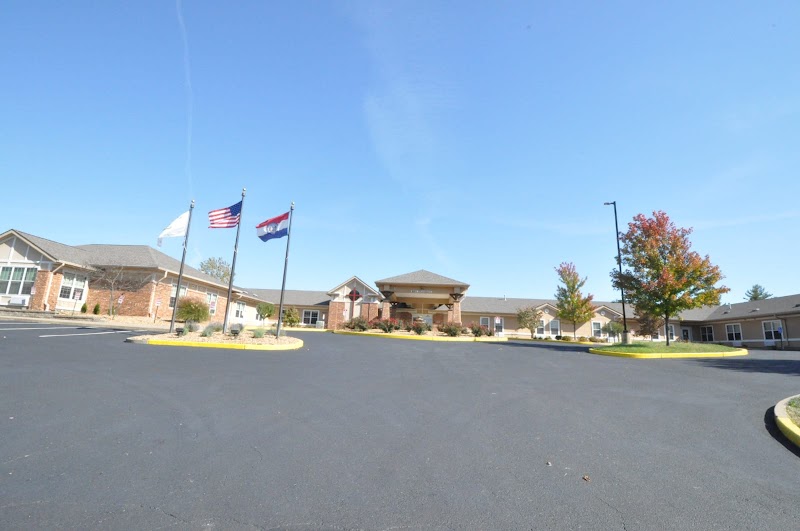
How is Arbor Hills Care & Rehab Center Staffed?

CMS rates ARBOR HILLS CARE & REHAB CENTER's staffing level at 1 out of 5 stars, which is much below average compared to other nursing homes. Staff turnover is 75%, which is 29 percentage points above the Missouri average of 46%. High turnover can affect care consistency as new staff learn residents' individual needs. RN turnover specifically is 60%, which is notably high. RNs provide skilled clinical oversight, so turnover in this role can affect medical care quality.

What Have Inspectors Found at Arbor Hills Care & Rehab Center?

State health inspectors documented 59 deficiencies at ARBOR HILLS CARE & REHAB CENTER during 2022 to 2025. These included: 1 Immediate Jeopardy (the most serious level, indicating potential for serious harm or death), 6 that caused actual resident harm, and 52 with potential for harm. Immediate Jeopardy findings are rare and represent the most serious regulatory concerns. They require immediate corrective action.
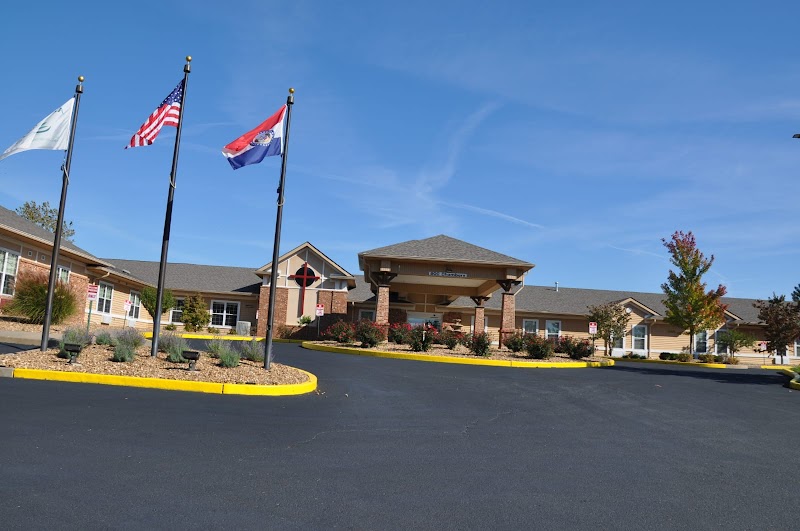
Who Owns and Operates Arbor Hills Care & Rehab Center?

ARBOR HILLS CARE & REHAB CENTER is owned by a for-profit company. For-profit facilities operate as businesses with obligations to shareholders or private owners. The facility operates independently rather than as part of a larger chain. With 150 certified beds and approximately 80 residents (about 53% occupancy), it is a mid-sized facility located in FERGUSON, Missouri.

How Does Arbor Hills Care & Rehab Center Compare to Other Missouri Nursing Homes?

Compared to the 100 nursing homes in Missouri, ARBOR HILLS CARE & REHAB CENTER's overall rating (1 stars) is below the state average of 2.5, staff turnover (75%) is significantly higher than the state average of 46%, and health inspection rating (1 stars) is much below the national benchmark.

What Should Families Ask When Visiting Arbor Hills Care & Rehab Center?

Based on this facility's data, families visiting should ask: "What changes have been made since the serious inspection findings, and how are you preventing similar issues?" "What safeguards and monitoring systems are in place to protect residents from abuse or neglect?" "How do you ensure continuity of care given staff turnover, and what is your staff retention strategy?" "Can you walk me through typical staffing levels on day, evening, and night shifts?" These questions are particularly relevant given the facility's Immediate Jeopardy citations, the substantiated abuse finding on record, the facility's high staff turnover rate, and the below-average staffing rating.

Is Arbor Hills Care & Rehab Center Safe?

Based on CMS inspection data, ARBOR HILLS CARE & REHAB CENTER has documented safety concerns. The facility has 1 substantiated abuse finding (meaning confirmed case of resident harm by staff or other residents). Inspectors have issued 1 Immediate Jeopardy citation (the most serious violation level indicating risk of serious injury or death). The facility has a 1-star overall rating and ranks #100 of 100 nursing homes in Missouri. Families considering this facility should ask detailed questions about what corrective actions have been taken since these incidents.

Do Nurses at Arbor Hills Care & Rehab Center Stick Around?

Staff turnover at ARBOR HILLS CARE & REHAB CENTER is high. At 75%, the facility is 29 percentage points above the Missouri average of 46%. Registered Nurse turnover is particularly concerning at 60%. RNs handle complex medical decisions and coordinate care — frequent RN changes can directly impact care quality. High turnover means new staff may not know residents' individual needs, medications, or preferences. It can also be disorienting for residents, especially those with dementia who rely on familiar faces. Families should ask: What is causing the turnover? What retention programs are in place? How do you ensure care continuity during staff transitions?

Was Arbor Hills Care & Rehab Center Ever Fined?

ARBOR HILLS CARE & REHAB CENTER has been fined $277,668 across 2 penalty actions. This is 7.7x the Missouri average of $35,856. Fines at this level are uncommon and typically indicate a pattern of serious deficiencies, repeated violations, or failure to correct problems promptly. CMS reserves penalties of this magnitude for facilities that pose significant, documented risk to resident health or safety. Families should request specific documentation of what issues led to these fines and what systemic changes have been implemented.

Is Arbor Hills Care & Rehab Center on Any Federal Watch List?

ARBOR HILLS CARE & REHAB CENTER is not on any federal watch list. The most significant is the Special Focus Facility (SFF) program, which identifies the bottom 1% of nursing homes nationally based on persistent, serious quality problems. Not being on this list means the facility has avoided the pattern of deficiencies that triggers enhanced federal oversight. This is a positive indicator, though families should still review the facility's inspection history directly.