OAK KNOLL SKILLED NURSING & REHABILITATION CENTER
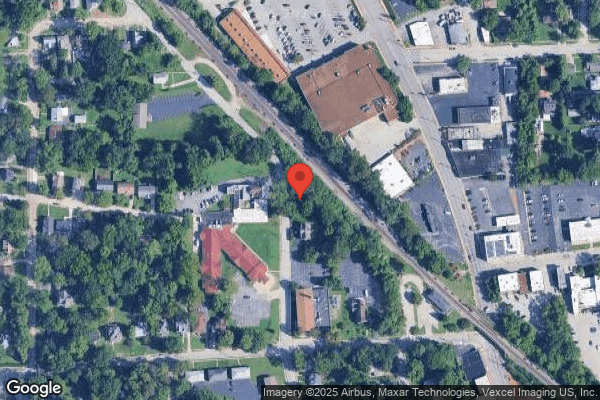
37 NORTH CLARK AVENUE, FERGUSON, MO 63135 (314) 521-7419
For profit - Corporation 72 Beds Independent Data: November 2025
Trust Grade
55/100
#181 of 479 in MO
Last Inspection: May 2024

Within standard 12-15 month inspection cycle. Federal law requires annual inspections.

Overview

Oak Knoll Skilled Nursing & Rehabilitation Center has a Trust Grade of C, which means it is average and falls in the middle of the pack. With a rank of #181 out of 479 facilities in Missouri, they are in the top half, and #22 out of 69 in St. Louis County indicates that only one local option is better. The facility is showing improvement, having reduced issues from 9 in 2024 to just 2 in 2025. However, staffing is a concern with a rating of 2 out of 5 stars and only 40% of shifts covered by a Registered Nurse, which is less than 87% of other state facilities, meaning residents may not receive the attention they need. There were several concerning incidents, including failures to create accurate care plans for residents and to assess the need for bed rails properly, which could lead to safety risks. Nonetheless, it is worth noting that the facility has not incurred any fines, which is a positive sign.

Trust Score
C
55/100
In Missouri
#181/479
Top 37%
Safety Record
Low Risk
No red flags
Inspections
Getting Better
9 → 2 violations
Staff Stability
⚠ Watch
60% turnover. Above average. Higher turnover means staff may not know residents' routines.
Penalties
✓ Good
No fines on record. Clean compliance history, better than most Missouri facilities.
Skilled Nurses
⚠ Watch
Each resident gets only 13 minutes of Registered Nurse (RN) attention daily — below average for Missouri. Fewer RN minutes means fewer trained eyes watching for problems.
Violations
⚠ Watch
32 deficiencies on record. Higher than average. Multiple issues found across inspections.
★★★☆☆
3.0
Overall Rating
★★☆☆☆
2.0
Staff Levels
★★☆☆☆
2.0
Care Quality
★★★☆☆
3.0
Inspection Score
Stable
2024: 9 issues
2025: 2 issues

The Good

  • Full Sprinkler Coverage · Fire safety systems throughout facility
  • No fines on record

Facility shows strength in fire safety.

The Bad

3-Star Overall Rating

Above Missouri average (2.5)

Meets federal standards, typical of most facilities

Staff Turnover: 60%

14pts above Missouri avg (46%)

Frequent staff changes - ask about care continuity

Staff turnover is elevated (60%)

12 points above Missouri average of 48%

The Ugly 32 deficiencies on record

Jun 2025 1 deficiency
CONCERN (D) 📢 Someone Reported This

A family member, employee, or ombudsman was alarmed enough to file a formal complaint

Potential for Harm - no one hurt, but risky conditions existed

Investigate Abuse (Tag F0610)

Could have caused harm · This affected 1 resident

Based on observation, interview and record review, the facility failed to investigate an injury of unknown origin for one of three sampled residents (Resident #1). The census 67. Review of the facilit...

Read full inspector narrative →
Based on observation, interview and record review, the facility failed to investigate an injury of unknown origin for one of three sampled residents (Resident #1). The census 67. Review of the facility's policy on Injuries of Unknown Origin, updated 4/30/20, showed the following: -Investigation should include Who, What, When, Why and How. Enable the investigator to record the information and establish a reasonable cause known source of the incident or injury within 24 hours of the incident or injury. If the investigator is unable to establish a reasonable cause or known source, further investigation is required. -Extended Investigation: Further investigation is required if there is Injury of Unknown Origin or Suspected Abuse within 24 hours and 1 hour for Abuse. The following will be needed: Statements from all involved witnesses and reporters. Expand the time frame surrounding the incident for collecting data and begin timeline. Follow-up on new information. Obtain related professional expertise. If the suspected perpetrator is staff, interview the other residents the staff person was assigned to. Gather assignment sheets and begin conducting interviews. Additional information obtained in the investigation should allow the investigator to answer the Who, What, When, Where, Why and How and lead the establishment of a reasonable cause. If the reasonable cause cannot be established in either investigative phase, the cause should be reported as unknown; -Corrective Action Required Following: After the investigative phase is completed, the nursing home is required to take action based upon the findings to correct the known and reasonable causes as well as the prevent further reoccurrence of the alleged incident. -Evidence of Investigation: The resident's record must include enough information about the incident to enable staff to identify, plan for and meet the resident's needs. Evidence of the investigation must be readily available to state licensing and certification staff and others according to their authority. Review of Resident #1's 5 Day Minimum Data Set (MDS), a federally mandated assessment instrument completed by facility staff, dated 4/9/25, showed the following: -Diagnoses of Alzheimer's disease, high blood pressure and pneumonia; -Short/Long term memory loss; -Required maximum assistance of staff for bathing, dressing, grooming and toilet use; -Required moderate to maximum staff assistance for transfers; -No open areas or bruises. Review of the resident's progress note, dated 5/26/25 at 8:22 A.M., showed the following: -Sent to the hospital related to swelling and pain of the left hip; -Resident has shortness of breath and congestion; -Family and physician aware; -No documentation regarding the resident's skin. During an interview on 5/29/25 on 1:30 P.M., hospital staff said the resident has a second degree burn with blistering on the dorsal side (back side) of his/her right hand overlying first and second metacarpal (bones in your hand that connect your wrist to your thumb and finger bones) that is of superficial partial thickness. He/She also had a couple of little spots of blistered skin on his/her fingers on the inside of his/her hand, as well as burns on his/her left hand and thigh. The Director of Nursing (DON) told the hospital staff she had no idea how the resident could have gotten burned, because he/she does not have access to anything hot like a coffee pot or curling iron. His/Her spouse visited him/her at the facility on May 26, 2025 and said he/she did not have the burns then. Observation on 6/5/25 at 10:15 A.M., showed the resident lay in a low bed next to the wall with a fall mat on the right side. The resident's left hand showed a healing wound approximately 4 centimeters (cm) in size. During an interview on 6/5/25 at 10:10 A.M., Certified Nurse Aide (CNA) B said he/she has taken care of the resident on the day shift. He/She recently saw the wound on his/her left hand. The resident didn't have the wound prior to him/her going on vacation a week ago. CNA B doesn't know how he/she developed the wound. During an interview on 6/6/25 at 10:22 A.M., Registered Nurse (RN) A said he/she was the charge nurse on 5/26/25. Staff reported the resident complained of left leg pain. During the assessment, the resident's leg appeared swollen and he/she complained of pain. An order was received to send the resident to the hospital. CNA D reported a blister to the resident's left hand when the resident was on his/her way to the hospital. RN A did not assess the resident's skin and did not notice the blister to the left hand. He/She was more focused on the resident's leg. RN A failed to document the blister or report it to the DON. During an interview on 6/5/25 at 2:50 P.M., Licensed Practical Nurse (LPN) C said he/she was made aware of the blister to the resident's left hand when the resident was on his/her way to the hospital. The blister was fluid filled and intact at the time of transfer. LPN C failed to document the blister in the medical record. During an interview on 6/5/25 at 3:10 P.M., the DON said the hospital called about the wound to the resident's left hand and asked whether the resident sustained a burn. The resident had no access to hot liquids. She interviewed the charge nurses but failed to talk to nurse aides. The staff failed to report the change in the resident's skin. She expected staff to report it to the nurse who should assess, notify the physician and document in the medical record. During an interview on 6/6/25 at 11:17 A.M., the Administrator said staff failed to report the blister prior to the resident going to the hospital. If staff had reported the blister, an investigation would have been done to determine the cause of the blister. He expected staff to report any changes to the resident's skin to the charge nurse. The charge nurse should assess, call the physician for orders and document in the medical record. MO00254960 MO00255257
Apr 2025 1 deficiency
CONCERN (D) 📢 Someone Reported This

A family member, employee, or ombudsman was alarmed enough to file a formal complaint

Potential for Harm - no one hurt, but risky conditions existed

Free from Abuse/Neglect (Tag F0600)

Could have caused harm · This affected 1 resident

Based on observation, interview and record review, the facility failed to ensure one of four sampled residents was free from abuse. Certified Nurse Aide (CNA) A pulled on Resident #1's hair while taki...

Read full inspector narrative →
Based on observation, interview and record review, the facility failed to ensure one of four sampled residents was free from abuse. Certified Nurse Aide (CNA) A pulled on Resident #1's hair while taking the resident back to his/her room for hygiene care. The census was 62. The Administrator was notified on 4/3/25, of the past non-compliance. On 3/26/25, the management was notified of an abuse allegation that occurred the evening of 3/25/25. Upon notification of an abuse allegation on 3/26/25, the facility immediately suspended staff, investigated and implemented abuse/neglect in-servicing to all facility staff. During the onsite investigation, interviewed staff verified recent in-servicing and verbalized education. The deficiency was corrected on 3/26/25. Review of the abuse/neglect policy, revised 5/24/23, showed: -Purpose: the facility has a zero tolerance policy on any form of abuse or neglect against residents. Each resident has the right to be free from verbal, sexual, physical, mental abuse and neglect. Residents will not be subjected to abuse by anyone, including staff, other residents or any individual in the facility. The prime directive is to develop and operationalize policies and procedures for screening and training for all staff for protection of residents and the prevention, identification, investigation and reporting of abuse, neglect, mistreatment and misappropriation of property in an effort to prevent any occurrence of the abuse; -Definitions: -Abuse: a willful infliction of injury, unreasonable confinement, intimidation, pain, mental anguish or punishment with resulting physical/mental harm; -Physical abuse: includes hitting, slapping, pinching and kicking. It also includes controlling behaviors through corporal punishment; -Training: All staff will be trained upon orientation and continued facility in-service training that focus on facility policies and procedures related to abuse prohibition practices which include but not limited to: -What constitutes abuse, neglect and misappropriation of resident property; -Appropriate interventions to implement with aggressive behavior of staff, residents and visitors; -How staff, residents, and visitors should report their knowledge relating to any allegations without fear of retaliation; -How to recognize signs of burnout, frustrations and stress that may lead to abuse; -Prevention: Resident, families. Volunteers and staff are provided with information on how and to whom to report concerns, incidents, accidents, complaint, grievances and provide feedback without the fear of retribution. Concerns can be made directly or anonymously by filling out a complaint/grievance form and placing it under the administrator's and/or social worker designee's office door. Administration will identify, correct and intervene on all risk situations in which abuse, neglect and/or misappropriation of the resident property are likely to occur. The following is an analysis of intervention approach: -Sufficient deployment of staff on each shift to meet the needs of residents and assure that staff assigned have knowledge of the resident care needs; -Features of the physical environment where abuse and/or neglect incident/accidents are more likely to occur, such as secluded areas of the facility; -The supervision of staff to identify inappropriate behaviors, such as using derogatory language, rough handling, and/or ignoring residents while giving care; -The assessment, care planning, and monitoring of all residents with needs and behaviors with may lead to conflict, abuse or neglect including residents with a history of aggressive behaviors, residents who have behaviors such as residents with communication disorders and those dependent on staff for assistance; -Identification and investigation: an investigation will ensue following a report of abuse or suspicion of abuse: -Staff, residents, family members and visitors are to report any suspected abuse to any of the following persons: Administrator, Director of Nursing (DON), nurse, social worker and administration department heads; -Reporting: the facility must begin the investigation immediately to collect accurate data related to the incident/accident. Investigation will include statements from staff and residents, security camera review and nurses' assessments. Review of Resident #1's medical record, showed: -admitted : 7/16/17; -Diagnoses included dementia without behavior disturbances, mood disturbance, anxiety, stroke, diabetes, aphasia (difficulty speaking), and contracture of the right hand. Review of the care plan, in use during the abbreviated survey, showed: -Problem: the resident is limited in ability to perform daily self care tasks due to right sided weakness; -Goal: the resident will have care needs met; -Approach: staff provide assistance with transfers, toileting, bathing and other care needs; -Problem: Cognitive loss/Dementia; -Goal: the resident will have positive experiences in daily routine; -Approach: calm the resident if signs of distress develop during the decision making process. Respect the resident's right to make decisions. Staff provide cues and supervision for daily care. Observation of the facility's video footage, dated 3/25/25, showed Resident #1 in his/her wheelchair in the dining room. Three staff were noted in the nursing station counter area. Certified Medication Technician (CMT) B, CNA A and CNA C. CNA A stood at the edge of the counter, speaking to the resident. The resident propelled away from the desk and CNA A approached the resident and spoke into the resident's ear. The resident used his/her left arm, swung behind himself/herself and stuck CNA A in the face as he/she propelled away. CNA A followed the resident and grabbed the resident's hair. The resident used his/her left hand and grabbed CNA A's left wrist. CNA A released the resident's hair and looked at his/her wrist and pushed the resident toward the hallway. CNA A grabbed the resident's hair again, released the hair and grabbed and held onto the hair a third time, as he/she pushed the resident down the hallway. CNA C and CMT B did not intervene during the incident. Review of CNA A's time sheet, dated 3/25/25, showed: -In: 3:36 P.M.; -Out: 10:55 P.M.; -No additional days worked after 3/25/25. During an interview on 4/3/25 at 8:22 A.M., the DON said on the morning on 3/26/25, she was notified by Resident #4 that Resident #3 had observed the interaction between CNA A and Resident #1 the evening of 3/25/24. Resident #4 recommended the DON view the camera. The DON said she and the Administrator viewed the footage and verified the allegation. Resident #1 received a skin assessment with no abnormal findings and due to his/her cognitive status, was not able to recall the incident. CNA A worked the evening shift and was not scheduled to return for duty for several days. The management team started an investigation, obtained statements, and suspended all of the staff in the footage pending investigation. CNA A was terminated. In-servicing on all facility staff was conducted for abuse/neglect policy and reporting. During an interview on 4/3/25 at 11:13 A.M., CNA C said he/she worked the evening shift of 3/25/25 with CNA A and CMT B. The shift was short staffed, and staff were very busy. He/She did not witness any abuse or an incident between CNA A and Resident #1. He/She received abuse/neglect in-servicing yearly and on 3/26/25. If he/she witnessed or if any allegation of abuse were reported, he/she would protect the resident, tell the charge nurse and notify the DON. During an interview on 4/3/35 at 11:30 A.M., CMT B said he/she worked the evening shift on 3/25/25 with CNAs A and C. The shift had been busy. He/She did not observe an altercation between Resident #1 and CNA A. Later in the shift, CNA approached him/her for topical ointment for scratches to his/her left wrist. CNA A said Resident #1 scratched him/her earlier in the shift while taking the resident to his/her room for care. Any witnessed or reported abuse/neglect is immediately reported to the DON and Administrator. The resident is protected, and the charge nurse notified. CMT B was in-serviced on the abuse/neglect policy prior to his/her shift on 3/26/25. During an interview on 4/3/25 at 11:46 A.M., CNA A said he/she worked the evening shift on 3/25/25 and worked with Resident #1. Resident #1 had soiled himself/herself and CNA A whispered in the resident's ear he/she needed to be changed. Resident #1 reached back and scratched his/her face. In a reaction, CNA A grabbed the resident's hair, the resident then grabbed and dug his/her fingers into CNA A's left wrist. CNA A released the resident's hair and grabbed it again to prevent the resident from scratching him/her. He/She had been terminated on 3/26/25. He/She felt very badly about what happened and cried during the interview. He/She said it was wrong to grab the resident's hair and he/she did not mean to hurt or frighten the resident. His/Her left wrist bled from the resident's nails and he/she reacted without thinking. He/She was in-serviced on abuse/neglect prevention around seven months ago. During an interview on 4/3/25 at 11:58 A.M., CNA E said the facility provided frequent in-services. He/She was in-serviced on abuse/neglect on 3/26/25. Staff report all abuse/neglect issues to the nurse and the DON immediately. Staff should intervene and protect the resident and get help if needed. During an interview on 4/3/25 at 12:05 P.M., Licensed Practical Nurse (LPN) D said he/she was in-serviced on 3/26/25 regarding abuse/neglect. Staff should protect the resident first and intervene. The nurse provides a skin assessment, reports to the DON and Administrator and suspends the staff. Staff are responsible for resident safety. During an interview on 4/3/35 at 1:16 P.M., the Administrator said all departments had been in-serviced on the abuse/neglect policy on 3/26/25. MO00251777
May 2024 9 deficiencies
CONCERN (E)

Potential for Harm - no one hurt, but risky conditions existed

Comprehensive Care Plan (Tag F0656)

Could have caused harm · This affected multiple residents

**NOTE- TERMS IN BRACKETS HAVE BEEN EDITED TO PROTECT CONFIDENTIALITY** Based on interview and record review, the facility failed to ensure complete, accurate and individualized care plans to address...

Read full inspector narrative →
**NOTE- TERMS IN BRACKETS HAVE BEEN EDITED TO PROTECT CONFIDENTIALITY** Based on interview and record review, the facility failed to ensure complete, accurate and individualized care plans to address the specific needs of residents for five of 18 sampled residents (Resident #2, #36, #34,#26 and #13). The census was 66. Review of the facility Care Plan Policy, dated 2001, revised [DATE], showed: -An individualized comprehensive care plan that includes measurable objectives and timetables to meet the resident's medical, nursing, mental and psychological needs is developed for each resident; -Our facility's Care Planning/Interdisciplinary Team, in coordination with the resident, his/her family or representative (sponsor), develops and maintains a comprehensive care plan for each resident that identifies the highest level of functioning the resident may be expected to attain; -The comprehensive care plan is based on a thorough assessment that includes, but is not limited to, the Minimum Data Set (MDS, a federally mandated assessment instrument completed by facility staff); -Each resident's comprehensive care plan is designed to: -Incorporate identified problem areas; -Incorporate risk factors associated with identified problems; -Build on the resident's strengths; -Reflect the resident's expressed wishes regarding care and treatment goals; -Reflect treatment goals, timetables and objectives in measurable outcomes; -Identify the professional services that are responsible for each element of care; -Aid in preventing or reducing declines in the resident's functional status and/or functional levels; -Enhance the optimal functioning of the resident by focusing on a rehabilitative program, and reflect currently recognized standards of practice for problem areas and conditions; -Areas of concern that are triggered during the resident assessment are evaluated using specific assessment tools (including Care Area Assessments) before interventions are added to the care plan; -Care plan interventions are designed after careful consideration of the relationship between the resident's problem areas and their causes. When possible, interventions address the underlying source(s) of the problem area(s), rather than addressing only symptoms or triggers. It is recognized that care planning individual symptoms or Care Area Triggers in isolation may have little, if any, benefit for the resident; -Identifying problem areas and their causes, and developing interventions that are targeted and meaningful to the resident are interdisciplinary processes that require careful data gathering, proper sequencing of events and complex clinical decision making. No single discipline can manage the task in isolation. The resident's physician (or primary healthcare provider) is integral to this process; -Reflect currently recognized standards of practice for problem areas and conditions; -Reflect areas of concern that are triggered during the resident assessment are evaluated using specific assessment tools (including Care Area Assessments) before interventions are added to the care plan; -Assessments of residents are ongoing and care plans are revised as information about the resident and the resident's condition change; -The Care Planning/Interdisciplinary Team is responsible for the review and updating of care plans: -When there has been a significant change in the resident's condition; -When the desired outcome is not met; -When the resident has been readmitted to the facility from a hospital stay; and at least quarterly; -The resident has the right to refuse to participate in the development of his/her care plan and medical and nursing treatments. When such refusals are made, appropriate documentation will be entered into the resident's clinical records in accordance with established policies; - Policy Interpretation and Implementation: The care plan is based on the resident's comprehensive assessment and is developed by a Care Planning/Interdisciplinary Team which includes, but is not necessarily limited to the following personnel: -The resident's Attending Physician; -The Registered Nurse who has responsibility for the resident; -The Dietary Manager/Dietitian; -The Social Services Worker responsible for the resident; -The Activity Director/Coordinator; -Therapists (speech, occupational, recreational, etc.), as applicable; -Consultants (as appropriate); -The Director of Nursing (as applicable); -The Charge Nurse responsible for resident care; -Nursing Assistants responsible for the resident's care; and -Others as appropriate or necessary to meet the needs of the resident; -The resident, the resident's family and/or the resident's legal representative/guardian or surrogate are encouraged to participate in the development of and revisions to the resident's care plan; -Every effort will be made to schedule care plan meetings at the best time of the day for the resident and family; -When a resident has no family, the ombudsman will be invited to attend the care plan meeting if desired by the resident; -The mechanics of how the Interdisciplinary Team meets its responsibilities in the development of the interdisciplinary care plan (e.g., face-to-face, teleconference, written communication, etc.) is at the discretion of the Care Planning Committee. 1. Review of Resident #2's annual MDS, dated [DATE], showed: -Cognitively impaired; -Dependent on staff assistance for all activities of daily living (ADLs); -Bed rail not used; -Diagnoses included high blood pressure, dementia, diabetes, chronic lung disease and depression. Review of the resident's medical record, showed no physician's order or assessment for the bed rail. Review of the resident's care plan, dated [DATE], showed: -Problem: Resident has a memory/recall problem due to vascular dementia; -Goal: Will not sustain serious injury due to memory/recall deficit; -Approach: Redirect resident when entering unsafe areas. Ensure resident's areas are free of hazards. Resident's bed has at least two lockable wheels. Ensure assistive devices available and in good condition (walkers, canes, wheelchairs); -Problem: Needs moderate ADL care assistance. Staff to assist with hygiene needs, mouth care, peri care (washing the genitals and anal area), dressing, etc. by setting resident up for care needs or staff performing hygiene needs; -Goal: Resident will be groomed properly. Assisted if needed or can't perform for themselves; -Approach: Staff will make sure resident hygiene needs are met daily; -No use of bed rails noted and/or direction for staff regarding the use of bed rails. Observation on [DATE] at 1:45 P.M. and on [DATE] at 9:06 A.M., showed the resident lay in bed, with one quarter length bed rail raised, located on the left side of the resident's bed, adjacent to the window. During an interview on [DATE] at 9:21 A.M., Licensed Practical Nurse (LPN) J said the side rails just come with the bed, he/she was not sure if the resident used the rail or not. He/She said he/she would ask one of the Certified Nursing Assistants (CNAs) and find out if the resident used the rail. During an interview on [DATE] at 9:22 A.M., CNA I said the only time the resident used the rail was when staff provided care, the resident will hold onto the rail when turned onto his/her side. 2. Review of Resident #36's significant change MDS, dated [DATE], showed: -Severe cognitive impairment; -No behaviors; -Diagnoses included high blood pressure, anxiety and dementia; -Bed rails not used. Review of the resident's care plan, last reviewed [DATE], showed no information regarding the use of bed rails. Review of the resident's medical record, showed no physician's order or assessment for the use of bed rails. Observation on [DATE] at 3:14 P.M. and [DATE] at 1:17 P.M., showed the resident lay in bed on his/her back. Quarter length side rails were raised on both sides of the bed. 3. Review of Resident #34's annual MDS dated [DATE], showed: -admitted on [DATE]; -Severe cognitive impairment; -Diagnoses included cancer, atrial fibrillation (a-fib, irregular heart rhythm), high blood pressure, diabetes, and dementia. Review of the emergency medical procedures, provided by the facility, showed: - In the event of an observed medical emergency, basic cardiac resuscitation (CPR, full life saving measures) is to be initiated and 911 called; -The form was signed on the line for signature of resident and/or legal representative. The signature was illegible and dated [DATE]. Review of the resident's care plan, in use at the time of survey showed, no information regarding code status. During an interview on [DATE] at 2:05 P.M., LPN C said the Social Worker (SW) reviewed the code status with the resident. During an interview on [DATE] at 2:30 P.M., the SW said the code status was reviewed on admission and quarterly with the care plan meeting. Code status should be on the care plan. The code status on the care plan should be updated quarterly with the care plan meetings. 4. Review of Resident #26's annual MDS, dated [DATE], showed: -Severe cognitive impairment; -Diagnoses included: high blood pressure and schizophrenia (serious mental illness that affects how a person thinks, feels, and behaves). Observation on [DATE] at 8:50 A.M., [DATE] at 9:05 A.M., [DATE] at 7:12 A.M. and on [DATE] at 9:30 A.M., showed the resident lay in bed with the top two quarter side rails up. Review of the side rail use and risk assessment, dated [DATE], showed: -Purpose of side rail use evaluation: other-no side rail. Review of the care plan, in use at the time of survey, showed side rails not addressed. 5. Review of Resident #13's annual MDS, dated [DATE], showed: -Cognitively intact; -Bowel and bladder appliances: indwelling (inside the body) catheter (a flexible tube inserted into the bladder); -Diagnoses included: anemia (low red blood count), high blood pressure, renal disease, and dementia. Observation on [DATE] at 8:55 A.M., [DATE] at 9:03 A.M., and 2:22 P.M., [DATE] at 7:15 A.M. and on [DATE] at 9:35 A.M., showed the resident was lying in bed with the top quarter side rails up on both sides of the bed and the catheter was draining urine to gravity. The resident said he/she used the side rails to help him/her turn and reposition and he/she had the catheter because he/she had a wound on his/her back side. Review of the care plan, in use at the time of survey, showed, side rails and the catheter not addressed. Review of the electronic medical record, observation history dated [DATE] through [DATE], showed no side rail assessment. 7. During an interview on [DATE] at 8:18 A.M., the Director of Nursing (DON) said the MDS Coordinator was responsible for updating care plans. They had not had a consistent MDS Coordinator after the last one quit. Care plans should reflect the resident's current needs. Hospice, side rails and other needs specific to the resident should be included on the care plan. 8. During an interview on [DATE] at 1:58 P.M., the DON, the Owner and the Administrator said care plans should be an accurate assessment of the care needs of the resident. They would expect for side rails and catheters to be on the care plan.
CONCERN (E)

Potential for Harm - no one hurt, but risky conditions existed

Deficiency F0700 (Tag F0700)

Could have caused harm · This affected multiple residents

**NOTE- TERMS IN BRACKETS HAVE BEEN EDITED TO PROTECT CONFIDENTIALITY** Based on observation, interview and record review, the facility failed to ensure bed rails were accurately assessed as a necessa...

Read full inspector narrative →
**NOTE- TERMS IN BRACKETS HAVE BEEN EDITED TO PROTECT CONFIDENTIALITY** Based on observation, interview and record review, the facility failed to ensure bed rails were accurately assessed as a necessary device prior to installation and use for five of 18 sampled residents (Resident #62, #36, #26, #2 and #13). The facility also failed to document usage in the resident's care plan. The census was 66. Review of the facility's Proper Use of Side Rails policy, revised October 2010, showed: -The purpose of these guidelines are to ensure the safe use of side rails as resident mobility aids to and prohibit the use of side rails as restraints unless necessary to treat a resident's medical symptoms; -General Guidelines; -Side rails are only permissible if they are used to treat a resident's medical symptoms or to assist with mobility and transfer of residents; -An assessment will be made to determine the resident's symptoms or reason for using side rails. When used for mobility or transfer, an assessment will include a review of the resident's; -Bed mobility; -Ability to change positions, transfer to and from bed or chair, and to stand and toilet; -The use of side rails as an assistive device will be addressed in the resident's care plan; -Consent for using restrictive devices will be obtained from the resident or legal representative per facility protocol; -The risk and benefits of side rails will be considered for each resident; -The resident will be checked periodically for safety relative to side rail use; -When side rails usage is appropriate, the facility will assess the space between the mattress and side rails to reduce the risk of entrapment (the amount of safe space may vary, depending on the type of bed and mattress being used). 1. Review of Resident #62's quarterly Minimum Data Set (MDS), a federally mandated assessment instrument completed by facility staff, dated 3/14/24, showed: -admitted on [DATE]; -Severe cognitive impairment; -No behaviors; -Diagnoses included cancer, high blood pressure, kidney disease, diabetes, high cholesterol, dementia, anxiety and depression; -Bed rails not used. Review of the resident's care plan, last reviewed 3/15/24, showed no information regarding the use of bed rails. Review of the resident's medical record, showed no maintenance assessment for the use of bed rails. Observation on 5/20/24 at 1:56 P.M., and 5/21/24 at 3:16 P.M., showed the resident lay in bed. U-shaped side rail was raised on the left side of the resident. Observation on 5/24/24 at 9:04 A.M., showed the resident was not in the room and the side rail was gone or removed. During an interview on 5/24/24 at 9:07 A.M., Licensed Practical Nurse (LPN) C said he/she did not recall the resident had a side rail in the bed. He/She said side rails typically came with the bed and are used for residents' positioning. They usually call them grab rails. There were no assessment sheets that nurses fill out. During an interview on 5/24/24 at 9:11 A.M., Certified Nursing Assistant (CNA) K said the resident used the left side rail for repositioning and mobility. He/She was not aware the side rail has been removed. 2. Review of Resident #36's Significant Change MDS, dated [DATE], showed: -Severe cognitive impairment; -No behaviors; -Diagnoses included high blood pressure, anxiety and dementia; -Bed rails not used. Review of the resident's care plan, last reviewed 3/15/24, showed no information regarding the use of bed rails. Review of the resident's medical record, showed no physician's order or assessment for the use of bed rails. Observation on 5/21/24 at 3:14 P.M. and 5/23/24 at 1:17 P.M., showed the resident lay in bed on his/her back. Quarter length side rails were raised on both sides of the bed. During an interview on 5/24/24 at 9:11 A.M., Certified Nursing Assistant (CNA) K said the resident used the side rails for repositioning and mobility. 3. Review of Resident #26's annual MDS, dated [DATE], showed: -Severe cognitive impairment; -Diagnoses included: high blood pressure and schizophrenia (serious mental illness that affects how a person thinks, feels, and behaves). Observation on 5/21/24 at 8:50 A.M., 5/22/24 at 9:05 A.M., 5/23/24 at 7:12 A.M. and on 5/24/24 at 9:30 A.M., showed the resident lay in bed with the top two quarter side rail up. Review of the side rail use and risk assessment, dated 4/4/24, showed: -Purpose of side rail use evaluation: other-no side rail. During an interview on 5/24/24 at 9:45 A.M. CNA L said Resident #26 used side rails to keep him/her from falling out of bed. He/She gets his/her arms moving and he/she might fall out of bed, so they keep the side rails up. 4. Review of Resident #2's annual MDS, dated [DATE], showed: -Cognitively impaired; -Dependent on staff assistance for all activities of daily living (ADLs); -Bed rail not used; -Diagnoses included high blood pressure, dementia, diabetes, chronic lung disease and depression. Review of the resident's medical record, showed no physician's order or assessment for the bed rail. Review of the resident's care plan, dated 4/24/2024, showed: -Problem: Cognitive Loss/Dementia. Resident has a memory/recall problem due to vascular dementia; -Goal: Will not sustain serious injury due to memory/recall deficit; -Approach: Redirect resident when entering unsafe areas. Ensure resident's areas are free of hazards. Resident's bed has at least two lockable wheels. Ensure assistive devices available and in good condition (walkers, canes, wheelchairs); -Problem: ADLs Functional, needs moderate ADL care assistance. Staff to assist with hygiene needs, mouth care, peri care, dressing, etc. by setting resident up for care needs or staff performing hygiene needs. Make sure if resident have on brief if needed; -Goal: Resident will be groomed properly. Assisted if needed or can't perform for themselves; -Approach: Staff will make sure resident hygiene needs are met daily; -No direction for staff regarding the use of bed rails. Observation on 5/23/24 at 1:45 P.M. and on 5/24/24 at 9:06 A.M., showed the resident lay in bed, with one quarter length bed rail raised, located on the left side of the resident's bed, adjacent to the window. During an interview on 5/24/24 at 9:21 A.M., LPN J said the side rails just comes with the bed, he/she was not sure if the resident used the rail or not. He/She said he/she would ask one of the CNAs and find out if the resident uses the rail. During an interview on 5/24/24 at 9:22 A.M., CNA I said the only time the resident used the rail is when staff provide care, the resident will hold onto the rail when turned onto his/her side. 5. Review of Resident #13's annual MDS, dated [DATE], showed: -Cognitively intact; -Diagnoses included: anemia (low red blood count), high blood pressure, renal disease, and dementia. Observation on 5/21/24 at 8:55 A.M., 5/22/24 at 9:03 A.M., and 2:22 P.M., 5/23/24 at 7:15 A.M. and on 5/24/24 at 9:35 A.M., showed the resident lay in bed with the top quarter side rails up on both sides of the bed. The resident said he/she used the side rails to help him/her turn and reposition. Review of the electronic medical record, observation history, dated 5/3/23 through 5/24/24, showed no side rail assessment. During an interview on 5/24/24 at 9:45 A.M. CNA L said Resident #13 used side rails for turning and positioning 6. During an interview on 5/22/24 at 1:40 P.M., Certified Medication Technician (CMT) F said the facility did not use side rails because it was considered a restraint. 7. During an interview on 5/22/24 at 2:00 P.M. CNA H said some residents used side rails because they like to hold on to something to help them turn and reposition when in bed. 8. During an interview on 5/24/24 at 9:07 A.M., Licensed Practical Nurse (LPN) C said residents used side rails for positioning and turning. Side rails were included with resident beds and nursing was not responsible for assessing for the use of side rails. 9. During an interview on 5/24/24 at 2:00 P.M., the Administrator and Director of Nursing (DON) said the use of side rails should be assessed by nursing before installation and should be assessed annually and during a significant change. The use of side rails should also be included in the care plan.
CONCERN (E)

Potential for Harm - no one hurt, but risky conditions existed

Deficiency F0727 (Tag F0727)

Could have caused harm · This affected multiple residents

Based on interview and record review, the facility failed to provide a Registered Nurse (RN) for eight consecutive hours per day, seven days a week. The facility maintained a census of greater than 60...

Read full inspector narrative →
Based on interview and record review, the facility failed to provide a Registered Nurse (RN) for eight consecutive hours per day, seven days a week. The facility maintained a census of greater than 60 residents, and this deficiency had the potential to affect all residents. The census was 66. Review of the facility's daily assignment sheets, dated 4/20/24 through 5/20/24, showed no RN was scheduled on 4/22, 4/24, 4/26, 4/29, 5/1, 5/3, 5/6, 5/8, 5/9, 5/15, 5/17, and 5/20. During an interview on 5/21/24 at 9:04 A.M., RN B said he/she worked part-time, every Tuesday, Thursday and some weekends. During an interview on 5/22/24 at 11:45 A.M., the Director of Nursing (DON) said there were three RNs in the facility, including herself. She said RN B worked Tuesdays, Thursdays and every other weekend. The other RN worked every other weekend only. The DON said the facility had an RN daily because she worked whenever the other two RNs were not working. She worked Monday to Friday and weekends if needed. She understood that due to their census, the DON could not be considered as a staff RN. During an interview on 5/24/24 at 2:00 P.M., the Administrator and DON agreed that the facility had to have RN coverage eight hours a day, seven days a week.
CONCERN (E)

Potential for Harm - no one hurt, but risky conditions existed

Pharmacy Services (Tag F0755)

Could have caused harm · This affected multiple residents

Based on interview and record review, the facility failed to establish a system of records for all controlled drugs with sufficient detail to enable an accurate reconciliation for one of one controlle...

Read full inspector narrative →
Based on interview and record review, the facility failed to establish a system of records for all controlled drugs with sufficient detail to enable an accurate reconciliation for one of one controlled substance binders reviewed. This had the potential to affect all residents with controlled substance orders. The census was 66. Review of the facility's Controlled Substance Policy, dated December 2011, showed: -Policy Statement: The facility shall comply with all laws, regulations, and other requirements related to handling, storage, disposal, and documentation of Schedule II (drugs with a high abuse risk) and other controlled substances (a drug or other substance that is tightly controlled by the government because it may be abused or cause addiction); -The Director of Nursing (DON) services will identify staff members who are authorized to handle controlled drugs; -Controlled substances must be counted upon delivery. The nurse receiving the order, along with the person delivering the medication order, must count the controlled substances together. Both individuals must sign the designated narcotic record. Review of the facility's Controlled Substance Inventory Record, showed: -Dated: March 2024: -7 A.M. through 3 P.M., Nurse 7-3 in: eight out of 31 opportunities were blank; -3 P.M. through 11 P.M., Nurse 7-3 out: seven out of 31 opportunities were blank; -3 P.M. through 11 P.M., Nurse 3-11 in: two out of 31 opportunities were blank; -11 P.M. through 7 A.M., Nurse 3-11 out: one out of 31 opportunities were blank; -Dated: April 2024: -7 A.M. through 3 P.M., Nurse 11-7 out: three out of 30 opportunities were blank; -3 P.M. through 11 P.M., Nurse 7-3 out: one out of 30 opportunities were blank; -Nurse 3-11 in: six out of 30 opportunities were blank; -11 P.M. through 7 A.M., Nurse 3-11 out: eight out of 30 opportunities were blank; -Nurse 11-7 in: four out of 30 opportunities were blank; -Dated: May 2024: -7 A.M. through 3 P.M., Nurse 11-7 out: one out of 22 opportunities were blank; -3 P.M. through 11 P.M., Nurse 7-3 out: one out of 22 opportunities were blank; -Nurse 3-11 in: five out of 22 opportunities were blank; -11 P.M. through 7 A.M., Nurse 3-11 out: nine out of 22 opportunities were blank; -Nurse 11-7 in: one out of 22 opportunities were blank. During an interview on 5/24/24 at 8:12 A.M. and at 11:05 A.M., the DON said the nurse coming on to a shift and the nurse going off shift should count the controlled substances together and document it on the controlled substance inventory record. If there was a blank on the form, that meant someone forgot to sign the page. The DON said she reviewed the inventory log and the blanks on the form are from agency staff. The DON expected all staff to sign the form when the count was completed.
CONCERN (E)

Potential for Harm - no one hurt, but risky conditions existed

Deficiency F0761 (Tag F0761)

Could have caused harm · This affected multiple residents

Based on observation, interview and record review, the facility failed to ensure medications were stored in accordance with acceptable professional principles when staff walked away from the medicatio...

Read full inspector narrative →
Based on observation, interview and record review, the facility failed to ensure medications were stored in accordance with acceptable professional principles when staff walked away from the medication cart, leaving it unlocked. In addition, staff left the medication room unlocked. The census was 66. Review of the facility's Storage of Medications Policy, dated April 2007, showed: -The nursing staff shall be responsible for maintaining medication storage and preparation areas in a clean, safe, and sanitary manner; -Compartments (including, but not limited to, drawers, cabinets, rooms, refrigerators, carts, and boxes) containing drugs and biologicals shall be locked when not in use, and trays or carts used to transport such items shall not be left unattended if open or otherwise potentially available to others. 1. Observation on 5/21/24 at 7:50 A.M., showed Licensed Practical Nurse (LPN) C passing medications on the 100 hall. The medication cart (med cart) was in front of the bird cage. LPN C prepared a resident's medication and walked away from the med cart to administer the medication. The med cart was left unlocked. At approximately 7:52 A.M., LPN C returned to the med cart and prepared another resident's medication and walked into the dining room, leaving the med cart unlocked. One resident walked past the unlocked med cart. LPN C walked past the unlocked med cart into the sitting room and administered the resident's medication. LPN C returned to the medication cart and prepared another resident's medication and walked away from the med cart, leaving the med cart unlocked. Observation on 5/21/24 at 8:45 A.M., showed the nurse's med cart was parked by the bar area on the 200 halls. The med cart was unlocked. LPN C was in the second-floor dining room approximately 100 feet from the med cart. At 8:46 A.M., the nurse returned to the med cart and prepared medication and walked away from the medication cart, leaving the med cart unlocked. 2. Observation on 5/21/24 at 8:33 A.M., showed the 200-hall medication room was halfway open and there was no staff at the nurse's station. At 9:00 A.M., the medication room door on the 200 hall was open approximately three to four inches. There were no staff at the nurse's station. At 9:04 A.M. Registered Nurse (RN) B came to the nurse station, with his/her med cart. He/She parked the med cart against the wall. The med cart was unlocked. At 9:20 A.M., RN B walked away from the nurse's station, leaving the med room door open and the med cart unlocked. At approximately 9:21 A.M., the physical therapist walked into the med room unsupervised, after approximately one minute, he/she left the med room without closing the door. At 9:23 A.M., RN B returned to the nurse's station. During an interview on 5/21/24 at 9:27 A.M., RN B said nurses had the key to the med room and only direct patient care staff can go into the med room. Certified Medication Technicians (CMT) and Certified Nurse Aides (CNAs) can go into the med room, they just need to go through the nurse first. Physical therapists, residents and visitors are not allowed in the med room. The med room door must be locked if there were no staff at the nurse's station. 3. During an interview on 5/23/24 at 11:25 A.M., CMT F said the medication cart should be locked if you walk away from it and the med room on the second floor should be locked. 4. During an interview on 5/23/24 at 11:45 A.M. CMT M said if you leave the med cart, it should be locked, and the med room should be locked. 5. During an interview on 5/23/24 at 1:20 P.M., the Director of Nursing (DON) said staff should lock the med cart when they walk away from it. The med room door should be always locked and only nursing staff should enter the med room unless staff were right there. 6. During an interview on 5/24/24 at 2:00 P.M. the DON, the Owner and the Administrator said they expected the med carts and med rooms to be lock.
CONCERN (E)

Potential for Harm - no one hurt, but risky conditions existed

Food Safety (Tag F0812)

Could have caused harm · This affected multiple residents

Based on observation and interview, the facility failed to maintain food under sanitary conditions by not ensuring food was labeled and dated after opened. This had the potential to affect all residen...

Read full inspector narrative →
Based on observation and interview, the facility failed to maintain food under sanitary conditions by not ensuring food was labeled and dated after opened. This had the potential to affect all residents who consumed food from the facility kitchen. The census was 66. Review of the Dietary Infection Control/Sanitation Policy, undated, showed: -Food is stored in a safe and sanitary manner; -Food stored in freezers and refrigerators are covered, labeled and dated, especially foods taken out of their original containers and leftovers. Observation of the kitchen on 5/20/24 at 12:12 P.M., 5/23/24 at 1:41 P.M., and on 5/24/24 at 9:00 A.M., showed: -A plastic bag of frozen hamburger, opened and undated; -A plastic bag of frozen pork chops, opened and undated; -A plastic bag of frozen hash browns, opened and undated; -A plastic bag of frozen taco meat, opened and undated; -A plastic bag of frozen buns, opened and undated; -Bowls of mixed fruit, covered with plastic wrap, undated; During an interview on 5/24/24 at 9:13 A.M., the Dietary Manager said she expected staff to label and date food once the package has been opened. During an interview on 5/24/24 2:05 P.M., the Director of Nursing said opened/stored food should be labeled and dated.
CONCERN (E)

Potential for Harm - no one hurt, but risky conditions existed

Medical Records (Tag F0842)

Could have caused harm · This affected multiple residents

**NOTE- TERMS IN BRACKETS HAVE BEEN EDITED TO PROTECT CONFIDENTIALITY** Based on interview and record review, the facility failed to ensure that in accordance with acceptable professional standards an...

Read full inspector narrative →
**NOTE- TERMS IN BRACKETS HAVE BEEN EDITED TO PROTECT CONFIDENTIALITY** Based on interview and record review, the facility failed to ensure that in accordance with acceptable professional standards and practices, medical records were complete and accurately documented including the administration of medications and treatments for six residents (Resident #13, #30, #26, #2, #51 and #24). The sample was 18. The census was 66. Review of the facility's Administering Medication Policy, dated April 2010, showed: -Policy statement: medications shall be administered in a safe and timely manner, and as prescribed; -Only persons licensed or permitted by this state to prepare, administer, and document the administration of medications may do so; -The Director of Nursing (DON) Services will supervise and direct all nursing personnel who administer medications and/or have related functions; -The individual administering the medication must initial the resident's Medication Administration Record (MAR) on the appropriate line after giving each medication and before administering the next ones; -Topical medications used in treatments must be recorded on the resident's treatment record (TAR); -If a dug is withheld, refused, or given at a time other than the scheduled time, the individual administering the medication shall initial and circle the MAR space provided for that drug and dose; -As required or indicated for a medication, the individual administering the medication will record in the resident's medical record: the signature and title of the person administering the drug. 1. Review of Resident #13's annual Minimum Data Set (MDS), a federally mandated assessment instrument completed by the facility staff, dated 3/14/24, showed: -Cognitively intact; -Diagnoses included: anemia (low red blood count), high blood pressure, renal disease, and dementia. Review of the care plan, in use at the time of survey, showed: -Focus: Resident has multiple open areas to right upper extremity (RUE) and being treated for infection to wounds. He/She refuses dressing changes frequently; -Intervention: Treat per Medical Doctor (MD) order; -Focus: Resident complains of the taste of many foods. He/She is used to family members bringing him/her food but has been unable to related to Covid restrictions. He/She likes to add hot sauce to many items and keeps a bottle/packets in his/her room. Current diet is regular; -Intervention: Provide 2 Cal supplements (nutritional supplement), 90 milliliters (mL) three times a day (TID); Review of the physician order sheet (POS) dated 5/21/24, showed: -An order for: 2 cal (supplement) 120 mL four times a day (QID); -An order for: iron tablet 325 milligrams (mg) give one tablet once daily (q day); -An order for: Keppra (anticonvulsant) 500 mg twice daily (BID); -An order for liquid protein fortifier (supplement), administer 30 mL q day; -Probiotics administer 1 capsule BID for 20 days, diagnoses (DX) protein calorie malnutrition; -An order for: Sertraline (used to treat depression) 100 mg q day; -An order for: Calmoseptine ointment (barrier cream), apply to excoriation (chafing) to coccyx (tailbone) area and genital every shift; -An order for: clean area at top of coccyx with wound cleanser, apply foam dressing daily and as needed (PRN). Review of the resident's MAR/TAR, dated 5/1/24 through 5/22/24, showed: -An order for: 2 cal 120 mL QID; -Documentation showed: At 8:00 A.M., 11 out of 21 opportunities were blank; -At 12:00 P.M., two out of 21 opportunities were blank; -At 4:00 P.M., nine out of 21 opportunities were blank; -At 8:00 P.M., one out of 21 opportunities were blank; -An order for: iron tablet 325 mg give one tablet q day: -Documentation showed: 10 out of 21 opportunities were blank; -An order for: Keppra 500 mg BID; -Documentation showed: At 7:00 A.M. through 10:45 A.M., two out of 21 opportunities were blank; -At 3:00 P.M. through 7:45 P.M., four out of 21 opportunities were blank; -An order for: liquid protein fortifier, administer 30 mL q day; -Documentation showed: three out of 21 opportunities were blank; -An order for: Probiotic administers 1 capsule BID for 20 days; -Documentation showed: At 3:00 P.M. through 7:45 P.M., four out of 20 opportunities were blank; -An order for: Sertraline 100 mg q day; -Documentation showed: two out of 21 opportunities were blank; -An order for: Calmoseptine ointment, apply to excoriation to coccyx area and genital every shift; -Documentation showed: On Days: three out of 21 opportunities were blank; -An order for: clean area at top of coccyx with wound cleanser, apply foam dressing daily and PRN; -Documentation showed: three out of 21 opportunities were blank; -An order for: Dakin's Solution (strong topical antiseptic used to clean infected wounds, ulcers and burns) clean area to coccyx with Dakin's solution, pack with Dakin's-soaked gauze, cover with foam border dressing daily and PRN; -Documentation showed: 11 out of 21 opportunities were blank. Review of the progress notes dated 5/1/24 through 5/24/24, showed no explanation for the blanks on the MAR/TAR's. 2. Review of Resident #30's quarterly MDS, dated [DATE], showed: -Moderately impaired cognition; -Diagnoses included: coronary artery disease (CAD, plaque buildup in the wall of the arteries that supply blood to the heart), high blood pressure, diabetes, and seizure disorder. Review of the care plan in use at the time of survey, showed: -Focus: Resident has history of left leg infection. He/She is receiving long usage of antibiotic therapy. He/She is at risk for side effects, infection getting worse, decrease fluid/food intake or medication not being effective. He/She is also dependent for most activities of daily living (ADL's, grooming, dressing, bathing); -Interventions: Nursing staff to give medication as ordered; -Focus: Resident is at risk for pressure ulcers (Injury to skin and underlying tissue resulting from prolonged pressure on the skin) related to incontinence, impaired mobility and spends majority of day in bed or wheelchair. Pressure ulcer to left lateral (outer) ankle; -Intervention: provide wound care as ordered. Review of the POS, dated 5/1/24 through 5/24/24, showed: -An order for: 2 cal 90 mL TID; -An order for: Advair HFA (inhaler, used to prevent and control symptoms caused by asthma)115-21 microgram (mcg), administer 1 puff BID; -An order for: Dilantin 125 mg/5 mL (used to treat and prevent seizures), administer 4 mL TID; -An order for Eliquis (blood thinner) 5 mg BID; -An order for: famotidine (acid reducer) 20 mg, administer 1 tablet BID; An order for: Lopressor (used to treat blood pressure) 100 mg, administer 1 tablet TID, hold if blood pressure is less than 110/70 or heart rate less than 55; -An order for probiotic, administer 1 capsule BID; -An order for: Risperdal 1 mg BID, DX bipolar (a mental health condition that causes extreme mood swings that include emotional highs (mania or hypomania) and lows (depression)); -An order for: valproic acid solution (anticonvulsant) 250 mg/5 mL, administer 15 mL TID; -An order for: apply skin prep (skin protectant) to bilateral ankles and heels daily; -An order for: clean area to buttocks, apply alginate foam dressing (absorbs exudate (fluid that leaks out of blood vessels into near by tissues) away from the wound) daily and PRN; -An order for: mupirocin 2% (used to treat skin infections), apply a small amount to left bunion area, cover with ABD (absorbent dressing) and dressing once daily. Review of the MAR/TAR, dated 5/1/24 through 5/24/24, showed: -An order for: 2 cal 90 mL TID; -Documentation showed: At 6:00 A.M., seven out of 23 opportunities were blank; -At 2:00 P.M., three out of 23 opportunities were blank; -At 10:00 P.M., two out of 23 opportunities were blank; -An order for: Advair HFA 115-21 mcg, administer 1 puff BID; -Documentation showed: At 7:00 A.M. through 10:45 A.M., four out of 23 opportunities were blank; -At 7:00 P.M. through 10:45 P.M., two out of 23 opportunities were blank; -An order for: Dilantin 125 mg/5 mL, administer 4 mL TID; -Documentation showed: At 6:00 A.M., seven out of 23 opportunities were blank; -At 2:00 P.M., three out of 23 opportunities were blank; -At 10:00 P.M., two out of 23 opportunities were blank; -An order for Eliquis 5 mg BID; -Documentation showed: At 7:00 A.M. through 10:45 A.M., four out of 23 opportunities were blank; -At 3:00 P.M. through 7:45 P.M., nine out of 23 opportunities were blank; -An order for: famotidine 20 mg, administer 1 tablet BID; -Documentation showed: 7:00 A.M. through 10:45 A.M., five out of 23 opportunities were blank; -At 3:00 P.M. to 7:45 P.M., nine out of 23 opportunities were blank; -An order for: Lopressor 100 mg, administer 1 tablet TID, hold if blood pressure is less than 110/70 or heart rate less than 55; -Documentation showed: At 6:00 A.M., seven out of 23 opportunities were blank; -At 2:00 P.M., four out of 23 opportunities were blank; -At 10:00 P.M., two out of 23 opportunities were blank; -An order for probiotic, administer 1 capsule BID; -Documentation showed: At 7:00 A.M. through 10:45 A.M., four out of 23 opportunities were blank; -At 3:00 P.M. through 7:45 P.M., nine out of 23 opportunities were blank; -An order for: Risperdal 1 mg BID; -Documentation showed: At 8:00 A.M. through 10:45 A.M., four out of 23 opportunities were blank; -An order for: valproic acid solution 250 mg/5 mL, administer 15 mL TID; -Documentation showed: At 6:00 A.M., six out of 23 opportunities were blank; -At 2:00 P.M., three out of 23 opportunities were blank; -At 10:00 P.M., two out of 23 opportunities were blank; -An order for: apply skin prep to bilateral ankles and heels daily; -Documentation showed: two out of 21 opportunities were blank; -An order for: clean area to buttocks, apply alginate foam dressing daily and PRN; -Documentation showed: three out of 21 opportunities were blank; -An order for: mupirocin 2% apply a small amount to left bunion area, cover with ABD and dressing once daily; -Documentation showed: two out of 21 opportunities were blank. Review of the progress notes dated 5/1/24 through 5/24/24, showed: -On 5/7/24 at 10:38 A.M., Resident up in chair in dining room, treatment deferred until returns to bed; -On 5/11/24 at 8:43 A.M., treatment deferred as is up in chair in dining areas; -There were no other explanations for possible blanks on the MAR/TAR. Review of the MAR/TAR dated 5/7/24 and 5/11/24, showed: -Apply skin prep to bilaterally ankles daily was documented on 5/7/24 and 5/11/24; -Clean area to buttocks, apply alginate foam dressing daily and PRN was documented on 5/7/24 and 5/11/24; -Mupirocin 2%, apply small amount to left bunion area, cover with ABD and dressing daily was documented on 5/7/24 and 5/11/24. 4. Review of Resident #26's annual MDS, dated [DATE], showed: -Severe cognitive impairment; -Diagnoses included: high blood pressure and schizophrenia (serious mental illness that affects how a person thinks, feels, and behaves). Review of the POS, dated 5/1/24 through 5/24/24, showed: -An order for: Amoxicillin-pot clavulanate (antibiotic) 875-125 mg tablet, administer 1 tablet every 12 hours; -An order for: Buspirone (antianxiety) 5 mg TID; -An order for: doxycycline monohydrate 100 mg (antibiotic) administer 1 capsule every 12 hours. Patient is on long term antibiotic regimen; -An order for: Flonase allergy relief 50 mcg, administer 1 spray in each nostril BID; -An order for gabapentin (anticonvulsant) 300 mg, administer 1-tab TID; -An order for: melatonin (helps with sleep) 3 mg, administer 3 tabs at bedtime; -An order for: tizanidine (muscle relaxant) 4 mg BID; -An order for: clean area to abdomen, remove any stool that may be sitting on the skin, cover abdomen with stoma powder (helps with irritation), cover area with ABD pads, disposable pad and secure with brief, check every 2 hours. Review of the MAR, dated 5/1/24 through 5/24/24, showed: -An order for: Amoxicillin-pot clavulanate 875-125 mg tablet, administer 1 tablet every 12 hours; -Documentation showed: At 8:00 A.M., four out of 9 opportunities were blank; -At 8:00 P.M., two out of eight opportunities were blank; -An order for: Buspirone 5 mg TID; -Documentation showed: At 6:00 A.M. six out of 23 opportunities were blank; -At 2:00 P.M., four out of 23 opportunities were blank; -At 10:00 P.M., four out of 23 opportunities were blank; -An order for: doxycycline monohydrate 100 mg administers 1 capsule every 12 hours; -Documentation showed: At 8:00 A.M., 11 out of 23 opportunities were blank; -At 8:00 P.M., three out of 23 opportunities were blank; -An order for: Flonase allergy relief 50 mcg, administer 1 spray in each nostril BID; -Documentation showed: eight out of 23 opportunities were blank; -An order for gabapentin 300 mg, administer 1 tab TID; -Documentation showed: At 7:00 A.M., 12 out of 23 opportunities were blank; -At 2:00 P.M., four out of 23 opportunities were blank; -At 10:00 P.M., four out of 23 opportunities were blank; -An order for: melatonin 3 mg, administer 3 tabs at bedtime; -Documentation showed: three out of 23 opportunities were blank; -An order for: tizanidine 4 mg BID; -Documentation showed: At 3:00 P.M. through 7:45 P.M., eight out of 23 opportunities were blank; -An order for: clean area to abdomen, remove any stool that may be sitting on the skin, cover abdomen with stoma powder, cover area with ABD pads, disposable pad and secure with brief, check every 2 hours; -Documentation showed: At 12:00 A.M., five out of 23 opportunities were blank; -At 2:00 A.M., three out of 23 opportunities were blank; -At 6:00 A.M., two out of 23 opportunities were blank; -At 8:00 A.M., five out of 23 opportunities were blank; -At 10:00 A.M., three out of 23 opportunities were blank; -At 12:00 P.M., three out of 23 opportunities were blank; -At 2:00 P.M., five out of 23 opportunities were blank; -At 4:00 P.M., three out of 23 opportunities were blank; -At 6:00 P.M., three out of 23 opportunities were blank. Review of the progress notes dated 5/1/24 through 5/24/24 showed: -On 5/4/24 at 9:35 P.M., antibiotic/urinary tract infection (UTI) on going. Resident very difficult to arouse for medications. Narcotics held, no dinner eaten, unable to offer fluids. Respirations even and unlabored. Will try to re-offer before 11:00 P.M.; -No other documentation to explain the blanks on the MAR/TAR. Review of the MAR/TAR dated 5/4/24 showed: -Amoxicillin-pot clavulanate 875-125 mg tablet, administer 1 tablet every 12 hours, the 8:00 P.M. dose was blank; -Bursar 5 mg TID, the 10:00 P.M. dose was blank; -Doxycycline monohydrate 100 mg administers 1 capsule every 12 hours, the 8:00 P.M. dose was blank; -Gabapentin 300 mg, administer 1-tab TID, the 10 P.M. was blank; -Melatonin 3 mg, administer 3 tabs at bedtime, the 8:00 P.M. dose was blank; -Clean area to abdomen, remove any stool that may be sitting on the skin, cover abdomen with stoma powder, cover area with ABD pads, disposable pad and secure with brief, check every 2 hours, the 6:00 P.M. time slot was blank. 5. Review of Resident #2's annual MDS, dated [DATE], showed; -Cognitively impaired; -Diagnoses included dementia, diabetes, chronic lung disease and depression. Review of the resident's Electronic Physician Orders Sheet (ePOS), in use at the time of the survey, showed: -An order dated 3/16/24, for Cardizem (used to treat high blood pressure), 30 mg, 1 tablet QID; -An order dated 3/16/24, for Metoprolol Tartrate (used to treat high blood pressure), 25 mg, 1 tablet orally BID; -An order dated 3/16/24, for Eliquis (used to treat and prevent blood clots and to prevent stroke), 5 mg tablet, orally, BID; -An order dated 3/16/24, for Pepcid (used to treat a condition which the stomach contents move up into the esophagus), 40 mg, 1 tablet orally once an evening; -An order dated 10/10/23, for Latuda (used to treat mood disorders), 80 mg, 1 tablet orally, once an evening; Review of the resident's May 2024 MAR, showed; -22 out of 80 scheduled Cardizem medication doses with blank entries; -10 out of 40 scheduled Metoprolol Tartrate medication doses with blank entries; -Four out of 40 scheduled Eliquis medication doses with blank entries; -Four out of 20 scheduled Latuda medication doses with blank entries; -Four out of 20 scheduled Pepcid medication doses with blank entries. Review of the resident's nurse's progress notes, showed no documentation to explain the blanks on the MAR/TAR. 6. Review of Resident #51's quarterly MDS, dated [DATE], showed; -Cognitively intact; -Diagnoses included heart failure and Parkinson's disease (a disorder of the central nervous system that affects movement, often including tremors). Review of the resident's ePOS, in use at the time of the survey, showed: -An order dated 11/2/21 for Carbidopa-Levodopa (used to treat Parkinson's disease), 25-100 mg, 1 tablet orally TID; Review of the resident's May 2024 MAR, showed; -10 out of 60 scheduled Carbidopa-Levodopa medication doses with blank entries. Review of the resident's nurse's progress notes, showed no documentation to explain the blanks on the MAR/TAR. 7. Review of Resident #24's annual MDS, dated [DATE], showed; -Cognitively impaired; -Nutritional Approach: Tube feeding (A feeding tube is a medical device used to provide nutrition to people who cannot obtain nutrition by mouth, are unable to swallow safely, or need nutritional supplementation); -Average fluid intake per day by tube feeding, 501 cubic centimeter (cc)/day or more; -Diagnoses included high blood pressure and stroke. Review of the resident's ePOS, in use at the time of the survey, showed: -An order dated 8/21/2019 to record resident's tube feeding input/output (The process involves recording all the fluid that goes into the patient and the fluid that leaves the body) every shift (three times a day). Review of the resident's May 2024 MAR, showed; -6 out of 60 scheduled recorded input/output amounts with blank entries. Review of the resident's progress notes, dated 5/1/24 through 5/24/24 showed: -5/10/24 at 8:29 A.M., resident's feeding tube broke off when trying to flush tube (flushing the tube with warm water helps release any formula stuck to the inside of the tube). Physician notified, sent resident to the hospital to have the feeding tube replaced; -5/10/24 at 11:57 A.M., resident back to the facility, feeding tube intact. Tube feeding infusing at 70 ml per hour; -No other documentation regarding blank entries in the resident's MAR. 8. During an interview on 5/24/24 at 9:23 A.M., Nurse J said if the MAR was not initialed, it could be the medication was missed, regardless, if something was not documented, it didn't happen. 9. During an interview on 5/24/24 at 9:20 A.M., the Certified Medication Technician (CMT) M said if a resident refused his/her supplement or medication he/she would document it on the MAR. 10. During an interview on 5/24/24 at 1:58 P.M., the DON, Owner and Administrator said they would expect for staff to document medication and treatments as they were administered. If medications/treatments were not administered, the reason why should be documented. They would expect for the medical record to be complete and accurate.
CONCERN (E)

Potential for Harm - no one hurt, but risky conditions existed

Infection Control (Tag F0880)

Could have caused harm · This affected multiple residents

**NOTE- TERMS IN BRACKETS HAVE BEEN EDITED TO PROTECT CONFIDENTIALITY** Based on observation, interview and record review, the facility failed to maintain an infection prevention and control program w...

Read full inspector narrative →
**NOTE- TERMS IN BRACKETS HAVE BEEN EDITED TO PROTECT CONFIDENTIALITY** Based on observation, interview and record review, the facility failed to maintain an infection prevention and control program when staff failed to wear appropriate personal protective equipment (PPE), in accordance with the facility's policy, during high-contact activities with residents on enhanced barrier precautions (EBP, precautions for use during high-contact resident care activities for residents infected with a multidrug-resistant organism (MDRO, microorganisms that are resistant to one or more classes of antimicrobial agents) or any resident who has a chronic wound and/or indwelling medical device) for three residents (Residents #30, #46 and #24). In addition, the facility failed to follow accepted infection control and prevention to implement their water management program to prevent the spread of waterborne pathogens, such as legionella (a bacteria that causes legionnaire's disease which is a severe form of pneumonia or lung inflammation). This failure had the potential to affect all residents in the facility. The sample was 18. The census was 66. Review of the facility's Enhanced Barrier Precautions Policy, dated August 2022, showed: -EBPs are used as an infection prevention and control intervention to reduce the spread of MDRO to residents; -EBPs employ targeted gown and glove use during high contact resident care activities when contact precautions do not otherwise apply; -Gloves and gown are applied prior to performing the high contact resident care activity (as opposed to before entering the room); -Examples of high-contact resident care activities requiring the use of gown and gloves for EBPs include: - Dressing; - Transferring; - Providing hygiene; - Device care or use (feeding tube (a medical device used to provide nutrition to people who cannot obtain nutrition by mouth, are unable to swallow safely, or need nutritional supplementation.)) - Wound care (any skin opening requiring a dressing); -EBPs are indicated (when contact precautions do not otherwise apply) for residents with wounds and/or indwelling medical devices regardless of MDRO colonization; -EBPs remain in place for the duration of the resident's stay or until resolution of the wound or discontinuation of the indwelling medical device that places them at increased risk; -Staff are trained on EBPs prior to caring for residents on EBP; -Signs are posted on the door or the wall outside the resident room indicating the type of precautions and PPE required. Review of the facility's EBP signage, undated, showed: - Everyone must: clean their hands, including before entering and when leaving the room; -Providers and staff must also: wear gloves and gown for the following high contact resident care activities: -Dressing; -Bathing/showering; -Transferring; -Changing linens; -Personal hygiene; -Changing briefs or assisting with toileting; -Device care or use: -Central line (a thin, flexible tube that is inserted into a vein, usually below the right collarbone, and guided into a large vein above the right side of the heart), urinary catheter (a flexible tube used to empty the bladder and collect urine in a drainage bag), feeding tube, tracheostomy (an incision in the windpipe made to relieve an obstruction to breathing); -Wound care: any skin opening requiring a dressing; -Do not wear the same the same gown and gloves for the care of more than one person. Review of the facility's undated Legionella Water Management Program, showed: -Policy: Facility is to maintain and follow local and state water standards and should follow manufacturer's instructions regarding cleaning, disinfecting, and maintenance of any water systems in facility. Facility is to have a water management program to prioritize water safety for residents who are at increased risk for Legionnaires' disease; -Facility is to contact Missouri division of American Water Company every 6 months for a water report of water coming into the facility; -Refer to Emergency Preparedness Plan if it is determined to be an emergency water issue; -Refer to Housekeeping and infection control policy for cleanliness and disinfecting of any water systems including medical equipment, ice machines, eyewash stations, showerheads; -Refer to infection control policy if there is an outbreak of Legionnaires' disease; -The facility did not have a water management team nor did the facility have a water flow diagram or a text version of the water flow. Review of the facility's Infection Preventionist binder, showed it contained directions in developing a Legionella water management program. This included establishing a water management program team and describing the facility's water systems using text or flow diagram. 1. Review of Resident #30's quarterly Minimum Data Set (MDS), a federally mandated assessment instrument completed by the facility staff, dated 2/9/24, showed: -Moderately impaired cognition; -Diagnoses included: coronary artery disease (CAD, plaque buildup in the wall of the arteries that supply blood to the heart), high blood pressure, diabetes, and seizure disorder. Review of the care plan, in use at the time of survey, showed: -Focus: Resident is at risk for pressure ulcers (Injury to skin and underlying tissue resulting from prolonged pressure on the skin) related to incontinence, impaired mobility and spends majority of day in bed or wheelchair. Pressure ulcer to left lateral (outer) ankle 12/17/2020; -Goal: will be monitored for skin impairment and will have adequate wound care through next Assessment; -Interventions: Staff must use EBP (wear gown and gloves) related to resident having chronic wounds. During all the following activities urinary catheter, feeding tube, wound care: any skin opening requiring addressing dressing, bathing/showering, transferring, providing hygiene, changing linens, changing briefs, or assisting with toileting. Observation on 5/21/24 at 8:20 A.M., showed an EBP sign on the residents door. The resident lay in bed, dressed, with a mechanical lift cloth under him/her. Certified Nurse Aide (CNA) L and CNA G wore gloves and a face mask, while they connected the lift cloth to the mechanical lift. They raised the resident up and guided the resident into his/her chair and unfastened the lift cloth from the lift. Both CNAs removed their gloves and performed hand hygiene. Staff failed to wear a gown while transferring the resident from the bed to the chair. Observation on 5/23/24 at 7:50 A.M., showed an EBP sign on the resident's door. The resident lay in bed. CNA H and CNA G entered the resident's room, performed hand hygiene, and put on a gown and gloves. Staff provided A.M. care (personal hygiene and dressing) to the resident. CNA H removed his/her gown and gloves and left the room. A few minutes later CNA H entered the room with the mechanical lift. CNA H performed hand hygiene and put gloves on. He/She failed to put a gown on. Both CNA's attached the lift cloth to the mechanical lift and transferred the resident to the chair. During an interview on 5/23/24 at 12:00 P.M., CNA H said staff should wear gown and gloves with residents who have wounds and catheters, so the residents are safe, and staff are safe. During an interview on 5/23/24 at 12:05 P.M. CNA G said residents who had feeding tubes, wounds, and catheters, should have a sign on their door to wear PPE. PPE should be worn whenever a resident was physically touched, such as dressing, grooming, bathing and transferring the resident. He/She would not need to wear PPE if they just went into the room to drop off a meal tray. 2. Review of Resident #46's quarterly MDS, dated [DATE], showed: -Moderately impaired cognition; -Diagnoses included: heart failure, high blood pressure and dementia. Review of the medical record, showed the resident was not on EBP. Observation on 5/21/24 at 8:20 A.M., showed, Resident #30 and Resident #46 shared a room. There was an EBP sign on the door of the residents' room. The signage did not indicate which resident or if both residents were on EBP. Staff used the mechanical lift to transfer Resident #30 from the bed to the chair. Staff then used the same lift to transfer Resident #46 from the bed to the chair without sanitizing the lift between residents. 3. Review of the Resident #24's quarterly MDS, dated [DATE], showed: -Should a brief interview for mental status be conducted? No; -Diagnoses included: stroke, high blood pressure and diabetes; -Gastrostomy tube (g-tube). Review of the care plan, in use at the time of survey, showed: -Focus: Impaired swallowing related to dysphasia (difficulty swallowing). Family has signed an informed consent dining meaning that they wish for the resident to have regular foods fed to him/her by them when they are with him/her for pleasure, dated 12/2023; -Goal: Resident will not exhibit malnutrition or dehydration; -Intervention: Staff must use EBP (wear gown and gloves) related to resident having a feeding tube. During all the following activities urinary catheter, feeding tube, wound care, any skin opening requiring addressing dressing, bathing/showering, transferring, providing hygiene, changing linens, changing briefs, or assisting with toileting. Observation on 5/23/24 at 8:20 A.M., showed an EBP sign on the resident's door. Licensed Practical Nurse (LPN) D entered the resident's room, performed hand hygiene, and put gloves on. LPN D prepared the resident's medications and administered the medications via g-tube without wearing a gown. During an interview on 5/23/24 at 11:45 A.M., Certified Medication Technician (CMT) M said if a resident had a sign on their door to wear PPE, he/she would wear whatever the sign said to wear. During an interview on 5/23/24 at 12:10 P.M. Registered Nurse (RN) B said EBPs were used for residents who had an infection or had the potential for infection. The PPE was used to protect yourself in case there was any secretions and to avoid possible cross contamination. PPE was worn at the bedside while providing care. All staff who entered the room should wear PPE even if they were delivering a meal tray because they may need to do something else while in the room. During an interview on 5/23/24 at 1:20 P.M., the Infection Preventionist/Director of Nursing (IP/DON) said residents who had indwelling devices such as catheters, g-tubes and if the resident was colonized or had a MDRO or if the resident had a wound, they should be on EBP. A sign was posted on their door with instructions on what PPE the staff should wear. PPE should be worn when staff were in close contact with the resident such as grooming, dressing, bathing, and transferring the resident. The mechanical lift should be cleaned and sanitized between all residents regardless if a resident was on EBP or not. If the lift was not sanitized between residents, there was a chance the infection could spread to the next resident. Staff should wear a gown and gloves when administering g-tube medications. 4. During an interview on 5/24/24 at 9:51 A.M., the IP/DON said she was not aware of the facility's water systems. During an interview on 5/24/24 at 10:00 A.M., the Administrator said the facility had no water systems in place. During an interview 5/24/24 at 10:23 A.M., the Maintenance Director (MD) said he did not have information on the facility's water systems and had not seen a water flow system of the facility in his 43 years of employment. The MD said he was aware Legionella could be present in water fountains but was not aware that it might cause respiratory infections. The facility had no water management team. The MD checked the water temperature once a month and it was adjusted when out of the 105-120 degrees Fahrenheit range. He did not say where. The maintenance staff repaired any water issues as reported. They communicated with the water company for the facility's water system. During an interview on 5/24/24 at 1:58 P.M., the IP/DON, Owner and Administrator said they would expect staff to follow the facility's policy and procedures for infection control. They also agreed to have a water system in place using text or flow diagram specific to the facility.
CONCERN (E)

Potential for Harm - no one hurt, but risky conditions existed

Deficiency F0909 (Tag F0909)

Could have caused harm · This affected multiple residents

**NOTE- TERMS IN BRACKETS HAVE BEEN EDITED TO PROTECT CONFIDENTIALITY** Based on observation, interview and record review, the facility failed to ensure staff completed routine inspections of bed/side...

Read full inspector narrative →
**NOTE- TERMS IN BRACKETS HAVE BEEN EDITED TO PROTECT CONFIDENTIALITY** Based on observation, interview and record review, the facility failed to ensure staff completed routine inspections of bed/side rails as part of a regular maintenance program to identify areas of possible entrapment for five of 18 sampled residents (Resident #62, #36, #26, #2 and #13). The census was 66. Review of the facility's Proper Use of Side Rails policy, revised October 2010, showed: -The purpose of these guidelines are to ensure the safe use of side rails as resident mobility aids to and prohibit the use of side rails as restraints unless necessary to treat a resident's medical symptoms; -General Guidelines: -Side rails are only permissible if they are used to treat a resident's medical symptoms or to assist with mobility and transfer of residents; -An assessment will be made to determine the resident's symptoms or reason for using side rails. When used for mobility or transfer, an assessment will include a review of the resident's: -Bed mobility; -Ability to change positions, transfer to and from bed or chair, and to stand and toilet; -The use of side rails as an assistive device will be addressed in the resident's care plan; -Consent for using restrictive devices will be obtained from the resident or legal representative per facility protocol; -The risk and benefits of side rails will be considered for each resident; -The resident will be checked periodically for safety relative to side rail use; -When side rails usage is appropriate, the facility will assess the space between the mattress and side rails to reduce the risk of entrapment (the amount of safe space may vary, depending on the type of bed and mattress being used). 1. Review of Resident #62's quarterly Minimum Data Set (MDS), a federally mandated assessment instrument completed by facility staff, dated 3/14/24, showed: -admitted on [DATE]; -Severe cognitive impairment; -No behaviors; -Diagnoses included cancer, high blood pressure, kidney disease, diabetes, high cholesterol, dementia, anxiety and depression; -Bed rails not used. Review of the resident's medical record, showed no maintenance assessment for the use of bed rails. Observation on 5/20/24 at 1:56 P.M., and 5/21/24 at 3:16 P.M., showed the resident lay in bed. A u-shaped side rail was raised on the left side of the resident. Observation on 5/24/24 at 9:04 A.M., showed the resident was not in the room and the side rail was gone or removed. During an interview on 5/24/24 at 9:07 A.M., Licensed Practical Nurse (LPN) C said he/she did not recall if the resident had a side rail on the bed. He/She said side rails typically came with the bed and were used for residents' positioning. They usually called them grab rails. There were no assessment sheets for nurses to fill out. During an interview on 5/24/24 at 9:11 A.M., Certified Nursing Assistant (CNA) K said the resident used the left side rail for repositioning and mobility. He/She was not aware the side rail had been removed. 2. Review of Resident #36's significant change MDS, dated [DATE], showed: -Severe cognitive impairment; -No behaviors; -Diagnoses included high blood pressure, anxiety and dementia; -Bed rails not used. Review of the resident's medical record, showed no maintenance assessment for the use of bed rails. Observation on 5/21/24 at 3:14 P.M. and 5/23/24 at 1:17 P.M., showed the resident lay in bed on his/her back. Quarter length side rails were raised on both sides of the bed. During an interview on 5/24/24 at 9:11 A.M., CNA K said the resident used the side rails for repositioning and mobility. 3. Review of Resident #26's annual MDS, dated [DATE], showed: -Severe cognitive impairment; -Diagnoses included: high blood pressure and schizophrenia (serious mental illness that affects how a person thinks, feels, and behaves). Observation on 5/21/24 at 8:50 A.M., 5/22/24 at 9:05 A.M., 5/23/24 at 7:12 A.M. and 5/24/24 at 9:30 A.M., showed the resident lay in bed with the top two quarter side rails up. Review of the medical record, showed no maintenance assessment for the use of side rails. 4. Review of Resident #2's annual MDS, dated [DATE], showed: -Cognitively impaired; -Dependent on staff assistance for all activities of daily living (ADLs); -Bed rail not used; -Diagnoses included high blood pressure, dementia, diabetes, chronic lung disease and depression. Review of the resident's medical record, showed no physician order or maintenance assessment for the bed rail. Review of the resident's care plan, dated 4/24/24, showed no direction for staff regarding the use of bed rails. Observation on 5/23/24 at 1:45 P.M. and on 5/24/24 at 9:06 A.M., showed the resident lay in bed, with one quarter length bed rail raised located on the left side of the resident's bed, adjacent to the window. During an interview on 5/24/24 at 9:21 A.M., LPN J said the side rails just came with bed. He/She was not sure if the resident used the rail or not. He/She would ask one of the CNAs and find out if the resident uses the rail. During an interview on 5/24/24 at 9:22 A.M., CNA I said the only time the resident used the rail was when staff provided care. The resident held onto the rail when turned onto his/her side. 5. Review of Resident #13's annual MDS, dated [DATE], showed: -Cognitively intact; -Diagnoses included: anemia (low red blood count), high blood pressure, renal disease, and dementia. Observation on 5/21/24 at 8:55 A.M., 5/22/24 at 9:03 A.M., and 2:22 P.M., 5/23/24 at 7:15 A.M. and 5/24/24 at 9:35 A.M., showed the resident lay in bed with the top quarter side rails up on both sides of the bed. The resident said he/she used the side rails to help him/her turn and reposition. Review of the medical record, showed no maintenance assessment for the use of side rails. 6. During an interview on 5/24/24 at 8:12 A.M., the Director of Nursing (DON) said Maintenance staff should do the maintenance checks on the side rails. 7. During an interview on 5/24/24 at 10:23 A.M., the Maintenance Director said if there was an order for bed rails, he would install them. He measured the rails once they were placed on the bed. The holes were already pre-drilled on the bed and a kit came with the bed. He had not measured the bed, mattress and rail while a resident was in bed. The weight of the resident would not affect the gap between the mattress and the rail. He only measured when the rails were first placed onto the bed. He was not aware of a routine maintenance program to assess for the risk of entrapment of bed rails. 8. During an interview on 5/24/24 at 2:00 P.M., the Administrator and DON said there was supposed to be a maintenance assessment for the use of side rails done on a quarterly basis and as needed.
Nov 2023 1 deficiency
CONCERN (E) 📢 Someone Reported This

A family member, employee, or ombudsman was alarmed enough to file a formal complaint

Potential for Harm - no one hurt, but risky conditions existed

Deficiency F0558 (Tag F0558)

Could have caused harm · This affected multiple residents

**NOTE- TERMS IN BRACKETS HAVE BEEN EDITED TO PROTECT CONFIDENTIALITY** Based on observation, interview and record review, the facility failed to ensure residents' needs were met by failing to ensure ...

Read full inspector narrative →
**NOTE- TERMS IN BRACKETS HAVE BEEN EDITED TO PROTECT CONFIDENTIALITY** Based on observation, interview and record review, the facility failed to ensure residents' needs were met by failing to ensure 10 residents who needed assistance with meal setup and eating were served and assisted for meals at the same time as the other residents in the dining room that did not require assistance. The ten residents sat and watched others at their table eat while they waited for food. Three of the ten residents were sampled residents (Resident #4, #2, and #3). Resident #4 was the last to be provided a meal and assistance with eating and waited over 30 minutes. The sample size was 4. The census was 70. 1. Review of Resident #4's quarterly Minimum Data Set (MDS), a federally mandated assessment instrument completed by facility staff, dated 9/22/23, showed: -Severe cognitive impairment; -Eating: Setup or clean-up assistance. Helper sets up or cleans up. Resident completes activity; -Upper body dressing: Supervision or touching assistance; -Lower body dressing: Supervision or touching assistance; -Personal hygiene: Blank; -Diagnoses include dementia, seizures, anxiety, depression, schizophrenia (disorder that affects a person's ability to think, feel, and behave clearly). -Review of the resident's electronic physician order sheet (EPOS), showed: -An order, dated, 3/19/20, diet thin liquids; -An order, dated 5/18/23, diet regular. Review of the resident's care plan, last edited 10/2/23, showed: -Problem: Resident is at risk for impaired nutrition related to no natural teeth or dentures. Resident wears upper and lower dentures, which currently cannot be located. Resident had previously been placed on a mechanical soft diet (type of texture-modified diet for people who have difficulty chewing and swallowing) after loss of previous dentures. Family is aware and reported that the resident used to hide them at home prior to coming to the nursing center. He/She continues to be reviewed by the dietician. He/She will at times try to wrap his/her food up in napkins instead of eating it and not want to give it to the staff. The resident does require assistance with cutting up his/her food and reminders to eat; -Goal: Nutrition needs will be met and weight maintained within acceptable parameters through next review date; -Approach: Encourage resident to eat slowly. Avoid foods that are difficult to chew. Offer available substitutes if resident has problems with the food being served. Provide resident with setup help, cueing, physical help, and assistance for meals. Monitor for weight loss. Report decreased food intake to appropriate clinician. Consult with dietician and follow recommendations; -Problem: Resident limited in ability to maintain grooming/personal hygiene related to cognitive impairment. Staff assists resident in choosing clothes and dressing. Staff also toilets resident, provides oral care, bathing needs, etc; -Goal: Resident will be groomed and all personal hygiene needs will be met through the next review date; -Approach: Provide assistance/full staff performance for oral care, washing/drying face and hands, perineum, bathing, dressing, etc; -The care plan did not include the physician ordered diet for the resident. Review of the facility's Special Diet List, provided by the facility on 11/15/23, showed the resident did not receive a special diet. 2. Review of Resident #2's quarterly MDS, dated [DATE], showed: -Severe cognitive impairment; -Functional Abilities: -Eating: Supervision or touching assistance. Helper provides verbal cues or touching assistance- Helper provides verbal cues or touching/steadying assistance as resident completes activity; -Upper body dressing: Substantial/maximal assistance. Helper does more than half the effort; -Lower body dressing: Substantial/maximal assistance. Helper does more than half the effort; -Personal hygiene: Substantial/maximal assistance. Helper does more than half the effort; -Diagnoses include dementia, seizures, anxiety, depression, schizophrenia. Review of the resident's care plan, last revised 7/26/23, showed: -Problem: Resident has a history of experiencing weight loss related to Covid-19 positive; -Goal: Resident will not lose 7.5% through next review; -Approach: Encourage oral intake of food and fluids. Monitor/record weights monthly. Notify physician and family of significant weight change; -Problem: Resident choking episode, where he/she grabbed a sandwich and stuffed in his/her mouth then got choked up; -Goal: Resident will not have any further choking episodes; -Approach: Staff to make sure food is cut up and resident is being monitored with all foods; -Problem: Resident is at risk for malnutrition related to no natural teeth or dentures. Resident is a feeder related to resident will pick up food and stuff in his/her mouth; -Goal: Weight will be maintained within acceptable parameters; -Approach: Report decrease in food intake to appropriate clinician. Monitor weight loss. Keep physician and significant other/designated family member informed of any weight loss. Review of the resident's EPOS showed an order, dated, 10/18/22, diet pureed (texture modified foods that do not require chewing), thin liquids. Review of the facility's Special Diet List provided by the facility on 11/15/23, showed the resident received a pureed diet. 3. Review of Resident #3's quarterly MDS, dated [DATE], showed: -Severe cognitive impairment; -Required moderate assistance from staff to eat; -Diagnoses include dementia and anxiety. Review of the resident's care plan, edited 9/27/23 showed the care plan did not address the resident's need for staff assistance with eating. Review of the resident's electronic physician's order sheet, showed an order, dated 9/22/23, diet regular, mechanical soft texture. Review of the facility's Special Diet List provided by the facility on 11/15/23, showed the resident received a mechanical soft diet. 4. Observations of the dining room on 11/15/23, showed: -At 12:40 P.M. Certified Nurse Assistants (CNAs) began bringing out meal trays to residents. There were 9 tables in the dining room, where residents who needed assistance sat at tables next to residents who did not need assistance; -At 12:50 P.M. Resident #3 sat at a table across from two other residents. The resident had not been provided a drink or a meal. He/She watched the other residents at the table eat. A fourth person at the table had already left the dining room and his/her plate of food remained on the table. He/She continued to look at the other residents at the table as they ate; -At 12:52 P.M., Resident #4 sat at a table behind Resident #3. Resident #4 and another resident at that table who required assistance, had not been served a meal or offered a drink. Two other residents who did not require staff assistance had been served their meals and provided drinks. Resident #4 sat at the table and waited for his/her food; -At 1:00 P.M., At a table in the corner by the elevator, three residents sat at the table. Two waited for food while the third resident ate. Both residents that waited had drinks; -At 1:02 P.M., On the other side of the dining room, at a table of four, three residents ate while one waited for his/her food; -At 1:03 P.M., A total of ten residents had not been served lunch and watched others at their tables eat while they waited for their meal and staff assistance; -At 1:04 P.M., Resident #2 sat at a table with another resident who also needed assistance and waited for their food; -At 1:05 P.M., Resident #4 and a resident who needed assistance, who sat next to him/her, were provided sippy cups (adaptive drinking cup). The drinks were placed in front and slightly out of reach of the residents. Other residents at the table, who did not require staff assistance with eating, ate their lunch; -At 1:07 P.M., CNA F walked towards the hallway with a cart of meal trays. Another CNA shouted across the dining room and asked if those were the hall trays. CNA F yelled back, Yes, doing the feeders' now, and walked past the nurses' station and down the hall; -At 1:08 P.M., CNA G sat next to the other resident, who needed assistance, at Resident #4's table and requested other staff to bring that resident's tray; -At 1:09 P.M., CNA D brought out two trays. One for Resident #2 and one for the resident next to Resident #2. CNA D started to assist both residents with eating. Nurse A brought out a tray for the resident at Resident #4's table. Staff also started to bring out food for other residents who needed assistance. Six residents had still not been served food, including Resident #3 and #4; -At 1:10 P.M., A resident, who did not require assistance with eating, was finished and requested dessert; -Four residents remained without their meal. Resident #3 had not been offered a drink or served food. Resident #4 watched staff assist the resident next to him/her with his/her meal. Resident #4 had a drink in a sippy cup in front of him/her but staff had not offered assistance to drink; -At 1:14 P.M., Staff brought out two trays. One tray was served to the resident at the table to the left of Resident #4. The other tray was served to Resident #3. Staff sat both trays down in front of the residents and walked away. CNA C brought a clothing protector to Resident #3 and placed it on him/her. CNA C went to the resident to the left of Resident #4 and began to feed that resident while he/she stood over the resident; -At 1:15 P.M., CNA H brought a chair next to Resident #3 and began assisting him/her; -At 1:16 P.M., Resident #4 was the last resident who had not been served; -At 1:18 P.M., CNA B brought a tray to Resident #4, sat it in front of him/her and walked away. CNA B then returned with a chair; and sat the tray in front of the resident. He/she walked away and came back with chair; -Resident #4 had waited over 30 minutes to be served his/her meal and watched other residents eat at his/her table while he/she waited; -1:20 P.M., A resident requested staff assistance back to his/her room. The Director of Nursing (DON) said the resident needed to wait until staff were finished assisting residents to eat. Most of the residents in the dining room had finished and left the dining room; -At 1:25 P.M., Resident #3 appeared to be asleep in his/her chair. CNA H encouraged the resident to wake up and eat. 5. During an interview on 11/15/23 at 2:15 P.M., CNA B said the observation at lunch was the way things were normally done. Sometimes staff could ask for the tray from kitchen early, but today was a normal day. There was a routine. Sometimes everyone could eat at the same time. They tried to get to everyone. Resident #4 needed extra time and ate slowly. 6. During an interview on 11/15/23 at 2:20 P.M., Nurse A said residents who needed assistance were given their food last. Staff waited to bring it out. He/She would not want to wait. The staffing for that day was pretty normal. They could use more hands when it came to assisting residents to eat. If staff asked the kitchen, they could get the trays earlier. 7. During an interview on 11/15/23 at 2:25 P.M., CNA F said they could change how residents were assisted. Staff tried to change it up sometimes. They began assisting residents to eat after all trays had been passed. CNA F said if he/she was with it and alert, then it would bother him/her to have to wait. However, if he/she was not alert and did not know what was going on, he/she would not care to wait. 8. During an interview on 11/15/23 at 2:30 P.M., The DON said she was now aware of the problem. She noticed a problem the dining room today. She did not consider it dignified to have residents watch others eat. She did not think it was ok for Resident #4 to wait over 30 minutes for food while he/she watched those around him/her eat. Staff should have offered assistance with the drink in front of the resident. It was not ok for Resident #3 to wait close to 30 minutes without a drink. Some residents who required assistance had a history of weight loss. She started to address the issue and would continue to address the problem. MO00225969
Nov 2022 14 deficiencies
CONCERN (D)

Potential for Harm - no one hurt, but risky conditions existed

Deficiency F0568 (Tag F0568)

Could have caused harm · This affected 1 resident

**NOTE- TERMS IN BRACKETS HAVE BEEN EDITED TO PROTECT CONFIDENTIALITY** Based on interview and record review, the facility failed to ensure one of three residents (Resident (R) 28) received quarterly ...

Read full inspector narrative →
**NOTE- TERMS IN BRACKETS HAVE BEEN EDITED TO PROTECT CONFIDENTIALITY** Based on interview and record review, the facility failed to ensure one of three residents (Resident (R) 28) received quarterly personal fund statements. Specifically, R28 was cognitively impaired and R28's Resident Representative (RR) did not receive quarterly personal fund statements for January through September 2022. Findings include: Review of R28's undated Face Sheet located in the electronic medical record (EMR) under the resident tab revealed R28 was admitted [DATE] with diagnosis of dementia. Review of R28's annual Minimal Data Set (MDS), located in the EMR under the RAI tab, revealed R28 had a Brief Interview for Mental Status (BIMS) score of zero out of 15, which indicated the resident was severely cognitively impaired. During an interview on 11/08/22 at 4:04 PM, R28's RR stated the facility managed R28's personal funds account. R28's RR stated that he/she did not receive quarterly statements for R28's personal funds account. Review of R28's Personal Funds Ledger Card dated January through September 2022 revealed the signature space titled Quarterly Review was blank. During an interview on 11/09/22 at 3:12 PM, the Administrator stated he managed the residents' personal funds accounts. He stated he provided quarterly personal fund statements to residents who could personally sign but did not provide them to the RR of residents who were cognitively impaired. He confirmed that he had not provided R28's RR with quarterly personal fund statements. The Administrator stated the facility used the information contained in the Resident Handbook as the policy for the resident personal fund. The Resident Personal Fund section located on page 15 of the Resident Handbook read, . A Quarterly Statement will be made available for review detailing deposits and withdrawals made during the previous their [sic] month period . During an interview on 11/11/22 at 04:04 PM, the Administrator stated 48 residents had trust funds. The Administrator stated five residents were cognitively impaired and would not be able to understand their own quarterly statement, so quarterly statements would need to be sent to their RR.
CONCERN (D)

Potential for Harm - no one hurt, but risky conditions existed

Notification of Changes (Tag F0580)

Could have caused harm · This affected 1 resident

Based on interview, record review, and facility policy review, the facility failed to notify the power of attorney (POA) or Hospice when a resident had a fall and was transferred to the hospital for o...

Read full inspector narrative →
Based on interview, record review, and facility policy review, the facility failed to notify the power of attorney (POA) or Hospice when a resident had a fall and was transferred to the hospital for one of one resident (Resident (R) 21) reviewed in a total sample of 17 residents. Findings include: Review of R21's Minimum Data Set (MDS) with an Assessment Reference Date (ARD) of 10/03/22 found in the Electronic Medical Record (EMR) under the Resident assessment tab revealed that R21 had a Brief Interview for Mental Status (BIMS) score of 15 of 15 which indicated resident was cognitively intact during the time of the accident. Review of R21's Progress note under the Progress notes tab showed that R21 was placed on hospice care on 09/21/22 by sister who was the POA. Review of the Advance Directive document confirmed the sister was the POA. Review of progress notes dated 10/03/22 found in the EMR under the Progress notes tab showed that no follow-up was made to the POA after R21 had fallen and hit her head. Review of the Progress note dated 10/03/22 at 04:39AM revealed, .due to the extent of her injury, 911 was called for transport and F/u [follow up] calls will be made to RP [responsible party] and hospice by Licensed Practical Nurse (LPN) 1. Review of progress notes found in the EMR under the Progress notes tab revealed a note dated 10/03/22 at 06:57AM., Sister called facility asking why she wasn't contacted about resident going to the hospital, this nurse apologized for not contacting sooner and let her know what was going on, sister stated she was calling hospice, hospice called not long after and asked that next time they are to be notified first before she's sent to the hospital. Nursing LPN 1. Interview on 11/09/22 at 12:23 PM the POA stated that she had never received a phone call from the facility about R21 being taken to the hospital for an injury. The POA stated that she had been contacted by the hospital to get an approval to treat R21 for the injuries. Interview on 11/09/22 at 3:30PM, the Director of Nursing (DON) stated she was contacted by the nurse about having to send out R21 to the hospital. DON stated, the POA had never requested a time for the facility to not call her. POA wanted to be notified when anything was to ever be done or if anything was to ever happen. Interview on 11/11/22 at 4:48PM, the Social Worker (SW) stated there was no actual policy for the notification of transfer or notification of change in status just that they had a bed hold policy. Review of the facility's policy titled, Bed Hold Policy dated ---- revealed, When a community member is transferred to an acute hospital or is on a therapeutic leave the community member's responsible party or legal representative will be contacted by telephone regarding the transfer or leave
CONCERN (D)

Potential for Harm - no one hurt, but risky conditions existed

Deficiency F0582 (Tag F0582)

Could have caused harm · This affected 1 resident

**NOTE- TERMS IN BRACKETS HAVE BEEN EDITED TO PROTECT CONFIDENTIALITY** Based on interview and record review, the facility failed to ensure three of three residents (Resident (R)32, R37, R38) or Resid...

Read full inspector narrative →
**NOTE- TERMS IN BRACKETS HAVE BEEN EDITED TO PROTECT CONFIDENTIALITY** Based on interview and record review, the facility failed to ensure three of three residents (Resident (R)32, R37, R38) or Resident Representative (RR) were issued a Skilled Nursing Facility Advance Beneficiary Notice (SNFABN) related to the end of Medicare A Skilled Services. This failure left the Residents and/or Resident Representatives uninformed of the possibility of continuing services and the expense that might be incurred. Findings include: 1. Review of R32's Face Sheet from the electronic medical record (EMR) Resident tab showed an admission date of 02/28/22, readmit date of 08/12/22 with medical diagnoses of congestive heart failure, hypertension, permanent atrial fibrillation, lymphedema, and cognitive communication deficit. Review of the Medicare A Notice of Medicare Provider Non-Coverage [NOMNC] document showed R38 started PT/OT/ST [physical/occupational/speech therapies] on 02/28/22 and was discontinued on 03/30/22. No SNFABN notice was provided to R32 or his/her Resident Representative. 2. Review of R37's Face Sheet from the EMR Resident tab showed an admission date of 07/31/91, readmission on [DATE], with medical diagnoses that included pneumonitis due to inhalation of food or vomit, dysphagia, anxiety, major depressive disorder, type II diabetes, hypertension, repeated falls, and schizophrenia. Review of the Medicare A discontinuance document showed R37 started Medicare A services on 07/15/20 and would be discontinued on 08/07/20. No SNFABN notice was provided to R37 or his/her Resident Representative. 3. Review of R38's Face Sheet from the EMR Resident tab showed an admission date of 12/10/18, readmission on [DATE], with medical diagnoses that included acute respiratory disease, encephalopathy, chronic kidney disease, dysphagia following cerebrovascular disease, epilepsy, pulmonary embolism, syncope with collapse, and embolism/thrombosis. Review of the Medicare A discontinuance document showed R38 started Medicare A services on 04/17/20 and would be discontinued on 05/30/20. No SNFABN notice was provided to R38 or his Resident representative. In an interview on 11/10/22 at 5:12 PM, the Administrator stated there was no policy, just the information that was in the admission Packet. When asked about the SNFABN forms, the Administrator stated that the Therapy Director was in charge of those forms. During an interview on 11/11/22 at 9:05 AM, the Therapy Director (TD) stated, The State told us we needed to use the NOMNC maybe three or four years ago. I came in a year ago [here] and instituted the NOMNC. When asked about the SNFABN form, TD stated, I've been managing [therapy departments] for 14 years and was never asked about an ABN. The TD sorted a few papers in hand and pulled out a SNFABN form, stating, I called my boss, and she didn't know about the form either. In an interview on 11/11/22 at 10:00 AM the Director of Nursing (DON) stated nobody at the facility was aware of the beneficiary notices. Review of the Centers for Medicare and Medicaid Services website (https://www.cms.gov/Medicare/Medicare-General-Information/BNI/FFS-SNF-ABN-) showed: FFS SNF ABN Skilled Nursing Facilities (SNFs) must issue a notice to Original Medicare (fee for service - FFS) beneficiaries in order to transfer potential financial liability before the SNF provides: an item or service that is usually paid for by Medicare, but may not be paid for in this particular instance because it is not medically reasonable and necessary, or custodial care. For Part A items and services: SNFs use the SNF ABN as the liability notice
CONCERN (D)

Potential for Harm - no one hurt, but risky conditions existed

Transfer Notice (Tag F0623)

Could have caused harm · This affected 1 resident

**NOTE- TERMS IN BRACKETS HAVE BEEN EDITED TO PROTECT CONFIDENTIALITY** Based on interview, record review, and admission packet review, the facility failed to ensure two of three residents (Resident (...

Read full inspector narrative →
**NOTE- TERMS IN BRACKETS HAVE BEEN EDITED TO PROTECT CONFIDENTIALITY** Based on interview, record review, and admission packet review, the facility failed to ensure two of three residents (Resident (R)34, and R135) and/or their representatives reviewed for an emergent discharge to the hospital, out of a total sample of 17, were provided with a written notice of transfer that included all required information. The facility 's transfer notice forms did not include information on how to contact the Ombudsman or how to file an appeal, if desired. In addition, although transfer forms prepared by the facility may have been faxed to the hospital where the resident was being transferred, the facility failed to assure that both the resident and their representative received the forms. This failure has the potential to affect the resident and/or their Resident Representative (RR) by not having the knowledge of where and why a resident was transferred, and/or how to appeal the transfer, if desired. Findings include: 1. Review of R135's Face Sheet from the electronic medical record (EMR) Resident tab showed a facility admission date of 05/24/13, a readmission date of 10/08/22 During an interview on 11/09/22 at 10:54 AM, R135 stated he/she had gone to the hospital last month after a fall because nobody could pick him/her up, so they called the ambulance. Review of R135's Progress Notes from the EMR Resident tab revealed: 10/06/22 7:43 AM Nursing Resident was observed laying on floor 2 [at] bedside, movements slowed, speech slowed, vs [vital signs] . , resident unable to state how he/she became on the floor. Subsequent call to Dr. [name] re this observation and change in condition, to transport to [hospital name] for evaluation in ER [emergency room]. In response to a request for a written notice of transfer / discharge regarding the 10/06/22 emergent transfer, the facility provided a form that at the top stated discharge date : [DATE] Return Date: 10/8/22. The form had two different styles of handwriting and two different types of ink. In a different form from the discharge / return date, the reason for transfer was listed as Altered Mental Status and signed by the Director of Nursing (DON) with the same handwriting noted on the Resident Signature line Unable to sign. While the written notice did state R135 was being transferred to a specific named hospital with a reason for the transfer, the notice did not include: -A statement of the resident's appeal rights, including the name, address (mailing and email), and telephone number of the entity which receives such requests; and information on how to obtain an appeal form and assistance in completing the form and submitting the appeal hearing request; -The name, address (mailing and email) and telephone number of the Office of the State Long-Term Care Ombudsman; or -For nursing facility residents with a mental disorder or related disabilities, the mailing and email address and telephone number of the agency responsible for the protection and advocacy of individuals with a mental disorder established under the Protection and Advocacy for Mentally Ill Individuals Act. During a telephone interview on 11/10/22 at 1:55 PM, R135's resident representative (RR135) was contacted regarding receipt of the written notice of transfer and written bed hold for the 10/06/22 hospital transfer. RR135 responded to the query stating, I was contacted by phone by the hospital. When specifically asked if she had received a written notice of discharge or transfer, RR135 stated, No. During an interview on 11/10/22 at 4:50 PM, the NHA confirmed everything provided was from the admission Packet, We don't have policies. 11/11/22 05:00 PM during an interview with the DON regarding the transfer notices and the difference in the ink/handwriting, she stated, They brought it to her yesterday and asked her to sign because nobody wants to put their signature on anything. Clarified, that R135's written notice of transfer had just been signed on 11/10/22 Yes. 2. Review the Face Sheet, located in the EMR under the Resident tab revealed R34 was admitted [DATE]. Review of the admission MDS with an ARD of 08/08/22, located in the EMR under the RAI tab, revealed R34 had a BIMS score of 8 out of 15 indicating resident had moderate cognitive impairment. Review of Progress Notes dated 09/02/22, located under the Resident tab in the EMR indicate R34 was transferred to the hospital. During an interview on 11/11/22 at 10:40 AM, the SW presented a Discharge/Transfer/LOA [Leave of Absence] Bed Hold Notice form for a discharge date of 09/02/22. The document was signed by the resident but there was no date on the document. The SW stated a discharge notice was not sent to R34's representative. During an interview on 11/11/22 at 10:48 AM, R34 stated he/she received and signed the Discharge/Transfer/LOA Bed Hold Notice form on 11/11/22. During an interview on 11/11/22 at 11:24 AM, the DON stated R34 was given and signed Discharge/Transfer/LOA Bed Hold Notice on 11/10/22. She stated he/she had not received it prior to yesterday and a discharge notice was not sent to R34's representative.
CONCERN (D)

Potential for Harm - no one hurt, but risky conditions existed

Deficiency F0625 (Tag F0625)

Could have caused harm · This affected 1 resident

**NOTE- TERMS IN BRACKETS HAVE BEEN EDITED TO PROTECT CONFIDENTIALITY** Based on interview, record review, and review of facility policy, the facility failed to ensure three of three (Resident (R) 135...

Read full inspector narrative →
**NOTE- TERMS IN BRACKETS HAVE BEEN EDITED TO PROTECT CONFIDENTIALITY** Based on interview, record review, and review of facility policy, the facility failed to ensure three of three (Resident (R) 135, 21, and R34) reviewed for hospitalization, the resident and/or their Resident Representative (RR) received a written bed hold notice upon emergent transfer to the hospital. This failure had the potential to contribute to possible denial of re-admission following a hospitalization for residents transferred emergently to the hospital. Findings include: 1 Review of R135's Face Sheet from the electronic medical record (EMR) Resident tab showed a facility admission date of 05/24/13, a readmission date of 10/08/22 During an interview on 11/09/22 at 10:54 AM, R135 stated he/she had gone to the hospital last month after a fall because nobody could pick her up, so they called the ambulance. Review of R135's Progress Notes from the EMR Resident tab revealed: 10/06/22 7:43 AM Nursing Resident was observed laying on floor 2 [at] bedside, movements slowed, speech slowed, vs [vital signs] .resident unable to state how he/she became on the floor. Subsequent call to Dr. [name] re this observation and change in condition, to transport to [hospital name] for evaluation in ER [emergency room]. In response to a request for the written bed hold notice provided to the resident or resident representative on 10/06/22, the document provided was undated and signed by the resident and witnessed by the facility Social Worker. During a telephone interview on 11/10/22 at 1:55 PM, R135's resident representative (RR135) was contacted regarding receipt of the written bed hold notice for the 10/06 /22 hospital transfer. RR135 responded to the query stating, I was contacted by phone by the hospital. When specifically asked if she had received a written bed hold notice provided at the time of transfer or as soon as possible, RR135 replied, No. During an interview on 11/10/22 at 4:50 PM, the Administrator confirmed everything provided was from the admission Packet, We don't have policies. 2. Review of R 21's EMR revealed an admission on [DATE]. The Minimum Data Set (MDS) located on the MDS tab with an Assessment Reference Date (ARD) of 10/28/22 showed a Brief Interview of Mental Status (BIMS) score of a 15 of 15 which indicated the resident was cognitively intact. Review of R21's EMR under the Resident tab revealed Progress notes which indicated that R21was discharged to the hospital on [DATE]. During an interview with the Power of Attorney (POA) on 11/10/22 at 01:30 PM. the POA stated that she had not received any notice of a bed hold policy when R21 was transferred to the hospital. During an interview with the Director of Nursing (DON) on 11/11/22 at 01:30 PM about R21 going to the hospital, the DON stated that it is the Social Worker (SW) that handles sending the bed hold policy to the resident and representative. During an interview with the SW on 11/11/22 at 02:45PM, the SW stated that they called and faxed the paperwork to the hospital and noting was given to R21 3.Review the Face Sheet, located in the EMR under the Resident tab revealed R34 was admitted [DATE]. Review of the admission MDS with an ARD of 08/08/22, located in the EMR under the RAI tab, revealed R34 had a BIMS of 8 out of 15 which indicated the resident had moderate cognitive impairment. Review of Progress Notes dated 09/02/22, located under the Resident tab in the EMR indicate R34 was transferred to the hospital. During an interview on 11/11/22 at 10:40 AM, the SW presented a Discharge/Transfer/LOA (Leave of Absence)/Bed Hold Notice form for a discharge date of 09/02/22. There was no date for the resident signature. The SW stated that the bed hold policy was not sent to R34's resident representative (RR). During an interview on 11/11/22 at 10:48 AM, R34 stated he/she received and signed the Discharge/Transfer/LOA Bed Hold Notice form on11/11/22. During an interview on 11/11/22 at 11:24 AM, the DON stated R34 was given and signed the Discharge/Transfer/LOA/Bed Hold Notice on 11/10/22. She stated he/she had not received it prior to yesterday and a bed hold policy was not sent to R34's RR. During an interview with the Administrator on 11/11/22 at 06:46PM, the Administrator stated that they had not mailed any bed hold policy out. The Administrator was not aware of having to send the bed hold policy to the resident or the representative. Review of the facility Bed Hold Policy from the facility admission packet revealed: Policy: This facility offers a bed hold when a resident is transferred to an acute hospital or is on a therapeutic leave. Procedure: 1. Upon admission to the facility and again when the resident is transferred to an acute hospital or is on therapeutic leave, the resident, family member, or legal representative will be informed of the bed hold policy. 2. When a resident is transferred to an acute hospital or is on a therapeutic leave the resident's responsible party or legal representative will be contracted [sic] by telephone regarding the transfer or leave. The resident will be given the bed hold policy prior to leaving this facility to be carried with them to their designated location. 3. All responsible residents, family, or legal representatives will also have the policy mailed to them .
CONCERN (D)

Potential for Harm - no one hurt, but risky conditions existed

Comprehensive Assessments (Tag F0636)

Could have caused harm · This affected 1 resident

Based on record review, interview and review of the Resident Assessment Instrument (RAI) manual, the facility failed to ensure comprehensive Minimum Data Set (MDS) assessments were completed and submi...

Read full inspector narrative →
Based on record review, interview and review of the Resident Assessment Instrument (RAI) manual, the facility failed to ensure comprehensive Minimum Data Set (MDS) assessments were completed and submitted for processing for three of 17 residents (Resident (R)35, R36 and R137) in the sample. This failure has the potential to adversely affect the care planning and care provision for any resident that may not have received a comprehensive assessment. Findings include: 1. Review of R35's Face Sheet from the electronic medical record (EMR) Resident tab showed an admission date of 12/31/19 with medical diagnoses that included schizophrenia, chronic obstructive pulmonary disease, chronic kidney disease, and hyperlipidemia. Review of R35's EMR MDS tab on 11/08/22 at 2:01 PM showed an annual MDS assessment reference date of 01/08/22 as an In Process status, with a quarterly MDS ARD 04/10/22 as accepted. During an interview on 11/10/22 at 1:17 PM, the MDS Coordinator (MDSC) stated the annual MDS should have been sent. 2. Review of R36's Face Sheet from the EMR Resident tab showed an admission date of 12/26/17, a readmission date of 09/03/18, with medical diagnoses that included mild cognitive impairment, non-traumatic intra-cerebral hemorrhage, hypertension, type II diabetes, major depressive disorder, seizures, pseudobulbar affect, and atrial fibrillation. Review of R36's EMR MDS tab on 11/08/22 at 1:22 PM showed an annual comprehensive MDS, assessment reference date 01/11/22 as In Process while the next MDS, a quarterly with an ARD date of 04/13/22, showed as Accepted. During an interview on 11/10/22 at 1:14 PM, the MDSC reviewed the EMR and stated, I just did those today. Review of R36's EMR MDS tab on 11/20/22 at 1:15 PM showed the 01/11/22 MDS no longer had a status of In Process. 3. Review of R137's Face Sheet from the EMR Resident tab showed an admission date of 06/14/16, readmission date of 09/03/18, with medical diagnoses that included paranoid schizophrenia, type II diabetes, glaucoma, hypertension, and major depressive disorder. Review of R137's EMR MDS tab on 11/08/22 at 1:57 PM showed an annual MDS, ARD 06/26/22 with a status of In Process. During an interview on 11/10/22 at 1:18 PM, the MDSC reviewed the EMR and stated, the last one [MDS] processed was 03/28/22, missing a comprehensive . During an interview on 11/10/22 at 2:35 PM, the Director of Nursing (DON) stated the facility did not have policies regarding MDS assessment/ The DON stated, .use the RAI [Resident Assessment Instrument] Manual for MDS completion. I expect that everything [all assessments] would be up to date. Review of the October 2019 RAI Manual, page 2-19, showed: Comprehensive Assessments OBRA-required comprehensive assessments include the completion of both the MDS and the CAA process, as well as care planning. Comprehensive assessments are completed upon admission, annually, and when a significant change in a resident's status has occurred or a significant correction to a prior comprehensive assessment is required. They consist of: -admission Assessment -Annual Assessment -Significant Change in Status Assessment [SCSA] -Significant Correction to Prior Comprehensive Assessment [SCPA]. Page 2-21: 02. Annual Assessment. The Annual assessment is a comprehensive assessment for a resident that must be completed on an annual basis (at least every 366 days) unless an SCSA or an SCPA has been completed since the most recent comprehensive assessment was completed. Its completion dates. depend on the most recent comprehensive and past assessments' ARDs and completion dates.
CONCERN (D)

Potential for Harm - no one hurt, but risky conditions existed

Assessment Accuracy (Tag F0641)

Could have caused harm · This affected 1 resident

**NOTE- TERMS IN BRACKETS HAVE BEEN EDITED TO PROTECT CONFIDENTIALITY** Based on interview, record review, and review of the Resident Assessment Instrument (RAI) manual, the facility failed to ensure ...

Read full inspector narrative →
**NOTE- TERMS IN BRACKETS HAVE BEEN EDITED TO PROTECT CONFIDENTIALITY** Based on interview, record review, and review of the Resident Assessment Instrument (RAI) manual, the facility failed to ensure the Minimum Data Set (MDS) assessment for one of 30 sampled residents (Resident (R) 33) was accurate. R33's MDS was not accurately coded to indicate the resident had experienced a significant weight loss. The failure to accurately code/assess the resident's condition has the potential to affect the care planning for the resident to receive all required services. Findings include: Review of R33's Face Sheet from the electronic medical record (EMR) Resident tab, Face Sheet subtab; showed an admission date of 02/14/22 and readmitted on [DATE]; with medical diagnoses that included hyperlipidemia, expressive language disorder, obstructive sleep apnea, depression, and urge incontinence. Review of R33's Resident tab, Vitals subtab, showed the following weights: 03/30/22 185.6 04/29/22 184.8 07/04/22 146.7 On 03/30/22, the resident weighed 185.6 lbs. On 07/04/22, the resident weighed 146.7 pounds which is a -20.96 % weight loss. During an interview on 11/09/22 at 12:55 PM, regarding weight loss, R33's Representative stated, Nobody has mentioned [he/she] lost weight, but I have noticed [heshe] has lost weight. Review of R33's discharge Minimum Data Set [MDS], assessment reference date (ARD) 05/05/22 showed a recorded weight of 186 pounds. A quarterly MDS ARD 08/28/22 had a recorded weight of 147 pounds but was coded as No or unknown for weight loss. During an interview on 11/11/22 at 4:05 PM, the MDS Coordinator (MDSC) reviewed the weights and the coding and stated, Yes, it should have been coded as a weight loss. Review of the October 2019 Resident Assessment Instrument [RAI] Manual, page K-5 stated: Item Rationale Health-related Quality of Life -Weight loss can result in debility and adversely affect health, safety, and quality of life . Planning for Care -Weight loss may be an important indicator of a change in the resident's health status or environment. -If significant weight loss is noted, the interdisciplinary team should review for possible causes of changed intake, changed caloric need, change in medication (e.g., diuretics), or changed fluid volume status. -Weight should be monitored on a continuing basis; weight loss should be assessed, and care planned at the time of detection and not delayed until the next MDS assessment . For Subsequent Assessments 1. From the medical record, compare the resident's weight in the current observation period to his or her weight in the observation period 30 days ago. 2. If the current weight is less than the weight in the observation period 30 days ago, calculate the percentage of weight loss. 3. From the medical record, compare the resident's weight in the current observation period to his or her weight in the observation period 180 days ago. 4. If the current weight is less than the weight in the observation period 180 days ago, calculate the percentage of weight loss. Coding Instructions Mathematically round weights as described in Section K0200B before completing the weight loss calculation. -Code 0, no or unknown: if the resident has not experienced weight loss of 5% or more in the past 30 days or 10% or more in the last 180 days or if information about prior weight is not available .
CONCERN (D)

Potential for Harm - no one hurt, but risky conditions existed

Deficiency F0645 (Tag F0645)

Could have caused harm · This affected 1 resident

Based on interview, record review and review of Pre-admission Screening and Resident Review (PASARR) website, the facility failed to ensure one of four residents (Resident (R)6) admitted with a mental...

Read full inspector narrative →
Based on interview, record review and review of Pre-admission Screening and Resident Review (PASARR) website, the facility failed to ensure one of four residents (Resident (R)6) admitted with a mental health diagnosis had a Level I PASARR for possible referral for a Level II screening to enable receipt of potential services. This failure increases the risk of residents with a mental health diagnosis not receiving specialized services. Findings include: Review of R6's Face Sheet from the electronic medical record (EMR) Resident tab showed an admission date of 01/02/04 with medical diagnoses that included schizophrenia, psychosis, and major depressive disorder. Further review on 11/09/22 at 1:13 PM of R6's EMR, Resident tab, sub-tab Resident Documents did not show any PASARR screenings. During an interview on 11/11/22 at 3:30 PM, the Director of Nursing (DON) showed emails from 2019 where attempts were made to obtain a copy of any PASARR for R6 from 2019. The DON stated, I'm going to have to do a new one. It didn't dawn on me it hadn't been done, just that we didn't have it. I didn't follow-up since 2019 and there still is no PASARR for him. The DON stated the facility did not have a policy. Review of the PASARR website (https://www.medicaid.gov/medicaid/long-term-services-supports/institutional-long-term-care/preadmission-screening-and-resident-review showed: .Preadmission Screening and Resident Review (PASARR) is a federal requirement to help ensure that individuals are not inappropriately placed in nursing homes for long term care. PASRR requires that Medicaid-certified nursing facilities: 1. Evaluate all applicants for serious mental illness (SMI) and/or intellectual disability (ID) 2. Offered all applicants the most appropriate setting for their needs (in the community, a nursing facility, or acute care settings) 3. Provide all applicants the services they need in those settings . The PASARR process requires that all applicants to Medicaid-certified nursing facilities be given a preliminary assessment to determine whether they might have SMI or ID. This is called a Level I screen. Those individuals who test positive at Level I are then evaluated in depth, called Level II PASARR. The results of this evaluation result in a determination of need, determination of appropriate setting, and a set of recommendations for services to inform the individual's plan of care.
CONCERN (D)

Potential for Harm - no one hurt, but risky conditions existed

Deficiency F0657 (Tag F0657)

Could have caused harm · This affected 1 resident

**NOTE- TERMS IN BRACKETS HAVE BEEN EDITED TO PROTECT CONFIDENTIALITY** Based on observation, interview, record review and policy review, the facility failed to ensure the care plan was updated for tw...

Read full inspector narrative →
**NOTE- TERMS IN BRACKETS HAVE BEEN EDITED TO PROTECT CONFIDENTIALITY** Based on observation, interview, record review and policy review, the facility failed to ensure the care plan was updated for two of 17 residents (Resident (R) 33 and R135) reviewed. The failure to keep a care plan current could affect the appropriateness of care provided. Findings include: 1. Review of R33's Face Sheet from the electronic medical record (EMR) Resident tab, Face Sheet subtab; showed an admission date of 02/14/22 and readmitted on [DATE]; with medical diagnoses that included hyperlipidemia, expressive language disorder, obstructive sleep apnea, depression, and urge incontinence. During an interview on 11/09/22 at 12:47 PM R33's family member stated R33 has dentures, but staff may not put them in for her though. Review of R33's Progress Notes from the EMR Resident tab admission notes and nursing notes did not show any mention of dentures. Review of R33's Care Plan from the EMR MDS tab showed a problem start date of 03/01/22 that stated [R33's name] requires some ADLs [activities of daily living] including eating to be broken down into subtasks. Further review of the care plan did not show anything regarding dentures or denture care. In an interview on 11/11/22 at 11:50 AM, Certified Medication Technician (CMT) 2 stated R33 did not have dentures. In an interview on 11/11/22 at 11:52 AM Licensed Practical Nurse (LPN) 2 stated she didn't know if R33 had dentures. LPN 3, also at the nurse's station when the question was asked, stated she thought R33 did. In a dual interview on 11/11/22 at 11:55 AM in the hall with LPN2 asked Certified Nurse Aide (CNA) 3 who responded, She has a partial. In an interview on 11/11/22 at 11:57 AM the Director of Nursing (DON) stated she would expect dentures or partials to be care planned to be put in, taken out at night, and cleaned. 2. Review of R135's Face Sheet from the electronic medical record (EMR) Resident tab showed a facility admission date of 05/24/13, a readmission date of 10/08/22, with medical diagnoses that included bipolar disorder, seizures, paranoid schizophrenia, major depressive disorder, hypertension, vitamin D deficiency, generalized osteoarthritis, nicotine dependence, bilateral post traumatic osteoarthritis of knee, spondylosis, low back pain, and other hypertrophic osteoarthritis of multiple sites. During an interview on 11/09/22 at 10:55 AM, R135's family member stated R135 had had a fall without injuries last month. Observation on 11/10/22 at 3:00 PM showed R33 sitting on the side of the bed, then get down on the floor deliberately. When asked if she was okay, R33's roommate stated, She does that to do her exercises. R33 shook her head affirmatively. During an interview on 11/09/22 at 5:20 PM regarding a fall on 10/06/22, the DON stated, .We didn't do an investigation because I think she got down on the floor herself. Review of R135's Care Plan from the EMR MDS tab showed: Problem Start Date: 07/05/2017 Category: Falls Focus: [R135's name] is at risk for falls due to side effects of daily medications, as well as risk for sedation. At times, she walks very slowly down the hall, but stays close to railing. 11/26/2021-Observed on floor in room, non-injury fall. Edited: 10/11/2022 Goals: Long Term Goal Target Date: 01/10/2023 [R135's name] will be free of falls with serious injury through next review date. Edited: 10/11/2022 Approaches: Approach Start Date: 11/26/2021 72 post fall observation. Resident educated on use of staff when needing assistance. Call light with return demonstration noted. Created: 12/26/2021 Approach Start Date: 05/18/2021 Encourage [R135's] to assume a standing position slowly. Created: 05/18/2021 Psych Approach Start Date: 05/18/2021 Encourage [R135's name] to use environmental devices such as hand grips, hand rails, etc. Created: 05/18/2021 Approach Start Date: 05/18/2021 Keep call light in reach at all times. Keep personal items and frequently used items within reach. Created: 05/18/2021 Approach Start Date: 05/18/2021 Provide an environment free of clutter. Created: 05/18/2021 Approach Start Date: 05/18/2021 Provide proper, well-maintained footwear. Created: 05/18/2021 Approach Start Date: 07/05/2017 Order comprehensive medication review by pharmacist, assess for polypharmacy and medications that increase the fall risk. Created: 07/05/2017 Further review of the care plan did not identify R135's propensity to get on the floor to exercise. During an interview on 11/11/22 at 11:57 AM, the DON stated a care plan should be done for a resident who gets on the floor by themselves. Review of the facility policy titled, Care Plans - Comprehensive, revised October 2010, revealed: Policy Statement An individualized comprehensive care plan that includes measurable objectives and timetable to meet the resident's medical, nursing, mental and psychological needs is developed for each resident. . Purpose of Care Plan . 3. Each resident's comprehensive care plan is designed to: a. Incorporate identified problem areas; b. Incorporate risk factors with identified problems; c. Build on the resident's strengths; . f. Identify the professional services that are responsible for each element of care; Care Plan Interventions 5. Care plan interventions are designed after careful consideration of the relationship between the resident's problem areas and their causes. When possible, interventions address the underlying source(s) of the problem area(s), rather than addressing only symptoms or triggers. It is recognized that care planning individual symptoms or Care Area Triggers in isolation may have little, if any, benefit for the resident.
CONCERN (D)

Potential for Harm - no one hurt, but risky conditions existed

Accident Prevention (Tag F0689)

Could have caused harm · This affected 1 resident

**NOTE- TERMS IN BRACKETS HAVE BEEN EDITED TO PROTECT CONFIDENTIALITY** Based on interview and record review, the facility failed to investigate a fall incident for one of 17 residents (Resident (R) 1...

Read full inspector narrative →
**NOTE- TERMS IN BRACKETS HAVE BEEN EDITED TO PROTECT CONFIDENTIALITY** Based on interview and record review, the facility failed to investigate a fall incident for one of 17 residents (Resident (R) 135). The failure to identify a cause of the fall could result in a lack of effective interventions put into place and could result in additional falls and/or injuries. Findings include: Review of R135's Face Sheet from the electronic medical record (EMR) Resident tab showed a facility admission date of 05/24/13, a readmission date of 10/08/22, with medical diagnoses that included bipolar disorder, seizures, paranoid schizophrenia, major depressive disorder, hypertension, vitamin D deficiency, generalized osteoarthritis, nicotine dependence, bilateral post traumatic osteoarthritis of knee, spondylosis, low back pain, and other hypertrophic osteoarthritis of multiple sites. During an interview on 11/09/22 at 10:55 AM, R135 stated she had gone to the hospital last month after a fall because nobody could pick her up, so they called the ambulance. Review of R135's Progress Notes from the EMR Resident tab revealed: 10/06/22 7:43 AM Nursing Resident was observed laying on floor 2 [at] bedside, movements slowed, speech slowed, vs [vital signs] . , resident unable to state how she became on the floor. Subsequent call to Dr. [name] re this observation and change in condition, to transport to [hospital name] for evaluation in ER [emergency room]. On 11/09/22 at 4:00 PM a request for the incident report and/or fall investigation was made with the Director of Nursing (DON). A second request for the incident report and/or fall investigation was made with the Administrator on 11/10/22 at 5:00 PM. On 11/09/22 at 5:20 PM, the DON stated, There is no incident report. The nurse found her on the floor and she was incoherent so she sent her out and the nurse didn't do one. When asked about the fall investigation to enable a fall intervention, the DON responded, She went out incoherent and came back her normal self that you see today. We didn't do an investigation because I think she got down on the floor herself.
CONCERN (D)

Potential for Harm - no one hurt, but risky conditions existed

Deficiency F0757 (Tag F0757)

Could have caused harm · This affected 1 resident

Based on the record review and interview, the facility failed to monitor for behaviors and the effectiveness of the antidepressant medications for two of five residents (R) 19 and R30) reviewed for un...

Read full inspector narrative →
Based on the record review and interview, the facility failed to monitor for behaviors and the effectiveness of the antidepressant medications for two of five residents (R) 19 and R30) reviewed for unnecessary medications. Findings include: 1. Review of the Face sheet under the resident tab showed that R19 had an admission date of 12/21/17. Review of the Minimum Data Set (MDS) with an Assessment Reference Date (ARD) of 08/13/22 under the resident assessment tab in the Electronic Medical Record (EMR) showed that R 19 has an active diagnosis of depression. Review of the care plan in the EMR under the resident assessment tab showed that R19 had a care plan dated 12/21/21 for psychotropic drugs which indicateR19 is at risk for adverse consequences R/T [related to]receiving antidepressant medication (Amitriptyline) for treatment of depression and that approved approach was Assess/record effectiveness of drug treatment. Monitor and report signs of sedation, anticholinergic and/or extrapyramidal symptoms. Review of the electronic Medication Administration Record (eMAR) showed that no monitoring for side effects of taking the antidepressant medication or monitoring for the effectiveness of the medication was being performed. Review of the Orders dated 11/11/22 in the EMR under the resident tab revealed: amitriptyline (anti-depressant medication) 25 milligram (mg) amount: 25 mg; oral At Bedtime dated 08/17/21 Review of the Mental Health Nurse Practitioner (MH-NP) orders did not indicate to monitor for side effects of the use of the antidepressant and the monitoring of the effectiveness of the antidepressant medication. 2. Review of the Face Sheet in the EMR under the resident tab showed that R30 was admitted to facility 05/08/18. Review of the MDS with an ARD date of 08/24/22 in the EMR under the resident assessment tab showed that R30 had a BIMS score of 15 out of 15 which indicated the resident was cognitively intact. The MDS indicated diagnoses of depression and anxiety disorder. Review of R30's Orders in the EMR under the resident tab showed the Trintellix tablet (antidepressant medication) 10 milligram (mg) 2 tabs once a day. Review of the care plan in the EMR under the resident assessment tab showed that R30 had a care plan that indicated R30 is at risk for medication side effects r/t medication (Trintellix) for dx [diagnosis] of depression. The approaches indicated Assess/record effectiveness of drug treatment. Monitor and report signs of sedation, hypotension,or anticholinergic symptoms. dated 05/26/2018. Review of the eMAR in the EMR under the resident assessment tab revealed there was no monitoring for the behaviors or effectiveness. Interview on 11/11/22 at 04:30PM, the Certified Medicine Technician (CMT1) stated that she does not record the behaviors or moods of R19. When asked what behaviors CMT 1 would be looking for and who CMT 1 would report them too, CMT 1 stated, I would be looking for extreme sadness, crying, isolating themselves. I would tell my nurse and the nurse would tell the MH-NP and/or the Director of Nursing (DON) Interview on 11/11/22 at 04:30PM, License Practical Nurse (LPN2) stated, they don't do routine behavior monitoring just put some notes in the progress note area. Interview on 11/11/22 at 04:15PM, when asked if they had a section on the EMAR for monitoring for behaviors, the DON stated, if there wasn't an order from the MH-NP then it was not being done. When asked about her expectations, the DON stated, she would expect the staff to monitor and then call the MH-NP. Interview on 11/11/22 at 05:45PM, concerning the monitoring for psychotropic medications being prescribed, when asked about how the monitoring was done MH-NP stated, that she just comes in and asks the staff and if they don't know then she talks to the DON. When asked about if there was an order for monitoring and what the staff would be looking for, the MH-NP stated that there was no order for monitoring.
CONCERN (D)

Potential for Harm - no one hurt, but risky conditions existed

Medication Errors (Tag F0758)

Could have caused harm · This affected 1 resident

**NOTE- TERMS IN BRACKETS HAVE BEEN EDITED TO PROTECT CONFIDENTIALITY** Based on interview, and record review, the facility failed to ensure antipsychotic medication was monitored for efficacy and sid...

Read full inspector narrative →
**NOTE- TERMS IN BRACKETS HAVE BEEN EDITED TO PROTECT CONFIDENTIALITY** Based on interview, and record review, the facility failed to ensure antipsychotic medication was monitored for efficacy and side effects for one of five residents (Resident (R) 5) reviewed for unnecessary medications. R5 received Seroquel (an antipsychotic medication). The facility did not monitor R5 for possible side effects of the medication or response to the medication. Findings include: Review the Face Sheet, located in the electronic medical record (EMR) under the Resident tab revealed R5 was admitted [DATE] with diagnoses including dementia and bipolar disorder. Review of the quarterly Minimum Data Set (MDS) with an Assessment Reference Date (ARD) of 08/12/22, located in the EMR under the RAI tab, revealed R5 had a BIMS score of 2 out of 15 which indicated the resident had severe cognitive impairment. Review of Physician Orders dated 10/03/22, located under the Resident tab in the EMR, indicated R5 received Seroquel (an antipsychotic medication) 25 milligram (mg) three times daily. Review of R5's care plan dated 03/26/20 indicated R5 was at risk for adverse consequences related to receiving Seroquel. Care plan interventions included, .Assess/record effectiveness of drug treatment. Monitor and report signs of sedation, anticholinergic and/or extrapyramidal symptoms . Monitor R5's behavior and response to medication . Review of R5's Medication Administration Record (MAR) dated October and November 2022 located in the EMR under the Resident tab did not include monitoring for specific behaviors or side effects of Seroquel. During an interview on 11/11/22 at 9:28 AM, Licenses Practical Nurse (LPN)2 and LPN3 stated they did not monitor side effects or behavior for R5. They stated they did not know why R5 was receiving Seroquel. They stated behaviors for R5 were documented in the progress notes. LPN2 stated that R5 occasionally had verbal behaviors but did not have any behaviors that were harmful to him/herself or others. During an interview on 11/11/22 at 09:32 AM, Certified Nurse Aide (CNA2) stated R5 sometimes had verbal behavior. She stated that R5's behavior usually consisted of talking religiously too loudly or talking badly to staff. She said she used interventions like redirection, activities, and removing R5 to a quieter environment. She stated these interventions were usually effective in redirecting R5's behaviors. During an interview on 11/11/22 at 11:52 AM, the Pharmacist stated that R5 took Seroquel for behaviors associated with dementia but he did not know what specific behaviors R5 exhibited. He stated he would expect the nursing staff to monitor R5's behaviors and side effects of the Seroquel medication. During an interview 11/11/22 at 3:51 PM, the Director of Nursing (DON) stated that R5 had always been on Seroquel for verbal behaviors. She stated R5 did not have specific behaviors the staff were monitoring and that R5 did not have behaviors that were harmful to him/ herself or others. She verified staff should be monitoring R5 for behaviors and side effects associated with Seroquel. She stated the facility did not have a system for monitoring specific behaviors or side effects of Seroquel for R5. During an interview on 11/11/22 at 5:33 PM, R5's Psychiatric Mental Health Nurse Practitioner (PMHNP) stated she expected staff to monitor R5's behavior and side effects associated with antipsychotic medication. She stated staff monitoring played a big role in decisions regarding a treatment plan for R5. Review of R5's Progress Notes dated 10/4/22 to 11/11/22, located in the EMR under the Resident tab, did not address any behaviors or medication side effects. Review of R5's Point of Care History report dated 10/11/22 to 11/11/22, located in the EMR under the Resident tab, revealed the select all behaviors for this resident section were unanswered. During an interview on 11/11/22 at 7:30 PM, the Administrator stated the facility did not have a policy regarding monitoring for side effects or efficacy for psychotropic medications.
CONCERN (E)

Potential for Harm - no one hurt, but risky conditions existed

Deficiency F0638 (Tag F0638)

Could have caused harm · This affected multiple residents

Based on record review, interview, and review of the Resident Assessment Instrument (RAI) manual, the facility failed to ensure quarterly Minimum Data Set (MDS) assessments were completed and submitte...

Read full inspector narrative →
Based on record review, interview, and review of the Resident Assessment Instrument (RAI) manual, the facility failed to ensure quarterly Minimum Data Set (MDS) assessments were completed and submitted for processing for four of 17 residents (Resident (R)13, R35, R36 and R137) in the sample. This failure has the potential to adversely affect the care planning and care provision for any resident that may not have received a comprehensive assessment. Findings include: 1. Review of R13's Face Sheet from the electronic medical record (EMR) Resident tab showed an admission date of 11/09/11, readmission of 05/13/22, with medical diagnoses that included schizophrenia, major depressive disorder, mood (affective) disorder, neuropathy, asthma, cataracts, and atrial fibrillation. Review of R13's EMR MDS tab showed quarterly MDS assessment reference date (ARD) 02/15/22 and 05/18/22 with a status of Production Accepted. No quarterly MDS for August was found. In an interview on 11/10/22 at 1:10 PM, the MDS Coordinator (MDSC) confirmed there was a missing assessment, stating, No August quarterly assessment was completed. 2. Review of R35's Face Sheet from the EMR Resident tab showed an admission date of 12/31/19 with medical diagnoses that included schizophrenia, chronic obstructive pulmonary disease, chronic kidney disease, and hyperlipidemia. Review of R35's EMR MDS tab on 11/08/22 at 2:01 PM showed two quarterly MDS, ARDs of 07/11/22 and 10/22/22 as In Process status. During an interview on 11/10/22 at 1:17 PM the MDSC stated the last MDS processed was 04/10/22 and those (two quarterlies) should have been sent. 3. Review of R36's Face Sheet from the EMR Resident tab showed an admission date of 12/26/17, a readmission date of 09/03/18, with medical diagnoses that included mild cognitive impairment, non-traumatic intra-cerebral hemorrhage, hypertension, type II diabetes, major depressive disorder, seizures, pseudobulbar affect, and atrial fibrillation. Review of R36's EMR MDS tab on 11/08/22 at 1:22 PM showed two quarterly MDS, ARDs of 07/14/22 and 10/14/22 with In Process status. During an interview on 11/10/22 at 1:14 PM, the MDS Coordinator (MDSC) reviewed the EMR and stated, I just did those today. Review of R36's EMR MDS tab on 11/20/22 at 1:15 PM showed the two quarterly MDS assessments no longer had a status of In Process. 4. Review of R137's Face Sheet from the EMR Resident tab showed an admission date of 06/14/16, readmission date of 09/03/18, with medical diagnoses that included paranoid schizophrenia, type II diabetes, glaucoma, hypertension, and major depressive disorder. Review of R137's EMR MDS tab on 11/08/22 at 1:57 PM showed two quarterly MDS, ARDs of 12/26/21 and 09/26/22 with In Process status. During an interview on 11/10/22 at 1:18 PM, the MDSC reviewed the EMR and stated, the last one [MDS] processed was 03/28/22, missing quarterly assessments . Review of R137's EMR MDS tab on 11/10/22 showed the 12/26/21 quarterly MDS had been finalized but had not yet been transmitted. During an interview on 11/10/22 at 2:35 PM, the Director of Nursing (DON) stated the facility did not have policies regarding MDS assessment. The DON stated, .use the RAI [Resident Assessment Instrument] Manual for MDS completion. I expect that everything [all assessments] would be up to date. Review of the October 2019 RAI Manual, page 2-33, showed: 05. Quarterly Assessment. The Quarterly assessment is an . non-comprehensive assessment for a resident that must be completed at least every 92 days following the previous . assessment of any type. It is used to track a resident's status between comprehensive assessments to ensure critical indicators of gradual change in a resident's status are monitored. As such, not all MDS items appear on the Quarterly assessment. The ARD . must be not more than 92 days after the ARD of the most recent . assessment of any type.
MINOR (C)

Minor Issue - procedural, no safety impact

Staffing Information (Tag F0732)

Minor procedural issue · This affected most or all residents

Based on observation and record review, the facility failed to ensure the required nursing staff posting accurately reflected the staff numbers and hours to care for the 56 current residents. This fai...

Read full inspector narrative →
Based on observation and record review, the facility failed to ensure the required nursing staff posting accurately reflected the staff numbers and hours to care for the 56 current residents. This failure had the potential to inaccurately inform any resident, family member, or visitor to the facility of the available nursing staff caring for them, their loved one, or their friend. Findings include: Observations of the entrance area on 11/08/22 at 9:00 AM showed no nursing staff posting; at 11:20 AM of the nurse's station, dining room, and elevator area showed no staff posting; on 11/09/22 at 8:45 AM of the entrance, and 12:01 PM of the nurse's station, dining room, and elevator area showed no staff posting and on 11/20/22 at 7:45 AM of the reception area showed nothing posted. During an interview on 11/10/22 at 9:50 AM regarding the nursing staff posting, the Receptionist looked in the drawer, was unable to find anything and stated she didn't know. In an interview regarding the location of the nurse staff posting on 11/10/22 at 9:57 AM, the Director of Nursing (DON) stated she thought the posting was behind the nurses' station. Observation of the area at the back of the nurse's station on 11/10/22 at 10:00 AM showed a white board (erase board) with staffing information dated July 7, 2022. The DON observed the white board at 10:02 AM and confirmed that the date was July 7th, and stated, That's not up to date. When asked for the 18 months of retained staff posting, the DON stated, Heck no, I didn't know. I know about the [white] board but I didn't know about the 18 months. When asked about a policy or procedure, the DON responded, The nurse's do it. When clarified if there was a policy regarding what the nurses were to post, when it was to be posted, etc., the DON replied, I haven't written anything [clarified policy or procedure]. During an interview on 11/10/22 at 2:29 PM, the DON expressed an expectation that the staff posting would be done daily.
Sept 2019 6 deficiencies
CONCERN (D)

Potential for Harm - no one hurt, but risky conditions existed

Accident Prevention (Tag F0689)

Could have caused harm · This affected 1 resident

**NOTE- TERMS IN BRACKETS HAVE BEEN EDITED TO PROTECT CONFIDENTIALITY** Based on observation, interview and record review, the facility failed to put interventions in place after two sampled residents...

Read full inspector narrative →
**NOTE- TERMS IN BRACKETS HAVE BEEN EDITED TO PROTECT CONFIDENTIALITY** Based on observation, interview and record review, the facility failed to put interventions in place after two sampled residents incurred injuries; one being an abrasion to the head and the other a bruise to the thigh (Residents #1 and #9). Staff also left a set of keys with pepper spray unattended on the cooler in the kitchen for two of two days of observation. The census was 67. Review of the facility's undated Incident Investigation Procedure, showed: -In the event of any incident the following procedures must be implemented immediately: -Assess the person; -Provide medical attention as needed; -Contact the physician, inform, and receive order(s); -Contact the family or responsible party; -When an incident occurs, Charge Nurse must complete the Phase I investigation process by completing the Data Collection and Incident Report; -Phase I: -Complete Data Collection form; -Interview alleged resident victim; -Interview witnesses; -Review resident victim medical record; -Review resident victim's normal interaction with environment; -Assess current cognitive status of victim; -Physical exam; -Diagnostic work, if needed; -Comprehensive record review of the resident victim and others as appropriate, this may include; -Progress notes, flow sheets and care plans, physician orders, laboratory results, assessments, social and psychological history, diagnosis/problem list, and injury trends, similar incidents and injuries, related quality assurance system documents. 1. Review of Resident #1's quarterly Minimum Data Set (MDS), a federally mandated assessment instrument completed by facility staff, dated 5/7/19, showed: -Diagnosis of dementia; -Short/long term memory loss; -Required extensive staff assistance for bed mobility, dressing, toileting and personal hygiene; -Required total staff assistance for transfers; -Incontinent of bowel and bladder; -No falls; -No bedrail use. Review of the resident's care plan, updated 8/7/19, showed no documentation regarding side rails. Review of the resident's progress notes, dated 9/7/2019 at 5:37 A.M., showed: -Certified nurse aide (CNA) reported a small laceration to the back of the resident's head; -Upon assessment, noted a lump in this area. No active bleeding. No noted pain. Area cleansed with wound cleanser. Observation showed: -On 9/19/19 at 9:10 A.M., during the initial tour of the facility, the resident sat in his/her wheelchair on a pressure relieving device. CNA E applied a gait belt and transferred the resident from the wheelchair to the bed with 1/4 side rails; -On 9/20/19 06:29 A.M., Resident out of room. 1/4 side rails remain on bed. During an interview on 9/23/19 at 12:50 P.M., the Director of Nurses (DON) said the area was not a laceration but an superficial abrasion. She believes the abrasion was caused by resident moving his/her head on the siderail. The DON pointed to an area on the resident's siderail where she thought the resident had injured himself/herself and said she wiped blood off the area. When asked what interventions were put in place to prevent the injury from reoccurring, the DON said staff should place a pillow next to the siderail when the resident was in the bed. The information should have been added to the care plan. She will have maintenance remove the siderails. She wrote the information down on some notes but did not complete a written investigation of the incident or update the resident's care plan with interventions to prevent further injury. During an interview on 9/24/19 at 5:54 A.M., Nurse F said CNA G reported the skin tear to the resident's head while providing care. During an interview on 9/24/19 at 6:08 A.M., CNA G said he/she has worked at the facility for six months. He/she noticed the area early the morning of 9/7/19, while combing the resident's hair and reported it to the nurse. No one instructed him/her to add a pillow next to the side rail to prevent further injury. The resident does move in the bed and occasionally grab the siderail to help with positioning. 2. Review of Resident #9's quarterly MDS, dated [DATE], showed: -Resident is rarely/never understood; -Extensive assistance of one person required for bed mobility and transfers; -Always incontinent; -No falls during review period. Review of the resident's medical record, showed: -admitted on [DATE]; -Diagnoses included cerebral palsy (motor disability impacting the ability to move and maintain balance and posture), microcephaly (head is smaller than normal due to improper brain development), intellectual disabilities, muscle weakness, abnormalities of gait and mobility, lack of coordination, and convulsions; -Weekly skin assessment, completed 8/29/19, showed no skin issues; -Nurse's note, dated 8/31/19 at 7:09 A.M., staff documented bruising noted in resident's left groin area. Resident had full range of motion of all extremities and displayed no pain; -Nurse's note, dated 8/31/19 at 10:10 A.M., staff documented yellow and purplish discoloration to resident's left groin. Discoloration noted where brief sits; -Vital signs obtained on 9/2/19, linked to incident on 8/31/19, documented scattered bruising of unknown origin noted to resident's left groin; -Nurse's note, dated 9/1/19, staff documented ongoing observation of groin area with bruising to thighs, noted dark coloration; -No documentation of precise location of bruising or size(s); -No documentation staff notified physician or guardian of bruising of unknown origin. During an interview on 9/20/19 at 9:35 A.M., the resident's roommate said the Resident is non-verbal. He/she can move his/her arms, but not his/her legs. The roommate spends most of his/her time in their shared room and had no knowledge Resident #9 falling. During an interview on 9/24/19 at 7:22 A.M., CNA A said the resident is non-verbal and does not really move his/her arms or legs. The resident typically remains still while in bed, and at times moves his/her hands. He/she requires staff assistance for all transfers. During an interview on 9/20/19 at 12:35 P.M., the DON said she did not complete an investigation into the bruising noted on the resident's groin area. The nurse who documented the bruising on 8/31/19, saw the bruising near where his/her brief rests, so they believed the brief was too tight, resulting in bruising. Larger briefs were ordered for the resident. During an interview on 9/24/19 at 11:56 A.M., the DON said nursing staff should document the dimensions of bruises upon discovering them. Documenting the size and location of bruising are important to investigating injuries of unknown origin. An investigation into the resident's bruising was not completed because the nurse who documented the bruising said it was caused by the brief the resident wore that day, which was too small. The resident has been wearing briefs since admission, but may have worn a brief of a different brand or size when the bruising was noted. The resident also had a pommel cushion (wheelchair cushion used to prevent sliding) the day the bruising was noted. Review of the resident's weights, showed: -On 7/10/19, weighed 79 pounds (lbs.); -On 8/17/19, weighed 81 lbs.; -On 9/23/19, weighed 80 lbs. During an interview on 9/24/19 at 2:56 P.M., the DON said she reviewed the resident's medical record and could not locate documentation regarding the specific location and sizes of the bruising on the resident's groin area. As far as she could tell from the resident's therapy notes, the resident has had a pommel cushion since he/she was admitted to the facility and his/her weight had not changed. 3. Observation of the facility's kitchen, showed: -On 9/19/19 at 8:51 A.M., 9/20/19 at 6:18 A.M., and 9/23/19 at 7:24 A.M., a set of keys with pepper spray lay on top of the cooler in front of the kitchen door entrance, visible from the dining room through the door's window; -On 9/24/19 at 9:15 A.M., a set of keys with pepper spray lay on top of the cooler in front of the kitchen door entrance, visible from the dining room through the door's window. Dietary staff washed dishes in the corner of kitchen, out of sight from the keys. During an interview on 9/24/19 at 9:15 A.M., [NAME] D said the pepper spray should not be in the kitchen or within view of the residents because it is unsafe. Residents who wander could accidentally access the pepper spray and injure themselves or others. The Dietary Manager agreed the pepper spray did not belong in the kitchen because it was unsafe for the residents.
CONCERN (D)

Potential for Harm - no one hurt, but risky conditions existed

Deficiency F0700 (Tag F0700)

Could have caused harm · This affected 1 resident

**NOTE- TERMS IN BRACKETS HAVE BEEN EDITED TO PROTECT CONFIDENTIALITY** Based on observation, interview and record review, the facility failed to ensure alternatives were attempted prior to the instal...

Read full inspector narrative →
**NOTE- TERMS IN BRACKETS HAVE BEEN EDITED TO PROTECT CONFIDENTIALITY** Based on observation, interview and record review, the facility failed to ensure alternatives were attempted prior to the installation of side/bed rails and failed to thoroughly assess residents for risks of entrapment. Two of the 25 residents sampled had side/bedrails, neither had orders for side/bed rails, but utilized them. Problems were found with both (Residents #1 and #9). The census was 67. 1. Review of Resident #1's quarterly Minimum Data Set (MDS), a federally mandated assessment instrument completed by facility staff, dated 5/7/19, showed: -Diagnosis of dementia; -Short/long term memory loss; -Required extensive staff assistance for bed mobility, dressing, toileting and personal hygiene; -Required total staff assistance for transfers; -Incontinent of bowel and bladder; -No falls; -No side/bedrail use. Review of the resident's care plan, updated 8/7/19, showed no documentation regarding side/bedrails. Review of the resident's progress notes, dated 9/7/2019 at 5:37 A.M., showed: -Certified nurse aide (CNA) reported a small laceration to the back of the resident's head; -Upon assessment noted a lump in this area. No active bleeding. No noted pain. Area cleansed with wound cleanser. Observation showed: -On 9/19/19 at 9:10 A.M., during the initial tour of the facility showed the resident sat in his/her wheelchair on a pressure relieving device. CNA E applied a gait belt and transferred the resident from the wheelchair to the bed with 1/4 side rails; -On 9/20/19 6:29 A.M., Resident out of room. 1/4 side/bedrails remain on bed. During an interview on 9/24/19 at 6:08 A.M., CNA G said he/she has worked at the facility for six months. He/she noticed the area early the morning of 9/7/19, while combing the resident's hair and reported it to the nurse. No one instructed him/her to add a pillow next to the side rail to prevent further injury. He/she said the resident does move in the bed and occasionally grab the siderail to help with positioning. 2. Review of Resident #9's quarterly MDS, dated [DATE], showed: -Resident is rarely/never understood; -Extensive assistance of one person required for bed mobility and transfers; -Total dependence of one person required for locomotion; -Bed rails not used. Review of the resident's medical record, showed: -Diagnoses include cerebral palsy (motor disability impacting the ability to move and maintain balance and posture), microcephaly (head is smaller than normal due to improper brain development), intellectual disabilities, muscle weakness, abnormalities of gait and mobility, lack of coordination, and convulsions; -A care plan, revised on 9/3/19, identified the resident at risk for falls due to cognitive impairments, mobility issues, and possible medication side effects. Approaches did not include the use of bed rails; -No assessment for the use of bed rails/enabler bars. Observations on 9/19/19 at 8:50 A.M., 9/20/19 at 9:35 A.M. and 11:26 A.M., 9/23/19 at 2:19 P.M., and 9/24/19 at 7:12 A.M., showed the resident lay on his/her back, in bed, with horizontal, quarter length bed rails raised on both sides. During an interview on 9/24/19 at 7:22 A.M., CNA A said the resident is non-verbal and does not really move his/her arms or legs. The resident typically remains still while in bed, and at times moves his/her hands. He/she requires staff assistance for all transfers. 3. During an interview on 9/24/19 at 2:34 P.M., the Maintenance Director said all bed rails/enabler bars used by the facility are one size fits all; therefore, gap measurements are not obtained prior to installation. The Social Services Director said the facility does not obtain measurements for the use of enabler bars on resident beds because the facility uses the same positioning device on every bed and they are the same size, fitted to the bed. 4. During an interview on 9/24/19 at 9:54 A.M., the Director of Nurses (DON) said the facility uses enabler rails on resident beds to assist with positioning. Quarter bed rails observed should be zip-tied to the resident's bed for safety. The facility does not assess residents before installing enabler rails. She was not aware the federal regulations stipulated the use of any bed rails/enabler rails should be assessed.
CONCERN (E)

Potential for Harm - no one hurt, but risky conditions existed

Abuse Prevention Policies (Tag F0607)

Could have caused harm · This affected multiple residents

Based on interview and record review, the facility failed to ensure staff had access to, and were inserviced on, the facility's most recent abuse and neglect policies and procedures. In addition, the ...

Read full inspector narrative →
Based on interview and record review, the facility failed to ensure staff had access to, and were inserviced on, the facility's most recent abuse and neglect policies and procedures. In addition, the facility failed to ensure residents, family and/or guardians received copies of the facility's most recent abuse and neglect policies. The census was 67. Review of the facility's undated Resident Rights policy, given to all new residents in the resident handbook upon admission, showed: Definitions: -Abuse includes, but is not limited to, the willful infliction of physical, verbal, sexual, or mental anguish, or the willful deprivation by a caregiver or services necessary to maintain physical or mental health; -Neglect refers to the withholding of services from any person unable to provide for self the necessary services to maintain physical or mental health; -Exploitation refers to the act or process of taking advantage of any person by another person or caregiver for monetary, personal or other benefit for profit; -If you witness and incident; what do you do?: -Anyone who witnesses an incident of a resident abuse is to report it to the nursing supervisor immediately; -The nursing supervisor follows the procedure as outlined in the policy on Accident/Incident Reports; -The person, employee being accused is immediately removed from duty or out of the building; -The Administrator conducts a thorough investigation; -Disciplinary action is taken up to and including dismissal as appropriate; -As required by law the Division of Health and Senior Services (DHSS) and appropriate authorities are notified; -Complaints or grievances: -If at any time you feel you are not being treated fairly or if you feel an employee has mistreated you in any way, notify the Director of Nursing Services (DON) or the Administrator of the problem and request that they investigate the problem and assist you in solving the problem; -The facility will maintain a file to contain all complaints registered by residents, whether the complaint is made orally, in writing or by telephone; -It is the policy of this facility to address all verbal and/or written complaints lodged by the resident and/or family member(s). The facility will do everything possible to accommodate a legitimate complaint. All complaints made by the resident, family and/or responsible party must be made within fourteen (14) days of the incident or occurrence. All complaints must be documented in writing and given to the Administrator. The Administrator will respond within 24 hours to 72 hours after receiving the complaint. Review of the undated Physical and Mental Abuse Procedures and Policy, given to all new employees, showed: Procedures: -Anyone who witnesses an incident of resident abuse is to report it to the nursing supervisor immediately, and follow up reporting to Administration; -The nursing supervisor follows the procedure as outlined in the policy on Accident/Incident Report policy. Review of the facility Accident/Incidents report policy, kept at the nurse's station for nurses to access in the event of abuse or neglect, showed: -Incident Reporting Policy: -The facility risk management policy includes a system designed to identify and provide notification of incidents or events that have occurred involving residents, visitors, staff and equipment which affect safety in the facility. The early identification of such occurrences allows the facility to immediately investigate the circumstances of the incident and if necessary, institute corrective action to prevent similar occurrences in the future. The primary system used to identify and report resident, staff and visitor related occurrences is the facility's incident report system; Incident Investigation Procedure: -In the event of any incident, the following procedures must be implemented immediately; -When an incident occurs, Charge Nurse must complete the Phase I investigation process by completing the Data Collection and Incident Report; -If the Phase I is not successful in determining a reasonable cause, an extended phase must be followed; Phase II will be started by the DON and/or the Administrator within the first 24 hours of reported incident; -If warranted, the Administrator will report the incident to DHSS within 24 hours of reported incident. On 9/23/19 at 11:40 A.M., the survey team requested the current facility abuse and neglect policies for review. The Administrator presented the above policies and said those policies were all the facility had for abuse and neglect. He explained each policy: -The Resident Rights policy is in the resident handbook that is given to each new resident; -The Physical and Mental Abuse Procedures and Policy, is given to each new staff member and reviewed annually; -The Accident/Incidents report policy is kept at the nurse's station and is used by the nurses when any allegation of abuse and neglect is reported. During an interview on 9/24/19 at 10:05 A.M., the facility owner reviewed the policies the Administrator presented to the survey team as the active policies and said they were not the current policies. New policies were developed a year or so ago, and should have been given to residents and employees. All complaints are considered legitimate. There was not a 14 day time limit for residents and/or family to report abuse and neglect. All allegations of abuse or neglect must be reported to DHSS within two (2) hours, not 24 hours. The old policies were still in use but should not be. He did not know why the new policies had not been implemented last year when they were revised. He downloaded the new policies that should have been in use. Those policies, dated 8/31/18, showed: -Phase I of the investigation must be reported to the Administrator and/or DON immediately and a report will be forwarded to DHSS no later that two (2) hours after being reported; -The new policy did not identify a time limit that residents, family, guardians can report allegations of abuse and neglect to the facility. During an interview on 9/24/19 at 4:10 P.M., the Administrator said the old policies were still in use but should not have been. He was not sure why he had not replaced the old policies with the new policies. He would begin distributing the new policies to residents and the facility will begin inservicing all staff to the new policies.
CONCERN (E)

Potential for Harm - no one hurt, but risky conditions existed

Deficiency F0679 (Tag F0679)

Could have caused harm · This affected multiple residents

**NOTE- TERMS IN BRACKETS HAVE BEEN EDITED TO PROTECT CONFIDENTIALITY** Based on interview and record review, the facility failed to ensure residents receiving one on one activities received those act...

Read full inspector narrative →
**NOTE- TERMS IN BRACKETS HAVE BEEN EDITED TO PROTECT CONFIDENTIALITY** Based on interview and record review, the facility failed to ensure residents receiving one on one activities received those activities consistently. The facility identified seven residents as receiving one on one activities and problems were found with all seven (Residents #1, #4, #5, #10, #22, #39 and #54). The census was 67. 1. Review of Resident #1's admission Minimum Data Set (MDS), a federally mandated assessment instrument completed by facility staff, dated 11/14/19, showed: -Rarely/never understood; -Activity preference: Blank. Review of the resident's one on one activity log, dated 8/2019, showed the resident received one on one activities six times. Review of the resident's quarterly assessment, dated 8/12/19 at 12:46 P.M., showed the resident is on the one on one list for 2 visits a week. Resident is quiet and when he/she does speak, words are confused and sentences do not make sense nor apply to the conversation trying to be held. Resident enjoys coffee and music. Resident will spend time in the dining room when he/she is not tired. Activities Department will continue to monitor and encourage resident to attend group activities and change programming as needed. Review of the resident's activity records from 9/1/19 through 9/24/19, showed the resident had received no one on one activities. 2. Review of Resident #4's annual MDS, dated [DATE], showed activity preferences that are somewhat important to the resident: music, keeping up with the news, participating in favorite activities, going outside for fresh air and religious activities. Review of the resident's one on one activity log, dated 8/2019, showed the resident received one on one activities nine times. Review of the resident's quarterly assessment, dated 9/8/19 at 11:59 A.M., showed the resident ambulates around the facility independently. Resident does not participate in group activities and remains on the one on one list. Resident enjoys watching television in his/her room, light conversation and walking around when he/she wants to. Activities Department will continue to provide one on one and encourage resident to attend activities of choice. Review of the resident's activity records from 9/1/19 through 9/24/19, showed the resident had received no one on one activities. 3. Review of Resident #5's annual MDS, dated [DATE], showed activity preferences that are very important to the resident: Books, music, going outside for fresh air and religious activities. Review of the resident's one on one activity log, dated 8/2019, showed the resident received one on one activities six times. Review of the resident's quarterly assessment, dated 9/8/19 at 12:01 P.M., showed the resident ambulates around facility in a wheelchair. Resident does not attend group activities and remains on the one on one list. Resident enjoys watching TV in his/her room and light conversation. Resident prefers independent activities and seeks out socialization when needed and wanted. Activities will continue to provide one on one visits and encourage resident to attend activities of choice. Review of the resident's activity records from 9/1/19 through 9/24/19, showed the resident had received no one on one activities. 4. Review of Resident #10's significant change MDS, dated [DATE], showed the activity preferences: Blank. Review of the resident's one on one activity log, dated 8/2019, showed the resident received one on one activities six times. Review of the resident's quarterly activity assessment, dated 9/8/19 at 2:02 P.M., showed the resident ambulates around the facility with the use of a wheelchair. Resident does not participate in group activities and remains on the one on one list. Resident enjoys watching TV in his/her room. Resident socializes with table mates during meals. Activities Department will continue to provide one on ones and encourage resident to attend activities of choice. Review of the resident's activity records from 9/1/19 through 9/24/19, showed the resident had received no one on one activities. 5. Review of Resident #22's annual MDS, dated [DATE], showed: -Rarely/never understood; -Activity Preference: Blank. Review of the resident's quarterly activity assessment, dated 7/4/19 at 1:31 P.M., showed the resident uses a wheelchair to get around the facility. Resident is on one on ones. Resident sleeps a fair amount of the day. When the resident is awake, he/she enjoys watching TV, socializing, hand massages and music. Activities Department will continue to provide one on ones and encourage resident to attend group activities of choice. Review of the resident's one on one activity log, dated 8/2019, showed the resident received one on one activities 13 times. Review of the resident's activity records from 9/1/19 through 9/24/19, showed the resident had received no one on one activities. 6. Review of Resident #39's annual MDS, dated [DATE], showed: -Rarely/never understood; -Activity preference: Blank. Review of the resident's one on one activity log, dated 8/2019, showed the resident received one on one activities six times. Review of the resident's quarterly activity assessment, dated 8/12/19 at 12:37 P.M., showed the resident does not participate in group activities and has been placed on the one on one list for 2 visits a week starting August 12. Resident does not speak to this writer, answering questions by nodding or shaking head. Activities Department will continue to monitor and encourage resident to attend group activities and change programming as needed. Review of the resident's activity records from 9/1/19 through 9/24/19, showed the resident had received no one on one activities. 7. Review of Resident #54's significant change in condition MDS, dated [DATE], showed: -Activity preferences that are very important to the resident: Music, keeping up with the news, going outside for fresh air, religious activities; -Activity preferences that are somewhat important to the resident: Being around animals, doing things with groups of people and doing favorite activities. Review of the resident's one on one activity log, dated 8/2019, showed the resident received one on one activities six times. Review of the resident's quarterly activity assessment, dated 8/12/19, showed the resident is on the one on one list for 2 visits a week. Resident enjoys snacks and listening to the TV. Resident refuses group activities. Family visits whenever possible. Activities Department will continue to monitor and change programming as needed. Review of the resident's activity records from 9/1/19 through 9/24/19, showed the resident had received no one on one activities. 8. During an interview on 9/24/19 at 9:50 A.M., the Director of Nurses said the Activity Director quit without notice on 9/12/19. She was not aware the Activity Director had not completed any of the one on one activities in September. There are no other staff in the activity department other than the Activity Director. She, the DON, and other staff have been able to keep the group activities going as scheduled, but no one had been assigned to take over the one on one activities. None of the seven residents designated for one on one activities have had their one on one activities this month.
MINOR (C)

Minor Issue - procedural, no safety impact

Deficiency F0567 (Tag F0567)

Minor procedural issue · This affected most or all residents

Based on interview and record review, the facility failed to maintain acceptable accounting principles when the cash at the facility in the resident trust account at the end of the month exceeded the ...

Read full inspector narrative →
Based on interview and record review, the facility failed to maintain acceptable accounting principles when the cash at the facility in the resident trust account at the end of the month exceeded the $50.00 allowable for cash on hand per medicaid resident. The census was 67. Review of the resident trust account on 9/24/19, showed: -The resident balance ledgers for January 2019, showed an ending balance of $18709.29. The cash on hand at the end of the month was $7580.40. The facility held funds for 51 residents which only allowed $2,550 cash on hand for petty cash; -The resident balance ledgers for February 2019, showed an ending balance of $19399.55. The cash on hand at the end of the month was $6909.40. The facility held funds for 51 residents which only allowed $2,550 cash on hand for petty cash; -The resident balance ledgers for March 2019, showed an ending balance of $18697.81. The cash on hand at the end of the month was $5873.43. The facility held funds for 52 residents which only allowed $2,600 cash on hand for petty cash; -The resident balance ledgers for April 2019, showed an ending balance of $16741.23. The cash on hand at the end of the month was $2788.80. The facility held funds for 52 residents which only allowed $2,600 cash on hand for petty cash; -The resident balance ledgers for May 2019, showed an ending balance of $16849.09. The cash on hand at the end of the month was $2667.64. The facility held funds for 51 residents which only allowed $2,550 cash on hand for petty cash; -The resident balance ledgers for June 2019, showed an ending balance of $16548.09. The cash on hand at the end of the month was $4689.90. The facility held funds for 50 residents which only allowed $2,500 cash on hand for petty cash; -The resident balance ledgers for July 2019, showed an ending balance of $19042.28. The cash on hand at the end of the month was $2591.72. The facility held funds for 48 residents which only allowed $2,400 cash on hand for petty cash. During interviews on 9/24/19 at 10:00 A.M. and 10:54 A.M., the owner said the bank told him he needs to make the deposits for the residents into the trust account then move it to the operating account. So he only does it a couple of times a month, but no longer than 30 days. He does not transfer the money immediately. He said the cash on hand could be checks or cash. He will have to make deposits more often. He knows he should have no more than 50 dollars cash on hand for the residents. He will have to maintain the $800 cash on hand for petty cash. During an interview on 9/24/19 at 1:38 P.M., the administrator said none of the residents they hold funds for are skilled medicare, the were primarily medicaid.
MINOR (C)

Minor Issue - procedural, no safety impact

Deficiency F0576 (Tag F0576)

Minor procedural issue · This affected most or all residents

Based on interview, the facility failed to ensure residents received their mail on Saturdays. During the resident council meeting, nine of nine residents said they do not receive Saturday's mail until...

Read full inspector narrative →
Based on interview, the facility failed to ensure residents received their mail on Saturdays. During the resident council meeting, nine of nine residents said they do not receive Saturday's mail until Monday. The census was 67. During the resident council meeting on 9/20/19 at 10:00 A.M., nine of nine residents attending said they do not receive their Saturday mail until Monday. They did not know why the mail was not delivered on Saturdays. During an interview on 9/20/19 at 11:40 A.M., the administrator said the mail carrier does not deliver the mail to the facility on Saturdays because they deliver the mail at different times and there might not always be someone at the facility to accept the mail. Normally, there is a receptionist on duty, from 7:00 A.M. until 8:00 P.M., on Saturdays that could accept the mail or a nurse could accept the mail.
Understanding Severity Codes (click to expand)
Life-Threatening (Immediate Jeopardy)
J - Isolated K - Pattern L - Widespread
Actual Harm
G - Isolated H - Pattern I - Widespread
Potential for Harm
D - Isolated E - Pattern F - Widespread
No Harm (Minor)
A - Isolated B - Pattern C - Widespread

Questions to Ask on Your Visit

  • "Why is there high staff turnover? How do you retain staff?"
  • "Can I speak with families of current residents?"
  • "What's your RN coverage like on weekends and overnight?"

Our Honest Assessment

Strengths
  • • No major safety red flags. No abuse findings, life-threatening violations, or SFF status.
  • • No fines on record. Clean compliance history, better than most Missouri facilities.
Concerns
  • • 32 deficiencies on record. Higher than average. Multiple issues found across inspections.
  • • Grade C (55/100). Below average facility with significant concerns.
  • • 60% turnover. Above average. Higher turnover means staff may not know residents' routines.
Bottom line: Mixed indicators with Trust Score of 55/100. Visit in person and ask pointed questions.

About This Facility

What is Oak Knoll Skilled Nursing & Rehabilitation Center's CMS Rating?

CMS assigns OAK KNOLL SKILLED NURSING & REHABILITATION CENTER an overall rating of 3 out of 5 stars, which is considered average nationally. Within Missouri, this rating places the facility higher than 99% of the state's 100 nursing homes. This mid-range rating indicates the facility meets federal standards but may have areas for improvement.

How is Oak Knoll Skilled Nursing & Rehabilitation Center Staffed?

CMS rates OAK KNOLL SKILLED NURSING & REHABILITATION CENTER's staffing level at 2 out of 5 stars, which is below average compared to other nursing homes. Staff turnover is 60%, which is 14 percentage points above the Missouri average of 46%. High turnover can affect care consistency as new staff learn residents' individual needs.

What Have Inspectors Found at Oak Knoll Skilled Nursing & Rehabilitation Center?

State health inspectors documented 32 deficiencies at OAK KNOLL SKILLED NURSING & REHABILITATION CENTER during 2019 to 2025. These included: 29 with potential for harm and 3 minor or isolated issues.

Who Owns and Operates Oak Knoll Skilled Nursing & Rehabilitation Center?

OAK KNOLL SKILLED NURSING & REHABILITATION CENTER is owned by a for-profit company. For-profit facilities operate as businesses with obligations to shareholders or private owners. The facility operates independently rather than as part of a larger chain. With 72 certified beds and approximately 64 residents (about 89% occupancy), it is a smaller facility located in FERGUSON, Missouri.

How Does Oak Knoll Skilled Nursing & Rehabilitation Center Compare to Other Missouri Nursing Homes?

Compared to the 100 nursing homes in Missouri, OAK KNOLL SKILLED NURSING & REHABILITATION CENTER's overall rating (3 stars) is above the state average of 2.5, staff turnover (60%) is significantly higher than the state average of 46%, and health inspection rating (3 stars) is at the national benchmark.

What Should Families Ask When Visiting Oak Knoll Skilled Nursing & Rehabilitation Center?

Based on this facility's data, families visiting should ask: "How do you ensure continuity of care given staff turnover, and what is your staff retention strategy?" "Can you walk me through typical staffing levels on day, evening, and night shifts?" "Can I visit during a mealtime to observe dining assistance and food quality?" "How do you handle medical emergencies, and what is your hospital transfer rate?" These questions are particularly relevant given the facility's high staff turnover rate and the below-average staffing rating.

Is Oak Knoll Skilled Nursing & Rehabilitation Center Safe?

Based on CMS inspection data, OAK KNOLL SKILLED NURSING & REHABILITATION CENTER has a clean safety record: no substantiated abuse findings (meaning no confirmed cases of resident harm), no Immediate Jeopardy citations (the most serious violation level indicating risk of serious injury or death), and is not on the Special Focus Facility watch list (a federal program monitoring the lowest-performing 1% of nursing homes). The facility has a 3-star overall rating and ranks #1 of 100 nursing homes in Missouri. While no facility is perfect, families should still ask about staff-to-resident ratios and recent inspection results during their visit.

Do Nurses at Oak Knoll Skilled Nursing & Rehabilitation Center Stick Around?

Staff turnover at OAK KNOLL SKILLED NURSING & REHABILITATION CENTER is high. At 60%, the facility is 14 percentage points above the Missouri average of 46%. High turnover means new staff may not know residents' individual needs, medications, or preferences. It can also be disorienting for residents, especially those with dementia who rely on familiar faces. Families should ask: What is causing the turnover? What retention programs are in place? How do you ensure care continuity during staff transitions?

Was Oak Knoll Skilled Nursing & Rehabilitation Center Ever Fined?

OAK KNOLL SKILLED NURSING & REHABILITATION CENTER has no federal fines on record. CMS issues fines when nursing homes fail to meet care standards or don't correct problems found during inspections. The absence of fines suggests the facility has either maintained compliance or corrected any issues before penalties were assessed. This is a positive indicator, though families should still review recent inspection reports for the full picture.

Is Oak Knoll Skilled Nursing & Rehabilitation Center on Any Federal Watch List?

OAK KNOLL SKILLED NURSING & REHABILITATION CENTER is not on any federal watch list. The most significant is the Special Focus Facility (SFF) program, which identifies the bottom 1% of nursing homes nationally based on persistent, serious quality problems. Not being on this list means the facility has avoided the pattern of deficiencies that triggers enhanced federal oversight. This is a positive indicator, though families should still review the facility's inspection history directly.