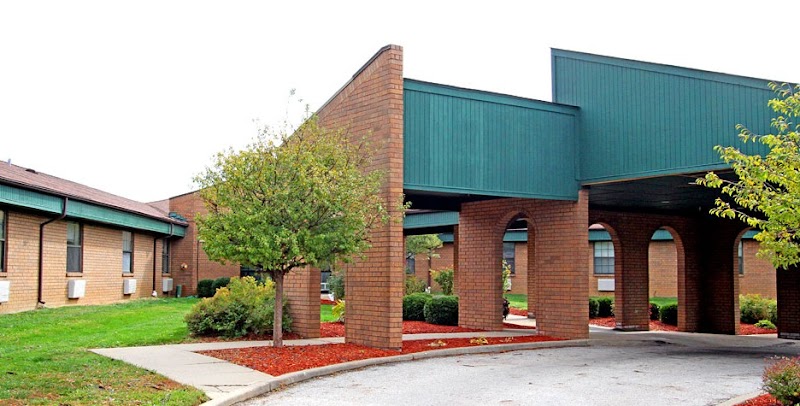
CRESTWOOD HEALTH CARE CENTER, LLC

11400 MEHL AVENUE, FLORISSANT, MO 63033 (314) 741-3525
For profit - Limited Liability company 150 Beds RELIANT CARE MANAGEMENT Data: November 2025 5 Immediate Jeopardy citations
Trust Grade
0/100
#369 of 479 in MO
Last Inspection: June 2024

Within standard 12-15 month inspection cycle. Federal law requires annual inspections.

Overview

Crestwood Health Care Center in Florissant, Missouri, has received a Trust Grade of F, indicating significant concerns regarding the quality of care provided. Ranking #369 out of 479 facilities in Missouri places them in the bottom half, and #50 out of 69 in St. Louis County means only 19 local options are rated worse. While the facility is trending towards improvement with a decrease in reported issues from 19 to 11 over the last year, it still faces serious staffing challenges, with a 49% turnover rate that is better than the state average but still concerning. They have incurred $129,243 in fines, which is higher than 86% of Missouri facilities, suggesting ongoing compliance issues. Additionally, there were critical incidents reported, including instances of physical abuse involving staff and residents, as well as failures to monitor a diabetic resident's health, leading to severe consequences. These findings highlight both serious weaknesses in resident safety and care practices, despite some improvements in overall compliance.

Trust Score
F
0/100
In Missouri
#369/479
Bottom 23%
Safety Record
High Risk
Review needed
Inspections
Getting Better
19 → 11 violations
Staff Stability
⚠ Watch
49% turnover. Above average. Higher turnover means staff may not know residents' routines.
Penalties
⚠ Watch
$129,243 in fines. Higher than 85% of Missouri facilities, suggesting repeated compliance issues.
Skilled Nurses
⚠ Watch
Each resident gets only 12 minutes of Registered Nurse (RN) attention daily — below average for Missouri. Fewer RN minutes means fewer trained eyes watching for problems.
Violations
⚠ Watch
80 deficiencies on record. Higher than average. Multiple issues found across inspections.
★☆☆☆☆
1.0
Overall Rating
★☆☆☆☆
1.0
Staff Levels
★★☆☆☆
2.0
Care Quality
★☆☆☆☆
1.0
Inspection Score
Stable
2024: 19 issues
2025: 11 issues

The Good

  • Full Sprinkler Coverage · Fire safety systems throughout facility
  • No fines on record

Facility shows strength in fire safety.

The Bad

1-Star Overall Rating

Below Missouri average (2.5)

Significant quality concerns identified by CMS

Staff Turnover: 49%

Near Missouri avg (46%)

Higher turnover may affect care consistency

Federal Fines: $129,243

Well above median ($33,413)

Significant penalties indicating serious issues

Chain: RELIANT CARE MANAGEMENT

Part of a multi-facility chain

Ask about local staffing decisions and management

The Ugly 80 deficiencies on record

5 life-threatening 2 actual harm
Jul 2025 2 deficiencies
CONCERN (D) 📢 Someone Reported This

A family member, employee, or ombudsman was alarmed enough to file a formal complaint

Potential for Harm - no one hurt, but risky conditions existed

Infection Control (Tag F0880)

Could have caused harm · This affected 1 resident

Deficiency Text Not Available

Read full inspector narrative →
Deficiency Text Not Available
CONCERN (E) 📢 Someone Reported This

A family member, employee, or ombudsman was alarmed enough to file a formal complaint

Potential for Harm - no one hurt, but risky conditions existed

Safe Environment (Tag F0584)

Could have caused harm · This affected multiple residents

This deficiency is uncorrected. For previous examples, refer to the Statement of Deficiencies dated 6/13/25.See the deficiency cited at F584 in Event ID Z3RV-H2.

Read full inspector narrative →
This deficiency is uncorrected. For previous examples, refer to the Statement of Deficiencies dated 6/13/25.See the deficiency cited at F584 in Event ID Z3RV-H2.
Jun 2025 5 deficiencies
CONCERN (D) 📢 Someone Reported This

A family member, employee, or ombudsman was alarmed enough to file a formal complaint

Potential for Harm - no one hurt, but risky conditions existed

Report Alleged Abuse (Tag F0609)

Could have caused harm · This affected 1 resident

Based on interview and record review the facility failed to follow their Abuse and Neglect policy when they failed to notify the Department of Health and Senior Services (DHSS) after Certified Medicat...

Read full inspector narrative →
Based on interview and record review the facility failed to follow their Abuse and Neglect policy when they failed to notify the Department of Health and Senior Services (DHSS) after Certified Medication Technician (CMT) F threw Kool-Aid in Resident #25's face on the morning of 5/28/25. The census was 139. Review of the facility Abuse and Neglect Policy revise on 6/12/25, showed: -Purpose: It is the policy of this facility to report all allegations of abuse/neglect/mistreatment immediately to the Administrator of the facility and to other appropriate agencies in accordance with current state and federal regulations within prescribed time frames; -Definitions: -Mental Abuse: Mental abuse includes, but is not limited to humiliation, harassment, threats of punishment or deprivation. Mental abuse includes the use of verbal or nonverbal conduct witch causes or has the potential to cause the resident to experience humiliation, intimidation, fear, shame, agitation or degradation; -Mistreatment: Mistreatment is inappropriate treatment or exploitation of a resident; -Notifications: Report to State, Law Enforcement , and Others: -Refer to the State Operations Manual for reporting and utilize the Abuse-Neglect Reporting Decision Tree to assess the particular incident. Should the incident be a reportable event, notify the appropriate agencies immediately: as soon as possible, but no later than 24 hours after discovery of the incident. Review of Resident #25's admission Minimum Data Set (MDS) a federally mandated assessment instrument completed by facility staff, dated 4/9/25, showed: -Makes Self Understood: Understood; -Ability To Understand Others: Understands; -Speech Clarity: Clear speech, distinct intelligible words; -Cognitively intact; -Diagnoses of depression and manic depression (bipolar disease a mental disorder characterized by periods of depression and periods of abnormally elevated mood). During an interview on 6/13/25 at 11:55 A.M., the resident said a couple of weeks ago he/she called CMT F a bitch, which he/she should not have done. CMT F threw Kool-Aid in his/her face. That pissed him/her off and he/she began kicking the hall doors. The Administrator and other staff came to the doors to find out what was going on. He/She told the Administrator what happened. The Administrator sent CMT F home and he/she had not seen the CMT since then. Review of the facility's Investigation dated 5/29/25 at 9:52 A.M., completed by the Director of Nursing (DON), showed: -Date of incident: 5/28/25; -Type of Incident: Allege abuse; -Persons involved in the alleged incident: CMT F and Resident #25; -Date and Time notified: 5/28/25 at 9:30 A.M.; -Investigative Narrative: At approximately 9:30 A.M. on 5/28/25 per resident, the resident was at the CMT cart and upset. Per resident, he/she called CMT F a bitch and the CMT threw Kool-Aid in the resident's face; -CMT F was terminated on 5/29/25; -Criteria for Self Reporting: Was this a result of abuse: Yes (Yes = Report). During an interview on 6/13/25 at 1:35 P.M., the DON said she was off from 5/21/25 through 5/27/25. When she returned around noon on 5/28/25, she was told what happened. She was asked to begin the investigation at that time. She assumed since the incident occurred prior to her coming in that day DHSS had already been notified. During an interview on 6/13/25 at 2:02 P.M., the Administrator said he heard the resident kicking the doors that day. He immediately responded. The resident told him what happened. The CMT gave a statement and was sent home. When the DON came in later that day, she was told what happened and he asked the DON to investigate the incident and he assumed she would notify DHSS. DHSS should have been notified per the facility policy. MO00255781
CONCERN (D) 📢 Someone Reported This

A family member, employee, or ombudsman was alarmed enough to file a formal complaint

Potential for Harm - no one hurt, but risky conditions existed

Accident Prevention (Tag F0689)

Could have caused harm · This affected 1 resident

**NOTE- TERMS IN BRACKETS HAVE BEEN EDITED TO PROTECT CONFIDENTIALITY** Based on observation, interview and record review the facility failed to ensure one resident with a history of elopement was pro...

Read full inspector narrative →
**NOTE- TERMS IN BRACKETS HAVE BEEN EDITED TO PROTECT CONFIDENTIALITY** Based on observation, interview and record review the facility failed to ensure one resident with a history of elopement was provided with adequate supervision and staff oversight. On 5/14/25, Resident #16 was left unsupervised in the courtyard during a smoking break. The resident used a chair in the courtyard to climb over the fence and was noticed in the road close to the facility by an off duty staff member. On 5/24/25, the resident once again used a chair in the courtyard to climb over the fence. The resident was not noticed missing for three to four hours and was found approximately 3.7 to 4.7 miles from the facility, depending on the route the resident walked. In addition, the Administrator confirmed that one of the two exit doors in the dining room had an alarm that was faint for approximately one month before 6/8/25 when Resident #18 left the facility through the door and was noticed by a staff member in the parking lot. The facility identified 45 residents as a high risk to elope and problems were found with two. The census was 139. Review of the facility Elopements And Wandering Residents policy last reviewed on 6/12/24, showed: -Purpose: This facility ensures that residents who exhibit wandering behavior and/or are at risk for elopement receive adequate supervision to prevent accidents and receive care in accordance with their person-centered plan of care addressing the unique factors contributing to wandering or elopement risk; -Definitions: Elopement: Elopement occurs when a resident leaves the premises or a safe area without authorization and/or necessary supervision to do so; -Policy:Preventing Elopements: 1. The facility is equipped with door locks/alarms to help avoid elopements; 2. Alarms are not a replacement for necessary supervision. Staff are to be vigilant in responding to alarms in a timely manner; 3. The facility shall establish and utilize a systemic approach to monitoring and managing residents at risk for elopement or unsafe wandering, including identification and assessment of risk, evaluation and analysis of hazards and risks, implementing interventions to reduce hazards and risks, and monitoring for effectiveness and modifying interventions when necessary; 4. Monitoring and Managing Residents at Risk for Elopement or Unsafe Wandering: 1. Residents will be assessed for risk of elopement and unsafe wandering upon admission and throughout their stay by the interdisciplinary care plan team; 2. The interdisciplinary team will evaluate the unique factors contributing to risk in order to develop a person-centered care plan; 3. Interventions to increase staff awareness of the resident's risk, modify the resident's behaviors, or to minimize risks associated with hazards will be added to the resident's care plan and communicated to appropriate staff; 4. Adequate supervision will be provided to help prevent accidents or elopements; 5. Charge nurses and unit managers will monitor the implementation of interventions, response to interventions, and document accordingly; 6. The effectiveness of interventions will be evaluated and changes will be made as needed. Any changes or new interventions will be communicated to relevant staff; -Procedure for Locating Missing Resident: 1. Any staff member becoming aware of a missing resident will alert personnel using approved protocol: Code [NAME] = Elopement from facility; 2. The designated facility staff will look for the resident; 3. If the resident is not located in the building or on the grounds, Administrator or designee will notify the police department and serve as the designated liaison between the facility and the police department. The administrator or designee should also notify the company's corporate office; 4. Director of Nursing (DON) or designee shall notify the physician and family member or legal representative; 5. Police will be given a description and information about the resident, include photos; 6. All parties will be notified of the outcome once the resident is located; 7. Appropriate reporting requirements to the State Survey agency shall be conducted; -Procedure Post-Elopement: 1. A nurse will perform a physical assessment, document, and report findings to physician; 2. Any new physician orders will be implemented and communicated to the family/authorized representative; 3. A social service designee will re-assess the resident and make any referrals for counseling or psychological/psychiatric consults; 4. The resident and family/authorized representative will be included in the plan of care; 5. Staff may be educated on the reasons for elopement and possible strategies for avoiding such behavior; 6. When repeated elopement attempts occur, after the facility has exhausted possible care approaches the resident may be referred for alternate placement facility; 7. Documentation in the medical record will include findings from nursing and social service assessments, physician/family notification, care plan discussions, and consultant notes as applicable. 1. Review of Resident #16's quarterly Minimum Data Set (MDS), a federally mandated assessment instrument completed by facility staff, dated 3/25/25, showed: -Adequate hearing and vision; -Makes Self Understood: Understood; -Ability To Understand Others: Understands; -Cognitively intact; -Wandering: Behavior not exhibited; -Sit to stand: The ability to come to a standing position from sitting in a chair, wheelchair, or on the side of the bed: Independent, Resident completes the activity by him/herself with no assistance from helper; -Walk 10 feet (ft): Independent; -Walk 50 ft: Independent; -Walk 150 feet: Independent. -Diagnoses of diabetes mellitus (high/low blood glucose/sugar), seizure disorder or epilepsy, and schizophrenia (a chronic brain disorder that disrupts a person's ability to think, feel, and behave clearly); -Any falls since admission or prior assessment?: No. Review of the resident's care plan, located in the electronic medical record (EMR), showed: -1/19/24: Problem: Resident is at risk of elopement due to having a history of elopement from prior secure facility. Goal: Resident will be monitored closely and remain safe through next review. Interventions: Complete elopement assessments on admission, readmission and quarterly. Face checks/intensive monitoring will be completed per facility protocol. Resident's photo and information will be kept in elopement book; -7/10/24: Problem: Resident has impaired visual function but refuses to wear glasses and refuses to see the eye doctor; -7/10/24: Problem: At risk for the following signs/symptoms related to diagnoses of schizophrenia, aggression, and anxiety. Goal: Will have decreased signs and symptoms. Interventions: Avoid arguing or getting defensive with resident. Notify charge nurse if you notice hallucinations, delusions, irritability, talks to self, anxiety or aggression; -9/16/24: Problem: This is resident's safety plan. Goal: Resident's personal goal is: Want to leave. Interventions: The following worked well in the past: listening to jazz music. These are the steps resident wants to make his/her environment safer: be left alone. Review of the resident's Elopement Evaluation, located in the EMR, dated 4/27/25 at 9:58 A.M., showed: -Does the resident have a history of elopement or an attempted elopement while at home: Yes; -Does the resident have a history of elopement or attempted leaving the facility without informing staff: Yes; -Has the resident verbally expressed the desire to go home, packed belongings to go home or stayed near an exit door: Blank; -Does the resident wander: No; -Score value of 1 or higher indicates Risk of Elopement. Review of the resident's progress note dated 5/14/25 at 4:38 P.M., and documented by Licensed Practical Nurse (LPN) A, showed: Resident was outside smoking with staff and other residents. The resident then walked out of the gate. Staff retrieved resident and brought back into the facility. Resident agitated, yelling, and cursing staff due to resident being brought back in the facility. Resident was assisted to the locked hall due to agitated and combative behavior. Call placed to resident's physician to inform of behavior. Review of the facility Admin/RN (Registered Nurse) Investigation located in the EMR, completed by the DON and dated 5/14/25, showed: -Date of Incident: 5/14/25; -Type of Incident: Elopement; -Witnesses: None; -Statements received from witnesses: NA (not applicable); -Documentation of incident completed: Yes; -Investigation Narrative Note: Resident noted by a staff member who was driving by the facility that the resident was walking in the street. Resident was retrieved and brought back to the building. Resident refused to make a statement due to being agitated. Spoke with resident on 5/15/25, and he/she will not respond to the writer. Certified Nurse Aide (CNA) C remembered seeing the resident out back before taking his/her resident in from smoking. Stated that no one was left outside smoking. CNA O stated he/she went inside when the residents were smoking and did not see anything. CNA Y stated that CNA S said the resident must of got out when he/she came back in the building. CNA Z stated he/she went with staff to get the resident. They saw the resident walking and got him/her into the car; -Care Plan changes and interventions: Staff to ensure resident re-enters building after smoking. Staff to keep resident away from fence during smoking. Staff was inserviced on elopement and supervised smoking. During an interview on 6/11/25 at 10:43 A.M., CNA O said he/she worked the evening shift (3:00 P.M.-11:00 P.M.) on 5/14/25. The resident was independent for his/her activities of daily living and spent a lot of his/her time in the dining room. He/She had never seen the resident trying to leave the facility before. At some point during the shift someone brought the resident back to the facility. He/She had just seen the resident in the facility about 30 minutes prior to being brought back. CNA O did not even know the resident was missing before being brought back. He/She did not hear any door alarms sounding. The resident was moved to the locked hall after being brought back. During an interview on 6/12/25 at 10:54 A.M., the DON said she completed the elopement investigation for 5/14/25. On that day she had just left for the day when the Administrator called her and said the resident had eloped from the building and was found by staff about a block away from the facility. She asked the Staffing Coordinator to initiate the investigation by getting staff statements. They think the resident did not come back in the facility after smoking and left through an unlocked gate. She had not received any statements indicating the resident had used a chair to climb over the fence. Nursing staff were inserviced on the facility elopement policy and supervised smoking on 5/14/25. During an interview on 6/12/25 at 1:58 P.M., the Administrator said he spoke to the resident regarding the elopement on 5/14/25. The resident told the Administrator he/she had pulled a chair to the fence in the courtyard and used it to climb over the fence. The resident demonstrated to the Administrator what he/she had done. The Administrator was not sure if he told the DON about the resident saying he/she had used a chair to climb over the fence. Review of the resident's care plan, showed:5/14/25: Problem: Resident exited courtyard after smoking. Goal: Resident will stay in the facility courtyard during smoke breaks and go back in the building after smoke breaks. Interventions: Staff to ensure resident reenters building after smoking. Staff to keep resident away from fence during smoke breaks. Review of the resident's Monthly Nurses Note, dated 5/18/25 at 9:24 A.M., showed: -Hearing: Good; -Speech: Clear; -Makes self understood: Understood; -Vision: adequate; -Indicators of Delirium: Disorganized thinking; -Memory: Short/long term memory problem; -Daily Decision Making Skills: Modified independence, some difficulty in new situations; -Behavior Symptoms: Rejects care; -Transfer: Independent; -Mobility Devices: None; -Activities of Daily Living Self Performance Definitions: Supervision, oversight, encouragement or cueing. Review of the resident's progress notes, showed: -5/22/25 at 3:15 P.M., and documented by RN B: While going on break noted alarm going off for the court yard on 100 hall. Noted resident sitting outside by himself/herself in courtyard. When resident asked how he/she got outside he/she said that he/she pushed the door open. Re-directed resident back inside and Assistant Director of Nursing (ADON) and nurse made aware; -5/24/25 at 9:15 A.M., and documented by RN C: Resident noted to not be in the building at A.M. med pass. Code [NAME] called. Resident noted to have pushed his/her way out 100 hall door, put chair up to fence and climbed the fence. Resident caught in the parking lot. Returned to facility and placed on the locked hall with one on one. During an interview on 6/12/25 at 7:22 A.M., LPN E said he/she worked the night shift (beginning at 11:00 P.M. on 5/23/25 and ending at 7:00 A.M. on 5/24/25). CNAs were suppose to do face checks on all residents every hour and do rounds on residents every two hours. LPN E did rounds on all of his/her halls when he/she first reported to work. He/She would not check residents routinely unless they had a medication or a reason to assess them more frequently. At the end of the shift no one told LPN E anything about not being able to find the resident. He/She did not hear any door alarms sounding. If a resident was suspected to be missing LPN E would call a Code White. If the resident could not be found inside or outside the facility then he/she would call the police, DON and Administrator. LPN E would not wait to call the police until staff were finished searching in cars. During an interview on 6/11/25 at 12:14 P.M., CNA Q said he/she came to work on 5/24/25 at 7:00 A.M. He/She was assigned to the resident that day. The resident needed some oversight for activities of daily living. The resident could walk independently, but walked at a slow pace. Prior to 5/24/25, CNA Q had never seen the resident leave the facility without supervision. He/She had seen the resident pushing on exit doors before. When CNA Q got to the facility that day he/she began his/her rounds. He/She did not see the resident during rounds, but thought the resident may have already been in the dining room. CNA Q was going to go and check the dining room, but another staff member asked him/her to help with another resident. After that he/she forgot to check the dining room for the resident. He/She did not hear any door alarms sounding that day. Sometime around 9:00 A.M., a Code [NAME] was called and they said they could not find the resident. They searched in and around the facility and could not find the resident. A short time later staff had brought the resident back to the facility. He/She was inserviced on elopements after that occurred. During an interview on 6/11/25 at 3:03 P.M., RN C said Certified Medication Technician (CMT) M notified him/her around 9:00 A.M., the resident could not be found. No door alarms had sounded. He/She called a Code [NAME] at that time. They completed a search for the resident inside and outside the facility and could not find the resident. RN C did not call the police after it was determined the resident was missing. He/She would have called the police if the resident had not been found by staff searching in cars. He/She knew the resident was not found in the parking lot, but documented that because the former ADON had told him/her to. When the resident returned to the facility, he/she said it was dark outside when he/she had left. The resident was not injured. During an interview on 6/11/25 at 1:45 P.M., the Maintenance Director confirmed he was in the car when they found the resident near Riverside Circle. He and two other staff were in the car and returned the resident to the facility. The resident was found approximately 35 to 45 minutes after the Code [NAME] was called. During an interview on 6/12/25 at 8:15 A.M., CNA N said he/she was working on the day shift of 5/24/25. He/She did not hear any door alarms sounding prior to the Code [NAME] being called. He/She was with the Maintenance Director when they found the resident at St. [NAME] road and Route 367. Review of Google maps showed the resident was approximately 3.7 miles to 4.7 miles from the facility when found by staff, depending on the route the resident walked. During an interview on 6/12/25 at 6:38 A.M., LPN W said staff should check on residents at least every two hors. If a resident was not accounted for then a Code [NAME] should be called and all staff should search both inside and outside the facility. If the resident is not located, the police should be notified immediately. Review of the resident's Elopement Evaluation dated 5/24/25 at 1:31 P.M., showed: -Does the resident have a history of elopement or an attempted elopement while at home: No; -Does the resident have a history of elopement or attempted leaving the facility without informing staff: No; -Has the resident verbally expressed the desire to go home, packed belongings to go home or stayed near an exit door: No; -Does the resident wander: Yes; -Is the resident's wandering behavior likely to affect the safety or well-being of self/others: No; -Score value of 1 or higher indicates Risk of Elopement. Review of the resident's care plan, showed: 5/24/25: Resident attempted and was able to get out of facility. Goal: Resident will not be able to leave the building without the awareness of staff through next review. Interventions: Resident was placed on one on one for 72 hours for protective oversight. Resident is placed on every 15 minute rounding/face checks post one on one. Psychiatrist to review medications. Resident will meet with the interdisciplinary team to discuss what the university is. Review of the facility Admin/RN Investigation report dated 5/30/25 at 11:04 A.M., and completed by the DON, showed: -Date of incident: 5/24/25; -Type of incident: Elopement; -Witnesses: None; -Investigative Narrative Note: Resident noted not to be in the building during A.M. med pass. Code [NAME] was called. Resident noted to have pushed his/her way out 100 hall door, put chair up to fence and climbed the fence. CM M stated on the morning shift of 5/24/25 at 7:00 A.M., he/she was doing her rounds. He/She walked 400 hall and then 100 hall. He/She did not see the resident and then proceeded to check 600 hall. He/She checked 600 hall and did not find the resident around 9:15 A.M. The Maintenance Director stated he found the resident at Riverview Circle. The Maintenance Director was in the car with two other staff. The resident said he/she left the facility around 5:00 A.M. Resident stated he/she went to the door to the courtyard and pushed until it opened. He/She then said he/she pulled a chair to the gate and climbed up and over the gate. Resident stated he/she then started walking to go home and wanted to visit the university. Maintenance Director stated he found the resident at Riverview Circle. He was in the car with two other staff. CNA N was in the car and stated they found the resident walking on route 367; -Care Plan changes and interventions: Resident moved to 600 hall and placed in a room that window faces the courtyard. Resident was placed one to one. Psych to review med's. Fence around 600 hall courtyard has a smooth surface with no place to put feet to climb over. Activities will invite resident to groups. During an interview on 6/11/25 at 10:00 A.M., CMT M said he/she worked the day shift (7:00 A.M. - 3:00 P.M.) on 5/24/25. He/She did not hear any of the door alarms sounding that day. He/She started his/her medication pass and could not find the resident. CMT M told RN C that he/she could not find the resident around 9:00 A.M. or 9:15 A.M. The RN called a Code White. They searched inside and outside and could not find the resident. CMT M was inserviced on elopements after that occurred. During an interview on 6/11/25 at 10:25 A.M., CNA D said he/she worked on the 500 hall on 5/24/25. He/She started around 7:00 A.M. CNA D did not hear any door alarms sounding that day and had no idea how the resident exited the building. Around 9:00 A.M., there was a Code [NAME] called and they all started to search the facility and grounds. About 35 to 45 minutes later, staff brought the resident back to the facility. They were inserviced on elopement after that occurred. During an interview on 6/12/25 at 10:54 A.M., the DON said she was gone from the facility from 5/22/25 through 5/27/25, and returned on 5/28/25. The former ADON was in charge of the resident's elopement investigation on 5/24/25. She had no knowledge of the elopement until she returned. After returning she reviewed the ADON's investigation. There were no interviews with the three staff that found the resident. She began another investigation and started elopement inservicing with all staff. That inservicing was completed on 5/30/25. She did not know how the resident got out of the facility without a door alarm sounding. Staff ideally should check on residents at risk to wander or elope every hour, but no longer than every two hours. She would have expected RN C to have followed the facility policy and contacted the police when the resident could not be located in the facility or on the facility grounds. Review of the Psychiatric Nurse Practitioner (NP) Visit - Mental Status Exam located in the EMR, and completed on 5/29/25, showed: -Reason for Visit: Follow-up elopement attempt; -History of Present Illness: Resident attempted to elope from the facility. He/She was successfully redirected back to the facility without any issues. Attended interdisciplinary team meeting and discussed with nursing staff on safety plan to decrease risk for future elopement attempts and necessitates increased monitoring and safety measures. Continue monitoring resident's behavior and compliance with facility rules; -Review Summary of Old Records: Recently moved to 600 hall for increased supervision following elopement attempt; -History from Nursing: On May 24, resident attempted to leave the facility by pushing through a door, using a chair to climb a fence, and was subsequently found in the parking lot. During a telephone interview on 6/12/25 at 1:23 P.M., the Psychiatric NP said she was asked to review the resident's medications because the resident had eloped from the facility and was found on the parking lot. She was not told the resident had been found 3.7 to 4.7 miles from the facility. She should have been told that because it would make a difference regarding safety issues. She had not been told the resident eloped on 5/14/25 either. It was not safe for the resident to be outside the facility without supervision due to his/her diagnoses of schizophrenia and dementia. She did not feel the resident was cognitively able to make decisions for himself/herself. She felt the resident should not be his/her own responsible party and the facility should explore a legal guardianship for the resident. She discussed that with the DON the last time she was at the facility. During an interview on 6/12/25 at 1:37 P.M., the DON said she agreed with the Psychiatric NP, the resident is not safe to be wandering around the community unsupervised, and also agreed it was time to discuss obtaining a legal guardian with social services and the resident's physician. During an interview on 6/12/25 at 1:58 P.M., the Administrator said he was home on 5/24/25. Around 10:00 A.M., staff called him and informed him the resident was missing from the facility and the facility grounds. While he was getting ready, the staff had called him back and said the resident was found unharmed and was back at the facility. He was told by the former ADON the resident was found on the parking lot. It was not until the next day he learned the resident was found a few miles away. Per facility policy, RN C or the ADON should have called the police when the resident was not found on site. The ADON was responsible to initiate the investigation and the DON completed the investigation upon her return on 5/28/25. All staff were inserviced on the elopement policy on 5/29/25. During an interview on 6/11/25 at 8:38 A.M., the resident was fully dressed and lay on his/her back on the bed with his/her eyes closed. He/She was awake. The resident said the first time he/she left the facility he/she was less than a mile from the facility when staff found him/her and brought the resident back to the facility. The second time he/she was more than a mile or two away from the facility. Both times he/she used a chair to climb over the fence. The resident did not answer when asked if he/she was going to leave the facility again. Review of the resident's quarterly MDS, dated [DATE], showed: -Cognitively intact; -Sit to stand: Supervision or touching assistance - Helper provides verbal cues or touching/steadying assistance as resident completes activity; -Walk 10 ft: Supervision or touching assistance; -Walk 50 ft: Supervision or touching assistance; -Walk 150 ft: Supervision or touching assistance. 2. Review of Resident #18's quarterly MDS dated [DATE], showed: -Adequate hearing and vision; -Speech Clarity: Clear speech, distinct intelligible words; -Makes Self Understood: Understood; -Ability to Understand Others: Understands; -Cognitively intact; -No behavioral issues; -Wandering: Behavior not exhibited; -Independent: Sit to stand, walk 10 ft, walk 50 ft and walk 150 ft; -Diagnoses of seizure disorder, anxiety, depression and manic depression (bipolar disorder/a mental disorder characterized by periods of depression and periods of abnormally elevated mood). Review of the resident's care plan, showed: -6/7/21: Problem: History of behavioral challenges that require protective oversight in a secure setting including attempts to elope. Goal: Resident will have no serious injuries due to behaviors. Interventions: CALM technique (de-escalation method) if needed. One on one interventions as needed; -6/7/21: Problem: Independent with activities of daily living. Goal: Will have no decline in activity of daily living performances. Interventions: Provide protective oversight and assist where needed; -6/7/21: Problem: Resident displays impaired cognitive function/dementia or impaired thought processes. Goal: Resident will maintain current level -9/17/24: Problem: Safety plan. Goal: Personal goal is baseball. Interventions: Warning signs are:passing out. Review medications with resident to ensure resident understands what medications he/she is taking. These are the items resident wants to work on: Getting out of here; -2/21/25: Problem: Resident's emotional distress is triggered by overwhelming emotions or feelings or memories. Goal: Decrease the amount of triggers happening and minimize negative outcomes related to triggers. Interventions: Practice self-care. Practice sensory interaction in a moment of crisis to ground self to the present. Review of the resident's Elopement Evaluation, dated 5/30/25 at 2:02 P.M., showed: -Does the resident have a history of elopement or an attempted elopement while at home: No; -Does the resident have a history of elopement or attempted leaving the facility without informing staff: No; -Has the resident verbally expressed the desire to go home, packed belongings to go home or stayed near an exit door: No. Review of the resident's care plan, showed: -6/8/25: Problem: Resident exited building trying to go home. Goal: Resident will not elope. Interventions: Resident placed on 600 hall with every 15 minute checks for 72 hours. Educated the to tell the nurses when he/she wants to go home and not leave the building. Review of the resident's Elopement Evaluation, dated 6/9/25 at 8:34 A.M., showed: -Does the resident have a history of elopement or an attempted elopement while at home: Yes; -Does the resident have a history of elopement or attempted leaving the facility without informing staff: Yes; -Has the resident verbally expressed the desire to go home, packed belongings to go home or stayed near an exit door: No; -Score value of 1 or higher indicates Risk of Elopement. Review of the resident's progress note, dated 6/8/25 at 10:20 P.M., and documented by LPN A, showed at approximately 8:10 P.M., CNA informed this nurse that this resident had gotten out of the building. Code [NAME] was called and description of resident wearing gray/black plaid sleep pants with gray short sleeve shirt was given and staff headed to car to go and look for resident. At approximately 8:15 A.M., staff member who was on break at the time saw this resident running towards the apartments (next to the facility). Staff member was able to get the resident into his/her car and brought resident back to facility. Resident was calm and apologetic at this time. Resident stated he/she was angry because he/she was in this facility and did not want to be here. He/She pushed the door in the dining room open and ran towards the apartments where a staff member saw him/her and asked him/her to get into the car and brought him/her back to the facility. No acute distress noted. Physician and Psychiatrist notified. Resident placed on locked hall for more intense monitoring and every 15 minute checks were initiated. During an interview on 6/11/25 at 8:01 A.M., the resident said on 6/8/25, he/she left the facility through a door in the dining room. He/She just wanted to leave. He/She walked towards the apartments next to the facility and a staff member found him/her and brought him/her back to the facility. During an interview on 6/11/25 at 2:30 P.M., LPN A said on 6/8/25, the CNA told him/her CNA T saw the resident running towards the apartments next door. The resident told him/her he/she had exited out of a door in the dining room. He/She went to check the two doors in the dining room and the alarm on one of them was very faint and could not be heard outside of the dining room. During an interview on 6/11/25 at 4:01 P.M., CNA T said he/she was on break and getting into his/her car to go and get something to eat. That's when he/she noticed the resident off the facility grounds and in the apartment area (next door to to the facility) walking toward the [NAME] Castle. On 6/10/25 at 10:05 A.M., the Maintenance Di
CONCERN (D) 📢 Someone Reported This

A family member, employee, or ombudsman was alarmed enough to file a formal complaint

Potential for Harm - no one hurt, but risky conditions existed

Medical Records (Tag F0842)

Could have caused harm · This affected 1 resident

**NOTE- TERMS IN BRACKETS HAVE BEEN EDITED TO PROTECT CONFIDENTIALITY** Based on interview and record review the facility failed to ensure staff documented accurate information in Resident #16's elect...

Read full inspector narrative →
**NOTE- TERMS IN BRACKETS HAVE BEEN EDITED TO PROTECT CONFIDENTIALITY** Based on interview and record review the facility failed to ensure staff documented accurate information in Resident #16's electronic medical record (EMR). On 5/24/25 at 9:15 A.M., Registered Nurse (RN) C documented the resident eloped from the facility and was found on the facility parking lot, despite having knowledge staff were actively searching for the resident. The resident was found approximately 3.7 to 4.7 miles from the facility. The census was 139. Review of the facility Documentation in Medical Record policy, revised on 5/30/25, showed: -Policy: Each resident's medical record shall contain an accurate representation of the actual experiences of the residents and include enough information to provide a picture of the resident's progress through complete, accurate, and timely documentation; -Policy Explanation and Compliance Guidelines; -Licensed staff and interdisciplinary team members shall document all assessments, observations, and services provided in the resident's medical record in accordance with state law and facility policy; -Documentation shall be completed at the time of service, but no later than the shift in which the assessment, observation, or care service occurred; -Principles of documentation include, but are not limited to: a. Documentation shall be factual, objective, and resident centered; i. False information shall not be documented; b. Documentation shall be accurate, relevant, and complete, containing sufficient details about resident's care and/or responses to care; c. Documentation shall be timely and in chronological order; -Corrections to a medical record shall be made to clarify inaccurate information; -Contradictory information may be clarified by a new entry in the medical record. Review of Resident #16's quarterly Minimum Data Set (MDS), a federally mandated assessment instrument completed by facility staff, dated 3/25/25, showed: -Adequate hearing and vision; -Makes Self Understood: Understood; -Ability To Understand Others: Understands; -Cognitively intact; -Wandering: Behavior not exhibited; -Diagnoses of diabetes mellitus (high/low blood glucose/sugar), seizure disorder or epilepsy, and schizophrenia; -Any falls since admission or prior assessment: No. Review of the resident's care plan, located in the EMR, showed: -1/19/24: Problem: Resident is at risk of elopement due to having a history of elopement from prior secure facility. Goal: Resident will be monitored closely and remain safe through next review. Interventions: Complete elopement assessments on admission, readmission and quarterly. Face checks/intensive monitoring will be completed per facility protocol. Resident's photo and information will be kept in elopement book; -7/10/24: Problem: Resident has impaired visual function but refuses to wear glasses and refuses to see the eye doctor. -7/10/24: Problem: At risk for the following signs/symptoms related to diagnoses of schizophrenia (a chronic and severe mental disorder that disrupts a person's ability to think, feel, and behave clearly), aggression, and anxiety. Goal: Will have decreased signs and symptoms. Interventions: Avoid arguing or getting defensive with resident. Notify charge nurse if you notice hallucinations, delusions, irritability, talks to self, anxiety or aggression; -9/16/24: Problem: This is resident's safety plan. Goal: Resident's personal goal is: Want to leave. Interventions: The following worked well in the past: listening to jazz music. These are the steps resident wants to make his/her environment safer: be left alone. Review of the resident's progress note, documented by RN C on 5/24/25 at 9:15 A.M., showed: Resident noted to not be in the building at A.M. medication pass. Code white (elopement) called. Resident noted to have pushed his/her way out of the 100 hall door, put chair up to fence and climbed the fence. Resident caught in the parking lot. Returned to facility and placed on 600 hall with one on one. Review of the facility Admin/RN Investigation report dated 5/30/25 at 11:04 A.M., showed: Resident noted not to be in the building during A.M. med pass. Code white was called around 9:15 A.M. The Maintenance Director stated he found the resident at Riverview Circle. He was in the car with two other staff looking for the resident. The resident said he/she left the facility around 5:00 A.M. During an interview on 6/11/25 at 3:03 P.M., RN C reviewed the progress note he/she documented on 5/24/25 at 9:15 A.M. RN C said he/she was aware the resident was not found on the parking lot at the time he/she documented the progress note. The former Assistant Director of Nursing (ADON) told him/her to document the resident was found on the parking lot. When the Director of Nursing (DON) returned from being off (5/22/25 through 5/27/25), she spoke to him/her in her office. She gave him/her verbal counseling about not documenting anything false no matter who tells him/her to do it. He/She should not have documented something he/she knew was not true. During an interview on 6/11/25 at 1:45 P.M., the Maintenance Director confirmed he was in the car with two other staff when they found the resident near Riverside Circle. They found the resident approximately 35 to 45 minutes after the code white was called. During an interview on 6/12/25 at 8:15 A.M., Certified Nursing Assistant N said he/she was with the Maintenance Director when they found the resident at St. [NAME] road and Route 367. Review of Google maps showed the intersection of St. [NAME] road and Route 367 was approximately 3.7 miles to 4.7 miles from the facility, depending on the route the resident walked. During an interview on 6/12/25 at 1:58 P.M., the Administrator said on 5/24/25, he was told by the former ADON the resident was found on the facility campus. Once they investigated the incident, he learned the resident was not found on the facility campus. He would have expected the former ADON to tell him the truth. RN C should not have documented the resident was found on the facility parking lot. He expects staff to follow facility policies.
CONCERN (D) 📢 Someone Reported This

A family member, employee, or ombudsman was alarmed enough to file a formal complaint

Potential for Harm - no one hurt, but risky conditions existed

Infection Control (Tag F0880)

Could have caused harm · This affected 1 resident

Based on observation and interview, the facility failed to follow their Bloodborne Pathogens/Exposure Control Plan policy by failing to immediately clean and disinfect a potentially infectious blood s...

Read full inspector narrative →
Based on observation and interview, the facility failed to follow their Bloodborne Pathogens/Exposure Control Plan policy by failing to immediately clean and disinfect a potentially infectious blood spill left overnight on one resident's floor (Resident #34). In addition, the facility failed to follow its Handling Clean and Dirty Linen policy when staff failed to place plastic liners inside the designated soiled linen receptacle located in the 100, 200, and 400 shower rooms and did not place the lid back on top of the soiled linen barrel in the 200 and 400 hall shower rooms. The shower room was a community shower. Twenty-five residents were sampled. The census was 145. Review of the facility's Bloodborne Pathogens/Exposure Control Plan dated 4/6/17, and revised on 6/29/23, showed:-This program applies to all occupational exposures to blood or other potentially infectious materials encountered by personnel employed by the Facility;-Employees are grouped according to their risk of exposure according to the following Exposure Categories: Category I - tasks that involve direct exposure to blood, bodily flids, or tissues. Class II - tasks involve no direct exposure to blood, but exposure may occur in an emergency situation. Category III - tasks that do not involve predictable or unpredictable exposure to blood;-Exposure would be likely to occur during exposure to body fluids, or soiled bedding or clothing. This Infection Control Plan shall be effective upon exposure. All requirements of the plan shall be fully implemented prior to this date;-Infection Control: All procedures involving blood or other potential infectious material shall be performed in such a manner as to minimize splashing, spraying or aerosolization of these substances;-Cleaning and Disinfecting: All equipment and environmental and working surfaces shall be properly cleaned and disinfected after contact with blood or other potentially infectious material. This cleaning will be accomplished immediately after treatment is completed;-Infectious Waste Disposal: All infectious waste destined for disposal shall be placed in closeable, leak-proof containers or bags that are color coded or labeled as required. Disposal of all infectious waste shall be in accordance with appropriate federal, state or local regulations;-Laundry: Laundry contaminated with blood or other potentially infectious materials shall be handled as little as possible. Contaminated laundry shall be placed and transported in bags that are labelled and color-coded.Review of the facility's Handling Clean and Dirty Linen policy, copyright 2025, showed: -Purpose: It is the policy of this facility to handle, store, process, and transport clean and soiled linen in a safe and sanitary method to prevent contamination of the linen, which can lead to infection; -Definitions: -Linen: Linen includes sheets, blankets, pillows, towels, washcloths, and similar items from departments such as nursing, dietary, rehabilitative services, beauty shops, and environmental services; -Contaminated linen: Contaminated linen is linen that has been soiled with blood or other potentially infectious materials; -Linen can become contaminated with pathogens from contact with intact skin or body substances, or from environmental contaminants or contaminated hands; -Carts will be cleaned when visibly soiled, and routinely according to facility schedule; -Soiled linen: Linen can become contaminated with pathogens from contact with intact skin, body substances, or from environmental contaminants. Transmission of pathogens can occur through direct contact with linens or aerosols generated from sorting and handling contaminated linen. All used linen should be handled using standard precautions (i.e., gloves) and treated as potentially contaminated. Other protective equipment may be required. Examples of linen that may require special handling include, but are not limited to: -Visibly soiled with blood or large amounts of body fluids; -Residents with contagious conditions such as chicken pox, herpes zoster, or other skin legions; -Residents with infectious drainage not contained by dressings or other supplies; -Residents with infections transmitted by contact (e.g., Methicillin-resistant Staphylococcus aureus (MRSA, a strain of bacteria that is resistant to the antibiotic methicillin and other antibiotics in the same class), Vancomycin-resistant Enterococcus (VRE, a type of bacteria that has developed resistance to the antibiotic vancomycin), Clostridioides difficile (C. Diff. Colitis, inflammation of the colon caused by the bacteria clostridium difficile); -Linen should not be allowed to touch the uniform or floor and should be handled as little as possible, with minimum agitation to avoid contamination of air, surfaces, and persons; -Unused or soiled linen shall be collected at the bedside (or point of use, such as dining room) and placed in a linen bag or designated lined receptacle. When the task is complete, the bag shall be closed securely and placed in the soiled utility room; -If linen is heavily soiled, wet, and/or presents a risk of leakage or soaking through, the linen shall be double bagged. Double bagging is also recommended with the outside of the bag is visibly soiled or wet; -Contaminated linen carts should be cleaned and disinfected whenever visibly soiled and according to schedule developed by the facility. 1. Observation and interview on 7/29/25 at 8:18 A.M., showed Resident #34 had a laceration located on his/her right eyebrow. The resident sat in his/her wheelchair in his/her semi-private room. The resident shared a bathroom with another semi-private room. The resident said he/she fell out of the right side of his/her bed but could not recall when. Observation of the floor on the right side of the resident's bed (between the bed and window) showed multiple dried dark red spots on the floor next to the head of the bed. Review of the resident's progress note, located in the electronic medical record (EMR), dated 7/28/25 at 5:45 P.M., showed the resident rolled himself/herself up to the nurse's station and said he/she was asleep and turned over and rolled out of the bed. Resident is noted to have a small laceration to his/her right brow. Area cleansed and a band-aid was applied.During an interview on 7/30/25 at 12:11 P.M., Registered Nurse A looked at the picture of the dark red spots on the resident's floor and said it looked like dried blood. Any blood spill should be cleaned up immediately and the area should be sanitized for infection control purposes. During an interview on 7/31/25 at 1:05 P.M., the Interim Administrator observed the photos of the dark red spots on the resident's floor and said it appeared to be blood. She would have expected staff to have cleaned the dark red spots off the floor immediately per the facility policy.During an interview on 7/31/25 at 1:05 P.M., the Interim Administrator said she expected staff to follow the facility bloodborne pathogens policy.2. Observation in the 100 hall shower room on 7/28/25 at 9:44 A.M., showed one large wet towel on the shower stall floor. Observation in the 200 hall shower room on 7/28/25 at 9:47 A.M., showed large, soiled towels laid on top of a blue folded floor mat. The large blue soiled linen barrel lid was face up on a chair. The lid was dirty with stuck on dried debris. Observation in the 400 hall shower room on 7/28/25 at 10:39 A.M., showed, a large blue-grey soiled linen barrel was overfilled with soiled and wet linen. The large barrel did not have a plastic liner, and the soiled and wet linen was not bagged. There was not a lid on the tall pile of linen located inside of the soiled linen barrel. Some of the soiled linen in the soiled linen barrel had fallen onto the floor just beside the soiled linen barrel. Observation in the 400 hall shower room on 7/31/25 at 10:45 A.M., showed, the soiled linen barrel remained filled to the top with soiled linen, no lid and no plastic liner. During an interview on 7/29/25 at 9:50 A.M., Housekeeping Aide F said dirty/soiled linen was supposed to be bagged, tied up, and put in the soiled utility room or in the barrel inside the shower room.During an interview on 7/29/25 at 10:50 A.M., Certified Nurse Assistant (CNA) G said soiled linen should be put in a bag, tied up, and put in the soiled linen barrel. He/She said after residents took a shower, CNAs were supposed to bag up the wet/soiled linen and put in the barrel that was in the shower room. He/She said if the staff assigned to the resident wasn't available, sometimes other staff would bag the linen. During an interview on 7/28/25 at 12:28 P.M., the Housekeeping Supervisor said the CNAs were supposed to get the towels and whatever other linen was left in the shower room by the residents. He said the lid from the soiled linen barrel in the 200 hall shower room was not supposed to be in the chair and a plastic liner should have been in the barrel. During an interview on 7/29/25 at 12:08 P.M., the Interim Administrator said all the barrels containing soiled linen in the shower rooms should have plastic liners inside of them. She expected staff to put plastic liners inside of the barrels. She expected staff to follow the facility's handling clean and dirty linen policy.
CONCERN (E) 📢 Someone Reported This

A family member, employee, or ombudsman was alarmed enough to file a formal complaint

Potential for Harm - no one hurt, but risky conditions existed

Safe Environment (Tag F0584)

Could have caused harm · This affected multiple residents

**NOTE- TERMS IN BRACKETS HAVE BEEN EDITED TO PROTECT CONFIDENTIALITY** Based on observation and interview, the facility failed to follow its cleaning policy when staff did not provide residents with ...

Read full inspector narrative →
**NOTE- TERMS IN BRACKETS HAVE BEEN EDITED TO PROTECT CONFIDENTIALITY** Based on observation and interview, the facility failed to follow its cleaning policy when staff did not provide residents with a clean, sanitary, and homelike environment. Facility staff failed to thoroughly clean two residents' rooms (Resident #30 and Resident #29). The facility also failed to use proper precautions when handling soiled towels and/or linen, affecting all residents residing at the facility. In addition, the facility also failed to thoroughly clean shower rooms on the 100 and 200 halls after resident use. This had the potential to affect all residents who utilized those shower rooms. The sample was 32. The census was 139. Review of the facility's Housekeeping Deep Cleaning policy, revised 6/29/23, showed: -Purpose: To ensure all rooms are clean; -Policy: Deep cleaning is to be completed as scheduled. This includes complete pull-outs of furniture in rooms, wall cleaning, floor cleaning (scrubbing and waxing included), restrooms to be cleaned and disinfected, cob webs removed, beds and rails to be cleaned, sprinkler heads to be cleaned, light covers to be clean and free of bugs, over-bed light covers to be cleaned and free of bugs, sink clean, windows to be cleaned and ensure no spider webs, drapes and curtains to be cleaned (including privacy curtains), call lights to be clean and free form dust/dirt build-up, floors and closets and doorways are to be free from wax/dirt build-up, etc; -All areas should be monitored on a daily basis and all resident living areas and non-living areas should be clean and odor free; -Daily Cleaning: -Pick up all trash and put into trash can and empty; -Dust mop or sweep floor; -Submerge rag or sponge in with solution and clean surfaces beginning with touch areas on door and work clock or counterclockwise around the room; -Surfaces are to be cleaned including wall smudges, light and call light and side tables, head/foot board/side rails of beds, windows; -Clean the sink around the light fixtures and dispensers; -Clean inside and outside of the trash can. Let it air dry. Replace trash can liner; -Clean bathroom using the same cleanser/disinfectant wall smudges, lights, and call switches and support rails. Use honey bowl to clean inside, outside toilet tank, seat and bowl; -Clean shower rooms inside the shower, around the shower, and the base boards in the rooms; -Resident Room Deep Clean: All resident rooms will be deep cleaned once monthly or more often if needed. As in the case of heavy care rooms; -All above-floor bathroom surfaces will be cleaned with a cleaner/disinfectant; -Bathroom floors will be swept and mopped and any dirt, grime or stains will be hand scrubbed with stiff brush or other equipment suitable for removing surface dirt from entire floor. If the stain in not removeable then housekeeper will notify maintenance department with maintenance form request form; -All furniture will be removed, cleaned behind, and upholstered furniture will be thoroughly cleaned; -Resident bed will be stripped with both frame and mattress cleaned with disinfectant cleaner; -Glass surfaces will be cleaned; -Necessary wall washing to remove smudges and spots will be done with disinfectant cleaner. Review of the facility's Safe and Homelike Environment Policy, revised 6/5/24, showed: -Purpose: In accordance with resident's rights, the facility will provide a safe, clean, comfortable and home like environment, allowing the resident to use his or her personal belongings to the extent possible. This includes ensuring that the resident can receive care and services safely and that the physical layout of the facility maximizes resident independence and does not pose a safety risk; -Definitions: -Environment: refers to any environment in the facility that is frequented by residents, including (but not limited to) the resident's room, bathrooms, hallways, dining areas, lobby, outdoor patios, therapy areas and activity areas; -Homelike environment: A determination of homelike should include the resident's opinion of the living environment; -Sanitary: includes, but is not limited to, preventing the spread of disease-causing organisms, by keeping resident care equipment clean and properly stored. Resident care equipment includes, but is not limited to, equipment used in the completion of the activities of daily living; -Policy: Housekeeping and Maintenance services will be provided as necessary to maintain a sanitary and comfortable environment; -General Considerations: -Minimize odors by disposing of soiled linens promptly and reporting lingering odors and bathrooms needing cleaning to housekeeping department; -Report any furniture in disrepair to maintenance promptly; -Report any unresolved environmental concerns to the Administrator. Review of the facility's Environmental Room Attendants Checklist, copyright 2023, showed: -Instructions: Use this checklist to perform compliance rounds for environmental room attendants on a regular basis. For Quality Assurance (QA) purposes only: -Bedrooms: -Walls; -Trash can; -Furniture; -Floors/Corners/Jambs; -Window sill/ledge/blinds; -Window; -Bed frames/rails; -Cubicle curtain; -Over the bed tables; -High/low dusting; -Lights; -Light switches: -Mirror/pictures; -Vents/heaters; ` -Door knobs/handles; -Call bells; -Closet floors; -Bathrooms/Showers: -Paper towel dispense; -Hand soap dispenser; -Sink/faucet; -Toilet; -Vents; -Lights; -Light switches; -High/low dusting; -Mirror/cabinet; -Trash can; -Baseboard: -Ledges; -Floor; -Door knobs/handles; -Toilet paper (TP) dispenser. Review of the facility's Floor Techs duties, no date, showed: -Removing trash; -Running cleaning machine; -Buffing floors; -Cleaning dining room (sweeping, tables, chairs, and mopping). Review of the facility's Handling Clean and Dirty Linen Policy, revised 6/26/24, showed: -Purpose: It is the policy of this facility to handle, store, process, and transport clean and soiled linen in a safe and sanitary method to prevent contamination of the linen, which can lead to infection; -Definitions: -Hygienically clean means rendered free of vegetative pathogens through disinfection during laundering process; -Linen includes sheets, blankets, pillows, towels, washcloths, and similar items from departments such as nursing, dietary, rehabilitative services, beauty shops, and environment services; -Contaminated linen is linen that has been soiled with blood or other potentially infectious materials; -Policy: Clean Linen: Linen can become contaminated with pathogens from contact with intact skin or body substances, or from environmental contaminants or contaminated hands; -Clean linens must be transported by methods that ensure cleanliness and protect from dust and soil during intra or inter-facility loading, transport and unloading, such as: -Wrapping the individual bundles of clean textiles in plastic or other suitable material and sealing or taping the bundles; -Guidelines for the storage of clean linen include, but are not limited to, the following: -Do not place clean linen on the floor or other contaminated surfaces. Limit linen in the resident's room for immediate use only (do not store up linen in resident rooms to prevent inadvertent contamination); -Soiled Linen: -Linen can become contaminated with pathogens from contact with intact skin, body substances, or from environmental contaminants. Transmission of pathogens can occur through direct contact with linens or aerosols generated from sorting and handling contaminated linens; -All used linen should be handled using standard precautions (i.e., gloves) and treated as potentially contaminated. Other protective equipment may be required. Examples of linen that may require special handling include, but are not limited to: -Visibly soiled with blood or large amounts of body fluids; -Residents with infectious drainage not contained by dressings or other supplies; -Residents with infections transmitted by contact; -Linen should not be allowed to touch the uniform or floor and should be handled as little as possible, with minimum agitation to avoid contamination of air, surfaces, and persons; -Used or soiled linen shall be collected at the bedside (or point of use) and placed in a linen bag or designated lined receptacle. When the task is complete, the bag shall be closed securely and placed in the soiled utility room. Soiled linen shall not be kept in the resident's room; -If linen is heavily soiled, wet, and/or presents a risk of leakage or soaking through, the linen shall be double bagged. Double bagging is also recommended when the outside of the bag is visibly soiled or wet; -Storing and rinsing of contaminated linens at the point of use, hallways, or other open resident care spaces is prohibited; -Wash hands after contact with soiled linen. 1. Review of Resident #30's annual Minimum Data Set (MDS), a federally mandated assessment instrument completed by facility staff, dated 4/5/25, showed: -Cognitively intact; -Lower extremity impairment on both sides; -Electric wheelchair; -Diagnoses include paraplegia (a condition characterized by the paralysis of the lower half of the body, including the legs and sometimes the trunk and pelvic organs), depression and anxiety disorder. During an interview on 6/13/25 at 11:20 A.M., the resident said his/her room was filthy and the floor was dirty. The resident said he/she couldn't remember the last time housekeeping had cleaned his/her floor. He/She said the aides had stopped helping him/her in his/her room. He/She needed help hanging up the piles of clothes on his/her bedside table and keeping his/her room clean. He/She was paralyzed from the waist down. He/She didn't know why the aides weren't helping him/her. No one at the facility was proactive and the facility got rid of the good workers. He/She used the showers, but the showers remained nasty. He/She didn't want to use the showers because he/she wouldn't feel clean. The facility was not sanitized. Housekeeping staff were not doing their jobs. He/She wouldn't lie on them. Observation on 6/13/25 at 11:20 A.M., showed heavy thick, dark colored build-up of dirt at the entrance to and inside of the resident's room. The door scraped through the dirt build-up in certain spots. The dirt build-up looked patchy and sticky. There was a mound of clothing on top of the resident's bedside tray table and on the roommate's side of the room. Bags of opened clean briefs were on the floor. The resident's trash can didn't have a plastic liner inside of it. There were two soiled briefs inside of the trash can, one of which was hanging outside of the trash can. There was a small cardboard rectangular box, blue rubber gloves, and other trash inside of the unlined trash can. There was another box on the floor with trash inside of it. Certified Nurse Aide (CNA) D picked up the trash can, walked it outside of the resident's room and emptied it into his/her housekeeping cart. During an interview on 6/13/25 at 11:45 A.M., CNA D said the resident's trash can should have had a plastic liner inside of the trash can before trash had been put inside of it. 2. Review of Resident #29's quarterly MDS, dated [DATE], showed: -Moderate cognitive impairment; -Wheelchair; -Manic depression (bipolar disorder, a mental health condition characterized by extreme mood swings). Observation of the resident's room on 6/12/25 at 1:22 P.M., showed a sticky floor, with built-up dirt. There was trash, a waded up white sheet and broken broom head on the floor at the foot of the resident's bed. There was a dried pile of old white beans on one of the legs of the resident's bedside tray table. Observation on 6/13/25 at 11:05 A.M., showed the floor in the resident's room made a sticky sound when it was walked on. The floor had built-up dirt, debris, and the room trash can was overflowing. The pile of dried white beans was still in the foot of the bedside tray table. During an interview on 6/13/25 at 11:05 A.M., the resident said his/her floor had been mopped that morning. He/She didn't know the floor was sticky because he/she was in a wheelchair. He/She said his/her room could be cleaner. The showers were usually not clean. Towels were left on the floor in the 200 hall shower room. He/She said the showers used to be nastier than what they are right now. He/She had seen the black stuff in the shower. He/She said it might be mold but didn't want to say that because he/she was not sure. It bothered him/her that the shower was nasty but he/she didn't know who was supposed to clean it. During an interview on 6/13/25 at 10:45 A.M., Housekeeper I said he/she was assigned to the resident's room yesterday and he/she didn't know why his/her room was dirty. Observation of the resident's bedside tray table on 6/13/25 at 11:55 A.M., showed dried white beans and black soot build up on the foot of the bedside table. During an interview on 6/13/25 at 11:55 A.M., CNA J said he/she the resident's room was not clean, and the dried beans and black soot should not be there. He/She looked surprised when he/she saw the dried beans and black soot. If this was his/her house, he/she would clean this. His/Her house wouldn't look like this. During an interview on 6/12/25 at 1:22 P.M., the Housekeeping Supervisor said she didn't know how long the broken broom head had been on the floor or how it got into the resident's room. She said housekeeping was supposed to clean resident rooms, but they didn't move or touch resident's personal belonging or linen. They cleaned around the room. Sometimes residents didn't want to leave the room for it to be cleaned/stripped/waxed. She said the resident's room had been cleaned and his/her floor had been stripped a couple of weeks ago. 3. Observation of the floor at room [ROOM NUMBER] on 6/12/25 at 12:19 P.M., showed two bed pads, one solid tan and one black and tan stripes, along with large towel that had dried with dark brown and black stains. The black stains resembled mildew. During an interview on 6/13/25 at 11:45 A.M., CNA D said soiled linen should never be put on the floor. The soiled linen should be in a plastic bag, tied, and put into the soiled/dirty bin. He/She said sometimes residents put the line outside the room on the floor, but housekeeping was responsible to pick up soiled/dirty linen and put into a bag. During an interview on 6/13/25 at 11:10 A.M., Licensed Practical Nurse (LPN) E said CNAs were responsible to bring linen to the resident's room. Some residents changed their own beds, but staff were supposed to assist. During an interview on 6/13/25 at 11:55 A.M., CNA J said soiled linen is put into a bag and taken to laundry. He/She said the resident's floor was not clean. 4. Observation on 6/12/25 at 11:00 A.M., showed feces on the floor in the doorway leading to the 100 Hall shower room. During an interview on 6/12/25 at 1:20 P.M., the Housekeeping Supervisor said the showers had not been cleaned yet because they were short staffed. The Housekeeping Supervisor bent down to look at what was on the floor leading to 100 Hall shower room. She said it was feces. She said she had texted Floor Tech G at 5:06 P.M., the day before, instructing him/her to sweep/mop the floor. During an interview on 6/13/25 at 9:45 A.M., the Housekeeping Supervisor confirmed the feces remained on the floor leading to the 100 Hall shower room. She said it was not a clean or sanitary environment. Housekeeping staff worked from 7:00 A.M. to 3:00 P.M., so they tried to clean the showers at least twice a day. She didn't know the feces had been on the floor for two days. She didn't expect the feces to be on the floor. She expected housekeeping aides to clean the showers, resident rooms, and other assigned areas. During an interview on 6/12/25 at 12:16 P.M., Housekeeper K said they clean resident rooms every day. The whole room was cleaned. He/She swept and mopped the floors. He/She didn't clean the shower rooms and didn't know who was supposed to. During an interview on 6/12/25 at 12:10 P.M., Housekeeper L said they were assigned two halls. They were supposed clean the bathrooms, wipe down the rooms, sweep, mop, and spray air freshener. They cleaned whatever shower room was on the assigned hall. Floor techs stripped, buffed and waxed the floors. 5. Observation of 100 hall shower on 6/13/25 at 10:30 A.M., showed wet towels on the floor and a wet wash rag and soap inside the shower. During the observation, the Housekeeping Supervisor came into the shower room and picked up the towels with ungloved hands. During that time Resident #31 came into the shower room and said the shower was never clean. It was not clean like the shower at his/her house. During an interview on 6/13/25 at 9:45 A.M., the Housekeeping Supervisor said after each shower, the aides were supposed to clean up and put any wet towels in the large barrel located inside of the shower room. The Housekeepers did not handle any linen left inside the shower rooms. They only sanitized the showers afterwards. During an interview on 6/13/25 at 10:45 A.M., Housekeeper I said the floors were swept and mopped every day. He/She didn't see feces on the floor yesterday or today. 100 hall shower was for the residents who were on that hall. The shower was a community shower. It should be cleaned daily. No wet or soiled towels/linen should be on the bathroom floor. When the residents came to take a shower, the aides/nurse assigned to the resident was supposed to pick up the wet/soiled towels and/or linen and put into the barrels. Resident rooms were cleaned daily. During an interview on 6/13/25 at 10:53 A.M., CNA B said the aides were supposed to get the wet towels/linen out of the shower room after the resident was finished in the shower room. The aides were supposed to gather all the supplies before the resident went into the shower room. No linen or wet towels were supposed to be left on the floor. Linen was not supposed to be on the floor anytime without being inside of a plastic bag. The bag should be tied, and the dirty linen taken to the soiled utility room. He/She went into the resident rooms and said the rooms were clean. She said the floors were clean. CNA B had not seen any feces on the floor but said feces on the floor was not considered sanitary or clean. If he/she saw feces on the floor at his/her house, he/she would clean it up right away. 6. Observation of the 200 Hall shower room on 6/13/25 at 10:56 A.M., showed one wet towel on the sink. Hair and black soot and debris build-up were visible on the inside of the shower all the way around the creases, on the outside of and in front of the shower. During an interview on 6/12/25 at 10:55 A.M., Resident #32 said he/she didn't want to take a shower in the shower room. He/She thought he/she was dirtier after using the shower in there. He/She said staff didn't clean the shower up after other residents took a shower. During an interview on 6/12/25 at 10:55 A.M., Resident #11 said the floors in the shower were dirty and hair was on the floor. The shower was disgusting. He/She said the shower was nasty and it made him/her not to want to get cleaned up. 7. During an interview on 6/13/25 at 1:35 P.M. and 1:45 P.M., the Housekeeping Supervisor said she didn't have a checklist to tell staff what to clean in rooms from day to day or for deep cleaning. There was not a schedule for the floor techs either, but she was going to get a schedule together. The Housekeeping Supervisor said she was over the floor techs. The facility had just gotten two Floor Techs that knew what they were doing. Resident rooms were hit and miss for cleaning. She didn't have a schedule of assigned tasks for the Housekeeping staff to complete in resident rooms on a daily, weekly, or monthly basis. They tried to clean resident rooms on the weekends. They cleaned 600 hall about two weeks ago. Some residents didn't want to leave their room for housekeeping to clean the rooms and floors. She said she should have had a schedule of tasks assigned to the Housekeeping Aides. She expected there to be a schedule so Housekeeping staff knew how to clean and how often to clean resident rooms, shower rooms, and other assigned areas in the facility. She said there would be a schedule made. 8. During an interview on 6/13/25 at 2:02 P.M., the Administrator said housekeeping was supposed to rounds in resident rooms. Resident rooms should be cleaned a few times a day. The Housekeeping Supervisor made the room cleaning assignments for the Housekeeping Aides. He expected staff to thoroughly clean the resident's entire room and expected resident rooms to be clean, sanitary, and homelike. He wasn't aware the Housekeeping Supervisor didn't maintain a checklist of housekeeping tasks assigned to staff. There should have been a record of scheduled work that needed to be completed. He was aware that some of the resident room floors were dirtier than they should be. Floor Techs worked overnight and that's when the floor stripping, buffing and waxing was supposed to be done. The floor task was assigned by the Housekeeping Supervisor to the Floor Techs. The Administrator said he had been in the 100 and 200 shower rooms sometime last week possibly. He was not aware of the black soot/grime, hair, and other debris inside of the showers. He was not aware of the wet towels, linen, and soap being left inside of the showers. The Administrator said he would not take a shower in the resident shower rooms. He said the Aides assigned to the resident taking the shower were supposed to make sure the wet towels were bagged and removed for the shower. He said Housekeeping was responsible for cleaning and disinfecting the showers. They encouraged the residents to bag up the towels when they were done, but whatever was left should be bagged up by the aide and taken to the soiled utility room. He expected staff to follow the facilities cleaning and linen safe handling policies.
Mar 2025 1 deficiency
CONCERN (D) 📢 Someone Reported This

A family member, employee, or ombudsman was alarmed enough to file a formal complaint

Potential for Harm - no one hurt, but risky conditions existed

Free from Abuse/Neglect (Tag F0600)

Could have caused harm · This affected 1 resident

**NOTE- TERMS IN BRACKETS HAVE BEEN EDITED TO PROTECT CONFIDENTIALITY** Based on observation, interview and record review, the facility failed to ensure one resident's (Resident #2's) right to be free...

Read full inspector narrative →
**NOTE- TERMS IN BRACKETS HAVE BEEN EDITED TO PROTECT CONFIDENTIALITY** Based on observation, interview and record review, the facility failed to ensure one resident's (Resident #2's) right to be free from physical abuse was not violated when Resident #1 hit Resident #2 in the head and face with a dismantled towel rack, which caused bruises to Resident #2. The facility also failed to ensure two other residents' rights to be free from abuse were not violated when the residents got into a fight (Resident #3 and #4) and Resident #4 sustained a swollen eye. The sample was eight. The census was 140. The Administrator was notified on 3/25/25, of the past non-compliance. The facility responded appropriately when the incident occurred. The residents were separated and received medical assessment and attention. Resident rooms were changed so Resident #1 no longer resides on the same hall as Resident #2, and Resident #3 no longer resides on the same hall as Resident #4. Counseling services were arranged for Residents #1 and #3. Continued education on behavior de-escalation techniques was provided to staff. The deficiency was corrected on 3/22/25. Review of the facility's Abuse and Neglect policy, revised 6/12/24, showed: -Abuse is the willful infliction of injury, unreasonable confinement, intimidation or punishment, with resulting physical harm, pain or mental anguish, which can include staff to resident abuse and certain resident to resident altercations; -Physical abuse: Purposefully beating, striking, wounding, or injuring any resident or any manner whatsoever mistreating or maltreating a resident in a brutal or inhumane manner. 1. Review of Resident #1's quarterly Minimum Data Set (MDS), a federally mandated assessment instrument completed by facility staff, dated 2/6/25, showed the following: -Cognitively intact; -Physical behaviors directed at others, occurred one to three days during the last seven days; -Verbal behaviors directed at others, occurred one to three days during the last seven days; -Other behaviors not directed at others, occurred one to three days during the last seven days; -Diagnoses included: Anxiety and schizophrenia (serious mental illness that affects how a person thinks, feels, and behaves.) Review of Resident #1's care plan, in use during the abbreviated survey showed: -Problem: The resident has a history of being triggered by sounds. Interventions: Relaxation techniques (deep breathing, meditation, progressive muscle relaxation and guided imagery); -Problem: Resident has a history of behavioral challenges that require protective oversight in a secure setting. Interventions: Implement plans to change behavior, one on one interventions as needed, pharmaceutical interventions as needed; -Problem: The resident has a mood problem related to anxiety and schizoaffective disorder (mental health condition that includes features of both schizophrenia and a mood disorder.) Takes anticonvulsant medications that help stabilize his/her mood. Interventions: Administer medications as ordered, monitor/document side effects and effectiveness; behavioral health consults as needed; monitor/document/report any risk for harm to self; monitor/record/report to physician acute episode feelings or sadness. Review of Resident #1's progress notes showed: -On 3/13/25 at 6:33 P.M., resident was involved in an altercation with another resident on the secured unit. Director of Nursing (DON), physician and guardian notified of the incident; -On 3/13/25 at 8:10 P.M., new skin issue. Location: Posterior neck. Laterally/orientation: Middle. Issue type: Abrasion. Wound acquired in-house. Wound is new. Review of Resident #2's quarterly MDS, dated [DATE], showed: -Cognitively intact; -Physical behaviors directed at others, occurred one to three days during the last seven days; -Verbal behaviors directed at others, occurred daily; -Other behaviors not directed at others, occurred daily; -Diagnoses included: Anxiety, bipolar disorder (mood disorder that can cause intense mood swings) and post-traumatic stress disorder (PTSD, mental health condition caused by a stressful or terrifying event.) Review of Resident #2's care plan, in use during the abbreviated survey showed: -Problem: Resident has potential to be verbally/physically aggressive related to a history of such and diagnoses of bipolar disorder, mood disorder and PTSD. -Interventions: -Administer medications as ordered. Monitor/document side effects and effectiveness; -Analyze times of day, places and circumstances, triggers and what de-escalates behavior and document; -Assess and anticipate resident needs, food, thirst, toileting needs, comfort level, body positioning, pain, etc; -Communication: Provide physical and verbal cues to alleviate anxiety, give positive feedback, assist verbalization of source of agitation, assist to set goals for more pleasant behaviors, encourage seeking out a staff member when agitated; -Give the resident as many choices as possible about care and activities; -Monitor/document/report any signs/symptoms of resident posing a danger to self and others; -4/3/24, resident was set-up with counseling services; -When resident becomes agitated: Intervene before agitation escalates, guide away from source of distress, engage calmly in conversation. If response is aggressive, walk away calmly and approach later. Review of Resident #2's progress notes showed: -On 3/13/25 at 6:26 P.M., resident involved in an altercation with another resident. Physician, guardian and DON notified of incident. Neuro (neurological) checks initiated. STAT (immediate) x-ray of face/skull ordered and called into x-ray company; -On 3/13/25 at 8:47 P.M., hematomas (localized collection of blood outside the blood vessels) noted to left forehead, top of head and back of head. Review of Resident #2's x-ray report, dated 3/14/25 at 9:11 A.M., showed no acute skull abnormality observed. Review of the Administration/Registered Nurse (RN) Investigation, dated 3/14/25, showed the following: -Date of incident: 3/13/25; -Type of incident: Physical aggression involving head; -Investigative Narrative Note: Per Resident #1's statement, they were waiting to smoke at the back of the hall. Resident #1 saw Resident #2 looking at money on the table and told Resident #2 not to touch the money. Resident #2 said I don't have to listen to you. Resident #1 told Resident #2 to stop staring at him/her. Resident #1 said Resident #2 then charged at him/her and grabbed his/her wrist. Resident #1 then grabbed a pipe he/she had stashed a few days ago and started hitting Resident #2 in the head and face with the pipe. Resident #2 grabbed Resident #1's groin and pinched, squeezed and scratched the back of his/her neck. Per Resident #2's statement, he/she was on the hall playing with another peer when Resident #1 told him/her to stop messing with the peer and to stop looking at him/her (Resident #1). Resident #1 grabbed a pole, and Resident #2 tried to protect him/herself by grabbing Resident #1's wrists. Resident #1 hit Resident #2 several times before staff were able to break it up. -Conclusion: Allegations are substantiated. Both parties were separated. Resident #1 was immediately removed from the hall and placed on one-on-one. Resident #2 was placed on neuro checks. Skin assessments completed on both residents. STAT x-ray completed for Resident #2. Social services to meet with both parties. -Care plan changes and interventions: Resident #1 will meet with interdisciplinary team to discuss and identify coping skills. Resident #1 will attend anger management group in addition to continuation of one-on-one counseling. Psychiatrist to evaluate medication. Resident #1 to meet with social worker to discuss any psychosocial effects that may have occurred from event. Towel bars were removed from Resident #1's room. Social services to meet with Resident #2 to ensure there are no psychosocial impacts related to this event. Psychiatrist to review medication. Neuro checks initiated and within normal limits (WNL). Skull x-ray ordered. -Criteria for self-reporting: -Was this a result of abuse?: Yes; -Was there a physical altercation?: Yes; -Was the altercation preventable?: Yes. During an interview on 3/24/25 at 3:15 P.M., Maintenance Associate A said he/she also works as a hall monitor at times. The incident with Resident #1 and #2 occurred around smoke time, and staff called a Code [NAME] (behavior emergency). Staff responded. Resident #1 was hitting Resident #2 with a towel rack. Resident #1 doesn't normally bother people unless he/she is provoked. Resident #2 can be a bully, and the other residents get tired of it. During an interview on 3/24/25 at 3:25 P.M., Hall Monitor (HM) B was at the top of the hall and another staff member was passing medications at the bottom of the hall. The incident between Resident #1 and #2 occurred in the evening at the bottom of the hall. HM B was not aware of anything going on earlier in the day between the two residents and had not received anything in report from the previous shift about the two residents. Resident #1 hit Resident #2 with a towel rack. HM B has no idea how Resident #1 got a dismantled towel rack. That was unexpected. Staff called a Code [NAME] and other staff responded. They separated the residents. HM B has worked at the facility for a couple of months and has never seen Resident #1 being physically aggressive before. HM B has never seen Resident #1 and #2 fight before. Resident #2 can be spoiled and get his/her way. Observation on 3/24/25 at 10:45 A.M. and at 2:00 P.M., showed Resident #1 resting in bed with a staff member in the room. Observation and interview on 3/25/25 at 10:45 A.M., showed Resident #2 resting in his/her bed on a different hall with no visible injuries observed. The resident said he/she had been getting along with everyone fine since he/she moved to his/her new room and hall. During an interview on 3/14/25 at 12:27 PM., the Administrator said she thought Resident #1 was hearing voices on 3/13/25. Resident #2 did nothing to Resident #1. They were waiting for smoke time. Resident #1 saw Resident #2 looking at money on the table and told him/her not to touch it. Resident #2 said he/she didn't have to listen to Resident #1. Resident #1 told Resident #2 to stop staring at him/her. Resident #1 then hit Resident #2 with a towel bar. They did a STAT x-ray of face and skull on Resident #2, which was negative. Resident #2's nose was bleeding, and he/she sustained hematomas to the left forehead, top and back of the head. Resident #1 was placed on one-on-ones for 72 hours and will be seen by psychiatric services for a medication adjustment. During interviews on 3/24/25 at 12:50 P.M. and on 3/25/25 at 12:15 P.M., the DON said maintenance staff removed the other towel rack from Resident #1's room the night of the incident. The DON has no idea when/how Resident #1 dismantled the towel rack. The neck abrasion noted in Resident #1's progress notes was likely due to the altercation because it wasn't noted in the pervious week's skin assessment. Resident #1 is normally very quiet but occasionally just snaps. One of their new interventions for Resident #1 is counseling services. 2. Review of Resident #3's annual MDS, dated [DATE], showed the following: -Mild cognitive impairment; -Delusions; -No behaviors; -Diagnoses included: Anxiety, depression, psychotic disorder and schizophrenia. Review of Resident #3's care plan, in use during the abbreviated survey, showed: -Problem: Resident has the potential to be verbally/physically/sexually abusive; -Interventions: -Administer medications as ordered. Monitor/document side effects and effectiveness; -Assess and address for contributing sensory deficits; -Analyze times of day, places and circumstances, triggers and what de-escalates behavior and document; -Assess and anticipate resident needs, food, thirst, toileting needs, comfort level, body positioning, pain, etc; -Communication: Provide physical and verbal cues to alleviate anxiety, give positive feedback, assist verbalization of source of agitation, assist to set goals for more pleasant behaviors, encourage seeking out a staff member when agitated; -4/11/24, resident will meet weekly with interdisciplinary team to speak about frustrations and coping mechanisms. He will be referred to internal counseling services; -Give the resident as many choices as possible about care and activities; -Monitor/document/report any signs/symptoms of resident posing a danger to self and others; -When resident becomes agitated/aggressive, resident states he can at times calm down by laying in his room with the lights out or watching TV alone in his/her room; -When resident becomes agitated: Intervene before agitation escalates, guide away from source of distress, engage calmly in conversation. If response is aggressive, walk away calmly and approach later. Review of Resident #3's progress notes showed on 3/22/25 at 9:22 A.M., Resident #3 and a peer were embraced in a bear hug after a Code [NAME] was called. Both residents were immediately separated. Peer taken off hall immediately and assessment started. No visible injuries noted to Resident #3. Resident #3 said he/she was tired of his/her peer talking crap to everybody. Residents immediately separated and placed on one-on-one. Skin assessments completed. All parties notified of occurrence. Review of Resident #4's quarterly MDS, dated [DATE], showed the following: -Cognitively intact; -No behaviors; -Diagnoses included: Psychotic disorder and schizophrenia. Review of Resident #4's care plan, in use during the abbreviated survey, showed: -Problem: Resident has potential to be verbally/physically aggressive resulting in Code Green; -Interventions: -Administer medications as ordered. Monitor/document side effects and effectiveness; -Assess and anticipate resident needs, food, thirst, toileting needs, comfort level, body positioning, pain, etc; -Communication: Provide physical and verbal cues to alleviate anxiety, give positive feedback, assist verbalization of source of agitation, assist to set goals for more pleasant behaviors, encourage seeking out a staff member when agitated; -Monitor/document/report any signs/symptoms of resident posing a danger to self and others; -Resident has agreed to attend anger management classes. Resident will often leave classes early and needs encouragement to participate; -Psychiatric/psychogeriatric consults as indicated; -Resident gets increasingly agitated and aggressive when placed on one-on-ones. He does better speaking with male staff separately when possible; -Social worker will petition the court for guardianship; -When resident gets upset, remove resident from the situation immediately. Monitor resident visually and let him/her walk away and cool down; -When resident becomes agitated: Intervene before agitation escalates, guide away from source of distress, engage calmly in conversation. If response is aggressive, walk away calmly and approach later. Review of Resident #4's progress notes showed the following: -On 3/22/25 at 9:19 A.M., resident was struck in the right eye by another resident. Both residents immediately separated and assessed. Resident #4 was taken off the hall and transferred to another room (on another hall). Resident refused to cooperate with vital signs and neuro checks and said Ya'all act like you have never seen a fight. I ain't talking about nothing. Resident refused to answer questions. Skin assessments completed and resident verbally denied pain. All parties notified. Resident refused vital signs. -On 3/22/25 at 3:21 P.M., resident remains on incident follow up for resident to resident without any further incidents this shift. Resident's right eye remains swollen. Tried to give resident ice pack, but he/she refused. Remains on neuro checks which were WNL. Review of the Administration/RN Investigation, dated 3/24/25, showed the following: -Date of incident: 3/22/25; -Type of incident: Physical aggression involving head; -Investigative Narrative Note: On 3/22/25 at 8:25 A.M., a Code [NAME] was called on the secured unit. Resident #3 had hit Resident #4 in the eye. Resident #4 bear hugged Resident #3. The Housekeeping Supervisor (HS) said Resident #3 walked past Resident #4 and called him/her out. The HS told staff to take Resident #4 off the hall and asked the certified medication technician (CMT) to come down the hall to give Resident #3 his/her medications so Resident #3 would not have to walk by Resident #4. Resident #4 yelled, I need my fucking meds. Resident #4 walked into his/her room and then came back out, walked up to Resident #4 and said What you want to do. Then Resident #3 hit Resident #4 in the face. The residents were separated. RN C said he/she was on the hall and heard the Code [NAME] called. Resident #3 and #4 were in a bear hug and immediately separated. CMT D said after announcing medication time, Resident #3 walked up the hall. Resident #4 was standing behind CMT D, talking to him/herself. As soon as Resident #3 started walking toward the medication cart, Resident #4 started cussing and calling Resident #4 names. Resident #3 started acting aggressively, and the HS and CMT got between the two residents. Prior to the incident, CMT D took Resident #3 off the hall and got him/her some coffee. When they returned to the hall, Resident #4 was talking, and CMT D told him/her to stop. CMT D was preparing Resident #3's medications when he/she heard a loud noise. CMT D looked up and saw the residents bear hugging. Staff called a Code [NAME] and separated the residents. HM E said Resident #4 was cursing at Resident #3, and Resident #3 went back to his/her room. -Conclusion/Outcome of Investigation: Resident #3 came back out to take his/her medications, but staff told him/her to go back in his/her room because Resident #4 was still fussing towards Resident #3. Resident #3 started to come back out of his/her room, and Resident #4 was leaning against the wall. Resident #3 hit Resident #4, and they started fighting. Staff called a Code [NAME] and broke up the residents. Resident #4 was removed off the hall. Resident #3 was placed on one-on-one, and Resident #4 was placed on neuro checks. Resident #4 had some swelling to the right eyelid. Resident #4 said he/she did not know what happened. Resident #4 said Resident #3 just stole on me. Resident #3 hit me on the right side of my eye and then grabbed me. I did not get a chance to hit him/her back. Resident #3 said he/she was sick of hearing Resident #4's mouth. Resident #4 was singing all morning, waking everyone up. While in line, Resident #4 was talking shit and nit picking. So I hit him/her. Allegations are substantiated. -Care plan changes and interventions: Resident #3: Residents were immediately separated. Psychiatrist to evaluate medications. Resident was placed on one-on-one. Resident was enrolled in one-on-one counseling. Resident will meet with interdisciplinary to discuss triggers and coping mechanisms. Resident #4: Resident was moved to another hall. Labs were ordered. Resident will attend coping skills group. Resident to meet with social services to discuss any psychosocial effects from the incident. -Criteria for self-reporting: -Was this a result of abuse?: Yes; -Was there a physical altercation?: Yes; -Was the altercation preventable?: No. During an interview on 3/24/25 at 2:45 P.M., CMT D said on the day of the incident, Resident #4 had been cussing at Resident #3, so CMT D took Resident #3 off the hall to get a cup of coffee. When they came back, Resident #3 was standing by the cart waiting for his/her medications. CMT D heard a thump. It all happened fast. Staff called a Code [NAME] and separated the residents. Resident #3 is usually calm as long as he has his/her coffee and his/her chew. Resident #3 doesn't like to see female staff disrespected. During an interview on 3/24/25 at 2:50 P.M., HM E said Resident #4 can get in a mood and cuss people out. HM E was at the top of the hall, saw the residents in a tussle and staff called a Code Green. During an interview on 3/24/25 at 3:00 P.M., the HS said on the day of the incident, Resident #3 had been off the hall and came back on the unit. Resident #3 went to his/her room, and then came back out and said he/she wanted his/her fucking meds. The HS wanted to keep Resident #3 and #4 separated but within 45 seconds of Resident #3 returning to his/her room, the incident happened. The HS called a Code [NAME] and tried to get in between the residents. Even though there were several staff on the hall at the time of the incident, they were all female and that makes it difficult when the residents are bigger than the staff. During an interview on 3/25/25 at 11:21 A.M., RN C said he/she was at the top of the hall doing Accu checks (blood glucose checks) when he/she saw the residents bear hugging. Staff immediately called a Code [NAME] and separated the residents. Resident #3 had no injuries. Resident #4 had a swollen right eye. Resident #3 said he/she was tired of Resident #4 talking. Resident #4 didn't want to talk about it. It has been a while since Resident #3's last physical altercation. Sometimes Resident #3 thinks people are talking about him/her when they are not. Observation and interview on 3/24/25 at 10:45 A.M., showed Resident #3 in his/her room with a staff member. The resident said he/she was on one-on-one monitoring for something that was no big deal. The resident had no visible injuries observed. When the resident got up to walk to another room, the staff member followed him/her. Observation and interview on 3/24/25 at 10:20 A.M., showed Resident #4 in his/her room on a different hall. The resident's right eyelid was swollen and the inside of the eye was pink. The resident said the eye did not hurt. Resident #4 said he/she and another resident got into a fight over something that happened way back from the neighborhood. They are from the same streets and the same neighborhood. Resident #4 had not had previous problems with Resident #3 while in the facility. Resident #4 knew he/she should have kept his/her mouth closed. Staff tried to put ice on the eye, but Resident #4 told them it didn't matter. Staff broke up the fight and have been checking on him/her. During an interview on 3/22/25 at 10:50 AM, the Administrator said at the time of the incident, both residents lived on the secured hall, and the incident occurred around 8:36 AM on 3/22/25. Resident #3 said Resident #4 was talking stuff; Resident #3 was tired of it and hit Resident #4. Resident #3 had just come back onto the unit with a cup of coffee and Resident #4, who was standing by the CMT waiting for his/her medications, wanted some of his/her coffee. Resident #3 said no, and went to his/her room, but then came back out of his/her room and went back down the hall and hit Resident #4. Staff did intervene and Resident #4 now lives on a different hall. Both residents said they were not hurt and had no pain, but Resident #4 had a slightly swollen right eye, but refused vital signs. They will be giving their coping skills group (run by facility Activities) and will be looking into one-on-one counseling for Resident #3. During an interview on 3/25/25 at 12:15 P.M., the DON said Resident #3 tends to cycle, and she thinks he/she is heading into the next cycle of behaviors. Resident #3 had a recent medication change. The resident has been quiet since the 3/22/25 incident. MO00251035 MO00251503
Mar 2025 1 deficiency
CONCERN (E) 📢 Someone Reported This

A family member, employee, or ombudsman was alarmed enough to file a formal complaint

Potential for Harm - no one hurt, but risky conditions existed

Accident Prevention (Tag F0689)

Could have caused harm · This affected multiple residents

**NOTE- TERMS IN BRACKETS HAVE BEEN EDITED TO PROTECT CONFIDENTIALITY** Based on interview and record review, the facility staff failed to supervise residents while smoking in the designated smoke roo...

Read full inspector narrative →
**NOTE- TERMS IN BRACKETS HAVE BEEN EDITED TO PROTECT CONFIDENTIALITY** Based on interview and record review, the facility staff failed to supervise residents while smoking in the designated smoke room (Resident #3, Resident #6, Resident #7, Resident #8, Resident #9 and Resident #10). In addition, the facility failed to conduct a thorough investigation in a timely manner on how the residents were able to light the cigarette and smoke unsupervised. The sample was 10. The census was 145. Review of the facility's Smoking Safety Regulations, dated 6/29/23, showed the following: -Purpose: The purpose of this policy is to ensure that all staff and residents are following the safety regulations for smoking as outlined by the Life Safety Code of the National Fire Protection Association and State and Federal Regulations; -Procedure: -The facility will follow all smoking regulations; -The facility will ensure that all designated smoking areas will utilize a non-combustible, self closing container for the residents smoking to ensure cigarette and ashes are disposed of properly; -The facility will provide direct supervision for smoking by patients classified as not responsible. Review of Resident #3's quarterly Minimum Data Set (MDS), a federally mandated assessment instrument completed by facility staff, dated 12/13/24, showed the following: -Severe cognitive impairment; -No moods or behaviors; -No impairment to extremities; -Set up with activities of daily living (ADLs) -Diagnoses of high blood pressure, end stage renal disease (ESRD, the final stage of chronic kidney disease (CKD), where the kidneys have permanently lost most of their ability to function), dementia and seizure disorder. Review of the resident's care plan, showed no documentation regarding a smoking assessment. Review of the resident's smoking assessment, dated 12/23/24, showed the following; -Smoking and Safety: 1. Supervision, designated smoking location, and smoking times are determined by facility policy. This evaluation will be utilized for the resident's smoking care plan on admission and as indicated; 2. Which of the following products does the resident use? Tobacco; 3. Does the resident display any of the following? Follows the facility policy on location and time of smoking. Review of the resident nurse's note, dated 3/1/25 at 5:29 P.M., showed Certified Nurse Aide (CNA) came to this writer and informed me of multiple residents found in the dayroom smoking unattended, this resident included. The management was notified. During an interview on 3/3/25 at 11:00 A.M., the resident said he/she is not supposed to smoke unsupervised but feels he/she should be able to smoke whenever he/she wants. The resident said a staff member lit the cigarette, but did not know the staff member's name. Review of the facility's investigation, dated 3/3/25, showed five additional residents were in the dayroom smoking with the resident. Review of Resident #6's quarterly MDS, dated [DATE], showed the following: -Brief Interview for Mental Status (BIMS): Not completed; -Physical and verbal behaviors; -Independent with ADLs; -Diagnoses of cancer, high blood pressure, anxiety, depression and schizophrenia (a chronic mental illness characterized by disruptions in thought processes, perceptions, emotions, and social interactions). Review of the resident's care plan, showed no documentation regarding a smoking assessment. Review of the resident's smoking assessment, dated 12/21/24, showed the following; -Smoking and Safety: 1. Supervision, designated smoking location, and smoking times are determined by facility policy. This evaluation will be utilized for the resident's smoking care plan on admission and as indicated; 2. Which of the following products does the resident use? Tobacco; 3. Does the resident display any of the following? Follows the facility policy on location and time of smoking. Review of Resident #7's quarterly MDS, dated [DATE], showed the following: -No cognitive impairment; -No moods or behaviors; -Supervision and verbal cues with ADLs; -Diagnoses of high blood pressure, diabetes and schizophrenia. Review of the resident's care plan, showed no documentation regarding a smoking assessment. Review of the resident's smoking assessment, dated 12/18/24, showed the following; -Smoking and Safety: 1. Supervision, designated smoking location, and smoking times are determined by facility policy. This evaluation will be utilized for the resident's smoking care plan on admission and as indicated; 2. Which of the following products does the resident use? Tobacco; 3. Does the resident display any of the following? Follows the facility policy on location and time of smoking. Review of Resident #8's quarterly MDS, dated [DATE], showed the following: -No cognitive impairment; -No moods or behaviors; -Independent with ADLs; -Diagnoses of schizophrenia and psychotic disorder. Review of the resident's care plan, showed no documentation regarding a smoking assessment. Review of the resident's smoking assessment, dated 12/22/24, showed the following; -Smoking and Safety: 1. Supervision, designated smoking location, and smoking times are determined by facility policy. This evaluation will be utilized for the resident's smoking care plan on admission and as indicated; 2. Which of the following products does the resident use? Tobacco; 3. Does the resident display any of the following? Follows the facility policy on location and time of smoking. Review of Resident #9's quarterly MDS, dated [DATE], showed the following: -No cognitive impairment; -No moods or behaviors; -Supervision with ADLs; -Diagnoses of schizophrenia and anxiety disorder. Review of the resident's care plan, showed no documentation regarding a smoking assessment. Review of the resident's smoking assessment, dated 12/19/24, showed the following; -Smoking and Safety: 1. Supervision, designated smoking location, and smoking times are determined by facility policy. This evaluation will be utilized for the resident's smoking care plan on admission and as indicated; 2. Which of the following products does the resident use? Tobacco; 3. Does the resident display any of the following? Follows the facility policy on location and time of smoking. Review of Resident #10's quarterly MDS, dated [DATE], showed the following: -No cognitive impairment; -No mood or behaviors; -Supervision with ADLs; -Diagnoses of high blood pressure, ESRD, diabetes and schizophrenia. Review of the resident's care plan, showed no documentation regarding a smoking assessment. Review of the resident's smoking assessment, dated 1/8/25, showed the following; -Smoking and Safety: 1. Supervision, designated smoking location, and smoking times are determined by facility policy. This evaluation will be utilized for the resident's smoking care plan on admission and as indicated; 2. Which of the following products does the resident use? Tobacco; 3. Does the resident display any of the following? Follows the facility policy on location and time of smoking. During an interview on 3/4/25 at 1:14 P.M., CNA A said he/she went to the smoke room on the 600 hall and found six residents, Residents #3, #6, #7, #8, #9 and #10 smoking a cigarette and passing the cigarette around unsupervised. CNA A said he/she told them to put the cigarette out and leave the smoke room. CNA A did not ask who lit the cigarette for the residents. He/She reported the incident to the charge nurse. CNA A said the residents should not be smoking unsupervised. During an interview on 3/6/25 at 7:44 A.M., Hall Monitor (HM) B said he/she lit the cigarette for Resident #3. HM B said there is usually someone near the smoking room monitoring the room. He/She thought someone was near the smoking room. The residents should not be smoking unsupervised for safety precautions. During an interview on 3/7/25 at 11:38 A.M., Licensed Practical Nurse (LPN) C said CNA A made him/her aware of the incident and CNA A called the Assistant Director of Nursing (ADON) about the incident. According to CNA A, the ADON said the residents were to be put on hall restriction. LPN C called the ADON to confirm this information. LPN C said by the time he/she got to the smoke room, the room was empty. The Administrator was in the building the next day (3/2/25), and he/she asked the Administrator was she aware of the incident and she said no. The residents should not be smoking unsupervised. During an interview on 3/7/25 at 12:00 P.M., the ADON said CNA A did call and make him/her aware of the incident and to put the residents on hall restriction, but did not ask who lit the cigarette for the residents. An investigation should have been started immediately. During an interview on 3/7/25 at 12:10 P.M., the Administrator said LPN C made her aware of the incident on 3/2/25. The Administrator did not start an investigation because she was investigating a resident to resident altercation. The Administrator said she should have started the investigation immediately. The residents should not be smoking unsupervised. MO00249857
Feb 2025 1 deficiency
CONCERN (D) 📢 Someone Reported This

A family member, employee, or ombudsman was alarmed enough to file a formal complaint

Potential for Harm - no one hurt, but risky conditions existed

Free from Abuse/Neglect (Tag F0600)

Could have caused harm · This affected 1 resident

**NOTE- TERMS IN BRACKETS HAVE BEEN EDITED TO PROTECT CONFIDENTIALITY** Based on observation, interview and record review, the facility failed to ensure one resident's right to be free from physical a...

Read full inspector narrative →
**NOTE- TERMS IN BRACKETS HAVE BEEN EDITED TO PROTECT CONFIDENTIALITY** Based on observation, interview and record review, the facility failed to ensure one resident's right to be free from physical abuse was not violated when one resident (Resident #4) and another resident (Resident #5) were in a physical altercation. Resident #4 sold a cellular phone to Resident #5. Resident #5 said the cellular phone did not work and Resident #5 tried to attack Resident #4. Resident #4 hit Resident #5 and gave him/her bruising to the right eye and a laceration to the right eyebrow. The sample was five. The census was 144. The Administrator was notified on 2/19/25 at 10:07 A.M., of the past non-compliance, which occurred on 2/1/25. The facility provided training and in-servicing for all staff regarding the facility's Abuse and Neglect Policy. The facility also updated both residents' care plans to ensure they were educated on not to borrow, sell, or trade with other residents. Both residents gave verbal understanding. The deficiency was corrected on 2/5/25. Review of the facility's Abuse and Neglect Policy, dated 6/12/24, showed the following: -Purpose: It is the policy of this facility to report all allegations of abuse/neglect/exploitation or mistreatment, including injuries of unknown sources and misappropriation of resident property immediately to the Administrator of the facility and to other appropriate agencies in accordance with current state and federal regulations within prescribed time frames; -Abuse: Abuse is the willful infliction of injury, unreasonable confinement, intimidation, or punishment with resulting physical harm, pain or mental anguish, which can include staff to resident abuse and certain resident to resident altercations. This also includes the deprivation by an individual, including a caretaker of goods or services that are necessary to attain or maintain physical, mental, and psychosocial well being. Instances of abuse of all residents, irrespective of any mental or physical condition, cause physical harm, pain or mental anguish. It includes verbal abuse, sexual abuse, physical abuse, and mental abuse including abuse facilitated or enabled through the use of technology; -Physical Abuse: Purposefully beating, striking, wounding, or injuring any resident or any manner whatsoever mistreating or maltreating a resident in a brutal or inhumane manner. Physical abuse includes handling a resident with any more force than is reasonable for a resident's proper control, treatment or management. Physical abuse also includes, but is not limited to, hitting, slapping, punching, biting, and kicking. Physical abuse also includes corporal punishment, which is physical punishment used as a means to correct or control behavior. Review of Resident #4's quarterly Minimum Data Set (MDS), a federally mandated assessment instrument completed by facility staff, dated 12/24/24, showed the following: -No cognitive impairment; -No moods or behaviors -Independent with activities of daily living (ADLs); -Diagnoses of end stage renal disease (a condition where the kidneys have permanently lost their ability to function properly) and schizophrenia (a chronic mental illness characterized by disruptions in thought processes, perceptions, emotions, and social interactions). Review of the resident's nurse's notes, dated 2/1/25 at 4:43 P.M., showed a Certified Nurse Aide (CNA) came to this writer stating that there was a resident to resident altercation between this resident and another resident on the hall. The resident said that another resident was mad about a phone. The resident said the other resident hit me so I hit him/her back. This resident has no noted injuries. Resident is alert and oriented. Resident follows directions without difficulty. Review of the resident's care plan, dated 2/1/25, showed the following: -Problem: On 2/1/25 resident was struck by peer. Resident had sold peer a phone that did not work. When peer asked for money back, resident had already spent it. Peer struck resident and resident struck peer back; -Intervention: Resident will meet with social services to ensure there are no negative psychosocial impacts. Resident will attend coping skills group. During observation and interview on 2/10/25 at 11:50 A.M., the resident said he/she sold a cellular phone to his/her peer. The peer said the phone was not working and the peer tried to fight him/her. The resident said he/she was just defending him/herself. The resident said he/she was educated not sell anything to anyone. The resident said he/she and the peer are still on the same hall but they keep their distance. The resident did not have any visual bruising. Review of Resident #5's quarterly MDS, dated [DATE], showed the following: -No cognitive impairment; -No moods or behaviors; -Supervision with ADLs; -Diagnosis of schizophrenia. Review of the resident's nurse's note, dated 2/1/25 at 4:38 P.M., showed the CNA brought this resident to the nurse's station and informed myself and off going nurse that there had been a resident to resident altercation. This resident was noted to have blood on his/her face, hands, and right ear. The areas were cleansed so that this writer can see. This resident is noted to have swelling and bruising to both his/her eyes. Also noted a laceration to right eyebrow. The resident also noted to have a small cut in his/her right ear. The resident is alert and oriented at this time. Review of the resident's care plan, dated 2/1/25, showed the following: -Problem: On 2/1/25, the resident was involved in a physical altercation with another resident. The resident had bought a cell phone from his/her peer, and it did not work. When he/she asked for his/her money back, the peer had already spent it. He/She then hit his/her peer; -Intervention: The resident was assessed for injuries and sent to the hospital for evaluation. Neurological checks were initiated and were within normal limits. The resident will be placed on one on one monitoring when he/she arrives back to facility until deemed safe to remove. Psych to evaluate medications. Resident will begin one on one counseling. The resident was educated not to borrow, sell, or trade with other residents. The resident gave verbal understanding. During observation and interview on 2/10/25 at 12:37 P.M., the resident said he/she had an altercation with another resident. The resident said he/she felt safe. The resident had a dark brown bruise under his/her right eye. The resident said he/she was not in any pain and the staff told him/her not to buy anything from another resident. During an interview on 2/13/25 at 11:04 A.M., CNA A said there was an altercation about a phone. CNA A said both residents were in the room. CNA A said he/she saw Resident #4 come out of the room and Resident #5 lay on the bed. Resident #4 had a scratch and Resident #5 had some bruising. CNA A took Resident #5 to the nurse's station and reported the incident. The residents had not had any previous altercations. CNA A was asked to write a statement and was educated that residents should not be selling things to each other and was also educated on the abuse/neglect policy. During an interview on 2/19/25 at 10:02 A.M., the Administrator and Director of Nursing (DON) said the allegation was substantiated. Both residents are closely monitored and will have privileges to come off the unit to be in the population as long as there is no aggression. The DON said the psychiatric Nurse Practitioner will continue to evaluate both residents and adjust treatment as needed. MO00248919
Jan 2025 1 deficiency 1 Harm
SERIOUS (G) 📢 Someone Reported This

A family member, employee, or ombudsman was alarmed enough to file a formal complaint

Actual Harm - a resident was hurt due to facility failures

Free from Abuse/Neglect (Tag F0600)

A resident was harmed · This affected 1 resident

**NOTE- TERMS IN BRACKETS HAVE BEEN EDITED TO PROTECT CONFIDENTIALITY** Based on observation, interview and record review, the facility failed to ensure one resident's right to be free from physical a...

Read full inspector narrative →
**NOTE- TERMS IN BRACKETS HAVE BEEN EDITED TO PROTECT CONFIDENTIALITY** Based on observation, interview and record review, the facility failed to ensure one resident's right to be free from physical abuse was not violated when another resident hit the resident in the face, resulting in a black eye and the need for sutures (Residents #1 and #2). The census was 138. The sample was 20. The administrator was notified on 1/9/25, of the past non-compliance. The facility responded appropriately when the incident occurred. The residents were separated and were sent to the hospital for evaluation. Care was provided to injuries and the rooms were changed so the residents no longer resided on the same hall. Continued education on abuse and neglect provided to staff. The deficiency was corrected on 1/2/25. Review of the facility's Abuse and Neglect policy, revised 6/12/24, showed: -Abuse is the willful infliction of injury, unreasonable confinement, intimidation or punishment, with resulting physical harm, pain or mental anguish, which can include staff to resident abuse and certain resident to resident altercations; -Physical abuse: Purposefully beating, striking, wounding, or injuring any resident or any manner whatsoever mistreating or maltreating a resident in a brutal or inhumane manner. Review of the facility's Resident's Rights policy, revised 7/5/23, showed: -Purpose: To ensure that resident rights are protected; -Resident has a right to a dignified existence, self-determination, and communication with and access to persons and serves inside and outside the facility. Facility must protect and promote rights of each resident, including each of the following rights; -Freedom from abuse: Resident has the right to be free form verbal, sexual, mental, and physical abuse, corporal punishment and involuntary seclusion. Review of the facility's investigation report, dated 1/2/25, showed: -Date of incident 12/31/24; -Persons involved: Resident #2 and Resident #1; -Date and time notified: 12/31/24 at 9:00 A.M.; -During a code green (code called when there is a resident exhibiting aggressive behaviors), Resident #1 was attempting to propel towards the incident the code green was called on despite being redirected and told to go to his/her room. A staff propelled the resident into Resident #2's room to remove him/her from harm's way. Moments later Resident #1 was wheeled out of the room backwards by a different staff and was noted with blood coming form above left eye. Resident #2 then came to the doorway yelling. He/She was aware there was a code being called but wanted Resident #1 out of his/her room. Licensed Practical Nurse (LPN) B said he/she was already on the hall dealing with another resident. He/She state while he/she was turning to walk down the hall, he/she saw Resident #1 in the doorway of Resident #2's room being cursed at loudly. When the resident was removed from the doorway, blood noticed coming from Resident #1's left eye. Review of Resident #2's medical record, showed: -A quarterly Minimum Data Set (MDS, a federally mandated assessment instrument completed by facility staff) dated 10/11/24, showed the resident cognitively intact with no behaviors; -A progress note dated 12/31/24 at 11:37 A.M., multiple staff were on the hall dealing with an altercation when incident occurred. Resident noted standing in front of another resident using a very selective choice of words after punching him/her in his/her face. (Laceration noted to opposed residents left eye). Residents separated immediately. Resident stated he/she was kicked, which caused him/her to punch resident in the face. When assessed no injuries to aggressor noted. Stated he/she was not hit, but he/she knocked the shit out of him/her. 911 called. Two emergency medical services (EMS) staff and two police arrived and transported the resident to the hospital for evaluation. Review of Resident #2's medical record, showed: -A quarterly MDS, dated [DATE], showed severe cognitive impairment. No behaviors. Uses a wheelchair; -A progress note dated 12/31/24 at 12:07 P.M., staff present at the time of incident, dealing with an altercation when incident occurred. Resident noted in a peers doorway, with blood coming from his/her left eye and being cursed at by aggressor. Residents separated immediately. When asked what happen, resident stated he/she hit me. Laceration noted to left eye when assessed, 911 called by writer. Vitals obtained, within normal limits according to prior assessments before altercation occurred. Two EMS and police arrived for transport to the hospital; -A progress note dated 12/31/24 at 10:15 P.M., resident remains at hospital emergency room (ER) at this time awaiting ambulance for transport back to facility. Sutures placed at ER to be removed in 3 to 5 days. No other orders received during report from ER nurse; -A progress note on 1/1/25 at 8:17 A.M., resident returned to facility. Appears to be 4 to 5 sutures below the left eyebrow, orders to remove in 3-5 days. Resident moved to a different room for protective oversite. States he/she is in no pain. Observation and interview on 1/9/25 at 7:49 A.M., showed Resident #2 sat in a wheelchair in his/her room. He/She said Resident #1 entered his/her room during a code green. He/She told Resident #1 to get out of his/her room and Resident #1 began to yell and then kicked him, so he/she punched him/her. He/She does realize what he/she did was wrong because not every resident in the facility is alert. Observation and interview on 1/9/25 at 7:55 A.M., showed Resident #1 lay in bed on his/her back. A dark bruise visible under the residents left eye. No sutures visible. He/She said he/she did not remember much but knows he/she got punched in the eye. He/She does not remember who did it or why. It does not hurt anymore. During an interview on 1/9/25 at 8:52 A.M., with the Director of Nursing (DON) and Assistant Director of Nursing (ADON), the ADON said she did complete the investigation into the incident between Resident #1 and Resident #2, but she was not witness to the incident. There were no staff present at the time. It was not found out until the resident was found to have an injury and staff began to ask questions, that there was an altercation. The DON said the investigation depended on what the residents involved had to say about the incident. The resident did get sutures, but they had already been removed. He/She only need two or three of them for a few days. During an interview on 1/9/25 at 12:10 P.M., the Administrator said residents have the right to be free from abuse, to include abuse from other residents. At the time the altercation took place, there was another altercation occurring on the hall. Resident #1 kept propelling towards the other altercation and was at risk, so a split decision was made to place him/her in a different resident's room. His/Her room was on the other side of the hall, and it was not possible to get the resident to his/her room without getting in the middle of the other altercation. Staff did what they felt was best at the time. MO00247310 and MO00247336
Dec 2024 1 deficiency
CONCERN (D) 📢 Someone Reported This

A family member, employee, or ombudsman was alarmed enough to file a formal complaint

Potential for Harm - no one hurt, but risky conditions existed

Free from Abuse/Neglect (Tag F0600)

Could have caused harm · This affected 1 resident

**NOTE- TERMS IN BRACKETS HAVE BEEN EDITED TO PROTECT CONFIDENTIALITY** Based on interview and record review, the facility failed to ensure a resident's right to be free from abuse was not violated, w...

Read full inspector narrative →
**NOTE- TERMS IN BRACKETS HAVE BEEN EDITED TO PROTECT CONFIDENTIALITY** Based on interview and record review, the facility failed to ensure a resident's right to be free from abuse was not violated, when three residents (Residents #1, #2, and #3) were involved in two physical resident to resident altercations (Resident #1 and #2) and (Resident #1 and #3). Resident #1 was involved in a resident to resident altercations two days in a row and suffered a nose bleed as a result of Resident #3 hitting him/her in the nose. The sample was seven. The census was 139. The facility was notified of the past non-compliance on 12/20/24. Facility staff immediately intervened, notified administration, separated the residents, and provided assessment and services to the involved residents. The deficiency was corrected 12/14/24. Review of the facility's Abuse and Neglect Policy, revised 6/12/24, showed: -It is the policy of this facility to report all allegations of abuse to the Administrator of the facility immediately and to other appropriate agencies in accordance with current state and federal regulations within prescribed time frames; -Abuse is the willful infliction of injury, unreasonable confinement, intimidation, or punishment with resulting physical harm, pain, or mental anguish, which can include staff to resident abuse and certain resident to resident altercations; -The facility will investigate all allegations and types of incidents; -The facility will take all necessary corrective actions depending on the results of the investigation; -Staff will identify residents with increased vulnerability for abuse or who have needs and behaviors that might lead to conflict. Through the care planning process, staff will identify any problems, goals, and approaches which would reduce chances of mistreatment for these residents; -Residents who allegedly mistreat another resident will be removed from contact with the resident during the investigation. The accused resident's condition shall be immediately be evaluated to determine the most suitable therapy, care approaches, and placement considering his or her safety, as well as the safety of other residents. 1. Review of Resident #1's quarterly Minimum Data Set (MDS), a federally mandated assessment instrument completed by facility staff, dated 12/15/24, showed: -Cognitively intact; -No behaviors exhibited; -Diagnoses included high blood pressure, diabetes, anxiety disorder, manic depression, and post-traumatic stress disorder (PTSD, a mental health condition that can develop after someone experiences or witnesses a traumatic event). Review of Resident #1's care plan, in use during the survey, showed: -Problem: On 12/13/24, the resident was involved in a resident-to-resident altercation with his/her peer, Resident #2. Root cause analysis showed that Resident #2 believed that Resident #1 called him/her a racial slur and hit him/her in the face. Resident #1 struck his/her peer back. Staff was present and able to separate residents. Resident #1 denied that he/she made a racial slur; -Goal: Resident #1 will have protective oversight through next review; -Interventions: Skin assessment completed, and no injury was noted. Neurological (Neuro) checks initiated and were within normal limits. Physician, guardian, and psychiatrist notified. Resident #1 was sent to the emergency room for a medical exam. Social Services Director (SSD) will meet with the resident to ensure there was no psychosocial impacts related to that event. He/She will continue to be encouraged to work with counseling and attend anger management classes as well as therapeutic groups. He/She will continue to meet with Interdisciplinary team (IDT) three times a week to review triggers and coping mechanisms. Review of Resident #1's progress notes, dated 12/13/24, showed: -At 3:47 P.M., Resident #1 said he/she was standing in the hall when Resident #2 walked up to him/her and said, Why you lie on me. Then Resident #1 proceeded to say he/she did not lie on Resident #2. Resident #1 said that Resident #2 buckled up and hit him/her, so they started fighting. Resident #2 hit Resident #1 on the right side of his/her face and also busted his/her nose. Both parties were sent out to two different local area hospitals. Both left by emergency medical services (EMS), two emergency medical technician (EMT)s via stretcher. The Director of Nursing (DON), guardian, and physician were notified. Resident #1 was to be placed on neuro checks for twenty-four hours; -At 10:58 P.M., Resident #1 returned from the hospital with no new orders. Resident #1 voiced no complaints of pain or discomfort at that time. No bruising noted at that time. The resident was calm and interacted with staff and other residents without difficulty. Review of Resident #2's quarterly MDS, dated [DATE], showed: -Cognitively intact; -Behaviors: Delusions marked; -Diagnoses included: Epilepsy (seizure disorder), anxiety disorder, depression, manic depression, psychotic disorder and schizophrenia (a psychotic disorder or a group of disorders marked by severely impaired thinking, emotions, and behaviors). Review of Resident #2's care plan, in use during the survey, showed: -Problem: On 12/13/24, the resident was the aggressor in an altercation with his/her peer, Resident #1. Root cause analysis showed that Resident #2 believed that Resident #1 called him/her a racial slur. Resident #2 struck Resident #1 in the face and Resident #1 struck Resident #2 back. Staff were present and able to separate residents. -Goal: Resident #2 will have no aggressive behaviors through next review; Interventions: Skin assessment completed, and no injury was noted. Neuro checks initiated and were within normal limits. Physician, guardian, and psychiatrist notified. Resident #2 was sent to the emergency room for a psychiatric and medical exam. Resident #2's medications were under review by the psychiatrist and will continue to be monitored. SSD will meet with the resident to ensure there were no psychosocial impacts related to that event. He/She will continue to be encouraged to work with counseling and attend anger management classes as well as therapeutic groups. Upon arrival, the resident will be placed on one-on-one monitoring until deemed safe by administration. Review of Resident #2's progress notes showed: -12/13/24, at 3:36 P.M., Resident #2 stated Resident #1 called him/her a nigger. Resident #2 also stated he/she Don't go for that being called a nigger shit. Resident #2 walked up to Resident #1 and said he/she was Not on that racist stuff then proceeded to hit Resident #1 in the face. Both residents started punching each other. Both residents were sent out to different local area hospitals. Both residents left by EMS, two EMTs via stretcher. DON, guardian, and physician were notified; -12/14/24 at 7:09 A.M., The resident returned from the hospital to the facility via ambulance and two EMTs, after being evaluated at the local area hospital due to agitation and aggressive behaviors involving another resident. The resident was alert and oriented times three to four (person, place, time and situation). Resident had no indications of acute distress or discomfort and denied any pain or discomfort at the time of arrival. The orders were verified and approved by his/her physician. Neuro assessment performed with results consistent with the resident's baseline prior to leaving the facility. Resident displayed no signs of aggression, or inappropriate behavior. Will continue to monitor and provide protective oversight. No other concerns were present. Management, physicians, and guardian made aware of arrival and findings while hospitalized . Plan of care ongoing. Review of the facility's investigation dated 12/16/24, showed: -Code [NAME] (behavior emergency) called on 600 hall (on 12/13/24) at 3:00 P.M. Per witnesses, Resident #2 walked up to Resident #1 and struck him/her in the face, and Resident #1 struck Resident #2 back. -Certified Nurses Assistant (CNA) B was sitting on 600 hall when he/she heard Resident #2 loudly say something. CNA B looked up, and Resident #2 and Resident #1 were exchanging blows. CNA B got up to intervene. He/She was able to separate the residents. -CNA C said he/she was walking towards the nurse's station and when he/she looked towards the 600 Hall, he/she saw Resident #2 punch Resident #1 in the face. The Code [NAME] was called. Resident #2 then walked away to the day room. -CNA A said Resident #1 walked down the hall and Resident #2 came out of his/her room and walked up to Resident #1. Resident #2 made the statement You on that racist shit then hit Resident #1 in the face, and the fight broke out. -Resident #2 told the DON that on Thursday evening, 12/12/24, Resident #2, Resident #1, and another resident were together. The other resident made a racist comment but apologized. Resident #1 was there and laughed at the joke but never apologized. Resident #2 never reported the incident to any staff. The other resident stated Thursday evening he was with Resident #1 and Resident #2 in his/her room. He/She admitted he/she did make a racist comment and apologized. Resident #1 did not say anything. Resident #1 denied making any racial comments to Resident #2. Resident #1 did admit to laughing when the other resident made the racial comment; -Conclusion/ outcome of the investigation: Allegation substantiated; -Care plan changes and interventions: Resident #1: Skin assessment completed, and no injury was noted. Neuro checks initiated and were within normal limits (WNL). Physician, guardian, and psychiatrist notified. Resident #2 was sent to the emergency room (ER) for a psychiatric and medical exam. Resident #2's medications were under review by the psychiatrist and will continue to be monitored. SSD will meet with Resident #2 to ensure there are no psychosocial impacts related to that event. He/She will continue to be encouraged to work with counseling and attend anger management classes as well as therapeutic groups. Upon arrival, he/she will be placed on one-on-one monitoring until deemed safe by administration. Resident #1: Skin assessment completed, and no injury was noted. Neuro checks initiated and WNL. Physician, guardian, and psychiatrist notified. Resident #1 was sent to the ER for a medical exam. SSD will meet with Resident #1 to ensure there were no psychosocial impacts related to that event. He/She will continue to be encouraged to work with counseling and attend anger management classes as well as therapeutic groups. He/She will continue to meet with IDT three times a week to review triggers and coping mechanisms. During an interview on 12/16/24 at 1:10 P.M., Resident #2 said he/she had been at the facility for over one year. He/She did hit another resident, Resident #1. He/She hit Resident #1 because he/she used a racial word and was laughing about it. It was in the hallway out there. Resident #2 was not aware if staff were around or not. Resident #1 used a racial slur one day and Resident #2 hit him/her the next day. Resident #2 thought about it all that day and night, and then the next day he/she hit Resident #1. Both of them were sent out. There were no bruises or marks. They moved Resident #1 off the hallway. Right now, he/she is on one-on-one monitoring due to this incident that happened the day before yesterday. During an interview on 12/16/24 at 3:28 P.M., Resident #1 said he/she and Resident #2 had a resident-to-resident altercation. The incident happened inside another resident's room. Resident #1 said Resident #2 thought he/she had said the N word. Resident #1 said he/she hadn't said the N word. This incident had taken place on one day, and Resident #2 hit him/her the next day. They were passing each other in the hallway. Resident #2 said What you say about racial comments? Resident #1 said he/she Didn't say no racial comments, Resident #1 laughed and then Resident #2 hit Resident #1. CNA A was in the area at the time of the incident. Resident #2 hit Resident #1 three times, then CNA A intervened and called a Code Green. Resident #2 kept trying to hit him/her. Resident #1 didn't remember if he/she hit Resident #2 back or not. A bunch of staff came in and took Resident #1 off the hall and sat him/her at the nurse's station and told him/her that he/she was going out. He/She went to the hospital and came back that night, and he/she went back into his/her same room on the 600 hall. During an interview on 12/16/24 at 1:17 P.M., CNA A said he/she been working at the facility since 2021 and was doing the one-on-one monitoring with Resident #2. This was not his/her first time working with Resident #2. Resident #2 has had issues of aggression in the past. CNA A was at work, working on the hall the day of the incident. CNA B was working on the hall also. The incident happened around 2:00 P.M., or 2:15 P.M., on 12/13/24. Resident #2 hears voices. He/She walked out of his/her room and Resident #1 was walking up the hallway. Resident #1 said Resident #2 walked up to him/her and asked him/her if he/she was Still on that racist shit. Resident #1 asked Resident #2 what was he/she was talking about. Resident #2 then just swung and hit Resident #1. Resident #2 was hearing voices at the time. He/She had already been showing signs of paranoia and aggressive behaviors. Prior to the incident, Resident #2 had been throwing stuff out of the room, slamming doors, and yelling and cussing. CNA A had tried to deescalate the situation. Usually, Resident #2 is very easy to redirect but that day he/she wasn't. During an interview on 12/16/24 at 2:10 P.M., CNA B said he/she was familiar with Resident #2 and Resident #1. The residents did have an incident this past Friday evening on 12/13/24. CNA B was on the 600 hall, there were about three staff total working on the hall at the time. CNA B heard Resident #2 yell out something. He/She yells stuff sometimes. The staff are used to it. CNA B looked up, and the residents were exchanging blows. CNA B did not know who started it or who threw the first lick. CNA B asked the other staff person to call a Code Green, and he/she walked towards the residents to break it up. CNA B was at the back of the hall, and the residents were at the front of the hall. CNA B was able to get them separated immediately, told Resident #2 to stop, and he/she stopped. The other staff person took Resident #2 outside. This was Resident #2's first fight that CNA B knew of. CNA B asked Resident #2 what happened, and he/she said the night before Resident #1 called him/her the N word. CNA B guessed Resident #2 had thought about it all day and night, and he/she decided to hit Resident #1 the next day on 12/13/24. The two residents had said nothing to each other the whole day. Resident #2 had been in his/her room most of the day. The incident happened on the evening shift. CNA B normally works days, but he/she had stayed over. By the time the Code [NAME] crew arrived, the altercation was broken up. During an interview on 12/19/24 at 12:25 P.M., CNA C said he/she was familiar with Resident #2 and Resident #1. CNA C wasn't assigned on the 600 hall at the time; he/she was at the nurse's station. He/She was coming out of the dining room when he/she happened to look to his/her left and saw Resident #2 and Resident #1. Resident #2 had his/her fists up and punched Resident #1 twice. By the time that happened, staff were calling a Code Green. CNA C called it as well. From what he/she saw, Resident #2 hit Resident #1 first. CNA C asked Resident #2 what happened, and he/she said Resident #1 called him the N word the day before. CNA B jumped in to break it up. CNA C didn't see any bruises on Resident #1, just redness to the face. Both residents were sent out. CNA C didn't know if any of the residents had issues in the past with other residents or not. Staff receive abuse and neglect trainings every couple of months, at meetings or on pay days. The last abuse and neglect training he/she attended was probably about a month ago. 2. Review of Resident's #3's quarterly MDS, dated [DATE], showed: -Cognitively intact; -No behaviors; -Diagnoses included high blood pressure and schizophrenia. Review of Resident#3's care plan, in use during the survey, showed: -Problem: On 12/14/24, the resident was involved in an altercation with his/her peer, Resident #1. Root cause analysis showed that Resident #1 was sitting in the chair for staff and refused to move. Staff was working with Resident #1 when Resident #3 came up to him/her and attempted to remove Resident #1 from the chair, resulting in a physical altercation. Staff were present and worked to separate the residents; -Goal: Resident will have no physically aggressive behaviors through next review; -Interventions: Skin assessment completed, and no injury was noted. Neuro checks initiated and were within normal limits. Physician, guardian, and psychiatrist notified. Resident #3 was sent to the emergency room for a medical and psychiatric exam. SSD will meet with the resident to ensure there were no psychosocial impacts related to that event. He/She will continue to be encouraged to work with counseling and attend anger management classes as well as therapeutic groups. He/She will continue to meet with IDT weekly to review triggers and coping mechanisms. Residents will be trialed on separate halls. Resident #3 will be on one-on-one monitoring until deemed safe by administration. Review of Resident #3's progress notes, dated 12/14/24 showed: -At 4:16 P.M., a Code [NAME] was called to the 600 hall to de-escalate a verbal altercation between two residents, Resident #3 and Resident #1, involving Residents #1 sitting in a chair. During the immediate separation of the residents, Resident #3 swung over the top of the staff and hit Resident #1 in the nose; -At 10:59 P.M., Resident #3 returned to the facility from the hospital and was placed on one-on-one monitoring. Review of Resident #1's care plan, in use during the survey, showed: -Problem: On 12/14/24, the resident was involved in a resident-to-resident altercation with his/her peer, Resident #3. Root cause analysis showed that Resident #1 was sitting in the chair for staff and refused to move. Staff were working with Resident #1 when Resident #3 came up to him/her and attempted to remove the chair from behind Resident #1, resulting in a physical altercation. Staff were present and worked to separate the residents; -Goal: Resident #1 will have protective oversight through next review; Interventions: Skin assessment completed, and Resident #1 had a bloody nose. Neuro checks initiated and were within normal limits. Physician, guardian, and psychiatrist notified. Resident #1 was sent to the emergency room for a medical exam. SSD will meet with the resident to ensure there was no psychosocial impacts related to that event. He/She will continue to be encouraged to work with counseling and attend anger management classes as well as therapeutic groups. He/She will continue to meet with the IDT three times a week to review triggers and coping mechanisms. Resident #1 will be trialed on a different unit. He was on one-on-one monitoring until deemed safe by administration. Review of the facility's investigation dated 12/16/24, showed: -Code [NAME] called to the 600 hall (on 12/14/24) to de-escalate a verbal altercation between Residents #1 and #3 involving sitting in a chair. During the immediate separation of the residents, Resident #3 swung over the top of the staff and hit Resident #1 in the nose. Hall Monitor (HM) D said Resident #1 was sitting in the chair by the door. Staff asked Resident #1 to get out of the chair, but he/she refused. It was smoke time, and the residents were getting upset because smoke time was taking longer due to Resident #1 refusing to get up. He/She was cursing back and forth with other residents because they were telling him/her to get up. Resident #3 was standing by the door and was mad because he/she was ready to smoke. Resident #3 told Resident #1 to get out of the chair, and he/she refused. Resident #3 went to physically get Resident #1 out of the chair. Resident #1 then swung on Resident #3 but did not make contact. Staff tried to diffuse the situation, but it happened so fast. Residents #1 and #3 started fighting. Resident #3 just started swinging. Resident #1's nose was bleeding. -CNA E said Resident #1 was sitting in the staff's seat and was asked to move. Resident #1 refused to move, and this was upsetting the residents because it was cutting into their smoke time. Resident #3 went to reach to get Resident #1 out of the chair. Resident #1 swung but missed. Resident #3 hit back and made Resident #1's nose bleed. Staff tried getting between then to break it up. Resident #3 was the only resident that was not redirectable; -Conclusion/Outcome of the investigation: Resident #1 said Resident #3 grabbed him/her by the shirt to get him/her up out of the chair. Staff had been asking Resident #1 to get out of the chair. Resident #1 got up out of the chair. He/She tried to gouge Resident #3's eyes but didn't. Resident #3 hit Resident #1 in the nose. Resident #3 said Resident #1 was sitting in the chair on 600. Staff were trying to get him/her out the chair. Resident #1 was holding up smoke break. Resident #3 grabbed Resident #1's arm to get him/her out of the chair. Resident #1 tried to eye gouge him/her but did not do it. Resident #3 was trying to walk away, but Resident #1 kept going at Resident #3, so Resident #3 hit him/her. -Allegations substantiated. Both patients were sent to the hospital and returned with no new orders. No injury to either party. Resident #1 was placed on neuro checks. Both parties were placed on one-on-one monitoring; -Care plan, changes and interventions: Resident #3's skin assessment completed and no injury was noted. Neuro checks initiated and were within normal limits. Physician, guardian, and psychiatrist notified. Resident #3 was sent to the ER for a medical and psychiatric exam. SSD will meet with Resident #3 to ensure there are no psychosocial impacts related to this event. He/She will continue to be encouraged to work with counseling and attend anger management classes as well as therapeutic groups. He/She will continue to meet with IDT weekly to review triggers and coping mechanisms. Residents will be trialed on separate halls. Resident #3 was placed on one-on-one monitoring until deemed safe by administration. Resident #1: Skin assessment completed and he/she was noted to have a bloody nose. Neuro checks initiated and within normal limits. Physician, guardian, and psychiatrist notified. Resident #1 was sent to the ER for a medical exam. SSD will meet with Resident #1 to ensure there were no psychosocial impacts related to this event. He/She will continue to be encouraged to work with counseling and attend anger management classes as well as therapeutic groups. He/She will continue to meet with IDT three times a week to review triggers and coping mechanisms. Resident #1 will be trialed on a different unit. Resident #1 will be placed on one-on-one monitoring until deemed safe by administration. During an interview on 12/16/24 at 1:06 P.M., Resident #3 said he/she did not want to talk about what happened on Saturday 12/14/24. During an interview on 12/16/24 at 3:28 P.M., Resident #1 said he/she did have an altercation with Resident #3. Resident #3 grabbed him/her out of the chair because staff told him/her to get up. Then he/she grabbed Resident #3 back and started punching him/her in the face. Staff were back there when it happened. Staff did intervene quickly and a Code [NAME] was called. The fight was broken up after the Code [NAME] crew arrived. Resident #1 said he/she was hit in the face and it still hurt under his/her right eye, but there was no other issues outside of a bloody nose. Both of the residents were sent to the hospital and came back a couple hours later. During an interview on 12/16/24 at 3:00 P.M., HM D said he/she works the day shift and has worked at the facility for about three years. He/She worked on the 600 hall and was familiar with both residents. On the 600 hall, there are two chairs and a bedside table on the hallway, like where staff sit, so there would be someone at the top of the hallway, the bottom of the hallway and sometimes someone in the middle. Resident #1 was sitting at the top of the hallway in one of those seats. HM D's personal belongings were by Resident #1's foot, so he/she was asked if he/she could move to the next empty chair, which was in between the first and second chair. Resident #1 refused to move to that seat, and it was smoke time. Resident #1 wasn't listening, and he/she was moody. Resident #1 upset a few of the other residents on the hall, so they were trying to get him/her to get up. Resident #1 started cussing and fussing at the other residents. Staff directed everyone down the hall. Everyone listened and had gone down the hall, except Resident #3. They couldn't redirect him/her because Resident #3 said he/she was tired of this. Resident #3 walked as if he/she was going to walk around and down the hall, then he/she walked over to Resident #1 and said Come on, like he/she was going to help Resident #1 up. In the midst of that, Resident #1 swung on Resident #3 and once he/she swung on Resident #3, HM D and another staff person intervened. When Resident #1 swung on Resident #3, he/she didn't hit Resident #1 because they intervened and they called a Code Green. There were no punches ever thrown. Resident #1 was brought up to the front and Resident #3 was still on the hall. After the incident, Resident #3 was easy to redirect. Shortly after, the police and ambulance arrived. In the midst of the incident, Resident #1's nose did get busted. The minute the residents started fighting, staff instantly called Code [NAME] and intervened. Right now the residents are probably friends. He/She was sure one of them apologized to the other. They normally do. Both Residents were sent out. Neither resident had been aggressive in the past to HM D's knowledge. Staff receive in-services on abuse and neglect; the last one was done about two weeks ago. 3. During an interview on 12/20/24 at 1:37 P.M., with the Administrator and the DON, the DON said regarding the first resident to resident altercation with Residents #1 and #2, Resident #2 was put on one-on-one monitoring upon his return to the facility from the hospital. With the second resident to resident incident with Residents #1 and #3, both residents were placed on one-on-one monitoring upon their return to the facility. In fact, they moved Resident #1 completely off the unit (600 hall) on Monday, 12/16/24, about 10:00 A.M., right after their morning meeting. Because Resident #1 was a high behavior resident and could trigger other residents with his/her behaviors, management thought why not see if Resident #1 could do better off the unit. It couldn't hurt. Resident #1 is currently doing great. He/she was already doing anger management counseling prior to both incidents. Resident #1 was also already on the IDT list. They just increased his/her visits. Resident #3 had no prior issue with Resident #1 and never had an incident with any other resident in the building. Resident #2 never had an issue with Resident #1. The last incident Resident #2 had with a resident was about nine months ago. They did the following interventions for all the residents involved: Placed them on one-on-one monitoring, sent to the hospital for evaluations, and the IDT got together as a team to see what was best for the residents. MO00246568 MO00246611
Nov 2024 1 deficiency
CONCERN (D) 📢 Someone Reported This

A family member, employee, or ombudsman was alarmed enough to file a formal complaint

Potential for Harm - no one hurt, but risky conditions existed

Free from Abuse/Neglect (Tag F0600)

Could have caused harm · This affected 1 resident

**NOTE- TERMS IN BRACKETS HAVE BEEN EDITED TO PROTECT CONFIDENTIALITY** Based on observation, interview and record review, the facility failed to ensure a resident's right to be free from abuse was no...

Read full inspector narrative →
**NOTE- TERMS IN BRACKETS HAVE BEEN EDITED TO PROTECT CONFIDENTIALITY** Based on observation, interview and record review, the facility failed to ensure a resident's right to be free from abuse was not violated, when two residents were involved in physical resident to resident altercation, in which one resident placed their hands around another resident's neck (Residents #3 and #2). The sample was 7. The census was 137. The facility was notified of past non-compliance on 11/6/24. Facility staff immediately intervened, notified administration, separated the residents, and provided assessment and services to the involved residents. Staff were in-serviced on abuse and neglect prevention. The deficiency was corrected on 10/28/24. Review of the facility's Abuse and Neglect Policy, revised 6/12/24, showed: -It is the policy of this facility to report all allegations of abuse to the Administrator of the facility immediately and to other appropriate agencies in accordance with current state and federal regulations within prescribed time frames; -Abuse is the willful infliction of injury, unreasonable confinement, intimidation, or punishment with resulting physical harm, pain, or mental anguish, which can include staff to resident abuse and certain resident to resident altercations; -The facility will investigate all allegations and types of incidents; -The facility will take all necessary corrective actions depending on the results of the investigation; -Staff will identify residents with increased vulnerability for abuse or who have needs and behaviors that might lead to conflict. Through the care planning process, staff will identify any problems, goals, and approaches which would reduce chances of mistreatment for these residents; -Residents who allegedly mistreat another resident will be removed from contact with resident during the investigation. The accused resident's condition shall be immediately evaluated to determine the most suitable therapy, care approaches, and placement considering his or her safety, as well as the safety of other residents. Review of Resident #3's quarterly Minimum Data Set (MDS), a federally mandated assessment instrument completed by facility staff, dated 8/4/24, showed: -Cognitively intact; -No behaviors exhibited; -Diagnoses included schizoaffective disorder (a chronic mental illness that combines symptoms of schizophrenia and a mood disorder), antisocial personality disorder, paranoid schizophrenia, bipolar disorder and post-traumatic stress disorder (PTSD, a mental health condition that can develop after someone experiences or witnesses a traumatic event). Review of the resident's care plan, in use during the survey, showed: -Problem: Resident's safety plan; -Goal: Utilized programs for positive anger management to gain custody of him/herself; -Interventions: Staff reviewed medications with resident, symptoms of his/her diagnoses and provided education. The resident used coffee and cigarettes for comfort, watched television, listened to music and talked to others as distractions; -Problem: The resident has potential to be verbally/physically aggressive. He/She often attempts to make peers mad to fight with them; -Goals: The resident will not harm self or others through review date; -Interventions: Staff administered medication as ordered, assessed and addressed for contributing sensory deficits, gave him/her choices about activities and care. He/She met with Interdisciplinary team (IDT) routinely to discuss feelings/frustration/triggers/coping mechanisms; -Problem: The resident had manifestations of behaviors due to mental illness; -Goal: Minimize episodes of inappropriate behaviors which affect others; -Interventions: Staff gave positive feedback for good behavior, redirected him/her to a private area and assisted in decreasing episodes. Review of the resident's progress notes, dated 10/26/24 at 1:34 P.M., showed the resident was at the nurse's station and another resident spat at him/her. He/She grabbed the resident around the neck, with both hands. A code green (emergency call for staff to respond to a dangerous or combative person, or a serious security threat) was called. Staff separated the residents and assessed them for injuries. Resident #3 had scratches and a small amount of blood on right side of his/her face. Blood cleaned and left opened to air. The resident was transported to the hospital for evaluation. The resident's physician and guardian were notified. At 7:17 P.M., the resident returned to the facility. He/She was irate and yelled he/she would hurt whoever got in his/her way. The resident attempted to leave the facility and law enforcement were called. Law enforcement officers calmed the resident down. The resident was moved to the locked unit. Review of Resident #2's quarterly MDS, dated [DATE], showed: -Usually understood; -Moderately impaired; -No behaviors exhibited; -Diagnoses included major depressive disorder and anxiety disorder. Review of the resident's care plan, in use during survey, showed: -Problem: The resident had manifestations of behaviors due to mental illness which created disturbances. The resident was agitated when he/she got hot; -Goals: The resident will minimize episodes of inappropriate behaviors; -Interventions: Staff administered and monitored his/her medications, administered as needed (PRN) medications, assisted resident in addressing root cause of behaviors, redirect resident to private area and notified guardian/physician. Review of the resident's progress notes, dated 10/26/24 at 1:16 P.M., showed: he resident was seated at the nurse's station. He/She spat towards another resident. The other resident grabbed him/her around the neck, with both hands. Staff separated the residents and assessed them for injuries. He/She was sent to the hospital for evaluation. The resident's physician was notified. At 11:39 P.M., the resident returned to the facility with no new orders. The resident denied pain. Staff monitored for protective oversight. Review of the facility's investigation, dated 10/26/24, showed: -On 10/26/24 at 10:30 A.M., Resident #2 and Resident #3 were at the nurse's station talking. Resident #3 grabbed Resident #2 by the neck. The residents fell to the floor. A code green was called, and the residents were separated. Resident #3 said Resident #2 spat in his/her face. Resident #2 denied spitting in Resident #3's face. The residents were separated and sent to the hospital for evaluation; -Licensed Practical Nurse (LPN) A said there were several residents having casual conversation at the nurse's station. Out of nowhere, Resident #3 grabbed Resident #2 by the neck with both hands. He/She called a code green. LPN A and LPN B separated the residents; -LPN B said the residents were at the nurse's station talking. They were not arguing. Resident #3 started choking Resident #2; -Summary: Resident #3 was placed on the locked unit. His/Her medication was reviewed. He/She met with the Social Services Director. He/She encouraged to continue with anger management classes and groups. Care plan meeting held with his/her guardian. He/She continued meetings with IDT to discuss triggers and coping skills. Resident #2 returned to his/her unit. His/Her psych medication was reviewed. He/She met with the Social Services Director to ensure there were no psychological impacts. He/She was encouraged to attend anger management classes and groups. During an interview on 11/6/24 at 10:20 A.M., Resident #3 said Resident #2 spat in his/her face and he/she grabbed him/her by the neck. He/She did not hit Resident #2. He/She got punished and nothing happened to Resident #2. He/She was in prison for 20 years and spitting on someone is ultimate disrespect. He/She should have reacted differently. He/She is in anger management classes and sees a therapist. He/She felt safe. He/She wants to go back to his/he unit. During an interview on 11/6/24 at 12:37 P.M., the resident did not speak fluent English. Resident #2 said he/she did not know what happened. Resident #3 choked him/her. He/She spat on Resident #3. He/She felt safe. During an interview on 11/6/24 at 11:10 A.M., LPN A said he/she was at the nurse's station. Resident #2 and Resident #3 were standing at the nurse's station talking. He/She turned around and Resident #3's hands were around Resident #2's neck. He/She called a code green and tried to separate the residents. LPN A and both residents fell to the floor. Staff arrived and helped separate the residents. He/She later found out Resident #2 spat on Resident #3. Resident #3 had a history of aggressive behaviors, but nothing recently. During an interview on 11/6/24 at 11:22 A.M., LPN B said he/she was at the nurse's station. He/She turned around and Resident #3 was choking Resident #2. Staff separated the residents. Resident #3 said Resident #2 spat on him/her. Resident #2 helps staff during smoke breaks. Resident #2 said Resident #3 was mad, because he/she would not light his/her cigarette during smoke break. Resident #3 has a history of aggressive behaviors. Resident #2 does not have a history of aggressive behaviors. During an interview on 11/6/24 at 11:56 A.M., the Social Services Director said she meets with the residents as needed. She holds a social skills group with the residents once a week and they see a therapist, virtually, twice a week to talk about coping skills. During an interview on 11/6/24 at 1:07 P.M., the Administrator and Director of Nursing said they watched a video and it showed Resident #2 spit towards Resident #3, but the spit did not touch him/her. Resident #3 has a violent history. He/She has been in anger management groups and has been doing better. Grabbing someone by the neck and taking them down is quite violent. Both residents see the psychiatric doctor monthly and attend social skills groups. They are trying to get a translator for Resident #2. MO00244157
Sept 2024 1 deficiency
CONCERN (D) 📢 Someone Reported This

A family member, employee, or ombudsman was alarmed enough to file a formal complaint

Potential for Harm - no one hurt, but risky conditions existed

Free from Abuse/Neglect (Tag F0600)

Could have caused harm · This affected 1 resident

**NOTE- TERMS IN BRACKETS HAVE BEEN EDITED TO PROTECT CONFIDENTIALITY** Based on interview and record review, the facility failed to ensure a resident's right to be free from abuse was not violated, w...

Read full inspector narrative →
**NOTE- TERMS IN BRACKETS HAVE BEEN EDITED TO PROTECT CONFIDENTIALITY** Based on interview and record review, the facility failed to ensure a resident's right to be free from abuse was not violated, when staff failed to effectively intervene while two residents (Resident #1 and Resident #2) were involved in a verbal argument which escalated to a physical altercation, resulting in Resident #1 to be struck in the face by Resident #2. The facility census was 139. Review of the facility's Abuse and Neglect policy, revised 6/12/24, showed: -Definitions: -Abuse: The willful infliction of injury, unreasonable confinement, intimidation, or punishment with resulting physical harm, pain, or mental anguish, which can include staff to resident abuse and certain resident to resident altercations. Instances of abuse of all residents, irrespective of any mental or physical condition, cause physical harm, pain, or mental anguish. It includes verbal abuse, physical abuse, and mental abuse including abuse facilitated or enabled through the use of technology; -Physical abuse: Purposefully beating, striking, wounding, or injuring any resident or any manner whatsoever mistreating or maltreating a resident in a brutal or inhumane manner. Physical abuse includes handling a resident with any more force than is reasonable for a resident's proper control, treatment, or management. Physical abuse also includes, but is not limited to, hitting, slapping, punching, biting, and kicking. Physical abuse also includes corporal punishment, which is physical punishment uses as a means to correct or control behavior; -Policy Guidelines: -Prevention: The facility will identify, correct and intervene in situations in which abuse, neglect and/or misappropriation of resident property is more likely to occur; -Staff supervision: On a regular basis, supervisors will monitor the ability of the staff to meet the needs of residents and staffs understanding of individual resident care needs. Review of the facility's Behavioral Emergency policy, revised 6/26/24, showed: -Purpose: To provide safe treatment and humane care to the Resident in a behavioral crisis, to outline steps to follow to correctly care for the Resident in a behavioral crisis, to ensure that the resident is not being coerced, punished, or disciplined for staff convenience; -Interventions: Non-Physical and Proactive: -Non-physical interventions are the first choice as an intervention unless safety issues demand immediate physical intervention. The facility's approved early intervention crisis prevention techniques will be used to de-escalate conflict when possible. Care will be guided by resident's plan of care and based on the strategies taught by Crisis Prevention Institute non-violent crisis intervention, or the current company guidance, and will help to respond to difficult behaviors in the safest and most effective way possible; -Proactive management for our residents is the best plan. All staff should recognize when the resident has become or can become a danger to themselves or someone else. De-escalation techniques should be utilized as first resort. 1. Review of the facility's investigation, completed on 9/20/24, showed: -On 9/19/24 at 6:30 P.M., staff responded to Code [NAME] (emergency) being called on 300 hall. Resident #2 noted to be involved in physical altercation with Resident #1. Residents separated and were allowed to vent feelings and frustrations that led to this occurrence; -Resident #2 said One of his/her peers was having a bad day and Resident #1 wouldn't leave him/her alone. So the peer went to his/her room and Resident #2 stood outside the door. Resident #1 wouldn't leave the peer alone. He/She told Resident #1 numerous times to leave the peer alone. He/She then yelled numerous times and told Resident #1 to get out of his/her ears and he/she just slapped him/her. Resident #2 did not think he/she hit Resident #1 but he/she blacked out; -Resident #1 said Resident #2 got mad at him/her because he/she was trying to talk to a peer. Resident #2 started yelling at him/her, so he/she yelled back and Resident #2 punched him/her in his/her face; -Certified Nurse Assistant (CNA) A stated Resident #2 and Resident #1 were at the end of the hall when Resident #2 was trying to stop Resident #1 from going in another resident's room. He/She called for them to go back to their rooms when Resident #1 said something to Resident #2, that's when Resident #2 hit Resident #1 in his/her face; -Conclusion: Allegation is substantiated. Resident #1 was returned from the emergency room with no new orders. Resident #2 remains in the hospital at this time. 2. Review of Resident #1's quarterly Minimum Data Set (MDS), a federally mandated assessment instrument completed by facility staff, dated 9/4/24, showed: -Cognitively intact; -No behaviors exhibited; -Diagnoses included anxiety disorder (intense, excessive, and persistent worry and fear about everyday situations) seizure disorder or epilepsy (uncontrolled jerking, loss of consciousness, blank stares. Or other symptoms caused by abnormal electrical activity in the brain), and schizophrenia (a disorder that affects a person's ability to think, feel, and behave clearly). Review of the resident's care plan, date initiated 5/5/21, showed: -Problem: The resident is at risk for injury to self and others related to being physically aggressive related to poor impulse control. He/She has a history of being combative; -Interventions included: -When the resident becomes agitated: Intervene before agitation escalates; -Guide away from source of distress; -Engage calmly in conversation. If response is aggressive, staff to walk calmly away and approach later. Review of the resident's medical records, showed: -An incident note dated 9/19/24 at 6:30 P.M., staff responded to Code [NAME] being called on the hall. Resident (Resident #1) noted to be involved in physical altercation with another resident (Resident #2). Residents separated and were allowed to vent feelings and frustrations that led to this occurrence. Resident states peer (Resident #2) became upset with him/her because the peer (Resident #2) did not want the resident (Resident #1) talking to another peer on the hall, they (Resident #1 and #2) had a verbal exchange and peer (Resident #2) hit him/her (Resident #1) in the face. No noted injuries. Resident placed on 1:1 at this time. Administrator, Director of Nursing (DON), MD (medical doctor), and guardian aware. Resident sent out to the hospital for evaluation and treatment via stretcher times two emergency medical system (EMS). Police Officer at the facility. Report called to hospital intake. Staff will continue to monitor for protective oversight; -A note dated 9/20/24 at 1:16 A.M., Resident returned from the hospital at 11:50 P.M. During an interview on 9/23/24 at 11:18 A.M., Resident #1 said Resident #2 got mad at him/her for wanting to talk to another resident. Resident #2 started yelling at him/her so he/she started yelling back and Resident#2 hit him/her in the face. He/She said Resident #2 hit him/her on the left side of his/her face and chest. He/She was still hurting a little bit in the chest where he/she got hit. He/She said Resident #2 punched him/her one time but the one time got him/her in both those places. After Resident #2 hit him/her, he/she backed up because the resident did not want to hit him/her back. Resident #1 said he/she didn't hit Resident #2 back because he/she didn't want to go on restriction, but they put him/her on a hall restriction anyway. 2. Review of Resident #2's quarterly MDS, dated [DATE], showed: -Cognitively intact; -Mood disorder due to known physiological condition, unspecified; -Physical behavioral symptoms directed toward others (e.g. hitting, kicking, pushing, scratching, grabbing, abusing others sexually) - behavior of this type occurred 1 to 3 days. Review of the resident's care plan, date initiated 4/8/24, showed: -Problem: Resident has potential to be verbally/physically aggressive related to diagnosis of ADHD predominately hyperactive type (a chronic mental disorder that affects a person's development and ability to function), mood disorder (a mental health condition that affects a person's emotional state. It's a disorder in which you experience long periods of extreme happiness, extreme sadness, or both. Certain mood disorders involve other persistent emotions, such as anger and irritability) due to known psychological condition, borderline personality disorder (a mental health condition that causes people to have long term patterns of unstable emotions), conduct disorder, nightmare disorder, and insomnia; -Interventions included: -When the resident becomes agitated: Intervene before agitation escalates; -Guide away from source of distress; -Engage calmly in conversation. If response is aggressive, staff to walk calmly away and approach later; -Care plan date initiated 7/1/24, showed, on 6/30/24, the resident was involved in an altercation with his/her peer. The resident came to his/her peer and was arguing about the bathroom. His/Her peer yelled a racial slur at the resident and the resident struck the peer multiple times in the head with a closed fist; -Intervention included: -Staff was present and called Code Green. Staff responded immediately to separated the residents. Skin assessment completed and no injuries noted. MD and guardian notified. The resident was sent to the emergency room for a psychological and medical evaluation. Upon return back to the facility, he/she will start on 1:1 monitoring until deemed safe to remove. Both residents required a locked unit but will remain separated on the hall. He/She will meet with the Interdisciplinary Team weekly to work on coping mechanisms and triggers. Review of the resident's medical record, showed: -An incident note, dated 9/19/24 at 6:30 P.M., staff responded to Code [NAME] being called on the hall. Resident (Resident's #1 and #2) noted to be involved in physical altercation with another resident. Resident separated and allowed to vent feelings and frustrations that led to this occurrence. Resident states he/she became upset with Resident #1 because he/she did not want the peer (Resident #1) talking to another peer on hall. They (Resident #1 and #2) had a verbal exchange and he/she (Resident #2) hit peer (Resident #1) in the face. Complete head to toe assessment performed, no noted injuries. Resident refused vital signs. He/She was placed on 1:1 at this time. Administrator, DON, MD, and guardian aware. Resident sent out to the hospital for evaluation and treatment via stretcher times two EMS. Police Officer at the facility. Report called to hospital intake. Staff will continue to monitor for protective oversight; -A progress note, dated 9/20/24 at 9:42 A.M., contacted the hospital and spoke with nurse to ensue/inform, they are aware of the resident being a high elopement risk. Nurse stated that he/she understood and was well aware and that the resident would be admitted . 4. During a telephone interview on 9/23/24 at 11:44 A.M., CNA A said Resident #2 was trying to keep Resident #1 out of another resident's room. CNA A said he/she couldn't hear what was being said but could tell Resident #1 and Resident #2 were going back and forth. When he/she realized that, he/she yelled for them to go to their rooms but before he/she could get them to their rooms, Resident #1 said something to Resident #2 but he/she could hear what was said. That's when Resident #2 hit Resident #1 in the face. Resident #1 never hit Resident #2 back, he/she just walked away. CNA A said he/she had abuse and de-escalation training. During an interview on 9/23/24 at 10:52 A.M., CNA B said they try to de-escalate residents before aggressive behavior got started and monitor behaviors to make sure there were no changes in behaviors. He/She would let the nurse know of changes before the resident escalated. They have walkie talkies to call Code [NAME] if a resident had behaviors. He/She had abuse training on how to properly perform a restraint. During an interview on 9/23/24 at 3:50 P.M., the DON said the hall where the resident's lived was a short hall. She thought CNA A yelling down the hall to the residents was ok because the hall was so short. During an interview on 9/23/24 at 2:41 P.M., the Administrator said the facility's surveillance video didn't go back past 72 hours, but she had watched the video. She said it just looked like Resident #2 was the aggressor. She expected CNA A to have gone down and checked on Resident #1 and Resident #2 instead of yelling down the hall for them to go back to his/her rooms. MO00242362
Jun 2024 8 deficiencies
CONCERN (D)

Potential for Harm - no one hurt, but risky conditions existed

Pharmacy Services (Tag F0755)

Could have caused harm · This affected 1 resident

Based on observation and interview, the facility failed to ensure one (1) of six (6) medication carts was locked and all drugs and biologicals were in secured and locked compartments, on one (1) of si...

Read full inspector narrative →
Based on observation and interview, the facility failed to ensure one (1) of six (6) medication carts was locked and all drugs and biologicals were in secured and locked compartments, on one (1) of six (6) floors outside of the nurse's station. This action did not ensure that these drugs and biologicals were not accessible to cognitively impaired residents. The findings include: Review of facility policy titled, Medication Storage Policy, dated 5/18/24 noted the following: Policy: I. General Guidelines: 1. All drugs and biologicals will be stored in locked compartments (i.e., medication carts, cabinets, drawers, refrigerators, medication rooms) under proper temperature controls. 2. Only authorized personnel will have access to the keys to locked compartments. 3. During medication pass, medications must be under direct observation of the person administering medications or locked in the medication storage area/cart. During facility tour and observation outside the nurse's station facing the 4th floor on 6/18/24 at 11:33 a.m., the medication cart was observed to be left unlocked and unattended. Certified Medication Technician (CMT) A did not have a visual view of the unlocked medication cart. There were noted to be visitors and residents who passed this vicinity of his/her medication cart. In an interview on 6/18/24 at 11:57 a.m. with Licensed Practical Nurse (LPN) A, he/she stated that the CMT should not have left his/her medication cart unlocked because there were cognitively impaired residents who may try to access the medication carts. In an interview on 6/18/24 at 1:35 p.m. with CMT A, he/she was asked if he/she was aware that he/she had left the medication cart unlocked and unsecured, and he/she stated, Yes, I was informed that I had left the medication cart unlocked. An observation on 6/20/24 at 1:15 p.m. revealed Resident #60, walking around the entire nursing station pulling on the medication carts' drawers, attempting to open a drawer to each cart. All carts were locked, and none were opened by Resident #60. In an interview on 6/20/24 at 1:30 p.m. with LPN B, he/she stated that Resident #60 walked around the entire nursing station throughout the day, pulling on the medication carts' drawers, attempting to open the drawers to each cart.
CONCERN (E)

Potential for Harm - no one hurt, but risky conditions existed

Deficiency F0568 (Tag F0568)

Could have caused harm · This affected multiple residents

Based on observation, interview and record review, the facility failed to provide and maintain complete and accurate accounting records, regarding the reconciliation of petty cash kept on hand, for th...

Read full inspector narrative →
Based on observation, interview and record review, the facility failed to provide and maintain complete and accurate accounting records, regarding the reconciliation of petty cash kept on hand, for the resident trust account. The census was 144. Review of the facility's Resident Trust Policy, dated 2/2/24, showed the following: -Purpose: Complete Procedures on Resident Trust Responsibilities; -Resident Trust Petty Cash: -The facility will maintain a Resident petty cash fund for resident trust transactions only. The Petty Cash Clerk will be a facility employee designated by the Administrator at each facility. The Petty Cash Clerk will be someone other than the Resident Trust Clerk and the Administrator and will not be authorized to sign checks. On a daily basis usually at the end of the day, the Resident Trust Clerk must enter into the banking system all transactions into and out of the petty cash box; -Sign and date the form and obtain the Administrator's signature on the form to confirm that he/she has approved the reconciliation. Review of the bank statements for the resident trust on 6/25/24 at 9:38 A.M., showed the facility provided 11 reconciled bank statements which covered June 2023 through April 2024. The monthly reconciled bank statements did not include the reconciliation of the petty cash kept on hand. The petty cash reconciliation sheets were provided at 12:05 P.M. During an interview on 6/25/24 at 10:59 A.M., the Activity Director (AD) said he/she hands out money to the residents. The AD gets a report of the amount each resident has in their account to ensure they are able to withdraw money. The AD and the previous BOM reconciled the petty cash sheet and signed off on the sheet daily. The AD had not done a reconciliation sheet with the current BOM for about a month or so. The AD did not know why. Review of the facility's Resident Trust Petty Cash Reconciliation Forms, showed the following: -6/18/24: -Cash given to activities: $1500.00; -Cash returned from activities: $1272.00 Signed by the BOM; -Cash on hand end of the day: $1.00 bills: $637.00; $5.00 bills: $635.00; -Disbursement: Beginning Receipt #: Blank. Ending Receipt #: Blank; -Total Disbursement $228.00; -Total Cash on hand: $1272.00; -Total Disbursements: $228.00; -Total Cash Box Amount: $1800.00; -Cash Balance From Start of Day: $1500.00; -Reconciled by the BOM on 6/19/24. -6/19/21: -Cash given to activities: $1800.00; -Cash returned from activities: $1269.00 Sign by BOM; -Cash on hand end of the day: $1.00 bills: $624.00; $5.00 bills: $625.00; $20.00 bills: $20.00; -Disbursement: Beginning Receipt #: Blank. Ending Receipt #: Blank; -Total Disbursement $231.00; -Total Cash on hand: $1269.00; -Total Disbursements: $231.00; -Total Cash Box Amount: $1500.00; -Cash Balance From Start of Day: $1500.00; -Reconciled by the BOM on 6/20/21. -6/20/21: -Cash given to activities: $1800.00; -Cash returned from activities: $1184.00 Signed by BOM; -Cash on hand end of the day: $1.00 bills: $594.00; $5.00 bills: $590.00; -Disbursement: Beginning Receipt #: Blank. Ending Receipt #: Blank; -Total Disbursement $316.00; -Total Cash on hand: $1184.00; -Total Disbursements: $316.00; -Total Cash Box Amount: $1800.00; -Cash Balance From Start of Day: $1800.00; -Reconciled by the BOM on 6/21/24. -6/21/24: -Cash given to activities: $1500.00; -Cash returned from activities: $1157.00 Signed by the BOM; -Cash on hand end of the day: $1.00 bills: $577.00; $5.00 bills: $570.00; $10.00 bills: $10.00; -Disbursement: Beginning Receipt #: Blank. Ending Receipt #: Blank; -Total Disbursement $343.00; -Total Cash on hand: $1157.00; -Total Disbursements: $343.00; -Total Cash Box Amount: $1500.00; -Cash Balance From Start of Day: $1500.00; -Reconciled by the BOM on 6/22/24. -6/24/24: -Cash given to activities: $1500.00; -Cash returned from activities: $896.00 Signed by the BOM and Human Resource Manager (HRM); -Cash on hand end of the day: $1.00 bills: $86.00; $5.00 bills: $800.00; $10.00 bills: $10.00; -Disbursement: Beginning Receipt #: Blank. Ending Receipt #: Blank; -Total Disbursement $604.00; -Total Cash on hand: $896.00; -Total Disbursements: $604.00; -Total Cash Box Amount: $1500.00; -Cash Balance From Start of Day: $1500.00; -Reconciled by the BOM on 6/23/24. Observation and interview on 6/25/24 at 11:20 A.M., showed the HRM and the BOM count $896.00 in the residents' petty cash box. The residents' petty cash box did not have a reconciliation sheet. The HRM said he/she did not know the starting balance of the petty cash box and did not have a reconciliation sheet. The BOM said the petty cash box is reconciled the next day to ensure the money is correct. The BOM said she had not reconciled the petty cash for today. During an interview on 6/25/24 at 1:00 P.M., the BOM said the start of the dollar amount $1500.00 includes a check so the total will equal $1500.00. The BOM said the check is not listed on the petty cash sheet but should be listed. The BOM said the cash box starts with $1500.00. He/She must have written the wrong date and amounts in the petty cash forms for 6/19 and 6/20. The BOM could not provide a check for 6/19/24 and 6/20/24. During an interview on 6/25/24 at 1:05 P.M., the Assistant Administrator said he expected the petty cash to be reconciled in a timely manner with accurate dates and amounts.
CONCERN (E)

Potential for Harm - no one hurt, but risky conditions existed

Deficiency F0570 (Tag F0570)

Could have caused harm · This affected multiple residents

Based on interview and record review, the facility failed to maintain an adequate surety bond for the resident trust fund account in the amount of one and one half times the average monthly balance fo...

Read full inspector narrative →
Based on interview and record review, the facility failed to maintain an adequate surety bond for the resident trust fund account in the amount of one and one half times the average monthly balance for the past 11 months. The census was 144. Review of the facility's Resident Trust Policy, dated 2/2/24, showed the following: -Purpose: Complete Procedures on Resident Trust Responsibilities; -General Information Regarding Responsibilities of Holding Resident Funds: -The facility shall provide assurance of financial security by means of a surety bond. The bond shall be in an amount equal to at least one and one-half times the average total of the reconciled monthly balances. A copy of the current bond shall be kept in a file in the facility by the Resident Trust Clerk. Review of the bond report for approved facility bonds by the Department of Health and Senior Services (DHSS), showed an approved bond of $175,000.00, dated 9/20/23. Review of the resident trust current balance report for April 2024, showed an amount of $120,901.84 in the trust account. During an interview on 6/25/24 at 1:30 P.M., the Business Office Manager (BOM) and the Assistant Administrator said the surety bond was recently lowered by the corporate office. The BOM said they evaluate the bank reconciliation every August to see if it needs to be adjusted.
CONCERN (E)

Potential for Harm - no one hurt, but risky conditions existed

Safe Environment (Tag F0584)

Could have caused harm · This affected multiple residents

**NOTE- TERMS IN BRACKETS HAVE BEEN EDITED TO PROTECT CONFIDENTIALITY** Based on observations of the residents' rooms and bathrooms and interviews with Residents #93 and #130, Houskeeper A and the Hou...

Read full inspector narrative →
**NOTE- TERMS IN BRACKETS HAVE BEEN EDITED TO PROTECT CONFIDENTIALITY** Based on observations of the residents' rooms and bathrooms and interviews with Residents #93 and #130, Houskeeper A and the Housekeeping Supervisor, the facility failed to provide a safe, clean, comfortable and homelike environment. An observation and interview with Resident #93 in his/her room on 6/20/24 at 10 a.m. revealed that his/her room (room [ROOM NUMBER]) and bathroom had not been cleaned thoroughly. Observation of the bathroom and his/her bedroom revealed the walls had brown stains, the floors were dirty, the commode in the bathroom had a brown substance around it's base and had stains on the floor and the walls and baseboard behind the commode. There was a dark brown substance on the vents of the exhaust fan above the commode. An observation of room [ROOM NUMBER], Resident #130's room on 6/21/24 at 10:03 a.m. revealed dark stained tile at the entrance to the resident's room, debris behind the bedroom door, debris under the air conditioning unit, water damaged grout stained brown behind the toilet tank, dark brown stained baseboards on the walls behind and beside the toilet, a trashcan with no liner and brown stains on the walls behind the trashcan, multiple hand towels without labels hanging in the bathroom on one (1) hook, multiple toothbrushes and toothpaste with no labels on the shared sink in the bathroom and no lid on the toilet. An interview on 6/20/24 at 12:29 p.m. with Housekeeper A for two (2) and six (6) halls revealed that he/she swept the floors, wiped down the fixtures, doorknobs, toilets and sinks. He/She stated they cleaned the breakroom, windowsills, headboards, light fixtures, rails in bathrooms and the mirrors. There were five (5) housekeepers who worked today. An interview on 6/21/24 at 10:37 a.m. with Licensed Practical Nurse (LPN) C revealed the facility did not have housekeeping staff for about six (6) months, and that the Housekeeping Department just started back up at the facility within the past two (2) months. When the facility did not have housekeeping, upper management put in place a trial program for department heads like Activities, Medical Records, and Administration to complete housekeeping duties for the facility. He/She said that the cleaning was not completed well, and that cleaning got better overall since they got housekeeping back. The LPN said that the cleanliness of the environment affected the residents' mood and their quality of life. Observations were made in the main dining room on 6/18/24 at 12:30 p.m. Residents were observed eating with some conversing. There was music playing in the background. Continued observation revealed the chairs the residents were seated in were tattered and partially torn. An interview with the Housekeeping and Laundry Supervisor in the nurses' station in the center of the facility 6/19/24 at 1:30 p.m. revealed he/she had a plan to deep clean one (1) hall each week. He/She stated the deep cleaning would include removing all resident belongings from the rooms and cleaning the walls, floors, baseboards, windows and bathrooms. He/She stated that he/she was appointed this position in April of this year and was still working on some things.
CONCERN (E)

Potential for Harm - no one hurt, but risky conditions existed

Menu Adequacy (Tag F0803)

Could have caused harm · This affected multiple residents

Based on observation, interview, and record review the facility failed to ensure the preplanned menus and Diet Spreadsheets (which identified which foods and portion serving sizes should be served to ...

Read full inspector narrative →
Based on observation, interview, and record review the facility failed to ensure the preplanned menus and Diet Spreadsheets (which identified which foods and portion serving sizes should be served to each diet). Failure to ensure the preplanned menu was followed could place residents at risk for weight loss. The findings include: On 6/18/2024 between 11:30 am and 1:00 pm, during observation of the meal service in the main dining room, the meal served included creamed corn, baked beans, and pulled pork served on a hamburger bun. Review of the Week at a Glance - Week 1 menu revealed corn casserole and cornbread were included with the meal, however, these items were not observed being served. On 6/19/24 at 8:27 a.m., during observation of breakfast trayline, Dietary Aide (DA) D was observed plating foods to be served to residents seated in the main dining room. The entrée item for the meal included sausage gravy served over biscuits. A white handled ladle was used to serve sausage and gravy over a biscuit, the DA D added one (1) ladle full of the entrée to the plates being served. The Diet Spreadsheet, which identified what food and what portion serving size for each item served with the meal indicated a four ounce (4 oz) serving of the sausage gravy was the intended portion size. On 6/20/24 at 1:35 the DM, assisted with verifying the white ladle used to serve the entrée held 1.6 ounces which was not the serving size identified on the spreadsheet. A review of the Week at a Glance - Week 1 menu showed the noon meal included chicken parmesan, buttered penne pasta and buttered peas, were identified as food items for the meal. On 6/20/24 the noon meal observation was completed between 12:15 p.m. and 1:30 p.m. Dietary Aides D and B prepared plates to be served to residents during the noon meal service. The pureed vegetable had a yellow handled ladle in the pan, and a white handled ladle had been placed in the meat entrée. The puree diets were served a scoop of mashed potatoes, which were not identified on the menu and/or the Diet Spreadsheet. The Diet Spreadsheet indicated on 6/20/24, the pureed entrée should have been served using a #6 scoop which held 5.5-ounces of the entrée, and the vegetable should have been served using a #12 scoop which held 2 2/3-ounce portion. It also indicated pureed pasta should be served to the pureed diets, rather than the mashed potatoes serving they received. On 6/20/24 at 1:35 p.m. the Dietary Manager (DM) and Regional Food Service Supervisor (RFSS) were asked to verify the portion serving sizes of the yellow and white colored ladles used to portion foods for the puree diets. The handle of the yellow ladle was marked showing it held a 2 oz. portion instead of 2 2/3 ounce the menu identified, and the white handled ladle (also observed to serve the breakfast entrée on 6/19/24) was labeled 1.6 oz instead of the 5.5 oz serving the menu identified. During the above interview, the DM was asked about the mashed potatoes served on tray line. He/She stated they were used in place of pureed pasta and commented pasta did not puree well. The DM was asked about the green beans served and explained the vendor had substituted the peas with green beans, because peas were not available. When asked about the corn casserole that was intended to be served on 6/18/24 for the noon meal, the RFSS stated the casserole was not prepared and therefore, the residents were served creamed corn. The DM also stated the pulled pork was served with a hamburger bun rather than the cornbread the menu that the diet spreadsheet identified. The Diet Spreadsheet indicated on 6/20/24, the pureed entrée should have been served using a #6 scoop which held 5.5-ounces of the entrée, and the vegetable should have been served using a #12 scoop which held 2 2/3-ounce portion. It also indicated pureed pasta should be served to the pureed diets, rather than the mashed potatoes serving they received.
CONCERN (E)

Potential for Harm - no one hurt, but risky conditions existed

Infection Control (Tag F0880)

Could have caused harm · This affected multiple residents

Based on observation, interview and record review, facility staff failed to sanitize their hands before they entered the room, during medication administration, and after they exited the room to preve...

Read full inspector narrative →
Based on observation, interview and record review, facility staff failed to sanitize their hands before they entered the room, during medication administration, and after they exited the room to prevent the spread of infection. This action affected two (2) residents (Resident #89 and Resident #83). Additionally, facility staff failed to remove their gloves and sanitize or wash their hands after they placed plastic liners into trash cans to be delivered to resident rooms. The findings include: Review of a facility policy titled, Medication Administration, undated, documented the following: Policy: Medications are administered by licensed nurses, or other staff who are legally authorized to do so in this state, as ordered by the physician and in accordance with professional standards of practice, in a manner to prevent contamination or infection. Policy Explanation and Guidelines: 4. Wash hands prior to administering medication per facility protocol and product. On 6/19/24 at 8:24 a.m., Medication Administration was observed on Hall 200. Certified Medication Technician (CMT) HH administered seven (7) medications to R #89. CMT HH failed to hand sanitize before entering the room, during medication administration, and after exiting the room. CMT HH also administered 10 medications to R #83 and failed to hand sanitize before entering the room, during medication administration, and after exiting the room. In an interview on 6/19/24 at 8:45 a.m., CMT HH stated he/she should have used hand sanitizer throughout the medication administration process. In an interview on 6/19/24 at 9:07 a.m., the Director of Nursing (DON) stated hand sanitation must be used by all staff during medication administration. On 6/21/24 at 10:45 a.m., Registered Nurse (RN) II confirmed hand sanitation should be performed when administering medication and providing care. 2. On 6/20/24 at 11:50 a.m., two (2) housekeeping staff were observed in the 200 hall; both were wearing gloves. They were observed placing plastic liners in a stack of trash cans, which were being delivered to resident rooms. When asked about handwashing, Housekeeper (HK) E displayed that he/she was wearing two (2) pairs of gloves. HK E explained after they finished cleaning a room the top pair of gloves was discarded, and a clean pair was placed over the second pair of gloves. When asked when hand hygiene was performed HK E said the sink to wash their hands was in the housekeeping closet. When asked if the cart had any hand sanitizer on it, HK E said no. On 6/20/24 at 12:15 p.m. the Housekeeping Supervisor (HS) was interviewed. The HS stated the expectation was to remove gloves after cleaning each room and complete hand hygiene before they applied new gloves and moved to the next resident room for cleaning. 3. Review of the policy titled, Dietary - Equipment Operations, Infection Control and Sanitation Policy, dated 2/2/24 included under F. Dish Machine 5. Dishwashing Procedure the following: Either two [2] people are in the dish room, one [1] on dirty side, one [1] on the clean side or if one [1] person does both they must wash and sanitize hands between dirty and clean areas. [sic] On 06/18/24 from 10:20 a.m. to 11:49 a.m., during a tour of the kitchen with the Dietary Manager (DM), Dietary Aide (DA) A was rinsing soiled dishes and loading them into racks to wash in the dish machine. DA A then discarded a set of gloves, placed new gloves on without completing hand hygiene and began to stack clean plates. When asked if they had washed their hands, DA A stated, I am wearing gloves. The DM stated the staff were expected to discard soiled gloves and wash their hands prior to starting a clean task (e.g., stacking clean dishes). The DM then coached DA A to change gloves and complete hand hygiene between handling soiled and clean items. On 6/19/24 at 10:34 a.m., DA C was observed working in the dishwashing area. DA C wore gloves, worked on the soiled side of the dish machine and moved to the clean side of the dish machine to stack clean dishes. He/She did not remove their soiled gloves and/or complete hand hygiene. DA C was asked about handwashing and admitted they had not changed gloves or washed their hands prior to stacking clean dishes on the clean side of the dish machine. On 6/20/24 at 1:10 p.m., DA B left the tray assembly line and exited the kitchen. At 1:14 p.m., DA B returned to the service area, put on latex gloves, and began preparing plates of food for service on the trayline. He/She did not complete hand hygiene prior to resuming tray line service.
CONCERN (F)

Potential for Harm - no one hurt, but risky conditions existed

Deficiency F0727 (Tag F0727)

Could have caused harm · This affected most or all residents

Based on observation, interview and record review the facility failed to have Registered Nurses (RNs) on each shift daily. Review of the Payroll Based Journal (PBJ) Staffing Report CASPER Report from...

Read full inspector narrative →
Based on observation, interview and record review the facility failed to have Registered Nurses (RNs) on each shift daily. Review of the Payroll Based Journal (PBJ) Staffing Report CASPER Report from CMS dated FY Quarter 1 2024 (October 1 - December 31, 2023) revealed a One Star Staffing Rating for excessively low weekend staffing. An interview with the Staffing Coordinator and the Human Resources Manager for the facility on 6/19/24 at 1:00 p.m. in the conference room revealed there was no RN coverage on the night shift (11 p.m. until 7 a.m.) documented on the daily staffing forms provided for Saturday, 6/15/24, Sunday, 6/16/24, and upcoming shifts for evening or night shifts for 6/20/24. The Staffing Coordinator stated the Licensed Practical Nurses (LPNs) take charge and notify the Physicians, call families and emergency personnel in the event of emergencies.
CONCERN (F)

Potential for Harm - no one hurt, but risky conditions existed

Food Safety (Tag F0812)

Could have caused harm · This affected most or all residents

Based on observation, interview and record review the facility failed to ensure foods were stored, prepared and distributed under sanitary conditions as evidenced by: 1.) Failure to ensure food prepar...

Read full inspector narrative →
Based on observation, interview and record review the facility failed to ensure foods were stored, prepared and distributed under sanitary conditions as evidenced by: 1.) Failure to ensure food preparation areas and distribution equipment were stored under clean and sanitary conditions, 2.) Failure to ensure foods temperature logs were maintained to ensure the appropriate cooking temperatures were reached, and 3.) Monitor temperature and sanitizer concentration for the dish machine. Failure to meet these requirements could place residents at risk for food borne illness. The findings include: 1. Failure to ensure food was stored, prepared, and distributed under sanitary conditions. On 6/18/24 between 10:20 a.m. and 10:40 a.m., during a joint tour of the kitchen with the Dietary Manager (DM), the following observations were noted: Two (2) plastic bins which contained serving utensils (approximately 10-15) were observed under a food preparation counter. The bin lids were open and black colored crumbs and food crumbs were observed scattered in and around the utensils. Bins with lids that contained dry goods were stored under another food preparation counter. The clear plastic lids were soiled with crumbs and dried food spills. The bin also had visible crumbs and food matter scattered on the inside. Clear plastic bins that held bowls and cups were observed had spills, dried water spots and food splash visible on and inside the bins. A tray of glasses stacked directly on the tray, had water droplets and condensation visible inside the glasses. The Robot Coupe (a commercial food processor) was observed on the base with the lid attached. The food processor bowl had standing water in the bottom, and condensation had accumulated in the interior. At 10:25 a.m. the DM agreed the storage areas for utensils described above were not sanitary, and also acknowledged dishware and equipment should be air dried after washing. The grease tray under the grill was full, the DM commented it was used the previous day, and commented it had not been cleaned after use. At 10:30 a.m., a convection steam oven was observed with a two (2) inch deep steamtable pan under the cooking unit. It contained a milky white fluid approximately one and a half (1 ½) inches deep in the pan. The DM opened the door on the unit and the door seal (a rubber gasket intended to seal the door) was cracked and/or broken. The walk-in refrigerator had a box of Health Shakes, which were delivered frozen and were thawing. The box had two (2) different dates written on the outside of it; one (1) was 6/6 and the other was 6/9. When asked what dates meant, the DM stated they were not sure. (The product has a shelf life of 14 days after thawing.) However, because two (2) dates were documented, there was no way of knowing when the shakes had been thawed and/or when they needed to be discarded. Also in the walk-in refrigerator, a deep steam table pan full of baked potatoes was dated 6/11. The DM commented that the facility only kept food for three (3) days after cooking and if not used, it was discarded. In the dry storage room an open, undated 32 ounce (oz.) carton of apple juice was on the shelf. At 10:32 a.m., the DM stated items should be dated when opened, then said the juice needed to be dated when opened and refrigerated and he/she then discarded the carton. 2. Not ensuring cooking temperatures of raw meats and other foods were consistently monitored to ensure the final proper cooking temperature was attained and ensure the temperature and concentration level of sanitizer of the dish machine were consistently monitored. Upon entering the kitchen on 6/19/24 at 2:40 p.m., Dietary Aide (DA) A was preparing a cooked roast beef. One (1) sheet pan contained roast beef slices and the pan next to it had chunks of roast beef on it. When asked if the temperatures had been taken DA A said yes. When asked to see a log of the temperatures, DA A said they checked them but did not document the temperatures. DA A was asked to check the temperatures of the pieces of roast beef and the two (2) smaller pieces reached a temperature of 145 Degrees Fahrenheit (°F), but when the temperature of the large piece of the roast was tested an internal temperature of 138 °F was obtained. DA A stated the large piece would be placed back in the oven to cook to an internal temperature of 145 °F. On 6/19/24 at 2:45 p.m., the DM was asked about the food temperature logs. The DM then obtained a binder and explained the food temperatures were documented prior to service. When asked if a log was kept to document the final cooking temperatures, the DM stated no. He/She then stated they documented the temperatures when foods are set up on the tray line. 3. Failure to ensure the temperature and concentration of sanitizer of the dish machine were monitored routinely. On 6/18/24 at 10:20 a.m., during the initial tour in the kitchen when asked about the dish machine, the DM explained it was a low temperature dish machine and used a rinse additive to sanitize the dishware. The exterior of the dish machine had no visible temperature gauge. When asked if they monitored the temperature, the DM stated they did not. When asked if they could test the sanitizer to ensure it was the right concentration, the DM obtained a test strip and tested the rinse cycle. The reading showed the concentration of the sanitizer was at the correct strength. When asked how often the sanitizer or temperature were tested, the DM stated, when needed and commented if the staff thought the machine was not working correctly. When asked if a log of the results of any testing was documented, he/she responded no.
May 2024 2 deficiencies 1 IJ
CRITICAL (J) 📢 Someone Reported This

A family member, employee, or ombudsman was alarmed enough to file a formal complaint

Immediate Jeopardy (IJ) - the most serious Medicare violation

Free from Abuse/Neglect (Tag F0600)

Someone could have died · This affected 1 resident

**NOTE- TERMS IN BRACKETS HAVE BEEN EDITED TO PROTECT CONFIDENTIALITY** Please refer to Event ID 7FZ113. This deficiency is uncorrected. Please see the Statement of Deficiencies dated 03/19/24 for pre...

Read full inspector narrative →
**NOTE- TERMS IN BRACKETS HAVE BEEN EDITED TO PROTECT CONFIDENTIALITY** Please refer to Event ID 7FZ113. This deficiency is uncorrected. Please see the Statement of Deficiencies dated 03/19/24 for previous examples. Based on observation, interview and record review, the facility failed to ensure one of 11 sampled residents was free from physical abuse (Resident #101). The resident is legally blind and hard of hearing. On 4/28/24 at approximately 7:30 P.M., the resident asked Dietary Aide (DA) A for coffee, and DA A said the resident could not have coffee because the kitchen was almost closed. During the conversation, the resident put his/her hands up while talking. DA A grabbed the resident's wrists and then grabbed the resident's throat. Floor Technician (FT) B intervened and separated DA A and Resident #101. Certified Nurse's Aide (CNA) C was in the doorway to the smoking room and yelled out Code [NAME] (behavioral emergency to notify additional staff). Certified Medication Technician (CMT) D heard the Code [NAME] and brought the resident to his/her room. After the incident, DA A went to the smoking room with other residents. DA A remained in the facility and clocked out at his/her regular time at 8:00 P.M. The facility staff failed to ensure the safety of the other residents on the evening of the incident. The census was 146. The administrator was informed on 5/3/24 of an Immediate Jeopardy (IJ), which began on 4/28/24. The IJ was removed on 5/3/24 as confirmed by surveyor on-site verification. Review of the facility's Abuse and Neglect Policy, dated revised 1/5/23, showed: -Purpose: To outline procedures for reporting and investigating complaints of abuse, neglect, and misuse of funds/property, and to define terms of types of abuse/neglect and misappropriation of funds and property. To ensure immediate reporting of all abuse allegations to the Administrator or designee and the Director of Nursing or designee and outside persons or agencies. To establish actions related to the alleged perpetrator and to ensure investigation and assessment of all residents involved is completed; -Physical Abuse - Purposefully beating, striking, wounding, or injuring any resident or any manner whatsoever mistreating or maltreating a resident in a brutal or inhumane manner. Physical abuse includes handling a resident with any more force than is reasonable for a resident's proper control, treatment or management. Physical abuse also includes, but is not limited to, hitting, slapping, punching, biting, and kicking. Physical abuse also includes corporal punishment, which is physical punishment used as a means to correct or control behavior; -Mistreatment, neglect, or abuse of residents is prohibited by this Facility. This includes physical abuse, sexual abuse, verbal abuse, mental abuse and involuntary seclusion; -This Facility is committed to protecting our residents from abuse by anyone including, but not limited to, Facility staff, other residents, consultants, volunteers, and staff from other agencies providing services to the individual, family members or legal guardians, friends, or any other individuals; -This Facility does not condone resident abuse by anyone, including employees, physicians, consultants, volunteers, and staff of other agencies serving the resident, family members, legal guardians, sponsors, other residents, friends, or other individuals. It is the responsibility of employees, Facility consultants, attending physicians, family members, and visitors etc., to promptly report any incident or suspected incident of abuse/neglect/misappropriation of funds to Facility management immediately. If such incidents occur after hours the Administrator or designee and Director of Nursing or designee will be notified at home or by cell phone and informed of any such incident; -Employees are trained through orientation and ongoing training on issues related to abuse prohibition practices, such as: --Dealing with aggressive residents; --Reporting allegations with fear of reprisal; --Recognizing signs of burnout, frustrations or stress that may lead to abuse; --The definition that constitutes abuse, neglect and misappropriation of resident property; -During orientation of new employees, the facility will cover at least the following topics: --Sensitivity to resident rights and resident needs and what constitutes physical, sexual, verbal and mental abuse; --Staff obligations to prevent and report abuse; --How to assess, prevent and manage aggressive, violent, and/or catastrophic reactions of residents in a way that protects both residents and staff; --How to recognize and deal with burnout, frustration and stress that may lead to inappropriate responses or abusive reactions to residents; --Reporting abuse and their obligations under law when receiving an allegation of abuse; -On an annual basis, staff will receive a review of the above topics; -Upon learning of the report of abuse or neglect, the Administrator shall initiate an incident investigation. The nursing staff is additionally responsible for reporting and investigating the appearance of bruises, lacerations, or other abnormalities as they occur. Upon report of such occurrences, the nursing supervisor is responsible for assessing the resident, reviewing the documentation, and reporting to the Administrator or designee; -The Facility will take steps to prevent mistreatment while the investigation is underway: -Employees of this Facility who have been accused of mistreatment will be immediately removed from contact with any residents and must leave the Facility pending the results of the investigation and review by the Administrator; -Employees accused of possible mistreatment shall not complete the shift and will immediately be sent home. Review of Resident #101's admission record showed the resident admitted to the facility on [DATE] with diagnoses that included bipolar disorder (a mental illness that causes unusual shifts in a person's mood, energy, activity levels, and concentration), hearing loss, legal blindness and dyskinesia (involuntary, erratic, writhing movements of the face, arms, legs or trunk). Review of the resident's quarterly Minimum Data Set (MDS), a federally mandated assessment instrument completed by facility staff, dated 1/29/24, showed: -Cognitively intact; -Ability to hear (with hearing aid or hearing appliances if normally used): Adequate. No difficulty in normal conversation, social interaction, listening to TV; -Hearing Aid or other hearing appliance used: No; -Speech Clarity: Unclear Speech: Slurred or mumbled words; -Ability to express ideas and wants, consider both verbal and nonverbal expression: Usually understood. Difficulty communicating some words or finishing thoughts but is able if prompted or given time; -Ability to understand others, understanding verbal content, however able (with hearing aid or device if used): Understands. Clear comprehension; -Ability to see in adequate light: Moderately impaired. Limited Vision, not able to see newspaper headlines but scan identify objects; -Corrective Lenses: No; -How often do you need to have someone help you when you read instructions, pamphlets, or other written material from your doctor or pharmacy? Never; -Psychosis: None; -Behavioral Symptoms: --Physical behavioral symptoms directed towards others: Behavior not exhibited; --Verbal behavioral symptoms directed towards others: Behavior not exhibited; --Other behavioral symptoms not directed toward others: Behavior not exhibited; -Rejection of Care: Behavior not exhibited; -Wandering: Behavior not exhibited. Review of the resident's current care plan, showed: -Focus: At risk for behavior problems related to schizophrenia and bipolar disorder; -Goal: Ensure protective oversight is provided through next review; -Interventions: Anticipate and meet the resident's needs, caregivers to provide opportunity for positive interaction, attention, stop and talk with him/her as passing by, if reasonable discuss the resident's behavior. Explain/reinforce why behavior is inappropriate and/or unacceptable; -Focus: At risk for a deficit in communication problem related to dx of legal blindness and hearing loss. Has decreased sensory perception. Is best at communicating face to face and has a Russian ethnicity. He/She uses hearing aides and glasses; -Goal: Will be able to make basic needs known on a daily basis through the review date; -Interventions: Be conscious of resident position when in groups, activities, dining room to promote proper communication with others; Allow adequate time to respond, Repeat as necessary, Do not rush, Request clarification from the resident to ensure understanding, Face when speaking, make eye contact, Turn off TV/radio to reduce environmental noise, Ask yes/no questions if appropriate, Use simple, brief, consistent words/cues, Use alternative communication tools as needed; Encourage resident to continue stating thoughts even if resident is having difficulty. Focus on a word or phrase that makes sense, or responds to the feeling resident is trying to express. Review of DA A's Abuse and Neglect Policy Acknowledgment (located in his/her personnel file), showed: -The statement: I am acknowledging that I have received, read, understand and had the opportunity to ask questions concerning the Abuse and Neglect policy; -Signed by DA A; -Dated: 4/23/24, five days prior to the incident. Review of the video evidence, dated 4/28/24, showed: -The resident was noted in the dining room walking towards the kitchen area and DA A walked to stand in front of Resident #101; -At time stamp 00:09, DA A grabbed for the resident using his/her right hand, the resident grabbed DA A's right hand with his/her left hand; -At time stamp 00:11, DA A grabbed towards resident's right shoulder/neck area with his/her left hand, then also moved his/her right hand to the resident's throat with the resident still trying to hold the right hand back; -At time stamp 00:15, the resident was able to step back and push DA A's hands off his throat; -At time stamp 00:16, FT B stepped in between DA A and the resident. FT B did not remove the resident from the situation or request DA A to move away from the resident; -At time stamp 00:25, FT B turned his back on DA A and the resident and started walking away; -At time stamp 00:26, CMT D was approaching at this time. DA A started stepping forwards again towards the resident; -At time stamp 00:28, CMT D put his/her arm out and blocked DA A from moving towards the resident and motioned for him to walk away and started speaking with the resident; -At time stamp 00:32, DA A was no longer visible in the video. FT B was walking towards the direction of DA A; -At time stamp 00:34, FT B stood between the resident and the direction DA A walked; -At time stamp 00:49, CMT D was still standing in the same place in the dining room talking with the resident, and the video ended. Review of DA A's Individual Employee Time Cards showed he/she clocked out at 8:00 P.M. Review of the resident's electronic progress notes for the months of April 2024 and May 2024, showed: -4/28/24 at 8:00 P.M.: Resident alert and up ad lib. Resident continues monitoring for meal consumption. Resident in dining room for dinner. Consumed 100% dinner. Staff will continue to monitor for protective oversight; -4/29/24 at 7:18 A.M.: Late Entry: Resident stated on 4/28/24 staff member put (his/her) hands around my neck and choked me. Head to toe skin assessment. No apparent injury noted. No bruising or discoloration noted. Placed call to the resident's physician and guardian and made them aware of incident. Administrator, Director of Nurses (DON) and Social Service aware. No complaints of pain or discomfort at the present time. -Skin assessment on 4/29/24 at 10:25 A.M.: Skin warm and dry, skin color within normal limits and turgor is normal; -4/29/24 at 6:20 P.M.: Continues on observation. No acute distress noted. Denies pain or discomfort; -4/30/24 at 7:22 A.M.: Continues on observation. No acute distress noted. Denies pain or discomfort; -4/30/24 at 8:53 A.M.: Administrator spoke with the guardian regarding the staff to resident incident that occurred on 4/28/24. The guardian was happy to hear how the facility handled the situation. The guardian was very understanding and empathetic; -4/30/24 at 9:06 A.M.: Law enforcement was notified of the staff to resident incident that occurred on 4/28/24; -4/30/24 at 9:53 A.M.: Resident's guardian notified Social Services Director (SSD) of an assault on resident by staff member. Allegation was investigated and law enforcement was called in. SSD spoke with resident on how he/she was feeling; resident appeared to be doing fine and stated he/she was doing ok. SSD will follow up with resident over the next 72 hours; -4/30/24 at 12:44 P.M.: Resident remains on close monitoring at this time. Resident is up ad lib to meals and group. No change in level of functioning. Resident able to voice feelings and concerns with staff. Resident denies pain or discomfort at this time. Neurologic (neuro, refers to a person's nervous system function including mental status, coordination, ability to walk, and how well the muscles, sensory systems, and deep tendon reflexes ) checks (an assessment tool to determine a patient's neurologic function) remains in place. Staff will continue to monitor for protective oversight; -4/30/24 at 11:25 P.M.: Resident alert and up ad lib. Resident continues monitoring for altercation. Neuro checks completed and within normal limits for resident's baseline. Resident not noted to have any increased agitation or aggression this shift. Denies pain. Staff will continue to monitor for protective oversight; Review of the facility's Administrator/Registered Nurse (RN) Investigation dated 4/30/24, showed: -Date of incident: 4/29/24; -Type of incident: Alleged abuse; -Person(s) involved in the incident: --Resident #101; --DA A; -Witnesses: --FT B; --CNA C; --CMT D; -Statements received from witnesses: Yes; -Statement received from affected person(s): Yes; -Supportive intervention documentation attached: Yes; -Guardian notified of the incident: Yes; -By whom: Social worker; -Date and time notified: 4/29/24 at 2:00 P.M.; -Physician notified of incident: Yes; -By who: RCC; -Date and time: 4/29/24 at 2:30 P.M.; -Documentation of incident completed: Yes; -By who: RCC; -Disciplinary action required: Yes; -Narrative Note: the resident went to the kitchen door attempting to get coffee and was unsuccessful as DA A sent him/her away from the door. The resident walked to the back of the dining room then came back up to the dietary door where the alleged abuser was standing. The resident walked up asking DA A for coffee again when DA A started to take a stance with the resident, causing the resident to move his/her hands towards DA A. DA A then attempted to grab the resident in the neck area. Another resident was standing there and he/she was able to get the resident to move back from DA A. CMT D walked into the dining room and noticed that DA A was holding the resident's arms. CMT D then rushed up to see what was going on and officially removed the resident away from DA A. CMT D began to question DA A and was told that the resident wanted coffee and was told that there was none left, DA A added that the resident then came back trying to gain entrance into the kitchen so DA A was attempting to stop the resident. CMT D did not see DA A's hands around the resident's neck. CMT D simply thought it was a misunderstanding. CMT D also took the time to educate DA A, who is a new worker and had been working in the facility for maybe a week. The resident's sibling actually called the Social Worker on 4/29/24, to ensure that the facility knew what had occurred. We then started a full investigation. Head to toe assessment done on the resident showed no injuries; -Conclusion/Outcome of the Investigation: All other residents were interviewed to ensure they are safe and that they felt safe. Abuse and neglect in-service also began again, in light of what happened. We also interviewed staff that may have seen this event and carried out disciplinary actions. I went to assess the resident again for any physical or mental wound. He/She appears to be ok. None noted at this time. The resident is VERY hard of hearing which poses a problem as well. If he/she can't hear to understand and in this case the staff was new, it can cause an issue for the resident and staff; -Care plan changes and interventions: Facility will follow up on the resident's hearing aides to see why he/she doesn't have them and get them. Will speak to his/her family as well; -Employee witness statement obtained; -The care plan must reflect new interventions as a result of this behavior emergency crisis: See about why he/she is not wearing hearing aids. -Signed by the Administrator and DON, dated 5/1/24. Review of DA A's Employee/Witness statement, dated 4/29/24, showed: -Resident 101 walked up to DA A in the kitchen door asking for coffee. He/She told the resident it was empty. In that moment, the resident demanded DA A to move out of the way. When he/she didn't move, the resident grabbed his/her arm with strength force. DA A grabbed the resident's neck as protecting himself/herself. DA A heard a co-worker call Code [NAME] (a call for emergency assistance related to a physical encounter in progress), but he/she did not see the people coming to help. But the situation did calm down and they took the resident to a different area as he/she went to the smoking room. Review of CMT D's Employee/Witness Statement, dated 4/29/24, showed: -CMT D was on his/her way to the dining room to get some ice to pass medications. While there a resident called Code Green. Upon arrival, he/she saw the staff holding the resident by the arm. CMT D rushed over to stop then and asked the staff what happened. DA A told CMT D that the resident wanted some more coffee. DA A told the resident that there was no more coffee but the resident did not believe DA A said the resident tried to get into the kitchen. CMT D took the resident to the 600 hall (a locked unit) to cool off because the resident was angry. Review of FT B's Employee/Witness Statement, dated 4/30/24, showed: -All FT B saw was DA A and the resident having a problem. the resident was trying to get in the back of the kitchen because he/she was upset because there wasn't any more coffee. So, DA A was standing there and he/she grabbed the resident's arm. Review of CNA C's Employee/Witness Statement, dated 4/30/24, showed: -On Sunday, May 28 (DHSS verified with writer this was supposed to read April, not May), while smoking the residents, he/she heard yelling and looked up. CNA C saw DA A had a hold of the resident, so he/she yelled a Code Green. A couple of other staff came to intervene and separated the two. He/she did not hear what started the incident because he/she was busy smoking population. Review of the resident's record, showed: -5/1/24 at 11:21 A.M.: Late Entry: Psychosocial Post-Incident Impact Note: the resident was involved in an incident as the victim. --the resident was asked do you feel safe? Yes --the resident was asked do you have any after effects from incident? No --the resident was asked do you have any other needs or items that you would like addressed? No; -5/1/24 at 1:54 P.M.: Remains on observation. -5/1/24 at 10:15 P.M.: Last day observation no concerns were voiced; -5/2/24 at 10:52 P.M.: Staff will continue to monitor for protective oversight. During an interview on 5/2/24 at 1:45 P.M., the resident said: -He/She is very hard of hearing; -He/She was legally blind and could not read a written question; -DA A grabbed him/her around the throat for asking for coffee; -He/She was not hurt at the time, just surprised; -He/She knows one thing, he/she will never ask for coffee again if this is what is going to happen; -He/She feels safe in the facility since DA A no longer works at the facility. During an interview on 5/2/24 at 2:35 P.M., DA A said: -One of the residents walked up to him/her by the kitchen door requesting coffee; -DA A told the resident there was no more coffee; -The resident told DA A to move out of his/her way. The resident was going to try to go in the kitchen; -DA A told the resident no; -The resident raised his/her arms and then DA A raised his/her arms; -DA A then grabbed the resident's neck and was in defense mode; -He/She had not been properly trained. He/She had orientation and started the next day in the kitchen; -In orientation, he/she learned if a resident attacks you, you can defend yourself; -They didn't teach to ask for help or verbally de-escalate. They taught us nothing and then he/she started the next day; -He/She was told to tell residents who ask that there was no more coffee; -The kitchen was being closed as it was almost 8:00 P.M.; -DA A doesn't make coffee and was told not to by the Supervisor; -He/She said the residents get coffee at breakfast, lunch and dinner; -The resident showed aggressiveness by raising his/her arms; -He/She resident grabbed DA A's arm and he/she was showing strength; -DA A showed his/her defense move and grabbed the resident's neck; -When asked if they discussed abuse -verbal and physical at orientation, he/she said they didn't get into any details; -If he/she had proper training he/she wouldn't be going through this; -He/She was never told the proper protocol; -When asked if he/she would consider his/her actions physically abusive, he/she said you can't skip to that part when asking about his/her actions. This was a reaction to the resident showing his/her physical strength. During an interview on 5/2/24 at 3:23 P.M., CMT D said: -He/She was on the CMT cart and walking to the kitchen for ice when he/she heard someone yell out Code Green; -CMT D noted DA A holding the resident by the throat; -CMT D ran over and told DA A You can't hold (him/her) like that; -The resident was a little angry and upset, so CMT D took him/her onto 600 unit (locked unit) to cool off; -The resident said he/she asked DA A for coffee and DA A refused to give him/her any coffee; -DA A told CMT D the resident asked for coffee, there wasn't any left and he/she told this to the resident. The resident still kept trying to get past DA A into the kitchen. DA A said he/she grabbed the resident in self-defense; -CMT D did not report the incident to Administration because he/she saw Nurse E in the dining room performing blood sugar checks when he/she entered the dining room; -CMT D assumed Nurse E would write up the incident and notify Administration when Nurse E finished blood sugar checks. During an interview on 5/2/24 at 3:34 P.M., CNA C said: -He/She stood in the doorway of the smoking room, when he/she heard a commotion coming from the dining room. He/She looked up and saw DA A with his/her hands on the resident; -He/She could not tell where DA A had a hold of the resident; -He/She yelled a Code Green; -He/She saw two staff members intervene. He/She did not intervene because he/she could not leave the residents unattended while smoking; -DA A left the dining room after staff intervened and entered the smoking room with smoking residents; -CMT D took the resident away from the dining room; -He/She did not talk with DA A when he/she entered the smoking room and did not attempt to stop him/her from entering the smoking room; -He/She does not know how long DA A stayed in the smoking room with the residents; -He/She did not report the incident because he/she thought the staff who intervened would tell the nurse and report it. During an interview on 5/2/24 at 3:50 P.M., FT B said: -He/She stood in the dining room and witnessed the altercation; -The resident was trying to get coffee and go past DA A into the kitchen; -The resident grabbed DA A's arm and DA A had his/her hands on the resident's throat when FT B went to intervene; -FT B got between them and separated them; -CMT D came in then to assist, but he/she did not see the incident; -CNA C yelled out a Code [NAME] from the smoking room; -FT B did not have a walkie talkie on him/her to make a Code [NAME] announcement; -CMT D took the resident to his/her room and DA A went into the smoking room; -There were residents in the smoking room; -He/She did not stop DA A from entering the smoking room; -FT B did not ask DA A why he/she grabbed the resident by the throat and DA A did not offer a reason; -It was not acceptable for staff to grab a resident by the throat; -He/She did not report the incident because someone else called the Code Green, so he/she wasn't aware that he/she needed to report it; -He/She assumed the person who yelled Code [NAME] would report it and it would be on video and they would question him/her about it; -He/She received abuse and neglect in-servicing earlier in April. During an interview on 5/3/24 at 10:39 A.M., RN E said: -He/She was in the dining room performing blood sugar levels at the time of the incident; -He/She was not sure what time this occurred; -He/She did not witness the incident; -The dining room was loud and he/she did not hear the incident or the staff yell out Code Green; -No one reported the incident to him/her; -He/She did not assess the resident after the incident; -To his/her knowledge, the other nurse on duty, Nurse F, was not notified and did not assess the resident either; -Staff should have notified him/her or Nurse F of the incident; -If he/she was notified, he/she would have pulled DA A off the floor immediately and sent him/her home; -He/She would not have allowed DA A to enter the smoking room with other residents due to the potential for additional resident harm; -He/She would have performed a head to toe assessment on the resident had he/she been notified; -He/She would have then notified administration, the resident's physician and family; -He/She did not work the next day and did not know about the incident until the DON called on 4/29/24 to ask if he/she was aware of the situation and what actions were taken, if any. During an interview on 5/3/24 at 10:48 A.M., the DON said: -He/She was not aware of the incident until the resident's family member called the SW and the SW notified him/her; -The Administrator was already on his/her way into the facility at the time of notification; -The facility began the investigation immediately; -He/She assessed the resident and no injuries were noted; -He/She and the Administrator watched the video and it was evident what happened, so DA A was called and terminated immediately; -Staff statements were taken and resident interviews were performed; -The resident's physician was notified and his/her family member was called back with an update; -The police were called and DA A was arrested for assault; -Staff had been previously in-serviced on abuse/neglect and when to report on 4/17/23, so they should have known to report it; -It was not acceptable for DA A to stay in the facility after the incident or to enter the smoking area with other residents present; -It is not acceptable for staff to place their hands on a resident's throat under any circumstances; -DA A was recently hired and educated on the Abuse and Neglect policy during orientation. During an interview of 5/2/24 at 12:30 P.M., the Administrator said: -The incident occurred on Sunday 4/28/24, but was not sure what time; -The facility administration was unaware of the incident until the resident's sibling called and notified them of the incident; -DA A was new to the facility and had only worked a few days at the time of the incident; -Staff was present when the incident occurred and did not report the incident to administration; -Staff present did receive disciplinary action, a final warning due to the severity of the incident; -There was video of the incident; -DA A was terminated immediately after viewing the video; -The police were called and DA A was charged with simple assault and arrested. At the time of the abbreviated survey, the violation was determined to be at the immediate jeopardy level J. Based on observation, interview and record review completed during the on-site visit, it was determined the facility had implemented corrective action to remove the IJ violation at the time. A final revisit will be conducted to determine if the facility is in substantial compliance with participation requirements. At the time of the exit, the severity of the deficiency was lowered to the D level. This statement does not denote that the facility has complied with State law (Section 198.026.1 RSMo.) requiring that prompt remedial action to be taken to address Class I violation(s). MO00235393 MO00235415
CONCERN (D) 📢 Someone Reported This

A family member, employee, or ombudsman was alarmed enough to file a formal complaint

Potential for Harm - no one hurt, but risky conditions existed

Report Alleged Abuse (Tag F0609)

Could have caused harm · This affected 1 resident

**NOTE- TERMS IN BRACKETS HAVE BEEN EDITED TO PROTECT CONFIDENTIALITY** Please refer to Event ID 7FZ113. Based on interview and record review, the facility failed to follow their abuse and neglect pol...

Read full inspector narrative →
**NOTE- TERMS IN BRACKETS HAVE BEEN EDITED TO PROTECT CONFIDENTIALITY** Please refer to Event ID 7FZ113. Based on interview and record review, the facility failed to follow their abuse and neglect policy by not reporting timely after an allegation of physical abuse was made for one resident and an allegation of sexual abuse was made for another resident. This affected two residents (Resident #101 and Resident #109). The sample was 11. The census was 146. Review of the facility's Abuse and Neglect Policy, revised 1/5/23, included: -Purpose: --To outline procedures for reporting and investigating complaints of abuse, neglect, and misuse of funds/property, and to define terms of types of abuse/neglect and misappropriation of funds and property. To ensure immediate reporting of all abuse allegations to the Administrator or designee and the Director of Nursing or designee and outside persons or agencies. To establish actions related to the alleged perpetrator and to ensure investigation and assessment of all residents involved is completed. -Reporting to Supervisor/Administrator/Director of Nursing: --Employee and vendors are required immediately to report any occurrences of potential mistreatment including alleged violations, mistreatment, neglect, abuse, sexual assault, and injuries of unknown source and misappropriation of resident property they observe, hear about or suspect to a Supervisor or the Administrator. All residents, visitors, volunteers, family members or others are encouraged to report their concerns or suspected incidents of potential mistreatment to a Supervisor or the Administrator or to the Compliance Hotline. Such reports may be made without fear of retaliation. Anonymous reports will also be thoroughly investigated. -This Facility does not condone resident abuse by anyone, including employees, physicians, consultants, volunteers, and staff of other agencies serving the resident, family members, legal guardians, sponsors, other residents, friends, or other individuals. It is the responsibility of employees, Facility consultants, attending physicians, family members and visitors etc, to promptly report any incident or suspected incident of abuse/neglect/misappropriation of funds to Facility management immediately. If such incidents occur after hours the Administrator or designee and Director of Nursing or designee will be notified at home or by cell phone and informed of any such incident. -Report to State, Law Enforcement, and Others: --The facility must ensure that all alleged violations involving abuse, neglect, exploitation, mistreatment, or sexual assault including injuries of unknown source and misappropriation of resident property, are reported immediately, but no later than 2 hours after the allegation in made, if the events that cause the allegation involve abuse or result in serious bodily injury, or not later than 24 hours if the events that cause the allegation do not involve abuse and do not result in serious bodily injury, to the State Survey Agency. While specific forms are not required, the DHSS Initial Reporting Form and Follow-up Investigation Form are attached. If the abuse involves alleged suspicion of crime, it must also be reported to local law enforcement within those time frames. See Elder Justice Act - Reporting Reasonable Suspicion of a Crime -The facility will also notify the resident or their guardian legal representative. -Investigation: --Upon learning of the report of abuse or neglect, the Administrator shall initiate an incident investigation. --The nursing staff is additionally responsible for reporting and investigating the appearance of bruises, lacerations. or other abnormalities as they occur. Upon report of such occurrences, the nursing supervisor is responsible for assessing the resident, reviewing the documentation, and reporting to the Administrator or designee. 1. Review of the facility's in-service date 4/17/24, showed: -The in-service education included the abuse and neglect policy, who is a designated reporter and when to report an incident and to whom it should be reported; -Registered Nurse (RN) E signed the in-service indicating he/she received and understood the education; -Certified Nursing Assistant (CNA) C signed the in-service indicating he/she received and understood the education; -Certified Medication Technician (CMT) D signed the in-service indicating he/she received and understood the education; -Floor Technician (FT) B was not listed on the in-service roster indicating he/she did not receive the in-service education. Review of Resident #101's admission Record showed the resident was admitted to the facility on [DATE] with diagnoses that included bipolar disorder (a mental illness that causes unusual shifts in a person's mood, energy, activity levels, and concentration), hearing loss, legal blindness and dyskinesia (involuntary, erratic, writhing movements of the face, arms, legs or trunk). Review of the resident's quarterly Minimum Data Set (MDS) a federally mandated assessment instrument completed by facility staff, dated 1/29/24, showed: -Cognitively intact; -Ability to hear (with hearing aid or hearing appliances if normally used): Adequate. No difficulty in normal conversation, social interaction, listening to TV; -Hearing Aid or other hearing appliance used: No; -Speech Clarity: Unclear Speech: Slurred or mumbled words; -Ability to express ideas and wants, consider both verbal and nonverbal expression: Usually understood. Difficulty communicating some words or finishing thoughts but is able if prompted or given time; -Ability to understand others, understanding verbal content, however able (with hearing aid or device if used): Understands. Clear comprehension; -Ability to see in adequate light: Moderately impaired. Limited Vision, not able to see newspaper headlines but scan identify objects. -Corrective Lenses: No; -How often do you need to have someone help you when you read instructions, pamphlets, or other written material from your doctor or pharmacy? Never; -Psychosis: None; -Behavioral Symptoms: --Physical behavioral symptoms directed towards others: Behavior not exhibited; --Verbal behavioral symptoms directed towards others: Behavior not exhibited; --Other behavioral symptoms not directed toward others: Behavior not exhibited; -Rejection of Care: Behavior not exhibited; -Wandering: Behavior not exhibited. Review of the resident's electronic progress notes for the months of April 2024 and May 2024, showed: -4/28/24 at 8:00 P.M.: Staff will continue to monitor for protective oversight; -4/29/24 at 7:18 A.M.: Late Entry: Resident stated staff member put (his/her) hands around my neck and choked me. Head to toe skin assessment. No apparent injury noted. No bruising or discoloration noted. Placed call to the resident's physician and guardian and made them aware of incident. Administrator, Director of Nursing (DON) and Social Service aware. No complaints of pain of discomforted at present time; -4/30/24 at 9:06 A.M.: Law enforcement was notified of the staff to resident incident that occurred on 4/28/24; -4/30/24 at 9:53 A.M.: Resident's guardian notified Social Services Director (SSD) of an assault on resident by staff member. Allegation was investigated and law enforcement was called in. SSD spoke with resident on how he/she was feeling; resident appeared to be doing fine and stated he/she was doing ok. SSD will follow up with resident over the next 72 hours. Review of the facility's online report to the Missouri Department of Health and Senior Services (DHSS) showed the facility reported the incident to DHSS on 4/29/24 at 4:19 P.M. Review of the facility's Administrator/RN Investigation dated 4/30/24, showed: -Date of incident: 4/29/24; -Type of incident: Alleged abuse; -Person(s) involved in the incident: --Resident #101; --Dietary Aid (DA) A; -Witnesses: --FT B; --CNA C; --CMT D; -Statements received from witnesses: Yes; -Statement received from affected person(s): Yes; -Supportive intervention documentation attached: Yes; -Guardian notified of the incident: Yes; -By whom: Social worker; -Date and time notified: 4/29/24 at 2:00 P.M.; -Physician notified of incident: Yes; -By whom: Resident Care Coordinator (RCC); -Date and time: 4/29/24 at 2:30 P.M.; -Documentation of incident completed: Yes; -By whom: RCC; -Disciplinary action required: Yes; -Narrative Note: The resident went to the kitchen door attempting to get coffee and was unsuccessful as DA A sent him/her away from the door. The resident walked to the back of the dining room then came back up to the dietary door where the alleged abuser was standing. The resident walked up asking DA A for coffee again when DA A started to take a stance with the resident, causing the resident to move his/her hands towards DA A. DA A then attempted to grab the resident in the neck area. Another resident was standing there and he/she was able to get the resident to move back from DA A. CMT D walked into the dining room and noticed that DA A was holding the resident's arms. CMT D then rushed up to see what was going on and officially removed the resident away from DA A. CMT D began to question DA A and was told that the resident wanted coffee and was told that there was none left, DA A added that the resident then came back trying to gain entrance into the kitchen so DA A was attempting to stop the resident. CMT D did not see DA A's hands around the resident's neck. CMT D simply thought it was a misunderstanding. CMT D also took the time to educate DA A, who is a new worker and had been working in the facility for maybe a week. The resident's sister called the social worker on 4/29/24, to ensure that the facility knew what had occurred. We then started a full investigation. Head to toe assessment done on the resident showed no injuries; -Conclusion/Outcome of the Investigation: All other residents were interviewed to ensure they are safe and that they felt safe. Abuse and neglect in-service also began again, in light of what happened. We also interviewed staff that may have seen this event and carried out disciplinary actions. I went to assess the resident again for any physical or mental wound. He/She appears to be ok. None noted at this time. The resident is VERY hard of hearing which poses a problem as well. If he/she can't hear to understand and in this case the staff was new, it can cause an issue for the resident and staff; -Care plan changes and interventions: Facility will follow up on the resident's hearing aids to see why he/she doesn't have them and get them. Will speak to his/her family as well; -Employee witness statement obtained; -The care plan must reflect new interventions as a result of this behavior emergency crisis: See about why he/she is not wearing hearing aids. -Signed by the Administrator and DON, dated 5/1/24. Review of the facility provided video evidence on 5/2/24 at 12:38 P.M., showed: -Resident #101 was noted in the dining room walking towards the kitchen area and DA A walked to stand in front of the resident; -At time stamp 00:09, DA A grabbed for the resident using his/her right hand, the resident grabbed DA A's right hand with his/her left hand; -At time stamp 00:11, DA A grabbed towards resident's right shoulder/neck area with his/her left hand, then also moved his/her right hand to the resident's throat with the resident still trying to hold the right hand back; -At time stamp 00:15, the resident was able to step back and push DA A's hands off his/her throat; -At time stamp 00:16, FT B stepped in between DA A and the resident. FT B did not remove the resident from the situation or request DA A to move away from the resident; -At time stamp 00:25, FT B turned his/her back on DA A and the resident and started walking away; -At time stamp 00:26, CMT D was approaching at this time. DA A started stepping forwards again towards the resident; -At time stamp 00:28, CMT D put his/her arm out and blocked DA A from moving towards the resident and motioned for him/her to walk away and started speaking with the resident; -At time stamp 00:32, DA A was no longer visible in the video. FT B was walking towards the direction of DA A; -At time stamp 00:34, FT B stood between the resident and the direction DA A walked; -At time stamp 00:49, CMT D was still standing in the same place in the dining room talking with the resident, and the video ended. During an interview on 5/2/24 at 1:45 P.M., Resident #101 said: -He/She is very hard of hearing; -When attempting to write questions for the resident since he/she had difficulty hearing/understanding, the resident said he/she was legally blind and could not read the question; -DA A grabbed him/her around the throat for asking for coffee; -He/She was not hurt at the time, just surprised; -He/She knows one thing, he/she will never ask for coffee again if this is what is going to happen; -He/She feels safe in the facility since DA A no longer works at the facility; -Resident was unable to understand any other questions asked. During an interview on 5/2/24 at 2:35 P.M., DA A said: -One of the residents walked up to him/her by the kitchen door requesting coffee; -DA A told the resident there was no more coffee; -The resident told DA A to move out of his/her way. The resident was going to try to go in the kitchen; -DA A told the resident no; -The resident raised his/her arms and then DA A raised his/her arms; -DA A then grabbed the resident's neck and was in defense mode; -Someone called a Code [NAME] (emergency behavior call for assistance) but no one came; -He/She had not been properly trained. He/She had orientation and started the next day in the kitchen; -In orientation, he/she learned one step ahead of the other. That means if a resident attacks you, you can defend yourself; -They didn't teach to ask for help or verbally de-escalate. They taught us nothing and then he/she started the next day; -He/She tried to get set up for the 1:1 training; -He/She was told to tell residents who ask that there was no more coffee; -The kitchen was being closed as it was almost 8:00 P.M.; -DA A doesn't make coffee and was told not to by the Supervisor; -He/She said the residents get coffee at breakfast, lunch and dinner; -The resident showed aggressiveness by raising his/her arms; -He/She resident grabbed DA A's arm and he/she was showing strength; -DA A showed his/her defense move and grabbed the resident's neck; -When asked if they discussed abuse -verbal and physical at orientation, he/she said they didn't get into any details; -If he/she had proper training he/she wouldn't be going through this; -He/She was never told the proper protocol; -He/She defended himself/herself; -When asked if he/she would consider his/her actions physically abusive, he/she said you can't skip to that part when asking about his/her actions. This was a reaction to the resident showing his/her physical strength. During an interview on 5/2/24 at 3:23 P.M., CMT D said: -He/She was on the CMT cart and walking to the kitchen for ice when he/she heard someone yell out Code Green; -CMT D noted DA A holding Resident #101 by the throat; -CMT D ran over and told DA A You can't hold (him/her) like that; -CMT D did not see the altercation. He/She did not enter the dining room until after it was over and FT B intervened; -CMT D did not report the incident to Administration because he/she saw RN E in the dining room performing blood sugar checks when he/she entered the dining room; -CMT D assumed RN E would write up the incident and notify Administration when RN E finished blood sugar checks. During an interview on 5/2/24 at 3:34 P.M., CNA C said: -He/She was standing in the doorway of the smoking room, smoking general population, when he/she heard a commotion coming from the dining room. He/She looked up and saw DA A with his/her hands on Resident #101; -He/She yelled a Code Green; -He/She saw two staff members intervene; -He/She did not report the incident because he/she thought the staff who intervened would tell the nurse and report it; -He/She received a written disciplinary warning and was in-serviced on abuse/neglect, when to report and resident rights on 4/30/24, which was his/her first day back to work after the incident occurred; -He/She will report it himself/herself from now on. During an interview on 5/2/24 at 3:50 P.M., FT B said: -He/She was standing in the dining room and witnessed the altercation; -He/She did not report the incident because someone else called the Code Green, so he/she wasn't aware that he/she needed to report it; -He/She assumed the person who yelled Code [NAME] would report it and it would be on video and they would question him/her about it; -He/She did receive a written warning for not reporting the incident; -He/She did receive abuse and neglect in-servicing earlier in April and again after this incident; -He/She now knows to report all incidents, even if he/she thinks someone else is reporting it also. During an interview on 5/3/24 at 10:39 A.M., RN E said: -He/She did not witness the incident; -The dining room was loud and he/she did not hear the incident or the staff yell out Code Green; -No one reported the incident to him/her; -He/She did not assess the resident after the incident; -To his/her knowledge, the other nurse on duty, Licensed Practical Nurse (LPN) F, was not notified and did not assess the resident either; -Staff should have notified him/her or LPN F of the incident; -If he/she was notified, he/she would have pulled DA A off the floor immediately and sent him/her home; -He/She would have then notified Administration, the resident's physician and family; -He/She did not work the next day and did not know about the incident until the DON called on 4/29/24 to ask if he/she was aware of the situation and what actions were taken, if any. During an interview on 5/3/24 at 10:48 A.M., the DON said: -He/She was not aware of the incident until Resident #101's family member called the SSD and the SSD notified him/her on 4/29/24; -The Administrator was already on his/her way into the facility at the time of notification; -The facility began the investigation immediately; -Staff statements were taken and resident interviews were performed; -The resident's physician was notified and his/her family member was called back with an update; -The police were called and DA A was arrested for assault; -Staff was in-serviced on abuse/neglect, when to report and resident rights on 4/29/24; -Staff had been previously in-serviced on abuse/neglect and when to report on 4/17/23, so they should have known to report it; -DA A was recently hired and educated on the Abuse and Neglect policy during orientation. During an interview of 5/2/24 at 12:30 P.M., the Administrator said: -The incident occurred on 4/28/24, but was not sure what time the incident occurred; -The facility was unaware of the incident until Resident #101's sibling called and notified them of the incident on 4/29/24; -Staff were present when the incident occurred and did not report the incident to administration; -Staff present did receive disciplinary action, a final warning due to the severity of the incident; -There was video of the incident; -DA A was terminated immediately after viewing the video; -The police were called on 5/30/24 and DA A was charged with simple assault and arrested; -The facility immediately started in-servicing staff on abuse and neglect, when to report and resident rights. 2. Review of Resident 109's annual MDS, dated [DATE], showed: -Cognitively intact; -Behavioral Symptoms: -Physical behavioral symptoms directed towards others: Behavior not exhibited; -Verbal behavioral symptoms directed towards others: Behavior not exhibited; -Other behavioral symptoms not directed toward others: Behavior not exhibited; -Diagnoses include anxiety, manic depression, schizophrenia, seizures and Post Traumatic Stress Disorder (PTSD). Review of the resident's progress note, dated 5/3/24 at 10:34 P.M., showed this resident came to this writer, LPN G, accusing another resident of being sexually inappropriate with him/her. Resident was unable to give a date or a time, and states it was before this resident moved over to a hall on a locked unit. Call placed to management, and resident's guardian to make them aware. Physician also made aware. Review of the online reporting shows the allegation was submitted to DHSS on 5/4/24 at 12:59 P.M. -Review of the facility's investigation, received 5/6/24 at 4:30 P.M., showed: -The date/time of the incident was on 5/1/24 at 12:00 A.M. and reported by the Charge Nurse. During an interview on 5/6/24 at 2:52 P.M., the Administrator said all allegations of abuse and neglect should be reported within 2 hours. He said the facility should have notified DHSS on 5/3/24 about the incident involving Resident #109. MO00235393 MO00235415 MO00235645 -
Mar 2024 3 deficiencies 1 IJ
CRITICAL (J) 📢 Someone Reported This

A family member, employee, or ombudsman was alarmed enough to file a formal complaint

Immediate Jeopardy (IJ) - the most serious Medicare violation

Free from Abuse/Neglect (Tag F0600)

Someone could have died · This affected 1 resident

**NOTE- TERMS IN BRACKETS HAVE BEEN EDITED TO PROTECT CONFIDENTIALITY** Based on interview and record review, the facility failed to ensure a resident's right to be free from abuse was not violated, w...

Read full inspector narrative →
**NOTE- TERMS IN BRACKETS HAVE BEEN EDITED TO PROTECT CONFIDENTIALITY** Based on interview and record review, the facility failed to ensure a resident's right to be free from abuse was not violated, when one resident (Resident #4) was involved in a physical altercation with another resident (Resident #3). In two separate incidents, Resident #3 hit Resident #4 in the mouth when Resident #4 wandered into Resident #3's room. The sample size was 5. The census was 139. Review of the facility's Abuse and Neglect Policy, revised 1/5/23, included: -Purpose: To outline procedures for reporting and investigating complaints of abuse, neglect, and misuse of funds/property, and to define terms of types of abuse/neglect and misappropriation of funds and property. To ensure immediate reporting of all abuse allegations to the Administrator or designee and the Director of Nursing (DON) or designee and outside persons or agencies To establish actions related to the alleged perpetrator and to ensure investigation and assessment of all residents involved is completed. - Definitions: -Physical Abuse-Purposefully beating, striking, wounding, or injuring any resident or any manner whatsoever mistreating or maltreating a resident in a brutal or inhumane manner. Physical abuse includes handling a resident with any more force than is reasonable for a resident's proper control, treatment or management. Physical abuse also includes, but is not limited to, hitting, slapping, punching, biting, and kicking. Physical abuse also includes corporal punishment, which is physical punishment used as a means to correct or control behavior. -Policy: -III. Mistreatment, Abuse, or Neglect: -Mistreatment, neglect or abuse of residents is prohibited by this Facility. This includes physical abuse, sexual abuse. verbal abuse, mental abuse and involuntary seclusion. -Abuse includes deprivation of goods or services by staff that are necessary to attain or maintain physical, mental, and psychosocial well-being In these cases, staff has the knowledge and ability to provide care and services, but chose not to do it, or acknowledge the request for assistance from a resident, which results in care deficits to a resident. -This Facility is committed to protecting our residents from abuse by anyone including, but not limited to, Facility staff, other residents. consultants, volunteers, and staff from other agencies providing services to the individual, family members or legal guardians, friends, or any other individuals. -VI. Prevention and Identification: The Facility will provide residents, family and staff, information on how and to whom they may report concerns, incidents and grievances without the fear of retribution and provide feedback on the concerns that they have expressed; -Environmental Assessment: Assess the environment for circumstances which may make abuse, neglect, or misappropriation of resident , items more likely to occur. Examples include, but are not limited to, resident's room far from the nurses station, in a room with all cognitively impaired residents, dimly lit areas; -Resident Assessment: As part of the resident social history assessment staff will identify residents with increased vulnerability for abuse or who have needs and behaviors that might lead to conflict. Through the care planning process, staff will identify any problems, goals, and approaches which would reduce the chances of mistreatment for these residents. Staff will continue to monitor the goals and approaches on a regular basis; -Pattern Assessment: Review accident/incident reports, missing items reports, and safety committee reports to assess possible patterns or trends of suspicious bruising of residents, unexplained accidents, or other occurrences that may constitute abuse, neglect or theft. Based on an assessment of the reports, the Facility will further investigate and/or determine whether a change in Facility practices is warranted; -Staff Supervision: On a regular basis, supervisors will monitor the ability of the staff to meet the needs of residents and staffs understanding of individual resident care needs. Situations such as inappropriate language, insensitive handling, or impersonal care will be corrected as they occur. Incidents short of willful abuse will be handled through counseling, training, and if necessary or repeated, the Facility's progressive discipline policy. -VII. Reporting and Investigating Allegations: -Reporting to Supervisor/Administrator/DON: Employees and vendors are required immediately to report any occurrences of potential mistreatment including alleged violations, mistreatment, neglect, abuse, sexual assault, and injuries of unknown source and misappropriation of resident property they observe, hear about or suspect to a Supervisor or the Administrator. All residents, visitors, volunteers, family members or others are encouraged to report their concerns or suspected incidents of potential mistreatment to a Supervisor or the Administrator or to the Compliance Hotline. Such reports may be made without fear of retaliation. Anonymous reports will also be thoroughly investigated; -This Facility does not condone resident abuse by anyone, including employees, physicians, consultants volunteers, and staff of other agencies serving the resident, family members, legal guardians, sponsors other residents, friends, or other individuals. It is the responsibility of employees, Facility consultants, attending physicians, family members, and visitors etc., to promptly report any incident or suspected incident of abuse/neglect/misappropriation of funds to Facility management immediately. If such incidents occur after hours the Administrator or designee and DON or designee will be notified at home or by cell phone and informed of any such incident; -Report to State, Law Enforcement, and Others; The facility must ensure that all alleged violations involving abuse, neglect, exploitation, mistreatment, or sexual assault including injuries of unknown source and misappropriation of resident property, are reported immediately, but no later than 2 hours after the allegation in made, if the events that cause the allegation involve abuse or result in serious bodily injury, or not later than 24 hours if the events that cause the allegation do not involve abuse and do not result in serious bodily injury, to the State Survey Agency. While specific forms are not required, the DHSS (Department of Health and Senior Services) Initial Reporting Form and Follow-up investigation Form are attached. If the abuse involves alleged suspicion of crime, it must also be reported to local law enforcement within those time frames. See Elder Justice Act - Reporting Reasonable Suspicion of a Crime. The facility will also notify the resident or their guardian legal representative.; -Investigation: Upon learning of the report of abuse or neglect, the Administrator shall initiate an incident investigation. The nursing staff is additionally responsible for reporting and investigating the appearance of bruises, lacerations, or other abnormalities as they occur; -Upon report of such occurrences, the nursing supervisor is responsible for assessing the resident, reviewing the documentation, and reporting to the Administrator or designee; -Appointing An Investigator: Once the Administrator or designee determines that there is a reasonable possibility that mistreatment occurred, the Administrator or designee will appoint a person to take charge of the investigation. The person in charge of the investigation will obtain a copy of any documentation relative to the incident. The investigation will include assessment of all residents involved and interventions to ensure protective oversight of all residents and involved residents in the Facility. Interventions could include; nursing staff separating alleged perpetrator and alleged victim including moving the residents to separate halls, Physician involvement, intensive monitoring of 15 minute face checks of the alleged perpetrator and alleged victim; this may include more intensive monitoring of 5 minute face checks based on the behavioral, psychiatric or medical needs of the resident, Legal Guardian notification, possible hospitalization or immediate discharge. More intensive monitoring will be determined by Administrative staff after an assessment of the resident is completed; -Confidentiality: The investigator shall do as much as possible to protect identities of any employees and residents involved in the investigation, until the investigation is concluded. After a conclusion based on the facts of the investigation is determined, internal reports, interviews and witness statements shall be released to those with a need to know. Even if the Facility Investigation is not complete, the Administrator will cooperate with any DHSS investigation. The Administrator or designee will keep the resident or guardian/resident representative informed of the progress of the investigation as appropriate; -Updates to Administrator: The person in charge of the investigation will update the Administrator or designee during the process of the investigation. The Administrator or designee will keep the resident or resident representative informed of the progress of the investigation; -Final Report: A final report of the Investigation will be sent to the Department of Public Health/DHSS no later than 5 days following the initial complaint or incident. All investigation results will be made available as required by law. The Administrator and all employees shall fully cooperate with any State agencies, law enforcement officials authorized to investigate allegations; -VIII. Protection of Residents: The Facility will take steps to prevent mistreatment while the investigation is underway; -Residents who allegedly mistreat another resident will be removed from contact with the resident during the course of the investigation. The accused resident's condition shall be immediately evaluated to determine the most suitable therapy, care approaches, and placement considering his or her safety, as well as the safety of other residents and employees in the Facility. Review of Resident #4's quarterly Minimum Data Set (MDS), a federally mandated assessment instrument completed by facility staff, dated 1/23/24, showed: -Severe cognitive impairment; -Hearing: Highly impaired; -Vision: Highly impaired; -Speech: None, Rarely/never understood, Rarely/never understands; -Mobility: Impairment one side lower extremity, no assistive device used; -Wandering: Behavior occurs daily; -Wandering: Does the wandering place the resident at significant risk of getting to potentially dangerous place? Blank; -Wandering: Does the wandering significantly intrude on the privacy of activities of others? Blank; -Physical Behavior directed towards others: Behavior not exhibited; -Verbal Behavior directed towards others: Behavior not exhibited; -Other Behavior not exhibited toward others: Behavior not exhibited; -How does resident's current behavior status, care, rejection, or wandering compare to prior assessment? Blank -Diagnoses include dementia, anxiety, and high cholesterol. Review of Resident #4's care plan, revised 11/8/23, showed: -Focus: Resident has manifestations of behaviors related to his/her mental illness that may create disturbances that affect others. These behaviors include wandering into peer's rooms and laying on the bed and rummaging through items. Resident was a drummer throughout his/her life and swings his/her arms around putting him/her at risk for unintended injury; -Goal: Resident will minimize episodes of inappropriate behaviors that can affect others; -Interventions: Administer and monitor medications as ordered, Give positive feedback for good behavior, If resident is disturbing others, encourage him/her to go to a more private area to voice concerns/feeling to assist in decreasing episodes of disturbing others. Notify guardian /physician as needed. Provide 1:1 as needed per administration discretion. Review of Resident #4's care plan, revised 11/17/23, showed: -Focus: Resident has potential to be verbally/physically aggressive related to diagnosis of dementia and mild cognitive impairment; -Goal: resident will demonstrate effective coping skills through the review date; -Interventions: Assess and anticipate the resident's needs: food, thirst, toileting needs, comfort level, body positioning, paint. Provide physical and verbal cues to alleviate anxiety. Give positive feedback, assess verbalization of source of agitation, assist to set goals for more pleasant behavior., encourage seeking out of staff member when agitated. When resident becomes agitated: Intervene before agitation escalates. Guide away from source of distress. Engage calmly in conversation. If response is aggressive, staff to walk calmly away and approach later. Review of Resident #4's care plan, initiated 2/24/24, showed: -Focus: On 2/23/24, Resident wandered into a peer's room and laid in his/her bed. Peer grabbed resident by the shirt to pull him/her out of bed and ripped his/her shirt; -Goal: Resident will have protective oversight through next review; -Interventions: Staff separated the residents. Skin assessment completed and red marks were noted to the right side of his/her chest. While staff was trying to obtain vital signs, resident refused and threw the equipment. Facility is making sure resident purchases snacks and drinks to keep in his/her room in hopes to minimize his/her wandering behaviors that lead to altercations. Facility has sent referrals to other facilities. Review of Resident #4's progress note, showed: -3/9/24 at 7:37 A.M., Continue on 1:1 monitoring. No abnormal behaviors noted. -3/10/24 at 3:07 P.M., Resident is very good with 1:1 activities. -3/11/24 at 4:14 A.M., Resident was sleeping in his/her room. Certified Nursing Assistant (CNA) went to check on the resident and found him/her in another resident's room with the left side of his/her lip swollen and with a small cut, the other resident had his/her hand in a fist. Call place to DON, Assistant Director of Nursing (ADON), and Administrator. Voice message left for each of them. -3/11/24 at 5:37 A.M., Physician notified of resident altercation and Administration aware of resident altercation. -3/11/24 at 5:40 A.M., DON notified of resident altercation. -3/11/24 at 6:23 A.M., Son/Daughter notified of resident's altercation. Review of Resident #4's care plan, showed no update on 3/11/24. Review of Resident #3's admission MDS, dated [DATE], showed: -Cognitively intact; -Hearing: Adequate; -Vision: Adequate; -Speech: Clear, Resident is understood and understands others; -Mobility: No upper or lower impairment, uses walker for mobility; -Wandering: Blank; -Physical Behavior directed towards others: Behavior not exhibited; -Verbal Behavior directed towards others: Behavior not exhibited; -Other Behavior not exhibited toward others: Behavior not exhibited; -Diagnoses include end stage renal disease (ESRD), arthritis, dementia, schizophrenia and cataracts. Review of Resident #3's care plan, initiated 1/19/24, showed: -Focus: Resident has potential to be verbally/physically aggressive related to diagnosis of schizoaffective disorder, unspecified dementia, violent behavior, restlessness and agitation; -Goal: Resident will demonstrate effective coping skills through the review date; -Interventions: Analyze times of day, places, circumstances, triggers, and what de-escalates behavior and document. Assess and address for contributing sensory deficits. Assess and anticipate resident's needs: food, thirst, toileting needs, comfort level, body positioning, pain, etc. Provide physical and verbal cues to alleviate anxiety; give positive feeding, assist verbalization of source of agitation, assist to set goals for more pleasant behavior, encourage seeking out staff member when agitated. Give resident as many choices as possible about care and activities. Review of Resident #3's progress notes, showed: -3/11/24 at 4:26 A.M., Another resident was found in this resident's room with his/her left lip swollen and a small cut to it, this resident has his/her hand in a fist; -3/11/24 at 5:35 A.M., Physician notified of residents altercation and Admin aware of resident altercation; -3/11/24 at 5:43 A.M., DON notified of resident altercation; -3/11/24 at 3:05 P.M., Resident observed on the hall displaying increased agitation towards peers and staff. Code green (behavioral emergency) called. Staff answered, resident noted to charge at staff and displaying increased physical aggression. Resident then noted to throw things in his/her room. 911 called. EMS arrived at 2:50 P.M. Resident refused to speak with EMS. ADON came to unit where he/she was able to vent feelings and concerns. Resident continues to refuse to go to hospital for further treatment. Resident educated and encouraged to allow further treatment. Resident continues to refuse. Upper management and physician made aware. Resident educated that staff will place him/her in a different room. Resident stated understanding. No pain or discomfort noted at this time. New order Haldol (antipsychotic, used to treat nervous, emotional, and mental conditions) 5 mg by mouth (PO)/intramuscularly (IM) every 8 hours as needed (PRN). Staff will continue to monitor for protective oversight; -3/11/24 at 7:13 P.M., Resident was calm this evening. Resident was singing with staff and showed no signs of physical aggression. Review of Resident #4's progress note, showed: -3/12/24 at 7:54 A.M., Resident remains on 1:1 monitoring. During shift change resident wandered into another resident's room and was hit in the lip. Resident is being sent to the hospital for evaluation. No complaints of pain or discomfort voiced or noted at this time. Management guardian, doctor has been made aware. -3/12/24 at 4:12 P.M., Resident returned to facility per ambulance and two attendants. Resident showing no signs of agitation at this time. Resident has no new orders. Resident is voicing no complaints of pain or discomfort at this time. -3/12/24 at 10:42 P.M., Resident remains of 1:1 for protective oversight. Resident rested in his/her room most of the evening. No acute distress noted at this time. Resident ate well this evening and went to sleep. Review of Resident #4's care plan, revised 3/12/24, showed: -Focus: Resident is impulsive and grabs items within his/her reach often, especially food/drink items related to diagnosis of unspecified dementia and cognition impairment; -Goal: Ensure protective oversight is provided through next review; -Interventions: Intervene as necessary to protect the rights and safety of others. Approach/speak in a calm manner. Divert attention. Remove from situation and take to alternate location as needed. Minimize potential for the resident's disruptive behaviors by ensuring staff is providing intense monitoring. Monitor behavior episodes and attempt to determine underlying cause. Document behavior and potential causes. -Focus: On 3/12/24, Resident wandered into a peer's room and the peer struck him in the lip; -Goal: Resident will have no injury through next review; -Interventions: Staff intervened immediately and separated the residents. Staff will continue to monitor the resident for wandering behaviors. Referral is in progress to find a facility that can meet his/her needs. Skin assessment completed and no injures noted. Neurochecks initiated and within normal limits. Resident sent to the emergency room (ER) for a medical evaluation. Review of Resident #3's progress notes, showed: -3/12/24 at 7:02 A.M., Resident observed in his/her room displaying increased agitation toward peers/hitting another resident that had walked into his/her room in the lip. Code green called. Staff answered. Resident noted to charge at staff continuing to display increased physical aggression. Resident then noted refusing to go to the ER. Resident educated and encouraged to allow further treatment. Resident continue to refuse. Upper management and physician made aware. Resident educated that staff will place him/her in a different room if behaviors continue. Resident stated understanding. No pain or discomfort noted at this time. Staff will continue to monitor for protective oversight. Management, doctors made aware. No guardian listed at this time/self. -3/12/24 at 11:10 A.M., Resident continued to display progressed signs of agitation. Resident refused medications, refused injections on multiple attempts when asked. 911 called due to aggression which assisted (by) three EMS. Resident continued to be non-compliant, at this point being a threat to him/herself and others. Requiring an injection from EMS after a half an hour trying to convince the resident to go. Resident has been transferred to the hospital for further evaluation. Social service has been made aware that that resident needs to have guardianship. Management and doctors made aware. Vitals refused. -3/13/24 at 10:11 A.M., Resident arrived back to center from hospital with new orders verified by a nurse from the physician office. Resident is noted as his/her own responsible party and was made aware of new medication change. Review of Resident #3's care plan, initiated 3/12/24, showed: -Focus: On 3/12/24, peer wandered into resident's room and resident struck his/her peer; -Goal: Resident will have fewer behavioral episodes through next review; -Interventions: Staff intervened immediately and separated the residents. Resident was placed on 1:1 monitoring, and room moves were made. The resident refused assessment or any care. 911 was notified and responded. Resident refused to go to the ER and is his/her own person. EMS made several attempts to get him/her to the ER, but he/she continued to refuse. Room moves made. Resident continued to have codes throughout the shift. He/She became physically aggressive with staff. 911 called again and responded with St. Louis police department. 5 milligram (mg) Versed (benzodiazepine, sedative) given IM in right gluteal via EMS. Resident was finally calm and able to be transferred to the stretcher. He/she was sent to hospital ER for medical and psych evaluation. Review of the facility's investigation, for the 3/12/24 incident between Resident #4 and Resident #3, showed: -On 3/12/24, two staff members heard a noise and yelling from Resident #3's room. They heard Resident #3 telling someone to get out. Resident #4 then came out of Resident #4's room with a busted lip. Residents were immediately separated; -Resident #3 had no injury or complaints of pain; -Resident #4 had no active bleeding from lip. No complaints of or signs/symptoms of pain. Neuro checks define within normal limits (WNL); -Resident #4 unable to give a statement; -Resident #3 could not explain his/her actions; -CNA E stated he/she heard a noise from Resident #3's room and Resident #3 stating to get out. When CNA E got to the room, Resident #4 was coming out with a busted lip; -CNA F stated he/she heard yelling from the back of the hall. He/She went to see what was going on and saw Resident #4 with a busted lip; -Both residents were sent to the ER for evaluation; -Allegation was substantiated; -Resident #3 had a recent gradual dose reduction (GDR), chlorpromazine (antipsychotic, used to treat schizophrenia, bipolar disorder, and acute psychosis) was increased back to 25 mg twice a day; -Resident #4 was placed on 1:1 for protective oversight and was discharged to another facility on 3/13/24 to a more appropriate level of care. Review of the Nurse Practitioner (NP) follow up note, electronically signed 3/13/24 at 7:48 P.M., showed: -Chief complaint: Follow up ER -History of Present Illness: 3/11/24, Received call from Licensed Practical Nurse (LPN) A, Resident was involved in a peer-to-peer altercation. The peer came into resident's room. Resident with no injuries. 3/12/24 received a call from LPN B reporting that resident was in a peer-to-peer altercation this A.M. and has continued aggressive behaviors. Resident is his/her own person and does not want to go to the hospital but he/she is a threat to himself/herself and others, 911 was contacted and he/she will be escorted to the hospital. Resident returned from the ER today with a new order for hydroxyzine PRN anxiety. -Plan: Altercation with peer. Evaluated in ER. No acute injury or pain. Reviewed appropriate behaviors with patient. Verbalized understanding. Redirect as possible. Continues on hall restriction if ordered. Ok to continue hydroxyzine for anxiety. During an interview on 3/19/24 at 10:15 A.M., Certified Nursing Assistant (CNA) C said Resident #3 gets along pretty good with everyone. He/She just did not want Resident #4 in his/her room. Resident #4 should have been on a 1:1 but was not. The incident on 3/12/24 should not have happened. During an interview on 3/19/24 at 11:08 A.M., LPN D said the day of the incident on 3/12/24, he/she did not arrive to work at the facility until approximately 10:00 A.M. LPN D is not sure if Resident #4 was on 1:1 monitoring. The only odd occurrence was Resident #3 appeared upset later. He/She was upset when asked to change his/her room. They tried to send him/her out, but the resident refused. During an interview on 3/19/24 at 11:10 A.M. CNA E said he/she wrote a statement about the incident on 3/12/24. CNA E said he/she had just arrived that morning. Resident #4 did not have a 1:1 but he/she is not sure if the resident was supposed to. Resident #4 walked into a resident's room. CNA E got Resident #4 to leave that room. CNA E then went into the day room to check on residents in there. As CNA E left the day room, he/she heard Resident #3 hollering down the hall get out of my room. When he/she got down there, staff were already with Resident #3 and Resident #4, who had wandered down there. CNA E reported the incident to the night nurse since the incident occurred at shift change. During an interview on 3/19/24 at 11:20 A.M., LPN B said he/she was the assigned nurse for both residents on 3/12/24. LPN B said Resident #4 was supposed to be on a 1:1. When a resident is on a 1:1, they are supposed to always have a staff member with them that is no more than an arm length away. LPN B said this incident occurred during the change of shift and is not sure why the resident did not have someone with him/her. LPN B said he/she did not witness the incident. He/She responded to the Code [NAME] when it was called. LPN B said normally Resident #3 is calm but that day he/she was something else. Later, they called to get the resident taken to the hospital. It took three EMS and police to get him/her out of here. LPN B said the residents who are on 1:1 monitoring are listed on the 24 hour report sheet or nurses can print out the hot rack notes (part of the progress notes in the EMR) to know. During an interview on 3/19/24 at 11:50 A.M., the Administrator said Resident #4's lip was swollen after he/she was struck by Resident #3 on 3/12/24. The facility's investigation described Resident #4's lip as busted. During a review of the EMR with the Administrator and DON, the Administrator was not aware of the 3/11/24 incident with Resident #4 and Resident #3. The Administrator did not think the incident occurred on 3/11/24 just 3/12/24 but wanted to check to clarify if the information charted is correct. During an interview on 3/19/24 at 1:40 P.M. LPN A said the incident on 3/11/24 happened in the middle of the night around 3:00 A.M. Resident #4 should have been a 1:1 but the resident did not have one due to short staffing. There were two CNAs on the unit. One of the CNAs started to do another set of resident rounds. He/She thought Resident #4 was still asleep. This time, Resident #4 was not in his/her room. The CNA found Resident #4 in Resident #3's room. When the CNA walked in Resident #3's room, Resident #4 had a cut to his/her lip which was a little swollen. Resident #3 had his/her fist balled up. There was a little drop of blood on Resident #4's lip which the CNA wiped off. The CNA brought Resident #4 up to nurses station. The other CNA was in the day room with a different resident. LPN A is not sure what caused the cut on Resident #4's lip but believes when Resident #3 hit Resident #4, his/her lip probably got cut on his/her tooth. LPN A did not send either resident out to the hospital. He/She completed the neurochecks and kept a close eye on Resident #4. Resident #4 was not acting any differently. Resident #3 did not have any unusual behavior the rest of the shift. The incident was reported to management, the DON, the ADON, the physician, and the resident's son/daughter. The son/daughter was not happy. LPN A does not think the incident would have happened if Resident #4 was 1:1 like he/she was supposed to be. This is because Resident #4 would have never gotten to Resident #3's room. When a resident has a 1:1, they have a staff person with them at all times within arm's length. The other nurse who worked that night was on break when the incident occurred. That nurse called the Administrator. Both residents were normal the rest of the night. LPN A thought the CNA kept Resident #4 with him/her the rest of the night. The incident on 3/12/24 must have been a different incident. This incident did not happen at shift change. LPN A said Resident #4 needed to go to facility that could better meet his/her needs. During an interview on 3/19/24 at 2:44 P.M., the Administrator provided a list of residents on 1:1, dated 3/9/24, Resident #4 was not on there. The Administrator said the list is printed at the beginning of the week and done a week at a time. If an incident occurs after the list is made and a resident needs a 1:1, then that resident is added to the list. Resident #4 was added the day of the 3/12/24 incident. Resident #4 was kept on monitoring for the first 72 hours. He/She was not kept past the 72 because the incident was not behavior related. Resident #4 just wanders. During an interview on 3/19/24 at 3:25 P.M., the Administrat
CONCERN (D) 📢 Someone Reported This

A family member, employee, or ombudsman was alarmed enough to file a formal complaint

Potential for Harm - no one hurt, but risky conditions existed

Report Alleged Abuse (Tag F0609)

Could have caused harm · This affected 1 resident

**NOTE- TERMS IN BRACKETS HAVE BEEN EDITED TO PROTECT CONFIDENTIALITY** Please refer to Event ID 7FZ113. Based on interview and record review, the facility failed to follow their abuse and neglect pol...

Read full inspector narrative →
**NOTE- TERMS IN BRACKETS HAVE BEEN EDITED TO PROTECT CONFIDENTIALITY** Please refer to Event ID 7FZ113. Based on interview and record review, the facility failed to follow their abuse and neglect policy by not reporting timely after an allegation of physical abuse was made for one resident and an allegation of sexual abuse was made for another resident. This affected two residents (Resident #101 and Resident #109). The sample was 11. The census was 146. Review of the facility's Abuse and Neglect Policy, revised 1/5/23, included: -Purpose: --To outline procedures for reporting and investigating complaints of abuse, neglect, and misuse of funds/property, and to define terms of types of abuse/neglect and misappropriation of funds and property. To ensure immediate reporting of all abuse allegations to the Administrator or designee and the Director of Nursing or designee and outside persons or agencies. To establish actions related to the alleged perpetrator and to ensure investigation and assessment of all residents involved is completed. -Reporting to Supervisor/Administrator/Director of Nursing: --Employee and vendors are required immediately to report any occurrences of potential mistreatment including alleged violations, mistreatment, neglect, abuse, sexual assault, and injuries of unknown source and misappropriation of resident property they observe, hear about or suspect to a Supervisor or the Administrator. All residents, visitors, volunteers, family members or others are encouraged to report their concerns or suspected incidents of potential mistreatment to a Supervisor or the Administrator or to the Compliance Hotline. Such reports may be made without fear of retaliation. Anonymous reports will also be thoroughly investigated. -This Facility does not condone resident abuse by anyone, including employees, physicians, consultants, volunteers, and staff of other agencies serving the resident, family members, legal guardians, sponsors, other residents, friends, or other individuals. It is the responsibility of employees, Facility consultants, attending physicians, family members and visitors etc, to promptly report any incident or suspected incident of abuse/neglect/misappropriation of funds to Facility management immediately. If such incidents occur after hours the Administrator or designee and Director of Nursing or designee will be notified at home or by cell phone and informed of any such incident. -Report to State, Law Enforcement, and Others: --The facility must ensure that all alleged violations involving abuse, neglect, exploitation, mistreatment, or sexual assault including injuries of unknown source and misappropriation of resident property, are reported immediately, but no later than 2 hours after the allegation in made, if the events that cause the allegation involve abuse or result in serious bodily injury, or not later than 24 hours if the events that cause the allegation do not involve abuse and do not result in serious bodily injury, to the State Survey Agency. While specific forms are not required, the DHSS Initial Reporting Form and Follow-up Investigation Form are attached. If the abuse involves alleged suspicion of crime, it must also be reported to local law enforcement within those time frames. See Elder Justice Act - Reporting Reasonable Suspicion of a Crime -The facility will also notify the resident or their guardian legal representative. -Investigation: --Upon learning of the report of abuse or neglect, the Administrator shall initiate an incident investigation. --The nursing staff is additionally responsible for reporting and investigating the appearance of bruises, lacerations. or other abnormalities as they occur. Upon report of such occurrences, the nursing supervisor is responsible for assessing the resident, reviewing the documentation, and reporting to the Administrator or designee. 1. Review of the facility's in-service date 4/17/24, showed: -The in-service education included the abuse and neglect policy, who is a designated reporter and when to report an incident and to whom it should be reported; -Registered Nurse (RN) E signed the in-service indicating he/she received and understood the education; -Certified Nursing Assistant (CNA) C signed the in-service indicating he/she received and understood the education; -Certified Medication Technician (CMT) D signed the in-service indicating he/she received and understood the education; -Floor Technician (FT) B was not listed on the in-service roster indicating he/she did not receive the in-service education. Review of Resident #101's admission Record showed the resident was admitted to the facility on [DATE] with diagnoses that included bipolar disorder (a mental illness that causes unusual shifts in a person's mood, energy, activity levels, and concentration), hearing loss, legal blindness and dyskinesia (involuntary, erratic, writhing movements of the face, arms, legs or trunk). Review of the resident's quarterly Minimum Data Set (MDS) a federally mandated assessment instrument completed by facility staff, dated 1/29/24, showed: -Cognitively intact; -Ability to hear (with hearing aid or hearing appliances if normally used): Adequate. No difficulty in normal conversation, social interaction, listening to TV; -Hearing Aid or other hearing appliance used: No; -Speech Clarity: Unclear Speech: Slurred or mumbled words; -Ability to express ideas and wants, consider both verbal and nonverbal expression: Usually understood. Difficulty communicating some words or finishing thoughts but is able if prompted or given time; -Ability to understand others, understanding verbal content, however able (with hearing aid or device if used): Understands. Clear comprehension; -Ability to see in adequate light: Moderately impaired. Limited Vision, not able to see newspaper headlines but scan identify objects. -Corrective Lenses: No; -How often do you need to have someone help you when you read instructions, pamphlets, or other written material from your doctor or pharmacy? Never; -Psychosis: None; -Behavioral Symptoms: --Physical behavioral symptoms directed towards others: Behavior not exhibited; --Verbal behavioral symptoms directed towards others: Behavior not exhibited; --Other behavioral symptoms not directed toward others: Behavior not exhibited; -Rejection of Care: Behavior not exhibited; -Wandering: Behavior not exhibited. Review of the resident's electronic progress notes for the months of April 2024 and May 2024, showed: -4/28/24 at 8:00 P.M.: Staff will continue to monitor for protective oversight; -4/29/24 at 7:18 A.M.: Late Entry: Resident stated staff member put (his/her) hands around my neck and choked me. Head to toe skin assessment. No apparent injury noted. No bruising or discoloration noted. Placed call to the resident's physician and guardian and made them aware of incident. Administrator, Director of Nursing (DON) and Social Service aware. No complaints of pain of discomforted at present time; -4/30/24 at 9:06 A.M.: Law enforcement was notified of the staff to resident incident that occurred on 4/28/24; -4/30/24 at 9:53 A.M.: Resident's guardian notified Social Services Director (SSD) of an assault on resident by staff member. Allegation was investigated and law enforcement was called in. SSD spoke with resident on how he/she was feeling; resident appeared to be doing fine and stated he/she was doing ok. SSD will follow up with resident over the next 72 hours. Review of the facility's online report to the Missouri Department of Health and Senior Services (DHSS) showed the facility reported the incident to DHSS on 4/29/24 at 4:19 P.M. Review of the facility's Administrator/RN Investigation dated 4/30/24, showed: -Date of incident: 4/29/24; -Type of incident: Alleged abuse; -Person(s) involved in the incident: --Resident #101; --Dietary Aid (DA) A; -Witnesses: --FT B; --CNA C; --CMT D; -Statements received from witnesses: Yes; -Statement received from affected person(s): Yes; -Supportive intervention documentation attached: Yes; -Guardian notified of the incident: Yes; -By whom: Social worker; -Date and time notified: 4/29/24 at 2:00 P.M.; -Physician notified of incident: Yes; -By whom: Resident Care Coordinator (RCC); -Date and time: 4/29/24 at 2:30 P.M.; -Documentation of incident completed: Yes; -By whom: RCC; -Disciplinary action required: Yes; -Narrative Note: The resident went to the kitchen door attempting to get coffee and was unsuccessful as DA A sent him/her away from the door. The resident walked to the back of the dining room then came back up to the dietary door where the alleged abuser was standing. The resident walked up asking DA A for coffee again when DA A started to take a stance with the resident, causing the resident to move his/her hands towards DA A. DA A then attempted to grab the resident in the neck area. Another resident was standing there and he/she was able to get the resident to move back from DA A. CMT D walked into the dining room and noticed that DA A was holding the resident's arms. CMT D then rushed up to see what was going on and officially removed the resident away from DA A. CMT D began to question DA A and was told that the resident wanted coffee and was told that there was none left, DA A added that the resident then came back trying to gain entrance into the kitchen so DA A was attempting to stop the resident. CMT D did not see DA A's hands around the resident's neck. CMT D simply thought it was a misunderstanding. CMT D also took the time to educate DA A, who is a new worker and had been working in the facility for maybe a week. The resident's sister called the social worker on 4/29/24, to ensure that the facility knew what had occurred. We then started a full investigation. Head to toe assessment done on the resident showed no injuries; -Conclusion/Outcome of the Investigation: All other residents were interviewed to ensure they are safe and that they felt safe. Abuse and neglect in-service also began again, in light of what happened. We also interviewed staff that may have seen this event and carried out disciplinary actions. I went to assess the resident again for any physical or mental wound. He/She appears to be ok. None noted at this time. The resident is VERY hard of hearing which poses a problem as well. If he/she can't hear to understand and in this case the staff was new, it can cause an issue for the resident and staff; -Care plan changes and interventions: Facility will follow up on the resident's hearing aids to see why he/she doesn't have them and get them. Will speak to his/her family as well; -Employee witness statement obtained; -The care plan must reflect new interventions as a result of this behavior emergency crisis: See about why he/she is not wearing hearing aids. -Signed by the Administrator and DON, dated 5/1/24. Review of the facility provided video evidence on 5/2/24 at 12:38 P.M., showed: -Resident #101 was noted in the dining room walking towards the kitchen area and DA A walked to stand in front of the resident; -At time stamp 00:09, DA A grabbed for the resident using his/her right hand, the resident grabbed DA A's right hand with his/her left hand; -At time stamp 00:11, DA A grabbed towards resident's right shoulder/neck area with his/her left hand, then also moved his/her right hand to the resident's throat with the resident still trying to hold the right hand back; -At time stamp 00:15, the resident was able to step back and push DA A's hands off his/her throat; -At time stamp 00:16, FT B stepped in between DA A and the resident. FT B did not remove the resident from the situation or request DA A to move away from the resident; -At time stamp 00:25, FT B turned his/her back on DA A and the resident and started walking away; -At time stamp 00:26, CMT D was approaching at this time. DA A started stepping forwards again towards the resident; -At time stamp 00:28, CMT D put his/her arm out and blocked DA A from moving towards the resident and motioned for him/her to walk away and started speaking with the resident; -At time stamp 00:32, DA A was no longer visible in the video. FT B was walking towards the direction of DA A; -At time stamp 00:34, FT B stood between the resident and the direction DA A walked; -At time stamp 00:49, CMT D was still standing in the same place in the dining room talking with the resident, and the video ended. During an interview on 5/2/24 at 1:45 P.M., Resident #101 said: -He/She is very hard of hearing; -When attempting to write questions for the resident since he/she had difficulty hearing/understanding, the resident said he/she was legally blind and could not read the question; -DA A grabbed him/her around the throat for asking for coffee; -He/She was not hurt at the time, just surprised; -He/She knows one thing, he/she will never ask for coffee again if this is what is going to happen; -He/She feels safe in the facility since DA A no longer works at the facility; -Resident was unable to understand any other questions asked. During an interview on 5/2/24 at 2:35 P.M., DA A said: -One of the residents walked up to him/her by the kitchen door requesting coffee; -DA A told the resident there was no more coffee; -The resident told DA A to move out of his/her way. The resident was going to try to go in the kitchen; -DA A told the resident no; -The resident raised his/her arms and then DA A raised his/her arms; -DA A then grabbed the resident's neck and was in defense mode; -Someone called a Code [NAME] (emergency behavior call for assistance) but no one came; -He/She had not been properly trained. He/She had orientation and started the next day in the kitchen; -In orientation, he/she learned one step ahead of the other. That means if a resident attacks you, you can defend yourself; -They didn't teach to ask for help or verbally de-escalate. They taught us nothing and then he/she started the next day; -He/She tried to get set up for the 1:1 training; -He/She was told to tell residents who ask that there was no more coffee; -The kitchen was being closed as it was almost 8:00 P.M.; -DA A doesn't make coffee and was told not to by the Supervisor; -He/She said the residents get coffee at breakfast, lunch and dinner; -The resident showed aggressiveness by raising his/her arms; -He/She resident grabbed DA A's arm and he/she was showing strength; -DA A showed his/her defense move and grabbed the resident's neck; -When asked if they discussed abuse -verbal and physical at orientation, he/she said they didn't get into any details; -If he/she had proper training he/she wouldn't be going through this; -He/She was never told the proper protocol; -He/She defended himself/herself; -When asked if he/she would consider his/her actions physically abusive, he/she said you can't skip to that part when asking about his/her actions. This was a reaction to the resident showing his/her physical strength. During an interview on 5/2/24 at 3:23 P.M., CMT D said: -He/She was on the CMT cart and walking to the kitchen for ice when he/she heard someone yell out Code Green; -CMT D noted DA A holding Resident #101 by the throat; -CMT D ran over and told DA A You can't hold (him/her) like that; -CMT D did not see the altercation. He/She did not enter the dining room until after it was over and FT B intervened; -CMT D did not report the incident to Administration because he/she saw RN E in the dining room performing blood sugar checks when he/she entered the dining room; -CMT D assumed RN E would write up the incident and notify Administration when RN E finished blood sugar checks. During an interview on 5/2/24 at 3:34 P.M., CNA C said: -He/She was standing in the doorway of the smoking room, smoking general population, when he/she heard a commotion coming from the dining room. He/She looked up and saw DA A with his/her hands on Resident #101; -He/She yelled a Code Green; -He/She saw two staff members intervene; -He/She did not report the incident because he/she thought the staff who intervened would tell the nurse and report it; -He/She received a written disciplinary warning and was in-serviced on abuse/neglect, when to report and resident rights on 4/30/24, which was his/her first day back to work after the incident occurred; -He/She will report it himself/herself from now on. During an interview on 5/2/24 at 3:50 P.M., FT B said: -He/She was standing in the dining room and witnessed the altercation; -He/She did not report the incident because someone else called the Code Green, so he/she wasn't aware that he/she needed to report it; -He/She assumed the person who yelled Code [NAME] would report it and it would be on video and they would question him/her about it; -He/She did receive a written warning for not reporting the incident; -He/She did receive abuse and neglect in-servicing earlier in April and again after this incident; -He/She now knows to report all incidents, even if he/she thinks someone else is reporting it also. During an interview on 5/3/24 at 10:39 A.M., RN E said: -He/She did not witness the incident; -The dining room was loud and he/she did not hear the incident or the staff yell out Code Green; -No one reported the incident to him/her; -He/She did not assess the resident after the incident; -To his/her knowledge, the other nurse on duty, Licensed Practical Nurse (LPN) F, was not notified and did not assess the resident either; -Staff should have notified him/her or LPN F of the incident; -If he/she was notified, he/she would have pulled DA A off the floor immediately and sent him/her home; -He/She would have then notified Administration, the resident's physician and family; -He/She did not work the next day and did not know about the incident until the DON called on 4/29/24 to ask if he/she was aware of the situation and what actions were taken, if any. During an interview on 5/3/24 at 10:48 A.M., the DON said: -He/She was not aware of the incident until Resident #101's family member called the SSD and the SSD notified him/her on 4/29/24; -The Administrator was already on his/her way into the facility at the time of notification; -The facility began the investigation immediately; -Staff statements were taken and resident interviews were performed; -The resident's physician was notified and his/her family member was called back with an update; -The police were called and DA A was arrested for assault; -Staff was in-serviced on abuse/neglect, when to report and resident rights on 4/29/24; -Staff had been previously in-serviced on abuse/neglect and when to report on 4/17/23, so they should have known to report it; -DA A was recently hired and educated on the Abuse and Neglect policy during orientation. During an interview of 5/2/24 at 12:30 P.M., the Administrator said: -The incident occurred on 4/28/24, but was not sure what time the incident occurred; -The facility was unaware of the incident until Resident #101's sibling called and notified them of the incident on 4/29/24; -Staff were present when the incident occurred and did not report the incident to administration; -Staff present did receive disciplinary action, a final warning due to the severity of the incident; -There was video of the incident; -DA A was terminated immediately after viewing the video; -The police were called on 5/30/24 and DA A was charged with simple assault and arrested; -The facility immediately started in-servicing staff on abuse and neglect, when to report and resident rights. 2. Review of Resident 109's annual MDS, dated [DATE], showed: -Cognitively intact; -Behavioral Symptoms: -Physical behavioral symptoms directed towards others: Behavior not exhibited; -Verbal behavioral symptoms directed towards others: Behavior not exhibited; -Other behavioral symptoms not directed toward others: Behavior not exhibited; -Diagnoses include anxiety, manic depression, schizophrenia, seizures and Post Traumatic Stress Disorder (PTSD). Review of the resident's progress note, dated 5/3/24 at 10:34 P.M., showed this resident came to this writer, LPN G, accusing another resident of being sexually inappropriate with him/her. Resident was unable to give a date or a time, and states it was before this resident moved over to a hall on a locked unit. Call placed to management, and resident's guardian to make them aware. Physician also made aware. Review of the online reporting shows the allegation was submitted to DHSS on 5/4/24 at 12:59 P.M. -Review of the facility's investigation, received 5/6/24 at 4:30 P.M., showed: -The date/time of the incident was on 5/1/24 at 12:00 A.M. and reported by the Charge Nurse. During an interview on 5/6/24 at 2:52 P.M., the Administrator said all allegations of abuse and neglect should be reported within 2 hours. He said the facility should have notified DHSS on 5/3/24 about the incident involving Resident #109. MO00235393 MO00235415 MO00235645
CONCERN (D) 📢 Someone Reported This

A family member, employee, or ombudsman was alarmed enough to file a formal complaint

Potential for Harm - no one hurt, but risky conditions existed

Investigate Abuse (Tag F0610)

Could have caused harm · This affected 1 resident

**NOTE- TERMS IN BRACKETS HAVE BEEN EDITED TO PROTECT CONFIDENTIALITY** Based on interview and record review, the facility failed to follow their policy to report to the Department of Health and Senio...

Read full inspector narrative →
**NOTE- TERMS IN BRACKETS HAVE BEEN EDITED TO PROTECT CONFIDENTIALITY** Based on interview and record review, the facility failed to follow their policy to report to the Department of Health and Senior Services (DHSS) and investigate physical abuse between two residents which occurred when one resident wandered into another resident's room. The first altercation was not reported to DHSS and investigated. A second altercation occurred the next day, when the resident again wandered into the other resident's room. Both times, the resident hit the other resident in the mouth (Residents #3 and #4). The sample size was 5. The census was 139. Review of the facility's Abuse and Neglect Policy, revised 1/5/23, included: -Purpose: To outline procedures for reporting and investigating complaints of abuse, neglect, and misuse of funds/property, and to define terms of types of abuse/neglect and misappropriation of funds and property. To ensure immediate reporting of all abuse allegations to the Administrator or designee and the Director of Nursing (DON) or designee and outside persons or agencies To establish actions related to the alleged perpetrator and to ensure investigation and assessment of all residents involved is completed. - Definitions: -Physical Abuse-Purposefully beating, striking, wounding, or injuring any resident or any manner whatsoever mistreating or maltreating a resident in a brutal or inhumane manner. Physical abuse includes handling a resident with any more force than is reasonable for a resident's proper control, treatment or management. Physical abuse also includes, but is not limited to, hitting, slapping, punching, biting, and kicking. Physical abuse also includes corporal punishment, which is physical punishment used as a means to correct or control behavior. -Policy: -III. Mistreatment, Abuse, or Neglect: -Mistreatment, neglect or abuse of residents is prohibited by this Facility. This includes physical abuse, sexual abuse. verbal abuse, mental abuse and involuntary seclusion. -Abuse includes deprivation of goods or services by staff that are necessary to attain or maintain physical, mental, and psychosocial well-being In these cases, staff has the knowledge and ability to provide care and services, but chose not to do it, or acknowledge the request for assistance from a resident, which results in care deficits to a resident. -This Facility is committed to protecting our residents from abuse by anyone including, but not limited to, Facility staff, other residents. consultants, volunteers, and staff from other agencies providing services to the individual, family members or legal guardians, friends, or any other individuals. -VI. Prevention and Identification: The Facility will provide residents, family and staff, information on how and to whom they may report concerns, incidents and grievances without the fear of retribution and provide feedback on the concerns that they have expressed; -Environmental Assessment: Assess the environment for circumstances which may make abuse, neglect, or misappropriation of resident , items more likely to occur. Examples include, but are not limited to, resident's room far from the nurses station, in a room with all cognitively impaired residents, dimly lit areas; -Resident Assessment: As part of the resident social history assessment staff will identify residents with increased vulnerability for abuse or who have needs and behaviors that might lead to conflict. Through the care planning process, staff will identify any problems, goals, and approaches which would reduce the chances of mistreatment for these residents. Staff will continue to monitor the goals and approaches on a regular basis; -Pattern Assessment: Review accident/incident reports, missing items reports, and safety committee reports to assess possible patterns or trends of suspicious bruising of residents, unexplained accidents, or other occurrences that may constitute abuse, neglect or theft. Based on an assessment of the reports, the Facility will further investigate and/or determine whether a change in Facility practices is warranted; -Staff Supervision: On a regular basis, supervisors will monitor the ability of the staff to meet the needs of residents and staffs understanding of individual resident care needs. Situations such as inappropriate language, insensitive handling, or impersonal care will be corrected as they occur. Incidents short of willful abuse will be handled through counseling, training, and if necessary or repeated, the Facility's progressive discipline policy. -VII. Reporting and Investigating Allegations: -Reporting to Supervisor/Administrator/Director of Nurses (DON): Employees and vendors are required immediately to report any occurrences of potential mistreatment including alleged violations, mistreatment, neglect, abuse, sexual assault, and injuries of unknown source and misappropriation of resident property they observe, hear about or suspect to a Supervisor or the Administrator. All residents, visitors, volunteers, family members or others are encouraged to report their concerns or suspected incidents of potential mistreatment to a Supervisor or the Administrator or to the Compliance Hotline. Such reports may be made without fear of retaliation. Anonymous reports will also be thoroughly investigated; -This Facility does not condone resident abuse by anyone, including employees, physicians, consultants volunteers, and staff of other agencies serving the resident, family members, legal guardians, sponsors other residents, friends, or other individuals. It is the responsibility of employees, Facility consultants, attending physicians, family members, and visitors etc., to promptly report any incident or suspected incident of abuse/neglect/misappropriation of funds to Facility management immediately. If such incidents occur after hours the Administrator or designee and DON or designee will be notified at home or by cell phone and informed of any such incident; -Report to State, Law Enforcement, and Others; The facility must ensure that all alleged violations involving abuse, neglect, exploitation, mistreatment, or sexual assault including injuries of unknown source and misappropriation of resident property, are reported immediately, but no later than 2 hours after the allegation in made, if the events that cause the allegation involve abuse or result in serious bodily injury, or not later than 24 hours if the events that cause the allegation do not involve abuse and do not result in serious bodily injury, to the State Survey Agency. While specific forms are not required, the DHSS Initial Reporting Form and Follow-up investigation Form are attached. If the abuse involves alleged suspicion of crime, it must also be reported to local law enforcement within those time frames. See Elder Justice Act - Reporting Reasonable Suspicion of a Crime. The facility will also notify the resident or their guardian legal representative.; -Investigation: Upon learning of the report of abuse or neglect, the Administrator shall initiate an incident investigation. The nursing staff is additionally responsible for reporting and investigating the appearance of bruises, lacerations, or other abnormalities as they occur; -Upon report of such occurrences, the nursing supervisor is responsible for assessing the resident, reviewing the documentation, and reporting to the Administrator or designee; -Appointing An Investigator: Once the Administrator or designee determines that there is a reasonable possibility that mistreatment occurred, the Administrator or designee will appoint a person to take charge of the investigation. The person in charge of the investigation will obtain a copy of any documentation relative to the incident. The investigation will include assessment of all residents involved and interventions to ensure protective oversight of all residents and involved residents in the Facility. Interventions could include; nursing staff separating alleged perpetrator and alleged victim including moving the residents to separate halls, Physician involvement, intensive monitoring of 15 minute face checks of the alleged perpetrator and alleged victim; this may include more intensive monitoring of 5 minute face checks based on the behavioral, psychiatric or medical needs of the resident, Legal Guardian notification, possible hospitalization or immediate discharge. More intensive monitoring will be determined by Administrative staff after an assessment of the resident is completed; -Confidentiality: The investigator shall do as much as possible to protect identities of any employees and residents involved in the investigation, until the investigation is concluded. After a conclusion based on the facts of the investigation is determined, internal reports, interviews and witness statements shall be released to those with a need to know. Even if the Facility Investigation is not complete, the Administrator will cooperate with any DHSS investigation. The Administrator or designee will keep the resident or guardian/resident representative informed of the progress of the investigation as appropriate; -Updates to Administrator: The person in charge of the investigation will update the Administrator or designee during the process of the investigation. The Administrator or designee will keep the resident or resident representative informed of the progress of the investigation; -Final Report: A final report of the Investigation will be sent to the Department of Public Health/DHSS no later than 5 days following the initial complaint or incident. All investigation results will be made available as required by law. The Administrator and all employees shall fully cooperate with any State agencies, law enforcement officials authorized to investigate allegations; -VIII. Protection of Residents: The Facility will take steps to prevent mistreatment while the investigation is underway; -Residents who allegedly mistreat another resident will be removed from contact with the resident during the course of the investigation. The accused resident's condition shall be immediately evaluated to determine the most suitable therapy, care approaches, and placement considering his or her safety, as well as the safety of other residents and employees in the Facility. Review of Resident #4's quarterly Minimum Data Set (MDS), a federally mandated assessment instrument completed by facility staff, dated 1/23/24, showed: -Severe cognitive impairment; -Hearing: Highly impaired; -Vision: Highly impaired; -Speech: None, Rarely/never understood, Rarely/never understands; -Mobility: Impairment one side lower extremity, no assistive device used; -Wandering: Behavior occurs daily; -Wandering: Does the wandering place the resident at significant risk of getting to potentially dangerous place? Blank; -Wandering: Does the wandering significantly intrude on the privacy of activities of others? Blank; -Physical Behavior directed towards others: Behavior not exhibited; -Verbal Behavior directed towards others: Behavior not exhibited; -Other Behavior not exhibited toward others: Behavior not exhibited; -How does resident's current behavior status, care, rejection, or wandering compare to prior assessment? Blank; -Diagnoses include dementia, anxiety and high cholesterol. Review of Resident #4's progress notes, showed: -3/9/24 at 7:37 A.M., Continue on 1:1 monitoring. No abnormal behaviors noted. -3/10/24 at 3:07 P.M., Resident is very good with 1:1 activities. -3/11/24 at 4:14 A.M., Resident was sleeping in his/her room. Certified Nursing Assistant (CNA) went to check on the resident and found him/her in another resident's room with the left side of his/her lip swollen and with a small cut, the other resident had his/her hand in a fist. Call place to DON, Assistant Director of Nursing (ADON), and Administrator. Voice message left for each of them. -3/11/24 at 5:37 A.M., Physician notified of resident altercation and Administration aware of resident altercation. -3/11/24 at 5:40 A.M., DON notified of resident altercation. -3/11/24 at 6:23 A.M., Son/Daughter notified of resident's altercation. Review of Resident #4's neurochecks on 3/11/24, included: -3/11/24 at 3:30 A.M.; -3/11/24 at 3:45 A.M.; -3/11/24 at 4:00 A.M.; -3/11/24 at 4:30 A.M.; -3/11/24 at 5:00 A.M.; -3/11/24 at 5:30 A.M.; -3/11/24 at 6:00 A.M.; -3/11/24 at 6:55 A.M. Review of Resident #4's care plan, showed there were no updates to the care plan on 3/11/24. Review of Resident #3's admission MDS, dated [DATE], showed: -Cognitively intact; -Hearing: Adequate; -Vision: Adequate; -Speech: Clear, Resident is understood and understands others; -Mobility: No upper or lower impairment, uses walker for mobility; -Wandering: Blank; -Physical Behavior directed towards others: Behavior not exhibited; -Verbal Behavior directed towards others: Behavior not exhibited; -Other Behavior not exhibited toward others: Behavior not exhibited; -Diagnoses include end stage renal disease (ESRD), arthritis, dementia, schizophrenia (a disorder that affects a person's ability to think, feel, and behave clearly) and cataracts. Review of Resident #3's care plan, initiated 1/19/24, showed: -Focus: Resident has potential to be verbally/physically aggressive related to diagnosis of schizoaffective disorder, unspecified dementia, violent behavior, restlessness and agitation; -Goal: Resident will demonstrate effective coping skills through the review date; -Interventions: Analyze times of day, places, circumstances, triggers, and what de-escalates behavior and document. Assess and address for contributing sensory deficits. Assess and anticipate resident's needs: food, thirst, toileting needs, comfort level, body positioning, pain, etc. Provide physical and verbal cues to alleviate anxiety; give positive feeding, assist verbalization of source of agitation, assist to set goals for more pleasant behavior, encourage seeking out staff member when agitated. Give resident as many choices as possible about care and activities. Review of Resident #3's progress notes, showed: -3/11/24 at 4:26 A.M., Another resident was found in this resident's room with his/her left lip swollen and a small cut to it, this resident has his/her hand in a fist; -3/11/24 at 5:35 A.M., Physician notified of resident's altercation and Admin aware of resident altercation; -3/11/24 at 5:43 A.M., DON notified of resident altercation; -3/11/24 at 3:05 P.M., Resident observed on the hall displaying increased agitation towards peers and staff. Code [NAME] (behavioral emergency) called. Staff answered, resident noted to charge at staff and displaying increased physical aggression. Resident then noted to throw things in his/her room. 911 called. Emergency Medical Services (EMS) arrived at 2:50 P.M. Resident refused to speak with EMS. ADON came to unit where he/she was able to vent feelings and concerns. Resident continues to refuse to go to hospital for further treatment. Resident educated and encouraged to allow further treatment. Resident continues to refuse. Upper management and physician made aware. Resident educated that staff will place him/her in a different room. Resident stated understanding. No pain or discomfort noted at this time. New order Haldol (antipsychotic, used to treat nervous, emotional, and mental conditions) 5 milligrams (mg) by mouth (PO)/Intramuscular injection (IM, technique used to deliver a medication deep into the muscles) every 8 hours as needed (PRN). Staff will continue to monitor for protective oversight; -3/11/24 at 7:13 P.M., Resident was calm this evening. Resident was singing with staff and showed no signs of physical aggression. Review of Resident #3's care plan, showed no updates on 3/11/24. Review of Resident #4's electronic progress note, showed: -3/12/24 at 7:54 A.M., Resident remains on 1:1 monitoring. During shift change resident wandered into another resident's room and was hit in the lip. Resident is being sent to the hospital for evaluation. No complaints of pain or discomfort voiced or noted at this time. Management guardian, doctor has been made aware. -3/12/24 at 4:12 P.M., Resident returned to facility per ambulance and 2 attendants. Resident showing no signs of agitation at this time. Resident has no new orders. Resident is voicing no complaints of pain or discomfort at this time. -3/12/24 at 10:42 P.M., Resident remains of 1:1 for protective oversight. Resident rested in his/her room most of the evening. No acute distress noted at this time. Resident ate well this evening and went to sleep. Review of Resident #4's care plan, revised 3/12/24, showed: -Focus: Resident is impulsive and grabs items within his/her reach often, especially food/drink items related to diagnosis of unspecified Dementia and cognition impairment; -Goal: Ensure protective oversight is provided through next review; -Interventions: Intervene as necessary to protect the rights and safety of others. Approach/speak in a calm manner. Divert attention. Remove from situation and take to alternate location as needed. Minimize potential for the resident's disruptive behaviors by ensuring staff is providing intense monitoring. Monitor behavior episodes and attempt to determine underlying cause. Document behavior and potential causes; -Focus: On 3/12/24, Resident wandered into a peer's room and the peer struck him/her in the lip; -Goal: Resident will have no injury through next review; -Interventions: Staff intervened immediately and separated the residents. Staff will continue to monitor the resident for wandering behaviors. Referral is in progress to find a facility that can meet his/her needs. Skin assessment completed and no injures noted. Neurochecks initiated and within normal limits. Resident sent to the emergency room (ER) for a medical evaluation. Review of Resident #3's progress notes, showed: -3/12/24 at 7:02 A.M., Resident observed in his/her room displaying increased agitation toward peers/hitting another resident that had walked into his/her room in the lip. Code green called. Staff answered. Resident noted to charge at staff continuing to display increased physical aggression. Resident then noted refusing to go to the ER. Resident educated and encouraged to allow further treatment. Resident continue to refuse. Upper management and physician made aware. Resident educated that staff will place him/her in a different room if behaviors continue. Resident stated understanding. No pain or discomfort noted at this time. Staff will continue to monitor for protective oversight. Management, doctors made aware. No guardian listed at this time/self; -3/12/24 at 11:10 A.M., Resident continued to display progressed signs of agitation. Resident refused medications, refused injections on multiple attempts when asked. 911 called due to aggression which assisted (by) three EMS. Resident continued to be non-compliant, at this point being a threat to him/herself and others. Requiring an injection from EMS after a half an hour trying to convince the resident to go. Resident has been transferred to the hospital for further evaluation. Social service has been made aware that that resident needs to have guardianship. Management and doctors made aware. Vitals refused. Review of Resident #3's care plan, initiated 3/12/24, showed: -Focus: On 3/12/24, peer wandered into resident's room and resident struck his/her peer; -Goal: Resident will have fewer behavioral episodes through next review; -Interventions: Staff intervened immediately and separated the residents. Resident was placed on 1:1 monitoring, and room moves were made. The resident refused assessment or any care. 911 was notified and responded. Resident refused to go to the ER and is his/her own person. EMS made several attempts to get him/her to the ER, but he/she continued to refuse. Room moves made. Resident continued to have codes throughout the shift. He/She became physically aggressive with staff. 911 called again and responded with St. Louis police department. 5 mg Versed (benzodiazepine, sedative) given IM in right gluteal via EMS. Resident was finally calm and able to be transferred to the stretcher. He/She was sent to hospital ER for medical and psych evaluation. Review of Resident #3's Nurse Practitioner (NP) follow up note, electronically signed 3/13/24 at 7:48 P.M., showed: -Chief complaint: Follow up ER -History of Present Illness: 3/11/24, Received call from Licensed Practical Nurse (LPN) A, Resident was involved in a peer-to-peer altercation. The peer came into resident's room. Resident with no injuries. 3/12/24 received a call from LPN B reporting that resident was in a peer-to-peer altercation this A.M. and has continued aggressive behaviors. Resident is his/her own person and does not want to go to the hospital but he/she is a threat to himself/herself and others, 911 was contacted and he/she will be escorted to the hospital. Resident returned from the ER today with a new order for hydroxyzine PRN anxiety. -Plan: Altercation with peer. Evaluated in ER. No acute injury or pain. Reviewed appropriate behaviors with patient. Verbalized understanding. Redirect as possible. Continues on hall restriction if ordered. Ok to continue hydroxyzine for anxiety. During an interview on 3/19/24 at 1:40 P.M., LPN A said the incident on 3/11/24 happened in the middle of the night around 3:00 A.M. Resident #4 should have been a 1:1 but the resident did not have one due to short staffing. There were two CNAs on the unit. One of the CNAs started to do another set of resident rounds. He/She thought Resident #4 was still asleep. This time Resident #4 was not in his/her room. The CNA found Resident #4 in Resident #3's room. When the CNA walked in Resident #3's room, Resident #4 had a cut to his/her lip which was a little swollen. Resident #3 had his/her fist balled up. There was a little drop of blood on Resident #4's lip which the CNA wiped off. The CNA brought Resident #4 up to the nurses station. The other CNA was in the day room with a different resident. LPN A was not sure what caused the cut on Resident #4's lip but believed when Resident #3 hit Resident #4, his/her lip probably got cut on his/her tooth. LPN A did not send either resident out to the hospital. He/She completed the neurochecks and kept a close eye on Resident #4. Resident #4 was not acting any differently. Resident #3 did not have any unusual behavior the rest of the shift. The incident was reported to management, the DON, the ADON, the physician, and the resident's son/daughter. The son/daughter was not happy. LPN A does not think the incident would have happened if Resident #4 was 1:1 like he/she was supposed to be. This is because Resident #4 would have never gotten to Resident #3's room. When a resident has a 1:1, they have a staff person with them at all time within arm's length. The other nurse who worked that night was on break when the incident occurred. That nurse called the Administrator. Both residents were normal the rest of the night. LPN A thought the CNA kept Resident #4 with him/her the rest of the night. The incident on 3/12/24 must have been a different incident. This incident did not happen at shift change. LPN A said Resident #4 needed to go to facility that could better meet his/her needs. During an interview on 3/19/24 at 2:44 P.M., the Administrator provided a list of residents on 1:1, dated 3/9/24. Resident #4 was not on the list. The Administrator said the list is printed at the beginning of the week and done a week at a time. If an incident occurs after the list is made and a resident needs a 1:1, then that resident is added to the list. Resident #4 was added the day of the 3/12/24 incident. Resident #4 was kept on monitoring for the first 72 hours. He/She was not kept past the 72 hours because the incident was not behavior related. Resident #4 just wanders. During an interview on 3/19/24 at 3:25 P.M., the Administrator and DON said they do not think Resident #4 should have been on a 1:1 after the incident on 3/11/24. Resident #4 was on 1:1 for almost a year. The DON said in the past, their go to was to just place residents on a 1:1. The facility cannot do that with each and every person. They have to look at each incident and check intent and reason. Then try other stuff before they go to the 1:1. The other thing with the 1:1 is that it requires a staff person continuously for 24 hours. The Administrator and DON said the incident on 3/11/24 should have been investigated. They expected staff to report it and then they send to DHSS and do a full investigation. MO00233067
Feb 2024 2 deficiencies 1 IJ
CRITICAL (J) 📢 Someone Reported This

A family member, employee, or ombudsman was alarmed enough to file a formal complaint

Immediate Jeopardy (IJ) - the most serious Medicare violation

Deficiency F0760 (Tag F0760)

Someone could have died · This affected 1 resident

**NOTE- TERMS IN BRACKETS HAVE BEEN EDITED TO PROTECT CONFIDENTIALITY** See F760 cited at 7FZ112. Based on observation, interview and record review, the facility failed to ensure one resident (Residen...

Read full inspector narrative →
**NOTE- TERMS IN BRACKETS HAVE BEEN EDITED TO PROTECT CONFIDENTIALITY** See F760 cited at 7FZ112. Based on observation, interview and record review, the facility failed to ensure one resident (Resident #25) with a diagnosis of diabetes consistently received blood sugar level checks (measures the level of glucose (sugar) in the blood) and insulin administration. The facility failed to notify the physician of a blood sugar reading over 451, as ordered by the physician. On 12/23/23, the resident had a blood sugar level of 550. The resident was transferred to the hospital on [DATE] and diagnosed with diabetic ketoacidosis with coma associated with diabetes. The resident passed away on 12/25/23. Additionally, facility staff failed to clarify physician orders and obtain specific parameters for use when one resident (Resident #24) with a diagnosis of seizure disorder and a history of multiple seizures, was prescribed Valtoco (short-term treatment of seizure clusters), an as necessary (PRN) medication for seizures, and failed to consistently notify the resident's physician after every seizure. Last, staff failed to administer one resident's (Resident #23) medications as ordered and failed to document an explanation as to why the medications could not be administered on the medication administration record (MAR) and/or in the resident's progress notes. The sample size was 22. The census was 140. The administrator was informed on 2/5/24 of an Immediate Jeopardy (IJ), which began on 12/23/23. The IJ was removed on 2/6/24 as confirmed by surveyor on-site verification. Review of the facility's Blood Glucose Monitoring and Insulin Administration Policy, dated revised 6/29/23, showed: -Affected personnel: Registered Nurses (RN), Licensed Practical Nurses (LPN) and Certified Medication Technicians (CMT); -Purpose: To define accurate procedures to be followed when checking a blood sugar. To identify what measures will be taken in the event that a blood sugar falls out of the defined therapeutic range; -Procedure: If the resident's blood sugar is over 400, the physician will be notified by the charge nurse and orders will be followed. 1. Review of Resident #25's admission Record, showed the resident was admitted to the facility on [DATE], with diagnoses that included diabetes (a chronic, metabolic disease characterized by elevated levels of blood glucose (blood sugar)). Review of the resident's annual Minimum Data Set (MDS), a federally mandated assessment instrument completed by facility staff, dated 11/10/23, showed: -Cognitively intact; -Had a diagnosis of diabetes; -Received insulin injections. Review of the resident's care plan, showed: -Focus: At risk for alteration in health related to diabetes. Resident is on a regular low concentrated sweets diet (LCS, reduced carbohydrate diet) revised on 8/12/22; -Goal: The resident will have no complications related to diabetes through the review date, initiated on 12/11/21; -Interventions: Diabetes medication as ordered by doctor. Monitor/document for side effects and effectiveness, initiated 12/11/21. Review of the resident's December 2023 Physician's Order Summary, showed: -Check and record blood sugar four times a day for diabetes, dated 8/17/23; -Dexcom G7 Receiver Device (Continuous Blood Glucose System Receiver). Inject 1 application intramuscularly one time a day related to diabetes, dated 8/17/23; -Dexcom G7 Sensor Miscellaneous (Continuous Blood Glucose System Sensor). Inject 1 application intramuscularly one time a day related to diabetes, dated 8/17/23; -Insulin Aspart FlexPen Subcutaneous Solution Pen injector (a short-acting insulin used to control blood sugar levels in the blood), 100 units per milliliter (ml). Inject subcutaneously (under all the layers of the skin) three times a day, as per sliding scale: --If blood sugar level is 200 - 250 = administer 3 units; --251 - 300 = 5 units; --301 - 350 = 7 units; --351 - 400 = 9 units; --401 - 450 = 11 units; --Over 451, Contact Physician, dated 10/31/23; -Lantus SoloStar Subcutaneous Solution Pen-injector (Insulin Glargine - a long-acting insulin used to control blood sugar levels in the blood), 100 units per ml. Inject 10 units subcutaneously every morning and at bedtime related to diabetes, dated 12/17/23. Review of the resident's December 2023 Accu check and insulin administration record, showed: -Lantus SoloStar Subcutaneous Solution Pen-injector 100 units per milliliter, inject 10 units subcutaneously every morning and at bedtime related to diabetes, dated 12/17/23, blank and not marked as provided on 12/9/23 at 7:00 P.M., and 12/17/23 at 7:00 P.M.; -Insulin Aspart FlexPen Subcutaneous Solution Pen injector 100 units per milliliter, inject subcutaneously three times a day, as per sliding scale: --if blood sugar level is 200 - 250 = administer 3 units; --251 - 300 = 5 units; --301 - 350 = 7 units; --351 - 400 = 9 units; --401 - 450 = 11 units; --Over 451, contact physician; dated 10/31/23. Review of the resident's December 2023 Accu check and insulin administration record, showed: - on 12/13/23 at 6:00 P.M., facility staff did not document the resident's blood sugar level or if insulin injection was required; - on 12/17/23 at noon, facility staff did not document the resident's blood sugar level or if insulin injection was required; - on 12/19/23 at 6:00 P.M., facility staff did not document the resident's blood sugar level or if insulin injection was required. Review of the resident's Nursing Progress Notes, showed: -No documentation as to why there was no recorded administration of the regularly scheduled Lantus insulin on 12/9/23 at 7:00 P.M. and 12/17/23 at 7:00 P.M.; -No documentation to show why blood sugar level or administration of sliding scale insulin was not documented on 12/13/23 at 6:00 P.M., 12/17/23 at noon, and 12/19/23 at 6:00 P.M. Nurse Practitioner note date of service 12/21/23: --Blood sugar 426 on 12/21/23 at 11:55 A.M.; --Diagnoses: Brittle diabetes (hard to control) and Type 2 diabetes mellitus with hyperglycemia (spike in blood sugar levels); --Plan: patient is brittle diabetic. He/She is very sensitive to insulin. Medications reviewed. Last visit increased Lantus to 10 units BID (twice daily). Follow up routine visit and as needed; Review of the resident's December 2023 Accu check and insulin administration record, showed on 12/22/23 at 6:00 P.M., facility staff did not document the resident's blood sugar level or if insulin injection was required. Review of the resident's Nursing Progress Notes, showed no documentation to show why blood sugar level or administration of sliding scale insulin was not documented on 12/22/23 at 6:00 P.M Review of the resident's December 2023 Accu check and insulin administration record, showed on 12/23/23 at 6:00 P.M., facility staff documented a blood sugar level of 550. The record showed sliding scale insulin was not administered on 12/23/23 at 6:00 P.M., due ot vitals outside of parameters for administration.The record did not include documentation the physician was notified of the blood sugar level of 550 or if any new orders were received. Review of the resident's Nursing Progress Notes, showed: -No documentation the physician was notified of the blood sugar level of 550 or if any new orders were received on 12/23/23 at 6:00 P.M.; -On 12/24/23 at 4:15 A.M, while doing routine rounds, the resident was breathing rapidly and lips were really dry. Vital signs were obtained: -temperature 96.4 (normal range between 97 F (Fahrenheit) and 99 F); -pulse 101- 105 (normal range 60 to 100 beats per minute); -respirations 32-28 (normal range from 12 to 16 breaths per minute); -blood pressure 87/52 (normal pressure is systolic (top number) of less than 120 and diastolic (bottom number) of less than 80 (120/80)); -blood sugar read HI >600. The nurse applied oxygen at 2 L (liter) per nasal cannula (a device that gives you additional oxygen through the nose); -12/24/23 at 4:31 A.M, call placed to resident's physician and reached the on-call physician. Made aware of what's going on with resident. Ok to send out 911. Resident is his/her own responsible party; -12/24/23 at 4:37 A.M., call placed to 911; -12/24/23 at 4:45 A.M.: Ambulance arrived at facility at 4:45 A.M.; -12/24/23 at 5:05 A.M.: Resident exited building with ambulance via stretcher. Review of the resident's Hospital Records, showed: -emergency room notes: --Chief complaint: hyperglycemia (elevated blood sugar level); --Transfer to the emergency department by EMS due to hyperglycemia. EMS states the patient's blood glucose level has been reading in the 500's since 4:00 P.M. on 12/23/23. Upon arrival at the emergency department the patient was unresponsive to verbal stimuli. The patient does respond to painful stimuli. The patient is hypotensive (abnormally low blood pressure). The patient suddenly started vomiting and likely aspirated (inhaling saliva, food, liquid, vomit and even small foreign objects into the lungs). The patient has a history of diabetes and diabetic ketoacidosis (DKA - A serious diabetes complication where the body produces excess blood acids (ketones)); -Final diagnoses: --Aspiration pneumonia of both lungs; --Altered mental status; --Diabetic ketoacidosis with coma associated with diabetes; --Acute kidney injury. During an interview on 1/24/24 at 1:49 P.M., CMT Y said: -CMTs performed the accu checks and insulin administration; -The resident's blood sugar was taken before dinner and at bedtime; -His/Her blood sugar always ran high; -Every time his/her blood sugar would run low or high, he/she would notify the nurse and let the nurse make the final decision on if to contact the physician or not; -He/She did not know if the physician was notified on 12/23/23, but was sure it was out of range; -He/she always asked the nurse what to do before giving insulin; -He/she did not remember if the resident received any insulin on 12/23/23; -Looking at the administration record, he/she got the long-lasting insulin but not the sliding scale due to the nurse needing to contact the physician to get an order for the dose to be administered; -He/She did not remember who the nurse was but was sure he/she told the nurse. During an interview on 1/24/24 at 3:05 P.M., LPN X said: -He/She did not recall 12/23/23, and the resident's blood sugar being elevated; -The resident had a history of refusing insulin; -If the CMT had notified him/her of the elevated blood sugar he/she would have contacted the physician for new orders; -He/She would normally make a note in the resident's progress notes any time he/she would contact the physician; -There should never be a blank on the administration record, there should always be some kind of documentation; -He/She expected the CMT to notify him/her immediately if there is a blood sugar level out of range. During an interview on 1/23/24 at 1:17 P.M., LPN A said: -CMTs performed the accu checks and administer insulin; -If the CMT was not certified, then the nurse would do it; -The CMT should notify the nurse immediately if the blood sugar level was not in range; -A blood sugar level of 550 was out of range and the nurse should be notified immediately; -The nurse would then reach out to the physician and put any new orders in place; -The CMT could not hold insulin due to the blood sugar level being out of range; -The MAR should be signed out when any medication was administered. During an interview on 1/25/24 at 10:17 A.M., Nurse K said: -The nurse/CMT should always record the accu check level and insulin administration; -If a blood sugar level was not obtained or insulin not administered, the expectation was to mark why; -CMTs were responsible for obtaining blood sugar levels and administering insulin; -He/She expected CMTs to notify him/her immediately if a blood sugar level was out of range; -A blood sugar level of 550 was out of range and needed to be called to the physician for new orders; -Any physician contact or new orders should be documented in the resident's chart. If a resident had a blood sugar out of parameters, he/she would call the physician, get an order for a one-time insulin administration, chart it, administer the insulin and the go back 20-30 minutes later to check on the resident, then document the follow up check. During an interview on 12/25/24 at 10:45 A.M., Nurse N said: -There should never be any blanks on the administration record, there were always options to pick from; -If it was blank, it was assumed it was not performed/administered; -Blood sugar levels and insulin administration were performed by the CMTs; -He/She expected the CMT to notify him/her immediately if a blood sugar level was out of range; -He/she would need to call the physician and get an order for insulin administration based on the blood sugar level; -A blood sugar level of 550 was out of range and required physician notification; -Any physician contact or new orders should always be documented in the resident's progress notes. During an interview on 1/25/24 at 12:57 P.M., the Director of Nursing (DON) said: -He/She expected staff to follow all physician orders; -He/She expected the MAR to be signed out when medication was administered, and that included blood sugar levels and insulin administration; -If there was a blank on the administration record, it meant the insulin was not administered; -The CMT must notify the nurse immediately if there was a blood sugar level out of range and the nurse would then notify the physician for new orders; -Any physician contact should be documented in the resident's progress notes; -Any new orders should be documented on the MAR and in the resident's progress notes; -If a blood sugar level was higher than the parameters, the nurse should go back and check on the resident in at least one hour and document the follow up; -He/She was going to change the process and give the blood sugar level checks and insulin administration tasks back to the nurses. 2. Review of Resident #24's annual MDS, dated [DATE], showed: -Makes Self Understood: Usually understood - difficulty communicating some words or finishing thoughts but is able if prompted or given time; -Ability to Understand Others: Understands, clear comprehension; -Diagnoses of seizure disorder or epilepsy (a brain disorder that causes recurring, unprovoked seizures), manic depression/bipolar disease (extreme mood swing) and schizophrenia (a serious mental illness that affects how a person thinks, feels, and behaves). Review of the resident's diagnoses located in the resident's medical record, showed a diagnosis of epileptic seizures related to external causes, not intractable (difficult to manage/alleviate, keep under control) with status epilepticus (a seizure that lasts longer than 5 minutes, or having more than 1 seizure within a 5 minutes period, without returning to a normal level of consciousness between episodes). Review of the resident's care plan, initiated on 5/26/21 revised on 12/5/23, showed: -Focus: Risk for falls related to psychotropic drug (a drug that affects behavior, mood, thoughts, or perception) use, seizures, and head injury. Resident wears helmet for seizures. -Goal: Will be free from falls through review date; -Interventions: Anticipate and meet the resident's needs. To wear helmet while up. Review of the resident's physician's order sheet (POS), included the following orders: -Start Date: 9/11/23: Valtoco (diazepam (Valium)) benzodiazepine/anticonvulsant (a class of agents that work in the central nervous system) used to treat seizure clusters (seizures that occur in groups/clusters over a number of hours/days) 20 milligrams (mg) nasal liquid therapy pack 10 mg/0.1 milliliters (ml) (diazepam (anticonvulsant)), 0.2 ml in both nostrils every 4 hours PRN for seizures related to epileptic seizures. Discontinue Date: 12/14/23 (The order did not contain specific parameters for use- including if the medication should be administered after one seizure or more.); -Start Date: 12/17/23: Valtoco 20 mg dose nasal liquid therapy pack 10 mg)/0.1 ml, 0.2 ml in both nostrils every 4 hours PRN for seizure activity (The order did not contain specific parameters for use- including if the medication should be administered after one seizure or more.); -Start Date: 12/18/23: Lacosamide (Vimpat/anticonvulsant) 200 mg two times a day (BID) for anticonvulsant; -Start Date: 12/18/23: Valporic acid (used to treat various types of seizure disorders) 250 mg, two capsules (500 mg) BID anticonvulsant; -Start Date: 1/4/24: Levetiracetam (Keppra/anticonvulsant) 250 mg, five tablets (1250 mg) BID for epilepsy. Observation of the facility medication cart on 1/24/24 at 9:00 A.M., showed two boxes of Valtoco, each containing two spray devices. One box was sent to the facility from the pharmacy on 4/19/23, and contained one of two doses. The second box was sent to the facility from the pharmacy on 9/15/23, and contained two of two doses. Review of the Valtoco manufacturer's instructions found in the medication box received from the facility pharmacy, showed: -Indications for usage: Valtoco is a benzodiazepine indicated for the acute (sudden/immediate) treatment of intermittent, stereotypic episodes of frequent seizure activity (i.e. seizure clusters, acute repetitive seizures) that are distinct from a patient's usual seizure pattern in patients with epilepsy six years of age and older; -How to use Valtoco: Use Valtoco exactly as prescribed by your healthcare prescriber; -Valtoco is given in the nose only. Valtoco comes ready to use. If needed a second dose may be given at least 4 hours after the first dose. Do not give more than two doses to treat a seizure cluster; -Instructions for use: Safely secure the person. If the person appears to be having a seizure, gently help them to the floor and lay them on their side in a place where they cannot fall. The person can be on either their side or back to receive Valtoco. One dose equals two nasal spray devices. Each device sprays one time only. After giving Valtoco keep or move the person onto their side, facing you, so that you can watch them closely. According to the Valtoco manufacturer's website, seizure clusters, are episodes of frequent seizure activity, that occur 2 or more times within a 24-hour period. Review of the resident's December 2023 progress notes, showed: -12/8/23 at 5:32 P.M., documented by Nurse B: It was brought to my attention as nurse that this resident had a seizure lasting 1 minute. Resident lowered to the floor by nursing staff. Resident shows no signs or symptoms of loss of consciousness upon cessation of seizure. Resident transferred off the floor with the help of two staff members, transferred to a wheelchair and propelled to room by staff. Call placed to physician. May transport to hospital for further evaluation. Emergency Medical Services (EMS) arrived and transported resident to hospital. Resident responding and respirations even and unlabored. Resident remains stable upon departure; -No documentation Valtoco nasal spray was administered; -12/8/23 at 10:30 P.M.: Resident returned from hospital with no new orders. Vimpat and Keppra order faxed to pharmacy for physician order update. Resident remains stable upon return; -12/12/23 at 6:38 P.M.: Resident walking down the hall and yelled out. Resident then fell, but did not hit his/her head. Resident had seizure activity noted for about 1 minute. Resident then stood up. Resident responding verbally, and denies complaints of pain. Resident placed at nurse's station for protective oversight. Physician notified; -No documentation Valtoco nasal spray was administered; -12/13/23 at 11:32 P.M.: This writer heard resident yell out as he/she did before he/she had a seizure. Before staff could get to resident he/she fell forward hitting his/her face on the floor. Blood noted to right side of face, his/her mouth and chin. Upon assessing he/she was noted to be alert and responding appropriately. 911 was called and resident was sent to hospital for an evaluation. Physician was notified. Resident returned to facility with no new orders; -No documentation Valtoco nasal spray was administered; -12/14/23 at 12:19 P.M., documented by Nurse K: Code blue called. Resident found unresponsive and actively having a seizure. Resident was bleeding from right upper lip and left lower chin. Resident actively seized for 5 minutes. Oxygen saturation ranged from 93%-97% (normal range 95%-100%) until EMS arrived. Resident's eyes were not equal or accommodating to light during this period. Resident sent to hospital to receive care. Physician notified; -No documentation Valtoco nasal spray was administered; -12/17/23 at 2:34 P.M.: Resident started on Valporic Acid and stopped Briviact (anticonvulsant). Resident saw neurologist and suggested follow-up on 1/3/23; -12/29/23 at 6:00 A.M.: Resident observed to be displaying seizure activity while seated in a chair. Area made safe for resident for the duration of seizure activity lasting approximately 1 minute. When activity discontinued resident made comfortable and allowed to rest. Resident remains on intensive monitoring for protective oversight; -No documentation the resident's physician was notified; -No documentation Valtoco nasal spray was administered; -12/29/23 at 9:18 A.M., documented by Nurse K: Resident observed to be displaying seizure activity while sitting on bed. Area made safe for resident for the duration of seizure activity lasting approximately 1 minute. When activity discontinued resident made comfortable and allowed to rest. Resident remains on intensive monitoring for protective oversight. Morning medications given. No seizure activity since then; -No documentation the resident's physician was notified; -No documentation Valtoco nasal spray was administered. Review of the resident's MAR, dated 12/1/23 through 12/31/23, showed: -Valtoco 20 mg one spray in both nostrils every 4 hours as needed for seizures related to epileptic seizures; -No initials showed staff administered the Valtoco the entire month of December. Review of the resident's January 2024 progress notes, showed: -1/3/24 at 9:00 A.M.: Certified Nursing Assistant (CNA) approached nurse station at this time propelling resident in wheelchair making this nurse aware resident appeared to have had change in condition while sitting at dining room table during breakfast. Immediately assessed resident noted with head down, calling name with no response, noted rise and fall of chest with eyes open and spontaneous jerking noted. This nurse and CNA assisted resident to room and in bed safely as resident unable to sit up in wheelchair. During assessment resident noted to stare off and to begin spontaneous jerking with no response when nurse called out during assessment. Episode lasted about 30 seconds and resident began to respond when name called. Call to 911 to make aware of needed transport for emergent evaluation. Call placed to physician. Ambulance arrived to facility, resident remained awake with Registered Nurse Supervisor at bedside noting one seizure episode since this nurse left bedside. Resident left facility at that time via ambulance; -No documentation Valtoco nasal spray was administered; -1/3/24 at 9:30 A.M., documented by Nurse B: This nurse summoned to dining room regarding this resident, upon entering the dining room this nurse noted resident sitting in chair at table lethargic and responding little to verbal stimuli. This nurse asked resident how he/she felt, the resident dropped his/her head and did not respond. Rise and fall of chest noted evenly, resident's vital signs and oxygen saturation within normal limits. Call placed to physician with new orders to send to the hospital for further evaluation. EMS arrived and transferred resident to hospital for further evaluation. Resident had neurologist appointment scheduled this shift. Neurologist appointment postponed until a further day; -No documentation Valtoco nasal spray was administered; -1/3/24 at 5:33 P.M., documented by Nurse B: Resident returned from hospital with new orders to increase Keppra to 1,250 mg two times a day. MAR updated, resident remained stable upon return; -1/14/24 at 12:33 P.M., documented by Nurse K: Resident found in hallway having a seizure. Seizure lasted approximately three minutes. Helmet was in place at the time of the incident. No injury noted. Physician notified, said to monitor; -No documentation Valtoco nasal spray was administered; -1/15/24 at 1:03 A.M.: Resident had seizure activity this evening of inexact length of time. The seizure activity happened from the time the resident's roommate went to the dining room to heat ramen noodles for resident and returned back to the room. Upon entering this writer observed resident lying crosswise on bed, his/her body was stiff and rigid and he/she was making a loud snoring noise. This activity lasted approximately 1.5 minutes before seizure activity was over. This writer verified with CMT resident's medications required for seizure activity; -No documentation the resident's physician was notified. -No documentation Valtoco nasal spray was administered; -1/15/24 at 5:54 A.M.: While on 600 hall passing medication, was called to resident's room by his/her roommate saying the resident was having a seizure. Writer was two doors away and as writer got to the resident's room the seizure activity was stopping and resident was coming out of it. Seizure lasted 30-50 seconds (estimated). Will continue to monitor; -No documentation the physician was notified. -No documentation Valtoco nasal spray was administered; -1/15/24 at 9:25 A.M., documented by Nurse K: Resident found in hallway having a seizure at 7:00 A.M. medication pass. Seizure lasted approximately 3 minutes. Helmet was in place at time of incident. No injury noted. Physician notified and made aware of multiple occurrences since 1/14/24. Physician stated to monitor and the next occurrence send the resident out; -No documentation Valtoco nasal spray was administered; -1/15/24 at 11:13 A.M., documented by Nurse K: Diazapam was administered in left nostril during seizure. Review of the resident's medication signature sign out sheet, showed one dose of Valtoco was administered on 1/15/24. Review of the resident's MAR, dated 1/1/24 through 1/31/24, showed: -Valtoco 20 mg one spray in both nostrils every 4 hours as needed for seizures related to epileptic seizures; -No documentation staff administered the Valtoco on 1/15/24. During an interview on 1/24/24 at 8:32 A.M., Nurse K said he/she had worked at the facility for about three years. The resident had a lot of seizures. He/She had not given the resident Valtoco nasal spray. He/She did not think the resident had had an order for the medication too long. CMTs could not administer Valtoco, only nurses. The medication should have been given when the resident had a seizure. Nurse K had not received any previous directives to not administer the medication when the resident had a seizure. He/She was present on 1/15/23, when the resident had a seizure and Nurse B administered the medication. He/She did not know why Nurse B did not initial the medication had been administered as given on the MAR on 1/15/24. Nurses are responsible to initial a medication was administered on the MAR for any medication administered. During an interview on 1/24/24 at 8:57 A.M., Nurse B said he/she had worked at the facility for about four months. Only nurses were allowed to administer Valtoco. He/She administered the Valtoco on 1/15/24 because the resident had a seizure. Even though the resident had had several seizures, that was the first time he/she had administered the Valtoco. He/She was not sure why he/she had not administered the Valtoco prior to 1/15/24. If a medication was administered, it should be initialed as given. If a medication can't be administered there should be an explanation as to why either on the MAR or in the progress notes. He/She should have initialed the medication on 1/15/24. During an interview on 1/24/24 at 10:31 A.M., the resident's physician said she did not order the Valtoco. She said the resident's neurologist ordered the medication. She would expect staff to administer the Valtoco as ordered and/or per the manufacturer's guidelines. During an interview on 1/25/24 at 1:00 P.M., the DON said she expected staff to administer any medication including Valtoco per the physician's orders. Any medication administered should be initialed as administered on the MAR. If a medication cannot be administered, she expected staff to document a reason why on the MAR or in the progress notes. 3. Review of Resident 23's quarterly MDS, dated [DATE], showed: -Speech Clarity: Clear speech, distinct intelligible words; -Makes Self Understood: Understood; -Ability to Understand Others: Understands; -Diagnoses of high blood pressure, diabetes mellitus (DM), hyperlipidemia (high cholesterol/elevated levels of lipids (fatty compounds) in the blood), anxiety, depression, manic depression/bipolar disease and schizophrenia. Review of the resident's care plan, last revised on 2/14/22, showed: -Focus: History of behavioral challenges; -Goal: Resident will have no serious injuries due to behaviors; -Interventions: Pharmaceutical interventions as needed. Administer medications as ordered; -Focus: Potential to be verbally/physically aggressive related to diagnosis of schizophrenia; -Goal: Will not harm self or others; -Interventions: Administer medications as ordered; -Focus: At risk for impaired cognitive (thought) function due to schizophrenia, bipolar depression and anxiety; -Goal: Will remain at current level of cognitive function; -Interventions: Administer medications as ordered; -Focus: At risk for alteration in health and hyperglycemic (high)/hypoglycemic (low) episodes related to DM; -Goal: Will have no complications related to DM; -Interventions: Diabetes medications as ordered by physician. Glucose monitoring; -Focus: At risk for adverse reactions related to psychotropic medications due to major depression and schizophrenia; -Goal: Will remain free of psychotropic drug related complications; -Interventions: Administer psychotropic medications as ordered by the physician; -Focus: At risk for alteration in neurological status related to diagnosis of restless leg syndrome; -Goal: Will remain with optimal status and quality of life within limitations imposed by neurological deficits; -Interventions: Give medications as ordered. Review of the resident's POS, showed the following orders: -No Start Date: Blood glucose before breakfast in the morning for DM; -Start Date: 2/14/22: Benztropine 1 mg, 1 tablet daily at 7:00 A.M., 12:00 P.M., and 6:00 P.M. related to schizophrenia; -Start Date: 2/14/22: Buspirone 10 mg, 1 tablet daily at 7:00 A.M., 12:00 P.M., and 6:00 P.M. related to paranoid schizophrenia; -Start Date: 2/17/22: Fluphenazine 10 mg, 1 tablet daily at 7:00 A.M., 12:00 P.M., and 6:00 P.M. related to schizophrenia; -S
CONCERN (D) 📢 Someone Reported This

A family member, employee, or ombudsman was alarmed enough to file a formal complaint

Potential for Harm - no one hurt, but risky conditions existed

Accident Prevention (Tag F0689)

Could have caused harm · This affected 1 resident

**NOTE- TERMS IN BRACKETS HAVE BEEN EDITED TO PROTECT CONFIDENTIALITY** See F689 cited at 7FZ112. Based on observation, interview and record review, the facility failed to provide protective oversight...

Read full inspector narrative →
**NOTE- TERMS IN BRACKETS HAVE BEEN EDITED TO PROTECT CONFIDENTIALITY** See F689 cited at 7FZ112. Based on observation, interview and record review, the facility failed to provide protective oversight to one resident (Resident #30) with a known history of wandering and elopement, who resided on a locked unit. The resident eloped from the facility on 1/17/24, out of an alarmed door. Staff did not realize the resident had left until the resident was found at a gas station and brought back by the police over an hour after he/she was last seen by staff . In addition, the facility failed to complete elopement assessments per protocol, to include interventions to be implemented. The sample size was 22. The census was 140. Review of the facility's Elopement Protocol policy, last revised 1/19/22, showed: -Purpose: An elopement will be defined as any time a resident is missing from the facility or there is a possibility that a resident has left the facility without appropriate supervision and their whereabouts are unknown; -Procedure: The first person aware of an elopement will call a Code White to the area of the believed elopement, if known; -If the resident is believed to possibly still be inside the facility, the first person to be aware of the missing resident is to page for all units to search room to room for the resident. All rooms, closets, bathrooms, and work areas are to be searched; -As soon as pages have been made, the Administrator is to be called immediately; -If the resident has in fact left the facility, notify the resident's family or guardian. The person to notify the family or guardian will be designated by the Administrator; -The facility will notify the local police; -Dependent on the local law enforcement request of the facility, you may email a copy of the resident's electronic face sheet with photograph via secure email. Ensure the law enforcement officer you are emailing is aware of the resident information being sent; -The Charge Nurse on duty will initiate facility grounds search. The Charge Nurse on duty will call the police to report the elopement when the resident is not found in the building or grounds. The Charge Nurse will provide the police department will the following information pertaining to the resident: Name, sex, age, time discovered missing, where resident was last seen and when, physical description (picture if available), physical Impairments, mental Impairments, language spoken, color and type of clothing worn, if the resident is harmful to self or others, home address of any known friends or relatives; -The Administrator will initiate the emergency call list and coordinates the search; -As each person on the call list is notified, they will call the next person and then go to the facility to assist with the search; -After the resident has been located and returned to the facility: Notify the family or guardian, notify all persons involved in the search, perform a full body assessment, obtain vital signs, document all findings, notify the physician, complete the investigation elopement form, initiate intensive monitoring protocol upon return for attempted/actual elopement; -Notification of state agencies will be at the discretion of the Administrator/designee. Review of the facility's undated unit admission criteria for the locked behavioral units, classified as high behavior unit, showed: -No wheelchair/assistive devices unless short term use; -No assist of one, assist of two, or total care- must be independent with activities of daily living (ADLs); -No high elopement behaviors (high elopement defined as recent history of successful elopements/exit seeking). Review of Resident #30's admission Minimum Data Set (MDS, a federally mandated assessment instrument completed by facility staff), dated 8/21/23, showed: -admission date: 8/11/23; -Cognitively intact; -Adequate hearing. Clear speech; -Makes self-understood and clear comprehension; -Wandering presence and frequency: 4-6 days but less than daily; -Does wandering place resident at significant risk of getting to a potentially dangerous place (stairs, outside of facility): No; -Does wandering significantly intrude on privacy of activity of others: No; -How does resident current behavior status, care rejection or wandering compare to prior assessment: N/A no previous assessment; -Diagnoses include manic depression, post traumatic stress disorder (PTSD), seizures, and high blood pressure. Review of the resident's progress notes, showed: -On 8/11/23 at 11:15 P.M., resident admitted to locked unit; -On 8/12/23 at 7:18 P.M., resident cooperative with staff. Resident asked who he/she should talk to in order to get out of here. Review of the resident's care plan, focus dated and last revised 8/23/23 showed: Resident at risk for elopement due to expressing a desire to elope from facility and/or other verbally expresses desire to elope from facility and has the physical capability to do so: -Goal: Resident will be monitored closely and remain safe through next review; -Intervention: Complete elopement assessment on admission, readmission, and quarterly. Face checks/intensive monitoring will be completed per facility protocol. Review of the resident's medical record, showed no admission elopement assessment completed. Review of the resident's progress notes, showed: -On 8/25/23 at 4:57 P.M., receptionist informed this writer that resident has being calling 911 times three, stating he/she does not want to be here anymore, and he/she wants an ambulance to come and pick him/her up. At 7:57 P.M., Code [NAME] called, resident kicked locked unit hall door open and ran through the dining room and exited out of the side door. Resident is noted to be agitated, repeating self. Stating, I don't want to be here anymore. Explained resident that he/she will have to talk with administration on Monday. Guardian notified of resident's behavior. Review of the resident's Elopement Evaluation, dated 9/17/23 at 4:52 P.M., showed: -Does the resident have a history of or an attempted elopement while at home: Yes; -Does the resident have a history of or attempted leaving the facility without informing staff: Yes; -Has the resident verbally expressed the desire to go home, packed belongings to go home, or stayed near an exit door: Yes; -Elopement score 3 (at risk); -Clinical suggestions: No interventions selected. Review of the resident's quarterly MDS, dated [DATE], showed: -Cognitively intact; -Adequate hearing. Clear speech; -Makes self-understood and clear comprehension; -Wandering presence and frequency: 4-6 days but less than daily; -Does wandering place resident at significant risk of getting to a potentially dangerous place (stairs, outside of facility): Blank; -Does wandering significantly intrude on privacy of activity of others: Blank; -How does resident current behavior status, care rejection or wandering compare to prior assessment: Blank; -Diagnoses include manic depression, PTSD, seizures, and high blood pressure. Review of the resident's progress notes, showed: -On 10/24/23 at 1:31 P.M., care plan meeting held on 10/18/23. Care team met with the resident and his/her guardian. Resident expressed not wanting to live in a facility for the rest of his/her life and expressed wanting to sign against medical advice (AMA) paperwork. The team discussed resident being moved to general population. The team ended the meeting with encouraging the resident to continue to make good/positive decisions; -On 12/28/23 at 3:20 P.M., resident is at nursing station telling staff he/she wants to leave AMA. Nurse notified resident that he/she has a guardian and cannot leave without their permission. Resident did not listen and continued to voice his/her opinions. Staff was able to redirect behavior. Will continue to monitor and report further behaviors. Review of the resident's Elopement Evaluation, dated 1/4/24 at 3:12 P.M., showed: -Does the resident have a history of or an attempted elopement while at home: Yes; -Does the resident have a history of or attempted leaving the facility without informing staff: Yes; -Has the resident verbally expressed the desire to go home, packed belongings to go home, or stayed near an exit door: Yes; -Does the resident wander: Yes; -Score value of 1 or higher indicates risk of elopement: Score not calculated; -Clinical suggestions: No interventions selected. Review of the resident's progress notes, showed: -On 1/7/24 at 3:46 P.M., resident standing at the front lobby door with backpack on. Resident agitated, stating he/she is signing out AMA and he/she is going to East St. Louis. Resident re-directed from the door multiple times. Resident then went to the lobby door and was hitting the window. Resident assisted to the locked unit hall for increased monitoring; -On 1/17/24 at 11:00 P.M., St. Louis County Police Officer arrived to the facility via front entrance making Nurse V, aware resident had been noted at local gas station without assist of staff. Nurse V clarified Resident #30 was not noted in his/her room where he/she was last seen by this nurse, Certified Medical Technician (CMT), and partner nurse one hour prior. Nurse at this time notes the resident to be alert, able to make needs known, denying any pain and displays no distress upon assessment. Remains able to move all extremities without difficulty, resident assists self from police car and requests nurse send to the hospital at this time. Nurse asks resident where he/she is going, and resident makes nurse aware he/she no longer wants to live at the facility. Resident also at this time makes nurse aware he/she will not return to facility. Upon assessment nurse ensures resident's safety where resident makes nurse aware he/she no longer feels safe with self and will continue to exit seek until he/she reaches East St. Louis. Resident refuses to make nurse aware of exit or exit strategy. Upon attempting to find other interventions of assistance, resident makes nurse aware that he/she will refuse all intervention unless assisted to East St. Louis for new housing with family. With Police Officer present, resident agrees to hospital evaluation for further safety assessment post elopement. Call placed to physician to make aware with order to send to hospital for evaluation and treatment if indicated. Placed call to Guardian with no answer, detailed message left. The nurse called the after hours line for the guardian and made that person aware since the guardian did not answer. Nurse aware they will speak with hospital physician upon assessment at hospital. Ambulance arrives to facility to transport resident who continues to request transport to East St. Louis. Resident left facility via ambulance. Nurse V placed call to Emergency Dept and spoke with nurse to receive the resident upon arrival. Detailed report given to nurse highlighting elopement and resident's continued need to reach East St. Louis making him/her a high flight risk. Administration in facility aware. Review of the resident's quarterly MDS, dated [DATE], showed: -Cognitively intact; -Adequate hearing. Clear speech; -Makes self-understood and clear comprehension; -Wandering presence and frequency: 1-3 days; -Does wandering place resident at significant risk of getting to a potentially dangerous place (stairs, outside of facility): Blank; -Does wandering significantly intrude on privacy of activity of others: Blank; -How does resident current behavior status, care rejection or wandering compare to prior assessment: Blank; -Diagnoses include manic depression, PTSD, seizures, and high blood pressure. Review of the facility's investigation, showed: -Investigative Narrative Note: On 1/17/24, the resident came up to the nurse's station for a snack at around 9:40 P.M. The resident had just been given a snack so the nurses reminded the resident that he/she was just given a snack and the resident started to yell that he/she hated this place. The resident was redirected back to his/her room. The resident then went into the dining room. At 11:02 P.M., a call was received from the nurses stating that the resident eloped from the facility and made it down to the Quick Trip. The administrator was then merged on the call. Staff were asked how did they know and they said because the police brought the resident back and he/she was sitting out in the police car. The police came in at 11:21 P.M. and informed the nurses that the resident did not want to come back in the facility, he/she wanted to go to the hospital. We directed the nurse to get ahold of the doctor and guardian to make notifications; -Conclusion: Resident was upset because he/she wanted more snacks after receiving a snack for the second time. The nurse attempted to explain to the resident that they could not give the resident all of the snacks because they had to save some for others. Upon investigation, it was found that the resident actually does this nightly. After the police brought the resident back, he/she did not come back in the facility. He/She went to the hospital; -Care Plan changes and interventions: The resident will be placed on a locked unit. He/She will become a focus resident (the care plan did not define what focus resident meant) until further notice. Frequent overnight checks will be done. Social services will also meet with the resident to ensure he/she remains mentally stable with no thoughts of leaving. Psychiatry to evaluate for changes; -Steps taken to prevent further occurrence: -Intensive monitoring; -Room/unit moves; -Other: Resident placed on focus list, psychiatric to evaluate for changes. Moved to locked unit. Review of the resident's progress notes, showed: -On 1/18/24 at 9:16 P.M., resident back from hospital at 8:50 P.M. No noted injuries. Resident denies pain or discomfort. No new orders at this time. Staff will continue to monitor for protective oversight. During an interview on 1/24/24 at 12:02 P.M., CMT R verified he/she worked on the 1/17/24 evening shift. It was around 9:00 P.M. on 1/17/24 that he/she took a couple of residents to the smoke room. Resident #30 was the last one in there. As far as he/she knew, the resident had reported to the nurse a couple times that he/she wanted to go to back to East St. Louis. After CMT R monitored the smoke break, he/she took his/her own break at about 10:00 P.M. The CMT did not see the resident outside or walking. Nursing staff watched the camera and the resident got out on 400 hall. Staff are supposed to do hourly checks. If a door alarm is heard, staff call code white and immediately do a head count. During an interview on 1/24/24 at 12:45 P.M., Nurse A said he/she is not sure what happened on 1/17/24. Nurse A was on a locked unit hall when he/she thinks the resident got out of the facility so he/she would not hear the door alarm. The last time the resident was at the nurse's station that night was around 9:30 P.M. The resident does say he/she wants to leave but never made an advance to the doors. Nurse V was the resident's assigned nurse. They were not aware of the resident's absence until he/she walked through the door with the police around 11:30 P.M. The resident must have gotten out between 9:30 P.M. and 11:00 P.M. If the alarm had been heard, staff would have to check the doors, the panel by the nurse's station, do a head count, and notify administration. Nurses are supposed to do door checks hourly. During an interview on 1/24/24 at 2:20 P.M., Nurse V said he/she is an agency nurse and worked the evening shift on 1/17/24. He/She was the resident's assigned nurse. Between 9:30 P.M. and 10:00 P.M., the resident stood by the nurse's station to have bedtime snacks. Nurse V said the resident does this every night between 9:30 P.M. and 9:45 P.M. The resident wants an extreme amount of snacks like 10 bags of chips. The resident will say he/she did not eat lunch. Nurse V said he/she will give the resident two. That night he/she offered the resident an oatmeal cream pie. The resident said he/she would talk to the administrator tomorrow and go to bed. The resident went down the hall and to his/her room. Around 10:50 P.M., the police knocked at the front door with the resident. Nurse V said there was just staff in the building when the resident got out. The nurse thinks there were 3 or 4 certified nurse aides (CNAs), 2 certified medication technicians (CMTs), and 2 nurses. No alarm went off. Nurse V considers all residents elopement risks. The nurse had not been told the resident attempted to elope before that night. He/She is not sure what door the resident got out of, but the nurse remembers at the beginning of his/her shift, housekeeping staff set off the 400 hall door. That was the only alarm he/she heard. If an alarm goes off, there is a panel across from the nurse's station to notify which door. The door will continue to alarm if not shut. He/She was at the nurse's station charting from 9:30 P.M. until the resident was brought back by police. No staff would have let the resident out and there were no visitors. During an interview on 1/23/24 at 12:15 P.M., the administrator said the night of the elopement he was called around 11:00 P.M. by staff. The police showed up around that time. He watched the camera footage to know what door the resident opened. The video shows the resident exited around 10:30 P.M. - 10:45 P.M. the night of the elopement. The resident went out of the 400 hall which is a delayed egress alarmed door. The code has to be pushed to reset. It goes off at the door and then the nurse's station as well. There is a panel that tells what door is breached. He does not know what happened. There is no sound on the cameras to know if the alarm went off. Maintenance completes door checks two to three times a week. The door codes are changed every Friday. During an interview on 1/23/24 at 2:15 P.M., Resident #30 said he/she came from a different facility to be at this facility with the administrator. The resident likes the administrator. The resident says he/she has been at this facility for about 5 months. He/She did not elope from the facility, a staff member with braids let him/her out of the facility. It was out the 400 hall door. The alarm did not go off because the staff member entered the code. The resident said he/she told the staff member that he/she was going to Quick Trip to get a donut and that he/she would be back. The resident said he/she was not sure if the staff person was an aide or a nurse. He/she had not seen that staff person before that night. During an interview on 1/24/24 at 9:50 A.M., the social worker and administrator said they know staff did not let the resident out because they checked the video footage. During an interview on 1/24/24 at 9:15 A.M., Hall Monitor L said the resident has always said that he/she wanted to leave. During an interview on 1/23/24 at 11:45 A.M., the Maintenance Supervisor said he has been at the facility for two years. The night of the elopement he came up to the facility to verify every door alarm worked. Every alarm went off on the doors and the nurse's station. He said there is a box on the wall near the nurse's station that tells which door is open. Maintenance performed weekly tests before the elopement. He started to test all the doors. The regional maintenance supervisor was present during the tests. The doors on the general population units are egress doors. There is also a keypad on the wall next to the door. When the door handle is pushed in, the door beeps for 15 seconds then an alarm goes off after the 15 seconds or once the door is opened all the way. The alarm at the door stops once the door is shut. The alarm at the nurse's station continues until the keypad code is entered. There are two dining room exit doors. The one on the right does not beep as loud but still beeps and triggers the alarm at the nurse's station. If a resident went out one of the dining room doors, they would be trapped in the courtyard because there is a key code at the fence. The codes are changed every Friday. He would think if it were quiet or late at night, a person should be able to hear the initial beeps at the nurse's station due to the layout of the facility. There is no way to turn up or down the volume. They do not have control over that. All tested doors work. The box at the nurse's station will light up the corresponding door that opens. The maintenance supervisor said the behavioral locked units only have codes to get out. There are no egress doors to the outside. Observation at this time, during the door test, doors to 300 hall, 400 hall, and 500 hall were opened. Zone 3 and zone 5 lit up on the board to show those doors had opened. Zone 4, the door the resident exited, did not light up when the 400 hall door opened. The maintenance supervisor said it lit up the night of the elopement when he came in to check the doors, so he was not sure why it did not light up now. During an interview on 1/23/24 at 12:10 P.M., Nurse N, located at the nurses station during the observed door test, said the light on the board should correlate to the door that is open. If the 400 door is open, zone 4 should light up. Nurse N said if he/she hears a door alarm, but the zone is not lit up on the board then he/she would check all the doors to see which one opened. During an interview on 1/24/24 at 10:20 A.M., Nurse K said he/she has worked at the facility for 3 years. The resident has always tried to get out. He/she expresses frequently that he/she wants to go back to his/her old facility. If the resident was back in general population, he/she would try to get out. The resident will throw tantrums when he/she does not get what he/she wants. Nurse K said he/she is not aware of any staff that would let a resident out of the facility. If one of the door alarms go off, staff will check the board to see which door opened. Then staff do a whole house check, then initiate code white if a resident is missing. Nurses are supposed to do checks every hour. During an interview on 1/24/24 at 10:11 A.M., the resident's guardian said the facility called to report the incident on 1/18/24. The resident always wants to leave when the resident does not get what he/she wants. The resident was at a sister facility with the administrator and tried to get out there. The resident has tried to elope from both his/her previous facilities. The resident calls the guardian daily and always complains about something. The resident called on 1/17/23 wanting to leave. Regarding the staff member that let the resident out, the resident normally does not lie. The administrator knows the resident well. During an interview on 1/24/24 at 11:00 A.M., the administrator says if a resident eloped three months prior to coming to the facility, then the resident would not necessarily be considered an elopement risk. Elopement assessments are done on admission, quarterly, and with any changes. Staff address the high elopement risk by putting them on the locked unit. When the resident got to the facility on the locked unit, he/she had not eloped. Then the resident was placed in general population but continued to be monitored. The inter-disciplinary team completes the new resident review. If there is indication of potential elopement, IDT meets three times a week. The members of the IDT team include the admission coordinator, director of nursing (DON), MDS, activity director, social services, administrator, and dietary. He would expect staff to let him know if a change occurred. If it is documented a resident has tried to leave, he should be told. The resident's baseline was that he/she always said he/she wanted to leave. To the administrator's knowledge, the resident never tried to leave before the resident got out. The resident was not trying to elope, it was just behaviors. During an interview on 1/25/24 at 12:30 P.M., the Housekeeping Supervisor said if one of her staff sets off any door, they are expected to lock that door back when they come back in the facility. If someone leaves then employees should hear that sound and check then lock the door. If they do set off the alarm, then they turn the alarm off so door relocks again. No one should be leaving out any door but the main door. Sometimes they will use the back doors like 400 to take out the trash and that is ok. During an interview on 1/25/24 at 12:50 P.M., the Administrator said the elopement assessment should be completed within 24 hours of admission, quarterly with the care plan, as needed, and annually. He does not think it needs to be done on readmission. The elopement admission assessment should have been done before 9/17/23. If a resident elopes, then staff should redo the elopement assessment. The resident should not be on a locked unit unless the resident has eloped. Maintenance should be checking doors daily. Something happened with the 400 hall door. The vendor came out and looked at it. MO00230457
Jan 2024 1 deficiency
CONCERN (D) 📢 Someone Reported This

A family member, employee, or ombudsman was alarmed enough to file a formal complaint

Potential for Harm - no one hurt, but risky conditions existed

Free from Abuse/Neglect (Tag F0600)

Could have caused harm · This affected 1 resident

**NOTE- TERMS IN BRACKETS HAVE BEEN EDITED TO PROTECT CONFIDENTIALITY** Based on interview and record review, the facility failed to ensure a resident's right to be free from abuse was not violated, w...

Read full inspector narrative →
**NOTE- TERMS IN BRACKETS HAVE BEEN EDITED TO PROTECT CONFIDENTIALITY** Based on interview and record review, the facility failed to ensure a resident's right to be free from abuse was not violated, when residents were abused by other residents (Resident #1, #2, #3, and #4) for four of five sampled residents. The facility census was 136 residents. The Administrator was notified on 1/10/24 of the past non-compliance. The facility immediately began investigations of the incidents, separated and assessed the residents, as well as contacted all responsible parties and physicians, and sent the residents out for evaluations following the altercations. Upon the residents' return to the facility, the facility had interventions in place to ensure no further altercations would take place, which included: Medication adjustments (while at the hospital), room changes, frequent meetings, and social services follow up. In addition, abuse and neglect inservicing had been completed with staff, which included resident to resident abuse. The noncompliance was corrected on 12/23/23. Review of the facility's Abuse and Neglect policy, revised 1/5/23, showed: -Physical abuse: Beating, striking, wounding, or injuring any resident or any manner whatsoever mistreating, or maltreating a resident in a brutal or inhumane manner. Physical abuse also includes, but is not limited to hitting, slapping, punching, biting and kicking. -Verbal abuse: Using profanity or speaking in a demeaning, non-therapeutic undignified, threatening or derogatory manner in a resident's presence. Examples include harassing a resident; mocking, insulting, ridiculing, yelling at a resident with the intent to intimidate; threatening residents; -Mistreatment, abuse, or neglect; -Mistreatment, abuse, or neglect of residents is prohibited by this facility. This includes physical abuse, sexual abuse, verbal abuse, mental abuse, and involuntary seclusion; -This facility is committed to protecting our residents from abuse by anyone including, but not limited to facility staff, other residents, consultants, volunteers, and staff from other agencies providing services to the individuals, and family members, legal guardians, friends, or any other individual. 1. Review of the Resident #1's quarterly Minimum Data Set (MDS), a federally mandated assessment instrument completed by facility staff, dated 12/17/23, showed: -Intact cognition; -No behaviors; -Diagnoses included peripheral vascular disease (PVD, poor circulation), depression and manic depression. Review of the resident's progress notes, dated 12/22/23, showed: -At 3:51 P.M., the resident had a physical altercation with another resident. They had a few words, and they threw food trays at one another. No injuries noted; -At 4:00 P.M., a code green (all call for help. all staff assist) was called due to a resident-to-resident altercation. Resident #1 threw a food tray at Resident #2, and in return he/she struck Resident #1 with a closed fist to the left side of his/her face. The guardian was contacted. Voicemail was left. Resident #1 was removed from the hall and met with the Social Service Director (SSD); -At 6:08 P.M., skin note: Slight bruising noted; not able to distinguish shape as of yet. Injury occurred as a result of a tray thrown at the resident. Resident #1 was sent to the local area hospital for evaluation. Review of the resident's care plan, dated 12/23/23, showed: -Focus: 12/23/23 update: The resident was involved in an altercation with his/her peer. The resident went to the peer's room to visit with his/her roommate when the peer became upset with the resident and cursed at him/her. The resident in turn, threw a food tray at the peer which did not strike him/her. The peer then struck the resident in the face. Staff separated them and completed an assessment. No injury to either party; -Goal: The resident will not cause serious injury to self or others now through next review date; -Interventions: Guardian, physician, and the police notified; New order received for as needed (PRN), which was not needed. Assessment completed without injury. Sent to the hospital for further assessment. Room moved off unit. 2. Review of the Resident #2's quarterly MDS, dated [DATE], showed: -Severely impaired cognition; -No behaviors; -Diagnoses included anemia, heart failure, high blood pressure, end stage renal disease (ESRD, chronic irreversible kidney failure), diabetes, schizophrenia (a mental condition that causes both psychosis (a loss of contact with reality) and mood problems), depression, and chronic obstructive pulmonary disease (COPD, lung disease). Review of the resident's progress notes, dated 12/22/23 at 5:11 P.M., showed a code green was called due to a resident-to-resident altercation. Resident #1 entered the room of Resident #2 and threw a food tray at him/her. In return, Resident #2 struck Resident #1 on the left side of his/her face with a closed fist. Resident #2 was sent to the hospital for an evaluation. The guardian was contacted. Review of the resident's care plan, dated 12/23/23, showed: -Focus: The resident was involved in an altercation with his/her peer. The resident's peer went into the resident's room to visit with the resident's roommate and the resident became upset and started cursing at his/her peer. The resident's peer threw a food tray at the resident which in turn, the resident struck his/her peer in the face. Both residents were separated and assessed without injury; -Goal: The resident will not harm him/herself or others through next review date; -Interventions: The guardian, physician, and police were notified. The resident was separated from his/her peer. Gave him/her PRN and sent to the hospital. 3. Review of the facility's investigation, dated 12/24/23, showed: -Investigative narrative note: Resident #1 entered the room of Resident #2 to visit Resident #2's roommate. Resident #2 became agitated on that day and a physical altercation occurred. Resident #1 says a famous boxer is his/her father, and Resident #2 was making fun of Resident #1 for believing that. Resident #1 picked up a dinner tray and threw it at Resident #2, missing him/her. Resident #2 then stood up and punched Resident #1 in the face with a closed fist. Hall Monitor (HM) A was passing by the room and immediately separated the residents and called a code green, There was a slight redness noted on Resident #1's right jaw, but no swelling. Both residents had intact skin. Resident #1 denied pain and was able to move his/her jaw without difficulty. PRN orders obtained as well as orders to send to the emergency department (ED). Messages left with guardian per SSD. Law enforcement notified. Department of Health of Senior Services self report completed. Director of Nurses (DON), Administrator, management also notified. Both residents sent to ED and returned within a few hours with no new orders. Rooms changes were made, and Resident #1 placed on one-to-one monitoring upon return from ED; -Conclusion: The investigation incident was an isolated occurrence. Resident #2 is non-compliant and does not take his/her medication. Providers in hospice are aware he/she is non-complaint with care. Resident #2 has a history of aggression towards peers and staff as well as false allegations. Resident #1 can be intrusive and has poor awareness of personal space/boundaries and has delusions of being [NAME] and has intellectual disabilities; -Care plans/interventions: Residents separated. Assessed head to toe. Obtained orders for PRNs. Resident #2 moved from hall where Resident #1 resided. Both residents sent to ED for evaluation and returned shortly after with no new orders. Resident #1 was placed on a different hall with one-to-one monitoring. During an interview on 1/3/24 at 1:06 P.M., Resident #1 said he/she was familiar with Resident #2. They had an altercation. He/She had issues with Resident #2 because Resident #2 called him/her out of his/her name and hit Resident #1 in his/her jaw. Resident #1 didn't want to hurt Resident #2, so he/she didn't hit Resident #2 back. Resident #2 called Resident #1 out of his/her name because Resident #1 told Resident #2's roommate that Resident #2 was stealing his/her roommate's sodas. The staff did break the incident up. During an interview on 1/3/24 at 4:02 P.M., Resident #2 denied Resident #1 hit him/her, and Resident #2 denied hitting Resident #1. He/She said Resident #1 was joking with him/her. During an interview on 1/3/24 at 2:30 P.M., HM A said Residents #1 and #2 did have a resident to resident altercation. HM A was on the hall on a one-to-one with another resident when Resident #1 came down the hall. HM A heard Resident #1 enter the room talking to the other resident in the room. HM A then heard commotion coming from the room, so he/she walked toward the room. As he/she got closer to the room, Resident #1 threw a food tray at Resident #2, so HM A called a code green. As HM A entered the room, Resident #1 was backing out of the room. HM A stood between Resident # 1 and Resident #2. As HM A was walking Resident #1 out the room, Resident # 2 reached over HM A and hit Resident #1. Resident #2 was in a wheelchair. Resident #2 stood up from his/her wheelchair and hit Resident #1 over HM A's shoulder. Other staff came and assisted. Both residents were separated. HM A was not for sure what led to the altercation or anything. He/She saw Resident #1 throw the tray and hit Resident #2 but did not know what had happened before then. That was the first incident that both residents have had with each other, and neither resident been aggressive with other people, as far as HM A was aware. 4. Review of the Resident #3's medical record, showed: -admit date : [DATE]; -Intact cognition; -Diagnoses included Alzheimer's disease, anxiety, depression, manic depression (bipolar disorder, a mental illness that causes unusual shifts in a person's mood, energy, activity levels and concentration), psychotic disorder, and schizophrenia. Review of the Resident #3's progress notes, dated 12/23/23, showed: -At 5:10 P.M., staff responded to a code green being called on the 300 hall. Staff responded immediately. Resident #3 noted to be involved in a physical altercation with his/her peer. Resident #3 was allowed to vent his/her feelings and frustrations that led to that occurrence. The resident stated a verbal altercation started with Resident #4. Resident #3 stated that Resident #4 called him/her a racial slur and attempted to hit him/her with a chair. Resident #4 noted to have delusional thoughts. Complete head to toe assessment performed by Nurse C, no injuries noted at that time. Nurse Practitioner (NP) D made aware, new order to send to the hospital for evaluation and treatment. Upper management made aware. Message left for guardian. Resident requested to go to the local area hospital. Report called to Registered Nurse (RN) E. Staff to continue to monitor for protective oversight; -At approximately 6:00 P.M. (same incident as above but different entry), Resident #4 entered into the day room on the 300 hall. Once entered, Resident #3 and Resident #4 began to exchange profanity language toward each other. Resident #4 then picked up a chair and attempted to hit Resident #3 with it, staff intervened, removing the chair from Resident #4's hands. Both residents were separated. The charge curse contacted guardians. Voice mails were left. Law Enforcement informed of the incident. Self-report was completed within the two hour window. Resident #3 was taken to area local hospital via ambulance. Review of the resident's care plan, dated 12/24/23, showed: -Focus: Resident #3 was involved in an altercation with Resident #4. The incident was witnessed by staff. Resident #3 was sitting in the common room when Resident #4 entered and started cursing and accusing Resident #3 of calling his/her family member foul names. Resident #4 picked up a chair and attempted to swing it at Resident #3. Staff intervened, taking the chair, and then both residents started hitting each other open handed. Resident #3 pulled Resident #4's hair and then scratched him/her on the neck. The Residents were separated; -Goal: The resident will not cause serious injury to him/herself or others through next review; -Intervention: Resident #3 was separated from Resident #4 and an assessment was completed. The Administrator, guardian, physician, state agency, and the police were notified. Resident #3 was sent to the hospital for further assessment. He/She was placed on one-to-one for protective oversight. Social Services to follow up for 72 hours. 5. Review of the Resident #4's quarterly MDS, dated [DATE], showed: -Intact cognition; -No behaviors; -Diagnoses included epilepsy (seizure disorder), anxiety, depression, and schizophrenia. Review of the Resident #4's progress notes, dated 12/23/23 at 6:15 P.M., showed staff responded to a code green being called on the 300 hall. Staff responded immediately. Resident #4 noted to be involved in physical altercation with Resident #3. Resident #4 was allowed to vent his/her feelings and frustrations that led to that occurrence. Call was placed to NP D. New order for Zyprexa (anti-psychotic medication) every eight hours times fourteen days. Zyprexa injection administered in left deltoid. No adverse reactions noted. Upper management made aware. Message left for guardian. Staff to continue to monitor for protective oversight. Review of the resident's care plan, dated 12/24/23, showed: -Focus: Resident #4 was in the day room on his/her hall and told Resident #3 to shut the fuck up. They then got into a verbal altercation. Resident #4 picked up a chair and attempted to hit Resident #3. Staff intervened and removed the chair. As staff were removing the chair, Resident #4 and Resident #3 started swinging at each other, open handed. Resident #3 pulled Resident #4's hair and scratched him/her. Staff were able to separate the residents, and Resident #4 was placed at the nurse's station for protective oversight; -Goal: Resident #4 will continue to receive protective oversight; -Interventions: The physician, psychiatrist, and guardian were notified. The local police department was notified and responded. Resident #3 was placed on one-to-one monitoring. New order for PRN Zyprexa Intramuscular (IM) for aggression and agitation. SSD to follow up with resident for 72 hours. Interdisciplinary team (IDT) to meet with Resident #4 weekly to discuss positive coping mechanisms. Psychiatric services to assess medications for a possible medication review. 6. Review of the facility's investigation, dated 12/23/23, showed: -Investigative narrative note: On 12/23/23 at approximately. 6:00 P.M., Resident #4 entered the day room on the 300 hall. Then both of the residents began to exchange profanity to each other. Resident #4 then picked up a chair and attempted to hit Resident #3 with it. Staff intervened and removed the chair from Resident #4. Both residents began to swing with open hands. Resident #3 then pulled Resident #4's hair and began to slap him/her. Both residents were separated. A PRN administered to Resident #4, and he/she was taken to the nurse's station for protective oversight. The charge nurse contacted the guardians and voice mails were left. Law enforcement was informed of the incident. The self-report was completed within the two hour window. The interventions included Resident #4 moved to the nurse's station for protective oversight, which allowed both residents to be separated. Resident #3 was sent to a local hospital; -Conclusion: Resident #3 was new to the facility and had been there only a couple of days. The resident was very aggressive but could be due to sudden placement in a new environment in which he/she was not familiar; -Care plan changes and interventions: Both residents remained in the hospital at the time. Upon arrival from hospital, they will be placed on one-to-one monitoring until assessed for behaviors. Ensure medication is in facility prior to arrival so that no medication doses are missed. Follow up with the physician for both residents. Social services to complete follow up for both residents. During an interview on 1/3/24 at 3:00 P.M., Hall Monitor B said Residents #3 and #4 had a resident-to-resident altercation about a week or two ago. Resident #3 was sitting in the TV area talking to other residents and music was playing. Resident #4 was in his/her room but walked down to the TV room. Resident #4 looked to the left and then to the right, and then said to Resident #3 Would you shut the fuck up? Resident #3 asked Resident #4 who was he/she talking to. Resident #4 replied, You, bitch. Resident #4 then asked Resident #3 if he/she wanted a punch. Resident #3 said You're not going to hit me. Resident #4 then proceeded to pick up a chair and turned to Resident #3 like he/she was going to hit Resident #3 with it but didn't. Resident #3 stood up and told Resident #4 that he/she was trying to hurt Resident #3, and he/she did not do anything to Resident #4. A code green was called. In the midst of that, Resident #3 pulled Resident's #4's hair and scratched him/her. There were no punches and/or no fists balled. There was just a lot of grabbing, trying to get to each other. HM B was in the middle of the residents. The chair was never swung. Both residents were sent out to the hospital at that time. 7. During an interview on 1/12/24 at 2:46 PM, the Administrator said Residents #1 and #2 are now both on separate halls to limit further contact. At times, Resident #1 could be protective of other people's stuff. When Resident #2 returned to the facility, he/she was just happy to be back and had forgotten all about the incident. Resident #2 had been to the Administrator's office every day since he/she returned. The Administrator meets with Resident #2 on a weekly basis. Regarding Residents #3 and #4, Resident #4 has returned back to the facility and is fine. Resident #3 is still out. The interventions in place include both residents being on opposite ends of the 300 hall. Regarding Resident #4, they did some medication adjustments and the Administrator has met with him/her three times since he/she has returned. The facility purchased Resident #4 some headphones, so he/she could drown out stuff around him/her. Resident #3 was new to the facility. Resident # 3 had no injuries. Resident #4 did have some superficial scratches to the left cheek and neck area. When a resident to resident altercation happens, staff put interventions into place at that time. Staff update the care plans when something happens and as needed. It was his expectation that all residents should be free from abuse and neglect. It was everyone's responsibility to ensure that all residents remain free from abuse and neglect. MO00229204 MO00229223
Dec 2023 7 deficiencies 2 IJ
CRITICAL (J) 📢 Someone Reported This

A family member, employee, or ombudsman was alarmed enough to file a formal complaint

Immediate Jeopardy (IJ) - the most serious Medicare violation

Free from Abuse/Neglect (Tag F0600)

Someone could have died · This affected 1 resident

**NOTE- TERMS IN BRACKETS HAVE BEEN EDITED TO PROTECT CONFIDENTIALITY** This deficiency is uncorrected. Please see the Statement of Deficiencies dated 03/19/24 for previous examples. Based on observat...

Read full inspector narrative →
**NOTE- TERMS IN BRACKETS HAVE BEEN EDITED TO PROTECT CONFIDENTIALITY** This deficiency is uncorrected. Please see the Statement of Deficiencies dated 03/19/24 for previous examples. Based on observation, interview and record review, the facility failed to ensure one of 11 sampled residents was free from physical abuse (Resident #101). The resident is legally blind and hard of hearing. On 4/28/24 at approximately 7:30 P.M., the resident asked Dietary Aide (DA) A for coffee, and DA A said the resident could not have coffee because the kitchen was almost closed. During the conversation, the resident put his/her hands up while talking. DA A grabbed the resident's wrists and then grabbed the resident's throat. Floor Technician (FT) B intervened and separated DA A and Resident #101. Certified Nurse's Aide (CNA) C was in the doorway to the smoking room and yelled out Code [NAME] (behavioral emergency to notify additional staff). Certified Medication Technician (CMT) D heard the Code [NAME] and brought the resident to his/her room. After the incident, DA A went to the smoking room with other residents. DA A remained in the facility and clocked out at his/her regular time at 8:00 P.M. The facility staff failed to ensure the safety of the other residents on the evening of the incident. The census was 146. The administrator was informed on 5/3/24 of an Immediate Jeopardy (IJ), which began on 4/28/24. The IJ was removed on 5/3/24 as confirmed by surveyor on-site verification. Review of the facility's Abuse and Neglect Policy, dated revised 1/5/23, showed: -Purpose: To outline procedures for reporting and investigating complaints of abuse, neglect, and misuse of funds/property, and to define terms of types of abuse/neglect and misappropriation of funds and property. To ensure immediate reporting of all abuse allegations to the Administrator or designee and the Director of Nursing or designee and outside persons or agencies. To establish actions related to the alleged perpetrator and to ensure investigation and assessment of all residents involved is completed; -Physical Abuse - Purposefully beating, striking, wounding, or injuring any resident or any manner whatsoever mistreating or maltreating a resident in a brutal or inhumane manner. Physical abuse includes handling a resident with any more force than is reasonable for a resident's proper control, treatment or management. Physical abuse also includes, but is not limited to, hitting, slapping, punching, biting, and kicking. Physical abuse also includes corporal punishment, which is physical punishment used as a means to correct or control behavior; -Mistreatment, neglect, or abuse of residents is prohibited by this Facility. This includes physical abuse, sexual abuse, verbal abuse, mental abuse and involuntary seclusion; -This Facility is committed to protecting our residents from abuse by anyone including, but not limited to, Facility staff, other residents, consultants, volunteers, and staff from other agencies providing services to the individual, family members or legal guardians, friends, or any other individuals; -This Facility does not condone resident abuse by anyone, including employees, physicians, consultants, volunteers, and staff of other agencies serving the resident, family members, legal guardians, sponsors, other residents, friends, or other individuals. It is the responsibility of employees, Facility consultants, attending physicians, family members, and visitors etc., to promptly report any incident or suspected incident of abuse/neglect/misappropriation of funds to Facility management immediately. If such incidents occur after hours the Administrator or designee and Director of Nursing or designee will be notified at home or by cell phone and informed of any such incident; -Employees are trained through orientation and ongoing training on issues related to abuse prohibition practices, such as: --Dealing with aggressive residents; --Reporting allegations with fear of reprisal; --Recognizing signs of burnout, frustrations or stress that may lead to abuse; --The definition that constitutes abuse, neglect and misappropriation of resident property; -During orientation of new employees, the facility will cover at least the following topics: --Sensitivity to resident rights and resident needs and what constitutes physical, sexual, verbal and mental abuse; --Staff obligations to prevent and report abuse; --How to assess, prevent and manage aggressive, violent, and/or catastrophic reactions of residents in a way that protects both residents and staff; --How to recognize and deal with burnout, frustration and stress that may lead to inappropriate responses or abusive reactions to residents; --Reporting abuse and their obligations under law when receiving an allegation of abuse; -On an annual basis, staff will receive a review of the above topics; -Upon learning of the report of abuse or neglect, the Administrator shall initiate an incident investigation. The nursing staff is additionally responsible for reporting and investigating the appearance of bruises, lacerations, or other abnormalities as they occur. Upon report of such occurrences, the nursing supervisor is responsible for assessing the resident, reviewing the documentation, and reporting to the Administrator or designee; -The Facility will take steps to prevent mistreatment while the investigation is underway: -Employees of this Facility who have been accused of mistreatment will be immediately removed from contact with any residents and must leave the Facility pending the results of the investigation and review by the Administrator; -Employees accused of possible mistreatment shall not complete the shift and will immediately be sent home. Review of Resident #101's admission record showed the resident admitted to the facility on [DATE] with diagnoses that included bipolar disorder (a mental illness that causes unusual shifts in a person's mood, energy, activity levels, and concentration), hearing loss, legal blindness and dyskinesia (involuntary, erratic, writhing movements of the face, arms, legs or trunk). Review of the resident's quarterly Minimum Data Set (MDS), a federally mandated assessment instrument completed by facility staff, dated 1/29/24, showed: -Cognitively intact; -Ability to hear (with hearing aid or hearing appliances if normally used): Adequate. No difficulty in normal conversation, social interaction, listening to TV; -Hearing Aid or other hearing appliance used: No; -Speech Clarity: Unclear Speech: Slurred or mumbled words; -Ability to express ideas and wants, consider both verbal and nonverbal expression: Usually understood. Difficulty communicating some words or finishing thoughts but is able if prompted or given time; -Ability to understand others, understanding verbal content, however able (with hearing aid or device if used): Understands. Clear comprehension; -Ability to see in adequate light: Moderately impaired. Limited Vision, not able to see newspaper headlines but scan identify objects; -Corrective Lenses: No; -How often do you need to have someone help you when you read instructions, pamphlets, or other written material from your doctor or pharmacy? Never; -Psychosis: None; -Behavioral Symptoms: --Physical behavioral symptoms directed towards others: Behavior not exhibited; --Verbal behavioral symptoms directed towards others: Behavior not exhibited; --Other behavioral symptoms not directed toward others: Behavior not exhibited; -Rejection of Care: Behavior not exhibited; -Wandering: Behavior not exhibited. Review of the resident's current care plan, showed: -Focus: At risk for behavior problems related to schizophrenia and bipolar disorder; -Goal: Ensure protective oversight is provided through next review; -Interventions: Anticipate and meet the resident's needs, caregivers to provide opportunity for positive interaction, attention, stop and talk with him/her as passing by, if reasonable discuss the resident's behavior. Explain/reinforce why behavior is inappropriate and/or unacceptable; -Focus: At risk for a deficit in communication problem related to dx of legal blindness and hearing loss. Has decreased sensory perception. Is best at communicating face to face and has a Russian ethnicity. He/She uses hearing aides and glasses; -Goal: Will be able to make basic needs known on a daily basis through the review date; -Interventions: Be conscious of resident position when in groups, activities, dining room to promote proper communication with others; Allow adequate time to respond, Repeat as necessary, Do not rush, Request clarification from the resident to ensure understanding, Face when speaking, make eye contact, Turn off TV/radio to reduce environmental noise, Ask yes/no questions if appropriate, Use simple, brief, consistent words/cues, Use alternative communication tools as needed; Encourage resident to continue stating thoughts even if resident is having difficulty. Focus on a word or phrase that makes sense, or responds to the feeling resident is trying to express. Review of DA A's Abuse and Neglect Policy Acknowledgment (located in his/her personnel file), showed: -The statement: I am acknowledging that I have received, read, understand and had the opportunity to ask questions concerning the Abuse and Neglect policy; -Signed by DA A; -Dated: 4/23/24, five days prior to the incident. Review of the video evidence, dated 4/28/24, showed: -The resident was noted in the dining room walking towards the kitchen area and DA A walked to stand in front of Resident #101; -At time stamp 00:09, DA A grabbed for the resident using his/her right hand, the resident grabbed DA A's right hand with his/her left hand; -At time stamp 00:11, DA A grabbed towards resident's right shoulder/neck area with his/her left hand, then also moved his/her right hand to the resident's throat with the resident still trying to hold the right hand back; -At time stamp 00:15, the resident was able to step back and push DA A's hands off his throat; -At time stamp 00:16, FT B stepped in between DA A and the resident. FT B did not remove the resident from the situation or request DA A to move away from the resident; -At time stamp 00:25, FT B turned his back on DA A and the resident and started walking away; -At time stamp 00:26, CMT D was approaching at this time. DA A started stepping forwards again towards the resident; -At time stamp 00:28, CMT D put his/her arm out and blocked DA A from moving towards the resident and motioned for him to walk away and started speaking with the resident; -At time stamp 00:32, DA A was no longer visible in the video. FT B was walking towards the direction of DA A; -At time stamp 00:34, FT B stood between the resident and the direction DA A walked; -At time stamp 00:49, CMT D was still standing in the same place in the dining room talking with the resident, and the video ended. Review of DA A's Individual Employee Time Cards showed he/she clocked out at 8:00 P.M. Review of the resident's electronic progress notes for the months of April 2024 and May 2024, showed: -4/28/24 at 8:00 P.M.: Resident alert and up ad lib. Resident continues monitoring for meal consumption. Resident in dining room for dinner. Consumed 100% dinner. Staff will continue to monitor for protective oversight; -4/29/24 at 7:18 A.M.: Late Entry: Resident stated on 4/28/24 staff member put (his/her) hands around my neck and choked me. Head to toe skin assessment. No apparent injury noted. No bruising or discoloration noted. Placed call to the resident's physician and guardian and made them aware of incident. Administrator, Director of Nurses (DON) and Social Service aware. No complaints of pain or discomfort at the present time. -Skin assessment on 4/29/24 at 10:25 A.M.: Skin warm and dry, skin color within normal limits and turgor is normal; -4/29/24 at 6:20 P.M.: Continues on observation. No acute distress noted. Denies pain or discomfort; -4/30/24 at 7:22 A.M.: Continues on observation. No acute distress noted. Denies pain or discomfort; -4/30/24 at 8:53 A.M.: Administrator spoke with the guardian regarding the staff to resident incident that occurred on 4/28/24. The guardian was happy to hear how the facility handled the situation. The guardian was very understanding and empathetic; -4/30/24 at 9:06 A.M.: Law enforcement was notified of the staff to resident incident that occurred on 4/28/24; -4/30/24 at 9:53 A.M.: Resident's guardian notified Social Services Director (SSD) of an assault on resident by staff member. Allegation was investigated and law enforcement was called in. SSD spoke with resident on how he/she was feeling; resident appeared to be doing fine and stated he/she was doing ok. SSD will follow up with resident over the next 72 hours; -4/30/24 at 12:44 P.M.: Resident remains on close monitoring at this time. Resident is up ad lib to meals and group. No change in level of functioning. Resident able to voice feelings and concerns with staff. Resident denies pain or discomfort at this time. Neurologic (neuro, refers to a person's nervous system function including mental status, coordination, ability to walk, and how well the muscles, sensory systems, and deep tendon reflexes ) checks (an assessment tool to determine a patient's neurologic function) remains in place. Staff will continue to monitor for protective oversight; -4/30/24 at 11:25 P.M.: Resident alert and up ad lib. Resident continues monitoring for altercation. Neuro checks completed and within normal limits for resident's baseline. Resident not noted to have any increased agitation or aggression this shift. Denies pain. Staff will continue to monitor for protective oversight; Review of the facility's Administrator/Registered Nurse (RN) Investigation dated 4/30/24, showed: -Date of incident: 4/29/24; -Type of incident: Alleged abuse; -Person(s) involved in the incident: --Resident #101; --DA A; -Witnesses: --FT B; --CNA C; --CMT D; -Statements received from witnesses: Yes; -Statement received from affected person(s): Yes; -Supportive intervention documentation attached: Yes; -Guardian notified of the incident: Yes; -By whom: Social worker; -Date and time notified: 4/29/24 at 2:00 P.M.; -Physician notified of incident: Yes; -By who: RCC; -Date and time: 4/29/24 at 2:30 P.M.; -Documentation of incident completed: Yes; -By who: RCC; -Disciplinary action required: Yes; -Narrative Note: the resident went to the kitchen door attempting to get coffee and was unsuccessful as DA A sent him/her away from the door. The resident walked to the back of the dining room then came back up to the dietary door where the alleged abuser was standing. The resident walked up asking DA A for coffee again when DA A started to take a stance with the resident, causing the resident to move his/her hands towards DA A. DA A then attempted to grab the resident in the neck area. Another resident was standing there and he/she was able to get the resident to move back from DA A. CMT D walked into the dining room and noticed that DA A was holding the resident's arms. CMT D then rushed up to see what was going on and officially removed the resident away from DA A. CMT D began to question DA A and was told that the resident wanted coffee and was told that there was none left, DA A added that the resident then came back trying to gain entrance into the kitchen so DA A was attempting to stop the resident. CMT D did not see DA A's hands around the resident's neck. CMT D simply thought it was a misunderstanding. CMT D also took the time to educate DA A, who is a new worker and had been working in the facility for maybe a week. The resident's sibling actually called the Social Worker on 4/29/24, to ensure that the facility knew what had occurred. We then started a full investigation. Head to toe assessment done on the resident showed no injuries; -Conclusion/Outcome of the Investigation: All other residents were interviewed to ensure they are safe and that they felt safe. Abuse and neglect in-service also began again, in light of what happened. We also interviewed staff that may have seen this event and carried out disciplinary actions. I went to assess the resident again for any physical or mental wound. He/She appears to be ok. None noted at this time. The resident is VERY hard of hearing which poses a problem as well. If he/she can't hear to understand and in this case the staff was new, it can cause an issue for the resident and staff; -Care plan changes and interventions: Facility will follow up on the resident's hearing aides to see why he/she doesn't have them and get them. Will speak to his/her family as well; -Employee witness statement obtained; -The care plan must reflect new interventions as a result of this behavior emergency crisis: See about why he/she is not wearing hearing aids. -Signed by the Administrator and DON, dated 5/1/24. Review of DA A's Employee/Witness statement, dated 4/29/24, showed: -Resident 101 walked up to DA A in the kitchen door asking for coffee. He/She told the resident it was empty. In that moment, the resident demanded DA A to move out of the way. When he/she didn't move, the resident grabbed his/her arm with strength force. DA A grabbed the resident's neck as protecting himself/herself. DA A heard a co-worker call Code [NAME] (a call for emergency assistance related to a physical encounter in progress), but he/she did not see the people coming to help. But the situation did calm down and they took the resident to a different area as he/she went to the smoking room. Review of CMT D's Employee/Witness Statement, dated 4/29/24, showed: -CMT D was on his/her way to the dining room to get some ice to pass medications. While there a resident called Code Green. Upon arrival, he/she saw the staff holding the resident by the arm. CMT D rushed over to stop then and asked the staff what happened. DA A told CMT D that the resident wanted some more coffee. DA A told the resident that there was no more coffee but the resident did not believe DA A said the resident tried to get into the kitchen. CMT D took the resident to the 600 hall (a locked unit) to cool off because the resident was angry. Review of FT B's Employee/Witness Statement, dated 4/30/24, showed: -All FT B saw was DA A and the resident having a problem. the resident was trying to get in the back of the kitchen because he/she was upset because there wasn't any more coffee. So, DA A was standing there and he/she grabbed the resident's arm. Review of CNA C's Employee/Witness Statement, dated 4/30/24, showed: -On Sunday, May 28 (DHSS verified with writer this was supposed to read April, not May), while smoking the residents, he/she heard yelling and looked up. CNA C saw DA A had a hold of the resident, so he/she yelled a Code Green. A couple of other staff came to intervene and separated the two. He/she did not hear what started the incident because he/she was busy smoking population. Review of the resident's record, showed: -5/1/24 at 11:21 A.M.: Late Entry: Psychosocial Post-Incident Impact Note: the resident was involved in an incident as the victim. --the resident was asked do you feel safe? Yes --the resident was asked do you have any after effects from incident? No --the resident was asked do you have any other needs or items that you would like addressed? No; -5/1/24 at 1:54 P.M.: Remains on observation. -5/1/24 at 10:15 P.M.: Last day observation no concerns were voiced; -5/2/24 at 10:52 P.M.: Staff will continue to monitor for protective oversight. During an interview on 5/2/24 at 1:45 P.M., the resident said: -He/She is very hard of hearing; -He/She was legally blind and could not read a written question; -DA A grabbed him/her around the throat for asking for coffee; -He/She was not hurt at the time, just surprised; -He/She knows one thing, he/she will never ask for coffee again if this is what is going to happen; -He/She feels safe in the facility since DA A no longer works at the facility. During an interview on 5/2/24 at 2:35 P.M., DA A said: -One of the residents walked up to him/her by the kitchen door requesting coffee; -DA A told the resident there was no more coffee; -The resident told DA A to move out of his/her way. The resident was going to try to go in the kitchen; -DA A told the resident no; -The resident raised his/her arms and then DA A raised his/her arms; -DA A then grabbed the resident's neck and was in defense mode; -He/She had not been properly trained. He/She had orientation and started the next day in the kitchen; -In orientation, he/she learned if a resident attacks you, you can defend yourself; -They didn't teach to ask for help or verbally de-escalate. They taught us nothing and then he/she started the next day; -He/She was told to tell residents who ask that there was no more coffee; -The kitchen was being closed as it was almost 8:00 P.M.; -DA A doesn't make coffee and was told not to by the Supervisor; -He/She said the residents get coffee at breakfast, lunch and dinner; -The resident showed aggressiveness by raising his/her arms; -He/She resident grabbed DA A's arm and he/she was showing strength; -DA A showed his/her defense move and grabbed the resident's neck; -When asked if they discussed abuse -verbal and physical at orientation, he/she said they didn't get into any details; -If he/she had proper training he/she wouldn't be going through this; -He/She was never told the proper protocol; -When asked if he/she would consider his/her actions physically abusive, he/she said you can't skip to that part when asking about his/her actions. This was a reaction to the resident showing his/her physical strength. During an interview on 5/2/24 at 3:23 P.M., CMT D said: -He/She was on the CMT cart and walking to the kitchen for ice when he/she heard someone yell out Code Green; -CMT D noted DA A holding the resident by the throat; -CMT D ran over and told DA A You can't hold (him/her) like that; -The resident was a little angry and upset, so CMT D took him/her onto 600 unit (locked unit) to cool off; -The resident said he/she asked DA A for coffee and DA A refused to give him/her any coffee; -DA A told CMT D the resident asked for coffee, there wasn't any left and he/she told this to the resident. The resident still kept trying to get past DA A into the kitchen. DA A said he/she grabbed the resident in self-defense; -CMT D did not report the incident to Administration because he/she saw Nurse E in the dining room performing blood sugar checks when he/she entered the dining room; -CMT D assumed Nurse E would write up the incident and notify Administration when Nurse E finished blood sugar checks. During an interview on 5/2/24 at 3:34 P.M., CNA C said: -He/She stood in the doorway of the smoking room, when he/she heard a commotion coming from the dining room. He/She looked up and saw DA A with his/her hands on the resident; -He/She could not tell where DA A had a hold of the resident; -He/She yelled a Code Green; -He/She saw two staff members intervene. He/She did not intervene because he/she could not leave the residents unattended while smoking; -DA A left the dining room after staff intervened and entered the smoking room with smoking residents; -CMT D took the resident away from the dining room; -He/She did not talk with DA A when he/she entered the smoking room and did not attempt to stop him/her from entering the smoking room; -He/She does not know how long DA A stayed in the smoking room with the residents; -He/She did not report the incident because he/she thought the staff who intervened would tell the nurse and report it. During an interview on 5/2/24 at 3:50 P.M., FT B said: -He/She stood in the dining room and witnessed the altercation; -The resident was trying to get coffee and go past DA A into the kitchen; -The resident grabbed DA A's arm and DA A had his/her hands on the resident's throat when FT B went to intervene; -FT B got between them and separated them; -CMT D came in then to assist, but he/she did not see the incident; -CNA C yelled out a Code [NAME] from the smoking room; -FT B did not have a walkie talkie on him/her to make a Code [NAME] announcement; -CMT D took the resident to his/her room and DA A went into the smoking room; -There were residents in the smoking room; -He/She did not stop DA A from entering the smoking room; -FT B did not ask DA A why he/she grabbed the resident by the throat and DA A did not offer a reason; -It was not acceptable for staff to grab a resident by the throat; -He/She did not report the incident because someone else called the Code Green, so he/she wasn't aware that he/she needed to report it; -He/She assumed the person who yelled Code [NAME] would report it and it would be on video and they would question him/her about it; -He/She received abuse and neglect in-servicing earlier in April. During an interview on 5/3/24 at 10:39 A.M., RN E said: -He/She was in the dining room performing blood sugar levels at the time of the incident; -He/She was not sure what time this occurred; -He/She did not witness the incident; -The dining room was loud and he/she did not hear the incident or the staff yell out Code Green; -No one reported the incident to him/her; -He/She did not assess the resident after the incident; -To his/her knowledge, the other nurse on duty, Nurse F, was not notified and did not assess the resident either; -Staff should have notified him/her or Nurse F of the incident; -If he/she was notified, he/she would have pulled DA A off the floor immediately and sent him/her home; -He/She would not have allowed DA A to enter the smoking room with other residents due to the potential for additional resident harm; -He/She would have performed a head to toe assessment on the resident had he/she been notified; -He/She would have then notified administration, the resident's physician and family; -He/She did not work the next day and did not know about the incident until the DON called on 4/29/24 to ask if he/she was aware of the situation and what actions were taken, if any. During an interview on 5/3/24 at 10:48 A.M., the DON said: -He/She was not aware of the incident until the resident's family member called the SW and the SW notified him/her; -The Administrator was already on his/her way into the facility at the time of notification; -The facility began the investigation immediately; -He/She assessed the resident and no injuries were noted; -He/She and the Administrator watched the video and it was evident what happened, so DA A was called and terminated immediately; -Staff statements were taken and resident interviews were performed; -The resident's physician was notified and his/her family member was called back with an update; -The police were called and DA A was arrested for assault; -Staff had been previously in-serviced on abuse/neglect and when to report on 4/17/23, so they should have known to report it; -It was not acceptable for DA A to stay in the facility after the incident or to enter the smoking area with other residents present; -It is not acceptable for staff to place their hands on a resident's throat under any circumstances; -DA A was recently hired and educated on the Abuse and Neglect policy during orientation. During an interview of 5/2/24 at 12:30 P.M., the Administrator said: -The incident occurred on Sunday 4/28/24, but was not sure what time; -The facility administration was unaware of the incident until the resident's sibling called and notified them of the incident; -DA A was new to the facility and had only worked a few days at the time of the incident; -Staff was present when the incident occurred and did not report the incident to administration; -Staff present did receive disciplinary action, a final warning due to the severity of the incident; -There was video of the incident; -DA A was terminated immediately after viewing the video; -The police were called and DA A was charged with simple assault and arrested. At the time of the abbreviated survey, the violation was determined to be at the immediate jeopardy level J. Based on observation, interview and record review completed during the on-site visit, it was determined the facility had implemented corrective action to remove the IJ violation at the time. A final revisit will be conducted to determine if the facility is in substantial compliance with participation requirements. At the time of the exit, the severity of the deficiency was lowered to the D level. This statement does not denote that the facility has complied with State law (Section 198.026.1 RSMo.) requiring that prompt remedial action to be taken to address Class I violation(s). MO00235393 MO00235415
CRITICAL (J) 📢 Someone Reported This

A family member, employee, or ombudsman was alarmed enough to file a formal complaint

Immediate Jeopardy (IJ) - the most serious Medicare violation

Deficiency F0760 (Tag F0760)

Someone could have died · This affected 1 resident

**NOTE- TERMS IN BRACKETS HAVE BEEN EDITED TO PROTECT CONFIDENTIALITY** Based on observation, interview and record review, the facility failed to ensure one resident (Resident #25) with a diagnosis of...

Read full inspector narrative →
**NOTE- TERMS IN BRACKETS HAVE BEEN EDITED TO PROTECT CONFIDENTIALITY** Based on observation, interview and record review, the facility failed to ensure one resident (Resident #25) with a diagnosis of diabetes consistently received blood sugar level checks (measures the level of glucose (sugar) in the blood) and insulin administration. The facility failed to notify the physician of a blood sugar reading over 451, as ordered by the physician. On 12/23/23, the resident had a blood sugar level of 550. The resident was transferred to the hospital on [DATE] and diagnosed with diabetic ketoacidosis with coma associated with diabetes. The resident passed away on 12/25/23. Additionally, facility staff failed to clarify physician orders and obtain specific parameters for use when one resident (Resident #24) with a diagnosis of seizure disorder and a history of multiple seizures, was prescribed Valtoco (short-term treatment of seizure clusters), an as necessary (PRN) medication for seizures, and failed to consistently notify the resident's physician after every seizure. Last, staff failed to administer one resident's (Resident #23) medications as ordered and failed to document an explanation as to why the medications could not be administered on the medication administration record (MAR) and/or in the resident's progress notes. The sample size was 22. The census was 140. The administrator was informed on 2/5/24 of an Immediate Jeopardy (IJ), which began on 12/23/23. The IJ was removed on 2/6/24 as confirmed by surveyor on-site verification. Review of the facility's Blood Glucose Monitoring and Insulin Administration Policy, dated revised 6/29/23, showed: -Affected personnel: Registered Nurses (RN), Licensed Practical Nurses (LPN) and Certified Medication Technicians (CMT); -Purpose: To define accurate procedures to be followed when checking a blood sugar. To identify what measures will be taken in the event that a blood sugar falls out of the defined therapeutic range; -Procedure: If the resident's blood sugar is over 400, the physician will be notified by the charge nurse and orders will be followed. 1. Review of Resident #25's admission Record, showed the resident was admitted to the facility on [DATE], with diagnoses that included diabetes (a chronic, metabolic disease characterized by elevated levels of blood glucose (blood sugar)). Review of the resident's annual Minimum Data Set (MDS), a federally mandated assessment instrument completed by facility staff, dated 11/10/23, showed: -Cognitively intact; -Had a diagnosis of diabetes; -Received insulin injections. Review of the resident's care plan, showed: -Focus: At risk for alteration in health related to diabetes. Resident is on a regular low concentrated sweets diet (LCS, reduced carbohydrate diet) revised on 8/12/22; -Goal: The resident will have no complications related to diabetes through the review date, initiated on 12/11/21; -Interventions: Diabetes medication as ordered by doctor. Monitor/document for side effects and effectiveness, initiated 12/11/21. Review of the resident's December 2023 Physician's Order Summary, showed: -Check and record blood sugar four times a day for diabetes, dated 8/17/23; -Dexcom G7 Receiver Device (Continuous Blood Glucose System Receiver). Inject 1 application intramuscularly one time a day related to diabetes, dated 8/17/23; -Dexcom G7 Sensor Miscellaneous (Continuous Blood Glucose System Sensor). Inject 1 application intramuscularly one time a day related to diabetes, dated 8/17/23; -Insulin Aspart FlexPen Subcutaneous Solution Pen injector (a short-acting insulin used to control blood sugar levels in the blood), 100 units per milliliter (ml). Inject subcutaneously (under all the layers of the skin) three times a day, as per sliding scale: --If blood sugar level is 200 - 250 = administer 3 units; --251 - 300 = 5 units; --301 - 350 = 7 units; --351 - 400 = 9 units; --401 - 450 = 11 units; --Over 451, Contact Physician, dated 10/31/23; -Lantus SoloStar Subcutaneous Solution Pen-injector (Insulin Glargine - a long-acting insulin used to control blood sugar levels in the blood), 100 units per ml. Inject 10 units subcutaneously every morning and at bedtime related to diabetes, dated 12/17/23. Review of the resident's December 2023 Accu check and insulin administration record, showed: -Lantus SoloStar Subcutaneous Solution Pen-injector 100 units per milliliter, inject 10 units subcutaneously every morning and at bedtime related to diabetes, dated 12/17/23, blank and not marked as provided on 12/9/23 at 7:00 P.M., and 12/17/23 at 7:00 P.M.; -Insulin Aspart FlexPen Subcutaneous Solution Pen injector 100 units per milliliter, inject subcutaneously three times a day, as per sliding scale: --if blood sugar level is 200 - 250 = administer 3 units; --251 - 300 = 5 units; --301 - 350 = 7 units; --351 - 400 = 9 units; --401 - 450 = 11 units; --Over 451, contact physician; dated 10/31/23. Review of the resident's December 2023 Accu check and insulin administration record, showed: - on 12/13/23 at 6:00 P.M., facility staff did not document the resident's blood sugar level or if insulin injection was required; - on 12/17/23 at noon, facility staff did not document the resident's blood sugar level or if insulin injection was required; - on 12/19/23 at 6:00 P.M., facility staff did not document the resident's blood sugar level or if insulin injection was required. Review of the resident's Nursing Progress Notes, showed: -No documentation as to why there was no recorded administration of the regularly scheduled Lantus insulin on 12/9/23 at 7:00 P.M. and 12/17/23 at 7:00 P.M.; -No documentation to show why blood sugar level or administration of sliding scale insulin was not documented on 12/13/23 at 6:00 P.M., 12/17/23 at noon, and 12/19/23 at 6:00 P.M. Nurse Practitioner note date of service 12/21/23: --Blood sugar 426 on 12/21/23 at 11:55 A.M.; --Diagnoses: Brittle diabetes (hard to control) and Type 2 diabetes mellitus with hyperglycemia (spike in blood sugar levels); --Plan: patient is brittle diabetic. He/She is very sensitive to insulin. Medications reviewed. Last visit increased Lantus to 10 units BID (twice daily). Follow up routine visit and as needed; Review of the resident's December 2023 Accu check and insulin administration record, showed on 12/22/23 at 6:00 P.M., facility staff did not document the resident's blood sugar level or if insulin injection was required. Review of the resident's Nursing Progress Notes, showed no documentation to show why blood sugar level or administration of sliding scale insulin was not documented on 12/22/23 at 6:00 P.M Review of the resident's December 2023 Accu check and insulin administration record, showed on 12/23/23 at 6:00 P.M., facility staff documented a blood sugar level of 550. The record showed sliding scale insulin was not administered on 12/23/23 at 6:00 P.M., due ot vitals outside of parameters for administration.The record did not include documentation the physician was notified of the blood sugar level of 550 or if any new orders were received. Review of the resident's Nursing Progress Notes, showed: -No documentation the physician was notified of the blood sugar level of 550 or if any new orders were received on 12/23/23 at 6:00 P.M.; -On 12/24/23 at 4:15 A.M, while doing routine rounds, the resident was breathing rapidly and lips were really dry. Vital signs were obtained: -temperature 96.4 (normal range between 97 F (Fahrenheit) and 99 F); -pulse 101- 105 (normal range 60 to 100 beats per minute); -respirations 32-28 (normal range from 12 to 16 breaths per minute); -blood pressure 87/52 (normal pressure is systolic (top number) of less than 120 and diastolic (bottom number) of less than 80 (120/80)); -blood sugar read HI >600. The nurse applied oxygen at 2 L (liter) per nasal cannula (a device that gives you additional oxygen through the nose); -12/24/23 at 4:31 A.M, call placed to resident's physician and reached the on-call physician. Made aware of what's going on with resident. Ok to send out 911. Resident is his/her own responsible party; -12/24/23 at 4:37 A.M., call placed to 911; -12/24/23 at 4:45 A.M.: Ambulance arrived at facility at 4:45 A.M.; -12/24/23 at 5:05 A.M.: Resident exited building with ambulance via stretcher. Review of the resident's Hospital Records, showed: -emergency room notes: --Chief complaint: hyperglycemia (elevated blood sugar level); --Transfer to the emergency department by EMS due to hyperglycemia. EMS states the patient's blood glucose level has been reading in the 500's since 4:00 P.M. on 12/23/23. Upon arrival at the emergency department the patient was unresponsive to verbal stimuli. The patient does respond to painful stimuli. The patient is hypotensive (abnormally low blood pressure). The patient suddenly started vomiting and likely aspirated (inhaling saliva, food, liquid, vomit and even small foreign objects into the lungs). The patient has a history of diabetes and diabetic ketoacidosis (DKA - A serious diabetes complication where the body produces excess blood acids (ketones)); -Final diagnoses: --Aspiration pneumonia of both lungs; --Altered mental status; --Diabetic ketoacidosis with coma associated with diabetes; --Acute kidney injury. During an interview on 1/24/24 at 1:49 P.M., CMT Y said: -CMTs performed the accu checks and insulin administration; -The resident's blood sugar was taken before dinner and at bedtime; -His/Her blood sugar always ran high; -Every time his/her blood sugar would run low or high, he/she would notify the nurse and let the nurse make the final decision on if to contact the physician or not; -He/She did not know if the physician was notified on 12/23/23, but was sure it was out of range; -He/she always asked the nurse what to do before giving insulin; -He/she did not remember if the resident received any insulin on 12/23/23; -Looking at the administration record, he/she got the long-lasting insulin but not the sliding scale due to the nurse needing to contact the physician to get an order for the dose to be administered; -He/She did not remember who the nurse was but was sure he/she told the nurse. During an interview on 1/24/24 at 3:05 P.M., LPN X said: -He/She did not recall 12/23/23, and the resident's blood sugar being elevated; -The resident had a history of refusing insulin; -If the CMT had notified him/her of the elevated blood sugar he/she would have contacted the physician for new orders; -He/She would normally make a note in the resident's progress notes any time he/she would contact the physician; -There should never be a blank on the administration record, there should always be some kind of documentation; -He/She expected the CMT to notify him/her immediately if there is a blood sugar level out of range. During an interview on 1/23/24 at 1:17 P.M., LPN A said: -CMTs performed the accu checks and administer insulin; -If the CMT was not certified, then the nurse would do it; -The CMT should notify the nurse immediately if the blood sugar level was not in range; -A blood sugar level of 550 was out of range and the nurse should be notified immediately; -The nurse would then reach out to the physician and put any new orders in place; -The CMT could not hold insulin due to the blood sugar level being out of range; -The MAR should be signed out when any medication was administered. During an interview on 1/25/24 at 10:17 A.M., Nurse K said: -The nurse/CMT should always record the accu check level and insulin administration; -If a blood sugar level was not obtained or insulin not administered, the expectation was to mark why; -CMTs were responsible for obtaining blood sugar levels and administering insulin; -He/She expected CMTs to notify him/her immediately if a blood sugar level was out of range; -A blood sugar level of 550 was out of range and needed to be called to the physician for new orders; -Any physician contact or new orders should be documented in the resident's chart. If a resident had a blood sugar out of parameters, he/she would call the physician, get an order for a one-time insulin administration, chart it, administer the insulin and the go back 20-30 minutes later to check on the resident, then document the follow up check. During an interview on 12/25/24 at 10:45 A.M., Nurse N said: -There should never be any blanks on the administration record, there were always options to pick from; -If it was blank, it was assumed it was not performed/administered; -Blood sugar levels and insulin administration were performed by the CMTs; -He/She expected the CMT to notify him/her immediately if a blood sugar level was out of range; -He/she would need to call the physician and get an order for insulin administration based on the blood sugar level; -A blood sugar level of 550 was out of range and required physician notification; -Any physician contact or new orders should always be documented in the resident's progress notes. During an interview on 1/25/24 at 12:57 P.M., the Director of Nursing (DON) said: -He/She expected staff to follow all physician orders; -He/She expected the MAR to be signed out when medication was administered, and that included blood sugar levels and insulin administration; -If there was a blank on the administration record, it meant the insulin was not administered; -The CMT must notify the nurse immediately if there was a blood sugar level out of range and the nurse would then notify the physician for new orders; -Any physician contact should be documented in the resident's progress notes; -Any new orders should be documented on the MAR and in the resident's progress notes; -If a blood sugar level was higher than the parameters, the nurse should go back and check on the resident in at least one hour and document the follow up; -He/She was going to change the process and give the blood sugar level checks and insulin administration tasks back to the nurses. 2. Review of Resident #24's annual MDS, dated [DATE], showed: -Makes Self Understood: Usually understood - difficulty communicating some words or finishing thoughts but is able if prompted or given time; -Ability to Understand Others: Understands, clear comprehension; -Diagnoses of seizure disorder or epilepsy (a brain disorder that causes recurring, unprovoked seizures), manic depression/bipolar disease (extreme mood swing) and schizophrenia (a serious mental illness that affects how a person thinks, feels, and behaves). Review of the resident's diagnoses located in the resident's medical record, showed a diagnosis of epileptic seizures related to external causes, not intractable (difficult to manage/alleviate, keep under control) with status epilepticus (a seizure that lasts longer than 5 minutes, or having more than 1 seizure within a 5 minutes period, without returning to a normal level of consciousness between episodes). Review of the resident's care plan, initiated on 5/26/21 revised on 12/5/23, showed: -Focus: Risk for falls related to psychotropic drug (a drug that affects behavior, mood, thoughts, or perception) use, seizures, and head injury. Resident wears helmet for seizures. -Goal: Will be free from falls through review date; -Interventions: Anticipate and meet the resident's needs. To wear helmet while up. Review of the resident's physician's order sheet (POS), included the following orders: -Start Date: 9/11/23: Valtoco (diazepam (Valium)) benzodiazepine/anticonvulsant (a class of agents that work in the central nervous system) used to treat seizure clusters (seizures that occur in groups/clusters over a number of hours/days) 20 milligrams (mg) nasal liquid therapy pack 10 mg/0.1 milliliters (ml) (diazepam (anticonvulsant)), 0.2 ml in both nostrils every 4 hours PRN for seizures related to epileptic seizures. Discontinue Date: 12/14/23 (The order did not contain specific parameters for use- including if the medication should be administered after one seizure or more.); -Start Date: 12/17/23: Valtoco 20 mg dose nasal liquid therapy pack 10 mg)/0.1 ml, 0.2 ml in both nostrils every 4 hours PRN for seizure activity (The order did not contain specific parameters for use- including if the medication should be administered after one seizure or more.); -Start Date: 12/18/23: Lacosamide (Vimpat/anticonvulsant) 200 mg two times a day (BID) for anticonvulsant; -Start Date: 12/18/23: Valporic acid (used to treat various types of seizure disorders) 250 mg, two capsules (500 mg) BID anticonvulsant; -Start Date: 1/4/24: Levetiracetam (Keppra/anticonvulsant) 250 mg, five tablets (1250 mg) BID for epilepsy. Observation of the facility medication cart on 1/24/24 at 9:00 A.M., showed two boxes of Valtoco, each containing two spray devices. One box was sent to the facility from the pharmacy on 4/19/23, and contained one of two doses. The second box was sent to the facility from the pharmacy on 9/15/23, and contained two of two doses. Review of the Valtoco manufacturer's instructions found in the medication box received from the facility pharmacy, showed: -Indications for usage: Valtoco is a benzodiazepine indicated for the acute (sudden/immediate) treatment of intermittent, stereotypic episodes of frequent seizure activity (i.e. seizure clusters, acute repetitive seizures) that are distinct from a patient's usual seizure pattern in patients with epilepsy six years of age and older; -How to use Valtoco: Use Valtoco exactly as prescribed by your healthcare prescriber; -Valtoco is given in the nose only. Valtoco comes ready to use. If needed a second dose may be given at least 4 hours after the first dose. Do not give more than two doses to treat a seizure cluster; -Instructions for use: Safely secure the person. If the person appears to be having a seizure, gently help them to the floor and lay them on their side in a place where they cannot fall. The person can be on either their side or back to receive Valtoco. One dose equals two nasal spray devices. Each device sprays one time only. After giving Valtoco keep or move the person onto their side, facing you, so that you can watch them closely. According to the Valtoco manufacturer's website, seizure clusters, are episodes of frequent seizure activity, that occur 2 or more times within a 24-hour period. Review of the resident's December 2023 progress notes, showed: -12/8/23 at 5:32 P.M., documented by Nurse B: It was brought to my attention as nurse that this resident had a seizure lasting 1 minute. Resident lowered to the floor by nursing staff. Resident shows no signs or symptoms of loss of consciousness upon cessation of seizure. Resident transferred off the floor with the help of two staff members, transferred to a wheelchair and propelled to room by staff. Call placed to physician. May transport to hospital for further evaluation. Emergency Medical Services (EMS) arrived and transported resident to hospital. Resident responding and respirations even and unlabored. Resident remains stable upon departure; -No documentation Valtoco nasal spray was administered; -12/8/23 at 10:30 P.M.: Resident returned from hospital with no new orders. Vimpat and Keppra order faxed to pharmacy for physician order update. Resident remains stable upon return; -12/12/23 at 6:38 P.M.: Resident walking down the hall and yelled out. Resident then fell, but did not hit his/her head. Resident had seizure activity noted for about 1 minute. Resident then stood up. Resident responding verbally, and denies complaints of pain. Resident placed at nurse's station for protective oversight. Physician notified; -No documentation Valtoco nasal spray was administered; -12/13/23 at 11:32 P.M.: This writer heard resident yell out as he/she did before he/she had a seizure. Before staff could get to resident he/she fell forward hitting his/her face on the floor. Blood noted to right side of face, his/her mouth and chin. Upon assessing he/she was noted to be alert and responding appropriately. 911 was called and resident was sent to hospital for an evaluation. Physician was notified. Resident returned to facility with no new orders; -No documentation Valtoco nasal spray was administered; -12/14/23 at 12:19 P.M., documented by Nurse K: Code blue called. Resident found unresponsive and actively having a seizure. Resident was bleeding from right upper lip and left lower chin. Resident actively seized for 5 minutes. Oxygen saturation ranged from 93%-97% (normal range 95%-100%) until EMS arrived. Resident's eyes were not equal or accommodating to light during this period. Resident sent to hospital to receive care. Physician notified; -No documentation Valtoco nasal spray was administered; -12/17/23 at 2:34 P.M.: Resident started on Valporic Acid and stopped Briviact (anticonvulsant). Resident saw neurologist and suggested follow-up on 1/3/23; -12/29/23 at 6:00 A.M.: Resident observed to be displaying seizure activity while seated in a chair. Area made safe for resident for the duration of seizure activity lasting approximately 1 minute. When activity discontinued resident made comfortable and allowed to rest. Resident remains on intensive monitoring for protective oversight; -No documentation the resident's physician was notified; -No documentation Valtoco nasal spray was administered; -12/29/23 at 9:18 A.M., documented by Nurse K: Resident observed to be displaying seizure activity while sitting on bed. Area made safe for resident for the duration of seizure activity lasting approximately 1 minute. When activity discontinued resident made comfortable and allowed to rest. Resident remains on intensive monitoring for protective oversight. Morning medications given. No seizure activity since then; -No documentation the resident's physician was notified; -No documentation Valtoco nasal spray was administered. Review of the resident's MAR, dated 12/1/23 through 12/31/23, showed: -Valtoco 20 mg one spray in both nostrils every 4 hours as needed for seizures related to epileptic seizures; -No initials showed staff administered the Valtoco the entire month of December. Review of the resident's January 2024 progress notes, showed: -1/3/24 at 9:00 A.M.: Certified Nursing Assistant (CNA) approached nurse station at this time propelling resident in wheelchair making this nurse aware resident appeared to have had change in condition while sitting at dining room table during breakfast. Immediately assessed resident noted with head down, calling name with no response, noted rise and fall of chest with eyes open and spontaneous jerking noted. This nurse and CNA assisted resident to room and in bed safely as resident unable to sit up in wheelchair. During assessment resident noted to stare off and to begin spontaneous jerking with no response when nurse called out during assessment. Episode lasted about 30 seconds and resident began to respond when name called. Call to 911 to make aware of needed transport for emergent evaluation. Call placed to physician. Ambulance arrived to facility, resident remained awake with Registered Nurse Supervisor at bedside noting one seizure episode since this nurse left bedside. Resident left facility at that time via ambulance; -No documentation Valtoco nasal spray was administered; -1/3/24 at 9:30 A.M., documented by Nurse B: This nurse summoned to dining room regarding this resident, upon entering the dining room this nurse noted resident sitting in chair at table lethargic and responding little to verbal stimuli. This nurse asked resident how he/she felt, the resident dropped his/her head and did not respond. Rise and fall of chest noted evenly, resident's vital signs and oxygen saturation within normal limits. Call placed to physician with new orders to send to the hospital for further evaluation. EMS arrived and transferred resident to hospital for further evaluation. Resident had neurologist appointment scheduled this shift. Neurologist appointment postponed until a further day; -No documentation Valtoco nasal spray was administered; -1/3/24 at 5:33 P.M., documented by Nurse B: Resident returned from hospital with new orders to increase Keppra to 1,250 mg two times a day. MAR updated, resident remained stable upon return; -1/14/24 at 12:33 P.M., documented by Nurse K: Resident found in hallway having a seizure. Seizure lasted approximately three minutes. Helmet was in place at the time of the incident. No injury noted. Physician notified, said to monitor; -No documentation Valtoco nasal spray was administered; -1/15/24 at 1:03 A.M.: Resident had seizure activity this evening of inexact length of time. The seizure activity happened from the time the resident's roommate went to the dining room to heat ramen noodles for resident and returned back to the room. Upon entering this writer observed resident lying crosswise on bed, his/her body was stiff and rigid and he/she was making a loud snoring noise. This activity lasted approximately 1.5 minutes before seizure activity was over. This writer verified with CMT resident's medications required for seizure activity; -No documentation the resident's physician was notified. -No documentation Valtoco nasal spray was administered; -1/15/24 at 5:54 A.M.: While on 600 hall passing medication, was called to resident's room by his/her roommate saying the resident was having a seizure. Writer was two doors away and as writer got to the resident's room the seizure activity was stopping and resident was coming out of it. Seizure lasted 30-50 seconds (estimated). Will continue to monitor; -No documentation the physician was notified. -No documentation Valtoco nasal spray was administered; -1/15/24 at 9:25 A.M., documented by Nurse K: Resident found in hallway having a seizure at 7:00 A.M. medication pass. Seizure lasted approximately 3 minutes. Helmet was in place at time of incident. No injury noted. Physician notified and made aware of multiple occurrences since 1/14/24. Physician stated to monitor and the next occurrence send the resident out; -No documentation Valtoco nasal spray was administered; -1/15/24 at 11:13 A.M., documented by Nurse K: Diazapam was administered in left nostril during seizure. Review of the resident's medication signature sign out sheet, showed one dose of Valtoco was administered on 1/15/24. Review of the resident's MAR, dated 1/1/24 through 1/31/24, showed: -Valtoco 20 mg one spray in both nostrils every 4 hours as needed for seizures related to epileptic seizures; -No documentation staff administered the Valtoco on 1/15/24. During an interview on 1/24/24 at 8:32 A.M., Nurse K said he/she had worked at the facility for about three years. The resident had a lot of seizures. He/She had not given the resident Valtoco nasal spray. He/She did not think the resident had had an order for the medication too long. CMTs could not administer Valtoco, only nurses. The medication should have been given when the resident had a seizure. Nurse K had not received any previous directives to not administer the medication when the resident had a seizure. He/She was present on 1/15/23, when the resident had a seizure and Nurse B administered the medication. He/She did not know why Nurse B did not initial the medication had been administered as given on the MAR on 1/15/24. Nurses are responsible to initial a medication was administered on the MAR for any medication administered. During an interview on 1/24/24 at 8:57 A.M., Nurse B said he/she had worked at the facility for about four months. Only nurses were allowed to administer Valtoco. He/She administered the Valtoco on 1/15/24 because the resident had a seizure. Even though the resident had had several seizures, that was the first time he/she had administered the Valtoco. He/She was not sure why he/she had not administered the Valtoco prior to 1/15/24. If a medication was administered, it should be initialed as given. If a medication can't be administered there should be an explanation as to why either on the MAR or in the progress notes. He/She should have initialed the medication on 1/15/24. During an interview on 1/24/24 at 10:31 A.M., the resident's physician said she did not order the Valtoco. She said the resident's neurologist ordered the medication. She would expect staff to administer the Valtoco as ordered and/or per the manufacturer's guidelines. During an interview on 1/25/24 at 1:00 P.M., the DON said she expected staff to administer any medication including Valtoco per the physician's orders. Any medication administered should be initialed as administered on the MAR. If a medication cannot be administered, she expected staff to document a reason why on the MAR or in the progress notes. 3. Review of Resident 23's quarterly MDS, dated [DATE], showed: -Speech Clarity: Clear speech, distinct intelligible words; -Makes Self Understood: Understood; -Ability to Understand Others: Understands; -Diagnoses of high blood pressure, diabetes mellitus (DM), hyperlipidemia (high cholesterol/elevated levels of lipids (fatty compounds) in the blood), anxiety, depression, manic depression/bipolar disease and schizophrenia. Review of the resident's care plan, last revised on 2/14/22, showed: -Focus: History of behavioral challenges; -Goal: Resident will have no serious injuries due to behaviors; -Interventions: Pharmaceutical interventions as needed. Administer medications as ordered; -Focus: Potential to be verbally/physically aggressive related to diagnosis of schizophrenia; -Goal: Will not harm self or others; -Interventions: Administer medications as ordered; -Focus: At risk for impaired cognitive (thought) function due to schizophrenia, bipolar depression and anxiety; -Goal: Will remain at current level of cognitive function; -Interventions: Administer medications as ordered; -Focus: At risk for alteration in health and hyperglycemic (high)/hypoglycemic (low) episodes related to DM; -Goal: Will have no complications related to DM; -Interventions: Diabetes medications as ordered by physician. Glucose monitoring; -Focus: At risk for adverse reactions related to psychotropic medications due to major depression and schizophrenia; -Goal: Will remain free of psychotropic drug related complications; -Interventions: Administer psychotropic medications as ordered by the physician; -Focus: At risk for alteration in neurological status related to diagnosis of restless leg syndrome; -Goal: Will remain with optimal status and quality of life within limitations imposed by neurological deficits; -Interventions: Give medications as ordered. Review of the resident's POS, showed the following orders: -No Start Date: Blood glucose before breakfast in the morning for DM; -Start Date: 2/14/22: Benztropine 1 mg, 1 tablet daily at 7:00 A.M., 12:00 P.M., and 6:00 P.M. related to schizophrenia; -Start Date: 2/14/22: Buspirone 10 mg, 1 tablet daily at 7:00 A.M., 12:00 P.M., and 6:00 P.M. related to paranoid schizophrenia; -Start Date: 2/17/22: Fluphenazine 10 mg, 1 tablet daily at 7:00 A.M., 12:00 P.M., and 6:00 P.M. related to schizophrenia; -Start Date: 2/14/22: Risperidon
CONCERN (D) 📢 Someone Reported This

A family member, employee, or ombudsman was alarmed enough to file a formal complaint

Potential for Harm - no one hurt, but risky conditions existed

Deficiency F0604 (Tag F0604)

Could have caused harm · This affected 1 resident

Based on observation, interview and record review, the facility failed to ensure residents were free from unnecessary physical restraint when, in an attempt to keep a resident from wandering (Resident...

Read full inspector narrative →
Based on observation, interview and record review, the facility failed to ensure residents were free from unnecessary physical restraint when, in an attempt to keep a resident from wandering (Resident #20), Certified Nurse Aide (CNA) E picked the resident up, placed the resident over his/her shoulder and carried the resident to a chair. CNA E then tied a sheet to the chair, around the resident, to prevent the resident from getting up. The sample was 20. The facility census was 135. Review of the facility Abuse and Neglect Policy, dated 4/7/2017, revised on 1/19/2022, showed: -PURPOSE: To outline procedures for reporting and investigating complaints of abuse, neglect, and misuse of funds/ property, and to define terms of types of abuse/neglect and misappropriation of funds and property. To ensure immediate reporting of all abuse allegations to the Administrator or designee and the Director of Nursing (DON) or designee and outside persons or agencies. To establish actions related to the alleged perpetrator and to ensure investigation and assessment of all residents involved is completed; -DEFINITIONS: -Involuntary Seclusion is defined as separation of a resident from other residents or from his/her room against the resident's will; -Physical Abuse: Purposefully beating, striking, wounding, or injuring any resident or any manner whatsoever mistreating or maltreating a resident in a brutal or inhumane manner. Physical abuse includes handling a resident with any more force than is reasonable for a resident's proper control, treatment, or management. Physical abuse also includes, but is not limited to, hitting, slapping, punching, biting, and kicking. Physical abuse also includes corporal punishment, which is physical punishment. used to correct or control behavior; -Involuntary Seclusion is defined as separation of a resident from other residents or from his/her room against the resident's will; -Restraints: It is the policy of the Facility that every resident has the right to be free from any physical or chemical restraints imposed for purposes of discipline or convenience, and not required to treat the resident's medical symptoms. It is also the policy of this Facility that every resident has the right to be free from verbal, sexual, physical, or mental abuse, corporal punishment, and involuntary seclusion; -Mistreatment, neglect, or abuse of residents is prohibited by this Facility. This includes physical abuse, sexual abuse, verbal abuse, mental abuse, and involuntary seclusion. Abuse includes deprivation of goods or services by staff that are necessary to attain or maintain physical, mental, and psychosocial well-being. In these cases, staff has the knowledge and ability to provide care and services, but chose not to do it, or acknowledge the request for assistance from a resident, which results in care deficits to a resident; -Staff Supervision: On a regular basis, supervisors will monitor the ability of the staff to meet the needs of residents and staffs understanding of individual resident care needs. Situations such as inappropriate language, insensitive handling, or impersonal care will be corrected as they occur. Incidents short of willful abuse will be handled through counseling, training, and if necessary or repeated, the Facility's progressive discipline policy; -Reporting and Investigating Allegations: -Reporting to Supervisor/Administrator/Director of Nursing Employees and vendors are required immediately to report any occurrences of potential mistreatment, including alleged violations, mistreatment, neglect, abuse, sexual assault, and injuries of unknown; -Employees accused of possible mistreatment shall not complete the shift and will immediately be sent home. Review of Resident #20's quarterly Minimum Data Set (MDS), a federally mandated assessment instrument completed by facility staff, dated 6/8/23, showed: -Cognitively impaired; -Diagnoses included dementia. Review of the resident's care plan, in use during the investigation, showed: -Focus: Resident is at risk of Elopement due to wandering without purpose; -Interventions: Complete Elopement Assessment on admission, readmission and quarterly. Face Checks/Intensive monitoring will be completed per facility protocol; -Focus: Resident has manifestations of behaviors related to his/her mental illness that may create disturbances that affect others. These behaviors include wandering into peers' rooms and laying on the bed and rummaging through items. Resident was a drummer throughout his/her life and swings his/her arms around putting the resident at risk for unintended injury; -Interventions: If resident is disturbing others, encourage him/her to go to a more private area to voice concerns/feelings to assist in decreasing episodes of disturbing others. Provide 1:1 as needed per Administration discretion; - Focus: On 12/04/23, staff contacted the DON to state he/she believes she observed resident tied to a chair with a sheet in his/her room. The resident is on 1:1 monitoring, and the staff member states he/she believes that the 1:1 staff member was the person that tied the resident to the chair. Date Initiated: 12/05/2023; -Staff member that was accused was immediately removed from this assignment. Staff immediately untied the resident. Skin and pain assessments completed and within normal limits. Accused staff member was suspended pending investigation. All staff to be reeducated on abuse and neglect policy, Intensive monitoring, and when to report. The resident will remain on 1:1 monitoring for safety and protective oversight. Review of the facility's initial investigation, showed; -Date and time of alleged incident, 12/04/2023 at 7:10 P.M.; -Staff contacted this nurse and stated that he/she believed he/she observed a resident tied to a chair with a sheet in his room. This resident was on one-on-one monitoring and was assigned a personal staff member 24 hours a day. The staff member stated he/she believed that the one-on-one staff member tied the resident to the chair. The staff member reported to the charge nurse, then placed a call to this DON. The charge nurse immediately removed staff member from assignment and called this nurse for further instruction. Staff member removed from facility and placed on suspension pending findings of allegation. Staff re-educated on abuse, neglect, intensive monitoring, and when/what to report. The resident received a thorough head to toe skin assessment and a pain assessment. Review of the facility investigation summary, undated, showed: -The investigation yields that there was a sheet tied to the arms of the chair thus acting as a restraint for this resident, there was never any object tied to the resident. This was observed by the staff member who reported to this nurse and staff member stated to this nurse that he/she removed the sheet that was tied to the arms of the chair. The staff member accused of these actions has subsequently been terminated. This resident will continue to receive one on one monitoring; -Nurse Aide (NA) D's statement, dated 12/4/23, showed, around 5:30 P.M. to 6:00 P.M., he/she walked on the 100 Hall to let a resident into the secured unit. NA D witnessed the resident being restricted in a chair with a sheet wrapped around both arms of the chair. NA D asked why the resident was like that and CNA E said because he/she always went into other resident's room. NA D told CNA E he/she usually walked him/her around the building. During an interview on 12/7/23 at 1:35 P.M., NA D said he/she saw the resident tied to a chair. The resident was sitting with a sheet across his/her waist. NA D said he/she saw it was tied. NA D went into the hall to let another resident onto the hall. NA D said the resident would get real agitated and was a wanderer. NA D asked CNA E why the resident was like that. CNA E said he/she wanted the resident there because he/she walked around and went into other rooms. NA D told CNA E he/she usually walked the resident around. NA D got mad seeing that, it was a form of restraint. NA D reported this to Nurse A. NA D didn't go right away to Nurse A with the information. He/She had to re-evaluate what he/she saw and take it all in. NA D said there were no signs posted to show restrictions like that were not allowed. NA D didn't know the rules in this building. He/She kept thinking it was not a lap buddy (a cushioned device that fits in a wheelchair to remind a person not to get up). NA D had just returned to nursing and it had been so long. Restraints used to be ok. Later, while at the nurse's station, he/she said something to Certified Medication Technician (CMT C) about CNA E. CMT C said he/she didn't like the way CNA E man-handled the resident earlier that day. NA D told CMT C that CNA E had the resident tied to a chair. Nurse A was present and texted the DON for permission to send CNA E home. CNA E was escorted out of the building. Review of the facility investigation employee statements, showed on 12/4/23, a handwritten statement signed by CMT C, documented he/she witnessed CNA E pick the resident up like he/she was a baby. CMT C told CNA E not to do that. CNA E was very agitated with the resident. During an interview on 12/7/23 at 1:40 P.M., CMT C said he/she saw CNA E pick the resident up like a baby. He/She did not see the resident tied to the chair. CNA E picked the resident up and walked with him/her to the chair the way you would pick up a baby. CNA E grabbed the resident behind his/her kneecaps and tried to put the resident over his/her shoulder, but the resident was too big for that. CMT C told CNA E he/she could not do that; the resident could walk. CMT C then continued to pass medications on the hall. CMT C said he/she felt CNA E was a little agitated working with the resident. He/She kept commenting the resident shouldn't be there. He/She asked if CMT C had some medicine for the resident. CNA E wanted the resident to just sit there. The resident walked around, that was his/her behavior. CMT C said he/she would not give a medication ordered as needed (PRN) for something that's controllable. It was the resident's behavior. CNA E carried the resident back to the chair, about 12 feet away. The resident didn't protest. CNA E treated the resident like a child. He/She took the resident's hand and pulled him/her around. CMT C made a phone call to switch CNA E out because it wasn't a good fit. He/She talked to the Human Resources Director (HRD), and took it to Nurse A. Nurse A said to switch CNA E out. CMT C told the HRD that CNA E picked the resident up. He/She didn't know about the tie up until they were at the nurse's station talking about it. One aide said he/she saw the resident tied to the chair. This was a no restraint facility. Review of the facility investigation, HRD employee statement, dated 12/5/23, showed, a handwritten statement, signed by the HRD. He/She was not aware of the incident that occurred when a resident was alleged to have been tied to a chair. The HRD received a call from Social Services stating an employee refused to switch halls due to a nurse feeling uncomfortable with an aide working a 1:1. The HRD called the nurse to see if and why the employee refused and to instruct him/her on sending the aide home if the aide refused. The nurse said the aide did not refuse. He/She just wanted to know why he/she was being moved. Thirty minutes later, the HRD received a call from the DON about another incident that was reported. The same employee had allegedly tied the resident to the chair. An investigation was started and the employee was immediately sent home. During an interview on 12/6/23 at 1:46 P.M., CNA E said he/she was on a 1:1 with the resident. He/She moved the resident from his/her room into the common area because the resident kept waking up his/her roommate. CNA E put the resident in a chair. Another aide said the resident had a sheet on him/her, like a seat belt. The resident had a sheet on his/her chair, but never on his/her body. The sheet was around the resident, tied like a seat belt to the chair, instead of tying it to the resident. CNA E thought this might help the situation. Staff are to keep the resident from harming someone or him/herself. CNA E said they were all false allegations. CNA E did pick the resident up to take him/her back to the chair in a bear hug. He/She playfully took the resident back to his/her seat. When other staff came on the hall, CNA E knew something was wrong. Nothing was communicated to him/her. He/She was taken off the 1:1 and was moved to a different section of the hall. If it was so detrimental, they should have said something earlier. This was around 8:00 P.M. or 9:00 P.M., then fifteen to twenty minutes later, they said he/she needed to clock out and go home. On 12/8/23 at 1:51 P.M., the Regional Director said she expected the nurse to have intervened and immediately remove CNA E from the hall. Any staff member aware of an allegation of abuse were to immediately separate the alleged perpetrator from residents. CNA E was educated two weeks earlier. CNA E was educated and was not new to behavioral health. He/She knew how to properly do things. MO00228368
CONCERN (D) 📢 Someone Reported This

A family member, employee, or ombudsman was alarmed enough to file a formal complaint

Potential for Harm - no one hurt, but risky conditions existed

Report Alleged Abuse (Tag F0609)

Could have caused harm · This affected 1 resident

**NOTE- TERMS IN BRACKETS HAVE BEEN EDITED TO PROTECT CONFIDENTIALITY** Based on interview and record review, the facility failed to follow their abuse and neglect policy by not reporting timely after...

Read full inspector narrative →
**NOTE- TERMS IN BRACKETS HAVE BEEN EDITED TO PROTECT CONFIDENTIALITY** Based on interview and record review, the facility failed to follow their abuse and neglect policy by not reporting timely after an allegation of physical abuse was made for one resident and an allegation of sexual abuse was made for another resident. This affected two residents (Resident #101 and Resident #109). The sample was 11. The census was 146. Review of the facility's Abuse and Neglect Policy, revised 1/5/23, included: -Purpose: --To outline procedures for reporting and investigating complaints of abuse, neglect, and misuse of funds/property, and to define terms of types of abuse/neglect and misappropriation of funds and property. To ensure immediate reporting of all abuse allegations to the Administrator or designee and the Director of Nursing or designee and outside persons or agencies. To establish actions related to the alleged perpetrator and to ensure investigation and assessment of all residents involved is completed. -Reporting to Supervisor/Administrator/Director of Nursing: --Employee and vendors are required immediately to report any occurrences of potential mistreatment including alleged violations, mistreatment, neglect, abuse, sexual assault, and injuries of unknown source and misappropriation of resident property they observe, hear about or suspect to a Supervisor or the Administrator. All residents, visitors, volunteers, family members or others are encouraged to report their concerns or suspected incidents of potential mistreatment to a Supervisor or the Administrator or to the Compliance Hotline. Such reports may be made without fear of retaliation. Anonymous reports will also be thoroughly investigated. -This Facility does not condone resident abuse by anyone, including employees, physicians, consultants, volunteers, and staff of other agencies serving the resident, family members, legal guardians, sponsors, other residents, friends, or other individuals. It is the responsibility of employees, Facility consultants, attending physicians, family members and visitors etc, to promptly report any incident or suspected incident of abuse/neglect/misappropriation of funds to Facility management immediately. If such incidents occur after hours the Administrator or designee and Director of Nursing or designee will be notified at home or by cell phone and informed of any such incident. -Report to State, Law Enforcement, and Others: --The facility must ensure that all alleged violations involving abuse, neglect, exploitation, mistreatment, or sexual assault including injuries of unknown source and misappropriation of resident property, are reported immediately, but no later than 2 hours after the allegation in made, if the events that cause the allegation involve abuse or result in serious bodily injury, or not later than 24 hours if the events that cause the allegation do not involve abuse and do not result in serious bodily injury, to the State Survey Agency. While specific forms are not required, the DHSS Initial Reporting Form and Follow-up Investigation Form are attached. If the abuse involves alleged suspicion of crime, it must also be reported to local law enforcement within those time frames. See Elder Justice Act - Reporting Reasonable Suspicion of a Crime -The facility will also notify the resident or their guardian legal representative. -Investigation: --Upon learning of the report of abuse or neglect, the Administrator shall initiate an incident investigation. --The nursing staff is additionally responsible for reporting and investigating the appearance of bruises, lacerations. or other abnormalities as they occur. Upon report of such occurrences, the nursing supervisor is responsible for assessing the resident, reviewing the documentation, and reporting to the Administrator or designee. 1. Review of the facility's in-service date 4/17/24, showed: -The in-service education included the abuse and neglect policy, who is a designated reporter and when to report an incident and to whom it should be reported; -Registered Nurse (RN) E signed the in-service indicating he/she received and understood the education; -Certified Nursing Assistant (CNA) C signed the in-service indicating he/she received and understood the education; -Certified Medication Technician (CMT) D signed the in-service indicating he/she received and understood the education; -Floor Technician (FT) B was not listed on the in-service roster indicating he/she did not receive the in-service education. Review of Resident #101's admission Record showed the resident was admitted to the facility on [DATE] with diagnoses that included bipolar disorder (a mental illness that causes unusual shifts in a person's mood, energy, activity levels, and concentration), hearing loss, legal blindness and dyskinesia (involuntary, erratic, writhing movements of the face, arms, legs or trunk). Review of the resident's quarterly Minimum Data Set (MDS) a federally mandated assessment instrument completed by facility staff, dated 1/29/24, showed: -Cognitively intact; -Ability to hear (with hearing aid or hearing appliances if normally used): Adequate. No difficulty in normal conversation, social interaction, listening to TV; -Hearing Aid or other hearing appliance used: No; -Speech Clarity: Unclear Speech: Slurred or mumbled words; -Ability to express ideas and wants, consider both verbal and nonverbal expression: Usually understood. Difficulty communicating some words or finishing thoughts but is able if prompted or given time; -Ability to understand others, understanding verbal content, however able (with hearing aid or device if used): Understands. Clear comprehension; -Ability to see in adequate light: Moderately impaired. Limited Vision, not able to see newspaper headlines but scan identify objects. -Corrective Lenses: No; -How often do you need to have someone help you when you read instructions, pamphlets, or other written material from your doctor or pharmacy? Never; -Psychosis: None; -Behavioral Symptoms: --Physical behavioral symptoms directed towards others: Behavior not exhibited; --Verbal behavioral symptoms directed towards others: Behavior not exhibited; --Other behavioral symptoms not directed toward others: Behavior not exhibited; -Rejection of Care: Behavior not exhibited; -Wandering: Behavior not exhibited. Review of the resident's electronic progress notes for the months of April 2024 and May 2024, showed: -4/28/24 at 8:00 P.M.: Staff will continue to monitor for protective oversight; -4/29/24 at 7:18 A.M.: Late Entry: Resident stated staff member put (his/her) hands around my neck and choked me. Head to toe skin assessment. No apparent injury noted. No bruising or discoloration noted. Placed call to the resident's physician and guardian and made them aware of incident. Administrator, Director of Nursing (DON) and Social Service aware. No complaints of pain of discomforted at present time; -4/30/24 at 9:06 A.M.: Law enforcement was notified of the staff to resident incident that occurred on 4/28/24; -4/30/24 at 9:53 A.M.: Resident's guardian notified Social Services Director (SSD) of an assault on resident by staff member. Allegation was investigated and law enforcement was called in. SSD spoke with resident on how he/she was feeling; resident appeared to be doing fine and stated he/she was doing ok. SSD will follow up with resident over the next 72 hours. Review of the facility's online report to the Missouri Department of Health and Senior Services (DHSS) showed the facility reported the incident to DHSS on 4/29/24 at 4:19 P.M. Review of the facility's Administrator/RN Investigation dated 4/30/24, showed: -Date of incident: 4/29/24; -Type of incident: Alleged abuse; -Person(s) involved in the incident: --Resident #101; --Dietary Aid (DA) A; -Witnesses: --FT B; --CNA C; --CMT D; -Statements received from witnesses: Yes; -Statement received from affected person(s): Yes; -Supportive intervention documentation attached: Yes; -Guardian notified of the incident: Yes; -By whom: Social worker; -Date and time notified: 4/29/24 at 2:00 P.M.; -Physician notified of incident: Yes; -By whom: Resident Care Coordinator (RCC); -Date and time: 4/29/24 at 2:30 P.M.; -Documentation of incident completed: Yes; -By whom: RCC; -Disciplinary action required: Yes; -Narrative Note: The resident went to the kitchen door attempting to get coffee and was unsuccessful as DA A sent him/her away from the door. The resident walked to the back of the dining room then came back up to the dietary door where the alleged abuser was standing. The resident walked up asking DA A for coffee again when DA A started to take a stance with the resident, causing the resident to move his/her hands towards DA A. DA A then attempted to grab the resident in the neck area. Another resident was standing there and he/she was able to get the resident to move back from DA A. CMT D walked into the dining room and noticed that DA A was holding the resident's arms. CMT D then rushed up to see what was going on and officially removed the resident away from DA A. CMT D began to question DA A and was told that the resident wanted coffee and was told that there was none left, DA A added that the resident then came back trying to gain entrance into the kitchen so DA A was attempting to stop the resident. CMT D did not see DA A's hands around the resident's neck. CMT D simply thought it was a misunderstanding. CMT D also took the time to educate DA A, who is a new worker and had been working in the facility for maybe a week. The resident's sister called the social worker on 4/29/24, to ensure that the facility knew what had occurred. We then started a full investigation. Head to toe assessment done on the resident showed no injuries; -Conclusion/Outcome of the Investigation: All other residents were interviewed to ensure they are safe and that they felt safe. Abuse and neglect in-service also began again, in light of what happened. We also interviewed staff that may have seen this event and carried out disciplinary actions. I went to assess the resident again for any physical or mental wound. He/She appears to be ok. None noted at this time. The resident is VERY hard of hearing which poses a problem as well. If he/she can't hear to understand and in this case the staff was new, it can cause an issue for the resident and staff; -Care plan changes and interventions: Facility will follow up on the resident's hearing aids to see why he/she doesn't have them and get them. Will speak to his/her family as well; -Employee witness statement obtained; -The care plan must reflect new interventions as a result of this behavior emergency crisis: See about why he/she is not wearing hearing aids. -Signed by the Administrator and DON, dated 5/1/24. Review of the facility provided video evidence on 5/2/24 at 12:38 P.M., showed: -Resident #101 was noted in the dining room walking towards the kitchen area and DA A walked to stand in front of the resident; -At time stamp 00:09, DA A grabbed for the resident using his/her right hand, the resident grabbed DA A's right hand with his/her left hand; -At time stamp 00:11, DA A grabbed towards resident's right shoulder/neck area with his/her left hand, then also moved his/her right hand to the resident's throat with the resident still trying to hold the right hand back; -At time stamp 00:15, the resident was able to step back and push DA A's hands off his/her throat; -At time stamp 00:16, FT B stepped in between DA A and the resident. FT B did not remove the resident from the situation or request DA A to move away from the resident; -At time stamp 00:25, FT B turned his/her back on DA A and the resident and started walking away; -At time stamp 00:26, CMT D was approaching at this time. DA A started stepping forwards again towards the resident; -At time stamp 00:28, CMT D put his/her arm out and blocked DA A from moving towards the resident and motioned for him/her to walk away and started speaking with the resident; -At time stamp 00:32, DA A was no longer visible in the video. FT B was walking towards the direction of DA A; -At time stamp 00:34, FT B stood between the resident and the direction DA A walked; -At time stamp 00:49, CMT D was still standing in the same place in the dining room talking with the resident, and the video ended. During an interview on 5/2/24 at 1:45 P.M., Resident #101 said: -He/She is very hard of hearing; -When attempting to write questions for the resident since he/she had difficulty hearing/understanding, the resident said he/she was legally blind and could not read the question; -DA A grabbed him/her around the throat for asking for coffee; -He/She was not hurt at the time, just surprised; -He/She knows one thing, he/she will never ask for coffee again if this is what is going to happen; -He/She feels safe in the facility since DA A no longer works at the facility; -Resident was unable to understand any other questions asked. During an interview on 5/2/24 at 2:35 P.M., DA A said: -One of the residents walked up to him/her by the kitchen door requesting coffee; -DA A told the resident there was no more coffee; -The resident told DA A to move out of his/her way. The resident was going to try to go in the kitchen; -DA A told the resident no; -The resident raised his/her arms and then DA A raised his/her arms; -DA A then grabbed the resident's neck and was in defense mode; -Someone called a Code [NAME] (emergency behavior call for assistance) but no one came; -He/She had not been properly trained. He/She had orientation and started the next day in the kitchen; -In orientation, he/she learned one step ahead of the other. That means if a resident attacks you, you can defend yourself; -They didn't teach to ask for help or verbally de-escalate. They taught us nothing and then he/she started the next day; -He/She tried to get set up for the 1:1 training; -He/She was told to tell residents who ask that there was no more coffee; -The kitchen was being closed as it was almost 8:00 P.M.; -DA A doesn't make coffee and was told not to by the Supervisor; -He/She said the residents get coffee at breakfast, lunch and dinner; -The resident showed aggressiveness by raising his/her arms; -He/She resident grabbed DA A's arm and he/she was showing strength; -DA A showed his/her defense move and grabbed the resident's neck; -When asked if they discussed abuse -verbal and physical at orientation, he/she said they didn't get into any details; -If he/she had proper training he/she wouldn't be going through this; -He/She was never told the proper protocol; -He/She defended himself/herself; -When asked if he/she would consider his/her actions physically abusive, he/she said you can't skip to that part when asking about his/her actions. This was a reaction to the resident showing his/her physical strength. During an interview on 5/2/24 at 3:23 P.M., CMT D said: -He/She was on the CMT cart and walking to the kitchen for ice when he/she heard someone yell out Code Green; -CMT D noted DA A holding Resident #101 by the throat; -CMT D ran over and told DA A You can't hold (him/her) like that; -CMT D did not see the altercation. He/She did not enter the dining room until after it was over and FT B intervened; -CMT D did not report the incident to Administration because he/she saw RN E in the dining room performing blood sugar checks when he/she entered the dining room; -CMT D assumed RN E would write up the incident and notify Administration when RN E finished blood sugar checks. During an interview on 5/2/24 at 3:34 P.M., CNA C said: -He/She was standing in the doorway of the smoking room, smoking general population, when he/she heard a commotion coming from the dining room. He/She looked up and saw DA A with his/her hands on Resident #101; -He/She yelled a Code Green; -He/She saw two staff members intervene; -He/She did not report the incident because he/she thought the staff who intervened would tell the nurse and report it; -He/She received a written disciplinary warning and was in-serviced on abuse/neglect, when to report and resident rights on 4/30/24, which was his/her first day back to work after the incident occurred; -He/She will report it himself/herself from now on. During an interview on 5/2/24 at 3:50 P.M., FT B said: -He/She was standing in the dining room and witnessed the altercation; -He/She did not report the incident because someone else called the Code Green, so he/she wasn't aware that he/she needed to report it; -He/She assumed the person who yelled Code [NAME] would report it and it would be on video and they would question him/her about it; -He/She did receive a written warning for not reporting the incident; -He/She did receive abuse and neglect in-servicing earlier in April and again after this incident; -He/She now knows to report all incidents, even if he/she thinks someone else is reporting it also. During an interview on 5/3/24 at 10:39 A.M., RN E said: -He/She did not witness the incident; -The dining room was loud and he/she did not hear the incident or the staff yell out Code Green; -No one reported the incident to him/her; -He/She did not assess the resident after the incident; -To his/her knowledge, the other nurse on duty, Licensed Practical Nurse (LPN) F, was not notified and did not assess the resident either; -Staff should have notified him/her or LPN F of the incident; -If he/she was notified, he/she would have pulled DA A off the floor immediately and sent him/her home; -He/She would have then notified Administration, the resident's physician and family; -He/She did not work the next day and did not know about the incident until the DON called on 4/29/24 to ask if he/she was aware of the situation and what actions were taken, if any. During an interview on 5/3/24 at 10:48 A.M., the DON said: -He/She was not aware of the incident until Resident #101's family member called the SSD and the SSD notified him/her on 4/29/24; -The Administrator was already on his/her way into the facility at the time of notification; -The facility began the investigation immediately; -Staff statements were taken and resident interviews were performed; -The resident's physician was notified and his/her family member was called back with an update; -The police were called and DA A was arrested for assault; -Staff was in-serviced on abuse/neglect, when to report and resident rights on 4/29/24; -Staff had been previously in-serviced on abuse/neglect and when to report on 4/17/23, so they should have known to report it; -DA A was recently hired and educated on the Abuse and Neglect policy during orientation. During an interview of 5/2/24 at 12:30 P.M., the Administrator said: -The incident occurred on 4/28/24, but was not sure what time the incident occurred; -The facility was unaware of the incident until Resident #101's sibling called and notified them of the incident on 4/29/24; -Staff were present when the incident occurred and did not report the incident to administration; -Staff present did receive disciplinary action, a final warning due to the severity of the incident; -There was video of the incident; -DA A was terminated immediately after viewing the video; -The police were called on 5/30/24 and DA A was charged with simple assault and arrested; -The facility immediately started in-servicing staff on abuse and neglect, when to report and resident rights. 2. Review of Resident 109's annual MDS, dated [DATE], showed: -Cognitively intact; -Behavioral Symptoms: -Physical behavioral symptoms directed towards others: Behavior not exhibited; -Verbal behavioral symptoms directed towards others: Behavior not exhibited; -Other behavioral symptoms not directed toward others: Behavior not exhibited; -Diagnoses include anxiety, manic depression, schizophrenia, seizures and Post Traumatic Stress Disorder (PTSD). Review of the resident's progress note, dated 5/3/24 at 10:34 P.M., showed this resident came to this writer, LPN G, accusing another resident of being sexually inappropriate with him/her. Resident was unable to give a date or a time, and states it was before this resident moved over to a hall on a locked unit. Call placed to management, and resident's guardian to make them aware. Physician also made aware. Review of the online reporting shows the allegation was submitted to DHSS on 5/4/24 at 12:59 P.M. -Review of the facility's investigation, received 5/6/24 at 4:30 P.M., showed: -The date/time of the incident was on 5/1/24 at 12:00 A.M. and reported by the Charge Nurse. During an interview on 5/6/24 at 2:52 P.M., the Administrator said all allegations of abuse and neglect should be reported within 2 hours. He said the facility should have notified DHSS on 5/3/24 about the incident involving Resident #109. MO00235393 MO00235415 MO00235645
CONCERN (D) 📢 Someone Reported This

A family member, employee, or ombudsman was alarmed enough to file a formal complaint

Potential for Harm - no one hurt, but risky conditions existed

Investigate Abuse (Tag F0610)

Could have caused harm · This affected 1 resident

Based on interview and record review, the facility failed to follow their policy when staff observed a staff member (Certified Nurse Aide (CNA) E) use a sheet to restrain a resident (Resident #20) to ...

Read full inspector narrative →
Based on interview and record review, the facility failed to follow their policy when staff observed a staff member (Certified Nurse Aide (CNA) E) use a sheet to restrain a resident (Resident #20) to a chair because the resident wandered. The facility also failed to ensure staff were aware of their Abuse and Neglect Policy when Nurse Aide (NA) D observed the resident restrained and did not immediately report it because he/she was unsure if restraints were allowed. In addition, Certified Medication Technician (CMT) C observed CNA E pick up the resident and carry him/her to a different area. CNA E asked CMT C for medication to make the resident stop wandering. CMT C failed to immediately report this. Upon being made aware of the allegations, staff failed to immediately send CNA E home. Instead, staff assigned CNA E to a different area, and he/she continued to provide resident care for approximately twenty minutes. The census was 135. Review of the facility Abuse and Neglect Policy, dated 4/7/2017, revised on revised on 1/19/2022, showed: -PURPOSE: To outline procedures for reporting and investigating complaints of abuse, neglect, and misuse of funds/ property, and to define terms of types of abuse/neglect and misappropriation of funds and property. To ensure immediate reporting of all abuse allegations to the Administrator or designee and the Director of Nursing (DON) or designee and outside persons or agencies. To establish actions related to the alleged perpetrator and to ensure investigation and assessment of all residents involved is completed; -DEFINITIONS: -Physical Abuse: Purposefully beating, striking, wounding, or injuring any resident or any manner whatsoever mistreating or maltreating a resident in a brutal or inhumane manner. Physical abuse includes handling a resident with any more force than is reasonable for a resident's proper control, treatment, or management. Physical abuse also includes, but is not limited to, hitting, slapping, punching, biting, and kicking. Physical abuse also includes corporal punishment, which is physical punishment used to correct or control behavior; -Involuntary Seclusion is defined as separation of a resident from other residents or from his/her room against the resident's will; -Restraints: It is the policy of the Facility that every resident has the right to be free from any physical or chemical restraints imposed for purposes of discipline or convenience, and not required to treat the resident's medical symptoms. It is also the policy of this Facility that every resident has the right to be free from verbal, sexual, physical, or mental abuse, corporal punishment, and involuntary seclusion; -Prevention and Identification: The Facility will provide residents, family and staff, information on how and to whom they may report concerns, incidents, and grievances without the fear of retribution and provide feedback on the concerns that they have expressed; -The Facility will identify and correct by providing interventions in which abuse, neglect or misappropriation of resident property is more likely to occur. This will include staff are knowledgeable of resident care needs. Supervisors should identify inappropriate behaviors such as neglectful care; -Reporting and Investigating Allegations: -Reporting to Supervisor/Administrator/Director of Nursing: Employees and vendors are required immediately to report any occurrences of potential mistreatment, including alleged violations, mistreatment, neglect, abuse, sexual assault, and injuries of unknown; -Employees accused of possible mistreatment shall not complete the shift and will immediately be sent home. Review of Resident #20's quarterly Minimum Data Set (MDS), a federally mandated assessment instrument completed by facility staff, dated 6/8/23, showed: -Cognitively impaired; -Diagnoses included dementia. Review of the resident's care plan, in use during the investigation, showed: -Focus: Resident has manifestations of behaviors related to his/her mental illness that may create disturbances that affect others. These behaviors include wandering into peers' rooms and laying on the bed and rummaging through items. Resident was a drummer throughout his/her life and swings his/her arms around putting the resident at risk for unintended injury; -Interventions: If resident is disturbing others, encourage him/her to go to a more private area to voice concerns/feelings to assist in decreasing episodes of disturbing others. Provide 1:1 as needed per Administration discretion; - Focus: On 12/4/23 staff contacted the DON to state he/she believes he/she observed resident tied to a chair with a sheet in his/her room. The resident is on 1:1 monitoring, and the staff member states he/she believes that the 1:1 staff member was the person that tied the resident to the chair. Date Initiated: 12/05/2023; -Staff member that was accused was immediately removed from this assignment. Staff immediately untied the resident. Skin and pain assessments completed and within normal limits. Accused staff member was suspended pending investigation. All staff to be reeducated on abuse and neglect policy, Intensive monitoring, and when to report. The resident will remain on 1:1 monitoring for safety and protective oversight. Review of the facility's initial investigation, showed; -Date and time of alleged incident, 12/04/2023 at 7:10 P.M.; -Staff contacted this nurse and stated that he/she believed he/she observed a resident tied to a chair with a sheet in his/her room. This resident was on 1:1 monitoring and was assigned a personal staff member 24 hours a day. The staff member stated he/she believed that the 1:1 staff member tied the resident to the chair. The staff member reported to the charge nurse, then placed a call to this DON. The charge nurse immediately removed staff member from assignment and called this nurse for further instruction. Staff member removed from facility and placed on suspension pending findings of allegation. Staff re-educated on abuse, neglect, intensive monitoring, and when/what to report. The resident received a thorough head to toe skin assessment and a pain assessment. Review of the facility's investigation summary, undated, showed: -The investigation yields that there was a sheet tied to the arms of the chair thus acting as a restraint for this resident, there was never any object tied to the resident. This was observed by the staff member who reported to this nurse and staff member stated to this nurse that he/she removed the sheet that was tied to the arms of the chair. The staff member accused of these actions has subsequently been terminated. This resident will continue to receive 1:1 monitoring; -NA D's handwritten statement, dated 12/4/23, signed by NA D, documented around 5:30 P.M. to 6:00 P.M., showed he/she walked on the 100 Hall to let a resident into the secured unit. NA D witnessed the resident being restricted in a chair with a sheet wrapped around both arms of the chair. NA D asked why the resident was like that and CNA E said because he/she always went into other residents' rooms. NA D told CNA E he/she usually walked the resident around the building. During an interview on 12/7/23 at 1:35 P.M., NA D said he/she saw the resident tied to a chair. The resident was sitting with a sheet across his/her waist. NA D said he/she saw it was tied. NA D went into the hall to let another resident onto the hall. NA D reported this to Nurse A. NA D didn't go right away to Nurse A with the information. He/She had to re-evaluate what he/she saw and take it all in. NA D was not sure if the facility allowed restraints. Later, while at the nurse's station, he/she said something to Certified Medication Technician (CMT C) about CNA E. CMT C said he/she didn't like the way CNA E man-handled the resident earlier that day. NA D told CMT C that CNA E had the resident tied to a chair. Nurse A was present and texted the DON for permission to send CNA E home. CNA E was escorted out of the building and NA D had to write a statement and escorted him/her out. Review of the facility's investigation, showed on 12/4/23, a handwritten statement signed by CMT C, showed he/she witnessed CNA E pick the resident up like he/she was a baby. CMT C told CNA E not to do that. CNA E was very agitated with the resident. During an interview on 12/7/23 at 1:40 P.M., CMT C said he/she saw CNA E pick the resident up like a baby. He/She did not see the resident tied to the chair. CNA E picked the resident up and walked with him/her to the chair the way you would pick up a baby. CNA E grabbed the resident behind his/her kneecaps and tried to put the resident over his/her shoulder, but the resident was too big for that. CMT C told CNA E he/she could not do that; the resident could walk. CMT C then continued to pass medications on the hall. CMT C said he/she felt CNA E was a little agitated working with the resident. He/She kept commenting the resident shouldn't be there. He/She asked if CMT C had some medicine for the resident. CNA E wanted the resident to just sit there. The resident walked around, that was his/her behavior. CMT C said he/she would not give a medication ordered as needed (PRN) for something that's was not controllable. It was the resident's behavior. CNA E carried the resident back to the chair, about 12 feet away. The resident didn't protest. CNA E treated the resident like a child. He/She took the resident's hand and pulled him/her around. CMT C made a phone call to switch CNA E out because it wasn't a good fit. He/She talked to the Human Resources Director (HRD), and took it to Nurse A. Nurse A said to switch CNA E out. CMT C told the HRD that CNA E picked the resident up. He/She didn't know about the tie up until they were at the nurse's station talking about it. One aide said he/she saw the resident tied to the chair. This was a no restraint facility. Review of the facility investigation, dated 12/5/23, showed a handwritten statement, signed by the HRD. He/She was not aware of the allegation the resident had been tied to a chair. The HRD received a call from Social Services stating an employee refused to switch halls due to a nurse feeling uncomfortable with an aide working a 1:1. The HRD called the nurse to see if and why the employee refused and to instruct him/her on sending the aide home if the aide refused. The nurse said the aide did not refuse. The aide just wanted to know why he/she was being moved. Thirty minutes later, the HRD received a call from the DON about another incident that was reported. The same employee had allegedly tied the resident to the chair. An investigation was started and the employee was immediately sent home. During an interview on 12/6/23 at 1:46 P.M., CNA E said he/she was on a 1:1 with the resident. He/She moved the resident from his/her room into the common area because the resident kept waking up his/her roommate. CNA E put the resident in a chair. Another aide said the resident had a sheet on him/her, like a seat belt. The resident had a sheet on his/her chair, but never on his/her body. The sheet was around the resident, tied like a seat belt to the chair, instead of tying it to the resident. CNA E thought this might help the situation. CNA E did pick the resident up to take him/her back to the chair in a bear hug. He/She playfully took the resident back to his/her seat. When other staff came on the hall, CNA E knew something was wrong. Nothing was communicated to him/her. He/She was taken off the 1:1 and was put in a different area of the same hall. If it was so detrimental, they should have said something earlier. This was around 8:00 P.M. or 9 P.M. Fifteen to twenty minutes later, they said he/she needed to clock out and go home. On 12/8/23 at 1:51 P.M., the Regional Director said she expected the nurse to have intervened and immediately remove CNA E from the hall. Any staff member aware of an allegation of abuse were to immediately separate the staff from residents. CNA E was educated two weeks earlier. CNA E was educated and was not new to behavioral health. He/She knew how to properly do things. MO00228368
CONCERN (D) 📢 Someone Reported This

A family member, employee, or ombudsman was alarmed enough to file a formal complaint

Potential for Harm - no one hurt, but risky conditions existed

Accident Prevention (Tag F0689)

Could have caused harm · This affected 1 resident

**NOTE- TERMS IN BRACKETS HAVE BEEN EDITED TO PROTECT CONFIDENTIALITY** Based on observation, interview and record review, the facility failed to provide protective oversight to one resident (Resident...

Read full inspector narrative →
**NOTE- TERMS IN BRACKETS HAVE BEEN EDITED TO PROTECT CONFIDENTIALITY** Based on observation, interview and record review, the facility failed to provide protective oversight to one resident (Resident #30) with a known history of wandering and elopement, who resided on a locked unit. The resident eloped from the facility on 1/17/24, out of an alarmed door. Staff did not realize the resident had left until the resident was found at a gas station and brought back by the police over an hour after he/she was last seen by staff . In addition, the facility failed to complete elopement assessments per protocol, to include interventions to be implemented. The sample size was 22. The census was 140. Review of the facility's Elopement Protocol policy, last revised 1/19/22, showed: -Purpose: An elopement will be defined as any time a resident is missing from the facility or there is a possibility that a resident has left the facility without appropriate supervision and their whereabouts are unknown; -Procedure: The first person aware of an elopement will call a Code White to the area of the believed elopement, if known; -If the resident is believed to possibly still be inside the facility, the first person to be aware of the missing resident is to page for all units to search room to room for the resident. All rooms, closets, bathrooms, and work areas are to be searched; -As soon as pages have been made, the Administrator is to be called immediately; -If the resident has in fact left the facility, notify the resident's family or guardian. The person to notify the family or guardian will be designated by the Administrator; -The facility will notify the local police; -Dependent on the local law enforcement request of the facility, you may email a copy of the resident's electronic face sheet with photograph via secure email. Ensure the law enforcement officer you are emailing is aware of the resident information being sent; -The Charge Nurse on duty will initiate facility grounds search. The Charge Nurse on duty will call the police to report the elopement when the resident is not found in the building or grounds. The Charge Nurse will provide the police department will the following information pertaining to the resident: Name, sex, age, time discovered missing, where resident was last seen and when, physical description (picture if available), physical Impairments, mental Impairments, language spoken, color and type of clothing worn, if the resident is harmful to self or others, home address of any known friends or relatives; -The Administrator will initiate the emergency call list and coordinates the search; -As each person on the call list is notified, they will call the next person and then go to the facility to assist with the search; -After the resident has been located and returned to the facility: Notify the family or guardian, notify all persons involved in the search, perform a full body assessment, obtain vital signs, document all findings, notify the physician, complete the investigation elopement form, initiate intensive monitoring protocol upon return for attempted/actual elopement; -Notification of state agencies will be at the discretion of the Administrator/designee. Review of the facility's undated unit admission criteria for the locked behavioral units, classified as high behavior unit, showed: -No wheelchair/assistive devices unless short term use; -No assist of one, assist of two, or total care- must be independent with activities of daily living (ADLs); -No high elopement behaviors (high elopement defined as recent history of successful elopements/exit seeking). Review of Resident #30's admission Minimum Data Set (MDS, a federally mandated assessment instrument completed by facility staff), dated 8/21/23, showed: -admission date: 8/11/23; -Cognitively intact; -Adequate hearing. Clear speech; -Makes self-understood and clear comprehension; -Wandering presence and frequency: 4-6 days but less than daily; -Does wandering place resident at significant risk of getting to a potentially dangerous place (stairs, outside of facility): No; -Does wandering significantly intrude on privacy of activity of others: No; -How does resident current behavior status, care rejection or wandering compare to prior assessment: N/A no previous assessment; -Diagnoses include manic depression, post traumatic stress disorder (PTSD), seizures, and high blood pressure. Review of the resident's progress notes, showed: -On 8/11/23 at 11:15 P.M., resident admitted to locked unit; -On 8/12/23 at 7:18 P.M., resident cooperative with staff. Resident asked who he/she should talk to in order to get out of here. Review of the resident's care plan, focus dated and last revised 8/23/23 showed: Resident at risk for elopement due to expressing a desire to elope from facility and/or other verbally expresses desire to elope from facility and has the physical capability to do so: -Goal: Resident will be monitored closely and remain safe through next review; -Intervention: Complete elopement assessment on admission, readmission, and quarterly. Face checks/intensive monitoring will be completed per facility protocol. Review of the resident's medical record, showed no admission elopement assessment completed. Review of the resident's progress notes, showed: -On 8/25/23 at 4:57 P.M., receptionist informed this writer that resident has being calling 911 times three, stating he/she does not want to be here anymore, and he/she wants an ambulance to come and pick him/her up. At 7:57 P.M., Code [NAME] called, resident kicked locked unit hall door open and ran through the dining room and exited out of the side door. Resident is noted to be agitated, repeating self. Stating, I don't want to be here anymore. Explained resident that he/she will have to talk with administration on Monday. Guardian notified of resident's behavior. Review of the resident's Elopement Evaluation, dated 9/17/23 at 4:52 P.M., showed: -Does the resident have a history of or an attempted elopement while at home: Yes; -Does the resident have a history of or attempted leaving the facility without informing staff: Yes; -Has the resident verbally expressed the desire to go home, packed belongings to go home, or stayed near an exit door: Yes; -Elopement score 3 (at risk); -Clinical suggestions: No interventions selected. Review of the resident's quarterly MDS, dated [DATE], showed: -Cognitively intact; -Adequate hearing. Clear speech; -Makes self-understood and clear comprehension; -Wandering presence and frequency: 4-6 days but less than daily; -Does wandering place resident at significant risk of getting to a potentially dangerous place (stairs, outside of facility): Blank; -Does wandering significantly intrude on privacy of activity of others: Blank; -How does resident current behavior status, care rejection or wandering compare to prior assessment: Blank; -Diagnoses include manic depression, PTSD, seizures, and high blood pressure. Review of the resident's progress notes, showed: -On 10/24/23 at 1:31 P.M., care plan meeting held on 10/18/23. Care team met with the resident and his/her guardian. Resident expressed not wanting to live in a facility for the rest of his/her life and expressed wanting to sign against medical advice (AMA) paperwork. The team discussed resident being moved to general population. The team ended the meeting with encouraging the resident to continue to make good/positive decisions; -On 12/28/23 at 3:20 P.M., resident is at nursing station telling staff he/she wants to leave AMA. Nurse notified resident that he/she has a guardian and cannot leave without their permission. Resident did not listen and continued to voice his/her opinions. Staff was able to redirect behavior. Will continue to monitor and report further behaviors. Review of the resident's Elopement Evaluation, dated 1/4/24 at 3:12 P.M., showed: -Does the resident have a history of or an attempted elopement while at home: Yes; -Does the resident have a history of or attempted leaving the facility without informing staff: Yes; -Has the resident verbally expressed the desire to go home, packed belongings to go home, or stayed near an exit door: Yes; -Does the resident wander: Yes; -Score value of 1 or higher indicates risk of elopement: Score not calculated; -Clinical suggestions: No interventions selected. Review of the resident's progress notes, showed: -On 1/7/24 at 3:46 P.M., resident standing at the front lobby door with backpack on. Resident agitated, stating he/she is signing out AMA and he/she is going to East St. Louis. Resident re-directed from the door multiple times. Resident then went to the lobby door and was hitting the window. Resident assisted to the locked unit hall for increased monitoring; -On 1/17/24 at 11:00 P.M., St. Louis County Police Officer arrived to the facility via front entrance making Nurse V, aware resident had been noted at local gas station without assist of staff. Nurse V clarified Resident #30 was not noted in his/her room where he/she was last seen by this nurse, Certified Medical Technician (CMT), and partner nurse one hour prior. Nurse at this time notes the resident to be alert, able to make needs known, denying any pain and displays no distress upon assessment. Remains able to move all extremities without difficulty, resident assists self from police car and requests nurse send to the hospital at this time. Nurse asks resident where he/she is going, and resident makes nurse aware he/she no longer wants to live at the facility. Resident also at this time makes nurse aware he/she will not return to facility. Upon assessment nurse ensures resident's safety where resident makes nurse aware he/she no longer feels safe with self and will continue to exit seek until he/she reaches East St. Louis. Resident refuses to make nurse aware of exit or exit strategy. Upon attempting to find other interventions of assistance, resident makes nurse aware that he/she will refuse all intervention unless assisted to East St. Louis for new housing with family. With Police Officer present, resident agrees to hospital evaluation for further safety assessment post elopement. Call placed to physician to make aware with order to send to hospital for evaluation and treatment if indicated. Placed call to Guardian with no answer, detailed message left. The nurse called the after hours line for the guardian and made that person aware since the guardian did not answer. Nurse aware they will speak with hospital physician upon assessment at hospital. Ambulance arrives to facility to transport resident who continues to request transport to East St. Louis. Resident left facility via ambulance. Nurse V placed call to Emergency Dept and spoke with nurse to receive the resident upon arrival. Detailed report given to nurse highlighting elopement and resident's continued need to reach East St. Louis making him/her a high flight risk. Administration in facility aware. Review of the resident's quarterly MDS, dated [DATE], showed: -Cognitively intact; -Adequate hearing. Clear speech; -Makes self-understood and clear comprehension; -Wandering presence and frequency: 1-3 days; -Does wandering place resident at significant risk of getting to a potentially dangerous place (stairs, outside of facility): Blank; -Does wandering significantly intrude on privacy of activity of others: Blank; -How does resident current behavior status, care rejection or wandering compare to prior assessment: Blank; -Diagnoses include manic depression, PTSD, seizures, and high blood pressure. Review of the facility's investigation, showed: -Investigative Narrative Note: On 1/17/24, the resident came up to the nurse's station for a snack at around 9:40 P.M. The resident had just been given a snack so the nurses reminded the resident that he/she was just given a snack and the resident started to yell that he/she hated this place. The resident was redirected back to his/her room. The resident then went into the dining room. At 11:02 P.M., a call was received from the nurses stating that the resident eloped from the facility and made it down to the Quick Trip. The administrator was then merged on the call. Staff were asked how did they know and they said because the police brought the resident back and he/she was sitting out in the police car. The police came in at 11:21 P.M. and informed the nurses that the resident did not want to come back in the facility, he/she wanted to go to the hospital. We directed the nurse to get ahold of the doctor and guardian to make notifications; -Conclusion: Resident was upset because he/she wanted more snacks after receiving a snack for the second time. The nurse attempted to explain to the resident that they could not give the resident all of the snacks because they had to save some for others. Upon investigation, it was found that the resident actually does this nightly. After the police brought the resident back, he/she did not come back in the facility. He/She went to the hospital; -Care Plan changes and interventions: The resident will be placed on a locked unit. He/She will become a focus resident (the care plan did not define what focus resident meant) until further notice. Frequent overnight checks will be done. Social services will also meet with the resident to ensure he/she remains mentally stable with no thoughts of leaving. Psychiatry to evaluate for changes; -Steps taken to prevent further occurrence: -Intensive monitoring; -Room/unit moves; -Other: Resident placed on focus list, psychiatric to evaluate for changes. Moved to locked unit. Review of the resident's progress notes, showed: -On 1/18/24 at 9:16 P.M., resident back from hospital at 8:50 P.M. No noted injuries. Resident denies pain or discomfort. No new orders at this time. Staff will continue to monitor for protective oversight. During an interview on 1/24/24 at 12:02 P.M., CMT R verified he/she worked on the 1/17/24 evening shift. It was around 9:00 P.M. on 1/17/24 that he/she took a couple of residents to the smoke room. Resident #30 was the last one in there. As far as he/she knew, the resident had reported to the nurse a couple times that he/she wanted to go to back to East St. Louis. After CMT R monitored the smoke break, he/she took his/her own break at about 10:00 P.M. The CMT did not see the resident outside or walking. Nursing staff watched the camera and the resident got out on 400 hall. Staff are supposed to do hourly checks. If a door alarm is heard, staff call code white and immediately do a head count. During an interview on 1/24/24 at 12:45 P.M., Nurse A said he/she is not sure what happened on 1/17/24. Nurse A was on a locked unit hall when he/she thinks the resident got out of the facility so he/she would not hear the door alarm. The last time the resident was at the nurse's station that night was around 9:30 P.M. The resident does say he/she wants to leave but never made an advance to the doors. Nurse V was the resident's assigned nurse. They were not aware of the resident's absence until he/she walked through the door with the police around 11:30 P.M. The resident must have gotten out between 9:30 P.M. and 11:00 P.M. If the alarm had been heard, staff would have to check the doors, the panel by the nurse's station, do a head count, and notify administration. Nurses are supposed to do door checks hourly. During an interview on 1/24/24 at 2:20 P.M., Nurse V said he/she is an agency nurse and worked the evening shift on 1/17/24. He/She was the resident's assigned nurse. Between 9:30 P.M. and 10:00 P.M., the resident stood by the nurse's station to have bedtime snacks. Nurse V said the resident does this every night between 9:30 P.M. and 9:45 P.M. The resident wants an extreme amount of snacks like 10 bags of chips. The resident will say he/she did not eat lunch. Nurse V said he/she will give the resident two. That night he/she offered the resident an oatmeal cream pie. The resident said he/she would talk to the administrator tomorrow and go to bed. The resident went down the hall and to his/her room. Around 10:50 P.M., the police knocked at the front door with the resident. Nurse V said there was just staff in the building when the resident got out. The nurse thinks there were 3 or 4 certified nurse aides (CNAs), 2 certified medication technicians (CMTs), and 2 nurses. No alarm went off. Nurse V considers all residents elopement risks. The nurse had not been told the resident attempted to elope before that night. He/She is not sure what door the resident got out of, but the nurse remembers at the beginning of his/her shift, housekeeping staff set off the 400 hall door. That was the only alarm he/she heard. If an alarm goes off, there is a panel across from the nurse's station to notify which door. The door will continue to alarm if not shut. He/She was at the nurse's station charting from 9:30 P.M. until the resident was brought back by police. No staff would have let the resident out and there were no visitors. During an interview on 1/23/24 at 12:15 P.M., the administrator said the night of the elopement he was called around 11:00 P.M. by staff. The police showed up around that time. He watched the camera footage to know what door the resident opened. The video shows the resident exited around 10:30 P.M. - 10:45 P.M. the night of the elopement. The resident went out of the 400 hall which is a delayed egress alarmed door. The code has to be pushed to reset. It goes off at the door and then the nurse's station as well. There is a panel that tells what door is breached. He does not know what happened. There is no sound on the cameras to know if the alarm went off. Maintenance completes door checks two to three times a week. The door codes are changed every Friday. During an interview on 1/23/24 at 2:15 P.M., Resident #30 said he/she came from a different facility to be at this facility with the administrator. The resident likes the administrator. The resident says he/she has been at this facility for about 5 months. He/She did not elope from the facility, a staff member with braids let him/her out of the facility. It was out the 400 hall door. The alarm did not go off because the staff member entered the code. The resident said he/she told the staff member that he/she was going to Quick Trip to get a donut and that he/she would be back. The resident said he/she was not sure if the staff person was an aide or a nurse. He/she had not seen that staff person before that night. During an interview on 1/24/24 at 9:50 A.M., the social worker and administrator said they know staff did not let the resident out because they checked the video footage. During an interview on 1/24/24 at 9:15 A.M., Hall Monitor L said the resident has always said that he/she wanted to leave. During an interview on 1/23/24 at 11:45 A.M., the Maintenance Supervisor said he has been at the facility for two years. The night of the elopement he came up to the facility to verify every door alarm worked. Every alarm went off on the doors and the nurse's station. He said there is a box on the wall near the nurse's station that tells which door is open. Maintenance performed weekly tests before the elopement. He started to test all the doors. The regional maintenance supervisor was present during the tests. The doors on the general population units are egress doors. There is also a keypad on the wall next to the door. When the door handle is pushed in, the door beeps for 15 seconds then an alarm goes off after the 15 seconds or once the door is opened all the way. The alarm at the door stops once the door is shut. The alarm at the nurse's station continues until the keypad code is entered. There are two dining room exit doors. The one on the right does not beep as loud but still beeps and triggers the alarm at the nurse's station. If a resident went out one of the dining room doors, they would be trapped in the courtyard because there is a key code at the fence. The codes are changed every Friday. He would think if it were quiet or late at night, a person should be able to hear the initial beeps at the nurse's station due to the layout of the facility. There is no way to turn up or down the volume. They do not have control over that. All tested doors work. The box at the nurse's station will light up the corresponding door that opens. The maintenance supervisor said the behavioral locked units only have codes to get out. There are no egress doors to the outside. Observation at this time, during the door test, doors to 300 hall, 400 hall, and 500 hall were opened. Zone 3 and zone 5 lit up on the board to show those doors had opened. Zone 4, the door the resident exited, did not light up when the 400 hall door opened. The maintenance supervisor said it lit up the night of the elopement when he came in to check the doors, so he was not sure why it did not light up now. During an interview on 1/23/24 at 12:10 P.M., Nurse N, located at the nurses station during the observed door test, said the light on the board should correlate to the door that is open. If the 400 door is open, zone 4 should light up. Nurse N said if he/she hears a door alarm, but the zone is not lit up on the board then he/she would check all the doors to see which one opened. During an interview on 1/24/24 at 10:20 A.M., Nurse K said he/she has worked at the facility for 3 years. The resident has always tried to get out. He/she expresses frequently that he/she wants to go back to his/her old facility. If the resident was back in general population, he/she would try to get out. The resident will throw tantrums when he/she does not get what he/she wants. Nurse K said he/she is not aware of any staff that would let a resident out of the facility. If one of the door alarms go off, staff will check the board to see which door opened. Then staff do a whole house check, then initiate code white if a resident is missing. Nurses are supposed to do checks every hour. During an interview on 1/24/24 at 10:11 A.M., the resident's guardian said the facility called to report the incident on 1/18/24. The resident always wants to leave when the resident does not get what he/she wants. The resident was at a sister facility with the administrator and tried to get out there. The resident has tried to elope from both his/her previous facilities. The resident calls the guardian daily and always complains about something. The resident called on 1/17/23 wanting to leave. Regarding the staff member that let the resident out, the resident normally does not lie. The administrator knows the resident well. During an interview on 1/24/24 at 11:00 A.M., the administrator says if a resident eloped three months prior to coming to the facility, then the resident would not necessarily be considered an elopement risk. Elopement assessments are done on admission, quarterly, and with any changes. Staff address the high elopement risk by putting them on the locked unit. When the resident got to the facility on the locked unit, he/she had not eloped. Then the resident was placed in general population but continued to be monitored. The inter-disciplinary team completes the new resident review. If there is indication of potential elopement, IDT meets three times a week. The members of the IDT team include the admission coordinator, director of nursing (DON), MDS, activity director, social services, administrator, and dietary. He would expect staff to let him know if a change occurred. If it is documented a resident has tried to leave, he should be told. The resident's baseline was that he/she always said he/she wanted to leave. To the administrator's knowledge, the resident never tried to leave before the resident got out. The resident was not trying to elope, it was just behaviors. During an interview on 1/25/24 at 12:30 P.M., the Housekeeping Supervisor said if one of her staff sets off any door, they are expected to lock that door back when they come back in the facility. If someone leaves then employees should hear that sound and check then lock the door. If they do set off the alarm, then they turn the alarm off so door relocks again. No one should be leaving out any door but the main door. Sometimes they will use the back doors like 400 to take out the trash and that is ok. During an interview on 1/25/24 at 12:50 P.M., the Administrator said the elopement assessment should be completed within 24 hours of admission, quarterly with the care plan, as needed, and annually. He does not think it needs to be done on readmission. The elopement admission assessment should have been done before 9/17/23. If a resident elopes, then staff should redo the elopement assessment. The resident should not be on a locked unit unless the resident has eloped. Maintenance should be checking doors daily. Something happened with the 400 hall door. The vendor came out and looked at it. MO00230457
CONCERN (D) 📢 Someone Reported This

A family member, employee, or ombudsman was alarmed enough to file a formal complaint

Potential for Harm - no one hurt, but risky conditions existed

Deficiency F0741 (Tag F0741)

Could have caused harm · This affected 1 resident

**NOTE- TERMS IN BRACKETS HAVE BEEN EDITED TO PROTECT CONFIDENTIALITY** Based on interview and record review, the facility failed to ensure sufficient skilled and competent staff worked effectively wi...

Read full inspector narrative →
**NOTE- TERMS IN BRACKETS HAVE BEEN EDITED TO PROTECT CONFIDENTIALITY** Based on interview and record review, the facility failed to ensure sufficient skilled and competent staff worked effectively with behavioral health residents when a staff person, who was assigned to provide one on one (1:1) intensive supervision to a resident (Resident #12) left the hall, leaving the hall insufficiently staffed. Soon after, a resident to resident altercation occurred between two residents (Resident's #11 and #12). The sample was 20. The facility census was 135. Review of the facility Abuse and Neglect Policy, dated 4/7/2017, revised on revised on 1/19/2022, showed: -PURPOSE: To outline procedures for reporting and investigating complaints of abuse, neglect, and misuse of funds/ property, and to define terms of types of abuse/neglect and misappropriation of funds and property. To ensure immediate reporting of all abuse allegations to the Administrator or designee and the Director of Nursing (DON) or designee and outside persons or agencies. To establish actions related to the alleged perpetrator and to ensure investigation and assessment of all residents involved is completed; -Physical Abuse: Purposefully beating, striking, wounding, or injuring any resident or any manner whatsoever mistreating or maltreating a resident in a brutal or inhumane manner. Physical abuse includes handling a resident with any more force than is reasonable for a resident's proper control, treatment, or management. Physical abuse also includes, but is not limited to, hitting, slapping, punching, biting, and kicking. Physical abuse also includes corporal punishment, which is physical punishment. used to correct or control behavior; -Prevention: The Facility will identify and correct by providing interventions in which abuse, neglect or misappropriation of resident property is more likely to occur. This will include assessment of the physical environment, which may make abuse or neglect more likely to occur, such as more secluded areas in the Facility, the deployment of staff on each shift in sufficient numbers to meet the resident's needs and that the staff are knowledgeable of resident care needs. Review of the Facility 1:1 staff reminders, showed: -DO NOT LEAVE YOUR 1:1; -You must stay with your 1:1 resident, 1:1 cannot be left by themselves for any reason; -You cannot leave your 1:1 unattended at any time; -Your 1:1 should always be within arm's reach; -When taking a break, someone must be assigned to watch your 1:1, do not leave your 1:1 to take a break; -When leaving at the end of your shift, do not leave your 1:1 until your relief has shown up and taken responsibility; -Your responsibility when assigned a 1:1 is to provide protective oversight for that individual; -Keep in mind that a resident is placed on 1:1 monitoring due to emergent reasons (falls, altercations, self-harm, etc.), you must take each 1:1 assignment seriously; -Disciplinary action, including up to termination could result from leaving your 1:1 unattended at any time. Review of Resident #12's quarterly Minimum Data Set (MDS), a federally mandated resident assessment completed by facility staff, dated 10/28/23, showed; -Cognitively intact; -Independent with ADLs; -Diagnoses included depression and Schizophrenia. Review of the resident's care plan, undated, showed; -Focus: Resident has a history of behavioral challenges that require protective oversight in a secure setting. Poor impulse control, poor safety awareness, agitation, property destruction, aggression, violent outbursts, poor decision making, poor attention span and hallucinations due to schizophrenia; Interventions: When resident is getting agitated, remove him/her from loud noises. He/she likes to use his/her tablet or phone to listen to music through headphone. Review of Resident #11's quarterly MDS, dated [DATE], showed: -Cognitively intact; -Independent with all activities of daily living (ADLs); -Diagnoses included depression, anxiety, seizure disorder, traumatic brain injury and Schizophrenia (serious mental illness that affects how a person thinks, feels, and behaves). Review of the resident's care plan, undated, showed: -Focus: Has the potential to be verbally/physically/sexually aggressive due to diagnoses of Schizophrenia; -Intervention: When the resident becomes agitated: Intervene before agitation escalates. Review of the facility initial investigation, dated 11/29/23 at 7:11 P.M., showed: -Resident #12 and Resident #11 were involved in an altercation this evening. Staff observed Resident #12 walk up to Resident #11 and strike him/her in the face. While Code [NAME] (an emergency code, all available staff are to respond) was being called, Resident #11 hit Resident #12 back. Staff intervened and removed Resident #11 from the hall for safety and further assessment. Both residents received skin and pain and neuro assessments were within normal limits (WNL) and were sent to the hospital for evaluation and treatment. Residents will remain separated in the hall upon return to the facility from the hospital. Care plans updated to include this incident as well as Resident #12's tendency to become physical without warning. There was no warning of this incident. Residents have not had previous altercations with each other; -SUMMARY: The investigation yields Resident #11 struck Resident #12 because he/she was angry that Resident #12 was laughing at him/her. Resident #12 in turn hit Resident #11 back in the face in self-defense. Neither resident has returned from their respective hospitals since the incident. The IDT (interdisciplinary team) plans to place both residents on 1:1 monitoring, with Social Services to increase the weekly group to twice weekly. IDT to meet with these residents weekly to help identify coping strategies to assist residents with self-de-escalation. Both residents will be scheduled with psych upon their return to review labs and medication regime. Activities will meet with the residents daily and document twice weekly on progress for one month. The IDT will re-evaluate both residents within 30 days of return to the facility. Review of the Administrator/Registered Nurse Investigation, dated 11/30/23, showed; -Persons involved: Resident #11 and Resident #12; -Investigative Narrative Note: Resident #12 stated peer was teasing him/her about his/her heartburn. Resident stated he/she became angry and displayed physical aggression; -Conclusion: The staff person who was assigned to Resident #12 left on break. Staff member did not notify the nurse or wait for a replacement 1:1 to watch Resident #12 while the staff was on break. All staff were just educated on 1:1 and intensive monitoring. Employee was immediately suspended and was eventually terminated. During an interview on 12/7/23 at 1:50 P.M., Dietary Aide (DA) G said DA I was assigned to the 1:1 with Resident #12. DA I left the building with DA G to move DA I's car. DA I left his/her 1:1, Resident #12, with someone on the hall who said he/she would watch the resident. This was around 7:00 P.M. or 8:00 P.M. in the evening. During an interview on 12/7/23, at 3:06 P.M., DA H said DA I was assigned to the 1:1 with Resident #12. DA I said he/she was going on his/her 30 minute break. DA H said he/she was already assigned a 1:1 with a different resident and tried to keep an eye on Resident #12 too. He/She said Resident #12 used to be chill, but woke up and said to DA H, whoever you want me to mess up, I'll mess them up. DA H told the resident not to mess with anyone, but later a fight broke out. DA I left the hall and about 30 minutes later, the fight broke out. DA H said he/she tried to watch Resident #12, but he already was assigned a 1:1 with a different resident. On 12/8/23 at 2:05 P.M., the Regional Director said DA I had been educated two days earlier, within twenty-four hours had been in serviced on 1:1's, and chose to leave on break inappropriately, he/she still chose to not take his/her break appropriately. Staff are competent, have been educated and chose not to do what they were educated on and were terminated. MO00228114
Oct 2023 1 deficiency
CONCERN (D) 📢 Someone Reported This

A family member, employee, or ombudsman was alarmed enough to file a formal complaint

Potential for Harm - no one hurt, but risky conditions existed

Deficiency F0658 (Tag F0658)

Could have caused harm · This affected 1 resident

Based on interview and record review, the facility failed to ensure services provided met professional standards of practice by not following physician's order and documenting the administration of or...

Read full inspector narrative →
Based on interview and record review, the facility failed to ensure services provided met professional standards of practice by not following physician's order and documenting the administration of orders for insulin (a naturally occurring hormone made by your pancreas that helps your body use sugar for energy) for one resident (Resident #1). The sample was five. The census was 139. Review of the facility's Blood Glucose Monitoring and Insulin Administration policy, last revised on 6/29/23, included: -Affected Personnel: Registered Nurses (RNs), Licensed Practical Nurses (LPNs) and Certified Insulin Certified Medication Technicians (CMTs); -Purpose: To define accurate procedures to be followed when checking a blood sugar (measures the level of glucose (sugar) in your blood). To identify what measures will be taken in the event that a blood sugar falls out of the defined therapeutic range; -Procedure: Checking Blood Sugar: 1. The blood sugar monitoring/accucheck (blood sugar test) orders will be obtained from the physician, including the recommended time and frequency of the monitoring; 2. The Charge Nurse/designee will transcribe the blood sugar monitoring/accucheck to the Physician Order Sheet (POS) and the Medication Administration Record (MAR)/Accucheck/Insulin Record. The Charge Nurse/designee will also notify the Assistant Director of Nursing (ADON)/Director of Nursing (DON) of the new blood glucose monitoring/accucheck orders; 3. At the scheduled time, the Licensed Nurse/Insulin Certified CMT will complete the blood sugar/accucheck by completing the steps, which included: View the results on the monitor and record them in the blood glucose documentation log; -Administering Insulin: In the event the resident's blood glucose level is elevated and sliding scale insulin (varies the dose of insulin based on blood glucose level) is ordered complete the following steps, which included: Document in the insulin administration record the site, amount and person giving the injection. Review of the facility's Transcription of Orders/Following Physician's Orders policy, revised 9/20/23, showed: -Purpose: The purpose of this policy is to outline procedures in accurately transcribing physician's orders and to ensure that all physician's orders are followed. That a process is in place to monitor nurses in accurately transcribing and following physician's orders; -Procedure included: -Upon receiving a physician's order via telephone, fax, written order, verbal order, transcribed order or other, it will be documented in the resident's electronic medical records in Orders section; -The Unit Director/Designated Nurse will review electronic MARs and electronic Treatment Administration Records (TARs) daily to monitor for medications that were not administered to the resident due to unavailability, refusal, omission, etc., -For electronic MARs/TARs the medication will be documented as not given by selecting the corresponding chart code for the reason why it was not given and a progress note will be written; -The Nurse or CMT in charge of medication administration must review all of their designated MARs and TARs prior to the end of their shift to ensure that all medications/treatments scheduled to be given on their shift were administered according to the physicians'' order and that all necessary interventions were taken in the event of an omission. Review of the facility's Medication Administration and Monitoring policy, revised on 9/20/23, included the following: -Purpose: To ensure a process is in place for proper administration of medications, techniques of administering medication, effective monitoring of residents for adverse consequences associate with side effects to medications. To provide guidelines and systems for following procedures for medication errors including defining a medication error and the levels of medication errors; -Policy and Procedure: -Medications are to be given per doctors' orders; -All medications are recorded in the electronic MAR (eMAR) immediately after the resident has taken the medications. (The Nurse or CMT) has ensured that the medications were swallowed by the resident) The Nurse or CMT will check each medication to the eMAR noting correct name of medication, correct resident, correct dose, correct time and correct route of administration; -The Nurse or CMT should note that if the medication is refused or note available. The Nurse or CMT will document appropriately regarding the medication in question. Reason for the medication in question that is not given will be noted along with an explanation of the solution to the problem in progress notes of the electronic medical record. The DON or RN designee will be notified immediately regarding the resident not receiving the medication. It will then become the DON or RN designee responsibility to ensure that the medication is received and that the LPN or CMT distributes the medication to the resident; -The physician will be notified if medication was given late and the Nurses notes will indicate why medication has a discrepancy. This will not only include medication, but treatments as well; -The Nurse or CMT then will go to the progress notes and note the documentation of the medication discrepancy also noting the physician notified. The DON or RN Supervisor will also be notified of the medication refusal or unavailability of the medication. The DON or RN will then investigate the medication in question and ensure that the process for medications not given to residents are followed; -If the process is not followed including prudent follow-up to ensure that the resident gets the medication in a timely manner then the Nurse or CMT may face disciplinary action. Review of Resident #1's quarterly Minimum Data Set, a federally mandated assessment instrument completed by facility staff, dated 6/29/23, showed the following: -No cognitive impairment; -No moods or behaviors; -Independent with activities of daily living; -Diagnoses of medically complex conditions, high blood pressure, diabetes (disease that causes too much sugar in the blood), psychotic disorder and schizophrenia (disorder that affects a person's ability to think, feel, and behave clearly); -Insulin injection used the last seven days. Review of the resident's care plan, dated 4/20/22, showed the following: -Focus: The resident is a risk for alteration in health with regards to his/her diagnosis of type 2 diabetes (long-term medical condition in which the body doesn't use insulin properly); -Goal: The resident will have no complication related to diabetes through the next review date; -Intervention: Diabetes medication as order by physician. Monitor and document for side effects and effectiveness. Review of the resident's medical record, showed no documentation of an updated care plan. Review of the resident's Order Summary Report, dated September 9/1/23, showed the following: -10/19/22, NovoFine Autocover Pen Needle Miscellaneous 30 grams (G) times 8 millimeters (MM) (Insulin Pen Needle, used in conjunction with an Insulin Pen or prefilled syringe for the injection of insulin), Inject one application subcutaneously with meals for Insulin Pen; -5/24/23, Insulin Glargine Solution Pen-Injector (a long-acting man-made-insulin used to control high blood sugar) 100 unit/MM, inject 30 units subcutaneously in the morning related to type 2 diabetes mellitus without complications. Review of the resident's MAR, dated September 2023, showed the following: -NovoFine Autocover Pen Needle Miscellaneous 30 G X 8 MM (Insulin Pen Needle), 7:00 A.M., blank spots for 9/1-12/23 and 9/14-30/23; Total of 29 out of 30 opportunities missed; -Insulin Glargine Solution Pen-Injector, 6:00 A.M., blank spots for 9/2-3/23, 9/6/23, 9/9-11/23, 9/16/23, 9/18/23, 9/24-28/23; Total of 13 out of 30 opportunities. Review of the resident's MAR, dated October 2023, showed the following: -NovoFine Autocover Pen Needle Miscellaneous 30 G X 8 MM (Insulin Pen Needle), 7:00 A.M., blank spots for 10/1/23 and 10/3-5/23. Total of 4 out of 15 opportunities missed. During an interview on 10/6/23 at 12:01 P.M., the resident said he/she received his/her insulin. The resident said he/she did not remember not getting the insulin. During an interview on 10/6/23 at 1:24 P.M., Nurse A said insulin orders should be followed and documented in the resident's MAR. During an interview on 10/6/23 at 12:15 P.M., the DON said when a blank spot was on the resident's MAR, the medication was not administered as ordered. If it was not documented, it did not happen. The DON said she expected physician's orders to be followed and for the MAR's to be documented. During an interview on 10/6/23 at 1:30 P.M., the Administrator said he expected physician's orders to be followed as written and for the MAR's to be documented per the physician's orders. The Administrator said he did not know why this was not done. MO00199251
Apr 2023 2 deficiencies
CONCERN (D) 📢 Someone Reported This

A family member, employee, or ombudsman was alarmed enough to file a formal complaint

Potential for Harm - no one hurt, but risky conditions existed

Report Alleged Abuse (Tag F0609)

Could have caused harm · This affected 1 resident

**NOTE- TERMS IN BRACKETS HAVE BEEN EDITED TO PROTECT CONFIDENTIALITY** Based on interview and record review, the facility failed to report an allegation of abuse in a timely manner after Resident #2 ...

Read full inspector narrative →
**NOTE- TERMS IN BRACKETS HAVE BEEN EDITED TO PROTECT CONFIDENTIALITY** Based on interview and record review, the facility failed to report an allegation of abuse in a timely manner after Resident #2 and Certified Nursing Assistant (CNA) A got into a verbal and physical altercation. Staff who witnessed the altercation did not report the incident. Another resident (Resident #8) who witnessed the altercation informed the Administrator and Director of Nursing (DON) the day after the incident occurred. Furthermore, the facility failed to report the abuse allegation to the Department of Health and Senior Services (DHSS) as required within a two-hour timeframe. The sample size was eight. The census was 144. Review of the facility's Abuse and Neglect Policy, revised on 1/5/23, showed: -Purpose: To outline procedures for reporting and investigating complaints of abuse, neglect, and misuse of funds/property, and to define terms of abuse/neglect and misappropriation of funds and property. To insure immediate reporting of all abuse allegations to the Administrator or designee and the DON or designee and outside persons and agencies. To establish actions related to the alleged perpetrator and to ensure investigation and assessment of all residents involved is completed; -Definitions: -Physical abuse: Beating, striking, wounding, or injuring any resident or any manner whatsoever mistreating, or maltreating a resident in a brutal or inhumane manner. Physical abuse includes handling a resident with any more force than is reasonable for a resident's proper control, treatment, or management. Physical abuse also includes, but is not limited to hitting, slapping, punching, biting and kicking. Physical abuse also includes corporal punishment, which is physical punishment, used as a means to correct or control behavior; -Verbal abuse: Using profanity or speaking in a demeaning, non-therapeutic undignified, threatening or derogatory manner in a resident's presence. Examples include harassing a resident; mocking, insulting, ridiculing, yelling at a resident with the intent to intimidate; threatening residents, including but not limited to depriving a resident of care or withholding a resident from contact with family and friends and isolating a resident from social interaction or activities; -Prevention and Identification: The facility will provide residents, family and staff information on how and to whom they may report concerns, incidents and grievances without the fear of retribution and provide feedback on the concerns they have expressed; -Reporting and Investigating Allegations: -A. Reporting to Supervisor/Administrator/Director of Nursing: -Employees and vendors are required to immediately report any occurrences of potential mistreatment, including alleged violations, mistreatment, neglect, abuse, sexual assault and injuries of an unknown source and misappropriation of resident property they observe, hear about or suspect to a supervisor or the Administrator. All residents, visitors, volunteers, family members or others are encouraged to report their concerns or suspected incidents of potential mistreatment to a supervisor or the Administrator or to the Compliance Hotline; -The facility does not condone resident abuse by anyone, including employees, physicians, consultants, volunteers and staff of other agencies serving the resident, family members, legal guardians, sponsors, other residents, friends or other individuals. It is the responsibility of employees, facility consultants, attending physicians, family members and visitors, etc., to promptly report any incident or suspected incident of abuse/neglect/misappropriation of funds to facility management immediately. If such incidents occur after hours, the Administrator or designee and DON or designee will be notified at home or by cell phone and informed of such incident; -B. Report to State, Law Enforcement and Others: The Facility must ensure that all alleged violations involving abuse, exploitation, mistreatment or sexual assault including injuries of unknown source and misappropriation of resident property are reported immediately, but no later than two hours after the allegation is made, if the events that cause the allegation involve abuse or result in serious bodily injury, or not later than 24 hours if the events that cause the allegation do not involve abuse and do not result in serious bodily injury, to the State Survey Agency. Review of the facility's Behavioral Emergency Policy, last reviewed on 1/5/23, included: -Purpose: To provide safe treatment and humane care to the residents in a behavioral crisis, to outline steps to follow to correctly care for the residents in a behavioral crisis, to ensure that the resident is not being coerced, punished or disciplined for staff convenience; -Procedure: It is the policy of the facility to provide a safe environment and provide humane care to all residents. If the resident exhibits extreme behaviors such as suicidal, homicidal, self-mutilation, elopement or resident to resident altercations the following steps will occur; -The license nursing team/team leader/nursing administration will assess the resident who is exhibiting such behaviors, ensuring that safety of resident and others is the first priority. A one-to one monitoring of the resident will be initiated immediately; -Behavioral Emergency Guidelines; -Behavioral emergency equals a Code Green; -Note: A Code [NAME] can be called to be proactive in ensuring that enough qualified staff are present to warrant the potential need of utilizing approved take down techniques; -The nurse is ultimately in charge of the Code [NAME] and all staff responding will follow the directions from the Team Leader. The Team Leader can be the first on the scene of the Code Green; -When a Code [NAME] is called, staff will respond promptly and professionally. The central purpose of calling a Code [NAME] is recognizing that the resident has become or has the potential to become a danger to themselves or someone else; -Following the Behavioral Emergency Policy is vital and all areas that the Behavioral Emergency Policy addresses must be clearly understood and documented. Review of Resident #2's quarterly Minimum Data Set (MDS), a federally mandated assessment instrument completed by facility staff, dated 3/27/23, showed; -Cognitively intact; -Exhibited no behaviors; -Diagnoses included schizophrenia (a disorder that affects a person's ability to think, feel and behave clearly), anxiety, depression and bipolar disorder (a disorder associated with episodes of mood swings ranging from depressive lows to manic highs). Review of the resident's medical record, showed no progress notes regarding an incident on 4/3/23 or 4/4/23. Review of the facility's Self-Report, dated 4/3/23, showed: -Incident reported to the Administrator and DON on 4/4/23 at 5:50 P.M.; -Incident reported to DHSS on 4/5/23 at 9:29 A.M.,; -At 5:50 P.M. on 4/4/23, Resident #8 informed the Administrator and DON via telephone conference call last evening on 4/3/23 at approximately 8:00 P.M., Resident #2 became verbally aggressive with CNA A. Per Resident #8, Resident #2 pushed CNA A and CNA A pushed him/her back. There was unsteady feet and both Resident #2 and CNA A were on the floor and the table was hit. When asked if Resident #2 hit CNA A or if CNA A hit Resident #2, Resident #8 replied, I'm not gonna lie, there were arms swinging. CNA A was suspended pending investigation. To be terminated if allegation is proven true. Resident #2 did not report any altercation or staff hitting him/her. He/She was noted to have a scratch under his/her eye and a small bruise under right eye. Investigation has begun with the 300 hall residents. There was no reports of feeling unsafe during resident questionnaires. In-services with staff began including Abuse and Neglect, when to notify management, customer service. Psych notified of resident being off baseline and he/she has recently had his/her electroconvulsive therapy (ECT, a psychiatric treatment where a generalized seizure is electrically induced to manage refractory mental disorders) decreased to every other week from weekly. Review of the resident's care plan, in use during the time of the investigation, updated 4/7/23, showed; -Focus: The resident has potential to be verbally/physically aggressive related to diagnoses of schizoaffective disorder (a mental health condition including schizophrenia and mood disorder symptoms), bipolar disorder, schizophrenia, borderline personality disorder (a mental disorder characterized by unstable moods, behaviors and relationships) and anxiety disorder; -Goal: The resident will demonstrate effective coping skills through the review date; -Interventions: Administer medications as ordered. Assess and anticipate resident's needs, assess resident's coping skills and support system. Assess resident's understanding of the situation. Allow time for the resident to express self and feelings towards the situation. On 4/4/23, a resident reported to the administrator and DON on 4/3/23, the resident became verbally aggressive with a staff member. Per the reporting, this resident pushed staff member and the staff member pushed him/her back. They were unsteady on their feet and both resident and staff member were on the floor and the table was hit. When asked if the resident hit the staff and if staff hit the resident, the reporter replied, I'm not going to lie. There were arms swinging. Staff member suspended pending investigation. Resident did not report any altercation or staff problems. Skin assessment performed and resident noted to have a scratch under the left eye and a small bruise under the right eye. Provide positive feedback for good behavior. When the resident becomes agitated, intervene before agitation escalates. Guide away from the source of distress. Engage calmly in conversation. If response is aggressive, staff to walk calmly away and approach later. During an attempted interview on 4/12/23 at approximately 11:30 A.M., Resident #2 said he/she did not want to discuss the incident that occurred on 4/3/23. Review of Resident #8's quarterly MDS, dated [DATE], showed the resident was cognitively intact. During an interview on 4/13/23 at 12:55 P.M., Resident #8 said on 4/3/23, he/she was in his/her room and heard a commotion. Resident #2 was manic and yelling at CNA A. CNA A told Resident #2 to sit down, but he/she kept yelling and was in CNA A's face. CNA A again told Resident #2 to sit down and said, I'm not one of these residents. You will not talk to me that way. Resident #2 called CNA A racial slurs. CNA A made a comment about Resident #2's sister. Resident #2 hit CNA A, pulled his/her wig off and pushed him/her. CNA A shoved Resident #2 to keep the resident from hitting him/her. Resident #2 pushed and spit at CNA A and the two fell over Resident #8's walker. They ended up on the floor in the day room, between two couches. Resident #2 began choking CNA A. He/she never saw CNA A hit Resident #2. Resident #8 yelled for other residents to call a Code Green because no other staff were present. The residents yelled out the code from behind the locked doors. Staff responded. Resident #8 could not recall how long it took for staff to respond. Certified Medication Technician (CMT) G and CNA E were the first on the scene and told CNA A to get off of Resident #2. Resident #8 contacted the Administrator the following day to inform him of the incident. During an interview on 4/13/23 at 11:18 A.M., CNA A said he/she was relieving the Hall Monitor on the 300 secured unit so he/she could take a break. The Administrator in Training brought snacks onto the unit and CNA A yelled out to the residents the snacks were available. Resident #2 was already agitated so he/she had contacted CMT G to ask him/her to contact the nurse for a PRN (as needed) medication. The resident got a snack and was eating and still in CNA A's face. CNA A told the resident to sit down and the resident became increasingly agitated. CNA A said, I'm not one of these residents. You are not going to talk to me like that. The resident yelled, I hate you people. You are all a bunch of liars and ran up to CNA A. CNA A put his/her hands up and blocked the resident because he/she made a gesture like he/she was going to hit CNA A. CNA A backed away and the resident started hitting him/her and snatched off CNA A's wig. They fell to the ground between a set of couches in the day room. The resident tried to choke CNA A but CNA A was able to grab onto the resident's hands to prevent him/her from hitting. However, the resident still had a hold of the CNA's shirt collar. The residents called a Code Green and CNA E and CMT G responded. CNA A told CMT G it was too late and the resident had already attacked him/her. CNA F arrived and got the resident off of him/her and told CNA A to go to the conference room. Nurse B arrived from his/her break and CNA A went back to his/her regular assignment. CNA A did not report the incident to the Administrator or DON because Nurse B, who was the Charge Nurse, was present. During an interview on 4/13/23 at 4:50 P.M., CNA F said he/she overheard the call for a Code Green and responded to the secured unit. When he/she arrived, the altercation was over but the resident and staff were still in the day room. He/She told CNA A to go to the conference room and wait for the nurse assigned to the unit. CNA F said he/she did not report the incident because the Charge Nurse eventually arrived from break and was supposed to report the incident to the Administrator and DON. During an interview on 4/13/23 at 10:30 A.M. and 1:30 P.M., Hall Monitor D said he/she was the only staff scheduled on the unit. He/She called CNA A to relieve him/her so he/she could take a break. He/She was not aware of the resident being agitated before he/she went on break. When he/she returned from break, the resident was in the common area on the secured unit, and CNA A was on his/her assigned unit. He/She was told there was an altercation, but did not see any of it. He/She did not report the incident to the Administrator or DON. During an interview on 4/13/23 at 10:44 A.M., CNA C said he/she was assigned the 300 secured unit. CNA A came to the unit to relieve him/her so he/she could take a break. He/She was unsure if the resident was agitated prior to his/her break. When he/she returned from break, the incident was over and the resident was sitting in the common area. CNA C did not report the incident to the Administrator or DON. During an interview on 4/13/23 at 11:11 A.M., Nurse B said he/she returned from his/her break and CNA A was in the conference room. CNA A told him/her the resident jumped on him/her and tried to choke him/her. Nurse B felt it may have started because the resident needed medication prior to Nurse B leaving the facility to take a break. When Nurse B arrived back to the unit, the resident was in the common area. He/She did a skin assessment and found no bruising or injuries to the resident. Nurse B did not report the incident to the Administrator or DON. Nurse B thought the other nurse scheduled informed the Administrator and DON. During an interview on 4/13/23 at 2:50 P.M., the Administrator and DON said they were not aware of the incident until Resident #8 informed them the following day. There were no notes or skin assessments following the incident. Staff were recently in-serviced on reporting in a timely manner. Nurse B should have separated the resident from the CNA and called the Administrator and DON to report the incident. The incident should have been called to DHSS within two hours after it happened. MO00216528
CONCERN (D) 📢 Someone Reported This

A family member, employee, or ombudsman was alarmed enough to file a formal complaint

Potential for Harm - no one hurt, but risky conditions existed

Deficiency F0741 (Tag F0741)

Could have caused harm · This affected 1 resident

**NOTE- TERMS IN BRACKETS HAVE BEEN EDITED TO PROTECT CONFIDENTIALITY** Based on observation, interview and record review, the facility failed to ensure sufficient staff to care for their resident pop...

Read full inspector narrative →
**NOTE- TERMS IN BRACKETS HAVE BEEN EDITED TO PROTECT CONFIDENTIALITY** Based on observation, interview and record review, the facility failed to ensure sufficient staff to care for their resident population with behavioral health care needs when a resident (Resident #2) became agitated resulting in a physical and verbal altercation with staff member, Certified Nursing Assistant (CNA) A, who made inappropriate comments to the resident. In addition, staff assigned to the unit were all on break, leaving the secured behavioral unit with only CNA A and no other staff. The sample size was eight. The census was 144. Review of the facility's Behavioral Emergency Policy, last reviewed on 1/5/23, showed: -Purpose: To provide safe treatment and humane care to the residents in a behavioral crisis, to outline steps to follow to correctly care for the residents in a behavioral crisis, to ensure that the resident is not being coerced, punished or disciplined for staff convenience; -Procedure: It is the policy of the facility to provide a safe environment and provide humane care to all residents. If the resident exhibits extreme behaviors such as suicidal, homicidal, self-mutilation, elopement or resident to resident altercations the following steps will occur; -The license nursing team/team leader/nursing administration will assess the resident who is exhibiting such behaviors, ensuring that safety of resident and others is the first priority. A one-to one monitoring of the resident will be initiated immediately; -The Administrator/Director of Nursing (DON)/Designee will complete an administrative investigation within 24 hours of the behavioral emergency. This may include an as needed intervention form and notification of state agencies in the event that criteria are met; -In the event that the resident is unable to be redirected or is requesting an as needed medication (PRN) for mood stabilization, the resident will be given as needed medication per physician's orders. If the resident receives a by mouth or intramuscularly mood stabilizing medication, the licensed nurse must complete the As Needed Intervention Form in the electronic medical record; -Documentation of the behavioral emergency in the administrative investigation will include evaluation of the resident's behavior, including consideration for precipitating events or environmental triggers, and other related factors in the medical record with enough specific detail of the actual situation to permit underlying cause identification to the extent possible, not identifying or attempting to identify the root causes of the behaviors and not revising the plan of care with measurable goals and interventions to address the care and treatment for a resident with behavioral and/or mental/psychosocial symptoms; -Each resident who has an increased potential for aggressive behavior toward self or others, or shows a history of harm to self or others will have an assessment completed upon admission or prior to the use of approved supportive take down techniques; -Behavioral Emergency Guidelines; -Behavioral emergency equals a Code Green; -Note: A Code [NAME] can be called to be proactive in ensuring that enough qualified staff are present to warrant the potential need of utilizing approved take down techniques; -The nurse is ultimately in charge of the Code [NAME] and all staff responding will follow the directions from the Team Leader. The Team Leader can be the first on the scene of the Code Green; -When a Code [NAME] is called, staff will respond promptly and professionally. The central purpose of calling a Code [NAME] is recognizing that the resident has become or has the potential to become a danger to themselves or someone else; -Following the Behavioral Emergency Policy is vital and all areas that the Behavioral Emergency Policy addresses must be clearly understood and documented. Review of Resident #2's quarterly Minimum Data Set (MDS), a federally mandated assessment instrument completed by facility staff, dated 3/27/23, showed; -Cognitively intact; -Exhibited no behaviors; -Diagnoses included schizophrenia (a disorder that affects a person's ability to think, feel and behave clearly), anxiety, depression and bipolar disorder (a disorder associated with episodes of mood swings ranging from depressive lows to manic highs). Review of the resident's medical record, showed no progress notes regarding the incident on 4/3/23 or 4/4/23. Review of the facility's Self-Report, dated 4/3/23 and reported on 4/4/23 at 5:50 P.M., reported to Department of Health and Senior Services (DHSS) on 4/5/23 at 9:29 A.M., showed: -At 5:50 P.M. on 4/4/23, Resident #8 informed the Administrator and DON via telephone conference call last evening on 4/3/23 at approximately 8:00 P.M., Resident #2 became verbally aggressive with CNA A. Per Resident #8, Resident #2 pushed CNA A and CNA A pushed him/her back. There was unsteady feet and both Resident #2 and CNA A were on the floor and the table was hit. When asked if Resident #2 hit CNA A or if CNA A hit Resident #2, Resident #8 replied, I'm not gonna lie, there were arms swinging. CNA A was suspended pending investigation. To be terminated if allegation is proven true. Resident #2 did not report any altercation or staff hitting him/her. He/She was noted to have a scratch under his/her eye and a small bruise under right eye. Investigation has begun with the 300 hall residents. There was no reports of feeling unsafe during resident questionnaires. In-services with staff began including Abuse and Neglect, when to notify management, customer service. Psych notified of resident being off baseline and he/she has recently had his/her electroconvulsive therapy (ECT, a psychiatric treatment where a generalized seizure is electrically induced to manage refractory mental disorders) decreased to every other week from weekly. Review of the resident's care plan, in use during the time of the investigation, updated 4/7/23, showed; -Focus: The resident has potential to be verbally/physically aggressive related to diagnoses of schizoaffective disorder (a mental health condition including schizophrenia and mood disorder symptoms), bipolar disorder, schizophrenia, borderline personality disorder (a mental disorder characterized by unstable moods, behaviors and relationships) and anxiety disorder; -Goal: The resident will demonstrate effective coping skills through the review date; -Interventions: Administer medications as ordered. Assess and anticipate resident's needs, assess resident's coping skills and support system. Assess resident's understanding of the situation. Allow time for the resident to express self and feelings towards the situation. On 4/4/23, a resident reported to the administrator and DON on 4/3/23, the resident became verbally aggressive with a staff member. Per the reporting, this resident pushed staff member and the staff member pushed him/her back. They were unsteady on their feet and both resident and staff member were on the floor and the table was hit. When asked if the resident hit the staff and if staff hit the resident, the reporter replied, I'm not going to lie. There were arms swinging. Staff member suspended pending investigation. Resident did not report any altercation or staff problems. Skin assessment performed and resident noted to have a scratch under the left eye and a small bruise under the right eye. Provide positive feedback for good behavior. When the resident becomes agitated, intervene before agitation escalates. Guide away from the source of distress. Engage calmly in conversation. If response is aggressive, staff to walk calmly away and approach later. Review of the resident's Physician's Order Sheet (POS) dated 4/11/23 through 5/10/23, showed an order, dated 4/12/23 to attend ECT biweekly. Review of the facility's Daily Staffing Schedule, dated 4/3/23, showed on the 3:00 P.M. to 11:00 P.M. shift, Nurse B, Certified Medication Technician (CMT) G, CNA C and Hall Monitor (HM) D were assigned to the 300 hall secured behavioral unit. Review of the facility's Census for 4/11/23, showed 21 residents on the 300 hall secured behavioral unit. During an attempted interview on 4/12/23 at approximately 11:30 A.M., Resident #2 said he/she did not want to discuss the incident that occurred on 4/3/23. Review of Resident #8's quarterly MDS, dated [DATE], showed the resident was cognitively intact. During an interview on 4/13/23 at 12:55 P.M., Resident #8 said on 4/3/23, he/she was in his/her room and heard a commotion. Resident #2 was manic and yelling at CNA A. CNA A told Resident #2 to sit down, but he/she kept yelling and was in CNA A's face. CNA A again told the resident to sit down and said, I'm not one of these residents. You will not talk to me that way. The resident called CNA A racial slurs. CNA A made a comment about the resident's sister. The resident hit CNA A, pulled his/her wig off and pushed him/her. CNA A shoved the resident to keep him/her from hitting CNA A. The resident pushed and spit at CNA A and the two fell over Resident #8's walker. They ended up on the floor in the day room, between two couches. Resident #2 began choking CNA A. He/she never saw CNA A hit Resident #2. Resident #8 yelled for other residents to call a Code [NAME] because no other staff was present. The residents yelled out the code from behind the locked doors. Staff responded. Resident #8 could not recall how long it took for staff to respond. CMT G and CNA E were the first on the scene and told CNA A to get off of the resident. It was common for one staff to be on the locked unit. About two weeks ago, another resident jumped on a staff member as he/she was passing medication. When the staff person was on the ground being beaten, Resident #8 had to call out to the residents to call a Code Green. During an interview on 4/20/23 at 1:26 P.M., the resident's legal guardian said the resident had been upset recently due to wanting to move closer to her sister. During an interview on 4/13/23 at 11:18 A.M., CNA A said he/she was relieving the Hall Monitor on the 300 secured unit so he/she could take a break. The Administrator in Training brought snacks onto the unit and CNA A yelled out to the residents the snacks were available. Resident #2 was already agitated so he/she had contacted CMT G to ask him/her to contact the nurse for a PRN medication. The resident got a snack and was eating and still in CNA A's face. CNA A told the resident to sit down and the resident became increasingly agitated. CNA A said, I'm not one of these residents. You are not going to talk to me like that. The resident yelled, I hate you people. You are all a bunch of liars and ran up to CNA A. CNA A put his/her hands up and blocked the resident because he/she made a gesture like he/she was going to hit CNA A. CNA A backed away and the resident started hitting him/her and snatched off CNA A's wig. They fell to the ground between a set of couches in the day room. The resident tried to choke CNA A but CNA A was able to grab onto the resident's hands to prevent him/her from hitting. However, the resident still had a hold of the CNA's shirt collar. The residents called a Code [NAME] and CNA E and CMT G responded. CNA A told CMT G it was too late and the resident had already attacked him/her. CNA F arrived and got the resident off of him/her and told CNA A to go to the conference room. Nurse B arrived from his/her break and CNA A went back to his/her regular assignment. During an interview on 4/13/23 at 12:21 P.M., CNA E said he/she was passing medication on another unit when he/she overheard residents yelling Code Green. When he/she arrived on the unit, CNA A was on top of Resident #2, as the resident was choking CNA A. He/She was able to separate the two. There were no other staff on the unit except CNA A at the time of the incident. There should always be two staff on the secured behavioral unit. During an interview on 4/13/23 at 4:50 P.M., CNA F said he/she overheard the call for a Code [NAME] and responded to the secured unit. When he/she arrived, the altercation was over but the resident and staff were still in the day room. He/She told CNA A to go to the conference room and wait for the nurse assigned to the unit. There should be two staff on the secured behavioral unit at all times. During an interview on 4/13/23 at 10:30 A.M. and 1:30 P.M., HM D said he/she was the only staff scheduled on the unit, which was common. There should be two staff on the secured behavioral unit at all times. He/She called CNA A to relieve him/her so he/she could take a break. He/She was not aware of the resident being agitated before he/she went on break. He/She took a break with CNA C. When they returned from break, the resident was in the common area on the secured unit and CNA A was on his/her assigned unit. During an interview on 4/13/23 at 10:44 A.M., CNA C said he/she was assigned to the 300 secured behavioral unit. CNA A came to the unit to relieve him/her so he/she could take a break. He/She was not sure if the resident was agitated prior to his/her break. When he/she and HM D returned from their break, the incident was over and the resident was sitting in the common area. CNA C said there should be two staff on the locked behavioral unit. During an interview on 4/13/23 at 11:11 A.M., Nurse B said upon returning from a break, CNA A was in the conference room and told him/her the resident jumped on him/her and tried to choke him/her. Nurse B felt it may have started because the resident needed medication prior to Nurse B leaving the facility to take a break. When Nurse B returned to the unit, the resident was in the common area. He/She did a skin assessment and found no bruising or injuries to the resident. He/She did not report the incident to the Administrator or DON. There should be at least two staff members on the secured behavioral unit at all times. During an interview on 4/13/23 at 1:35 P.M., CNA H said he/she was the only one scheduled on the secured unit. There were approximately 20 residents on the secured unit and all exhibited behaviors. There should be two staff on the behavioral unit at all times. During an interview on 4/13/23 at 2:50 P.M., the Administrator and DON said according to the schedule, CNA C, Nurse B and HM D were assigned to the 300 secured behavioral unit. The three staff should not have been on break at the same time. There should be at least two people on the secured behavioral unit. CNA A should not have said, I'm not one of these residents. CNA A should have removed himself/herself from the situation and called staff before the incident turned physical. MO00216528
Mar 2023 1 deficiency
CONCERN (D) 📢 Someone Reported This

A family member, employee, or ombudsman was alarmed enough to file a formal complaint

Potential for Harm - no one hurt, but risky conditions existed

Report Alleged Abuse (Tag F0609)

Could have caused harm · This affected 1 resident

Based on interview and record review, facility staff failed to report an allegation of resident abuse, when a resident alleged a staff member scratched him/her and injured his/her arm during a restrai...

Read full inspector narrative →
Based on interview and record review, facility staff failed to report an allegation of resident abuse, when a resident alleged a staff member scratched him/her and injured his/her arm during a restraint, to the Department of Health and Senior Services (DHSS) within the required timeframe. This affected one of three sampled residents (Resident #1). The census was 144. Review of the facility's Abuse and Neglect policy, revised 2/6/23, showed: -Purpose: To outline procedures for reporting and investigating complaints of abuse, neglect, and misuse of funds/property, and to define terms of abuse/neglect and misappropriation of funds and property. To insure immediate reporting of all abuse allegations to the Administrator or designee and the Director of Nursing (DON) or designee and outside persons and agencies. To establish actions related to the alleged perpetrator and to ensure investigation and assessment of all residents involved is completed; -Definitions: -Physical abuse: Beating, striking, wounding, or injuring any resident or any manner whatsoever mistreating, or maltreating a resident in a brutal or inhumane manner. Physical abuse includes handling a resident with any more force than is reasonable for a resident's proper control, treatment, or management. Physical abuse also includes, but is not limited to hitting, slapping, punching, biting and kicking. Physical abuse also includes corporal punishment, which is physical punishment, used as a means to correct or control behavior; -Verbal abuse: Using profanity or speaking in a demeaning, non-therapeutic undignified, threatening or derogatory manner in a resident's presence. Examples include harassing a resident; mocking, insulting, ridiculing, yelling at a resident with the intent to intimidate; threatening residents, including but not limited to depriving a resident of care or withholding a resident from contact with family and friends and isolating a resident from social interaction or activities; -Prevention and Identification: -The facility will provide residents, family and staff information on how and to whom they may report concerns, incidents and grievances without the fear of retribution and provide feedback on the concerns they have expressed; -Reporting and Investigating Allegations: A. Reporting to Supervisor/Administrator/Director of Nursing: Employees and vendors are required to immediately report any occurrences of potential mistreatment, including alleged violations, mistreatment, neglect, abuse, sexual assault and injuries of an unknown source and misappropriation of resident property they observe, hear about or suspect to a supervisor or the Administrator. All residents, visitors, volunteers, family members or others are encouraged to report their concerns or suspected incidents of potential mistreatment to a supervisor or the Administrator or to the Compliance Hotline. The facility does not condone resident abuse by anyone, including employees, physicians, consultants, volunteers and staff of other agencies serving the resident, family members, legal guardians, sponsors, other residents, friends or other individuals. It is the responsibility of employees, facility consultants, attending physicians, family members and visitors, etc., to promptly report any incident or suspected incident of abuse/neglect/misappropriation of funds to facility management immediately. If such incidents occur after hours, the Administrator or designee and Director of Nursing or designee will be notified at home or by cell phone and informed of such incident; B. Report to State, Law Enforcement and Others: -The Facility must ensure that all alleged violations involving abuse, exploitation, mistreatment or sexual assault including injuries of unknown source and misappropriation of resident property are reported immediately, but no later than two hours after the allegation is made, if the events that cause the allegation involve abuse or result in serious bodily injury, or not later than 24 hours if the events that cause the allegation do not involve abuse and do not result in serious bodily injury, to the State Survey Agency. Review of the facility's Crisis Alleviation Lessons and Methods (CALM) certification policy, revised 2/26/21, showed: -Purpose: To set guidelines for employees of the facility to become CALM certified. To provide safe treatment and humane care to the resident in a behavioral crisis. Review of the facility's Behavioral Emergency Policy, revised 2/6/23, showed: -Purpose: To provide safe treatment and humane care to the resident in a behavioral crisis, to outline steps to follow to correctly care for the resident in a behavioral crisis, to ensure that the resident is not being coerced punished or disciplined for staff convenience; -Each resident who has an increased potential for aggressive behavior toward self or others, or shows a history of harm to self or others will have an assessment completed upon admission or prior to the use of approved, supportive CALM take down techniques. The resident who displays or is assessed as having physical/medical limitations and is assessed to be clinically inappropriate to use approved CALM supportive take down techniques will be placed on the Behavior Management/Care list with the acronym STOP (Supportive Techniques Oversight Protection). Other supportive methods to control behaviors will be outlined in the plan of care individually for those residents in a behavior emergency crisis; -There are two reasons that staff will utilize approved CALM hold techniques. They are as follows: -When a resident is in imminent danger of harming themselves; -When a resident is an imminent danger of harming others; -Approved CALM hold techniques are never utilized for punitive reasons, discipline, or for staff convenience; residents are never threatened by the use of CALM as a scare tactic or a threat by staff; -Any staff that responds to a Code [NAME] where approved CALM hold techniques are used, all staff must fill out a Code [NAME] and Room Search Review Sheet. This will include writing about the events that lead up to the Code Green, if approved CALM hold techniques were properly used and any concerns regarding the approved CALM hold techniques utilized; -After every Code [NAME] that required the utilization of approved CALM hold techniques, the Administrator/DON/Designee will complete an Administrative investigation of the occurrences regarding the resident's behavior and the staff responses. Remember that any resident who requires approved CALM hold technique must meet the criteria, which must be documented and the physical or chemical interventions are never used as a punishment for discipline or staff convenience. Review of Resident #1's quarterly Minimum Data Set (MDS), a federally mandated assessment instrument completed by facility staff, dated 2/10/23, showed the following: -No cognitive impairment; -No behaviors exhibited towards others; -No rejection of care; -Diagnoses of Bipolar disorder (a mental health condition that causes extreme mood swings), borderline personality disorder (a mental health disorder that impacts the way you think and feel about yourself and others, causing problems functioning in everyday life) and unspecified mood disorder. Review of the resident's care plan dated 12/10/22, showed the following: -Focus: The resident has potential to be verbally/physically/sexually aggressive; -Interventions: -Administer medications as ordered; -Analyze what deescalates behavior and document; -Assess resident's coping skills and support system; -Assess resident's understanding of situation; -Allow time for resident to express self and feelings; -Give resident choices; -When resident becomes agitated, intervene before agitation escalates. Review of the resident's nurse's notes, dated 2/25/23 at 9:52 P.M., showed staff called a Code [NAME] to the 300 hall. The resident attacked another resident. Staff separated them upon arrival to the hall. The nurse asked the Certified Nurse's Aide (CNA) what happened. As the CNA was explaining what happened, the resident went towards the CNA and swung on him/her. The resident hit the nurse in the face and hit another CNA in his/her chest. Several other staff members arrived on the hall to assist with a CALM method. The resident continued to resist and was physically aggressive to staff. While the resident was on the floor, he/she yelled, Rape! I am going to kill you! I am going to pee on you! and I am going to get you fired! The resident would not settle down so staff administered an as needed medication. 911 and Emergency Medical Services (EMS) responded, and the resident continued to refuse care or to get up off the floor. Finally after several attempts, the resident agreed to get up and be seen. The resident stated his/her right wrist was hurt. Staff told the EMS it was possible the resident could have gotten injured by punching the other resident or staff. The resident was transferred to the hospital. Staff called his/her guardian but there was no answer. Review of the resident's medical record, showed no documentation the DON or administrator were notified regarding the incident. During an interview on 2/26/23 at 10:15 A.M., the resident said he/she asked another resident to turn down his/her music because it was too loud. The activity room is directly across from his/her bedroom. The other resident refused to turn down his/her music, so Resident #1 threatened to break the tablet. The staff member started yelling, You are not going to break (his/her) tablet. Resident #1 swung on the other resident and tried to grab his/her tablet. The staff member called a Code Green. CNA E came on the unit and put his/her hands on the resident's neck and pushed him/her to the ground. Other staff held him/her down on the ground. He/she scratched CNA E and the CNA grabbed his/her arm and bent it behind his/her back. The resident was screaming You are hurting me! and I cannot breathe. The staff were on his/her back. The staff scratched him/her and cut his/her head during the take down. He/she yelled out staff were hurting him/her, but they would not let him/her up off the floor. Observation of Resident #1 on 2/26/23 at 10:20 A.M., showed an approximate 1 1/2 inch laceration behind his/her right ear and an approximate 2 inch scratch on his/her chest. During an interview on 2/26/23 at 1:40 P.M., CNA C said on 2/25/23 another resident was listening to music on his/her tablet in the activity room when Resident #1 came and started to argue with him/her. Resident #1 told the other resident, he/she was going to break his/her tablet. The two residents had a prior conflict with each other. The CNA told Resident #1, he/she was not going to let him/her break the other resident's tablet and the resident started to grab at the tablet. The CNA called a Code [NAME] and the staff came and took the resident down. The resident was fighting, biting and screaming. He/she was Clowning. The staff held him/her until the police arrived and he/she was able to calm down. During an interview on 2/26/23 at 1:30 P.M., Nurse D said on 2/25/22 around 6:00 P.M., he/she was sitting at the nurse's station when he/she heard a Code [NAME] called on hall 300. When he/she walked back to the hall, he/she saw CNA C standing in the doorway of the activity room in-between Resident #1 and the other resident. He/she said Resident #1 tried to break the other resident's tablet and then was trying to hit him/her. As the CNA was explaining what happened, Resident #1 rushed at the CNA, and Nurse A stepped in-between them and the resident hit him/her in his/her mouth. Other staff were coming back on the hall by then, and they grabbed the resident. The resident was biting, kicking and screaming. The nurse asked another nurse to go get an as needed medication (PRN) for the resident, but the other nurse was not able to find it, so a staff tapped him/her out and he/she went to the cart and got the medication. By the time he/she administered the medication, the police and EMS were there. He/she did not think anyone was on the resident's back. The resident was still agitated and calling the staff and the police names. The police told the staff the resident could stay on the floor until he/she calmed down. The resident complained about pain in his/her arm when it was moved. The decision was made to send him/her to the hospital because he/she was complaining about pain. He/she called human resources about another staffing issue and reported the incident with the resident. He/she did not call the Administrator or DON. He/she did not report it to the Department of Health and Senior Services. He/she did not know why he/she did not report it to the Administrator. During an interview on 2/26/23 at 3:20 P.M., CNA E said he/she was getting ready to leave on 2/25/23 when he/she heard the Code [NAME] called for hallway 300. The resident was already on the floor when he/she got to the hall. The resident was screaming and trying to bite staff. He/she was banging his/her head on the floor and staff were trying to keep him/her from hurting him/herself. The resident had blood on his/her head, but the CNA thought the blood was from his/her own arms, where the resident had scratched him/her. The CNA held the resident's arm down to keep him/her from scratching him/her further. During interviews on 2/26/23 at 11:45 A.M. and on 3/1/23 at 3:00 P.M., the Administrator said on 2/25/23 he remembers getting a phone call from someone about the resident because he said to send him/her to the hospital, but did not remember who called him. He did not call DHSS because he did not believe it was an abuse situation. The resident attacked staff and they used an approved method to protect him/her and the staff involved. He was not aware he/she made any claims of abuse or he would have called it in immediately. MO00214573
Feb 2023 1 deficiency
CONCERN (D) 📢 Someone Reported This

A family member, employee, or ombudsman was alarmed enough to file a formal complaint

Potential for Harm - no one hurt, but risky conditions existed

Free from Abuse/Neglect (Tag F0600)

Could have caused harm · This affected 1 resident

**NOTE- TERMS IN BRACKETS HAVE BEEN EDITED TO PROTECT CONFIDENTIALITY** Based on interview and record review, the facility failed to ensure Resident #1 was free from abuse after an altercation between...

Read full inspector narrative →
**NOTE- TERMS IN BRACKETS HAVE BEEN EDITED TO PROTECT CONFIDENTIALITY** Based on interview and record review, the facility failed to ensure Resident #1 was free from abuse after an altercation between the resident and Certified Nurse Aide (CNA) A, which resulted in CNA A taking Resident #1 down to the ground and placed their knee on Resident #1's back. The census was 138. Review of the facility's Abuse and Neglect policy, revised 1/5/23, showed: -Physical abuse: Beating, striking, wounding, or injuring any resident or any manner whatsoever mistreating, or maltreating a resident in a brutal or inhumane manner. Physical abuse includes handling a resident with any more force than is reasonable for a resident's proper control, treatment, or management. Physical abuse also includes, but is not limited to hitting, slapping, punching, biting and kicking. Physical abuse also includes corporal punishment, which is physical punishment, used as a means to correct or control behavior; -Verbal abuse: Using profanity or speaking in a demeaning, non-therapeutic undignified, threatening or derogatory manner in a resident's presence. Examples include harassing a resident; mocking, insulting, ridiculing, yelling at a resident with the intent to intimidate; threatening residents, including but not limited to depriving a resident of care or withholding a resident from contact with family and friends and isolating a resident from social interaction or activities. Review of the facility's Behavioral Emergency Policy, revised 1/5/23, showed: -Purpose: To provide safe treatment and humane care to the resident in a behavioral crisis, to outline steps to follow to correctly care for the resident in a behavioral crisis, to ensure that the resident is not being coerced punished or disciplined for staff convenience; -Each resident who has an increased potential for aggressive behavior toward self or others, or shows a history of harm to self or others will have an assessment completed upon admission or prior to the use of approved supportive C.A.L.M. (Crises Alleviation Lessons and Methods) take down techniques. The resident who displays or is assessed as having physical/medical limitations and is assessed to be clinically inappropriate to use approved C.A.L.M. supportive take down techniques will be placed on the Behavior Management/Care list with the acronym STOP (Supportive Techniques Oversight Protection). Other supportive methods to control behaviors will be outlined in the plan of care individually for those residents in a behavior emergency crisis; -There are two reasons that staff will utilize approved C.A.L.M. hold techniques. They are as follows: -When a resident is in eminent danger of harming themselves; -When a resident is an eminent danger of harming others; -Approved C.A.L.M. hold techniques are never utilized for punitive reasons, discipline, or for staff convenience residents are never threatened by the use of C.A.L.M. as a scare tactic or a threat by staff. Review of the facility's C.A.L.M. certification policy, revised 2/26/21, showed: -Purpose: To set guidelines for employees of the facility to become C.A.L.M. certified. To provide safe treatment and humane care to the resident in a behavioral crisis. Review of the facility's investigation report, dated 2/7/23, showed at approximately 12:40 P.M. on 2/7/23, a code green (behavior) was called to the 300 hall. Staff member, CNA A, was involved in a physical altercation with Resident #1. CNA A was immediately removed from the hall and from the facility after he/she wrote his/her statement of events. Investigation was initiated. Per Resident #1, he/she made a comment about wanting something else on TV. He/She states that the aide called him/her a bitch, clown, punk. Resident #1 swung at the aide and the aide swung back on him/her. Resident was assessed and no injuries were noted. Review of Resident #1's quarterly Minimum Data Set (MDS), a federally mandated assessment instrument completed by facility staff, dated 1/12/23, showed: -Brief Interview of Mental Status (BIMS) score 15, showed cognitively intact; -Diagnoses included peripheral vascular disease (PVD, circulation disorder), anxiety, manic depression and schizophrenia (mental disorder in which reality is distorted); -Independent with bed mobility, transfers, dressing and personal hygiene; -No physical or verbal behaviors. Review of the resident's care plan, in use during survey, showed: -Focus: Resident has potential to be verbally/physically aggressive related to diagnosis of schizophrenia, irritability and anger, anxiety, and attention-deficit/hyperactivity disorder (ADHD, chronic condition including attention difficulty, hyperactivity, and impulsiveness); -Goal: The resident will demonstrate effective coping skills; -Intervention: Assess and address for contributing sensory deficits. Assess and anticipate resident's needs: food, thirst, toileting needs, comfort level, body positioning, pain, etc. Communication: provide physical and verbal cues to alleviate anxiety. Give positive feedback, assist verbalization of source of agitation, assist to set goals for more pleasant behavior, encourage seeking out of staff member when agitation. Give the resident as many choices as possible about care and activities. Monitor/document/report as needed (PRN) any signs and symptoms of resident posing danger to self and others. When the resident becomes agitated: intervene before agitation escalates; guide away from source of distress; engage calmly in conversation. If response is aggressive, staff to walk calmly away and approach later; -Focus: Resident has manifestations of behaviors related to his/her mental illness that may create disturbances that affect others. These behaviors include attempting to get extra cigarettes from staff and peers, being sexually inappropriate, and attempting to go into peer's rooms; -Goal: Resident will minimize episodes of inappropriate behaviors that can affect others; -Interventions: On 2/7/23, the resident and staff had verbal altercation which became physical when resident reached over another resident and pushed the staff. No other resident was touched. Administrator/Director of Nursing (DON)/ regional notified. Physician and psych was notified. Guardian notified. Police notified. After staff removed from area, resident was able to verbalize his/her concerns with administrator/social services and resident was calm. Resident had no further outburst today. No injuries present. -Assist resident in addressing root cause of change in behavior or mood as needed. Give positive feedback for good behavior. If resident is disturbing others, encourage him/her to go to a more private area to voice concerns/feelings to assist in decreasing episodes of disturbing others. Notify guardian/physician as needed. Review of the resident's written statement, dated 2/7/23, showed I said, I really wish I was watching something that wasn't talking bad about the government. CNA A said shut up bitch, clown punk. Then I told him/ her I'll beat his/her ass. CNA A said he/she has glass in his/her bra. He/She hit CNA A. Resident #4 was standing between us. CNA A grabbed his/her hair and slapped his/her head on the floor. He/she was on top of me. That was it. During an interview on 2/16/23 at 11:20 A.M., the resident said he/she did not remember who the CNA was and was unable to describe him/her, but there were no issues prior to the incident. The resident believed the aide was new. They were watching politics on TV and he/she did not want to watch it. The resident said, I don't want to watch this shit and the aide cussed at him/her. The aide said he/she had a piece of glass his/her bra. The resident hit the aide in his/her face and got restrained during a code green. The resident said his/her hair was pulled before the code green. During the code green, the resident's head was slammed onto the ground. The resident said, ouch and the aide replied, that's what you get. The resident said he/she was fine and it was reported to the administrator. Other residents saw it, but other staff were not there. Review of Resident #4's written statement, dated 2/7/23, showed Resident #1 said that bitch turn the channel to [NAME] shit. I don't want to fucking watch this bullshit. The staff heard and CNA A said I change the channel for everyone, so shut the fuck up bitch. Resident #1 got up, went to CNA A and yelled at him/her. CNA A said something like shut the fuck up bitch before I beat your ass. The screaming went on. Resident #4 got up and went between them because he/she knew they were going to fight. CNA A told him/her to beat Resident #1's ass. He/She ignored the CNA. CNA A threatened Resident #1. CNA A said he/she had a knife under his/her bra and then Resident #1 said, I'd like to see you use it. Resident #1 hit CNA A after pushing him/her away. The staff grabbed Resident #1's hair and pushed him/her on the ground and got on top of him/her. A code green was called. During an interview on 2/16/23 at 1:45 P.M., Resident #4 said the incident happened in the hallway. CNA A stood by the door waiting for people to come back in, but Resident #1 was in the TV room. Resident #1 got mad and said staff don't want to change the channel. They started arguing from a distance and then Resident #1 said, come at me. That was how it started. Resident #1 got up and went up to CNA A. Resident #4 said he/she got in between Resident #1 and CNA A. Resident #4 said they kept bitching and bitching at each other. CNA A told Resident #4 to beat Resident #1's ass, but he/she ignored it. He/she did not know if Resident #1 heard what CNA A said, but Resident #1 never said anything about it. CNA A said he/she had a knife under his/her boobs and if you do not want me to use it, don't mess with me. Resident #1 said, I'm not scared of that, go ahead and use it. Resident #4 said they kept bitching at each other for a few minutes and Resident #1 pushed Resident #4 out of the way and hit CNA A. Resident #4 said he/she fell because he/she lost their balance due to unsteady gait. Resident #4 was not sure where Resident #1 hit CNA A, but CNA A started yelling and cussing at Resident #1. Resident #4 did not remember what CNA A said, but CNA A hit Resident #1. He/she did not remember where Resident #1 was hit, but CNA A had a hold of Resident #1's hair and led him/her to the floor while pulling his/her hair. CNA A got on top of Resident #1 and lay on top of him/her. A Certified Medication Technician (CMT) came in, got CNA A up, and told him/her to go to the hall. Resident #4 remembered CNA A said something about not having anything in his/her bra and moved his/her breasts as if he/she wanted to show nothing was there. CNA B came after Resident #1 was on the ground. CNA B did not really say anything or do anything. Resident #4 said the aide is not supposed to pull their hair during a take down. Resident #4 was not really scared, just frustrated he/she could not do anything about it. He/she kept yelling stop it. Review of CNA B's written statement, dated 2/7/23, showed CNA B was walking down 300 hall when he/she saw the resident and CNA A have some words. CNA B opened the door to see what was going on. While talking to the resident and CNA A, the resident reached over and pushed CNA A. CNA A pushed the resident back, then the resident hit CNA A. CNA B called a code green and went off the 300 hall to go get someone. CNA B told Licensed Practical Nurse (LPN) C that it was a code green and LPN C went to the 300 hall. During an interview on 2/16/23 at 12:27 P.M., CNA B said the incident occurred during lunch time. He/She walked out of the dining room into the hall and looked into the glass window to the entrance of 300 Hall. It looked like Resident #1 and CNA A were having an issue in the hallway. The resident was yelling at the CNA, called him/her bitch. CNA B saw Resident #1 walk up behind CNA A and that was when CNA B entered the unit and asked what was going on. The resident and CNA A started to tell their sides of the story, but CNA A stepped in between Resident #1 and CNA B to tell his/her part of the story. CNA A said he/she changed the channel and the resident said he/she was lying and pushed CNA A in his/her back with both hands. CNA A immediately pushed the resident back either in his/her back or the side of the arm. After the resident was pushed back, the resident swung his/her arm and hit CNA A in the head. CNA B left the unit and called a code green out in the hall. LPN C came with other staff. LPN C was at the nurses station and immediately went to 300 hall. The only time he/she witnessed CNA A touching the resident was when he/she pushed the resident back. CNA B thought he/she heard CNA A call the resident a bitch, but he/she was not sure. Review of LPN C's written statement, dated 2/7/23, showed he/she was sitting at nurse's station charting when the secretary approached and asked if he/she heard any commotion on 300 hall? He/she said no, he/she hadn't heard anything. Shortly later an aide came off 300 hall and yelled code green. LPN C called code green to alert the front desk and then he/she took off to the 300 hall. Staff and resident were separated by staff. During an interview on 2/16/23 at 11:45 A.M., LPN C said he/she was at the nurse's station when he/she received a call from the secretary. The secretary asked if he/she heard anything about 300 hall. The secretary received a phone call that there was a code green. Then, an aide came off of 300, yelled code green, and then the secretary called a code green overhead. The secretary called LPN C because the residents on 300 unit called him/her. CNA B called the code green. CNA B was on 300 hall with CNA A. CNA A was fairly new. LPN C and a CMT responded to the code green. Staff asked CNA A to step out into the hallway. LPN C and the CMT asked Resident #1 if he/she was ok. Resident #1 started talking about the TV. LPN C did not talk to CNA A at any time nor witness Resident #1's interaction with CNA A prior to the code green. He/She overheard Resident #1 say that CNA A had a knife in his/her bra. CNA A said, no I don't, I do not have a knife on me. LPN C went to the administrator's office and reported what happened. LPN C asked the staffing coordinator to assign another staff back there. When LPN C came up the hallway, he/she overheard Resident #1 say, I need a cigarette because that aide whopped my ass. Review of CNA A's post C.A.L.M. final evaluation, showed: -Attitude can negatively or positively affect a crisis outcome: yes; -Pulling down hard on the arms is effective and safe way to take a client down to the floor: no. Review of CNA A's written statement, dated 2/7/23, showed around 12:00 P.M., after lunch had started, most of the patients were going on/off the floor. He/She stood at the door letting people in/out. He/She heard Resident #1 yell out, where is that fat bitch, I told him/her I didn't want to watch [NAME] on TV. He only cares about Black people. CNA A replied, you asked to watch that particular show. Resident #1 came in his/her face, with a loud tone and aggressive. Resident #1 called him/her a bitch and said, you don't control the TV, it's here for us, not your fat ass. CNA A put the time code in, and yelled to the first person that walked past, to come help get him/her. Another aide came onto the floor to calm the patient. That's when Resident #1 pushed him/her in his/her back as he/she turned away. As he/she walked away, Resident #1 continued to approach and lost his/her footing and fell forward to the floor. At that time, a code green was called and helped assisted with the patient. CNA A was escorted off 300 hall. During an interview on 2/17/23 at 9:12 A.M., CNA A said the incident occurred about two weeks ago during lunch. CNA B was supposed to be on the unit with CNA A, but he/she was moved to another unit. CNA A was on the unit by his/herself. Resident #1 was upset because the TV was on CNN, which was what Resident #1 wanted to watch. CNA A moved a chair closer to the exit doors to be close to the code box because some residents were leaving for lunch and some were returning. CNA A overheard Resident #1 say, where is that fat bitch. Resident #1 wanted CNA A to change the channel. CNA A said, I've been flipping channels for you all morning. Resident #1 said, this is our TV, not yours and CNA A responded, there are other residents who want to watch. Resident #1 got up and walked towards CNA A, started circling around CNA A, and started saying little things. CNA A tried to keep his/her cool as he/she entered the code on the door. The first person he/she saw was CNA B. CNA A told CNA B, to come over here before there is a situation with this boy/girl. CNA B entered the unit, just stood there and asked what happened. Resident #1 started talking loudly to CNA B so CNA A stepped in front of Resident #1 and began to explain what happened. Resident #1 pushed CNA A in his/her back. After the resident pushed CNA A, he/she grabbed the resident's hand and took him/her down to the floor and placed his/her knee in Resident #1's back while CNA B stood there and watched. CNA B did not say a thing and the other residents were surrounding CNA A. Another resident grabbed his/her wrist. CNA A yanked his/her wrist away and said, don't touch me. CNA B said, ok, we'll get this and you leave the floor. He/she was told to write his/her statement. CNA A said he/she was left on the unit alone and the facility knew what he/she was up against. CNA A said the resident put his/her hand on his/her back. You do not touch me. CNA A said he/she grabbed Resident #1's hand and took him/her down. CNA A added, you know how they take the thumb and pull it back? I did not pull the thumb back, but all that take down stuff went out the door. CNA A grabbed Resident #1's right hand because CNA A is right handed. He/She pulled the resident's arm up and took him/her down and placed his/her knee on the resident's back to keep him/her down. CNA A was not there for an entire 60 seconds because that was when CNA B finally stepped in. CNA A said his/her written statement was not clear. He/She wrote that the resident came forward and lost his/her footing, but the resident did not lose his/her footing. He/she pushed CNA A in the back. The resident did not fall, so that was why CNA A put lost footing. The Surveyor read CNA A's written statement regarding the fall again that read he/she continued to approach and fell forward to the floor. CNA A said that did not happen, he/she went to the floor because I had to take him/her down. CNA A said the resident left him/her no choice. It was the first take down he/she had done. CNA A only grabbed the resident's hand. He/She never pulled the resident's hair. CNA A confirmed that he/she was on top of the resident with his/her knee on the resident's back to keep him/her down because he/she was wiggling. CNA A did not hit the resident at any time nor push the resident back after he/she was pushed. If anyone saw what happened, it was CNA B. CNA A denied Resident #1 hit him/her. CNA A was only pushed by the resident. It happened really quickly and he/she believed the resident only pushed him/her because CNA A stepped in front of him/her a little. CNA A denied he/she had a knife or something in his/her bra. CNA A said he/she heard that on the way out the door that he/she had a knife. He/she even told the administrator that they could check if he/she had a weapon, but he said it was not necessary. During the take down, no words were exchanged. CNA A never said, that's what you get to Resident #1. CNA A added, everybody is human and you react a certain way. It is what it is. During an interview on 2/23/23 at 8:24 A.M., the Administrator said it takes five staff members to take a resident to the floor during a C.A.L.M. take down technique. It is for de-escalation. One staff is responsible for each extremity; left leg, right leg, right arm, and left arm. The fifth person is the leader who has the resident's head and the one talking to the resident. The focus is on the resident. It is the last resort. If an employee is hit, he would expect the employee to get to a safe place if the resident is attacking. If a resident were upset, he would expect staff to use verbal de-escalation. Staff can counsel the resident. There is also a two man escort. One staff is on the left side of the resident and the other staff is on the right side. They are holding the resident's arms. If that cannot be done, staff are expected to do their best to get out. There is no technique done by one staff member. Anytime there is a threat, he would expect staff to call a code green. Cussing is a threat. The administrator was not aware that CNA A had Resident #1 on the ground. There were inconsistent statements about both Resident #1 and CNA A being on the floor and Resident #1 punching CNA A. CNA A was terminated for verbal abuse and inappropriate use of C.A.L.M. They had evidence to believe that CNA A cussed at Resident #1. If CNA A was at the door, and the resident yelled at him/her, CNA A should have left the unit. The administrator would expect staff to follow the resident's interventions for his/her behaviors as documented in the care plan. Staff were re-educated on abuse and neglect policy, behavior, and customer service. MO00213742
Dec 2022 1 deficiency
CONCERN (D) 📢 Someone Reported This

A family member, employee, or ombudsman was alarmed enough to file a formal complaint

Potential for Harm - no one hurt, but risky conditions existed

Accident Prevention (Tag F0689)

Could have caused harm · This affected 1 resident

**NOTE- TERMS IN BRACKETS HAVE BEEN EDITED TO PROTECT CONFIDENTIALITY** Based on interview and record review, the facility failed to provide adequate supervision and interventions for one resident (Re...

Read full inspector narrative →
**NOTE- TERMS IN BRACKETS HAVE BEEN EDITED TO PROTECT CONFIDENTIALITY** Based on interview and record review, the facility failed to provide adequate supervision and interventions for one resident (Resident #1), who was at risk for elopement and eloped from the facility two times while on one-on-one intensive monitoring supervision. The census was 139. Review of the facility's Elopement Protocol policy, updated 1/19/22, showed: -Purpose: An elopement will be defined as any time a resident is missing from the facility or there is a possibility that a resident has left the facility without appropriate supervision and their whereabouts are unknown; -Procedure: -The first person aware of an elopement will call a Code White to the area of the believed elopement if known; -If the resident is believed to possibly still be inside the facility, the first person to be aware of the missing resident is to page for all units to search room to room for the resident. All rooms, closets, bathrooms, and work areas are to be searched; -As soon as the pages have been made, the administrator is to be called immediately; -If the resident has in fact left the facility, notify the resident's family or guardian. The person to notify the family or guardian will be designated by the administrator; -The facility will notify the local police; -The charge nurse on duty will initiate facility grounds search. The charge nurse on duty will call the police to report the elopement when the resident is not found in the building or grounds; -The administrator will initiate the emergency call list and coordinates the search; -As each person on the call list is notified, they will call the next person and then go to the facility to assist with the search; - After the resident has been located, and returned to the facility: -Notify the family or guardian; -Notify all persons involved in the search; -Perform a full body assessment; -Obtain vital signs; -Document all findings; -Complete investigation elopement form; -Initiate intensive monitoring protocol upon return for attempted/actual elopement; -Notification of state agencies will be at the discretion of the administrator/designee. Review of the facility's Intensive Monitoring/Visual Checks policy, updated 3/25/22, showed: -Purpose: To ensure a system is in place for residents who require increased monitoring for behavioral/psychiatric and medical issues; -Procedure: Residents who require more intensive monitoring due to medical behavioral/psychiatric symptoms will be monitored on visual face checks by the licensed nurse and/or designee, and certified nurse aide (CNA) and/or designee. The licensed nurse monitoring shall include a visual assessment of clinical symptom changes and abnormalities; -Definition of intensive monitoring: The definition of intensive monitoring is defined as periodic (hourly, every two hours, or shiftly) check by a licensed nurse. A face check is defined by the employee visually seeing the face of the resident; -Residents may require more intensive monitoring based on their medical and behavioral/psychiatric needs; -One to one monitoring: New admissions to the specialized units will be placed on intensive monitoring one to one (with in eyesight of staff at all times) if deemed necessary by the administrator, Director of Nursing, or program director, the one to one monitoring can only be removed by the administrative staff; -Residents who are showing poor impulse control including verbal/physical aggression, elopement ideations, suicidal/homicidal ideations, decompensation mentally or medically may also be placed on one to one or two to one (within eyesight of staff at all times) monitoring at the discretion of the administrative staff; -A one to one or two to one will be determined at the severity of the behavior or medical condition and at the discretion of the Chief Operating Officer, Regional Director, Administrator, Director of Nursing, Management Team, and Physician; -Residents who require intensive monitoring of one to one will always have a dedicated staff member within eyesight; -When a Regional Director requests or approves that a resident is placed on one-on-one, that Regional Director must be informed when the facility believes the resident should be removed from the one-on-one. The Regional Director will then confer with the Executive [NAME] President and Chief Operating Officer who will approve the resident being taken off the one-on-one intensive monitoring. The Regional Director will inform the facility when the resident may be removed from the one-on-one; -One delegated staff member can monitor two residents in the same room if both residents require intensive monitoring related to medical or fall risks. This must be approved by the administrator. This cannot be implemented for two residents that are behavioral; -Face Checks: All residents on each unit will be monitored by visual checks at least every two hours or may be provided more intensive monitoring every hour. Special units will not be unattended at any time; -Upon hire, licensed and registered nurse will be required to review, agree and sign the nurse census call-in protocol. Signed form should be placed in employee file; -Residents may require, based on behavior/medical issues, a more intensive monitoring which would require a license nurse to visually check the resident more often than every two hours; -CNAs can be provided direction to monitor the resident in timely manner at the discretion of administration for a medical or behavior decompensation; -Documentation: All documentation of face checks, one to one, or other intensive monitoring will be done in point click care (PCC, electronic health program)under the face checks task. The attached monitoring sheets should only be used in the event that PCC is unavailable. Review of Resident #1's quarterly Minimum Data Set (MDS), a federally mandated assessment instrument completed by facility staff, dated 11/23/22, showed the following: -Cognitively intact; -Independent for bed mobility, transfers, walking in room and corridor, locomotion on unit, dressing and toilet use; -No physical impairments of either upper and/or lower extremities; -Wandering not exhibited; -Diagnoses of bipolar disorder (a mental health condition that causes extreme mood swings that include emotional highs (mania or hypomania) and lows (depression)), hypertension (high blood pressure), depression and hyperlipidemia (high cholesterol). Review of the resident's elopement assessments, showed the resident was evaluated as an elopement risk on the following dates: 10/6/22, 10/8/22, 10/9/22. 10/29/22, 11/21/22. Review of the resident's care plan, dated 8/15/22, showed: -Focus: The resident is at risk of elopement related to expressing a desire to elope from facility and has a history of attempting elopement from prior secure facility; -Goal: The resident will be monitored closely and remain safe through next review; -Interventions: Complete elopement assessments on admission, readmission, and quarterly. Face checks/intensive monitoring will be completed per facility protocol. Management to walk resident twice weekly to prevent behaviors. On 10/29/22 the resident eloped from the facility while on intensive monitoring with a staff member. The resident came down the hall quickly and stated he/she needed to use the phone. His/her one-on-one staff stopped to fix his/her shoe. A CNA saw the resident coming out of the phone booth as he/she was performing his/her CNA duties for his/her halls. The resident's one-on-one staff then went to the nurse's station and asked the licensed practical nurse (LPN) if he/she saw the resident because he/she was not in the phone booth. Immediately a code white was called and at the same time the door alarm in the back of the hall went off. Staff began a facility wide search along with outdoors around the building and in the bushes with flashlights. Department heads (DH)/administration/police were notified, and all DH's came to the facility to start a search. Physician, legal guardian, and long-term psych were notified. Police found the resident a mile and a half to two miles away from the facility while he/she was running and took him/her to a local area hospital, where he/she received a full psychiatric and health evaluation. The resident received a new diagnosis of intermittent explosive disorder. The resident will remain on intensive monitoring and intermittent one-on-one. The resident communicates his/her feelings with staff. When he/she communicates that he/she is having a bad day, he/she must be a one-on-one. Management did in-services on the elopement and intensive monitoring policy for staff education. All doors were checked and remain up to date with fire regulations. The resident will work with administration on identifying leading contributors to elopement events. The resident will continue to meet with administration to go for walks with DH's. The resident was given the Director of Nursing (DON) and administrator's direct phone numbers to speak with them when he/she is having a bad day. Staff communication and reassurance is ongoing provided to the resident letting him/her know he/she is safe and secure. Communication with a past long term psych hospital to determine if this facility can meet the needs of the resident. The past long term psych hospital states they would be willing to accept the resident back if needed; -On 11/20/22, the resident was on intensive monitoring, one to one with a staff member. The resident was asleep in his/her room while his/her monitor asked a nurse to relieve him/her for a break. The nurse communicated that he/she would finish his/her duties but would help to monitor the resident. At that time, the nurse looked down the hall to lay eyes on the resident while the monitor was still present. The nurse returned to his/her duties and was still charting at the nurse's station. As the nurse was charting, he/she heard the 200 hall door alarm sound. A code white was called immediately. A head count was conducted and the resident was noted out of the building. Administration was notified and responded immediately. The legal guardian, long term psych management (LTPM), the physician, and the St. Louis County Police Department were notified. While staff were out trying to locate the resident, he/she contacted the Social Services Director (SSD), and asked that staff go and pick him/her up from down the road. Staff responded immediately and took the resident back to the facility. Full skin assessment completed and within normal limits (WNL). No level of consciousness (LOC) changes, neuro checks initiated and WNL. No complaints of pain and/or discomfort. The resident was sent to an area local hospital for a full medical and psychological evaluation, discussion was held with legal guardian about being able to meet the resident's need, referral packets sent out, staff education provided, medication regimen review and additions of new medications with therapeutic levels and effects monitored. When the resident returns, he/she will return to the locked unit and will have two-on-one monitoring when appropriate. Review of the resident's progress notes showed: -On 10/29/22 at 11:33 P.M., a resident went to the nurse and stated the alarm was going off on the 400 hall. The nurse went down the 400 hall and noted the alarm going off. The nurse went outside to ensure there was no one outside. Just as the nurse was walking back up the hall, the resident's one-on-one came up and stated the resident was using the phone and he/she did not know where the resident was at. The nurse initiated a room to room search, and the nurse went back outside and searched again. Call placed to the DON to notify. A call was placed to 911 to file report. The nurse got in his/her car and drove to the surrounding areas but was unable to locate the resident. A call was placed to the resident's guardian and also to the physician to notify; -On 10/30/22 at 1:23 A.M., the area local hospital called and obtained permission to treat. Permission given. A review of the summary of the self-report provided with the investigation showed: -Upon further investigation it was found that on 10/29/22, during the evening 3-11 P.M., the resident, while on intensive monitoring with a one-on-one staff member, eloped from the facility. He/she had been placed on the intensive monitoring due to stating he/she was lonely and it made him/her upset. The resident came down the hall quickly and stated he/she needed to use the phone. His/her one-on-one stopped to fix his/her shoe. A CNA saw the resident coming out of the phone booth as he/she was performing his/her CNA duties for his/her halls. The resident's one-on-one then went to the nurse's station and asked the other CNA and LPN if they had seen the resident because he/she was not in the phone booth. Immediately a code white was called and at the same time the door alarm in the back of the hall went off. Staff began a facility wide search along with outdoors around the building and in the bushes with flashlights. Department heads (DH)/ administration/police were notified, and all DH's came to the facility to start a search. Physician, legal guardian, and long-term psych were notified. Staff attempted by calling back the last number the resident had placed a call to before his/her elopement. Police found the resident a mile and a half to two miles away from the facility while he/she was running and took him/her to a local area hospital, where he/she received a full psychiatric and health evaluation. The resident received a new diagnosis of intermittent explosive disorder. During interviews on 11/9/22 at 11:35 A.M. and 4:00 P.M., the administrator said the resident eloped from the facility on 10/29/22. The facility's investigation has been completed and sent in. There was no abuse or neglect involved with the elopement. They think the elopement was due to the resident's recent concerns with his/her family. The resident was on intermittent one-on-one observation. The resident does better with social interaction because he/she has been missing his/her family a lot. When he/she went to the hospital after his/her elopement, he/she received a new diagnosis of intermittent explosive behavior. He/she was gone for a little less than an hour. Referrals have been sent out to other facilities for the resident about two to three weeks ago. They sent referrals out to three other facilities in the company. The resident wants to go home. The resident has said things thinking this will help get him/her home. They try to make sure that are accommodating the resident. The resident is not like this every day. Social services is working with him/her. They are all working with him/her. The resident had a situation before while outside smoking. He/she kicked the back fence open. He/she then walked around the front and came back inside the building through the front door. They asked him/her what would help him/her, and he/she said he/she does not like to be closed in, so they have been going for walks. They go for walks with the resident two to three times a week, but he/she has to earn them through communication with staff. He/she also sometimes helps bring boxes (deliveries) in, but he/she is with staff during those times. Basically they have been trying to keep him/her busy. The resident's physician is coming to evaluate him/her. With the new diagnosis, they are doing a full medication evaluation to make sure the medications are still working. The resident has never said he/she was going to elope or ever gave any indication that he/she would elope. His/her mind is impulsive. During an interview on 11/9/22 at 12:55 P.M., Resident #1 said he/she had been living at the facility for about four or five months. He/she did leave the facility recently because he/she wasn't supposed to be at the facility in the first place. He/she had no destination. He/she left the area and went toward Florissant. When he/she left the building, the alarm sounded. He/she hid in the bushes for about five to ten minutes, and then took off. He/she was gone for about two hours. His/her roommate at the time was in his/her room but did not know he/she had left. He/she left off the 400 hall. There were no staff on the hall when he/she left. The staff that were there were on his/her hall (the 500 hall.) When he/she returned from his/her elopement, he/she was moved to the 200 hall. He/she is trying to leave but the facility won't let him/her leave. He/she has guardian. He/she signed himself over to a guardian and is trying to get his/her own rights back. His/her guardian is a public administrator and works with the judge, so they don't listen to him/her. He/she had tried to elope at other facilities. He/she had eloped before since being at this facility. He/she is sick and tired of being in a nursing home and will elope again. During an interview on 11/9/22 at approximately 3:15 P.M., LPN A said he/she had worked at the facility for a little over a year. He/she typically works the evening shift and he/she is familiar with the resident He/she was at work the evening the resident eloped from the facility. He/she was working on the wing the resident was residing on, which was the 500 hall (not a locked unit). The elopement happened later in the evening on 10/29/22. The resident went to his/her room to lay down and his/her one-on-one staff was with him/her. LPN A was on the 600 hall, the locked unit. Just as he/she was coming off the 600 hall, a resident came to him/her and said the alarm was going off, so he/she and the resident both went down to the 400 hall where the alarm was sounding. He/she opened the door, went outside and checked but didn't see anyone. It was dark outside, so when he/she didn't see anyone, he/she came back in, re-armed the door, and went back up the hall and made an announcement to do a head count. Before he/she could get to the nurse's station, the resident's one-on-one staff came up to him/her and asked him/her if he/she saw the resident. He/she said he/she had not. The one-on-one staff said the resident had gone up the hall to use the phone. At that time, LPN A called the code white and started searching room by room for the resident. LPN A went outside a second time. He/she drove his/her car for the light. He/she looked all through the back. There was no one back there; so he/she called the DON and told her about the alarm going off and told her that he/she would go ahead and drive toward a local restaurant and the car wash. He/she drove down there but did not see the resident. He/she drove toward an area gas station. He/she didn't see the resident, so he/she returned to the building and reported back to the DON. They called 911. Management was in the building. They found the resident before LPN A left for the night. He/she left around 12:00 A.M. The resident is an elopement risk. The resident had tried to elope before, at least one time before. After a resident elopes, interventions are put in place. He/she was on one-on-one due to his/her attempts to elope. He/she did not know how long the resident had been on one-on-one. Intensive monitoring was the only intervention LPN A knew the resident had. The expectation of the one-on-one staff is that they are with the resident continuously. The one-on-one staff should be with the resident anytime he/she moves. The one-on-one staff assigned was a housekeeper. LPN A didn't know if a form was being used or not. He/she did not think he/she had seen one-on-one staff use any type of paperwork. The nurses do face checks and document on the computer. After the elopement, when the resident readmitted , they put him/her on the 600 hall for one night because he/she wanted to make sure the resident had safety measures in place. Then the resident was moved to the 200 hall, which is not a locked unit. The resident was put on one-on-one monitoring again. During an interview on 11/9/22 at 4:10 P.M., SSD said there are programs in place for the resident. They program focuses on mental health and recovery, as well as helps the residents understand their diagnoses. It teaches residents about advocating for themselves. Later on in the class, the residents will learn about life skills. He/she also goes on walks with someone in administration (administrator, DON or SSD). The resident is venting and verbalizing that he/she wants to leave, and they are addressing it. They talked to his/her guardian. His/her guardian said to send referrals out so they sent referrals out. He/she wants to go home but the SSD does not think going home is option for him/her because he/she has a guardian. They are doing everything they can, but they are not his/her family, and he/she wants his/her family. During an interview on 11/9/22 at 4:30 P.M., LPN B said he/she has worked at the facility as needed (PRN) since 2014, on all shifts. He/she is familiar with the resident. He/she worked that evening on 10/29/22, but wasn't assigned to the resident that evening. He/she was not sure of exactly what time the code white was called, but knew it was called about 9:00 P.M. or 10:00 P.M. LPN B said he/she was on the 200/300 halls while the resident was residing on the 500 hall. The resident had a one-on-one staff who was supposed to have been sitting with him/her. The one-on-one staff came to the desk and asked if LPN B had seen the resident. The one-on-one staff said the resident was supposed to have gone to the desk to use the phone. LPN B asked Housekeeper D, What phone, and he/she responded, The 400 phone. They have a phone at the nurses' station, but that is the phone that the physicians call, so they prefer for the residents use the residents' phone on the 400 hall. Housekeeper D looked for the resident and did not see him/her. LPN B did not hear the alarm going off. When they didn't see the resident, a code white was immediately called. He/she was not sure who called it, but when you hear code white, you yell out code white and then someone will eventually let you know where it is at. It is like a [NAME] effect, so all staff could run to the center of the facility. LPN B didn't go outside. He/she went down the 200 hall, did room checks to make sure all residents were present and to make sure Resident #1 wasn't in any of their rooms. The other staff on the other units were checking rooms. Some staff went out the back door and some went out the front door. One or two staff got in their vehicles to look around the area. The resident had one more elopement before this one that was significant. He/she was on one-on-one before for elopement. He/she had been on one-on-one for a while, ever since he/she had moved off the locked unit. Staff are supposed to have a flow sheet for the one-on-one monitoring, but LPN B was not sure if they had been using it or not. He/she was not sure if there is an elopement binder but believed there should be one. Word of mouth is how they keep up with and notify staff of elopement risk residents and education. Staff advise oncoming staff to not let that resident out of their sight because he/she is an elopement risk. When Resident #1 had left, he/she was unsure of how long he/she had been gone. During an interview on 11/10/22 at 2:33 P.M., the maintenance director (MD), said he has worked at the facility for one year. He works 8:00 A.M. to 4:30 P.M., but is always on call. He is familiar with Resident #1. The resident eloped from the facility on 10/29/22. He didn't know know exactly what unit he/she eloped from. He received a call from the department heads saying there was a code white. By the time he arrived, the resident was already gone. There are six units in the facility. Every hall has an exit and all have delayed-egress doors. There is a delayed-egress door on the 400 hall, so anyone can go out this door if they push the door for 15 seconds. After 15 seconds the door beeps, then it opens up. The 300 hall exit door leads to the smoke yard. The 200 hall exit door leads to a wooded area straight ahead. To the left of the exit door, they can go to the front of the building and escape. The 100 hall exit door leads to a smoking area. The 600 hall exit door leads to the courtyard/smoking area. The 500 hall exit door leads to the back parking lot. If a resident gets out of the 200, 500 or 400 hall exits, they can escape. There is a centralized panel at the nurses' station, labeled with different zones 1-8. There is another panel at the front desk. Staff know what door is open if they know the zone, but they will also hear the alarm coming from whatever door has been opened. They do door alarm drills, but haven't done any since he has been there. They also do mock elopement drills. If there is an elopement, staff do a head count to see who is not accounted for. During an interview on 12/6/22 at 3:24 P.M., Hall Monitor (HM) H said he/she is a hall monitor and has been working at the facility for about one year and two months. He/she was familiar with Resident #1 and worked when the resident eloped on 10/29/22. The resident was gone for about thirty minutes. The resident said the name of the road he/walked down, but did not know where he/she was going, so he/she came back. The resident said he/she just needed a break. The resident had no destination. He/she will come back to the facility and/or call to say where he/she is at, and someone will go and get him/her. HM H thinks at the time of the elopement the resident resided on the 500 hall but eloped from the 400 hall. The resident was on one-to-one when he/she eloped. The assigned one-on-one staff person when the resident eloped does not work for the facility anymore. If a resident elopes, a code white is called over the intercom, then everyone will come together. The communication is word of mouth, then it gets to the intercom. The panel by the nurses' station shows staff which door was opened and exactly where the alarm came from. HM H was not for sure how long but the resident had been on one-on-one for a while. When the resident is on one-on-one, staff have to have the resident in sight at all times. The resident was also on hall restrictions, meaning he/she couldn't leave the hall due to his/her elopement. He/she couldn't even go off the hallway at recreation time. The resident was an elopement risk. When the resident would want to go and shower, staff would have to take him/her to the shower and stand outside the door and take him/her back to his/her room afterwards. To his/her knowledge, the resident does not make comments about wanting to leave; he/she just does it. The resident is one-on-one still and has been on this status for a while. The resident asked the administrator how much longer would he/she be on one-on-one, and the administrator told him/her to just keep up the good work and he would let him/her know. During an interview on 12/14/22 at 12:52 P.M., Housekeeper D said he/she had worked for the facility for almost one year but no longer works for the facility. He/she was one-on-one with the resident on 10/29/22. When the resident broke out about 10:30 P.M., Housekeeper D called for a code white. On 10/29/22, was his/her first time working one to one with the resident. Prior to him/her eloping, there was no warning that he/she would do so. Coming on, he/she was not given any history or background on the resident. When the resident eloped on 10/29/22, he/she called code white. The resident was residing on the 500 hall at the time of the elopement. This is not a locked unit. They told him/her that it was okay for him/her to sit outside the door because the resident was asleep. The resident got up the hallway before Housekeeper D. The resident wanted to use the phone. Housekeeper D was three to five minutes behind the resident because he/she was moving really fast. He/she walked real fast down the hallway toward the phone. He/she asked LPN B, had he/she seen the resident, and he/she said no, then one of the other CNAs said he/she was just right there using the phone. He/she had walked to one of his/her friend's room to see if he/she was in there because it was by the phone. He/she noticed the resident was not there, so he/she called the code white. When the resident got out, the alarm did not go off and that's why he/she was able to get away. Housekeeper D guesses the resident was an elopement risk. During an interview on 12/14/22 at 1:20 P.M., CNA E said he/she is familiar with the resident. CNA E did not work with the resident and was not on his/her hall when he/she eloped. On 10/29/22 when the resident eloped, he/she was on one-on-one monitoring. When a staff member is assigned one-on-one monitoring with the resident, the staff have to talk with the resident. Staff have to be shackled to the resident at all times. CNA E has been assigned one-on-one monitoring with the resident, but they never had any problems. CNA E helped look for the resident. He/she drove around for a couple of hours. The alarm did go off, but he/she could not remember which hall. When an elopement occurs, staff call over the intercom, a code white. All the staff would report up front to find out who they looking for and to see which way to go. In-services on elopements are done, but he/she couldn't remember the last time he/she had attended one. During an interview on 12/16/22 at 1:20 P.M., Certified Medication Technician (CMT) I said he/she is familiar with Resident #1. On 10/29/22, he/she was the CMT working on the 200 hall, and the resident was living on 500 hall when he/she eloped. The resident actually eloped from the 400 hall. CMT I was surprised when he/she heard the resident eloped while he/she was on a one-to-one. The staff conducting the one-to-one should have been within arm's length of the resident. The staff member would have also had a one-to-one monitoring sheet. His/her elopement happened about 8:40 P.M., going on 9:00 P.M., right after the smoke break. When CMT I was going to use the bathroom, he/she saw the resident coming from the dining room hallway really fast. When CMT I came back from the bathroom, people were asking where was the resident, and CMT I said he/she had just seen the resident. Staff checked the entire building and couldn't find him/her. CMT I didn't hear the alarm go off. The police were called. The resident returned to the facility between 12:00 A.M. and 1:00 A.M. Each time there is a mandatory meeting, they talk about abuse and neglect and elopements. Review of the resident's progress notes, showed: -On 11/20/22 at 10:34 P.M., LPN G was told by HM F that he/she needed to take his/her break. LPN G communicated with HM F that he/she was finishing other duties but would monitor resident, while another nurse at the time was on break. The resident was in his/her room with the door closed. LPN G was documenting while keeping eyes on the unit. LPN G continued to document when he/she heard the alarm sound on 200 hall unit, as the other nurse was returning from break. LPN G, along with the other nurse, ran down the hall while calling code white. A search began, then the administrator, police, and legal guardian were notified per policy; -On 11/21/22 at 1:32 A.M., the resident contacted the SSD to be picked up. He/she stated he/she was about six miles from the facility. When asked if he/she received a ride or how he/she arrived at his/her location, he/she said he/she walked the entire way there. At 1:34 A.M., the resident was transported back to the facility. Skin assessment, risk management and neurological assessments were completed before being sent out to the area local hospital for further assessment and evaluation; -On 11/21/22 at 1:55 A.M.[TRUNCAT
Jul 2021 27 deficiencies 1 Harm
SERIOUS (G)

Actual Harm - a resident was hurt due to facility failures

Free from Abuse/Neglect (Tag F0600)

A resident was harmed · This affected 1 resident

**NOTE- TERMS IN BRACKETS HAVE BEEN EDITED TO PROTECT CONFIDENTIALITY** Based on interview and record review, the facility failed to thoroughly investigate, in accordance with their policies and proce...

Read full inspector narrative →
**NOTE- TERMS IN BRACKETS HAVE BEEN EDITED TO PROTECT CONFIDENTIALITY** Based on interview and record review, the facility failed to thoroughly investigate, in accordance with their policies and procedures, a staff-to-resident incident which resulted in an allegation of abuse from Resident #506. Per facility policy, nursing staff also failed to thoroughly assess the resident, who experienced difficulty breathing, after two staff members witnessed Administrator-in-training (AIT) X lying on top of the resident (who was supine/lying face up on the floor) while holding the resident's arms on the floor. The resident's face was covered by the resident's shirt. In addition, the facility failed to keep one resident free from abuse when one resident (Resident #69), who resided on a secured behavior unit, obtained, ingested and tested positive for Fentanyl (a powerful synthetic opioid analgesic for severe pain that is similar to morphine but is 50 to 100 times more potent) on 5/28/21. The sample was 26. The census was 132. Review of the facility's policy titled Abuse and Neglect Policy, reviewed 7/8/20, showed every resident had the right to be free from any physical or chemical restraints imposed for purposes of discipline or convenience and not required to treat the resident's medical symptoms. Every resident also had the right to be free from verbal, sexual, physical or mental abuse, corporal punishment, and involuntary seclusion. Mistreatment, neglect or abuse of residents was prohibited by the facility. Physical abuse was defined as purposefully beating, striking, wounding or injuring any consumer or any manner whatsoever of mistreating or maltreating a consumer in a brutal or inhumane manner. Physical abuse included handling a consumer with any more force than was reasonable for a consumer's proper control, treatment or management. Upon learning of a report of abuse or neglect, the administrator was to initiate an incident investigation. If the resident complained of physical injuries or if harm was suspected, then staff was to contact the resident's physician for further instructions. The facility was to immediately call 911 to involve the police department, when there was physical abuse involving physical injury inflicted on a resident by a staff member or visitor. Review of the facility's policy titled Behavioral Emergency Policy reviewed 2/26/21, showed the purpose was to provide safe treatment and humane care to the resident in a behavioral crisis and outline steps to follow in order to correctly care for the resident in a behavioral crisis, to ensure that the resident was not being coerced, punished or disciplined for staff convenience. If the resident exhibited extreme behaviors such as suicidal, homicidal, self-mutilation, elopement or resident-to-resident altercations, then the licensed nursing staff/team leader/resident care coordinator (RCC) would assess the resident exhibiting such behaviors. Ensuring the safety of the resident and others was the first priority. A one-to-one monitoring of the resident was to be initiated by staff under the direction of the licensed nurse. In the event that the resident was unable to be redirected or was requesting an as needed (PRN) medication for mood stabilization, the resident would receive the PRN medication per physician's orders. Staff was to notify the resident's guardian and physician. Documentation of the behavior emergency in the registered nurse investigation was to include evaluation of the resident's behavior with consideration for precipitating events or environmental triggers and other related factors in the medical record, with enough specific detail of the actual situation to permit underlying cause identification to the extent possible. If the resident required medication or the utilization of approved crisis allevations lessons and methods (CALM, a system of de-escalation, prevention and safety procedures designed for use in nursing homes, hospitals and schools) techniques, then staff was to assess the resident, closely monitor his/her vital signs and notify the physician of any changes or concerns regarding the resident's condition. Behavioral emergency=code green. The licensed practical nurse (LPN) or registered nurse (RN) must be present during the entire use of approved CALM hold techniques. There were only two reasons that staff was to utilize approved CALM hold techniques; when a resident was in imminent danger of harming him/herself or when a resident was in imminent danger of harming others. Approved CALM hold techniques were never to be utilized for punitive reasons, discipline or for staff convenience. Staff was never to threaten the use of CALM as a scare tactic or a threat. A code green did not denote that approved CALM hold techniques were automatically utilized. After every code green which required utilization of approved CALM hold techniques, the director of nursing (DON) or designee was to complete a RN investigation of the occurrence regarding the resident's behavior and staff responses. All behavioral emergency code green reviews filled out by the responding staff were to become part of the RN investigation to ensure that the behavioral crises was handled professionally, that it could not have been avoided and was handled by CALM certified staff using appropriate techniques following the policies of the facility. Any resident who requires approved CALM hold techniques must have complete skin assessment with vital signs monitored for 72 hours. The physician and legal guardian were to be notified of assessment findings and other concerns regarding the resident's behavior emergency crisis. 1. Review of Resident #506's quarterly Minimum Data Set (MDS), a federally mandated assessment instrument completed by facility staff, dated 4/1/21, showed the following: -Cognitively intact; -Weight: 148 pounds, 63 inches tall; -Required supervision of personal hygiene and bathing; -No mobility devices; -Diagnoses included other neurological conditions, seizure disorder, paranoid schizophrenia (mental illness characterized by predominantly positive symptoms of schizophrenia, including delusions and hallucinations), diabetes mellitus, chronic obstructive pulmonary disease (COPD, a chronic inflammatory lung disease that causes obstructed airflow from the lungs), hypoglycemia (a condition in which the blood sugar (glucose) level is lower than normal), other seasonal rhinitis (hay fever, an inflammatory condition of the upper airways which occurs in response to exposure to airborne allergens) and COVID-19. Review of the resident's care plan, updated 12/10/20, showed the following: -The resident is alert and oriented times three (person, place and time), able to make his/her needs known, has impaired cognition and decision-making with limited judgment/insight; -The resident had a diagnosis of schizophrenia. He/she had periods of restlessness with repetitive pacing, verbal/physical aggression and demanding behavior; -The resident experiences paranoia which impacts his/her behavior. The resident will act out aggressively against staff or other residents, while in a paranoid state; -During periods of agitation, staff is to allow the resident to vent his/her fears and frustrations; -When addressing the resident, get his/her attention using a calm tone and volume. Speak in short simple statements and instructions. Allow him/her time to process and respond; -Do not argue with the resident. Speak to the resident in a calm tone. Attempt to redirect him/her, when he/she is exhibiting a behavior. Approach the resident with his/her permission, in a gentle manner and explain what you are trying to do; -The resident takes antipsychotics for management of mood/behavioral symptoms which may affect his/her cognitive ability. He/she is at risk for falls and adverse drug reactions. Review of the facility's undated investigation summary, showed on 5/15/21, at approximately 10:00 P.M., the resident got upset with AIT X. The resident wanted AIT X to take him/her to the laundry area to get clean linen. AIT X told the resident that he/she would take the resident in a little bit. The resident got upset, after seeing another staff member take a peer off of the hall, before the resident got to leave. The resident yelled at AIT X, calling AIT X a no good motherfucker, went into his/her room and slammed the door. AIT X knocked on the resident's door, entered the room to check on the resident and noted that the resident was in the restroom. AIT X did not indicate that the resident was further agitated. AIT X went back out into the hallway and a few moments later, the resident came out of his/her room yelling at AIT X, calling him/her a piece of shit. AIT X attempted to de-escalate and redirect the resident, who continued to yell and advanced toward him/her. The resident then started to swing at AIT X, who called for a code green to be announced. AIT X attempted to block the resident's right arm from hitting him/her. The resident made contact with AIT X's face with the left arm. While the code green was being called, AIT X continued to try and block the resident from striking him/her. During this event, the two of them fell to the floor. As they fell, the Hall Monitor (Dietary Aide FF) responded to the code green to assist with redirection. The resident continued to try to kick, hit and spit on staff. AIT X was able to secure one of the resident's arms, while the Hall Monitor secured the other arm. More staff members responded to the code green and the charge nurse took over as team leader. AIT X was tapped out of the code green, in an attempt to de-escalate the resident. AIT X went to the front conference area to await further instruction. Staff assisted the resident off of the floor and provided 1:1 attention for the resident to verbalize and ventilate his/her feelings, which enabled him/her to calm down. The charge nurse completed a head-to-toe assessment and neurochecks with no injuries noted. The nurse did not note any pain. The resident's vital signs were as follows: temperature 98.6 (normal range: 97.8-99.1 degrees Fahrenheit), pulse 95 (normal range: 60-100 beats per minute), blood pressure 125/94 (normal range: 90/60 millimeters/Hg (millimeters of mercury)-120/80 mm/Hg), and oxygen saturation on room air 99% (normal range: 95%-100%). Summary of incident investigation findings: The resident had a history of impulsive behavior related to his/her diagnosis. He/she could become easily agitated and strike out, when his/her expectations were not met. AIT X attempted to redirect the resident without success. The resident took an aggressive approach toward staff, by attempting to hit AIT X, who then tried to block the resident from making contact. While AIT X was trying to block the resident's strikes, they both fell to the floor. Staff notified the administrator of the altercation at approximately 10:30 P.M. The administrator went to the facility and began the investigation. Staff notified the police department. AIT X wrote his/her statement and was suspended, pending an investigation. Staff contacted the resident's physician, did not receive any new orders and placed the resident under 1:1 supervision for protective oversight. Staff attempted to reach the resident's legal guardian and left a voicemail message. Administration provided a self-reporting of the incident to the Missouri Department of Health and Senior Services within two hours of the altercation. Plan of action: educational needs- educate staff on the behavior emergency policy, CALM techniques, resident triggers. AIT X was removed from his/her assignment at the facility. Review of the resident's progress note, dated 5/16/21 at 6:33 A.M., showed the resident was displaying increased agitation related to a resident-to-staff altercation. Staff called a code green. Upon entering the unit, LPN EE saw the resident lying on the floor in the doorway of his/her room with AIT X on top of the resident holding the resident down. LPN EE stepped in and asked AIT X to remove him/herself from the situation, so LPN EE could intervene. Staff helped the resident off of the floor. The resident was able to vent the frustrations and concerns, which led to the aggression. LPN EE completed a full body assessment, did not note any bruising or bleeding and educated the resident on asking to speak to LPN EE when upset. Staff was educated on proper CALM techniques. Review of the resident's undated written statement, regarding the incident, showed he/she was talking to AIT X about going to get his/her clothes. A staff person from the laundry department happened to open the door to the locked unit and another resident went with him/her, instead of Resident #506. Resident #506 and AIT X started arguing, because AIT X would not allow Resident #506 to go. The resident was arguing that it was not fair. AIT X got really smart with the resident and said that the resident could wait until the next day. When the resident got sarcastic, AIT X called a code green and took him/her to the floor. The resident started struggling with AIT X, who pulled the resident's shirt over the resident's face, slapped him/her in the face and stuck a finger in the resident's throat. AIT X kept the shirt over his/her face, until the nurse entered the unit. Review of Resident #517's undated written statement showed, when Resident #506 was on the floor, Resident #517 saw AIT X strike Resident #506 twice. Review of LPN EE's written statement, dated 5/16/21, showed staff called a code green for 600 hall. LPN EE entered the unit. AIT X was on top of the resident. The two of them were yelling back and forth. As LPN EE got closer, he/she saw that AIT X was stuffing the resident's shirt into his/her mouth. LPN EE asked AIT X to tap out and allow the other staff present to take control, in order to defuse the situation. Review of Certified Medication Technician (CMT) GG's written statement, dated 5/16/21, showed he/she responded to the code green called for 600 hall on 5/15/21. The resident was face up on the floor, held down by two staff members. One of them was holding the resident's shoulders down and the other was holding down the resident's legs. The resident's shirt was covering his/her face. The staff members holding the resident down said it was because the resident was spitting on them. The resident said that staff (AIT X) hit him/her. The resident was cursing at staff and saying that he/she would get the staff person fired. They tapped the staff person out and asked him/her to leave the unit. Further review of the facility's incident investigation and the resident's medical records, did not show documentation of 72 hour vital signs on the resident per the behavioral emergency policy. The investigation summary did not indicate that the issues of AIT X covering the resident's face with the resident's shirt and/or stuffing the shirt into the resident's mouth, the resident's allegations of AIT X striking him/her and pressing a finger into the base of his/her neck or the appropriateness/risk for harm caused by the manner in which the CALM technique was utilized by staff were investigated. No findings regarding those issues were included in the investigation summary. Review of the administrator's e-mail, sent 7/20/21 at 2:12 P.M., showed she could not find an incident report or code green review sheets for this incident. According the administrator, AIT X completed his/her CALM training on 4/7/21. In response to a request for incident witness statements, she attached to the e-mail statements for all staff who witnessed the incident, with the exception of AIT X and Hall Monitor/Dietary Aide FF. Review of AIT X's abuse and neglect policy acknowledgement, dated 10/1/17, showed he/she acknowledged that he/she received, read, understood and had the opportunity to ask questions concerning the abuse and neglect policy. Review of AIT X's Missouri commercial driver's license showed he/she weighed 240 pounds and was 5 feet 11 inches tall. During interviews on 7/13/21 at 2:30 P.M. and 7/30/21 at 11:08 A.M., AIT X said on the day in question, he/she was sitting at the end of the hall in secured unit 600, when Resident #506 asked to go to the laundry. AIT X told him/her to wait until staff returned from assisting with snack time. A certified nurse aide (CNA) entered the unit and another resident asked if he/she could go and heat up some food. AIT X granted that resident permission to leave the unit with the CNA. Resident #506 got mad saying, that was our aide. He/she started cursing and went into his/her room. AIT X followed and asked if the resident was alright. The resident said, just leave me alone. I'll be fine. AIT X explained that the CNA was not assigned to unit 600 and promised the resident would be allowed to go to the laundry, when the assigned CNA returned. AIT X went back out into the hall. The resident came out, still angry and cursing while walking towards AIT X fast. Several times, AIT X asked the resident not to curse at AIT X. The resident suddenly swung his/her right arm, attempting to hit AIT X, who turned sideways, leaned back and caught the arm. The resident tried to pull away and AIT X shouted for someone to announce code green over the intercom. With his/her left hand, the resident slapped AIT X in the face twice. They fell down. AIT X believed that either the resident pulled them down or leaning backwards caused AIT X to lose his/her balance. AIT X was still holding the resident's right arm in both of AIT X's hands like a baseball bat. Hall Monitor/Dietary Aide FF and CMT GG entered the unit. The resident was lying on his/her back. Dietary Aide FF held the resident's left arm. AIT X then told Dietary Aide FF and CMT GG that they could not hold the resident on his/her back. The resident was wearing an oversized T-shirt. One arm had slipped out of the sleeve and the shirt had slid up over his/her face. AIT X did not pull the shirt over the resident's face or stuff it into his/her mouth. The resident never spit, but was talking crazy and threatening to spit. AIT X never laid on top of the resident, he/she was off to the side on the floor. At one point, he/she was up on his/her knees, holding the resident's right arm. Others came and told AIT X to leave the unit, because the resident was fixated on him/her. They said, you're the trigger. You need to leave. AIT X went out into the front lobby of the facility. AIT X never lost his/her temper, did not strike the resident or press a thumb into the base of the resident's neck. He/she was suspended and never called back to work at the facility. He/she completed CALM training during the first week in April of this year. AIT X had previously read the resident's care plan and was familiar with the interventions listed. AIT X had worked with the resident at several other facilities and was knowledgeable about the resident's care needs. During interviews on 7/7/21 at 9:30 A.M. and 7/16/21 at 7:03 A.M., the resident said on the day in question, he/she was sitting down, waiting to go and get his/her laundry. The resident had to wait for someone to return. It was taking a long time. He/she grew frustrated and stood up, complaining to AIT X, how long does it take to get your laundry and come back? AIT X ordered him/her sit back down. The resident refused. AIT X got into his face saying, you want me to call a code on you? I'll kick your ass! The resident still refused to sit down saying, come on in my room and do it. AIT X called a code green and performed a takedown on the resident without any other staff present. AIT X was lying on top of the resident and holding down the resident's arms. It was hard for the resident to breathe with AIT X on top of him/her. AIT X pulled the resident's shirt over his/her face and struck the resident on the side of the face. The resident swatted at AIT X, who then pressed a finger into the base of the resident's neck, in the front, so hard that it caused a bruise to form. The shirt was stretched so much that the resident could see shadows through it. He/she saw Dietary Aide FF approach, but Dietary Aide FF did not do much. He/she just held one of the resident's arms. Staff never turned the resident onto his/her stomach. The resident did not spit. He/she did not recall his/her shirt being stuffed into his/her mouth. During an interview on 7/30/21 at 1:11 P.M., Resident #517 said he/she witnessed the incident and saw AIT X bear down on Resident #506's throat and slap him/her a couple of times. Resident #517 could not recall any other details of the incident. The day after the incident, Resident #506 developed a bruise below the neck but above the upper sternum from being held. The bruise was a dark purple which looked black. In general, AIT X was not nice to residents in the unit. However, he/she was not mean to them. AIT X just did not have much patience with residents. During an interview on 7/15/21 at 3:08 P.M., Dietary Aide FF said on the day in question, he/she was returning from a break and about to continue his/her 1:1 supervision assignment, when he/she heard the code green announcement and entered unit 600. AIT X had already taken the resident down and was lying on top of the resident and holding the resident's arms down. The resident's shirt rode up as he/she struggled, attempting to free him/herself. LPN EE entered and moved to pull the shirt off of the resident's face. AIT X said, Don't move the shirt, because he'll spit at you. LPN EE urged AIT X to get up off of the resident. Dietary Aide FF assisted by holding down the resident's left arm. AIT X moved off to the side and held down the resident's right arm. With the shirt off of his/her face, the resident started spitting. They rolled the resident onto his/her stomach and CMT GG held the resident's head. The resident was arguing with AIT X, who was angry but not saying anything. Initially, AIT X did not want to leave. With urging from LPN EE, he/she left the unit. Dietary Aide FF did not see AIT X strike the resident, press his/her thumb into the resident's neck or stuff the shirt into the resident's mouth. During an interview on 7/15/21 at 11:35 A.M., CMT GG said prior to the incident, he/she was not on unit 600. CMT GG heard someone yelling, code green. When he/she entered the unit, AIT X was not lying on top of the resident. The resident was face up on the floor and AIT X was kneeling over the resident, holding down both arms. The resident was fighting and spitting. His/her shirt was not over his head or in his/her mouth. Dietary Aide FF was holding the resident's legs. The resident kept saying that AIT X had choked him/her, but there was no visible bruising. They turned the resident onto his/her stomach. Each of them held one part of the resident's body: one person held his arms, legs and head. They held the resident that way for five minutes and then released him/her. During an interview on 7/15/21 at 2:30 P.M., LPN EE said he/she was at the nurse's station on the day in question, when Dietary Aide FF came out of unit 600 and yelled, code green. LPN EE entered the unit and saw the resident lying on the floor, in the doorway of his/her room, with his/her legs out in the hallway. AIT X appeared to be angry and was on top of the resident, forcibly attempting to stuff the top portion of the resident's shirt (neck/collar) into the resident's mouth. The resident was not gagging, but tried turning away his/her face. AIT X and the resident were arguing, going back and forth. AIT X's actions were making the situation worse; he/she had the resident's arms pinned to the floor. The resident could not lift his/her arms. He/she was screaming and yelling, attempting to get up. Initially, AIT X refused to get off of the resident. When LPN EE attempted to pull the resident's shirt back down, AIT X said the resident would spit in LPN EE's face. LPN EE had to move between them and use an arm to urge AIT X, who had moved on the resident's left side, to get up. Dietary Aide FF was present in the room, but staff never turned the resident onto his/her stomach. Once AIT X got off of the resident, the resident got up and was completely calm. He/she had started to calm down, as soon as he/she saw LPN EE. The two of them had that kind of relationship. LPN EE told AIT X to let him/her talk to the resident. AIT X did not want to leave, so LPN EE had someone walk him/her off of the unit and took the resident into the resident room. Prior to that day, LPN EE had not wanted AIT X working with the resident, because AIT X was short-tempered and seemed to be on a power trip. One time, LPN EE needed to bring the resident off of the unit for something. AIT X said no, the resident was not coming off of my unit. LPN EE had to remind AIT X that LPN EE was the charge nurse for the unit. During an interview on 7/20/21 at 10:25 A.M., the administrator said it was not appropriate for a staff person to tell a resident that he/she would call a code green, if the resident did not sit down and be quiet. If an agitated resident walked away and went into his/her room, it was not appropriate for the staff person to follow him/her, unless the resident had a history of and/or appeared to be engaging in self-harm. It was never appropriate for a staff person to lie on top of a resident. Stuffing the resident's shirt into the resident's mouth was unacceptable, even if the resident was spitting at staff, because it could obstruct his/her breathing. The facility ensured all staff received CALM training, prior to working on locked resident units. After an incident in which staff employed CALM techniques, staff were to fill out an emergency code green review sheet. The administrator agreed to provide copies of witness statements for AIT X and the other staff who witnessed the incident as well as documentation of AIT X's CALM training. During an interview on 7/16/21 at 1:30 P.M., the DON said it was never acceptable for a single staff person to perform a CALM takedown without assistance from other staff trained in the technique. Doing so posed a high risk of harm to the resident. Lying on top of a resident could hinder his/her breathing. If a staff person observed another staff person engaging in those behaviors, then that staff person should tap out their co-worker and immediately report it to supervisory and/or administrative staff. Proper procedure was for the staff person who was the target of the code green needed to leave, so that his/her co-workers could de-escalate the resident. During an interview on 7/16/21 at 7:30 A.M., Facility Advisory Nurse/RN C said appropriate CALM technique consisted of the following: verbal de-escalation was the first step. If a resident required physical intervention, then staff was to perform a two-man hold with the resident standing or sitting between them. Each staff member was to exert pressure via a hand-over-hand hold on the he resident's arm and wrist. Taking a resident down to the floor required the participation of five staff. With the resident's arms extended and their joints intact, staff was to apply pressure to the resident's shoulders as other staff members held and supported each of the resident's leg with their hands on the thigh and lower leg/shin. Providing support, the group would then guide the resident down to the floor onto his/her stomach with a pillow under the resident's head, which should be turned to one side. Once the resident was on the floor, staff was to keep the resident's arms and legs spread. At no point was it appropriate for a staff member to be on top of the resident. That could result in bruising or occluding of the resident's airway. It was also inappropriate to hold the resident's head straight back, because that could also occlude his/her airway. Keeping the resident's head sideways would be an appropriate way to prevent him/her from banging his/her head on the floor. It was not appropriate to stuff the resident's shirt into his/her mouth, because it could occlude his/her airway. Appropriate CALM technique never involved covering the resident's face with his/her shirt. During an interview on 7/21/21 at 11:32 A.M., Physician W said a staff person should never lie on top of a resident or stuff a resident's shirt into his/her mouth. If lying on a resident resulted in pressure being applied to the resident's neck, then it could block his/her airway. Heavy pressure on the chest could lead to the resident experiencing difficulty breathing. No one should be on top of a resident, unless that resident was attempting to self-harm or kill him/herself. 2. Review of Resident #69's preadmission screening/resident review (PASARR) Level II screening (a comprehensive evaluation required as a result of a positive Level I Screening. A Level II is necessary to confirm the indicated diagnosis noted in the Level I Screening and to determine whether placement or continued stay in a Nursing Facility is appropriate), dated 3/7/19, showed a history of polysubstance abuse. Reports paranoid delusions and hallucinations. History of incarceration due to substance abuse and driving while intoxicated. Review of the resident's face sheet, showed the following: -admitted to a secured unit room in the facility on 4/24/21; -Had a legal guardian; -Diagnoses included hypertension (high blood pressure), paranoid schizophrenia (a serious mental illness that affects how a person thinks, feels and behaves), bipolar disorder (manic depression, a mental illness that brings severe high and low moods and changes in sleep, energy, thinking, and behavior), personality disorder (a way of thinking, feeling and behaving that deviates from the expectations of the culture, causes distress or problems functioning, and lasts over time) and inhalant abuse. Review of the resident's departmental notes, dated 4/25/21 at 10:17 A.M., showed the facility admitted the resident. The resident was ambulatory, alert and oriented times three (to person, place and time), denied complaints of pain or discomfort, denied thoughts or feelings of harm to self or others. No suicidal, homicidal or elopement ideations. Resident is polite and smiling. Review of the resident's social service note, dated 4/30/21, showed the resident transferred from another facility. Resident had a long history of drug abuse and addiction. Resident stated he/she last used in 2017. Review of the resident's admission MDS, dated [DATE], showed diagnoses of hypertension, acid reflux, arthritis, manic depression and schizophrenia. Further review of the resident's departmental notes, dated 5/28/21 at 8:16 A.M., showed at approximately 6:15 P.M. on 5/27/21, code blue was called to resident's room. Resident noted to be laying in bed with the head of bed elevated, oxygen on per nasal cannula. Staff reported that they witnessed the resident kneeling down and then went unresponsive. 911 called. Pupils dilated and eyes rolled upwards. Resident did not respond to sternal rub or verbal stimuli. Resident given nasal Narcan (nasal spray, the first nasal formulation of naloxone to be FDA approved for the treatment of known or suspected opioid overdose). Nursing continues to monitor the resident while waiting for Emergency Medical Services (EMS). Approximately 6:25 (5 minutes after Narcan was administered), resident became responsive at approximately 6:30 P.M. Review of the hospital note, dated 5/28/21, showed EMS gave Narcan, after which he/she regained consciousness. The resident admitted to snorting unknown substance which he/she found on the floor at the facility. His/her urine toxic screen is consistent with Fentanyl intake. During an interview on 6/4/21 at 2:11 P.M., the resident said he/she paid a staff member, whose name he/she didn't remember, for two pills and a chunk of white powder. The resident said he/she made the purchase in his/her room. During an interview on 7/14/21 at 11:22 A.M., the social service director (SSD) said the resident has a history of substance abuse. The resident said he/she had a problem with drugs, and marijuana was his/her drug of choice. The SSD was familiar with the incident that occurred. The resident had been at the facility for approximately a
CONCERN (D)

Potential for Harm - no one hurt, but risky conditions existed

Deficiency F0554 (Tag F0554)

Could have caused harm · This affected 1 resident

Based on observation, interview and record review, the facility failed to assess a resident's ability to safely self-administer their own medications for one resident with a history of drug seeking wh...

Read full inspector narrative →
Based on observation, interview and record review, the facility failed to assess a resident's ability to safely self-administer their own medications for one resident with a history of drug seeking when staff left medications at the bedside (Resident #69). The sample was 26. The census was 132. Review of the facility's Resident Rights policy, revised 4/29/21, showed an individual resident may self-administer drugs if the interdisciplinary team, as defined by Section of Regulations of the Health Care Financing Administration, has determined this practice is safe. Review of Resident #69's medical record, showed the following: -An admission Minimum Data Set (MDS), a federally mandated assessment instrument completed by facility staff, dated 5/1/21, showed diagnoses of hypertension (high blood pressure), acid reflux, arthritis, manic depression and schizophrenia (a serious mental illness that affects how a person thinks, feels and behaves). -No order to self-administer medications; -No assessment for the ability to self-administer medications. Review of the resident's care plan, in use at the time of the survey, showed no documentation for the ability to self-administer medication. Observation and interview on 7/13/21 at 5:00 P.M., showed the resident in his/her room with Administrator in Training N, who was assigned to the resident's 1:1 monitoring. The resident had a small pill cup with two white pills inside on his/her night table. The resident said it was for his/her stomach. He/she believed it was TUMS. Staff left it for him/her to take later. During an interview on 7/15/21 at 9:28 A.M., Licensed Practical Nurse (LPN) EE said there were no residents on the 600 hall that were able to self-administer medications. Resident #69 has a cream that he/she is able to use, however, the resident always has the nurse administer it. During an interview on 7/16/21 at 8:14 A.M., the Director of Nursing (DON) said the resident should not have medications left at his/her bedside regardless if he/she was on 1:1 monitoring. He/she cannot self-administer and the DON expected staff to ensure the resident took the medication as ordered or waited until he/she was ready to take the medications.
CONCERN (D)

Potential for Harm - no one hurt, but risky conditions existed

Deficiency F0576 (Tag F0576)

Could have caused harm · This affected 1 resident

**NOTE- TERMS IN BRACKETS HAVE BEEN EDITED TO PROTECT CONFIDENTIALITY** Based on observation, interview and record review, the facility failed to protect and facilitate residents' right to communicate...

Read full inspector narrative →
**NOTE- TERMS IN BRACKETS HAVE BEEN EDITED TO PROTECT CONFIDENTIALITY** Based on observation, interview and record review, the facility failed to protect and facilitate residents' right to communicate with individuals and entities within and external to the facility, including reasonable access to a telephone for three residents (Residents # 115, #59 and #507) out of a sample of 26 residents. The census was 132. 1. Review of Resident #115's 5 day Minimum Data Set (MDS), a federally mandated assessment instrument completed by facility staff, dated 5/25/21, showed the following: -Wheelchair mobility; -Diagnoses included medically complex conditions, dementia, Parkinson's disease, asthma and chronic obstructive pulmonary disease (COPD, a lung disease which makes it difficult to breathe); -Required set up and supervision with bed mobility and eating; -Required limited assistance of one with transfers, ambulation, dressing, toilet use, personal hygiene and bathing. During an interview on 7/15/21 11:22 A.M., the resident said he/she was confined to his/her bed (on unit 100) most of the time. In order to make or receive phone calls during those periods, staff had to bring the telephone to him/her. Staff never brought the phone to the resident. Whenever he/she requested use the phone, they would play games with the resident and never bring it. The resident had not heard from his/her family in over a year. During an interview on 7/19/21 at 12:20 P.M., the resident's family member said said that members of the resident's family could not get through to the resident. The family member left voicemail messages, but never received a call back. The last time he/she spoke with the resident over the telephone was late April 2020. 2. Review of Resident #59's quarterly MDS, dated [DATE], showed the following: -Cognitively intact; -Wheelchair mobility; -Diagnoses included medically complex conditions, COPD, and cerebral infarction (a stroke which occurs as a result of disrupted blood flow to the brain, due to problems with the blood vessels that supply it); -Required set up help and supervision of dressing and personal hygiene; -Required set up and transfer assistance with bathing. During an interview on 7/15/21 at 11:15 A.M., the resident said he/she was only able to make telephone calls when he/she was allowed off of the locked unit (100), where he/she resided. A lot of the time, residents who resided in the facility's general population, were already on the telephone during the brief periods in which Resident #59 was allowed off the unit. The telephone at the nurses' station was usually in use by staff. Friends and family members often told the resident that they called and no one at the facility answered or that staff told them the resident was unavailable. The resident was always available. One of the resident's family members was a major in the army and could not get through to speak with the resident, when he/she had the opportunity to call. The resident's spouse called regularly and left messages, which the resident never received. 3. Review of Resident #507's undated medical diagnoses sheet, showed the following diagnoses: mild intellectual disabilities, high blood pressure, type II diabetes mellitus with chronic kidney disease, anxiety disorder, extrapyramidal (drug induced) movement disorder, unspecified abnormal movement disorder, tremor, bipolar disorder, recurrent personality disorder (deeply ingrained, inflexible patterns of relating, perceiving and thinking serious enough to cause distress or impaired thinking) and convulsions. Review of the facility's undated meal times document, showed breakfast began at 7:30 A.M., lunch began at 12:00 P.M. and dinner began at 5:00 P.M. During an interview on 7/8/21 at 9:32 A.M., the resident (who did not reside on a locked unit) said he/she could use the telephone to make calls. However, his/her friend's calls for the resident always went to voicemail. It was an ongoing issue which had gone on for a while. 4. During an interview on 7/15/21 at 10:42 A.M., the resident council president Resident #89 said residents who resided on the locked unit were only allowed out at certain times: when they received phone calls, at mealtimes and for smoke breaks. In order to use the only resident telephone, residents from the locked units had to compete with general population residents who were often on the phone for up to an hour. The phone at the nurses' station was unavailable, when the nurses needed to use it. For example, the phone was off limits, when one of them was waiting for a call from a physician. 5. During an interview on 7/8/21 at 10:00 A.M., CNA DD said the phone on unit 100 only worked sometimes. The rest of the time, residents had to use the phones outside of the locked unit. 6. During an interview on 7/14/21 at 12:55 P.M., the social worker said there had absolutely been an issue with family members of residents calling and not being able to get through to them. The facility had one telephone at the nurse's station, which had a low volume ringer. Calls went through during the hours of 8:00 A.M. to 7:00 P.M. Calls made to the facility after 9:00 P.M., tended to just ring and go to voicemail. 7. During an interview on 7/20/21 at 10:25 A.M., the administrator said there had been concerns expressed about the ability of some residents to make and receive phone calls. She tried to keep a phone on each unit. However, the residents' sense of timing for phone calls was off. When they called someone and could not reach them, they tended to get angry and break the phone. As for complaints from family members who said that their calls went straight to voicemail, a lot of the time they were calling during breakfast, lunch and dinner. Staff had explained that they do not stop to answer the phone during meal times. The nurses were out on the floor during lunch. The facility phone/intercom system required a specific type of telephone. Consequently, she could not simply purchase and use a regular telephone from a nearby store. MO00180383
CONCERN (D)

Potential for Harm - no one hurt, but risky conditions existed

Deficiency F0625 (Tag F0625)

Could have caused harm · This affected 1 resident

Based on interview and record review, the facility failed to inform the resident of the facility bed hold policy at the time of transfer to the hospital for one resident (Resident #135) hospitalized t...

Read full inspector narrative →
Based on interview and record review, the facility failed to inform the resident of the facility bed hold policy at the time of transfer to the hospital for one resident (Resident #135) hospitalized three times in June 2021. The sample was 26. The census was 132. Review of the facility's Resident Transfer/Discharge, Immediate Discharge policy, approved 4/29/21, showed: -When a resident is transferred to the hospital or other location or when a resident goes on therapeutic leave, the facility must provide to the resident or their legal representative, a written copy of the bed hold policy; -This notice must be given at the time of transfer or therapeutic leave. For emergency transfers, the notice must be given within 24 hours of the transfers; -If the emergency transfer was to a hospital, the facility may send copy of bed hold policy to the resident in the hospital if a hospital representative such as a social worker, agrees and will confirm resident received the copy in an email that will be kept in the medical record.; -Documentation that the bed hold policy was provided must be put in the resident's medical record. This documentation shall include how and when the notice was issued. Review of Resident #135's medical record, showed: -admitted to facility 5/14/21; -discharged to hospital on 6/6/21; -Returned to facility from hospital on 6/10/21; -discharged to hospital on 6/18/21; -Returned to facility from hospital on 6/23/21; -discharged to hospital on 6/30/21; -Returned to facility from hospital on 7/2/21; -No documentation of notice of bed hold policy provided. During an interview on 7/16/21 at 12:30 P.M., Nurse R said when a resident is sent to the hospital for a short-term stay, the nurse should give them a notice of bed hold to take with them. During an interview on 7/16/21 at 12:24 P.M., the administrator said she could not locate documentation showing the resident was provided with a notice of bed hold upon his/her three hospitalizations in June 2021. The charge nurse should provide the notice of bed hold to the resident and/or their guardian every time a resident is sent to the hospital for an acute issue.
CONCERN (D)

Potential for Harm - no one hurt, but risky conditions existed

Deficiency F0645 (Tag F0645)

Could have caused harm · This affected 1 resident

**NOTE- TERMS IN BRACKETS HAVE BEEN EDITED TO PROTECT CONFIDENTIALITY** Based on interview and record review, the facility failed to complete a preadmission screening for individuals with a mental dis...

Read full inspector narrative →
**NOTE- TERMS IN BRACKETS HAVE BEEN EDITED TO PROTECT CONFIDENTIALITY** Based on interview and record review, the facility failed to complete a preadmission screening for individuals with a mental disorder and individuals with intellectual disability by failing to ensure a resident had a DA-124 Level I screening (used to evaluate for the presence of psychiatric conditions to determine if a preadmission screening/resident review (PASARR) Level II screening is required) as required, for one of one sampled resident reviewed for PASARR (Resident #75). The census was 132. Review of Resident #75's admission Minimum Data Set (MDS), a federally mandated assessment instrument completed by facility staff, dated 2/3/21, showed the following: -Date of admission on [DATE]; -No screening information regarding PASARR, Level II PASARR, or conditions related to serious mental illness/intellectual disabilities/related conditions; -Diagnoses included depression, psychotic disorder and schizophrenia (a serious mental illness that affects how a person thinks, feels, and behaves). Review of the resident's medical record, showed no documentation of a DA-124 Level I screening and no documentation of a PASARR Level II screening. Review of the resident's care plan, dated 5/21/21, showed: -Focus: At the time of PASARR, resident is deemed to be safe for admission to a skilled facility; -Goal: Resident will remain safe in skilled nursing facility; -Interventions: Resident will be in lowest restrictive environment while maintaining protective oversight. During an interview on 7/15/21 at 1:20 P.M., the social services director said he is responsible for ensuring the DA-124's are submitted. The resident's DA-124 was never submitted. He/she received notification from Family Service Division and billing that the DA-124s were never submitted. He/she tried to catch up and complete them because they were not done prior to him/her starting in April 2021. There are other residents that did not have a DA-124 as well.
CONCERN (D)

Potential for Harm - no one hurt, but risky conditions existed

Comprehensive Care Plan (Tag F0656)

Could have caused harm · This affected 1 resident

**NOTE- TERMS IN BRACKETS HAVE BEEN EDITED TO PROTECT CONFIDENTIALITY** Based on observation, interview and record review, the facility failed to develop and/or implement person-centered comprehensive...

Read full inspector narrative →
**NOTE- TERMS IN BRACKETS HAVE BEEN EDITED TO PROTECT CONFIDENTIALITY** Based on observation, interview and record review, the facility failed to develop and/or implement person-centered comprehensive care plans for one resident with a history of depression and self-harm (Resident #118) and one resident with behaviors of acting out (Resident #34). The sample size was 26. The census was 132. 1. Review of Resident #118's medical record, showed: -admitted [DATE]; -Diagnoses included schizoaffective disorder (chronic mental health condition characterized primarily by symptoms of schizophrenia, such as hallucinations or delusions, and symptoms of a mood disorder, such as mania and depression), suicidal ideations, depressive episodes, insomnia and nightmare disorder (disturbing or scary dreams that awaken you, causing distress or preventing adequate sleep). Review of the resident's psychiatrist visit note, dated 1/20/21, showed: -Chief complaint: Staff report patient is attention-seeking. Will frequently say he/she is suicidal and make superficial cuts on his/her arms. Resident: I have lots of nightmares and post-traumatic stress disorder (PTSD) about physical and sexual assault. My roommate helps me work it out; -Subjective: Resident seen for follow-up visit and medication review and management. Staff report patient is attention-seeking, will often say he/she is suicidal. Makes superficial cuts; -Objective: Goal-directed thought process. Absent of suicidal or homicidal intent. Alert and oriented x 3 (person, place and time). Limited judgment and insight; -Review of systems: History of multiple suicide attempts, last one in July 2019, slit his/her wrist; -Diagnoses attached to this encounter: Borderline personality disorder (a mental disorder characterized by unstable moods, behavior, and relationships, polysubstance abuse, PTSD, and bipolar disorder), current episode depressed, mild; -Plan included monitoring mood, behavior and side effects of medications. Review of the resident's clinical notes, showed: -On 3/28/21 at 7:38 P.M., at approximately 7:15 P.M., 911 dispatched to facility, stated resident had contacted them. Staff entered resident's room and he/she stated, I cut myself. Resident affect very calm and quiet. 4 centimeter (cm) laceration to upper forearm and approximately 5 cm linear laceration on lower forearm, edges clean. Resident stated he/she was feeling depressed. Physician notified and resident sent to hospital; -On 3/29/21 at 7:54 P.M., staff documented the resident returned to the facility from hospital. Five cm laceration with 10 staples to left upper arm. Four cm laceration with 8 staples. Review of the resident's care plan, revised 5/27/21, showed: -Focus: The resident has impaired cognitive function or impaired thought processes related to the disease process of schizoaffective disorder, bipolar disorder, anxiety disorder and suicidal ideations; -Goals: Resident will maintain current level of cognitive function and decision-making ability through the review date; -Interventions included: Administer medications as ordered and monitor/document for side effects and effectiveness. Cue, reorient and supervise as needed. Discuss concerns about confusion, disease process, facility placement. Monitor/document as needed any changes in cognitive function. When resident responds to/states he/she hears voices, ask what the voices are saying to him/her and take appropriate safety interventions as needed; -The care plan failed to identify the resident's history of self-harming behavior, including cutting him/herself in March 2021, or interventions to address self-harming behavior and periods of depression. Observation on 7/15/21 at 8:49 A.M., showed the resident sat in his/her room with two dark pink vertical scars on his/her left forearm. During an interview, the resident said he/she got really depressed and bored a couple months ago. He/she got a razor out of the sharps disposal container in the bathroom, and used the razor to cut him/herself. He/she did not tell anyone he/she was depressed beforehand. After he/she cut him/herself, he/she got scared and called 911. The police came and he/she went out to the hospital. When he/she got back, staff watched him/her for a while. He/she feels comfortable telling his/her friends and staff when he/she has periods of sadness, but if he/she tells staff, they will put him/her on 1:1 supervision and that feels like an invasion of his/her privacy. When sad or bored, he/she likes to talk to friends, watch TV, knit or color. During an interview on 7/14/21 at 6:50 A.M., Certified Nurse Aide (CNA) NN said most residents have behaviors on the secured unit. The resident used to be in a room outside of the secured unit. At that time, residents were able to have razors and shave on their own. A couple months ago, the resident used a razor to cut him/herself. He/she ended up calling the police on his/her own, and the facility found out about what the resident did when police arrived at the facility. The resident was very calm and showed no emotions in the days leading up to the incident, or the day of the incident. His/her roommate was sleeping when the resident cut him/herself. The resident was sent out to the hospital and when he/she returned, he/she was placed on the secured unit for additional supervision. Residents cannot shave on their own anymore. If a resident wants to shave, they must request a razor from the nurse and be supervised by the aide. CNA NN knows what helps deescalate residents by getting to know them. No one really communicates changes to the resident care plans to the CNAs. 2. Review of Resident #34's medical record, showed: -admitted [DATE]; -Diagnoses included schizophrenia. Review of the resident's care plan, revised 5/21/21, showed: -Focus: Resident has manifestations of behaviors related to his/her mental illness that may create disturbances that affect others. These behaviors include problems with understanding social boundaries and hugs and touches inappropriately and requires redirection by staff; -Goal: Resident will minimize episodes of inappropriate behaviors that can affect others; -Interventions included: Administer and monitor medications as ordered. Administer as needed medications as needed/orders when non-pharmacological interventions are non-effective. Give positive feedback for good behavior. If resident is disturbing others, encourage him/her to go to a more private area to voice concerns/feelings to assist in decreasing episodes of disturbing others; -The care plan failed to identify the resident's need for structure, pattern of exhibiting behaviors when he/she does not get what he/she wants and specific interventions found to effectively address his/her behaviors. Observation and interview on 7/9/21, showed: -At 6:30 A.M., CNA OO sat in a chair in the middle of the secured unit. Resident #34 approached the CNA and asked for a cigarette. CNA explained it was not time for a smoke break and he/she should not have found the resident with a cigarette earlier that day. The resident walked away; -During an interview, CNA OO said he/she is the aide scheduled on the unit from 11:00 P.M. to 7:00 A.M. The first scheduled smoke break took place at 6:00 A.M. Residents are allowed one cigarette per smoke break. Cigarettes are locked up at the nurse's station and residents cannot have them in their possession. Resident #34 has been trying to hide his/her cigarettes so he/she can save them for later, and he/she was found with a cigarette that night; -Resident #34 reapproached CNA OO and asked for a cigarette. The CNA said no and reminded the resident of the scheduled smoke times. The resident walked away and wandered into another resident's room. CNA OO redirected the resident out of the other resident's room; -During an interview, the CNA said the residents on the secured unit need additional structure and supervision. Last month, a resident convinced one of the nurses to give him/her an extra smoke break because he/she was stressed out. The resident said if he/she did not get to smoke, he/she would wake up every resident on the secured unit. The nurse said no and the resident proceeded to wake up every resident on the secured unit. The nurse gave in and let all of the residents have an extra smoke break. When staff give leeway like that, it makes the residents think they can get their way if they act out; -The resident reapproached CNA OO and asked for a cigarette. The CNA said no and reminded the resident of the scheduled smoke times. The resident walked away. Observation on 7/9/21 at 9:39 A.M., showed all available staff called to the secured unit. Multiple staff stood with the resident, who was in the hall outside of the secured unit. The resident said he/she wanted to smoke. Staff explained to the resident that he/she is not supposed to push through the secured unit doors to leave the hall. Administrator in Training (AIT) JJ escorted the resident back onto the secured unit and Staff II handed the resident a cigarette so he/she could smoke. During an interview at 7/9/21 at 9:53 A.M., Resident #74 said it was not fair that Resident #34 got to smoke again. Resident #34 pushed through secured unit doors, pushed a CNA, and then got rewarded for it. Resident #74 would like another cigarette too, but not by doing what the other resident did. During an interview on 7/9/21 at 10:11 A.M., CNA KK said when he/she arrived for shift that morning, the night shift aide reported having found cigarettes in the resident's room. The resident has a history of stealing cigarettes and will take them out of the cigarette butt cans if staff isn't looking. A few minutes ago, the resident asked for another cigarette. The CNA told the resident no because he/she just had one during the scheduled smoke break. The resident pushed through the doors of the secured unit and pushed a CNA. AIT JJ brought the resident back to the unit and then gave him/her a cigarette, like a reward. The residents on the secured unit, including Resident #34, are on the unit because they have behaviors and/or mental illness and need supervision and structure. If a resident exhibits negative behaviors and then ends up getting their way, it's like telling the resident their behavior is acceptable and they will keep doing it. If staff lets one resident smoke a cigarette, it is unfair to not allow the other residents smoke as well. During an interview on 7/15/21 at 9:14 A.M., CNA LL said the resident has behaviors, particularly when he/she does not get his/her way. When the resident starts to act out, staff should try to redirect him/her. Staff need to be firm with him/her because babying the resident does not work. If staff give in to his/her behavior, it tells the resident that what he/she is doing is ok and he/she will continue to do it. During an interview on 7/16/21 at 9:52 A.M., Restorative Aide (RA) MM said the facility has designated smoking times for all residents. Residents cannot smoke in between the designated times. Resident #34 frequently asks to smoke when it is not time. He/she can be very hard to redirect and exhibits behaviors when he/she does not get his/her way. Sometimes he/she will bust off the unit and try to hide in the facility. When the resident starts exhibiting behaviors, staff need to take time to talk to him/her, be firm, and explain the situation to him/her so he/she can understand. Staff could also try to engage the resident in activities he/she likes, such as playing cards or watching television. Some staff will give in to the resident and give him/her a cigarette when he/she exhibits behaviors, but this causes confusion for the residents when one staff says no but other staff say yes. The resident needs a lot of structure. During an interview on 7/16/21 at 9:32 A.M., the Director of Nurses said the resident can be intrusive, impulsive and demanding. He/she can be difficult to redirect at times. He/she needs structure and timeframes from staff for when things will take place. An example of his/her demanding behavior is when the resident says he/she wants a cigarette right now. When this happens, staff should tell the resident it is not time and remind him/her of the scheduled smoke breaks, even though he/she knows when they are and can name them off. Scheduled smoke breaks during the day are at 6:00 A.M., 9:30 A.M., and 1:00 P.M. If the resident continues to be difficult after staff remind him/her of the smoke break times, staff should try to redirect him/her or distract him/her with an activity, such as playing cards. The resident loves activities like singing and playing cards. It would not be appropriate to give the resident a cigarette when he/she exhibits behaviors. Most residents on the unit are there because they need structure. When the structure is thrown off by giving into a resident's behavior, it throws off the social environment and can trigger all sorts of behaviors for other residents on the unit as well. Interventions specific to each resident should be on the resident's care plan. 3. During an interview on 7/16/21 at 12:24 P.M., the administrator said Resident #118 has a history of self-harming behavior, including cutting. In March 2021, the resident reached into a sharps disposal container to get a razor, which he/she used to cut himself/herself. The resident was calm that day and showed no depressive symptoms. He/she usually approaches staff to discuss feelings of depression, but did not do so on the day he/she cut him/herself. After the incident, razors became locked up and must be signed out by a nurse and discarded after each use. The incident of self-harm should have been added to the resident's care plan, along with interventions to address this behavior. Trust is important to the resident and he/she does not like to lie. Staff should pay attention to his/her eyes and body language, and then they could tell if the resident had more he/she needed to talk about. Resident #34 exhibits some behaviors and requires redirection when this occurs. The resident requires extra time to process and understand the situation. He/she is very involved with his/her family and when having a particularly challenging time, staff should ask the resident if he/she would like to call his/her family and that usually helps. Other appropriate interventions would be to do an activity he/she likes, such as art or playing cards. The resident's behaviors and interventions should be documented on his/her care plan. Care plans are generated upon admission and get updated quarterly, annually, and upon a change in condition, including incidents. They are updated by the Minimum Data Set (MDS) Coordinator, administrator and nurse manager. Care plans should accurately reflect the individualized needs and interventions for each resident. The interdisciplinary team (IDT) determines which interventions are appropriate for a resident. Interventions are communicated in the nurse's meetings, which are also attended by Social Services, and then the information gets passed down to other staff.
CONCERN (D)

Potential for Harm - no one hurt, but risky conditions existed

Deficiency F0661 (Tag F0661)

Could have caused harm · This affected 1 resident

**NOTE- TERMS IN BRACKETS HAVE BEEN EDITED TO PROTECT CONFIDENTIALITY** Based on interview and record review, the facility failed to complete a comprehensive discharge summary for one of three dischar...

Read full inspector narrative →
**NOTE- TERMS IN BRACKETS HAVE BEEN EDITED TO PROTECT CONFIDENTIALITY** Based on interview and record review, the facility failed to complete a comprehensive discharge summary for one of three discharged residents (Resident #99). The census was 132. Review of Resident #99's closed medical record, showed he/she discharged to another facility on 6/27/21. Review of the resident's Interdisciplinary Discharge summary, dated [DATE], showed no information regarding the final summary of the resident's status, no reconciliation of all pre and post-discharge medication and no post discharge plan of care, including discharge instructions. During an interview on 7/15/21 at 10:24 A.M., the Social Services Director said he completed the social services portion of the discharge summary. Nursing should have completed their part regarding the medication and post-discharge instructions. During an interview on 7/16/21 at 12:39 P.M., Corporate Nurse C said the Discharge Summary showed the resident's medications were destroyed per facility protocol. The final summary of the resident's status and post discharge plan of care were not completed and should have been included in the Interdisciplinary Discharge Summary.
CONCERN (D)

Potential for Harm - no one hurt, but risky conditions existed

ADL Care (Tag F0677)

Could have caused harm · This affected 1 resident

**NOTE- TERMS IN BRACKETS HAVE BEEN EDITED TO PROTECT CONFIDENTIALITY** Based on observation, interview and record review, the facility failed to ensure residents received proper assistance with showe...

Read full inspector narrative →
**NOTE- TERMS IN BRACKETS HAVE BEEN EDITED TO PROTECT CONFIDENTIALITY** Based on observation, interview and record review, the facility failed to ensure residents received proper assistance with showers and nail care for two of 26 sampled residents. The census was 132. 1. Review of the facility's Shower and Bath Policy, revised 5/15/20, showed: -Purpose: To ensure all residents receive scheduled showers and baths and as needed/requested. Each resident must be scheduled for at least two showers or baths per week. Review of Resident #127's admission Minimum Data Set (MDS), a federally mandated assessment instrument completed by facility staff, dated 5/11/21, showed: -Cognitively intact; -Independent with personal hygiene; -Diagnoses that included high blood pressure, seizures, anxiety, manic depression (mental disorder that causes extreme mood swings) and psychotic disorder (mental disorder). Review of resident's medical record, showed he/she had right ankle surgery on 6/3/21, and diagnoses that included pain to the right ankle and joints of right foot. Review of the resident's care plan, in use at the time of survey, showed it did not reflect that the resident had a hard cast to his/her lower leg and that he/she required assistance showering. Observations throughout survey, showed the resident had a red, hard cast on his/her right lower leg. Observations on 7/8/21 at 8:56 A.M., 7/13/21 at 6:00 P.M. and 7/14/21 at 1:18 P.M., showed the resident had oily hair, body odor and was unshaven. During interviews on 7/8/21 at 8:56 A.M. and 7/16/21 at 12:52 P.M., the resident said he/she has not gotten a shower in a couple of weeks. He/she has asked staff to assist him with covering his/her cast prior to showers but facility staff has not helped him/her on a consistent basis. Therefore, he/she has not been receiving his/her showers. He/she needs help covering the cast and sealing it with tape to keep it dry to prevent infection. He/she was told by facility staff they do not have waterproof tape and that they will have to ask someone in maintenance for some duct tape. He/she has been giving himself/herself a bird bath at the sink in his/her room. Review of the resident's shower documentation, showed no documentation of showers given for July, 2021. Review of the facility shower list for the 600 hall, showed the resident was to receive showers on Wednesday and Saturday, day shift. During an interview on 7/15/21 at 7:42 A.M., Certified Nurse Aide (CNA) E said the resident needs assistance covering his/her cast so he/she can take a shower and it was not on the resident's care plan. 2. Review of the Nail Care Policy, revised 7/9/21, showed: -Purpose: To promote cleanliness, prevent infection and enhance sense of well-being; -Considerations: Nail Clipping or cutting requires an order from the nurse. CNAs should not cut the nails of diabetics. Review of Resident #51's quarterly MDS, dated [DATE] showed: -Cognitively intact; -Required supervision with personal hygiene; -Diagnoses that included high blood pressure, diabetes, depression and schizophrenia (a mental disorder leading to faulty perception, inappropriate actions and feelings and withdrawal from reality). Review of the resident's physician order sheet, dated 7/14/21, showed no orders related to grooming or trimming the resident's fingernails. Observations on 7/7/21 at 1:00 P.M., 7/9/21 at 8:02 A.M. and 7/16/21 at 12:51 P.M., showed the resident had long fingernails with dark matter underneath the nails on both hands. Review of the facility's culture class activity (an activity program provided monthly by the facility) dated June/2021, showed on 6/29/21, the importance of nail care listed as an activity. During an interview on 7/7/21 at 1:00 P.M., the resident said that he/she could not trim fingernails him/herself and has asked facility staff multiple times to trim his/her fingernails. The resident said his/her fingernails were nasty and he/she did not like it. During an interview on 7/15/21 at 12:51 P.M., CNA D said if a resident's nails needed to be trimmed and cleaned, it was done on shower days and as needed. If the resident was diabetic, the nurse trims the resident's nails. If he/she notices that a resident needs their nails trimmed, he/she will inform the nurse. 3. During an interview on 7/16/21 at 10:50 A.M., the Director of Nursing said nursing staff is expected to clean and trim soiled, long nails on shower days and as needed or requested by a resident. Residents with casts are to be assisted with showers and should not be expected to do it themselves. A resident's care plan is expected to have accurate information about his/her activities of daily living.
CONCERN (D)

Potential for Harm - no one hurt, but risky conditions existed

Quality of Care (Tag F0684)

Could have caused harm · This affected 1 resident

**NOTE- TERMS IN BRACKETS HAVE BEEN EDITED TO PROTECT CONFIDENTIALITY** Based on interview and record review, the facility failed to ensure that one resident (Resident #505) out of 26 sampled resident...

Read full inspector narrative →
**NOTE- TERMS IN BRACKETS HAVE BEEN EDITED TO PROTECT CONFIDENTIALITY** Based on interview and record review, the facility failed to ensure that one resident (Resident #505) out of 26 sampled residents received treatment and care in accordance with professional standards of practice by not providing adequate supervision to prevent falls and not implementing restorative nursing programs in a timely manner which would enable the resident to maintain progress made in physical therapy. The resident's care plan showed that most of his/her falls were attributed to seizure activity, yet the facility failed to consistently document administration of his/her medications, in order to ensure the resident was receiving his/her seizure medications per his/her physician's orders. On 5/14/21, the resident had an a witnessed fall during the day and then an unwitnessed fall at night, resulting in a 3 centimeter (cm) right frontal contusion (a scattered area of bleeding on the surface of the brain, which occurs when the brain strikes a ridge on the skull or a fold in the dura mater- the brain's tough outer covering) with 5 millimeter (mm) mixed density right convexity subdural hematoma (pooling of blood on the surface of the brain) and experienced a seizure of unknown duration and intensity. There was also a chronic left encephalomalacia (the softening/loss of brain tissue after cerebral infarction/ischemia/infection/trauma). The census was 132. Review of the facility's post fall protocol, reviewed 2/26/21, showed the purpose of that policy was ensuring all residents who fell were accurately assessed and staff followed through, in order to prevent further injury and recurrence of falls. The policy defined a fall as any event, not purposeful and not from external force that results in resident coming in contact with the next lower surface. After a fall, the licensed practical nurse/registered nurse on duty was to perform a full head-to-toe assessment of the affected resident immediately after being informed of the fall. Staff was to immediately take vital signs which included: temperature, respirations, pulse, blood pressure oxygen saturation and a neurological assessment (if fall was unobserved, if the resident hit any part of his/her head or if the resident is cognitively impaired). The neurological assessment was to include assessment of the resident's level of consciousness, movement of extremities, hand grasps, pupil size, pupil reaction and speech. Staff was to provide stabilization or first aide for any injuries, call 911 if needed, notify the resident's physician of the incident and any injuries immediately upon discovery and notify the resident's responsible party. In the medical record, staff was to document the incident details (time and location of occurrence, any equipment involved and the resident's activity at the time of the incident), describe any injuries, the actions taken by staff and the resident's condition at the time of the incident. Staff was to implement any orders received by the physician, continue neurochecks and vital signs until the follow-up was complete, update care plans to include individualized interventions with the date, update fall assessments, document follow-up within 24 hours, refer to the therapy department for screens and if needed evaluation as well as treatment to prevent a reoccurrence. The Director of Nursing (DON)/registered nurse/designee was to complete a medical record review within 24 hours of the falls and incidents. Staff was to reassess the FRAPP (focus risk assessment plan scope/severity for falls) level and intervention for falls and notify nursing management staff on call for facility per policy, for all falls and further investigation if needed. Review of Resident #505's annual Minimum Data Set (MDS), a federally mandated assessment instrument completed by facility staff, dated 1/20/21, showed the following: -Cognitively intact; -Diagnoses included medically complex conditions, cerebral palsy, epilepsy, nontraumatic subdural (located under the outermost membrane that protects the brain) hematoma unspecified, hemiplegia (paralysis of one side of the body) and hemiparesis (weakness on one side of the body) following nontraumatic subarachnoid (the fluid-filled space around the brain through which major blood vessels pass) hemorrhage affecting right dominant side, occlusion (blockage or closing of a blood vessel) and stenosis (abnormal narrowing of a passage in the body) of unspecified cerebral artery and unspecified intellectual disabilities; -Required limited assistance of one with transfers, dressing, eating, toilet use, personal hygiene and bathing; -Ambulation did not occur; -Wheelchair mobility; -Independent locomotion; -Not steady moving from seat to stand, during surface-to-surface transfers, or while moving on and off the toilet. Only able to stabilize with human assistance. Review of the resident's progress notes, dated 3/8/21 at 9:01 A.M., showed the resident was on psychiatric medications and was therefore at increased risk for falls. The resident was placed on the STOP program. Review of the resident's physician's orders, dated 5/1/21 through 5/31/21, showed the following: -Mobility: wheelchair; -4/6/20, Levetiracetam (Keppra) 1000 milligrams (mg), take one capsule twice daily 7:00 A.M. and 3:00 P.M., diagnosis: convulsions not elsewhere classified; -12/10/20, Phenobarbital 97.2 mg, take one tablet daily at bedtime 7:00 P.M., diagnosis: epilepsy. Review of the resident's progress notes, showed the following: -5/5/21 at 1:30 P.M., showed on 5/4/21, Licensed Practical Nurse (LPN) J responded to a code blue announcement. He/she arrived in the resident's room and saw the resident on the floor. The resident said he/she lost his/her balance trying to transfer from wheelchair to recliner. The resident denied pain and LPN J did not note any injuries. Staff notified the resident's physician and responsible party. At 3:16 P.M., the resident was alert and oriented per his/her baseline, neurochecks and range-of-motion were within normal limits for the strong side of the resident's body, his/her handgrips were equal and strong. The resident's vital signs were as follows: 97.1 (temperature (T) normal range: 97.8-99.1 degrees Fahrenheit), 84 (pulse (P) normal range: 60-110 beats per minute), 20 (respiration (R) normal range: 12-18 breaths per minute), 126/88 (blood pressure (BP) normal range: 90/60 millimeters/Hg (millimeters of mercury), 97% on room air (oxygen saturation (SPO2) normal range: 94%-99%); -5/14/21 at 10:35 P.M., the resident's roommate approached the nursing station and said someone was on the floor shaking. LPN J approached the room and noted Resident #505 on the floor shaking and sweating profusely. The resident did not respond to questions. He/she had a skin tear to the left elbow. His/her SPO2 reading was 89%. LPN J applied oxygen via nasal cannula. The resident slowly started responding to staff with eye movements, but was not vocal or answering any questions. Staff called 911 and had the resident transferred to the hospital via ambulance for further evaluation. Staff notified the resident's physician and contact person of the transfer. Further review of the resident's progress notes did not show any FRAPPS level reassessment, or referrals to the therapy department for screens and/or evaluation as well as treatment to prevent a reoccurrence after the resident's fall on 5/4/21. There was no documentation of the resident sliding out of his/her wheelchair, while reaching for something in his/her closet on 5/14/21 and no documented physical assessment, neurochecks or vital signs following that incident. Review of the resident's hospital history and physical, dated 5/15/21, showed earlier that day, the resident had a witnessed fall without hitting his/her head. He/she was reaching for an object in his/her closet, slid out of his/her wheelchair and landed on his/her buttocks. The resident's right upper extremity was chronically contracted and his/her right lower extremity was somewhat weak. He/she had a known seizure disorder, well controlled on Keppra 1g twice a day and Phenobarbital at 97.2 mg at bedtime. As far as staff was aware, the resident had not missed any recent medications. He/she presented at the hospital after a witnessed seizure. He/she was initially alert and oriented times four (alert and oriented to person, place, time, situation) in the emergency room of the first hospital. The resident was transferred to a second hospital for further management. Upon arrival, the resident was alert and oriented times two (alert and oriented to person and place) and unable to provide any further details of his/her history. Review of the resident's hospital head CT (computed tomography; an x-ray procedure which combines many x-ray images via a computer, to generate cross-sectional views) without contrast, dated 5/15/21, showed acute non-displaced fractures in the bilateral parietal bones. In the brain, there was a 3 cm diameter (5 milliliter volume) hematoma in the subcortical aspect of the right frontal lobe (forms the principal network mediating motor activity as well as behavior) and additional smaller paranchymal areas of hemorrhage (bleeds in the functional tissue of the brain, which can disrupt oxygen to brain cells and result in tissue death) in the right frontal lobe and anterior aspect of the right temporal lobe (beneath the right temple). Small cortical (outer layer of the front of the brain) hemorrhage or 5 mm and additional smaller punctate hemorrhages in the atrophic left frontal lobe. Subarachnoid (fluid filled space around the brain through which major blood vessels pass) hemorrhage is present predominantly on the right side. There was additional right-sided frontotemporal (relating to the frontal and temporal bones of the skull) and parietal subdural hematoma of 8 mm thickness. Chronic large area of encephalomalacia in the left hemisphere consistent with a large left hemispheric infarct (small localized area of dead tissue resulting from failure of blood supply) again visualized. Further review of the resident's progress notes dated 5/21/21 at 10:02 P.M., showed at 4:30 P.M., the resident arrived at the facility alert and oriented times three requiring Hoyer (mechanical) lift transfers and total assistance with activities of daily living (ADLs). Review of the resident's physician's orders, dated 5/21/21 through 5/31/21, showed orders for the resident to receive Hoyer lift transfers, total assistance, as well as evaluation and treatment by the physical therapy, occupational therapy and speech therapy departments. Review of the resident's Medication Administration Record (MAR), dated 5/21/21 through 5/31/21, showed a note dated 5/5/22/21, that the resident's prescribed Phenobarbital was not in, because the pharmacy needed the prescription from the physician. Staff was going to follow up on 5/24/21. The MAR shows the resident received the medication 5/24/21 through 5/29/21. 5/31/21 is not visible, due to the positioning of the original document on the photocopy machine. This surveyor requested a copy of the resident's MAR for the entire month of May and was informed by the DON that the copy, which showed 5/21/21 through 5/31/21, was the only MAR in the resident's record for the month of May. The facility also had no documentation of medications administered to the resident during the month of June. Review of the resident's care plan, updated 5/21/21, showed the following: -4/4/20, the resident had a fall in his/her bathroom and incurred a hematoma to the back of his/her head with some bleeding and a small skin tear to the left outer arm; -8/31/20, the resident had a fall while showering without pain, bruising, bleeding or swelling noted; -The resident is at risk for changes in mental status and decrease in level of care (LOC) related to diagnosis of biparietal skull fracture; -He/she has impaired decision making with limited judgement/insight related to impaired cognition and memory; -The resident is up with staff assistance needed for transfers. He/she has an unsteady gait/balance; -He/she has a diagnosis of seizures and is at risk for falls. Most of his/her falls have been attributed to seizure activity; -Medication to be administered as ordered and monitor the resident for adverse side effects, effectiveness of drug therapy and adjust meds accordingly for therapeutic effect; -Staff is to monitor the resident for changes in gait, balance and cognition and report abnorrmals to the physician; -Observe for any reports of dizziness, complaints of headache; -The resident has a diagnosis of cerebral palsy and is at risk for injuries from tremors and involuntary muscle movements; -He/she uses a wheelchair for locomotion on or off the unit; -The resident has right-sided hemiparesis with a flaccid elbow, an internally rotated right arm and contracture to the right hand; -He/she requires staff assistance for bathing, grooming, dressing and personal hygiene with verbal cueing for completeness of task. Further review of the resident's care plan, did not show an update of an individualized intervention after the resident's fall on 5/5/21 or any monitoring/supervision interventions to address the resident's impulsive tendency to attempt to stand and perform ADLs without staff assistance, which resulted in falls and/or increased fall risk. Review of the resident's physical therapy plan of care, dated 5/23/21, showed on 5/15/21, the resident was admitted to the hospital following multiple falls associated to episodes of seizures. The resident returned from the hospital on 5/21/21, presenting with increased cognitive deficits which impacted his/her communication, functional independence and effective participation in care. He/she scored 29/45 on the physical mobility scale, which was a high fall risk category. The muscle tone of the resident's right lower extremity was spastic (affected by cerebral palsy, making it difficult to control the muscles due to spasms). Without therapy, the resident was at risk for a further decline in function, which can potentially lead to an overall health risk. Review of the resident's physical therapist progress note, dated 6/2/21, showed the resident's impulsive behavior impacted progress towards his/her goals. Review of the resident's physical therapist progress and Discharge summary, dated [DATE], showed the resident received services from 5/23/21 through 6/24/21. He/she required supervision for safe transfers from bed to wheelchair and vice versa. He/she did not meet his/her goal to safely ambulate 100 feet with a hemi walker (one arm walker) and contact guard assist (contact was necessary due to the resident's unsteadiness). The resident was able to maintain his/her ambulation tolerance at best distance x 50 feet with verbal cues for effective handling of device and sequencing for safety. He/she could not stand upright for more than two minutes. The resident's physical therapist discharged him/her to the facility's RNP (restorative nursing program) for participation in the exercise and ambulation program. During an interview on 7/21/21 at 1:02 P.M., LPN J said the resident did not have a seizure on 5/14/21. His/her seizures appeared to be controlled. The resident had been fine throughout the previous day and night. His/her main issues were acting impulsively, refusing to wait for staff assistance and then losing his/her balance due to an unsteady gait. Staff constantly reminded the resident to ask for help. On the night of 5/14/21, he/she was ambulating to the bathroom unassisted, lost his/her balance in the doorway and fell backwards. He/she hit his/her head on the doorframe. The resident came to and said he/she lost his/her balance. The resident was supposed to use a wheelchair. However, he/she had a tendency to get up out of it and ambulate unassisted. During an interview on 7/9/21 at 11:45 A.M., Facility Advisory Nurse RN C said the STOP program consisted of the placement of a red dot by a resident's name, outside his/her door, indicating that staff was not allowed to employ a five-man CALM (crisis alleviations lessons and methods; a system of de-escalation, prevention and safety procedures designed for use in nursing homes, hospitals and schools) hold on them due to underlying health related issues (e.g. advanced age, diagnoses of seizures/fractures, etc.). During an interview on 7/20/21 at 12:55 P.M., Physical Therapy Assistant (PTA) T said residents were discharged to the facility's RNP to help them maintain the progress they made in physical therapy. PTA T would fill out a restorative form and give copies to the restorative aide, DON and MDS Coordinator. The restorative aide would participate in the last few sessions of the resident's physical therapy, in order to effectively transition them into the RNP. The resident was just finalized, during the previous week, to begin receiving restorative therapy. During interviews on 7/16/21 at 12:30 P.M. and 1:30 P.M., the DON had passed on this surveyor's request for documentation of restorative services provided to the resident June through July and was informed by the restorative aide that he/she had not provided any restorative services to the resident. The DON said the medical records department was still looking for the resident's May and June MARs. MARs were the facility's only documentation of medication administration. If there were no records of medication administration or the MAR form was blank on specific dates, then the medication was not considered to have been administered at those times. She expected staff to follow a resident's physician's orders. During an interview on 7/20/21 at 10:25 A.M., the administrator said the facility kept resident medical records for about seven years. She expected nursing to document the administration of all resident medications on the resident's MAR. During an interview on 7/21/21 at 1:32 P.M., Physician V said he/she became the resident's physician at the start of the pandemic, after the resident's previous physician stopped coming due to COVID-19. Physician V was not aware of the resident having any breakthrough seizures. The resident had hemiplegia due to a stroke, which required the use of a wheelchair. However, the resident still attempted to ambulate. Physician V did not know whether or not striking his/her head on a door frame could have caused the seizure or fractures and other head injuries the resident incurred on 5/14/21. During an interview on 7/21/21 at 1:09 P.M., Physician W said he/she took over the resident's care on 6/4/21. The resident's prescribed doses of Phenobarbital were sufficient to prevent/minimize his/her seizures. Missed doses of that medication could result in breakthrough seizures, which would increase the resident's risk for falls. MO00185344
CONCERN (D)

Potential for Harm - no one hurt, but risky conditions existed

Deficiency F0698 (Tag F0698)

Could have caused harm · This affected 1 resident

Based on interview and record review, the facility failed to obtain a dialysis contract for one of one residents receiving dialysis (the process of filtering the blood for individuals with kidney fail...

Read full inspector narrative →
Based on interview and record review, the facility failed to obtain a dialysis contract for one of one residents receiving dialysis (the process of filtering the blood for individuals with kidney failure) services (Resident #37). The facility also failed to notify the physician timely when the facility scale malfunctioned and staff were unable to obtain daily weights as ordered. The facility also failed to monitor the resident's bruit and thrill (the sound heard and vibration felt as the blood pumps through the dialysis access site) every shift, per the facility's policy. The sample was 26. The census was 132. Review of the facility's Dialysis Policy, approved date 12/1/19, showed: -Purpose: Ensure that residents who require dialysis receive such services as ordered by physicians; -The facility will ensure that residents who require dialysis receive such services, consistent with professional standards of practice, the comprehensive person-centered care plan, and the resident's goals and preferences; -The facility will ensure that each resident receives care and services for the provision of hemodialysis and/or peritoneal dialysis consistent with professional standards of practice including: -The nurse will monitor Bruit and Thrill every shift and document in the Treatment Administration Record (TAR); -Palpate the vascular access to feel for a thrill or vibration that indicates arterial and venous blood flow and patency; -Auscultate (examine a patient by listening to sounds from (the heart, lungs, or other organs), typically using a stethoscope) the vascular access with a stethoscope to detect a bruit or swishing sound that indicates patency. Review of Resident #37's annual Minimum Data Set (MDS), a federally mandated assessment instrument completed by the facility staff, dated 3/26/21, showed: -admitted : 7/6/17; -Cognitively intact; -No rejection of care; -Vision severely impaired; -Independent with bed mobility; -Required supervision for eating, toilet use, personal hygiene and bathing; -Required limited assistance with transfers and dressing; -Required total assistance with locomotion on and off the unit; -Diagnoses included: dialysis, anemia (decreased red blood count) high blood pressure, diabetes, end stage renal disease (ESRD, chronic irreversible kidney failure); -Received dialysis while a resident. Review of the resident's care plan, in use at time of survey, showed: -Problem: The resident needs dialysis related to renal failure; -Goal: The resident will have immediate intervention should any signs and symptoms of complications from dialysis occur through the review date; -Intervention: Encourage resident to go for the scheduled dialysis appointments. Resident receives dialysis three times a week, Tuesday-Thursday-Saturday; -Monitor/document/report as needed (PRN) any signs and symptoms of infection to access site: Redness, swelling, warmth or drainage; -.Monitor/document/report PRN for signs and symptoms of renal insufficiency: changes in level of consciousness, changes in skin turgor, oral mucosa (mucous membrane), changes in heart and lung sounds; -Monitor/document/report PRN for signs and symptoms of the following: Bleeding, hemorrhage, bacteremia, septic shock; -Problem- The resident has renal failure related to end stage disease; -Goal: The resident will have no signs and symptoms of complications related to fluid deficit through the review date; -The resident will have no signs and symptoms of complications relate to fluid overload through the review date; -Interventions: Fluids as ordered. Restrict or give as ordered; -Give medications as ordered by physician. Review of the physicians' orders sheet, in use during survey, showed: -An order for dialysis on Tuesdays, Thursdays, and Saturdays, please send sack lunch; -An order for check right (R) arm shunt for bruit and thrill every shift, contact medical doctor (MD) if not heard, every shift; -An order for daily weights. Review of the treatment administration sheet, dated 7/1/21 through 7/7/21, showed: -An order for Check (R) arm shunt for bruit and thrill every shift, contact MD if not heard, every shift; -Four out of 19 opportunities, were blank; -An order for daily weights; - On 7/1/21, staff documented an X; -On 7/2/21 through 7/13/21, blank entries. Review of the resident's electronic medical record, weight summary, showed the last documented weight was on 6/8/21. The weight was 210.0 pounds. Review of the progress notes, dated 7/1/21 through 7/7/21, showed: -No documentation, showing MD notified weights were not obtained; -No dialysis assessments noted. During an interview on 7/16/21 at 7:00 A.M., the Director of Nursing (DON) said the facility did not have a dialysis contract. The DON would expect the facility to have a dialysis contract. When the resident goes to dialysis, no paperwork is sent with the resident. The resident takes a snack with him/her to dialysis. The DON was the person responsible for communicating with dialysis. The facility will call dialysis if they have any concerns, and if the dialysis center has any concerns, they call the facility. The facility does complete an assessment on the residents. The assessment includes checking for bruit and thrill, daily weight, and assessing for bleeding and infection. The assessment should be documented in the progress notes. The nurse is responsible for completing the assessment. Bruit/thrill is checked every shift and documented on the TAR. A blank on the TAR would mean it was not done. The DON would expect staff to follow doctors' orders. The scale malfunctioned at the end of June, and a new piece was ordered on 7/2/21. The MD was notified on 7/12/21 the scale was not functioning, and that the new part would be delivered 7/14/21.
CONCERN (D)

Potential for Harm - no one hurt, but risky conditions existed

Deficiency F0740 (Tag F0740)

Could have caused harm · This affected 1 resident

**NOTE- TERMS IN BRACKETS HAVE BEEN EDITED TO PROTECT CONFIDENTIALITY** Based on observation, interview and record review, the facility failed to provide necessary behavioral health care services for ...

Read full inspector narrative →
**NOTE- TERMS IN BRACKETS HAVE BEEN EDITED TO PROTECT CONFIDENTIALITY** Based on observation, interview and record review, the facility failed to provide necessary behavioral health care services for a resident's psychosocial well-being when staff did not address the drug use of a resident with a known history of drug dependence (Resident #69). The resident was hospitalized after taking an unknown drug substance and was placed on 1:1 monitoring after returning to the facility. The facility also failed to ensure necessary care services were person-centered and reflected the resident's need for safety, personal well-being, and to address drug addiction. The sample was 26. The census was 132. Review of the Facility's Assessment, showed the facility identified no residents with active or current substance use disorders. Review of Resident #69's admission Minimum Data Set (MDS), a federally mandated assessment instrument completed by facility staff, dated [DATE], showed: -Rarely understood; -Diagnoses include hypertension (high blood pressure), acid reflux, arthritis, manic depression and schizophrenia (a serious mental illness that affects how a person thinks, feels, and behaves). Review of the resident's care plan, dated [DATE], showed: -Focus: The resident is at risk for adverse reaction related to Polypharmacy for treatment of paranoid schizophrenia, bipolar disorder, personality disorder (a way of thinking, feeling and behaving that deviates from the expectations of the culture, causes distress or problems functioning, and lasts over time) and inhalant abuse; -Goal: The resident will be free of adverse drug reactions; -Interventions: If resident has more than one prescribing physician, ensure that each physician has the full list of medications available, including over the counter and as needed (PRN) medications, while ordering; -Monitor for possible signs and symptoms of adverse drug reaction: falls, weight loss, fatigue, incontinence, agitation, lethargy, confusion, depression, poor appetite, constipation and gastric upset; -Review resident's medications with physician/consulting pharmacist for: duplicate medications or prescriptions, proper dosing, timing, and frequency of administration, adverse reactions and supporting diagnosis. Review PRNs in the process; -Focus: The resident has manifestations of behaviors related to his/her mental illness that may create disturbances that affect others. These behaviors include (paranoid; manic/depressive, personality disorder, verbal/physical aggression); -Goal: The resident will minimize episodes of inappropriate behaviors that can affect others; -Interventions: Administer PRN medications as needed/ordered when non-pharmacological interventions are non-effective; -Assist resident in addressing root cause of change in behavior or mood as needed; -Give positive feedback for good behavior; -If resident is disturbing others, encourage him/her to go to a more private area to voice concerns/feelings to assist in decreasing episodes of disturbing others; -Notify guardian/physician as needed; -Psych consult for medication adjustments as needed/ordered. Review of the resident's behavior monitoring and interventions, dated [DATE] through [DATE], showed no behaviors. During an interview on [DATE] at 9:50 A.M., the resident said he/she had been on 1:1 monitoring for over a month and wanted someone to help get him/her off 1:1 monitoring. He/she was on 1:1 monitoring for taking a pill. During an interview on [DATE] at 10:50 A.M., the administrator said the resident tested positive for Fentanyl (a powerful synthetic opioid analgesic for severe pain that is similar to morphine but is 50 to 100 times more potent) and they made a self-report on [DATE]. They found a white powder substance in his/her room. He/she expressed weakness for it, so the facility tried to protect him/her from him/herself by assigning staff to his/her 1:1 monitoring. The resident said he/she found some pills, but he/she never said who he/she received it from. He/she told another surveyor that he/she found it on the floor. He told so many different things. They did search his/her room but cannot do strip searches. Observation and interview on [DATE] at 9:05 A.M., showed the resident was in his/her room. The resident lay in bed with his/her eyes closed. Administrator in Training U was in the room assigned to the 1:1 monitoring. Administrator in Training U said the resident found a pill or someone gave it to him/her. He/she had a seizure as a result. He/she had been on 1:1 monitoring for over one month now. Administrator in Training U was aware of the resident's history of substance abuse. Observation and interview on [DATE] at 5:00 P.M., showed the resident in his/her room with Administrator in Training N, who was assigned to the 1:1 monitoring. The resident confirmed he/she was doing well, however, the 1:1 monitoring had been going on for a month and a half. He/she was not able to do anything, and he/she wanted to get some exercise because of his/her knee. He/she confirmed the substance abuse problem since he/she was younger. After he/she was assaulted, he/she started using drugs. His/her drugs of choice were methamphetamine and marijuana. He/she had never been a part of a substance abuse program like Alcoholic Anonymous (AA) or Narcotics Anonymous (NA) and had never been to rehab. He/she cannot do anything and he/she would not even have access to anything because that employee that gave him/her the pill was no longer at the facility. During an interview on [DATE] at 5:00 P.M., Administrator in Training N said the resident had no behaviors that he/she witnessed during 1:1 monitoring. He/she mostly stays in the room, but does walk the hall. Observation on [DATE] at 6:44 P.M. and [DATE] at 9:26 A.M., showed the resident walking with staff assigned to his/her 1:1 monitoring. The resident returned from smoking outside and walked back to his/her room with staff. During an interview on [DATE] at 11:22 A.M., social service director confirmed he was familiar with the resident. He had sat with the resident during 1:1 monitoring, so he was able to talk to him/her often. He/she had been living on the streets because he/she was homeless. The resident was glad that he/she was at the facility so he/she would be able to get his/her life together and do things more independently. The resident had a history of substance abuse. The resident was in and out of prison and did drug programs there. He/she had a problem with drugs, and marijuana was his/her drug of choice. The resident admitted he/she liked the sensation of being high. The social service director was familiar with the incident that occurred when the resident took the pill. He/she had been at the facility for approximately a month when he/she took the pill. The social service director was told that the resident told facility staff that he/she missed getting high and smoking marijuana. The (unknown) staff said he/she could not give the resident marijuana, but could give him/her something else to get him/her high. The resident sold his/her gold chain for $80 to another resident. Staff confirmed that there was another resident wearing his/her gold chain and bought it for $80. The resident said he/she took the pill and it was the last thing he/she remembered. The resident does not take pills, but he/she was so desperate to be under the influence. The resident said the (unknown) staff that sold him/her the pill no longer works at the facility. Even though the resident was on the locked unit and on 1:1 monitoring, there isn't a concern with staff giving residents drugs in the facility. It is the residents that are going out into the community, returning with drugs, and disbursing it in the facility. The social service director believed that if the resident brought the pill in the facility when he/she was admitted , the resident would've used it, and not waited a month. There are a lot of open questions regarding the incident. The resident has been on 1:1 monitoring since he/she returned to the facility from the hospital. There were plans to have a care plan meeting with his/her guardian, the administrator, and Interdisciplinary Team to discuss it. The social service director did not know anything else, but the resident was reminded how serious the incident was. The common consensus was that he/she could've died, so let's keep (him/her) on there for now. It's something that needs to be discussed, but there is no rush to get him/her off 1:1 monitoring. The social service director did not have a list of residents who have a history of substance abuse, but there are a lot of residents that have been identified as having a history of substance abuse. It is mostly alcohol or a drug substance. There are no services or programs offered to the residents, but they will hold group meetings depending on the nature of the facility. They held a group meeting for adults with Attention Deficit Disorder (ADD), but had not held a group meeting for substance abuse. During an interview on [DATE] at 8:14 A.M., the Director of Nursing (DON) said she was aware of the resident's substance abuse and there are other residents in the facility who have similar issues. Sometimes activities have group meetings. At this time, they are having care plan meetings with the guardian and the resident will continue to be on 1:1 monitoring. During an interview on [DATE] at 8:31 A.M., the activity director said the facility has classes called culture class, which talk about the community they live in. Prior to the pandemic, they had people from AA and police officers talk to the residents about substance abuse. They did have a culture class, but the resident walked out. The activity director said she felt the resident thought he/she was pinpointed because it was after the incident with the pill. A couple of years ago, most of the residents in the facility had struggled with alcohol, but now it is drugs. The activity director also printed off information from the internet, but that was the extent of her knowledge on the subject. During an interview on [DATE] at 9:35 A.M., the resident said he/she was still on 1:1 monitoring. He/she was frustrated with being on 1:1 monitoring. He/she needed some time to him/herself and some peace. He/she does not have any privacy or have anyone to talk to about it. His/her guardian won't talk to him/her either. The resident was never offered any services or programs and had not been to the culture class. The staff assigned to the 1:1 monitoring do not talk to him/her either. They just sit there and do their work. During an interview on [DATE] at 11:25 A.M., Licensed Practical Nurse (LPN) G said when he/she started working at the facility, they were told what kind of population were there and there are residents with substance abuse. They do not have any education or training on substance abuse or how to handle residents with a substance abuse problem, but if there's an incident, there may be an in-service. During an interview on [DATE] at 11:55 A.M., the administrator said they do not have any specific substance abuse education, but they have behavior modification. For example, if a resident said they wanted to hit someone, then they would ask why and what will calm them down. Registered Nurse (RN) Y, who worked as the facility advisory nurse, said they addressed the resident's history with substance abuse either on [DATE] or [DATE]. He/she received a list of websites and who requested AA-related books. The administrator said the resident struggles with cravings. The DON confirmed that the Nurse Practitioner planned to increase his/her medications to help with the cravings. The administrator said they do not know if the resident's cravings will change and the resident did not know either, so he/she will continue to be on 1:1 monitoring. The resident also closed him/herself off and he/she deflects. When he/she is ready, the resident will have services, but for now someone will watch him/her. Since the resident resides in a secured unit and currently was on 1:1 monitoring, the administrator was asked if there was a concern with the resident obtaining drugs. The administrator said there were no concerns with drugs being brought into the building. During an interview on [DATE] at 2:54 P.M., the DON said the facility does not have a policy on how to address substance abuse or addiction.
CONCERN (D)

Potential for Harm - no one hurt, but risky conditions existed

Deficiency F0757 (Tag F0757)

Could have caused harm · This affected 1 resident

Based on observation, interview and record review, the facility failed to have ongoing monitoring of the effectiveness of the psychotropic medications for one out of seven residents investigated for u...

Read full inspector narrative →
Based on observation, interview and record review, the facility failed to have ongoing monitoring of the effectiveness of the psychotropic medications for one out of seven residents investigated for unnecessary medications (Resident #6). The census was 132. Review of Resident #6's quarterly Minimum Data Set (MDS), a federally mandated assessment instrument completed by facility staff, dated 3/15/21, showed: -Cognitively intact; -Diagnoses include anxiety and schizophrenia (serious mental illness that affects how a person thinks, feels and behaves). Review of the resident's care plan, dated 6/3/21, showed: -Focus: The resident has impaired cognitive function/dementia or impaired thought processes related to the diagnosis of moderate intellectual disabilities; -Goal: The resident will maintain current level of cognitive function; -Interventions: Administer medications as ordered. Monitor/document for side effects and effectiveness; -Ask yes/no questions in order to determine the resident's needs; -Monitor/document/report as needed (PRN) any changes in cognitive function, specifically changes in: decision-making ability, memory, recall and general awareness, difficulty expressing self, difficulty understanding others, level of consciousness and mental status. Review of the resident's electronic Physician's Orders Sheet (ePOS), dated 7/1/21 through 7/31/21, showed: -An order, dated 6/15/21, for Paroxetine 40 milligrams (mg). Give one tablet orally at bedtime for schizophrenia; -An order, dated 6/15/21, for Trazodone 50 mg. Give one tablet orally at bedtime for insomnia (difficulty sleeping); -An order, dated 6/15/21, for Clozapine 100 mg tablet. Give one tablet orally two times a day related for schizophrenia; -An order, dated 6/15/21, for Glycopyrrolate 1 mg. Give one tablet, three times a day for saliva reduction; -An order, dated 6/30/21, for Divalproex Sodium extended release 24 hour. Give 1250 mg by mouth at bedtime for mood stabilization; -An order, dated 6/30/21, for Gabapentin 300 mg. Give one capsule orally, three times a day for pain; -An order, dated 6/30/21, for Depakote tablet delayed release 500 mg. Give one tablet by mouth with meals for mood stabilizer. Review of the resident's progress notes, dated 7/1/21 through 7/13/21, showed no documentation of the resident's behavior or sleep concerns. Observation on 7/7/21 at 9:20 A.M. and 1:19 P.M., and 7/8/21 at 8:27 A.M., showed the resident in bed with his/her eyes closed. During an interview on 7/8/21 at 3:00 P.M., the resident said he/she sleeps in and wakes up for breakfast and goes back to sleep. He/she is usually awake later in the afternoon. Observation on 7/9/21 at 9:20 A.M., showed the resident in bed with his/her eyes closed. Observation and interview on 7/13/21 at 5:45 A.M., showed the resident sat on the bed. He/she had drool running off the side of his/her mouth. The resident's eyes were half closed. He/she said he/she was sleepy and wanted to go back to sleep. During an interview on 7/15/21 at 9:28 A.M., Licensed Practical Nurse (LPN) EE said he/she was familiar with the resident's routine, but was unsure if he/she had any sleep issues or was sleeping at lot during the day. During an interview on 7/15/21 at 10:30 A.M., the Director of Nursing said she was not aware the resident had been sleeping a lot. He/she did have a recent medication change. He/she went to the hospital and was ordered Clozapine. He/she is usually up at night, but she did not know he/she was sleeping during the day. She expected staff to document the sleeping and the physician be to notified. During an interview on 7/28/21 at 2:54 P.M., the DON said the facility does not have a policy on psychotropic medications.
CONCERN (D)

Potential for Harm - no one hurt, but risky conditions existed

Unnecessary Medications (Tag F0759)

Could have caused harm · This affected 1 resident

Based on observation, interview and record review, the facility failed to ensure medication error rates are not 5 percent or greater. Out of 33 opportunities observed, there were five errors, resultin...

Read full inspector narrative →
Based on observation, interview and record review, the facility failed to ensure medication error rates are not 5 percent or greater. Out of 33 opportunities observed, there were five errors, resulting in a 15.15% medication error rate (Residents #4 and #116). The census was 132. Review of the facility's Medication Administration and Monitoring Policy, last revised on 4/6/17, showed the following: -Procedure: Medications are to be given per doctor's orders. All medications are recorded on the Medication Administration Record (MAR) and signed immediately after the resident has taken the medications. (The nurse/Certified Medication Technician (CMT) has ensured that the medications were swallowed by the resident). The nurse/CMT will check each medication to the MAR noting correct name of the medication, correct name of the resident and correct time, dose and route of administration. If the medication is not available or the resident refuses the medication, the nurse/CMT will initial and circle the time of the medication in question. On the back of the MAR, the reason for the medication in question that is not given will be noted, along with an explanation of the problem. Review of the facility's undated policy to Prepare, Administer, Report and Record Oral Metered Dose Inhaler Medications, showed the following: -Wash hands; -Review and verify medication with physician's orders; -Remove medication from container and check medication with order; -Document the medication on the MAR according to facility policy, making sure that the MAR is signed; -Position the resident with head elevated at least 30 degrees; -Remove cap from mouthpiece; -Shake container vigorously and position the container upside down; -Tilt resident's head back slightly and have him/her breathe out; -Closed mouth technique: -Instruct resident to close lips on inhaler and begin inhaling slowly. Activate inhaler after resident begins inhaling; -Open mouth technique: -Inhaler is held 1 to 2 inches from mouth and activate inhaler at same time resident begins inhaling slowly; -Instruct resident to hold breath for 5 to 10 seconds or as long as possible; -Instruct resident to breathe out slowly; -Wait at least one minute before giving a second inhalation (if ordered) of the same medication. Shake container before each administration. If giving two different medications, wait at least five minutes before administering the second medication; -For steroid inhalers, have resident rinse mouth after use to minimize fungus overgrowth and dry mouth. Review of the facility's Administration of Eye Drops policy, last revised on 2/26/21, showed the following: -Purpose: To administer eye drops as prescribed by the attending physician; -Procedure: -Check the medication label and compare it to the medication order; -Wash hands and don gloves; -Shake the medication and tilt the resident's head back slightly; -With a gloved finger, gently pull down lower eyelid to form a pouch while instructing the resident to look up; -Hold the inverted medication bottle in free gloved hand and press gently to instill the prescribed number of drops in to the pouch near the outer corner of the eye. Do not let the top of the dropper touch the eye or any other surface. If the resident blinks or the drop lands on the resident's cheek, repeat administration; -Instruct the resident to close their eyes slowly to allow for even distribution over the surface of the eye. The resident should not blink or squeeze their eyes shut; -While the eye is closed, use a gloved finger to compress the tear duct near the inner lacrimal sac of the eye for one to two minutes, unless otherwise directed or contraindicated by the manufacturer of physician's order. 1. Review of Resident #4's medical record, showed a diagnosis of diabetes. Review of the current physician's orders sheet (POS), showed the following: -An order, dated 6/15/21, to administer Novolog insulin (fast acting insulin), 15 units three times a day with meals; -An order, dated 6/15/21, to administer Novolog insulin, three times a day at mealtime, dose determined by blood sugar as follows: -Less than 200=0 units; -201-250 administer 2 units; -251-300 administer 4 units; -301-350 administer 6 units; -350-400 administer 8 units; -401 and over administer 10 units and notify physician. Observation on 7/7/21 at 11:10 A.M., showed Licensed Practical Nurse (LPN) A perform a blood sugar check on the resident which showed a result of 411. LPN A informed the physician, who was present at the bedside, who gave an order to follow the sliding scale and administer 10 units of Novolog. LPN A administered 10 units of Novolog and did not administer the scheduled dose of 15 units of Novolog. 2. Review of Resident #116's medical record, showed diagnoses included asthma (a respiratory condition marked by spasms in the branches of the lungs causing difficulty breathing), chronic obstructive pulmonary disease (COPD, chronic inflammation of the lungs causing difficulty breathing) and conjunctivitis (inflammation and infection of the eyelid and eyeball). Review of the current POS, showed the following: -Administer Fluticasone Aerosol Inhaler (prevents difficulty breathing), one puff once a day, related to COPD and asthma; -Administer Spiriva Inhaler (controls symptoms of lung disease), two puffs once a day, related to asthma; -Administer Albuterol Inhaler (prevents narrowing of lung airways), two puffs four times a day, related to asthma; -Administer Tobramycin (antibiotic), two drops in each eye four times a day, related to conjunctivitis. Observation on 7/8/21 at approximately 8:00 A.M., showed CMT B administer Resident #116's morning medication. He/she administered three puffs of Albuterol inhaler, not the two puffs prescribed and did not administer Spiriva Inhaler nor Fluticasone Inhaler. He/she then administered Tobramycin two drops in the resident's right eye and did not hold the inner canthus of the eye after administration of the drops. He/she did not administer Tobramycin in the left eye. During an interview on 7/8/21 at approximately 8:15 A.M., CMT B said he/she was taught in school to pull down the lower lid to administer eye drops but was never told anything about holding the inner canthus of the eye and said he/she was not aware of what the facility policy said. He/she said he/she must have forgotten to give the eye drops in the other eye and didn't realize he/she administered three puffs of the inhaler instead of two. Review of the MAR on 7/8/21 at approximately 8:20 A.M., showed CMT B signed out Fluticasone inhaler and Spiriva inhaler on 7/8/21 as administered. During a follow up interview on 7/8/21 at approximately 8:45 A.M., CMT B said he/she had not returned to any resident that morning to administer any follow up medications. He/she said he/she has never had a resident who received more than one inhaler, so he/she would not know if the administration of inhalers should be spaced apart. 3. During an interview on 7/14/21 at 9:30 A.M., the Director of Nursing said that all physician's orders should be followed as written and if a medication is signed on the MAR as administered, then it should have been given. If a medication is not given, the nurse/CMT should circle their initials and write the reason on the back of the MAR. She said regardless of what the facility policy reads, the inner canthus of the eye should also be held after administering all eye drops.
CONCERN (D)

Potential for Harm - no one hurt, but risky conditions existed

Deficiency F0914 (Tag F0914)

Could have caused harm · This affected 1 resident

Based on observation and interview, the facility failed to ensure residents in shared rooms were provided with curtains which fully extended around the bed in order to provide total visual privacy, af...

Read full inspector narrative →
Based on observation and interview, the facility failed to ensure residents in shared rooms were provided with curtains which fully extended around the bed in order to provide total visual privacy, affecting four residents (Residents #39, #97, #110 and #74). The sample size was 26. The census was 132. 1. Observation on 7/7/21 at 11:52 A.M., 7/8/21 at 7:22 A.M., 7/9/21 at 6:31 A.M., 7/13/21 at 4:55 P.M. and 7/14/21 at 7:11 A.M., showed a room shared by Resident #39 and Resident #97, with Resident #39's bed next to the window. A privacy curtain hung from the ceiling and extended to the foot of the resident's bed, leaving the left side of the bed exposed and facing Resident #97's bed. No privacy curtain hung on Resident #97's side of the room. During an interview on 7/15/21 at 7:53 A.M., Resident #39 said the curtains in his/her room have been broken for a while. His/her curtain stops at the foot of his/her bed and there is nothing in between the residents' beds to give them privacy. He/she would like a curtain hung for privacy. 2. Observation on 7/13/21 at 5:27 P.M., showed a room shared by Resident #110 and Resident #74, with Resident #110's bed next to the window. A privacy curtain hung from the ceiling and extended to the foot of the resident's bed, leaving the left side of the bed exposed and facing Resident #74's bed. No privacy curtain hung on Resident #74's side of the room. During an interview, Resident #110 said his/her curtain only reaches the foot of his/her bed and does not reach around to the left side, which faces his/her roommate. If his/her roommate had a privacy curtain on their side of the bed, it could reach in between the two beds. He/she would like to have a curtain, and it would be nice to have privacy. 3. During an interview on 7/16/21 at 12:24 P.M., the administrator said a new company started working with the facility a month ago, and they are taking over maintenance and laundry. She is aware of curtains missing in some resident rooms and this will be addressed with the new company. Each resident should have a curtain hung on their side of the room in order to provide privacy.
CONCERN (E)

Potential for Harm - no one hurt, but risky conditions existed

Deficiency F0558 (Tag F0558)

Could have caused harm · This affected multiple residents

**NOTE- TERMS IN BRACKETS HAVE BEEN EDITED TO PROTECT CONFIDENTIALITY** Based on observation, interview and record review, the facility staff failed to provide reasonable accommodations of individual ...

Read full inspector narrative →
**NOTE- TERMS IN BRACKETS HAVE BEEN EDITED TO PROTECT CONFIDENTIALITY** Based on observation, interview and record review, the facility staff failed to provide reasonable accommodations of individual needs and preferences by failing to ensure an acceptable table tray to encourage meal independence for seven residents (Residents #23, #90, #81, #62, #21, #75 and #142). The census was 132. Review of the facility's Resident Rights policy, revised 4/29/21, showed the resident has the right to reside and receive services with reasonable accommodation of individual needs and preferences, except when the health and safety of the individual or other residents would be endangered. 1. Review of Resident #23's quarterly Minimum Data Set (MDS), a federally mandated assessment instrument completed by facility staff, dated 3/3/21, showed: -admitted : 6/1/07; -Diagnoses included: anemia (decreased number of red blood cells), bipolar disease (a mental health condition that causes extreme mood swings that include emotional highs (mania or hypomania) and lows (depression)) and schizophrenia (a mental condition that causes both psychosis (a loss of contact with reality) and mood problems); -Cognitively intact; -No rejection of care; -Independent with Activities of Daily Living (ADLs). Review of the resident's care plan, in use at time of survey, showed: -Problem: The resident is independent with ADLs but needs cues when completing some; -Intervention: Provide protective oversight and assist where needed. Observation on 7/9/21 showed the following: -At 12:50 P.M., the resident sat in a chair in front of his/her sink waiting for the lunch tray to be delivered. There was no over the bed table in the resident's room; -At 1:30 P.M., resident sitting in front of his/her sink, eating. Further observation and interview on 7/14/21 at 1:28 P.M., showed the resident sat at the sink waiting on the lunch tray to be delivered. The resident said he/she would like to have a table to eat off of, but he/she does not have one. 2. Review of Resident #90's quarterly MDS, dated [DATE], showed the following: -Cognitively intact; -Diagnoses included seizures, high blood pressure and schizophrenia. Review of the resident's care plan, in use at the time of survey, showed the following: -Focus: Resident has Parkinson's disease (a disorder of the brain that leads to tremors, difficulty walking, movement and coordination); -Intervention: Adaptive devices as ordered by therapy or physician. Monitor/document ability to perform activities of daily living. -Focus: Resident has low back and abdominal pain. -Intervention: Monitor/document for probable cause of each pain episode. Remove/limit causes where possible. Observations of the resident on 7/14/2021 at 8:22 A.M., 7/15/2021 at 9:35 A.M. and 7/15/2021 at 1:05 P.M., showed the resident sat in a brown vinyl recliner facing forward and was twisted to his/her right side, bending over to eat his/her meals off of his/her bed. There was no bedside table in the resident's room. During an interview on 7/15/2021 at 1:10 P.M., the resident said it was difficult for him/her to eat because he/she could not adjust the chair to accommodate eating off of the bed. He/she experienced some pain when he/she twisted his/her body to eat off of the bed each time. The resident likes to eat in his/her room and would like a bedside table. 3. Review of Resident #81's quarterly MDS, dated [DATE], showed the following; -admission date 2/18/21; -Cognitively intact; -Diagnosis included anemia, schizophrenia and chronic obstructive lung disease (COPD, lung disease). Review of the resident's care plan, in use at time of survey, showed the following: Focus: Resident is independent with activities of daily living; Intervention: Provide protective oversight and assist when needed. Observations on 7/8/2021 at 12:30 P.M., 7/14/2021 at 12:40 P.M. and 7/15/2021 at 12:55 P.M., showed the resident sat in bed in his/her room eating off of the bed. There was no bedside table in the room. During an interview on 7/14/2021 at 12:40 P.M., the resident said he/she would like to eat off a table in his/her room. It would make it more comfortable on his/her back. 4. Review of Resident #62's admission MDS, dated [DATE], showed the following: -An admission date of 3/23/21; -Diagnoses included diabetes, manic depression (a mental health condition that causes extreme mood swings) and anxiety. Review of the resident's care plan, in use at the time of survey, showed the following: -Focus: Resident is independent with ADLs; -Interventions: Provide protective oversight and assist when needed. Observation and interview with the resident on 7/9/21 at 9:25 A.M., showed staff delivered the resident's breakfast tray to his/her room and placed it on the sink. The resident went over to the sink to eat his/her breakfast. There was no bedside table in the resident's room. The resident said it would be nice to have a table to sit food and drinks on. 5. Review of resident #21's quarterly MDS, dated [DATE], showed the following: -An admission date of 2/21/17; -Independent with ADLs; -Diagnoses that include seizures, traumatic brain injury and manic depression. Observation and interview on 7/9/21 at 12:29 P.M., showed the resident ate his/her meal off of his/her bed. There was no bedside table in the room. The resident also had his/her bluetooth speaker and phone in bed with him/her. The resident said he/she ate frequently in his/her room but sometimes ate in the dining room. He/she would like a table to eat off of and to place some of his/her personal items on. 6. Review of Resident #75's quarterly MDS, dated [DATE], showed: -Cognitively intact; -Diagnoses included: hypertension, diabetes, depression, psychotic disorder and schizophrenia. Review of Resident #75's care plan, dated 5/21/21, showed: -Focus: The resident is independent with ADLs. He/she is highly functional and able to complete his/her ADL functions with supervision and cues; -Intervention: Provide protective oversight and assist where needed. Review of Resident #142's quarterly MDS, dated [DATE], showed: -Cognitively intact; -Diagnosis included schizophrenia. Review Resident #142's care plan, dated 5/22/21, showed: -Focus: The resident is independent with ADLs; -Interventions: Provide protective oversight and assist where needed. Observation and interview on 7/9/21 at 9:15 A.M., showed staff served Residents #75 and #142, who were roommates, their meal trays. Both residents placed the tray on their lap and began to eat their meal. Resident #75 said he/she did not have a table tray to use for their meals. Resident #142 said it would be nice to have table trays to eat on. Further observation of the 600 Hall, showed only one resident had a tray table in their room. There were approximately 22 residents who reside on the hall without a tray table in their room. The residents ate their meals with the tray on their bed or lap. There were two residents who were on 1:1 monitoring with staff. The staff that were assigned 1:1 had access to tray tables that were used for their computers, snacks and other belongings. 7. During an interview on 7/8/21 at 1:00 P.M., Certified Nurses' Aide K said almost all the residents' rooms do not have bedside tables. If residents eat in their room, and they don't have a bedside table, they eat off the bed or on their laps. He/she does see some of the residents spilling their food and drinks because there is nowhere to adequately place these items. 8. During an interview on 7/15/21 at 10:30 A.M., the Director of Nursing said she expected all residents to have a tray table in their room. It was discussed during the department head meeting and they were supposed to be ordered. The residents should have a tray table and should not eat on their laps or beds.
CONCERN (E)

Potential for Harm - no one hurt, but risky conditions existed

Deficiency F0568 (Tag F0568)

Could have caused harm · This affected multiple residents

Based on interview and record review, the facility failed to ensure residents and/or responsible parties received quarterly statements to show the residents' activity regarding their trust fund. This ...

Read full inspector narrative →
Based on interview and record review, the facility failed to ensure residents and/or responsible parties received quarterly statements to show the residents' activity regarding their trust fund. This affected 124 residents whose funds were handled by the facility. The census was 132. Review of the facility's Resident Trust policy regarding resident statements, revised on April 2018, showed: -A detailed written account of all transactions affecting each resident's trust account shall be maintained and made available upon request. All accounts shall be reconciled monthly. The individual financial record shall be made available by statements on a quarterly basis; -The Resident Trust Clerk is responsible for sending out quarterly statements; -Make copies of all statements and date stamp them with the date they were mailed. Retain the copies for your files; -Statements should be sent to the resident and his/her legal guardian or legal representative. During interviews and record review on 7/14/21 at 10:05 A.M. and 12:35 P.M., Employee LL, who oversees the resident trust account, said he/she could only find five resident trust quarterly statements for the second quarter of 2020. No more could be found. He/she returned to his/her position three weeks ago. He/she understands the need to have them. Social services is usually responsible for sending them and who the statements should go to. During an interview on 7/7/21 at 9:45 A.M., Resident #293 said he/she does not get his/her quarterly statements and would like to see it. During an interview on 7/8/21 at 8:56 A.M., Resident #127 said he/she doesn't get his/her financial statements unless he/she asks for them and then they give him/her a print out from the computer. It is nothing official.
CONCERN (E)

Potential for Harm - no one hurt, but risky conditions existed

Deficiency F0569 (Tag F0569)

Could have caused harm · This affected multiple residents

Based on interview and record review, the facility failed to ensure residents and/or responsible parties were notified in a timely manner when a resident's account was within the $200 social security ...

Read full inspector narrative →
Based on interview and record review, the facility failed to ensure residents and/or responsible parties were notified in a timely manner when a resident's account was within the $200 social security (SSI) limit or when the resident's account was over the SSI limit ($5,000). The facility also failed to update their policy to include the increase in the Medicaid limit. This affected 11 residents who received Medicaid benefits (Residents #606, #603, #610, #604, #605, #608, #609, #601, #600, #607 and #602). The census was 132. Review of the facility's Resident Trust Policy regarding monitoring resident trust balances, revised on 4/2018, showed: -The Resident Trust Clerk must monitor account balances. Medicaid residents are allowed to keep 999.99 in non-exempt resources. Any Medicaid resident who reaches a balance of 799.99 should be notified in writing that he/she is within $200 of the allowable non-exempt resource limit set forth and may lose their eligibility if they accumulate excess funds. The administrator and facility social worker should be advised of all account balances of 799.99 or more for follow up; -The policy did not address the increase to the Medicaid limit of $5,000. 1. Review of Resident #606's trust account, showed: -On 5/31/21, he/she had $25,642.33 in his/her trust account; -On 6/30/21, he/she had $25,801.33 in his/her account; -On 7/13/21, he/she had $26,737.33 in his/her account; -No letter showing the facility notified the resident or responsible party that he/she was within $200 of the SSI limit or over the limit. 2. Review of Resident #603's trust account, showed: -On 5/31/21, he/she had $6,932.04 in his/her trust account; -On 6/30/21, he/she had $7,773.04 in his/her account; -On 7/13/21, he/she had $9,717.40 in his/her account; -No letter showing the facility notified the resident or responsible party that he/she was within $200 of the SSI limit or over the limit. 3. Review of Resident #610's trust account, showed: -On 6/30/21, he/she had $7,564.46 in his/her account; -On 7/13/21, he/she had $7,564.46 in his/her account; -No letter showing the facility notified the resident or responsible party that he/she was within $200 of the SSI limit or over the limit. 4. Review of Resident #604's trust account, showed: -On 5/31/21, he/she had $5,312.62 in his/her trust account; -On 6/30/21, he/she had $5,404.62 in his/her account; -On 7/13/21, he/she had $6,760.62 in his/her account; -No letter showing the facility notified the resident or responsible party that he/she was within $200 of the SSI limit or over the limit. 5. Review of Resident #605's trust account, showed: -On 6/30/21, he/she had $6,500.62 in his/her account; -On 7/13/21, he/she had $6,760.62 in his/her account; -No letter showing the facility notified the resident or responsible party that he/she was within $200 of the SSI limit or over the limit. 6. Review of Resident #608's trust account, showed: -On 5/31/21, he/she had $5,370.42 in his/her trust account; -On 6/30/21, he/she had $5,388.32 in his/her account; -On 7/13/21, he/she had $6,576.32 in his/her account; -No letter showing the facility notified the resident or responsible party that he/she was within $200 of the SSI limit or over the limit. 7. Review of Resident #609's trust account, showed: -On 5/31/21, he/she had 4,852.02 in his/her account; -On 6/30/21, he/she had $5,98.02 in his/her account; -On 7/13/21, he/she had $6,252.02 in his/her account; -No letter showing the facility notified the resident or responsible party that he/she was within $200 of the SSI limit or over the limit. 8. Review of Resident #601's trust account, showed: -On 5/31/21, he/she had $5,393.59 in his/her trust account; -On 6/30/21, he/she had $5,430.53 in his/her account; -On 7/13/21, he/she had $6,154.53 in his/her account; -No letter showing the facility notified the resident or responsible party that he/she was within $200 of the SSI limit or over the limit. 9. Review of Resident #600's trust account, showed: -On 5/31/21, he/she had $4,933.68 in his/her trust account; -On 6/30/21, he/she had $4,994.63 in his/her account; -On 7/13/21, he/she had $5,908.63 in his/her account; -No letter showing the facility notified the resident or responsible party that he/she was within $200 of the SSI limit or over the limit. 10. Review of Resident #607's trust account, showed: -On 5/31/21, he/she had $5,189.87 in his/her trust account; -On 6/30/21, he/she had $4,983.40 in his/her account; -On 7/13/21, he/she had $5,887.40 in his/her account; -No letter showing the facility notified the resident or responsible party that he/she was within $200 of the SSI limit or over the limit. 11. Review of Resident #602's trust account, showed: -On 5/31/21, he/she had $4,880.52 in his/her trust account; -On 6/30/21, he/she had $5,226.52 in his/her account; -On 7/13/21, he/she had $5,662.52 in his/her account; -No letter showing the facility notified the resident or responsible party that he/she was within $200 of the SSI limit or over the limit. 12. During interviews on 7/14/21 at 12:35 P.M. and 7/15/21 at 1:15 P.M., Employee LL said: -If the resident is within $200 of the SSI limit, they are supposed to send written notification to the resident/guardian. The next thing they have to do is figure out how to handle it, if it is a large amount, the person may have to go on private pay status for a couple of months. One of the first things they will do for a large amount of excess money is make sure the resident has a burial plan. They also buy clothing and recliners, etc for the residents. This has been a more difficult year for this with some residents getting stimulus checks and circuit breaker checks; -They need to have a meeting about Resident #606's situation. Employee LL said this was a lump sum from social security. Sometimes talking with people about burial plans takes a little more time than just having them sign something.
CONCERN (E)

Potential for Harm - no one hurt, but risky conditions existed

Deficiency F0577 (Tag F0577)

Could have caused harm · This affected multiple residents

Based on observation, interview and record review, the facility failed to post the results of the most recent survey of the facility in a place readily accessible to residents, family members and lega...

Read full inspector narrative →
Based on observation, interview and record review, the facility failed to post the results of the most recent survey of the facility in a place readily accessible to residents, family members and legal representatives of residents. The sample was 26. The census was 132. Review of the facility's Resident Rights policy, revised 4/29/21, showed the resident has the right to examine the results of the most recent survey of the facility conducted by federal or state surveyors and any plan of correction in effect with respect to the facility. The results must be made available by the facility and readily accessible to residents and the facility must post a notice of their availability. Observation on 7/7/21 at 8:58 P.M., 7/8/21 at 7:20 A.M., 7/9/21 at 8:00 A.M., 7/13/21 at 11:00 A.M. and 7/15/21 at 8:00 A.M., showed a sign behind the receptionist's desk that read, survey binder upon request. During an interview on 7/15/21 at 8:00 A.M., the receptionist was asked where the survey binder was located. He/she did not know where the survey binder was because he/she was new at the facility. The administrator was asked where the survey binder was located. She said it should be at the front desk. Human Resources checked at the front desk and did not see the binder. During an interview on 7/16/21 at 1:37 P.M., the administrator said the survey binder was found in her office. She said she was aware that the binder should be accessible to residents and visitors, however, they were updating the binder, so that was the reason why it was not at the front desk.
CONCERN (E)

Potential for Harm - no one hurt, but risky conditions existed

Safe Environment (Tag F0584)

Could have caused harm · This affected multiple residents

**NOTE- TERMS IN BRACKETS HAVE BEEN EDITED TO PROTECT CONFIDENTIALITY** Based on observation, interview and record review, the facility failed to maintain a clean, comfortable and homelike environment...

Read full inspector narrative →
**NOTE- TERMS IN BRACKETS HAVE BEEN EDITED TO PROTECT CONFIDENTIALITY** Based on observation, interview and record review, the facility failed to maintain a clean, comfortable and homelike environment by not ensuring walls, floors, furniture, exhaust vents and equipment were clean and in good repair in resident rooms and common areas for 7 out of 26 sampled residents (Residents #81, #28, #74, #118, #42, #110 and #39). The census was 132. 1. Review of Resident #81's quarterly Minimum Data Set (MDS), a federally mandated assessment instrument completed by facility staff, dated 5/15/21, showed the following: -admission date 2/18/21; -Cognitively intact; -Diagnoses included anemia, schizophrenia (a mental disorder leading to faulty perception, inappropriate actions and feelings and withdrawal from reality) and chronic obstructive lung disease. Observations on 7/7/21 at 9:15 A.M., 7/9/21 9:25 A.M. and 7/14/21 at 12:35 P.M., of resident's room, showed a single sink with a green and blue plaid pad underneath the sink that was wet to touch and the backboard was off below the sink, exposing drywall that buckled and had multiple black spots covering 75% of the drywall. During an interview on 7/7/21 at 9:15 A.M., the resident said the sink and wall have been like that for a while. He/she thought it looked gross and he/she would like for it to be repaired. During an interview on 7/15/2021 at 8:55 A.M., the maintenance director said there is evidence that at some point, the sink had been leaking and caused water damage. He said the sink was not currently leaking and repairs needed to be made to the drywall. During an interview on 7/16/2021 at 10:45 A.M., the administrator said she expected water damage located in a resident's room caused by a leaking sink to be fixed and did not consider that to be homelike. 2. Review of Resident #28's quarterly MDS, dated [DATE], showed: -admitted [DATE]; -Moderate cognitive impairment; -No rejection of care; -Required supervision of staff for transfers, eating and personal hygiene; -Required limited assistance of one staff for dressing, toilet use and bathing; -Independent with bed mobility and locomotion on and off the unit; -Occasionally incontinent of bowel and bladder; -Diagnoses included heart failure, high blood pressure, dementia, anxiety disorder, depression and schizophrenia. Review of the resident's care plan, in use at time of survey, showed: -Problem: The resident has unspecified bladder incontinence; -Goal: The resident will remain free from skin breakdown due to incontinence and brief use through the review date; -Interventions: activities, notify nursing if incontinent during activities; -Clean peri-area (area between the thighs) with each incontinence episode; -Ensure the resident has unobstructed path to the bathroom; -Monitor fluid intake to determine if natural diuretics such as coffee, tea, or cola is contributing to increased urination and incontinence. Observation on 7/14/21 at 8:23 A.M., showed the resident's bed was unmade, the blue vinyl mattress covering was half way off the bed, exposing the mattress. The mattress was beige in color along the edges. The center of the mattress was maroon color with a large brown dried ring stain in the center of the bed. Observation on 7/14/21 at 10:50 A.M., showed the bed remained in the same condition. Certified Nurse Aide (CNA) I came into the room, and said it looked like urine on the mattress, to him/her. CNA I pulled on the beige covering over the mattress and said it looked like the covering should be cut off. I will go talk to maintenance. I don't know how to get it off, it looks like you have to cut it off. Observation and interview on 7/15/21 at 9:50 A.M., showed the resident's mattress was unchanged. The center still was maroon in color with a large brown dried ring stain in the center. CNA F said it was pee on the mattress. They need to get the resident another mattress. The cover doesn't come off. During an interview on 7/15/21 at 11:00 A.M., the Director of Nurses (DON) said she did not know what the discoloration on the resident's mattress was. The DON said the mattress was discolored because the mattress cover was not zipped over the mattress. The resident is incontinent and he/she drinks on his/her bed, and may have spilled something. The DON said he/she would get the bed changed out. 3. Review of Resident #74's quarterly MDS, dated [DATE], showed: -Cognitively intact; -Diagnoses included asthma, anxiety, bipolar disorder and schizophrenia. Observation on 7/15/21 at 8:16 A.M., showed yellow streaks of dried liquid along the wall to the right side of the doorway in the resident's room. A nightstand was against the wall with one drawer in the bottom and the top drawer missing. Personal effects were on top of the nightstand, and a blanket was folded on the floor next to the nightstand. Crumbs and bits of food were on the floor next to the resident's roommate's bed, and underneath the bed. Ants crawled along the floor underneath the resident's window. During an interview on 7/15/21 at 8:16 A.M., the resident said one of the nightstand drawers is missing, so the resident has to put his/her personal items on top of the furniture or on the floor next to it. Housekeeping is supposed to clean resident rooms, but they are not thorough. 4. Review of Resident #118's quarterly MDS, dated [DATE], showed: -admitted [DATE]; -Cognitively intact; -Diagnoses included anxiety, bipolar disorder and schizophrenia. Observation and interview on 7/13/21 at 4:58 P.M., showed the resident sat in his/her room. The window in his/her room was caked with a white film, with no visibility to the outside. Gnats flew throughout the room and the resident swatted them from his/her face while he/she talked. The resident said someone used to spray for bugs in the his/her room, but they don't anymore. At least they don't have roaches right now, just gnats and flies everywhere. It would be nice if his/her window was clean so he/she could see outside, but he/she cannot see through the window at all right now. 5. Review of Resident #42's annual MDS, dated [DATE], showed: -admitted [DATE]; -Cognitively intact; -Diagnoses included asthma, bipolar disorder and schizophrenia. Observations on 7/7/21 at 11:43 A.M. and 7/13/21 at 5:16 P.M., showed dust and several cobwebs on the resident's window. Gnats flew around the resident's room. There were dried streaks of yellow liquid on the walls of the resident's bathroom. During an interview on 7/13/21 at 5:16 P.M., the resident said housekeeping cleans his/her bathroom every other day. There are bugs here all the time. The facility is dirty and junky. 6. Review of Resident #110's quarterly MDS, dated [DATE], showed: -Cognitively intact; -Diagnoses included asthma, depression, schizophrenia and mild intellectual disability. Observation on 7/13/21 at 5:27 P.M., showed the resident's window caked with dust, facing a fenced-in courtyard. During an interview on 7/13/21 at 5:27 P.M., the resident said he/she wanted the window clean because he/she really likes sunshine. 7. Review of Resident #39's annual MDS, dated [DATE], showed: -admitted [DATE]; -Cognitively intact; -Diagnoses included asthma, depression, schizophrenia, developmental disorder of scholastic skills and expressive language disorder. Observation on 7/13/21 at approximately 7:55 A.M. showed the resident's window caked with dust, facing a fenced in courtyard. During an interview, the resident said he/she would like if the windows were cleaner so he/she could get more sunshine. 8. Observations of the main dining room, showed: -On 7/7/21 at 12:01 P.M., the area was extremely warm. Four fans blew warm air throughout the dining room. The floor had black streaks and was sticky. One resident said the air conditioner had been out for a couple of days. Flies and gnats flew around the food preparation area, outside of the main kitchen; -On 7/8/21 at 11:57 A.M., the area was extremely warm. Four fans blew warm air throughout the dining room. A Styrofoam cup, paper lids, sugar packets, water and black scuffs were scattered throughout the floor. Flies and gnats were present as staff attempted to wave them away. During an interview on 7/7/21 at approximately 12:45 P.M., CNA BB said the dining room had been without air for about a week. They try to keep the doors closed and clear the room out as soon as the residents are finished eating. The dining room was dirty but would be cleaned after the meal service. The dining area was not homelike. 9. Observations on 7/7/21 at 9:38 A.M., 7/8/21 at 7:15 A.M., 7/9/21 at 6:27 A.M., 7/13/21 at 4:49 P.M. and 7/14/21 at 6:47 A.M., showed streaks of dried liquid, approximately 4 feet tall, splattered along the left wall near the doorway to the dining room. An air vent, approximately 32 inches wide, in the wall across from the dining room, was caked with dust. 10. Observations of the secured female unit on 7/7/21 at 9:20 A.M., 7/8/21 at 7:15 A.M., 7/9/21 at 7:02 A.M., 7/13/21 at 5:37 P.M., and 7/15/21 at 7:53 A.M., showed: -Above the door to the secured unit, a large cobweb hung in the corner of the wall and ceiling; -In the dayroom, a large cobweb hung in the corner of the room by the window. Gray debris coated the exhaust fan in the center of the dayroom ceiling, and also on the exhaust fan in the ceiling by the storage cabinets; -In the hall, streaks of dried liquid, approximately 5 feet high, splattered along the wall in between the two separate entrances to the dayroom; -At the end of the hall, cobwebs hung from handrails near the door exiting to the fenced-in courtyard. During an interview on 7/15/21 at 9:32 A.M., CNA KK said the residents on the secured female unit can do a lot for themselves, but they have psychiatric issues. The residents need help from staff to remind them to take care of themselves and their rooms. Ultimately, it is up to facility staff to help the residents keep their rooms clean. 11. During an interview on 7/16/21 at 11:20 A.M., Housekeeper CC said housekeeping works during the day shift. They are each assigned certain halls. He/she pulls the trash first, restocks the bathroom toiletries, sweeps, wipes down inside the room and mops the bathroom. 12. During an interview on 7/15/21 at 11:40 A.M., Corporate Housekeeping Supervisor AA said the current facility housekeeping supervisor is new and in training. He confirmed that there were issues with the cleanliness of the facility. He was aware the current staff isn't there yet with getting the facility cleaned the way it needed to be. They have also ordered more supplies for the staff. The resident rooms are cleaned daily, including bathrooms, vents and windows. 13. During an interview on 7/28/21 at 2:54 P.M., the DON said the facility does not have a policy for housekeeping that contains information on how to maintain the cleanliness of resident common areas and resident rooms. 14. During an interview on 7/16/21 at 12:24 P.M., the administrator said he/she is aware there are cleanliness issues throughout the facility. A new company started working with the facility a month ago and they have hired new staff to oversee laundry and housekeeping. The facility needed deep cleaning, which has just begun with the new company.
CONCERN (E)

Potential for Harm - no one hurt, but risky conditions existed

Abuse Prevention Policies (Tag F0607)

Could have caused harm · This affected multiple residents

**NOTE- TERMS IN BRACKETS HAVE BEEN EDITED TO PROTECT CONFIDENTIALITY** Based on interview and record review, the facility failed to ensure timely checks were completed for criminal backgrounds, the e...

Read full inspector narrative →
**NOTE- TERMS IN BRACKETS HAVE BEEN EDITED TO PROTECT CONFIDENTIALITY** Based on interview and record review, the facility failed to ensure timely checks were completed for criminal backgrounds, the employment disqualification list, and federal indicator checks and follow their policy for seven of ten employee records reviewed. In addition, the facility failed to implement abuse and neglect policies and procedures, in accordance with federal requirements, that addressed resident to resident sexual activity. The facility failed to ensure the resident's capacity to consent forms were signed all required parties for three residents (Residents #503, #39, and #58). The census was 132. 1. Review of the facility's Screening-Applicant employee, volunteer staff and Vendor policy revised on 4/29/21, under pre-employment screening, showed: -Human Resources department (HR) will conduct pre-employment screens on applicants to determine whether the applicant has committed a disqualifying crime, is an excluded provider on any federal or state healthcare programs, is eligible to work in the United states, and, if applicable licensed or certified to perform the duties of the position for which they applied; -HR staff will conduct the following screens on potential employees prior to hire: -Criminal history; -Federal exclusions lists; -Family care safety registry; -Employee Disqualification List; -Certified Nurse Aide (CNA) registry. Review of the facility's Sexual Activity/Abuse and Neglect policy, reviewed 4/9/21, showed: -Purpose: The purpose of this policy is to ensure that the facility provides protective oversight and care for all residents requesting to engage in sexual activity/intercourse while at the same time protecting their rights; -Procedure: Residents that are wishing to engage in sexual activity/intercourse will be allowed to participate in these activities as long as both parties consent and have the ability to consent. Non-consensual acts and acts that impact negatively on the resident community, such as public displays, shall not be allowed; -Determine of ability to consent: If the resident has a guardian or physical and/or cognitive impairment, an assessment should be completed to determine the resident's ability to consent. The assessment will be completed by the Interdisciplinary Care Team, with the assistance of the resident's physician and/or psychiatrist as needed. The assessment shall include the following: -Awareness of the relationship including awareness of who is initialing the relationship, identity of the other person, and comfort level with sexual intimacy; -Ability to avoid exploitation including the resident's values and ability to refuse unwanted advances; -Awareness of potential risk associated with the relationship, including sexually transmitted diseases or pregnancy, if applicable, or reaction if the relationship ends. The resident's guardian (if applicable) will be invited to provide their guidance/option to the Interdisciplinary Care Team. Family members may be involved in the assessment as appropriate; -All documentation regarding the resident's ability to consent shall be maintained in the resident's medical file and, if appropriate, in the resident's care plan; -Residents will be assessed for their capacity to consent to sexual activity if they have a history of sexual activity, have indicated that they wish to engage in sexual activity, or if the facility or guardian otherwise believes that they should assessed. All residents do not need to be assessed. Residents will be reassessed as needed; -If a resident has been deemed to be unable to consent to sexual activity, the resident will be told that they are not permitted to engaged in sexual activity. 2. Review of sampled employees' records hired since the last survey, showed: -Employee AA, a certified medication technician (CMT), hired on 3/25/21. Staff did not complete a criminal background (CBC) check, an employment disqualification list (EDL) check and the federal indicator check (to ensure the employee is in good standing with nurse aide program) until 7/14/21; -Employee BB, a nurse, hired on 3/8/21. Staff did not complete a CBC check, an EDL check and the federal indicator check until 7/14/21; -Employee CC, an activity aide, hired on 6/8/21. Staff did not complete a CBC check, an EDL check and a federal indicator check until 7/14/21; -Employee DD, a CNA, hired on 3/30/21. Staff did not complete a CBC check, an EDL check and the federal indicator until check 7/14/21; -Employee EE, the business office manager, hired on 12/21/20. Staff did not complete a CBC check, an EDL check and a federal indicator check until 2/19/21; -Employee FF, a nurse, hired on 11/9/20. Staff did not complete a CBC check, an EDL check and the federal indicator until check 2/19/21; -Employee GG, the receptionist, hired on 1/13/21. Staff did not complete a CBC check, an EDL check and the federal indicator check until 2/19/21. During an interviews on 7/14/21 at 8:18 A.M. and 2:38 P.M., the HR director said her office has been moved three times and she identified that there were some employees that had missing documentation. The employees that had checks in February were caught when she audited the employee files. So she rechecked them. She said the policy should be followed with all of the checks done before hire. 3. Review of Resident #503's medical record, showed: -Has a legal guardian; -Review of the care plan, in use during the survey, showed no documentation regarding the resident's capacity to consent to sexual activity. Review of the resident's quarterly Minimum Data Set (MDS), a federally mandated assessment completed by facility staff, dated 3/9/21, showed: -Cognitively intact; -Diagnoses include high blood pressure, heart failure, diabetes, schizophrenia (a mental disorder leading to faulty perception, inappropriate actions and feelings and withdrawal from reality) and asthma. -Has hallucinations and delusions. Review of the resident's capacity to consent to sexual activity form, showed: -Date of Assessment: 2/11/21; -Determine if the resident has a guardian or not. A guardian is usually the individual with the legal responsibility for making choices on the resident's behalf, usually a court appointment guardian or family member, though in same cases it may be a partner or friend; -The resident has a guardian: yes; -Assess capacity to consent. Review the consent form with the participant and ask open ended questions to determine comprehension. As you review the consent information, determine if the participant meets the criteria below; -The resident has the ability to communicate a yes or no decision: yes; -The resident has the ability to understand relevant information. Resident's awareness of the relationship: Is the resident aware of who is initiating sexual contact? Does the resident believe that the other person is a spouse, and thus, acquiesces out of delusional belief, or is he/she cognizant of the other's identity and intent? Can the resident state what level of sexual intimacy he/she would be comfortable with: yes; -The resident has the ability to appreciate the situation and its likely consequences. Resident's ability to avoid exploitation: Is the behavior consistent with formerly held beliefs/values? Does the resident has the capacity to say no to uninvited sexual contact: yes; -The participant has the ability to manipulate information rationally? Resident's awareness of potential risks: Does the resident realize that this relationship may be time limited (placement on unit is temporary)? Can the resident describe how he/she will react when the relationship end: yes; -Scoring the assessment: For all questions asked, yes should be answered in order for the participant to consent. If the questions are marked no, the resident may be at risk/potential for harm; -On the basis of this examination, I have arrived at the conclusion that: The resident has this capacity at this time; -Signature of resident: blank; -Signature of guardian: blank; -Signature of evaluator: Signed by former Social Service Director QQ; -Signature of social services: Signed by former Social Service Director QQ; -Signature of Administrator: blank. Review of the resident's progress notes, showed: -On 2/10/21 at 5:44 P.M., Resident was found to be displaying sexual behaviors with another resident. Both residents were separated and educated on facility rules regarding sexual conduct. Resident denies pain or altered LOC. Psych nurse, physician, and upper management notified. Will continue to monitor for protective oversight; -On 2/25/21 at 4:10 P.M., Resident was noted to be seen receiving oral sex from another resident. Resident has conducted this behavior previously with the same resident. Guardians have been made aware. Director of Nursing (DON) and administration was notified. Resident has been educated and there will be a further investigation pertaining to this matter. Staff will continue to monitor for protective oversight. During an interview on 7/20/21 at 2:32 P.M., the resident's legal guardian confirmed that the facility contacted him/her regarding the incident that occurred on 2/10/21. He/she was not aware of the incident on 2/18/21. He/she was not aware there was a capacity to consent to sexual activity form. He/she did not sign it and would have preferred the facility contact him/her to involve him/her in the decision to determine if the resident had the capacity to consent. He/she would have wanted to conduct an assessment. He/she did not believe the resident had the capacity to consent to sexual activity. He/she also confirmed that he/she was contacted on 1/11/21. He/she was informed that the resident tried to sneak into another resident's room, but staff intervened before anything occurred. During an interview on 7/21/21 at 8:38 A.M., hall monitor TT said the resident was not in his/her room. He/she was at electroconvulsion therapy (ECT, a medical treatment most commonly used in patients with severe major depression or bipolar disorder that has not responded to other treatments). The resident had a history of delusions. He/she was assigned to the resident's 1:1 monitoring before and the resident woke up in the middle of the night because the resident believed he/she was on fire. Review of Resident #39's medical record, showed: -Has a legal guardian; -Review of the care plan, in use during the survey, showed no documentation regarding the resident's capacity to consent to sexual activity. Review of the resident's annual MDS, dated [DATE], showed: -Cognitively intact; -Diagnoses include diabetes, high blood pressure, depression, schizophrenia and asthma -No behaviors. Review of the resident's capacity to consent to sexual activity form, showed: -Date of Assessment: 2/11/21; -Determine if the resident has a guardian or not. A guardian is usually the individual with the legal responsibility for making choices on the resident's behalf, usually a court appointment guardian or family member, though in same cases it may be a partner or friend; -The resident has a guardian: yes; -Assess capacity to consent. Review the consent form with the participant and ask open ended questions to determine comprehension. As you review the consent information, determine if the participant meets the criteria below; -The resident has the ability to communicate a yes or no decision: yes; -The resident has the ability to understand relevant information. Resident's awareness of the relationship: Is the resident aware of who is initiating sexual contact? Does the resident believe that the other person is a spouse, and thus, acquiesces out of delusional belief, or is he/she cognizant of the other's identity and intent? Can the resident state what level of sexual intimacy he/she would be comfortable with: yes; -The resident has the ability to appreciate the situation and its likely consequences. Resident's ability to avoid exploitation: Is the behavior consistent with formerly held beliefs/values? Does the resident has the capacity to say no to uninvited sexual contact: yes; -The participant has the ability to manipulate information rationally? Resident's awareness of potential risks: Does the resident realize that this relationship may be time limited (placement on unit is temporary)? Can the resident describe how he/she will react when the relationship end: yes; -Scoring the assessment: For all questions asked, yes should be answered in order for the participant to consent. If the questions are marked no, the resident may be at risk/potential for harm; -On the basis of this examination, I have arrived at the conclusion that: The resident has this capacity at this time; -Signature of resident: blank; -Signature of guardian: blank; -Signature of evaluator: Signed by former Social Service Director QQ; -Signature of social services: Signed by former Social Service Director QQ; -Signature of Administrator: blank. Review of the resident's progress notes, showed: -On 2/25/21 at 4:06 P.M., Resident was noted to be seen giving oral sex to another resident. Resident has conducted this behavior previously with the same resident. Guardians have been made aware. DON and administrator was notified. Resident has been educated and there will be a further investigation pertaining to this matter. Staff will continue to monitor for protective oversight; -On 2/25/21 at 4:27 P.M., Social worker spoke with resident about consensual physical activity with another resident, also educated on the process. Social worker also spoke with the deputy guardian and informed him of the activity. Deputy is going to speak more with the public administrator and get back to us. Social services will continue to monitor. During an interview on 7-21-21 at 9:49 A.M., the resident's legal guardian said he/she was not made aware of capacity to consent for sexual activity that was signed for resident. He/she made aware of an incident on 1/11/21 regarding inappropriate sexual behaviors. He/she did not sign any consent for the resident and absolutely did not believe the resident had capacity to consent for sexual activity. He/she would want the facility to contact him/her to be included in decision making for consent. During an interview on 7/21/21 at 11:38 A.M., Licensed Practical Nurse (LPN) RR said he/she works for the resident's physician. He/she confirmed that the resident's physician was notified about the resident engaging in sexual activity, but the physician was not aware of the capacity to consent form. Review of Resident #58's medical record, showed: -Has a legal guardian; -Review of the care plan, in use during the survey, showed no documentation regarding the resident's capacity to consent to sexual activity. Review of the resident's annual MDS, dated [DATE], showed: -Cognitively intact; -Diagnoses include acid reflux, cerebral palsy (a congenital disorder of movement, muscle tone, or posture), seizure disorder, manic depression and schizophrenia; -No behaviors. Review of the resident's progress notes, dated 2/10/21 at 5:46 P.M., showed resident confirmed hypersexual consensual activity occurred with another peer. No discoloration or swelling noted on body, no complaints of pain or any concerns voiced during interview. Resident received education on protocols and permission required before both parties can engage in sexual relations. Review of the resident's capacity to consent to sexual activity form, showed: -Date of Assessment: 2/11/21; -Determine if the resident has a guardian or not. A guardian is usually the individual with the legal responsibility for making choices on the resident's behalf, usually a court appointment guardian or family member, though in same cases it may be a partner or friend; -The resident has a guardian: yes; -Assess capacity to consent. Review the consent form with the participant and ask open ended questions to determine comprehension. As you review the consent information, determine if the participant meets the criteria below; -The resident has the ability to communicate a yes or no decision: yes; -The resident has the ability to understand relevant information. Resident's awareness of the relationship: Is the resident aware of who is initiating sexual contact? Does the resident believe that the other person is a spouse, and thus, acquiesces out of delusional belief, or is he/she cognizant of the other's identity and intent? Can the resident state what level of sexual intimacy he/she would be comfortable with: yes; -The resident has the ability to appreciate the situation and its likely consequences. Resident's ability to avoid exploitation: Is the behavior consistent with formerly held beliefs/values? Does the resident has the capacity to say no to uninvited sexual contact: yes; -The participant has the ability to manipulate information rationally? Resident's awareness of potential risks: Does the resident realize that this relationship may be time limited (placement on unit is temporary)? Can the resident describe how he/she will react when the relationship end: yes; -Scoring the assessment: For all questions asked, yes should be answered in order for the participant to consent. If the questions are marked no, the resident may be at risk/potential for harm; -On the basis of this examination, I have arrived at the conclusion that: The resident has this capacity at this time; -Signature of resident: blank; -Signature of guardian: blank; -Signature of evaluator: Signed by former Social Service Director QQ; -Signature of social services: Signed by former Social Service Director QQ; -Signature of Administrator: blank. During an interview on 7/21/21 at 12:00 P.M., the resident's guardian said their office did not typically sign capacity to consent forms. If it is consensual, the resident is safe and there was no risk, the office would generally be fine with it. The resident's guardian said he/she could not answer whether the resident had the capacity to consent. 4. During an interview on 7/21/21 at 10:15 A.M., the Social Services Director said if a resident wanted to engage in sexual activity, he would bring them in the administrator's office to have a discussion. They would ask the resident a series of questions and go over the capacity to consent form. If the resident has a legal guardian, he would contact them. If the resident planned to be sexually active, they would also contact the physician. If the Certified Nurse Aide (CNA) or hall monitors notify them that a resident had a girlfriend or boyfriend, they would complete the form as well. In his opinion, he did not believe that Resident #39 had the capacity to consent. Resident #503 and #58 have the capacity to consent. The administrator, resident, evaluator, and social worker would have to sign it. It is also care-planned so it can be reviewed by the physician to determine if the resident still had the capacity to consent, could physically engage in sexual activity, and if it was safe for the resident. 5. During an interview on 7/21/21 at 10:50 A.M., Physician W said the facility had not involved him/her regarding the capacity to consent. He/she did not know about the form. He/she believed Resident #503 was alert and oriented x 3, but had impaired judgment. He/she believed that Resident #58 had the capacity to consent. He/she did not know Resident #39. 6. During an interview on 7/21/21 at 12:17 P.M., LPN SS said if residents engage in sexual activity, he/she would go to the resident's chart to see if they were their own responsible party or if they had a guardian. He/she would report it to the DON. The residents would be educated. Some residents are allowed to engage in sexual activity, but others would need sexual training, how to protect themselves, and to ensure it was consensual. He/she would also go to the social worker to find out if they have a capacity to consent form. 7. During an interview on 7/21/21 at 12:20 P.M., hall monitor TT said if residents engage in sexual activity, they would be separated and he/she would notify the social worker, charge nurse, DON and administrator. They would keep an eye on them as well. He/she would find out from the social worker if the resident had the capacity to consent. He/she did not know if it is care-planned. Staff received education a week ago. They were told what to do and what not to do. The resident's guardians would have to consent for them to engage in sexual activity. 8. During an interview on 7/21/21 at 12:28 P.M., the DON said if residents engage in sex, they would contact the guardian and the physician. They would also educate the resident. Social services completes the capacity to consent form. They would ensure it was consensual and the administrator follows up. The DON did not know how the social worker completes the form and she had never signed off on it. The social worker would speak with the guardian, administrator, and the physician. If the guardian said the resident did not have the capacity to consent, the resident is educated on what the guardian said and they are told to abstain from sex. It would be difficult to say if the residents had the capacity to consent without looking at the form. She expected the guardian to be notified and to sign the capacity to consent form.
CONCERN (E)

Potential for Harm - no one hurt, but risky conditions existed

Report Alleged Abuse (Tag F0609)

Could have caused harm · This affected multiple residents

**NOTE- TERMS IN BRACKETS HAVE BEEN EDITED TO PROTECT CONFIDENTIALITY** Based on observation, interview and record review, the facility failed to report allegations of abuse to the Department of Healt...

Read full inspector narrative →
**NOTE- TERMS IN BRACKETS HAVE BEEN EDITED TO PROTECT CONFIDENTIALITY** Based on observation, interview and record review, the facility failed to report allegations of abuse to the Department of Health and Senior Services (DHSS) as required, within a two-hour time frame, for 7 residents (Residents #1, #92, #30, #20, #111, #142 and #9). The sample was 26. The census was 132. Review of the facility's Abuse and Neglect Policy, dated as last reviewed and approved 7/18/20, showed: -Purpose: To outline procedures for reporting and investigating complaints of abuse, neglect, and misuse of funds/property, to define terms of types of abuse/neglect and misappropriation of funds and property, and to ensure that a due process for appeals to the accused is outlined. To ensure immediate reporting of all abuse allegations to the Administrator or designee and the Director of Nursing (DON) or designee and outside persons or agencies. To establish actions related to the alleged perpetrator and to ensure investigation and assessment of all residents involved is completed; -It is the policy of the facility that every resident has the right to be free from any physical or chemical restraints imposed for purposes of discipline or convenience, and not required to treat the resident's medical symptoms. It is also the policy of this facility that every resident has the right to be free from verbal, sexual, physical, or mental abuse, corporal punishment, and involuntary seclusion; -Mistreatment, neglect, or abuse of residents is prohibited by this facility; -This facility is committed to protecting our residents from abuse by anyone including, but not limited to, facility staff, other residents, consultants, volunteers, and staff from other agencies providing services to the individual, family members or legal guardians, friends, or any other individuals; -Definitions: -Physical Abuse - Purposefully beating, striking, wounding, or injuring any consumer or any manner whatsoever mistreating or maltreating a consumer in a brutal or inhumane manner. Physical abuse includes handling a consumer with any more force than is reasonable for a consumer's proper control, treatment or management; -Verbal Abuse - Using profanity or speaking in a demeaning, nontherapeutic, undignified, threatening or derogatory manner in a consumer's presence; -Training: During orientation of new employees, the facility will cover at least the following topics: -Sensitivity to resident rights and resident needs and what constitutes physical, sexual, verbal and mental abuse; -Staff obligations to prevent and report abuse, neglect and theft; -Prevention and Identification: -The facility will provide residents, facility and staff, information on how and to whom they may report concerns; -Reporting and Investigating Allegations: -Employees are required immediately to report any occurrences of potential mistreatment including alleged violations, mistreatment, neglect, abuse, sexual assault, and injuries of unknown source and misappropriation of resident property they observe, hear about or suspect to a supervisor, the Administrator; -This facility does not condone resident abuse by anyone, including employees, physicians, consultants, volunteers, and staff of other agencies serving the resident, family members, legal guardians, sponsors, other residents, friends, or other individuals. It is the responsibility of our employees, facility consultants, attending physicians, family members, and visitors etc., to promptly report any incident or suspected incident of abuse/neglect/misappropriation of funds to facility management immediately. If such incidents occur after hours the Administrator or designee and Director of Nursing or designee will be notified at home or by cell phone and informed of any such incident; -The facility must ensure that all alleged violations involving abuse, neglect, exploitation, mistreatment, or sexual assault including injuries of unknown source and misappropriation of resident property, are reported immediately, but no later than 2 hours after the allegation is made, if the events that cause the allegation involve abuse or result in serious bodily injury, or not later than 24 hours if the events that cause the allegation do not involve abuse and do not result in serious bodily injury, to the Administrator of the facility and to other officials (including State Survey Agency) in accordance with State law through established procedures: -Final Report. A final report of the investigation will be sent to the Department of Public Health/Department of Health & Senior Services (DHSS) no later than 5 days following the initial complaint or incident. All investigation results will be made available as required by law. 1. Review of the facility's self-report, submitted to DHSS on 7/19/20 at 9:44 A.M., showed: -Date and time of incident: 7/18/20 at 9:15 P.M.; -Residents involved: Resident #1 and Resident #92; -Summary of alleged incident: Nurse completing rounds and heard noise from room shared by residents. Entered room and found Resident #1 was choking Resident #92 while he/she was sleeping. Staff immediately separated and Resident #92 removed from room, placed on 1:1 monitoring, and assessed for injury, none noted. Resident #1 also assessed and remained agitated but refused to vent feeling on 1:1 monitoring. Police called. Physician notified and orders to give PRNs (as needed medications) and send Resident #1 out for psychiatric evaluation. Send Resident #92 out for evaluation related to the choking. During an interview on 7/16/21 at 7:30 A.M., the administrator said she did not have any resident or staff statements for the investigation regarding Residents #1 and #92. The incident was reported to DHSS and investigated by the previous administrator. 2. Review of Resident #30's quarterly Minimum Data Set (MDS), a federally mandated assessment instrument completed by facility staff, dated 3/16/21, showed his/her diagnoses included schizophrenia (a mental condition that causes both psychosis (a loss of contact with reality) and mood problems). Review of the resident's progress notes, showed: -On 9/5/20 at 10:05 P.M., at approximately 6:30 P.M., resident was outside smoking and a peer then approached this resident in his/her personal space. This resident engaged in a physical altercation with peer. Immediately separated. Resident assessed. No injuries noted. Resident stated that he/she felt threatened by peer approaching him/her. Resident denies suicidal, homicidal or elopement ideations. Resident easily redirectable. Calm and cooperative with staff. Returned to room. Psych doctor made aware. New order (NO) for Ativan (medication used to treat anxiety) and Haldol (antipsychotic medication) received. Resident calm at this time. Legal guardian (LG) notified. Will continue to monitor for protective oversight. -On 9/6/20 at 3:44 P.M., resident's right pinky first knuckle noted to be swollen. Resident unable to do range of motion with pain. Call to MD to obtain x-ray to right pinky awaiting call back. At 10:14 P.M., x-ray obtained to right hand related to swollen, painful fifth digit. Results pending. Review of Resident #20's quarterly MDS, dated [DATE], showed his/her diagnoses included traumatic brain injury (TBI, an injury that affects how the brain works), depression and schizophrenia. Review of the resident's progress notes, dated 9/5/20 showed no entry. Review of the facility's DHSS Self-Report Cover Sheet, showed: -Date/time of the incident was: 9/5/20 reported 8:00 P.M.; -Summary of incident: at approximately 6:30 P.M. Resident #30 and Resident #20 were in the back courtyard for after dinner smoke break. Staff was making sure all residents were at six feet social distancing. When Resident #20 walked up to Resident #30 making delusional allegations about him/her being a part of the conspiracy. Resident #30 hit Resident #20 in the face and staff immediately separated and code green called. Resident #30 was escorted back to his/her room and venting his/her feelings. Resident #20 invaded his/her personal space and Resident #30 lost control. His/her paranoid thoughts told him/her Resident #20 was trying to harm him/her. Resident #20 was not directable and had to be escorted to the 600 hall for protective oversight. Resident #20 continued with his/her delusional allegations of conspiracy. Resident #30 complained of pain in his/her left baby finger. Appeared to be swollen and tender to touch. Physician notified and x-ray was ordered x-ray to left hand. X-ray results revealed fracture to left baby finger. Further review of the facility's self-report to DHSS, showed the facility reported the incident on 9/6/20 at 9:08 P.M. by fax. During an interview on 7/16/21 at 10:00 A.M., the DON said he/she was not at the facility at the time of the incident between Residents #20 & #30. 3. Review of Resident #111's quarterly MDS, dated [DATE], showed: -No behavior symptoms; -No rejection of care; -Diagnoses included: anemia (decrease in number of red blood cells), high blood pressure, high cholesterol and schizophrenia. Review of the resident's progress notes, dated 11/26/20, showed, at 4:50 P.M. staff responded immediately responded to increased yelling from resident's room. Code green called. Resident noted to be on the floor displaying increased agitation, 9-1-1 called for ambulance and police assist per facility protocol. Hematoma (collection of blood beneath the skin) with bruising and swelling noted to left eye, ice pack applied immediately. Resident noted to have superficial scratches across forehead, right cheek, nose, and upper left lip. Resident has bleeding to scalp in three areas related to hair being pulled out. Neuro checks (an assessment completed by the nursing staff to monitor for changes in the resident's neurological (nervous system) status) started and remain within normal limits (WNL) for this resident's baseline. Vital signs (VS) Temperature (T, normal 97.8 through 99.1) 98.4, Pulse (P, normal 60 through 100) 129, Respirations (R, normal 12 through 18) 20, Blood Pressure (B/P, normal 90/60 through 120/80) 132/77, SPO2 (oxygen saturation (percent of oxygen in the blood), normal 95% through 100%) 97% on room air (RA). Resident has active range of motion in bilateral (both) upper extremities, limited range of motion to bilateral lower extremities related to edema. Resident assist up to chair times two assist. Resident voices complaints of pain to left eye. PRN Tylenol given per Medical Doctor (MD) order. Resident will be transported to hospital for further evaluation and treatment. Upper management made aware. Responsible Party (RP) made aware. Police Officer in facility at this time. Staff will continue to provide intensive monitoring until exit out of the facility. Review of the facility's Registered Nurse (RN) Investigation Report submitted to DHSS, showed the date of the incident was 11/26/20, and the date of the RN completing the investigation was 12/2/20. During an interview on 7/14/21 at 12:43 P.M., the DON verified the incident did occur on 11/26/20, but, it was not reported to the previous administrator until 12/2/20. The previous administrator should have reported this to DHSS within the required timeframes. 4. Review of the facility's investigation report, dated 12/2/20, showed: -Date of incident 11/20/20; -Residents involved: Residents #142 and #9; -A written statement, dated 12/2/20, showed this writer accompanied by police to interview Resident #142 post altercation with his/her peer on 11/28/20. The resident stated the following: I did push him/her. I did not hit him/her. I thought when (he/she) came into the bathroom to use I thought (he/she) was being inappropriate so I pushed him/her. The officer educated the resident that he/she must not be physically aggressive with this peer and should ask staff for help. The resident voiced an understanding. The resident remains on 1:1 for protective oversight until he is transferred to the hospital for evaluation and treatment per physician order. The resident refused vital signs and further assessment by charge nurse due to increased paranoia and remained on 1:1 until discharged to the hospital per physician for further evaluation and treatment. -A written statement, dated 12/2/20, showed this writer accompanied by police to interview the post altercation on 11/28/20. Resident #9 stated the following, I was trying to go to the bathroom. I knocked on the door and I did not hear anything so I went in. The resident was educated by the officer to ensure that no one is in the bathroom prior to entering. Further assessment of this resident indicated no redness, swelling, or bruising noted. Both the physician and the guardian had been contacted. The resident voiced no complaints of pain; -Summary of findings: This writer was able to conclude from chart review, employee interview and resident statement, that the incident occurred as a result of Resident #142 being paranoid and thinking his/her roommate stated he/she was in a hurry to go to the bathroom and did knock on the door. This statement was given by the resident to the officer during an interview when he/she responded to the facility after police were called by the administrator. During an interview on 7/16/21 at 1:39 P.M., the administrator said she was not notified about the incident until 12/2/20 regarding Resident #142 and #9. As soon as it was reported, she conducted an investigation and notified DHSS. 5. During an interview on 7/16/21 at 7:00 A.M., the DON said he/she expected all allegations of abuse and neglect to be reported within two hours. The administrator or the DON are responsible for reporting the allegations. If the administrator or DON are not in the building, the facility staff will call either the DON or the administrator to report any incidents/allegations. The DON expected a thorough investigation to be completed. Included in the investigation is the time the incident occurred, what happened, what the trigger was to cause the incident, the resident's diagnoses, what interventions have been put into place and what, if any, new orders were given by the doctor. The doctor and RP should be notified of all incidents. The administrator is responsible for overseeing the investigations are completed. 6. During an interview on 7/16/21 at 1:39 P.M., the administrator said she expected incidents and resident to resident altercations to be reported immediately to her or the DON so they could be investigated timely. MO00175116 MO00178647 MO00178768
CONCERN (E)

Potential for Harm - no one hurt, but risky conditions existed

Investigate Abuse (Tag F0610)

Could have caused harm · This affected multiple residents

**NOTE- TERMS IN BRACKETS HAVE BEEN EDITED TO PROTECT CONFIDENTIALITY** Based on interview and record review, the facility failed to thoroughly investigate allegations of abuse for 12 of 26 sampled re...

Read full inspector narrative →
**NOTE- TERMS IN BRACKETS HAVE BEEN EDITED TO PROTECT CONFIDENTIALITY** Based on interview and record review, the facility failed to thoroughly investigate allegations of abuse for 12 of 26 sampled residents (Residents #503, #502, #92, #1, #493, #4, #28, #30, #20, #110, #62 and #34) who were involved in resident altercations. Appropriate witnesses and resident interviews were not documented or provided. This failure resulted in the facility not determining what actions are necessary for the protection of residents. The census was 132. Review of the facility's Abuse and Neglect Policy, dated last reviewed and approved 7/18/20, showed: -Purpose: To outline procedures for reporting and investigating complaints of abuse, neglect, and misuse of funds/property, to define terms of types of abuse/neglect and misappropriation of funds and property, and to ensure that a due process for appeals to the accused is outlined. To ensure immediate reporting of all abuse allegations to the Administrator or designee and the Director of Nursing (DON) or designee and outside persons or agencies. To establish actions related to the alleged perpetrator and to ensure investigation and assessment of all residents involved is completed; -Definitions: -Physical Abuse - Purposefully beating, striking, wounding, or injuring any consumer or any manner whatsoever mistreating or maltreating a consumer in a brutal or inhumane manner. Physical abuse includes handling a consumer with any more force than is reasonable for a consumer's proper control, treatment or management; -Verbal Abuse - Using profanity or speaking in a demeaning, nontherapeutic, undignified, threatening or derogatory manner in a consumer's presence; -Training: During orientation of new employees, the Facility will cover at least the following topics: -Staff obligations to prevent and report abuse, and neglect; -Prevention and Identification: -The Facility will provide residents, Facility and staff, information on how and to whom they may report concerns; -Reporting and Investigating Allegations: -Employees are required immediately to report any occurrences of potential mistreatment including alleged violations, mistreatment, neglect, abuse, sexual assault, and injuries of unknown source and misappropriation of resident property they observe, hear about or suspect to a Supervisor, the Administrator; -This Facility does not condone resident abuse by anyone, including employees, physicians, consultants, volunteers, and staff of other agencies serving the resident, family members, legal guardians, sponsors, other residents, friends, or other individuals. It is the responsibility of our employees, Facility consultants, attending physicians, family members, and visitors etc., to promptly report any incident or suspected incident of abuse / neglect/misappropriation of funds to Facility management immediately. If such incidents occur after hours the Administrator or designee and DON or designee will be notified at home or by cell phone and informed of any such incident; -The facility must ensure that all alleged violations involving abuse, neglect, exploitation, mistreatment, or sexual assault including injuries of unknown source and misappropriation of resident property, are reported immediately, but no later than 2 hours after the allegation in made, if the events that cause the allegation involve abuse or result in serious bodily injury, or not later than 24 hours if the events that cause the allegation do not involve abuse and do not result in serious bodily injury, to the Administrator of the Facility and to other officials (including State Survey Agency) in accordance with State law through established procedures: -Upon learning of the report of abuse or neglect, the Administrator shall initiate an incident investigation; -If the resident complains of physical injuries or if resident harm is suspected, the resident physician will be contacted for further instructions. The Facility shall immediately call 911 to involve the Police department when there is: -Physical abuse involving physical injury inflicted on a resident by a staff member or visitor; -Physical abuse involving physical injury inflicted on a resident by another resident except in situations where the behavior is associated with dementia or developmental disability; -Sexual abuse or assault of a resident by a staff member, another resident, or a visitor; -When a crime is committed in the Facility by a person other than a resident; -The following process will be used in investigations: -Appointing an investigator. Once the Administrator or designee determines that there is a reasonable possibility that mistreatment occurred, the Administrator or designee will appoint a person to take charge of the investigation. The person in charge of the investigation will obtain a copy of any documentation relative to the incident. The investigation will include assessment of all residents involved and interventions to ensure protective oversight of all residents and involved residents in the Facility. Interventions could include; nursing staff separating alleged perpetrator and alleged victim including moving the residents to separate halls, Physician involvement, intensive monitoring of 15 minute face checks of the alleged perpetrator and alleged victim; this may include more intensive monitoring of 5 minute face checks based on the behavioral, psychiatric or medical needs of the resident, Legal Guardian notification, possible hospitalization or immediate discharge. More intensive monitoring will be determined by Administrative staff after an assessment of the resident is completed; -Confidentiality. The investigator shall do as much as possible to protect identities of any employees and residents involved in the investigation, until the investigation is concluded. After a conclusion based on the facts of the investigation is determined, internal reports, interviews and witness statements shall be released only with the permission of the Administrator. Even if the Facility investigation is not complete, the Administrator will cooperate with any Department of Public Health investigation. The Administrator or designee will keep the resident or resident representative informed of the progress of the investigation as appropriate; -Updates to the Administrator. The person in charge of the investigation will update the Administrator or designee during the process of the investigation. The Administrator or designee will keep the resident or resident representative informed of the progress of the investigation; -Final Report. A final report of the investigation will be sent to the Department of Public Health/Department of Health & Senior Services (DHSS) no later than 5 days following the initial complaint or incident. All investigation results will be made available as required by law. 1. Review of the facility's administrative investigation report, dated 4/27/21, showed the following: -Persons involved in incident: Resident #503 and Resident #502; -Statements received from the affected persons: a check mark next to the word Yes; -4/27/21 at approximately 11:45 A.M., in the 300 hall sitting room, Resident #503 pushed Resident #502 as staff was preparing to give Resident #502 his/her money. Review of the documents attached to the facility's administrative investigation report, dated 4/27/21, showed the following: -The attachments did not include any documented statements from Resident #503 or Resident #502; -The attachments included two blank resident statement forms. During an interview on 7/22/21 at 2:35 P.M., the Director of Nurses (DON) said it is the responsibility of herself, the administrator or whoever conducts the investigation, to ensure resident statements are obtained. Resident #503 is not always willing to provide statements. Resident #502 usually doesn't give much detail and will just say I'm mad. Even if a resident doesn't give much information or doesn't want to give a statement, this information should still be documented on the resident statement form as part of the investigation. 2. Review of Resident #92's medical record, showed his/her diagnoses included asthma, depression, schizophrenia (a serious mental illness that interferes with a person's ability to think clearly, manage emotions, make decisions and relate to others), bipolar disorder, post-traumatic stress disorder (PTSD), and derangement of medial meniscus (chronic knee condition caused by torn ligaments or damaged cartilage) due to old tear or injury of unspecified knee. Review of the resident's departmental notes, showed: -On 7/2/20 at 9:49 P.M., the resident returned from the orthopedic surgeon at 4:45 P.M. Full left leg dressing in place. Resident has four 1 centimeter (cm) incisions to left knee, each incision has one suture. An order to keep leg elevated 12-24 hours; -On 7/6/21 at 9:10 P.M., the resident alert and up sitting in wheelchair. Resident dressing to left leg removed by physician at appointment. Sutures removed from four incision sites. Resident states he/she is ready to start walking again. Resident educated on resuming therapy to assist with ambulating. Resident acknowledges an understanding in elevating left knee on pillow when in bed and using call light for staff to assist with transfers; -On 7/18/20 at 11:01 P.M., Nurse PP documented at approximately 9:20 P.M., cries of help were heard coming from resident's room. Upon entering room, resident's roommate was observed over resident with hands appearing to be around his/her neck. Staff immediately removed roommate from resident. Resident assessed for injuries, assisted in wheelchair and removed from room, away from roommate. Slight redness observed around resident's neck, no bruising. Guardian and physician notified. Resident transferred to the hospital. Review of the resident's care plan, undated, showed no documentation regarding the incident that occurred on 7/18/20. Review of Resident #1's medical record showed his/her diagnoses included seizures, schizoaffective disorder bipolar type, oppositional defiant disorder (a behavior disorder with an ongoing pattern of uncooperative, defiant and hostile behavior toward authority figures), intermittent explosive disorder, intellectual disability, personality disorder (a mental disorder that deviates from the expectations of the culture, causes distress or problems) and attention-deficit hyperactivity disorder (ADHD). Review of the resident's departmental notes, dated 7/18/20 at 10:35 P.M., showed Nurse PP documented at about 9:20 P.M., made rounds on hall and when voice of help heard coming from resident's room on the secured unit. Certified nurse aide (CNA) also heard it, upon entering room observed resident over his/her roommate with his/her hands around the roommate's neck. Roommate's face was slightly blueish in color. It took two staff to remove resident away from roommate. After separation, resident went back to his/her bed and sat down. He/she refused to explain why he/she was choking roommate. Then he/she became angry and ran through secured unit back door. Staff went after him/her. Hard to redirect. Allowed resident time to vent. Meanwhile 911 called. Police tried to talk to resident without success. Resident became aggressive with officer. As needed (PRN) medication requested by officer to be given. Guardian and physician notified. Order obtained for PRN intramuscular (IM) Ativan (treats anxiety) 2 milligram (mg) and injection was given. Resident became more agitated when ambulance arrived and restraints had to be used to transport resident to hospital. Review of the resident's care plan, undated, showed: -Care plan update, 7/18/20: Resident displayed unprovoked physically aggressive behavior toward his/her roommate. Resident had hands around resident's neck, roommate was blue in color and neck was red with hand prints around neck. Staff assisted x 2 to separate resident and peer. 911 contacted. Resident became hard to redirect and became aggressive with officers. PRN Ativan injection given. Resident put in restraints due to being agitated and aggressive with Emergency Medical Services (EMS); -Goal: No documentation; -Approaches: No documentation. Review of the facility's completed investigation, signed by the administrator and DON on 7/21/20, showed: -Registered Nurse (RN) investigation: On 7/18/20, charge nurse was doing rounds when he/she heard someone say, Help me. The nurse and the aide went into the room shared by Residents #1 and #92, where they saw Resident #1 standing over Resident #92. They pulled Resident #1 off Resident #92 and separated them immediately. Resident #1 refused to speak with the staff and started running down the hall, out in the courtyard. He/she continued to show aggression at that time. 911 was called and Resident #1 was escorted to the front lobby. He/she refused to speak of what happened to police or staff. Resident #1 then became irate and aggressive with the officers. Call placed to physician and order for Ativan 2 mg given as ordered. Head to toe assessment done on Resident #92, no injury noted; however, physician gave order to send him/her out for evaluation as well. Summary: Resident #1 refused to speak about why he/she she did what he/she did so we really don't have a clear understanding. Resident #92 was asleep when it happened so he/she could not explain the situation either. Resident #1 had been doing well up to this point. He/she had been on an unsecured hall and we just moved him/her back to the secured unit. Further review of the facility's investigation, showed: -No documentation of interviews or written statements from the certified nurse aide (CNA) who witnessed the incident on 7/18/20; -No documentation of interviews or written statements from other residents on the unit or staff who recently worked with Residents #1 and #92 prior to the incident. During an interview on 7/16/21 at approximately 7:30 A.M., the administrator said she did not have any additional information for the investigation regarding Residents #1 and #92, including resident or staff statements. 3. Review of Resident #493's medical record, showed diagnoses included dementia, benign neoplasm of cerebral meninges (slow-growing tumor that forms on membranes that cover the brain), unspecified symptoms and signs with cognitive functions and awareness. Review of the resident's care plan, updated 6/25/21, showed: -Focus: Resident has a diagnosis of major neurocognitive disorder and Alzheimer's disease with behavior disturbances. He/she experiences behavioral disturbances that impacts his/her mood/behavior and he/she will act out aggressively against staff when in a paranoid state. He/she takes antipsychotic medications for management of his/her symptoms, placing him/her at risk for adverse drug reactions and falls, with no adverse reactions or fall noted to date; -Goal: He/she will have fewer mental health symptoms managed by the lowest possible medication dosages; -Interventions: Administer his/her medications as ordered; -Monitor his/her signs and symptoms of adverse reactions. Document and report observations to the physician; -Resident is to remain under the care of psychiatric physician to monitor medication regimen for effectiveness, adjustments, evaluations and hospitalization as needed; -Focus: Update: On 6/24/21, he/she displayed physical aggression towards a peer, hit peer in the head with an object, causing a laceration. No injury to him/her noted. Order to send to hospital for evaluation. Police officer spoke with resident. He/she was placed on 1:1 monitoring; -Goal: No documentation; -Interventions: No documentation. Review of the resident's progress notes, showed: -On 6/24/20 at 8:03 P.M., Resident noted to have physically aggressive behavior towards another resident. Resident was seen by the nurse holding a metal object in his/her hand. When asked what happened, resident stated he/she hit another resident with metal object in the head. The metal bar was taken from the resident. Code green was called and staff responded immediately. Both residents were separated immediately. The resident was taken to his/her room and allowed him/her to vent his/her frustrations and concerns. Resident was placed on intensive monitoring. Head to toe body assessment was completed by the licensed nurse with no visible bruises on injuries noted. Resident was educated to let the staff know when he/she becomes upset. Resident stated I will get him/her (the other resident) when he/she comes back from the hospital. Physician was notified of the aggression and the threat. Order to send resident out for psych evaluation was received. Administrator, DON and guardian notified. Police Department was notified; -On 6/25/20 at 4:12 A.M., Resident returned from hospital via stretcher accompanied by two attendants. No new orders provided. Resident taken to room. In bed at this time. Head to toe assessment performed. No bruising or red areas observed. Resident aware of his/her surroundings. Placed on 1:1 monitoring until further notice. Continue to provide protective oversight. Review of Resident #4's medical record, showed his/her diagnoses included post traumatic seizures, vitamin D deficiency, repeated falls, chest pain and diabetes. Review of the resident's quarterly Minimum Data Set (MDS), a federally mandated assessment instrument completed by facility staff, dated 3/12/21, showed: -Behavioral symptoms, physical and verbal occurred 1 to 3 days; -Diagnoses included high blood pressure, seizure disorder and schizophrenia. Review of the resident's care plan, dated 5/20/21, showed: -Focus: Resident has a history of behavioral challenges that require protective oversight in a secure setting. Per Preadmission Screening and Resident Review (PASRR, a federally mandated screening process for individuals with serious mental illness and/or intellectual disability/developmental disability), history of alcohol abuse, depressed mood with suicidal ideation. Mother reported depression and learning difficulties at age [AGE] and also had conversations with God/devil. Decreased motivation, lack of interest, poor sleep, low energy, crying spells, withdrawal from other. Traumatic brain injury at 17. Alert and able to make needs known, but difficult to understand due to muffled speech. Diagnoses of schizoaffective disorder, traumatic brain injury, diabetes, high blood pressure, iron deficiency anemia, vitamin D deficiency, obesity, and seizure disorder. Diminished vision and benefits from larger print and well lit areas; -Goal: Resident will have no serious injuries due to behaviors; -Interventions: Crisis Alleviations Lessons and Methods (CALM) technique if needed; -Nonpharmaceutical interventions, 1:1 interventions as needed; -Pharmaceutical interventions as needed; -Focus: The resident uses psychotropic medications related to behavior management; -Goal: The resident will be/remain free of psychotropic drug related complications; -Interventions: Administer psychotropic medications as ordered by physician. Monitor for side effects and effectiveness every shift; -Consult with pharmacy; -Monitor/document/report as needed any adverse reactions of psychotropic medications. Review of the facility's self report, dated 6/24/20, showed: -Date and time reported: 6/24/20 at 5:15 P.M.; -Residents involved: Resident #4 and #493; -Summary of alleged incident: Resident to resident: Approximately 5:15 P.M., Resident #4 and #493 were observed fighting on 100 hallway right in front of Resident #4's room. Charge nurse on hallway came out of another resident's room. Nurse observed Resident #4's head bleeding and observed Resident #493 with a weapon. Weapon was removed from Resident #493's hand. Behavior emergency was called. Resident #493 was immediately placed on 1:1 monitoring. Resident #4 was assessed for head injury. Resident #493 was assessed for injury. Both residents were allowed to vent feeling. Resident #493 has a diagnosis of dementia and was not able to verbalize clearly what happened. Resident #4 vented to nurse that Resident #493 wandered into his/her room, he/she told Resident #493 to leave. Resident #4 admitted to kicking Resident #493 in the groin area. Resident #493 in return hit Resident #4 in the head with an object. Both families and guardians of residents were notified. Physicians were notified. Resident #4 was sent out for treatment. Resident #493 was sent out for aggressive behavior. Neuro checks stated immediately upon assessment with Resident #4. Care plans will be updated, possible medication adjustment with labs on Resident #493; -No documentation of interviews or written statements of employees; -No documentation of interviews from possible witnesses, staff and residents; -No documentation regarding the weapon, what it was, and where the resident found it. During an interview on 7/16/21 at 11:50 A.M., the administrator said they were not able to find the investigation. She expected all investigations to be conducted and for the facility to maintain records of it. During an interview on 7/16/21 at 12:00 P.M., Resident #4 said he/she could not recall the incident or the resident's name that hit him/her. He/she did not remember anything. During an interview on 7/16/21 at 12:30 P.M., Registered Nurse (RN) Y said medical records would know what happened because he/she was employed at the facility in June 2020. He/she was unable to think of another employee who was employed at the facility June 2020. During an interview on 7/16/21 at 12:39 P.M., the medical records employee said he/she worked at the facility June 2020. He/she remembered a little about what happened. He/she knew that Resident #493 unscrewed something from the bed or lift and used it. It was hard and metal. That was all the information he/she knew. 4. Review of Resident #28's quarterly MDS, dated [DATE], showed: -admitted : 6/25/12; -Moderate cognitive impairment; -No rejection of care; -Required supervision for transfers, eating and personal hygiene; -Required limited assistance of staff for dressing, toilet use and bathing; -Occasionally incontinent of bowel and bladder; -Diagnoses included: heart failure, high blood pressure, anxiety, depression and schizophrenia. Review of the resident's care plan, showed: -Problem: The resident has a long history of mental illness since age [AGE] including auditory hallucinations, agitation, aggressiveness, physically threatening behavior, suspicion of others, fighting, inability to provide for self, poor insight/judgement, dangerous smoking behaviors, noncompliance with meds and treatments. Symptoms are moderately controlled with medication. Good appetite, needs encouragement to attend group with little participation, suspicious of others, needs redirection, prompt with Activities of Daily Living (ADL), fluid intake restriction monitored; -Goal: Stabilization of mental illness. With treatment regime ordered by physician and implementation of behavior management; Interventions: Behavior modification programs as needed; -CALM technique if needed; -Interdisciplinary team (IDT) and guardian involvement as necessary; -Long term psych management and counseling if needed; -Nonpharmaceutical interventions: 1:1 interventions as needed; -Pharmaceutical interventions as needed. -Problem: The resident has a behavior problem related to diagnoses of schizophrenia and bipolar disorder; -Goal: Ensure protective oversight is provided through next review; -Interventions: Administer medications as ordered. Monitor/document for side effects and effectiveness; -Anticipate and meet the resident's needs; -Intervene as necessary to protect the rights and safety of others. Approach/Speak in a calm manner. Divert attention. Remove from situation and take to alternate location as needed; -Monitor behavior episodes and attempt to determine underlying cause. Consider location, time of day, persons involved and situations. Document behavior and potential causes; -Praise any indication of the resident's progress/improvement in behavior. Review of the resident's progress notes, dated 4/5/20 at 10:49 A.M., showed the resident was noted to have been physically aggressive toward another resident. Code green was called and staff responded immediately. Staff took resident away from the situation and allowed to vent his/her frustrations that lead to his/her aggression. Head to toe full skin/body assessment completed by licensed nurse with no visible bruises or injuries noted. Resident put on immediate 1:1 monitoring until further notice. Resident voiced understanding regarding letting staff know when he/she becomes upset. Medical Doctor (MD), Responsible Party (RP, family/guardian), DON, Assistant DON (ADON), and administrator made aware. Staff continue to monitor for protective oversite. Vital Signs (VS): Temperature (T, normal 97.8 through 99.1) 97.6, Pulse (P, normal 60 through 100) 99, Respirations (R, normal 12 through 18) 20 Blood Pressure (B/P, normal 90/60 through 120/80) 137/72, SPO2 (oxygen saturation (percent of oxygen in the blood), normal 95% through 100%) 99% on room air (RA). Review of Resident #4's progress notes, dated 4/5/20 at 10:56 A.M., showed the resident was noted to be displaying increased agitation and arguing with his/her roommate. Resident roommate was noted displaying physical aggressive behavior toward resident by staff. Code green was call and staff responded immediately. Resident immediately separated from his/her roommate. Resident then placed on intensive monitoring and allowed to vent his/her feelings regarding occurrence. Resident verbalized his/her understanding regarding letting staff know when he/she becomes upset. Staff put preventative measure in place immediately to prevent further occurrence. Head to toe skin/body assessment completed by licensed nurse. Resident sustained a laceration (cut) to his/her forehead, with no other visible skin/body issues noted at this time. 4 X 4 gauze, abdominal pad (ABD) and Kerlix (gauze roll) applied to stop hemorrhaging. Complained of pain 10/10 (10 out of 10) in his/her head at site of injury. As needed (PRN) Tylenol 325 milligrams (mg) two tablets by mouth. Staff will continue to monitor for effectiveness. RP, DON, ADON, administrator and MD made aware. New Order (NO) to send to hospital for an evaluation and treatment related to head laceration. VS: T 98.9, P 91, R 20, B/P 136/90, SPO2 98% RA. At 6:51 P.M., resident returned from hospital at 3:35 P.M. with 10 stitches to the laceration on the forehead. Review of the facility's self-report, dated 4/5/20 at 2:15 P.M., showed: -The facility reported the altercation by fax, no investigation was received. During an interview on 07/14/21 at 12:43 P.M., the DON said they cannot find the facility investigation. 5. Review of Resident #30's quarterly MDS, dated [DATE], showed: -admitted : 1/26/16; -discharged home on 7/13/21; -Diagnosis included schizophrenia. Review of the resident's care plan, showed: -Problem: The resident has a behavior problem related to Schizophrenia. Has sensory perception related to auditory/visual hallucination and alterations in mood/behavior. Has suspicion and mistrust for others, easily agitated/difficult to redirect; Goal: Ensure protective oversight is provided through next review; Interventions: Administer medications as ordered. Monitor/document for side effects and effectiveness; -Anticipate and meet the resident's needs; -Caregivers to provide opportunity for positive interaction, attention. Stop and talk with him/her as passing by; -If reasonable, discuss the resident's behavior. Explain/reinforce why behavior is inappropriate and/or unacceptable to the resident; -Intervene as necessary to protect the rights and safety of others. Approach/speak in a calm manner. Divert attention. Remove from situation and take to alternate location as needed; -Monitor behavior episodes and attempt to determine underlying cause. Consider location, time of day, persons involved, and situations. Document behavior and potential causes; -Provide a program of activities that is of interest and accommodates residents. Review of the resident's progress notes, dated 9/5/20 at 10:05 P.M., showed at approximately 6:30 P.M., resident was outside smoking and a peer then approached this resident in his/her personal space. This resident engaged in a physical altercation with peer. Immediately separated. Resident assessed. No injuries noted. Resident stated that he/she felt threatened by peer approaching him/her. Resident denies suicidal, homicidal or elopement ideation's. Resident easily redirect able. Calm and cooperative with staff. Returned to room. Psych doctor made aware. NO for Ativan and Haldol. Resident calm at this time. Legal guardian notified. Review of Resident #20's quarterly MDS, dated [DATE], showed: -Psychosis: delusions; -Behavioral symptoms: verbal occurred 1 to 3 days; -Diagnoses included: traumatic brain injury (TBI, an injury that affects how the brain works), depression and schizophrenia. Review of the resident's care plan, showed: -Problem: The resident has a behavior problem related to experiences delusions thinking with paranoid overtones, (thinking FBI/CIA/Police) is monitoring his/her every move, periods of sadness, during which he/she may become withdrawn or have the desire to harm self. He/she has had several displays of agitation this quarter and also provokes peer causing peer display physical aggression; -Goal: Ensure protective oversight is provided through next review; -Interventions: Administer medications as ordered. Monitor/document for side effects and effectiveness; -Anticipate and meet the resident's needs; -Explain all procedures to the resident before starting and allow the resident to adjust to changes; -If reasonable, discuss the resident's behavior. Explain/reinforce why behavior is inappropriate and/or unacceptable to the resident; -Intervene as necessary to protect the rights and safety of others. Approach/speak in a calm manner. Divert attention. Remove from situation and take to alternate location as needed. Review of the resident's progress notes, dated 9/5/20, showed no entry. Review of the facility's self- report, faxed to DHSS and dated 9/6/20, showed: -The facility faxed over a summary of the incident, along with Resident #30's and Resident #20's face sheets; -No witness statements were provided. 6. Review of the facility's administrative investigation report dated 3/28/21, showed the following: -Persons involved in incident: Resident #110 and Resident #502; -Witnesses: CNA L; -Statements received from the witnesses: a check mark next to the word Yes; -On 3/28/21 at approximately 10:30 A.M., CNA L called for a code green when he/she saw Resident #502 hit Resident #110 in the upper right arm. Review of the documents attached to the facility's administrative investigation report, dated 3/28/21, showed the attachments did not include a documented witness statement from CNA L. During interviews on 7/19/21 at 2:20 P.M. and on 7/20/21 at 9:07 A.M., the DON said social services keeps a record of employee/witness statements for each investigation. The facility obtains employee/witness statements as part of every investigation and the statements should be included with the investigation reports. She was not able to locate an employee/witness statement from CNA L for the 3/28/[
CONCERN (E)

Potential for Harm - no one hurt, but risky conditions existed

Deficiency F0658 (Tag F0658)

Could have caused harm · This affected multiple residents

**NOTE- TERMS IN BRACKETS HAVE BEEN EDITED TO PROTECT CONFIDENTIALITY** Based on observation, interview and record review, the facility failed to ensure care and services were provided according to ac...

Read full inspector narrative →
**NOTE- TERMS IN BRACKETS HAVE BEEN EDITED TO PROTECT CONFIDENTIALITY** Based on observation, interview and record review, the facility failed to ensure care and services were provided according to acceptable standards of clinical practice. The facility failed to provide a low bed and administer medications as ordered by the physician, document a fall, notify the physician and responsible party (RP) of the fall, and complete post fall follow ups (Resident #23). The facility failed to complete post fall follow ups, daily weights and notify the physician that daily weights were not being completed (Residents #64 and #28). The facility failed to ensure physician orders were followed by not administering medication as ordered (Residents #6, #75, #116, #142, #69 and #33). The facility also failed to complete daily weights (Resident #101) and provide nutritional supplements as ordered (Resident #51). In addition, the facility failed to complete and document wound treatments as ordered (Resident # 99). The sample size was 26. The census was 132. 1. Review of the facility's Post Fall Protocol, dated as last reviewed and approved 2/26/21, showed: -Affected Personnel: Administrator, Director of Nursing (DON), all Licensed and Registered Nurses (RN); -What is a fall: The definition is any event, not purposeful, and not from external force that results in resident coming in contact with the next lower surface; -The License Practical Nurse (LPN)/RN on duty will perform full head to toe assessment of affected resident immediately when informed of fall; -Immediate vital signs (VS) are to be taken and include, temperature (T), Oxygen saturation (O2 sat) and neurological assessment (neuro checks, an assessment completed by nursing staff to monitor for changes in the resident's neurological (nervous system) status) if fall was unobserved, if resident hit any part of the head or if resident is cognitively impaired. Neuro assessments include assessments of level of consciousness, movement of extremities, hand grasp, pupil size, pupil reaction and speech; -Documentation of a resident entry must be completed in the medical record and includes but is not limited to: -Documentation of the incident details; -The time of the incident; -Location of the incident; -Equipment involved if any; -Resident activity at time of incident; -Description of any injuries; -The actions taken: -Physician notification, including time of contact and time of response; -Family/RP notification including time of contact and time of response; -Continue neuro checks and VS every 15 minutes x 1 hour, every 30 minutes x 1 hour, every four hours until follow up complete. Progress along this time schedule only if signs are stable, and abnormalities are to be reported to the physician within 15 minutes; 2. Review of Resident #23's quarterly Minimum Data Set (MDS), a federally mandated assessment instrument completed by facility staff, dated 3/3/21, showed: -admitted : 6/1/07 -Diagnoses included: anemia (decreased number of red blood cells), bipolar disease (a mental health condition that causes extreme mood swings that include emotional highs (mania or hypomania) and lows (depression)) and schizophrenia (a mental condition that causes both psychosis (a loss of contact with reality) and mood problems); -Cognitively intact; -No rejection of care; -Independent with Activities of Daily Living (ADLs); -One fall since prior assessment with no injury. Review of the resident's physician order sheet (POS), dated 7/8/21, showed an order for a low bed. Review of the resident's care plan, in use at time of survey, showed: -Problem: The resident is a Focus Risk Assessment Plan Scope/Severity for falls (FRAPSS, assessment completed by staff to assess residents for potential for falls) yellow risk (no falls in the last 30 days) for falls related to confusion, psychoactive drug use; -Goal: The resident will be free from falls through the review date; -Interventions: Did not include a low bed. Observation on 7/8/21 at 12:44 P.M., showed Certified Nurse's Aide (CNA) H came out of the resident's room and said the resident was on the floor. CNA H looked toward the nurse's station and waved to motion for the nurse to come this way. Nurse HH immediately went into the residents room. CNA H and the nurse were talking in the hallway. Then, the nurse entered the resident's room, the resident was sitting in a chair in front of the sink. During an interview on 07/08/21 at 12:50 P.M., the resident said he/she was getting out of bed and slipped, but he/she was alright. The resident's bed was still made and the bed height was approximately 24 inches off the floor (regular bed height). During an interview on 7/9/21 at 11:10 A.M., CNA H verified the resident was on the floor yesterday. He/she said the resident was in bed and the mattress was lower at the foot of the bed, and when the resident went to get up he/she slid off the bed onto the floor. When he/she went out into the hall to tell the nurse, the resident got him/herself up off the floor. CNA H said maybe he/she should tell maintenance to give the resident a low bed. He/she won't like it, but maybe he/she should have one. Review of the resident's progress notes dated 7/8/21 through 7/9/21, showed no documentation regarding the resident sliding off the bed onto the floor. Further observations on 7/9/21 at 1:30 P.M., showed the resident had the same bed as before. Further review of the resident's progress notes, showed: -On 7/12/21 at 6:55 A.M., resident was noted by CNA to slide off side of the bed when getting out of bed after being awakened for lunch. He/she did not hit his/her head or have a change in level of consciousness (LOC), resident stated he/she was just not fully awake; -No documentation showing the medical doctor (MD) and RP were notified. No vital signs were documented. Further observation on 7/13/21 at 11:45 A.M., showed the resident lay in the same bed in his/her room. While the surveyor was in the room, the resident got him/herself up out of bed. During observation and interview on 7/15/21 at 10:00 A.M., the DON said she entered the late note about the fall in the computer because it had not been noted, the resident had only fallen once. The DON said the resident did not hit his/her head, so no neuro checks were needed. She looked at the resident's bed and confirmed it was not a low bed. Further review of the resident's progress notes, showed: -On 7/15/21 at 12:36 P.M., spoke with the MD while in facility today, regarding the resident's recent fall. Upon assessment of resident, MD gave verbal order to discontinue the low bed for resident at this time; -No other documentation regarding post fall follow up, including VS, had been documented. Further review of the resident's POS, in use at time of survey, showed: -An order for Lamotrigine (medication used to treat seizures and bipolar disorder) 200 milligrams (mg) tablet, give one tablet orally at bedtime related to schizophrenia; -An order for Latuda (a medication used to treat certain mental/mood disorders, such as schizophrenia and depression associated with bipolar disorder) 120 mg tablet, give one tablet orally in the evening related to bipolar disorder; -An order for Benztropine MES (a medication used to help control extrapyramidal disorders, which are side effects that may result from taking anti-psychotic medications) 2 mg tablet, give one tablet orally two times daily; -An order for Quetiapine Fumarate (a medication used to treat schizophrenia)100 mg, give one tablet orally two times a day related to schizophrenia. Review of the resident's medication administration record (MAR) dated 7/1/21 through 7/31/21, showed: -An order for Lamotrigine 200 mg tablet, give one tablet orally at bedtime related to schizophrenia; -Documentation showed: on 7/3/21 at 7 P.M., was blank; -An order for Latuda 120 mg tablet, give one tablet orally in the evening related to bipolar disorder; -Documentation showed: on 7/3/21 at 3 P.M., was blank; -An order for Benztropine MES 2 mg tablet, give one tablet orally two times daily; -Documentation showed: on 7/3/21 at 3 P.M., was blank; -An order for Quetiapine Fumarate 100 mg, give one tablet orally two times a day related to schizophrenia. -Documentation showed: on 7/3/21 at 3 P.M., was blank; 3. Review of Resident #64's quarterly MDS, dated [DATE], showed: -admitted : 10/25/10; -Diagnoses included: heart failure, diabetes, stroke, hemiplegia (paralysis of the arm, leg, and trunk on the same side of the body) or hemiparesis (slight weakness in a leg, arm or face, it can also be paralysis on one side of the body), seizure disorder or epilepsy and schizophrenia; -Required limited assistance of one staff for transfers, locomotion off the unit, dressing, eating, toilet use, bathing and supervision of staff for personal hygiene; -No rejection of care. Review of the residents POS, in use at the time of survey, showed an order; may use floor mat at bedside while in bed. Review of the resident's care plan, in use at time of survey, showed: -Problem: The resident is a FRAPSS yellow at risk for falls related to gait/balance problems; -Goal: The resident will be free from falls through the review date; -Interventions: Did not show, may use fall mat at bedside. During an observation and interview on 7/7/21 at 11:00 A.M., the resident said he/she fell last night. The DON was in resident's room, doing a skin assessment. An abrasion (scrape) was noted on the left side of the abdomen. The DON said she was unaware the resident had a fall last night and would call the MD and RP and follow up. Review of the resident's progress notes, showed: -On 7/7/21 at 4:18 A.M., throughout the night (noc) shift resident was attempting to get out of bed when this nurse went to get the aide and returned to the room, the resident was on the floor in sitting position, at the side of the bed. Resident assisted up to bed and then placed in wheelchair. Resident denies any pain at this time. VS T 97.7 (normal 98.6 degrees Fahrenheit (F)), pulse (P) 84 (normal 60 - 100 beats per minute), respirations (R) 18 (normal 12 - 18 breaths per minute), O2 Sat 97% (normal 95 - 100%); -At 1:52 P.M., CNA reported to this writer that the resident had a fall last night per the resident. This writer assessed resident. No open areas noted. Red abrasions noted to left abdomen. Vitals: Blood pressure (B/P) 136/78 (normal 120/80), Heart Rate (HR)/pulse 73, T 97.3 F, R 22, and SpO2 94% on RA. Resident denies pain at this time; -At 2:18 P.M., neuro checks initiated; -On 7/8/21 at 4:11 A.M., resident remains on fall follow up related to fall, neuro remain in place; No VS were documented; -On 7/10/21 at 2:14 P.M., remains on observation and neuro checks. Neuro checks and Range of Motion (ROM) within normal limits (WNL) per resident baseline. No complaints of pain. VS: T 96.5 F, P 87, R 19, B/P 141/72, SPO2 97%; -No other fall follow up documentation or VS were documented. Further review of the resident's POS, in use at time of survey, showed an order for daily weights. Review of the resident's MAR, dated 7/1/21 through 7/31/21, showed: -An order for daily weights; -Documentation showed: -On 7/1/21, an X was documented; -On 7/2/21 through 7/13/21, blank. Review of the resident's weight summary in the resident's electronic medical record, showed the last weight documented was 210.0 pounds (lbs) on 6/23/21. Further review of the resident's progress notes, showed: -On 7/12/21 at 2:04 P.M., MD notified of facility unable to complete weights for the month due to mechanical malfunction of weight scale. Notified that supplies to correct this are scheduled to be in on 7/14/21; -No documentation prior to 7/12/21, showing the MD was made aware daily weights were not completed as ordered. 4. Review of Resident #28's quarterly MDS, dated [DATE], showed: -admitted [DATE]; -Moderate cognitive impairment; -No rejection of care; -Required supervision of staff for transfers, eating and personal hygiene; -Required limited assistance of one staff for dressing, toilet use and bathing; -Was independent with bed mobility and locomotion on and off the unit; -No prior falls since last assessment; -Diagnoses included: heart failure, high blood pressure, dementia, anxiety disorder, depression and schizophrenia. Review of the resident's care plan, in use at time of survey, showed: -Problem: The resident is a FRAPSS green risk (one fall in the last 30 days with no significant injury) for falls related to psychotropic medication use and seizures. Uses wheelchair for mobility; -Goal: The resident will be free of falls through the review date; -Interventions: Anticipate and meet the resident's needs; -Be sure the resident's call light is within reach and encourage the resident to use it for assistance as needed. The resident needs prompt response to all requests for assistance; -Educate the resident/family/caregivers about safety reminders and what to do if a fall occurs; -Ensure that the resident is wearing appropriate footwear when ambulating or mobilizing in wheelchair; -Follow facility fall protocol. Review of the resident's progress notes, showed: -On 7/3/21 at 5:18 P.M., resident reported that he/she slid out of his/her wheelchair and landed on the floor. Resident states that he/she did not hit his/her head. VS: T 97.8, P 74, R 20, BP 144/82, SPO2 97%. Neuro checks completed and WNL. MD made aware and RP notified. -At 5:19 P.M., this is an addendum note - resident reported that he/she fell to floor on 7/2/21; -No other post fall follow up, VS or neuro checks were documented. Review of the resident's POS, in use at time of survey, showed an order for daily weights. Review of the resident's MAR, dated 7/1/21 through 7/31/21, showed: -An order for daily weights; -Documentation showed: on 7/1/21 an X was documented, on 7/2/21 through 7/13/21, was blank. Review of the weight summary, in the resident's electronic medical record, showed the last weight documented was 182.0 lbs on 6/9/21. Further review of the resident's progress notes, showed: -On 7/12/21 at 11:56 A.M., MD notified of facility unable to complete weights for the month due to mechanical malfunction of weight scale. Notified that supplies to correct this are scheduled to be in on 7/14/21; -No documentation prior to 7/12/21, to show the MD was made aware the daily weights were not completed as ordered. During an interview on 7/15/21 at 9:15 A.M., LPN J said a fall is when someone goes from one plane to another. If a resident falls, a code blue is called. The nurse would assess the resident and if the resident can be moved, the resident would be transferred up. If the fall is witnessed and the resident did not hit their head, vital signs are completed every shift for 72 hours. If a resident falls and hits their head or the fall is unwitnessed, the resident would also need to have neuro checks completed. The neuro checks have a schedule. Neuro checks used to be documented on paper but now they are documented in the computer. The fall and vital signs would be documented in the progress notes. The nurse on the floor is responsible for notifying the residents MD and RP of the fall and documenting. During an interview on 7/15/21 at 9:50 A.M., CNA F said when a resident falls, he/she would leave the resident on the floor and call a code blue and tell the nurse. Either the nurse or CNA can check the resident's VS. 5. During an interview on 7/15/21, the DON said fall follow up documentation should include vital signs every shift for 72 hours. Vital signs include temperature, pulse, respiration, blood pressure, O2 sat and pain assessment. Vital signs should be documented in the progress notes. The nurse on the floor is responsible for notifying the physician and the RP. The nurse should document the fall at the time of the fall. 6. Review of Resident #6's quarterly MDS, dated [DATE], showed: -Cognitively intact; -Diagnoses include anxiety and schizophrenia. Review of the resident's care plan, dated 6/3/21 and in use during the survey, showed: -Focus: The resident has potential to be physically aggressive related to an altercation with another resident; -Goal: The resident will verbalize understanding of need to control physically aggressive behavior; -Interventions: Administer medications as ordered; -Focus: The resident has impaired cognitive function/dementia or impaired thought processes related to the diagnosis of intellectual disabilities; -Goal: The resident will maintain current level of cognitive function; -Interventions: Administer medications as ordered. Review of the resident's POS, dated 7/1/21 through 7/31/21, showed: -An order, dated 6/15/21, for Paroxetine 40 mg. Give one tablet orally at bedtime for schizophrenia; -An order, dated 6/15/21, for Trazodone 50 mg. Give one tablet orally at bedtime for insomnia (difficulty sleeping); -An order, dated 6/15/21, for Clozapine 100 mg tablet. Give one tablet orally two times a day related for Schizophrenia; -An order, dated 6/15/21, for Docusate Sodium 100 mg. Give one tablet by mouth, two times a day for constipation; -An order, dated 6/15/21, for Glycopyrrolate 1 mg. Give one tablet, three times a day for saliva reduction; -An order, dated 6/15/21, for Pantoprazole SOD delayed release 40 mg. Give one tablet orally in morning for acid reflux; -An order, dated 6/30/21, for Divalproex sodium extended release 24 hour. Give 1250 mg by mouth at bedtime for mood stabilization; -An order, dated 6/30/21, for Gabapentin 300 mg. Give one capsule orally, three times a day for pain; -An order, dated 6/30/21, for Depakote tablet delayed release 500 mg. Give one tablet by mouth with meals for mood stabilizer. Review of the resident's MAR, dated 7/1/21 through 7/8/21, showed: -An order, dated 6/15/21, for Paroxetine 40 mg. Give one tablet orally at bedtime. On 7/3/21 at 7:00 P.M., showed no documentation that the medication was administered; -An order, dated 6/15/21, for Trazodone 50 mg. Give one tablet orally at bedtime. On 7/3/21 at 7:00 P.M., showed no documentation that the medication was administered. -An order, dated 6/15/21, for Clozapine 100 mg. Give one tablet orally two times a day. On 7/3/21 at 3:00 P.M., showed no documentation that the medication was administered; -An order, dated 6/15/21, for Docusate sodium 100 mg. Give one tablet by mouth, two times a day. On 7/3/21 at 3:00 P.M., showed no documentation that the medication was administered; -An order, dated 6/15/21, for Glycopyrrolate 1 mg. Give one tablet, three times a day. On 7/3/21 at 8:00 P.M., showed no documentation that the medication was administered; -An order, dated 6/15/21, for Pantoprazole SOD delayed release 40 mg. Give one tablet orally in morning. On 7/1 through 7/6, and 7/8/21 at 6:30 A.M., showed no documentation that the medication was administered; -An order, dated 6/30/21, for Divalproex sodium extended release 24 hour. Give 1250 mg by mouth at bedtime. On 7/3/21 at 7:00 P.M., showed no documentation that the medication was administered; -An order, dated 6/30/21, for Depakote tablet delayed release 500 mg. Give one tablet by mouth with meals. On 7/3/21 at 5:00 P.M., showed no documentation that the medication was administered; -An order, dated 6/30/21, for Gabapentin 300 mg. Give one capsule orally, three times a day. On 7/3/21 at 3:00 P.M. and 7:00 P.M., showed no documentation that the medication was administered. 7. Review of Resident #75's quarterly MDS, dated [DATE], showed: -Cognitively intact; -Diagnoses include hypertension, diabetes, depression, psychotic disorder, and schizophrenia and psychosis. Review of the resident's care plan, dated 5/21/21 and in use during the survey, showed: -Focus: The resident has manifestations of behaviors related to his/her mental illness that may create disturbances that affect others. These behaviors include physical and verbal aggression towards peers; -Goal: The resident will minimize episodes of inappropriate behaviors that can affect others; -Interventions: Administer and monitor medications as ordered; -Focus: Resident has potential to be verbally aggressive related to mental/emotional illness; -Goal: The resident will demonstrate effective coping skills; -The resident will verbalize understanding of need to control verbally abusive behavior; -Interventions: Administer medications as ordered. Review of the resident's POS, dated 7/1/21 through 7/31/21, showed: -An order, dated 6/15/21, for Divalproex SOD delayed release 500 mg, give one tablet orally at bedtime for schizophrenia; -An order, dated 6/15/21, for Quetiapine 300 mg, give two tablets orally at bedtime for schizophrenia; -An order, dated 6/15/21, for Trazodone 100 mg, give two tablets orally at bedtime for insomnia; -An order, dated 6/15/21, for Zolpidem 10 mg, give one tablet orally at bedtime for insomnia. Review of the resident's MAR, dated 7/1/21 through 7/8/21, showed: -An order, dated 6/15/21, for Divalproex SOD delayed release 500 mg. Give one tablet orally at bedtime. On 7/3/21 at 7:00 P.M., showed no documentation that the medication was administered; -An order, dated 6/15/21, for Quetiapine 300 mg, give two tablets orally at bedtime. On 7/3/21 at 7:00 P.M., showed no documentation that the medication was administered; -An order, dated 6/15/21, for Trazodone 100 mg, give two tablets orally at bedtime. On 7/3/21 at 7:00 P.M., showed no documentation that the medication was administered; -An order, dated 6/15/21, for Zolpidem 10 mg, give one tablet orally at bedtime. On 7/3/21 at 7:00 P.M., showed no documentation that the medication was administered. 8. Review of Resident #116's admission MDS, dated [DATE], showed: -Moderate cognitive impairment; -Diagnoses included anemia, thyroid disorder, cerebral palsy (group of disorders that affect movement muscle tone or posture), anxiety, manic depression, depression, schizophrenia, psychotic disorder and asthma. Review of the resident's care plan, dated 6/15/21, showed: -Focus: The resident has manifestations of behaviors related to his/her mental illness that may create disturbances that affect others. These behaviors include physical and verbal aggression towards peers; -Goal: The resident will minimize episodes of inappropriate behaviors that can affect others; -Interventions: Administer and monitor medications as ordered; -Focus: The resident uses psychotropic medication related to behavior management of schizophrenia, depression and anxiety; -Goal: The resident will be/remain free of psychotropic drug related complications, including movement disorder, discomfort, hypotension, gait disturbance, constipation/impaction or cognitive/behavioral impairment; -Interventions: Administer psychotropic medications as ordered by the physician. Review of the resident's POS, dated 7/1/21 through 7/31/21, showed: -An order, dated 6/15/21, for Levothyroxine 25 microgram (mcg), give one tablet orally every morning on an empty stomach for hypothyroidism; -An order, dated 6/15/21, for Lorazepam 1 mg, give one tablet orally before meals for anxiety disorder; -An order, dated 6/15/21, for Haloperidol 5 mg, give one tablet orally two times a day for psychosis; -An order, dated 6/15/21, for Oxcarbazapine 300 mg, give one tablet orally two times a day for mood disorder; -An order, dated 6/15/21, for Tobramycin 0.3% eye drop, instill two drops in both eyes four times a day for conjunctivitis; -An order, dated 6/30/21, for Albuterol 90 mcg, one puff inhale orally four times a day for asthma. Review of the resident's MAR, dated 7/1/21 through 7/9/21, showed: -An order, dated 6/15/21, for Levothyroxine 25 mcg, give one tablet orally every morning on an empty stomach. On 7/1, 7/2, and 7/5 through 7/8/21 at 6:00 A.M., showed no documentation that the medication was administered; -An order, dated 6/15/21, for Lorazepam 1 mg, give one tablet orally before meals. On 7/1 through 7/3, and 7/5 through 7/8/21 at 6:00 A.M., showed no documentation that the medication was administered; -An order, dated 6/15/21, for Haloperidol 5 mg, give one tablet orally two times a day. On 7/3/21 at 3:00 P.M., showed no documentation that the medication was administered; -An order, dated 6/15/21, for Oxcarbazapine 300 mg, give one tablet orally two times a day. On 7/3/21 at 3:00 P.M., showed no documentation that the medication was administered; -An order, dated 6/15/21, for Tobramycin 0.3% eye drop, instill two drops in both eyes four times a day. On 7/3/21 at 11:00 A.M., 3:00 P.M. and 7:00 P.M., showed no documentation that the medication was administered; -An order, dated 6/30/21, for Albuterol 90 mcg, one puff inhale orally four times a day. On 7/3/21 at 11:00 A.M., 3:00 P.M. and 7:00 P.M., showed no documentation that the medication was administered. 9. Review of Resident #142's quarterly MDS, dated [DATE], showed: -Cognitively intact; -Diagnosis included schizophrenia. Review of the resident's care plan, dated 5/22/21 and in use during the survey, showed: -Focus: The resident has potential to be physically aggressive resulting in code green related to schizophrenia and psychotic disorder; -Goal: The resident will not self harm or others; -Intervention: Administer medications as ordered. -Focus: The resident has cognitive impaired function or impaired through processes related to schizophrenia, anti-social personality disorder and intellectual disability. Has periods of delusional/disorganized thinking, though able to make his/her needs known verbally. He/she tends to have conversations where he/she jumps from subject to subject with no meaning; -Goal: The resident will maintain current level of cognitive function; -Intervention: Administer medications as ordered. Review of the resident's POS, dated 7/1/21 through 7/31/21, showed: -An order, dated 7/1/21, for Olanzapine 20 mg, give 20 mg by mouth at bedtime for schizophrenia; -An order, dated 6/15/21, for Divalproex SOD extended release 250 mg, give three tablets orally two times a day for schizophrenia. -An order, dated 6/15/21, for Oxcarbazapine 300 mg, give three tablets orally twice a day for seizures related to schizophrenia; -An order, dated 6/24/21, for Sodium Chloride tablet 1 gram (gm), give one tablet by mouth twice a day for hyponatremia (low concentration of sodium in the blood). Review of the resident's MAR, dated 7/1/21 through 7/8/21, showed: -An order, dated 7/1/21, for Olanzapine 20 mg, give 20 mg by mouth at bedtime. On 7/3/21 at 7:00 P.M., showed no documentation the medication was administered as ordered; -An order, dated 6/15/21, for Divalproex SOD extended release 250 mg, give three tablets orally two times a day. On 7/3/21 at 3:00 P.M., showed no documentation the medication was administered as ordered; -An order, dated 6/15/21, for Oxcarbazapine 300 mg, give three tablets orally twice a day. On 7/3/21 at 3:00 P.M., showed no documentation the medication was administered as ordered; -An order, dated 6/24/21, for Sodium Chloride tablet 1 gm, give one tablet by mouth twice a day. On 7/3/21 at 3:00 P.M., showed no documentation that the medication was administered as ordered. 10. Review of Resident #69's admission MDS, dated [DATE], showed: -Rarely understood; -Diagnoses included hypertension (high blood pressure), acid reflux, arthritis, manic depression and schizophrenia. Review of the resident's care plan, dated 5/6/21 and in use during the survey, showed: -Focus: The resident has delirium or acute confusion episodes related to inhalant use/abuse and malnutrition; -Goal: The resident will be free of signs and symptoms of delirium; -Interventions: Provide medications to alleviate agitation as ordered by physician. Review of the resident's POS, dated 7/1/21 through 7/31/21, showed: -An order, dated 6/15/21, for Divalproex 500 mg, give three tablets orally at bedtime for paranoid schizophrenia; -An order, dated 6/15/21, for Metformin 500 mg, give one tablet orally twice a day for diabetes; -An order, dated 6/15/21, for Metoprolol 25 mg, give one tablet orally twice a day for essential hypertension. Hold if pulse is less than 60 and call physician; -An order, dated 6/21/21, for Quetiapine Fumarate extended release 24 hour 200 mg, give three tablets orally at bedtime for bipolar disorder; -An order, dated 6/21/21, for Mucus relief tablet extended release 12 hour 600 mg, give one tablet by mouth twice a day for allergic rhinitis; -An order, dated 6/15/21, Topiramate 100 mg, give 1.5 tablet orally in the morning and at bedtime for schizophrenia; -An order, dated 6/21/21, Cal-Gest Antacid Tablet 500 mg, give two tablets by mouth with meals for supplement. Review of the resident's MAR, dated 7/1/21 through 7/8/21 showed: -An order, dated 6/15/21, for Divalproex 500 mg, give three tablets orally at bedtime. On 7/3/21 at 7:00 P.M., showed no documentation the medication was administered; -An order, dated 6/15/21, for Metformin 500 mg, give one tablet orally twice a day. On 7/3/21 at 3:00 P.M., showed no documentation the medication was administered; -An order, dated 6/15/21, for Metoprolol 25 mg, give one tablet orally twice a day. Hold if pulse is less than 60 and call physician. On 7/3/21 at 3:00 P.M., showed no documentation that the medication was administered and no documentation of the resident's pulse; -An order, dated 6/21/21, for Quetiapine Fumarate extended release 24 hour 200 mg, give three tablets orally at bedtime. On 7/3/21 at 7:00 P.M., showed no documentation that the medication was administered; -An order, dated 6/21/21, for Mucus relief tablet extended release 12 hour 600 mg, give one tablet by mouth twice a day. On 7/3/21 at 3:00 P.M., showed no documentation that the medication was administered; -An order, dated 6/15/21, Topiramate 100 mg, give 1.5 tablet orally in the morning and at bedtime. On 7/3/21 at 7:00 P.M., showed no documentation that the medication was administered; -An order, dated 6/21/21, Cal-Gest Antacid Tablet 500 mg, give two tablets by mouth with meals. On 7/3/21 at 12:00 P.M. and 5:00 P.M., showed no documentation that the medication was administered. 11. Review of Resident #33's quarterly MDS, dated [DATE], showed: -admitted : 3/15/21; -Diagnoses included bipolar disorder and schizophrenia; -Cognitively intact; -No rejection of care; -Independent with ADLs. Review of the resident's POS, dated 7/8/21, showed: -An order for Melatonin 3 mg tablet, give one at bedtime for insomnia, don't give together with Risperidone and Trazodone; -An order for Risperidone 2 mg tablet, give one at bedtime related to schizoaffective disorder; -An order for Trazodone 150 mg tablet, give one at bedtime for insomnia; -An order for Buspirone 15 mg tablet, give one twice daily for schizoaffective disorder. Review of the resident's MAR, dated 7/1/21 through 7/31/21, showed: -An order for Melatonin 3 mg ta
CONCERN (E)

Potential for Harm - no one hurt, but risky conditions existed

Pharmacy Services (Tag F0755)

Could have caused harm · This affected multiple residents

Based on interview and record review, the facility failed to establish a system of records for all controlled drugs with sufficient detail to enable an accurate reconciliation for two out of three nar...

Read full inspector narrative →
Based on interview and record review, the facility failed to establish a system of records for all controlled drugs with sufficient detail to enable an accurate reconciliation for two out of three narcotic books reviewed. The census was 132. 1 Review of the controlled substance logs, dated 5/1/21 through 7/6/21, for the 500/600 halls, showed the following: -No signature recorded by the on-coming nurse, a total of 18 shifts; -No signature recorded by the off-going nurse, a total of 28 shifts; -Out of 201 shifts, narcotic count not recorded as completed a total of 57 times. 2 .Review of the controlled substance logs, dated 5/1/21 through 7/6/21, for the 100/400 halls, showed the following: -No signature recorded by the on-coming nurse, a total of 30 times; -No signature recorded by the off-going nurse, a total of 39 times; -Out of 201 shifts, narcotic count not recorded as completed a total of 72 times. During an interview on 7/7/21 at 9:12 A.M., Licensed Practical Nurse (LPN) A said narcotic counts should be completed at the beginning and end of each shift with the nurse reporting off duty and the nurse arriving on duty. Both should document their initials and notify administration and Director of Nursing of any discrepancies. During an interview on 7/7/21 at 9:20 A.M., Registered Nurse (RN) C said the narcotic count should be completed at the beginning and end of each shift by the off going and the on coming nurse and the document should be signed with their signatures. He/she said they either forgot to sign or didn't count. Either way, if it was not signed it was not done. During an interview on 7/14/21 at 9:30 A.M., the Director of Nursing (DON) said two nurses should conduct a narcotic count at the beginning and end of each shift and then sign their initials on the narcotic count form. They work eight hour shifts, so the count should be completed three times a day. When the count is not completed, it isn't possible to know if the count is correct. (Survey staff asked the DON on four separate occasions for the facility policy on counting and recording of controlled substances. The policy was never provided.)
CONCERN (E)

Potential for Harm - no one hurt, but risky conditions existed

Deficiency F0883 (Tag F0883)

Could have caused harm · This affected multiple residents

**NOTE- TERMS IN BRACKETS HAVE BEEN EDITED TO PROTECT CONFIDENTIALITY** Based on interview and record review, the facility failed to ensure each resident is offered an influenza immunization between O...

Read full inspector narrative →
**NOTE- TERMS IN BRACKETS HAVE BEEN EDITED TO PROTECT CONFIDENTIALITY** Based on interview and record review, the facility failed to ensure each resident is offered an influenza immunization between October 1st through March 31st annually, unless contraindicated and failed to ensure the resident's medical record includes documentation that indicates at a minimum the resident or resident representative was provided education and either received or refused the immunization. This affected four of five residents sampled for immunizations (Residents #28, #81, #62 and #37). The census was 132. Review of the facility's Influenza and Pneumococcal immunization policy, last revised on 2/24/21, showed: -The purpose of this policy is to ensure that all residents residing in the facility are offered influenza and pneumococcal immunizations to prevent infection and the spread of communicable disease; -As part of the admission process, the resident or the resident's legal representative will be provided education on the benefits and potential side effects of both the influenza and pneumococcal immunization; -Each resident will be offered the influenza immunizations yearly between October 1 and March 31 unless the immunization is medical contraindicated, the facility has evidence that the resident has already been immunized during this time period, or the resident or the resident's legal representative has refused the immunization; -The resident or their legal representative will be provided education on the benefits and potential side effects of the immunizations; -The resident's clinical record will document: -The resident or their legal representative was provided education regarding the benefits and potential side effects of the influenza and pneumococcal immunizations; -The resident either received the influenza and pneumococcal immunizations or did not receive them due to medical contraindicates or refusal. 1. Review of Resident #28's medical record, showed: -admitted on [DATE]; -The resident's vaccination record, showed no documentation of any annual flu vaccination; -No documentation the resident or representative were provided education and either received or refused the influenza immunization. 2. Review of Resident #81's medical record, showed: -admitted on [DATE]; -The resident's vaccination record, showed no documentation of any annual flu vaccination; -No documentation the resident or representative were provided education and either received or refused the influenza immunization. 3. Review of Resident #62's medical record, showed: -admitted on [DATE]; -The resident's vaccination record, showed no documentation of any annual flu vaccination; -No documentation the resident or representative were provided education and either received or refused the influenza immunization. 4. Review of Resident #37's medical record, showed: -admitted [DATE]; -The resident's vaccination record, showed no documentation of any annual flu vaccination; -No documentation the resident or representative were provided education and either received or refused the influenza immunization. 5. During an interview on 7/14/21 at 10:59 P.M., the infection preventionist said she is in the process of transferring vaccine records into the electronic medical record. The residents' vaccination forms provided is all the information she has regarding resident vaccinations. If the forms do not have documentation of the influenza vaccination, then there is nothing to show they were given, offered or refused for the prior flu season.
CONCERN (E)

Potential for Harm - no one hurt, but risky conditions existed

Deficiency F0925 (Tag F0925)

Could have caused harm · This affected multiple residents

**NOTE- TERMS IN BRACKETS HAVE BEEN EDITED TO PROTECT CONFIDENTIALITY** Based on observation, interview and record review, the facility failed to maintain an effective pest control program to prevent ...

Read full inspector narrative →
**NOTE- TERMS IN BRACKETS HAVE BEEN EDITED TO PROTECT CONFIDENTIALITY** Based on observation, interview and record review, the facility failed to maintain an effective pest control program to prevent gnats in resident common areas and resident rooms for 9 out of 26 sampled residents (Residents #23, #37, #51, #39, #118, #74, #110, #92 and #42). The census was 132. 1. Review of the facility's pest control logs from April through July 2021, showed: -On 4/12/21, inspected and treated interior and exterior. Paid special attention to kitchen area; -On 4/16/21, 4/23/21, and 4/30/21, service call backs. No further information regarding treatment or observations; -On 5/10/21, inspected fly light on normal pest service ticket; -On 6/4/21, inspected and treated interior and exterior. Additional treatment applied in kitchen; -On 6/9/21, 6/15/21, and 7/1/21, service call backs; -On 7/12/21, inspected and treated areas of concern. 2. Observations of the main dining room, showed: -On 7/7/21 at 12:01 P.M., approximately 16 residents sat throughout the dining room, eating lunch. Flies and gnats flew around the food preparation area, outside of the main kitchen; -On 7/8/21 at 11:57 A.M., approximately 16 residents sat throughout the dining room, eating lunch. Flies and gnats were present as staff attempted to wave the flies away. 3. Review of Resident #23's quarterly Minimum Data Set (MDS), a federally mandated assessment instrument completed by facility staff, dated 3/3/21, showed: -Cognitively intact; -Diagnoses included anemia (decreased number of red blood cells), bipolar disorder (a mental health condition that causes extreme mood swings that include emotional highs (mania or hypomania) and lows (depression)) and schizophrenia (a serious mental illness that affects how a person thinks, feels and behaves). Observation on 7/9/21 at 11:00 A.M., showed the resident in his/her room, standing in front of the sink. Inside the sink were multiple ants crawling around in the sink. The whole back portion of the sink and bottom of the sink was covered with ants. Ants were also noted crawling on the top of the vanity. The resident said I hate ants and took a paper towel and began vigorously wiping the countertop and sink where the ants were. The resident said I can't believe there are that many ants. After he/she finished wiping the ants, the resident said I don't know where to get to take it. I don't know where to take it, there is no trash can in here. The resident walked out into the hall with the paper towel that had the ants in it in his/her hand. Certified Nurse Aide (CNA) H told the resident to take the paper towel to the nurse's station and throw it in the trash can. Then, tell the nurse to call maintenance. The resident walked down the hall and threw away the paper towel. The resident did not tell anyone to call maintenance. 4. Review of the Resident #37's annual MDS, dated [DATE], showed: -Cognitively intact; -Vision was severely impaired; -Diagnoses included anemia (decreased red blood count), high blood pressure, diabetes and end stage renal disease (ESRD, chronic irreversible kidney failure). Observation and interview on 7/9/21 at 7:20 A.M., showed in the resident's room, the baseboard along the floor was missing from around the closets and the vanity area. A bug flew around the room. The resident was swatting at the bug periodically. The resident said, It is warm outside so the bugs are coming in. My roommate don't make it to the bathroom in time and that's why they are coming in here. I keep my drapes closed, to try to keep them out. The resident continued to swat at the bug that flew around the room and asked where the flies came from. 5. Review of Resident #51's quarterly MDS, dated [DATE], showed the following; -Cognitively intact; -Required supervision with personal hygiene; -Diagnoses included high blood pressure, diabetes, depression and schizophrenia. Observations on 7/9/2021 at 1:30 P.M., 7/13/2021 at 5:45 P.M., 7/14/2021 at 8:45 A.M. and 12:57 P.M. and 7/15/2021 at 1:15 P.M. showed the resident had gnats and flies in his/her room and they were observed on top of snacks and food the resident had in the room. The resident swatted at gnats and flies while he/she ate. During an interview on 7/9/2021 at 1:30 P.M., the resident said the gnats and flies in his/her room were terrible and he/she didn't like it. He/she also said that he/she saw bugs on the floor that he/she referred to as bug with a thousand legs. The resident said a person would have to be blind not see all the bugs in the facility and in his/her room. 6. Review of Resident #39's annual MDS, dated [DATE], showed: -Cognitively intact; -Diagnoses included asthma, depression, schizophrenia, developmental disorder of scholastic skills and expressive language disorder. Observations on 7/7/21 at 12:38 P.M., 7/8/21 at 7:15 A.M. and 7/13/21 at 5:57 P.M., showed gnats flew around the dayroom on the secured female unit. Observation on 7/15/21 at 7:53 A.M., showed two gnats flying around the dayroom on the female secured unit. During an interview on 7/15/21 at 7:53 A.M., the resident said there are flies all over the place and he/she is always swatting them away, especially while eating. 7. Review of Resident #118's quarterly MDS, dated [DATE], showed: -Cognitively intact; -Diagnoses included anxiety, bipolar disorder and schizophrenia. Observation on 7/13/21 at 4:58 P.M., showed the resident sat in his/her room. Gnats flew throughout the room and the resident swatted them from his/her face while he/she talked. During an interview at that time, the resident said someone used to spray for bugs in the his/her room, but they don't anymore. At least they don't have roaches right now, just gnats and flies everywhere. 8. Review of Resident #74's quarterly MDS, dated [DATE], showed: -Cognitively intact; -Diagnoses included asthma, anxiety, bipolar disorder and schizophrenia. Observation on 7/15/21 at 8:16 A.M., showed the resident's room with crumbs and bits of food on the floor next to the resident's roommate's bed, and underneath the bed. Ants crawled along the floor underneath the resident's window. During an interview on 7/15/21 at 8:16 A.M., the resident said housekeeping is supposed to clean resident rooms, but they are not thorough. 9. Review of Resident #110's quarterly MDS, dated [DATE], showed: -Cognitively intact; -Diagnoses included asthma, depression, schizophrenia and mild intellectual disability. Observation on 7/13/21 at 5:27 P.M., showed several gnats flew inside the resident's room. During an interview on 7/13/21 at 5:27 P.M., the resident said a pest control company used to spray inside the facility, but he/she hasn't seen them in quite some time. 10. Review of Resident #92's quarterly MDS, dated [DATE], showed: -Cognitively intact; -Diagnoses included asthma, depression, bipolar disorder, psychotic disorder (a mental disorder characterized by a disconnection from reality) and schizophrenia. Observation on 7/15/21 at 8:56 A.M., showed two gnats flew around the resident's room. During an interview on 7/15/21 at 8:56 A.M., the resident said there are gnats and flies throughout the facility all the time. He/she was not sure if anyone sprayed for pests, but people don't do a very good job cleaning. 11. Review of Resident #42's annual MDS, dated [DATE], showed: -Cognitively intact; -Diagnoses included asthma, bipolar disorder and schizophrenia. Observation on 7/7/21 at 11:43 A.M. and 7/13/21 at 5:16 P.M., showed gnats flew around the resident's room. During an interview on 7/13/21 at 5:16 P.M., , the resident said housekeeping cleans his/her bathroom every other day. There are bugs here all the time. The facility is dirty and junky. 12. During an interview on 7/15/21 at 9:08 A.M., CNA KK said there have been gnats and other bugs throughout the facility for a while now. Maintenance is responsible for contacting the pest control company when there are issues. The CNA had not seen pest control in the facility in over a month. 13. During an interview on 7/15/21 at 10:06 A.M., the maintenance director said he has seen an issue with pests throughout the facility, such as gnats, flies and ants. The previous day, he was made aware of gnats and flies on one hall of the facility. He was not aware of ants in residents' rooms. The facility has a contract with a pest control company and they are supposed to come out once a month. The contract allows the company to come out as needed, too. Given the current pest issue, the pest control company should be treating the facility more often than the routine visits. 14. During interviews on 7/16/21 at 12:24 P.M. and 7/21/21 at 12:07 P.M., the administrator said she is aware of cleanliness issues throughout the facility. A new company started working with the facility a month ago and they have hired new staff to oversee laundry and housekeeping. The facility needed deep cleaning, which has just begun with the new company. The facility has a contract with a pest control company for the company to treat the facility on a monthly basis, and as needed. If staff are noticing issues with pest control, they need to notify one of the department heads and they notify the administrator or maintenance to have the pest control company come out to the facility sooner than what was scheduled. The facility has had pest control come out to the facility several times within the month or so.
CONCERN (F)

Potential for Harm - no one hurt, but risky conditions existed

Food Safety (Tag F0812)

Could have caused harm · This affected most or all residents

Based on observation and interview, the facility failed to maintain the overall cleanliness of the kitchen's floor, walk-in refrigerator and freezer, and label and date opened food items in the walk-i...

Read full inspector narrative →
Based on observation and interview, the facility failed to maintain the overall cleanliness of the kitchen's floor, walk-in refrigerator and freezer, and label and date opened food items in the walk-in freezer. The facility staff also failed to wear hair restraints while in the kitchen and practice adequate infection control while handling food items. Additionally, the facility failed to maintain the cleanliness of the dining room. This deficient practice affected all residents who ate at the facility. The census was 132. 1. Observations on 7/7/21 at 8:29 A.M., 7/8/21 at 6:52 A.M., 7/13/21 at 5:21 P.M., 7/14/21 at 11:11 A.M. and 7/15/21 at 8:04 A.M., showed dried food debris, white speckles and grime near the food preparation area, outside of the walk-in refrigerator, and in the dry storage area throughout the kitchen floor. During an interview on 7/15/21 at 8:41 A.M., Regional Corporate Chef (RCC) O said the dishwashers and cooks were responsible for cleaning the kitchen and floors. The floors were not cleaned and should be. The facility planned to have the floors stripped and grouted at the end of July. 2. Observations on 7/7/21 at 8:29 A.M. and 7/8/21 at 6:52 A.M., of the walk-in refrigerator, showed: -An apple in the middle of the floor; -Unidentified food debris on the corner floors, under the shelves of the refrigerator; -Dried white speckles throughout the entire refrigerator floor. Further observations on 7/13/21 at 5:21 P.M., 7/14/21 at 11:11 A.M. and 7/15/21 at 8:04 A.M., of the walk-in refrigerator, showed: -One half emptied opened bottle of soda, next to the fruits and vegetables on a shelf; -One sliced peach upon entry of the refrigerator; -Unidentified food debris on the corner floors, under the shelves of the refrigerator; -Dried white speckles throughout the entire refrigerator floor. During an interview on 7/15/21 at 8:41 A.M., RCC O said the staff's personal soda should not have been in the refrigerator and removed it from the area. When shown the peach and the unidentified items on the corners of the refrigerator floor, RCC O said it was not cleaned and the cooks and dishwashers were responsible for maintaining the cleanliness of the walk-in refrigerator. 3. Observations on 7/7/21 at 8:29 A.M. and 7/8/21 at 6:52 A.M., of the walk-in freezer, showed: -Four bags of unidentified food items, in a bag with no date or label. The food was freezer burned; -Unidentified food debris on the corner floors, under the shelves of the freezer; -Dried white speckles throughout the entire freezer floor. Further observations on 7/13/21 at 5:21 P.M., 7/14/21 at 11:11 A.M. and 7/15/21 at 8:04 A.M., of the walk-in freezer, showed: -Unidentified food debris on the corner floors, under the shelves of the freezer; -Dried white speckles throughout the entire freezer floor; -One bag of opened and unsealed breadsticks, not labeled or dated. The breadsticks were freezer burned; -One opened and unsealed bag of what appeared to be hash brown patties, not labeled or dated. The hash browns were freezer burned; -One opened and unsealed bag of what appeared to be pepperoni slices, not labeled or dated. The pepperoni slices were freezer burned. During an interview on 7/15/21 at 8:41 A.M., RCC O said the walk-in freezer was not clean. The floors should not have debris on them and the foods should be sealed, labeled and dated. He/she took the breadsticks, hash browns and pepperoni slices and threw them into the trash can. 4. Observation on 7/13/21 at 5:21 P.M., showed [NAME] P in the kitchen, at the preparation area. He/she wore no mask, no hair restraint, with long dred locks hanging below his/her shoulders and chopped lettuce using his/her bare hands. [NAME] Q whispered into [NAME] P's ear. [NAME] P said, Man, they doing too much. I do better without gloves. [NAME] P left the prep area and washed his/her hands. A trashcan sat next to [NAME] P. [NAME] P balled up the wet paper towel, after drying his/her hands, and threw the paper towel onto the prep area counter, near the microwave and other kitchen appliances. He/she then donned gloves, returned to the food prep area and began chopping the lettuce, using a knife and his/her gloved hand. As [NAME] P chopped the lettuce, his/her eyes began to close and he/she leaned toward the lettuce on the food prep counter. Before his/her face touched the lettuce, [NAME] P opened his/her eyes, stood straight up and began chopping the lettuce again. Approximately one and a half minutes later, [NAME] P closed his/her eyes and began to lean toward the lettuce. His/her apron touched the lettuce on the counter of the food prep area. Approximately 10 seconds later, [NAME] P opened his/her eyes and stood straight up. He/she began chopping the lettuce again. [NAME] P then picked up the cutting board with the lettuce on it and began to put the lettuce into a metal serving container, using the knife to scoop the lettuce into the container. As he/she began to put the lettuce into the container, [NAME] P closed his/her eyes and leaned toward the lettuce on the chopping board. He/she then placed his arm around the pile of lettuce and moved it towards him. The pile of lettuce touched [NAME] P's apron. After approximately 10 seconds, [NAME] P sat straight up and again tried to place the lettuce in the serving container. The lettuce fell onto the counter. [NAME] P then picked the lettuce up from the counter with his/her gloved hand and threw the lettuce into the container. He/she still had the knife in his/her hand. As he/she used one hand to put the lettuce in the container and used the other hand to hold the knife, [NAME] P closed his/her eyes again for approximately seven seconds and began to lean onto the counter. He/she then opened his eyes and stood straight up and began throwing the lettuce into the container. At 5:31 P.M., [NAME] P came out the kitchen with no hairnet on, stumbled and slurred as he/she said something to the nursing staff who waited for meal service to start, and went back into the kitchen. His/her hair was below shoulder length and swung freely as he/she stood over the serving area. During an interview on 7/15/21 at 8:41 A.M., RCC O said staff should wear hair restraints at all times. [NAME] P should not have handled food using his/her bare hands. [NAME] P was terminated because of unclean practices and possible drug use while on duty. 5. Observation on 7/13/21 at 5:09 P.M., of the main dining room, showed approximately 25 residents in the dining room waited for meal service. On the right side of the dining room, on the far end by the serving station and on the opposite side of the vending machine, were two windows. The first windowsill had food crumbs and cheerios with ants and bugs that crawled over the food pieces. There were visible spills on the floor and it was very sticky. The second windowsill, on the farthest end of the dining room had dead bugs on it and in the cracks of the window frame which filled the frame crevices in the corners. There were also visible dried spills. The windows had a thick film that make it difficult to see through the window. The view through the window was distorted and blurry. A dietary staff person sat on the serving counter in the walled off serving area and played on his/her phone. He/she tugged at his/her mask and continued to play on his/her phone. At 5:13 P.M., he/she got up and entered the kitchen. There was a buildup of a dark brown and black substance around the perimeter of the dining room that extended approximately 1 to 2 inches out from the wall. Dried and sticky cart tracks, coated with stuck on dirt, trailed throughout the dining room floor. Staff feet were heard sticking to the floor as they walked. Dried brown and tan colored drips of various lengths, were visible down the wall around and below the windowsills. Dust hung down from the textured ceiling, and measured approximately 1/2 inch to 2 inches in length, in places as it dangled above residents as they waited to be served dinner. Dust hung down from the air vents in various locations throughout the main dining room, located over areas residents sat and waited for dinner. At 5:26 P.M., a dietary staff member came out the kitchen drinking from a soda bottle and placed it on the resident serving area. He/she exited the kitchen with his/her mask down and pulled it up over his/her mouth but not his/her nose after making eye contact with the surveyor. The dietary staff person huffed and rested his/her head in his/her hand for a few minutes as he/she watched the residents as they waited for dinner, then turned around and entered the kitchen. Observation of the main dining room on 7/14/21 at 7:50 A.M., showed the food debris, dried spills and bugs that were present during the dinner meal service on 7/13/21 remained the same. A stagnate odor was noted through the air. The floor appeared to have been cleaned. 6. During an interview on 7/16/21 at 10:51 A.M., the administrator said the kitchen and dining area should have been cleaned, food should be labeled, dated and properly stored and staff should wear hairnets and gloves while handling food. [NAME] P was terminated due to infection control issues while in the kitchen preparing food.
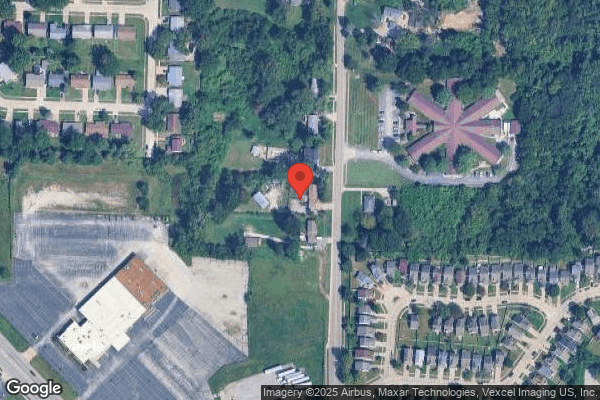
Jan 2020 10 deficiencies
CONCERN (D)

Potential for Harm - no one hurt, but risky conditions existed

Deficiency F0569 (Tag F0569)

Could have caused harm · This affected 1 resident

**NOTE- TERMS IN BRACKETS HAVE BEEN EDITED TO PROTECT CONFIDENTIALITY** Based on interview and record review, the facility failed to complete and send a Third Party Liability (TPL) form (a form which ...

Read full inspector narrative →
**NOTE- TERMS IN BRACKETS HAVE BEEN EDITED TO PROTECT CONFIDENTIALITY** Based on interview and record review, the facility failed to complete and send a Third Party Liability (TPL) form (a form which is sent to MO Healthnet which gives an accounting of the remaining balance of that resident's funds in the resident trust account), which is required to be sent within 30 days after the death for three of three residents who expired since 1/2019 and their funds were used for funeral expenses (Residents #200, #201 and #202). The census was 142. 1. Review of Resident #200's resident trust account, showed: -He/she expired on [DATE]; -On [DATE], the facility wrote a check from the resident's trust account for $1,496.20, to the funeral home; -No notification was issued to the TPL (form MO [PHONE NUMBER]) within 30 days showing the resident's final accounting. 2. Review of Resident #201's resident trust account, showed: -He/she expired on [DATE]; -On [DATE], the facility wrote a check from the resident's trust account for $2,102.98, to the funeral home; -No notification was issued to the TPL within 30 days showing the resident's final accounting. 3. Review of Resident #202's resident trust account, showed: -He/she expired on [DATE]; -On [DATE], the facility wrote a check from the resident's trust account for $1,496.33, to the funeral home; -No notification was issued to the TPL within 30 days showing the resident's final accounting. 4. During an interview on [DATE] at 11:55 A.M. and 12:45 P.M., the business office manager said she did not send TPLs on residents who's money went to the funeral home. She had been doing it that way for seven years and did not know to do it or that they needed to do it. The three residents were medicaid recipients. 5. Review of the facility's Resident Trust Policy and Procedure, revised [DATE], showed: -The following should be adhered to, by the Resident Trust Clerk, upon the death of a resident who had received aid or assistance from the Department of Social Services; -The operator shall submit in writing on form MO [PHONE NUMBER], a complete accounting of the resident's remaining funds. This must be submitted within 30 days from the date of the resident's death; -None of the resident's funds shall be distributed or spent until the operator has fully complied with Missouri statute, except that funeral expenses may be paid from a resident's personal fund held by a facility if no other funds are available to cover the cost. If funds are used for this purpose, this fact and the amount used shall be noted on the account report submitted to the department and documentation of payment shall be attached.
CONCERN (D)

Potential for Harm - no one hurt, but risky conditions existed

Incontinence Care (Tag F0690)

Could have caused harm · This affected 1 resident

**NOTE- TERMS IN BRACKETS HAVE BEEN EDITED TO PROTECT CONFIDENTIALITY** Based on observation, interview and record review, the facility failed to provide incontinence care per acceptable nursing stand...

Read full inspector narrative →
**NOTE- TERMS IN BRACKETS HAVE BEEN EDITED TO PROTECT CONFIDENTIALITY** Based on observation, interview and record review, the facility failed to provide incontinence care per acceptable nursing standards of care for two of three residents observed receiving personal care (Residents #20 and #80). The census was 142. Perineal Policy: The facility failed to provide the policy. 1. Review of Resident #20's care plan, updated 1/3/20, showed: -Problem: Has episodes of bowel and bladder incontinence; -Approach: Provide pads and briefs to help maintain dignity with incontinent episodes. Check and change undergarments to help maintain dignity with incontinent episodes. Review of the resident's quarterly Minimum Data Set (MDS), a federally mandated assessment instrument completed by facility staff, dated 1/16/20, showed: -Diagnoses of seizure disorder and Traumatic Brain Injury; -No short/long term memory loss; -Limited staff assistance for bed mobility, transfers, dressing, toileting and personal hygiene; -Extensive staff assistance for bathing; -Incontinent of bowel and bladder. Observation on 1/30/20 at 9:42 A.M., showed the resident lay in bed. Certified Nurse Aide (CNA) F washed his/her hands, applied gloves and removed a dry incontinence brief. After washing the perineal area, he/she turned the resident to the right side and washed his/her buttocks. After changing the position of the cloth, he/she wiped between the buttocks from the top of the buttocks to the bottom. The wash cloth showed traces of stool. During an interview on 1/30/20 at 10:00 A.M., CNA F said he/she should have washed from front to back when providing care. 2. Review of Resident #80's care plan, updated 10/29/19, showed: -Problem: Resident has episodes of incontinence of bowel and bladder, at risk for skin breakdown; -Approach: Encourage routine toileting to minimize exposure to moisture. Provide perineal care as needed. Review of the resident's quarterly MDS, dated [DATE], showed: -Diagnoses of high blood pressure, Schizophrenia and Traumatic Brain Injury; -Long term memory loss; -Staff supervision for bed mobility; -Limited staff assistance for transfers, dressing, toileting, personal hygiene and bathing; -Incontinent of urine. Observation on 1/30/20 at 8:32 A.M., showed the resident lay in bed. After washing his/her hands and applying gloves, CNA G removed a dry brief and washed the resident's perineal area. He/she turned the resident to the left and washed between the buttocks from the top of the buttock to the bottom with several wipes. With a clean wet towel, he/she removed the soap by wiping between the buttocks from top to bottom. During an interview on 1/30/20 at 9:00 A.M., CNA G said he/she should have washed from front to back. 3. During an interview on 1/31/20 at 2:00 P.M., the Director of Nursing said she would expect the staff to wash from front to back when providing personal care.
CONCERN (D)

Potential for Harm - no one hurt, but risky conditions existed

Deficiency F0700 (Tag F0700)

Could have caused harm · This affected 1 resident

**NOTE- TERMS IN BRACKETS HAVE BEEN EDITED TO PROTECT CONFIDENTIALITY** Based on observation, interview and record review, the facility failed to properly assess residents for the use of side rails, o...

Read full inspector narrative →
**NOTE- TERMS IN BRACKETS HAVE BEEN EDITED TO PROTECT CONFIDENTIALITY** Based on observation, interview and record review, the facility failed to properly assess residents for the use of side rails, obtain physician's orders for the use of side rails and update resident care plans regarding the use of side rails for three sampled residents (Residents #110, #134 and #36). The census was 142. Review of the facility's Restraint policy and procedure, updated 4/6/17, showed: -Restraints will only be used after other alternatives have been tried unsuccessfully, and only with informed consent from the resident, physician, and/or legal guardian; -The need for restraints will be evaluated at least quarterly; -The resident's care plan must indicate the use of a restraint has been evaluated and an order from the physician is noted. 1. Review of Resident #110's quarterly Minimum Data Set (MDS), a federally mandated assessment instrument completed by facility staff, dated 12/31/19, showed: -Diagnoses included seizures, schizophrenia and repeated falls; -Side rails not used. Review of the resident's side rail assessment, dated 11/5/19, showed staff failed to complete the fields used to assess for use of side rails. Staff documented side rails not recommended; Review of the resident's medical record, showed: -Physician's orders, dated 1/1/20 through 1/31/20, showed no orders for side rails; -A care plan, undated and in use at the time of survey, on which side rails not documented. Observation and interview showed, on 1/31/20 at 10:12 A.M., the resident sat in a wheelchair, next to his/her bed. U-shaped side rails raised on both sides of the bed. The resident said he/she did not use the rails on his/her bed. 2. Review of Resident #134's 5-day MDS, dated [DATE], showed: -Diagnoses included dementia, bipolar disorder and schizophrenia; -Side rails not used. Review of the resident's side rail assessment, dated 10/17/19, showed: -Side rail will impede on freedom of movement; -Side rail will obstruct resident's view; -Side rails not recommended. Review of the resident's side rail assessment, dated 1/10/20, showed staff failed to complete the fields used to assess for use of side rails. No recommendation indicated for use of side rails. Review of the resident's medical record, showed: -Physician's orders, dated 1/10/20 through 1/31/20, showed no orders for side rails; -A care plan, undated and in use at the time of survey, on which side rails not documented. Observations on 1/28/20 at 8:49 A.M., 1/29/20 at 12:00 P.M., and 1/31/20 at 7:25 A.M., showed the resident lay in bed with eyes closed with a U-shaped side rail raised in the middle on the left side of the bed, and a U-shaped rail raised at the foot of the bed on the right side. 3. Review of Resident #36's significant change MDS, dated [DATE], showed: -Cognitively intact; -Exhibited behaviors such as rejection of care one to three days per week; -Independent with bed mobility; -Required supervision for transfers; -Diagnoses included anemia, heart failure, diabetes, depression, bipolar and anxiety; -Bed rails not used. Review of the resident's care plan, updated on 11/11/19, showed no information regarding the use of side/bed rails. Review of the resident's Side Rail Assessment, dated 12/15/19, showed: -No documentation regarding the reason for the side rail being used; -The use of side rails would impede freedom of movement; -The use of side rails would obstruct the resident's view; -Side rails were not recommended at this time; -No documentation regarding whom the side rails were discussed with or if alternatives were discussed. Review of the resident's POS, dated 1/1/20 through 1/31/20, showed no documentation regarding the use of side rails. Observations on 1/29/20 at 10:16 A.M. and 1/30/20 at 8:46 A.M., showed the resident lay in bed with quarter side rails raised in a vertical position on both sides of the bed. During observation and interview on 1/31/20 at 8:24 A.M., the resident lay in bed with quarter side rails raised in a vertical position on both sides of the bed. He/she said he/she did not use the rails and was not sure why they were on the bed. 4. During an interview on 1/31/21 at 12:45 P.M., the administrator said side rail assessments should be accurately completed by staff. Any side rails on a resident's bed should be assessed before installation.
CONCERN (D)

Potential for Harm - no one hurt, but risky conditions existed

Deficiency F0712 (Tag F0712)

Could have caused harm · This affected 1 resident

**NOTE- TERMS IN BRACKETS HAVE BEEN EDITED TO PROTECT CONFIDENTIALITY** Based on interview and record review, the facility failed to ensure residents were seen by a physician in accordance with the ti...

Read full inspector narrative →
**NOTE- TERMS IN BRACKETS HAVE BEEN EDITED TO PROTECT CONFIDENTIALITY** Based on interview and record review, the facility failed to ensure residents were seen by a physician in accordance with the timeframes as mandated by the Centers for Medicare and Medicaid Services (CMS). The facility identified 59 residents as patients of Physician C. Of those 59 residents, 20 were sampled and problems were found with three (Residents #32, #36 and #93). The census was 142. 1. Review of Resident #32's quarterly Minimum Data Set (MDS), a federally mandated assessment instrument completed by facility staff, dated 10/31/19, showed: -Resident is rarely/never understood; -Diagnoses included anemia, high blood pressure, seizures, kidney failure, hypothyroidism and dementia. Review of the resident's medical record, showed the Nurse Practitioner (NP) documented 14 progress notes from 1/1/19 through 1/31/20, and a physician documented one progress note. 2. Review of Resident #36's significant change MDS, dated [DATE], showed: -Diagnoses included anemia, heart failure, poor circulation, spina bifida (a birth defect affecting the spine), high blood pressure, neurogenic bladder (bladder does not empty properly due to a neurological condition), diabetes, anxiety, depression, bipolar disorder and colostomy status (surgically created opening in the abdomen to allow waste to leave the body); -One Stage IV pressure ulcer (full thickness tissue loss with exposed bone, tendon, or muscle. Dead tissue may be present on some parts of the wound bed. Often includes undermining or tunneling). Review of the resident's medical record, showed the NP documented 7 progress notes from 6/1/19 through 12/1/19. A physician did not document during this timeframe. 3. Review of Resident #93's annual MDS, dated [DATE], showed diagnoses included anemia, diabetes, anxiety, depression, underactive thyroid, pancreatic cancer and thyroid cancer. Review of the resident's medical record, showed a physician documented a progress note on 8/13/19. The NP documented progress notes from September through December 2019. A physician documented a progress note on 1/7/20. 4. During an interview on 1/31/20 at 1:30 P.M., the administrator said Physician C used to be the facility's medical director. During that time, the facility identified an issue with the physician failing to see his/her residents on a consistent basis. Physician C remains the attending physician for many residents at the facility. The administrator was not aware the physician's visits continued to be inconsistent. Residents should be seen by a physician in accordance with CMS timeframes.
CONCERN (D)

Potential for Harm - no one hurt, but risky conditions existed

Deficiency F0742 (Tag F0742)

Could have caused harm · This affected 1 resident

Based on observation, interview and record review, the facility failed ensure a resident who displays or is diagnosed with mental disorder or psychosocial adjustment difficulty, or who has a history o...

Read full inspector narrative →
Based on observation, interview and record review, the facility failed ensure a resident who displays or is diagnosed with mental disorder or psychosocial adjustment difficulty, or who has a history of trauma and/or post-traumatic stress disorder, receives appropriate treatment and services to correct the assessed problem. Staff failed to assess, document and notify the physician regarding a drawing, found in the resident's medical record, depicting a violent act (Resident #45). The census was 142. Review of Resident #45's quarterly Minimum data Set (MDS), a federally mandated assessment instrument completed by facility staff, dated 11/21/19, showed: -Diagnoses of manic depression and post traumatic stress disorder; -No short/long term memory loss; -No mood disorders; -No behavior problems; -Independent of staff assistance with bed mobility, transfers, walking, dressing and toilet use; -Supervision of staff for walking off unit, eating, personal hygiene and bathing; -Continent of bowel and bladder. Review of the resident's care plan, updated 12/18/19 and 1/19/20, showed: -Problem: Has diagnoses of Major Depression Disorder, Bipolar Disorder and Autism. Has poor safety awareness, able to verbalize needs, may limit his/her relationships with others, may display lack of responsive to/or disinterest in others. May avoid eye contact related to diagnosis of Autism and pretend to be asleep to avoid contact. Updated 12/18/19: Resident displayed verbally/with attempts at physical aggression with peer. Attempt to elope by running from locked unit exit door. Sent to hospital for increased agitation and homicidally ideation, with plans to swallow a bar of soap and attempting to antagonize another peer. Alleged another peer touch him/her inappropriately; -Approach: Provide with familiar staff to promote consistent structure to his/her daily routine. Monitor for signs and symptoms of changes in cognition, poor speech, delayed responses which are not consistent with his/her baseline. Document and report observations to physician. Monitor for changes/persistence of mood/behavior. Document and report observations to the physician. Per facility: if the resident's behavior results in self harm, and or harm to others protocol to notify the physician, responsible party, hospitalization per physician, call 911, and notify the state agency. Observation on 1/28/20 at 8:56 A.M., showed the resident in the hallway. Review of the resident's medical record, showed: -A drawing of two stick figures, one stick figure stabbing the other with a knife, with lines depicting blood coming from the stab wound; -Written on the top of the picture was the following: If everybody keeps fucking with me and pissing me off. I'm going to really do something to end someone's life or mine own. I'm real suicidal right now; -The picture was hole punched and placed in the resident's chart; -No documentation of a date or time when the picture was drawn; -No documentation in the medical record, regarding the picture or whether the physician was notified or any action was taken. During an interview on 1/30/20 at 11:30 A.M., Nurse B said he/she was unaware of the picture and didn't know who placed it in the chart. During an interview on 1/30/20 at 12:04 P.M., the Social Service Director said she was unaware of the picture. She would expect staff to report the drawing so that she could assess the resident. During an interview on 1/30/20 at 1:30 P.M., the administrator and Director of Nursing said they were unaware of the picture in the resident's chart. The resident has been sent out numerous times for suicidal ideations. There is no date or time stamped on the picture so they do not know when the staff put the picture in the chart. They would expect the staff to report any changes in the resident's behavior and a drawing such as the one found in his/her chart.
CONCERN (E)

Potential for Harm - no one hurt, but risky conditions existed

Safe Environment (Tag F0584)

Could have caused harm · This affected multiple residents

Based on observation and interview, the facility failed to ensure the dining room was kept clean and in good repair, and failed to ensure bathroom vents were working and a fan in a day room was clean ...

Read full inspector narrative →
Based on observation and interview, the facility failed to ensure the dining room was kept clean and in good repair, and failed to ensure bathroom vents were working and a fan in a day room was clean and free of dirt and debris. The census was 142. 1. Observation of the dining room from 1/27/20 through 1/29/20, showed: -The floor tile along the thresholds of both emergency exits, one near the ice machine and one near the vending machines, had a thick, dark, grimy build-up; -An approximately 11 foot long area of a heavy build-up of dark dirt and grime on the floor where the floor meets the wall close to the ice machine; -Missing mop board, approximately 8 to 10 feet, on the bottom of the wall behind the vending machine extending to the smoke room door; -Smoke room door facing the dining room and used by both residents and staff, was dirty and grimy; -An approximately 8 by 4 inch hole in the wall directly above the mop board behind the vending machine; -A heavy build-up of dark dirt and grime around the three walls of the assist dining area; -The 400 hall entrance door into the dining room had chipping paint and had several areas of dark dirt and grime; -An approximately 11 foot long area of dark grime on the floor around the partition separating the main dining area from the assist dining area; -A small alcove area inside the dining room that once housed the resident telephone had dark grimy floors, no mop boards and one hinge where a door use to be. During an interview on 1/29/20 at 9:58 A.M., the administrator observed the areas of the dining room and said she was aware of all of the areas and they were in need of cleaning and repair. She agreed the dirt and grime on the floors along the walls was unacceptable and the mop boards needed to be replaced. She has had difficulty keeping housekeeping staff to keep the floors clean. 2. Observation from 1/27/20 through 1/31/20, during the survey process, showed the vents in the shared bathrooms of occupied rooms, 205/207 and 209/211, did not work. 3. Observation and interview on 1/30/20 at 1:10 P.M., showed a three-blade fan mounted to the wall of the 300 hall dayroom, had a thick layer of dust on the fan's blades and grill. Resident #56 said the fan is used every time the residents have a smoke break, which occurs several times a day. When the fan is turned on, it blows dust in the resident's face. A certified nurse aide agreed the room needed additional cleaning. 4. During an interview on 1/31/20 at 9:00 A.M., the maintenance director assessed the bathroom vents in rooms 205/207 and 209/211 and said they were not working. The department managers do a daily walk through of the building and he had not noticed the vents not working. In addition to the daily walk through's, the staff have work orders they can submit if they notice that something was broken. He had not received any work orders for the bathroom vents. It is the maintenance departments responsibility to keep the vents working and fans cleaned from dust and debris.
CONCERN (E)

Potential for Harm - no one hurt, but risky conditions existed

Deficiency F0658 (Tag F0658)

Could have caused harm · This affected multiple residents

**NOTE- TERMS IN BRACKETS HAVE BEEN EDITED TO PROTECT CONFIDENTIALITY** Based on interview and record review, the facility failed to ensure one resident's physician was notified after the resident's b...

Read full inspector narrative →
**NOTE- TERMS IN BRACKETS HAVE BEEN EDITED TO PROTECT CONFIDENTIALITY** Based on interview and record review, the facility failed to ensure one resident's physician was notified after the resident's blood glucose (sugar) level exceeded the parameters as ordered. The facility identified 27 residents with orders for blood glucose checks. All 27 were reviewed and one had blood glucose levels that exceeded the physician's parameters and problems were found with that one (Resident #52). In addition, the facility failed to ensure residents received weekly skin assessments by a licensed nurse per the facility policy, ensure an electrocardiogram (EKG) was obtained as ordered for one resident and a Vitamin D level was obtained for another resident (Residents #1, #110, #20, #28, #35, #93, #11, #113, #131 and #138). The census was 142. 1. Review of Resident #52's quarterly Minimum Data Set (MDS), a federally mandated assessment instrument completed by facility staff, dated 11/23/19, showed: -Brief Interview for Mental Status score of 15 out of a possible 15 (a score of 13 - 15 indicates intact cognition); -Diagnoses of diabetes mellitus and schizophrenia. Review of the resident's physician's order sheet (POS), dated 1/1/20 through 1/31/20, showed: -An order dated 12/17/19, for Novolog (a rapid acting insulin) per sliding scale (the dose administered is based on the blood sugar level) at 7:30 A.M., 5:30 P.M. and at the hour of sleep; -An order dated 12/17/19, to check the resident's blood glucose levels at 7:30 A.M., 11:30 A.M., 5:30 P.M. and at the hour of sleep; -If the blood glucose level exceeds 351, administer 11 units of Novolog and call the physician. Review of the resident's medication administration record, dated 1/1/20 through 1/31/20, showed the residents blood glucose level exceeded the physician's parameter of 351 on the following dates and times: -At 11:30 A.M.: 1/2, 1/6, 1/8, 1/9, 1/19, 1/21, 1/22, 1/25, 1/27, 1/29 and 1/30/20; -At 5:30 P.M.: 1/11, 1/17, 1/26 and 1/27/20; -Hour of Sleep: 1/21/20. Review of the back of the MAR (where nurse's can make notes), dated 1/1/20 through 1/31/20, showed no documentation. Review of the resident's progress notes, from 1/1/20 through 1/31/20, showed no documentation of staff notifying the resident's physician regarding the blood glucose levels exceeding the parameters except for one late entry note, dated 1/30/20 and referring to the 11:30 A.M. blood glucose level obtained on 11/29/20. During an interview on 1/31/20 at 10:30 A.M., the Director of Nursing (DON) said if a resident's blood glucose level exceeds the physician's parameters, she expects staff to contact the physician and document that in the progress notes. She reviewed the resident's blood glucose levels and saw the resident has exceeded the physician's parameters numerous times. She did not know why staff had not notified the resident's physician with the exception of the late entry for 1/29/20 and entered on 1/30/20. The physician should be notified as ordered. 2. Review of Resident #1's annual MDS, dated [DATE], showed: -admission date of 1/15/18; -Diagnoses of diabetes mellitus, anxiety and schizophrenia. Review of the resident's weekly skin assessments, showed the last skin assessment was completed on 1/8/20. Prior to 1/8/20, the last skin assessment was completed on 11/15/19. Review of the resident's POS, dated 1/1/20 through 1/31/20, showed an order for an annual electrocardiogram (EKG, a test that measures the electrical activity of the heart). Review of the resident's medical record, showed no results of an EKG for 2019. During an interview on 1/31/20 at 7:15 A.M., the DON said she reviewed the resident's medical record and could not find results of an EKG for 2019. The Assistant Director of Nursing (ADON) was responsible for tracking resident EKGs, but the ADON quit last September and no one had followed up in her absence. 3. Review of Resident #110's quarterly MDS, dated [DATE], showed: -admission date of 8/24/17; -Diagnoses included anemia, diabetes, seizure disorder, schizophrenia and vitamin D deficiency; -At risk for developing pressure ulcers. Review of the resident's weekly skin assessments, showed the last skin assessment was completed on 11/17/19. Review of the resident's POS, dated 1/1/20 through 1/31/20, showed an order for vitamin D levels to be checked every six months. Review of the resident's medical record, showed vitamin D levels last checked on 2/28/19. During interviews on 1/31/20 at 6:45 A.M. and 1:15 P.M., the DON said the facility switched lab companies in November 2019. Upon review of the resident's medical record, lab results for vitamin D levels obtained after 2/28/19 could not be located. Labs should be obtained as ordered by the physician. 4. Review of Resident #20's quarterly MDS, dated [DATE], showed: -admission date of 6/18/08; -Limited assistance of one person required for bed mobility and transfers; -Diagnoses of high blood pressure, dementia, hemiplegia (paralysis on one side of the body) or hemiparesis (weakness on one side of the body); -At risk of developing pressure ulcers: Yes. Review of the resident's weekly skin assessments, showed the last skin assessment was completed on 11/17/19. 5. Review of Resident #28's quarterly MDS, dated [DATE], showed: -admission date of 1/24/20; -Diagnoses of anxiety and depression. Review of the resident's weekly skin assessments, showed the last skin assessment was completed on 11/17/19. 6. Review of Resident #35's admission MDS, dated [DATE], showed: -admission date of 11/3/19; -Diagnoses included dementia, Parkinson's disease and cognitive communication deficit; -At risk for developing pressure ulcers. Review of the resident's weekly skin assessments, showed the last skin assessment was completed on 11/17/19. 7. Review of Resident #93's Skin Assessment Report, showed: -Skin assessments completed on 10/4/19, 10/11/19. 10/18/19, 10/25/19, 11/1/19, 11/8/19, 11/15/19 and 11/22/19; -No further skin assessments after 11/22/19. Review of the resident's annual MDS, dated [DATE], showed: -Cognitively intact; -Exhibited no behaviors such as rejection of care; -Required limited assistance of one staff for toilet use and personal hygiene; -Frequently incontinent of bladder; -Occasionally incontinent of bowel; -Diagnoses included, diabetes, anemia, anxiety and depression; -At risk for developing pressure ulcers. Review of the resident's care plan, updated on 12/17/19, showed: -Able to verbalize his/her toileting needs and ask for assistance. Has episodes of both incontinence with bowel and bladder when up in wheelchair and uses the bed pan at night, per staff. Also wears adult briefs related to intermittent episodes of incontinence; -Will receive appropriate skin care and will have no areas of decreased skin integrity through the next review date; -Perform and document weekly and as needed skin assessments. During an interview on 1/29/20 at 5:43 P.M., the resident said he/she wished they had more staff. Call lights were answered during the night shift but other tasks were not being done. When asked about skin assessments, he/she said he/she could not recall. 8. Review of Resident #11's quarterly MDS, dated [DATE], showed: -Extensive assistance of one person required for bed mobility; -Total dependence of one person required for transfers; -Diagnoses included stroke and aphasia (loss of ability to understand or express speech, caused by brain damage); -At risk for developing pressure ulcers. Review of the resident's weekly skin assessments, showed between November 2019 and January 2020, assessments were completed on 11/6/19, 11/13/19 and 1/8/20. No skin assessments were completed in the month of December 2019. 9. Review of Resident #113's quarterly MDS, dated [DATE], showed: -admission date of 12/30/17; -Total dependence of one person required for bed mobility and transfers; -Diagnoses of high blood pressure, dementia and manic depression; -At risk of developing pressure ulcers: Yes. Review of the resident's weekly skin assessments, showed the last skin assessment was completed on 11/26/19. 10. Review of Resident #131's quarterly MDS, dated [DATE], showed: -admission date of 5/9/18; -Diagnoses of diabetes mellitus, Alzheimer's disease and dementia. Review of the resident's weekly skin assessments, showed the last skin assessment was completed on 1/24/20. Prior to 1/20/20, the last skin assessment was completed on 11/30/19. 11. Review of Resident #138's quarterly MDS, dated [DATE], showed: -admission date of 7/14/18; -Limited assistance of one person required for bed mobility and transfers; -Diagnoses of high blood pressure and depression; -At risk for developing pressure ulcers: Yes. Review of the resident's weekly skin assessments, showed the last skin assessment was completed on 10/24/19. 12. During an interview on 1/30/19 at 10:51 A.M., the DON said she is responsible to complete the weekly skin assessments. She has not been able to keep up with the skin assessments since the ADON quit in September of 2019. In addition to the ADON, she should have a couple of management nurses to help out, but has not had that assistance either. She has not been able to keep up with the assessments. MO00161652
CONCERN (E)

Potential for Harm - no one hurt, but risky conditions existed

Unnecessary Medications (Tag F0759)

Could have caused harm · This affected multiple residents

Based on observation, interview and record review, the facility failed to ensure medication error rates are not 5 percent or greater. Out of 37 opportunities observed, there were 11 errors, resulting ...

Read full inspector narrative →
Based on observation, interview and record review, the facility failed to ensure medication error rates are not 5 percent or greater. Out of 37 opportunities observed, there were 11 errors, resulting in a 29.73% medication error rate (Residents #389, #24 and #75). The census was 142. 1. Review of the facility inhaler preparation and administration policy, undated, showed: -Shake container vigorously; -Tilt resident's head back slightly; -Instruct resident to breathe out; -Instruct resident to close lips on inhaler and to begin inhaling slowly; -Instruct resident to hold breath 5 to 10 seconds or as long as possible; -Instruct resident to breathe out slowly; -Wait at least one minute before giving a second inhalation (if ordered) of the same medication. Shake container before each administration; -If giving two different medications, wait at least five minutes before administering the second medication; -For steroid inhalers, have the resident rinse mouth after use to minimize fungus overgrowth and dry mouth. Review of Resident #389's admission Minimum Data Set (MDS), a federally mandated assessment instrument completed by facility staff dated 1/25/20, showed: -admission date of 1/14/20; -Making self understood: Understood; -Ability to understand others: Understands - clear comprehension; -Does not reject care; -Independent for transfers and walking in room/corridor; -Diagnoses of high blood pressure, schizophrenia and chronic obstructive pulmonary disease (COPD, a lung disease that interferes with normal breathing). Review of the resident's physician's order sheet (POS), dated 1/14/20 through 1/31/20, showed the resident's 8:00 A.M. medications included the following: -Symbicort (a combination steroid and long-acting bronchodilator (relaxes bronchial muscles resulting in expansion of the air passages) two puffs, two times a day; -Spiriva (a bronchodilator) one capsule one time a day. Observation on 1/29/20 at 7:15 A.M., showed Certified Medication Technician (CMT) A prepared the resident's medications, which included Symbicort and Spiriva. The resident stood next to the medication cart in the hall. Without shaking the inhaler, the CMT handed the resident the Symbicort first. Without any instructions from the CMT, the resident held the inhaler to his/her lips, took one inhalation from the inhaler, immediately exhaled and then handed the inhaler back to the CMT. Without waiting between inhalers, the CMT handed the resident the Spiriva. Again, without any instructions by the CMT, the resident took one inhalation of the medication, immediately exhaled, then handed the Spiriva back to the CMT. The resident did not, and was not encouraged by the CMT to: Exhale prior to taking either medication, hold the medications in for 5 to 10 seconds, exhale slowly after the inhalation, wait for 5 minutes between the two different medications, or rinse his/her mouth after taking the medications. During an interview at the time, the CMT said she thought the resident took two quick puffs of the Symbicort. He/she did not know the resident should have exhaled before inhaling, hold their breath or wait any amount of time between the different medications. He/she was aware he/she should have offered the resident water to rinse, but did not. He/she was not sure what the facility policy showed. During an interview on 1/29/20 at 8:33 A.M., the Director of Nurses (DON) said the inhaler policy is in all the medication administration records (MARs) on the medication carts. She did not know why the CMT did not refer to the policy prior to administering the inhalers. She expects staff to follow that policy. 2. Review of Resident #24's POS, dated 1/1/20 through 1/31/20, showed the following: -Lamotrigine (medication used to treat seizures and bipolar disease) 150 milligrams (mg) twice a day at 9:00 A.M. and 5:00 P.M. -Metformin (medication used to treat high blood sugar) 500 mg by mouth twice a day at 9:00 A.M. and 5:00 P.M.; -Nuedexta (medication used to treat uncontrollable crying or laughing) 20/10 mg by mouth twice a day at 9:00 A.M.; -Divalproex NA ER (medication used to treat seizures and bipolar disease) 500 mg by mouth three times per day at 9:00 A.M., 1:00 P.M. and 5:00 P.M.; -Ropinirole (medication used to treat Parkinson's disease and restless leg syndrome) 1 mg by mouth three times per day at 9:00 A.M., 1:00 P.M. and 5:00 P.M. Observation on 1/29/20 at 7:31 A.M., showed CMT E administered the resident's morning medication, which included, lamotrigine 150 mg, metformin 500 mg, nuedexta 20/10 mg and ropinirole 1 mg. 3. Review of Resident #75's POS, dated 1/1/20 through 1/31/20, showed the following: -Isentress (medication used to treat HIV) 400 mg by mouth twice a day at 9:00 A.M. and 5:00 P.M.; -Levetiracetam (medication used to treat seizures) 500 mg by mouth every 12 hours at 9:00 A.M. and 9:00 P.M.; -Lisinopril/HCTZ (medication used to treat high blood pressure) 10/12.5 mg by mouth twice a day at 9:00 A.M. and 900 P.M.; -Senna Plus (medication used to treat constipation) 8.6/50 mg by mouth twice a day at 9:00 A.M. and 9:00 P.M.; -Oxcarbazepine (medication used to treat epileptic seizures) 600 mg by mouth twice a day at 9:00 A.M. and 5:00 P.M. Observation on 1/29/20 at 7:39 A.M., showed CMT E administered the resident's morning medication, which included senna 8.6/50 mg, oxcarbazepine 600 mg, levetiracetam 400 mg, linsinopril/HCTZ 10/12.5 mg and isentress 400 mg. 4. During an interview on 1/29/20 at 12:35 P.M., CMT E said he/she starts the medication pass early because the residents have a large amount of medications. 5. During an interview on 1/29/20 at 12:42 P.M., the DON said she expects staff to administer medications per their prescribed time frames of one hour prior to the prescribed time and no later than one hour after the prescribed time.
CONCERN (F)

Potential for Harm - no one hurt, but risky conditions existed

Deficiency F0727 (Tag F0727)

Could have caused harm · This affected most or all residents

Based on interview, the facility failed to schedule a Registered Nurse (RN) eight consecutive hours a day, seven days a week. The census was 142. During an interview on 1/29/20 at 1:40 P.M., the admin...

Read full inspector narrative →
Based on interview, the facility failed to schedule a Registered Nurse (RN) eight consecutive hours a day, seven days a week. The census was 142. During an interview on 1/29/20 at 1:40 P.M., the administrator said she was aware a full-time RN, other than the Director of Nurse's, was required eight consecutive hours a day, seven days a week. The facility has a part-time RN that works eight hours a day every Saturday and Sunday. The facility had not had a full-time RN scheduled for Monday through Friday since the Assistant Director of Nurses (ADON), an RN, quit on 9/27/19. The facility just hired a new ADON that will be starting soon.
CONCERN (F)

Potential for Harm - no one hurt, but risky conditions existed

Deficiency F0838 (Tag F0838)

Could have caused harm · This affected most or all residents

Based on interview and record review, the facility failed to complete a thorough facility assessment to determine what resources were necessary to care for residents competently during both day to day...

Read full inspector narrative →
Based on interview and record review, the facility failed to complete a thorough facility assessment to determine what resources were necessary to care for residents competently during both day to day operations as well as during emergencies. This had the potential to affect all residents. The census was 142. Review of the Facility Assessment Tool, last updated on 1/16/20, showed: -Dates facility assessment reviewed with Quality Assessment and Assurance (QAA) and Quality Assurance and Performance Improvement (QAPI) committee: Blank; -Resident acuity level: Blank; -How many residents require special treatments and conditions (cancer treatments, respiratory treatments (oxygen therapy, suctioning), mental health (behavioral health needs, long term psychiatric management, counseling services), other (IV medications, injections, dialysis, ostomy care, Hospice care): Blank; -Assistance with activities of daily living (dressing, bathing, transfer, eating, toileting): List how many residents are independent, require assistance of one or two staff or are totally dependent: Blank; -Mobility (Independent, assistive devices, residents that self propel in wheelchairs, bedfast): Blank; -Number of residents that do not speak English: NO; -Nursing Services: 1 Assistant Director of Nurses (ADON); -Describe how you evaluate what policies and procedures may be required in the provision of care, and how you ensure those meet current professional standards of practice: Pain Management: Blank, Skin and Wound Care: Blank, Medication Storage and Destruction: Blank, Respiratory Care: Blank, Biohazards: Blank, Restorative Care: Blank, IV Therapy: Blank; -Contracts, other agreements, 3rd party provisions: Emergency Water Supple: Blank, Company Transfer: Blank, Agreements: Blank, Hospice: Blank; -Describe how the facility will securely transfer health information: Hospital: Blank, Home Health: Blank, Agency - Other: Blank, Providers: Blank; -Describe how the facility will ensure that residents and their representatives can access records upon request: Blank; -Describe what the facility procedure is during downtime and how is it implemented: Blank. Review of the Facility Resident and Census and Conditions Report, completed by facility staff and dated 1/28/20, showed the following information was available, but not addressed on the Facility Assessment Tool: Activities of daily living needs: -Bathing: Independent - 111, Assistance of one or two staff - 26, Dependent - 5; -Dressing: Independent - 108, Assistance of one or two staff - 29, Dependent - 5; -Transferring: Independent - 111, Assistance of one or two staff - 26, Dependent - 5; -Toilet Use: Independent - 108, Assistance of one or two staff - 29, Dependent - 5; -Bathing: Independent - 136, Assistance of one or two staff - 2, Dependent - 4; Bowel/Bladder Status: -With indwelling or external catheter: 1; -Occasionally or frequently incontinent of bladder: 36; -Occasionally or frequently incontinent of bowel: 24; -On urinary toileting program: 2; -On bowel toileting program: 2; Mental status: -Intellectual and/or developmental disability: 21; -Documented signs and symptoms of depression: 29; -Documented psychiatric diagnosis: 119; -Dementia: 19; -Behavioral healthcare needs: 42; Mobility: -In a chair all or most of the time: 28; -Independently ambulatory: 114; -Ambulates with assistance or assistive devices: 5; -With contractures: 5; Skin Integrity: -Pressure ulcers: 2; -Receiving preventative skin care: 38; -Rashes: 3; Special Care: Hospice: 2; -Dialysis: 1; -Respiratory treatment: 4; -Ostomy care: 2; -Injections: 63; -Tube feedings: 1; -Mechanically altered diets: 11; -Rehabilitative services (physical therapy, speech-language therapy, occupational therapy): 10; -Assistive devices while eating: 3; Medications: -Antipsychotic medications: 122; -Antianxiety medications: 26; -Antidepressant medications: 78; -Hypnotic medications: 10; -Antibiotics: 15; -Pain management program: 1; Other: -With unplanned significant weight loss: 4; -Who do not communicate in the dominant language: 1; -Who use non-oral communication devices: 1; -With advanced directives: 12. During an interview on 1/31/20 at 12:03 P.M., the Facility Assessment Tool was reviewed with the administrator. She reviewed all the categories the facility failed to address and said she did not complete the assessment as thoroughly as she should have. The Facility Assessment Tool should have been updated on 9/27/19, to reflect the ADON had quit and what the facility was doing to replace that position. She should have used the information on the Facility Resident and Census and Conditions Report and gathered additional information to complete the Facility Assessment Tool.
Understanding Severity Codes (click to expand)
Life-Threatening (Immediate Jeopardy)
J - Isolated K - Pattern L - Widespread
Actual Harm
G - Isolated H - Pattern I - Widespread
Potential for Harm
D - Isolated E - Pattern F - Widespread
No Harm (Minor)
A - Isolated B - Pattern C - Widespread

Questions to Ask on Your Visit

  • "What changes have you made since the serious inspection findings?"
  • "What safeguards are in place to prevent abuse and neglect?"
  • "Can I speak with families of current residents?"
  • "What's your RN coverage like on weekends and overnight?"

Our Honest Assessment

Strengths
  • • Licensed and certified facility. Meets minimum state requirements.
Concerns
  • • Multiple safety concerns identified: Federal abuse finding, 5 life-threatening violation(s), 2 harm violation(s), $129,243 in fines, Payment denial on record. Review inspection reports carefully.
  • • 80 deficiencies on record, including 5 critical (life-threatening) violations. These warrant careful review before choosing this facility.
  • • $129,243 in fines. Extremely high, among the most fined facilities in Missouri. Major compliance failures.
  • • Grade F (0/100). Below average facility with significant concerns.
Bottom line: This facility has a substantiated abuse finding. Extreme caution advised. Explore alternatives.

About This Facility

What is Crestwood Health, Llc's CMS Rating?

CMS assigns CRESTWOOD HEALTH CARE CENTER, LLC an overall rating of 1 out of 5 stars, which is considered much below average nationally. Within Missouri, this rating places the facility higher than 0% of the state's 100 nursing homes. A rating at this level reflects concerns identified through health inspections, staffing assessments, or quality measures that families should carefully consider.

How is Crestwood Health, Llc Staffed?

CMS rates CRESTWOOD HEALTH CARE CENTER, LLC's staffing level at 1 out of 5 stars, which is much below average compared to other nursing homes. Staff turnover is 49%, compared to the Missouri average of 46%.

What Have Inspectors Found at Crestwood Health, Llc?

State health inspectors documented 80 deficiencies at CRESTWOOD HEALTH CARE CENTER, LLC during 2020 to 2025. These included: 5 Immediate Jeopardy (the most serious level, indicating potential for serious harm or death), 2 that caused actual resident harm, and 73 with potential for harm. Immediate Jeopardy findings are rare and represent the most serious regulatory concerns. They require immediate corrective action.

Who Owns and Operates Crestwood Health, Llc?

CRESTWOOD HEALTH CARE CENTER, LLC is owned by a for-profit company. For-profit facilities operate as businesses with obligations to shareholders or private owners. The facility is operated by RELIANT CARE MANAGEMENT, a chain that manages multiple nursing homes. With 150 certified beds and approximately 141 residents (about 94% occupancy), it is a mid-sized facility located in FLORISSANT, Missouri.

How Does Crestwood Health, Llc Compare to Other Missouri Nursing Homes?

Compared to the 100 nursing homes in Missouri, CRESTWOOD HEALTH CARE CENTER, LLC's overall rating (1 stars) is below the state average of 2.5, staff turnover (49%) is near the state average of 46%, and health inspection rating (1 stars) is much below the national benchmark.

What Should Families Ask When Visiting Crestwood Health, Llc?

Based on this facility's data, families visiting should ask: "What changes have been made since the serious inspection findings, and how are you preventing similar issues?" "What safeguards and monitoring systems are in place to protect residents from abuse or neglect?" "Can you walk me through typical staffing levels on day, evening, and night shifts?" "Can I visit during a mealtime to observe dining assistance and food quality?" These questions are particularly relevant given the facility's Immediate Jeopardy citations, the substantiated abuse finding on record, and the below-average staffing rating.

Is Crestwood Health, Llc Safe?

Based on CMS inspection data, CRESTWOOD HEALTH CARE CENTER, LLC has documented safety concerns. The facility has 1 substantiated abuse finding (meaning confirmed case of resident harm by staff or other residents). Inspectors have issued 5 Immediate Jeopardy citations (the most serious violation level indicating risk of serious injury or death). The facility has a 1-star overall rating and ranks #100 of 100 nursing homes in Missouri. Families considering this facility should ask detailed questions about what corrective actions have been taken since these incidents.

Do Nurses at Crestwood Health, Llc Stick Around?

CRESTWOOD HEALTH CARE CENTER, LLC has a staff turnover rate of 49%, which is about average for Missouri nursing homes (state average: 46%). Moderate turnover is common in nursing homes, but families should still ask about staff tenure and how the facility maintains care continuity when employees leave.

Was Crestwood Health, Llc Ever Fined?

CRESTWOOD HEALTH CARE CENTER, LLC has been fined $129,243 across 1 penalty action. This is 3.8x the Missouri average of $34,371. Fines at this level are uncommon and typically indicate a pattern of serious deficiencies, repeated violations, or failure to correct problems promptly. CMS reserves penalties of this magnitude for facilities that pose significant, documented risk to resident health or safety. Families should request specific documentation of what issues led to these fines and what systemic changes have been implemented.

Is Crestwood Health, Llc on Any Federal Watch List?

CRESTWOOD HEALTH CARE CENTER, LLC is not on any federal watch list. The most significant is the Special Focus Facility (SFF) program, which identifies the bottom 1% of nursing homes nationally based on persistent, serious quality problems. Not being on this list means the facility has avoided the pattern of deficiencies that triggers enhanced federal oversight. This is a positive indicator, though families should still review the facility's inspection history directly.