LAKEVIEW POST ACUTE

1201 GARDEN PLAZA DRIVE, FLORISSANT, MO 63033 (314) 831-3752
For profit - Limited Liability company 120 Beds PACS GROUP Data: November 2025 2 Immediate Jeopardy citations
Trust Grade
0/100
#405 of 479 in MO
Last Inspection: October 2024

Within standard 12-15 month inspection cycle. Federal law requires annual inspections.

Overview

Lakeview Post Acute in Florissant, Missouri, has received a Trust Grade of F, indicating significant concerns about the care provided. It ranks #405 out of 479 facilities in the state, placing it in the bottom half, and #59 out of 69 in St. Louis County, showing that there are many better options nearby. While the facility is improving, with issues decreasing from 45 in 2024 to 7 in 2025, it still has a high staffing turnover rate of 79%, which is concerning compared to the Missouri average of 57%. The facility also faces $194,454 in fines, higher than 93% of Missouri facilities, suggesting ongoing compliance problems. Notably, there were critical incidents, including failures to provide basic life support when needed and to administer prescribed antibiotics, which led to deteriorating health conditions for residents. Overall, while there are some strengths, such as good RN coverage, the facility has serious weaknesses that families should carefully consider.

Trust Score
F
0/100
In Missouri
#405/479
Bottom 16%
Safety Record
High Risk
Review needed
Inspections
Getting Better
45 → 7 violations
Staff Stability
⚠ Watch
79% turnover. Very high, 31 points above average. Constant new faces learning your loved one's needs.
Penalties
⚠ Watch
$194,454 in fines. Higher than 88% of Missouri facilities, suggesting repeated compliance issues.
Skilled Nurses
○ Average
Each resident gets 38 minutes of Registered Nurse (RN) attention daily — about average for Missouri. RNs are the most trained staff who monitor for health changes.
Violations
⚠ Watch
93 deficiencies on record. Higher than average. Multiple issues found across inspections.
★☆☆☆☆
1.0
Overall Rating
★★☆☆☆
2.0
Staff Levels
★★☆☆☆
2.0
Care Quality
★☆☆☆☆
1.0
Inspection Score
Stable
2024: 45 issues
2025: 7 issues

The Good

  • Full Sprinkler Coverage · Fire safety systems throughout facility
  • No fines on record

Facility shows strength in fire safety.

The Bad

1-Star Overall Rating

Below Missouri average (2.5)

Significant quality concerns identified by CMS

Staff Turnover: 79%

33pts above Missouri avg (46%)

Frequent staff changes - ask about care continuity

Federal Fines: $194,454

Well above median ($33,413)

Significant penalties indicating serious issues

Chain: PACS GROUP

Part of a multi-facility chain

Ask about local staffing decisions and management

Staff turnover is very high (79%)

31 points above Missouri average of 48%

The Ugly 93 deficiencies on record

2 life-threatening 5 actual harm
Jun 2025 1 deficiency
CONCERN (D) 📢 Someone Reported This

A family member, employee, or ombudsman was alarmed enough to file a formal complaint

Potential for Harm - no one hurt, but risky conditions existed

Quality of Care (Tag F0684)

Could have caused harm · This affected 1 resident

Based on observation, interview, and record review, the facility failed to ensure proper foot/wound care was performed for one resident (Resident #3) who had a wound to the great toe and a blister to ...

Read full inspector narrative →
Based on observation, interview, and record review, the facility failed to ensure proper foot/wound care was performed for one resident (Resident #3) who had a wound to the great toe and a blister to the second toe. The resident's great toe wound became infected. The facility also failed to ensure the resident's second toe blister was documented on the resident's skin assessments. The sample was 10. The census was 95. Review of the facility's foot care policy, dated 10/2022, showed: -Policy statement: Residents receive appropriate care and treatment in order to maintain mobility and foot health; -Policy implementation: Residents are provided with foot care and treatment in accordance with professional standards of practice. Overall foot care includes the care and treatment of medical conditions to prevent foot complications from these conditions. Review of Resident #3's quarterly Minimum Data Set (MDS), a federally mandated assessment instrument completed by facility staff, dated 3/31/25, showed: -Diagnoses included: Epilepsy (seizure disorder), history of stroke, cognitive communication deficit, and muscle weakness; -Severe cognitive impairment. Review of the resident's care plan, in use at the time of the investigation, showed: -Focus: Resident is at risk for skin breakdown; -Goal: Resident will be compliant with treatments and intervention measures to prevent skin breakdown; -Interventions: Administer medication as ordered. Administer treatments as ordered, assist to turn and reposition as indicated/tolerated. Review of the resident's comprehensive skin assessments, showed: -Skin assessment, dated 5/23/25, an open area noted on great toe, left foot. Resident denies pain. Wound team notified and they will assess. Second toe blister was not noted on the skin assessment; -Skin assessment, dated 5/30/25, an open area noted on great toe, left foot. Resident denies pain. Wound team notified and they will assess. Second toe blister was not noted on the skin assessment; -No comprehensive skin assessment completed on 5/22/25. Review on 6/3/25, of the resident's Physician's Orders Summary (POS), showed no treatment orders for the resident's left great toe wound or the second toe blister. Review on 6/3/25, of the resident's progress notes, showed: -A late entry note for 5/22/25, created on 6/3/25 by the Director of Nursing (DON), showed upon assessment of patient, it was noted that patient had an area to the top of his/her left great toe. The area was open 0.2 cm (centimeters) by .1 cm without drainage. Physician made aware and gave orders to leave wound open to air and patient not to wear his/her shoes at this time because shoes are too tight. Patient's sister made aware of wound and that shoes need to be replaced. She stated she would work on getting him/her new shoes. Physician wishes for the contracted wound care company to see patient. Wound team updated and to notify the contracted wound care company and get approval for patient to see them; -A note, dated 6/3/25, written by the DON, wound culture (laboratory test to determine if wound is infected) obtained of the resident's left great toe, placed for laboratory to pick up. Review of the resident's skin monitoring shower sheets, showed: -On 5/22/25 the resident received a shower. The resident's great toe wound was noted on the sheet to notify the nurse. The wound on the second toe was not noted; -On 5/26/25 the resident received a bed bath. The resident's great toe wound was noted on the sheet. The wound on the second toe was not noted; -On 5/29/25 the resident received a shower. The resident's great toe wound was noted on the sheet. The wound on the second toe was not noted. Review of the facility's most recent resident wound report, dated 5/27/25, showed the resident and his/her big toe wound and second toe blister were not listed. Observation and interview on 6/3/25 at 10:46 A.M., showed the resident lying in bed awake. The resident's left foot was wrapped with gauze. The wrap was dated 6/3/25. The resident said he/she did not remember what happened to his/her toe. Observation on 6/4/25 at 8:18 A.M., of the resident's left foot, showed: -The great toe had an open wound on the lower left portion of the resident's toenail. The toenail, where the wound was located, was absent. The skin surrounding the wound was reddened. The area surrounding the lower left nail had maroon drainage; -The second toe had an intact blister on the underside of the toe. During observation and interview on 6/3/25 at 11:18 A.M., the resident's sister said she was informed on 5/22/25 that the resident had a new wound on his/her great toe. The DON told her the wound was caused by the resident wearing shoes that were too small. The resident's sister felt that the wound was not caused by the shoe but something else. She was also concerned that the resident's wound was not covered with a treatment once it was discovered on 5/22/25. A picture on the sister's phone, timestamped 5/22/25, of the resident's left foot, showed the resident's great toe had an open wound. The lower left portion of the resident's toenail was absent, and the skin underneath was reddened. The area surrounding the lower left nail had maroon drainage. The resident's second toe had an unopened blister on the bottom side of the toe. She took the picture of the resident's foot after being notified of his/her wound. The DON did not mention the blister on the resident's second toe. During an interview on 6/4/25 at 10:41 A.M., Licensed Practical Nurse (LPN) A said that 5/22/25 was the day where the resident's great toe wound was first noted during the resident's shower. He/She did not know how the wound occurred. He/She was unaware until 6/3/25 that the resident had a blister on his/her second toe. A thorough skin assessment should have been done on 5/22/25 after the resident's great toe injury was observed. During an interview on 6/4/25 at 10:30 A.M., the resident's Physician said he/she was not aware of the resident's great toe wound or the blister on the resident's second toe. The Physician spoke with the nurse practitioner, who was also unaware of the resident's wounds. The Physician was on vacation on and around 5/22/25 and did not give the DON any orders or instructions for the resident's toe wounds. The Physician would have wanted to be made aware of the wounds and would have expected the great toe wound to be covered to prevent infection. During an interview on 6/4/25 at 10:47 A.M., the DON said that the resident's Physician gave an order for the resident's great toe wound on 5/22/25 for the wound to be left uncovered until the wound management company could assess the resident's left great toe. She said the resident's toe wound happened due to the resident's shoes being too tight. She called the physician's exchange and spoke with someone she thought was the resident's Physician, but she couldn't be sure. The resident does not propel himself/herself in his/her wheelchair and requires assistance. The wound on the resident's great toe is infected and the resident is now on antibiotics as of 6/4/25. The resident's great toe wound was not covered but was left open to air. The first day the resident's toe wound was covered/treated was 6/3/25. During an interview on 6/4/25 at 11:26 A.M., the wound management company's wound nurse said 6/3/25 was his/her first appointment with the resident. The resident's left great toe has an infected wound. He/She had to perform debridement (the removal of dead skin and foreign material from a wound) under the toenail where the wound was located. He/She would have expected the wound to be covered to prevent infection. During an interview on 6/4/25 at 1:36 P.M., the DON said she would expect for skin assessments to be complete and accurate. She would have expected staff to do a complete skin assessment of the resident once the resident's great toe wound was noted. The DON expected the resident's second toe blister to be found on the skin assessment completed on 5/23/25. She would have expected the nurse to obtain a treatment order once the resident's great toe wound was discovered. MO00254686
Mar 2025 1 deficiency
CONCERN (E) 📢 Someone Reported This

A family member, employee, or ombudsman was alarmed enough to file a formal complaint

Potential for Harm - no one hurt, but risky conditions existed

Safe Environment (Tag F0584)

Could have caused harm · This affected multiple residents

**NOTE- TERMS IN BRACKETS HAVE BEEN EDITED TO PROTECT CONFIDENTIALITY** Based on observation, interview and record review, the facility failed to provide a homelike environment when staff failed to pr...

Read full inspector narrative →
**NOTE- TERMS IN BRACKETS HAVE BEEN EDITED TO PROTECT CONFIDENTIALITY** Based on observation, interview and record review, the facility failed to provide a homelike environment when staff failed to provide hot water for bathing and personal care for residents. This affected six out of nine sampled residents (Residents #3, #5, #6, #7, #8 and #9), five of six additional sampled resident rooms, and two of two shower rooms. The census was 92. Review of the facility's Water Temperatures Policy and Procedure, revised 12/2009, showed: -Policy Interpretation and Implementation; -Water heaters that service resident rooms, bathrooms, common areas, and tub/shower areas shall be set to temperatures of 98 degrees Fahrenheit (F) - 120 degrees F, or the minimum and maximum allowable temperature per state regulations; -Maintenance staff is responsible for checking thermostats and temperature controls in the facility and recording these checks in a maintenance log; -Maintenance staff shall conduct periodic tap water temperature checks and record the water temperatures in a safety log. 1. Observations and measurements of resident room hot water faucet temperatures, after the hot water faucet ran for two minutes, showed the following hot water faucet temperature measurements were recorded: -On 3/5/25 at 9:52 A.M., room [ROOM NUMBER], the hot water faucet temperature measured at 88.9 degrees Fahrenheit (F); -On 3/5/25 at 9:55 A.M., room [ROOM NUMBER], the hot water faucet temperature measured at 92.4 degrees F; -On 3/5/25 at 10:05 A.M., room [ROOM NUMBER] the hot water faucet temperature measured at 92.2 degrees F; -On 3/5/25 at 10:25 A.M., room [ROOM NUMBER] the hot water faucet temperature measured at 84.5 degrees F; -On 3/5/25 at 10:45 A.M., room [ROOM NUMBER] the hot water faucet temperature measured at 95.5 degrees F; -On 3/5/25 at 11:15 A.M., room [ROOM NUMBER] the hot water faucet temperature measured at 84.0 degrees F; -On 3/5/25 at 11:20 A.M., room [ROOM NUMBER] the hot water faucet temperature measured at 85.5 degrees F; -On 3/5/25 at 11:25 A.M., room [ROOM NUMBER] the hot water faucet temperature measured at 77.0 degrees F; -On 3/5/25 at 11:30 A.M., room [ROOM NUMBER] the hot water faucet temperature measured at 86.6 degrees F. 2. Review of Resident #6's annual Minimum Data Set (MDS), a federally mandated assessment instrument completed by facility staff, dated 11/16/24, showed: -Moderately impaired cognition; -Supervision and set up help required for dressing and personal hygiene; -Diagnoses included bilateral hips osteoarthritis (joint tissue breakdown), right below the knee amputation, transient ischemic attack (TIA, mini stroke), chronic obstruction pulmonary disease (COPD, airflow and lung disease causing restrictive airflow and breathing problems), diabetes and acute kidney failure. During an interview and hot water faucet temperature measurement on 3/6/25 at 8:45 A.M., the water temperature measured at 88.1 degrees F, after the hot water faucet ran for two minutes. The resident said the water in his/her room is too cold. He/She told staff about it two weeks ago and they said they would get back with him/her. He/She hadn't heard anything yet. The resident didn't remember who the staff person was. He/She would like his/her water to be hot all the time. 3. Review of Resident #5's annual MDS, dated [DATE], showed: -Moderately impaired cognition; -Required partial/moderate assistance with activities of daily living (ADLs); -Diagnoses included respiratory failure, right breast cancer, adult failure to thrive, pressure ulcer (area of skin damage that develops when prolonged pressure is applied to a specific part of the body) to sacral area (area at base of spine and above tailbone). During an interview and hot water faucet temperature measurement on 3/6/25 at 8:55 A.M., the water temperature measured at 104.5 degrees F., after the hot water faucet ran for two minutes. The resident said he/she receives bed baths, and the water is too cold. It also takes forever to warm up and at times it doesn't warm up at all. He/She said he/she would like hot water all the time. 4. Review of Resident #7's medical records, showed: -Moderately impaired cognition; -Required moderate to maximum assistance with ADLs; -Diagnoses included osteoarthritis (joint tissue breakdown) of the right knee, diabetes, respiratory failure with hypoxia (lungs do not have enough oxygen), kidney disease, neuropathy (damage nerves causing tingling and numbness, or loss of sensation in the hands, feet, legs or back. During an interview and hot water faucet temperature measurement on 3/6/25 at 9:10 A.M., the water temperature measured at 94.6-degree F., after the hot water faucet ran for two minutes. The resident said he/she moved from a different unit to this room about 5 months ago. The water is always cold in this room and he/she would like it to get hot. 5. Review of Resident #3's annual MDS, dated [DATE] showed: -Cognitively intact; -Required partial/moderate assistance with ADLs; -Diagnoses included muscular dystrophy (genetic disorder that causes weakness and decreased skeletal muscles), right tibia (shin bone) fracture, right ankle fracture, pressure ulcer to sacral area. During an interview and hot water faucet temperature measurement on 3/6/25 at 9:12 A.M., the water temperature measured at 94.6-degree F., after the hot water faucet ran for two minutes. The resident said the water does not warm up. He/She would like the water to be warm and not cold. 6. Review of Resident #8's annual MDS, dated [DATE], showed: -Cognitively intact; -Required partial/moderate assistance with ADLs; -Diagnoses included peripheral vascular disease (PVD, narrowing of veins and arteries decreasing blood flow in the legs), hemiplegia and hemiparesis (paralysis and weakness) following a cerebral infarction (stroke) affecting the right dominant side. Observation and interview on 3/6/25 at 9:16 A.M., showed Certified Nurse Assistant (CNA) A turned the water on hot and left the room. The resident said he/she would like hot water and for it not to take so long to heat up. At 9:19 A.M., CNA A said it takes the water about three minutes to warm up. The hot water measured 82.7 degrees F. CNA A said the water was cold to touch. CNA A said he/she always checks the water temperature by using the back of his/her hand to make sure it was warm enough but not too hot. 7. Review of Resident #9's annual MDS, dated [DATE], showed: -Cognitively intact; -Required set up and clean up assistance with ADLs; -Diagnoses included osteoarthritis (joint tissue breakdown), respiratory failure with hypoxia (difficulty breathing due to lack of oxygen), kidney disease, lymphedema (swelling, stiffness, and pain in the arms and legs), pressure ulcer to right buttock. Observation and interview on 3/6/25 at 9:25 A.M., showed the water temperature measured at 103.8-degree F, after the hot water faucet ran for two minutes. The resident said the water temperature is too cold at times. He/She wanted it to be warm and not take so long to warm up. When he/she gets in the shower in the shower room on unit 200, it runs out of hot water and so he/she had to rinse off with cold water. Observation on 3/6/25 at 10:35 A.M., showed the resident was getting ready to take a shower on unit 200's shower room and said he/she would not get under the water because it is always too cold. 8. Observation on 3/6/25, showed: -9:30 A.M. room [ROOM NUMBER], hot water faucet temperature measured at 94.4 degrees F; -9:50 A.M. shower room on unit 300, hot water faucet in the shower measured at 91.2 degrees F. and the shower tub hot water faucet measured at 84.0 degrees F; -10:27 A.M. shower room on unit 200, hot water faucet in the shower measured at 87.2 degrees F. 9. During an interview on 3/5/25 at 1:46 P.M., Housekeeper B said he/she worked at the facility for about a year and sometimes water takes a bit of time to heat up. Maintenance has been working on it. Housekeeper B had been told to make sure the hot water faucet that is connected to the soap system is turned off after he/she filled the mop buckets, so the hot water doesn't run out. 10. During an interview on 3/6/25 at 10:02 A.M., the Administrator, Housekeeping Supervisor, and Maintenance Supervisor said the hot water faucet temperatures are measured and recorded once a week and they are picked at random, three resident rooms and one shower room. They follow the state guidelines for the hot water temperatures to maintain 105-120-degree F. and they expected this temperature to be reached within two minutes. They said they are aware of hot water issues and have been working on it. A plumber is scheduled to evaluate the hot water issues. They were not aware of how many rooms had low temperatures, including the showers. They agreed the temperatures measured in the resident rooms and shower rooms are not within their policy and procedures guidelines and the low temperatures do not provide a homelike environment to the residents. The Maintenance Director said the last time a plumber came out, he/she was told the issue is coming from the soap dispensing system. The soap system holds constant hot and cold water pressure to the faucet. It is turned on and off at the hose but if housekeeping does not turn the hot water off, it continues to use the hot water to maintain a hot temperature. 11. Review of the Test and Log Hot Water Temperatures, dated 2/28/25, completed by the Maintenance Director, showed four out of 10 hot water temperature measured below 105-degrees F. During an interview on 3/6/25 at 12:10 P.M., the Maintenance Supervisor said when he/she reviews and records the hot water temperatures, he/she only makes sure the hot water is not running too hot. They have had to replace eight water heaters and three mixing valves on the hot water connection in the past year. 12. During an interview on 3/6/25 at 9:40 A.M., the Administrator said he/she does not review the water temperature logs. MO00249964
Jan 2025 5 deficiencies 1 Harm
SERIOUS (G) 📢 Someone Reported This

A family member, employee, or ombudsman was alarmed enough to file a formal complaint

Actual Harm - a resident was hurt due to facility failures

Quality of Care (Tag F0684)

A resident was harmed · This affected 1 resident

**NOTE- TERMS IN BRACKETS HAVE BEEN EDITED TO PROTECT CONFIDENTIALITY** jw Based on observation, interview and record review, the facility failed to ensure residents received care consistent with prof...

Read full inspector narrative →
**NOTE- TERMS IN BRACKETS HAVE BEEN EDITED TO PROTECT CONFIDENTIALITY** jw Based on observation, interview and record review, the facility failed to ensure residents received care consistent with professional standards by failing to obtain and administer a resident's medication for rheumatoid arthritis (RA, a chronic autoimmune disease that causes the body's immune system to attack its own tissue resulting in joint inflammation, pain and stiffness), who was on Medicare Part A (While a resident is on Medicare part A, the facility is required to cover the cost of room and board, nursing care, therapy, medical supplies and equipment, medications, transportation and social services at 100 % for the first 20 days, after that there is a co-pay) and failed to follow physician ordered wound treatments for a wound vac (A medical device that uses suction to help wounds heal), and failed to obtain orders for a wet to dry dressing (a type of wound dressing that involves applying a moist gauze to a wound and allowing it to dry) when staff were unable to obtain supplies for the wound vac for one resident (Resident #24). The facility also failed to follow physician's orders for daily wound care treatments for one resident's bilateral (both) lower extremities and left buttock (Resident #87). The sample was five. The census was 77. Review of the facility's Wound Care policy revised October 2010, showed: -Purpose: To provide guidelines for the care of wounds to promote healing; -Preparation: -Verify there is a physician's order for this procedure; -The following information should be recorded in the resident's medical record: -The type of wound care given; -The date and time the wound care was given; -The name and title of the individual performing the wound care; -Any change in the resident's condition; -All assessment data (i.e., wound bed color, size, drainage, etc.) obtained when inspecting the wound; -Any problems or complaints made by the resident related to the procedure; -If the resident refused the treatment and the reason(s) why; -The signature and title of the person recording the data; -Reporting: -Notify the supervisor if the resident refuses the wound care; -Report other information in accordance with facility policy and professional standards of practice. Review of the facility's Change in a Resident's Condition or Status, revised November 2015, showed: -Policy Statement: Our facility shall promptly notify the resident, his or her Attending Physician, and representative (sponsor) of changes in the resident's medical/mental condition and/or status. -Policy Interpretation and Implementation: -The Nurse Supervisor/Charge Nurse will notify the resident's Attending Physician or On -Call Physician when there has been: -A need to alter the resident's medical treatment significantly; -Refusal of treatment or medications (i.e., two (2) or more consecutive times); -Regardless of the resident's current mental or physical condition, the Nursing Supervisor/Charge Nurse will inform the resident of any changes in his/her medical care or nursing treatments. Review of the facility's policy for Charting and Documentation, revised July 2017, showed: -All services provided to the resident, progress toward the care plan goals, or any changes in the resident's medical, physical, functional or psychosocial condition, shall be documented in the resident's medical record; -The medical record should facilitate communication between the interdisciplinary team regarding the resident's condition and response to care; -Policy Interpretation and Implementation: -The following information is to be documented in the resident medical record: -Medications administered; -Treatments or services performed; -Changes in the resident's condition; -Documentation of procedures and treatments will include care-specific details, including: -The date and time the procedure/treatment was provided; -The name and title of the individual(s) who provided the care; -The assessment data and/or any unusual findings obtained during the procedure/treatment; -How the resident tolerated the procedure/treatment; -Whether the resident refused the procedure/treatment; -Notification of family, physician or other staff, if indicated; and -The signature and title of the individual documenting. Review of the facility's Admissions Policies, revised December 2006, included: -The primary purpose of our admission policies is to establish uniform guidelines for personnel to follow in admitting residents to the facility; -Our admission policy applies to all residents admitted to the facility without regard to payment source; -The objective of our admission policies are to: -Admit residents who can be adequately care for by the facility; -Assure that appropriate medical and financial records are provided to the facility prior to or upon the resident's admission; -It shall be the responsibility of the Administrator, through the Admissions Department, to assure that the established admissions policies, as they may apply, are followed by the facility and the resident. 1. Review of Resident #24's quarterly Minimum Data Set (MDS), a federally mandated assessment instrument completed by facility staff, dated 10/25/24, showed: -Cognitively intact; -Independent with skills of decision making; -No rejection of care -Range of Motion (ROM) impairment on one side for upper and lower extremity; -Dependent on staff for toileting hygiene, transfers, baths and showers; -Pain present; -No pressure ulcers (injury to the skin and /or underlying tissue usually over a bony prominence, as a result of pressure or friction); -No venous/arterial ulcers (ulcers caused by decreased blood circulation); -No foot problems; -No other skin problems; -The resident's admission assessment showed wound measurements. So, the MDS is not accurate when it says no other skin problems. -11/24/24, discharge with return anticipated; -12/3/24. Re-entry; -12/9/24, discharge with return anticipated; -12/13/24, re-entry to the facility. Review of the resident's Physician Order Sheets (POS), dated December 13, 2024, showed: -An order dated 12/13/24, for a wound vac to the resident's left lower leg at 125 millimeter (mm) of mercury Hg (a unit of pressure used to measure the suction force applied by the wound vac device) to be changed every Monday, Wednesday and Friday; -No orders for a wet to dry dressing; -An order dated 12/16/24, for Xeljanz ER (used to treat moderate to severe forms of RA when other medications have not worked well. It helps reduce inflammation in the body); 11 milligrams (mg) once daily in the morning; -An order dated 12/17/24, to hold the Xeljanz ER 11 mg. Review of the resident's progress notes, showed: -On 12/13/24 at 3:09 (P.M.), the resident arrived back to the facility. Staff noted a wound to left lower extremity, waiting for wound vac to arrive. No new orders; -On 12/14/24 at 7:17 A.M., wound vac applied to left lower wound. Wound measures 18.5 centimeters (cm) by 9 cm by 0.3 cm; -On 12/17/24 at 3:24 P.M., the Nurse Practitioner, (NP) okayed a hold for Xeljanz; -Staff did not document the wound vac was not available from 12/22/24 through 12/29/24 or that staff applied a wet to dry dressing; -Staff did not document why the resident's Xeljanz was on hold; -Staff did not document any additional wound measurements. Review of the resident's care plan, dated 12/13/24, showed: -The care plan did not address the wound on the resident's left lower leg; -The care plan did not address the use of the wound vac; -The care plan did not address the use of a wet to dry dressing; -The care plan did not address the resident's pain related to RA. Review of the resident's Treatment Administration Record (TAR), for December 2024, showed staff documented the resident's wound vac treatment completed as ordered on 12/16/24, 12/18/24, 12/20/24, 12/23/24, 12/25/24, 12/27/24 and 12/30/24. There was no documentation of a wet to dry dressing. Review of the resident's TAR for January 2025, showed staff documented they provided the wound vac treatment as completed on 1/1/25. During an interview on 1/3/25, at 7:18 A.M., the resident said: -He/She was admitted to the facility on [DATE], for skilled therapy services including wound care; -It took three days before staff applied the wound vac; -The floor nurses did not know how to apply the wound vac and/or where to get the wound vac supplies; -The wound vac was not changed on 12/18/24 12/20/24 or 12/23/24; -On 12/24/24, the alarm on the wound vac pump kept alarming because the collection canister was full; -Staff did not have access to additional collection canisters; -The Nurse working on 12/24/24, took the wound vac dressing off and silenced the alarm; -The Nurse applied a wet to dry dressing to the wound; -The resident's family member came to the facility and did a wet to dry dressing on 12/25-31/24; -On 1/3/25, the Wound Nurse applied a new wound vac. There are no measurements documented so it is unknown if the wound condition deteriorated due to the treatment not being provided as ordered; -Prior to coming to the facility, he/she was taking RA medication, Xeljanz XR, 11 mg once a day; -The facility had the Nurse Practitioner put the medication on hold because it was too expensive; -He/She was having increased pain in his/her hands and knees; -On a scale of 1 to 10, his/her pain level was an 11; -The longer he/she did not get his/her RA medications, the worse the symptoms were becoming and soon the damage would be irreversible; -As far as he/she knew the facility did not substitute any other medication for his/her Xeljanz XR. During a telephone interview on 1/3/25 at 9:33 A.M., the NP said the resident's Xeljanz XR was put on hold due to the cost of the medication. He/She put the resident on Prednisone (short term anti-inflammatory drug) yesterday for increased inflammation and pain. During a telephone interview on 1/3/25 at 10:20 A.M., the resident's Primary Care Physician said the resident's RA medication was on hold due to the cost. It would cost approximately $6,000.00 per month and the facility would be financially responsible for the cost. A resident should not be taken off a long term medication just because they were in a Medicare Part A bed. He would expect the facility to follow physician's orders. Medications and treatments should not be documented as provided if they had not been provided. During an interview on 1/3/25 at 11:43 A.M., Central Supply (CS) I, said he/she ordered general medical supplies. Wound care products were ordered by the Wound Care Nurse and/or the Director of Nursing (DON). He/she did not know anything about who ordered wound vac supplies and/or if enough wound care products were ordered. During a telephone interview on 1/3/25, at 12:17 P.M., Licensed Practical Nurse (LPN) B said on or around 12/23/24, during the day shift, the resident's family member reported the wound vac was alarming. The collection canister was full of bloody drainage. LPN B turned off the wound vac. He/She was unable to find the equipment to replace the collection canister. He/She removed the wound vac dressing and applied a wet to dry dressing. He/She did not contact the resident's physician because he/she thought the resident already had an order for the dressing. He/She thought he/she documented the dressing on the resident's TAR. If the TAR showed he/she documented the wound vac dressing was changed, that documentation was in error. He/She administered a wet to dry dressing. During a telephone interview on 1/3/25 at 1:50 P.M., a representative from the wound vac company said wound vac supplies should be ordered two weeks in advance. The company sent the wound vac supplies out for the resident on 12/12/24. The shipment contained a pump and two dressing change kits. No collection canisters were ordered. On 12/23/24, two dressing kits were ordered, but no collection canisters. On 12/26/24, the facility ordered six dressing kits and three canisters. During a telephone interview on 1/6/25 a 2:02 P.M., the resident's Responsible Party (RP) said the resident was not admitted with the wound vac. He/She had a wound vac on while he/she was in the hospital. When the resident was discharged from the hospital the hospital staff removed the wound vac because the wound vac pump belonged to the hospital. The resident was admitted to the facility with orders for a wound vac. The facility assured the hospital staff they would able to provide a wound vac for the resident when he/she arrived at the facility. The resident was in the facility for three days prior to getting the wound vac applied to his/her wound. On or around 12/23/24, the wound vac stopped working. Staff did not have the skills or equipment to replace the wound vac. The resident went more than a full week without the wound vac. LPN B applied a wet to dry dressing to the resident's lower leg on 12/24/24. When the RP came to visit the resident on 12/25/24, the resident's wound was draining so much bloody fluid, he/she changed the dressing. He/She brought the supplies for a wet to dry dressing and did the dressing change. The RP applied the resident's wet to dry dressing changes until 1/3/25, when staff put another wound vac on the resident. The resident was supposed to be seen at the wound clinic on 12/30/24, but the appointment was canceled. The facility said the resident canceled the appointment, but the resident said he/she did not cancel the appointment. The facility also had the house Physician discontinue the resident's RA medications because it cost too much. The resident kept telling the RP that he/she was in pain and was having decreased function of his/her hands due to not getting the medication. During an interview on 1/3/25 at 2:00 P.M., the administrator and DON did not deny the resident's RA medication was on hold because it was very expensive. The DON said she was not aware, the resident did not have his/her wound vac applied because the wound vac supplies had not been ordered. She was not told the resident was getting a wet to dry dressing applied to his/her would by his/her family member. 2. Review of Resident #87's medical record showed: -Original admission date of 8/27/24; -A readmission date of 11/18/24; -Diagnoses included chronic venous hypertension (improper functioning of the vein valves of the leg causing swelling and skin changes), with ulcer and inflammation (swelling) of both lower extremities, non-pressure chronic ulcer of unspecified part of unspecified lower leg with unspecified severity. Review of the resident's admission MDS, dated [DATE], showed: -No cognitive impairment; -No Rejection of care; -Required partial assistance with sit to stand, toileting hygiene, showers, lower body dressing; -No diagnosis of peripheral/arterial vascular disease (narrow blood vessels reduce blood flow to the limbs); -No pressure ulcers. Review of the resident's physician orders dated 12/16/24, showed: -An order, for left lateral foot: Apply betadine (an antiseptic product to treat infections) daily; -An order for posterior (back of) thigh (does not specify which thigh): clean, apply collagen (protein used to treat wounds) and calcium alginate (dressing that promotes wound healing) and cover with a boarder dressing (self-adherent a sterile, foam dressing), once a day and as needed (PRN); -An order for right posterior leg: Foam cleanser, triad cream (a zinc-based wound dressing paste that aids with healing); -An order for left posterior leg: Foam cleaner, Ca-alginate, wrap with rolled gauze (stretchy gauze like material that clings to itself use to wrap around a wound or injury) and Ace wraps (brand of elastic bandage that is used to provide support and compression) once daily and PRN; -An order for left medial (facing towards the body) leg: Foam cleanser, triad cream, collagen, gauze wrap and Ace wraps once daily and PRN. Review of the resident's care plan, revised on 12/17/24, showed: -Focus: Resident has impaired skin, present on admission as evidenced by bilateral lower extremity lymphedema (condition that causes swelling in both legs); -Goal: Integrity will be managed daily until resolution without evidence of severe complications; -Interventions: Check skin daily, educate on avoiding skin injuries, handle gently during activities of daily living (ADLs), keep skin dry to the extent possible, resident is only allowing Wound Care Nurse to complete treatments and is taking off Coban dressing (A self-adhering bandage or wrap that sticks to itself but does not adhere well to other surfaces) at his/her own will; -Focus: Resident has bilateral lower extremity lymphedema wounds that are being followed by the Wound Physician; -Goal: Resident will be without complications related to wounds; -Interventions: If complications arise, report to physician for new orders if applicable. Review of the resident's TAR dated 12/31/24 and 1/1/25, showed staff documented the resident's treatments completed as ordered. Observation and interview on 1/2/25, at 11:46 A.M., showed the resident sat on the edge of his/her bed. A dressing on his/her left outer foot was dated 12/30/24. The resident said staff had not changed any of his/her wound dressings since 12/30/24. The Wound Physician quit and no longer worked for the facility. The Wound Nurse had been off sick. Staff had not changed the dressing as of 1/2/24 at 11:46 A.M., because the facility did not have the needed wound supplies. Review of the resident's TAR on 1/3/24, at 12:00 P.M., showed staff documented the resident refused his/her treatment. Observation and interview on 1/3/24 at 1:30 P.M., showed the resident sat on the edge of his/her bed. The resident said he/she refused to have his/her dressings changed this morning. The dressing on his/her left lower leg was dated 1/3/24. During an interview on 1/3/25 at 2:00 P.M., the Administrator and DON said it was not acceptable to document a treatment was provided when it had not. All wound treatments should have orders. They would expect the Nurse on duty to notify the Physician if a treatment or medication was not available. MO00247046 MO00247270 MO00247391
CONCERN (D) 📢 Someone Reported This

A family member, employee, or ombudsman was alarmed enough to file a formal complaint

Potential for Harm - no one hurt, but risky conditions existed

Deficiency F0658 (Tag F0658)

Could have caused harm · This affected 1 resident

Based on observation, interview and record review, the facility failed to ensure services were provided to meet professional standards of practice and per the resident's plan of care when staff failed...

Read full inspector narrative →
Based on observation, interview and record review, the facility failed to ensure services were provided to meet professional standards of practice and per the resident's plan of care when staff failed to apply wraps to Resident #13's legs, per physician orders. The sample was size was five. The census was 77. Review of the facility's Wound Care policy revised October 2010, showed: -Purpose: To provide guidelines for the care of wounds to promote healing; -Preparation: -Verify there is a physician's order for this procedure; -Any problems or complaints made by the resident related to the procedure; -If the resident refused the treatment and the reason(s) why; -The signature and title of the person recording the data; -Reporting: -Notify the supervisor if the resident refuses the wound care; -Report other information in accordance with facility policy and professional standards of practice. Review of Resident #13's admission Minimum Data Set (MDS), a federally mandated assessment completed by facility staff, dated 12/17/24, showed: -No cognitive impairment; -Rejection of care: No behaviors exhibited; -Required partial assistance with lying to sitting and sitting to standing; -Required maximal assistance with putting on and taking off footwear and dressing his/her lower body; -Diagnoses included congestive heart failure (CHF, a chronic condition that occurs when the heart can't pump enough blood to meet the body's needs. Symptoms include swelling in the legs), diabetes, high blood pressure and chronic obstructive pulmonary disease (COPD, a lung disease that damages the airways and makes it hard to breathe). Review of the resident's physician orders, showed an order, dated 12/17/24 to wrap leg daily with tubigrip or ace wrap in the morning for swelling. Review of the resident's care plan, in use during the survey, showed: -Staff did not address the resident's need for leg wraps; -Staff did not address any behaviors related to the resident's plan of care. Review of the resident's January 2025 medication administration record (MAR), showed staff initialed the resident's wraps had been applied as ordered on 1/2/25. Observations of the resident on 1/2/25 from 11:59 A.M. to 2:45 P.M., showed the resident in his/her room. The resident's legs were not wrapped. The resident's legs appeared to be swollen. The resident's socks appeared to be too tight around the resident's ankles due to the swelling. During an interview on 1/3/25 at 9:20 A.M., Certified Medication Technician (CMT) A said nurses or therapy applied wraps to residents' legs. During an interview on 1/3/25 at 12:51 P.M. the resident's Nurse Practitioner (NP) said the resident was not always compliant with wearing wraps. He/She would be compliant for days and then refuse. The NP did not know why the resident would sometimes refuse. She was not sure the resident was always alert and oriented, especially if the resident did not have on oxygen. Due to this, the NP was not sure the resident always understood the potential consequences of refusing to wear the leg wraps. It was very important for the resident to wear the wraps due to having CHF. The resident had been hospitalized a few times recently due to exacerbation of CHF. It could be very bad if the resident's legs became really swollen and began leaking fluid. It could be difficult to heal. During an interview on 1/3/25 at 2:00 P.M., the Director of Nursing (DON) said staff should not document a treatment was done if it had not been done. Staff should document if and when a resident refused their treatment. MO00247391 -
CONCERN (D) 📢 Someone Reported This

A family member, employee, or ombudsman was alarmed enough to file a formal complaint

Potential for Harm - no one hurt, but risky conditions existed

ADL Care (Tag F0677)

Could have caused harm · This affected 1 resident

**NOTE- TERMS IN BRACKETS HAVE BEEN EDITED TO PROTECT CONFIDENTIALITY** TN: See edit below in red Based on observation, interview and record review, the facility failed to ensure two residents, who we...

Read full inspector narrative →
**NOTE- TERMS IN BRACKETS HAVE BEEN EDITED TO PROTECT CONFIDENTIALITY** TN: See edit below in red Based on observation, interview and record review, the facility failed to ensure two residents, who were incontinent of bladder, received the necessary services to maintain good personal hygiene when staff failed to check or clean one resident who was bed bound (Resident #25) and left one resident in his/her wheelchair surrounded by a large puddle of urine (Resident #64). In addition, staff failed to provide showers at least twice weekly for both residents. Review of the facility's Activities of Daily Living (ADL), Supporting policy, last revised in March 2018, showed: -Resident will be provided with care, treatment and services as appropriate to maintain or improve their ability to carry out ADLs; -Residents who are unable to carry ADLs independently will receive the services necessary to maintain good nutrition, grooming and personal and oral hygiene; -Appropriate care and services will be provided for residents who are unable to carry out ADLs independently, with the consent of the resident and in accordance with the plan of care, including appropriate support and assistance with: -Hygiene (bathing, dressing, grooming and oral care) -Elimination (toileting); -If residents with cognitive impairment or dementia resist care, staff will attempt to identify the underlying cause of the problem and not just assume the resident is refusing or declining care. Approaching in a different way or at a different time, or having another staff member speak with the resident may be appropriate. Review of the facility's Bath, Shower/Tub policy, revised 2/2018, included: -The purpose of this procedure are to promote cleanliness, provide comfort to the resident and observed the condition of the resident's skin; -Documentation: -The date and time the shower/tub bath was performed; -If the resident refused the shower/tub bath, the reason(s); -Reporting: Notify the supervisor if the resident refuses the shower/tub bath. 1. Review of Resident #25's quarterly Minimum Data Set (MDS), a federally mandated assessment instrument completed by facility staff, dated 10/20/24, showed: -Cognition not assessed; -Rejection of care: Behavior not exhibited; -Self-care not assessed; -Frequently incontinent of urine; -Occasionally incontinent of bowel; -Diagnoses included cancer and palliative care (a medical approach that focuses on improving the quality of life for people with serious illnesses); -Resident has a condition or chronic disease that may result in a life expectancy of less than six months: Yes. Review of the resident's physician order sheet, showed an order dated 8/20/24 to admit to hospice care. Review of the resident's care plan, last revised on 12/16/24, showed: -Focus: Resident often refuses medications, ADLs and other cares; -Goal: Resident will be without complications related to refusal of medications and cares; -Interventions included: Continue to offer cares and medications; -Staff did not address the resident's refusal to take showers or baths or any preferences related to bathing; -Staff did not address the resident's incontinence and amount of assistance needed or related interventions. Observation on 1/2/25 at 1:19 P.M., showed the Director of Nursing (DON) rolled the resident onto his/her left side for a skin assessment. The resident's brief was saturated with urine and the pad under the resident was saturated with urine and feces. The DON provided peri-care. During an interview on 1/2/25 at 1:19 P.M., the resident said the last time someone changed him/her was around 7:30 A.M. Staff changed him/her one time a day. The resident would get soaked and the pad underneath him/her would also get soaked. Observations and interviews on 1/3/25, showed: -At 6:30 A.M., the resident lay in bed. The resident said he/she was changed a couple of hours ago. The pad under the resident was dry; -At 10:18 A.M. and 10:25 A.M., the resident lay in bed. The resident said he/she was not comfortable. He/She said he/she smelled and was having a bowel movement now. No one had cleaned the resident since early that morning. The pad under the resident was the same one observed at 6:30 A.M. The resident wanted to be changed and turned. Review of the 100 Hall's shower book, showed: -The resident was scheduled to receive showers on Wednesday and Saturday evenings; -One shower sheet for December 2024, dated 12/18/24, was completed by hospice; -No other documentation to show the resident was offered or refused any other showers for the month of December 2024 or January 2025; Review of the resident's hospice binder, showed: -Hospice/Long Term Care Coordinated task plan of care; -Health Aide visits: Wednesdays and Saturdays; -12/18/24, bath given; -No other documentation to show if the resident was offered or refused a shower or bath for December 2024; -1/2/25, refused bath from Aide. Review of the resident's progress notes, from October 2024 through January 2025, showed: -On 1/2/25 at 7:30 P.M., Hospice Aide was here today to give resident a shower and resident refused the shower. Hospice Nurse made aware; -No other documentation the resident refused showers. During an interview on 1/2/25 at 11:28 A.M. and 1:19 P.M., the resident said he/she wanted a shower, but only by female staff. The resident had not had a bath or shower for over a week. During interviews on 1/3/25, at 10:18 A.M. and 10:25 A.M., the resident said he/she had just called the hospice company to ask about getting a bath. He/She hadn't had one in two weeks. He/She smelled and the room smelled. It was disgusting. During an interview on 1/3/25 at 10:37 A.M., Certified Nurse Aide (CNA) H said the resident refused to take a shower yesterday. Staff had to do care in pairs because the resident had accused them of stealing and touching him/her inappropriately in the past. There are usually three CNAs assigned to the hall who do their own showers. Or, the shower aide, who worked Monday through Friday, did all of the resident showers. TN: delete red, please. During an interview on 1/3/25 at 11:17 A.M., the DON said the resident was a heavy wetter. The resident had been checked on prior to the DON completing the skin assessment on 1/2/25. While the she was trying to clean the resident, the resident was actively urinating. If a resident was wet, staff should provide care and clean them. Residents should receive showers at least twice weekly. If a resident refused showers, it should be documented on the resident's care plan. The DON said her guess was that facility staff were offering the resident showers on the same days hospice was supposed to provide showers. However, the showers provided by hospice should be in addition to the showers being provided by staff. Failure to provide incontinence care or showers could be a dignity issue. 2. Review of Resident # 64's quarterly MDS, dated [DATE], showed: -Moderate cognitive impairment; -Rejection of care: Behavior not exhibited; -Required substantial/maximum assistance with toileting and showering; -Always incontinent of bowel and bladder; -Diagnoses included high blood pressure, diabetes and dementia. Review of the resident's care plan, in use during the survey, showed: -Focus: Resident has history of resisting care related to adjustment to nursing home (last revised 8/6/23); -Goal: Resident will cooperate with care and adjust to new environment; -Interventions included: Allow resident to make decisions about treatment regime, to provide sense of control, provide care based on resident preferences; -Focus: Resident is at risk for injury related to fall as he/she is on psychotropic medications (A class of drugs that treat mental illnesses by altering the chemical makeup of the brain and nervous system), history of falls prior to admission and poor safety awareness (last revised on 6/8/23); -Goal: Resident will not have any major injuries with falls; -Interventions included: Call light within reach and answered promptly, environmental evaluation to assess for safety, keep environment/room tidy and keep pathways clear, up ad lib without assistive device; -Focus: Resident is incontinent of bowel and bladder (date initiated 1/17/24); -Goal: Resident to remain free of skin breakdown related to incontinence; -Interventions included: Alert medical doctor of ongoing issues related to incontinence, encourage resident to use the restroom/call for help to use the restroom every four hours and as needed. Resident often refuses help to use the restroom and declines to be taken when he/she is visibly soiled. Continue to educate the resident on the importance of incontinence management; -The care plan did not address the resident's shower/bathing preferences. Review of the 100 Hall shower book, showed: -The resident was scheduled to for showers on Tuesday and Friday evenings; -For the month of December 2024, the resident had completed shower sheets for 12/6, 12/19 and 12/27/24; -No documentation to show the resident refused any showers/baths. During an interview on 1/3/25 at 10:37 A.M., CNA H said the resident did not refuse showers. Observation on 1/2/25, showed: -At 11:44 A.M. Physical Therapist (PT) L entered the resident's room. The resident sat in his/her wheelchair next to his/her bed. The resident had his/her legs propped up on the bed to the left of the wheelchair. The PT asked the resident if he/she had had an accident because the floor behind the resident looked wet. PT L told the resident he/she needed to be cleaned up and asked the resident to put on his/her call light. The resident said the call light did not work. PT L said he/she would tell staff and come back later. PT L then left the room; -At 2:09 P.M., the resident remained in his/her room in his/her wheelchair in the same location. A large wet puddle was observed behind the resident's wheelchair and underneath his/her wheelchair. The floor was sticky and there were visible dried yellow areas at the edges of the puddle. The resident said there was not much he/she could do due to being diabetic and in a wheelchair; -During an interview at 2:25 P.M., Registered Nurse (RN) M said the resident was able to voice his/her needs. The resident needed assistance to use the bathroom. Staff should check on the resident at least every two hours; -At 2:30 P.M., RN M went with the surveyor into the resident's room. RN M turned the light on and saw the puddle under and behind the resident. The resident confirmed the puddle was urine and said no one had been in to assist him/her with going to the bathroom. The resident said this happened all the time and he/she was not happy about it. RN M said he/she would have staff help clean up the resident and left the room. RN M returned moments later with two CNAs who said they would clean up the resident. RN M said he/she would have housekeeping clean the resident's floor. During an interview on 1/2/25 at 2:38 P.M., PT L said he/she told someone in housekeeping or maintenance about the puddle under the resident. He/She could not remember exactly who was told. PT L said he/she went back to the resident's room later and the puddle was cleaned up. A coworker had spoken with the resident about the appropriate places to go to the bathroom. This type of incident had been happening more frequently. He/She was not sure if this was a behavior or if the resident had a cognitive decline. During an interview on 1/2/25 at 2:40 P.M., CNA H said he/she was assigned to the resident and just helped clean up the resident. CNA H said the resident's brief was dry. The resident had a tendency to pull down his/her pants and urinate. This had been happening for at least a year. Staff are supposed to check on residents at least every two hours. Review of the resident's medical record showed no documentation regarding the resident urinating on the floor. During an interview on 1/3/25 at 11:17 A.M., the DON said residents should receive showers at least twice a week. If they frequently refused, it should be documented and included on their care plan. She was not aware staff said the resident would urinate on the floor. This should have been documented in the resident's medical record. If staff were made aware a resident was wet or there was urine on the floor, she would expect them to address it immediately. -
CONCERN (D) 📢 Someone Reported This

A family member, employee, or ombudsman was alarmed enough to file a formal complaint

Potential for Harm - no one hurt, but risky conditions existed

Medical Records (Tag F0842)

Could have caused harm · This affected 1 resident

**NOTE- TERMS IN BRACKETS HAVE BEEN EDITED TO PROTECT CONFIDENTIALITY** Based on observation, interview and record review, the facility failed to ensure resident records were complete and accurately d...

Read full inspector narrative →
**NOTE- TERMS IN BRACKETS HAVE BEEN EDITED TO PROTECT CONFIDENTIALITY** Based on observation, interview and record review, the facility failed to ensure resident records were complete and accurately documented when staff documented treatments were provided when they were not (Residents #24, #87 and #13). The sample was 5. The census was 77. Review of the facility's Wound Care policy revised October 2010, showed: -Purpose: To provide guidelines for the care of wounds to promote healing; -Preparation: -Verify there is a physician's order for this procedure; -Any problems or complaints made by the resident related to the procedure; -If the resident refused the treatment and the reason(s) why; -The signature and title of the person recording the data; -Reporting: -Notify the supervisor if the resident refuses the wound care; -Report other information in accordance with facility policy and professional standards of practice. 1. Review of Resident #24's, quarterly Minimum Data Set (MDS), a federally mandated assessment instrument completed by facility staff, dated 10/25/24, showed: -Cognitively intact; -Independent with skills of decision making; -No rejection of care. Review of the resident's Physician Order Sheets (POS), dated December 13, 2024, showed: -An order dated, 12/13/24 for a wound vac (A medical device that uses suction to help wounds heal) to the resident's left lower leg at 125 millimeter (mm) of mercury Hg (a unit of pressure used to measure the suction force applied by the wound vac device) to be changed every Monday, Wednesday and Friday; -No orders for a wet to dry dressing. Review of the resident's progress notes, showed: -On 12/13/24 at 3:09 P.M., the resident arrived back to the facility. Staff noted a wound to left lower extremity, waiting for wound vac to arrive. No new orders; -On 12/14/24 at 7:17 A.M., wound vac applied to left lower wound. Wound measures 18.5 centimeters (cm) by 9 cm by 0.3 cm.; -No documentation the wound vac was not available on 12/20/24, 12/23/24, 12/25/24, 12/27/24, 12/30/24 or 1/1/25; -Staff did not document the application of a wet to dry dressing (a type of wound dressing that involves applying a moist gauze to a wound and allowing it to dry). Review of the resident's Treatment Administration Record (TAR), for December 2024, showed staff documented the resident's wound vac treatment completed as ordered on 12/20/24, 12/23/24, 12/25/24, 12/27/24 and 12/30/24. There was no documentation of a wet to dry dressing. Review of the resident's TAR for January 2025, showed staff documented they provided the wound vac treatment on 1/1/25. During an interview on 1/3/25, at 7:18 A.M., the resident said: -He/She was admitted to the facility on [DATE], for skilled therapy services including wound care; -The wound vac was applied to the wound by the treatment Nurse on 12/16/24. It took three days before staff applied the wound vac; -The floor Nurses did not know how to apply the wound vac and/or where to get the wound vac supplies; -The wound vac was not changed on 12/20/24 or 12/23/24; -On 12/24/24, the alarm on the wound vac pump kept alarming because the collection canister was full; -Staff did not have access to additional collection canisters; -The Nurse working on 12/24/24, took the wound vac dressing off and silenced the alarm; -The Nurse applied a wet to dry dressing to the wound; -The resident's family member came to the facility and did a wet to dry dressing on 12/25-31/24; -On 1/3/25, the wound Nurse applied a new wound vac; During a telephone interview on 1/3/25 at 10:20 A.M., the resident's Primary Care Physician said he would expect the facility to follow physician's orders. Medications and treatments should not be documented as provided if they had not been provided. During an interview on 1/3/25 at 11:43 A.M., Central Supply (CS) I, said he/she orders general medical supplies. Wound care products are ordered by the wound care Nurse and/or the Director of Nursing (DON). During a telephone interview on 1/3/25, at 12:17 P.M., Licensed Practical Nurse (LPN) B said, on or around 12/23/24, during the day shift, the resident's family member reported the wound vac was alarming. The collection canister was full of bloody drainage. LPN B turned off the wound vac. He/She was unable to find the equipment to replace the collection canister. He/She removed the wound vac dressing and applied a wet to dry dressing. He/She did not contact the resident's physician because he/she thought the resident already had and order for a wet to dry dressing. He/She thought she documented the wet to dry dressing in on the resident's TAR. If the TAR showed he/she documented the wound vac dressing was changed, that documentation was in error. He/she administered a wet to dry dressing. During a telephone interview on 1/3/25 at 1:50 P.M., a representative from the wound vac company said, wound vac supplies should be ordered two weeks in advance. Wound vac supplies were sent out for Resident #24 on 12/12/24. The shipment contained a pump and two dressing change kits. No collection canisters were ordered. On 12/23/24, two dressing kits were ordered, but no collection canisters. On 12/26/24, the facility ordered six dressing kits and three canisters. During a telephone interview on 1/6/25, the resident's Responsible Party (RP) said, the resident was not admitted with the wound vac. He/She had the wound vac on while he/she was in the hospital. When the resident was discharged from the hospital, hospital staff removed the wound vac because the wound vac pump belonged to the hospital. The resident was admitted to the facility with orders for a wound vac. The facility had assured the hospital staff they would be able to provide a wound vac for the resident when she/she arrived at the facility. The resident was in the facility for three days prior to getting the wound vac applied to his/her wound. On or around 12/23/24, the wound vac stopped working. Staff did not have the skills or equipment to replace the wound vac. The resident had gone more than a full week without the wound vac. LPN B, did apply a wet to dry dressing on 12/24/24, to the resident's lower leg. When the RP came to visit the resident on 12/25/24, the resident's wound was draining so much bloody fluid, he/she changed the dressing. He/she brought the supplies for a wet to dry dressing and did the dressing change. The RP did the resident's wet to dry dressing change until 1/3/25, when staff put another wound vac on the resident. 2. Review of Resident #87's medical record showed: -Original admission date of 8/27/24; -A readmission date of 11/18/24; -Diagnoses included chronic venous hypertension (improper functioning of the vein valves of the leg causing swelling and skin changes), with ulcer and inflammation (swelling) of both lower extremities, non-pressure chronic ulcer of unspecified part of unspecified lower leg with unspecified severity. Review of the resident's admission MDS, dated [DATE], showed: -No cognitive impairment; -No Rejection of care: No behaviors exhibited. Review of the resident's POS, showed on 12/16/24: -A order, for left lateral foot: Apply betadine (An antiseptic product to treat infections) daily; -A order for, posterior (back of) thigh (does not specify which thigh): clean, apply collagen (protein used to treat wounds) and calcium alginate (dressing that promotes wound healing) and cover with a boarder dressing (self-adherent a sterile, foam dressing), once a day and as needed (PRN); -An order for right posterior leg: Foam cleanser, triad cream (a zinc-based wound dressing paste) to aid with healing; -An order for, left posterior leg. Foam cleaner, Ca-alginate, wrap with rolled gauze (stretchy gauze like material that clings to itself use to wrap around a wound or injury) and Ace wraps (brand of elastic bandage that is used to provide support and compression) once daily and PRN; -An order for left medial (facing towards the body) leg. Foam cleanser, triad cream, collagen, gauze wrap and ace wraps once daily and PRN. Review of the resident's TAR dated 12/31/24 and 1/1/25, showed staff documented the resident's treatments completed as ordered. During observation and interview on 1/2/24, at 11:46 A.M., the resident sat on the edge of his/her bed. A dressing on his/her left outer foot, dated 12/30/24. The resident said staff had not changed any of his/her wound dressings since 12/30/24. The Wound Physician had quit and no longer worked for the facility. The wound Nurse had been off sick. Staff had not changed the dressing as of 1/2/24 at 11:46 A.M., because the facility did not have the needed wound supplies. Review of the resident's TAR on 1/3/24, at 12:00 P.M., showed staff documented the resident refused his/her treatment. Observation on 1/3/24 at 1:30 P.M., showed the resident sat on the edge of his/her bed. The dressing on his/her left lower leg was dated 1/3/24. 3. Review of Resident #13's admission MDS, dated [DATE], showed: -No cognitive impairment; -No rejection of care: No behaviors exhibited. Review of the resident's physician orders, showed an order, dated 12/17/24 to wrap leg daily with tubigrip (A tubular bandage that provides and compression) or ace wrap in the morning for swelling. Review of the resident's 1/25 TAR showed staff initialed the resident's wraps had been applied as ordered on 1/2/25. Observations of the resident on 1/2/25 from 11:59 A.M. to 2:45 P.M., showed the resident in his/her room. The resident's legs were not wrapped. The resident's legs appeared to be swollen. The resident's socks appeared to be too tight around the resident's ankles due to the swelling. During an interview on 1/3/25 at 9:20 A.M., Certified Medication Technician (CMT) A said Nurses or therapy applied wraps to residents' legs. During an interview on 1/3/25 at 12:51 P.M. the resident's Nurse Practitioner (NP) said the resident was not always compliant with wearing wraps. He/She would be compliant for days and then refuse. The NP did not know why the resident would sometimes refuse. She was not sure the resident was always alert and oriented, especially if the resident did not have on oxygen. Due to this, the NP was not sure the resident always understood the potential consequences of refusing to wear the leg wraps. It was very important for the resident to wear the wraps due to having CHF. The resident had been hospitalized a few times recently due to exacerbation of CHF. It could be very bad if the resident's legs became really swollen and began leaking fluid. It could be difficult to heal. During an interview on 1/3/25 at 2:00 P.M., the Administrator and DON said it is not acceptable to document a treatment as provided when it was not provided. All wound treatments should have orders. They would expect the Nurse on duty to notify the physician if a treatment or medication was not available.
CONCERN (E) 📢 Someone Reported This

A family member, employee, or ombudsman was alarmed enough to file a formal complaint

Potential for Harm - no one hurt, but risky conditions existed

Deficiency F0925 (Tag F0925)

Could have caused harm · This affected multiple residents

**NOTE- TERMS IN BRACKETS HAVE BEEN EDITED TO PROTECT CONFIDENTIALITY** Based on observation, interview and record review, the facility failed to maintain an effective pest control program to ensure r...

Read full inspector narrative →
**NOTE- TERMS IN BRACKETS HAVE BEEN EDITED TO PROTECT CONFIDENTIALITY** Based on observation, interview and record review, the facility failed to maintain an effective pest control program to ensure resident rooms (Resident #87, #25 and #64) were free from gnats (small, two winged fly that resembles a mosquito). This failure had the potential to affect all residents. The sample was five. The census was 77. Review of the facility's pest control policy dated May 2008, showed: Policy Statement: Our facility shall maintain an effective pest control program. Policy Interpretation and Implementation: -The facility maintains an on-going pest control program to ensure the building is kept free of insects and rodents; -Pest control services are provided by the facility's vendor; -Windows are screened at all times; -Maintenance services assist when appropriate and necessary in providing pest control services. 1. Review of Resident #87's, admission Minimum Data Set (MDS), a federally mandated assessment instrument completed by facility staff, dated 10/25/24, showed: -Cognitively intact; -Independent with skills of decision making; -No rejection of care. Observations and interview on 1/2/25, at 11:15 A.M., and 1:40 P.M., showed the resident sat on the bed in his/her room. The resident had food and drinks on his/her over the bed table. His/Her trash can was full of trash, old food and cups of juice. The room was swarming with gnats. 20-30 gnats were noted in the resident's trash can and flying throughout the room. Gnats were landing on the resident's over the bed table landing on the resident's meal tray and in the resident's glass of juice. The resident had removed his/her wound dressings from his/her lower legs and gnats were landing on the resident's open wounds. The resident said the gnats have been an ongoing problem for some time. He/she has to cover everything to prevent gnat from landing and dying on his/her food. During an interview on 1/2/25 at 1:40 P.M., the Director of Nursing said she was unaware of the gnats in the resident's room. Observations and interview on 1/3/25 at 6:38 A.M., 7:13 A.M., 12:48 P.M., and 2:20 P.M., showed the resident's room still had a swarm of gnats flying around her table, trash can and his/her face and body. The resident said, staff had put a cup of vinegar in her room this morning, but nursing staff threw it away. 2. Review of Resident #25's quarterly MDS, dated [DATE], showed: -Cognition not assessed; -Self-care not assessed; -Diagnoses included cancer and palliative care (a medical approach that focuses on improving the quality of life for people with serious illnesses). Observation and interview on 1/2/25 at 11:28 A.M. and 1:19 P.M., and 1/3/25 at 8:15 A.M., showed the resident lay in bed with gnats flying all over his/her room. The resident said the gnats have been in his/her room for a long time. The resident said he/she has to cover all his/her food and drinks because of the gnats. No one had been in the resident's room to treat for gnats. 3. Review of Resident # 64's quarterly MDS, dated [DATE], showed: -Moderate cognitive impairment; -Required substantial/maximum assistance with toileting and showering; -Diagnoses included high blood pressure, diabetes and dementia. Observation of the resident's room on 1/3/25 at 8:09 A.M., showed several gnats flying near the door to the bathroom. The floor was sticky. 4. During an interview on 1/3/25 at 6:44 A.M., the Maintenance Director said he was aware some rooms had gnats. The residents in those rooms had food and juice in their rooms. If a problem was reported to him, he would contact the pest control company and have them come address the issue. He had treated the drains for gnats, but they were still around. 5. During an interview on 1/3/25 at 9:56 A.M., a representative with the pest control vendor said they were last in the facility on 12/11/24. At that time, the kitchen was treated for gnats. The drains needed to be cleaned in order to alleviate the issue. They were contacted today to come out to the facility to treat for gnats in specific resident rooms. 6. During an interview on 1/3/25 at 2:00 P.M., the Administrator said he was not aware of the gnats in the residents' rooms. The Director of Nursing said she only became aware of the gnats when she was assisting with skin assessments and wound care yesterday. -
Dec 2024 2 deficiencies
CONCERN (D) 📢 Someone Reported This

A family member, employee, or ombudsman was alarmed enough to file a formal complaint

Potential for Harm - no one hurt, but risky conditions existed

Deficiency F0602 (Tag F0602)

Could have caused harm · This affected 1 resident

See the SOD cited at F602, Event ID# ISJ412 Based on observation, interview and record review, the facility failed to prevent the diversion (the unauthorized removal) of Schedule II controlled medicat...

Read full inspector narrative →
See the SOD cited at F602, Event ID# ISJ412 Based on observation, interview and record review, the facility failed to prevent the diversion (the unauthorized removal) of Schedule II controlled medications (medication with higher potential of dependency and abuse) for one resident (Resident #194). The census was 89. The Director of Nursing (DON) was notified on 12/13/24, of the past non-compliance which began and ended on 11/12/24. The facility began an investigation, interviewed staff and the pharmacy delivery person, performed medication carts review on each hall, notified the police, in-serviced staff on abuse and misappropriation of resident property (including drug diversion), and terminated Licensed Practical Nurse (LPN) A. Review of the facility's Identifying Exploitation, Theft and Misappropriation of Resident Property Policy, revised April 2021, showed: -Policy Statement: As part of the abuse prevention strategy, volunteers, employees and contractors hired by this facility are expected to be able to recognize exploitation of residents and misappropriation of resident property; -Policy Interpretation and Implementation: -Exploitation, theft and misappropriation of resident property are strictly prohibited; -It is understood by the leadership in this facility that preventing these occurrences requires staff education and training; -Misappropriation of resident property means the deliberate misplacement, exploitation, or wrongful, temporary or permanent use of a resident's belongings or money without the resident's consent; -Examples of misappropriation of resident property include: -Identity theft; -Theft of money from bank accounts; -Unauthorized or coerced purchases on the resident's credit card; -Coercion to provide gifts in exchange for ongoing care; -Manipulating the resident into providing monetary support or assistance; -Drug diversion (taking the resident's medication); and -Theft of personal belongings; -Staff and providers are expected to report suspected exploitation, theft or misappropriation of resident property; -The QAPI committee reviews and creates plans of action to address quality deficiencies that may lead to exploitation, theft or misappropriation of resident property. Review of the facility's investigation, showed: -Date and Time of Alleged Incident: 11/12/24 at 7:30 A.M.; -Summary of Alleged Incident, showed drug diversion identified on the morning of 11/12/24 on 200 hall unit, and was committed by night shift LPN A. He/She was terminated. Review of the Police Department report, dated 11/12/24 at 5:16 P.M., showed: -Reporter: Former Administrator; -Incident Code: Felsteal: Felony Stealing -Offense: Stealing - controlled substance from building; -LPN A was identified in the report; -Resident #194 was identified as the victim; -Witness: LPN B and Former Administrator. Review of the video footage sent by the facility, showed a staff, LPN A, retrieved a medication card from a medication cart. He/She appeared to be taking some medication and placed the medication card in a backpack which was on the desk at the nurse station. Review of Resident #194's admission Minimum Data Set (MDS), a federally mandated assessment instrument completed by facility staff, dated 11/9/24, showed: -Cognitively intact; -No impairment to upper and lower extremities; -Diagnoses included heart disease, kidney disease, septicemia (blood poisoning), and COPD (chronic obstructive pulmonary disease, a group of lung diseases that block airflow and make it difficult to breathe); -Takes opioid medication. Review of the resident's electronic health record showed: -An order of Hydrocodone-Acetaminophen oral tablet 5-325 milligrams (mg) (Norco, contains opioid used to relieve moderate to severe pain), give 1 tablet every 8 hours for pain, start date of 11/4/24; -The Medication Administration Record showed LPN A administered the medication to the resident on 11/11/24 at 10:00 P.M. and on 11/12/24 at 6:00 A.M During an interview on 12/12/24 at 10:59 A.M., LPN A said he/she worked the 3:00 P.M.-11:00 P.M. shift, but was unable to recall the exact date. He/She was a new staff and only worked for three days before he/she was terminated. The facility terminated him/her because he/she looked very tired and looked under the influence. The DON notified him/her over the phone about the termination. LPN A said he/she did not take any of the residents' medications. He/She was taking prescription medications for high blood pressure and Xanax (used to treat anxiety). He/She had prescriptions for those medications. LPN A said he/she had no issues or history of controlled substance use. LPN A took his/her own Tylenol (used to treat minor pain and fever) that night, but did not take his/her Xanax. He/She took Xanax before bedtime. LPN A added that he/she was asked to come to the medication room by another nurse and was told he/she looked tired, fumbled the keys, and was told to go home. He/She then received a call from the DON the next morning and was told he/she was terminated. The DON did not mention any missing medications. During an interview on 12/12/24 at 12:23 P.M., LPN B said he/she worked on the 200 hall on the 11/12/24 day shift to relieve LPN A from working the night shift, 7:00 P.M. to 7:00 A.M He/She clocked-in around 7:15 A.M. LPN B said LPN A told him/her that he/she was going to be orientating LPN A. LPN B observed LPN A to be confused and somewhat disoriented. He/She told LPN A they were going to wait for the night shift nurse. After a few minutes, LPN A told LPN B he/she was the night shift nurse and was just confused. Both LPNs proceeded with providing change-of-shift report and LPN B continued to observe LPN A to look very tired and had slow speech. LPN B said when they counted the narcotic medications, there were a couple of medication counts that were off. LPN A then said he/she administered those medications during his/her shift, then signed out the medications to correct the count. After LPN A left, LPN B checked and cleaned the medication cart and observed a narcotic count sheet that was stuck in one of the drawers of the cart. The sheet contained Resident #194's information. LPN B looked for the medication card that matched with the count sheet, but was unable to find the medication. He/She contacted the pharmacy who verified the medication for the resident was delivered and was received by LPN A. LPN B reported the missing medication to the former Administrator. They found the medication label, the top part of the medication card that was torn, in the shred box. During an interview on 12/18/24 at 9:20 A.M., the resident said he/she received Norco medication, while at the facility. He/She did not recall the specific time and date of receiving the medication, including 11/11/24 and 11/12/24. But, there were a few times he/she did not receive it at the requested time. During an interview on 12/12/24 on 11:37 A.M., the Administrator said he was not at the facility when the drug diversion incident occurred. The former Administrator provided the investigation information and all the in-services provided to the staff regarding receiving narcotic medications. The Administrator said the facility did not offer drug-testing. During an interview on 12/18/24 at 9:33 A.M., a Florissant Police Department dispatch receptionist said LPN A was issued a warrant for questioning and was arrested on 12/5/24. The case was sent for prosecution. MO00245100
CONCERN (E) 📢 Someone Reported This

A family member, employee, or ombudsman was alarmed enough to file a formal complaint

Potential for Harm - no one hurt, but risky conditions existed

Deficiency F0919 (Tag F0919)

Could have caused harm · This affected multiple residents

**NOTE- TERMS IN BRACKETS HAVE BEEN EDITED TO PROTECT CONFIDENTIALITY** See deficiency cited at event id #ISJ412 This deficiency is uncorrected. For previous examples, see the Statement of Deficiencie...

Read full inspector narrative →
**NOTE- TERMS IN BRACKETS HAVE BEEN EDITED TO PROTECT CONFIDENTIALITY** See deficiency cited at event id #ISJ412 This deficiency is uncorrected. For previous examples, see the Statement of Deficiencies dated 10/21/24. Based on observation, interview and record review, the facility failed to ensure call lights were in working order, including visible notification at the nurses station for four of 23 sampled residents (Residents #32, #46, #64, and #60). The census was 89. Review of the facility's Call System, Residents policy, revised September 2022, showed: -Policy Statement: Residents are provided with a means to call staff for assistance through communication systems that directly calls a staff member or a centralized work station; -Policy Interpretation and Implementation; -Each resident is provided with a means to call staff directly for assistance from his/her bed, from toileting/bathing facilities and from the floor; -The resident call system remains functional at all times. If audible communication is used, the volume is maintained at an audible level that can be easily heard. If visual communication is used, the lights remain functional; -The resident call system is routinely maintained and tested by the maintenance department. 1. Review of Resident #32's quarterly Minimum Data Set (MDS), a federally mandated assessment instrument completed by facility staff, dated 10/7/24, showed: -Cognitively intact; -No behaviors. During an interview on 12/11/24 at 1:08 A.M., the resident said he/she had not had a functional call light for a month. The facility staff were aware and it had not been fixed. The facility provided a bell, but staff would not answer the bell. Observation and interview on 12/11/24 at 1:43 P.M., showed the resident's call light did not stay on when pressed. The lights from the wall and from the hall turned on for approximately two seconds. There was no audible sound. The resident said the facility wanted to move him/her to a different room, but he/she refused due to being in the same room for six years. He/She did not want to move or change anything in his/her home. 2. Review of Resident #46's quarterly MDS, dated [DATE], showed: -Mild cognitive impairment; -Rejection of care occurred four to six out of seven days. Observation and interview on 12/9/24 at 9:00 A.M., showed the resident lay in bed. He/She said when the call light was pressed the light would not stay on. The resident pressed the call light. The light in the room lit up red and stayed on for a few seconds then the light went off. The light did not light up in the hallway. Observation and interview on 12/9/24 at 11:45 A.M., showed the resident lay in bed. Certified Nurse Aide (CNA) E was in the room, trying to turn the resident's television on. The resident pressed the call light inside the room, which turned red then went off. CNA E said he/she was not aware the call light was not working. During an interview on 12/9/24 at approximately 1:00 P.M., the Director of Nursing (DON) said Resident #46 and Resident #64 were being moved to another room. Observation and interview on 12/11/24 at 12:20 P.M., showed the resident lay in bed in the same room. The resident said the facility said they would move him/her today, but he/she did not know if he/she was going to move or not. Maintenance Worker D was in the room working on the call lights. He/She said the call lights were not working. The problem was the call light cords were pulled out of the wall and they needed to be rewired. Observation on 12/12/24 at 2:56 P.M., showed the resident pushed his/her call light, which did not light up. 3. Review of Resident #64's quarterly MDS, dated [DATE], showed: -Mild cognitive impairment; -No behaviors; -Required maximal assistance for toileting; -Required supervision for personal hygiene. Observation and interview on 12/9/24 at 11:45 A.M., showed CNA E pressed the resident's call light and it did not light up inside the room. Then he/she checked the call light in the hall and said the light did not light up. CNA E said if the resident needed anything, he/she would have to catch staff as they walked by the room. They needed maintenance to fix it. During an interview on 12/12/24 at 2:56 P.M., the resident sat in his/her chair in his/her room. The resident said maintenance was working on the call light the day before yesterday, but he/she did not know if the call light was working or not. 4. Review of Resident #60's care plan, revised 10/15/24 and in use during the time of the survey, showed: -Focus: The resident is at risk for fall with or without injury related to altered balance while standing and/or walking and altered mental status; -Goal: Will minimize risk for falls to extent possible; -Interventions: Provide verbal reminders/cues to ask for assistance as needed. Observation on 12/12/24 at 3:00 P.M., showed the resident was in his/her room with a bell within reach. The call light was plugged into the wall, but the cord was cut just before where the cord was inserted into the wall. The resident said his/her call light had not worked for a little while. If he/she needed something he/she would use his/her roommate's call light. Or he/she would walk out into the hall and tell staff himself/herself. 5. During an interview on 12/12/24 at 11:20 A.M., Licensed Practical Nurse (LPN) F said he/she was aware of only one resident's room with a call light which was not working. The resident was given a bell. During an interview on 12/12/24 at 3:05 P.M., Certified Medication Technician (CMT) G said he/she was not aware of any rooms where the call lights were not working. If he/she saw a room where the call light did not work, he/she would tell the supervisor. During an interview on 12/12/24 at 3:10 P.M., CNA H, said he/she just saw Resident #46's and Resident # 32's call lights were not working. He/She was aware that some of the rooms' call lights were not working, and those residents were given a bell. During an interview on 12/12/24 at 10:10 A.M., the Maintenance Director said currently there were 10 call lights that did not work. The call lights were wrapped around the bed rail and when the beds were moved, the cords were getting ripped out of the wall. This resulted in the call lights needing to be rewired and replaced. A bell was the only alternative the facility had for rooms where the call lights were not working. The facility ordered 20 call lights a couple of months ago, but they have not come in yet. During an interview on 12/12/24 at 3:15 P.M., the DON said Resident #32 was offered to move to another room, but he/she refused. Maintenance had been working on the call lights in Resident #46's and Resident #64's room. The residents were moved earlier this week, but they wanted to move back. The DON would expect all call lights to be working. MO00245656 MO00244495 MO00246314
Oct 2024 25 deficiencies
CONCERN (D) 📢 Someone Reported This

A family member, employee, or ombudsman was alarmed enough to file a formal complaint

Potential for Harm - no one hurt, but risky conditions existed

Resident Rights (Tag F0550)

Could have caused harm · This affected 1 resident

Based on observation, interview and record review, the facility failed to ensure the dignity of one resident (Resident #9). Staff failed to intervene when the resident was sitting in the common area w...

Read full inspector narrative →
Based on observation, interview and record review, the facility failed to ensure the dignity of one resident (Resident #9). Staff failed to intervene when the resident was sitting in the common area with his/her brief exposed. The sample was 33. The census was 99. Review of the facility's Dignity Policy, dated February 2021, showed: -Policy statement: Each resident shall be cared for in a manner that promotes and enhances his/her sense of well-being, level of satisfaction with life, and feelings of self -worth and self-esteem. -Residents are treated with dignity and respect at all times. Review of Resident #9's annual Minimum Data Set (MDS), a federally mandated assessment instrument completed by the facility staff, dated 7/14/24, showed: -Severe cognitive impairment; -Upper and lower body dressing: Dependent, helper does all the effort. Resident does none of the effort to complete the activity; -Diagnoses included: heart failure, diabetes, other neurological conditions and aphasia (a language disorder that makes it difficult to understand, speak, read, or write). Review of the care plan, in use at the time of survey, showed: -Focus: resident requires extensive assist with Activities of Daily Living (ADL) care related to impaired balance and incontinence; -Goal: will participate in her care to her highest ability level with assist and support from staff as needed through next review; -Interventions: assist with mobility and ADLs as needed; requires extensive assist with eating, dressing, and hygiene. During an interview on 10/15/24 at 3:36 P.M., the resident's representative (RR) said approximately twice a month when he/she visited, the resident would be exposed and the RR would notify staff. Observation on 10/16/24 at 7:23 A.M., showed the resident sat up in his/her chair in the common area. The resident's dress was pulled up to the waist exposing the resident's brief. Observation on 10/16/24 at 7:45 A.M., showed the resident remained in the same position in the common area, with his/her dress pulled up to the waist exposing the resident's brief. Observation and interview on 10/16/24 At 7:48 A.M. showed Certified Nurse Aide (CNA) C covered the resident up with a sheet. CNA C said the resident moved his/her legs causing the resident's gown to go up and expose the brief. CNA C covered the resident up so his/her goodies would not be exposed. CNA C tried to tuck the sheet down by the resident's hips so he/she could still move his/her legs. During an interview on 10/17/24 at 10:10 A.M., Licensed Practical Nurse (LPN) NN said if he/she saw a resident exposed he/she would adjust the resident's clothing and/or cover them up with a throw blanket for dignity. The resident's family brought the resident Mumu dresses (loose fitting dresses) with a split in them and the resident kicked his/her legs. Staff covered him/her up and tucked the blanket in at the hips so the resident could still move. During an interview on 10/21/24 at 3:08 P.M., the Administrator said he expected residents to be treated with dignity and respect. MO00243620
CONCERN (D)

Potential for Harm - no one hurt, but risky conditions existed

Deficiency F0558 (Tag F0558)

Could have caused harm · This affected 1 resident

**NOTE- TERMS IN BRACKETS HAVE BEEN EDITED TO PROTECT CONFIDENTIALITY** Based on observation, interview, and record review, facility staff failed to provide reasonable accommodations of individual nee...

Read full inspector narrative →
**NOTE- TERMS IN BRACKETS HAVE BEEN EDITED TO PROTECT CONFIDENTIALITY** Based on observation, interview, and record review, facility staff failed to provide reasonable accommodations of individual needs and preferences by failing to ensure call lights were within reach for three sampled residents (Residents #51, #41 and #58). Staff also failed to ensure residents with limited mobility needs and preferences were met when staff did not honor one resident's preference to have his/her head turned (Resident #58). The sample was 33. The census was 99. Review of the facility's Answering the Call Light policy, revised 10/2010, showed: -Purpose: To respond to the resident's requests and needs; -General Guidelines: -Explain the call light to the new resident; -Demonstrate the use of the call light; -Ask the resident to return the demonstration so that you will be sure that the resident can operate the system (Note: Explain to the resident that a call light system was also located in his/her bathroom. Demonstrate how it works); -Be sure that the call light is plugged in at all times; -When the resident is in bed or confined to a chair be sure the call light is within easy reach of the resident; -Some residents may not be able to use their call light. Be sure you check these residents frequently; -Report defective call lights to the nurse supervisor promptly; -Answer the resident's call as soon a possible; -Be courteous in answering the resident's call light; -Steps in the Procedure: -Turn off the signal light; -Identify yourself and call the resident by his/her name; -Listen to the resident's request; -Do what the resident asks of you, if permitted. If you are uncertain as to whether or not a request can be fulfilled or if you cannot fulfil the resident's request, ask the nurse supervisor for assistance. -If you have promised the resident you will return with an item or information, do so promptly; -If assistance is needed when you enter the room, summon help by using the call signal; -Documentation: -The following information should be recorded in the resident's medical record: -Request or complaints made by the resident; -How the request or complaint was satisfied; -If support personnel or family members assisted and how; -If the resident refused the treatment/solution, and the reason(s) why; -The name and title of the individual(s) who performed the procedure. 1. Review of Resident #51's admission Minimum Data Set, (MDS), a federally mandated assessment instrument completed by facility staff, dated 10/3/24, showed: -Moderate cognitive impairment; -Functional limitation in range of motion: Upper extremity (shoulder, elbow, wrist, hand)-Impairment on one side; -Sit to Stand: The ability to safely to a standing position from sitting in a chair or on the side of the bed; -Wheelchair. Observation and interview on 10/6/24 at 10:10 A.M., showed the resident's soft touch and push button call light on the floor on the right side and at the head of his/her bed. The call light was hidden by the privacy curtain. The resident was sitting in his/her wheelchair on the left side of his/her bed, towards the foot. His/Her right hand was contracted (a permanent tightening of the muscles, tendons, skin, and nearby tissues that causes the joints to shorten and become very stiff) and he/she wore a brace. The resident said he/she didn't know where his/her call button was. The resident said he/she wanted to use his/her call button but he/she couldn't find it. The resident didn't know his/her call button was on the floor and said he/she would never have found it. The resident said he/she called out for help and sometimes he/she got the attention of staff passing by. The resident said staff helped him/her get dressed and to his/her wheelchair. He/She said staff looked for his/her call light before leaving his/her room but told him/her they couldn't find it. He/She said there had been times when he/she needed staff before and had to yell out because he/she didn't have his/her call light. 2. Review of Resident #41's quarterly MDS, dated [DATE], showed: -Moderate cognitive impairment; -Mobility: Roll left and Right - Substantial/Maximal assistance. Helper does more than half of the effort; -Personal hygiene: The ability to maintain personal hygiene, including combing hair, shaving, applying makeup, wash/drying face, and hands - Dependent. Helper does all of the effort; -Diagnosis include heart failure (congestive heart failure (CHF) a chronic condition in which the heart doesn't pump blood as well as it should), pulmonary edema (a condition caused by excess fluid in the lungs), hypertension (a condition in which the force of the blood against the artery walls is too high). During an interview on 10/6/24 at 10:25 A.M., the resident said if he/she needed help from staff, he/she would press his/her call light if he/she could find it. Observation showed the resident's call light clipped onto his/her privacy curtain. The privacy curtain was pushed back towards the wall and out of reach of the resident. The resident said he/she could not reach the call light. He/She beat on the table to get staff attention when he/she could not find his/her call light. The resident said staff clipped his/her call light back there on the privacy curtain. He/She guessed the staff got tired of him/her calling. It took a long time for staff to come when he/she called them and said when staff came, they turned off the call light and would tell him/her they would let his/her aide know or someone would be back to help him/her. The resident said no one came back. 3. Review of Resident #58's medical records, showed: -Moderate cognitive impairment; -Mobility: Roll left and right -substantial/maximal assistance; -Functional limitation in range of motion: Lower extremity (hip, knee, ankle, foot) - Impairment on one side; -Diagnoses included: aphasia (a language disorder that affects a person's ability to communicate), cerebrovascular Accident (CVA, stroke), transient ischemic attack (TIA, a brief disruption of blood flow to the brain that causes stoke-like symptoms), and seizure disorder (uncontrolled jerking, loss of consciousness, blank stares, or other symptoms caused by abnormal electrical activity in the brain) or epilepsy (a disorder in which nerve cell activity in the brain is disturbed, causing seizures). Review of the resident's care plan, showed: -Date initiated, 3/11/24: Focus: Resident is at risk for falls with or without injury related to altered balance while standing and/or walking, history of falls; -Goal: Will minimize risk for falls to extent possible; -Interventions/Task: Educate resident and staff to reposition in bed as needed to ensure fall risk is decreased. Keep call light in reach. Provide verbal reminders/cues to ask for assistance as needed; -date initiated 10/1/24: Focus: Resident is at risk for skin breakdown related to existing skin tear noted on resident's left leg; -Goal: Will be compliant with treatments and intervention measures to prevent skin breakdown; -Interventions/Tasks: Assist to turn and reposition as indicated/tolerated. Observation on 10/6/24 at 10:42 A.M., showed the resident called out for help in his/her room. The resident's call light was illuminated white above the room door but without sound. He/She said I know you hear me. Somebody help me, please help me. The resident was sideways in bed with his/her head just above the folded part of the elevated head of bed. His/Her head leaned against the right bedrail and the resident's legs and feet dangled over the left side of his/her bed. Two staff members passed by the resident's door as he/she yelled, please help me, but did not go into his/her room to help him/her. During an interview on 10/6/24 at 11:16 A.M., the resident said no one came to help him/her turn his/her head. During an interview on 10/6/24 at 11:16 A.M., Licensed Practical Nurse (LPN) K said the resident did not ask him/her for anything when he/she went into his/her room. LPN K said the resident could get the attention of staff by pushing his/her call light. He/She went back into the resident's room and noticed there wasn't a call light for the resident. LPN K said the expectation was for the nurse or aide to answer the resident's call light. He/She said all residents should have a call light in his/her room and it should be in reach. He/She said call lights should not be tied to the privacy curtains, on the floor, underneath resident's beds or tied to the wall. He/She said call lights should be answered within 10 minutes, especially for someone who was bedbound. No one should pass a room where the call light was on, or if a resident was yelling out for help. 4. During an interview on 10/6/24 at 12:08 P.M., Certified Nurse Aide (CNA) L said all residents on the unit belong to all staff and no one should walk pass a resident's room when the call light was on. He/She said the call light should be answered with 5-10 minutes and all residents should have a call light. The call light should be in reach, not on the floor, or clipped to the privacy curtain because that was out of the residents reach. He/She turned the call light off as he/she was doing whatever the resident asked or afterwards. He/She tried to service the resident before leaving his/her room. The call light should not be turned off before the resident was serviced because staff might forget. During an interview on 10/6/24 at 12:13 P.M., CNA M said when the call lights go off, staff were supposed to check the room to see what was going on with the resident. He/She said if there were a lot of lights going off, he/she worked from most important (i.e. wet residents) to getting water. Sometimes it can get hectic but he/she worked the call lights as fast as he/she could. CNA M said call lights should not be on the floor or clipped to the privacy curtain because that was not in reach. All rooms should have call lights and he/she encouraged residents to press the call light when he/she needed help. The call light should not be turned off before the resident is helped and no one should tell a resident he/she was coming back to help him/her and didn't go back. CNA M said it shouldn't take staff a long time to answer the call lights and he/she tried to answer the call light when he/she saw them. 5. During interview on 10/21/24 at 10:32 P.M., the Assistant Director of Nursing said she expected the staff to always place the residents' call lights within reach of the resident and they should be answered in timely manner. She said any staff can answer call lights. 6. During an interview on 10/21/24 at 3:08 P.M., the Administrator said he expected there to be sufficient staffing and call lights to be answered in a timely manner.
CONCERN (D) 📢 Someone Reported This

A family member, employee, or ombudsman was alarmed enough to file a formal complaint

Potential for Harm - no one hurt, but risky conditions existed

Deficiency F0602 (Tag F0602)

Could have caused harm · This affected 1 resident

Based on observation, interview and record review, the facility failed to prevent the diversion (the unauthorized removal) of Schedule II controlled medications (medication with higher potential of de...

Read full inspector narrative →
Based on observation, interview and record review, the facility failed to prevent the diversion (the unauthorized removal) of Schedule II controlled medications (medication with higher potential of dependency and abuse) for one resident (Resident #194). The census was 89. The Director of Nursing (DON) was notified on 12/13/24, of the past non-compliance which began and ended on 11/12/24. The facility began an investigation, interviewed staff and the pharmacy delivery person, performed medication carts review on each hall, notified the police, in-serviced staff on abuse and misappropriation of resident property (including drug diversion), and terminated Licensed Practical Nurse (LPN) A. Review of the facility's Identifying Exploitation, Theft and Misappropriation of Resident Property Policy, revised April 2021, showed: -Policy Statement: As part of the abuse prevention strategy, volunteers, employees and contractors hired by this facility are expected to be able to recognize exploitation of residents and misappropriation of resident property; -Policy Interpretation and Implementation: -Exploitation, theft and misappropriation of resident property are strictly prohibited; -It is understood by the leadership in this facility that preventing these occurrences requires staff education and training; -Misappropriation of resident property means the deliberate misplacement, exploitation, or wrongful, temporary or permanent use of a resident's belongings or money without the resident's consent; -Examples of misappropriation of resident property include: -Identity theft; -Theft of money from bank accounts; -Unauthorized or coerced purchases on the resident's credit card; -Coercion to provide gifts in exchange for ongoing care; -Manipulating the resident into providing monetary support or assistance; -Drug diversion (taking the resident's medication); and -Theft of personal belongings; -Staff and providers are expected to report suspected exploitation, theft or misappropriation of resident property; -The QAPI committee reviews and creates plans of action to address quality deficiencies that may lead to exploitation, theft or misappropriation of resident property. Review of the facility's investigation, showed: -Date and Time of Alleged Incident: 11/12/24 at 7:30 A.M.; -Summary of Alleged Incident, showed drug diversion identified on the morning of 11/12/24 on 200 hall unit, and was committed by night shift LPN A. He/She was terminated. Review of the Police Department report, dated 11/12/24 at 5:16 P.M., showed: -Reporter: Former Administrator; -Incident Code: Felsteal: Felony Stealing -Offense: Stealing - controlled substance from building; -LPN A was identified in the report; -Resident #194 was identified as the victim; -Witness: LPN B and Former Administrator. Review of the video footage sent by the facility, showed a staff, LPN A, retrieved a medication card from a medication cart. He/She appeared to be taking some medication and placed the medication card in a backpack which was on the desk at the nurse station. Review of Resident #194's admission Minimum Data Set (MDS), a federally mandated assessment instrument completed by facility staff, dated 11/9/24, showed: -Cognitively intact; -No impairment to upper and lower extremities; -Diagnoses included heart disease, kidney disease, septicemia (blood poisoning), and COPD (chronic obstructive pulmonary disease, a group of lung diseases that block airflow and make it difficult to breathe); -Takes opioid medication. Review of the resident's electronic health record showed: -An order of Hydrocodone-Acetaminophen oral tablet 5-325 milligrams (mg) (Norco, contains opioid used to relieve moderate to severe pain), give 1 tablet every 8 hours for pain, start date of 11/4/24; -The Medication Administration Record showed LPN A administered the medication to the resident on 11/11/24 at 10:00 P.M. and on 11/12/24 at 6:00 A.M During an interview on 12/12/24 at 10:59 A.M., LPN A said he/she worked the 3:00 P.M.-11:00 P.M. shift, but was unable to recall the exact date. He/She was a new staff and only worked for three days before he/she was terminated. The facility terminated him/her because he/she looked very tired and looked under the influence. The DON notified him/her over the phone about the termination. LPN A said he/she did not take any of the residents' medications. He/She was taking prescription medications for high blood pressure and Xanax (used to treat anxiety). He/She had prescriptions for those medications. LPN A said he/she had no issues or history of controlled substance use. LPN A took his/her own Tylenol (used to treat minor pain and fever) that night, but did not take his/her Xanax. He/She took Xanax before bedtime. LPN A added that he/she was asked to come to the medication room by another nurse and was told he/she looked tired, fumbled the keys, and was told to go home. He/She then received a call from the DON the next morning and was told he/she was terminated. The DON did not mention any missing medications. During an interview on 12/12/24 at 12:23 P.M., LPN B said he/she worked on the 200 hall on the 11/12/24 day shift to relieve LPN A from working the night shift, 7:00 P.M. to 7:00 A.M He/She clocked-in around 7:15 A.M. LPN B said LPN A told him/her that he/she was going to be orientating LPN A. LPN B observed LPN A to be confused and somewhat disoriented. He/She told LPN A they were going to wait for the night shift nurse. After a few minutes, LPN A told LPN B he/she was the night shift nurse and was just confused. Both LPNs proceeded with providing change-of-shift report and LPN B continued to observe LPN A to look very tired and had slow speech. LPN B said when they counted the narcotic medications, there were a couple of medication counts that were off. LPN A then said he/she administered those medications during his/her shift, then signed out the medications to correct the count. After LPN A left, LPN B checked and cleaned the medication cart and observed a narcotic count sheet that was stuck in one of the drawers of the cart. The sheet contained Resident #194's information. LPN B looked for the medication card that matched with the count sheet, but was unable to find the medication. He/She contacted the pharmacy who verified the medication for the resident was delivered and was received by LPN A. LPN B reported the missing medication to the former Administrator. They found the medication label, the top part of the medication card that was torn, in the shred box. During an interview on 12/18/24 at 9:20 A.M., the resident said he/she received Norco medication, while at the facility. He/She did not recall the specific time and date of receiving the medication, including 11/11/24 and 11/12/24. But, there were a few times he/she did not receive it at the requested time. During an interview on 12/12/24 on 11:37 A.M., the Administrator said he was not at the facility when the drug diversion incident occurred. The former Administrator provided the investigation information and all the in-services provided to the staff regarding receiving narcotic medications. The Administrator said the facility did not offer drug-testing. During an interview on 12/18/24 at 9:33 A.M., a Florissant Police Department dispatch receptionist said LPN A was issued a warrant for questioning and was arrested on 12/5/24. The case was sent for prosecution. MO00245100
CONCERN (D)

Potential for Harm - no one hurt, but risky conditions existed

Investigate Abuse (Tag F0610)

Could have caused harm · This affected 1 resident

Based on interview and record review, the facility failed to investigate one allegation of staff to resident abuse (the willful infliction of injury, unreasonable confinement, intimidation, or punishm...

Read full inspector narrative →
Based on interview and record review, the facility failed to investigate one allegation of staff to resident abuse (the willful infliction of injury, unreasonable confinement, intimidation, or punishment with resulting physical harm, pain, or mental anguish) (Resident #52). The sample size was 33. The census was 99. Review of the facility's Abuse, Neglect, Exploitation or Misappropriation -Reporting and Investigating Policy, revised September 2022, showed: -Policy Statement: All reports of resident abuse, are reported to local, state, and federal agencies (as required by current regulations) and thoroughly investigated by facility management. Findings of all investigations are documented and reported; -Investigation Allegations: -All allegations are thoroughly investigated. The Administrator initiates investigations; -Investigations may be assigned to an individual trained in reviewing, investigating, and reporting such allegations; -The Administrator provides supporting documents and evidence related to the alleged incident to the individual in charge of the investigation; -The Administrator is responsible for keeping the resident and his/her representative (sponsor) informed of the progress of the investigation; -Any employee who has been accused of resident abuse is placed on leave with no resident contact until the investigation is complete; -The individual conducting the investigation as a minimum: -Reviews the documentation and evidence; -Reviews the resident's medical record to determine the resident's physical and cognitive status at the time of the incident and since the incident; -Observes the alleged victim, including his or her interactions with staff and other residents; -Interviews the person(s) reporting the incident; -Interviews any witnesses to the incident; -Interviews the resident (as medically appropriate) or the resident's representative; -Interviews the resident's attending physician as needed to determine the resident's condition; -Interviews staff members (on all shifts) who have had contact with the resident during the period of the alleged incident; -Interviews the resident's roommate, family members, and visitors; -Interviews other residents to whom the accused employee provides care or services; reviews all events leading up to the alleged incident; and documents the investigation completely and thoroughly; -The following guidelines are used when conducting interviews; -Each interview is conducted separately and in a private location; -The purpose and confidentiality of the interview is explained thoroughly to each person involved in the interview process; -Witness statements are obtained in writing, signed, and dated. The witness may write his/her statement, or the investigator may obtain a statement. -Follow up: - Within five (5) business days of the incident, the Administrator will provide a follow-up investigation report; -The follow-up investigation report will provide sufficient information to describe the results of the investigation, and indicate any corrective actions taken if the allegation was verified; -The follow-up investigation report will provide as much information as possible at the time of submission of the report; -The resident and/or representative are notified of the outcome immediately upon conclusion of the investigation. Review of Resident #52's quarterly Minimum Data Set (MDS), a federally mandated assessment instrument completed by facility staff, dated 6/16/24, showed: -Moderate cognitive impairment; -Diagnoses included diabetes, high blood pressure, stroke, and hemiplegia (paralysis of the arm, leg, and trunk on the same side of the body) or hemiparesis (weakness in a leg, arm, or face) and schizophrenia (serious mental illness that affects how a person thinks, feels, and behaves). During an interview on 10/16/24 at 7:35 A.M., the resident said a few weeks ago on the night shift, Certified Nurse Aide (CNA) B hit him/her in the head with a closed fist. He/She had provided care, but the resident said he/she did not feel like this was an accident. He/She did not know why the CNA would hit him/her, the CNA was being ignorant. The resident said the incident made him/her feel like he/she was abused, and the facility did not care. The resident has seen the CNA after the incident and he/she felt scared. He/She reported the allegation to the nurse and the Social Worker (SW), and the SW interviewed him/her. During an interview on 10/14/24 at approximately 5:00 P.M. and on 10/16/24 at 3:35 P.M., Licensed Practical Nurse (LPN) R said the allegation happened on 9/9/24 around 5:30 A.M. to 6:00 A.M. The nurse was in the resident's bathroom getting warm water to flush the resident's feeding tube. When he/she walked around the curtain, he/she saw the resident and CNA B both were quiet and just looking. The nurse asked them what was going on. The resident said CNA B slapped him/her in the face. The CNA denied the allegation and left the room. The nurse assessed the resident and did not see any redness, bruising or scars on his/her face. The nurse called the on-call phone and spoke with Registered Nurse (RN) W who told him/her to send CNA B home. The nurse sent CNA B home at the same time he/she texted the Director of Nursing (DON) to report the allegation. The nurse said he/she did not document the incident because he/she did not know what the protocol was. and when he/she asked what needed to be documented and where to document the allegation, nobody said anything. During an interview on 10/16/24 at 12:10 P.M., the SW said if a resident had an altercation with an employee, she would redirect to the Administrator. The SW said the incident with the resident happened a little bit ago on the night shift. Nursing reported the incident to the Administrator and the Administrator asked her to talk with the resident. The resident said the young staff member who got him/her up was ugly and when he/she told the staff member, they got mad and was rough with him/her. The CNA denied hitting the resident. The SW reported her findings to the Administrator. If she wrote a statement, the Administrator would have it. Review of the Resident Grievance Form, located in CNA B's employee file, dated 9/23/24, showed: -Date of grievance or concern: 9/23/24, time 9:11 A.M., -Describe the nature of the grievance: the SW was asked to interview the resident regarding a concern. The SW went to get the resident to ask if he/she had anything to report. The resident said the girl was rough with him/her. The SW asked what does that mean. The girl was rough when turning the resident from side to side. The resident said he/she told the CNA he/she was ugly and he/she turned the resident rough. The SW asked the resident if there was anything else he/she would like to tell the SW. The resident said how did he/she get so ugly. The SW said she could not answer that question; -Investigation: finding, reported interview to the Executive Director; -Resolution: intervention/action: resident did not report any signs of abuse/neglect. CNA denied any abuse/neglect. Other employee denied any signs of abuse/neglect; -Date grievance solved: 9/23/24. Review of the progress notes, dated 9/9/24 through 10/10/24, showed no documentation of an allegation staff slapped the resident or was rough with the resident. During an interview on 10/16/24 at 12:40 P.M., the DON said he talked with the nurse and CNA B. CNA B denied the allegation. When the resident was interviewed, he/she said nothing happened. Once the resident denied the allegation, the CNA was able to come back to work. The DON did not recall seeing any documentation regarding the incident. During an interview on 10/16/24 at 1:10 P.M., the Administrator said the facility did not have an investigation. When the resident was interviewed, he/she denied CNA B hitting him/her and the CNA also denied the allegation. The facility deemed no abuse, or anything had happened. During an interview on 10/21/24 at 3:08 P.M., the Administrator said allegations of abuse and neglect should be investigated and reported to DHSS.
CONCERN (D)

Potential for Harm - no one hurt, but risky conditions existed

Deficiency F0658 (Tag F0658)

Could have caused harm · This affected 1 resident

**NOTE- TERMS IN BRACKETS HAVE BEEN EDITED TO PROTECT CONFIDENTIALITY** Based on interview and record review, the facility failed to provide services in accordance with acceptable standards of practic...

Read full inspector narrative →
**NOTE- TERMS IN BRACKETS HAVE BEEN EDITED TO PROTECT CONFIDENTIALITY** Based on interview and record review, the facility failed to provide services in accordance with acceptable standards of practice when the facility failed to obtain one resident's labs per physician orders (Resident #27) and when staff failed to complete neurological checks (neuro-checks, an assessment completed by nursing staff to monitor for changes in the resident's neurological status for the entire 72 hours for one resident (Resident #52). The sample was 33. The census was 99. Review of the facility's Lab and Diagnostic Test Results-Clinical Protocol Policy, dated November 2018, showed: -The physician will identify, and order diagnostic and lab testing based on the resident's diagnostic and monitoring needs; -The staff will process test requisitions and arrange for test; -The laboratory, diagnostic radiology provider, other testing source will report test results to the facility. Review of the facility's Neurological Assessment (Routine) Policy, dated October 2023, showed: -Purpose: the purpose of this procedure is to provide guidelines for conducting a routine neurological assessment (neuro checks); -General Guidelines: -Routine neurological assessment is conducted to evaluate the resident for small changes over time that may be indicative of neurological injury; -Routine neurological exams include assessing: -Mental status and level of consciousness; -Pupillary response; -Motor strength; -Sensation; -Gait. -The Glasgow Coma Scale is used to objectively monitor level of consciousness in patients with neurological damage such as a head injury or cerebrovascular accident (i.e., stroke); -Documentation: -The following information should be recorded in the resident's medical record: -The date and time the procedure was performed; -The name and title of the individual(s) who performed the procedure; -All assessment data obtained during the procedure; -How the resident tolerated the procedure; -If the resident refused the procedure, the reason(s) why and the intervention taken; -The signature and title of the person recording the data. Review of the facility's Neurological Evaluation Flow Sheet, revised 3/10, showed: -Directions: complete neurological evaluations with vital signs initially, then every 30 minutes times four, then every hour times four, then every 8 hours times nine (72 hours). More frequent evaluations may be necessary. Complete episodic charting for at least 72 hours including any pertinent findings related to the neurological evaluation. (unable to read) the most recent evaluation in the medical record and notify the physician of any changes from previous evaluation. 1. Review of Resident #27's annual Minimum Data Set (MDS), a federally mandated assessment instrument completed by the facility staff, dated 7/14/24, showed: -Severe cognitive impairment; -No behaviors or rejection of care; -Diagnoses included: dementia, stroke and hemiplegia (paralysis of the arm, leg, and trunk on the same side of the body) or hemiparesis (weakness in a leg, arm or face). Review of the care plan, in use at the time of survey, showed: -Focus: resident has a Stage 4 pressure injury to his/her coccyx related to impaired mobility; -Goal: pressure ulcer will show signs of healing and remain free from infection through review date; -Interventions: administer treatments as ordered and monitor for effectiveness. Review of the Physician Order Sheet (POS), dated last order review: 9/26/24, showed an order for comprehensive metabolic panel (CMP, measurement of blood sugar, electrolytes, fluid balance, kidney and liver function) and Pre-albumin (blood test to assess nutritional status) every month x 2 months, then every 2 months until wound healed, dated 8/10/24. Review of the medical record, showed the labs were not completed until 10/18/24. Review of the progress notes, dated 8/10/24 through 10/18/24, showed there was no documentation the resident refused to have his/her blood drawn or the physician's order was changed. During an interview on 10/21/24 at 10:32 A.M., the Assistant Director of Nursing (ADON) said when an order for a lab is received, the nurse should enter the order into the computer and enter the information in the lab book located at the nurse's station. The nurses are responsible for completing the lab requisitions. The phlebotomist comes to the facility Monday through Friday and as needed. Labs results are uploaded into the computer. The physician should be notified of the results. During an interview on 10/21/24 at 3:09 P.M., the Administrator said he expected lab orders to be completed as ordered. 2. Review of Resident #52's quarterly MDS, dated [DATE], showed: -Moderately impaired cognition; -Diagnoses included other neurological condition, stroke and hemiparesis or hemiplegia. Review of the care plan, in use at the time of survey, showed: -Focus: resident was at risk for fall related to impaired mobility; -Goal: will be free of injury related to fall through the review date; -Interventions: follow facility fall protocol. Review of the progress notes, dated 8/27/24 through 8/31/24, showed: -On 8/27/24 at 10:43 P.M., the nurse was notified by staff that the resident was laying on the fall mat in front of his/her bed. Assessment completed, no signs and symptoms of distress noted. Range of motion (ROM) performed without pain and limitation. No injury noted. Message was left for the resident representative to call the facility. Neuro checks noted; -On 8/28/24 at 8:39 A.M., physician progress note: Blood Pressure (BP, normal is 90/60 through 130/80) 138/80, Temperature (T, normal is 97.9 through 99.1), Pulse (P, normal is 60 through 100) 68, Respirations (R, normal is 12 through 18) 20, Oxygen saturation (02, normal is 95% through 100%) 96%; -On 8/28/24 at 8:08 P.M., P 90-R 20- B/P 138/79- O2 97% on room air (RA). Resident remained on close observation; -On 8/29/24 at 8:25 P.M., Resident remained on close observation, P 77-R 20-B/P 142/82- O2 98% RA; -On 8/30/24 at 7:10 P.M., T 98.0-P 77-R 18-B/P 142/79- O2 99% RA. Resident remained on close observation; -On 8/31/24 at 4:42 P.M., resident on incident follow up (IFU) day 3 for fall. T 98.0 P 75, BP 138/82, 02 99 RA, R 18 even and unlabored. Review of the neurological evaluation flow sheet, dated 8/27, showed 10 out of 12 opportunities were blank. During an interview on 10/17/24 at 10:10 A.M., Licensed Practical Nurse (LPN) NN said if a resident fell and hit their head or the fall was unwitnessed, he/she would assess the resident, notify the family and the physician and do neuro checks. Neuro checks should be completed on the paper form per the directions on the form. During an interview on 10/18/24 at 3:13 P.M., LPN F said neuro checks were done on paper form. The form should be completed for the whole 72 hours. During an interview on 10/21/24 at 10:32 A.M., the Assistant Director of Nursing (ADON) said neuro checks should be done after a fall, with head injury and with unwitnessed falls. If a resident was sent out, the neuro checks should continue upon return to the facility and follow the 72-hour neuro check assessment. Fall follow-up notes should be documented in the progress notes. During an interview on 10/21/24 at 3:09 P.M., the Administrator said he expected staff to follow the schedule on the neuro check form and he expected the form to be completed.
CONCERN (D) 📢 Someone Reported This

A family member, employee, or ombudsman was alarmed enough to file a formal complaint

Potential for Harm - no one hurt, but risky conditions existed

Pressure Ulcer Prevention (Tag F0686)

Could have caused harm · This affected 1 resident

**NOTE- TERMS IN BRACKETS HAVE BEEN EDITED TO PROTECT CONFIDENTIALITY** Based on observation, interview and record review, the facility failed to follow acceptable nursing standards when the facility ...

Read full inspector narrative →
**NOTE- TERMS IN BRACKETS HAVE BEEN EDITED TO PROTECT CONFIDENTIALITY** Based on observation, interview and record review, the facility failed to follow acceptable nursing standards when the facility failed to enter one resident's (Resident #343) treatment order into the computer for nine days resulting in the wound treatment not being administered per physician orders. In addition, one resident was observed to not have an ordered treatment in place (Resident #89). The sample was 33. The census was 99. Review of the facility's Wound Care Policy, revised [DATE], showed: -Purpose: The purpose of this procedure is to provide guidelines for the care of wounds to promote healing; -Preparation: -Verify that there is a physician's order for this procedure; -Review the resident's care plan to assess for any special needs of the resident; -Documentation: The following information should be recorded in the resident's medical record; -The type of wound care given; -The date and time the wound care was given; -The position in which the resident was placed; -The name and title of the individual performing wound care; -Any changes in the resident's condition; -All assessment data obtained when inspecting the wound; -How the resident tolerated the procedure; -Any problems or complaints made by the resident related to the procedure; -If the resident refused the treatment and why; -The signature and title of the person recording the data; -Reporting; -Notify the supervisor if the resident refuses the wound care; -Report other information in accordance with facility policy and professional standards of practice. Review of the facility's Medication and Treatment Orders Policy, dated [DATE], showed: -Policy statement: orders for medications and treatments will be consistent with principles of safe and effective order writing; -Drug and biological orders must be recorded on the physician's order sheet in the resident's chart; -The signing of orders shall be by signature or a personal computer key; -Verbal orders must be recorded immediately in the resident's chart by the person receiving the order and must include prescriber's last name, credentials, the date, and the time of the order. Review of the facility's Charting and Documentation Policy, dated [DATE], showed: -Documentation in the medical record may be electronic, manual or a combination; -The following information is to be documented in the resident medical record; -Treatments or services performed; -To ensure consistency in charting and documentation of the resident's clinical record. Documentation of procedures and treatments will include care-specific details, including: -the date and time the procedure/treatment was provided; -the name and title of the individual(s) who provided the care; -the assessment data and/or any unusual findings obtained during the procedure/treatment; -how the resident tolerated the procedure/treatment; -whether the resident refused the procedure/treatment; -notification of family, physician, or other staff, if indicated; and -the signature and title of the individual documenting. 1. Review of Resident #343's Inpatient Hospital Discharge summary, dated [DATE], showed: -admission date of [DATE]; -discharge date of [DATE]; -Reason for Hospitalization: Patient with a history including quadriplegia (medical condition characterized by the partial or total loss of function in all four limbs and the torso) and chronic decubitus (pressure ulcer/wound, injury to the skin and/or underlying tissue, as a result of pressure or friction) wounds; -Wound Care Instructions: Wound Excoriation (a mechanical injury to the skin) buttocks, coccyx (tailbone area), gluteal cleft (vertical crease between the buttocks). Bilateral (both sides), active; -Discharge to skilled nursing facility. Review of the resident's Admission/readmission Evaluation/Assessment, showed: -admitted [DATE]; -Cognitively intact; -Extremities: Paralysis; -Non-weight bearing; -Assistance with bathing, grooming, toileting and bed mobility; -Resident has wound on buttock; -Unstageable (pressure ulcer where the actual base and condition of the ulcer cannot be determined due to dead tissue obscuring the wound depth) coccyx. Review of the resident's Comprehensive Skin Evaluation/Assessment, dated [DATE], showed: -admission Assessment; -Resident has one or more newly identified or existing wounds or skin care integrity concerns; -Coccyx, pressure, stage III (full thickness tissue loss. Subcutaneous fat may be visible, but bone, tendon, or muscle are not exposed. Slough (moist dead tissue) may be present but does not obscure the depth of tissue loss); -Right buttock, pressure, stage III; -Left buttock, pressure, stage III; -Sacrum, pressure, stage III; Review of the resident's Comprehensive Certified Nursing Assistant (CNA) Shower Review, dated [DATE], showed the resident's buttock was circled. Review of the resident's progress notes, showed no documentation regarding wounds from [DATE] through [DATE]. Review of the resident's Comprehensive CNA Shower Review, dated [DATE], showed the resident's buttock was circled. A circle was noted on the resident's left upper back and an X was noted on the right, above the resident's buttock. Review of the resident's Nurse Practitioner's progress note, dated [DATE] at 7:17 A.M., showed pressure ulcers of unspecified site, unspecified stage. Short Wave Diathermy (SWD, a physical therapy treatment that uses electromagnetic waves to generate heat and treat soft tissues and joints) to sacral/buttock wounds to increase local blood flow and reduce pain. Review of the resident's Nurse Practitioner's progress note, dated [DATE] at 6:48 A.M., showed a follow up. Current level of function. SWD to sacral/buttock wounds to increase local blood flow to reduce pain. Patent is to perform rolling for positioning. Patient verbalizes his/her dislike for the treatment however is agreeable to treatment this session. Registered Nurse (RN) noted patient was uncomfortable and requested to be removed from SWD and repositioned on his/her back. Patient has high risk for developing contractures (muscle and joint rigidity), pressure ulcers, poor healing, or fall if not receiving adequate therapy and pain control. Quadriplegia, unspecified, pressure ulcer of unspecified site, pressure ulcer of left buttock, stage III, pressure ulcer of right buttock, stage III. Review of the resident's Comprehensive CNA Shower Review, dated [DATE], showed the resident's buttock was circled. A circle was noted on the resident's left upper back and an X was noted on the right, above the resident's buttock. Review of the resident's Comprehensive Skin Evaluation/Assessment, dated [DATE], showed: -Assessment type: weekly; -Resident has one or more newly identified or existing wounds or skin integrity concerns; -Right buttock, other, stage N/A; -Left buttock, other, stage N/A; -Right gluteal fold, other, stage N/A; -Wound treatment in place. Review of the resident's electronic physician's order sheet (ePOS), dated [DATE] through [DATE], showed: -Start date [DATE]. Coccyx/bilaterally buttock: cleanse with wound cleanser/normal saline (WC/NS), pat dry, apply collagen (used to aid in wound healing) and cover with Zetuvit ( a soft absorbent dressing that can be used to treat a variety of wounds) bordered dressing daily and as needed. Large area multiple dressings needed; -No treatment ordered to the pressure ulcers prior to [DATE]. Review of the resident's care plan, in use during the time of the investigation, initiated and revised [DATE], showed: -Focus: The resident has a stage III pressure ulcer to left and right buttock and is at risk for further breakdown; -Goal: Will be compliant with treatments and intervention measures to prevent skin breakdown; -Interventions: Administer medication as ordered. Administer treatment as ordered, refer to physical therapy and wound consult as indicated. Review of the resident's Treatment Administration Record (TAR), dated [DATE] and reviewed on [DATE] at 8:23 A.M., showed: -Coccyx/Bilaterally buttock: Cleanse with WC/NS, pat dry, apply collagen and cover with Zetuvit bordered dressing daily and as needed. (Large area multiple dressings needed) every day shift. Start date [DATE]; -Treatments completed 10/11, 10/13, 10/14, 10/15; -No documentation of treatments ordered or completed prior to [DATE]. Review of the resident's Comprehensive CNA Shower Review, dated [DATE], showed the resident's buttock was circled. An X was noted on the resident's left upper back and an X was noted on the right, above the resident's buttock. Review of the resident's Skin and Wound Evaluation, dated [DATE], showed: -Type: Pressure; -Stage III-full-thickness skin loss; -Present on admission; -Wound measurements: Area 118.1 Centimeter (cm), Length 27.1 cm, width 17.2 cm, depth 0.2 cm, undermining (describes when the wound extends underneath the edges of the wound) not applicable, tunneling (wound that forms a narrow channel or passageway that extends from the wound's surface into deeper tissue) not applicable; -Goal of care: Healable; -Progress: Deteriorating. Review of the resident's Comprehensive CNA Shower Review, dated [DATE], showed the resident's buttock was circled. A circle was noted on the resident's left upper back and on the right, above the resident's buttock. Review of the resident's Comprehensive Skin Evaluation/Assessment, dated [DATE], showed: -Numeric Pain Scale: where 0 is no pain and 10 is the worst pain possible. Seven for severe pain; -Resident has one or more newly identified or existing wounds or skin integrity concerns; -Site: Sacrum (triangular bone located above the coccyx), pressure, length 27.1, width 17.2, depth 0.2, unstageable; -Resident sacrum area declined in healing process. Open areas deep cavity like wounds with visible fat tissue but no bone exposed. Area beefy red with some granulation (new tissue growth) and heavy bloody drainage. No odor, no tunneling and no undermining. Left gluteal deep purple/blue. Area measuring 27.1x17.2x0.2 cm. Sacrum: Cleanse area with wound cleanser/normal saline, pat dry then apply collagen and cover with bordered foam dressing daily and as needed. Resident seen weekly by wound clinic and physician. Review of the resident's progress notes, showed: -[DATE] at 9:44 A.M., Resident sacrum area declined in healing process. Open areas deep cavity like wounds with visible fat tissue but no bone exposed. Area beefy red with some granulation and heavy bloody drainage. No odor, no tunneling and no undermining. Left gluteal area deep purple/blue. Area measuring 27.1x17.2x0.2 cm. Sacrum: Cleanse areas with wound cleanser/normal saline, pat dry then apply collagen and cover with bordered foam dressing daily and as needed. Resident seen weekly by wound clinic and physician. Resident own responsible party made aware of decline in wound with no wound care changes at this time; -[DATE] at 11:08 A.M., Writer administered routine wound care treatment to right and left buttocks. Wound declined since last treatment. Beefy red blood noted 27.1x17.2x0.2, no tunneling, no undermining, blue and purple area noted on lateral lower gluteal. Writer will continue daily treatment as ordered. During an interview on [DATE] at 7:28 A.M., the resident lay in bed and watched television. He/She said he/she arrived at the facility on a Tuesday and remembered receiving treatment on his/her wound the following day. He/She could not recall receiving wound care daily but said he/she has received some since being admitted to the facility. Observation on [DATE] at 10:40 A.M., showed the resident lay in bed. The wound nurse assisted the resident to roll over towards the door. The resident had a dressing that covered both buttocks and sacrum. The nurse removed the dressing and there were several open areas covering the buttocks that bled, and a dark area on the left upper thigh/buttocks area that was not open. The wound doctor said the dark area was new this week. The nurse provided wound care and applied a new dressing to the area. During an interview on [DATE] at 9:30 A.M., the Wound Nurse said currently the floor nurses were responsible for completing the skin assessments. She was responsible for completing all the wound treatments Monday through Friday. On the weekends the floor nurses were responsible for completing their own treatments. When a treatment was completed, staff should click on the treatment to document it was completed. If there was a hole on the TAR that would mean it was not documented or it was not done. The wound doctor did the weekly wound documentation and sends the report to the facility. The wound nurse transferred the information into the facility's computer system. The wound doctor was responsible for entering the treatment orders into the computer, the facility nurse was responsible for confirming the orders. There were some orders on the order sheets waiting to be confirmed for weeks. Any nurse can confirm the order. If the orders were not confirmed they would not show up on the TAR to show a treatment needed to be completed. During an interview on [DATE] at approximately 11:00 A.M., the wound doctor said the areas on the resident's buttocks and sacrum were pressure ulcers. The resident was non-compliant with his/her care and the resident would rather have the consequences of the wounds because he/she wanted to sit up in the chair when he/she wanted to. The wounds have declined this week because there was an extension of one the wounds. During an interview on [DATE] at 3:21 P.M., CNA II said he/she was familiar with the resident and worked with him/her frequently. The resident received bed baths/showers during the evening shift but he/she would change the resident during the day shift. The resident has a huge wound on his/her coccyx. CNA II works day shifts and on weekends. He/She has seen some wound treatment done during the weekdays but none on the weekends. They do not have a wound nurse working the weekend. If the resident was supposed to receive wound treatment on the weekend, it was probably not completed. During an interview on [DATE] at 8:10 A.M., Licensed Practical Nurse (LPN) U said the resident had wounds. If his/her dressing came off, he/she would replace it but he/she did not routinely provide wound care. During an interview on [DATE] at 11:43 A.M., the Assistant Director of Nursing (ADON) said she started at the facility on [DATE]. Skin assessments were completed upon admission. Wounds were documented on the initial assessment. The wound nurse would then measure the wounds if they were discovered upon admission. She would at least describe the wound. If a resident was admitted from the hospital with wounds, the facility would verify the wounds with the physician and inform the wound nurse. The facility does not have a wound nurse 24 hours so if a resident was admitted after hours, the wound nurse would assess the resident the following day. There were no standing orders for wound care. If there was no wound order in the hospital discharge paperwork, she would get the orders from the facility physician as soon as possible. The ADON assessed the resident upon admission on [DATE] and he/she had a huge sacral wound. She informed the wound nurse. The wound nurse would inform the physician and the physician would write the order. She was not sure how the resident's wound treatment did not start until [DATE]. The physician was supposed to put in the order and the nurse would confirm the orders. She was not sure how it was not communicated. She expected the nurses to look at the admission paperwork. There is a system within the facility for communicating orders, but it was broken. There was a delay in the resident's wound care and the wound got worse. During an interview on [DATE] at 12:13 P.M., LPN G said he/she was the wound nurse and started at the facility at the end of [DATE]. When a resident was admitted , the nurse does a full head to toe assessment. If a resident had skin issues, they would notify him/her. If there were any skin issues, the physician would be notified. This communication could be verbal or in writing. Sometimes it will take more than 24 hours for the information to be communicated. Once the information regarding the wound was communicated, he/she would inform the physician. The physician saw the resident on [DATE] and put an order in for treatment. He/She was not sure why it did not carry over to the ePOS or TAR. He/She had been treating the wound since 10/3. He/she treated the wounds Monday through Friday, but not on the weekends because they have no wound nurse on the weekend. He/She had documentation of his/her treatment of the wound and would find it. At 1:12 P.M., LPN G returned and said he/she did not have any documentation regarding wound treatment. He/She had handwritten notes on personal paper but nothing in the clinical record. The resident was admitted to the facility late on [DATE]. He/she saw the resident on [DATE] and measured the wound at 26x7.5x0.3 on the left buttock and called it unstageable. The right buttock measured at 22.0x5.5x0.3 and was unstageable. On [DATE], he/she treated the resident with Revive and a foam dressing. After [DATE], the resident was treated with collagen and foam dressing. There was no documentation to indicate this. Since the orders were not placed on the POS and MAR, the treatments were not completed on the weekend because they would have not known what the treatments were since they were not listed. During an interview on [DATE] at 10:58 A.M., the wound physician said the resident was admitted to the facility on [DATE]. A skin assessment should have been done upon admission and treated for wounds. The first time he saw the resident, he took pictures. He wrote orders on [DATE] but they did not carry over. He was not sure why it wasn't put into the POS and TAR until the 10th. The resident had a quite sizable wound from the hospital. Review of the physician's notes, viewed on his computer, showed: -[DATE]. Area 28.07 cm, length 12.46 cm, width 8.27 cm and deepest point 0.2 cm. -[DATE]. Area 228.61 cm with a 714 percent increase in size, length 21.81 cm with a 75% increase in size, width 16.59 % with a 101% increase in size. Deepest point 0.1 cm.; -[DATE]. Area 118.14 cm with a 48% decrease in size, length 27.07 cm with a 24% decrease in size, width 17.2 cm with a 4% increase in size. Deepest point 0.2 cm. The physician said he put the orders and recommendations in on [DATE], The nurse should have followed up. It would have helped to have another staff ensure orders were carried over. Not sure why it didn't carry over and it wound likely got worse from not having consistent treatment. However, patient factor outweighed treatment factor. The patient was to be turned and repositioned at least every two hours but could be noncompliant. The resident was alert and oriented and could make his/her needs known. Some patients who are quadriplegic may not feel what was going on with their wounds. 2. Review of Resident #89's admission Minimum Data Set (MDS), a federally mandated assessment instrument completed by facility staff, dated [DATE], showed: -Moderately impaired cognition; -Diagnoses included: heart failure, end stage renal disease (ESRD, chronic irreversible kidney failure), and hemiplegia (a severe or complete loss of strength or paralysis on one side of the body) or hemiparesis (a slight weakness in a leg, arm, or face); -At risk for developing a pressure ulcer? Yes; -Does the resident have one or more unhealed pressure ulcers at stage I (intact skin with non-blanchable redness of a localized area usually over a bony prominence. Darkly pigmented skin may not have visible blanching; its color may differ from the surrounding area) or higher? No. Review of the resident's care plan in use at the time of survey, did not show the resident had an alteration in his/her skin integrity. Review of the resident's progress notes, dated [DATE] at 8:30 P.M., showed the resident readmitted to the facility. The note did not show the resident had wounds. Review of the resident's admission/readmission evaluation assessment, dated [DATE], showed: -Skin evaluation, comments: resident noted with a 1 X 0.1 cm open area to right buttocks with 2 smaller area to right buttocks measuring 0.5 x 0.5, foam dressing applied; -Site: right buttocks, Type: pressure, Length: 1, Width: 0.1, Depth: 0, Stage: 1; -Site: right buttocks, Type: pressure, Length: 0.5, Width: 0.5, Depth: 0, stage 1; -Site: right buttocks, Type: pressure, Length: 0.5, Width: 0.5, Depth: 0, stage 1. Review of the resident's TAR, dated [DATE] through [DATE], showed: -An order for: Cleanse area to right buttocks with NS or WC and apply foam dressing daily and as needed till healed, at bedtime for pressure area to right buttocks, start date was [DATE]. During an interview and observation on [DATE] at 9:15 A.M., showed the resident was lying in bed. The wound nurse loosened the resident's brief, inside the brief was toilet paper with bowel movement on it, stuffed between the resident's legs. The wound nurse provided incontinence care and rolled the resident over. The resident did not have a foam dressing on his/her buttocks. The resident had several open areas on his/her sacrum and right buttocks. The wound nurse described all the areas as stage 3 pressure ulcers and gave approximate measurements as he/she observed the wounds. The sacrum had two wounds, the top wound was 1.2 cm X 0.8 cm X 0.2 cm and the bottom wound 0.2 cm x 0.2 cm X 0.1 cm. The right buttocks had three open wounds, the approximate measurements for the top wound were 0.3 cm X 0.3 cm X 0.1 cm, the middle was 0.2 cm X 0.2 cm X 0.1 cm and the bottom wound was 0.5 cm X 2.0 cm X 0.2 cm. The wound nurse said she did not know why toilet paper would be left in the resident's brief, probably the night shift was rushing. The possible consequence of leaving soiled tissue in a brief could be skin breakdown. The wound nurse was not aware the resident had wounds and today was the first time she saw the resident. She would have expected staff to have reported to her the resident had wounds. The wound doctor would be at facility today and she was going to ask him to see the resident. Review of the resident's progress notes dated [DATE], through [DATE], showed: -On [DATE] at 8:55 A.M., Skin assessment performed on resident [DATE]. Open areas found on sacrum and right buttock. Measurements obtained, Triad paste (barrier) and foam dressing applied. The wound doctor made aware and will see resident today [DATE]. Review of the resident's Comprehensive Skin Evaluation/Assessment, dated [DATE], showed: -Resident has one or more newly identified or existing wounds or skin integrity concerns. Yes; -Site: sacrum, type, length, width, depth, and stage were blank; -Site: right buttocks, type, length, width, depth, and stage were blank; -Site: right buttocks, type, length, width, depth, and stage were blank. Review of the resident's TAR, dated [DATE] through [DATE], showed: -An order for: Cleanse sacrum/right buttocks with wound cleanser/normal saline, pat dry then apply Triad paste and cover with bordered foam dressing daily and as needed, start date was [DATE]. During an interview on [DATE] at 11:00 A.M., the wound doctor said he did not see the resident, and he did not have access to his/her medical record. The nurse told him yesterday the resident had wounds, but he did not have time to see the resident yesterday and the resident was out today. During an interview on [DATE] at 10:00 A.M., CNA C said if a resident had a redden or open area, he/she would notify the nurse and if the residents dressing came off, he/she would notified the nurse. 3. During an interview on [DATE] at 3:08 P.M., the Administrator said he would expect physician orders to be entered into the computer timely and he would expect for staff to follow the physician orders and the facility's policies and procedures. MO00242993
CONCERN (D) 📢 Someone Reported This

A family member, employee, or ombudsman was alarmed enough to file a formal complaint

Potential for Harm - no one hurt, but risky conditions existed

Accident Prevention (Tag F0689)

Could have caused harm · This affected 1 resident

**NOTE- TERMS IN BRACKETS HAVE BEEN EDITED TO PROTECT CONFIDENTIALITY** Based on observation, interview, and record review, the facility failed to ensure safety and adequate monitoring for one residen...

Read full inspector narrative →
**NOTE- TERMS IN BRACKETS HAVE BEEN EDITED TO PROTECT CONFIDENTIALITY** Based on observation, interview, and record review, the facility failed to ensure safety and adequate monitoring for one resident (Resident #38), whom the facility identified as an elopement risk, and failed to prevent the resident from eloping from the facility. The facility failed to document the elopement in the resident's medical record and in the resident's plan of care. The sample size was 33. The census was 99. Review of the facility's Elopement policy, revised December 2007, showed; -Policy Statement: -Staff shall investigate and report all cases of missing residents; -Policy Interpretation and Implementation; -Staff shall promptly report any resident who tries to leave the premises or is suspected of being missing to the Charge Nurse or Director of Nursing. -When a departing individual returns to the facility, the Director of Nursing Services or Charge Nurse shall: -Examine the resident for injuries; -Notify the Attending Physician; -Notify the resident's legal representative (sponsor) of the incident; -Complete and file Report of Incident/Accident; and; -Document the event in the resident's medical record. Review of the Resident #38's Elopement and Wandering Risk Observation/Assessment, dated 6/30/24, signed 9/16/24, showed: -Mobility Status: The resident ambulates independently with or without the use of assistive devices; -Cognitive Status: The resident wanders aimlessly or displays wandering behavior without a sense of purpose; -Disease Diagnosis: The resident has two or more diagnoses that may impact cognition; -History of Elopement Attempts: The resident has not expressed a desire to leave and has not attempted to leave the facility; -Behavior Modification: Exhibits unsafe wandering or elopement attempts but is easily redirected; -Intervention: The resident is identified as an elopement risk and is in the elopement binder. Review of the resident's care plan, in use during the time of the investigation, revised 7/16/24, showed: -Focus: Initiated 3/24/24. The resident has been identified as an elopement risk; -Goal: Assist resident with redirection if found wandering to keep him/her aware of his/her surroundings through the next review date; -Interventions: Assess resident risk factors that may trigger wandering behavior. Educate staff where they can find elopement binders. The resident has been placed in the at risk for elopement binder. Music helps the resident relax. Play music for the resident if he/she is actively anxious. Re-orientate resident to his/her room or familiar place as needed; -No information regarding the elopement on 9/14/24. Review of the Fire Protection District report, dated 9/14/24, showed: -Transportation Date: 9/14/24; -Onset Time: 5:00 A.M.; -Emergency Medical Services (EMS) dispatched to a residence with a chief complaint of a confused person. EMS responded with lights and sirens. EMS arrived on scene to find the police standing on the side of the road. Per police, a passerby called 911 of an old man/woman wandering around with no shoes on. Per police, the patient is confused and can't answer questions correctly. Patient is a [AGE] year-old man/woman with a chief complaint of altered mental status. Patient is alert and oriented to self. Patient states he/she was from East St. Louis and did not know how he/she got to the area. Patient sat and secured to stretcher for safety. Patient loaded into hospital and taken to the hospital. Review of the hospital's Health Facility Transfer Chart, showed: -admission date of 9/14/24; -Expected discharge date of 9/18/24; -Oriented to person, disoriented to place, disoriented to situation, disoriented to time; -Final Diagnosis: Altered mental status; -Presenting History: Patient presented to the emergency room from street via police with concern for altered mental status. Patient is resting in bed. He/she says he/she is feeling better. No further history from patient. Per the hospital social worker, patient has a piece of paper with him/her stating the resident's name, identification number, room number, diet order: mechanical soft, regular double portions, thin liquids; -Per the resident's family member, the facility called him/her on 9/14/24 to inform him/her the patient was missing. However, when the Social Worker called the facility on 9/14/24 at 9:59 A.M., the receptionist said the patient was not from their facility. The family member states the facility is working to get the patient transferred to another facility. The family member is aware patient will need to return back to the facility while waiting for the facility to coordinate the transfer if patient is medically ready for discharge; -Per Fire House staff, the patient was picked up 0.2 miles away from the facility; -Social worker called the facility at the listed phone number. The receptionist said the patient was not from their facility; -Social Worker called the assisted living facility associated with the nursing home. The receptionist said the patient is not from their facility. Review of the resident's progress note, dated 9/18/24 at 3:31 P.M., showed at 1:50 P.M., the resident arrived from the hospital to the facility. No complaints and no respiratory distress noted. Resident was able to make some needs known, and oriented to room, call light, television, bed remote and staff. No edema (swelling) noted and continues to ambulate with slow and steady gait and no use of assist devices. Call placed to the Nurse Practitioner and made her aware the resident has returned to the facility. Review of the resident's Elopement and Wandering Risk Observation/Assessment, dated 9/18/24, showed: -Mobility Status: The resident ambulates independently with or without the use of assistive devices; -Cognitive Status: The resident is disoriented or has periods of confusion and/or impaired attention span but does not wander; -Disease Diagnosis: The resident has two or more diagnoses that may impact cognition; -Mood/Behavior Status: The resident has verbalized a desire to leave the facility, packed their belongings, stood by the exit door or attempted to open an exit door -History of Elopement Attempts: The resident has exhibited unsafe wandering or has made one or more attempts to elope prior to admission or in the last year -Behavior Modification: Exhibits unsafe wandering or elopement attempts but is easily redirected; -Intervention: The car plan has been initiated/updated to reflect interventions aimed at reducing the risk of unsafe wandering or an elopement. Review of the resident's physician's progress note, dated 9/20/24 at 7:51 A.M., showed a late entry: Return from hospital. Patient being seen today after being admitted to the hospital with altered mental status. Patient was found on the street by police and was taken to the hospital. Patient improved and was discharged back to the facility with recommendations for patient to be transferred to a memory care accessible facility. Review of the resident's progress notes, showed no information regarding the resident's elopement. Review of the resident's quarterly Minimum Data Set (MDS), a federally mandated assessment instrument completed by facility staff, dated 9/30/24, showed: -Cognitively impaired; -Wandered four to six days out of seven; -Diagnoses included Alzheimer's Disease and dementia. During an interview on 10/11/24 at 10:28 A.M., Certified Nursing Assistant (CNA) QQ said he/she arrived to work on 9/14/24 for the day shift. He/she was not assigned to the resident. Staff approached him/her around 7:15 A.M. and asked if he/she saw the resident. Staff began looking for the resident. During an interview on 10/11/24 at 11:09 A.M., Certified Medication Technician (CMT) OO said he/she arrived at the facility at 6:45 A.M. on 9/14/24 and started passing medication. No night shift staff were available when he/she arrived. No report was given to the day shift nurse as the night nurse had already left that morning. They could not locate any aides either, so no report was given. He/She started on the resident's hall and did not see him/her. The resident wandered and spent most of his/her time in the dining room so he/she kept passing medication on the hall. After about an hour and a half, he/she went to the dining room and did not see the resident. An agency nurse (unidentified) was working and CMT OO asked the nurse if he/she saw the resident. They began to look and could not find the resident. The agency nurse called the family and asked if they took the resident out of the facility. After finding out the family did not have the resident, the code was called. Around 10:30 A.M., the nurse informed him/her the resident was located and was at the hospital. This was the first time he/she heard the resident eloped. The facility never had an in-service following the resident's elopement. During an interview on 10/11/24 at 12:03 P.M., CNA PP said when he/she arrived for his/her shift on 9/14/24, they began looking for the resident. He/She later found out the resident was found by the police and brought to the hospital. No in-service was completed following the incident. During an interview on 10/11/24 at 2:52 P.M., CNA B said he/she worked the night shift on 9/13/24 and 9/14/24. He/She was on the hall but not assigned to the resident. He/She thought they did rounds on all residents during the night shift on 9/14/24. He/She saw the resident around 8:00 P.M. on 9/13/24. The resident wandered and was in the dining room and tended to wander throughout the facility. That night, the front doors were broken, and the alarms were not sounding. Apparently, the resident left the facility during the night and was found outside on the facility property and taken to the hospital. He/She did not know the resident was missing until he/she returned on 9/15/24. Licensed Practical Nurse (LPN) R was the nurse on duty and likely did not report the incident. LPN R told CNA B, You didn't see or hear anything regarding the resident's elopement. During an interview on 10/15/24 at 5:07 P.M., LPN R said he/she no longer worked at the facility. He/She recalled the incident with the resident eloping but was not working the night the resident eloped. However, he/she worked night shift and the resident wandered but could be redirected. He/She was not aware of the doors not working. During an interview on 10/30/24 at 9:13 A.M., LPN UU said he/she worked through an agency and worked during the night shift on 9/14/24 and was assigned to a different hall. He/She did not recall a resident eloping and did not receive any information regarding an elopement. He/She could not recall receiving or providing a report to the on-coming nurse and could not recall who it was. During an interview on 10/11/24 at 1:33 P.M., the resident's family member said he/she received a call around 9:00 A.M. or 10:00 A.M. on 9/14/24 from the facility asking if he/she picked up the resident because they could not locate him/her. He/She immediately went to the facility. When he/she arrived, staff told him/her the resident was in the hospital. He/She could not recall who the nurse was, but they could not provide him/her with any additional information. Only that the resident was in the hospital. The family member went to the hospital and spoke with the Social Worker. The Social Worker told the family member the resident was discovered in the early morning walking the streets with no shoes on. The family member returned to the facility and again asked what happened. The Administrator told him/her they viewed the camera system and the resident walked out behind a staff member. During an interview on 10/11/24 at 2:12 P.M., the Administrator said he was out of town when the incident occurred. The Director of Nursing (DON) received a call and found out the resident was picked up by the police in front of the facility. The police did not come into the facility to find out if the resident belonged at the facility. The resident was a wanderer but not exit-seeking. The resident must have eloped from the facility around 5:00 A.M. Staff discovered he/she was missing around 9:00 A.M. when the CMT was passing medication. They were not sure how the resident got out because the camera system was not working, and they could not view the elopement. The doors were functioning during that time and there were no issues with the alarms. He thought the resident may have walked out behind a staff. The Administrator was not able to obtain information from staff because staff assigned that night denied being assigned to the resident and did not see anything. LPN UU was the nurse assigned during the night shift and could not provide any information. The resident was last seen around 10:00 P.M. by the CMT from what he was able to gather from staff. After the incident, they in-serviced staff and obtained an elopement bracelet and placed the resident in the elopement binder. The incident was not reported or investigated thoroughly because the Administrator found out about the incident outside of the time frame and did not have any information. The resident was a wanderer and elopement risk so staff should have monitored him/her to prevent the resident from leaving the building. MO00239413 MO00242535
CONCERN (D) 📢 Someone Reported This

A family member, employee, or ombudsman was alarmed enough to file a formal complaint

Potential for Harm - no one hurt, but risky conditions existed

Tube Feeding (Tag F0693)

Could have caused harm · This affected 1 resident

**NOTE- TERMS IN BRACKETS HAVE BEEN EDITED TO PROTECT CONFIDENTIALITY** Based on observation, interview and record review, the facility failed to provide appropriate administration of enteral (passing...

Read full inspector narrative →
**NOTE- TERMS IN BRACKETS HAVE BEEN EDITED TO PROTECT CONFIDENTIALITY** Based on observation, interview and record review, the facility failed to provide appropriate administration of enteral (passing through the intestine) nutrition for a resident who was dependent on a gastrostomy tube (g-tube, a tube inserted through the abdomen that brings nutrition directly to the stomach) (Resident #245). The resident did not receive the continuous order of the tube feeding for approximately five hours. The facility identified 19 residents who received tube feedings. The census was 99. Review of the facility's Enteral Nutrition Policy, revised in November 2018, showed: -Policy Statement: Adequate nutritional support through enteral nutrition is provided to residents as ordered; -The interdisciplinary team, including the dietitian, conducts a full nutritional assessment within current initial assessment timeframes to determine the clinical necessity of enteral feedings; -Enteral nutrition is ordered by the provider based on the recommendations of the dietitian. If a feeding tube is ordered, the provider and interdisciplinary team document why enteral nutrition is medically necessary; -The nursing staff and provider monitor the resident for signs and symptoms of inadequate nutrition, altered hydration, hypoglycemia (low blood sugar levels) or hyperglycemia (high blood sugar levels), and altered electrolytes. The nursing staff and provider also monitor the resident for worsening of conditions that place the resident at risk; -Enteral feedings are scheduled to try to optimize resident independence whenever possible (e.g., at night or during hours that do not interfere with the resident's ability to participate in facility activities); -The nurse confirms that orders for enteral nutrition are complete. Complete orders include: -The enteral nutrition product; -Delivery site (tip placement); -The specific enteral access device; -Administration method (continuous, bolus, intermittent); -Volume and rate of administration; the volume/rate goals and recommendations for advancement toward these; -Instructions for flushing (solution, volume, frequency, timing and 24-hour volume); -Staff caring for residents with feeding tubes are trained on how to recognize and report complications relating to the administration of enteral nutrition products, such as: -nausea, vomiting, diarrhea and abdominal cramping; -inadequate nutrition; -metabolic abnormalities; -interactions between feeding formula and medications; and -aspiration. Review of Resident #245's medical record, showed: -admitted to the facility on [DATE]; -Diagnoses included cerebral infarction (stroke), hemiplegia (muscle weakness or partial paralysis on one side of the body), acute respiratory failure (enough oxygen in the tissues in your body or when you have too much carbon dioxide in your blood), and dysphagia (difficulty swallowing), unspecified protein-calorie malnutrition; -Physician's order for NPO (nothing by mouth) diet; -Physician's order of Jevity 1.5 Cal (high protein and fiber supplement) for enteral feed (tube feeding, method of providing nutrition to patients who are unable to eat or swallow safely), 70 milliliters per hour (ml/hr), with 150 ml/hour of water every 4 hours. Review of the resident's care plan, revised on 10/1/24, showed: -Focus: has a g-tube and is at risk for enteral nutrition complications; -Goal: Will be able to tolerate enteral support without pulling at tube and causing trauma to nares (openings of the nose) or stoma (a small opening in the abdomen that is used to remove body waste (feces and urine) into a collection bag), no gastric distress, diarrhea, abdominal distention; -Interventions: Check for tube placement as ordered, notify Physician if unable to tolerate tube feeding, observe for abdominal distention, regurgitation, nausea, abdominal pain, diarrhea, congestion, change in level of consciousness (LOC), fever, and notify Physician of occurrence, observe for signs and symptoms of infection and report any findings to Physician. Observations on 10/16/24 at 7:04 A.M. and 10:49 A.M., showed the resident lay in bed. His/Her tube feeding pump was off. An empty 1000 ml bottle hung on the pole. The bottle was dated 10/15/24, at 4:00 P.M. During an interview on 10/16/24 at 11:02 A.M., Licensed Practical Nurse (LPN) D said he/she was assigned to Hall 400 and there was supposed to be another nurse on Hall 300 where the resident resided. LPN D said the resident had an order of Jevity 1.5 Cal and was supposed to be a continuous infusion. He/She was not notified there was not a nurse on Hall 300 and was not aware the resident's tube feeding was not infusing. LPN D hung and started the tube feeding infusion as ordered at 11:15 A.M. During an interview on 10/18/24 3:13 P.M., LPN F said tube feeding should be administered per physician's order. The staff were supposed to check the residents throughout the day to know if a new bag needed to be hung. He/She said the tube feeding pump beeped when the bottle was empty. LPN F added that there should be more staff on Halls 300 and 400 for the safety of the residents. During interview on 10/21/24 at 10:32 P.M., the Assistant Director of Nursing said that tube feedings should be administered as ordered by the physician. The midnight shift nurse was responsible for changing the tubing every 24 hours. During an interview on 10/21/24 3:09 P.M., the Administrator expected the staff to administer tube feedings per physician's order.
CONCERN (D)

Potential for Harm - no one hurt, but risky conditions existed

Deficiency F0698 (Tag F0698)

Could have caused harm · This affected 1 resident

Based on interview and record review, the facility failed to ensure residents receiving dialysis (the clinical purification of blood as a substitute for the normal function of the kidney) had document...

Read full inspector narrative →
Based on interview and record review, the facility failed to ensure residents receiving dialysis (the clinical purification of blood as a substitute for the normal function of the kidney) had documented assessments and monitoring related to dialysis and ongoing documented communication with the dialysis center. The facility identified 10 residents as receiving dialysis, of which one was sampled (Residents #89). The sample was 33. The census was 99. Review of the facility's Care of a Resident with End-Stage Renal Disease, Policy, dated September 2010, showed: -Policy Statement: residents with end-stage renal disease (ESRD, kidneys no longer work as they should to meet the body's needs) will be cared for according to currently recognized standards of care; -Policy interpretation and implementation: -Staff caring for residents with ESRD, including residents receiving dialysis care outside the facility, shall be trained in the care and special needs of these residents; -Education and training of staff includes, specifically: -The type of assessment data that is to be gathered about the resident's condition on a daily or per shift basis; -Signs and symptoms of worsening condition and/or complications of ESRD; -How to recognize and intervene in medical emergencies such as hemorrhages (bleeding) and septic infections (a life-threatening condition that occurs when the body has an extreme response to an infection); -Timing and administration of medications, particularly those before and after dialysis; -The care of grafts (an access made by using a piece of soft tube to join an artery and vein in the arm) and fistulas (an access made by joining an artery and vein in your arm); -Education and training of staff in the care of ESRD/dialysis residents may be managed by the contracted dialysis facility or by a clinician with special training in ESRD and dialysis care; -Agreements between this facility and the contracted ESRD facility include all aspects of how the residents care will be managed, including: -How information will be exchanged between the facilities; -The resident's comprehensive care plan will reflect the resident's needs related to ESRD/dialysis care. Review of Resident #89's admission Minimum Data Set (MDS), a federally mandated assessment instrument completed by facility staff, dated 9/20/24, showed: -Moderately impaired cognition; -Diagnoses included ESRD; -Received dialysis on admission and while a resident. Review of the care plan, in use at the time of survey, showed: -Focus: requires hemodialysis and was at risk for weight fluctuations; -Goal: will be free of signs or symptoms of complications related to hemodialysis to extent possible; -Interventions: avoid taking blood pressure, performing venipuncture, giving injections, strenuous activity or applying restrictive clothing or restraints on the arteriovenous (AV, surgical connection made between an artery and a vein) site extremity; dialysis center to provide dialysis catheter access site care including changing the caps; dietary consult to meal planning as indicated; -The care plan failed to show when the resident received dialysis, how the resident would get to and from dialysis and what monitoring the staff would provide. During an interview on 10/14/24 at 6:10 P.M., the resident said he/she went out today for dialysis. His/Her dialysis access site was in his/her upper chest on the right side. The resident did not know if staff checked his/her vital signs or weight before he/she went to dialysis but he/she took a paper with him/her to dialysis whenever the staff gave it to him/her. Observation and interview on 10/18/24 at 7:10 A.M., showed the resident seated in his/her wheelchair in the 200-hall dining room. The resident said he/she was getting ready to out for dialysis, no one had checked his/her vital signs or weight this morning. They will do it at dialysis. Review of the Physician Order Sheet, dated 10/11/24, showed there was no physician order for dialysis. Review of the progress notes, dated 9/14/24 through 10/18/24, showed: -On 9/16/24 at 4:20 P.M., the Social Worker was informed by family that the resident had dialysis. Patient will be attending dialysis at an outside facility. Review of the vital signs, showed: -Temperature, pulse, respiration and blood pressure was completed on 9/13, 9/14 and 9/26/24, and one weight was documented. Review of the resident's medical record, showed there was one hemodialysis communication observation/assessment facility post dialysis, dated 10/14/24. The assessment was blank. Review of the Medication Administration Record (MAR) and Treatment Administration Record (TAR), dated 10/1/24 through 10/11/24, showed no monitoring documented for dialysis. During observation and interview on 10/16/24 at 9:55 A.M., Licensed Practical Nurse (LPN) H said there was a blue folder with the dialysis assessments at the nurse's station for residents who go out for dialysis. LPN H looked inside the resident's folder and said there was only his/her face sheet. The nurse should complete the top of the dialysis communication form and send it with the resident when they go out for dialysis. Residents who receive dialysis should have their vitals and weight monitored along with the bruit and thrill (physical signs that indicate good blood flow in a dialysis fistula or other vascular system), and they should be assessed for pain. The only place this was documented was on the dialysis form. During an interview on 10/17/24 at 10:10 A.M., LPN NN said the nurse completes the dialysis form and the form was sent with the resident when they go to dialysis. In addition, staff should check the resident's bruit and thrill and document it in the computer. On 10/17/24, the resident's dialysis communication sheets were requested. On 10/21/24 at 10:30 A.M., the Administrator said if they did not provide the information, they did not have it. The facility was working on a new form for dialysis. During an interview on 10/18/24 at 3:13 P.M., LPN F said there should have physician's order for dialysis. The nurse checks the resident's vital signs, bruit and thrill before the resident leaves for dialysis and when the resident returns to the facility. These were all documented in the resident's electronic health records. LPN F said the residents would take a communication sheet and will bring it back upon their return to the facility, but the residents do not bring the sheets back at times. During an interview on 10/21/24 at 10:32 A.M., the Assistant Director of Nurses (ADON) said the residents on dialysis were to be monitored and assessed. The staff documents in the TAR. The ADON expected staff to provide a communication sheet when the residents leave for dialysis. The communication sheets should include the resident's weight, and their vital signs before and after the dialysis treatment. The ADON was not sure if dialysis required a physician's order. During an interview on 10/21/24 at 3:09 P.M., the Administrator said he expected staff to have a monitoring tool for residents who are on dialysis and it should be documented. He expected to have a physician's order for dialysis.
CONCERN (D)

Potential for Harm - no one hurt, but risky conditions existed

Drug Regimen Review (Tag F0756)

Could have caused harm · This affected 1 resident

**NOTE- TERMS IN BRACKETS HAVE BEEN EDITED TO PROTECT CONFIDENTIALITY** Based on interview and record review, the facility failed to ensure the monthly drug regimen review (DRR) recommendations were f...

Read full inspector narrative →
**NOTE- TERMS IN BRACKETS HAVE BEEN EDITED TO PROTECT CONFIDENTIALITY** Based on interview and record review, the facility failed to ensure the monthly drug regimen review (DRR) recommendations were followed timely. The requirements associated with the medication regimen review (MRR) apply to all residents, whether short or long stay. The facility failed to complete the timelines and responsibilities for the MRR by the consultant pharmacist when they failed to address MRR irregularities for two residents investigated for the MRR (Residents #48 and #14). The facility census was 99. Review of the facility's Pharmacy Services Role of the Consultant Pharmacist, dated 2001, showed: -The consultant pharmacist will provide specific activities related to medication regimen review including: -A documented review of the medication regimen of each resident at least monthly, or more frequently under certain conditions, based on applicable federal and state guidelines; -Appropriate communication of information to prescribers and facility leadership about potential or actual problems related to any aspect of medications and pharmacy services, including medication irregularities, and pertinent resident-specific documentation in the medical record, as indicated; -Provident the facility with written or electronic reports and recommendations related to all aspects of medication and pharmaceutical services review. 1. Review of Resident # 48's Annual Minimum Data Set (MDS) a federally mandated assessment instrument completed by facility staff, dated 6/29/24, showed moderate cognitive impairment, depression, and bipolar disorder (mental health disorder characterized by manic highs and depressed lows). Review of the resident's physician order sheet, showed: -Advair Diskus Aerosol Powder Breath Activated 250-50 micrograms (mcg)/Dose (Fluticasone-Salmeterol, used to treat lung disease) Give 1 puff by mouth two times daily; -Carvedilol (treats high blood pressure) 3.125 milligram (mg). Give 1 tablet by mouth two times a day. Review of the resident's Consultant Pharmacist's MRR, dated 7/10/24, showed: -Category: Medication administration recommendation; -Routing: Nursing; -Recommendation: ***Resending from May 2024; -Please add the following instructions to Advair Diskus inhaler: Rinse mouth with water after use and spit to reduce risk of oral candidiasis (yeast infection). Review of the resident's physician order sheet, reviewed on 10/1/24, showed no new physician order related to Advair Diskus inhaler instructions and/or the pharmacy recommendation dated 7/10/24. Review of the pharmacist Note to Attending Physician/Prescriber, dated 12/12/23, showed: -This resident has orders for the following medications: Carvedilol 3.125 mg by mouth twice daily. This medication is recommended to be taken with food to slow absorption to prevent sudden changes in blood pressure. As a fall precaution, please consider add to the order to take this medication with food/with morning and evening meals; -Physician/Prescriber Response: -Agree - Accept the recommendation(s) above, please write a new order to implement. Review of the resident's physician order sheet, reviewed on 10/21/24, showed no new physician order instructions added related the pharmacy recommendation, dated 12/12/23. 2. Review of Resident #14's Annual MDS, dated [DATE], showed moderate cognitive impairment, thyroid disorder, and anxiety disorder. Review of the resident's physician order sheet, showed: -Levothyroxine Sodium (used to treat thyroid disorder) 75 mcg. Give 1 tablet by mouth in the morning; -Atorvastatin Calcium (used to treat high cholesterol) 40 mg. Give 1 tablet by mouth at bedtime. Review of the pharmacist Note to Attending Physician/Prescriber, dated 9/10/24, showed: -MRR; -Please consider ordering the following labs for this resident: -TSH (Thyroid-stimulating hormone, blood test measures the amount of thyroid-stimulating hormone in your blood) and FLP (Fasting Lipid Panel, a blood test that measures the levels of cholesterol and other fats in your blood after fasting for about 12 hours) now and at least once yearly to evaluate current levothyroxine and atorvastatin therapy; -Physician/Prescriber Response: -Agree, order labs. Review of the resident's progress note, reviewed on 10/21/24, showed no new orders and/or documentation related to the MRR recommendations of TSH or FLP blood test. 3. During an interview on 10/21/24 at 3:18 P.M., the Administrator said he expected the pharmacy recommendations to be followed and/or there to be documentation with rationale for not following the recommendation(s) in the residents' medical records.
CONCERN (D)

Potential for Harm - no one hurt, but risky conditions existed

Medication Errors (Tag F0758)

Could have caused harm · This affected 1 resident

**NOTE- TERMS IN BRACKETS HAVE BEEN EDITED TO PROTECT CONFIDENTIALITY** Based on interview and record review, the facility failed to follow through with the pharmacist's recommendations regarding grad...

Read full inspector narrative →
**NOTE- TERMS IN BRACKETS HAVE BEEN EDITED TO PROTECT CONFIDENTIALITY** Based on interview and record review, the facility failed to follow through with the pharmacist's recommendations regarding gradual dose reductions and documentation of behavior monitoring, side effects and related diagnoses for the use of the antipsychotic medications, for two residents (Resident #48 and #68). The sample was 33. The census was 99. Review of the facility's Pharmacy Services Role of the Consultant Pharmacist, dated 2001, showed: -The consultant pharmacist will provide specific activities related to medication regimen review including: -A documented review of the medication regimen of each resident at least monthly, or more frequently under certain conditions, based on applicable federal and state guidelines; -Appropriate communication of information to prescribers and facility leadership about potential or actual problems related to any aspect of medications and pharmacy services, including medication irregularities, and pertinent resident-specific documentation in the medical record, as indicated; -Provides the facility with written or electronic reports and recommendations related to all aspects of medication and pharmaceutical services review. Review of the facility's Administering Medications policy, dated 2001, showed: -As required or indicated for a medication, the individual administering the medication records in the resident's medical record: -Any complaints or symptoms for which the drug is administered. 1. Review of Resident #48's annual Minimum Data Set (MDS), a federally mandated assessment instrument completed by facility staff, dated 6/29/24, showed moderate cognitive impairment, depression, and bipolar disorder (a disorder associated with mood swings from depressive lows to manic highs). Review of the resident's Consultant Pharmacist's Medication Regimen Review (MRR), dated 8/9/24, showed: -Recommendation: This resident has an order for the following antipsychotic medications: Haldol (antipsychotic) and Seroquel (atypical antipsychotic drug used to treat depression and bipolar disorder); -An Abnormal Involuntary Movement Scale (AIMS) assessment is recommended to be performed every three months due to the risk of side effects associated with long-term use of antipsychotic. Please perform an AIMS assessment now and quarterly and place in the resident's chart; -Recommendation: Annual Gradual Dose Reduction (GDR) review documentation; -This resident has orders for the following psychotropic medications: -Prozac (anti-depressant) 20 mg (milligram) QD (once a day); -Order date: 6/25/23; -Seroquel (Quetiapine Fumarate), 50 mg HS (hours of sleep); -Order date: 6/24/23; -Haldol Decanoate (also known as haloperidol) inject 75 mg IM (intramuscular) Q (each or every) 28 days; -Order date: 9/22/23; -Guidelines require all residents residing in long-term care facility have a GDR attempted at least twice in the first year of admittance and then annually thereafter, unless does reduction is clinically contraindicated. This recommendation is a reminder to conduct an evaluation in an attempt to establish the lowest effective dose with the fewest number of medications through period reduction and/or discontinuation, and does not necessarily reflect my clinical judgement or opinion regarding the discontinuation or reduction; -Please evaluate the current dose and consider a GDR to ensure this resident is using the lowest possible effective/optimal dose; -Condition stable. Attempt dose reduction of one agent New Order - no documented response; -Or the following are acceptable clinical contraindications (check if applicable) -Residents symptoms returned or worsened after the most recent GDR attempt - no documented response; -Attempted GDR would likely impair the resident's function - no documented response; -GDR would cause psychiatric instability by exacerbating underlying psychiatric disorder - no documented response; -Other (please document) - no documented response. Review of the resident's physician orders, start date 10/7/24, showed anti-depressant medication: Prozac; -Side effects: Common- sedation, drowsiness, dry mouth, blurred vision, urinary retention, tachycardia (rapid heart rate), muscle tremor, agitation, headache, skin rash, photosensitivity (skin), excessive weight gain. Special attention for heart disease, glaucoma (eye nerve disease), chronic constipation, seizure disorder, edema (swelling). Monitor; -Directions: Every shift document; -Antipsychotic medication: Haldol and Seroquel; -Side effects: Common- sedation, drowsiness, dry mouth, constipation, blurred vision, extrapyramidal (involuntary movements) reaction, weight gain, edema postural hypotension (low blood pressure), sweating, loss of appetite, urinary retention. Nursing alert: Tardive dyskinesia (movement disorder caused by certain medications), seizure disorder, chronic constipation, glaucoma, diabetes, skin pigmentation, jaundice (yellow skin caused by liver disorders). Monitor; -Directions: Every shift document; Review of the resident's Consultant Pharmacist's MRR, dated 10/9/24, showed: -Documentation/Charting issues. As this resident receives psychotropic therapy, please ensure that behavior monitoring, and side effect monitoring is routinely done by staff. Be sure to associate the drug with the behavior that is being monitored; -Resident is on the following psychotropic medications: Prozac, Haldol, Seroquel. Review of the resident's care plan in use at the time of the investigation, showed: -No documentation related to psychotropic therapy, behavior monitoring, or side effect monitoring as recommended by MRR; -No documentation of pharmacy recommended GDR, dated 8/9/24, related to psychotropic medications (Prozac, Seroquel, Haldol Decanoate injection). Review of the resident's October 2024 medication administration record, dated 10/17/24 at 7 P.M., showed anti-depressant medication: Prozac; -Side effects: Common- sedation, drowsiness, dry mouth, blurred vision, urinary retention, tachycardia, muscle tremor, agitation, headache, skin rash, photosensitivity (skin), excessive weight gain. Special attention for heart disease, glaucoma, chronic constipation, seizure disorder, edema. -Monitor every shift. Document (+) if side effects present and with progress note, (-) side effects not present; -No documentation of (+) or (-) on 10/17/24 from 7 P.M. to 7 A.M.; -No documentation of (+) or (-) on 10/18/24 from 7 A.M. to 7 P.M. or 7 P.M. to 7 A.M.; -No documentation of (+) or (-) on 10/19/24 from 7 A.M. to 7 P.M. or 7 P.M. to 7 A.M.; -No documentation of (+) or (-) on 10/20/24 from 7 A.M. to 7 P.M. or 7 P.M. to 7 A.M. Review of the resident's October 2024 medication administration record, dated 10/17/24 at 7:00 P.M., showed antipsychotic medication Haldol and Seroquel -Side effects: Common- sedation, drowsiness, dry mouth, constipation, blurred vision, extrapyramidal reaction, weight gain, edema postural hypotension, sweating, loss of appetite, urinary retention. Nursing alert: Tardive dyskinesia, seizure disorder, chronic constipation, glaucoma, diabetes, skin pigmentation, jaundice. -Monitor every shift. Document (+) if side effects present and with progress note, (-) side effects not present; -No documentation of (+) or (-) on 10/17/24 from 7 P.M. to 7 A.M.; -No documentation of (+) or (-) on 10/18/24 from 7 A.M. to 7 P.M. or 7 P.M. to 7 A.M.; -No documentation of (+) or (-) on 10/19/24 from 7 A.M. to 7 P.M. or 7 P.M. to 7 A.M.; -No documentation of (+) or (-) on 10/20/24 from 7 A.M. to 7 P.M. or 7 P.M. to 7 A.M. Review of the resident's medication administration record (MAR): Psychotropic MAR (Behavior and Side Effect (SE) monitoring only), dated 10/1/24 thru 10/31/24, showed no documentation of side effects related to anti-depressant and/or antipsychotic medication. 2. Review of Resident #68's admission MDS, dated [DATE], showed: -Adequate hearing and vision; -Unclear speech, makes self understood and understands; -No behavioral symptoms; -Diagnoses included heart failure, high blood pressure, asthma, respiratory failure; -Neurological (affects the brain) or psychiatric (mental, emotional, and behavioral) disorders not marked. Review of the resident's admission Record sheet, showed: -Initial admission date of 8/15/23; -Diagnosis of cognitive communication deficit (difficulty with communication that's caused by a disruption in cognitive processes). Review of the resident's electronic care plan, revised 8/16/23, showed: -Focus: The resident at risk for psychosocial well-being concerns related to anxiety; -Goal: Will increase social involvement and report decreased feelings of loneliness, will have psychosocial needs met; -Interventions/Tasks: Encourage family and friends to maintain contact through alternative means during visitor restrictions, encourage friends and family to visit, report as needed for any signs and symptoms of decline in social well-being. Review of the resident's electronic Physician's Order, with start date of 8/24/24, showed Quetiapine Fumarate (Seroquel, can treat schizophrenia (a chronic mental illness that affects a person's thoughts, feelings, and behaviors), bipolar disorder), oral tablet 25 mg two times a day for anxiety. Review of the resident's MRR, dated 9/9/24 and 10/11/24, showed: -Medication: Quetiapine 25 mg BID (twice a day) for anxiety; -Recommendation: Requiring clarification and addition appropriate diagnosis supporting antipsychotic use. -No documentation showed the recommendation was acted upon. Review of the resident's electronic MAR, dated 10/1/24 through 10/10/24, showed Quetiapine 25 mg was administered two times daily. During an interview on 10/18/24 at 9:22 A.M., the Administrator said the resident's pharmacy recommendations were not reviewed by the physician, and he expected staff to have the recommendations reviewed or addressed, and signed by the physician. 3. During an interview on 10/21/24 at 3:18 P.M., the Administrator said he expected the pharmacy recommendations to be followed or acted upon, and to have documentation with rationale for not following the recommendations.
CONCERN (D) 📢 Someone Reported This

A family member, employee, or ombudsman was alarmed enough to file a formal complaint

Potential for Harm - no one hurt, but risky conditions existed

Deficiency F0760 (Tag F0760)

Could have caused harm · This affected 1 resident

**NOTE- TERMS IN BRACKETS HAVE BEEN EDITED TO PROTECT CONFIDENTIALITY** Based on observation, interview and record review, the facility failed to ensure residents were free from significant medication...

Read full inspector narrative →
**NOTE- TERMS IN BRACKETS HAVE BEEN EDITED TO PROTECT CONFIDENTIALITY** Based on observation, interview and record review, the facility failed to ensure residents were free from significant medication errors when staff failed to administer medications per physician orders for three residents (Residents #246, #47 and #195). The sample was 33. The census was 99. Review of the facility's Administering Medications Policy, dated revision April 2019, showed: -Policy statement: medications are administered in a safe and timely manner, and as prescribed; -Medications are administered in accordance with prescriber orders, including any required time frame; -If a drug is withheld, refused, or given at a time other than the scheduled time, the individual administering the medication shall initial and circle the medication administration record (MAR) space provided for that drug and dose; -The individual administering the medication initials the resident's MAR on the appropriate line after giving each medication and before administering the next ones; -As required or indicated for a medication, the individual administering the medication records in the resident's medical record: -The date and time the medication was administered; -The signature and title of the person administering the drug; -The policy failed to show staff what to do if a medication was unavailable. Review of the facility's Adverse Consequences and Medication Errors Policy, dated February 2023, showed: - A medication error' is defined as the preparation or administration of drugs or biological which is not in accordance with physician's orders, manufacturer specifications, or accepted professional standards and principles of the professional(s) providing services; - Examples of medications errors include omission - a drug is ordered but not administered; -A significant medication-related error is defined as: -Requiring medication discontinuation or dose modification that should not be abruptly discontinued; -Requiring treatment with a prescription medication. Review of the facility's Med Bank Inventory List (e-kit, automated medication dispensing system), undated showed the following medications was available: -Bupropion (antidepressant) 75 milligrams (mg); -Clopidogrel (Plavix, blood thinner) 75 mg; -Nifedipine ER (Procardia, used to treat high blood pressure) 300 mg; -Carvedilol (used to treat high blood pressure) 6.25 mg; -The list did not show how many of each medication was available. 1. Review of Resident #246's admission Minimum Data Set (MDS), a federally mandated assessment instrument completed by the facility staff, dated 9/10/24, showed: -Cognitively intact; -Diagnoses included: chronic respiratory failure with hypoxia (too little oxygen and too much carbon dioxide in the blood for a long time); morbid (severe) obesity due to excessive calorie; obstructive sleep apnea (OSA, sleep disorder that causes shallow breathing or pauses in breathing during sleep). Observation and interview on 10/11/24 at 8:05 A.M., showed Licensed Practical Nurse (LPN) RR prepared the residents medications. The medication Modafinil was not administered. The nurse said the medication was unavailable, he/she had to call the pharmacy. The nurse believed the pharmacy was waiting on a prescription and a Prior Authorization (PA, a health plan cost-control process by which physicians and other health care providers must obtain advance approval from a health plan before a specific service is delivered to the patient to qualify for payment coverage) and the physician also need to be called, regarding the PA. The nurse said the resident had not had the medication since he/she had been at the facility. Review of the MAR, dated 8/1/24 through 8/31/24, showed: -An order for: Modafinil tablet 100 mg, give 1 tablet by mouth two times a day for sleep apnea (a sleep disorder that causes people to stop breathing or to breathe shallowly while they sleep), start date was 8/29/24 and discontinue date was 8/29/24; -Documentation showed: at 8:00 A.M., an eight (nauseated or resident preference) was documented; -An order for: Modafinil tablet 100 mg, give 1 tablet by mouth two times a day for OSA start date was 8/29/24: -Documentation showed: At 8:00 A.M., on 8/30 and 8/31/24 a 9 (other: see nurse notes or sleeping) was documented; -Documentation showed at 8:00 P.M. on 8/29/24 a 5 (absent from facility without meds or hold/see nurse notes) was documented; -On 8/30 and 8/31/24 a 9 was documented. Review of the progress notes dated 8/29/24 through 8/31/24, showed: -On 8/29/24 at 12:09 A.M., This order is outside of the recommended dose or frequency. Modafinil tablet 100 mg, give 1 tablet by mouth two times a day for sleep apnea. The frequency of two times per day exceeds the usual frequency of daily; -There was no documentation showing the physician was notified Modafinil was not administered, or the frequency exceeded the usual frequency. During an interview on 10/16/24 at 4:20 P.M., Pharmacist SS said Modafinil and Ozempic were not covered by the resident's insurance. Both medications needed a PA. The pharmacy notified the facility by fax or messaging system 14 times over a 3-month span for the Modafinil and four times for the Ozempic. The medications were never filled, and neither medication was available in the facility's e-kit. Review of the MAR, dated 9/1/24 through 9/30/24, showed: -An order for: Ozempic (1 mg/dose) injects 1 mg subcutaneously (under the skin) in the morning every Wednesday for diabetes, state date was 9/4/24: -Documentation showed: On 9/4, 9/11, 9/18 and 9/25 a 9 was documented; -An order for: Modafinil tablet 100 mg, give 1 tablet by mouth two times a day for OSA: -Documentation showed at 8:00 A.M., -On 9/1, 9/4, 9/6 through 9/13, 9/17, 9/20 through 9/24, 9/26 and 9/30 a 9 was documented; -On 9/2, 9/3, 9/14, 9/15, 9/18, 9/19, 9/28 and 9/29 was documented as administrated; -On 9/5 a 2 (drug refused) was documented; -On 9/27 was blank; -Documentation showed at 8:00 P.M., -On 9/1, 9/2, 9/4 through 9/12, 9/14 through 9/17, 9/20, 9/23, 9/25 and 9/30 a 9 was documented; -On 9/3, 9/18, 9/19, 9/21 and 9/22, 9/24, 9/26 through 9/29 was administrated. Review of the progress notes dated 9/1/24 through 9/30/24, showed: -On 9/9/24 at 11:19 A.M., physician progress note, OSA/Chronic Obstructive Pulmonary Disease (COPD, chronic lung disease) modafinil daily, obesity continue Ozempic; -On 9/23/24 at 8:06 A.M., physician progress note, OSA/Chronic Obstructive Pulmonary Disease (COPD, chronic lung disease) modafinil daily, obesity continue Ozempic; -There was no documentation showing the resident refused his/her medications nor was there documentation showing the physician was aware the medications were not administered, or the medications required a PA. Review of the MAR, dated 10/1/24 through 10/11/24, showed: -An order for: Ozempic (1 mg/dose)-inject 1 mg subcutaneously in the morning every Wednesday for diabetes: -Documentation showed: On 10/2 was blank and on 10/9 a nine was documented; -An order for: Modafinil tablet 100 mg, give 1 tablet by mouth two times a day for OSA: -Documentation showed at 8:00 A.M., -On 10/1, 10/4, 10/5, 10/9 and 10/11 a 9 was documented; -On 10/2, 10/3, 10/6 through 10/8 and 10/10 was documented as administered; -Documentation showed at 8:00 P.M., -On 10/1, 10/2, 10/5, 10/6, 10/8 through 10/10 a 9 was documented; -On 10/3, 10/4, 10/7 was documented as administered. Review of the progress notes dated 10/1/24 through 10/11/24 showed there was no documentation showing the resident refused the medications, the MD was notified the resident did not receive his/her medications or the facility was waiting on a PA. During an interview on 10/17/24 at 5:03 P.M. Registered Nurse (RN) W said if a medication was not available, he/she would look to see if the medication was available in the e-kit, notify the physician to see what they wanted to do, call the resident representative and document it. The physician should be notified if one dose of medication was missed. The pharmacy would fax the facility if a PA was needed. The Director of Nursing (DON) handled the PA. He/She did not have full access to the messaging system and he/she did not recall seeing a PA for resident's Ozempic or Modafinil and he/she did not recall if the resident received these medications. 2. Review of Resident #47's quarterly MDS dated [DATE], showed: -Moderate cognitively impairment; -No behaviors or refusal of care; -Diagnoses included: diabetes. Review of the MAR, dated 9/1/24 through 9/30/24, showed: -An order for: Ozempic (0.25 or 0.5 mg/dose) inject 0.5 mg subcutaneously one time a day every Friday for diabetes; -Documentation showed: on 9/13/24 a 9 was documented and on 9/ 27/24 it was blank. Review of the progress notes dated 9/13/24 through 9/27/24, showed no documentation showing why the medication was not administered and no documentation showing the physician was made aware the medication was not administered. During an interview on 10/17/24 at 1:45 P.M., Pharmacist TT said the pharmacy sent out one box of Ozempic on 9/13/24. 3. Review of Resident #195's medical record, showed: -admitted on [DATE]; -Alert and oriented to person, place, time and situation; -Diagnoses included: transient ischemic attack (TIA, also known as a mini stroke, a brief episode of reduced blood flow to the brain that causes stroke-like symptoms); high blood pressure, bipolar (a mental illness that causes extreme mood swings, or shifts in mood energy and activity levels) and schizophrenia (a chronic mental illness that affects a person's thoughts, feelings, and behaviors). Review of the MAR, dated 10/1/24 through 10/10/24, showed: -An order for bupropion extended release 24-hour 300 mg tablet, give one time a day for depression: -Documentation showed: on 10/1, and 10/4/24 a 9 was documented; -An order for: folic acid 1 mg, give one time a day for supplement: -Documentation showed: 10/2 through 10/5/24 was blank; -An order for: Plavix 75 mg, give one time a day for anticoagulant (blood thinner): -Documentation showed: On 10/1, 10/3, 10/4/24 a 9 was documented; -An order for: Procardia XL Extended Release 24-hour 90 mg tablet, give one time daily related to hypertension (high blood pressure). -Documentation showed: 10/2 through 10/5/24 was blank; -An order for Zyprexa 2.5 mg gives one time a day related to bipolar disorder (a mental illness that causes extreme mood swings, or shifts in energy, thinking, behavior, and sleep); -Documentation showed: 10/2 through 10/5/24 was blank; -An order for: carvedilol 25 mg, give one twice a day related to hypertension; -Documentation showed at 8:00 A.M.,10/2 through 10/5/24 was blank and at 5:00 P.M., 10/1 through 10/5/24 was blank. During an interview on 10/16/24 at 4:20 P.M., Pharmacist SS said the pharmacy sent bupropion, folic acid, Procardia and Zyprexa to the facility on [DATE]. 4. During an interview on 10/17/24 at 3:00 P.M., Certified Medication Technician (CMT) I said if a medication was not available he/she would look in the medical record to see if the medication was reordered. If it needed to be ordered he/she would do it, plus he/she would report it to the nurse and document see progress note and he/she would tell the resident the medication was reordered. 5. During an interview on 10/16/24 at 9:55 A.M., LPN H said if a medication was unavailable, he/she would reorder the medication from the pharmacy. He/She would follow up with the pharmacy. Also, he/she would notify the physician and document it on the MAR. The MAR will automatically generate a progress note. 6. During an interview on 10/21/24 at 10:32 A.M. the Assistant Director of Nursing (ADON) said if a medication was not available, she would expect for staff to check to see if the medication was available in the e-kit and for staff to use the key code on the MAR to document if the medication was not administered. If a MAR code showed See progress notes she would expect a corresponding progress note to document why the medication was not administered. She would expect there to be a progress note if the medication was not administered. The physician needed to be notified if three doses of the medication were missed. If a medication required a PA, the facility would be notified when the pharmacy delivered the routine medications to the facility. The ADON was not aware of a messaging service the pharmacy used. If there was a blank on the MAR that meant either the medication was missed, not given or the medication was not signed out. The ADON would expect staff to administer medications appropriately and she would have expected staff to follow up on the Ozempic and modafinil. 7. During an interview on 10/21/24 at 3:09 A.M., the Administrator said he would expect for staff to administer medications per physician orders. If a medication was not available or if a medication needed a PA, he would expect for staff to notify the physician. If there was a blank on the MAR it meant the medication was not given. If the MAR code showed See progress notes, he would expect a corresponding note. MO00242993 MO00237547 MO00242546 MO00241307
CONCERN (D)

Potential for Harm - no one hurt, but risky conditions existed

Deficiency F0909 (Tag F0909)

Could have caused harm · This affected 1 resident

**NOTE- TERMS IN BRACKETS HAVE BEEN EDITED TO PROTECT CONFIDENTIALITY** Based on observation, interview and record review, the facility failed to ensure staff completed routine inspections of bed/side...

Read full inspector narrative →
**NOTE- TERMS IN BRACKETS HAVE BEEN EDITED TO PROTECT CONFIDENTIALITY** Based on observation, interview and record review, the facility failed to ensure staff completed routine inspections of bed/side rails as part of a regular maintenance program to identify possible areas of entrapment to reduce the risk of accidents for three residents (Residents #47, #27 and #344). The sample was 33. The census was 99. Review of the FDA (Federal Drug Administration) guidance, Hospital Bed System Dimensional and Assessment Guidance to Reduce Entrapment, dated 3/10/06, showed: -It is suggested that facilities and manufacturers determine the level of risk for entrapment and take steps to mitigate the risk. Evaluating the dimensional limits of the gaps in hospital beds is one component of an overall assessment and mitigation strategy to reduce entrapment; -The population most vulnerable to entrapment are elderly patients and residents, especially those who are frail, confused, restless, or who have uncontrolled body movement; -Bed rails (commonly used synonymous terms are side rails, bed side rails, grab bars and safety rails), may be an integral part of the bed frame or they may be removable and at times are used either as a restraint, a reminder or an assistive device; -There are seven potential entrapment zones in hospital beds. Review of the facility's Bed Safety and Bed Rails Policy, dated revised August 2022, showed: - Policy statement: resident beds meet the safety specifications established by the hospital bed safety workgroup. The use of bed rails is prohibited unless the criteria for use of bed rails have been met; -Policy interpretation and implementation: - Bed frames, mattresses and bed rails are checked for compatibility and size prior to use; -Bed dimensions are appropriate for the resident's size; -Regardless of mattress type, width, length, and/or depth, the bed frame, bed rail and mattress will leave no gap wide enough to entrap a resident's head or body. Any gaps in the bed system are within the safety dimensions established by the FDA; -Maintenance staff routinely inspects all beds and related equipment to identify risks and problems including potential entrapment risks; -The maintenance department provides a copy of inspections to the administrator and report results to the Quality Assurance and Performance Improvement (QAPI) committee for appropriate action. Copies of the inspection results and QAPI committee recommendations are maintained by the administrator and/or safety committee; - Additional safety measures are implemented for residents who have been identified as having a higher than usual risk for injury including bed entrapment (e.g., altered mental status, restlessness, etc.). 1. Review of Resident #47's medical record, showed a Nursing Bed Rail Observation/Assessment, dated 2/6/24, showed: -Cognitive impairment: Yes; -Does not use bed rails; -Remainder of observation/assessment left blank. Review of the resident's quarterly Minimum Data Set (MDS), a federally mandated assessment completed by facility staff, dated 8/4/24, showed: -Moderate cognitively impairment; -No behaviors or refusal of care; -Diagnoses included: diabetes, heart failure and depression. Review of the resident's physician order sheet, showed no order for side rails. Review of the resident's care plan, showed staff did not address the resident's use of side rails. Observations of the resident on 10/10/24 at approximately 8:30 A.M., 10/15/24 at 9:25 A.M., 10/15/24 at 6:12 P.M., 10/17/25 at 3:01 P.M. and 10/18/24 at 7:18 A.M. showed the resident lay in bed with bilateral side rails raised. During an interview on 10/15/24 at 6:12 P.M., the resident said he/she used the side rails for positioning. 2. Review of Resident #27's annual MDS, dated [DATE], showed: -Severe cognitive impairment; -Roll left to right: substantial/maximal assistance; -Sit to lying dependent, helper does all the effort. Resident does none of the effort to complete the activity; -Personal hygiene, upper and lower body dressing: dependent; -Eating: supervision or touching assistance helper provides verbal cues or touching/steady assistance as resident completes activity; -Diagnoses included: dementia, stroke and hemiplegia (paralysis of the arm, leg, and trunk on the same side of the body) or hemiparesis (slight weakness in a leg, arm or face) Review of the care plan in use at the time of survey, showed: -Focus: has full 1/4 bilateral siderails to increase independence in bed mobility; -Goal: will not suffer any injuries related to side rails; -Interventions: complete side rail assessment, monitor resident safety while in bed, use side rails as indicated (increase in bed mobility). Review of the Bedrail Observation, dated effective 2/10/23, showed: - Why is the use of bed rail(s) being considered? Resident/ family requested for safety and position enabler; - Medical Symptoms: identify all that contribute to the resident's need to use bed rail(s), physical symptoms: weakness, balance deficit and unable to support trunk in upright position; - Recommended: quarter siderail for right and left upper; - Evaluation of entrapment risk: -Right side, Left side, Headboard, Footboard: are there gaps between mattress and side/bed rail, headboard or footboard? No; - Evaluation of resident's size and weight: are the bed dimensions appropriate for the resident's size and weight, based on visual inspection of the resident in bed, and the resident's verbalized comfort level? Yes; - The evaluation did not include measurements. Observation on 10/10/24 at 6:50 A.M. and on 10/16/24 at 7:20 A.M., the resident lay in bed with the top quarter rails up. 3. Review of Resident #344's medical record, showed: -Alert with limited speech; -Diagnoses included acute kidney failure, high blood pressure, traumatic brain injury, stroke and hemiplegia (paralysis on one side of the body); -Use of gastrostomy tube (g-tube, a tube surgically inserted into the stomach to provide hydration, nutrition, and medications). -No documentation of the Nursing Bed Rail Observation/Assessment. Review of the resident's physician order sheet, showed no order for side rails. Review of the resident's care plan, showed staff did not address the resident's use of side rails. Observations of the resident on 10/10/24 at approximately 8:30 A.M., 10/11/24 at 8:55 A.M., 10/15/24 at 9:48 A.M., and 6:33 P.M., 10/16/24 at 7:26 A.M., 10/17/24 at 3:26 P.M. and 10/18/24 at 7:22 A.M., showed the resident lay in bed with bilateral quarter side rails raised. 4. During an interview on 10/18/24 at 3:13 P.M., Licensed Practical Nurse F said the maintenance department was responsible for safety checks. 5. During an interview on 10/21/24 at 12:46 P.M., the Maintenance Director said therapy assessed the residents for siderails and he installed the siderails on the beds. He was aware of the risk for entrapment with side rails and he had the tools to do the measurements. However, he did not have any documentation showing the siderail measurements were completed. 6. During an interview on 10/21/24 at 3:09 P.M., the Administrator said he expected the residents' siderails to be measured, checked for entrapment and to be documented. He expected this to be done quarterly.
CONCERN (E) 📢 Someone Reported This

A family member, employee, or ombudsman was alarmed enough to file a formal complaint

Potential for Harm - no one hurt, but risky conditions existed

Notification of Changes (Tag F0580)

Could have caused harm · This affected multiple residents

**NOTE- TERMS IN BRACKETS HAVE BEEN EDITED TO PROTECT CONFIDENTIALITY** Based on observation, interview and record review, the facility failed to immediately notify a resident's responsible party (RP)...

Read full inspector narrative →
**NOTE- TERMS IN BRACKETS HAVE BEEN EDITED TO PROTECT CONFIDENTIALITY** Based on observation, interview and record review, the facility failed to immediately notify a resident's responsible party (RP) after the resident eloped from the facility (Resident #38). The facility also failed to notify two residents' RPs after a change in condition (Resident #196 and #89). In addition, the facility failed to notify the RP after a transfer to the emergency room (Resident #243). The sample size was 33. The census was 99. Review of the facility's change in a resident's condition or status policy, revised November 2015, showed: -Policy statement: The facility promptly notifies the resident, his or her attending physician, and the resident representative of changes in the resident's medical/mental condition and/or status (e.g., changes in level of care, billing/payments, residents rights, etc.); -A significant change of condition is a major decline or improvement in the resident's status that: a. will not normally resolve itself without intervention by staff or by implementing standard disease- related clinical interventions (is not self-limiting); b. impacts more than one area of the resident's health status; c. requires interdisciplinary review and/or revision to the care plan; and d. ultimately is based on the judgment of the clinical staff and the guidelines outlined in the Resident Assessment Instrument; -Unless otherwise instructed by the resident, a nurse will notify the resident's representative when: a. the resident is involved in any accident or incident that results in an injury including injuries of an unknown source; b. there is a significant change in the resident's physical, mental, or psychosocial status; c. there is a need to change the resident's room assignment; d. a decision has been made to discharge the resident from the facility; and/or e. it is necessary to transfer the resident to a hospital/treatment center. 1. Review of Resident #38's Fire Protection District report, dated 9/14/24, showed: -Transportation Date: 9/14/24; -Onset Time: 5:00 A.M.; -Emergency Medical Services (EMS) dispatched to a residence with a chief complaint of a confused person. EMS responded with lights and sirens. EMS arrived on scene to find the police standing on the side of the road. Per police, a passerby called 911 of an old man/woman wandering around with no shoes on. Per police, the patient is confused and can't answer questions correctly. Patient is a [AGE] year-old man/woman with a chief complaint of altered mental status. Patient is alert and oriented to self. Patient states he/she was from East St. Louis and did not know how he/she got to the area. Patient sat and secured to stretcher for safety. Patient loaded into hospital and taken to the hospital. Review of the hospital's Health Facility Transfer Chart, showed: -admission date of 9/14/24; -Expected discharge date of 9/18/24; -Oriented to person, disoriented to place, disoriented to situation, disoriented to time; -Final Diagnosis: Altered mental status; -Presenting History: Patient presented to the emergency room from street via police with concern for altered mental status. Patient is resting in bed. He/she says he/she is feeling better. No further history from patient. Per the hospital social worker, patient has a piece of paper with him/her stating the resident's name, identification number, room number, diet order: mechanical soft, regular double portions, thin liquids. -Per fire house staff, the patient was picked up 0.2 miles away from the facility. Review of the resident's progress note, dated 9/18/24 at 3:31 P.M., showed at 1:50 P.M., the resident arrived from the hospital to the facility. Call placed to the nurse practitioner and made her aware the resident has returned to the facility. -No information regarding notification of the RP. During an interview on 10/11/24 at 1:33 P.M., the resident's family member said he/she received a call around 9:00 A.M. or 10:00 A.M. on 9/14/24 from the facility asking if he/she picked up the resident because they could not locate him/her. He/she immediately went to the facility. When he/she arrived, they told him/her the resident was in the hospital. During an interview on 10/11/24 at 2:12 P.M., the Administrator said he was out of town when the incident occurred. The Director of Nursing (DON) received a call and found out the resident was picked up by the police in front of the facility. The family was not notified immediately following the incident because they did not have all of the information. All staff denied knowing anything about the incident and the staff who initially contacted the RP was through a nursing agency and they could not get ahold of him/her to ask questions. The DON should have told the RP the resident was actually missing. 2. Review of Resident #196's medical record, showed: -admitted on [DATE]; -admitted to hospice services on 9/6/24; -Was a full code; -Diagnoses included chronic respiratory failure, anoxic brain injury (occurs when the brain is deprived of oxygen), tracheostomy (opening created in the front of neck to create an air passage), pressure ulcer ( injury to the skin and /or underlying tissue usually over a bony prominence, as a result of pressure or friction to sacral region (tailbone), severe protein-calorie malnutrition and dysphagia (difficulty swallowing); -A family member was designated as a #1 emergency contact. Review of the resident's admission Minimum Data Set (MDS), dated a federally mandated assessment instrument completed by facility staff, dated 8/30/24, showed: -The resident was dependent on staff for all activities of daily living; -Had a swallowing disorder; -Had a Gastrostomy (g-tube, a tube surgically inserted through the abdomen into the stomach to provide hydration, nutrition and medications); -Received oxygen therapy; -Received suctioning; -Received tracheotomy (a surgical procedure that creates an opening in the neck to provide an airway and help with breathing) care. Review of a progress note dated 9/11/24, showed -At 7:19 A.M., Registered Nurse (RN) T documented, a change of condition noted during this shift with increased heart rate ranging from 146-165 (normal heart rate 6-100) and shallow breathing. Breathing treatment and comfort medication administered. Hospice notified and advised to keep monitoring and giving comfort medications. Incoming nurse notified and will notify the family. Nurse Practitioner (NP) notified; -At 8:25 A.M., the resident's responsible party was notified; -At 5:24 P.M., the nurse on duty was alerted by the aide to come to the resident's room due to a possible code. Upon arriving to the resident's room, the nurse observed two respiratory therapists (RT-a healthcare professional who treats patients with breathing difficulties) at the bedside with the resident's family member. One RT was checking for a pulse the other was preparing the Ambu bag (a medical tool used to force air into the lungs of patients who are not breathing; or are not breathing adequately so still need assistance) that was at the bedside. During an interview on 10/1/04 at 1:46 P.M. Licensed Practical Nurse (LPN) F said on 9/11/24, the day shift nurse did not show for the day shift. At about 7:15 or 7:30 A.M., he/she went over to get report from the night shift nurse. RN T told him/her the resident had a change in condition overnight. When he/she asked RN T if he/she had contacted the family, RN T said no. He/She was going to let the day shift nurse notify the family. LPN F instructed RN T to call the family. RN T called the family around 8:30 A.M. The family was upset and questioning why the resident had not been sent to the hospital for evaluation. During an interview on 10/2/24 at 3:32 P.M., RN T said: -The resident's heart rate kept going up and down all night; -Around midnight the resident's oxygen saturation monitor kept beeping; -The machine showed the resident's heart rate was elevated; -He/She suctioned the resident and provided the resident with a breathing treatment and the resident's heart rate dropped back to normal; -Around 4-4:30 A.M., the resident's oxygen monitor alarmed again, he/she suctioned the resident again and provided a breathing treatment and the resident's heart rate dropped back to normal; -The resident did have shallow breathing; -He/She notified hospice and the Nurse Practitioner (NP) about the resident's change in condition; -Both the hospice nurse and the NP told him/her to keep giving the resident his/her medications and to continue monitor the resident's condition; -When he/she gave report to the oncoming nurse, the oncoming nurse told him/her to notify the family; -Around 7:45 to 8:00 A.M., he/she called the resident's family member; -The resident's other family member called the facility back and wanted to know why the family had not been notified of the change in condition when it happened and why was the resident not sent to the hospital for a change in condition; -He/She should have called the resident's responsible party at the time the change in condition was noted. During an interview on 10/3/24 at 2:31 P.M., NP U said: -RN T did notify him/her about the resident's change in condition; -He/She expected the nurse to follow the facility policy and call the power of attorney and inform them of the resident's change in condition. During an interview on 10/1/24, at 3:00 P.M., the DON said he would expect nurses to notify the resident's responsible party after change of conditions or an incident and document in the progress notes. 3. Review of Resident #89's admission MDS, dated [DATE], showed: -Moderately impaired cognition; -Diagnoses included: heart failure, end stage renal disease (ESRD, chronic irreversible kidney failure), and hemiplegia (a severe or complete loss of strength or paralysis on one side of the body) or hemiparesis (a slight weakness in a leg, arm, or face); -Does this resident have one or more unhealed pressure ulcers at stage one (a reddened, painful area on the skin that does not turn white (blanch) when pressed) or higher? NO. Review of the resident's medication records, showed: -An admission/readmission evaluation assessment, dated 10/8/24, showed: -Skin evaluation, comments: resident noted with a 1 X 0.1 centimeter (cm) open area to right buttocks with 2 smaller area to right buttocks measuring 0.5 x 0.5, foam dressing applied; -No documentation the resident's representative (RR) had been notified. Observation on 10/16/24 at 9:15 A.M., showed the resident was lay in bed. The Wound Nurse assisted the resident onto his/her side. The resident had several open areas on his/her sacrum and right buttocks. The wound nurse described all the areas as stage 3 pressure ulcers (full thickness tissue loss, subcutaneous fat may be visible, but the bone, tendon or muscle is not exposed. Slough (yellow/white material in the wound bed) may be present but does not obscure the depth of tissue loss. May include undermining or tunneling). Review of the progress notes dated 10/8/24 through 10/18/24, showed: -On 10/17/24 at 8:55 A.M., Skin assessment performed on resident 10/16/24. open areas found on sacrum and right buttock. Measurements obtained, Triad paste (barrier) and foam dressing applied. The wound doctor made aware and will see resident today 10/17/24. -There was no progress note showing the resident had wounds prior to 10/17/24 and there was no documentation showing the RP was made aware of the wounds. During an interview on 10/17/24 at 9:05 A.M., RR XX said on 10/12/24 the nurse was putting the resident into bed and the resident yelled out. The nurse assessed the resident, and the resident had a dressing on his/her buttocks. The RP said they were never notified the resident had wounds. 4. Review of Resident #243's medical record showed: -Initial admission date of 9/13/24; -Diagnoses included malignant neoplasm (cancerous tumor) of mouth, tracheostomy, gastrostomy, and high blood pressure; -Progress note dated 9/14/2024 7:43 A.M., showed the resident was sent to the hospital via ambulance due to respiratory distress; -Progress note dated 9/14/24 at 6:31 P.M., showed the resident returned to the facility -No documentation staff notified the family or responsible party of the resident's transfer to the hospitalization; -Progress note dated 9/17 at 4:40 A.M., showed the resident was sent to the hospital due to change of condition; -Progress note dated 9/30/24 at 7:10 P.M., showed the resident was re-admitted to the facility; -No documentation staff notified the family or responsible party of the resident's transfer to the hospitalization. During an interview on 10/10/24 at 11:55 A.M., the resident's emergency contact person said the facility did not notify the family of the resident's transfers to the hospital. They just found out when the hospital called. During an interview on 10/18/24 at 3:13 P.M., LPN F said the staff were expected to notify the family or responsible party for any changes of condition or hospitalization and should be documented in the electronic health records (EHR) 5. During an interview on 10/21/24 at 10:32 A.M., the Assistant Director of Nursing (ADON) said she expected the staff to notify the residents' physician and responsible party for any changes of condition and transfers. They should be documented in the EHR under progress notes. 6. During an interview on 10/21/24 at 3:09 P.M., the Administrator expected the staff to notify the family or responsible party to be notified for changes of condition and hospitalizations or transfers. MO00243620 MOO243224
CONCERN (E) 📢 Someone Reported This

A family member, employee, or ombudsman was alarmed enough to file a formal complaint

Potential for Harm - no one hurt, but risky conditions existed

Report Alleged Abuse (Tag F0609)

Could have caused harm · This affected multiple residents

**NOTE- TERMS IN BRACKETS HAVE BEEN EDITED TO PROTECT CONFIDENTIALITY** Based on interview and record review, the facility failed to notify the Department of Health and Senior Services (DHSS) as requi...

Read full inspector narrative →
**NOTE- TERMS IN BRACKETS HAVE BEEN EDITED TO PROTECT CONFIDENTIALITY** Based on interview and record review, the facility failed to notify the Department of Health and Senior Services (DHSS) as required by state and federal regulations when one resident eloped from the facility and was found by police (Resident #38). In addition the facility failed to notify DHSS when allegations of abuse were made by two residents (Residents #52 and #48). The sample size was 33. The census was 99. Review of the facility's Abuse, Neglect, Exploitation or Misappropriation -Reporting and Investigating Policy, dated revised September 2022, showed: - Reporting Allegations to the Administrator and Authorities: - If resident abuse (the willful infliction of injury, unreasonable confinement, intimidation, or punishment with resulting physical harm, pain, or mental anguish), neglect (the failure of the facility, its employees or service providers to provide goods and services to a resident that are necessary to avoid physical harm, pain, mental anguish or emotional distress.), exploitation (taking advantage of a resident for personal gain, through the use of manipulation, intimidation, threats, or coercion), misappropriation of resident property (the deliberate misplacement, exploitation, or wrongful, temporary, or permanent use of a resident's belongings or money without the resident's consent) or injury of unknown source is suspected, the suspicion must be reported immediately to the administrator and to other officials according to state law; - The Administrator or the individual making the allegation immediately reports his or her suspicion to the following persons or agencies: -The state licensing/certification agency responsible for surveying/licensing the facility; -The local/state ombudsman; -The resident's representative; -Adult protective services (where state law provides jurisdiction in long-term care); -Law enforcement officials; -The resident's attending physician; and -The facility medical director. -Immediately is defined as: within two hours of an allegation involving abuse or result in serious bodily injury; or within 24 hours of an allegation that does not involve abuse or result in serious bodily injury; -Verbal/written notices to agencies are submitted via special carrier, fax, e-mail, or by telephone; -Notices include, as appropriate: -the resident's name; -the resident's room number; -the type of abuse that is alleged (i.e., verbal, physical, sexual, neglect, etc.); -the date and time the alleged incident occurred; -the name(s) of all persons involved in the alleged incident; and -what immediate action was taken by the facility; -Upon receiving any allegations of abuse, neglect, exploitation, misappropriation of resident property or injury of unknown source, the administrator is responsible for determining what actions (if any) are needed for the protection of residents; -Any employee who has been accused of resident abuse is placed on leave with no resident contact until the investigation is complete. 1. Review of Resident #38's care plan, in use during the time of the investigation, revised 7/16/24, showed: -Focus: Initiated 3/24/24. The resident has been identified as an elopement risk; -Goal: Assist resident with redirection if found wandering to keep him/her aware of his/her surroundings through the next review date; -Interventions: Assess resident risk factors that may trigger wandering behavior. Educate staff where they can find elopement binders. The resident has been placed in the at risk for elopement binder. Music helps the resident relax. Play music for the resident if he/she is actively anxious. Re-orientate resident to his/her room or familiar place as needed; -No information regarding the elopement on 9/14/24. Review of the Fire Protection District report, dated 9/14/24, showed: -Transportation Date: 9/14/24; -Onset Time: 5:00 A.M.; -Emergency Medical Services (EMS) dispatched to a residence with a chief complaint of a confused person. EMS responded with lights and sirens. EMS arrived on scene to find the police standing on the side of the road. Per police, a passerby called 911 of an old man/woman wandering around with no shoes on. Per police, the patient is confused and can't answer questions correctly. Patient is a [AGE] year-old man/woman with a chief complaint of altered mental status. Patient is alert and oriented to self. Patient states he/she was from East St. Louis and did not know how he/she got to the area. Patient sat and secured to stretcher for safety. Patient loaded into hospital and taken to the hospital. Review of the hospital's Health Facility Transfer Chart, showed: -admission date of 9/14/24; -Expected discharge date of 9/18/24; -Oriented to person, disoriented to place, disoriented to situation, disoriented to time; -Final Diagnosis: Altered mental status; -Presenting History: Patient presented to the emergency room from street via police with concern for altered mental status. Patient is resting in bed. He/she says he/she is feeling better. No further history from patient. Per the hospital social worker, patient has a piece of paper with him/her stating the resident's name, identification number, room number, diet order: mechanical soft, regular double portions, thin liquids; -Per the resident's family member, the facility called him/her on 9/14/24 to inform him/her the patient was missing. However, when the Social Worker called the facility on 9/14/24 at 9:59 A.M., the receptionist said the patient was not from their facility. The family member states the facility is working to get the patient transferred to another facility. The family member is aware patient will need to return back to the facility while waiting for the facility to coordinate the transfer if patient is medically ready for discharge; -Per Fire House staff, the patient was picked up 0.2 miles away from the facility; -Social worker called the facility at the listed phone number. The receptionist said the patient was not from their facility; -Social Worker called the assisted living facility associated with the nursing home. The receptionist said the patient is not from their facility. Review of the resident's progress notes, showed no information regarding the resident's elopement on 9/14/24. Review of the resident's progress note, dated 9/18/24 at 3:31 P.M., showed at 1:50 P.M., the resident arrived from the hospital to the facility. No complaints and no respiratory distress noted. Resident was able to make some needs known, and oriented to room, call light, television, bed remote and staff. No edema (swelling) noted and continues to ambulate with slow and steady gait and no use of assist devices. Call placed to the Nurse Practitioner and made her aware the resident has returned to the facility. Review of the resident's physician's progress note, dated 9/20/24 at 7:51 A.M., showed a late entry: Return from hospital. Patient being seen today after being admitted to the hospital with altered mental status. Patient was found on the street by police and was taken to the hospital. Patient improved and was discharged back to the facility with recommendations for patient to be transferred to a memory care accessible facility. Review of the resident's quarterly Minimum Data Set (MDS), a federally mandated assessment instrument completed by facility staff, dated 9/30/24, showed: -Cognitively impaired; -Wandered four to six days out of seven; -Diagnoses included Alzheimer's Disease and dementia. During an interview on 10/11/24 at 2:52 P.M., Certified Nurse Aide (CNA) B said he/she worked the night shift on 9/13/24 and 9/14/24. He/She was on the hall but not assigned to the resident. He/She thought they did rounds on all residents during the night shift on 9/14/24. He/She saw the resident around 8:00 P.M. on 9/13/24. The resident wandered and was in the dining room and tended to wander throughout the facility. That night, the front doors were broken, and the alarms were not sounding. Apparently, the resident left the facility during the night and was found outside on the facility property and taken to the hospital. He/She did not know the resident was missing until he/she returned on 9/15/24. Licensed Practical Nurse (LPN) R was the nurse on duty and likely did not report the incident. LPN R told CNA B, You didn't see or hear anything regarding the resident's elopement. During an interview on 10/30/24 at 9:13 A.M., LPN UU said he/she worked through an agency and worked during the night shift on 9/14/24 and was assigned to a different hall. He/She did not recall a resident eloping and did not receive any information regarding an elopement. He/She could not recall receiving or providing a report to the on-coming nurse and could not recall who it was. During an interview on 10/11/24 at 2:12 P.M., the Administrator said he was out of town when the incident occurred. The Director of Nursing (DON) received a call and found out the resident was picked up by the police in front of the facility. The police did not come into the facility to find out if the resident belonged at the facility. The resident was a wanderer but not exit-seeking. The resident must have eloped from the facility around 5:00 A.M. Staff discovered he/she was missing around 9:00 A.M. when staff were passing medication. The incident was not reported or investigated thoroughly because the Administrator found out about the incident outside of the time frame and did not have any information. 2. Review of Resident #52's quarterly MDS, dated [DATE], showed: -Moderate cognitive impairment; -Diagnoses included: diabetes, high blood pressure, stroke, and hemiplegia (paralysis of the arm, leg, and trunk on the same side of the body) or hemiparesis (weakness in a leg, arm, or face) and schizophrenia (serious mental illness that affects how a person thinks, feels, and behaves). During an interview on 10/16/24 at 7:35 A.M., the resident said a few weeks ago on the night shift, Certified Nurse Aide (CNA) B hit him/her in the head with a closed fist. He/She had provided care, but the resident said he/she did not feel like this was an accident. He/She did not know why the CNA would hit him/her. The CNA was being ignorant. The resident said the incident made him/her feel like he/she was abused, and the facility did not care. The resident said he/she saw the CNA after the incident and he/she felt scared. He/She reported the allegation to the nurse and the Social Worker (SW), and the SW interviewed him/her. During an interview on 10/14/24 at approximately 5:00 P.M. and on 10/16/24 at 3:35 P.M., LPN R said the allegation happened on 9/9/24 around 5:30 A.M. to 6:00 A.M., the nurse was in the resident's bathroom getting warm water to flush the residents feeding tube (a medical device used to provide nutrition). When he/she walked around the curtain and saw the resident and CNA B, both were quiet and just looking. The nurse asked them what was going on. The resident said CNA B slapped him/her in the face. The CNA denied the allegation and left out of the room. The nurse assessed the resident and did not see any redness, bruising or scars on his/her face. The nurse called the on-call phone and spoke with Registered Nurse (RN) W who told him/her to send CNA B home. LPN R sent CNA B home at the same time he/she texted the Director of Nursing (DON) to report the allegation. LPN R said he/she did not document the incident because he/she did not know what the protocol was. When he/she asked what needed to be documented and where to document the allegation, nobody said anything. The next day, the resident told the nurse the facility let the CNA come back to work. The resident never denied the allegation occurred. Review of text messages dated 9/9/24 at 6:18 A.M. and 7:20 A.M., showed: -LPN R: I have a resident who is saying a CNA smacked him/her in the face. The CNA is saying he/she won't get the resident up anymore; -DON: dear lord, what is the name of the CNA; -LPN: CNA B; -DON: ok thank you. During an interview on 10/17/24 at 5:03 P.M., RN W said he/she got a call from LPN R who reported the resident told him/her CNA B had struck him/her. RN W instructed LPN R to immediately send CNA B home and to assess the resident for injuries. RN W reported the allegation to the DON and the Administrator. He/She did not know if the allegation was called in or not. During an interview on 10/16/24 at 11:25 A.M., LPN NN said LPN R reported to him/her CNA B slapped the resident in the face and he/she reported the incident to management. The SW and the Administrator talked with the resident. If an allegation of abuse was made management would tell the nurse what to do and where to document, it. During an interview on 10/16/24 at 12:10 P.M., the SW said if a resident had an altercation with an employee, she would redirect to the Administrator. The SW said the incident with the resident happened a little bit ago on the night shift. Nursing reported the incident to the Administrator and the Administrator asked her to talk with the resident. The resident said the young staff member who got him/her up was ugly and when he/she told the staff member, they got mad and was rough with him/her. The CNA denied hitting the resident. The SW reported her findings to the Administrator. The allegation should have been reported to DHSS. She did not know if the allegation was reported to DHSS. During an interview on 10/16/24 at 12:40 P.M., the DON said if something happened, he would expect for staff to document it. If the DON was not in the building when an allegation of abuse was made, he he would expect for staff to call or text to notify him. The resident was not always alert and oriented and had periods of confusion/delusions (a fixed, false belief resistant to change despite conflicting evidence). The resident reported an allegation to the nurse and the nurse notified the DON. The nurse said the resident said CNA B had slapped him/her in the face. The DON was told this was not the first time the resident alleged a staff member had hit him/her. The DON said he talked with the nurse and CNA B. CNA B denied the allegation. When the resident was interviewed, he/she said nothing happened. Once the resident denied the allegation, the CNA was able to come back to work. The DON did not recall seeing any documentation regarding the incident. Allegations of abuse should be reported to DHSS. This allegation was not reported because the resident said it did not happen. During an interview on 10/16/24 at 1:10 P.M., the Administrator said LPN R reported the resident said CNA B slapped him/her. The incident took place a few months ago towards the end of the shift. By the time the Administrator was notified of the incident, CNA B's shift was over. The resident was alert and oriented. When the resident was interviewed, the resident denied CNA B hit him/her. CNA B also denied the allegation. The resident could make things up, but he/she had never said anything like this in the past. The allegation was not reported to DHSS because the facility deemed no abuse, or anything had happened. 3. Review of Resident #48's annual MDS, dated [DATE], showed: -Moderate cognitive impairment; -Diagnoses included depression and bipolar disorder (a disorder associated with episodes of mood swings ranging from depressive lows to manic highs). Review of the resident's care plan, in use during the survey, showed: -Focus: Medication - Anti-Anxiety: Resident requires anti-anxiety medication related to anxiety disorder (Intense, excessive, and persistent worry and fear about everyday situations) date initiated 7/5/23; -Goal: Resident's medication use will result in the maintenance of the resident's functional status; -Interventions/Tasks: -Provide the resident with an activity calendar in room; -Remind the resident the importance of social interaction; -Room visits with the resident, 1:1 for socialization if needed. Review of the resident's progress notes, showed no documentation related to a resident-to-resident abuse allegation. During an interview on 10/15/24 at 9:41 A.M., the resident said he/she was attacked in his/her bed on 7/22/24 by Resident #75. He/She said the resident was no longer in the facility because his/her mental state was worse than other residents in the facility. The resident said Resident #75 was in his/her room when he/she came back from lunch going through his/her packed bags. He/She said Resident #75 took out his/her black dress and held it up. He/She told Resident #75 to put his/her clothes down. The resident said he/she thought Resident #75 wanted sex from him/her because Resident #75 took both his/her hands and grabbed him/her by the head and began pulling the resident towards his/her body. The resident said Resident #75 started to lay back on the bed. The resident's dress flew up, and Resident #75 opened the resident's legs. The resident said Resident #75's vagina was shaved. The resident said he/she didn't know how he/she ended up on top of Resident #75 because the resident was bigger and stronger than him/her. The resident said his/her back was hurting all of the time. He/She said the facility didn't protect him/her from Resident #75. The resident said he/she told Resident #75 not to come back to his/her room and said staff never told Resident #75 to leave his/her room. The resident said he/she had to leave his/her room and yell out for nursing staff to make Resident #75 to leave his/her room. He/She said Resident #75 always challenged him/her when walking down the hall. The resident said he/she told LPN NN and CNA A. The resident said once they came into his/her room, Resident #75 let him/her go. The resident said he/she spoke to the head man, the Administrator. He/She said the Administrator asked him/her a few questions. The Social Worker came and was upset about what happened to him/her. He/She said the Social Worker was beet red and felt bad for him/her. He/She said the Social Worker was tearful, same as him/her. During an interview on 10/16/24 at 11:23 A.M., LPN NN said the resident told him/her about the incident between him/her and the other resident. LPN NN said the other resident was a wander and he/she went into the resident's room. LPN NN said the wandering resident went through Resident #48's things and he/she was trying to get the wandering resident out of his/her room. LPN NN said the resident came out of his/her room into the hallway and told LPN NN the other resident was in his/her room and going through his/her stuff. LPN NN said he/she went into the resident's room and re-directed the wandering resident out of the room. He/She said there was no altercation between the two residents but Resident #48 was really upset with the other resident for being in his/her room. LPN NN said the resident never told him/her he/she had been attacked by the other resident. During an interview on 10/16/24 at 2:16 P.M., CNA A said he/she knew both residents. He/She said the other resident was no longer in the facility but did wander. CNA A said the other resident went into Resident #48's room and went through his/her things. He/She said someone had a bell and asked where it was coming from. He/She said the resident just wanted CNA A to get the other resident from his/her room. CNA A said there was no physical altercation. During an interview on 10/17/24 at 2:19 P.M., the Social Worker said the resident made it up and had a history of making up things. He/She was bipolar, schizophrenic (a disorder that affects a person's ability to think, feel, and behave clearly), and had anxiety. She said the resident had a history of having sex with people to get money. She said the resident had not had any trauma since coming to the facility that she knew of, and no one reported any abuse allegation to her regarding the resident. She had spoken with the resident about the alleged altercation between the two residents and told the Administrator. She said as far as she knew, there was no physical altercations between the two residents. During an interview on 10/21/24 at 3:08 P.M., the Administrator said he spoke with the resident when the incident had been brought to his attention. He didn't think to document it in that moment. The resident told him what happened with the other resident. He said as far as he could tell, there was no physical altercation, so he dismissed it. He expected allegations of abuse to be reported and investigated. 3. During an interview on 10/21/24 at 3:08 P.M., the Administrator said allegations of abuse and neglect should be investigated and reported to DHSS. MO00243149
CONCERN (E)

Potential for Harm - no one hurt, but risky conditions existed

Comprehensive Care Plan (Tag F0656)

Could have caused harm · This affected multiple residents

**NOTE- TERMS IN BRACKETS HAVE BEEN EDITED TO PROTECT CONFIDENTIALITY** Based on observation, interview and record review, the facility failed to ensure residents had complete, accurate and individual...

Read full inspector narrative →
**NOTE- TERMS IN BRACKETS HAVE BEEN EDITED TO PROTECT CONFIDENTIALITY** Based on observation, interview and record review, the facility failed to ensure residents had complete, accurate and individualized care plans to address the specific needs of the residents. (Residents #38, #47, #344, #67, and #48). The sample was 33. The census was 99. Review of the facility's Care Plans, Comprehensive Person-Centered policy, dated 2001, showed: -Policy Statement: A comprehensive, person-centered plan that includes measurable objectives and timetables to meet the resident's physical, psychosocial and functional needs is developed and implemented for each resident; Policy Interpretation and Implementation: -The care plan interventions are derived from a thorough analysis of the information gathered as part of the comprehensive assessment; Each resident's comprehensive person-centered care plan is consistent with the resident's rights to participate in the development and implementation of his or her pain of care, including the right to: -Receive the services and/or items included in the plan of care; The comprehensive, person-centered care plan: -Includes measurable objectives and timeframes; -Describes the services that are to be furnished to attain or maintain the resident's highest practicable physical, mental, and psychosocial well-being, including: -Professional services that are responsible for each element of care; -Builds on the resident's strengths; and -Reflects currently recognized standards of practice for problem areas and conditions. 1. Review of Resident #38's care plan, in use during the time of the investigation, revised 7/16/24, showed: -Focus: Initiated 3/24/24. The resident has been identified as an elopement risk; -Goal: Assist resident with redirection if found wandering to keep him/her aware of his/her surroundings through the next review date; -Interventions: Assess resident risk factors that may trigger wandering behavior. Educate staff where they can find elopement binders. The resident has been placed in the at risk for elopement binder. Music helps the resident relax. Play music for the resident if he/she is actively anxious. Re-orientate resident to his/her room or familiar place as needed; Review of the resident's hospital's Health Facility Transfer Chart, showed: -admission date of 9/14/24; -Expected discharge date of 9/18/24; -Oriented to person, disoriented to place, disoriented to situation, disoriented to time; -Final Diagnosis: Altered mental status; -Presenting History: Patient presented to the emergency room from street via police with concern for altered mental status. Patient is resting in bed. He/she says he/she is feeling better. No further history from patient. Per the hospital social worker, patient has a piece of paper with him/her stating the resident's name, identification number, room number, diet order. -Per the resident's family member, the facility called him/her on 9/14/24 to inform him/her the patient was missing. However, when the hospital social worker called the facility on 9/14/24 at 9:59 A.M., the receptionist said the patient was not from their facility. The family member states the facility is working to get the patient transferred to another facility. The family member is aware patient will need to return back to the facility while waiting for the facility to coordinate the transfer if patient is medically ready for discharge; -Per fire house staff, the patient was picked up 0.2 miles away from the facility. Review of the resident's Elopement and Wandering Risk Observation/Assessment, dated 9/18/24, showed: -Mobility Status: The resident ambulates independently with or without the use of assistive devices; -Cognitive Status: The resident is disoriented or has periods of confusion and/or impaired attention span but does not wander; -Disease Diagnosis: The resident has two or more diagnoses that may impact cognition; -Mood/Behavior Status: The resident has verbalized a desire to leave the facility, packed their belongings, stood by the exit door or attempted to open an exit door -History of Elopement Attempts: The resident has exhibited unsafe wandering or has made one or more attempts to elope prior to admission or in the last year -Behavior Modification: Exhibits unsafe wandering or elopement attempts but is easily redirected; -Intervention: The care plan has been initiated/updated to reflect interventions aimed at reducing the risk of unsafe wandering or an elopement. Review of the resident's progress note, dated 9/18/24 at 3:31 P.M., showed at 1:50 P.M., the resident arrived from the hospital to the facility. No complaints and no respiratory distress noted. Resident was able to make some needs known, and oriented to room, call light, television, bed remote and staff. No edema noted and continues to ambulate with slow and steady gait and no use of assist devices. Call placed to the nurse practitioner and made her aware the resident has returned to the facility. Review of the resident's quarterly Minimum Data Set (MDS), a federally mandated assessment instrument completed by facility staff, dated 9/30/24, showed: -Cognitively impaired; -Wandered four to six days out of seven; -Diagnoses included Alzheimer's Disease and dementia. Review of the care plan, revised 7/16/24, viewed 10/10/24 at 10:51 A.M., showed no information or updated interventions regarding the resident's elopement on 9/14/24. 2. Review of Resident #47's quarterly MDS, dated [DATE], showed: -Mild cognitive impairment; -No behaviors; -Diagnoses included heart failure, diabetes and depression; -Bed rails used daily. Observation of the resident on 10/10/24 at approximately 8:03 A.M., 10/11/24 at 8:52 A.M., 10/15/24 at 9:25 A.M. and 10/16/24 at 7:22 A.M., showed the resident lay in bed, with quarter-length side rails raised and in use on both sides of the bed. Review of the resident's care plan, revised 5/16/24, viewed 10/11/24 at 12:56 P.M., in use during the time of the investigation, showed no information regarding the use of side rails. During an interview on 10/15/24 at 6:12 P.M., the resident said he/she used the side rails for repositioning in bed. 3. Review of Resident #344's entry MDS, dated [DATE], showed no information. Review of the resident's medical record, showed: -admitted [DATE]; -Diagnoses included hemiparesis (weakness to one side of the body) following a stroke, respiratory failure, cognitive communication deficit, epilepsy, traumatic brain injury, tracheostomy (a surgical procedure that creates an opening in the neck to provide an airway and help with breathing) status and gastrostomy (G-tube, creates an opening into the stomach through the abdomen, allowing a feeding tube to deliver nutrition directly) status. Review of the resident's care plan, revised 8/31/24, reviewed 10/11/24 at 12:59 P.M., showed no information regarding the resident's use of a tracheostomy, gastrostomy or side rail. Review of the resident's physician's orders, dated 10/8/24 through 11/6/24, showed: -An order, dated 8/24/24 for nothing by mouth (NPO) diet ; -An order, dated 9/12/24 for Jevity (provides complete balanced nutrition for tube feeding) at 60 milliliters per hour every shift; -No information regarding tracheostomy status; -No information regarding the use of side rails. Observation on 10/10/24 at approximately 8:03 A.M., showed the resident lay in bed with quarter length side rails raised and in use on both sides of the bed. The resident's G-tube infused at 60 milliliters per hour. The resident had a tracheostomy tube on his/her neck. The resident was non-verbal and nodded his/her head when asked if he/she was okay. Observations on 10/11/24 at 8:55 A.M. and 10/15/24 at 9:48 A.M., showed the resident lay in bed with quarter length side rails raised and in use on both sides of the bed. The resident's G-tube infused at 60 milliliters per hour. The resident had a tracheostomy tube on his/her neck. Observation on 10/16/24 at 7:26 A.M., showed the resident lay in bed on his/her back with quarter length side rails raised on both sides. 4. Review of Resident #67's Bed Rail Observation/Assessment, dated 4/6/24, showed bed rails were used for safety and positioning. Review of the resident's care plan, revised 4/16/24, in use during the time of the investigation and viewed on 10/11/24 at 1:03 P.M., showed no information regarding the use of side rails. Review of the resident's quarterly MDS, dated [DATE], showed: -Cognitive impairment; -No behaviors; -Diagnoses included cancer, stroke, seizures and depression; -Bed rails not used. Observations on 10/10/24 at approximately 8:03 A.M., 10/11/24 at 8:48 A.M., 10/15/24 at 6:10 P.M. and 10/16/24 at 7:17 A.M., showed the resident lay in bed on his/her back. with quarter-length bed rails in use and raised on both sides of the bed. 5. Review of Resident # 48's annual MDS, dated [DATE], showed, moderate cognitive impairment, depression, and bipolar disorder (a disorder associated with mood swings from depressive lows to manic highs). Review of the resident's progress notes, dated 8/14/24, showed: -On this date, 8/9/24 at 3:15 P.M., this writer observed the resident attempting to give another resident an oatmeal cream pie that he/she was not supposed to eat due to diet restriction. Director of Nurses (DON) and this writer continued to explain to the resident that it was not safe for him/her to give other residents snacks. He/She again insisted on feeding the resident. Social Services notified the resident was not being complainant when asked not to feed the resident. Review of the resident's physician orders, start date 10/7/24, showed, anti-depressant medication: Prozac; -Side effects: Common- sedation, drowsiness, dry mouth, blurred vision, urinary retention, tachycardia (rapid heart rate), muscle tremor, agitation, headache, skin rash, photosensitivity (skin), excessive weight gain. Special attention for heart disease, glaucoma (eye nerve disease), chronic constipation, seizure disorder, edema (swelling). Monitor; -Directions: Every shift document; -Antipsychotic medication: Haldol and Seroquel; -Side effects: Common- sedation, drowsiness, dry mouth, constipation, blurred vision, extrapyramidal (involuntary movements) reaction, weight gain, edema, postural hypotension (low blood pressure), sweating, loss of appetite, urinary retention. Nursing alert: Tardive dyskinesia (movement disorder that occurs as a result of certain medications), seizure disorder, chronic constipation, glaucoma, diabetes, skin pigmentation, jaundice (yellow skin caused by liver disorders). Monitor; -Directions: Every shift document. Review of the resident's care plan in use at the time of the investigation, showed: -No documentation of 8/9/24 behavior or intervention(s) care planned; -No documentation of behaviors or potential side effects related to antipsychotic or antidepressant medications; -No documentation of refusal of care behavior or interventions. During an interview on 10/17/24 at 2:18 P.M., the Social Worker said it was hard to re-direct the resident, so they needed to call the doctor to get instructions on what to do. The facility staff need more education on people with dementia. When the resident had stressful incidents, he/she would come to the Social Worker's office. The Social Worker said she would report whatever the resident's issues were to the nurse, call the physician, set up a care conference call with the resident's family, and if needed, one-on-one supervision. She calls psychiatry to come out as needed. The resident received psychiatric services once a month. The resident should go out to have his/her medications evaluated/adjusted, but when Emergency Medical Services (EMS) comes, he/she refuses to go. She expected the resident's behaviors, interventions, and services received to be on his/her care plan. 6. During an interview on 10/21/24 at 10:32 A.M., the Assistant Director of Nursing (ADON) said the residents' care plans should be completed and accurate specific to the residents' needs in a timely manner. 7. During an interview on 10/21/24 at 1:56 P.M., the MDS Coordinator said she was responsible for updating care plans, along with nurses and the Social Worker. Care plans were updated quarterly and as needed. Care plans should reflect the resident's specific needs. G-tubes, tracheostomies, side rails, elopements, falls and wounds should be included in a resident's care plan if it reflected the resident's specific need. 8. During an interview on 10/21/24 at 3:18 P.M., the Administrator said he expected the care plans to be accurate and complete, including residents' behaviors and interventions.
CONCERN (E)

Potential for Harm - no one hurt, but risky conditions existed

Respiratory Care (Tag F0695)

Could have caused harm · This affected multiple residents

**NOTE- TERMS IN BRACKETS HAVE BEEN EDITED TO PROTECT CONFIDENTIALITY** Based on observation, interview and record review, facility staff failed to ensure physician orders for tracheostomy and ventila...

Read full inspector narrative →
**NOTE- TERMS IN BRACKETS HAVE BEEN EDITED TO PROTECT CONFIDENTIALITY** Based on observation, interview and record review, facility staff failed to ensure physician orders for tracheostomy and ventilation machines (a machine that provides positive pressure ventilation) were compete with all pertinent information to care for residents and failed to have orders for continuous oxygen monitoring for residents with a tracheostomy (Residents #13, #25, and #245). Additionally, the facility failed to have staff trained on how to set and monitor the functioning of ventilation machines and continuous oxygen monitoring devices. Review of the facility's Oxygen Administration policy, revised October 2010, showed: -Purpose: The purpose of this procedure is to provide guidelines for safe oxygen administration; -Preparation: Verify that there is a physician's order for this procedure. Review the physician's orders or facility protocol; Assessment: Before administering oxygen, and while the resident is receiving oxygen therapy, assess for the following: -Signs or symptoms of cyanosis (i.e., blue tone to the skin and mucous membranes); -Signs or symptoms of hypoxia (i.e., rapid breathing, rapid pulse rate, restlessness, confusion); -Signs or symptoms of oxygen toxicity (i.e., tracheal irritation, difficulty breathing, or slow, shallow rate of breathing); -Vital signs; -Lung sounds; -Arterial blood gases and oxygen saturation. During an interview on 10/16/24 at 12:55 P.M., Registered Respiratory Therapist (RRT) Z said the facility utilized a [NAME] closed suction system on the 200, 300, and 400 halls. Review of the facility's Suction Policy, revised August 2014, showed: -The policy did not address the facility's use of a [NAME] Closed Suction System (a closed-circuit method for tracheal suctioning that uses a catheter (tube) that can be reused) for residents with a tracheotomy and did not provide manufacturers guidelines for any of the suction equipment used in the facility. During an interview on 10/1/24 at 8:18 A.M., the Director of Nursing (DON) said the facility used a continuous oxygen monitoring system on the 300 and 400 hall for residents that have a tracheostomy and require continuous oxygen. The device was attached to a resident by way of a sensor attached to the resident's fingernail or toenail. The machine monitored the resident's oxygen saturation levels and heart rate. The monitors would alarm if a residents' oxygen saturation was too low, the resident's heart rate was too high or too low and/or if the sensor was dislodged. The continuous oxygen monitoring machine would alarm in the resident's room with sound and flash in red the room number. 1. Review of Resident #13's quarterly Minimum Data Set (MDS), a federally mandated assessment instrument completed by facility staff, dated 8/25/24, showed: -Adequate hearing; -Speech Clarity: Unclear speech, slurred or mumbled words; -Makes Self Understood: Usually understood, difficulty communicating some words or finishing thoughts but is able if prompted or given time; -Ability To Understand Others: Usually understands, misses some part/intent of message but comprehends most conversation; -Cognitively intact; -Rejection of Care: Behavior not exhibited; -Diagnoses of heart failure (e.g., congestive heart failure (CHF, a long term condition that occurs when the heart cannot pump blood well enough to provide the body with a normal supply) and pulmonary edema (excessive fluid accumulation in the tissue or air spaces of the lungs), pneumonia (an inflammatory condition of the lungs), anxiety, depression, schizophrenia (a mental disorder characterized by recurring episodes of psychosis (a mental state marked by loss of contact with reality)), asthma (long-term inflammatory disease of the airways/lungs), and respiratory failure; -Respiratory Treatments: Oxygen therapy, suctioning, tracheostomy care and non-invasive mechanical ventilator. Review of the resident's care plan, located in the electronic health record (EHR), showed: -Date Initiated 6/9/23, revised on 3/8/24 : -Focus: Diagnosis of CHF. At risk for respiratory complication as evidenced by shortness of breath (SOB), tachypnea (rapid breathing), and dyspnea (difficult breathing).; -Goal: Will not have complications related to CHF which requires outside interventions; -Interventions/Tasks: Administer medication as ordered. Monitor for signs of respiratory distress. Monitor oxygen saturation; -Date Initiated 6/9/23, revised on 3/8/24: -Focus: Uses oxygen continuously; -Goal: Will not have complications requiring outside interventions related to tracheostomy/ventilator; -Interventions/Tasks: Change oxygen tubing as ordered. Change suction system as ordered. Monitor and respond to ventilator alarms as ordered; -Date Initiated 2/24/24 and Revised On 3/8/24: -Focus: Requires an invasive mechanical ventilator and is at risk for respiratory distress; -Goal (revised on 10/1/24): Secretions are mobilized and airway remains patent; -Interventions/Tasks: Assess tracheal tube, checking whether it is secure. Assess rate and quality of respiratory pattern. Assess vital signs. Call light in reach and answered promptly. Resident has a chronic ventilator (vent) and likes to hook himself/herself up to the ventilator nightly. It has been determined that the resident is not safe for himself/herself off of the vent although he/she continues to take his/her vent off at his/her own will. Resident has been educated that doing this puts him/her at harm for respiratory failure. Monitor oxygen saturation through pulse oximetry and atrial blood gases as appropriate and notify physician if below 92% (normal 95-100%). Review of the resident's physician's orders (POS) on 10/16/24 showed: -An order dated 10/10/24 for High Humidity Trach Collar (HHTC) @28% for Sats (saturations) greater than 90% oxygen (O2). No directions specified for order; -An order dated 10/14/24 for Tracheostomy showed: Trach care, cleanse site with ( ) sterile water or normal saline (H202/NS) and change trach dressing. Type: _______, Size:__________, Cuffed:__________, Uncuffed:_________, Fenestrated (A fenestrated tube is a tracheostomy tube with a hole or holes in the outer cannula that allow air to pass through the patient's upper airway and mouth):__yes__no , Disposable Inner Cannula:__yes__no, Passy-Muir Valve:__yes, # of hours use__, __no___. Cuff must be deflated while a Passy Muir speaking valve is in place (a medical device that allows patients with tracheotomies or ventilators to speak and communicate) every 8 hours; -The tracheostomy order did not include the specific information staff needed to care for the resident's tracheostomy. -It did not contain orders for the resident's ventilator or ventilator settings; -It did not contain an order for continuous oxygen monitoring. Observation on 10/16/24 at 6:38 A.M., showed unknown certified nursing assistant (CNA) alerted Licensed Practical Nurse (LPN) BB the resident needed to be suctioned. The oxygen monitoring screen at the nurse's station and on the resident hallways were not sounding to indicate if the resident was having trouble with his/her oxygen levels. LPN BB entered the resident's room and attempted to suction the resident and RR Z came in and took over. Observation at that time showed, the resident's continuous oxygen monitor had been turned off. RRT Z looked at the resident's continuous oxygen monitoring machine and turned it on. The screen showed a malfunction error. RRT Z left the room and brought in a replacement machine. During interviews on 10/15/24 at 7:15 A.M., and on 10/16/24 at 7:08 A.M., 8:15 A.M. and 11:15 A.M., RRT Z said the facility used a continuous oxygen monitoring system for residents with a tracheotomy. The monitoring system alerted with an alarm if something was wrong. He/She did not know who was responsible for maintaining the equipment and making sure it was in working order. Staff that were working should assess the equipment daily. Staff should ensure equipment was plugged in and working, sensors were intact and in place on the residents. During an interview on 10/2/24 at 12:25 P.M., Registered Nurse (RN) W said the continuous oxygen monitoring system malfunctioned all the time. At times the machine would alarm in a resident's room, but not at the nurse's station and/or on the monitoring screens in the hallways. Only the respiratory therapy department knew how to set and maintain the ventilators on the hallways. 2. Review of Resident #25's medical record showed: -Diagnosis included Chronic Obstructive Pulmonary Disease (COPD, lung disease), dysphagia (difficulty swallowing), and unspecified intracranial injury (brain injury). Review of the resident's quarterly MDS, dated [DATE], showed: -Speech Clarity: Unclear speech, slurred or mumbled words; -Makes Self Understood: Usually understood, difficulty communicating some words or finishing thoughts but is able if prompted or given time; -Ability To Understand Others: Usually understands - misses some part/intent of message but comprehends most conversation; -Moderately cognitively impaired; -Rejection of Care: Behavior not exhibited; -Respiratory Treatments: Oxygen therapy, suctioning, and tracheostomy care. Review of the resident's care plan, revised on 10/16/24, showed: -Focus: Tracheostomy. Resident requires a tracheostomy; -Goal: Will have no signs of complications with tracheostomy to the extent possible; -Interventions: Auscultate lung sounds (listen to) lung sounds, assessing for decreased or adventitious lung sounds (refer to sounds that are heard in addition to the expected breath sounds mentioned above. The most commonly heard adventitious sounds include crackles, rhonchi, and wheezes), change suction system as ordered/indicated, change trach ties (helps stabilize and keep the tracheal cannula (a tube within the outer tube which can be removed) in place) as ordered and as needed, provide means of communication, reassure help is available immediately; -Focus: Requires the use of oxygen continuous related to acute respiratory failure; -Goal: Will be complaint with oxygen therapy. Will be maintained at their respiratory baseline with a patent (open) airway and unlabored respirations; -Interventions: Maintain head of bed elevated to level of comfort to promote oxygenation. Provide calm environment free of stimuli to reduce/prevent anxiety, respiratory therapy as indicated, monitor for signs and symptoms of respiratory distress and report to physician, pulse oximetry. Review of the resident's POS, dated 10/16/24, showed the following: -Oxygen at 6 liters/minute continuously per trach collar; -Suction tracheostomy tube as needed to clear airway; -The orders did not include: -Type or size of tracheostomy; -Use of continuous oxygen monitoring. Observation on 10/16/24 at 7:04 A.M., showed the resident lay in bed. His/Her HHTC was not attached to any oxygen source and the mask was lying on the foot of the bed. There was no continuous oxygen monitoring machine in his/her room to alert staff the resident was not receiving oxygen. During an interview on 10/16/24 at 7:43 A.M., the DON said he did not know why Resident #25 did not have a continuous oxygen monitoring machine in his/her room. 3. Review of Resident #245's medical record physicians order sheet showed: -An order dated 7/26/24, to suction secretions as needed orally (by mouth) using a catheter; -An order dated 7/26/24, for continuous oxygen saturation monitoring; -An order dated 7/26/24, for oxygen at 5 L /minute continuous per nasal cannula; -It did not contain orders for HHTC; -It did not contain orders for tracheostomy cannula, including brand or size. Review of the resident's care plan, revised on 10/1/24, showed: -Focus: Resident requires a tracheostomy and is at risk for complications; -Goal: Will have no signs or symptoms of complications with tracheostomy tube to the extent possible; -Interventions: Administer humidified oxygen as ordered, administer medications as ordered, encourage to cough out secretions, monitor and report signs of respiratory distress or hypoxia (body not getting enough oxygen), provide trach care as indicated, resident has a #6 [NAME] trach (a tube used to bypass upper airway obstructions) and make sure the resident is in a comfortable position; -Focus: Resident requires the use of oxygen continuous 5L/min per nasal cannula related to respiratory failure; -Goal: Will be compliant with oxygen therapy; -Interventions: Change humidification and oxygen tubing as indicated, educate the resident on the importance of keeping the oxygen on and at the prescribed setting, and monitor and report signs of hypoxia to physician. -The care plan did not address the resident used a HHTC and utilized a continuous oxygen monitoring system. Review of the resident's progress note, dated 10/8/24, showed: -Trach care done; -Patient remains on 28% (nothing noted); -5L trach collar set up (no mention of oxygen). Observation on 10/16/24 at 7:04 A.M., showed the resident lay in bed. His/Her HHTC mask was at the nape (back) of his/her neck and not over his/her tracheostomy stoma (surgically created opening in the neck that leads to the windpipe). 4. During interviews on 10/15/24 at 7:15 A.M., and on 10/16/24 at 7:08 A.M., 8:15 A.M. and 11:15 A.M., RRT Z said the respiratory therapist was responsible for setting the ventilators. There should be orders in the resident's medical records to include settings of the ventilators, brand and size of tracheostomy equipment, levels of high humidity and oxygen flow rates. The respiratory therapy staff had not inserviced the nurses at the facility on the use of the facility's specific equipment and policies. During an interview on 10/17/24 at 11:13 A.M., LPN FF said he/she had not been provided any additional training by the facility for using their specific equipment and or policies and procedures regarding caring for residents with a tracheostomy. During an interview on 10/1/24 at 7:58 A.M., RRT EE said the facility had approximately 12 to 15 residents with a tracheostomy. All of the residents with a tracheostomy used the piped in wall oxygen and suctioning equipment. All residents with a tracheostomy should have continuous oxygen monitoring equipment. During an interview on 10/16/24 at 7:43 A.M., the DON said all residents with orders for oxygen and HHTC should have their equipment placed correctly and monitored by staff. During an interview on 10/21/24 at 2:00 P.M., the Administrator said he would expect residents' medical records to contain complete and accurate orders. During a telephone interview on 10/16/24 at 3:40 P.M., the facility's medical director said all residents' physician's orders should address the residents' tracheostomy care, including the brand name and size of the equipment. Ventilator orders should be on the physician's order sheets. All residents with a tracheotomy should be on continuous oxygen monitoring.
CONCERN (E) 📢 Someone Reported This

A family member, employee, or ombudsman was alarmed enough to file a formal complaint

Potential for Harm - no one hurt, but risky conditions existed

Deficiency F0725 (Tag F0725)

Could have caused harm · This affected multiple residents

**NOTE- TERMS IN BRACKETS HAVE BEEN EDITED TO PROTECT CONFIDENTIALITY** Based on observation, interview and record review, the facility failed to provide services by sufficient numbers of nursing pers...

Read full inspector narrative →
**NOTE- TERMS IN BRACKETS HAVE BEEN EDITED TO PROTECT CONFIDENTIALITY** Based on observation, interview and record review, the facility failed to provide services by sufficient numbers of nursing personnel on a 24-hour basis to provide nursing care to all residents in accordance with resident care needs. The facility did not have a system in place to ensure the required coverage was provided. As a result one resident, who experienced acute shortness of breath had to call 911 for intervention. (Resident #35). Another resident called 911 on one occasion because he/she could not get staff to answer his/her call light to help reposition a tube and on another occasion because he/she had a soiled brief and had waited 10 hours for staff to clean him/her. (Resident #46). In addition, one resident, who was dependent on staff for nutrition, went over 5 hours without receiving his/her physician ordered tube feeding (a method of providing nutrition, fluids, and medication to someone who is unable to eat or drink safely by mouth). (Resident #245). In addition, during the survey, one resident's light was observed to be on for almost two hours while staff walked past the resident's room. (Resident #20). The facility also failed to have adequate awake employees prepared to provide care and safely monitor residents on the night shift. The census was 99. Review of the facility's Facility Assessment Tool, not dated showed: -Number of residents licensed to provide care for: 120; -Average daily census: 90; -Number (enter average or range) of persons admitted : -Weekday: 10-12; -Weekend: 1-3; -Number (enter average or range) of persons discharged : -Weekday: 8-10; -Weekend: 2-4; -Acuity: -Special treatments and conditions: number/average or range of residents: -Oxygen therapy: 14-20 -Suctioning (a device used to extract fluids/secretions such as saliva and mucus from body cavities): 7-10; -Tracheostomy care: 7-10; -Ventilator or respirator: 1; -IV medications: 8-14; -Dialysis (a treatment that removes excess fluid, waste, and toxins from the blood when the kidneys are no longer functioning properly): 4-7; -Advanced wound care needs: 15-30 -Assistance with activities of daily living (ADL): -Transfer: -Independent: 14; -Assist of 1-2 staff: 49; -Dependent: 19; -Toilet use: -Independent: 8; -Assist of 1-2 staff: 52; -Dependent: 22; -Eating -Independent: 62 -Assist of 1-2 staff: 11; -Dependent on staff: 9; -Respiratory/Ventilator : -Not addressed -Licensed Nurses Licensed Practical Nurse (LPN), Registered Nurse (RN), based on the facility's budgeted staffing plan. Staff will be adjusted based on resident needs and the skill levels of available staff. -Director of Nursing (DON) RN full-time; -Days (7:00 A.M. to 7:00 P.M.) -LPN (Licensed Practical Nurse) Assistant Director of Nursing (ADON) -4 LPN/RN Charge Nurses; -1 LPN Wound Care Nurse; -1 LPN MDS Nurse (Minimum Data Set, a federally mandated assessment completed by facility staff): -Nights (7:00 P.M. to 7:00 A.M.); Certified Nursing Assistant (CNA): -Days 1:15 residents; -Nights 1:18 residents; Other (e.g., Department Heads, Nurse Educator, Quality Assurance, Ancillary staff in maintenance, housekeeping, dietary and laundry); -Admissions Coordinator -Marketing Director -Social Services Director -Social Services Assistant - Medical Records Director -Activities Director -Director of Environmental Services -Business Office Manager -Dietary Supervisor -Director of Rehab -Central Supply -Housekeeping -Laundry -Dietary Aides -Cooks -Individual staff assignment: Facility determines, and reviews individual staff assignments based on the acuity of current resident needs. The nurses and CNAs are generally assigned to the same area to promote consistency and continuity of care. Information provided by the facility on [DATE], showed the following: -80 residents were designated as full code; -29 residents had pressure ulcers (injury to the skin and /or underlying tissue usually over a bony prominence, as a result of pressure or friction); -19 residents received tube feedings through a gastrostomy tube (g-tube, a tube inserted through the abdomen that brings nutrition directly to the stomach); -15 residents had a tracheotomy (tube surgically inserted into the trachea for the purpose of breathing) and required oxygen by way of a high humidity trach collar, (HHTC-a soft plastic mask that provides extra humidity to a tracheostomy by delivering humidified air or oxygen directly to the trach); -10 residents received dialysis (helps filter waste, excess fluid and toxins from the blood); -Six residents required intravenous (IV) antibiotics; -Two residents used a ventilator (machine used to assist with breathing); -Two residents used continuous positive airway pressure machine (CPAP, a machine that uses mild air pressure to keep breathing airways open while you sleep). 1. Review of Resident #35's care plan, revised on [DATE], showed: -Focus: Uses nasal Bilevel Positive Airway Pressure machine (BiPAP, a noninvasive machine that helps people breathe by delivering pressurized air into the airways through a mask or nasal canula (a device that delivers extra oxygen through a tube and into the nose)) while in bed during the night and sometimes during the day; -Goal: Absence of complications from the noninvasive mechanical ventilation; -Interventions: Observe for changes in the level of consciousness, assess respiratory rate, depth and [NAME], assess heart rate, blood pressure and breath sounds. Review of the resident's quarterly MDS, dated [DATE], showed: -Clear speech, understood, understands, clear comprehension; -Cognitively intact; -Behavior: Rejection of care: Behavior not exhibited; -Prognosis: Does the resident have a condition or chronic disease that may result in a life expectancy of less than six months: no; -No dyspnea (shortness of breath); -No specialized treatments including oxygen therapy and/or use of BiPAP. Review of the resident's physician's order sheets (POS) dated [DATE], showed; -Full code; -Continuous BiPap every shift. Review of the facility's Daily Assignment Sheet, dated [DATE], showed: -One nurse, and three CNAs scheduled for the night shift 7:00 P.M. through 7:00 A.M., on the 100 hall. Review of the Florissant Valley Fire Protection District (FVFPD) EMS run sheet, dated [DATE] at 1:01 A.M., showed: -EMS responded to the facility for a resident with ineffective breathing; -Found the resident lying in bed, unresponsive; -Staff was performing CPR (Cardiopulmonary Resuscitation, an emergency lifesaving procedure performed when the heart stops beating); -The resident was nonverbal and was in respiratory arrest with a palatable pulse noted to his/her carotid (neck) and radial (wrist) region; -Staff was unable to report any notable history of the patient; -Implied consent was used to treat and transfer the resident. Review of the resident's progress notes showed: -On [DATE], at 1:40 A.M., this nurse responded to a phone call from 911 stating they were on their way to a resident calling and saying he/she can't breathe. The nurse immediately stopped what they were doing and found nursing personnel. The CNA from 200 hall went to check on the resident and the nurse went to find the resident's nurse which took about one minute. The nurse informed the 100 hall nurse, which was the resident's nurse, about the call. That nurse walked in the room while this nurse was walking back towards 200 hall getting coded status. This nurse was called to the resident's room by the other nurse, so he/she did not make it to check the code status. CNA noticed green dot near door which means full code. As he/she entered the room the resident was unresponsive and was pale/grey. The nurse checked carotid and radial pulse which was very faint. He/She did not start CPR. The nurse asked the CNAs to raise the bed and make it as flat as possible and he/she continued to assess the resident. He/She grabbed oxygen and placed it on the resident. As he/she was placing the oxygen EMS arrived and took over. This nurse provided EMS the face sheet and medication list; -On [DATE] at 3:29 A.M., writer made aware by staff that resident called 911 himself/herself due to difficulty breathing. The writer along with staff nurse entered the resident's room and found resident not responsive to verbal stimuli or sternal rub. Weak radial and carotid pulse were found. Staff applied oxygen from crash cart when paramedics arrived and transported resident to the emergency room (ER). Responsible party called, no answer, voice mail inbox full. Nurse Practitioner and nursing management made aware; -On [DATE] at 7:43 A.M., Late entry: Spoke with nurse, resident's vitals were not indicative of starting CPR. EMS arrived and did not see necessity to start CPR while in the building. EMS then transported the resident to the hospital. During an interview on [DATE] at 7:20 A.M., LPN X said, he/she was working the night the resident was sent to the hospital. EMS called the facility to report the resident had called 911 and they were in route to the facility. He/She was not working on the resident's hall. The agency nurse who was assigned to work the hall was outside in his/her car on break. The agency nurse came back inside after LPN X sent a CNA out to get him/her. LPN X was originally scheduled to work on the 100 hall, but the 200 hall nurse called in and he/she was pulled to the 100 hall. There was usually one nurse on each hall during the night shift. At times the 300 and 400 halls would have two nurses but that was rare. It was very difficult to care for 40-50 residents for 12 hours by yourself. The facility didn't have enough staff to adequately care for the number of residents they have. During an interview on [DATE] at 5:01 P.M. Paramedic I said the resident called 911 himself/herself. He/She reported his/her call light had been on an extended period of time and no staff would respond. He/She was having difficulty breathing. The resident sounded like he/she was in respiratory distress. An ambulance was immediately dispatched to the facility. In the meantime, EMS attempted to contact the facility and make them aware of what was going on. It took a long time for any staff to answer the phone and receive report. When EMS arrived at the facility the resident was lying in bed with his/her phone still on the bed. Staff were attempting CPR. The resident was transported to the nearest hospital. This particular facility did not have enough staff and not enough trained staff. EMS had been called to the facility 126 times in the past 90 days. Most of the time, staff were calling because they didn't know how to operate the equipment at the facility. Or, residents called because there was not enough staff to meet their basic care needs. During an interview on [DATE] at 7:42 A.M., CNA KK said, he/she was not working the night the resident was sent the hospital. He/She heard the resident called 911 himself/herself. That was not unusual for residents. The facility had a lot of residents that called 911 themselves when they couldn't get staff to help them. The call light system did not light up. The facility used a lot of agency staff because they could not keep staff. The facility was very short of staff. Two employees could not possibly care for 24-40 residents at a time. During an interview on [DATE] at 7:01 A.M., CNA DD said normally there were two CNAs on the night shift. They were responsible for showers, getting residents to bed and keeping residents clean and dry. Then, in the early morning they had to get residents back up for breakfast. It was too much for just two staff. There had been times when only one CNA was assigned to the hall. During an interview on [DATE] at 7:10 A.M., CNA JJ said he/she didn't think there was enough staff to meet the needs of the residents. Night shift had about 10-12 showers, there were a lot of residents that were two person assist. They usually had between 40-50 residents on the 100 hall. Two staff couldn't take care of that number of residents and do everything that was supposed to get done. 2. Review of Resident # 46's quarterly MDS, dated [DATE], showed: -Cognitively intact; -No behaviors; -No refusal of care; -Always incontinent of bowel and balder; -At risk for pressure ulcers. Review of an EMS trip sheet, dated [DATE], at 2:26 P.M., showed an ambulance was dispatched to the facility for the resident. EMS crew documented: -Arrived to find male/female subject A&O x 4 (alert and oriented to person, place, time and event) in bed in no obvious distress with complaints that he/she cannot get any of the facility staff to answer his/her call light; -Resident states that his/her oxygen tubing came off his/her oxygen delivering unit, and he/she needed it placed back on, but no one was answering the call light, so he/she had to call 911; -Resident was attempting to get a hold of a facility worker, no one was answering his/her call light; EMS arrived on scene to find one facility worker sitting in a commons area with a blanket and cell phone in hand; -Facility employee was not aware of the call light; -When in the resident's room, the resident's roommate was also in need of assistance from the facility staff due to him/her dropping his phone on the ground when also attempting to call 911 for assistance of subject; -The resident was placed back onto his/her oxygen and was asked if he/she needed any medical attention; -He/She states he/she only called 911 because the staff was not answering his/her call light nor his/her verbal callings for help; -Resident was offered transportation to the hospital for further evaluation multiple times; -Resident refuses transportation multiple times under his/her own will, signature obtained; -At the time of obtaining signature facility staff had walked away and out of the wing of the nursing home with no line of site to any of the call lights; Review of an EMS report dated [DATE] at 6:00 P.M., showed EMS staff documented: -EMS called to the facility by the resident; -Staff was not aware; -Upon arrival to the nurse's station, EMS staff asked facility staff what room they were supposed to go to; -Staff made no effort to come to the room and see why the resident had called 911 or what was going on with the resident; -The resident was cognitively intact; -Resident reported he/she notified nursing staff at 8:00 A.M., he/she was soiled and needed to be cleaned up and changed; -The resident was lying on a bed with no sheet, just one disposable pad under him/her; -The pad was completely soiled and saturated with feces and urine; -The disposable pad was completely soaked through and when the resident was moved, a standing puddle of urine was noted on the mattress; -Staff made no effort to talk to EMS or ask any questions about the resident as EMS walked pass the desk. During an interview on [DATE] at 8:05 A.M., the resident said he/she has called 911 multiple times. The last time he/she called was because staff had not changed him/her all day and he/she was soaked with urine and feces. Staff said they were short of staff all the time and/or they ignored his/her light During an interview on [DATE] at 10:00 A.M., CNA C said call bells should be answered timely. If a call light went off and he/she was with a resident, he/she would finish with that resident then go to the resident who was ringing. 3. Review of Resident #245's medical record, showed: -admitted to the facility on [DATE]; -Diagnoses included cerebral infarction (stroke), hemiplegia (muscle weakness or partial paralysis on one side of the body), acute respiratory failure (enough oxygen in the tissues in your body or when you have too much carbon dioxide in your blood), and dysphagia (difficulty swallowing), unspecified protein-calorie malnutrition; -Physician's order for NPO (nothing by mouth) diet; -Physician's order of Jevity 1.5 Cal (high protein and fiber supplement) for enteral feed (tube feeding, method of providing nutrition to patients who are unable to eat or swallow safely), 70 milliliters per hour (ml/hr), with 150 ml/hour of water every 4 hours. Review of the resident's care plan, revised on [DATE], showed: -Focus: has a g-tube and is at risk for enteral nutrition complications; -Goal: Will be able to tolerate enteral support without pulling at tube and causing trauma to nares (openings of the nose) or stoma (a small opening in the abdomen that is used to remove body waste (feces and urine) into a collection bag), no gastric distress, diarrhea, abdominal distention; -Interventions: Check for tube placement as ordered, notify Physician if unable to tolerate tube feeding, observe for abdominal distention, regurgitation, nausea, abdominal pain, diarrhea, congestion, change in level of consciousness (LOC), fever, and notify Physician of occurrence, observe for signs and symptoms of infection and report any findings to Physician. Observations on [DATE] at 7:04 A.M. and 10:49 A.M., showed the resident lay in bed. His/Her tube feeding pump was off. An empty 1000 ml bottle hung on the pole. The bottle was dated [DATE], at 4:00 P.M. During an interview on [DATE] at 11:02 A.M., LPN D said he/she was assigned to Hall 400 and there was supposed to be another nurse on Hall 300 where the resident resided. LPN D said the resident had an order of Jevity 1.5 Cal and was supposed to be a continuous infusion. He/She was not notified there was not a nurse on Hall 300 and was not aware the resident's tube feeding was not infusing. LPN D hung and started the tube feeding infusion as ordered at 11:15 A.M. During an interview on [DATE] 3:13 P.M., LPN F said tube feeding should be administered per physician's order. The staff were supposed to check the residents throughout the day to know if a new bag needed to be hung. He/She said the tube feeding pump beeped when the bottle was empty. LPN F added that there should be more staff on Halls 300 and 400 for the safety of the residents. He/She said there would only be one nurse at times. He/She said there were a lot of oversight, and the residents' care should be taken seriously, and the facility should provide sufficient and competent staffing. During an interview on [DATE] at 2:49 P.M., CNA AA said Halls 300 and 400 were supposed to have two nurses on day shift but sometimes there was only one. He/She said it would be difficult for one nurse to work on those halls. 4. Review of Resident #20's quarterly MDS, dated [DATE], showed: -Cognitively intact; -Always incontinent of bowel and bladder; -Diagnoses included: high blood pressure, diabetes, chronic lung disease, and hemiplegia (a severe or complete loss of strength or paralysis on one side of the body) or hemiparesis (a slight weakness in a leg, arm, or face). Observations on [DATE] of the resident's call light, showed: -At 5:45 A.M. the call light was on; -At 5:58 A.M., the call light remained on. Staff walked down the same hall as the resident's room and went into another resident's room whose call light was not on; -At 6:13 A.M., the call remained on. During an interview at 6:15 A.M., the resident said he/she turned the call light on 30 minutes ago and no one had come to answer it. He/She put the call light on for staff to dry him/her. The resident said staff did not routinely come in and check on him/her during the night. The resident had to ring the call light if he/she needed anything. Observation on [DATE] of the resident's call light, showed: -At 6:25 A.M., the call light was on; -At 6:31 A.M., the call light was on; -At 6:42 A.M., the call light remained on, the nurse was at the nurse's station; -At 6:50 A.M., the call light was on; -At 6:55 A.M., call light remained on. During observation and interview on [DATE] at 7:03 A.M., LPN Q said he/she personally did not know why the light was on and said call lights should be answered expeditiously. Observation on [DATE] at 7:15 A.M., showed the resident's call light remained on. Observation and interview on [DATE] at 7:38 A.M., showed the call light remained on. The resident said staff had not come to check on him/her. During an interview on [DATE] at 9:45 A.M., the resident said when he/she put the call light on, he/she normally had to wait for over an hour for someone to answer it. The resident said this made him/her feel like they were not important and what he/she needed was not important. 5. Observation on [DATE] at 4:04 A.M., showed CNA J sitting on a chair, in a corner of a common seating area by the 300 hall's nurses' station. CNA J had a bedsheet in the chair he/she was sitting on, and a table in front of him/her. On the table was a laptop, and a backpack on the floor next to the table. He/She appeared to be sleeping and had woken up when approached. He/She was stretching, and his/her eyes were red. He/She was somewhat disoriented and unable to answer immediately when asked if he/she was a staff. CNA J then said, No, no and tried to avoid the interview. He/She stood up and said he/she was a CNA and worked for an agency. No name tag was observed. During an interview on [DATE] at 6:04 A.M., CNA HH assigned to Hall 300 said the evening or midnight shift started at 7:00 P.M. and ended at 7:00 A.M. The CNAs did patient rounds every two hours. He/She did not have time stop because there was so much to do. There were eight residents with tracheostomys on the 300 hall. CNA HH also assisted CNA J who was assigned to the 400 hall which had more patients with tracheostomys. CNA HH said he/she did not have training on tracheostomy care but had 10 years CNA experience. He/She notified the nurse if the residents required suctioning or any tracheostomy care. There was one nurse and two CNAs assigned to the 300 and 400 halls. 6. During interview on [DATE] at 10:32 P.M., the ADON said she expected the staff to not sleep or nap during their shift. Staff were expected to do patient rounds and make sure call lights were being answered. The staff could not leave the facility during their 30-minute breaks. The ADON agreed the 300 and 400 hall residents were of higher acuity and should have more staff. She said she would not do it if she would be assigned to these halls because it would not be safe. The ADON added that tube feedings should be administered as ordered by the physician. The midnight shift nurse was responsible for changing the tubing every 24 hours. 7. During an interview on [DATE] at 7:15 A.M., the Staffing Coordinator (SC) said the night shift worked 7:00 P.M. to 7:00 A.M. and should be staffed daily including weekends with three floor nurses and six CNAs. The facility should have one licensed nurse on each of the three units and two CNAs were scheduled each night for the three units. The facility utilized agency staff on a frequent basis. Day shift worked 7:00 A.M. to 7:00 P.M. and should be staffed daily including weekends with six nurses, one wound nurse and one Certified Medication Technician (CMT). Three CNAs were scheduled on each of the three units. Respiratory therapists worked Monday through Friday on the day shift. During an interview on [DATE] at approximately 5:00 P.M., LPN R said typically the facility had three nurses on the night shift, one nurse on each hall. But half of the time the facility had two nurses, one nurse for the 300 and 400 halls and one nurse for the 100 and 200 halls. In addition to the nurse, each hall typically had two CNAs but sometimes there were only two CNAs for the whole building. Sometimes a hall would start off with two CNAs, but one CNA may leave early or sometimes a CNA was sent home early. Review of text messages sent from LPN R to the DON, undated, showed: -LPN R: sorry to bother you; -DON: what's up; -LPN R: I'm at work, I keep going through the same things with the same aide, he/she left on break with multiple lights on and people needing to be changed; -DON: I hate you're (message cut off). Review of a text message sent from LPN R to the on-call phone, dated [DATE] at 2:03 A.M., showed: We have two aides that been gone and unable to be found since 12 tonight this is the second time this happened during a shift. During an interview on [DATE] at 3:09 P.M., the Administrator said he expected the facility to have sufficient staffing. The staff should not be sleeping during their shift. 8. During Resident Council interviews on [DATE] at 2:00 P.M., residents said the longest wait time for call lights was between four and six hours. One resident said he/she saw six staff walk past call lights. During an interview on [DATE] at 12:08 P.M., CNA L said he/she answered the call light within five to ten minutes. He/She said no one should pass a room with the call light on. All of the residents belong to all of the staff so anyone passing by can answer the call light. He/She turned the call light off in the resident's room while he/she was completing whatever the resident asked him/her to do. He/She said the call light should not be turned off before completing the task because staff may get distracted and forget what the resident wanted. During an interview on [DATE] at 12:13 P.M., CNA M said when the call lights go off, they are supposed to check the room to see what's going on. He/She said if a lot of call lights were going off, he/she worked them from most important, such as resident being wet, to getting water. Sometimes it could get hectic but he/she answered the call lights as fast as he/she could. He/She encouraged residents to use his/her call light instead of yelling out for help. He/She said the call light should not be turned off before the resident was helped and no one should tell a resident they would be back and not go back. CNA M said if he/she could help the resident right then, he/she would. During an interview on [DATE] at approximately 12:30 P.M., CMT N said the call lights should be answered within five minutes and all staff should make sure the resident had his/her call light in reach before leaving the room. CMT N said the call light should not be turned off before the resident's request had been completed because staff might forget what the resident needed. He/She said anyone could answer the call light and no one should walk past a room if the call light was on. 9. During interview on [DATE] at 10:32 P.M., the ADON said residents' call lights should be answered in timely manner. She said any staff can answer to call lights. Not answering a call lights for one to two hours was unacceptable. 10. During an interview on [DATE] 3:09 P.M., the Administrator said call he would expect for the facility to have sufficient staff and he would expect for call lights to be answered timely. MO00239413 MO00241263 MO00241307 MO00242176 MO00242993 MO00243224 MO00243620 MO00243010 MO00242979 MO00243149
CONCERN (E) 📢 Someone Reported This

A family member, employee, or ombudsman was alarmed enough to file a formal complaint

Potential for Harm - no one hurt, but risky conditions existed

Deficiency F0726 (Tag F0726)

Could have caused harm · This affected multiple residents

**NOTE- TERMS IN BRACKETS HAVE BEEN EDITED TO PROTECT CONFIDENTIALITY** Based on interview and record review, the facility failed to ensure their licensed staff were competent in their knowledge of th...

Read full inspector narrative →
**NOTE- TERMS IN BRACKETS HAVE BEEN EDITED TO PROTECT CONFIDENTIALITY** Based on interview and record review, the facility failed to ensure their licensed staff were competent in their knowledge of the facility policy and procedures for how to provide tracheostomy (tube surgically inserted into the trachea for the purpose of breathing) care and suctioning to residents. In addition, the facility failed to train their licensed nursing staff on the use of the facility's continuous oxygen monitoring system, piped in oxygen system, and the wall suctioning equipment. This had the potential to affect the 15 residents at the facility who had a tracheostomy and required frequent suctioning and oxygen saturation monitoring. The facility census was 99. Review of the facility's Suction Policy, revised [DATE], showed: Purpose: The purpose of this procedure is to help prevent nosocomial (facility acquired) infections associated with suctioning and to prevent transmission of such infections to residents and staff; General Guidelines: -Wash hands before and after suctioning and before and after manipulating any respiratory therapy equipment. -Wear sterile gloves on both hands when performing care of a tracheostomy and during endotracheal (in the trachea/windpipe) suctioning of residents, whether through the oropharynx (throat), endotracheal tube or tracheostomy; -Suction machines must be available at the bedside of residents who require suctioning because they cannot clear nasal, oral and/or respiratory secretions by themselves and also at the bedside of all tracheostomy and ventilator residents; -When disconnecting ventilator residents from ventilator breathing circuits to provide suctioning, direct the mist from the ventilator away from the resident's and the employee's faces, to prevent conjunctivitis. -A portable suction machine filter must be inspected weekly and changed as necessary. -The policy did not address the facility's use of a [NAME] Closed Suction System (a closed-circuit method for tracheal suctioning that uses a catheter (tube) that can be reused) for residents with a tracheotomy. The facility should have a policy for each specific type of suction machine used in the facility. The facility did not provide any manufactures guidelines to any of their equipment. The facility did not have a policy and or procedure guide for the use of their continuous oxygen monitoring system. The facility did not have a policy and or procedure guide for the use of piped in oxygen or suction system. During an interview on [DATE] at 12:55 P.M., Registered Respiratory Therapist (RRT) Z said the facility utilized a [NAME] closed suction system on the 200, 300, and 400 halls. Review of the [NAME] Closed Suction System for adults manufacturers guidelines, showed: The [NAME] Closed Suction System is a closed-circuit method for tracheal suctioning that uses a catheter that can be reused. Here are some steps for performing a [NAME] suction: -Prepare: Wash your hands, open the package, and remove all caps from the catheter. -Attach the catheter: Slide the catheter into the sleeve to the correct depth. -Suction: -Squeeze the thumb valve to create a vacuum; -Slowly remove the catheter while continuing to squeeze the thumb valve; -Do not leave the catheter in for more than 5 seconds; -Repeat until patient breathes easily or their lungs sound clear; -Slide the catheter in the sleeve to the color or number as you were told or measured. This is the suction depth. 1. Review of Resident #13's quarterly Minimum Data Set (MDS), a federally mandated assessment instrument completed by facility staff, dated [DATE], showed: -Adequate hearing; -Speech Clarity: Unclear speech, slurred or mumbled words; -Makes Self Understood: Usually understood, difficulty communicating some words or finishing thoughts but is able if prompted or given time; -Ability To Understand Others: Usually understands, misses some part/intent of message but comprehends most conversation; -Cognitively intact; -Diagnoses of heart failure (e.g., congestive heart failure (CHF, a long term condition that occurs when the heart cannot pump blood well enough to provide the body with a normal supply) and pulmonary edema (excessive fluid accumulation in the tissue or air spaces of the lungs), pneumonia (an inflammatory condition of the lungs), anxiety, depression, schizophrenia (a mental disorder characterized by recurring episodes of psychosis (a mental state marked by loss of contact with reality)), asthma (long-term inflammatory disease of the airways/lungs), and respiratory failure; -Respiratory Treatments: Oxygen therapy, suctioning, tracheostomy care, and non-invasive mechanical ventilator. Review of the resident's care plan, located in the electronic health record (EHR), showed: -Date Initiated [DATE] and Revised On [DATE]: -Focus: Requires an invasive mechanical ventilator and is at risk for respiratory distress; -Goal (revised on [DATE]): Secretions are mobilized and airway remains patent; -Interventions/Tasks: Assess tracheal tube, checking whether it is secure. Assess rate and quality of respiratory pattern. Assess vital signs. Call light in reach and answered promptly. Resident has a chronic ventilator and likes to hook himself/herself up to the ventilator (vent) nightly. It has been determined that the resident is not safe to take him/herself off of the vent although he/she continues to take his/her vent off at his/her own will. Resident has been educated that doing this puts him/her at harm for respiratory failure. Monitor oxygen saturation. Observation on [DATE] at 6:38 A.M., showed an unknown certified nursing assistant (CNA) alerted Licensed Practical Nurse (LPN) BB the resident needed to be suctioned. The LPN entered the resident's room and attempted to suction the resident. The resident told LPN BB he/she was not doing it correctly. LPN BB continued to attempt to suction the resident, but said he/she did not know what he/she was doing wrong. At 6:40 A.M. RRT Z entered the room and began to provide the needed suctioning. RRT Z said the resident's electronic oxygen saturation machine had been turned off when he/she entered the room with LPN BB. During an interview on [DATE] at 6:35 A.M., LPN BB said he/she learned tracheostomy care in nursing school, but did not have any experience at this facility. He/She was not provided any training or information specific to the facility's equipment and or policies and procedures. There were no training materials at the nurse's station. When he/she accepted the assignment to the facility he/she was not informed he/she would be responsible for 12-15 residents with a tracheostomy or residents on ventilators. He/She thought the monitoring board at the nurse's station and on the hallways was the facility's call light system. He/She was not given report about the residents when he/she arrived at the facility. During interviews on [DATE] at 7:15 A.M., and on [DATE] at 7:08 A.M., 8:15 A.M. and 11:15 A.M., RRT Z said he/she assisted to suction the resident (on [DATE]). The facility used a continuous oxygen monitoring system for residents with a tracheotomy. The monitoring system alerted with an alarm if something was wrong and it could not read a resident's oxygen level. He/She did not know who was responsible for maintaining the equipment and making sure it was in working order. Staff that were working should assess the equipment on a daily basis. Staff should ensure equipment was plugged in and working, sensors were intact and in place on the residents. The respiratory therapy staff had not inserviced the nurses at the facility on the use of the facility's specific equipment and policies. He/She was not aware of any competency training provided to nursing staff prior to working with residents who had a tracheostomy. During an interview on [DATE] at 11:20 A.M., the resident said he/she almost died this morning. The LPN did not know what he/she was doing. He/She was using the wrong tubing to try and suction the resident's trach. Residents called 911 themselves because staff were not trained how to deal with tracheostomy residents and ventilators. During an interview on [DATE] at 7:58 A.M., RRT EE said the facility had approximately 12 to 15 residents with a tracheostomy. All of the residents with a tracheostomy used the piped in wall oxygen and suctioning equipment. All RRT staff worked the day shift, (7:00 A.M. to 7:00 P.M.). The facility was in the process of training nursing staff on the facility's equipment and policies. During an interview on [DATE] at 12:25 P.M., Registered Nurse (RN) W said the facility staff were not trained on the facility's specific oxygen system, suctioning system or continuous oxygen monitoring system. The facility did not have enough trained staff to care for the amount of residents with a tracheostomy and or residents that require a ventilator. The facility did not have any respiratory therapists that worked on the evening/night shift and/or weekends and holidays. The continuous oxygen monitoring system malfunctioned all the time. At times the machine would alarm in a resident's room, but not at the nurse's station and/or on the monitoring screens in the hallways. Only the respiratory therapy department knew how to set and maintain the ventilators on the hallways. During interviews on [DATE] and [DATE] at 3:00 P.M. and 7:00 A.M., RN T said on the 7:00 P.M. to 7:00 A.M. shift, he/she is the only nurse working on the 300-400 hall. Respiratory therapists did not work after 5:00 P.M. He/she didn't know what the monitor screen at the nurses' station or on the hallways was used for. He/she knew how to do tracheostomy care. The facility did not provide any training regarding their policies on tracheostomy care or the how to use the equipment the facility utilizes. During an interview on [DATE] at 6:29 A.M., LPN GG said he/she had not been provided any additional training or inservicing on the specific equipment the facility used. When the facility asked agency staff to come to the facility, they asked if the nurse had any experience with tracheostomy care. During an interview on [DATE] at 11:10 A.M., the Administrator said the facility had hired some new respiratory therapists. He was hoping they could get them to stagger their shifts, so at least someone would be in the facility until 11:00 P.M. Facility nurses and agency nurses were not provided additional training for tracheostomy care. Staff were not provided competency education. Nurses should know how to provide tracheostomy care and ventilator care because, they are nurses. During an interview on [DATE] at 3:40 P.M., the facility's Medical Director said she thought the facility had a respiratory therapist on duty 24 hours a day, 7 days a week. She was unaware respiratory therapy staff were not in the facility on the evening/night shift. The facility should only put fully trained and competent nurses on the respiratory hall. Staff should be inserviced on the facility's policies and procedures prior to working. MO00241263 MO00242176 MO00242776 MO00242834 MO00242862 MO00242993 MO00242979
CONCERN (E)

Potential for Harm - no one hurt, but risky conditions existed

Pharmacy Services (Tag F0755)

Could have caused harm · This affected multiple residents

Based on interview and record review, the facility failed to establish a system of record for all controlled drugs (drug or chemical that is regulated by the government in terms of its manufacture, po...

Read full inspector narrative →
Based on interview and record review, the facility failed to establish a system of record for all controlled drugs (drug or chemical that is regulated by the government in terms of its manufacture, possession, and use) with sufficient detail to enable an accurate reconciliation for two out of three medication carts reviewed. This had the potential to affect all residents with controlled substance orders. The census was 99. Review of the facility's Controlled Substances Policy, dated November 2022, showed: -The nurse coming on duty and the nurse going off duty make the count together and document and report any discrepancies to the director of nursing services. Review of the facility's Controlled Substance Shift Change Count-Check Sheet, dated 10/1/24 through 10/14/24, showed: -On the 100 hall: Oncoming shift, six out of 28 opportunities were blank and off going shift, nine out of 28 opportunities were blank; -On the 300-400 hall: Oncoming shift, three out of 28 opportunities were blank and off going shift, five out of 28 opportunities were blank. During an interview on 10/14/24 at approximately 10:30 A.M., Licensed Practical Nurse (LPN) F said controlled substances should be counted every shift. The oncoming nurse counts with the off going nurse. The number of packages is counted along with the number of pills. If the count was correct, both staff members sign the controlled substance shift count sheet (log). If there was a blank on the log, it would mean someone forgot to sign because the nurses are counting controlled substances and doing report at the same time. During an interview on 10/14/24 at 11:00 A.M., LPN H said the number of packages and the number of pills is counted with the oncoming staff and the off going staff every shift. If the count was correct, both staff members sign the log. If there was a blank on the log, that would mean the nurse did not sign the log. He/She did not know why someone would not sign the log. During an interview on 10/17/24 at 10:10 A.M., LPN NN said the oncoming and off going nurse count the controlled substances. If the count was correct, they both would sign on the log. If the log was not signed, that would mean the nurse did not sign. If the log was not signed, you would not know if they did the count or not. During an interview on 10/16/24 at 2:33 P.M., the Director of Nursing said controlled substances should be counted with two nurses, the on coming and the off going, every shift and documented in the controlled substance binder. If there was a hole on the control log, that would mean the nurse was not doing their job. During an interview on 10/21/24 at 3:08 P.M., the Administrator said he expected staff to follow the facility's policies and procedures.
CONCERN (E)

Potential for Harm - no one hurt, but risky conditions existed

Deficiency F0761 (Tag F0761)

Could have caused harm · This affected multiple residents

Based on observation, interview and record review, the facility failed to label and store medications according to acceptable standards of practice, when staff failed to lock the medication carts on o...

Read full inspector narrative →
Based on observation, interview and record review, the facility failed to label and store medications according to acceptable standards of practice, when staff failed to lock the medication carts on one hall, date medications when opened, failed to store an unopened insulin pen in the refrigerator, and date an opened vial of a purified protein derivative (PPD, used to diagnose tuberculosis (TB) infection). For three of three medication carts reviewed and one of two medication storage rooms reviewed. The facility identified six medication/treatment carts and three medication rooms. The census was 99. Review of the facility's Medication Labeling and Storage Policy, dated 2001, showed: -Policy statement: The facility stores all medications and biologicals in locked compartments under proper temperature, humidity, and light controls. Only authorized personnel have access to keys; -Medications requiring refrigeration are stored in a refrigerator located in the medication room at the nurses' station or other secured location; -Multi-dose vials that have been opened or accessed (e.g., needle punctured) are dated and discarded within 28 days unless the manufacturer specifies a shorter or longer date for the open vial, -The policy failed to show if and when medications should be dated. Review of the facility's Security of Medication Cart, dated April 2007, showed medication carts must be securely locked at all times when out of the nurse's view. 1. Observation on 10/10/24, of the 100 hall medication carts, showed: -At 5:45 A.M., one medication cart located across from the nurse's station, unlocked. There was no staff at the nurse's station or in view of the cart; -At 5:47 A.M., Licensed Practical Nurse (LPN) Q stood at the medication cart; -At 5:53 A.M., LPN Q walked away from the medication cart, leaving the cart unlocked. The second medication cart located in the hall in front of the common area, unlocked and not in view of staff; -At 5:55 A.M., LPN Q returned to second medication cart; -At 5:57 A.M., LPN Q walked away from the second medication cart, the lock on the medication cart partially pushed in; -At 5:58 A.M., LPN Q returned to the second medication cart and unlocked the cart by pulling the lock out (no key used), the first medication cart remains unlocked and unsupervised; -At 6:02 A.M., LPN Q returned to the second medication cart and unlocked it by pulling the lock out (no key used); -At 6:25 A.M., both medication carts were unlocked, no staff present at the nurse's station or in view of the carts; -At 6:31 A.M., staff locked the second medication cart, the first medication remained was unlocked. During an interview on 10/16/24 at 9:55 A.M., LPN H said when the medication cart was not in use the medication cart should be locked. During an interview on 10/17/24 at 10:10 A.M., LPN NN said the medication cart should be locked when it is not in use. 2. Review of the package insert for Novolog insulin (short acting) recommended storage, showed store unused Novolog in a refrigerator between 36° Fahrenheit (F) to 46°F. Review of the insulin lispro pen (short acting insulin) manufacturers instructions for use, showed: -In-use Pen: Store the Pen you are currently using at room temperature. Keep away from heat and light; -Throw away the Insulin Lispro Pen you are using after 28 days, even if it still has insulin left in it. Observation on 10/14/24 at 9:55 A.M., the 200 hall nurse's cart, showed: -One Novolog insulin pen stored on the medication cart that was unopened; -One insulin Lispro pen opened and undated. During an interview on 10/14/24 at 9:55 A.M., LPN E said unopened insulin pens should be stored in the refrigerator until they are opened. The insulin lispro was started the end of last month or it was started on the first of this month. 3. Review of the Food and Drug Administration (FDA) website, showed purified protein derivative (PPD) solution should be discarded 30 days after opening or if the solution becomes cloudy. Observation on 10/14/24 at approximately 10:30 A.M., of the 300-400 hall medication room, showed one vial of a PPD, opened and undated. During an interview on 10/14/24 at approximately 10:30 A.M., LPN F said the PPD was opened 10/5/24. Observation at this time showed LPN F wrote the date of 10/5/24 on the PPD solution at this time. 4. During an interview on 10/16/24 at 9:55 A.M., LPN H said injectable medications should be dated when they are opened. 5. During an interview on 10/16/24 at 2:33 P.M., the Director of Nursing (DON) said the medication cart should be locked when it is stored. Insulin and PPD solution should be dated when opened. Insulin should be discarded after 28 days for all insulins. Unopened insulin should be stored in the refrigerator. 6. During an interview on 10/21/24 at 3:09 P.M., the Administrator said the medication cart should be locked when not in use. Injectables should be dated when opened and unopened insulin should be stored in the refrigerator.
CONCERN (E)

Potential for Harm - no one hurt, but risky conditions existed

Deficiency F0838 (Tag F0838)

Could have caused harm · This affected multiple residents

Based on interview and record review, the facility failed to have a complete and thorough facility-wide assessment to determine what resources are necessary to care for the residents competently durin...

Read full inspector narrative →
Based on interview and record review, the facility failed to have a complete and thorough facility-wide assessment to determine what resources are necessary to care for the residents competently during both day-to-day operations and emergencies. The facility assessment did not address complete staffing needs to include respiratory therapists, restorative therapy, social services, and dietary service staff. In addition, the facility assessment failed to address staff competencies to meet the needs of residents. The census was 99. Review of the facility's undated Facility Assessment, showed: -No names and/or titles of staff involved in completing assessment; -Average daily census: 90; -Special treatments and conditions: -Oxygen therapy: 14-20 on average; -Suctioning: 7-10 on average; -Tracheostomy (an incision in the windpipe made to relieve an obstruction to breathing) care: 7-10 on average; -Ventilator (provides mechanical ventilation/breathing) or respirator (an apparatus used to induce artificial respiration): 1; -Bilevel positive airway pressure (BIPAP, non-invasive breathing device that helps people breath)/continuous positive airway pressure(CPAP, a machine that delivers positive airway pressure to aide in breathing): 5-8 average; -Staff Type/Plan: The following contains the facility's budgeted staffing plan. Staff will be adjusted based on resident needs and the skill levels of available staff. CNAs (Certified Nurse's Aides) to residents: 1:15 ratio on days, and 1:18 on nights; -Residents independent for dressing 7, bathing: 5, transfers: 14, eating: 62, toileting: 8; -Residents requiring assist of 1-2 staff for dressing 52, bathing: 58, transfers: 49, eating:11, toileting: 52; -Residents dependent for: Dressing: 23, bathing: 19, transfers: 19, eating: 9, toileting: 15; -No documentation of ratios of direct care staff, for tracheostomy care, restorative therapy staff, Social Services staff, dietary staff, housekeeping and laundry staff necessary on each shift to ensure the needs of residents are met; -No documentation of the need for a Registered Respiratory Therapist, or the need for respiratory therapy 24 hours a day, seven days a week; -No information regarding staff competencies and skill sets that are necessary to provide the level and types of care needed for the resident population. During the course of the survey process, problems were identified which included: -Insufficient nursing staff available to meet the needs of residents, as evidenced by staff interviews, residents with missed treatments, and residents with inappropriate tracheostomy care; -Respiratory therapy was not scheduled 24 hours a day, seven days a week. During an interview on 10/21/24 at 2:27 P.M., the Administrator said the facility assessment is developed by the Administrator and reviewed by the facility's Regional office and facility's interdisciplinary team. The facility assessment is updated annually unless needed otherwise. He expects the facility assessment to accurately reflect the facility's general staffing needs, including staff ratios. The facility assessment should include all of the facility's resources as they pertain resident care needs.
CONCERN (E)

Potential for Harm - no one hurt, but risky conditions existed

Infection Control (Tag F0880)

Could have caused harm · This affected multiple residents

**NOTE- TERMS IN BRACKETS HAVE BEEN EDITED TO PROTECT CONFIDENTIALITY** Based on observation, interview and record review, the facility failed to follow acceptable infection control standards when sta...

Read full inspector narrative →
**NOTE- TERMS IN BRACKETS HAVE BEEN EDITED TO PROTECT CONFIDENTIALITY** Based on observation, interview and record review, the facility failed to follow acceptable infection control standards when staff failed to perform hand hygiene between glove changes and failed to wear appropriate personnel protective equipment (PPE) for four residents (Residents #243, #82, #73 and #52) who required Enhanced Barrier Precautions (EBP, an infection control intervention designed to reduce the transmission of multidrug-resistant organisms (MDROs, bacteria or fungi resistant to multiple antimicrobials (an agent that kills microorganisms or stops their growth)); that employs targeted gown and glove use during high contact resident care activities) as recommended by the Centers for Disease Control and Prevention (CDC) and required by the Centers for Medicare and Medicaid Services (CMS). In addition, the facility failed to assure a resident's Foley catheter (or indwelling catheter, a thin and hollow tube that's inserted into the bladder to drain urine) bag was off the floor for one resident (Resident #244). The sample was 33. The census was 99. Review of the facility's Enhanced Barrier Precautions Policy, dated 2001, showed: -Policy statement: enhanced barrier precautions (EBPs) are utilized to reduce the transmission of multi-drug resistant organisms (MDROs) to residents; -Gloves and gown are applied prior to performing the high contact resident care activity; -Examples of high-contact resident care activities requiring the use of gown and gloves for EBPs include: -Dressing; -Bathing/showering; -Transferring; -Providing hygiene; -Changing linens; -Changing briefs or assisting with toileting; -EBPs are indicated (when contact precautions do not otherwise apply) for residents with wounds and/or indwelling medical devices regardless of [NAME] colonization; -Wounds generally include chronic wounds (wound that doesn't heal; heal slowly or heals but tends to recur); -Indwelling medical devices include urinary catheters (a sterile tube inserted into the bladder through the urinary tract to drain urine) and feeding tubes. Review of the EBP sign, undated, showed: -Everyone must: clean their hand including before entering and before leaving the room; -Providers and staff must wear gown and gloves for the following high contact resident care activities: -Dressing; -Transferring; -Changing linens; -Providing hygiene; -Changing brief; -Device care or use: urinary catheter. 1. Review of Resident #243's entry Minimum Data Set (MDS), a federally mandated assessment instrument completed by facility staff, dated 9/30/24, showed he/she was admitted to the facility on [DATE]. Review of the resident's medical record, showed: -Diagnoses included malignant neoplasm (cancerous tumor) of mouth, tracheostomy (a surgical procedure that creates an opening in the neck to provide an airway and help with breathing), gastrostomy (an opening into the stomach from the abdominal wall, made surgically for the introduction of food) and high blood pressure. Review of the care plan, in use at the time of survey, showed: -Focus: The resident requires a tracheostomy and is at risk for complications related to accidental decannulation (removal of a tracheostomy tube); -Goal: Will have no signs or symptoms of complications with tracheostomy tube to the extent possible; -Interventions: Administer medications as ordered, change trach ties as ordered and as needed, ensure ties are secure, encourage to cough out secretions. Observation on 10/10/24 at 8:32 A.M., showed Registered Respiratory Therapist (RRT) CC entered the resident's room, applied gloves, gown, surgical mask and eye goggles. He/She placed a trash liner into a trash bin, then removed his/her gloves and replaced with clean ones, with no hand hygiene in between. He/She then removed the old tracheostomy dressing with light blood drainage stained on the dressing and placed it in the trash bin. He/She proceeded to clean the resident's tracheostomy area with cotton swabs, cleaning each side of the stoma (opening), wearing the same gloves. He/She removed the gloves after throwing the cotton swabs away and applied a pair of clean gloves. No hand hygiene was performed. He/She lowered the head of bed with a gloved hand, touching the bed controls. Using the same gloves, RRT CC applied a clean dressing to the tracheostomy site and adjusted it to fit. He/She removed the gloves and elevated the head of the bed. He/She applied clean gloves with no hand hygiene performed. He/She obtained a suction tool (Yankauer, suction tip is an oral suctioning tool used in medical procedures), and suctioned the resident's mouth, then placed the suction tool into its original packaging and in a plastic bag, then hung it unto the wall. 2. Review of Resident #82's admission MDS, dated [DATE], showed: -Cognitively intact; -Diagnoses included high blood pressure, anemia (decrease in number of red blood cells) and spinal stenosis (narrowing of the spinal canal); -Number of unstageable (unable to visualize wound bed) pressure ulcers (injury to the skin and/or underlying tissue, as a result of pressure or friction) with suspected deep tissue injury (when a deep pressure injury is suspected but can't be confirmed) in evolution: eight. Observation on 10/10/24 at 4:30 A.M., showed an EBP sign outside the resident's room. The resident lay in bed. Certified Nurse Aide (CNA) V emptied 1200 milliliters (mL) of urine from the resident's catheter bag. The CNA did not wear a gown. The CNA unfastened the resident's brief and rolled the resident towards the door. The resident had a bowel movement. The CNA removed the dressing from the coccyx (a small triangular bone at the base of the spinal column) and said the Wound Nurse would do the dressing in the morning. He/She used a disposable wipe to clean the resident's back side and folded a clean pad and sheet halfway under the resident, applied an antifungal cream to his/her bottom, rolled the resident towards the window, positioned the sheet and brief under the resident and rolled the resident onto his/her back. CNA V used a disposable wipe to clean the resident from front to back, and fastened the brief. The CNA did not wear a gown or change his/her gloves when going from dirty to clean areas while providing care. 3. Review of Resident #73's quarterly MDS, dated [DATE], showed: -Moderate cognitive impairment; -Diagnoses included cancer, anemia and high blood pressure; -Number of unstageable pressure ulcers with suspected deep tissue injury in evolution: one. Observation on 10/10/24 at 4:45 A.M., showed a sign for EBP on the wall outside the room. The resident lay in bed. CNA O performed hand hygiene and put on gloves, unfastened the resident's brief, used a disposable wipe, and performed peri care (cleansing between the legs and buttocks area). The resident rolled over and the CNA wiped the resident's back side. There was no dressing on the open wound on the resident's coccyx. CNA O rolled the resident onto his/her back and fastened the brief, put a gown on the resident, adjusted his/her socks and covered he resident up then he/she removed his/her gloves. The CNA did not wear a gown while providing personal care and did not change his/her gloves when going from dirty to clean areas while providing care. 4. Review of Resident #52's quarterly MDS, dated [DATE], showed: -Moderate cognitive impairment; -Diagnoses included diabetes, high blood pressure, stroke and hemiplegia (paralysis of the arm, leg, and trunk on the same side of the body) or hemiparesis (slight weakness in a leg, arm, or face). Review of the care plan, in use at the time of survey, showed: -Focus: resident had a gastronomy tube (g-tube, feeding tube) and is to be flushed for patency; -Interventions: flush g-tube per doctor's orders. Observation on 10/10/24 at 7:15 A.M., showed no EBP sign outside the resident's door. The resident lay in bed. CNA C provided peri care and placed a clean brief on the resident. When the resident was rolled onto his/her side, a g-tube was observed. The mechanical lift pad was placed under the resident. CNA C and CNA A used the mechanical lift to transfer the resident into the chair. Neither CNA wore a gown while providing personal care or while transferring the resident. 5. During an interview on 10/21/24 at 9:25 A.M., the Infection Control Preventionist (ICP) Nurse said residents who have wounds, urinary catheters and g-tubes required EBP and staff should wear a gown and gloves while providing direct resident care. Staff know which residents require EBP because they have a sign outside their door. Staff should perform hand hygiene when they enter the resident's room and apply gloves, they should clean the peri area from front to back, remove the gloves and perform hand hygiene and apply new gloves when they go from a dirty to clean area. Hand hygiene should also be performed after they finish providing care. The packages of disposable wipes are for single resident use. 6. During an interview on 10/21/24 at 10:32 A.M., the Assistant Director of Nursing (ADON) said she expected staff to perform hand hygiene in between glove changes. Staff are expected to use hand sanitizers or wash with soap and water. She also expected staff to wear the required PPE for residents on EBP. 7. Review of Resident #244's admission MDS, dated [DATE], showed: -Adequate hearing, unclear speech, usually understood, usually understands; -Impairment of both sides of upper and lower extremities; -Dependent on self-care. Review of the resident's medical record, showed diagnoses included anoxic (deficient in oxygen) brain damage, chronic respiratory failure, tracheostomy, gastrostomy and cognitive communication deficit. Review of the care plan, in use at the time of survey, showed: -Focus: The resident was at risk for complications with urinary system related to indwelling catheter; -Goal: Will have no complications of infections related to the urinary device; -Interventions: Administer medications as ordered, notify physician of signs and symptoms of urinary tract infection (UTI) such as mental status changes, foul smelling urine, color change in urine, hematuria (blood in the urine), sedimentation, burning with urination, increased temperature, privacy cover to catheter bag as indicated to promote dignity. Review of the resident's physician's orders, started on 9/29/24, showed Meropenem Solution Reconstituted (used to treat infections caused by bacteria) 1 gram (GM), intravenously (IV, fluids or medications administered within the veins) every 12 hours for bacterial infection, for 7 days. Review of the resident's progress notes, showed documentation, dated on 9/24/24 at 6:41 P.M., 9/27/24 at 3:27 P.M., and 10/13/24 at 5:16 P.M., of abdominal distention and blockage in his/her Foley catheter. Observation on 10/10/24 at 8:13 A.M., showed the resident's Foley bag lay on the floor, on top of the floor mat. The bag was not placed in a privacy bag and was behind the privacy curtain. During an interview on 10/18/24 at 3:13 P.M., Licensed Practical Nurse (LPN) F said Foley bags should be off the floor at all times to prevent infection. 8. During an interview on 10/21/24 at 9:25 A.M., the ICP Nurse said the residents' Foley bags should be off the ground. The bag should be changed when observed contact to the ground. The staff were expected to apply PPE when providing care to residents with Foley catheter. 9. During an interview on 10/21/24 at 3:08 P.M., the Administrator said he expected staff to follow the facility's infection control policies and procedures.
CONCERN (E)

Potential for Harm - no one hurt, but risky conditions existed

Deficiency F0883 (Tag F0883)

Could have caused harm · This affected multiple residents

**NOTE- TERMS IN BRACKETS HAVE BEEN EDITED TO PROTECT CONFIDENTIALITY** Based on interview and record review, the facility failed to offer and/or provide vaccinations as indicated by the current Cente...

Read full inspector narrative →
**NOTE- TERMS IN BRACKETS HAVE BEEN EDITED TO PROTECT CONFIDENTIALITY** Based on interview and record review, the facility failed to offer and/or provide vaccinations as indicated by the current Centers for Disease Control and Prevention (CDC) guidelines. Two of five sampled residents (Residents #89 and #245), did not receive vaccines for influenza (a vaccine that can protect against the flu) and pneumococcal (a vaccine that can protect against pneumonia). In addition, these two residents, and another resident (Resident #47) did not receive the COVID-19 (an infectious disease caused by the SARS-CoV-2 or corona virus) vaccines. Furthermore, these three sampled residents and another resident (Resident #68), four out of five residents, did not receive a completed purified protein derivative skin test (PPD skin test, a method for diagnosing latent tuberculosis (TB, a bacterial infection that can affect the lungs and other parts of the body)). The census was 99. Review of the facility's Infection Prevention and Control Program Policy (IPCP), revised October 2018, showed: -An IPCP is established and maintained to provide a safe, sanitary and comfortable environment and to help prevent the development and transmission of communicable diseases and infections; -Immunization is a form of primary prevention; -Widespread use of influenza vaccine in the nursing facility is strongly encouraged; -Policies and procedures for immunization include the following: -The process for administering the vaccines; -Who should be vaccinated; -Contraindications to vaccination; -Potential facility liability and release from liability; -Obtaining direct and proxy consent, and how often; -Monitoring for side effects of vaccination; -Availability of the vaccine, and who pays for it. Review of the facility's Vaccination of Residents Policy, undated, showed: -All residents will be offered vaccines that aid in preventing infectious diseases unless the vaccine is medically contraindicated, or the resident has already been vaccinated; -Prior to receiving vaccinations, the resident or legal representative will be provided information and education regarding the benefits and potential side effects of the vaccinations; -Provision of such education shall be documented in the resident's medical record; -All new residents shall be assessed for current vaccination status upon admission; -The resident or the resident's legal representative may refuse vaccines for any reasons; -If vaccines are refused, the refusal shall be documented in the resident's medical record; -If the resident receives a vaccine, at least the following information shall be documented in the residents' medical record: -Site of administration; -Date of administration; -Lot number of the vaccine (located on the vial); -Expiration date (located on the vial); -Name of person administering the vaccine; -Certain vaccines (e.g., influenza and pneumococcal vaccines) may be administered per the physician approved facility protocol (standing orders) after the resident has been assessed by the physician for medical contraindications for each vaccine; -The resident's attending physician must provide a separate written order for any other vaccination, and such orders shall be recorded in the resident's medical record; -Inquiries concerning this policy should be referred to the infection preventionist or the administrator. 1. Review of Resident #89's admission Minimum Data Set (MDS), a federally mandated assessment instrument completed by facility staff, dated 9/20/24, showed: -Moderate cognitive impairment; -Diagnoses included heart failure, kidney failure and arthritis; -Did the resident receive the influenza vaccine: No; -If not received, state reason: Not offered; -Is the resident's pneumococcal vaccination up to date? No; -If not received, state reason: Not offered. Review of resident's medical record, showed no documentation influenza, pneumococcal and COVID-19 vaccines were administered. No documentation showing PPD skin test were provided. No informed consent or proof of refusal was provided. 2. Review of Resident #245's entry MDS, dated [DATE], showed he/she was admitted to the facility on [DATE]. Review of the resident's medical record, showed no documentation influenza, pneumococcal and COVID-19 vaccines were administered. No informed consent or proof of refusal was provided. Review of the PPD skin test, showed step 1 was provided on 7/26/24, with negative result read on 7/28/24. No documentation of step 2 was provided. 3. Review of Resident #47's quarterly MDS, dated [DATE], showed: -admission date of 1/25/24; -Moderate cognitive impairment; -Diagnoses included heart failure, high blood pressure, diabetes and high cholesterol; -Did the resident receive the influenza vaccine: No; -If not received, state reason: Resident not in the facility during this year's influenza vaccination season; -Is the resident's pneumococcal vaccination up to date? No; -If not received, state reason: Not offered. Review of the resident's medical record, showed: -Informed consent for influenza vaccine, signed on 1/27/24, the resident opted to decline the vaccine; -Informed consent for pneumococcal vaccine, signed on 1/27/24, the resident opted to decline the vaccine; -No documentation of COVID-19 vaccines was administered; -No documentation showing PPD skin tests were provided; -No informed consent or proof of refusal to COVID-19 vaccines and PPD skin tests were provided. 4. Review of Resident #68's admission MDS, dated [DATE], showed: -Cognitively intact; -Diagnoses included blood clot, heart failure, high blood pressure, malnutrition, asthma; -Did the resident receive the influenza vaccine: No; -If not received, state reason: Resident not in the facility during this year's influenza vaccination season; -Is the resident's pneumococcal vaccination up to date? No; -If not received, state reason: Offered and declined. Review of the resident's medical record, showed: -Informed consent for influenza vaccine, signed on 8/15/23, the resident opted to decline the vaccine; -Informed consent for pneumococcal vaccine, signed on 8/15/23, the resident opted to decline the vaccine; -Declination Form for COVID-19 vaccine, signed on 8/15/23; -No documentation showing PPD skin tests were provided; -No informed consent or proof of refusal of PPD skin test was provided. 5. During an interview on 10/21/24 at 9:25 A.M., the Infection Control Preventionist (ICP) Nurse said the admitting nurse was responsible for assuring the required immunizations were completed. The nurse requests the physician's order, then will obtain consents from the resident or responsible party. The facility had supplies for influenza, pneumococcal, COVID-19 vaccinations, and the PPD skin test. If not available, staff will order from the pharmacy. The PPD skin tests were to be documented in the Treatment Administration Record (TAR) and any additional vaccinations were to be documented in the electronic health record (EHR) under progress notes. The consents were to be documented and/or scanned and saved in the EHR. 6. During an interview on 10/21/24 at 9:25 A.M., the ICP Nurse said if they did not provide the vaccinations or immunization records of the residents, they were not completed or administered. She expected the immunizations and skin tests to be completed per policy. 7. During an interview on 10/21/24 at 3:09 P.M., the Administrator said he expected staff to have the immunizations administered and/or completed.
CONCERN (E) 📢 Someone Reported This

A family member, employee, or ombudsman was alarmed enough to file a formal complaint

Potential for Harm - no one hurt, but risky conditions existed

Deficiency F0919 (Tag F0919)

Could have caused harm · This affected multiple residents

Based on observation, interview and record review the facility failed to ensure all call lights in the facility were in working order including audible notification at the nurse station on the 100 and...

Read full inspector narrative →
Based on observation, interview and record review the facility failed to ensure all call lights in the facility were in working order including audible notification at the nurse station on the 100 and 200 halls. The census was 99. Review of the facility's Answering the Call Light Policy, dated October 2010, showed: -Purpose: The purpose of this procedure is to respond to the resident's requests and needs; -Report all defective call lights to the nurse supervisor promptly. Observation on 10/10/24 at 6:13 A.M. showed Resident #20's call light was illuminated outside the resident's room with a red light light up on the wall inside the resident's room. There was no audible sound in the hall. During an interview on 10/10/24 at 5:05 A.M., Licensed Practical Nurse (LPN) P said call lights did not sound on the 100 and 200 halls, they just illuminated. The white light was for the room and a red light was the bathroom. Staff must look up to see which call lights were on. During an interview on 10/10/24 at 7:00 A.M., Certified Nurse Aide (CNA) S said when a resident pushed the call light, the call light should light up in the hall outside the resident's room and sound at the nurse's station. During an interview on 10/10/24 at 7:03 A.M., LPN Q said the call lights on the 300 and 400 halls sounded when they were on. The only way for staff to know the call lights were on in the 100 and 200 halls was for staff to look at the call light. On the 100 hall, there was one resident whose call light would light up for no reason. He/She did not know if anyone had investigated the issue or not. LPN Q said there was not a board at the nurses station to show which call lights were on. There was a light on the ceiling at the nurse's station that would light up white to indicate a call light on that hall was on. During an interview on 10/14/24 at approximately 5:00 P.M., LPN R said when residents turned on their lights on his/her shift, the light would light up, but it did not sound. Frequently, the call lights would malfunction, and the resident would be given a bell. But the bells did not work because if staff were down the hall with the door shut, they could not hear the bells ring. During an interview on 10/21/24 at 12:46 P.M., the Maintenance Director said he was made aware when an item needed to be repaired by staff completing a work order, through the TELS (a building management platform that helps manage maintenance tasks and emergencies) system or by word of mouth. He was aware of two call lights, one on the 100 hall and one on the 200 hall, that needed to be rewired. If the call lights were not functioning properly, the residents were given a bell to ring. The call lights on the 100 and 200 halls would light up but they did not sound. There was a digital screen at the nurse's station that would light up and show which call light was on.
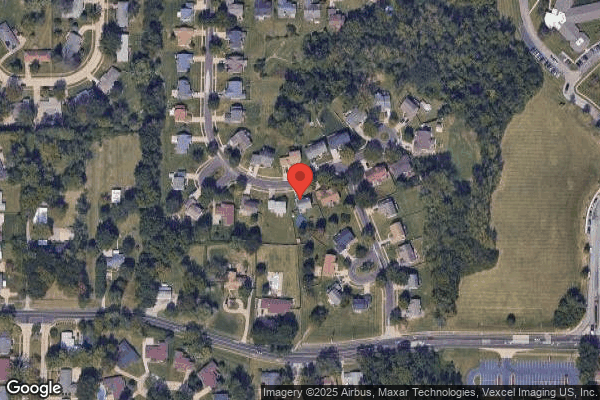
Jul 2024 1 deficiency
CONCERN (D) 📢 Someone Reported This

A family member, employee, or ombudsman was alarmed enough to file a formal complaint

Potential for Harm - no one hurt, but risky conditions existed

Respiratory Care (Tag F0695)

Could have caused harm · This affected 1 resident

**NOTE- TERMS IN BRACKETS HAVE BEEN EDITED TO PROTECT CONFIDENTIALITY** Based on interview and record review, the facility failed to obtain physician orders and complete tracheostomy (the presence of ...

Read full inspector narrative →
**NOTE- TERMS IN BRACKETS HAVE BEEN EDITED TO PROTECT CONFIDENTIALITY** Based on interview and record review, the facility failed to obtain physician orders and complete tracheostomy (the presence of a surgical airway placed in the neck to help oxygen reach the lungs) treatment orders for one of four sampled residents (Resident #12) requiring tracheostomy care and maintenance. The census was 106. Review of the facility's Tracheostomy Care Policy, revised 10/2023, showed: -The following must be documented in the resident's record: -The procedure completed; -The condition of the stoma and surrounding skin; -The resident's tolerance of the procedure; -Any provider notification of unexpected or abnormal findings. Review of Resident #12's medical record, showed: -Diagnoses included anoxic brain damage (damage to the cerebrum caused by a lack of oxygenated blood to the brain), bronchiectasis (a chronic pulmonary disease causing the airways to be inflamed and prone to infection) and tracheostomy status. -The quarterly Minimum Data Set (MDS), a federally mandated assessment instrument completed by facility staff, dated 4/15/24, showed the resident had significant cognitive impairment. Review of the resident's care plan, in use during the onsite investigation process, showed: -Focus: Tracheostomy status, resident requires a tracheostomy and is at risk for complications related to accidental decannulation (accidental removal or dislodging of the tracheostomy tubing) and decreased level of consciousness. Interventions included routine changing of suction equipment, the tracheostomy cannula and ties, and to routinely document respiratory status. The care plan goal was to have no signs or symptoms of complication regarding the tracheostomy during admission. Review of the resident's facility admission census section, showed the resident admitted on [DATE] and discharged to the hospital on 4/20/24. Review of the resident's Physician Orders, showed: -An order, dated 4/11/24, for continuous oxygen monitoring, weekly and as needed (PRN) changing of the suction system and tracheostomy equipment, and PRN suctioning of the airway. The end date for this order was 4/24/24; -An order, dated 4/11/24, for a Bivona 6 (a surgical cannula used for tracheostomies measuring 6 millimeters in diameter), and to change the cannula monthly or as needed for complications. The end date for this order was 4/24/24. Review of the resident's Medication and Treatment Administration Record (MAR/TAR) showed: -In April 2024, orders for changing suction equipment weekly and PRN, not documented as completed on any day between 4/11/24 and 4/24/24; -In April 2024, orders for suctioning secretions PRN, not documented as completed on any day between 4/11/24 and 4/24/24; -In April 2024, orders for changing tracheostomy ties twice weekly and PRN, not documented as completed on any day between 4/11/24 and 4/24/24. Review of the resident's progress notes, dated 4/20/24 at 6:02 A.M., showed the resident experienced low oxygenation saturation (SpO2, a measure of the concentrated oxygen in the blood being sent to the body) during activities of daily living (ADL) care. The resident's SpO2 was measured in the low 60s (normal oxygenation levels are 95 and above to support oxygenated blood to the organs), indicating inadequate oxygenated blood in the body. The resident was given 12 liters of high flow oxygen and oxygen saturation was increased to the mid 80s. Suctioning was provided by nursing staff until Emergency Medical Services (EMS) arrived to take the resident to the hospital for evaluation. Review of the resident's facility admission census section, showed the resident was admitted to the facility on [DATE] and discharged to the hospital on 6/22/24. Review of the resident's Physician Orders, showed: -No further orders obtained regarding tracheostomy care for the resident's June and July, 2024 admission dates. Review of the resident's MAR/TAR, showed: -In June 2024, no orders or documentation for changing suction equipment weekly, for suctioning secretions from the resident routinely, or for changing tracheostomy ties entered into the Administration Record. Review of the resident's progress notes, dated 6/22/24 at 7:49 P.M., showed the resident experienced low oxygenation saturation, and was assessed to be short of breath at rest. A call was placed to EMS to send out for hospital evaluation, and staff remained with the resident until EMS arrived. No mention of suctioning the resident's airway noted in the progress note. Review of the resident's facility admission census section, showed the resident was admitted to the facility on [DATE] and discharged to the hospital on 7/6/24. Review of the resident's July 2024 MAR/TAR, showed: -In July 2024 (7/1/24-7/6/24), no orders or documentation for changing suction equipment weekly, for suctioning secretions from the resident routinely, or for changing tracheostomy ties entered into the Administration Record. Review of the resident's progress notes, dated 7/6/24 at 8:23 P.M., showed the resident was noted upon nurse assessment to have a large amount of green sputum at the tracheostomy site, and experienced low oxygenation status measured in the mid 70s. The resident was placed on 8 L of high flow oxygen but adequate and stable oxygenation levels could not be reached. Nursing staff contacted EMS and suctioned the resident until emergency staff arrived to take the resident to the hospital for evaluation. During an interview on 7/25/24 at 11:35 A.M., Registered Nurse (RN) A, an agency nurse at the facility, said nursing staff take direction from the orders placed in the Electronic Medical Record (EMR), and document those treatments and medications on the MAR or TAR for each resident. It is important for tracheostomy patients to have orders noting how often to change equipment, how often to suction the airway, and what size the tracheostomy cuff is, as this information is important for emergent and non-emergent care for tracheostomy patients. Staff are expected by administration to document all completed treatments on the MAR each time they are done. During an interview on 7/25/24 at 10:41 A.M., the Assistant Director of Nursing (ADON) said all nurses in the facility are licensed to care for tracheostomy status residents, but the facility does not schedule nurses who are uncomfortable doing so on the tracheostomy unit unless they have no other staff to do so. The ADON said staff are expected to complete orders as written on the resident's MAR/TAR, and are expected to document those treatments as they are completed. During an interview on 7/25/24 at 1:17 P.M., the Director of Therapy Services said respiratory staff at the facility take primary responsibility for tracheostomy care during the day shift in conjunction with nursing staff, but on night shift, the responsibility falls only on nursing staff. Respiratory staff document treatments in the EMR, and work off of the same order set as reflected on each resident's TAR. The facility has a clinical meeting daily to go over new admissions and to verify order sets for each resident. The facility medical records team provides order audits for these clinical meetings, but does not provide respiratory therapy order audits. Up until a month ago, the facility routinely had a Pulmonary Nurse Practitioner to provide oversight and insight to respiratory residents at clinical meetings, but they have not re-filled that position at this time. The Director of Therapy Services expected tracheostomy orders to be re-ordered or changed per the resident's discharge orders when returning or arriving to the facility. During an interview on 7/25/24 at 11:41 A.M., the Director of Nursing (DON) said the respiratory care team provides tracheostomy care during the day, but nursing staff are responsible for those tasks on night shift. All residents with a tracheostomy should have orders stating cuff size, suctioning schedule, and schedules for replacing or cleaning suctioning equipment. The DON expected all staff to document completion of a treatment order on the resident's MAR. MO00238691
May 2024 6 deficiencies
CONCERN (D) 📢 Someone Reported This

A family member, employee, or ombudsman was alarmed enough to file a formal complaint

Potential for Harm - no one hurt, but risky conditions existed

ADL Care (Tag F0677)

Could have caused harm · This affected 1 resident

See Event ID 97R513 Based on observation, interview and record review, the facility failed to ensure staff checked residents for incontinence at least every two to three hours. This resulted in reside...

Read full inspector narrative →
See Event ID 97R513 Based on observation, interview and record review, the facility failed to ensure staff checked residents for incontinence at least every two to three hours. This resulted in residents left urine saturated for extended periods of time. Seven residents were sampled and problems were identified with two (Residents #37 and #5). The census was 94.
CONCERN (D) 📢 Someone Reported This

A family member, employee, or ombudsman was alarmed enough to file a formal complaint

Potential for Harm - no one hurt, but risky conditions existed

Quality of Care (Tag F0684)

Could have caused harm · This affected 1 resident

See Event ID 97R513 Based on observation, interview and record review, the facility failed to ensure wound treatments were completed as ordered. Residents #31 and #28 had physician ordered wound treat...

Read full inspector narrative →
See Event ID 97R513 Based on observation, interview and record review, the facility failed to ensure wound treatments were completed as ordered. Residents #31 and #28 had physician ordered wound treatments to be completed daily. On Saturday 5/4/24 and Sunday 5/5/24, neither resident had there wound treatments completed. Two residents with wounds were sampled and problems were found with both. The census was 94.
CONCERN (D) 📢 Someone Reported This

A family member, employee, or ombudsman was alarmed enough to file a formal complaint

Potential for Harm - no one hurt, but risky conditions existed

Pressure Ulcer Prevention (Tag F0686)

Could have caused harm · This affected 1 resident

See Event ID 97R513 Based on observation, interview and record review, the facility failed to ensure residents received their pressure ulcer (an injury to the skin and the tissue below the skin due to...

Read full inspector narrative →
See Event ID 97R513 Based on observation, interview and record review, the facility failed to ensure residents received their pressure ulcer (an injury to the skin and the tissue below the skin due to pressure on the skin) treatments as ordered, and failed to accurately document missed treatments. The facility also failed to update one resident's care plan regarding the presence of a pressure ulcer. Five residents with pressure ulcers were sampled and problems were found with two (Residents #29 and #30). The census was 94.
CONCERN (D) 📢 Someone Reported This

A family member, employee, or ombudsman was alarmed enough to file a formal complaint

Potential for Harm - no one hurt, but risky conditions existed

Deficiency F0692 (Tag F0692)

Could have caused harm · This affected 1 resident

See Event ID 97R513 Based on observation, interview and record review, the facility failed to follow their policy and failed to implement and/or promptly implement the Registered Dietician's (RD) diet...

Read full inspector narrative →
See Event ID 97R513 Based on observation, interview and record review, the facility failed to follow their policy and failed to implement and/or promptly implement the Registered Dietician's (RD) dietary recommendations for residents that experienced severe three month weight loss (greater that 7.5%) and severe six month weight loss (greater than 10%), and failed to ensure residents' heights were readily available to the RD so resident's body mass index (BMI, used to determine if a person is underweight or overweight) and ideal body weights (IBW, the ideal weight for men/women based on height and weight) could be calculated. The facility also failed to develop care plan interventions for residents experiencing severe weight loss. In addition, the facility failed to ensure residents received adaptive utensils, plate guards, and cups as ordered during meals. Four residents with severe weight loss were sampled and problems were found with three (Residents #39, #40 and #42). The census was 94.
CONCERN (E) 📢 Someone Reported This

A family member, employee, or ombudsman was alarmed enough to file a formal complaint

Potential for Harm - no one hurt, but risky conditions existed

Comprehensive Care Plan (Tag F0656)

Could have caused harm · This affected multiple residents

See Event ID 97R513. This deficiency is uncorrected. For previous examples, refer to the Statement of Deficiencies dated 4/15/24. Based on observation, interview and record review, the facility failed...

Read full inspector narrative →
See Event ID 97R513. This deficiency is uncorrected. For previous examples, refer to the Statement of Deficiencies dated 4/15/24. Based on observation, interview and record review, the facility failed to follow their policy by failing to develop comprehensive, person-centered care plans. Resident #40 had been identified for a three month significant weight loss, but his/her care plan had not been updated to include double portions at meals or adaptive devices (special eating equipment and utensils) at meals. Resident #41 had a care plan for malnutrition, but it did not include all of his/her adaptive devices or his/her preference to have finger foods. Resident #42 had a diagnosis of malnutrition, had been identified with a six month significant weight loss, but the care plan did not address the resident's nutritional needs. Eleven resident care plans were reviewed and problems were identified with three. The census was 94.
CONCERN (E) 📢 Someone Reported This

A family member, employee, or ombudsman was alarmed enough to file a formal complaint

Potential for Harm - no one hurt, but risky conditions existed

Deficiency F0810 (Tag F0810)

Could have caused harm · This affected multiple residents

See Event ID 97R513 Based on observation, interview and record review, the facility failed to ensure residents received adaptive equipment at meals as ordered, to assist with resident eating independe...

Read full inspector narrative →
See Event ID 97R513 Based on observation, interview and record review, the facility failed to ensure residents received adaptive equipment at meals as ordered, to assist with resident eating independence and increase food/fluid intake. Four residents with orders for adaptive eating equipment were sampled and problems were found with three (Residents #39, #40 and #41). The census was 94.
Apr 2024 1 deficiency
CONCERN (D) 📢 Someone Reported This

A family member, employee, or ombudsman was alarmed enough to file a formal complaint

Potential for Harm - no one hurt, but risky conditions existed

Comprehensive Care Plan (Tag F0656)

Could have caused harm · This affected 1 resident

**NOTE- TERMS IN BRACKETS HAVE BEEN EDITED TO PROTECT CONFIDENTIALITY** See Event ID 97R512 Based on observation, interview and record review, the facility failed to develop a care plan that identifie...

Read full inspector narrative →
**NOTE- TERMS IN BRACKETS HAVE BEEN EDITED TO PROTECT CONFIDENTIALITY** See Event ID 97R512 Based on observation, interview and record review, the facility failed to develop a care plan that identified interventions to prevent falls after one resident's Fall Risk Assessment completed on [DATE], identified the resident to be a high risk to fall. In addition, on [DATE], the facility developed a care plan identifying the resident as having cognitive impairment and exhibited cognitive loss related to impaired decision making skills and impulsivity with a goal of avoiding complications that included falls and injuries. On [DATE], the resident was placed in his/her room in a wheelchair with no supervision. The resident leaned forward in the wheelchair reaching for a blanket on his/her bed causing the resident to fall out of the wheelchair onto the floor with the wheelchair resting against his/her back and his/her left leg was caught underneath the wheelchair. After staff assisted the resident back into the wheelchair, the resident had a seizure and then went into cardiac arrest (the heart suddenly stops beating). Facility staff initiated cardiopulmonary resuscitation (CPR, an emergency lifesaving procedure performed when the heart stops beating) and sent the resident to the hospital where the resident was pronounced dead (Resident #22). The census was 85.
Mar 2024 10 deficiencies
CONCERN (D) 📢 Someone Reported This

A family member, employee, or ombudsman was alarmed enough to file a formal complaint

Potential for Harm - no one hurt, but risky conditions existed

ADL Care (Tag F0677)

Could have caused harm · This affected 1 resident

**NOTE- TERMS IN BRACKETS HAVE BEEN EDITED TO PROTECT CONFIDENTIALITY** Based on observation, interview and record review, the facility failed to ensure staff checked residents for incontinence at lea...

Read full inspector narrative →
**NOTE- TERMS IN BRACKETS HAVE BEEN EDITED TO PROTECT CONFIDENTIALITY** Based on observation, interview and record review, the facility failed to ensure staff checked residents for incontinence at least every two to three hours. This resulted in residents left urine saturated for extended periods of time. Seven residents were sampled and problems were identified with two (Residents #37 and #5). The census was 94. 1. Review of Resident #37's quarterly Minimum Data Set (MDS), a federally mandated assessment instrument completed by facility staff, dated 2/9/24, showed: -Vision: Impaired - sees fine detail, including regular print in newspapers/books; -Hearing: Adequate; -Speech Clarity: Unclear speech - slurred or mumbled words; -Makes Self Understood: Usually understood - difficulty communicating some words or finishing thoughts but is able if prompted or given time; -Ability to Understand Others: Usually understands - misses some part/intent of message but comprehends most conversation; -Cognitively intact; -Rejection of Care: Behavior not exhibited; -Functional Limitation in Range of Motion: One upper and one lower extremity; -Mobility Devices: [NAME] and wheelchair (manual or electric); -Toileting hygiene: Dependent - Helper does all of the effort. Resident does none of the effort to complete activity; -Shower/bathe self: Not attempted due to medical condition or safety concerns; -Personal hygiene: Partial/moderate assistance - Helper does less than half the effort; -Urinary Continence: Always incontinent; -Bowel Continence: Always incontinent; -Diagnoses of hemiplegia (paralysis of one side of the body)/hemiparesis (weakness of one side of the body), anxiety and depression. Review of the resident's care plan, located in the electronic medical record (EMR), showed: -7/30/23, Focus: Requires extensive assistance with Activities of Daily Living. Goal: Will have needs anticipated and met by staff. Interventions: A.M. and P.M. care with assistance of one staff. Assist with perineal care (genitalia/buttocks) and apply barrier cream after each incontinent episode; -7/30/23, Focus: Incontinent of bladder and bowel. Goal: Will have decreased frequency of incontinent episodes. Intervention: Apply preventative skin care as ordered. Observation on 5/6/24 at 11:40 A.M., showed the resident lay in bed. The wound care company Nurse Practitioner and facility Wound Nurse removed the resident's covers to complete a treatment on the resident's right buttock. There was a strong odor of urine once the covers had been removed. The resident's incontinence brief was saturated with urine. The urine had also saturated the incontinence pad beneath the resident and there was visible wetness from the resident's buttocks up his/her back to just beneath the resident's shoulder blades. During an interview on 5/10/24 at 1:40 P.M., the Director of Nurses (DON) said she can't be sure, but if the resident was that wet with urine, it does not sound as though staff checked the resident within the last two to three hours. 2. Review of Resident #5's quarterly MDS, dated [DATE], showed: -Adequate hearing and vision; -Speech Clarity: Clear speech - distinct intelligible words; -Makes Self Understood: Understood; -Ability to Understand Others: Understands - clear comprehension; -Cognitively intact; -Rejection of Care: Behavior not exhibited; -Mobility Devices: Wheelchair (manual or electric); -Urinary Continence: Occasionally incontinent of urine. Review of the resident's diagnoses, located in the EMR, included chronic respiratory failure, muscle wasting and atrophy (muscle wasting), lack of coordination, contracture (rigidity or contracture of the muscles) of right and left ankles and [NAME] Disease (a genetic condition that causes severe muscle weakness and wasting). During an interview on 5/7/24 at 9:40 A.M., the resident said he/she had not been checked or changed since 9:00 P.M. last night. He/She turned on his/her call light at 4:23 A.M., because he/she was wet with urine. The night Certified Nursing Assistant (CNA), an agency CNA, never answered his/her call light. It was not until this morning at 9:00 A.M., when CNA D changed him/her. During an interview on 5/7/24 at 2:40 P.M., CNA D said he/she works 7:00 A.M. to 7:00 P.M. The first time he/she checked the resident for incontinence today was around 9:00 A.M. The resident was completely saturated with urine. The urine had soaked through the resident's incontinence brief and into the incontinence pad beneath the resident. He/She had taken care of the resident before, and it would have taken longer than two to three hours for the resident to be that wet. 3. During an interview on 5/10/24 at 1:40 P.M., the DON said she expected incontinent residents to be checked for incontinence every two to three hours. MO00234970 MO00235730 MO00235933
CONCERN (D) 📢 Someone Reported This

A family member, employee, or ombudsman was alarmed enough to file a formal complaint

Potential for Harm - no one hurt, but risky conditions existed

Quality of Care (Tag F0684)

Could have caused harm · This affected 1 resident

**NOTE- TERMS IN BRACKETS HAVE BEEN EDITED TO PROTECT CONFIDENTIALITY** Based on observation, interview and record review, the facility failed to ensure wound treatments were completed as ordered. Res...

Read full inspector narrative →
**NOTE- TERMS IN BRACKETS HAVE BEEN EDITED TO PROTECT CONFIDENTIALITY** Based on observation, interview and record review, the facility failed to ensure wound treatments were completed as ordered. Residents #31 and #28 had physician ordered wound treatments to be completed daily. On Saturday 5/4/24 and Sunday 5/5/24, neither resident had there wound treatments completed. Two residents with wounds were sampled and problems were found with both. The census was 94. Review of the facility Wound Care policy, undated, showed: -Purpose: The purpose of this procedure is to provide guidelines for the care of wounds to promote healing; -Documentation: The following information should be recorded in the resident's medical record: -The type of wound care given; -The date and time the wound care was given; -The name and title of the individual performing the wound care; -Any change in the resident's condition; -If the resident refused the treatment and the reason why; -The signature and title of the person recording the data; -Reporting: -Notify the supervisor if the resident refuses the wound care; -Report other information in accordance with the facility policy and professional standards of practice. 1. Review of Resident #31's quarterly Minimum Data Set (MDS), a federally mandated assessment instrument completed by facility staff, dated 3/27/24, showed: -Makes Self Understood: Usually understood - difficulty communicating some words or finishing thoughts but is able if prompted or given time; -Ability to Understand Others: Usually understands - misses some part/intent of messages but comprehends most conversation; -Moderately impaired cognition; -Rejection of Care: Behavior not exhibited; -Functional Limitation in Range of Motion: Impairment on one side; -Diagnoses of stroke, hemiplegia (paralysis on one side of the body)/hemiparesis (muscle weakness on one side of the body) and depression; -Surgical wound; -Surgical wound care. Review of the resident's care plan, located in the electronic medical record (EMR), showed: -4/10/24: Focus: Resident is at risk for skin breakdown related to existing other skin problems, midline abdomen incision. Goal: Will prevent or delay skin breakdown to the extent possible. Interventions: Administer treatments as ordered. Keep skin as clean and dry as possible. Review of the resident's Physician's Order Sheet (POS), located in the EMR, showed: 4/25/24: Midline abdominal surgical site. Cleanse with wound cleanser or normal saline. Apply silver (antimicrobial) alginate (an absorbant fiber) rope and cover with a dry dressing daily and PRN. Review of the resident's wound company weekly report completed by the wound company Nurse Practitioner (NP), dated 4/29/24, showed: -Wound/Ulcer #1: -Location: Midline abdomen; -Type: Surgical; -Wound Bed Description: 60% granulation (new/healing tissue) and 40% hypergranulation (excessive growth of granulation tissue); -Measurements: 0.5 centimeters (cm) length x 0.5 cm width x 0.4 cm depth; -Peri-wound (the area surrounding the wound): Normal - No infection noted; -Exudate (drainage): Small; -Color: Serosanguineous (thin, clear or pink fluid from a wound); -Debridement (removal of dead/necrotic/nonviable tissue) that has been completed at this site: Mechanical (removal of nonviable tissue with wet to dry dressings changed regularly) completed via normal saline (water/salt solution) and 4 x 4s (gauze); -Goal: Obtain a reduction in the wound size every two weeks; -Wound Status: Stable - continue current treatment; -Additional Notes: Site was silver nitrated (used to cauterize (close) wounds); -Treatment: Cleanse with wound cleanser or normal saline, apply silver alginate rope, cover with dry bordered gauze dressing, change daily and PRN (as necessary). Review of the resident's Treatment Administration Record (TAR), dated 5/1/24 through 5/6/24, showed: -Midline abdominal surgical site. Cleanse with wound cleanser or normal saline. Apply silver alginate rope and cover with a dry dressing daily and PRN. There was no nurse's initial (an indication a treatment has been completed as ordered) for Saturday, 5/4/24. Licensed Practical Nurse (LPN) C initialed the treatment had been completed on Sunday, 5/5/24. Observation on 5/6/24 at 9:18 A.M., showed the resident lay in bed. The wound company NP and facility Wound Nurse (WN) raised the resident's gown to assess the surgical incision on the resident's mid abdomen. The dressing covering the incision was dated 5/3/24. The incision site was open, and red with a moderate amount of drainage. The facility WN said that was the same dressing she applied on 5/3/24. The dressing should be changed daily. The resident said no one had changed the dressing since last Friday (5/3/24). If staff had wanted to change his/her dressing, he/she would not have stopped them. Review of the resident's wound company weekly report completed by the wound company Nurse Practitioner (NP), dated 5/6/24, showed: -Wound/Ulcer #1: -Location: Midline abdomen; -Type: Surgical; -Wound Bed Description: 60% granulation and 40% hypergranulation; -Measurements: 0.7 cm x 0.6 cm x 0.5 cm depth; -Peri-wound: Normal - No infection noted; -Exudate (drainage): Moderate; -Color: Yellow; -Debridement that has been completed at this site: Mechanical completed via normal saline and 4x4's; -Goal: Obtain a reduction in the wound size every two weeks; -Wound Status: Stable; -Additional Notes: Site was silver nitrated (used to cauterize (close) wounds); -Treatment: Cleanse with wound cleanser or normal saline, apply silver alginate rope, cover with dry bordered gauze dressing, change daily and PRN. 2. Review of Resident #28's annual MDS, dated [DATE], showed: -Adequate hearing; -Speech Clarity: Clear speech - distinct intelligible words; -Makes Self Understood: Understood; -Ability To Understand Others: Understands - clear comprehension; -Moderately impaired cognition; -Rejection of Care: Behavior not exhibited; -Functional Limitation in Range of Motion: Impairment on one side; -Diagnoses of septicemia (infection of the blood), wound infection, stroke, hemiplegia/hemiparesis, anxiety and depression; -Surgical wound; -Surgical wound care. Review of the resident's care plan, located in the EMR, showed: -4/16/24: Focus: Resident has impaired skin integrity present on admission as evidenced by surgical wound. Goal: Surgical wound will heal without complications. Interventions: Administer treatments as ordered and monitor for effectiveness. Educate on avoiding skin injuries. Review of the resident's POS, located in the EMR, showed: -4/24/24: Left abdomen. Cleanse with wound cleanser or normal saline and apply antibiotic ointment. Cover with dry dressing and changed daily and PRN. Review of the resident's TAR, dated 5/1/24 through 5/6/24, showed: -4/25/24: Left abdomen. Cleanse with wound cleanser or normal saline and apply antibiotic ointment. Cover with dry dressing and changed daily and PRN. There was no nurse's initial showing the treatment had been completed on Saturday, 5/4/24. LPN C initialed the treatment had been completed on Sunday, 5/5/24. Review of the facility weekly wound report, dated 4/29/24, showed: -Left lower abdomen. Skin tear. Acquired at facility. 1.3 cm x 1.5 cm x 2.0 cm. Cleanse with wound cleanser, apply antibiotic ointment, cover with dressing, daily and PRN. During an interview on 5/6/24 at 8:28 A.M., the resident lay in bed. He/She said he/she had one wound treatment that was on his/her stomach. He/She had an incision that had healed, but the tape staff used caused his/her skin around the healed incision to become sore and raw. He/She lifted up his/her gown at that time, showing a small dressing dated 5/3/24, on his/her abdomen. He/She said no one had changed the dressing since last Friday, 5/3/24. He/She said he/she would not have prevented anyone from changing the dressing had they wanted to. 3. During observation and interview on 5/6/24 at 8:40 A.M., the WN said she works Monday through Friday. The NP and WN both said it is not uncommon for the treatments not to be completed on the weekends. They both said they had spoken to the Administrator in the past about the treatments frequently not being done on the weekends, but it is still a problem. The NP said she is in the facility one time a week, on Mondays. One of the reasons she schedules her visits on Mondays is because 95% of the time, several of the residents' treatments are not done on the weekends and she wants to assess them as soon as possible after the weekend. She measures and assesses the wounds and pressure ulcers and writes any new orders as necessary. The WN said she can't be here every day to make sure the nurses are completing the treatments as ordered. 4. During an interview on 5/6/24 at 10:36 A.M., the wound company NP said it is important for the treatments to be completed as ordered. If the treatments are not being completed as ordered, there is a risk of deterioration or infection. 5. During an interview on 5/6/24 at 12:36 P.M., LPN B said he/she worked 7:00 A.M. to 7:00 P.M. on Saturday, 5/4/24. He/She did not work Sunday 5/5/24. Normally there are two nurses working that hall, but that day, he/she was the only nurse. A Certified Medication Technician (CMT) came in later that day, but he/she was still the only nurse. That hall has some very heavy treatments that take time to complete. Since he/she was the only nurse, he/she did not have time to do all the treatments. He/She left the TARs blank of the residents he/she could not get done. He/She did not get Resident #29's treatment completed, but he/she did get Resident #30's treatment completed. He/She would have done all of them had he/she had the time. 6. During an interview on 5/6/24 at 12:57 P.M., LPN C said he/she worked 7:00 A.M. to 7:00 P.M. on Sunday, 5/5/24. He/She had the back hall. He/She did not do any of the treatments he/she was assigned to because the facility did not have any supplies on the treatment cart. There was no wound cleanser or dressings. Additional supplies are locked up in the WN's office and he/she does not have a key to her office. This is not the first time this has happened and he/she has spoken to the WN about making sure the treatment cart is stocked. He/She did not check the treatment carts from the other sides. There is a manager on-call, but he/she did not call the manger to see if they could get the supplies. He/She initialed all of the treatments as being completed, but he/she did not do any of the treatments he/she was assigned to that day. 7. During an interview on 5/6/24 at 3:00 P.M., the facility WN said it's been a problem on the weekends in regards to the treatments not getting done. It depends on who is working though. Some nurses are not doing them, but not all. She stocked all the treatment cart before she left on Friday, 5/3/24. She does keep the treatment supplies locked in her office because if she doesn't, staff just run through the supplies. Even if Nurse C ran out of supplies, there is a manager on duty with the key to her office. If Nurse C needed supplies, he/she could have asked the manager on duty to open her office. Completing the treatments as ordered is very important. If they are not getting done consistently, the wound or pressure ulcer may get worse or infected. She has discussed the treatments not getting done on the weekends with the Administrator in the past. 8. During an interview on 5/7/24 at 7:25 A.M., the Administrator said he expected the treatments to be completed as ordered. The nurse who worked Sunday 5/5/24 initialed the treatments had been completed, but they had not been. That nurse should not have initialed the treatments were completed. He/She should have followed protocol and documented they had not been completed with an explanation as to why. He/She should have informed the on-coming 7:00 P.M. to 7:00 A.M. shift the treatments were not completed so that nurse could have completed them. The facility is open 24/7 and the next shift should be able to complete anything that was missed from the prior shift. He recalled the NP and WN speaking to him a few months about treatments not being completed on the weekends, but that was a few months ago and he had not heard that was still a problem. He was under the impression the problem had been resolved. 9. During an interview on 5/10/24 at 1:40 P.M., the Director of Nurses said the wound care policy is current and what she expected staff to follow. She expected treatments to be completed as ordered. If they cannot be completed as ordered, staff should document the reason why in the resident's progress notes.
CONCERN (D) 📢 Someone Reported This

A family member, employee, or ombudsman was alarmed enough to file a formal complaint

Potential for Harm - no one hurt, but risky conditions existed

Deficiency F0692 (Tag F0692)

Could have caused harm · This affected 1 resident

**NOTE- TERMS IN BRACKETS HAVE BEEN EDITED TO PROTECT CONFIDENTIALITY** Based on observation, interview and record review, the facility failed to follow their policy and failed to implement and/or pro...

Read full inspector narrative →
**NOTE- TERMS IN BRACKETS HAVE BEEN EDITED TO PROTECT CONFIDENTIALITY** Based on observation, interview and record review, the facility failed to follow their policy and failed to implement and/or promptly implement the Registered Dietician's (RD) dietary recommendations for residents that experienced severe three month weight loss (greater that 7.5%) and severe six month weight loss (greater than 10%), and failed to ensure residents' heights were readily available to the RD so resident's body mass index (BMI, used to determine if a person is underweight or overweight) and ideal body weights (IBW, the ideal weight for men/women based on height and weight) could be calculated. The facility also failed to develop care plan interventions for residents experiencing severe weight loss. In addition, the facility failed to ensure residents received adaptive utensils, plate guards, and cups as ordered during meals. Four residents with severe weight loss were sampled and problems were found with three (Residents #39, #40 and #42). The census was 94. Review of the facility Weight Assessment and Intervention policy, undated, showed: -Policy Statement: Resident weights are monitored for undesirable or unintended weight loss or gain; -Weight Assessment: -1. Residents are weighed upon admission and at intervals established by the interdisciplinary team; -2. Weights are recorded in each unit's weight record chart and in the individual's medical record; -3. Any weight change of 5% or more since the last weight assessment is retaken the next day for confirmation. If the weight is verified, nursing will immediately notify the dietician in writing; -4. Unless notified of significant weight change, the dietician will review the unit weight record monthly to follow individual weight trends over time; -5. The threshold for significant unplanned and undesired weight loss will be based on the following criteria: 1 month: 5% weight loss is significant; greater than 5% is severe. 3 month: 7.5% weight loss is significant; greater than 7.5% is severe. 6 month: 10% weight loss is significant; greater than 10% is severe; -6. If the weight change is desirable, this is documented; -Evaluation: -1. Undesirable weight change is evaluated by the treatment team whether or not the criteria for significant weight change has been met. The evaluation includes: -a. The resident's target weight range (including rationale if different from ideal body weight); -b. The resident's calorie, protein, and other nutrient needs compared with the resident's current intake; -c. The relationship between current medical condition or clinical situation and recent fluctuations in weight; -d. Whether and to what extent weight stabilizations or improvement can be anticipated; -2. The physician and the multidisciplinary team identify conditions and medications that may be causing anorexia, weight loss or increasing the risk of weight loss. For example: -a. Cognitive or functional decline; -b. Chewing or swallowing abnormalities; -c. Pain; -d. Medication-related adverse consequences; -e. Environmental factors (such as noise or distractions related to dining); -f. Increased need for calories and/or protein; -g. Poor digestion or absorption; -h. Fluid and nutrient loss; -i. Inadequate availability of food or fluids; -Care Planning: -1. Care planning for weight loss or impaired nutrition is a multidisciplinary effort and includes the physician, nursing staff, the dietician, the consultant pharmacist, and the resident or resident's legal surrogate; -2. Individualized care plans shall address, to the extent possible; -a. The identified causes of weight loss; -b. Goals and benchmarks for improvement; -c. Time frames and parameters for monitoring and reassessment; -Interventions: -1. Interventions for undesirable weight loss are based on careful consideration of the following: -a. Resident choice and preferences; -b. Nutrition and hydration needs of the resident; -c. Functional factors that may inhibit independent eating; -d. Environmental factors that may inhibit appetite or desire to participate in meals; -e. Chewing and swallowing abnormalities and the need for diet modifications; -f. Medications that may interfere with appetite, chewing, swallowing, or digestion; -g. The use of supplementation and/or feeding tubes; -h. End of life decisions and advance directives; -2. Interventions for undesired weight gain consider resident preferences and rights. A weight loss regimen will not be initiated for a cognitively capable resident without his/her approval and involvement; -3. If a resident declines to participate in a weight loss goal, the dietician will document the resident's wishes, and those wishes will be respected. 1. Review of Resident #39's Physician's Order Sheet (POS), located in the electronic medical record (EMR), showed: -6/19/23: Resident to utilize built up curved spoon and fork (adaptive utensils used to allow the resident to eat independently), cup with handles and lid and a straw; -10/3/23: Regular diet. Mechanical soft texture; -11/8/23: Resident to utilize plate guard (used to prevent food from sliding off the plate) on plate for all meals. Review of the resident's weight summary, located in the electronic medical record (EMR), showed: -1/8/24 at 1:19 P.M.: 142.6 pounds (lbs); -2/3/24 at 6:37 P.M.: 135.6 lbs. Review of the resident's quarterly Minimum Data Set (MDS), a federally mandated assessment instrument completed by facility staff, dated 2/17/24, showed: -Makes Self Understood: Unclear speech - slurred or mumbled words; -Makes Self Understood: Usually understood - difficulty communicating some words or finishing thoughts but is able if prompted or given time; -Ability to Understand Others: Usually understands - misses some part/intent of message but comprehends most conversation; -Severely impaired cognition; -Rejection of Care: Behavior not exhibited; -Functional Limitation in Range of Motion: Impairment of one upper and one lower extremity; -Eating: Blank; -Diagnoses: diabetes mellitus (high blood sugar levels), stroke, hemiplegia/hemiparesis, malnutrition (protein or calorie) or at risk for malnutrition, anxiety and depression; -Height of 5'8; -Weight of 136 lbs; -Loss of 5% or more in the last month, or loss of 10% in last 6 months: Yes, not on physician prescribed weight loss regimen. Review of the resident's dietary note located in the EMR progress notes, and documented by the RD on 2/20/24 at 5:36 P.M., showed: -Resident on Hospice since 11/6/23; -Resident eats with aide and is dependent on staff members for help with meals - uses plate guard, built up left curve spoon, and cup with two handles; -Resident is on a regular-mechanical soft diet (soft food items) with super cereal (high calorie/fat oatmeal) at breakfast. Aide reports resident has on/off appetite but eats 50-100% of meals with encouragement. Resident's ability to feed self changes day-to-day. Resident prefers finger foods; -Weight 135.6 lbs. Resident with significant weight loss of 5% (7 lbs) x 1 month. Resident's previous weight 142.6 taken 1/8/24; -Recommendations: Resident prefers finger foods, offer when able. House supplement (high calorie drink similar to Ensure/Boost) with all meals. Review of the resident's POS, located in the EMR, and reviewed on 5/7/24, showed: -2/21/24: House supplements with meals. Review of the resident's weight summary, located in the EMR, showed: -3/18/24 at 11:41 A.M.: 132.0 lbs. Review of the resident's dietary note located in the EMR progress notes, and documented by the RD on 3/28/24 at 12:20 P.M., showed: -Resident on regular mechanical soft diet and is to receive house supplements at all meals. Resident drinks supplements when offered. Resident reports good appetite often presenting with confusion limiting intakes. Resident's ability to feed self changes day-to-day; -Height 68 (inches). Weight 132 lbs. Resident with significant weight loss of 13.8% (21.2 lbs) x 6 months, and insidious (gradual) weight loss of 7.3% (10.4 lbs) x 3 months. Resident goal is weight gain. Multiple nutrition interventions in place; -Recommendations: Fortify food (high calorie) on tray three times a day. Mighty cup (supplement) with lunch/dinner. Resident may benefit from appetite stimulant for increased intakes. Review of the resident's POS and progress notes, showed no order and no documentation the facility contacted the resident's physician to request an appetite stimulant to increase appetite. Review of the resident's weight summary, located in the EMR, showed: -4/10/24 at 1:20 P.M.: 128.7 lbs. Review of the resident's care plan located in the EMR, showed: -4/29/23: Focus: Mechanical soft diet related to recent stroke. Diagnoses of malnutrition and diabetes mellitus. Goal: Nutritional needs will be met and his/her weight will remain stable through next review. Interventions/Tasks: Assess nutritional status of resident at least quarterly and as necessary. Assist with meals as needed. Diet per physician order. Need for adaptive equipment. Refer to Occupational Therapy as appropriate. Refer to RD as appropriate. Weight per facility protocol; 4/29/23: History of stroke. Usually able to understand others and understand others. Goal: Needs will be met and communication with staff will be effective through next review. Interventions/Tasks: Ask yes/no questions. Encourage resident to speak slowly and take his/her time; -The care plan did not identify the resident's preference for finger foods. Review of the resident's Dining RD Nutritional Care Form, dated 4/30/24 and completed by the RD, showed: -Resident on regular-mechanical soft diet and is to receive a house supplement at all meals. Resident drinks supplements when offered. Aide reports resident has on/off appetite, but eats 50-100% of meals with encouragement. Resident reports good appetite - occasionally presenting with increased confusion limiting intakes. Resident eats with aid and is dependent on staff members for help with meals - uses plate guard, built up left curve spoon, and cup with two handles at meals; -Weight 128.7 lbs. Ideal body weight 154 lbs. Resident with significant weight loss of 9.7% (13.9 lbs) x 3 months. Resident goal weight gain. Multiple nutrition interventions in place; -Recommendations: Fortify food (additional calories/fats are added to promote weight gain) on tray three times a day and mighty cup with lunch and dinner. Review of the resident's POS, located in the EMR, and reviewed on 5/7/24, showed: -No order for fortified foods three times a day; -No order for a might cup; -No order for an appetite stimulant. Review of the resident's progress notes, located in the EMR, showed no documentation the facility contacted the RD to clarify her recommendation for mighty cup at lunch and dinner. Observation on 5/7/24 at 12:26 P.M., showed the resident sat at a dining room table with Certified Nursing Assistant (CNA) E sitting next to him/her, providing cues and at times feeding the resident. The resident received a regular mechanical soft diet for lunch with one glass of flavored drink. The resident's plate had a plate guard, but the resident had regular utensils and was drinking from a regular cup and no straw. Review of the resident's menu slip that laid on the table showed: Mechanical soft diet, regular. Adaptive equipment: 2 handled cup with lid, curved build-up fork and spoon, plate guard, and straw. The menu slip did not show an order for fortified foods, house supplements or a mighty cup. During an interview at that time, CNA E said if a resident received fortified foods, it would be printed on the menu slip, and served by dietary. The resident ate approximately 80% of the meal. Observation on 5/9/24 at 8:08 A.M., showed the resident sat at a dining room table with CNA E next to him/her providing cues and at times feeding the resident. The resident received a mechanical soft breakfast with one glass of orange juice and regular utensils. The resident did not have fortified food. The resident's plate had a plate guard, but the resident had regular utensils and was drinking from a regular cup and no straw. Review of the resident's menu slip that laid on the table showed: Mechanical soft diet, regular. Adaptive equipment: 2 handled cup with lid, curved build-up fork and spoon, plate guard, and straw. The menu slip did not show an order for fortified foods or mighty cups. CNA E said the Certified Medication Technicians (CMTs) give the house supplements and mighty cups. He/She was not aware the resident was supposed to be given fortified foods. The resident's breakfast is not fortified foods. The dietary department would be responsible to serve fortified food. The resident did not have super cereal. The resident did not have his/her adaptive utensils, two handled cup with a lid because the dietary is responsible to bring that out with the plate. Dietary has not been bringing those items out very often. The resident ate approximately 70% of the meal. During an interview on 5/9/24 at 9:15 A.M., the Dietary Manager (DM) said she is not sure what the RD meant when she recommended mighty cups. The facility has mighty shakes (similar to a milk shake) and magic cups (similar to ice cream). It is her job to clarify what the RD meant, which she had not done. The facility has been out of magic cups for quite some time now, a couple of months at least. If fortified foods is not on the resident's menu slip, then the resident is not receiving fortified foods because dietary staff would not know to add it to the resident's plate. During an interview on 5/15/24 at 9:05 A.M., the RD said she saw the resident on 4/29/24, and the facility received her recommendations on 4/29/24. She recommended fortified foods and magic cups (an ice cream supplement). She did not mean to write mighty cup on the recommendation. No one from the facility contacted her to clarify mighty cups. She was aware the magic cup was on back order, but did not write to start the magic cup when available. She did not recommend a substitute, although ice cream could substitute. She was not aware the resident was not receiving fortified foods per her recommendation on 3/28/24 at 12:20 P.M. The resident should be receiving fortified foods. Observation on 5/10/24 at 10:27 A.M., showed the resident weighed 132.8 lbs. Review of an e-mail dated 5/20/24 from the Administrator, showed no one contacted the resident's physician to inquire about an appetite stimulant as documented by the RD on 3/28/24. 2. Review of Resident #40's care plan, located in the EMR, showed: -12/21/23: Focus: Cognitive Impairment. Resident is alert and requires assistance with decision making. Interventions: Anticipate needs and meet promptly. 12/21/23: Focus: Potential for impaired communication with dysphasia (difficulty speaking) related to stroke. Interventions: Give ample time for resident to communicate. Use simple direct communication such as yes questions as needed. 12/21/23: Focus: Malnutrition. Resident is on a mechanical soft diet (soft foods/ground meats) and has a diagnosis of malnutrition. Interventions: Administer nutrition related medications per physician's orders. Allow adequate time for meal consumption. Assist with meals/fluids. Monitor weight per protocol. Review of the resident's weight summary, located in the EMR, showed: -1/8/24: 126.2 lbs. Review of the resident's quarterly MDS, dated [DATE], showed: -Speech Clarity: No speech - absence of spoken words; -Makes Self Understood: Rarely/never understood; -Ability to Understand Others: Rarely/never understands; -Rejection of Care: Behavior of this type occurred 1 to 3 days; -Eating: Independent - Resident completes the activity by him/herself with no assistance from helper; -Diagnoses: Cancer (with or without metastasis (spread of a disease), stroke, aphasia (partial or total loss of language skills), hemiplegia (paralysis affecting one side of the body)/hemiparesis (muscular weakness that affects one side of the body), malnutrition (protein or calorie) or at risk for malnutrition, -Height of 5'6; -Weight of 126 lbs; -Weight loss of 5% or more in the last month or loss of 10% or more in the last 6 months: No or unknown. Review of the resident's weight summary, located in the EMR, showed: -2/3/24: 127.9 lbs; -2/8/24: 124.3 lbs; -3/18/24: 120.4 lbs; -4/8/24: 115.9 lbs. Review of the resident's Dining RD Nutritional Care Form, dated 4/30/24, and completed by the RD, showed: -Resident on regular mechanical soft diet with thin liquids and fortified foods three times a day. Resident independent with staff assist/supervision needed at meals. Resident uses adaptive feeding equipment to increase independence at meals. Plate guard/built up utensils/2 handle mug; -Height: none. Weight 115.9 lbs. Unable to calculate IBW without height. Resident is significant weight loss of 8.2% (10.3 lbs) x 3 months and insidious weight loss of 3.7% (4.5 lbs) x 1 month; -Recommendations: Double portions at meals three times a day. Review of the resident's quarterly MDS, dated [DATE], showed: -Speech Clarity: No speech - absence of spoken words; -Makes Self Understood: Rarely/never understood; -Ability to Understand Others: Rarely/never understands; -Rejection of Care: Behavior of this type occurred 1 to 3 days; -Eating: Independent - Resident completes the activity by him/herself with no assistance from helper; -Height: 5'6; -Weight: 126 lbs. Review of the resident's weight summary, located in the EMR, showed: -5/6/24: 132.6 lbs. Review of the resident's current POS, located in the EMR on 5/7/24, showed: -3/26/24: Fortified diet mechanical soft texture; -4/2/24: Adaptive feeding equipment: Plate guard, built up utensils, two handled mug to be provided during all meals to facilitate independence with self-feeding; -No order for double portions at meals three times a day. Observation on 5/7/24 at 1:10 P.M., showed the resident sat in a wheelchair in his/her room feeding himself/herself a mechanical soft diet. The resident received two pork sandwiches, a bowl of beans (regular serving), corn (regular serving), a cup of pudding and a glass of a flavored drink. The resident had eaten most of one sandwich, and a few bites of the other food items. The resident did not have any adaptive utensils, plate guard or 2 handled mug. Review of the resident's menu slip showed: Diet order - mechanical soft fortified. 2 handled cup and built up utensils. The menu slip did not show double portions. Observation on 5/9/24 at 8:19 A.M., showed the resident's breakfast tray sat on a small serving cart in the hall. The resident's tray contained scrambled eggs with cheese, a dark brown oatmeal and a half slice of toast. CNA J walked by the cart at that time. The CNA was asked if portion sizes on the resident's plate looked any different than the other resident trays (the resident's breakfast tray was compared to 5 other residents' plates). The CNA said he/she could not tell any difference in the portion sizes. He/She did not know the resident should have double portions because it is not on the menu slip. If it were on the menu slip and the resident's portion size were no different than the rest, he/she would let the kitchen know so the resident could receive the double portions. Review of the diet orders for the 5 residents whose plates were used for comparison on 5/19/24 at 8:19 A.M., showed 4 of the 5 had orders for regular portion sizes, and one (Resident #42) had an order for double portions. Observation on 5/9/24 at 8:33 A.M., showed the resident lay in bed, feeding himself/herself breakfast. The resident's breakfast plate was the same as when it was observed on the small cart at 8:19 A.M. The resident did not answer questions when asked. During an interview on 5/9/24 at 9:15 A.M., the DM said if double portions is not printed on the resident's menu slip, then the resident is not receiving double portions as dietary staff would not know to add double portions on the resident's plate. During an interview on 5/15/24 at 9:05 A.M., the RD said she saw the resident on 4/29/24, and the facility received her recommendations for double portions at all meals on 4/30/24. She recommended the double portions to promote weight gain. Observation on 5/10/24 at 10:30 A.M., showed the resident weighed 116.3 lbs. 3. Review of Resident #42's dietary note located in the EMR progress notes, and documented by the RD on 3/28/24 at 11:05 A.M., showed: -Resident is on a regular mechanical soft diet with Ensure three times a day. Resident reports good appetite eating 75-100% of meals. Resident independent at meals with staff assist/supervision; -Height: none. Weight of 156.2 lbs. Unable to calculate BMI/IBW without height in EMR. Resident with significant weight loss of 10.5% (18.3 lbs) x 6 months; -Recommendations: Fortify food on tray at all meals; -Double portions at all meals; -Need height in EMR. Review of the resident's quarterly MDS, dated [DATE], showed: -Makes Self Understood: Usually understood - difficulty communicating some words or finishing thoughts but is able if prompted or given time; -Ability to Understand Others: Usually understands - misses some part/intent of message but comprehends most conversation; -Moderately impaired cognition; -Rejection of Care: Behavior not exhibited; -Eating: Blank; -Diagnoses of anemia, renal (kidney) insufficiency, malnutrition, anxiety and depression; -Height: 5'7; -Weight: 156 lbs; -Weight Loss of 5% or more in the last month or loss of 10% or more in the last 6 months: No or unknown. Review of the resident's care plan located in the EMR, showed no focus areas or interventions for malnutrition, or weight loss. Review of the resident's Dining RD Nutritional Care Form, dated 4/26/24 and completed by the RD, showed: -Resident is on a regular mechanical soft diet and is to receive fortified foods, double portions and Ensure or equivalent three times a day. Resident reports good appetite eating 75-100% of meals; -Height: None. Weight of 154.9 lbs. Resident with significant weight loss of 13.1% (23.4 lbs) x 6 months; -Recommendations: Continue all other current plan of care. Observation on 5/7/24 at 12:31 P.M., showed the resident sat at a table in the dining room feeding himself/herself lunch. The resident received regular portions of food which included one pork sandwich, corn, and beans. Review of the resident's menu slip that sat next to his/her plate, showed: Mechanical soft regular, fortified. The menu slip did not show double portions. Observation on 5/9/24 at 8:19 A.M., showed the resident's breakfast tray sat on a small serving cart in the hall. The resident's tray contained scrambled eggs with cheese, a dark brown oatmeal and a half slice of toast. CNA J walked by at that time. CNA J was asked if portion sizes on the resident's plate looked any different than the other resident trays (the resident's breakfast tray was compared to 5 other plates). The CNA said he/she could not tell any difference in the portion sizes. He/She did not know the resident should have double portions because it is not on the menu slip. If it were on the menu slip and the resident's portion size was no different than the rest, he/she would let the kitchen know so the resident could receive the double portions. Review of the diet orders for the 5 residents whose plates were used for comparison on 5/19/24 at 8:19 A.M., showed 4 of the 5 had orders for regular portion sizes and 1 (Resident #40) had an order for double portions, which had the same portion sizes as all of the residents observed. During an interview on 5/15/24 at 9:05 A.M., the RD said she recommended double portions for the resident on 3/28/24, and the facility received that recommendation on 3/28/24. She was not aware the resident had not been receiving double portions at all meals. On 5/10/24, the resident weighed 182.7 lbs. On 5/20/24 at 12:31 P.M., via an e-mail, the Administrator documented the resident weighed 185.8 lbs. on 5/20/24. The Administrator offered no explanation for the discrepancy between the RD's documented weight of 156.2 lbs documented on 3/28/24 at 11:05 A.M., and the 156 lbs as documented on quarterly MDS dated [DATE]. 4. During an interview on 5/9/24 at 8:40 A.M., [NAME] F said he/she cooks the foods and sometimes he/she places the food on the plates. When he/she places food on the plates, he/she will use the resident's menu slips to know what type of food the resident should receive. If fortified foods or double portions are not on the resident's menu slip, then he/she would not know to serve fortified foods or add double portions. When a resident receives double portions, the larger portion size should be obvious when compared to a plate without double portions. 5. During an interview on 5/9/24 at 9:15 A.M., the DM said the RD will usually touch base with her before she leaves the facility, but they do not discuss any new orders. She gets the RD's recommendations at the same time as the DON. She will review any new RD recommendations and add them to the menu slip the following Monday. She was not aware of any RD recommendations that had not been added to the menu slips until today. If she does not add a new order like fortified foods or double portions to the menu slip, the dietary staff will not add it to the resident's plates when they are serving. She should have had the new RD's recommendations from 4/30/24, added to the menu slips by now. Fortified foods are foods with extra fats/calories added, typically for residents experiencing weight loss. 6. During an interview on 5/9/24 at 9:15 A.M.,, the Director of Nurses (DON) said the RD is in the facility every Tuesday, and usually touches base with her prior to leaving, but the RD does not discus any new recommendations with her that day. The RD will send her report via e-mail to her, the Administrator, the DM, and facility wound care nurse usually a few days later, usually by Thursday. She will obtain any new orders based on the RD's recommendations Sunday or Monday, and add the new orders to the POS and MAR. She was not aware of any previous missed RD recommendations. She could not explain why the RD recommendations from 4/30/24, had not been added to the resident's POS or MARs as of today, She said they should have been added by now. admission heights and weights should be obtained upon admission or no later than the next day. Heights are normally obtained by reviewing the hospital records that came in with the resident or asking the resident. If they can't determine the resident's height, then the nurse should use a measuring tape to get the height and document it in the resident's EHR. The RD used the resident's height to determine the resident's IBW, which is important information for the RD to have. Residents with significant/severe weight loss should have the weight loss added to the care plan with interventions. The facility Weight Assessment and Intervention policy is the current policy and she expected it to be followed. 7. During an interview on 5/15/24 at 9:05 A.M., the RD said she is usually at the facility once a week on Tuesdays. She does not see all the residents every time she is there. Adaptive utensils are important. Without adaptive equipment, the resident's intake might be affected. She needs a resident's height so she can calculate the resident's IBW which is used to calculate a resident's nutritional needs. MO00234970
CONCERN (D) 📢 Someone Reported This

A family member, employee, or ombudsman was alarmed enough to file a formal complaint

Potential for Harm - no one hurt, but risky conditions existed

Respiratory Care (Tag F0695)

Could have caused harm · This affected 1 resident

Based on interview and record review, the facility failed to ensure nurses received training for one resident's non-invasive mechanical ventilator (a machine that provides respiratory support), and fa...

Read full inspector narrative →
Based on interview and record review, the facility failed to ensure nurses received training for one resident's non-invasive mechanical ventilator (a machine that provides respiratory support), and failed to ensure nurses were aware the facility had back-up ventilators to use. The resident said his/her ventilator had repeatedly alarmed during the course of two or three nights, and facility nurses did not know why it was alarming or how to fix it. He/She eventually turned the ventilator off because the alarms prevented him/her from sleeping. In addition, the facility failed to obtain orders for the use of the non-invasive mechanical ventilator. The facility identified one resident with a non-invasive mechanical ventilator. (Resident #14). The census was 90. Review of the ventilator manufacturer's instruction manual provided by the facility, showed: -Possible Alarm Causes and Actions: -Low minute ventilation alarm, low inspiratory pressure alarm, low expiratory pressure alarm, circuit disconnection alarm may indicate a leak/disconnection: Accidental decannulation (the trach tube comes out) immediately insert tracheostomy (a surgical procedure creating an opening in the neck to place a tube into the trachea allowing air to enter the lungs). Leaks around tracheostomy: Some leak may be tolerated and may be due to position, so try repositioning. Assess equipment disconnection within circuit: Reconnect any loose connections and re-assess. Is the alarm set appropriately: Check alarm settings are prescribed and re-set if any discrepancies; -High minute ventilation alarm, high expiratory pressure alarm, high inspiratory pressure alarm, low Vti (tidal volume of inspiration/the amount of air moved in and out during breathing) alarm, check circuit may indicate a blockage or obstruction. Increased work of breathing: Suction, consider need for nebulisers (aerosol mist medications). Assess retained secretions/increased pulmonary (lungs) resistance. assess equipment circuit blockage: Follow circuit from resident through to ventilator and ensure it is not kinked or obstructed. Is the alarm set appropriately: Check alarm settings are prescribed and re-set if any discrepancies. Review of Resident #14's quarterly Minimum Data Set (MDS), a federally mandated assessment instrument completed by facility staff, dated 11/25/23, showed: -Adequate hearing; -Speech Clarity: Unclear speech, slurred or mumbled words; -Makes Self Understood: Usually understood, difficulty communicating some words or finishing thoughts but is able if prompted or given time; -Ability To Understand Others: Usually understands - misses some part/intent of message but comprehends most conversation; -Cognitively intact; -Rejection of Care: Behavior not exhibited; -Diagnoses of heart failure (e.g., congestive heart failure (CHF, a long term condition that occurs when the heart cannot pump blood well enough to provide the body with a normal supply) and pulmonary edema (excessive fluid accumulation in the tissue or air spaces of the lungs), pneumonia (an inflammatory condition of the lungs), anxiety, depression, schizophrenia (a mental disorder characterized by recurring episodes of psychosis (a mental state marked by loss of contact with reality)), asthma (long-term inflammatory disease of the airways/lungs), and respiratory failure; -Respiratory Treatments: Oxygen therapy, suctioning (a device used to extract fluids/secretions such as saliva and mucus from body cavities), tracheostomy care and non-invasive mechanical ventilator. Review of the resident's care plan, located in the electronic health record (EHR), showed: -Date Initiated 6/9/23: -Focus: Diagnosis of CHF. At risk for respiratory complication as evidenced by: shortness of breath, tachypnea (rapid breathing), and dyspnea (difficult breathing).; -Goal: Will not have complications related to CHF which requires outside interventions through next review; -Interventions/Tasks: Administer medication as ordered. Monitor for signs of respiratory distress. Monitor oxygen saturation; -Date Initiated 6/9/23: -Focus: Uses oxygen continuously; -Goal: Will not have complications requiring outside interventions related to tracheostomy/ventilator through next review; -Interventions/Tasks: Change oxygen tubing as ordered. Change suction system as ordered. Monitor and respond to ventilator alarms as ordered; -Date Initiated 2/24/24 and Revised On 3/8/24: -Focus: Requires an invasive mechanical ventilator and is at risk for respiratory distress; -Goal: Secretions are mobilized and airway remains patent; -Interventions/Tasks: Assess tracheal tube, checking whether it is secure. Assess rate and quality of respiratory pattern. Resident has a chronic ventilator and likes to hook himself/herself up to the ventilator nightly. Resident has been educated by Respiratory Therapy on how to do so. Review of the resident's physician's order sheet, located in the resident's EHR, showed: -Start Date 7/6/23: IPRAT (ipratropium)-albuterol (adrenergic bronchodialator (used to control symptoms of asthma) inhale one puff every 6 hours for shortness of breath; -Start Date 7/22/23: Five liters of oxygen during the day and ventilator at night; -Start Date 7/22/23: Check primary ventilator settings every shift; -Start Date 7/24/23: Advair Diskus (contains a combination of fluticasone (a steroid that prevents inflammation) and Salmeterol (a bronchodilator that relaxes the muscles in the airways) 1 puff orally two times a day; -Start Date 8/21/23: Every 4 hours oxygen spot check for poor perfusion (inadequate circulation); -Start Date 9/3/23: Modafinil (a medication used to treat excessive sleepiness caused by sleep apnea (a condition that causes you to stop breathing for seconds or minutes at night) 200 milligrams (mg) daily; -Start Date 11/7/23: Respiratory Therapy (RT) to provide Flutter (a device used to improve mucus clearance) therapy every 24 hours as needed related to chronic respiratory failure with hypoxia (low levels of oxygen in the body tissues); -No order for a non-invasive mechanical ventilator noted. During an interview on 3/5/24 at 1:30 P.M., the resident said he/she used a ventilator at night. About a week and a half ago, the ventilator kept alarming/beeping. It was like that for a couple of days. He/She had to turn the ventilator off because he/she couldn't sleep. The nurses did not know what was wrong or how to fix it. RT E finally fixed it so he/she could use it. During an interview on 3/6/24 at 9:25 A.M., RT F said the resident did not use the ventilator during the day, only at night during sleep. The ventilator supported the resident's lungs at night by blowing off CO2 (Carbon dioxide. Too much CO2 can cause shortness of breath and fatigue). A sign of high CO2 was lethargy. When there was a problem with a ventilator there was an alarm sounded. The ventilator had numeric range on the screen from 10 to 70. If that parameter was exceeded high or low, an alarm sounded. If the parameter was below 10 there may be a leak in the system or the ventilator/tracheostomy tubing may need repositioned. If the ventilator screen showed above 70, the resident may need suctioned or there may be some sort of a blockage. If everything seemed to be alright and the ventilator continued to alarm, there were two back-up ventilators in the storage area located on the same hall where the resident resided. The nurses should know what the alarms meant and what high and low numbers meant. They should know where the extra ventilators were located. He/She did not know if all the nurse's had been inserviced to the ventilator alarms, what to look for when the alarms sounded or where the back-up ventilators were located. He/She had not inserviced the nurses and there were several agency nurses that worked at the facility as well. Currently there were no instructions at the nurse's station on what should be done if the ventilator alarm sounded. During an interview on 3/6/24 at 9:35 A.M., Licensed Practical Nurse C, who was assigned to the resident, said he/she had worked at the facility for a couple of months. The resident never told him/her about the ventilator not working. He/She had not been inserviced about the ventilator since starting. He/She did not know what the numbers on the ventilator screen meant or what to do if the numbers were below 10 or above 70. He/She did not know the facility had two back-up ventilators in storage. He/She felt like he/she should be aware of those things. During an interview on 3/6/24 at 2:30 P.M., the Director of Nurses said the nurses should know what to do if the resident's ventilator began to alarm. They should also know the facility had back-up ventilators and where they were located. She was not sure if the nurses had been inserviced or not.
CONCERN (D) 📢 Someone Reported This

A family member, employee, or ombudsman was alarmed enough to file a formal complaint

Potential for Harm - no one hurt, but risky conditions existed

Deficiency F0810 (Tag F0810)

Could have caused harm · This affected 1 resident

**NOTE- TERMS IN BRACKETS HAVE BEEN EDITED TO PROTECT CONFIDENTIALITY** Based on observation, interview and record review, the facility failed to ensure residents received adaptive equipment at meals ...

Read full inspector narrative →
**NOTE- TERMS IN BRACKETS HAVE BEEN EDITED TO PROTECT CONFIDENTIALITY** Based on observation, interview and record review, the facility failed to ensure residents received adaptive equipment at meals as ordered, to assist with resident eating independence and increase food/fluid intake. Four residents with orders for adaptive eating equipment were sampled and problems were found with three (Residents #39, #40 and #41). The census was 94. Review of the facility Assistance with Meals policy, undated, included: Policy Statement: Residents shall receive assistance with meals in a manner that meets the individual needs of each resident; Policy Interpretation and Implementation: Residents Who May Benefit from Assistive Devices: 1. Adaptive devices (special eating equipment and utensils) will be provided for residents who need or request them. These may include devices such as silverware with enlarged/padded handles, plate guards, and/or specialized cups; 2. Assistance will be provided to ensure that residents can use and benefit from special eating equipment and utensils; 3. Resident may choose not to use adaptive devices. 1. Review of Resident #39's quarterly Minimum Data Set (MDS), a federally mandated assessment instrument completed by facility staff, dated 2/17/24, showed: -Makes Self Understood: Unclear speech - slurred or mumbled words; -Makes Self Understood: Usually understood - difficulty communicating some words or finishing thoughts but is able if prompted or given time; -Ability to Understand Others: Usually understands - misses some part/intent of message but comprehends most conversation; -Severely impaired cognition; -Rejection of Care: Behavior not exhibited; -Functional Limitation in Range of Motion: Impairment of one upper and one lower extremity; -Eating: Blank; -Diagnoses: diabetes mellitus (high blood sugar levels), stroke, hemiplegia (paralysis of one side of the body)/hemiparesis (muscle weakness of one side of the body), malnutrition (protein or calorie) or at risk for malnutrition, anxiety and depression. Review of the resident's care plan located in the electronic medical record (EMR), showed: -4/29/23: Focus: Mechanical soft diet related to recent stroke. Diagnoses of malnutrition and diabetes mellitus. Goal: Nutritional needs will be met and his/her weight will remain stable through next review. Interventions/Tasks: Assess nutritional status of resident at least quarterly and as necessary. Assist with meals as needed. Diet per physician order. Need for adaptive equipment. Refer to Occupational Therapy as appropriate. Refer to Registered Dietician (RD) as appropriate. Weight per facility protocol; 4/29/23: History of stroke. Usually able to make his/her needs known and usually is able to understand others. Goal: Needs will be met and communication with staff will be effective through next review. Interventions/Tasks: Ask yes/no questions. Encourage resident to speak slowly and take his/her time. Review of the resident's physician's order sheet (POS), located in the EMR, showed: -6/19/23: Resident to utilize built up curved spoon and fork (adaptive utensils used to allow the resident to eat independently), cup with handles and lid and a straw; -11/8/23: Resident to utilize plate guard (used to prevent food from sliding off the plate) on plate for all meals. Review of the resident's dietary note located in the EMR progress notes, and documented by the RD on 2/20/24 at 5:36 P.M., showed: -Resident eats with aide and is dependent on staff members for help with meals - uses plate guard, built up left curve spoon, and cup with two handles. Review of the resident's Dining RD Nutritional Care Form, dated 4/30/24 and completed by the RD, showed: -Resident eats with aide and is dependent on staff members for help with meals - uses plate guard, built up left curve spoon, and cup with two handles at meals Observation on 5/7/24 at 12:26 P.M., showed the resident sat at a dining room table with Certified Nursing Assistant (CNA) E sitting next to him/her. The resident had been served lunch. His/Her plate had a plate guard, but he/she had regular utensils and was drinking from a regular cup and no straw. The resident's menu, slip located on the table, showed: Adaptive equipment: Two-handled cup with lid, curved build-up fork and spoon, plate guard, and straw. Observation on 5/9/24 at 8:08 A.M., showed the resident sat at a dining room table with CNA E next to him/her. The resident's plate had a plate guard, but he/she had not been given a two-handled cup with lid, curved build-up fork and spoon, or a straw. CNA E said the resident did not have his/her adaptive utensils or two handled cup with a lid because dietary staff are responsible to bring those items out with the plate. Dietary staff have not brought those items out very often. During an interview on 5/9/24 at 9:15 A.M., the Dietary Manager (DM) said if the resident's menu slip showed two-handled cup with straw, plate guard, and build-up spoon and fork, then dietary staff were responsible to ensure it was on the tray when it went to the dining room. 2. Review of Resident #40's quarterly MDS, dated [DATE], showed: -Speech Clarity: No speech - absence of spoken words; -Makes Self Understood: Rarely/never understood; -Ability to Understand Others: Rarely/never understands; -Rejection of Care: Behavior of this type occurred one to three days; -Eating: Independent - Resident completes the activity by him/herself with no assistance from helper; -Diagnoses: Cancer (with or without metastasis (spread of a disease)), stroke, aphasia (partial or total loss of language skills), hemiplegia/hemiparesis, malnutrition (protein or calorie) or at risk for malnutrition. Review of the resident's care plan, located in the EMR, showed: -12/21/23: Focus: Cognitive Impairment. Resident is alert and requires assistance with decision making. Interventions: Anticipate needs and meet promptly. 12/21/23: Focus: Potential for impaired communication with dysphasia (difficulty speaking) related to stroke. Interventions: Give ample time for resident to communicate. Use simple direct communication such as yes questions as needed. -12/21/23: Focus: Malnutrition. Resident is on a mechanical soft diet (soft foods/ground meats) and has a diagnosis of malnutrition. Interventions: Administer nutrition related medications per physician's orders. Allow adequate time for meal consumption. Assist with meals/fluids; -The care plan did not identify the resident's adaptive feeding equipment (plate guard/built-up utensils(the handles of the utensil is either bent to accommodate the resident's needs or the handles may have thick foam allowing the resident to grip the utensils)/two-handled mug). Review of the resident's POS located in the EMR on 5/7/24, showed: -4/2/24: Adaptive feeding equipment: Plate guard, built-up utensils, two-handled mug to be provided during all meals to facilitate independence with self-feeding. Review of the resident's Dining RD Nutritional Care Form, dated 4/30/24, and completed by the RD, showed: -Resident independent with staff assist/supervision needed at meals. Resident uses adaptive feeding equipment to increase independence at meals. Plate guard/built-up utensils/two-handled mug. Review of the resident's quarterly MDS, dated [DATE], showed: -Speech Clarity: No speech - absence of spoken words; -Makes Self Understood: Rarely/never understood; -Ability to Understand Others: Rarely/never understands; -Rejection of Care: Behavior of this type occurred one to three days; -Eating: Independent - Resident completes the activity by him/herself with no assistance from helper. Observation on 5/7/24 at 1:10 P.M., showed the resident sat in a wheelchair alone in his/her room, feeding himself/herself lunch. The resident did not have adaptive utensils, plate guard or two-handled mug. The resident's menu slip showed the resident should have the following: Two-handled cup and built-up utensils. Observation on 5/9/24 at 8:33 A.M., showed the resident lay in bed feeding himself/herself breakfast. The resident had not received a plate guard, built-up utensils, or a two-handled cup. The resident did not answer questions when asked. 3. Review of Resident #41's admission MDS, dated [DATE], showed: -admission date of 3/23/24; -Speech Clarity: Clear speech - distinct intelligible words; -Makes Self Understood: Understood; -Ability to Understand Others: Understands - clear comprehension; -Moderately impaired cognition; -Rejection of Care: Behavior not exhibited; -Eating: Partial/moderate assistance - Helper does less that half the effort; -Diagnoses of gastroesphageal reflux disease (heartburn), malnutrition (protein or calories) or at risk for malnutrition, depression, and psychotic disorder (other than schizophrenia (a mental disorder characterized by reoccurring episodes of psychosis). Review of the resident's Nutritional Risk assessment dated [DATE], completed by the RD and located in the EMR, showed: -Resident currently on a regular diet. Resident reports good appetite and is eating 50-100% of meals. Resident reports difficulties with eating related to limited mobility hands/arms, and he/she prefers finger foods. Resident cannot open foods on own and has a hard time feeding self certain foods. Review of the resident's admission MDS, dated [DATE], showed: -Speech Clarity: Clear speech - distinct intelligible words; -Makes Self Understood: Understood; -Ability to Understand Others: Understands - clear comprehension; -Cognitively intact; -Rejection of Care: Behavior not exhibited; -Eating: Partial/moderate assistance - Helper does less that half the effort. Review of the resident's POS, located in the EMR, showed: -4/12/24: Adaptive feeding equipment. Angled, built-up and weighted utensils, plateguard, Dycem (a non-slip mat used to keep the plate from sliding), and two-handled cups provided during all meals. Review of the resident's care plan, located in the EMR, showed: -4/15/24: Focus: Malnutrition. Resident is at risk for malnutrition due to needing assistance with eating. Goal: Will maintain adequate nutritional status as evidenced by stable weight. Interventions: Allow adequate time for meal consumption. Notify physician of significant weight gain. Plate guard per orders. Refer to RD as needed; -The care plan did not address: Angled built-up and weighted utensils, two-handled cups, Dycem, or the resident's preference to be served finger foods. Observation on 5/7/24 at 12:53 P.M., the resident sat in his/her room on the side of the bed. Staff brought the resident a regular lunch tray (pork sandwich, a bowl of beans, and corn). The resident did not receive built-up and weighted utensils, plateguard, Dycem, or a two-handled cup. The resident sent the lunch back and requested a cheeseburger. During an interview on 5/7/24 at 12:523 P.M., the resident said staff never bring him/her the adaptive equipment. He/She pointed to a weighted spoon on his/her bed table and said he/she kept it and cleaned it himself/herself because it won't come back if he/she let them take it. He/She could use the two-handled cup because he/she frequently spilled liquids served in a regular cup. It was difficult for him/her to use regular utensils/cup because he/she has numbness in his/her hands and arms. He/She has asked for finger foods in the past, but always gets a regular tray he/she has to send back. Most of the time he/she would request a hamburger in place of the first tray they send. During an interview on 5/9/24 at 9:15 A.M., the DM said she was aware the resident requested finger foods, but she was under the impression she had to send a regular tray and if it was refused, then send the cheeseburger. The resident did send the first tray back frequently and requested a lot of cheeseburgers. She had not discussed finger food alternatives with the resident or RD. During an interview on 5/10/24 at 9:50 A.M., the resident sat in his/her room. The resident said when he/she sends his/her tray back, sometimes staff would forget to bring a replacement tray, which made him/her angry. Observation at that time showed a fork, knife and spoon with built-up handles on the bed table. The resident said when he/she first admitted , staff would [NAME] the special utensils, but it's been a long time since he/she received any. Yesterday they provided it. He/She can use a regular fork, but has to stab food to get it on the fork. Most of the food is softer and had to be scooped, which he/she cannot do with a regular fork. 4. Observation on 5/9/24 at 8:20 A.M., showed Certified Occupational Therapy Assistant (COTA) K stood at the door of the kitchen with two or three unopened plastic bags containing adaptive utensils. During an interview on 5/9/24 at 8:52 A.M., COTA K said he/she was getting the adaptive utensils earlier this morning for a couple of residents (two not included in the sample) that did not have it on their breakfast trays. It was not uncommon for residents not to receive adaptive feeding equipment during meals. Therapy assesses residents for adaptive equipment that can assist them with eating and drinking more independently. A physician's order is obtained for the adaptive equipment and the dietary department gets a copy of those orders which are added to the menu slips. He/She had discussed this problem with management several times in the past, but it doesn't seem to make a difference. 5. During an interview on 5/9/24 at 9:15 A.M., the DM said her staff should be reading the menu slips when they are serving and ensure each resident is getting the adaptive equipment printed on the menus slip. Any adaptive equipment should be sent on the meal tray to the resident by the dietary staff. A lot of the time, adaptive equipment that was sent out did not return and she ended up not having enough adaptive equipment for the residents. She had recently ordered more. The Director of Nurses said she expected nursing staff to read the menu slips and notify dietary if adaptive equipment has not been sent on the meal tray. 6. During a telephone interview on 5/15/24 at 9:05 A.M., the RD said she was usually at the facility once a week on Tuesdays. She does not see all the residents every time she is there. Adaptive utensils are important. Without adaptive equipment, residents may not eat/drink as much as possible.
CONCERN (E) 📢 Someone Reported This

A family member, employee, or ombudsman was alarmed enough to file a formal complaint

Potential for Harm - no one hurt, but risky conditions existed

Deficiency F0558 (Tag F0558)

Could have caused harm · This affected multiple residents

**NOTE- TERMS IN BRACKETS HAVE BEEN EDITED TO PROTECT CONFIDENTIALITY** Based on interview and record review, the facility failed to ensure staff consistently provided residents with two showers per w...

Read full inspector narrative →
**NOTE- TERMS IN BRACKETS HAVE BEEN EDITED TO PROTECT CONFIDENTIALITY** Based on interview and record review, the facility failed to ensure staff consistently provided residents with two showers per week as scheduled. Of the 9 residents sampled, problems were identified with 8 (Residents #3, #2, #1, #7, #5, #9, #10 and #11). Seven of those 8 were interviewed, and they all said they preferred to have their showers as scheduled. One resident (Resident #2) was not interviewable, but his/her shower record showed he/she did not receive his/her showers as scheduled. The census was 90. Review of the Facility Assessment (an assessment used to determine what resources are necessary to care for residents competently), dated 9/20/23, and completed by the Administrator, Director of Nurses (DON), Assistant Director of Nurses (ADON), Director of Rehabilitation, Maintenance Supervisor, Dietary Supervisor, and Medical Director, showed: -Average daily census: 90; -Residents independent for dressing, bathing, transfers, eating, toileting: 5; -Residents requiring assist of 1-2 staff for dressing, bathing, transfers, eating, toileting: 70; -Residents dependent for: Dressing: 9, bathing: 14, transfers: 12, eating: 7, toileting: 15; -Staff Type/Plan: The following contains the facility's budgeted staffing plan. Staff will be adjusted based on resident needs and the skill levels of available staff. Certified Nursing Assistants (CNAs) to residents: 1:12 ratio on days, and 1:15 on nights. 1. Review of Resident #3's admission Minimum Data Set (MDS), a federally mandated assessment instrument completed by facility staff, dated 1/19/24, showed: -Adequate hearing and vision; -Makes Self Understood: Usually understood, difficulty communicating some words or finishing thoughts but is able if prompted or given time; -Ability To Understand Others: Usually understands, misses some part/intent of message but comprehends most conversation; -Moderate cognitive impairment; -Rejection of Care - Presence and Frequency: Behavior not exhibited; -Dependent - Helper does all of the effort: Toileting hygiene, shower/bathing; -Mobility Device: Wheelchair; -Frequently incontinent of bowel; -Diagnoses of hemiplegia (paralysis affecting one side of the body) or hemiparesis (muscular weakness affecting one side of the body) , and multiple sclerosis (a potentially disabling disease of the brain and spinal cord. Review of the resident's care plan, located in the electronic healthcare record (EHR), showed: -Focus: Date Initiated 1/14/24: Psychosocial/Daily Routine. Resident perceives that daily routine is very different from prior pattern in the community. Resident prefers to choose clothing to wear, doing things with groups, and receiving shower; -Goal: Will express satisfaction with the routines of daily living; -Interventions/Tasks: Allow to express feelings. Allow to make decisions, set schedules, and to participate in self-care to the extent possible. During an interview on 3/5/24 at 8:05 A.M., the resident said he/she preferred showers as opposed to bed baths. He/She felt so much cleaner after a shower. He/She did not recall the last time he/she received a shower. The staff told him/her they do not have enough staff to give a shower. Review of the resident's shower schedule, showed he/she should receive a shower every Wednesday and Saturday on the day shift. Review of the resident's Skin Monitoring: CNA Shower Review Forms (completed by CNAs and reviewed by Nurses when a resident receives a shower), from 1/12/24 (admission date) through 3/5/24, showed: -The resident received 9 of 15 scheduled showers; -The last shower the resident received was on 2/26/24. 2. Review of Resident #2's annual MDS, dated [DATE], showed: -Persistent vegetative state/no discernible consciousness: Yes. Review of the resident's quarterly MDS, dated [DATE], showed: -Dependent-Helper does all of the effort: Toileting hygiene, shower/bathe self, roll left and right, sit to lying, lying to sitting on side of bed, sit to stand, and chair/bed to chair transfers; -Always incontinent of bowel/bladder; -Diagnoses of seizure disorder or Epilepsy (a brain disorder that cause recurring, unprovoked seizures, traumatic brain injury, usually caused by a blow or traumatic injury to the head or body), and respiratory failure. Review of the resident's care plan, located in the EHR, showed: -Focus: Date Initiated 10/25/22: Impaired cognitive ability related to traumatic brain injury (usually caused by a blow or other traumatic injury to the head or body); -Focus: Date Initiated 10/25/22: Bowel incontinence; -Goal: Resident will have no skin breakdown related to bowel incontinence; -Interventions/Tasks: Assist with perineal care (washing the buttocks/genitalia) with each incontinence episode; -Focus: Date Initiated 10/26/22: Resident is dependent on staff with all activities of daily living (ADLs, cleaning, turning and repositioning, grooming, hygiene, etc.); -Interventions/Tasks: Assist with mobility and ADLs as needed. Review of the resident's shower schedule, showed he/she should receive a shower every Tuesday and Friday on the day shift. Review of the resident's progress notes, showed the resident was hospitalized from [DATE] through 2/21/24. Review of the resident's Skin Monitoring Comprehensive CNA Shower Review forms from 2/1/24 through 3/5/24, showed the resident received four of six scheduled showers. 3. Review of Resident #1's admission MDS, dated [DATE], showed: -Makes Self Understood: Usually understood, difficulty communicating some words or finishing thoughts but is able if prompted or given time; -Ability To Understand Others: Usually understands, misses some part/intent of message but comprehends most conversation; -Cognitively intact; -Rejection of Care, Presence and Frequency: Behavior not exhibited; -Functional Limitation in Range of Motion: Impairment of the lower extremity; -Mobility Devices: [NAME] and wheelchair; -Dependent: Helper does all of the effort: Toileting and personal hygiene; -Partial/moderate assistance: Roll left and right, sit to lying, toilet transfer and tub/shower transfer; -Always continent of bowel and bladder; -Diagnosis of hip fracture. Review of the resident's care plan, located in the EHR, showed: -Focus: Date Initiated 2/21/24, Psychosocial Daily Routine: Resident perceives that daily routine is very different from prior pattern in the community. Resident prefers choosing clothes to wear, keeping up with the news, listening to music and receiving showers. During an interview on 3/5/24 at 8:23 A.M., the resident said he/she preferred showers over bed baths. Showers made him/her feel better and cleaner. Review of the resident's shower schedule, showed he/she should receive a shower every Monday and Thursday on the day shift. Review of the resident's Skin Monitoring Comprehensive CNA Shower Review forms from 2/12/24 (admission date) through 3/5/24, showed the resident received five of six scheduled showers. 4. Review of Resident #7's admission MDS dated [DATE], showed: -Adequate hearing and vision; -Speech Clarity: Clear speech, distinct intelligible words; -Makes Self Understood: Usually understood, difficulty communicating some words or finishing thoughts but is able if prompted or given time; -Ability To understand Others: Usually understands, misses some part/intent of message but comprehends most conversation; -Cognitively intact; -Rejection of Care: Behavior not exhibited; -Shower/bath: Independent; -Always continent of bowel; -Diagnoses of arthritis, multiple sclerosis and depression. During an observation and interview on 3/5/24 at 9:35 A.M., the resident lay in bed. His/Her hair appeared oily. The resident said he/she did not receive two showers a week. Most of the time staff did not ask him/her if he/she wanted a shower. He/She said his/her hair felt like someone sprayed WD-40 on it. He/She would like to have his/her showers as scheduled. Review of the resident's shower schedule, showed he/she should receive a shower every Monday and Thursday on the evening shift. 5. Review of Resident #5's quarterly MDS dated [DATE], showed: -Adequate hearing and vision; -Speech Clarity: Clear speech, distinct intelligible words; -Makes Self Understood: Understood; -Ability To Understand Others: Understands; -Cognitively intact; -Rejection of Care: Behavior not exhibited; -Ability to shower/bathe self: Blank; -Occasionally incontinent of bowel and bladder; -Diagnoses of anxiety and depression. During an interview on 3/5/24 at 10:40 A.M., the resident said he/she did not receive two showers weekly most of the time. He/She did not receive his/her shower last Tuesday, but did receive one last Thursday because he/she kept asking for one. When there were only two staff working on the unit, which happened frequently, he/she never asked for a shower because staff told him/her three CNAs were needed to get showers done. He/She preferred to have showers. The resident said, When you get a shower you feel cleaner, especially when you get your hair washed. Review of the resident's shower schedule, showed he/she should receive a shower every Tuesday and Friday on the night shift. 6. Review of Resident #9's annual MDS dated [DATE], showed: -Adequate hearing and vision; -Speech Clarity: Clear speech, distinct intelligible words; -Makes Self Understood: Understood; -Ability To Understand Others: Understands; -Cognition not assessed; -Rejection of Care: Behavior not exhibited; -Substantial/maximal assistance required for bathing; -Frequently incontinent of bowel; -Diagnoses of arthritis, dementia and asthma (a condition that causes inflammation and narrowing of the airways/lungs). During an interview on 3/5/24 at 9:40 A.M., the resident said there were weeks that he/she did not get two showers. The CNAs told him/her they couldn't give showers because there were not enough staff. Review of the resident's shower schedule, showed the resident should receive a shower every Monday and Thursday on the day shift. 7. Review of Resident #10's annual MDS dated [DATE], showed: -Adequate hearing and vision; -Speech Clarity: Clear speech - distinct intelligible words; -Makes Self Understood: Understood; -Ability To Understand Others: Understands; -Moderately impaired cognition; -Rejection of Care: Behavior not exhibited; -Physical impairment of one upper and one lower extremity; -Ability to shower/bathe self: Blank; -Always incontinent of bowel and bladder; -Diagnoses of stroke and dementia. During an interview on 3/5/24 at 9:42 A.M., the resident said he/she was supposed to get a shower yesterday (Monday 3/4/24) but he/she did not get one. The CNAs did not ask him/her if he/she wanted a shower yesterday. Had they asked, he/she would have said yes. He/She felt better after a shower. Review of the resident's shower schedule, showed the resident should receive a shower every Monday and Thursday. 8. Review of Resident #11's quarterly MDS dated [DATE], showed: -Adequate hearing; -Vision impaired, sees large print, but not regular print in newspapers/books; -Speech Clarity: Unclear speech, slurred or mumbled words; -Makes Self Understood: Usually understood; -Ability To Understand Others: Usually understands; -Moderate cognitive impairment; -Rejection of Care: Behavior not exhibited; -Ability to shower/bathe self: Blank; -Always incontinent of bowel and bladder; -Diagnoses of hemiplegia or hemiparesis, and depression. During an interview on 3/5/24 at 9:44 A.M., the resident said he/she was supposed to get a shower yesterday, but did not. Yesterday, the CNAs never asked him/her if he/she wanted a shower. He/She preferred a shower. He/She felt nasty when he/she did not receive a shower. Review of the resident's shower schedule, showed the resident should receive a shower every Monday and Thursday on the day shift. 9. During an interview on 3/5/24 at 10:00 A.M., CNA A said there were about 44 residents on that unit. The facility tried to schedule three CNAs, but a lot of the time they did not end up with three CNAs. When there were just two CNAs that was over 20 residents apiece. Something had to give, which were the showers. His/Her shift began at 7:00 A.M. Today there were just two of CNAs until a few minutes ago when a third CNA came in. He/She was able to get two showers done today, but that's only because they really needed them. He/She did not know if he/she would be able to get any more showers done today. 10. During an interview on 3/5/24 at 10:08 A.M., Licensed Practical Nurse (LPN) B said today there were 42 residents on that unit. When there were two CNAs the residents did not get their showers. He/She tried to help the CNAs when he/she could, but he/she had his/her own responsibilities as well. More often than not, that unit ended up with two CNAs. 11. During an interview on 3/5/24 at 12:10 P.M., the facility Staffing Coordinator/CNA said the 100 hall had over 40 residents. She scheduled three CNAs on the 100 hall, but it was not uncommon for someone to call in or not show up. Yesterday she had three CNAs scheduled. One called off and one went home sick shortly after coming in. That left one CNA until about 11:00 A.M., when she went to the 100 hall and worked as a CNA. She did not give any assigned showers yesterday because she did not have time. She did not think the other CNA was able to give any showers yesterday. 12. During an interview on 3/6/24 at 2:30 P.M., the DON said she expected residents to receive their showers as scheduled. Two CNAs with 20 plus residents each would not be enough to get everything done. The Administrator said the facility tried to schedule three CNAs on the 100 hall, but it didn't always work out. MO00231775
CONCERN (E) 📢 Someone Reported This

A family member, employee, or ombudsman was alarmed enough to file a formal complaint

Potential for Harm - no one hurt, but risky conditions existed

Comprehensive Care Plan (Tag F0656)

Could have caused harm · This affected multiple residents

**NOTE- TERMS IN BRACKETS HAVE BEEN EDITED TO PROTECT CONFIDENTIALITY** Based on observation, interview and record review, the facility failed to develop a care plan that identified interventions to p...

Read full inspector narrative →
**NOTE- TERMS IN BRACKETS HAVE BEEN EDITED TO PROTECT CONFIDENTIALITY** Based on observation, interview and record review, the facility failed to develop a care plan that identified interventions to prevent falls after one resident's Fall Risk Assessment completed on [DATE], identified the resident to be a high risk to fall. In addition, on [DATE], the facility developed a care plan identifying the resident as having cognitive impairment and exhibited cognitive loss related to impaired decision making skills and impulsivity with a goal of avoiding complications that included falls and injuries. On [DATE], the resident was placed in his/her room in a wheelchair with no supervision. The resident leaned forward in the wheelchair reaching for a blanket on his/her bed causing the resident to fall out of the wheelchair onto the floor with the wheelchair resting against his/her back and his/her left leg was caught underneath the wheelchair. After staff assisted the resident back into the wheelchair, the resident had a seizure and then went into cardiac arrest (the heart suddenly stops beating). Facility staff initiated cardiopulmonary resuscitation (CPR, an emergency lifesaving procedure performed when the heart stops beating) and sent the resident to the hospital where the resident was pronounced dead (Resident #22). The census was 85. Review of the facility Fall Risk Assessment, undated, showed: -Policy Statement: The nursing staff, in conjunction with the attending physician, consultant pharmacist, therapy staff, and others, will seek to identify and document resident risk factors for falls and establish a resident-centered falls prevention plan based on relevant assessment information; -Policy Interpretation and Implementation; 1. Upon admission, the nursing staff and the physician will review a resident's record for a history of falls, especially falls in the last 90 days and recurrent or periodic bouts of falling over time; 2. The nursing staff will ask the resident and/or family about any history of the resident falling; 3. The nursing staff, attending physician, and consultant pharmacist will review for medications or medication combinations that could relate falls or falls risk, such as those that have side effects of dizziness, ataxia (a neurological sign consisting of a lack of voluntary coordination of muscle movements), or hypotension (low blood pressure); 4. The staff will look for evidence of a possible link between the onset of falling (or an increase in falling episodes) and recent changes in the current medication regimen; 5. The attending physician and nursing staff will evaluate the resident's vital signs, assess the resident for medical conditions (such as those that cause dizziness) or sensory impairments (such as decreased vision and peripheral neuropathy (damage or disease affecting the nerves) that may predispose to falls; 6. Assessment data shall be used to identify underlying medical conditions that may increase the risk of injury from falls (such as osteoporosis (low bone mass); 7. The staff with the support of the attending physician, will evaluate functional and psychological factors that may increase fall risk, including ambulation, mobility, gait, balance, excessive motor activity, Activities of Daily Living capabilities, activity tolerance, continence, and cognition; 8. The staff will seek to identify environmental factors that may contribute to falling, such as lighting and room layout; 9. The staff and attending physician will collaborate to identify and address modifiable fall risk factors and interventions to try to minimize the consequences of risk factors that are not modifiable. Review of Resident #22's hospital discharge form dated [DATE] at 10:15 A.M., and found in the resident's electronic healthcare records (EHR) records, showed: -admission (to the hospital): [DATE]; -High Risk Falls: Yes; -Diagnosis: Stroke (poor blood flow due to blood vessels being blocked or due to bleeding in the brain); -The resident had some left sided tremors while in the hospital, he/she was tested and seizures were ruled out as a cause; -Hospital Course: Right decompressive hemicraniectomy (a brain surgery removing a portion of the skull to alleviate brain swelling). Review of the facility's handwritten report between the facility and the hospital, undated, but prior to the resident's admission, showed: -Left sided weakness. Went to the emergency room and had a heart attack and had a stroke; -Right hemicraniectomy. No bone (part of the skull had been removed), has a helmet. Review of the resident's admission Minimum Data Set (MDS), a federally mandated assessment instrument completed by facility staff, dated [DATE], showed: -admission date of [DATE]; -Makes Self Understood: Usually understood - difficulty communicating some words or finishing thoughts but is able if prompted or given time; -Ability to Understand Others: Usually understands - misses some part/intent of message but comprehends most conversation; -Cognitively intact; -Physical, verbal, or other behavioral symptoms: Behaviors not exhibited; -Rejection of Care: Behavior not exhibited; -Functional Limitation in Range of Motion: Impairment of one upper and one lower extremity; -Mobility Device: Wheelchair; -Self Care: Dependent for shower/bathing, upper and lower body dressing, and putting on/taking off footwear; -Mobility: Dependent for sit to lying, lying to sitting, sit to stand, and chair/bed to chair transfer; -Walk 10 Feet and Picking Up Object: Not attempted due to medical condition or safety concerns; -Wheel 50 and 150 feet: Dependent - Helper does all of the effort. Resident does none of the effort to complete the activity; -Diagnoses: Coronary artery disease (the reduction of blood flow to the heart), arthritis (joint pain or joint disease), stroke, hemiplegia (one sided paralysis) or hemiparesis (one sided weakness), and respiratory failure. A history of seizures was not indicated; -At any time in the past 5 days, has the resident been on a scheduled pain medication regimen?: Yes. Pain frequency: Blank; -Does the resident have a condition or chronic disease that may result in a life expectance of less than 6 months?: No; -Did the resident have a fall any time in the lat month prior to admission?: No; -Did the resident have a fall any time in the last 2-6 months prior to admission?: No; -Has the resident had any falls since admission?: No; -Receiving Speech Therapy (ST), Occupational Therapy (OT), and Physical Therapy (PT). Review of the resident's physician order sheet (POS), located in the EHR, showed: -Full Code (if the resident is found unresponsive with no signs of life CPR will be initiated); -Wear helmet when out of bed as tolerated. Review of the resident's Nursing Fall Risk Observation/Assessment form, dated [DATE], showed: -History of Falls: No falls; -Vision Status: Moderately impaired - limited vision, but can identify objects; -Balance: Non-ambulatory (cannot walk)/wheelchair for locomotion; -Age: Resident is 85 or older: No; -Continence: Elimination with assistance; -Mobility: Non-ambulatory/wheelchair for locomotion; -Mobility: Confined to chair?: Yes; -Cognitive Status/Behavioral Symptoms: Has the resident's cognitive status changed in the last 90 days?: No; -Does the resident display any of the following behaviors: easily distracted, periods of altered perception or awareness of surroundings, episodes of disorganized speech, periods of restlessness, periods of lethargy, mental function varies over the course of the day, wanders, abusive and resists care: No; -Health Conditions/Risk Factors: Circulatory/Heart, Neuromuscular/Functional, Orthopedic, Perceptual, Psychiatric or Cognitive, Other, Lab Tests: 3 or more present; -Medications: 3 or more medications taken currently or within the last 7 days; -Scoring: The resident had a score of 18, indicating the resident was at a high risk to fall; -The assessment did not identify how the facility should utilize the high risk assessment score. Review of the resident's care plan, located in the EHR, initiated on [DATE] and revised on [DATE], showed: -Focus: Cognitive Impairment: Resident exhibits cognitive loss related to impaired decision making skills and impulsivity. Resident is status post hemicraniectomy and should wear helmet at all times; -Goal: Date: Will avoid complications (i.e., falls, injury, impaired nutrition/hydration, decline in activities of daily living) related to cognitive deficits to extent possible; -Interventions: Encourage routine daily decision making as indicated; -On [DATE]: Medication as ordered; -On [DATE]: Resident is often non-compliant with wearing his/her helmet and takes it off at his/her own free will. Resident will continue to be reminded to keep helmet on; -The care plan did not address the resident's high risk for falls, or interventions staff should implement to prevent falls such as leaving the resident in a highly visible area for close monitoring while in the wheelchair and/or for monitoring to ensure the resident did not remove his/her protective helmet, or assisting the resident to bed after therapy, meals or activities. Review of the resident's progress notes, located in the EHR, showed: -[DATE] at 12:25 P.M.: Resident admitted . Resident has his/her helmet on ad no signs or symptoms of distress; -[DATE] at 7:22 A.M.: Resident alert and oriented x 2 (orientation is referred to as one or more of the following: person, place, time, situation); -[DATE] at 11:52 A.M. and documented by the facility Social Worker (SW): Resident is alert x 4 with some confusion at times. Resident's spouse said the resident is a fall risk and would like the resident's bed at the lowest setting closer to the floor. Discharge goal is to return home with spouse; -[DATE] at 8:53 A.M.: Resident is closely monitored, bed in low position, resident up most of the night; -[DATE] at 1:06 P.M. and documented by Licensed Practical Nurse (LPN) C, showed: Resident observed in a kneeling position by his/her bed with the wheelchair tipped forward. Resident is non-compliant with wearing helmet and helmet was not on at that time. Resident stated that he/she was reaching for the blanket when his/her wheelchair tipped forward. Resident denies hitting his/her head and stated his/her back was hurting. Resident's helmet placed on and resident was helped back into wheelchair. Once in wheelchair resident continued to deny hitting his/her head. As he/she proceeded with normal conversation, resident began having seizure like activity. This nurse proceeded to call physician while nursing staff timed seizure, when this nurse was instructed to call 911 because resident appeared to go into arrest. This nurse overhead paged Code Blue (code to alert staff a resident is in cardiac arrest) and proceeded to call 911. All nursing staff present for code until paramedics arrived on scene and at that time care was transferred over to paramedics. Resident taken to hospital for further care. Spouse and Nurse Practitioner notified; -[DATE] at 3:46 P.M.: This SW sent the update to case manager to let her know that resident was sent to hospital and passed away. During an interview on [DATE] at 10:12 A.M., LPN C said on [DATE], a visitor alerted him/her to the resident being on the floor in his/her room. He/She and Certified Nursing Assistant (CNA) D entered the resident's room and found him/her on his/her knees with both elbows on the bed. The resident's wheelchair had tipped forward and was resting on the resident's back with his/her left leg caught beneath the wheelchair. The resident was not wearing his/her helmet. The helmet was laying on top of the bedside table. He/She and the CNA assisted the resident back into his/her wheelchair. Almost immediately after being placed back into the wheelchair, the resident had a seizure. He/She left the room to call the physician about the fall and seizure, but before he/she could call the physician the resident coded (cardiopulmonary arrest) and a Code Blue was called and they initiated CPR. This was about the third time he/she had taken care of the resident. The resident had not had any previous falls he/she was aware of and there was no reason why the resident could not be alone in his/her room while in the wheelchair. He/She was not aware the resident's assessment showed he/she was a high risk for falls. He/She had noticed the resident taking off his/her helmet in the past, but if you asked him/her to put the helmet back on he/she would. He/She was not sure if the resident had a history of seizures. He/She thought the resident's spouse took him/her back to the room that day but was not sure. During an interview on [DATE] at 10:25 A.M., CNA D said he/she had taken care of the resident several times and he/she had been assigned to care for the resident on [DATE]. The resident had not had any previous seizures or falls he/she was aware of. The resident had a history of taking his/her helmet off because he/she did not like it, but the resident's spouse said no matter what, make sure the resident wore his/her helmet. If you asked the resident to put the helmet back on he/she would. The resident was confused at times. He/She would think he/she could take himself/herself to bathroom, but he/she had not seen the resident try to get up from the wheelchair unassisted. The resident used a tilt wheelchair and they would tilt it back some so he/she could not get up without assistance. He/She did not know of the resident falling previously. On [DATE], the resident had just finished lunch in the dining room. His/Her spouse was in the dining room but left. He/She thinks an agency staff member took the resident back to his/her room. A short time later, he/she and Nurse C entered the room and found the resident on his/her knees with his/her arms on the bed and his/her wheelchair leaning against his/her back. The resident's leg was caught underneath the wheelchair. He/She was not wearing the helmet, although he/she had it on earlier in the dining room. The nurse asked the resident if he/she hit his/her head and he/she said no. The resident said he/she was reaching for the bed and the wheelchair tipped over. They put the resident back into the wheelchair and he/she began to have a seizure. A couple of seconds later he/she coded. He/She had not seen the resident have a seizure before. During a telephone interview on [DATE] at 1:34 P.M., the resident's spouse said the resident had an unprotected area on his/her head that required a helmet for safety. He/She had told facility staff the resident was a fall risk in the past. On [DATE], he/she visited the resident and was in the dining room when he/she had to leave for an appointment. Staff told him/her the resident was going to be taken back to his/her room after eating and they would lay him/her down in bed. Later that day, the spouse received a call from the facility and was told the resident coded and was taken to the hospital where he/she was pronounced dead. He/She did not understand why the resident was left alone in the wheelchair in his/her room, why staff did not put the resident back to bed or why he/she did not have his/her helmet on when he/she fell out of the wheelchair. During an interview on [DATE] at 11:04 A.M., the Rehabilitation Manager reviewed the resident's therapy notes and said on [DATE], the resident could go from lying down to sitting on the side of the bed with maximum assistance. Once sitting on the side of the bed, the resident could sit for approximately 5 minutes with verbal and tactile cues before losing his/her balance. The resident used a tilt wheelchair for mobility. During an interview on [DATE] at 12:00 P.M., ST J said as of [DATE], the resident was alert and oriented to person, place and situation. He/She worked with the resident in his/her room several times. The resident would be up in his/her wheelchair and he/she did not see any problems with the resident's sitting balance. The resident would have his/her helmet off at times. The resident's spouse wanted the resident to wear the helmet, but the resident said it itched. The resident was aware he/she should wear it due to the missing bone in his/her skull. The resident would put the helmet back on when asked to. He/She did not see a reason why the resident could not be left alone in his/her room in the wheelchair due to his/her sitting balance. During an interview on [DATE] at 12:00 P.M., OT I said the resident had good sitting balance in the wheelchair. He/She had not seen the resident leaning or fidgeting in the wheelchair. He/She had not seen the resident sliding out of the wheelchair or trying to get out of the wheelchair before. During an interview on [DATE] at 10:50 A.M., the Director of Nurses said the fall risk assessment was designed to give the facility a baseline for the resident, and alerted staff the resident was more likely to fall. There were no general guidelines on what the facility should do as far as care planning and implementing interventions based on the assessment score. However, she could see, based on a high risk score, a care plan should have been added for falls. Based on the resident's high risk score, she would have expected staff to make rounds past the resident's room more frequently to ensure the resident was wearing his/her helmet while up in the wheelchair. MO00234249
CONCERN (E) 📢 Someone Reported This

A family member, employee, or ombudsman was alarmed enough to file a formal complaint

Potential for Harm - no one hurt, but risky conditions existed

Pressure Ulcer Prevention (Tag F0686)

Could have caused harm · This affected multiple residents

**NOTE- TERMS IN BRACKETS HAVE BEEN EDITED TO PROTECT CONFIDENTIALITY** Based on observation, interview and record review, the facility failed to report one resident's (Resident #1) excoriated buttock...

Read full inspector narrative →
**NOTE- TERMS IN BRACKETS HAVE BEEN EDITED TO PROTECT CONFIDENTIALITY** Based on observation, interview and record review, the facility failed to report one resident's (Resident #1) excoriated buttocks identified upon admission to the physician for a treatment order and failed to monitor the excoriation until 2/15/24, when a nurse identified two abrasions on the buttocks, the physician was notified, and a treatment order was started. On 2/16/24, a nurse documented the resident had what appeared to be a stage 2 pressure ulcer (Partial thickness loss of dermis (skin) presenting as a shallow open ulcer with a red or pink wound bed, without slough (yellow or white tissue that adheres to the ulcer bed in strings or thick clumps, or is mucinous) on the buttocks and a new order for Santyl (an ointment used to aid in wound healing by removing dead skin tissue) and a consult with the wound care company was ordered by the Nurse Practitioner (NP). The facility also failed to ensure one resident (Resident #3) with known pressure ulcers on the right foot wore bilateral heel protectors (pressure relieving boots) as ordered, and with known pressure ulcers on the buttocks and sacrum was turned and repositioned timely. In addition, three of the four residents sampled had did not have care plans that identified their pressure ulcers and all three of those residents said they did not always get their treatments completed as often as ordered (Residents #1, #3 and #7). One other resident (Resident #4) with an order to wear multipodus boots (protective boots used to prevent and/or aide in healing of pressure ulcers/wounds) was observed on two separate days not wearing the multipodus boots as ordered. The facility identified 19 residents with pressure ulcers. Four were sampled and problems were found with all four. The census was 90. Review of the facility Wound Care policy, undated, showed: -Purpose: The purpose of this procedure is to provide guidelines for the care of wounds to promote healing; -Preparation: -Verify that there is a physician's order for the procedure; -Review the resident's care plan to assess for any special needs of the resident. 1. Review of Resident #1's admission Minimum Data Set (MDS), a federally mandated assessment instrument completed by facility staff, dated 2/19/24, showed: -admission date of 2/12/24; -Adequate hearing; -Speech Clarity: Unclear speech - slurred or mumbled words; -Makes Self Understood: Usually understood - difficulty communicating some words or finishing thoughts but is able if prompted or given time; -Ability To Understand Others: Usually understands - misses some part/intent of message but comprehends most conversation; -Cognitively intact; -Rejection of Care - Presence and Frequency: Behavior not exhibited; -Functional Limitation in Range of Motion: Impairment of the lower extremity; -Mobility Devices: [NAME] and wheelchair; -Toileting and personal hygiene: Dependent - Helper does all of the effort; -Roll left and right, sit to lying, toilet transfer and tub/shower transfer: Partial/moderate assistance; -Always continent of bowel and bladder; -Diagnosis of right hip fracture; -Risk of Pressure Ulcers (also known as bed sores, are localized damage to the skin and/or underlying tissue that usually occur over a bony prominence usually as the result of long-term pressure): Yes; -Unhealed Pressure Ulcers: No; -Surgical Wounds: Yes; -Applications of ointments/medications other than feet: Yes. Review of the resident's care plan, located in the electronic health record (EHR), showed no focus/problem documented for the amount of assistance required for activities of daily living (ADLs: dressing, bathing, transfers, positioning, eating, toileting), and no focus/problem documented for excoriation (skin injury) and/or pressure ulcers. Review of the resident's progress note, dated 2/12/24 at 6:19 P.M. showed: admission note. Resident arrived via emergency medical services. Resident is alert and oriented to person, place, time, and situation. Resident is toe touch weight bearing (the amount of weight the resident is able to bear is limited) related to a right hip fracture. Resident is continent of bowel and bladder, but due to condition wears an incontinent brief. All assessments that were due upon arrival were completed and documented in appropriate sections of the EHR. Review of the resident's Comprehensive Skin Evaluation Assessment, dated 2/12/24, showed: -Presence of Wounds: Resident has one or more newly identified or existing wounds or skin integrity concerns: Yes; -Right trochanter (hip): Surgical incision; -Right and Left Buttock: Excoriation; -Additional Care options included: Moisture barrier, moisture control, positioning wedge, and turning and repositioning program. All options were left blank. Review of the resident's Nursing Comprehensive Skin Evaluation/Assessment, completed on 2/12/24, showed: -Resident has one or more newly identified or existing wounds or skin integrity concerns: Yes; -Note all skin issues: -Right trochanter: Surgical incision; -Right and Left Buttock: Excoriation; -Additional Care: None. Review of the resident's Braden Scale (an assessment used to determine a resident's risk for developing pressure ulcers), dated 2/12/24, showed the resident was not at risk to develop pressure ulcers. Review of the resident's progress notes, dated 2/12/24 through 2/14/24, showed no documentation regarding excoriation to the resident's right/left buttocks as noted on the skin assessments or if the physician had been notified about excoriation to the resident's buttocks. Review of a Skin Monitoring: Comprehensive Certified Nursing Assistant (CNA) Shower Review (a form completed by CNA's and co-signed by Nurses showing if the CNA had identified any skin problems during a shower or bath), dated 2/14/24, showed: -A mark on the lower right buttock of an anatomical figure; -No explanation of what the mark meant; -The form was co-signed by a Nurse. Review of the resident's progress notes, showed: -2/15/24 at 7:11 P.M., Nurse was called into the resident's room. Resident noted having two abrasions to the coccyx (tailbone) and right buttock. Coccyx measures 1.5 centimeters (cm, length) by 0.5 cm (width) by 0.1 cm (depth) and right inner buttock measures 1.8 cm by 1.7 cm by 0.1 cm. New treatment orders are in place; -2/15/24 at 7:15 P.M.: Physician updated. Review of the resident's treatment administration record (TAR), dated 2/1/24 through 2/29/24, showed: -2/12/24 through 2/15/24: No documentation about the resident's excoriated buttocks, and no treatment order for the excoriated buttocks; -Start Date 2/16/24: Cleanse coccyx (tailbone) and right buttock with wound cleanser, apply Calmoseptine (an ointment used to protect skin from wetness, urine, stool, minor cuts/burns) three times a day for abrasions. Discontinue Date: 2/21/24; -Review of the TAR showed a blank space with no nurse's initials (nurses initials indicate the treatment was completed as ordered) on 2/16/24; -Start Date 2/17/24: Santyl apply to the right buttock every evening shift for wound care. Discontinue Date 2/20/24; -Start Date 2/20/24: Santyl ointment. Apply to the right buttock every day shift. Cover with dry bordered dressing daily, and PRN. Discontinue Date 3/4/24; -Review of the TAR showed a blank space with no nurse's initials on 2/22/24, 2/24/24, 2/27/24, and 2/28/24. Review of the resident's progress note, dated 2/17/24 at 3:11 P.M., showed: This nurse observed what appeared to be a stage 2 open area to resident's right buttock. NP notified and ordered Santyl every day and a consult with the wound care company. Review of the resident's physicians order sheet (POS), located in the resident's electronic health records (EHR) showed an order dated 2/17/24 for the wound care company to evaluate and treat the resident. Review of the facility weekly wound reports, showed: 2/19/24: Right buttock. Acquired (began at facility). Type of wound: Pressure. Stage: Stage? To be assessed. Current Measurement: 0.5 cm by 1.0 cm by 0.1 cm. Treatment: Cleanse with wound cleanser and apply Santyl, cover with bordered dressing and change daily and PRN (as necessary); 2/26/24: Right buttock. Type of wound: Pressure. Stage: Stage 3 (Full thickness tissue loss. Subcutaneous fat may be visible but bone, tendon or muscle is not exposed. Slough may be present but does not obscure the depth of tissue loss. May include undermining and tunneling). Current Measurement: 1.1 cm by 1.1 cm by 0.2 cm. Treatment: Cleanse with wound cleanser, apply Santyl to wound bed, cover with dry bordered dressing and change daily and PRN; -3/4/24: Right buttock. Type of wound: Pressure. Stage: Stage 3. Current Measurement: 1.0 cm by 1.1 cm by 0.2 cm. Treatment: Cleanse with wound cleanser, apply Santyl to wound bed, cover with dry bordered dressing and change daily and PRN; Review of the resident's TAR, dated 3/1/24 through 3/31/24, showed: -Start Date 2/20/24: Santyl ointment. Apply to right buttock every day shift and cove with dry bordered dressing. Discontinue Date 3/4/24; -Start Date 3/5/24: Santyl ointment. Apply to right buttock daily and apply collagen powder (a protein that helps to stimulate new tissue growth) and cover with dry bordered dressing daily and PRN. No Discontinue Date. Review of the resident's Braden Scale assessment, dated 3/4/24, showed the resident was at risk to develop pressure ulcers. Observation on 3/5/24 at 8:00 A.M., showed the resident lay in bed as the facility Wound Nurse (WN) and Director of Nurses (DON) completed the resident's skin assessment. The resident had a dressing on his/her right buttock dated 3/4/24. The WN said the wound care company saw the resident yesterday on 3/4/24. She had not yet documented the wound company assessment from 3/4/24, but would provide that information to the surveyor. No other wounds or pressure ulcers were noted. During an interview at 8:23 A.M., the resident said his/her treatment was supposed to be done daily, but sometimes it was not done daily. During an interview on 3/5/24 at 9:00 A.M., the facility WN said she made rounds with the wound care company every week on Mondays. Her weekly pressure ulcer report was based on the wound company's assessment. During an interview on 3/5/24 at 2:30 P.M., the DON said the nurse completing the admission skin assessment was responsible to notify the physician if there are any areas of concern. The resident's physician should have been notified about the excoriation on the resident's buttocks. Any skin problem should be noted on the TAR so nurses are routinely monitoring and assessing. Treatment orders should be completed as ordered. If a treatment can't be completed as ordered, the nurse should document a code that shows why the treatment was not completed and/or the nurse should document the reason in the progress note. If the TAR was blank, she can't assume a treatment was done. The care plan should have been updated to identify the resident's pressure ulcer. 2. Review of Resident #3's admission MDS dated [DATE], showed: -Adequate hearing; -Makes Self Understood: Usually understood - difficulty communicating some words or finishing thoughts but is able if prompted or given time; -Ability To Understand Others: Usually understands - misses some part/intent of message but comprehends most conversation; -Moderately impaired cognition; -Rejection of Care - Presence and Frequency: Behavior not exhibited; -Dependent - Helper does all of the effort: Toileting hygiene, shower/bathing; -Mobility Device: Wheelchair; -Frequently incontinent of bowel; -Diagnoses of hemiplegia (paralysis affecting one side of the body) or hemiparesis (muscular weakness affecting one side of the body) , and multiple sclerosis (a potentially disabling disease of the brain and spinal cord); -Risk of Pressure Ulcers: Yes; -Unhealed Pressure Ulcers: Yes; -Number of unstageable (Unstageable - Deep tissue: Suspected deep tissue injury in evolution.): One; -Other Problems: Moisture associated skin damage (inflammation or skin erosion by a prolonged exposure to moisture such as urine, stool, sweat, sound drainage, saliva, or mucus); -Pressure Ulcer Care: Yes. Review of the resident's Braden Scale, dated 1/12/24, showed the resident was at risk to develop pressure ulcers. Review of the resident's care plan, located in the EHR, showed no focus/problem documented for the amount of assistance required for ADLs, and no focus/problem documented for pressure ulcers. Review of the resident's POS, located in the EHR, showed: -Start Date Blank Revision Date: 1/29/24: Resident to have bilateral heel protectors on while in bed and up in wheelchair as tolerated to promote skin integrity; -Start Date 2/13/24 No Discontinue Date: Right heel medial (middle). Cleanse with wound cleanser, apply Medihoney (a gel used to treat pressure ulcers/wounds and/or burns) and calcium alginate (an absorbent dressing made from seaweed and used to absorb drainage). Cover with a dry dressing and change daily and PRN; -Start Date 2/13/24 No Discontinue Date: Left buttock. Cleanse with wound cleanser, apply Medihoney and calcium alginate with a dry dressing daily and PRN; -Start Date 2/13/24 No Discontinue Date: Right buttock. Cleanse with wound cleanser, apply Medihoney and calcium alginate with a dry dressing daily and PRN; -Start Date 2/19/23 No Discontinue Date: Right heel lateral (on the side). Paint with betadine (an antiseptic solution used to prevent skin infection) daily; Start Date: 2/28/24 No Discontinue Date: Sacrum (the area between the lower back and upper buttocks). Cleanse with wound cleanser, apply Medihoney and calcium alginate with a dry dressing daily and PRN. Review of the resident's TAR, dated 2/1/24 through 2/29/24, showed: -Start Date: 1/30/24 Discontinue Date: 2/13/24: Left Buttock. Cleanse with wound cleanser, apply betadine dampened gauze and cover with dry bordered dressing daily and PRN. The TAR showed no nurses initials on 2/1/24, 2/2/24, 2/6/24, and 2/11/24; -Start Date: 2/13/24 No Discontinue Date: Left Buttock. Cleanse with wound cleanser, apply Medihoney and calcium alginate, cover with a dry dressing and change daily and PRN. The TAR showed no nurses initials on 2/14/24 and 2/24/24; -Start Date: 1/30/24 Discontinue Date: 2/13/24: Right Buttock. Cleanse with wound cleanser, apply betadine dampened gauze and cover with dry bordered dressing daily and PRN. The TAR showed no nurses initials on 2/1/24, 2/2/24, 2/6/24, and 2/11/24; -Start Date: 2/13/24 No Discontinue Date: Right Buttock. Cleanse with wound cleanser, apply Medihoney and calcium alginate, cover with a dry dressing and change daily and PRN. The TAR showed no nurses initials on 2/14/24 and 2/24/24; -Start Date: 1/30/24 Discontinue Date: 2/19/24: Right heel lateral. Cleanse with wound cleanser, paint with betadine daily and PRN. The TAR showed no nurses initials on 2/1/24, 2/2/24, 2/6/24, and 2/11/24; -Start Date: 2/20/24 No Discontinue Date: Right heel lateral. Apply betadine, paint daily. The TAR showed no nurses initials on 2/24/24; -Start Date: 1/30/24 Discontinue Date: 2/13/24: Right heel medial. Cleanse with wound cleanser, apply silver alginate, cover with dry border dressing daily and PRN. The TAR showed no nurses initials on 2/1/24, 2/2/24, 2/6/24, and 2/11/24; -Start Date 2/13/24 No Discontinue Date: Right heel medial. Apply Medihoney and calcium alginate, and cover with a dry dressing daily and PRN. The TAR showed no nurses initials on 2/14/24 and 2/24/24; -Start Date: 2/28/24 No Discontinue Date: Sacrum. Cleanse with wound cleanser, apply Medihoney and calcium alginate , cover with a dry dressing daily and PRN. The TAR showed the treatment had been completed as ordered. Review of the resident's Braden Scale, dated 2/22/24, showed the resident remained at risk to develop pressure ulcers. Review of the facility weekly wound report, dated 2/26/24, showed: -Location of Wound: Right Buttock. Type of Wound: Pressure. Stage: Unstageable (Slough and or eschar (black, brown, or tan tissue that adheres firmly to the wound bed or ulcer edges, may be softer or harder than surrounding skin). Current Measurement: 5.0 cm by 2.7 cm by 1.1 cm. Treatment: Cleanse with wound cleanser and apply Medihoney and calcium alginate, cover with dry dressing daily and PRN; -Location of Wound: Left Buttock. Type of Wound: Pressure. Stage: Unstageable. Current Measurement: 3.0 cm by 3.0 cm by unable to determine. Treatment: Cleanse with wound cleanser and apply Medihoney and calcium alginate, cover with dry dressing daily and PRN; -Location of Wound: Sacrum. Type of Wound: Pressure. Stage: Stage 3. Current Measurement: 6.5 cm by 5.0 cm by 0.3 cm. Treatment: Cleanse with wound cleanser and apply Medihoney and calcium alginate, cover with dry dressing daily and PRN; -Location of Wound: Right heel medial. Type of Wound: Pressure. Stage: Stage 3. Current Measurement: 0.8 cm by 0.8 cm by 0.3 cm. Treatment: Cleanse with wound cleanser and apply Medihoney and calcium alginate, cover with dry dressing daily and PRN; -Location of Wound: Right heel lateral. Type of Wound: Pressure-Deep Tissue Injury (DTI). Stage: Stage 3. Current Measurement: 1.0 cm by 1.3 cm by DTI Treatment: Paint with betadine daily and PRN. Review of the resident's TAR, dated 3/1/24 through 3/5/24, showed the treatments had been administered as ordered. Review of the facility weekly wound report, dated 3/4/24, showed: -Location of Wound: Right Buttock. Type of Wound: Pressure. Stage: Unstageable. Current Measurement: 5.0 cm by 2.1 cm by 1.0 cm. Treatment: Cleanse with wound cleanser and apply Medihoney and calcium alginate, cover with dry dressing daily and PRN; -Location of Wound: Left Buttock. Type of Wound: Pressure. Stage: Unstageable. Current Measurement: 4.0 cm by 3.5 cm by unable to determine. Treatment: Cleanse with wound cleanser and apply Medihoney and calcium alginate, cover with dry dressing daily and PRN; -Location of Wound: Sacrum. Type of Wound: Pressure. Stage: Stage 3. Current Measurement: 6.2 cm by 4.8 cm by 0.3 cm. Treatment: Cleanse with wound cleanser and apply Medihoney and calcium alginate, cover with dry dressing daily and PRN; -Location of Wound: Right heel medial. Type of Wound: Pressure. Stage: Stage 3. Current Measurement: 0.6 cm by 0.3 cm. Treatment: Cleanse with wound cleanser and apply Medihoney and calcium alginate, cover with dry dressing daily and PRN; -Location of Wound: Right heel lateral. Type of Wound: Pressure-DTI. Stage: Stage 3. Current Measurement: 1.4 cm by 1.5 cm by DTI Treatment: Paint with betadine daily and PRN. Observations and interviews on 3/5/24: showed: -7:40 A.M.: The resident lay in bed as the DON and WN completed a skin assessment. Two protective boots sat underneath the mirror in the room next to the closet. The closet had a a picture of the resident up in a wheelchair wearing the boots. There were no instructions on the picture. The resident had dressings dated 3/4/24, on right foot, sacrum, and left and right buttock. After the skin assessment was completed, the DON and WN left the room without placing the protective boots on the resident; -9:57 A.M.: The resident lay in bed. He/She said no one had been in the room to clean or turn and reposition him/her since the skin assessment at 7:40 A.M. The protective boots remained underneath the mirror by the closet. The resident said he/she can't put the protective boots on by himself/herself. Most of the time, staff do not put the protective boots on him/her. He/She did not mind wearing the protective boots. The resident turned on his/her call light at that time to request turning and repositioning; -12:21 P.M.: The resident lay in bed in the same position as he/she was in at 7:40 A.M., and his/her protective boots remained under the mirror next to the closet. He/She said a staff member turned off the call light he/she turned on at 9:57 A.M., and said they would be back, but no one returned. CNA A entered the room at that time. The CNA said he/she had taken care of the resident before today. He/She came to work today at 7:00 A.M. He/She had not had time to clean, turn and reposition the resident yet. He/She felt horrible about not being able to get to the resident until now. He/She was aware the resident had pressure ulcers and should be turned and repositioned every two hours, but he/she just had not had time. He/She was going to clean, and turn and reposition the resident now. He/She did not know there was an order for the resident to wear the protective boots while in bed. He/She thought they were to be worn when the resident is up in the wheelchair because that is what the picture showed. -1:10 P.M.: The resident said sometimes his/her treatments do not get done on a daily basis. During an interview on 3/5/24 at 2:30 P.M., the DON said she expected the resident's protective boots to be worn as ordered. Treatment orders should be completed as ordered. If a treatment can't be completed as ordered, the nurse should document a code that shows why the treatment was not completed, and/or the nurse should document the reason in the progress note. If the TAR is blank, she can't assume a treatment was done. The care plan should have been updated to identify the resident's pressure ulcers. 3. Review of Resident #7's admission MDS dated [DATE], showed: -Adequate hearing; -Speech Clarity: Clear speech - distinct intelligible words; -Makes Self Understood: Usually understood - difficulty communicating some words or finishing thoughts but is able if prompted or given time; -Ability To understand Others: Usually understands - misses some part/intent of message but comprehends most conversation; -Cognitively intact; -Rejection of Care: Behavior not exhibited; -Shower/bathe: Independent; -Always continent of bowel; -Diagnoses of arthritis, multiple sclerosis and depression; -Risk of Pressure Ulcers: Yes; -Unhealed Pressure Ulcers: Yes; -Number of unstageable (Unstageable - Deep tissue: Suspected deep tissue injury in evolution.): One. Review of the resident's care plan, located in the EHR, showed no focus/problem documented for the amount of assistance required for ADLs, and no focus/problem documented for pressure ulcers. Review of the resident's POS, located in the EHR, showed and order with Start Date: 2/23/24, No Discontinue Date: Right lateral ankle. Cleanse with wound cleanser, apply silver alginate (an absorbent antimicrobial dressing), cover with with dry bordered dressing and change daily and PRN. Review of the resident's TAR, dated 2/1/24 through 2/29/24, showed: -Start Date 1/17/24 Discontinue Date 2/6/24: Right lateral ankle. Cleanse with wound cleanser and apply Drawtex (an absorbent wound dressing) and foam dressing daily. The TAR showed no nurses initials on 2/3/24 and 2/6/24; -Start Date 2/8/24 Discontinue Date 2/19/24: Right lateral ankle. Cleanse with sound cleanser, apply collagen (a natural fibrous protein that facilitates wound healing) and Drawtex, cover with dry bordered foam dressing, and change every 3 days and PRN. The TAR showed no nurses initials on 2/11/24 and 2/14/24; -Start Date 2/20/24 Discontinue Date 2/23/24: Right lateral ankle. Cleanse with wound cleanser, apply silver alginate, cover with a dry dressing and change daily and PRN. The TAR showed no nurses initials on 2/21/24; -Start Date 2/24/23 No Discontinue Date: Right lateral ankle. Cleanse with wound cleanser, apply silver alginate, cover with a dry bordered dressing and change daily and PRN. The TAR showed the treatment was completed as scheduled. Review of the resident's Braden Scale dated 2/15/24, showed the resident was at risk to develop pressure ulcers. Review of the facility weekly wound report, dated 2/26/24, showed: 2/6/24: -Location of Wound: Right lateral ankle. Type of Wound: Pressure. Stage: Stage 3. Current Measurement: 3.8 cm by 3.5 cm by 0.3 cm. Treatment: Cleanse with wound cleanser, apply silver alginate, cover with dry bordered dressing and change daily and PRN; 3/4/24: -Location of Wound: Right lateral ankle. Type of Wound: Pressure. Stage: Stage 3. Current Measurement: 4.0 cm cm by 3.2 cm by 0.2 cm. Treatment: Cleanse with wound cleanser, apply silver alginate, cover with dry bordered dressing and change daily and PRN. During observation and interview on 3/5/24 at 9:35 A.M., the resident lay in bed. There was a dressing on his/her right foot. The resident said staff do the daily treatment on his/her right foot most of the time. Once in a while it was every other day, but not too often. Review of the resident's TAR, dated 3/1/24 through 3/5/24, showed the resident's treatment had been administered as ordered. 4. Review of Resident #2's annual MDS, dated [DATE], showed: -Persistent vegetative state/no discernible consciousness: Yes. Review of the resident's quarterly MDS, dated [DATE], showed: -Dependent-Helper does all of the effort: Toileting hygiene, shower/bathe self, roll left and right, sit to lying, lying to sitting on side of bed, sit to stand, and chair/bed to chair transfers; -Always incontinent of bowel/bladder; -Diagnoses of seizure disorder or Epilepsy (a brain disorder that cause recurring, unprovoked seizures, traumatic brain injury (usually caused by a blow or traumatic injury to the head or body), and respiratory failure; -Risk of Pressure Ulcers: Yes; -Unhealed Pressure Ulcers: Yes; -Number of Pressure Ulcers: One Stage 3. Review of the resident's POS, showed an order dated 2/22/24, no discontinue date, for bilateral multipodus boots while in bed as tolerated. Review of the resident's care plan, located in the EHR, showed: -Date Initiated 10/6/22: Focus: Impaired cognitive ability related to traumatic brain injury with loss of consciousness; -Date Initiated 10/26/22: Focus: Dependent upon staff with all ADLs. Interventions/Tasks: Assist with all ADLs as needed; -Date Initiated 10/26/23: Focus: Impaired skin integrity. Interventions/Tasks: Clean and dry skin after each incontinent episode. Pressure reducing mattress. Treatments as ordered. Weekly skin assessments; -The care plan did not identify the resident's multipodus boots while in bed as an intervention. Observation on 3/4/24 at 11:00 A.M., showed the resident lay in bed with his/her eyes closed and unresponsive. The resident did not wear multipodus boots and none were seen in the resident's room or his/her closet. Observation on 3/5/24 at 7:50 A.M., showed the resident lay in bed with his/her eyes closed and unresponsive. He/She did not have on multipodus boots. The facility WN and DON completed a skin assessment. No areas of pressure ulcers/wounds were noted on the resident's feet. 5. During an interview on 3/5/24 at 2:30 P.M., the DON said if a resident has an order for pressure relieving boots, she expected staff to follow the orders and ensure the boots are applied. Treatment orders should be completed as ordered. If a treatment can't be completed as ordered, the nurse should document a code that shows why the treatment was not completed and/or the nurse should document the reason in the progress note. If the TAR is blank, she can't assume a treatment was done. The care plans should be updated to identify resident's pressure ulcers. MO00231775
CONCERN (E) 📢 Someone Reported This

A family member, employee, or ombudsman was alarmed enough to file a formal complaint

Potential for Harm - no one hurt, but risky conditions existed

Deficiency F0725 (Tag F0725)

Could have caused harm · This affected multiple residents

**NOTE- TERMS IN BRACKETS HAVE BEEN EDITED TO PROTECT CONFIDENTIALITY** Based on observation, interview and record review, the facility failed to consistently ensure a ratio of no more than 12 residen...

Read full inspector narrative →
**NOTE- TERMS IN BRACKETS HAVE BEEN EDITED TO PROTECT CONFIDENTIALITY** Based on observation, interview and record review, the facility failed to consistently ensure a ratio of no more than 12 residents assigned per Certified Nursing Assistant (CNA) on the day shift per the Facility Assessment (used to determine what resources are needed to provide adequate care, including staffing) necessary to meet the needs of the residents including their activities of daily living (ADLS, dressing, bathing, transfers, eating, and toileting). Eight residents were sampled (Resident #3, #2, #1, #7, #5, #9, #10 and #11) and all 8 did not receive showers as scheduled, and one (Resident #3) with pressure ulcers (also known as bedsores are localized damage to the skin and/or underlying tissue) was unclean and turned and repositioned timely. The census was 90. Review of the Facility Assessment, dated 9/20/23, and completed by the Administrator, Director of Nurses (DON), Assistant Director of Nurses (ADON), Director of Rehabilitation, Maintenance Supervisor, Dietary Supervisor, and Medical Director, showed: -Average daily census: 90; -Residents independent for dressing, bathing, transfers, eating, toileting: 5; -Residents requiring assist of 1-2 staff for dressing, bathing, transfers, eating, toileting: 70; -Residents dependent for: Dressing: 9, bathing: 14, transfers: 12, eating: 7, toileting: 15; -Staff Type/Plan: The following contains the facility's budgeted staffing plan. Staff will be adjusted based on resident needs and the skill levels of available staff. CNAs to residents: 1:12 ratio on days, and 1:15 on nights. 1. Review of Resident #3's admission Minimum Data Set (MDS), a federally mandated assessment instrument completed by facility staff, dated 1/19/24, showed: -Adequate hearing and vision; -Makes Self Understood: Usually understood - difficulty communicating some words or finishing thoughts but is able if prompted or given time; -Ability To Understand Others: Usually understands - misses some part/intent of message but comprehends most conversation; -Moderately impaired cognition; -Rejection of Care/Presence and Frequency: Behavior not exhibited; -Dependent/Helper does all of the effort: Toileting hygiene, shower/bathing; -Mobility Device: Wheelchair; -Frequently incontinent of bowel; -Indwelling urinary catheter (inserted through the urethra into the bladder to drain urine); -Diagnoses of hemiplegia (paralysis affecting one side of the body) or hemiparesis (muscular weakness affecting one side of the body), and multiple sclerosis (a potentially disabling disease of the brain and spinal cord); -Risk of Pressure Ulcers: Yes; -Unhealed Pressure Ulcers: Yes; -Number of unstageable (Unstageable Deep tissue: Suspected deep tissue injury in evolution): One; -Other Problems: Moisture associated skin damage (inflammation or skin erosion by a prolonged exposure to moisture such as urine, stool, sweat, sound drainage, saliva, or mucus); -Pressure Ulcer Care: Yes. Review of the resident's care plan, located in the electronic healthcare record (EHR), showed: -Focus: Date Initiated 1/14/24: Psychosocial/Daily Routine. Resident perceives that daily routine is very different from prior pattern in the community. Resident prefers to choose clothing to wear, doing things with groups, and receiving shower; -Goal: Will express satisfaction with the routines of daily living; -Interventions/Tasks: Allow to express feelings. Allow to make decisions, set schedules, and to participate in self-care to the extent possible. Observations and interviews on 3/5/24: showed: -7:40 A.M.: The resident lay in bed as the DON and facility Wound Nurse (WN) completed a skin assessment. The WN unfastened the resident's incontinent brief and showed a small amount of bowel movement in the brief. After the skin assessment the resident's brief was refastened and the DON and WN left the room; -9:57 A.M.: The resident lay in bed. He/She said no one had been in the room to clean or turn and reposition him/her since the last observation at 7:40 A.M. The resident turned on his/her call light at that time to request cleaning and turning and repositioning; -10:00 A.M.: CNA A said there were about 44 residents on the unit. The facility tried to schedule three CNAs, but a lot of the time they didn't end up with three CNAs. When there were just two CNAs, that was over 20 residents apiece. Something had to give, which was the showers. His/Her shift began at 7:00 A.M. Today there were just two CNAs. CNA A and an orientee (CNA in training) were the only ones until a few minutes ago when a third CNA came in. He/She was able to get complete two showers, but that was only because those residents really needed them. He/She did not know if he/she would be able to get any more showers done today; -12:21 P.M.: The resident lay in the same position. He/She said a staff member turned off the call light and said they would be back, but no one returned. CNA A entered the room at that time. He/She had not had time to clean, turn and reposition the resident yet. CNA A felt horrible about not being able to get to the resident until now. Residents were supposed to be turned and repositioned every two hours, but he/she just had not had time. He/She was getting ready clean. turn and reposition the resident now. During an interview on 3/5/24 at 8:05 A.M., the resident said he/she preferred showers as opposed to bed baths. He/She felt so much cleaner after a shower. He/She did not recall the last time he/she received a shower. The CNAs told him/her they did not have enough staff to give him/her a shower. Review of the resident's shower schedule, showed he/she should receive a shower every Wednesday and Saturday on the day shift. Review of the resident's Skin Monitoring: CNA Shower Review Forms (completed by CNAs and reviewed by Nurses when a resident receives a shower), from 1/12/24 (admission date) through 3/5/24, showed: -The resident received 9 of 15 scheduled showers; -The last shower the resident received was on 2/26/24. 2. Review of Resident #2's annual MDS, dated [DATE], showed persistent vegetative state/no discernible consciousness: Yes. Review of the resident's quarterly MDS, dated [DATE], showed: -Dependent/Helper does all of the effort: Toileting hygiene, shower/bathe self, roll left and right, sit to lying, lying to sitting on side of bed, sit to stand, and chair/bed to chair transfers; -Always incontinent of bowel/bladder; -Diagnoses of seizure disorder or epilepsy (a brain disorder that cause recurring, unprovoked seizures, traumatic brain injury, usually caused by a blow or traumatic injury to the head or body), and respiratory failure. Review of the resident's care plan, located in the EHR, showed: -Focus: Date Initiated 10/25/22: Impaired cognitive ability related to traumatic brain injury (usually caused by a blow or other traumatic injury to the head or body); -Focus: Sate Initiated 10/25/22: Bowel incontinence; -Goal: Resident will have no skin breakdown related to bowel incontinence; -Interventions/Tasks: Assist with perineal care (washing the buttocks/genitalia) with each incontinence episode; -Focus: Date Initiated 10/26/22: Resident is dependent on staff with all activities of daily living (ADLs, cleaning, turning and repositioning, grooming, hygiene, etc.); -Interventions/Tasks: Assist with mobility and ADLs as needed. Review of the resident's shower schedule, showed he/she should receive a shower every Tuesday and Friday on the day shift. Review of the resident's progress notes, showed the resident was hospitalized from [DATE] through 2/21/24. Review of the resident's Skin Monitoring Comprehensive CNA Shower Review forms from 2/1/24 through 3/5/24, showed the resident received four of six scheduled showers. 3. Review of Resident #1's admission MDS, dated [DATE], showed: -Makes Self Understood: Usually understood, difficulty communicating some words or finishing thoughts but is able if prompted or given time; -Ability To Understand Others: Usually understands, misses some part/intent of message but comprehends most conversation; -Cognitively intact; -Rejection of Care/Presence and Frequency: Behavior not exhibited; -Functional Limitation in Range of Motion: Impairment of the lower extremity; -Mobility Devices: [NAME] and wheelchair; -Dependent/Helper does all of the effort: Toileting and personal hygiene; -Partial/moderate assistance: Roll left and right, sit to lying, toilet transfer and tub/shower transfer; -Always continent of bowel and bladder; -Diagnosis of hip fracture. Review of the resident's care plan, located in the EHR, showed: -Focus: Date Initiated 2/21/24, Psychosocial Daily Routine: Resident perceives that daily routine is very different from prior pattern in the community. Resident prefers choosing clothes to wear, keeping up with the news, listening to music and receiving showers. During an interview on 3/5/24 at 8:23 A.M., the resident said he/she preferred showers over bed baths. Showers made him/her feel better and cleaner. Review of the resident's shower schedule, showed he/she should receive a shower every Monday and Thursday on the day shift. Review of the resident's Skin Monitoring Comprehensive CNA Shower Review forms from 2/12/24 (admission date) through 3/5/24, showed the resident received five of six scheduled showers. 4. Review of Resident #7's admission MDS dated [DATE], showed: -Adequate hearing and vision; -Speech Clarity: Clear speech, distinct intelligible words; -Makes Self Understood: Usually understood, difficulty communicating some words or finishing thoughts but is able if prompted or given time; -Ability To understand Others: Usually understands, misses some part/intent of message but comprehends most conversation; -Cognitively intact; -Rejection of Care: Behavior not exhibited; -Shower/bathe: Independent; -Always continent of bowel; -Diagnoses of arthritis, multiple sclerosis and depression. During observation and interview on 3/5/24 at 9:35 A.M., the resident lay in bed. His/Her hair appeared oily. The resident said he/she did not receive two showers a week. Most of the time the staff did not offer him/her a shower. He/She said his/her hair felt like someone sprayed WD-40 on it. He/She would like to have his/her showers as scheduled. Review of the resident's shower schedule, showed he/she should receive a shower every Monday and Thursday on the evening shift. 5. Review of Resident #5's quarterly MDS dated [DATE], showed: -Adequate hearing and vision; -Speech Clarity: Clear speech, distinct intelligible words; -Makes Self Understood: Understood; -Ability To Understand Others: Understands; -Cognitively intact; -Rejection of Care: Behavior not exhibited; -Ability to shower/bathe self: Blank; -Occasionally incontinent of bowel and bladder; -Diagnoses of anxiety and depression. During an interview on 3/5/24 at 10:40 A.M., the resident said he/she did not receive two showers weekly most of the time. He/She did not receive his/her shower last Tuesday, but did receive one last Thursday because he/she kept asking for one. When only two staff worked on the unit, which happened frequently, he/she never asked for a shower because they would tell him/her they did not have enough staff. He/She would prefer to have his/her showers. He/She said, When you get a shower you feel cleaner, especially when you get hair washed. Review of the resident's shower schedule, showed he/she should receive a shower every Tuesday and Friday on the night shift. 6. Review of Resident #9's annual MDS dated [DATE], showed: -Adequate hearing and vision; -Speech Clarity: Clear speech, distinct intelligible words; -Makes Self Understood: Understood; -Ability To Understand Others: Understands; -BIMS Score: Blank; -Rejection of Care: Behavior not exhibited; -Substantial/maximal assistance required for bathing; -Frequently incontinent of bowel; -Diagnoses of arthritis, dementia and asthma (a condition that causes inflammation and narrowing of the airways/lungs). During an interview on 3/5/24 at 9:40 A.M., the resident said there were weeks he/she did not get two showers. The CNAs told him/her they couldn't give showers because there were not enough staff. Review of the resident's shower schedule, showed the resident should receive a shower every Monday and Thursday on the day shift. 7. Review of Resident #10's annual MDS dated [DATE], showed: -Adequate hearing and vision; -Speech Clarity: Clear speech, distinct intelligible words; -Makes Self Understood: Understood; -Ability To Understand Others: Understands; -Moderately impaired cognition; -Rejection of Care: Behavior not exhibited; -Physical impairment of one upper and one lower extremity; -Ability to shower/bathe self: Blank; -Always incontinent of bowel and bladder; -Diagnoses of stroke and dementia. During an interview on 3/5/24 at 9:42 A.M., the resident said he/she was supposed to get a shower yesterday (Monday 3/4/24) but he/she did not get one. The CNAs did not ask him/her if he/she wanted a shower yesterday. If they had, he/she would have told them yes. He/She felt better after a shower. Review of the resident's shower schedule, showed the resident should receive a shower every Monday and Thursday. 8. Review of Resident #11's quarterly MDS dated [DATE], showed: -Adequate hearing; -Vision impaired, sees large print, but not regular print in newspapers/books; -Speech Clarity: Unclear speech, slurred or mumbled words; -Makes Self Understood: Usually understood; -Ability To Understand Others: Usually understands; -Cognitively intact; -Rejection of Care: Behavior not exhibited; -Ability to shower/bathe self: Blank; -Always incontinent of bowel and bladder; -Diagnoses of hemiplegia or hemiparesis, and depression. During an interview on 3/5/24 at 9:44 A.M., the resident said he/she was supposed to get a shower yesterday, but he/she did not get one. Yesterday, the CNAs did not ask if he/she wanted a shower. He/She preferred a shower. He/She felt nasty when he/she does not receive a shower. Review of the resident's shower schedule, showed the resident should receive a shower every Monday and Thursday on the day shift. 9. During an interview on 3/5/24 at 10:08 A.M., Licensed Practical Nurse (LPN) B said today there were 42 residents on the unit. When there were two CNAs the residents would not get their showers. He/She tried to help the CNAs when he/she could, but he/she had his/her own responsibilities as well. More often than not, the unit ended up with two CNAs. 10. During an interview on 3/5/24 at 12:10 P.M., the facility Staffing Coordinator/CNA said the 100 hall had over 40 residents. She scheduled three CNAs on the 100 hall, but it was not uncommon for someone to call in or not show up. Yesterday she had three CNAs scheduled. One called off and one went home sick shortly after coming in. That left one CNA until about 11:00 A.M., when she went to the 100 hall and worked as a CNA. She did not give any assigned showers yesterday because she did not have time. She did not think the other CNA was able to give any showers yesterday. 11. During an interview on 3/6/24 at 2:30 P.M., the DON said she expected residents to receive their showers as scheduled. Two CNAs with 20 plus residents each would not be enough to get everything done. The Administrator said the facility tried to schedule three CNAs on the 100 hall, but it didn't always work out.
CONCERN (E) 📢 Someone Reported This

A family member, employee, or ombudsman was alarmed enough to file a formal complaint

Potential for Harm - no one hurt, but risky conditions existed

Safe Environment (Tag F0921)

Could have caused harm · This affected multiple residents

**NOTE- TERMS IN BRACKETS HAVE BEEN EDITED TO PROTECT CONFIDENTIALITY** Based on observation, interview and record review, the facility failed to ensure residents had comfortable water temperatures fo...

Read full inspector narrative →
**NOTE- TERMS IN BRACKETS HAVE BEEN EDITED TO PROTECT CONFIDENTIALITY** Based on observation, interview and record review, the facility failed to ensure residents had comfortable water temperatures for bathing. Residents #14, #15, #16 and #17 complained the facility water temperatures for the sinks and showers in their rooms were too cold to comfortably take showers and/or bed baths. Review of the facility's water temperature logs from October 6, 2023 through February 26, 2024, showed water temperatures in multiple resident rooms as well as community shower rooms were below the acceptable threshold of 105 Fahrenheit (F) to 120 F. In addition, water temperatures in the sampled residents' rooms on 3/6/24, showed the water temperatures remained below the acceptable water temperature range. The census was 90. Review of the facility Water Temperatures, Safety policy, dated 2002 and revised on 2009, showed: -Policy Statement: Tap water in the facility shall be kept within a temperature range to prevent scalding of residents; -Policy Interpretation and Implementation: -Water heaters that service resident rooms, bathrooms, common areas, and tub/shower areas shall be set to temperatures of no more than blank Fahrenheit (F), or the maximum allowable temperature per state regulation; -Maintenance staff is responsible for checking thermostats and temperature controls in the facility and recording these checks in a maintenance log; -Maintenance staff shall conduct periodic tap water temperature checks and record the water temperatures in a safety log. Review of the facility Test and Log the Hot Water Temperatures policy dated 3/6/24, showed: -For burn prevention, federal guidelines advise that you keep domestic water temperatures below 120 degrees Fahrenheit (F), although this temperature can still cause burns if exposure reaches five minutes. 100 degrees F is considered a safe water temperature for bathing; -Test temperature in shower area; -Test temperature at mixing valve (a device that mixes cold and hot water to deliver tempered water from the water heater); -Check resident rooms at the end of each wing on a rotating basis or per facility policy; -Common area bathrooms, public bathrooms and any other areas having sinks should be checked and recorded as well; -Record results in the water temperature log. Note any discrepancies. Adjust water heater settings as required. Retest as necessary. 1. Review of the facility water temperature logs, from 10/1/23 through 1/25/24, showed: -10/6/23: 100 Hall shower room - 97.1 F, room [ROOM NUMBER] - 87.4 F, 200 Hall Shower room - 93.4 F, room [ROOM NUMBER] - 90.1 F, 300 Hall shower room - 99.1 F, and room [ROOM NUMBER] - 91.2 F; -10/12/23: 100 Hall shower room - 97.1 F, room [ROOM NUMBER] - 87.4 F, 200 Hall shower room - 93.4, room [ROOM NUMBER] - 90.1 F, 300 Hall shower room - 99.1 F, and room [ROOM NUMBER] - 91.2 F; -10/16/23: room [ROOM NUMBER] - 82 F, room [ROOM NUMBER] - 73 F, room [ROOM NUMBER] - 81 F, room [ROOM NUMBER] - 71 F, and room [ROOM NUMBER] - 95 F; -11/27/23: room [ROOM NUMBER] - 87 F, rooms [ROOM NUMBERS] - 75 F, room [ROOM NUMBER] - 71 F, room [ROOM NUMBER] - 79 F, and room [ROOM NUMBER] - 78 F; -12/4/23: room [ROOM NUMBER] - 82 F, room [ROOM NUMBER] - 76 F, and room [ROOM NUMBER] - 77 F; -12/15/23: rooms [ROOM NUMBERS] 79 F, room [ROOM NUMBER] 76 F, and room [ROOM NUMBER] 77 F; -12/25/23: room [ROOM NUMBER] - 81 F, room [ROOM NUMBER] - 74 F, room [ROOM NUMBER] - 79 F, and room [ROOM NUMBER] - 87 F; -1/1/24: room [ROOM NUMBER] - 75 F, room [ROOM NUMBER] - 74 F, room [ROOM NUMBER] - 86, and room [ROOM NUMBER] - 87 F; -1/16/24: room [ROOM NUMBER] - 83 F, room [ROOM NUMBER] - 74 F, room [ROOM NUMBER] - 75 F, room [ROOM NUMBER] - 79 F, room [ROOM NUMBER] 86 F, and room [ROOM NUMBER] - 95 F; -1/25/24: room [ROOM NUMBER] - 79 F, room [ROOM NUMBER] - 84 F, room [ROOM NUMBER] - 67 F, Room - 218 - 61 F, room [ROOM NUMBER] - 54 F, and room [ROOM NUMBER] - 61 F. 2. Review of the Resident Council minutes, dated 1/29/24, showed: -Council members said the hot water isn't working in some bathrooms; -Performance Improvement Plan: Hot water tanks were replaced; -Person Responsible: Maintenance Director; -Goal Date: 1/28/24. 3. Review of the facility water temperature logs, from 2/2/24 through 2/26/24, showed: -2/2/24: room [ROOM NUMBER] - 76, room [ROOM NUMBER] - 89 F, room [ROOM NUMBER] - 87 F, room [ROOM NUMBER] - 76 F, room [ROOM NUMBER] - 78 F, room [ROOM NUMBER] - 62, room [ROOM NUMBER] - 71, room [ROOM NUMBER] - 50 F, room [ROOM NUMBER] - 51 F, room [ROOM NUMBER] - 65, and room [ROOM NUMBER] - 56; -2/7/24: room [ROOM NUMBER] - 76 F, room [ROOM NUMBER] - 75, room [ROOM NUMBER] - 72 F, room [ROOM NUMBER] - 71, room [ROOM NUMBER] - 74 F, room [ROOM NUMBER] - 76 F, room [ROOM NUMBER] - 72 F, room [ROOM NUMBER] - 65 F, room [ROOM NUMBER] - 63, room [ROOM NUMBER] - 74, room [ROOM NUMBER] - 64 F, and room [ROOM NUMBER] 82 F; -2/15/24: room [ROOM NUMBER] - 82 F, room [ROOM NUMBER] - 79 F, room [ROOM NUMBER] - 81 F, room [ROOM NUMBER] - 79 F, room [ROOM NUMBER] - 80 F, room [ROOM NUMBER] - 83 F, room [ROOM NUMBER] - 75 F; rooms [ROOM NUMBERS] - 75 F, room [ROOM NUMBER] - 84 F, room [ROOM NUMBER] - 82 F, room [ROOM NUMBER] - 75 F, and room [ROOM NUMBER] - 89 F; -2/26/24: room [ROOM NUMBER] - 76 F, room [ROOM NUMBER] - 77 F, room [ROOM NUMBER] - 75 F, room [ROOM NUMBER] - 75 F, room [ROOM NUMBER] - 79 F, room [ROOM NUMBER] - 90 F, room [ROOM NUMBER] - 80 F, room [ROOM NUMBER] - 78 F, room [ROOM NUMBER] - 78 F, room [ROOM NUMBER] - 93 F, room [ROOM NUMBER] - 86 F, room [ROOM NUMBER] - 83 F, and room [ROOM NUMBER] - 89 F. 4. Review of Resident #14's quarterly Minimum Data Set (MDS), a federally mandated assessment instrument completed by facility staff, dated 11/25/23, showed: -Adequate hearing; -Speech Clarity: Unclear speech, slurred or mumbled words; -Makes Self Understood: Usually understood, difficulty communicating some words or finishing thoughts but is able if prompted or given time; -Ability To Understand Others: Usually understands - misses some part/intent of message but comprehends most conversation; -Cognitively intact; -Diagnoses of heart failure (e.g., congestive heart failure (a long term condition that occurs when the heart cannot pump blood well enough to provide the body with a normal supply) and pulmonary edema (excessive fluid accumulation in the tissue or air spaces of the lungs), pneumonia (an inflammatory condition of the lungs), anxiety, depression, schizophrenia (a mental disorder characterized by recurring episodes of psychosis (a mental state marked by loss of contact with reality)), asthma (long-term inflammatory disease of the airways/lungs), and respiratory failure. During an interview on 3/5/24 at 1:30 P.M., the resident said there was no hot water in his/her bathroom. He/She had a shower in his/her bathroom, but he/she wouldn't take showers because the water was too cold. The water in the shower room on his/her unit was too cold as well. The water temperatures had been cold for months. He/She told several staff the water was too cold. Observation on 3/6/24 at 10:29 A.M. showed the surveyor ran the sink water for several minutes. The water remained cool to the touch. The water temperature was tested with a thermometer and showed 75 F. The facility Maintenance Director (MD) entered the bathroom with his/her thermometer, and tested the water in the sink and the shower. The thermometer showed 74 F. He felt the water and said it was cool, and would not want to bathe or shower in it. He checked the water temperatures of a few rooms on every unit weekly. The facility just had a new water heater installed on the 300 Hall a week or two ago. 5. Observation on 3/6/24 at 10:36 A.M., showed the MD tested the water in the shared resident 300/400 Hall shower room. The water temperature showed 75 F. 6. Review of Resident #15's quarterly MDS, dated [DATE], showed: -Adequate hearing; -Speech Clarity: Unclear speech, slurred or mumbled words; -Makes Self Understood: Usually understood, difficulty communicating some words or finishing thoughts but is able if prompted or given time; -Ability To Understand Others: Usually understands, misses some part/intent of message but comprehends most conversation; -Moderately impaired cognition; -Rejection of Care: Behavior not exhibited; -Shower/bathe self: Setup or clean-up assistance, Helper sets up or cleans up, resident completes activity; -Diagnoses of stroke, and hemiplegia or hemiparesis. During an interview on 3/6/24 at 10:42 A.M., the resident said he/she took showers in his/her room. It was uncomfortable because the water was too cold. It had been that way for months. The surveyor tested the water from the resident's shower. The thermometer showed a temperature of 78 F. 7. During an interview on 3/6/24 at 10:45 A.M., Licensed Practical Nurse (LPN) C said the water temperatures were cold on the 300/400 Halls. The residents often complained about the water being cold. It had been that way for quite a while. He/She had told the Director of Nurses (DON), Administrator and the MD in the past. The residents still complained the water was cold. 8. During an interview on 3/6/24 at 10:50 A.M., Certified Nurse Aide D said the water was too cold in many of the resident rooms and the shower room. He/She used a kettle to heat water up so he/she could give the residents a comfortable bed bath. Residents had been complaining about the water temperatures being too cold for a long time. 9. Review of Resident #16's admission MDS, dated [DATE], showed: -Adequate hearing; -Speech Clarity: Unclear speech, slurred or mumbled words; -Makes Self Understood: Usually understood, difficulty communicating some words or finishing thoughts but is able if prompted or given time; -Ability To Understand Others: Usually understands, misses some part/intent of message but comprehends most conversation; -Moderate cognitive impairment; -Rejection of Care: Behavior not exhibited; -Shower/bathe self: Independent; -Diagnosis of other fracture. During an interview on 3/6/24 at 11:00 A.M., the resident said he/she had been at the facility for about three weeks. There had not been warm water to take a shower. He/She refused to take a shower because the water was too cold. He/She told everyone the water was too cold. The surveyor tested the water from the resident's bathroom sink. The thermometer showed a temperature of 78 F at the sink, and shower temperature of 80 F. 10. Review of Resident #17's admission MDS dated [DATE], showed: -Adequate hearing; -Speech Clarity: Clear speech, distinct intelligible words; -Makes Self Understood: Understood; -Ability To Understand Others: Understands; -Cognitively intact; -Rejection of Care: Behavior not exhibited; -Shower/bathe: Substantial/maximal assistance; -Diagnoses of cancer and dementia. During an interview on 3/6/24 at 11:11 A.M. the resident said he/she had been at the facility for a month. The water had been cold since he/she had been there. He/She did not take showers because it was too cold. The surveyor tested the water from the resident's bathroom sink and the thermometer showed a temperature of 82 F. The shower in the resident's room was also tested and the thermometer showed a temperature of 78 F. 11. During an interview on 3/6/24 at 12:05 P.M., the MD said he had worked at the facility for about one year. He said normal ranges for water temperature was 99 F to 100 F. He was not aware water temperatures should range from 105 F to 120 F. The Administrator said he was not aware of the cold water temperatures until a few weeks ago after a resident complained in the 1/29/24 resident council meeting. He was not aware the water temperatures were still low after the facility replaced one of the hot water heaters. MO00232883 MO00233050
Dec 2023 4 deficiencies
CONCERN (D) 📢 Someone Reported This

A family member, employee, or ombudsman was alarmed enough to file a formal complaint

Potential for Harm - no one hurt, but risky conditions existed

Deficiency F0558 (Tag F0558)

Could have caused harm · This affected 1 resident

**NOTE- TERMS IN BRACKETS HAVE BEEN EDITED TO PROTECT CONFIDENTIALITY** See the citation written at Event ID CF2112. Based on interview and record review, the facility failed to ensure staff provided ...

Read full inspector narrative →
**NOTE- TERMS IN BRACKETS HAVE BEEN EDITED TO PROTECT CONFIDENTIALITY** See the citation written at Event ID CF2112. Based on interview and record review, the facility failed to ensure staff provided residents with showers in accordance with their preferences and needs. Of the nine residents sampled, five (Residents #23, #25, #27, #28 and #29) said they preferred to have showers, but did not receive their two scheduled showers per week. One additional resident was selected as a closed record and problems were identified (Resident #14). The census was 80. Review of the facility Bath, Shower/Tub policy, undated, included the following: -Purpose: The purposes of this procedure are to promote cleanliness, provide comfort to the resident and to observe the condition of the resident's skin; -Documentation: -The date and time the shower/tub bath was performed; -The name and title of the individual(s) who assisted the resident with the shower/tub bath; -All assessment data obtained during the shower/tub bath; -If the resident refused the shower/tub bath, the reason(s) why and the intervention taken; -The signature and title of the person recoding the data; -Reporting: -Notify the supervisor if the resident refuses the shower/tub bath; -Notify the physician of any skin areas that may need to be treated; -Report other information in accordance with facility policy and professional standards of practice. 1. Review of Resident #23's quarterly Minimum Data Set (MDS), a federally mandated assessment instrument completed by facility staff, dated 9/27/23, showed: -admission date of 6/21/23; -Ability to express ideas and wants, consider both verbal and non-verbal expression: Understood; -Understanding verbal content, however able: Understands - clear comprehension; -Rejection of Care: Behavior not exhibited. Review of the resident's current care plan, showed: -Focus: Episodes of incontinence related to diuretic medication (water pill). Goal: Will have decreased frequency of incontinent episodes with assist and support from staff. Interventions/Tasks: Assistance with toileting. Keep skin clean and dry to extent possible. Establish a routine in care so resident knows what to expect; -Focus: Requires assistance with activities of daily care (ADL) care. Goal: Resident will be at his/her highest functional level with assist from staff. Interventions/Tasks: Requires extensive assistance with mobility, transfer, toileting, dressing and hygiene. During an interview on 12/18/23 at 1:40 P.M., the resident said he/she had not received a shower in the past two months. He/She does not refuse showers. He/She does not mind bed baths, but preferred taking a shower. Review of the resident's shower schedule, showed the resident's room number not listed. During an interview on 12/19/23 at 8:14 A.M., the Director of Nurses (DON) said the resident is alert/oriented and does not have a history of making false statements or refusing care. She spoke to the resident on 12/18/23. He/She told the DON he/she had not received a shower since admission. She could not find any shower sheets showing the resident received a shower since his/her admission on [DATE]. She had no explanation why the resident had no completed shower sheets. Review of an e-mail sent by the Administrator on 12/21/23 at 4:43 P.M., showed the facility was unaware the resident's room number was omitted from the shower schedule and might have been the reason the resident had not been receiving his/her showers as scheduled. 2. Review of Resident #25's annual MDS, dated [DATE], showed the resident required partial/moderate assistance for showers/bathing. Review of the resident's quarterly MDS, dated [DATE], showed: -Ability to express ideas and wants, consider both verbal and non-verbal expression: Understood; -Understanding verbal content, however able: Understands - clear comprehension; -Rejection of Care: Behavior not exhibited. Review of the resident's current care plan, showed: -Focus: Resident is alert and able to make decisions pertaining to his/her care. Goal: Resident to have daily opportunities to make decisions pertaining to his/her care. Interventions/Tasks: Encourage to make choices in daily care. Try to keep routine consistent; -Focus: Requires assistance with ADL self-care performance due to deficit related to impaired mobility. Requires supervision to extensive assistance with care. Interventions/Tasks: Please transfer resident with sit-to-stand lift (a machine used to transfer a resident able to bear weight) During an interview on 12/18/23 at 1:23 P.M., the resident said he/she does not get his/her showers all of the time. He/She should get at least two showers a week, but normally gets one and sometimes none. He/She prefers a shower rather than a bed bath. A shower makes him/her feel cleaner. Review of the resident's shower schedule, showed the resident should receive a shower every Wednesday and Saturday on the evening shift. During an interview on 12/19/23 at 8:14 A.M., the DON said she could only find three shower sheets (used to document showers provided) for the resident since 11/1/23. She spoke to one of the Certified Nursing Assistants (CNAs) who said he/she had not been asking the resident because the resident usually asks them for a shower. The DON said the CNAs should always ask the resident if he/she wants a shower on his/her scheduled shower days. Review of the resident's shower sheets, showed of the 13 showers scheduled from 11/1/23 through 12/18/23, the resident received only three on 11/8/23, 11/15/23, and 11/18/23. 3. Review of Resident #27's quarterly MDS, dated [DATE], showed the resident required setup or clean-up assistance with showers. Review of the resident's quarterly MDS, dated [DATE], showed: -Ability to express ideas and wants, consider both verbal and non-verbal expression: Understood; -Understanding verbal content, however able: Understands - clear comprehension; -Rejection of Care: Behavior not exhibited; -Occasionally incontinent of bowel and bladder. During an interview on 12/19/23 at 10:12 A.M., the resident said he/she does not always receive showers as scheduled. He/She wants to be showered. Review of the resident's shower schedule, showed the resident should receive a shower every Monday and Thursday on the day shift. Review of the resident's shower sheets, showed of the 13 scheduled showers from 11/1/23 through 12/18/23, he/she received six, on 11/13/23, 11/16/23, 11/21/23, 11/30/23, 12/4/23, and 12/7/23. The resident refused a shower on 12/18/23. 4. Review of Resident #28's quarterly MDS, dated [DATE], showed: -Ability to express ideas and wants, consider both verbal and non-verbal expression: Understood; -Understanding verbal content, however able: Understands - clear comprehension; -Rejection of Care: Behavior not exhibited; -Shower/bathe Self: Partial/moderate assistance required. During an interview on 12/19/23 at 10:15 A.M., the resident said he/she preferred showers, but does not receive two a week. Most of the time, he/she gets one shower a week. Review of the resident's shower schedule, showed the resident should receive a shower every Monday and Thursday on the day shift. Review of the resident's shower sheets, showed of the 13 scheduled showers from 11/1/23 through 12/18/23, he/she received seven, on 11/20/23, 11/23/23, 11/27/23, 11/30/23, 12/4/23, 12/11/23 and 12/18/23. The resident refused one shower on 11/13/23. 5. Review of Resident #29's quarterly MDS, dated [DATE], showed the resident was dependent on staff for showers/baths. Review of the resident's quarterly MDS, dated [DATE], showed: -Ability to express ideas and wants, consider both verbal and non-verbal expression: Understood; -Understanding verbal content, however able: Understands - clear comprehension; -Always incontinent of bowel and bladder; -Diagnoses of stroke, hemiplegia (severe or complete paralysis on one side of the body)/hemiparesis (weakness or loss of strength on one side of the body). During an interview on 12/19/23 at 10:24 A.M., the resident said he/she preferred showers, but does not always get them. Review of the resident's shower schedule, showed the resident should receive a shower every Monday and Thursday on the day shift. Review of the resident's shower sheets, showed of the 13 scheduled showers since 11/1/23 through 12/18/23, he/she received three, on 11/6/23, 11/30/23 and 12/7/23. The resident received a bed bath on 11/13/23, 11/16/23, 11/21/23, 12/4/23 and 12/11/23. He/She refused one shower on 12/18/23. 6. Review of Resident #14's admission face sheet, showed: -admission date of 11/11/23; -Diagnoses of hemiplegia/hemiparesis, stroke, unsteadiness on feet, muscle weakness. Review of the resident's care plan at the time of his/her discharge on [DATE], and located in the Electronic Health Record, showed: -Focus: Resident admitted to facility for short term care and has a need for community options. Goal: Will have community resource options; -Focus: Resident perceives that daily routine is very different from prior pattern in the community. Resident preferences include receiving showers. Goal: Resident will express satisfaction with routines of daily life. Interventions/Tasks: Allow resident to have control over situations to the extent possible. Allow resident to make decisions, set schedules, and to participate in self-care to the extent possible. Review of resident's shower schedule, showed he/she was to receive a shower on the day shift every Monday and Thursday. During an interview on 12/19/23 at 8:14 A.M., the DON said they could only find one shower sheet from the time of the resident's admission until the time he/she discharged . She did not know why the resident was not receiving his/her showers. Review of the resident's shower sheets, showed of the 10 showers scheduled from 11/11/23 through 12/15/23, the resident received one shower on 11/16/23, seven bed baths on 11/13/23, 11/20/23, 11/23/23, 11/27/23, 11/30/23, 12/4/23, and 12/7/23, and refused one shower on 12/11/23. Review of the resident's census report, showed the resident was discharged on 12/15/23. 7. During an interview on 12/19/23 at 10:26 A.M., CNA C said he/she gets his/her assigned showers done most of the time, unless someone has called in and they are working short staffed. During an interview on 12/19/23 at 8:14 A.M., the DON said she expected staff to follow the facility Bath, Shower/Tub policy. She expected the residents to receive their showers as scheduled. CNAs are supposed to complete a shower sheet on the residents' scheduled shower days. If a resident refuses a shower, they are to document that on the shower sheet and give it to the Charge Nurse. If a resident refuses a shower, the nurse should contact the resident's family to see if they can help encourage the resident to take their shower. She spoke to the agency nurse on the 100 hall that worked last night, and that nurse confirmed no showers had been completed on the evening shift yesterday. The nurse said there were not enough staff to get them done. MO00228477 MO00228938
CONCERN (D) 📢 Someone Reported This

A family member, employee, or ombudsman was alarmed enough to file a formal complaint

Potential for Harm - no one hurt, but risky conditions existed

Quality of Care (Tag F0684)

Could have caused harm · This affected 1 resident

**NOTE- TERMS IN BRACKETS HAVE BEEN EDITED TO PROTECT CONFIDENTIALITY** Seethe citation written at Event ID CF2112. This deficiency is uncorrected. For previous examples, see the statement of deficien...

Read full inspector narrative →
**NOTE- TERMS IN BRACKETS HAVE BEEN EDITED TO PROTECT CONFIDENTIALITY** Seethe citation written at Event ID CF2112. This deficiency is uncorrected. For previous examples, see the statement of deficiencies dated 11/14/23. Based on interview and record review, the facility failed to ensure treatment order changes were made timely and accurately on the Physician's Order Sheet (POS) and Treatment Administration Record (TAR), ensuring residents received wound treatments as ordered. In addition, the facility failed to ensure staff documented wound treatments as being completed on the TAR or provide an explanation as to why a treatment could not be completed on the TAR or in the progress notes. The facility identified five residents with wounds, four were sampled and problems were identified with two (Residents #17 and #10). The census was 80. Review of the facility Wound Care policy, undated, included the following: -Purpose: The purpose of this procedure is to provide guidelines for the care of wounds to promote healing; -Preparation: -Verify that there is a physician's order for this procedure; -Review the resident's care plan to assess for any special needs of the resident; -Steps in the Procedure include: -Dress wound. Pick up sponge with paper and apply directly to area. [NAME] tape with initials, time, and date and apply dressing; -Documentation: The following information should be included in the resident's medical record: -Type of wound care given; -The date and time the wound care was given; -If the resident refused the treatment and the reason(s) why; -The signature and title of the person recording the data; -Reporting: -Notify the supervisor if the resident refuses the wound care; -Report other information in accordance with facility policy and professional standards of practice. Review of the facility Medication and Treatment Orders policy, undated, showed: -Policy Statement: Orders for medications and treatments will be consistent with principles of safe and effective order writing; -Policy Interpretation and Implementation: -Verbal orders must be recorded immediately in the resident's chart by the person receiving the order and must include prescriber's last name, credentials, the date and time of the order; -Licensed nursing staff is required to follow physician orders. Review of the Treatment Nurse job description, undated, included the following: -General Purpose: The primary function of the Treatment Nurse is to ensure effective and efficient care is provided as prescribed by the physician and as required by facility policies and procedures. The Treatment Nurse reports to and is directly responsible to the Director of Nursing (DON); -Essential Duties: -Excellent communication skills and strong customer service for residents; -Provide resident care including carrying out physician's orders for care, including providing medication and treatment; -Ensure appropriate wound care management services are included in the plan to promote healing which includes but not limited to special mattresses and nutritional supplements;; -Assist in preparing and updating care plans for treatment-related issues; -Assist physicians and other healthcare providers when making visits and conducting examinations; -Communicate with physicians and other health professionals regarding resident care, treatment and condition; -Report significant findings or changes in condition and potential concerns to Registered Nurse or DON. 1. Review of Resident #17's quarterly Minimum Data Set (MDS), a federally mandated assessment instrument completed by facility staff, dated 11/21/23, showed: -Ability to express ideas and wants, consider both verbal and on-verbal expression: Usually understood - difficulty communicating some words or finishing thoughts but is able if prompted or given time; -Understanding verbal content, however able: Usually understands - misses some part/intent of message but comprehends most conversation; -Moderately impaired cognition; -Rejection of Care: Behavior not exhibited; -Other Ulcers, Wounds and Skin Problems: Surgical wounds - blank. Review of the resident's POS, located in the electronic health record (EHR), showed: -Revision Date: 12/1/23 Start Date: 12/4/23: Right groin anterior (in front), cleanse area with wound cleanser (WC), pat dry, apply Drawtex (an absorbent treatment indicated for wounds with moderate to high levels of drainage), cover with dry dressing and change every 3 days and PRN (as needed). Review of the resident's Wound Management (a pressure injury/wound care company that is on-site at the facility every Monday and Thursday) notes, showed: -Visit Date: 12/7/23: Diagnosis: Fournier's gangrene (a form of necrotizing gangrene that leads to tissue death. It can cause pain and swelling in the genital, perineal (area of the pelvis), or perianal (area of the anus/rectum) regions of the body); -Location: Right groin; -Type: Surgical Site; -Measurements: Anterior - (length) 7.5 centimeters (cm) x (width) 0.8 cm x (depth) 0.1 cm, and posterior - 1.0 cm x 0.2 cm x 0.1 cm; -Peri-wound (the skin surrounding the wound): Normal; -Exudate (drainage): Small; -Color: Serosanguineous (clear thin liquid that oozes from some wounds); -Wound Status: Unchanged/stable; -Plan: Anterior - Drawtex apply every 3 days and PRN, and posterior (located behind)- barrier cream (helps to keep moisture off the skin), apply every shift and PRN. Review of the facility weekly wound reports (completed by the facility's Treatment Nurse), showed: -12/8/23: -Location of Wound: Right groin; -Type of Wound: Surgical, non-pressure; -Current Treatment: Anterior - cleanse with WC, pat dry, apply Drawtex, change every 3 days and PRN, Posterior - barrier cream every shift; Review of the resident's Wound Management notes, showed: -Visit Date: 12/11/23: -Location: Right groin; -Type: Surgical; -Wound Bed Description: 90% granulation tissue (healing tissue, a sign the wound is healing) and 10% hypergranulation tissue (excessive growth of granulation tissue); -Plan: Anterior - apply Skin Prep (protective wipes that form a barrier on the skin) to periwound and let air dry, cover with a dry bordered dressing, change daily and PRN. Posterior site closed. Review of the resident's undated care plan, showed: -Focus: Impaired skin integrity present on admission as evidenced by pressure and surgical wounds. Goal: Will be compliant with treatments and intervention measures to prevent further skin breakdown. Interventions/Tasks: Administer treatments as ordered and monitor effectiveness. Right Groin: 12/13/23: Apply Skin Prep to periwound (the skin surrounding the wound), cleanse with wound cleanser, apply collagen and silver alginate, cover with dry dressing and change daily and as necessary (PRN). Review of the resident's Wound Management notes, showed: -Visit Date 12/14/23: Missed due to resident being in physical therapy. Review of the resident's POS, showed: -Revision Date: 12/14/23 Start Date: 12/15/23: Right groin posterior (wound management notes showed posterior site was closed and treatment plan for anterior in effect), apply Skin Prep to periwound and let air dry, cleanse with WC, apply collagen (a type of protein that aids in tissue repair) and silver alginate (aids in preventing infection in wounds), cover with a dry bordered dressing and change every day and PRN. Review of the facility weekly wound reports (completed by the facility's Treatment Nurse), showed: -12/15/23: -Location of Wound: Right groin; -Type of Wound: Surgical, non-pressure; -Previous Measurement: Anterior 7.8 cm x 1.3 cm. Posterior 4.0 cm x 0.3 cm; -Current Measurement: Anterior 7.5 cm x 0.8 cm x 0.1 cm. Posterior 1.0 cm x 0.2 cm x 0.1 cm; -Current Treatment: Apply Skin Prep to periwound, cleanse with WC, apply collagen and silver alginate, cover with dry bordered dressing, change daily and PRN. The treatment order did not distinguish if the treatment was for the anterior site, the posterior site, or both anterior and posterior sites; -Improved/Worsening: Improving. Review of the resident's POS, showed: -Revision Date: 12/15/23 Start Date 12/16/23: Right groin posterior (wound management notes showed posterior site was closed and treatment plan for anterior in effect), apply Skin Prep to periwound and let air dry, cleanse with WC, apply collagen and silver alginate, cover with dry bordered dressing and change daily and PRN. Review of the resident's TAR, dated 12/1/23 through 12/31/23, showed: -Right Groin Posterior: -Start Date: 12/4/23 Discontinue Date: 12/7/23: Cleanse with WC, pat dry, apply Drawtex, cover with dry dressing and apply dry dressing every 3 days and PRN; -The treatment was initialed as completed on 12/27/23 (20 days after the order was discontinued); -Start Date: 12/8/23 Discontinue Date: 12/14/23: Clean area with soap and water, apply barrier cream (a preventative ointment that helps to keep moisture off the skin) daily and PRN. (The WM note, dated 12/11/23, showed the posterior wound had closed and there was no further treatment); -The treatment was initialed as completed from 12/8/23 through 12/12/23; -Start Date 12/15/23 Discontinue Date 12/15/23: Apply Skin Prep to periwound and let air dry, cleanse with WC, apply collagen and silver alginate, cover with dry bordered dressing, change daily and PRN; -No initials indicating the treatment had been completed on 12/15/23; -Start Date: 12/16/23, no discontinue date: Apply Skin Prep to periwound and let air dry, cleanse with WC, apply collagen and silver alginate, cover with dry bordered dressing, change daily and PRN; -No initials the treatment had been completed on 12/16/23. -Right Groin Anterior: -Start Date: 12/4/23, no discontinue date: Cleanse with WC, pat dry, apply Drawtex, cover with dry dressing and apply dry dressing every 3 days and PRN; -The treatment was initialed as completed on 12/4/23, 12/7/23, and 12/10/23; -No further treatment noted on the TAR for the right groin anterior wound. Review of the resident's Wound Management notes on 12/19/23 AT 8:52 AM., showed: -Visit Date: 12/18/23; -Location: Right groin; -Type: Surgical; -Wound Bed Description: 90% granulation tissue, 10% hypergranulation tissue; -Measurements: Anterior - 7.3 cm x 1.0 cm x 0.1 cm. No order for the posterior site that was documented as closed on 12/11/23; -Peri-wound: Normal; -Color: Serosanguineous; -Wound Status: Unchanged/stable; -Plan: Anterior - apply Skin Prep to periwound and let air dry, cleanse with WC, apply Drawtex and cover with a dry bordered dressing, change every 3 days and PRN. 2. Review of Resident #10's admission MDS, dated [DATE], showed: -Partial/moderate assistance required for: Shower/bathe self, upper/lower body dressing and roll left and right; -Dependent - Helper does all of the effort. Resident does none of the effort to complete the activity: Sit to lying, lying to sitting on the side of the bed; -Not applicable: Sit to stand. -Functional Limitation in Range of Motion: Lower extremity (hip, knee, ankle, foot): Impairment on both sides; -Diagnoses included paraplegia (complete paralysis of the lower half of the body), and malnutrition. Review of the resident's quarterly MDS, dated [DATE], showed: Other Ulcers, Wounds and Skin Problems: Surgical Wounds - Blank. Review of the resident's current care plan, showed: -Focus: Impaired skin integrity as evidenced by multiple chronic wounds present on admission. Goal: Actual alteration in skin integrity will be managed daily until resolution without evidence of sever complications. Interventions/Tasks: Administer treatments as ordered. Assess for ulcerated areas on the skin. Check skin during daily care provisions. Pressure relieving devices for heels. Review of the resident's POS, showed: -Revision Date: 12/7/23 Start Date: 12/8/23 No End Date Documented: Right foot/heel and left foot/heel. Cleanse with WC, apply Xeroform (a sterile wound dressing that helps to keep a wound moist for healing) to wound bed, cover with foam and change daily and PRN. Review of the resident's Wound Management notes, showed: -Visit Date: 12/7/23: -Right Foot: 0.7 cm x 0.5 cm. Right Heel: 4.5 cm x 1.0 cm x 0.1 cm. Left Foot: 0.7 cm x 0.7 cm. Left Heel: 1.5 cm x 4.0 cm; -Plan: Xeroform (did not show how often the treatment should be completed). Review of the resident's facility weekly wound reports, showed: -12/8/23: -Location of Wounds: Right foot, right heel, left foot, left foot, left heel; -Type of Wounds: Shearing; -Previous Measurement: Blank; -Current Measurements: Right foot 0.7 cm x 0.5 cm. Right heel 4.5 cm x 1.0 cm x 0.1 cm. Left foot 0.7 cm x 0.7 cm. Left heel 1.5 cm x 4.0 cm; -Current Treatment (all wounds): Cleanse with WC, pat dry, apply Xeroform, cover with foam dressing and change daily and PRN. -Improved/Worsening: New. Review of the resident's Wound Management notes, showed: -Visit Date: 12/11/23: -Generalized Skin Description: Excoriation noted on bilateral (both) heels. Right Heel: 5.5 cm x 1.5 cm x 0.1 cm. Left Heel: 3.3 cm x 2,7 cm x 0.1 cm; -Start Treatment: Xeroform and a dry dressing, change every 3 days and PRN; Review of the resident's TAR, dated 12/1/23 through 12/31/23, showed: -Start Date: 12/8/23: Right and Left Heels - cleanse area with WC, apply Xeroform to wound bed and cover with a foam dressing daily and PRN; -Staff administered the treatment as ordered from 12/8/23 through 12/10/23. -Staff did not change the order to every 3 days on the TAR per the wound management order on 12/11/23. Rather, the treatment was completed daily on 12/11/23, 12/12/23 and 12/13/23. 3. During an interview on 12/13/23 at 7:20 A.M., the DON said the facility's Treatment Nurse completes the complicated treatments Monday through Friday, and gives the floor nurses a list of the less complicated treatments to be completed. She expected all the treatments to be administered as ordered. During an interview on 12/14/23 at 12:20 P.M., the facility's Treatment Nurse said she works Monday through Friday. She is responsible to make rounds with the WM Nurse Practitioner (NP) on Mondays and Thursdays. She does not have a password to obtain the WM NP's printed notes, but the NP does leave her handwritten assessments and orders before she leaves for the day. She is responsible to ensure any changed or new orders are entered accurately on the POS and TAR the day the NP leaves. She does the bigger treatments Monday through Friday and gives the floor nurses a list of treatments they are responsible to complete. On the weekends, the floor nurses are responsible to complete all the treatments as ordered. During an interview on 12/18/23 at 8:50 A.M., the WM NP said since 10/23/23, she is onsite at the facility every Monday and Thursday. Prior to 10/23/23, she was onsite one time a week. The days that she is in the facility, she leaves written orders with the facility's Treatment Nurse before she leaves. She expected her orders to be implemented and followed on the day she writes the order. If there are any problems or clarifications needed, she is available by phone every day of the week. During an interview on 12/15/23 at 12:40 P.M., Nurse M said he/she looks at the TAR in the EHR to determine what treatment a resident is to receive. If a treatment had been changed, but not updated on the TAR, he/she would not know. During an interview on 12/18/23 at 12:14 P.M., Nurse K said the facility nurses do all the treatments on the weekends. From Monday through Friday, the Treatment Nurse does bigger treatments and the floor nurses do the smaller treatments such as the topical creams. The treatment cart has a computer with residents' treatment orders. The electronic TAR will prompt the nurse what treatments need to be administered, along with the treatment order the resident is to receive. If the treatment order is not in the TAR, he/she would not know the resident has a treatment to be administered. During an interview on 12/18/23 at 12:30 P.M., Nurse L said if an order is not in the electronic TAR, he/she would not know the resident has a new order or if an existing order has been changed. During an interview on 12/19/23 at 11:45 P.M., the Administrator and DON said all of the facility's wound care policy is current and they expected staff to follow the policies. The DON said the facility's Treatment Nurse rounds with the WM NP and is responsible to ensure new orders are documented on the POS and TAR accurately, identifying the correct sites, and treatment orders. She expected staff to initial treatments on the TAR to show they have been completed. If a treatment cannot be completed as ordered, staff should document the reason why on the TAR or in the resident's progress notes. If there is no initial and no documentation, then she had to assume the treatment had not been completed.
CONCERN (D) 📢 Someone Reported This

A family member, employee, or ombudsman was alarmed enough to file a formal complaint

Potential for Harm - no one hurt, but risky conditions existed

Accident Prevention (Tag F0689)

Could have caused harm · This affected 1 resident

See the citation written at Event ID CF2112. This deficiency is uncorrected. For previous examples, see the statement of deficiencies dated 8/24/23. Based on interview and record review, the facility ...

Read full inspector narrative →
See the citation written at Event ID CF2112. This deficiency is uncorrected. For previous examples, see the statement of deficiencies dated 8/24/23. Based on interview and record review, the facility failed to ensure staff transferred one resident (Resident #1) using a Hoyer lift (a machine used to transfer a resident unable to bear weight), resulting in the resident falling from a sit-to-stand lift (a machine used to transfer a resident that is capable of standing and bearing weight) during two transfers. The facility investigated the falls, but failed to identify all the causes of the falls, and failed to ensure staff were inserviced based on those problems. Additionally, the facility failed to ensure staff were observed for competency in using mechanical lifts prior to being allowed to using them, per facility policy. The facility identified six residents who required sit-to-stand transfers. All six were sampled and problems were found with one (Resident #1). The census was 80. Review of the facility Safe Lifting and Movement of Residents policy, undated, included the following: -Policy Statement: In order to protect the safety and well-being of staff and residents, and to promote quality care, this facility uses appropriate techniques and devices to lift and move residents; -Policy Interpretation and Implementation: -Resident safety, dignity, comfort and medical condition will be incorporated into goals and decisions regarding the safe lifting and moving of residents; -Nursing staff, in conjunction with the rehabilitation staff, shall assess individual residents' needs for transfer assistance on an on-going basis. Staff will document resident transferring and lifting needs in the care plan. Such assessment shall include: Resident's preference for assistance. Resident's mobility (degree of dependency). Resident's size. Weight bearing ability. Cognitive status. Whether the resident is usually cooperative with staff; -Staff responsible for direct resident care will be trained in the use of manual and mechanical lifting devices; -Mechanical lifting devices shall be used for heavy lifting, including lifting and moving residents when necessary; -Only staff with documented training on the safe use and care of the machines and equipment used in this facility will be allowed to lift or move residents; -Staff will be observed for competency in using mechanical lifts and observed periodically for adherence to policies and procedures regarding use of equipment and safe lifting techniques; -Safe lifting and movement of residents is part of an overall facility employee health and safety program, which: -Involves employees in identifying problem areas and implementing workplace safety and injury-prevention strategies; -Addresses reports of workplace injuries; -Provides training on safety, ergonomics and proper use of equipment; -Continually evaluates the effectiveness of workplace safety and injury-prevention strategies. Review of the facility Accidents and Incidents - Investigating and Reporting policy, undated, included the following: -Policy Statement: All accidents or incidents involving residents occurring on our premises shall be investigated and reported to the Administrator; -Policy Interpretation and Implementation: -The Nurse Supervisor/Charge Nurse and/or the department director or supervisor shall promptly initiate and document investigation of the accident or incident; -The following data, as applicable, shall be included on the Report of Incident/Accident form: -The date and time the accident or incident took place; -The nature of the injury/illness (e.g., bruise, fall, nausea, etc.); -The circumstances surrounding the accident or incident; -Any corrective action taken; -Follow-up information; -Other pertinent data as necessary or required; -Incident/Accident reports will be reviewed by the Safety Committee for trends related to accident or safety hazards in the facility and to analyze and individual resident vulnerabilities. Review of Resident #1's quarterly Minimum Data Set (MDS), a federally mandated assessment instrument completed by facility staff, dated 11/4/23, showed: -Ability to express ideas and wants, consider both verbal and non-verbal expression: Usually understood - difficulty communicating some words or finishing thoughts but is able if prompted or given time; -Understanding verbal content, however able: Usually understands - misses some part/intent of message but comprehends most conversation; -Severely impaired cognition; -Functional Limitation in Range of Motion: Impairment on both sides of the upper and lower extremities; -Mobility Devise: Wheelchair; -Independent: Roll left and right; -Independent - Resident completes the activity by him/herself with no assistance from helper: Lying to sitting on side of bed; -Supervision or touching assistance - Helper provides verbal cues or touching/steadying assistance as resident completes activity: Sit to stand; -Dependent - Helper does all of the effort. Resident does none of the effort to complete the activity: Toilet transfer, tub/shower transfer; -Not Applicable: Walk 10 feet; -Any Falls Since admission or Prior Assessment: Yes; -Number of Falls Since admission or Prior Assessments: 2, no-injury - no evidence of an injury. Review of the resident's current care plan, showed: -Focus 4/4/23: At risk to fall related to impaired balance. Goal: Will be free from fall or injury daily through next review. Interventions/Tasks: --8/7/23, and revised on 8/24/23 - Avoid use of Sit to Stand lift. If mechanical lift is required to transfer resident safely, use a Hoyer lift. --8/23/23 - Resident should be transferred utilizing the Hoyer lift for all transfers. --11/16/23 - Educate staff on the proper transfer status. Resident is to use a dependent lift. Signage posted in resident's room stating he/she is to be transferred with total dependent lift only; -Focus 2/16/23: Needs assistance with activities of daily living (ADLs) due to weakness. Goal Resident will be at his/her highest functional level with assist from staff as needed. Interventions/Tasks: --2/15/23 and revised on 8/18/23: The resident requires a mechanical lift and assistance of two staff for transfers. Use Hoyer lift only. Sit to Stand lift is not appropriate. Review of the resident's progress notes, showed: -11/9/23 12:23 P.M. (late entry): Nurse observed resident in a sitting position on his/her bathroom floor with Certified Nursing Assistant (CNA) D present. The CNA said that while using the sit-to-stand lift to toilet resident, resident began to slip from the harness slowly. The CNA stated he/she lowered the lift to the lowest position and aided the resident to the floor. Resident said he/she began slowly slipping from the sit-to-stand lift and was lowered to floor. Resident said he/she did not hit his/her head and was in no pain related to the fall. Resident stated the CNA was present and assisted in lowering him/her to the floor. This nurse assessed resident for injuries, none apparent at that time. Resident was moved via transfer sheet out of the bathroom, and from there the Hoyer lift was used to lift him/her from the floor and into his/her bed. Resident's son was present and thus notified of the incident. Director of Nurses (DON) and Nurse Practitioner notified, no new orders were given; -11/10/23 at 10:59 A.M.: On this date, Interdisciplinary Team (IDT) met to discuss resident related to his/her fall. Resident is currently being treated for urinary tract infection and has increased confusion and generalized weakness. He/She was being transferred with one staff member via sit-to-stand lift. Therapy re-evaluated resident and has determined that he/she needs to be transferred with Hoyer lift going forward. The staff member was educated on proper transfer status for resident. Care plan updated. Review of the resident's POS, showed an order dated 11/10/23 for the resident to use a Hoyer lift for transfers. During an interview on 12/15/23 at 8:34 A.M., CNA D said he/she has been employed for a couple of months and received orientation when he/she first began. The CNA who oriented him/her told him/her Resident #1 used a sit-to-stand lift for transfers. He/She knew the facility kept a resident transfer list at the nurses station, but he/she did not look at it to determine the resident's transfer status since the CNA who trained him/her said the resident used a sit-to-stand lift. On 11/9/23, he/she was transferring the resident from the bed to the bathroom using the sit-to-stand lift. The resident started the transfer by holding onto the lift's grab bars. When they got to the bathroom, the resident let go of the grab bars and began to lift his/her arms up and began squirming out of the sling (the sit-to stand lift uses a sling that wraps and fastens (similar to a car safety belt) around a resident's waist and is attached to the sit-to-stand bars that move the resident from a sitting to a standing or standing to sitting position). He/She helped the resident to a sitting position on the floor. He/She said during orientation, an employee from Human Resources who no longer works here, had him/her check off he/she had used a sit-to-stand lift prior to working here, but he/she does not recall anyone observing him/her use a sit-to-stand lift during his/her orientation period, or going to therapy to do a return demonstration. He/She thinks he/she signed an inservice sheet the next day after the resident slipped out of the sit-to-stand lift, but was not sure. Review of CNA D's CNA Skills Checklist - Competency Based Orientation form, dated 10/6/23, and located in his/her employee file, showed: The following symbols will be used: -P = Previous Experience; -D = Demonstrated and/or instructed by Department Head, Supervisor or Mentor/Preceptor; -RD = Return demonstration by the orientee and/or meets performance objective; -All Competencies on the CNA Skills Checklist was checked with a P (previous experience), including; -Resident Safety: -Transfers: CNA transfers resident safely and as indicated on assignment i.e. will ask for assistance if needed; -Use of Assistive Devices: CNA will use assistive devices as per assignment; i.e. hand rolls, splints, multipodus boots, mechanical lifters, transfer boards, gait belts, etc. Review of a facility inservice conducted on 11/9/23, showed the following: -Topics/Agenda: How to safely lift a patient into a patient lift/Hoyer lift. Review of the inservice information showed information on Hoyer lifts only, and no information on sit-to-stand lifts; -Twelve staff signed the inservice, but CNA D was not one of them; -The inservice did not include: -Where staff could find current transfer orders; -How to safely transfer a resident using a sit-to-stand lift. Review of the facility investigation, started on 11/9/23 and ending on 11/10/23, included the following additional information: -Fall 11/9/23; -Incident Location: Resident's bathroom; -Mental Status: Oriented to person, place, time and situation; -Predisposing Physiological Factors: Recent change in cognition and recent illness; -Notes: CNA D performed transfer. The CNA stated the resident was more confused than usual and attempted to remove his/her arms from the sling. CNA stated resident's legs gave out and he/she lowered the resident to the floor slowly. Lift was working properly. Therapy assessed resident for safe transfers and determined that resident should transfer with Hoyer lift going forward. An inservice was conducted to inform staff on how to safely transfer with a Hoyer lift. CNA D was educated over the phone, but stated he/she had already been educated prior to phone call and following the incident. Review of the resident's progress notes, showed: -11/15/23 at 8:04 P.M.: CNA (an agency CNA) was putting resident to bed using a sit-to-stand lift, and the resident let go of the bars and landed on his/her buttocks with his/her feet out in front of him/her. No injuries and resident able to move upper and lower extremities. Resident was assisted to bed with several assist and Hoyer lift. Resident denies pain. Nurse Practitioner and family made aware. Staff will continue to monitor and assist as needed; -11/16/23 at 10:20 A.M.: On this date, IDT met to discuss resident's fall. Resident was transferred by agency staff improperly and resident fell to the floor. Staff will be re-educated that he/she is transferred by total mechanical lift (Hoyer lift) and two staff. Signs will be posted in resident's bathroom and above his/her bed stating how he/she is to be transferred. Care plan updated. Review of the facility investigation started on 11/15/23, and ending on 11/17/23, included the following additional information: -Fall 11/15/23; -Incident Location: Resident's room; -Mental Status: Oriented to person and place; -Predisposing Physiological Factors: Confused and gait imbalance; -Notes: Investigation conducted and found the resident was transferred with a sit-to-stand lift instead of the Hoyer lift. The CNA did not follow transfer instructions for the resident. Several attempts were made to contact the CNA but no answer. Messages were left on voice mail with no return call. Signs placed over resident's bed notifying staff on transfer status. During an interview on 12/13/23 at 12:25 P.M., the DON reviewed the resident's falls on 11/9/23 and 11/15/23. She said the facility started an inservice after the fall on 11/9/23, but she was not sure if there was an inservice after the fall on 11/15/23. She will have to check. She knew the resident's care plan showed the resident should use a hoyer and not a sit-to-stand. She does not know why CNA D or the agency CNA did not know to use a Hoyer lift rather than a sit-to-stand lift. During an interview on 12/13/23 at 11:50 A.M., the Rehab Director reviewed the resident's falls from 11/9/23 and 11/15/23. She made a note after the 11/9/23 fall for staff to use the Hoyer lift. The facility keeps an updated transfer list for all residents at each nurse's station. The lists are updated every week. The therapy department does not do routine inservicing on the use of Hoyer lifts or sit-to-stand lifts for new staff or agency staff. During an interview on 12/14/23 at 7:20 A.M., CNA H said this is his/her second or third week here. Today is his/her first day working alone. He/She knows how a resident transfers by talking to the nurse. He/She was not aware there was a resident transfer list at the nurse's station. He/She does not recall being checked off with a return demonstration of a sit-to-stand or Hoyer lift since being here. He/She has used a sit-to-stand lift and Hoyer lift prior to coming here. During an interview on 12/14/23 at 7:24 A.M., Nurse I said he/she has worked at the facility for a year. There has always been a resident transfer list kept at the nurse's station since he/she has been here. During an interview on 12/14/23 at 7:30 A.M., Nurse J said he/she had worked at the facility for three months. The facility keeps a resident transfer list at the nurse's station. During an interview on 12/14/23 at 12:15 P.M., the DON presented the facility Safe Lifting and Movement of Residents policy and said this is the policy she expected staff to follow. During an interview on 12/14/23 at 12:31 P.M., Nurse E said there is a transfer list at each nurses station for staff to refer to. During an interview on 12/14/23 at 1:25 P.M., CNA F said he/she had worked at the facility for three weeks. There is a list at the nurse's station that shows the resident's transfer status. The list changes when there is a new resident. If there is a transfer status change, the nurse will inform them at the beginning of the shift. His/Her CNA skills were checked off during orientation. He/She was in-serviced on sit-to-stand lifts this week. If the belt on a sit-to-stand lift is not fitted properly the resident can fall out of the lift. During an interview on 12/14/23 at 1:28 P.M., CNA C said he/she had worked at the facility for eight months. He/She will ask a resident how he/she is transferred. There is also a transfer list at the nurse's station. The nurse informs staff of changes at the beginning of their shift. His/Her sit-to-stand skills test was completed during orientation. He/She does not have issues with the sit-to-stand belt. If the belt is not adjusted correctly, the resident can fall out. The only way a resident can fall out of a sit-to-stand lift is if it is not adjusted properly or it has not been snapped around the waist. During an interview on 12/15/23 at 9:55 A.M., the Administrator presented an inservice list that began on 12/15/23. The inservice showed: Transfer - Utilizing Sit-to-Stand, and was being given by the Rehab Director. The Administrator said the inservices are on-going until all nursing staff have given a return demonstration on the using the sit-to-stand lift. During an interview on 12/18/23 at 8:24 A.M., CNA G said he/she had worked at the facility for two years. Staff know a resident's transfer status by the nurse's report and there is a list with resident's transfer status that is kept at the nurse's station. During an interview on 12/22/23 at 2:35 P.M., the DON said she thinks there were inservices conducted after the resident's second fall from the sit-to-stand lift, but she is not sure. The Staffing Coordinator checks off competency skills of new staff. She was not aware CNA D's competency skills checklist was based on previous experience rather than return demonstrations at the facility. She did not know how many new staff had their competency skills checked by return demonstrations as opposed to previous experience. Currently, they don't have a system in place for new staff to have their transfer skills to be checked off by return demonstration. They are not following all of their Safe Lifting and Movement of Residents policy. MO00227606
CONCERN (E) 📢 Someone Reported This

A family member, employee, or ombudsman was alarmed enough to file a formal complaint

Potential for Harm - no one hurt, but risky conditions existed

Pressure Ulcer Prevention (Tag F0686)

Could have caused harm · This affected multiple residents

**NOTE- TERMS IN BRACKETS HAVE BEEN EDITED TO PROTECT CONFIDENTIALITY** See the citationwritten at Event ID CF2112. This deficiency is uncorrected. For previous examples, see the statement of deficien...

Read full inspector narrative →
**NOTE- TERMS IN BRACKETS HAVE BEEN EDITED TO PROTECT CONFIDENTIALITY** See the citationwritten at Event ID CF2112. This deficiency is uncorrected. For previous examples, see the statement of deficiencies dated 11/14/23. Based on observation, interview, and record review, the facility failed to ensure staff routinely placed heel protectors and/or Podus Boots (multi-purpose boots designed to relieve pressure on the heels) for one resident (Resident #2) who was admitted with no pressure ulcers on the heels, and required maximum assistance to turn and reposition. On 11/30/23, the resident's heels were boggy/red and warm to touch. Facility staff failed to assess the heels and notify the physician about those changes. On 12/5/23, the resident developed deep tissue injuries (DTI, a pressure related injury that damages underlying layers of skin that may be painful, mushy, boggy, firm, and warm to touch) on both heels, causing a physical decline in the resident's ability to participate in physical therapy due to pain. The facility also failed to ensure one resident's (Resident #10) treatment order for a Stage 3 pressure injury/ulcer (Full thickness tissue loss. Subcutaneous fat may be visible, but bone, tendon or muscle is not exposed. Slough may be present but does not obscure the depth of tissue loss. May include undermining and tunneling) on the right buttock was changed promptly. In addition, the facility failed to change one resident's treatment daily as ordered (Resident #4), and failed to ensure another resident's (Resident #23) treatment order had been added to the Physician's Order Sheet (POS) and Treatment Administration Record (TAR). Twelve residents with pressure ulcers were sampled and problems were identified with four. The census was 80. Review of the facility Prevention of Pressure Injuries policy, undated, included the following: -Purpose: The purpose of this procedure is to provide information regarding identification of pressure injury risk factors and interventions for specific risk factors; -Preparation: Review the resident's care plan and identify the risk factors as well as the interventions designed to reduce or eliminate those considered modifiable; -Risk Assessment: -Assess the resident on admission for existing pressure injury risk factors. Repeat the assessment weekly and upon changes in condition; -Use a standardized pressure injury screening tool to determine and document risk factors; -Supplement the use of a risk assessment tool with assessment of additional risk factors; -Skin Assessment: -Conduct a comprehensive skin assessment upon (or soon after) admission, with each risk assessment, as indicated according to the resident's risk factors, and prior to discharge; -During the skin assessment inspect: Presence of erythema (redness), temperature of skin and soft tissue, and edema (swelling); -Inspect the skin on a daily basis when performing or assisting with personal care or activities of daily living. Identify any signs of developing pressure injuries. Inspect pressure points (sacrum (area between the lower back and upper buttocks), heels, buttocks, coccyx (tailbone) elbows, ischium (fold between the lower buttocks and upper posterior (back) of the thighs), and trochanter (hip); -Support Surfaces and Pressure Redistribution: -Select appropriate support surfaces based on the resident's risk factors, in accordance with current clinical practice; -Monitoring: -Evaluate, report and document potential changes in the skin; -Review the interventions and strategies for effectiveness on an ongoing basis. Review of the facility Medication and Treatment Orders policy, undated, showed: -Policy Statement: Orders for medications and treatments will be consistent with principles of safe and effective order writing; -Policy Interpretation and Implementation: -Verbal orders must be recorded immediately in the resident's chart by the person receiving the order and must include prescriber's last name, credentials, the date and time of the order; -Licensed nursing staff is required to follow physician orders. Review of the Treatment Nurse job description, undated, included the following: -General Purpose: The primary function of the Treatment Nurse is to ensure effective and efficient care is provided as prescribed by the physician and as required by facility policies and procedures. The Treatment Nurse reports to and is directly responsible to the Director of Nursing (DON); -Essential Duties: -Excellent communication skills and strong customer service for residents; -Provide resident care including carrying out physician's orders for care, including providing medication and treatment; -Ensure appropriate wound care management services are included in the plan to promote healing which includes but not limited to special mattresses and nutritional supplements;; -Assist in preparing and updating care plans for treatment-related issues; -Assist physicians and other healthcare providers when making visits and conducting examinations; -Communicate with physicians and other health professionals regarding resident care, treatment and condition; -Report significant findings or changes in condition and potential concerns to Registered Nurse or DON. 1. Review of the resident's Resident #2's progress notes showed: -11/19/23 at 5:22 P.M.: The resident was admitted with a diagnosis of a left hip fracture. Skin assessment complete. Some bruising and swelling noted to right upper extremity, but resident states that is where hospital placed his/her IV (intravenous). No documentation regarding the resident's skin/heels. Review of the resident's Braden Scale for Predicting Pressure Sore Risk assessment, dated 11/19/23, showed a score of 16. (A score of 15-16 indicates the resident is at risk to develop a pressure sore.) Review of the resident's Physical Therapy Treatment Encounter Note(s), showed: Date of Service: 11/20/23 (first date of service): -Pain Assessment: Resident verbalized pain level; -Pain at Rest: 4/10, Location: Surgical site (left hip). Pain Description: Dull ache; -Pain With Movement: 8/10, Location: surgical site. Pain Description: Sharp, stabbing; -Bed Mobility: Maximum assistance; -Standing Balance: Static standing (the body remains stationary) = Poor. Dynamic -Standing (when the body is in motion) = Poor; Dates of Service: 11/21/23, 11/22/23, 11/23/23, 11/24/23, 11/27/23, 11/28/23: -Pain location is associated with left hip. No documentation regarding the resident's bilateral heels. Review of Resident #2's the resident's admission Minimum Data Set (MDS), a federally mandated assessment instrument completed by facility staff, dated 11/26/23, showed: -Speech Clarity: Clear speech - distinct intelligible words; -Ability to express ideas and wants, consider both verbal and non-verbal expression: Understood; -Understanding verbal content, however able: Understands - clear comprehension; -Moderately impaired cognition; -Functional Limitation in Range of Motion: Impairment on one side; -Dependent - Helper does all of the effort. Resident does none of the effort to complete the activity: Toileting hygiene; -Dependent: Lower body dressing; -Partial/moderate assistance: Roll left and right; -Substantial/maximal assistance - Helper does more than half the effort: Sit to lying; Lying to sitting on the side of the bed; -Dependent - Helper does all of the effort. Resident does none of the effort to complete the activity: Sit to stand, chair/bed -to-chair transfer; -Diagnoses: Cancer (with or without metastasis), anemia (a lack of red blood cells to carry oxygen), heart failure, high blood pressure, renal (kidney) insufficiency, hip fracture, dementia and malnutrition; -Is the resident at risk of developing pressure ulcers: Yes; -Unhealed pressure ulcers: No. Review of the resident's current care plan located in the electronic healthcare record (EHR), showed: -Focus 11/23/23: admitted to the facility for short term stay. Goal: Will have positive and appropriate continuity of care continued post discharge; -No Focus/Goal/Intervention related to the resident's heels. Review of the facility weekly pressure ulcer tracking report showed: -11/24/23 and 12/1/23: No areas identified. Review of the resident's Physical Therapy Treatment Encounter Note(s), showed: Date of Service: 11/30/23: -Pain Assessment: Resident verbalized pain level; -Pain at Rest: 0/10; -Pain With Movement: 4/10, Location: Left hip/thigh and right heel. Pain Description: Dull ache; -Narrative: Resident laying in bed. Occupational Therapist (OT) asked PT (Physical Therapist) to assess bilateral lower extremities. Resident's bilateral lower extremities distal calves to feet present with increased edema, warmth and redness. Bilateral heels have deep tissue injury noted. This was reported to nursing; Date of Service: 12/1/23: -Pain Assessment: Pain level determined based on resident's behaviors. Behaviors Exhibited: Protective behaviors to area of pain. Reflexive responses (e.g., ouch, stop). When PT inquired about pain to left hip/thigh, resident states I don't have pain. I just make those sounds; Narrative: PT assessed bilateral lower extremities and heels again. Bilateral lower edema present with redness and warmth. Bilateral heels still have deep tissue injury present. PT donned (placed) bilateral heel protectors while in bed. Visual aide placed on resident's closet door for resident to wear heel protectors while in bed and up in wheelchair to reduce further risk of skin breakdown. Reported concern to nurse regarding bilateral edema/warmth/redness and bilateral heels still boggy/deep tissue injury; Date of Service: 12/4/23: -No documentation about the resident's heels; Date of Service: 12/5/23: -Narrative: Resident in bed. Bilateral heel protectors are not on. Resident education to ensure that the bilateral heel protectors are on in bed. PT wrote order in EHR for patient to wear bilateral heel protectors while in bed and up in wheelchair. PT assessed bilateral heels, both still present with deep tissue injury. Notified wound nurse (facility Treatment Nurse) about bilateral heels. Review of the resident's POS, located in the EHR, showed: -Start Date 12/5/23: Resident to wear bilateral heel protector boots while in bed, and while up in wheelchair to reduce the risk of skin breakdown; -Start Date 12/6/23: Left and right heel, DTI (deep tissue injury). Paint with Betadine (used to prevent or treat skin infection and promote healing) daily and PRN (as necessary). Review of the facility weekly pressure ulcer tracking report showed: -11/24/23 and 12/1/23: No areas identified; -12/8/23: -Right Heel: --Acquired (at facility); --Type of Wound: Pressure; --Stage: DTI; --Previous Measurements: Blank; --Current Measurements: 1.5 centimeters (cm) x 1.2 cm; --Current Treatment: Betadine, paint daily and PRN; --Change in Treatment: Not at this time; --Improved/Worsening: New; -Left Heel: --Acquired at facility; --Type of Wound: Pressure; --Stage: DTI; --Previous Measurements: Blank; --Current Measurements: 1.0 cm x 2.0 cm; --Current Treatment: Betadine, paint daily and PRN; --Change in Treatment: Not at this time; --Improved/Worsening: New. Review of the resident's Physical Therapy Treatment Encounter Note(s), showed: Date of Service: 12/8/23: -Resident Reports: Resident reported pain in bilateral heels and left proximal femur on this date. Resident asked several times during treatment session when treatment would be done and when he/she could return to his/her room; Date of Service: 12/13/23: -Pain Assessment: Resident verbalized pain level; -Pain at Rest: 3/10. Frequency: Constant. Location: Bilateral heels. Pain Description: Sharp, stabbing; -Pain With Movement: 6/10. Frequency: Constant. Location: Bilateral heels. Pain Description: Sharp, stabbing, throbbing; -What exacerbates pain? Standing; -Narrative: The therapist applied diathermy (therapeutic generation of local heat applied to body tissues by high energy electromagnetic currents) to bilateral heels for 30 minutes, each heel, to facilitate reduction in pain; -Narrative: PT assessed bilateral heel wounds. Bilateral heels are now painful to touch. Resident reports 6/10 bilateral heel pain with palpation. Bilateral heels appear to be black/boggy. Review of the resident's Braden Scale for Predicting Pressure Sore Risk assessment, dated 12/10/23, showed a score of 16. Observation on 12/13/23 at 6:30 A.M., showed the resident lay in bed with socks on both feet, but no podus boots. A sign on the closet door showed: please put heel protectors on when in bed and up in wheelchair. The DON removed the resident's socks, showing one circular area of eschar (black, brown, or tan tissue that adheres firmly to the wound bed or ulcer edges, may be softer or harder than surrounding skin) on each heel. The DON said the resident's heels are identified as deep tissue injury and the resident should be wearing the heel protectors all the time. The resident said he/she did not wear the heel protectors last night. Sometimes staff put them on and sometimes they don't. He/She did not mind wearing the heel proctors, but he/she can't put them on by himself/herself. Review of the resident's Physical Therapy Treatment Encounter Note, showed: Date of Service: 12/14/23: -Pain at Rest: 0/10; -Pain With Movement: 4/10. Frequency: Constant. Location: Bilateral heels and left bridge of foot and ankle. Pain Description: Ache; -Narrative: Resident performed bed mobility for proper positioning with bilateral heel protectors to improve ability to perform self-pressure relief to avoid skin issues; -Narrative: Care plan meeting with Social Services, OT, and resident's Power of Attorney (POA) via phone to discuss progress with skilled PT services. PT reported to POA that limited standing due to bilateral heel skin breakdown to which POA was not aware of. Continue with skilled PT as tolerated. Review of the facility weekly pressure ulcer tracking report showed: -12/15/23: -Right Heel: --Type of Wound: Pressure; --Stage: DTI; --Previous Measurements: Blank; --Current Measurements: 1.5 cm x 1.2 cm; --Current Treatment: Betadine, paint daily and PRN; --Change in Treatment: Not at this time; --Improved/Worsening: New; -Left Heel: --Type of Wound: Pressure; --Stage: DTI; --Previous Measurements: Blank; --Current Measurements: 1.0 cm x 2.0 cm; --Current Treatment: Betadine, paint daily and PRN; --Change in Treatment: Not at this time; --Improved/Worsening: New. During an interview on 12/18/23 at 9:21 A.M., Physical Therapy (PT) N reviewed his/her therapy documentation and said the resident started physical therapy on 11/20/23, and he/she assessed the resident's heels every day he/she worked with the resident. On the first day, 11/20/23, the resident's heels were fine, but the resident required maximum assistance of one staff for turning and repositioning, and he/she told the nursing department the resident needed heel protectors as a preventative measure to prevent heel breakdown. On 11/30/23, the resident was not wearing heel protectors. The resident's heels were boggy and red. He/She showed the resident's heels to Nurse O and told the nurse the resident had not been wearing the heel protectors and the resident needed to wear them. On that same day, 11/30/23, the Occupational Therapist alerted facility management in a group chat (a tool the facility used for management to communicate) that the resident's heels were breaking down. On 12/1/23, he/she found the resident not wearing his/her heel protectors again. He/She reported it to nursing, he/she thinks it was Nurse O again, but was not certain. On 12/5/23, he/she noted the resident's heels were necrotic (eschar) and put an order in for the resident to wear podus boots continuously and diathermy. Since developing the eschar on the heels, the resident has had limited standing ability due to pain from the DTI on the heels. Review of the resident's progress notes showed: -11/20/23: No documentation regarding PT N requesting heel protectors for the resident to prevent skin breakdown; -11/30/23 and 12/1/23: No documentation regarding the resident's heels noted to be boggy and red, and no documentation about the resident needing heel protectors. During an interview on 12/19/23 at 11:12 A.M., Nurse O said he/she did not recall PT N informing him/her on 11/30/23 or 12/1/23, of any concerns about the resident's heels. Had he/she been made aware, he/she would have assessed the resident's heels, called the physician and documented it in the progress notes. During an interview on 12/19/23 at 12:45 P.M., the Administrator said group chat is a tool to keep management updated on daily changes. He checked the group chat for 11/30/23 and said there was a message showing the resident's heels were red, boggy and warm to touch. The DON said the Treatment Nurse said she was going to assess the resident's heels, but apparently she didn't. During an interview on 12/18/23 at 8:24 A.M., Certified Nursing Assistant (CNA) G said the nurses will let them know which residents need to wear heel protectors or specialized boots during the morning report. He/She said there is nothing in the computer system that he/she is aware of that will show the resident needs heel protectors or boots. During an interview on 12/18/23 at 12:14 P.M., Nurse K said the nurses are responsible to inform the CNAs if a resident has an order to wear heel protectors or specialized boots. During an interview on 12/18/23 at 12:20 P.M.,, CNA B said he/she is not familiar with the resident, but the nurses will let them know if a resident is required to wear heel protectors or specialized boots. There is not a list that he/she is aware of that informs them if residents need heel protectors or specialized boots. During an interview on 12/18/23 at 12:30 P.M., Nurse L said the nurses are responsible to let the CNAs know which residents need a heel protector or boot. There is nothing in the computer system for the CNAs to refer to about heel protectors or boots that he/she is aware of. Observation on 12/18/23 at 1:32 P.M., showed the resident sat in a wheelchair in his/her room, watching TV. He/She had socks on and his/her heels were resting on the wheelchair's metal foot rests. CNA P entered the room during the observation, asked the resident a question and began to leave the room. The surveyor asked the CNA if the resident was supposed to be wearing protective boots. The CNA said yes, the resident returned from an appointment a short while ago. The CNA put the resident's boots on at that time. During a telephone interview on 1/5/23 at 10:45 A.M., the Nurse Practitioner (NP), who is the NP for the resident's physician and who is also the facility Medical Director, said she would have expected staff to have written an order for the resident to wear heel protectors as a preventative measure if PT N had concerns about potential skin breakdown. She would have expected the heel protectors to have been worn while in bed and while up in the wheelchair. On 11/30/23, when PT N noticed the resident's heels being boggy and red, she would have expected the nurse PT N informed to have assessed the heels, and contacted either her or the physician. She would have ordered Skin Prep (a protective barrier) every shift and the podus boots at that time. She would have expected the nurse to have documented the red/boggy heels in the progress notes and added it to the TAR so the resident's heels could be routinely assessed and monitored. She is not surprised the heels are causing resident to have an increase in pain and a decline in standing during PT sessions. The resident may have avoided the skin breakdown to the heels had staff applied the heel protectors consistently. 2. Review of Resident #10's admission MDS, dated [DATE], showed: -Diagnoses: Paraplegia (complete paralysis of the lower half of the body) and malnutrition; -Risk of Pressure Ulcers? Yes; -Unhealed Pressure Ulcers: Yes; -Four Stage 2 pressure ulcers (Partial thickness loss of dermis (skin) presenting as a shallow open ulcer with a red or pink wound bed, without slough (yellow or white tissue that adheres to the ulcer bed in strings or thick clumps, or is mucinous); -One Stage 3 pressure ulcer; -One Stage 4 pressure ulcer (Full thickness tissue loss with exposed bone, tendon or muscle. Slough or eschar may be present on some parts of the wound bed. Often includes undermining or tunneling). Review of the resident's current care plan, showed: Focus: Impaired skin integrity as evidenced by multiple chronic wounds present on admission. Goal: Actual alteration in skin integrity will be managed daily until resolution without evidence of sever complications. - Interventions/Tasks: Administer treatments as ordered. Assess for ulcerated areas on the skin. Check skin during daily care provisions. Pressure relieving devices for heels. Review of the resident's Wound Management notes, showed: -Visit Date: 12/4/23: -Location: Right buttock (gluteal); -Type: Pressure ulcer/injury: Stage 3; -Wound Bed Description: 100% granulation tissue (new connective tissue and microscopic blood vessels that form on the surfaces of a wound during the healing process); -Measurements: 3.7 cm x 1.7 cm x 0.3 cm; -Periwound: Scarring; -Exudate (fluid that made of cells, proteins and solid materials): Moderate; -Color: Serosanguineous (wound discharge that contains both blood and blood serum); -Wound Status: Improved; -Plan: Cleanse with wound cleanser (WC), apply collagen (a type of protein that aids in tissue repair) and calcium alginate (absorbent dressing), cover with dry bordered dressing and change daily and PRN; -Visit Date: 12/7/23: -Location: Right buttock (gluteal); -Type: Pressure ulcer/injury: Stage 3; -Wound Bed Description: 100% granulation tissue; -Measurements: 3.5 cm x 0.7 cm x 0.3 cm; -Periwound: Scarring; -Exudate: Moderate; -Color: Serosanguineous; -Wound Status: Improved; -Plan: Cleanse with WC, apply Drawtex (a dressing for wounds with moderate to high levels of exudate), cover with a dry bordered dressing and change every 3 days and PRN; -Visit Date: 12/11/23: -Location: Right buttock (gluteal); -Type: Pressure ulcer/injury: Stage 3; -Wound Bed Description: 100% granulation tissue; -Measurements: 3.5 cm x 1.0 cm x 0.3 cm; -Periwound: Scarring; -Exudate: Moderate; -Color: Serosanguineous; -Wound Status: Unchanged/stable; -Plan: Cleanse with WC, apply Drawtex, cover with a dry bordered dressing and change every 3 days and PRN. Review of the resident's TAR, showed: -Right Gluteal Stage 4: -Start Date 12/5/23 Discontinue Date: 12/12/23: Cleanse area with WC, pat dry, apply collagen, cover with calcium alginate, cover with foam and change daily and PRN; -Staff initiated the treatment was completed daily from 12/5/23 through 12/11/23. -The TAR did not include the updated plan/order from 12/7/23 and 12/11/23. Review of the resident's POS, showed: -Revision Date 12/12/23 Start Date 12/14/23: -Right gluteal, Stage 4. Cleanse with WC, pat dry, apply Drawtex to wound bed, cover with foam and change every 3 days and PRN. -The POS did not include the correct dressing ordered by wound management on 12/7/23 and 12/11/23. Review of the resident's Wound Management notes, showed: -Visit Date: 12/14/23: -Location: Right buttock (gluteal); -Type: Pressure ulcer/injury: Stage 3; -Wound Bed Description: 100% granulation tissue; -Measurements: 3.2 cm x 1.0 cm x 0.3 cm; -Periwound: Scarring; -Exudate: Moderate; -Color: Serosanguineous; -Wound Status: Unchanged/stable; -Plan: Cleanse with WC, apply Drawtex, cover with a dry bordered dressing and change every 3 days and PRN. Review of the resident's TAR, showed: -Right Gluteal Stage 4: -Start Date 12/14/23 (8 days after the order was written by Wound Management on 12/7/23) Discontinue Date 12/14/23: Cleanse area with WC, apply Drawtex to wound bed, cover with foam and change every 3 days; -Staff initialed the treatment was completed on 12/14/23. --The TAR did not include the correct dressing ordered by wound management on 12/7/23, 12/11/23 and 12/14/23. Review of the resident's Wound Management notes, showed: -Visit Date: 12/18/23: -Location: Right buttock (gluteal); -Type: Pressure ulcer/injury: Stage 3; -Wound Bed Description: 100% granulation tissue; -Measurements: 3.2 cm x 1.0 cm x 0.3 cm; -Periwound: Scarring; -Exudate: Moderate; -Color: Serosanguineous; -Wound Status: Unchanged/stable; -Plan: Cleanse with WC, apply Drawtex, cover with a dry bordered dressing and change every 3 days and PRN. Review of the resident's TAR, showed: -Right Gluteal Stage 4: -Start Date: 12/18/23 No Discontinue Date: Cleanse area with WC, apply Drawtex to wound bed, cover with foam and change every 3 days; -Staff initialed the treatment was completed on 12/18/23 as ordered. --The TAR did not include the correct dressing ordered by wound management on 12/7/23, 12/11/23 12/14/23, and 12/18/23. 3. Review of Resident #4's admission MDS, dated [DATE], showed: -Diagnoses: cancer (with or without metastasis) and malnutrition. -Risk of Pressure Ulcers: Yes; -Unhealed Pressure Ulcers: Yes; -One Stage 3 pressure ulcer. Review of the resident's current care plan, showed: Focus: At risk for impaired skin integrity related to impaired mobility and incontinence. Goal: Skin integrity will be maintained through next review. Interventions/Tasks: Apply barrier cream (a cream used to keep moisture off the skin), check and change as indicated, keep skin clean and dry, monitor skin daily with routine care; -The care plan did not identify the resident's pressure ulcers. Review of the resident's POS on 12/14/23 at 2:30 P.M., included the following treatment: -Start Date: 11/7/23, DC Date: 12/13/23: Right heel Stage 3. Cleanse with WC, pat dry and apply Santyl (ointment is used to remove damaged tissue from chronic skin ulcers) and calcium alginate, cover with foam and change daily and PRN. Observation on 12/13/23 at 6:42 A.M., showed the resident lay in bed as the DON assessed the resident's skin. The DON confirmed the dressing on the resident's right heel was dated 12/11/23. She was not certain how often the treatment/dressing should be completed. The resident said no one completed the treatment on his/her right heel yesterday (12/12/23). Observation on 12/13/23 at 8:13 A.M., showed the resident lay in bed as the facility's Treatment Nurse completed the resident's treatments/dressings which included the resident's right foot/heel. The Treatment Nurse confirmed the right foot/heel dressing was dated 12/11/23. She said the dressing was ordered to be completed daily. The floor nurse was responsible to complete the resident's treatment to the right heel yesterday, but since the dressing was dated 12/11/23, she would have to assume the treatment was not done on 12/12/23 as ordered. Review of the resident's TAR on 12/13/23 at 2:34 P.M., showed the treatment to the resident's right heel had been initialed as completed on 12/12/23, by the facility's Treatment Nurse. During an interview on 12/13/23 at 11:12 A.M., the facility's Treatment Nurse said she did not do the resident's right heel treatment on 12/12/23, and had no explanation as to why her initials were entered on the TAR. 4. Review of Resident #23's quarterly MDS, dated [DATE], showed: -Diagnoses of anemia, renal (kidney) insufficiency, diabetes mellitus (high blood sugar) and malnutrition; -Risk of Pressure Ulcers? Yes; -Unhealed Pressure Ulcers: Yes; -Two Stage 2 pressure ulcers. Review of the resident's current care plan, located in the EHR, showed: -Focus: Episodes of incontinence. Goal: Will have decreased frequency of incontinent episodes of with assist and support from staff. Interventions/Tasks: Apply barrier cream as ordered. Check and change as indicated. Keep skin clean and dry to the extent possible; -Focus: Requires assistance with activities of daily living. Goal: Resident will be at his/her highest functional level with assist from staff. Interventions/Tasks: Assistive devices as ordered. Requires extensive assistance with bed mobility, transfer, toileting, dressing and hygiene; -Focus: Diagnosis of malnutrition. Goal: Weight will remain stable and his/her nutritional needs will be met. Interventions/Tasks: Administer supplements as ordered. Monitor weights daily. Review of the resident's Braden Scale for Predicting Pressure Sore Risk, dated 10/30/23, showed a score of 15. (A score of 15-18 indicates At Risk.) Review of the resident's Wound Management notes, showed: -Visit Date: 12/1/23: -Location: Left medial (extending toward the middle) ankle (malleolus) pressure ulcer; -Type: Pressure injury related to medical device; -Wound Bed Description: 90% granulation tissue and 10% slough (yellow or white tissue that adheres to the ulcer bed in strings or thick clumps, or is mucinous); -Measurement: 2.0 cm x 2.0 cm x 0.3 cm; -Periwound: Normal; -Exudate: Moderate; -Color: Serosanguinous; -Wound Status: Improved; -Plan: Cleanse with WC, apply Santyl and calcium alginate, cover with a foam dressing and charge daily and PRN; -Visit Dates: 12/4/23, 12/7/23, 12/11/23, 12/14/23 and 12/18/23: -Plan: Cleanse with WC, apply Santyl and calcium alginate, wrap with Unna boot (a specialized compression gauze bandage), and change weekly and PRN. Review of the resident's POS, showed no treatment order dated 12/4/23, to Cleanse left medial ankle/malleolus with WC, apply Santyl and calcium alginate, wrap with Unna Boot, and change weekly and PRN. Review of the resident's TAR, dated 12/1/23 through 12/31/23, showed: -Start Date: 11/30/23 Discontinue Date: 12/1/23: Left medial malleolus. Cleanse area with WC, pat dry, apply nickel thick Santyl to wound bed, cover with calcium alginate and secure with foam dressing and change daily and PRN; -Start Date: 12/2/23 Discontinue Date: 12/4/23: Left medial malleolus. Cleanse area with WC, pat dry, apply collagen and Santyl to wound bed, cover with calcium alginate, secure with foam dressing and change daily and PRN; -No treatment order starting on 12/4/23, to cleanse the left medial ankle/malleolus with WC, apply Santyl and calcium alginate, wrap with Unna Boot, and change weekly and PRN. During an interview on 12/12/18/23 at 8:50 A.M., the Wound Management (WM) NP said she expected the facility to have added her 12/4/23 treatment order for
Nov 2023 6 deficiencies 1 IJ
CRITICAL (J) 📢 Someone Reported This

A family member, employee, or ombudsman was alarmed enough to file a formal complaint

Immediate Jeopardy (IJ) - the most serious Medicare violation

Quality of Care (Tag F0684)

Someone could have died · This affected 1 resident

**NOTE- TERMS IN BRACKETS HAVE BEEN EDITED TO PROTECT CONFIDENTIALITY** Based on interview and record review, the facility failed to administer prescribed antibiotics, as prescribed by the physician, ...

Read full inspector narrative →
**NOTE- TERMS IN BRACKETS HAVE BEEN EDITED TO PROTECT CONFIDENTIALITY** Based on interview and record review, the facility failed to administer prescribed antibiotics, as prescribed by the physician, for a wound infection, and the wounds further deteriorated; failed to notify the Primary Care Physician of the resident's increased bruising; failed to promptly identify hemorrhaging following the debridement (removal of dead or infected tissue) procedure completed on two wounds; and failed to monitor for signs and symptoms of bleeding after wound debridement on a resident receiving an anticoagulant medication. On [DATE], the facility wound nurse accompanied the Wound Nurse Practitioner, who assessed the resident as needing a debridement procedure. The debridement was completed while the resident was receiving scheduled Xarelto (an anticoagulant medication which decreases the ability for blood to clot). The facility wound nurse failed to notify the Wound Nurse Practitioner of the dose of the Xarelto. No monitoring of the resident was implemented related to the increased risk for bleeding. At approximately 6:00 P.M., facility staff found the resident in his/her bed, bleeding from his/her wounds. Emergency services were called and the resident was sent to the hospital for evaluation and services. The resident's hospital admission diagnosis was hemorrhagic shock (caused by heavy bleeding, the heart can't get the body the blood and oxygen it needs to function), tachycardia (fast heart rate), and hypotensive (low blood pressure). The resident later died at the hospital (Resident #3). The facility also failed to complete treatment orders as prescribed and complete wound assessments for one resident who had a surgical wound (Resident #9). The sample was four. The census was 80. The administrator was informed on [DATE] at 4:59 P.M., of an Immediate Jeopardy (IJ), which began on [DATE]. The IJ was removed on [DATE], as confirmed by surveyor on-site verification. Review of the facility's wound care policy, undated, showed: -Purpose: To provide guidelines for the care of wounds to promote healing; -Verify that there is a physician's order for the procedure; -Review the resident's care plan to assess for any special needs of the resident; -The following information should be recorded in the resident's medical record; -a. Type of wound care given; -b. The date and time the wound care was give; -c. The position in which the resident was placed; -d. The name and the title of the individual performing the wound care; -e. Any change in the resident's condition; -f. All assessment data (i.e. wound bed color, size, drainage, etc.) obtained when inspecting the wound; -g. How the resident tolerated the procedure; -h. Any problems or complaints made by the resident related to the procedure; -i. If the resident refused the treatment and the reason(s) why; -j. The signature and the title of the person recoding the data; -Report other information in accordance with facility policy and professional standards of practice. 1. Review of Resident #3's medical record, showed: -admitted on [DATE]; -Diagnoses included chronic obstructive pulmonary disease (COPD, lung disease blocks air flow), respiratory failure (lungs can't get enough oxygen into the blood), hemiplegia and hemiparesis (muscle weakness or muscle paralysis) after stroke, affecting left side; atrial fibrillation (irregular, often rapid heart rate that commonly causes poor blood flow), and cirrhosis of liver (liver damage). Review of the resident's hospital discharge documents, dated [DATE], showed: -Xareltro (anticoagulant) was ordered to address the resident's diagnosis of atrial fibrillation (irregular heart rate); -A computed tomography scan (CT, X-ray technology to produce images of the inside of the body) result on [DATE], showed there was no pulmonary embolism present, the resident had severe heart failure and probable underlying congestive hepatopathy (back up of blood in the liver, resulting from heart failure). Review of the resident's skin assessment, dated [DATE] at 7:49 A.M., showed: -A Stage II pressure ulcer (Partial thickness loss of dermis (the inner layer that makes up skin) presenting as a shallow open ulcer with a red-pink wound bed, without slough (non-viable yellow, tan, gray, green or brown tissue). May also present as an intact or open/ruptured blister) left elbow, measuring 4 centimeters (cm) by 2 cm. There was no further description documented; -A Stage II pressure ulcer, sacrum (triangular bone located above the coccyx (tailbone), measuring 5 cm by 3 cm. There was no further description documented; -The Nurse Practitioner was notified for treatment orders. Review of the resident's admission Minimum Data Set (MDS), a federally mandated assessment instrument completed by facility staff, dated [DATE], showed: -Severe cognitive impairment; -No rejection of care; -Dependent for toileting, hygiene, shower/bathing and rolling left to right; -At risk if developing pressure ulcers; -Presence of two unhealed Stage II pressure ulcers. Review of the resident's medical record showed: -No wound assessments found from [DATE] through [DATE]. Review of the resident's care plan, dated [DATE], showed the resident had a pressure ulcer. There were no goals or interventions listed. Review of the resident's physician order sheet (POS), showed an order, dated [DATE], for specialized wound management company to evaluate and treat with follow up as indicated; -An order, dated [DATE], for rivaroxaban (Xarelto, anti-coagulant) 20 milligrams (mg), give every evening. Review of the resident's Medication Administration Record (MAR), dated [DATE], showed the facility administered Xarelto 20 mg, every evening as ordered from [DATE] through [DATE]. Review of the resident's specialty wound management progress note, dated [DATE], showed: -Nursing expressed concerns of the resident's daily Xareltro dose as the resident was noted to have small bruising throughout his/her body; -Wound present at right ischium (forms the lower and back part of the hip bone), new on [DATE], Unstageable Pressure Ulcer, 100% Necrotic tissue in wound bed; measuring 4.2 centimeters (cm) by 6.2 cm; small amount of yellow, green/blue drainage present; -Right ischium is concerning for infections. New order for Ciprofloxacin (antibiotic) 500 mg daily and Doxycycline (antibiotic) 100 mg daily for ten days; -No culture done. Review of the resident's POS, dated [DATE] through [DATE], showed there were no orders documented for Ciprofloxacin or Doxycycline. During an interview on [DATE], at 10:59 A.M., Wound Nurse A, said: -She did rounds with the Wound Nurse Practitioner (NP) on a weekly basis; -The Wound Nurse wrote down the resident's wound assessments, measurements and any new orders in a wound log that was kept at the facility; -Wound Nurse A would use the wound log to update the resident's medical records, put in new orders for treatments and antibiotics; -She remembered on [DATE], the Wound NP ordered an antibiotic for the resident because she was concerned about the resident's wounds getting infected; -Wound Nurse A thought the Wound NP was going to call the resident's facility NP to discuss the order; -It was Wound Nurse A's responsibility to make sure the antibiotic order was put in and started; -Wound Nurse A does not know why she did not follow up to make sure the antibiotic order was placed and started; -She should have documented every time she saw bruises on the resident and she should have notified the PCP and the NP of her concerns; -If she had documented her observations of the bruises the PCP or NP could have seen it in the medical record and changed their plan of care; -She did not know why she did not tell the resident's PCP or NP of her concerns of the resident's increased bruising related to the Xarelto. Review of the resident's specialty wound management progress note, dated [DATE], showed: -Stage IV pressure ulcer (Full thickness tissue loss with exposed bone, tendon or muscle. Slough or eschar (dead or devitalized tissue that is hard or soft in texture; usually black, brown, or tan in color) may be present on some parts of the wound bed. Often includes undermining and tunneling) present at his/her coccyx, with 10% granulated and 90% necrotic tissue in wound bed, bone in wound bed structure, measured 2.5 cm by 3.5 cm by 0.5 cm. Wound was debrided. Post Op measurements: 2.5 cm by 3.5 cm by 0.5 cm, 70% necrotic tissue present. Minimal blood loss, hemostasis (stopped blood loss) was achieved by pressure; -Stage IV pressure ulcer present at his/her left elbow with 40% granulated and 60% slough tissue present at wound base, tendon visible at wound bed structure, measured 2.5 cm by 3.0 cm by 0.2 cm; -Stage III pressure ulcer (Full thickness tissue loss. Subcutaneous fat may be visible but bone, tendon or muscle is not exposed. Slough may be present but does not obscure the depth of tissue loss. May include undermining (destruction of tissue or ulceration extending under the skin edges) or tunneling (a passage way of tissue destruction under the skin surface that has an opening at the skin level from the edge of the wound) present at his/her left ischium 20% granulated and 80% necrotic tissue at wound bed, measured 4.0 cm by 4.8 cm by 0.8 cm. Wound was debrided. Post Op measurements: 4.0 cm by 4.8 cm by 0.8 cm 60% necrotic tissue present. Minimal blood loss, hemostasis (stopped blood loss) was achieved by pressure; -Unstageable pressure ulcer present at his/her right ischium, with 10% granulation and 90% necrotic tissue. Measured 5.1 cm by 6.7 cm by 0.4 cm. Review of the resident's medical record, showed: -A progress note, dated [DATE] at 11:00 A.M., the Wound NP debrided the resident's wound; a moderate amount of bleeding stopped after the treatment was done; -A progress note, dated [DATE] at 6:20 P.M., the resident was noted lying in large amounts of bright, red blood with clots. Dressings to both hips were leaking a constant flow of blood; large clots of blood were also noted attached to the bed pad and sheets. A pressure dressing was applied to all areas. Emergency Services were called and report was given; -A progress note, dated [DATE] at 6:45 P.M., pressure dressings were intact on the resident's right and left hip. The primary care physician was called and the resident went out to the hospital. During an interview on [DATE] at 7:22 A.M., Wound Nurse A said: -She was present on [DATE], when the Wound NP debrided the resident's left elbow, the coccyx wound, and one other wound that she could not remember; -The resident did not bleed much and they were able to stop the bleeding by applying pressure; -She applied pressure dressings to all three wound sites; -She told the Certified Nurse Aide (CNA) and the nurse on duty the resident had the procedure and to watch for bleeding. She could not remember who she told specifically; -She was aware the resident was on Xarelto and was at higher risk of bleeding; -She last saw the resident in his/her room eating dinner, at approximately 5:30 P.M., with staff. The resident did not have any signs or symptoms of bleeding. The resident was sitting up in his/her bed. During an interview on [DATE] at 9:10 A.M., the Wound NP, said: -She worked with an outside wound specialty company and came in weekly to evaluate and treat residents; -She saw the resident on [DATE], was concerned of infection because his/her wounds had declined so much from the prior visit, and ordered antibiotic therapy; -She expected nurses to put the order in the medical record and follow orders as written; -She expected nurses to call her if there were any issues with the order; -She saw the resident on [DATE], and debrided the resident's coccyx wound due to deteriorated state from the prior assessment; She was concerned the infection had spread; -There was minimal bleeding from the resident's coccyx which stopped after she applied pressure; -She put a foam bandage on the coccyx before leaving the room; -She knew the resident was on Xarelto on [DATE], because Wound Nurse A was concerned that the resident was bruising; -She was not aware of the dose of Xarelto. She did not look it up nor ask; -She had no expectations of staff that day to increase monitoring of the resident due to risk of bleeding related to the debridement; -She was aware the resident was sent out to the hospital later that same day due to excessive bleeding, but did not feel it was due to the debridement as that was done 10 to 12 hours earlier that day. During an interview on [DATE] at 12:10 P.M., CNA I said: -He/She was the CNA on the resident's hall on [DATE], from 7:00 A.M. through 7:00 P.M.; -Wound NP and Wound Nurse A were in the resident's room and told him/her the resident needed incontinence care around 12:00 P.M. that day; -While changing the resident's brief, he/she noticed the resident's bandages on his/her coccyx and one on his/her hip looked like they were full of blood, the blood was not leaking out of the bandage nor were the bandages wet with blood. If the bandages were dry they were white. If the bandages were wet, they were blue. Both bandages were blue; -The CNA did not report his/her findings to the nurse; -Around 3:00 P.M., He/She checked the resident again for incontinence and found the resident's brief was dry. The CNA only observed the front of the resident's brief. The CNA did not see any signs of blood and the resident was acting normally; -Around 5:30 P.M., CNA I assisted the resident with his/her dinner in his/her room. The resident was sitting up in his/her bed. The resident showed no signs or symptoms of distress or bleeding; -A little after 6:00 P.M., CNA I did rounds on the resident and checked to see if the resident needed incontinence care. CNA I pulled back the covers and saw the sheets and the bed pad were soaked in blood; -CNA I called Nurse F to the room and they turned the resident over to see where he/she was bleeding from. CNA I could not really tell the source of the bleeding; -Emergency Services then came and took the resident to the hospital; -CNA I was not told by the Wound NP or Wound Nurse A they had cut on the resident's wounds or that the resident needed special monitoring for bleeding. During an interview on [DATE] at 10:43 A.M., Nurse F said: -He/She was the nurse for the resident on [DATE] from 7:00 A.M. until 7:00 P.M.; -He/She was not aware the resident had any wound debridement procedures that day; -He/She had last seen the resident around 3:30 P.M. and the resident was acting as his/her usual self, asking for snacks, and had no signs or symptoms of bleeding; -He/She was notified by an agency CNA (name unknown) around 6:00 P.M. the resident was bleeding profusely while in his/her bed; -He/She went to assess the resident and found the resident lying in his/her bed with blood saturating the sheets, his/her gown, and the bed pad; -He/She turned the resident over to see where the resident was bleeding and saw the wounds at both hips were bleeding profusely, and the coccyx wound was bleeding slightly; -The resident had foam dressings on all three wounds, there were no pressure dressings present; -He/She applied pressure to try to stop the bleeding at the wounds, called Emergency Services and sent the resident out to the hospital; -He/She would have assessed the resident's wounds and dressings for signs of bleeding if he/she had been aware the resident had the debridement procedure earlier that morning; -He/She had not received any instruction to monitor the resident for signs of bleeding throughout his/her shift and did not look at the resident's wounds until there was a reported issue. Review of the hospital record, dated [DATE] at 11:23 P.M., showed: -The chief complaint was debridement of a sacral wound today, won't stop bleeding, on Xarelto; -Hemoglobin level low at 6.1 g/dl, (low hemoglobin level can cause trouble breathing, rapid heart rate, and as condition worsens, heart problems and even death if levels are below 6.5 g/dl) showing a change from 10.0 on [DATE]; -Four units of red blood cells (blood transfusion) were given; -Assessment and plan: Hemorrhagic shock, tachycardia, hypotensive (low blood pressure). Spoke with family regarding patient's status, required high-flow oxygen nasal cannula (device used to deliver oxygen with two small tubes that fit into the nostrils), respiratory status seems compromised. Explained the resident could go into worsening heart failure with blood transfusions, may ultimately go into respiratory failure (body can't get enough oxygen to sustain bodily functions); -On [DATE], started cefepime (antibiotic)1 gram intravenously (IV, through the vein), every 24 hours, for wound infection; -On [DATE], started Vancomycin (antibiotic) IV, 750 mg in 250 milliliters (ml) IV piggy back (IVPB), every 24 hours for wound infection; -A radiology assessment, dated [DATE], showed the resident had decubitus ulcers of right and ischial tuberosity with mild superficial infection and coccygeal decubitus ulcer with exposed bone, all with possible chronic osteomyelitis (infection of the bone); Possible right adductor muscle group (muscles of the hip) pyomyositis (purulent infection of skeletal muscle, often with abscess formation); -On [DATE], at 11:15 A.M., a clinical progress note said the patient with past medical history of chronic heart failure (CHF), diabetes, and AFib, admitted with profound anemia secondary to a sacral decubitus after debridement. His/Her hemoglobin was 6.1 and he/she received blood transfusions. He/She was noted to be in AFib with rapid ventricular response (RVR, rapid heard rate, disrupts blood supply to the body), slightly hypotensive (low blood pressure) and edematous (swelling in the tissues). He/She was chronically ill, debilitated with contractures and some degree of dementia; -On [DATE], the resident's hemoglobin level was still low at 8.0 g/dl; -The resident passed on [DATE] at 3:01 P.M.; -Final diagnosis, dated [DATE] at 1:33 A.M., showed deceased , Stage IV sacral decubitus ulcer present on admission (POA) status post debridement complicated by hemorrhage (sudden blood loss), Stage IV left ischial pressure ulcer POA, Stage IV right ischial pressure ulcer POA, Sepsis (infection of the blood) POA, Left elbow pressure ulcer POA, anti-coagulation therapy on Xarelto, anemia (iron poor blood) related to hemorrhage, pulmonary embolism (blood clot found in lungs) coagulopathy (body unable to clot blood leading to excessive bleeding) was present on admission; -Hospital course included: The resident was admitted for supra-therapeutic international normalized ratio (INR, blood clotting levels are too high, at risk for dangerous bleeding), bleeding from sacral ulcer; resident went into AFib after admission, surgeries to address pressure ulcers and pleural effusion (buildup of fluid in tissues around lungs) were canceled due to high INR, the resident became hypothermic (body temperature low) and hypoglycemic (low blood sugar), he/she likely went into liver failure leading to cardiac arrest (heart attack). The resident ultimately stopped breathing, and was pronounced deceased on [DATE] at 3:01 P.M. During an interview on [DATE] at 11:27 A.M., the Administrator and DON said: -They expected the Wound NP and the Wound Nurse to know the resident was on an anticoagulant and the dose of the anticoagulant before they started a debridement procedure due to a risk of hemorrhaging; -They expected Wound Nurse A and the Wound NP to check the dosage of Xarelto before performing the debridement procedure due to the risk of hemorrhaging; -It would have been safer to hold the Xarelto a couple of days before the debridement of the wounds -They expected the Wound NP to stop the anticoagulant a couple of days before the debridement procedure due the risk of hemorrhaging, difficulty clotting; -They expected Wound Nurse A to document the details of the wound debridement including the location of the wounds, the status after the procedure, what type of dressings were applied and who was informed of the debridement; -They expected the nurse to document the wounds that were debrided, the type of dressing that was put on the debridement cites, what time the debridement took place, how the resident tolerated the debridement process, and what the condition of the resident was upon completion; -They expected the Wound NP to document the procedure and have it uploaded into the resident's medical record; -They expected the Wound Nurse to tell the resident's assigned nurse that the debridement procedure was completed so the nurse and CNAs could monitor the resident for signs and symptoms of bleeding, checking the debridement sites at least every two hours and documenting the observations in the progress notes. -They expected the nursing staff assigned to the resident to monitor for signs and symptoms of bleeding after the procedure and to check on the resident at least every two hours. During an interview on [DATE], at 8:16 A.M., the Primary Care Physician (PCP) said: -The resident was on Xarelto due to his/her diagnosis of Afib; -He was not consulted by the Wound NP before she debrided the resident's wounds; -The debridement procedure could have waited, as it was not a life-saving procedure; -He would have preferred if the Xarelto was held for a couple of days before the procedure because of the risk of hemorrhaging; -He expected the facility to monitor the resident closely after the procedure and to apply pressure bandages over the areas that were debrided to lessen the risk of hemorrhaging; -The bleeding was caused by the debridement of the wound. During an interview on [DATE], at 3:45 P.M., the Specialty Wound Physician, said: -He was a vascular surgeon and mostly consulted with the specialty wound management company on vascular and arterial wounds; -The specialty wound management company serviced many patients that were outside of his practice as he focused on vascular and arterial wounds; -He expected the Wound NP to consult with the facility and the facility's PCP in regards to plan of care for residents with pressure ulcers; -The Wound NP did not consult with him regarding the resident or her plan of care of the resident's pressure ulcer; -He expected the Wound NP to consult with the resident's PCP in regards to the plan of care of the resident's pressure ulcer and the nursing staff to monitor the resident closely after the debridement. 2. Review of Resident #9's medical record, showed: -admit date of [DATE]; -Diagnoses included right below the knee amputation, end stage kidney disease, and diabetes. Review of the resident's admission Minimum Data Set (MDS), a federally mandated assessment instrument completed by facility staff, dated [DATE], showed: -Cognitively intact; -Had a surgical wound; -Received surgical wound care. Review of the resident's assessments, showed no wound assessments completed from time of admission. Review of the resident's POS, dated [DATE], showed: -An order, dated [DATE] and discontinued on [DATE], to clean right below knee amputation with normal saline, pat dry, apply calcium alginate with silver (anti-microbial, used to absorb drainage) and cover with a dry dressing and wrap with kerlix (stretchy gauze roll) every day; -An order, dated [DATE], for Santyl (removes dead tissue), apply to right below knee amputation; -An order, dated [DATE], to clean right below knee amputation with normal saline, pat dry, apply calcium alginate (used to absorb drainage) and cover with a dry dressing and wrap with kerlix every day. Review of the resident's care plan, dated [DATE], showed the resident had a surgical incision with interventions of administer treatments as ordered. Review of the resident's Treatment Administration Record (TAR), dated [DATE], showed: -An order, dated [DATE] and discontinued on [DATE], to clean right below knee amputation with normal saline, pat dry, apply calcium alginate with silver and cover with a dry dressing and wrap with kerlix every day, was not administered on 10/1, 10/2, and [DATE]; -An order, dated [DATE], for Santyl to right below knee amputation, apply daily, was not administered on 10/2, 10/9, and [DATE]; -An order, dated [DATE], to clean right below knee amputation with normal saline, pat dry, apply calcium alginate and cover with a dry dressing and wrap with kerlix every day, was not administered on 10/9 or [DATE]. Observation on [DATE] at 9:11 A.M., showed Wound Nurse A provided wound care to the resident. The treatment on the resident's right below the knee amputation was not dated or initialed to show when and who administered the treatment. During an interview on [DATE], at 9:13 A.M., the resident said he/she did not receive any wound care over the weekend and it was very common for the staff to miss treatments. During an interview on [DATE] at 10:35 A.M., Wound Nurse A said: -She had been the Wound Nurse for the facility since early September and worked Monday through Friday; -She completed wound treatments on all residents during her shifts; -If she was not able to complete a wound treatment, she would alert the nurse and expected them to complete as ordered; -She was responsible for putting in wound assessments and completing the facility wound report. She was not able to complete those tasks because she was busy trying to set up a system and make sure she changed all the dressings while on shift; -She completed weekly rounds with the Wound Nurse Practitioner and would put in any new orders that she gave; -She was responsible for completing skin assessments on new residents; -She expected nurses to alert her of new or worsening wounds. During an interview on [DATE] at 9:42 A.M., the Wound NP said she saw the resident's wound last week and both have deteriorated, due to lack of following treatment orders. The resident's right below the knee amputation was wet, had increased slough, small areas of green which looked like infection, and there was a foul odor as well. During an interview on [DATE] at 12:40 P.M., the DON said: -The facility could not provide any wound reports for the prior three months; -She expected the Wound Nurse to complete wound reports weekly and submit them by Friday so the facility could track their wounds and determine if improvements were needed in their wound care program; -She was responsible to review the weekly wound reports from the Wound Nurse; -She expected the Wound Nurse to update the resident's weekly wound assessments and to complete them if they were not followed by the Wound NP; -She expected nurses to complete treatments if the Wound Nurse was not able to and on the weekends. During an interview on [DATE] at 9:10 A.M., the Wound NP said: -She often came into the building and upon assessing her residents, she would find dressings were not completed as ordered. She has seen bandages on residents' wounds that were a week old; -Not following treatment orders as written increases the risk of infection and further deterioration of the wound, which puts the resident's overall health at risk; -The nurses were not completing treatments and were not writing accurate progress notes which described the status of the wound, all of which affected the plan of care. During an interview on [DATE], at 2:21 P.M., Wound Nurse B said she expected each wound to have a separate wound treatment order. There was no way to know if each wound location was actually treated per the physician order if wound treatments were combined. During an interview on [DATE], at 4:31 P.M., the Administrator and DON said they expected each wound to have a separate wound order so they could track if treatments were followed as ordered. MO00225167 MO00225763 MO00225861 MO00227095 MO00226752 Note: At the time of the survey, the violation was determined to be at the immediate jeopardy level J. Based on observation, interview and record review completed during the on-site visit, it was determined the facility had implemented corrective action to remove the IJ violation at the time. A final revisit will be conducted to determine if the facility is in substantial compliance with participation requirements. Note: At the time of the exit, the severity of the deficiency was lowered to the D level. This statement does not denote that the facility has complied with State law (Section 198.026.1 RSMo.) requiring that prompt remedial action be taken to address Class I violation(s).
SERIOUS (G) 📢 Someone Reported This

A family member, employee, or ombudsman was alarmed enough to file a formal complaint

Actual Harm - a resident was hurt due to facility failures

Pressure Ulcer Prevention (Tag F0686)

A resident was harmed · This affected 1 resident

**NOTE- TERMS IN BRACKETS HAVE BEEN EDITED TO PROTECT CONFIDENTIALITY** Based on observation, interview and record review, the facility failed to turn and reposition a resident with existing pressure ...

Read full inspector narrative →
**NOTE- TERMS IN BRACKETS HAVE BEEN EDITED TO PROTECT CONFIDENTIALITY** Based on observation, interview and record review, the facility failed to turn and reposition a resident with existing pressure ulcers, failed to enter new orders, and failed to provide a pressure relieving mattress for one resident (Resident #4). The facility also failed to follow orders and complete wound assessments for one resident (Resident #13) and failed to complete skin assessments and document wound treatments for one resident (Resident #17). The sample size was three. The census was 80. Review of the National Pressure Ulcer Advisory Panel (NPUAP), prevention and treatment of pressure ulcers: quick reference guide, Washington DC: National Pressure Ulcer Advisory Panel 2014 showed the following: -Assess the pressure ulcer initially and re-assess it at least weekly; -With each dressing change, observed the pressure ulcer for signs that indicate a change in treatments as required (e.g., Wound improvement, wound deterioration, more or less exudate, signs of infection, or other complications); -Address the signs of deterioration immediately. Review of the Long Term Care Facility Resident Assessment Instrument User's Manual, Version 3.0, Chapter 3, Section M, defines the different stages of pressure ulcers (localized injury to the skin and/or underlying tissue usually over a bony prominence, as a result of pressure, or pressure in combination with shear and/or friction) as follows: -Stage I: an observable, pressure related alteration of intact skin, whose indicators as compared to an adjacent or opposite area on the body may include changes in skin temperature, tissue consistency, sensation, and/or a defined area of persistent redness; -Stage II: Partial thickness loss of dermis (the inner layer that makes up skin) presenting as a shallow open ulcer with a red-pink wound bed, without slough (non-viable yellow, tan, gray, green or brown tissue). May also present as an intact or open/ruptured blister; -Stage III: full thickness tissue loss. Subcutaneous fat may be visible but bone, tendon or muscle is not exposed. Slough may be present but does not obscure the depth of tissue loss. May include undermining (destruction of tissue or ulceration extending under the skin edges) or tunneling (a passage way of tissue destruction under the skin surface that has an opening at the skin level from the edge of the wound); -Stage IV: Full thickness tissue loss with exposed bone, tendon or muscle. Slough or eschar (dead or devitalized tissue that is hard or soft in texture; usually black, brown, or tan in color) may be present on some parts of the wound bed. Often includes undermining and tunneling; Unstageable pressure ulcers (known but unstageable due to coverage the wound bed by slough (necrotic/avascular tissue in the process of separating from the viable portion of the body, usually light colored, soft, moist and stringy) and or eschar (thick leathery, frequently black or brown in color, necrotic tissue). Until enough slough and/or eschar is removed to expose the base of the wound, the true depth, and therefore stage, cannot be determined; Deep tissue injury: Purple or maroon area of discolored intact skin due to damage of underlying soft tissue damage. The area may be preceded by tissue that is painful, firm, mushy, boggy, warmer or cooler as compared to adjacent tissue; Slough: necrotic/avascular tissue in the process of separating from the viable portions of the body and is usually light colored, soft, moist, and stringy; Eschar: thick, leathery, frequently black or brown in color, necrotic (dead) or devitalized tissue that has lost its usual physical properties and biological activity. Eschar may be loose or firmly adhered to the wound. Review of the facility's prevention of pressure ulcers policy, undated, showed: -Reposition all residents with or at risk of pressure injuries on an individualized schedule as determined by the interdisciplinary care team; -Select appropriate support services based on the resident's risk factors, in accordance with current clinical practice; -Evaluate, report and document potential changes in the skin. Review of the facility's wound care policy, undated, showed: -Purpose: To provide guidelines for the care of wounds to promote healing; -Verify that there is a physician's order for the procedure; -Review the resident's care plan to assess for any special needs of the resident; -The following information should be recorded in the resident's medical record; -a. Type of wound care given; -b. The date and time the wound care was give; -c. The position in which the resident was placed; -d. The name and the title of the individual performing the wound care; -e. Any change in the resident's condition; -f. All assessment data (i.e. wound bed color, size, drainage, etc.) obtained when inspecting the wound; -g. How the resident tolerated the procedure; -h. Any problems or complaints made by the resident related to the procedure; -i. If the resident refused the treatment and the reason(s) why; -J. The signature and the title of the person recoding the data. -Report other information in accordance with facility policy and professional standards of practice. 1. Review of Resident #4's medical record on 10/27/23, showed: -Diagnoses included respiratory failure, stroke, hemiplegia and hemiparesis (weakness or paralysis) following stroke affecting left dominant side, cognitive communication deficient, speech and language deficits following stroke, dependence on supplemental oxygen, tracheostomy and a gastrostomy (an opening into the stomach from the abdominal wall, made surgically for the introduction of food). Review of the resident's re-admission progress note, dated 10/20/23 at 6:06 P.M. showed the resident was in a coma/persistent vegetative state, had a colostomy (a surgical procedure that brings one end of the large intestine out through the abdominal wall), an enteral feeding tube (liquid nutrition that enters the stomach or intestine through a tube), was non-ambulatory, and had a tracheostomy (tube surgically inserted into the trachea for the purpose of breathing). Review of the resident's brief interview of mental status (BIMS) score, dated 10/24/23, showed a score of 0 out of a possible score of 15, indicating severe cognitive impairment. Review of the resident's admission Minimum Data Set (MDS), a federally mandated assessment instrument completed by facility staff, dated 10/27/23, showed: -Impairment on both sides of upper and lower body; -Dependent on assistance from staff for all activities of daily living (ADLs); -At risk for pressure ulcers; -Had four unhealed Stage IV pressure ulcers. Review of a skin and wound evaluation, dated 10/23/23 at 10:04 A.M. showed, the resident had a Stage IV pressure ulcer located at his/her left buttock, medial; measuring 13.0 cm by 6.9 cm, with 80% slough and 20% granulation tissue in wound bed, with heavy, purulent (containing pus) exudate present with a strong odor; -A skin and wound evaluation, dated 10/23/23 at 10:13 A.M., the resident had a Stage IV pressure ulcer present at his/her left, lateral buttocks; measuring 9.3 cm by 10.5 cm with 70% granulation and 30% slough tissue in wound bed, heavy, sero-sanguineous (contains blood and blood -serum) exudate present with a strong odor; -A skin and wound evaluation dated 10/23/23 at 10:16 A.M., the resident had a Stage IV Pressure Ulcer located on his/her sacrum, medial (towards middle of body); measuring 7.1 cm by 3.0 cm with 20% granulation and 80% slough tissue present in wound bed with heavy, sero-sanguineous exudate present, with a strong odor; -A skin and wound evaluation dated 10/23/23 at 10:27 A.M., the resident had a Stage IV pressure ulcer located at his/her right, lateral (away from midline of body) buttock; measuring 6.1 cm by 7.4 cm with 80% granulation and 20% slough tissue in wound bed. Review of the Physician's Order Sheet (POS) dated 11/14/23 showed an order, dated 10/23/23, for Stage IV pressure ulcers to right ischium (a paired bone of the pelvis. Together with the ilium and pubis, they form the hip bone), left ischium, left tronchanter (top of thigh bone, widest part of the hip), and sacrum utilizing negative pressure wound vacuum therapy with medihoney (ointment forms protective barrier) for debridement of slough, every three days during day shift. Review of the Registered Dietician's (RD) nutritional assessment, dated 10/24/23, showed the resident was 72 inches, or 6 feet tall and weighed 129.0 pounds (lbs). Review of the resident's Treatment Administration Record (TAR), dated October 2023, the treatment order, dated 10/23/23 for the Stage IV pressure ulcer to right ischium, left ischium, left tronchanter and sacrum was documented by Wound Nurse B as administered on 10/23. The resident's baseline care plan, dated 10/26/23, showed only goals for physical and occupational therapy. There was no other concerns or goals documented. Observation on 10/27/23 at 9:01 A.M. and at 10:27 A.M., showed the resident in his/her bed, covered in a blanket, positioned to the right side, with his/her legs bent at the knee, with his/her right foot pressed up against the foot board of the bed. During an interview on 10/27/23 at 10:32 A.M., the resident's family member said he/she visits the resident before work every day and the resident is in the same exact position that he/she was when the family member left the day before. The family member also stayed with the resident for 48 hours straight, which he/she does every week, and staff do not come and turn or reposition the resident. The family member was concerned the resident's pressure ulcers would not heal if they did not turn him/her on a regular schedule. He/She asked staff several times to make sure to reposition the resident but he/she felt the staff ignored his/her requests. Observation on 10/27/23 at 12:30 P.M , showed the resident in his/her bed, covered in a blanket, positioned to the right side, with his/her legs bent at the knee, with his/her right foot pressed up against the foot board of the bed. During an interview on 10/27/23 at 2:21 P.M., Wound Nurse B said: -Residents should get turned or repositioned on a regular schedule to help prevent pressure ulcers; -The resident was at higher risk of getting new or worsening pressure ulcers if he/she was not on a specialty mattress, in a bed that was too short for his/her needs, and was not getting turned to promote pressure relief; -He/She was not sure why there was an inappropriate order for a wound vacuum (vac) for the resident's wounds. The resident did not have a wound vac to treat the wounds. -He/She had changed the resident's treatments and had filled out the TAR. He/She was not aware the order was not written correctly; -Each wound should have a separate wound treatment order, as it helped keep track of whether or not the treatment was getting administered as intended; -He/She got new orders for wound treatments for the resident on 10/23/23, he/she did not know why he/she did not put it in the resident's medical record; -He/She knew the resident needed a specialty mattress, as well as a larger mattress; he/she did not know why it was not ordered by him/her or anyone else. During an interview on 11/3/23 at 12:27 P.M., the Nurse Practitioner (NP) said: -She expected residents at risk for or with existing pressure ulcers to get turned and repositioned every two hours; -She expected staff to follow physician orders as written and to put in orders as soon as possible, within the day the order was given; -She expected staff to write separate wound orders for each wound; -She expected residents at risk for, or with existing pressures ulcers, to receive specialty mattresses and/or longer beds within 48 hours of admit, or discovery of new wound. 2. Review of Resident #13's medical record, showed: -admitted on [DATE]; -Diagnoses included kidney disease, diabetes mellitus and heart failure; -Review of the care plan, dated 7/7/23, showed pressure ulcers were not addressed. Review of the specialty wound progress notes, showed: -On 9/8/23, the resident had a new pressure ulcer on his/her left medial ankle, measuring 0.3 cm by 0.4 cm by 01 cm with moderate, serosanguinous drainage; -On 10/6/23, the resident's left medial ankle, pressure ulcer had 100% granulation tissue at wound bed and measured 1.0 cm by 1.7 cm by 0.2 cm, with a small amount of serosanguinous exudate. Review of the resident's Physician Order Sheet (POS), showed: -An order, dated 9/29/23, and discontinued on 10/6/23, for Santyl (a debridement ointment) to right inner ankle, apply every other day, during day shift; -An order, dated 10/6/23, for Santyl to left inner ankle, apply every other day, during day shift. Review of the medical record showed there were no wound assessments found, from 9/8/23 through 10/10/23, for the resident's left medial ankle wound. Review of the resident's TAR, dated October 2023, showed the facility did not administer treatment to the resident's left medial ankle as ordered on 10/9 and 10/11/23. Observation on 10/11/23 at 10:25 A.M., showed Wound Nurse A provided wound care to the resident's left ankle. The resident had a treatment dated 10/6/23 on his/her left ankle. Wound Nurse A verified he/she was the one who dated and initiated that treatment on 10/6/23. The resident did not have a wound on his/her right ankle. During an interview on 10/12/23, at 9:46 A.M., the Wound NP said she saw the resident's wound last week and it was improving. Today the wound at the left ankle had declined, with 30% granulation and 70% slough tissue in the wound bed. She had to debride (remove the dead or infected tissue) the wound. She believes the deterioration of the wound was due to lack of following orders per review of the TAR and observation. The nurses aren't changing the treatments. The resident does not have a wound on his/her right inner ankle. 3. Review of Resident #17's medical record, showed: -admitted on [DATE], -Diagnoses included end stage kidney disease, malnutrition, adult failure to thrive, and diabetes mellitus; -On 9/16/23 at 6:01 P.M., an admission evaluation: the resident was alert to self, was non-ambulatory and non-ambulating, required assistance with activities of daily living, and had a pinpoint size open area to coccyx (tailbone), treatment order of collagen (encourages wound healing) and foam dressing every three days and as needed. All orders verified with Primary Care Physician (PCP); -Review of care plan, dated 9/22/23,showed no wounds addressed; -There were no skin assessments found from 9/16/23 through 10/11/23; -Review of physician orders, dated 9/16/23 through 10/11/23, showed no orders were found for wound care; -There were no progress notes found documenting care of the wound found at the resident's coccyx; -There were no orders found to complete a weekly skin assessment; -There were no TARs found for duration of stay; -The resident discharged on 10/21/23. Review of the resident's hospital skin and wound assessment, dated 10/22/23 at 12:00 A.M., Stage II Pressure Ulcer located at middle of buttocks; present on admission; open, with red/pink wound bed; small amount of serosanguinous exudate present. During an interview on 10/26/23 at 12:56 P.M., Wound Nurse A said she did not remember treating the resident for any wounds and could not remember if she had completed a skin assessment on the resident during his/her stay. During an interview on 10/26/23 at 1:32 P.M., Nurse G said: -He/She completed the admission assessment on the resident and found the small wound at his/her coccyx; -He/She remembers getting a treatment order but could not remember what it was or if and when the wound was healed out; -He/She did not know if the resident had any wounds upon discharge; -He/She expected the Certified Nurse Aides (CNAs) to notify nurses if they saw any new wounds and to document wounds on the shower sheets; -The Wound Nurse was responsible for resident's wound care unless she was unable to complete it, then it was the nurse's responsibility; -The Wound Nurse was responsible for completing weekly skin assessments. Nurses were responsible for weekly skin assessment if the Wound Nurse was not able to complete them and the order came up on their shift. During an interview on 10/27/23 at 11:05 A.M., the Director of Nursing (DON) said they could not find any shower sheets for the resident that were completed during the time of his/her stay. 4. During an interview on 10/11/23 at 10:35 A.M., Wound Nurse A said: -He/She had been the Wound Nurse for the facility for since early September and worked Monday through Friday; -He/She completed wound treatments on all residents during her shifts; -If he/she was not able to complete a wound treatment, he/she would alert the nurse and expected them to complete as ordered; -He/She was responsible for putting in wound assessments and completing the facility wound report. He/She was not able to complete those tasks because she was busy trying to set up a system and make sure she changed all the dressings while on shift. She did not make the DON aware she was not able to complete the wound reports; -He/She was not sure who was responsible for skin assessments. He/She tried to do them when he/she could and he/she expected the nurses to do them when the order came up on their shift; -He/She completed weekly rounds with the Wound Nurse Practitioner and would put in any new orders that she gave; -He/She was responsible for completing skin assessments on new residents; -He/She expected nurses to alert him/her of new or worsening wounds. During an interview on 10/12/23, at 10:43 A.M. Nurse I, said he/she thought the wound nurse was responsible for completing residents' weekly skin assessments. If a CNA noticed a new skin issue, he/she expected the CNA to mark it on residents' shower sheet, or notify the nurse immediately. The nurse would then assess the new skin issue, notify the PCP, get new orders, notify the family and document all in a progress note. Nurses were also expected to complete a full skin assessment and a wound assessment as well, when they found a new skin issue. Nurses were also responsible to complete treatments if the wound nurse was not able to, if she was not on shift, and during the weekends. During an interview on 10/11/23 at 12:40 P.M., the DON said: -The facility could not provide any wound reports for the prior three months; -She expected the Wound Nurse to complete wound reports weekly and submit them by Friday so the facility could track their wounds and determine if improvements were needed in their wound care program; -She was responsible to review the weekly wound reports from the wound nurse; -She expected the Wound Nurse to update the residents' weekly wound assessments and to complete them if they were not followed by the Wound NP; -She expected residents to have an order for weekly skin assessments; -She expected nurses to complete treatments and weekly skin assessments if the wound nurse was not able to and on the weekends. During an interview on 10/12/23 at 9:10 A.M., the Wound NP said: -She often came into the building and upon assessing her residents, she would find dressings were not completed as ordered. She has seen bandages on residents' wounds that were a week old; -Not following treatment orders as written increases the risk of infection and further deterioration of the wound which puts the resident's overall health at risk; -The nurses were not completing treatments, completing skin assessments and were not writing accurate progress notes which described the status of the wound, all of which affected the plan of care. During an interview on 10/11/23 at 11:28 A.M., the DON said: -When a new wound was identified, she expected the wound nurse to notify the PCP to get an order to have the specialty wound management company evaluate and treat the wound; -The resident or the resident's responsible party has to consent to treatment. During an interview on 10/12/23 at 11:19 A.M., the Administrator and DON said: -They were both responsible for following up and holding staff accountable for their expectations; -They expected staff to follow facility policies; -They expected nurses to complete treatments as ordered; -They expected nurses to complete weekly skin assessments; -They expected the Wound Nurse to complete a weekly wound assessment or input the data from the specialty wound management progress note into the resident's medical record; -They expected the progress notes from the Wound NP to get up-loaded into resident's medical records on a weekly basis; -They expected nurses to put in orders when given; -They expected nurses to put in separate wound orders for each separate wound. MO00225167 MO00225763 MO00226176 MO00226430 MO00227279
CONCERN (D) 📢 Someone Reported This

A family member, employee, or ombudsman was alarmed enough to file a formal complaint

Potential for Harm - no one hurt, but risky conditions existed

Notification of Changes (Tag F0580)

Could have caused harm · This affected 1 resident

**NOTE- TERMS IN BRACKETS HAVE BEEN EDITED TO PROTECT CONFIDENTIALITY** Based on interview and record review, the facility failed to notify a resident's responsible party after a change of condition f...

Read full inspector narrative →
**NOTE- TERMS IN BRACKETS HAVE BEEN EDITED TO PROTECT CONFIDENTIALITY** Based on interview and record review, the facility failed to notify a resident's responsible party after a change of condition for one resident (Resident #2). The sample was three. The census was 80. Review of the facility's change in a resident's condition or status policy, undated, showed: -Policy statement: The facility promptly notifies the resident, his or her attending physician, and the resident representative of changes in the resident's medical/mental condition and/or status (e.g., changes in level of care, billing/payments, residents rights, etc.); -A significant change of condition is a major decline or improvement in the resident's status that: a. will not normally resolve itself without intervention by staff or by implementing standard disease- related clinical interventions (is not self-limiting); b. impacts more than one area of the resident's health status; c. requires interdisciplinary review and/or revision to the care plan; and d. ultimately is based on the judgment of the clinical staff and the guidelines outlined in the Resident Assessment Instrument; -Unless otherwise instructed by the resident, a nurse will notify the resident's representative when: a. the resident is involved in any accident or incident that results in an injury including injuries of an unknown source; b. there is a significant change in the resident's physical, mental, or psychosocial status; c. there is a need to change the resident's room assignment; d. a decision has been made to discharge the resident from the facility; and/or e. it is necessary to transfer the resident to a hospital/treatment center. Review of Resident #2's medical record, showed: -admitted on [DATE]; -Diagnoses included chronic respiratory failure, hemiplegia (muscle weakness) and hemiparesis (muscle paralysis), traumatic brain injury, dependent on supplemental oxygen and tracheostomy (opening created in the front of neck to create an air passage); -A Durable Power of Attorney (POA) document signed on 2/16/23, showed the resident was not able to make his/her own medical decisions and had appointed another person to do so on his/her behalf. Review of the resident's quarterly Minimum Data Set (MDS), a federally mandated assessment instrument completed by facility staff, dated 9/14/23, showed the resident was dependent on staff for all activities of daily living. Review of a progress note dated 10/16/23 at 12:15 P.M., showed a nurse was summoned by therapy because the resident's tracheostomy tube had dislodged upon entering therapy gym. The resident was not in acute distress, respirations were even, blood oxygen saturation level was 96% while the nurse replaced the tracheostomy tube. The resident tolerated the procedure well. A chest x-ray was ordered for tracheostomy placement; -There was no documentation found that the POA was notified of the resident's change of condition or of the results of the chest x-ray. During an interview on 11/14/23 at 12:32 P.M., Nurse Manager J said: -He/She was present when Nurse K re-inserted the tracheostomy tube into the resident on 10/16/23; -He/She helped Nurse K secure the tracheostomy ties around the resident's neck after the tube was re-inserted; -He/She wrote the progress note after the event, as he/she was a witness; -He/She told the resident's Charge Nurse to notify the resident's POA of the event; -In retrospect, he/she should have called the POA him/herself, as he/she was involved in the event and the resident's Charge Nurse was not; -He/She did not follow up to make sure the POA was aware of the event; -He/She expected nurses to call a resident's responsible party after any changes of conditions or after any unusual events and expected nurses to document in the progress notes the details of the conversation. During an interview on 11/14/23 at 12:39 P.M., Nurse K said: -He/She was asked by the resident's nurse practitioner (NP) to come and replace the resident's tracheostomy tube, as it had fallen out while he/she was in therapy; -He/She had someone get the tracheostomy tube from the resident's room, assessed the resident, performed infection control, and following correct technique, inserted a new tracheostomy tube; -After assessing the resident to make sure he/she was stable, Nurse K returned the resident to his/her room where respiratory therapy took over; -He/She did not tell the resident's Charge Nurse to notify the resident's POA of the event as that is standard of care; -He/She expected the nurse to follow the facility policy and call the POA without being told; -He/She was not working on the resident's hall and was not assigned to the resident that day; -The NP was aware of the situation as the NP came and asked Nurse K for his/her help; -He/She did not know the nurse, as the nurse was from an agency. During an interview on 10/16/23, at 5:08 P.M., the Director of Nursing and Administrator said they expect nurses to notify the resident's responsible party after change of conditions or an incident and to document in progress notes. MO00227095 MO00226752
CONCERN (D) 📢 Someone Reported This

A family member, employee, or ombudsman was alarmed enough to file a formal complaint

Potential for Harm - no one hurt, but risky conditions existed

Report Alleged Abuse (Tag F0609)

Could have caused harm · This affected 1 resident

**NOTE- TERMS IN BRACKETS HAVE BEEN EDITED TO PROTECT CONFIDENTIALITY** Based on observation, interview and record review, the facility failed to ensure all alleged violations involving possible abuse...

Read full inspector narrative →
**NOTE- TERMS IN BRACKETS HAVE BEEN EDITED TO PROTECT CONFIDENTIALITY** Based on observation, interview and record review, the facility failed to ensure all alleged violations involving possible abuse or neglect were reported immediately, but not later than 2 hours after the allegation is made to the State Survey Agency, for one resident who sustained an injury of unknown origin, a fractured rib (Resident #17). The sample was 3. The census was 80. Review of the facility's abuse, neglect, exploitation or misappropriation - reporting and investigating policy, undated, showed: - All reports of resident abuse (including injuries of unknown origin), neglect, exploitation, or theft/misappropriation of resident property are reported to local, state and federal agencies (as required by current regulations) and thoroughly investigated by facility management. Findings of all investigations are documented and reported; -The Administrator or the individual making the allegation immediately reports his or her suspicion to the following persons or agencies: a. The state licensing/certification agency responsible for surveying/licensing the facility; b. The local/state ombudsman; c. The resident's representative; d. Adult protective services (where state law provides jurisdiction in long-term care); e. Law enforcement officials; f. The resident's attending physician; g. The facility medical director; - Immediately is defined as: within two hours of an allegation involving abuse or result in serious bodily injury; or within 24 hours of an allegation that does not involve abuse or result in serious bodily injury. Review of Resident #17's medical record, showed: -admitted on [DATE]; -Diagnoses included end stage kidney disease, malnutrition, adult failure to thrive and diabetes mellitus. Review of the resident's admission progress note showed on 9/16/23 at 6:01 P.M., the resident was alert to self, was non-ambulatory and non-ambulating, required extensive assistance with activities of daily living; -A progress note, dated 10/16/23 at 6:21 P.M., the resident complained of pain to the left chest. The nurse assessed the area and noted it was painful to touch. The Nurse Practitioner (NP) was notified and an x-ray to the left rib cage was ordered; -A progress note on 10/17/23 at 8:04 A.M., the nurse notified the NP and the Primary Care Physician (PCP) the x-ray resulted with an acute (sudden, new) fracture of the left lateral (away from midline) ninth rib, diffuse osteopenia (loss of bone mineral) was noted. The family was notified. During an interview on 10/26/23 at 1:37 P.M., Nurse G said: -He/She was the nurse who assessed the resident on 10/17/23 and found the resident experienced pain when his/her left chest was touched; -The NP was notified, x-rays were ordered, and results were called into the PCP and NP; -The origin of the acute rib fracture was unknown; -When there was an injury of unknown origin, it was expected to open an incident report, try to see how it could have occurred, get interviews from staff or the resident, if possible. The goal was to investigate to rule out possible abuse or neglect; -Nurse G did not open an incident document in the medical record for the event, nor did he/she notify the Director of Nursing (DON) of the acute rib fracture; -He/She was not sure why he/she did not notify the DON, as it could have been abuse or neglect and needed to be reported for the safety of the resident. During an interview on 10/27/23 at 2:20 P.M., the Administrator said: -He expected staff to report injuries of unknown origin, especially a rib fracture, so they could be reported to the Department of Health and Senior Services (DHSS) as required, for the safety of the resident and all residents; -He expected staff to open an investigation and start the investigation of the origin of the unknown injury; -The DON ran a report each morning before staff meeting to see if there were any events that needed addressed; -The resident's injury of unknown origin was not reported to local, state and federal agencies. It was simply missed.
CONCERN (D) 📢 Someone Reported This

A family member, employee, or ombudsman was alarmed enough to file a formal complaint

Potential for Harm - no one hurt, but risky conditions existed

Deficiency F0625 (Tag F0625)

Could have caused harm · This affected 1 resident

**NOTE- TERMS IN BRACKETS HAVE BEEN EDITED TO PROTECT CONFIDENTIALITY** Based on interview and record review, the facility failed to inform the resident of the facility's bed hold policy at the time o...

Read full inspector narrative →
**NOTE- TERMS IN BRACKETS HAVE BEEN EDITED TO PROTECT CONFIDENTIALITY** Based on interview and record review, the facility failed to inform the resident of the facility's bed hold policy at the time of transfer to the hospital for one resident (Resident #18) and at the time of therapeutic leave for one resident (Resident #6). The sample was 3. The census was 80. Review of the facility's bed hold and returns policy, undated, showed: -All residents/representatives are provided written information regarding the facility and state bed-hold policies, which address holding or reserving a resident's bed during periods of absence (hospitalization or therapeutic leave). Residents, regardless of payer source, are provided written notice about these policies at least twice: 1: well in advance of any transfer (e.g., in the admission packet); and 2: at the time of transfer (or, if the transfer was an emergency, within 24 hours). 1. Review of Resident #18's medical record, showed: -admitted on [DATE]; -discharged to the hospital on [DATE]; -No documentation of notice of bed hold policy provided. During an interview on 10/26/23 at 3:08 P.M., the Administrator and Director of Nursing (DON) said they did not give the family notice of the bed hold policy after the resident was sent out to the hospital. 2. Review of Resident #6's medical record, showed: -admitted on [DATE]; -discharged on 10/14/23; -No documentation found of bed hold policy provided; -readmitted on [DATE]. During an interview on 10/27/23 at 11:38 A.M., the Social Services Director said: -The facility did not give the resident notice of the bed hold policy on 10/14/23, as the resident was expected back after an overnight stay; -The resident was on therapeutic leave. 3. During an interview on 10/26/23 at 3:08 P.M., the Administrator and DON said: -They expected nurses to give residents notice of the bed hold policy upon transfer, have them sign it, give the residents a copy and then medical records were expected to upload the document into the resident's medical record. MO00227095
CONCERN (D) 📢 Someone Reported This

A family member, employee, or ombudsman was alarmed enough to file a formal complaint

Potential for Harm - no one hurt, but risky conditions existed

Tube Feeding (Tag F0693)

Could have caused harm · This affected 1 resident

**NOTE- TERMS IN BRACKETS HAVE BEEN EDITED TO PROTECT CONFIDENTIALITY** Based on observation, interview and record review, the facility failed to provide appropriate care and services for residents re...

Read full inspector narrative →
**NOTE- TERMS IN BRACKETS HAVE BEEN EDITED TO PROTECT CONFIDENTIALITY** Based on observation, interview and record review, the facility failed to provide appropriate care and services for residents receiving enteral feeding (tube feeding) by not following physician orders for two residents (Residents #4 and #15) and by not documenting accurately in the medication administration record (MAR) for one resident (Resident #4). The sample size was three. The census was 80. Review of the facility's enteral nutrition policy, undated, showed: -Policy Statement: Adequate nutritional support through enteral nutrition is provided to residents as ordered; -The interdisciplinary team, including the dietitian, conducts a full nutritional assessment within current initial assessment timeframes to determine the clinical necessity of enteral feedings. The assessment includes: Evaluation of the resident's current clinical and nutritional status; Relevant functional and psychosocial factors; and a review of interventions to maintain oral intake prior to the use of a feeding tube and the resident's response to them; -Some examples of potential benefits of using a feeding tube include: Addressing malnutrition and dehydration; Promoting wound healing; and/or allowing a resident to gain strength that may allow him or her to return to oral nutrition. Review of the facility's medication and treatment orders policy, undated, showed: -Licensed nursing staff was required to follow physician orders. 1. Review of Resident #4's medical record, showed: -re-admitted on [DATE]; -Diagnoses included respiratory failure, stroke, hemiplegia and hemiparesis (weakness or paralysis) following stroke affecting left dominant side, cognitive communication deficient, speech and language deficits following stroke, dependence on supplemental oxygen, tracheostomy (tube surgically inserted into the trachea for the purpose of breathing) and a gastrostomy (an opening into the stomach from the abdominal wall, made surgically for the introduction of food). Review of the resident's re-admission note, dated 10/20/23 at 6:06 P.M., showed the resident was in a coma/persistent vegetative state, had a colostomy (a surgical procedure that brings one end of the large intestine out through the abdominal wall), an enteral feeding tube (liquid nutrition that enters the stomach or intestine through a tube), was non-ambulatory, and had a tracheostomy. Review of the resident's Brief interview of mental status (BIMS), dated 10/24/23, showed a score of 0 out of a possible score of 15, indicating severe cognitive impairment Review of the resident's Physician's Order Sheet (POS), dated 11/14//23. showed: -An order, dated 10/20/23 to administer Jevity 1.5 (complete, therapeutic nutrition) at 75 milliliters an hour (ml/hr) for 20 hours via pump (off at 10:00 A.M., on at 2:00 P.M.) via percutaneous endoscopic gastrostomy (PEG, feeding tube placed directly into the stomach to receive nutrition), every shift; -An order, dated 10/20/23 to administer water, 60 ml/hr for 20 hours via pump, (off at 10:00 A.M., on at 2:00 P.M.); -An order, dated 10/20/23 to administer Jevity 1.5 at 75 ml/hr for 20 hours via pump (off at 10:00 A.M., on at 2:00 P.M.) via PEG, every shift was discontinued on 11/2/23 at 1:43 A.M.; -An order, dated 10/20/23 to administer water, 60 ml/hr for 20 hours via pump, (off at 10:00 A.M., on at 2:00 P.M.) was discontinued on 11/1/23 at 1:00 P.M. Review of the Registered Dietician's (RD) nutritional risk assessment, dated 10/24/23, showed the resident had multiple Stage IV pressure ulcers (Full thickness tissue loss with exposed bone, tendon or muscle), remained no oral food or liquid (NPO) with an order of Jevity 1.5 at 75 ml/hr for 20 hours plus 250 ml water every four hours. Tube feeds meet 100% of nutritional needs. Review of the resident's admission Minimum Data Set (MDS), a federally mandated assessment instrument completed by facility staff, dated 10/27/23, showed: -Impairment on both sides of upper and lower body; -Dependent on assistance from staff for all activities of daily living (ADLs). Observation on 10/26/23 at 12:56 P.M., showed the resident in his/her bed, with a feeding tube connected to his/her PEG. The pump had Jevity 1.5 hung at 10/26/23, at 6:00 A.M., was running at 70 ml/hr and with a water flush set at 250 ml every 4 hours. Observation on 10/27/23 at 9:01 A.M., showed the resident in his/her bed, with a feeding tube connected to his/her PEG. The pump had Jevity 1.5 hung at 10/27/23, at 6:00 A.M., was running at 60 ml/hr and with a water flush set at 250 ml every 4 hours. Observation on 10/27/23 at 10:37 A.M., at 12:30 P.M. and at 3:40 P.M. showed the resident in his/her bed, with a feeding tube connected to his/her PEG. The pump had Jevity 1.5 hung at 10/27/23, at 6:00 A.M., was running at 70 ml/hr and with a water flush set at 250 ml every 4 hours. During an interview on 10/27/23 at 11:12 A.M., Nurse H said: -When hanging a tube feed, it was important to check the medication (nutritional feed) to the medical administration record (MAR) order, set up the feed pump to administer the feed and the water flushes at the rate ordered; -It was important to make sure the feed was infusing at the correct rate to ensure residents were receiving their nutritional needs; -When residents were receiving all of their nutritional needs through an enteral feeding tube, it was important to follow orders as written to avoid weight loss or complications; -The enteral feeding orders were formulated by the nutritionist to make sure the resident was getting all of the nutrition needed to maintain weight, health and heal wounds; -The nutritionist would use the documentation found in the medical record to formulate any changes in plan of care. Review of the resident's medical record, showed: -An order, dated 10/27/23, for weekly weights for four weeks; -On 10/27/23, a weight of 131.0 pounds (lbs); -On 10/30/23, a weight of 131.0 lbs. Review of the resident's Medication Administration Record (MAR), dated October 2023, showed the facility documented they administered the Jevity 1.5 75 ml/hr for 20 hours as ordered and the facility administered the water, 60 ml/hr for 20 hours as ordered. Review of the resident's MAR, dated November 2023, showed: -The facility documented they administered the 10/20/23 order for Jevity 1.5 75 ml/hr for 20 hours on 11/1/23; -The facility documented they administered the 10/20/23 order for water, 60 ml/hr for 20 hours on 11/1/23; -There was no documentation found for enteral feeding orders with a water flush from 11/2/23 through 11/8/23. Review of the resident's medical record, showed: -On 11/3/23, a weight of 134.0 lbs; -On 11/6/23, a weight of 133.6 lbs; -An order, dated 11/8/23 at 10:00 A.M., administer Jevity 1.5 75 ml/hr for 20 hours via pump with water flush 60 ml/hr, on at 2:00 P.M., off at 10:00 A.M.; -There were no orders found for enteral nutritional feeding from 11/2/23 through 11/8/23. Observation on 11/13/23 at 9:38 A.M., showed the resident asleep in his/her bed. The resident's feeding pump was at bedside, not turned on, with an empty 1 liter bottle labeled Jevity 1.5, dated 11/12/23, hung at 5:07 A.M., to run at rate 60 ml/hr. Review of the resident's MAR, dated November 2023, on 11/13/23 at 10:55 A.M., showed: -There was no documentation found that the facility administered enteral nutritional feeding from 11/2/23 at 1:00 P.M. until 11/8/23 at 10:00 A.M.; -The facility documented they administered the 11/8/23 order for Jevity 1.5 75 ml/hr for 20 hours via pump with water flush 60 ml/hr, on at 2:00 P.M., off at 10:00 A.M. on 11/8, 11/9, 11/10, 11/11, and 11/12. The box for 11/13/23 at 10:00 A.M., was blank. Observation on 11/13/23 at 12:27 P.M., showed the resident in his/her bed. A 500 ml bottle of Jevity 1.5 was hung, connected to a feeding pump at bedside, dated 11/13/23, at 11:30 A.M., to run at 60 ml/hr, signed by a nurse. The resident was hooked up to his/her feeding tube with the pump programmed and running at 60 ml/hr with water flush 60 ml/hr. The resident had received 69 mls of feed and 120 mls of water. Observation on 11/14/23 at 9:47 A.M., showed the resident in his/her bed. An empty 500 ml bottle of Jevity 1.5 was hung, connected to a feeding pump at bedside, dated 11/13/23, at 11:30 A.M., to run at 60 ml/hr, signed by a nurse. The pump was not running. Observation on 11/14/23 at 11:43 A.M., showed the resident in his/her bed. The empty bottle of Jevity 1.5 had been removed along with the tubing. There was nothing hanging on the pump at the resident's bedside. During an interview on 11/14/23, at 12:50 P.M., the Registered Dietician (RD) said: -She expected her dietary recommendations to get updated into physician orders within 48 hours; -She often comes in and checks on the residents in her care and finds the tube feeds are not set to run at the rate as ordered; -She expected nurses to follow orders as written for medical nutritional therapy; -She made the recommendations for medical nutritional therapy based on the resident's individual needs, for wound healing, malnutrition, etc; -Resident #4 had steadily been losing weight since September and she could not understand why as the medical nutritional therapy she ordered was sufficient to meet his/her caloric needs; -Resident #4 was at high risk for nutritional decline due to his/her Stage IV (full thickness tissue loss with exposed bone, tendon or muscle. Slough or eschar (dead or devitalized tissue that is hard or soft in texture; usually black, brown, or tan in color) may be present on some parts of the wound bed. Often includes undermining or tunneling) pressure ulcers (localized injury to the skin and/or underlying tissue usually over a bony prominence, as a result of pressure, or pressure in combination with shear and/or friction) and low body mass index (BMI, measure of body fat based on height and weight); -She depended on the nurses to run the medical nutritional therapy at rate and duration ordered so she had an accurate picture of what changes she needed to make to the plan of care; -She expected the medical record to be accurate as it affected the plan of care. Observation on 11/14/23 at 2:05 P.M., showed the resident in his/her bed, with his/her feeding tube hooked up to the feeding pump at bedside. The feeding pump had a bottle of Jevity 1.5, dated 11/14/23, at 1:50 P.M., run at 60 ml/hr, signed by a nurse. The pump was running with the feed rate set at 60 ml/hr with a water flush of 75 ml/hr. The resident had received 11 mls of feed and 75 mls of water. Observation on 11/14/23 at 2:23 P.M., showed the resident was weighed via a Hoyer (mechanical lift) with the Director of Nursing (DON) present and the assistance of two staff members. The resident was weighed three times. Once with the resident's head slightly outside of the Hoyer sling which resulted in a weight of 127.2 lbs, a second time with the resident readjusted in the sling so his/her head was fully in the Hoyer sling, which resulted in a weight of 127.0 lbs, and a third time with the resident's full urine collection bag added to the Hoyer sling, which resulted in a weight of 127.6 lbs. During an observation on 11/14/23 at 2:30 P.M., -She confirmed the resident's Jevity 1.5 was running at a rate of 60 ml/hr with water flush of 75 ml/hr; -She had asked the Nurse Manager earlier that day to make sure the resident's Jevity 1.5 was set to run at the correct rate; -She expected nurses to follow orders as written and to document in the medical record accurately. 2. Review of Resident #15's medical record, showed: -admitted on [DATE]; -Diagnoses included stroke, hemiplegia and hemiparesis (muscle weakness and or muscle paralysis) affecting left non-dominant side, diabetes mellitus, gastronomy tube (g-tube, feeding tube inserted into stomach for nutrition) and contracture of the left hand; Review of the resident's quarterly MDS, dated [DATE], showed the resident required moderate assistance of one person for eating. Review of the resident's care plan, dated 5/4/23, showed the resident was on a puree diet and had a continuous tube feed at night. Interventions included to provide tube feedings and water flushes as ordered. Review of the RD's nutritionist note dated 10/20/23, at 11:17 A.M., showed the resident lost 5.2% of weight in one month and lost 10.6% of weight in last three months. Unsure of weight loss. Suggest increase continuous night feed via g-tube of Glucerna 1.5 (complete nutritional supplement) to 75 ml/hr for 10 hours and continue same flush of 180 ml of water every four hours; Review of the POS dated 10/01/23 through 10/27/23, showed no order was found for Glucerna 1.5 ml 75 ml/hr for 10 hours, with 180 ml of water every four hours. During an interview on 10/27/23 at 4:50 P.M., the Administrator and Director of Nursing said: -They expected staff to prevent further weight loss by notifying the Primary Care Physician (PCP) of the loss, encourage oral intake, modify diet per orders, and get the nutritionist involved; -The Nutritionist wrote recommendations after each visit/assessment, which were then printed out and given to the PCP or their Nurse Practitioner on their next visit. They sign off on the orders and then Nurse Managers are told to put the order in the resident's medical record; -The DON saw the Nutritionist recommendation to increase Resident #15's tube feed and printed it off a few days ago, to give to the PCP or NP to sign off. It was not in the physician orders yet; -The new orders should go in on the same day they are given. MO00225763 MO00226072
Oct 2023 1 deficiency
CONCERN (D) 📢 Someone Reported This

A family member, employee, or ombudsman was alarmed enough to file a formal complaint

Potential for Harm - no one hurt, but risky conditions existed

Deficiency F0561 (Tag F0561)

Could have caused harm · This affected 1 resident

Based on observation, interview and record review, the facility failed to promote and facilitate resident self-determination through support of resident choice for one resident (Resident #4) when staf...

Read full inspector narrative →
Based on observation, interview and record review, the facility failed to promote and facilitate resident self-determination through support of resident choice for one resident (Resident #4) when staff did not respond when the resident cried out for help and did not leave the call light within the resident's reach for future requests or needs. The census was 79. Review of the Residents' Rights information, provided to residents upon admission, showed: -Policy statement: Employees shall treat all residents with kindness, respect, and dignity; -Federal and state laws guarantee certain basic rights to all resident of this facility. These rights include the resident's right to: -Self-determination; -A dignified existence; -To be treated with respect, kindness, and dignity; -Exercise his or her rights as a resident of the facility and as a resident or citizen of the United States; -Be supported by the facility in exercising his or her rights; -Copies of the facility's Resident Rights are posted throughout the facility, and a copy is provided to each employee, provider and contracted staff member. In addition, staff will have appropriate in-service training on resident rights prior to having direct-care responsibilities for residents. Review of the facility's Answering the Call Light procedure, showed: -Purpose: The purpose of this procedure is to respond to the resident's request and needs; -General Guidelines: -Explain the call light to the new resident; -Demonstrate the use of the call light; -Ask the resident to return the demonstration so that you will be sure that the resident can operate the system; -Be sure that the call light is plugged in at all times; -When the resident is in bed or confined to a chair be sure the call light is within easy reach of the resident; -Some residents may not be able to use their call light. Be sure you check these residents frequently; -Report all defective call lights to the nurse supervisor promptly; -Answer the residents' call as soon as possible; -Be courteous in answering the resident's call. Review of the resident's care plan, in use at the time of the investigation, showed: -Focus: Resident required assist with activities of daily living (ADL, self care) care; -Goal: Resident will be at highest functional level with assist from staff as needed through next review; -Intervention/Tasks: Encourage to participate in ADLs to promote independence. Encourage to use call light for assistance. Required assist of one staff with bed mobility, transfer, toileting, dressing and hygiene. Resident was non-ambulatory; -Focus: Resident was at risk for injury related to fall; -Goal: Resident will not have injury related fall through next review; -Interventions/Task: Anticipate and meet needs. Educate/remind resident to call for assistance with all transfers. Keep call light within reach. Monitor for changes in condition affecting risk for falls and notify physician if observed. Review of the resident's progress note, dated 9/28/23 at 7:01 P.M., showed, late entry-around 7 P.M.: Certified Nurse Assistant (CNA) notified this writer that resident was on the floor. Upon this writer entering resident room, resident was noted lying on the left side of his/her bed on his/her back with her legs crossed and extended up on the bed. When this writer asked resident what happened, resident said he/she did not know. Resident said he/she did not hit his/her head and he/she was not having any pain at this time. Resident was assessed for pain and injuries, none noted at the time of assessment. Resident was assisted back to bed and further assessed for any pain, injuries, redness, or bruising, none noted. Resident was encouraged to use call light for assistance. Bed placed in lowest position with call light in reach. Observation and interview on 10/5/23 at 11:36 A.M., showed the resident yelled out for help from his/her room. Staff were not observed in the hallways. The resident sat in his/her wheelchair near the window with the bedside tray table in front of the wheelchair. The call light button was on the floor, underneath the resident's bed on the opposite side of the bed. The call light was not visible to the resident and was not within reach. During an interview, the resident said he/she didn't know where his/her call light was and he/she couldn't see it. The resident said he/she wanted to go back to bed but the facility had rules about getting up and going back to bed. When asked how he/she gets staff when he/she needed help, the resident shrugged his/her shoulders and said he/she did not know. Observation on 10/5/23 at 11:45 A.M., showed the resident continued to yell out for help. Staff had not responded. CNA D was in the hallway within ear shot of the resident's room. He/She talked to Housekeeper F in the hallway near the resident's room. After CNA D and Housekeeper F finished talking, CNA D went into a different room and did not respond to the resident's call for help. Observation on 10/5/23 at 11:53 A.M., showed the resident's call light remained underneath the bed and out of reach. The resident continued to yell out for help. No staff were observed in the hallway. Observation on 10/5/23 at 11:56 A.M., showed CNA D went into the resident's room and the privacy curtain was drawn. The resident was put back to bed. The call light remained on the floor, underneath the resident's bed. Observation on 10/5/23 at 12:05 P.M., showed CNA D went into the resident's room and picked up the call light from underneath the resident's bed. He/She placed the call light on the resident's bed. During an interview on 10/5/23 at 11:37 A.M., Nurse E said the call light should be in reach of the resident. When a resident wanted something, he/she would hit the call light button. Nurse E made frequent rounds. Nurse E also said residents could get up and go to bed whenever they wanted to. During an interview on 10/5/23 at 12:04 P.M., Nurse E said he/she expected the resident's call light to be accessible when in his/her wheelchair or when in bed. He/She expected staff to respond to a resident who yelled out for help instead of talking to other staff in the hallway. During an interview on 10/5/23 at 12:09 P.M., CNA D said the resident's call light should not have been under the resident's bed or out of reach. He/She said the resident should not have had to yell out to get assistance. Staff should not stand in the hallway talking to other staff while a resident yelled out for help. He/She said the call light should be on the bed or wherever the resident could reach it. During an interview on 10/5/23 at 4:11 P.M., the Director of Nursing (DON) said residents could wake up and go to bed whenever they wanted. She expected staff to place the call light within reach when a resident was put back to bed and expected staff to follow the call light procedure. The DON said she expected staff to respond to a resident who yelled out for help. Staff who talked in the hallway should respond to a resident who yelled out for help. She did not expect a resident to say they have rules about going back to bed unless for therapeutic reasons.
Aug 2023 4 deficiencies 1 Harm
SERIOUS (G) 📢 Someone Reported This

A family member, employee, or ombudsman was alarmed enough to file a formal complaint

Actual Harm - a resident was hurt due to facility failures

Pressure Ulcer Prevention (Tag F0686)

A resident was harmed · This affected 1 resident

**NOTE- TERMS IN BRACKETS HAVE BEEN EDITED TO PROTECT CONFIDENTIALITY** This deficiency is uncorrected. For previous examples, see the statement of deficiencies dated 11/14/23. Based on observation, i...

Read full inspector narrative →
**NOTE- TERMS IN BRACKETS HAVE BEEN EDITED TO PROTECT CONFIDENTIALITY** This deficiency is uncorrected. For previous examples, see the statement of deficiencies dated 11/14/23. Based on observation, interview, and record review, the facility failed to ensure staff routinely placed heel protectors and/or Podus Boots (multi-purpose boots designed to relieve pressure on the heels) for one resident (Resident #2) who was admitted with no pressure ulcers on the heels, and required maximum assistance to turn and reposition. On 11/30/23, the resident's heels were boggy/red and warm to touch. Facility staff failed to assess the heels and notify the physician about those changes. On 12/5/23, the resident developed deep tissue injuries (DTI, a pressure related injury that damages underlying layers of skin that may be painful, mushy, boggy, firm, and warm to touch) on both heels, causing a physical decline in the resident's ability to participate in physical therapy due to pain. The facility also failed to ensure one resident's (Resident #10) treatment order for a Stage 3 pressure injury/ulcer (Full thickness tissue loss. Subcutaneous fat may be visible, but bone, tendon or muscle is not exposed. Slough may be present but does not obscure the depth of tissue loss. May include undermining and tunneling) on the right buttock was changed promptly. In addition, the facility failed to change one resident's treatment daily as ordered (Resident #4), and failed to ensure another resident's (Resident #23) treatment order had been added to the Physician's Order Sheet (POS) and Treatment Administration Record (TAR). Twelve residents with pressure ulcers were sampled and problems were identified with four. The census was 80. Review of the facility Prevention of Pressure Injuries policy, undated, included the following: -Purpose: The purpose of this procedure is to provide information regarding identification of pressure injury risk factors and interventions for specific risk factors; -Preparation: Review the resident's care plan and identify the risk factors as well as the interventions designed to reduce or eliminate those considered modifiable; -Risk Assessment: -Assess the resident on admission for existing pressure injury risk factors. Repeat the assessment weekly and upon changes in condition; -Use a standardized pressure injury screening tool to determine and document risk factors; -Supplement the use of a risk assessment tool with assessment of additional risk factors; -Skin Assessment: -Conduct a comprehensive skin assessment upon (or soon after) admission, with each risk assessment, as indicated according to the resident's risk factors, and prior to discharge; -During the skin assessment inspect: Presence of erythema (redness), temperature of skin and soft tissue, and edema (swelling); -Inspect the skin on a daily basis when performing or assisting with personal care or activities of daily living. Identify any signs of developing pressure injuries. Inspect pressure points (sacrum (area between the lower back and upper buttocks), heels, buttocks, coccyx (tailbone) elbows, ischium (fold between the lower buttocks and upper posterior (back) of the thighs), and trochanter (hip); -Support Surfaces and Pressure Redistribution: -Select appropriate support surfaces based on the resident's risk factors, in accordance with current clinical practice; -Monitoring: -Evaluate, report and document potential changes in the skin; -Review the interventions and strategies for effectiveness on an ongoing basis. Review of the facility Medication and Treatment Orders policy, undated, showed: -Policy Statement: Orders for medications and treatments will be consistent with principles of safe and effective order writing; -Policy Interpretation and Implementation: -Verbal orders must be recorded immediately in the resident's chart by the person receiving the order and must include prescriber's last name, credentials, the date and time of the order; -Licensed nursing staff is required to follow physician orders. Review of the Treatment Nurse job description, undated, included the following: -General Purpose: The primary function of the Treatment Nurse is to ensure effective and efficient care is provided as prescribed by the physician and as required by facility policies and procedures. The Treatment Nurse reports to and is directly responsible to the Director of Nursing (DON); -Essential Duties: -Excellent communication skills and strong customer service for residents; -Provide resident care including carrying out physician's orders for care, including providing medication and treatment; -Ensure appropriate wound care management services are included in the plan to promote healing which includes but not limited to special mattresses and nutritional supplements;; -Assist in preparing and updating care plans for treatment-related issues; -Assist physicians and other healthcare providers when making visits and conducting examinations; -Communicate with physicians and other health professionals regarding resident care, treatment and condition; -Report significant findings or changes in condition and potential concerns to Registered Nurse or DON. 1. Review of the resident's Resident #2's progress notes showed: -11/19/23 at 5:22 P.M.: The resident was admitted with a diagnosis of a left hip fracture. Skin assessment complete. Some bruising and swelling noted to right upper extremity, but resident states that is where hospital placed his/her IV (intravenous). No documentation regarding the resident's skin/heels. Review of the resident's Braden Scale for Predicting Pressure Sore Risk assessment, dated 11/19/23, showed a score of 16. (A score of 15-16 indicates the resident is at risk to develop a pressure sore.) Review of the resident's Physical Therapy Treatment Encounter Note(s), showed: Date of Service: 11/20/23 (first date of service): -Pain Assessment: Resident verbalized pain level; -Pain at Rest: 4/10, Location: Surgical site (left hip). Pain Description: Dull ache; -Pain With Movement: 8/10, Location: surgical site. Pain Description: Sharp, stabbing; -Bed Mobility: Maximum assistance; -Standing Balance: Static standing (the body remains stationary) = Poor. Dynamic -Standing (when the body is in motion) = Poor; Dates of Service: 11/21/23, 11/22/23, 11/23/23, 11/24/23, 11/27/23, 11/28/23: -Pain location is associated with left hip. No documentation regarding the resident's bilateral heels. Review of Resident #2's the resident's admission Minimum Data Set (MDS), a federally mandated assessment instrument completed by facility staff, dated 11/26/23, showed: -Speech Clarity: Clear speech - distinct intelligible words; -Ability to express ideas and wants, consider both verbal and non-verbal expression: Understood; -Understanding verbal content, however able: Understands - clear comprehension; -Moderately impaired cognition; -Functional Limitation in Range of Motion: Impairment on one side; -Dependent - Helper does all of the effort. Resident does none of the effort to complete the activity: Toileting hygiene; -Dependent: Lower body dressing; -Partial/moderate assistance: Roll left and right; -Substantial/maximal assistance - Helper does more than half the effort: Sit to lying; Lying to sitting on the side of the bed; -Dependent - Helper does all of the effort. Resident does none of the effort to complete the activity: Sit to stand, chair/bed -to-chair transfer; -Diagnoses: Cancer (with or without metastasis), anemia (a lack of red blood cells to carry oxygen), heart failure, high blood pressure, renal (kidney) insufficiency, hip fracture, dementia and malnutrition; -Is the resident at risk of developing pressure ulcers: Yes; -Unhealed pressure ulcers: No. Review of the resident's current care plan located in the electronic healthcare record (EHR), showed: -Focus 11/23/23: admitted to the facility for short term stay. Goal: Will have positive and appropriate continuity of care continued post discharge; -No Focus/Goal/Intervention related to the resident's heels. Review of the facility weekly pressure ulcer tracking report showed: -11/24/23 and 12/1/23: No areas identified. Review of the resident's Physical Therapy Treatment Encounter Note(s), showed: Date of Service: 11/30/23: -Pain Assessment: Resident verbalized pain level; -Pain at Rest: 0/10; -Pain With Movement: 4/10, Location: Left hip/thigh and right heel. Pain Description: Dull ache; -Narrative: Resident laying in bed. Occupational Therapist (OT) asked PT (Physical Therapist) to assess bilateral lower extremities. Resident's bilateral lower extremities distal calves to feet present with increased edema, warmth and redness. Bilateral heels have deep tissue injury noted. This was reported to nursing; Date of Service: 12/1/23: -Pain Assessment: Pain level determined based on resident's behaviors. Behaviors Exhibited: Protective behaviors to area of pain. Reflexive responses (e.g., ouch, stop). When PT inquired about pain to left hip/thigh, resident states I don't have pain. I just make those sounds; Narrative: PT assessed bilateral lower extremities and heels again. Bilateral lower edema present with redness and warmth. Bilateral heels still have deep tissue injury present. PT donned (placed) bilateral heel protectors while in bed. Visual aide placed on resident's closet door for resident to wear heel protectors while in bed and up in wheelchair to reduce further risk of skin breakdown. Reported concern to nurse regarding bilateral edema/warmth/redness and bilateral heels still boggy/deep tissue injury; Date of Service: 12/4/23: -No documentation about the resident's heels; Date of Service: 12/5/23: -Narrative: Resident in bed. Bilateral heel protectors are not on. Resident education to ensure that the bilateral heel protectors are on in bed. PT wrote order in EHR for patient to wear bilateral heel protectors while in bed and up in wheelchair. PT assessed bilateral heels, both still present with deep tissue injury. Notified wound nurse (facility Treatment Nurse) about bilateral heels. Review of the resident's POS, located in the EHR, showed: -Start Date 12/5/23: Resident to wear bilateral heel protector boots while in bed, and while up in wheelchair to reduce the risk of skin breakdown; -Start Date 12/6/23: Left and right heel, DTI (deep tissue injury). Paint with Betadine (used to prevent or treat skin infection and promote healing) daily and PRN (as necessary). Review of the facility weekly pressure ulcer tracking report showed: -11/24/23 and 12/1/23: No areas identified; -12/8/23: -Right Heel: --Acquired (at facility); --Type of Wound: Pressure; --Stage: DTI; --Previous Measurements: Blank; --Current Measurements: 1.5 centimeters (cm) x 1.2 cm; --Current Treatment: Betadine, paint daily and PRN; --Change in Treatment: Not at this time; --Improved/Worsening: New; -Left Heel: --Acquired at facility; --Type of Wound: Pressure; --Stage: DTI; --Previous Measurements: Blank; --Current Measurements: 1.0 cm x 2.0 cm; --Current Treatment: Betadine, paint daily and PRN; --Change in Treatment: Not at this time; --Improved/Worsening: New. Review of the resident's Physical Therapy Treatment Encounter Note(s), showed: Date of Service: 12/8/23: -Resident Reports: Resident reported pain in bilateral heels and left proximal femur on this date. Resident asked several times during treatment session when treatment would be done and when he/she could return to his/her room; Date of Service: 12/13/23: -Pain Assessment: Resident verbalized pain level; -Pain at Rest: 3/10. Frequency: Constant. Location: Bilateral heels. Pain Description: Sharp, stabbing; -Pain With Movement: 6/10. Frequency: Constant. Location: Bilateral heels. Pain Description: Sharp, stabbing, throbbing; -What exacerbates pain? Standing; -Narrative: The therapist applied diathermy (therapeutic generation of local heat applied to body tissues by high energy electromagnetic currents) to bilateral heels for 30 minutes, each heel, to facilitate reduction in pain; -Narrative: PT assessed bilateral heel wounds. Bilateral heels are now painful to touch. Resident reports 6/10 bilateral heel pain with palpation. Bilateral heels appear to be black/boggy. Review of the resident's Braden Scale for Predicting Pressure Sore Risk assessment, dated 12/10/23, showed a score of 16. Observation on 12/13/23 at 6:30 A.M., showed the resident lay in bed with socks on both feet, but no podus boots. A sign on the closet door showed: please put heel protectors on when in bed and up in wheelchair. The DON removed the resident's socks, showing one circular area of eschar (black, brown, or tan tissue that adheres firmly to the wound bed or ulcer edges, may be softer or harder than surrounding skin) on each heel. The DON said the resident's heels are identified as deep tissue injury and the resident should be wearing the heel protectors all the time. The resident said he/she did not wear the heel protectors last night. Sometimes staff put them on and sometimes they don't. He/She did not mind wearing the heel proctors, but he/she can't put them on by himself/herself. Review of the resident's Physical Therapy Treatment Encounter Note, showed: Date of Service: 12/14/23: -Pain at Rest: 0/10; -Pain With Movement: 4/10. Frequency: Constant. Location: Bilateral heels and left bridge of foot and ankle. Pain Description: Ache; -Narrative: Resident performed bed mobility for proper positioning with bilateral heel protectors to improve ability to perform self-pressure relief to avoid skin issues; -Narrative: Care plan meeting with Social Services, OT, and resident's Power of Attorney (POA) via phone to discuss progress with skilled PT services. PT reported to POA that limited standing due to bilateral heel skin breakdown to which POA was not aware of. Continue with skilled PT as tolerated. Review of the facility weekly pressure ulcer tracking report showed: -12/15/23: -Right Heel: --Type of Wound: Pressure; --Stage: DTI; --Previous Measurements: Blank; --Current Measurements: 1.5 cm x 1.2 cm; --Current Treatment: Betadine, paint daily and PRN; --Change in Treatment: Not at this time; --Improved/Worsening: New; -Left Heel: --Type of Wound: Pressure; --Stage: DTI; --Previous Measurements: Blank; --Current Measurements: 1.0 cm x 2.0 cm; --Current Treatment: Betadine, paint daily and PRN; --Change in Treatment: Not at this time; --Improved/Worsening: New. During an interview on 12/18/23 at 9:21 A.M., Physical Therapy (PT) N reviewed his/her therapy documentation and said the resident started physical therapy on 11/20/23, and he/she assessed the resident's heels every day he/she worked with the resident. On the first day, 11/20/23, the resident's heels were fine, but the resident required maximum assistance of one staff for turning and repositioning, and he/she told the nursing department the resident needed heel protectors as a preventative measure to prevent heel breakdown. On 11/30/23, the resident was not wearing heel protectors. The resident's heels were boggy and red. He/She showed the resident's heels to Nurse O and told the nurse the resident had not been wearing the heel protectors and the resident needed to wear them. On that same day, 11/30/23, the Occupational Therapist alerted facility management in a group chat (a tool the facility used for management to communicate) that the resident's heels were breaking down. On 12/1/23, he/she found the resident not wearing his/her heel protectors again. He/She reported it to nursing, he/she thinks it was Nurse O again, but was not certain. On 12/5/23, he/she noted the resident's heels were necrotic (eschar) and put an order in for the resident to wear podus boots continuously and diathermy. Since developing the eschar on the heels, the resident has had limited standing ability due to pain from the DTI on the heels. Review of the resident's progress notes showed: -11/20/23: No documentation regarding PT N requesting heel protectors for the resident to prevent skin breakdown; -11/30/23 and 12/1/23: No documentation regarding the resident's heels noted to be boggy and red, and no documentation about the resident needing heel protectors. During an interview on 12/19/23 at 11:12 A.M., Nurse O said he/she did not recall PT N informing him/her on 11/30/23 or 12/1/23, of any concerns about the resident's heels. Had he/she been made aware, he/she would have assessed the resident's heels, called the physician and documented it in the progress notes. During an interview on 12/19/23 at 12:45 P.M., the Administrator said group chat is a tool to keep management updated on daily changes. He checked the group chat for 11/30/23 and said there was a message showing the resident's heels were red, boggy and warm to touch. The DON said the Treatment Nurse said she was going to assess the resident's heels, but apparently she didn't. During an interview on 12/18/23 at 8:24 A.M., Certified Nursing Assistant (CNA) G said the nurses will let them know which residents need to wear heel protectors or specialized boots during the morning report. He/She said there is nothing in the computer system that he/she is aware of that will show the resident needs heel protectors or boots. During an interview on 12/18/23 at 12:14 P.M., Nurse K said the nurses are responsible to inform the CNAs if a resident has an order to wear heel protectors or specialized boots. During an interview on 12/18/23 at 12:20 P.M.,, CNA B said he/she is not familiar with the resident, but the nurses will let them know if a resident is required to wear heel protectors or specialized boots. There is not a list that he/she is aware of that informs them if residents need heel protectors or specialized boots. During an interview on 12/18/23 at 12:30 P.M., Nurse L said the nurses are responsible to let the CNAs know which residents need a heel protector or boot. There is nothing in the computer system for the CNAs to refer to about heel protectors or boots that he/she is aware of. Observation on 12/18/23 at 1:32 P.M., showed the resident sat in a wheelchair in his/her room, watching TV. He/She had socks on and his/her heels were resting on the wheelchair's metal foot rests. CNA P entered the room during the observation, asked the resident a question and began to leave the room. The surveyor asked the CNA if the resident was supposed to be wearing protective boots. The CNA said yes, the resident returned from an appointment a short while ago. The CNA put the resident's boots on at that time. During a telephone interview on 1/5/23 at 10:45 A.M., the Nurse Practitioner (NP), who is the NP for the resident's physician and who is also the facility Medical Director, said she would have expected staff to have written an order for the resident to wear heel protectors as a preventative measure if PT N had concerns about potential skin breakdown. She would have expected the heel protectors to have been worn while in bed and while up in the wheelchair. On 11/30/23, when PT N noticed the resident's heels being boggy and red, she would have expected the nurse PT N informed to have assessed the heels, and contacted either her or the physician. She would have ordered Skin Prep (a protective barrier) every shift and the podus boots at that time. She would have expected the nurse to have documented the red/boggy heels in the progress notes and added it to the TAR so the resident's heels could be routinely assessed and monitored. She is not surprised the heels are causing resident to have an increase in pain and a decline in standing during PT sessions. The resident may have avoided the skin breakdown to the heels had staff applied the heel protectors consistently. 2. Review of Resident #10's admission MDS, dated [DATE], showed: -Diagnoses: Paraplegia (complete paralysis of the lower half of the body) and malnutrition; -Risk of Pressure Ulcers? Yes; -Unhealed Pressure Ulcers: Yes; -Four Stage 2 pressure ulcers (Partial thickness loss of dermis (skin) presenting as a shallow open ulcer with a red or pink wound bed, without slough (yellow or white tissue that adheres to the ulcer bed in strings or thick clumps, or is mucinous); -One Stage 3 pressure ulcer; -One Stage 4 pressure ulcer (Full thickness tissue loss with exposed bone, tendon or muscle. Slough or eschar may be present on some parts of the wound bed. Often includes undermining or tunneling). Review of the resident's current care plan, showed: Focus: Impaired skin integrity as evidenced by multiple chronic wounds present on admission. Goal: Actual alteration in skin integrity will be managed daily until resolution without evidence of sever complications. - Interventions/Tasks: Administer treatments as ordered. Assess for ulcerated areas on the skin. Check skin during daily care provisions. Pressure relieving devices for heels. Review of the resident's Wound Management notes, showed: -Visit Date: 12/4/23: -Location: Right buttock (gluteal); -Type: Pressure ulcer/injury: Stage 3; -Wound Bed Description: 100% granulation tissue (new connective tissue and microscopic blood vessels that form on the surfaces of a wound during the healing process); -Measurements: 3.7 cm x 1.7 cm x 0.3 cm; -Periwound: Scarring; -Exudate (fluid that made of cells, proteins and solid materials): Moderate; -Color: Serosanguineous (wound discharge that contains both blood and blood serum); -Wound Status: Improved; -Plan: Cleanse with wound cleanser (WC), apply collagen (a type of protein that aids in tissue repair) and calcium alginate (absorbent dressing), cover with dry bordered dressing and change daily and PRN; -Visit Date: 12/7/23: -Location: Right buttock (gluteal); -Type: Pressure ulcer/injury: Stage 3; -Wound Bed Description: 100% granulation tissue; -Measurements: 3.5 cm x 0.7 cm x 0.3 cm; -Periwound: Scarring; -Exudate: Moderate; -Color: Serosanguineous; -Wound Status: Improved; -Plan: Cleanse with WC, apply Drawtex (a dressing for wounds with moderate to high levels of exudate), cover with a dry bordered dressing and change every 3 days and PRN; -Visit Date: 12/11/23: -Location: Right buttock (gluteal); -Type: Pressure ulcer/injury: Stage 3; -Wound Bed Description: 100% granulation tissue; -Measurements: 3.5 cm x 1.0 cm x 0.3 cm; -Periwound: Scarring; -Exudate: Moderate; -Color: Serosanguineous; -Wound Status: Unchanged/stable; -Plan: Cleanse with WC, apply Drawtex, cover with a dry bordered dressing and change every 3 days and PRN. Review of the resident's TAR, showed: -Right Gluteal Stage 4: -Start Date 12/5/23 Discontinue Date: 12/12/23: Cleanse area with WC, pat dry, apply collagen, cover with calcium alginate, cover with foam and change daily and PRN; -Staff initiated the treatment was completed daily from 12/5/23 through 12/11/23. -The TAR did not include the updated plan/order from 12/7/23 and 12/11/23. Review of the resident's POS, showed: -Revision Date 12/12/23 Start Date 12/14/23: -Right gluteal, Stage 4. Cleanse with WC, pat dry, apply Drawtex to wound bed, cover with foam and change every 3 days and PRN. -The POS did not include the correct dressing ordered by wound management on 12/7/23 and 12/11/23. Review of the resident's Wound Management notes, showed: -Visit Date: 12/14/23: -Location: Right buttock (gluteal); -Type: Pressure ulcer/injury: Stage 3; -Wound Bed Description: 100% granulation tissue; -Measurements: 3.2 cm x 1.0 cm x 0.3 cm; -Periwound: Scarring; -Exudate: Moderate; -Color: Serosanguineous; -Wound Status: Unchanged/stable; -Plan: Cleanse with WC, apply Drawtex, cover with a dry bordered dressing and change every 3 days and PRN. Review of the resident's TAR, showed: -Right Gluteal Stage 4: -Start Date 12/14/23 (8 days after the order was written by Wound Management on 12/7/23) Discontinue Date 12/14/23: Cleanse area with WC, apply Drawtex to wound bed, cover with foam and change every 3 days; -Staff initialed the treatment was completed on 12/14/23. --The TAR did not include the correct dressing ordered by wound management on 12/7/23, 12/11/23 and 12/14/23. Review of the resident's Wound Management notes, showed: -Visit Date: 12/18/23: -Location: Right buttock (gluteal); -Type: Pressure ulcer/injury: Stage 3; -Wound Bed Description: 100% granulation tissue; -Measurements: 3.2 cm x 1.0 cm x 0.3 cm; -Periwound: Scarring; -Exudate: Moderate; -Color: Serosanguineous; -Wound Status: Unchanged/stable; -Plan: Cleanse with WC, apply Drawtex, cover with a dry bordered dressing and change every 3 days and PRN. Review of the resident's TAR, showed: -Right Gluteal Stage 4: -Start Date: 12/18/23 No Discontinue Date: Cleanse area with WC, apply Drawtex to wound bed, cover with foam and change every 3 days; -Staff initialed the treatment was completed on 12/18/23 as ordered. --The TAR did not include the correct dressing ordered by wound management on 12/7/23, 12/11/23 12/14/23, and 12/18/23. 3. Review of Resident #4's admission MDS, dated [DATE], showed: -Diagnoses: cancer (with or without metastasis) and malnutrition. -Risk of Pressure Ulcers: Yes; -Unhealed Pressure Ulcers: Yes; -One Stage 3 pressure ulcer. Review of the resident's current care plan, showed: Focus: At risk for impaired skin integrity related to impaired mobility and incontinence. Goal: Skin integrity will be maintained through next review. Interventions/Tasks: Apply barrier cream (a cream used to keep moisture off the skin), check and change as indicated, keep skin clean and dry, monitor skin daily with routine care; -The care plan did not identify the resident's pressure ulcers. Review of the resident's POS on 12/14/23 at 2:30 P.M., included the following treatment: -Start Date: 11/7/23, DC Date: 12/13/23: Right heel Stage 3. Cleanse with WC, pat dry and apply Santyl (ointment is used to remove damaged tissue from chronic skin ulcers) and calcium alginate, cover with foam and change daily and PRN. Observation on 12/13/23 at 6:42 A.M., showed the resident lay in bed as the DON assessed the resident's skin. The DON confirmed the dressing on the resident's right heel was dated 12/11/23. She was not certain how often the treatment/dressing should be completed. The resident said no one completed the treatment on his/her right heel yesterday (12/12/23). Observation on 12/13/23 at 8:13 A.M., showed the resident lay in bed as the facility's Treatment Nurse completed the resident's treatments/dressings which included the resident's right foot/heel. The Treatment Nurse confirmed the right foot/heel dressing was dated 12/11/23. She said the dressing was ordered to be completed daily. The floor nurse was responsible to complete the resident's treatment to the right heel yesterday, but since the dressing was dated 12/11/23, she would have to assume the treatment was not done on 12/12/23 as ordered. Review of the resident's TAR on 12/13/23 at 2:34 P.M., showed the treatment to the resident's right heel had been initialed as completed on 12/12/23, by the facility's Treatment Nurse. During an interview on 12/13/23 at 11:12 A.M., the facility's Treatment Nurse said she did not do the resident's right heel treatment on 12/12/23, and had no explanation as to why her initials were entered on the TAR. 4. Review of Resident #23's quarterly MDS, dated [DATE], showed: -Diagnoses of anemia, renal (kidney) insufficiency, diabetes mellitus (high blood sugar) and malnutrition; -Risk of Pressure Ulcers? Yes; -Unhealed Pressure Ulcers: Yes; -Two Stage 2 pressure ulcers. Review of the resident's current care plan, located in the EHR, showed: -Focus: Episodes of incontinence. Goal: Will have decreased frequency of incontinent episodes of with assist and support from staff. Interventions/Tasks: Apply barrier cream as ordered. Check and change as indicated. Keep skin clean and dry to the extent possible; -Focus: Requires assistance with activities of daily living. Goal: Resident will be at his/her highest functional level with assist from staff. Interventions/Tasks: Assistive devices as ordered. Requires extensive assistance with bed mobility, transfer, toileting, dressing and hygiene; -Focus: Diagnosis of malnutrition. Goal: Weight will remain stable and his/her nutritional needs will be met. Interventions/Tasks: Administer supplements as ordered. Monitor weights daily. Review of the resident's Braden Scale for Predicting Pressure Sore Risk, dated 10/30/23, showed a score of 15. (A score of 15-18 indicates At Risk.) Review of the resident's Wound Management notes, showed: -Visit Date: 12/1/23: -Location: Left medial (extending toward the middle) ankle (malleolus) pressure ulcer; -Type: Pressure injury related to medical device; -Wound Bed Description: 90% granulation tissue and 10% slough (yellow or white tissue that adheres to the ulcer bed in strings or thick clumps, or is mucinous); -Measurement: 2.0 cm x 2.0 cm x 0.3 cm; -Periwound: Normal; -Exudate: Moderate; -Color: Serosanguinous; -Wound Status: Improved; -Plan: Cleanse with WC, apply Santyl and calcium alginate, cover with a foam dressing and charge daily and PRN; -Visit Dates: 12/4/23, 12/7/23, 12/11/23, 12/14/23 and 12/18/23: -Plan: Cleanse with WC, apply Santyl and calcium alginate, wrap with Unna boot (a specialized compression gauze bandage), and change weekly and PRN. Review of the resident's POS, showed no treatment order dated 12/4/23, to Cleanse left medial ankle/malleolus with WC, apply Santyl and calcium alginate, wrap with Unna Boot, and change weekly and PRN. Review of the resident's TAR, dated 12/1/23 through 12/31/23, showed: -Start Date: 11/30/23 Discontinue Date: 12/1/23: Left medial malleolus. Cleanse area with WC, pat dry, apply nickel thick Santyl to wound bed, cover with calcium alginate and secure with foam dressing and change daily and PRN; -Start Date: 12/2/23 Discontinue Date: 12/4/23: Left medial malleolus. Cleanse area with WC, pat dry, apply collagen and Santyl to wound bed, cover with calcium alginate, secure with foam dressing and change daily and PRN; -No treatment order starting on 12/4/23, to cleanse the left medial ankle/malleolus with WC, apply Santyl and calcium alginate, wrap with Unna Boot, and change weekly and PRN. During an interview on 12/12/18/23 at 8:50 A.M., the Wound Management (WM) NP said she expected the facility to have added her 12/4/23 treatment order for Santyl, calcium alginate, wrap with Unna Boot w
CONCERN (D) 📢 Someone Reported This

A family member, employee, or ombudsman was alarmed enough to file a formal complaint

Potential for Harm - no one hurt, but risky conditions existed

Quality of Care (Tag F0684)

Could have caused harm · This affected 1 resident

**NOTE- TERMS IN BRACKETS HAVE BEEN EDITED TO PROTECT CONFIDENTIALITY** This deficiency is uncorrected. For previous examples, see the statement of deficiencies dated 11/14/23. Based on interview and ...

Read full inspector narrative →
**NOTE- TERMS IN BRACKETS HAVE BEEN EDITED TO PROTECT CONFIDENTIALITY** This deficiency is uncorrected. For previous examples, see the statement of deficiencies dated 11/14/23. Based on interview and record review, the facility failed to ensure treatment order changes were made timely and accurately on the Physician's Order Sheet (POS) and Treatment Administration Record (TAR), ensuring residents received wound treatments as ordered. In addition, the facility failed to ensure staff documented wound treatments as being completed on the TAR or provide an explanation as to why a treatment could not be completed on the TAR or in the progress notes. The facility identified five residents with wounds, four were sampled and problems were identified with two (Residents #17 and #10). The census was 80. Review of the facility Wound Care policy, undated, included the following: -Purpose: The purpose of this procedure is to provide guidelines for the care of wounds to promote healing; -Preparation: -Verify that there is a physician's order for this procedure; -Review the resident's care plan to assess for any special needs of the resident; -Steps in the Procedure include: -Dress wound. Pick up sponge with paper and apply directly to area. [NAME] tape with initials, time, and date and apply dressing; -Documentation: The following information should be included in the resident's medical record: -Type of wound care given; -The date and time the wound care was given; -If the resident refused the treatment and the reason(s) why; -The signature and title of the person recording the data; -Reporting: -Notify the supervisor if the resident refuses the wound care; -Report other information in accordance with facility policy and professional standards of practice. Review of the facility Medication and Treatment Orders policy, undated, showed: -Policy Statement: Orders for medications and treatments will be consistent with principles of safe and effective order writing; -Policy Interpretation and Implementation: -Verbal orders must be recorded immediately in the resident's chart by the person receiving the order and must include prescriber's last name, credentials, the date and time of the order; -Licensed nursing staff is required to follow physician orders. Review of the Treatment Nurse job description, undated, included the following: -General Purpose: The primary function of the Treatment Nurse is to ensure effective and efficient care is provided as prescribed by the physician and as required by facility policies and procedures. The Treatment Nurse reports to and is directly responsible to the Director of Nursing (DON); -Essential Duties: -Excellent communication skills and strong customer service for residents; -Provide resident care including carrying out physician's orders for care, including providing medication and treatment; -Ensure appropriate wound care management services are included in the plan to promote healing which includes but not limited to special mattresses and nutritional supplements;; -Assist in preparing and updating care plans for treatment-related issues; -Assist physicians and other healthcare providers when making visits and conducting examinations; -Communicate with physicians and other health professionals regarding resident care, treatment and condition; -Report significant findings or changes in condition and potential concerns to Registered Nurse or DON. 1. Review of Resident #17's quarterly Minimum Data Set (MDS), a federally mandated assessment instrument completed by facility staff, dated 11/21/23, showed: -Ability to express ideas and wants, consider both verbal and on-verbal expression: Usually understood - difficulty communicating some words or finishing thoughts but is able if prompted or given time; -Understanding verbal content, however able: Usually understands - misses some part/intent of message but comprehends most conversation; -Moderately impaired cognition; -Rejection of Care: Behavior not exhibited; -Other Ulcers, Wounds and Skin Problems: Surgical wounds - blank. Review of the resident's POS, located in the electronic health record (EHR), showed: -Revision Date: 12/1/23 Start Date: 12/4/23: Right groin anterior (in front), cleanse area with wound cleanser (WC), pat dry, apply Drawtex (an absorbent treatment indicated for wounds with moderate to high levels of drainage), cover with dry dressing and change every 3 days and PRN (as needed). Review of the resident's Wound Management (a pressure injury/wound care company that is on-site at the facility every Monday and Thursday) notes, showed: -Visit Date: 12/7/23: Diagnosis: Fournier's gangrene (a form of necrotizing gangrene that leads to tissue death. It can cause pain and swelling in the genital, perineal (area of the pelvis), or perianal (area of the anus/rectum) regions of the body); -Location: Right groin; -Type: Surgical Site; -Measurements: Anterior - (length) 7.5 centimeters (cm) x (width) 0.8 cm x (depth) 0.1 cm, and posterior - 1.0 cm x 0.2 cm x 0.1 cm; -Peri-wound (the skin surrounding the wound): Normal; -Exudate (drainage): Small; -Color: Serosanguineous (clear thin liquid that oozes from some wounds); -Wound Status: Unchanged/stable; -Plan: Anterior - Drawtex apply every 3 days and PRN, and posterior (located behind)- barrier cream (helps to keep moisture off the skin), apply every shift and PRN. Review of the facility weekly wound reports (completed by the facility's Treatment Nurse), showed: -12/8/23: -Location of Wound: Right groin; -Type of Wound: Surgical, non-pressure; -Current Treatment: Anterior - cleanse with WC, pat dry, apply Drawtex, change every 3 days and PRN, Posterior - barrier cream every shift; Review of the resident's Wound Management notes, showed: -Visit Date: 12/11/23: -Location: Right groin; -Type: Surgical; -Wound Bed Description: 90% granulation tissue (healing tissue, a sign the wound is healing) and 10% hypergranulation tissue (excessive growth of granulation tissue); -Plan: Anterior - apply Skin Prep (protective wipes that form a barrier on the skin) to periwound and let air dry, cover with a dry bordered dressing, change daily and PRN. Posterior site closed. Review of the resident's undated care plan, showed: -Focus: Impaired skin integrity present on admission as evidenced by pressure and surgical wounds. Goal: Will be compliant with treatments and intervention measures to prevent further skin breakdown. Interventions/Tasks: Administer treatments as ordered and monitor effectiveness. Right Groin: 12/13/23: Apply Skin Prep to periwound (the skin surrounding the wound), cleanse with wound cleanser, apply collagen and silver alginate, cover with dry dressing and change daily and as necessary (PRN). Review of the resident's Wound Management notes, showed: -Visit Date 12/14/23: Missed due to resident being in physical therapy. Review of the resident's POS, showed: -Revision Date: 12/14/23 Start Date: 12/15/23: Right groin posterior (wound management notes showed posterior site was closed and treatment plan for anterior in effect), apply Skin Prep to periwound and let air dry, cleanse with WC, apply collagen (a type of protein that aids in tissue repair) and silver alginate (aids in preventing infection in wounds), cover with a dry bordered dressing and change every day and PRN. Review of the facility weekly wound reports (completed by the facility's Treatment Nurse), showed: -12/15/23: -Location of Wound: Right groin; -Type of Wound: Surgical, non-pressure; -Previous Measurement: Anterior 7.8 cm x 1.3 cm. Posterior 4.0 cm x 0.3 cm; -Current Measurement: Anterior 7.5 cm x 0.8 cm x 0.1 cm. Posterior 1.0 cm x 0.2 cm x 0.1 cm; -Current Treatment: Apply Skin Prep to periwound, cleanse with WC, apply collagen and silver alginate, cover with dry bordered dressing, change daily and PRN. The treatment order did not distinguish if the treatment was for the anterior site, the posterior site, or both anterior and posterior sites; -Improved/Worsening: Improving. Review of the resident's POS, showed: -Revision Date: 12/15/23 Start Date 12/16/23: Right groin posterior (wound management notes showed posterior site was closed and treatment plan for anterior in effect), apply Skin Prep to periwound and let air dry, cleanse with WC, apply collagen and silver alginate, cover with dry bordered dressing and change daily and PRN. Review of the resident's TAR, dated 12/1/23 through 12/31/23, showed: -Right Groin Posterior: -Start Date: 12/4/23 Discontinue Date: 12/7/23: Cleanse with WC, pat dry, apply Drawtex, cover with dry dressing and apply dry dressing every 3 days and PRN; -The treatment was initialed as completed on 12/27/23 (20 days after the order was discontinued); -Start Date: 12/8/23 Discontinue Date: 12/14/23: Clean area with soap and water, apply barrier cream (a preventative ointment that helps to keep moisture off the skin) daily and PRN. (The WM note, dated 12/11/23, showed the posterior wound had closed and there was no further treatment); -The treatment was initialed as completed from 12/8/23 through 12/12/23; -Start Date 12/15/23 Discontinue Date 12/15/23: Apply Skin Prep to periwound and let air dry, cleanse with WC, apply collagen and silver alginate, cover with dry bordered dressing, change daily and PRN; -No initials indicating the treatment had been completed on 12/15/23; -Start Date: 12/16/23, no discontinue date: Apply Skin Prep to periwound and let air dry, cleanse with WC, apply collagen and silver alginate, cover with dry bordered dressing, change daily and PRN; -No initials the treatment had been completed on 12/16/23. -Right Groin Anterior: -Start Date: 12/4/23, no discontinue date: Cleanse with WC, pat dry, apply Drawtex, cover with dry dressing and apply dry dressing every 3 days and PRN; -The treatment was initialed as completed on 12/4/23, 12/7/23, and 12/10/23; -No further treatment noted on the TAR for the right groin anterior wound. Review of the resident's Wound Management notes on 12/19/23 AT 8:52 AM., showed: -Visit Date: 12/18/23; -Location: Right groin; -Type: Surgical; -Wound Bed Description: 90% granulation tissue, 10% hypergranulation tissue; -Measurements: Anterior - 7.3 cm x 1.0 cm x 0.1 cm. No order for the posterior site that was documented as closed on 12/11/23; -Peri-wound: Normal; -Color: Serosanguineous; -Wound Status: Unchanged/stable; -Plan: Anterior - apply Skin Prep to periwound and let air dry, cleanse with WC, apply Drawtex and cover with a dry bordered dressing, change every 3 days and PRN. 2. Review of Resident #10's admission MDS, dated [DATE], showed: -Partial/moderate assistance required for: Shower/bathe self, upper/lower body dressing and roll left and right; -Dependent - Helper does all of the effort. Resident does none of the effort to complete the activity: Sit to lying, lying to sitting on the side of the bed; -Not applicable: Sit to stand. -Functional Limitation in Range of Motion: Lower extremity (hip, knee, ankle, foot): Impairment on both sides; -Diagnoses included paraplegia (complete paralysis of the lower half of the body), and malnutrition. Review of the resident's quarterly MDS, dated [DATE], showed: Other Ulcers, Wounds and Skin Problems: Surgical Wounds - Blank. Review of the resident's current care plan, showed: -Focus: Impaired skin integrity as evidenced by multiple chronic wounds present on admission. Goal: Actual alteration in skin integrity will be managed daily until resolution without evidence of sever complications. Interventions/Tasks: Administer treatments as ordered. Assess for ulcerated areas on the skin. Check skin during daily care provisions. Pressure relieving devices for heels. Review of the resident's POS, showed: -Revision Date: 12/7/23 Start Date: 12/8/23 No End Date Documented: Right foot/heel and left foot/heel. Cleanse with WC, apply Xeroform (a sterile wound dressing that helps to keep a wound moist for healing) to wound bed, cover with foam and change daily and PRN. Review of the resident's Wound Management notes, showed: -Visit Date: 12/7/23: -Right Foot: 0.7 cm x 0.5 cm. Right Heel: 4.5 cm x 1.0 cm x 0.1 cm. Left Foot: 0.7 cm x 0.7 cm. Left Heel: 1.5 cm x 4.0 cm; -Plan: Xeroform (did not show how often the treatment should be completed). Review of the resident's facility weekly wound reports, showed: -12/8/23: -Location of Wounds: Right foot, right heel, left foot, left foot, left heel; -Type of Wounds: Shearing; -Previous Measurement: Blank; -Current Measurements: Right foot 0.7 cm x 0.5 cm. Right heel 4.5 cm x 1.0 cm x 0.1 cm. Left foot 0.7 cm x 0.7 cm. Left heel 1.5 cm x 4.0 cm; -Current Treatment (all wounds): Cleanse with WC, pat dry, apply Xeroform, cover with foam dressing and change daily and PRN. -Improved/Worsening: New. Review of the resident's Wound Management notes, showed: -Visit Date: 12/11/23: -Generalized Skin Description: Excoriation noted on bilateral (both) heels. Right Heel: 5.5 cm x 1.5 cm x 0.1 cm. Left Heel: 3.3 cm x 2,7 cm x 0.1 cm; -Start Treatment: Xeroform and a dry dressing, change every 3 days and PRN; Review of the resident's TAR, dated 12/1/23 through 12/31/23, showed: -Start Date: 12/8/23: Right and Left Heels - cleanse area with WC, apply Xeroform to wound bed and cover with a foam dressing daily and PRN; -Staff administered the treatment as ordered from 12/8/23 through 12/10/23. -Staff did not change the order to every 3 days on the TAR per the wound management order on 12/11/23. Rather, the treatment was completed daily on 12/11/23, 12/12/23 and 12/13/23. 3. During an interview on 12/13/23 at 7:20 A.M., the DON said the facility's Treatment Nurse completes the complicated treatments Monday through Friday, and gives the floor nurses a list of the less complicated treatments to be completed. She expected all the treatments to be administered as ordered. During an interview on 12/14/23 at 12:20 P.M., the facility's Treatment Nurse said she works Monday through Friday. She is responsible to make rounds with the WM Nurse Practitioner (NP) on Mondays and Thursdays. She does not have a password to obtain the WM NP's printed notes, but the NP does leave her handwritten assessments and orders before she leaves for the day. She is responsible to ensure any changed or new orders are entered accurately on the POS and TAR the day the NP leaves. She does the bigger treatments Monday through Friday and gives the floor nurses a list of treatments they are responsible to complete. On the weekends, the floor nurses are responsible to complete all the treatments as ordered. During an interview on 12/18/23 at 8:50 A.M., the WM NP said since 10/23/23, she is onsite at the facility every Monday and Thursday. Prior to 10/23/23, she was onsite one time a week. The days that she is in the facility, she leaves written orders with the facility's Treatment Nurse before she leaves. She expected her orders to be implemented and followed on the day she writes the order. If there are any problems or clarifications needed, she is available by phone every day of the week. During an interview on 12/15/23 at 12:40 P.M., Nurse M said he/she looks at the TAR in the EHR to determine what treatment a resident is to receive. If a treatment had been changed, but not updated on the TAR, he/she would not know. During an interview on 12/18/23 at 12:14 P.M., Nurse K said the facility nurses do all the treatments on the weekends. From Monday through Friday, the Treatment Nurse does bigger treatments and the floor nurses do the smaller treatments such as the topical creams. The treatment cart has a computer with residents' treatment orders. The electronic TAR will prompt the nurse what treatments need to be administered, along with the treatment order the resident is to receive. If the treatment order is not in the TAR, he/she would not know the resident has a treatment to be administered. During an interview on 12/18/23 at 12:30 P.M., Nurse L said if an order is not in the electronic TAR, he/she would not know the resident has a new order or if an existing order has been changed. During an interview on 12/19/23 at 11:45 P.M., the Administrator and DON said all of the facility's wound care policy is current and they expected staff to follow the policies. The DON said the facility's Treatment Nurse rounds with the WM NP and is responsible to ensure new orders are documented on the POS and TAR accurately, identifying the correct sites, and treatment orders. She expected staff to initial treatments on the TAR to show they have been completed. If a treatment cannot be completed as ordered, staff should document the reason why on the TAR or in the resident's progress notes. If there is no initial and no documentation, then she had to assume the treatment had not been completed.
CONCERN (D) 📢 Someone Reported This

A family member, employee, or ombudsman was alarmed enough to file a formal complaint

Potential for Harm - no one hurt, but risky conditions existed

Accident Prevention (Tag F0689)

Could have caused harm · This affected 1 resident

Based on observation, interview, and record review, the facility failed to ensure they had a system in place to provide adequate supervision for residents. Facility staff failed to provide protective ...

Read full inspector narrative →
Based on observation, interview, and record review, the facility failed to ensure they had a system in place to provide adequate supervision for residents. Facility staff failed to provide protective oversight for one resident (Resident #1) with a history of a cerebrovascular accident (CVA, stroke), limited ability to verbally express him/herself, and assessed as at risk for elopement, when the resident left the facility during the night shift without staff's knowledge, and walked approximately 7.6 miles to his/her family home. Nursing staff documented the resident was in the building- sleeping, walking, and in the dining room- when the resident was not in the facility. The facility did not have a system in place to ensure agency nursing staff received training on facilty policies and procedures related to supervision and documentation. The facility also failed to follow their elopement policy in thoroughly investigating the elopement.The sample was 3. The census was 75. Review of the facility's Signing Residents Out Policy, revised August 2006, showed: -All residents leaving the premises must be signed out; -Each resident leaving the premises (excluding transfers/discharges) must be signed out; -A sign-out register is located at each nurses' station. Registers must indicate the resident's expected time of return; -Staff observing a resident leaving the premises, and having doubts about the resident being properly signed out, should notify their supervisor at once. Review of the facility's Elopement policy, revised December 2007, showed: -Staff shall investigate and report all cases of missing residents; -Staff shall promptly report any resident who tries to leave the premises or is suspected of being missing to the Charge Nurse (CN) or Director of Nursing Services (DONS); -If an employee discovers that a resident is missing from the facility, he/she shall: -Determine if the resident is out on an authorized leave or pass; -If the resident was not authorized to leave, initiate a search of the building(s) and premises; -If the resident is not located, notify the Administrator and the DONS, the resident's legal representative (sponsor), the attending physician, law enforcement officials, and (as necessary) volunteer agencies (i.e., emergency management, rescue squads, etc.); -Provide search teams with resident identification information; -Initiate an extensive search of the surrounding area; -When the resident returns to the facility, the DONS or CN shall; -Examine the resident for injuries; -Contact the attending physician and report findings and conditions of the resident; -Notify the resident's legal representative (sponsor); -Notify search teams when the resident has been located; -Complete and file an incident report; -Document relevant information in the resident's medical record. Review of Resident #1's admission Minimum Data Set (MDS), a federally mandated assessment instrument completed by facility staff, dated 5/8/23, showed: -admitted : 5/2/23; -No speech, absent of spoken words; -Usually understood, difficulty communicating some words or finishing thoughts; -Usually understands, misses some part/intent of message; -Severe cognitive impairment; -Wandering not exhibited; -Required limited assistance with self-care tasks; -Diagnoses included stroke, aphasia (disorder due to damage of portion of brain responsible for language) and hemiplegia (one-sided muscle paralysis or weakness). Review of the resident's face sheet, showed he/she was his/her own responsible party. Review of the resident's wandering evaluation, dated 7/15/23 at 1:56 P.M., showed: -The resident can communicate; -The resident can follow instructions; -The resident had a history of wandering (past hospitalization or history from resident/family); -Score: Low risk, 6. Review of the resident's care plan, dated 7/21/23, showed: -Focus: Resident is at risk for elopement due to appearing as a visitor and wandering/exit seeking, date initiated: 07/21/2023; -Goal: The resident's safety will not be endangered related to behaviors; -Interventions: Approach in calm, non-threatening manner. Elopement risk assessment per facility policy. Encourage attendance and participation in activities of choice. Follow familiar routines; -Focus: The resident had impaired communication related to aphasia; -Goal: The resident's needs will be met; -Intervention: Give ample time to communicate, slow to respond. Observe, document, and notify physician of changes in communication. Use yes and no questions as needed. Review of the facility's night shift nursing assignment sheet dated 7/22/23, showed Nurse I, Certified Nurse Aide (CNA) D and CNA F were assigned to the resident's hall. Review of the resident's critical behavior monitoring log, dated 7/23/23, showed: -Nurse I logged the resident as asleep from 12:00 A.M. through 4:45 A.M. Walking from 5:00 A.M. through 6:15 A.M. Sleeping at 6:30 A.M. and in the dining room from 6:45 A.M. through 7:00 A.M.; -Unidentified staff logged the resident as eating from 7:00 A.M. through 7:45 A.M., and interacting with staff from 8:00 A.M. through 11:45 A.M. Review of the resident's progress notes, dated 7/23/23, showed: -At 6:00 A.M., the resident's family member called the facility and said the resident arrived at his/her home at 3:00 A.M., with his/her basket of clothes. He/She was not in distress. -At 7:49 A.M., note entered by Nurse H, the resident was last seen by Nurse H at 1:45 A.M., seated on the bench in front of the facility. The resident was allowed, per staff, freedom to go in and out of building. He/She did not have a wanderguard (electronic monitoring device) and elopement precautions were not given or documented. No locks or alarms were active when the resident was last observed on premises. The resident was alert and oriented times four, could make needs known and ambulated independently. The Director of Nursing (DON) was notified of incident; -At 9:30 A.M., note entered by Administrator, the resident signed him/herself out, with his/her belongings to go home to his/her family member's house for the night. The resident read the instructions to open the front door. He/She was his/her own responsible party. He/She was returned to the facility by family member. During an interview on 8/22/23 at 10:18 A.M., Nurse H said he/she was assigned to all of the residents on the resident's hall on the night shift, on 7/22/23. He/She saw the resident seated on a bench outside of the facility at 1:45 A.M. He/She did not direct the resident inside or alert staff of his/her whereabouts. The resident was not on the bench when he/she re-entered the facility after a short break. He/She did not alert staff, because he/she was told, a week prior, the resident could sit outside. The resident did not have any boundaries in place. He/She did not do routine checks on the resident. He/She was not sure if the CNAs did routine checks. He/She realized the resident was gone when his/her family member called the facility at 4:30 A.M. He/She notified the DON of the incident before his/her shift ended. The DON took his/her information and said she would handle it. He/She does not know anything about the resident signing out. The residents sign out when they are leaving with a family member. He/She was at the facility for a shift. He/She did not receive any training prior to the start of his/her shift. During an interview on 8/21/23 at 10:22 A.M., CNA E said he/she worked the night shift on 7/22/23 and was assigned to the resident. The resident was an elopement risk and he/she got out of the facility twice. The resident tried to leave the parking lot on 7/21/23. The Administrator caught the resident and brought him/her back into the facility. The resident was supposed to be on a one to one. The facility was short staffed on 7/22/23 night shift and he/she was taken off the one to one by Nurse I. The Administrator and DON were aware they were short staffed. All of the staff on the resident's hall tried to watch the resident and take care of other residents. Staff were supposed to do 15 minute checks on the resident. They did the best they could. Staff are supposed to do routine checks every two hours and the checks do not have to be logged. He/She did not know when the last time they saw the resident was that shift and staff were not aware the resident was missing until around 6:00 A.M. The Administrator informed staff the resident got out of the facility. The Administrator talked to Nurse I about the incident. She did not do the 15 minute checks or the 2 hour checks. Staff did the best they could. During an interview on 8/22/23 at 10:52 A.M., Nurse I said he/she worked the night shift on 7/22/23. He/She was supposed to work on the resident's hall, but was switched to another hall. He/She heard the resident eloped from co-workers. An agency nurse was assigned to the resident. CNAs and nurses are supposed to do routine checks every two hours. The resident was an elopement risk and tried to leave the facility a couple of times before this incident. The resident tried to leave the parking lot on 7/21/23 and the Administrator brought him/her back into the facility. The resident was placed on a one to one. He/She pulled CNA E from the one to one on 7/21/23 for the resident, not 7/23/23. They were short staffed and took turns checking on the resident. He/She did not remember if a behavior log was completed. He/She said he/she initialed the behavior log for the resident on 7/23/23, but it had to be a mistake. He/She was not assigned to the resident on 7/22/23 night shift, therefore he/she would not have signed the sheet. He/She was assigned to the resident on 7/23/23 night shift. He/She initialed the wrong spot on the behavior log from 12:00 A.M. through 7:00 A.M. on 7/23/23. He/She should have started another behavior log at 12:00 A.M. on 7/24/23. He/She was not sure who entered comments on the behavior log from 7:15 A.M. through 11:45 A.M. The resident was always an elopement risk. The resident was allowed to sit outside during the day and would often have to be redirected into the facility. The resident tried to leave the facility a couple of times on the night shift and he/she redirected him/her. He/She would have redirected the resident back into the facility. He/She would not have left the resident outside. He/She would have called other staff for assistance and contacted the Administrator or DON when it occurred. During an interview on 8/22/23 at 9:03 A.M., the resident's family member said the resident walked six miles and arrived at his/her house at 3:00 A.M. The resident was wearing a t-shirt, shorts and shoes. The resident had his/her clothes in a laundry bag. The resident's mind was not very good. He/She can talk, but it was unintelligible. The resident did not comprehend well. If the resident was asked a question, he/she would not know the answer. He/She put the resident to bed and did not contact the facility. The Administrator called him/her at 6:30 A.M. and asked if the resident was with him/her. The Administrator asked him/her to bring the resident back to the facility and they would discuss finding a more secure facility for the resident. He/She took the resident back to the facility around 9:00 A.M. Staff did not call him/her to report the resident was missing prior to the Administrator's call. He/She does not know how the resident pushed the door open. He/she did not feel the resident signed out, because there was no one at the receptionist desk. It would not be safe for the resident to be outside by him/herself, because he/she would walk off and get lost. During an interview on 8/21/23 at 10:12 A.M., CNA D said he/she worked the night shift on 7/22/23. He/She was not assigned to the resident. The resident would walk around the facility at night. He/She was not aware the resident was an elopement risk. During an interview on 8/21/23 at 10:37 A.M., CNA F said he/she worked the night shift on 7/22/23. He/She was not aware of the incident. He/She has worked with the resident and he/she wandered around the facility and sometimes tried to get out. During an interview on 8/22/23 at 10:03 A.M., Nurse C said the resident would sit outside and walk the grounds by him/herself. He/She would have talked to the resident and tried to calm him/her down. He/She would have called the resident's family member to help him/her. He/She would not have allowed the resident to leave. He/She would have involved other staff. Review of the facility's investigation showed: -A typed statement between the resident's family member and the SSD, undated, in which the resident's family member said on the morning of 7/23/23, the resident's family member brought him/her back to the facility. The resident signed him/herself out of the facility and pushed open the locked sliding glass door. The resident read the sign If emergency push door. The resident arrived at the family member's home at 3:15 A.M. The resident said he/she wanted to go home. The resident had been seen pushing the doors open before; -A Release of Responsibility for Leave of Absence form, dated 7/23/23 at 1:50 A.M., in which there was no staff signature and the expected date/time of return was blank. During an interview on 8/18/23 at 11:03 A.M., the SSD and Administrator said the resident was alert and oriented times four. He/She got out of the facility and walked six blocks to his/her family member's home at 1:55 A.M. The resident's family member called the facility and said the resident was at his/her home overnight. Staff were aware the resident was gone. Observation an interview on 8/21/23 at 11:03 A.M., showed Administrative Assistant A locked the second set of glass, sliding doors. The sign on the doors said In an emergency push to open. He/She pushed the center of the doors and they opened outward. He/She said the second set of glass, sliding doors at the main entrance are locked from 7:00 P.M. through 8:00 A.M. The first set of glass, sliding doors at the main entrance are always unlocked. The resident pushed the door open. He/She said the resident has pushed the door open a couple of times. He/She could not remember dates. He/She said the facility has cameras, but the administrator does not have the code to view the footage. During an interview with the resident on 8/24/23 at 9:28 A.M., staff gave the resident a drink to help him/her remain attentive. When asked his/her name three times, he/she said 12 each time. When asked his/her age, he/she said 50 something. When asked his/her birthdate, he/she said cannot do it. When asked if he/she lived at another facility, he/she said yes. When asked if he/she left that facility in the middle of the night, he/she said yes, do not know. When asked how he/she left the facility, his/her response was unintelligible. When asked where he/she went, his/her response was unintelligible. When asked how he/she got out of the facility, his/her response was unintelligible. When asked if he/she left in a car, he/she said car. When asked if he/she walked, his/her speech was unintelligible. During an interview on 8/24/23 at 10:56 A.M., the Speech Therapist said the resident had a significant stroke with aphasia. Aphasia is a verbal impairment, not a cognitive impairment. The resident was not able to express him/herself, but could repeat words. The resident fluctuated during therapy. Some days he/she would participate, some days he/she would not. Some days, the resident could not identify objects. During an interview on 8/24/23 at 12:08 P.M., the MDS Coordinator said he/she initiated the resident's care plan on 7/21/23. The resident originally presented as cognitively impaired. They learned it was a choice for him/her not to communicate. They had to incentivize the resident to communicate. The resident was an elopement risk, because he/she presented as a visitor and ambulated without a device. He/She thinks the resident was bored and wanted to walk. The resident would sit outside on the bench, walked around the pond and the building, on the outside. He/She was not monitored. The resident was an elopement risk and should have been monitored. Boundaries should have been put in place. The resident has never signed him/herself out. He/She did not sign out to walk around the outside of the facility. He/She was not aware of the resident trying to leave the parking lot. The resident would wait outside for his/her family member. The MDS Coordinator would encourage the resident back inside with a drink. The resident would get frustrated, but could be redirected. The resident was alert and oriented, but also an elopement risk. He/She was not on a one to one prior to the incident. Frequent checks are completed every two hours. Staff should document 15 minute checks on a flowsheet. During an interview on 8/24/23 at 1:00 P.M., Nurse M said the resident was alert and oriented. His/Her comprehension level was like a five year old child. He/She did not know if the resident was an elopement risk. The resident walked around the parking lot. The nurses did not think it was safe. Two days before this incident, the resident's nurse reported the resident cried and said he/she wanted to go home. He/She could not remember the agency nurse's name. He/She called the resident's family member and he/she calmed down. He/She was not on a one to one prior to the incident. He/She was not aware of the resident trying to leave the parking lot. Agency staff are supposed to review the nurse resource book, but no one ensures they are doing it. Staff do not log routine checks. There is not a log for one to ones. There is a log for 15 minute checks. Staff should start a new log sheet after 11:45 P.M. During an interview on 8/22/23 at 2:36 P.M., CNA J staff are supposed to do routine checks every two hours. If a resident exhibits behaviors, staff are supposed to check on the resident every 15 minutes and log it on the behavior log. During an interview on 8/24/23 at 1:23 P.M., CNA N said the resident was confused. He/She paid close attention to the resident when he/she was assigned to him/her. The resident wandered around the inside of the facility. Staff do not log routine checks. Staff log 15 minute checks on the behavior log. Staff should start a new log sheet after 11:45 P.M. During interviews on 8/21/23 at 2:13 P.M. and 8/24/23 at 10:29 A.M., the DON said the resident was not an elopement risk. She was not sure why it was added to his/her care plan. The resident's picture was added to the elopement binder after he/she returned to the facility. Frequent checks are completed every 15 minutes. The resident said he/she wanted to go home and demonstrated how he/she got out of the facility. He/She pushed open the glass, sliding doors at the main entrance. The resident's first BIMS assessment was low, because he/she was not familiar with staff. She completed the resident's BIMS assessment on 7/15/23. The resident was able to answer all of the questions. The resident responded in phrases. His/Her responses were appropriate. The resident could not have been confused, because he/she was able to walk home. Nurse I signed and initialed the behavior log on 7/23/23. She was not sure why Nurse I initialed the behavior log from 12:00 A. M, through 7:00 A.M. on 7/23/23. The resident was not on a one to one prior to the incident. She was not aware of the resident trying to leave the parking lot. She interviewed Nurse H and he/she said the same thing he/she put in his/her progress note. She expected staff to call and report a resident sitting outside the facility at 1:45 A.M. The nurse did not report it to her or the Administrator. During interviews on 8/18/23 at 10:50 A.M., 8/21/23 at 11:33 A.M. and 8/24/23 at 9:21 A.M., the Administrator said the resident was alert and oriented times four. The facility contacted the resident's family member when they realized the resident was not in the facility. The family member returned the resident to the facility around 9:00 A.M. During routine checks, staff check to see if the residents need assistance. The routine checks are hands on and do not have to be logged. He was not sure why Nurse I initialed the behavior log from 12:00 A.M., through 7:00 A.M. on 7/23/23. The resident was not on a one to one prior to the incident. The resident did not try to leave the parking lot. The resident knew where he/she wanted to go and he/she was his/her own responsible party. It was the resident's right to leave. He was not sure who helped the resident sign out. They arrived at the facility on the morning of 7/23/23 and the sign-out form was at the front desk. He was not sure how it got there. The sign out forms are kept at the nurse's station. The resident knew where the forms were. He/She must have retrieved a form from the nurse's station and completed it. He agreed there are two different handwritings on the form. The resident would walk around on the property alone and sit on the bench. He/She would stay in receptionist line of vision. If he/she got off the bench, staff would ask him/her to return. The resident pushed the front entrance door open and walked out. The resident was not an elopement risk. The MDS Coordinator gets her information by assessment and from the nurses. The MDS Coordinator updated the care plan on 7/21/23, but the dates do not match. The date normally populates but it can be changed manually. The resident knew the directions to get home and he/she packed his/her bags. It is impressive, it was dark and he/she had to be extremely alert and oriented to get home. He expected staff to notify a supervisor if a resident is trying to leave the facility at 1:45 A.M. The facility does not train agency staff. They receive competency training from the agency. It is not possible to train all of the agency staff. They would receive in-servicing on the facility's policy if an incident occurred. 2. Review of the night shift schedule dated 7/22/23, showed Nurse I, CNA D, and CNA F were assigned to the 200 hall. Review of the facility's investigation showed: -A Release of Responsibility for Leave of Absence form, dated 7/23/23 at 1:50 A.M., in which the expected date/time of return was blank. -A typed statement between the resident's family member and social services director, undated, in which the resident's family member said on the morning of 7/23/23, the resident's family member brought him/her back to the facility. The resident signed him/herself out of the facility and pushed open the locked, sliding door. The resident read the sign If emergency push door. The resident arrived at the family member's home at 3:15 A.M. The resident said he/she just wanted to go home. The resident has been seen pushing to doors open before; -No interviews with Nurse I, Nurse H, CNA D and CNA F; -No documented interviews or interview attempts with 200 hall residents; -No conclusion to the investigation. During interviews on 8/21/23 at 11:33 A.M. and 8/24/23 at 9:21 A.M., the Administrator said the resident was alert and oriented times four. He did not report the incident, because it was not an elopement. He investigated the incident. He reached out to Nurse H and interviewed staff who worked the night shift on 7/22/23. He does not have statements from the staff. He did not interview alert and oriented residents. He did not view video footage of incident and he does not have access to the cameras. He can view in current time, but he cannot rewind the camera footage. He has been trying to get the password from the previous Administrator. MO00223118
CONCERN (E) 📢 Someone Reported This

A family member, employee, or ombudsman was alarmed enough to file a formal complaint

Potential for Harm - no one hurt, but risky conditions existed

Deficiency F0558 (Tag F0558)

Could have caused harm · This affected multiple residents

**NOTE- TERMS IN BRACKETS HAVE BEEN EDITED TO PROTECT CONFIDENTIALITY** Based on interview and record review, the facility failed to ensure staff provided residents with showers in accordance with the...

Read full inspector narrative →
**NOTE- TERMS IN BRACKETS HAVE BEEN EDITED TO PROTECT CONFIDENTIALITY** Based on interview and record review, the facility failed to ensure staff provided residents with showers in accordance with their preferences and needs. Of the nine residents sampled, five (Residents #23, #25, #27, #28 and #29) said they preferred to have showers, but did not receive their two scheduled showers per week. One additional resident was selected as a closed record and problems were identified (Resident #14). The census was 80. Review of the facility Bath, Shower/Tub policy, undated, included the following: -Purpose: The purposes of this procedure are to promote cleanliness, provide comfort to the resident and to observe the condition of the resident's skin; -Documentation: -The date and time the shower/tub bath was performed; -The name and title of the individual(s) who assisted the resident with the shower/tub bath; -All assessment data obtained during the shower/tub bath; -If the resident refused the shower/tub bath, the reason(s) why and the intervention taken; -The signature and title of the person recoding the data; -Reporting: -Notify the supervisor if the resident refuses the shower/tub bath; -Notify the physician of any skin areas that may need to be treated; -Report other information in accordance with facility policy and professional standards of practice. 1. Review of Resident #23's quarterly Minimum Data Set (MDS), a federally mandated assessment instrument completed by facility staff, dated 9/27/23, showed: -admission date of 6/21/23; -Ability to express ideas and wants, consider both verbal and non-verbal expression: Understood; -Understanding verbal content, however able: Understands - clear comprehension; -Rejection of Care: Behavior not exhibited. Review of the resident's current care plan, showed: -Focus: Episodes of incontinence related to diuretic medication (water pill). Goal: Will have decreased frequency of incontinent episodes with assist and support from staff. Interventions/Tasks: Assistance with toileting. Keep skin clean and dry to extent possible. Establish a routine in care so resident knows what to expect; -Focus: Requires assistance with activities of daily care (ADL) care. Goal: Resident will be at his/her highest functional level with assist from staff. Interventions/Tasks: Requires extensive assistance with mobility, transfer, toileting, dressing and hygiene. During an interview on 12/18/23 at 1:40 P.M., the resident said he/she had not received a shower in the past two months. He/She does not refuse showers. He/She does not mind bed baths, but preferred taking a shower. Review of the resident's shower schedule, showed the resident's room number not listed. During an interview on 12/19/23 at 8:14 A.M., the Director of Nurses (DON) said the resident is alert/oriented and does not have a history of making false statements or refusing care. She spoke to the resident on 12/18/23. He/She told the DON he/she had not received a shower since admission. She could not find any shower sheets showing the resident received a shower since his/her admission on [DATE]. She had no explanation why the resident had no completed shower sheets. Review of an e-mail sent by the Administrator on 12/21/23 at 4:43 P.M., showed the facility was unaware the resident's room number was omitted from the shower schedule and might have been the reason the resident had not been receiving his/her showers as scheduled. 2. Review of Resident #25's annual MDS, dated [DATE], showed the resident required partial/moderate assistance for showers/bathing. Review of the resident's quarterly MDS, dated [DATE], showed: -Ability to express ideas and wants, consider both verbal and non-verbal expression: Understood; -Understanding verbal content, however able: Understands - clear comprehension; -Rejection of Care: Behavior not exhibited. Review of the resident's current care plan, showed: -Focus: Resident is alert and able to make decisions pertaining to his/her care. Goal: Resident to have daily opportunities to make decisions pertaining to his/her care. Interventions/Tasks: Encourage to make choices in daily care. Try to keep routine consistent; -Focus: Requires assistance with ADL self-care performance due to deficit related to impaired mobility. Requires supervision to extensive assistance with care. Interventions/Tasks: Please transfer resident with sit-to-stand lift (a machine used to transfer a resident able to bear weight) During an interview on 12/18/23 at 1:23 P.M., the resident said he/she does not get his/her showers all of the time. He/She should get at least two showers a week, but normally gets one and sometimes none. He/She prefers a shower rather than a bed bath. A shower makes him/her feel cleaner. Review of the resident's shower schedule, showed the resident should receive a shower every Wednesday and Saturday on the evening shift. During an interview on 12/19/23 at 8:14 A.M., the DON said she could only find three shower sheets (used to document showers provided) for the resident since 11/1/23. She spoke to one of the Certified Nursing Assistants (CNAs) who said he/she had not been asking the resident because the resident usually asks them for a shower. The DON said the CNAs should always ask the resident if he/she wants a shower on his/her scheduled shower days. Review of the resident's shower sheets, showed of the 13 showers scheduled from 11/1/23 through 12/18/23, the resident received only three on 11/8/23, 11/15/23, and 11/18/23. 3. Review of Resident #27's quarterly MDS, dated [DATE], showed the resident required setup or clean-up assistance with showers. Review of the resident's quarterly MDS, dated [DATE], showed: -Ability to express ideas and wants, consider both verbal and non-verbal expression: Understood; -Understanding verbal content, however able: Understands - clear comprehension; -Rejection of Care: Behavior not exhibited; -Occasionally incontinent of bowel and bladder. During an interview on 12/19/23 at 10:12 A.M., the resident said he/she does not always receive showers as scheduled. He/She wants to be showered. Review of the resident's shower schedule, showed the resident should receive a shower every Monday and Thursday on the day shift. Review of the resident's shower sheets, showed of the 13 scheduled showers from 11/1/23 through 12/18/23, he/she received six, on 11/13/23, 11/16/23, 11/21/23, 11/30/23, 12/4/23, and 12/7/23. The resident refused a shower on 12/18/23. 4. Review of Resident #28's quarterly MDS, dated [DATE], showed: -Ability to express ideas and wants, consider both verbal and non-verbal expression: Understood; -Understanding verbal content, however able: Understands - clear comprehension; -Rejection of Care: Behavior not exhibited; -Shower/bathe Self: Partial/moderate assistance required. During an interview on 12/19/23 at 10:15 A.M., the resident said he/she preferred showers, but does not receive two a week. Most of the time, he/she gets one shower a week. Review of the resident's shower schedule, showed the resident should receive a shower every Monday and Thursday on the day shift. Review of the resident's shower sheets, showed of the 13 scheduled showers from 11/1/23 through 12/18/23, he/she received seven, on 11/20/23, 11/23/23, 11/27/23, 11/30/23, 12/4/23, 12/11/23 and 12/18/23. The resident refused one shower on 11/13/23. 5. Review of Resident #29's quarterly MDS, dated [DATE], showed the resident was dependent on staff for showers/baths. Review of the resident's quarterly MDS, dated [DATE], showed: -Ability to express ideas and wants, consider both verbal and non-verbal expression: Understood; -Understanding verbal content, however able: Understands - clear comprehension; -Always incontinent of bowel and bladder; -Diagnoses of stroke, hemiplegia (severe or complete paralysis on one side of the body)/hemiparesis (weakness or loss of strength on one side of the body). During an interview on 12/19/23 at 10:24 A.M., the resident said he/she preferred showers, but does not always get them. Review of the resident's shower schedule, showed the resident should receive a shower every Monday and Thursday on the day shift. Review of the resident's shower sheets, showed of the 13 scheduled showers since 11/1/23 through 12/18/23, he/she received three, on 11/6/23, 11/30/23 and 12/7/23. The resident received a bed bath on 11/13/23, 11/16/23, 11/21/23, 12/4/23 and 12/11/23. He/She refused one shower on 12/18/23. 6. Review of Resident #14's admission face sheet, showed: -admission date of 11/11/23; -Diagnoses of hemiplegia/hemiparesis, stroke, unsteadiness on feet, muscle weakness. Review of the resident's care plan at the time of his/her discharge on [DATE], and located in the Electronic Health Record, showed: -Focus: Resident admitted to facility for short term care and has a need for community options. Goal: Will have community resource options; -Focus: Resident perceives that daily routine is very different from prior pattern in the community. Resident preferences include receiving showers. Goal: Resident will express satisfaction with routines of daily life. Interventions/Tasks: Allow resident to have control over situations to the extent possible. Allow resident to make decisions, set schedules, and to participate in self-care to the extent possible. Review of resident's shower schedule, showed he/she was to receive a shower on the day shift every Monday and Thursday. During an interview on 12/19/23 at 8:14 A.M., the DON said they could only find one shower sheet from the time of the resident's admission until the time he/she discharged . She did not know why the resident was not receiving his/her showers. Review of the resident's shower sheets, showed of the 10 showers scheduled from 11/11/23 through 12/15/23, the resident received one shower on 11/16/23, seven bed baths on 11/13/23, 11/20/23, 11/23/23, 11/27/23, 11/30/23, 12/4/23, and 12/7/23, and refused one shower on 12/11/23. Review of the resident's census report, showed the resident was discharged on 12/15/23. 7. During an interview on 12/19/23 at 10:26 A.M., CNA C said he/she gets his/her assigned showers done most of the time, unless someone has called in and they are working short staffed. During an interview on 12/19/23 at 8:14 A.M., the DON said she expected staff to follow the facility Bath, Shower/Tub policy. She expected the residents to receive their showers as scheduled. CNAs are supposed to complete a shower sheet on the residents' scheduled shower days. If a resident refuses a shower, they are to document that on the shower sheet and give it to the Charge Nurse. If a resident refuses a shower, the nurse should contact the resident's family to see if they can help encourage the resident to take their shower. She spoke to the agency nurse on the 100 hall that worked last night, and that nurse confirmed no showers had been completed on the evening shift yesterday. The nurse said there were not enough staff to get them done. MO00228477 MO00228938
Jul 2023 2 deficiencies 2 Harm
SERIOUS (G) 📢 Someone Reported This

A family member, employee, or ombudsman was alarmed enough to file a formal complaint

Actual Harm - a resident was hurt due to facility failures

Resident Rights (Tag F0550)

A resident was harmed · This affected 1 resident

Based on observation, interview and record review, the facility failed to ensure staff treated a resident in a respectful and dignified manner after the resident informed nursing staff he/she did not ...

Read full inspector narrative →
Based on observation, interview and record review, the facility failed to ensure staff treated a resident in a respectful and dignified manner after the resident informed nursing staff he/she did not want a staff person providing personal care to the resident (Resident #2). Staff failed to report or follow this request from the resident. As a result, the staff person returned the next day to care for the resident. During the second interaction, the same staff person left the resident on the toilet exposed in the bathroom after leaving the resident's room. This resulted in the resident reporting having nightmares and fear of retaliation from the facility. The sample was 14. The census was 60. Review of the facility's Resident Right's Policy, revised December, 2016, showed: -Policy Statement; -Employees shall treat all residents with kindness, respect, and dignity; -Policy Interpretation and Implementation; -Federal and state laws guarantee certain basic rights to all residents of this facility. These rights include the resident's right to; -a dignified existence; -be treated with respect, kindness, and dignity; -be free from abuse, neglect, misappropriation of property, and exploitation; -be free from corporal punishment or involuntary seclusion, and physical or chemical restraints not required to treat the resident's symptoms; -self-determination; -voice grievances to the facility, or other agency that hears grievances, without discrimination or reprisal and without fear of discrimination or reprisal; -have the facility respond to his or her grievances. Review of Resident #2's Care Plan, revised on 4/17/23, showed: -Focus: The resident is occasionally incontinent of urine and bowel. He/she fluctuates between being continent/incontinent of bowel. This is his/her normal pattern; -Goal: The resident will have reduced episodes of incontinence with assist and support from staff through next review; -Interventions: Assist with toileting. Check and change as indicated and incontinent care as indicated; -Focus: The resident requires assist with activities of daily living care. He/she has a diagnoses of osteoarthritis and fluctuates between limited and extensive assist required at all times; -Goal: The resident will participate in daily care to his/her highest ability with assist from staff through next review; -Interventions: Encourage resident to complete aspects of care he/she is able with set up from staff and provide assist with portions he/she is unable to complete. Requires assist times two at times with bed mobility, transfers and toileting. The resident at times requires a mechanical lift with two staff assistance for transfers. Toileting assist times one. Incontinent of bladder and bowel-assist with perineal care (cleansing between the hips, including the anal and genital areas) every shift and as needed. Review of the resident's quarterly Minimum Data Set (MDS), a federally mandated assessment instrument completed by facility staff, dated 4/29/23, showed: -Moderate cognitive impairment; -Exhibited no behaviors; -Required one staff assist with transfers; -Toilet use, actively occurred once or twice and required set up only; -Not steady when moving from seated to standing position; -Only able to stabilize with human assistance when moving on and off the toilet and surface to surface transfers; -Diagnoses included heart disease, high blood pressure, dementia and anxiety. Review of the facility's incident investigation, dated 6/19/23, showed: -On 6/19/23, it was reported by the resident that he/she had a negative interaction with a staff member, Certified Nursing Assistant (CNA) A, in which the resident alleges that CNA A was rude and told the resident that he/she needed to stand in pivot, when the resident could not do so. CNA A asked the resident to stand from his/her bed and assist in his/her transfer, to which the resident states he/she told CNA A he/she was unable to stand and could only scoot. CNA A allegedly softly tapped the resident's leg while saying, We don't scoot, scoot, scoot, we stand, stand, stand. CNA A then transferred the resident to the wheelchair and then to the commode. While on the commode, the resident alleged that CNA A, after being told by the resident he/she could not stand and bear weight, removed the resident's wheelchair from reach, and leaving the door open, left the room while the resident used the commode. The resident states he/she reached and pulled his/her wheelchair, which had locked wheels, towards him/her. The allegation was said to have happened 6/15/23. The family of the resident approached the Social Services Director (SSD) and requested a follow-up. This being the first time the SSD had been notified of the situation, notified the administrator and an investigation was initiated immediately; -Upon completion of investigation the facility was unable to substantiate the allegation of willful abuse occurred. During interviews with the resident, it was found that CNA A was alleged to have made statements telling the resident that he/she could perform transfers at a higher level and ability than the resident felt he/she was able to do. CNA A vehemently denied any abuse occurred, stating he/she only wanted to help preserve the resident's ability to transfer as he/she was always trained to highly encourage residents to maintain their highest level of independence and did not intend to be disrespectful or argumentative. CNA A stated he/she had previously understood the resident's abilities regarding transfer status to be of stand and pivot, though the resident maintained that he/she could only scoot; -The resident alleged CNA A ripped his/her pull-up/brief off during an interaction in the restroom after telling CNA A he/she did not need any help. CNA A stated he/she did in fact rip the brief, as he/she had been trained to rip the brief on the side by the seams so as not to cause an unsteady resident to be pulled on when he/she was attempting to assist during incontinence care. The resident stated he/she told CNA A that he/she did not need help, and CNA A ignored him/her and removed his/her brief when in the restroom. CNA A stated the resident told him/her that he/she did not need help and was able to care for him/herself, though during observation of the resident on the commode, the CNA noted the resident to be sitting on the commode with a brief on and not able to remove it, thus prompting CNA A to rip the sides of the brief off so as to provide what he/she perceived as necessary care, as he/she interpreted the resident to be reluctant to care, as CNA A also was under the belief that the resident was not participating in transfers at the level CNA A previously understood the resident's ability to transfer to be. It was during this same interaction CNA A was reported to have moved the resident's wheelchair out of reach. The resident alleges the wheelchair was removed as an action of anger. Interviews with CNA A resulted in CNA A claiming that he/she moved the chair for safety, during the time he/she assisted with the resident's soiled brief, and then left it out of reach to prevent an unsafe transfer that could result in a fall and injury; -The resident states he/she has nightmares from the interactions that took place between he/she and CNA A. The CNA remains suspended from the facility. The resident alleges he/she reported CNA A's behavior to staff on 6/16/23. The resident told his/her family member he/she had to make two reports about the staff member prompting the resident's family member to inquire with the SSD on 6/19/23. During interviews, it was initially reported by the resident he/she only told the nurse he/she did not want CNA A as his/her aide due to the confusion of the transfer status. Later during interviews, the resident stated he/she reported to nursing staff a detailed account of the allegation, and staff said they would immediately notify the Administrator. During interviews with Nurse B, who reported to the administrator the initial concerns of the resident, it was affirmed the resident reported only the transfer concerns, not at any time was it brought to his/her attention there was any allegation of abuse or otherwise reportable item. During an interview on 7/11/23 at 8:57 A.M., the resident's family member said the resident was still upset about the incident and was afraid of retaliation from the facility. The resident reported the issue on 6/15/23 and 6/16/23 to the nurse, but the CNA continued to work with the resident. The family member approached the SSD on 6/19/23 to inquire about the outcome of his/her concerns. During an interview on 7/10/23 at 9:55 A.M. and 7/11/23 at 10:00 A.M., the resident said 6/15/23 was the first time she worked with CNA A. The incident occurred during the 7:00 P.M. to 7:00 A.M. shift. It was close to his/her bedtime, between 8:00 P.M. and 9:00 P.M. and he/she wanted to get to bed from his/her wheelchair. He/She asked CNA A to assist him/her in getting into bed. CNA A told the resident he/she could transfer him/herself. The resident told the CNA he/she could only scoot. The CNA was very persistent and told the resident not to scoot but to stand on his/her own. The resident did scoot and managed to get to the bed on his/her own. The next morning, the resident wanted to get up and the CNA told him/her to get in the wheelchair on his/her own. The resident tried to stand but was having a difficult time and told the CNA he/she could only scoot. The CNA tapped the resident's leg and said, Don't say you can't. The resident managed to get in the chair on his/her own because he/she was afraid of the CNA. The resident reported the incident to the nurse on duty who was about to leave for the day. He/She could not recall which nurse it was but the nurse said he/she would report the concerns to the administrator. The same CNA returned the evening of 6/17/23 and was assigned to the resident. The resident was afraid of the CNA and kept wetting him/herself. He/She pushed the call light because he/she was soiled. CNA A came into the room and asked the resident, why did he/she keep wetting him/herself and said he/she would place two briefs on the resident to hold him/her through the night. The following morning, it was time for the resident to get up. The CNA entered his/her room and told the resident he/she needed to get up. The CNA told the resident to move him/herself to the wheelchair. The resident told the CNA he/she could not do so. The CNA told the resident to lift his/her arm and the CNA grabbed the resident's arm and placed him/her into the wheelchair and rolled him/her to the bathroom. The CNA told the resident to stand up and hold onto the grab bar in the bathroom to use to transfer him/herself onto the commode. The resident managed to get on the toilet. The CNA then ripped the resident's two briefs off while he/she was seated on the toilet. He/She then took the resident's wheelchair and moved it so the resident could not access it, left the bathroom and room door open, and left the room. The resident could not reach the wheelchair and did not want to press the call light because he/she was afraid CNA A would return. The resident said it took about 25 minutes until he/she was able to scoot him/herself off the commode and was able to grab onto the wheelchair. The wheelchair was locked and he/she had a hard time getting the wheelchair close enough to transfer him/herself into. The resident was able to finally get to the wheelchair and transferred him/herself. He/She reported being extremely tired after getting him/herself into the wheelchair. The resident reported the incident to the nurse a second time. He/She could not recall who the nurse was but said it was a different nurse from the one he/she reported to before. The nurse told the resident he/she would report it to the Administrator. During an interview on 7/10/23 at 12:55 P.M., CNA A said he/she was not too familiar with the resident and had worked with him/her twice before. The first time he/she worked with the resident, the resident was able to transfer him/herself and assist with personal care. The second time CNA A worked with the resident, the resident said he/she could only scoot. CNA A assisted the resident into his/her wheelchair and wheeled him/her to the bathroom. CNA A assisted the resident to the toilet and ripped off his/her brief from the sides. He/She moved the resident's wheelchair out of the way so the resident could safely use the restroom, and left to care for other residents while the resident was left on the commode. While in another resident's room, CNA A was called by the nurse and told he/she left the resident on the toilet and the resident was not happy with the care he/she received. CNA A was told to write a statement and has been suspended since the incident. CNA A said he/she tends to talk loud and the resident may have thought he/she was being disrespectful. He/She was also trained to allow the residents to help out with their own care as much as they could. During an interview on 7/11/23 at 10:25 A.M., Nurse B said he/she was not on duty when the incident occurred. He/she was the day nurse. Nurse C was the nurse on duty during the night shift and gave Nurse B report and said the resident did not want CNA A working with him/her because he/she did not know the resident's transfer status. Nurse C did not tell Nurse B anything else about the resident. When the shift was about to change, the resident approached Nurse B and told him/her that he/she did not want CNA A working with him/her. The resident did not express why he/she did not want the CNA working with him/her. Nurse B did not see the CNA working and did not think much of it since the resident did not provide many details. He/She did not report this to management. Nurse C was the one who gave report and he/she was under the impression Nurse C would report the incident to management if there were concerns. During an interview on 7/11/23 at 1:20 P.M., Nurse C said he/she was working the overnight shift on 6/17/23 when he/she entered the resident's room because the resident was crying. The resident told Nurse C he/she did not want the CNA working with him/her. The aide made him/her stand when he/she couldn't and also placed two briefs on the resident. Nurse C approached CNA A and asked what happened. The CNA said he/she double briefed the resident to help him/her out. He/She also wanted the resident to stand and help with care as much as he/she could. Nurse C explained to CNA A double briefing a resident was not acceptable and they could not force a resident to participate in transfers if they were unable to do so. Nurse C did not report this to management but did enter the information on the 24 hour nursing report and reported to the on-coming nurse. During an interview on 7/11/23 at 12:40 P.M., the SSD said on 6/19/23, the resident's family member approached him/her and wanted to know the outcome of the incident the resident reported. The SSD was not sure what the family member was talking about and went to speak with the resident. The resident told her about the CNA and said he/she was afraid of the CNA. The resident told the SSD he/she reported the incident on 6/15/23 and again on 6/17/23 and had not heard anything. The SSD immediately contacted the Administrator to inform him of the resident's concerns. The incident should have been reported on 6/15/23, when the resident first expressed concerns. During an interview on 7/11/23 at 1:50 P.M., the Administrator, Administrator in Training and Director of Nursing (DON) said the resident first reported his/her concerns to the nurse but only said there was a disagreement regarding the resident's transfer status and wanted someone more familiar to work with him/her. On 6/19/23 was when the resident made the allegation of the CNA being rough and leaving the resident on the commode. When the resident made the first allegation, he/she did not appear to be in distress. Staff should have made management aware of the allegations when it was first reported. The CNA should not have placed two briefs on the resident and should not have made the resident participate in the transfer if he/she was not physically able to do so. The CNA was trying to help the resident maintain his/her independence. The CNA should not have left the resident on the commode. However, the resident was alert and oriented and could have pressed the call light if he/she needed assistance to get off the commode and into the wheelchair. MO00220257
SERIOUS (G) 📢 Someone Reported This

A family member, employee, or ombudsman was alarmed enough to file a formal complaint

Actual Harm - a resident was hurt due to facility failures

Pressure Ulcer Prevention (Tag F0686)

A resident was harmed · This affected 1 resident

**NOTE- TERMS IN BRACKETS HAVE BEEN EDITED TO PROTECT CONFIDENTIALITY** Based on observation, interview and record review, the facility failed to ensure residents receive care for the prevention and t...

Read full inspector narrative →
**NOTE- TERMS IN BRACKETS HAVE BEEN EDITED TO PROTECT CONFIDENTIALITY** Based on observation, interview and record review, the facility failed to ensure residents receive care for the prevention and treatment of pressures ulcers (injury to the skin and/or underlying tissue, as a result of pressure or friction) consistent with acceptable standards of practice for two of two residents investigated for pressure ulcers. One resident had a history of pressure ulcers upon admission. The facility failed to consistently assess his/her skin and when a pressure ulcer was observed, the treatment was not completed as ordered. The resident was later identified to have an unstageable (full thickness tissue loss in which actual depth of the ulcer is obscured by slough (yellow, tan, gray, green, or brown dead tissue) and/or eschar (tan, brown, or black dead tissue) in the wound bed) pressure ulcer and required wound debridement (removal of dead tissue from the wound bed) (Resident #4). One resident observed to receive pressure ulcer care was found with no treatment in place (Resident #8). The census was 60. 1. Review of the facility's Prevention of Pressure Injuries policy, dated April 2020, showed: -The purpose of this procedure is to provide information regarding identification of pressure injury risk factors and interventions for specific risk factors; -Preparation: Review the resident's care plan and identify the risk factors as well as the interventions designed to reduce or eliminate those considered modifiable; -Assess the resident on admission (within eight hours) for existing pressure injury risk factors. Repeat the risk assessment weekly and upon any changes in condition; -Conduct a comprehensive skin assessment upon or soon after admission, with each risk assessment, as indicated according to the resident's risk factors, and prior to discharge; -During the skin assessment, inspect: presence of erythema (reddening of the skin), temperature of skin and soft tissue, and edema (swelling); -Inspect skin on a daily basis when performing or assisting with persona care or activates of daily living (ADLs): Identify any signs of developing pressure injuries. Inspect pressure points. Wash the skin after any episode for incontinence, moisturize dry skin daily, and reposition resident as indicated on the care plan; -Monitoring: Evaluate, report, and document potential changes in the skin. Review the interventions and strategies for effectiveness on an ongoing basis. Review of the facility's Pressure Ulcers/Skin Breakdown- Clinical Protocol, dated April 2018, showed: -The nursing staff and practitioner will assess and document an individual's significant risk factors for developing pressure ulcers; for example, immobility, recent weight loss, and history of pressure ulcer(s); -In addition, the nurse shall describe and document/report the following: A full assessment of pressure sores including location, stage, length, width and depth, presence of exudate (drainage) or necrotic (dead) tissue; -The staff and practitioner will examine the skin of newly admitted residents for evidence of existing pressure ulcers or other skin conditions; -The physician will order pertinent wound treatments, including pressure reduction surfaces, wound cleansing and debridement approaches, dressings, and application of topical agents; -They physician will guide the care plan as appropriate, especially when wounds are not healing as anticipated or new wounds develop despite existing interventions. During an interview on 7/10/23 at 6:40 A.M., the Wound Care Nurse said he worked the night shift as the floor nurse last night due to staffing and will be ending his shift soon. He usually works days. He is new to the facility within the past few weeks and accepted the role of the wound care nurse. When he is working the floor or off work, the floor nurse is responsible for wound care treatments. 2. Review of Resident #4's admission Minimum Data Set (MDS, a federally mandated assessment instrument completed by facility staff), dated 1/19/23, showed: -Cognitively intact; -Extensive assistance required for bed mobility, dressing, toilet use, and personal hygiene; -Diagnoses included diabetes and high cholesterol; -Is the resident at risk of developing pressure ulcers: Yes; -Does the resident have one or more unhealed pressure ulcer: Yes; -Number of unstageable pressure ulcers that were present upon admission: Three; -Skin ulcer treatments: Pressure reducing devices for the chair and bed, turning/repositioning program, pressure ulcer care, application of ointments/medications other than to feet. Review of the resident's care plan, in use during the time the resident resided at the facility, showed: -Focus: Date initiated 2/8/23: The resident has a pressure ulcer related to immobility; -Goal: Pressure ulcer will show signs of healing and remain free form infection; -Interventions included: Administer treatments as ordered and monitor for effectiveness. Follow facility policies for the prevention and treatment of skin breakdown. The resident needs reminders and at times assistance to turn/reposition at least every 2 hours, more often as needed or requested. The resident requires a low air loss mattress on the bed, a pressure reducing cushion in the chair, and heel pressure offloaded while in bed. Review of the resident's nursing admission assessment, dated 1/13/23, showed: -Skin evaluation- General appearance: Dry; -Note all skin issues: Issues identified to the feet. No issues identified to the buttocks area. Review of the resident's hand written admission nurses note, dated 1/13/23 at 4:30 P.M., showed: -Resident admitted to his/her room. Skin intact with pink excoriation to buttocks, left side of foot purple discolored area. All other skin intact. Review of the resident's admission Braden assessment (used to determine risk of pressure ulcers), dated 1/13/23, showed a score of 18 (at risk). Review of the resident's January 2023 treatment administration record (TAR), showed an order dated 1/14/23, for nystatin-triamcinolone external cream (used to treat or prevent fungal infection of the skin), apply to buttocks two times a day for anti-fungal. Documented as completed as ordered. Review of the resident's nursing daily skilled charting forms, showed: -On 1/20/23 at 3:00 P.M., integumentary (skin): No integumentary areas checked. Skilled nursing interventions to aide in wound healing: Turning/repositioning program; -On 1/21/23 at 6:08 A.M., integumentary: Skin color normal. Skilled nursing interventions to aide in wound healing: Elevate heels with pillow. Turning/repositioning program; -On 1/22/23 at 6:12 A.M., integumentary: Skin color normal. Skilled nursing interventions to aide in wound healing: Turning/repositioning program; -On 1/23/23 at 6:10 P.M., integumentary: Warm, dry. Skilled nursing interventions to aide in wound healing: Nutrition/hydration interventions. Review of the resident's nursing- body assessment/observation, dated 2/8/23 at 12:33 A.M., showed: -Coccyx (buttocks area) pressure wound. No documentation of measurements, appearance, or staging of the pressure wound. Review of the resident's February 2023 TAR, showed: -The order for Nystatin-triamcinolone external cream discontinued on 2/8/23. Documented as completed as ordered up and until the date discontinued; -An order dated 2/9/23, for medi-honey wound/bum dressing external paste (a cream used to treat wounds by decreasing inflammation and decreasing bacteria growth). Apply to buttocks topically every day shift for wound care. Cleanse with dermal wound cleanser, pat dry, apply medi-honey and dressing daily until healed. The treatment was not documented as completed any day in the month of February 2023. Review of the resident's nursing- body assessment/observation, dated 2/20/23 at 10:02 P.M., showed: -Coccyx pressure wound. No documentation of measurements, appearance, or staging of the pressure wound. Review of the resident's progress notes, showed: -No corresponding documentation regarding the resident's skin on 2/8/23 and 2/20/23; -On 2/22/23 at 5:17 P.M., skin/wound note: Measurement of right coccyx wound is 3 x 3.5 and measurement to left coccyx wound is 2 x 0.7. Treatment currently in place. No staging or descriptions of the wounds provided. Review of the resident's medical record, showed no further documentation of the resident's skin, treatments completed, or wound appearance, measurements, or staging in the months of January and February 2023. During an interview on 7/10/23 at 2:30 P.M., any skin assessments available for the resident was requested from the Director of Nursing (DON). On 7/11/23 at approximately 8:00 A.M., the DON provided documentation of wound and skin assessment for the resident and said prior to February 2023, the facility was under different ownership and there was no additional information she had to provide besides what was already provided. Review of the resident's progress note, dated 3/2/23 at 2:27 P.M., showed skin/wound note: Resident had initial assessment by wound physician. Unstageable pressure wound to sacrum (buttocks area) measures 2.8 centimeters (cm) x 2.2 cm. Wound bed contains yellow and white slough. Continue treatment of medi-honey and foam daily. Review of the resident's March 2023 TAR, showed: -An order dated 2/9/23 and discontinued on 3/27/23, for medi-honey wound/bum dressing external paste. Apply to buttocks topically every day shift for wound care. Cleanse with dermal wound cleanser, pat dry, apply medi-honey and dressing daily until healed. Not documented as completed on 3/2, 3/3, 3/ and, 3/24/23 with no reason documented why the treatment was not completed. Review of the resident's progress notes, showed no corresponding notes on the dates of 3/2, 3/3, 3/4 and 3/24/23 for the missed treatments. Review of the resident's skin and wound evaluation, dated 3/16/23 at 11:08 A.M., showed: -Pressure wound, unstageable- obscured full-thickens skin and tissue loss due to slough and/or eschar. Location: Coccyx. In-house acquired on 2/8/23; -Wound measurements: Area- 1.5 cm square, length- 1.6 cm, width- 1.3 cm, depth 0.1 cm; -Wound bed granulation (new tissue growth), 20%. Slough 60%. Eschar 20%; -Moderate drainage, serous (clear), no odor, wound edges attached: appear flush with wound bed or as a sloping edge. Surrounding tissue normal in color; -Dressing intact. Cleaning solution, normal saline, enzymatic debridement (removal of dead tissue by the use of a wound ointment). Primary dressing, calcium alginate (also referred to as Medi-honey). Review of the resident's March 2023 TAR, showed: -An order dated 3/27/23 and discontinued 3/31/23, for Santyl ointment (debridement ointment) apply to sacrum topically every day shift for pressure injury stage III or IV (stage III ulcer, full thickness tissue loss, subcutaneous fat may be visible but the bone, tendon or muscle is not exposed. Stage IV ulcer, full thickness tissue loss with exposed bone, tendon or muscle). Before applying Santyl, cleanse with normal saline or Vashe (wound cleanser). Protect the peri-wound (skin surrounding the wound) with skin prep (protective barrier wipe). After Santyl application, cover with gauze or ABD (absorbent dressing), secure with medi-hypafix tape. Monitor for signs and symptoms of infection. The treatment not documented as completed as ordered on 3/31/23; -No documented treatment applied to the sacrum or coccyx area on 3/31/23; -An order dated 3/29/23, for a low air loss mattress. No air loss mattress documented as provided prior to 3/29/23 at the 7:00 P.M. through 7:00 A.M. shift. Review of the resident's medical record, showed no further skin assessments or wound assessments completed in March 2023 or provided by the DON. Review of the resident's April 2023 TAR, showed: -An order dated 4/1/23 and discontinued on 4/24/23, for Santyl ointment. Apply to sacrum topically every day shift for pressure injury stage III or IV. Before applying Santyl, cleanse with normal saline or Vashe. Protect the peri-wound with Zinc cream (skin protectant ointment). After Santyl application cover with gauze of ABD. Secure dressing with medi-hypafix tape. Monitor for signs and symptoms of infection. The treatment document as completed with no reason for the treatment not being completed on 4/2, 4/8, 4/14, 4/17 and 4/20/23; -An order dated 4/24/23 for Santyl ointment. Apply to sacrum topically every dayshift for pressure injury stage III or IV. Before applying Santyl, cleanse with normal saline or Vashe. Protect the peri-wound with Zinc cream. After Santyl application, cover with dry dressing, secure dressing with medi-hypafix tape. Monitor for signs and symptoms of infection. Documented as completed as ordered. Review of the resident's progress notes, showed no documentation of wound treatment provided or reason for treatment not provided on 4/2, 4/8, 4/14, 4/17 and 4/20/23. Review of the resident's skin and wound evaluation, dated 4/6/23 at 11:02 A.M., showed: -Pressure wound, unstageable- obscured full-thickens skin and tissue loss due to slough and/or eschar. Location: Coccyx. In-house acquired on 2/8/23; -Wound measurements: Area- 18.6 cm square, length- 4.8 cm, width- 4.4 cm, depth not applicable; -Wound bed slough 50%. Eschar 50%; -Moderate drainage, serous, no odor, wound edges attached: appear flush with wound bed or as a sloping edge. Surrounding tissue erythema: Redness of the skin- may be intense bright red, dark red, or purple. Induration (thickening of the skin that can result from edema or inflammation) less than 2 cm around wound; -Dressing intact. Cleaning solution, normal saline, enzymatic debridement. Primary dressing, calcium alginate. Review of the resident's skin and wound evaluation, dated 4/13/23 at 9:21 P.M., showed: -Pressure wound, unstageable- obscured full-thickens skin and tissue loss due to slough and/or eschar. Location: Coccyx. In-house acquired on 2/8/23; -Wound measurements: Area- 2.9 cm square, length- 1.9 cm, width- 1.7 cm, depth not applicable; -Wound bed granulation 20%. Slough 60%. Eschar 20%; -Moderate drainage, sanguineous/bloody, no odor, wound edges attached: appear flush with wound bed or as a sloping edge. Surrounding tissue excoriated: superficial loss of tissue. Induration: none; -Dressing intact. Cleaning solution, normal saline, enzymatic debridement. Primary dressing, calcium alginate. Review of the resident's weekly nursing comprehensive skin evaluation/assessment, dated 4/14/23, showed: -Skin dry, warm; -Resident has one or more newly identified or existing wound or skin integrity concerns. See additional information below and may use skin and wound evaluation; -Coccyx pressure wound. No documentation of measurements, description of the wound bed or staging. Review of the resident's skin and wound evaluation, dated 4/20/23 at 3:59 P.M., showed: -Pressure wound, unstageable- obscured full-thickens skin and tissue loss due to slough and/or eschar. Location: Coccyx. In-house acquired (date blank); -Wound measurements: Area- 5.1 cm square, length- 3.3 cm, width- 2.1 cm, depth not applicable; -Wound bed, drainage, and peri-wound not assessed; -Type of dressing used not assessed. Review of the resident's skin and wound evaluation, dated 4/20/23 at 4:03 P.M., showed: -Pressure wound, unstageable- obscured full-thickens skin and tissue loss due to slough and/or eschar. Location: Coccyx. In-house acquired (date blank); -Wound measurements: Area- 5.8 cm square, length- 3.0 cm, width- 2.5 cm, depth not applicable; -Wound bed, drainage, and peri-wound not assessed; -Type of dressing used not assessed. Review of the resident's specialized wound management note, dated 4/20/23, showed: -Initial evaluation of a coccyx pressure ulcer; -Wound/ulcer #1: Location coccyx. Pressure unstageable; -Wound bed description: 10% granulation tissue and 90% slough tissue. Post-debridement: 30% granulation, 70% slough; -Measurements: Length 3.6 cm x width 2.8 cm x depth undetermined; -Peri-wound: Erythema- no signs or symptoms of infection; -Exudate: Moderate, yellow; -Plan: Cleanse with wound cleanser or normal saline, apply Santyl and calcium alginate, cover with a dry dressing. Change daily and as needed; -Additional notes: Wound was debrided. During an interview on 7/11/23 at 1:50 P.M., with the DON, Administrator, and Assistant Administrator, they said when the open area was first documented on February 8, 2023, a description of the wound should have been documented and the wound measured. Then the information passed on to the wound advisor. The ordered treatment obtained at that time should have been completed as ordered. For the measurements completed in the progress notes on February 22, 2023, there should be staging included. There should have been a skin assessment completed between February 8th and 22nd, 2023 and there should have been skin assessments done after February 22nd and prior to March 16th, 2023. Weekly skin assessment should have been done. 3. Review of Resident #8's admission MDS, dated [DATE], showed: -Cognitive status not assessed, blank; -Extensive assistance required for bed mobility, transfers, dressing, and toilet use; -Always incontinent of bowel and bladder; -Diagnoses included wound infection and anxiety; -Is the resident at risk for developing pressure ulcers: Yes; -Unhealed pressure ulcers: No. Review of the resident's progress note, dated 6/2/23 at 12:41 A.M., showed admission/readmission: Resident arrived to the facility per ambulance accompanied by a friend. Alert and oriented x4 (person, place, time, and situation), able to make needs known. Skin assessment completed. Stage IV to sacrum. Review of the resident's July 2023 TAR, reviewed for the dates of 7/1/23 through 7/9/23, showed an active order dated 6/28/23, for treatment to sacral pressure injury stage IV. Cleanse with dermal wound cleanser or normal saline, pat dry. Apply silver alginate (antimicrobial dressing) to wound bed and pack would with silver alginate. Cover with Optifoam dressing daily and as needed if saturated or stool is on the bandage: -On 7/1, 7/7, and 7/8/23, staff documented the treatment not done. See progress notes; -On 7/3/23, the treatment documentation blank. -On 7/4/23, staff documented treatment refused. Review of the resident's progress notes, showed: -On 7/1/23 at 6:40 P.M., sacral treatment administration note: Resident up in the chair. The progress notes did not document any resident education or further attempts to complete the treatment; -No documentation on 7/3/23 regarding the missed treatment; -On 7/4/23 at 7:44 P.M., sacral treatment administration note: Refused. No documentation staff educated the resident or made further attempts to complete the treatment; -On 7/5/23 at 9:04 A.M., resident seen today by the nurse and skin and wound management nurse practitioner. The resident has a stage IV pressure injury to the sacrum. Wound measures 4.0 x 4.3 x 2.0 cm. No undermining (when the wound depth extends under the skin around the wound edges) was noted upon treatment and assessment today. Wound has a faint odor noted by this nurse and wound nurse practitioner; -On 7/7/23 at 7:39 P.M., sacral treatment administration note: No documentation why the treatment was not completed, resident education, or further attempts to complete the treatment as ordered; -On 7/8/23 at 6:42 P.M., sacral treatment administration note: Resident up in chair and is not ready for dressing change. No documentation of resident education or further attempts to complete the dressing change. During an observation and interview on 7/10/23 at 10:42 A.M., showed the resident sat in his/her room in a wheelchair. The resident said no one had been in yet today to complete his/her wound care. The time they usually come in varies. During an interview on 7/10/23 at 10:45 A.M., Nurse F said he/she has not yet done the wound treatment for the resident. Since there is no wound nurse on duty at this time, she will be the person who does it. During an interview on 7/10/23 at 11:21 A.M., Clinical Nurse Manager G said he/she will be completing the wound care for the resident on behalf of the floor nurse. He/she entered the resident's room and the resident said he/she was headed to lunch and wanted to wait until after lunch. Observation on 7/10/23 at 2:11 P.M., showed Clinical Nurse Manager G entered the resident's room with wound care supplies. The resident sat in a wheelchair next to his/her bed. Clinical Nurse Manager G assisted the resident to bed and to his/her left side. Observation showed an open would to the resident's buttocks with reddened wound edges. The wound appeared deep. No dressing in place. The resident said he/she requires help from staff to either go to the bathroom or get cleaned up after going to the bathroom. He/she is not able to do this his/herself. He/she is not sure when the dressing came off, but does not remember it being applied yesterday. Clinical Nurse Manager G verified there was no dressing on the wound and no dressing inside the resident's brief. Clinical Nurse Manager G completed the wound care as ordered and said the dressing should be in place. During an interview on 7/10/23 at 2:45 P.M., Certified Nursing Assistant (CNA) D and CNA E said if they notice a wound without a treatment in place, they should tell the nurse. 4. During an interview on 7/11/23 at 1:50 P.M., with the DON, Administrator, and Assistant Administrator, they said skin should be assessed weekly and/or twice a week with showers. Documentation of wounds should include the presence of the wound, appearance, any additional care needed or notes regarding the wound. Treatments should be on and completed as ordered. MO00220435
Jun 2023 9 deficiencies 1 IJ (1 affecting multiple)
CRITICAL (K)

Immediate Jeopardy (IJ) - the most serious Medicare violation

Deficiency F0678 (Tag F0678)

Someone could have died · This affected multiple residents

**NOTE- TERMS IN BRACKETS HAVE BEEN EDITED TO PROTECT CONFIDENTIALITY** Based on observation, interview and record review, the facility failed to ensure basic life support, including cardio-pulmonary ...

Read full inspector narrative →
**NOTE- TERMS IN BRACKETS HAVE BEEN EDITED TO PROTECT CONFIDENTIALITY** Based on observation, interview and record review, the facility failed to ensure basic life support, including cardio-pulmonary resuscitation (CPR), would be provided if such care was needed per the resident's choice, and would only be provided to a resident subject to related physician orders and resident choice. The facility failed to have a system to ensure each resident's code status is obtained timely upon admission, ensure code status matched the resident's wishes, and ensure each resident's code status was accurately documented. Resident #41 had both a full code and a do not resuscitate (DNR) code status sheet signed and dated the same day, a physician order for DNR, and, during an interview, the resident said he/she wanted to be a full code. Resident #66 had no order for code status, a DNR signed in his/her admission paperwork, and when interviewed said he/she would not want CPR performed. Resident #48 had no order for code status and a DNR signed in his/her admission paperwork. The facility failed to obtain an ordered code status for an additional eight out of 26 residents investigated for advanced directives (Residents #123, #47, #46, #58, #122, #16, #55 and #63). In addition, Resident #59 had an ordered code status and no signed code status form. The census was 73. Of those 73 residents, 38 had orders for full code, 8 had orders for DNR and 27 had no ordered code status in the electronic physician order sheet. The administrator was notified on [DATE] at 10:20 A.M. of an Immediate Jeopardy (IJ) which began on [DATE]. The IJ was removed on [DATE] as confirmed by surveyor onsite verification. 1. Review of the facility's Advanced Directives policy, dated [DATE], showed: -The resident has the right to formulate an advance directive, including the right to accept or refuse medical or surgical treatment. Advance directives are honored in accordance with state law and facility policy; -DNR indicates that, in case of respirator or cardiac failure, the resident, legal guardian, health care proxy, or representative has directed that no CPR or other life-sustaining treatment or methods are to be used; -Prior to or upon admission of a resident, the social services director or designee inquires of the resident, his/her family members and/or his or her legal representative, about the existence of any written advance directives; -The resident or representative is provided with written information concerning the right to refuse or accept medical or surgical treatment and to formulate an advance directive if he or she chooses to do so. 2. Review of the facility's Do Not Resuscitate Order policy, dated [DATE], showed: -Our facility will not use CPR and related emergency measures to maintain life functions on a resident when there is a DNR order in effect; -A DNR order form must be completed and signed by the attending physician and resident (or resident's legal surrogate, as permitted by state law) and placed in the front of the resident's medical record; -The interdisciplinary care planning team will review advanced directives with the resident during quarterly care planning sessions to determine if the resident wishes to make changes in such directives. 3. Review of Resident #41's admission Minimum Data Set (MDS, a federally mandated assessment instrument completed by facility staff), dated [DATE], showed: -Moderately impaired cognition; -Diagnoses included heart failure and kidney disease. Review of the resident's electronic medical record, showed: -A Patient/Resident Code Status sheet, dated [DATE], for Full Resuscitation (Full Code, lifesaving measures to include CPR desired) checked and signed by the resident on [DATE]; -An Outside The Hospital Do-Not-Resuscitate (OH-DNR) order signed by the resident and Nurse practitioner on [DATE]; -An order, dated [DATE] for DNR. During an interview on [DATE] at 6:30 P.M., Nurse Z checked the resident's electronic medical record and said the resident had an order for DNR and it was signed by the Nurse Practitioner. The physician's order and face sheet indicated the resident was a DNR. He/she was not sure why the full code status was checked on the code status sheet. The resident would not be resuscitated if the time came and he/she required it. During an interview on [DATE] at 8:08 A.M., the resident said he/she did not know what his/her code status was listed as at the facility, but he/she wanted to be saved, but just not put on machines. He/She had a care plan meeting about a week ago, but code status was not discussed. During an interview on [DATE] 8:59 A.M., the Administrator said it looks like the resident signed the wrong side of the code status form. Of the two, the one with the physician signature should be followed. He was not aware of the resident's wishes to be full code. He said this should be validated and he would clarify. 4. Review of Resident #66's admission MDS, dated [DATE], showed: -Moderately impaired cognition; -Diagnoses included cancer, malnutrition, anxiety and depression. Review of the resident's electronic medical record, showed: -No ordered code status and no code status listed on the resident's profile; -Scanned in documents titled admission Packet, contained an OH-DNR, dated [DATE], signed by the resident and physician; -The resident's care plan, last reviewed on [DATE], showed: -Focus: The resident has a physician order for life sustaining treatment; -Goal: Full code status will be followed; -Interventions included: Staff will recognize resident wishes and follow as indicated. During an interview on [DATE] at 5:30 P.M., the resident said no one asked him/her about code status. He/She, under no circumstances, wants CPR done. During an interview on [DATE] at 6:25 P.M., Licensed Practical Nurse (LPN) E looked at the resident's electronic medical record and said he/she did not know the resident's code status. It is not in the orders. If the resident was to be found with no signs of life, he/she would initiate CPR. 5. Review of Resident #48's quarterly MDS, dated [DATE], showed: -Cognitively intact; -Diagnoses included diabetes, high blood pressure and paraplegia (paralysis of the legs and lower body). Review of the resident's electronic medical record, showed: -No ordered code status and no code status listed on the resident's profile; -Scanned in documents, showed a resident code status form with DNR selected and signed by the resident on [DATE] and an OH-DNR signed by the resident and physician, dated [DATE]; -A care plan, dated [DATE], showed: -Focus: The resident has a physician order for life sustaining treatment; -Goal: Full code status will be followed; -Interventions included: Full code physician order for life sustaining treatment will be in the medical record at all times. During an interview on [DATE] at 6:25 P.M., LPN E looked at the resident's electronic medical record and said he/she did not know the residents code status because there is no order. 6. Review of Resident #123's admission MDS, dated [DATE], showed: -Cognitively intact; -Diagnoses included multiple sclerosis (a disease in which the immune system attacks the protective covering of the nerves, resulting in nerve damage), malnutrition, anxiety and depression. Review of the resident's electronic medical record, showed: -No ordered code status and no code status listed on the resident's profile; -No signed code status sheet; -A care plan, dated [DATE], showed code status not addressed. During an interview on [DATE] at 5:51 P.M., the resident said no one ever talked to him/her about code status. He/She would want to be a full code with everything done to save his/her life. During an interview on [DATE] at 6:25 P.M., LPN E looked at the resident's electronic medical record and said he/she did not see a code status for the resident. 7. Review of Resident #47's admission MDS, dated [DATE], showed: -Cognitively intact; -Diagnoses included heart disease and kidney disease. Review of the resident's electronic medical record, showed: -No ordered code status and no code status listed on the resident's profile; -No signed code status sheet; -A care plan, dated [DATE], showed code status not addressed. During an interview on [DATE] at 5:55 P.M., the resident said no one talked to him/her about his/her code status. He/she would want CPR. During an interview on [DATE] at 6:25 P.M., LPN E looked at the resident's electronic medical record and said he/she did not see a code status for the resident. 8. Review of Resident #46's admission MDS, dated [DATE], showed: -Cognitively intact; -Diagnoses included high blood pressure, diabetes and stroke. Review of the resident's electronic medical record, showed: -No ordered code status and no code status listed on the resident's profile; -No signed code status sheet; -A care plan, dated [DATE], showed code status not addressed. During an interview on [DATE] at 6:25 P.M., LPN E looked at the resident's electronic medical record and said he/she did not see a code status for the resident. 9. Review of Resident #58's admission MDS, dated [DATE], showed: -Brief interview for mental status (used to determine cognitive status), not assessed; -Diagnoses included stroke, kidney disease and diabetes. Review of the resident's electronic medical record, showed: -No ordered code status and no code status listed on the resident's profile; -No signed code status sheet; -A care plan, dated [DATE], showed code status not addressed. During an interview on [DATE] at 6:25 P.M., LPN E looked at the resident's electronic medical record and said he/she did not see a code status for the resident. 10. Review of Resident #122's admission MDS, dated [DATE], showed: -Severe cognitive impairment; -Diagnoses included dementia. Review of the resident's electronic medical record, showed: -No ordered code status and no code status listed on the resident's profile; -No signed code status sheet; -A care plan, dated [DATE], showed code status not addressed. During an interview on [DATE] at 6:25 P.M., LPN E looked at the resident's electronic medical record and said he/she did not see a code status for the resident. 11. Review of Resident #16's admission MDS, dated [DATE], showed: -Severe cognitive impairment; -Diagnoses included heart disease and kidney disease. Review of the resident's electronic medical record, reviewed on [DATE], showed: -No physician's order for a code status; -No code status on top of the resident's profile; -No code status sheet in the records. During an interview on [DATE] at 6:30 P.M., Nurse Z checked the resident's code status and said the resident did not have a code status listed in his/her medical record. No code status meant the resident was a full code. 12. Review of Resident #55's quarterly MDS, dated [DATE], showed: -Rarely/never understood; -Diagnoses included stroke, respiratory failure, anxiety and depression. Review of the resident's electronic medical record, reviewed on [DATE], showed: -No physician's order for a code status; -No code status on the top of the resident's profile. During an interview on [DATE] at 6:30 P.M., Nurse Z checked the resident's code status and said the resident did not have a code status listed on the physician's orders or profile. Nurse Z checked the documents tab on the electronic medical record and saw a Patient/Resident Code Status sheet that indicated the resident was a full code. The code status information should be located in the physician's orders and resident profile. If the resident required resuscitation, staff would have to try to locate the code status sheet. 13. Review of Resident #63's admission MDS, dated [DATE], showed: -Cognitively intact; -Diagnoses included diabetes, dementia and multiple sclerosis. Review of the resident's electronic medical record, showed: -No ordered code status and no code status listed on the resident's profile; -No signed code status sheet; -A care plan, dated [DATE], showed: -Focus: The resident has a physician order for life sustaining treatment; -Goal: Full code status will be followed; -Interventions included full code physician order for life sustaining treatment will be in the medical record at all times. During an interview on [DATE] at 6:25 P.M., LPN W checked the resident's medical record and said he/she did not see the code status on the resident's physician orders or on the resident's profile. During an interview on [DATE] at 6:30 P.M., the resident said when he/she was admitted to the facility, no one asked him/her about his/her code status. 14. Review of Resident #59's admission MDS, dated [DATE], showed: -Mild cognitive impairment; -Diagnoses included end stage renal disease and diabetes. Review of the resident's electronic medical record, reviewed on [DATE], showed: -A physician's order, dated [DATE], for a full code; -Full code listed on the resident's profile; -No signed document indicating the resident was a full code. During an interview on [DATE] at 6:30 P.M., Nurse Z checked the resident's code status and said the resident was a full code. There was nothing signed by the resident indicating his/her wishes to be a full code. During an interview on [DATE] at 8:16 A.M., the resident said his/her wish was to be a full code, but no one had spoken to him/her about his/her wishes. 15. During an interview on [DATE] at 6:25 P.M., LPN W said when a resident is admitted to the facility, staff make sure a code status form is signed. Staff have the Power of Attorney (POA) sign the form and the doctor also has to sign it. He/She does not get a lot of admissions, so he/she would have to double check to see who was responsible for getting the code status form completed. LPN W knows a resident's code status by checking the resident's electronic medical record, the code status is listed on the physician orders and on the resident's profile. 16. During an interview on [DATE] at approximately 6:25 P.M., the Social Service Designee (SSD) said when a resident is admitted to the facility, the admissions director is responsible for going over the code status with the residents. Admissions asks the resident what their code status is and if a resident chose to be a full code; the form is signed by the resident, uploaded into the computer and the orders are entered into the computer. If the resident chose DNR, the resident would sign the form and the physician would also need to sign the form. Once the form was signed by the physician, the orders would be entered into the computer. The Admissions Director works Monday through Friday and when he/she is not at the facility, the code status form is left for the nurse to complete. At 6:38 P.M., the SSD said the resident's code status is in the electronic medical record, nowhere else. 17. During an interview on [DATE] at 6:25 P.M., LPN E said the residents' code status should be in the electronic medical record in the orders and on the profile. There are no paper charts on the floor. If a resident would be found with no heart beat and/or respirations, and no code status could be found, he/she would initiate CPR until someone could locate a valid DNR order. He/She was not sure where to locate signed code status sheets. He/She believes it is the nurse completing the admission who obtains the code status, but he/she is agency and does not work for the facility. 18. During an interview on [DATE] at 6:34 P.M., Certified Medication Technician (CMT) D said the resident's code status is in the electronic medical records and he/she believes there are also paper charts at the nurse's station. If he/she needed to know a resident's code status, he/she would ask the nurse. CMT D talked with the nurse and then said he/she checked and there are no paper charts on the floor, he/she thought there were. If he/she found a resident without signs of life, he/she would get the nurse. 19. During an interview on [DATE] at 6:30 P.M., Nurse Z said if there was no code status listed in the resident's medical record, the resident was an automatic full code. Code status should be listed in the physician's order, resident profile and signed by the resident. The only way to know a resident's code status was to check the medical record. Staff would benefit from a clipboard listing the residents code statuses. 20. During an interview on [DATE] at 6:35 P.M., Medical Records said there is no paper chart. All resident records are in the electronic medical record. 21. During an interview on [DATE] at 7:44 P.M., the Admissions/Marketing Director said when a new admission comes in, he/she takes the admission agreement to them for signature. He/She does not get the resident's code status. He/She is not sure who is responsible to do this. 22. During an interview on [DATE] at 8:51 A.M., the Administrator said it is the expectation that resident code status is obtained and put in the electronic medical record. That is where staff would look to validate a code status. This should be completed as soon as possible upon admission, but within the first 24 hours. At 8:59 A.M., the Administrator said it is the admitting nurse who is responsible to obtain the code status. NOTE: At the time of the abbreviated survey, the violation was determined to be at the immediate jeopardy level K. Based on observation, interview and record review completed during the onsite visit, it was determined the facility had implemented corrective action to remove the IJ violation at the time. A final revisit will be conducted to determine if the facility is in substantial compliance with participation requirements. At the time of exit, the severity of the deficiency was lowered to the E level. This statement does not denote that the facility has complied with State law (Section 198.026.1 RSMo.) requiring that prompt remedial action to be taken to address Class I violation(s).
CONCERN (D)

Potential for Harm - no one hurt, but risky conditions existed

Unnecessary Medications (Tag F0759)

Could have caused harm · This affected 1 resident

Based on observation, interview and record review, the facility failed to ensure a medication error rate of less than 5%. Out of 33 opportunities observed, two errors occurred, resulting in a 6.06% er...

Read full inspector narrative →
Based on observation, interview and record review, the facility failed to ensure a medication error rate of less than 5%. Out of 33 opportunities observed, two errors occurred, resulting in a 6.06% error rate (Resident #124). The census was 73. Review of the facility's Administering Medications policy, dated April 2019, showed: -Medications are administered in a safe and timely manner, and as prescribed; -Medications are administered in accordance with prescribed orders, including any required time frame. Review of Resident #124's electronic physician order sheet, showed: -An order dated 5/31/23, for amlodipine besylate (used to treat high blood pressure) 5 milligram (mg) one time a day; -An order dated 6/6/23, for prednisone (steroid) 20 mg two tablets one time a day for seven days. During a medication administration observation on 6/7/23 at 10:42 A.M., Licensed Practical Nurse (LPN) Supervisor F administered the resident's medications. He/she administered prednisone 20 mg one tablet. He/she did not administer the ordered amlodipine besylate 5 mg. Review of the resident's medication administration record, dated 6/7/23, showed the amlodipine besylate coded as not administered, see progress note. Review of the resident's progress notes, showed no documentation for the missed dose. As of survey exit on 6/13/23, no documentation was provided to show why the amlodipine besylate was not administered as ordered. During an interview on 6/9/23 at 4:13 P.M., the Director of Nursing said medications should be administered as ordered. If a medication is coded as not administered, see progress note, she would expect there to be documentation in the progress note to show why the medication was not administered. She will check to see if there is any documentation for the missed medication and will provide it if found.
CONCERN (E) 📢 Someone Reported This

A family member, employee, or ombudsman was alarmed enough to file a formal complaint

Potential for Harm - no one hurt, but risky conditions existed

Grievances (Tag F0585)

Could have caused harm · This affected multiple residents

**NOTE- TERMS IN BRACKETS HAVE BEEN EDITED TO PROTECT CONFIDENTIALITY** Based on observation, interview, and record review, the facility failed to make prompt efforts to resolve grievances when the fa...

Read full inspector narrative →
**NOTE- TERMS IN BRACKETS HAVE BEEN EDITED TO PROTECT CONFIDENTIALITY** Based on observation, interview, and record review, the facility failed to make prompt efforts to resolve grievances when the facility did not file the grievance and/or the resolution timely for two residents (Resident #123 and #48). The facility failed to make information on how to file a grievance available to the residents, notify residents individually or through postings in prominent locations throughout the facility of the right to file grievances orally or in writing, the right to file grievances anonymously, and the contact information of the Grievance Official with whom a grievance can be filed. In addition, the facility failed to establish a grievance policy that identified the Grievance Official and directed the facility to maintain documentation of the grievances filed for a minimum of three years. The sample was 20. The census was 73. 1. Review of the facility's undated Grievance Policy, showed: -Residents and their families have the right to file a complaint without fear of reprisal; -Residents' rights should be protected when voicing complaints to maximize the quality of life for each individual and to promote customer satisfaction with facility care and services; -The Social Service Director and Compliance Officer is responsible for the following: -Ensuring all residents and families receive upon admission information on the facility grievance procedure, including their right to file a complaint orally or in wiring without fear of reprisal; all oral complaints will need to be documented; -Establishing a mechanism for associates to communicate all resident and family complaints to any department for tracking and follow-up; -Coordinating orientation and in-service training to ensure that all facility associates know about the facility grievance procedures and their role in providing responsive customer service to residents and families in grievance resolution; -Social Services and the Compliance Officer are responsible for the following: -Maintaining a system to keep records of all complaints reported, which contain the date of the report, circumstances, specifies of the investigation, actions taken, and follow-up with the complaint; -Following up with the resident and family to communicate resolution or explanation and ensure that the issue was handled to the resident and family's satisfaction; -Assuring that all grievances are followed up on and resolved, if applicable, within 6 days unless the grievance warrants an investigation that may take longer; -The policy failed to identify the Grievance Official; -The policy failed to require the facility to maintain grievance records for a minimum of three years. 2. Review of the facility's new resident admission packet, showed no documentation to identify the Grievance Official or how to file a grievance. 3. Observation on 6/8/23 at 1:31 P.M., during a tour of the entire facility, including the lobby, resident halls, activity room, main dining room, the open areas where the resident halls intersect, assisted dining rooms on the 100 and 200 halls, and the nurses stations for the 100, 200 and 300/400 halls, showed no information posted on the facility's grievance procedures, of the right to file grievances orally or in writing, the right to file grievances anonymously, and the contact information of the Grievance Official with whom a grievance can be filed. 4. Review of Resident #123's admission Minimum Data Set (MDS), a federally mandated assessment instrument completed by facility staff, dated 5/31/23, showed: -Cognitively intact; -How important is it to you to choose between a tub bath, shower, bed bath, or sponge bath: Very important; -Diagnoses included multiple sclerosis (MS, a disease in which the immune system attacks the protective covering of the nerves, resulting in nerve damage), malnutrition, anxiety and depression. During an interview on 6/8/23 at 11:23 A.M., the resident said yesterday was the first time he/she had a shower. The shower room was disgusting. He/She told the certified nursing assistant (CNA) he/she needed two staff after his/her shower to transfer because he/she will be tired. The nurse was rude because he/she was asked to help the CNA transfer him/her. This morning at 4:30 A.M., he/she woke in pain. He/She asked the medication technician for his/her medications and he/she heard the medication technician tell the nurse. He/She was told he/she had to wait until the morning medication pass. It was 7:00 A.M. before he/she got his/her pain medication. Someone came into the room at 8:30 A.M., and said the Director of Nursing (DON) told them to tell the resident he/she has to be a Hoyer lift (mechanical lift) because he/she was going to hurt someone. It was the way he/she was approached that bothered him/her. It was disrespectful. They could have had a discussion without barking orders. The resident reported this to several different staff and asked to talk to the DON. The DON never came in herself. Later, Licensed Practical Nurse (LPN) Supervisor F came in to talk to him/her, so he/she told LPN Supervisor F his/her concerns and asked to talk to the DON. The resident is still waiting to talk to the DON. His/Her shower is broken. He/She told staff he/she wanted to talk to the DON to voice a concern about staff disrespecting him/her, the bathroom being dirty, his/her shower being broken and not getting his/her medications. During the interview, the resident's family called on the phone and said he/she has gone to management several times to try to advocate for the resident. No one comes back to say if they addressed the concerns and nothing changes. Every day he/she speaks to a new or different person. The resident has talked to management, nurses, etc. He/She spoke to the Administrator about the resident's concerns with not receiving his/her medications. He/She should not have to call the Administrator to get issues resolved, but that is what they have to do. During interviews on 6/8/23 at 4:05 P.M., 6/9/23 at 5:52 A.M., and 6/13/23 at 12:56 P.M., the resident said the DON never came in to talk to him/her. Review of the facility's grievance log for the months of March through June, 2023, requested and provided on 6/8/23, showed a grievance filed by the resident on 6/8/23. Review of the resident's Grievance/Complaint report, dated 6/8/23, showed: -Complainant: The resident; -Staff member reported to: Staff AA; -The resident informed Staff AA that his/her medicine was not given to him/her on time the morning of 6/8/23 at 6:30 A.M. He/She then mentioned that the shower room was not clean the last time he/she was given a shower; -Actions taken: Spoke to nurse assigned to the resident and ensured medication was properly given and timely. Went into shower room on the hall and observed areas that may need more adequate cleaning. Housekeeping was assigned to clean the shower room on 6/8/23; -No documentation of follow-up with the resident about his/her concerns. During an interview on 6/9/23 at 8:04 A.M., LPN Supervisor F said he/she was told by the resident that he/she wanted to talk to the DON about a concern regarding his/her transfer status, showers, and medications not being given timely. He/She reported this to the Administrator before he/she left for the day, but did not tell the DON. The Administrator said he had already talked to a couple other staff about those concerns and they were aware. During an interview on 6/13/23 at 11:33 A.M., the DON said she was not informed the resident wanted to talk to her. Had she been informed the resident wanted to talk to her, she would have gone down there. Staff have voiced concerns to her about the resident's transfer status and that the resident did not want to be a mechanical lift, but the facility had determined he/she required it. Issues, such as these, that cannot be immediately resolved, should be filed as a grievance. 5. Review of Resident #48's quarterly MDS, dated [DATE], showed: -Cognitively intact; -Diagnoses included diabetes, high blood pressure and paraplegia (paralysis of the legs and lower body). During an interview on 6/7/23 9:24 A.M., the resident said he/she reported a concern to staff about two weeks ago about an agency staff person who was too rough when providing care. He/She cannot move from the waist down and needed changed. The staff person rolled him/her to the side and close to the edge of the bed. He/She was afraid he/she would fall. The staff person then rolled him/her onto the other side and it was quite forceful. Two days later, he/she filed a report with the nurse and said he/she did not want that staff person back. He/She felt vulnerable. He/She is transferring to another facility. Observation and interview on 6/7/23 at 2:17 P.M., showed staff from the other nursing facility arrived to pick up the resident and was asked to wait at the nurse's station while they got the resident ready. At 2:22 P.M., CNA EE entered the room to get the resident ready to leave. The resident said he/she was upset because he/she had been trying to get the Social Service Director (SSD) to his/her room all morning, but he/she never came. CNA H entered the room. The resident sounded upset and said he/she needed the SSD to come to the room before he/she leaves but he/she will not come. He/She reported missing clothing and a missing Hoyer pad awhile back and the SSD never followed up with him/her. CNA EE pulled out his/her phone and said he/she texted the SSD to come talk to him/her about his/her missing clothes. At 2:37 P.M., the SSD came to the room, pointed to the Hoyer sling used to transfer the resident and asked if that was his/her missing Hoyer sling. The resident said no and that his/her clothes are still missing. The SSD said she looked for them yesterday and could not find them, so she will call his/her family and reimburse him/her. The resident said he/she had been asking for a long time about his/her missing items and nothing had been done. The SSD said I know you have. She then took out a piece of paper and asked the resident to list everything he/she has missing and she wrote it down. Review of the facility's grievance log for the months of March through June, 2023, requested and provided on 6/8/23, showed a grievance filed by the resident on 6/7/23. No grievance was listed for the missing items filed prior to 6/7/23. No grievance was filed regarding staff roughness. Review of the resident's Grievance/Complaint report, dated 6/7/23, showed: -Complainant: The resident; -Staff member reported to: The Social Service Director; -The resident said he/she is missing two shirts, a Hoyer (mechanical lift) pad, and one pair of gray sweat pants; -Actions taken: Notified staff about the missing items and will continue to look in laundry for these missing clothes. During an interview on 6/13/23 at 2:49 P.M., the Administrator and DON said if the resident had reported the missing clothing and missing mechanical lift pad prior to 6/7/23, the grievance should have been completed prior to this date. 6. During an interview on 6/13/23 at 11:50 A.M., the Administrator said the Social Worker is the Grievance Official. The responsibility is also shared between himself and the DON but the Social Worker is ultimately responsible. The department leaders will delegate to lower level management, since they follow up with the residents as it helps them develop a relationship with the residents. The depth of the investigation depends on the grievance. The facility only has grievances since January on file when he and the current management staff arrived in the facility. He is not sure what the previous management team did as far as grievances and keeping them on file. At 2:49 P.M., the Administrator and DON said information on how to file a grievance should be posted. They expected the grievance policy to identify the Grievance Official and direct staff to maintain grievances for 3 years. MO00218130
CONCERN (E)

Potential for Harm - no one hurt, but risky conditions existed

Abuse Prevention Policies (Tag F0607)

Could have caused harm · This affected multiple residents

Based on observation, interview and record review, the facility failed to follow their abuse and neglect policy for employee screening. The facility failed to check new employees' criminal background ...

Read full inspector narrative →
Based on observation, interview and record review, the facility failed to follow their abuse and neglect policy for employee screening. The facility failed to check new employees' criminal background prior to employment for six of eight employees, and failed to check for a federal indicator (identifies when a staff person who has ever held a certified nursing assistant (CNA) certificate, has ever been found to have abused, neglected, or misappropriated resident property) through the state nurse aide registry, for four of eight employee files reviewed. The census was 73. Review of the facility's Background Screening Investigations policy, dated March 2019, showed: -Our facility conducts employment background screening checks, reference checks and criminal conviction investigation checks on all applicants for positions with direct access to residents; -Background checks and criminal checks are initiated within two days of an offer of employment or contract agreement, and completed prior to employment; -For any individual applying for a position as a CNA, the state nurse aide registry is contacted to determine if any findings of abuse, neglect, mistreatment of individuals, and/or theft of property have been entered into the applicant's file; -The facility's policy failed to require the nurse aide registry be checked for all staff hired, regardless of position they are applying for, to determine if they had any federal indicators for abuse, neglect, or misappropriation. 1. Review of Certified Medication Technician (CMT) T's employee file, showed: -Date of hire: 4/18/23; -Family Care Safety Registry (FCSR, can qualify as a criminal background check, in addition to other required checks) request dated 6/8/23, this is not a background screening; -No FCSR results letter; -Criminal background check ran 4/20/23. 2. Review of Admission/Marketing's employee file, showed: -Date of hire: 5/17/23; -FCSR request dated 6/8/23, this is not a background screening; -No FCSR results letter; -Criminal background check ran 5/23/23; -No nurse aide registry federal indicator check. 3. Review of CNA U's employee file, showed: -Date of hire: 6/1/23; -FCSR request dated 6/8/23, this is not a background screening; -No FCSR results letter; -Criminal background check ran 6/4/23. 4. Review of Licensed Practical Nurse (LPN) Supervisor F's employee file, showed: -Date of hire: 5/16/23; -FCSR request dated 6/8/23, this is not a background screening; -No FCSR results letter; -Criminal background check ran 5/31/23; -No nurse aide registry federal indicator check. 5. Review of Medical Record's employee file, showed: -Date of hire: 3/23/23; -FCSR request dated 6/8/23, this is not a background screening; -No FCSR results letter; -Criminal background check ran 4/4/23; -No nurse aide registry federal indicator check. 6. Review of Receptionist V's employee file, showed: -Date of hire: 4/10/23; -FCSR request dated 6/8/23, this is not a background screening; -No FCSR results letter; -Criminal background check ran 4/11/23; -No nurse aide registry federal indicator check. 7. During an interview on 6/9/23 at 10:01 A.M., Human Resources said the information provided for the staff employee files is all he has. He is new to the position. He would expect the criminal background check be ran prior to date of hire. He was not aware that the nurse aide registry needed to be checked for federal indicators on all staff and not just CNAs.
CONCERN (E) 📢 Someone Reported This

A family member, employee, or ombudsman was alarmed enough to file a formal complaint

Potential for Harm - no one hurt, but risky conditions existed

Deficiency F0658 (Tag F0658)

Could have caused harm · This affected multiple residents

Based on interview and record review, the facility failed to follow acceptable standards of practice when a routine pain medication was given outside of administration parameters (Resident #123). In a...

Read full inspector narrative →
Based on interview and record review, the facility failed to follow acceptable standards of practice when a routine pain medication was given outside of administration parameters (Resident #123). In addition, staff failed to document wound treatments as completed for four residents (Residents #47, #58, #8 and #2). The sample was 20. The census was 73. Review of the facility's Administering Medications policy, dated April 2019, showed: -Medications are administered in a safe and timely manner, and as prescribed; -Medications are administered in accordance with prescribed orders, including any required time frames; -Medications are administered within one hour of their prescribed time, unless otherwise specified; -Topical medications used in treatments are recorded in the treatment administration record (TAR). Review of the facility's Documentation of Medication Administration policy, dated November 2022, showed: -A medication administration record is used to document all medications administered; -Administration of medication is documented immediately after it is given. 1. Review of Resident #123's electronic physician order sheet (ePOS), showed an order dated 5/26/23, for oxycodone-acetaminophen (narcotic pain medication with Tylenol) 10-325 milligram (mg). Give one tablet every 4 hours for pain. Review of the resident's electronic medication administration record (eMAR), showed: -The oxycodone-acetaminophen 10-325 mg every 4 hours with scheduled administration times of 12:00 A.M., 4:00 A.M., 8:00 A.M., 12:00 P.M., and 4:00 P.M. Review of the resident's oxycodone-acetaminophen 10-325 mg controlled substance proof of use record, dated 5/27/23 at 7:10 P.M., showed: -The 6/1/23 12:00 P.M. dose administered at 1:45 P.M.; -The 6/1/23 4:00 P.M. dose administered at 7:00 P.M.; -The 6/1/23 8:00 P.M. dose administered at 9:00 P.M. Review of the resident's oxycodone- acetaminophen 10-325 mg controlled substance proof of use record, dated 6/2/23 at 5:48 P.M., showed: -The 6/3/23 4:00 A.M. dose not administered; -The 6/4/23 8:00 P.M. dose administered at 10:00 P.M.; -The 6/5/23 12:00 A.M. dose administered at 1:25 A.M.; -The 6/5/23 8:00 A.M. dose administered at 10:47 A.M.; -The 6/5/23 12:00 P.M. dose administered at 2:35 P.M.; -The 6/5/23 4:00 P.M. dose administered at 6:00 P.M.; -The 6/8/23 12:00 A.M. dose not administered. Review of the resident's eMAR, for June 2023, showed staff documented the 6/3/23 4:00 A.M. and 6/8/23 12:00 A.M. doses as administered despite the medication not being pulled from the medication card. During an interview on 6/7/23 at 2:48 P.M., the resident said he/she receives pain medications routinely every 4 hours for chronic pain. Staff will sometimes give the medications real late. When that happens, the pain gets worse and it is harder for it to get back under control. Sometimes the medications are so late, they skip a dose and just start again with the following dose. During an interview on 6/13/23 at 11:33 A.M., the Director of Nursing (DON) said medications should be administered within the required timeframe per facility policy. 2. Review of Residents #47's medical record, showed: -An order dated 5/5/23 and discontinued 6/1/23, to cleanse posterior left leg with wound cleanser and apply xerofoam (non-adherent dressing) and bordered gauze dressing. Change daily and as needed if soiled: -The May 2023 TAR, showed the treatment not documented as completed on 5/5, 5/6, 5/15, 5/16, 5/19, 5/20, 5/22, 5/26, 5/28 and 5/30/23; -The June 2023 TAR, reviewed on 6/9/23, showed the treatment not documented as completed on 6/1/23; -An order dated 6/2/23, to cleanse venous ulcer (wound caused by poor blood flow) to the posterior leg with wound cleanser, apply silver alginate (absorbent and antimicrobial dressing) to wound bed, cover with ABD (absorbent gauze dressing) and wrap with Kerlix (gauze wrap). Change daily and as needed: -The June 2023 TAR, reviewed on 6/9/23, showed the treatment not documented as completed on 6/4 and 6/5/2023; -An order dated 6/2/23, to cleanse the right heel with dermal wound cleanser or normal saline, apply collagen (used for wound healing) to wound bed and cover with foam dressing every day: -The June 2023 TAR, reviewed on 6/9/23, showed the treatment not documented as completed on 6/4 and 6/5/23. During an interview on 6/7/23 at 1:31 P.M., the resident said his/her wound care is not provided like it is supposed to be. It is not always done. 3. Review of Resident #58's medical record, showed: -An order dated 5/17/23 and discontinued 6/9/23, for left and right heels, cleanse with normal saline or alternative and apply medi-honey (assists with wound healing) and apply Kerlix every day shift: -The May 2023 TAR, showed the treatment not documented as completed on 5/12, 5/22, 5/26, 5/28, 5/29, 5/30 and 5/31/23; -The June 2023 TAR, reviewed on 6/12/23, showed the treatment not documented as completed on 6/4/23; -An order dated 5/13/23 and discontinued on 6/4/23, to cleanse the right sacrum (buttocks area) with normal saline or alternative, apply foam dressing daily until healed one time a day: -The May 2023 TAR, showed the treatment not documented as completed on 5/15, 5/21, 5/22, 5/26, 5/28 and 5/31/23; -The June 2023 TAR, reviewed on 6/12/23, showed the treatment not documented as completed on 6/3/23. 4. Review of Resident #8's medical record, showed: -An order dated 4/29/23 and discontinued on 5/5/23, for Santyl (used to remove dead tissue from the wound) ointment 250 unit/gram (gm). Apply to sacrum topically every day shift for wound care: -The May 2023 TAR, showed the treatment not documented as completed on 5/1, 5/2, 5/3, 5/9, 5/10 and 5/11/23; -On 5/10/23 had 5. Per the chart code key, 5: hold see nurse's notes; -On 5/11/23 had a 9. Per the chart code key, 9: other see progress notes; -No notes found in the resident's nurses/progress notes on the specified dates with the reason the treatments were not completed; -An order dated 4/22/23, for Ketoconazole (for skin infections) external cream 2%. Apply to groin topically every shift for prophylaxis (prevention) related to obesity due to excess calories: -The April 2023 TAR, showed the treatment not documented as completed: -At 9:00 A.M., on 4/23, 4/24, 4/25 and 4/26/23; -At 5:00 P.M., on 4/22, 4/23, 4/25 and 4/26/23; -At 9:00 A.M., on 4/23 and 4/24/23 had 9. Per the chart code key, 9: other, see progress notes; -At 5:00 P.M. on 4/22/23 and 4/23/23 had 9. Per the chart code key, 9: other, see progress notes; -No notes found in the resident's progress notes on the specified dates with the reason the treatments were not completed; -An order dated 4/29/23 and discontinued on 5/15/23, to cleanse stage IV pressure ulcer (full thickness tissue loss with exposed bone, tendon, or muscle) to sacrum with Vashe (special wound cleanser) wound cleanser, let Vashe soaked gauze sit in wound for 15-30 minutes, remove soaked gauze, pat dry. Apply Santyl and calcium alginate (absorbent and non-occlusive dressing) to wound bed, cover with dry dressing. Every day shift for wound management: -The May 2023 TAR, showed the treatment not documented as completed on 5/1, 5/2, 5/9, 5/10 and 5/11/23; -On 5/11/23 had a 9. Per the chart code key, 9: other see progress notes; -No notes found in the resident's progress notes on the specified dates with the reason the treatments were not completed; -An order dated 5/20/23 (with a hold date from 5/30/23 to 6/1/23), to cleanse stage IV pressure ulcer to sacrum with wound cleanser or normal saline. Apply silver alginate and cover with a dry foam dressing. Change daily and as needed every day shift for wound management; -The May 2023 TAR, showed the treatment not documented as completed on 5/20, 5/21, 5/24 and 5/25/23; -An order, dated 5/16/23 (hold date from 5/30/23 through 6/1/23), Ketoconazole external cream 2%. Apply to groin topically every shift for prophylaxis related to obesity due to excess calories; -The May 2023 TAR, showed the treatment not documented as completed on 5/17, 5/20, 5/21 and 5/25/23; -On 5/17/23 had 5. Per the chart code key, 5: hold, see nurse's notes; -No notes found in the resident's progress notes on the specified dates with the reason the treatments were not completed. 5. Review of Resident #2's medical record, showed: -An order dated 5/15/23, to cleanse the right heel and pat dry. Apply Aquacel AG (antimicrobial wound dressing) to wound bed. Cover with 4x4 dressing and rolled gauze. Secure with medipore (soft cloth) tape. Change every other day: -The May 2023 TAR, showed the treatment not documented as completed on 5/15/23; -An order dated 5/15/23, to cleanse left heel and pat dry. Apply Aquacel AG to wound bed. Cover with 4x4 dressing and rolled gauze. Secure with medipore tape. Change every other day: -The May 2023 TAR, showed the treatment not documented as completed on 5/15/23. 6. During an interview on 6/13/23 at 11:33 A.M., the DON said if there are holes in the TAR, it indicates staff forgot to document. Staff should document treatments are administered as ordered. If a treatment is not administered, this should be indicated in the TAR and the reason should be documented in the progress notes. MO00218022 MO00218130 MO00219166 MO00219561
CONCERN (E)

Potential for Harm - no one hurt, but risky conditions existed

Pharmacy Services (Tag F0755)

Could have caused harm · This affected multiple residents

Based on observation, interview and record review, the facility failed to follow their Controlled Substance (a drug that may be abused or cause addiction) policy when staff failed to count controlled ...

Read full inspector narrative →
Based on observation, interview and record review, the facility failed to follow their Controlled Substance (a drug that may be abused or cause addiction) policy when staff failed to count controlled substances inventory at each shift change for three out of three sampled narcotic books. The sample was 20. The census was 73. Review of the facility's Controlled Substance policy, revised November 2022, showed: -Policy: The facility complies with all laws, regulations, and other requirements related to handling, storage, disposal and documentation of controlled medications; -Nursing staff count controlled medication inventory at the end of each shift, using these records to reconcile the inventory count; -The nurse coming on duty and the nurse going off duty make the count together and document and report any discrepancies to the Director of Nursing (DON) services. 1. Review of the controlled substance shift change count-check sheet, in the 200 hall narcotic book, showed: -April, 2023: -Eight out of 60 opportunities, with no on-coming staff initials; -11 of 60 opportunities, with no off-going initials; -May, 2023: -18 out of 62 opportunities, with no on-coming staff initials; -22 out of 62 opportunities, with no off-going initials; -June, 2023: -Three out of 22 opportunities, with no on-coming staff initials; -Three out of 22 opportunities, with no off-going initials. Review of the controlled substance shift change count-check sheet, in the 300 hall narcotic book, showed: -April, 2023: -Eight out of 60 opportunities, with no on-coming staff initials; -14 out of 60 opportunities, with no off-going initials; -May, 2023: -Ten out of 62 opportunities, with no on-coming staff initials; -Ten of 62 opportunities, with no off-going initials; -June, 2023: -Two out of 22 opportunities, with no on-coming staff initials; -Two out of 22 opportunities, with no off-going initials. Review of the controlled substance shift change count-check sheet, in the 100 hall narcotic book, showed: -April, 2023: -Two out of 60 opportunities, with no on-coming staff initials; -Four out of 60 opportunities, with no off-going initials. During an interview on 6/9/23 at approximately 6:00 A.M., Licensed Practical Nurse (LPN) M said narcotics are counted at the beginning and the end of each shift with another nurse and documented on the narcotic count sheet. During an interview on 6/9/23 at 6:40 A.M., Registered Nurse (RN) CC said controlled substances are counted at the beginning and the end of each shift with another nurse and documented on the narcotic sheet. A blank on the narcotic sheet meant the nurse forgot to sign the sheet. During an interview on 6/9/23 at 8:30 A.M., the DON said narcotics should be counted at the beginning and the end of each shift by two nursing staff and documented on the narcotic count sheet. A blank on the narcotic count sheet meant it was not documented. A blank did not mean a count was not done. The DON expected for staff to follow the facility's Controlled Substance policy.
CONCERN (E)

Potential for Harm - no one hurt, but risky conditions existed

Deficiency F0761 (Tag F0761)

Could have caused harm · This affected multiple residents

Based on observation and interview, the facility failed to date insulin flexpens (prefilled injectable insulin) when opened and/or failed to store insulin flexpens in the refrigerator until opened. St...

Read full inspector narrative →
Based on observation and interview, the facility failed to date insulin flexpens (prefilled injectable insulin) when opened and/or failed to store insulin flexpens in the refrigerator until opened. Staff also failed to label one opened multi dose vial of insulin with the resident's name, on one of the four medication carts checked. The census was 73. Review of the Facility's Medication Labeling and Storage Policy, revised February 2023, showed: -Medications and biologicals are stored in the packaging, containers or other dispensing systems in which they are received. Only the issuing pharmacy is authorized to transfer medication between containers; -Medications requiring refrigeration are stored in a refrigerator located in the medication room at the nurse's station or other secured location; -The medication label includes, at minimum: a residents name; -Multi-dose vials that have been opened or accessed (example given, needle punctured) are dated and discarded within 28 days unless the manufacturer specifies a shorter or longer date for the open vial; -If medication containers have missing, incomplete, improper or incorrect labels, contact the dispensing pharmacy for instructions regarding returning or destroying these medications. 1. Observation on 6/9/23 at 5:30 A.M., of the 200 hall medication room, showed one multi dose vial of insulin opened and in the box. There was not a date on the insulin or on the box. 2. Observation on 6/9/23 at approximately 5:45 A.M., of the top of the 200 hall medication cart, showed: -Eight insulin flexpens located in the top drawer of the medication cart. None of the insulin flexpens were dated; -One opened multi dose vial of insulin located in a plastic bag. The plastic bag had a medication label on it. The medication label was for an insulin flexpen; there was not a resident's name on the multi dose vial. 3. During an interview on 6/9/23 at approximately 6:00 A.M., Licensed Practical Nurse (LPN) M, looked at the insulin and said all the insulin flexpens were open, except one was new. LPN M said new insulin flexpens should be stored in the refrigerator until they are started. Once the insulin was started, it should be dated. He/She would date all the insulin's flexpens for 6/9/23 since the seal was broken on them. LPN M said the multi dose vial of insulin belonged to the resident whose name was on the plastic bag. When the surveyor pointed out the label on the plastic bag showed the medication was an insulin flexpen and not a multi dose vial, LPN M said he/she did not know who the medication belonged to. 4. During an interview on 6/9/23 at 8:30 A.M., the Director of Nursing (DON) said insulin should be stored in the refrigerator until it is opened. Once the insulin was opened, it should be dated. Multi dose insulin vials should be kept in the box. If the insulin was not kept in the box, the vial should have the resident's initials or name on it. The DON expected staff to follow the facility's policies and procedures.
CONCERN (E) 📢 Someone Reported This

A family member, employee, or ombudsman was alarmed enough to file a formal complaint

Potential for Harm - no one hurt, but risky conditions existed

Food Safety (Tag F0812)

Could have caused harm · This affected multiple residents

**NOTE- TERMS IN BRACKETS HAVE BEEN EDITED TO PROTECT CONFIDENTIALITY** Based on observation, interview and record review, the facility staff failed to take food temperatures to ensure food served at ...

Read full inspector narrative →
**NOTE- TERMS IN BRACKETS HAVE BEEN EDITED TO PROTECT CONFIDENTIALITY** Based on observation, interview and record review, the facility staff failed to take food temperatures to ensure food served at time of service measured at least 120 degrees Fahrenheit (F) for hot food. This deficient practice affected all residents who ate meals at the facility. The sample was 20. The census was 73. 1. Review of Resident #63's admission Minimum Data Set (MDS), a federally mandated assessment instrument completed by facility staff, dated 3/13/23, showed: -Cognitively intact; -Required set up with eating. During an interview on 6/7/23 at 10:12 A.M., the resident said the food was cold, especially the eggs. 2. Review of Resident #3's quarterly MDS, dated [DATE], showed: -Moderately impaired cognition; -Required set up for eating. During an interview on 6/7/23 at 5:06 P.M., the resident said the food served in the dining room was hot but when he/she ate in his/her room, the food was usually cold. 3. Review of Resident #1's annual MDS, dated [DATE], showed: -Moderately impaired cognition; -Required supervision and set up for eating. Observation and interview on 6/7/23 at 10:43 A.M., showed the resident sat up in his/her wheelchair with the over the bed table in front of him/her, with a plate that contained a fried egg, sausage patty, toast and a cup of coffee. The resident said he/she did not eat the food or drink the coffee because it was cold. 4. During a resident council meeting on 6/12/23 at 11:12 A.M., six of eight residents, whom the facility identified as alert and oriented, said food was served cold; especially if it was served on the units. 5. Observation on 6/8/23 at 12:33 P.M., showed the cart with the meal trays arrived on the 100 hall. A test tray was removed from the cart. The Capri vegetable salad temperature was 88.1 degrees Fahrenheit (F). The vegetables were cool to taste. 6. Review of the Temperature Log, showed: -Staff did not document breakfast or lunch temperatures on 4/29/23 and 4/30/23; -Staff did not document any meal temperatures on 5/11/23, 5/12/23, 5/13/23, 5/14/23 and 5/15/23; -On 5/16/23, staff only documented the dinner temperature; -Staff did not document temperatures on 5/17/23, 5/18/23 and 5/19/23; -On 5/20/23 and 5/21/23 staff only documented dinner temperatures; -Staff did not document any additional meal temperatures for the month of May; -Staff did not document any meal temperatures 6/1/23 through 6/7/23. 7. During an interview on 6/9/23 at 10:14 A.M., [NAME] DD said he/she was on vacation prior to 6/8/23 and temperatures were not taken. Temperatures were required to be taken prior to serving the meals. 8. During an interview on 6/12/23 at 12:38 P.M., the Dietary Manager said food temperatures were supposed to be taken, but the head cook went on vacation and just returned on 6/8/23. He was aware of residents' complaints of cold food in the past. 9. During an interview on 6/13/23 at 2:51 P.M., the Administrator said food temperatures should be taken and food should be served at the appropriate temperatures. MO00219166 MO00219561 MO00219860
CONCERN (E)

Potential for Harm - no one hurt, but risky conditions existed

Infection Control (Tag F0880)

Could have caused harm · This affected multiple residents

**NOTE- TERMS IN BRACKETS HAVE BEEN EDITED TO PROTECT CONFIDENTIALITY** Based on observation, interview and record review, the facility failed to have a system for identifying communicable diseases fo...

Read full inspector narrative →
**NOTE- TERMS IN BRACKETS HAVE BEEN EDITED TO PROTECT CONFIDENTIALITY** Based on observation, interview and record review, the facility failed to have a system for identifying communicable diseases for all staff by not following their policy for tuberculosis (TB) testing for six of eight employee files reviewed and failed to follow proper infection control practices for two of four residents investigated for indwelling urinary catheters (Residents #51 and #55). The census was 73. 1. Review of the facility's Tuberculosis, Employee Screening policy, dated March 2021, showed: -All employees are screened for latent TB and active TB disease, using the tuberculin skin test (TST) or interferon gamma release assay (IGRA) and symptom screening prior to beginning employment; -Each newly hired employee is screened for TB disease after an employment offer has been made but prior to the employee's duty assignment; -The policy failed to direct staff to obtain a second step TB test upon hire if the TST test was used. Review of Staff EEE's employee file: -Date of hire 3/23/23; -No TB testing documented. Review of Staff FFF's employee file: -Date of hire 4/10/23; -No TB testing documented. Review of Staff AAA's employee file: -Date of hire 4/18/23; -No TB testing documented. Review of Staff DDD's employee file: -Date of hire 5/16/23; -No TB testing documented. Review of Staff BBB's employee file: -Date of hire 5/17/23; -No TB testing documented. Review of Staff CCC's employee file: -Date of hire 6/1/23; -No TB testing documented. During an interview on 6/9/23 at 10:01 A.M., the Human Resources Director said he is new to the position and still learning the job. The information he provided for the employee files is all he has. He is not sure if the employees with missing TB testing had them completed. He expected the first step TST be completed prior to hire and the second step be completed as required. 2. Review of the facility's Catheter Care, Urinary policy, revised August 2022, showed: -Purpose: The purpose of this procedure is to prevent urinary catheter associated complications, including urinary tract infections; -Infection Control: Be sure the catheter tubing and drainage bag are kept off the floor. Review of Resident #51's care plan, revised 11/13/22, showed: -Focus: The resident has an indwelling catheter (a catheter which is inserted into the bladder and remains in to drain urine); -Goal: The resident will be/remain free from catheter related trauma through the review date; -Interventions: Catheter care every shift. Educate resident and/or family regarding indwelling catheter and care. Review of the resident's quarterly Minimum Data Set (MDS), a federally mandated assessment instrument completed by facility staff, dated 4/17/23, showed: -Required an indwelling catheter; -Diagnoses included traumatic brain injury, seizures, septicemia (blood poisoning caused by bacteria or their toxins) and neurogenic bladder (urinary condition in people who lack bladder control due to a brain, spinal cord or nerve problem). Review of the resident's physician's orders, showed an order, dated 5/23/23 for catheter care. Observations on 6/7/23 at approximately 9:30 A.M., 6/8/23 at 11:01 A.M., and 6/9/23 at 7:03 A.M., showed the resident lay in bed. The catheter bag lay directly on the fall mat, located on the floor. Observations on 6/12/23 at 8:20 A.M. and 6/13/23 at 8:46 A.M., showed the resident lay in bed. The catheter bag lay on the floor on the left side of the bed. During an interview on 6/13/23 at 8:47 A.M., Nurse BB observed the resident's catheter bag and said it should be off the floor. 3. Review of Resident #55's quarterly MDS, dated [DATE], showed: -Rarely/Never understood; -Required an indwelling catheter; -Diagnoses included neurogenic bladder, stroke and respiratory failure. Review of the resident's physician's order sheet, showed an order, dated 6/7/23 for indwelling catheter. Observations on 6/7/23 at 9:07 A.M., 6/8/23 at 8:20 A.M. and 10:58 A.M., 6/9/23 at 7:00 A.M. and 6/12/23 at 8:25 A.M., showed the resident lay in bed. The resident's catheter bag lay on the left side of the bed, directly on the floor. During an interview on 6/13/23 at 8:47 A.M., Nurse BB said the resident's catheter bag should have been off the floor. It was important to keep the catheter off the floor due to infection control. 4. During an interview on 6/13/23 at 11:33 A.M., the DON said catheters should be off the floor.
Jan 2023 1 deficiency
CONCERN (E) 📢 Someone Reported This

A family member, employee, or ombudsman was alarmed enough to file a formal complaint

Potential for Harm - no one hurt, but risky conditions existed

Deficiency F0563 (Tag F0563)

Could have caused harm · This affected multiple residents

**NOTE- TERMS IN BRACKETS HAVE BEEN EDITED TO PROTECT CONFIDENTIALITY** Based on observation, interview and record review, the facility failed to protect the residents' right to receive visitors of hi...

Read full inspector narrative →
**NOTE- TERMS IN BRACKETS HAVE BEEN EDITED TO PROTECT CONFIDENTIALITY** Based on observation, interview and record review, the facility failed to protect the residents' right to receive visitors of his or her choosing at the time of his or her choosing for residents who wished to receive visitors after 8:00 P.M. every night when the facility implemented visiting hours and would tell visitors to leave and deny access to visitors after that time. This had the potential to affect all residents who wish to have visitors after the facility's enforced visitor hours (Resident's #8, #12, #13, #10, #9, #14 and #15). The census was 49. 1. Review of the facility's Patient/Family Admissions Guide, provided as part of the admission packet, showed suggested visiting hours 10:00 A.M. through 7:00 P.M. Observation on 1/5/23 at 8:36 A.M., showed a resident rights poster, posted at the beginning of the 200 hall, showed the resident has a right to receive visitors of his or her choosing at the time of his or her choosing, subject to the resident's right to deny visitation when applicable, and in a manner that does not impose on the rights of another residents. During an interview on 1/5/23 at 7:30 A.M., the administrator said visitation stops at 8:00 P.M., but visitors can come any time. If someone asked for longer visiting hours, they can have them. If they want to stay after 8:00 P.M., the visitor will need to get prior approval. We let the staff know if a visitor can stay longer. If management is not in the building, the visitor can let staff know they want to stay after hours, the staff can then call and let her know at that time. 2. Review of Resident #8's quarterly Minimum Data Set (MDS, a federally mandated assessment instrument completed by facility staff), dated 12/18/22, showed: -Moderately impaired cognition; -Diagnoses included stroke, heart disease and kidney disease. Review of the resident's progress notes, showed: -On 12/27/22 at 7:15 P.M., resident heard by staff yelling for help. Once staff arrived, the resident was on the floor laying on his/her left side. Alert times 3 to 4 (person, place, time, and situation) able to answer all questions. The resident said he/she was turning to the left side to have a bowel movement and ended up on the floor. Golf ball sized raised area noted to the top side of the head. Resident refused to go to the emergency room for evaluation and treatment times three. The resident's family made aware of the incident and the residents refusal to go to the emergency room; -On 12/27/22 at 7:30 P.M., the residents family contacted the facility irate and yelling another writer that they need to call 911 and send the resident to the emergency room. Family made aware that the staff offered to send the resident. The caller continued to yell and scream obscenities and said he/she was on his/her way to the facility and someone better let him/her into the building. The resident called the family member and said he/she did not want to go to the hospital and the family member said he/she needed to go out because of the fall and he/she needed to be seen by a doctor. At 9:15 P.M., a police officer approached and said the family contacted them stating the resident was not being cared for and he/she wanted the resident sent to the hospital. The officer spoke to the resident and the resident agreed to go. During an interview on 1/5/23 at 9:28 A.M., the resident's family member said he/she received a call on the 27th that the resident had fallen, hit his/her head, had a hematoma (bleeding under the skin), and was going to the hospital. He/she told the nurse that he/she was on his/her way and the nurse said he/she is not allowed to visit after visiting hours. The family member said he/she wanted to go with him/her to the hospital and the nurse said no, if he/she comes, they will call the police. Because of this, the family member called the police his/herself. When the family arrived, the police escorted him/her in. 3. Review of Resident #12's progress note dated 12/30/22 at 3:00 P.M., admission note. Activities staff met with the resident and his/her loved one and completed the activities evaluation. The resident and his/her loved one said that his/her interests include animals, arts and crafts, beauty and barber care, bingo, board games, cards, community outings, visiting with family and friends, and social parties. Family will visit when they can. Observation and interview on 1/5/23 at 8:17 A.M., showed four residents sat in the dining room on the 200 hall, to include Resident #12. When asked if they were allowed visitors at night, Resident #12 shook his/her head and said he/she was not sure. At this time Certified Nursing Assistant (CNA) D walked into the dining room and said no, because visiting hours are over at 7:00 P.M. Facility staff work 12 hour shift, he/she works 7:00 A.M. to 7:00 P.M. The receptionist does an announcement overhead at 7:00 P.M. to let visitors know visitors hours are over and they need to leave. 4. Review of Resident #13's admission MDS, dated [DATE], showed: -Severe cognitive impairment; -How important is it to you to have your family or a close friend involved in discussions about your care: Very important; -Diagnoses included high blood pressure and diabetes. During an interview on 1/5/23 at 8:37 P.M., the resident said he/she is aware that visiting hours end at 7:00 P.M. His/her children visit in the morning, but if they came after visiting hours he/she would absolutely want to visit with them. He/she has heard other residents' complaint about the visiting hours. 5. Review of Resident #10's admission MDS, dated [DATE], showed: -Cognitively intact; -How important is it to you to have your family or a close friend involved in discussions about your care: Very important; -Diagnoses included anxiety. Review of the resident's progress notes, dated 12/5/22 at 10:43 P.M., showed resident placed call light on several times to be reposition in bed and to have care provided. This nurse went into room after staff had been in the room four times within 20 minutes around 8:30 P.M. Resident asked to be repositioned and pulled up in bed. The resident requested medication. A around 8:45 P.M., staff informed this nurse that the family was in the building and had put the code into the front door to gain access to the building after visiting hours were over. This nurse, along with facility staff nurse informed the visitor that visiting hours were over and that he/she would need to come back the following day. The family was very hostile and refused to leave stating he/she could come into the building any time regardless of visiting hours/rules. Call was placed to on call nurse manager and informed of hostile family member. This nurse was informed to call police for assistance to protect safety of employees and other residents. Call was placed to 911 at 9:10 P.M. 911 arrived at the facility at 9:23 P.M. After 911 spoke with the family member, the visitor agreed to leave after he/she provided care to the resident. Police escorted the visitor from the building. During an interview on 1/5/23 at 7:30 A.M., the administrator said she was aware of an incident where the police were called on the resident's visitor. He/she was under the understanding that the visitor was making a scene. 6. Review of Resident #9's annual MDS, dated [DATE], showed: -Adequate hearing and vision; -Able to understand and make self-understood; -Moderately impaired cognition. During an interview on 1/5/22 at 7:05 A.M., the resident said visiting hours are over at 7:00 P.M. That is when the receptionist goes home. 7. Review of Resident #14's admission MDS, dated [DATE], showed: -Adequate hearing and vision; -Able to understand and make self-understood; -Cognitively intact. During an interview on 1/5/22 at 7:55 A.M., the resident said visiting hours are between 7:00 A.M. and 7:00 P.M. He/she thought it was because of a staffing issue. At 8:41 A.M., the resident said she does get visitors during visiting hours, they know they are not allowed to visit after 7:00 P.M. He/she would love to see them after that time and believes they would visit after that time if allowed. They were told that visitations were not allowed after that time, so they have never tried to come in. 8. Review of Resident #15's admission MDS, dated [DATE], showed: -Adequate hearing and vision; -Able to understand and make self-understood; -Cognitively intact. During an interview on 1/5/22 at 10:22 A.M., the resident said visiting hours are from 9:00 A.M. until 7:00 P.M. He/she would like to have visitors later in the evening. He/she would like to have more than two visitors at a time because he/she has a lot of grandkids and would like to see them all. 9. During an interview on 1/5/23 at 6:51 A.M., Licensed Practical Nurse (LPN) B said visiting hours end at 8:00 P.M. If family showed up after that, they would be sent away. 10. During an interview on 1/5/23 at 6:55 A.M., CNA C said visiting hours end at 7:00 P.M. Staff tell visitors what the hours are and that they need to leave. Sometimes they stay a little after visiting hours, but staff will continue to remind them they need to leave, but do it in a nice way. He/she has never seen family at the facility after 7:15 P.M. 11. During an interview on 1/5/22 at 6:55 A.M., Registered Nurse A said visiting hours are usually over by 7:00 P.M., but if someone wants to stay later or overnight they have to make arrangements prior to the visits. They make the arrangements through management. You can have a visit after hours if there is a special need or for a safety reason. They had a family stay overnight recently because the resident was falling and they wanted to see why the resident kept falling. You have to get the permission during the day while management is here. Visiting hours are over at 7:00 P.M. and they make an announcement to the visitors when it is over. They do this because there is no desk person at night at it is a safety issue. There are fewer staff at night. 12. During an interview on 1/5/23 at 12:08 P.M., the administrator said most residents have private rooms. She was not aware of any limits on the number of visitors a resident can have. Residents have the right to have visitors when they wish without permission from staff, but after visiting hours, the need to let someone know so they can be let in. There is a door bell. If a resident has not voiced the desire to have the visitor leave, it not acceptable for staff to go around and tell the visitors they must leave. She was not aware of any overhead announcement. Staff cannot deny visitation because family is not happy with care. A visitor cannot be denied visitation because a family member yelled on the phone that they want 911 called. Residents are given a pamphlet on admission to let them know of their rights to have visitors. There is also a resident's right sign posted. She would expect staff, residents and visitors be aware of the right for residents to be allowed visitors, even on the evening and night shift. MO00211794
Nov 2019 14 deficiencies
CONCERN (D)

Potential for Harm - no one hurt, but risky conditions existed

Deficiency F0558 (Tag F0558)

Could have caused harm · This affected 1 resident

**NOTE- TERMS IN BRACKETS HAVE BEEN EDITED TO PROTECT CONFIDENTIALITY** Based on observation, interview and record review, the facility failed to provide reasonable accommodations of individual needs ...

Read full inspector narrative →
**NOTE- TERMS IN BRACKETS HAVE BEEN EDITED TO PROTECT CONFIDENTIALITY** Based on observation, interview and record review, the facility failed to provide reasonable accommodations of individual needs and preferences by not honoring food preferences and failing to provide adaptive plateware and utensils so residents could eat independently for two of 18 residents sampled (Residents #47 and #8). The census was 77. 1. Review of Resident #47's quarterly Minimum Data Set (MDS), a federally mandated assessment instrument completed by facility staff, dated 10/30/19, showed the following: -Required extensive assistance from staff for bed mobility, transfers, toileting, personal hygiene and eating; -Diagnoses included heart failure, end stage renal disease, Alzheimer's disease, stroke, hemiplegia (paralysis on one side of the body), anxiety and depression; -Upper and lower extremities with impairment on one side. Review of the resident's November 2019 physician order sheet (POS), showed an order, dated 10/14/19 and revised on 10/29/19, for mechanical soft diet with built up silverware (a larger gripping surface on the handles) and a divided plate (has raised walls for scooping food onto silverware for those who have limited mobility and need assistance when eating) to be provided at meals. Review of the resident's care plan, last revised on 10/22/19 and in use during the survey, showed the following: -Problem: Resident has an activities of daily living (ADLs) self-care performance deficit related to dementia, heart problems, history of stroke, anxiety, depression and muscle weakness; -Goal: Resident will maintain current level of function in ADLs until the next review date. Resident requires extensive to total assist with care; -Staff did not address how they would assist the resident with eating; -Problem: Resident is at risk for alteration in nutrition related to diagnoses of hypothyroidism (underactive thyroid) and diabetes; -Goal: Resident will maintain adequate nutritional status as evidenced by maintaining stable weight through review date; -Interventions included: built up silverware, divided plate, honor food preferences, provide and serve diet as ordered. Review of the resident diet card, showed under Beverages/Equipment: Three compartment plate (1 each), Built up fork (1 each). Observation of the resident on 11/18/19 at 12:33 P.M., showed the staff served the resident baked spaghetti, green beans and garlic bread on a regular plate with regular silverware. The resident attempted to eat the baked spaghetti with a spoon. A staff member sat at the table assisting another resident while the resident tried to feed himself/herself. The resident then requested a grilled cheese because he/she could not feed the baked spaghetti to himself/herself. While the resident waited for the grilled cheese, he/she continued to attempt to eat the baked spaghetti with a spoon. The resident dropped several bites on his/her lap, which then fell to the floor. At 12:43 P.M., the staff member at the table said the staff may not be able to get a grilled cheese. The resident attempted to eat the green beans with a spoon. The staff member then took the spoon and broke up the baked spaghetti and began feeding it to the resident. The staff member at the table did not alert any other staff or the kitchen that the resident still had not received the requested grilled cheese. Further observation of the resident on 11/18/19 at 1:10 P.M., showed staff wheeled the resident out of the dining room. The resident did not receive a grilled cheese sandwich. The resident's plate showed he/she ate 100% of the bread stick and 25% of the baked spaghetti and green beans. Review of the facility's Always Available Menu, provided on 11/18/19, showed grilled cheese listed. During an interview on 11/18/19 at 2:37 P.M., the resident said he/she did not get a grilled cheese for lunch, and that is what he/she really wanted. He/she could have eaten more and he/she was not full. Further observations of the resident at meals on 11/18/19 at 5:09 P.M., 11/19/19 at 8:00 A.M. and 11/20/19 at 12:30 P.M., showed staff provided the resident a regular plate and regular silverware. On 11/21/19 at 1:09 P.M., staff provided the resident's lunch in three dessert bowls on top of a regular plate. Staff provided the resident regular silverware. During an interview on 11/22/19 at 9:15 A.M., the resident was smiling and said he/she was so happy. He/she received his/her breakfast on a divided plate and was given a built up fork. He/she said it was much easier to eat. He/she ate all of his/her breakfast. The resident said he/she did not normally receive his/her food on a divided plate or receive built-up silverware. 2. Review of Resident #8's annual MDS, dated [DATE], showed the following: -Cognitively intact; -Required extensive assistance from staff for bed mobility and toileting and total assistance for dressing and toileting; -Diagnoses included heart failure, diabetes, arthritis, seizures, depression, stroke and dysphagia; -Upper and lower extremities with impairment on one side. Review of the resident's November 2019 POS, showed an order, dated 10/30/19 for pureed texture, thin consistency with plate guard (aid which provides extra assistance needed at mealtime to eliminate spills and help get food onto a utensil) and scoop dish (plate designed to have deep centers and high sides to push against for easier scooping with one hand). Review of the resident's care plan, last revised on 9/6/19 and in use during the survey, showed the following: -Problem: Resident has an ADL self-care performance deficit related to contractures (a condition of shortening and hardening of muscles, tendons, or other tissue, often leading to deformity and rigidity of joints) and hemiplegia, history of stroke, seizure disorder and depression. Resident requires supervision to total assist with care. The resident can usually feed self with tray set up, but does require limited assist at times with feeding; -Goal: Resident will maintain current level of function in ADLs through the review date; -Interventions included: Resident requires set up by staff to eat; -Problem: Resident is at risk for alteration in nutrition related to diagnoses of diabetes and high blood pressure. Resident receives a therapeutic/mechanically altered diet; -Goal: Resident will maintain adequate nutritional status as evidenced by maintaining stable weights through the next review; -Interventions included: Provide diet as ordered. Resident uses plate guard for meals. Review of the resident's diet card, showed Beverages/Equipment: Plate guard and scoop dish. Observations of the resident at meals on 11/19/19 at 12:35 P.M. and 11/20/19 at 8:31 A.M. and 11:55 A.M., showed staff served the resident his/her meals on a divided plate. Further observation on 11/21/19 at 12:45 P.M., showed staff served the resident his/her lunch on a divided plate and staff fed the resident his/her lunch. During an interview on 11/20/19 at 7:04 A.M., the resident said he/she always gets meals served on a divided plate. He/she said a plate guard and a scoop plate would make it easier to eat. The resident's left hand was contracted, and as the resident spoke, he/she held down his/her trembling left arm with his/her right hand. 3. During an interview on 11/22/19 at 9:32 A.M., the dietary manager said dietary staff were responsible for ensuring residents receive adaptive equipment. They would find this information on the diet card. 4. During an interview on 11/22/19 at 10:15 A.M., the Director of Nursing said staff should have ensured Resident #47 received a grilled cheese. His/her choices at that moment were not honored. Dietary staff were expected to make sure residents receive adaptive equipment for meals. Nursing staff should notice if incorrect items were on the table and get what the resident needed.
CONCERN (D)

Potential for Harm - no one hurt, but risky conditions existed

Deficiency F0909 (Tag F0909)

Could have caused harm · This affected 1 resident

Based on observation, interview, and record review, facility staff failed to complete an inspection of bed frames, mattresses, and bed rails as part of a regular maintenance program to identify areas ...

Read full inspector narrative →
Based on observation, interview, and record review, facility staff failed to complete an inspection of bed frames, mattresses, and bed rails as part of a regular maintenance program to identify areas of possible entrapment for one resident (Residents #48) with siderails to reduce the risks of accidents. The facility census was 77. Review of Resident #47's quarterly Minimum Data Set (MDS) a federally mandated assessment instrument completed by facility staff, dated 10/30/19, showed the following: -Required extensive assistance from staff for bed mobility, transfers, toileting, personal hygiene and eating; -Diagnoses included heart failure, end stage renal disease, Alzheimer's disease, aphasia (loss of ability to understand or express speech caused by brain damage), stroke, hemiplegia, anxiety and depression; -Upper and lower extremities with impairment on one side; -Bed rails not in use. Review of the resident's Evaluation for Use of Side Rails form, dated 10/25/18, showed quarter siderails were in place on the resident's bed at the resident's request. The evaluation did not include alternatives used, and the results of alternatives used. No other assessments were provided. Review of the resident's electronic physician's order sheet (ePOS), dated November 2019, showed no orders for siderails. Review of the resident's care plan, last revised on 10/22/19 and in use during the survey, showed staff did not address the use of siderails on the resident's bed. Review of the resident's medical record, showed it did not contain a maintenance inspection to include an entrapment assessment for the use of siderails. Observation of the resident's bed on all days of the survey from 11/18/19 through 11/22/19, showed half siderails in place on the upper half of the resident's bed. Further observation of the resident's bed, showed the following: -A six inch gap between the left edge of the mattress and the siderail with the bed frame exposed; -A four inch gap between the right edge of the mattress and the siderail with the bed frame exposed. Observations of the resident on 11/18/19 at 5:12 P.M., 11/21/19 at 6:55 A.M. and 11/22/19 at 7:53 A.M., showed the resident in bed with the siderails up. Review of the FDA document entitled, Guide to Bed Safety Rails in Hospitals, Nursing Homes and Home Health Care: The Facts, provided by the facility, showed the potential risks of bed rails may include: -Strangling, suffocating, bodily injury or death when patients or part of their body are caught between rails or between the bed rails and mattress; -More serious injuries from falls when patients climb over rails; -Skin bruising, cuts, and scrapes; -Inducing agitated behavior when bed rails are used as a restraint; -Feeling isolated or unnecessarily restricted; -Preventing patients, who are able to get out of bed, from performing routine activities such as going to the bathroom or retrieving something from a closet. Review of the Balanced Aire Self Adjusting Non-powered Competitor Mattress manual, undated, provided by the facility, showed the following: -Risk and Precautions included Side Rails and Restraints WARNING: Use or non-use of restraints, including siderails, can be critical to patient safety. Serious injury or death can result from the use (potential entrapment) or non-use (potential patient falls) of side rails or other residents. Monitor patients frequently to guard against patient entrapment or falls; -Mattress Installation included: Ensure Mattress is properly positioned with no gaps between mattress and bed frame or side rails. Always use a standard healthcare frame with safeguards or protocols that may be appropriate. Frame and side rails must be properly sized relative to the mattress to help minimize any gaps that might entrap a patient's head or body. During an interview on 11/22/19 at 10:15 A.M., the administrator said the facility just started mattress and side rails inspections. The maintenance department was responsible for these inspections. The resident was at risk for entrapment if there were gaps between the mattress and siderails. The administrator was not aware of the gaps between the mattress and the rails for this resident. Review of the maintenance department's inspections, showed the following: -Category: Beds and Mattresses; -Monthly: Inspect bed rails; -Every three months: Rail Safety Audit; -Task description: Beds and mattresses. Inspect bed rails and Rail Safety Audit; -November 2019, marked as done on 11/13/19; -No documentation for inspections in August, September or October. During an interview on 11/22/19 at 1:55 P.M., the Maintenance Directors said they were not aware of the gaps between the mattress and siderails or exposed bed frame in Resident #48's room. The inspections should be completed monthly to avoid entrapment.
CONCERN (E)

Potential for Harm - no one hurt, but risky conditions existed

Deficiency F0568 (Tag F0568)

Could have caused harm · This affected multiple residents

Based on interview and record review, the facility failed to ensure the resident trust was reconciled monthly for 12 of 12 months. This had the potential to affect all residents who had money in the t...

Read full inspector narrative →
Based on interview and record review, the facility failed to ensure the resident trust was reconciled monthly for 12 of 12 months. This had the potential to affect all residents who had money in the trust account. The census was 77. Review of the resident trust account, showed the following -November 2018, the trust reconciliation statement, showed the total of resident balances equaled $14,432.85. The reconciliation did not show any pending deposits, pending debits, or how the available petty cash was figured into the reconciliation; -December 2018, the trust reconciliation statement, showed the total of resident balances equaled $9228.35. The reconciliation did not show any pending deposits, pending debits, or how the available petty cash was figured into the reconciliation; -January 2019, the trust reconciliation, showed the total of resident balances equaled $11,196.78. The reconciliation did not show any pending deposits, pending debits, or how the available petty cash was figured into the reconciliation; -February 2019, the trust reconciliation, showed the total of resident balances equaled $11,817.77. The reconciliation did not show any pending deposits, pending debits, or how the available petty cash was figured into the reconciliation; -March 2019, the trust reconciliation, showed the total of resident balances equaled $12,566.47. The reconciliation did not show any pending deposits, pending debits, or how the available petty cash was figured into the reconciliation; -April 2019, the trust reconciliation, showed the total of resident balances equaled $11,618.08. The reconciliation did not show any pending deposits, pending debits, or how the available petty cash was figured into the reconciliation; -May 2019, the trust reconciliation, showed the total of resident balances equaled $11,052.12. The reconciliation did not show any pending deposits, pending debits, or how the available petty cash was figured into the reconciliation; -June 2019, the trust reconciliation, showed the total of resident balances equaled $10,480.12. The reconciliation did not show any pending deposits, pending debits, or how the available petty cash was figured into the reconciliation; -July 2019, the trust reconciliation, showed the total of resident balances equaled $11,062.76. The reconciliation did not show any pending deposits, pending debits, or how the available petty cash was figured into the reconciliation; -August 2019, the ending bank balance showed $17,861.85. The ledgers showed an ending balance of $11,820.42 plus petty cash of $400.00 which would equal $12,220.42. No reconciliation was completed for the month; -September 2019, the ending bank balance showed $17,674.75. The ledgers showed an ending balance of $10,473.19 plus petty cash of 330.00 which would equal $10,803.19. No reconciliation was completed for the month; -October 2019, the ending bank balance of $23,321.16. The ledgers showed and ending balance of $17,204.61 plus petty cash of $132.50, which would equal $17,337.11 No reconciliation was completed for the month. During an interview on 11/21/19 at 11:30 A.M., the business office manager (BOM) said she had been at the facility for about one year. The assistant BOM had been there since August 2019. The facility had a change in operators in July and they were using a different system now. They started using their new system in August 2019. However, they received some deposits that came through in August with the old account. It wasn't until September that it was completely converted over to the new bank. They did not do a reconciliation with the checks written because the administrator handled the checks. They should have a way to reconcile but only do with the withdrawals and petty cash. The BOM used a spread sheet that she used for reconciliation of petty cash. Neither of the staff members were involved with the old system.
CONCERN (E)

Potential for Harm - no one hurt, but risky conditions existed

Deficiency F0570 (Tag F0570)

Could have caused harm · This affected multiple residents

Based on interview and record review, the facility failed to ensure they maintained a bond that was equal to or greater than one and one-half times the average monthly balance for the residents' perso...

Read full inspector narrative →
Based on interview and record review, the facility failed to ensure they maintained a bond that was equal to or greater than one and one-half times the average monthly balance for the residents' personal funds for the last 12 consecutive months from November 2018 through October 2019. This has the potential to affect all residents who had money in the trust account. The census was 77. Record review on 11/21/19 of the residents' personal funds account for the last 12 consecutive months from November 2018 to October 2019, showed the following: -The facility could not provide reconciled bank statements for the last 12 months; -The facility's current approved bond amount equaled $20,000.00; -The average monthly balance for the residents' personal funds equaled $13,604.05, (which could only be determined by using the ending bank balance plus the petty cash); -An average monthly balance of $13,604.95 ($14,000, when rounded to the nearest $1,000) required a bond of at least $21,000.00 ; -The current balance in the residents' trust as of 11/21/19 was $24,171.11. During an interview on 11/21/19 at 12:10 P.M., the administrator said they had a change from the old bank to the new bank in August and September 2019. They had to send a list of residents to set up accounts for the new bank and if the resident amount was zero, then an account was not set up with the new bank. They had to deposit $11,663.18 in August 2019 to the new bank and $19,431.18 in September 2019. The Social Security Administration (SSA) would not release money if there was a zero balance and nothing transferred over until they received approval from the resident or family for the facility to be representative payee. She said with all the activity going on with the trust account, the bond may not be sufficient.
CONCERN (E)

Potential for Harm - no one hurt, but risky conditions existed

Deficiency F0582 (Tag F0582)

Could have caused harm · This affected multiple residents

Based on record review and interview, the facility failed to provide a Skilled Nursing Facility Advance Beneficiary Notice (SNFABN - form CMS-10055) or a denial letter at the initiation, reduction, or...

Read full inspector narrative →
Based on record review and interview, the facility failed to provide a Skilled Nursing Facility Advance Beneficiary Notice (SNFABN - form CMS-10055) or a denial letter at the initiation, reduction, or termination of Medicare Part A benefits for two sampled residents (Residents #52 and #55) who remained in the facility and one sampled resident (Resident #222) who went home, upon discharge from Medicare Part A services. The facility census was 77. 1. Record review of the Centers for Medicare and Medicaid Services Survey and Certification memo (S&C -09-20), dated 1/9/09, showed the following: -The Notice of Medicare Provider Non-Coverage (NOMNC - form CMS-10123) is issued when all covered Medicare services end for coverage reasons; -If the skilled nursing facility (SNF) believes on admission or during a resident's stay that Medicare will not pay for skilled nursing or specialized rehabilitative services and the provider believes that an otherwise covered item or service may be denied as not reasonable or necessary, the facility must inform the resident or his/her legal representative in writing why these specific services may not be covered and the beneficiary's potential liability for payment for the non-covered services. The SNF's responsibility to provide notice to the resident can be fulfilled by use of either the SNFABN (form CMS-10055) or one of the five uniform denial letters; -The SNFABN provides an estimated cost of items or services in case the beneficiary had to pay for them his/herself or through other insurance they may have; -If the SNF provides the beneficiary with either the SNFABN or a denial letter at the initiation, reduction, or termination of Medicare Part A benefits, the provider has met its obligation to inform the beneficiary of his/her potential liability for payment and related standard claim appeal rights. Issuing the NOMNC to a beneficiary only conveys notice to the beneficiary of his/her right to an expedited review of a service termination. 2. Review of Resident #52's Skilled Nursing Facility Beneficiary Protection Notification Review, completed by facility staff on 11/21/19, showed the following: -Last covered day of Medicare Part A service as 5/24/19; -The facility initiated the discharge from Medicare Part A services when benefit days were not exhausted; -Facility staff did not provide the resident or his/her legal representative the SNFABN form CMS-10055 or alternative denial letter. 3. Review of Resident #55's Skilled Nursing Facility Beneficiary Protection Notification Review, completed by facility staff on 11/21/19, showed the following: -Last covered day of Medicare Part A service as 10/11/19; -The facility initiated the discharge from Medicare Part A services when benefit days were not exhausted; -Facility staff did not provide the resident or his/her legal representative the SNFABN form CMS-10055 or alternative denial letter. 4. Record review of Resident #222's Skilled Nursing Facility Beneficiary Protection Notification Review, completed by facility staff on 11/21/19, showed the following: -Last covered day of Medicare Part A service as 10/22/19; -The facility initiated the discharge from Medicare Part A services when benefit days were not exhausted; -Facility staff did not provide the resident or his/her legal representative the SNFABN form CMS-10055 or alternative denial letter. 5. During an interview on 11/22/19 at 2:20 P.M., the administrator said the social services person was not aware the SNFABN forms were required and had not been doing them.
CONCERN (E)

Potential for Harm - no one hurt, but risky conditions existed

Deficiency F0658 (Tag F0658)

Could have caused harm · This affected multiple residents

**NOTE- TERMS IN BRACKETS HAVE BEEN EDITED TO PROTECT CONFIDENTIALITY** Based on observation, interview and record review, the facility failed to obtain a physician's order to self-administer m...

Read full inspector narrative →
**NOTE- TERMS IN BRACKETS HAVE BEEN EDITED TO PROTECT CONFIDENTIALITY** Based on observation, interview and record review, the facility failed to obtain a physician's order to self-administer medication, document urinary output, clarify the diagnosis for an anti-seizure medication, administer a nutritional supplement as ordered, discontinue an order to be up at meals only, administer an anti-anxiety medication as ordered and carry over an order for a hand splint, for seven of 18 sampled residents (Residents #18, #30, #13, #31, #47, #16 and #8). The census was 77. 1. Review of Resident #18's quarterly Minimum Data Set (MDS), a federally mandated assessment instrument completed by facility staff, dated 9/9/19, showed the following: -No cognitive impairment; -Diagnoses included diabetes, hemiplegia (paralysis to one side of the body) and communication deficit. Review of the physician's order sheet (POS), showed the following: -An order, dated 5/10/19, to administer Flonase (allergy relief) nasal spray one spray in to each nostril twice a day; -No order for self administration of medication. Review of the care plan, dated 7/31/19, did not address self administration of medication. Review of the medical record, showed no evaluation for self administration of medication. Observation on 11/20/19 at 8:55 A.M., showed the resident approached Licensed Practical Nurse (LPN) A, who stood at the medication cart. LPN A asked if he/she wanted his/her nasal spray. The resident nodded affirmative and LPN A handed him/her the bottle of Flonase. He/she squirted two sprays into each nostril and did not hold the opposite nostril or sniff to inhale the medication. LPN A did not provide any guidance. During an interview on 11/22/19 at 10:15 A.M., the administrator and Director of Nursing (DON) said when administering nasal spray, the opposite nostril should be held closed and the resident should sniff the medication in at the same time. They both said for any self administration of medication, the resident should first be assessed and it should be noted on the care plan. There should be a physician's order to self administer medication and the nurse who is assisting the resident should provide education and guidance. 2. Review of Resident #30's quarterly MDS, dated [DATE], showed the following: -No cognitive impairment; -Unable to ambulate and required extensive assistance for all care; -Received a diuretic (water pill) seven of seven days; -Diagnoses included heart disease, neurogenic bladder (inability to empty the bladder due to spasms) and indwelling urinary catheter (small rubber tube inserted in to the bladder to drain urine). Review of the care plan, dated 10/30/19, showed the following: -Problem: Indwelling catheter due to neuromuscular dysfunction of the bladder and history of recurrent urinary tract infections (UTI)'s; -Goal: Resident will remain free from catheter related trauma through the review date; -Interventions: Catheter care every shift, change catheter as ordered, check tubing for kinks at least every shift, intake and output per facility protocol, observe and monitor for pain/discomfort due to catheter, observe and report to physician any pain, blood tinged urine, cloudiness, no output, deepening of urine color, increased heart rate or temperature, foul smelling urine, chills, altered mental status or change in behavior. Review of the medical record, showed no documentation of urinary output. During an interview on 11/21/19 at 1:21 P.M., LPN B said he/she was not quite sure where urinary catheter output was recorded. He/she looked in the computer and said it should be recorded under tasks but when he/she looked, there was no information regarding urinary output. When asked how he/she would know what the output was, he/she said he/she would have to ask a certified nurse aide (CNA). At this time, CNA C approached the desk and LPN B asked him/her where they record urine output. CNA C said they can only record the resident had a catheter and not the amount of output because there was no place to record it. 3. Review of Resident #13's medical record showed the following: -admission date of 7/5/19 and readmission date of 11/13/19; -Diagnoses included urinary retention (inability to completely empty the bladder). Review of the resident's care plan, dated 11/8/19 and in use during the survey, showed the following: -Problem: Resident has urinary catheter; -Goal: Resident will have no complications related to urinary catheter; -Interventions: Catheter care every shift, check catheter tubing for kinks as needed (PRN), educate resident and/or family regarding catheter and care, observe for pain/discomfort due to catheter, observe for and report for signs/symptoms of UTI and observe for signs/symptoms of urination and frequency. Review of the resident's POS, dated November 2019, showed the following: -An order dated 11/13/19, for supra pubic catheter (a sterile tube inserted into the bladder through the abdominal wall to drain urine), 16 French (size)/10 cubic centimeter (cc) balloon (the balloon portion of the catheter is inflated with saline solution to keep the catheter in the bladder) for diagnosis of urinary retention, change supra pubic catheter at the urologist (a physician who specializes in the study or treatment of the function and disorders of the urinary system) monthly/PRN and catheter care every shift; -No order for urine output every shift. Review of the resident's treatment administration record (TAR), dated November 2019, showed no documented urine output every shift. Review of the task section in the medical record, showed no documented urine output for the resident. Observation on 11/21/19 at 10:50 A.M., showed the resident sat in the wheelchair with a urinary drainage leg bag attached to his/her left lower leg. During an interview on 11/22/19 at 10:15 A.M., the administrator and DON said the catheter should be emptied and the amount recorded at the end of every shift for all residents who have an indwelling catheter due to monitoring for signs/symptoms of UTI and amount of urine output. The nurse needed to know if there was no urine output so the physician could be notified. This was just considered acceptable nursing practice. 4. Review of Resident #31's quarterly MDS, dated [DATE], showed the following: -No cognitive impairment; -Unable to ambulate; -Required extensive assistance with bed mobility, toileting, eating and all personal care; -Diagnoses included heart disease, kidney disease, chronic lung disease, aphasia (difficulty communicating) after a stroke and respiratory failure. Review of the care plan, dated 11/21/19, showed the following: -Problem: Resident has a seizure disorder related to history of stroke; -Goal: Resident will be free from injury from seizure activity through the review date; -Interventions: Give medications as ordered, give seizure medication as ordered by doctor, lab/diagnostic work as ordered and report to physician, post seizure turn on side with head back and hyper extended to prevent aspiration, keep airway open, take vital signs and obtain neuro checks, observe for altered level of consciousness, paralysis, weakness, headache and pupillary changes. Document type of seizure, duration, level of consciousness, any incontinence, sleeping or dazed state after seizure activity. Do not leave the resident alone during a seizure, protect form injury, if out of bed help to the floor, remove or loosen tight clothing, do not attempt to restrain and protect from onlookers. Further review of the care plan, dated 11/21/19, showed a list of the resident's medical diagnoses, and seizures was not included in the listing. Review of the POS, showed an order, dated 5/27/19, to administer Keppra (treats seizures) 500 milligrams (mg) one tablet twice a day related to atherosclerotic heart disease (ASHD-hardening of the walls of the coronary arteries). Review of the resident's history and physical, dated 10/16/19 and completed by the physician, showed no documentation regarding the use of Keppra for ASHD and showed no diagnosis of seizures. During an interview on 11/20/19 at 10:00 A.M., the pharmacist from the facility's contracted pharmacy said Keppra was used only for seizures and had no other uses listed. He/she had never seen Keppra given for a diagnosis of heart disease. Review of the medical record, showed no results for Keppra levels. During an interview on 11/22/19 at 10:15 A.M., the administrator and DON said to their knowledge, Keppra was only used to prevent seizures. Some anti-seizure medications had other uses, but Keppra had only one use. They would expect one of the nurses to notice the discrepancy and expected the pharmacist to notice it as well, and to contact the physician for clarification. During an interview on 11/22/19 at 1:26 P.M., the administrator said the resident should have had Keppra levels drawn as That's just standard to make sure the medication is in therapeutic range. She also provided a page of the care plan, dated 1/20/19 and last updated 10/19/19, that included seizure activity as a diagnosis. 5. Review of Resident #47's quarterly MDS, dated [DATE], showed the following: -Required extensive assistance from staff for bed mobility, transfers, toileting, personal hygiene and eating; -Diagnoses included heart failure, end stage renal disease, Alzheimer's disease, aphasia, stroke, hemiplegia, anxiety and depression; -Upper and lower extremities with impairment on one side; -At risk for pressure ulcers (injuries to skin and underlying tissue resulting from prolonged pressure on the skin); -No current pressure ulcer related skin issues. Review of the resident's November 2019 POS, showed the following: -An order, dated 11/13/19 for ProSource Liquid (nutritional supplement). Give 30 milliliters (ml) by mouth two times a day for supplement; -An order, dated 10/18/19, for resident to be up for meals only, to aid with wound healing. Observations of the resident showed the following: -On 11/19/19 at 8:32 A.M. and 10:45 A.M., the resident sat up in his/her wheelchair in the 100 hall television area; -On 11/20/19 at 8:57 A.M., 9:45 A.M. and 1:51 P.M., the resident sat up in his/her wheelchair in the 100 hall television area. During an interview on 11/21/19 at 10:34 A.M., the facility wound nurse said to his/her knowledge, the resident had no open skin areas. He/she was told to leave the order regarding Up for meals only on the physician's orders. Review of the resident's November 2019 medication administration record (MAR), showed the resident did not receive his/her evening ProSource supplement on 11/15, 11/16, 11/17, 11/19 and 11/20/19. Staff documented it was unavailable. During an interview on 11/22/19 at 10:15 A.M., the DON said Resident #47's order to be up only at meals was no longer applicable and should have been taken off the POS. ProSource was stocked by the facility and should have been available. To her knowledge, they have not depleted their supply this month. 6. Review of Resident #16's quarterly MDS, dated [DATE], showed the following: -Severe cognitive impairment; -Required extensive assistance from staff for dressing, toilet use and personal hygiene; -Diagnoses included high blood pressure, dementia, anxiety and depression. Review of the resident's November 2019 POS, showed an order, dated 5/30/19, for Xanax (anti anxiety medication) tablet 0.25 mg. Give 0.5 tablet by mouth in the evening related to anxiety disorder. Review of the resident's November 2019 MAR, showed on 11/15, 11/16, 11/18, 11/19 and 11/20/19, the medication was not given because it was not available. Further review of the resident's medical record, showed staff did not document any other actions taken, including notification to the pharmacy. Review of the facility's Medication Shortages/Unavailable Medications policy, last revised on 1/1/13, showed the following: -Upon discovery the facility has an inadequate supply of a medication to administer to a resident, facility staff should immediately initiate action to obtain the medication from the pharmacy. If the medication shortage is discovered at the time of medication administration, facility staff should immediately take action to include: -If medication shortage is discovered during normal pharmacy hours, the nurse should call the pharmacy to determine the status of the order; -If the medication is not available in the emergency medication supply, facility staff should notify pharmacy and arrange for an emergency delivery; -If the medication is not available for emergency delivery, the nurse should call the attending physician to obtain orders; -When the missed dose is unavoidable, the facility nurse should document the missed dose and the explanation for such missed dose in the medication administration record or treatment administration record and in the nurse's notes per facility policy. Such documentation should include: -A description of the circumstances of the medication shortage; -A description of the pharmacy's response upon notification; -Action(s) taken. During an interview on 11/22/19 at 10:15 A.M., the DON said after three missed doses, she expected staff to notify the physician. Staff should have checked the emergency kit to see if Xanax was available. 7. Review of Resident #8's annual MDS, dated [DATE], showed the following: -Cognitively intact; -Required extensive assistance from staff for bed mobility and toileting and total assistance for dressing and toileting; -Diagnoses included heart failure, diabetes, arthritis, seizures, depression, stroke and dysphagia (difficulty swallowing); -Upper and lower extremities with impairment on one side; -Number of days splint or brace assistance provided in the last 7 days: zero. Review of the resident's care plan, last revised on 9/25/19, and in use by facility staff during the survey, showed the following: -Problem: The resident has an activities of daily living (ADL) self-care performance deficit related to contractures (a condition of shortening and hardening of muscles, tendons, or other tissue, often leading to deformity and rigidity of joints), hemiplegia, history of stroke, seizure disorder, cardiac problems, diabetes, and depression; -Goal: Resident will maintain current level of function in ADLs through the review date; -Interventions included: Left palm protector (device used to prevent the fingers from digging into the palm) per physician's orders; -Problem: Resident is at risk for falls related to functional problems. Resident requires extensive/total care with ADLs, total assistance with medication use, such as antidepressant and diuretics, impaired mobility; -Goal: Resident will maintain current level of function in ADLs through the review date; -Interventions included: Provide adaptive equipment or devices as needed. Wear a left hand splint (device used for protection and support for painful, swollen or weak joints and their surrounding structures). Please make sure resident wears it as ordered. Please remove splint and check resident's left hand for redness and/or skin breakdown. Review of the resident's November 2019 POS, showed no orders for a palm protector or hand splint. During an interview on 11/20/19 at 11:23 A.M., the resident said he/she had a palm protector for his/her left hand, but staff had not been putting it on lately. The resident said he/she wished they would put it on because his/her hand hurt. Observation on 11/20/19 at 11:23 A.M., showed the following: -The fingers on the resident's left hand contracted into his/her palm; -A palm protector sat on the vanity in the resident's room. During an interview on 11/21/19 at 11:34 A.M., Registered Nurse (RN) J said the original order was dated 11/16/18 for the resident to wear a left palm protector with finger abductor three to four hours a day every shift. The order was on the April 2019 POS, but fell off when they switched to a different electronic medical record program. During an interview on 11/22/19 at 10:15 A.M., the DON said she would check on the status of the resident's order to wear a palm protector. If the order was active, she expected staff to follow it and apply the device. (As of 11/22/19 at 3:00 P.M., facility staff provided no additional information regarding the resident's use of a palm protector.)
CONCERN (E)

Potential for Harm - no one hurt, but risky conditions existed

ADL Care (Tag F0677)

Could have caused harm · This affected multiple residents

**NOTE- TERMS IN BRACKETS HAVE BEEN EDITED TO PROTECT CONFIDENTIALITY** Based on observation, interview and record review, the facility failed to ensure proper perineal care (peri-care, cleansing of t...

Read full inspector narrative →
**NOTE- TERMS IN BRACKETS HAVE BEEN EDITED TO PROTECT CONFIDENTIALITY** Based on observation, interview and record review, the facility failed to ensure proper perineal care (peri-care, cleansing of the surface area between the thighs, extending from the pubic bone to the tail bone) for two of three residents observed (Residents #16 and #25) and failed to provide appropriate oral care to one resident (Resident #16). The sample size was 18. The census was 77. 1. Review of Resident #16's quarterly Minimum Data Set (MDS), a federally mandated assessment instrument completed by facility staff, dated 9/7/19, showed the following: -Severe cognitive impairment; -Extensive assistance required for all personal care; -Frequently incontinent of bowel and bladder; -Diagnosis of dementia. Observation on 11/19/19 at 5:33 A.M., showed Certified Nurse Aide (CNA) L entered the resident's room, donned gloves and wet disposable no rinse wipes with warm water. He/she released the wet with urine brief, turned the resident to his/her left side, discarded the soiled brief and cleansed the resident's inner buttocks front to back three times. He/she did not cleanse the outer buttocks, front peri area or inner thighs. During an interview on 11/19/19 at approximately 5:40 A.M., CNA L said he/she should have turned the resident to his/her back and cleansed the resident's front peri area. 2. Review of Resident #25's quarterly MDS, dated [DATE], showed the following: -Moderate cognitive impairment; -Dependent on staff for mobility and personal hygiene; -Incontinent of bowel and bladder. Observation on 11/19/19 at 7:56 A.M., showed CNA E entered the resident's room, closed the door and spoke with the resident. He/she removed the covers and revealed a urine saturated brief and bed pad. He/she released the front of the brief, and with a disposable no rinse cloth cleansed the groin area, turned him/her to the left side and cleansed the inner buttocks. He/she did not cleanse the genitals, the inner or posterior thighs or the buttocks. He/she then rolled the soiled linen and brief under the resident's left hip, turned him/her to his/her back, removed the soiled linens and the soiled with urine shirt. During an interview on 11/19/19 at approximately 8:05 A.M., CNA E said she should have washed the resident's peri area and said that he/she probably did not because she was nervous. During an interview on 11/22/19 at 7:33 A.M., the Director of Nursing (DON) she said when a resident is incontinent of urine, the peri area, thighs, hips and buttocks should be cleansed. 3. Review of Resident #16's quarterly MDS, dated [DATE], showed the following: -Severe cognitive impairment; -Required extensive assistance from staff for dressing, toilet use and personal hygiene; -Diagnoses included high blood pressure, dementia, anxiety and depression; -Oral/Dental Status: blank. Review of the resident's care plan, last revised 11/19/19 and in use during the survey, showed the following: -Problem: The resident has an ADL (activities of daily living, self-care tasks) performance deficit related to dementia; -Goal: The resident will maintain current level of function in ADLs through the review date; -Interventions included: At times, resident may need supervision brushing teeth, rinse dentures, clean gums with toothette, rinse mouth with wash. The resident requires minimal assistance with personal hygiene; -Problem: Thrush (fungal infection of the mouth); -Goal: Infection will resolve by review date; -Interventions included: Encourage adequate nutrition and hydration, and give medication as ordered. Review of the resident's medical record, showed the following: -An order, dated 10/19/19, for Nystatin Suspension (anti-fungal medication)100,000 units/milliliter (ml). Give 5 ml by mouth four times a day for thrush for seven days. Swish and swallow; -An order, dated 11/19/19, for Nystatin Suspension 100,000 units/ml. Give 3 ml by mouth three times a day for thrush for 14 Days. Swish and spit. If unable to spit, use toothette. During an interview on 11/18/19 at 11:31 A.M., the resident's representative said in the past, he/she talked to facility staff about the resident's dentures. They were not always cleaned, and she had to remind staff to clean the dentures. Observations of the resident on 11/18/19 at 5:07 P.M., 11/19/19 at 12:31 P.M., 11/20/19 at 7:08 A.M., and 11/21/19 at 10:10 A.M., showed the resident wearing his/her dentures and a strong foul odor permeated from the resident's mouth when he/she spoke. During an interview on 11/22/19 at 10:15 A.M., the DON said she expected staff to provide oral care to residents who needed it. An outcome of poor oral care is infection such as thrush.
CONCERN (E)

Potential for Harm - no one hurt, but risky conditions existed

Quality of Care (Tag F0684)

Could have caused harm · This affected multiple residents

**NOTE- TERMS IN BRACKETS HAVE BEEN EDITED TO PROTECT CONFIDENTIALITY** Based on observation, interview and record review, the facility failed to ensure that residents received treatment and care in a...

Read full inspector narrative →
**NOTE- TERMS IN BRACKETS HAVE BEEN EDITED TO PROTECT CONFIDENTIALITY** Based on observation, interview and record review, the facility failed to ensure that residents received treatment and care in accordance with professional standards of practice, facility policy and the comprehensive person-centered care plan, by failing to assess and treat pain, wounds and eye irritation for three of 18 sampled residents (Residents #64, #11 and #39). The census was 77. 1. Review of Resident #64's significant change Minimum Data Set (MDS), a federally mandated assessment instrument completed by facility staff, dated 11/5/19, showed the following: -Moderate cognitive impairment; -Extensive assistance required for personal hygiene; -Special treatments/programs: Hospice care; -Pain presence: YES; -Pain frequency: Frequent; -Pain intensity: Moderate; -As needed (PRN) pain medications: YES; -Non medication interventions: NO; -Diagnoses included arthritis, falls and muscle weakness. Review of the care plan, dated 8/9/19 and last updated 11/4/19, showed the following: -Problem: Resident expresses pain/discomfort related to osteoarthritis (cartilage that cushions ends of bones wears down, causing pain), degenerative joint disease (cartilage that cushions joints wears down) and neuropathy (nerve pain). Complained of pain to left knee/calf with new orders for x-rays; -Goal: Anticipate the resident's need for pain relief and respond immediately to any complaint of pain; -Interventions: Educate resident and family regarding pain management, identify and record previous pain history and management of that pain and impact on function, identify previous response to analgesia including pain relief, side effects and impact on function, notify physician if interventions are unsuccessful or if current complaint is a significant change from resident's past experience of pain, observe and report changes in usual routine, sleep patterns, decrease in functional abilities, decrease range of motion, withdrawal or resistance to care, observe and report to nurse any signs/symptoms of non-verbal pain, observe and report to nurse any verbal complaints of pain, observe for constipation and any new onset or increased agitation, restlessness, confusion; -Problem: Resident has an alteration in musculoskeletal status related to closed non displaced fracture of the left tibia (bone in lower leg); -Goal: Will remain free of complications related to left tibia fracture, such as embolism (blood clot), contracture and immobility; -Interventions: Anticipate and meet needs, be sure call light is within reach and respond promptly, educate resident/family/ caregiver on joint conversation techniques, give analgesics as ordered, immobilizer to be maintained to left lower extremity per physician's orders, neurovascular checks to left lower extremity, observe for any side effects from non steroidal anti inflammatory drugs (NSAID's used for pain relief), observe for and report signs and symptoms of complications, decline in mobility, contracture, pain after exercise. Further review of the care plan, showed the following additional diagnoses: -Dementia; -Visual and hearing deficit. Review of the progress note, dated 11/3/19 at 9:51 P.M., showed the resident returned from the hospital at 4:43 P.M. with a diagnosis of closed non-displaced fracture of the left tibia. Resident's left leg immobilized with a brace. Resident complained of pain to his/her left leg, and the nurse administered pain medication. Review of the physician's order sheet (POS), showed the following: -An order, dated 8/22/19, to administer liquid Morphine (narcotic analgesic) 20 milligrams (mg) per milliliter (ml). Administer 0.25 ml/5 mg every two hours PRN for pain. -An order, dated 8/27/19, to administer Tylenol extra strength 500 mg one tablet every 12 hours PRN for pain. Review of the medication administration record (MAR), dated 11/1/19 through 11//22/19, showed the following: -Morphine administered a total of 15 times; -Extra strength Tylenol administered a total of two times; -Pain assessments completed once per day on the day shift. Review of the resident's pain evaluation, dated 11/2/19 at 6:30 P.M., showed the following: -Pain in left knee and below left knee, which is swollen; -Pain level of five on a scale of zero to 10; -Unable to determine effects of pain on quality of life; -Pharmacologic methods included pain medication; -No non pharmacological interventions. Observation on 11/18/19 at 1:23 P.M., showed Licensed Practical Nurse (LPN) M loosened the brace from the resident's left leg, which showed bruising and swelling to his/her left knee and upper shin. Observation and interview on 11/20/19 at 12:55 P.M., showed he/she lay in bed with the head of the bed elevated 90 degrees. He/she rubbed his/her left leg and said the leg and right arm hurt. The resident added that he/she was usually always in some pain and can't quite understand it. When asked if he/she asked for pain medication when he/she felt that way, he/she responded no not always. When asked if he/she would prefer that the nurse just bring pain medicine without having to ask, the resident said Oh, that would be so nice, maybe every four hours or even every six hours. Observation and interview on 11/21/19 at 9:14 A.M., showed the resident sat in bed with a breakfast tray on the table in front of him/her. He/she consumed approximately 25 percent of the meal and said he/she was just not hungry. He/she said as long as he/she remained still, there was no pain, but the left leg always hurt with movement. During an interview on 11/21/19 at 11:37 A.M , the hospice nurse said he/she spoke with the physician upon the resident's return from the hospital, and the physician chose to discontinue all pain medications other than Tylenol and Morphine PRN. He/she said given the resident's age, the physician did not want to over medicate the resident. The nurse said The Tylenol were a little hard for him/her to swallow, but he/she can get them down. The hospice nurse went on to say he/she thought the physician had only ordered the liquid Morphine because it was easier for the resident to swallow. Review of the progress note, dated 11/21/19 at 3:09 P.M., showed the hospice chaplain reported to the facility nurse that the resident complained of right shoulder pain. The facility nurse contacted the physician and received an order for an x-ray of the right shoulder. Review of the November MAR on 11/22/19 at 6:20 A.M., showed no analgesic administered on 11/21/19 after his/her complaint of right shoulder pain. Observation on 11/22/19 at 6:21 A.M., showed the resident lay in bed, partially to his/her right side. The call light lay on the over bed table on the left side of the bed, approximately three feet away from his/her back. Observation and interview on 11/22/19 at 8:20 A.M., showed the resident sat in bed and fed him/herself breakfast. He/she said It's been a miserable morning. When asked what he/she meant by that, he/she responded My leg, ya know, I move some and it hurts, right now it's ok cause I'm not moving. When asked about his/her shoulder, he/she responded It's still the same. The resident said he/she had not received any pain medication. He/she added I can't see my food so I have to feel it to know what I'm eating. The call light was located on the over the bed table, approximately one foot to his/her left, out of reach. During an interview on 11/22/19 at 10:15 A.M., the administrator and Director of Nursing (DON) said staff should conduct a pain assessment every shift, and since this resident has a broken bone, the assessment should be done more frequently. When the hospice chaplain said the resident complained of shoulder pain, medication should have been given at that time. They said the call light should always be in reach and they would expect nurses to pursue another form of pain control. They added that something more should be done for the resident's pain. 2. Review of Resident #11's admission MDS, dated [DATE], showed the following: -admitted on [DATE]; -No cognitive impairment; -Extensive assistance of staff required for most activities of daily living; -At risk for pressure ulcers; -Had a diabetic foot ulcer; -Received dialysis; -Diagnoses included cancer, kidney failure, heart failure, anemia, high blood pressure, peripheral vascular disease (PVD-Poor circulation), diabetes, seizures and hemiplegia (paralysis on one side of the body). Review of the resident's care plan, updated 11/3/19, showed the following: -Focus: Potential/actual impairment to skin integrity of the (bilateral legs) related to psoriasis (skin condition), small open areas to right and left anterior legs; -Goal: Will be free from injury through the next review; -Interventions: Follow facility protocols for treatment of injury; -No mention of wound(s) to heel(s). Review of a wound observation tool, dated 8/1/19, showed the resident admitted with left heel arterial ulcer, full thickness, necrotic (dead) tissue, no drainage, measured 6.0 centimeters (cm) by 6.5 cm by 0.1 cm, current treatment plan, Santyl (topical wound treatment). Review of an admission collection tool, dated 8/1/19, showed the following: -Pain Location: Pain site and description, for each site listed, describe type of pain, duration, frequency and whether it is continuous or intermittent in the description box: Site: Right heel; Description: Pins and needles. Review of the resident's August 2019 POS, showed an order, dated 8/1/19, for SilvaSorb (Wound dressing) Gel, apply to right heel topically every evening shift for wound care. Cleanse area with saline or wound cleanser, pat dry, apply SilvaSorb Gel to gauze, lightly pack with normal saline gauze, cover with ABD (Wound dressing) and secure with kling rolled gauze (avoid tape on extremities). Review of the resident's treatment administration record (TAR), dated August 2019, showed the following: -SilvaSorb Gel, apply to right heel topically every evening shift for wound care. Cleanse area with saline or wound cleanser, pat dry, apply SilvaSorb gel to gauze, lightly pack with normal saline gauze, cover with ABD and secure with kling rolled gauze; -Staff documented the following entries for the right heel treatment: 8/1/19 refused, initialed as done 8/2/19 through 8/5/19, blank on 8/6/19. Review of the resident's MDS admission and discharge assessments, showed the resident was discharged from the facility on 8/7/19 and returned on 8/20/19. Further review of the August 2019 TAR, showed the following: -An order, dated 8/7/19, for SilvaSorb Gel, apply to right heel topically every evening shift for wound care. Cleanse area with saline or wound cleanser, pat dry, apply SilvaSorb Gel to gauze, lightly pack with normal saline gauze, cover with ABD and secure with kling rolled gauze; -Staff documented the following entries for the right heel treatment: Initialed as done on 8/7/19, blank 8/8/19 through 8/11/19, and the order discontinued on 8/12/19. Review of a wound observation tool, dated 8/21/19, showed the left heel arterial ulcer, full thickness, epithelial (thin) tissue present and necrotic tissue present, no drainage, measured 6.0 cm by 6.5 cm, current treatment plan, Santyl. Further review of the August 2019 TAR, showed the following: -An order, dated 8/20/19, for Collagenase (Wound treatment also known as Santyl) Ointment 250 unit/gram, apply to right heel wound topically every day shift for wound care related to non-pressure chronic ulcer of right heel and midfoot with fat layer exposed, cleanse right heel wound with normal saline, apply Santyl, then wet to dry dressing and cover with kerlix rolled gauze; -Staff documented the right heel treatment initialed as done on 8/21/19, 8/22/19, 8/25/19, 8/26/19, and 8/28/19 through 8/31/19. Review of a weekly skin integrity data collection form, dated 8/27/19, showed right and left heel wounds. Further review of the August TAR showed, on 8/31/19, Collagenase treatment also completed on the left heel. Review of the resident's September 2019 POS, showed the following: -An order, dated 8/27/19 for Collagenase Ointment 250 unit/gram, apply to right heel wound topically every day shift for wound care related to non-pressure chronic ulcer of right heel and midfoot with fat layer exposed, cleanse right heel wound with normal saline, apply Santyl, then wet to dry dressing and cover with kerlix; -No order for treatment to left heel wound. Review of the resident's MDS admission and discharge assessments, showed the resident was discharged from the facility on 9/10/19 and returned on 9/21/19. Review of a readmission data collection tool, dated 9/21/19, showed right and left heel wounds. Review of the September 2019 TAR, showed the following: -8/27/19, Collagenase Ointment 250 unit/gram, apply to right heel wound topically every day shift for wound care related to non-pressure chronic ulcer of right heel and midfoot with fat layer exposed, cleanse right heel wound with normal saline, apply Santyl, then wet to dry dressing and cover with kerlix; -Staff documented the following entries for the right heel wound: 9/1/19, 9/2/19 blank entries, 9/3/19 resident sleeping, 9/4/19 initialed as done, 9/5/19 resident sleeping, 9/6/19 initialed as done, 9/7/19 resident sleeping, 9/8/19 blank, 9/9/19 initialed as done, 9/10/19 through 9/20/19 on hold, 9/21/19 through 9/23/19 initialed as done, 9/24/19 resident sleeping, 9/25/19 on hold, 9/26/19 and 9/27/19 resident sleeping, 9/28/19 and 9/29/19 initialed as done, 9/30/19 resident sleeping; -The TAR did not reflect any treatment to the left heel wound. Review of the resident's non-pressure skin condition records, dated 9/24/19, showed the following: -Right heel, Size: 4.6 cm by 6.7 cm by 0.3 cm, moderate drainage, no odor. Appearance of wound, epithelial, granular, necrotic; -Left heel, Size: 6.0 cm by 7.9 cm by .01 cm, small amount of drainage, no odor. Appearance of wound, epithelial, necrotic. Review of the resident's October 2019 TAR, showed the following: -An order, dated 8/27/19 for Collagenase Ointment 250 unit/gram, apply to right heel wound topically every day shift for wound care related to non-pressure chronic ulcer of right heel and midfoot with fat layer exposed, cleanse right heel wound with normal saline, apply Santyl, then wet to dry dressing and cover with kerlix; -Staff documented the right heel wound treatment as done on 10/2/19, 10/7/19, 10/9/19, 10/12/19, 10/13/19, 10/16/19, 10/17/19, 10/19/19, 10/21/19, 10/23/19 and 10/29/19. Staff marked resident sleeping on 10/1/19, 10/3/19 through 10/6/19, 10/8/19, 10/10/19, 10/11/19, 10/14/19, 10/15/19, 10/20/19, 10/22/19, 10/24/19, 10/25/19, 10/28/19, 10/29/19 and 10/31/19. -An order, dated 10/3/19, for SilvaSorb Gel, apply to bilateral heels topically every night shift for wound care. Cleanse bilateral heel wounds with wound cleanser, pat dry, apply SilvaSorb Gel to non-adherent dressing, lightly pack with normal saline gauze. Cover with ABD, and secure with kling rolled gauze; -Staff documented the bilateral heel wound treatment with the following entries: 10/3/19 through 10/6/19 resident sleeping, 10/7/19 initialed as done, 10/8/19 resident sleeping, 10/9/19 initialed as done, 10/10/19 and 10/11/19 resident sleeping, 10/12/19 and 10/13/19 initialed as done, 10/14/19 and 10/15/19 resident sleeping, 10/16/19 and 10/17/19 initialed as done, 10/18/19 blank, 10/19/19 initialed as done, 10/20/19 resident sleeping, 10/21/19 see progress note, 10/22/19 resident sleeping, 10/23/19 initialed as done, 10/24/19 and 10/25/19 resident sleeping, 10/26/19 blank, 10/27/19 treatment refused, 10/28/19 and 10/29/19 resident sleeping, 10/30/19 initialed as done and 10/31/19 resident sleeping. Further review of the resident's non-pressure skin condition record, dated 10/4/19, showed the following: -Right heel, Size: 6.5 cm by 7.0 cm by 0.3 cm, deteriorated response to treatment; -Left heel, Size 4.5 cm by 7.1 cm, improved response to treatment. Review of another wound tracking record, provided by the facility, showed the following: -10/11/19, Right heel, unstageable, no measurements, treated with Santyl, condition declined; -10/11/19, Left heel, unstageable, no measurements, treated with Santyl, condition improved; -10/25/19, Right heel, 7.5 cm by 5.0 cm by 0.1 cm, treated with Santyl, condition declined; -10/25/19, Left heel, 6.0 cm by 6.5 cm by 0.1 cm, treated with Santyl, condition improved. Review of a wound observation tool, dated 11/1/19, showed the resident's family member was called to gain permission for a wound consult, but the family member declined, stating he/she had already made an appointment with an outside wound doctor. Review of a wound report spreadsheet, dated 11/1/19, showed the following: -Right heel, Unstageable, 7.5 cm by 5.0 cm by 0.1 cm; Treatment, Santyl; No change; -Left heel, Unstageable, 6.0 cm by 6.5 cm by 0.1 cm; Treatment, Santyl; No change. Review of an after visit summary to a wound care clinic, dated 11/7/19, showed the following: -Bilateral heel wounds, betadine paint (antiseptic), roll gauze, suriglast (secures bandages in place) to help hold dressing; -Return in about 2 weeks; -No wound measurements shown. Review of the resident's November 2019 TAR, showed the following: -An order, dated 8/27/19 for Collagenase Ointment 250 unit/gram, apply to right heel wound topically every day shift for wound care related to non-pressure chronic ulcer of right heel and midfoot with fat layer exposed, cleanse right heel wound with normal saline, apply Santyl, then wet to dry dressing and cover with kerlix. Staff initialed this treatment as done on 11/4/19, 11/6/19, 11/13/19, 11/18/19, and 11/20/19. Staff marked the entry as resident sleeping on 11/1/19 through 11/3/19, 11/5/19, 11/7/19, 11/8/19, 11/11/19, 11/12/19, 11/14/19, 11/16/19, 11/17/19 and 11/19/19. Staff left the entries blank on 11/9/19, 11/10/19 and 11/15/19; -An order, dated 10/3/19, for SilvaSorb Gel, apply to bilateral heels topically every night shift for wound care. Cleanse bilateral heel wounds with wound cleanser, pat dry, apply SilvaSorb Gel to non-adherent dressing, lightly pack with normal saline gauze. Cover with ABD, and secure with kling rolled gauze. Staff initialed the treatment as done on 11/4/19, 11/6/19, 11/13/19, and 11/18/19. Staff marked the entry as resident sleeping on 11/1/19 through 11/3/19, 11/5/19, 11/7/19, 11/8/19, 11/11/19, 11/12/19, 11/14/19, 11/16/19, 11/17/19. Staff left the entries blank on 11/9/19, 11/10/19, and 11/15/19. -An order, dated 11/8/19, bilateral heel wounds, wash bilateral feet with soap and water, pat dry, paint with betadine, roll gauze and suriglast to hold dressing, every night shift for wounds. Staff initialed the treatment as done on 11/8/19, 11/11/19 through 11/14/19, and 11/16/19 through 11/20/19. Staff left the entries blank on 11/9/19, 11/10/19, and 11/15/19. Review of the wound report spreadsheets, dated 11/8/19 and 11/15/19, showed the resident refused to have his/her heels assessed by the wound nurse, and staff reflected the same measurements as the spreadsheet dated 11/1/19. During an interview on 11/21/19 at 10:30 A.M., Wound Nurse N said he/she took over the wounds around 10/7/19. The wound reports were very confusing to him/her so he/she was working on getting a system together that he/she could use. The resident's treatments were done at night, and when he/she asked to assess the wounds during the day shift, the resident refused. The resident's family member took the resident to their own wound doctor outside the facility. He/she would be working with the family member to find out how often the resident would be going and get the details of the resident's visits. Review of the facility's Assessment of Wounds (treatment record) policy, dated 2/25/15, showed the following: -It is the responsibility of a licensed nurse to complete the wound assessment and to document the findings on the treatment record; -Assessment and documentation are completed upon admission, re-admission, weekly and as needed; -The wound is identified by anatomic location; -Type of wound is identified; -The wound is measured; -Pressure wounds are staged based on the MDS 3.0 Guideline, all other wounds do not require staging; -Treatment record is filed in the medical record upon completion. During an interview on 11/22/19 at 11:11 A.M., the administrator said Wound Nurse N took over the wound program in October. Someone else was in charge prior, but did not do a good job with documentation, monitoring or communicating with staff. The DON tried to re-educate the nurse, but there was too much to do. The resident sees a wound care physician, which was the family member 's choice. The administrator expected unstageable wounds to be measured, and if the resident allowed them to do measurements, they should be in the record. The resident had been going to the wound doctor approximately 2 weeks. The wound nurse was trying to coordinate with the doctor and family to determine how information would be shared, to ensure continuity of care and to not contradict care and services. During an interview on 11/27/19 at 1:05 P.M., the DON said the resident's heel wounds should have been included on the care plan. The order obtained on 8/1/19 for SilvaSorb Gel should have been for the identified left heel wound and should not have shown it was for the right heel. The admitting nurse or the wound care nurse should have caught the error and had the order corrected. The resident's order for treatment every night shift should have been changed to a time when he/she was not sleeping, or staff could wake the resident up to do the treatment. Staff should have clarified the multiple orders for treatment of the heels. During an interview on 11/27/19 at 2:00 P.M., wound clinic staff said the resident came to them for the first time on 11/7/19. He/she would not see the the same doctor or nurse for every appointment. On 11/7/19 the right heel wound measured 5.3 cm by 4.8 cm by 0.1 cm., and the left heel wound measured 3.1 cm by 2.4 cm by 0.1 cm. 3. Review of Resident #39's quarterly MDS, dated [DATE], showed the following: -Severe cognitive impairment; -Required extensive assistance from staff for dressing, toilet use and personal hygiene; -Diagnoses included high blood pressure, dementia, anxiety and depression. Review of the resident's care plan, revised 11/14/19 and in use during the survey, showed the following: -Problem: Resident is at risk for decline in vision related to dry eyes; -Goal: The Resident will show no decline in visual function through the review date; -Interventions included: Arrange consultation with eye care practitioner as needed. Observe and report as needed any signs or symptoms of acute eye problems. Pataday (allergy medication) per physicians orders. Refresh Lacri-lube (ointment used to treat dry eyes) per physicians orders. Review of the resident's progress notes, showed the following: -A note, dated 9/13/19, showed the resident's left eye remains reddened the doctor is aware. The doctor stated the resident should see an ophthalmologist (a specialist in the branch of medicine concerned with the study and treatment of disorders and diseases of the eye). Resident's representative stated the resident has macular degeneration (a degenerative condition affecting the central part of the retina (the macula) and resulting in distortion or loss of central vision) and having the resident seen by an eye doctor would not do any good because of his/her vision; -A note, dated 10/9/19, showed the nurse practitioner for the resident's physician saw the resident and gave a new order for Tobrex (antibiotic used to treat bacterial infections of the external part of the eye) eye drops to be given four times a day for five days. The resident's representative was notified; -A note, dated 10/14/19, showed resident remains on antibiotic eye drops. Some redness to left eye, no drainage noted; -A note, dated 10/16/19, showed resident on antibiotic for left eye. Redness to affected eye improving; -No other documentation regarding the status of the resident's reddened eye. Review of the resident's November 2019 POS, showed the following: -An order, dated 10/19/19, for Pataday solution 0.2%. Instill two drops in both eyes in the morning for red eye; -An order, dated 10/30/19, for Refresh Lacri-Lube Ointment. Instill .25 inch to both eyes, one time a day for dry eye. During an interview on 11/18/19 at 1:36 P.M. the resident's representative said the resident has had a reddened eye lid for months. The resident said it burns. The resident's representative doesn't feel like staff are being proactive to treat the resident's eye. He/she discussed his/her concerns with the administrator who said she would get an order for an ophthalmologist. Observations of the resident on 11/18/19 at 1:36 P.M., 11/19/19 at 7:49 A.M., 11/20/19 at 1:16 P.M., 11/21/19 at 2:00 P.M., and 11/22/19 at 8:00 A.M., showed his/her left eye was reddened around the lash line. The lower lid was reddened and drooping. The resident's eye appeared watery and bloodshot with a small amount of wet mucus over the tear duct. During an interview on 11/20/19 at 1:16 P.M., the resident said his/her eye was very uncomfortable. On a scale of 1-10, 1 being comfortable and 10 being totally miserable, he/she said it was at least an 8. The resident denied getting eye drops or ointment for his/her eye. The resident said his/her eye burned. During an interview on 11/20/19 at 1:16 P.M., the resident's representative said he/she never declined for the resident to see an ophthalmologist. He/she told the nurse the resident used to see an ophthalmologist when he/she lived at home, but the doctor stopped seeing the resident due to his/her macular degeneration. The resident's representative asked if the resident could have the antibiotic he/she had before when this happened because it cleared it right up. During an interview on 11/21/19 at 10:25 A.M., Licensed Practical Nurse (LPN) A said the resident admitted with reddened eyes. The resident's left eye used to be redder and drooped more. The resident gets Pataday, and took an antibiotic two times but that didn't help. During an interview on 11/21/19 at 10:57 A.M., the DON said she would expect staff to follow up with the physician if the resident's representative refused an ophthalmologist to determine next steps. She would look into the issue, but she would have expected staff to have acted faster on this situation. During an interview on 11/22/19 at 11:33 A.M., with the DON and administrator, the DON said the resident has received an order regarding his/her eye inflammation. Social Services was setting up an appointment with an ophthalmologist. The administrator said staff should have acted on this faster.
CONCERN (E)

Potential for Harm - no one hurt, but risky conditions existed

Accident Prevention (Tag F0689)

Could have caused harm · This affected multiple residents

**NOTE- TERMS IN BRACKETS HAVE BEEN EDITED TO PROTECT CONFIDENTIALITY** Based on observation, interview and record review, the facility failed to ensure appropriate and safe transfer techni...

Read full inspector narrative →
**NOTE- TERMS IN BRACKETS HAVE BEEN EDITED TO PROTECT CONFIDENTIALITY** Based on observation, interview and record review, the facility failed to ensure appropriate and safe transfer techniques were used in the care of residents (Resident #31, #48, #43 and #1) during four of four transfers observed. The facility also failed to prevent resident access to razors, iodine and nail clippers in two common areas. Furthermore, staff failed to properly dispose of used razors when two razors remained on a resident's night stand for three days (Resident #47). This had the potential to affect all residents who were able to move freely around the facility. The census was 77. 1. Review of Resident #31's quarterly Minimum Data Set (MDS), a federally mandated assessment instrument completed by facility staff, dated 10/5/19, showed the following: -No cognitive impairment; -Unable to ambulate; -Dependent on staff for transfers; -Required extensive assistance with bed mobility, toileting, eating and all personal care; -Diagnoses included heart disease, kidney disease, chronic lung disease, aphasia (difficulty communicating after a stroke) and respiratory failure. Observation on 11/18/19 at 10:39 A.M., showed Certified Nurse Aides (CNA)s D and E lowered the resident's head of the bed, turned him/her back and forth and placed a Hoyer sling (large piece of material used to hold the resident during a transfer) under him/her. CNA D rolled the Hoyer lift (mechanical lift used to transfer a person from one surface to another) under the bed with the legs closed and both CNAs attached the sling to the lift. With the legs of the lift closed, CNA D lifted the resident approximately one foot above the bed and pulled the Hoyer away from the bed, approximately five feet to the center of the room. CNA E stepped away from the resident and rolled the shower chair under the sling and CNA D lowered the resident to the chair. The legs of the lift remained closed during the entire transfer. During an interview on 11/20/19 at 9:40 A.M., CNA E said the legs of the Hoyer should stay closed until ready to lower the resident to the chair. Approximately one hour later, the CNA followed-up and and said I told you wrong, what I meant to say is open the legs when you pull away from the bed. Leave them open during the transfer. 2. Review of Resident #48's significant change MDS, dated [DATE], showed the following: -No cognitive impairment; -Unable to ambulate; -Dependent on staff for all mobility and personal care; -Diagnoses included end stage renal disease, heart failure and aphasia (inability to communicate). Observation on 11/20/19 at 9:15 A.M., showed the resident lay in bed. CNAs F and G turned the resident back and forth and placed a Hoyer sling under him/her. CNA F wheeled the lift under the bed and with the legs of the lift closed, both CNAs attached the sling to the lift. The CNAs crossed the lower portion of the sling under the resident's buttocks but did not wrap the sling around the thigh and cross between the legs to attach to the opposite side of the lift. With the legs of the lift closed, CNA F lifted the resident approximately one foot above the bed, pulled the lift away from the bed and rolled the lift approximately six feet to the wheelchair where CNA G stood. When directly in front of the chair, CNA F opened the legs of the lift around the chair and lowered the resident to the chair while CNA G guided him/her to the chair. During an interview on 11/20/19 at approximately 9:25 A.M., CNA G said it did not make a difference if the legs of the lift were open or closed. It depended on how the bed was positioned and how much room there was in the room. CNA F said the legs of the lift should be closed until you get in front of the chair and then open the legs. Both CNA F and G said the sling should be criss-crossed under the legs and not between the legs. 3. Review of Resident #43's medical record, showed the following: -admission date of 4/13/15; -Diagnoses included stroke and hemiplegia (paralysis on one side of the body). Review of the resident's care plan, dated 1/24/19 and in use during the survey, showed the following: -Problem: Resident is weak and has impaired balance due to stroke, requires total assistance from staff with his/her activities of daily living (ADLs); -Goal: Will continue to assist with resident's ADLs through next review; -Interventions: Requires total assistance from staff with Hoyer lift transfer. Observation on 11/21/19 at 6:30 A.M., showed CNA I and CNA H entered the resident's room to provide a Hoyer lift transfer. Both CNAs washed their hands, applied gloves and connected the straps from the Hoyer lift pad to the hooks of the Hoyer lift machine. CNA I operated the Hoyer lift and did not spread the legs of the Hoyer lift. CNA H held onto the resident and transferred the resident from the bed to the wheelchair with the legs of the Hoyer lift closed. CNA I did not spread the legs of the lift until the resident was transferred to the wheelchair. 4. Review of Resident #1's medical record, showed the following: -admission date of 12/15/15; -Diagnoses included stroke and hemiplegia. Review of the resident's care plan, dated May 2019 and in use during the survey, showed the following: -Problem: Resident requires total assistance with ADLs due to right side hemiplegia; -Goal: Will continue to assist with resident's ADLs through next review; -Intervention: Staff to transfer resident with Hoyer lift. Observation on 11/21/19 at 6:35 A.M., showed CNA I and CNA H entered the resident's room to provide a Hoyer lift transfer. Both CNAs washed their hands, applied gloves and connected the straps of the Hoyer lift pad to the hooks of the Hoyer lift machine. CNA I operated the Hoyer lift. He/she did not spread the legs of the Hoyer lift during the entire transfer, and transferred the resident from the bed to his/her Broda chair (reclining chair). Both CNAs said they only spread the legs of the Hoyer lift when the resident is transferred to the wheelchair. During an interview on 11/22/19 at 7:33 A.M., the Director of Nursing (DON) said the Hoyer legs should definitely be open to go around the chair and was not sure when else they needed to be opened. Review of the facility's How To Use a Hoyer Lift (mechanical lift) Policy, dated October 2013, showed the following: -Hoyer lifts allow a person to be lifted and transferred with a minimum of physical effort. Before attempting to lift anyone, practice with the lifter by using a helper, not the resident. You must know and understand how the lifter will feel with a resident in it. Be certain to explain the lifting sequence to the resident before attempting to lift them the first time; -The resident's weight must be centered over the base of the legs at all times; -Always keep the resident facing the attendant operating the lift; -To raise the resident, the base of the Hoyer lifter must be spread to its widest possible position to maximize stability; -Wrap the sling around the thigh and cross between the legs. This gives the resident a secure feel and prevents the resident from sliding out of the sling; -With the legs of the base open and locked, use the steering handle to push the resident lift into position, attach the sling to the lift and lift the resident clear off the bed. The self leveling cradle will bring the resident in to a sitting position; -Grasp the handles of the lift and move the lifter away from the bed in to a position over the wheelchair and lower to the chair. During an interview on 11/22/19 at 9:30 A.M., the administrator and DON said they expected nursing staff to spread the legs of the Hoyer lift machine during the entire transfer process to ensure the resident's safety and stability of the Hoyer lift. 5 Observation of an unlocked storage cabinet on the 400 hallway on 11/20/19 at 10:55 A.M. and 11/21/19 at 7:55 A.M., showed a box contained approximately 10 disposable razors and sat on the shelf, within reach of anyone who opened the cabinet. Observation of an unlocked storage cabinet on the 300 hallway on 11/20/19 at 10:55 A.M. and 11/22/19 at 8:00 A.M., showed the following: -A box contained approximately 30 disposal razors and sat on the shelf, within reach of anyone who opened the cabinet; -A 4 ounce bottle of iodine sat on the upper shelf, within reach of anyone who opened the cabinet. The bottle said for external use only. Further observation on 11/21/19 at 7:55 A.M., of the unlocked storage cabinet on the 300 hallway, showed the following: -A box contained approximately 30 disposal razors and sat on the shelf, within reach of anyone who opened the cabinet; -A bottle of iodine sat on the upper shelf, within reach of anyone who opened the cabinet; -Two small nail clippers and two large nail clippers sat on the shelf, within reach of anyone who opened the cabinet. 6. Review of Resident #47's quarterly MDS, dated [DATE], showed the following: -Required extensive assistance from staff for bed mobility, transfers, toileting, personal hygiene and eating; -Diagnoses included heart failure, end stage renal disease, Alzheimer's disease, aphasia, stroke, hemiplegia, anxiety and depression. Observations of the resident's room on 11/19/19 at 9:19 A.M., 11/21/19 at 10:15 A.M., and 11/22/19 at 8:53 A.M., showed a pink disposable razor and a blue disposable razor on the night stand next to the resident's bed. During an interview on 11/22/19 8:54 AM, CNA O said the razors were kept in storage cabinets on 300 and 400 halls. CNA O opened the 300 hall cabinet door to show the box of razors and bottle of iodine. He/she said staff should dispose of used razors in a sharps container when finished. 7. During an interview on 11/22/19 at 10:15 A.M., the DON said razors, iodine and nail clippers should be stored in the locked clean utility room. They should be in a secure location due to the risk of injury. Used razors should be in sharps containers and not left on night stands.
CONCERN (E)

Potential for Harm - no one hurt, but risky conditions existed

Deficiency F0700 (Tag F0700)

Could have caused harm · This affected multiple residents

**NOTE- TERMS IN BRACKETS HAVE BEEN EDITED TO PROTECT CONFIDENTIALITY** Based on observation, interview and record review, the facility failed to properly assess and monitor residents for the use of b...

Read full inspector narrative →
**NOTE- TERMS IN BRACKETS HAVE BEEN EDITED TO PROTECT CONFIDENTIALITY** Based on observation, interview and record review, the facility failed to properly assess and monitor residents for the use of bed/side rails, obtain physician's orders for the use of the bed rails, attempt to use alternative measures prior to installing a bed/side rail and failed to address the use of bed/side rails on the care plan for 12 of 18 sampled residents (Residents #21, #47, #64, #58, #30, #27, #8, #13, #42, #39, #37 and #10). The census was 77. 1. Review of Resident #21's quarterly Minimum Data Set (MDS), a federally mandated assessment instrument completed by facility staff, dated 10/30/19, showed the following: -Severe cognitive impairment; -Required extensive assistance from staff for bed mobility, transfers, dressing, eating, toileting and personal hygiene; -Diagnoses included heart failure, high blood pressure, Alzheimer's disease, stroke and hemiplegia (paralysis on one side of the body); -Bed rails not in use. Review of the resident's medical record, showed the following: -No evaluation or assessments for use of side rails; -No physician orders for side rails; -Care plan did not address the use of side rails. Observations of the resident's bed on all days of the survey, from 11/18/19 through 11/22/19, showed half side rails on both sides of the bed on the upper half of the resident's bed. 2. Review of Resident #47's quarterly MDS, dated [DATE], showed the following: -Required extensive assistance from staff for bed mobility, transfers, toileting, personal hygiene and eating; -Diagnoses included heart failure, end stage renal disease, Alzheimer's disease, aphasia (loss of ability to understand or express speech caused by brain damage), stroke, hemiplegia, anxiety and depression; -Upper and lower extremities with impairment on one side; -Bed rails not in use. Review of the resident's electronic physician's order sheet (ePOS), dated November 2019, showed no orders for side rails. Review of the resident's Evaluation for Use of Side Rails form, dated 10/25/18, showed 1/4 side rails were in place on the resident's bed at the resident's request. The evaluation did not include alternatives used, and the results of alternatives used. No other assessments were provided. Observation of the resident's bed on all days of the survey from 11/18/19 through 11/22/19, showed half side rails in place on the upper half of the resident's bed. Observations of the resident on 11/18/19 at 5:12 P.M. and 11/22/19 at 7:53 A.M., showed the resident in bed with the half side rails up. During an interview on 11/21/19 at 10:15 A.M., the resident said he/she did not know why there were side rails on the bed. He/she did not use them due to having impairment on one side of his/her body. 3. Review of Resident #64's significant change MDS, dated [DATE], showed the following: -Moderate cognitive impairment; -Extensive assistance required for personal hygiene; -Diagnoses included arthritis, falls and muscle weakness. Review of the resident's ePOS, dated November 2019, showed no order for siderail use. Review of the care plan, dated 8/9/19, showed no documentation regarding the use of siderails. Review of the medical record, showed an evaluation for use of siderails, dated 9/1/18, showed the following: -Siderails will assist the resident in the following ways: -Turning side to side; -Moving up and down in bed; -Holding self to one side; -Pulling self from laying to sitting position; -Improving balance and supporting self; -Exiting and entering the bed; -Transferring more easily; -Recommended one quarter bilateral upper siderail use. Further review of the medical record, showed no further siderail evaluations. Observations on 11/18/19 at 11:48 A.M. and 5:08 P.M., 11/19/19 at 6:06 A.M. and 12:41 P.M.,. 11/20/19 at 7:08 A.M. and 12:55 P.M., 11/21/19 at 6:26 A.M., 9:14 A.M. and 2:14 P.M., and 11/22/19 at 6:21 A.M., showed the resident in bed with bilateral upper half siderails raised. 4. Review of Resident #58's medical record, showed the following: -admission face sheet, showed admission date of 6/20/15; -Diagnoses included stroke. Review of the resident's annual MDS, dated [DATE], showed the following: -Severe impaired cognition; -Required extensive assistance from staff with bed mobility, transfers, dressing, toilet use, eating, personal hygiene and bathing; -Bed rails not used. Review of the resident's care plan, dated 10/9/19 and in use during the survey, showed the following: -Problem: Resident uses half side rails for positioning; -Goal: Resident will remain free of complications related to half side rail use, including contractures, skin breakdown, alternated mental status, isolation or withdrawal through next review; -Interventions: Discuss with the resident/family/caregivers, the risks and benefits of half siderail use as needed (PRN). Review of the resident's assessments in the medical record, showed no siderail assessments completed for the use of the siderails. Review of the resident's ePOS, dated November 2019, showed no orders for the use of siderails. Observations of the resident during the survey, showed the following: -On 11/21/19 at 6:45 A.M., the resident lay in bed with half siderails raised on each side of the bed; -On 11/22/19 at 7:30 A.M., showed the resident lay in bed with half siderails raised on each side of the bed. 5. Review of Resident #30's quarterly MDS, dated [DATE], showed the following: -No cognitive impairment; -Unable to ambulate and required extensive assistance for all care; -Diagnoses included heart disease, neurogenic bladder (inability to empty the bladder due to spasms) and indwelling urinary catheter (small rubber tube inserted in to the bladder to drain urine). Review of the care plan, dated 10/30/19, showed the following: -Problem: Half siderails for positioning; -Goal: Resident will remain free of complications related to half siderail use; -Interventions: Discuss with the resident/family/caregivers as needed, the risks and benefits of half siderail use and observe and report as needed any changes regarding effectiveness of half siderail use. Review of the ePOS, dated November 2019, showed no orders for siderails. Review of the medical record, showed no evaluation for the use of siderails. Observations on 11/18/19 at 1:48 P.M., 11/19/19 at 10:42 A.M., 11/20/19 at 1:21 P.M., 11/21/19 at 6:26 A.M. and 2:04 P.M. and 11/22/19 at 7:30 A.M., showed the resident lay in bed with bilateral quarter siderails raised. 6. Review of Resident #27's medical record, showed the following: -admission face sheet, showed admission date of 10/6/15 and readmission date of 11/16/19; -Diagnoses included Alzheimer's disease and dementia. Review of the resident's quarterly MDS, dated [DATE], showed the following: -Severe impaired cognition; -Required extensive assistance from staff with bed mobility, transfers, dressing, eating, toilet use and personal hygiene; -Bed rails not used. Review of the resident's evaluation for use of siderails, dated 10/6/15, showed the following: -Resident and family requested for safety; -Use of siderails: due to weakness, balance deficit and pain; -Fear of rolling out of bed; -Siderails recommended at this time due to resident request. Further review of the resident's medical record, showed no other siderail assessments completed for the resident since 10/6/15. Review of the resident's ePOS, dated November 2019, showed no orders for the use of siderails. Observation of the resident during the survey, showed the following: -On 11/21/19 at 6:20 A.M., the resident lay in bed with half side rails raised on each side of the bed; -On 11/22/19 at 7:30 A.M., the resident sat on the edge of the bed with one half side rail raised on the left side of the bed. 7. Review of Resident #8's annual MDS, dated [DATE], showed the following: -Cognitively intact; -Required extensive assistance from staff for bed mobility and toileting and total assistance for dressing; -Diagnoses included heart failure, diabetes, arthritis, seizures, depression, stroke and dysphagia (difficulty in swallowing); -Upper and lower extremities with impairment on one side; -No bed rails in use. Review of the resident's Evaluation for use of Side Rails form, dated 10/7/15, showed the evaluation did not contain an entrapment assessment, alternatives used, and the results of alternatives used or the size and placement of the siderails in use. Review of the resident's care plan, last revised on 9/25/19, and in use by staff during the survey, showed the following: -Problem: The resident uses half siderails related to positioning; -Goal: The resident will remain free of complications related to half siderail use, including contractures, skin breakdown, altered mental status, isolation or withdrawal through review date; -Intervention: Discuss and record with the resident/family/caregivers, the risks and benefits of half siderails as needed; -Staff failed to document other alternatives used and monitoring of the siderails. Review of the resident's ePOS, dated November 2019, showed no order for siderails. Observations of the resident's bed on all days of the survey from 11/18/19 through 11/22/19, showed half siderails placed on the upper half of the resident's bed. 8. Review of Resident #13's medical record, showed the following: -admission face sheet, showed admission date of 7/5/19 and readmission date of 11/13/19; -Diagnoses included high blood pressure and chronic kidney disease (CKD, impaired kidney function). Review of the resident's evaluation for use of bed rails, dated 9/25/18, showed the following: -Resident status: Marked yes for appropriate alternatives attempted prior to considering bed rails; -Reason for bed rails being considered left blank; -Resident's need to use side rails marked for reason of weakness; -Bed rails assist the resident with turning side to side, moving up/down in bed, pulling self from laying to sitting position, improve balance, support self, entering/exiting bed more safely, avoiding rolling out of bed and provide sense of security; -Recommendations left blank. Review of the resident's care plan, dated 11/8/19 and in use during the survey, showed the following: -Problem: Resident half siderails used for positioning; -Goal: The resident will remain free of complications related to half siderail use including contractures, skin breakdown, altered mental status, isolation or withdrawal through next review; -Interventions: Discuss with the resident/family/caregivers as needed, the risks and benefits of half siderail use and observe/report PRN any changes regarding effectiveness of half siderail use. Further review of the resident's medical record, showed no other siderail assessments completed for the resident since 9/25/18. Review of the resident's ePOS, dated November 2019, showed no orders for the use of siderails. Observations of the resident during the survey, showed the following: -On 11/21/19 at 6:40 A.M., the resident lay in bed with half siderails raised on each side of the bed; -On 11/22/19 at 7:30 A.M., the resident lay in bed with half siderails raised on each side of the bed. 9. Review of Resident #42's quarterly MDS, dated [DATE], showed the following: -No cognitive impairment; -Unable to ambulate; -Extensive assistance required for all mobility and personal hygiene; -Independent with eating; -Diagnoses included epilepsy, and end stage renal disease. Review of the resident's ePOS, dated November 2019, showed no order for siderail use. Review of the resident's care plan, dated 10/17/19, showed no documentation regarding the use of siderails. Review of the medical record, showed an evaluation for the use of siderails, dated 2/7/17, included the following: -Siderails will assist the resident in the following ways: -Turning side to side; -Moving up and down in bed; -Holding self to one side; -Pulling self from laying to sitting position; -Improving balance and supporting self; -Exiting and entering the bed; -Transferring more easily; -Recommended: Type of siderails not marked. Further review of the medical record, showed no further siderail evaluations. Observations on 11/18/19 at 2:14 P.M., 11/19/19 at 5:30 A.M., 11/20/19 at 6:34 A.M. and 10:25 A.M., 11/21/19 at 6:28 A.M. and 11/22/19 at 6:06 A.M., showed the resident lay in bed with bilateral upper half siderails raised. 10. Review of Resident # 39's quarterly MDS, dated [DATE], showed the following: -Extensive assistance from staff for bed mobility, dressing, personal hygiene and toileting; -Diagnoses included high blood pressure, stroke, muscle weakness, history of falling and difficulty walking; -Bed rails not in use. Review of the resident's care plan, last revised on 11/14/19, and in use during the survey, showed the following: -Problem: Resident is at risk for falls due to history of falls, confusion and weakness; -Goal: The resident will not sustain serious injury requiring hospitalization through the review date; -Interventions included side rails for mobility; -Problem: Half siderails for positioning/comfort; -Goal: The resident will remain free of complications related to half siderail use, including contractures, skin breakdown, altered mental status, isolation or withdrawal through review date; -Interventions included: Discuss with the resident/family/caregivers as needed, the risks and benefits of half siderail use and observe and report, as needed, any changes regarding effectiveness of half siderail use. Review of the resident's medical record, showed the following: -No evaluation or assessment for the use of siderails; -No physician orders for the use of siderails; -No documentation of staff monitoring use of side rails. Observation of the resident's bed on all days of the survey from 11/18/19 through 11/22/19, showed half siderails on both sides of the upper half of the resident's bed. During an interview on 11/21/19 at 2:44 P.M. the resident's representative said staff always put the side rails up when the resident was in bed. 11. Review of Resident #37's medical record showed the following: -admission face sheet showed admission date of 8/7/15 and readmission date of 8/26/19; -Diagnoses included high blood pressure and diabetes. Review of the resident's annual MDS, dated [DATE], showed the following: -Intact cognition; -Required limited assistance from staff with bed mobility, transfers, dressing, toile use, personal hygiene and bathing; -Bed rails not used. Review of the resident's care plan, dated 10/17/19 and in use during the survey, showed the following: -Problem: Resident uses half siderails for positioning; -Goal: Resident will remain free of complications related to half side rails use, including contractures, skin breakdown, altered mental status, isolation and withdrawal through next review; -Interventions: Discuss with resident/family/caregivers, the risks and benefits of half side rail use PRN. Review of the resident's assessments in the medical record, showed no siderail assessments completed for the use of siderails. Review of the resident's ePOS, dated November 2019, showed no orders for the use of siderails. Observations of the resident during the survey showed the following: -On 11/21/19 at 6:20 A.M., the resident lay in bed with half siderails raised on each side of the bed; -On 11/22/19 at 7:30 A.M., the resident lay in bed with half siderails raised on each side of the bed. 12. Review of Resident #10's quarterly MDS, dated [DATE], showed the following: -An admission date of 2/22/19; -Cognitive impairment; -Required extensive staff assistance for personal hygiene, toileting and personal hygiene; -Diagnoses included dementia, depression and muscle weakness. Review of the resident's Evaluation of Side Rail Use form, dated 2/22/19, showed the assessment did not contain alternatives used, and the results of alternatives used or the type of side rails and placement. Review of the resident's ePOS, dated November 2019, showed no order for the use of side rails. Observations of the resident's bed on all days of the survey from 11/18/19 through 11/22/19, showed half siderails on both sides on the upper half of the resident's bed. 13. Review of the facility's Proper use of Side Rails Policy and Procedure, dated December 2016, showed the following: -Purpose: The purposes of these guidelines are to ensure the safe use of side rails as resident mobility aids and to prohibit the use of side rails as restraints unless necessary to treat a resident's medical symptoms: -General Guidelines: 2). Side rails are only permissible if they are used to treat a resident's medical symptoms or to assist with mobility and transfer of the residents; 3). An assessment will be made to determine the resident's symptoms, risk of entrapment and reason for using side rails. When used for mobility or transfer, an assessment will include a review of the resident's: -Bed mobility; -Ability to change positions, transfer to and from bed or chair, and to stand and toilet; -Risk of entrapment from use of side rails; -The bed's dimensions are appropriate for the resident's size and weight; 4). The use of the side rails an an assistive device will be addressed in the resident's care plan; 5). Consent for using restrictive devices will be obtained from the resident or legal representative per facility protocol; 6). Less restrictive interventions that will be incorporated in care planning included: -Providing restorative care to enhance abilities to stand safely and to walk; -Providing a trapeze to increase bed mobility; -Placing the bed lower to the floor and surrounding the bed with a soft mat; -Equipping the resident with a device that monitors attempts to arise; -Providing staff monitoring at night with periodic assisted toileting for residents attempting to arise to use the bathroom; -Furnishing visual and verbal reminders to use the call light for residents who can comprehend this information; 7). Documentation will indicate if less restrictive approaches are not successful, prior to considering the use of side rails; 8). The risks and benefits of side rails will be considered for each resident; 9). Consent for side rail use will be obtained from the resident or legal representative, after presenting potential benefits and risks; 11). The resident will be checked periodically for safety relative to side rail use; 13). When side rail usage is appropriate, the facility will assess the space between the mattress and side rails to reduce the risk of entrapment (the amount of safe space may vary, depending on the type of bed and mattress being used; -The policy and procedure did not address how often side/bed rail assessments should be completed. 14. During an interview on 11/22/19 at 10:15 A.M., the administrator said there should be a physician's order for siderails if they are used for positioning or mobility. They assessed siderails upon admission, but this was a practice recently put in place. They did not currently assess quarterly or at any other time. Staff did not document monitoring for the resident's use of side rails. Maintenance was responsible for evaluating the measurements of the side rails. The administrator said she expected the use of siderails to be addressed on the resident's care plan.
CONCERN (E)

Potential for Harm - no one hurt, but risky conditions existed

Food Safety (Tag F0812)

Could have caused harm · This affected multiple residents

Based on observation and interview, the facility failed to serve food in accordance with professional standards for food service safety by failing to cover plates and desserts when serving meals to re...

Read full inspector narrative →
Based on observation and interview, the facility failed to serve food in accordance with professional standards for food service safety by failing to cover plates and desserts when serving meals to residents in the main dining room. Facility staff also failed to cover food stored in the walk in cooler and failed to properly store dishes to prevent contamination. The census was 77. 1. Observation of the main dining room on 11/18/19 at 12:19 P.M. and 5:33 P.M., showed facility staff brought uncovered plates of food out of the kitchen, through the corridor connecting 100 Hall to 200, 300 and 400 halls. While staff were serving, other facility staff, visitors and vendors walked through the main dining room and corridor. Observation of the kitchen on 11/20/19 from 8:00 A.M. to 8:10 A.M., showed the cook plated breakfast food from the steam table and then handed the plates to staff. Facility staff then delivered the uncovered plates to residents in the dining room. Two stacks of approximately 8 lids sat on a rack next to the steam table. Observation of the kitchen door, used by staff to deliver food, showed a vent above the door with visible grayish dust on the grates. 2. Observation on 11/21/19 at 11:08 A.M., showed a rack with 14 trays of plated sliced cakes and pies in the walk in cooler, uncovered. At 11:10 A.M., [NAME] P pulled the rack out of the walk in cooler and added a tray of plated sliced cake. He/she then pushed the rack back into the walk in cooler and closed the door. [NAME] P then went on to complete another task and did not cover up the rack of dessert trays. 3. Observations on 11/18/19 at 10:46 A.M., 11/19/19 at 9:54 A.M., 11/20/19 at 8:10 A.M., and 11/21/19 at 11:07 A.M., showed a wired rack next to the steam table with two stacks of approximately 8-10 plate lids and approximately two clear plate lids, all not inverted, stored on the rack. 4. During an interview on 11/22/10 at 9:50 A.M., the dietary manager said food should be covered during food service. Food should be covered when stored in the walk in cooler. The plate lids should be stored right side down. Food should be covered and equipment stored correctly to prevent cross contamination.
CONCERN (E)

Potential for Harm - no one hurt, but risky conditions existed

Infection Control (Tag F0880)

Could have caused harm · This affected multiple residents

**NOTE- TERMS IN BRACKETS HAVE BEEN EDITED TO PROTECT CONFIDENTIALITY** Based on observation, interview and record review, the facility staff failed to follow acceptable infection control practices to...

Read full inspector narrative →
**NOTE- TERMS IN BRACKETS HAVE BEEN EDITED TO PROTECT CONFIDENTIALITY** Based on observation, interview and record review, the facility staff failed to follow acceptable infection control practices to prevent the spread of infection during blood sugar testing (BST) by not cleansing the glucometer (device used to check blood sugar) with an approved disinfectant and by placing the glucometer on an unclean surface for three of three residents observed (Residents #55, #45 and #33). The facility also failed to follow the facility's guidelines regarding Tuberculin Skin Testing (TST, the standard method for screening for tuberculosis) by not documenting the administration of the purified protein derivative (PPD) to test for tuberculosis for three recently admitted residents (Residents #30, #25 and #38) and by not obtaining a yearly tuberculin assessment for two residents (Residents #64 and #42). The sample size was 18. The census was 77. 1. Review of Resident #55's electronic physician's sheet (ePOS), showed an order, dated 10/25/19, to obtain a BST before meals and at bedtime. Observation on 11/19/19 at 7:30 A.M., showed Licensed Practical Nurse (LPN) K gathered a glucometer, glucostick (small pad that accepts the blood sample), alcohol pad and needle and entered the resident's room. He/she obtained a specimen, completed the test and returned to the cart. He/she disposed of the used supplies and lay the glucometer on the unclean cart, changed gloves, cleansed the glucometer with alcohol pads and lay the glucometer on a barrier. He/she cleansed his/her hands. 2. Review of Resident #45's ePOS, showed an order, dated 10/16/19 to obtain a BST before meals and administer sliding scale insulin (dose is determined by the BST result). Observation on 11/19/19 at 7:37 A.M., showed LPN K washed his/her hands, donned gloves, placed a glucostick in the glucometer, gathered supplies and entered the resident's room. He/she lay the glucometer on the counter with no barrier, obtained a specimen, returned to the cart, lay the glucometer on a barrier and cleansed the glucometer with an alcohol pad. During an interview on 11/19/19 at approximately 7:40 A.M., LPN K said he/she cleaned the glucometer once a shift with a bleach wipe and the remainder of the time with alcohol wipes. When asked where the glucometer should be placed in the resident's room, he/she said That's why I clean it between uses, because they have so much stuff around. 3. Review of Resident #33's ePOS, showed an order, dated 5/9/19, to obtain an accu check (BST) two times a day related to diabetes Observation on 11/20/19 at 7:30 A.M., showed LPN A placed two glucometers on top of two paper towels on the medication cart. He/she sanitized his/her hands, donned gloves and verified the resident's orders in the electronic medical record. He/she said the resident received two accu checks a day. The nurse then wiped down both glucometers with a bleach wipe. He/she changed gloves, collected a needle, glucostick, alcohol wipe and placed in them in a cup and then collected some paper towels. Upon entering the resident's room, LPN A placed the glucometer directly on the resident's over the bed table, obtained gloves from bathroom, turned on the light, raised the table and then placed the glucometer on a towel. LPN A proceeded to obtain the resident's accucheck. After leaving the resident's room, LPN A said he/she should have placed the glucometer on a paper towel. There should always be a barrier under the glucometer. Review of the facility's Obtaining a Fingerstick Glucose Level policy, dated October 2011, showed the following: -Purpose: The purpose of this procedure is to obtain a blood sample to determine the resident's blood glucose level; -Steps in the procedure included clean and disinfect reusable equipment between uses according to manufacturer's instructions and current infection control standards of practice. During an interview on 11/22/19 at 7:33 A.M., the Director of Nursing (DON) said the glucometer should be cleansed with a bleach/sanitation solution between uses and packets of those wipes were kept on the medication carts. Staff should never set the glucometer down in a resident's room and if they do, they should lay it on a barrier. Staff should have two barriers on top of the cart, one for clean and one for dirty. Staff should cleanse both glucometers with bleach wipes, then after using one, lay it on the dirty barrier and then use the other glucometer. Staff should just keep changing back and forth; so the one that's been cleaned has time to dry. Alcohol does not kill the blood pathogens or anything else on the glucometer. 4. Review of Resident #30's medical record, showed the following: -admitted to the facility on [DATE]; -No documentation staff administered a two-step PPD. 5. Review of Resident #25's medical record, showed the following: -admitted to the facility on [DATE]; -Two step PPD scheduled to be administered 6/2 and 6/26/19. Both dates left blank. 6. Review of Resident #38's medical record, showed the following: -admitted to the facility on [DATE]; -No documentation staff administered a two-step PPD. 7. Review of Resident #64's medical record, showed the following: -admitted to the facility on [DATE]; -Last available facility annual tuberculosis assessment, dated 10/24/18. 8. Review of Resident #42's medical record, showed the following: -admitted to the facility on [DATE]; -Last available facility annual tuberculosis assessment, dated 10/24/18. 9. During an interview on 11/26/19 at 8:03 A.M., the administrator said when a resident was admitted to the facility, the first of the two step PPD should be given within 24 hours and the second step within 14 to 21 days after the first. Both PPDs should be read within 48-72 hours after administration. All residents should then receive a yearly assessment thereafter.
MINOR (B)

Minor Issue - procedural, no safety impact

Transfer Notice (Tag F0623)

Minor procedural issue · This affected multiple residents

**NOTE- TERMS IN BRACKETS HAVE BEEN EDITED TO PROTECT CONFIDENTIALITY** Based on interview and record review, the facility failed to issue a written transfer/discharge notice to the resident and/or re...

Read full inspector narrative →
**NOTE- TERMS IN BRACKETS HAVE BEEN EDITED TO PROTECT CONFIDENTIALITY** Based on interview and record review, the facility failed to issue a written transfer/discharge notice to the resident and/or resident's representative, when transferred to the hospital for various medical reasons for nine sampled residents (Residents #37, #58, #64, #13, #27, #42, #11, #57 and #50). The sample was 18. The census was 77. 1. Review of Resident #37's Minimum Data Set (MDS), a federally mandated assessment instrument completed by facility staff, admission and discharge assessments, showed the following: -admission date of 8/7/15; -Discharge to the hospital 5/6/19; -readmission to the facility 5/18/19; -Discharge to the hospital 8/23/19; -readmission to the facility 8/26/19; -No documentation the resident and/or their representative received written notice of the resident's transfers. Review of the resident's nurses notes, dated 5/6/19 through 5/18/19 and 8/23/19 through 8/26/19, showed no documentation the resident and/or their representative was provided a written notice of the resident's transfer to the hospital. 2. Review of Resident #58's MDS admission and discharge assessments, showed the following: -admission date of 6/20/15; -Discharge to the hospital 10/21/19; -readmission to the facility 10/25/19; -No documentation the resident and/or their representative received written notice of the resident's transfer. Review of the resident's nurses notes, dated 10/21/19 through 10/25/19, showed no documentation the resident and/or their representative was provided a written notice of the resident's transfer to the hospital. 3. Review of Resident #64's significant change MDS, dated [DATE], showed the resident admitted to the facility on [DATE]. Review of the progress notes showed the following: -On 11/2/19, the resident transferred to the hospital; -On 11/3/19 the resident returned to the facility. Review of the medical record, showed no documentation the resident and/or their representative received written notice of the resident's transfer. 4. Review of Resident #13's MDS admission and discharge assessments, showed the following: -admission date of 7/5/19; -Discharge to the hospital 11/8/19; -readmission to the facility 11/13/19; -No documentation the resident and/or their representative received written notice of the resident's transfer. Review of the resident's nurses notes, dated 11/8/19 through 11/13/19, showed no documentation the resident and/or their representative received written notice of the resident's transfer. 5. Review of Resident #27's MDS admission and discharge assessments, showed the following: -admission date of 10/6/15; -Discharge to the hospital 11/12/19; -readmission to the facility 11/16/19; -No documentation the resident and/or their representative received written notice of the resident's transfer. Review of the resident's nurses notes, dated 11/12/19 through 11/16/19, showed no documentation the resident and/or their representative received written notice of the resident's transfer to the hospital. 6. Review of Resident #42's MDS admission and discharge assessments, showed the following: -admitted to the facility on [DATE]; -discharged to the hospital on 7/7/19; -readmission to the facility on 7/13/19; -No documentation the resident and/or their representative received written notice of the resident's transfer. 7. Review of Resident #11's MDS admission and discharge assessments, showed the following: -admission date of 7/31/19; -Discharge to the hospital 8/7/19; -readmission to the facility 8/27/19; -No documentation the resident and/or their representative received written notice of the resident's transfer. 8. Review of Resident #57's MDS admission and discharge assessments, showed the following: -admission date of 10/12/19; -Discharge to the hospital 10/21/19; -No documentation the resident and/or their representative received written notice of the resident's transfer. 9. Review of Resident #50's MDS admission and discharge assessments, showed the following: -admission date of 10/25/19; -Discharge to the hospital 11/3/19; -No documentation the resident and/or their representative received written notice of the resident's transfer. 10. Review of the facility's Transfer or Discharge Notice Policy, dated December 2016, showed the following: -Policy Interpretation and Implementation: 2). Under the following circumstances, the notice will be given as soon as it is practicable but before the transfer and discharge: a. The transfer is necessary for the resident's welfare and the resident's needs cannot be met in the facility; f. An immediate transfer/discharge is required by the resident's urgent medical needs; 3). The resident and/or representative will be notified in writing of the following information: a. The reason for the transfer or discharge; b. The effective date of the transfer or discharge; c. The location to which the resident is being transferred or discharged ; e. The facility bed hold policy; 4). A copy of the notice will be sent to the Office of the State Long-Term Care Ombudsman; 5). The reasons for the transfer or discharge will be documented in the resident's medical record. 11. During an interview on 11/22/19 at 10:15 A.M., the administrator verified the facility had not provided transfer/discharge notice letters to residents and/or their representative at the time the residents were transferred to the hospital.
MINOR (B)

Minor Issue - procedural, no safety impact

Deficiency F0625 (Tag F0625)

Minor procedural issue · This affected multiple residents

**NOTE- TERMS IN BRACKETS HAVE BEEN EDITED TO PROTECT CONFIDENTIALITY** Based on interview and record review, the facility failed to provide written notice of the facility's bed hold policy to residen...

Read full inspector narrative →
**NOTE- TERMS IN BRACKETS HAVE BEEN EDITED TO PROTECT CONFIDENTIALITY** Based on interview and record review, the facility failed to provide written notice of the facility's bed hold policy to residents or their legal representatives, at the time of the transfers, for nine sampled residents who were transferred to the hospital for medical reasons (Residents #37, #58, #64, #13, #27, #42, #11, #57 and #50). The sample was 18. The census was 77. 1. Review of Resident #37's Minimum Data Set (MDS), a federally mandated assessment instrument completed by facility staff, admission and discharge assessments, showed the following: -admission date of 8/7/15; -Discharge to the hospital 5/6/19; -readmission to the facility 5/18/19; -Discharge to the hospital 8/23/19; -readmission to the facility 8/26/19; -No documentation the resident and/or their representative received written notice of the facility's bed hold policy at the time of the transfers. Review of the resident's nurses notes, dated 5/6/19 through 5/18/19 and 8/23/19 through 8/26/19, showed no documentation the resident and/or their representative received written notice of the facility's bed hold policy at the time of the transfers. 2. Review of Resident #58's MDS admission and discharge assessments, showed the following: -admission date of 6/20/15; -Discharge to the hospital 10/21/19; -readmission to the facility 10/25/19; -No documentation the resident and/or their representative received written notice of the facility's bed hold policy at the time of the transfer. Review of the resident's nurses notes, dated 10/21/19 through 10/25/19, showed no documentation the resident and/or their representative received written notice of the facility's bed hold policy at the time of the transfer. 3. Review of Resident #64's significant change MDS, dated [DATE], showed resident admitted to the facility on [DATE]. Review of the progress notes showed the following: -On 11/2/19, the resident transferred to the hospital; -On 11/3/19, the resident returned to the facility. Review of the medical record, showed no documentation the resident and/or their representative received written notice of the facility's bed hold policy at the time of transfer. 4. Review of Resident #13's MDS admission and discharge assessments, showed the following: -admission date of 7/5/19; -Discharge to the hospital 11/8/19; -readmission to the facility 11/13/19; -No documentation the resident and/or their representative received written notice of the facility's bed hold policy at the time of the transfer. Review of the resident's nurses notes, dated 11/8/19 through 11/13/19, showed no documentation the resident and/or their representative was provided a written notice of the facility's bed hold policy at the time of the transfer. 5. Review of Resident #27's MDS admission and discharge assessments, showed the following: -admission date of 10/6/15; -Discharge to the hospital 11/12/19; -readmission to the facility 11/16/19; -No documentation the resident and/or their representative received written notice of the facility's bed hold policy at the time of the transfer. Review of the nurses notes, dated 11/12/19 through 11/16/19, showed no documentation the resident and/or their representative received written notice of the facility's bed hold policy at the time of the transfer. 6. Review of Resident #42's MDS admission and discharge assessments, showed the following: -admitted to the facility on [DATE]; -discharged to the hospital on 7/7/19; -readmission to the facility on 7/13/19; -No documentation the resident and/or their representative received written notice of the facility's bed hold policy at the time of transfer. 7. Review of Resident #11's MDS admission and discharge assessments, showed the following: -admission record date of 7/31/19; -Discharge to the hospital 8/7/19; -readmission to the facility 8/27/19; -No documentation the resident and/or their representative received written notice of the facility's bed hold policy at the time of the transfer. 8. Review of Resident #57's MDS admission and discharge assessments, showed the following: -admission record date of 10/12/19; -Discharge to the hospital 10/21/19; -No documentation the resident and/or their representative received written notice of the facility's bed hold policy at the time of the transfer. 9. Review of Resident #50's MDS admission and discharge assessments, showed the following:, -admission record date of 10/25/19; -Discharge to the hospital 11/3/19; -No documentation the resident and/or their representative received written notice of the facility's bed hold policy at the time of the transfer. 10. Review of the facility's Transfer or Discharge Notice Policy, dated December 2016, showed the following: -Policy Interpretation and Implementation: 2). Under the following circumstances, the notice will be given as soon as it is practicable but before the transfer and discharge: a. The transfer is necessary for the resident's welfare and the resident's needs cannot be met in the facility; f. An immediate transfer/discharge is required by the resident's urgent medical needs; 3). The resident and/or representative will be notified in writing of the following information: a. The reason for the transfer or discharge; b. The effective date of the transfer or discharge; c. The location to which the resident is being transferred or discharged ; e. The facility bed hold policy; 4). A copy of the notice will be sent to the Office of the State Long-Term Care Ombudsman; 5). The reasons for the transfer or discharge will be documented in the resident's medical record. 11. During an interview on 11/22/19 at 10:15 A.M., the administrator said residents received written information regarding the facility's bed hold policy upon admission. They were verbally reminded of the bed hold policy at the time of the transfer to the hospital, but staff did not provide a copy of the facility's bed hold policy at the time of the transfer/discharge to the hospital.
Understanding Severity Codes (click to expand)
Life-Threatening (Immediate Jeopardy)
J - Isolated K - Pattern L - Widespread
Actual Harm
G - Isolated H - Pattern I - Widespread
Potential for Harm
D - Isolated E - Pattern F - Widespread
No Harm (Minor)
A - Isolated B - Pattern C - Widespread

Questions to Ask on Your Visit

  • "What changes have you made since the serious inspection findings?"
  • "Why is there high staff turnover? How do you retain staff?"
  • "Can I speak with families of current residents?"
  • "What's your RN coverage like on weekends and overnight?"

Our Honest Assessment

Strengths
  • • Licensed and certified facility. Meets minimum state requirements.
Concerns
  • • Multiple safety concerns identified: 2 life-threatening violation(s), 5 harm violation(s), $194,454 in fines, Payment denial on record. Review inspection reports carefully.
  • • 93 deficiencies on record, including 2 critical (life-threatening) violations. These warrant careful review before choosing this facility.
  • • $194,454 in fines. Extremely high, among the most fined facilities in Missouri. Major compliance failures.
  • • Grade F (0/100). Below average facility with significant concerns.
Bottom line: Trust Score of 0/100 indicates significant concerns. Thoroughly evaluate alternatives.

About This Facility

What is Lakeview Post Acute's CMS Rating?

CMS assigns LAKEVIEW POST ACUTE an overall rating of 1 out of 5 stars, which is considered much below average nationally. Within Missouri, this rating places the facility higher than 0% of the state's 100 nursing homes. A rating at this level reflects concerns identified through health inspections, staffing assessments, or quality measures that families should carefully consider.

How is Lakeview Post Acute Staffed?

CMS rates LAKEVIEW POST ACUTE's staffing level at 2 out of 5 stars, which is below average compared to other nursing homes. Staff turnover is 79%, which is 33 percentage points above the Missouri average of 46%. High turnover can affect care consistency as new staff learn residents' individual needs. RN turnover specifically is 71%, which is notably high. RNs provide skilled clinical oversight, so turnover in this role can affect medical care quality.

What Have Inspectors Found at Lakeview Post Acute?

State health inspectors documented 93 deficiencies at LAKEVIEW POST ACUTE during 2019 to 2025. These included: 2 Immediate Jeopardy (the most serious level, indicating potential for serious harm or death), 5 that caused actual resident harm, 84 with potential for harm, and 2 minor or isolated issues. Immediate Jeopardy findings are rare and represent the most serious regulatory concerns. They require immediate corrective action.

Who Owns and Operates Lakeview Post Acute?

LAKEVIEW POST ACUTE is owned by a for-profit company. For-profit facilities operate as businesses with obligations to shareholders or private owners. The facility is operated by PACS GROUP, a chain that manages multiple nursing homes. With 120 certified beds and approximately 90 residents (about 75% occupancy), it is a mid-sized facility located in FLORISSANT, Missouri.

How Does Lakeview Post Acute Compare to Other Missouri Nursing Homes?

Compared to the 100 nursing homes in Missouri, LAKEVIEW POST ACUTE's overall rating (1 stars) is below the state average of 2.5, staff turnover (79%) is significantly higher than the state average of 46%, and health inspection rating (1 stars) is much below the national benchmark.

What Should Families Ask When Visiting Lakeview Post Acute?

Based on this facility's data, families visiting should ask: "What changes have been made since the serious inspection findings, and how are you preventing similar issues?" "How do you ensure continuity of care given staff turnover, and what is your staff retention strategy?" "Can you walk me through typical staffing levels on day, evening, and night shifts?" "Can I visit during a mealtime to observe dining assistance and food quality?" These questions are particularly relevant given the facility's Immediate Jeopardy citations, the facility's high staff turnover rate, and the below-average staffing rating.

Is Lakeview Post Acute Safe?

Based on CMS inspection data, LAKEVIEW POST ACUTE has documented safety concerns. Inspectors have issued 2 Immediate Jeopardy citations (the most serious violation level indicating risk of serious injury or death). The facility has a 1-star overall rating and ranks #100 of 100 nursing homes in Missouri. Families considering this facility should ask detailed questions about what corrective actions have been taken since these incidents.

Do Nurses at Lakeview Post Acute Stick Around?

Staff turnover at LAKEVIEW POST ACUTE is high. At 79%, the facility is 33 percentage points above the Missouri average of 46%. Registered Nurse turnover is particularly concerning at 71%. RNs handle complex medical decisions and coordinate care — frequent RN changes can directly impact care quality. High turnover means new staff may not know residents' individual needs, medications, or preferences. It can also be disorienting for residents, especially those with dementia who rely on familiar faces. Families should ask: What is causing the turnover? What retention programs are in place? How do you ensure care continuity during staff transitions?

Was Lakeview Post Acute Ever Fined?

LAKEVIEW POST ACUTE has been fined $194,454 across 2 penalty actions. This is 5.6x the Missouri average of $35,023. Fines at this level are uncommon and typically indicate a pattern of serious deficiencies, repeated violations, or failure to correct problems promptly. CMS reserves penalties of this magnitude for facilities that pose significant, documented risk to resident health or safety. Families should request specific documentation of what issues led to these fines and what systemic changes have been implemented.

Is Lakeview Post Acute on Any Federal Watch List?

LAKEVIEW POST ACUTE is not on any federal watch list. The most significant is the Special Focus Facility (SFF) program, which identifies the bottom 1% of nursing homes nationally based on persistent, serious quality problems. Not being on this list means the facility has avoided the pattern of deficiencies that triggers enhanced federal oversight. This is a positive indicator, though families should still review the facility's inspection history directly.