RANCHO REHAB AND HEALTHCARE CENTER
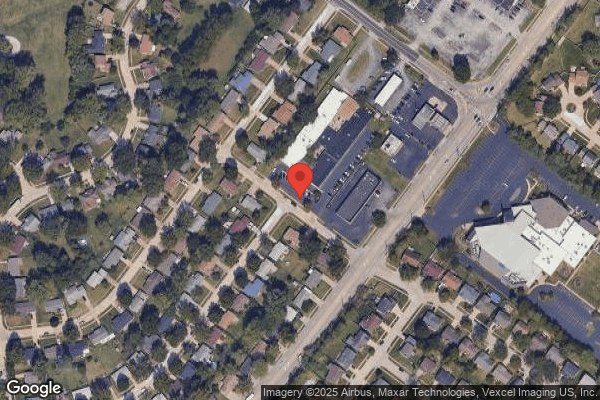
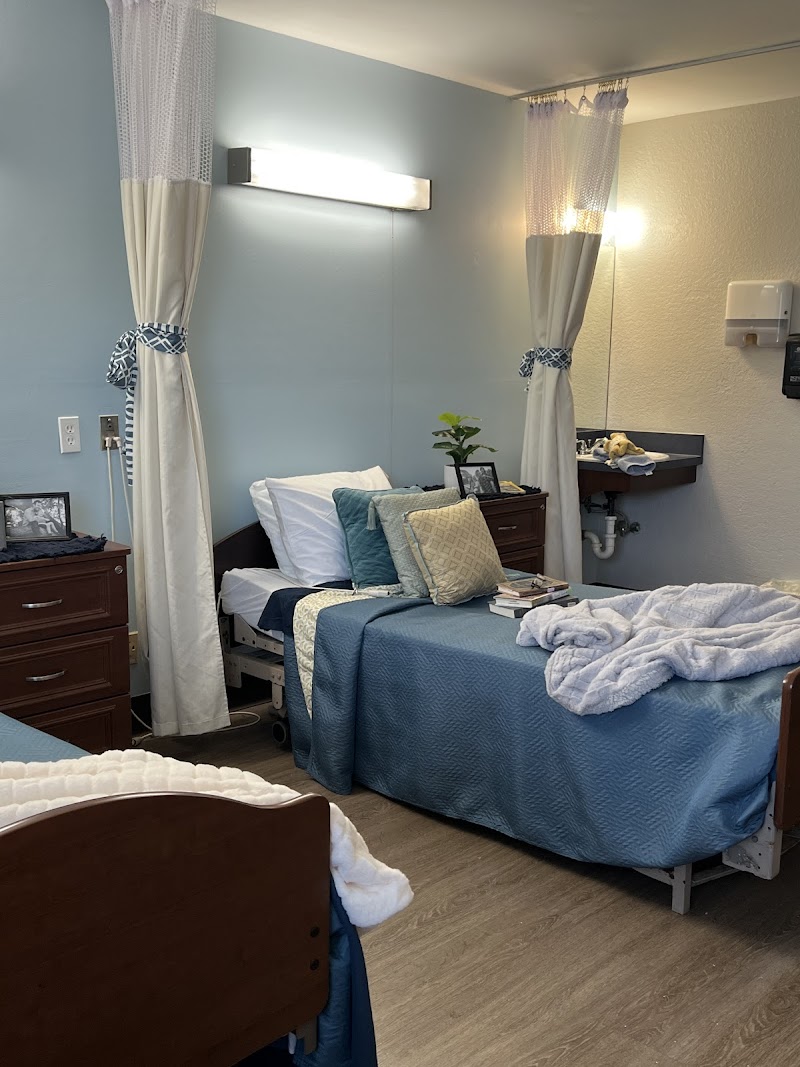
615 RANCHO LANE, FLORISSANT, MO 63031 (314) 839-2150
For profit - Limited Liability company 120 Beds AMA HOLDINGS Data: November 2025 2 Immediate Jeopardy citations
Trust Grade
0/100
#443 of 479 in MO
Last Inspection: March 2025

Within standard 12-15 month inspection cycle. Federal law requires annual inspections.

Overview

Rancho Rehab and Healthcare Center has received a Trust Grade of F, indicating significant concerns about the quality of care provided. It ranks #443 out of 479 facilities in Missouri, placing it in the bottom half of nursing homes in the state, and #64 out of 69 in St. Louis County, meaning only five local options are worse. The facility's condition is worsening, with the number of reported issues increasing from 11 in 2024 to 17 in 2025. Staffing is a critical concern, with a low rating of 1 out of 5 stars and a high turnover rate of 82%, much worse than the state average of 57%. Additionally, there have been serious incidents, including one where a resident was not provided timely CPR during a medical emergency, and another where a resident suffered a second-degree burn from hot water provided by staff, highlighting significant safety and care problems.

Trust Score
F
0/100
In Missouri
#443/479
Bottom 8%
Safety Record
High Risk
Review needed
Inspections
Getting Worse
11 → 17 violations
Staff Stability
⚠ Watch
82% turnover. Very high, 34 points above average. Constant new faces learning your loved one's needs.
Penalties
✓ Good
$28,060 in fines. Lower than most Missouri facilities. Relatively clean record.
Skilled Nurses
⚠ Watch
Each resident gets only 26 minutes of Registered Nurse (RN) attention daily — below average for Missouri. Fewer RN minutes means fewer trained eyes watching for problems.
Violations
⚠ Watch
56 deficiencies on record. Higher than average. Multiple issues found across inspections.
★☆☆☆☆
1.0
Overall Rating
★☆☆☆☆
1.0
Staff Levels
★★☆☆☆
2.0
Care Quality
★☆☆☆☆
1.0
Inspection Score
Stable
2024: 11 issues
2025: 17 issues

The Good

  • Full Sprinkler Coverage · Fire safety systems throughout facility
  • No fines on record

Facility shows strength in fire safety.

The Bad

1-Star Overall Rating

Below Missouri average (2.5)

Significant quality concerns identified by CMS

Staff Turnover: 82%

35pts above Missouri avg (46%)

Frequent staff changes - ask about care continuity

Federal Fines: $28,060

Below median ($33,413)

Moderate penalties - review what triggered them

Chain: AMA HOLDINGS

Part of a multi-facility chain

Ask about local staffing decisions and management

Staff turnover is very high (82%)

34 points above Missouri average of 48%

The Ugly 56 deficiencies on record

2 life-threatening 1 actual harm
Sept 2025 1 deficiency 1 Harm
SERIOUS (G) 📢 Someone Reported This

A family member, employee, or ombudsman was alarmed enough to file a formal complaint

Actual Harm - a resident was hurt due to facility failures

Accident Prevention (Tag F0689)

A resident was harmed · This affected 1 resident

**NOTE- TERMS IN BRACKETS HAVE BEEN EDITED TO PROTECT CONFIDENTIALITY** Based on observation, interview and record review, the facility failed to maintain an environment free of accident hazards by no...

Read full inspector narrative →
**NOTE- TERMS IN BRACKETS HAVE BEEN EDITED TO PROTECT CONFIDENTIALITY** Based on observation, interview and record review, the facility failed to maintain an environment free of accident hazards by not maintaining water temperatures for resident consumption within a safe range to prevent the potential of skin burns for two residents. Staff provided a cup of hot water to a resident (Resident #2) who requested it to give to another resident (Resident #1) who wanted to make instant coffee in his/her room. Resident #2 took the cup of hot water to Resident #1's room, placed it on the over the bed table then left the room. When Resident #1 reached for the cup of water, he/she spilled the water on him/herself which resulted in a second-degree burn (involving the first two layers of skin and may present as deep reddening of the skin, pain, blisters, glossy appearance from leaking fluid, and possible loss of some skin) ranging from his/her right flank to his/her right mid-thigh. Resident #1 had a diagnoses of left sided hemiplegia (total or partial paralysis on one side of the body), polyneuropathy (damage or disease affecting peripheral nerves), stroke, and diabetes and took medications that decreased reaction and sensation to pain. The sample was 5 and the census was 89. Review of the U.S. Consumer Product Safety Commission's Safety Alert showed most adults will suffer third-degree burns (damages the first here layers of skin and fatty tissue) if exposed to 150-degree Fahrenheit (F) water for two seconds. Burns will also occur with a 6-second exposure to 140-degree F water or with a 30-second exposure to 130-degree F water. Review of MedlinePlus.gov, last reviewed on 5/28/24, showed:-Major burns include: Second degree burns more than 2 to 3 inches (5.08 to 7.62 centimeters (cm) wide;-Major burns need urgent medical care. This can help prevent scarring, disability, and deformity;-Adults over the age of 60 have a higher chance of complications and death from severe burns because their skin tends to be thinner than in other age groups. Review of the facility's Food Temperature policy, dated 5/2016, showed:-Purpose: To provide the dietary department with guidelines for food preparation and service temperatures;-Acceptable serving temperatures: Coffee > (greater than) 135 degrees F;-If temperatures do not meet the required serving temperatures, reheat or chill the product to the proper temperature;-No maximum temperature listed. Review of the facility's Incident Investigation policy, dated 10/24/22, showed:-Purpose: To ensure that the facility tracks incidents that take place at the facility in an effort to increase the quality of care provided to residents;-Policy: An incident includes but is not limited to the following: Burns. Review of Resident #1's annual Minimum Data Set (MDS, a federally mandated assessment instrument completed by facility staff), dated 8/12/25, showed:-Cognitively intact;-Used a wheelchair;-Upper and lower extremity range of motion - impairment on both sides;-Diagnoses of left side hemiplegia, polyneuropathy, stroke and diabetes. Review of the resident's medical record showed an age of [AGE] years old at the time of the burn. Review of the resident's care plan in use at the time of on-site investigation, showed:-Focus: Resident has acute/chronic pain, revised 10/20/24;-Goal: Pain will be minimized with the use of scheduled and/or as needed (PRN) pain meds;-Interventions included: Administer analgesia (treatment to reduce pain) as per order;-No documentation of the burn incident on 9/8/25. Review of the resident's physician order sheet showed an order dated 2/21/25, for Gabapentin (medication used to treat nerve pain, the action of the medication inhibits the release of certain neurotransmitters which are involved in transmitting and amplifying pain signals. By reducing the activity of these pain-signaling nerve cells, gabapentin decreases or slows the brain's reaction to pain stimuli, resulting in a reduction of pain sensation) 600 milligrams (MG), Give 1 tablet by mouth three times a day for neuropathy. Scheduled administration times: AM, Noon, and PM. Review of the resident's September 2025 Medication Administration Record, showed:-On 9/7/25, Gabapentin Tablet 600 MG Give 1 tablet by mouth three times a day for neuropathy, administered as ordered at AM, Noon, and PM;-9/8/25 A.M., Gabapentin Tablet 600 MG Give 1 tablet by mouth three times a day for neuropathy, administered as ordered at AM, Noon, and PM. Review of the resident's progress notes, showed:-On 9/7/25 at 11:45 A.M., Weekly Skin Observations: Late Entry: Skin color is normal. No skin issues to report;-On 9/8/25 at 1:01 P.M., Weekly Skin Observations: skin color is normal. Skin temperature is dry, warm. Skin turgor (the ability of the skin to return to its normal shape after being pulled or pinched) is normal as skin returns promptly. Skin issues present. Refer to assessment for more information;-On 9/9/25 at 11:14 A.M., Nursing Note: nurse went into resident's room to check on him/her after receiving burn from spilled coffee. Resident stated that he/she was doing fine, and his/her treatment was still intact. Resident also stated that he/she was not in any pain and burned area was not affecting him/her or causing discomfort. Review of the resident's Weekly Skin Observation, completed on 9/8/25 at 1:01 P.M., showed burn to right flank side due to spilled coffee. No measurements or description documented. Review of the facility's Incident by Incident Type report, dated 8/1/25 to 9/8/25, showed the record privileged and confidential - not part of the medical record. No documentation of Resident #1's burn injury on 9/8/25. During an interview on 9/9/25 at 11:15 A.M., Resident #1 said he/she got a 3rd degree burn on his/her right side because he/she spilled hot coffee on him/herself. He/She did not know the water was hot enough to burn him/her, but his/her skin just fell off. He/She said Resident #2 got hot water from Dietary [NAME] A in the kitchen. Wound Nurse D came to see about the burn on his/her side the same day. He/She thought that was about 7:30 A.M. or so. He/She was not in pain. He/She took Gabapentin, so he/she did not feel any pain. The coffee did not spill directly onto him/her. It spilled on the sheet and went into the side of his/her brief. He/She could use his/her right hand, however, the last three fingers on the left hand are contracted (a permanent shortening or tightening of muscles, tendons, or other tissues that restricts movement). He/She used both hands to hold the cup to drink his/her coffee. Observation of the resident at this time, showed a dried brown ring underneath the resident. He/She said it was spilled coffee. The visible part of the dried brown ring spread out from the armpit level, down underneath the white blanket. The resident's right arm was bent in a triangle shape, and part of the dried brown ring was visible. A dressing was in place over the right flank. Review of the resident's physician order sheet, showed:-An order dated 9/10/25, for Xeroform oil emulsion gauze (not adherent dressing). Apply to right flank topically one time a day every Monday, Wednesday, and Friday for wound healing. Cleanse would with hypochlorous acid (used to clean and prevent infection), pat dry. Apply xeroform to wound bed and cover with dressing;-No treatment order obtained prior to 9/10/25. During an interview on 9/10/25 at 9:42 A.M., Certified Nursing Assistant (CNA) B said Nurse Assistant (NA) C helped him/her with Resident #1 after spilling the coffee. The resident told them he/she had spilled coffee on him/herself earlier that day. There was a brown coffee stain on the sheet underneath him/her. When CNA B and NA C rolled the resident onto his/her side they saw the burn. CNA B said his/her white meat showed on the resident's side and skin had rolled off. He/She asked the resident if the resident knew he/she was burned. CNA B did not know how the resident was not in pain because he/she (CNA B) would have been screaming. During an interview on 9/10/25 at 9:40 A.M., NA C said he/she helped CNA B change the resident. When the resident was rolled to his/her side he/she saw the burn. The burn was big. The resident said he/she spilled coffee on himself/herself earlier. They called the Wound Nurse (Wound Nurse D) to see the burn. The resident usually drank coffee throughout the day. During an interview on 9/9/25 at 11:15 A.M., Wound Nurse D said there must have been a blister that popped before he/she assessed the resident. Wound Nurse D talked to the Dietary Manager (DM) that day about giving Resident #1 hot water and informed them of the burn. He/She was told by the DM that the water was something like 200 degrees F. On 9/10/25 at 2:00 P.M., Wound Nurse D described the area as pink and a partial thickness open area. The area was located on the right side from the rib cage down to the waist/hip area, (flank). The area measured 39 centimeters (cm) x 12 cm x 0.1 cm depth. The wound nurse said he/she did not classify the burn; the Wound Nurse Practitioner (NP) would classify it after she saw it on Monday. Observation of Resident #1 and interview on 9/11/25 at 12:00 P.M., showed the resident lay in bed. Staff removed the dressing on his/her right side. There was a large irregular shape area on the right side, where the top layer of skin was missing. The Wound NP assessed the resident and described the area as a second-degree burn; she said the skin had blistered and peeled back. The size of the wound was 30 cm X 10 cm X 0.1 cm. The NP told the staff to monitor the area daily and changed the treatment of xeroform to daily. Observation on 9/9/25 at 12:18 P.M., showed Dietary Aide E tested the water temperature from the new coffee system. The water obtained from the back spicket. The cup filled half full. The coffee pot stationed in the resident dining room, on a table nearest the entrance to the kitchen. Dietary Aide E walked the cup out to the dining room area and took the temperature of the coffee. The temperature measured 189 degrees F. Observation and interview on 9/9/25 at 2:20 P.M., the Dietary Manager tested the water temperature from the new coffee system. The temperature measured 179 degrees F. The DM said the water was too hot for staff to give to any residents to walk through the hall with or to make coffee in their room. Resident #2 got the hot water from Dietary [NAME] A. Resident #1 had instant coffee and gotten hot water before, from the old coffee system. The old coffee system water did not get very hot. The new system was only a week and a half to two weeks old. No one thought the water would get that hot. They did not take water temperatures from the coffee system and did not have a system in place to do that. During an interview on 9/10/25 at 9:57 A.M., Resident #2 said he/she got the hot water from the kitchen. Dietary [NAME] A gave the hot water to him/her. He/She was not in Resident #1's room when the coffee spilled, but Resident #1 told him/her the coffee spilled onto him/her. Resident #2 wondered if the burn Resident #1 got was bad. Resident #2 said he/she got hot water from the kitchen every day. During an interview on 9/10/25 at 10:29 A.M., the Director of Nursing (DON) said she found out about the burn on the morning of 9/8/25. Wound Nurse D told her about Resident #1's burn. She was told the coffee fell over and the resident was burned on his/her right flank area. She did not know what degree it was because the blister had already popped. The NP was at the facility during the morning meeting and was made aware at that time. The DON said hot coffee temperature, from her understanding, was nothing over 140 F. The coffee machine was new. Staff had to let the coffee cool. She heard after the fact that the water was 200 degrees F. Staff should have checked the temperature of the hot water before sending it out to Resident #2. The water was too hot to give to the resident. During an interview on 9/10/25 at 11:00 A.M., Dietary [NAME] A said on 9/8/25, Resident #2 asked for hot water. The resident had a cup with a lid. He/She put hot water in that cup. Dietary [NAME] A said he/she let the cup sit for about 15 minutes to cool off. He/She did not take the temperature of the hot water before he/she gave it to the resident. He/She gave the cup back to the resident and told the resident to be careful. The water was hot. Dietary [NAME] A said it was too hot. He/She did not know the resident was getting the water for someone else. He/She found out about the burn right before lunch that day, about two or three hours later. Other residents came for hot water, but Resident #2 came every day. The coffee system was about two weeks old. The machine filled up on its own, staff did not need to add water to it. Hot coffee should be between 140 to 150 degrees F. The machine temperature showed 180-190 degrees F when the coffee was ready to brew. He/She did not know the policy and said hot coffee should be served at 135 F or less. Dietary [NAME] A said he/she was in-serviced regarding hot water when he/she returned to work on 9/10/25. He/She was off on 9/9/25. During an interview on 9/17/25 at 4:32 P.M., Resident #2 said he/she went to the kitchen to get hot water for Resident #1. He/She asked Dietary [NAME] A for hot water. He/She waited in the dining room, while Dietary [NAME] A went in the kitchen to get the hot water. Resident #2 said he/she did not wait very long for the hot water. Dietary [NAME] A added a lid on the cup. Then, Resident #2 took the water to Resident #1. During an interview on 9/10/25 at 5:29 P.M. and 6:17 P.M., Licensed Practical Nurse (LPN) G said he/she was not aware if Resident #2 brought Resident #1 coffee or hot water. He/She knew the two were friends. Resident #1 asked him/her on 9/8/25, to change his/her cover because he/she had made a mess. The nurse said the resident had a brown spot on his/her cover and on his/her sheet. The nurse did not know what the discolored spot was, he/she thought it may have been juice or soda. The nurse changed the cover but did not change the sheet. The nurse did not do a skin assessment, the resident was alert and oriented times four (person, place, time, and situation) and if he/she needed something he/she would have told the nurse. The resident did not complain of pain and did not report he/she spilled anything. During an interview on 9/11/25 at 9:40 A.M., Registered Nurse (RN) J said he/she completed a Situation-Background-Assessment-Recommendation (SBAR). He/She did not remember who got the treatment order but a treatment order was obtained. He/She was called by a CNA but could not remember who. He/She was in the middle of doing blood sugar checks. He/She did not take measurements of the burn, but knows they were taken. He/She notified the wound nurse. He/She did not remember if the resident's bed was wet but then said standing back and recalling the events, maybe the resident's bed was wet. After the initial assessment, there should be an order for dressing changes and incident follow-up. The burn was a change in the resident's condition. Incident follow-up was needed because of the incident. Incident follow-up was 72-hour documentation, once a shift. Incident follow-up notes are documented in the progress notes. Review of the resident's SBAR Communication Form and progress note, dated 9/8/25 at 8:27 A.M., showed:-Patient burned by coffee;-Patient spilled coffee on him/herself;-Treatment nurse made aware and new orders obtained;-Nursing Note: Patient spilled coffee. Patient sustained a burn to the right flank. Patient denied pain and/or discomfort. Patent states that he/she spilled coffee and did not notice anything. Patient assessed for burn and pain. Head to toe skin assessment completed. Pain assessment completed 0/10 (indicated no pain). Vital signs obtained and withing normal limits. New orders obtained after calling the medical doctor (MD). During an interview on 9/10/25 at 4:10 P.M., the DON said if a resident had been burned, she would expect staff to immediately assess the resident, complete vital signs, clean the wound, and contact the MD or wound NP to get treatment orders. The resident comes first. The wound nurse completed the resident's assessment, and the wound nurse contacted the Wound NP. The wound was documented under assessment. The DON looked at the wound documentation from 9/8/25 and confirmed no measurements were documented and said she knew the wound nurse completed the measurements and maybe the measurements were documented somewhere else. The resident was not seen in the emergency room (ER) because he/she was not in pain, there was no infection, no drainage and his/her vital signs were stable. This happened on Monday morning before breakfast. The resident got his/her hot water from another resident. To her understanding, staff poured the hot water and let it sit for 15 minutes. The staff member did not know the hot water was for another resident. She found out the resident spilled the water when the resident told staff. Staff told the wound nurse, and the wound nurse went to see the resident. Staff were made aware after it happened, immediately after. The DON looked at the resident's progress notes and said she would have to find out where the measurements were documented. She would expect the medical record to be complete and accurate. She did not know if the facility had the documentation somewhere else. Other staff will know about the issues if it is not documented in the progress note because it is written on the report sheet and staff have shift to shift report. After the initial assessment is completed, the nurse should complete the treatment per order and monitor the site daily to ensure the dressing is intact and to check the skin around the dressing to be sure it is good. This is documented in the progress notes. The treatment change is done by the wound nurse. When the wound nurse is not at the facility, the nurse on the floor would check it. Staff also assessed the resident for pain. During an interview on 9/10/25 at 5:05 P.M., the Regional Nurse Consultant (RNC) said she expected staff to follow the facility's policy for coffee temperatures which were to serve coffee at temperatures greater than 135 degrees F. It was just an accident. Residents have the right to have hot coffee. On 9/11/25 at 12:45 P.M., the RNC said the 24-hour nurse report was for Quality Assurance only. No copy would be provided to the state surveyors. The DON made a mistake by saying they were available.
Mar 2025 16 deficiencies
CONCERN (D)

Potential for Harm - no one hurt, but risky conditions existed

Assessment Accuracy (Tag F0641)

Could have caused harm · This affected 1 resident

**NOTE- TERMS IN BRACKETS HAVE BEEN EDITED TO PROTECT CONFIDENTIALITY** Based on interview and record review, the facility failed to ensure two residents received an accurate assessment, reflective of...

Read full inspector narrative →
**NOTE- TERMS IN BRACKETS HAVE BEEN EDITED TO PROTECT CONFIDENTIALITY** Based on interview and record review, the facility failed to ensure two residents received an accurate assessment, reflective of the residents' status at the time of assessment, by failing to identify the residents' dialysis treatments (Residents #53 and #62). The sample was 18. The census was 79. Review of the facility's Resident Assessment Instrument (RAI) Process policy, dated 10/24/22, showed: -Purpose: To ensure that the Resident Assessment Instrument is used, in accordance with specified format and timeframes, in conducting comprehensive assessments as part of an ongoing process through which the facility identifies each resident's preferences and goals of care, functional and health status, strengths and needs, as well as offering guidance for further assessment once problems have been identified; -The facility will utilize the Resident Assessment Instrument process as the basis for the accurate assessment of each resident's functional capacity and health status, as outlined in the Center for Medicare and Medicaid Services (CMS) RAI Minimum Data Set (MDS, a federally mandated assessment instrument completed by facility staff) 3.0 Manual; -The assessment process must include direct observation and communication with the resident, as well as communication with licensed and non-licensed direct care staff members on all shifts; -Each resident's assessment will be coordinated by and certified as complete by a registered nurse, and all individuals who complete a portion of the assessment will sign and certify to the accuracy of the portion of the assessment he or she completed; -All information recorded within the MDS Assessment must reflect the resident's status at the time of the Assessment Reference Date (ARD). 1. Review of Review #53's medical record, showed a diagnosis of acute renal failure. Review of the resident's quarterly MDS, dated [DATE], showed: -Diagnosis included renal failure; -Special treatments and programs: Dialysis was not documented. Review of the resident's Physician's Orders Sheet (POS), dated March 2025, showed: -An order, dated 12/29/23, dialysis location, Monday, Wednesday, Friday at 5:30 chair time, first day of treatment 1/3/24; -An order, dated 12/29/23, for regular diet, regular texture, liberal renal diet, no bananas or orange juice; -An order, dated 10/3/24, enhanced barrier precautions related to dialysis; -An order, dated 10/29/24, to monitor bruit (swooshing sound heard with a stethoscope) and thrill (vibration felt by palpation), signs and symptoms of infections, bleeding every shift; -An order, dated 2/7/25, to monitor dialysis site dressing for drainage, bleeding, or signs and symptoms of infection. Check bruit and thrill every shift. Report any drainage, bleeding or signs and symptoms of infection to dialysis provider and primary physician; -An order, dated 2/7/25, to monitor vital signs before and after dialysis treatment. Complete communication form, send with resident, collect form upon resident return. Report any abnormalities to dialysis provider and primary physician two times a day, every Monday, Wednesday and Friday. Review of the resident's care plan, in use during survey, showed: -Focus: Resident has renal failure and on dialysis at dialysis location on Monday, Wednesday, and Friday, 5:30 chair time; -Goal: Resident will have no signs and symptoms of complications related to fluid overload; -Interventions: Dietary consult to regulate protein and potassium intake; -Give medications as ordered by physician; -Monitor lab reports of electrolytes and report to physician. 2. Review of Resident #62's quarterly MDS, dated [DATE], showed: -admitted to the facility: 11/28/23; -Diagnoses included stroke, end stage renal disease (ESRD, chronic irreversible kidney failure), heart failure, diabetes; -Special treatment and services received while a resident: Dialysis, left blank. Review of the resident's physician order sheet, dated 3/7/25 showed an order for dialysis on Mondays, Wednesdays, and Fridays with a chair time at 11:00 A.M., start date 11/28/23. Review of the resident's care plan, showed: -Problem: Resident needs hemodialysis related to chronic kidney disease, end stage renal disease, dependence on renal dialysis at a local dialysis center. An outside contracted transportation company is used to transport the resident who attends Mondays, Wednesdays, and Fridays with a chair time of 11:00 A.M.; -Goal: Resident will have no signs or symptoms (s/sx) of complications from dialysis through the review date; -Interventions included: Do not draw blood or take blood pressure in arm with graft. Monitor for dry skin and apply lotion as needed. Monitor labs and report as needed (PRN) any s/sx of infection to access site: Redness, swelling, warmth or drainage. Monitor/document/ report PRN for s/sx of the following: Bleeding, hemorrhage, bacteremia (infection in the blood), septic shock. Monitor/document/ report PRN new/worsening peripheral edema (is a condition of abnormally large fluid volume in the circulatory system or in tissues between the body's cells (interstitial spaces)). Work with the resident to relieve discomfort for side effects of the disease and treatment (cramping, fatigue, headache, itching, anemia, bone demineralization, body image change and role disruption.) 3. During an interview on 3/11/25 at 12:35 P.M., the Director of Nursing (DON) and Regional Nurse Consultant said the Administrator and regional corporate staff were responsible for completing the MDS at this time. The facility does not have an MDS Coordinator. The DON would expect the MDS to be accurate. 4. During an interview on 3/11/25 at 3:31 P.M., the Administrator said she would expect all resident MDS assessments to be accurate.
CONCERN (D) 📢 Someone Reported This

A family member, employee, or ombudsman was alarmed enough to file a formal complaint

Potential for Harm - no one hurt, but risky conditions existed

Deficiency F0658 (Tag F0658)

Could have caused harm · This affected 1 resident

**NOTE- TERMS IN BRACKETS HAVE BEEN EDITED TO PROTECT CONFIDENTIALITY** Based on observation, interview and record review, the facility failed to ensure the physician orders were accurately recorded a...

Read full inspector narrative →
**NOTE- TERMS IN BRACKETS HAVE BEEN EDITED TO PROTECT CONFIDENTIALITY** Based on observation, interview and record review, the facility failed to ensure the physician orders were accurately recorded and updated for three sampled residents (Residents #46, #18 and #6) out of 18 sampled residents. The facility failed to serve Resident #46 with physician ordered double portions. The facility also failed to ensure oxygen tubing was dated and oxygen equipment was covered per infection control standards for Resident #18. In addition, the facility failed to obtain documentation of Resident #18's cardiology progress notes from the most recent appointment when Resident #18 received a blood pressure machine that reported results directly to the cardiologist. The facility also failed to ensure Resident #6's neurological checks (medical assessments used to evaluate the function and health of the nervous system) were completed and maintained in the medical record. The census was 79. Review of the facility's Physician's Orders policy, dated 10/24/22, showed: -Purpose: This will ensure that all physician orders are complete and accurate; -Policy: The Medical Records Department will verify that physician orders are complete, accurate and clarified as necessary; -Telephone Orders: A Licensed Nurse will record telephone orders on the telephone order sheet with the date, time and signature of the person receiving the order or in the Electronic Health Record (EHR); -The Medical Record Department staff mails an original copy to the physician promptly for signature; -The order is transcribed onto the Physician's Order Form at the time the order is taken; -A copy of the Physician Order form that was sent to the Attending Physician is maintained in the medical record until the form signed by the physician is returned; -Once the signed copy is returned to the Facility, it is taped to the telephone order sheet in the resident's medical record by the Medical Record Department staff; -The copy is then removed from the medical record by the Medical Record Department staff and destroyed; -Physician orders will include the following: Name of the prescriber; -The name of the resident; -The date and time the order was received; -The signature of the Licensed Nurse receiving and documenting the order, if by telephone; -Medication orders will include the following: Name of the medication; -Dosage; -Frequency; -Duration of order; -The route and the condition/diagnosis for which the medication is ordered, if applicable; -Other orders will include a description complete enough to ensure clarity of the physician's plan of care; -Physician orders will only include abbreviations that have been approved by the Facility; -Whenever possible, the Licensed Nurse receiving the order will be responsible for documenting and implementing the order. Review of the facility's Oxygen Administration policy, dated 10/24/22, showed: -Initiation of Oxygen: A physician's order is required to initiate oxygen therapy, except in an emergency situation. The order shall include: -Oxygen flow rate; -Method of administration (e.g. nasal cannula); -Usage of therapy (continuous or PRN); -Titration instructions (if indicated); -Indication for use; -In an emergency situation or when a physician's order cannot be immediately obtained, oxygen may be initiated by a Licensed Nurse in the presence of acute chest pain or any other acute situation in which hypoxia is suspected; -A physician is to be contacted as soon as possible after initiation of oxygen therapy in emergency situations, for verification and documentation of the order for oxygen therapy consultation, and further orders; -Infection Control: All oxygen tubing, humidifiers, masks, and cannulas used to deliver oxygen: -Are for single resident use only; -Will be changed weekly and when visibly soiled, or as indicated by state regulation. -Oxygen items will be stored in a plastic bag at the resident's bedside to protect the equipment from dust and dirt when not in use. 1. Review of Resident #46's quarterly Minimum Data Set (MDS), a federally mandated assessment instrument completed by facility staff, dated 2/10/25, showed: -Cognitively intact; -Diagnoses included malnutrition; -Weight: 93 pounds; -Loss of 5% or more in the last month or loss of 10% or more in the last six months: No or unknown. Review of the resident's medical record, showed a diagnosis of severe protein-calorie malnutrition and body mass index (BMI) 19.9 or less (normal BMI, 18.5 and 24.9). Review of the resident's care plan, in use during survey, showed: -Focus: Resident has potential nutritional problem and has a diagnosis of malnutrition with interventions in place; -Goal: Resident will maintain adequate nutritional status as evidenced by maintaining weight within 5% of (specify baseline), no signs and symptoms, and consuming at least 50% of at least two meals daily; -Interventions: Encourage intake at meal times to assist in weight maintenance 10/4/24; -Weigh per facility protocol; -Registered Dietician to evaluate and make diet change recommendations as needed. Review of the resident's electronic Physician's Orders Sheet (ePOS), dated March 2025, showed an order, dated 3/26/24, for double portions at every meal. Review of the resident's progress notes, showed: -On 2/17/24, resident remains on weekly weights. Updated weight: 94.8 pounds. This is a 1.4 pound increase since last assessment. Registered Dietician (RD) recommended double portions last assessment. Will recommend again. Continue with house supplement and health-shake. Meal intakes vary between 0-100%, most documented at 51-100%. Continue with weekly weight checks. RD will continue to follow as needed (PRN); -On 2/27/25, resident with 11% weight loss since September 2024. Weight 105.2 pounds, down now to 93.6 pounds. Weight up and down a pound or so this month. Continues a regular diet with heath shake at meals and house supplement at bedtime. Also getting double portions at meals. Continues mirtazapine for appetite stimulation. Intakes have been 25-100% of meals lately. Will continue current interventions and double portions. Observation on 3/5/25 at 12:14 P.M., showed the resident in his/her room, assisted by staff with eating. He/She did not receive double portions. Observation and interview on 3/10/25 at 11:40 A.M., showed the resident in his/her room, assisted by staff with eating. The resident's meal ticket showed regular diet. Double portion was not documented on the meal ticket. During an interview at 11:57 A.M., Certified Nurse Aide (CNA) BB said the resident received regular diet with regular portions. During an interview on 3/11/25 at 12:35 P.M., the Director of Nursing (DON) and Regional Corporate Consultant said if there are diet order changes, the DON communicates to the Dietary Manager. The resident's diet order change to double portions was communicated to dietary. She expected the resident's diet order to be accurate on the meal time ticket and received as ordered. 2. Review of Resident #18's quarterly MDS, dated [DATE], showed: -Cognitively intact; -Diagnoses included anemia, coronary artery disease (CAD, blocked or narrowed arteries), heart failure, hypertension (high blood pressure), renal failure, neurogenic bladder (condition that affects the bladder's ability to function properly), urinary tract infection, diabetes, hyperkalemia (high potassium levels in the blood), hyperlipidemia (high level of lipids in the blood), hemiplegia (paralysis or weakness on one side of the body), seizure disorder, malnutrition, asthma and respiratory failure; -Administered anticoagulants; -Received continuous oxygen. Review of the resident's care plan, in use during survey, showed: -Focus: Resident has heart failure, CAD, and hypertension (high blood pressure); -Goal: Resident will be free of peripheral edema (accumulation of fluid causing swelling in tissues perfused by the peripheral vascular system, usually in the lower limbs); -Interventions: Give cardiac medications as ordered; -Monitor/document/report as needed (PRN) any signs and symptoms of congestive heart failure. Review of the resident's Medication Administration Record (MAR), dated March 2025, showed the following orders and administration: -An order, dated 1/5/25, change all oxygen tubing weekly on Sunday was documented as completed on 3/2 and 3/9/25; -An order, dated 3/9/25, clean C-Pap machine, tubing, and mask with soap and water, every night shift, every Sunday was documented as completed on 3/9/25. Review of the resident's progress notes, showed on 1/24/25, resident has a heart/vascular appointment on 1/28/25 at 12:45 P.M. Observation and interview on 3/6/25 at 2:53 P.M., showed the resident in bed with continuous oxygen. Oxygen was set at 2 liters (L) per nasal cannula. The oxygen tubing was not dated. The resident had a C-Pap machine and blood pressure machine on the night table. The C-Pap mask was uncovered. Observation and interview on 3/7/25 at 12:51 P.M., showed the resident in his/her room, eating his/her meal. The C-pap mask was on the night table, uncovered. The mask fell on the floor during observation. His/Her continuous oxygen was set at 2L per nasal cannula. The oxygen tubing was not dated. The resident said he/she had a blood pressure machine he/she received from the cardiologist during the January 2025 appointment. He/She was supposed to take his/her blood pressure and the results are sent to the cardiologist. They took the blood pressure once when he/she first received the blood pressure machine. Review of the resident's medical record, showed no documentation of the resident's heart/vascular appointment, blood pressure machine or instructions for usage. Review of the resident's progress notes, showed no further documentation of the resident's heart/vascular appointment on 1/28/25 through 3/9/25. During an interview on 3/11/25 at 12:35 P.M., the DON and Regional Corporate Consultant said they expected medical records to be accurate and complete. If a resident goes to an outside appointment, they expected staff to document it and save the documentation in the medical record if received. It depends on where they are going and what is being done. The progress notes from the outside physician are expected to be in the medical record. It is important for the facility to document outside medical visits and treatment plans so they can follow up with a plan. Missing documentation from an outside provider could impact the continuity of care. They expected staff to follow physician's orders. 4. Review of Resident #6 quarterly MDS, dated [DATE], showed: -Severe cognitive impairment; -Set-up help only with eating -Independent with bed mobility; -Walking not attempted due to medical condition; -Diagnoses included heart disease, hypertension, hyperlipidemia, diabetes, peripheral vascular disease (PVD, poor circulation), dementia, malnutrition and depression. Review of the resident's fall risk assessments showed: -8/2/24, score was 13: The resident was a moderate fall risk; -8/20/24, score was 13; The resident was a moderate fall risk; -9/19/24, score was 15; The resident was a high fall risk; -9/24/24, score risk 19; The resident was a high fall risk. -10/17/24, score risk 7: The resident was a moderate fall risk. Review of the resident's progress notes, dated 9/24/24 at 1:12 P.M., showed the resident had an unwitnessed fall. Upon assessment, the resident was noted to be sitting upright in bed. The resident had a bloody mouth laceration to top and bottom lip. The resident also had had bruising and swelling to left cheek and discoloration near his/her left eye. Resident denied any pain. Resident stated he/she had fell out of his/her chair. He/She didn't go back. Vitals (VS) was taken and was within normal limits. Call placed to the Physician and responsible party, no answer. Nurse was awaiting return call. Resident placed on neuro checks for further monitoring. Resident rested in bed at that time. No other injuries noted at that time. Resident had call light and fluids within reach. Review of the neurological flow sheet, dated 9/19/24, showed one out of 14 opportunities to document neuro checks left blank. Review of the resident's progress notes, dated 9/19/24 at 3:08 P.M., showed the resident has had two falls this day. The resident was attempting to stand and transfer him/herself from the wheelchair and was unable to complete the transfer him/herself and this resulted in a fall. The resident had been educated and advised to ask for assistance with any transfers and resident had verbalized understanding. Call placed to the resident's family member to notify, answered following questions and concerns and the nurse was thanked for the call. The resident was noted to have no apparent injury. The call light remained within reach; no further concerns noted. Placed a call to the physician to notify and received new orders for labs. Lab requisition completed. Review of the neurological flow sheet, dated 9/24/24, showed four out of 14 opportunities to document neuro checks were left blank. During an interview on 3/10/25 at 11:08 A.M., Licensed Practical Nurse (LPN) A said if a resident fell, he/she would assess the resident and complete the fall risk assessment. If the fall was unwitnessed or if the resident hit their head, neuro checks should be completed every shift for three days. Neuro checks are completed on paper. MO00247075 MO00250058 MO00249603
CONCERN (D) 📢 Someone Reported This

A family member, employee, or ombudsman was alarmed enough to file a formal complaint

Potential for Harm - no one hurt, but risky conditions existed

ADL Care (Tag F0677)

Could have caused harm · This affected 1 resident

**NOTE- TERMS IN BRACKETS HAVE BEEN EDITED TO PROTECT CONFIDENTIALITY** Based on observation, interview and record review, the facility failed to provide activities of daily living (ADL) care for thre...

Read full inspector narrative →
**NOTE- TERMS IN BRACKETS HAVE BEEN EDITED TO PROTECT CONFIDENTIALITY** Based on observation, interview and record review, the facility failed to provide activities of daily living (ADL) care for three residents by failing to ensure one resident received his/her showers as scheduled (Resident #38) and failed to ensure residents were clean and odor free (Residents #38, #2 and #6). The sample was 18. The census was 79. 1. Review of Resident #38's quarterly Minimum Data Set (MDS), a federally mandated assessment instrument completed by facility staff, dated 2/27/25, showed: -Cognitively intact; -Required substantial/maximal assistance with shower/bath; -Required set-up or clean assistance with personal hygiene; -Occasional urinary incontinence; -Frequent bowel incontinence; -Diagnoses included heart disease, high blood pressure, traumatic brain injury, anxiety disorder and manic depression. Review of the resident's care plan, in use at time of survey, showed: -Focus: Resident has an ADL self-care performance deficit; -Goal: Resident will maintain current level of function in ADLs; -Interventions: Limited assist in bathing/showering, bed mobility, dressing, oral care, toilet use, and transfer. Observation and interview on 3/5/25 at 12:50 P.M., showed the resident had a strong urine and body odor. The resident said he/she was supposed to have showers twice a week, on Mondays and Thursdays during the day shift, but did not have one on Monday, 3/3/25 due to a towel shortage. Observation and interview on 3/7/25 at approximately 1:30 P.M., showed the resident's hair was greasy and he/she continued to have strong body odor. He/She said he/she did not get a shower the day prior, 3/6/25. During an interview on 3/11/25 at 9:27 A.M., the resident said he/she received a shower on Monday, 3/10/25. He/She said he/she had a shower because there were state surveyors in the facility. He/She said it was an ongoing issue where staff did not provide showers and sometimes with no reasons explained. Review of resident's record, showed no shower sheets for 3/3/25 and 3/6/25. During an interview on 3/10/25 at 10:50 A.M., Certified Nurse Aide (CNA) I said the resident was compliant with showers. He/She said no resident missed their showers due to towels or linens shortage. He/She said the CNAs were responsible for providing the showers. Showers are given two to three times a week. If a resident refused his/her shower, CNA I would tell the nurse, document it in the chart and write it on the shower sheet. 2. Review of Resident #2's quarterly MDS, dated [DATE], showed: -Severe impairment; -Dependent on staff with shower/bath, personal hygiene, and toileting; -Always incontinent of bladder and bowel; -Rejection of care: behavior not exhibited; -Diagnoses included diabetes, seizure disorder, traumatic brain injury and malnutrition. Review of the resident's care plan, in use at time of survey, showed: -Focus: Resident has an ADL self-care performance deficit; -Goal: Resident will maintain current level of function through the review date; -Interventions: Resident requires dependent assist by staff with bathing, bed mobility, eating, dressing, personal hygiene, toilet use, and transfers. Observation on 3/10/25 at 11:34 A.M., showed the resident sat in his/her Broda chair (positioning chair), on top of a Hoyer pad (mechanical lift pad). His/Her disposable brief was heavily soiled, and shredded in multiple spots. A strong urine and body odor emanated from the resident. During an interview on 3/11/25 at 12:32 P.M., CNA FF said he/she was the resident's assigned staff that day. Yesterday, the resident's Hoyer pad smelled horribly like urine, so he/she changed the pad. The resident pulls on his/her clothes as well as his/her briefs and tears his/her briefs. CNA FF said the resident should be clean and odor free. 3. Review of Resident #6's quarterly MDS, dated [DATE], showed: -Severe impairment; -Required substantial/maximal assistance with shower/bath; -Required supervision with personal hygiene; -Required partial/moderate assistance with toileting; -Rejection of Care: Behavior of this type occurred one to three days; -Occasionally incontinent of bladder; -Frequently incontinent of bowel; -Diagnoses included heart disease, high blood pressure, high cholesterol, peripheral vascular disease (PVD, poor circulation), diabetes, dementia and depression. Review of the resident's care plan, in use at time of survey, showed: -Focus: Resident has an ADL self-care performance deficit related to dementia and weakness; -Goal: Resident will maintain current level of function through the review date; -Interventions: Limited assist in bathing/showering and personal hygiene. Supervision with bed mobility, dressing, eating, toilet use, and transfer. Observations, showed: -On 3/7/25 at 10:15 A.M., the resident sat on his/her bed. A strong urine and body odor was noted; -On 3/10/25 at 3:15 P.M., the resident sat on his/her bed. A strong urine and body odor was noted; -On 3/11/25 at 10:54 A.M., the resident lay on his/her bed. A strong urine and body odor was noted; -On 3/11/25 at 12:20 A.M., the resident laid on his/her bed. A strong urine and body odor was noted. A heavily soiled bed mat was thrown across the foot rail of the resident's bed. It was covered with deep yellows spots/stains. Some appeared to be wet as well as dry. During an interview on 3/11/25 at 12:20 P.M., CNA OO said he/she worked the day shift. He/She was familiar with the resident and worked with him/her but was not assigned to him/her today. He/She said the room smelled like strong urine. CNA OO pointed to the bed mat, and said the smell could have possibly came from it. He/she said he/she would not touch it with his/her bare hands because it may not have been clean. The resident gets his/her showers, but most of the times, he/she refused them. The resident's favorite line was that his/her family member would be there and they would do it. The resident could dress him/herself so sometimes he/she may get something out of his/her dirty linen and put it back on. The linen is changed at least twice a week when the residents are showered on shower days and when they are messed up. During an interview on 3/10/25 at 11:08 A.M., Licensed Practical Nurse (LPN) A said residents get showers twice a week. If a resident refused their showers, he/she would notify the Assistant Director of Nursing (ADON), document it on the shower sheet and notify the family. During an interview on 3/10/25 at 12:08 P.M., LPN B said residents receive showers twice a week. If a resident refused, he/she would document it and notify the physician and family. 4. During an interview on 3/11/25 at 3:41 P.M., the Director of Nursing (DON) said she expected residents to be clean, dry and odor free. She was not aware of any issues with towels not being available. She expected residents to receive a shower at least twice a week.
CONCERN (D) 📢 Someone Reported This

A family member, employee, or ombudsman was alarmed enough to file a formal complaint

Potential for Harm - no one hurt, but risky conditions existed

Accident Prevention (Tag F0689)

Could have caused harm · This affected 1 resident

Based on observation, interview and record review, the facility failed to ensure a motorized wheelchair was in working order after it was reported to facility staff that there were broken or missing p...

Read full inspector narrative →
Based on observation, interview and record review, the facility failed to ensure a motorized wheelchair was in working order after it was reported to facility staff that there were broken or missing parts (Resident #29). The sample was 18. The census was 79. Review of the facility's Maintenance Work Orders policy, dated 10/24/22, showed: -Purpose: To protect the health and safety of residents, visitors, and Facility Staff; -Policy: Maintenance work orders shall be completed in an effort to sustain maintenance services as a priority; -Procedure: To enable the Maintenance Department to prioritize tasks PE - 02 - Form A - Work Order Form or other similar document will be filled out and forwarded to the Director of Maintenance; -Department directors/supervisors are responsible for completing such work orders and forwarding them to the Director of Maintenance; -Work order requests are reviewed during stand-up meetings; -Emergency requests are given priority; -Emergency requests should be delivered directly to the Director of Maintenance; -The Director of Maintenance will maintain completed Work Orders chronologically in a binder in the Director of Maintenance's office. Review of Resident #29's quarterly Minimum Data Set (MDS), a federally mandated assessment instrument completed by facility staff, dated 3/4/25, showed: -Cognitively intact; -Impairment on both sides of the lower and upper extremity; -Uses motorized wheelchair; -Diagnoses of neurogenic bladder, wound infection, paraplegia and malnutrition. Review of the resident's care plan, in use during survey, showed: -Focus: Resident has limited physical mobility related to paraplegia due to prior gunshot wound; -Goal: The resident will remain free of complications related to immobility, including contractures, thrombus formation, skin-breakdown, fall related injury; -Interventions: Locomotion: The resident uses a motorized wheelchair independently; -Provide supportive care, assistance with mobility as needed. Document assistance as needed. During observation and interview on 3/10/25 at 11:35 A.M., the resident said he/she wanted his/her wheelchair fixed. He/She reported it to staff in the past two months. The left arm rest was broken off as well as the padding that rests against the back of the left arm. The resident pulled out a large bag of materials that came from the wheelchair. He/She said the parts are in the bag. The right wheel was busted open. There was approximately an 8 inch opening to the back of the wheel, exposing the inside material of the wheel. The resident said the battery does not work. It does not hold a charge. If it is not fully charged before taking it off the charger, the motorized wheelchair will not work or will stop working. It just dies. The resident had the motorized wheelchair for over a year. He/She was shot in the left arm, so he/she has muscle spasms. Since he/she cannot use the left arm rest, he/she had to rest his/her arm on his/her lap. It is uncomfortable. He/She also uses the foot board of his/her bed in place of the left arm rest to aid in positioning or transferring self from wheelchair to bed. The wheel makes the motorized wheelchair wobbly when in use. During an interview on 3/10/25 at 11:45 A.M., Certified Nurse Aide (CNA) CC said he/she reported the wheelchair on the resident's behalf during the time the resident reported it. He/She spoke to therapy, found the manufacturer book, and called them. The manufacturer company said they would only supply parts, not fix it. He/She told therapy what he/she was told, but they did not follow up. During an interview on 3/10/25 at 3:29 P.M., Physical Therapist Assistant (PTA) DD said if a resident had broken parts or missing parts to the wheelchair, they would do an evaluation. Therapy would help as a third party. They can also go to maintenance to see if they are able to help. They can go through Social Services, so they can direct them to a new chair. If the resident was in therapy, they would order it. He/She believed the resident's wheelchair was brought to their attention this past fall or winter. They tried to figure out who the manufacturer was. The resident did not have insurance with therapy. The resident had the wheelchair before he/she was admitted . They did not know who to call about the chair, either the manufacturer or the company that gave him/her the wheelchair, but the resident could not find it and did not have information for them. They tried to get ahold of the company on the resident's behalf. The last director was taking care of it, but he/she was not there anymore. During an interview on 3/11/25 at 3:36 P.M., the Social Services Director said he/she received the manufacturer book from the resident. The resident said it was under warranty and it needed to be fixed. He/She believed maintenance looked at it too, but could not find out what was wrong with it. He/She did not remember the arm rest was broken off and did not remember if it was like that back then. During an interview on 3/11/25 at 7:49 A.M., the Maintenance Director said it was not reported to him the resident had a wheelchair that needed repairs. If a resident needed a repair, they would check to see if the wheelchair was under warranty because he did not want to repair or mess with it if it messes up the warranty. He would also contact corporate to check what he would be able to do and ensure it was safe to make repairs on the wheelchair. During an interview on 3/11/25 at 12:35 P.M., the Director of Nursing (DON) said the resident comes to her office and he/she never mentioned anything about his/her wheelchair. The DON never noticed anything wrong with the wheelchair. If a resident needed repairs to their wheelchair, the DON would put it in TELs (web-based technology that helps with various aspects of building operations) and alert maintenance which alerts their phone. It could be therapy or the manufacturer that makes repairs. She expected staff to assist with helping the resident with fixing the wheelchair and give options to the resident on repairing the wheelchair. It is not appropriate for a resident to have a broken wheel or missing arm rests. She expected staff to ensure the resident was safe in the wheelchair.
CONCERN (D)

Potential for Harm - no one hurt, but risky conditions existed

Deficiency F0698 (Tag F0698)

Could have caused harm · This affected 1 resident

**NOTE- TERMS IN BRACKETS HAVE BEEN EDITED TO PROTECT CONFIDENTIALITY** Based on interview and record review, the facility failed to ensure residents who received dialysis (procedure to remove waste p...

Read full inspector narrative →
**NOTE- TERMS IN BRACKETS HAVE BEEN EDITED TO PROTECT CONFIDENTIALITY** Based on interview and record review, the facility failed to ensure residents who received dialysis (procedure to remove waste products and excess fluid from the blood when the kidneys are not working properly) services had written communication with the dialysis center. The facility identified two residents who received dialysis services. Two residents were sampled (Resident #62 and #53), and issues were found with both residents. The sample was 18. The census was 79. Review of the facility's Dialysis Care policy, dated 10/24/22, showed: -Purpose: To provide care for residents diagnosed with renal disease requiring ongoing dialysis treatments; -Policy: -The facility will be responsible for the overall care delivered to the resident, monitoring of the resident prior to and after the completion of each dialysis treatment, and providing all non-dialysis needs of the resident including during the time period when the resident was receiving dialysis; -The facility maintains a contract with a dialysis service provider which addresses communications between the facility and the provider; -The facility will arrange dialysis care for residents as ordered by the attending physician; -Procedure: -Dialysis arrangements: -The facility will arrange for dialysis care for such residents as ordered by the attending physician; -The facility will arrange transportation to and from the dialysis provider, as well as for meals (if necessary), medication administration, and a method of communication between the dialysis provider and the facility; -Communication and Collaboration: -The nursing staff, dialysis provider staff, and the attending physician (dialysis staff) will collaborate on a regular basis concerning the resident's care as follows: -Nursing staff will communicate pertinent information in writing to dialysis staff which may include: -Any medication changes; -Any recent changes in condition; -The resident's tolerance of dialysis procedures; -The dialysis provider will communicate in writing to the facility: -The resident's current vital signs (blood pressure, pulse, respirations, and temperature); -Pre and post weight; and -Any problems encountered while the resident was at the dialysis provider; -Nursing staff may use NP-225-Form A- Nurse Dialysis communication record to convey information to the dialysis provider; -Documentation: -All documentation concerning dialysis services and care of the dialysis resident will be maintained in the resident's medical record. Review of the facility's Matrix, received on 3/5/25, showed dialysis was not identified for Residents #53 and #62. 1. Review of Resident #62's quarterly Minimum Data Set (MDS), a federally mandated assessment instrument completed by facility staff, dated 12/25/24, showed: -admitted to the facility: 11/28/23; -Diagnoses included stroke, end stage renal disease (ESRD, chronic irreversible kidney failure), heart failure, diabetes, hypertension (high blood pressure), hyperlipidemia (high cholesterol), hemiplegia, or hemiparesis (muscle weakness or partial paralysis on one side of the body that can affect the arms, legs, and facial muscles); -Special treatment and services received while a resident: Dialysis, left blank; Review of the resident's care plan, in use during the survey, showed: -Problem: Resident needs hemodialysis related to chronic kidney disease, end stage renal disease, dependence on renal dialysis at a local dialysis center. MTM transport and attends Mondays, Wednesdays, and Fridays with a chair time of 11:00 A.M.; -Goal: Resident will have no signs or symptoms (s/sx) of complications from dialysis through; -Interventions included: Do not draw blood or take blood pressure in arm with graft (permanent access point for dialysis). Monitor for dry skin and apply lotion as needed. Monitor labs and report as needed (PRN) any s/sx of infection to access site: Redness, swelling, warmth or drainage. Monitor/document/ report PRN for s/sx of the following: bleeding, hemorrhage, Bacteremia (bacteria in the blood), septic shock (a life-threatening condition that happens when your blood pressure drops to a dangerously low level after an infection). Monitor/document/report PRN new/worsening peripheral edema (swelling). Work with the resident to relieve discomfort for side effects of the disease and treatment. (Cramping, fatigue, headache, itching, anemia, bone, demineralization, body image change and role disruption.) Review of the resident's physician's order sheet (POS), dated March 2025, showed: -An order, dated 11/28/23, for dialysis on Mondays, Wednesdays, and Fridays with a chair time at 11:00 A.M.; -An order, dated 11/28/23, to monitor dialysis site right upper chest port dressing for drainage, bleeding, or signs and symptoms of infection. Notify physician of any changes every shift for ESRD. Report any drainage, bleeding or signs and symptoms of infection to dialysis provider and primary physician; -An order, dated 11/28/23, to monitor vital signs daily. Report any abnormalities to dialysis provider and primary physician every day and evening shifts every Monday, Wednesday and Friday. -An order, dated 9/24/24, enhanced barrier precautions related to dialysis; -An order, dated 2/5/25, for regular diet, regular texture, regular consistency. Review of the resident's medical record, showed dialysis communication sheets for the resident for 2/10/25, 3/5/25, and 3/7/25. Further review of the resident's medical record, showed no further written communication with the dialysis center. Review of the resident's progress notes dated 2/26/25 at 1:05 P.M., showed the resident left for dialysis with outside transport company. He/She was in no acute distress prior to transfer. The resident's access showed no signs or symptoms of infection, and no bleeding noted. Dressing to the access at right chest clean and dry. The resident's dialysis paperwork sent with him/her. During an interview on 3/6/25 at 12:38 P.M., the resident said he/she received dialysis treatment three times a week on Mondays, Wednesdays, and Fridays for ESRD. 2. Review of Resident #53's quarterly MDS, dated [DATE], showed: -Diagnosis included renal failure; -Special treatments and programs: Dialysis was not documented. Review of the resident's care plan, in use during survey, showed: -Focus: Resident has renal failure and on dialysis at dialysis location on Monday, Wednesday, and Friday, 5:30 chair time; -Goal: Resident will have no signs and symptoms of complications relate to fluid overload; -Interventions: Dietary consult to regulate protein and potassium intake; -Give medications as ordered by physician; -Monitor lab reports of electrolytes and report to physician. Notify if serum potassium is over 5.5. Review of the resident's POS, dated March 2025, showed: -An order, dated 12/29/23, for regular diet, regular texture, liberal renal diet, no bananas or orange juice; -An order, dated 12/29/23, dialysis location, Monday, Wednesday, Friday at 5:30 chair time, first day of treatment 1/3/24; -An order, dated 10/3/24, enhanced barrier precautions related to dialysis; -An order, dated 10/29/24, to monitor bruit and thrill, signs and symptoms of infections, bleeding every shift; -An order, dated 2/7/25, to monitor dialysis site dressing for drainage, bleeding, or signs and symptoms of infection. Check bruit and thrill every shift. Report any drainage, bleeding or signs and symptoms of infection to dialysis provider and primary physician; -An order, dated 2/7/25, to monitor vital signs before and after dialysis treatment. Complete communication form, send with resident, collect form upon resident return. Report any abnormalities to dialysis provider and primary physician two times a day, every Monday, Wednesday and Friday. Review of the resident's progress notes, showed: -On 1/15/25, the resident went Leave of Absence (LOA) to dialysis this AM (morning); -On 2/21/25, the resident expressed concerns about his/her trips for dialysis. Social Services called transportation company and made his/her trips to dialysis to be indefinitely. Resident made aware. Review of the resident's medical record, dated 3/1/25 through 3/10/25, showed no dialysis communication sheets for dialysis appointments on 3/3/25, 3/5/25, and 3/7/25. 3. During an interview on 3/7/25 at 1:23 P.M., the Regional Nurse Consultant said if there were no dialysis communication sheets in the medical record, it was not completed. 4. During an interview on 3/11/25 at 12:35 P.M., the Director of Nursing (DON) and Regional Nurse Consultant said nursing was responsible for ensuring the dialysis communication sheets were completed. Nursing also addressed it in the nurse's notes. They would expect communication sheets to be in the medical record. The importance of the communication sheets was for nursing to know how the dialysis was tolerated and the condition the resident was in when returning to the facility.
CONCERN (D)

Potential for Harm - no one hurt, but risky conditions existed

Pharmacy Services (Tag F0755)

Could have caused harm · This affected 1 resident

Based on observation, interview and record review, the facility failed to provide an as needed (PRN) controlled pain medication, as ordered by the prescriber, to meet the needs of one sampled resident...

Read full inspector narrative →
Based on observation, interview and record review, the facility failed to provide an as needed (PRN) controlled pain medication, as ordered by the prescriber, to meet the needs of one sampled resident (Resident #38). The census was 79. Review of Resident #38's quarterly Minimum Data Set (MDS), a federally mandated assessment instrument completed by facility staff, dated 2/27/25, showed: -Cognitively intact; -Required substantial/maximal assistance with shower/bath; -Occasional urinary incontinence; -Frequent bowel incontinence; -Diagnoses included heart disease, high blood pressure, traumatic brain injury, anxiety disorder and manic depression. Review of the resident's care plan, in use at time of survey, showed: -Focus: Resident is on pain medication therapy, opioid analgesics related to chronic neck pain, lower back pain, and right leg pain; -Goal: Resident will be free of any discomfort or adverse side effects from pain medication; -Interventions: Administer analgesic medications as ordered by physician. Review of the resident's order summary, dated 12/5/24, showed a physician order of oxycodone-acetaminophen (Percocet, used for moderate to severe pain) oral tablet 5-325 milligrams (mg). Give 1 tablet by mouth every 6 hours as needed for pain. Review of the resident's Medication Administration Record (MAR) for the month of March 2025, showed the ordered pain medication was last administered on 3/1/25 due to the resident's leg pain level of 8 (severe pain on a scale 0-10). During an interview on 3/5/25 at 12:50 P.M., the resident said he/she was in pain, but the Percocet medication was not available for a few days already. He/She likes to take it every six hours as ordered. He/She was told by the staff that they were waiting for the pharmacy to deliver the medication. He/She said Percocet was the only pain medicine that relieved his/her pain. The resident had an order for PRN Tylenol but said it did not do much with his/her pain. During an interview on 3/10/25 at 10:40 A.M., the resident said he/she had not received the Percocet yet due to unavailability. He/She asked the nurse every day and was told there was no delivery from the pharmacy. During an interview on 3/10/25 at 10:45 A.M., Licensed Practical Nurse (LPN) A said they were still waiting for the Percocet to be delivered by the pharmacy. He/She said there was no refill order from the physician, and usually took longer due to the resident had an outside provider who prescribed the pain medication. LPN A said the physician and pharmacy were contacted and followed-up. The resident had alternative pain medications such as Tylenol and Clonazepam (used as a muscle relaxant). LPN A explained the situation to the resident. The resident refused Tylenol when offered. Review of the resident's records, showed no documentation the physician and pharmacy had been contacted regarding the Percocet. During an interview on 3/10/25 at 3:45 P.M., the Director of Nursing (DON) and the Regional Nurse Consultant (RNC) said they were not aware the resident's medication ran out and the resident had been asking for it. During an interview on 3/11/25 at 10:39 A.M., the pharmacy technician said the resident's Percocet was last refilled on 2/20/25, for 30 tablets. The pharmacy did not do automatic refills for PRN medications. The pharmacy technician said the facility did not request for a refill until this morning of 3/11/25. During an interview on 3/11/25 at 10:45 A.M., the RNC said when PRN medications needed refills, staff should contact the physician so the prescription will be sent to the pharmacy. She expected staff to follow-up and document in the progress notes. She said it was the first time she was made aware of the issue. The resident did not report to her personally. The RNC said she will follow-up with the DON and would check the nurses' documentation of the resident's pain assessment. During an interview on 3/11/25 at 10:55 A.M., the resident said it had been about two weeks not receiving Percocet. He/She was told by the nurse the medicine was not delivered yet. During an interview on 3/11/25 at 10:59 A.M., the DON was not aware of the issue prior to today. She interviewed LPN A, who reported that the resident never complained of pain. The DON showed a copy of the MAR that showed resident's pain levels were documented as zeros. The Assistant Director of Nursing (ADON) was responsible for following-up with pharmacy for medication refills. The facility had been having issues with the pharmacy not delivering the medications as ordered. During an interview on 3/11/25 at 11:03 A.M., the ADON said the physician and pharmacy had been notified about the resident's Percocet and the medication was on its way to the facility. The floor nurses had to report to her when PRN medications were depleted. It was documented in the resident's record that the facility contacted the physician and pharmacy regarding the issue. The ADON was unable to show or provide documentation prior to 3/11/25. The narcotic sheet of the Percocet was not provided per request from the ADON. Observation and interview on 3/11/25 at 11:30 A.M., showed the resident was in the dining area with his/her head down on the table. He/She was having sciatic pain, especially in the left leg. The facility did not provide a heat/cold pack. He/She repositioned him/herself in the wheelchair to alleviate the pain. The resident said he/she did not want to run out of Percocet again. The facility and the pharmacy should make sure it would not reoccur. During an interview on 3/11/25 at 12:14 P.M., the Strategic Account Manager (SAM) and the Pharmacist Director said they used to partial-fill medications, but as of 3/6/25, the pharmacy will fill the entire prescription. The facility requested cart audits but there is no one in the area. The pharmacy is working on scheduling the audit. When the facility receives a new order, the order is entered into the facility's electronic health records. The pharmacy then receives the order and it will be processed. Controlled medication refills are filled 30 days at a time. If the controlled medication was a PRN medication, the pharmacy will send 30 tablets at a time. The facility can call or fax over controlled medication refills. If there are no refills left on the script, the pharmacy will call and fax the physician to try to obtain a new prescription. If the facility calls the pharmacy to request a refill, the pharmacy will tell the facility to contact the physician also. If the pharmacy does not hear back from the physician, they will reach out again. A prescription is good for 6 months. If a prescription had 90 tabs, the pharmacy would send 30 tablets at a time for a PRN order. When the medication is refilled, they will send out 30 more tablets if the refill was requested within 6 months. The pharmacy received Resident #38's prescription on 1/28/25. A refill was requested on 2/20/25, the pharmacy sent out 30 tablets. The pharmacy received a new script on 2/26/25 for 100 tablets. The facility did not request a refill until this morning and the medication was sent out today. During an interview on 3/11/25 at 3:41 P.M., the DON said residents are assessed for pain every shift. The DON expected the resident's narcotic pain medication to be available. On 3/12/25 at 11:06 A.M., the DON said the facility had Percocet available in their emergency kit if the resident needed it. There was a prescription for Percocet of 100 tablets that was sent to the pharmacy on 2/20/25. She said the facility requested for refills on 2/28/25 but was notified it was too soon for refills. The DON said she would provide documentation of the facility's communication with the pharmacy. No documentation was provided.
CONCERN (D)

Potential for Harm - no one hurt, but risky conditions existed

Unnecessary Medications (Tag F0759)

Could have caused harm · This affected 1 resident

Based on observation, interview and record review, the facility failed to ensure a medication error rate of less than 5%. Out of 30 opportunities observed, three errors occurred during medication admi...

Read full inspector narrative →
Based on observation, interview and record review, the facility failed to ensure a medication error rate of less than 5%. Out of 30 opportunities observed, three errors occurred during medication administration for one resident (Resident #7), resulting in a 10% error rate. The census was 79. Review of the facility's Medication Administration Policy, dated October 24, 2022, showed: -Medication will be administered by a licensed nurse per the order of an attending physician or licensed independent practitioner, or as consistent with state law; -Nursing staff will keep in mid the seven rights of medication when administrating medications: the right medication, the right amount, the right resident, the right time, the right route, the right indication and the right outcome; -Additional considerations: the resident has right to know what the medication does; the resident has the right to refuse the medication (unless court ordered) and the rule of three, the licensed nurse administering medications will perform three checks comparing the physician's order, pharmacy label, and Medication Administration Record (MAR); - The resident's MAR will be reviewed for allergies and/or special considerations for administration including accepted professional standards and principles and vital sign parameters and lab results as appropriate; -Any discrepancies identified during the first, second, and/or third check must be resolved prior to the administration of any medication; -The licensed nurse will chart the drug; time administered and initial his/her name with each medication administration and sign full name and title on each page of the MAR; -Whenever a medication is held for any reason, the licensed nurse will initial the appropriate area on the MAR and circle his/her initials. The licensed nurse will document the reason the medication was held on the back of the MAR; -The time and dose of the drug or treatment administered to the resident will be recorded in the resident's individual medication record by the person who administers the drug or treatment. Review of the facility's Medication Error policy, dated 10/24/2022, showed: -Definition: the preparation or administration of medications or biologicals which is not in accordance with the prescriber's order; -A medication error may be the administration or omission of medication to the wrong resident, at the wrong time, at the wrong dose, via the wrong route or which is not currently prescribed; -Errors related to the administration of medications or treatments will be reported to the Director of Nursing (DON) services, the attending physician, and the Administrator. Review of Resident #7's quarterly Minimum Data Set (MDS), a federally mandated assessment instrument completed by facility staff, dated 1/28/25, showed: -Cognitively intact; -Diagnoses included heart failure, high blood pressure, and stroke. Review of the order summary report, showed: -A physician order dated 1/22/25: Aldactone 25 milligrams (mg), give 12.5 by mouth one time a day for congestive heart failure; -A physician order dated 7/2/24: Jardiance 10 mg, give 10 mg by mouth one time a day for heart failure; -A physician order dated 8/16/23: senna 8.6 mg, give 8.6 mg by mouth in the morning for constipation. Review of the MAR, dated 3/1/25 through 3/31/25, showed: - A physician order for: Aldactone 25 mg, give 12.5 mg by mouth one time a day for congestive heart failure; -A physician order for: Jardiance 10 mg, give 10 mg by mouth one time a day for heart failure; -A physician order for: senna 8.6 mg, give 8.6 mg by mouth in the morning for constipation. Observation on 3/6/25 at 8:40 A.M., showed the resident's Jardiance and Aldactone blister pack cards were empty. No refill cards were available in the cart. Certified Medication Technician (CMT) Q said he/she would place an order to the pharmacy and would notify the nurse. The CMT marked the code number 9 (indicated Other/See Progress Notes) with his/her initials in the MAR for the medications, Aldactone and Jardiance. The CMT did not obtain the medication senna 8.6 mg from the cart. He/She marked a check with initials in the MAR, indicating it was given. The CMT administered the other medications to the resident and did not inform the resident of the unavailable medications, Aldactone and Jardiance. During an interview on 3/6/25 at approximately 9:05 A.M., the resident said he/she never missed any doses of medications, unless he/she chose not to take them. His/Her medications were always available as ordered. He/She only refused the inhalers today but took all his/her pills. Review of the resident's nursing notes, dated 3/6/25 at 10:34 A.M., showed staff documented the pharmacy was called to reorder medications Jardiance and Aldactone and requested for stat run. Observation and interview on 3/7/25 at 11:40 A.M., showed one blister pack card each of Aldactone 25 mg and Jardiance 10mg located in the cart. Each card had one tablet taken out. CMT R said he/she administered those two medications that morning. CMT R said they used a stock bottle of senna 8.6 mg for the resident. There was not a bottle of senna in the cart. He/She thought someone took the bottle from the cart. CMT R used the bottle from the other cart. During an interview on 3/10/25 at 11:08 and 11:27 A.M. Licensed Practical Nurse (LPN) A said if the medications ran out and were not given as scheduled, they marked the MAR as not given, then called the physician and the pharmacy. When administering the medications, he/she asked the resident if they would take their medication, if the resident said yes, he/she would check the physician order, pop out the medication, administer the medication and document it. If the resident refused or did not take the medication, he/she would use the key code on the MAR, to enter a code to indicate the reason the resident did not take the medication. A blank on the MAR would indicate the medication was not administered or someone forgot to document it. If the code said see a nurses note there should be a corresponding nurses note. The MAR would automatically generate a progress note. If the medication was out of stock, he/she would check the e-kit to see if the medication was available. LPN A said the facility always had stock bottles of senna and it should always be available. If the medication was not available in the e-kit, he/she would document the medication was not administered, and notify the physician and responsible party (RP), and call the pharmacy to reorder the medication. If the physician /RP was notified it would be documented in the progress notes. If a stat run was requested, the medications were supposed to be delivered to the facility immediately, but the pharmacy never delivered stat orders. During an interview on 3/10/25 at 3:44 P.M., the Regional Nurse Consultant (RNC) said medications should be refilled before running out. The DON said if medications were not available, staff should call the physician to request an alternative if needed, then call the pharmacy. During an interview on 3/12/25 at 10:06 A.M., the pharmacy technician said the resident's Jardiance 10 mg medication was delivered to the facility on 3/6/25 at 6:32 P.M., The resident's Aldactone 25 mg medication was picked up by the pharmacy driver on 3/6/25 at 12:25 P.M. The pharmacy technician was unable to provide the actual time the medication was delivered. During an interview on 3/11/25 at 3:41 P.M. the Director of Nursing said she would expect for the medication rate to be less than 5% and for medications to be administered timely and per physician orders.
CONCERN (D) 📢 Someone Reported This

A family member, employee, or ombudsman was alarmed enough to file a formal complaint

Potential for Harm - no one hurt, but risky conditions existed

Deficiency F0760 (Tag F0760)

Could have caused harm · This affected 1 resident

Based on observation, interview and record review, the facility failed to ensure residents were free from significant medication errors. The facility failed to ensure one resident's (Resident #11) tre...

Read full inspector narrative →
Based on observation, interview and record review, the facility failed to ensure residents were free from significant medication errors. The facility failed to ensure one resident's (Resident #11) treatment plan was transcribed on the physician order sheet. This failure resulted in one anti-seizure medication not being adjusted for 46 days. The sample was 18. The census was 79. Review of the facility's Physician Order policy, dated 10/24/2022, showed: -Purpose: this will ensure that all physician orders are complete and accurate; -Telephone orders: a licensed nurse will record telephone orders on the telephone order sheet with the date, time and signature of the person receiving the order or in the electronic health record (EHR); -The order is transcribed onto the physician's order form at the time the order is taken; -Whenever possible, the licensed nurse receiving the order will be responsible for documenting and implementing the order; -Medication/treatment orders will be transcribed onto the appropriate resident administration record. Orders pertaining to other health care disciplines will be transcribed onto the appropriate communication system for the discipline; -The policy failed to show how new orders are entered into the EHR when the Physician (MD)/Nurse Practitioner (NP) visited the facility. Review of the facility's Medication Error policy, dated 10/24/2022, showed: -Definition: the preparation or administration of medications or biologicals which is not in accordance with accordance with: the prescribers order, accepted professional standards and principles which apply to professionals providing services; -Accepted professional standards and principles include the various practice regulations in the state, and current commonly accepted health standards established by the national organizations, boards, and councils; -A medication error may be the administration or omission of medication: at the wrong dose; -Errors related to the administration of medications or treatments will be reported to the Director of Nursing (DON) services, the attending physician, and the Administrator. Review of Resident #11's quarterly Minimum Data Set (MDS), a federally mandated assessment instrument completed by facility staff, dated 2/3/25, showed: -Cognitively intact; -Diagnoses included: dementia and seizure disorder. Review of the care plan, in use at the time of survey, showed: -Focus: resident is at risk for adverse side effects (ASE) of medications use as evidence by: resident takes medication with black box warning (highest safety warning), anti convulsant; -Goal: will not experience ASE of medication use through the review date; -Interventions: meds as ordered; -Focus: resident had an actual fall on 12/27/24; -Goal: resident will resume usual activities without further incident through review date; -Interventions: emergency room evaluation; medication adjustments. During an interview on 3/10/25 at 9:45 A.M., the resident said he/she knew his/her medications and sometimes staff omitted some of his/her medications or part of the dose. The resident said he/she took two pills to equal the dose, and staff would only administer one pill. If his/her seizure medications were missed he/she might have a seizure. About three or four months ago he/she had seizure blackouts. Review of the progress notes, dated 11/9/24 through 11/13/24 showed: -On 11/9/24 at 3:20 P.M., the nurse was called to resident room. Resident was noticed having seizure activity. Resident was coming around and went into another seizure, stayed with resident until resident was able to respond with telling his/her name and stated he/she wanted to go to bingo. Responsible party notified, and the doctor was called and stated to send the resident to the hospital. 911 was called and arrived. Resident said he/she did not want to go; -On 11/11/24 at 11:48 A.M., NP N note, chief complaint: resident evaluated for reports of seizure activity. Context: resident observed having seizure and facility reported resident refused to go to the hospital. Plan: increase Keppra (anti-seizure medication) to 1000 milligrams (mg) by mouth twice daily (BID); -On 11/13/24 at 10:50 A.M., NP N note, chief complaint: resident requested visit due to seizure activity. Context: resident request medication review as he/she believes he/she did not receive an increase in seizure medication as discussed. Plan: increase Keppra to 100 mg by mouth BID. Review of the Medication Administration Record dated 11/1/24 through 11/30/24, showed: -A physician order for: levetiracetam (Keppra) 500 mg give one tablet twice daily for anticonvulsant. Start date was 12/16/23; -Documentation showed the medication was administrated 11/1/24 through 11/30/24; -Keppra was not increased to 1000 mg BID on 11/11/24. Review of the MAR, dated 12/1/24 through 12/28/24, showed: - A physician order for: levetiracetam 500 mg give one tablet twice daily for anticonvulsant. Discontinue date was 12/27/24; -Documentation showed levetiracetam 500 mg was administered BID from 12/1/24 through 12/27/24; -A physician order for: Keppra 500 mg give two tablets by mouth BID for seizures. Start date was 12/28/24. Review of the resident's progress notes dated 12/27/24 at 10:20 A.M., showed at approximately 10:00 A.M., resident noted lying on the floor supine (lying on his/her back) in front of wheelchair. Alert and responsive. Resident was transferred into wheelchair with two assists. Hematoma (a pool of blood that has leaked out of a blood vessel and is trapped in the surrounding tissues) noted on left side of skull. Resident began to clonic seizure (rhythmic jerking movements of the arms and legs) immediately after transfer lasting two minutes. Resident then came to and was wheeled to nurse station for evaluation. 911 was called. Paramedics arrived to transfer resident to hospital at 10:15 A.M. Resident arrived at facility about 9:00 P.M. via ambulance accompanied by emergency medical service (EMS). Only change in orders was Keppra 500 mg take two tablets (1000 mg) BID. MD notified. During an interview on 3/10/25 at 9:45 A.M., the resident said his/her Keppra was increased in December after he/she returned from the hospital. During an interview on 3/11/25 at 9:19 A.M., NP M said NP N was no longer with the company. When NP N was at the facility, he/she placed orders in his/her plan of treatment, but did not enter the orders into the EHR. NP N was responsible for entering his/her orders into the system. The orders written in NP N's plan of treatment should have been placed into the system. During an interview on 3/10/25 at 11:05 A.M. Licensed Practical Nurse (LPN) A said the nurse or the unit manager entered the orders into the EHR. Some of the MDs/NPs would write a telephone order and give it to the staff to enter the order. Some would give the nurse a verbal order to enter into the system. During an interview on 3/10/25 at 12:08 P.M., LPN B said the MD/NP had access to the EHR and they entered their own orders. The nurse entered the lab orders into the lab computer and binder. During an interview on 3/11/25 at 3:41 P.M., the DON said she would expect for the orders listed in the NP's plan to be entered into the system. The NPs no longer enter their orders into the system. They write their orders on a piece of paper for the facility staff to enter into the system. The DON would expect for staff and providers to follow the facility's policies and procedures.
CONCERN (E)

Potential for Harm - no one hurt, but risky conditions existed

Abuse Prevention Policies (Tag F0607)

Could have caused harm · This affected multiple residents

Based on interview and record review, the facility failed to ensure newly hired employees were screened to rule out the presence of a Federal Indicator, with the Certified Nurse Aide (CNA) Registry fo...

Read full inspector narrative →
Based on interview and record review, the facility failed to ensure newly hired employees were screened to rule out the presence of a Federal Indicator, with the Certified Nurse Aide (CNA) Registry for five staff members. A sample of eight employees hired were reviewed. The facility hired at least 80 new employees since the last survey. The census was 79. Review of the facility's Staff Screening policy, dated 10/22/24, showed the following: -Policy: The Facility will utilize reasonable and prudent criminal background screening and reference checks for prospective staff, contractors/consultants, registry/temporary staff, and volunteers; -Prior to employment or commencement of a contract, the Facility will verify and document or obtain a copy, if applicable, of the following information that may include, but not limited to: -Previous and/or current employer regarding work history, allegations of abuse against resident, employee or others; -Criminal Background Checks; -National Sex Offender Public Website; -Office of Inspector General (DIG) Exclusion Screening; -State exclusion screening, if applicable; -Current Licenses and Certifications; -References; -Disclosure of information (i.e., self-disclosure of any criminal convictions or actions that exclude them from any government healthcare program; -The Facility will not employee or engage with an individual who has been found guilty of abuse, neglect, exploitation, or mistreatment or misappropriation of property by a court of law or who has a finding in the state nursing aide registry concerning abuse, neglect, exploitation, mistreatment of residents or misappropriation of resident property, or has had a disciplinary action in effect taken again his/her professional license. 1. Review of Employee's D's file, showed the following: -Hire date: 9/4/24; -No CNA registry check performed. 2. Review of Employee's C's file, showed the following: -Hire date: 10/3/24; -No CNA registry check performed. 3. Review of Employee B's file, showed the following: -Hire date: 12/23/24; -No CNA registry check performed. 4. Review of Employee A's employee file, showed the following: -Hire date: 1/12/25; -No CNA registry check performed. 5. Review of Employee's E's file, showed the following: -Hire date: 1/22/25; -No CNA registry check performed. 6. During an interview on 3/11/25 at 12:00 P.M., the Human Resources employee said he/she is responsible for completing the employee background check upon hire. He/She was unaware of the CNA registry check. 7. During an interview on 3/11/25 at 3:41 P.M., the Administrator said Human Resources completes the background checks and if something triggers, management should be notified. She expected the CNA registry to be checked upon hire.
CONCERN (E) 📢 Someone Reported This

A family member, employee, or ombudsman was alarmed enough to file a formal complaint

Potential for Harm - no one hurt, but risky conditions existed

Deficiency F0727 (Tag F0727)

Could have caused harm · This affected multiple residents

Based on interview and record review, the facility failed to provide eight hours of Registered Nurse (RN) coverage on 18 out of 30 days reviewed for staffing. This had the potential to cause unmet hea...

Read full inspector narrative →
Based on interview and record review, the facility failed to provide eight hours of Registered Nurse (RN) coverage on 18 out of 30 days reviewed for staffing. This had the potential to cause unmet health needs for all residents. The census was 79. Review of the Nursing Department - Staffing, Scheduling & Postings policy, revised 10/24/22, showed the facility must use the services of a Registered Nurse for at least 8 consecutive hours a day, 7 days per week, unless a waiver applies. Review of the facility's daily staffing schedule, dated 2/10/25 through 3/11/24, showed no RN coverage on the following dates: 2/11/25, 2/12/25, 2/14/25, 2/15/25, 2/16/25, 2/18/25, 2/19/25, 2/20/25, 2/23/25, 2/24/25, 2/27/25, 2/28/25, 3/1/25, 3/4/25, 3/5/25, 3/6/25, 3/9/25 and 3/10/25. During an interview on 3/11/25 at 8:52 A.M., the Human Resources (HR) personnel said the facility did not have RN coverage for at least 8 hours a day on some days due to no RNs were available to work. She said the facility should have an RN at least 8 hours a day, seven days a week. During an interview on 3/11/24 at 2:33 P.M., the Director of Nursing (DON) said aside from her, RN S was the only regular RN in the facility. RN T worked on some days as a Quality Assurance (QA) nurse. There were no RNs in the facility when RN S and RN T were not scheduled to work. The DON said they were actively hiring for RNs. She expected the facility to have RNs at least 8 hours a day, 7 days a week. MO00247075 MO00250058 MO00249603
CONCERN (E)

Potential for Harm - no one hurt, but risky conditions existed

Drug Regimen Review (Tag F0756)

Could have caused harm · This affected multiple residents

Based on interview and record review, the facility failed to assure they followed their policy to act on any irregularities noted by the pharmacist during the monthly Medication Regimen Review (MRR), ...

Read full inspector narrative →
Based on interview and record review, the facility failed to assure they followed their policy to act on any irregularities noted by the pharmacist during the monthly Medication Regimen Review (MRR), which affected five out of five residents sampled for unnecessary medications review (Residents #53, #42, #6, #38 and #51). The census was 79. Review of the facility's Drug Regimen Review policy, dated 10/24/22, showed: -Policy: The pharmacist will review each resident's medication regimen at least once a month to identify irregularities and to identify clinically significant risks and/or actual or potential adverse consequences which may result from or be associated with medications; -The pharmacist will report any irregularities to the attending physician and the facility's Medical Director and Director of Nursing (DON), and these reports must be acted upon; -Procedure: The pharmacist must review each resident's medication regimen at least once a month; -The pharmacist performing the DRR will review the resident's medical record to appropriately monitor the medication regimen and verify the medication each resident is taking is clinically indicated; -The Consulting Pharmacist will note in the resident's medical record that the pharmacy medication review regimen was completed; -If no irregularities were identified during the review, the pharmacist includes a signed and dated statement to that effect; -The consulting Pharmacist will report any irregularities such as unnecessary drugs (which include but are not limited to excessive dosage, excessive duration, inadequate monitoring, inadequate indications for use or adverse consequences of use) to the Facility's Medical Director, Director of Nursing, and the Attending Physician; -Irregularities must be addressed in a separate, written report. The report will include the resident's name, the relevant drug, and the irregularity the pharmacist identified; -The report may be in paper or electronic form; -The report will be submitted within 3 business days of review, unless the irregularity is an emergent issue requiring immediate action. If the irregularity is emergent, the Attending Physician will be contacted as soon as practicable from the time the irregularity is identified; -The pharmacist does not need to document a continuing irregularity in the report each month if the Attending Physician has documented a valid clinical rationale for rejecting the pharmacist's recommendations, unless warranted by a change in the resident's condition or other circumstances; -The Attending Physician will respond to any irregularities reported by the pharmacist by reviewing the irregularities and documenting in the resident's medical record that the irregularity has been reviewed, and what, if any, action has been taken to address it; -The Medical Director and DON will also review the pharmacist's report if any irregularities are identified. 1. Review of Resident #53's medical record, showed: -Diagnoses included psychotic disorder with delusions due to known psychotic condition; -An order, dated 5/21/24, Aripiprazole (antipsychotic) oral tablet 5 milligram (mg). Give 5 mg by mouth in the morning related to psychotic disorder with delusions due to known physiological condition; -An order, dated 12/20/23, Sertraline (antidepressant) HCI oral tablet 50 mg. Give one tablet by mouth in the evening related to psychotic disorder with delusions due to known physiological condition. Review of the resident's care plan, in use during survey, showed: -Focus: Resident uses psychotropic medications; -Goal: Resident will be/remain free of psychotropic drug related complications; -Interventions: Administer psychotropic medications as ordered by physician. Monitor for side effects and effectiveness every shift; -Educate resident/family/caregivers about risks, benefits, and the side effects and/or toxic symptoms. Review of the resident's Pharmacy Consultant Notes, dated 10/22/24, 11/22/24, 12/16/24 and 1/27/25, showed see report. Review of the resident's medical record, showed no documentation of the resident's pharmacy recommendations. 2. Review of Resident #42's medical record, showed: -Diagnoses included aphasia (language disorder), schizophrenia (disorder that affects a person's ability to think, feel, and behave clearly), major depressive disorder and insomnia; -An order, dated 1/14/25, Trazodone (antidepressant and sedative) HCI tablet 50 mg. Give one tablet by mouth at bedtime for insomnia every bedtime for sleep; -An order, dated 12/10/24, Clozapine (antipsychotic) oral tablet 100 mg. Give one tablet by mouth, two times a day related to undifferentiated schizophrenia; -An order, dated 12/10/24, Duloxetine (antidepressant) HCI capsule delayed release particles 20 mg. Give one capsule by mouth, one time a day for depression related to major depressive disorder. Review of the resident's care plan, in use during survey, showed: -Focus: Resident takes medications with black box warnings: Anticonvulsants and Antipsychotics; -Goal: Resident will not suffer from adverse reactions to these medications; -Interventions: All nursing staff to be aware of black box warning. These can be found under Physician's Orders Sheet (POS)/Medication Administration Record (MAR) of the medications; -Medications as ordered; -Assess resident and intervene if adverse reactions occur; -Abnormal Involuntary Movement Scale (AIMS, rating scale to measure involuntary movements) assessments quarterly and as needed. Review of the resident's Pharmacy Consultant Notes, dated 9/17/24, 10/21/24, 11/20/24, 12/13/24 and 1/27/25, showed see report. Review of the resident's medical record, showed no documentation of the resident's pharmacy recommendations. 3. Review of Resident #6's medical record, showed: -Diagnoses included major depressive disorder; -An order, dated 1/2/24, Amitriptyline (antidepressant) HCI oral tablet 50 milligram (mg). Give one tablet mg by mouth at bedtime related to depression with pain; -An order, dated 9/26/23, Lorazepam (antianxiety) oral tablet 0.5 mg. Give one tablet by mouth two times a day related to anxiety disorder related to post traumatic stress disorder (PTSD). Review of the resident's care plan, in use during survey, showed: -Focus: Resident uses psychotropic medications related to depression and anxiety; -Goal: Resident will be/remain free of psychotropic drug related complications; -Interventions: Administer psychotropic medications as ordered by physician. Monitor for side effects and effectiveness every shift. -Educate resident/family/caregivers about risks, benefits, and the side effects and/or toxic symptoms. Review of the resident's consultant pharmacist's medication review, dated 9/17/24, showed the following recommendation: -Resident has been taking amitriptyline (anti-depressant). Please evaluate the current dose and consider a dose reduction; -Resident with good response, maintain the current dose. Review of the resident's medical record, from 9/1/24 to current, showed monthly medication reviews completed on 9/17/24 and 1/27/25. Further review of the resident's medical record, showed no further documentation of monthly medication reviews or pharmacy recommendations 4. Review of Resident #38's medical record, showed: -Diagnoses included traumatic subarachnoid hemorrhage (tSAH, is a bleeding into the space between the brain and the arachnoid membrane), bipolar disorder and anxiety disorder; -An order, dated 1/26/25, Caplyta (antipsychotic) oral capsule 42 mg. Give 42 mg by mouth at bedtime related to bipolar disorder, current episode depression, mild or moderate severity; -An order, dated 8/23/22, Clonazepam (antidepressant) tablet 0.5 mg. Give 1 tablet by mouth two times a day for anxiety; -An order, dated Risperidone (antipsychotic) tablet 1 mg. Give 1 mg by mouth at bedtime related to bipolar disorder; -An order of Trazodone (antidepressant) tablet 100 mg. Give 1 tablet by mouth at bedtime related to bipolar disorder. Review of the resident's care plan, in use during survey, showed: -Focus: Resident has psychiatric diagnosis which will affect his/her mood at times; -Goal: Resident will demonstrate effective coping behavior; -Interventions: Assess the resident for suicidal tendencies as needed, assess medication, psychiatric evaluation as needed; Review of the resident's Pharmacy Consultant Notes, dated 9/19/24, 10/21/24, 11/20/24, 12/13/24 and 1/27/25, showed MRR complete- See report. Review of the resident's medical record, showed no follow-up documentation of the resident's pharmacy report or recommendations on the dates stated above. 5. Review of Resident #51's medical record, showed: -Diagnoses included major depressive disorder (MDD), and schizoaffective disorder (mental health condition including schizophrenia and mood disorder (bipolar) symptoms); -An order, dated 7/1/24, Divalproex Sodium (used to treat the manic phase of bipolar disorder) oral tablet 250 mg. Give 1 tablet by mouth one time a day related to MDD; -An order, dated 6/14/24, Olanzapine (antidepressant) oral tablet 10 mg. Give 1 tablet by mouth in the evening related to MDD; -An order, dated 8/20/24, Risperdal (Risperidone) tablet 1 mg. Give 1 tablet by mouth at bedtime for depression related to MDD; -An order of Trazodone tablet 50 mg. Give 1 tablet by mouth at bedtime related to MDD. Review of the resident's care plan, in use during survey, showed: -Focus: Resident uses psychotropic medications related to sleep, depression and mood; -Goal: Resident will remain free of psychotropic drug related complications, including movement disorder, discomfort, hypotension (low blood pressure) gait disturbance, constipation/impaction or cognitive/behavioral impairment; -Interventions: Administer psychotropic medications as ordered by physician. Monitor for side effects and effectiveness every shift. Consult with pharmacy, physician to consider dosage reduction when clinically appropriate at least quarterly. Discuss with physician, family regarding ongoing need for use of medication. Review behaviors/interventions and alternate therapies attempted and their effectiveness as per facility policy. Review of the resident's Pharmacy Consultant Notes, dated 9/17/24, 10/21/24, 11/20/24 and 12/13/24, showed MRR complete- See report. Review of the resident's medical record, showed no follow-up documentation of the resident's pharmacy report or recommendations on the dates stated above. 6. During an interview on 3/11/25 at 12:58 P.M., the Regional Nurse Consultant (RNC) said the facility did not have a tracking system of pharmacy reviews. She expected the pharmacy consultant and facility staff to complete the documentation and/or report following the pharmacy monthly reviews.
CONCERN (E) 📢 Someone Reported This

A family member, employee, or ombudsman was alarmed enough to file a formal complaint

Potential for Harm - no one hurt, but risky conditions existed

Deficiency F0761 (Tag F0761)

Could have caused harm · This affected multiple residents

Based on observation, interview and record review, the facility failed to ensure drugs and biologicals were labeled and stored per acceptable standards of practice. The facility had two medication roo...

Read full inspector narrative →
Based on observation, interview and record review, the facility failed to ensure drugs and biologicals were labeled and stored per acceptable standards of practice. The facility had two medication rooms, six medication carts and one treatment cart. Both medication rooms, three medication carts and the treatment cart were reviewed, and issues were found with all. The census was 79. Review of the facility's Medication Storage Policy, dated 2007, showed: -Medications and biologicals are stored properly, following manufacturer's or provider pharmacy recommendations, to keep their integrity and to support safe, effective drug administration. The medication supply shall be accessible only to licensed nursing personnel, pharmacy personnel, or staff members lawfully authorized to administer medications; -Intravenously (IV, administered into a vein) administered medications are stored separately from orally administered medications, under appropriate temperature and sterility conditions, and following the manufacturer's recommendations; -Insulin products should be stored in the refrigerator until opened. Note the date on the label for insulin vials and pens when first used. The opened insulin vial may be stored in refrigerator or at room temperature. Opened insulin pens should be stored at room temperature; -Outdated, contaminated, discontinued or deteriorated medications and those in containers that are cracked, soiled, or without secure closures are immediately removed from stock, disposed of according to procedures for medication disposal; - Medication storage conditions are monitored on a regular basis as a random quality assurance (QA) check. As problems are identified, recommendations are made for corrective action to be taken. 1. Observation and interview on 3/6/25 at 10:30 A.M., showed the medication room on the west side had one liter of 0.45% on Sodium (Na) Chloride (Cl) (Intravenous (IV) fluids) (used to replenish lost water and salt in your body), with an expiration date of 10/24. The medication refrigerator freezer was observed frosted over, with very thick build-up of ice. About a half-full bottle of Coke soda was placed in the freezer. Licensed Practical Nurse (LPN) A said the soda did not belong to a resident. The refrigerator door had approximately a centimeter opened gap when locked due to the thick ice build-up in the freezer. The refrigerator also had a one liter bag of NaCl 0.9% IV fluids. LPN A said he/she was not aware if it was an active order, and IV bags should not be in the refrigerator. 2. Observation and interview on 3/6/25 at 10:56 A.M., showed the Certified Medication Technician (CMT) cart on the west side, in the top drawer, had 2 brown pills in an unlabeled medication cup. CMT L said they were for himself/herself. In the bottom drawer, the following medication bottles were observed: -A 200 tablet bottle of sodium chloride 1 gram, opened and undated, expired 2/25; -A 300 tablet bottle of aspirin (used for pain and helps prevent heart attack or stroke) 81 milligram (mg), unopened, expired 12/24; -A 300 tablet bottle of allergy relief 10 mg, opened, undated, expired 2/25; -A 6 tablet bottle of calcium + D3 (calcium supplement) 600 mg/10 microgram (mcg), opened 2/25, expired 11/24. 3. Observation and interview on 3/6/25 at 11:00 A.M., showed the nurse's medication cart on the west side had two open vials of insulin, and eight out of 21 insulin pens were undated. LPN A said he/she did not know when the insulin was opened. One of the undated insulins pen's date must have rubbed off and another insulin pen must have come in last night and was put on the cart instead of the refrigerator. LPN A said insulin should be dated when it was opened by the person who opened it. If insulin was not dated, the nurse could possibly give expired insulin. When insulin was received from the pharmacy, it should be placed in the refrigerator until it was opened. 4. Observation and interview on 3/6/25 at 11:20 A.M., showed the the top drawer of the nurse medication cart on the east side in had one pink pill in an unlabeled medication cup, six open vials of insulin with no date and 10 out of 12 opened undated insulin pens. LPN B said he/she did not know what the pre-popped medication was or who it belonged to. If a medication was popped and not administered, the medication cup should be labeled with the resident's name on it. If the medication was refused, the medication should be discarded. Insulin should be dated by whomever opened the insulin. He/She did not know when the insulin was opened. 5. Observation on 3/6/25 at 11:23 A.M., showed the treatment cart had four tubes of Dermasyn (antibacterial wound gel), opened and undated. Three of the tubes were dated 10/24. 6. Observation on 3/6/25 at 11:38 A.M., showed the medication room refrigerator's freezer on the east side was frosted over with a very thick ice build observed. A pint-size ice cream was stuck in the freezer's ice buildup. 7. During an interview on 3/10/25 at 3:44 P.M., and on 3/11/25 at 3:41 P.M., the Director of Nursing (DON) said insulin pens and vials should be dated when opened and used within 28 days after opening. The stock medications should also be dated when opened and should be within manufacturers' expiration dates. Staff should not pre-pop and not leave unlabeled medications in the medication cart drawers. Staff should discard expired medications. The DON would expect for medications to be stored per manufactures guidelines and per the facility's policy and she would expect for staff to follow the policies and procedures.
CONCERN (E)

Potential for Harm - no one hurt, but risky conditions existed

Laboratory Services (Tag F0770)

Could have caused harm · This affected multiple residents

**NOTE- TERMS IN BRACKETS HAVE BEEN EDITED TO PROTECT CONFIDENTIALITY** Based on interview and record review, the facility failed to ensure a process was in place for physician ordered laboratory test...

Read full inspector narrative →
**NOTE- TERMS IN BRACKETS HAVE BEEN EDITED TO PROTECT CONFIDENTIALITY** Based on interview and record review, the facility failed to ensure a process was in place for physician ordered laboratory tests to be completed and results received in a timely manner for four residents (Residents #42, #18, #46 and #11). The sample was 18. The census was 79. Review of the facility's Laboratory, Diagnostic, and Radiology services policy, dated 10/24/22, showed: -Policy: Laboratory, diagnostic and radiology services will be coordinated pursuant to an order by a physician, physician assistant, nurse practitioner or clinical nurse specialist in accordance with the scope of practice under state law; -The Facility is responsible for the quality and timeliness of services provided by the laboratory, diagnostic or radiology provider; -The ordering practitioner will be notified of results that fall outside of clinical reference or expected normal ranges per the ordering practitioner's order; -The Facility will assist in making transportation arrangements, as indicated, to and from the applicable provider; -Procedure: Laboratory, diagnostic and radiology services ordered will be documented on the 24-Hour Report or electronic health record, to ensure that services are coordinated and results are received timely; -Any orders labeled STAT (immediately) will be followed up on during the same shift; -The Director of Social Services or designee will coordinate transportation to and from the service provider, as indicated; -The ordering practitioner will be notified of results that fall outside of clinical reference or expected normal ranges per the ordering practitioner's order; -Critical values will be reported immediately to the ordering practitioner; -Critical values (also referred to as panic values or crisis values) are those that, if untreated, could be life threatening or place the resident at serious risk; -If the ordering practitioner does not immediately respond to communication of critical values, the licensed nurse will contact the Facility's Medical Director for direction and orders, as indicated; -The licensed nurse will document the time when results were reported to the ordering practitioner and the ordering practitioner's response or additional orders, if any; -Update resident's Care Plan as needed; -Laboratory, diagnostic and radiology results will be maintained as part of the resident's medical record. 1. Review of Resident #42's annual Minimum Data Set (MDS), a federally mandated assessment instrument completed by facility staff, dated 1/9/25, showed: -Moderate cognitive impairment; -Diagnoses included high blood pressure, diabetes, arthritis, Alzheimer's disease, aphasia (language disorder), seizure disorder, depression, schizophrenia (disorder that affects a person's ability to think, feel, and behave clearly) and asthma; -Administered antidepressants and antipsychotic; -Antipsychotics were administered on a routine basis. Review of the resident's care plan, in use during survey, showed: -Focus: Resident takes medications with black box warnings: Anticonvulsants and Antipsychotics; -Goal: Resident will not suffer from adverse reactions to these medications; -Interventions: All nursing staff to be aware of black box warning (highest safety warnings). These can be found under Physician's Orders Sheet (POS)/Medication Administration Record (MAR) of the medications; -Medications as ordered; -Assess resident and intervene if adverse reactions occur. Review of the resident's Physician's Orders Sheet (POS), dated March 2025, showed: -An order, dated 11/25/24, for Clozapine (antipsychotic) every month. -An order, dated 12/10/24, Clozapine oral tablet 100 milligrams (mg). Give one tablet by mouth, two times a day related to undifferentiated schizophrenia. Review of the resident's medical record, showed: -On 9/25/24, Clozapine lab was completed and reported on 9/29/24 -No further documentation of a monthly Clozapine lab since September 2024. Review of lab results, received on 3/10/25 at 12:52 P.M., showed Clozapine lab was not completed. Review of the U.S. Food and Drug Administration (FDA) website, showed patients taking Clozapine require tests to detect emergent agranulocytosis or neutropenia (a life threatening condition that involves having severely low levels of white blood cells). 2. Review of Resident #18's quarterly MDS, dated [DATE], showed: -Cognitively intact; -Diagnoses included anemia, coronary artery disease (CAD, blocked or narrowed arteries), heart failure, hypertension (high blood pressure), renal failure, neurogenic bladder (condition that affects the bladder's ability to function properly), urinary tract infection, diabetes, hyperkalemia (high potassium levels in the blood), hyperlipidemia (high level of lipids in the blood), hemiplegia (paralysis or weakness on one side of the body), seizure disorder, malnutrition, asthma and respiratory failure; -Administered anticoagulants; -Receives continuous oxygen. Review of the resident's care plan, in use during survey, showed: -Focus: Resident utilizes medications with Black Box warning; -Goal: Resident will remain free of adverse reactions associated with utilizing black box medications; -Interventions: Administer medications as ordered; -Licensed nursing staff will monitor resident at least daily; -Licensed staff will report signs and symptoms adverse reactions to resident's provider immediately; -Focus: Resident has heart failure, CAD, and hypertension (high blood pressure); -Goal: Resident will be free of peripheral edema; -Interventions: Give cardiac medications as ordered; -Monitor/document/report as needed (PRN) any signs and symptoms of congestive heart failure. Review of the resident's POS, dated March 2025, showed an order, dated 1/31/25, for Complete Blood Count (CBC, blood test that provides information about cells in the body)/Comprehensive Metabolic Panel (CMP, blood test that measures 14 different substances in the body yearly, magnesium, uric acid, parathyroid hormone (PTH), lipid, and vitamin D. Review of the resident's medical record, showed no documentation of a CMP, CBC, magnesium, uric acid, PTH, lipid or vitamin D as of 3/11/25. 3. Review of Resident #46's quarterly MDS, dated [DATE], showed: -Cognitively intact; -Diagnoses included anemia, Crohn's disease (chronic inflammatory bowel disease), aphasia and malnutrition; -Receives antidepressant, opioid, antiplatelet and hypoglycemic (low blood sugar) medications. Review of the resident's POS, dated March 2025, showed: -An order, dated 1/14/25, please check thyroid-stimulating hormone (TSH), A1C, B12, folate, and vitamin D levels; -An order, dated 2/21/25, please check TSH, A1C (a blood test that reflects your average blood glucose levels over the past 3 months), vitamin D, B12, folate, iron levels. Review of the resident's care plan, in use during survey, showed: -Focus: Resident is on diuretic therapy; -Goal: Resident will be free of any discomfort or adverse side effects of diuretic therapy; -Interventions: Report pertinent lab results to physician (especially hematocrit (HCT, measures the percentage of red blood cells) Na+ (sodium), and K+ (potassium). Review of the resident's medical record, showed no documentation of a CMP, CBC, magnesium, uric acid, PTH, lipid, or vitamin D as of 3/11/25. Review of the resident's lab results, received on 3/10/25 at 12:52 P.M., showed on 2/20/25, a CMP and CBC lab was ordered. Resident refused (first attempt). Review of the resident's medical record, showed no recent lab result for TSH, A1C, vitamin D, B12, folate, iron levels as of 3/11/25. 4. Review of Resident #11's quarterly MDS, dated [DATE], showed: -Cognitively intact; -Diagnoses included: dementia and seizure disorder. Review of the care plan, in use at the time of survey, showed: -Focus: resident is at risk for adverse side effects (ASE) of medications use as evidence by (AEB) by resident takes medication with black box warning-anti convulsant; -Goal: will not experience ASE of medication use through the review date; -Interventions: meds as ordered. Review of the order summary sheet, dated 3/5/25, showed -An order for: Divalproex Sodium ER 24 hour (Depakote, anticonvulsant), 500 milligrams, give two tablets by mouth at bedtime, start date was 10/17/24. Review of the progress notes, dated 11/5/24 through 11/11/24 showed: -On 11/9/24 at 3:20 P.M., the nurse was called to resident room. Resident was noticed having a seizure activity. Resident was coming around and went into another seizure, stayed with resident until resident was able to respond with telling his/her name and stated he/she wanted to go to bingo. Responsible Party (RP) notified, and the doctor was called and stated to send the resident to the hospital. 911 was called and arrived. Resident said he/she did not want to go. -On 11/11/24 at 11:48 A.M., NP note, chief complaint: resident evaluated for reports of seizure activity; Plan: Depakote level (blood test used to measures the amount of valproic acid (Depakote) is in the blood), CBC and CMP next lab day, -On 11/13/24 at 10:50 A.M., NP note, chief complaint: resident requested visit due to seizure activity; Plan: Depakote level, CBC and CMP next lab day. Review of the labs provided by the facility dated 11/1/24 through 11/30/24, showed, a Depakote level, CBC and CMP was completed on 11/8/24. There were no other labs for November provided. Review of the progress notes dated 12/11/24 showed at 11:50 A.M. NP note: chief complaint: resident evaluated for follow up following seizure; Plan: Depakote level. Review of the labs provided by the facility showed no Depakote level was drawn in December. During an interview on 3/11/25 at 8:30 A.M., the DON said the nurse practitioner who entered his/her notes in the progress notes plan was no longer at the facility. During an interview on 3/11/25 at 9:19 A.M., NP M said NP N was no longer with the company. When NP N was at the facility, he/she was placing orders in his/her plan of treatment but was not entering the orders into the system. NP N was responsible for entering his/her orders into the system. The orders written in NP P plan should have been placed into the system. During an interview on 3/11/25 at 3:41 P.M., the Director of Nursing (DON) said she would expect for the orders listed in the NP plan to be entered into the system. The NPs are no longer entering the orders into the system. They are writing all their orders on a piece of paper for the facility staff to enter into the system. The DON would expect for staff and providers to follow the facility's policies and procedures. 5. During an interview on 3/10/25 at 11:05 A.M. Licensed Practical Nurse (LPN) A said the nurse, or the unit manager entered the orders into the computer. Some of the Medical Doctors (MD)/Nurse Practitioners (NP)s will write a telephone order and give it to the staff to enter the order into the computer and some will give the nurse a verbal order. 6. During an interview on 3/10/25 at 12:08 P.M., LPN B said the MD/NP have access to the computer and they enter their own orders into the computer. The nurse entered the lab orders into the lab computer and binder. 7. During an interview on 3/11/25 at 12:35 P.M., the Director of Nursing (DON) and Regional Nurse Consultant said the Assistant Director of Nursing (ADON) and DON are responsible for entering the lab order into the system. At the end of the day, they print the log for blood draws on Monday, Wednesday, and Friday when lab tech arrives. They are placed into a binder so they know what labs are to be drawn and for which resident. They check daily for completed labs. They ensure that the results for the entire lab are completed for the physician to see, not partial results. If a resident refuses lab draw, the lab attempts three times and document it on the results. It will say resident refusal. Sometimes there is a progress note that the resident refused. The DON expected refusals to be documented in the nursing notes or in the lab result. She expected staff to refer to the policy in regards to when to contact the physician.
CONCERN (E) 📢 Someone Reported This

A family member, employee, or ombudsman was alarmed enough to file a formal complaint

Potential for Harm - no one hurt, but risky conditions existed

Infection Control (Tag F0880)

Could have caused harm · This affected multiple residents

**NOTE- TERMS IN BRACKETS HAVE BEEN EDITED TO PROTECT CONFIDENTIALITY** Based on observation, interview and record review, the facility failed to follow acceptable infection control standards by not i...

Read full inspector narrative →
**NOTE- TERMS IN BRACKETS HAVE BEEN EDITED TO PROTECT CONFIDENTIALITY** Based on observation, interview and record review, the facility failed to follow acceptable infection control standards by not implementing Enhanced Barrier Precautions (EBP, an infection control intervention designed to reduce the transmission of multidrug-resistant organisms (MDROs) that employs targeted gown and glove use during high contact resident care activities) as recommended by the Centers for Disease Control and Prevention (CDC) and required by the Centers for Medicare and Medicaid Services (CMS), for one resident (Resident #15) with wounds requiring treatments, gastrostomy tubes (g-tube, a tube that is surgically inserted into the abdomen and is used for liquid nutrition and medications) and when staff provided care for one resident on EBP (Resident #235) then provided care on another resident wearing the same gown (Resident #11) and when staff failed to perform hand hygiene between dirty and clean areas for one resident (Resident #37). The sample was 18. The census was 79. Review of the facility's Standard and Enhance Barrier Precautions Policy, dated 4/1/24, showed: -Purpose: To ensure the use of appropriate personal protective equipment to improve infection control as required in the care of residents. -Definitions: Enhanced Barrier Precautions (EBP) refers to an infection control intervention designed to reduce transmission of multidrug-resistant organisms (MDRO) that employs targeted gown and glove use during high contact resident care activities that are associated with a high risk of MDRO colonization when contact precautions do not otherwise apply and/or transmission such as presence of indwelling devices (feeding tube) and wounds or presence of unhealed pressure ulcers; -Standard Precautions refers to the infection prevention practices that apply to all residents, regardless of suspected or confirmed diagnosis or presumed infection status. Standard precautions are based on the principle that all blood, body fluids, secretions, excretions except sweat, regardless of whether they contain visible blood, non-intact skin, and mucous membranes may contain transmissible infectious agents. -Standard Precautions apply to the care of all residents regardless of suspected or confirmed presence of infectious diseases; -Standard precautions: hand hygiene refers to hand washing with soap (anti-microbial or non-antimicrobial) or using alcohol-based hand rubs (gels, foams, rinses) that do not require access to water; Gloves (clean, non-sterile) are worn when direct contact with blood, body fluids, mucous membranes, non-intact skin, and other potentially infected material is anticipated; a gown is worn to protect skin and prevent soiling of clothing during procedures and resident care activities that are likely to generate splashes or sprays of blood, body fluids, secretions, or excretions or cause soiling of clothing; -EBP should be used for any residents who meet the above criteria, wherever they reside in the facility; -For residents whom EBP are indicated, EBP should be used when performing the following high contact resident care activities: dressing; providing hygiene; changing briefs or assisting with toileting. Review of the facility's Perineal Care Policy, dated 10/24/2022, showed: -Purpose: To maintain cleanliness of the genital area, to reduce odor, and to prevent infection or skin breakdown; -Procedure: wash hands, prepare equipment, provide privacy, put on gloves, provide peri care, turn resident to side, wash, rinse and dry buttocks, remove wet linen, provide dry linens/brief, remove gloves, put on clean gloves, clean and return all equipment to its proper place, placed soiled linen in proper container, remove gloves and wash hands. 1. Review of Resident #15's significant change Minimum Data Set (MDS), a federally mandated assessment instrument completed by facility staff, dated 1/20/25, showed: -Moderately impaired cognition; -Had a feeding tube; -Diagnoses included stroke, heart failure, high blood pressure, diabetes, dementia, hemiplegia (paralysis on one side of the body) or hemiparesis (weakness on one side of the body). Review of the care plan, in use at the time of survey, showed: -Focus: EBP placement related to enteral nutrition (method of feeding that uses the gastrointestinal (GI) tract to deliver nutrition and calories)/colostomy (a surgical procedure that brings one end of the large intestine out through the abdominal wall); -Goal: help to reduce or preventable spread of MDRO; -Interventions: handwashing before and after personal protective equipment (PPE) donning; provide PPE. Ensure that gowns, gloves and other PPE are readily available outside the room; signage posted outside of room door to indicate the type of precautions and required PPE. Observation on 3/5/25 at 11:22 A.M., showed an EBP sign on the resident's door. Certified Nurse Aide (CNA) O and CNA P entered the resident's room, performed hand hygiene and put gloves on. Then, staff rolled the resident side to side to perform peri care (care to the surface area between the thighs, extending from the pubic bone to tail bone) for the resident, without wearing a gown. 2. Review of Resident #235's admission MDS, dated [DATE], showed: -Should Brief Interview for Mental Status be conducted - attempt to conduct interview with all residents? blank; -Dependent-(helper does all the effort. Resident does none of the effort to complete the activity) for toileting hygiene and lower body dressing; -Had a feeding tube; -Diagnoses included stroke, high blood pressure, diabetes, schizophrenia (serious mental illness that affects how a person thinks, feels, and behaves). Review of Resident #11's quarterly MDS, dated [DATE], showed: -Cognitively intact; -Dependent for toileting hygiene and lower body dressing; -Diagnoses included dementia and seizure disorder. Observation on 3/7/25 at approximately 6:15 A.M., showed Resident #235 lay in bed on his/her back. The resident was incontinent of bowel. CNA E and CNA D entered the resident's room, performed hand hygiene and put on gowns and gloves. Resident #235 was turned side to side and peri care was performed. CNA E gathered the trash and left the room with the trash, wearing his/her gown. CNA E discarded the trash and entered Resident #11's room, wearing the same gown. There was no EBP sign on the resident's door. CNA E put two pairs of gloves on, sprayed peri wash on the resident's peri area and performed peri care. CNA E removed the soiled brief from under the resident and removed one pair of gloves. Then, he/she tucked a new brief under the resident and assisted the resident to roll over and fastened the brief. CNA E removed his/her gloves, removed his/her gown and left the room. 3. Review of Resident #37's quarterly MDS, dated [DATE], showed: -Cognitively intact; -Impairment on both sides of lower extremities; -Dependent on rolling left and right; -Dependent on activities of daily living (ADL); -Diagnoses included high blood pressure, neurogenic bladder (a condition that affects the bladder's ability to function), diabetes, and multiple sclerosis (a chronic, autoimmune disease that affects the brain and spinal cord). Observation on 3/7/25 at 10:18 A.M., showed Licensed Practical Nurse (LPN) G assisted LPN F to provide the resident's wound care. The resident had multiple wounds located on the buttocks, both legs/shins and heels. When LPN F provided the treatment for wounds on the resident's legs, LPN G lifted the feet and heels, touching the wounds, so LPN F could access the wound areas. After touching the affected areas, LPN G touched the resident and repeatedly rubbed the resident's back with dirty gloves on. He/She also touched the resident's bed and covered the resident with the clean linens after providing wound care, while still wearing the same dirty gloves. LPN G did not remove or change gloves in between contact with dirty and clean areas. 4. During an interview on 3/10/25 at 10:50 A.M., CNA I said he/she knew if a resident was on isolation by the sign on the door, he/she could check the chart, or the information is provided during their morning meeting. If a resident had an EBP sign on the door, he/she would wear gloves and a gown every time he/she entered the resident's room or if he/she provided catheter care. The gown should be taken off before leaving the room and should not be worn into another resident's room. Staff should not wear two pair of gloves at a time 5. During an interview on 3/10/25 at 12:08 P.M., LPN B said staff knew which residents are on isolation precautions by the stuff outside the door. If a resident was on EBP, staff should wear a gown and gloves while providing direct patient care. The gown should be removed before leaving the room. Staff should not double glove. 6. During an interview on 3/10/25 at 3:45 P.M., the Director of Nursing (DON) said the residents who had urinary catheters, wounds, intravenous lines (used to give medicines, fluids, blood products, or nutrition into the bloodstream), and on dialysis were required to be on EBP rooms. Staff should apply gloves and gown when providing care to residents in EBP rooms. The staff should not wear gowns in the halls and should not wear the same gowns from one room to the other. She expected staff to change gloves and apply hand hygiene in between contact with dirty and clean. On 3/11/25 at 3:41 P.M., the DON said she expected staff to follow the CDC guidelines for infection control and the facility's policies and procedures. MO00247075
CONCERN (F)

Potential for Harm - no one hurt, but risky conditions existed

Food Safety (Tag F0812)

Could have caused harm · This affected most or all residents

Based on observation and interview, the facility failed to store food in accordance with professional standards for food service safety by failing to label, date, and cover food and failed to ensure a...

Read full inspector narrative →
Based on observation and interview, the facility failed to store food in accordance with professional standards for food service safety by failing to label, date, and cover food and failed to ensure an expired gallon of milk was discarded as indicated. The facility also failed to ensure kitchen equipment and the floor were kept clean during three of five days of observation. In addition, the facility failed to maintain records of dish washing temp logs as well as chloride testing logs. These deficient practices had the potential to affect all residents who consumed food from the facility kitchen. The census was 79. 1. Observation of the kitchen on 3/5/25 at 11:37 A.M., 3/6/25 at 3:33 P.M., and 3/10/25 at 11:15 A.M., showed the following: -Dry storage room: -A bucket of peanut butter without a date; -An opened bottle of lemon juice without a date; -A bag of egg noodles, with a twist tie at the end without a date; -A bag of brown sugar, opened at the end, not closed and exposed to air without a date; -A bag of powder sugar wrapped in plastic and without a date; -A bag of macaroni noodles wrapped in plastic and without a date; -A bag of spaghetti noodles wrapped in plastic and without a date; -Two opened bottles of honey without a date; -Two packages of white powdery substances wrapped in plastic and without a date; -An opened bottle of soy sauce without a date; -A bag of toffee, opened and folded over and without a date; -A opened package of marshmallows wrapped in plastic wrap without a date.; -Freezer: -Two packages of waffles, opened at the end, not closed and exposed to air without a date; -A zip locked bag contained chicken breast without a date; -A box contained a blue bag of frozen carrots which was opened and exposed to air; -A blue bag contained frozen peas, opened and exposed to air; -A bag of frozen mixed vegetables, opened and exposed to air. Observation on of the dry storage 3/5/25 at 11:37 A.M. and 3/6/25 at 3:33 P.M., showed: -An opened bottle of Worchester sauce, without a date; -An opened package of pork flavored gravy wrapped in plastic without a date; -An opened package of brown gravy wrapped in plastic no date. 2. Observations of the walk-in cooler on 3/5/25 at 11:37 A.M., and 3/6/25 at 3:33 P.M., showed a gallon of whole milk with a expiration date of 2/26/25. Observation of the walk-in cooler on 3/5/25 at 11:37 A.M., 3/6/25 at 3:33 P.M., and 3/10/25 at 11:15 A.M., showed an opened container of grated parmesan cheese without a date. 3. Observations of the stand-alone cooler on 3/5/25 at 11:37 A.M., and 3/6/25 at 3:33 P.M., , showed: - An opened bottle of buttermilk dressing without a date; -An opened tub of soft spread margarine without a date. 5. Observation of the kitchen on 3/5/25 at 11:37 A.M. and 3/6/25 at 3:33 P.M., and 3/10/25 at 11:15 A.M.,showed the following: -The stove: -Heavy caked-on stains on the stove burners; -Heavy caked-on stains along the front of the stove; -The oven: -Heavy caked-on stains along the front inside door; -Heavy caked -on stains along the bottom, and sides of oven; -The floor dirty with debris and stains on the floor; -The floor dirty with debris and food in beside the stove and under the sink. 7. Observation of the kitchen on 3/5/25 at 11:37 A.M. and 3/6/25 at 3:33 P.M., 3/10/25 at 11:15 A.M., and 3/11/25 at 11:35 A.M., showed no temperature testing strips for the dishwasher nor any logs for temperature testing. During an interview on 3/11/25 at 11:45 A.M., Dish Service Worker (DSW) GG said he/she did the dishes and he/she didn't use chloride strips. They were out. He/She also said he/she didn't record anything on a log sheet. 8. During interviews on 3/11/25 at 10:43 A.M. and 11:55 A.M., the Dietary Manager (DM) said he did not have a February or March 2025 cleaning schedule. He had been trying to get things together. The general cleaning of the equipment in the kitchen was done daily. They wipe down the stations, swept and mopped the floor as well as mopped the walk-ins and the dry storage room. They tried to do the deep cleaning on Mondays, Wednesdays, and Fridays. On Fridays, staff pulled everything out the coolers and freezer and cleaned the racks and organized those areas. Normally the MD and [NAME] HH would do this. He would expect for all food and drinks to be properly labeled, dated and stored, and for all expired items to be discarded. He would expect for all kitchen equipment to be clean and floors to be clean and free of debris. The DM said he didn't know why DSW GG said they didn't have any strips. He did have chloride test strips, which were used to test chloride in the water. They should test the chloride and record it on a log sheet. The last time temperatures were taken was last Friday. They were supposed to record temperatures during the cleaning cycles after every meal. The temperature log sheets wouldn't be up to date. He didn't have a copy of the temperature log sheet. He couldn't remember what the temperatures should read at during the wash and rinse cycles. He didn't have any copies of the logs for testing the chloride.
CONCERN (F)

Potential for Harm - no one hurt, but risky conditions existed

Deficiency F0947 (Tag F0947)

Could have caused harm · This affected most or all residents

Based on interview and record review, the facility failed to ensure they had a system in place to track the required Certified Nurse Aide (CNA) 12 hours annual education (in-services). The facility id...

Read full inspector narrative →
Based on interview and record review, the facility failed to ensure they had a system in place to track the required Certified Nurse Aide (CNA) 12 hours annual education (in-services). The facility identified 10 CNAs who worked for the facility for at least one year. Eight CNAs (CNA U, CNA V, CNA W, CNA X, CNA Y, CNA J, CNA Z, CNA H), and two Certified Medication Technicians (CMTs), (CMT L and CMT AA) were sampled. The facility failed to document the length of time the training was provided for all sampled staff. The census was 79. 1. Review of CNA U's employee file showed: -Date of hire: 10/19/21; -One in-service was completed; -The in-service failed to show the length of time the training was provided. 2. Review of CNA V's employee file, showed: -Date of hire: 10/19/21; -Twelve in-services were completed; -The in-services failed to show the length of time the training was provided. 3. Review of CMT L's employee file, showed: -Date of hire: 10/19/21; -Thirteen in-services were completed; -The in-services failed to show the length of time the training was provided. 4. Review of CNA W's employee file, showed: -Date of hire: 4/11/22; -Ten in-services were completed; -The in-services failed to show the length of time the training was provided. 5. Review of CNA X's employee file, showed: -Date of hire: 8/15/22; -Three in-services were completed; -The in-services failed to show the length of time the training was provided. 6. Review of CNA Y's employee file, showed: -Date of hire: 10/27/22; -Seven in-services were completed; -The in-services failed to show the length of time the training was provided. 7. Review of CNA J's employee file, showed: -Date of hire: 5/22/23; -Seventeen in-services were completed; -The in-services failed to show the length of time the training was provided. 8. Review of CNA Z's employee file, showed: -Date of hire: 7/2/23; -Two in-services were completed; -The in-services failed to show the length of time the training was provided. 9. Review of CNA H's employee file, showed: -Date of hire: 9/21/23; -Six in-services were completed; -The in-services failed to show the length of time the training was provided. 10. Review of CMT AA's employee file, showed: -Date of hire: 10/2/23; -Six in-services were completed; -The in-services failed to show the length of time the training was provided. 11. During an interview on 3/11/25 at 1:59 P.M., the Director of Nursing (DON) said the facility did not track the time for the in-services and they would not be able to tell if the CNAs or CMTs had received the required 12 hours of education or not. She said the facility provided in-services for the CNAs every month and every class was allotted for one hour, but there was no duration of in-services tracked or documented. Some of the sampled staff did not have the 12 hours in-services in a year. She expected staff to have the required education and for the hours to be tracked.
Nov 2024 2 deficiencies
CONCERN (D) 📢 Someone Reported This

A family member, employee, or ombudsman was alarmed enough to file a formal complaint

Potential for Harm - no one hurt, but risky conditions existed

Deficiency F0697 (Tag F0697)

Could have caused harm · This affected 1 resident

**NOTE- TERMS IN BRACKETS HAVE BEEN EDITED TO PROTECT CONFIDENTIALITY** See Event ID Y0PE12. Based on interview and record review, the facility failed to follow physician's orders and facility policie...

Read full inspector narrative →
**NOTE- TERMS IN BRACKETS HAVE BEEN EDITED TO PROTECT CONFIDENTIALITY** See Event ID Y0PE12. Based on interview and record review, the facility failed to follow physician's orders and facility policies for one resident with a history of pain. The resident was admitted to the facility from the hospital on [DATE], with an order for acetaminophen (non-narcotic pain medication for mild pain) PRN (as needed/as necessary) and Oxycodone (narcotic pain medication for moderate to severe pain) PRN and diagnoses that included advanced metastatic (the cancer has spread from where it started to another part of the body) cervical cancer (cancer of the cervix (the lowest region of the uterus)) and pressure ulcers (localized skin and soft tissue injuries). The facility failed to process the resident's orders for the Oxycodone and acetaminophen upon admission. On 10/23/24, the resident was readmitted to the hospital and returned to the facility on [DATE], with orders for acetaminophen PRN and Oxycodone PRN and the facility initiated the orders at that time (23 days after admission on [DATE]). In addition, the facility failed to assess the resident for pain every shift per their policy until 10/27/24. Twelve residents were sampled and problems were identified with one (Resident #11). The census was 88. Review of the facility's Pain Management policy, last revised on 10/24/22, showed: -Purpose: To ensure accurate assessment and management of the resident's pain; -Policy: A Licensed Nurse will assess residents for pain on admission and routinely as indicated by the resident's health and functional status. Facility Staff is responsible for helping the resident attain or maintain their highest level of well-being while working to prevent or manage the resident's pain; -Procedure: I. Pain Assessment: A. A licensed Nurse will assess each resident for pain upon admission; B. The Licensed Nurse will complete a pain assessment for residents identified as having pain within 8 hours of admission; C. The Interdisciplinary Team (IDT) Committee will review the Pain Assessment for each newly admitted resident identified by the Licensed Nurse to have pain and at least quarterly thereafter; D. The Licensed Nurse will develop a care plan for pain management, including non-pharmacological interventions; E. Pain Flow Sheet, or a substantively similar form, will be completed every shift for new residents for the first 72 hours following admission; i. After medications/interventions are implemented, re-evaluate the resident's level of pain within one hour; F. A Licensed Nurse will reassess the resident for pain quarterly; II. Pain Management: -A. The Licensed Nurse will administer pain medication as ordered and document medication administered on the Medication Administration Record (MAR); -B. Nurses will complete the Pain Flow Sheet for residents receiving PRN (as necessary) pain medication to evaluate the effectiveness of the medication regimen; -C. The Licensed Nurse will assess the resident for pain and document results on the MAR each shift using the 1-10 pain scale; -i. The shift pain score will indicate the highest pain level that occurred on that shift; -D. If there is a new onset of pain, if the pain has changed in nature, or the pain has not been relieved with current medication, the Licensed Nurse will notify the Attending Physician for a review of medications; -E. Nursing Staff will implement timely interventions to reduce the increase in severity of pain; -F. Nursing Staff will provide education to residents and families as to appropriate expectations for pain management; -G. Nursing Staff will attempt to become familiar with cognitive, cultural, familial, or gender-specific influences on the resident's ability or willingness to express pain; -H. The facility may utilize Pain Management Tool to audit and assess the success of the Pain Management Program; -I. Nursing Staff will also utilize non-pharmacological interventions by adjusting the resident's environment to reduce pain; -Documentation: -A. Pain Assessments will be maintained in the resident's medical record; -B. The Licensed Nurse will document resident's pain and response to interventions in the medical record on the weekly summary and as indicated on the progress notes; -C. The Licensed Nurse will update the care plan for pain management with any change in treatment and/or medication; -D. Upon admission, quarterly, and eventfully the IDT Committee will meet to review the resident's Pain Assessment. The IDT Committee will document the following: Summary of the event causing pain. Root cause analysis. Referrals and Interventions to prevent further pain. Review of the facility's Physician Orders policy, last revised on 10/24/22, showed: -Purpose: This will ensure that all physician orders are complete and accurate; -Policy: The Medical Records Department will verify that physician orders are complete, accurate and clarified as necessary; -Procedure: -VIII. Whenever possible, the Licensed Nurse receiving the order will be responsible for documenting and implementing the order; -IX. Medication/treatment orders will be transcribed onto the appropriate resident administration record; -XI. Documentation pertaining to the physician orders will be maintained in the resident's medical record. Review of the facility's Care Planning policy, last revised on 10/24/24, showed: -Purpose: To ensure a comprehensive person-centered Care Plan is developed for each resident based on their individual assessed needs; -Policy: The facility's IDT will develop a Baseline and/or Comprehensive Care Plan for each resident. The Care Plan serves as a course of action where the resident (resident's family and/or guardian or other legally authorized representative), resident's Attending Physician, and IDT work to help the resident move toward resident-specific goals that address the resident's medical, nursing, mental and psychosocial needs; -A Licensed Nurse will initiate the Care Plan, and the plan will be finalized and updated as indicated for change in condition, onset of new problems, resolution of current problems, and as deemed appropriate by clinical assessment and judgment on an as needed basis; -Procedure: The facility will develop a person-centered Baseline Care Plan for each resident within 48 hours of admission. The Baseline Care Plan will include at least the following information: Initial goals based on admission orders and, Physician orders; -A culturally competent and trauma-informed Comprehensive Care Plan will be developed for each resident within 7 days after completion of the Comprehensive admission Assessment. Each resident's Comprehensive Care Plan will describe: Services that are to be furnished to attain or maintain the resident's highest practical physical, mental and psychosocial well-being. Review of the facility's Medical Records job description, undated, showed: -admission: Complete admission checklists and admission audits; -Follow-up with nursing personnel for completion of documentation before filing as needed. Review of the facility's Licensed Practical Nurse (LPN) job description, undated, showed: -Responsibilities: Record a patient's medical history accurately. Take and record measurements of blood pressure, temperature, heart rate etc. Observe patients under treatment to identify progress, side effects of medications. Administer injections and prescribed medications. Review of the facility's Certified Medication Technician (CMT) job description, undated, showed: -Duties and Responsibilities: Administer and/or assist with self-administration of prescribed medication to the resident and maintain medical records under the supervision of the Registered Nurse (RN) and/or LPN. Maintain medical records and written documentation assuring accuracy, completeness and compliance. Review of Resident #11's hospital records located in the EHR (electronic healthcare records) dated 10/2/24, showed: -Date of admission (to the hospital) 9/21/24; -Date of Discharge (from the hospital to the facility) 10/2/24; -Final Diagnoses: Chronic lethargy improved, locally advanced metastatic cervical cancer, Persistent vaginal bleeding and Rectovaginal fistula (an abnormal opening between the vagina and other nearby organs in the pelvis, including the bladder or rectum) and pelvic mass; -Follow-up with gynecology; -Discharge Medications: Continue taking these medications which have changed: -Oxycodone (narcotic analgesic) 5 milligrams (mg). Take 1 (one) tablet PO (by mouth) every 6 hours PRN; -Acetaminophen 325 mg. Take 2 tablets PO every 6 hours PRN; -Plan of Care: Problem: Pain/Discomfort. Goal: Resident exhibits reduced pain/discomfort as evidenced by pain scores. Intervention: Resident uses pharmacological and non-pharmacological pain management strategies. Review of the resident's POS (physician's order sheet), located in the EHR, showed: -10/2/24 through 10/24/24: No order for Oxycodone 5 mg. Take 1 tablet PO every 6 hours PRN per the hospital discharge orders on 10/2/24; -10/2/24 through 10/24/24: No order for acetaminophen per the hospital discharge orders on 10/2/24; -10/2/24 through 10/26/24: No order for pain assessments every shift; -10/3/24: Aspirin 81 mg. Give 1 tablet PO one time a day for management on the day shift. Review of the resident's MAR, located in the EHR, dated 10/1/24 through 10/31/24 showed: -10/2/24 through 10/24/24: No order for Oxycodone PRN or acetaminophen PRN; -10/2/24 through 10/26/24: No pain assessment tracking for the evening shift or night shift; -10/3/24: Aspirin 81 mg for management (to reduce the risk of heart attack or stroke). Give 1 tablet PO one time a day during the morning medication pass; -The order included a pain assessment for staff to document the resident's pain level on a scale of 1-10. Review of the pain level showed 0 from 10/3/24 through 10/17/24; -No pain assessment tracking for the evening and night shifts. Review of the resident's Baseline Care Plan, dated 10/2/24 at 11:57 P.M., showed: -Problem: Pain: Alteration in comfort/pain; -Goals: Maintain pain control to a satisfactory level; -Interventions: Observe for pain and intervene as needed. Attempt non-medical interventions as needed. Position to decrease pain. Medications as ordered; -Problem: Skin - Actual alteration in skin integrity. Review of the resident's Pain Assessment (questions asked by staff and answered by the resident) located in the EHR, dated 10/3/24, showed: -Instructions: Should Pain Assessment Interview be Conducted?: Yes; -Pain Presence: Ask resident: Have you had pain or hurting at any time in the last 5 days?: Yes; -Pain Frequency: Ask resident: How much of the time have you experienced pain or hurting over the past 5 days?: Frequently; -Pain Effect On Function: Pain effect on sleep: Frequently. Pain interference with Day-to-Day Activities: Frequently; -Pain Intensity: Numeric Rating Scale (00-10, the higher the number the worse the pain is): 07; -Indicators of Pain or Possible Pain: Vocal complaints of pain (e.g., that hurts, ouch, stop); -Frequency of Indicator of Pain or Possible Pain: Indicators of pain: Daily; -Pain Management: Received scheduled pain medication regimen?: Blank. Received PRN pain medications or was offered and declined?: Blank. Received non-medication intervention for pain?: Blank. Comments: Blank. Review of the resident's progress notes, located in the EHR, showed: -10/4/24 at 1:36 P.M.: Resident has an appointment on 10/7/24 at 9:45 A.M. with Oncologist; -10/6/24 at 4:59 P.M.: Resident stated she felt like she was dying and could no longer see out of either eye. Resident stated she wanted to go to the hospital. Resident's physician contacted and made aware of changes and resident and family wanted her to go to the hospital. 911 contacted and resident transported to hospital at 2:01 P.M.; -10/7/24 at 3:06 A.M.: Resident returned from the hospital at 2:45 A.M., with order for artificial tears (eye drops) to the right eye twice a day; -10/7/24 at 11:34 A.M.: Resident refused to get up out of bed for doctor's appointment (Oncologist) this A.M. Review of the resident's Nurse Practitioner's (NP) note, dated 10/4/24 and electronically signed by the NP on 10/7/24 at 11:42 A.M., and sent to the state surveyor by the facility via e-mail on 11/14/24, showed: -Reason for this visit: New admit; -Plan: Continue Oxycodone 5 mg every 6 hours PRN; -Review of the resident's POS and MAR showed no order for Oxycodone 5 mg every 6 hours PRN. Review of the resident's Oncologist progress note, dated 10/7/24 at 12:07 P.M., showed an RN from the Oncologist's office documented: Spoke to nurse at facility about resident's missed appointment today. They report it was a miscommunication amongst their staff as to when to get the resident up for the appointment. Resident rescheduled for 10/14/24, at 9:30 A.M. Review of the resident's admission Minimum Data Set (MDS) a federally mandated assessment instrument completed by facility staff, dated 10/8/24, showed: -Adequate hearing and vision; -Speech Clarity: Clear speech, distinct intelligible words; -Makes Self Understood: Understood; -Ability To understand Others: Understands, clear comprehension; -Severe cognitive impairment; -Diagnoses: Anemia (a blood disorder where the blood has a reduced ability to carry oxygen), stroke, hemiplegia (paralysis on one side of the body)/hemiparesis (weakness on one side of the body). Cancer (with or without metastasis): blank; -Pain Management: At any time in the last 5 days, has the resident been on a scheduled pain medication regiment?: No. Received PRN pain medications? No. Received non-medication intervention for pain? No. Should Pain Assessment Interview be Conducted? Yes. Assessment Interview - Pain Presence: No. Pain Frequency: Blank. Pain Effect on Sleep: Blank. Pain Interference with Day-to-Day Activities: Blank. Pain Intensity - Numeric Scale (00-10): Blank. Verbal Descriptor Scale: Blank. Should the Staff Assessment for Pain be Conducted: Blank. Indicators of Pain or Possible Pain in the last 5 days: Blank. Frequency of Indicator of Pain or Possible Pain in the last 5 days: Blank; -Two stage III pressure ulcers (Full thickness tissue loss. Subcutaneous fat may be visible but bone, tendon or muscle is not exposed. Slough (yellow or white tissue that adheres to the ulcer bed in strings or thick clumps, or is mucinous) may be present but does not obscure the depth of tissue loss. May include undermining and tunneling). Review of the resident's comprehensive care plan, located in the EHR, on 11/12/24 at 11:14 A.M., showed: -10/2/24: Focus: Resident has a stage II pressure ulcer (Partial thickness loss of dermis (skin) presenting as a shallow open ulcer with a red or pink wound bed, without slough. May also present as an intact or open/ruptured serum-filled blister to her sacrum); -Goal: Affected area will show signs of improvement; -Interventions: Treat pain as per orders prior to treatment/turning etc. to ensure resident's comfort; -10/7/24: Focus: Resident has impaired cognition function; -Goal: Resident will be able to communicate basic needs on a daily basis; -Interventions: Administer medications as ordered. Monitor/document/report PRN any changes in cognitive function. Present just one thought, idea, question or command at a time; -10/7/24: Focus: Resident has acute/chronic pain related to cancer (Endocervix, the mucous membrane lining the endocervical canal of the uterus); -Goal: Pain will be minimized with the use of scheduled and/or PRN pain med's. Resident will not have an interruption in normal activities due to pain. Resident will not have discomfort related to side effects of analgesia (pain medication); -Interventions: Administer analgesics per orders. Anticipate the need for pain relief and respond immediately to any complaint of pain; -The care plan did not include non-pharmacological interventions staff could implement prior to administering pain medications; -11/14/24 (received by the state surveyor via an e-mail on 11/14/24): Focus: Acute/chronic pain related to cancer (Endocervix); -No Date -Intervention: Evaluate the effectiveness of pain interventions. Review for compliance, alleviating of symptoms, dosing schedules and resident's satisfaction with results, impact on functional ability and impact on cognition. Review of the resident's MAR, located in the EHR, showed: -Per the aspirin pain level assessment on the day shift: A pain level of 0 from 10/3/24 through 10/14/23. Review of the resident's Oncologist office visit progress note, dated 10/14/24, showed: -History of Present Illness (HPI): The resident continues to have intermittent vaginal bleeding from the tumor and has required one transfusion for this since discharge. She notes stable lower back pain (LBP) and generalized pain. Her pain remains an issue and is not controlled with the current extra strength Tylenol given at the facility; -Current Outpatient Medications (same list as the hospital discharge medications dated 10/2/24): Oxycodone 5 mg. Take 1 tablet PO every 6 hours, and acetaminophen 325 mg. Take 2 tablets PO every 6 hours PRN; -Assessment and Plan: LBP: Not controlled on her current pain regimen at the facility. Will ask the facility to send her MAR and treatment plan. Will review and make changes as needed. Return to office in two weeks; -Review of the resident's POS and MAR showed no order for Oxycodone 5 mg. Take 1 tablet PO every 6 hours PRN, or acetaminophen 325 mg. Take 2 tablets PO every 6 hours PRN. Review of the resident's Physician's Note, dated 10/14/24, electronically signed by the physician on 10/17/24 at 8:48 A.M., and sent to the state surveyor by the facility via e-mail on 11/14/24, showed: -Reason for this visit: New admit; -Plan: Continue current medications as recorded and documented on nursing home med list at facility; -Plan: Cervical cancer with metastases to pelvis. Continue Oxycodone 5 mg every 6 hours PRN; -Review of the resident's POS and MAR, showed no order for Oxycodone 5 mg every 6 hours PRN. Review of the resident's MAR, showed: -Per the aspirin pain level assessment tracking on the day shift: A pain level of 0 from 10/15/24 through 10/17/24. Review of the resident's MAR,, dated 10/1/24 through 10/31/24, showed: -Per the aspirin pain level assessment tracking on the day shift: Staff documented the resident's pain level as a 3 on 10/18/24. 10/19/24, 10/20/24, and 10/21/24; -The resident did not receive anything for pain (pharmacological or non-pharmacological) other than routine aspirin on 10/18/24, 10/19/24, 10/20/24, and 10/21/24. Review of the resident's progress notes on 10/18/24, 10/19/24, 10/20/24, and 10/21/24, showed no documentation for the location of the pain, interventions (pharmacological or non-pharmacological) other than the routine aspirin, or if the aspirin was effective at lowering the resident's pain, about the resident's pain. Review of the resident's progress notes, located in the EHR, showed: -10/23/24 at 2:01 P.M.: Spoke with doctor. Complaints of multiple blood clots with pain. New order to send to hospital; -10/23/24 at 9:54 P.M.: Hospital called and stated resident will be admitted with diagnoses of vaginal bleeding and anemia; -10/25/24 at 3:00 P.M.: Resident readmitted to facility. Review of the hospital discharge orders, dated 10/25/24, showed: -Acetaminophen 325 mg. Take 2 tablets PO every 6 hours PRN; -Acetaminophen 500 mg. Take 1 tablet PO every 4 hours PRN; -Oxycodone 5 mg. Take 1 tablet PO every 6 hours PRN for pain. Review of the resident's POS, showed: -Start Date: 10/25/24. Discontinue Date 10/30/24: Oxycodone 5 mg. Give 1 tablet PO every 6 hours PRN; -Start Date: 10/25/24: Acetaminophen. Give 500 mg PO every 4 hours PRN; -Start Date: 10/25/24: Acetaminophen. Give 650 mg PO every 6 hours PRN; -Start Date: 10/27/24: Pain assessment every shift; -Start Date: 10/30/24: Oxycodone 5 mg. Give 1 tablet PO every 12 hours PRN. Review of the resident's record, showed after processing the resident's pain medication order on 10/25/24 (23 days after the resident's admission), staff documented the resident received pain medication on the MAR and/or the Oxycodone narcotic count sheet (a form used by nurses to document the availability of a controlled medication) on the following dates and times: -[DATE]/1/24 through 10/31/24: -10/30/24 at 4:40 P.M.: Acetaminophen 500 mg for a pain level of 5; -10/31/24 at 12:41 P.M.: Oxycodone 5 mg. No pain level documented; -[DATE]/1/24 through 11/30/24: -11/2/24 at 6:20 A.M.: Oxycodone 5 mg for a pain level of 5; -11/2/24 at 7:41 P.M.: Oxycodone 5 mg for a pain level of 5; -11/9/24 at 2:08 A.M.: Oxycodone 5 mg for a pain level of 5; -11/10/24 at 12:30 A.M.: Oxycodone 5 mg for a pain level of 8; -Oxycodone narcotic count sheet (not initialed off on the MAR): -11/1/24 at 9:00 A.M., no pain level documented; -11/1/24 at 5:00 P.M., no pain level documented; -11/3/24 at 11:15 A.M., no pain level documented; -11/6/24 at 7:00 P.M., no pain level documented; -11/7/24 at 9:00 A.M., no pain level documented; -11/7/24 at 6:00 P.M., no pain level documented. Review of the resident's progress note, dated 11/11/24 at 9:39 P.M., showed the resident's family said the resident's magnesium level was low and the resident needed to be sent out 911 for treatment. 911 called, resident taken to hospital. Physician made aware. During an interview on 11/13/24 at 6:51 A.M., LPN G said it was rare for the resident to complain about pain on the night shift. The resident usually slept most of the time. The resident had an order for Oxycodone 5 mg PRN. He/She had given the Oxycodone to the resident before, but he/she was not sure of the date. If pain medication was administered, staff were supposed to document where the pain was located and if the pain medication was effective in the progress notes. LPN G did not know the resident had admission orders for acetaminophen and Oxycodone on 10/2/24 and not started until 10/25/24. During an interview on 11/13/24 at 7:44 A.M. Certified Nurse Aide (CNA) H said he/she had taken care of the resident several times. It was not unusual for the resident to have pain, but most of the time it was when the resident was turned and repositioned or when personal care was being provided. One the night last week the resident had a lot of pain for most of the shift. The resident was moaning and not just when she was being cleaned or repositioned. The resident said she was having pain between her legs. CNA H told LPN G about the resident having pain, but he/she did not know if LPN G gave the resident pain medication. During an interview on 11/13/24 at 7:56 A.M., LPN G said he/she did not recall CNA H telling him/her about the resident's pain last week. During an interview on 11/13/24 at 8:03 A.M., CNA B said he/she had taken care of the resident several times. The resident did have pain, grimacing, but mostly while being cleaned or turned and repositioned. The resident may have told him/her she was having pain at times, but he/she couldn't recall her saying where the pain was. During an interview on 11/13/24 at 10:47 A.M., LPN I said he/she was not aware the resident was admitted with an order for acetaminophen and Oxycodone which was not started until 10/25/24. The admitting nurse was responsible to review the admission orders and ensure they were added to the POS and MAR. The resident would answer yes or no when asked about pain. When he/she worked with the resident, the resident never seemed comfortable. Her pain seemed to be continuous. The resident said her pain was all over. LPN I had given the resident Oxycodone for pain and it really worked for her. During a telephone interview on 11/18/24 at 10:35 A.M., CMT K said he/she passed medications to the resident a few times. The resident couldn't talk much. There were a couple of times the resident indicated she was having pain at a level of 4. CMT K would hold up his/her fingers and the resident would indicate the pain level. CMT K would tell the nurse and let the nurse tell CMT K what to do. He/She did not recall the nurse instructing him/her to give the resident any acetaminophen or attempt non-pharmacological interventions. CMT K was not allowed to administer narcotics. During a telephone interview on 11/18/24 at 1:10 P.M., the resident's Oncologist said he had seen the resident for approximately two years. The resident has metastatic cervical cancer. The resident was in the hospital for about 10 days prior to being admitted to the facility. While at the hospital the resident received routine narcotics for pain as well as Oxycodone PRN for breakthrough pain. Prior to her discharge to the facility, the routine narcotics were discontinued, but the Oxycodone PRN was continued along with Tylenol PRN. The resident had an office appointment scheduled on 10/7/24, but the facility failed to bring the resident. That appointment was rescheduled for 10/14/24. They asked the facility's Social Service Designee (SSD) to send the current medication list and care plan with the resident on 10/14/24, but it was not sent. He assumed the resident had orders for Oxycodone PRN and Tylenol PRN because of the hospital discharge orders. He had no idea the resident did not have those orders until 10/25/24. If a nurse admitted a patient with a diagnosis of cancer he would expect the nurse or facility to clarify if the resident did not have orders for pain medication with him. Had they contacted him, he would have ordered the Oxycodone and Tylenol. The resident's pain was intermittent and the intensity varied so she needed access to those pain medications. During a telephone interview on 11/19/24 at 12:00 P.M., the SSD said she held a care plan conference on 10/30/24 with the resident's family. One of the main topics discussed was pain. The family said the resident needed pain medication and was concerned the resident did not have anything ordered. She let the Director of Nursing (DON) know about the family's concerns. She did speak to the Oncologist office. The resident missed the first appointment because of a transportation issue, but the resident had also been sent to the hospital the night before and did not arrive back to the facility until 4:00 A.M. The resident said she was too tired to go anyway. The SSD faxed the Oncologist a copy of the resident's facesheet, care plan, MAR and order summary on 10/17/24. During an interview on 11/13/24 at 1:40 P.M., the Regional Nurse Consultant, Administrator and DON said the facility's pain policy was current and they expected staff to follow the policy. The DON said she reviewed the resident's admission orders and the resident's Oxycodone and acetaminophen were on the admission order sheet. They were not started when they should have been. The admitting nurse was responsible to make sure the admission orders were processed and added to the POS and MAR. Any time a nurse documented the resident had pain from a 1 to a 10, she would also expect the nurse to document where the pain was located and what interventions were attempted (pharmacological or non-pharmacological) in the progress notes. The nurse should also follow up and document the resident's response to the intervention. The Nurse Consultant said non-pharmacological interventions such as turning and repositioning should be on the care plan. Review of an e-mail sent to the state surveyor on 11/20/24, showed the Administrator said after an admission the admitting nurse and the physician review the admission orders. The Medical Records Department reviewed admission orders, but there was not a set time limit for them to check the orders. At the time of the exit on 11/18/24, the resident had not returned to the facility from the hospital. MO00245011
CONCERN (D) 📢 Someone Reported This

A family member, employee, or ombudsman was alarmed enough to file a formal complaint

Potential for Harm - no one hurt, but risky conditions existed

Medical Records (Tag F0842)

Could have caused harm · This affected 1 resident

See Event ID Y0PE12. This deficiency is uncorrected. For previous examples, refer to the Statement of Deficiencies dated 10/1/24. Based on interview and record review, the facility failed to follow th...

Read full inspector narrative →
See Event ID Y0PE12. This deficiency is uncorrected. For previous examples, refer to the Statement of Deficiencies dated 10/1/24. Based on interview and record review, the facility failed to follow their policy when staff failed to thoroughly document pain assessments and interventions (pain location, what pharmacological/non-pharmacological interventions were attempted in response to pain, and follow-up to determine if an intervention was effective) for one resident when staff identified the resident had pain based on pain scale rating of 1-10 (Resident #11). Twelve resident's were sampled and problems were identified with one. The census was 88. Review of the facility's Pain Management policy, last revised on 10/24/22, showed: -Purpose: To ensure accurate assessment and management of the resident's pain; -Policy: A Licensed Nurse will assess residents for pain on admission and routinely as indicated by the resident's health and functional status. Facility Staff is responsible for helping the resident attain or maintain their highest level of well-being while working to prevent or manage the resident's pain; -Procedure: I. Pain Assessment: A. A licensed Nurse will assess each resident for pain upon admission; B. The Licensed Nurse will complete a pain assessment for residents identified as having pain within 8 hours of admission; C. The Interdisciplinary Team (IDT) Committee will review the Pain Assessment for each newly admitted resident identified by the Licensed Nurse to have pain and at least quarterly thereafter; D. The Licensed Nurse will develop a care plan for pain management, including non-pharmacological interventions; E. Pain Flow Sheet, or a substantively similar form, will be completed every shift for new residents for the first 72 hours following admission; i. After medications/interventions are implemented, re-evaluate the resident's level of pain within one hour; F. A Licensed Nurse will reassess the resident for pain quarterly; II. Pain Management: -A. The Licensed Nurse will administer pain medication as ordered and document medication administered on the Medication Administration Record (MAR); -B. Nurses will complete the Pain Flow Sheet for residents receiving PRN (as necessary) pain medication to evaluate the effectiveness of the medication regimen; -C. The Licensed Nurse will assess the resident for pain and document results on the MAR each shift using the 1-10 pain scale; -i. The shift pain score will indicate the highest pain level that occurred on that shift; -Documentation: -A. Pain Assessments will be maintained in the resident's medical record; -B. The Licensed Nurse will document resident's pain and response to interventions in the medical record on the weekly summary and as indicated on the progress notes; -C. The Licensed Nurse will update the care plan for pain management with any change in treatment and/or medication; -D. Upon admission, quarterly, and eventfully the IDT Committee will meet to review the resident's Pain Assessment. The IDT Committee will document the following: Summary of the event causing pain. Root cause analysis. Referrals and Interventions to prevent further pain. Review of the facility's Licensed Practical Nurse (LPN) job description, undated, showed: -Responsibilities: Record a patient's medical history accurately. Take and record measurements of blood pressure, temperature, heart rate etc. Observe patients under treatment to identify progress, side effects of medications. Administer injections and prescribed medications. Review of the facility's Certified Medication Technician (CMT) job description, undated, showed: -Duties and Responsibilities: Administer and/or assist with self-administration of prescribed medication to the resident and maintain medical records under the supervision of the Registered Nurse (RN) and/or LPN. Maintain medical records and written documentation assuring accuracy, completeness and compliance. Review of Resident #11's hospital records located in the EHR (electronic healthcare records) dated 10/2/24, showed: -Date of Discharge (from the hospital to the facility) 10/2/24; -Final Diagnoses: Chronic lethargy improved, locally advanced metastatic cervical cancer, and pelvic mass; -Discharge Medications: Continue taking these medications which have changed: -Oxycodone (narcotic analgesic) 5 milligrams (mg). Take 1 (one) tablet PO (by mouth) every 6 hours PRN (as needed/as necessary); -Acetaminophen 325 mg. Take 2 tablets PO every 6 hours PRN; -Plan of Care: Problem: Pain/Discomfort. Goal: Resident exhibits reduced pain/discomfort as evidenced by pain scores. Intervention: Resident uses pharmacological and non-pharmacological pain management strategies. Review of the resident's Pain Assessment (questions asked by staff and answered by the resident) located in the EHR, dated 10/3/24, showed: -Instructions: Should Pain Assessment Interview be Conducted?: Yes; -Pain Presence: Ask resident: Have you had pain or hurting at any time in the last 5 days?: Yes; -Pain Frequency: Ask resident: How much of the time have you experienced pain or hurting over the past 5 days?: Frequently; -Pain Effect On Function: Pain effect on sleep: Frequently. Pain interference with Day-to-Day Activities: Frequently; -Pain Intensity: Numeric Rating Scale (00-10, the higher the number the worse the pain is): 07; -Indicators of Pain or Possible Pain: Vocal complaints of pain (e.g., that hurts, ouch, stop); -Frequency of Indicator of Pain or Possible Pain: Indicators of pain: Daily; -Pain Management: Received scheduled pain medication regimen?: Blank. Received PRN pain medications or was offered and declined?: Blank. Received non-medication intervention for pain?: Blank. Comments: Blank. Review of the resident's comprehensive care plan, located in the EHR, on 11/12/24 at 11:14 A.M., showed: -10/7/24: Focus: Resident has acute/chronic pain related to cancer; -Goal: Pain will be minimized with the use of scheduled and/or PRN pain med's. Resident will not have an interruption in normal activities due to pain. Resident will not have discomfort related to side effects of analgesia (pain medication); -Interventions: Administer analgesics per orders. Anticipate the need for pain relief and respond immediately to any complaint of pain; -11/14/24 (received by the state surveyor via an e-mail on 11/14/24): Focus: Acute/chronic pain related to cancer; -No Date -Intervention: Evaluate the effectiveness of pain interventions. Review for compliance, alleviating of symptoms, dosing schedules and resident's satisfaction with results, impact on functional ability and impact on cognition. Review of the resident's progress notes, located in the EHR, showed: -10/23/24 at 2:01 P.M.: Spoke with doctor. Complaints of multiple blood clots with pain. New order to send to hospital; -10/25/24 at 3:00 P.M.: Resident readmitted to facility. Review of the hospital discharge orders, located in the EHR, and dated 10/25/24, showed: -Acetaminophen 325 mg. Take 2 tablets PO every 6 hours PRN; -Acetaminophen 500 mg. Take 1 tablet PO every 4 hours PRN; -Oxycodone 5 mg. Take 1 tablet PO every 6 hours PRN for pain. Review of the resident's POS, showed: -Start Date: 10/25/24: Oxycodone 5 mg. Give 1 tablet PO every 6 hours PRN. Discontinue Date 10/30/24; -Start Date: 10/25/24: Acetaminophen. Give 500 mg PO every 4 hours PRN; -Start Date: 10/25/24: Acetaminophen. Give 650 mg PO every 6 hours PRN; -Start Date: 10/27/24: Pain assessment every shift; -Start Date: 10/30/24: Oxycodone 5 mg. Give 1 tablet PO every 12 hours PRN. Review of the resident's MAR, dated 10/1/24 through 10/31/24, showed: -Per the aspirin day shift pain level assessment: A pain level of 3 on 10/18/24, 10/19/24, 10/20/24, and 10/21/24, and a a pain level 2 on 10/28/24; -Per the every shift pain level assessments: A pain level of 2 on the evening shift of 10/27/24. Review of the resident's progress notes, showed no documentation of the resident's pain (location of the pain, interventions (pharmacological other than the routine aspirin or non-pharmacological), or if the aspirin was effective at reducing the resident's pain) on 10/18/24, 10/19/24, 10/20/24, 10/21/24 and 10/27/24. Review of the resident's MAR, dated 11/1/24 through 11/30/24, showed: -Per the aspirin day shift pain level assessment: A pain level of 3 on 11/2/24 and a pain level 3 on 11/9/24; -Per the every shift pain level assessment: A pain level of 2 on the day shift of 11/2/24, and a pain level of 4 on the day shift of 11/9/24. A pain level 2 on the evening shifts of 11/3/24, 11/6/24, 11/7/24, 11/8/24, 11/10/24, and a pain level of 1 on the evening shift of 11/5/24; -Staff documented the resident received Oxycodone 5 mg PRN on 11/2/24 at 6:20 A.M. for a pain level of 5 and 7:41 P.M. for a pain level of 5. 11/9/24 at 2:08 A.M. for a pain level of 5 and 11/10/24 for a pain level of 8. Review of the resident's progress notes, showed no documentation regarding the resident's pain levels on 11/3/24, 11/5/24, 11/6/24, 11/7/24, and 11/8/24. Review of the resident's Orders Administration Notes, showed: -11/2/24 at 11:35 A.M., in response to the Oxycodone administered on 11/2/24 at 6:20 A.M., showed the medication was effective. The administration note did not show where the resident's pain was located; -11/2/24 at 8:51 P.M., in response to the Oxycodone administered on 11/2/24 at 7:41 P.M., showed the medication was effective. The administration note did not show where the resident's pain was located; -11/9/24 at 2:08 A.M., in response to the Oxycodone administered on 11/9/24 at 2:08 A.M., showed the resident had leg pain. At 4:12 A.M., staff documented the medication was effective; -11/10/24 at 10:50 A.M., in response to the Oxycodone administered on 11/10/24 at 12:30 A.M., showed the medication was effective. The administration note did not show the location of the pain. Review of the nurse's Oxycodone narcotic count sheet (a form used by the nurses to document the availability of controlled medications) for the resident, showed the resident also received Oxycodone on the following dates and times, that were not documented in the MAR: -11/1/24 at 9:00 A.M. and 5:00 P.M.; -11/3/24 at 11:15 A.M.; -11/6/24 at 7:00 P.M.; -11/7/24 at 9:00 A.M. and 6:00 P.M.; -The medications were not initialed as administered on the MAR. During an interview on 11/13/24 at 1:40 P.M., the Regional Nurse Consultant, Administrator and Director of Nursing said the facility's pain policy was current and they expected staff to follow the policy. Any time a nurse documented the resident was having pain from a 1 to a 10, she would also expect the nurse to document where the pain was located and what interventions were attempted (pharmacological or non-pharmacological) in the progress notes. The nurse should also follow up and document the resident's response to the intervention. The Nurse Consultant said non-pharmacological interventions such as turning and repositioning should be on the care plan. Review of an e-mail sent to the state surveyor by the Administrator on 11/21/24 at 4:00 P.M., showed the facility did not have a written policy about signing out narcotics. When administering medications, staff were expected to sign off the electronic medication administration record (EMAR) which included the PRN medications along with follow-up note. A pain medication that was given must be signed out on the EMAR and staff should document a follow-up pain scale to show if effective or not. The site of the pain needed to be documented in the progress note and signed off on the narcotic sheet.
Oct 2024 5 deficiencies 1 IJ
CRITICAL (J) 📢 Someone Reported This

A family member, employee, or ombudsman was alarmed enough to file a formal complaint

Immediate Jeopardy (IJ) - the most serious Medicare violation

Free from Abuse/Neglect (Tag F0600)

Someone could have died · This affected 1 resident

**NOTE- TERMS IN BRACKETS HAVE BEEN EDITED TO PROTECT CONFIDENTIALITY** Based on interview and record review, the facility failed to ensure one resident (Resident #2) was free from abuse. On the even...

Read full inspector narrative →
**NOTE- TERMS IN BRACKETS HAVE BEEN EDITED TO PROTECT CONFIDENTIALITY** Based on interview and record review, the facility failed to ensure one resident (Resident #2) was free from abuse. On the evening of 9/19/24, the resident became upset with Licensed Practical Nurse A (LPN A) when he/she removed the resident's oxygen concentrator from the room. The resident, who had diagnoses of anxiety and chronic obstructive pulmonary disease (COPD- a common lung disease that makes it difficult to breathe by restricting airflow in the lung), was observed following LPN A out of his/her room telling LPN A he/she needed the oxygen. The resident became angry, yelling and cursing, and hit LPN A in the face at least twice. LPN A forced the resident to the ground and placed a knee on top of the resident. After pulling the resident up to a standing position, LPN A forced the resident back to his/her room. LPN A then contacted the Director of Nurses (DON), who contacted the resident's psychiatrist, and received an order for a Haldol (an antipsychotic) injection. LPN A later entered the resident's room and administered the Haldol and Benadryl (antihistamine that can be used to induce sleep) while the resident was calm and no longer yelling, cursing or hitting. Five residents were sampled. The census was 89. The Administrator was notified on 10/1/24 at 1:37 P.M., of the Immediate Jeopardy (IJ) past non-compliance, which occurred on 9/19/24. The facility provided training and in-servicing that began on 9/20/24 and ended on 9/21/24, for all staff regarding their policies on Abuse and Neglect, Unnecessary Restraints, and De-escalating Situations. The IJ was corrected on 9/21/24. Review of the facility Abuse Prevention and Prohibition Program policy revised on 10/24/2022, showed: Purpose: To ensure the Facility establishes, operationalizes, and maintains an Abuse Prevention and Prohibition Program designed to screen and train employees, protect residents, and to ensure a standardized methodology for the prevention, identification, investigation, and reporting abuse, neglect, mistreatment, misappropriation of property, and crime in accordance with federal and state requirements; -Policy: Each resident has the right to be free from mistreatment, neglect, abuse, involuntary seclusion and misappropriation of property. The facility has zero-tolerance for abuse, neglect, mistreatment, and/or misappropriation of resident property. Staff must not permit anyone to engage in verbal, mental, sexual, or physical abuse, neglect, mistreatment, or misappropriation of resident property; -The Facility is committed to protecting residents from abuse by anyone, including but not limited to Facility Staff; -The Administrator is responsible for coordinating and implementing the Facility's abuse prevention policies, procedures, training programs, and systems -Procedure: -The Administrator may delegate coordination and implementation of components of the abuse prevention program to other staff within the Facility; -Covered individuals will be trained through orientation and on-going training sessions, no less than annually, on the following topics included: -Abuse prevention; -Identification and recognition of signs and symptoms of abuse/neglect; -Appropriate interventions to deal with aggressive and/or catastrophic reactions of residents. The Facility involves qualified psychiatrists and other mental health professionals to help Facility Staff manage difficult or aggressive residents. Identification and recognition of signs of burnout, frustration and stress that may lead to abuse. Review of the facility Behavioral - Management policy revised on 8/2022, showed: -Purpose: To implement the most desirable and effective interventions to change, modify, decrease, or eliminate behaviors that are distressing to the resident, and/or are decreasing or negatively impacting the residents' quality of life. To ensure that facility staff performs a timely and appropriate assessment of the resident's behavioral symptoms and implement appropriate interventions before and after the resident begins taking psychotherapeutic medications. The facility is responsible for providing behavioral health care and services that create an environment that promotes emotional and psychosocial well-being meet each resident's needs and include individualized approaches to care; -Policy: The concept of behavior management is an interdisciplinary process. The key components of this process are: Identifying residents whose behaviors may pose a risk to self or others. Developing individual and practical care strategies based on assessed needs. Implementing the behavior management program. Ongoing assessment, monitoring, and evaluation of the effectiveness of psychoactive drugs; -The goal of any behavior management process is to maintain function and improve quality of life. The goal of the interdisciplinary team (IDT) is to promptly identify behavior management issues and develop an effective management program; -It is important to understand that behavior management is not behavior modification. Behavior management means the interdisciplinary team seeks to accommodate the resident with behavioral problems as much as is practical in the facility; -When a resident displays adverse behavioral symptoms (e.g., crying, yelling, hitting, biting etc.), Licensed Nursing Staff will assess the behavioral symptoms to determine possible causal factors, contact the Attending Physician, and implement non-drug interventions to alleviate the behavioral symptoms before initiating any psychotherapeutic agent(s); -The facility must provide necessary behavioral health care and services which include: Ensuring necessary care and services are person centered and reflect the resident's goals for care, while maximizing the resident's dignity, autonomy, privacy, socialization, independence, choice, and safety. Ensure that direct care staff interact and communicate in a manner that promotes mental and psychosocial well-being. Providing an environment and atmosphere that is conducive to mental and psychosocial well-being. Ensuring that pharmacological interventions are only used when non-pharmacological interventions are ineffective or when clinically indicated; -Assess Casual Factors: In assessing the resident for potential casual factors, Licensed Nursing Staff will consider the following factors and document their findings in the medical record: -Psychosocial or emotional stressors (e.g., change in resident's customary routine, loneliness, frustration, fear of the unknown, possible abuse by staff or other residents, incompatibility with roommate, lack of support system); - Medical conditions that require treatment (e.g., diabetes mellitus (high or low blood sugar levels), heart disease, COPD, infection); -Implementation of Interventions to Alleviate Possible Casual Factors: Possible non-psychotherapeutic drug interventions to consider, include, but are not limited to: -Environmental conditions - approach resident calmly, address resident by name, speak in clear tones (do not yell or act excited), touch the resident in a comforting manner if appropriate, use short simple sentences; -Psychosocial stressors - determine resident's preferred routine, offer comfort items, determine cause of frustration, determine if resident is upset regarding treatment by staff or other residents and address concern; - Medical Conditions - check oxygenation if COPD; -In trying to manage the behavioral problem: Work to build a positive, trusting relationship with the resident. Use effective verbal and non-verbal communication techniques. Encourage independence of the resident. Avoid arguing, having yes/no battles, or [NAME] with the resident. Obtain physician order if indicated to include but not limited to the use of physical or chemical restraints. Redirect or divert the resident's attention to a positive topic, activity, or object. Review of the facility De-Escalating policy, undated, showed: -Importance of De-Escalating: It is important that we de-escalate issues. You can do this by: 1. Recognizing and assessing the situation; 2. Responding calmly and showing concern; 3. Listening; 4. Show respect; 5. Avoid confrontation, remove triggers; -Ensure all residents are removed and safe; -Report all violence immediately to the Administrator/Director of Nursing (DON). Review of the facility LPN job description, undated, showed: -Responsibilities (include): Record resident's medical history accurately. Observe residents under treatment to identify progress, side-effects of medications, etc. Monitor resident's condition. Provide emotional and psychological support when needed. Communicate with residents' family or friends to provide advice, comfort and release instruction. Review of Resident #2's quarterly Minimum Data Set (MDS) a federally mandated assessment instrument completed by facility staff dated 7/22/24, showed: -Clear speech, distinct intelligible words; -Makes Self Understood. Ability to express ideas and wants, consider both verbal and non-verbal expression: Understood; -Ability to Understand Others. Understanding verbal content, however able: Understands, clear comprehension; -Moderately impaired cognition; -Physical behavioral symptoms directed towards others (e.g. hitting, kicking, pushing, scratching, grabbing, abusing others sexually): Behavior not exhibited. -Verbal behavioral symptoms directed toward others (e.g., threatening others, screaming at others, cursing at others): Behavior not exhibited; -Rejection of Care: Behavior not exhibited; -Mobility Devices: Wheelchair; -Walk 10 feet: Once standing, the ability to walk at least 10 feet in a room, corridor, or similar space: Supervision or touching assistance; -Walk 50 feet with two turns: Once standing, the ability to walk at least 50 feet and make two turns: Supervision or touching assistance - Helper provides verbal cues or touching/steadying assistance as resident completes activity; -Diagnoses of Parkinson's disease (a chronic, progressive brain disorder that causes movement problems, stiffness, and other symptom), anxiety, depression, psychotic disorder (other than schizophrenia), asthma, COPD, or chronic bronchitis, or chronic lung diseases (e.g., chronic bronchitis and restrictive lung diseases such as asbestosis), and respiratory failure; -Respiratory Treatments: Oxygen therapy - blank. Review of the resident's care plan, located in the electronic healthcare record (EHR), showed: -9/17/24, Focus: Resident has emphysema (COPD). Goal: Resident will be free from signs/symptoms of respiratory infections. Interventions: Head of bed elevated or out of bed upright during episodes of difficulty breathing. Monitor for difficulty breathing on exertion. -6/4/24, Focus: Resistive to care related to anxiety and psych diagnosis. Interventions: Allow resident to make decisions about treatment regime, to provide sense of control. Educate resident/family of the possible outcomes of not complying with treatment or care; -2/5/24, Focus: Potential to be verbally aggressive related to mental/emotional illness. Interventions: Administer medications as ordered. Assess resident's understanding of the situation and allow time for resident to express self and feelings towards the situation. Review of the resident's physician's order sheet (POS), located in the EHR showed: -8/11/24: Tiotropium Bromide Monohydrate (a bronchodilator that relaxes muscles in the airways and increases airflow to the lungs) 1 capsule inhale orally one time a day for COPD; -9/4/24: Ipratropium-Albuterol solution (bronchodilators) inhale orally every 6 hours as needed (PRN); -9/4/24: Lorazepam (antianxiety) give 0.25 mg by mouth every 4 hours PRN; -9/10/24: Amitriptyline (antidepressant) 25 mg. Give 2 tablets at bedtime for insomnia; Review of the resident's physician's order sheet (POS), located in the EHR showed on 9/4/24, the resident may have Hospice consult due to failure to thrive; Review of the resident's Hospice Notification letter, dated 9/13/24, showed the resident began Hospice services on 9/4/24. Review of the resident's physician's order sheet (POS), located in the EHR showed no order for oxygen 2-3 lpm prior to 9/21/24, and no order to check the resident's oxygen saturation prior to 9/23/24. During a telephone interview on 10/8/24 at 12:55 P.M., the resident's family said the resident had used oxygen on and off since he/she had been at the facility. During an interview on 9/27/24 at 11:00 A.M., Resident #2 lay in bed with oxygen infusing per nasal cannula. The resident said a few nights ago, LPN A said he/she did not need his/her oxygen concentrator and took it away which made the resident mad. The resident followed LPN A into the hall and he/she hit LPN A in the face two times. LPN A put his/her arm around the resident's head and took him/her to the floor. Being forced to the floor hurt, but he/she was not injured. After being on the floor for about a minute, LPN A let the resident up and made him/her go back to his/her room. He/She told the DON the next day about what happened. The DON said it wouldn't happen again and the Administrator was investigating what happened. He/She had not seen LPN A since that night. He/She was afraid of LPN A now and did not want to see him/her again. The resident's roommate saw what happened. During an interview on 9/27/24 at 11:27 A.M., Resident #1 said he/she was in his/her room when he/she heard the resident hollering from the hall. He/She stepped into the hall and saw the resident on his/her back on the floor. LPN A had his/her knee on the resident's chest. There were other staff present but he/she did not see them trying to break up what was going on. LPN A seemed to be mad, yelling and telling the resident to stay down and he/she was going to take his/her oxygen concentrator. Resident #1 went back inside of the room while the resident was still on the floor. Review of the resident's progress note's, located in the EHR, showed, LPN A documented: -9/19/24 at 7:46 P.M.: Resident noted to be acting inappropriately this evening and this nurse attempted to educate resident on not changing the settings of how much oxygen is delivered via nasal cannula. Resident is noted to have oxygen saturation level of 99% (normal range is 95-100%) on room air. Resident insists that he/she be allowed to wear the supplemental oxygen and was ordered to have PRN oxygen at 2-3 lpm. Resident has been observed turning up the oxygen to 5 lpm. Resident has been educated and advised not to do this and continues to turn the oxygen up. Since resident does not appear to be in respiratory distress and has an oxygen level of 99% on room air, a decision was made to remove the oxygen concentrator from resident's room. Resident followed this nurse out of his/her room into the hallway. Resident's brief fell off as he/she was walking. This nurse turned and attempted to assist resident replacing his/her brief and resident swung and hit this nurse several times. Staff members present in the hallway at the time immediately intervened and assisted this nurse. Resident was then taken to his/her room and this nurse exited the resident's room to follow per facility protocol. When this nurse returned to the resident's room this nurse was notified that the resident had hit his/her roommate in the face. The resident was noted to be standing in the doorway of his/her room again with no brief on. Staff assisted to place appropriate articles of clothing on the resident and the DON and Administrator were notified. Both residents were separated for safety. -LPN A did not document if the resident's physician or hospice had been consulted prior to removing the resident's oxygen concentrator. During an interview on 9/27/24 at 9:13 A.M., CNA D said he/she worked on the evening of 9/19/24. CNA D witnessed LPN A take the resident's oxygen concentrator out of his/her room. The resident followed LPN A out of the room and into the hall. LPN A took the oxygen concentrator to the nurse's station, but the resident stopped halfway down the hall. The resident was telling the nurse he/she could not breathe without the oxygen concentrator. The resident was yelling and cursing at LPN A. LPN A walked back to the resident who was still standing in the hall and they were facing each other. LPN A was holding the resident's hands to prevent the resident from hitting him/her. He/She was standing right there and was trying to get the resident to go back to his/her room, but the resident refused to go back. The resident's incontinent brief fell down, LPN A bent down and pulled it back up. That's when the resident punched LPN A in the face. LPN A put one of his/her arms behind the resident's head, then placed his/her hand on the resident's face and pushed the resident backwards and onto the floor. He/She did not hear a thud when the resident reached the ground. While on the ground, the resident was on his/her side and LPN A used one hand to hold the resident's hand down, and had a phone in his/her other hand. LPN A placed his/her knee on top of the resident to hold the resident down. The resident was still cursing. LPN A stood up and the resident went from his/her side to his/her back. LPN A bent down, placed his/her hands underneath the resident's armpits from behind the resident and pulled the resident up to a standing position. LPN A then let the resident go, but the resident stumbled. LPN A placed his/her hands back under the resident's armpits and dragged the to the resident's room and put the resident in bed. The resident was kicking and screaming and did not want to go to his/her room. No one at the facility had inserviced him/her on resident take down techniques. He/she sent the DON a statement that same evening. Review of CNA D's written statement, undated and unsigned (the CNA typed his/her name at the bottom of the statement), showed he/she was standing in the hallway when the resident followed LPN A into the hall. When the resident walked up on LPN A he/she swung and hit LPN A and called him/her a racial slur. LPN A walked away and said the resident can't hit people and he/she was going to call the doctor. After LPN A walked back up, the resident stated that he/she was going to hit LPN A again and LPN A said the resident had to stop. When LPN A bent down and came back up, the resident punched LPN A in the mouth and LPN A took the resident down to the ground. During an interview on 9/27/24 at 10:12 A.M., CMT E said he/she worked on the evening shift on 9/19/24. CMT E saw LPN A take two oxygen concentrators from the resident's room to the nurse's station and lock them up. The resident followed LPN A out into the hall and stopped in the hall about two or three doors away from his/her room, which was about halfway to the nurse's station. This surprised him/her because he/she had never seen the resident walk that far without assistance before. The resident was angry. He/She thought the resident was beginning to calm down while LPN A was at the nurse's station. LPN A walked from the nurse's station to where the resident was standing, and LPN A and the resident began yelling at each other. LPN A told the resident he/she did not need his/her oxygen concentrator because his/her oxygen saturation level was 98%. When the resident's incontinence brief fell down, LPN A bent down to pull the brief back up and that was when the resident hit LPN A twice in the face. LPN A was upset and tried to stop the resident from hitting him/her. CMT E tried to get LPN A to allow him/her to help de-escalate the situation, but LPN A would not allow CMT E to help. LPN A said no he/she had this. After the resident hit LPN A, LPN A placed one arm around the back of the resident's neck and placed his/her other hand on the resident's face. LPN A pushed the resident backward and took the resident to the floor. This all escalated quickly and it looked like LPN A and the resident were in tussle. The resident was on his/her back on the floor and LPN A put his/her knee on the resident's chest telling the resident to calm down. The resident was yelling at LPN A to get off of him/her. The resident was on the floor about 30 seconds. LPN A got up and told the resident he/she was going to his/her room. The resident sat up at that time and LPN A went behind the resident, placed his/her hands underneath the resident's armpits and lifted the resident up to a standing position. LPN A forced the resident to his/her room and put the resident in bed. He/She reviewed his/her statement where it showed the resident fell to the floor and said that was not correct. LPN A forced the resident to the floor. He/She had never seen the resident punch anyone in the past. As far as CMT E was aware, the facility did not train staff on resident take down techniques. Review of the resident's progress note's, located in the EHR, showed, LPN A documented: -9/19/24 at 7:46 P.M.: A call was placed to the Psychiatrist and new orders received for PRN medication, as per medication administration record the medication was administered as tolerated with staff assistance. No further concerns noted at this time. Review of the resident's physician's order sheet (POS), located in the EHR showed no documentation of a one-time order dated 9/19/24 on the POS for Haldol (antipsychotic) 5 milligrams (mg) intramuscular (IM) or Benadryl (antihistamine that can be used to induce sleep) 25 mg by mouth (PO). During an interview on 9/27/24 at 9:13 A.M., CNA D said a short time after Resident #2 was taken to his/her room by LPN A, CNA D was in the room when LPN A came in and gave the resident an injection. The resident was not combative at that time. The resident told LPN A he/she could give the resident the injection but it was not going to work. LPN A gave the resident the injection at that time. CNA D said he/she did not think any of this had to happen had LPN A not taken the resident's oxygen concentrator away. During an interview on 9/27/24 at 10:12 A.M., CMT E said he/she walked into the resident's room after LPN A made the resident get into bed, but before the resident was given an injection. The resident was calm at that time, was laying on top of his/her bed. The resident took his/her evening medications from CMT E with no problems. He/She did not think the resident needed an injection at that point. He/She was not present when LPN A came back and gave the resident the injection. Review of the resident's Psychiatrist written statement dated 9/27/24, showed: This is to confirm that we discussed on 9/19/24 the status of the behavior of the resident, who in the midst of the manic episode demonstrated exacerbation of psychosis, and as a result struck a nurse several times in the hallway with other residents around. Order for temporary manual hold were given as well as Haldol 5 mg IM and Benadryl 25 mg by PO. This was effectively administered. During a telephone interview on 9/30/24 at 2:52 P.M., the resident's Psychiatrist who wrote the note dated 9/27/24, said he recalled a nurse calling him but was not sure who. The nurse told him the resident was swinging at staff and out of control. The nurse did not tell him the resident's oxygen concentrator had been removed against the resident's wishes causing the resident to get upset. Based on that information it seemed like the resident's behavior was provoked and not due to a manic episode. Had he been aware of that he would not have ordered the Haldol IM or Benadryl. He probably would have recommended the nurse give the oxygen concentrator back to the resident. If the resident was not agitated when the nurse went to give the Haldol IM and the Benadryl, the nurse should have withheld the medications. Review of the facility investigation dated 9/19/24 and completed by the Administrator, showed: - Name of Alleged Abuser: Licensed Practical Nurse A; -Initial Investigation: Resident #2 is diagnosed with multiple conditions, including but not limited to acute and chronic respiratory failure, COPD, psychotic disorder with delusions, and Parkinson's disease with dyskinesia (the inability to control movements). Cognition is moderately impaired. On September 19, 2024, the Administrator was notified by the DON about an evening incident involving Resident #2 and LPN A, during which Resident #2 struck LPN A on the head several times. The Administrator was also notified Resident #2 attempted to hit his/her roommate; -Initial Intervention: The resident was put on 1:1 supervision. Roommates were separated. Staff members were questioned. Residents were interviewed. Facility wide Abuse and Neglect in-servicing was conducted. -Conclusion of facility investigation: The investigation concluded that the resident struck LPN A several times out of frustration after his/her oxygen concentrator was removed. Witnesses stated LPN A held the resident's arms to avoid being struck, while trying to assist the resident with his/her brief before guiding the resident back to his/her room. The resident also attempted to make contact with his/her roommate on his/her face. To prevent potential issues, the resident's room assignments were adjusted, and staff continued to monitor the resident closely. No further incidents have been reported since. All residents' feel safe at the facility. LPN A acted in self-defense after being hit multiple times. The IDT team questions if LPN A acted without incorporating all possible de-escalation tactics that could have avoided the need for restrain. For this reason, LPN A will be terminated. In this case the question begs as to why LPN A did not remove himself/herself from the scene and allow another employee an attempt at calming the resident down. During an interview on 9/27/24 at 11:45 A.M., CNA C said he/she was not present when the incident between the resident and LPN A occurred. He/She had taken care of the resident several times. The resident was alert and oriented. He/She had never seen the resident hit anyone before. During a telephone interview on 10/1/24 at 6:42 A.M., LPN I said he/she worked the night shift on 9/19/24 and replaced LPN A. During shift report, LPN A did not say anything to him/her about what had happened on the evening shift with the resident. The resident had been using the oxygen for quite a while. The resident could walk short distances. The facility trained staff to de-escalate tense situations. They did not train staff to do resident take downs and it was not part of their policy as far as he/she knew. LPN I would not have taken the resident to the floor. He/She would have just walked away until the resident calmed down. He/She would not have removed the resident's oxygen without speaking to the physician first. During an interview on 10/1/24 at 1:54 P.M., LPN K said he/she would not have removed the resident's oxygen concentrator without first speaking to the physician. He/She would not have confronted the resident about the oxygen. If a resident hit him/her, he/she would remove himself/herself from the situation. The facility provided in-services on de-escalation techniques but not resident take downs. LPN K would not have tried to take the resident down to the floor. He/She would not force a resident to go to their room if the resident was not willing to go. LPN K would not have given the resident the Haldol IM and Benadryl if the resident had calmed down and no longer needed it. During an interview on 9/30/24 at 2:30 P.M., the MDS/Care Plan Coordinator said she had worked at the facility since 8/22/24. She was not sure about the resident's background, but as far as she was aware, the only physical altercation the resident had been involved in was with LPN A on 9/19/24. She thought an intervention to that situation would have been for LPN A to have backed off when he/she knew the resident was upset and allowed the resident to calm down. During an interview on 9/30/24 at 3:25 P.M., CNA G said he/she worked the same hall where the resident resided but was not assigned to care for the resident on the evening of 9/19/24. LPN A took the resident's oxygen concentrator out of the resident's room. The resident was standing in the hall. LPN A went down the hall and told the resident he/she could not turn his/her oxygen all the way up. That was when the resident hit LPN A. He/She saw LPN A put the resident onto the floor but it did not appear harsh. He/She did not see LPN A hold the resident's hands down. CNA G did see LPN A put his/her knee on the resident's back. He/She was not sure if LPN A forced the resident into his/her room or not because everything he/she saw was from the nurse's station and there were other staff in the hall at the time. During a telephone interview on 10/4/24 at 10:20 A.M., LPN A said the resident had two oxygen concentrators in his/her room, and was using one of them on the evening shift of 9/19/24. The resident was turning his/her oxygen up to 5 lpm when his order was for 2-3 lpm. The resident's oxygen saturation level was 99% on room air so LPN A decided the resident did not need the oxygen. LPN A told the resident he/she did not need the oxygen or he/she would hyperinflate his/her lungs. LPN A did not consult the resident's physician prior to removing the oxygen concentrators out of the resident's room. When he/she removed the concentrators, the resident followed him/her into the hall. The resident was able to walk, but used a wheelchair for long distances. The resident did not object that he/she removed the oxygen concentrators. The resident was not mad, did not yell or curse. LPN A continued to the nurses' station and put the concentrators in the storage room. The resident was standing in the hall about halfway between the resident's room and the nurse's station when the resident's incontinent brief fell down. He/She walked back to the resident and pulled the resident's incontinent brief up. That's when the resident hit him/her. The resident was not yelling or cursing at LPN A, and he/she was not yelling at the resident. LPN A said he/she had been in-serviced at the facility on de-escalation techniques, but not take-down techniques for residents with behavioral issues. He/She did not attempt de-escalation techniques like walking away from the resident because the resident was swinging on him/her. There were other staff in the hall but no one offered to help de-escalate the situation. LPN A's first response was to do a takedown of the resident, not de-escalate. He/She placed one hand on the resident's back and one hand on the resident's chest. He/She pulled the resident forward and the resident went down to his/her knees, then onto his/her stomach. He/She did not put his/her knee on the resident to keep him/her down. The resident was not angry or cursing while on the floor. The resident was on the floor for less than a minute when he/she helped the resident to stand up. He/She did not pull the resident up by placing his/her hands under the resident's armpits. He/She did not drag the resident backwards to his/her room or force the resident to go to his/her room. The resident was calm once he/she stood up and he/she walked with the resident back to his/her room and the resident got into bed. The resident was calm and no longer swinging at him/her at this time. After he/she left the resident's room, LPN A placed a call to the resident's physician and Psychiatrist. He/She also called the DON and left a message for the resident's family. LPN A told the DON he/she put the resident onto the floor because the resident had hit him/her. The DON told LPN A to document what happened and to monitor the resident to make sure he/she was alright. LPN A forgot to document about forcing the resident onto the floor. He/She did not speak to the resident's psychiatrist; the DON spoke to the psychiatrist. She called LPN A with the orders for the Haldol IM and Benadryl. When
CONCERN (D) 📢 Someone Reported This

A family member, employee, or ombudsman was alarmed enough to file a formal complaint

Potential for Harm - no one hurt, but risky conditions existed

Report Alleged Abuse (Tag F0609)

Could have caused harm · This affected 1 resident

Based on interview and record review, the facility failed to immediately notify the Department of Health and Senior Services (DHSS) as required by state and federal regulations, when an allegation of ...

Read full inspector narrative →
Based on interview and record review, the facility failed to immediately notify the Department of Health and Senior Services (DHSS) as required by state and federal regulations, when an allegation of staff to resident abuse was made. On the evening shift of 9/19/24, Licensed Practical Nurse (LPN) A forced a resident (Resident #2) onto the floor, held the resident's hands down and placed his/her knee on the resident to keep the resident on the floor. After pulling the resident up off the floor and to a standing position, the LPN forced the resident to go to his/her room. The abuse was witnessed by nursing staff on the unit and a nurse aide provided a statement to the Director of Nursing showing the resident was took to the ground by LPN A, however, clarification was not sought until the evening of 9/20/24, when staff at the nurses' station were overheard discussing LPN A holding the resident's hands down and forcing the resident onto the floor. The facility began an investigation on the evening shift on 9/20/24, however, did not notify DHSS of the allegations. Five residents were sampled. The census was 89. Review of the facility Abuse Prevention and Prohibition Program policy revised on 10/24/2022, showed: Purpose: To ensure the Facility establishes, operationalizes, and maintains an Abuse Prevention and Prohibition Program designed to screen and train employees, protect residents, and to ensure a standardized methodology for the prevention, identification, investigation, and reporting abuse, neglect, mistreatment, misappropriation of property, and crime in accordance with federal and state requirements; -Policy: Each resident has the right to be free from mistreatment, neglect, abuse, involuntary seclusion and misappropriation of property. The facility has zero-tolerance for abuse, neglect, mistreatment, and/or misappropriation of resident property. Staff must not permit anyone to engage in verbal, mental, sexual, or physical abuse, neglect, mistreatment, or misappropriation of resident property; -The Administrator is responsible for coordinating and implementing the Facility's abuse prevention policies, procedures, training programs, and systems; -Procedure: -Investigation: -The Facility promptly and thoroughly investigates reports of resident abuse, mistreatment, or criminal acts; -Reporting/Response: Facility Staff are Mandatory Reporters: -All covered individuals will report reasonable suspicion of a crime against a resident when it is objectively reasonable for a person to entertain a suspicion of conduct that appears to be physical abuse, isolation or other treatment resulting in physical harm or pain or mental suffering. The facility will not impede or inhibit a Facility Staff member's reporting duties, nor will Facility Staff be reprimanded or disciplined for reporting abuse. The facility has a non-retaliation policy for good faith reporting. Failure to report suspected or known abuse may result in legal action against the individual(s) withholding information; -Administrator, or designee, as Abuse Coordinator: In order to facilitate reporting, ensure confidentiality, and promote order at the Facility, the Administrator, or designee, shall be the individual who reports known or suspected instances of abuse of residents at the Facility to the proper authorities. Facility Staff will report known or suspected instances of abuse to the Administrator, or his/her designee; -The Facility will report known or suspected instances of physical abuse, and criminal acts to the proper authorities by telephone or through confidential Internet reporting tool as required by state and federal regulations. Immediately, but no later than 2 hours after informing the suspicion - if the alleged violation involves abuse or results in serious bodily injury to the state survey agency, adult protective services, law enforcement, and the Ombudsman. No later than 24 hours after forming the suspicion - if alleged violation does not result in serious bodily injury to the state survey agency adult protective services, law enforcement, and the Ombudsman. Reporting requirements are based on real clock time, not business hours. The Administrator will provide the state survey agency, law enforcement and the Ombudsman with a copy of the investigative report within 5 days of the incident. Review of Resident #2's quarterly Minimum Data Set (MDS) a federally mandated assessment instrument completed by facility staff dated 7/22/24, showed: -Adequate hearing; -Impaired vision, sees large print, but not regular print in newspapers/books; -Clear speech, distinct intelligible words; -Makes Self Understood. Ability to express ideas and wants, consider both verbal and non-verbal expression: Understood; -Ability to Understand Others. Understanding verbal content, however able: Understands, clear comprehension; -Moderately impaired cognition; -Behavioral Symptoms: Physical behavioral symptoms directed towards others (e.g., hitting, kicking, pushing, scratching, grabbing, abusing others sexually): Behavior not exhibited. Verbal behavioral symptoms directed toward others (e.g., threatening others, screaming at others, cursing at others): Behavior not exhibited; -Diagnoses of Parkinson's Disease (chronic, progressive neurological disease that affects the central nervous system and causes movement problems), anxiety, depression, psychotic disorder (other than schizophrenia), asthma, chronic obstructive pulmonary disease (COPD), or chronic lung diseases (e.g., chronic bronchitis and restrictive lung diseases such as asbestosis), and respiratory failure. Review of the resident's care plan, located in the electronic healthcare record (EHR), showed: -9/1/23, Focus: Activity of daily living self-care performance deficit related to Parkinson's. Interventions: Transfer with total assist using sit to stand (a machine used to transfer a resident that can bear weight); -11/9/23, Focus: Limited physical mobility related to Parkinson's and behaviors. Interventions: Ambulation (walking) supervision with short distances. Independent in wheelchair. Provide supportive care, assistance with mobility as needed; -2/5/24, Focus: Potential to be verbally aggressive related to mental/emotional illness. Interventions: Administer medications as ordered. Assess resident's understanding of the situation and allow time for resident to express self and feelings towards the situation; -5/10/24, Focus: Impaired cognitive function related to Parkinson's. Interventions: Administer medications as ordered. Communicate with resident/family regarding resident's capabilities and needs; 6/4/24, Focus: Resistive to care related to anxiety and psych diagnosis. Interventions: All resident to make decisions about treatment regime, to provide sense of control. Educate resident/family of the possible outcomes of not complying with treatment or care; -9/17/24, Focus: Resident has emphysema/COPD. Goal: Resident will be free from signs/symptoms of respiratory infections. Interventions: Head of bed elevated or out of bed upright during episodes of difficulty breathing. Monitor for difficulty breathing on exertion. Review of the resident's progress note's, located in the EHR, showed, LPN A documented: -9/19/24 at 7:46 P.M.: Resident noted to be acting inappropriately this evening and this nurse attempted to educate resident on not changing the settings of how much oxygen is delivered via nasal cannula. Resident is noted to have oxygen saturation level of 99% (normal range is 95-100%) on room air. Resident insists that he/she be allowed to wear the supplemental oxygen and was ordered to have PRN oxygen at 2-3 lpm. Resident has been observed turning up the oxygen to 5 lpm. Resident has been educated and advised not to do this and continues to turn the oxygen up. Since resident does not appear to be in respiratory distress and has an oxygen level of 99% on room air, a decision was made to remove the oxygen concentrator from resident's room. Resident followed this nurse out of his/her room into the hallway. Resident's brief fell off as he/she was walking. This nurse turned and attempted to assist resident replacing his/her brief and resident swung and hit this nurse several times. Staff members present in the hallway at the time immediately intervened and assisted this nurse. Resident was then taken to his/her room and this nurse exited to follow facility protocol. When this nurse returned to resident's room this nurse was notified that resident had hit his/her roommate in the face. Resident was noted to be standing in the doorway of his/her room again with no brief on. Staff assisted to place appropriate articles of clothing on resident and DON and Administrator were notified. Both residents were separated for safety. A call was placed to the Psychiatrist and new orders received for PRN medication, as per medication administration record medication was administered as tolerated with staff assistance. No further concerns noted at this time; -9/20/24 at 11:22 A.M.: Further investigation into the reported incident has been conducted. After interviewing all parties involved, and those individuals who observed the activity, it has been determined Resident #1 was not struck in the face. An attempt to strike Resident #1 was made by Resident #2, however physical contact was not made. Resident #1 continues to state he/she feels safe in this environment and does not feel threatened. No further concerns noted at this time; -No documentation DHSS was notified. During an interview on 9/27/24 at 11:00 A.M., the resident lay in bed with oxygen infusing at 5 lpm per nasal cannula. The resident said a few nights ago, LPN A said he/she did not need his/her oxygen concentrator, but he/she did. LPN A took it away which made the resident mad. He/She followed LPN A into the hall and he/she hit LPN A in the face two times. LPN A put his/her arm around the resident's head and took him/her to the floor. Being forced to the floor hurt, but he/she was not injured. After being on the floor for about a minute, LPN A let the resident up and made him/her go back to his/her room. He/She told the DON the next day about what happened. The DON said it wouldn't happen again and the Administrator was investigating what happened. Review of the facility investigation dated 9/19/24 and completed by the Administrator, showed: - Name of Alleged Abuser: Licensed Practical Nurse A; -Initial Investigation: Resident #2 is diagnosed with multiple conditions, including but not limited to acute and chronic respiratory failure, COPD, psychotic disorder with delusions, and Parkinson's disease with dyskinesia (the inability to control movements). Cognition is moderately impaired. On September 19, 2024, the Administrator was notified by the DON about an evening incident involving Resident #2 and LPN A, during which Resident #2 struck LPN A on the head several times. The Administrator was also notified Resident #2 attempted to hit his/her roommate; -Conclusion: The investigation concluded that the resident struck LPN A several times out of frustration after his/her oxygen concentrator was removed. Witnesses stated LPN A held the resident's arms to avoid being struck, while trying to assist the resident with his/her brief before guiding the resident back to his/her room. LPN A acted in self-defense after being hit multiple times. The IDT team questions if LPN A acted without incorporating all possible de-escalation tactics that could have avoided the need for restraint. For this reason LPN A will be terminated. In this case the question begs as to why LPN A did not remove himself/herself from the scene and allow another employee an attempt at calming the resident down; -The investigation did not show DHSS was made aware of the incident. During an interview on 9/27/24 at 9:13 A.M., CNA D said he/she worked on the evening of 9/19/24. CNA D witnessed LPN A take the resident's oxygen concentrator out of his/her room. The resident followed LPN A out of the room and into the hall. LPN A took the oxygen concentrator to the nurse's station, but the resident stopped halfway down the hall. The resident was telling the nurse he/she could not breathe without the oxygen concentrator. The resident was yelling and cursing at LPN A. LPN A walked back to the resident who was still standing in the hall and they were facing each other. LPN A was holding the resident's hands to prevent the resident from hitting him/her. He/She was standing right there and was trying to get the resident to go back to his/her room, but the resident refused to go back. The resident's incontinent brief fell down, LPN A bent down and pulled it back up. That's when the resident punched LPN A in the face. LPN A put one of his/her arms behind the resident's head, then placed his/her hand on the resident's face and pushed the resident backwards and onto the floor. He/She did not hear a thud when the resident reached the ground. While on the ground, the resident was on his/her side and LPN A used one hand to hold the resident's hand down, and had a phone in his/her other hand. LPN A placed his/her knee on top of the resident to hold the resident down. The resident was still cursing. LPN A stood up and the resident went from his/her side to his/her back. LPN A bent down, placed his/her hands underneath the resident's armpits from behind the resident and pulled the resident up to a standing position. LPN A then let the resident go, but the resident stumbled. LPN A placed his/her hands back under the resident's armpits and dragged the to the resident's room and put the resident in bed. The resident was kicking and screaming and did not want to go to his/her room. A short time later CNA D was in the room when LPN A came in and gave the resident an injection. The resident was not combative at that time. The resident told LPN A he/she could give the resident the injection but it was not going to work. LPN A gave the resident the injection at that time. CNA D said he/she did not think any of this had to happen had LPN A not taken the resident's oxygen concentrator away. He/she sent the DON a statement that same evening. During an interview on 9/27/24 at 10:12 A.M., CMT E said LPN A forced the resident to his/her room and put the resident in bed. CMT E walked into the resident's room after LPN A made the resident get into bed, but before the resident was given an injection. The resident was calm at that time, was laying on top of his/her bed. The resident took his/her evening medications from CMT E with no problems. He/She did not think the resident needed an injection at that point. He/She was not present when LPN A came back and gave the resident the injection. As far as he/she was aware LPN A worked the remainder of the shift. He/She did not report the incident that night because he/she did not know who to report it to since LPN A was his/her supervisor. He/She worked the following day and LPN A worked on the same hall the resident resided on, but he/she did not see any problems that day. He/She reviewed his/her statement where it showed the resident fell to the floor and said that was not correct. LPN A forced the resident to the floor. He/She had never seen the resident punch anyone in the past. During an interview on 9/27/24 at 11:45 A.M., CNA C said he/she was not present when the incident between the resident and LPN A occurred. He/She had taken care of the resident several times. The resident was alert and oriented. He/She took care of the resident the day after the incident occurred. The resident told him/her the resident LPN A got into it the night before, but he/she did not say anything about LPN A putting him/her on the floor. The resident did not say anything else and he/she did not ask the resident to elaborate. Had the resident told CNA C that LPN A put him/her in the floor, he/she would have told the nurse at that time. He/She had never seen the resident hit anyone before. During an interview on 9/30/24 at 3:25 P.M., CNA G said he/she worked the same hall where the resident resided but he/she was not assigned to care for the resident on the evening of 9/19/24. He/She saw LPN A put the resident onto the floor but it did not appear harsh. He/She did not see LPN A hold the resident's hands down. CNA G did see LPN A put his/her knee on the resident's back. During interviews with the Administrator and DON on 9/30/24 at 8:41 A.M., and 11:01 A.M., and 10/1/24 at 1:02 P.M., the DON said LPN A phoned her on the evening of 9/19/24. She spoke to the LPN and Certified Nurse's Aide (CNA) D. LPN A told her the resident had hit him/her. LPN A did not tell her he/she took the resident to floor, held his/her hands down and put his/her knee on top of the resident while he/she was on the floor. LPN A did not say anything about forcing the resident to go back to his/her room. CNA D did send her a statement that evening but she was not clear as to what the CNA meant by took to the ground and she did not ask the CNA to explain. On the evening of 9/20/24, she overheard staff at the nurses' station talking about the LPN holding the resident's hands down and forcing the resident onto the floor. She could tell staff felt the LPN's actions were inappropriate. When the staff began to tell her everything that occurred she began in-servicing staff immediately on abuse/neglect and how to de-escalate tense situations. She told the Administrator and the Administrator began an investigation at that time. The Administrator said resident take downs are not part of the facility's behavioral management program, only verbal de-escalation. The DON said they did not notify the Department of Health and Senior Services of the investigation because they did not think LPN A abused the resident and was not injured. During a telephone interview on 10/9/24 at 2:49 P.M., the Medical Director said he expected staff to follow facility policies. MO00242697
CONCERN (D) 📢 Someone Reported This

A family member, employee, or ombudsman was alarmed enough to file a formal complaint

Potential for Harm - no one hurt, but risky conditions existed

Deficiency F0697 (Tag F0697)

Could have caused harm · This affected 1 resident

**NOTE- TERMS IN BRACKETS HAVE BEEN EDITED TO PROTECT CONFIDENTIALITY** Based on interview and record review, the facility failed to follow physician's orders and facility policies for one resident wi...

Read full inspector narrative →
**NOTE- TERMS IN BRACKETS HAVE BEEN EDITED TO PROTECT CONFIDENTIALITY** Based on interview and record review, the facility failed to follow physician's orders and facility policies for one resident with a history of pain. The resident was admitted to the facility from the hospital on [DATE], with an order for acetaminophen (non-narcotic pain medication for mild pain) PRN (as needed/as necessary) and Oxycodone (narcotic pain medication for moderate to severe pain) PRN and diagnoses that included advanced metastatic (the cancer has spread from where it started to another part of the body) cervical cancer (cancer of the cervix (the lowest region of the uterus)) and pressure ulcers (localized skin and soft tissue injuries). The facility failed to process the resident's orders for the Oxycodone and acetaminophen upon admission. On 10/23/24, the resident was readmitted to the hospital and returned to the facility on [DATE], with orders for acetaminophen PRN and Oxycodone PRN and the facility initiated the orders at that time (23 days after admission on [DATE]). In addition, the facility failed to assess the resident for pain every shift per their policy until 10/27/24. Twelve residents were sampled and problems were identified with one (Resident #11). The census was 88. Review of the facility's Pain Management policy, last revised on 10/24/22, showed: -Purpose: To ensure accurate assessment and management of the resident's pain; -Policy: A Licensed Nurse will assess residents for pain on admission and routinely as indicated by the resident's health and functional status. Facility Staff is responsible for helping the resident attain or maintain their highest level of well-being while working to prevent or manage the resident's pain; -Procedure: I. Pain Assessment: A. A licensed Nurse will assess each resident for pain upon admission; B. The Licensed Nurse will complete a pain assessment for residents identified as having pain within 8 hours of admission; C. The Interdisciplinary Team (IDT) Committee will review the Pain Assessment for each newly admitted resident identified by the Licensed Nurse to have pain and at least quarterly thereafter; D. The Licensed Nurse will develop a care plan for pain management, including non-pharmacological interventions; E. Pain Flow Sheet, or a substantively similar form, will be completed every shift for new residents for the first 72 hours following admission; i. After medications/interventions are implemented, re-evaluate the resident's level of pain within one hour; F. A Licensed Nurse will reassess the resident for pain quarterly; II. Pain Management: -A. The Licensed Nurse will administer pain medication as ordered and document medication administered on the Medication Administration Record (MAR); -B. Nurses will complete the Pain Flow Sheet for residents receiving PRN (as necessary) pain medication to evaluate the effectiveness of the medication regimen; -C. The Licensed Nurse will assess the resident for pain and document results on the MAR each shift using the 1-10 pain scale; -i. The shift pain score will indicate the highest pain level that occurred on that shift; -D. If there is a new onset of pain, if the pain has changed in nature, or the pain has not been relieved with current medication, the Licensed Nurse will notify the Attending Physician for a review of medications; -E. Nursing Staff will implement timely interventions to reduce the increase in severity of pain; -F. Nursing Staff will provide education to residents and families as to appropriate expectations for pain management; -G. Nursing Staff will attempt to become familiar with cognitive, cultural, familial, or gender-specific influences on the resident's ability or willingness to express pain; -H. The facility may utilize Pain Management Tool to audit and assess the success of the Pain Management Program; -I. Nursing Staff will also utilize non-pharmacological interventions by adjusting the resident's environment to reduce pain; -Documentation: -A. Pain Assessments will be maintained in the resident's medical record; -B. The Licensed Nurse will document resident's pain and response to interventions in the medical record on the weekly summary and as indicated on the progress notes; -C. The Licensed Nurse will update the care plan for pain management with any change in treatment and/or medication; -D. Upon admission, quarterly, and eventfully the IDT Committee will meet to review the resident's Pain Assessment. The IDT Committee will document the following: Summary of the event causing pain. Root cause analysis. Referrals and Interventions to prevent further pain. Review of the facility's Physician Orders policy, last revised on 10/24/22, showed: -Purpose: This will ensure that all physician orders are complete and accurate; -Policy: The Medical Records Department will verify that physician orders are complete, accurate and clarified as necessary; -Procedure: -VIII. Whenever possible, the Licensed Nurse receiving the order will be responsible for documenting and implementing the order; -IX. Medication/treatment orders will be transcribed onto the appropriate resident administration record; -XI. Documentation pertaining to the physician orders will be maintained in the resident's medical record. Review of the facility's Care Planning policy, last revised on 10/24/24, showed: -Purpose: To ensure a comprehensive person-centered Care Plan is developed for each resident based on their individual assessed needs; -Policy: The facility's IDT will develop a Baseline and/or Comprehensive Care Plan for each resident. The Care Plan serves as a course of action where the resident (resident's family and/or guardian or other legally authorized representative), resident's Attending Physician, and IDT work to help the resident move toward resident-specific goals that address the resident's medical, nursing, mental and psychosocial needs; -A Licensed Nurse will initiate the Care Plan, and the plan will be finalized and updated as indicated for change in condition, onset of new problems, resolution of current problems, and as deemed appropriate by clinical assessment and judgment on an as needed basis; -Procedure: The facility will develop a person-centered Baseline Care Plan for each resident within 48 hours of admission. The Baseline Care Plan will include at least the following information: Initial goals based on admission orders and, Physician orders; -A culturally competent and trauma-informed Comprehensive Care Plan will be developed for each resident within 7 days after completion of the Comprehensive admission Assessment. Each resident's Comprehensive Care Plan will describe: Services that are to be furnished to attain or maintain the resident's highest practical physical, mental and psychosocial well-being. Review of the facility's Medical Records job description, undated, showed: -admission: Complete admission checklists and admission audits; -Follow-up with nursing personnel for completion of documentation before filing as needed. Review of the facility's Licensed Practical Nurse (LPN) job description, undated, showed: -Responsibilities: Record a patient's medical history accurately. Take and record measurements of blood pressure, temperature, heart rate etc. Observe patients under treatment to identify progress, side effects of medications. Administer injections and prescribed medications. Review of the facility's Certified Medication Technician (CMT) job description, undated, showed: -Duties and Responsibilities: Administer and/or assist with self-administration of prescribed medication to the resident and maintain medical records under the supervision of the Registered Nurse (RN) and/or LPN. Maintain medical records and written documentation assuring accuracy, completeness and compliance. Review of Resident #11's hospital records located in the EHR (electronic healthcare records) dated 10/2/24, showed: -Date of admission (to the hospital) 9/21/24; -Date of Discharge (from the hospital to the facility) 10/2/24; -Final Diagnoses: Chronic lethargy improved, locally advanced metastatic cervical cancer, Persistent vaginal bleeding and Rectovaginal fistula (an abnormal opening between the vagina and other nearby organs in the pelvis, including the bladder or rectum) and pelvic mass; -Follow-up with gynecology; -Discharge Medications: Continue taking these medications which have changed: -Oxycodone (narcotic analgesic) 5 milligrams (mg). Take 1 (one) tablet PO (by mouth) every 6 hours PRN; -Acetaminophen 325 mg. Take 2 tablets PO every 6 hours PRN; -Plan of Care: Problem: Pain/Discomfort. Goal: Resident exhibits reduced pain/discomfort as evidenced by pain scores. Intervention: Resident uses pharmacological and non-pharmacological pain management strategies. Review of the resident's POS (physician's order sheet), located in the EHR, showed: -10/2/24 through 10/24/24: No order for Oxycodone 5 mg. Take 1 tablet PO every 6 hours PRN per the hospital discharge orders on 10/2/24; -10/2/24 through 10/24/24: No order for acetaminophen per the hospital discharge orders on 10/2/24; -10/2/24 through 10/26/24: No order for pain assessments every shift; -10/3/24: Aspirin 81 mg. Give 1 tablet PO one time a day for management on the day shift. Review of the resident's MAR, located in the EHR, dated 10/1/24 through 10/31/24 showed: -10/2/24 through 10/24/24: No order for Oxycodone PRN or acetaminophen PRN; -10/2/24 through 10/26/24: No pain assessment tracking for the evening shift or night shift; -10/3/24: Aspirin 81 mg for management (to reduce the risk of heart attack or stroke). Give 1 tablet PO one time a day during the morning medication pass; -The order included a pain assessment for staff to document the resident's pain level on a scale of 1-10. Review of the pain level showed 0 from 10/3/24 through 10/17/24; -No pain assessment tracking for the evening and night shifts. Review of the resident's Baseline Care Plan, dated 10/2/24 at 11:57 P.M., showed: -Problem: Pain: Alteration in comfort/pain; -Goals: Maintain pain control to a satisfactory level; -Interventions: Observe for pain and intervene as needed. Attempt non-medical interventions as needed. Position to decrease pain. Medications as ordered; -Problem: Skin - Actual alteration in skin integrity. Review of the resident's Pain Assessment (questions asked by staff and answered by the resident) located in the EHR, dated 10/3/24, showed: -Instructions: Should Pain Assessment Interview be Conducted?: Yes; -Pain Presence: Ask resident: Have you had pain or hurting at any time in the last 5 days?: Yes; -Pain Frequency: Ask resident: How much of the time have you experienced pain or hurting over the past 5 days?: Frequently; -Pain Effect On Function: Pain effect on sleep: Frequently. Pain interference with Day-to-Day Activities: Frequently; -Pain Intensity: Numeric Rating Scale (00-10, the higher the number the worse the pain is): 07; -Indicators of Pain or Possible Pain: Vocal complaints of pain (e.g., that hurts, ouch, stop); -Frequency of Indicator of Pain or Possible Pain: Indicators of pain: Daily; -Pain Management: Received scheduled pain medication regimen?: Blank. Received PRN pain medications or was offered and declined?: Blank. Received non-medication intervention for pain?: Blank. Comments: Blank. Review of the resident's progress notes, located in the EHR, showed: -10/4/24 at 1:36 P.M.: Resident has an appointment on 10/7/24 at 9:45 A.M. with Oncologist; -10/6/24 at 4:59 P.M.: Resident stated she felt like she was dying and could no longer see out of either eye. Resident stated she wanted to go to the hospital. Resident's physician contacted and made aware of changes and resident and family wanted her to go to the hospital. 911 contacted and resident transported to hospital at 2:01 P.M.; -10/7/24 at 3:06 A.M.: Resident returned from the hospital at 2:45 A.M., with order for artificial tears (eye drops) to the right eye twice a day; -10/7/24 at 11:34 A.M.: Resident refused to get up out of bed for doctor's appointment (Oncologist) this A.M. Review of the resident's Nurse Practitioner's (NP) note, dated 10/4/24 and electronically signed by the NP on 10/7/24 at 11:42 A.M., and sent to the state surveyor by the facility via e-mail on 11/14/24, showed: -Reason for this visit: New admit; -Plan: Continue Oxycodone 5 mg every 6 hours PRN; -Review of the resident's POS and MAR showed no order for Oxycodone 5 mg every 6 hours PRN. Review of the resident's Oncologist progress note, dated 10/7/24 at 12:07 P.M., showed an RN from the Oncologist's office documented: Spoke to nurse at facility about resident's missed appointment today. They report it was a miscommunication amongst their staff as to when to get the resident up for the appointment. Resident rescheduled for 10/14/24, at 9:30 A.M. Review of the resident's admission Minimum Data Set (MDS) a federally mandated assessment instrument completed by facility staff, dated 10/8/24, showed: -Adequate hearing and vision; -Speech Clarity: Clear speech, distinct intelligible words; -Makes Self Understood: Understood; -Ability To understand Others: Understands, clear comprehension; -Severe cognitive impairment; -Diagnoses: Anemia (a blood disorder where the blood has a reduced ability to carry oxygen), stroke, hemiplegia (paralysis on one side of the body)/hemiparesis (weakness on one side of the body). Cancer (with or without metastasis): blank; -Pain Management: At any time in the last 5 days, has the resident been on a scheduled pain medication regiment?: No. Received PRN pain medications? No. Received non-medication intervention for pain? No. Should Pain Assessment Interview be Conducted? Yes. Assessment Interview - Pain Presence: No. Pain Frequency: Blank. Pain Effect on Sleep: Blank. Pain Interference with Day-to-Day Activities: Blank. Pain Intensity - Numeric Scale (00-10): Blank. Verbal Descriptor Scale: Blank. Should the Staff Assessment for Pain be Conducted: Blank. Indicators of Pain or Possible Pain in the last 5 days: Blank. Frequency of Indicator of Pain or Possible Pain in the last 5 days: Blank; -Two stage III pressure ulcers (Full thickness tissue loss. Subcutaneous fat may be visible but bone, tendon or muscle is not exposed. Slough (yellow or white tissue that adheres to the ulcer bed in strings or thick clumps, or is mucinous) may be present but does not obscure the depth of tissue loss. May include undermining and tunneling). Review of the resident's comprehensive care plan, located in the EHR, on 11/12/24 at 11:14 A.M., showed: -10/2/24: Focus: Resident has a stage II pressure ulcer (Partial thickness loss of dermis (skin) presenting as a shallow open ulcer with a red or pink wound bed, without slough. May also present as an intact or open/ruptured serum-filled blister to her sacrum); -Goal: Affected area will show signs of improvement; -Interventions: Treat pain as per orders prior to treatment/turning etc. to ensure resident's comfort; -10/7/24: Focus: Resident has impaired cognition function; -Goal: Resident will be able to communicate basic needs on a daily basis; -Interventions: Administer medications as ordered. Monitor/document/report PRN any changes in cognitive function. Present just one thought, idea, question or command at a time; -10/7/24: Focus: Resident has acute/chronic pain related to cancer (Endocervix, the mucous membrane lining the endocervical canal of the uterus); -Goal: Pain will be minimized with the use of scheduled and/or PRN pain med's. Resident will not have an interruption in normal activities due to pain. Resident will not have discomfort related to side effects of analgesia (pain medication); -Interventions: Administer analgesics per orders. Anticipate the need for pain relief and respond immediately to any complaint of pain; -The care plan did not include non-pharmacological interventions staff could implement prior to administering pain medications; -11/14/24 (received by the state surveyor via an e-mail on 11/14/24): Focus: Acute/chronic pain related to cancer (Endocervix); -No Date -Intervention: Evaluate the effectiveness of pain interventions. Review for compliance, alleviating of symptoms, dosing schedules and resident's satisfaction with results, impact on functional ability and impact on cognition. Review of the resident's MAR, located in the EHR, showed: -Per the aspirin pain level assessment on the day shift: A pain level of 0 from 10/3/24 through 10/14/23. Review of the resident's Oncologist office visit progress note, dated 10/14/24, showed: -History of Present Illness (HPI): The resident continues to have intermittent vaginal bleeding from the tumor and has required one transfusion for this since discharge. She notes stable lower back pain (LBP) and generalized pain. Her pain remains an issue and is not controlled with the current extra strength Tylenol given at the facility; -Current Outpatient Medications (same list as the hospital discharge medications dated 10/2/24): Oxycodone 5 mg. Take 1 tablet PO every 6 hours, and acetaminophen 325 mg. Take 2 tablets PO every 6 hours PRN; -Assessment and Plan: LBP: Not controlled on her current pain regimen at the facility. Will ask the facility to send her MAR and treatment plan. Will review and make changes as needed. Return to office in two weeks; -Review of the resident's POS and MAR showed no order for Oxycodone 5 mg. Take 1 tablet PO every 6 hours PRN, or acetaminophen 325 mg. Take 2 tablets PO every 6 hours PRN. Review of the resident's Physician's Note, dated 10/14/24, electronically signed by the physician on 10/17/24 at 8:48 A.M., and sent to the state surveyor by the facility via e-mail on 11/14/24, showed: -Reason for this visit: New admit; -Plan: Continue current medications as recorded and documented on nursing home med list at facility; -Plan: Cervical cancer with metastases to pelvis. Continue Oxycodone 5 mg every 6 hours PRN; -Review of the resident's POS and MAR, showed no order for Oxycodone 5 mg every 6 hours PRN. Review of the resident's MAR, showed: -Per the aspirin pain level assessment tracking on the day shift: A pain level of 0 from 10/15/24 through 10/17/24. Review of the resident's MAR,, dated 10/1/24 through 10/31/24, showed: -Per the aspirin pain level assessment tracking on the day shift: Staff documented the resident's pain level as a 3 on 10/18/24. 10/19/24, 10/20/24, and 10/21/24; -The resident did not receive anything for pain (pharmacological or non-pharmacological) other than routine aspirin on 10/18/24, 10/19/24, 10/20/24, and 10/21/24. Review of the resident's progress notes on 10/18/24, 10/19/24, 10/20/24, and 10/21/24, showed no documentation for the location of the pain, interventions (pharmacological or non-pharmacological) other than the routine aspirin, or if the aspirin was effective at lowering the resident's pain, about the resident's pain. Review of the resident's progress notes, located in the EHR, showed: -10/23/24 at 2:01 P.M.: Spoke with doctor. Complaints of multiple blood clots with pain. New order to send to hospital; -10/23/24 at 9:54 P.M.: Hospital called and stated resident will be admitted with diagnoses of vaginal bleeding and anemia; -10/25/24 at 3:00 P.M.: Resident readmitted to facility. Review of the hospital discharge orders, dated 10/25/24, showed: -Acetaminophen 325 mg. Take 2 tablets PO every 6 hours PRN; -Acetaminophen 500 mg. Take 1 tablet PO every 4 hours PRN; -Oxycodone 5 mg. Take 1 tablet PO every 6 hours PRN for pain. Review of the resident's POS, showed: -Start Date: 10/25/24. Discontinue Date 10/30/24: Oxycodone 5 mg. Give 1 tablet PO every 6 hours PRN; -Start Date: 10/25/24: Acetaminophen. Give 500 mg PO every 4 hours PRN; -Start Date: 10/25/24: Acetaminophen. Give 650 mg PO every 6 hours PRN; -Start Date: 10/27/24: Pain assessment every shift; -Start Date: 10/30/24: Oxycodone 5 mg. Give 1 tablet PO every 12 hours PRN. Review of the resident's record, showed after processing the resident's pain medication order on 10/25/24 (23 days after the resident's admission), staff documented the resident received pain medication on the MAR and/or the Oxycodone narcotic count sheet (a form used by nurses to document the availability of a controlled medication) on the following dates and times: -[DATE]/1/24 through 10/31/24: -10/30/24 at 4:40 P.M.: Acetaminophen 500 mg for a pain level of 5; -10/31/24 at 12:41 P.M.: Oxycodone 5 mg. No pain level documented; -[DATE]/1/24 through 11/30/24: -11/2/24 at 6:20 A.M.: Oxycodone 5 mg for a pain level of 5; -11/2/24 at 7:41 P.M.: Oxycodone 5 mg for a pain level of 5; -11/9/24 at 2:08 A.M.: Oxycodone 5 mg for a pain level of 5; -11/10/24 at 12:30 A.M.: Oxycodone 5 mg for a pain level of 8; -Oxycodone narcotic count sheet (not initialed off on the MAR): -11/1/24 at 9:00 A.M., no pain level documented; -11/1/24 at 5:00 P.M., no pain level documented; -11/3/24 at 11:15 A.M., no pain level documented; -11/6/24 at 7:00 P.M., no pain level documented; -11/7/24 at 9:00 A.M., no pain level documented; -11/7/24 at 6:00 P.M., no pain level documented. Review of the resident's progress note, dated 11/11/24 at 9:39 P.M., showed the resident's family said the resident's magnesium level was low and the resident needed to be sent out 911 for treatment. 911 called, resident taken to hospital. Physician made aware. During an interview on 11/13/24 at 6:51 A.M., LPN G said it was rare for the resident to complain about pain on the night shift. The resident usually slept most of the time. The resident had an order for Oxycodone 5 mg PRN. He/She had given the Oxycodone to the resident before, but he/she was not sure of the date. If pain medication was administered, staff were supposed to document where the pain was located and if the pain medication was effective in the progress notes. LPN G did not know the resident had admission orders for acetaminophen and Oxycodone on 10/2/24 and not started until 10/25/24. During an interview on 11/13/24 at 7:44 A.M. Certified Nurse Aide (CNA) H said he/she had taken care of the resident several times. It was not unusual for the resident to have pain, but most of the time it was when the resident was turned and repositioned or when personal care was being provided. One the night last week the resident had a lot of pain for most of the shift. The resident was moaning and not just when she was being cleaned or repositioned. The resident said she was having pain between her legs. CNA H told LPN G about the resident having pain, but he/she did not know if LPN G gave the resident pain medication. During an interview on 11/13/24 at 7:56 A.M., LPN G said he/she did not recall CNA H telling him/her about the resident's pain last week. During an interview on 11/13/24 at 8:03 A.M., CNA B said he/she had taken care of the resident several times. The resident did have pain, grimacing, but mostly while being cleaned or turned and repositioned. The resident may have told him/her she was having pain at times, but he/she couldn't recall her saying where the pain was. During an interview on 11/13/24 at 10:47 A.M., LPN I said he/she was not aware the resident was admitted with an order for acetaminophen and Oxycodone which was not started until 10/25/24. The admitting nurse was responsible to review the admission orders and ensure they were added to the POS and MAR. The resident would answer yes or no when asked about pain. When he/she worked with the resident, the resident never seemed comfortable. Her pain seemed to be continuous. The resident said her pain was all over. LPN I had given the resident Oxycodone for pain and it really worked for her. During a telephone interview on 11/18/24 at 10:35 A.M., CMT K said he/she passed medications to the resident a few times. The resident couldn't talk much. There were a couple of times the resident indicated she was having pain at a level of 4. CMT K would hold up his/her fingers and the resident would indicate the pain level. CMT K would tell the nurse and let the nurse tell CMT K what to do. He/She did not recall the nurse instructing him/her to give the resident any acetaminophen or attempt non-pharmacological interventions. CMT K was not allowed to administer narcotics. During a telephone interview on 11/18/24 at 1:10 P.M., the resident's Oncologist said he had seen the resident for approximately two years. The resident has metastatic cervical cancer. The resident was in the hospital for about 10 days prior to being admitted to the facility. While at the hospital the resident received routine narcotics for pain as well as Oxycodone PRN for breakthrough pain. Prior to her discharge to the facility, the routine narcotics were discontinued, but the Oxycodone PRN was continued along with Tylenol PRN. The resident had an office appointment scheduled on 10/7/24, but the facility failed to bring the resident. That appointment was rescheduled for 10/14/24. They asked the facility's Social Service Designee (SSD) to send the current medication list and care plan with the resident on 10/14/24, but it was not sent. He assumed the resident had orders for Oxycodone PRN and Tylenol PRN because of the hospital discharge orders. He had no idea the resident did not have those orders until 10/25/24. If a nurse admitted a patient with a diagnosis of cancer he would expect the nurse or facility to clarify if the resident did not have orders for pain medication with him. Had they contacted him, he would have ordered the Oxycodone and Tylenol. The resident's pain was intermittent and the intensity varied so she needed access to those pain medications. During a telephone interview on 11/19/24 at 12:00 P.M., the SSD said she held a care plan conference on 10/30/24 with the resident's family. One of the main topics discussed was pain. The family said the resident needed pain medication and was concerned the resident did not have anything ordered. She let the Director of Nursing (DON) know about the family's concerns. She did speak to the Oncologist office. The resident missed the first appointment because of a transportation issue, but the resident had also been sent to the hospital the night before and did not arrive back to the facility until 4:00 A.M. The resident said she was too tired to go anyway. The SSD faxed the Oncologist a copy of the resident's facesheet, care plan, MAR and order summary on 10/17/24. During an interview on 11/13/24 at 1:40 P.M., the Regional Nurse Consultant, Administrator and DON said the facility's pain policy was current and they expected staff to follow the policy. The DON said she reviewed the resident's admission orders and the resident's Oxycodone and acetaminophen were on the admission order sheet. They were not started when they should have been. The admitting nurse was responsible to make sure the admission orders were processed and added to the POS and MAR. Any time a nurse documented the resident had pain from a 1 to a 10, she would also expect the nurse to document where the pain was located and what interventions were attempted (pharmacological or non-pharmacological) in the progress notes. The nurse should also follow up and document the resident's response to the intervention. The Nurse Consultant said non-pharmacological interventions such as turning and repositioning should be on the care plan. Review of an e-mail sent to the state surveyor on 11/20/24, showed the Administrator said after an admission the admitting nurse and the physician review the admission orders. The Medical Records Department reviewed admission orders, but there was not a set time limit for them to check the orders. At the time of the exit on 11/18/24, the resident had not returned to the facility from the hospital. MO00245011
CONCERN (D) 📢 Someone Reported This

A family member, employee, or ombudsman was alarmed enough to file a formal complaint

Potential for Harm - no one hurt, but risky conditions existed

Medication Errors (Tag F0758)

Could have caused harm · This affected 1 resident

**NOTE- TERMS IN BRACKETS HAVE BEEN EDITED TO PROTECT CONFIDENTIALITY** Based on interview and record review, the facility failed to ensure pharmacological interventions were only used when non-pharma...

Read full inspector narrative →
**NOTE- TERMS IN BRACKETS HAVE BEEN EDITED TO PROTECT CONFIDENTIALITY** Based on interview and record review, the facility failed to ensure pharmacological interventions were only used when non-pharmacological interventions are ineffective or when clinically indicated for one (Resident #2) of five sampled residents. On the evening of 9/19/24, Licensed Practical Nurse (LPN) A removed the resident's oxygen concentrator from his/her room. The resident had diagnosis of chronic obstructive pulmonary disease (COPD, a common lung disease causing restricted airflow and breathing problems). Removing the concentrator caused the resident to yell, curse, and hit LPN A. LPN A forced the resident onto the floor, and then forced the resident to his/her room. LPN A contacted the Director of Nurses (DON) who contacted the resident's psychiatrist and received an order for a Haldol (an antipsychotic) injection. When LPN A entered the resident's room and administered the Haldol and Benadryl (antihistamine that can be used to induce sleep), the resident was calm and no longer yelling, cursing or hitting. The census was 89. Review of the facility Behavioral - Management policy revised on 8/2022, showed: -Purpose: To implement the most desirable and effective interventions to change, modify, decrease, or eliminate behaviors that are distressing to the resident, and/or are decreasing or negatively impacting the residents' quality of life. To ensure that facility staff performs a timely and appropriate assessment of the resident's behavioral symptoms and implement appropriate interventions before and after the resident begins taking psychotherapeutic medications. The facility is responsible for providing behavioral health care and services that create an environment that promotes emotional and psychosocial well-being meet each resident's needs and include individualized approaches to care; -Policy: The concept of behavior management is an interdisciplinary process. The key components of this process are: Identifying residents whose behaviors may pose a risk to self or others. Developing individual and practical care strategies based on assessed needs. Implementing the behavior management program. Ongoing assessment, monitoring, and evaluation of the effectiveness of psychoactive drugs; -The goal of any behavior management process is to maintain function and improve quality of life. The goal of the interdisciplinary team (IDT) is to promptly identify behavior management issues and develop an effective management program; -It is important to understand that behavior management is not behavior modification. Behavior management means the interdisciplinary team seeks to accommodate the resident with behavioral problems as much as is practical in the facility; -When a resident displays adverse behavioral symptoms (e.g., crying, yelling, hitting, biting etc.), Licensed Nursing Staff will assess the behavioral symptoms to determine possible causal factors, contact the Attending Physician, and implement non-drug interventions to alleviate the behavioral symptoms before initiating any psychotherapeutic agent(s); -The facility must provide necessary behavioral health care and services which include: Ensuring necessary care and services are person centered and reflect the resident's goals for care, while maximizing the resident's dignity, autonomy, privacy, socialization, independence, choice, and safety. Ensure that direct care staff interact and communicate in a manner that promotes mental and psychosocial well-being. Providing an environment and atmosphere that is conducive to mental and psychosocial well-being. Ensuring that pharmacological interventions are only used when non-pharmacological interventions are ineffective or when clinically indicated; -Assess Casual Factors: In assessing the resident for potential casual factors, Licensed Nursing Staff will consider the following factors and document their findings in the medical record: -Psychosocial or emotional stressors (e.g., change in resident's customary routine, loneliness, frustration, fear of the unknown, possible abuse by staff or other residents, incompatibility with roommate, lack of support system); -Medical conditions that require treatment (e.g., diabetes mellitus (high or low blood sugar levels), heart disease, chronic obstructive pulmonary disease (COPD, chronic lung disease), infection); -Implementation of Interventions to Alleviate Possible Casual Factors: Possible non-psychotherapeutic drug interventions to consider, include, but are not limited to: -Environmental conditions - approach resident calmly, address resident by name, speak in clear tones (do not yell or act excited), touch the resident in a comforting manner if appropriate, use short simple sentences; -Psychosocial stressors - determine resident's preferred routine, offer comfort items, determine cause of frustration, determine if resident is upset regarding treatment by staff or other residents and address concern; -Medical Conditions - check oxygenation if COPD; -In trying to manage the behavioral problem: Work to build a positive, trusting relationship with the resident. Use effective verbal and non-verbal communication techniques. Encourage independence of the resident. Avoid arguing, having yes/no battles, or [NAME] with the resident. Obtain physician order if indicated to include but not limited to the use of physical or chemical restraints. Redirect or divert the resident's attention to a positive topic, activity, or object. Review of the facility De-Escalating policy, undated, showed: -Importance of De-Escalating: It is important that we de-escalate issues. You can do this by: 1. Recognizing and assessing the situation; 2. Responding calmly and showing concern; 3. Listening; 4. Show respect; 5. Avoid confrontation, remove triggers; -Ensure all residents are removed and safe; -Report all violence immediately to the Administrator/DON. Review of the facility LPN job description, undated, showed: -Responsibilities (include): Record resident's medical history accurately. Observe residents under treatment to identify progress, side-effects of medications, etc. Monitor resident's condition. Provide emotional and psychological support when needed. Communicate with residents' family or friends to provide advice, comfort and release instruction. Review of Resident #2's quarterly Minimum Data Set (MDS) a federally mandated assessment instrument completed by facility staff dated 7/22/24, showed: -Adequate hearing; -Impaired vision, sees large print, but not regular print in newspapers/books; -Clear speech, distinct intelligible words; -Makes Self Understood. Ability to express ideas and wants, consider both verbal and non-verbal expression: Understood; -Ability to Understand Others. Understanding verbal content, however able: Understands, clear comprehension; -Moderately impaired cognition; -Behavioral Symptoms: Physical behavioral symptoms directed towards others (e.g., hitting, kicking, pushing, scratching, grabbing, abusing others sexually): Behavior not exhibited. Verbal behavioral symptoms directed toward others (e.g., threatening others, screaming at others, cursing at others): Behavior not exhibited; -Rejection of Care: Behavior not exhibited; -Diagnoses of Parkinson's disease (a chronic, progressive brain disorder that causes movement problems, stiffness, and other symptom), anxiety, depression, psychotic disorder (other than schizophrenia), asthma, COPD, or chronic bronchitis, or chronic lung diseases (e.g., chronic bronchitis and restrictive lung diseases such as asbestosis), and respiratory failure; -Respiratory Treatments: Oxygen therapy - blank. Review of the resident's care plan, located in the electronic healthcare record (EHR), showed: -9/1/23, Focus: Activity of daily living self-care performance deficit related to Parkinson's. Interventions: Transfer with total assist using sit to stand (a machine used to transfer a resident that can bear weight); -11/9/23, Focus: Limited physical mobility related to Parkinson's and behaviors. Interventions: Ambulation (walking) supervision with short distances. Independent in wheelchair. Provide supportive care, assistance with mobility as needed; -2/5/24, Focus: Potential to be verbally aggressive related to mental/emotional illness. Interventions: Administer medications as ordered. Assess resident's understanding of the situation and allow time for resident to express self and feelings towards the situation; -5/10/24, Focus: Impaired cognitive function related to Parkinson's. Interventions: Administer medications as ordered. Communicate with resident/family regarding resident's capabilities and needs; 6/4/24, Focus: Resistive to care related to anxiety and psych diagnosis. Interventions: Allow resident to make decisions about treatment regime, to provide sense of control. Educate resident/family of the possible outcomes of not complying with treatment or care; -9/17/24, Focus: Resident has emphysema (COPD). Goal: Resident will be free from signs/symptoms of respirator infections. Interventions: Head of bed elevated or out of bed upright during episodes of difficulty breathing. Monitor for difficulty breathing on exertion. Review of the resident's physician's order sheet (POS), located in the EHR showed no documentation for a one time order dated 9/19/24, for Haldol 5 milligrams (mg) intramuscular (IM) or Benadryl (antihistamine that can be used to induce sleep) 25 mg by mouth (PO). Review of the resident's electronic medication administration record (e-MAR) located in the EHR dated 9/1/24 through 9/30/24, showed no documentation for a one time order dated 9/19/24, for Haldol 5 mg IM or Benadryl 25 mg PO. Review of the resident's progress note's, located in the EHR, showed, on 9/19/24 at 7:46 P.M., LPN A documented resident noted to be acting inappropriately this evening and this nurse attempted to educate resident on not changing the settings of how much oxygen is delivered via nasal cannula. Resident is noted to have oxygen saturation level of 99% (normal range is 95-100%) on room air. Resident insists that he/she be allowed to wear the supplemental oxygen and was ordered to have as needed (PRN) oxygen at 2-3 liters per minute (lpm). Resident has been observed turning up the oxygen to 5 lpm. Resident has been educated and advised not to do this and continues to turn the oxygen up. Since resident does not not appear to be in respiratory distress and has an oxygen level of 99% on room air, a decision was made to remove the oxygen concentrator from resident's room. Resident followed this nurse out of his/her room into the hallway. Resident's brief fell off as he/she was walking. This nurse turned and attempted to assist resident replacing his/her brief and resident swung and hit this nurse several times. Staff members present in the hallway at the time immediately intervened and assisted this nurse. Resident was then taken to his/her room and this nurse exited to follow facility protocol. When this nurse returned to resident's room this nurse was notified that resident had hit his/her roommate in the face. Resident was noted to be standing in the doorway of his/her room again with no brief on. Staff assisted to place appropriate articles of clothing on resident and DON and Administrator were notified. Both residents were separated for safety. A call was placed to the Psychiatrist and new orders received for PRN medication, as per medication administration record medication was administered as tolerated with staff assistance. No further concerns noted at this time; Review of the facility investigation dated 9/19/24 and completed by the Administrator, showed: - Name of Alleged Abuser: Licensed Practical Nurse A; -Initial Investigation: Resident #2 is diagnosed with multiple conditions, including but not limited to acute and chronic respiratory failure, COPD, psychotic disorder with delusions, and Parkinson's disease with dyskinesia (the inability to control movements). Cognition is moderately impaired. On September 19, 2024, the Administrator was notified by the DON about an evening incident involving the resident and LPN A, during which the resident struck LPN A on the head several times. The Administrator was also notified the resident attempted to hit his/her roommate; -Initial Intervention: The resident was put on 1:1 supervision. Roommates were separated. Staff members were questioned. Residents were interviewed. Facility wide Abuse and Neglect in-servicing was conducted; -The resident said he/she became frustrated when LPN A took away his/her oxygen concentrator. The resident followed LPN A into the hallway to retrieve if and admitted to striking LPN A on the face. The resident claimed he/she did not hit anyone else; -According to LPN A, the resident was behaving inappropriately, and he/she attempted to educate the resident about not adjusting the oxygen flow settings delivered via nasal cannula. The resident's oxygen saturation was 99% on room air. Despite being informed that the supplemental was not necessary, the resident insisted on using it and had been ordered PRN oxygen at 2-3 lpm. Since the resident showed no signs of respiratory distress and maintained an oxygen saturation of 99% on room air, the decision was made to remove the oxygen concentrator from the resident's room. The resident then followed LPN A into the hallway, and during this, the resident's incontinent brief fell off. When LPN A attempted to assist in replacing the brief, the resident struck LPN A several times. Other staff members in the hallway attempted to intervene, attempting to cal the resident down. The resident was taken back to his/her room. Upon returning, LPN A learned the resident had attempted to strike his/her roommate in the face. The resident was found standing in his/her doorway without a brief. Staff assisted in dressing the resident, and the DON and facility Administrator were notified. Both residents were separated for safety, and the resident was placed on one-on-one monitoring until he/she laid down in bed; -Conclusion: The investigation concluded that the resident struck LPN A several times out of frustration after his/her oxygen concentrator was removed. Witnesses stated LPN A held the resident's arms to avoid being struck, while trying to assist the resident with his/her brief before guiding the resident back to his/her room. The resident also attempted to make contact with his/her roommate on his/her face. To prevent potential issues, the resident's room assignments were adjusted, and staff continued to monitor the resident closely. No further incidents have been reported since. All residents' feel safe at the facility. LPN A acted in self-defense after being hit multiple times. The IDT team questions if LPN A acted without incorporating all possible de-escalation tactics that could have avoided the need for restraint. For this reason LPN A will be terminated. In this case the question begs as to why LPN A did not remove himself/herself from the scene and allow another employee an attempt at calming the resident down. Review of the resident's psychiatrist written statement dated 9/27/24, showed: This is to confirm that we discussed on 9/19/24 the status of the behavior of Resident #2, who in the midst of the manic episode demonstrated exacerbation of psychosis, and as a result struck a nurse several times in the hallway with other residents around. Order for temporary manual hold were given as well as Haldol 5 mg IM and Benadryl 25 mg by PO. This was effectively administered. During an interview on 9/27/24 at 11:00 A.M., the resident lay in bed with oxygen infusing at 5 lpm per nasal cannula. The resident said a few nights ago, LPN A said he/she did not need his/her oxygen concentrator, but he/she did. LPN A took it away which made the resident mad. He/She followed LPN A into the hall and he/she hit LPN A in the face two times. LPN A put his/her arm around the resident's head and took him/her to the floor. Being forced to the floor hurt, but he/she was not injured. After being on the floor for about a minute, LPN A let the resident up and made him/her go back to his/her room. He/She told the DON the next day about what happened. The DON said it wouldn't happen again and the Administrator was investigating what happened. He/She had not seen LPN A since that night. He/She was afraid of LPN A now and did not want to see him/her again. The resident's roommate saw what happened. During an interview on 9/27/24 at 9:13 A.M., CNA D said he/she worked on the evening of 9/19/24 when the incident occurred and he/she sent the DON a statement that same evening. LPN A took the resident's oxygen concentrator out of his/her room. The resident followed LPN A out of the room and into the hall. LPN A took the oxygen concentrator to the nurse's station, but the resident stopped halfway down the hall. The resident was telling the nurse he/she could not breathe without the oxygen concentrator. The resident was yelling and cursing at LPN A. LPN A walked back to the resident who was still standing in the hall and they were facing each other. LPN A was holding the resident's hands to prevent the resident from hitting him/her. He/She was standing right there and was trying to get the resident to go back to his/her room, but the resident refused to go back. The resident's incontinent brief fell down, LPN A bent down and pulled it back up. That's when the resident punched LPN A in the face. LPN A put one of his/her arms behind the resident's head, then placed his/her hand on the resident's face and pushed the resident backwards and onto the floor. He/She did not hear a thud when the resident reached the ground. While on the ground, the resident was on his/her side and LPN A used one hand to hold the resident's hand down, and had a phone in his/her other hand. LPN A placed his/her knee on top of the resident to hold the resident down. The resident was still cursing. LPN A stood up and the resident went from his/her side to his/her back. LPN A bent down, placed his/her hands underneath the resident's armpits from behind the resident and pulled the resident up to a standing position. LPN A then let the resident go, but the resident stumbled. LPN A placed his/her hands back under the resident's armpits and dragged the to the resident's room and put the resident in bed. The resident was kicking and screaming and did not want to go to his/her room. A short time later CNA D was in the room when LPN A came in and gave the resident an injection. The resident was not combative at that time. The resident told LPN A he/she could give the resident the injection but it was not going to work. LPN A gave the resident the injection at that time. CNA D said he/she did not think any of this had to happen had LPN A not taken the resident's oxygen concentrator away. No one at the facility had in serviced him/her on resident take down techniques. During an interview on 9/27/24 at 10:12 A.M., CMT E said he/she worked on the evening shift on 9/19/24, and observed what happened between LPN A and the resident. LPN A took two oxygen concentrators from the resident's room to the nurse's station and locked them up. The resident followed LPN A out into the hall and stopped in the hall about two or three doors away from his/her room, which was about halfway to the nurse's station. This surprised him/her because he/she had never seen the resident walk that far without assistance before. The resident was angry. He/She thought the resident was beginning to calm down while LPN A was at the nurse's station. LPN A walked from the nurse's station to where the resident was standing and LPN A and resident began yelling at each other. LPN A told the resident he/she did not need his/her oxygen concentrator because his/her oxygen saturation level was 98%. Then the resident's incontinent brief fell down. LPN A bent down to pull the brief back up and that was when the resident hit LPN A twice in the face. LPN A was upset, and tried to stop the resident from hitting him/her. CMT E tried to get LPN A to allow him/her to help de-escalate the situation, but LPN A would not allow CMT E to help. LPN A said no he/she had this. After the resident hit LPN A, LPN A placed one arm around the back of the resident's neck and placed his/her other hand on the resident's face. LPN A pushed the resident backward and took the resident to the floor. LPN A did not slam the resident on the floor. This all escalated really quickly and it looked like LPN A and the resident were in tussle. The resident was on his/her back on the floor and LPN A put his/her knee on the resident's chest telling the resident to calm down. The resident was yelling at LPN A to get off of him/her. The resident was on the floor about 30 seconds. LPN A got up and told the resident the he/she was going to his/her room. The resident sat up at that time and LPN A went behind the resident, placed his/her hands underneath the resident's armpits and lifted the resident up to a standing position. LPN A forced the resident to his/her room and put the resident in bed. CMT E walked into the resident's room after LPN A made the resident get into bed, but before the resident was given an injection. The resident was calm at that time, was laying on top of his/her bed. The resident took his/her evening medications from CMT E with no problems. He/She did not think the resident needed an injection at that point. He/She was not present when LPN A came back and gave the resident the injection. As far as he/she was aware LPN A worked the remainder of the shift. He/She did not report the incident that night because he/she did not know who to report it to since LPN A was his/her supervisor. He/She worked the following day and LPN A worked on the same hall the resident resided on, but he/she did not see any problems that day. He/She reviewed his/her statement where it showed the resident fell to the floor and said that was not correct. LPN A forced the resident to the floor. He/She had never seen the resident punch anyone in the past. As far as CMT E was aware, the facility did not train staff on resident take down techniques. During a telephone interview on 10/1/24 at 6:42 A.M., LPN I said he/she worked the night shift on 9/19/24 and replaced LPN A. During shift report, LPN A did not say anything to him/her about what had happened on the evening shift with the resident. The resident had been using the oxygen for quite a while. The resident could walk short distances. The facility trained staff to de-escalate tense situations. They did not train staff to do resident take downs and it was not part of their policy as far as he/she knew. LPN I would not have taken the resident to the floor. He/She would have just walked away until the resident calmed down. He/She would not have removed the resident's oxygen without speaking to the physician first. During an interview on 10/1/24 at 1:54 P.M., LPN K said he/she would not have removed the resident's oxygen concentrator without first speaking to the physician. He/She would not have confronted the resident about the oxygen. If a resident hit him/her, he/she would remove himself/herself from the situation. The facility provided in-services on de-escalation techniques but not resident take downs. LPN K would not have tried to take the resident down to the floor. He/She would not force a resident to go to their room if the resident was not willing to go. LPN K would not have given the resident the Haldol IM and Benadryl if the resident had calmed down and no longer needed it. During a telephone interview on 9/30/24 at 2:52 P.M., the resident's Psychiatrist who wrote the note dated 9/27/24, said he recalled a nurse calling him but was not sure who. The nurse told him the resident was swinging at staff and out of control. The nurse did not tell him the resident's oxygen concentrator had been removed against the resident's wishes causing the resident to get upset. Based on that information it seemed like the resident's behavior was provoked and not due to a manic episode. Had he been aware of that he would not have ordered the Haldol IM or Benadryl. He probably would have recommended the nurse give the oxygen concentrator back to the resident. If the resident was not agitated when the nurse went to give the Haldol IM and the Benadryl, the nurse should have withheld the medications. During a telephone interview on 10/4/24 at 10:20 A.M., LPN A said the resident had two oxygen concentrators in his/her room, and was using one of them on the evening shift of 9/19/24. The resident was turning his/her oxygen up to 5 lpm when his order was for 2-3 lpm. The resident's oxygen saturation level was 99% on room air so LPN A decided the resident did not need the oxygen. LPN A told the resident he/she did not need the oxygen or he/she would hyperinflate his/her lungs. LPN A did not consult the resident's physician prior to removing the oxygen concentrators out of the resident's room. When he/she removed the concentrators, the resident followed him/her into the hall. The resident was able to walk, but used a wheelchair for long distances. The resident did not object that he/she removed the oxygen concentrators. The resident was not mad, did not yell or curse. LPN A continued to the nurses' station and put the concentrators in the storage room. The resident was standing in the hall about halfway between the resident's room and the nurse's station when the resident's incontinent brief fell down. He/She walked back to the resident and pulled the resident's incontinent brief up. That's when the resident hit him/her. The resident was not yelling or cursing at LPN A, and he/she was not yelling at the resident. LPN A said he/she had been in-serviced at the facility on de-escalation techniques, but not take-down techniques for residents with behavioral issues. He/She did not attempt de-escalation techniques like walking away from the resident because the resident was swinging on him/her. There were other staff in the hall but no one offered to help de-escalate the situation. LPN A's first response was to do a take down of the resident, not de-escalate. He/She placed one hand on the resident's back and one hand on the resident's chest. He/She pulled the resident forward and the resident went down to his/her knees, then onto his/her stomach. He/She did not put his/her knee on the resident to keep him/her down. The resident was not angry or cursing while on the floor. The resident was on the floor for less than a minute when he/she helped the resident to stand up. He/She did not pull the resident up by placing his/her hands under the resident's armpits. He/She did not drag the resident backwards to his/her room or force the resident to go to his/her room. The resident was calm once he/she stood up and he/she walked with the resident back to his/her room and the resident got into bed. The resident was calm and no longer swinging at him/her at this time. After he/she left the resident's room, LPN A placed a call to the resident's physician and Psychiatrist. He/She also called the DON and left a message for the resident's family. LPN A told the DON he/she put the resident onto the floor because the resident had hit him/her. The DON told LPN A to document what happened and to monitor the resident to make sure he/she was alright. LPN A forgot to document about forcing the resident onto the floor. He/She did not speak to the resident's Psychiatrist, the DON spoke to the psychiatrist. She called LPN A with the orders for the Haldol IM and Benadryl. When he/she went to give the resident the Haldol and Benadryl, the resident was in his/her room and the resident was calm at that time. He/She went ahead and gave the Haldol and Benadryl because the DON wanted it to be given as a prophylactic (a prevention) so the resident would not get agitated again. He/She did not know why the staff that were present said the resident was angry about him/her taking the oxygen concentrators away, why the resident was yelling and cursing, why they said LPN A was yelling at the resident or why they said he/she forced the resident back to his/her room. LPN A worked on the day shift on 9/20/24. The resident came to the nurses' station and apologized to him/her. During an interviews with the Administrator and DON on 9/30/24 at 8:41 A.M., and 11:01 A.M., and 10/1/24 at 1:02 P.M., the DON said LPN A phoned her on the evening of 9/19/24. She spoke to LPN A who told her the resident had hit him/her. LPN A did not tell her he/she took the resident to floor, held his/her hands down and put his/her knee on top of the resident while he/she was on the floor. LPN A did not say anything about forcing the resident to go back to his/her room. She called the Psychiatrist after speaking to LPN A. The Psychiatrist gave the orders for the Haldol IM and Benadryl and she called LPN A back with the orders. LPN A did not tell her the resident was no longer hitting and was calm. Had she been aware of that she would have not wanted LPN A to give the Haldol or Benadryl. The Administrator said LPN A should not have administered the Haldol and Benadryl if the resident was no longer agitated. The policies she provided were current and what she expected staff to follow. During a telephone interview on 10/9/24 at 2:49 P.M., the Medical Director said he expected staff to follow the facility policies. It probably would have been better for LPN A to have left the resident alone and allow the resident to calm down rather than taking the resident to the floor. He would not have expected the LPN to give the Haldol and Benadryl if the resident was calm.
CONCERN (D) 📢 Someone Reported This

A family member, employee, or ombudsman was alarmed enough to file a formal complaint

Potential for Harm - no one hurt, but risky conditions existed

Medical Records (Tag F0842)

Could have caused harm · This affected 1 resident

Based on interview and record review, the facility failed accurately document an event that occurred with one resident (Resident #2) on 9/19/24. Documentation did include Licensed Practical Nurse (LPN...

Read full inspector narrative →
Based on interview and record review, the facility failed accurately document an event that occurred with one resident (Resident #2) on 9/19/24. Documentation did include Licensed Practical Nurse (LPN) A's actions of forcing the resident onto the floor, holding the resident's hands down, placing his/her knee on top of the resident, and making the resident return to his/her room. In addition, LPN A failed to document in the resident's progress notes, physician's order sheet (POS) and the medication administration record (MAR) the orders for and administration of Haldol (an antipsychotic) 5 milligrams (mg) intramuscular (IM) and Benadryl 25 mg by mouth (PO) as ordered by the psychiatrist. Five residents were sampled. The census was 89. Review of the facility Physician Orders policy, revised on 10/24/22, showed: -Purpose: This ensure that all physician orders are complete and accurate; -Policy: The Medical Records Department will verify that physician orders are complete, accurate and clarified; -Procedure: -A Licensed Nurse will record telephone orders on the telephone order sheet with the date, time and signature of the person receiving the order or in the electronic health record (EHR); -Medication orders will include the following: Name of medication, dosage, frequency, duration of order and the route and the condition/diagnosis for which the medication is ordered; -Whenever possible, the Licensed Nurse receiving the order will be responsible for documenting and implementing the order; -Medication/treatment orders will be transcribed onto the appropriate resident administration record. Review of the facility LPN job description, undated, showed: -Responsibilities (include): Record resident's medical history accurately. Observe residents under treatment to identify progress, side-effects of medications, etc. Monitor resident's condition. Provide emotional and psychological support when needed. Communicate with residents' family or friends to provide advice, comfort and release instruction. Review of Resident #2's quarterly Minimum Data Set (MDS) a federally mandated assessment instrument completed by facility staff, dated 7/22/24, showed: -Adequate hearing; -Impaired vision, sees large print, but not regular print in newspapers/books; -Clear speech, distinct intelligible words; -Makes Self Understood. Ability to express ideas and wants, consider both verbal and non-verbal expression: Understood; -Ability to Understand Others. Understanding verbal content, however able: Understands, clear comprehension; -Moderately impaired cognition; -Behavioral Symptoms: Physical behavioral symptoms directed towards others (e.g., hitting, kicking, pushing, scratching, grabbing, abusing others sexually): Behavior not exhibited. Verbal behavioral symptoms directed toward others (e.g., threatening others, screaming at others, cursing at others): Behavior not exhibited; -Rejection of Care: Behavior not exhibited; -Mobility Devices: Wheelchair; -Walk 10 feet: Once standing, the ability to walk at least 10 feet in a room, corridor, or similar space: Supervision or touching assistance; -Walk 50 feet with two turns: Once standing, the ability to walk at least 50 feet and make two turns: Supervision or touching assistance - Helper provides verbal cues or touching/steadying assistance as resident completes activity; -Diagnoses of Parkinson's disease (a chronic, progressive brain disorder that causes movement problems, stiffness, and other symptom), anxiety, depression, psychotic disorder (other than schizophrenia), asthma, COPD, or chronic bronchitis, or chronic lung diseases (e.g., chronic bronchitis and restrictive lung diseases such as asbestosis), and respiratory failure. Review of the resident's care plan, located in the EHR, showed: -9/1/23, Focus: Activity of daily living self-care performance deficit related to Parkinson's. Interventions: Transfer with total assist using sit to stand (a machine used to transfer a resident that can bear weight); -11/9/23, Focus: Limited physical mobility related to Parkinson's and behaviors. Interventions: Ambulation (walking) supervision with short distances. Independent in wheelchair. Provide supportive care, assistance with mobility as needed; -2/5/24, Focus: Potential to be verbally aggressive related to mental/emotional illness. Interventions: Administer medications as ordered. Assess resident's understanding of the situation and allow time for resident to express self and feelings towards the situation; -5/10/24, Focus: Impaired cognitive function related to Parkinson's. Interventions: Administer medications as ordered. Communicate with resident/family regarding resident's capabilities and needs; 6/4/24, Focus: Resistive to care related to anxiety and psych diagnosis. Interventions: Allow resident to make decisions about treatment regime, to provide sense of control. Educate resident/family of the possible outcomes of not complying with treatment or care; -9/17/24, Focus: Resident has emphysema (COPD). Goal: Resident will be free from signs/symptoms of respiratory infections. Interventions: Head of bed elevated or out of bed upright during episodes of difficulty breathing. Monitor for difficulty breathing on exertion. Review of the resident's POS, located in the EHR, showed no documentation of a one time order dated 9/19/24, for Haldol 5 mg IM or Benadryl (antihistamine that can be used to induce sleep) 25 mg by mouth PO. Review of the resident's electronic medication administration record (e-MAR), located in the EHR, dated 9/1/24 through 9/30/24, showed no documentation of a one time order dated 9/19/24, for Haldol 5 mg IM or Benadryl 25 mg PO. Review of the resident's progress note's, located in the EHR, showed, LPN A documented on 9/19/24 at 7:46 P.M., resident noted to be acting inappropriately this evening and this nurse attempted to educate resident on not changing the settings of how much oxygen is delivered via nasal cannula. Resident is noted to have oxygen saturation level of 99% (normal range is 95-100%) on room air. Resident insists that he/she be allowed to wear the supplemental oxygen and was ordered to have as needed (PRN) oxygen at 2-3 liters per minute (lpm). Resident has been observed turning up the oxygen to 5 lpm. Resident has been educated and advised not to do this and continues to turn the oxygen up. Since resident does not appear to be in respiratory distress and has an oxygen level of 99% on room air, a decision was made to remove the oxygen concentrator from resident's room. Resident followed this nurse out of his/her room into the hallway. Resident's brief fell off as he/she was walking. This nurse turned and attempted to assist resident replacing his/her brief and resident swung and hit this nurse several times. Staff members present in the hallway at the time immediately intervened and assisted this nurse. Resident was then taken to his/her room and this nurse exited to follow facility protocol. Resident was noted to be standing in the doorway of his/her room again with no brief on. Staff assisted to place appropriate articles of clothing on resident and DON and Administrator were notified. Both residents were separated for safety. A call was placed to the Psychiatrist and new orders received for PRN medication, as per medication administration record medication was administered as tolerated with staff assistance. No further concerns noted at this time. Review of the resident's psychiatrist written statement dated 9/27/24, showed: This is to confirm that we discussed on 9/19/24 the status of the behavior of Resident #2, who in the midst of the manic episode demonstrated exacerbation of psychosis, and as a result struck a nurse several times in the hallway with other residents around. Order for temporary manual hold were given as well as Haldol 5 mg IM and Benadryl 25 mg by PO. This was effectively administered. During an interview on 9/27/24 at 11:00 A.M., Resident #2 lay in bed with oxygen infusing at 5 lpm per nasal cannula. The resident said a few nights ago, LPN A said he/she did not need his/her oxygen concentrator, but he/she does. LPN A took it away which made him/her mad. He/She followed LPN A into the hall and he/she hit LPN A in the face two times. LPN A got put his/her arm around the resident's head and took him/her to the floor. Being forced to the floor hurt, but he/she was not injured. After being on the floor for about a minute, LPN A let him/her up and made him/her go back to his/her room. Resident#2 told the DON the next day about what happened. The DON said it won't happen again and the Administrator is investigating what happened. He/She had not seen LPN A since that night. He/She is afraid of LPN A now and does not want to see him/her again. Resident #1, his/her roommate saw what happened. During an interview on 9/27/24 at 11:27 A.M., Resident #1 said he/she was in his/her room when he/she heard the resident hollering from the hall. He/She stepped into the hall and saw the resident on his/her back on the floor. LPN A had his/her knee on the resident's chest. There were other staff present but he/she did not see them trying to break up what was going on. LPN A seemed to be mad, yelling and telling the resident to stay down and he/she was going to take his/her oxygen concentrator. Resident #1 went back inside of the room while the resident was still on the floor. During an interview on 9/27/24 at 9:13 A.M., Certified Nurse's Aide (CNA) D said he/she worked on the evening of 9/19/24 when the incident occurred. LPN A took the resident's oxygen concentrator out of his/her room. The resident followed LPN A out of the room and into the hall. LPN A took the oxygen concentrator to the nurse's station, but the resident stopped halfway down the hall. The resident was telling LPN A he/she could not breathe without the oxygen concentrator. The resident was yelling and cursing at LPN A. LPN A walked back to the resident who was still standing in the hall and they were facing each other. LPN A was holding the resident's hands to prevent the resident from hitting him/her. He/She was standing right there and was trying to get the resident to go back to his/her room, but the resident refused to go back. The resident's incontinent brief fell down, LPN A bent down and pulled it back up. That's when the resident punched LPN A in the face. LPN A put one of his/her arms behind the resident's head, then placed his/her hand on the resident's face and pushed the resident backwards and onto the floor. While on the ground, the resident was on his/her side and LPN A used one hand to hold the resident's hand down, and had a phone in his/her other hand. LPN A placed his/her knee on top of the resident to hold the resident down. The resident was still cursing. LPN A stood up and the resident went from his/her side to his/her back. LPN A bent down, placed his/her hands underneath the resident's armpits from behind the resident and pulled the resident up to a standing position. LPN A then let the resident go, but the resident stumbled and LPN A placed his/her hands back under the resident's armpits and dragged the to the resident's room and put the resident in bed. The resident was kicking and screaming at that time and did not want to go to his/her room. A short time later he/she was in the room when LPN A came in and gave the resident an injection. During an interview on 9/27/24 at 10:12 A.M., Certified Medication Technician (CMT) E said he/she worked on the evening shift on 9/19/24, and observed what happened between LPN A and the resident. LPN A took two oxygen concentrators from the resident's room to the nurse's station and locked them up. The resident followed LPN A out into the hall and stopped in the hall about two or three doors away from his/her room. LPN A told the resident he/she did not need his/her oxygen concentrator because his/her oxygen saturation level was 98%. Then the resident's incontinent brief fell down. LPN A bent down to pull the brief back up and that is when the resident hit LPN A twice in the face. LPN A was upset, and tried to stop the resident to stop hitting him/her. After the resident hit LPN A, LPN A placed one arm around the back of the resident's neck and placed his/her other hand on the resident's face and pushed the resident backward and took the resident to the floor. The resident was on his/her back on the floor and LPN A put his/her knee on the resident's chest telling the resident to calm down. The resident was yelling at LPN A to get off of him/her. The resident sat up at that time and LPN A went behind the resident, placed his/her hands underneath the resident's armpits and lifted the resident up to a standing position. LPN A forced the resident to his/her room and put the resident in the bed. During an interview on 9/30/24 at 3:25 P.M., CNA G said he/she worked the same hall where the resident resides, but he/she was not assigned to care for the resident on the evening of 9/19/24. LPN A took Resident #2's oxygen concentrator out of the resident's room. The resident was standing in the hall. LPN A went down down the hall and told the resident he/she could not turn his/her oxygen all the way up. That is when the resident hit LPN A. He/She saw LPN A put the resident onto the floor but it did not appear harsh. He/She did not see LPN A hold the resident's hands down but he/she did see LPN A put his/her knee on the resident's back. He/She is not sure if LPN A forced the resident into his/her room or not because everything he/she saw was from the nurse's station and there were other staff in the hall at the time. During a telephone interview on 10/4/24 at 10:20 A.M., LPN A said the resident had two oxygen concentrators in his/her room, and was using one of them on the evening shift of 9/19/24. The resident was turning his/her oxygen up to 5 lpm when his order was for 2-3 lpm. The resident's oxygen saturation level was 99% on room air so he/she decided the resident did not need the oxygen. He/She told the resident he/she did not need the oxygen or he/she would hyperinflate his/her lungs. When he/she removed the concentrators, the resident followed him/her into the hall. He/She continued to the nurses' station and put the concentrators in the storage room. The resident, was standing in the hall about halfway between the resident's room and the nurses' station when the resident's incontinent brief fell down. He/She walked back to the resident and pulled the resident's incontinent brief up. That's when the resident hit him/her. His/Her first response was to do a take down of the resident. He/She placed one hand on the resident's back and one hand on the resident's chest. He/She pulled the resident forward and the resident went down to his/her knees, then onto his/her stomach. He/She did not put his/her knee on the resident to keep him/her down. The resident was on the floor for less than a minute when he/she helped the resident to stand up. After he/she left he resident's room he/she placed a call to the resident's physician and psychiatrist. He/She also called the DON and left a message for the resident's family. He/She told the DON he/she put the resident onto the floor because the resident had hit him/her. The DON told him/her to document what happened and to monitor the resident to make sure he/she was alright. He/She forgot to document about forcing the resident onto the floor. He/She did not speak to the resident's psychiatrist, the DON spoke to the psychiatrist. She called him/her with the orders for the Haldol IM and Benadryl. He/She gave the resident the Haldol and Benadryl. Since he/she did not get the order for the Haldol or Benadryl, he/she did not enter the medications on the resident's POS or MAR. During an interviews with the Administrator and DON on 9/30/24 at 8:41 A.M., and 11:01 A.M., and 10/1/24 at 1:02 P.M., the DON said LPN A phoned her on the evening of 9/19/24. She spoke to LPN A who told her the resident had hit him/her. LPN A did not tell her he/she took the resident to floor, held his/her hands down and put his/her knee on top of the resident while he/she was on the floor. LPN A did not say anything about forcing the resident to go back to his/her room. She called the psychiatrist after speaking to LPN A. The Psychiatrist gave the orders for the Haldol IM and Benadryl and she called LPN A back with the orders. They would have expected LPN A to have documented forcing the resident onto the floor and making the resident go back to his/her room. LPN A should have documented the order for Haldol and Benadryl on the POS, MAR and in the resident's progress notes.
May 2024 2 deficiencies
CONCERN (D) 📢 Someone Reported This

A family member, employee, or ombudsman was alarmed enough to file a formal complaint

Potential for Harm - no one hurt, but risky conditions existed

Quality of Care (Tag F0684)

Could have caused harm · This affected 1 resident

**NOTE- TERMS IN BRACKETS HAVE BEEN EDITED TO PROTECT CONFIDENTIALITY** Based on interview and record review, the facility failed to ensure one resident (Resident #1) arrived for his/her heart valve s...

Read full inspector narrative →
**NOTE- TERMS IN BRACKETS HAVE BEEN EDITED TO PROTECT CONFIDENTIALITY** Based on interview and record review, the facility failed to ensure one resident (Resident #1) arrived for his/her heart valve surgery with blood thinners placed on hold per order. The resident missed two surgery appointments due to facility error. The facility also failed to ensure one resident (Resident #2) was properly dressed and safe when he/she was sent to dialysis with no pants on, only a brief and no lift pad under him/her despite physician orders for transfers via mechanical lift. The sample was 12. The census was 92. 1. Review of Resident #1's electronic medical record, showed the resident was admitted to the facility on [DATE] with diagnoses that included Type II Diabetes Mellitus, flaccid (soft or weak) hemiplegia (paralysis on one side of the body) affecting the left non-dominant side, atrial fibrillation (an irregular and often very rapid heart rhythm), and chronic kidney disease. Review of the resident's Care Plan, in use during the investigation, showed: -Focus: Activities of Daily Living (ADL, essential and routine self-care tasks that most healthy individuals can perform without assistance): Resident has an ADL self-care performance deficit related to decreased mobility, pain, obesity. He/She is incontinent and is at risk for Impairment to Skin Integrity. Requires the assistance of 1-2 staff members for bed mobility, transfers (Hoyer, a mechanical lift). Has a goal to stand but is currently working on sitting balance. He/She will ask the staff for assistance as needed, such as when he/she is incontinent, he/she will ask to be changed. Date Initiated: 05/02/2023; -Goal: Will improve current level of function through the review date. Will demonstrate sufficient trunk control while sitting; --Interventions: --Dressing: Totally dependent on one staff for dressing; --Toilet use: Resident is not toileted. He/She requires peri care with each incontinent episode; --Transfers: Resident requires a mechanical lift (Hoyer) with two staff assistance for transfers. Review of the resident's electronic Physician's Orders, in use during the time of the investigation, showed: -No noted order for the resident to receive the heart valve surgery on 4/16/24, 4/22/24 or 4/25/24; -Apixaban (anticoagulant) Oral Tablet 2.5 milligrams (mg): Give 1 tablet by mouth two times a day for atrial fibrillation (an irregular and often very rapid heart rhythm). Start Date-4/2/24. Hold Date from 4/16/24 to 4/26/24. No documentation to hold prior to heart valve surgery scheduled for 4/16/24. Review of the resident's electronic April 2024, Medication Administration Record (MAR), showed: -Apixaban (anticoagulant) Oral Tablet 2.5 mg: Give 1 tablet by mouth two times a day for atrial fibrillation. Start Date-4/2/24. Hold Date from 4/16/24 to 4/26/24. No documentation to hold from 4/6/24 to 4/16/24. Review of the resident's Surgical Instructions, dated 4/22/24, showed: -Check with your doctor if you need to STOP taking: If you are taking any of these medications, please contact the Surgeon to see if you need to stop it prior to your surgery and if so when. Also, check with the prescribing physician. --Aspirin (ordered by your doctor); --Coumadin (Warfarin, anticoagulant); --Eliquis (Apixaban, anticoagulant); --Brilinta (Ticagrelor, anticoagulant); --Xarelto (Rivaroxaban, anticoagulant); --Effient (Prasugrel, anticoagulant); --Plavix (Clopidogrel, anticoagulant); -One week before surgery STOP taking (unless directed otherwise by your physician): --All herbal/vitamin supplements; --Aspirin (not ordered by your doctor); --Aleve, Advil, Motrin, Ibuprofen, Excedrin, Naproxen, Meloxicam, Diclofenac (oral and topical) (all are NSAID medications, non-steroidal anti-inflammatory drugs used to relieve pain, reduce inflammation, and bring down a high temperature); --Relafen, Celebrex, Ketorolac (Toradol) or other similar medications (NSAID) (Tylenol is okay unless it is not recommended by your physician). The facility was unable to provide in-servicing or education of all staff related to ensuring appointment instructions are followed and transportation is set-up. Nor did they have a monitoring system in place. During an interview on 5/24/24 at 1:11 P.M., the Registered Nurse (RN) Manager of the surgery center said: -The first time the resident was scheduled for heart valve surgery was on 4/16/24. The resident arrived for the surgery without following the surgical instructions to hold blood thinner, so he/she was not able to have the surgery. The surgical orders had been faxed to the facility in advance and they were aware of the orders; -The surgery was rescheduled for 4/22/24 and the surgical instructions were sent back to the facility with the resident and were also sent via fax to ensure the orders were received; -The resident did not arrive to the 4/22/24 scheduled heart valve surgery because the facility failed to arrange transportation; -The surgery was again rescheduled for 4/25/24; -After multiple phone calls, faxes to ensure transportation was set up and all instructions were followed, the resident did receive the heart valve surgery on 4/25/24. During an interview on 5/24/24 at 1:31 P.M., Licensed Practical Nurse (LPN) E said he/she had received a phone call from the surgery center saying the resident could not have surgery because the resident's blood thinner was not held. As soon as he/she got off the phone with the surgery center, he/she went and spoke with the Assistant Director of Nursing (ADON) about it. He/She said he/she would take care of it. During an interview on 5/24/24 at 2:57 P.M., the ADON said the resident did have to have his/her surgery rescheduled twice. The first time, the surgery center did not notify them of the pre-surgery instructions prior to the first surgical appointment or they would have held the blood thinner. The surgical center was sending the paperwork to the resident's family, not the facility. He/She did not know if they reached out to the surgical center to inquire about any pre-surgical instructions. Transportation is set up by Social Services. The ADON is not sure what happened with the transportation. The resident did finally get the surgery. The ADON expected staff to follow all physician orders and surgical instructions. During an interview on 5/24/24 at 3:34 P.M., the resident said the facility caused him/her to miss his/her scheduled heart valve surgery twice. They did not hold his/her medication the first time and then forgot to take him/her the second time. He/She was getting worried because the surgery was for his/her heart and it could have really hurt him/her. The resident finally did get the surgery and is doing ok now. 2. Review of Resident #2's electronic medical record, showed the resident was admitted to the facility on [DATE] with diagnoses that included absence of right leg above the knee, absence of left leg above the knee, muscle wasting and atrophy (loss of muscle mass), reduced mobility, repeated falls and end stage renal disease (a medical condition in which a person's kidneys cease functioning on a permanent basis leading to the need for a regular course of long-term dialysis or a kidney transplant to maintain life). Review of the resident's Care Plan, in use during the investigation, showed: -Focus: Had an ADL self-care performance deficit related to (blank). Date Initiated: 7/26/23; -Goal: Will maintain current level of function through the review date. Date Initiated: 7/26/23; -Interventions: --Dressing: Requires limited assistance by one staff to dress. Date Initiated: 8/8/23; --Transfer: Requires limited assistance by one staff to move between surfaces as necessary. Date Initiated: 8/8/23. Review of the resident's Skilled Nursing Note, dated 5/17/24, showed: -Oriented to person, place and situation; -Does not bear weight; -Requires assistance with transfers, toileting and eating; -Incontinent of bowel and bladder; -Received dialysis services. Review of the facility's Concern/Grievance Report, dated 5/18/24, showed: -The resident was sent to dialysis without pants on and without a Hoyer pad underneath him/her; -The Director of Nursing (DON) spoke with the nurse, educated the nurse regarding resident condition, need to be fully dressed with a Hoyer pad underneath him/her when going to dialysis. Review of the facility's Investigation, showed the following Statement by LPN G: On the morning of May 18, 2024 LPN G was informed that the transportation for Resident #2 was here at the facility. At the time, the resident was still lying in bed and had not been dressed for dialysis. In addition, the Certified Nursing Assistant (CNA) responsible for his/her care had already left the facility and the relief CNA had not yet arrived. Due to this, LPN G felt responsible for getting the ready for dialysis and was in a rush due to the transportation already being at the facility for pick-up. He/She was not sure what would be considered appropriate attire for the resident and felt pressure to get him/her ready as quick as possible. He/She was later informed that the resident was not dressed appropriately and was educated by the supervisor on what is considered appropriate attire, and to ensure that any resident being sent out of the facility for any medical procedure is appropriately dressed for the weather. This was an error in judgment and he/she apologized for this situation and any inconvenience this may have caused. Review of the facility's Investigation, showed the following Statement by the DON, dated 5/20/24: -Interview with LPN G: On 5/18/24, the resident had dialysis. According to LPN G, no CNA was around to get him/her ready. LPN G changed the resident's shirt and brief, then transferred him/her to the wheelchair. LPN G did not put pants on the resident or put a Hoyer pad underneath him/her. LPN G stated it was the first time he/she had gotten the resident ready and wasn't aware he/she wore pants, as he/she is a double amputee and always has a blanket on his/her lap. LPN G also stated he/she was not aware the resident would need a Hoyer pad. LPN G was educated that residents need to be fully dressed when leaving the facility and a Hoyer pad underneath them for dialysis. LPN G verbalized understanding. Review of the facility's investigation, showed no documentation that in-servicing or education was provided to all staff related to ensuring residents are properly dressed for outside appointments, nor did they have documentation of a monitoring system currently in place. During an interview on 5/24/24 at 1:31 P.M., LPN E said the resident was unable to dress himself/herself and required extensive assistance by staff. The resident required a Hoyer lift for transfers. During an interview on 5/24/24 at 12:48 P.M., the Regional Nurse Consultant said the resident was sent to dialysis without being properly dressed. The dialysis center notified the facility and an investigation was started. Staff was in-serviced. He/She expected staff to ensure all residents are appropriately dressed and wearing pants any time they leave the facility. It is not acceptable for a resident to go outside their room without proper clothing in place. If a resident required a mechanical lift transfer, he/she expected staff to use the mechanical lift and make sure there is a lift pad under the resident for safety. During an interview on 5/24/24 at 2:33 P.M., the Dialysis Center Nurse said on 5/18/24, the resident arrived at dialysis with no pants on. The resident had a brief on with a shawl draped over his/her lap. The resident did have a shirt on, but it was too small on the resident and his/her stomach was showing. The dialysis center placed a paper gown on the resident over the shirt and brief. The facility was called and notified the resident was not properly dressed. The nurse he/she spoke with said oh, well that was night shift that did that and was more upset that we notified the family of how he/she was dressed than that it occurred. The facility did not offer to bring the resident any clothing. During an interview on 5/24/24 at 3:11 P.M., the resident said that he/she was sent to dialysis with no pants on, just something covering his/her legs. He/She was cold and embarrassed. The resident said he/she requires staff to dress him/her. He/She can not dress himself/herself. MO00235065 MO00236329
CONCERN (D) 📢 Someone Reported This

A family member, employee, or ombudsman was alarmed enough to file a formal complaint

Potential for Harm - no one hurt, but risky conditions existed

Accident Prevention (Tag F0689)

Could have caused harm · This affected 1 resident

**NOTE- TERMS IN BRACKETS HAVE BEEN EDITED TO PROTECT CONFIDENTIALITY** Based on interview and record review, the facility staff failed to provide protective oversight for one resident (Resident #3) w...

Read full inspector narrative →
**NOTE- TERMS IN BRACKETS HAVE BEEN EDITED TO PROTECT CONFIDENTIALITY** Based on interview and record review, the facility staff failed to provide protective oversight for one resident (Resident #3) who eloped, leaving the facility and facility grounds. The resident was missing for at least 30 minutes without staff's knowledge. The facility noted the resident was missing when the police department brought the resident back to the facility, asking if he/she belonged there. Staff failed to document the resident's activity preferences in the care plan, which would distract the resident from wandering. This had the potential to affect all residents who wander and/or exit seek. The sample was 12. The census was 92. Review of the facility's Abuse Prevention and Prohibition Program, revised 10/24/22, showed: -Policy: Each resident has the right to be free from mistreatment, neglect, abuse, involuntary seclusion and misappropriation of property. The Facility has zero-tolerance for abuse, neglect, mistreatment, and/or misappropriation of resident property. Staff must not permit anyone to engage in verbal, mental, sexual, or physical abuse, neglect, mistreatment, or misappropriation of resident property; -Reporting/response: Facility Staff are mandatory reporters; -All covered individuals will report reasonable suspicion of a crime against a resident when it is objectively reasonable for a person to entertain a suspicion of conduct that appears to be financial abuse, physical abuse, neglect, abandonment, isolation, abduction, or other treatment resulting in physical harm or pain or mental suffering, deprivation of goods or services that are necessary to avoid physical harm or mental suffering; -Immediately, but no later than two hours after forming the suspicion, if the alleged violation involves abuse or results in serious bodily injury to the state survey agency, adult protective services, law enforcement, and the Ombudsman; -Reporting requirements are based on real (clock) time, not business hours. Review of the facility's Wandering and Elopement policy, 10/24/22, showed: -Policy: The facility will identify residents at risk for elopement and minimize any possible injury as a result of elopement; -Procedure: The licensed nurse, in collaboration with the Interdisciplinary Team (IDT), will assess residents upon admission, readmission, quarterly, and upon identification of significant change in condition according to the Resident Assessment Instrument (RAI) guidelines to determine their risk of wandering/elopement; -The resident's risk for elopement and preventative interventions will be documented in the resident's medical record, and will be reviewed and re-evaluated by the IDT upon admission, readmission, quarterly, and upon change in condition according to the RAI guidelines; -IDT may consider interventions listed in Elopement Risk Reduction Approaches or residents identified to be at risk for elopement; -Residents with a history of wandering or who IDT have assessed to be at risk for wandering or elopement will have a photograph maintained in their medical record; -Facility Staff will reinforce proper procedures for leaving the Facility for residents assessed to be at risk of elopement; -See Policy Out On Pass of the Facility for proper procedures for resident departure from the Facility; -If facility staff observes a resident leaving the premises without having followed proper procedures, he/she may: -Try to prevent the departure in a courteous manner; -Get help from other Facility Staff in the immediate vicinity, if necessary; and -Direct another Facility Staff member to inform the Charge Nurse or Director of Nursing Services that a resident is trying to leave the premises; -Response to resident elopement: The Facility Staff member who finds that a resident is missing will alert facility staff; -The Charge Nurse will call CODE and organize a search. Facility Staff will search areas of the facility, including common areas, bathrooms, showers, outside areas, etc. -If the resident cannot be located, the Charge Nurse will notify: -Administrator/designee; -Director of Nursing Services/designee; -Attending Physician; -Responsible Party; -The Administrator/designee will contact local law enforcement and provide them with the following information; -The resident's name, description (hair and eye color, complexion, weight, height, clothing, distinguishing marks, etc.), addresses and telephone number of resident's previous residence and family members; -The resident's mental status and pertinent medical conditions and how to return the resident to the Facility; -The Administrator/designee will continue to work with law enforcement and the responsible party until the resident is located; -The Licensed Nurse most familiar with the incident will document in the resident's medical record how the elopement occurred; -The Facility will make necessary reports to state agencies; -Return of a resident: When an individual who departed without following proper procedures returns to the facility, the Director of Nursing Services or Licensed Nurse should: -Examine the resident for any possible injuries; -Notify the Attending Physician; -Notify the resident's responsible party. -The Licensed Nurse will initiate or update the resident's Care Plan and implement immediate intervention(s) to prevent further wandering/elopement by the resident; -The IDT, with input from the Licensed Nurse, will conduct a thorough review of the elopement, document its findings in the IDT notes, and update the Care Plan to prevent a recurrence; -The Quality Assessment & Assurance Committee will review all instances of elopement. Review of Resident #3's electronic medical record, showed the resident was admitted to the facility on [DATE] with diagnoses that included dementia (the impaired ability to remember, think, or make decisions that interferes with doing everyday activities) and major depressive disorder. Review of the resident's progress notes, showed: -5/13/24 at 7:54 P.M.: Alert Note: Resident was returned to facility at 7:55 P.M. by Florissant police. Resident was seen walking down sidewalk and returned to facility. Resident stated he/she left out of the front door and no door alarm was sounded. Certified Nursing Assistant (CNA) assigned to resident did not see him/her leave and stated he/she has fled before. Vital signs were taken upon his/her return to unit: blood pressure 151/85 (normal range between 90/60 and 120/80 mmHg), pulse 97 (normal range between 60 to 100 beats per minute, bpm), respirations 19 (normal range between 12 to 18 breaths per minute), oxygen saturation 95% (normal range, 95% and 100%) on room air, temperature 98.3 (normal range between 97.8°F (Fahrenheit) to 99.1°F). Responsible party has been notified. Plan of care active and ongoing; -No documentation the facility administration, the physician or DHSS was notified of the elopement; -No documentation that an investigation had been started; -5/14/24 at 9:06 A.M.: Social Services Note: Psychosocial follow up. Resident was resting in his/her bed. Resident has no memory of the incident yesterday; -5/14/24 at 7:17 P.M.: Practitioner Note: Narrative: --Chief Complaint: Patient evaluated for increased confusion - poor historian with history dementia and recent elopement; --Context: Patient with increased confusion - elopement; --Modifying Factors: Patient's confusion difficulty to comprehend direction; --Duration: chronic condition; --Associated Symptoms: confusion, dementia; --Severity/Score: 7; --Timing: constant; -Vital signs: --Temperature: 97.8°F; --Pulse: 58 bpm; --Respirations: 19; --Blood pressure: 113/84; --Oxygen saturation: 97% on room air; -Patient's Judgement & Insight: Confused. Forgetful; -Orientation: Oriented to person; -Mood & Affect: Cooperative; -Plans: --Problem: Dementia; --Problem Status: Worsening - Mild Exacerbation; --Problem Is: Established; --Problem Type: Chronic Condition; --Plan: Aricept tablet 10 milligrams (mg) (Donepezil HCl, cognition-enhancing medication)-Give 10 mg by mouth at bedtime. Reorientation, consistent care and assistance with ADLs. Safety education provided; --Problem: Disorientation; --Problem Status: Worsening - Mild Exacerbation; --Problem Is: Established; --Problem Type: Chronic Condition; --Plan: Consistent and routine Care - eating meals in dining area, engaging in activities; -5/15/24 at 10:53 A.M., Social Services Note: Psychosocial follow up. Resident was resting in his/her bed. Review of the resident's Wandering Risk Assessment, dated 4/26/24, showed: -Mental Status: Can follow directions; -Mobility: Is ambulatory; -History of Wandering: Has no history of wandering; -Diagnosis: The resident has medical diagnosis of dementia/cognitive impairment; diagnosis impacting gait/mobility or strength; -The resident has wandered in the past month; -Resident noted to wander within building and confused with some agitation related to overstimulation. Resident was noted to be confused and agitated following weather warning; -Score: 12; -Scoring: --11 - above: High risk to wander. Review of the resident's Care Plan, in use at the time of investigation, showed: -Focus: Wandering: Resident is an elopement risk/wanderer as evidence by wandering risk assessment. He/She is noted to frequently walk up and down the halls. 5/13/24: wandered outside; -Goal: --Resident will not leave facility unattended through the review date; --Resident's safety will be maintained through the review date; -Interventions: --5/13/24: placed on 1:1 (one staff to one resident) monitoring. Skin and pain assessment completed. Social Services Director (SSD) followed up with resident. Staff educated. Monitor for wandering/confusion. 5/14/24, Nurse Practitioner (NP) assessed the resident; --Distract resident from wandering by offering pleasant diversions, structured activities, food, conversation, television, or book. Resident prefers: Blank; --Identify pattern of wandering: Is wandering purposeful, aimless, or escapist? Is resident looking for something? Does it indicate the need for more exercise? Intervene as appropriate. Review of the facility's Elopement Investigation Summary, dated 4/13/24, showed: -Initial Investigation: Resident #3 has a Brief Interview for Mental Status (BIMS, a screening tool used to determine cognitive impairment) score of 6 out 15, indicating severe impairment. His/Her diagnoses are, but not limited to, rheumatoid arthritis of multiple sites, muscle wasting and atrophy, dementia, major depressive disorder, and reduced mobility. At approximately 7:34 P.M., the resident was escorted back to the facility by the Police Department, who was inquiring if the resident was our resident, as he/she was noted to be walking down the sidewalk outside the facility. Investigation Initiated; -Initial Interventions: --Resident placed on 1:1; --Skin check completed; --Wandering assessment completed; --Pain assessment completed; --House wide head count completed; --House wide door check initiated; --Elopement, alarm, abuse, and neglect education initiated; --Family notified; --Physician notified; --Investigation initiated; -Findings: The resident was noted by facility staff at 6:30 P.M. He/She was speaking with two other residents at the nursing desk on 200/400 hall. The resident appeared calm and did not display any wandering behavior at time of observation. At approximately 6:57 P.M. the resident was viewed via video ambulating down 200 hall. There is an emergency exit door at the end of 200 hall. At approximately 7:34 P.M., the resident was escorted back to the facility by the Police. The resident was noted to be down by the stop light. Facility can be seen at the light. The resident was interviewed at the time of return, he/she stated he/she went out the front door and was just walking. Weather at the time was 66 degrees, no rain noted at the time nor was the resident wet upon return. The resident was wearing proper clothing, short sleeve shirt, sweatpants, proper shoes, & socks noted. On return, the resident was not in distress, no skin concerns, or pain noted; -Conclusion: The investigation showed that there was a delivery in progress at the same time in which the resident was seen headed in the same direction. The facility can conclude that the resident left through the emergency exit door at the end of 200 hall. The alarm was working when checked by maintenance personnel and verified by the alarm company. The resident had not displayed exit seeking behavior prior to this incident. The resident had no pain or injury noted. The resident did state that he/she feels safe at the facility; -Final interventions: --The resident remains on 1:1; --200 hall emergency exit door is on 1:1. (while verifying that it worked properly); --Maintenance is completing checks on the door and repairs; --Alarm company was called and verified all in working order; --SSD followed up with the resident; --NP assessed resident 5/14/24; --Education on elopement, alarms, abuse, and neglect ongoing; --Education with maintenance staff completed on policy and alarm; --Daily door audits will be conducted; --Wandering assessment completed on all residents; --Elopement binders updated based off new wandering assessments; --Family provided update; --Staff will be interviewed on elopement procedures; --Care plan updated; --Deliveries will need to me made though our main entrance only during working hours to ensure proper oversight, all other deliveries will not be allowed. Review of the resident's Wandering Risk Assessment, dated 5/13/24, showed: -Mental Status: Can follow directions; -Mobility: Is ambulatory; -History of Wandering: Has history of wandering; -Diagnosis: The resident has medical diagnosis of dementia/cognitive impairment; diagnosis impacting gait/mobility or strength; -The resident has wandered aimlessly within the home or off the grounds; -The resident has wandered in the past month; -Score: 18; -Scoring: --11 - above: High risk to wander. Review of the facility's in-servicing showed the following in-services dated for 5/13/24 and 5/14/24: -Protocols on what to do when you hear a door alarm; -Proper elopement protocols in the event of an elopement. Call code pink; -If the alarms are not working, appoint a 1:1 immediately to wandering residents. Frequent rounding on residents, implementing interventions for wandering if needed; -If door alarms are not working, notify & report to maintenance immediately; -Maintenance policies and communication now that we know that door maglock (an electric locking device that uses low-voltage power to keep an entrance secure). During an interview on 5/17/24 at 11:50 A.M., LPN B said the resident eloped on 5/13/24 and was brought back to the facility by the police. Staff were not aware the resident was gone from the facility until he/she returned. The nurses are responsible for identifying wandering patterns and placing interventions as needed. This is a continuous process. The questions in the care plan are a starting place and the answers will be different with each situation. During an interview on 5/17/24 at 1:50 P.M., the Regional Nurse Consultant (RNC) said a resident did get out of the facility. The resident had exited the building and was brought by the police. The incident was investigated and in-servicing was done. He/She was not completely sure of the extent of it or who it was. The RNC did not know how far the resident made it from the facility or if he/she was out of sight of staff. During an interview on 5/17/24 at 3:12 P.M., the Administrator said the resident did get out of the building, but it was not an elopement because the resident did not get out of sight of the building. The resident walked to the end of the block, turned left and walked to the end of the block by the traffic light. That is where the police picked him/her up. You can see the traffic light from the building. Staff did not know the resident was out of the building until he/she was returned by the police. During an interview on 5/24/24 at 2:13 P.M., CNA D said he/she was new to the facility and did not know where the elopement book was located. He/She did not know where to find information on how to care for each resident. During an interview on 5/24/24 at 2:13 P.M., CNA C said he/she did not know where the elopement book was located or where to find information on how to care for each resident. During observation and interview on 5/24/24 at 2:15 P.M., LPN A said they have a pink book that has information on how to care for the resident. He/She looked through the pink book, but there was no information in there. LPN A did not see anything in the pink book except a list of resident names and a blank space for notes. He/She located the elopement book at the nurse's station. LPN A said staff can look in the electronic medical record for more information. CNA C said the nurses have access to the electronic medical record. LPN A said he/she will ask other nurses if it was true. Review of the facility's elopement books on 5/24/24 at 1:47 P.M., showed books located on the East and [NAME] nurses stations, and the resident was listed as an elopement risk. During an interview on 5/24/24 at 2:25 P.M., LPN A said CNAs are able to look up resident care information in the medical record. During an interview on 5/24/24 at 3:23 P.M., the resident said that he/she just went walking outside. Someone opened the door and he/she just walked out. He/She was not aware that he/she was not supposed to exit the building, no one had ever told him/her that. Some people, he/she thinks the police, brought him/her back to the facility. The resident has not been told that he/she cannot go outside alone since the incident, but he/she overheard some conversations saying that is the rules.
Mar 2024 1 deficiency
CONCERN (D) 📢 Someone Reported This

A family member, employee, or ombudsman was alarmed enough to file a formal complaint

Potential for Harm - no one hurt, but risky conditions existed

ADL Care (Tag F0677)

Could have caused harm · This affected 1 resident

Based on observation, interview and record review, the facility failed to provide activities of daily living (ADL) care for one resident. Staff failed to provide personal hygiene for one resident who ...

Read full inspector narrative →
Based on observation, interview and record review, the facility failed to provide activities of daily living (ADL) care for one resident. Staff failed to provide personal hygiene for one resident who readmitted to the facility from the hospital and had not received personal hygiene care for over 8 hours (Resident #1). In addition, staff failed to provide eating assistance for the residents. The sample size was 3. The census was 93. Review of the facility's Perineal Care (cleansing of the area to include the buttocks and genitals) policy, revised 10/24/22, showed: -Purpose: To maintain the cleanliness of the perineal area, to reduce odor and prevent skin infection and breakdown; -Policy: perineal care is provided as part of a resident's hygienic program, a minimum of once daily and per resident need. Review of the Facility's Nutrition/Hydration Management policy, revised 10/24/24, showed: -Purpose: To ensure each resident maintains acceptable parameters of nutritional status, such as body weight and protein levels, unless the resident's clinical condition demonstrates that this is not possible based on the resident's assessment. To ensure that a resident receives a therapeutic diet when there is a nutritional problem; -Policy: The concept of nutrition management is an interdisciplinary process. The goal of any nutritional/hydration management process is to improve the quality of life. The goal of the interdisciplinary team (IDT) is to promptly identify a resident with nutrition/hydration risk factors and develop and effective program. Review of Resident #1's medical record, showed: -Diagnoses included: wheezing, diabetes, depression, stroke and paralysis; -Bed or chair bound; -Dependent on staff for all care needs; -A registered dietician visit note, dated 2/14/24, showed: The resident currently received regular diet and at the time of the visit, had completed 0% of breakfast meal. The electronic medical record showed the resident had sporadic intakes at meals ranging from 25-100% intake. The resident reports he/she needed full staff assistance with meals and hydration. Current weight is 138 pounds, and the ideal body weight is recommended at 172 pounds. Recommendations: -Staff assistance needed for eating, unable to feed self; -Provide fortify foods on tray at each meal; -Staff encourage fluid intake; -A weight summary, showed on 2/20/24 a weight of 139.0 pounds; -An order, dated 2/21/24 for: regular texture, regular consistency. Assist with meals and encourage fluids; -A weight summary, showed on 3/5/24 a weight of 137.6 pounds; -re-admitted to the facility: 3/11/24. Review of the resident's care plan, dated 2/24/24, showed: -Focus: the resident prefers coffee only for breakfast; -Goal: the resident will receive food of choice with meals; -Interventions: staff assist with drinking coffee; -Focus: the resident has a self-care deficit related to paralysis; -Goal: maintain current level of function; -Interventions: total assist with bed mobility, the resident needs staff assistance with eating, but can eat some finger foods with limited staff assistance, required total staff assistance for toileting; -Focus: potential for nutritional problem, he/she often refuses meals and often only wants coffee for breakfast; -Goal: will maintain current weight within 5%; -Interventions: Provide and serve diet as ordered, monitor intake and record at every meal, follow dietician recommendations. Observation and interview on 3/11/24 at 11:20 A.M., showed a strong urine odor noted outside the resident's door. The resident lay in bed. A Styrofoam plate that contained a scoop of eggs, two pieces of bacon and one biscuit noted on the over bed table out of the resident's reach. An empty plastic water pitcher next to the plate of food. The resident lay on two incontinent bed pads. The pads extended from his/her shoulders to the knees. A dark brown circle ring observed on each pad that extended to the edge of the pad. The resident said the staff placed the food on the table and left his/her room hours ago and did not offer to help him/her eat. He/She re-admitted to the facility earlier in the morning, around 3:00 A.M. The staff had not come and provided care since he/she arrived back. He/she was hungry and thirsty, and he/she needed staff assistance to eat, drink and for personal care. Observation and interview on 3/11/24 at 11:45 A.M., showed Licensed Practical Nurse (LPN) A and the Wound Nurse entered the resident's room to provide care. LPN A and the wound nurse said the Styrofoam plate of food was the breakfast plate. The resident needed staff assistance for all care needs and eating. LPN A said the resident wore a saturated brief and lay on two bed pads. The pads had dark brown rings to the edge of each pad. The dark rings indicated areas of dried urine. The resident re-admitted to the facility at approximately 3:15 A.M. that morning. Staff are expected to provide frequent fluids and personal hygiene care at least every two hours. Review of the resident's dietary meal ticket, dated 3/11/24, showed breakfast, lunch and dinner: regular diet, no additional supplements noted. During an interview on 3/11/24 at 1:20 P.M., the Director of Nursing (DON) said staff are expected to provide personal hygiene care at least every two hours. Resident #1 re-admitted to the facility early in the morning at approximately 3:00 A.M. A brown ring on incontinence pads indicated dried urine. Residents are expected to be clean, dry and odor free. Physician and the registered dietician orders and recommendations should be followed. Resident's #1 is at risk for weight loss and needs assistance eating.
Feb 2024 1 deficiency 1 IJ
CRITICAL (J) 📢 Someone Reported This

A family member, employee, or ombudsman was alarmed enough to file a formal complaint

Immediate Jeopardy (IJ) - the most serious Medicare violation

Deficiency F0678 (Tag F0678)

Someone could have died · This affected 1 resident

**NOTE- TERMS IN BRACKETS HAVE BEEN EDITED TO PROTECT CONFIDENTIALITY** Based on interview and record review, the facility failed to provide basic life support in a timely manner, including cardiopulm...

Read full inspector narrative →
**NOTE- TERMS IN BRACKETS HAVE BEEN EDITED TO PROTECT CONFIDENTIALITY** Based on interview and record review, the facility failed to provide basic life support in a timely manner, including cardiopulmonary resuscitation (CPR, an emergency lifesaving technique used when someone's breathing or heartbeat has stopped) for one of four sampled residents who was a full code (all life saving measures to be performed) and found by staff without a pulse (Resident #1). The census was 91. The Administrator was informed on [DATE] at 3:18 P.M. of an Immediate Jeopardy (IJ), which began on [DATE]. The IJ was removed on [DATE] as confirmed by surveyor on-site verification. Review of the facility's policy titled, Medical Emergencies-Code Blue, revised [DATE], showed the purpose of the policy was to ensure the prompt and effective response by facility personnel during medical emergencies through the use of the code blue procedure. A medical emergency was defined as conditions requiring immediate medical intervention and the initiation of the code blue procedure including respiratory or cardiac arrest, hemorrhage (excessive, uncontrolled bleeding), severe respiratory distress, serious injury accidental or self-inflicted, and severe allergic reaction. The facility was to perform CPR in accordance with the guidelines set forth by the American Heart Association. Once CPR was initiated, it was to continue until paramedics arrived. The first of facility personnel to arrive and find the resident with any of the above conditions was to: call for help, send available staff to call a code blue and retrieve emergency medical equipment, assess the resident's level of consciousness, circulation, airway and breathing, begin CPR according to current practice. Note: the first responder should not leave the victim, to call for help, unless absolutely necessary according to the situation. When the second responder arrives, have the second responder place the cardiac arrest board under the resident and assist with two-rescuer CPR. Subsequent responder(s) were to activate the emergency response system-call 911, direct all needed personnel to the code blue site, send a staff member to the entrance door to wait where the ambulance was expected to arrive. The first Registered Nurse (RN) to respond will lead the code unless responsibility is transferred to another licensed staff member (RN or MD). Note: one person CPR will be maintained, until there is a second responder available to begin two person CPR. CPR will continue until the paramedics arrive and assume responsibility. Any available nursing staff was to complete the first responder and subsequent responder tasks. Other staff (social workers, security, housekeepers, etc.) will be available to assist in placing phone calls and/or keeping residents away from the area. Review of the facility's policy titled, Cardiopulmonary Resuscitation, revised [DATE], showed CPR was instituted in cases of recognized cardiac and/or pulmonary arrest to support a resident's cardiac and/or pulmonary function(s) until medical emergency personnel were available to take over the resuscitation efforts. CPR was instituted on all residents except those designated as no code or no CPR. In the absence of a DNR order, CPR was to be performed by individuals certified in basic CPR. The facility will perform CPR in accordance with the guidelines set forth by the American Heart Association. Review of the 2015 American Heart Association guidelines update for CPR and emergency cardiac care (ECC) facility training materials, showed if the victim was unresponsive with absent or abnormal breathing, the rescuer and dispatcher should assume that the victim is in cardiac arrest. Look for no breathing or only gasping and check pulse simultaneously. Healthcare Professionals (HCPs) must shout or use a mobile device to call for nearby help upon finding the victim unresponsive. The recommended sequence for a single rescuer has been confirmed: the single rescuer was to initiate chest compressions (to restore blood circulation) before giving rescue breaths (Compressions-Airway (tilt the victims head back and lift the chin to open the airway)-Breathing (give mouth-to-mouth rescue breaths) (C-A-B) rather than Airway-Breathing-Compressions (A-B-C)) to reduce delay to first compression. The single rescuer should begin CPR via cycles of 30 chest compressions followed by two breaths (one breath every five to six seconds, or about 10-12 breaths per minute). The number and duration of interruptions in chest compressions should be minimized to less than 10 seconds. Review of the facility's policy titled, Emergency Medical Supplies, revised [DATE], showed the secondary responder to a medical emergency was to bring the emergency cart to the scene. Review of Resident #1's undated face sheet, showed the following: -Responsible party: self; -Initial admission date: [DATE]; -admission type: skilled (in-patient rehabilitation and medical treatment and care provided by trained registered LPNs (Licensed Practical Nurses) in a medical setting under a physician's supervision). Review of the resident's hospital history and physical, dated [DATE], showed the resident had recently been discharged from the hospital, having been transferred for many hour episodes of non-responsiveness for which cardiac evaluation was negative. In the emergency department (ED), he/she was flaccid (soft, limp) and unresponsive, but did open his/her eyes and regard occasionally. The resident was back to his/her baseline within 10 minutes. The differential diagnosis (analysis of a patient's history and physical examination to arrive at the correct diagnosis) was psychogenic unresponsiveness (state of unconsciousness in which voluntary motor response is absent, muscle tension and deep tendon reflexes remain normal, all brain stem reflexes are preserved and vital signs are usually not affected), transient neurogenic episodes (brief disturbances in motor, somatosensory (sensory system concerned with the conscious perception of touch, pressure and pain), visual or language functions) due to possible cerebral amyloid angiopathy (CAA, condition in which proteins build up on the walls of the arteries of the brain causing bleeding into the brain and dementia) or much less likely atypical (and uncaptured) seizure. Review of the resident's physician's orders, showed a full code order, dated [DATE]. Review of the resident's Minimum Data Set (MDS), a federally mandated assessment instrument completed by facility staff, dated [DATE], showed the following: -Severe cognitive impairment; -Diagnoses included unspecified atrial fibrillation (a-fib, an abnormal heart rhythm (quivering or irregular) characterized by rapid and irregular beating), heart failure, high blood pressure, Type II diabetes mellitus, malnutrition, morbid (severe) obesity due to excess calories; -Required set up or clean up assistance with eating and oral hygiene; -Required substantial/maximal assistance with personal hygiene, rolling right/left; -Dependent on full staff performance of toileting, showering/bathing, dressing hygiene, sit-to-lying, lying-to-sitting in bed, chair/bed-to-chair transfer; -One-sided impairment of upper extremity; -Wheelchair mobility. Review of the resident's undated care plan, showed the following: -Full code status; -The resident has a-fib; -Administer medications as ordered; -Monitor for edema (swelling due to accumulation of excess watery fluid collecting in the cavities or tissues of the body); -If the resident goes into cardiac arrest, perform CPR, and call 911. Review of the resident's progress notes, dated [DATE], showed the following: -1:01 P.M., the resident remains on antibiotics (ABT) for right arm swelling with no noted adverse reactions to therapy and no change in status noted. Observed sleeping sound at this time. No signs or symptoms of pain or distress noted. Call light within reach. During an interview on [DATE] at 11:29 A.M., the resident's family member said on [DATE], the resident was up and speaking like normal at 8:00 P.M., asking the family member to bring the resident something to eat the next day. On [DATE], the family visited for an hour and left the facility at 3:00 P.M. The resident had been previously hospitalized for periods of unresponsiveness. Review of Certified Nurse Aide (CNA) C's written statement, dated [DATE], showed the resident was still alive and breathing at 3:00 P.M., when CNA C did his/her rounds. During an interview on [DATE] at 1:52 P.M., CNA G said on [DATE], he/she performed rounds as an oncoming staff with CNA C. CNA G had gone into the resident's room at 7:30 A.M., at lunch time, and at 3:15 P.M. The resident had been awake and talking at lunchtime. At 3:15 P.M., the resident seemed fine. CNA G was on a smoke break when he/she received a call from CNA E saying they had a code. CNA E went inside and saw LPN B and CNA C performing CPR. CNA C was performing chest compressions and LPN B was relieving CNA C and providing chest compressions only. LPN A was at the nurses's station on the phone. Review of the resident's progress notes, dated [DATE], showed the following: -9:22 P.M., at approximately 5:00 P.M., LPN A entered the resident's room and found the resident unresponsive with no pulse and no respirations, warm to the touch. LPN B started CPR along with CNA C. LPN A called 911. Emergency Medical Services (EMS) arrived times four and took over CPR, while contacting their medical director, who gave time of death as 5:22 P.M. Staff notified the resident's family member and physician at 5:47 P.M. Review of LPN A's written statement, dated [DATE], showed at approximately 5:00 P.M., LPN A entered the resident's room and found him/her unresponsive with no pulse, no respirations warm to the touch. LPN B started CPR along with CNA C. LPN A called 911. EMS arrived and took over CPR, while contacting their Medical Director who gave time of death as 5:22 P.M. During an interview on [DATE] at 1:25 P.M., LPN A said on [DATE], LPN A started his/her shift at 3:00 P.M. LPN A did not conduct rounds at the beginning of his/her shift on [DATE]. He/She gave the CNAs their assignments. The CNAs always conducted the first rounds and then reported any concerns to LPN A. On [DATE], no one reported any concerns about the resident to LPN A. At 5:00 P.M., LPN A entered the resident's room for the first time that day to check the resident's blood sugar. The resident normally snored while asleep. On [DATE], he/she was not snoring when LPN A entered the room. LPN A got up close to the resident's mouth, which was more drooped than normal, and did not hear snoring. The resident also did not appear to be breathing. A sternal rub (painful stimulus performed by rubbing the knuckles of a closed fist firmly and vigorously on an unconscious resident's breastbone, in order to test his/her responsiveness) did not arouse him/her. The resident was warm to the touch. LPN A checked for a pulse and could not find one. Certified Medication Technician (CMT) D was in the hallway of the resident's unit (on the East side of the building), when LPN A exited the resident's room. LPN A asked him/her if the other LPN was on the other side of the building. CMT D said, yes. LPN A ran to get LPN B. LPN A did not instruct CMT D to go and get the LPN. LPN A went and found LPN B, telling him/her the resident was unresponsive, that LPN A could not get a pulse or wake the resident up and the resident was a full code. LPN A did not call a code blue (full code announcement) and return to the room to start CPR, because he/she was never trained or instructed during orientation that it was a facility policy or procedure to call a code blue. LPN A had never been shown how to operate the facility's loudspeaker. LPN B entered the room, confirmed the resident had no pulse, and began performing chest compressions. LPN A left the room and called 911. There was no one else who could have made the call to 911, because the resident's medical information had to be pulled up in the database to answer the 911 operator's questions. A CNA would not be able to access that information in the database. LPN A also attempted to phone the resident's family member multiple times. While on the phone, LPN A waited by the door for about two minutes to see if the ambulance was coming. LPN F arrived at the facility, asked LPN A what was happening and asked if LPN A had called the resident's family member. LPN F started helping contact the resident's family member. While LPN A was at the nurse's station, LPN B had sent CNA E to get the crash cart. CNA E started walking to the other side of the building. LPN A said, no there's one on this side. LPN A pulled out the crash cart and the two of them returned to the resident's room. LPN B performed chest compressions. CNA C was not helping while LPN A was present. However, LPN A later found out that CNA C had stepped in to relieve LPN B. LPN B took the AMBU bag and laid it on the bed next to the resident's head. LPN A gave LPN B a break and did compressions for two minutes, while LPN B provided rescue breaths with the AMBU bag for two to three minutes. Then LPN B resumed compressions, LPN A went out and opened the door for EMS. EMS asked a few questions, including when the last time had been that staff saw the resident breathing. CNA C said the resident was breathing when he/she conducted his/her first round at 3:00 P.M. That is why EMS documented the onset of the resident's change in condition as 3:00 P.M. EMS started compressions and contacted their Medical Director. Review of LPN B's written statement, dated [DATE], showed LPN B was rushed into the resident's room with LPN A. The resident was observed lying in bed supine (lying face upward), eyes closed, no respirations, no pulse, warm to the touch. Chest compressions were initiated immediately. CNA C assisted. CPR lasted approximately seven minutes before EMS arrived and took over. LPN B then assisted with family members at the resident's bedside. During interviews on [DATE] at 9:17 A.M. and 2:34 P.M., LPN B said at dinnertime on [DATE], he/she was on the [NAME] side of the building at the opposite end of the hall from CMT D. LPN B was setting up glucose meter checks. LPN A came over to their unit and asked CMT D, where is the LPN? LPN A came and told LPN B that LPN A had a concern with the resident, who did not appear to be breathing. In a situation like that, staff normally made a code blue announcement over the loudspeaker. No one made a code announcement on [DATE]. LPN B rushed to the resident's room with LPN A and assessed the resident, who had no respirations, no pulse, was warm to the touch and had his/her eyes closed. The resident did not respond to a sternal rub. LPN B immediately started chest compressions. LPN A left the resident's room and returned with the crash cart. CNA C entered the room less than a minute later and took over providing chest compressions. LPN B got the AMBU bag out and administered rescue breaths. LPN B administered 30 chest compressions and two breaths, alternating with CNA C and checking for a pulse. They did about 10 rounds of CPR without stopping until EMS arrived. The resident's body was warm head-to-toe, but was not responding to the CPR. During interviews on [DATE] at 7:19 A.M. and [DATE] at 7:27 A.M., CMT D said on [DATE], he/she worked on the [NAME] side of the building, opposite from the East side where the resident resided. It was dinnertime (which starts at 5:00 P.M.) when LPN A walked over to the [NAME] side of the building, stood, looked up and down the hallway and left. A minute or two later, LPN A returned and walked over to CMT D who was on the opposite end of the hall from the dining room passing medications. LPN A asked CMT D if the other LPN was on the unit. LPN A asked, is the other LPN over there?, indicating the opposite end of the hallway. LPN B was in the dining room. LPN A went and got LPN B, then they walked very fast towards the East side of the building. No one made a code announcement. During an interview on [DATE] at 8:10 A.M., CNA E said at around 5:00 P.M. on [DATE], CNA E, CNA C and LPN A were sitting at the nurse's station. CNA E got up to get ice for a resident and returned about two minutes later. LPN A and CNA C were gone from the nurses's station. Then LPN A ran up to the nurses's station and used the phone. No code blue announcement or shout for help had been made, so CNA E did not know what was going on until another resident informed him/her. CNA E went down to Resident #1's room and saw LPN B and CNA C alternately doing chest compressions. Staff only provided chest compressions. LPN A was on the phone attempting to contact the resident's family member. Review of the facility's incident investigation, dated [DATE], showed: -The resident was at baseline with no issues noted and was speaking to his/her family during CNA's initial rounds at 3:00 P.M. CNA C reported the resident did not appear to be distressed. -At 5:00 P.M., LPN A noted while rounding the resident appeared not to be breathing. Code status was verified as full code and CPR was started immediately. -LPN B stated the resident was lying supine in bed. LPN B initiated CPR while LPN A went to get the crash cart and call EMS. The crash cart was delivered. CNA C arrived to assist with CPR. LPN B stated he/she initiated one full round of CPR prior to assistance coming and LPN A assisted as well. -The code was run for approximately seven minutes with LPN B and CNA C rotating rounds of CPR. -EMS arrived, placed telemetry (an observation tool that allows continuous monitoring and display of a patient's vital signs) on the resident, and confirmed there was no heartbeat. EMS contacted the (hospital) physician and called time of death at 5:22 P.M. -Staff notified the resident's family, physician, coroner, and funeral home. -Upon conclusion of the investigation, staff responded appropriately to the code. Supplies needed for the code were available on the crash cart (a wheeled container storing medicine and equipment for use in critical care situations). Staff notified EMS in a timely manner. Staff also notified the resident's family and physician, who voiced no concerns. Review of the resident's EMS patient care record, dated [DATE] showed the following: -Onset time: 3:00 P.M.; -Dispatcher notified: 5:09 P.M.; -En route: 5:11 P.M.; -Primary impression: cardiac arrest; -Skin: trunk remains warm to touch with cold hands and feet; -Eyes: right and left 3 mm (millimeters), nonreactive; -Lung sounds: breath sounds absent; -5:16 P.M. unresponsive, Pulse=0, respiratory rate (RR)=0, advanced life support (ALS) assessment patient response: unchanged, complication: altered mental status, apnea (cessation of breathing); -5:17 P.M., unresponsive, Pulse=0, RR=0, 3-lead electrocardiogram (ECG, non-invasive device that records the electrical activity of the heart), patient response: unchanged; -Resident found lying supine in bed. CPR being performed by nursing home staff. The resident was pulseless and apneic. Staff reports last well check was at 3:00 P.M. Nursing home's staff came in about 15 minutes ago to check the resident's blood sugar and noticed that he/she was unresponsive, did not have a pulse and was not breathing. Staff went to get paperwork. CPR continued. He/She remained pulseless and apneic. Hands and feet were cold to the touch with no cap refill (capillary refill; the time it takes for color to return to a network of blood vessels after pressure is applied to temporarily obstruct blood flow to that area). Pupils were fixed and non-reactive. The hospital was contacted and the physician gave orders to cease resuscitation and pronounce (death) in the field. No obvious signs of trauma. Staff reported that he/she had no complaints today during previous well checks. During interviews on [DATE] at 10:22 A.M. and [DATE] at 11:05 A.M., the Director of Nursing (DON) said the code announcement policy was discussed with staff during orientation. Staff were shown how to use the intercom system to make code announcements and the location of the crash carts. Staff orientation was not documented, nor did staff sign an acknowledgement that they received and understood what was discussed. When staff found a resident unresponsive, they were expected to check for a pulse and call out, hey, I need help. I need help. Next, they were to look out of the room and if no one was there, then they had to go and get help. LPN A went and found LPN B, telling him/her the resident was unresponsive, that LPN A could not get a pulse or wake the resident up and the resident was a full code. During an interview on [DATE] at 1:59 P.M., the Regional RN Consultant said the facility did not have a policy regarding making overhead code announcements. However, staff were expected to yell out that there was a code blue. Staff were taught to immediately perform CPR on an unresponsive full code resident who was not breathing and pulseless. During interviews on [DATE] at 10:35 A.M. and 1:59 P.M., the resident's physician said there was a low chance of survival once staff found the resident unresponsive with no pulse or respirations. However, staff should have started right away with chest compressions and rescue breaths. During an interview on [DATE] at 10:05 A.M., the Administrator said if staff found a resident unresponsive, the expectation was that they would assess the resident (for pulse and respirations), call for help and stay with the resident. They were to have the staff who responded to the call for help, verify the resident's code status and get the crash cart. If the resident was full code, then the staff who were CPR certified were expected to immediately provide CPR. Note: At the time of the complaint investigation, the violation was determined to be at the immediate and serious jeopardy level J. Based on interview and record review, it was determined the facility had implemented corrective action to address and lower the violation at that time. A revisit/final revisit will be conducted to determine if the facility is in substantial compliance with the participation requirements.At the time of exit, the severity of the deficiency was lowered to the D level. This statement does not denote that the facility has complied with State Law (Section 198.0261 RSMo) requiring that prompt remedial action be taken to address Class I violation(s). MO00231777 MO00231834
Nov 2023 1 deficiency
CONCERN (D) 📢 Someone Reported This

A family member, employee, or ombudsman was alarmed enough to file a formal complaint

Potential for Harm - no one hurt, but risky conditions existed

Accident Prevention (Tag F0689)

Could have caused harm · This affected 1 resident

**NOTE- TERMS IN BRACKETS HAVE BEEN EDITED TO PROTECT CONFIDENTIALITY** See Event ID 8D9Z12 Based on observation, interview and record review, the facility failed to provide care and services to ensur...

Read full inspector narrative →
**NOTE- TERMS IN BRACKETS HAVE BEEN EDITED TO PROTECT CONFIDENTIALITY** See Event ID 8D9Z12 Based on observation, interview and record review, the facility failed to provide care and services to ensure residents were free from accident hazards when staff failed to ensure a resident who was a fall risk, had left sided weakness and required total assistance from staff for personal care (Resident #300) had an appropriate bed to provide stability while staff provided care. The census was 94. Review of Resident #300's quarterly Minimum Data Set (MDS), a federally mandated assessment instrument completed by facility staff, dated 10/6/23, showed: -Moderate cognitive impairment; -Impairment to one side of upper extremities; -Required substantial assistance from staff to roll from left to right in bed; -Always incontinent of bowel and bladder; -Diagnoses included diabetes, hemiparesis (paralysis on one side), malnutrition and depression. Review of the resident's care plan, in use during the survey, showed: -Focus: Activities of Daily Living (ADLs, personal care) Status: Resident is alert and oriented to person, time and place. He/She is able to make his/her needs known, but often does not. Resident has left side weakness; -Interventions included: -Safety: Resident is at risk for falls related to left side weakness; -Bed mobility: Resident is total assist with bed mobility; -Toileting: Resident is total assist with toileting. He/She is incontinent of bowel and bladder; -Focus: Resident is currently on Physical Therapy (PT)/Occupational Therapy (OT) to minimize the risk of falls and contractures (a fixed tightening of muscle, tendons, ligaments, or skin); -Focus: 10/17/23 Change in Condition-laying supine, shaking and sweating with limited response. Decline from normal baseline for resident; -Intervention: 10/17/23 Resident was sent to hospital for evaluation and treatment; -Focus: Resident has had an actual fall on 11/7/23-no injury but resident had a large emesis (vomiting) with elevated temperature and was sent to ER (emergency room); -Interventions included: Continue with the interventions on the at-risk plan. Resident was sent out for evaluation and treatment on 11/7/23. Neuro checks started on 11/7/23. Review of the resident's PT Discharge summary, dated [DATE], showed: -Functional Skills Assessment; -Mobility: Bed mobility: Total dependence with attempts to initiate. Review of the resident's Bed Mobility Assessment, showed: -Support provided: How resident moves to and from lying position, turns side to side, and positions body while in bed or alternate sleep furniture; -11/4/23 at 8:37 P.M., One person physical assist; -11/5/23 at 1:50 A.M., 12:13 P.M. and 4:49 P.M., One person physical assist; -11/6/23 at 1:16 P.M., and 6:59 P.M., One person physical assist; -11/7/23 at 4:40 A.M. and 11:09 A.M., One person physical assist; -11/9/23 at 12:32 A.M., One person physical assist. Review of the resident's progress notes, showed: -On 11/7/23 at 6:37 A.M., Nurse C was called to resident room by Certified Nurse Aid (CNA). Resident on the floor lying on his/her stomach. CNA B said the bed moved while he/she was providing care and resident fell. Nursing assessment completed. No injuries or bruises found at time of assessment. Resident denies pain and witness CNA said resident did not hit his/her head. Vital signs stable blood pressure 144/76, pulse 82, respiration 18, temperature 97.2 degrees Fahrenheit (F). Resident responsible party called to notify. Unable to reach resident's doctor at this time. Left message with exchange at 630 A.M. Resident resting in bed at this time with G-tube (gastrostomy tube, a tube inserted through the belly that brings nutrition directly to the stomach) intact and patent. Bed in low position and locked. Call light within reach; -11/7/23 at 7:11 A.M., Skin is normal. Skin temperature is dry warm. Skin turgor is normal and skin returns promptly. No skin issues present; -11/7/23 at 2:40 P.M., Nurse D made aware of resident with emesis. Upon assessment resident observed with large amount of emesis to gown. This nurse stopped tube feeding (g-tube) per nursing judgement. Resident continued to have emesis three times in large amounts, complains feeling unwell. Resident's vital signs abnormal, temperature of 100.7 F, unable to administer PRN (as needed) fever reducer two times successfully. Resident complaint of pain in left lower extremity not relieved by repositioning. This nurse placed call to doctor, new orders received to send resident out for further evaluation and treatment. Resident left this facility in stable condition at 2:30 P.M. via stretcher accompanied by EMS (emergency medical services) responsible party made aware. Review of the facility's fall investigation, dated 11/7/23, showed: -Witnessed fall in resident's room; -Nursing description: Nurse C was called to resident room by CNA and resident was on the floor on his/her stomach. CNA B reported that bed moved during care and resident fell out of bed. No injuries or bruises noted; -Resident description: Fall witnessed by CNA providing care; -Immediate action taken: Nursing assessment completed. No injuries or bruises noted. Bed in low position and locked. Call light within reach; -Injuries observed at time of incident: No injuries observed at time of incident; -Predisposing environmental, physiological or situation factors: None; -Other information: Fall during care. Review of the resident's hospital admission record, dated 11/7/23, showed: -Date of admission [DATE]; -Reason for admission: Left hip fracture; -History of Present Illness included: Presents to ER after a fall at the nursing home, he/she is bed-bound at baseline, apparently fell at the nursing home today, imaging confirmed left hip fracture. Presenting today from his/her facility by EMS for profuse vomiting starting this morning with one time fever. Patient is awake and complains of nausea and left leg pain. Able to speak in short, one word sentences; -Physical exam included Musculoskeletal: Swelling and tenderness present. No deformity or signs of injury. Normal range of motion. Contractures in left upper and left lower extremity. Tenderness with leg rotation at the hip and extension flexion of left knee. 1+ edema (trace swelling) left leg compared to right. During a phone interview on 11/14/23 at 10:46 A.M., CNA B said he/she was assigned to the resident on 11/7/23. He/She worked the night shift. CNA B did rounds and provided peri care (washing the genital and rectal areas of the body). CNA B said the brakes on the bed were faulty so he/she checked to see if they were locked before providing care. As CNA B turned the resident over, the bed moved in the opposite direction he/she was turning the resident. The resident kept rolling. CNA B guided the resident to the floor so he/she would not hit his/her head. CNA B got Nurse B who evaluated the resident. The resident did not complain of pain, but was more shaken up at that time. CNA B and Nurse C picked the resident up off the floor and put the resident back in bed. CNA B said he/she was scared to move the resident in the bed. There were a lot of faulty beds with breaks that did not work or cranks (a bed that requires manual cranking to raise and lower the bed) that would not lower the height of beds. CNA B did not tell anyone about the faulty beds because everyone knew. CNA B left between 7:30 A.M. and 8:00 A.M. The last time he/she checked on the resident, the resident did not complain of pain or feeling sick. CNA B said he/she did not received any in-servicing after this incident. Observation on 11/14/23 at 10:58 A.M., of the resident's bed, showed a crank style bed with an electronic bed controller lay on the top of the bed. The bed had stability legs connected to the frame that were elevated and did not touch the ground when the bed was raised. The stability legs only touched the floor for stability in the lowest position. The bed was positioned at approximately thigh height. Four wheels rested on the floor. A lock was only available on the lower right and upper left wheels. The bed slid easily with light pressure. During an observation and interview on 11/14/23 at 11:48 A.M., CNA A demonstrated locking and unlocking the resident's bed. He/She looked at the bed and verified there was only a lock on the right lower and left upper wheels. He/She pushed on the bed and the bed slid approximately a foot and said the bed moved easily. When asked how the bed raised and lowered, he/she said the electronic controller was used to adjust the bed. When asked what the crank was for at the foot of the bed, CNA A said he/she did not know. Observation of the electronic controller, showed it had four buttons, two that pointed up and two that pointed down. When pressed, one set of buttons raised and lowered the head of the bed and the other set raised and lowered the foot of the bed. None of the buttons raised or lowered height of the bed. During an interview on 11/14/23 at 12:25 P.M., Nurse D said he/she started work on 11/7/23 around 9:00 A.M. At that time, the resident had an emesis. The head of the bed was at a 45 degree angle. Nurse D turned off the resident's g-tube for a while. The resident said he/she was ok. He/She heard the resident had fallen out of bed during care, but did not want to say anything else. Prior to this, Nurse D talked to the CNAs about having two assist bed bound residents. He/She thought it was safer to have two staff. Nurse D knew the resident had fallen earlier that morning, but the Nurse C said everything was ok. About one to two hours later, the resident had another emesis. At that time, Nurse D talked to the resident and observed he/she was sweating. The resident was grimacing due to leg pain. When Nurse D looked at the resident's leg, it looked off and painful to touch. The resident guarded his/her leg. Nurse D called the resident's doctor to make aware of the changes. Nurse D checked on the resident constantly that morning and the resident had not complained of pain. The resident's roommate kept an eye on the resident and didn't say anything. Nurse D believed the resident was in therapy earlier in the morning and therapy staff noticed the resident exhibiting pain. Nurse D found out the resident had a broken hip and believed that was what caused him/her to have emesis. He/She had not been told about any issues with the beds moving or malfunctioning. During an interview on 11/14/23 at 2:05 P.M., Nurse C said he/she worked with the resident last week. On 11/7/23, CNA B told him/her the resident had rolled out of bed and was on the floor. CNA B said the bed moved during care. Nurse C assessed the resident and did not observe any injury or bruises. Nurse C performed range of motion and the resident did not indicate any pain. Nurse C and CNA B lowered the resident's bed all the way down and put the resident back in bed. He/She monitored the resident for the rest of his/her shift and the resident remained at baseline. The following night, when Nurse C returned to work, he/she was told the resident was sent out for emesis. Nurse C said he/she had not received any education regarding the incident. Nurse C believed the incident was accidental and not intentional. Later, he/she told CNA B to make sure to roll the resident towards him/her because it was safer. During an interview on 11/14/23 at 1:39 P.M., with the Corporate Nurse (CN) and the Director of Nursing (DON), the CN said when staff provided care to residents in bed, she would want staff to make sure residents were safe, but not necessarily make sure the wheels of the bed are locked. Staff could check this visually. If staff knew there were issues with beds moving when wheels were not locked, she expected them to notify maintenance and let the Administrator know. This was especially the case if a resident was in a bed at that time. She was not aware of any issues with beds moving during care. CNA B was educated on properly rolling a resident towards him/her instead of away. The resident weighed 130 pounds and did not require two staff to assist. Only one staff was needed to provide care. The resident worked with therapy earlier that day and could have been over-exerted which may have cause the emesis. Falls were reviewed every morning at the clinical meeting and the condition of the bed would've been checked. The Maintenance Director assessed the resident's bed after the incident and determined there was no issue with the bed moving when locked and said it was safe. The CN was sure the Assistant DON went around and in-serviced all staff after the resident's fall. In-servicing was also being provided that day. She believed everything was handled according to policy. Review of Maintenance Aide F's written statement, completed on 11/14/23 and provided by the CN, showed: After the morning meeting, I was advised to go check the resident's room. I went to check to ensure the locks on the bed were working properly. When I checked everything was in working order. Review of PT E's written statement, completed on 11/14/23 and provided by the CN, showed: I went to patient room to do evaluation, patient complained of pain to L leg and went to the nurse to let him/her know. During an interview on 11/14/23 at 2:35 P.M., the CN said the Assistant DON did not document the in-services on 11/7/23. The in-services were given verbally. The therapist who got the resident up on 11/7/23 said the resident complained of pain and assessed the resident. That was how staff became aware there was an issue. The therapist did not document anything. MO00227103 -
Sept 2023 17 deficiencies
CONCERN (D)

Potential for Harm - no one hurt, but risky conditions existed

Resident Rights (Tag F0550)

Could have caused harm · This affected 1 resident

**NOTE- TERMS IN BRACKETS HAVE BEEN EDITED TO PROTECT CONFIDENTIALITY** Based on observation, interview, record review, and policy review, the facility failed to assist one (1) of 32 sampled residents...

Read full inspector narrative →
**NOTE- TERMS IN BRACKETS HAVE BEEN EDITED TO PROTECT CONFIDENTIALITY** Based on observation, interview, record review, and policy review, the facility failed to assist one (1) of 32 sampled residents to maintain his/her dignity by ensuring the resident was dressed appropriately. Resident #79, who was identified as having a self-care deficit with self-performance of activities of daily living (ADLs), was observed wearing his/her T-shirt on inside-out and backwards with the resident's last name and first initial printed across the top in large letters with a black marker. Staff interview revealed the resident did not independently dress himself/herself and did not disrobe after being assisted with dressing. The findings include: The facility policy titled Privacy and Dignity, revised 6/2020, stated: Policy: The Facility promotes resident care in a manner and an environment that maintains or enhances dignity and respect, in full recognition of each resident's individuality. Procedure: . I. Staff assists the resident in maintaining self-esteem and self-worth. V. Resident clothing is labeled in a way that respects their dignity. Review of Resident #79's Quarterly Minimum Data Set (MDS) assessment dated [DATE] revealed a Brief Interview for Mental Status (BIMS) score of 11, which indicated moderately impaired cognition. According to the MDS, Resident #79 required the supervision and limited physical assistance of one (1) person for dressing. Resident #79 was frequently incontinent of bowel and bladder, and he/she required the extensive assistance of one (1) person for toilet use and personal hygiene. For bathing, Resident #79 was totally dependent upon one (1) person. Review of Resident #79's Care Plan found the following problem: [Resident #79] has an ADL self-care performance deficit r/t [related to] Dementia. Observation on 9/19/23 at 9:44 a.m. found Resident #79 sitting on the edge of his/her bed wearing a white T-shirt and a pair of red sweatpants. Upon the surveyor's entrance into the room, Resident #79 stood up and walked over to the surveyor. Observation found Resident #79's T-shirt was on inside-out and backwards, with the resident's first initial and last name seen printed with black marker in large letters above the manufacturer's stamp that indicated the size of the T-shirt. Observation on 9/22/23 at 9:38 a.m. found Resident #79 ambulating independently in the hallway wearing a white T-shirt and a pair of red sweatpants. The T-shirt was worn correctly (e.g., not inside-out or backwards). Observation of the back of the resident's T-shirt found his/her first initial and last name was visible through the fabric of the T-shirt. The lettering was printed with black marker in large letters and was seen spelled in reverse. An interview was conducted with Certified Nursing Assistant (CNA) JJ, at 9:40 a.m. on 9/22/23. When asked to describe what level of assistance Resident #79 required with ADLs, CNA JJ reported Resident #79 fed himself/herself after tray set-up and walked independently. According to CNA JJ, Everything else is assist. [sic] When asked if Resident #79 would pick out his/her own clothes, CNA JJ said, No. When asked if Resident #79 took off his/her clothes after staff assisted him/her with dressing, CNA JJ said, No.
CONCERN (D)

Potential for Harm - no one hurt, but risky conditions existed

Deficiency F0637 (Tag F0637)

Could have caused harm · This affected 1 resident

**NOTE- TERMS IN BRACKETS HAVE BEEN EDITED TO PROTECT CONFIDENTIALITY** Based on interview, record review, policy review, and review of the Centers for Medicare & Medicaid Services Long-Term Care Faci...

Read full inspector narrative →
**NOTE- TERMS IN BRACKETS HAVE BEEN EDITED TO PROTECT CONFIDENTIALITY** Based on interview, record review, policy review, and review of the Centers for Medicare & Medicaid Services Long-Term Care Facility Resident Assessment Instrument 3.0 User's Manual, the facility failed to conduct a comprehensive assessment when indicated for one (1) of 32 sampled residents. On 7/23/23, Resident #18 was determined to have a life expectancy of less than six (6) months and the resident was admitted into hospice services. A comprehensive assessment was not completed within 14 days of the determination of terminal prognosis and election of the hospice benefit. The findings include: The facility policy titled Change in a Resident's Condition or Status, revised February 2021, stated: Policy Interpretation and Implementation . 9. If a significant change in the resident's physical or mental condition occurs, a comprehensive assessment of the resident's condition will be conducted as required by current OBRA [Omnibus Budget Reconciliation Act] regulations governing resident assessments and as outlined in the MDS [Minimum Data Set] RAI [Resident Assessment Instrument] Manual. Review of the RAI User's Manual Version 1.17.1, revised October 2019, found: CH [Chapter] 2: Assessments for the RAI . Comprehensive Assessments . 03. Significant Change in Status Assessment (SCSA) (A0310A = 04): An SCSA is required to be performed when a terminally ill resident enrolls in a hospice program (Medicare-certified or State-licensed hospice provider) or changes hospice providers and remains a resident at the nursing home. The ARD [Assessment Reference Date] must be within 14 days from the effective date of the hospice election (which can be the same or later than the date of the hospice election statement, but not earlier than). An SCSA must be performed regardless of whether an assessment was recently conducted on the resident. This is to ensure a coordinated plan of care between the hospice and nursing home is in place. A Medicare-certified hospice must conduct an assessment at the initiation of its services. This is an appropriate time for the nursing home to evaluate the MDS information to determine if it reflects the current condition of the resident, since the nursing home remains responsible for providing necessary care and services to assist the resident in achieving his/her highest practicable well-being at whatever stage of the disease process the resident is experiencing. If a resident is admitted on the hospice benefit (i.e., the resident is coming into the facility having already elected hospice), or elects hospice on or prior to the ARD of the admission assessment, the facility should complete the admission assessment, checking the Hospice Care item, O0100K. Completing an admission assessment followed by an SCSA is not required. Where hospice election occurs after the admission assessment ARD but prior to its completion, facilities may choose to adjust the ARD to the date of hospice election so that only the admission assessment is required. In such situations, an SCSA is not required. Record review revealed Resident #18 was readmitted to the facility on [DATE], and diagnoses included Parkinson's Disease, Dysphagia, and Encounter for Attention to Gastrostomy. Review of the Quarterly MDS dated [DATE] revealed Resident #18 was unable to participate in a Brief Interview for Mental Status (BIMS) assessment, and his/her cognitive skills for daily decision-making were assessed to be severely impaired. The resident required extensive assistance from one (1) or more persons for most activities of daily living (ADLs), including bed mobility, transfers, eating, and toilet use. The resident was totally dependent on one (1) person for bathing. In addition to receiving an oral diet, Resident #18 also received supplemental nutrition via gastrostomy tube (G-tube). Review of the resident's Physician Orders revealed Resident #18 was admitted to hospice services on 7/25/23. During an interview at 10:33 a.m. on 9/21/23, Interim Director of Nursing confirmed, The expectation is that one [a Significant Change in State Assessment] would be done when a resident has chosen hospice.
CONCERN (D)

Potential for Harm - no one hurt, but risky conditions existed

Deficiency F0657 (Tag F0657)

Could have caused harm · This affected 1 resident

Based on staff interview, record review and policy review, the facility failed to ensure that a resident's Care Plan was reviewed and revised after an emergency transfer to the hospital due to a chang...

Read full inspector narrative →
Based on staff interview, record review and policy review, the facility failed to ensure that a resident's Care Plan was reviewed and revised after an emergency transfer to the hospital due to a change of condition (Resident #57). The findings include: Review of the facility policy titled, Change in a Resident's Condition or Status, revised February 2021, revealed under the section titled, Policy Interpretation and Implementation, 2. A significant change of condition is a major decline or improvement in the resident's status that: a. will not normally resolve itself without intervention by staff or by implementing standard disease-related clinical interventions (is not self-limiting); . c. requires interdisciplinary review and/or revision to the care plan; A review of Resident #57's electronic medical record revealed an initial admission date of 12/14/21 with a readmission date of 8/10/23. Resident #57's primary diagnoses included End Stage Renal Disease, Schizophrenia and Chronic Kidney Disease. A review of the electronic medical record for Resident #57 revealed a Nursing Note dated 8/9/23 at 6:29 a.m. which stated, Note Text: 2318 [11:18 p.m.] During rounds, resident observed slumped over in wheelchair, lethargic, unresponsive. Skin clammy to touch. BP [blood pressure] elevated 184/124. BS [blood sugar] 101. Resident transferred to Christian Hospital @ approximately 2338 [11:38 p.m.] via EMS [emergency medical services]. RP [responsible party] & MD [medical doctor] notified. [sic] Review of the resident's Care Plan did not reveal any plans that addressed the change in condition incident or revisions related to monitoring the resident's condition in case of future occurrences. Further review of the electronic medical record revealed there was no interdisciplinary review or other documents that addressed the reason(s) for the change in condition incident, subsequent actions or preventative measures. An interview was conducted on 9/22/23 at 11:07 a.m. with the Regional Director who confirmed the absence of the SBAR (Situation-Background-Assessment-Recommendation) communication form and provided no information regarding the incident.
CONCERN (D) 📢 Someone Reported This

A family member, employee, or ombudsman was alarmed enough to file a formal complaint

Potential for Harm - no one hurt, but risky conditions existed

Deficiency F0658 (Tag F0658)

Could have caused harm · This affected 1 resident

**NOTE- TERMS IN BRACKETS HAVE BEEN EDITED TO PROTECT CONFIDENTIALITY** Based on staff interview and record review, the facility failed to administer medications as order to one (1) of 32 sampled resi...

Read full inspector narrative →
**NOTE- TERMS IN BRACKETS HAVE BEEN EDITED TO PROTECT CONFIDENTIALITY** Based on staff interview and record review, the facility failed to administer medications as order to one (1) of 32 sampled residents (Resident #196). The findings include: Review of Resident #196's closed record revealed he/she was admitted to the facility on [DATE] at 12:00 midnight, and diagnoses included: Huntington's Disease, Anemia, Atrial Fibrillation, Hypertension, Diabetes Mellitus, Alcoholic Cirrhosis of the Liver, Ascites, Irritable Bowel Syndrome (IBS), and Gastroesophageal Reflux Disease. Review of Resident #196's admission Minimum Data Set (MDS) assessment dated [DATE] revealed a Brief Interview for Mental Status (BIMS) score of 15, which indicated intact cognition. According to this MDS, the resident required the extensive assistance of two (2) or more persons for all activities of daily living (ADLs) except bathing, for which the resident was totally dependent upon two (2) or more persons. Record review reviewed the following Physician Orders, with start dates of 4/1/23: Lactulose Oral Solution 10 Grams (Gm)/10 milliliters (ml) - Give 30ml by mouth two (2) times a day for cirrhosis. Rifaximin Oral Tablet 550 milligrams (mg) - Give one (1) tablet by mouth two (2) times a day for IBS. Review of Medication Administration Records (MARs) from 4/1/23 through 5/23/23 revealed the following with respect to missed doses of Lactulose and Rifaximin: 4/1/23 AM - Lactulose and Rifaximin - Code 9 4/20/23 PM - Lactulose - Code 9 5/13/23 AM - Lactulose - Code 9 5/14/23 AM - Lactulose - Code 9 5/14/23 PM - Lactulose - Code 9 5/21/23 PM - Lactulose and Rifaximin - Code 1 5/22/23 AM - Lactulose and Rifaximin - Code 6 5/22/23 PM - Lactulose and Rifaximin - Code 6 According to the Chart Codes on the MAR: 1=Absent from home with meds 6=hospitalized 9=Other / See Progress Notes Review of Progress Notes for 4/1/23 through 5/23/23 revealed the following with respect to the missed doses of Lactulose and Rifaximin (quoted verbatim): Nursing Note dated 4/1/23 at 2:29 a.m. - Note Text: Pt [Patient] arrived this shift via ems [emergency medical services] transportation. X2 assist from stretcher from bed. redness noted to ble [bilateral lower extremities] with 2-3 edema noted. Pt is alert X4 with dx of alcoholic cirrhosis. Pt noted to be a full assist with transfers. Medications verified with no changes noted. Pt is incontinent of bowel and bladder. Peri care given as needed. Pt noted to have gargled [sic] speech. Pt skin is intact with bruising noted to both upper arms related to hospital injections. arm sleeves applied. Pt is resting in bed at this time, Calllight [sic] in reach. Orders - Administration Note dated 4/1/23 at 3:56 a.m. Resident is a new admit, medications have been entered into PCC [Point Click Care] but has not arrived from pharmacy. [sic] Orders - Administration Note dated 4/20/23 at 5:07 p.m. - Note Text: Lactulose Oral Solution Give 30 ml by mouth two [2] times a day for cirrhosis (with no explanation as to why this medication was not given). Orders - Administration Note dated 5/13/23 at 9:41 a.m. - Note Text: Lactulose Oral Solution Give 30 ml by mouth two [2] times a day for cirrhosis (with no explanation as to why this medication was not given). Orders - Administration Note dated 5/14/23 at 9:51 a.m. - Note Text: Lactulose Oral Solution Give 30 ml by mouth two [2] times a day for cirrhosis (with no explanation as to why this medication was not given). Orders - Administration Note dated 5/14/23 at 5:00 p.m. - Note Text: Lactulose Oral Solution Give 30 ml by mouth two [2] times a day for cirrhosis (with no explanation as to why this medication was not given). Nursing Note dated 5/21/23 at 6:20 a.m. - Note Text: 0625 Resident transferred to [NAME] Hospital via EMS [emergency medical services] due to change in condition. Very difficult to arouse. Lethargic. Unable to obtain vitals due to uncontrollable movements. RP [responsible party] notified. Awaiting return phone call from MD [Medical Doctor]. Excluding the scheduled dose due on the morning the newly admitted resident's medications were initially ordered from the pharmacy (4/1/23) and the scheduled doses that fell on the days the resident was in the hospital after being transferred to the ED on the morning of 5/21/23, documentation on the MARs for April and May 2023 indicated there were three (3) missed doses of Lactulose - one (1) on 5/13/23 and two (2) on 5/14/23. According to documentation on the April and May 2023 MARs, the resident also did not receive all scheduled doses of the following additional oral medications: Cholestyramine Oral Packet 4Gm - Give one (1) packet by mouth two (2) times daily for diarrhea, with a missed dose on 4/17/23. Metolazone 2.5mg - Give one (1) tablet by mouth every 72 hours for blood pressure, with missed doses on 4/22/23 and 4/28/23. Tramadol 50mg - Give one (1) tablet by mouth four (4) times a day for moderate to severe pain, with missed doses at 5:00 p.m. on 4/28/23, 4/29/23, 4/30/23, 5/9/23, and 5/16/23. The MARs were reviewed with the Regional Director of Clinical and Reimbursement Services, who acknowledged that the documentation on the MARs indicated the above doses of medications were not administered as ordered.
CONCERN (D)

Potential for Harm - no one hurt, but risky conditions existed

Quality of Care (Tag F0684)

Could have caused harm · This affected 1 resident

**NOTE- TERMS IN BRACKETS HAVE BEEN EDITED TO PROTECT CONFIDENTIALITY** Based on staff interview, record review and policy review, the facility failed to ensure quality of care for two (2) of 32 sampl...

Read full inspector narrative →
**NOTE- TERMS IN BRACKETS HAVE BEEN EDITED TO PROTECT CONFIDENTIALITY** Based on staff interview, record review and policy review, the facility failed to ensure quality of care for two (2) of 32 sampled residents, including failure to ensure a resident who went to the hospital due to a change of condition (Resident #57) had an updated Care Plan to reflect the change of condition. The facility also failed to ensure a resident who was dependent on staff for bed mobility, was positioned for comfort and safety. (Resident #18) The findings include: Review of the facility policy titled, Change in a Resident's Condition or Status, revised February 2021, revealed under the section titled, Policy Interpretation and Implementation, 2. A significant change of condition is a major decline or improvement in the resident's status that: a. will not normally resolve itself without intervention by staff or by implementing standard disease-related clinical interventions (is not self-limiting); 3. Prior to notifying the physician or health care provider, the nurse will make detailed observations and gather relevant and pertinent information for the provider, including (for example) information prompted by the Interact SBAR [Situation - Background - Assessment - Recommendations] Communication Form. 1. A review of Resident #57's electronic medical record revealed an initial admission date of 12/14/21 with a readmission date of 8/10/23. Resident #57's primary diagnoses included End Stage Renal Disease, Schizophrenia and Chronic Kidney Disease. A review of the electronic medical record for Resident #57 revealed a Nursing Note dated 8/9/23 at 6:29 a.m. which stated, Note Text: 2318 [11:18 p.m.] During rounds, resident observed slumped over in wheelchair, lethargic, unresponsive. Skin clammy to touch. BP [blood pressure] elevated 184/124. BS [blood sugar] 101. Resident transferred to Christian Hospital @ approximately 2338 [11:38 p.m.] via EMS [emergency medical services]. RP [responsible party] & MD [medical doctor] notified. [sic] Further review of the electronic medical record did not reveal that an SBAR Communication Form had been completed. There were no other documents or revisions to the Care Plan to indicate the reason(s) for the change in condition incident, subsequent actions or preventative measures. An interview was conducted on 9/22/23 at 11:07 a.m. with the Regional Director regarding the absence of the SBAR Communication Form and whether one (1) should have been completed. The Regional Director confirmed that an SBAR was not available from the time of the incident. 2. Record review revealed Resident #18 was readmitted to the facility on [DATE], and diagnoses included Parkinson's Disease, Schizophrenia, and Bipolar Disorder. Resident #18 was admitted to hospice services on 7/25/23. Review of the Quarterly Minimum Data Set (MDS) assessment dated [DATE] revealed Resident #18 was unable to participate in a Brief Interview for Mental Status (BIMS), and his/her cognitive skills for daily decision-making were assessed to be severely impaired. The resident required extensive assistance from one (1) or more persons for most activities of daily living (ADLs), including bed mobility, transfers, eating, and toilet use. The resident was totally dependent on one (1) person for bathing. Resident #18's Care Plan, revised on 8/16/23, identified the focus area of ADL Status which stated: [Resident #18] needs assistance with ADLs r/t [related to] Parkinson's disease and generalized weakness. The goal associated with this focus area was: [Resident #18's] needs will be met. The interventions associated with this goal indicated Resident #18 was totally dependent on staff for all ADLs, including bed mobility. Observation at 9:06 a.m. on 9/20/23 found Resident #18 in bed wearing a hospital gown. When the resident's call light pendant was not readily located, the surveyor started to trace the call cord from the wall receptacle to the bed linen on the resident's left side. At 9:10 a.m. on 9/20/23, Certified Nursing Assistant (CNA) II entered Resident #18's room carrying his/her breakfast tray. The surveyor requested assistance from CNA II in locating the pendant of the call cord, as it was obscured from view by the bed linen. CNA II found the call cord was under Resident #18, and he/she rolled Resident #18 onto his/her left side to locate the pendant. Once Resident #18 was repositioned, the call light pendant was found under the resident, and impressions of the call light pendant, metal security clip, and the call cord were observed in the bare skin of the resident's mid-back. CNA II removed the call cord and rolled Resident #18 onto his/her back. After Resident #18 was repositioned on his/her back, the surveyor asked CNA II to summon assistance to assess the resident's skin. CNA II exited the room and returned with CNA JJ and Licensed Practical Nurse (LPN) NN. At approximately 9:12 a.m. on 9/20/23, the surveyor asked the staff to assess the condition of the resident's back. CNA II and CNA JJ rolled Resident #18 onto his/her left side. The impressions of the call bell pendant, call cord, and metal security clip were still present. LPN NN observed the skin or the resident's mid-back and reported that the area was blanchable. LPN NN said, [He/She] couldn't have been lying on it that long - we just turned him. When interview at 9:44 a.m. on 9/22/23, CNA JJ was asked if Resident #18 could do anything for himself/herself. CNA JJ reported, [He/She can change [his/her] TV and work [his/her phone. Everything else is total assist [sic]. When asked if Resident #18 was able to reposition himself/herself in bed, CNA JJ said no.
CONCERN (D)

Potential for Harm - no one hurt, but risky conditions existed

Accident Prevention (Tag F0689)

Could have caused harm · This affected 1 resident

**NOTE- TERMS IN BRACKETS HAVE BEEN EDITED TO PROTECT CONFIDENTIALITY** Based on observation, interview and record review, the facility failed to provide care and services to ensure residents were fre...

Read full inspector narrative →
**NOTE- TERMS IN BRACKETS HAVE BEEN EDITED TO PROTECT CONFIDENTIALITY** Based on observation, interview and record review, the facility failed to provide care and services to ensure residents were free from accident hazards when staff failed to ensure a resident who was a fall risk, had left sided weakness and required total assistance from staff for personal care (Resident #300) had an appropriate bed to provide stability while staff provided care. The census was 94. Review of Resident #300's quarterly Minimum Data Set (MDS), a federally mandated assessment instrument completed by facility staff, dated 10/6/23, showed: -Moderate cognitive impairment; -Impairment to one side of upper extremities; -Required substantial assistance from staff to roll from left to right in bed; -Always incontinent of bowel and bladder; -Diagnoses included diabetes, hemiparesis (paralysis on one side), malnutrition and depression. Review of the resident's care plan, in use during the survey, showed: -Focus: Activities of Daily Living (ADLs, personal care) Status: Resident is alert and oriented to person, time and place. He/She is able to make his/her needs known, but often does not. Resident has left side weakness; -Interventions included: -Safety: Resident is at risk for falls related to left side weakness; -Bed mobility: Resident is total assist with bed mobility; -Toileting: Resident is total assist with toileting. He/She is incontinent of bowel and bladder; -Focus: Resident is currently on Physical Therapy (PT)/Occupational Therapy (OT) to minimize the risk of falls and contractures (a fixed tightening of muscle, tendons, ligaments, or skin); -Focus: 10/17/23 Change in Condition-laying supine, shaking and sweating with limited response. Decline from normal baseline for resident; -Intervention: 10/17/23 Resident was sent to hospital for evaluation and treatment; -Focus: Resident has had an actual fall on 11/7/23-no injury but resident had a large emesis (vomiting) with elevated temperature and was sent to ER (emergency room); -Interventions included: Continue with the interventions on the at-risk plan. Resident was sent out for evaluation and treatment on 11/7/23. Neuro checks started on 11/7/23. Review of the resident's PT Discharge summary, dated [DATE], showed: -Functional Skills Assessment; -Mobility: Bed mobility: Total dependence with attempts to initiate. Review of the resident's Bed Mobility Assessment, showed: -Support provided: How resident moves to and from lying position, turns side to side, and positions body while in bed or alternate sleep furniture; -11/4/23 at 8:37 P.M., One person physical assist; -11/5/23 at 1:50 A.M., 12:13 P.M. and 4:49 P.M., One person physical assist; -11/6/23 at 1:16 P.M., and 6:59 P.M., One person physical assist; -11/7/23 at 4:40 A.M. and 11:09 A.M., One person physical assist; -11/9/23 at 12:32 A.M., One person physical assist. Review of the resident's progress notes, showed: -On 11/7/23 at 6:37 A.M., Nurse C was called to resident room by Certified Nurse Aid (CNA). Resident on the floor lying on his/her stomach. CNA B said the bed moved while he/she was providing care and resident fell. Nursing assessment completed. No injuries or bruises found at time of assessment. Resident denies pain and witness CNA said resident did not hit his/her head. Vital signs stable blood pressure 144/76, pulse 82, respiration 18, temperature 97.2 degrees Fahrenheit (F). Resident responsible party called to notify. Unable to reach resident's doctor at this time. Left message with exchange at 630 A.M. Resident resting in bed at this time with G-tube (gastrostomy tube, a tube inserted through the belly that brings nutrition directly to the stomach) intact and patent. Bed in low position and locked. Call light within reach; -11/7/23 at 7:11 A.M., Skin is normal. Skin temperature is dry warm. Skin turgor is normal and skin returns promptly. No skin issues present; -11/7/23 at 2:40 P.M., Nurse D made aware of resident with emesis. Upon assessment resident observed with large amount of emesis to gown. This nurse stopped tube feeding (g-tube) per nursing judgement. Resident continued to have emesis three times in large amounts, complains feeling unwell. Resident's vital signs abnormal, temperature of 100.7 F, unable to administer PRN (as needed) fever reducer two times successfully. Resident complaint of pain in left lower extremity not relieved by repositioning. This nurse placed call to doctor, new orders received to send resident out for further evaluation and treatment. Resident left this facility in stable condition at 2:30 P.M. via stretcher accompanied by EMS (emergency medical services) responsible party made aware. Review of the facility's fall investigation, dated 11/7/23, showed: -Witnessed fall in resident's room; -Nursing description: Nurse C was called to resident room by CNA and resident was on the floor on his/her stomach. CNA B reported that bed moved during care and resident fell out of bed. No injuries or bruises noted; -Resident description: Fall witnessed by CNA providing care; -Immediate action taken: Nursing assessment completed. No injuries or bruises noted. Bed in low position and locked. Call light within reach; -Injuries observed at time of incident: No injuries observed at time of incident; -Predisposing environmental, physiological or situation factors: None; -Other information: Fall during care. Review of the resident's hospital admission record, dated 11/7/23, showed: -Date of admission [DATE]; -Reason for admission: Left hip fracture; -History of Present Illness included: Presents to ER after a fall at the nursing home, he/she is bed-bound at baseline, apparently fell at the nursing home today, imaging confirmed left hip fracture. Presenting today from his/her facility by EMS for profuse vomiting starting this morning with one time fever. Patient is awake and complains of nausea and left leg pain. Able to speak in short, one word sentences; -Physical exam included Musculoskeletal: Swelling and tenderness present. No deformity or signs of injury. Normal range of motion. Contractures in left upper and left lower extremity. Tenderness with leg rotation at the hip and extension flexion of left knee. 1+ edema (trace swelling) left leg compared to right. During a phone interview on 11/14/23 at 10:46 A.M., CNA B said he/she was assigned to the resident on 11/7/23. He/She worked the night shift. CNA B did rounds and provided peri care (washing the genital and rectal areas of the body). CNA B said the brakes on the bed were faulty so he/she checked to see if they were locked before providing care. As CNA B turned the resident over, the bed moved in the opposite direction he/she was turning the resident. The resident kept rolling. CNA B guided the resident to the floor so he/she would not hit his/her head. CNA B got Nurse B who evaluated the resident. The resident did not complain of pain, but was more shaken up at that time. CNA B and Nurse C picked the resident up off the floor and put the resident back in bed. CNA B said he/she was scared to move the resident in the bed. There were a lot of faulty beds with breaks that did not work or cranks (a bed that requires manual cranking to raise and lower the bed) that would not lower the height of beds. CNA B did not tell anyone about the faulty beds because everyone knew. CNA B left between 7:30 A.M. and 8:00 A.M. The last time he/she checked on the resident, the resident did not complain of pain or feeling sick. CNA B said he/she did not received any in-servicing after this incident. Observation on 11/14/23 at 10:58 A.M., of the resident's bed, showed a crank style bed with an electronic bed controller lay on the top of the bed. The bed had stability legs connected to the frame that were elevated and did not touch the ground when the bed was raised. The stability legs only touched the floor for stability in the lowest position. The bed was positioned at approximately thigh height. Four wheels rested on the floor. A lock was only available on the lower right and upper left wheels. The bed slid easily with light pressure. During an observation and interview on 11/14/23 at 11:48 A.M., CNA A demonstrated locking and unlocking the resident's bed. He/She looked at the bed and verified there was only a lock on the right lower and left upper wheels. He/She pushed on the bed and the bed slid approximately a foot and said the bed moved easily. When asked how the bed raised and lowered, he/she said the electronic controller was used to adjust the bed. When asked what the crank was for at the foot of the bed, CNA A said he/she did not know. Observation of the electronic controller, showed it had four buttons, two that pointed up and two that pointed down. When pressed, one set of buttons raised and lowered the head of the bed and the other set raised and lowered the foot of the bed. None of the buttons raised or lowered height of the bed. During an interview on 11/14/23 at 12:25 P.M., Nurse D said he/she started work on 11/7/23 around 9:00 A.M. At that time, the resident had an emesis. The head of the bed was at a 45 degree angle. Nurse D turned off the resident's g-tube for a while. The resident said he/she was ok. He/She heard the resident had fallen out of bed during care, but did not want to say anything else. Prior to this, Nurse D talked to the CNAs about having two assist bed bound residents. He/She thought it was safer to have two staff. Nurse D knew the resident had fallen earlier that morning, but the Nurse C said everything was ok. About one to two hours later, the resident had another emesis. At that time, Nurse D talked to the resident and observed he/she was sweating. The resident was grimacing due to leg pain. When Nurse D looked at the resident's leg, it looked off and painful to touch. The resident guarded his/her leg. Nurse D called the resident's doctor to make aware of the changes. Nurse D checked on the resident constantly that morning and the resident had not complained of pain. The resident's roommate kept an eye on the resident and didn't say anything. Nurse D believed the resident was in therapy earlier in the morning and therapy staff noticed the resident exhibiting pain. Nurse D found out the resident had a broken hip and believed that was what caused him/her to have emesis. He/She had not been told about any issues with the beds moving or malfunctioning. During an interview on 11/14/23 at 2:05 P.M., Nurse C said he/she worked with the resident last week. On 11/7/23, CNA B told him/her the resident had rolled out of bed and was on the floor. CNA B said the bed moved during care. Nurse C assessed the resident and did not observe any injury or bruises. Nurse C performed range of motion and the resident did not indicate any pain. Nurse C and CNA B lowered the resident's bed all the way down and put the resident back in bed. He/She monitored the resident for the rest of his/her shift and the resident remained at baseline. The following night, when Nurse C returned to work, he/she was told the resident was sent out for emesis. Nurse C said he/she had not received any education regarding the incident. Nurse C believed the incident was accidental and not intentional. Later, he/she told CNA B to make sure to roll the resident towards him/her because it was safer. During an interview on 11/14/23 at 1:39 P.M., with the Corporate Nurse (CN) and the Director of Nursing (DON), the CN said when staff provided care to residents in bed, she would want staff to make sure residents were safe, but not necessarily make sure the wheels of the bed are locked. Staff could check this visually. If staff knew there were issues with beds moving when wheels were not locked, she expected them to notify maintenance and let the Administrator know. This was especially the case if a resident was in a bed at that time. She was not aware of any issues with beds moving during care. CNA B was educated on properly rolling a resident towards him/her instead of away. The resident weighed 130 pounds and did not require two staff to assist. Only one staff was needed to provide care. The resident worked with therapy earlier that day and could have been over-exerted which may have cause the emesis. Falls were reviewed every morning at the clinical meeting and the condition of the bed would've been checked. The Maintenance Director assessed the resident's bed after the incident and determined there was no issue with the bed moving when locked and said it was safe. The CN was sure the Assistant DON went around and in-serviced all staff after the resident's fall. In-servicing was also being provided that day. She believed everything was handled according to policy. Review of Maintenance Aide F's written statement, completed on 11/14/23 and provided by the CN, showed: After the morning meeting, I was advised to go check the resident's room. I went to check to ensure the locks on the bed were working properly. When I checked everything was in working order. Review of PT E's written statement, completed on 11/14/23 and provided by the CN, showed: I went to patient room to do evaluation, patient complained of pain to L leg and went to the nurse to let him/her know. During an interview on 11/14/23 at 2:35 P.M., the CN said the Assistant DON did not document the in-services on 11/7/23. The in-services were given verbally. The therapist who got the resident up on 11/7/23 said the resident complained of pain and assessed the resident. That was how staff became aware there was an issue. The therapist did not document anything. MO00227103 -
CONCERN (D)

Potential for Harm - no one hurt, but risky conditions existed

Incontinence Care (Tag F0690)

Could have caused harm · This affected 1 resident

**NOTE- TERMS IN BRACKETS HAVE BEEN EDITED TO PROTECT CONFIDENTIALITY** Based on resident and staff interviews and record review, the facility failed to ensure that a resident who was continent of bla...

Read full inspector narrative →
**NOTE- TERMS IN BRACKETS HAVE BEEN EDITED TO PROTECT CONFIDENTIALITY** Based on resident and staff interviews and record review, the facility failed to ensure that a resident who was continent of bladder and bowel received the necessary services and assistance to maintain continence for one (1) of one (1) resident reviewed (Resident #73) for catheter care services out of 31 sampled residents. Specifically, the facility failed to receive a Physician's Order for catheter use to ensure appropriate care was provided to the resident. The findings include: Review of the facility policy titled, Catheter - Care of, last revised 10/24/22, was provided on 9/21/23. It stated: Purpose To prevent catheter-associated urinary tract infections while ensuring that residents are not given indwelling catheters unless medically necessary. Policy I. Each resident who is incontinent of urine is identified, assessed and provided appropriate treatment and services to achieve or maintain as much normal urinary function as possible . V. A resident, with or without a catheter, receives the appropriate care and services to prevent infections to the extent possible. Procedure III. Proper Techniques for Urinary Catheter Maintenance VI. Documentation of catheter care will be maintained in the resident's medical record. Resident #73 was admitted to the facility on [DATE] with diagnoses including Sepsis, Other Specified Arthritis, Benign Prostatic Hyperplasia, Other Retention of Urine, Weakness, Idiopathic Gout, Hypertension, and Diabetes Mellitus II. According to the 9/7/23 admission Minimum Data Set (MDS) Assessment, the resident had a brief interview for mental status (BIMS) score of 15 out of 15 which indicated no cognitive impairment. The resident was noted to have an indwelling catheter upon admission. A 9/11/23 Care Plan revealed the resident had an indwelling foley catheter. The goal was to ensure the resident remained free from catheter-related trauma and hadno signs or symptoms of a urinary tract infection through the review date. Interventions included to position the catheter bag and tubing below the level of the bladder and away from the entrance to the room door, to change per Physician Orders and to see the Medication Administration Record (MAR), and to empty the catheter bag every shift and as needed. Record review revealed there were no Physician Orders for the assessment, management, nor the monitoring of the indwelling foley catheter. Record review revealed there was no ongoing documentation in the MAR or the Treatment Administration Record (TAR) that indicated services for the catheter were being completed. An interview on 9/21/23 at 10:05 a.m. with Resident #73 confirmed that they went to a urology appointment each month for regular monitoring, and the facility staff provided the daily care of the catheter. An interview on 9/21/23 at 10:35 a.m. with Licensed Practical Nurse (LPN) LL revealed that when a resident was admitted to the facility, the nurse would then review the admitting documents for a Physician Order for the care and monitoring of a catheter. LPN LL said that they would then chart these Physician Orders into the MAR or TAR for the resident. LPN LL confirmed that there should always be a Physician Order for the care of a catheter. On 9/21/23 at 10:40 a.m. the Director of Nursing (DON) said that they would expect a Physician Order in the resident record to manage the care of a resident with a catheter. The DON said the aides could manage the necessary foley catheter care monitoring, and that it should be charted. On 9/21/23 at 10:50 a.m., the DON confirmed that Resident #73 did not have a Physician Order in place for the catheter care needs of the resident.
CONCERN (D)

Potential for Harm - no one hurt, but risky conditions existed

Deficiency F0761 (Tag F0761)

Could have caused harm · This affected 1 resident

**NOTE- TERMS IN BRACKETS HAVE BEEN EDITED TO PROTECT CONFIDENTIALITY** Based on observation, interview, record review, and policy review, the facility failed to ensure medications were stored appropr...

Read full inspector narrative →
**NOTE- TERMS IN BRACKETS HAVE BEEN EDITED TO PROTECT CONFIDENTIALITY** Based on observation, interview, record review, and policy review, the facility failed to ensure medications were stored appropriately and not kept past their expiration dates. Unsecured medications were stored at the bedside without a physician's order for one (1) for 32 sampled residents (Resident #40), and expired stock medications, prescription medications, and glucose monitoring sensors were found in one (1) of two (2) medication rooms. The findings include: 1. The facility policy titled Medication - Self Administration, revised on [DATE], stated: Procedure: . V. If the resident is assessed as clinically appropriate for medication self-administration, by the IDT [Interdisciplinary Team], the Licensed Nurse obtains a physician's order for self-administration of selected medications. VIII. If the IDT team and Attending Physician approve self-administration of medications, the medications will be placed in a secured drawer or cabinet that is easily accessible to the resident. IX. The Administrator/Director of Nursing Services or designee ensures the resident has access to a secure container for proper medication storage if the medications are not stored on the medication cart. Record review revealed Resident #40 was readmitted to the facility on [DATE], and diagnoses included: Traumatic Brain Injury, Bipolar Disorder, and Chronic Obstructive Pulmonary Disease. Review of Resident #40's Annual Minimum Data Set (MDS) assessment dated [DATE] revealed a Brief Interview for Mental Status (BIMS) score of eight (8), which indicated moderately impaired cognition. According to the MDS, Resident #40 was able to perform all activities of daily living (ADLs) independently with staff supervision, including bed mobility, transfers, ambulation, eating, and toilet use. Review of Resident #40's Care Plan found the following focus area: SELF ADMINISTRATION: [Resident #40] has a physician's order for self administration of the following medications: Artificial Tears Solution and Zinc Oxide Ointment 10%. [He/She] has shown proper technique in self administering. [sic] Further review of the resident's record revealed the following current physician orders: - NovoLog Solution (Insulin Aspart) 100 units/1 milliliter (ml) - Inject 25 Units subcutaneously three (3) times a day with meals. Hold if Blood Glucose is below 90. - Spiriva Respimat Aerosol Solution 2.5 micrograms (mcg)/actuation one (1) inhalation inhale orally in the morning for Shortness of Breath. - Combivent Aerosol 18-103mcg/actuation - two (2) puffs inhale orally four (4) times a day for Shortness of Breath. On [DATE] at 11:50 a.m., Licensed Practical Nurse (LPN) LL was observed as he/she administered 25 Units of NovoLog Solution to Resident #40 as he/she laid in bed. After LPN LL administered the insulin, the surveyor noted two (2) handheld oral inhalers (Spiriva and Combivent) on the resident's overbed table and asked the resident if he/she self-administered them. Resident #40 said yes. Subsequent record review found no Physician Orders for these inhalers to be self-administered or stored at the resident's bedside. This was brought to the attention of the Administrator at 12:25 p.m. on [DATE]. At 12:36 p.m. on [DATE], the interim Director of Nursing (DON) confirmed that the inhalers were left at bedside, and that there should have been Physician Orders for these medications to be self-administered. 2. Observations were made of the Medication Room serving 100 and 300 halls, in the company of Certified Medication Technician (CMT) KK beginning at 10:30 a.m. on [DATE]. The following expired items were found inside the wall-mounted cabinets containing stock medications and supplies: - One (1) large bottle of Enemeez mini enema 30 single use 5ml (milliliter) disposable tubes, with an expiration date of 08/2023. - Three (3) unopened boxes of FreeStyle Libre sensors, all with expirations dates of [DATE]. - Two (2) bottles of ProSight Vitamin and Mineral Supplements, with expirations dates of 08/22 and 06/23. Observation of the contents of the medication refrigerator, in the company of Licensed Practical Nurse (LPN) LL at 10:42 a.m. on [DATE], found two (2) refrigerated packages of Bisacodyl rectal suppositories labeled for two (2) different residents, both with expiration dates of 08/23. - Two (2) refrigerated packages of Bisacodyl rectal suppositories with expiration dates of [DATE]. LPN LL confirmed all the above-named items were kept past their expiration dates.
CONCERN (D)

Potential for Harm - no one hurt, but risky conditions existed

Deficiency F0808 (Tag F0808)

Could have caused harm · This affected 1 resident

**NOTE- TERMS IN BRACKETS HAVE BEEN EDITED TO PROTECT CONFIDENTIALITY** Based on observation, interview, and record review the facility failed to ensure residents were provided the therapeutic diets a...

Read full inspector narrative →
**NOTE- TERMS IN BRACKETS HAVE BEEN EDITED TO PROTECT CONFIDENTIALITY** Based on observation, interview, and record review the facility failed to ensure residents were provided the therapeutic diets as prescribed by the attending physician for one (1) of five (5) residents (Resident #34). Resident #34 was not served double portions of protein for the lunch meal as ordered by physician. This could affect all residents with supplements and could result in a decrease in calories and potential for weight loss. The findings include: Record review of the Diet Spreadsheet for the lunch meal on Thursday (9/21/23), revealed the resident was on a regular diet and was to receive one (1) Salisbury steak, one (1) #8 (number eight; ½ cup) scoop of mashed potatoes, two (2) ounces of country gravy, four (4) ounces of seasonal vegetables and one (1) serving of fruit. Record review of Resident #34's face sheet revealed he was admitted to the facility on [DATE] with diagnoses of Encephalopathy, Hypomagnesemia, and Hypokalemia. Record review of Resident #34's Quarterly Minimum Data Set (MDS) dated [DATE] revealed the resident had a Brief Interview for Mental Status (BIMS) score of 15, which indicated the resident was cognitively intact. Record review of Resident #34's active Physician's Orders revealed an order for Regular diet, Regular texture, Regular consistency with directions for double protein at lunch with a start date of 10/25/16 and no end date and last revised 8/23/23. Record review of Resident #34's Nutrition Assessment, dated 8/2/23, revealed the Dietitian recommended to discontinue Ensure supplements, add double protein to lunch meals, and continue to honor dietary preferences and provide alternatives to meals as able. Observation of the lunch meal service in the kitchen on 9/21/23 at 12:37 p.m., [NAME] BB was plating the residents' meals. [NAME] BB plated one (1) Salisbury steak, a #8 (eight) scoop of mashed potatoes, two (2) ounces of country gravy, four (4) ounces of seasonal vegetables and one (1) serving of fruit. Dietary Aide (DA) CC then took the plate and placed it on the tray with Resident #34's meal ticket. As the plated meal for Resident #34 was going out to the dining room, the surveyor intervene and pointed out to DA FF that Resident #34's meal ticket indicated double protein portions at lunch, but there was only one (1) portion of Salisbury steak. DA FF confirmed Resident #34's ticket stated double protein portions at lunch and that there was only one (1) steak but stated he probably wouldn't eat the extra one (1). After the surveyor intervention another Salisbury steak was added. A copy of the policy and procedure for the therapeutic diet was requested but not provided before exiting the facility.
CONCERN (E) 📢 Someone Reported This

A family member, employee, or ombudsman was alarmed enough to file a formal complaint

Potential for Harm - no one hurt, but risky conditions existed

Deficiency F0558 (Tag F0558)

Could have caused harm · This affected multiple residents

**NOTE- TERMS IN BRACKETS HAVE BEEN EDITED TO PROTECT CONFIDENTIALITY** Based on observation and interview, the facility failed to ensure that efforts were made to ensure the reasonable accommodation ...

Read full inspector narrative →
**NOTE- TERMS IN BRACKETS HAVE BEEN EDITED TO PROTECT CONFIDENTIALITY** Based on observation and interview, the facility failed to ensure that efforts were made to ensure the reasonable accommodation of resident needs and preferences in relation to call light access for residents on two (2) of four (4) halls the facility. (100 and 200 halls). The findings include: Observations and interviews made during tours of the 100 and 200 halls on 9/19/23 revealed call light cords were not in reasonable reach of residents. The following were observed: On 9/19/23 at 9:33 a.m., in room [ROOM NUMBER]-1, the resident was observed sitting up in bed. The call light was not accessible as it was on the floor behind the resident's bed. On 9/19/23 at 9:36 a.m., in room [ROOM NUMBER]-2 the call light was observed clipped to a blanket that was on the overbed table out of the resident's reach. The resident's daughter, who was present at the time of observation, stated the call light is not long enough to reach around to the right side of the bed so the resident can use it with her right hand. The daughter noted that resident can't use her left arm. The daughter reported that she often finds the call light out of the resident's reach when she visits. The resident was observed in bed positioned against the wall limiting ability to use call light. On 9/19/23 at 9:44 a.m., in room [ROOM NUMBER]-1, the call light was observed on the floor at the head of the bed, behind the privacy curtain. The resident was observed sitting on the edge of the bed. On 9/19/23 at 10:14 a.m., in room [ROOM NUMBER]-1, the resident was observed in bed and the call light was observed on the floor. On 9/19/23 at 10:20 a.m. in room [ROOM NUMBER]-1, the resident was observed sitting on the end of the bed where there was no call cord. A plastic straw was observed inserted in the wall receptacle for the call cord. On 9/19/23 at 10:20 a.m. in room [ROOM NUMBER]-2, the resident was observed lying in bed. The call light cord was on the floor under the roommate's bed and not within reach of the resident. On 9/19/23 at 12:12 p.m. the resident in room [ROOM NUMBER] stated that she hasn't had a call light in a while and didn't know where it was. The call light cord was hanging behind the head of her bed, out of reach. The resident was in a broda chair and couldn't see the cord. On 9/19/23 at 12:36p.m., an interview was conducted with the resident in room [ROOM NUMBER]-2. The call light in the room was observed hanging over the top of the resident's bed, through a metal bar, and out of reach. The resident stated she just doesn't mess with it because it is out of reach. A walkthrough was completed on 9/22/23 from 10:33 a.m. to 10:56 a.m. with the Regional Consultant, Housekeeping staff, a Nurse Consultant, and the Administrator to observe the findings in the environment. The staff noted the expectation for staff to report the various issues when discovered and to ensure call light cords were in reach.
CONCERN (E)

Potential for Harm - no one hurt, but risky conditions existed

Deficiency F0570 (Tag F0570)

Could have caused harm · This affected multiple residents

Based on interview and record review, the facility failed to maintain an adequate surety bond for the resident trust fund account in the amount of one and one half times the average monthly balance fo...

Read full inspector narrative →
Based on interview and record review, the facility failed to maintain an adequate surety bond for the resident trust fund account in the amount of one and one half times the average monthly balance for the past 12 months. The census was 97. Review of the facility's Resident Funds-Handling and Recording Policy, dated 5/1/23, showed the following: -Purpose: To provide a means to protect resident funds managed by the facility and account for funds received and disbursed on the resident's behalf; -Policy: In the event that the facility manages the resident's funds, resident funds will not be commingled with the facility's operating funds. The facility maintains accounting records of resident funds and has a surety bond to protect such funds on deposit with the facility. Review of the resident trust account for the past 12 months, from September 2022 through August 2023, showed an average monthly balance of $98,000.00 (this would yield a required bond in the amount of $147,000.00 (one and one half times the average monthly balance)). Review of the bond report for approved facility bonds by the Department of Health and Senior Services (DHSS), showed an approved bond of $125,000.00, dated 6/8/23. Review of the resident trust current balance report for August 2023, showed an amount of $136,448.93 in the trust account. During an interview, on 9/29/23 at 8:23 A.M., the Director of Clinical and Reimbursement Services said he/she only does the high end audits and will review the surety bond twice a year. If the bond needs to be increased, he/she will contact the insurance company and request an increase. He/She did not know the bond needed to be increased.
CONCERN (E)

Potential for Harm - no one hurt, but risky conditions existed

Safe Environment (Tag F0584)

Could have caused harm · This affected multiple residents

**NOTE- TERMS IN BRACKETS HAVE BEEN EDITED TO PROTECT CONFIDENTIALITY** Based on observations and staff interviews the facility failed to provide a safe, clean, comfortable, and homelike environment. ...

Read full inspector narrative →
**NOTE- TERMS IN BRACKETS HAVE BEEN EDITED TO PROTECT CONFIDENTIALITY** Based on observations and staff interviews the facility failed to provide a safe, clean, comfortable, and homelike environment. Specifically, the facility failed to ensure two (2) of four (4) units were cleaned and well-maintained to provide for a homelike environment. The findings include: Observation on 9/19/23 at 11:11 a.m. in room [ROOM NUMBER] revealed gray rubber/plastic molding at the base of the wall leading to the front of the closet was peeling off the wall. The air vent had little black spots on it and there was a brown stain about three to four (3-4) inches in length on the air vent. Observation on 9/19/23 at 11:41 a.m. in room [ROOM NUMBER] revealed on the wall of the closet close to the dresser there was a black streak about six to seven (6-7) inches in length that appeared to be a wheelchair scraping. Observation on 9/19/23 at 11:53 a.m. in room [ROOM NUMBER] revealed at the left corner of the sink, there was paneling trim around the sink that was peeled off and exposed the wood underneath. Observation on 9/19/23 at 12:10 p.m., revealed Resident #43 lying in his bed. The resident reported his bedside table was tilting and he had trouble eating because his food would start to slide down the tray as he was eating. Observation further revealed the bedside table was tilted downwards at a 20-to-30-degree angle. Observation on the 300 hall with the Regional Director on 9/20/23 at 8:56 a.m., confirmed that the two (2) vents on the hall had dust and that he would get maintenance to clean them. Observation with the Regional Director on the 300 hall on 9/20/23 at 8:58 a.m., revealed an ice chest labeled 100 & 300 Hall used to provide the residents with ice for hydration, had a white mesh hanger for the ice scoop. There was a brown and gray substance with three (3) stains on the white mesh were the ice scoop was held. The Regional Director confirmed the staining and stated he would get it cleaned. Observation in room [ROOM NUMBER] with the Maintenance Director on 9/21/23 at 9:37 a.m., revealed a female resident seated at the bedside table. Observation by the bed closest to the window revealed a bed footboard that was up against the wall, not attached to the bed or the wall and it had a piece of it missing. The Maintenance Director confirmed that the footboard should not be right there and removed it from the room. Observation in room [ROOM NUMBER] with the Maintenance Supervisor on 9/21/23 at 9:39 a.m., confirmed the gray rubber/plastic molding at the base of the wall leading to the front of the closet was peeling off the wall. The air vent had little black spots and there was a brown stain about three to four (3-4) inches in length on it. Observation in room [ROOM NUMBER] with the Maintenance Supervisor on 9/21/23 at 9:40 a.m., confirmed that on the wall of the closet close to the dresser there was a black streak about six to seven (6-7) inches in length that appeared to be a wheelchair scraping. Observation in room [ROOM NUMBER] with the Maintenance Supervisor on 9/21/23 at 9:41 a.m., confirmed that there was a piece of the sink that had the wood exposed. Observation in room [ROOM NUMBER] with the Maintenance Supervisor on 9/21/23 at 9:42 a.m., revealed Resident #43 was sitting up trying to eat his breakfast meal on the bedside table. The bedside table was in ill repair as it tilted downward, which caused the food to slide down towards the leaning side. The Maintenance Supervisor stated that he would fix the bedside table.
CONCERN (F)

Potential for Harm - no one hurt, but risky conditions existed

Deficiency F0804 (Tag F0804)

Could have caused harm · This affected most or all residents

Based on observation, interview and record review, the facility failed to provide food and drink to the residents that was palatable, attractive, and at an appetizing temperature during the survey. Th...

Read full inspector narrative →
Based on observation, interview and record review, the facility failed to provide food and drink to the residents that was palatable, attractive, and at an appetizing temperature during the survey. The findings include: On 9/19/23 at approximately 12:10 p.m. an observation of the lunch meal was made in the main dining room. Resident (R) #347 was observed having difficulty cutting into a sweet potato. The resident placed a piece of the sweet potato in her mouth briefly before spitting it out into a napkin. Observation of the sweet potatoes being served revealed that they were bright orange (raw) and appeared to be undercooked. R #347 was interviewed on 9/19/23 at approximately 12:30 p.m. during lunch while at a table with other residents. She confirmed that the sweet potato was hard and undercooked. Residents complained of broccoli being overcooked and that there was no bread available. At 12:13 p.m. on 9/19/23, R #55 was observed at a table in the dining room giving his ham and broccoli to his tablemates. R #55 stated he would have made a ham sandwich, but he stated, They said they didn't have any bread. He only had a sweet potato on his plate. He said he couldn't eat it because it was undercooked. He demonstrated that it was undercooked by attempting to cut into the sweet potato with his spoon and could not. A request for a lunch test tray was made on 9/19/23 at 12:35 p.m. The test tray provided to the survey team did not include sweet potatoes due to resident complaints. The surveyor assigned to the kitchen reported that the dietary staff disposed of the sweet potatoes. A test tray with mashed potatoes and broccoli was provided. The broccoli had a mushy texture and brownish hue, indicating it was overcooked. Review of the Resident Council minutes from April 2023 through September 2023 revealed the following dietary concerns were expressed by the council during the following months: - April - dietary - salt and pepper shakers on table, tired of soup and salad, would like more fried food and less baked food. - May - fresh fruit requested - June - concern about fruit - July - new dietary staff introduced In an interview with R #57 on 9/20/23 at approximately 1:30 p.m., he stated that he attended some of the Resident Council meetings and that they discussed food issues and made promises, but nothing ever changed. In an interview with the Resident Council President on 9/21/23 at approximately 4:05 p.m. he confirmed food that food was a problem. He stated that other residents brought their concerns to him to bring up to the staff.
CONCERN (F)

Potential for Harm - no one hurt, but risky conditions existed

Food Safety (Tag F0812)

Could have caused harm · This affected most or all residents

Based on observation, interview and record review the facility failed to store, prepare, distribute, and serve food in accordance with professional standards for food service safety in one (1) of one ...

Read full inspector narrative →
Based on observation, interview and record review the facility failed to store, prepare, distribute, and serve food in accordance with professional standards for food service safety in one (1) of one (1) kitchen reviewed for food service, in that: 1. Dented cans were found in the for-use section of the dry storage. 2. One pound box of potato pearl was no dated nor sealed. 3. The ice machine was not clean. 4. The indoor central air conditioning unit's return vent was not clean. 5. The backsplash had a black and greenish- substance speckled around the dish machine and pre-wash area. 6. Carts used to distribute resident meal trays were not clean. 7. Hair restraints were not used to cover facial hair and head hair by six (6) of eight (8) dietary staff. 8. There were no sanitizing wipes to clean off the food thermometer when staff took the food temperatures during the lunch meal observed. 9. Cook BB was not aware of the required minimum temperatures for the wash and rinse cycles the dish machine must reach to properly sanitize dishes and equipment. [NAME] BB was also not aware of the time needed to submerge the dishes in the sanitizer when using a three (3)- compartment sink. 10. The Dietary Staff were also not aware of taking temperatures of Mighty Shakes that were thawed from the freezer. These deficient practices could place residents at risk of consuming contaminated food and staff maintained an unsafe food sanitation environment. The findings include: Record review of the facility policy titled, Cleaning Schedule, dated 10/24/22, revealed the dietary staff will maintain a sanitary environment in the dietary department by complying with the routine cleaning schedule developed by the Dietary Manager. 1. Observation and interview during the initial tour of the kitchen with the Dietary Manager on 9/19/23 at 9:44 a.m., revealed in the dry storage area a six (6) pound (lb.) can of pineapple cubes that had a dent towards the top rim of the can about three (3) to four (4) centimeters in length. The Dietary Manager confirmed the can was dented but said that it wasn't dented from the delivery, that they dented it in house. The Dietary Manager reported he/she thought they only had to remove dented cans if they came dented from the deliver not if they dented it house. Further observation in the dry storage revealed a four (4) lb. can of chunks of tuna was dented as well towards the top rim of the can. The Dietary Manager confirmed the can of tuna was dented and removed both the pineapple cubes and the tuna from the shelves in the dry storage. 2. Observation and interview during initial tour of the kitchen with the Dietary Manager on 9/19/23 at 9:45 a.m., revealed in the dry storage area a four (4) lb. carton of potato pearls was opened and not dated with a discard/use by date nor sealed to keep out contamination. The Dietary Manager confirmed the carton was open and not dated for discard/use by date after opening. 3. Observation and interview during initial tour of the kitchen with the Dietary Manager on 9/19/23 at 10:03 a.m., revealed a commercial ice machine that had a front opening lid for gathering ice. Once the ice machine's lid was open it exposed a Styrofoam piece inside the ice machine by the front lid. The Styrofoam had a piece of it missing and that area was light brown color. Also, inside the machine on the right and left walls there was a metal piece that had a reddish-light brown coloring on it. The Dietary Manager reported he/she was not aware why there was Styrofoam inside the machine or what was the brown substances were. The Dietary Manager reported they have cleaned the ice machine and the company that helps to clean it has come since he/she was hired on in July of 2023. 4. Observation and interview during initial tour of the kitchen with the Dietary Manager on 9/19/23 at 10:05 a.m., revealed an indoor central air conditioning unit with three (3) return vents at the bottom of the unit; each vent had been covered in a thick gray fuzzy matter. The Dietary Manger confirmed the vents had the thick fuzzy matter and reported the maintenance department usually handled the vents, not the dietary staff. She confirmed they needed to be cleaned. 5. Observation and interview during initial tour of the kitchen with the Dietary Manager on 9/19/23 at 10:22 a.m., revealed in the dish machine area the backsplash had a black and greenish substance speckled around the dish machine and pre-wash area. The Dietary Manager confirmed the area needed to be cleaned. 6. Observation of the lunch meal service in the kitchen on 9/21/23 at 12:37 p.m., revealed two (2) gray tray carts with two (2) shelves that had pink stains that appeared to be old, spilled juice on both shelves of each cart. 7. Observation and interview during initial tour of the kitchen with the Dietary Manager on 9/19/23 at 10:05 a.m., revealed two (2) Dietary Aides (DA CC and DA DD) had on white hairnets that covered the top of their heads but they had waist-length braids that were hanging down their backs, not tucked into the hairnet. Further observation revealed DA EE with a facial hair on his/her chin that was not covered by a facial hair restraint, but he/she wore a hairnet on his/her head. The Dietary Manager told DA CC and DA DD to put their hair in their hairnets. DA DD put his/her braids in the hairnet, but DA CC never put his/her braids in the hairnet. DA EE placed a surgical mask over his/her goatee. During an interview with the Dietary Manager on 9/19/23 at 10:40 a.m., he/she confirmed DA CC and DA DD were supposed to tuck their braids into their hairnets. The Dietary Manager also confirmed DA EE was supposed to be wearing a facial hair restraint to cover his/her facial hair. Observation in the kitchen during the lunch meal service on 9/21/23 at 12:40 p.m., revealed to DA CC and DA FF had on white hairnets that covered the top of their heads, but they had waist-length braids that hung down their backs, not tucked into their hairnets. The DAs helped place the prepared plates for the resident meals on the trays and transported them into the dining room. Observation in the kitchen on 9/21/23 at 1:17 p.m., revealed the Maintenance Assistant and DA GG in the kitchen with facial hair and without any facial hair restraint on. The Maintenance Assistant had a circular short beard and DA GG had a mustache. They worked to fix the dish machine in the kitchen. 8. Observation of the lunch meal service in the kitchen on 9/21/23 at 12:36 p.m., revealed [NAME] BB prepared to take the temperature of the food items on the steam table before serving the lunch meal. [NAME] BB pulled off the plastic sleeve that covered the thermometer's metal probe and stuck it into the regular Salisbury steak. [NAME] BB then asked [NAME] HH to wet a paper towel and hand it to him/her so he/she could clean off the thermometer's metal probe before he/she inserted it into the regular mashed potatoes. [NAME] HH handed [NAME] BB the wet paper towel and [NAME] BB wiped off the thermometer's probe. [NAME] BB then inserted the probe into the regular mashed potatoes to get a temperature. The surveyor then asked if they had any sanitizing wipes to clean off the thermometer's probe before it was inserted into different food items and [NAME] BB and [NAME] HH reported they did not have any. 9. An observation on 9/21/23 at 11:56 a.m. in the kitchen, revealed [NAME] BB placed the Robot Coupe food processor parts into the dish machine after using it to make pureed green beans. He was cleaning it in order to use it to make pureed Salisbury steak. [NAME] BB put the Robot Coupe food processor components inside the dish machine and pulled the handle/door closed to initiate the machine to engage. After finishing the wash cycle the temperature only got to 130 deg. (degrees) Fahrenheit (F), and the rinse cycle only reached 100 deg. F. Observation of the NSF Machine Operational Requirements labeled on the dish machine indicated the minimum wash temperature was 155 deg. F and a minimum rinse temperature of 180 deg. F. [NAME] BB started to pull the Robot Coupe food processor components out of the dish machine to use, but the surveyor intervened and pointed out the temperatures of the wash and rinse cycles did not reach the minimum temperatures. [NAME] BB then closed the dish machine door and started the machine again to complete the cycle. [NAME] BB reported she normally does not wash the dishes because the dietary aide usually washed the dishes for her. [NAME] BB reported she was not aware of the dish machine not working properly. With the second cycle of the dish machine, the wash cycle temperature got to 134 deg. F and the rinse cycle got to 160 deg. F. [NAME] BB, after the second cycle did not reach the minimum temperatures, took the Robot Coupe food processor parts to be washed in the three (3)-compartment sink. [NAME] BB washed and rinsed the Robot Coupe food processor parts. Due to the sanitizer compartment being empty, [NAME] BB got help from DA GG. [NAME] BB just allowed the sanitizer to pour over the food processor parts and then turned off the water faucet and took the parts to be used to make the Salisbury steak. However, observation of the poster above the 3-compartment sink stated when using the sanitizer sink, the object must be immersed in the sanitizing solution for a minimum of 30 seconds. The surveyor then pointed the poster out [NAME] BB and she reported she was unaware it had to immersed for 30 seconds because she didn't usually wash the dishes. Observation in the kitchen on 9/21/23 at 12:21 p.m., DA CC placed the placed the Robot Coupe food processor parts into the dish machine to be cleaned. The wash cycle temperature only got to 140 deg.F, and the rinse cycle only reached 130 deg. F. She then proceeded to remove the food processor parts from the dish machine and brought it to [NAME] BB to be used. 10. An observation of the lunch meal service in the kitchen on 9/21/23 at 12:22 p.m., revealed there was large plastic container that had water and approximately 20 Mighty Shakes inside. [NAME] BB reported when asked why the shakes were in water, she reported they were probably taken out and placed in water to thaw for lunch service because they had been in the freezer. Observation of the lunch meal service in the kitchen on 9/21/23 at 12:51 p.m., revealed two (2) resident were served two (2) of the Mighty Shakes which had been removed from the container filled with water. A temperature was not taken before these were served. The surveyor asked the Dietary Manager to take a temperature of one (1) of the Mighty Shakes that had been inside the container of water. The Dietary Manager pulled one (1) out and inserted the thermometer. A temperature reading of 47.8 deg. F was indicated once the temperature settled. The Dietary Manager pulled out two (2) more Mighty Shakes from the container and the temperatures were read respectively, 54.9 deg. F and 42.9 deg. F. The Dietary Manager reported the Mighty Shakes were to be at 40 deg. F. She also stated the staff must have left the Mighty Shakes out too long and then took the shakes in the water into the walk-in refrigerator.
CONCERN (F)

Potential for Harm - no one hurt, but risky conditions existed

Garbage Disposal (Tag F0814)

Could have caused harm · This affected most or all residents

Based on observation, interview and record review, the facility failed to dispose of garbage and refuse properly for one (1) of one (1) dumpster reviewed for garbage disposal. The facility also failed...

Read full inspector narrative →
Based on observation, interview and record review, the facility failed to dispose of garbage and refuse properly for one (1) of one (1) dumpster reviewed for garbage disposal. The facility also failed to ensure the dumpster lids for two (2) of two (2) dumpsters and doors were secured. This failure could place residents at risk of infection from improperly disposed garbage. The findings include: An observation and interview on 9/19/23 at 10:38 am with the Dietary Manager revealed the facility's dumpster area, which was in the parking lot behind the dietary department, had two (2) commercial dumpsters that each had one (1) of the two (2) lids opened, exposing the contents inside. The Dietary Manager confirmed the observations. The Dietary Manager reported the dumpster lids were hard to close sometimes. Record review of the facility policy for Garbage and Trash Can Use and Cleaning, dated 10/24/22, revealed food waste will be placed in covered garbage and trash cans.
CONCERN (F)

Potential for Harm - no one hurt, but risky conditions existed

Room Equipment (Tag F0908)

Could have caused harm · This affected most or all residents

Based on observation, interview, and record review, the facility failed to maintain all mechanical, electrical, and patient care equipment in safe operating condition for one (1) of one (1) dish machi...

Read full inspector narrative →
Based on observation, interview, and record review, the facility failed to maintain all mechanical, electrical, and patient care equipment in safe operating condition for one (1) of one (1) dish machine. The dish machine in the kitchen was not operated within the manufacturer's specification. This failure could place residents who received meals and snacks from the kitchen at risk of foodborne illness. The findings include: During the kitchen initial tour with the Dietary Manager on 9/19/23 at 9:56 a.m., the Dietary Manager reported the dish machine was a high temperature machine and the wash cycle was supposed to be at 165 degrees (deg.) Fahrenheit (F) and the rinse cycle was supposed to be 180 deg. F. Observation on 9/21/23 at 11:56 a.m. in the kitchen, revealed [NAME] BB placed the Robot Coupe food processor components into the dish machine after he/she used it to make pureed green beans, and in preparation to use it puree the Salisbury steak. [NAME] BB put the Robot Coupe parts inside the dish machine and pulled the handle/door closed to initiate the wash cycle of the dish machine. After the wash cycle finished, the temperature reached 130 deg. F, and the rinse cycle only reached 100 deg. F. Observation of the NSF (National Sanitation Foundation) Machine Operational Requirements labeled on the dish machine indicated the minimum wash temperature was to be 155 deg. F and a minimum rinse temperature of 180 deg. F. [NAME] BB started to pull the Robot Coupe food processor components out of the dish machine to use, but the surveyor intervened and pointed out the temperatures of the wash and rinse cycles did not reach the minimum temperatures. [NAME] BB then closed the dish machine door and started the machine again to complete the cycle. [NAME] BB reported she normally did not wash the dishes because the Dietary Aide usually washed the dishes for her. [NAME] BB reported she was not aware of the dish machine not working properly. With the second cycle of the dish machine, the wash cycle temperature got to 134 deg. F and the rinse cycle got to 160 deg. F. After the second cycle did not reach the minimum temperatures, [NAME] BB took the Robot Coupe components to the three (3)-compartment sink to be washed. Observation in the kitchen on 9/21/23 at 12:21 p.m., revealed Dietary Aide (DA) CC placed the placed the Robot Coupe food processor parts into the dish machine to clean. The wash cycle temperature only got to 140 deg. F, and the rinse cycle only reached 130 deg. F. During an interview with the Maintenance Assistant on 9/21/23 at 12:21 p.m., as he walked through the kitchen to the back parking lot with his lunch, the surveyor stopped him to ask if he was aware the dish machine was not getting to the proper temperatures. The Maintenance Assistant reported that he was not aware but that he would look into it. During an observation and interview on 9/21/23 at 1:10 p.m. with the Maintenance Assistant and DA GG, the Maintenance Assistant reported the hot water booster heater located next to the dish machine, was not turned on. He stated that helped to boost the water temperature in the dish machine to get it up to temperature. The Maintenance Assistant also reported the probe that was to be plugged into the rinse temperature gauge was not plugged. That was to be used to help correctly read the temperature of the rinse cycle water in the dish machine. DA GG then plugged the probe into the rinse temperature gauge and then pulled down the dish machine door and engaged the machine. The dish machine had to be run five (5) times for it to reach a wash temperature of 164 deg. F and the rinse temperature to reach 180 deg. F. Record review of the Dish Machine Temperatures/Sanitizer Log for September 2023 revealed only four (4) logged temperatures: - On 9/12/23 for the lunch dishes the wash temperature was 160 deg. F and the rinse temperature was 150 deg. F. - On 9/19/23 for the dinner dishes, the wash temperature was 150 deg. F and the rinse temperature was 160 deg. F. - On 9/21/23 for the breakfast dishes, the wash temperature was 150 deg. F and the rinse temperature was 160 deg. F. For the lunch dishes, the wash temperature was 150 deg. F and the rinse temperature was 160 deg. F. The other dates for temperatures to be recorded before 9/21/23 were blank. In an interview with DA GG on 9/21/23 at 1:30 p.m., after reviewing the Dish Machine Temperatures/Sanitizer Log for September 2023, DA GG confirmed the log was missing many temperature readings. DA GG also confirmed the log was supposed to be completed on a daily basis. DA GG stated he had come into to work today to help out with the shipment and that he hadn't been into work in a while, so he was not sure why the log was missing information. In an interview with the Dietary Manager 9/21/23 at 1:34 p.m., she confirmed on the Dish Machine Temperatures/Sanitizer Log for September 2023 was blank except for a couple of days where the temperatures were recorded. She confirmed the dietary staff were to document the temperatures daily per each of the three lunch meals. The Dietary Manager confirmed the temperatures listed were also not meeting the minimum temperatures for the correct wash and rinse cycles. The Dietary Manager reported the dietary staff were either just making up a number for the temperatures on the log or not reading the temperature gauges correctly. Record review of the facility policy, Equipment Operation and Sanitation, dated 12/2020, revealed under Sanitation of Equipment noted, A. All equipment must be thoroughly washed and sanitized between uses in different food preparation tasks (e.g., salad preparation, raw meat cutting and cooked meat cutting). All items must be sanitized by one (1) of the following methods: b. Immersion for a period of at least one [1] minute in clean, hot water at a minimum of 180 degrees F.
CONCERN (F)

Potential for Harm - no one hurt, but risky conditions existed

Deficiency F0925 (Tag F0925)

Could have caused harm · This affected most or all residents

**NOTE- TERMS IN BRACKETS HAVE BEEN EDITED TO PROTECT CONFIDENTIALITY** Based on observation, interview, and record review, the facility failed to provide an effective pest control program as evidence...

Read full inspector narrative →
**NOTE- TERMS IN BRACKETS HAVE BEEN EDITED TO PROTECT CONFIDENTIALITY** Based on observation, interview, and record review, the facility failed to provide an effective pest control program as evidenced by flies in the facility for residents for three (3) of four (4) facility units (Halls 100, 200 and 300) and one (1) of one (1) dining room observed for environment. The facility had an ineffective pest control program with observations of flies in the 100, 300 and 300 halls of the facility. The findings include: Observation on 9/19/23 at 11:11 a.m. in room [ROOM NUMBER] revealed two (2) flies flying around the resident's room. Observation on 9/19/23 at 11:41 a.m. in room [ROOM NUMBER] revealed Resident #4 seated on his bed and there was a fly flying around the room. Resident #4 confirmed that there was a fly in the room. Resident # 4 also stated while eating his meal yesterday a fly landed on his plate. Observation on 9/19/23 at 11:53 a.m. in room [ROOM NUMBER] revealed at the left corner of the sink, the paneling trim around the sink was peeled off and exposed the wood underneath. Observation on 9/19/23 at 12:10 p.m., revealed Resident #43 lying in his bed and there were two (2) flies that had landed and moved on the blanket that was covering the resident. Resident #43 confirmed there were flies in his room and stated the problem started when he was given the blanket that was currently covering him. Observations on 9/19/23 from 1:30 p.m. until 2:00 p.m. and on 9/21/23 at 1:45 p.m. revealed numerous flies throughout the room for Residents #3 and #55. On 9/20/23 at 11:03 a.m. numerous flies were observed in room [ROOM NUMBER]. Observation and Interview with the Regional Director on 9/21/23 at 9:14 a.m. on the 100 hall, revealed two (2) flies flew in the 100 hall. The Regional Director confirmed the presence of the two (2) flies. The surveyor asked the Regional Director if he was aware the pest control contract did not include treatment and service in resident rooms; he stated that he was not aware but could talk to the company about adding it. Observation of the dining room on 9/21/23 during lunch at approximately 12:58 p.m., revealed a black flying flew around the room. Resident #59 confirmed there were flies in the room and stated, there are always flies. Observation on 9/21/23 at approximately 12:59 p.m., there was a black fly on top of a resident's head in the dining room during the lunch meal. The resident was observed swatting at the fly. Observation on the 200 hall on 9/22/23 at 9:15 a.m., found Resident #87 in their room sitting up in bed with his/her overbed table positioned on the resident's left side. On top of the overbed table was Resident #87's breakfast plate, which contained scrambled eggs, sausage, and toast. A fly was observed flying around the plate of food. As he/she was trying to swat the fly with his/her right hand, Resident #87 stated, I can't stand these flies. Resident #87 further stated, These gnats and flies - my [family member] comes in with ant spray every day to wipe down everything. Record review revealed Resident #87 was admitted to the facility on [DATE], and diagnoses included Hemiplegia Following Cerebral Infarction Affecting Left Non-Dominant Side and Acute Respiratory Failure with Hypoxia. Review of Resident #87's Quarterly Minimum Data Set (MDS) assessment dated [DATE] revealed a Brief Interview for Mental Status (BIMS) score of 11, which indicated moderately impaired cognition. According to the MDS, Resident #87 was able to feed himself/herself with the limited assistance of one (1) person. For other activities of daily living (ADLs), Resident #87 either required the extensive physical assistance of one (1) or more persons or was totally dependent, including bed mobility, personal hygiene, dressing, and toilet use. Observation at 9:15 a.m. on 9/22/23 found Resident #87 sitting up in bed with his/her overbed table positioned on the resident's left side. On top of the overbed table was Resident #87's breakfast plate, which contained scrambled eggs, sausage, and toast. A fly was observed flying around the plate of food. As he/she tried to swat the fly with his/her right hand, Resident #87 stated, I can't stand these flies. Resident #87 further stated, These gnats and flies - my [family member] comes in with 'ant spray' every day to wipe down everything. Record review of the pest control contract, dated 7/1/18, revealed the service areas to be treated were the break area, compactor area, delivery area, dock area, dumpster area, electrical room, entrances, dietary, kitchen, receiving area, restrooms, storage area, and offices upon request. Record review the facility's Pest Control Log of services dated 9/18/23, revealed the company serviced the nursing stations, kitchen, laundry room, maintenance office, front office, the unit hallways, nurses' lounge and the exterior premises. However, this invoice did not mention treating or inspecting any resident rooms. The contract also noted insect, rodent management to occur twice a month. Record review of the facility policy titled, Pest Control, dated 8/2020, revealed, the facility maintains an ongoing pest control program to ensure the building and grounds are kept free of insects and rodents and other pest.
Jun 2023 3 deficiencies
CONCERN (D) 📢 Someone Reported This

A family member, employee, or ombudsman was alarmed enough to file a formal complaint

Potential for Harm - no one hurt, but risky conditions existed

Quality of Care (Tag F0684)

Could have caused harm · This affected 1 resident

**NOTE- TERMS IN BRACKETS HAVE BEEN EDITED TO PROTECT CONFIDENTIALITY** Based on observation, interview and record review, staff failed to ensure treatments were performed for two of three sampled res...

Read full inspector narrative →
**NOTE- TERMS IN BRACKETS HAVE BEEN EDITED TO PROTECT CONFIDENTIALITY** Based on observation, interview and record review, staff failed to ensure treatments were performed for two of three sampled residents (Residents #2 and #5). This had the potential to affect all residents with treatment orders in the facility. The census was 87. 1. Review of Resident #2's quarterly Minimum Data Set (MDS), a federally mandated assessment instrument completed by facility staff, dated 4/24/23, showed: -Cognitively intact; -Totally dependent on two staff for bed mobility, transfers, dressing, toileting, personal hygiene and bathing; -Required extensive assistance of one staff for eating; -Used a wheelchair. Review of the resident's Physician Orders, showed: -Nystatin Powder (medicated powder that treats fungal or yeast infections of the skin) 100000 unit/gram (gm), apply to abdomen/groin/breasts/armpit topically one time a day for redness. Start Date: 1/24/23. Review of the resident's June 2023, TAR showed: -Nystatin Powder 100000 unit/gm, apply to abdomen/groin/breasts/armpit topically one time a day for redness was not signed out as provided on 6/3/23. Observation and interview on 6/4/23 at 10:12 A.M., showed: -The resident was supine (on one's back) in bed with the head of the bed (HOB) raised; -The resident had redness to his/her left elbow bend, right neck fold, and under his/her bilateral breasts and armpits; -The resident said he/she did not get any medicated powder applied on 6/3/23, and the rash had been painful and raw feeling; -There was not a nurse working on 6/3/23 to provide the medicated powder. During an interview on 6/4/23 at 10:19 A.M., Nurse A said: -All physician orders should be followed as written; -If a treatment is not performed on a scheduled shift, the next shift nurse is responsible to ensure it is performed; -The resident should have received his/her medicated powder. 2. Review of Resident #5's electronic medical record, showed the resident was admitted to the facility on [DATE] with diagnoses that included excoriation (skin picking) disease, morbid obesity and diabetes mellitus. Review of the resident's quarterly MDS, dated [DATE], showed: -Cognitively intact; -Required extensive assist of two staff for bed mobility, transfers, dressing, toileting, personal hygiene and bathing; -Required extensive assistance of one staff for eating; -Used a wheelchair. Review of the resident's Physician Orders, showed: -Clotrimazole Cream 1% (used to treat skin infections), apply to vaginal area topically two times a day for yeast infection. Start Date: 1/6/23; -Miconazole Powder (used to treat fungal skin infections), apply to peri area topically, every day and evening shift for skin care. Start Date: 11/17/22; -Nystatin Powder 100000 unit/gm, apply to peri area, groin, and buttock topically every shift for fungal infection. Start Date: 1/2/23. Review of the resident's June 2023, TAR, showed: -Clotrimazole Cream 1%, apply to vaginal area topically two times a day for yeast infection was not signed out as provided on 6/3/23; -Miconazole Powder, apply to peri area topically, every day and evening shift for skin care was not signed out as provided on 6/3/23; -Nystatin Powder 100000 unit/gm, apply to peri area, groin, and buttock topically every shift for fungal infection was not signed out as provided on 6/3/23. During an interview and observation on 6/6/23 at 1:07 P.M., the resident lay supine in bed. Staff rolled the resident to his/her side and performed wound care/dressing change. The resident said staff does not always provide his/her creams and powders and knows that it was not provided on 6/3/23, because there was not a nurse on duty. 3. During an interview on 6/3/23 at 1:30 P.M., the Director of Nursing (DON) said the night nurse stayed until 11:00 A.M., and she got there 10 minutes ago because she had an appointment today. She did not know how many treatments were due. During an interview on 6/6/23 at 9:40 A.M., the DON said she came in to work at 1:30 P.M. on 6/3/23 to work as the day shift nurse. There was not a nurse from 11:00 A.M. until she arrived at 1:30 P.M. She did not know if the night nurse who stayed over until 11:00 A.M. did any treatments before he/she left. She did not know how many treatments were missed. She did not have time to complete the treatments when she was in the facility. Treatments should be performed per physician orders. The physicians were notified there was an issue with staffing on 6/3/23, and that medications were missed, but missed treatments were not a part of the notifications. During an interview on 6/6/23 at 12:12 P.M., Nurse B said: -He/She is the wound nurse for the facility; -He/She does all the dressing changes and the floor nurse does all the creams and powders; -He/She expected the assigned nurse to do the dressing changes in addition to the creams and powders when he/she is not there; -He/She expected nurses to follow all wound care/treatment orders. MO00219423
CONCERN (D) 📢 Someone Reported This

A family member, employee, or ombudsman was alarmed enough to file a formal complaint

Potential for Harm - no one hurt, but risky conditions existed

Pressure Ulcer Prevention (Tag F0686)

Could have caused harm · This affected 1 resident

**NOTE- TERMS IN BRACKETS HAVE BEEN EDITED TO PROTECT CONFIDENTIALITY** Based on observation, interview and record review, staff failed to ensure treatments were performed for two of three sampled res...

Read full inspector narrative →
**NOTE- TERMS IN BRACKETS HAVE BEEN EDITED TO PROTECT CONFIDENTIALITY** Based on observation, interview and record review, staff failed to ensure treatments were performed for two of three sampled residents with wounds (Residents #1 and #5). This had the potential to affect all residents with treatment orders in the facility. The census was 87. Review of the facility's Wound Management Policy, dated revised 6/2020, showed: -Purpose: To provide a system for the treatment and management of residents with wounds including pressure and non-pressure injury; -Policy: A resident who has a wound will receive necessary treatment and services to promote healing, prevent infection and prevent new pressure injuries from developing; -Per Attending Physician order, the Nursing Staff will initiate treatment and utilize interventions for pressure redistribution and wound management. 1. Review of Resident #1's electronic medical record, showed the resident was admitted to the facility on [DATE] with diagnoses that included diabetes mellitus and severe protein calorie malnutrition (not consuming enough protein and calories). Review of the resident's admission Minimum Data Set (MDS), a federally mandated assessment instrument completed by facility staff, dated 4/2/23, showed the resident: -Cognitively impaired; -Two Stage IV (Full thickness skin loss with extensive destruction, tissue necrosis, or damage to muscle, bone, or supporting structures (e.g., tendon, joint capsule). Undermining and sinus tracts also may be associated with Stage IV pressure ulcers.); -Required extensive assistance of two staff for bed mobility; -Required extensive assistance of one staff for transfers, toileting, hygiene, bathing and dressing. Review of the resident's Physician Orders, showed: -Santyl ointment (enzymatic debridement ointment used to treat wounds and/or pressure ulcers) 250 unit/gram (gm), apply Santyl to sacral (triangular bone located above the coccyx) wound topically (on the surface of the body then calcium alginate (a water-insoluble, gelatinous, cream-colored substance that absorbs fluids (exudate) from covered wounds and forms a protective gel layer), cover with dry dressing every day shift and as needed (PRN) for wound care. Dated 5/17/23; -Calcium alginate, apply to sacral wound topically every day shift for wound care. Cleanse right metatarsal with wound cleanser, pat dry, apply Santyl to wound bed, apply calcium alginate to wound base, then cover with dry dressing/border gauze. Change daily and PRN. Dated 5/17/23; -Santyl ointment 250 unit/gm, apply to right metatarsal (toe) topically every day shift for wound care Cleanse right metatarsal with wound cleanser, pat dry, apply Santyl to wound bed apply calcium alginate to wound base, then cover with dry dressing/border gauze. Change daily and PRN. Dated 5/17/23; -Calcium alginate, apply to right metatarsal (toe) topically every day shift for wound care. Cleanse right metatarsal with wound cleanser, pat dry, apply Santyl to wound bed, apply calcium alginate to wound base, then cover with dry dressing/border gauze. Change daily and PRN. Dated 5/17/23; -Calcium Alginate, apply to right lateral (outer) foot topically every day shift for wound care. Cleanse right lateral foot with wound cleanser, pat dry, apply calcium alginate to wound base, then cover with dry dressing. Change daily and PRN. Dated 5/11/23; -Skin Prep (a liquid film-forming dressing that, upon application to intact skin, forms a protective film to help reduce friction) wipes, apply to bilateral (both) heels topically one time a day for skin care. Dated 5/17/23; -Santyl ointment 250 units/gm, apply to left hip topically every day shift for wound care. Cleanse wound with wound cleanser, pat dry, apply Skin prep, apply Santyl to wound bed, then apply calcium alginate to wound base, cover with dry dressing/border gauze. Change daily and PRN. Dated 4/26/23; -Santyl ointment 250 units/gm, apply to right hip topically every day shift for wound care. Cleanse wound with wound cleanser, pat dry, apply Skin prep, apply Santyl to wound bed, then apply calcium alginate to wound base, cover with dry dressing/border gauze. Change daily and PRN. Dated 4/26/23. Review of the resident's June 2023, Treatment Administration Record (TAR), showed: -Santyl ointment 250 unit/gm, apply Santyl to sacral wound topically then calcium alginate, cover with dry dressing every day shift and PRN for wound care was not signed out as provided on 6/3/23; -Calcium Alginate, apply to sacral wound topically every day shift for wound care. Cleanse right metatarsal with wound cleanser, pat dry, apply Santyl to wound bed, apply calcium alginate to wound base, then cover with dry dressing/border gauze was not signed out as provided on 6/3/23; -Santyl Ointment 250 unit/gm, apply to right metatarsal topically every day shift for wound care Cleanse right metatarsal with wound cleanser, pat dry, apply Santyl to wound bed apply calcium alginate to wound base, then cover with dry dressing/border gauze. Change daily and PRN was not signed out as provided on 6/3/23; -Calcium Alginate, apply to right metatarsal topically every day shift for wound care. Cleanse right metatarsal with wound cleanser, pat dry, apply Santyl to wound bed, apply calcium alginate to wound base, then cover with dry dressing/border gauze. Change daily and PRN was not signed out as provided;-Calcium Alginate, apply to right lateral foot topically every day shift for wound care. Cleanse right lateral foot with wound cleanser, pat dry, apply calcium alginate to wound base, then cover with dry dressing. Change daily and PRN was not signed out as provided on 6/3/23; -Skin Prep wipes, apply to bilateral heels topically one time a day for skin care was not signed out as provided on 6/3/23; -Santyl ointment 250 units/gm, apply to left hip topically every day shift for wound care. Cleanse wound with wound cleanser, pat dry, apply Skin prep, apply Santyl to wound bed, then apply calcium alginate to wound base, cover with dry dressing/border gauze. Change daily and PRN was not signed out as provided on 6/3/23; -Santyl ointment 250 units/gm, apply to right hip topically every day shift for wound care. Cleanse wound with wound cleanser, pat dry, apply Skin prep, apply Santyl to wound bed, then apply calcium alginate to wound base, cover with dry dressing/border gauze. Change daily and PRN was not signed out as provided on 6/3/23. Observation of the resident's dressings on 6/4/23 at 9:50 A.M., showed: -Right hip dressing undated with large amounts of exudate (drainage). The bed pad and top sheet were saturated with brown exudate; -Right lateral foot dressing dated 6/2/23, with large amounts of exudate; -Left hip dressing dated 6/1/23, with large amounts of exudate; -Right heel dressing dated 6/1/23, with large amounts of exudate; -Right medial foot dressing dated 6/1/23, with large amounts of exudate. During an interview on 6/4/23 at 9:59 A.M., Nurse A said: -The resident had orders for daily dressing changes; -All dressings should be dated; -The resident's dressings had not been changed since 6/1/23; -You cannot tell when the right hip dressing was last changed since there was not a date on the dressing; -The dressings were not signed out on the TAR as changed on 6/3/23; -If it is not signed out, it was not done; -There was not a nurse on duty for a few hours on 6/3/23, and a nurse is the only staff who can change a wound dressing; -The resident had large amounts of exudate on his/her dressing and linen; -Staff should have noted the exudate and notified the nurse the dressings needed changing; -No one alerted him/her of the large amounts of exudate. 2. Review of Resident #5's electronic medical record, showed the resident was admitted to the facility on [DATE] with diagnoses that included excoriation (skin picking) disease, morbid obesity and diabetes mellitus. Review of the resident's quarterly MDS, dated [DATE], showed: -Cognitively intact; -No pressure ulcers; -Required extensive assist of two staff for bed mobility, transfers, dressing, toileting, personal hygiene and bathing; -Required extensive assistance of one staff for eating; -Used a wheelchair. Review of the resident's Physician Orders, showed: -Calcium alginate, apply to left rear thigh topically every day shift for wound care. Cleanse left thigh with wound cleanser, apply calcium alginate to wound bed, cover with dry dressing and silicone border gauze. Change daily and PRN. Start Date: 5/2/23. Review of the resident's June 2023, TAR, showed: -Calcium Alginate, apply to left rear thigh topically every day shift for wound care. Cleanse left thigh with wound cleanser, apply calcium alginate to wound bed, cover with dry dressing and silicone border gauze. Change daily and PRN was not signed out as provided on 6/3/23. During an interview and observation on 6/6/23 at 1:07 P.M., the resident lay supine (on one's back) in bed. Staff rolled the resident to his/her side and performed wound care/dressing change. The resident said staff does not always change his/her wound dressing and knows it was not changed on 6/3/23, because there was not a nurse on duty. 3. During an interview on 6/3/23 at 1:30 P.M., the Director of Nursing (DON) said the night nurse stayed until 11:00 A.M., and she got there 10 minutes ago because she had an appointment today. She did not know how many treatments were due. During an interview on 6/6/23 at 9:40 A.M., the DON said she came in to work at 1:30 P.M. on 6/3/23 to work as the day shift nurse. There was not a nurse from 11:00 A.M., until she arrived at 1:30 P.M. She did not know if the night nurse who stayed over until 11:00 A.M. did any treatments before he/she left. She did not know how many treatments were missed. She did not have time to complete the treatments when she was in the facility. Treatments should be performed per physician orders. The physicians were notified there was an issue with staffing on 6/3/23, and that medications were missed, but missed treatments were not a part of the notifications. During an interview on 6/6/23 at 12:12 P.M., Nurse B said: -He/She is the wound nurse for the facility; -He/She does all the dressing changes unless he/she is pulled to the floor to work as a floor nurse -He/She expected the assigned nurse to do the dressing changes when he/she is not there; -He/She expected nurses to follow all wound care/treatment orders; -When a dressing is changed, the nurse should write the date, time and his/her initials on the clean/new dressing. MO00219423
CONCERN (E) 📢 Someone Reported This

A family member, employee, or ombudsman was alarmed enough to file a formal complaint

Potential for Harm - no one hurt, but risky conditions existed

Deficiency F0725 (Tag F0725)

Could have caused harm · This affected multiple residents

**NOTE- TERMS IN BRACKETS HAVE BEEN EDITED TO PROTECT CONFIDENTIALITY** Based on interview and record review, the facility failed to maintain appropriate staffing numbers to adequately provide residen...

Read full inspector narrative →
**NOTE- TERMS IN BRACKETS HAVE BEEN EDITED TO PROTECT CONFIDENTIALITY** Based on interview and record review, the facility failed to maintain appropriate staffing numbers to adequately provide resident care and meet resident needs. On 6/3/23, the facility was without a nurse in the facility for approximately three and a half hours between 9:58 A.M. and 1:30 P.M. This had the potential to affect all residents who resided at the facility. The census was 87. 1. Review of facility's original schedule in the staffing/schedule book, located at the west wing nurse's station, showed the following staff assigned for the 7:00 A.M. to 3:00 P.M. shift: No nurse, one Certified Medication Technician (CMT), and three Certified Nursing Assistants (CNA) on the East wing. One nurse, one CMT and two CNAs on the [NAME] wing. Review of the facility's updated schedule in the staffing/schedule book, located at the [NAME] wing nurse's station, showed the following staff assigned for the 7:00 A.M. to 3:00 P.M. shift: One nurse (Director of Nursing(DON)) at 1:45 P.M., one CMT, and three CNAs on the East wing. One nurse (Nurse C), one CMT and two CNAs on the [NAME] wing. 2. Review of Nurse J's time clock punch for the end of shift on 6/3/23, showed he/she clocked out and left the building at 9:58 A.M. 3. Review of the facility's wound tracking, showed nine residents with wounds, requiring a nurse to provide care. 4. Review of the facility's documentation, showed six residents received tube feedings, requiring a nurse to provide care. 5. During an interview on 6/3/23 at 11:00 A.M., CMT D said there was no nurse in the building. The night nurse stayed until 10:00 A.M. The census is 85 and there is a CMT on each side and 5 CNAs. Medications have been passed. The Staffing Coordinator called the DON, who is on her way in. During an interview on 6/3/23 at 12:44 P.M., CMT D said there is still no nurse in the building. She was told the DON was on her way in. 6. During an interview on 6/3/23 at 12:50 P.M., the Staffing Coordinator said they did not have a nurse scheduled, and the Administrator and DON were aware they had no one. She had it posted for agencies, and she has checked every 20 minutes but she had no response. She also let the Administrator know early this morning, before 8:00 A.M., that they had no nurse. The night nurse who stayed over is an Licensed Practical Nurse (LPN). 7. During an interview on 6/3/23 at 1:30 P.M., the DON said she is the DON and this is her second day. They had an agency nurse who didn't show. The night nurse stayed until 11:00 A.M., and she arrived at the facility 10 minutes ago. She had an appointment today. They called the Assistant DON (ADON) and all the nurses they employ, and they called other sister facilities as well. Tomorrow, they have a nurse coming from a different facility and an agency nurse on day shift. They have two nurses tomorrow and two PM nurses on evening shift. Night shift has 2 nurses and four aides. Two nurses are usually scheduled for day shift. The night nurse had to leave because his/her son was graduating. She and the scheduler had been on the phone since 7 A.M. The night nurse left at 11:00 and she came as soon as she could. The goal is to have an on call nurse. The on call nurse was the ADON, but she worked until 11:30 last night. She thought that was sufficient time to rest, between 11:30 P.M. - 11:00 A.M. She did not know how many treatments were due. She was new to Missouri but does have long term care experience. She knew they needed a nurse 24 hours a day/7 days a week. 8. During an interview on 6/4/23 at 8:11 A.M., the Administrator said he was not aware there was not a nurse in the building until later in the day when he finished [NAME]. He believes it was just a miscommunication. He is aware there must be a nurse on duty at all times. The DON came in as soon as she found out. 9. During an interview on 6/4/23 at 6:45 A.M., Nurse H said he/she worked from 11:00 P.M. on 6/2/23 to 7:00 A.M. on 6/3/23. There was not a day shift nurse in the facility to relieve him/her when he/she left. The nurse is the only person in the facility that has access to the narcotic pain medications. If there is not a nurse and a resident is in pain/requesting a pain pill, the resident cannot get any pain medication. CMTs are not allowed to administer narcotics. Nurses are the only staff who can perform wound care and dressing changes. 10. During an interview on 6/4/23 at 7:11 A.M., CMT D said he/she worked as the CMT on the [NAME] wing. There was no nurse on the [NAME] wing the whole shift until the DON came in around 1:30 P.M. CMTs are not allowed to administer narcotics. If a resident needed a narcotic pain medication, he/she would not have been able to administer it. CMTs are not allowed to administer, stop, start, change a feeding bag or hook up and/or unhook a feeding tube. If there had been any complications, he/she would not have known what to do. CMTs are not allowed to perform dressing changes. To his/her knowledge, no treatments were administered. 11. During an interview on 6/4/23 at 7:17 A.M. CNA G said he/she worked day shift on 6/3/23 and there was not a nurse from the time the night shift nurse left at 7:00 A.M., until 1:30 P.M. when the DON came in. Once the DON was in the building, she locked herself into her office and never came out until she went home a few hours later. 12. During an interview on 6/4/23 at 8:04 A.M., CNA E said there was no nurse in the building all day on 6/3/23. The DON came in later in the day and locked herself in her office and stayed in there about one and a half hours and then left. The Staffing Coordinator came in and added a new staffing sheet to the book with extra people on it (who were not in the building). MO00219423 MO00219417
Apr 2023 1 deficiency
CONCERN (D) 📢 Someone Reported This

A family member, employee, or ombudsman was alarmed enough to file a formal complaint

Potential for Harm - no one hurt, but risky conditions existed

Deficiency F0559 (Tag F0559)

Could have caused harm · This affected 1 resident

**NOTE- TERMS IN BRACKETS HAVE BEEN EDITED TO PROTECT CONFIDENTIALITY** Based on interview and record review, the facility failed to provide two sampled residents and/or their family an explanation, i...

Read full inspector narrative →
**NOTE- TERMS IN BRACKETS HAVE BEEN EDITED TO PROTECT CONFIDENTIALITY** Based on interview and record review, the facility failed to provide two sampled residents and/or their family an explanation, in writing, of why a room change was required. Additionally, the residents were not provided the opportunity to see the new rooms, meet the new roommates, and ask questions about the move (Residents #1 and #3). The sample size was 5. The census was 89. Review of the facility's policy, entitled Room or Roommate Change dated 10/24/22, showed the following: -Purpose: To ensure that a resident is able to exercise their right to change rooms or roommates; -Policy: Changes in room or roommate assignment are made when the Facility deems it necessary, or upon a resident's request; -Procedure: -I. The Facility reserves the right to make resident room changes or roommate assignments when the Facility deems it necessary or when the resident requests the change; -II. When making a change in room or roommate assignment, the resident's needs and preferences are considered and will be accommodated to the extent practical. The Facility has the right to make the final decision regarding room or roommate changes when it is deemed necessary and appropriate for the operation of the Facility; -A. The resident may refuse transfer if the transfer is purely for the convenience of staff; -III. Prior to changing a room or roommate assignment, the resident, the resident's representative (if available), the resident's new roommate, and the resident's current roommate will be given timely advance notice of such change; -A. When the resident is being moved at the request of the Facility, the notice of a change in room assignment will be in writing and will include the reason(s) for such change; -B. The Facility may use SS-12-Form A-Notification of Room Change to notify the resident of the room change; -C. Social Services Staff will assist in orienting the resident to his or her new room and/or roommate; -IV. The Facility may make an emergency change in room or roommate assignment if the change is necessary for the health, safety, or well-being of the resident; -A. The resident's representative is notified in a timely manner of room changes in an emergency situation; -V. Room changes or roommate assignments will not be based on racial or other forms of discrimination; -VI. Information regarding room transfers will be documented in the resident's medical record; -VII. Inquiries concerning changes in room or roommate assignment should be referred to the Administrator or to the Director of Nursing Services. 1. Review of Resident #1's quarterly Minimum Data Set (MDS), a federally mandated assessment instrument completed by facility staff, dated 2/27/23, showed the following: -Cognitively intact; -Diagnoses included cancer, hypertension (HTN, high blood pressure), Alzheimer's disease, stroke and seizure disorder or epilepsy. Review of a communication sheet, dated 3/28/23, showed a room change on 3/28/23. The resident was not in house. The daughter was notified at 12:15 P.M. This is the resident's representative. During an interview on 4/2/23 at 8:19 A.M., the resident said staff moved him/her to this room while he/she was away from the facility, with his/her Family Member (FM) for eye surgery. In a follow up telephone interview on 4/11/23 at 11:51 A.M., the resident said he/she didn't get to meet the roommate or see the room before the move. This is the fifth time he/she has been moved and he/she is sick of it. During an interview on 4/11/23 at 11:49 A.M., the resident's FM A said they were not given anything in writing about the room change. His/Her parent was out of the facility, with him/her, for eye surgery. The resident's things were moved, and some are still missing. FM A has never talked with the Social Worker before. During an interview on 4/11/23 at 10:31 A.M., the Social Worker said the resident is his/her own responsible party. The Social Worker spoke with the resident's FM on 3/27/23, about the room change which would occur on 3/28/23. The resident was out of the facility at the time and was with his/her FM, however the Social Worker did not speak with the resident. The resident did not get to see the room or meet the roommate prior to the move. Nothing was given to the resident or family in writing, as far as she knows. 2. Review of Resident #2's MDS, dated [DATE], showed the following: -Preferred language: Sino-Tibetan; -Resident needs or wants an interpreter to communicate with a doctor or health care staff; -Short and long-term memory OK; -Diagnoses included pulmonary HTN, diabetes mellitus and respiratory failure. Review of a communication sheet, dated 3/28/23, showed the resident was notified of a room change and his/her FM was notified at 12:30 P.M. During an interview on 4/11/23 at 10:42 A.M., the resident's FM said the facility called him/her after the move. The resident does not like the move. The resident did not get to see the room or meet the roommate prior to the move. The facility did not send anything in writing about the move. The resident told him/her they did not tell the resident anything and they moved him/her. The reason for the move is not known. During an interview on 4/11/23 at 10:31 A.M., the Social Worker said she notified the resident's daughter of the room change on 3/27/23, about the room change which would occur on 3/28/23. The resident did not get to see the room or meet the roommate prior to the move. Nothing was given to the resident or family in writing, as far as she knows. 3. During an interview on 4/14/23 at 2:08 P.M., the Administrator said the facility would typically follow the policy. The Social Worker is responsible for speaking with the residents and/or family members. MO00216508
Jan 2020 6 deficiencies
CONCERN (E)

Potential for Harm - no one hurt, but risky conditions existed

Deficiency F0692 (Tag F0692)

Could have caused harm · This affected multiple residents

**NOTE- TERMS IN BRACKETS HAVE BEEN EDITED TO PROTECT CONFIDENTIALITY** Based on observation, interview and record review, the facility failed to provide nutritional supplements as ordered by the phys...

Read full inspector narrative →
**NOTE- TERMS IN BRACKETS HAVE BEEN EDITED TO PROTECT CONFIDENTIALITY** Based on observation, interview and record review, the facility failed to provide nutritional supplements as ordered by the physician or recommended by the dietician, to residents identified with impaired nutritional status (Residents #24, #56, #54 and #12). The census was 72. 1. Review of Resident #24's quarterly Minimum Data Set (MDS), a federally mandated assessment instrument completed by facility staff, dated 10/30/19, showed: -Supervision required while eating; -Weight: 154 pound (lbs); -No weight loss noted. Review of the resident's medical record, showed: -Diagnoses included dementia without behavioral disturbance, nutritional anemia, and protein-calorie malnutrition; -A physician's order, dated 1/13/20, for mechanical soft diet with double portions at breakfast and health shakes three times a day; -Weighed 156.8 lbs in December 2019; -Weighed 144.4 lbs in January 2020. This represents a severe weight loss of 12.4 lbs or 7.91% for one month (a weight loss of 5% in one month is considered significant, a weight loss greater that 5% in one month is considered severe). Review of the resident's menu slip, showed: -Mechanical soft diet; -Double portions at breakfast; -Health shake with all meals. Observation and interview, showed: -On 1/15/20 at 12:24 P.M., the resident was served one whole slice of pizza for lunch. The pizza not mechanically soft in texture. No health shake served; -On 1/16/20 at 8:31 A.M., the resident was served a double portion of scrambled eggs for breakfast. The resident was served a regular portion of mechanical soft meat; -On 1/21/20 at 8:15 A.M., the resident was served mechanically soft breakfast. No health shake served. The resident finished eating his/her meal and started to move away from the table. At the request of the surveyor, Certified Nurse Aide (CNA) B reviewed the resident's menu slip and confirmed he/she should have received a health shake with breakfast. He/she retrieved a vanilla health shake for the resident and the resident drank 100% of the health shake without issue. 2. Review of Resident #56's annual MDS, dated [DATE], showed: -Short/long term memory loss; -Supervision from staff for eating; -Limited staff assistance for bed mobility, transfers, dressing, toilet and personal hygiene; -Extensive staff assistance for bathing; -No swallowing problems; -Not on a weight loss regimen; -Weight of 117 lbs. Review of the resident's physician's order sheet (POS), dated 1/1/20, showed: -Mechanical soft diet; -Super cereal (calorie dense oatmeal) with breakfast daily; -Health shakes after meals and at bedtime for poor appetite. Review of the resident's care plan, updated 1/13/20, showed: -Focus: Has unplanned weight loss related to dementia. 1/9/20: 7.6% weight loss in one month. Appetite fair to poor; -Approach: Give supplements as ordered. Labs as ordered. Report results to physician and ensure the dietitian is aware. Monitor and evaluate any weight loss. Determine percentage lost and follow facility protocol for weight loss. Monitor and record food intake at each meal. Offer substitutes as requested or indicated. Whole milk with lunch and dinner. Super cereal with breakfast. Health shakes with meals and at bedtime. Review of the resident's progress notes, showed: -1/8/19 at 2:28 P.M.: Seen by nurse practitioner (NP), new order for weekly weights, super cereal with breakfast, whole milk with breakfast and lunch. Family made aware; -1/9/20: Registered Dietitian (RD) Full Assessment: Most recent weight 108.4 on 1/3/20. Diet order Mechanical soft diet, Health shake four times a day. Annual nutrition assessment complete. Resident noted to have some recent weight loss (-9#/ 7.6% x 1 mo). Weight is now below usual range of 117-121#. Receives a Mechanical soft diet, intake is fairly good for all meals per documentation. Needs limited assist at meals. In response to weight loss, NP ordered weekly weights, whole milk with lunch and dinner and super cereal every morning. Continues with health shake four times per day but intake is inconsistent. Interventions are appropriate. Observation, showed: -1/14/20 at 8:45 A.M.: During the initial tour, the resident was at breakfast. Observation of his/her tray showed no health shake. Review of the diet slip showed health shake with each meal; -1/16/20 at 8:35 A.M.: The resident sat at the assisted feeding table. Staff served a breakfast of cream of wheat, toast, mechanical meat, whole milk, orange juice, scrambled eggs and chocolate shake. The cream of wheat was white in color without extra butter or brown sugar. During an interview on 1/21/202 at 2:30 P.M., the Director of Nurses said she would expect staff to serve health shakes as ordered. If their diet slip said to serve it with meals then she would expect the staff to do so. If the resident has an order for super cereal she would expect the resident to receive super cereal. 3. Review of Resident #54's quarterly MDS, dated [DATE], showed: -Supervision required while eating; -Weight: 102 lbs; -No weight loss noted. Review of the resident's weights, showed: -Weighed 106.8 lbs in November 2019; -Weighed 102.2 lbs in December 2019; -Weighed 99.0 lbs in January 2020; -Significant weight loss of -7.6% between November 2019 and January 2020. Review of the resident's meal slip, showed: -Super cereal at breakfast; -Ice cream cup with all meals; -Health shake with all meals. Observation of the resident, showed: -On 1/14/20 at 8:15 A.M., the resident ate breakfast at the assisted feeding table. The resident was not served a health shake with his/her meal; -On 1/16/20 at 8:35 A.M., the resident ate breakfast at the assisted feeding table. The resident was served oatmeal and did not receive super cereal; -On 1/21/20 at 8:26 A.M., the resident ate breakfast at the assisted feeding table. The resident was not served a health shake with his/her meal. 4. Review of Resident #12's quarterly MDS, dated [DATE], showed: -Supervision required while eating; -Weight: 111 lbs; -Weight loss of 5% or more in the last month, or 10% or more in the last six months; -Not on a physician prescribed weight loss regimen. Review of the resident's medical record, showed: -A physician order, dated 7/11/19, for super cereal at breakfast; -Weighed 113.0 lbs in November 2019; -Weighed 110.8 lbs in January 2020. Review of the resident's meal slip, showed: -Super cereal at breakfast; -Health shake with all meals. During an interview on 1/16/20 at 6:24 A.M., [NAME] A said the facility did not have enough oatmeal to make super cereal for breakfast that day. Super cereal would not be served. Observation on 1/21/20 at 8:26 A.M., showed the resident ate breakfast at a table without staff, in the dining room. The resident was served super cereal, and did not receive a health shake. 5. During an interview on 1/21/20 at 8:37 A.M., the CNA supervisor said dietary staff is responsible for distributing health shakes during meals, for residents who should receive them. Health shakes are important for some residents who need dietary supplements. If a resident has orders for a health shake, it is expected that staff ensure they have one. 6. During an interview on 1/21/20 at 8:45 A.M., the administrator said dietary staff is responsible for distributing health shakes during meals. When nursing staff passes out the resident's meals, they should ensure residents have their health shakes, as indicated on the menu slips. If a resident refuses a health shake, staff should leave it on the table for them, in case they change their mind. When residents do not consume their health shakes, staff should document this in the medical record. Health shakes provide additional nutritional support for residents trying to maintain or gain weight.
CONCERN (E)

Potential for Harm - no one hurt, but risky conditions existed

Deficiency F0712 (Tag F0712)

Could have caused harm · This affected multiple residents

**NOTE- TERMS IN BRACKETS HAVE BEEN EDITED TO PROTECT CONFIDENTIALITY** Based on interview and record review, the facility failed to provide documentation that one physician, the facility Medical Dire...

Read full inspector narrative →
**NOTE- TERMS IN BRACKETS HAVE BEEN EDITED TO PROTECT CONFIDENTIALITY** Based on interview and record review, the facility failed to provide documentation that one physician, the facility Medical Director, saw residents according to time frames as mandated by the Centers for Medicare and Medicaid Services (CMS). The facility identified 48 residents as patients of the physician. Of those 48 residents, 12 were sampled and four of those twelve were identified by the facility as being able to provide an accurate interview. Three of those four residents said they had not seen their physician, only the physician's nurse practitioner (NP). The fourth resident was in the hospital and unavailable at the time of the interviews (Residents #42, #274 and #3). The census was 72. 1. Review of Resident #42's quarterly Minimum Data Set (MDS), a federally mandated assessment instrument completed by facility staff, dated 11/20/19, showed: -admission date of 5/20/19; -Adequate hearing and vision; -Clear speech - distinct intelligible words; -Makes self understood: Understood; -Ability to understand others: Understands; -Brief Interview for Mental Status (BIMS) score of 15 out of a possible 15 (a score of 13 - 15 indicates cognitively intact); -Diagnoses of high blood pressure, stroke, hemiplegia (paralysis of one side of the body) or hemiparesis (muscle weakness or partial paralysis on one side of the body), depression and manic depression (bipolar disease - mood swings ranging from depression to manic highs). During an interview on 1/14/20 at 9:36 A.M., the resident was able to say who his/her physician was, but added that he/she had never been seen by the physician since he/she had been at the facility. He/she sees the physician's NP frequently, but not the physician. He/she thinks the NP is fine, but he/she would like to see the physician once in a while as well. Review of the resident's medical record, showed 15 NP progress notes from 5/20/19 through 1/21/20, but no physician progress notes. 2. Review of Resident #274's quarterly MDS, dated [DATE], showed: -admission date of 10/17/14; -Adequate hearing and vision; -Clear speech - distinct intelligible words; -Makes self understood: Understood; -Ability to understand others: Understands; -BIMS score of 15; -Diagnoses of anemia (low red blood cells or hemoglobin in the blood), heart failure, high blood pressure, diabetes mellitus, anxiety, depression and post traumatic stress disorder (a condition of persistent mental and emotional stress occurring as a result of injury or psychological shock); -One Stage I pressure ulcer (intact skin with non-blanchable redness of a localized area usually over a bony prominence); -Three Stage III pressure ulcers (Full thickness tissue loss. Subcutaneous fat may be visible but bone, tendon or muscle is not exposed. Slough (dead tissue) may be present but does not obscure the depth of tissue loss); -Oxygen therapy. During an interview on 1/21/20 at 8:27 A.M., the resident said he/she used to have another physician, but was switched to his/her current physician about a year or so ago. He/she has seen the physician's NP several times, but has never seen the physician. The NP is not the physician. He/she would like to see the physician to at least get to know who he is. Review of the resident's medical record, showed 23 NP notes from 1/1/19 through 1/21/20, but no physician progress notes. 3. Review of Resident #3's quarterly MDS, dated [DATE], showed: -admission date of 5/2/19; -Adequate hearing and vision; -Clear speech - distinct intelligible words; -Makes self understood: Understood; -Ability to understand others: Understands; -BIMS score of 10 (a score of 8 - 12 indicates moderately impaired); -Diagnoses of renal insufficiency, renal failure of end stage renal disease, hyperkalemia (high potassium level), Alzheimer's disease, dementia, anxiety and depression; -One Stage III pressure ulcer. During an interview on 1/14/20 at 9:47 A.M., the resident said he/she had been at the facility since last year. He/she had not seen his/her physician since admission. He/she did not even know his/her physician's name and would not know his/her physician if the physician was standing next to him/her. He/she told the surveyor, for all I know, you could be the physician. He/she did see the NP quite often though. The NP is very nice and very good. Review of the resident's medical record, showed 14 NP notes from 5/2/19 through 1/21/20, but no physician progress notes. 4. The survey team reviewed the medical records of the other 9 sampled residents of the physicians. No physician progress notes were found. During an interview on 1/14/20 at 5:12 P.M., the Director of Nurses (DON) said the physician comes in and makes resident rounds quarterly. The last time he was at the facility was on 1/6/20. Physician's progress notes should be located in the electronic medical record under the miscellaneous tab. She was not sure why the survey team was not finding the physician's progress notes for his residents. She selected a random resident of the physician, and searched for that resident's progress notes under the miscellaneous tab and could not find any physician progress notes. The survey team requested the DON find the physician's notes for all 48 of his residents. She said she will look for them. On 1/15/20 at 10:43 A.M., the survey team made a second request for the physician's residents progress notes. The DON said she was still looking for the progress notes. During an interview on 1/15/20 at 11:37 A.M., the DON said she was working with the MDS Coordinator who was reviewing her e-mails, searching for the physician's residents' progress notes. They were able to find six different residents' physician's progress notes so far and presented copies of those at that time. None of those six residents were from the survey sample. Three of the physician progress notes were dated 1/14/19, and three were dated 10/14/19. She said when the physician comes to the facility he does not see every one of his residents every time. When he leaves the facility, he leaves a list of the residents he saw with the administrator. The NP comes in frequently. After she leaves she sends her progress notes back to the facility via e-mail, usually within 24 hours after leaving. The MDS Coordinator scans those progress notes into the medical record under the miscellaneous tab. Apparently, the physician has not been sending his progress notes back to the facility like the NP does. No one at the facility has been using the list of residents the physician leaves with the administrator to check for the progress notes to come back to the facility. The survey team requested the facility contact the physician and have his progress notes from 1/1/19 through today for all of his residents be sent to the facility. During an interview on 1/16/20 at 12:15 P.M., the administrator said the physician does not leave her a list of residents he sees while at the facility. She thinks when he makes rounds, he makes them with the NP. She does not know why he does not sign or co-sign the NP's progress notes if that were the case. She had never paid attention to who was signing the progress notes prior to the survey team's questions. She had always just seen the physician's company name at the top of the progress notes and assumed they were from both the NP and the physician. She was aware CMS had guidelines for routine physician visits. She assumed the physician was meeting those requirements. A request was made by the surveyor for the facility to provide proof the physician was meeting CMS requirements. During an interview on 1/21/20 at 8:10 A.M., the administrator said she had spoken to the physician regarding resident progress notes and his resident rounds. He told her that he makes rounds with the NP, and has her complete and sign the progress notes. She did not know if he saw his residents by the CMS guidelines or if he was just seeing residents based on need by the NP. She could not tell by the NP progress notes when the physician was with her and when he was not, so she had no idea if the physician was seeing the residents per CMS regulations or not. Residents #42, #274 and #3 had not told her they had never seen the physician. If that were the case, the physician would not have met the CMS regulations. After her conversation with the physician, she, the DON and the MDS Coordinator quit looking for any more physician progress notes. The physician is their Medical Director as well as the Medical Director for their sister facility. During an interview on 1/21/20 at 9:00 A.M., the DON said Residents #42, #274 and #3 had never told her they had not been seen by the physician. During an interview on 1/21/20 at 1:00 P.M., the NP said the physician is in the facility at least two times a month. When she knows he is going to be at the facility she makes it a point to be there at the same time, so they can make rounds together. She tells the physician who needs to be seen by need, but not based on any CMS schedule or regulation. They use their own charting system for their progress notes. She enters her progress notes and sends them to the facility. She did not know why the physician's progress notes would not be in the facility's medical records. She did not know if the physician had ever seen Residents #42, #274 and #3. She could not recall seeing those residents with the physician during their rounds.
CONCERN (E)

Potential for Harm - no one hurt, but risky conditions existed

Menu Adequacy (Tag F0803)

Could have caused harm · This affected multiple residents

Based on observation and interview, the facility failed to ensure super cereal (calorie dense oatmeal) was prepared and served to residents with nutritional needs and orders to receive it during one m...

Read full inspector narrative →
Based on observation and interview, the facility failed to ensure super cereal (calorie dense oatmeal) was prepared and served to residents with nutritional needs and orders to receive it during one meal observation. The facility identified six residents as receiving super cereal. The census was 72. Observation on 1/16/20 at 6:24 A.M., showed [NAME] A gathered brown sugar, cinnamon, butter and whole milk to prepare super cereal. As he/she went to obtain the oatmeal, he/she said they did not have enough oatmeal to make super cereal. The residents who were to receive super cereal would not receive it on today (1/16/20). During an interview on 1/16/20 at 7:50 A.M., the Dietary Manager said they ran out of oatmeal and the food delivery was scheduled for 1/16/20, around 8:00 A.M. Food is delivered to the facility on Monday and Thursday. During an interview on 1/21/20 at 8:39 A.M., the administrator said it was unacceptable to run out of super cereal. She would have expected staff to have gone to a local grocery store to buy the oatmeal. Super cereal was important to meet the residents' nutritional needs.
CONCERN (E)

Potential for Harm - no one hurt, but risky conditions existed

Food Safety (Tag F0812)

Could have caused harm · This affected multiple residents

Based on observation and interview, the facility failed to label and properly store opened food items in the main walk-in freezer during three of four days of observation. The census was 72. Observati...

Read full inspector narrative →
Based on observation and interview, the facility failed to label and properly store opened food items in the main walk-in freezer during three of four days of observation. The census was 72. Observation of the kitchen's main walk-in freezer on 1/14/20 at 8:48 A.M., showed: -Two bags of what appeared to be various frozen chicken pieces. The items were in a plastic bag, unlabeled and undated; -One bag of what appeared to be frozen chicken breast patties. The items were in an unsealed plastic bag, unlabeled and undated; -A bag of what appeared to be frozen meatballs in a plastic bag. The plastic bag was tied in a knot, unlabeled and undated; -A bag of frozen pancakes in a plastic bag. The plastic bag was tied in a knot, unlabeled and undated; -A bag of an unknown food item, in a plastic bag, tied in a knot. The item was light brown, with brown crumbs at the bottom of the bag. Observation of the kitchen's main walk-in freezer on 1/15/20 at 7:02 A.M., showed: -Two bags of what appeared to be various frozen chicken pieces. The items were in a plastic bag, unlabeled and undated; -One bag of what appeared to be frozen chicken breast patties. The items were in an unsealed plastic bag, unlabeled and undated; -A bag of what appeared to be frozen meatballs in a plastic bag. The plastic bag was tied in a knot, unlabeled and undated; -A bag of frozen pancakes in a plastic bag. The plastic bag was tied in a knot, unlabeled and undated; -A bag of an unknown food item, in a plastic bag, tied in a knot. The item was light brown, with brown crumbs at the bottom of the bag. Observation of the kitchen's main walk-in freezer on 1/16/20 at 5:24 A.M., showed: -Two bags of what appeared to be various frozen chicken pieces. The items were in a plastic bag, unlabeled and undated; -One bag of what appeared to be frozen chicken breast patties. The items were in an unsealed plastic bag, unlabeled and undated; -A bag of what appeared to be frozen meatballs in a plastic bag. The plastic bag was tied in a knot, unlabeled and undated; -A bag of frozen pancakes in a plastic bag. The plastic bag was tied in a knot, unlabeled and undated; -A bag of an unknown food item, in a plastic bag, tied in a knot. The item was light brown, with brown crumbs at the bottom of the bag; -A bag of what appeared to be frozen sausage patties in a plastic bag, unlabeled and undated. During an observation and interview on 1/16/20 at 9:52 A.M., the dietary manager said the two bags of frozen chicken pieces was rotisserie chicken, the bag of patties were chicken breast patties, the bag of meatballs were sausage pieces for pizza and the light brown unknown food item was frozen fish. The food should have been labeled, dated and stored properly. He had limited space and could not keep everything stored in a box once he took the items out. During an interview on 1/21/19 at 8:39 A.M., the administrator said food in the kitchen should be labeled, dated and properly stored.
CONCERN (E)

Potential for Harm - no one hurt, but risky conditions existed

Infection Control (Tag F0880)

Could have caused harm · This affected multiple residents

Based on observation and interview, the facility failed to ensure signs were posted at the front and side visitor entrances, requesting visitors not to visit if they were experiencing a cold or flu or...

Read full inspector narrative →
Based on observation and interview, the facility failed to ensure signs were posted at the front and side visitor entrances, requesting visitors not to visit if they were experiencing a cold or flu or had symptoms of either, and the facility had no personal protection supplies such as gloves or masks for visitors to use if they chose to visit while experiencing a cold or flu symptoms or if the facility was experiencing an outbreak among the residents. The census was 72. Observations of the facility's front and side visitor entrances, from 1/14/20 through 1/17/20 and on 1/21/20, showed no signs posted requesting visitors not to visit if they were experiencing cold or flu symptoms, and no signs directing visitors where they could find personal protection supplies such as masks or gloves if they chose to visit while experiencing cold or flu symptoms or if the facility was experiencing an out break of illness. During an interview on 1/21/20 at 11:30 A.M., the administrator said she had placed a sign at the front entrance only, requesting visitors not to visit if they had cold or flu like illnesses. She did not know what happened to the sign or how long it had been missing.
MINOR (C)

Minor Issue - procedural, no safety impact

Deficiency F0576 (Tag F0576)

Minor procedural issue · This affected most or all residents

Based on interview, the facility failed to ensure residents had access to mail delivered on Saturdays. This had the potential to affect all residents at the facility. The census was 72. During a group...

Read full inspector narrative →
Based on interview, the facility failed to ensure residents had access to mail delivered on Saturdays. This had the potential to affect all residents at the facility. The census was 72. During a group interview on 1/16/20 at 10:00 A.M., nine residents, who the facility identified as alert and oriented, attended the group meeting. The residents said they did not receive mail on Saturdays. Four residents said they cannot receive mail on the weekends because the front office is closed and locked. During an interview on 1/21/20 at 12:13 P.M., the activities director said her department was responsible for delivering resident mail. Mail is distributed to residents Monday through Friday, but not on Saturday. Activity staff does work on the weekend, but mail is delivered to the front offices, which are locked on weekends. During an interview on 1/21/20 at 3:08 P.M., the administrator said mail had not been delivered on Saturdays.
Understanding Severity Codes (click to expand)
Life-Threatening (Immediate Jeopardy)
J - Isolated K - Pattern L - Widespread
Actual Harm
G - Isolated H - Pattern I - Widespread
Potential for Harm
D - Isolated E - Pattern F - Widespread
No Harm (Minor)
A - Isolated B - Pattern C - Widespread

Questions to Ask on Your Visit

  • "What changes have you made since the serious inspection findings?"
  • "Why is there high staff turnover? How do you retain staff?"
  • "Can I speak with families of current residents?"
  • "What's your RN coverage like on weekends and overnight?"

Our Honest Assessment

Strengths
  • • Licensed and certified facility. Meets minimum state requirements.
Concerns
  • • Multiple safety concerns identified: 2 life-threatening violation(s), 1 harm violation(s), $28,060 in fines. Review inspection reports carefully.
  • • 56 deficiencies on record, including 2 critical (life-threatening) violations. These warrant careful review before choosing this facility.
  • • $28,060 in fines. Higher than 94% of Missouri facilities, suggesting repeated compliance issues.
  • • Grade F (0/100). Below average facility with significant concerns.
Bottom line: Trust Score of 0/100 indicates significant concerns. Thoroughly evaluate alternatives.

About This Facility

What is Rancho Rehab And Healthcare Center's CMS Rating?

CMS assigns RANCHO REHAB AND HEALTHCARE CENTER an overall rating of 1 out of 5 stars, which is considered much below average nationally. Within Missouri, this rating places the facility higher than 0% of the state's 100 nursing homes. A rating at this level reflects concerns identified through health inspections, staffing assessments, or quality measures that families should carefully consider.
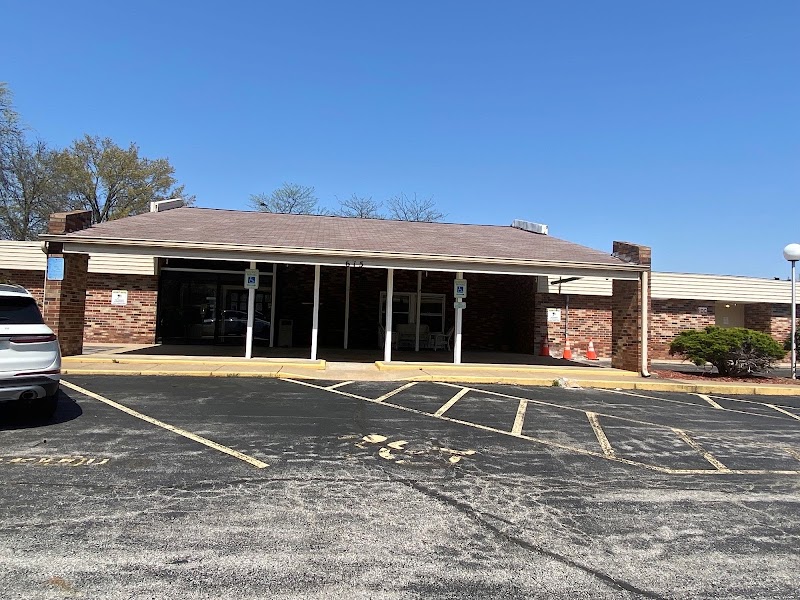
How is Rancho Rehab And Healthcare Center Staffed?

CMS rates RANCHO REHAB AND HEALTHCARE CENTER's staffing level at 1 out of 5 stars, which is much below average compared to other nursing homes. Staff turnover is 82%, which is 35 percentage points above the Missouri average of 46%. High turnover can affect care consistency as new staff learn residents' individual needs. RN turnover specifically is 100%, which is notably high. RNs provide skilled clinical oversight, so turnover in this role can affect medical care quality.

What Have Inspectors Found at Rancho Rehab And Healthcare Center?

State health inspectors documented 56 deficiencies at RANCHO REHAB AND HEALTHCARE CENTER during 2020 to 2025. These included: 2 Immediate Jeopardy (the most serious level, indicating potential for serious harm or death), 1 that caused actual resident harm, 52 with potential for harm, and 1 minor or isolated issues. Immediate Jeopardy findings are rare and represent the most serious regulatory concerns. They require immediate corrective action.
Who Owns and Operates Rancho Rehab And Healthcare Center?

RANCHO REHAB AND HEALTHCARE CENTER is owned by a for-profit company. For-profit facilities operate as businesses with obligations to shareholders or private owners. The facility is operated by AMA HOLDINGS, a chain that manages multiple nursing homes. With 120 certified beds and approximately 80 residents (about 67% occupancy), it is a mid-sized facility located in FLORISSANT, Missouri.
How Does Rancho Rehab And Healthcare Center Compare to Other Missouri Nursing Homes?

Compared to the 100 nursing homes in Missouri, RANCHO REHAB AND HEALTHCARE CENTER's overall rating (1 stars) is below the state average of 2.5, staff turnover (82%) is significantly higher than the state average of 46%, and health inspection rating (1 stars) is much below the national benchmark.

What Should Families Ask When Visiting Rancho Rehab And Healthcare Center?

Based on this facility's data, families visiting should ask: "What changes have been made since the serious inspection findings, and how are you preventing similar issues?" "How do you ensure continuity of care given staff turnover, and what is your staff retention strategy?" "Can you walk me through typical staffing levels on day, evening, and night shifts?" "Can I visit during a mealtime to observe dining assistance and food quality?" These questions are particularly relevant given the facility's Immediate Jeopardy citations, the facility's high staff turnover rate, and the below-average staffing rating.

Is Rancho Rehab And Healthcare Center Safe?

Based on CMS inspection data, RANCHO REHAB AND HEALTHCARE CENTER has documented safety concerns. Inspectors have issued 2 Immediate Jeopardy citations (the most serious violation level indicating risk of serious injury or death). The facility has a 1-star overall rating and ranks #100 of 100 nursing homes in Missouri. Families considering this facility should ask detailed questions about what corrective actions have been taken since these incidents.

Do Nurses at Rancho Rehab And Healthcare Center Stick Around?

Staff turnover at RANCHO REHAB AND HEALTHCARE CENTER is high. At 82%, the facility is 35 percentage points above the Missouri average of 46%. Registered Nurse turnover is particularly concerning at 100%. RNs handle complex medical decisions and coordinate care — frequent RN changes can directly impact care quality. High turnover means new staff may not know residents' individual needs, medications, or preferences. It can also be disorienting for residents, especially those with dementia who rely on familiar faces. Families should ask: What is causing the turnover? What retention programs are in place? How do you ensure care continuity during staff transitions?

Was Rancho Rehab And Healthcare Center Ever Fined?

RANCHO REHAB AND HEALTHCARE CENTER has been fined $28,060 across 2 penalty actions. This is below the Missouri average of $33,359. While any fine indicates a compliance issue, fines under $50,000 are relatively common and typically reflect isolated problems that were subsequently corrected. Families should ask what specific issues led to these fines and confirm they've been resolved.

Is Rancho Rehab And Healthcare Center on Any Federal Watch List?

RANCHO REHAB AND HEALTHCARE CENTER is not on any federal watch list. The most significant is the Special Focus Facility (SFF) program, which identifies the bottom 1% of nursing homes nationally based on persistent, serious quality problems. Not being on this list means the facility has avoided the pattern of deficiencies that triggers enhanced federal oversight. This is a positive indicator, though families should still review the facility's inspection history directly.