ST SOPHIA HEALTH & REHABILITATION CENTER
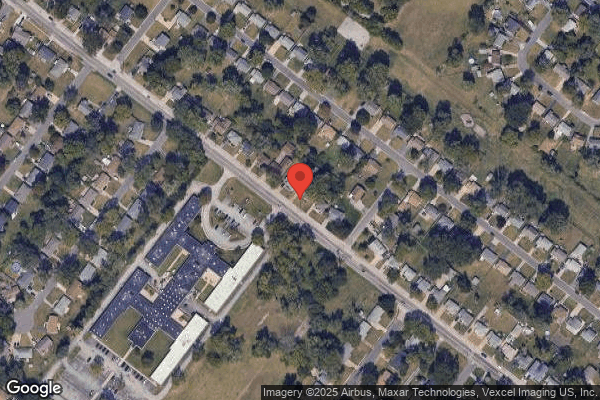
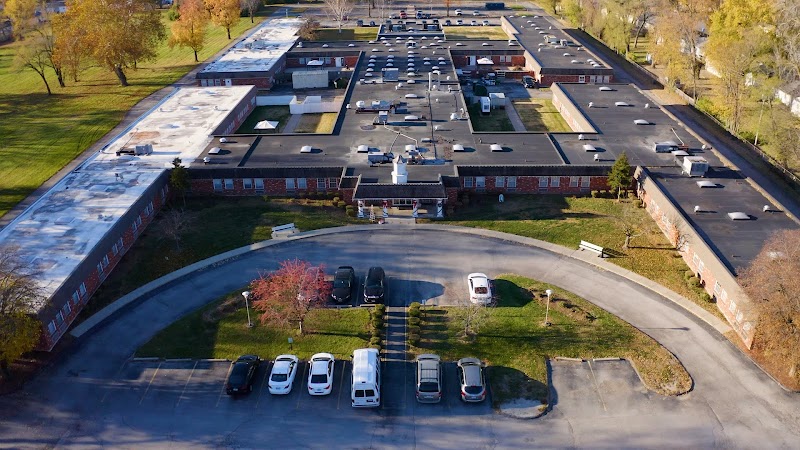
936 CHARBONIER ROAD, FLORISSANT, MO 63031 (314) 831-4800
For profit - Limited Liability company 240 Beds MGM HEALTHCARE Data: November 2025 5 Immediate Jeopardy citations
Trust Grade
0/100
#460 of 479 in MO
Last Inspection: January 2025

Within standard 12-15 month inspection cycle. Federal law requires annual inspections.

Overview

St. Sophia Health & Rehabilitation Center has received a Trust Grade of F, indicating significant concerns and poor overall quality of care. It ranks #460 out of 479 facilities in Missouri, placing it in the bottom half of state options, and #65 out of 69 in St. Louis County, meaning only a few local facilities are worse. The facility is worsening, with issues increasing from 10 in 2024 to 24 in 2025. Staffing is a weak point, rated only 1 out of 5 stars, and while turnover is below the state average at 50%, the overall lack of sufficient staffing raises concerns. The facility has accumulated $87,273 in fines, which is higher than 75% of Missouri facilities, suggesting ongoing compliance issues. There have been critical incidents, such as failing to provide the appropriate diet for a resident at risk of aspiration, leading to a serious health issue, and another resident who was at risk of elopement leaving the facility unnoticed for hours. Both incidents indicate a troubling lack of oversight and adherence to care plans. Overall, families should weigh these serious weaknesses against any potential strengths when considering this facility for a loved one.

Trust Score
F
0/100
In Missouri
#460/479
Bottom 4%
Safety Record
High Risk
Review needed
Inspections
Getting Worse
10 → 24 violations
Staff Stability
⚠ Watch
50% turnover. Above average. Higher turnover means staff may not know residents' routines.
Penalties
✓ Good
$87,273 in fines. Lower than most Missouri facilities. Relatively clean record.
Skilled Nurses
⚠ Watch
Each resident gets only 18 minutes of Registered Nurse (RN) attention daily — below average for Missouri. Fewer RN minutes means fewer trained eyes watching for problems.
Violations
⚠ Watch
82 deficiencies on record. Higher than average. Multiple issues found across inspections.
★☆☆☆☆
1.0
Overall Rating
★☆☆☆☆
1.0
Staff Levels
★★☆☆☆
2.0
Care Quality
★☆☆☆☆
1.0
Inspection Score
Stable
2024: 10 issues
2025: 24 issues

The Good

  • Full Sprinkler Coverage · Fire safety systems throughout facility
  • No fines on record

Facility shows strength in fire safety.

The Bad

1-Star Overall Rating

Below Missouri average (2.5)

Significant quality concerns identified by CMS

Staff Turnover: 50%

Near Missouri avg (46%)

Higher turnover may affect care consistency

Federal Fines: $87,273

Well above median ($33,413)

Moderate penalties - review what triggered them

Chain: MGM HEALTHCARE

Part of a multi-facility chain

Ask about local staffing decisions and management

The Ugly 82 deficiencies on record

5 life-threatening
Oct 2025 4 deficiencies
CONCERN (D) 📢 Someone Reported This

A family member, employee, or ombudsman was alarmed enough to file a formal complaint

Potential for Harm - no one hurt, but risky conditions existed

Deficiency F0745 (Tag F0745)

Could have caused harm · This affected 1 resident

**NOTE- TERMS IN BRACKETS HAVE BEEN EDITED TO PROTECT CONFIDENTIALITY** Based on observation, interview and record review, the facility failed to provide necessary Social Services (SS) by failing to p...

Read full inspector narrative →
**NOTE- TERMS IN BRACKETS HAVE BEEN EDITED TO PROTECT CONFIDENTIALITY** Based on observation, interview and record review, the facility failed to provide necessary Social Services (SS) by failing to promptly develop a discharge plan and/or seek professional medical and/or psychiatric evaluation(s) to determine if one resident had the right to discharge to the community with or without a place to reside, discharge against medical advice (AMA), or if the facility should seek legal advice about legal guardianship for the resident. The resident, who was homeless, but his/her own legal representative, was admitted to a local hospital on 4/13/25, for a medical condition and was then discharged to the facility on 4/30/25. The resident's diagnoses included bipolar disorder (characterized by periods of depression and periods of abnormally elevated mood) and anxiety. On 5/2/25, the resident was placed on a locked unit within the facility after expressing his/her desire to leave and attempting to leave. (Resident #2) The census was 170. Review of the facility Social Service Supervisor job description, revised on 5/2022, showed:-Essential Functions of Social Services Supervisor:-Assure that social service/discharge planning activities are integrated and coordinated within the hospital system by effective communication at all levels;-Develop specific, measurable, realistic plans and objectives, which enhance social service daily; -Perform psychosocial assessment and reassessment on all residents. Identify and address the psychosocial needs of residents and their family;-Demonstrates knowledge of clinical social work and discharge planning. Interpret and promote resident's rights and the Residents' [NAME] of Rights;-Interact professionally with resident and family and involve resident and family in the formation of the plan of care;-Coordinate and direct Social Service/Discharge Planning Department to ensure resident needs are met and center policy is followed;-Provide appropriate resources and support to Social Service/Discharge Planning Staff/Clinical Staff;-Reports to: Administrator. Review of the facility's Release and Procedure Release Against Medical Advice (AMA) policy, revised on 2/2024, showed:-Purpose: To establish guidelines for when a resident/Durable Power of Attorney/Responsible Party expresses a desire to leave the facility before the attending physician has written an order;-Procedure:-When a resident/Durable Power of Attorney/Responsible Party expresses a desire to leave the facility before the attending physician has written an order: Notify the attending physician. Notify the Director of Nursing Services and Administrator;-The attending physician or designee will provide the resident/Durable Power of Attorney/Responsible Party education concerning the risks involved in leaving the facility;-Document in the medical record a summary of facts leading up to the resident/Durable Power of Attorney/Responsible Party request to be released against medical advice. Review of Resident #2's pre-admission hospital medical record, located in the resident's facility electronic medical record (EMR), showed:-admission date of 4/13/25;-Expected discharge date of 4/30/25;-Medical history Included anxiety and bipolar disorder;-Resident presented to the emergency department with complaints of generalized weakness and fatigue. Resident states he/she is homeless and has no place to go. He/She reports a lot of family [NAME], and has been living in hotels. He/She is extremely talkative about his/her situation with family, family [NAME] and homelessness. Voices he/she does not know what to do;-Discharge Plan: Per chart review, in March 2025, resident at a local crises center asking for help with housing, has been homeless since December, was living with family. He/She eventually wants to get a senior apartment and has been (making) some calls but no luck. Provided housing resources and discussed Anchor House (temporary housing). He/She is interested in Anchor House and an application was left with the resident to fill out tonight. Will pick up and fax in the morning. He/She does have a monthly income and Medicaid is pending;-Plan is to discharge resident to long term care facility on 5/3/25, once the level II screening is complete;-The hospital records did not show the outcome for Anchor House. Review of the resident's Level II Preadmission Screening and Resident Review (PASRR, a person centered evaluation completed by the hospital for anyone suspected of having a serious mental illness, developmental disability or related condition. It helps to determine the most appropriate placement of an individual, considering the least restrictive setting, and whether specialized services are needed), dated 4/29/25, showed:-PASRR related disability: Yes. Specify: Does have serious mental illness;-Resident indicated during evaluation that he/she is interested in the possibility of returning to the community;-The PASRR Level II evaluation indicated the following supports and services are to be provided by the facility: Behavioral support plan, structured environment, crisis intervention services, medication therapy, activity of daily living (ADL) program;-The following supports/services may be needed for resident to live successfully in a less restrictive/community setting: Community based psychiatric treatment and supports, behavioral supports/supervision, financial assistance/eligibility evaluation, individual counseling/psychotherapy, medication education/counseling/set-up/administration, residential services/supported housing, social work services/case management, home health nursing services, medical follow up/physician services, nutrition/dietary evaluation/meal or shopping assistance, and personal care/ADL assistance. Review of the resident's admission face sheet, located in the electronic medical record (EMR), showed:-admission date of 4/30/35;-Contacts: Resident is responsible party for billing statement, facility representative;-Contacts: Family member with a cell phone number for contact. Review of the resident's progress notes, showed:-5/1/25 at 1:04 P.M., this nurse made a call to resident's family member regarding the resident has expressed his/her desire to leave facility. Unsuccessful in reaching family. Physician made aware;-5/1/25 at 3:30 P.M., resident at double doors setting off alarm once and refusing to move away from doors;-5/1/25 at 3:56 P.M., resident transferred from 200 hall (to 400 hall/locked unit). Resident assisted and transferred by staff. Resident alert and oriented with forgetfulness. Resident has spoken to family member and is not happy at this time;-5/2/25 at 8:41 P.M., resident has been irate during this shift with staff and other residents. Family member came to visit for a short time due to this. Resident yelling and cursing at family member. He/She has spoken to Social Service Director (SSD) and physician regarding discharge and has since made several attempts to exit the unit. Monitoring is in place. Review of SSD I's progress notes, dated 5/2/25 at 7:47 A.M., showed Social Service (SS) met with resident to discuss discharge plans. Resident stated he/she wanted to go home right away. Resident not able to give address nor a family contact to confirm this matter. Due to illness resident does get confused at times. SS informed resident that he/she admitted homeless. SS was not able to confirm resident to have a safe home at this time. SS did inform staff and Ombudsman. Resident will continue to be monitored accordingly. Review of the resident's progress notes, dated 5/3/25 at 9:00 A.M., showed resident has been yelling and cursing at staff throughout this shift. He/She has made it known that he/she wants to leave and has posted himself/herself at the door. He/She has also refused to eat and denied his/her medication. Monitoring is in progress. Review of Social Service Director (SSD) I's discharge planning review, showed Review of the resident's Discharge Planning Review completed on 5/5/25 at 3:50 P.M., showed: Resident's Overall Goal: Remain in this facility. Is active discharge planning already occurring for the resident's return to the facility: No. Do you want to talk to someone about the possibility of leaving this facility and returning to live and receive services in the community: No. Has a referral been made to the Local Contact Agency: No. Lives alone: Blank. Lives with family/friend/caregiver/other: Blank. Does the resident have family or a support network to provide assistance post-discharge: Blank. Overall Summary Of Potential For discharge: Blank. Review of the resident's admission Minimum Data Set (MDS), a federally mandated assessment instrument completed by facility staff, dated 5/9/25, showed:-Entered From: Short-Term General Hospital;-Discharge Status: Blank;-Adequate hearing and vision;-Speech Clarity: Clear speech - distinct intelligible words;-Makes Self Understood: Usually understood - difficulty communicating some words or finishing thoughts but is able if prompted or given time;-Ability To Understand Others: Usually understands - misses some part/intent of message but comprehends most of conversation;-Moderately impaired cognition;-Signs and Symptoms of Delirium: Inattention: Behavior present, fluctuates (comes and goes, changes in severity). Disorganized thinking: Behavior present, fluctuates (comes and goes, changes in severity). Altered level of consciousness: Behavior not present;-Mood: Little interest or pleasure in doing things: Nearly every day. Feeling down, depressed, or hopeless: Nearly every day;-Social Isolation: Never;-Hallucinations/Delusions: Not present;-Behavioral Symptoms: Physical, verbal or other behaviors: Not exhibited;-Rejection of Care: Behavior not exhibited;-Wandering: Behavior not exhibited;-Change in Behavior or Other Symptoms: Same;-Functional Limitation in Range of Motion: No impairments;-Mobility Devices (cane/crutch, walker, wheelchair, limb prosthesis): None;-Setup or clean-up assistance - Helper sets up or cleans up, resident completes activity: Eating, oral hygiene, put on/take off footwear, and personal hygiene;-Independent: Shower/bathe self, upper body dressing, and lower body dressing;-Independent: Sit to lying, lying to sitting on the side of the bed, sit to stand, chair/bed-to-chair transfer, toilet transfer, tub/shower transfer and care transfer;-Independent walking 10, 50 and 150 feet;-Diagnoses of coronary artery disease (plaque building up in the arteries), high blood pressure, diabetes mellitus (high/low blood glucose/sugar), anxiety and depression. Bipolar disorder not marked/indicated;-Is taking: Antipsychotic (used to treat psychosis, including conditions like bipolar disorder) and antidepressant;-Resident's overall goal for discharge established during the assessment process: Unknown or uncertain;-Discharge Plan: No;-Return to Community: Do you want to talk to someone about the possibility of leaving this facility and returning to live and receive services in the community: No. Review of the resident's care plan, showed:-5/13/25, Focus: Activity of daily living (ADL) deficit. Goal: Will maintain current level of function with ADLs. Intervention: One person assistance with all ADLs;-5/13/25, revised on 8/13/25, Focus: Impaired cognitive function/dementia or impaired thought process. Goal: Will be able to communicate basic needs on a daily basis. Interventions: Cue, reorient and supervise as needed. Observe/document/report as necessary (PRN) any changes in cognitive function, specifically changes in: decision making ability, memory, recall and general awareness, difficulty understanding others, level of consciousness and mental status;-5/13/25, revised on 8/27/25, Focus: Psychotropic medications related to bipolar disorder and anxiety with history of irritability and agitation, suicidal ideations, mania, circumstantial speech. Resident recently readmitted to the facility and displaying refusals of care, irritability, desires to discharge;-The care plan did not address placing the resident on the locked unit/hall and had no assessment as to why the resident was placed on the locked unit;-The care plan did not address discharge planning. Review of the psychiatrist Nurse Practitioner's (NP) progress notes, showed:-6/2/25: History and Present Illnesses: This is an initial encounter. Resident reported he/she was recently hospitalized for a medical condition. Resident alert and oriented at this time. Resident gave some inconsistent reports about his/her psychiatric history. Resident is focused on wanting to get his/her own apartment. Baseline Evaluation: Intelligence: Appeared to be within normal range. Cognition: Appeared to comprehend, shared information and responded appropriately to questions. Concentration: Intact. Insight and Judgement: Impaired as evidenced by decisions of recent past. Memory: Short and long term memory intact;-7/10/25: History and Present Illnesses: Pleasant on approach. Resident spoke about family member visiting with pictures of new grandchild. Staff have reports of behavioral concerns. Resident reported he/she would like to find his/her own place to live. Review of SSD I's progress notes, dated 7/17/25 at 10:17 A.M., showed this writer met with resident to see how he/she was doing and to discuss any issues or concerns. Resident stated that he/she was doing fine and appeared in a positive mood. Due to resident's illness resident may get confused at times. Resident was currently in the grand room talking amongst peers at this time. Resident did not voice any concerns at this time. Resident will continue to be monitored accordingly. Review of the resident's progress notes, dated 7/17/25 at 10:17 A.M., showed an elopement evaluation. History of attempting to leave the facility without informing staff: No. Verbally expressed the desire to go home, packed belongings to go home or stayed by an exit door: No. Recently admitted or re-admitted (within the past 30 days) and has not accepted the situation: No. Review of the psychiatrist Nurse Practitioner's (NP) progress notes, dated 8/7/25, showed History and Present Illness: Resident presents as very pleasant and interactive. He/She is fully alert and oriented and reports his/her mood is good. No acute behavioral concerns have been reported. Review of the resident's quarterly MDS, dated [DATE], showed:-Cognitively intact;-Signs and Symptoms of Delirium: Inattention: Behavior present, fluctuates (comes and goes, changes in severity). Disorganized thinking: Behavior present, fluctuates (comes and goes, changes in severity). Altered level of consciousness: Behavior not present;-Mood: Little interest or pleasure in doing things: Nearly every day. Feeling down, depressed, or hopeless: Nearly every day;-Behavioral Symptoms: Physical, verbal or other behaviors: Not exhibited;-Rejection of Care: Behavior not exhibited;-Wandering: Behavior not exhibited;-Setup or clean-up assistance - Helper sets up or cleans up, resident completes activity: Eating, oral hygiene, put on/take off footwear, and personal hygiene;-Independent: Shower/bathe self, upper body dressing, and lower body dressing;-Independent: Sit to lying, lying to sitting on the side of the bed, sit to stand, chair/bed-to-chair transfer, toilet transfer, tub/shower transfer and care transfer;-Always continent of bowel and bladder;-Diagnosis: Bipolar not indicated;-Is taking: Antipsychotic and antidepressant;-Discharge Plan: No;-Return to Community: Do you want to talk to someone about the possibility of leaving this facility and returning to live and receive services in the community: No. Review of SSD I's progress notes, showed:-8/12/25 at 1:14 P.M., this writer met with resident to see how he/she was doing and to discuss any issues or concerns. Resident stated he/she was doing well and appeared in a positive mood. Resident said he/she was happy to see the beautician last week. Due to resident illness, resident may get confused at times. Resident was currently in the grand room talking amongst peers at this time. Resident did not voice any concerns at this time. Resident will continued to be monitored accordingly;-8/13/25 at 3:22 A.M., this writer met with resident to see how he/she was doing and to discuss any issues or concerns. Due to illness, resident does get confused at times. Resident stated he/she is ready to discharge home. Resident also stated that he/she could not go live with his/her family at this time and will let SS know when he/she finds a place to discharge to. SS informed resident if he/she had any other issues or concerns to speak to this writer;-8/14/25 at 4:28 P.M., SS met with resident to see how he/she was doing and to discuss DC (discharge) plans. Resident stated he/she is wanting to get an apartment once he/she discharges. SS informed resident of the state funded program Money Follows the Person. Resident stated he/she would like to give that a try. SS informed resident that SS will contact the program to see if resident qualifies. Resident appeared pleased and voiced no further concerns. Resident will continue to be monitored accordingly. Review of the resident's progress notes, showed:-8/17/25 at 3:49 P.M., resident up alert and observed wandering throughout corridor. Noted with increase agitation verbalizing leaving AMA. Resident redirected multiple times, not effective. Call placed to family with no answer. Physician notified. Resident transferred to hospital. Report given to receiving hospital;-8/20/25 at 4:14 P.M., call placed to hospital to follow up on resident. Writer informed resident signed self out AMA. Resident informed emergency department that he/she had signed out AMA from this facility one week ago . Writer informed hospital the information provided by the resident was incorrect and the resident had been sent to the hospital on 8/17/25, for behaviors. Call placed to resident's family to inform of resident leaving hospital. No answer received and voice message left. The progress note did not identify the date the resident signed out AMA from the hospital or where the resident went;-8/20/25 at 4:26 P.M., resident's family returned call and stated they were aware of resident leaving hospital AMA;-8/22/25 at 3:35 P.M., resident admitted to facility from hospital (a different hospital from where he/she was discharged to on 8/17/25). Resident alert and oriented x 2-3 (self, place and time) with noted confusion and able to make needs known to staff. Resident is his/her own responsible party. The progress note did not identify where the resident was prior to going to the hospital;-8/22/25 at 11:58 P.M., elopement evaluation. History of attempting to leave the facility without informing staff: Yes. Verbally expressed the desire to go home, packed belongings to go home or stayed by an exit door: Yes. Recently admitted or re-admitted (within the past 30 days) and has not accepted the situation: Yes;-8/23/25 at 12:05 A.M., Brief Interview for Mental Status score of 11 (moderately impaired cognition);-8/25/25 at 1:57 P.M., resident having behaviors such as refusing meds, refusing blood glucose checks and refusing to eat because he/she is upset about returning to the locked unit. Physician is aware. Psychiatric Nurse Practitioner is here and made aware. Resident is his/her own responsible party. Review of the resident's care plan, showed:-8/25/25, revised on 8/27/25, Focus: Potential for elopement risk/wanderer risk related to exit seeking behavior, verbal desire to leave, recent against medical advice leave from hospital. Goal: Safety will be maintained. Interventions: Assess for elopement/wander risk. Distract from wandering by offering pleasant diversions, structured activities, food, conversation, television, book. Resident has noted confusion and is his/her own responsible party. Social services to meet with resident regarding safe discharge planning. Observe location frequently. Document wandering behavior and attempted diversional interventions in behavior log. Review of the psychiatrist Nurse Practitioner's (NP) progress notes, showed:-8/25/25: History of Present Illness: Resident was recently hospitalized during which he/she signed out AMA and was found wandering in the community and returned to the hospital before being brought back to this facility. He/She demonstrates poor insight. He/She expressed frustration with the facility and reported contacting Medicare to file complaints. He/She also voiced frustration toward family. He/She denied hallucinations, suicidal ideation, or homicidal ideation. Review of SSD I's progress notes, dated 8/26/25 at 11:01 A.M., showed SS met with resident to see how he/she was doing and to discuss DC plans. Due to illness resident does get confused at times. Resident stated he/she was doing better, but ready to DC. SS asked resident where he/she would like to DC too. Resident stated anywhere but here. SS offered to seek out different placement, resident refused at this time. Resident did state that family was not upset with him/her and may let him/her live with them. SS offered to call family to assist and resident stated no, not at this time. Resident did not voice any further concerns at this time. Resident will continue to be monitored accordingly. Review of the resident's physician's order sheet (POS), showed:-Revision Date 9/19/25, Start Date 9/20/25: Lithium carbonate extended-release (ER) (a mood stabilizer) 300 milligrams (mg) twice a day;-Quetiapine Fumarate (antipsychotic medication) 100 milligrams (mg) at bedtime;-Lexapro (antidepressant) 20 mg every morning.Review of the resident's progress notes, showed:-9/23/25 at 8:30 A.M., resident called 911 stating that he/she is being held against his/her will. A police officer answered the call and this nurse explained that resident is confused, and it would be a safety risk to discharge resident due to resident not having a place to live. Police officer understood, no further action taken. Call placed to physician to make aware. No new orders at this time;-On 10/1/25, the resident's progress notes were reviewed. The last progress note was a nutrition noted dated 9/26/25 at 1:32 P.M. Review of SSD I's progress notes, showed:-9/3/25 at 1:07 P.M., resident had a visit from case worker at Money Follows the People program. After was not accepted due to mental capacity and no family support. SS made nursing and resident family aware. Resident did not voice any concerns at this time. Resident was ok with residing long-term at this time. This was the last SS note by SSD I;-There was no SS documentation regarding the progress note dated 9/23/25 at 8:30 A.M., when the resident called 911 telling a police officer he/she was being held against his/her will. Review of the psychiatrist Nurse Practitioner's (NP) progress notes dated, 9/22/25, showed History of Present Illness: The resident is anxious and agitated, presenting as hyperactive. His/Her thought process is racing, and his/her speech is rambling and tangential (slightly connected). He/She demonstrates poor insight and believes he/she can live independently. He/She remains hyperfocused on wanting to leave the facility Observation on 9/30/35 at 9:56 A.M., showed the resident resided on the locked unit. The resident came out of the bathroom in his/her room using a wheeled walker and had a steady gait. He/She exited his/her room and walked approximately 100 feet to the nurse's station. At 12:16 P.M., the resident was in another resident's room speaking to another resident. The resident said that's ok, I'll go out tomorrow and throw myself on the ground and get them for abuse. You just have to know how to work it. He/She told the other resident about a police officer coming to the facility and he/she did not want his/her family notified about anything. The resident walked out of the other resident's room and yelled toward the nurse's station [NAME] hoo, [NAME] hoo, hope you are all having a good conversation. You want me to pull my pants down and show you I'm not a monkey? How much trouble do I get into if I strip my clothes off? The resident then went back into his/her room and sat on the bed. Observation on 10/1/25 at 8:02 A.M., showed the resident was out of his/her room. Many of his/her belongings were packed and laying on top of his/her bed at that time. At 8:12 A.M., the resident was in the dining room waiting on breakfast and sitting at a table with three other residents. During an interview on 10/1/25 at 8:30 A.M. the Administrator said the resident is his/her own responsible party. The resident is on the locked unit because he/she tried to leave unsupervised in the past and they do not feel the resident is safe to be out alone. They have been in contact with the resident's family since the resident's admission to see if they want to assume guardianship, but she does not know if the family responded. They have not asked the resident's physician or a psychiatrist to evaluate the resident to determine if the resident is capable of living on his/her own. She knows that Money Follows the Person was here and the resident was declined since he/she did not have family support. During an interview on 10/1/25 at 9:06 A.M., the psychiatric NP said he last saw the resident about a month ago. The resident was frustrated. The resident had been found wandering in the community and someone called emergency medical staff. He thinks the resident was sent to the hospital, then back to the facility. Since seeing the resident at the facility, no one asked him to evaluate the resident to determine if the resident can safely leave independently. He has been asked to evaluate the resident today and will complete a decision-making capacity assessment. At 9:31 A.M., he returned and said he did not think the resident is capable of understanding and thinks the resident is in a manic (a period of abnormally elevated, extreme changes in mood) episode now. He did not feel the resident would be safe to live in an apartment or homeless shelter without supervision. The resident is impulsive. He believes the resident is an elopement risk and the best place for the resident is on the locked unit. Review of the psychiatric NP report, dated 10/1/25, showed: History of Present Illness: Resident is being seen today as a follow-up. We are also assisting in determining the resident's current decision-making capabilities. He/She is currently very agitated and irritable, with pressure speech, racing thoughts, and loose associations. The resident reportedly tried to leave the facility yesterday and go outside. When he/she was stopped, he/she became upset and called the police. His/Her room is currently set up with many of his/her belongings boxed up and packed on his/her bed as if he/she is preparing to leave. Resident is demanding he/she will get a lawyer to help him/her to get out of the facility. He/She has no real discharge plan. He/She reported he/she was homeless in the past prior to coming here. Although a person's decision-making capabilities can fluctuate, at the time of this assessment, it is my opinion that the resident has diminished capacity to make his/her own decisions. He/She lacks understanding and appreciation of his/her psychiatric diagnosis and has very poor insight into his/her disruptive behaviors. He/She is non-compliant with medication and is exhibiting multiple positive symptoms of psychosis. His/Her thought process is racing and tangential, and he/she lacks the ability to reason in his/her current state. Observation on 10/1/25 at 9:44 A.M., showed the resident stood in the hall speaking to another resident. The resident said the psychiatrist (NP) came in to speak to him/her. He thinks he/she is bipolar. He/She has mood swings, but he/she is not bipolar. The resident said on 9/22/25, he/she went out the back door at the facility and the alarm sounded. Staff came running and when they grabbed him/her, he/she fell backward on the floor. He/She was not injured. That was the only time he/she tried to leave. He/She filled out an application with SSD J for housing. SSD I does not work here any longer. He/She wants to leave here and go to an apartment. He/She used to live with his/her family member, but he/she is married with kids and a dog and is no longer welcome to live with them. After he/she was asked by family to leave, he/she moved to an extended stay hotel, and then from hotel to hotel. He/She never gave his/her family member power of attorney over him/her. He/She is his/her own responsible party. He/She gets $1500 to $1600 a month and the SSD is supposed to be trying to help him/her find an apartment. He/She would use Lyft or Uber to get around when necessary, otherwise he/she can walk to local places. During an interview on 10/1/25 at 10:57 A.M., SSD J said he/she had worked at the facility for about a month. SSD I quit about two weeks ago and he/she is the only one is the SS Department. He/She has been told the resident wants to leave the facility, but is not able to leave by himself/herself. He/She has not met with the resident yet. He/She had not discussed the resident with the psychiatric NP or the physician. He/She contacted the resident's family this morning and they do not want to assume any responsibility with the resident. They do not want to be the resident's Power of Attorney or Legal Guardian. He/She did not know if the facility had a policy about when to seek a Legal Guardianship. During an interview on 10/2/25 at 12:13 P.M., the Administrator said she spoke to the resident yesterday. The resident said he/she wanted to go home. The only thing SSD I told her was the resident wanted to leave and he/she was going to start that process. She did not know exactly what SSD I had done. SSD I quit on 9/22/25. The facility does not have a policy for the locked unit or when a legal guardianship should be sought. She placed a call to their corporate attorney today for guidance. During an interview on 10/3/25 at 9:53 A.M., Certified Medication Technician K said the resident frequently refuses his/her medications. He/She will curse at staff and sometimes throw things. The resident says he/she wants to leave the facility at least once a day. They try to tell the resident he/she has nowhere to go. He/She does not think the resident would be safe leaving the facility without assistance. During an interview on 10/3/25 at 10:00 A.M., CNA L said the resident says he/she wants to leave all the time. He/She wants to move to his/her own apartment and live on his/her own. He/She is not sure if the resident could live independently due to his/her mental acuity. Somedays the resident is ok, and somedays he/she is not. Physically, the resident is independent with his/her ADLs. During an interview on 10/3/25 at 10:11 A.M., SSD J said the resident can express his/her own needs, but it seems to come and go. If he/she had been here longer, he/she would have contacted the resident's physician and/or psychiatrist to determine if the resident should be his/her own responsible party. If yes, there are other resources available that may have been able to help the resident with discharging and residing in the community. When he/she spoke to the resident's family, they said the resident does ok and whatever the facility felt was best for the resident is ok with them, but they do not want to be involved in any decisions. During an interview on 10/3/25 at 12:06 P.M., the Regional Director said discharge planning should begin before admission. A search for a place for the resident to discharge should have started before August, when SSD I contacted Money Follows the Person. If the resident's cognition was in question, they should have involved the resident's physician to evaluate the resident. If it was determined the resident was not capable of making good sound choices for himself/herself, then they should have contacted the corporate attorney on how to proceed since the resident was admitted as his/her own responsible party and the family did not want to be involved.
CONCERN (E) 📢 Someone Reported This

A family member, employee, or ombudsman was alarmed enough to file a formal complaint

Potential for Harm - no one hurt, but risky conditions existed

Deficiency F0658 (Tag F0658)

Could have caused harm · This affected multiple residents

**NOTE- TERMS IN BRACKETS HAVE BEEN EDITED TO PROTECT CONFIDENTIALITY** Based on interview and record review, the facility failed to ensure staff consistently notified physicians when blood glucose/su...

Read full inspector narrative →
**NOTE- TERMS IN BRACKETS HAVE BEEN EDITED TO PROTECT CONFIDENTIALITY** Based on interview and record review, the facility failed to ensure staff consistently notified physicians when blood glucose/sugar levels (the concentration of glucose in the blood) exceeded the parameters ordered by the physician or the parameters in accordance with the facility's policy. In addition, the facility failed to ensure staff consistently documented blood glucose levels on the Medication Administration Record (MAR) and/or failed to ensure staff documented explanations when they used the codes NA (not administered, see nurses notes), NI (no insulin required) or HD (hold, see nurses notes) on the MAR. The facility identified 48 residents with routine blood glucose monitoring. Of those 48, eight were sampled and problems were found with four (Residents #8, #15, #16 and #17). The census was 170.Review of the facility's Notification Of A Change In A Resident's Condition policy, approved on 11/1/18 and last reviewed on 4/28/21, showed:-Policy: The attending physician and the Resident Representative will be notified of a change in a resident's condition, per standards of practice and Federal and/or State regulations;-Responsibility: All Licensed Nursing Personnel-Procedure: Guidelines for Notification of Physician/Resident Representative:--Significant Change or Unstable Vital signs. Glucometer reading below 70 or above 200 unless specific parameters given by physician for reporting;-Document in the Interdisciplinary Team (IDT) Notes: Resident Change in Condition. Physician Notification. Notification of Resident Representative. Review of the facility's Licensed Practical Nurse (LPN) and Registered Nurse (RN) job descriptions, revised 5/2022, showed:-Essential Function of the LPN and RN: Assesses and documents the resident's condition and nursing goods. Accurately and promptly implements physician's orders. Administers medications;-Reports to: Director of Nursing (DON). 1. Review of Resident #8's admission Minimum Data Set (MDS), a federally mandated assessment instrument completed by facility staff, dated 7/7/25, showed:-Adequate hearing;-Unclear speech - slurred or mumbled words;-Makes Self Understood: Usually understood - difficulty communicating some words or finishing thoughts but is able if prompted or given time;-Ability To Understand Others: Usually understands - misses some part/intent of message but comprehends most conversation;-Moderately impaired cognition;-Diagnoses of high blood pressure, renal (kidney) disease, diabetes mellitus (low/high blood glucose levels) and stroke;-Received insulin injections six out of the last seven days. Review of the resident's care plan, showed:-7/18, Focus: Diabetes Mellitus and has an order for insulin. Goal: Will have no complications related to diabetes. Interventions: Diabetes medications as ordered by doctor. Monitor/document for side effects and effectiveness. Review of the resident's physician's order sheet (POS), showed:-Order Date 8/4/25: Insulin lispro (fast acting insulin), inject per sliding scale (the amount of insulin administered is determined by the blood glucose level) if 200-250 = 2 units (u), 251-300 = 4u, 301-350 = 6u; 351-400 = 8u. Subcutaneously (injection is given in the fatty tissue, just under the skin) before meals at 7:30 A.M., 11:00 A.M. and 4:00 P.M. Call physician if blood sugar is less than 70 or greater than 400;-Order Date 9/13/25: Lantus SoloStar (long-acting insulin) inject 32 units (u) subcutaneously between 4:00 P.M. and 9:00 P.M. daily. Review of the resident's MAR, dated 8/1/25 through 8/312/25, and the resident's progress notes, showed:-Order Date 7/28/25 Discontinue (DC) Date 8/4/25: Lantus SoloStar. Inject 24u at 3:00 P.M.:-8/2 and 8/3, the nurse documented NA (NA/not administered, see nurse's note). Review of the resident's nurse's notes/progress notes, showed no documentation why NA had been documented on the MAR;-Order Date 8/4/25 DC Date 8/17/25: Lantus SoloStar. Inject 24u between 4:00 P.M. and 9:00 P.M. Staff initialed the insulin had been administered as ordered;-Order Date 8/17/25 DC Date 9/13/25: Lantus SoloStar. Inject 28u between 4:00 P.M. and 9:00 P.M. Staff initialed the insulin had been administered as ordered; -Order Date 7/20/25 DC Date 8/4/25: Insulin Lispro. Inject per sliding scale if 200-250 = 2u, 251-300 = 4u, 301-350 = 6u, ; 351-400 = 8u. Subcutaneously before meals at 7:30 A.M., 11:00 A.M. and 4:00 P.M. No order when to notify the physician: -Order Date 8/4/25 No DC Date: Insulin Lispro. Inject per sliding scale if 200-250 = 2u, 251-300 = 4u, 301-350 = 6u, ; 351-400 = 8u. Subcutaneously before meals at 7:30 A.M., 11:00 A.M. and 4:00 P.M. Call physician if blood sugar is less than 70 or greater than 400:-8/6 at 7:30 A.M., the nurse documented a blood glucose level of 54. Review of the progress notes showed no documentation the physician had been notified;-8/9 at 4:00 P.M., the nurse documented a blood glucose level of 541 and NA. Review of the progress notes showed no documentation the physician had been notified or if the resident received insulin;-8/30 at 4:00 P.M., the nurse documented NI (no insulin required), but did not document the blood glucose level. Review of the Weights and Vitals Summary located in the EMR, showed on 8/30 at 4:05 P.M., the blood glucose level was 343. Per the sliding scale parameters, the resident should have received 6u of insulin. There was no documentation showing the resident received the insulin. Review of the resident's MAR, dated 9/1/25 through 9/30/25, and the resident's progress notes, showed:-Order Date 8/4/25 No DC Date: Insulin Lispro per sliding scale. -9/9 at 11:00 A.M., the nurse documented the resident received 8u of insulin, but did not document the blood glucose level;-9/16 and 9/17, at 7:30 A.M., the nurse documented NA, but did not document the blood glucose levels;-9/20 at 11:00 A.M., the nurse documented NA, but did not document the blood glucose level;-9/25 at 7:30 A.M., the nurse documented NA, but did not document the blood glucose level; -Order Date 8/17/25 DC Date 9/13/25: Lantus SoloStar. Inject 28u in the evening (4:00 P.M.-9:00 P.M.). Nurses initialed the insulin was administered as ordered from 9/1 through 9/13;-Order Date 9/13/25 No DC Date: Lantus SoloStar. Inject 32u in the evening (4:00 P.M.-9:00 P.M.):-9/16, 9/21, 9/23 and 9/29. Nurses documented NA. Review of the progress notes showed no documentation why NA was documented;-9/24 at 4:00 P.M.-9:00 P.M. Staff documented the blood glucose level was 433 and NA. Review of the progress notes showed no documentation the physician was notified or if insulin had been administered. During an interview on 10/1/25 at 12:40 P.M., the resident said he/she was diabetic and received routine insulin and blood glucose monitoring. His/Her blood glucose level can go high, and the facility does not always contact the physician when that happens. During an interview on 10/3/25 at 2:00 P.M., the DON said she could not find documentation the nurse contacted the resident's physician for the blood glucose level of 433 on 9/24/25. 2. Review of Resident #15's admission MDS, dated [DATE], showed:-Cognitively intact;-Diagnoses of high blood pressure, renal (kidney) insufficiency and diabetes mellitus;-Received insulin injections seven out of the last seven days. Review of the resident's care plan, showed:-9/4/25, Focus: Diabetes Mellitus and has an order for insulin. Goal: Will have no complications related to diabetes. Interventions: Diabetes medication as ordered by physician. Monitor/document for side effects and effectiveness. Review of the resident's POS, located in the EMR, showed:-Order Date 9/12/25: Insulin aspart (fast acting insulin). Inject per sliding scale(70-140 = no insulin, 141-180 2u, 181-220 = 4u, 221-260 = 6u, 261-300 = 8u, 301-350 = 10u, three times a day for diabetes. No order to call the physician if the blood glucose level exceeds the parameters);-Order Date 9/13/25: Insulin Glargine (long-acting insulin). Inject 6u twice a day. Review of the resident's MAR, dated 9/1/25 through 9/30/25, and the resident's progress notes, showed:-Order Date 8/19/25 DC Date 9/12/25: Insulin aspart per sliding scale (200-250 = 2u, 251-300 = 4u, 301-350 = 6u, 351-400 = 8u. No order to call the physician if the blood glucose level exceeded the parameters) at 7:30 A.M., 11:00 A.M. and 6:00 P.M.: -9/3/25 at 4:00 P.M., the nurse documented a blood glucose level of 409 and NI. Review of the progress notes showed no documentation the physician had been notified or if insulin had been administered;-Order Date 9/12/25 No DC Date: Insulin aspart per sliding scale (70-140 = no insulin, 141-180 2u, 181-220 = 4u, 221-260 = 6u, 261-300 = 8u, 301-350 = 10u, three times a day at 8:00 A.M., 2:00 P.M. and 10:00 P.M. for diabetes. No order to call the physician if the blood glucose level exceeded the parameters);-9/16 and 9/25 at 8:00 A.M., the nurse documented NA and no blood glucose level. Review of the progress notes showed no documentation why NA had been documented and no blood glucose levels documented; -9/19, 9/22 and 9/25 at 2:00 P.M., nurses documented a blood glucose level of 350 on 9/129, 354 on 9/22 and 384 on 9/25 and documented NI on each date. Review of the progress notes showed no documentation why no insulin was required and no physician notification;-Order Date 8/19/25 DC Date 9/12/25: Insulin Glargine 6u two times a day at 7:00 A.M.-10:00 A.M. and 3:00 P.M.-6:00 P.M. Nurses documented the insulin was administered as ordered:-Order Date 9/12/25 No DC Date: Glargine 6u two times a day at 8:00 A.M. and 5:00 P.M.:-9/16 and 9/25 at 8:00 A.M., nurses documented NA. Review of the progress notes showed no documentation why the Glargine insulin was not administered. 3. Review of Resident #16's quarterly MDS, dated [DATE], showed:-Cognitively intact;-Diagnoses of high blood pressure and diabetes mellitus;-Received insulin injections seven out of the last seven days. Review of the resident's care plan, showed:-7/9/25, Focus: Diabetes Mellitus and uses insulin. Goal: Will have no complications related to diabetes. Interventions: Diabetes medication as ordered by physician. Monitor/document for side effects and effectiveness. Review of the resident's POS, showed:-Order Date 2/27/25 DC Date 9/28/25: Humalog (brand name for lispro) 18u subcutaneous three times a day;-Order Date 2/27/25 DC Date 9/28/25: Lispro insulin. Inject as per sliding scale at 8:00 A.M., 12:00 P.M. and 5:00 P.M. If 200-250 = 2u, 251-300 = 4u, 301-350 = 6u, 351-400 = 8u. If blood glucose level is above 400, call the physician;-Order Date 6/9/25 DC Date 9/28/25: Lantus SoloStar insulin inject 30u every morning and 40u every evening;-Order Date 7/30/25 DC Date 9/18/25: Trulicity (an injectable diabetes medication) 3 milligrams (mg) subcutaneous weekly on Tuesdays at 8:00 A.M. Review of the MAR, dated 8/1/25 through 8/31/25, and the resident's progress notes, showed:-Order Date 2/27/25 DC Date 9/28/25: Lispro insulin. Inject as per sliding scale at 8:00 A.M., 12:00 P.M. and 5:00 P.M. If 200-250 = 2u, 251-300 = 4u, 301-350 = 6u, 351-400 = 8u. If blood glucose level is above 400, call the physician:-8/2 at 12:00 P.M. The nurse documented a blood glucose level of 428 and HD (hold, see nurses notes). Review of the progress notes showed no physician notification;-Order Date 7/30/25 DC Date 9/18/25: Trulicity (an injectable diabetes medication) 3 milligrams (mg) subcutaneous weekly on Tuesdays at 8:00 A.M.:-8/19 at 8:00 A.M., the nurse documented NA. Review of the progress notes showed no documentation why the Trulicity was not administered. Review of the MAR, dated 9/1/25 through 9/30/25, and located in the EMR, showed:-Order Date 7/30/25 DC Date 9/18/25: Trulicity (an injectable diabetes medication) 3 milligrams (mg) subcutaneous weekly on Tuesdays at 8:00 A.M.:-9/9 at 8:00 A.M., the nurse documented NA and HD. Review of the progress notes showed no documentation why the Trulicity was not administered and/or held;-9/16 at 8:00 A.M., the nurse documented NA. Review of the progress notes showed no documentation why the Trulicity was not administered;-Progress note, dated 9/25/25 at 7:38 P.M., the resident was sent to the hospital for confusion and elevated respiratory rate. His/Her blood glucose level was 233. 4. Review of Resident #17's quarterly MDS, dated [DATE], showed:-Cognitively intact;-Diagnoses of high blood pressure and diabetes mellitus;-Received insulin injections seven out of the last seven days. Review of the resident's care plan, showed:-9/23/25, Focus: Diabetes Mellitus and has orders for insulin. Goal: Will have no complications related to diabetes. Interventions: Diabetes medication as ordered by physician. Monitor/document for side effects and effectiveness. Review of the resident's POS, showed:-Order Date 9/4/25. Insulin Degludec (long-acting insulin). Inject 22u subcutaneously in the afternoon;-Order Date 9/4/25. Insulin Lispro. Inject 5u subcutaneously before meals;-Order Date 9/4/25: Insulin Lispro. Inject per sliding scale if: 200-250 = 2u, 251-300 = 4u, 301-350 = 6u, 351-400 = 8u before meals for blood glucose control. No order when to notify the physician. Review of the resident's MAR, dated 9/1/25 through 9/30/25, showed: -Order Date 9/4/25: Insulin Lispro. Inject per sliding scale if: 200-250 = 2u, 251-300 = 4u, 301-350 = 6u, 351-400 = 8u before meals at 7:30 A.M., 11:00 A.M. and 4:00 P.M. for blood glucose control:-9/16, 9/25, 9/26 and 9/27 at 7:30 A.M., no blood glucose levels documented;-9/20 and 9/22, at 11:00 A.M., no blood glucose levels documented;-9/25 at 4:00 P.M., no blood glucose level documented. Review of the resident's progress notes, showed:-9/30/25 at 1:21 P.M.: Resident is (on) leave of absence (LOA) at physician's follow-up appointment;-9/30/25 at 5:24 P.M.: Resident remains at physician's appointment;-9/30/25 at 11:31 P.M.: Charge nurse was notified that resident was admitted to the hospital for hypoglycemia (low blood glucose) and hypotension (low blood pressure) 4. 5. During an interview on 10/2/25 at 12:54 P.M., LPN D said if there are orders to call the physician for a low/high blood glucose level, he/she would contact the physician if a blood glucose level is 60 or below, or above 400. If the physician has ordered parameters of when to be notified and a blood glucose level exceeded those parameters, he/she would contact the physician and document it in the progress notes. Any time he/she documents an NA or HD, he/she would document the reason in the progress notes. The blood glucose levels should be documented on the MAR. 6. During an interview on 10/2/25 at 1:19 P.M., LPN G said if a sliding scale insulin does not have orders to notify the physician, he/she would contact the physician and ask for orders. When a physician is contacted for a low or high blood glucose level, it should be documented in the progress notes along with any new orders received. Any time insulin is not administered as ordered, the physician should be notified and the reason why it was not given documented in the progress notes. If there were no parameters to call a physician, he/she would call if a blood glucose level was below 60 or above 450. 7. During an interview on 10/3/25 at 2:00 P.M., the DON said she identified a problem in September with staff failing to notify physicians when blood glucose levels exceeded parameters, not consistently documenting blood glucose levels, and documenting NA and NI with no explanation as to why in the progress notes. She provided the inservices, dated 9/19 and 9/22, that showed the following topics were discussed: Blood sugar requirements/protocols, insulin administration, emphasis on requirements for narrative progress notes when glucose is out of range to include physician notification. Apparently, the problem has not been corrected. She expected staff to follow the physicians' orders and notify physicians when blood glucose levels exceeded the ordered parameters. If sliding scale order does not specify when to contact the physician, she expected staff to either follow the facility policy or contact the physician and ask when they want to be notified. When nurses contact the physicians, they should document it in the progress notes. When nurses document NA or NI, there should be an explanation documented in the progress notes. She does not know why this is not being done. 2597610
CONCERN (E) 📢 Someone Reported This

A family member, employee, or ombudsman was alarmed enough to file a formal complaint

Potential for Harm - no one hurt, but risky conditions existed

ADL Care (Tag F0677)

Could have caused harm · This affected multiple residents

**NOTE- TERMS IN BRACKETS HAVE BEEN EDITED TO PROTECT CONFIDENTIALITY** Based on observation, interview and record review, the facility failed to ensure residents had oral care supplies (toothbrush, t...

Read full inspector narrative →
**NOTE- TERMS IN BRACKETS HAVE BEEN EDITED TO PROTECT CONFIDENTIALITY** Based on observation, interview and record review, the facility failed to ensure residents had oral care supplies (toothbrush, toothpaste and mouthwash) for their use in their rooms and failed to ensure staff provided oral care to residents. Twenty-three residents were sampled. Of those 23, five were interviewed and three said they did not have oral care supplies and staff did not offer to provide oral care (Residents #18, #8 and #15). The census was 170.Review of the facility Oral Hygiene policy, approved on 4/28/22 and last reviewed on 7/21/22, showed:-Policy: The Facility will provide Oral Hygiene to Residents as directed in the Plan of Care. Oral Care will include cleansing the Oral Cavity and removing Food/Debris; This may reduce Odor, Infection and provide Comfort;-Responsibility: Nursing Assistant (Certified Nursing Assistant (CNA), Licensed Nurses (Licensed Practical Nurses (LPNs) and Registered Nurses (RNs)), Nursing Administration, and Director of Nursing (DON);-Equipment Includes: Toothbrush, Toothpaste and Mouthwash. Review of the facility Certified Nurse Aide job description, revised on 1/2024, showed:-Essential Functions of CNAs: Provides Residents with hygiene supports including nail care, light hair or other grooming, oral hygiene, bathing, and incontinence care;-Reports to: Director of Nursing. 1. Review of Resident #18's admission Minimum Data Set (MDS), a federally mandated assessment instrument completed by facility staff, dated 8/14/25, showed:-admission date of 8/8/25;-Adequate hearing;-Clear speech - distinct intelligible words;-Makes self understood: Understood;-Ability to understand others: Understands - clear comprehension;-Cognitively intact;-No behavioral symptoms (physical, verbal or other);-Rejection of care: Behavior not exhibited;-Oral hygiene: Setup or clean-up assistance - Helper sets up or cleans up; resident completes activity. Helper assists only prior to or following the activity. Review of the resident's medical diagnoses located in the electronic medical record (EMR), showed diagnoses of muscle weakness, chronic kidney disease and high blood pressure. Review of the resident's care plan, located in the EMR, showed: -9/9/25, Focus: Activity of daily living (ADLs) deficit. Goal: Will maintain current level of function with ADLs. Intervention: One person assistance with ADLs. During observation and interview on 9/30/25 at 1:17 P.M., the resident was on his/her bed. The resident said staff do not offer to brush his/her teeth in the morning. Staff have not provided him/her with a toothbrush, toothpaste or mouthwash since coming to the facility about six weeks ago. He/She would like to have the supplies because he/she wants a fresh mouth. The resident gave permission for the surveyor to check his/her cabinet drawers. No toothbrush, toothpaste or mouthwash was found, During observation and interview on 10/1/25 at 1:18 P.M., CNA H said he/she was assigned to the resident today. He/She did not offer the resident oral care because the resident is able to do pretty much everything on his/her own. The resident said he/she could if he/she had the supplies. The CNA looked in the resident's cabinet drawers and could not find a toothbrush, toothpaste or mouthwash. The CNA said he/she always brushes his/her own teeth every morning, and oral care should be offered to the residents every day. 2. Review of Resident #8's admission MDS dated [DATE], showed:-admission date of 7/1/25;-Adequate hearing and vision;-Unclear speech - slurred or mumbled words;-Makes self understood: Usually understood - difficulty communicating some words or finishing thoughts but is able if prompted or given time;-Ability to understand others: Usually understands - misses some part/intent of message but comprehends most conversation;-Moderately impaired cognition;-No behavioral symptoms;-Rejection of care: Behavior not exhibited;-Functional limitation in range of motion: Impairment in one upper and one lower extremity;-Oral hygiene: Substantial/maximal assistance - Helper does more than half the effort. Helper lifts or holds trunk or limbs and provides more than half the effort. Review of the resident's medical diagnoses, located in the electronic medical record EMR, showed diagnoses of end stage renal (kidney) disease, muscle weakness and diabetes. Review of the resident's care plan, located in the EMR, showed:-7/18/25, Focus: Activities of daily living deficit. Goal: Will maintain current level of function with ADLs. Intervention: One person assistance with ADLs. During observation and interview on 9/30/25 at 1:17 P.M., the resident (Resident #18's roommate) sat in his/her room in a wheelchair feeding himself/herself lunch. The resident said staff do not offer to brush his/her teeth in the morning. He/She had been at the facility for about two or three months and had not had his/her teeth brushed once. The resident gave permission for the surveyor to check his/her cabinet drawers. No toothbrush, toothpaste or mouthwash was found. During observation and interview on 10/1/25 at 1:18 P.M., CNA H said he/she was assigned to the resident today. He/She did not offer the resident oral care because the night shift was getting the resident up this morning, and all he/she did was assist with the transfer. He/She thought the night shift provided the resident with oral care. The resident said he/she does not and has never had a toothbrush, toothpaste or mouthwash for oral care since being admitted . The CNA looked in the resident's cabinet drawers and could not find a toothbrush, toothpaste or mouthwash. The CNA said he/she always brushes his/her own teeth every morning, and oral care should be offered to the resident's every day. 3. Review of Resident #15's admission MDS dated [DATE], showed:-admission date of 8/18/25;-Adequate hearing;-Clear speech - distinct intelligible words;-Makes self understood: Understood;-Ability to understand others: Understands - clear comprehension;-Cognitively intact;-No behavioral symptoms;-Rejection of care: Behavior not exhibited;-Oral hygiene: Setup or clean-up assistance - Helper sets up or cleans up; resident completes activity. Helper assists only prior to or following the activity. Review of the resident's medical diagnoses located in the EMR, showed diagnoses of diabetes, altered mental status and muscle weakness. Review of the resident's care plan, located in the EMR, showed:-9/4/25, Focus: ADL self-care performance deficit. Goal: Will maintain current level of function with ADLs. Intervention: One person assistance with all ADLs. During observation and interview on 9/30/25 at 7:30 A.M., the resident said he/she has his/her own teeth. Staff do not offer him/her oral care in the morning. He/She would like to have his/her teeth brushed. He/She gave permission to open his/her cabinet drawers. No toothbrush, toothpaste or mouth wash was observed. He/She said no one had given him/her those items since coming to the facility. 4. During an interview on 10/2/25 at 1:10 P.M., CNA E said he/she always brushes his/her own teeth every morning and then uses mouthwash so his/her breath won't smell. Oral care should be offered to all the residents every day. 5. During an interview on 10/2/25 at 1:12 P.M. Certified Medication Technician F said he/she brushes his/her own teeth every morning. Oral care should be part of the resident's morning routine every day. 6. During an interview on 10/2/25 at 1:19 P.M., LPN G said he/she brushes his/her teeth every morning, so his/her breath is not bad. Oral care should be offered to the residents every morning. 7. During an interview on 10/2/25 at 1:45 P.M., the DON said she expects staff to provide oral care to each resident every morning. Each resident should have a toothbrush, toothpaste and mouthwash in their rooms. MO2597610
CONCERN (E) 📢 Someone Reported This

A family member, employee, or ombudsman was alarmed enough to file a formal complaint

Potential for Harm - no one hurt, but risky conditions existed

Deficiency F0688 (Tag F0688)

Could have caused harm · This affected multiple residents

**NOTE- TERMS IN BRACKETS HAVE BEEN EDITED TO PROTECT CONFIDENTIALITY** Based on observation, interview and record review, the facility failed to ensure residents referred to the restorative program f...

Read full inspector narrative →
**NOTE- TERMS IN BRACKETS HAVE BEEN EDITED TO PROTECT CONFIDENTIALITY** Based on observation, interview and record review, the facility failed to ensure residents referred to the restorative program from the therapy department received the services according to the restorative therapy plan. The facility identified 19 residents receiving restorative services. Four of these residents (Residents #1, #21, #22, and #23) had a restorative exercise plan developed by the therapy department, and they were not receiving services as prescribed by skilled therapy. The facility had a census of 170.Review of the facility's Restorative Nursing Care policy dated 1/1/2014, showed: ~ Restorative care refers to nursing interventions that promote the resident ability to adapt and adjust to living as independently and safely as possible.~ It is the policy of this facility to utilize the interdisciplinary restorative team in promoting optimal function for all residents, for the appropriate restorative program per their assessment of their functional needs. All residents who have an identified restorative need will be reviewed for the appropriate restorative program per their assessment of their functional levels. ~ Nursing and other staff may make referrals to the program per protocol. The referral should be made to the Restorative Nurse, and the nurse is then responsible for the development of the restorative program and communicating the restorative interventions for restorative care. The restorative team will complete the Minimum Data Set (MDS), a federally mandated assessment instrument completed by facility staff and Care Area Assessment (CAA). Based on the assessment, the care plan is developed promoting the highest practicable wellbeing of the resident.~Restorative forms will be used on all residents participating in the restorative program and along with therapy, the Restorative Nurse completes this form, and the Restorative care plan is developed.~The Restorative Nurse Aide will provide the service developed and document the services provided in the medical record along with a weekly summary and a monthly meeting will be held.1.Review of Resident #1's record showed:-Diagnoses of incomplete quadriplegia (affects all four limbs but leaves some degree of movement and sensation intact). due to spinal cord lesion between the 5th and 7th cervical vertebrae and motor vehicle accident (MVA);-Requires maximum assistance with activities of daily living (ADLs) and locomotion; -Intact cognition. Review of the resident's care plan, dated 7/11/25, located in the electronic healthcare record (EHR) showed:-Resident will remain at optimal status and quality of life within limitations imposed by paraplegia;-Resident is to be assisted with locomotion and ADLs;-Physical therapy (PT), occupational therapy (OT), speech therapy (ST) evaluation and treatment as ordered; -Resident will develop no further loss of range of motion. Observation and interview on 9/30/25 at 9:00 A.M., showed Resident #1 said he/she does not get restorative like he/she is supposed to. Staff are to stretch his/her hands and fingers daily, and they haven't since he/she has been here, about one month. The resident has splints he/she is to wear daily. The restorative aides are to put them on him, but they don't. Observation showed he/she did not have them on during this interview. 2. Review of Resident #21's annual MDS, dated [DATE], showed the following:-Intact cognition;-Minimal memory issues. During an interview on 10/1/25 at 11:00A.M., the resident said he/she used to get restorative services but has not received any in at least two weeks. The Restorative Aide is always pulled to the floor and Restorative services are not delivered; it is hit and miss. 3. Review of Resident #22's annual MDS, dated [DATE], showed:-Moderate cognitive impairment;-Diagnosis of muscle weakness (generalized) Review of the resident's care plan dated 6/29/25, showed:-Limited mobility and requires assistance with Activities of Daily Living tasks;-Will remain free of complications related to immobility, including contractures, thrombus formation, skin-breakdown; -PT, OT, referrals. During an interview on 10/1/25 at 1:00 P.M., the resident said he/she used to receive restorative services, but he/she has not had any services in a long time. He/she could not recall the last time he/she received restorative services and said he/she would like to get the restorative exercises again. 4. Review of Resident #23's admission MDS, dated [DATE], showed:-Cognitively intact;-Able to ambulate 10 feet;-Minimal assist with ADLs; \-Functional Range of Motion- impairment on one side-lower extremity;-Uses a cane or walker. During an interview on 10/1/25 at 1:00 P.M., the resident said he/she used to receive restorative services, and they would come down and walk with him/her two to three times a week. It has been a while since restorative therapy walked with him/her. 5. Review of the restorative aide's binder showed restorative plans developed by therapy for Resident #1, #21, #22, and #23. The plans involved range of motion (ROM) exercises three times a week. Residents #1, #21, #22 and #23 received restorative therapy services two times within the prior ten days. 6. Review on 10/3/25 at 11:00 A.M. of the facility's daily staffing sheets, dated 9/23/25 through 10/3/25 showed the restorative aide was pulled to the floor seven out of 12 days. 7. During an interview on 10/1/25 at 7:002A.M., the (Restorative Nurse Assistant) RNA said he/she gets pulled to the floor and there is no one to do restorative. He/She said any CNA (Certified Nurse Assistant) can do range of motion, restorative exercises or stretching, but it doesn't always happen. The Restorative Aide said he/she gets pulled to the floor almost daily. 8. During an interview on 10/2/25 at 12:15 P.M., the Physical Therapist said he/she writes the restorative plans and orders for each resident who she/he feels is a candidate for restorative based on the therapy evaluations of all disciplines. Resident #1 was evaluated by therapy and referred to restorative for passive stretching exercises to hopefully prevent contracture. Therapy staff were aware of the restorative not getting done every day, and is aware restorative is not being done as ordered due to staffing issues. 9. During an interview on 10/3/25 12:00 P.M., the Director of Nursing (DON) said the restorative program needs revamped, started over, from the ground up, and agreed that restorative is not always getting done as it should. 25944212603798
Aug 2025 4 deficiencies
CONCERN (D) 📢 Someone Reported This

A family member, employee, or ombudsman was alarmed enough to file a formal complaint

Potential for Harm - no one hurt, but risky conditions existed

Deficiency F0698 (Tag F0698)

Could have caused harm · This affected 1 resident

Based on interview and record review, the facility failed to ensure residents who received dialysis (the process of filtering the blood for individuals with kidney failure) services had current dialys...

Read full inspector narrative →
Based on interview and record review, the facility failed to ensure residents who received dialysis (the process of filtering the blood for individuals with kidney failure) services had current dialysis orders that included the location for the dialysis services for one resident (Resident #2), the days of week the resident would go to dialysis and what the dialysis chair time was for two residents (Resident #2 and Resident #8). The facility also failed to ensure the dialysis services had been addressed on the resident's individual care plan for chair time for three residents (Resident #2, Resident #8 and Resident #7). Additionally, the facility failed to contact and document the notification to the physician and resident representative (RR) when the resident refused dialysis or when the dialysis treatment ended early for three of three residents (Resident #2, #7 and #8). The census was 175.Review of the facility's Hemodialysis (HD, medical treatment for kidney failure that uses a machine to filter waste products and excess fluid from the blood) protocol policy, reviewed 10/25/24, showed:-Protocol: This facility will provide the necessary care and treatment, consistent with professional standards of practice, physician orders, the comprehensive person-centered care plan, and the resident's goals and preferences, to meet the special medical, nursing, mental, and psychosocial needs of residents receiving hemodialysis;-Procedure:-The facility will inform each resident before or at the time of admission, and periodically thereafter during the resident's stay, of dialysis services available;-The facility will coordinate and collaborate with the dialysis facility to assure that: -The resident's needs related to dialysis treatments are met; -The provision of the dialysis treatments and care of the resident meets current standards of practice for the safe administration of the dialysis treatments; -Documentation requirements are met to assure that treatments are provided as ordered by the nephrologist (doctor who specializes in kidney care and the diagnosis and treatment of kidney diseases), attending practitioner and dialysis team, and; -There is ongoing communication and collaboration for the development and implementation of the dialysis care plan by nursing home and dialysis staff; -The facility will monitor for and identify changes in the resident's behavior that may impact the safe administration of dialysis before and after treatment and will inform the attending practitioner and dialysis facility of the changes; -The licensed nurse will communicate to the dialysis facility via telephonic communication or written format, such as a Dialysis Communication Form or other form, that will include, but not limit itself to: -History: -Timely medication administration (initiated, held or discontinued) by the nursing home and/or dialysis facility; -Physician/treatment orders, laboratory values, and vital signs; -Advance Directives and code status; specific directives about treatment choices; and any-changes or need for further discussion with the resident/representative, and practitioners; -Hemodialysis will be done in an outpatient setting according to physician's orders (PO), unless your facility has an onsite in-house dialysis unit; -Facility will ensure resident has plan of care to include dialysis services. 1. Review of Resident #2's admission Minimum Data Set (MDS), a federally mandated assessment instrument completed by facility staff, dated 7/9/25, showed:-Cognitively intact;-Rejection of care not exhibited; -While a resident received dialysis;-Diagnoses included end stage renal disease (ESRD, permanent kidney failure where the kidneys can no longer function adequately, requiring dialysis), chronic obstructive pulmonary disease (COPD, progressive lung disease that makes breathing difficult by obstructing airflow to the lungs), abnormalities of gait and mobility, muscle weakness, high blood pressure, and diabetes. Review of the resident's care plan, in use during the survey, showed:-Focus: The resident has renal insufficiency related to ESRD, created 7/18/25;-Goal: -The resident will have no signs or symptoms of complications related to fluid overload through the review date, created 7/18/25; -The resident will have no signs or symptoms of complications related to fluid deficit through the review date, created on 7/18/25;-Interventions: -Assist resident with activities of daily living (ADL, basic tasks that individuals perform to maintain their daily life) and ambulation as needed. Watch for shortness of breath (SOB) and match level of assistance to residents current energy level, created 7/18/25; -Monitor and report changes in mental status: lethargy (unusual tiredness, drowsiness, and lack of energy or mental alertness), tiredness, fatigue, tremors and seizures, created 7/18/25; -Monitor for signs and symptoms hypovolemia (increased pulse, increased respirations, decreased systolic (SBP, top number, normal is below 140), sweating, anxiousness) or hypervolemia (jugular venous distention (JVD, large veins in the neck visibly bulge, indicating increased pressure in the right side of the heart), increased blood pressure (BP), lung crackles (abnormal, non-musical, popping or crackling sounds heard in the lungs during breathing), headache, shortness of breath (SOB), dependent edema (swelling that occurs in the body parts closest to the ground, like the legs, feet, or hands, because gravity causes fluid to pool there)), created, 7/18/25; -Monitor lab reports of electrolytes and report to physician. Notify if potassium (K, essential mineral and electrolyte that the body needs for various functions, including regulating nerve impulses, muscle contractions, and maintaining a healthy heartbeat, normal range is 3.6 to 5.2 millimoles per liter (mmol/L) over 5.5 mmol/L, created 7/18/25; -Monitor vital signs (VS) per protocol, created 7/18/25; -Monitor/document/report as needed (PRN) any signs or symptoms of acute renal failure: Oliguria (Low urine output, urine output 400 milliliter (ml) per 24 hour), increased blood urea nitrogen (BUN, measures kidney function, normal range 6 to 20 mg/dL (2.1 to 7.1 mmol/L)) and Creatinine (measure of a waste product that indicates kidney function, normal levels blood levels are around 0.6-1.3 milligrams per deciliter (mg/dL)), in the diuretic phase (signals the beginning of kidney recovery, output greater than (>) 500 ml/24 hour) the BUN and Creatinine level out; -Monitor/document/report PRN the following signs and symptoms: Edema (swelling), weight gain of over two pounds (lbs) a day, neck vein distension, dyspnea (difficulty breathing), tachycardia (increased heart rate), hypertension (elevated blood pressure), skin temperature, peripheral pulses (rhythmic throbbing of blood felt in arteries away from the heart, specifically in the extremities like the wrists, ankles, and feet), level of consciousness, monitor breath sounds for crackles, created 7/18/25; -Resident/family/caregiver teaching to include the following: Explanation of the disease process on a level they can understand, review signs and symptoms that should be reported to medical team such as difficulty breathing, increased fatigue, confusion, edema, weight gain etc., the importance of compliance with treatment plan, fluid restrictions, dietary restrictions and energy conservation, the importance of compliance with medications and dialysis treatment, educate on the medications prescribed, created 7/18/25;-No location listed where resident received dialysis;-No days of the week listed when resident received dialysis;-No chair time listed when resident received dialysis. Review of the resident's Physician Order Sheet (POS), showed:-No order with location listed where resident received dialysis;-No order with days of week that resident received dialysis;-No order for chair time when resident received dialysis. Review of the resident's dialysis communication forms, HD treatment flowsheet and progress notes, dated 7/4/25 through 8/15/25, showed: -7/9/25, HD treatment flowsheet, treatment terminated early due to resident's request;-7/9/25, No progress notes regarding treatment being terminated early. No notifications to physician or contact listed on the resident's face sheet documented;-7/23/25, Dialysis communication form, refused treatment written across the top of the form;-7/23/25, No progress notes regarding refusal of treatment. No notifications to physician or contact listed on the resident's face sheet documented;-8/1/25, HD treatment flowsheet, came to dialysis unit ambulatory with no facility staff assisting with dialysis communication form in hand. Arrived three hours late for treatment. Will run for two and a half hours due to being late for treatment;-8/1/25, No progress notes regarding treatment time decreased. No notifications to physician or contact listed on the resident's face sheet documented;-8/11/25, Dialysis communication form, refused treatment written across the top of the form;-8/11/25, No progress notes regarding refusal of treatment. No notifications to physician or contact listed on the resident's face sheet documented;-8/13/25, No documentation showing if resident received dialysis. During an interview on 8/14/25 at 10:19 A.M., the resident said he/she was not feeling well this morning. The resident said his/her heart was tired, and his/her stomach felt yucky. The resident said he/she needed dialysis and he/she did not receive dialysis on 8/11/25 or 8/13/25. The resident said nobody came to get him/her on 8/13/25. During an interview/observation on 8/15/25 at 12:34 P.M., Dialysis Registered Nurse (DRN) F asked the resident if he/she wanted dialysis today since he/she did not have dialysis on 8/13/25. The resident agreed to have dialysis and DRN F weighed the resident and took the resident into the in-house dialysis room at the facility. DRN F said the resident normally receives dialysis three times a week on Monday, Wednesdays and Fridays. During an interview on 8/15/25 at 8:58 A.M., the resident said he/she had dialysis yesterday, so he/she felt better. 2. Review of Resident #8's medical records, showed:-Cognitively intact;-Diagnoses included ESRD, muscle weakness, high blood pressure, bipolar disorder (mental health condition causing extreme mood swings), and chronic pain. Review of the resident's care plan, in use during the survey, showed:-Focus: The resident has dialysis three times a week via in house dialysis related to ESRD;-Goal: -The resident will have no signs or symptoms of complications relate to fluid overload through the review date, created 7/10/25;-Interventions: -Fluids as ordered. Restrict or give as ordered, created 7/10/25; -Give medications as ordered by physician, created 7/10/25; -Monitor lab reports of electrolytes and report to physician. Notify if serum potassium over 5.5, created 7/10/25; -Monitor vital signs per protocol, created 7/10/25;-No days of the week listed when resident received dialysis;-No chair time listed when resident received dialysis. Review of the resident's POS, showed:-In house dialysis, order date 8/9/25;-No order with days of week that resident received dialysis;-No order for chair time when resident will receive dialysis. Review of the resident's dialysis communication forms, HD treatment flowsheet and progress notes, dated 7/1/25 through 8/14/25, showed:-7/29/25, Dialysis communication form, refused treatment written across the top of the form;-7/29/25, No progress notes regarding refusal of treatment. No notifications to physician or contact listed on the resident's face sheet documented;-7/31/25, Dialysis communication form, refused treatment written across the top of the form;-7/31/25, No progress notes regarding refusal of treatment. No notifications to physician or contact listed on the resident's face sheet documented;-8/2/25, Dialysis communication form, treatment terminated early due to resident's request to go to hospital;-8/2/25, No progress notes regarding treatment time decreased, resident requesting to go to hospital, or resident being sent to hospital. No notifications to physician or contact listed on the resident's face sheet documented;-8/12/25, Dialysis communication form, refused treatment written across the top of the form;-8/12/25, No progress notes regarding notifications to physician or contact listed on the resident's face sheet documented regarding refusal of dialysis. 3. Review of Resident #7's medical records, showed:-Moderate cognitive impairment;-Diagnoses included ESRD, muscle weakness, high blood pressure, shortness of breath (SOB), and syncope (fainting) and collapse. Review of the resident's care plan, in use during the survey, showed:-Focus: The resident has chronic renal failure related to ESRD via in house dialysis on Monday, Wednesday and Friday, created 7/28/25;-Goal: -The resident will be able to resume normal daily activities of daily living by the review date, created 7/28/25; -The resident will have no signs or symptoms of complications related to fluid deficit through the review date, created 7/28/25;-Interventions: -Monitor changes in mental status: lethargy, somnolence (excessive sleepiness or drowsiness), fatigue, tremors and seizures, created 7/28/25;-No chair time listed when resident received dialysis. Review of the resident's dialysis communication forms, HD treatment flowsheet and progress notes, dated 7/1/25 through 8/14/25, showed:-7/7/25, HD treatment flowsheet resident against medical advice (AMA) of treatment because of clotting, treatment terminated, system clotted, RN notified;-7/7/25, No progress notes regarding treatment time decreased. No notifications to physician or contact listed on the resident's face sheet documented;-7/9/25, HD treatment flowsheet, resident AMA of treatment;-7/9/25, No progress notes regarding AMA of treatment. No notifications to physician or contact listed on the resident's face sheet documented;-7/11/25, HD treatment flowsheet, early termination of treatment;-7/11/25, No progress notes regarding treatment time decreased. No notifications to physician or contact listed on the resident's face sheet documented;-7/21/25, HD treatment flowsheet, early termination of treatment due to resident request;-7/21/25, No progress notes regarding treatment time decreased. No notifications to physician or contact listed on the resident's face sheet documented;-7/25/25, HD treatment flowsheet, early termination of treatment, resident only received 40 minutes of prescribed time of 3 hours and 30 minutes;-7/25/25, No progress notes regarding treatment time decreased. No notifications to physician or contact listed on the resident's face sheet documented;-7/30/25, HD treatment flowsheet, AMA off treatment with 11 minutes left;-7/30/25, No progress notes regarding treatment time decreased. No notifications to physician or contact listed on the resident's face sheet documented;-8/1/25, HD treatment flowsheet, requested to end dialysis treatment early;-8/1/25, No progress notes regarding treatment time decreased. No notifications to physician or contact listed on the resident's face sheet documented;-8/4/25, HD treatment flowsheet, shortened treatment;-8/4/25, Dialysis communication form, tolerated treatment well. Blood pressure increased throughout treatment. Signed off machine AMA 30 minutes early. Notified staff of increased blood pressure;-8/4/25, No progress notes regarding treatment time decreased or increased blood pressure. No notifications to physician or contact listed on the resident's face sheet documented;-8/6/25, HD treatment flowsheet, AMA off treatment 45 minutes early;-8/6/25, No progress notes regarding treatment time decreased. No notifications to physician or contact listed on the resident's face sheet documented. 4. During an interview on 8/14/25 at 12:42 P.M., the Restorative Certified Nurse Aide (RCNA) G said he/she has a list of residents who receive in-house dialysis. RCNA G said he/she is responsible for filling out the dialysis communication form with the resident's vital signs before they go to dialysis and gives the sheet to the dialysis nurse. If a resident refuses dialysis he/she must let the nurse know so the nurse can let the doctor know the resident refused treatment. The dialysis communication forms are turned into the Director of Nursing (DON). During an interview on 8/15/25 at 1:30 P.M., Licensed Practical Nurse (LPN) B said if a resident receives dialysis services, they should have orders that include the location the resident receives dialysis, the days of the week the resident receives dialysis and what the residents chair time is at the location. If a resident refuses treatment, the nurse should notify the physician, RR and the Assistant Director of Nursing (ADON). The notifications would be documented in the resident's progress notes. During an interview on 8/18/25 at 11:52 A.M., the ADON said a progress note needs to be entered if a resident refuses dialysis. The expectation is for the nurse is to educate the resident on refusing dialysis and if the resident still refuses dialysis the physician and RR should be notified, and the notifications are to be documented in the resident's progress note. During an interview on 8/18/25 at 1:10 P.M., the Administrator and DON said they expected staff to be knowledgeable of and to follow the facility policies. They expected the resident care plans to be accurate and up to date. They expected if a resident was receiving dialysis services, the resident would have physician orders and a care plan that listed the location the resident received dialysis, the days of the week the resident was to receive dialysis and the resident's chair time. They expected if a resident refused dialysis or ended a dialysis treatment early, the nurse would contact the physician and the RR and document the notifications in the resident's progress notes.
CONCERN (E) 📢 Someone Reported This

A family member, employee, or ombudsman was alarmed enough to file a formal complaint

Potential for Harm - no one hurt, but risky conditions existed

Safe Environment (Tag F0584)

Could have caused harm · This affected multiple residents

**NOTE- TERMS IN BRACKETS HAVE BEEN EDITED TO PROTECT CONFIDENTIALITY** Based on observation, interview and record review, the facility failed to ensure hot water at fixtures accessible to residents l...

Read full inspector narrative →
**NOTE- TERMS IN BRACKETS HAVE BEEN EDITED TO PROTECT CONFIDENTIALITY** Based on observation, interview and record review, the facility failed to ensure hot water at fixtures accessible to residents located in resident rooms on the 200 hall is maintained between the regulatory temperature range of 105 degrees Fahrenheit (F) and 120 degrees F. The deficient practice had the potential to affect 44 residents residing on 200 hall. The census was 175. Review of the facility's water temperature regulation for residential programs policy, revised 1/29/13, showed:-The comfort and preferences of the individual are balanced with the abilities and safety of the individual. This is outlined in the individual's plan;-1. The ability and safety risk of everyone receiving residential services related to management of water temperatures should be documented in the individual's plan;-The considerations to screen and document for safe management of water temperatures would include, but not be limited to: -a. Physical ability to manipulate faucets/ handles to control the mixture of hot and cold water from the source; -b. Physical ability to remove oneself from water temperature source or to communicate the need to be removed; -c. Cognitive ability to recognize changes in water temperatures, know what to do to change the water temperature as it comes out of the faucet, and/or communicate the need for help; -d. Physical or health issues that result in changes in sensation or ability to feel sensations, such as diabetic or other neuropathy, peripheral vascular disease, conditions that may cause thickening of the skin, etc., and; -e. Use of medications that may change the ability to feel sensations in or that may make skin more sensitive to changes in temperature or burning;-2. The necessary strategies, equipment and/or supervision to assure safety for water temperature regulation is to be outlined in the individual's personal plan;-3. Each agency supporting individuals in residential services should have a policy, procedure, or guideline related to management of water temperatures, including periodic measurement and documentation of temperature measurements;-4. In situations in which individuals do not have the abilities to regulate water temperatures or have a physical or health condition that makes self-regulation unsafe, water temperatures are not to exceed 120 degrees Fahrenheit at the point of use. 1.During an interview on 8/13/25 at 1:56 P.M., Resident #1 said the hot water has been cold for the last two weeks. The resident said when the Certified Nurse Aides (CNAs) need hot water to give him/her bed baths or to wash his/her face, they must go to a different room to get hot water because there is not hot water in his/her room. Observation on 8/14/25 at 9:50 A.M., showed the water temperature in his/her room measured 99.5 degrees F when tested with a digital thermometer for two minutes. 2. During an interview on 8/14/25 at 10:01 A.M., Resident #16 said the water is not hot it is cool, and he/she would prefer if the water was warm to wash his/her face. Observation on 8/14/25 at 10:05 A.M., showed the water temperature measured 89.4 degrees F when tested with a digital thermometer for two minutes. During an interview on 8/14/25 at 10:07 A.M., Resident #11 said the hot water is too cold sometimes. During an interview on 8/15/25 at 9:58 A.M., Resident #11 said it takes a long while for water to warm up, it must run awhile. The resident also said it's been this way for several weeks. When asked if the water was too cold to shower with or perform personal hygiene, and the resident nodded in agreement. 3. Observation on 8/14/25 at 10:10 A.M., showed the hot water temperature in room [ROOM NUMBER] measured 97.1 degrees F when tested with a digital thermometer for two minutes. 4. During an interview on 8/14/25 at 10:11 A.M., Resident #15 said there is a problem with the hot water in the room not being hot. He/She said since there is no hot water so he/she doesn't use it. Observation on 8/14/25 at 10:15 A.M., showed the water temperature measured 92.1 degrees F when tested with a digital thermometer for two minutes. 5. Observation on 8/14/25 at 10:19 A.M., showed the hot water temperature in room [ROOM NUMBER] measured 94.2 degrees F when tested with a digital thermometer for two minutes. 6. During an interview on 8/14/25 at 10:07 A.M., Resident #2 said he/she washes his/her hands every time after he/she uses the bathroom. He/She said every time he/she turns on the hot water, there is no hot water in his/her room. Observation on 8/14/25 at 10:23 A.M., showed the water temperature measured 93.0 degrees F when tested with a digital thermometer for two minutes. 7. During an interview on 8/14/25 at 10:39 A.M., Resident #17 said the hot water does not get hot enough even if he/she lets it run. He/She can't wash his/her face because the hot water is cold. He/She has been at the facility for a month or two and the hot water has been like that since he/she has been at the facility. Observation on 8/14/25 at 10:42 A.M., showed the water temperature measured 84.0 degrees F when tested with a digital thermometer for two minutes. 8. Observation on 8/14/25 at 10:46 A.M., showed the hot water temperature in room [ROOM NUMBER] measured 86.0 degrees F when tested with a digital thermometer for two minutes. 9. Observation on 8/14/25 at 11:08 A.M., showed the hot water temperature in room [ROOM NUMBER] measured 97.5 degrees F when tested with a digital thermometer for two minutes. 10. Observation on 8/15/25 at 8:27 A.M., showed the hot water temperatures at the sink fixture, in room [ROOM NUMBER] measured 80.9 degrees F when tested with a digital thermometer for two minutes. 11. Observation on 8/15/25 at 8:45 A.M., showed the hot water temperatures at the sink fixture, in room [ROOM NUMBER] measured 87.2 degrees F when tested with a digital thermometer for two minutes. 12. Observation on 8/15/25 at 8:50 A.M., showed the hot water temperatures at the sink fixture, in room [ROOM NUMBER] measured 83.6 degrees F when tested with a digital thermometer for two minutes. 13. Observation on 8/15/25 at 8:58 A.M., showed the hot water temperatures at the sink fixture, in room [ROOM NUMBER] measured 91.4 degrees F when tested with a digital thermometer for two minutes. 14. Observation on 8/15/25 at 9:30 A.M., showed the hot water temperatures at the sink fixture, in room [ROOM NUMBER] measured 99.5 degrees F when tested with a digital thermometer for two minutes. 15. Observation on 8/15/25 at 9:40 A.M., showed the hot water temperatures at the sink fixture, in room [ROOM NUMBER] measured 99.4 degrees F when tested with a digital thermometer for two minutes. 16. Observation on 8/15/25 at 9:45 A.M., showed the hot water temperatures at the sink fixture, in room [ROOM NUMBER] measured 92.1 degrees F when tested with a digital thermometer for two minutes. 17. Observation on 8/15/25 at 9:58 A.M., showed the hot water temperatures at the sink fixture, in room [ROOM NUMBER] measured 83.1 degrees F when tested with a digital thermometer for two minutes. 18. Observation on 8/15/25 at 10:10 A.M., showed the hot water temperatures at the sink fixture, in room [ROOM NUMBER] measured 87.2 degrees F when tested with a digital thermometer for two minutes. 19. Observation on 8/15/25 at 2:00 P.M., showed the hot water temperature in room [ROOM NUMBER] measured 97 degrees F when tested for two minutes with a digital thermometer. The Maintenance Director was present and agreed the water temperature was not in regulatory range. 20. During an interview on 8/15/25 at 1:OO P.M., the Maintenance Director reported he has had no issues with water temperatures when doing his testing rounds once a week for several months now. He said there have been no requisitions for him to fix or any water temps from nursing staff or any other departments and he is unaware the hot water temperatures were not in range. 21. Observation on 8/15/25 from 2:00 P.M. until 2:25 P.M., hot water temperatures were as follows when tested for 2 minutes using a digital thermometer. The Maintenance Director was present during the observations:-room [ROOM NUMBER], measured 97 degrees F;-room [ROOM NUMBER], measured 97.1 degrees F;-room [ROOM NUMBER], measured 97.3 degrees F;-room [ROOM NUMBER], measured 92.3 degrees F;-room [ROOM NUMBER], measured 92.1 degrees F. During an interview on 8/15/25 at 2:24 P.M., the Maintenance Director said the temperatures were not in the regulatory range. 22. During an interview on 8/18/25 at 12:26 P.M., the Maintenance Director said he had some rooms that were too hot, and he has been making adjustments to the mixing valve. He noticed the rooms were too hot when he went in to test water with the surveyor. The hot water ranged from 125 degrees F to 130 degrees F. The Maintenance Director said he had one room that was close to 140 degrees F but he went back and forth and kept adjusting the temperature. He said there is only one boiler per hallway and for the rooms to reach the actual temperature, some rooms the hot water has to run for at least four to five minutes for the temperatures to reach at least 105 degrees F. 23. During an interview 8/18/25 at 1:10 P.M., the Director of Nurses (DON) said the Maintenance Director is responsible for monitoring the water temperatures and he does these three to four times a month and records findings in the hot water temperature logbook. He does one hall a week and sometimes will bunch 300-400 hall, or if someone says it's not right, he will go and check it and document on the temperature log. The Maintenance Director should check all the rooms and if temperatures are not in regulated range expected, the Maintenance Director should adjust so they are in range. If they are not reaching the temperature in certain rooms, if too far away from the boiler, if too hot, or if a different situation, he needs to keep adjusting the water and notify the Administrator and the Regional Maintenance Director. In addition, the DON said she expected staff to put in a work order to maintenance if they suspect water temperatures are out of range. She expected them to also check the water temperature with a thermometer if it feels out of range and should be adjusting or have maintenance adjust it. The DON expected the same protocol if residents voice concerns to nursing staff.
CONCERN (E) 📢 Someone Reported This

A family member, employee, or ombudsman was alarmed enough to file a formal complaint

Potential for Harm - no one hurt, but risky conditions existed

Comprehensive Care Plan (Tag F0656)

Could have caused harm · This affected multiple residents

**NOTE- TERMS IN BRACKETS HAVE BEEN EDITED TO PROTECT CONFIDENTIALITY** Based on observation, interview and record review, the facility failed to ensure residents had complete, accurate and individual...

Read full inspector narrative →
**NOTE- TERMS IN BRACKETS HAVE BEEN EDITED TO PROTECT CONFIDENTIALITY** Based on observation, interview and record review, the facility failed to ensure residents had complete, accurate and individualized comprehensive care plans to address specific needs of the residents for four sampled residents. (Resident #1, Resident #2, Resident #7 and Resident #8). The census was 175.Review of the facility's Comprehensive Person-Centered Care Plan policy, last reviewed 10/23/19:-Policy: Each resident will have a person centered plan of care to identify problems, needs, strengths, preferences, and goals that will identify how the interdisciplinary team will provide care;-Definitions: -Interdisciplinary Team (IDT): All disciplines will collaborate to develop a plan of care that meets the residents' needs, preferences, and goals; -Baseline Care Plan: Is the baseline plan of care and is developed within 48 hours of admission and updated with a change in resident condition as applicable until completion of the comprehensive care plan; -Comprehensive Person Centered Care Plan (CCP): Contains services provided, preference, ability, and goals for admission, desired outcomes, and care level guidelines; -Kardex: Is part of the comprehensive care plan and is used as a tool to make staff aware of the resident's daily care needs;-Procedure: -1. The Comprehensive Person-Centered Care Plan shall be fully developed within 7 days after completion of the admission Minimum Data Set (MDS), a federally mandated assessment instrument completed by facility staff; -2. A baseline care plan is to be developed within 48 hours. Develop initial goals based upon admission orders/resident's input and is recorded on the Baseline Care Plan user defined assessment (UDA). Provide the resident or resident's representative (RR) a copy of the baseline care plan and physician's orders, document delivery of the baseline care plan in the medical record; -3. The IDT, along with the resident and/or RR, will identify resident problems, needs, strengths, life history, preferences, and goals; -4. For each problem, need, or strength a resident-centered measurable goal is developed; -5. Staff approaches are to be developed for each problem/strength/need (including Preadmission Screening and Resident Review (PASARR) recommendations as applicable). Assigned disciplines will be identified to carry out the intervention; -6. The comprehensive person centered care plan can be reviewed and/or revised at quarterly intervals in conjunction with the completion of MDS quarterly, significant change and annual assessments per the Resident Assessment Instrument (RAI, assess residents and develop individualized care plans) manual; -7. The Care Conference IDT UDA is documented to reflect a review of the care plan goals and approaches; -8. The Kardex will serve as part of the comprehensive plan of care and will be completed with the baseline care plan; -9. Upon a change in condition, the comprehensive person centered care plan or baseline care plan will be updated if applicable: -The baseline care plan/comprehensive person centered care clan is updated to reflect risk/occurrences with a problem area, including goals and interventions to reduce the risk/occurrence; -The name of the resident/RR who the plan of care was discussed with will be documented on the care conference IDT UDA. 1. Review of Resident #1's admission MDS, dated [DATE], showed: -Cognitively intact;-Rejection of care not exhibited;-Upper and lower extremity impairment on both sides;-Dependent with eating, oral hygiene, toileting hygiene, showering, upper and lower body dressing and personal hygiene;-Diagnoses included quadriplegia (medical condition causing partial or total loss of function in all four limbs and the torso), muscle weakness, dysphagia (difficulty swallowing), high blood pressure and diabetes. Review of the resident's care plan, in use during the survey, showed:-Focus: History of potential for resistance to care adjustment to nursing home. Refusing to allow nursing staff to obtain blood sugars argumentative with staff, recording staff with his/her cell phone creates fabrications regarding staff confrontational with staff, ineffective coping with nursing home placement and his/her diagnosis, created 7/14/25;-Goal: Will cooperate with care through next review date, created 7/14/25;-Interventions: -Allow the resident to make decisions about treatment regime, to provide sense of control, created 7/14/25; -Educate resident/family/caregivers of the possible outcome(s) of not complying with treatment or care, created 7/14/25; -Encourage as much participation/interaction as possible during care activities, created 7/14/25; -Known triggers for resisting care are: Nothing listed, Behavior is de-escalated by: Nothing listed, created 7/14/25; -Praise when behavior is appropriate, created 7/14/25;-Nothing listed on care plan regarding activities of daily living (ADLs, basic tasks that individuals perform to maintain their daily life) and level of care resident required;-Nothing listed on care plan regarding the resident's personal preference of washing face and brushing teeth every morning;-Nothing listed on care plan regarding splints for both of resident's hands and brace for resident's right foot;-Nothing listed to show the resident received restorative therapy. Review of the resident's Occupational Therapy (OT) evaluation and plan of treatment, dated 7/19/25, showed: -Short term goal #1: Resident will safely wear a resting hand splint on right hand for up to four hours with minimal signs or symptoms of redness, swelling, discomfort or pain;-Short term goal #2: Resident will safely wear a resting hand splint on left hand and left fingers for up to three hours with minimal sign and symptoms of redness, swelling, discomfort or pain;-Long term goal #1: Resident will wear a resting hand splint on right hand for up to eight hours with minimal sign and symptoms of redness, swelling, discomfort or pain;-Long term goal #2: Resident will safely wear a resting hand splint on left hand and left fingers for up to 8 hours with minimal signs and symptoms of redness, swelling, discomfort or pain;-7/19/25, Refer to the documented plan of treatment for occupational profile, medical and therapy history and/or comorbidities that impact the plan, as well as assessment findings performance deficits and modification/assistance needs;-7/28/25, Provided resident with donning (put on) doffing (take off) techniques for bilateral (both sides) upper extremities (BUE) resting hand splints (RHS) angle of wrist flexion using heat gun to facilitate good fit, resident tolerated BUE RHS for one hour with no signs of redness or discomfort, resident stated he/she would like to wear splints longer and that he/she would inform the certified nurse aide (CNA) and/or nurse to remove splints, therapist informed CNA of resident's request and CNA agreed to remove splints when resident asked. Review of the resident's restorative care plan, dated 8/12/25, showed no care plan for resting hand splints or braces to right or left foot. Review of the resident's current Physician Order Sheet (POS), showed:-No order for right or left hand splint;-No order for brace to right or left foot. During an interview on 8/13/25 at 1:19 P.M., the resident said he/she has a problem getting staff to assist him/her with washing his/her face and brushing his/her teeth. The resident said the only way he/she can get assistance with getting his/her face washed and teeth brushed is if he/she asks the staff every day. The resident said he/she did not ask staff to brush his/her teeth today, so they have not been brushed. The resident said the Assistant Director of Nursing (ADON) put a sign above the resident's night stand a couple of weeks ago that read, provide mouth care, thank you with no date. The resident said the sign was not working. The resident said he/she gets tired of having to ask staff every day and it is frustrating. The resident said he/she also needs assistance with putting on splints for both hands and a brace to his/her right foot. The resident said he/she also had a brace for his/her left foot but only wears the one for his/her right foot. The resident said he/she needed the splints to keep his/her hands stretched out, so they don't contract and the braces for his/her feet keep his/her feet from dropping. The resident said a nurse (name unknown) told him/her they did not have an order for the splints or foot braces. Observation on 8/13/25 at 1:19 P.M., showed the resident in bed with a splint on his/her right hand. Staff assisted the resident with eating. Observation on 8/14/25 at 10:59 A.M., showed the resident in bed and he/she had a brace to his/her right foot. Observation on 8/15/25 at 8:42 A.M., showed the resident in bed and he/she had a splint on his/her right hand. During an interview on 8/15/25 at 1:30 P.M., Licensed Practical Nurse (LPN) B said he/she would know if a resident needed splints if there was an order on the Treatment Administration Record (TAR) because it would be a treatment the nurse would need to complete as scheduled. LPN B said the resident did not have a treatment to put on or take off splints. During an interview on 8/18/25 at 11:11 A.M., the Restorative Certified Nurse Aide (RCNA) G said he/she did not have an order to apply splints for the resident in the restorative program. During an interview on 8/18/25 at 12:41 P.M., the Director of Rehabilitation (DOR) said if a resident needed splints, the therapy department would speak to the nursing staff about the need and the nursing staff would put in a nursing order that would indicate the facility nurses would do or the nursing staff would put in a restorative order for the restorative CNA to complete with restorative. Therapy writes up the plan for the residents and the nurse puts the order in. The DOR did not remember if it is the nurses or the restorative CNA who is responsible for putting on and taking off the resident's splints. At 12:56 P.M., the DOR said the resident did not have splints on his/her restorative program. The DOR was not sure who is responsible for putting on and taking off the splints for the resident. During an interview on 8/15/25 at 2:39 P.M., the Director of Nursing (DON) said splints and braces should be listed in the resident's care plan. The DON said if therapy had a recommendation related to the splints, she expected it to be communicated to the nursing staff. The DON expected the level of ADL care, such as washing the resident's face and brushing his/her teeth, needed for the resident to be listed in the resident's care plan. The DON said the facility admitted the resident on 7/11/25 and she expected the resident's care plan to be accurate and up to date. 2. Review of Resident #2's admission MDS, dated [DATE], showed:-admission: [DATE];-Cognitively intact;-Rejection of care not exhibited;-While a resident received dialysis;-Diagnoses included end stage renal disease (ESRD, permanent kidney failure where the kidneys can no longer function adequately, requiring dialysis), chronic obstructive pulmonary disease (COPD, progressive lung disease that makes breathing difficult by obstructing airflow to the lungs), abnormalities of gait and mobility, muscle weakness, high blood pressure and diabetes. Review of the resident's care plan, in use during the survey, showed:-Focus: The resident has renal insufficiency related to ESRD, created 7/18/25;-Goal: -The resident will have no signs or symptoms of complications related to fluid overload through the review date, created 7/18/25; -The resident will have no signs or symptoms of complications related to fluid deficit through the review date, created on 7/18/25;-Interventions: -Assist resident with ADL and ambulation as needed. Watch for SOB and match level of assistance to residents current energy level, created 7/18/25; -Monitor and report changes in mental status: lethargy; tiredness; fatigue; tremors; seizures, created 7/18/25; -Monitor for signs and symptoms hypovolemia (increased pulse, increased respirations, decreased systolic (SBP, top number, normal is below 140), sweating, anxiousness) or hypervolemia (jugular venous distention (JVD, large veins in the neck visibly bulge, indicating increased pressure in the right side of the heart), increased blood pressure (BP), lung crackles (abnormal, non-musical, popping or crackling sounds heard in the lungs during breathing), headache, shortness of breath (SOB), dependent edema (swelling that occurs in the body parts closest to the ground, like the legs, feet, or hands, because gravity causes fluid to pool there)), created, 7/18/25; -Monitor lab reports of electrolytes and report to physician. Notify if potassium (K, essential mineral and electrolyte that the body needs for various functions, including regulating nerve impulses, muscle contractions, and maintaining a healthy heartbeat, normal range is 3.6 to 5.2 millimoles per liter (mmol/L) over 5.5 mmol/L, created 7/18/25; -Monitor vital signs (VS) per protocol, created 7/18/25; -Monitor/document/report as needed (PRN) any signs or symptoms of acute renal failure: Oliguria (Low urine output, urine output 400 milliliter (ml) per 24 hour), increased blood urea nitrogen (BUN, measures kidney function, normal range 6 to 20 mg/dL (2.1 to 7.1 mmol/L)) and Creatinine (measure of a waste product that indicates kidney function, normal levels blood levels are around 0.6-1.3 milligrams per deciliter (mg/dL)), in the diuretic phase (signals the beginning of kidney recovery, output greater than (>) 500 ml/24 hour) the BUN and Creatinine level out; -Monitor/document/report PRN the following signs and symptoms: Edema (swelling), weight gain of over two pounds (lbs) a day, neck vein distension, dyspnea (difficulty breathing), tachycardia (increased heart rate), hypertension (elevated blood pressure), skin temperature, peripheral pulses (rhythmic throbbing of blood felt in arteries away from the heart, specifically in the extremities like the wrists, ankles, and feet), level of consciousness, monitor breath sounds for crackles, created 7/18/25; -Resident/family/caregiver teaching to include the following: Explanation of the disease process on a level they can understand, review signs and symptoms that should be reported to medical team such as difficulty breathing, increased fatigue, confusion, edema, weight gain etc., the importance of compliance with treatment plan, fluid restrictions, dietary restrictions and energy conservation, the importance of compliance with medications and dialysis treatment, educate on the medications prescribed, created 7/18/25;-No location listed where resident received dialysis;-No days of the week listed when resident received dialysis;-No chair time listed when resident received dialysis. 3. Review of Resident #8's medical records, showed:-Cognitively intact;-Diagnoses included ESRD, muscle weakness, high blood pressure, bipolar disorder (mental health condition causing extreme mood swings), and chronic pain. Review of the resident's care plan, in use during the survey, showed:-Focus: The resident has dialysis three times a week via in house dialysis related to ESRD;-Goal: -The resident will have no signs or symptoms of complications relate to fluid overload through the review date, created 7/10/25;-Interventions: -Fluids as ordered. Restrict or give as ordered, created 7/10/25; -Give medications as ordered by physician, created 7/10/25; -Monitor lab reports of electrolytes and report to physician. Notify if serum potassium over 5.5, created 7/10/25; -Monitor vital signs per protocol, created 7/10/25;-No days of the week listed when resident received dialysis;-No chair time listed when resident received dialysis. 4. Review of Resident #7's medical records, showed:-Moderate cognitive impairment;-Diagnoses included ESRD, muscle weakness, high blood pressure, shortness of breath (SOB), and syncope (fainting) and collapse. Review of the resident's care plan, in use during the survey, showed:-Focus: The resident has chronic renal failure related to ESRD via in house dialysis on Monday, Wednesday and Friday, created 7/28/25;-Goal: -The resident will be able to resume normal daily activities of daily living by the review date, created 7/28/25; -The resident will have no signs or symptoms of complications related to fluid deficit through the review date, created 7/28/25;-Interventions: -Monitor changes in mental status: lethargy, somnolence (excessive sleepiness or drowsiness), fatigue, tremors, seizures, created 7/28/25;-No chair time listed when resident received dialysis. 5. During an interview on 8/15/25 at 9:48 A.M., CNA C said he/she does not use the kardex (quick-reference tool, that is integrated into electronic health records (EHRs), that provides a concise summary of a patient's essential information and daily care needs) or care plan button that is in point of care (POC, electronic charting) as those buttons are for the nurses to use. CNA C said he/she knows what interventions are in place for the residents by communication from the nurse. During an interview on 8/15/25 at 1:30 P.M., LPN B said he/she believes there is a place to look for interventions for residents in the computer, but he/she is unsure where the interventions would be located. During an interview on 8/18/25 at 1:10 P.M., the Administrator and DON said they expected the staff to be knowledgeable of and to follow the facility policies. They expected the resident care plans to be accurate and up to date. They expected if a resident was receiving dialysis services, the resident would have physician orders and a care plan that listed the location the resident was receiving dialysis, the days of the week the resident was to receive dialysis and the resident's chair time. They expected the ADL care that residents need to be accurate and up to date in the resident's care plan. 2577829
CONCERN (E) 📢 Someone Reported This

A family member, employee, or ombudsman was alarmed enough to file a formal complaint

Potential for Harm - no one hurt, but risky conditions existed

Accident Prevention (Tag F0689)

Could have caused harm · This affected multiple residents

**NOTE- TERMS IN BRACKETS HAVE BEEN EDITED TO PROTECT CONFIDENTIALITY** Based on observation, interview and record review, the facility failed to implement appropriate interventions for falls for one ...

Read full inspector narrative →
**NOTE- TERMS IN BRACKETS HAVE BEEN EDITED TO PROTECT CONFIDENTIALITY** Based on observation, interview and record review, the facility failed to implement appropriate interventions for falls for one resident (Resident #6) who had no fall mats next to the resident's bed. The facility failed to adequately assess resident falls by ensuring residents received treatment and care in accordance with acceptable standards of practice when the facility failed to accurately complete post (after) fall 72 hour monitoring report (neurological (neuro) evaluation - pulse (P), respiration (R), and blood pressure (BP) measurements; assessment of pupil size and reactivity; and equality of hand grip strength) if the fall was unwitnessed or if the resident had an incident in hitting their head (Residents #6 and #5), and failed to complete incident follow up documentation (IFU) for 72 hour post fall in the progress notes each shift, for three of three residents sampled (Residents #6, #5 and #4). In addition, the facility failed to maintain water temperatures so they did not exceed 120 degrees Fahrenheit (F). The census was 175.Review of the facility's Accident and incident documentation and investigation policy, reviewed 4/26/23, showed: -Policy: Accidents and/or incidents involving residents will be investigated and documented on an incident report entry in the electronic health record (EHR). An Incident is defined as an occurrence which is not consistent with the routine operation of the facility or the routine care of a particular resident. Accidents and incidents will be analyzed for trends or patterns to enable the facility to enhance preventive measures to reduce the occurrence of incidents;-Procedure:-1. General information: -The licensed nurse assigned at the time of the resident care accident/incident is responsible for conducting an investigation of the circumstances surrounding the accident/incident, and for notifying the supervisor, Director of Nursing (DON), and/or the Administrator as appropriate; -The licensed nurse at the time of the incident is responsible for initiating/completing the incident report, ensuring that all items have been completed as applicable to the accident/incident; -The licensed nurse at the time of the incident is responsible for documenting the incident in the resident's medical record in accordance with the guidelines below and set forth in the incident report;-2. Notification & Documentation: -The licensed nurse shall document the incident and notify the supervisor and DON for follow through as needed;-The licensed nurse may complete a nurses note and update the resident care plan as needed;-The nurse's notes may contain the following documentation: -Clear objective facts of what occurred; -An evaluation of the residents condition at the time of the accident/incident may include a description of the resident, vital signs (VS). and other physical characteristics apparent as a result of the accident/incident; -Any treatment provided; -Notification or attempts to notify the resident's physician. family, and/or legal representative, or any other health care professional or individuals involved with the resident's care; -The charge nurse's date and time of the documentation. Review of the facility's water temperature regulation for residential programs policy, revised 1/29/13, showed:-The comfort and preferences of the individual are balanced with the abilities and safety of the individual. This is outlined in the individual's plan;-1. The ability and safety risk of everyone receiving residential services related to management of water temperatures should be documented in the individual's plan;-The considerations to screen and document for safe management of water temperatures would include, but not be limited to: -a. Physical ability to manipulate faucets/ handles to control the mixture of hot and cold water from the source; -b. Physical ability to remove oneself from water temperature source or to communicate the need to be removed; -c. Cognitive ability to recognize changes in water temperatures, know what to do to change the water temperature as it comes out of the faucet, and/or communicate the need for help; -d. Physical or health issues that result in changes in sensation or ability to feel sensations, such as diabetic or other neuropathy, peripheral vascular disease, conditions that may cause thickening of the skin, etc., and; -e. Use of medications that may change the ability to feel sensations in or that may make skin more sensitive to changes in temperature or burning;-2. The necessary strategies, equipment and/or supervision to assure safety for water temperature regulation is to be outlined in the individual's personal plan;-3. Each agency supporting individuals in residential services should have a policy, procedure, or guideline related to management of water temperatures, including periodic measurement and documentation of temperature measurements;-4. In situations in which individuals do not have the abilities to regulate water temperatures or have a physical or health condition that makes self-regulation unsafe, water temperatures are not to exceed 120 degrees Fahrenheit at the point of use. 1. Review of Resident #6's admission Minimum Data Set (MDS), a federally mandated assessment instrument completed by facility staff, dated 8/5/25, showed:-Severe cognitive impairment;-Always incontinent of bowel and bladder;-No falls any time in the last month;-No falls in the last two to six months;-No fractures related to falls in last six months;-One fall since admission with no injury;-Diagnoses included cerebrovascular accident (CVA, stroke), high blood pressure, visual loss of both eyes, heart failure, diabetes, and dependance on renal (kidney) dialysis (medical procedure that removes waste products and excess fluid from the blood when the kidneys are unable to perform this function). Review of the resident's care plan, in use during the survey, showed:-Focus: Resident has a history of falls and is at risk for further falls related to impaired mobility recent stroke, fatigue, bilateral (affecting both sides) vision loss, created 8/7/25;-Goal: Resident will resume usual activities without further incident through the review date, created 8/7/25;-Interventions: -Neuro checks, therapy screening, created 8/14/25; -Floor mats, side rails, bed lowered to the floor, created 8/7/25. Review of the resident's progress notes, dated 8/7/25 through 8/9/25, showed:-8/7/25 at 3:52 P.M., resident was being transferred from bed to chair with assistance from two staff when the resident's knees became weak causing resident to lose balance. Staff lowered the resident to the floor. No injuries. Physician gave order to monitor VS and pain. Resident representative (RR) was notified;-8/7/25 at 4:09 P.M., Resident was being transferred from chair to bed and resident's knees became weak, causing the resident to lose balance. Resident was lowered to the floor. No injuries;-8/8/25, Day shift (7:00 A.M. to 7:00 P.M.): No IFU documentation;-8/8/25, Night shift (7:00 P.M. to 7:00 A.M.): No IFU documentation;-8/9/25, Day shift: No IFU documentation; -8/9/25, Night shift: No IFU documentation. Review of the resident's Neurological Evaluation, dated 8/7/25, showed:-Directions: Complete Post-Fall if resident hit head or unwitnessed fall: -Every (Q) 15 Minutes times (X) one hour; -Q 30 minutes X one hour; -Q Hour X two hours; -Q two hours X eight hours; -Q four hours X 12 hours; -Q shift X 72 hours;-Q 15 minutes X one hour: -8/7/25, 4:20 P.M., completed; -8/7/25, 4:35 P.M., completed; -8/7/25, 4:50 P.M., completed; -8/7/25, 5:05 P.M., completed;-Q 30 minutes X one hour: -8/7/25, 5:35 P.M., completed; -8/7/25, 6:05 P.M., completed;-Q Hour X two hours: -8/7/25, 8:05 P.M., time incorrect, should be 7:05 P.M.; -8/7/25, 10:05 P.M., time incorrect, should be 8:05 P.M.;-Q two hours X eight hours: -8/8/25, 12:05 A.M., date and time incorrect, should be 8/7/25 at 10:05 P.M.; -8/8/25, 8:05 A.M., time incorrect, should be 12:05 A.M.; -8/8/25, 4:05 P.M., time incorrect, should be 2:05 A.M.; -8/9/25, 12:05 A.M., date and time incorrect should be 8/8/25 at 4:05 A.M.;-Q four hours X 12 hours: -8/9/25, 4:05 A.M., date and time incorrect should be 8/8/25 at 8:05 A.M.; -8/9/25, 8:05 A.M., date and time incorrect should be 8/8/25 at 12:05 P.M.; -8/9/25 12:05 P.M., date and time incorrect should be 8/8/25 at 4:05 P.M.;-Q shift X 72 hours: -8/9/25, Night shift, date and shift incorrect, should be 8/8/25 night shift; -8/9/25, Day shift, not completed; -8/10/25, Day shift, completed; -8/10/25, Night shift, completed; -8/11/25, Day shift, completed; -8/11/25, Night shift, completed; -8/12/25, Day shift, not completed; -8/12/25, Night shift, not completed. Observation on 8/15/25 at 9:25 A.M., showed the resident's right side of his/her body was hanging off the right side of the bed, between the bed and the wall. There were no fall mats on either side of the resident's bed. An unknown staff member went to Certified Nurse Aide (CNA) A and said the resident is hanging off the bed. CNA A said he/she knew and was looking for a chair. Licensed Practical Nurse (LPN) B walked into the resident's room and began asking the resident if he/she hit his/her head. The resident said no. The resident's right shoulder and head were on the floor under a chair that was against the wall. CNA A entered the room and assisted LPN B with lifting the resident back onto the resident's bed. There were no visual injuries on the resident. Review of the resident's Neurological Evaluation, dated 8/15/25, showed:-Q 15 minutes X one hour: -8/15/25, 9:00 A.M., completed, observation of resident fall on 8/15/25 at 9:25 A.M.; -8/15/25, 9:15 A.M., completed, observation of resident fall on 8/15/25 at 9:25 A.M.; -8/15/25, 9:30 A.M., completed; -8/15/25, 9:45 A.M., completed.-Q 30 minutes X one hour: -8/15/25, 10:15 A.M., completed; -8/15/25, 10:45 A.M., completed.-Q Hour X two hours: -8/15/25, 12:45 P.M., time incorrect, should be 11:45 A.M.; -8/15/25, 1:45 P.M., time incorrect, should be 12:45 P.M.-Q two hours X eight hours: -8/15/25, 3:45 P.M., time incorrect, should be 2:45 P.M.; -8/15/25, 5:45 P.M., time incorrect, should be 4:45 P.M.; -8/15/25, 7:45 P.M., time incorrect, should be 6:45 P.M.; -8/15/25, 9:45 P.M., time incorrect should be 8:45 P.M.-Q four hours X 12 hours: -8/16/25, 1:45 A.M., time incorrect should be 12:45 A.M.; -8/16/25, 5:45 A.M., time incorrect should be 4:45 A.M.; -8/16/25 9:45 A.M., time incorrect should be 8:45 A.M.-Q shift X 72 hours: -8/16/25, Night shift, completed; -8/17/25, Day shift, completed; -8/17/25, Day shift, completed; -8/18/25, Night shift, completed; -8/18/25, Day shift, completed. 2. Review of Resident #5's quarterly MDS, dated [DATE], showed:-Severe cognitive impairment;-Always incontinent of bowel and bladder;-No falls since admission or reentry; -Diagnoses included metabolic encephalopathy (brain dysfunction caused by underlying medical conditions that disrupt the body's metabolism), dementia, hemiplegia (complete paralysis or severe weakness of one side of the body) and hemiparesis (weakness on one side of the body ) following stroke affecting right dominate side, and aphasia (disorder that affects how you communicate) following stroke. Review of the resident's care plan, in use during the survey, showed:-Focus: Resident has a history of falls and is at risk for further falls related to dementia, fatigue, incontinence, hemiplegia, and malnutrition (imbalance in nutrient intake), created 8/14/25;-Goal: The resident will resume usual activities without further incident, created 8/14/25;-Interventions: -Ice compression, low bed, floor mats, utilize call light, neuro checks, therapy screening, created 8/14/25; -Low bed, floor mat, anticipate resident needs, utilize call light, neuro checks, therapy screening, created 8/14/25; - Low bed, floor mat, educate to utilize call light, neuro checks, quality assurance and performance improvement (QAPI) rounds, therapy screening, created 8/14/25; -Neuro checks per facility standard of practice, created 8/14/25. Review of the resident's progress notes, dated 7/19/25 through 7/21/25, showed:-7/19/25 at 3:30 P.M., Nurse observed resident trying to get out of bed and slide off the bed onto the floor. Resident put back to bed range of motion (ROM) fair in all extremities. Small hematoma (closed wound where blood collects and fills a space) noted to left side of head. Ice applied neuro checks within normal limits (WNL);-7/20/25, Night shift: No IFU documentation. Review of the resident's Neurological Evaluation, dated 7/19/25, showed:-Q 15 minutes X one hour: -7/19/25, 3:30 P.M., completed; -7/19/25, 3:45 P.M., completed; -7/19/25, 4:00 P.M., completed; -7/19/25, 4:15 P.M., completed.-Q 30 minutes X one hour: -7/19/25, 4:45 P.M., completed; -7/19/25, 5:15 P.M., completed.-Q Hour X two hours: -7/19/25, 7:15 P.M., time incorrect, should be 6:15 P.M.; -7/19/25, 9:15 P.M., time incorrect, should be 7:15 P.M.-Q two hours X eight hours: -7/19/25, 11:15 P.M., time incorrect, should be 9:15 P.M.; -7/20/25, 1:15 A.M., time incorrect, should be 11:15 P.M.; -7/20/25, 3:15 A.M., time incorrect, should be 1:15 A.M.; -7/20/25, 5:15 A.M., time incorrect should be 3:15 A.M.-Q four hours X 12 hours: -7/20/25, 9:15 A.M., time incorrect should be 7:15 A.M.; -7/20/25, 1:15 P.M., time incorrect should be 11:15 A.M.; -7/20/25 5:15 P.M., time incorrect should be 3:15 P.M.-Q shift X 72 hours: -7/20/25, Night shift, not completed; -7/21/25, Day shift, completed: -7/21/25, Night shift, completed; -7/22/25, Day shift, completed; -7/22/25, Night shift, not completed; -7/23/25, Day shift, not completed; -7/23/25, Night shift, not completed. -7/24/25, Day shift, not completed. Review of the resident's progress notes, dated 7/30/25 through 8/1/25, showed:-7/30/25, No progress note describing the fall;-7/30/25, Night shift: No IFU documentation;-8/1/25, Day shift: No IFU documentation;-8/1/25, Night shift: No IFU documentation. Review of the resident's Neurological Evaluation, dated 7/30/25, showed:-Q 15 minutes X one hour: -7/30/25, 6:00 A.M., completed; -7/30/25, 6:15 A.M., completed; -7/30/25, 6:30 A.M., completed; -7/30/25, 6:45 A.M., completed.-Q 30 minutes X one hour: -7/30/25, 7:15 A.M., completed; -7/30/25, 7:45 A.M., completed.-Q Hour X two hours: -7/30/25, 8:45 A.M., completed; -7/30/25, 9:45 A.M., completed.-Q two hours X eight hours: -7/30/25, 11:45 A.M., completed; -7/30/25, 1:45 P.M., completed; -7/30/25, 3:45 P.M., completed; -7/30/25, 5:45 P.M., completed.-Q four hours X 12 hours: -7/30/25, 9:45 P.M., blank, no documentation of any VS; -7/31/25, 12:45 A.M., time incorrect should be 1:45 A.M.; -7/31/25 4:45 A.M., time incorrect should be 5:45 A.M.-Q shift X 72 hours: -7/31/25, Day shift, completed; -7/31/25, Night shift, completed; -8/1/25, Day shift, completed: -8/1/25, Night shift, completed; -8/2/25, Day shift, completed; -8/2/25, Night shift, completed; -8/3/25, Day shift, completed; -8/3/25, Night shift, completed. Review of the resident's progress notes, dated 8/8/25 through 8/10/25, showed:-8/8/25 at 3:40 P.M., Resident was observed on the floor on right side of bed on top of floor mat. Neuro checks preformed. Resident will remain under observation with neuro checks times 72 hours;-8/9/25, Day shift: No IFU documentation;-8/10/25, Day shift: No IFU documentation. Review of the resident's Neurological Evaluation, dated 8/8/25, showed:-Q 15 minutes X one hour: -8/8/25, 2:20 P.M., completed; -8/8/25, 2:35 P.M., completed; -8/8/25, 2:50 P.M., completed; -8/8/25, 3:05 P.M., completed.-Q 30 minutes X one hour: -8/8/25, 3:35 P.M., completed; -8/8/25, 4:05 P.M., completed.-Q Hour X two hours: -8/8/25, 6:05 P.M., time incorrect, should be 5:05 P.M.; -8/8/25, 7:05 P.M., time incorrect, should be 6:05 P.M.-Q two hours X eight hours: -8/8/25, 9:05 P.M., time incorrect, should be 8:05 P.M.; -8/8/25, 11:05 P.M., time incorrect, should be 10:05 P.M.; -8/9/25, 1:05 A.M., time incorrect, should be 12:05 A.M.; -8/9/25, 3:05 A.M., time incorrect should be 2:05 A.M.-Q four hours X 12 hours: -8/9/25, 7:05 A.M., time incorrect should be 6:05 A.M.; -8/9/25, 11:05 A.M., time incorrect should be 10:05 A.M.; -8/9/25, 3:05 P.M., time incorrect should be 2:05 P.M.-Q shift X 72 hours: -8/9/25, Night shift, blank, no documentation of any VS; -8/10/25, Day shift, completed: -8/10/25, Night shift, completed; -8/11/25, Day shift, completed; -8/11/25, Night shift, completed; -8/12/25, Day shift, completed; -8/12/25, Night shift, completed. -8/13/25, Day shift, completed. 3. Review of Resident #4's annual MDS, dated [DATE], showed:-Moderate cognitive impairment; -Occasionally incontinent of bowel and bladder;-No falls since admission or reentry;-Diagnoses included congestive heart failure (CHF, condition where the heart can't pump enough blood to meet the body's needs, leading to fluid buildup in the body), diabetes, cognitive communication deficit, muscle weakness, abnormalities of gait and mobility, difficulty in walking and concentration deficit following stroke. Review of the resident's care plan, in use during the survey, showed:-Focus: The resident is at risk for falls related to confusion, gait/balance problems, incontinence, unaware of saftey needs related to cognitive impairment, created 7/8/25;-Goal: -The resident will be free of falls through the review date, created 7/8/25; - The resident will be free of minor injury through the review date, created 7/8/25;-Interventions: -Anticipate and meet the resident's needs, created 7/8/25; -Be sure the resident's call light is within reach and encourage the resident to use itfor assistance as needed. The resident needs prompt response to all requests for assistance, created 7/8/25; -Educate the resident/family/caregivers about safety reminders and what to do if afall occurs, created 7/8/25; -Ensure shoelaces are tied/non-skid socks, therapy screening, created, 7/8/25; -Follow facility fall protocol, created 7/8/25; -Evaluate and treat as ordered or as needed (PRN), created 7/8/25; -The resident needs activities that minimize the potential for falls while providing diversion and distraction, created 7/8/25. Review of the resident's progress notes dated 6/24/25 through 6/26/25, showed:-6/24/25 at 11:38 A.M., Nurse was called to resident room, noted resident on the floor next to bed A, lying on his/her back. Resident stated he/she was attempting to use the restroom and lost his/her balance. Resident expressed that he/she hit his/her head, neuro checks initiated, no open areas or bleeding noted. Redness noted to residents upper back;-6/26/25, Day shift: No IFU documentation;-6/26/25, Night shift: No IFU documentation. 4. During an interview on 8/15/25 at 9:48 A.M., CNA C said if a resident has a fall, he/she would get the nurse and have the nurse assess the resident. CNA C said he/she does not use the kardex (quick-reference tool, that is integrated into electronic health records (EHRs), that provides a concise summary of a patient's essential information and daily care needs) or care plan button that is in point of care (POC, electronic charting) as those buttons are for the nurses to use. CNA C said he/she knows what interventions are in place for the residents by communication from the nurse. CNA C said he/she personally keeps all beds in a low position when residents are in bed. He/She will know they use fall mats when they are next to the bed. For residents who are a high fall risk, he/she tries to keep them up and if they are not in bed, he/she will raise the bed up high so they will not attempt to get into the bed without assistance. During an interview on 8/15/25 at 1:30 P.M., LPN B said if a resident has a fall, the nurse went in to assess the resident first. While assessing the resident, he/she will check all VS, ROM, and if the resident does not have any injuries, the nurse will get the resident up. Neuro checks will be started if the fall is unwitnessed or if witnessed and the resident hit his/her head. A skin assessment, fall risk assessment, and risk management would need to be completed. The physician and family would need to be contacted. A progress note would be created documenting the description of the fall, if there are any injuries, VS, and the notifications to the physician and family. After a resident fall, there is follow up documentation that needs to be completed for 72 hours. The follow up documentation includes neuro checks, and a progress note each shift example follow up from fall day two, no signs of any change of condition, VS in normal limits, skin assessment showing no new or abnormal bruising. LPN B said a skin assessment is not completed each shift for the 72 hours after a fall, but the nurse must look at the resident's skin and document the findings in the progress note. LPN B would know what interventions are in place for a resident if there was a sign in the resident's room that said floor mats, bed in low position. LPN B believes there is a place to look for the interventions in the computer, but he/she is unsure where the interventions would be located. During an interview on 8/18/25 at 11:18 A.M., CNA D said if a resident has a fall, he/she would call for the nurse immediately before touching the resident. After the nurse assesses the resident, he/she would assist the resident up if the nurse said the resident was alright. CNA D said he/she puts all resident beds in low position. CNA D said he/she can check what interventions are in place by checking the kardex. During an interview on 8/18/25 at 11:33 A.M., CNA E said if a resident has a fall, he/she would report it to the nurse immediately. CNA E said he/she would know what interventions are in place for residents by the nurse giving them report or the previous CNA would give that information to him/her in report. During an interview on 8/18/25 at 11:52 A.M., the Assistant Director of Nursing (ADON) said if a resident has a fall, the nurse would go in and do a head to toe assessment on the resident, take VS, do a pain assessment, skin assessment, the nurse would notify the ADON or weekend supervisor of the fall, and also notify the physician and contact the family member listed on the resident's face sheet. A progress note of what was observed and what happened would be completed and the notifications would be listed in the progress note. Neuro checks would be completed for 72 hours if the fall was unwitnessed or if the fall was witnessed with the resident hitting the head. If a fall is unwitnessed, neuro checks are completed even if the resident voices that they did not hit their head. Follow up documentation would be completed for 72 hours after the fall on each shift. That documentation includes neuro checks if indicated, a progress note that would say something like IFU day two out of three post fall, no pain, if the resident had a skin tear from fall, it would say dressing changed, neuro checks WNL. If there are any interventions that are in place, the progress note should also list what the interventions are and that they are in place. The VS can be documented on the neuro check sheet, in the progress notes or in the VS section of the resident chart. During an interview on 8/15/25 at 2:39 P.M., the DON said staff know what interventions are in place because every morning the ADON gives the staff report. The staff would also know by going into a resident's room if they have fall mats next to the bed. All residents should be in a high/low bed and any residents who are a high fall risk should be at the nurse's station when out of bed. The DON expected interventions listed in the care plan to be in place and for the care plan to be accurate and up to date. The DON expected neuro checks to be completed if half a resident's body had fallen off the bed and the resident's head was on the floor under a chair. The DON expected floor mats to be on the floor next to the resident's bed if that is an intervention listed in the resident's care plan. The DON expected progress notes to be completed each shift for 72 hours after a resident has a fall. During an interview on 8/15/25 at 1:10 P.M., the Administrator and DON said they both expected staff to be knowledgeable of and to follow the facility policies. They both expected resident care plans to be accurate and up to date. They expected the interventions listed in care plan to be in place. They expected the nursing staff to know where to go in the electronic charting to find interventions for residents. They said the Kardex and care plan is where the interventions can be found. 5. Observation on 8/15/25 at 10:05 A.M., showed the hot water temperatures at the sink fixture, in room [ROOM NUMBER] measured 134.6 degrees F when tested with a digital thermometer for two minutes. Review of Resident #12's medical record, showed no cognitive impairment. 6. Observation on 8/15/25 at 10:43 A.M., showed the hot water temperatures at the sink fixture, in room [ROOM NUMBER] measured 136. 8 degrees F when tested with a digital thermometer for two minutes. Review of Resident #13's medical record, showed no cognitive impairment. 7. Observation on 8/15/25 at 8:45 A.M., showed the hot water temperatures at the sink fixture, in room [ROOM NUMBER] measured 129.5 degrees F when tested with a digital thermometer for two minutes. 8. During an interview on 8/15/25 at 1:00 P.M., the Maintenance Director said he has had no issues with water temperatures when doing his testing rounds once a week for several months now. There have been no requisitions for him to fix or adjust any water temperatures from nursing staff or other departments. He was unaware the hot water temperatures were not in range until today. 2581167
May 2025 2 deficiencies
CONCERN (D) 📢 Someone Reported This

A family member, employee, or ombudsman was alarmed enough to file a formal complaint

Potential for Harm - no one hurt, but risky conditions existed

Deficiency F0558 (Tag F0558)

Could have caused harm · This affected 1 resident

**NOTE- TERMS IN BRACKETS HAVE BEEN EDITED TO PROTECT CONFIDENTIALITY** Based on observation, interview and record review, the facility failed to provide reasonable accommodations of individual needs ...

Read full inspector narrative →
**NOTE- TERMS IN BRACKETS HAVE BEEN EDITED TO PROTECT CONFIDENTIALITY** Based on observation, interview and record review, the facility failed to provide reasonable accommodations of individual needs and preferences when staff denied access to the adjoining bathroom for two residents (Residents #6 and #17). Staff removed the bathroom doorknobs on two-bathroom doors of the adjoining bathroom to prevent the two residents from having access to the toilet. Staff did not know which resident may have clogged the bathroom toilets. This required the residents to ask staff to unlock the main bathroom on the hall when they needed to void of urine or have a bowel movement. The sample was 18. The census was 160. 1. Review of Resident #6's annual Minimum Data Set (MDS), a federally mandated assessment instrument completed by facility staff, dated 4/4/25, showed: -Moderate cognitive impairment; -Wheelchair; -Toilet hygiene: The ability to maintain perineal hygiene, adjust clothes before and after voiding or having a bowel movement, dependent; -Toilet transfer: The ability to get on and off a toilet or commode, dependent; -Urinary continence: frequently incontinent; -Bowel continence: occasionally incontinent; -Diagnoses include hypertension and Alzheimer's disease. Review of the resident's care plan, showed: -Focus: Date initiated: 4/10/24, resident has an Activities of Daily Living (ADL) self-care performance deficit related to pain in right shoulder, weakness, and unsteady gait; -Goal: Resident will maintain current level of function in transfers and toilet use; -Interventions included: Resident requires supervision for toileting. Resident can stand and pivot using the grab bar. Transfers: Resident needs supervision with transfers; -No documentation related to clogging bathroom toilets. Review of the resident's progress note, dated showed: -On 4/15/25 at 12:05 P.M., a Social Service note: patient care plan meeting held. Patient and Power of Attorney (POA) present; -No documentation related to the resident clogging the toilet; -No documentation of the resident clogging the toilet and/or history of clogging the toilet of anything from 1/4/25 through 5/16/25. Observations on 5/19/25 at 2:17 P.M. and 5/20/25 at 9:29 A.M., showed the resident's bathroom doorknob was missing. The door was locked and unable to be opened without Maintenance staff assistance. During an interview on 5/19/25 at 2:17 P.M., the resident said there had not been a doorknob on his/her door for six months. He/She had to use a urinal. He/She wanted to use the toilet in his/her bathroom. He/She had to hold his/her bowels until he/she could make it to the bathroom up front. Sometimes, he/she couldn't hold it and would have to change his/her pants. He/She didn't know the code to get into the bathroom. He/She had to tell staff when he/she needed to go to the bathroom. He/She said Maintenance had not come to his/her room to look at or fix his/her bathroom door. They came to remove the doorknob but that was all. During an interview on 5/19/25 at 2:45 P.M., Certified Nurse Aide (CNA) L couldn't say how long the bathroom doorknob had been off. He/She said there should be a doorknob on the resident's bathroom door. He/She didn't know why the doorknob was off the door. The resident had a urinal and had to go up front to use the toilet. The resident did not have the code to the main bathroom. During an interview on 5/19/25 at 2:40 P.M., CNA K said some residents clogged up the toilet every day, that's why the portable blower/dryer was in the hallway, drying the floor. As far as he/she knew, the resident had never clogged up the toilet, but the resident had a roommate that had clogged the toilet up before. That roommate wasn't there anymore. There were two bathrooms near the nurse station for the resident to use. Observation and interview on 5/19/25 at 2:50 P.M., showed Maintenance Worker M removed keys from his/her pocket and jiggled the gold latch assembly inside the hole where the doorknob would have been. Maintenance Worker M said he/she was told the doorknob was removed because the resident had a behavior of clogging the toilet. During an interview on 5/19/25 at 3:00 P.M., the Maintenance Supervisor said the bathroom door was locked because the resident smeared feces and clogged the toilet. He said the resident seemed ok at first but thought his/her mental state was different know. The facility had been trying to work with the resident. They left his/her bathroom open a really long time. The resident defecated in his/her hand and smeared it on the wall, sink and toilet seat. The resident had put a whole roll of toilet paper in the toilet which clogged it up. Maintenance was constantly re-doing rooms because the clogged toilet caused flooding. The Maintenance Supervisor said he couldn't figure out what to do with the resident. There was feces on the wall, bed and mattress. Feces would be everywhere. The bathroom door was locked because the resident smeared feces and clogged the toilet. You couldn't make a person do something he/she didn't want to do. It's an unhealthy situation but the facility was trying to work with the resident. The housekeeping and nursing staff shouldn't have to clean up feces every day. The resident was not in his/her right mind. He and the team came up with the idea to get the resident a bedside commode, but the resident won't use it. They have a remodeling project in the works for the resident's bathroom and were waiting on material. They didn't want to open the bathroom back up for the resident to just mess it up again. 2. Review of Resident #17's quarterly MDS, dated [DATE], showed the following: -Moderate cognitive impairment; -Diagnoses include heart failure (e.g. congestive heart failure (CHF, a chronic condition in which the heart doesn't pump blood as well as it should) and pulmonary edema, a condition caused by excess fluid in the lungs), diabetes, and hypertension; -Toileting hygiene: Partial/moderate assistance. Helper does less than half the effort. Helper lifts, holds, or supports trunk or limbs but provides less than half the effort; -Toilet transfer: Partial/moderate assistance (helper does less than half the effort. Helper lifts, holds, or supports trunk or limbs but provides less than half the effort; Review of the resident's care plan, showed: -Focus: Date initiated 7/31/23, Resident has bladder incontinence; -Goal: Resident will remain free from skin breakdown due to incontinence and brief use; -Interventions included: Ensure the resident has unobstructed path to the bathroom; -Focus: Date initiated: 2/22/25, History of behavior problems. Resident clogs the toilet with foreign object; -Goal: Will have no evidence of behavior problem through the next review date; -Interventions included: Resident has access to the main bathroom; -No documentation related to a specific toilet clogging incident. Review of the resident's progress notes, dated 1/1/25 through 5/11/25, showed no documentation of any toilet clogging incident. Observations of the resident's room on 5/19/25 at 2:20 P.M. and 5/20/25 at 11:36 A.M., showed the bathroom doorknob missing. The door was locked and was unable to be opened without assistance from Maintenance staff. There was plastic in the sink, trash can, and bedside commode. During an interview on 5/19/25 at 2:45 P.M., CNA L said he/she couldn't say how long the bathroom doorknob had been off. He/She said there should be a doorknob on the resident's bathroom door. He/She didn't know why the doorknob was off the door. The resident had a bedside commode in his/her room or he/she could use the main bathroom up front. The resident did not have the code to the main bathroom. Observations of the resident's room on 5/19/25 at 9:29 A.M. and 5/20/25 at 11:36 A.M., showed approximately one cup of yellow liquid pooled in a clear green trash can liner located in the corner of the resident's room. The yellow liquid moved around in the clear green liner when the trash can was moved around. During an interview on 5/20/25 at 11:40 A.M., Housekeeper Aide J said the resident pooped and urinated in the sink and trash can in his/her room. Housekeeper Aide J said he/she was just on the way to clean the resident's room. He/She was not surprised by the urine in the trash can and said the resident urinated in the trash can all the time. That was why the trash liner was in the trash can. During an interview on 5/21/25 at 10:20 A.M., CNA F said he/she was familiar with the resident. Staff had to change the resident sometimes because he/she was wet. Staff had to let the resident into the bathroom because he/she didn't have the code. There was always someone at the desk to let the resident into the bathroom in the main bath/shower room up front. CNA F wasn't sure how long the bathroom doorknob had been broken or missing from the resident's bathroom door. He/She didn't know if the resident used the trash can in his/her room to relieve himself/herself. CNA F didn't know anything about any residents clogging up the toilet. 3. During an interview on 5/21/25 at 10:15 A.M., Licensed Practical Nurse (LPN) I said Residents #6 and #17 both used the bathroom in their rooms. He/She didn't know the residents' adjoining bathroom doorknobs had been removed and said it was probably a maintenance issue. LPN I had not heard anything about either resident stopping up or clogging the toilet. LPN I was pretty sure no one was clogging up the toilet. He/She didn't know Resident #17's care plan said he/she clogged the toilet or had a history of clogging the toilet. Both residents used the main toilet up front but neither had the code to that bathroom. Staff had to let the resident into the bathroom. There was always someone at the nurse's desk who could let the resident into the bathroom. 4. During an interview on 5/21/25 at 10:58 A.M., the Administrator said she didn't know which resident clogged the toilet, so they just locked the bathroom up. When Resident #6 would go into the room bathroom, he/she would say the toilet was running over. One resident put socks and other items into the toilet and clogged it up. She didn't know for sure which resident clogged the toilet up. They both had roommates who were discharged but she thought it may have been one of them. She didn't know for sure. The toilet caused other toilets on that hall to run over and flood the floor. Residents #6 and #17 both had roommates at one time, but they moved. Resident #6 would tell staff when he/she wanted to go to the main shower/bathroom up front. Staff would let both residents in the bathroom, so neither resident had to wait. They both had bedside commodes to use in their rooms. Resident #6 had a urinal. Resident #17 was given a urinal, but he/she didn't use it. Resident #17 also clogged up the sink. There was plastic in Resident #17's sink, trash can, and bedside commode. Resident #6's care plan should have had documentation related to a history of clogging the toilet. She expected the MDS Coordinator and nursing to update resident care plans. Having the residents go to the main bath/shower room instead of the bathroom in their rooms was so staff could help them and check the toilet right after the residents were finished. If the residents went to the bathroom in their rooms, staff were not there. That was when the residents put things down the toilet to clog it. As long as the residents' bathroom was open, it would continue to flood. They had to keep calling a plumbing company because the facility's equipment wasn't long enough to unblock the clog. She said the flooding of the bathroom and floors was a safety concern. The residents had access to a bedside commode and the main bathroom up front. She didn't necessarily think it was an issue with the residents not having access to the bathroom in their rooms because other alternate methods were given.
CONCERN (D) 📢 Someone Reported This

A family member, employee, or ombudsman was alarmed enough to file a formal complaint

Potential for Harm - no one hurt, but risky conditions existed

Safe Environment (Tag F0584)

Could have caused harm · This affected 1 resident

**NOTE- TERMS IN BRACKETS HAVE BEEN EDITED TO PROTECT CONFIDENTIALITY** Based on observation and interview, the facility failed to provide a safe, clean, comfortable and homelike environment when staf...

Read full inspector narrative →
**NOTE- TERMS IN BRACKETS HAVE BEEN EDITED TO PROTECT CONFIDENTIALITY** Based on observation and interview, the facility failed to provide a safe, clean, comfortable and homelike environment when staff did not clean and maintain sanitary conditions in an adjoining resident bathroom for two residents (Resident #6 and Resident #17). The sample was 17. The census was 160. Review of the facility's Safe Homelike Environment policy, last reviewed 4/28/22, showed: -Policy: In accordance with resident's rights, the facility will provide a safe, clean, comfortable and homelike environment, allowing the resident to use his or her personal belongings to the extent possible. This includes ensuring that the resident can receive care and services safely and that the physical layout of the facility maximizes resident independence and does not pose a safety risk; -Definitions: -Environment refers to any environment in the facility that is frequented by residents, including (but not limited to) resident's room, bathrooms, hallways, dining areas, lobby, outdoor patios, therapy areas and activity areas; -Sanitary includes, but is not limited to, preventing the spread of disease-causing organisms by keeping resident care equipment clean and properly stored. Resident care equipment includes, but was not limited to equipment used in the completion of the activities of daily living; -Procedure: Housekeeping and maintenance services will be provided as necessary to maintain a sanitary, orderly and comfortable environment; -General considerations: -Minimize odors by disposing of soiled lines promptly and reporting lingering odors and bathrooms needing cleaning to Housekeeping Department; -Report any unresolved environmental concerns to the Administrator. 1. Review of Resident #6's comprehensive Minimum Data Set (MDS) a federally mandated assessment instrument completed by facility staff, dated 4/4/25, showed: -Moderate cognitive impairment; -Wheelchair; -Toilet hygiene: Dependent; -Toilet transfer: Dependent; -Urinary continence: Frequently incontinent (7 or more episodes of urinary incontinence, but at least one episode of continent voiding); -Bowel continence: Occasionally incontinent (one episode of bowel incontinence); -Diagnoses include hypertension and Alzheimer's disease (a progressive disease that destroys memory and other important mental functions). Observations on 5/19/25 at 2:17 P.M. and 5/20/25 9:29 A.M., showed Resident #6's adjoining bathroom doorknobs were missing and not accessible to the residents. 2. Review of Resident #17's quarterly MDS, dated [DATE], showed the following: -Moderate cognitive impairment; -Diagnoses include heart failure (e.g. congestive heart failure (CHF, a chronic condition in which the heart doesn't pump blood as well as it should) and pulmonary edema, a condition caused by excess fluid in the lungs), diabetes, and hypertension; -Toileting hygiene: Partial/moderate assistance (helper does less than half the effort. Helper lifts, holds, or supports trunk or limbs but provides less than half the effort; -Toilet transfer: Partial/moderate assistance (helper does less than half the effort. Helper lifts, holds, or supports trunk or limbs but provides less than half the effort; 3. Observations on 5/19/25 at 2:20 P.M. and 5/20/25 at 11:36 A.M., showed Resident #6 and Resident #17's adjoining bathroom doorknobs were missing and not accessible to the residents. During an interview and observation on 5/19/25 at 2:50 P.M., Maintenance Worker M said he/she was told the doorknob was removed because the residents had behaviors of clogging the toilet. Observation showed Maintenance Worker M take a key and jiggled something in the latch assembly inside the hole where the doorknob would have been. Observation inside the bathroom, showed a large pile of white soiled towels on the floor, pushed back towards the rear wall between the side wall and toilet at Resident #6's entrance to the bathroom. There were brown smears above the tile near the door frame of Resident #17's entrance to the bathroom. There was something solid and dark colored at the bottom of the toilet bowel. The wall across from the toilet did not have tile. The wall looked like it had brown cardboard on it. Maintenance Worker M said they were going to remodel the bathroom. During an interview on 5/19/25 at 3:00 P.M., the Maintenance Supervisor said the bathroom door was locked because the residents smeared feces and clogged the toilet. He and the team came up with the idea to get both residents their own bedside commode. Resident #6 would defecate in his/her hand and smear on the wall/sink/toilet seat. Resident #6 had put a whole roll of toilet paper in the toilet which clogged it up. 4. Observations of Resident #17's room, showed: -On 5/19/25 at 9:29 A.M., approximately a cup of yellow liquid pooled in the corner of a clear green trash can liner inside a black trash can; -On 5/20/25 at 11:36 A.M., showed a black trash can with a clear green plastic liner inside of it. There was a yellow liquid inside the trash can. The yellow liquid moved around in the clear green trash bag when the trash can was moved around. During an interview on 5/20/25 at 11:40 A.M., and 5/21/25 at 9:32 A.M.,Housekeeper Aide J said the resident pooped and urinated in the sink and trash can. The resident will poop all over the room. He/She urinated in the trash can too. Housekeeper Aide J said he/she was just on the way to clean the resident's room. He/She was not surprised by the urine in the trash can and said the resident urinated in the trash can all the time. That was why the trash liner was in the trash can. He/She cleaned the resident's room every day. The plastic liners were in the trash can because he/she urinated inside of the trash can. When he/she cleaned the room, he/she removed the trash bag with urine, cleaned the trash can and replaced the liner. 5. During an interview on 5/21/25 at 10:58 A.M., the Administrator said she knew about the dirty/soiled bathroom because the Maintenance Supervisor told her what Maintenance Worker M saw when the bathroom was unlocked. She expected the bathroom to have been cleaned before the bathroom was locked up. She said the staff who left the bathroom that way was no longer an employee. She expected housekeeping and other staff to follow the facility's cleaning policy.
Jan 2025 14 deficiencies 1 IJ
CRITICAL (J)

Immediate Jeopardy (IJ) - the most serious Medicare violation

Accident Prevention (Tag F0689)

Someone could have died · This affected 1 resident

**NOTE- TERMS IN BRACKETS HAVE BEEN EDITED TO PROTECT CONFIDENTIALITY** Based on observation, interview and record review, the facility failed to ensure one resident (Resident #45), assessed to be at ...

Read full inspector narrative →
**NOTE- TERMS IN BRACKETS HAVE BEEN EDITED TO PROTECT CONFIDENTIALITY** Based on observation, interview and record review, the facility failed to ensure one resident (Resident #45), assessed to be at risk for aspiration, was served pureed meat and thickened liquids in accordance with physician's orders. The resident recently returned from a hospitalization after aspirating at the facility, resulting in aspiration pneumonia (an infection caused by inhaling something other than air into your lungs) for which he/she received intravenous antibiotics. The facility staff failed to monitor the resident in the dining room, as assessed in the Minimum Data Set (MDS), which showed the resident required supervision and touching assistance for eating. Observation showed the resident chewing on a milk-soaked paper napkin without staff intervention, which could have resulted in choking. The resident's care plan failed to identify the resident's risk of aspiration and the level of assistance and supervision required for eating. The sample was 33. The census was 166. The administrator was notified on 1/27/25 at 1:09 P.M. of an Immediate Jeopardy (IJ) which began on 1/23/25. The IJ was removed on 1/27/25, as confirmed by surveyor onsite verification. Review of the facility's policy, entitled Physician Orders, dated 9/28/22, showed: -Policy: To provide guidance and ensure physician orders are transcribed and implemented in accordance with professional standards, state and federal guidelines. Review of the facility's Tray Identification and Tray Cards policy, revised 3/20/24, showed: -Policy: Physician diet orders may be communicated to the Dietary Manager by nursing staff upon admission, using electronic medical record Nutrition Management or otherwise communicated by Nursing. A tray card shall be printed to be used by the personnel as tray identification during meal service. Changes in dietary orders shall be communicated in the same manner. All additions and changes shall be updated in a timely manner; -Procedure: -A tray card shall be printed in a timely manner and provide to the nutritional services personnel. Tray card to include but not limit to name of resident, type of diet, texture of diet, type of liquids; -The Dietary Manager shall audit tray cards/diet orders against the medical records as needed. Review of Resident #45's medical record, showed: -Diagnoses included history of transient ischemic attack (TIA, temporary blockage of blood flow to the brain), unspecified sequelae (aftereffects) of cerebral infarction (stroke), hemiplegia (a neurological condition that causes paralysis or weakness on one side of the body) and hemiparesis (a condition characterized by weakness or paralysis on one side of the body) following cerebral infarction affecting left non-dominant side; frontal lobe and executive function deficit, other symptoms and signs involving cognitive functions and awareness; -An order, dated 8/31/23, for mechanical soft texture diet. Review of the resident's quarterly Minimum Data Set (MDS), a federally mandated assessment instrument completed by facility staff, dated 12/4/24, showed: -Severe cognitive impairment; -Able to make self understood; -Supervision or touching assistance required for eating. Review of the resident's care plan, revised 1/24/25, showed: -Focus: Impaired cognitive function/dementia or impaired though process; -Focus: Activities of daily living (ADLs) self-care performance deficit; -Focus: History/potential for behavior problem. Update on 1/24/25: Resident chews on linens; -Interventions included: Encourage and redirect patient from chewing on linens; -Focus: The resident has nutritional problem or potential nutritional problem and is on a supplement; -Interventions included: Provide, serve diet as ordered. Monitor intake and record every meal; -The care plan did not identify the resident's risk of aspiration and the level of assistance and supervision required for eating. Review of the resident's nurse's note, dated 1/18/25 at 11:30 P.M., showed Licensed Practical Nurse (LPN) E documented during report, the resident had emesis (vomiting) multiple times. In the middle of report, resident was heard gurgling, lung sounds mirrored crackling, oxygen declining. Reached out to physician and hospice. Was told by hospice to send resident to emergency room (ER) for aspiration. Resident left facility at 7:55 P.M. to hospital. Review of the resident's nurse's note, dated 1/19/25 at 1:50 A.M., showed LPN E documented the resident arrived back via Emergency Medical Services (EMS). Resident was still gurgling with audible breathing and per EMS, resident threw up multiple times on the way to facility. Hospice notified of status and agreed resident needs to go back out to hospital. Resident vomited a large piece of what appeared to be meat. Resident's oxygen still low, but no longer loud audible breathing. EMS took resident back to hospital at 2:54 A.M. During an interview on 1/29/25 at 8:50 A.M., LPN E said after the resident returned to the facility from the hospital on 1/18/25, he/she had an episode of emesis and threw up a chunk of meat. LPN E could tell the meat was ground up, but it was stuck together in a ball. The resident was on a mechanical diet at the time of the incident. He/She requires assistance and supervision while eating. Someone should be sitting down next to him/her while he/she eats. The resident has confusion and will put anything in front of him/her in his/her mouth. Review of the resident's hospital Discharge summary, dated [DATE], showed: -Presenting history: Patient initially aspirated on evening of 1/18/25 on a hamburger patty at the nursing home. Chest x-ray showed bilateral lower lobe infiltrates (increased density in the lower lobes of both lungs, which can be caused by various conditions including infection (like pneumonia), fluid buildup (pulmonary edema), blood clots, or inflammation). Patient was given intravenous antibiotics and fluids and admitted for further medical management; -Clinical swallow evaluation, dated 1/20/25, showed recommendations of mechanically altered diet/minced and moist/nectar thick (mildly thick) liquids. Patient is at risk for aspiration due to recent aspiration event, stroke with history of dysphagia (swallowing disorder) and results observed during this assessment; -Discharge diagnosis: Aspiration pneumonia; -Precaution orders: Aspiration precautions. Review of the resident's physician order summary, showed an order, dated 1/21/25, for mechanical soft texture diet/pureed meat texture, nectar consistency liquids. Observation on 1/23/25 at 1:28 P.M., showed the resident seated by the nurse's station, chewing on a towel. Certified Medication Technician (CMT) A gave the resident a cup of un-thickened water. The resident took a couple sips of water and began coughing. CMT A waited until the resident stopped coughing, then gave the resident another sip of un-thickened water. During an interview on 1/23/25 at 1:52 P.M., CMT A said the resident chews on things like towels as a behavior and it seems to soothe him/her. He/She used to receive a mechanical-soft diet, but went out to the hospital last week for aspiration. He/She returned to the facility on a pureed diet. He/She still receives thin liquids. Observation on 1/24/25 at 8:05 A.M., showed Dietary Aide (DA) F poured un-thickened 2% milk into the resident's cereal and left the carton of milk on the table. The resident knocked over the carton of milk, which spilled all over the paper napkin on the table. No staff was observed to supervise the resident. At 8:18 A.M., the resident picked up the milk-soaked napkin and put the napkin in his/her mouth. The resident began chewing on the napkin and made swallowing gestures. Staff were not aware the resident was chewing on the napkin until the surveyor notified Registered Nurse (RN) B at 8:21 A.M. Upon being made aware the resident had something in his/her mouth, RN B approached the resident and asked him/her what he/she had in his/her mouth. The resident looked at RN B and did not verbally respond while he/she continued to chew on the napkin in his/her mouth. RN B did not ask the resident to open his/her mouth. As Certified Nurse Aide (CNA) C was walking by, RN B asked CNA C what the resident had in his/her mouth. CNA C said the resident was eating breakfast. RN B told the surveyor the resident was chewing his/her food. The surveyor asked RN B to look inside the resident's mouth. RN B asked the resident to open his/her mouth and observed the napkin inside his/her mouth, then removed it. CNA C said the resident does this all the time. At 8:23 A.M., CNA C brought the resident a breakfast plate consisting of mechanical-soft sausage. CNA C fed the resident the mechanical-soft sausage. Review of the resident's dietary slip showed mechanical soft diet, with no documentation regarding pureed meat or nectar thick liquids. During an interview on 1/24/25 at 8:27 A.M., CNA C said the resident requires feeding assistance and reaches for things he/she should not have. He/She receives a mechanical soft diet so he/she can chew his/her food. He/She does not require pureed food and can have regular liquids. During an attempted interview on 1/24/25 at 9:08 A.M., the resident was unable to respond to specific questions related to his/her recent hospitalization or medical condition. During an interview 1/27/25 at 8:23 A.M., RN B said he/she does not know the resident, and does not know his/her cognitive status, dietary orders, or level of assistance required for eating. On 1/24/25, after being made aware the resident had something in his/her mouth, RN B assumed the CNA saw what he/she had in his/her mouth and assumed he/she was chewing on cereal. During an interview on 1/24/25 at 1:10 P.M., CNA G said the resident is confused. He/She recently had an incident where he/she choked on his/her food and was sent out to the hospital. He/She can feed him/herself but needs to be supervised at all times while eating because he/she will put things in his/her mouth that he/she shouldn't. During an interview on 1/27/24 at 7:53 A.M., the Dietary Manager (DM) said the resident has always required feeding assistance. He/She has been on a mechanical diet for a while now. Last week, the resident just kept choking and choking during breakfast, possibly on sausage. Assistant Director of Nurses (ADON) T made an executive decision to give the resident pureed meat at that meal, instead of mechanical. The order for pureed meat and thickened liquids is new and happened after the incident last week. Thickened liquids include all liquids served to the resident, such as milk, coffee, and water. The kitchen has thickened milk cartons that can be given to residents who should have nectar-thick liquids, and this is what should have been used for the resident at breakfast on 1/24/25. Residents with orders for thickened liquids should receive liquids as ordered because of choking risk. Dietary slips are generated from the physician orders entered by nursing in the electronic medical record (EMR). When there is a change to a resident's diet orders, nursing gives her a form. She cannot find a form to notify her of the changes to the resident's diet, but the orders are in the EMR. The diet slip observed with the resident's breakfast on 1/24/25 must have been an old slip. Dietary and nursing staff should check the diet slips to ensure residents are served the correct foods. During an interview on 1/27/25 at 8:10 A.M., ADON T said he/she may have recently made a nursing judgment to downgrade the resident's diet to pureed meat one day because he/she was pocketing his/her food. He/She cannot remember the exact day this occurred. The resident should receive the correct diet in accordance with physician orders due to risk of choking. He/She puts things other than food in his/her mouth all the time and needs a lot of supervision. On 1/24/25, the staff should have been paying attention to the resident, keeping a close eye on him/her. When the nurse was notified the resident had the napkin in his/her mouth, the nurse should have checked the resident's mouth because the resident is confused. During an interview on 1/27/25 at 8:30 A.M., the MDS Coordinator said he/she does not know the resident well. When asked to define supervision for eating, as indicated on the resident's MDS, the MDS Coordinator said supervision means staff need to be there to guide the resident, encourage them, and assist to a certain point. Staff should make sure the resident is safe with eating and not exhibiting behaviors. During an interview on 1/27/25 at 7:23 A.M., the Medical Director said the resident just came back from the hospital. He believes the facility made him aware of the hospital's new orders for the resident to receive a mechanical soft diet and nectar-thick liquids. He is not sure if the instruction for pureed meat on the current physician order came from hospice or the hospital's speech therapist, but he expected the orders to be followed. Pureed meat could be helpful with the resident's swallowing. Nectar-thick liquids means all liquids should be thickened, including water. The resident is confused and has poor safety awareness. He/She should be supervised while eating. It would be fine for staff to just be in the dining room with the resident, if they are keeping an eye on him/her. When given a description of the observations made on 1/24/25, the Medical Director said it was problematic for the resident to have put the napkin in his/her mouth, whether he/she has a swallowing issue or not. When the nurse was notified of the behavior, the nurse should have checked the resident's mouth, without prompting. Staff should have had a more watchful eye on the resident. The resident should have received thickened liquids and pureed meat at his/her meal. During an interview on 1/27/25 at 8:59 A.M., the Administrator said the resident is confused and recently went out to the hospital for aspiration pneumonia. Before the hospitalization, the resident received a mechanical diet. When he/she returned to the facility, the admitting nurse should have reviewed the orders from the hospital, verified them with the physician, then entered the orders into the EMR. The EMR is integrated so new dietary orders would have gone to the dietary department, and the new orders would have been generated on the dietary slips. Sometimes dietary staff will generate bulk slips at one time to be used throughout the week, but the dietary slips should be printed daily so the current orders are reflected on the dietary slips. Changes to a resident's diet should be communicated to the floor staff from daily huddles and the report sheets. Nectar-thick liquids applies to all liquids given to a resident. Nectar-thick liquids allow for more time to go down to prevent aspiration because thin liquids can go down too fast. The resident should have received thickened liquids with meals and pureed meat at breakfast, not mechanical-soft sausage. The resident needs supervision while eating. He/She has poor safety awareness. He/She can pick up his/her utensil but needs encouragement and at times, staff may have to pick up his/her utensil for him/her to get started eating. He/She chews on his/her tongue and the behavior of putting things in his/her mouth is recent. Because he/she has this behavior, staff should be around at meals to keep an eye on him/her. When informed of the observations made on 1/24/25, the Administrator said she expected staff to be supervising the resident. When the nurse was made aware of the resident having something in his/her mouth, the nurse should have checked his/her mouth right away. NOTE: At the time of the survey, the violation was determined to be at the immediate and serious jeopardy level J. Based on observation, interview and record review completed during the onsite visit, it was determined the facility had implemented corrective action to address and lower the violation at the time. At the time of exit, the severity of the deficiency was lowered to the D level. This statement does not denote that the facility has complied with State law (Section 198.026.1 RSMo.) requiring that prompt remedial action be taken to address Class I violation(s).
CONCERN (D) 📢 Someone Reported This

A family member, employee, or ombudsman was alarmed enough to file a formal complaint

Potential for Harm - no one hurt, but risky conditions existed

Resident Rights (Tag F0550)

Could have caused harm · This affected 1 resident

**NOTE- TERMS IN BRACKETS HAVE BEEN EDITED TO PROTECT CONFIDENTIALITY** Based on observation, interview and record review, the facility failed to ensure residents were treated with respect and dignity...

Read full inspector narrative →
**NOTE- TERMS IN BRACKETS HAVE BEEN EDITED TO PROTECT CONFIDENTIALITY** Based on observation, interview and record review, the facility failed to ensure residents were treated with respect and dignity. One resident (Resident #214) required staff assistance with mobility and personal care needs. Staff left the resident's buttocks exposed while propelling the resident through common areas of the facility, and left the resident uncovered in bed with his/her genitals exposed and visible from the hallway outside of his/her room. Staff delivered a meal to the resident's room and failed to empty the resident's urinals, full of urine, leaving the urine in the resident's line of sight while he/she ate lunch. In addition, one employee made a video call on their personal cell phone while in a common area with one resident (Resident #22) in the background of the video. The sample was 33. The census was 166. Review of the facility's Resident Rights policy, last reviewed 4/26/23, showed: -Policy: The facility shall treat residents with kindness, respect, and dignity and ensure resident rights are being followed; -Resident rights included respect and dignity, and privacy and confidentiality. 1. Review of Resident #214's medical record, showed: -admitted [DATE]; -Diagnoses included morbid obesity (due to excess calories) and repeated falls. Review of the resident's baseline care plan, dated 1/11/25, showed dependent for toileting and personal hygiene. Review of the resident's Occupational Therapy evaluation, dated 1/11/25, showed: -Baseline level of performance for hygiene/grooming: Maximum; -Baseline level of performance for toileting: Moderate. Review of the resident's Physical Therapy evaluation, dated 1/13/25, showed: -Transfers: Minimal assistance; -Gait: 10 feet on level surfaces using two-wheeled walker. Observation on 1/22/25 at 11:40 A.M., showed the resident in bed. Two urinals hung on the front of the resident's walker next to his/her bed, one full with 1000 cubic centimeters (cc) of urine and the other with 600 cc of urine. During an interview, the resident said he/she was admitted to the facility for therapy following a hospitalization that left him/her unable to walk. He/She cannot get to the restroom on his/her own to empty his/her urinals. Observation on 1/22/25 at 12:57 P.M., showed the resident in bed, eating lunch. The two urinals remained full on the resident's walker. During an interview, the resident said staff brought him/her lunch but left his/her urine on the walker. The urine is not nice to look at while he/she is eating. Observation on 1/23/25 at 10:59 A.M., showed Employee EE propelled the resident down the hallway in a wheelchair. The resident wore a hospital gown that covered the front of his/her torso and waist. The resident's buttocks were uncovered and visible from both sides of the wheelchair. The employee propelled the resident down the hallway, past the nurse's station, through the reception area and lobby, and down the main hallway to the therapy gym at the end of the hallway. Other residents were in the hallway while the resident passed. Observation on 1/23/25 at 12:34 P.M., showed the door to the resident's room open. The resident lay on his/her back in bed with a hospital gown on that covered his/her torso and ended at the end of his/her stomach. His/Her groin area was uncovered and exposed, visible from the hallway outside of his/her room. During an interview, the resident said the hospital gown is too small to fully cover him/her and all of his/her skin was showing when staff brought him/her down the hall to the therapy gym earlier. He/She would have preferred to have been covered up before being transported across the facility. The therapist found him/her a bigger gown and it is on the couch in his/her room, but he/she cannot walk to get to it. He/She is currently waiting on staff to come back and help clean him/her up after he/she had a bowel movement. Observation on 1/23/35 at 1:10 P.M., showed three nursing staff passing out lunch trays on the hall. Observation on 1/23/25 at 1:43 P.M., showed the door to the resident's room open. The resident lay on his/her back in bed with a hospital gown on that covered his/her torso and ended at the end of his/her stomach. His/Her groin area was uncovered and exposed, visible from the hallway outside of his/her room. During an interview, the resident said he/she would like to be covered up with a sheet or something. Staff came in his/her room earlier to drop off lunch but did not help clean him/her or cover him/her. During an interview on 1/28/25 at 8:21 A.M., Certified Nurse Aide (CNA)/Certified Medication Technician (CMT) Q said the resident requires assistance from staff with toileting and hygiene. CNAs are responsible for emptying urinals when they are full. It would not be appropriate for staff to deliver a meal to the resident and leave the full urinals without emptying them. Staff should not transport the resident down the hall with his/her buttocks exposed because it is a dignity issue and he/she should be covered. If staff need to leave the room while providing personal care, they should make sure the resident is covered up before leaving for dignity reasons. During an interview on 1/28/25 at 9:59 P.M., Registered Nurse (RN) P said the resident is obese and requires two hospital gowns in order to be fully covered. He/She requires assistance from staff for personal hygiene and has limited mobility. Nursing staff is responsible for emptying urinals when they are full. When staff delivered the resident's lunch last week, they should have emptied the urinals for him/her when they were in the room. Nursing staff should ensure the resident is fully covered when transporting him/her throughout the facility and when providing personal care. If staff need to leave the room in the middle of providing care, they should ensure the resident is covered with a sheet or with the privacy curtain for dignity purposes. During an interview on 1/28/25 at 12:01 P.M., the Director of Nurses (DON) and Administrator said the resident requires assistance from staff with his/her personal care needs. Nursing staff should assist residents by emptying urinals when they are full. It was inappropriate for nursing staff to leave urinals full of urine on the resident's walker when they went in the room to deliver a meal tray. Staff should have provided the resident with a bariatric hospital gown instead of one regular size gown. If staff could not find a bariatric gown, they should have used two gowns or a sheet to ensure the resident was fully covered while being transported to therapy. If staff had to leave the room in the middle of providing care to the resident, they should have ensured he/she was fully covered for dignity and respect, by using a sheet, a privacy curtain, or closing the door. 2. Review of Resident #22's quarterly Minimum Data Set (MDS), a federally mandated assessment instrument completed by facility staff, dated 1/11/25, showed: -Diagnoses included dementia, anxiety, major depressive disorder and muscle weakness; -Severe cognitive impairment. Observation on 1/23/25 at 8:45 A.M., showed CNA K sat in a chair in the hallway. He/She was on his/her phone on a video facetime call. A male's face was observed on the phone screen talking to CNA K. He/She was holding up his/her phone close to his/her face. Resident #22 was propelling down the hallway in his/her wheelchair behind CNA K in view of the phone's camera. CNA continued to facetime on his/her phone until 8:47 A.M. During an interview on 1/28/25 at 7:44 A.M., CMT M said the facility's phone policy is that phones are only to be used in the break room or away from resident care areas. He/She said it is not appropriate to take a phone call in the hallway. He/She said video calls are not appropriate due to Health Insurance Portability and Accountability Act (HIPAA, protected privacy of resident's identifiable health information) violations. During an interview on 1/28/25 at 8:17 A.M., Licensed Practical Nurse (LPN) I said the facility's phone policy is that phones are only to be used in the break room or away from resident care areas. He/She said it is not appropriate to take a phone call in the hallway. He/She said video calls are not appropriate due to HIPAA violations. During an interview on 1/28/25 at 12:35 P.M., the Administrator and DON said the facility's phone policy is that phones are only to be used in the break room or away from resident care areas. They said it is not appropriate to take a phone call in the hallways or near resident rooms. They said video calls are not appropriate due to HIPAA violations. MO00241321 MO00241696
CONCERN (D) 📢 Someone Reported This

A family member, employee, or ombudsman was alarmed enough to file a formal complaint

Potential for Harm - no one hurt, but risky conditions existed

Deficiency F0554 (Tag F0554)

Could have caused harm · This affected 1 resident

**NOTE- TERMS IN BRACKETS HAVE BEEN EDITED TO PROTECT CONFIDENTIALITY** Based on observation, interview and record review, the facility failed to ensure residents were appropriately assessed to self-a...

Read full inspector narrative →
**NOTE- TERMS IN BRACKETS HAVE BEEN EDITED TO PROTECT CONFIDENTIALITY** Based on observation, interview and record review, the facility failed to ensure residents were appropriately assessed to self-administer medications, to obtain physician orders to self-administer medications, and to ensure staff adequately supervised residents during medication administration (Residents #20 and #214). The sample was 33. The census was 166. Review of the facility's Self-Administration of Medications policy, revised August 2014, showed: -Policy: In order to maintain the residents' high level of independence, residents who desire to self-administer medications are permitted to do so if the facility's interdisciplinary team (IDT) has determined that the practice would be safe for the resident and other residents of the facility and there is a prescriber's order to self-administer; -Procedures include: -If the resident desires to self-administer medications, an assessment is conducted by the IDT of the resident's cognitive (including orientation to time), physical, and visual ability to carry out this responsibility during the care planning process; -For those residents who self-administer, the IDT verifies the resident's ability to self-administer medications by means of a skill assessment conducted on quarterly basis or when there is a significant change in condition; -The results of the IDT assessment of resident skills and of the determination regarding bedside storage are recorded in the resident's medical record, on the care plan. For each medication authorized for self-administration, the label contains a notation that it may be self-administered; -If the resident demonstrates the ability to safely self-administer medications, a further assessment of the safety of bedside medication storage is conducted; -Bedside medication storage is permitted only when it does not present a risk to confused residents who wander into the rooms of, or room with, residents who self-administer. Conditions outlined in Bedside Medication Storage policy are met for bedside storage to occur. Review of the facility's Bedside Medication Storage policy, revised August 2014, showed: -Policy: Bedside medication storage is permitted for residents who wish to self-administer medications, upon the written order of the prescriber and once self-administration skills have been assessed and deemed appropriate in the judgment of the facility's IDT; -Procedures include: -A written order for the bedside storage of medication is present in the resident's medical record; -Bedside storage of medications is indicated on the resident's Medication Administration Record (MAR) and in the care plan for the appropriate medications. Review of the facility's Medication Administration - General Guidelines policy, revised August 2014, showed: -Policy: Medications are administered as prescribed in accordance with good nursing principles and practices; -Procedures included: -When medications are administered by mobile cart taken to the resident's location (room, dining area, etc.) medications are administered at the time they are prepared; -Residents are allowed to self-administer medications when specifically authorized by the attending physician and in accordance with procedures for self-administration of medications (See Self-Administration of Medications policy); -The resident is always observed after administration to ensure that the dose was completely ingested. 1. Review of Resident #20's medical record, showed: -Diagnoses included schizophrenia (serious mental illness that affects how a person thinks, feels, and behaves), dysphagia (difficulty swallowing), and myasthenia gravis (neuromuscular disease causing muscle weakness); -Medication Self-Administration Safety Screen, dated 2/10/22, showed no pills listed as safe to self-administer, and Symbicort inhalation aerosol (used for treatment of airflow obstruction) 160-4.5 micrograms (mcg)/act (per actuation (inhalation) (budesonide-formoterol fumarate dihydrate) not listed as assessed for safety to self-administer; -No Medication Self-Administration Safety Screens completed after 2/10/22. Review of the resident's quarterly Minimum Data Set (MDS), a federally mandated assessment instrument completed by facility staff, dated 12/3/24, showed moderate cognitive impairment. Review of the resident's care plan, in use at the time of survey, showed: -Focus, initiated 8/26/20 and revised 2/15/22: Resident has requested to execute his/her right to self-administer medications with all prescribed medications, eye drops, and inhaler per physician orders. See physician's order to self-administer medications; -Interventions included: Assess resident's cognitive ability to appropriately and safely administer his/her medications. Reassess ability periodically or per policy and as needed; -The care plan did not indicate the resident was assessed to be able to safely administer his/her medications in pill form. Review of the resident's Physician Order Summary (POS) and MAR for January 2025, showed: -An order, dated 4/14/24, for famotidine (used to prevent and treat heartburn) tablet 20 milligrams (mg), one tablet by mouth (PO) once daily. 7:00 A.M. dose for 1/22/25 and 1/23/25 initialed as administered by Certified Medication Technician (CMT) A; -An order, dated 12/30/22, for finasteride (used to treat enlarged prostate) tablet 5 mg, one tablet PO in the morning. 7:00 A.M. dose for 1/22/25 and 1/23/25 initialed as administered by CMT A; -An order, dated 12/20/22, for folic acid (supplemental vitamin) tablet 0.4 mg, one tablet PO in the morning. 7:00 A.M. dose for 1/22/25 and 1/23/25 initialed as administered by CMT A; -An order, dated 12/5/24, for metoprolol tartrate (used to treat high blood pressure and chest pain) tablet 12.5 mg, one tablet PO once a day, every other day. 7:00 A.M. dose for 1/22/25 initialed as administered by CMT A; -An order, dated 5/22/22, for multivitamin tablet, one tablet PO in the morning. 7:00 A.M. dose for 1/22/25 and 1/23/25 initialed as administered by CMT A; -An order, dated 12/29/22, for pyridostigmine bromide (used to treat myasthenia gravis) 60 mg, give 30 mg PO three times a day. 7:00 A.M. dose for 1/22/25 and 1/23/25 initialed as administered by CMT A; -An order, dated 6/30/23, for hydroxyzine (antihistamine) hydrochloride (HCl) 10 mg tablet, one tablet PO three times a day. 7:00 A.M. dose for 1/22/25 and 1/23/25 initialed as administered by CMT A; -An order, dated 11/10/23, for simethicone (used to treat bloating) oral tablet chewable 80 mg, one tablet PO three times daily. 7:00 A.M. dose for 1/22/25 and 1/23/25 initialed as administered by CMT A; -An order, dated 11/7/24, for fluoxetine (antidepressant) 10 mg capsule, one capsule PO in the morning. 7:00 A.M. dose for 1/22/25 and 1/23/25 initialed as administered by CMT A; -An order, dated 12/30/22, for Vitamin B12 tablet, give 1000 mcg PO in the morning. 7:00 A.M. dose for 1/22/25 and 1/23/25 initialed as administered by CMT A; -An order, dated 7/6/22, for cetirizine (antihistamine) HCl 10 mg tablet, one tablet PO in the morning. 7:00 A.M. dose for 1/22/25 and 1/23/25, initialed as administered by CMT A; -An order, dated 12/29/22, for apixaban (blood thinner) 5 mg, one tablet PO twice daily. 7:00 A.M. dose for 1/22/25 and 1/23/25 initialed as administered by CMT A; -An order, dated 8/2/20, for calcium carbonate-vitamin D 500-200 mg-unit, one tablet PO twice daily. 7:00 A.M. dose for 1/22/25 and 1/23/25 initialed as administered by CMT A; -An order, dated 6/27/24, for vitamin C oral capsule, one capsule by mouth twice daily. 7:00 A.M. dose for 1/22/25 and 1/23/25 initialed as administered by CMT A; -An order, dated 1/10/25, for Symbicort inhalation aerosol 160-4.5 mcg/act, two puffs inhaled orally two times a day related to asthma. 7:00 A.M. dose for 1/22/25 and 1/23/25 initialed as administered by CMT A; -No physician orders to enable the resident to self-administer the above medications. Observation on 1/22/25 at 12:06 P.M., showed the resident in bed. One inhaler and a medicine cup containing pills were on the resident's bedside table. Observation on 1/22/25 at 1:03 P.M., showed the resident in bed. One inhaler and a medicine cup containing pills were on the resident's bedside table. During an interview, the resident said he/she will take his/her medication later. Observation on 1/22/25 at 5:54 P.M., showed the resident in bed. One inhaler was on the bedside table. During an interview, the resident said he/she took the pills from this morning. The resident said he/she just got the inhaler yesterday and has not tried it, yet. Observation on 1/23/25 at 10:55 A.M., showed CMT A prepared medications on the medication cart outside of the resident's room. He/She entered the resident's room and exited a minute later. Observation on 1/23/25 at 11:10 A.M. P.M., showed the resident in bed with eyes closed. One inhaler and a medicine cup containing pills were on the resident's bedside table. Observation on 1/23/25 at 1:37 P.M., showed the resident in bed. One inhaler and a medicine cup containing pills were on the resident's bedside table. During an interview, the resident said he/she can take his/her medication without supervision. The medications are for different issues, and he/she did not want to discuss all of them. During an interview on 1/28/25 at 9:59 A.M., Registered Nurse (RN) P said the resident's cognitive status fluctuates and goes back and forth between alert and oriented times one (to self) to three. He/She could probably self-administer his/her own inhaler but he/she cannot take medications in pill form without supervision. 2. Review of Resident #214's medical record, showed: -admitted [DATE]; -Diagnoses included asthma, shortness of breath, obstructive sleep apnea and heart failure. Review of the resident's POS, showed: -An order, dated 1/11/25 for Symbicort inhalation aerosol 160-4.5 mcg/act, two puffs inhaled orally two times a day related to asthma; -An order, dated 1/11/25, for Proventil HFA inhalation aerosol solution (used to treat asthma) 108 mcg/ACT (albuterol sulfate), two puffs inhaled orally every six hours as needed for shortness of breath, wheezing; -No physician orders for the resident to self-administer inhaler medications. Review of the resident's self-administration of medication assessment, dated 1/11/25, showed the resident fully capable of administering inhaler medications. Review of the resident's baseline care plan, dated 1/11/25, showed: -Medications resident is taking: Inhalers not listed; -Self-administer medications: Yes; -The baseline care plan did not specify what medications the resident self-administers. Observation on 1/22/25 at 11:40 A.M., showed the resident seated on the side of his/her bed. Two inhalers were on his/her bedside table. During an interview, the resident said he/she uses one inhaler twice a day, and the other as needed. He/She is able to use them without assistance or supervision. Observations on 1/22/25 at 12:57 P.M. and 6:03 P.M., showed two inhalers were on the resident's bedside table. Observation on 1/23/25 at 12:34 P.M., showed two inhalers were on the resident's bedside table. During an interview, the resident said he/she has not used either of his/her inhalers today. 3. During an interview on 1/28/25 at 8:21 A.M., CMT/Certified Nurse Aide (CNA) Q said he/she has never seen inhalers in Resident #214's room. He/She thinks Resident #20 might have an inhaler he/she can self-administer, but he/she is not sure. Any medication that is self-administered by a resident must have a physician order. If a resident does not have a physician order to self-administer their medication, the medication must be locked up on the cart. If a resident is asleep when staff go to pass their medication, staff should try to wake them. If the resident continues to sleep or is unavailable, staff should put the medication back on the cart or discard them. Medications cannot be left in a resident's room without staff observing the resident take the medication. Residents must be observed during medication administration for safety. During an interview on 1/28/25 at 9:43 A.M., Licensed Practical Nurse (LPN) O said in order for a resident to be able to self-administer their medications, they have to be assessed by the nurse for safety. If the assessment determines it is safe, physician orders must be obtained for the resident to self-administer their medication. Some residents have physician orders to self-administer inhalers or eye drops, but no residents in the facility can administer their medications in pill form. If the CMT or nurse prepares medications at the cart and brings the medications to the resident and the resident is sleeping or unavailable, the staff should write the resident's name on the medication cup and lock it up on the cart. Staff should not leave the cup of medications in the resident's room because the resident should be supervised when taking the medication for safety purposes. During an interview on 1/28/25 at 9:59 A.M., RN P said in order for a resident to be able to self-administer their medications, the nurse has to complete a self-administration of medication evaluation. A physician order must be obtained for each medication that is safe to administer. Before preparing a resident's medication for administration, staff should make sure the resident is available and awake. If staff prepare the medications and find the resident is asleep, they should try to hold the medication for about ten minutes, then try again. If the medication cannot be administered, staff should discard the medication and mark it on the MAR. It is not acceptable to leave medications on a resident's bedside table because someone else could get to the medications and that is unsafe. During an interview on 1/28/25 at 12:01 P.M., the Director of Nurses (DON) and Administrator said it is only acceptable for medications to be left at bedside if the resident has been evaluated to be safe to self-administer medication, and a physician order has been obtained. Nurses are responsible for assessing residents for self-administration of medication. These assessments should be reassessed quarterly and as needed due to a potential change in cognitive status or capabilities. During medication administration, staff must watch the resident take their medication for safety purposes. If a resident is sleeping during an attempted medication administration, staff should try to wake them. Staff should not leave medications in a resident's room without watching the resident take their medication. MO00247998
CONCERN (D)

Potential for Harm - no one hurt, but risky conditions existed

Deficiency F0558 (Tag F0558)

Could have caused harm · This affected 1 resident

Based on observation, interview and record review, the facility failed to ensure resident needs and preferences were accommodated for one resident (Resident #19) with communication and mobility impair...

Read full inspector narrative →
Based on observation, interview and record review, the facility failed to ensure resident needs and preferences were accommodated for one resident (Resident #19) with communication and mobility impairments, when staff failed to ensure the resident's call light was within reach and when staff failed to transfer the resident back to bed, per the resident's request. The sample was 33. The census was 166. Review of the facility's Resident Rights policy, last reviewed 4/26/23, showed: -Policy: The facility shall treat residents with kindness, respect, and dignity and ensure resident rights are being followed; -Resident rights included exercise rights, planning and implementing care, making decisions/choices, and self-determination. Review of Resident #19's medical record, showed diagnoses included stroke, hemiplegia (paralysis to one side) affecting left nondominant side, acquired absence (amputation) of left leg above knee, aphasia (language impairment), frontal lobe and executive function deficit following cerebrovascular disease (conditions that affect blood flow to the brain), other speech and language deficits following cerebrovascular disease, morbid obesity due to excess calories, abnormal posture, unspecified abnormalities of gait and mobility, generalized muscle weakness and depression. Review of the resident's quarterly Minimum Data Set (MDS), a federally mandated assessment instrument completed by facility staff, dated 11/29/24, showed: -Rarely/never understood; -Unclear speech; -Usually makes self understood; -Substantial/maximum assistance required to roll left and right; -Dependent on assistance for sit to lying, lying to sitting on side of bed, sit to stand, and transfers. Review of the resident's care plan, in use at the time of survey, showed the care plan failed to identify the resident's communication difficulties, mobility limitations, and level of assistance needed to address his/her activities of daily living. The care plan did not indicate the resident must be up at certain times, or cannot be in bed when desired. Observation on 1/22/25 at 10:03 A.M., showed the resident seated in bed. His/Her call light was pinned to the privacy curtain on his/her left side, not within reach. During an interview, the resident had some difficulty speaking but was able to respond appropriately using one to several words and by nodding and shaking his/her head. The resident said he/she cannot reach his/her call light. He/She had a stroke and cannot move his/her left hand. He/She has no way to call staff for help. Observations on 1/22/25 at 10:52 A.M., 11:36 A.M., and 12:05 P.M., showed the resident in bed and his/her call light in the same position on the privacy curtain. Observation on 1/24/25 at 7:26 A.M., showed the resident seated in a geri-chair (reclining wheeled chair) at the nurse's station. The resident told Certified Nurse Aide (CNA) G he/she wanted to go back to bed. CNA G said no, the resident cannot go back to his/her room because he/she needs to be up for breakfast, and walked away. During an interview, the resident said he/she thought it was his/her choice if he/she wanted to be in his/her room or not. He/She is not happy. During an interview on 1/24/25 at 7:29 A.M., CNA FF said the resident probably can't go back to his/her room right now because they just got him/her up and he/she requires a Hoyer (mechanical) lift, so they need more staff to get the resident back down to bed. The resident will probably go back to his/her room after breakfast. Observation on 1/24/25 at 8:37 A.M., showed the resident seated in a geri-chair to the right side of his/her bed. The call light was placed in the middle of the bed on the resident's left side, not within reach. During an interview, the resident said he/she cannot reach his/her call light. He/She cannot ask for help when he/she wants it. He/She is not feeling great today and wants to get back in bed, but they told him/her no and he/she does not understand why. Observation on 1/24/25 at 9:11 A.M., showed CNA FF brought a breakfast tray to the resident's room and continued passing trays on the hall. The resident remained seated in the geri-chair next to his/her bed with his/her call light in the middle of the bed, not within reach. Observation on 1/24/25 at 11:29 A.M., showed the resident seated in a geri-chair to the right side of his/her bed. The call light was placed in the middle of the bed on the resident's left side, not within reach. Observation on 1/24/25 at 1:04 P.M , showed the resident seated in a geri-chair to the right side of his/her bed. The call light was placed in the middle of the bed on the resident's left side, not within reach. During an interview, the resident said he/she is frustrated. He/She wants to lay back down and the staff will not put him/her in the bed. During an interview on 1/24/25 at 1:10 P.M., CNA G said the resident is paralyzed on his/her left side due to a stroke. He/She can make his/her needs known and is a two-person assist for transfers. He/She wants to be in bed all day, and does not want to be up. The nursing management put a stop to that. They want the resident up now so he/she doesn't get pressure ulcers (injury to the skin and/or underlying tissue usually over a bony prominence, as a result of pressure or friction). The resident has to be up in the morning and gets back to bed after lunch. During an interview on 1/28/25 at 9:59 A.M., Registered Nurse (RN) P said the resident is alert and oriented times three and can make his/her needs known. He/She is paralyzed on his/her left side and requires a Hoyer lift for transfers. Staff should ensure the resident's call light is placed on his/her right side, within his/her reach. The resident refuses to get out of bed sometimes. When this occurs, staff should compromise with him/her by offering a soda or something he/she might like. They should try to negotiate a timeframe and educate the resident about maintaining skin integrity. If he/she refuses to get out of bed, staff should try again for a total of three times. If he/she wants to go back to bed, staff should honor his/her request and assist him/her back to bed. The resident's care plan should include information related to the resident's care needs and preferences. During an interview on 1/28/25 at 12:01 P.M., the Director of Nurses (DON) and Administrator said the resident is alert and oriented times two. He/She has delayed communication but can make his/her needs known. He/She is paralyzed on one side and staff should ensure his/her call light is within reach on his/her functional side, before leaving the resident's room. The resident is dependent on staff to assist him/her with transfers. While it is ideal for him/her to be out of bed at times, he/she has the right to go back to bed when desired. Staff could first try to offer an activity instead, give him/her something to do, or reposition him/her. If the resident continues to request to be put back in bed, staff should honor the request.
CONCERN (D) 📢 Someone Reported This

A family member, employee, or ombudsman was alarmed enough to file a formal complaint

Potential for Harm - no one hurt, but risky conditions existed

Deficiency F0620 (Tag F0620)

Could have caused harm · This affected 1 resident

**NOTE- TERMS IN BRACKETS HAVE BEEN EDITED TO PROTECT CONFIDENTIALITY** Based on observation, interview and record review, the facility failed to maintain records of residents' personal possessions fo...

Read full inspector narrative →
**NOTE- TERMS IN BRACKETS HAVE BEEN EDITED TO PROTECT CONFIDENTIALITY** Based on observation, interview and record review, the facility failed to maintain records of residents' personal possessions for four residents (Resident #97, Resident #38, Resident #15 and Resident #265) The sample was 33. The census was 166. Review of the facility's admission agreement, revised June, 2023, showed: -Resident rights: -To keep and use your personal belongings and property as long as they don't interfere with the rights, health, or safety of others; -Personal items: -All personal property must be clearly and permanently labeled with the resident's name; -All food, liquids, medications, and personal effects brought to the resident must be brought to the nurses' station and checked with the nurse in charge before delivery to the resident; -The policy did not address how they would document and maintain personal property inventory sheets. 1. Review of Resident #97's medical record showed: -An admission date of 8/27/24; -A personal property inventory sheet, dated 8/28/24, showed: -No clothes, just a hospital gown; -One cell phone without the charger; -One royal blue blanket; - No added personal items listed since admission. Observation on 1/27/24 at 2:28 P.M., showed in the resident's room was a stuffed gnome, a Bat Man bag with a black coat, a blue and white knit hat, one pair of black and olive colored sweat pants, a multicolored striped scarf, and multiple personal hygiene items. 2. Review of Resident #38's medical record showed: -An admission date of 11/21/24; -A personal property inventory sheet, dated 11/21/24, showed: -The resident admitted to the facility with a hospital gown, one pair of glasses, and a cell phone; -No further documentation of new items or clothing has been added; -The inventory sheet was not signed by the resident or the staff member who filled out the inventory sheet. Observation on 1/27/25 at 2:03 P.M., showed the resident had three shirts, five pairs of pants, and two sweaters in his/her dresser. None of the clothing had the resident's name on the tags. During an interview on 1/27/25 at 2:05 P.M., the resident said the items currently on his/her inventory list were all he/she had when he/she admitted to the facility. He/She said the clothing he/she owns was provided by the facility from the lost and found. He/She said staff have not written his/her name in his/her new clothing. 3. Review of #15's medical record showed: -An admission date of 4/5/24; -A personal property inventory sheet, undated, not signed by the resident, responsible party, or person completing the inventory sheet. 4. Review of Resident #265's medical record showed: -An admission date of 1/15/25; -A personal property inventory sheet dated, 1/15/25, showed: -The resident was admitted with no belongings; -The sheet was not signed by the staff member that completed the form; -No added personal items listed since admission. During observation and interview on 1/27/25 at 12:08 P.M., Family Member GG said the resident is missing a black night shirt and one light blue night gown with cherries on it and was not aware of any type of inventory sheet the facility had. The resident had one Care Bear t-shirt, one Tu Pac (musician) shirt, one gray shirt, two blue pairs of knit pants with the price tag on them, one black pair of knit pants, a plaid red and black pair of pajama pants, a tie-dyed night shirt, and one night shirt with swans on it. The resident also had six pair of socks in an unopened package and a pair of Muk [NAME] (brand name) of socks. 5. During a group meeting on 1/23/25 at 1:11 P.M., six residents, whom the facility identified as alert and oriented, said clothing items go missing frequently when brought to the laundry department. During an interview on 1/27/25 at 11:05 A.M., Certified Nursing Assistant (CNA) CC said he/she completed the resident's inventory list on a blank sheet of paper and gives it to the nurse. He/She wasn't sure what the process was when resident brings in more personal items. During an interview on 1/27/25 at 11:40 A.M., Licensed Practical Nurse (LPN) HH said there were forms to fill out for residents' personal belongings at the nurses' desk. The nurses and the nurse aides are responsible for filling out the sheets on admission and as new belongings are brought in for the resident. The completed forms are kept in the Concierge's (customer service) office. During an interview on 1/27/25 at 11:45 A.M., Concierge II said he/she will fill out the inventory list on admission and have the resident or the resident's responsible party sign the completed inventory sheet. The nursing staff will inform Concierge II if new items are brought in for the resident and he/she will add the new items for the list. If he/she is not in the office, the nursing staff can fill out another inventory sheet as needed. During an interview on 1/28/25 at 12:04 A.M., the Administrator and the Director of Nursing (DON) said they expected staff and the Concierge to complete the inventory sheets on admission and as needed when the resident brings in addition personal items. The inventory sheet should be dated, signed by the resident or responsible party and the staff member completing the inventory. A resident's clothing should have his/her name in them and should be added to the resident's inventory list. MO00241696 MO00247119
CONCERN (D)

Potential for Harm - no one hurt, but risky conditions existed

Deficiency F0637 (Tag F0637)

Could have caused harm · This affected 1 resident

**NOTE- TERMS IN BRACKETS HAVE BEEN EDITED TO PROTECT CONFIDENTIALITY** Based on interview and record review, the facility failed to ensure a significant change in status assessment was completed with...

Read full inspector narrative →
**NOTE- TERMS IN BRACKETS HAVE BEEN EDITED TO PROTECT CONFIDENTIALITY** Based on interview and record review, the facility failed to ensure a significant change in status assessment was completed within 14 days after the determination was made a significant change occurred for one of one residents sampled for hospice (Resident #45). The facility identified three residents who received hospice services. The census was 166. Review of the facility's Minimum Data Set (MDS, a federally mandated assessment instrument completed by facility staff) policy, revised 4/26/23, showed: -Policy: The MDS is a standardized comprehensive assessment of all residents in Medicare or Medicaid certified facilities mandated by federal law to be completed and electronically transmitted to Centers for Medicare & Medicaid Services (CMS) in compliance with the guidelines in the MDS 3.0 Resident Assessment Instrument (RAI) User's Manual. Review of the resident's medical record, showed the resident was admitted to hospice on 5/15/24, with a primary diagnosis of cerebrovascular disease. Review of the resident's MDS records, showed: -A quarterly MDS, dated [DATE]; -A quarterly MDS, dated [DATE]; -No significant change MDS assessment completed within 14 days after the resident's admission to hospice. During an interview on 1/27/25 at 8:30 A.M., the MDS Coordinator said she is the only employee who completes MDS assessments for all residents in the facility at this time. A significant change MDS must be completed when a resident enters hospice. She is notified of changes to a resident's status, such as entering hospice, in the department head risk meetings. The resident's admission to hospice is not listed on his/her electronic physician order sheet, which may be the reason why the MDS Coordinator missed it. During an interview on 1/27/25 at 8:59 A.M., the Administrator said a significant change MDS should be completed within 14 days of a significant change, such as a resident entering hospice. She expected the MDS Coordinator to ensure significant change MDS assessments are completed timely.
CONCERN (D)

Potential for Harm - no one hurt, but risky conditions existed

Assessment Accuracy (Tag F0641)

Could have caused harm · This affected 1 resident

**NOTE- TERMS IN BRACKETS HAVE BEEN EDITED TO PROTECT CONFIDENTIALITY** Based on interview and record review, the facility failed to ensure residents received an accurate assessment, reflective of the...

Read full inspector narrative →
**NOTE- TERMS IN BRACKETS HAVE BEEN EDITED TO PROTECT CONFIDENTIALITY** Based on interview and record review, the facility failed to ensure residents received an accurate assessment, reflective of the residents' status at the time of assessment, by failing to identify one resident's (Resident #45) hospice status with life expectancy of less than six months, and one resident's (Resident #19) fall within the assessment review period. The sample was 33. The census was 166. Review of the facility's Minimum Data Set (MDS, a federally mandated assessment instrument completed by facility staff) policy, revised 4/26/23, showed: -Policy: The MDS is a standardized comprehensive assessment of all residents in Medicare or Medicaid certified facilities mandated by federal law to be completed and electronically transmitted to Centers for Medicare & Medicaid Services (CMS) in compliance with the guidelines in the MDS 3.0 Resident Assessment Instrument (RAI) User's Manual. 1. Review of Resident #45's medical record, showed: -admitted to hospice on 5/15/24 with primary diagnosis of cerebrovascular disease; -Certification of terminal illness signed by physician to certify resident is terminally ill with life expectancy of six months or less. Review of the resident's quarterly MDS, dated [DATE], showed: -Life expectancy less than six months: No; -Hospice received: No. 2. Review of Resident #19's medical record, showed: -Diagnoses included acquired absence (amputation) of left leg above knee, hemiplegia (paralysis to one side) and hemiparesis (weakness to one side) following stroke affecting left non-dominant side, abnormal posture, generalized muscle weakness, and unspecified abnormalities of gait and mobility; -Incident note, dated 11/20/24, the resident laying face down on floor. Resident assessed, no injuries noted. Assisted back to bed with mechanical lift and assist of five staff members. Review of the resident's quarterly MDS, dated [DATE], showed no falls since last assessment. 3. During an interview on 1/27/25 at 8:30 A.M., the MDS Coordinator said she is the only employee who completes MDS assessments for all residents in the facility at this time. When a resident enters hospice, hospice should be indicated in Section O of the MDS. Resident #45's admission to hospice is not listed on his/her electronic physician order sheet, which may be the reason why the MDS Coordinator missed adding hospice to the resident's MDS. The MDS Coordinator was not aware that a life expectancy of less than six months should be indicated on the MDS. The MDS Coordinator reviewed the incident note for Resident #19's fall on 11/20/24 and agreed the fall should have been indicated on the resident's quarterly MDS. During an interview on 1/27/25 at 8:59 A.M., the Administrator said if a resident is on hospice, it should be indicated on their MDS, as well as a life expectancy of less than six months. Falls that occur during the review period should be included on the MDS. She expected a resident's MDS to accurately reflect the resident's status at the time of assessment.
CONCERN (D)

Potential for Harm - no one hurt, but risky conditions existed

Deficiency F0658 (Tag F0658)

Could have caused harm · This affected 1 resident

**NOTE- TERMS IN BRACKETS HAVE BEEN EDITED TO PROTECT CONFIDENTIALITY** Based on observation, interview and record review, the facility failed to ensure services provided met professional standards of...

Read full inspector narrative →
**NOTE- TERMS IN BRACKETS HAVE BEEN EDITED TO PROTECT CONFIDENTIALITY** Based on observation, interview and record review, the facility failed to ensure services provided met professional standards of practice by failing to transcribe two residents' (Residents #105 and #49) physician orders correctly to the Medication Administration Record (MAR). In addition, the facility administered medications to one resident (Resident #72) who did not have orders for crushed medications. The sample was 33 The census was 166. Review of the facility's Physician Orders policy, reviewed, 9/28/22, showed: -Purpose to provide guidance and ensure physician orders are transcribed and implemented in accordance with professional standards, state and federal guidelines; -Physician orders must be documented clearly in the medical record; The required components of a complete orders are: -Date and item of order; -Name of practitioner; -Name and strength of medication and treatment; -Quantity and duration; -Dosage and frequency; -Route of administration; -Indication or diagnosis; -Stop date if indicated; -Physician orders that are missing required components, are illegible or unclear must be clarified prior to implementation; -Physician orders will be transcribed to the appropriate administration record, the MAR or treatment administration record (TAR). Review of the facility's Medication Administration - General Guidelines policy and procedures, dated 12/2017, showed: -Medications are administered in accordance with written orders of the prescriber; -Table crushing/capsule opening: Crushing tablets may require a physician's order per facility policy. If it is safe to do so, education tablets may be crushed or capsules emptied out when a resident has difficulty swallowing or is tube-fed, using the following guidelines: -The need for crushing medications should be indicated on the resident's orders and the MAR so that all personnel administering medications are aware of this need and the consultant pharmacist can advise on safety issues and alternatives, if appropriate, during medication regimen reviews. 1. Review of Resident #105's, quarterly Minimum Data Set (MDS), a federally mandated assessment instrument completed by facility staff, dated 11/25/24, showed: -Resident is rarely or never understood; -Diagnoses included, aphasia (inability to speak), stroke, and seizure disorder; -Receives parenteral tube feeding liquid nutrition delivered through a tube in the abdomen). Review of the resident's care plan, in use at the time of survey, showed: -Focus: The resident requires alternative intake via tube feeding tube related to dysphagia (difficulty swallowing); -Interventions: Assist with tube feedings and water flushes. See physician orders for current feeding orders. Review of the resident's Physician's Order Sheet (POS), dated January, 2025, showed an order, dated 12/7/25; Start date, 12/7/25; Osmolyte 1.2 Cal (liquid nutrition); Give 75 milliliters (mls) per hour, via gastrostomy tube (g-tube, a tube that is surgically inserted into the abdomen) for 18 hours; Off at 12:00 A.M.; On at 6:00 A.M. Review of the resident's MAR, dated 1/1 through 1/22/25, showed: -An order, dated, 12/7/25, start date, 12/7/25, Osmolyte 1.2 Cal (liquid nutrition); Give 75 mls per hour, via g-tube, for 18 hours; Off at 12:00 A.M.; On at 6:00 A.M.; -The time for the administration was listed as 7:00 A.M. and 7:00 P.M.; -The MAR did not reflect the specific time of 12:00 A.M. to stop the tube feeding; -The MAR did not reflect the specific time of 6:00 A.M. to start the tube feeding. 2. Review of Resident #49's annual MDS, dated [DATE], showed: -The resident is rarely or never understood; -Diagnosis include seizure disorder and traumatic brain injury; -Receives parenteral tube feeding; Review of the resident's care plan, in use at the time of survey, showed: -Focus: The resident receives all nutrition and hydration via feeding tube; -Intervention: The resident is dependent with tube feeding and water flushes. See MAR for current feeding rates. Review of the resident's physician order sheets (POS), dated January 2025, showed: -An order, dated, 1/2/25; start date, 1/3/25; Jevity 1.5 Cal (liquid nutrition); Give 60 mls per hour via g-tube. Tube feeding to run 6:00 A.M. to 10:00 P.M. Review of the resident's MAR, dated 1/1 through 1/27/25, showed: -An order, dated, 1/2/25; Start date, 1/3/25; Jevity 1.5 Cal (liquid nutrition); Give 60 mls per hour via g-tube; Tube feeding to run 6:00 A.M. to 10:00 P.M.; -The time for the administration showed 6:00 A.M.; -The MAR did not reflect the time to remove the tube feeding at 10:00 P.M. During an interview on 1/24/25 at 8:50 A.M., Registered Nurse (RN) Z said tube feeding orders that have specific times of being turned on and off should have the same times on the MAR. Even though the order was on the MAR, the times should be clear to what the order says to prevent any confusion. During an interview on 1/28/25 at 8:17 A.M., the Assistant Director of Nursing (ADON) V said tube feeding orders that include specific orders for times when the tube feeding was to be applied and removed are expected to have those exact times reflected on the MAR. The ADON was responsible for checking the orders to ensure that they are entered in correctly. The ADON said he/she had been off from work and they were not checked recently. During an interview on 1/28/25 at 12:04 P.M., the Administrator and Director of Nursing (DON) said they would expect the resident's physician order to be transcribed to the MAR with the correct and specific time the tube feeding should be turned on and off. 3. Review of Resident #72's MDS, dated [DATE], showed: -Diagnoses included, dysphagia oropharyngeal phase (difficulty swallowing food or liquid in the mouth and throat), Parkinsonism (a chronic and progressive nervous system disorder that causes nerve cells in the brain to die), dementia, and Alzheimer's disease; -Receives a mechanically altered diet. Review of the resident's care plan, last updated 1/13/25, showed: -No plan of care for dysphagia; -No care plan for mechanical soft diet. Review of the resident's order summary sheet, dated 1/24/25 showed: -An order dated, 9/14/2021, for mechanical soft diet, soft texture (soft, easy-to-chew foods that are mashed, ground, blended, or chopped into small, manageable pieces); -No physician order for the resident's medications to be crushed; -No consultation from pharmacist for advice on safety issues and alternatives related to crushed medications. Review of the resident's MAR, dated 1/1/25 through 1/24/25, showed no order to crush medications. Observation on 1/24/25 at 7:50 A.M., showed Certified Medication Tech (CMT) H placed eight tablets into a pill crusher pouch and then crushed the medications. He/She then opened two capsules and placed the contents into applesauce, added the crushed medications from the crusher pouch and mixed everything together. CMT H then administered the mixture to the resident with a spoon. During an interview on 1/24/25 at 12:00 P.M., CMT H said residents who receive crushed medications and opened capsules had a physician order in their chart and the MAR had a notation for crushed medications. If no physician order and no notation in the MAR existed, the CMT would not crush medications. There must be an order from the physician to crush medications. CMT H pulled up the resident's physician orders and the MAR and said there were not orders to crush medications. CMT H said there was a list of residents with comments on how the residents take their medications in the narcotic record binder inside the medication cart. That was what he/she had used since March 2024. He/She retrieved the list from the narcotic binder. The list did not have a title on the top. The bottom showed confidential with the date 8/11/2024. He/She said he/she did not know who was responsible to update the list. Staff should go off the physician orders and MAR for orders to crush medications and open capsules. CMT H said he/she should have seen there were not physician orders or notation in the MAR and notified the nurse. During an interview on 1/28/25 at 9:18 A.M., ADON V said an order was required from the physician prior to crushing medications. This order was found under resident orders and the MAR. Nursing staff were responsible to receive and document orders. If there were any concerns or questions with orders they should verify with the physician. The information for crushed medications was manually entered into the MAR. The nurse who entered the order was responsible to enter this. He/She also said the list of how residents took their medications was not an order and not a facility policy. ADON V did not know where it came from. He/She would remove the list from the narcotic binder. Medications could not be crushed or capsules opened if an order did not exist. During an interview on 1/28/25 at 12:48 P.M., The DON and Administrator said an order to crush medications was required by the physician prior to medications being crushed and capsules opened. They did not expect staff to crush medications and open capsules without a physician order. The crush medication order was located in the resident physician orders, plan of care, and MAR. Nurses were responsible to make sure orders were correct and entered into the resident's chart. If the orders were not correct or if there were questions about resident care, the nurses were responsible to call the physician to clarify. The ADON was responsible to check all physician orders, plan of care, and make sure the MAR noted if medications were to be crushed and capsules opened. The notation in the MAR was there so the CMT's and those administering medications could see it. The DON and Administrator were not aware of the list in the narcotic binder and said it was not part of the facility orders or policies. Crushed medication and capsule opening under physician orders signaled the pharmacist to review and advise on safety issues and alternatives to medications prior to crushing and opening capsules. The facility followed the crush medication list from Therapeutic Research Center.
CONCERN (D)

Potential for Harm - no one hurt, but risky conditions existed

Respiratory Care (Tag F0695)

Could have caused harm · This affected 1 resident

**NOTE- TERMS IN BRACKETS HAVE BEEN EDITED TO PROTECT CONFIDENTIALITY** Based on observation, interview and record review, the facility failed to follow physician orders, the oxygen administration sto...

Read full inspector narrative →
**NOTE- TERMS IN BRACKETS HAVE BEEN EDITED TO PROTECT CONFIDENTIALITY** Based on observation, interview and record review, the facility failed to follow physician orders, the oxygen administration storage policy, and proper infection control techniques for two of 33 sampled residents (Resident #15 and #315). The census was 166. Review of the facility's Oxygen Administration and Storage policy, dated, 1/1/14, showed: -Purpose: To ensure staff follow safety guidelines and regulation for storage and use of oxygen; -Tubing: Oxygen tubing should be changed weekly; Nasal cannula (NC, tubing that delivers oxygen through the nose) tubing may need to be changed more frequently; -Pulse Oximetry: Residents who have oxygen order should have oxygen saturation levels measured by oximetry (a device that is placed on the finger and measures oxygen levels); The physician should be notified of any concern identified with oxygen titration needs so the physician may determine a need to change the order to best meet the resident's oxygen needs. Review of the facility's Physician Orders policy, reviewed 9/28/22, showed: -Purpose to provide guidance and ensure physician orders are transcribed and implemented in accordance with professional standards, state and federal guidelines; -Physician orders must be documented clearly in the medical record; The required components of a complete orders are: -Date and item of order; -Name of practitioner; -Name and strength of medication and treatment; -Quantity and duration; -Dosage and frequency; -Route of administration; -Indication or diagnosis; -Stop date if indicated; -Physician orders that are missing required components, are illegible or unclear must be clarified prior to implementation; -Physician orders will be transcribed to the appropriate administration record, the Medication Administration Record (MAR) or Treatment Administration Record (TAR). 1. Review of Resident #15's quarterly Minimum Data Set (MDS), a federally mandated assessment instrument completed by facility staff, dated 1/14/25, showed: -Cognitively intact; -Requires oxygen therapy. Review of the resident's face sheet, undated, showed his/her diagnoses included shortness of breath (SOB), wheezing, chronic obstructive pulmonary disease (COPD, a lung disease that restricts the lung passages, making it difficulty to breathe), atelectasis (complete or partial collapse of the lung), anxiety and tobacco use. Review of the resident's care plan, in use at the time of survey, showed: -Focus: The resident is on oxygen therapy related to COPD; -Interventions: The resident was educated on safety precautions related to increasing his/her oxygen; monitor signs and symptoms of respiratory distress and report to physician as needed; Monitor pulse, pulse oximetry, respirations, increased heart rate, sweating, use of accessory muscles (muscles used to assist with breathing), and lethargy (sleepiness), educate the resident and caregivers about the potential outcome of not complying with treatment and care; -Focus: The resident is resistive to care and will remove oxygen to smoke; -Interventions: Educate the effects of smoking on the lungs and body, encourage the resident to stop smoking; -Focus: The resident has COPD; -Intervention: Give oxygen therapy as ordered by the physician. Review of the resident's Physician Order Sheets (POS), dated January, 2025, showed: -An order, dated 11/27/24; Start date, 11/28/24; Oxygen 3 liters (L) NC continuously as tolerated, every shift, related to SOB; -An order, dated 11/23/24, no start date; Change the following as indicated, humidifier bottle on oxygen concentrator, humidifier tubing, oxygen tubing and water in the humidifier, no frequency listed; -An order, dated, 11/23/24; Start date, 11/23/24; Monitor pulse oximetry every shift. Review of the resident's Medication Administration Record (MAR), dated 1/1/25 through 1/23/25, showed: -An order, dated 11/27/24; Start date, 11/28/24; Oxygen 3 L NC continuously as tolerated, every shift; related to SOB; -Documented as completed at 7:00 A.M. and 7:00 P.M. -An order, dated 11/23/24, no start date, change the following as indicated, humidifier bottle, on oxygen concentrator, humidifier tubing, oxygen tubing and water in the humidifier, no frequency listed; -An X was noted in the documentation boxes. -An order, dated 11/23/24; Start date, 11/23/24, Monitor pulse oximetry every shift; -Documented as completed for 7:00 A.M. and 7:00 P.M. Review of the resident's pulse oximetry under the vital signs tab, dated 1/1/25 through 1/23/25, showed no documentation of the pulse oximetry result number. Review of the resident's progress notes, dated 1/1/25 through 1/25/25, did not show documentation of the result of the resident's oximetry or behaviors by the resident, such as refusing to wear the oxygen or the resident increasing the oxygen rate. During observation and interview on 1/22/25 at 12:42 P.M., the resident sat in his/her wheelchair in his/her room. The resident had a nasal cannula and oxygen tubing on, connected to an oxygen concentrator. The oxygen tubing was undated. The oxygen concentrator was set on 5L. The resident said he/she just walked out of the restroom and increased the oxygen to 5L NC because he/she was short of breath. The resident appeared to breathe rapidly and had difficulty speaking, but recovered during the conversation. The resident said the only time he/she used the oxygen was when he/she was moving around out of his/her wheelchair. During observation and interview on 1/24/25 at 9:32 A.M., the resident sat in his/her wheelchair in his/her room. The resident had a nasal cannula and oxygen tubing connected to the oxygen concentrator. The oxygen tubing was undated. The oxygen concentrator was set on 5 L. The resident said he/she was trying to change his/her shirt and pants and became short of breath and had applied the oxygen him/herself. The resident was pursed lip breathing (a method of breathing that includes exhaling through tight lips and inhaling through the nose) and the resident said he/she was trying to catch his/her breath. Observation on 1/24/25 at 9:50 A.M., and on 1/28/25 at approximately 11:00 A.M., showed the resident self-propelled his/her wheelchair, using his/her feet in the main hallway. The resident did not have on oxygen. Observation on 1/27/25 at 10:12 A.M., showed the resident at the nurses' station in his/her wheelchair, making a phone call. The resident did not have on oxygen. During an interview with on 1/28/25 at 7:28 A.M., Registered Nurse (RN) P and Licensed Practical Nurse (LPN) W said they were not aware the resident changed the oxygen rate to 5 L. The resident removes his/her oxygen to smoke. RN P said the resident's order for oxygen means the resident is to have on oxygen at 3L via NC but has the right to remove the oxygen if he/she feels as though he/she cannot tolerate it. The oxygen tubing is to be changed every Sunday on night shift and should be labeled with the date. The pulse oximetry order should reflect the actual number and was probably placed in the system incorrectly and did not have an attachment added to reflect the resident's actual pulse oximetry number. It is important to check the resident's pulse oximetry, especially if the residents are on oxygen. During an interview on 1/28/25 at 8:17 A.M., Assistant Director of Nursing (ADON) V said the resident's oxygen order needed to be clarified as continuously or as needed with an accurate liter flow. The current order didn't make any sense. ADON V said the resident's pulse oximetry order and the oxygen tubing change order was placed in the computer incorrectly. The pulse oximetry order did not have the staff document the actual number and the X on the resident's MAR for the oxygen tubing change meant it was not completed. The way that the orders were currently in the computer failed to have the nurses document properly. The ADON is responsible for checking the orders to ensure they are entered in correctly. The ADON said he/she had been off from work and they were not checked recently. Any documentation that the resident is changing the oxygen rate or any type of refusals would be documented in the progress notes. During an interview on 1/28/25 at 12:04 P.M., the Administrator and the Director of Nursing (DON) said they expected the oxygen related orders to be clear, accurate and understandable. Physician orders are expected to be placed in the computer correctly for accurate documentation. The ADONs are responsible to check if the orders are in correctly. Any type of behaviors of refusing oxygen and changing the oxygen rate should be documented in the resident's progress notes. The oxygen tubing is expected to be changed on Sundays and labeled with a date. 2. Review of Resident #315's quarterly MDS, dated [DATE], showed: -Cognitively intact; -Requires intermittent oxygen therapy; -Diagnoses included COPD and chronic respiratory failure with hypoxia (failure of the organs and tissues to receive adequate oxygenation). Review of the resident's care plan, in use at the time of survey, showed: -Focus: The resident has SOB; -Interventions: Maintain a clear airway by encouraging resident to clear secretions with effective coughing; -No intervention regarding the resident's oxygen use or oxygen orders. Review of the resident's POS, dated January, 2025, showed: -An active order signed on 1/18/25, for the changeover of oxygen tubing, water in the oxygen concentrator, the humidifier bottle, and oxygen tubing as indicated; -An active order signed on 1/18/25, for the resident to have 4L of oxygen via nasal cannula continuously. During observation and interview on 1/22/25 at 9:36 A.M., the resident said he/she uses oxygen intermittently while in bed or while resting in the room. The resident said it is often difficult to retrieve his/her nasal cannula when he/she returns to his/her room, as it is often on the floor. Observation showed the resident's nasal cannula on the floor next to the resident's oxygen concentrator. The concentrator was running. Observation on 1/23/25 at 8:40 A.M., showed the resident entered his/her room via wheelchair while housekeeping staff cleaned the room. The housekeeping staff member finished cleaning the room and left, leaving the resident's nasal cannula on the floor next to the oxygen concentrator. The concentrator was left running. Observation on 1/24/25 at 8:04 A.M., showed the resident's nasal cannula laying on the floor next to the oxygen concentrator. The concentrator was left running. Observation on 1/24/25 at 9:20 A.M., showed housekeeping staff entered the resident's room to provide daily cleaning. At that time, the resident's nasal cannula was on the floor next to the resident's oxygen concentrator. The concentrator was running. At 11:05 A.M., the resident's nasal cannula was on the floor next to the oxygen concentrator with the concentrator left running. Observation on 1/28/25 at 7:51 A.M., showed the resident's nasal cannula laying on the floor next to the oxygen concentrator. The concentrator was running. At 9:52 A.M., the nasal cannula lay on the floor next to the oxygen concentrator. The concentrator was left running. During an interview on 1/28/25 at 9:17 A.M., Certified Nurse Aide (CNA) X said he/she was unsure of the resident's specific oxygen orders, but the resident only uses oxygen when in his/her room, either in bed or resting in his/her wheelchair. The facility expected staff to ensure the resident's nasal cannula and oxygen tubing are kept off the floor, and the concentrator turned off when not in use. Staff are expected to pick up and clean a resident's nasal cannula if seen on the floor during care or room cleaning, and the concentrator should be turned off when not in use. During an interview on 1/28/25 at 9:06 A.M., LPN Y said the resident's oxygen orders are as needed (PRN), and the resident uses oxygen when in his/her room or during times when the resident feels anxious. The facility expected staff to ensure the resident's nasal cannula is kept up off the floor and in a plastic bag attached to the concentrator. The concentrator should be turned off when not in use. All staff are expected to pick up a resident's nasal cannula off the floor during care or when cleaning. LPN Y said oxygen use and orders should be included on a resident's care plan to direct appropriate care. During an interview on 1/28/25 at 12:01 P.M., the Administrator and DON said the resident uses his/her oxygen intermittently when in his/her room or when resting in his/her chair. The oxygen tubing and nasal cannula should be kept off the floor and in a clean plastic bag when not in use to maintain proper infection control practices. The oxygen concentrator should be turned off when not in use. The Administrator and DON expected any staff member to retrieve a resident's nasal cannula from the floor if they were in the room providing care or daily cleaning. The Administrator and DON expected any resident with oxygen orders to have that information included on the resident's care plan.
CONCERN (D)

Potential for Harm - no one hurt, but risky conditions existed

Infection Control (Tag F0880)

Could have caused harm · This affected 1 resident

Based on observation, interview and record review, the facility failed to follow acceptable infection control standards by not implementing Enhanced Barrier Precautions (EBP, an infection control inte...

Read full inspector narrative →
Based on observation, interview and record review, the facility failed to follow acceptable infection control standards by not implementing Enhanced Barrier Precautions (EBP, an infection control intervention designed to reduce the transmission of multidrug-resistant organisms (MDROs) that employs targeted gown and glove use during high contact resident care activities) as recommended by the Centers for Disease Control and Prevention (CDC) and required by the Centers for Medicare and Medicaid Services (CMS) for residents with central lines to include dialysis (a treatment that helps remove waste products and excess fluid from the blood when the kidneys are not working properly) access sites, residents with gastrostomy tubes (g-tube, a tube that is surgically inserted into the abdomen and is used for liquid nutrition and medications) and wounds requiring treatments, for three residents (Resident # 97, #105, and #265) The sample was 33. The census was 166. Review of the facility's Enhanced Barrier Precautions (EBP), reviewed 5/15/24, showed: -Policy: The facility may expand the use of personal protective equipment (PPE, isolation gowns and gloves) and refer to the use of gowns and gloves during high contact resident care activities that provides opportunities for transfer of MDROs to hands or clothing. The use of gowns and gloves for high contact care activities is indicated, when contact precautions do not otherwise apply, for facility residents with wounds and/or indwelling medical devices regardless of MDRO colonization (organisms are present but not causing any symptoms) as well as for residents with MDRO infection or colonization; -Procedure: Examples of high contact resident care activities requiring gown and glove use for EBP include: dressing, bathing or showering, transferring providing hygiene, changing lines, changing briefs or toileting, central line care (a flexible tube that is inserted into the vein) urinary catheter (a tube that is inserted into the bladder to drain urine) enteral tube (a surgical inserted tube in the abdomen that is used for liquid nutrition and medications), tracheostomy (a tube inserted into the windpipe that assists with breathing), wound care that requires a dressing; -Steps: Post signage on the door or wall outside the resident's room indication the use of EBP; EBP signage should include information on high contact resident care activities that require the use of gown and gloves; PPE should be available inside of the resident's room; Alcohol based hand rub should be available for hand hygiene; Incorporate periodic monitoring/evaluation of adherence to infection prevention practices to determine the need for addition training/ education. 1. Review of Resident #97 's, quarterly minimum data set (MDS), a federally mandated assessment tool completed by facility staff, dated, 12/4/24, showed: -Cognitively intact; -Diagnosis include: Diabetes, kidney failure, heart disease, heat failure, and respiratory failure; -Receives dialysis. Review of the resident's care plan, in use at the time of survey, did not address EBP. Review of the resident's physician order sheets (POS), dated, January, 2025, showed: -An order, dated, 1/22/25; Check the resident's catheter site for dislodgement, signs and symptoms of infection, and spontaneous bleeding; -An order, dated, 12/30/24; Cleanse the resident's stump (a part of the limb that remains after an amputation) with soap and water, apply dressing and wrap with Kerlix (a specialized mesh dressing), once daily; -No order for EBP. Observation and interview on 1/22/25 at 10:29 A.M., showed an EBP sign that read Stop, EBP was posted on the resident's door frame outside the resident's room. On the inside of the resident's room a caddy was located hanging on the door that contained PPE. The resident lay in bed and said he/she had a recent right leg amputation. The resident also said he/she received in house dialysis and his/her dialysis access was a catheter in his/her right groin. The resident raised his/her hospital gown and exposed his/her stump to show a dressing dated, 1/21/24, and a dialysis catheter to his/her right groin. At 10:40 A.M., Certified Nursing Assistant (CNA) CC entered the room and explained to the resident he/she was going to change the resident's incontinence brief. CNA CC applied gloves and provided perineal care (peri-care, cleansing of the genitals and rectal area) to the resident. At 10:45 A.M., CNA BB entered the room with a Hoyer lift (a specialized lift for residents that cannot stand). CNA BB applied gloves and assisted CNA CC with applying the Hoyer lift pad by turning the resident side to side. When the resident was turned to his/her right side, the resident held onto CNA BB by grasping CNA BB's waist. CNA BB and CNA CC transferred the resident into a chair with the assistance of the Hoyer lift. CNA CC and CNA BB did not wear a gown while providing care to the resident. 2. Review of Resident #105's, quarterly MDS, dated , 11/25/24, showed: -Resident is rarely or never understood; -Diagnosis include, aphasia (inability to speak), stroke, and seizure disorder; -Receives parenteral tube feeding (liquid nutrition administered through a tube that is surgically inserted into the abdomen). Review of the resident's care plan, in use at the time of survey, showed: -Focus: The resident is on EBP related to g-tube; -Interventions: Gown and glove use for all high contact resident care. Incorporate periodic monitoring and evaluation of adherence to infection control practices to determine need for additional training or education. Review of the resident's POS, dated, January, 2025, showed no order for EBP. Observation on 1/22/25 at 2:50 P.M., showed an EBP sign that read Stop, EBP on the door frame outside the resident's door. A caddy was located hanging on the door inside of the resident's room, and contained PPE . The resident lay in bed with a tube feeding pump connected to his/her g-tube. CNA BB entered the resident's room and applied gloves. CNA BB removed the resident's brief and performed peri-care on the resident. CNA BB rolled the resident side to side as he/she changed the resident's incontinence brief. CNA BB's uniform top frequently touched the resident's body while turning the resident. CNA BB did not wear a gown while providing care to the resident. 3. Review of the Resident #265's face sheet, undated, showed: -An admission date of 1/15/25; -Diagnosis include: diabetes, aphasia (inability to speak), stroke and hemiplegia (paralysis to one side of the body). Review of the resident's baseline care plan, dated, 1/15/25, did not address EBP for the resident. Review of the resident's POS, dated, January, 2025, showed no order for EBP. Observation on 1/24/25 at 1:32 P.M., showed an EBP sign that read Stop, EBP on the door frame outside the resident's door. A caddy was located hanging on the door inside of the resident's room and contained PPE. CNA C entered the room and applied gloves. CNA C raised the resident's hospital gown and the resident had a g-tube located in his/her abdomen. CNA C removed the resident's incontinence brief and provided peri-care. Certified Medication Technician (CMT) H entered the room and applied gloves. CMT H assisted CNA C with turning the resident side to side and repositioning the resident. CNA C and CMT H did not wear gowns during resident care. 4. During an interview on 1/28/25 at 7:32 A.M., Registered Nurse (RN) P said EBP was for residents who had MDRO or a history of MDRO, dialysis catheters, g-tubes, urinary catheters and wounds. Residents who required EBP required staff to wear a gown and gloves and possibly a mask if indicated when providing care. Resident #95, Resident #107, and Resident #265 required staff to wear gown and gloves when providing care. During an interview on 1/28/25 at approximately 9:00 A.M., CNA R said there should be an EBP sign on the door and PPE inside the resident's room. Residents who had the EBP sign, required staff to wear a gown and gloves when providing care. Care included bathing the resident, changing the resident's clothing, during transfers and when providing peri-care. CNA R thought EBP were for residents who had wounds and urinary catheters. During an interview on 1/28/25 at 9:30 A.M., Assistant Director of Nursing U, said he/she was the Infection Preventionist (IP) for the facility. He/She expected staff to use PPE when the EBP sign was on the door. EBP was used when staff dressed the resident, bathed the resident or basically providing any type of care to the resident. Residents who required EBP had MDRO, a dialysis catheter, wounds that required dressings, tracheostomy tubes, g-tubes, drains, and urinary catheters. Residents with EBP were expected to have physician orders and be included in the resident's care plan. During an interview on 1/28/25 at 12:04 P.M., the Administrator and the Director of Nursing said they expected staff to wear PPE when residents required EBP. Residents with EBP were expected to have physician orders and it be included on the resident's care plan.
CONCERN (E)

Potential for Harm - no one hurt, but risky conditions existed

Safe Environment (Tag F0584)

Could have caused harm · This affected multiple residents

**NOTE- TERMS IN BRACKETS HAVE BEEN EDITED TO PROTECT CONFIDENTIALITY** Based on observation, interview and record review, the facility failed to ensure eight of 33 sampled residents were provided a h...

Read full inspector narrative →
**NOTE- TERMS IN BRACKETS HAVE BEEN EDITED TO PROTECT CONFIDENTIALITY** Based on observation, interview and record review, the facility failed to ensure eight of 33 sampled residents were provided a homelike environment by failing to ensure resident toilets were clean (Residents #8 and #119), resident rooms had clean floors (Residents #8, #119, #38, #62, and #15), soap dispensers in resident rooms were full (Residents #20 and #140) and residents had clean bedding (Resident #119). The facility also failed to ensure residents' furniture and medical equipment were in working order and clean (Residents #62, #105, and #15), and that the 400 hallway dining room had clean floors. The census was 166. Review of the facility's safe homelike environment policy, dated 4/28/22, showed: -Policy: In accordance with residents' rights, the facility will provide a safe, clean, comfortable and homelike environment; -Procedure: Housekeeping and maintenance services will be provided as necessary to maintain a sanitary, orderly and comfortable environment. The facility will provide and maintain bed and bath linens that are clean and in good condition. Minimize odors by disposing of soiled linens promptly and reporting lingering odors and bathrooms needing cleaning to housekeeping department. 1. Review of Resident #8's quarterly Minimum Data Set (MDS), a federally mandated assessment instrument completed by facility staff, dated 11/15/24, showed: -Moderate cognitive impairment; -Makes self understood; -Diagnoses included lack of coordination and weakness. Observation and interview on 1/22/25 at 12:31 P.M., showed a gray film of grime along the surface of the floor throughout the resident's room with two oval-shaped areas of a dried red liquid on the floor by the doorway to the room. In the resident's bathroom, fecal material was splattered along the inside of the toilet bowl. During an interview at that time, the resident said staff were not keeping his/her room clean. They don't mop or clean his/her room as often as they should. Observation and interview on 1/23/25 at 8:05 A.M., showed a gray film of grime along the surface of the floor throughout the room with two oval-shaped areas of a dried red liquid on the floor by the doorway to the room. In the resident's bathroom, fecal material remained splattered along the inside of the toilet bowl. During an interview at that time, the resident said the staff came in and cleaned up a little, but they barely did anything, and it still looks dirty to him/her. The toilet is still dirty and they didn't mop. Observations on 1/23/25 at 1:54 P.M. and on 1/24/25 at 1:00 P.M., showed the same gray film of grime along the surface of the floor throughout the room and two-oval shaped areas of a dried red liquid on the floor by the doorway to the room. In the bathroom, fecal material remained splattered along the inside of the toilet bowl. 2. Review of Resident #119's quarterly MDS, dated [DATE], showed: -Diagnoses included dementia, cognitive communication deficit, anxiety, and schizophrenia (a disorder that affects the ability to think, feel and behave clearly); -Moderately impaired cognition. Observation on 1/22/25 at 10:10 A.M., showed dirty floors with trash and food debris by the resident's bed. The resident's sheets and blanket were dirty with a brown substance. A strong fecal odor was in the room. Observation on 1/23/25 at 8:48 A.M., showed dirty floors with trash and food debris by the resident's bed. The resident's sheets and blanket were dirty with a brown substance. A strong fecal odor was in the room. Observation on 1/24/25 at 7:22 A.M., showed dirty floors with trash and food debris by the resident's bed. The resident's sheets and blanket were dirty with a brown substance. A strong fecal odor was in the room. Observation on 1/27/25 at 7:37 A.M., 10:05 A.M., and 11:40 A.M., showed dirty floors with trash and food debris by the resident's bed. The resident's sheets and blanket were dirty with a brown substance. A strong fecal odor was in the room. In the resident's bathroom, the bowl and toilet seat were covered with brown fecal substance. 3. Review of Resident #38's admission MDS, dated [DATE], showed: -Diagnoses included dementia, anxiety, and disruptive mood dysregulation disorder; -Moderately impaired cognition. Observation on 1/22/25 at 10:01 A.M., showed there was dust accumulation on the air conditioning unit under the resident's window. Observation on 1/23/25 at 8:49 A.M., showed there was dust accumulation on the air conditioning unit under the resident's window. Trash and food debris were on the ground surrounding the resident's bed. Observation on 1/24/25 at 7:24 A.M., showed there was dust accumulation on the air conditioning unit under the resident's window. Trash and food debris were on the ground surrounding the resident's bed. 4. Review of Resident #62's quarterly MDS, dated [DATE], showed: -Diagnoses included dementia, muscle wasting, and cognitive communication deficit; -Moderately impaired cognition. Observation on 1/22/25 at 11:38 A.M., showed the resident's dresser door hanging off. Food and trash debris were on the ground next to the resident's bed. Observation on 1/23/25 at 12:34 P.M., showed the resident's dresser door hanging off. Food and trash debris were on the ground next to the resident's bed. Observation on 1/24/25 at 7:21 A.M., showed the resident's dresser door hanging off. Food and trash debris were on the ground next to the resident's bed. 5. Review of Resident #15's quarterly MDS, dated , 1/14/25, showed: -Cognitively intact; -Diagnoses include: Chronic obstructive pulmonary disease (COPD) (a lung disease that restricts the lung passages, making it difficulty to breathe) and anxiety. During observation and interview on 1/22/25 at 12:42 P.M. and 1/24/25 at 9:32 A.M., the resident was sitting in his/her wheelchair in his/her room. The floor next to and behind the resident's bed had dust, crumbs, and dried red splatters. The resident's bed frame had dried red splattered stains. The resident said the stains and overall stains on the floor around his/her bed had been there a week or two. He/She did not like it and he/she would clean it him/herself if someone could help him/her. During an interview on 1/28/25 at 9:07 A.M., Housekeeper AA said he/she wasn't sure what he/she could clean in the resident's room due to the resident having oxygen equipment. He/She was afraid to move anything because he/she didn't want to dislodge or break any equipment. He/She should probably ask nursing staff what he/she can move in the resident's room. The dirty floor and stains on the bed frames were not homelike. During an interview on 1/28/25 at 10:00 A.M., the Housekeeping Supervisor said the resident's room needed to be deep cleaned. He was not sure when the last time the resident's room was deep cleaned. Housekeeping staff are responsible to clean the bed frames. Dirty floors and bed frames are not homelike for the resident. He said resident rooms are deep cleaned annually and he oversees the cleaning to make sure it is done correctly. 6. Review of Resident #20's quarterly MDS, dated [DATE], showed: -Moderate cognitive impairment; -Makes self understood; -Diagnoses included myasthenia gravis (chronic neuromuscular disease that causes weakness) and lack of coordination. Observation and interview on 1/22/25 at 12:06 P.M., showed no soap in the empty dispenser next to the resident's sink. During an interview, the resident said he/she has not had soap for a while. He/She tells staff, but they don't listen. Observations on 1/23/25, showed: -At 1:08 P.M., Housekeeper S positioned a housekeeping cart outside of the resident's room. He/She entered and exited the room several times, bringing cleaning supplies in and out of the room. At 1:11 P.M., he/she exited the room and moved the housekeeping cart down the hall; -At 1:37 P.M., there was no soap in the empty dispenser next to the resident's sink. Observations on 1/24/25 at 11:29 A.M. and 1/28/25 at 8:37 A.M., showed no soap in the dispenser next to the resident's sink. 7. Review of Resident #140's quarterly MDS, dated [DATE], showed: -Cognitively intact; -Makes self understood; -Diagnoses included disruption of external surgical wound not elsewhere classified. Observation and interview on 1/22/24 at 12:10 P.M., showed no soap in the empty dispenser next to the resident's sink. During an interview, the resident said there is no soap for him/her to use. He/She has been telling staff the dispenser has been empty for months, but it doesn't do any good. He/She cannot wash his hands with just water. Observations on 1/22/25 at 5:53 P.M., 1/23/25 at 7:47 A.M. and 11:08 A.M., 1/24/25 at 9:30 A.M. and 1:05 P.M., and 1/28/25 at 8:35 A.M., showed no soap in the empty dispenser next to the resident's sink. 8. Review of Resident #105's, quarterly MDS, dated , 11/25/24, showed: -Resident is rarely or never understood; -Diagnoses include, aphasia (inability to speak), stroke, and seizure disorder; -Receives nutrition via tube feeding. Observation on 1/22/25 at 9:50 A.M., 1/24/25 at 7:55 A.M., and 1/28/25 at 9:07 A.M., showed the resident lay in bed with a tube feeding pump and tubing connected to the resident. The bottom of the pole, that held the tube feeding and tube feeding pump, had multiple layers of dry, thick, flaky matter on the legs of the pole. During an interview on 1/28/25 at 9:07 A.M., Housekeeper AA said anyone in housekeeping can use a cleaner and remove the white crusted matter. He/She did not think the dirty equipment pole was homelike. During an interview on 1/28/25 at 7:45 A.M., Assistant Director of Nursing (ADON) said the person that made the tube feeding spill onto the equipment pole should have wiped it up. Any nursing personnel or housekeeper can clean the bottom of the poles. During an interview on 1/28/25 at 10:00 A.M., the Housekeeping Supervisor said the house keeping staff are expected to clean any type of debris or spill that is present on the equipment poles. If the poles are too soiled, then the pump can be switched out and a new one obtained from central supply. 9. Observations of the 400 hallway, showed: -On 1/22/25 at 11:48 A.M., the floors in the 400 hallway dining room were sticky and had food debris; -On 1/23/25 at 12:45 A.M., the floors in the 400 hallway dining room were sticky and had food debris; -On 1/24/25 at 7:26 A.M., the floors in the 400 hallway dining room were sticky and had food debris; -On 1/27/25 at 7:40 A.M., the floors in the 400 hallway dining room were sticky and had food debris. 10. During an interview on 1/28/25 at 8:46 A.M., Housekeeper S said housekeeping is responsible for cleaning resident rooms at least once a day. When cleaning rooms, housekeeping should clean the toilets, mirrors, sinks, floor boards, and floors. If they see soap is missing from the dispensers by the sink, they should notify the Housekeeping Supervisor. He/She is only aware of one room missing soap. He/She was not aware of soap missing in the rooms of Residents #140 and #20. He/She would expect residents' furniture and medical equipment to be clean and in working order. He/She said if staff notice furniture that is broken, they can put in a work order to the maintenance department. He/She would expect the 400 hallway dining room floors to be cleaned after each meal service. During an interview on 1/28/25 at 10:21 A.M., the Housekeeping Supervisor said he expects housekeeping staff to clean resident rooms daily. Housekeeping staff should follow the room cleaning checklist. Toilets and floors are included in the room cleaning checklist. He expects housekeeping staff to fill soap dispensers when empty. He would expect for residents to have clean bedding. He would expect staff to inform the maintenance department if air conditioning units are dusty so they can be cleaned. He would expect residents' furniture and medical equipment to be clean and in working order. He would expect the 400 hallway dining room floors to be cleaned after each meal service. He follows up once a day to ensure cleaning is done. During an interview on 1/28/25 at 12:06 P.M., the Administrator said she would expect for residents to have a clean, homelike environment. She would expect housekeeping to clean the residents' rooms and bathrooms daily. She would expect residents to have soap in their rooms. She would expect for residents' furniture and medical equipment to be clean. She would expect for maintenance to be checking residents' rooms for broken furniture and dirty air conditioning units. She would expect for dietary staff, housekeeping, and nursing staff to be cleaning the 400 hallway dining room floors after each meal service.
CONCERN (E) 📢 Someone Reported This

A family member, employee, or ombudsman was alarmed enough to file a formal complaint

Potential for Harm - no one hurt, but risky conditions existed

ADL Care (Tag F0677)

Could have caused harm · This affected multiple residents

**NOTE- TERMS IN BRACKETS HAVE BEEN EDITED TO PROTECT CONFIDENTIALITY** Based on observation, interview and record review, the facility failed to ensure Activities of Daily Living (ADL) care was provi...

Read full inspector narrative →
**NOTE- TERMS IN BRACKETS HAVE BEEN EDITED TO PROTECT CONFIDENTIALITY** Based on observation, interview and record review, the facility failed to ensure Activities of Daily Living (ADL) care was provided to four of 33 sampled residents. The facility failed to ensure one resident was free from unwanted facial hair (Resident #22), failed to ensure one resident had clean hands and hair (Resident #32), failed to ensure one resident had clean hair and nails (Resident #62), and failed to ensure two residents had clean clothing to wear (Residents #62 and #71). The sample was 33. The census was 166. Review of the facility's nail care policy, dated 7/21/22, showed: -Policy: The purpose of nail care is to clean the nails, trim nails, and prevent infection; -Key points: Nails may be cleaned during bathing. Nail care includes daily cleaning and regular trimming. Review of the facility's ADL care bathing policy, dated 7/21/22, showed: -Policy: Nursing staff will assist in bathing residents to promote cleanliness and dignity; -Procedure: Assist resident with dressing/grooming as needed. 1. Review of Resident #22's quarterly Minimum Data Set (MDS), a federally mandated assessment instrument completed by facility staff, dated 1/11/25, showed: -Diagnoses included dementia, anxiety, major depressive disorder, and muscle weakness; -Severe cognitive impairment. Review of the resident's care plan, dated 1/17/25, showed: -Focus: Resident requires extensive to full staff assistance with ADLs due to previous traumatic brain injury; -Goal: Resident will maintain current functional level and will be appropriately groomed, dressed, and bathed with assist; -Interventions: Extensive assist with grooming. Observation on 1/22/25 at 10:24 A.M., showed the resident in his/her bed awake. He/She had a thick patch of chin hair. Observation on 1/23/25 at 8:39 A.M., showed the resident in the dining room eating breakfast. He/She had a thick patch of chin hair. During an interview on 1/24/25 at 7:40 A.M., the resident said he/she does not want chin hair. 2. Review of Resident #32's annual MDS, dated [DATE], showed: -Diagnoses included dementia, major depressive disorder, and Chronic Obstructive Pulmonary Disease (COPD, lung disease); -Severe cognitive impairment. Review of the resident's care plan, dated 1/13/25, showed: -The resident was not care planned for ADL care. Observation on 1/22/25 at 1:38 P.M., showed the resident had greasy hair. Observation on 1/24/25 at 7:29 A.M., showed the resident seated at the nurse's station. The resident had greasy hair and his/her shirt had food debris on the front. Observation on 1/27/24 at 9:55 A.M., showed the resident in the hallway. He/She had dirty hands with food debris and food matter on his/her arms. 3. Review of Resident #62's quarterly MDS, dated [DATE], showed: -Diagnoses included dementia, muscle wasting, and cognitive communication deficit; -Moderately impaired cognition. Review of the resident's care plan, dated 1/13/25, showed: -Focus: Resident has the potential of ADL self care performance deficit. Resident needs encouragement with oversight and minimum to moderate assistance with bathing to complete task and compliance; -Goal: Resident will maintain current level of function through the review date; -Interventions: Monitor resident for any changes with his/her abilities to perform ADL task and assist him/her as needed. Resident requires staff oversight to monitor him/her for dressing. Observation on 1/22/25 at 12:16 P.M., showed the resident in the dining room waiting for lunch. He/She had on white pants and a gray shirt with the words There is always hope written on the front. His/Her hair was oily and his/her nails were long with matter underneath. Observation on 1/23/25 at 8:41 A.M., showed the resident in the dining room eating breakfast. He/She had the same gray shirt on as the day before and plaid pajama pants. His/Her hair was oily. He/She was eating his/her breakfast with his/her hands. His/Her nails were long at various lengths and had dark matter underneath. Observation on 1/24/25 at 7:27 A.M., showed the resident sat in the dining room. He/She had on the same plaid pajama pants as the day before along with the same gray shirt with the words There is always hope written on the front. His/Her hair was oily and his/her nails had dark matter underneath. During an interview on 1/24/25 at 9:22 A.M., the resident said he/she does not have any other clothing so he/she has to wear the same shirt. Observation on 1/27/25 at 4:38 P.M., showed the resident had on the same plaid pajama pants as the week before along with the same gray shirt with the words There is always hope written on the front. His/Her hair was oily and his/her nails had dark matter underneath. During an interview on 1/28/25 at 8:18 A.M., Licensed Practical Nurse (LPN) I said staff did not get to the resident's shower the day before due to behaviors on the hallway. He/She would expect residents to get their showers at least twice a week. 4. Review of Resident #71's quarterly MDS, dated [DATE], showed: -Diagnoses Alzheimer's disease, muscle wasting, and insomnia; - Severe cognitive impairment. Review of the resident's care plan, dated 1/13/25, showed: -The resident is not care planned for ADL or hygiene care. Review of the resident's shower sheet, showed: -The shower sheet was dated for 1/21/25 and was not completed. Observation on 1/22/25 at 11:33 A.M., showed the resident walking in the hallway. He/She was wearing a short sleeve blue shirt. Observation on 1/23/25 at 12:41 P.M., showed the resident in the dining room eating lunch. He/She had on the same blue short sleeved shirt as the day before. Observation on 1/24/25 at 7:25 A.M., showed the resident wearing the same blue short sleeve shirt as the day before and a red jacket. Observation on 1/27/25 at 8:32 A.M., showed the resident walking in the hallway wearing the same blue short sleeved shirt. 5. During an interview on 1/28/25 at 7:47 A.M., Certified Medication Technician (CMT) M said he/she would expect residents' nails to be trimmed and clean and for residents' hands to be clean. He/She would expect residents to have clean clothing. He/She said if a resident does not have clothing, staff can get the resident clothing from lost and found or the donated clothing. He/She would expect for residents' hair to be clean and not oily. All nursing staff are in charge of shaving residents' facial hair. He/She would expect nursing staff to ask residents if they want their facial hair. During an interview on 1/28/25 at 8:18 A.M., LPN I said he/she would expect residents to have clean hands with trimmed and cleaned nails. He/She would expect residents to have clean clothing to change into. He/She said if a resident does not have any clothing, staff can get the resident clothing from the donated clothing. He/She would expect residents to have clean hair. Staff should be asking residents if they want their facial hair and assisting the residents with shaving. He/She would expect residents' care plans to reflect the level of ADL assistance required. During an interview on 1/28/25 at 12:42 P.M., the Director of Nursing (DON) and Administrator said they would expect for residents to have clean hands with trimmed nails. They would expect staff to wash residents' hands frequently. They would expect staff to be changing residents' clothing every day. They said if the residents do not have clothing, staff can get the residents clothes from the donated clothing. They would expect residents to receive their showers. They would expect nursing staff to be asking residents if they want facial hair and assisting residents with removal of hair. They would expect residents' care plans to reflect the level of ADL assistance required.
CONCERN (E)

Potential for Harm - no one hurt, but risky conditions existed

Deficiency F0761 (Tag F0761)

Could have caused harm · This affected multiple residents

Based on observation, interview and record review, the facility failed to ensure drugs and biologicals were labeled and stored per acceptable standards of practice, in two of two facility medication r...

Read full inspector narrative →
Based on observation, interview and record review, the facility failed to ensure drugs and biologicals were labeled and stored per acceptable standards of practice, in two of two facility medication rooms and in two of three medication administration carts. The facility census was 166. Review of the facility's Medication Storage in the Facility policy, revised 11/2018, showed: -Medications and biologicals are stored safely, securely and properly, following manufacturer's recommendations or those of the supplier. The medication supply is accessible only to licensed nursing personnel, pharmacy personnel, or staff members lawfully authorized to administer medications; -All expired medications will be removed from the active supply and destroyed in the facility, regardless of the amount remaining. The medication will be destroyed in the usual manner. Observation of the 300 hall medication storage room on 1/23/25 at 10:10 A.M., showed a plastic bag containing nine ESwab Liquid collection and preservation kits (used to collect liquid samples for laboratory examination) expired as of 9/20/24. Observation of a medication cart located on the 300 hall on 1/23/25 at 10:31 A.M., showed a box of CareAll Tetrahydrolozine HCl Eye Drops (used to help the eyes stay moist and clear) with 15 mL (milliliters) dropper expired as of 11/2024. Observation of the 200 hall medication storage room on 1/23/25 at 10:58 A.M., showed: -One bottle of ProCure Allergy Relief (loratadine antihistamine, a medication used to reduce nasal congestion, itchy nose, and other allergy symptoms) 10 mg (milligram) tablets expired as of 10/2024; -One box of CareAll Tetrahydrolozine HCl Eye Drops with 15 mL dropper expired as of 11/2024; -One box of Assure Dose Accucheck Control Solution (a liquid solution used to properly calibrate glucose meters) expired as of 10/6/2024. Observation of a medication cart located on the 100 hall on 1/23/25 at 12:21 P.M., showed one bottle of GeriCare Zinc Sulfate (a daily dietary and immune system supplement) 50 mg tablets expired as of 10/2024. During an interview on 1/28/25 at 9:09 A.M., Certified Medication Technician (CMT) DD said no single staff member was responsible for ensuring expired medications were removed from facility medication rooms and medication carts, but the CMTs and floor nurses went through them at least once per week. If an expired medication or biological was found in a facility medication room or medication cart, staff were expected to remove and waste those medications per facility policy. During interview on 1/28/25 at 9:13 A.M., Licensed Practical Nurse (LPN) Y said there was no staff member directly responsible for auditing medication rooms and medication carts for expired medications, but the night nurses worked together to audit the carts once per week. If an expired medication was found on a floor's medication cart or in any of the facility medication rooms staff were expect to remove those items and waste them as appropriate per facility policy. During interview on 1/28/25 at 12:01 P.M. the Administrator and Director of Nursing (DON) said each floor's Assistant Director of Nursing (ADON) was in charge of ensuring medication rooms were audited for expired medications on a daily basis and medication carts were audited once a week on Fridays. Facility administration expected any staff member who found expired medications or biologicals in a medication room or medication cart in the facility to be disposed of per facility policy.
CONCERN (E)

Potential for Harm - no one hurt, but risky conditions existed

Food Safety (Tag F0812)

Could have caused harm · This affected multiple residents

Based on observation, interview and record review, the facility failed to ensure the kitchen floors, bulk bins, and appliances were free from food and trash debris. The facility failed to ensure the c...

Read full inspector narrative →
Based on observation, interview and record review, the facility failed to ensure the kitchen floors, bulk bins, and appliances were free from food and trash debris. The facility failed to ensure the ceiling above a meal preparation station was free from dust build up, and failed to ensure the walk in- refrigerator and freezer floors were free from food and trash debris. The facility census was 166. Review of the facility's daily kitchen cleaning checklist, undated, showed: -Daily or after each use: all freezers and refrigerators are cleaned, floors swept and mopped daily. Review of the facility's weekly kitchen cleaning checklist, undated, showed: -Clean all freezers and refrigerators interior and exterior, deep clean oven, polish all stainless-steel surfaces, vents cleaned and free of dust, deep fryer cleaned and oil changed weekly. 1. Observation on 1/22/25, of the kitchen, showed: -At 9:25 A.M., the walk-in refrigerator had a pink liquid spill under the first rack and trash and food debris in various areas on the floor; -At 9:28 A.M., the walk-in freezer had trash and food debris in various areas of the floor; -At 9:38 A.M., the floor next to the dishwashing sink had dark matter build up, dead bugs, and liquid spilled; -At 9:40 A.M., the vent and ceiling above the main food preparation station had dust build up and cobwebs. Ground meat was being prepared at the station; -At 9:41 A.M., the bulk bin lids had food debris and white powder build up; -At 9:44 A.M., the deep fryer had a sticky liquid substance on the right and left sides. The oil was dark brown and had food particles; -At 9:44 A.M., the oven doors had food debris. The side next to the deep fryer had a sticky liquid buildup. 2. Observation on 1/23/25, of the kitchen, showed: -At 7:44 A.M., the walk-in freezer had food debris and trash on the ground; -At 7:56 A.M., the walk-in refrigerator had food debris and trash on the ground; -At 7:58 A.M., the floor under the clean end of the dishwashing station had trash and bowls; -At 8:00 A.M., the ceiling and vent above the main meal preparation station had dust accumulation; -At 8:02 A.M., the deep fryer had a sticky liquid substance on the right and left sides. The oil was dark brown; -At 8:02 A.M., the oven doors had food debris and caked-on substance. The side of the oven closest to the deep fryer had a caked sticky substance; -At 8:04 A.M., the bulk bin lids had white powder build up and food debris; -At 8:05 A.M., the floor by the pots and pans storage rack had a white powder spill by the drain; -At 8:05 A.M., the floors under and around the dishwashing sinks had matter build up, dead bugs and liquid spilled. 3. Observation on 1/27/25, of the kitchen, showed: -At 7:53 A.M., the deep fryer had a sticky liquid build up on the right and left sides; -At 7:54 A.M., the oven had food build up on the doors and front and liquid build up on the side closest to the deep fryer; -At 7:54 A.M., the ceiling and one vent above the main meal preparation station had dust build up and cobwebs. Unwrapped food was on the preparation station; -At 7:55 A.M., the 6 bulk bins had food debris and white powder build up on the lids; -At 7:55 A.M., the floor in front of the pots and pans storage rack had a white powder splatter; -At 7:57 A.M., the floors under and around the dishwashing sinks had matter build up, dead bugs and liquid spilled; -At 7:58 A.M., the floors under the clean end of the dishwashing station had trash and bowls -At 7:59 A.M., the walk-in refrigerator had a pink liquid spill under the first rack and trash and food debris on various areas on the floor. 4. During an interview on 1/28/25 at 9:01 A.M., [NAME] L said the kitchen floors should be cleaned after every meal service. He/She expected the ceiling and ceiling vents to be free from dust build up. He/She expected kitchen appliances and bulk bins to be cleaned after each use and deep cleaned once a week. He/She expected the walk-in refrigerator and freezer to be free from trash and debris. During an interview on 1/28/25 at 9:21 A.M., the Dietary Supervisor said she expected the ceiling and ceiling vents to be free from dust build up. She said maintenance comes in and cleans the ceilings once a week. She expected the bulk bin lids to be free from food debris. She expected kitchen appliances to be clean. She said the deep fryer and oven are to be cleaned twice a week. She said the frying oil is changed once a week. She expected the floors in the entire kitchen to be clean and free from food and trash debris. She said the cooks are responsible for cleaning the the kitchen appliances and food preparation stations. Dietary Aides are responsible for cleaning the floors in the kitchen and the walk-ins and the bulk bins. She said when she is not at the facility, the cooks are in charge of oversight of cleaning in the kitchen. During an interview on 1/28/25 at 12:29 P.M., the Administrator said she expected dietary staff to ensure the kitchen and kitchen appliances were cleaned per the kitchen cleaning check lists.
Nov 2024 3 deficiencies
CONCERN (D) 📢 Someone Reported This

A family member, employee, or ombudsman was alarmed enough to file a formal complaint

Potential for Harm - no one hurt, but risky conditions existed

Deficiency F0567 (Tag F0567)

Could have caused harm · This affected 1 resident

**NOTE- TERMS IN BRACKETS HAVE BEEN EDITED TO PROTECT CONFIDENTIALITY** See the deficiency cited at F567 under Event ID LQCK12. Based on interview and record review, the facility failed to receive aut...

Read full inspector narrative →
**NOTE- TERMS IN BRACKETS HAVE BEEN EDITED TO PROTECT CONFIDENTIALITY** See the deficiency cited at F567 under Event ID LQCK12. Based on interview and record review, the facility failed to receive authorization in writing to use personal funds of a resident that was discharged from the facility January 2024 with a credit in the amount of $772.00, until October 2024 when the resident was charged $875.00 after an updated bill was received from the resident's co-insurance. The facility failed to notify the resident and/or responsible party of additional charges and deducted $875.00, leaving the resident a balance owed in the amount of $103.00. The facility census was 166. Review of the facility's admission Agreement, showed: -We neither extend credit nor accept payment in installments. Unless otherwise stated, all payments required by this agreement are due and payable in full no later than the fifth of the month. All payments not paid when due shall be late payments and may be subjected to late payment charges of one percent per month. Payments properly made by you to use are not refundable except that, in the event of your death, transfer or discharge, we will refund the appropriate prorated portion of any advance payment. Any payment made by you or on your behalf (for example, by an insurance company or governmental entity), which is less than the full amount due to us under this agreement shall be treated as a partial payment on your account even if you or someone on your behalf places a statement or endorsement on a check that the lesser amount is payment in full; -By signing this agreement and initialing below, you agree that you authorize the facility to withhold any overpayment until all third party payments have been received to ensure that any private-due balances have been paid. Review of Resident #15's medical record, showed: -admitted on [DATE]; -discharged on 1/16/24. Review of the resident's transaction report, dated 12/1/23 through 4/30/14, showed: -Private Pay; -On 1/6/24: Room and board charges January 6, 2024 through January 15, 2024 in the amount of $1,930.00; -Unit amount: 193; -Number of units: 10; -On 1/8/24: Payment applied on January 11, 2024 in the amount of $579.00; -On 1/10/24: Payment applied on January 12, 2024 in the amount of $386.00; -On 1/18/24: Payment applied on January 23, 2024 in the amount of $965.00; -Total due from Private Pay: ($772.00); -Total for resident: ($772.00). Review of the resident's monthly statement, dated February 2024, showed: -1/6/24, room and board charges for January 6, 2024 through January 15, 2024; -Units: 10; -Amount: $193.00; -Amount: $1,930.00; -On 1/8/24, payment of $579.00; -On 1/10/24, payment of $386.00; -On 1/18/24, payment of $1,737.00; -Balance due: ($772.00). Review of the resident's refund request form, dated 3/27/24, showed: -Check to be made payable to Estate of Resident #15; -Refund amount: $772.00; -Explanation of refund: Resident discharged funds are owed for private pay overpayment; -Date of discharge: [DATE]. Review of the resident's monthly statement, dated March 2024 through October 2024, showed: -Balance forward: ($772.00); -Balance due: ($772.00). Review of the resident's activity report, showed: -On 2/27/24: Account due from updated ($2,702.00) to ($772.00), amount below $0.00; credit amount; -On 3/27/24: Refund request; -On 4/1/24: Refund request; -On 10/23/24: Cash batch $875.00 of $875. Co-payment 1/24; -Cash receipt, amount due updated from ($772.00) to $103.0. Account opened; -On 10/31/24: Adjustment, amount due from $103.00 to $103.00. During an interview on 11/8/24 at 10:30 A.M., the Business Office Manager (BOM) said the resident had a credit in the amount of $772.00. After his/her co-insurance, the resident was private pay from 1/6/24 until 1/16/24. When a resident is discharged and has a credit, he/she sends the information to the corporate office. He/She sent a refund request on 3/27/24 and it was acknowledged on 4/1/24 by the Regional Business Manager. Corporate is responsible for sending the check for refunds and it can take six to eight months. On 10/23/24, the resident's co-insurance billed the facility $875.00, so the resident has a balance now. During an interview on 11/8/24 at 11:44 A.M., the Regional Business Manager said a resident is expected to receive a refund within five days or up to 30 days. They were waiting to make sure what out of pocket expenses were owed to the facility. The refund request letter should have been sent sooner than 3/27/24. They would also have to research and make sure it was a true refund. He/She did not know why the resident's co-insurance sent a bill several months after the resident was discharged . He/She did not know when the office received the billing for the resident. He/She could not explain why the resident and/or his/her responsible party had not received the refund within that time period. He/She was not sure if the BOM contacted the resident and his/her family regarding the bill or sent a statement. The BOM could notify the resident if a balance was due so they can start collecting on it. He/She would expect the family to be informed of the balance, so they can do a collection attempt. The admission agreement explains resident funds and balances procedures. During an interview on 11/8/24 at 2:00 P.M., the BOM said the resident's daughter called and asked about the funds. They were told that it was sent to corporate. Managed care and Medicare charges will take longer, so he/she waited until co-insurance was paid. He/She waited the full month of February for any ancillary changes and then he/she submitted the refund request in March. The BOM cannot write checks for refunds and he/she does not receive billing statements. During an interview on 11/8/24 at 4:00 P.M., the Administrator said she would expect for resident refunds to be returned timely. She would expect the resident's family to be contacted for any billing or statements prior to any withdrawal of funds since the resident was discharged several months ago. MO00242384
CONCERN (D) 📢 Someone Reported This

A family member, employee, or ombudsman was alarmed enough to file a formal complaint

Potential for Harm - no one hurt, but risky conditions existed

Deficiency F0569 (Tag F0569)

Could have caused harm · This affected 1 resident

**NOTE- TERMS IN BRACKETS HAVE BEEN EDITED TO PROTECT CONFIDENTIALITY** See the deficiency cited at F569 under Event ID LQCK12. Based on interview and record review, the facility failed to refund resi...

Read full inspector narrative →
**NOTE- TERMS IN BRACKETS HAVE BEEN EDITED TO PROTECT CONFIDENTIALITY** See the deficiency cited at F569 under Event ID LQCK12. Based on interview and record review, the facility failed to refund resident funds within 30 days of discharge for one resident reviewed (Resident #15). The resident was discharged from the facility January 2024 with a credit in the amount of $772.00. The facility failed to issue a refund after attempts to notify the corporate office to send a refund. The facility census was 166. Review of the facility's admission Agreement, showed: -We neither extend credit nor accept payment in installments. Unless otherwise stated, all payments required by this agreement are due and payable in full no later than the fifth of the month. All payments not paid when due shall be late payments and may be subjected to late payment charges of one percent per month. Payments properly made by you to use are not refundable except that, in the event of your death, transfer or discharge, we will refund the appropriate prorated portion of any advance payment. Any payment made by you or on your behalf (for example, by an insurance company or governmental entity), which is less than the full amount due to us under this agreement shall be treated as a partial payment on your account even if you or someone on your behalf places a statement or endorsement on a check that the lesser amount is payment in full; -By signing this agreement and initialing below, you agree that you authorize the facility to withhold any overpayment until all third party payments have been received to ensure that any private-due balances have been paid. Review of Resident #15's medical record, showed: -admitted on [DATE]; -discharged on 1/16/24. Review of the resident's transaction report, dated 12/1/23 through 4/30/14, showed: -Private Pay; -On 1/6/24: Room and board charges January 6, 2024 through January 15, 2024 were the amount of $1,930.00; -Unit amount: 193; -Number of units: 10; -On 1/8/24: Payment applied on January 11, 2024 in the amount of $579.00; -On 1/10/24: Payment applied on January 12, 2024 in the amount of $386.00; -On 1/18/24: Payment applied on January 23, 2024 in the amount of $965.00; -Total due from Private Pay: ($772.00); -Total for resident: ($772.00). Review of the resident's monthly statement, dated February 2024, showed: -1/6/24, room and board charges for January 6, 2024 through January 15, 2024; -Units: 10; -Amount: $193.00; -Amount: $1,930.00; -On 1/8/24, payment of $579.00; -On 1/10/24, payment of $386.00; -On 1/18/24, payment of $1,737.00; -Balance due: ($772.00). Review of the resident's refund request form, dated 3/27/24, showed: -Check to be made payable to Estate of Resident #15; -Refund amount: $772.00; -Explanation of refund: Resident discharged funds are owed for private pay overpayment; -Date of discharge: [DATE]. Review of the resident's monthly statement, dated March 2024 through October 2024, showed: -Balance forward: ($772.00); -Balance due: ($772.00). Review of the resident's activity report, showed: -On 2/27/24: Account due from updated ($2,702.00) to ($772.00), amount below $0.00; credit amount; -On 3/27/24: Refund request; -On 4/1/24: Refund request. During an interview on 11/8/24 at 10:30 A.M., the Business Office Manager (BOM) said the resident had a credit in the amount of $772.00. After his/her co-insurance, the resident was private pay from 1/6/24 until 1/16/24. When a resident is discharged and has a credit, he/she sends the information to the corporate office. He/She sent a refund request on 3/27/24 and it was acknowledged on 4/1/24 by the Regional Business Manager. Corporate is responsible for sending the check for refunds and it can take six to eight months. During an interview on 11/8/24 at 11:44 A.M., the Regional Business Manager said a resident is expected to receive a refund within five days or up to 30 days. They were waiting to make sure what out of pocket expenses were owed to the facility. The refund request letter should have been sent sooner than 3/27/24. They would also have to research and make sure it was a true refund. He/She could not explain why the resident and/or his/her responsible party had not received the refund within that time period. During an interview on 11/8/24 at 2:00 P.M., the BOM said the resident's daughter called and asked about the funds. They were told that it was sent to corporate. Managed care and Medicare charges will take longer, so he/she waited until co-insurance was paid. He/She waited the full month of February for any ancillary changes and then he/she submitted the refund request in March to corporate. The BOM cannot write checks for refunds. During an interview on 11/8/24 at 4:00 P.M., the Administrator said she would expect for resident's refund to be returned timely. MO00243886
CONCERN (D) 📢 Someone Reported This

A family member, employee, or ombudsman was alarmed enough to file a formal complaint

Potential for Harm - no one hurt, but risky conditions existed

Tube Feeding (Tag F0693)

Could have caused harm · This affected 1 resident

See the deficiency cited at F693 under Event ID LQCK12. Based on observation, interview and record review, facility staff failed to provide appropriate care and services to a resident with a gastrosto...

Read full inspector narrative →
See the deficiency cited at F693 under Event ID LQCK12. Based on observation, interview and record review, facility staff failed to provide appropriate care and services to a resident with a gastrostomy tube (g-tube, a tube surgically placed into the stomach for administration of nutrition and medications) by failing to ensure the g-tube machine infused the correct amount of feeding formula and failed to turn off the g-tube machine at 8:00 A.M. as ordered on two of two days of observation. Resident #16. The sample was 14. The census was 166. Review of Resident #16's quarterly Minimum Data Set (MDS), a federally mandated assessment instrument completed by facility staff, dated 9/12/24, showed: -Severe cognitive impairment; -Diagnoses included cancer, high blood pressure, kidney failure, septicemia (blood poisoning), pneumonia, hyperlipidemia (high level of lipids in the blood), stroke, hemiplegia (paralysis on one side), malnutrition, and respiratory failure; -Has a feeding tube; -Proportion of total calories the resident received through parenteral or tube feeding: 51% or more; -Average fluid intake per day by intravenous (IV) or tube feeding: 501 milliliter (ml)/day or more. Review of the resident's care plan, in use during survey, showed: -Focus: He/She requires continuous nocturnal tube feeding; -Goal: He/She will maintain adequate nutritional and hydration status, weight stable, no signs and symptoms of malnutrition or dehydration; -Interventions: He/She is dependent with tube feeding and water flushes. See physician's orders for current feeding orders; -He/She need assistance/supervision/cueing with tube feeding and water flushes. See physician's orders for current feeding orders. Review of the resident's Physician's Orders Sheet (POS), dated November 2024, showed: -An order, dated 9/5/24, nothing by mouth (NPO); -An order, dated 9/12/24, flush g-tube with H2O (water), 150 ml every four hours; -An order, dated 10/22/24, tube feeding, give Jevity (high protein, fiber fortified therapeutic nutrition for long or short term feeding) 1.5 infusing at 70 ml/ hour (hr) continuously for 20 hours, on at 12:00 P.M. and off at 8:00 A.M. Review of the resident's progress notes, dated 11/7/24 at 9:48 A.M., showed resident on Jevity 1.5 Cal infusing at 70 ml/hr. G-tube patent and intact. No signs and symptoms of discomfort or pain noted. Resident tolerating feeding well. Bed in lowest position with head of bed elevated and call light within reach. Will continue to monitor resident. Observation on 11/7/24 at 10:04 A.M., showed the resident in bed. The g-tube infused at 80 ml/hr, not the 70 ml/hr as ordered. Jevity 1.5 hung with a handwritten date of 11/7/24 at 5:00. Before midday (A.M.) or after midday (P.M.) was not specified. There was approximately 650 ml of Jevity 1.5 that remained in the container. Observation on 11/7/24 at 12:41 P.M., showed the resident in bed. The g-tube infused at 80 ml/hr, not the 70 ml/hr as ordered. Jevity 1.5 hung with approximately 500 ml that remained in the container. Observation and interview on 11/8/24 at 9:33 A.M., showed the resident in bed. The g-tube infused at 80 ml/hr. Licensed Practical Nurse (LPN) A entered the room and said he/she was late getting to the room. The resident's g-tube is to stop at 8:00 A.M. LPN A was asked to verify the resident's g-tube orders. LPN A said the g-tube infused at 70 ml/hr, but changed his/her answer to 80 ml/hr after looking at the machine. LPN A started the process of flushing and shutting off the g-tube. Observation on 11/8/24 at 12:28 P.M., showed the resident in bed. The g-tube infused at 70 ml/hr. Jevity 1.5 container hung with handwritten date of 11/8 at 12:00 P.M. There was a full container of Jevity 1.5 cal. During an interview on 11/8/24 at 12:45 P.M., LPN A confirmed that he/she changed the settings of the g-tube machine. The orders were for the g-tube to infuse at 70 ml/hr. LPN A said he/she had to change it from 80 ml to 70 ml. During an interview on 11/8/24 at 4:00 P.M., the Administrator and Director of Nursing (DON) and said they would expect staff to follow physician's orders. The nurse is responsible for checking the setting and to ensure it is set per physician's orders.
Sept 2024 4 deficiencies
CONCERN (D) 📢 Someone Reported This

A family member, employee, or ombudsman was alarmed enough to file a formal complaint

Potential for Harm - no one hurt, but risky conditions existed

Deficiency F0567 (Tag F0567)

Could have caused harm · This affected 1 resident

**NOTE- TERMS IN BRACKETS HAVE BEEN EDITED TO PROTECT CONFIDENTIALITY** Based on interview and record review, the facility failed to receive authorization in writing to use personal funds of a residen...

Read full inspector narrative →
**NOTE- TERMS IN BRACKETS HAVE BEEN EDITED TO PROTECT CONFIDENTIALITY** Based on interview and record review, the facility failed to receive authorization in writing to use personal funds of a resident that was discharged from the facility January 2024 with a credit in the amount of $772.00, until October 2024 when the resident was charged $875.00 after an updated bill was received from the resident's co-insurance. The facility failed to notify the resident and/or responsible party of additional charges and deducted $875.00, leaving the resident a balance owed in the amount of $103.00. The facility census was 166. Review of the facility's admission Agreement, showed: -We neither extend credit nor accept payment in installments. Unless otherwise stated, all payments required by this agreement are due and payable in full no later than the fifth of the month. All payments not paid when due shall be late payments and may be subjected to late payment charges of one percent per month. Payments properly made by you to use are not refundable except that, in the event of your death, transfer or discharge, we will refund the appropriate prorated portion of any advance payment. Any payment made by you or on your behalf (for example, by an insurance company or governmental entity), which is less than the full amount due to us under this agreement shall be treated as a partial payment on your account even if you or someone on your behalf places a statement or endorsement on a check that the lesser amount is payment in full; -By signing this agreement and initialing below, you agree that you authorize the facility to withhold any overpayment until all third party payments have been received to ensure that any private-due balances have been paid. Review of Resident #15's medical record, showed: -admitted on [DATE]; -discharged on 1/16/24. Review of the resident's transaction report, dated 12/1/23 through 4/30/14, showed: -Private Pay; -On 1/6/24: Room and board charges January 6, 2024 through January 15, 2024 in the amount of $1,930.00; -Unit amount: 193; -Number of units: 10; -On 1/8/24: Payment applied on January 11, 2024 in the amount of $579.00; -On 1/10/24: Payment applied on January 12, 2024 in the amount of $386.00; -On 1/18/24: Payment applied on January 23, 2024 in the amount of $965.00; -Total due from Private Pay: ($772.00); -Total for resident: ($772.00). Review of the resident's monthly statement, dated February 2024, showed: -1/6/24, room and board charges for January 6, 2024 through January 15, 2024; -Units: 10; -Amount: $193.00; -Amount: $1,930.00; -On 1/8/24, payment of $579.00; -On 1/10/24, payment of $386.00; -On 1/18/24, payment of $1,737.00; -Balance due: ($772.00). Review of the resident's refund request form, dated 3/27/24, showed: -Check to be made payable to Estate of Resident #15; -Refund amount: $772.00; -Explanation of refund: Resident discharged funds are owed for private pay overpayment; -Date of discharge: [DATE]. Review of the resident's monthly statement, dated March 2024 through October 2024, showed: -Balance forward: ($772.00); -Balance due: ($772.00). Review of the resident's activity report, showed: -On 2/27/24: Account due from updated ($2,702.00) to ($772.00), amount below $0.00; credit amount; -On 3/27/24: Refund request; -On 4/1/24: Refund request; -On 10/23/24: Cash batch $875.00 of $875. Co-payment 1/24; -Cash receipt, amount due updated from ($772.00) to $103.0. Account opened; -On 10/31/24: Adjustment, amount due from $103.00 to $103.00. During an interview on 11/8/24 at 10:30 A.M., the Business Office Manager (BOM) said the resident had a credit in the amount of $772.00. After his/her co-insurance, the resident was private pay from 1/6/24 until 1/16/24. When a resident is discharged and has a credit, he/she sends the information to the corporate office. He/She sent a refund request on 3/27/24 and it was acknowledged on 4/1/24 by the Regional Business Manager. Corporate is responsible for sending the check for refunds and it can take six to eight months. On 10/23/24, the resident's co-insurance billed the facility $875.00, so the resident has a balance now. During an interview on 11/8/24 at 11:44 A.M., the Regional Business Manager said a resident is expected to receive a refund within five days or up to 30 days. They were waiting to make sure what out of pocket expenses were owed to the facility. The refund request letter should have been sent sooner than 3/27/24. They would also have to research and make sure it was a true refund. He/She did not know why the resident's co-insurance sent a bill several months after the resident was discharged . He/She did not know when the office received the billing for the resident. He/She could not explain why the resident and/or his/her responsible party had not received the refund within that time period. He/She was not sure if the BOM contacted the resident and his/her family regarding the bill or sent a statement. The BOM could notify the resident if a balance was due so they can start collecting on it. He/She would expect the family to be informed of the balance, so they can do a collection attempt. The admission agreement explains resident funds and balances procedures. During an interview on 11/8/24 at 2:00 P.M., the BOM said the resident's daughter called and asked about the funds. They were told that it was sent to corporate. Managed care and Medicare charges will take longer, so he/she waited until co-insurance was paid. He/She waited the full month of February for any ancillary changes and then he/she submitted the refund request in March. The BOM cannot write checks for refunds and he/she does not receive billing statements. During an interview on 11/8/24 at 4:00 P.M., the Administrator said she would expect for resident refunds to be returned timely. She would expect the resident's family to be contacted for any billing or statements prior to any withdrawal of funds since the resident was discharged several months ago. MO00242384
CONCERN (D) 📢 Someone Reported This

A family member, employee, or ombudsman was alarmed enough to file a formal complaint

Potential for Harm - no one hurt, but risky conditions existed

Deficiency F0569 (Tag F0569)

Could have caused harm · This affected 1 resident

**NOTE- TERMS IN BRACKETS HAVE BEEN EDITED TO PROTECT CONFIDENTIALITY** Based on interview and record review, the facility failed to refund resident funds within 30 days of discharge for one resident ...

Read full inspector narrative →
**NOTE- TERMS IN BRACKETS HAVE BEEN EDITED TO PROTECT CONFIDENTIALITY** Based on interview and record review, the facility failed to refund resident funds within 30 days of discharge for one resident reviewed (Resident #15). The resident was discharged from the facility January 2024 with a credit in the amount of $772.00. The facility failed to issue a refund after attempts to notify the corporate office to send a refund. The facility census was 166. Review of the facility's admission Agreement, showed: -We neither extend credit nor accept payment in installments. Unless otherwise stated, all payments required by this agreement are due and payable in full no later than the fifth of the month. All payments not paid when due shall be late payments and may be subjected to late payment charges of one percent per month. Payments properly made by you to use are not refundable except that, in the event of your death, transfer or discharge, we will refund the appropriate prorated portion of any advance payment. Any payment made by you or on your behalf (for example, by an insurance company or governmental entity), which is less than the full amount due to us under this agreement shall be treated as a partial payment on your account even if you or someone on your behalf places a statement or endorsement on a check that the lesser amount is payment in full; -By signing this agreement and initialing below, you agree that you authorize the facility to withhold any overpayment until all third party payments have been received to ensure that any private-due balances have been paid. Review of Resident #15's medical record, showed: -admitted on [DATE]; -discharged on 1/16/24. Review of the resident's transaction report, dated 12/1/23 through 4/30/14, showed: -Private Pay; -On 1/6/24: Room and board charges January 6, 2024 through January 15, 2024 were the amount of $1,930.00; -Unit amount: 193; -Number of units: 10; -On 1/8/24: Payment applied on January 11, 2024 in the amount of $579.00; -On 1/10/24: Payment applied on January 12, 2024 in the amount of $386.00; -On 1/18/24: Payment applied on January 23, 2024 in the amount of $965.00; -Total due from Private Pay: ($772.00); -Total for resident: ($772.00). Review of the resident's monthly statement, dated February 2024, showed: -1/6/24, room and board charges for January 6, 2024 through January 15, 2024; -Units: 10; -Amount: $193.00; -Amount: $1,930.00; -On 1/8/24, payment of $579.00; -On 1/10/24, payment of $386.00; -On 1/18/24, payment of $1,737.00; -Balance due: ($772.00). Review of the resident's refund request form, dated 3/27/24, showed: -Check to be made payable to Estate of Resident #15; -Refund amount: $772.00; -Explanation of refund: Resident discharged funds are owed for private pay overpayment; -Date of discharge: [DATE]. Review of the resident's monthly statement, dated March 2024 through October 2024, showed: -Balance forward: ($772.00); -Balance due: ($772.00). Review of the resident's activity report, showed: -On 2/27/24: Account due from updated ($2,702.00) to ($772.00), amount below $0.00; credit amount; -On 3/27/24: Refund request; -On 4/1/24: Refund request. During an interview on 11/8/24 at 10:30 A.M., the Business Office Manager (BOM) said the resident had a credit in the amount of $772.00. After his/her co-insurance, the resident was private pay from 1/6/24 until 1/16/24. When a resident is discharged and has a credit, he/she sends the information to the corporate office. He/She sent a refund request on 3/27/24 and it was acknowledged on 4/1/24 by the Regional Business Manager. Corporate is responsible for sending the check for refunds and it can take six to eight months. During an interview on 11/8/24 at 11:44 A.M., the Regional Business Manager said a resident is expected to receive a refund within five days or up to 30 days. They were waiting to make sure what out of pocket expenses were owed to the facility. The refund request letter should have been sent sooner than 3/27/24. They would also have to research and make sure it was a true refund. He/She could not explain why the resident and/or his/her responsible party had not received the refund within that time period. During an interview on 11/8/24 at 2:00 P.M., the BOM said the resident's daughter called and asked about the funds. They were told that it was sent to corporate. Managed care and Medicare charges will take longer, so he/she waited until co-insurance was paid. He/She waited the full month of February for any ancillary changes and then he/she submitted the refund request in March to corporate. The BOM cannot write checks for refunds. During an interview on 11/8/24 at 4:00 P.M., the Administrator said she would expect for resident's refund to be returned timely. MO00243886
CONCERN (D) 📢 Someone Reported This

A family member, employee, or ombudsman was alarmed enough to file a formal complaint

Potential for Harm - no one hurt, but risky conditions existed

Quality of Care (Tag F0684)

Could have caused harm · This affected 1 resident

Based on observation, interview and record review, the facility failed to ensure residents receive treatment and care in accordance with professional standards of practice for one resident (Resident #...

Read full inspector narrative →
Based on observation, interview and record review, the facility failed to ensure residents receive treatment and care in accordance with professional standards of practice for one resident (Resident #3) when the resident's medication and treatment orders were not reentered into the electronic medical record (EMR) until two days after the resident was readmitted to the facility from a hospital stay. The resident returned on 9/24/24 and the orders were entered on 9/26/24. The sample size was 10. The census was 166. Review of the facility's Physician Orders policy, reviewed 9/28/22, showed: -Policy: To provide guidance and ensure Physician Orders are transcribed and implemented in accordance with Professional Standards, State & Federal Guidelines. -Procedure: -Physician Orders shall be provided by Licensed Practitioners authorized to prescribe orders; -Orders must be recorded in the medical record by the licensed nurse authorized to transcribe such orders; -Physician orders must be documented clearly in the medical record; -Physician orders that are missing required components, are illegible or unclear must be clarified prior to implementation; -Physician Order Sheet (POS) will be maintained with current Physician Orders as new orders are received. Discontinued orders will be marked as discontinued with the date, and all new orders will be written in the appropriate area of the POS with the date the order was received; -Physician Orders will be transcribed to the appropriate administration record (Medication Administration Record (MAR() and Treatment Administration Record (TAR)); -Telephone/Verbal Orders: -The Licensed Nurse is required to transcribe the order accurately in the Medical Record/POS and on the appropriate MAR/TAR. Review of Resident #3's quarterly Minimum Data Set (MDS), a federally mandated assessment instrument completed by facility staff, dated 9/14/24, showed: -Mild cognitive impairment; -Incontinent of bowel and bladder; -Diagnoses included schizophrenia (a serious mental health condition that affects how people think, feel and behave), anxiety, high blood pressure, and chronic obstructive pulmonary disease (COPD, lung disease). Review of the resident's electronic Physician Order Sheet (ePOS), on 9/26/24 at approximately 12:00 P.M., showed the following active orders as of 9/16/24, prior to the resident's discharge from the facility to the hospital, included: -Regular diet, start date 2/17/23, Mechanical Soft texture, Thin consistency, May have regular diet per request for comfort. Fortified foods at all meals, magic cup twice a day lunch; -Left lateral shin, start date 8/1/24, cleanse area with wound cleanser. Pat dry. Apply medihoney. Cover with a gauze island border dressing every day for wound care; -Do Not Resuscitate (DNR), order date 6/30/19; -Behaviors, start date 8/4/23, Monitor for the following: itching, picking at the skin, restlessness, agitation, hitting, increase in complaints, biting, kicking, spitting, cussing, racial slurs, elopement, stealing, delusions, hallucinations, psychosis, aggressions, refusing care. Every shift; -Abilify (used to treat schizophrenia) oral tablet 10 milligram (mg), start date 9/12/24. Give 10 mg by mouth in the morning related to Schizophrenia; -Aspirin enteric coated (EC) tablet delayed release 81 mg, start date 3/7/24. Give 81 mg by mouth in the morning. -Atorvastatin calcium (used to treat high cholesterol) tablet 10 mg, start date 12/13/22. Give 1 tablet by mouth at bedtime for high triglycerides; -Budesonide Inhalation Suspension (used to manage and treat inflammatory diseases) 0.5 mg/2 milliters (ml), start date 5/10/24. 0.5 ml inhale orally every 12 hours as needed for shortness of breath related to COPD; -Clonidine Hcl (used to treat high blood pressure) tablet 0.1 mg, start date 9/15/24. Give 1 tablet by mouth as needed for prophylaxis related to high blood pressure for blood pressure greater than 160; -Cymbalta (used to treat depression and nerve pain) 30 mg, start date 5/10/24. Give 3 tablets by mouth in the morning for major depression; -Docusate Sodium (used to treat constipation) 100 mg, start date 10/24/23. Give 1 capsule by mouth one time a day for constipation; -Eliquis (anticoagulant used to treat and prevent blood clots) 5 mg, start date 12/13/22. Give 1 tablet by mouth two times a day for blood clot in deep vein; -Ferrous sulfate (iron supplement) tablet 325 mg, start date 5/10/24. Give 1 tablet by mouth one time a day for supplementation; -Flomax capsule (used to treat urinary retention) 0.4 mg, start date 10/24/23. Give 1 capsule by mouth at bedtime for urinary; -Gabapentin (used to treat nerve pain) capsule 400 mg, start date 5/24/23. Give 1 capsule by mouth three times a day for neuropathy pain; -Guaifenesin extended release (ER) tablet 600 mg, start date 5/10/24. Give 1 tablet by mouth every morning and at bedtime for cough; -Hydrocortisone Acetate Suppository (used to treat hemorrhoids) 25 mg, start date 7/20/21. Insert 1 suppository rectally every 12 hours as needed for hemorrhoids; -Ipratropium-Albuterol Solution (used to treat COPD) 0.5-2.5 (3) mg/3 ml, start date 3/21/24. 1 applicator inhale orally four times a day for chronic respiratory failure. -Metoclopramide (used to treat nausea and vomiting) oral tablet 5 mg, start date 5/5/24. Give 1 tablet by mouth with meals for acid reflux; -Midodrine (used to treat low blood pressure) oral tablet 5 mg, start date 5/10/24. Give 1 tablet by mouth before meals for low blood pressure; -Miralax Oral Packet 17 gram (gm), start date 7/21/24. Give 1 packet by mouth two times a day for constipation; -Multi-vitamin oral tablet, start date 2/9/24. Give 1 tablet by mouth two times a day for supplement; -Nitroglycerin (used to treat and prevent chest pain) tablet sublingual (under the tongue) 0.4 mg, start date 3/28/19. Give 1 tablet sublingually every 5 minutes as needed for angina (chest pain) for 3 doses only; -Pantoprazole (used to treat acid reflux) tablet 40 mg, start date 5/10/24. Give 40 mg by mouth two times a day for acid reflux; -Preparation H external cream 1%, start date 12/20/23. Apply to hemorrhoids topically every 6 hours as needed for hemorrhoids; -ProAir Hfa Aerosol Solution (Bronchodilator used to treat or prevent bronchospasm), start date 10/17/19. 2 puff inhale orally every 6 hours as needed for shortness of breath; -Senna-Lax Tablet, start date 7/21/24. Give 2 tablet by mouth two times a day for constipation; -Tylenol capsule tablet 325 mg, start date 10/21/22. Give 2 tablet by mouth every 4 hours as needed for pain. Max dose is 3 gm in 24 hours; -Tylenol extra strength oral table 500 mg, start date 9/15/24. Give 1 tablet by mouth two times a day; -Vitamin C oral tablet 500 mg, start date 1/20/24. Give 1 tablet by mouth two times a day for supplement. Review of the resident's electronic medical record (EMR), showed: -Progress note, dated 9/16/24 at 2:34 P.M., Resident was calling out to nurse and stating that I CANT BREATH. Nurse went to assess the resident and his/her oxygen saturations (percent of oxygen in the blood) were between 79 and 80% and lips and tongue were discolored and blue in appearance. Staff called 911 and a non-rebreather mask (NRB, a device used to assist in the delivery of oxygen therapy) placed on his/her face and instructed pt to take slow deep breaths. Emergency Medical Services (EMS) arrived and resident transported to the hospital; -Progress note, dated 9/24/24 at 1:35 P.M., Resident returned from leave of absence at hospital (Draft); -Progress note, dated 9/24/24 at 6:37 P.M., Physician returned phone call. Notified physician of resident's return to the facility, discharge summary information, and no new orders. Physician states great and they will see the resident soon; -Progress note, dated 9/26/24 at 6:48 A.M., Resident in bed awake, alert and oriented times two (to self and place). Respirations unlabored, oxygen on at 2 liters nasal cannula. Head of bed elevated, skin warm and dry. Resident is calling out to staff loudly. No complaints of pain or discomfort voiced. Total care given. Review of the resident's ePOS on 9/26/24 at approximately 12:30 P.M., showed queued orders, start date 9/24/24: -Code Status: DNR; -Diet: Regular diet; -Antianxiety: Monitor resident for signs and symptoms of the following drowsiness, slurred speech, nausea, aggressive, or impulsive behavior; -Behaviors: Monitor for the following: itching, picking at the skin, restlessness, agitation, hitting, increase in complaints, biting, kicking, spitting, cussing, racial slurs, elopement, stealing, delusions, hallucinations, psychosis, aggressions, refusing care; -Aspirin Tablet Delayed release 81 mg; -Nitroglycerin tablet sublingual 0.4 mg; -ProAir Hfa Aerosol Solution; -Hydrocortisone Acetate Suppository 25 mg; -Tylenol Extra Strength 500 mg; -Tylenol capsule 325 mg -Atorvastatin Calciumtablet 10 mg; -Pantoprazole delayed release 40 mg; -Eliquis tablet 5 mg; -Budesonide Inhalation Suspension 0.5 mg/2 ml; -Gabapentin Oral capsule 100 mg; -Flomax Oral capsule 0.4 mg; -Docusate Sodium capsule 100 mg; -Preparation H External cream 1%; -Vitamin C oral tablet 500 mg; -Multivitamin-Minerals Oral tablet; -Ipratropium-Albuterol Solution 0.5-2.5 (3) mg/3 ml; -Midodrine Oral tablet 5 mg; -Metoclopramide Hcl Oral tablet 5 mg; -Ferrous sulfate tablet 325 mg; -Guaifenesin ER 12 hour 600 mg; -Cymbalta capsule 30 mg; -Pantoprazole delayed release 40 mg; -Miralax Oral packet 17 gm; -Senna-Lax Tablet; -Abilify Oral tablet 10 mg; -Tylenol extra strength 500 mg; -Clonidine Hcl Tablet 0.1 mg. Review of the resident's ePOS on 9/26/24 at approximately 1:00 P.M., showed no active orders. Review of the resident's MAR/TAR on 9/26/24 at approximately 1:00 P.M., showed all medication and treatment orders discontinued on 9/17/24. Review of the resident's ePOS, on 9/26/24 at approximately 4:00 P.M., showed the following active orders with order date 9/24/24 and start date 9/26/24, that included: -Regular diet: Mechanical Soft texture, Thin consistency, for diet; -DNR; -Antianxiety: Monitor resident for signs and symptoms of the following drowsiness, slurred speech, nausea, aggressive, or impulsive behavior. Every shift; -Behaviors: Monitor for the following: itching, picking at the skin, restlessness, agitation, hitting, increase in complaints, biting, kicking, spitting, cussing, racial slurs, elopement, stealing, delusions, hallucinations, psychosis, aggressions, refusing care. Every shift; -Abilify Oral Tablet 10 mg. Give 10 mg by mouth in the morning related to Schizophrenia; -Aspirin enteric coated (EC) tablet delayed release 81 mg. Give 81 mg by mouth in the morning. -Atorvastatin calcium tablet 10 mg. Give 1 tablet by mouth at bedtime for high triglycerides; -Budesonide Inhalation Suspension 0.5 mg/2 ml. 0.5 ml inhale orally every 12 hours as needed for shortness of breath related to COPD; -Clonidine Hcl tablet 0.1 mg. Give 1 tablet by mouth as needed for prophylaxis related to high blood pressure for blood pressure greater than 160; -Cymbalta 30 mg. Give 3 tablets by mouth in the morning for major depression; -Docusate Sodium 100 mg. Give 1 capsule by mouth one time a day for constipation; -Eliquis 5 mg. Give 1 tablet by mouth two times a day for blood clot in deep vein; -Ferrous sulfate tablet 325 mg. Give 1 tablet by mouth one time a day for supplementation; -Flomax capsule 0.4 mg. Give 1 capsule by mouth at bedtime for urinary; -Gabapentin capsule 400 mg. Give 1 capsule by mouth three times a day for neuropathy pain; -Guaifenesin ER tablet 600 mg. Give 1 tablet by mouth every morning and at bedtime for cough; -Hydrocortisone Acetate Suppository 25 mg. Insert 1 suppository rectally every 12 hours as needed for hemorrhoids; -Ipratropium-Albuterol Solution 0.5-2.5 (3) mg/3 ml. 1 applicator inhale orally four times a day for chronic respiratory failure. -Metoclopramide oral tablet 5 mg. Give 1 tablet by mouth with meals for acid reflux; -Midodrine oral tablet 5 mg. Give 1 tablet by mouth before meals for low blood pressure; -Multi-vitamin oral tablet. Give 1 tablet by mouth two times a day for supplement; -Nitroglycerin tablet sublingual 0.4 mg. Give 1 tablet sublingually every 5 minutes as needed for angina (chest pain) for 3 doses only; -Pantoprazole tablet 40 mg. Give 40 mg by mouth two times a day for acid reflux; -Preparation H external cream 1%. Apply to hemorrhoids topically every 6 hours as needed for hemorrhoids; -ProAir Hfa Aerosol Solution. 2 puff inhale orally every 6 hours as needed for shortness of breath; -Senna-Lax Tablet. Give 2 tablet by mouth two times a day for constipation; -Tylenol extra strength oral tablet 500 mg. Give 2 tablet by mouth two times a day for pain; -Tylenol extra strength oral table 500 mg. Give 1 tablet by mouth two times a day; -Vitamin C oral tablet 500 mg. Give 1 tablet by mouth two times a day for supplement. During an interview on 9/26/24 at 2:00 P.M., the Administrator and Director of Nursing (DON) said when a resident is readmitted to the facility, the nurse should complete an assessment, document the resident's return, contact physician for order verification, add the medications to the MAR/TAR, and complete a skin assessment. They have to verify the medications in the EMR in order for the medications and treatments to be given. If they do not complete this step, the orders will not be shown as active. They will not be able to be seen at all. The DON and Administrator said they expected staff to notice within 24 hours after admission, dependent on the time the resident was readmitted . The DON said the Assistant Director of Nursing (ADON) is responsible to complete an audit on all admissions. If there is no discharge summary, then the nurse is to notify the physician. When the EMR does not show orders, then there will be no medications or treatments shown on the MAR/TAR. The Certified Medication Technician (CMT) or nurse must have an order to sign off the medication and treatment. The resident would not even have an active code status. The DON said for Resident #3, the medications were not reactivated or resumed so they were not able to be given. The readmission nurse called the physician, verified the orders, made a note, and did everything else correct. He/She just forgot to click a button that would have released the orders. During an interview on 9/26/24 at 2:40 P.M., Licensed Practical Nurse (LPN) C said the resident was seen by the wound physician yesterday. The resident had an open area to his/her left shin when he/she was sent to the hospital. The wound physician marked the area as healed on 9/25/24. LPN C said a skin assessment was completed but he/she had not documented the skin assessment yet. During an interview on 9/26/24 at 3:42 P.M., the DON said he/she just spoke to LPN D, who readmitted the resident on 9/24/24. There were 42 orders in the queue that are now shown as active. LPN D said he/she asked another nurse to verify he/she had completed the admission correctly. The DON said she spoke to this nurse who admitted to not checking the orders. The DON said she educated LPN D to check with the ADON or DON next time if he/she has questions. The DON reported she also talked to the CMTs and some reported they gave the resident his/her medications based on the previous orders. The DON said there is no way to prove they gave the medications. The DON said she called the physician. The physician said the resident did not have any adverse effects from the missed medications. There was not any medication that was missed that would cause harm. MO00242110
CONCERN (D) 📢 Someone Reported This

A family member, employee, or ombudsman was alarmed enough to file a formal complaint

Potential for Harm - no one hurt, but risky conditions existed

Tube Feeding (Tag F0693)

Could have caused harm · This affected 1 resident

Based on observation, interview and record review, facility staff failed to provide appropriate care and services to a resident with a gastrostomy tube (g-tube, a tube surgically placed into the stoma...

Read full inspector narrative →
Based on observation, interview and record review, facility staff failed to provide appropriate care and services to a resident with a gastrostomy tube (g-tube, a tube surgically placed into the stomach for administration of nutrition and medications) by failing to ensure the g-tube machine infused the correct amount of feeding formula and failed to turn off the g-tube machine at 8:00 A.M. as ordered on two of two days of observation. Resident #16. The sample was 14. The census was 166. Review of Resident #16's quarterly Minimum Data Set (MDS), a federally mandated assessment instrument completed by facility staff, dated 9/12/24, showed: -Severe cognitive impairment; -Diagnoses included cancer, high blood pressure, kidney failure, septicemia (blood poisoning), pneumonia, hyperlipidemia (high level of lipids in the blood), stroke, hemiplegia (paralysis on one side), malnutrition, and respiratory failure; -Has a feeding tube; -Proportion of total calories the resident received through parenteral or tube feeding: 51% or more; -Average fluid intake per day by intravenous (IV) or tube feeding: 501 milliliter (ml)/day or more. Review of the resident's care plan, in use during survey, showed: -Focus: He/She requires continuous nocturnal tube feeding; -Goal: He/She will maintain adequate nutritional and hydration status, weight stable, no signs and symptoms of malnutrition or dehydration; -Interventions: He/She is dependent with tube feeding and water flushes. See physician's orders for current feeding orders; -He/She need assistance/supervision/cueing with tube feeding and water flushes. See physician's orders for current feeding orders. Review of the resident's Physician's Orders Sheet (POS), dated November 2024, showed: -An order, dated 9/5/24, nothing by mouth (NPO); -An order, dated 9/12/24, flush g-tube with H2O (water), 150 ml every four hours; -An order, dated 10/22/24, tube feeding, give Jevity (high protein, fiber fortified therapeutic nutrition for long or short term feeding) 1.5 infusing at 70 ml/ hour (hr) continuously for 20 hours, on at 12:00 P.M. and off at 8:00 A.M. Review of the resident's progress notes, dated 11/7/24 at 9:48 A.M., showed resident on Jevity 1.5 Cal infusing at 70 ml/hr. G-tube patent and intact. No signs and symptoms of discomfort or pain noted. Resident tolerating feeding well. Bed in lowest position with head of bed elevated and call light within reach. Will continue to monitor resident. Observation on 11/7/24 at 10:04 A.M., showed the resident in bed. The g-tube infused at 80 ml/hr, not the 70 ml/hr as ordered. Jevity 1.5 hung with a handwritten date of 11/7/24 at 5:00. Before midday (A.M.) or after midday (P.M.) was not specified. There was approximately 650 ml of Jevity 1.5 that remained in the container. Observation on 11/7/24 at 12:41 P.M., showed the resident in bed. The g-tube infused at 80 ml/hr, not the 70 ml/hr as ordered. Jevity 1.5 hung with approximately 500 ml that remained in the container. Observation and interview on 11/8/24 at 9:33 A.M., showed the resident in bed. The g-tube infused at 80 ml/hr. Licensed Practical Nurse (LPN) A entered the room and said he/she was late getting to the room. The resident's g-tube is to stop at 8:00 A.M. LPN A was asked to verify the resident's g-tube orders. LPN A said the g-tube infused at 70 ml/hr, but changed his/her answer to 80 ml/hr after looking at the machine. LPN A started the process of flushing and shutting off the g-tube. Observation on 11/8/24 at 12:28 P.M., showed the resident in bed. The g-tube infused at 70 ml/hr. Jevity 1.5 container hung with handwritten date of 11/8 at 12:00 P.M. There was a full container of Jevity 1.5 cal. During an interview on 11/8/24 at 12:45 P.M., LPN A confirmed that he/she changed the settings of the g-tube machine. The orders were for the g-tube to infuse at 70 ml/hr. LPN A said he/she had to change it from 80 ml to 70 ml. During an interview on 11/8/24 at 4:00 P.M., the Administrator and Director of Nursing (DON) and said they would expect staff to follow physician's orders. The nurse is responsible for checking the setting and to ensure it is set per physician's orders.
Jul 2024 1 deficiency 1 IJ
CRITICAL (J) 📢 Someone Reported This

A family member, employee, or ombudsman was alarmed enough to file a formal complaint

Immediate Jeopardy (IJ) - the most serious Medicare violation

Accident Prevention (Tag F0689)

Someone could have died · This affected 1 resident

See Event ID 6YPW12. Based on observation, interview and record review, the facility failed to provide protective oversight to one of three sampled residents identified by the facility as at risk for ...

Read full inspector narrative →
See Event ID 6YPW12. Based on observation, interview and record review, the facility failed to provide protective oversight to one of three sampled residents identified by the facility as at risk for elopement. Resident #8, who resided on the facility's secured unit, had diagnoses of Alzheimer's disease and schizophrenia (a serious mental health condition that affects how people think, feel and behave) and was assessed to have moderate cognitive impairment. The resident had a known history of elopement and was admitted to the facility due to elopements while at home. During routine rounds, staff who were assigned to the resident failed to visibly check for confirmation of the resident's whereabouts. The resident left the building without staff knowledge and remained out of the building for approximately four hours before staff realized the resident was missing. The resident was found 12 hours later, approximately two miles away from the facility and had to cross a busy intersection to arrive at the location he/she was found. The census was 160.
Jun 2024 2 deficiencies 1 IJ
CRITICAL (J) 📢 Someone Reported This

A family member, employee, or ombudsman was alarmed enough to file a formal complaint

Immediate Jeopardy (IJ) - the most serious Medicare violation

Accident Prevention (Tag F0689)

Someone could have died · This affected 1 resident

Based on observation, interview and record review, the facility failed to provide protective oversight to one of three sampled residents identified by the facility as at risk for elopement. Resident #...

Read full inspector narrative →
Based on observation, interview and record review, the facility failed to provide protective oversight to one of three sampled residents identified by the facility as at risk for elopement. Resident #8, who resided on the facility's secured unit, had diagnoses of Alzheimer's disease and schizophrenia (a serious mental health condition that affects how people think, feel and behave) and was assessed to have moderate cognitive impairment. The resident had a known history of elopement and was admitted to the facility due to elopements while at home. During routine rounds, staff who were assigned to the resident failed to visibly check for confirmation of the resident's whereabouts. The resident left the building without staff knowledge and remained out of the building for approximately four hours before staff realized the resident was missing. The resident was found 12 hours later, approximately two miles away from the facility and had to cross a busy intersection to arrive at the location he/she was found. The census was 160. The Administrator was notified on 7/18/24, of the Immediate Jeopardy (IJ) past non-compliance which began on 7/12/24. The facility educated all nursing staff on visual checks during rounds, educated all staff on the facility's elopement policy and procedures, completed an audit of all residents at risk for elopement and updated care plans accordingly, performed an elopement drill, and audited all windows and alarmed doors. The deficiency was corrected on 7/15/24. Review of the facility's Essential Functions of Certified Nurse Aide (CNA), revised 1/2024, included: -Notes observations of resident behavior, complaints, or symptoms and communicates immediately to nursing supervisors any known or suspected changes in residents' condition; -Follows all company policies and procedures; -Other duties as assigned. Review of the facility's Missing Resident/Elopement policy, last revised on 4/26/24, showed: -Policy: The Charge Nurse is responsible for knowing the location of their assigned residents. Residents who are participating in various programs such as Physical Therapy, Recreational Activities, Dining, etc., the employees in these programs will be responsible for the location of their participants; -Responsibility: All employees, interdisciplinary team (IDT) Members, Nursing Administration, Director of Nursing (DON) and Licensed Nursing Home Administrator; -Procedure: -It is the responsibility of all employees to report any resident attempting to leave the premises, or suspected of being missing, to the Charge Nurse immediately; -At any time in which a resident is determined missing, the following procedure will be followed: -The Supervisor/Charge Nurse will alert all personnel by all-paging Code Gray and location (including Unit and Room Number); -A search of the immediate area will be initiated under the direction of the Nursing Supervisor/Charge Nurse; -A search will be conducted of all rooms including locked rooms; -The Nursing Supervisor/Charge Nurse will designate employees to search the surrounding building as appropriate (patio, parking lot, etc.); -If the search of the immediate area (building) is unsuccessful, the Nursing Supervisor/Charge Nurse will immediately contact the Administrator and DON, local police department, family/responsible party, Regional Nurse and Director of Operations, attending physician and Department of Health and Senior Services (DHSS). Review of Resident #8's quarterly Minimum Data Set (MDS), a federally mandated assessment instrument completed by staff, dated 5/18/24, showed: -Moderate cognitive impairment; -Wandering behaviors not exhibited; -Frequently incontinent of bowel and bladder; -Once standing, ability to walk 150 feet in a corridor or similar space: Supervised or touching assistance. Helper provides verbal cues or touch/steadying assistance; -Diagnoses included: Alzheimer's disease, schizophrenia, high blood pressure, and diabetes. Review of the resident's undated care plan, in use during the investigation, showed: -Focus: Resident has impaired cognitive function/dementia. Resident carries a baby doll around; -Goal: Will maintain current level of cognitive function; -Interventions: Administer meds as ordered. Identify self at each interaction. Face resident when speaking; -Focus: At risk for elopement as evidenced by: History or wandering; -Goal: Will not leave the facility unattended; -Interventions: Identify pattern of elopement. If resident exits the building, do not leave unattended, walk with resident and/or keep within eye sight. Monitor location closely. Review of the resident's April, May, and June 2024 Elopement Risk Evaluations, showed: -At risk; -Does the resident have a history of elopement or an attempted elopement while at home? Yes; -Does the resident have a history of attempting to leave the facility without informing staff? Yes; -Does the resident wander? Yes; -Is the wandering behavior a pattern, goal directed (i.e. specific destination in mind, going home, etc.)? Yes. Review of the resident's progress notes, showed: -Nursing note on 4/17/24 at 7:19 P.M., Resident actively exit seeking and pushing on doors. Resident becoming increasingly agitated. Resident redirected to his/her room. Medical doctor notified; -Nursing note on 7/12/24 at 5:41 P.M., Resident refused medications this evening x 3, family member informed; -Administration note on 7/12/24 at 11:27 P.M., Received a call that resident was not in his/her room upon rounds at approximately 10:45 P.M. Facility conducted facility wide and surrounding area checks with no results. Resident noted to refuse medication today. Resident belongings noted on his/her bed and covered with blanket and remain in his/her room at this time. Resident's Power of Attorney (POA, a legal document that allows someone to act on the behalf of someone else), medical doctor, and local police notified and search continued; -Nursing note on 7/13/24 at 6:15 A.M., Resident returned to facility accompanied by local police officer. Resident currently sitting in TV area waiting for family to arrive, family stated they're going to take him/her to the hospital for observation. Police officer is still waiting with resident until family arrives. Management made aware of resident return. Review of the facility's completed investigation, dated 7/13/24, included: -On 7/12/24 at approximately 10:15 P.M., staff reported they entered the resident's room, called out to him/her with no reply they then approached the bed and pulled back the covers and noticed the resident was not in his/her bed. Staff searched his/her room as well as the unit and immediately initiated a Code Gray. The Administrator, DON and Assistant Director of Nursing (ADON) were notified. Staff then initiated a facility wide search including the grounds and surrounding community. The doctor, POA and police were made aware of the situation; -Weather report checked (which was 73 degrees); -Upon completion of the investigation, the window in the dining room appeared tampered with (retaining screws removed and screen torn) therefore, it was determined the resident exited the facility through the dining room window of the unit. During an interview Licensed Practical Nurse (LPN) C reported he/she observed the resident in the dining room with another resident at approximately 6:00 P.M. LPN C indicated he/she did not observe the resident exit seeking during the shift. LPN C recalled the resident ambulating between his/her room and the dining room, cleaning tables. During an interview with CNA D, he/she explained he/she last saw the resident in his/her room between 5:45 P.M. and 5:55 P.M. According to CNA D, the resident did not exhibit exit seeking behaviors during his/her shift; -During staff interview with CNAs B and A, they said at approximately 8:30 P.M., they were making their rounds and noticed what appeared to be the resident lying in bed with his/her blanket covering him/her. According to the CNAs, the resident is continent of bowel and bladder and appeared to be comfortable; without disturbing the resident they went to assist the other residents on the unit. During staff interviews with CNAs B and A, they explained they work together on their assignments and during their first rounds they noticed what they thought was the resident lying in his/her bed and it was not until their second round at approximately 10:15 P.M., they realized what they thought was the resident was actually his/her pillow and his/her multiple baby dolls covered with the resident's blanket. Upon searching, the resident was not in his/her room or on the unit, therefore a Code Gray was initiated; -On 7/13/24 the resident was located safely and escorted back to the facility at 6:15 A.M. Attempted to interview the resident regarding leaving the facility, however the resident was unable to provide any information. Observation of the facility's surveillance video on 7/17/24 at 10:52 A.M., showed: -The surveillance camera faced the back of the facility; -At approximately 6:11 P.M. on 7/12/24, the resident could be seen walking into the line of sight of the camera; -The resident quickly walked past the back of the building and continued up the driveway towards the front of the building, outside of the camera's line of sight; -The resident wore jeans, a t-shirt, a hoodie, and shoes. Review of www.timeanddate.com for temperatures in Florissant, MO on 7/12/24 and 7/13/24, showed: -At 6:51 P.M. on 7/12/24, the temperature was 86 degrees Fahrenheit (F); -At 5:51 A.M. on 7/13/24, the temperature was 76 degrees F. Review of the resident's progress notes, showed: -Nursing note on 7/13/24 at 6:54 A.M., No injuries noted, no signs/symptoms of acute distress. Resident was in good spirits, upbeat, smiling and seemed happy to be back; -Social Services (SS) note on 7/13/24 at 11:23 A.M., SS met with resident to see how he/she was doing and to discuss recent behaviors. Due to illness resident gets confused at times. Resident was able to state he/she was well and appeared in a positive mood. Resident was unable to discuss recent behaviors. Resident did not appear to be displaying any exit seeking behaviors at this time. Resident is currently on 1:1 with staff. SS will continue 1:1 three times a week for four weeks. There were no further concerns with resident at this time per nurse. Resident will be monitored accordingly. Observation and interview of the resident, showed: -On 7/17/24 at 9:25 A.M., the resident sat in a wheelchair in the doorway of his/her room. The resident had two baby dolls on his/her lap. He/She appeared calm and engaged with the baby dolls; -On 7/28/24 at 9:18 A.M., the resident sat in a chair by the nurse's station. He/She was rocking a baby doll back and forth. The resident introduced his/her baby to the surveyor. The resident said he/she had lived at the facility here and there two times. The resident said he/she had siblings. The resident's brother took the resident out and was coming later that day. The resident said it wasn't easy being at the facility. He/She denied ever leaving the facility alone. The resident said he/she would tell them, and pointed to the nurse's station, if he/she was going to leave. During an interview on 7/17/24 at 11:53 A.M., LPN C said he/she worked the 7:00 A.M. to 7:00 P.M. shift on 7/12/24. The last time LPN C saw the resident, was at approximately 5:50 P.M. The resident was in the dining room with his/her hands on the table and holding his/her baby dolls. LPN C was surprised when he/she heard the resident eloped. The resident had not displayed exit seeking behavior in the last 30 days. LPN C did not know the window could be lifted all the way up. There was an elopement book at the nurse's station that lists residents at risk for elopement. If a resident could not be found, they were to call a Code Gray. LPN C said staff were expected to complete rounds every two hours and lay eyes on the residents assigned to staff. The resident is now on 1:1 with staff and staff are also completing 15 minute checks. During an interview on 7/17/24 at 12:19 P.M., CNA D said he/she was familiar with the resident. The resident was always quiet and to himself/herself. The resident liked to stay in his/her room, at a chair by the nurse's station or in the dining room. CNA D had observed the resident fiddle with the blinds in his/her room and look outside, but had never observed the resident mess with the window. CNA D worked the 7:00 A.M. to 7:00 P.M. shift on 7/12/24. CNA D was aware the resident was exit seeking. He/She last saw the resident on 7/12/24 between 5:50 P.M. and 5:55 P.M. The resident was in his/her room with his/her baby dolls. When staff completed rounds, they should lay eyes on every resident on their assignment. If a resident wasn't in their room, CNA D would go look for them. During an interview on 7/18/24, CNA B said he/she had worked the 7:00 P.M. to 7:00 A.M. shift and the resident was usually on his/her assignment. The resident usually stayed in his/her room, sat by the nurse's station or sat in the dining room. CNA B had never known the resident to try to get out. He/She had never seen the resident fiddle with the windows at all. CNA B was shocked when he/she found out the resident left through a window. The CNAs who work the day shift are always gone when the night shift CNAs begin work. The nurse provided information about the residents during report at shift change. CNA B did not see the resident at the start of his/her shift on 7/12/24. All of the residents were up at the beginning of the shift. The first time he/she checked on the resident, CNA B peeked his/her head into the resident's room. The resident appeared to be asleep. The second time CNA B checked on the resident, he/she thought maybe the resident needed a drink, so CNA B pulled back the cover and saw the resident wasn't there. The first time CNA B checked on the resident, he/she did not go in the room. Once the resident was discovered to be missing, a Code Gray was called. They checked all resident rooms, bathrooms, shower rooms and opened all doors. He/She checked the windows in resident rooms, but did not check the windows in the dining room. The ADON then called the police. CNA B did not know what the resident was wearing because he/she had not seen the resident at all during his/her shift. During an interview on 7/18/24 at 6:33 A.M., CNA A said he/she was familiar with the resident and said the resident was pretty independent. When he/she started his/her shift, the CNAs from the earlier shift had already left. CNA A would get report from the nurse or the Certified Medication Technician (CMT). That night, the CMT came to the hall at 10:30 P.M., but should have been there at 7:00 P.M. CNA A and CNA B usually completed rounds together. The resident's routine varied in the evening. He/She usually sat by the nurse's station. The night of 7/12/24, the resident appeared to be asleep, so he/she did not wake the resident. The second time they completed rounds, they were going to offer the resident water and snacks. They pulled back the covers and the resident was not there. After checking resident rooms, bathrooms and the dining room, a Code Gray was called. CNA A had not seen the resident all shift and did not know what the resident wore. CNA A asked a CMT what the resident had on and was told blue jeans and a black shirt. CNA A was aware he/she should do visual checks on residents when completing rounds. During an interview on 7/18/24 at 9:12 A.M., the Maintenance Director said the maintenance team checks the windows throughout the facility on a monthly basis. He said sometimes when lifting up and down, the screws in place to prevent the window from opening more than four inches are worn down. He may have missed this window during the monthly checks. The resident had torn the blinds down in his/her room in the past, but had not ever messed with the window or the screen. During an interview on 7/17/24 at 10:52 A.M., the Administrator said the resident was admitted to the facility after he/she tried to elope from home while living with a family member. She was not aware of the resident exhibiting any exit seeking behaviors at the facility. Staff knew the resident was an elopement risk, and his/her room was nearest to the nurse's station as an added prevention. They assumed the resident left the building through a window in the dining room on the secured unit. This was based on what the camera showed, and an opened window with torn screen in the dining room. Staff did not realize the resident was out of the building until 10:15 P.M. The resident was found by police near a hospital, approximately two miles away. The resident returned to the facility at 6:15 A.M. on 7/13/24. The Administrator said she never told staff specifically to visually verify a resident when making rounds, but that was the expectation. During an interview on 7/17/24 at 2:43 P.M., the Medical Director said he was made aware of the resident's elopement immediately. This incident was very out of the ordinary. He expected staff to visually check on residents when doing rounds. During an interview on 7/23/24 at 12:47 P.M., the resident's POA said prior to coming to the facility, the resident lived alone. After the resident had moved into the facility, the POA took the resident out on a visit and the resident walked away. He/She had been made aware of the resident's elopement by the facility on 7/12/24 between 10:30 P.M. and 11:00 P.M. The POA thought the resident was at the facility in a locked unit for his/her safety. The POA and another family member came to the facility the night of 7/12/24 and helped search for the resident. Law enforcement informed him/her the resident had been found between 5:30 A.M. and 6:00 A.M. on 7/13/24. MO00238922 MO00238924 -
CONCERN (D) 📢 Someone Reported This

A family member, employee, or ombudsman was alarmed enough to file a formal complaint

Potential for Harm - no one hurt, but risky conditions existed

Quality of Care (Tag F0684)

Could have caused harm · This affected 1 resident

Based on interview and record review, the facility failed to administer a medication prescribed for cancer treatment for one resident (Resident #5). The sample was six. The census was 177. Review of ...

Read full inspector narrative →
Based on interview and record review, the facility failed to administer a medication prescribed for cancer treatment for one resident (Resident #5). The sample was six. The census was 177. Review of the facility's Medication Administration General Guideline, dated August 2014, showed the following: -Policy: Medications are administered as prescribed in accordance with good nursing principles and practices and only by persons legally authorized to do so. Personnel authorized to administer medications do so only after they have been properly oriented to the facility's medication distribution system (procurement, storage, handling and administration). The facility has sufficient staff and a medication distribution system to ensure safe administration of medications without unnecessary interruptions; -Procedures: -Administration 1. Medications are administered only by licensed nursing, medical, pharmacy or other personnel authorized by state laws and regulations to administer medications; 2. Medications are administered in accordance with written orders of the prescriber. Review of Resident #5's quarterly Minimum Data Set (MDS), a federally mandated assessment instrument completed by facility staff, dated 9/20/23, showed the following: -Moderate cognitive impairment; -No moods or behaviors; -Supervision with activities of daily living; -Diagnoses of anemia (a problem of not having enough healthy red blood cells or hemoglobin to carry oxygen to the body's tissues), congestive heart failure, high blood pressure, dementia and depression. Review of the resident's current care plan, showed the facility did not identify the resident's diagnosed cancer. Review of the resident's nurse's note, dated 11/16/23 at 12:49 P.M., showed the resident returned from his/her doctor's appointment with a new order for Capecitabine (Xeloda, an orally-administered chemotherapeutic agent used in the treatment of metastatic breast and colorectal cancers), 500 milligrams (mg) take four tablets twice a day for 14 days starting on 11/20/2023. The resident has a follow up appointment scheduled. Review of the resident's Medication Administration Record (MAR), dated November 20, 2023 through December 4, 2023, showed the following order: -Capecitabine 500 mg take four tablets twice a day for cancer until 12/4/23; -Staff initialed administration of the medication. Review of the resident's After Visit Summary, dated 11/16/23, showed a follow up appointment for 12/7/23. Review of the resident's physician's appointment note, dated 12/7/23, showed the following: -Status: Appointment canceled; -Reason for cancellation: Resident tested positive for Coronavirus disease (COVID-19, an infectious disease caused by the SARS-CoV-2 virus). Review of the resident's medical record, showed no documentation of the resident's COVID diagnosis and no documentation of the cancellation of the appointment. Review of the resident's After Visit Note, dated 12/14/23, showed the following: -Order Source: Oncology Chemotherapy Treatment: Capecitabine 14 days on and seven days off; -Capecitabine (Xeloda) 500 mg oral tablet; -Take four tablets (2,000 mg) by mouth two times a day for 14 days; -Start date: 12/18/23; -End date: 01/01/24 after 28 doses. Review of the resident's medical record, showed no documentation of this order and no documentation of the resident going or returning from this physician's appointment. Review of the resident's MAR, dated December 2023 and January 2024, showed no documentation of this order. Review of the resident's After Visit Summary, dated 1/25/24, showed the following: -Capecitabine (Xeloda) 500 mg oral tablet; -Take four tablets (2,000 mg) by mouth two times a day for 14 days; -Start date: 1/29/24; -Return appointment on 2/15/24 at 11:40 A.M. Review of the resident's nurse's note, dated 1/25/24 at 11:08 A.M., showed the resident had an appointment with his/her oncology physician. The resident came back with a new order for the following medication: -Xeloda 500 mg tablet, take 2,000 mg by mouth two times a day for 14 days to start on 1/29/24. Review of the resident's medical record, showed an order dated 1/25/24 with a start date of 1/29/24, Xeloda Oral Tablet 500 mg, give four tablets by mouth two times a day for a diagnoses of cancer for 14 days with an end date of 2/12/24. Review of the resident's MAR, dated 1/29/24 through 2/12/24, showed documentation the medication was administered as ordered. Review of the resident's nurse's note, dated 2/14/24 at 2:50 P.M., showed a call received from case manager at the hospital confirming resident's appointment set for 2/15/24 at the hospital in the oncology department. He/She is to have a Computed Tomography (CT, an imaging test that helps healthcare providers detect diseases and injuries) scan at 10:15 A.M. and remain without food or drink for two hours prior. The resident's doctor's office visit is scheduled at 11:45 A.M. The resident, his/her responsible party and primary care physician have been made aware. Review of the resident's medical record, showed no documentation of the resident going or returning from the scheduled appointment. Review of the resident's After Visit Summary, dated 2/15/24, showed starting 2/19/24 Capecitabine 2000 mg by mouth two a day for 14 day and seven days off, then return to the clinic to discuss CT scan results. Review of the resident's medical record, showed no documentation of the medication order and no documentation of the medication being administered. Review of the resident's nurse's note, dated 3/14/24, showed the following -12:54 P.M., the cancer center called to report the resident is having atrial fibrillation (a-fib, quivering or irregular heartbeat, or arrhythmia) and he/she is being sent to hospital emergency room for further evaluation; -4:36 P.M., a call received from the hospital with report of the resident having negative blood work and CT scan. The resident will be getting transported back to facility via ambulance; -7:44 P.M., the resident returned from hospital via ambulance and was transferred from the stretcher to his/her bed without incident. There were no new orders received. Review of the resident's medical record, showed no documentation of the resident going to the cancer center for an appointment and no documentation of the facility contacting the cancer center to reschedule the appointment or additional orders or instructions. During an interview on 5/10/24 at 9:14 A.M., the Social Worker at the cancer center said on 12/23 the resident had a Carcinoembryonic Antigen (CEA) blood Level of 5.7. On 5/9/24 the resident's blood level was 37.9. This test is a cancer marker. Review of the resident's CEA lab result, date 5/9/24, showed the following: -11/16/23, CEA level of 5.7; -3/14/24, CEA level of 36.2; -5/9/24, CEA level of 37.9. -Normal level 0.1-5.0 nanograms per milliliter (ng/mL) During an interview on 5/10/24 at 11:53 A.M., Licensed Practical Nurse (LPN) A said when a resident comes back from a doctor's appointment, the resident will have paperwork or the doctor will fax new orders. The information is given to the Assistant Director of Nursing (ADON). LPN A said he/she did not know what happens after it was given to the ADON. During an interview on 5/10/24 at 11:55 A.M., ADON B said the paperwork and orders are audited and any new appointments are transferred to the appointment sheet. He/She said he/she was behind getting the paperwork into the resident's medical record. During an interview on 5/10/24 at 12:00 P.M., the resident said he/she goes for cancer treatments and they are going fine. During an interview on 5/17/24 at 10:27 A.M., Pharmacy Representative (PR) C said he/she showed no documentation of an order for Capecitabine or Xeloda for 12/18/24 or 2/19/24. The last order for the medication was on 1/25/24, which was filled. During an interview on 6/3/24 at 1:07 P.M., the Director of Nursing (DON) said the Charge Nurse should transcribe the orders from the resident's after visit summary into the medical record and contact the responsible party and make them aware of the new orders. The DON said if the resident had a previous cancer treatment order, the Charge Nurse contacted the physician's office to ensure the order was discontinued. The DON said all of this information, including a resident going and returning from an appointment, should be documented in the resident's medical records. During an interview on 5/28/24 at 7:58 A.M., Primary Care Physician (PCP) D said he/she expected the resident's medication to be ordered in a timely manner and administered as ordered. PCP D said the medication is for the treatment of cancer. The resident's cancer has spread and the medication slows the spread of the cancer. During an interview on 6/14/24 at 2:05 P.M., the resident's Oncologist said the resident has colon cancer. The Capecitabine was a chemo therapy medication and was to prevent the reoccurrence of the cancer. The Oncologist said when the CEA numbers increase, they will do a CT scan to see if there was a reoccurrence of the cancer in other areas. The Oncologist said CT scans were completed in December 2023 and February 2024 and there were no concerns of reoccurrence. The Oncologist said he/she was not aware the resident did not get the medication as prescribed in December and February. He/She would have expected the facility to administer the medication as ordered or contact him/her with any concerns or questions. MO00235896
Oct 2023 3 deficiencies 2 IJ
CRITICAL (J) 📢 Someone Reported This

A family member, employee, or ombudsman was alarmed enough to file a formal complaint

Immediate Jeopardy (IJ) - the most serious Medicare violation

Deficiency F0678 (Tag F0678)

Someone could have died · This affected 1 resident

**NOTE- TERMS IN BRACKETS HAVE BEEN EDITED TO PROTECT CONFIDENTIALITY** Based on observation, interview and record review, the facility failed to ensure staff who transport residents in the facility v...

Read full inspector narrative →
**NOTE- TERMS IN BRACKETS HAVE BEEN EDITED TO PROTECT CONFIDENTIALITY** Based on observation, interview and record review, the facility failed to ensure staff who transport residents in the facility van were certified in Cardiopulmonary Resuscitation (CPR) for healthcare providers, when residents potentially requiring CPR were being transported. This affected one resident (Resident #10) who was a full code (CPR to be provided in the event the heart stops beating) observed to be transported in the facility van with staff who was not CPR certified. The census was 169. The Administrator was notified on [DATE] at 1:04 P.M. of an Immediate Jeopardy (IJ) which began on [DATE]. The IJ was removed on [DATE] as confirmed by surveyor onsite verification. Review of the facility's cardiopulmonary resuscitation policy, last reviewed 9/2023, showed: -Policy: the facility will provide basic life support, prior to the arrival of Emergency Medical Services (EMS) including initiation of CPR to a resident who experiences cardiac arrest (heart stops beating) in accordance with the resident's advanced directives; -Procedure: -Upon resident assessment with absent vital signs; -Resident who is a full code will have CPR initiated immediately; -CPR will continue until EMS arrives to take over CPR. Review of Resident #10's medical record, showed: -Diagnoses included: irregular heartbeat, high blood pressure and end stage kidney disease. -The re-admission physician order sheet, showed an order dated [DATE], for full code. Review of the resident's care plan, in use at the time of the investigation, showed: -Focus: request full code; -Goal: code status will be maintained; -Interventions: call for an ambulance, in the event of cardiac arrest staff should begin CPR measures, transfer to hospital of choice, notify physician and responsible party of transfer and provide emergency measures. During an interview on [DATE] at 8:17 A.M., Transportation Aide E said he/she worked as both the transportation aide and a certified nurse aide (CNA). He/She is not CPR certified. He/She may transport a resident alone, other times additional staff may be in the van to assist with resident care. During an interview on [DATE] at 12:47 P.M., the Social Service Director said he/she assists with driving the facility transportation van when needed and said he/she was accompanied by CPR certified staff. He/She is not CPR certified. He/She will be the backup driver if Transportation Aide E is unavailable. Additional staff may not attend all transports, dependent on the resident care needs. During an observation on [DATE] at 9:49 A.M., Transportation Aide E placed Resident #10 into the facility transportation van and secured the wheelchair in place. Transportation Aide E got into the driver's seat and left the facility. No other facility staff were inside the van. During an interview on [DATE] at 11:02 A.M., the Director of Nurses (DON) said Transportation Aide E was alone in the van with the resident. During an interview on [DATE] at 1:30 P.M., Transportation Aide E said he/she and Resident #10 were the only persons in the facility van when he/she took the resident to his/her appointment. Transportation Aide E did not know if Resident #10 wanted CPR. If a resident stopped breathing, he/she would pull over and hold the resident's hand and call EMS. He/She could not provide CPR, since he/she is no longer CPR certified. The facility used to provide CPR classes to staff, and no longer do. During an interview on [DATE] at 2:32 P.M., the DON and the Administrator said Transportation Aide E worked part time as the transportation aide at the facility, he/she also worked as a CNA. There may not be a second staff member in the facility van when transporting a resident. The Administrator and DON were unaware at least one staff member had to have CPR certification in the van while transporting residents who were full code status. NOTE: At the time of the abbreviated survey, the violation was determined to be at the immediate jeopardy level J Based on observation, interview and record review completed during the onsite visit, it was determined the facility had implemented corrective action to remove the IJ violation at the time. A final revisit will be conducted to determine if the facility is in substantial compliance with participation requirements. At the time of exit, the severity of the deficiency was lowered to the D level. This statement does not denote that the facility has complied with State law (Section 198.026.1 RSMo.) requiring that prompt remedial action to be taken to address Class I violation(s).
CRITICAL (J) 📢 Someone Reported This

A family member, employee, or ombudsman was alarmed enough to file a formal complaint

Immediate Jeopardy (IJ) - the most serious Medicare violation

Accident Prevention (Tag F0689)

Someone could have died · This affected 1 resident

Based on observation, interview and record review, the facility failed to ensure one resident's safety during transportation in the facility's van. The facility failed to properly secure one resident'...

Read full inspector narrative →
Based on observation, interview and record review, the facility failed to ensure one resident's safety during transportation in the facility's van. The facility failed to properly secure one resident's safety belt prior to transporting (Resident #1). Resident #1 required full assistance due to a diagnosis of quadriplegia (paralysis that affects all four extremities) and had been assessed with unsteady balance. On 6/13/23, Driver/Social Worker A and Driver H were returning the resident to the facility from a medical appointment. When another car swerved in front of the facility van, Driver/Social Worker A pressed the brake quickly. The resident fell out of the wheelchair, and sustained a head injury when he/she hit his/her head on a fire extinguisher. Driver/Social Worker A and Driver H, who were not nurses, picked up the resident and placed him/her back in the wheelchair and returned to the facility. At the facility, 911 was called and the resident was transferred to the hospital. He/She sustained a head laceration and spraining of cervical (neck area of the spine) and thoracic (T) ligaments of T1-T2 and T2-T3. Neurosurgery spinal fusion was performed from T1-T4 on 6/16/23. The census is 169. The administrator was informed on 9/29/23 at 3:23 P.M., of an Immediate Jeopardy (IJ) past noncompliance which began on 6/13/23. The facility conducted an investigation and immediately in-serviced all facility van drivers of transportation safety including seatbelt use on the resident and transportation equipment, staff response in an accident or a resident slides/falls from a wheelchair and staff should not move residents that are involved in an accident or fall from a chair. Facility drivers had to preform testing and return demonstration of proper technique. The IJ was corrected on 6/13/23. Review of the facility's fall management policy, last reviewed 2/28/23, showed: -Policy: to provide an environment that remains as free of accident hazards as possible; -Prevention/treatment: -Prior to moving the resident, the nurse will evaluate for injury; -Complete a neurological evaluation post fall on residents with a potential head injury; -If injury is known or suspected: -provide emergency first aid as applicable; -notify the physician and resident representative; -notify nursing management; -investigate the circumstances and surrounding where the fall occurred; -document in the medical record. Review of Resident #1's quarterly Minimum Data Set (MDS) a federally mandated assessment instrument completed by facility staff, dated 9/26/23, showed: -Moderate cognitive impairment; -Total dependence on staff for bed mobility, transfers, dressing and toileting; -Diagnoses included: quadriplegia, spinal cord injury, irregular heartbeat and depression. Review of the resident's progress notes dated 6/13/23 at 12:45 P.M., showed the resident was out to a physician appointment. During an interview on 9/28/23 at 9:58 A.M., the resident said the afternoon of 6/13/23, he/she was picked up in the facility van by the Social Worker (SW) and Driver H following a medical appointment. The resident used his/her personal electric wheelchair to get into the van. The SW was the driver and Driver H secured the wheelchair into the van. Driver H did not apply the seatbelt to him/her in the van. The SW suddenly slammed on the breaks, and he/she went flying out of his/her wheelchair. His/Her head struck the fire extinguisher on the floor of the van between the front seats. The SW pulled the van over, the SW and Driver H both picked up the resident and placed him/her back into the wheelchair. He/She was bleeding from his/her forehead and asked the SW to call 911. The SW said the van was very close to the facility and Driver H called the facility and told the staff the resident fell out of the wheelchair. The SW proceeded to drive the resident back to the facility. When he/she arrived at the facility, several nurses provided care and called 911. The resident left the facility in the ambulance. He/She received staples, stitches and a spinal fusion because of the accident. During an interview on 9/28/23 at 12:47 P.M., Driver/Social Worker A said he/she was the backup driver and drove the facility transportation van on the afternoon of 6/13/23. He/She and Driver H were the staff members in the van with the resident. He/She and Driver H picked the resident up after an appointment. Driver H was responsible to secure the resident into the van. Driver H told him/her they were good to go after the resident entered into the van. Driver/Social Worker A did not verify with Driver H the resident was appropriately secured. Shortly after the driver turned left onto the main road, a car pulled out in front of him/her. He/She had to slow down to avoid a collision. He/She heard the resident grunt. When he/she looked down, the resident was lying on the van floor and appeared to be bleeding. The resident did not say much and appeared confused. Driver H called the facility and notified the Director of Nursing (DON) the resident had fallen out of the wheelchair. Driver/Social Worker A drove the short distance to the facility where nursing staff attended to the resident. He/She and Driver H left the resident to lie on the floor of the van and did not move the resident. Review of the statement written by Driver H, dated 6/13/23 at 4:40 P.M., showed while on the way back from a doctor's appointment, Driver/Social Worker A was cut off by a car and had to brake. When Driver/Social Worker A hit the brakes, Resident #1 fell out of his/her power chair. The power chair was secured to the van and the resident fell out of the seatbelt. The driver pulled over, and both Driver H and Driver/Social Worker A placed the resident back into his/her wheelchair. The driver called the facility and notified them of the incident. Multiple nursing staff were available when the van arrived at the facility. Review of the resident's progress notes, showed on 6/13/23 at 5:01 P.M., a social service note: the writer assisted with resident transport after a physician appointment. During the return trip back, the resident fell forward out of the power chair. The resident appeared to be bleeding. The writer called the facility to notify nursing staff. The incident occurred a few minutes away from the facility. Upon arrival at the facility, nursing staff waited outside and assessed the resident and provided care. Review of the resident's progress notes, showed on 6/13/23 at 5:01 P.M., a social service note: the writer assisted with resident transport after a physician appointment. During the return trip back, the resident fell forward out of the power chair. The resident appeared to be bleeding. The writer called the facility to notify nursing staff. The incident occurred a few minutes away from the facility. Upon arrival at the facility, nursing staff waited outside and assessed the resident and provided care. Review of the resident's progress notes documented by the nurse on 6/13/23 at 5:47 P.M., showed the resident returned to the facility by transportation vehicle with staff. The resident had fallen out of the wheelchair during the van ride back to the facility. The writer responded to the front of the building to assess the resident for injuries. The physician was notified and new order received to send to the hospital for injuries. Review of the resident's hospital emergency room record, dated 6/13/23 at 5:27 P.M., showed: -Chief complaint: patient reports the driver slammed on the breaks and the patient flew forward in the van, hitting his/her head. The patient is quadriplegic and he/she was not strapped onto the wheelchair. The patient has a laceration to the forehead and states he/she thinks he/she had a loss of consciousness lasting a few seconds; -Review of symptoms: -General: in acute pain; -Head, ear, nose and throat: an 8 centimeter (cm) forehead laceration. Laceration closed with 8 staples and 3 stitches; -Cat Scan (CT) thoracic spine trauma: trace fluid and fat stranding surrounding the upper esophagus. At the same level there appeared to be a slight widening of the T2-T3 disc space. Considerations include ligamentous or distraction injury at the T2-T3. No acute fracture noted. Review of the resident's neurosurgical consult note, dated 6/13/23, showed: -Chief complaint: motor vehicle accident, spinal ligamentous injury; -Patient reported he/she was being transported in a van by the skilled nursing facility when the vehicle stopped abruptly and caused him/her to launch forward out of the wheelchair, and hit his/her head. The patient reported new bilateral (both sides) of the lower extremity (LE) weakness, and usually able to kick legs out but he/she is not able to since the accident. An magnetic resonance imaging (MRI) of the thoracic spine revealed acute discoligamentous (severe spinal injuries in which the intervertebral disc and the intervertebral ligamentous structures are involved) injury at T2-T3 with mild distraction, disruption of the anterior longitudinal ligament (ALL)/bridging syndesmophyte (damage bridges across the spine) and sprain of the interspinous (between the vertebrae) ligaments both T1-T2 and T2-T3. The patient would benefit from surgical intervention; -Tentative plan: posterior spinal fusion with extension of the previous cervical fusion down to the T4 level. Review of the resident's progress notes, showed the following: -On 6/14/23 at 12:54 P.M., received a call from the hospital. The resident is admitted with a spinal injury; -On 6/19/23 at 12:15 P.M., the resident remains in the hospital for a fusion and drain to the back; -On 6/27/23 at 4:28 P.M., the resident readmitted to the facility. Alert and orientated to person, place and time. Treatments applied as ordered. During an interview on 9/28/23 at 1:54 P.M., the Assistant Director of Nursing (ADON) said on 6/13/23, Driver/Social Worker A called the facility and said the resident fell from his/her wheelchair in the van and was bleeding from his/her head. Multiple nurses responded to the front entrance and assisted with providing first aid to the resident. The resident was in his/her electric wheelchair when the van arrived and he/she had a laceration to the top of the forehead. Emergency services was notified and the resident went to the hospital for care. During an interview on 9/28/23 at 1:11 P.M., the DON said she was contacted by Driver H that the resident had fallen out of the wheelchair in the transport van on 6/13/23. Driver/Social Worker A was the driver at the time and said he/she had to stop suddenly to avoid an accident, he/she was located very close to the facility and was on the way back to the facility. The van arrived and several nurses were at the front entrance. The resident was in his/her electric wheelchair and the seat belt was in place. The resident was bleeding from a laceration to the top of his/her forehead. The resident said Driver/Social Worker A was driving and suddenly hit the brakes, and he/she flew out of the wheelchair and hit his/her head. Driver/Social Worker A said he/she was driving and had to stop suddenly. The resident fell out of the wheelchair and hit his/her head on something between the front seats. First aid was provided and emergency services was called when the resident arrived at the facility. During an interview on 9/29/23 at 10:48 A.M., the DON and Administrator said residents who fall should not be moved until assessed by the nurse or emergency personnel. Residents should be appropriately secured in the facility van. If a resident has an incident in the facility van, staff should not move the resident and wait for emergency services to provide aid.
CONCERN (D) 📢 Someone Reported This

A family member, employee, or ombudsman was alarmed enough to file a formal complaint

Potential for Harm - no one hurt, but risky conditions existed

Deficiency F0760 (Tag F0760)

Could have caused harm · This affected 1 resident

**NOTE- TERMS IN BRACKETS HAVE BEEN EDITED TO PROTECT CONFIDENTIALITY** Based on observation, interview and record review, the facility failed to prevent significant medication errors when staff faile...

Read full inspector narrative →
**NOTE- TERMS IN BRACKETS HAVE BEEN EDITED TO PROTECT CONFIDENTIALITY** Based on observation, interview and record review, the facility failed to prevent significant medication errors when staff failed to ensure residents admitted to the facility received ordered medication timely (Residents #5, #8 and #9). The facility failed to administer medications that were available in the onsite medication administration machine and emergency kit. The census was 169. Review of the admission/readmission order policy, reviewed 9/27/23, showed: -Policy: upon admission/readmission, orders for care of the resident are received from attending physician, transcribed onto physician's orders and kept in the medical record; -Procedure: Admission/readmission orders are obtained on the day of admission in one of the following ways: -Physician provides written orders; -Nurse receives orders via telephone, in which case via telephone is indicated by nurse signature; -Orders are verified on the day of admission with the attending physician for accuracy and completeness prior to care rendered; -All medications and treatments are required to have a diagnosis; -Orders must be dated and co-signed by a nurse during the admission process and signed by the attending physician within 30 days; -If original orders are sent to physician for signature, a copy must remain in the medical record until the signed form is returned; -Original admission orders should be retained in the medical record; -re-admission to the facility after hospitalization voids all previous orders. Therefore all orders pertinent to the resident must be verified upon re-admission Review of the facility's policy on Medication Administration and General Guidelines, updated 10/2017, showed the following: -Policy: Medications are administered as prescribed in accordance with good nursing principles and practices and only by persons legally authorized to do so. Personnel authorized to administer medications do so only after they been properly oriented to the facility's medication distribution system (procurement, storage, handling and administration). The facility has sufficient staff and a medication distribution system to ensure safe administration of medications without unnecessary interruptions; -If a dose of regularly scheduled medication is withheld, refused, not available, or given at a time other than the scheduled time (e.g., the resident is not in the facility at the scheduled dose time, or a starter dose of antibiotic is needed), the space provided on the front of the MAR for that dosage administration is initiated and circled. An explanatory note is entered on the reverse side of the record. If a vital mediation is withheld, refused, or not available, the physician is notified. Nursing documents the notification and physician response; -If an electronic Medication Administration Record (MAR) system is used, specific procedures required for resident identification, identifying medications due at specific times, and documentation of administration, refusal, holding of doses, and dosing parameters such as vital signs and lab values are described in the systems user manual. These procedures should be followed and may differ slightly from procedures for using paper MARs. Electronic systems also describe procedures for secure access, maintaining privacy of resident information and for electronic signatures. Review of the facility emergency medicine supply list, showed the following medications available: -Ciprofloxacin (Cipro, antibiotic used to treat infection) 250 milligrams (mg) tablet, four tablets available; -Eliquis (Apixaban, blood thinner) 5 mg tablet, 273 tablets available. 1. Review of Resident #5's admission Minimum Data Set (MDS), a federally mandated assessment instrument completed by facility staff, showed an admission date of 8/29/23. Review of the resident's Hospital Post-Acute Care Transfer Sheet, dated 8/29/23, showed the following: -Diagnoses of acute pulmonary embolism (blood clot) and cancer of the tongue; -Discharge medications: Apixaban 5 mg every 12 hours, last received at 8:42 A.M., Ciprofloxacin 750 mg two times daily, last given at 6:30 A.M., metoclopramide (used to treat reflux) 5 mg four times a day, last received at 8:42 A.M., metoprolol tartrate (used to treat high blood pressure) 50 mg two times per day, last received at 8:42 A.M. Review of the resident's nurse's note, dated 8/29/23 at 2:10 P.M., showed the following: -admitted from the hospital; -Able to make needs known; -Diagnosis of tongue cancer; -Medications verified with the resident's physician. Review of the resident's physician's order sheet (POS), dated 8/29/23, showed the following: -Apixaban 5 mg every 12 hours, order date of 8/29/23, start date of 8/30/23; -Ciprofloxacin 750 mg two times daily, order dated of 8/29/23, start date of 8/30/23; -Metoclopramide 5 mg four times a day, order date of 8/29/23, start date of 8/30/23; -Metoprolol tartrate 50 mg two times per day, order date of 8/29/23, start date of 8/30/23. Review of the resident's MAR, dated 8/2023, showed no documentation staff administered the following medications on 8/29 through 8/31/23: -Apixaban 5 mg every 12 hours;, -Ciprofloxacin 750 mg two times daily; -Metoclopramide 5 mg four times a day; -Metoprolol tartrate 50 mg two times per day. 2. Review of Resident #8's admission MDS, showed an admission date of 9/15/23. Review of the resident's Hospital Post-Acute Transfer Sheet, dated 9/15/23, showed the following: -discharge date of 9/15/23; -Diagnoses of falls, urinary tract infection (UTI) with pyuria (pus in urine) and renal insufficiency (poor kidney function); -Discharge medications: Cefdinir (antibiotic) 300 mg by mouth two times per day for one day. Review of the resident's nurse's notes, showed the following: -9/15/23 at 6:36 P.M.: Resident admitted to the facility from the hospital. No medication sheet sent with resident. Call placed to hospital for medication list; -9/15/23 at 7:00 P.M.: Medication list received per fax with only one medication: Cefdinir 300 mg by mouth for one more day. Medication verified by resident's physician. No further order received. Review of the resident's POS, dated 9/18/2023, showed the following: -Cefdinir 300 mg by mouth twice a day for one day; -Start date: 9/19/23; -End date: 9/20/23. Review of the resident's nurse's notes, showed the following: -9/19/23 at 12:15 P.M.: Resident received first dose of antibiotic at this time. No signs or symptoms of adverse actions. Review of the resident's MAR, dated 9/2023, showed the following: -Cefdinir 300 mg by mouth twice a day for UTI for one day; -Staff initialed as completed on 9/19/23, day and evening shift. 3. Review of Resident #9's medical record, showed: -readmitted to the facility on [DATE] from the hospital; -Hospital discharge diagnosis: respiratory failure; -Discharge medications included: -Ciprofloxacin 500 mg. Take one tablet every 12 hours for three days; -Apixaban 5 mg. Take two tablets twice a day for 7 days, then one tablet twice a day for 3 months. During an interview on 9/27/23 at 1:48 P.M., the resident said he/she readmitted to the facility on [DATE], following a hospital stay for a lung infection. The hospital instructed him/her to take a few more days of antibiotics and blood thinner. The facility had not administered the new medication. The staff told him/her the medication had not been delivered from the pharmacy. He/She did not want the infection to come back or develop blood clots. Review of the readmission POS and the MAR on 9/27/23 at 2:15 P.M., showed no new orders for the Cipro nor the Apixaban. During an interview on 9/28/23 at 9:40 A.M., Certified Medication Technician (CMT) B said he/she worked on 9/27/23 and administered the resident his/her ordered medications. The resident said he/she should have received an antibiotic and blood thinner. CMT B did not see an order for either medication in the medical record. When the resident told CMT B about the missing medications, he/she spoke to Licensed Practical Nurse (LPN) A. LPN A reviewed the hospital discharge paperwork and said the resident was ordered the antibiotic and blood thinner. LPN A entered the orders into the system and CMT B had to get the medications from the facility emergency supply kit. During an interview on 9/28/23 at 10:02 A.M., LPN A said the resident readmitted to the facility on evening of 9/26/23. The admitting nurse did not add the medications when the resident readmitted to the facility. LPN A said when CMT B said the resident asked about missing medications, LPN A reviewed the hospital discharge orders and discovered the resident was ordered to take Cipro and a blood thinner. LPN A entered the medication into the POS. CMT B obtained the ordered medication from the facility's medication emergency kit (E-kit). The resident missed doses of the antibiotic and blood thinner since he/she was readmitted . During an interview on 9/28/23 at 9:27 A.M., the resident said he/she had not received the Cipro or blood thinner with his/her morning medication pass. The staff told him/her the pharmacy had not delivered the medication. Review of the September MAR, showed: -An order, dated 9/28/23 at 8:00 A.M., for Apixaban 5 mg, take two tablets, twice a day for seven days. Documented as administered at 8:00 A.M., and 4:00 P.M.; -An order, dated 9/28/23 at 9:00 A.M., for Ciprofloxacin 500 mg, give one tablet every 12 hours for three days. Documented as administered at 9:00 A.M., and 9:00 P.M. 4. During an interview on 9/27/23 at 11:40 A.M., CMT F said when a resident is admitted , the nurse enters the resident's medication into the electronic medical record (EMR), prints and faxes the orders to the pharmacy. At times, he/she must email the pharmacy the resident's face sheet and medication list. Once the verification is received from the pharmacy, the medicine can be dispensed from the medication dispensing machine. If the medication is unavailable, staff are to check the E-Kit supply. If the medication is unavailable, the nurse will contact the pharmacy for it to be sent to the facility. During an interview on 9/29/23 at 2:44 P.M., Assistant Director of Nurses (ADON) C said new admission discharge orders are verified with the resident's physician, documented in the EMR and faxed to the pharmacy. Medications that are in stock in the medication dispensing machine are pulled so they can be administered to the resident. He/She reviewed the list of medications that are available in the medication dispensing machine which showed the medications for Residents #5, #8 and #9 were available. He/She expected staff to have pulled the medication and administered as ordered. During an interview on 9/29/23 at 3:22 P.M., the Director of Nurses (DON) said she expected staff to administer the resident's medication as ordered. If the medication was unavailable, she expected staff to notify the physician and pharmacy. During an interview on 9/29/23 at 3:22 P.M., the Administrator said when a resident is admitted to the facility, the nurse would verify the medication with the physician, enter the order into the EMR, fax the orders to the pharmacy and dispense the medications from the medication dispensing machine. If a medication is unavailable the nurse should notify the physician for orders and document in the nurse's notes. MO00223853 MO00225095 MO00225107 MO00224482 MO00224760
May 2023 14 deficiencies
CONCERN (D)

Potential for Harm - no one hurt, but risky conditions existed

Assessment Accuracy (Tag F0641)

Could have caused harm · This affected 1 resident

**NOTE- TERMS IN BRACKETS HAVE BEEN EDITED TO PROTECT CONFIDENTIALITY** Based on interview and record review, the facility failed ensure each resident receives an accurate assessment, reflective of th...

Read full inspector narrative →
**NOTE- TERMS IN BRACKETS HAVE BEEN EDITED TO PROTECT CONFIDENTIALITY** Based on interview and record review, the facility failed ensure each resident receives an accurate assessment, reflective of the resident's status at the time of the assessment, for three residents. The sample was 31. The census was 157. 1. Review of Resident #91's quarterly Minimum Data Set (MDS, a federally mandated assessment instrument completed by facility staff), dated 3/24/23, showed: -Should brief interview for mental status (BIMS) be conducted: Yes; -BIMS assessment left blank; -Should resident mood interview be completed: Yes; -Mood interview left blank. During an interview on 5/23/23 at 1:52 P.M., MDS Coordinator B said the resident is alert and oriented, and the BIMS assessment should have been completed. 2. Review of Resident #86's physician orders, during the time frame of February 2023, showed no orders for anticoagulant medications. Review of the resident's annual MDS, dated [DATE], showed the resident received anticoagulant medications seven out of seven days. During an interview on 5/23/23 at approximately 1:30 P.M., MDS Coordinator A said the resident is on aspirin. He/she was not aware that aspirin should not be coded as an anticoagulant. 3. Review of Resident #67's physician orders, during the time frame of February 2023, showed no orders for anticoagulant medications. Review of the resident's annual MDS, dated [DATE], showed the resident received anticoagulant medications seven out of seven days. During an interview on 5/23/23 at approximately 1:30 P.M., MDS Coordinator B said the resident did not receive anticoagulant medications during that time frame and this should not have been coded. 4. During an interview on 5/23/23 at approximately 1:30 P.M., MDS Coordinator A and B said they would expect MDS assessments be accurate.
CONCERN (D) 📢 Someone Reported This

A family member, employee, or ombudsman was alarmed enough to file a formal complaint

Potential for Harm - no one hurt, but risky conditions existed

Deficiency F0658 (Tag F0658)

Could have caused harm · This affected 1 resident

**NOTE- TERMS IN BRACKETS HAVE BEEN EDITED TO PROTECT CONFIDENTIALITY** Based on observation, interview and record review, the facility failed to document narcotic pain medication was administered on ...

Read full inspector narrative →
**NOTE- TERMS IN BRACKETS HAVE BEEN EDITED TO PROTECT CONFIDENTIALITY** Based on observation, interview and record review, the facility failed to document narcotic pain medication was administered on the Medication Administration Record (MAR) for one resident who received pain medication (Resident #73). In addition, the facility failed to ensure one resident received enteral feeding (a method of supplying nutrients directly into the gastrointestinal tract) at times specified by the physician (Resident #138). The sample size was 31. The census was 157. 1. Review of Resident #73's quarterly Minimum Data Set (MDS), a federally mandated assessment instrument completed by facility staff, dated 5/1/23, showed: -Moderate cognitive impairment; -Required extensive assist for bed mobility, dressing, toilet use and personal hygiene; -Always incontinent of bowel and bladder; -No behaviors; -Diagnoses included orthopedic conditions, diabetes, high blood pressure and depression. Review of the resident's care plan, undated and in use at the time of survey, showed: -Focus: The resident has chronic pain due to degenerative disc disease (a condition when a damaged disc in the spine causes pain), spinal stenosis (narrowing of the spinal canal), neuropathy (numbness and pain to the lower extremities), cervical stenosis (narrowing of the spinal canal in the neck region), lumbar stenosis (narrowing of the spinal canal in the lower back region) with nerve compression, and cervical myelopathy (compression of the spinal cord of the neck region that causes muscle spasms); -Interventions: Hydrocodone-Acetaminophen 10-325 milligrams (mg) (medication to relieve pain) by mouth every four hours as needed for pain; Administer analgesia (pain relief) as ordered by the physician; Anticipate the resident's need for pain relief and respond immediately to any complaint to pain. Review of the resident's Physician Order Sheets (POS), dated 5/22/23, showed: -An order dated 10/28/21, for Percocet tablet 10-325 mg (oxycodone-acetaminophen), give one tablet by mouth every four hours for pain related to low back pain. Give only when the resident is awake. Review of the resident's MAR, dated 5/1/23 through 5/31/23, showed: -An order, start date 11/8/22, Percocet tablet 10-325 mg, give one tablet every four hours; give only when the resident is awake; hours to be administered 12:00 A.M., 4:00 A.M., 8:00 A.M., 12:00 P.M., 4:00 P.M., and 8:00 P.M.; -On 5/21/23, 12:00 A.M. dose; pain level (an assessment that is completed by the nursing staff prior to giving pain medication to determine the amount of pain the resident is experiencing. It is based on a scale one through ten. Ten being excruciating pain): seven; marked as administered; -On 5/21/23, 8:00 P.M. dose; pain level: five; marked as administered. Review of the resident's controlled substance accountability sheets, dated 5/19/23 through 5/23/23, showed: -On 5/21/23: 12:00 A.M. and 8:00 P.M., doses were not documented as given. During an interview on 5/24/23 at 8:45 A.M., the resident said he/she frequently will have to put his/her light on to get pain medication. A staff member will answer his/her light and will say they will let the nurse know and sometimes the nurse never shows up with his/her pain medication. During an interview on 5/24/23 at 11:20 A.M., Certified Medication Technician (CMT) J said the pain medications are documented in the MAR and on the controlled substance sheet after the medication is administered. During an interview on 5/25/23 at 11:04 A.M., the Director of Nurses (DON) and the Administrator said staff is expected to document pain medication on the MAR and on the controlled substance accountability sheet when it is administered. 2. Review of Resident #138's quarterly MDS, dated [DATE], showed: -Rarely/Never understood; -Exhibited no behaviors; -Required total dependence of staff for eating; -Diagnoses included cancer, anemia, renal failure, dementia, stroke and malnutrition; -Nutritional Approach: Feeding tube. Review of the resident's POS, dated 5/11/23 through 6/11/23, showed an order dated 12/13/22 for enteral feed one time a day for diet Nepro (a source of calories and protein that provides complete renal nutrition to help meet the needs of people on dialysis), 60 cubic centimeters (cc)/hour via a gastrostomy tube (g-tube) from 4:00 P.M. to 10:00 A.M. Review of the resident's care plan, updated on 5/13/23, showed: -Focus: The resident requires a feeding tube related to dysphagia (difficulty swallowing foods or liquids); -Goal: The resident will be free of aspiration through the review date; -Interventions: Resident is dependent with tube feeding and water flushes. See medical doctor's orders for current feeding orders. Observation on 5/22/23 at 8:25 A.M., showed the resident lay in bed on his/her back. The g-tube was dated 5/21/23 at 6:00 P.M. and was not connected to the resident. During an interview on 5/24/23 at 9:10 A.M., the Administrator and Director of Clinical Operations said physician's orders should be followed. If the resident was supposed to receive his/her tube feeding at specific times, he/she should have received it at the times specified. MO00211971
CONCERN (D)

Potential for Harm - no one hurt, but risky conditions existed

Pressure Ulcer Prevention (Tag F0686)

Could have caused harm · This affected 1 resident

Based on observation, interview and record review, the facility failed to ensure one resident (Resident #99) with a pressure wound (skin or soft tissue injury that develops with prolonged periods of p...

Read full inspector narrative →
Based on observation, interview and record review, the facility failed to ensure one resident (Resident #99) with a pressure wound (skin or soft tissue injury that develops with prolonged periods of pressure over specific areas of the body) received necessary treatments and services to promote healing. The sample size was 31. The census was 157. Review of the facility's Wound Management policy, dated 11/15/22, showed: Policy: To promote wound healing of various types of wound, the facility will provide evidence-based treatments in accordance with current standards of practice and physician orders; Procedure: Wound Management: -Wound treatment will be provided in accordance with physician's order: -Cleansing method; -Type of dressing; -Frequency of dressing change; -The charge nurse will notify physician in the absence of treatment orders; -Dressing changes may be provided outside of the frequency parameter in certain situations: -Urine, stool or other bodily fluids have saturated through the dressing; -The dressing is dislodged; -The dressing is soiled. Review of Resident #99's quarterly Minimum Data Set (MDS), a federally mandated assessment instrument completed by facility staff, dated 3/23/23, showed: -Cognitively intact; -Total dependence on staff for bed mobility and transfers; -Requires extensive assist from staff for toilet use and dressing; -No behaviors or rejection of care; -Diagnoses included: neurological conditions, high blood pressure and pneumonia; -At risk for developing pressure ulcers; -Has one unstageable pressure ulcer (full thickness tissue loss in which the depth of the ulcer is obscured by slough (yellow or tan dead tissue) and/ or eschar (black or brown dead tissue) to the wound bed); -Has four venous and arterial ulcers (wounds that develop from decreased blood circulation). Review of the resident's care plan, in use at the time of survey, showed: Focus: The resident is at risk for skin breakdown as evidenced by incontinence, impaired mobility, and history or pressure ulcers; Plan: Offloading boots to lower extremities; follow up with wound care team; dressings per physician orders; low air loss mattress; vitamin supplements; protein supplements, wheelchair cushion, high protein foods. Review of the resident's Physician Specialty Wound Management and Evaluation Summary, dated 5/17/23, showed: -Stage IV pressure wound (full-thickness skin loss extending through the fascia (a sheath of stringy connective tissue that surrounds every part of the body) with considerable tissue loss. There might be possible involvement of the muscle, bone, tendon or joint) to right heel; -Wound size (length X width X depth): 6.6 x 5.3 x 0.5 centimeters (cm); -Exudate: (drainage) moderate serosanguinous (yellow to light red clear drainage); -Slough: 45%; -Granulation (healthy tissue): 55%; -Arterial wound to right, lateral (side) foot; -Wound size: 5 x 8.5 x 0.1 cm; Peri-wound (skin around the wound): maceration (occurs when skin is in contact with moisture for too long); -Exudate: purulent (drainage that is thick, and white in appearance, indicator of infection) -Arterial wound to right, lateral, distal (farthest away for the center of the body) leg; -Wound size: 3.3 x 1.7 x 0.1 cm; -Exudate: moderate to serosanguinous; -Arterial wound to right, lateral ankle; -Wound size: 4.4 x 0.8 x 0.1 cm; -Exudate: Moderate serosanguinous. Review of the resident's treatment administration record (TAR), dated 5/1/23 through 5/31/23, showed: -An order, with a start date, 5/18/23 to paint right heel with betadine (a solution that kills bacteria), cover with calcium alginate (type of wound care dressing) and collagen (a specialty dressing that absorbs excess fluid), and secure with ABD pad (a large thick surgical dressing) and gauze roll; every day; -Staff marked as administered on 5/20/23. -An order, with a start date, 5/18/23 to paint right lateral foot with betadine, cover with calcium alginate and secure with gauze sponge and gauze roll; every day; -Staff marked as administered on 5/20/23; -An order, with a start date, 5/18/23 to paint right distal lateral led with betadine, apply layer of idosorb (a specialty treatment that absorbs excess fluid), cover with calcium alginate and secure with gauze sponge and gauze roll; every day; -Staff marked as administered on 5/20/23; -An order, with a start date, 5/18/23 to paint right lateral ankle with betadine, apply layer of idosorb, cover with calcium alginate and secure with gauze sponge and gauze roll; every day; -Staff marked as administered on 5/20/23. Observation and interview on 5/21/23 at 11:32 A.M., showed the resident self-propelled himself/herself into the shower room on the 300 hall. Certified Nurse Aide (CNA) Q removed the resident's right heel protector that was visibly saturated with serosanguinous fluid. CNA Q removed the resident's right foot and ankle dressing, dated 5/19/23, with staff's initials on it. The dressing was entirely saturated with serosanguinous drainage. The resident's wound to the right heel was dripping a large amount of serosanguinous drainage and blood. A faint odor was noted. The resident's right lateral foot, bottom of his/her foot and heel appeared pale in color and macerated with white wrinkling of the skin. Observation and interview on 5/21/23 at 12:30 P.M., showed the resident's shower was completed and he/she was returned to his/her electric wheelchair. CNA Q positioned the resident's uncovered right foot onto the wheelchair pedal. The pedal was visibly soiled with a white flaky crust and food crumbs. CNA Q said he/she would let the nurse know to put the dressing back on the resident. The resident returned to his/her room with his/her wound uncovered. The resident said his/her dressings are rarely completed on the weekends or on a holiday. He/she said the Wound Nurse was only there Monday through Friday, and the regular staff did not complete the treatments in the Wound Nurse's absence. Observation on 5/21/23 at 1:08 P.M., showed the resident in his/her room in his/her electric wheelchair. The resident's right foot was observed on the soiled foot pedal with no dressing present. Three nursing staff, Assistant Director of Nursing (ADON) C, Licensed Practical Nurse (LPN) U and LPN CC, sat at the nurses' station talking with each other and LPN CC was observed eating chips at the nurses' station. Observation on 5/21/23 at 1:10 P.M., showed CNA Q walked into the resident's room, looked at the resident and turned around and left the room. Observation and interview on 5/21/23 at 1:45 P.M., showed the resident in his/her room up in his/her electric wheelchair. The resident's right foot remained on the soiled foot pedal without a dressing. Fluid and blood dripped from the resident's right foot onto the foot pedal and the floor. A lunch tray was in the resident's room. The resident said he/she was waiting for the nurse to place a dressing on his/her foot so he/she could visit a family member's house at 2:00 P.M. Observation and interview on 5/21/23 at 1:50 P.M., showed the resident in the hall outside his/her room. He/She sat up in his/her electric wheelchair. His/Her right foot remained on the soiled foot pedal and without a dressing. The resident informed LPN CC his/her dressing needed to get done because he/she was leaving. During an interview on 5/22/23 at approximately 12:00 P.M., the resident said he/she left for his/her family member's house on 5/21/23 at approximately 2:00 P.M. The nurse applied a dressing to his/her right foot prior to him/her leaving the building. During an interview on 5/21/23 at 1:15 P.M., LPN U said the Wound Nurse did the dressing changes and treatments Monday through Friday. The nursing staff were to complete treatments on the weekends, when the Wound Nurse was off and as needed. The Wound Nurse documented the wound measurements, treatment orders and recommendations in the electronic medical record. During an interview on 5/25/23 at 11:04 A.M., the Administrator and the Director of Nursing (DON) said staff were expected to follow the Wound Physician orders as recommended and document accurately in the medical record. The resident's foot should have been dressed immediately and not left exposed for an extended period of time.
CONCERN (D)

Potential for Harm - no one hurt, but risky conditions existed

Deficiency F0745 (Tag F0745)

Could have caused harm · This affected 1 resident

**NOTE- TERMS IN BRACKETS HAVE BEEN EDITED TO PROTECT CONFIDENTIALITY** Based on observation, interview and record review, the facility failed to ensure a resident received appropriate person-centered...

Read full inspector narrative →
**NOTE- TERMS IN BRACKETS HAVE BEEN EDITED TO PROTECT CONFIDENTIALITY** Based on observation, interview and record review, the facility failed to ensure a resident received appropriate person-centered care to meet his/her highest practical psychosocial well-being when the facility failed to provide medically related social services and accurate social service evaluations for one sampled resident with a known history of depression (Resident #150). In addition, the facility failed to provide social services regularly for one resident (Resident #73). The sample size was 31. The census was 157. 1. During an interview on [DATE] at 8:44 A.M., the Social Services Director (SSD) said the facility did not have a policy on behavioral management. Review of Resident #150's medical record, showed; -admitted on [DATE]; -Diagnoses included major depressive disorder, colon cancer, dementia and insomnia. Review of the resident's Social Services Evaluation Admission, dated [DATE], showed: -Diagnoses included adjustment disorder with depressed mood; -Emergency contact information completed; -No additional information completed on the evaluation. Review of the resident's admission Minimum Data Set, (MDS), a federally mandated assessment instrument completed by facility staff, dated [DATE], showed: -Cognitively intact; -Little interest or pleasure in doing things occurred nearly every day; -Feeling down or depressed occurred nearly every day; -Feeling tired or having little energy occurred nearly every day; -Poor appetite or over eating occurred nearly every day; -Exhibited no behaviors; -Diagnoses included cancer, dementia and depression. Review of the resident's Trauma Questionnaire, dated [DATE], showed: -Events; -Have you ever served in a war zone, or have you even served in a noncombat job that exposed you to war-related casualties? No; -Have you ever had a life-altering illness such as cancer, a heart attack, leukemia (cancers of the blood cells), acquired immunodeficiancy syndrome (AIDS, a disease caused by the human immunodeficiency virus (HIV)). multiple sclerosis (MS, a disease that impacts the brain, spinal cord and optic nerves), etc.? No; -Has anyone ever made or pressured you into having some type of unwanted sexual contact? No; -Has a close family member or friend died violently, for example in a serious car crash, mugging or attack? No; -Have you ever witnessed a situation in which someone was seriously injured or killed, or have you ever witnessed a situation in which you feared someone would be seriously injured or killed? No. Review of the resident's undated care plan, in use during the time of the investigation, showed: -Focus: Resident admitted with diagnosis of depressive mood; -Goal: Resident will have stable mood by the next review by evidence of adjusting to the facility and daily activity; -Interventions: Staff introduce self. Invite to activity and follow up with psych as needed for medication management; -Focus: Psychosocial well-being problem; -Goal: Resident will socialize with others; -Interventions: Promote friendships. Introduce the resident to roommate and other residents. Encourage socialization at activities and during meals and to participate in group activities and discussions; -Focus: The resident has a mood problem related to admission; -Goal: The resident will have improved mood state, happier, calmer appearance, no signs and symptoms of depression, anxiety or sadness through the review date; -Intervention: Administer medication as ordered; -Focus: History/Potential for behavioral problem; -Goal: Will have fewer episodes weekly through the next review date; -Interventions: Assist to develop more appropriate methods of coping and interacting. Encourage to express feelings appropriately. Review of the resident's Social Services notes, showed: -No documentation prior to [DATE]; -On [DATE] at 8:50 A.M., Social Services went to speak with the resident this morning. Resident was sitting in the chair eating breakfast and talking to his/her roommate. Resident stated that he/she had an okay night. This writer told resident if he/she had any questions or concerns to speak with Social Services. Resident stated okay. Resident will continue to be monitored accordingly; -On [DATE] at 5:19 P.M., the resident's care plan meeting held today. Resident's family member attended the meeting. The Assistant Director of Nursing (ADON) and Business Officer Manager (BOM) answered all of the questions and concerns the family had. The writer stated to resident's family if they have any questions or concerns to let Social Services know. Resident will continue to be monitored accordingly; -No additional documentation. Review of the resident's physician's order sheet, dated [DATE] through [DATE], showed an order, dated [DATE]: May see Psychiatrist/Psychologist as needed. Resident to see Psych Doctor for evaluation consultation. During an interview on [DATE] at 8:57 A.M., the Administrator said the resident had a psychiatric evaluation completed through the Veteran's Administration (VA) and she would provide a copy. Review of the resident's Psychiatric Evaluation, dated [DATE], provided to this surveyor on [DATE] at 12:38 P.M., showed: -Diagnoses: Other specified depressive disorder and major neurocognitive disorder, unspecified with behavioral disturbances; -Chief Complaints: Need to go home; -History of present illness: Has been residing at the nursing home and staff report of patient having behavior problems. No cooperation with his/her activities of daily living, refusing showers, to be cleaned and is soiled mostly in the evening. Patient has been verbally aggressive and threatening to staff. Has been calling the police and niece. Patient is not sleeping good and having dreams/nightmares. Mood depressed at times. Insight and judgement poor; -Military Service: Navy and in Vietnam for 17 months and reports being exposed to combat and Agent Orange (a toxic, plant-killing chemical). Worked as aviation electrician on flight deck and saw a bad crash on flight deck and thinks about it often; -Plan/Recommendations: Family member/staff has telephone number of crises hotline; -Continue follow up with physician and other clinic appointments; -Reassurance and support/educational provided. Observation on [DATE] at 11:34 A.M., showed the resident sat in his/her wheelchair in the hallway crying. A staff person was observed speaking with the resident. When asked why he/she was crying, the resident said his/her house was sold and this was the house he/she lived in with his/her spouse, who passed away. During observation and interview on [DATE] at 1:51 P.M., the resident sat in his/her chair in his/her room. The resident cried. He/she said his spouse and adult child are both dead. His/her child died in a car accident in 2020. He/she also has some family members that were not allowed to visit him/her at the facility. He/She does not want to harm himself/herself but wants to go to the hospital to speak with someone. He/She said the facility Social Worker had not addressed his/her concerns. During observation and interview on [DATE] at 1:06 P.M., the resident sat in his/her room in a chair. The resident cried and said he/she asked the Nurse to send him/her to the hospital. He/She was not planning on harming himself/herself but was depressed. His/Her step-mother raped him/her when he/she was a child. His/Her daughter died in a car accident in 2020. His/Her spouse died in 2016. His/Her daughter and grandson were not allowed to visit. The resident began crying again. He/She had not seen a psychiatrist or therapist in a while. During observation and interview on [DATE] at 9:03 A.M. and 10:15 A.M., the resident sat in his/her room in a chair. The resident cried and said he/she was having nightmares and needed to see a doctor. He/She tried speaking with the Social Worker but felt the Social Worker wasn't listening to him/her. He/She mentioned being raped by a family member. During an interview on [DATE] at 12:47 P.M., Certified Nursing Assistant (CNA) Y said he/she was familiar with the resident. He/She constantly cries and talks about rape and the death of his/her spouse and adult child. The resident feels no one listens to him/her and is embarrassed about his/her situation. CNA Y was not sure of any family dynamics with visitors. During an interview on [DATE] at 12:55 P.M., Certified Medication Technician (CMT) AA said he/she was familiar with the resident. The resident always had crying spells. The resident had psych problems. The resident was open about expressing his/her feelings. The resident has mentioned rape and family members passing away. During an interview on [DATE] at 12:51 P.M., Nurse Z said he/she was familiar with the resident. He/She constantly cried about issues going on with his/her family and selling his/her home. The resident always says he/she is depressed. Nurse Z does one on one visits with the resident. Social Services also does one on one visits with the resident and had been working to get services set up through the VA. During an interview on [DATE] at 1:16 P.M., the SSD said the resident had been at the facility for a little over a month and was adjusting pretty well. There were some family dynamics but he was not too sure about the details. The SSD said there was another Social Worker at the facility who would work with the resident but was out. If the Social Worker had conversations with the resident, they should be documented in the electronic medical record. Social Service staff conduct rounds on each resident regularly and as needed. Social Service staff also conduct one on one visits with residents. This should be documented. The SSD was not aware of any of the resident's concerns. He had not been working with the VA to obtain supportive services nor had he tried to coordinate behavioral health services for the resident. The ADON was responsible for obtaining a psychiatric evaluation. He did not know if the resident had been evaluated since his/her admission to the facility. The SSD would have expected services to be put in place for the resident. The social services assessments should be accurate. Review of the resident's medical record on [DATE] at 1:30 P.M., showed no documentation of one on one visits with the resident. Review of the resident's Trauma Questionnaire, updated [DATE] at 2:11 P.M., showed: -Events; -Have you ever served in a war zone, or have you even served in a noncombat job that exposed you to war-related casualties? Yes; -Have you ever been in a serious car accident, or a serious accident at work or somewhere else? Yes; -Has anyone ever made or pressured you into having some type of unwanted sexual contact? Yes. Review of the resident's social services notes, showed on [DATE] at 2:23 P.M., the SSD was made aware the resident had been tearful and sad throughout the day. The writer met with the resident to discuss this matter. Resident stated that he/she was sad about missing family and friends. Resident also stated when he/she was younger, he/she had an inappropriate relationship with an older person. Resident did not want to get into the specifics. Resident was calm when speaking with this writer. Resident did not display any fearfulness at this time. This writer informed the resident that he/she will be placed on a behavioral health services list to speak with an on-site Licensed Professional Counselor (LPC). Resident stated okay and appeared pleased. Resident did not voice any other concerns at this time. Resident's responsible party was made aware. Resident will continue to be monitored accordingly. During an interview on [DATE] at 8:57 A.M., the Administrator and Director of Nursing said whenever a resident made any type of accusation regarding rape or past trauma, Social Services should intervene immediately. The Trauma Informed Questionnaire should have been updated and filled out correctly. Social Services should have been meeting with the resident regularly and making the appropriate referrals. The Administrator said the resident had a psychiatric evaluation done through the VA. 2. Review of the facility's Resident Rights policy, dated [DATE], showed: -Policy: The facility shall treat residents with kindness, respect and dignity and ensure resident rights are being followed; -Resident Rights: Exercise rights; Planning and implementing care; Make decisions and choices; Respect and dignity; Self-determination; Information and communication; Privacy and confidentiality; Safe environment; Grievances; Contact with external entities. Review of Resident #73's quarterly MDS, dated [DATE], showed: -Moderate cognition impairment; -No behaviors; -Diagnoses included: diabetes, high blood pressure and depression. No social service note was documented since October/2022. Review of the resident's social service progress notes, showed on [DATE] at 1:58 P.M., this writer was informed that the resident reported to his/her nurse that his/her TV had not been working all day. This writer was informed and did write up a grievance and maintenance staff was made aware. The resident was informed that the cable company is returning for any service issues. The resident appeared pleased and voiced no other issues at this time and will continue to be monitored accordingly. No other social service notes were documented. During an interview on [DATE] at 12:20 P.M. and on [DATE] at 8:45 A.M., the resident said the SSD came into his/her room and questioned the resident about a visitor he/she had in his/her room, who had a clipboard. The SSD also questioned him/her about any concerns he/she was having and specifically asked about if he/she was getting his/her medications on time. The resident felt as though the SSD was fishing around about what he/she told the state surveyor because the SSD had never asked him/her about any of his/her other issues or visitors any other time and SSD was aware the surveyor was documenting on a clipboard. The resident said he/she was angry and upset because he/she feels as though SSD had no business asking about his/her visitors. During an interview on [DATE] at 1:16 P.M., SSD said Social Service staff conduct rounds on each resident regularly and as needed. Social Service staff also conduct one on one visits with residents. This should be documented. Residents are allowed privacy with visitors. During an interview on [DATE] at approximately 11:05 A.M., the Administrator and the Director of Nursing (DON) said facility staff is not to question residents regarding their visitors and expected to respect the residents' rights. Social Services should have been meeting with the residents regularly.
CONCERN (D) 📢 Someone Reported This

A family member, employee, or ombudsman was alarmed enough to file a formal complaint

Potential for Harm - no one hurt, but risky conditions existed

Deficiency F0757 (Tag F0757)

Could have caused harm · This affected 1 resident

**NOTE- TERMS IN BRACKETS HAVE BEEN EDITED TO PROTECT CONFIDENTIALITY** Based on observation, interview and record review, the facility failed to document adequate indications and non-pharmacological ...

Read full inspector narrative →
**NOTE- TERMS IN BRACKETS HAVE BEEN EDITED TO PROTECT CONFIDENTIALITY** Based on observation, interview and record review, the facility failed to document adequate indications and non-pharmacological interventions to support the use of haloperidol (an antipsychotic used to treat certain types of mental disorders) for one of five residents investigated for unnecessary medications (Resident #101). The census was 157. Review of the facility's Psychotropic Management Guidelines policy, revised September 2017, showed: -Purpose: A psychotropic drug is any drug which affects brain activities associated with mental processes and behavior. These drugs include, but are not limited to, drugs in the following categories: anti-psychotic, anti-depressant, anti-anxiety, and hypnotic; -Based on the comprehensive assessment of the resident, the facility must ensure: -Residents who have not used antipsychotic drugs are not given these drugs unless antipsychotic therapy is necessary to treat a specific condition as diagnosed and documented in the clinical record; -Residents who use antipsychotic drugs receive a gradual dose reduction (GDR) and behavioral interventions, unless clinically contraindicated, in an effort to discontinue these drugs; -Practice guidelines: Upon admission the Licensed Nurse will implement the following: -Physician order for the medication including an approved diagnosis or target behavior; -Psychoactive medication consent from resident/responsible party; -Licensed Nurse will communicate via the 24-hour report to the interdisciplinary team (IDT) regarding the medication order or medication change; -IDT will complete the psychoactive medication evaluation and consent on admission, quarterly, annually and significant change; -The Licensed Nurse will institute the appropriate behavior monitoring form associated with the drug category: -To identify specific/target behaviors; -To document number of episodes of behaviors; -To document interventions and outcomes; -The IDT will individualize the resident care plan and address: -The diagnosis and specific behavior for the drug; -Appropriate interventions to include non-pharmacological interventions; -Goal for reducing/eliminating the drug if not contraindicated; -Outcomes; -IDT documentation will include if staff has ruled out: -Medical causes (e.g., pain, constipation, fever); -Environmental causes (e.g., noise, heat, crowding); -Addresses the documented behaviors; -Monitoring and evaluating for potential reduction of antipsychotic medications on an ongoing basis; -The facility must have the physician documentation justification in the medical record for dosages that exceed the recommended ranges for psychotropic drugs or when the physician deems a GDR with rational would be inappropriate; -The physician and consulting pharmacist will review the progress of the resident and advise the nursing staff in the development of goals and a plan to maintain the resident at the lowest dosage possible to control symptoms; -Monitoring and evaluation of the resident for the potential reduction of psychoactive medication will be reviewed at the resident's quarterly care plan meeting. Review of Resident #101's, quarterly Minimum Data Set (MDS), a federally mandated assessment instrument completed by facility staff, dated 1/16/23, showed: -Moderate cognitive impairment; -Mood: Little interest in doing things, sleeping too much, feeling tired or having little energy, poor appetite or eating too much, feeling bad about him/herself, trouble concentrating and moving or speaking slowly; -No behaviors exhibited; -Independent with activities of daily living (ADLs, self-care activities); -Diagnoses included dementia, brief psychotic disorder (a type of psychosis which lasts for more than 24 hours but less than a month), pseudobulbar affect (involuntary laughing and crying), unspecified mood disorder, unspecified psychosis not due to a substance or known physiological and major depressive disorder; -Antipsychotics received routinely; -GDR attempted; -GDR documented by physician as clinically contraindicated on 12/20/22; -No medication follow up; -Medication intervention left blank. Review of the resident's care plan, in use at the time of the survey, showed: -Focus: The resident was at risk for drug-related complications due to antipsychotic, antidepressant medication usage for vascular dementia with behavioral disturbances/pseudobulbar affect diagnosis. No GDR attempted 1/17/23; -Goal: Maximized functional potential and well-being while minimizing the hazards associated with drug-related side effects through next review date; -Interventions: Haloperidol 1 milligram (mg), by mouth, twice a day. Remeron (used to treat depression) 7.5 mg, by mouth daily at bedtime. Increased Haloperidol 1 mg to three times per day. Staff were supposed to administer medications per order and monitor for effectiveness, evaluate behavior and mood on an on-going basis, monitor for drug-related side effects (i.e., drowsiness, sedation, dizziness, lethargy, headache, insomnia, increased confusion, vertigo, dry mouth, tachycardia (a rapid heart beat), blurred vision, seizures, abnormal tongue movement, abnormal jerking/twitching, tremors), consider psychiatric consult if other interventions were ineffective in controlling symptoms; -Focus: The resident had impaired neuro-cognitive dysfunction/vascular dementia with impaired thought processes, poor attention span and concentration. Potential for further decline with cognitive functioning. Required staff assistance with decision making. Had a history of intermittent auditory hallucinations 1/4/22; -Goal: The resident would maintain current level of cognitive function through the review date; -Interventions: Staff would administer medications as ordered. Communicate with resident/family/responsible party regarding capabilities and needs. Engage him/her in simple, structured activities which avoid overly demanding tasks. Keep routine consistent and try to provide consistent caregivers as much as possible to decrease confusion. Monitor/document /report to physician any changes in cognitive function, specifically changes in: decision making ability, memory, recall and general awareness, difficulty expressing self, difficulty understanding others, level of consciousness and mental status; -Problem: The resident required assistance for meeting emotional, intellectual, physical, and social needs. Cognitive deficits, disease process/vascular dementia; -Goal: Participate in cognitive stimulation, social activities as desired through review date; -Interventions: Staff would assist with ADLs as required during the activity. Assist/escort to activity functions. Converse while providing care. Ensure the activities are compatible with physical and mental capabilities, known interests and preferences, adapted as needed (such as large print, holders if resident lacks hand strength, task segmentation) individual needs and abilities and age appropriate. Introduce to residents with similar background, interests and encourage/facilitate interaction. Invite to scheduled activities. Preferred activities which do not involve overly demanding cognitive tasks. Engage in simple, structured activities. Provide with activities calendar. Notify of any changes to the calendar of activities. Thank resident for attendance at activity function. Review of the resident's Medication Administration Record (MAR) dated 2/1/23 through 2/28/23, showed: -An order, dated 10/13/22, for haloperidol tablet one mg. Give three tablets by mouth once a day for anxiety. Discontinued 3/17/2023; -Behaviors-monitor for itching, picking at skin, restlessness, hitting, increase in complaints, biting, kicking, spitting, cussing, racial slurs, elopement, stealing, delusions, hallucinations, psychosis, aggression, refusing care. Document: 'Y' if monitored and none of the above observed. 'N' if monitored and any of the above was observed, related to brief psychotic disorder; -Staff checked the boxes, but did not indicate 'Y' or 'N'. Review of the resident's Physician's Order Sheet (POS), dated 3/1/23-3/31/23, showed an order, dated 3/17/23, for haloperidol tablet one mg. Give three tablets by mouth once a day for psychotic disorder related to brief psychotic disorder. Review of the resident's MAR, dated 3/1/23 through 3/31/23, showed: -Behaviors-monitor for itching, picking at skin, restlessness, hitting, increase in complaints, biting, kicking, spitting, cussing, racial slurs, elopement, stealing, delusions, hallucinations, psychosis, aggression, refusing care. Document: 'Y' if monitored and none of the above observed. 'N' if monitored and any of the above was observed, related to brief psychotic disorder; -Staff checked the boxes, but did not indicate 'Y' or 'N'. Review of the resident's quarterly MDS, dated [DATE], showed: -Moderate cognitive impairment; -Mood: Little interest in doing things, sleeping too much, feeling tired or having little energy, poor appetite or eating too much, feeling bad about him/herself, trouble concentrating and moving or speaking slowly; -No behaviors exhibited; -Limited assistance with ADLs; -Antipsychotics received routinely; -GDR not attempted; -GDR documented by physician as clinically contraindicated on 3/23/23; -No medication follow up; -Medication intervention left blank. Review of the resident's MAR, dated 4/1/23 through 4/30/23, showed: -Behaviors-monitor for itching, picking at skin, restlessness, hitting, increase in complaints, biting, kicking, spitting, cussing, racial slurs, elopement, stealing, delusions, hallucinations, psychosis, aggression, refusing care. Document: 'Y' if monitored and none of the above observed. 'N' if monitored and any of the above was observed, related to brief psychotic disorder; -Staff checked the boxes, but did not indicate 'Y' or 'N'. Review of the resident's progress notes, showed no documentation of the resident's behaviors or non-pharmacological interventions attempted. Observations of the resident on 5/21/23 at 1:20 P.M., 5/22/23 at 1:30 P.M. and 5/23/23 at 9:59 A.M., showed the resident lay in bed, staring at the ceiling. When his/her named was called, he/she did not respond. Observation and interview of the resident on 5/24/23 at 11:31 A.M., showed the resident sat at a table in the dining room. The resident said he/she was okay and did not want to answer any more questions. During an interview on 5/23/23 at 3:22 P.M., Licensed Practical Nurse (LPN) H said the resident had a vivid imagination. He/She slept a lot and talked when he/she wanted too. The resident got up for meals, then got back in bed. On good days, he/she walked up and down the hall. The resident use to lay on the floor and cry, but it has not happened in over six months. He/She has not had any behaviors in a long time. Staff are supposed to document behaviors on the behavior log or nurse's notes. During an interview on 5/24/23 at 2:48 P.M., LPN EE said he/she was told the resident had behaviors, but he/she has not witnessed them. The resident does not have a lot of words and is self-sufficient. Staff documented behaviors in the behavior log. During an interview on 5/25/23 at 12:12 P.M., the resident's Psychiatrist said the resident does not do well when he/she is not taking haloperidol. Every time the resident is taken off the medication, he/she goes to the hospital. The resident actively hallucinates, hears voices and will not talk to staff. He/She is at baseline when he/she talks to staff. The Psychiatrist was not aware the resident was not talking to staff and laying in bed looking at the ceiling. He/She did not say the haloperidol was for brief psychotic disorder and does not know who did. The Psychiatrist will not discontinue the haloperidol. During an interview on 5/25/23 at 9:02 A.M., the Administrator and Director of Nursing said the resident has had behaviors in the past and they were unaware of any current behaviors. The resident's psychiatrist did not want to change his/her medications. They would expect behaviors to be documented.
CONCERN (D) 📢 Someone Reported This

A family member, employee, or ombudsman was alarmed enough to file a formal complaint

Potential for Harm - no one hurt, but risky conditions existed

Medical Records (Tag F0842)

Could have caused harm · This affected 1 resident

Based on observation, interview and record review, the facility failed to ensure that in accordance with accepted professional standards and practices, medical records are maintained that are complete...

Read full inspector narrative →
Based on observation, interview and record review, the facility failed to ensure that in accordance with accepted professional standards and practices, medical records are maintained that are complete and accurately documented for one resident observed after a fall when staff failed to document the fall timely or completely (Resident #61). The sample was 31. The census was 157. Review of the facility's Fall Management policy, dated 2/28/23, showed: -To provide an environment that remains as free of accident hazards as possible. The facility will complete a Morse Fall Scale Evaluation on residents to determine who are at risk for falling and to develop appropriate interventions to provide supervision and assistive devices to prevent to minimize further falls and/or reduce injuries; -A fall is a sudden, uncontrolled, unintentional, downward displacement of the body to the ground or other objects, excluding falls resulting from violent blow or other purposeful actions; -Unwitnessed fall occurs when a resident is found on the floor and resident/employee is unaware of how he/she go there; -Prior to moving the resident, the charge nurse will evaluate for injury; -Complete neurological evaluation post fall on residents with potential head injury or unwitnessed fall; -Notify physician and resident representative; -Notify supervisor and Director of Nursing (DON); -Document in the resident's medical record. Review of Resident #61's quarterly Minimum Data Set (MDS, a federally mandated assessment instrument completed by facility staff), dated 3/24/23, showed: -Should brief interview for mental status (BIMS) be conducted: Yes; -BIMS assessment left blank; -Total dependence required for bed mobility, transfers, toilet use and personal hygiene; -Diagnoses included multiple sclerosis (a disease in which the immune system eats away at the protective covering of the nerves) and Parkinson's disease (a disorder of the central nervous system that affects movement); -No falls since admission or most recent assessment. Review of the resident's care plan, in use at the time of the survey, showed: -Focus: At risk for falls; -Goal: Fall related injuries will be minimized through review date; -Interventions included: Place call light in reach. Review information on past falls and attempt to determine cause of falls. Observation on 5/21/23 at 10:47 A.M., showed the resident lay on a mattress face down. The mattress was on the floor, positioned next to his/her bed. At 10:53 A.M., staff entered the resident's room and closed the door. At 11:36 A.M., staff exited the resident's room. The resident was now in bed on his/her back. The mattress was on the floor positioned directly next to the bed. During an interview on 5/21/23 at 12:05 P.M., the resident said staff just do not care about him/her. He/She falls all the time. That is why there is a mattress on the floor. During an interview on 5/22/23 at 12:16 P.M., the resident said his/her shoulder hurts. Someone came in to look at it. During an interview on 5/22/23 at 12:17 P.M., Licensed Practical Nurse (LPN) T said the resident just had an x-ray completed to his/her left shoulder for a fall and pain. During an interview on 5/23/23 at 9:35 A.M., Certified Nursing Assistant (CNA)/Restorative Aide I said the resident has a mattress on the floor next to the bed for falls. That way if he/she falls, there is less injury. He/She never sleeps on it. It is only for falls. If the resident is found on the mattress, he/she would get the nurse to assess for injuries. During an interview on 5/23/23 at 8:41 A.M., LPN T said the resident's mattress on the floor is for falls, not sleeping. If found on it, it is considered a fall. At that time, the nurse would have to assess the resident and then document the incident in the medical record. Review of the resident's medical record on 5/23/23 at 9:00 A.M., showed no documentation of the resident's fall, the condition of the resident when found, the findings of the assessment or if the physician or next of kin were notified. During an interview on 5/23/23 at 9:40 A.M., the Administrator said falls are documented in the progress notes. Regarding the resident, she will have to check to see if she can locate the documentation of a fall on Sunday 5/21/23. She will also check to see if the x-ray results are back. During an interview on 5/23/23 at 10:13 A.M., LPN H said he/she was the nurse when the resident was found on the mattress Sunday 5/21/23. He/she assessed the resident and staff assisted the resident back to bed. He/she got locked out of his/her computer and he/she could not document the assessment. The physician and family were notified. The resident did not have any injures at the time of the fall. He/she was just able to get into the computer, so he/she is documenting it now. Review of the resident's left arm x-ray results, dated 5/22/23, showed no fracture. Review of the resident's medical record, reviewed on 5/24/23 at 8:44 A.M., showed: -Late Entry 5/21/23 at 12:37 P.M., this nurse was called to resident's room due to resident being found on the mat next to the bed, face down on his/her left side. This nurse with the assistance of two CNAs rolled the resident to his/her back side. At this time the nurse assessed the resident for any bruising, reddened, or open areas. No open or reddened areas noted. Bruising to the left eye from previous fall on 5/13. Resident complaints of pain to the left shoulder. As needed pain medication given. Resident started on neurological checks. Physician notified of fall and informed of the complaint of pain to the shoulder. New orders received to obtain x-ray. Resident's responsible party notified and informed of fall. No question or concerns voiced. Resident is currently lying in bed with head elevated. During an interview on 5/25/23 at 11:04 A.M., the DON and Administrator said they would expect staff to document a fall within an hour. The documentation should include how the resident was found, the findings from the assessment and who was notified. MO00216823
CONCERN (D)

Potential for Harm - no one hurt, but risky conditions existed

Deficiency F0909 (Tag F0909)

Could have caused harm · This affected 1 resident

Based on observation, interview and record review, the facility failed to repair the resident's headboard of the bed after he/she reported it was not in working order (Resident #6). The sample was 31....

Read full inspector narrative →
Based on observation, interview and record review, the facility failed to repair the resident's headboard of the bed after he/she reported it was not in working order (Resident #6). The sample was 31. The census was 157. Review of Resident #6's quarterly Minimum Data Set (MDS), a federally mandated assessment instrument completed by facility staff, dated 2/18/23, showed: -Severely impaired cognition; -Diagnoses included coronary artery disease, aphasia (language disorder), dementia and depression; -Required extensive assistance with one person physical assist with bed mobility, dressing and hygiene; -Required extensive assistance with two or more person physical assist with toileting; -Required limited assistance with two or more person physical assist with transfers; -Bed rails not used. Review of the resident's care plan, updated 5/5/23, showed: -Focus: Resident has an Activity of Daily Living (ADL) self care performance deficit related to unspecified fracture of T 11-12 vertebrae (thoracic spinal cord); -Goal: Resident will remain current level of function in bed mobility, transfers, eating, dressing, toilet use, personal hygiene; -Interventions: Bed mobility: Resident requires 1-2 staff participation to reposition and turn in bed. Observation and interview on 5/21/23 at 10:46 A.M., showed the resident in bed in Fowler's position (seated upright with the spine straight). The resident said he/she needs a new bed. The bed shakes when he/she attempts to lay the head of bed (HOB) back to lay in the supine position (laying on back). The bed had been broken for one month. He/She received a new bed in his/her room, but there is something wrong with it. The resident reported it to staff, but it had not been repaired. The resident took the remote to the bed and pressed the button for the HOB to go from the current 90 degree angle to 180 degree angle. As the HOB continued to fall back, it began to shake the entire bed and jerk the resident back and side to side. The frame made loud noises until the bed was in a 180 degree angle. The resident said it scares him/her because he/she believed the bed will collapse or he/she will fall out of the bed. The resident said the outlet behind the bed had been broken for a while, so the low air loss mattress is plugged into the outlet behind the second bed in the room. The resident did not have a roommate. During observation and interview on 5/22/23 at 1:08 P.M., the resident said the outlet behind his/her bed was fixed, but the bed was not. A new wall outlet was installed behind the bed. The low air loss mattress was plugged into the new outlet behind the resident's bed. During an interview on 5/23/23 at 5:50 A.M., the resident said the bed had not been fixed. He/She is scared and the bed jerks back. During observation and interview on 5/23/23 at 5:55 A.M., Licensed Practical Nurse (LPN) K said the resident's HOB goes up and down, so he/she did not believe there were issues. The resident said something was wrong with the bed, but LPN K thought the resident believed he/she was in another room or bed. The resident told LPN K the bed was raggedy, but they just moved the bed in there. LPN K entered the resident's room and grabbed the bed remote. The resident said something is wrong with the bed and it was scaring him/her. LPN K raised the HOB up and it began to make shake, jerking the resident's body. The resident told LPN K to try and let the bed down because it is going to fall. LPN K lowered the HOB and it began to shake more aggressively, shaking the resident until there was a loud noise when the HOB was completely lowered at 180 degrees. LPN K noticed the bed was too close to the wall and the frame was digging into the wall, scraping it as the HOB moved. LPN K moved the resident's bed forward, away from the wall and attempted to raise the HOB. The bed continued to make a loud noise and had jerking motions. LPN K was asked if this was what the resident meant by the bed being raggedy and if it was supposed to do that when the HOB is lowered or raised. LPN K said no. Review of the work orders on the 100 unit on 5/23/23 at 6:00 AM., showed no work order completed for the resident's bed. Observation and interview on 5/23/23 at 11:34 A.M., showed the resident lay in bed. He/She said the bed was repaired by maintenance. He/She said the bed continued to make noises, but it does not jerk him/her around anymore. The resident's HOB went down without any pauses or jerking movements. The resident said he/she was happy. During an interview on 5/25/23 at 10:30 A.M., the Maintenance Director said the resident's side rail was pushed back, so it was re-adjusted and pushed forward. When the HOB would lower or raise, it would hit the side rail because it was pushed back. He never received a work order for the resident's bed and he was never notified about it. He said it was a simple fix. Maintenance staff completes room checks every week; however it is for outlets, leaks, and holes in the wall. They would receive a work order if a resident's bed was not working properly. The work orders are located behind the nurses station on the 100 unit. Staff are able to complete a work order on the computer as well. During an interview on 5/25/23 at 10:36 A.M., the Administrator said she expected staff to check the resident's bed if a resident said it was not working properly. Staff should complete a work log or work order and put in a work order in the computer. Staff should have checked the resident's bed and informed maintenance.
CONCERN (E) 📢 Someone Reported This

A family member, employee, or ombudsman was alarmed enough to file a formal complaint

Potential for Harm - no one hurt, but risky conditions existed

Deficiency F0557 (Tag F0557)

Could have caused harm · This affected multiple residents

**NOTE- TERMS IN BRACKETS HAVE BEEN EDITED TO PROTECT CONFIDENTIALITY** Based on observation, interview and record review, the facility failed to protect the residents' right to retain and use persona...

Read full inspector narrative →
**NOTE- TERMS IN BRACKETS HAVE BEEN EDITED TO PROTECT CONFIDENTIALITY** Based on observation, interview and record review, the facility failed to protect the residents' right to retain and use personal possessions, including clothing, when personal clothing that was sent to laundry was not consistently returned and/or not returned timely for three residents investigated for missing clothing (Resident's #98, #70 and #56). Four of four linen rooms observed contained stacks of unlabeled resident clothing. In addition, seven of seven residents interviewed, who represented the resident counsel, reported concerns with personal clothing going missing. The census was 157. The sample was 31. Review of the facility's Inventory of Personal Items policy, dated 2/28/23, showed: -The facility will inventory the residents' personal items upon admission and discharge; -Personal items will be labeled with the residents' name on admission and thereafter when brought to the facility; -Responsibility: Nursing, social services, nursing administration, Director of Nursing (DON), and licensed nursing home administrator; -Labeled items will be recorded on the resident's inventory personal items form at the time of admission and as applicable after admission and upon discharge. Review of the facility's Resident Rights policy, dated 4/26/23, showed: -The facility shall treat residents with kindness, respect, and dignity and ensure resident rights are being followed; -Resident rights included: Exercise rights, making decision/choices, respect and dignity, self-determination, and grievances. 1. Observation on 5/23/23 at 12:17 P.M., of the 400 hall lost and found, located behind the nurse's station, showed a large pile of various clothing items lay on the floor in unmarked trash bags, with a few unmarked items hung up on hangers. Observation on 5/22/23 at 2:09 P.M., of the 100 hall clean linen room, showed: -A pile of clothing lay directly on the floor, in a corner of the room; -Several bags of clothing and several pieces of loose clothing lay on the bottom shelf of the linen cart. Observation on 5/22/23 at 2:04 P.M., of the 200 hall clean linen room, showed: -A large pile of loose clothing, not in a bag, and appeared to be in a bin with clothing draped over the edges and lay on the floor, on the back wall; -The bottom shelf of the linen car with loose clothing stacked and a bin filled with loose clothing. Observation on 5/22/23 12:10 P.M., of the 300 hall clean linen room, showed unmarked clothing on the bottom shelves of the linen racks, in plastic boxes. Observation on 5/22/23 1:41 P.M., of the 400 hall clean linen room, showed unmarked clothing on the bottom shelves of the linen racks, in plastic boxes. During an interview on 5/22/23 at 1:25 P.M., Laundry Aide W said the laundry department does not have enough staff to deliver residents' clothing in a timely manner. Residents and the laundry department are to label the resident's clothing. Clothing that is not marked are placed on the individual halls in the clean linen room. During an interview on 5/22/23 at 3:40 P.M., the Laundry Supervisor said not a lot of the residents' clothing make it to the laundry department. He thought staff or other residents were taking the clothing. There is not enough staff to keep up on the residents' clothing and return the clothing in a timely manner. Unmarked clothing is place in the clean linen closets on the units. 2. Review of Resident #98's admission Minimum Data Set (MDS, a federally mandated assessment instrument completed by facility staff, dated 4/4/23, showed: -Severe cognitive impairment; -Diagnoses included cancer. Review of the resident's Inventory of Personal Effects, dated 3/29/23, showed: -The inventory sheet listed several types of clothing; -Two brown brassieres; -One pair of slippers; -No orthopedic shoes listed; -No dresses listed. During an interview on 5/23/22 at 9:11 A.M., the resident's family said the facility staff have told him/her the laundry department is understaffed and often the family visit the resident and find him/her in dirty or old clothes. The resident is missing a pair of orthopedic shoes and at least two dresses that were purchased for the resident by family. The resident has a history of breast cancer and mastectomy, and due to this requires a prescription brassiere with a prosthesis inserted into one of the cups. The resident has been missing these prescription brassieres and the prostheses for well over a month with no response from the facility in regards to these items. 3. Review of Resident #56's care plan, in use at the time of the survey, showed: -Activity of daily living (ADL) function: Self-care. Requires, staff intervention to complete ADLs; -Interventions included: Allow time to complete tasks, do not rush. Provide more assistance in the evening and night when tired or when in pain. Review of the resident's Inventory of Personal Effects, dated 10/1/20, showed: -One pair of black pants; -Two gray shirts; -One pair of brown shoes; -No other clothing listed. Observation and interview on 5/21/23 at 11:03 A.M., showed the resident sat in his/her wheelchair inside his/her room, and wore a hospital gown, with a tee shirt underneath, and tennis shoes. He/She said he/she did not have any clean clothing and he/she wanted clean clothing so he/she could go to lunch. Observation and interview on 5/21/23 at 11:28 A.M., showed the resident sat in a wheelchair in the dining room and wore a tee shirt, khaki pants and tennis shoes. He/She said he/she found his/her pants on the floor by his/her bed, between the bed and the wall. He/she wanted to go to lunch so he/she had to put the dirty pants back on. During an interview on 5/21/23 at 1:25 P.M., Laundry Aide V said the resident won't get any clean clothing until Monday because they do not wash clothing on the weekends. 4. Review of Resident #70's quarterly MDS, dated [DATE], showed: -Cognitively intact; -Diagnoses included depression. Review of the resident's Inventory of Personal Effects, dated 10/5/21, showed no clothing listed. During an interview on 5/23/23 at 11:45 A.M., the resident said he/she is missing clothing all the time. His/her spouse has also spoken with the head of laundry regarding the missing clothing. It has been going on for 4-5 months. He/she is currently missing 10 pairs of shorts and pants. Observation of the resident's closet, showed all shirts and no shorts or pants. The resident said he/she is unable to label his/her clothing but the laundry department will mark it with a black marker. 5. During a group interview on 5/24/23 at 11:00 A.M., seven of seven residents who represent the resident counsel, said personal clothing, when sent down to laundry, will go missing and never be returned. 6. During an interview on 5/25/23 at 11:04 A.M., the DON and Administrator said they encourage family to label the residents' clothing. They were aware of an issue regarding resident personal clothing going missing and have been working to resolve the concern. If a resident reports missing clothing, they will attempt to locate the clothing and if they cannot find it, the facility will pay to replace it. MO00210297
CONCERN (E)

Potential for Harm - no one hurt, but risky conditions existed

Deficiency F0568 (Tag F0568)

Could have caused harm · This affected multiple residents

Based on interview and record review, the facility failed to reconcile the petty cash (a small amount of cash that is kept in a facility's business office to dispense to residents who have a resident ...

Read full inspector narrative →
Based on interview and record review, the facility failed to reconcile the petty cash (a small amount of cash that is kept in a facility's business office to dispense to residents who have a resident trust account) on a monthly basis. This practice potentially affected 97 residents who had resident trust accounts. The census was 157. Review of the facility's undated Resident Trust Fund policy, showed to assure the total balance of the Resident Trust Fund bank account and Resident Trust Cash Box reconciles with the totals of the Resident Fund Management Services (RFMS) resident accounts, RFMS will automatically reconcile these accounts every day. The Reconciliation Batch Report should be ran on a monthly basis. Any variances should be addressed and corrected immediately by the business office and/or the corporate office. Review of the monthly accounts for the months of May 2022 through April 2023, showed the absence of documentation of the ending balances for petty cash. Observation and interview on 5/24/23 at 10:52 A.M., showed Business Office Manager (BOM) R counted the petty cash that was in the safe. The cash totaled $848.92. The BOM said he/she had been at the facility since March 2023 and he/she did not know if the petty cash was accounted for on the reconciliation. BOM S was here prior and he/she would know about the cash. During an interview on 5/25/23 at 8:49 A.M., BOM S said the petty cash is on the bank statement. It is not on the reconciliation because the check reflects it on the statement. They print checks to replenish the exact amount, but when it is replenished varies. BOM R counts the petty cash every time he/she replenishes it. BOM R and BOM S said the petty cash comes from the resident trust. There is no petty cash sheet or tracking. During an interview on 5/25/23 at 10:36 A.M., the Administrator said she expected the petty cash to be accounted for on the monthly reconciliation sheet and the actual cash itself is counted and documented to ensure accuracy. The petty cash is residents' money.
CONCERN (E)

Potential for Harm - no one hurt, but risky conditions existed

Deficiency F0569 (Tag F0569)

Could have caused harm · This affected multiple residents

**NOTE- TERMS IN BRACKETS HAVE BEEN EDITED TO PROTECT CONFIDENTIALITY** Based on interview and record review, the facility failed to ensure residents and/or responsible parties were notified in a time...

Read full inspector narrative →
**NOTE- TERMS IN BRACKETS HAVE BEEN EDITED TO PROTECT CONFIDENTIALITY** Based on interview and record review, the facility failed to ensure residents and/or responsible parties were notified in a timely manner when a resident's account was within the $200 Social Security (SSI) limit ($5,301.85) or when the resident's account was over the SSI limit. This affected seven residents reviewed who received Medicaid benefits (Residents #101, #258, #108, #77, #68, #82 and #116). The census was 157. Review of the facility's undated Resident Trust Fund policy, showed a resident's combined personal accounts cannot exceed the amount determined by current state regulations. The Center shall issue a notice to the resident/legal guardian when the resident is within $200.00 of approaching this limit in the Resident Trust account. This report will be ran monthly and all residents within the designated limit shall receive notice that their funds are close to exceeding the state mandated personal allowance maximum limit. 1. Review of Resident #101's trust account, showed: -On 5/2/22, he/she had $5,812.41 in his/her account; -On 5/25/23, he/she had $10,419.18 in his/her account; -A letter, dated 4/14/23, showed the facility notified the resident or responsible party that he/she was within $200 of the SSI or over the limit. During an interview on 5/25/23 at 8:49 A.M., Business Office Manager (BOM) R and BOM S said the resident purchased a pre-paid burial. The resident was admitted [DATE]. Social Security was notified no less than four times regarding the amount the resident received and he/she continued to receive the full amount until it was reduced in September 2022. The resident will not spend any money. 2. Review of Resident #258's trust account, showed: -On 9/15/22, he/she had $5,208.57 in his/her account; -On 5/25/23, he/she had $6,887.87 in his/her account; -A letter, dated 4/14/23, showed the facility notified the resident or responsible party that he/she was within $200 of the SSI or over the limit. 3. Review of Resident #108's trust account, showed: -On 10/3/22, he/she had $5,231.48 in his/her account; -On 5/25/23, he/she had $7,552.95 in his/her account; -No letter showing the facility notified the resident or responsible party that he/she was within $200 of the SSI limit or over the limit. During an interview on 5/25/23 at 8:49 A.M., BOM R and BOM S said the resident is aware he/she has money in the trust, but he/she does not spend a lot of money. They made attempts to get the resident to purchase a pre-paid burial. 4. Review of Resident #77's trust account, showed: -On 6/1/22, he/she had $6,173.81 in his/her account; -On 5/25/23, he/she had $6,115.69 in his/her account; -No letter showing the facility notified the resident or responsible party that he/she was within $200 of the SSI limit or over the limit. During an interview on 5/25/23 at 8:49 A.M., BOM R and BOM S said Medicaid found out the resident was to receive a pension. The resident was not put on resident liability, so his/her money started to accrue. 5. Review of Resident #68's trust account, showed: -On 6/1/22, he/she had $7,280.69 in his/her account; -On 5/25/23, he/she had $14,986.32; -A letter, dated 4/14/23, showed the facility notified the resident or responsible party that he/she was within $200 of the SSI or over the limit. During an interview on 5/25/23 at 8:49 A.M., BOM R and BOM S said the resident had Medicare only off and on, so there was no liability; however, the resident currently has Medicaid. 6. Review of Resident #82's trust account, showed: -On 5/25/22, he/she had $5,908.59 in his/her account; -On 5/25/23, he/she had $5,350.38 in his/her account; -No letter showing the facility notified the resident or responsible party that he/she was within $200 of the SSI limit or over the limit. 7. Review of Resident #116's trust account, showed: -On 6/1/22, he/she had $8,829.31 in his/her account; -On 5/25/23, he/she had $10,710.91 in his/her account; -A letter, dated 4/14/23, showed the facility notified the resident or responsible party that he/she was within $200 of the SSI or over the limit. 8. During an interview on 5/25/23 at 8:49 A.M., BOM R said he/she sent letters to the residents in April 2023. There were no copies of any letters mailed prior to April 2023 or documentation that the residents and/or responsible parties were notified, but BOM R and BOM S spoke to several residents. 9. During an interview on 5/25/23 at 10:36 A.M., the Administrator said she expected residents and/or responsible parties to be notified they are within the $200 Medicaid eligibility limit, so they can spend down their money in the trust. She expected there to be documentation the resident and/or responsible party was told they are over the limit and may lose benefits if they are over the limit, resulting in changes in the resident's payer status.
CONCERN (E) 📢 Someone Reported This

A family member, employee, or ombudsman was alarmed enough to file a formal complaint

Potential for Harm - no one hurt, but risky conditions existed

Safe Environment (Tag F0584)

Could have caused harm · This affected multiple residents

**NOTE- TERMS IN BRACKETS HAVE BEEN EDITED TO PROTECT CONFIDENTIALITY** Based on observation and interview, the facility failed to provide an adequate supply of linens, ensuring staff were able to pr...

Read full inspector narrative →
**NOTE- TERMS IN BRACKETS HAVE BEEN EDITED TO PROTECT CONFIDENTIALITY** Based on observation and interview, the facility failed to provide an adequate supply of linens, ensuring staff were able to provide care and residents were able to provide self care. Additionally the facility failed to maintain resident room floors and walls in good repair. This had the potential to affect all residents. The census was 157. 1. Observation on 5/22/23 at 12:10 P.M., on the 300 hall, showed limited inventory in the clean linen rooms and linen carts. 2. Observation on 5/22/23 at 1:41 P.M., on the 400 hall, showed limited inventory in the clean linen rooms and linen carts. 3. Observation on 5/22/23 at 2:04 P.M., on the 200 hall, showed limited inventory in the clean linen rooms and linen carts. 4. Observation on 5/22/23 at 2:09 P.M., on the 100 hall, showed limited inventory in the clean linen rooms and linen carts. 5. Review of Resident #91's admission Minimum Data Set (MDS), a federally mandated assessment instrument completed by facility staff, dated 12/14/22, showed the resident was cognitively intact. During an interview on 5/22/23 at 8:05 A.M., the resident said he/she had been asking for clean linen for 3 weeks now and had not received any. 6. Review of Resident #358's MDS, dated [DATE], showed: -Cognitively intact; -Diagnoses included end stage renal disease (ESRD, kidney failure), chronic obstructive pulmonary disease (COPD, lung disease) and congestive heart failure (CHF, heart failure); -Required staff assistance of one for toileting, mobility, transfers and personal hygiene; -Continent of bowel and bladder. Review of the resident's care plan, undated, showed: -Focus: the resident is continent of bowel and bladder; -Goal: the resident will be clean and dry; -Interventions: Staff to assist resident with maintaining clean and dry. During an observation and interview on 5/24/23 at 7:49 A.M., the resident sat on the side of the bed. He/She said he/she did not get a face towel to clean him/herself. He/She asked the nurse for one again and did not get one. When he/she asked for a face towel for the second time, staff said there were none available. 7. Review of Resident #94's quarterly MDS, dated [DATE], showed the resident was cognitively intact. During an interview on 5/24/23 at 11:25 A.M., he/she said they run out of linens, and they don't have washcloths. 8. Review of Resident #33's annual MDS, dated [DATE], showed the resident was moderately cognitively impaired. During an interview on 5/24/23 at 11:27 A.M., he/she said they run out of towels, and there are no towels for showers. 9. During an interview on 5/23/23 at 12:10 P.M., Certified Medication Technician (CMT) X said staff cannot do their jobs due to the lack of linens available. There are mainly no bed pads and washcloths to provide incontinence care. It has been going on for the last 6 months. He/She has told the Administrator and the Laundry Supervisor and it has not been getting better. 10. During an interview on 5/22/23 at 1:25 P.M., Laundry Aide W said they had no surplus of linens. As soon as the linen is laundered, it is sent out to the floor. They frequently have nursing staff coming in the laundry room looking for linens and they have none to give them. Staff have been throwing the linens in the trash instead of having them come to the laundry room. Almost every day they have to look in the dumpster in the back of the building to take the linen out of the trash. This has been going on for several months. If they receive any new linens on order, it is a very small amount. 11. During an interview on 5/23/23 at 3:40 P.M., the Laundry Supervisor said they do not have a surplus of linen and he places an order in about every two weeks. He was aware the linens were being thrown in the trash for the last four months. He thought the Administrator was completing in-services with the nursing staff about it. The laundry department is currently short staffed and it is difficult to launder the linens in a timely manner. 12. During an interview on 5/24/23 at 11:04 A.M., the Administrator and the Director of Nursing (DON) said staff are expected to have adequate amounts of linen to provide care to the residents. They were aware that the linens were being thrown in the trash and have been in-servicing staff. 13. Observation of the 300 hall from 5/21/23 at 11:15 A.M., through 5/25/23 at 9:00 A.M., showed: -Resident room [ROOM NUMBER], floor tiles missing from underneath the air conditioner unit; -Resident room [ROOM NUMBER], floor tiles missing from underneath the air conditioner unit, the wall paper torn, hanging from the wall; -Resident room [ROOM NUMBER], floor tiles missing from underneath the air conditioner unit; -Resident room [ROOM NUMBER], adjacent to the air conditioner unit, a hole in the baseboard, approximately two foot wide by four inches tall; -Resident room [ROOM NUMBER], a broken drawer on the sink vanity; -Resident room [ROOM NUMBER], floor tiles missing underneath the air conditioner unit; -Resident room [ROOM NUMBER], floor tiles missing underneath the air conditioner unit; -Resident room [ROOM NUMBER], floor tiles missing underneath the air conditioner unit, and stained rusty colored areas on the tiles in front of the air conditioner unit. 14. During an interview on 5/25/23 at 12:33 A.M., the Administrator said the environmental issues should have been addressed. She said renovations are ongoing and the resident rooms should be more homelike. MO00217847 MO00211472 MO00208509
CONCERN (E) 📢 Someone Reported This

A family member, employee, or ombudsman was alarmed enough to file a formal complaint

Potential for Harm - no one hurt, but risky conditions existed

ADL Care (Tag F0677)

Could have caused harm · This affected multiple residents

**NOTE- TERMS IN BRACKETS HAVE BEEN EDITED TO PROTECT CONFIDENTIALITY** Based on observation, interview and record review, staff failed to provide care when requested by the resident, failed to ensure...

Read full inspector narrative →
**NOTE- TERMS IN BRACKETS HAVE BEEN EDITED TO PROTECT CONFIDENTIALITY** Based on observation, interview and record review, staff failed to provide care when requested by the resident, failed to ensure all urine was cleaned from a wheelchair prior to covering with a pad and placing the resident back into the wheelchair (Resident #86), and failed to provide the necessary care and services for residents who were unable to complete their own activities of daily living (ADL) for care, which included meal assistance and good personal hygiene (Residents #73, #139 and #56). The sample was 31. The census was 157. Review of the facility's ADL Care Bathing policy, dated 7/21/22, showed: -Nursing staff will assist in bathing residents to promote cleanliness and dignity. The charge nurse will be made aware of residents who refuse bathing; -Shower: Assist resident into the shower, encourage them to hold onto safety bars. Encourage resident to bathe him/herself and assist as needed. Assist with dressing/grooming as needed; -Bed bath: Allow resident to undress as much as they are able to do. Only expose area that is being washed. Wash area with washcloth/soap and water or wipes then using another washcloth and water to rinse. Start with the cleanest area of the body and finish with the areas that are less clean; -Wash the eyelids, starting from the inside and moving out; -Wash the face, ears and neck; -Wash arms one at a time, then hands; -Wash chest and abdomen, including the belly button; -Wash feet and in between toes; -Assist resident to roll on his/her side and wash the back; -Change the water if it becomes dirty/cold and replace with clean warm water; -Using a new washcloth, clean the genital area and then the anal area; -Wash hair if needed; -The policy did not specify how frequently residents are to receive bathing. Review of the facility's Standard Precautions policy, dated 10/25/22, showed: -The facility will use standard precautions which are the minimum infection prevention practices that apply to all resident care; -Handling soiled equipment: Equipment with blood, body fluid, secretions, and excretions in a manner that prevents mucus membrane exposure, contamination of clothing and transfer micro-organisms to others and the environment. 1. Review of Resident #86's quarterly Minimum Data Set (MDS), a federally mandated assessment instrument completed by facility staff, dated 5/10/23, showed: -Cognitively intact; -No rejection of care; -Total dependence of two persons required for transfers; -Required extensive assistance for dressing, toilet use and personal hygiene; -Used a wheelchair; -Diagnoses included stroke and hemiplegia or hemiparesis (muscle weakness or partial paralysis on one side of the body). Review of the resident's care plan, undated and in use at the time of the survey, showed: -Focus: Alteration in mobility. Requires limited to extensive assist for safe transfers times one with limited assistance, with wheelchair assistance for locomotion. Extensive assist of one with hygiene; -Goal: Resident will participate with mobility needs to the limit of his/her ability; -Interventions included: Provide wheelchair to assist with mobility/locomotion needs. Provide staff assistance as needed for wheelchair mobility/locomotion needs; -Alteration in urinary elimination: Requires encouragement with toileting needs, due to frequent incontinent episodes. The resident attempts to remain independent with care yet requires assistance; -Goal: Be clean, dry and free of odor; -Interventions included: Check and change on routine round and as needed if soiled or per resident's request. Observation on 5/22/23 at 6:15 A.M., showed the resident sat in a wheelchair in the doorway to his/her room. The resident said he/she asked his/her aide, Certified Nursing Assistant (CNA) N, to get him/her cleaned up and he/she never came back. Now he/she does not even see CNA N in the hall anymore. At 6:27 A.M., the resident yelled down the hall for CNA O, who stood on the other side of the nurse's station. CNA O walked to the resident and the resident asked, can you change me? CNA O said, didn't your CNA change you this morning? The resident said no, can you do it? CNA O said he/she will tell the resident's nurse. CNA O walked down the hall and around the corner. At 6:34 A.M., CNA O returned to the unit. The resident asked CNA O are you coming? CNA O told the resident he/she requires two person assistance and he/she would have to wait. During an interview at 6:38 A.M., CNA O said the resident's CNA is gone for the day. Observation at this time, showed the resident continued to sit in the doorway to his/her room and looked up the hall. CNA O verified the resident's night shift CNA was CNA N and said he/she left at 6:00 A.M. At 6:47 A.M., the resident yelled down the hall to Licensed Practical Nurse (LPN) K and said the CNA was asked to change him/her, but he/she did not, now no one has changed him/her. The nurse said ok, hold on. At 6:49 A.M., CNA O returned to the hall with Assistant Director of Nursing (ADON) D, who said the resident required two staff with the sit to stand lift (mechanical lift) for transfers. CNA O and ADON D propelled the resident and the sit to stand lift to the shared shower room on the hall. The staff placed gloves on and prepped supplies. ADON D positioned the lift in front of the resident's chair. Staff positioned the lift strap behind the resident in the mid to upper back area. Staff raised the lift to assist the resident to a standing position. CNA O lowered the resident's pants. The pants were saturated with urine. A very strong odor of urine permeated the air. The seat of the wheelchair had a puddle of urine on top of the seat cushion. CNA O unsecured and removed the resident's brief. The brief was also saturated with urine. CNA O provided incontinence care for the resident. CNA O placed a pad in the wheelchair over the puddle of urine. Staff assisted the resident to be lowered with the mechanical lift and positioned in the chair. CNA O removed the resident's pants that were down at his/her ankles and placed a new pair of pants on, up to his/her thighs. CNA O assisted the resident to place shoes on. ADON D stepped out of the room at this time and Certified Medication Technician (CMT) P entered the room. CNA O and CMT P lifted the resident in the mechanical lift. Staff assisted the resident with a new brief and pulled up his/her pants. The resident was then assisted back down onto the pad that rested on top of the urine puddle. The urine in the wheelchair seat was not cleaned. CNA O disconnected the lift pad and staff propelled the resident into the hall. During an interview on 5/25/23 at 11:04 A.M., the Director of Nursing (DON) and Administrator said if a resident requests to be cleaned up, this should this be accommodated prior to the staff person leaving their shift. If a resident is saturated through the brief, pants and onto the wheelchair seat, the seat should be cleaned. It is not acceptable to place a pad on the seat on top of the urine. Residents are to be checked every two hours for incontinence. 2. Review of the resident #73's quarterly MDS, dated [DATE], showed: -Moderate cognitive impairment; -Required extensive assist for bed mobility, dressing, toilet use and personal hygiene; -Always incontinent of bowel and bladder; -No behaviors; -Diagnoses included diabetes, high blood pressure and depression. Review of the resident's care plan, undated and in use at the time of survey, showed: -Focus: Alteration in urinary elimination; The resident requires total assist from one staff member with toileting needs; The resident is incontinent of urine and is at risk for developing a urinary tract infection (UTI). -Plan: The resident wears brief for incontinent episodes; Check and change the resident on routine rounds and as needed per the resident's request. Observation and interview on 5/21/23 at 12:45 P.M., showed the resident lying in bed with an odor of stool and urine. Flies and gnats flew over the resident's bed and landed on the resident's bed sheet. The resident said he/she was last changed at 5:30 A.M. and was currently full of urine and stool. The resident said he/she was so embarrassed and had turned his/her light on a couple of times and the staff said they would be back but never returned. The resident's hands were contracted, with long fingernails that had dark matter underneath. The resident said he/she will place his/her nails in some mouthwash he/she had at the bedside to clean them. The resident's left hand was observed with dried flaky, thick dry matter between his/her palm and pad of his/her fingers. The resident said it was pure filth that was on his/her left hand. The resident said they used to have someone on staff who trimmed nails but that had been a long time ago. The resident said he/she would like his/her nails to look neat and clean. CNA Q and ADON C entered the room and uncovered the resident. The resident's brief had soft brown stool coming out of the sides. ADON C informed the resident he/she required a shower. The resident was transferred to a shower bed without being cleaned. Staff propelled the resident in the hallway to the 300 hall shower room. The resident's bed showed a blanket folded in half, which had been located underneath the resident, which was saturated with urine. The resident was provided a shower and returned to the room on the shower bed. The resident's nails on both hands remained long and had brown matter underneath. During an interview on 5/24/23 at 1:50 P.M., CNA Q said nail care is to be completed with the showers and as needed. Residents are to be checked for incontinence every two hours. 3. Review of Resident #139's quarterly MDS, dated [DATE], showed: -Severely cognitively impaired; -No rejection of care; -Required one person's physical assistance for eating; -Diagnoses included stroke, traumatic brain dysfunction (brain dysfunction caused by an outside force), and traumatic spinal cord dysfunction (damage caused by an outside force to the spinal cord or spinal nerves). Review of the resident's care plan, in use at the time of the survey, showed: -Focus: Resident has a swallowing problem related to choking or coughing during meals; -Goal: Resident will have clear lungs and no signs and symptoms of aspiration; -Interventions included: all staff to be informed of resident's dietary and safety needs and to alternate small bites of meals using a teaspoon. Observation on 5/22/23 at 8:27 A.M., showed the resident resting in bed with his/her breakfast plate on the side table in the room. One of two miniature waffles was half eaten, a sausage patty was half eaten, and the resident's bowl of oatmeal was untouched. During an interview, the resident said no one had helped him/her eat and he/she was still hungry. Observation on 5/22/23 at 12:43 P.M. showed the resident's lunch plate on the side table near the middle of his/her room. A plastic fork was sticking up out of a portion of spaghetti that appeared untouched. A cup of orange juice, mixed vegetables and a breadstick were also on the plate, untouched. During an interview, the resident said no one helped him/her eat and he/she was still hungry. During an interview on 5/21/23 at 11:14 A.M. the resident's family member said the resident had only been at the facility for a month, but he/she noticed the resident did not appear to receive assistance with meals. Often the resident's family member visited the facility and found the resident's meal trays placed on the side table and left untouched. He/She said the resident required frequent cueing and encouragement to eat during meals, but did not appear to receive that assistance with each meal based on his/her visits to the facility. During an interview on 5/22/23 at 8:38 A.M., CNA X said the resident is physically able to feed him/herself, but required frequent cueing and redirection with meals to ensure he/she consumed enough calories to support his/her nutrition. During an interview on 5/25/23 at 11:41 A.M., the DON and Administrator said they expected staff to be aware of resident needs during meals and to provide any needed assistance to residents. 4. Review of Resident #56's annual MDS, dated [DATE], showed: -Cognitively intact; -Required one staff person for assistance with dressing; -Wheelchair for mobility; -Diagnoses included hepatitis (inflammation of the liver), schizophrenia (a serious mental disorder in which people interpret reality abnormally), diabetes and anxiety. Review of the resident's care plan, undated and in use at the time of the survey, showed: -ADL function: Self-care. Requires, staff intervention to complete ADLs; -Interventions included: Allow time to complete tasks, do not rush. Provide more assistance in the evening and night when tired or when in pain. Observation and interview on 5/22/23 at 1:28 P.M., showed the resident seated in his/her wheelchair in the hallway outside of the dining room. The inside of his/her fingernails were filled with a dark substance and appeared dirty. He/She said his/her nails could be cleaner, and they are so dirty. 5. During an interview on 5/25/23 at 9:30 A.M., LPN BB said the CNAs should clean and trim the residents' nails, and a nurse would be expected to trim a resident's nails if they are diabetic. 6. During an interview on 5/25/23 at 11:04 A.M., the DON and Administrator said nail care is expected to be provided when the resident's shower is completed and as needed. MO00210297 MO00208509 MO00211472 MO00211971 MO00217397
CONCERN (E) 📢 Someone Reported This

A family member, employee, or ombudsman was alarmed enough to file a formal complaint

Potential for Harm - no one hurt, but risky conditions existed

Accident Prevention (Tag F0689)

Could have caused harm · This affected multiple residents

**NOTE- TERMS IN BRACKETS HAVE BEEN EDITED TO PROTECT CONFIDENTIALITY** Based on observation, interview and record review, the facility failed to ensure staff followed facility policy for safe mechani...

Read full inspector narrative →
**NOTE- TERMS IN BRACKETS HAVE BEEN EDITED TO PROTECT CONFIDENTIALITY** Based on observation, interview and record review, the facility failed to ensure staff followed facility policy for safe mechanical lift transfers, for two of two residents observed during mechanical lift transfers (Residents #86 and #99). The facility failed to have fully charged batteries to operate mechanical lifts. The facility also failed to secure an unlocked storage room, which contained a retractable utility knife. The sample was 31. The facility census was 157. Review of the facility's Sit to Stand Lift (mechanical lift) Transfer policy, dated 10/25/22, showed: -The facility may use a sit to stand lift for resident transfers with those who require assistance transferring from one surface to another to ensure safety; -Standing sling: -Position the sling around the back so it is two inches about the resident's waist with arms outside of the sling; -Place resident's feet on the base of the lift footrest; -Select the appropriate clip on the opposite end of the sling and connect; -Instruct the resident to hold onto grab bars of lift with both hands; -Raise the resident into a near standing position; -Battery lift should be charged between use. 1. Review of Resident #86's quarterly Minimum Data Set (MDS), a federally mandated assessment instrument completed by facility staff, dated 5/10/23, showed: -Cognitively intact; -No rejection of care; -Total dependence of two persons required for transfers; -Extensive assistance required for dressing, toilet use and personal hygiene; -Used a wheelchair; -Diagnoses included stroke and hemiplegia or hemiparesis (muscle weakness or partial paralysis on one side of the body). Review of the resident's care plan, in use at the time of the survey, showed: -Focus: Alteration in mobility. Requires limited to extensive assistance of one staff member for safe transfers, with wheelchair assistance for locomotion. Extensive assistance of one with hygiene; -Goal: Resident will participate with mobility needs to the limit of his/her ability; -Interventions included: Provide wheelchair to assist with mobility/locomotion needs. Provide staff assistance as needed for wheelchair mobility/locomotion needs. -Alteration in urinary elimination: Requires gross encouragement with toileting needs, due to frequent incontinent episodes. The resident attempts to remain independent with care yet requires assistance; -Goal: Be clean, dry and free of odor; -Interventions included: Check and change on routine round and as needed, if soiled or per resident's request. Observation on 5/22/23 at 6:49 A.M., showed Certified Nursing Assistant (CNA) O arrived to the hall with Assistant Director of Nursing (ADON) D who said the resident required two staff for transfers with the sit to stand lift. CNA O and ADON D propelled the resident and the sit to stand lift to the shared shower room on the hall. ADON D positioned the lift in front of the resident's chair, locked the wheelchair and instructed the resident to place his/her feet on the lift foot stand. Staff positioned the lift strap behind the resident in the mid to upper back area. CNA O assisted the resident with placing his/her feet on the stand, but the right foot was not flat on the foot rest area. The right ball of the resident's right foot rested on the lip on the far edge of the foot rest area, which caused the foot to not be flat. Staff raised the lift to assist the resident to a standing position. At this time, the resident held onto the hand grasps with both hands. CNA O lowered the resident's pants and provided care. As the resident stood, the strap to the mechanical lift began to ride up the resident's back and the resident's arms began to lift, and the resident's shoulders shrugged as the strap moved to under the armpit area. The resident let go of the right side hand grip and only held on with one hand and said his/her arms were tired. CNA O placed a pad in the wheelchair and staff assisted the resident to be lowered with the mechanical lift and positioned in the chair. CNA O removed the resident's pants that were down at his/her ankles and placed a new pair of pants on up to his/her thighs. CNA O assisted the resident with his/her shoes. ADON D said it is required that two staff assist with sit to stand lifts, but day shift is arriving. He/She stepped out of the room at this time and Certified Medication Technician (CMT) P entered the room. CNA O and CMT P lifted the resident in the mechanical lift. The lift strap continued to be positioned under the resident's arm pits and his/her right foot was not flat as it rested on the lip of the foot rest area. Staff assisted the resident with a new brief and pulled up his/her pants. He/She was then assisted back down onto the wheelchair. CNA O disconnected the lift pad and staff propelled the resident and lift into the hall. 2. Review of Resident #99's quarterly MDS, dated [DATE], showed: -Cognitively intact; -Total dependence on staff for bed mobility and transfers; -Requires extensive assistance from staff for dressing, toilet use and dressing; -No behaviors or rejection of care; -Diagnoses include: neurological conditions, high blood pressure and pneumonia. Review of resident's care plan, in use at the time of survey, showed: Focus: The resident has activities of daily living (ADL) performance deficits with mobility; The resident is immobile secondary to amyotrophic lateral sclerosis (ALS, a neurological disease that affects nerve cell in the brain and spinal cord that control muscle movement) and contractures to bilateral lower extremities. The resident refuses to allow staff to use the Hoyer lift (mechanical lift to transfer and reposition residents) and requests the stand-up lift with two staff members for transfers; Plan: The staff can educate the resident on the use of the stand-up lift for safety and risk related to use and current level of mobility. The resident uses a stand-up lift with two staff persons for transfers. Observation and interview on 5/21/23 at 11:32 A.M. and 12:30 P.M., showed the resident self-propelling him/herself in an electric wheelchair into the shower room on the 300 hall. CNA Q removed the resident's clothing, right foot dressing and heel protector. The sit to stand belt was applied under the resident's arms and attached to the hooks onto the sit to stand device. An additional chest belt was not secured around the resident and was left dangling. CNA Q positioned the resident's feet onto the sit to stand platform and attempted to raise the resident. While CNA Q was attempting to raise the resident, the sit to stand device stopped and CNA Q said the battery was dead. CNA Q proceeded to insert a ballpoint pen tip into the emergency port and then continued to raise the resident. While the resident was being raised out of his/her electric wheelchair, the belt pulled the resident under his/her arms and the resident was unable to stand upright. The resident was grasping the lift grab bar and grunted. The resident was unable to stand on both feet due to wounds on his/her right foot. The resident was lowered into a shower chair and the sit to stand belt was removed. After the resident's shower, CNA Q applied the sit to stand belt and did not secure the additional chest belt. CNA Q attempted to raise the resident by inserting his/her pen into the emergency port. The lift did not move. CNA Q then removed the battery from another lift device that was located in the shower room and placed it in the sit to stand device that CNA Q was using on the resident. CNA Q said the replacement battery read low and he/she used his/her ballpoint pen and inserted it into the emergency port and the lift raised the resident. The resident was unable to stand on both feet and in an upright position. The sit to stand belt was positioned under the resident's arms and the resident's arms were pulled up as the lift raised him/her. The resident was placed into his/her electric wheelchair, the sit to stand belt was removed and the resident returned to his/her room. A mechanical lift battery lay on the resident's sink. The resident said this battery was also not working and had been in his/her room for a couple of days. The resident said staff try to use dead batteries every day. 3. During observation and interview on 5/22/23 at 12:05 P.M., CMT L said the battery chargers for the lifts are in the locked 300 hall medication room. Two battery charges were observed in the medication room. CMT L said only one out of the two charges were functioning. The batteries should be charged and ready to go when the lifts are going to be used. 4. During an interview on 5/25/23 at 11:04 A.M., the Director of Nursing (DON) and Administrator said staff should follow facility policy for the use of mechanical lifts. Batteries for the lifts should be checked that they are fully charged prior to using the mechanical lifts. 5. Observation on 5/23/23 at 12:31 P.M. showed the 300 hall storage room unlocked. The room was filled and cluttered with construction materials including flooring and ceiling tiles, electrical outlet boxes, and unused vinyl flooring. A retractable utility knife lay on a desk near the center of the room. During an interview on 5/25/23 at 11:04 A.M., the DON and Administrator said they would expect storage rooms in the facility to be locked and inaccessible to all residents. MO00211971
CONCERN (E)

Potential for Harm - no one hurt, but risky conditions existed

Infection Control (Tag F0880)

Could have caused harm · This affected multiple residents

**NOTE- TERMS IN BRACKETS HAVE BEEN EDITED TO PROTECT CONFIDENTIALITY** Based on observation, interview and record review, the facility failed to clean a sit to stand lift (mechanical lift) between re...

Read full inspector narrative →
**NOTE- TERMS IN BRACKETS HAVE BEEN EDITED TO PROTECT CONFIDENTIALITY** Based on observation, interview and record review, the facility failed to clean a sit to stand lift (mechanical lift) between resident use for two of two residents observed during mechanical lift transfers (Residents #86 and #99) and failed to clean a shower bed between resident use for one resident (Resident #73). Additionally, the facility failed to keep two out of four clean linen closets clean and organized . The sample was 31. The census was 157. Review of the facility's Standard Precautions policy, dated 10/25/22, showed: -The facility will use standard precautions which are the minimum infection prevention practices that apply to all resident care; -Handling soiled equipment: Equipment with blood, body fluid, secretions, and excretions in a manner that prevents mucus membrane exposure, contamination of clothing and transfer micro-organisms to others and the environment; -Environmental controls: Follow procedures for routine care, cleaning and disinfection of environmental surfaces, especially frequently touched surfaces in patient care areas. Review of the facility's Sit to Stand Lift Transfer policy, dated 10/25/22, showed: -The facility may use a sit to stand lift for resident transfers with those who require assistance transferring from one surface to another to ensure safety; -Lift should be sanitized between use. Review of the facility's Stand Up Patient Lift user manual, for the sit to stand lifts used by the facility, showed: -Cleaning the sling and lift: The sling should be washed regularly in water temperature not exceeding 180 degrees Fahrenheit and a biological solution. A soft cloth, dampened with water and a small amount of mild detergent, is all that is needed to clean the patient lift. The lift can be cleaned with non-abrasive cleaners. 1. Review of Resident #86's quarterly Minimum Data Set (MDS), a federally mandated assessment instrument completed by facility staff, dated 5/10/23, showed: -Cognitively intact; -Total dependence of two persons required for transfers; -Required extensive assistance for dressing, toilet use and personal hygiene; -Used a wheelchair; -Diagnoses included stroke and hemiplegia or hemiparesis (muscle weakness or partial paralysis on one side of the body). Review of the resident's care plan, undated, showed: -Focus: Alteration in mobility. Requires limited to extensive assist for safe transfers times one with limited assistance, with wheelchair assistance for locomotion. Extensive assist of one with hygiene; -Goal: Resident will participate with mobility needs to the limit of his/her ability; -Interventions included: Provide wheelchair to assist with mobility/locomotion needs. Provide staff assistance as needed for wheelchair mobility/locomotion needs. Observation on 5/22/23 at 6:49 A.M., showed Certified Nurse Assistant (CNA) O arrived to the hall with Assistant Director of Nursing (ADON) D who said the resident required two staff with the sit to stand lift for transfers. CNA O and ADON D propelled the resident and the sit to stand lift to the shared shower room on the hall. The staff placed gloves on and prepped the supplies. ADON D positioned the lift in front of the resident's chair, locked the wheelchair and instructed the resident to place his/her feet on the lift foot stand. Staff positioned the lift strap behind the resident in the mid to upper back area. Staff raised the lift to assist the resident to a standing position. The resident held onto the hand grasps with both hands. CNA O lowered the resident's pants. The pants were saturated with urine. A very strong odor of urine permeated the air. The seat of the wheelchair had a puddle of urine on top of the seat cushion. CNA O unsecured and removed the resident's brief. The brief was saturated with urine. CNA O provided incontinence care for the resident. Staff provided care, assisted the resident to get dressed, and lowered the resident back onto the wheelchair. CNA O disconnected the lift pad and staff propelled the resident and lift into the hall. The lift was not cleaned. CNA O removed the soiled linen from the shower room and then placed the mechanical lift back into the shower room without cleaning it. 2. Review of Resident #99's quarterly MDS, dated [DATE], showed: -Cognitively intact; -Total dependence on staff for bed mobility and transfers; -Required extensive assist from staff for toilet use and dressing; -No behaviors or rejection of care; -Diagnoses included neurological conditions, high blood pressure and pneumonia. Review of resident's care plan, undated, showed: Focus: The resident has activities of daily living (ADL) performance deficits with mobility; The resident is immobile secondary to amyotrophic lateral sclerosis (ALS, a neurological disease that affects nerve cell in the brain and spinal cord that control muscle movement) and contractures to bilateral lower extremities; The resident refuses to allow staff to use the Hoyer lift (mechanical lift to transfer and reposition residents) and requests the stand-up lift with two staff members for transfers; Plan: The staff can educate the resident on use of the stand-up lift for safety and risk related to use and current level of mobility; The resident uses a stand-up lift with two staff persons for transfers. Observation and interview on 5/21/23 at 11:32 A.M., showed the resident self-propelled him/herself in an electric wheelchair into the shower room on 300 hall. CNA Q removed the resident's clothing, right foot dressing and heel protector. The sit to stand green belt was applied under the resident's arms and attached to the hooks onto the sit to stand device. The sit to stand device was not cleaned prior to application of the belts on the resident. The resident's shower was completed and he/she was placed into his/her electric wheelchair with the sit to stand lift. The sit to stand lift was removed and the resident returned to his/her room. CNA Q left the shower room without cleaning the sit to stand lift and said he/she was going on break. 3. Review of Resident #73's quarterly MDS , dated 5/1/23, showed -Moderate cognitive impairment; -Required extensive assist for bed mobility, dressing, toilet use and personal hygiene; -Always incontinent of bowel and bladder; -No behaviors; -Diagnoses included orthopedic conditions, diabetes, high blood pressure and depression. Review of the resident's care plan, undated, showed: Focus: Alteration in urinary elimination; The resident requires total assist from one staff member with toileting needs; The resident is incontinent of urine and is at risk for developing a urinary tract infection (UTI). Plan: The resident wears brief for incontinent episodes; Check and change the resident on routine rounds and as needed per the resident's request; Focus: The resident has an alteration in mobility. He/She requires extensive to total assist for transfers. The resident requires Hoyer lift with two person staff assistance; Plan: Perform and assist with transfers. During observation and interview on 5/21/23 at 12:45 P.M., showed the resident lay in bed with an odor of stool and urine. CNA Q and ADON C entered the room and uncovered the resident. The resident's brief had soft brown stool coming out of the sides. ADON C informed the resident he/she required a shower. The resident was not cleaned prior to staff transferring the resident with the Hoyer lift. Staff propelled the resident in the hallway to the 300 hall shower room. The resident was provided a shower and returned to the room on the shower bed. The resident was transferred to his/her bed with a Hoyer lift. ADON C removed the shower bed and returned it to the shower room without cleaning it, and then exited the shower room and he/she walked down the hall towards his/her office. 4. During an interview on 5/22/23 at approximately 12:05 P.M. CNA FF said all reusable equipment is to be cleaned before and after resident use. Staff is to use a Clorox (a type of cleaner) spray from housekeeping to clean the equipment. 5. During an interview on 5/23/23 at 8:15 A.M., CNA/Restorative Aide I said mechanical lifts are cleaned by maintenance. He/She was not sure how often this is done. 6. During an interview on 5/25/23 at 11:04 A.M., the Director of Nursing (DON) and Administrator said staff should wipe down mechanical lifts between each resident use with antibacterial wipes. Staff should follow the mechanical lift manufacturer's recommendations. All equipment used on multiple residents is expected to be cleaned before and after use with a resident. 7. Observation on 5/22/23 at 2:04 P.M., of the 200 hall clean linen room showed a small inventory of clean linen on the linen shelves. A large pile of unmarked resident clothing in a plastic box lay on the floor with some clothing draping over the sides. A clear fast food cup with brown liquid and black spots inside was located on top of the linen rack. Two empty bottles of body wash, used gloves and one wheelchair leg were located on the linen racks next to the clean linen. An undated sign posted on the wall in the clean linen room showed, Attention. Linen room is for linen only. Anything else will be a violation of the facility policy. Observation on 5/22/23 at 2:08 P.M., of the 100 hall clean linen room showed a small inventory of clean linen on the linen shelves. An open bag of briefs, used gloves, a dead bug and a bag of trash were observed laying on the floor. Empty glove boxes, a bath basin and a can of shaving cream were located on the top of the linen racks. Unmarked resident clothing was unfolded and lay on the bottom shelves. During an interview on 5/22/23 at 2:25 P.M., the Director of Regional Operations and the DON said only linens are to stored in the clean linen rooms. The linen carts should be covered. The resident clothing will have to be re-washed. The trash and other items in the clean linen rooms is an infection control issue. Nursing staff is responsible to keep linen room clean and organized. Laundry staff add the linens to the shelves.
Jan 2023 13 deficiencies
CONCERN (D) 📢 Someone Reported This

A family member, employee, or ombudsman was alarmed enough to file a formal complaint

Potential for Harm - no one hurt, but risky conditions existed

Grievances (Tag F0585)

Could have caused harm · This affected 1 resident

Based on interview and record review, the facility failed to ensure a complete and timely investigation for one resident regarding his/her missing money. Furthermore, the facility did not convey the r...

Read full inspector narrative →
Based on interview and record review, the facility failed to ensure a complete and timely investigation for one resident regarding his/her missing money. Furthermore, the facility did not convey the results of the investigation to the resident, with a prompt resolution (Resident #4).The sample size was 35. The census was 156. Review of the facility's Grievance/Missing Property policy, last reviewed on 4/28/21, showed the following: -Policy: Residents and resident representatives have the right to voice concerns or grievances which affect their lives at this facility, without fear of discrimination or reprisal. All residents, resident representatives and families also have the right to report property/items that may be missing; -Purpose: To provide an opportunity for residents, resident representatives, and/or family to present concerns or grievances to the proper authorities at the facility and receive responses to the issue(s) raised; -Responsibility: All staff monitored by the administrator, social service/grievance official and department heads; -Procedure: A. Grievances may be presented to any staff member; the staff member may resolve the issue immediately. If unable to resolve immediately, follow the Grievance Procedure; 1. The administrator, grievance official and department heads will follow-up on issues noted; -Grievances may be presented to any staff member who will then report the issue utilizing the grievance form to his/her supervisor and/or department head; -The supervisor will discuss the concerns/grievances and solutions with the appropriate department; -Grievance will be shared with other involved departments as needed; 2. Department Heads are responsible for reviewing the grievance form within 10 working days. Department Heads are responsible for reviewing, signing, and forwarding the completed complaint form to the administrator and social service director (SSD); 3. Social Service/Grievance Official is responsible for notifying resident representative and Ombudsman, as appropriate, of resolution. Department Heads shall be responsible for notifying the resident of resolution and indicate on the grievance form. Should resolution(s) not be satisfactory and/or the grievance(s) re-occur, Social Service/Grievance Official will notify the administrator and schedule a meeting with the involved parties; -4. If the investigation reveals suspected misappropriation, proceed in accordance with the Abuse Prevention Policy and Misappropriation of Property; -5. Supervisory personnel will be responsible for notifying the resident, resident representative and/or family of outcome of missing property investigation; B. If the grievance suggests discrimination based on handicap, follow the Section 404 Grievance Procedure below. -Section 504 Grievance Procedures: Section 504 of the Rehabilitation Act prohibits discrimination based on handicap. In accordance with Section 504 Regulation, any program participant (patient, resident, etc.), participant representative, prospective participant, or staff member who has reason to believe that she/he has been mistreated, denied services or discriminated against in any aspect of services or employment of because of handicap may file a grievance; 1. A grievance is to be in writing on the Grievance Form, contain the name and address of the person filing it, and briefly describe the action alleged to be prohibited by the regulations; 2. A grievance is to be filed in the office of the Section 504 Coordinator within 10 days after the person filing the grievance becomes aware of the action alleged to be prohibited by the regulations. This timeframe may be waived by the Coordinator if extenuating circumstances existed, which justifies and extension; 3. The Coordinator, or his/her designee, shall conduct such investigation of a grievance as may be appropriate to determine its validity. The investigation shall afford all interested persons and their representatives, if any, an opportunity to submit evidence relevant to the grievance; 4. If the grievance is then unresolved, the grievant will be advised, in writing, of the right to file a grievance with the appropriate local, state, and federal civil rights office and will be provide with the names and addresses of such offices, including the Office of Civil Rights of the U.S. Department of Health and Services; 5. The Grievance Log will be completed by Social Services on a monthly basis. Any trends, problems identified with be addressed; 6. The Tracking Log will be forwarded monthly to the Administrator for review; 7. Grievances will be maintained for (3) years; -The policy did not address the requirement to maintain evidence demonstrating the result of all grievances for a period of no less than three years from the issuance of the grievance decision except related to discrimination. Review of Resident #4's quarterly Minimum Data Set (MDS), a federally mandated assessment instrument completed by facility staff, dated 1/7/23, showed: -Cognitively intact; -Diagnoses include high blood pressure, chronic obstructive pulmonary disease (COPD, lung disease), depression and schizophrenia (a serious mental disorder in which people interpret reality abnormally. Schizophrenia may result in some combination of hallucinations, delusions, and extremely disordered thinking and behavior that impairs daily functioning, and can be disabling). Review of the Grievance/Missing Property Monthly Tracking log provided by the facility, showed on 12/14/22, the resident reported he/she was missing $30.00. Review of the grievance intake form, showed: -Summary: Resident let staff know that he/she was missing $30.00 from his/her room; -Immediate Response: Resident was interviewed. Resident refused lockbox. Resident stated he/she does not remember when he/she received the money and the amount. Resident stated he/she could have lost the money at the hospital;. -Summary of Findings: Administrator determined that facility is not responsible with reimbursement and that further investigation in this matter is needed. Resident is made aware. During an interview on 1/5/23 at 11:15 A.M., Social Service GG/the grievance officer said the resident filed a grievance last month related to his/her money missing. The resident said he/she had withdrawn $30 from the business office. The resident said he/she then put the money in their his/her pocketbook and then placed the pocketbook under his/her pillow. The resident said he/she fell asleep and when he/she woke up, the money was missing from his/her pocketbook. Social service GG said he/she would have to check with the business office manager (BOM) to see if the resident withdrew $30.00 around the time/date the resident reported his/her money missing. He/she hadn't done this before this date. During an interview on 1/5/23 at 1:00 P.M., the BOM said she is familiar with the resident and verified the resident withdrew money. She did not remember the specific reason the resident took out $30.00, and does not typically ask for that information from residents. The BOM provided the resident's statement. Review of the statement, showed on 12/13/22, the resident took $30.00 from the facility's petty cash. The description states personal needs items. During an interview on 1/6/23 at 12:06 P.M., the BOM said the statement had a service date of 12/13/22 and also a date of service date of 12/14/22. The BOM clarified the date of service was 12/13/22 and then she entered the transaction on 12/14/22. The BOM provided a copied receipt of the transaction, dated 12/13/22 and signed by the resident. During an interview on 1/12/23 at 9:20 A.M., the resident said the administrator had come to talk to him/her that morning. The resident said the facility is not going to reimburse him/her because they checked the camera and no one was seen entering the resident's room. The resident does not understand that because his/her room cannot be seen from the camera. The resident said he/she just wants the facility to reimburse him/her the money that was taken. During an interview on 1/19/23 at 2:20 P.M., the administrator said the resident did withdraw $30 the day before he/she said the money was missing. The resident did not leave the facility after withdrawing the money. The resident said he/she had the money in a wallet, which was in a purse, which was inside a pillowcase. The resident placed the pillowcase underneath his/her pillow, underneath his/her head. The resident does not recall anyone coming into his/her room throughout the night. The facility cameras do not reach the resident's room so they were unable to determine what staff, if any, went into the resident's room. The facility is going to reimburse the resident his/her $30. During an interview on 1/20/23 at 1:15 P.M., the administrator said she expected the grievance policy to be followed. She also expected the investigation to be thorough. The administrator said she would not consider the investigation with this resident to be thorough. She would consider it incomplete and felt it was open and not closed. She was under the impression social services had talked to the BOM but he/she did not. She talked to the BOM and confirmed the money was withdrawn the day before the resident reported it missing. The administrator said the facility will reimburse the resident for the missing $30. MO00211598
CONCERN (D) 📢 Someone Reported This

A family member, employee, or ombudsman was alarmed enough to file a formal complaint

Potential for Harm - no one hurt, but risky conditions existed

Free from Abuse/Neglect (Tag F0600)

Could have caused harm · This affected 1 resident

**NOTE- TERMS IN BRACKETS HAVE BEEN EDITED TO PROTECT CONFIDENTIALITY** Based on interview and record review, the facility failed to keep one resident free from abuse (Resident #10) when a staff membe...

Read full inspector narrative →
**NOTE- TERMS IN BRACKETS HAVE BEEN EDITED TO PROTECT CONFIDENTIALITY** Based on interview and record review, the facility failed to keep one resident free from abuse (Resident #10) when a staff member, Certified Nursing Assistant (CNA) PP, engaged in a relationship which included explicit text message exchanges between the resident and the CNA. The CNA failed to report the relationship which lasted 3 months before the resident's family reported to facility administrative staff. The sample was 35. The census was 156. Review of the facility's abuse and neglect policy, approved 8/30/18 and last reviewed 4/28/21, included: -Policy: The facility is committed to protecting the residents from abuse by anyone including, but not necessarily limited to: facility staff, other residents, and staff from other agencies providing services to our residents, family members, legal guardians, surrogates, sponsors, friends, visitors, or any other individual. -Definitions: -Abuse: Willful infliction of injury, unreasonable confinement, intimidations, or punishment with resulting physical harm, pain, or mental anguish. This includes the deprivation by an individual, including a caretaker of goods or services that are necessary to attain or maintain physical, mental, and psychosocial well-being. Abuse may be resident-to-resident, staff-to-resident, family-to-resident, or visitor-residents; -Verbal Abuse: An employee making a threat of physical violence to a consumer, when such threats are made directly to a consumer or about a consumer in the presence of a consumer; -Sexual Abuse: Any touching, directly or through clothing, of a consumer by an employee for sexual purpose or in a sexual manner. This includes, but not limited to the following: 1. Kissing; 2. Touching of the genitals, buttocks, or breasts; 3. Causing a consumer to touch the employee for sexual purposes; 4. Promoting or observing for sexual purpose any activity or performance involving consumers including any play, motion picture, photography, dance, or other visual or written representation; 5. Failing to intervene or attempting to stop inappropriate sexual activity or performance between consumers; 6. Encourage inappropriate sexual activity or performance between consumers; -Physical Abuse: 1. An employee purposefully beating, striking, wounding, or injuring any consumer; 2. In any manner whatsoever, an employee mistreating or maltreating a consumer in a brutal or inhumane manner; 3. An employee handling a consumer with any more force than is reasonable for a consumer's proper control, treatment, or management; -Mental Abuse: The use of verbal or nonverbal conduct which causes or has the potential to cause the resident to experience humiliation, intimidation, fear, shame, agitation, or degradation including staff taking or using photographs or recordings in any manner that would demean or humiliate a resident(s); -Neglect: Failure of an employee to provide reasonable or necessary services to maintain the physical and mental health of any consumer when that failure presents either imminent danger to the health, safety, or welfare of a consumer or a substantial probability that death or serious physical injury would result. This would include, but is not limited to, failure to provide adequate supervision during an even in which one consumer causes serious injury to another consumer; -Misuse of Funds/Resident Property: The misappropriation or conversion for any purpose of a consumer's funds or property by an employee or employees with or without the consent of the consumer or the purchase of property or services from a consumer in which the purchase price substantially varies from market value; -Involuntary Seclusion: Separation of a resident form other residents or from his/her room or confinement to his/her room (with or without roommates) against the resident's will, or the will of the resident's legal representative; -Exploitation: Taking advantage of a resident for personal gain through the use of manipulations, intimidation, threats, or coercion; -Mistreatment: Inappropriate treatment or exploitation of a resident. -Procedure: -Steps to prevent, detect, and report: -Screening: 1. The facility conducts employee background checks and will not knowingly employ any individual who has been convicted of abusing, neglecting, or mistreating individuals or misappropriation of property. 2. The facility will prescreen all potential new employees and residents for a history of abusive behavior; -Training: 1. All facility staff should be in-serviced upon initial employment, and at least annually thereafter, regarding Resident's Rights, including freedom from abuse, neglect, mistreatment, misappropriate of property, exploitation and the related reporting requirements and obligations. Employees will also be notified of their rights and the facility will post information on employee rights including the right to be free from retaliation for reporting a suspected crime; 2. Train employees, through orientation and on-going sessions on issues related to abuse prohibition practices; 3. Training will also include prohibiting staff from using any type of equipment to take, keep, or distribute photographs and recordings of residents that are demeaning or humiliating. -Prevention: 1. Staff members, volunteers, family members and others shall be encouraged to report incidents of abuse; 2. The subject of abuse will be routinely and openly discussed; 3. Identify, correct, and intervene in situations in which abuse, neglect, and/or misappropriation of resident property is more likely to occur; 4. Features of the physical environment, such as secluded areas of the facility, may make abuse and/or neglect more likely to occur; 5. Examples of steps that the facility may put in place immediately to prevent further potential abuse include, increased supervision, protection from retaliation, and follow-up counseling for the resident(s); 6. Employ trained, qualified, registered, licensed, and certified staff on each shift to meet the needs of the resident; 7. When a resident wishes to participate in a sexual relations the facility should determine the capacity to consent and how a sexual relationship will be handled. -Identification: 1. Identify events to determine the direction of the investigation; 2. The administrator and Director of Nursing (DON) must be promptly notified of suspected abuse or incidents of abuse. -Investigation: 1. The facility will initiate at the time of any finding of potential abuse or neglect an investigation; 2. The administrator, or designee, shall report any allegations of abuse, neglect, or misappropriation of resident property to the Department of Health. -Protection: 1. Any allegation of abuses, or neglect, misappropriation or exploitation against an employee must result in his/her immediate suspension to protect the resident; 2. Suspected or substantiated cases of resident abuse, neglect, misappropriation of property or mistreatment shall be thoroughly investigated, documented, and reported to the physician, families, and/or representative, and as required by state guidelines; 3. It is the responsibility of all staff to provide a safe environment for the residents; 4. The facility will not retaliate against any individual who lawfully reports a reasonable suspicion of crime. -Reporting: 1. Report results of all investigations to the administrator or designated representative and other officials in accordance with state law including State Survey Agency within 5 working days of the incident. -Corrective action: Any instances of employee disregard for the policies and procedures of this facility are cause for corrective action up to and including suspension, termination, and reporting to licensing agencies. -Implementation of this policy: 1. All staff and others who may have unsupervised access to residents will read and have maintained in their facility personnel file, this signed Abuse Prevention Policy; 2. The components of this Abuse Prevention Policy and Procedure, specific to prohibition of abuse, neglect, misappropriation, involuntary seclusion, and misappropriation of property, the reporting requirements and investigative procedures shall be reviewed with each employee during orients, and again no less than annually; 3. All residents/family members will be made aware of the prohibition of abuse, neglect, exploitation, involuntary seclusion, and misappropriation of residents' property upon admission; 4. This subject and these items shall be reviewed no less than annually at resident council, family council, and general staff meeting; 5. All residents and family member will be interviewed during other times, for example, at care planning conferences to determine whether complaints or suspected events of abuse or neglect have been reported and investigated. Review of the facility's Employee Handbook, undated, Code of Conduct excerpt, showed: -It is the policy of this facility to observe the highest standards of ethics, honesty and integrity. Employees are required to uphold these standards, comply with the facility's policies and procedures, and to maintain proper standards of conduct at all times. Employees are also required to comply with the facility's separate Standards of Conduct and Compliance. All employees are responsible for promoting and protecting the company's best interests. -The list below of prohibited behaviors is NOT all-inclusive, but identifies some types of conduct that are conduct that are inconsistent with the facility's standards. For additional information, refer to the facility's separate Standards of Conduct and Compliance. -Examples of Unacceptable Conduct by Employees (Numbered 1-29): 28) Providing tobacco or alcohol to residents, giving or lending money, to residents, allowing residents to violate facility rules, policies and procedures, purchasing items for residents without prior approval from the Administrator, having any contact with residents that may be construed as sexual in nature, or permitting residents to use facility keys. Review of Resident #10's quarterly Minimum Data Set (MDS), a federally mandated assessment instrument completed by facility staff, dated 1/29/23, showed: -Moderately impaired cognition; -Supervision with bed mobility, transfer, walk in room/corridor, dressing, toilet use, and personal hygiene; -Diagnoses include: anemia (decrease in the number of red blood cells), diabetes, manic depression and dementia. Review of the resident's care plan, undated, showed: -Focus: Resident has impaired cognition function/dementia or impaired thought process due to dementia; -Goal: Resident will maintain current level of cognitive function through the review date; -Interventions: Communicate with the resident/family/caregivers regarding the resident's capabilities and needs. Discuss concerns about confusion, disease process, Nursing Home placement with resident/family/caregivers. The resident needs supervision/assistance with all decision-making. The resident requires approaches that maximize involvement in daily decision-making and activity. Limit choices, use cueing, task segmentation, written lists, instructions as needed. Observe/document/report as needed any changes in cognitive function. Review of the resident's progress notes, dated 12/16/22 at 2:20 P.M., showed (it was) reported per resident family, resident alleged to have relationship with facility staff. Administrator immediately notified, investigation initiated. Physician made aware. Unable to perform skin assessment at this time, resident on leave of absence (LOA) with family. Review of the resident's care plan, dated 12/16/22, showed: -Focus: On 12/16/22, the resident's grown child informed facility that the resident is possibly in a relationship with a staff member; -Goal: The resident will not demonstrate any adverse effects; -Interventions: Physician notified on 12/16/22. Facility Administrator, local police department notified. Social Service Director to complete one to one upon return. Behavior tracking for signs/symptoms of fearfulness upon return from LOA. During an interview on 12/17/22 at 10:30 A.M., the Administrator said the CNA accused is CNA PP. He/She has been employed about seven months and is a Restorative Aide but sometimes gets pulled to the floor to work as a CNA. According to the family, about three weeks ago, the resident mentioned to them he/she was involved in a relationship with a nurse from the facility. The family did not believe it and did not mention it to anyone at the facility at that time. The family came to the facility on [DATE] to pick the resident up for a pre-planned LOA for the holidays. When they were at home, the family discovered the text messages between the resident and CNA PP. The family contacted the Human Resources (HR) Manager and forwarded the text messages to the business office via e-mail. The text messages appeared to be consensual between the two. Some were sexual in nature, and implied there was a sexual relationship between the two. The Administrator was notified immediately of the conversation with the family and the text messages. The CNA was not working the day the incident was reported. The Administrator contacted the CNA. The CNA denied he/she was involved in an intimate relationship between himself/herself and the resident, saying only that they were friends and they would go out and smoke together. Once the Administrator brought up the text messages and said they were graphic and sexual in nature, the CNA said he/she had made a huge mistake, but would not elaborate. He/She was informed that he/she was suspended pending their investigation and was informed Department of Health and Senior Services (DHSS) and the police had been notified. The Administrator also said the resident has never left the facility LOA with CNA PP. The CNA also never came to the facility on his/her scheduled days off. If there was a sexual relationship between the two, it would have had to occur at the facility. The family said the relationship between the resident and the CNA was consensual. The family is not upset about the resident being in a consensual, intimate relationship however, they feel it is inappropriate to be in any type of a relationship with an employee. Review of the facility's investigation provided to DHSS, showed: -Resident interview for capacity to consent to sexual intercourse, dated 10/3/22. -The initial statement, dated 12/16/22, from the Business Office Manager (BOM): At approximately 2:00 P.M. on 12/16/22, I (BOM) was approached by one of the family members of the resident. The family member was here to pick up the resident for a home visit for a few days and had a question about the resident's medication. I was able to assist with that and then the family member approached me with another question. At that time, the family member stated that the family believed the resident was having a relationship with one of the facility's nurses. When asked why the family believed that, the family member said it was because of the messages that were seen between the resident and an employee. The family member went on to say that he/she has their phone synced with the resident so he/she can check on things with the resident and he/she had read Facebook messages. I asked the family member to provide evidence. The family member was able to immediately pull up the messages and the name on the account was the name of a CNA currently employed with this facility. The CNA mentioned was CNA PP. The messages I was able to see were extremely sexual in nature and indicated there was indeed a physical relationship between the two. I went to the Administrator's office and she was not available so I then called the HR Manager. The HR Manager came to my office. The family member explained the situation. The family member was able to pull up the text messages that dated back to October. The family member took screenshots of the messages and then them via email to the HR Manager for further investigation; -Another statement, dated 12/19/22, from the BOM: At approximately 7:45 A.M. on 12/19/22, the resident came into my (BOM) office from his/her LOA visit. When the resident entered my office, we exchanged normal pleasantries and I then asked him/her if he/she was doing ok. At that time, he/she became tearful and said yes he/she was ok and thanked me for caring enough about him/her to ask how he/she was doing. At this time, the family member that originally reported to me came into the office and we continued talking to the resident and let the resident know that what happened was not his/her fault. The resident was very much aware of context in which I asked if he/she were alright and was tearful much of our conversation. At no time during this conversation did I ask him/her for any specifics or details of the inappropriate relations and he/she did not offer any other than it felt good to have the attention of someone and to matter to someone on that level. I then went on to give the resident the money from his/her trust account that he/she asked for, he/she signed the receipt. I gave the resident a hug and the resident and his/her family member left the office; -A statement, undated, from the Maintenance Director: On 8/16/22 we had a flood. A month later CNA PP was rehired at the facility during this time. CNA PP had lost his/her apartment due to the floods and had to wait until the damages are taking of. During this time, the facility had a different Administrator and DON. They approved for CNA PP to stay at the facility until his/her place was ready so the CNA stayed on the 200 hall in room [ROOM NUMBER]. I was not notified about this until I went into the room and it looked like somebody was staying there. So, when I asked the Administrator, he/she told me about CNA PP staying here. Also, during this time, the resident was staying in a room on the 200 hall with another resident. Review of the provided CNA's employee file, showed: -CNA PP electronically signed the acknowledgment of Employee Handbook on 4/24/22; -CNA PP signed multiple policies including the resident rights and abuse/neglect prevention policy acknowledgements. -Employee exit and off boarding checklist: -Start date: 4/25/22; -Term/last date worked: 12/16/22; -Reason for exit: Discharge due to poor performance or misconduct; -Exit note stated: CNA PP demonstrated poor judgement in developing inappropriate relationship with a resident. Review of the facility's conclusion, provided on 12/21/22, showed, upon completion of the investigation, the facility was unable to substantiate sexual abuse occurred. During an interview on 1/12/23 at 9:23 A.M., the resident said he/she had an issue with a former CNA at the facility. The resident said it was CNA PP. The CNA would come in to his/her room and try to kiss the resident. It only went on for two weeks. The resident denied a relationship. The resident said he/she reported it to the previous Administrator but no one ever talked to him/her about it until after the CNA left the facility. The resident said he/she thinks the HR Manager was in the meeting too. The resident also said the CNA would request oral sex from the resident in exchange for cigarettes. The resident said he/she denied the CNA's request. To the resident's knowledge, the CNA was not doing that with any other staff member or resident. The resident said he/she feels safe but sometimes feels that staff are leery to talk to him/her now. During an interview on 1/12/23 at 9:55 A.M., the Administrator said CNA PP worked at the facility and was terminated on 12/16/22. A family member of the resident told the BOM. The BOM reported it to HR Manager before telling the Administrator. CNA PP did not admit that a relationship occurred but did not deny it either. The CNA said they would smoke and were cool. The CNA said he/she could tell the resident liked him/her. The Administrator said some of the text messages make it clear that the relationship was consensual. The resident said he/she was not forced or manipulated. During an interview on 1/20/23 at 10:50 A.M., CNA PP said he/she was a former employee at the facility. CNA PP said he/she started working at the facility in April 2022. He/she said, We had gotten cool. The resident and he/she became good friends and were venting back and forth to each other. CNA PP was not sure of the exact time the relationship started but said they had gotten closer around early November. The CNA said he/she could tell the resident had feelings for him/her. The CNA said everything is so crazy, he/she said that he/she knows everything looks awful initially. They never considered it a relationship, just good friends talking and flirting with each other. CNA PP said probably because we are close in age, it felt like a good friendship but the CNA crossed a line. It was very inappropriate. CNA PP said they never kissed or had sexual relations, oral or intercourse. They maybe hugged once or twice. CNA PP never requested favors from the resident and the resident never threatened him/her or coerced him/her into the friendship. The CNA said he/she has not been in contact with the resident since he/she was let go. The resident also has not reached out to him/her. CNA PP said the resident could reach out if he/she wanted to, but so far has not. CNA PP said the resident required no personal care. The resident is independent with showers and toileting. The CNA said he/she should have talked to a supervisor when he/she felt the relationship was crossing a line. The CNA said this is the first time something like this happened. During an interview on 1/2023 at 1:15 P.M., the Administrator said it is not appropriate for a staff member to have a relationship with a resident, even if the relationship is consensual and the resident is able to consent to that relationship. She expected all staff members to follow the policy and not engage in any personal relationship with any resident. MO00212418
CONCERN (D) 📢 Someone Reported This

A family member, employee, or ombudsman was alarmed enough to file a formal complaint

Potential for Harm - no one hurt, but risky conditions existed

Comprehensive Care Plan (Tag F0656)

Could have caused harm · This affected 1 resident

**NOTE- TERMS IN BRACKETS HAVE BEEN EDITED TO PROTECT CONFIDENTIALITY** Based on interview and record review, the facility failed to develop, update and maintain a person centered comprehensive care p...

Read full inspector narrative →
**NOTE- TERMS IN BRACKETS HAVE BEEN EDITED TO PROTECT CONFIDENTIALITY** Based on interview and record review, the facility failed to develop, update and maintain a person centered comprehensive care plan to meet preferences and goals and address the medical, physical, mental and psychosocial needs for two of 35 sampled residents (Residents #18 and #26). The census was 156. Review of the facility Comprehensive Person-Centered Care Plan policy, dated 1/23/19 and last reviewed on 10/23/19, showed: Policy: -Each resident will have a person centered plan of care to identify problems, needs, strengths, preferences, and goals that will identify how the interdisciplinary team will provide care; Responsibility: -Interdisciplinary team members; Definitions: -Interdisciplinary: All disciplines will collaborate to develop a plan of care that meets the residents' needs, preferences, and goals; -Comprehensive person centered care plan: Contains services provided, preference, ability, and goals for admission, desired outcomes, and care level guidelines; -[NAME]: Is part of the comprehensive care plan and used as a tool to make staff aware of the resident's daily care needs; Procedure: -The comprehensive person-centered care plan shall be fully developed within 7 days after completion of the admission Minimum Data Set (MDS), a federally mandated assessment instrument completed by facility staff; -The interdisciplinary team, along with the resident and/or resident representative, will identify resident problems, needs, strengths, life history, preferences, and goals; -For each problem, need, or strength a resident-centered measurable goal is developed; -Staff approaches are to be developed for each problem/strength/need. Assigned disciplines will be identified to carry out the intervention; -The comprehensive person centered care plan can be reviewed and/or revised at quarterly intervals in conjunction with the completion of MDS quarterly, significant change and annual assessments; -The [NAME] will serve as part of the comprehensive plan of care; -Upon change in condition, the comprehensive person centered care plan will be updated if applicable. 1. Review of Resident #18's admission MDS, dated [DATE], showed: -Cognitively intact; -Total dependence for bed mobility, transfers, dressing, toilet use and personal hygiene; -Required extensive assistance with dressing, toilet use and personal hygiene; -Independent with eating; -Frequent incontinence of bladder and bowel; -Diagnoses included end stage renal disease (ESRD, kidneys cease functioning on a permanent basis leading to the need for a regular course of long-term dialysis or a kidney transplant to maintain life) and hip fracture. Review of the resident's electronic medical record, showed: -admission date, 11/23/22; -Baseline care plan not completed; -Comprehensive care plan not completed. 2. Review of Resident #26's admission MDS, dated [DATE], showed: -Severe cognitive impairment; -Total dependence bed mobility, dressing, toilet use and personal hygiene; -Always incontinent of bladder and bowel; -Diagnoses include ESRD, cancer, stroke, malnutrition, atrial fibrillation (a-fib, irregular heart rhythm) and aphasia (inability to understand or express speech). Review of the resident's electronic medical record, showed: -admission date, 12/12/22; -Baseline care plan completed, 12/30/22, and included: -Resident unable to communicate easily with staff or understand; -Cognitively impaired; -Required one personal physical assist with personal hygiene, dressing and bathing; -Receives dialysis, tube feeding (a tube surgically inserted into the stomach to provide hydration, nutrition and medications), physical therapy and occupational therapy; -Uses wheelchair for mobility. -Comprehensive care plan not completed. During an interview on 1/19/23 at 7:30 A.M., the administrator said the MDS/Care Plan Coordinators are to ensure care plans are updated accordingly. During an interview on 1/20/23 at 1:15 P.M., the administrator said she expected a resident to have a comprehensive care plan completed and in the electronic medical record if they were admitted over 30 days ago. During an interview on 1/27/23 at 11:10 A.M., MDS/Care Plan Coordinator DD said he/she gets his/her information for updating resident care plans by reading the facility 24 hour reports, attending the daily clinical meetings and the weekly risk meetings. The care plan should have been updated each time. He/she cannot explain how he/she missed updating the care plans. The information on the care plan is used to generate a [NAME] in the computer system that staff can access to know what type of care a resident needs.
CONCERN (D) 📢 Someone Reported This

A family member, employee, or ombudsman was alarmed enough to file a formal complaint

Potential for Harm - no one hurt, but risky conditions existed

Deficiency F0657 (Tag F0657)

Could have caused harm · This affected 1 resident

**NOTE- TERMS IN BRACKETS HAVE BEEN EDITED TO PROTECT CONFIDENTIALITY** Based on observation, interview and record review, the facility failed to ensure one resident's care plan was updated when the r...

Read full inspector narrative →
**NOTE- TERMS IN BRACKETS HAVE BEEN EDITED TO PROTECT CONFIDENTIALITY** Based on observation, interview and record review, the facility failed to ensure one resident's care plan was updated when the resident developed pressure ulcers (injury to the skin and underlying tissue caused by pressure or friction) (Resident #2). In addition, the facility failed to update a second resident's care plan to reflect the speech therapist's (ST) recommendations (Resident #24). The facility also failed to update a third resident's care plan to reflect negative behaviors and interventions to address those behaviors related to alcohol abuse (Resident #6). The sample size was 35. The census was 156. Review of the facility Comprehensive Person-Centered Care Plan policy, dated 1/23/19 and last reviewed on 10/23/19, showed: Policy: -Each resident will have a person centered plan of care to identify problems, needs, strengths, preferences, and goals that will identify how the interdisciplinary team will provide care; Responsibility: -Interdisciplinary team members; Definitions: -Interdisciplinary: All disciplines will collaborate to develop a plan of care that meets the residents' needs, preferences, and goals; -Comprehensive person centered care plan: Contains services provided, preference, ability, and goals for admission, desired outcomes, and care level guidelines; -[NAME]: Is part of the comprehensive care plan and used as a tool to make staff aware of the resident's daily care needs; Procedure: -The comprehensive person-centered care plan shall be fully developed within 7 days after completion of the admission Minimum Data Set (MDS), a federally mandated assessment instrument completed by facility staff; -The interdisciplinary team, along with the resident and/or resident representative, will identify resident problems, needs, strengths, life history, preferences, and goals; -For each problem, need, or strength a resident-centered measurable goal is developed; -Staff approaches are to be developed for each problem/strength/need. Assigned disciplines will be identified to carry out the intervention; -The comprehensive person centered care plan can be reviewed and/or revised at quarterly intervals in conjunction with the completion of MDS quarterly, significant change and annual assessments; -The [NAME] will serve as part of the comprehensive plan of care; -Upon change in condition, the comprehensive person centered care plan will be updated if applicable. Review of the facility's Skin Management Guidelines Practice Guidelines policy, dated 2/2016 and revised on 7/2017, showed: Purpose: Residents admitted with skin impairments will have: -Care plan implemented; A care plan is developed upon admission, identifying the contributing risks for breakdown, including history of skin impairment or the actual impairment and the interventions implemented to promote healing and prevent further breakdown. The care plan should address, but is not limited to: On-going monitoring and continuous quality improvement will be achieved by the Interdisciplinary Team/management from various departments; At risk review meetings will be conducted to review/discuss: -New admissions with wounds present; -Residents identified at risk or with compromise; -Treatment modalities and interventions; -Recommendations based on interdisciplinary evaluation. 1. Review of Resident #2's admission MDS, dated [DATE], showed: -Unhealed pressure ulcers?: No; -Other ulcers, wounds, and skin problems, which included moisture associated skin damage (MASD, inflammation and erosion of the skin caused by prolonged exposure to moisture and its contents, including urine, stool, perspiration, wound exudate, mucus or saliva): None of these were present; -Diagnoses of congestive heart failure (the heart doesn't pump enough blood) and asthma (an inflammatory disease of the airways of the lungs). Review of the resident's physician's order sheet (POS), located in the electronic health record (EHR), showed: -Start date 9/11/2022, no discontinue date: Calmoseptine ointment/zinc oxide (moisture barrier that protects and helps heal skin irritation). Apply to right gluteal (buttock), posterior (located behind) knee topically every shift for MASD. Review of a telephone order, dated 10/26/22, showed the following: -Clarification order. Apply Calmoseptine to right and left posterior thighs for MASD every shift. Review of the facility Skin Observation Tool, a weekly skin/wound assessment completed by a nurse, showed: 10/26/22 at 3:29 P.M.: -Site: right thigh (rear/posterior) open areas. Notes: Several small open areas; 11/4/22 at 1:54 P.M.: -Site: right thigh (rear). Type: open areas. Notes: Several small open areas; 11/11/22 at 11:27 A.M.: -Site: right thigh (rear). Type: open areas. Notes: Several small open areas; 12/7/22 at 5:04 P.M.: -Site: left thigh (rear). Type: pressure. No documentation regarding the right thigh (rear); 12/15/22 at 2:38 P.M.: -Site: left thigh (rear). Type: pressure. Measurement: Length 8.2 centimeters (cm) by Width 6.9 cm by Depth 0.5 cm. Stage: Stage IV (Full thickness tissue loss with exposed bone, tendon or muscle. Slough (yellow or white tissue that adheres to the ulcer bed in strings or thick clumps, or is mucinous) or eschar (Black, brown, or tan tissue that adheres firmly to the wound bed or ulcer edges, may be softer or harder than surrounding skin) may be present on some parts of the wound bed. Often includes undermining or tunneling). No documentation regarding the right thigh (rear). The left thigh (rear) measurements on the skin observation tool are identical to measurements for the right, distal, posterior thigh documented on the wound care company's initial assessment dated [DATE]. Review of the wound care company wound evaluation and management summary reports, showed: 12/14/22 Site 1: Stage IV pressure wound of the right, distal, posterior thigh: -Etiology: Pressure; -Stage IV; -Wound size: 8.2 cm by 6.9 cm by 0.5 cm; -Dressing treatment plan: Santyl (ointment used to remove necrotic or unviable tissue), apply once daily for 30 days. Calcium alginate (an absorbent material). Apply once daily for 30 days; -Procedure note, Surgical excisional debridement (the surgical removing of dead/necrotic or non-viable tissue): The wound was cleansed. With clean surgical technique 15 blade was used to surgically excise 28.29 cm of of devitalized tissue and necrotic level tissues were removed at a depth of 0.5 cm. As a result of this procedure, the nonviable tissue in the wound bed was decreased from 50% to 30%; 12/21/22 Site 1: -Wound size: 6.3 cm by 6.0 cm by 0.5 cm; -Dressing treatment plan: Santyl, apply once daily for 28 days. Gauze island with abd (covering) once daily for 28 day. Review of the resident's POS, showed: -Start date 12/21/22, discontinue date 1/4/23: Santyl and calcium alginate. Apply daily to the right posterior thigh. Review of the resident's quarterly MDS, dated [DATE], showed: -Risk of pressure ulcers?: Yes; -Unhealed pressure ulcers?: Yes; -Number of these pressure ulcers that were present upon admission or reentry?: None; -One Stage IV pressure ulcer; -Other problems: MASD was identified. Review of the resident's POS, showed: -Start date 1/4/23, no discontinue date: Santyl, Gentamicin ointment (topical antibiotic), and alginate calcium, once daily for 23 days to the right distal (furthest away) posterior (rear/behind) thigh. Review of the facility Skin Observation Tool, showed 1/5/23 at 10:01 A.M.: -Site: left thigh (rear). Type: pressure. Measurements: 5.8 cm by 5.0 cm by 0.3 cm. Stage: Stage IV. No documentation regarding the right thigh (rear). The left thigh (rear) measurements on the skin observation tool are identical to measurements for the right, distal, posterior thigh documented on the wound care company's initial assessment dated [DATE]. Review of the wound care company wound evaluation and management summary reports, showed: 1/4/23 Site 1: -Wound size: 5.8 by 5.0 by 0.3; -Dressing treatment plan: Santyl, apply once daily for 9 days. Alginate calcium, apply once daily for 9 days. Gentamicin ointment, apply once daily for 30 days. Review of the resident's care plan, located in the EHR with a review date of 1/5/23, showed: -Resident is without any pressure ulcers or potential for pressure ulcer development; -The care plan did not identify a treatment for Calmoseptine, dated 9/11/22, to the right gluteal (buttock) and posterior knee for MASD; -The care plan was not revised on 10/26/22, when MASD was first identified on the left and right posterior thighs; -The care plan was not revised on 12/14/22, when a Stage IV pressure ulcer was first identified on the right distal posterior thigh, or that the resident was being seen by the wound care company. Observation on 1/5/23 at 8:51 A.M., showed the resident lay in bed. Certified Nurse Aide (CNA) II entered the room to perform morning care. The resident was assisted onto his/her right side. The resident had two large round open areas under his/her right buttock area. One of the areas was slightly smaller and under the first open area. The CNA said the resident has had these areas for awhile. The CNA finished care and left the areas open. No other open areas were found on the resident. During an interview on 1/19/23 at 7:30 A.M., the administrator said either the facility wound nurse or nursing management should be communicating with the MDS/Care Plan Coordinator to ensure care plans are updated accordingly. The resident's care plan should reflect his/her pressure ulcers as a problem with a goal and interventions added. She is not sure if the MDS/Care Plan Coordinator failed to update the resident's care plan. During an interview on 1/19/23 at 12:27 P.M., the facility wound nurse said the resident's care plan should have been updated to show the resident's pressure ulcers and skin problems. He/she is not sure why the care plan was not updated. During an interview on 1/27/23 at 11:10 A.M., MDS/Care Plan Coordinator DD said he/she gets his/her information for updating resident care plans by reading the facility 24 hour reports, attending the daily clinical meetings and the weekly risk meetings. He/she recalled getting information about the resident developing open areas as well as developing a Stage IV pressure ulcer. The care plan should have been updated each time. He/she can not explain how he/she missed updating the care plan. The information on the care plan is used to generate a [NAME] in the computer system that staff can access to know what type of care a resident needs. 2. Review of Resident #24's face sheet, showed diagnoses included epilepsy (seizures), dementia, dysphagia (difficulty swallowing), cognitive communication deficit and adult failure to thrive. Review of the resident's annual MDS, dated [DATE], showed: -Makes self understood: Rarely/never understood; -Ability to understand others: Usually understands; -Severe cognitive impairment. Review of the resident's POS, located in the EHR, showed: -9/29/21: Pureed texture food with thin liquids (normal liquids); -9/23/22: Speech to evaluate and treat; -The POS did not show the ST's recommendations written on 9/24/22. Review of the resident's speech therapy evaluation and plan, showed: -Start of care, 9/24/22; -Clinical impression: Resident has history of holding bolus (food that has been chewed and mixed in the mouth with saliva) in mouth during intake. Resident demonstrates signs/symptoms of dysphagia during assessment: Delayed oral transit, talking during swallow and not responsive to cues; -Strategies: To facilitate safety and efficiency, it is recommended the patient use the following strategies and/or maneuvers during oral intake: Alternate liquid/solids, bolus size modifications and upright posture during meals and upright posture for 30 minutes after meals. Review of the resident's quarterly MDS, dated [DATE], showed: -Required extensive assistance of one person for feeding; -Swallowing disorder: No. Review of the resident's care plan, dated 1/11/23, showed: -Focus: Impaired thought process related to dementia. Potential nutritional problem, history of weight loss, must be fed by staff; -Interventions: Pureed diet. Monitor/document/report to physician signs/symptoms of dysphagia. Pocketing food, choking, coughing, drooling, holding food in the mouth, several attempts at swallowing, refusing to eat. Provide and serve diet as ordered; -The care plan did not identify the ST's recommendations/strategies as interventions. Review of the resident's menu slip, showed a pureed diet with thin liquids. Review of an e-mail dated 1/25/23 at 6:56 A.M., from the Regional Nurse Consultant, showed she expected the ST's recommendations to be included on the resident's care plan. During an interview on 1/27/23 at 9:30 A.M., ST HH said when he/she writes recommendations, he/she will inform the nurse on duty. Nursing should communicate those recommendations to staff. He/she wrote the recommendations on 9/24/22. The resident should sit at 90 degrees when being fed, similar to sitting in chair, and remain at 90 degrees for at least 30 minutes after being fed to decrease the risk of aspiration (food/fluids enter the lungs). The resident should have two or three bites of food, then given a liquid to swallow it down. He/she expected his/her recommendations to be added to the care plan. During an interview on 1/27/23 at 11:10 A.M., MDS/Care Plan Coordinator DD said the recommendations the ST made should have been added to the resident's care plan. That information would be added to the [NAME] in the computer system so staff would know how to feed the resident using the recommendations. If the ST is telling the nurse about new recommendations, the nurse should add the recommendations to the POS which would show a change and alert him/her to the new orders. During an interview on 1/27/23 at 11:30 A.M., CNA R said he/she was informed by the charge nurse a couple of months ago about making sure the resident is up in a wheelchair when eating and leaving the resident up for 30 minutes to an hour after the resident finishes eating. He/she knew the resident's food and liquids had to be alternated. When the ST makes new recommendations, they will usually tell the dietary department who will inform them, but sometimes the ST will tell the nurse. 3. Review of Resident #6's quarterly MDS, dated [DATE], showed: -Cognitively intact; -Required limited assistance with bed mobility, transfers, dressing, toilet use and personal hygiene; -Diagnoses included paraplegia (impairment in motor or sensory function of the lower extremities) and neurogenic bladder (lack of bladder control due to a brain, spinal cord or nerve problem). Review of the resident's care plan, undated, showed: -Focus: History of/potential for resistance to care. History of drinking alcohol. Resident has been observed to have increased behaviors when he/she is drinking, not always redirectable; -Goal: Will participate in care by assisting with hygiene through next review date; -Interventions: If possible offer time for activities of daily living so that the resident participates in the decision making process. Return at agreed upon time. If resists with activities of daily living offer reassurance, leave and return 5-10 min later and reattempt cares. Praise when behavior is appropriate. Review of the facility's Leave of Absence policy, signed by the resident and undated, showed: 1. Casual Outing: Any resident that chooses to leave the facility for leave of absence has to inform the appropriate staff (Charge nurse, Associate director of nursing, or social services) and sign out in the front of the building. 2. Medical Leave of Absence: Medical leave covers a period for up to 30 days. Once eligible, an individual may enter the hospital any number of times throughout the year and the program will continue to pay the government portion of the fees, up to 30 days from the date of each hospital admission. 3. Notification of Next-of-Kin/Substitute Decision-Maker or Representative: Name and phone numbers of the next of kin, substitute decision make or representative, are listed on the front of every resident's face sheet. Every reasonable effort is made to notify these persons in the event of a resident injury, change in resident status, or other needs. To ensure that staff time is used efficiently, we ask that one person is a primary contact person. Please ensure that contact details such as telephone numbers are kept up to date. 4. Valuables: Resident should make arrangements for the safekeeping of valuables prior to admission. The keeping of valuables in a resident's room is strongly discourage, as we cannot be responsible for the loss, damage or theft of personal property. We recommend that any pocket money be deposited into their trust account. During an interview on 1/6/23 at 8:15 A.M., the administrator stated they did not have a drug/alcohol abuse policy for residents. The policy was directed toward staff members only. Review of the resident's progress notes, showed: -12/1/22 at 7:53 P.M., Resident smelled of alcohol; -12/1/22 at 8:15 P.M., Resident approached this nurse being loud, rude, belligerent, slurring his/her words. Appeared to be under the influence of alcohol. When asked to leave and return to his/her hall, the resident stated I do not have to go nowhere its 24 hours here we can go wherever we want when we want. Resident then made aware of the time and he/she was disturbing the residents who live on this hall while they were sleeping. This writer called nurse caring for resident to make aware of current behavior. He/she then sped off in his/her motorized chair almost running into the wall; -12/1/22 at 8:50 P.M., this nurse reported to management that the resident had been gone on leave of absence most of the day and when he/she returned the resident [NAME] of alcohol and was cussing staff members out and being very loud strolling back and forth in his/her mobilized chair from one hall to another in high speeds. After management approached him/her regarding his/her behaviors, he/she then came back to the nurses station and began cussing at the night shift nurse for reporting him/her; -12/1/22 at 10:17 P.M., Resident racing around in electric wheelchair smelling of alcohol with slurred speech cursing loudly going back and forth from room to hallway, this nurse notified management about behaviors and resident continued to state that nurse is telling lies about him/her; -12/1/22 at 10:21 P.M., Resident continued to have slurred speech and racing around nurses station in electric wheelchair stating nurse is telling lies on him/her while cursing loudly, staff request that resident stop behavior, resident then went to his/her room; -12/1/22 at 10:40 P.M., Request for ice given per nurse then resident cursed and raced to his/her room yelling loudly, they lying on me; -12/2/22 at 6:46 A.M., Resident lying on floor, with smell of alcohol, sleeping. Refused to allow staff to get him/her off floor and into bed. Resident cursing at staff to leave him/her alone; -12/6/22 at 8:47 A.M., Social services met with the resident regarding the leave of absence alcohol policy. The social worker went over the policy and the resident is denying his/her actions, stating he/she was never intoxicated. This writer offered to find the resident an alcoholic anonymous (AA) meeting. Resident denied going to a meeting. Resident will meet with social services one on one twice a week. Resident will continue to monitor accordingly. Review of the resident's signed Behavior Contract, signed 12/6/22, showed: -The appropriate behavior I will work on is: I will comply with the facility Smoking and Drug/Alcohol abuse policy; Not returned from leave of absence inebriated or with paraphernalia on person; Not soliciting Drugs/Alcohol to or from Peers, Staff, Families, or Visitors; -Any behavior that places staff, the resident or other residents at risk will not be tolerated. Any behaviors by resident or staff that creates a hostile environment must be modified; -The facility will contact other nursing facilities to assist in placement; -As a part of this agreement, I will meet with social services department two times a week for updates and to discuss weekly goals and any issues; -If there are continued concerns in behavior and/or the contract has not been met. A 30 day discharge may be given, due to behaviors detrimental to facility/residents. -The contract will be in place 30 days of the date signed. Review of the care plan, showed no updated interventions of a behavior contract between the resident and the facility and meeting with social services two times per week. Review of the resident's progress notes, showed: -12/8/22 at 1:33 P.M., Risk meeting held today. Resident has displayed being noncompliant with facility drug/policy. Interventions are in place for social services one to one for two weeks for four weeks. Resident reviewed and acknowledged facility/drug policy. Activity staff will continue to encourage more participation in activities of resident liking. Resident will continued to be monitored accordingly; -12/29/22 at 3:59 P.M., Resident is still currently out of building. Wound nurse, Assistant director nursing, charge nurse all at separate times attempted to locate resident. Unable to measure wound and change dressings; -1/11/23 at 9:30 P.M., Resident noted to be smoking weed in another resident's room with other residents. Continues to be noncompliant with facility's smoking policy. Resident also noted drinking a beer and became aggressive when staff tried to take it. Review of the Behavioral Contract Alcohol Use contract, signed by the resident, social worker, and administrator on 1/17/23, showed: -The resident understands due to his/her history of alcohol abuse that after he/she has been evaluated by a physician and given permission to sign out for a short leave, he/she will have to maintain sobriety and in the event return with any symptoms of intoxication, he/she gives facility permission to perform lab test for alcohol while I reside at (blank). I am alert and orientated and do not hold the facility responsible for my behavior while I reside here. The terms of this contract will be reviewed every quarter. I am alert and oriented and understand the consequences of my behavior and this contract. Review of the resident's progress notes, dated 1/18/23 at 12:57 P.M., showed emergency medical services arranged to transport resident to the hospital for refusal to allow wound team to assess and treat his/her wounds, per the wound doctor's orders. During an interview on 1/20/23 at 1:15 P.M., the administrator said the resident had still not returned to the facility from the hospital. The administrator said only praising for good behavior would not be a sufficient intervention for this resident. She said the social worker is responsible for following through with interventions. The social worker should have found new interventions if the interventions in place are not appropriate.
CONCERN (D) 📢 Someone Reported This

A family member, employee, or ombudsman was alarmed enough to file a formal complaint

Potential for Harm - no one hurt, but risky conditions existed

Deficiency F0659 (Tag F0659)

Could have caused harm · This affected 1 resident

**NOTE- TERMS IN BRACKETS HAVE BEEN EDITED TO PROTECT CONFIDENTIALITY** Based on observation and interview, the facility failed to ensure one resident with an order for a puree diet (smooth consistenc...

Read full inspector narrative →
**NOTE- TERMS IN BRACKETS HAVE BEEN EDITED TO PROTECT CONFIDENTIALITY** Based on observation and interview, the facility failed to ensure one resident with an order for a puree diet (smooth consistency with very fine particles so that chewing is not required) and special instructions for feeding was fed by qualified staff with the appropriate training (Resident #24). The census was 156. Review of the resident's diagnoses listed on the admission face sheet, included epilepsy (seizures), dementia, dysphagia (difficulty swallowing), cognitive communication deficit and adult failure to thrive. Review of the resident's annual Minimum Data Set (MDS), a federally mandated assessment instrument completed by facility staff, dated 8/1/22, showed: -Makes self understood: Rarely/never understood; -Ability to understand others: Usually understands; -Severe cognitive impairment. Review of the resident's physician's order sheet, located in the electronic health records (EHR), showed: -9/29/21: Pureed texture food with thin liquids (normal liquids); -9/23/22: Speech to evaluate and treat. Review of the resident's speech therapy evaluation and plan, showed: -Start of care 9/24/22; -Clinical impression: Resident has history of holding bolus (food that has been chewed and mixed in the mouth with saliva) in mouth during intake. Resident demonstrates signs/symptoms of dysphagia during assessment: Delayed oral transit, talking during swallow and not responsive to cues; -Strategies: To facilitate safety and efficiency, it is recommended the patient use the following strategies and/or maneuvers during oral intake: Alternate liquid/solids, bolus size modifications and upright posture during meals and upright posture for 30 minutes after meals. Review of the resident's quarterly MDS, dated [DATE], showed: -Extensive assistance of one person required for feeding; -Swallowing disorders: No. Review of the resident's care plan, dated 1/11/23 and located in the EHR, showed: -Focus: Impaired thought process related to dementia. Potential nutritional problem history of weight loss, must be fed by staff; -Interventions: Pureed diet. Monitor/document/report to physician signs/symptoms of dysphagia. Pocketing food, choking, coughing, drooling, holding food in the mouth, several attempts at swallowing, refusing to eat. Provide and serve diet as ordered; -The care plan did not identify the speech therapist strategies as interventions. Observation on 1/13/23 at 12:10 P.M., showed the resident lay in bed and dressed in a hospital gown with the head of the bed up approximately 40 degrees. Dietary Aide (DA) U stood next to the bed feeding the resident lunch. The resident was served pureed fish/slaw/mashed potatoes, a health shake, a cup of water and a cup of juice. During an interview, the DA identified himself/herself as a DA, not a Certified Nursing Assistant (CNA) or nurse. He/she said he/she is helping residents eat today. He/she likes to help assist residents with eating. He/she has assisted residents with eating before, including Resident #11. He/she said he/she had not had any training on feeding assistance. No one had told him/her that he/she could not help assist residents. During an interview on 1/12/23 at 12:30 P.M., the dietary manager said she did not know DA U had been assisting resident to eat. DA U is not allowed to assist residents to eat. She would speak to DA U immediately. During an interview on 1/12/13 at 12:50 P.M., the administrator said no one had told her DA U had been assisting residents to eat. DA U should not be providing feeding assistance to residents and is not qualified to do it. During a telephone interview on 1/27/23 at 9:30 A.M., Speech Therapist HH said he/she would expect the resident be fed by certified staff only. During a telephone interview on 1/27/23 at 11:30 A.M., CNA R said only the nurse's and CNAs are allowed to feed residents. He/she had not seen DA U feeding residents before.
CONCERN (D) 📢 Someone Reported This

A family member, employee, or ombudsman was alarmed enough to file a formal complaint

Potential for Harm - no one hurt, but risky conditions existed

Quality of Care (Tag F0684)

Could have caused harm · This affected 1 resident

Based on observation, interview and record review, the facility failed to ensure staff promptly reported one resident's wounds to the nurse so the physician could be notified for a treatment order, an...

Read full inspector narrative →
Based on observation, interview and record review, the facility failed to ensure staff promptly reported one resident's wounds to the nurse so the physician could be notified for a treatment order, and failed to ensure only a licensed nurse applied treatments to the wound. The sample size was six. Of those six, a problem was identified with one (Resident #11). The census was 156. Review of the facility Skin Management Guidelines Practice Guidelines policy, dated 2/2016 and revised 7/2017, showed: Purpose: -To identify at risk residents for potential breakdown or ulcerations; -To prevent breakdown of tissue or ulcerations; -To provide treatment that promotes prevention of ulcerations and healing of existing ulcerations; Risk Factors (included): -Impaired mobility; -Cognitive impairment; -Exposure of skin to urinary or fecal incontinence; Newly admitted Residents: -Upon admission, all residents are assessed for skin integrity by completing an assessment and documenting in the electronic health record (EHR); -Certified Nursing Assistants (CNAs) will complete body audits. The body audits post shower will be turned into the licensed nurse to review for changes in skin condition; Appropriate preventative measures will be implemented on all residents identified at risk and the interventions documented on the care plan, including: -Turn and reposition; -Pressure reduction surfaces for beds, wheelchairs, etc.; -Promotion of clean, dry and well moisturized skin; Residents admitted with skin impairments will have: -Appropriate interventions implemented to promote healing; -A physician's order for treatment; -Wound location and characteristics documented in the EHR; -Their family notified of presence of skin impairment; -Care plan implemented. On-going monitoring and continuous quality improvement will be achieved by the Interdisciplinary Team/management from various departments; At risk review meetings will be conducted to review/discuss: -New admissions with wounds present; -Residents identified at risk or with compromise; -Treatment modalities and interventions; -Recommendations based on interdisciplinary evaluation. Review of Resident #11's admission Minimum Data Set (MDS), a federally mandated assessment instrument completed by facility staff, dated 11/20/22, showed: -admission date of 11/7/22; -Severe cognitive impairment; -Makes self understood?: Yes; -Understands others?: Yes; -Total dependence of two (+) persons required for bed mobility, transfers, dressing, toilet use, personal hygiene and bathing; -Always incontinent of bowel and bladder; -Open ulcers, wounds and skin problems: None were present; -Diagnoses of coronary artery disease (a narrowing or blockage of the coronary arteries), arthritis, dementia and depression. Review of the resident's care plan, with a start date of 1/3/23, showed: Focus: -Bladder incontinence and immobility; -Impaired cognitive function/dementia or impaired thought process; -Activity of daily living performance deficit; -Limited physical mobility; Interventions: -Check and change for incontinence. Wash, rinse and dry perineal area (groin, between the legs and buttocks); -Check every two hours and as required for incontinence care; -Check all of body for breaks in skin and treat promptly as ordered by doctor; -Requires 1-2 staff participation to reposition and turn in bed. During an interview on 1/5/23 at 1:06 P.M., the resident said it is not uncommon to be left soaking wet from head to toe. He/she has had an open area on his/her bottom for about a month now. Staff are not applying zinc oxide/calmoseptine (moisture barrier that protects and helps heal skin irritations/wounds). Observation on 1/6/23 at 7:06 A.M., showed the resident lay in bed for a skin assessment with the facility wound nurse, Nurse N, and CNA J present. The facility wound nurse said the resident had no known wounds or pressure ulcers. After assisting the resident onto his/her right side, staff noted two shallow linear shaped open areas. He/she identified one area as located on the sacrum (a large, triangular bone at the base of the spine) and said it measured length 0.4 centimeters (cm) by width 2.0 cm by depth 0.1 cm. He/she identified the second area as located on the left buttock and said it measured 3.0 cm by 0.4 cm by 0.1 cm. He/she said he/she does not stage the pressure ulcers, the wound company does. CNA J said he/she took care of the resident the previous day and the areas have been open for awhile. He/She puts the barrier cream (used to keep moisture off the skin) on it. He/she did not say anything to the nurses because he/she thought the nurses were aware of the areas. The wound nurse said he/she was not aware of the open areas. During an interview, the resident said his/her bottom had been hurting for about a week and he/she thinks the areas had been open for at least that long. During an interview on 1/6/23 at 9:21 A.M., Nurse H said the resident does not have a treatment for a pressure ulcer or wound. He/she does have an order to cleanse the residents groin and bottom with soapy water and apply zinc oxide as a preventative measure. If a new wound is noted by staff, they should report it to the nurse. The nurse should call the physician for an order. Until today, he/she did not know the resident had a wound. Review of a Brief Interview of Mental Status (BIMS, a brief screener of cognition) obtained on 1/6/23 at 11:01 A.M., showed a score of 14 (cognitively intact). Review of the resident's physician's order sheet (POS), showed: -No treatment order for the resident's sacrum or left buttock prior to 1/6/23 at 11:00 A.M.; -1/6/23 at 11:00 A.M.: Cleanse buttocks with soap and water, apply zinc oxide. Review of the resident's treatment administration record (TAR), dated 1/1/23 through 1/31/23, showed: -No treatment orders for the sacrum or left buttock prior to 1/6/23; -1/6/23: Cleanse buttocks with soap and water, apply zinc oxide to left buttock and right inner thigh every shift and as necessary (PRN). Review of the resident's wound care company progress notes, showed: 1/11/23: -Resident not seen due to a non-wound related hospitalization since last visit; 1/18/23: -Site 3 Stage II pressure ulcer (Partial thickness loss of dermis presenting as a shallow open ulcer with a red or pink wound bed, without slough (dead tissue). May also present as an intact or open/ruptured blister.); -Etiology (origin/cause): Pressure; -Wound size: 1.0 cm by 2.5 cm by 0.1 cm; -Exudate: Light serosanguiness (thin watery pink drainage); -Treatment: Zinc oxide, apply twice daily and as needed for 30 days; 1/25/23: -Site 3 non-pressure wound of the left buttock - full thickness; -Etiology (origin) Moisture Associated Skin Damage (MASD, inflammation and erosion of the skin caused by prolonged exposure to moisture and its contents, including urine, stool, perspiration, wound exudate, mucus, or saliva); -Wound size: 0.6 cm by 1.1 cm by 0.1 cm; -Exudate (drainage): Light serosanguiness; -Wound progress: Improved; -Dressing treatment plan: Improved; -Additional wound detail: The etiology was changed to MASD after a revision of the case. Although the resident spends most of the time in bed, the primary factor was to control the urine and stools from the affected areas. A big improvement in one week just by taking care of the incontinence issues. During an interview on 1/6/23 at 9:21 A.M., Nurse N, a night shift nurse, said before this morning, the resident did not have any wounds he/she was aware of. During an interview on 1/6/23 at 12:36 P.M., the resident's physician, also the facility medical director, said he expected CNAs to inform nurses when they first notice a wound. The nurse should contact the physician and obtain a treatment order. Only the treatment nurse or floor nurse should apply a treatment to a wound. During an interview on 1/19/23 at 12:27 P.M., the facility wound nurse said when a wound or pressure ulcer is first noted, it should be reported to him/her or the floor nurse. The area should be assessed and the physician should be notified for a treatment order. Only nurses should apply a treatment to a wound or pressure ulcer.
CONCERN (D) 📢 Someone Reported This

A family member, employee, or ombudsman was alarmed enough to file a formal complaint

Potential for Harm - no one hurt, but risky conditions existed

Pressure Ulcer Prevention (Tag F0686)

Could have caused harm · This affected 1 resident

**NOTE- TERMS IN BRACKETS HAVE BEEN EDITED TO PROTECT CONFIDENTIALITY** Based on observation, interview and record review, the facility failed to ensure two residents received care consistent with pro...

Read full inspector narrative →
**NOTE- TERMS IN BRACKETS HAVE BEEN EDITED TO PROTECT CONFIDENTIALITY** Based on observation, interview and record review, the facility failed to ensure two residents received care consistent with professional standards to prevent and/or treat pressure ulcers (injury to the skin and underlying tissue caused by pressure or friction) (Residents #18 and #2). The sample size was 35. The census was 156. Review of the facility Skin Management Guidelines Practice Guidelines policy, dated 2/2016 and revised 7/2017, showed: Purpose: -To identify at risk residents for potential breakdown or ulcerations; -To prevent breakdown of tissue or ulcerations; -To provide treatment that promotes prevention of ulcerations and healing of existing ulcerations; Risk Factors (included): -Impaired mobility; -Co-Morbid conditions, such as, end stage renal (kidney) disease, thyroid disease or diabetes mellitus; -Impaired diffuse or localized blood flow, for example, generalized atherosclerosis (fats, cholesterol and other substances that build-up on arterial walls) or lower extremity arterial insufficiency; -Cognitive impairment; -Exposure of skin to urinary or fecal incontinence; Newly admitted Residents: -Upon admission, all residents are assessed for skin integrity by completing an assessment and documenting in the electronic health record (EHR); -Following admission; the Braden Scale quarterly, annually, and with a change in condition, for the risk for development of pressure injury; -Certified Nursing Assistants (CNAs) will complete body audits. The body audits post shower will be turned into the licensed nurse to review for changes in skin condition; Appropriate preventative measures will be implemented on all residents identified at risk and the interventions documented on the care plan, including: -Turn and reposition; -Pressure reduction surfaces for beds, wheelchairs, etc.; -Floating areas of concern such as heels when appropriate; -Use of elbow or heel protectors when appropriate; -Promotion of clean, dry and well moisturized skin; Residents admitted with skin impairments will have: -Appropriate interventions implemented to promote healing; -A physician's order for treatment; -Wound location and characteristics documented in the EHR; -Their family notified of presence of skin impairment; -Care plan implemented; A care plan is developed upon admission, identifying the contributing risks for breakdown, including history of skin impairment or the actual impairment and the interventions implemented to promote healing and prevent further breakdown. The care plan should address, but is not limited to: -Preventative devices; -Physical activity; -Pain; -Positioning requirements -Proper body alignment; On-going monitoring and continuous quality improvement will be achieved by the Interdisciplinary Team/management from various departments; At risk review meetings will be conducted to review/discuss: -New admissions with wounds present; -Residents identified at risk or with compromise; -Treatment modalities and interventions; -Recommendations based on interdisciplinary evaluation; -Weights will be monitored and dietary consumption reviewed. 1. Review of Resident #18's admission Minimum Data Set (MDS), a federally mandated assessment instrument completed by facility staff, dated 1/6/23, showed: -Cognitively intact; -Total dependence bed mobility, transfer, dressing, toilet use and personal hygiene; -Required extensive assistance dressing, toilet use, and personal hygiene; -Frequently incontinent of bladder and bowel; -Diagnoses include end stage renal disease (ESRD) and hip fracture. Review of the resident's EHR, showed: -admission date, 11/23/22; -Baseline care plan not completed; -Comprehensive care plan not completed. Review of the resident's Pressure Injury Risk (an assessment tool used to predict a resident's risk to develop a pressure ulcer), dated 11/23/22, showed a score of 17, or moderate risk. Review of the resident's progress notes, dated 12/17/22 at 11:18 A.M., showed the resident's sibling approached desk this morning concerned about wound on resident's foot. Wound team notified, this nurse cleaned and rebandaged resident dressing. Will continue to monitor. Review of the resident's physician order sheet (POS), showed a handwritten telephone order, dated 12/17/22, paint right foot with betadine. May cover if needed. Review of the resident's treatment administration record (TAR), showed a handwritten order, dated 12/17/22, paint right foot with betadine. Open to air. Every day and as needed. Review of the resident's initial wound evaluation and summary, dated 12/21/22, showed the resident evaluated for two wounds: -Site 1: Stage III Pressure Wound (Full thickness tissue loss. Subcutaneous fat may be visible but bone, tendon or muscle is not exposed. Slough (yellow or white tissue that adheres to the ulcer bed in strings or thick clumps, or is mucinous) may be present but does not obscure the depth of tissue loss. May include undermining or tunneling.) of Right Lateral Foot; -Site measured at 0.7 centimeter (cm) Length (L) by 0.4 Width (W) by 0.1 cm Depth (D); -Recommendation: Off-load wound. Turn side to side and front to back in bed every 1-2 hours if able. Reposition per facility protocol. Sponge boot; similar to Prevalon boot (Prevalon boots have a cushioned bottom that floats the heel off the surface of the mattress, helping to reduce pressure); -Site 2: Stage I Pressure Wound (Intact skin with non-blancheable redness of a localized area usually over a bony prominence.) of the Left, medial heel; -Site measured at 2 cm by 2.5 cm by Not measurable D; -Recommendations: Float heels in bed. Review of the resident's physician order sheet (POS), showed: -An electronic order, dated 12/21/22, Leptospermum honey (medical-grade manuka honey). Apply once daily for 30 days to right lateral foot; -An electronic order, dated 12/21/22, Skin prep. Apply daily for 23 days to left medial heel; -No orders provided handwritten or electronic for sponge boot-similar to prevalon boot. Review of the resident's TAR, showed: -An order, dated 12/21/22, Leptospermum honey. Apply once daily for 30 days to right lateral foot; -An order, dated 12/21/22, Skin prep. Apply daily for 23 days to left medial heel; -No orders provided handwritten or electronic for sponge boot-similar to prevalon boot. Review of the wound evaluation and summary, dated 12/28/22, showed the resident evaluated for two wounds: -Site 1: Stage III Pressure Wound of Right Lateral Foot; -Site measured at 0.6 cm by 0.3 by 0.1 cm; -Recommendation: Reposition per facility protocol. Sponge boot; similar to Prevalon boot. Off-load wound. Turn side to side and front to back in bed every 1-2 hours if able. Wound progress: Improved -Site 2: Stage I Pressure Wound of the Left, medial heel; -Site measured at 1.5 cm by 0.5 cm by Not measurable D; -Recommendations: Float heels in bed. Sponge boot; similar to prevalon boot. -Wound progress: Improved. Review of a wound evaluation and summary, dated 1/4/23, showed the resident evaluated for two wounds: -Site 1: Stage III Pressure Wound of Right Lateral Foot; -Site measured at 0.5 cm by 0.4 cm by 0.1 cm; -Recommendation: Reposition per facility protocol. Sponge boot; similar to prevalon boot. Off-load wound. Turn side to side and front to back in bed every 1-2 hours if able; -Wound progress: Deteriorated. -Site 2: Stage I Pressure Wound of the Left, medial heel; -Wound progress: Resolved. Observation on 1/6/23 at 12:15 P.M., showed CNA KK and Facility Wound Nurse (FWN) entered the resident's room to perform wound care. The FWN pulled back the resident's blanket. No boot was observed on the resident's right foot. No rolled towel was next to the resident's foot. The resident's legs were turned inward. The wound nurse changed the resident's dressing with assistance from CNA KK and recovered the resident's foot with the blanket. During an interview on 1/6/23 at 12:30 P.M., the facility wound nurse said the resident has a pressure wound due to the way the resident's legs are positioned, related to a prior injury. The resident's legs are turned inward. The resident has had the open area approximately three weeks. The resident had another one on the left leg but that was healed. The wound nurse said the resident could benefit from his/her heels being off the bed. During an interview on 1/6/23 at 2:55 P.M., the resident said he/she has not worn boots. He/She said someone mentioned them once but did not give a timeline on when the resident would get them. During an interview on 1/6/23 at 3:00 P.M., Nurse LL said he/she is not aware of the resident needing a special boot. If the resident has a wound then the wound nurse would know what type of boots the resident is ordered, if they are ordered. He/She also said if there is a wound on the resident's foot, then the resident should have precautions such as offloading the foot/heel off the bed. Review of a wound evaluation and summary, dated 1/11/23, showed the resident evaluated for one wound: -Site 1: Stage III Pressure Wound of Right Lateral Foot; -Site measured at 0.8 cm by 0.4 by 0.1 cm; -Recommendation: Reposition per facility protocol. Sponge boot; similar to prevalon boot. Off-load wound: apply a small rolled towel to offload the right foot. Turn side to side and front to back in bed every 1-2 hours if able. -Wound progress: Improved. During an interview on 1/13/23 at 1:15 P.M., the administrator said if the wound physician ordered a special device such as a boot, she expected it to be ordered and followed up on by the wound nurse. The wound nurse should also be aware of the recommendations. During an interview on 1/13/23 at 3:00 P.M., the resident said he/she was told a while ago that he/she would get protective boots from physical therapy and they were working on someone else ordering them and would get around to him/her. Observation at this time showed the resident did not have on protective boots, only yellow non-slip socks. The resident's heels were dug into the mattress and against footboard. The socks were half way off of his/her feet. During an interview on 1/13/23 at 4:30 P.M., the resident's family member said he/she remembers a conversation a while ago about the resident getting some boots for his/her foot but has never seen them. The only thing the resident wears is the yellow socks. 2. Review of Resident #2's admission MDS, dated [DATE], showed: -Cognitively intact; -Required extensive assistance of two (+) persons for bed mobility, toilet use, personal hygiene and bathing; -Total dependence of two (+) persons required for transfers; -Indwelling urinary catheter (a tube inserted through the urethra and into the bladder to drain urine); -Always incontinent of bowel; -Risk of pressure ulcers?: Yes; -Unhealed pressure ulcers?: No; -Diagnoses of congestive heart failure (the heart doesn't pump enough blood) and asthma (an inflammatory disease of the airways of the lungs). Review of the resident's Pressure Injury Risk, dated 9/30/22, showed a score of 14, or moderate risk. Review of the facility Skin Observation Tool, a weekly skin/wound assessment completed by a nurse, showed: -10/17/22 at 9:39 A.M.: Notes: No skin concerns noted; -10/26/22 at 3:29 P.M. and completed by Assistant Director of Nurses B: Site: right thigh (rear/posterior) open areas. Notes: Several small open areas. Review of the facility Non-Pressure Wound and Skin Condition Documentation Form (a paper monitoring and assessment tool not located in the EHR), showed: -10/26/22 and 11/11/22: -Location: right thigh; -Size: dime sized; -Exudate: none; -Wound bed: excoriation; -Surrounding skin color: pink tissue; -Treatment: Calmoseptine (protects and heals skin irritations from incontinence, minor burns, scrapes, diaper rash or wound drainage) twice a day (BID). Review of the wound care company wound evaluation and management summary reports, showed: 12/14/22 Site 1: Stage IV pressure wound of the right, distal, posterior thigh: -Etiology (origin/cause): Pressure; -Stage IV; -Wound size: 8.2 cm by 6.9 cm by 0.5 cm; -Surface area: 56.58 cm; -Exudate (drainage): Moderate serosanguineous (thin, watery, pink drainage); -Thick adherent devitalized (dead tissue) necrotic tissue (dead): 50%; -Granulation tissue (new/healthy): 10%; -Other viable (healthy/healing) tissues: 20%; -Skin: 20%; -Dressing treatment plan: Santyl (an ointment that removes dead tissue), apply once daily for 30 days. Calcium alginate (an absorbent material used to absorb exudate), apply once daily for 30 days; -Procedure note, Surgical excisional debridement (the surgical removing of dead/necrotic or non-viable tissue): The wound was cleansed. With clean surgical technique a 15 blade was used to surgically excise 28.29 cm of of devitalized tissue and necrotic level tissues were removed at a depth of 0.5 cm. As a result of this procedure, the nonviable tissue in the wound bed was decreased from 50% to 30%. Review of the resident's POS, located in the EHR, showed no order per the wound care company report on 12/14/22, for Santyl or calcium alginate. Review of the resident's treatment administration record (TAR), showed: -12/1/22 through 12/31/22, no order documented for Santyl, apply once daily for 30 days; -12/14/22 through 12/31/22, no order documented for calcium alginate, apply once daily for 30 day. Review of the resident's progress notes, showed: -12/15/22 at 2:32 A.M., the resident was sent to the hospital with a complaint of shortness of breath; -12/20/22 at 6:50 P.M., the resident returned from the hospital. Review of the wound care company wound evaluation and management summary reports, showed: 12/21/22 Site 1: -Wound size: 6.3 cm by 6.0 cm by 0.5 cm; -Surface area: 37.80 cm; -Exudate: Moderate serosanguineous; -Thick adherent devitalized necrotic tissue: 50%; -Granulation tissue: 10%; -Other viable tissues: 20%; -Skin: 20%; -Wound progress: Improved; -Dressing treatment plan: Santyl, apply once daily for 28 days. Gauze island with abd (pad/wound covering) once daily for 28 days; -Procedure note, reason for no debridement: Resident made aware of risks of not removing necrosis including infection, sepsis (blood infection), limb loss or death. Review of the resident's POS, located in the EHR, showed: -Start date 12/21/22, discontinue date 1/4/23: Santyl and calcium alginate, apply daily to the right distal posterior thigh. Review of the resident's TAR, dated 12/1/22 thru 12/31/22, showed: -No order per the wound care company from 12/21/22, for Santyl, apply once daily for 28 days with gauze island with abd once daily for 28 days; -No documentation the resident received Santyl with a gauze island and abd covering on 12/22, 12/23, 12/24 and 12/25/22. Review of the resident's quarterly MDS, dated [DATE], showed: -Always incontinent of bowel and bladder; -Unhealed pressure ulcers?: Yes; -Number of these pressure ulcers that were present upon admission or reentry?: None; -One Stage IV pressure ulcer (Full thickness tissue loss with exposed bone, tendon or muscle. Slough or eschar (Black, brown, or tan tissue that adheres firmly to the wound bed or ulcer edges, may be softer or harder that surrounding skin) may be present on some parts of the wound bed. Often includes undermining or tunneling); -Other problems: Moisture-associated skin damage (MASD, caused by prolonged exposure to various sources of moisture, including urine or stool, perspiration, wound exudate, mucus, saliva, and their contents). Review of the resident's progress notes, showed: -12/26/22 at 12:15 A.M., the resident was sent to the hospital per the resident's request; -1/3/23 at 3:00 A.M.: The resident returned to the facility from the hospital. Review of the resident's care plan, located in the EHR with a review date of 1/5/23, showed: Focus: -Bladder incontinence related to impaired mobility; -Resident is without any pressure ulcers or potential for pressure ulcer development; -Resident has an ADL self-care performance deficit; Interventions: -Check resident for incontinence. Wash, rinse and dry; -Requires monitoring/reminding/assistance to turn/reposition at lest every 2 hours, more often if needed or requested; -Requires 2 staff participation to reposition and turn in bed; -Encourage to use bell to call for assistance. Observation on 1/5/23 at 8:51 A.M., showed the resident lay in bed. CNA II entered the room to perform morning care. The resident was assisted onto his/her right side. The resident had two large round open areas under his/her right buttock area. One of the areas was slightly smaller and under the first open area. The CNA said the resident has had these areas for awhile. The CNA finished care and left the areas open with no dressing. No other open areas were found on the resident. During an interview on 1/19/23 at 12:27 P.M., the FWN said he/she accompanies the wound care company physician, normally every Wednesday. He/She has access to any new orders that same day. He/She could not explain why the orders from 12/14/22 and 12/21/22 were not placed on the TAR. During an interview on 1/25/23 at 2:55 P.M., the Regional Nurse Consultant said the wound nurse makes rounds with the physician or nurse practitioner from the wound care company. She expected the new orders be added to the POS and TAR. The FWN is responsible to ensure any new orders are placed on the POS and TAR. If the order was not on the TAR then there is no way to know if the treatments were completed. She expected the resident's pressure ulcer to have been added to the resident's care plan when it was first identified. MO00212072 MO00212220 MO00212680
CONCERN (D) 📢 Someone Reported This

A family member, employee, or ombudsman was alarmed enough to file a formal complaint

Potential for Harm - no one hurt, but risky conditions existed

Deficiency F0688 (Tag F0688)

Could have caused harm · This affected 1 resident

**NOTE- TERMS IN BRACKETS HAVE BEEN EDITED TO PROTECT CONFIDENTIALITY** Based on observation, interview and record review, the facility failed to develop a restorative therapy (RT) nursing program wit...

Read full inspector narrative →
**NOTE- TERMS IN BRACKETS HAVE BEEN EDITED TO PROTECT CONFIDENTIALITY** Based on observation, interview and record review, the facility failed to develop a restorative therapy (RT) nursing program with a physical therapist or occupational therapist to maintain or improve range of motion (ROM) and/or mobility for facility residents. At the time of the survey process, the facility had no restorative nursing program. Three residents were sampled. One resident (Resident #14) could walk but required both instruction and cueing due to a diagnosis of dementia as well as physical assistance from staff (Resident #14). Two additional residents, currently on skilled therapy, would be appropriate for an RT program (Residents #28 and #29). The census was 156. Review of the facility's policy, Policy and Procedure: Establishment of an Individual Restorative Program, dated 1/1/2014, showed: Purpose: -To provide treatment and services to maintain and improve functional abilities per physician orders; Procedure: 1. A restorative program may be recommended for a resident by any of the following ways: -Recommendation by the therapist prior to or at time of discharge from therapy; -Recommendation by the therapist for evaluation and establishment of a restorative program following a therapy screen; -Recommendation by the Director of Nursing (DON), charge nurse, restorative nurse or nursing supervisor for establishment of a restorative program; 2. Residents recommended for restorative programming will be referred by the nurse in charge of restorative programming using the restorative assessment form; 3. The restorative assessment will be utilized to determine the baseline function to determine individual restorative needs and determine appropriateness for a Restorative Nursing Program; 4. Residents accepted/deemed appropriate for a restorative program shall have the potential to make progress towards an established, individualized goal; 5. Residents accepted for the program will have an individualized program developed for him/her in the areas identified; 6. Restorative Nursing program will include the details of the types of programs that will be implemented based on individual resident needs: -ROM passive/assistance of someone else needed or active/independent - no assistance needed; -Splint/brace assistance; -Amputation/prosthetic care; -Eating/swallowing; -Communication; -Bladder retraining; -Activities of daily living (ADLs); -Balance/fall management; 7. An order will be obtained from the resident's attending physician; 8. The order shall describe: -The type of program; -Number of days per week the program is to be delivered; -The duration of the program. 1. Review of Resident #14's quarterly Minimum Data Set (MDS), a federally mandated assessment instrument completed by facility staff, dated 11/9/22, showed: -Makes self understood: Usually understood; -Ability to understand others: Usually understands; -Required limited assistance of one person for transfers; -Required limited assistance of one person for walking in room/corridor; -Moving from seated to standing position, walking (with assistive device if used), turning around and facing the opposite direction and surface to surface transfers: Not steady, only able to stabilize with human assistance; -Not receiving skilled physical or occupational therapy; -Diagnoses of stroke and dementia. During an interview on 1/13/23 at 9:03 A.M., the resident's family member said the resident can walk, but due to his/her dementia, he/she needs someone to walk with him/her. When he/she takes the resident out of the facility, the resident will walk with a wheeled walker all the way from his/her room to his/her car in the parking lot. The family member placed a wheeled walker in front of the resident who was sitting on the side of the bed, prompted the resident to stand, and walked the resident around the foot of the bed to a chair in the middle of the room. The resident was steady while he/she walked using the wheeled walker. The family member said he/she would like for the resident to be part of a RT program for walking. 2. Review of Resident #28's quarterly MDS, dated [DATE], showed: -Cognitively intact; -Required limited assistance of one for personal hygiene and walking in the room and corridor; -No upper extremity or lower extremity impairment in ROM; -Wheelchair for mobility; -Balance not steady but able to stabilize without human assistance; -Diagnoses included cancer, hypertension (HTN, high blood pressure), stroke and malnutrition. 3. Review of Resident #29's quarterly MDS, dated [DATE], showed: -Required supervision and assistance of one for transfers, dressing, eating and toilet use; -Walking in room and corridor did not occur; -No upper extremity or lower extremity impairment in ROM; -Wheelchair for mobility; -Diagnoses included HTN, diabetes mellitus, psychotic disorder and schizophrenia (serious mental disorder in which people interpret reality abnormally. Schizophrenia may result in some combination of hallucinations, delusions, and extremely disordered thinking and behavior that impairs daily functioning, and can be disabling). 4. During an interview on 1/6/23 at 10:50 A.M., the Director of Therapy said she has been at the facility since 10/17/22. The therapy department is a contracted service. A restorative program is designed to maintain a resident's physical functioning once they come off of skilled therapy and/or when the resident demonstrates a need. Restorative includes walking, transfer training, range of motion, dining and splint wearing. She would be the one to write a restorative program for a resident and nursing or the RT would be responsible to carry out the program. When she first started, she was informed the facility did not have an RT program. She does not know how long prior to her starting the facility had been without an RT program. The previous DON, who is no longer working at the facility, discussed beginning an RT program, but nothing was started. She feels there are current residents residing in the facility who may benefit from an RT program. She would have to get an orders for evaluations to start writing programs. Currently two residents (Residents #28 and #29) are on skilled therapy but could be discharged if there was an RT program in place. 5. During an interview on 1/6/23 at 11:30 A.M., the Administrator said she talked to the Director of Therapy about the second week she (the Administrator, started 12/6/22) was here. She asked therapy if they had any recommendations about starting an RT program or if they are aware of any resident who may need RT services to let her know and they could get a program started. She never heard back from therapy. She is certain there are current residents not in skilled therapy who could benefit from an RT program. All they need is therapy to complete as assessment and write the program. The facility does not need restorative aides to run the program. Certified Nursing Assistants can carry out the programs. 6. During an interview on 1/6/23 at 12:36 P.M., the facility Medical Director said he does not know how long the facility has been without an RT program. The facility has not discussed it with him. It would be beneficial to some residents to be on an RT program as part of an exercise program.
CONCERN (D) 📢 Someone Reported This

A family member, employee, or ombudsman was alarmed enough to file a formal complaint

Potential for Harm - no one hurt, but risky conditions existed

Respiratory Care (Tag F0695)

Could have caused harm · This affected 1 resident

Based on observation, interview and record review, the facility failed to follow one resident's care plan by failing to assess the resident's ability to self-administer tracheostomy (a surgical openin...

Read full inspector narrative →
Based on observation, interview and record review, the facility failed to follow one resident's care plan by failing to assess the resident's ability to self-administer tracheostomy (a surgical opening (tracheotomy) through the neck and into the trachea (wind pipe)) suctioning (a catheter is inserted into the tracheostomy to remove excess secretions) and failed to ensure a nurse provided oversight/assistance when the resident self-suctioned. In addition, the facility failed to ensure the resident's suction catheter remained in a container when not in use. The facility identified three residents with tracheostomies. Of those three, one was self-suctioning and problems were identified (Resident #2). The census was 156. Review of Resident #2's quarterly Minimum Data Set (MDS), a federally mandated assessment instrument completed by facility staff, dated 12/23/22, showed: -Cognitively intact; -Clear speech - distinct intelligible words; -Makes self understood: Understood; -Ability to understand others: Understands; -Required extensive assistance of two (+) persons for bed mobility, dressing, personal hygiene and bathing; -Functional limitations of both lower extremities; -Mobility device: Wheelchair; -Diagnoses of heart failure and asthma; -Height: 3'9; -Special treatments and programs: Oxygen, suctioning and tracheostomy care. Review of the resident's physician's order sheet (POS), located in the electronic health record (EHR), showed: -9/20/22: Suction airway as necessary. As needed, may self suction with oversight/assistance from nurse; -10/13/22: Tracheostomy care each shift; -12/14/22: Resident may have 10 milliliters (ml) of normal saline (salt water) three times a day as necessary for tracheostomy care. Review of the resident's care plan, with a review date of 1/5/23, showed: Focus: -Activity of daily living (ADL) self care; -Resident would like to self-administer suctioning with nurse stand-by assistance. See POS for order to self-administer suctioning. Cognitively intact; Interventions: -Bed mobility: Resident requires 2 staff to turn and reposition; -Encourage resident to use call light for assistance; -Assess the resident's ability to self-administer suctioning as necessary; -Emphasize the importance to resident to adhere to compliance related to safety concerns. Observation on 1/5/23 at 8:51 A.M., showed the resident lay in bed. Certified Nurse Aide (CNA) II entered the room to perform morning care. The resident had humidified oxygen infusing through his/her tracheostomy collar that covered his/her tracheostomy stoma. The CNA finished providing care and left the resident's room. The resident's suction catheter sat uncovered laying on his/her bed table. During an observation and interview on 1/5/23 at 9:00 A.M., the resident sat in bed with the head of the bed up approximately 40 degrees. His/her bedside table sat next to the bed with personal items and one 10 ml container of normal saline. The resident's suction catheter now lay on the floor. A suction machine sat on the nightstand next to the bed. He/She said he/she normally suctions himself/herself and feels comfortable doing that. Facility staff do not give him/her very many normal saline vials to use when suctioning though. He/She pointed to one small plastic vial of normal saline for his/her use. When asked if he/she had access to more suction catheters, the resident pointed to the nightstand, but he/she said he/she can't reach it. Observation showed there was one unopened suction catheter in the second drawer from the top. No other suction catheters or supplies were noted within the resident's reach. During an interview on 1/19/23 at 7:30 A.M., the Administrator said staff should follow the POS and the care plan and be in the resident's room when he/she is self-suctioning. She could not find an assessment to determine if the resident is capable of self-suctioning. Staff should keep the resident's suction catheter in a container when not in use and the resident should have adequate supplies. During an interview on 1/19/23 at 8:45 A.M., Nurse N said the resident suctions himself/herself without his/her supervision. Once in a great while the resident will ask the nurse to suction him/her, but that is rare. The suction catheter gets changed daily. Sometimes he/she notices the resident will drop the suction catheter on the floor and the nurse will bring the resident a new one. MO00211384 MO00212082 MO00212085 MO00212680
CONCERN (D) 📢 Someone Reported This

A family member, employee, or ombudsman was alarmed enough to file a formal complaint

Potential for Harm - no one hurt, but risky conditions existed

Deficiency F0740 (Tag F0740)

Could have caused harm · This affected 1 resident

**NOTE- TERMS IN BRACKETS HAVE BEEN EDITED TO PROTECT CONFIDENTIALITY** Based on observation, interview and record review, the facility failed to provide necessary behavioral health care services for ...

Read full inspector narrative →
**NOTE- TERMS IN BRACKETS HAVE BEEN EDITED TO PROTECT CONFIDENTIALITY** Based on observation, interview and record review, the facility failed to provide necessary behavioral health care services for residents' psychosocial well-being when staff did not address the alcohol and drug use of two residents with a known history of alcohol and drug dependence (Residents #7 and #6). The facility failed to follow up as stated in behavior contracts despite multiple documented continued behaviors and incidents that affected other residents and staff. The facility also failed to ensure the necessary services were person-centered and reflected the residents' need for safety and personal well-being, and failed to have a policy in place addressing the use of alcohol and/or illegal substances by residents in the facility. The sample size was 35. The census was 156. 1. Review of Resident #7's electronic medical chart, showed the resident's referral from hospital prior to admission. The referral included the medical information for the resident. -Chief complaint Alcohol intoxication; -Active problem diagnosis list includes schizophrenia (a mental disorder characterized by delusions, hallucinations, disorganized speech and behavior), polysubstance abuse, heavy alcohol use, cocaine dependence and chronic anemia (decrease in number of red blood cells). Review of the resident's quarterly Minimum Data Set (MDS), a federally mandated assessment instrument completed by facility staff), dated 12/16/22, showed: -admission date 9/16/22; -Cognitively intact; -Required supervision with bed mobility, transfer, dressing, toilet use and personal hygiene; -Always continent of bowel and bladder; -Diagnoses include anemia, high blood pressure, depression and schizophrenia. Review of the resident's progress notes, showed: -10/20/22 at 2:59 A.M., Resident noted smoking in bathroom, education on facility's smoking policy and smoking times stated. The resident stated that he/she understood. The resident is currently in bed resting; -10/20/22 at 11:46 A.M., Social Services has been notified of resident's noncompliance with smoking and smoking in his/her room. Care plan updated; -10/21/22 at 4:44 A.M., Resident continues to smoke in bathroom with no regard to the facility's smoking policy; -10/24/22 at 12:51 P.M., Social services placed resident on a behavioral contract. Due to noncompliance with smoking policy. Resident representative made aware. Resident did acknowledge and signed. Resident will continue to be monitored accordingly; -10/26/22 at 12:09 A.M., Another resident in a different room complained of the smell of smoke in the bathroom. The smell of smoke was noted when this nurse informed this resident that smoking is not allowed and the person next door is on oxygen and the smoke makes it harder for him/her to breathe. The resident stated you got my word it won't happen again; -10/31/22 at 4:59 P.M., Resident up to nurses station and nurse asked resident to limit candy intake so other residents can have candy too. The resident immediately started calling nurse names and bitches, belligerent behaviors cursing and screaming at nurse about candy. Reported to Assistant Director of Nursing (ADON); -11/1/22 at 2:40 P.M., Social Services spoke to resident regarding recent behaviors. Resident stated that he/she was not in a good mood and was very apologetic. This writer informed resident that if he/she has any issues with staff or peers to speak to this writer. Resident stated ok and he/she will. Resident did not display any aggressive behaviors at this time. Resident will continue to be monitored accordingly; -11/8/22 at 7:03 P.M., The resident returned from leave of absence (LOA) unable to walk down hall and a certified nursing assistant (CNA) had to get a wheelchair and transport the resident to his/her room. Resident's breath has a heavy smell of liquor on his/her breath; -11/17/22 at 8:15 P.M., The resident noted smoking in the bathroom; -11/28/22 at 9:51 P.M., The resident came up to desk and started cursing out staff for putting blanket, in dirty laundry per his/her request, states you damn fools do everything wrong in this mother f***ing place. New blanket given per nurse. The resident went back to his/her room and came back with half bag of cooked popcorn. The resident demanded that the nurse warm up popcorn. Explained to the resident that nurse does not know how to warm up cooked popcorn. Resident states f*** up you dirty mother f****er; -11/29/22 at 5:15 P.M., Social Services met with the resident regarding the incident yesterday. Resident stated that he/she is having a better day today and has no aggressive behavior. This writer inform resident if he/she has any concerns to let Social Services know, resident stated ok. Resident will continue to be monitor accordingly; -11/29/22 at 8:20 P.M., Resident noted with alcohol beverage in room. Resident educated on not having alcohol beverages in facility. The resident stated he/she understood alcohol beverages not allowed in facility. Alcohol removed from resident room. Physician and resident representative notified. Will monitor; -11/30/22 at 3:37 A.M., Resident is awake alert and pacing in and out of other resident's rooms and back to his/her room. Nurse asked resident not to go into other resident's room due to other residents being asleep. The resident states I'll do what the f**k I want to do and went into his/her room; 11/30/22 at 4:58 P.M., Social Services informed from the nursing staff about the resident behavior. This writer met with staff to go over the LOA alcohol and drinking policy. Resident understood the policy and had no questions. This writer and resident went over the behavioral contract together, the resident signed the behavioral contract. This writer informed resident if he/she has any questions to speak with social services. Resident will continue to be monitor accordingly. Review of the facility's Leave of Absence policy, signed by the resident and undated, showed: 1. Casual Outing: Any resident that chooses to leave the facility for leave of absence has to inform the appropriate staff (Charge nurse, Associate Director of Nursing, or Social Services) and sign out in the front of the building. 2. Medical Leave of Absence: Medical leave covers a period for up to 30 days. Once eligible, an individual may enter the hospital any number of times throughout the year and the program will continue to pay the government portion of the fees, up to 30 days from the date of each hospital admission. 3. Notification of Next-of-Kin/Substitute Decision-Maker or Representative: Name and phone numbers of the next of kin, substitute decision maker or representative, are listed on the front of every resident's face sheet. Every reasonable effort is made to notify these persons in the event of a resident injury, change in resident status, or other needs. To ensure that staff time is used efficiently, we ask that one person is a primary contact person. Please ensure that contact details such as telephone numbers are kept up to date. 4. Valuables: Resident should make arrangements for the safekeeping of valuables prior to admission. The keeping of valuables in a resident's room is strongly discouraged, as we cannot be responsible for the loss, damage or theft of personal property. We recommend that any pocket money be deposited into their trust account. Review of the resident's signed Behavior Contract, signed 11/30/22, showed: -The appropriate behavior I will work on is: -I will comply with the facility Smoking and Drug/Alcohol abuse policy. -Not returning from leave of absence inebriated or with paraphernalia on person. -Not soliciting Drugs/Alcohol to or from Peers, Staff, Families, or Visitors. -Any behavior that places staff, the resident or other residents at risk will not be tolerated. Any behaviors by resident or staff that creates a hostile environment must be modified. -The facility will contact other nursing facilities to assist in placement. -As a part of this agreement, I will meet with Social services department two times a week for updates and to discuss weekly goals and any issues. -If there are continued concerns in behavior and/or the contract has not been met, a 30 day discharge may be given, due to behaviors detrimental to facility/residents. -The contract will be in place 30 days of the date signed. Review of the resident's progress notes, showed: -12/1/22 at 7:35 P.M., Resident came stumbling into the facility almost falling, when this writer went to assist the smell of alcohol was noted and the resident stated, I'm alright I'm not gonna fall, I don't need any help. The resident then went into his/her bathroom and was caught smoking a cigarette. Management was made aware; -12/3/22 at 1:14 A.M., Resident up via wheelchair. Respirations unlabored. Rolling up and down hall and up to nurses station then states, you mother****er ain't sh** to room. Room smells of cigarette smoke; -12/3/22 at 3:39 P.M., Resident signed himself/herself out of facility and stated he/she was going to the store. When the resident returned, he/she was seen with alcohol beverages. The resident has been spoken to several times regarding the sharing of alcohol in the facility. Management has taken alcohol away from resident. Physician and resident representative has been notified. Supported services have been offered, social services have been notified; -12/4/22 at 2:19 A.M., Resident has a unsteady gait and ambulates with cane pacing in and out of other residents' rooms; -12/4/22 at 5:56 A.M., Resident return from hospital; -12/4/22 at 5:58 A.M., Diagnosis from hospital is acute alcohol intoxication/aggression; -12/5/22 at 2:21 A.M., Resident pacing with cane from 100 to 200 hall. No distress noted; -12/5/22 at 2:22 A.M., Resident ambulating by himself/herself pacing back and forth from hall to hall. No distress noted; -12/6/22 at 8:38 A.M., Social services met with the resident about the LOA alcohol policy. This writer went over the policy with the resident. Resident was familiar with the policy and had no questions. This writer offered to find the resident an Alcohol Anonymous (AA) meeting. Resident will meet with social services one to one, two times a week. Resident will continue to be monitored accordingly; -12/6/22 at 7:32 P.M., Resident is alert and oriented x 4 (to person, place, time and situation) and can make needs know. Resident is up independent and without assist of a cane. Remains on observation due to aggressive behavior. 15 minutes checks continue to be in place. No signs/symptoms of distress or aggression noted this shift. Resident is up without assist at this time. Will continue to monitor; -12/7/22 at 8:20 P.M., Resident returned from LOA. Ambulating down hallway to nurses' station talking to staff with slurred speech and smells of alcohol then went into his/her room; -12/8/22 at 2:12 A.M., Resident pacing in hallway ambulating with cane unsteady gait. Bathroom in the resident's room smells of strong cigarette smoke; -12/8/22 at 1:31 P.M., Risk meeting held today. Resident has displayed being noncompliant with facility drug/policy. Interventions are in place for social services one to one for two weeks for four weeks. Resident reviewed and acknowledged facility drug policy. Activity staff will continue to encourage more participation with activities of resident liking. Resident will continue to be monitored accordingly; -12/8/22 at 8:13 P.M., Remains on LOA; -12/9/22 at 2:28 A.M., Resident returned from LOA at 11:00 P.M.; -12/9/22 at 5:35 A.M., Resident ambulated to nurses station then decided to sit on the nurses desk. The resident was asked to not sit on desk. The resident removed self and then sat back on desk. Again asked not to sit on desk; -12/9/22 at 7:57 P.M., Resident ambulate to nurses station with unsteady gait, talking loudly stating people do not like him/her. Smells of alcohol. The resident was encouraged to lower voice but continues to talk loudly at nurses' station; -12/11/22 at 8:05 P.M., Resident in hallway discussing buying alcohol and says he/she is going to buy alcohol for other residents. Resident went to store and came back with a bag and went to his/her room; -12/12/22 at 8:45 P.M., 911 showed up and said resident called and said he/she had a sexually transmitted disease (STD). Resident walked up to nurses' station with unsteady gait. 911 attendants asked if he/she called and why. The resident stated he/she want to speak in private and went into his/her room with attendants. The resident came out stating he/she had chest pains and wanted to go to the hospital. Resident ambulating, respirations unlabored, no signs of distress, no facial grimace noted, outside to ambulance with attendants, acting DON called; -12/13/22 at 2:16 A.M., Received report from hospital from emergency department nurse. The nurse states the resident came in and states he/she had a STD from sex. States he/she will return with orders for antibiotic treatments. Resident returned from hospital via stretcher to his/her room. Resident is awake, alert and oriented. Respirations unlabored, no signs of distress, no complaints of chest pain voiced; -12/13/22 at 7:55 P.M., Resident returned from store with bag in hand. Ambulated to a different room. Alcohol and beer found in bed. Removed per staff and resident went into hallway cursing about staff and saying these lousy bitches and then went to his/her room; -12/14/22 at 1:41 P.M., Social Services met with resident to see how he/she was doing and to discuss any issues or concerns. Resident stated he/she was doing ok and appeared in positive mood. Resident was currently in the grand room talking amongst his/her peers. Resident did not seem inebriated at this time. Resident refused to acknowledge and sign facility Drug/Alcohol policy. Resident did not voice any other issues at this time. Resident will continue to be monitored accordingly; -12/15/22 at 6:01 P.M., Risk meeting held today. Resident has been displaying an increase in noncompliance with facility drug/alcohol policy. Intervention are in place for social service one to one three times a week for 4 weeks. Activity staff will continue to encourage more participation and diversional activities. Resident will continue to be monitored accordingly; -12/17/22 at 4:02 A.M., Resident ambulate independently all over facility from 100 hall to 200 hall playing loud radio. Resident asked to turn radio down, refuses, continues to walk with loud radio back and forth; -12/18/22 at 12:39 A.M., Resident pacing around facility and following behind and video recording staff on his/her cell phone; -12/19/22 at 2:30 P.M., Social services met with resident to see how he/she was doing and to discuss recent behaviors. Resident stated that he/she was ok and appeared in a positive mood. Resident has not display any signs of being inebriated. Resident was also informed that he/she cannot use his/her phone to video or record staff or other residents due to Health Insurance Portability and Accountability Act (HIPAA) and resident rights. Resident stated that he/she did not mean to, he/she was just trying to get reception. Resident did not voice any concerns at this time. Resident will continue to be monitored accordingly; -12/21/22 at 2:33 P.M., Social Services met with resident to see how he/she was doing and to discuss any issues or concerns. Resident stated he/she was doing ok and appeared in a positive mood. Resident was currently in the grand room talking amongst his/her peers. Resident did not seem inebriated at this time. Resident did not voice any issues or concerns. Resident will continue to be monitored accordingly; -12/23/22 at 2:36 P.M., Social Services met with resident to see how he/she was doing and to discuss any issues or concerns. Resident stated he/she was doing ok and appeared in a positive mood. Resident was currently in the grand room talking amongst his/her peers. Resident did not seem inebriated at this time. Resident did not voice any issues or concerns. Resident will continue to be monitored accordingly; -12/26/22 at 8:37 P.M., Resident reports to staff that he/she has been drinking alcohol and then states, these bitches can suck my d***, then went to his/her room. Interim DON called and ADON called; -12/27/22 at 3:49 P.M., Resident has not had any behaviors this shift. Resident ambulates with cane throughout the hall and back to room. No complaints at this moment; -12/28/22 at 3:51 A.M., Resident pacing up and down hallways with cane, behavior quiet at present; -1/5/23 at 3:34 P.M., Nurse asked resident to do skin assessment on him/her upon returning from LOA. Resident agreed and resident smelled like alcohol but did not have any skin concerns. Resident then asked nurse to be sent out to hospital for further evaluation and help. Physician and resident representative notified. Charge nurse made aware and called emergency medical services (EMS). Estimated time of arrival is 45 minutes. Resident in lobby being monitored until EMS arrives; -1/5/23 at 3:46 P.M., Resident was in hallway yelling and cussing in the hallway. The resident stated that he/she wanted to have his/her cigarettes given back to him/her. Social services and nurse explained that cigarettes are held by activities and then handed out at the appropriate times. The resident then stated that he/she wanted to go to the hospital because he/she was not feeling well. When asked what was going on, he/she stated he/she just wanted to go to the hospital. The resident refused to allow this writer or any other nurse to obtain his/her vital signs or to assess him/her to see what was going on. The resident then asked to just be taken outside to have a cigarette before the ambulance arrived. The resident's daughter made aware of his/her choice to go to the hospital. Physician made aware of his/her choice to go to the hospital; -1/5/23 at 8:35 P.M., at 4:13 P.M., ambulance arrive with 2 attendants with a stretcher and is given report of this resident requesting to be transferred to the hospital because of him/her not feeling well. At 4:16 P.M., resident is safely on the stretcher with no noted distress and is escorted out of the facility going to the hospital; -1/6/23 at 12:56 A.M., Resident returned from the hospital to his/her room. Awake alert and oriented. Respirations unlabored, no distress, no complaints of pain voiced. Observation on 1/5/23 at approximately 3:45 P.M., showed the resident walking down the main hallway between 100 and 200 hall with several staff members, including social services and the wound nurse. The resident was shouting and waving his/her cane in the air. The staff members tried to get the resident to quiet down. The staff members got the resident to sit on a bench by the front desk. During an interview on 1/6/23 at 7:20 A.M., Nurse NN states he/she is the resident's nurse today. Sometimes the resident goes out and drinks and then comes back. When the resident comes back, he/she is upset most of the time. Nurse NN said the resident must have gone to the hospital yesterday because he/she has hospital paperwork from the emergency room for the resident. Review of the resident's current care plan, on 1/6/23, showed: -Focus: Resident has history of potential for resistance to care adjustment to nursing home. Non-compliant with care. Curse at staff. Smoke in room; -Goal: Resident will cooperate with care through next review date. Resident will participate in care by assisting with hygiene care through next review date; -Intervention: Allow resident to make decisions about treatment regime, to provide sense of control. Encourage as much participation/interaction as possible during care activities. Give one-to-one attention for 15 minutes two times each day/week. Praise when behavior is appropriate; -No documentation as to which staff would provide 1:1; -No documentation of alcohol/drug abuse or behaviors related to intoxication and/or behavior contract. Review of the resident's progress notes, showed: -1/9/23 at 2:28 P.M., Social Services met with resident to see how he/she was doing and to discuss any issues or concerns. Resident stated he/she was doing well and appeared in a positive mood. Resident was currently in the grand room talking amongst his/her peers. Resident did not display any signs of being inebriated at this time. Resident did not voice any issues at this time. Resident will continue to be monitored accordingly; 1/10/23 at 3:40 A.M., Resident pacing up and down halls going in and out of other residents' rooms; -1/11/23 at 3:46 A.M., Resident pacing up and down hallways in and out of other peoples rooms, no distress noted; -1/11/23 at 8:15 P.M., Resident ambulate with cane to 200 hall, leaning over nurses station desk. Nurses ask resident to leave so the nurses can continue giving report. Resident walked away and then returned while nurses were counting, yelling and screaming, stop ignoring me, this don't make no f***ing sense. The nurses left the medication cart and resident returned to his/her hall. Review of the resident's care plan, on 1/12/23, showed: -Focus: Substance Abuse/Addiction-Inadequate coping skills with substitution of drugs or alcohol; -Goal: Identify effective coping skills and problem solving; -Intervention: Assist in identifying a support system. Check room and personal items for drugs and/or alcohol after outings or visitors as necessary. -Focus: Resident has a history of drinking. Alcohol abuse, resident is known to have increased behaviors when he/she is drinking; -Goal: Resident will cooperate with care through next review date. Resident will participate in care by assisting with hygiene care through next review date; -Intervention: Allow resident to make decisions about treatment regime, to provide sense of control. Encourage as much participation/interaction as possible during care activities. Give one-to-one attention for 15 minutes two times each day/week. Praise when behavior is appropriate; -No documentation of a new goal or interventions related to the resident's drinking; -No documentation of behavior contract between the resident and the facility; -No documentation of meeting with Social Services two times per week. Review of the resident's progress notes, showed: -1/11/23 at 3:46 A.M., Resident pacing up and down hallways in and out of other peoples rooms, no distress noted; -1/11/23 at 8:15 P.M., Resident ambulate with cane to 200 hall, leaning over nurses station desk. Nurses ask resident to leave so the nurses can continue giving report. Resident walked away and then returned while nurses were counting, yelling and screaming, stop ignoring me, this don't make no f***ing sense. The nurses left the medication cart and resident returned to his/her hall; -1/17/23 at 3:58 P.M., Social Services issued resident a 30 day discharge notice per administration due to behaviors detrimental to resident and peers. Resident was also education on alcohol/LOA policy. Resident acknowledged and signed. Resident representative made aware. Resident will continue to be monitored accordingly. Review of the Behavioral Contract Alcohol Use contract, signed by the resident, social worker, and administrator on 1/17/23, showed: -The resident understands due to his/her history of alcohol abuse that after he/she has been evaluated by a physician and given permission to sign out for a short leave, he/she will have to maintain sobriety and in the event returns with any symptoms of intoxication, he/she gives facility permission to perform lab test for alcohol while I reside at St. [NAME]. I am alert and orientated and do not hold the facility responsible for my behavior while I reside here. The terms of this contract will be reviewed every quarter. I am alert and oriented and understand the consequences of my behavior and this contract. Review of the progress notes, showed Social Services did not document meeting with the resident two-three times per week. During an interview on 1/5/23 at 9:30 A.M., Certified Medication Technician (CMT) K said the resident will leave and go to the liquor store. The physician is aware. During an interview on 1/5/23 at 9:45 A.M., the resident said he/she goes to his/her friends house and drinks sometimes. He/she said that he/she does not come back drunk and does not get loud or fight with residents or staff. During an interview on 1/5/23 at 9:50 A.M., the Receptionist said the resident signs out a lot and comes back intoxicated at least one to two times a week. During an interview on 1/6/23 at 9:01 A.M., the Administrator said the previous day with the resident, the social worker and nurse went to investigate a report of a resident to resident incident. At that time, the resident said he/she wanted to go to the hospital. The resident has returned but not sure what time he/she returned to the facility. During an interview on 1/6/23 at 9:45 A.M., CNA OO said the resident is drunk a lot. The CNA said he/she does not see the resident a lot because his/her drinking is more at night. CNA OO said he/she has worked night shift before and the resident comes into the facility from LOA intoxicated. He/She leaves a lot and goes out to the community. One of the resident's children is a nurse employed by the facility but works on a different hall. During an interview on 1/6/23 at 10:45 A.M., Nurse N said the resident comes back to the facility drunk all the time. He/She comes back very mean and yells/cusses/screams at staff. Nurse N said he/she has told social services and management, but the resident just tells them what they want to hear and nothing changes. The resident says he/she wants help but that is just to stay here. They will not discharge the resident because they cannot find another facility. Nurse N said the staff is tired of dealing with the resident's behaviors. The resident is not only yelling at staff, but also at other residents. During an interview on 1/12/23 at 9:15 A.M., Nurse N said he/she was told the resident came back from LOA last night and was ranting and raving. Review of the resident's progress notes, showed: -1/18/23 at 6:27 P.M., CNA reported to nurse that while he/she was outside with residents smoking, this resident was disrespectful towards the staff member, cursing him/her out. CNA reported that he/she informed the resident that because of his/her behavior, the resident will not be able to smoke tomorrow and the resident responded that he/she will. This nurse spoke with this resident and expressed that name calling of anyone is not tolerated and disrespectful and asked the resident to apologize. The resident said he/she would but thus far has not of yet; -1/19/23 at 3:22 A.M., Resident awake, alert, and oriented. Pacing up and down hallways and in and out of other resident rooms. During an interview on 1/20/23 at 1:15 P.M., the administrator said only praising for good behavior would not be a sufficient intervention for this resident. She said the social worker is responsible for following through with interventions. The social worker should have found new interventions if the interventions in place are not appropriate. During an interview on 1/6/23 at 12:36 P.M., the physician said the resident is belligerent and uncontrollable when he/she drinks. He expected staff to keep the resident safe and do a contract so the resident will not drink. If the resident refuses to sign a contract, then he is not sure what else the facility can do. One of the resident's children is a nurse at the facility and is embarrassed of the resident's behavior. The physician said he and the facility were aware of the resident's alcohol abuse because it is listed as one of the resident's diagnoses. The physician said he has also talked to three resident's family members that works at the facility. The family member said the resident has been to different facilities and keeps getting kicked out due to alcohol. The resident is alert and oriented and knows what he/she is doing. Again, not sure what the facility can be expected to do. The physician said he would not have done anything differently. The resident can be told to stop smoking and drinking but if he/she didn't, then the physician is not sure what can be done. 2. Review of Resident #6's quarterly MDS, dated [DATE], showed: -admission date 7/19/22; -Cognitively intact; -Required limited assistance with bed mobility, transfers, dressing, toilet use and personal hygiene; -Indwelling catheter (a sterile tube inserted into the bladder to drain urine) for bladder and colostomy (a surgical procedure that brings one end of the large intestine out through the abdominal wall) for bowel; -Diagnoses include paraplegia (impairment in motor or sensory function of the lower extremities) and neurogenic bladder (lack of bladder control due to a brain, spinal cord or nerve problem). Review of the resident's care plan, undated, showed: -Focus: History of/potential for resistance to care. History of drinking alcohol. Resident has been observed to have increased behaviors when he/she is drinking, not always redirectable; -Goal: Will participate in care by assisting with hygiene through next review date; -Interventions: If possible offer time for activities of daily living so that the resident participates in the decision making process. Return at agreed upon time. If resists with activities of daily living offer reassurance, leave and return 5-10 minutes later and reattempt care. Praise when behavior is appropriate. Review of the resident's progress notes, showed: -9/27/22 at 9:30 P.M., Resident returned from LOA with alcohol smell on his/her breath and person. Doctor notified with instructions to let the resident sleep it off. Resident is his/her own representative; -9/30/22 at 5:37 P.M., Social Service Director (SSD) and nurse spoke with resident and offered supportive services and the resident declined. The resident educated on risks of alcohol consumption with verbalized understanding. Room and possession searched with no abnormal findings. SSD will continue to meet with resident; -10/9/22 at 9:21 A.M., Resident signed himself/herself out at 2:30 P.M. When the resident returned he/she smelled of alcohol. Some staff had seen the resident earlier on [NAME] (a nearby heavily travelled road), and others saw what they said smelled like pot. The resident cursed at the nurse called the nurse a bitch and threatened saying don't come in my room. The CNA on rounds smelled smoke in his/her room that the resident currently shares with another resident who is on oxygen. The physician was called and orders given to send the resident out for behaviors. The resident refused to leave with police or with the paramedics. The Director of Nursing (DON) notified; -10/9/22 at 12:20 P.M., The resident left LOA at approximately 12:15 P.M.; -10/10/22 at 10:23 A.M., Social services met with resident regarding the incident that happened over the weekend. The resident is denying the whole incident. The LOA policy reviewed with resident. The resident understood the policy and had no questions. The resident will continue to be monitored accordingly; -10/10/22 at 11:45 A.M., Resident on LOA at this time; -10/10/22 at 6:34 P.M., Resident has been gone LOA pretty much the entire shift. Resident frequently refuses treatments or is never in his/her room and prefers to smoke than to get dressings changed or see the physician; -10/11/22 at 12:38 P.M., Social Services faxed resident's referral to two different facilities. Will follow up on the referral later. The resident will continue to be monitor accordingly. Both facilities denied the resident; -10/12/22 at 12:42
CONCERN (D) 📢 Someone Reported This

A family member, employee, or ombudsman was alarmed enough to file a formal complaint

Potential for Harm - no one hurt, but risky conditions existed

Deficiency F0743 (Tag F0743)

Could have caused harm · This affected 1 resident

**NOTE- TERMS IN BRACKETS HAVE BEEN EDITED TO PROTECT CONFIDENTIALITY** Based on interview and record review, the facility failed to provide appropriate treatment and services to enable a resident wit...

Read full inspector narrative →
**NOTE- TERMS IN BRACKETS HAVE BEEN EDITED TO PROTECT CONFIDENTIALITY** Based on interview and record review, the facility failed to provide appropriate treatment and services to enable a resident with aphasia (loss of ability to understand or use words correctly, caused by brain damage) to attain the highest practicable mental and social well-being for one of 35 sampled residents (Resident #33). The resident physically attacked two other residents (Residents #34 and #35). The resident's tendency to propel his/her wheelchair backwards, without watching where he/she was going, resulted in verbal altercations when the resident struck and/or ran over the feet of other residents. The census was 156. 1. Review of Resident #33's Minimum Data Set (MDS), a federally mandated assessment instrument completed by facility staff, dated 11/7/22, showed the following: -Severe cognitive impairment; -Mood total severity: moderate depression -Wheelchair mobility; -Required supervision by one or bed mobility; -Required set up and supervision for eating; -Required limited assistance by one for transfers and bathing; -Required extensive assistance by one for dressing, toilet use and personal hygiene -Diagnoses included diastolic (congestive) heart failure, high blood pressure and depression; Review of the resident's physician's orders, as of 1/3/23, showed the following: -Diagnoses included unspecified anxiety disorder, major depressive disorder single episode, hemiplegia (total paralysis of the arm, leg and trunk on the same side of the body) and hemiparesis (weakness on one side of the body) following cerebral infarction (a stroke which occurs as a result of disrupted blood flow to the brain) affecting right dominant side; -7/25/22, Zoloft (treats disorders including depression, social anxiety disorder and panic disorder) tablet, give 100 milligrams (mg) in the morning for mood; -10/19/22, hydroxyzine hydrochloride (an antihistamine also used for anxiety) tablet 25 mg, give 1 tablet 4 times a day for anxiety; -11/8/22, may send out to the emergency room (ER) for psychiatric evaluation related to physical aggression; -11/21/22, may see psychiatrist/psychologist as needed (PRN) to evaluate and treat; -11/25/22, Seroquel tablet (an atypical antipsychotic medication used for the treatment of schizophrenia, bipolar disorder, and major depressive disorder) 100 mg, give 1 tablet 2 times a day for calm behaviors. Review of the resident's undated care plan, showed the following: -Resident has a communication problem related to expressive aphasia; -Anticipate and meet resident's needs; -Discuss with resident/family concerns or feelings regarding communication difficulty; -Psychosocial well-being problem; -Allow resident to share thoughts and feelings. Offer support through listening in 1:1 situations. Arrange for consult as indicated by change or decline in functioning. -No interventions to address his/her tendency to propel his/her wheelchair backwards without looking where he/she was going and behave aggressively towards residents whom he/she struck with the wheelchair or whose feet he/she rolled over. Review of the resident's progress notes, dated 10/15/22 at 6:30 P.M., showed staff observed the resident in his/her wheelchair heading outside to smoke. When he/she got outside, staff saw the resident pulling the shirt of another female resident (Resident #34), causing the other resident to fall to the ground. Staff immediately separated the residents, redirected the resident to his/her room and placed him/her on 1:1. No pain reported or skin issues noted. Staff notified the resident's physician and received an order to send the resident out for a psychiatric evaluation related to physical aggression. Staff notified the resident's responsible party and called for an ambulance. Review of the resident's undated care plan, showed on 10/15/22, when Resident #33 grabbed the other resident (Resident #34) by the shirt and pulled him/her down, Resident #33 left a scratch on the other resident's chest. Review of Resident #34's annual MDS, dated [DATE], showed the following: -Cognitively intact; -Required set up assistance for dressing and personal hygiene; -Walker for mobility; -Diagnoses included end stage renal disease (condition in which the kidneys cease functioning on a permanent basis, resulting in the need for dialysis or a kidney transplant to maintain life), heart failure, high blood pressure, depression, muscle wasting and atrophy, difficulty in walking. Review of Resident #34's physician's order summary report, as of 1/3/23, showed the following: -Diagnoses including cognitive communication deficit (impairment in thought organization, sequencing for carrying out multistep tasks, attention, memory, planning, problem-solving and safety awareness), major depressive disorder single episode mild, unsteadiness on feet, unspecified abnormalities of gait and mobility, dependence on renal dialysis; -7/7/22, monitor AV fistula (atrioventricular surgical connection between an artery and vein under the skin used to connect a patient to a dialysis machine)/graft site for signs or symptoms of infection, edema (swelling), bleeding every shift for dialysis. Review of Resident #34's undated care plan, showed the following: -The resident is at risk for abnormal bleeding, hemorrhage and/or increased/easy bruising related to anticoagulant medication (prevents the blood from thickening or clotting) use; -He/she has poor communication/comprehension; -Monitor/document/report to physician any signs or symptoms of depression. Obtain order for mental health consult if needed; -10/15/22, physical aggression received from another resident (Resident #33). He/she was pulled to the ground and received a scratch to the chest area. Review of Resident #34's progress notes, showed the following: -10/17/22 at 11:46 A.M., late entry: social services visited with the resident, to see how he/she was doing and to discuss recent behaviors. The resident stated that he/she was doing ok and had no issues with peers. The resident did not display any fearfulness towards staff or peers. The resident did not voice any issues at this time. He/She would continue to be monitored accordingly; -10/20/22 at 1:50 P.M., risk meeting held. The resident was showing an increase in fearfulness. Interventions were in place for Social Services 1:1 twice a week for four weeks. The resident would receive diversional activities as well and continue to be monitored accordingly. Review of Resident #33's progress notes, showed the following: -10/16/22 7:49 A.M., the resident returned to the facility with a new order for hydroxyzine 25 mg four times a day (QID) for anxiety; -10/17/22 at 11:39 A.M., Social Services met with the resident to discuss his/her recent behaviors. Due to illness, the resident did get confused at times. He/She was able to state he/she was doing okay and did not have any issues with any peers. The resident did not display any aggressive behaviors at that time. The resident did not voice any concerns. He/She would continue to be monitored accordingly. Review of Resident #33's care plan, dated 10/17/22, showed the following interventions: -1:1 observation and location monitoring until resident was picked up for ER evaluation/treatment; -Monitored for signs and symptoms of aggression; -Psychiatric consult; -Medication review with no changes made; -Social Service visits weekly times four weeks. Review of Resident #33's progress notes, showed the following: -10/19/22 at 11:43 A.M., Social Services met with the resident to discuss his/her recent behaviors. Due to illness, the resident did get confused at times. The resident was able to say he/she was doing ok. The resident was able to state he/she did not have any issues with any peers at this time. The resident did not display any aggressive behaviors at that time. The resident did not voice any concerns. He/She would continue to be monitored accordingly. At 6:50 P.M., staff noted the resident was aggressive to other residents, but could be diverted; -10/24/22 at 11:36 A.M., the resident was placed on a behavior contract, due to noncompliance with the facility smoking policy. He/She acknowledged and signed it. Staff notified the resident's responsible party. Review of Resident #33's behavioral contract, dated 10/24/22, showed the resident signed to indicate his/her willingness to comply with the facility smoking and drug/alcohol abuse policy, refrain from returning from leaves of absence inebriated or with paraphernalia on his/her person and refrain from soliciting drugs/alcohol to or from peers, staff, families or visitors. A 30 day discharge could be given if there was continued concerns in behavior and/or the contract was not met, due to behaviors detrimental to facility/residents. Review of Resident #33's progress notes, showed the following: -11/4/22 at 6:44 P.M., staff observed the resident with a liquor bottle and educated him/her on safety and facility protocol; -11/8/22 at 5:52 P.M., the resident attempted to communicate with a resident (Resident #34) by grabbing that resident's walker and scratched the resident on the hand. Staff notified the resident's responsible party and physician who ordered the resident sent to the hospital for a psychiatric evaluation; -11/14/22 at 2:43 P.M., the resident returned from the hospital; -11/19/22 at 5:20 P.M., the resident's physician visited and gave staff an order to start the resident on Depakote (treats manic episodes associated with bipolar disorder and seizures) 125 mg twice a day for behaviors and obtain a psychiatric consult; -11/23/22 at 7:48 P.M., psychiatrist progress note/initial psychiatric consultation: chief complaint/reason for encounter: agitation. Records indicate the resident was admitted to the facility on [DATE], status post hospitalization for aggressiveness. The resident had significant expressive aphasia. Although he/she answered simple concrete questions by nodding or producing non-fluent responses, the validity of his/her responses is questionable. The resident responded no to questions regarding sleep and appetite and said, okay when asked about his/her mood. The resident endorsed feelings of worthlessness. He/She became increasingly agitated upon the psychiatrist's attempt to further interview him/her. The psychiatrist could not conduct formal cognitive testing secondary to expressive aphasia. The resident had impaired attention/concentration and recent memory. Recommendation to decrease polypharmacy (the simultaneous use of multiple drugs to treat a single ailment or condition), discontinue Depakote, titrate (gradually increase the dose and observe the effects, in order to arrive at an optimal dose) Seroquel to a therapeutic dose to address symptoms of aggressiveness that may be secondary to possible vulnerability causing paranoia. Will increase Seroquel to 50 mg three times daily (TID), continue sertraline (Zoloft) and hydroxyzine. Review of Resident #35's quarterly MDS, dated [DATE], showed the following: -Required set up assistance with bed mobility, transfers, dressing, eating, personal hygiene and bathing; -Required supervision of ambulation; -Walker and wheelchair mobility; -Diagnoses included cognitive communication deficit, schizoaffective disorder bipolar type (disorder which includes symptoms such as hallucinations or delusions as well as episodes of mania-periods of exaggerated activity, energy or agitation and sometimes depression), schizophrenia (a mental disorder characterized by delusions, hallucinations, disorganized speech and behavior), dementia, anxiety disorder, medically complex conditions, unsteadiness on feet. Review of Resident #35's progress notes, showed the following: -11/26/22 at 11:00 A.M., the resident came to the nurse's station complaining that he/she had been assaulted by another resident (Resident #33), while at the door waiting to smoke. While he/she was at the door waiting to smoke, the other resident struck him/her three times; once in the chest, once in the arm and once in the abdomen. The resident rated his/her pain at a five on a scale of one to ten. Staff notified the resident's physician, responsible party, assistant director of nursing and called the police. The resident told the officer he/she wanted to press charges; -11/28/22 at 2:32 P.M., Social Services met with the resident to see how he/she was doing, to discuss recent issues and concerns. The resident said he/she got into it with another resident over the weekend. He/she did not display any signs of fearfulness towards staff or peers. The resident said he/she spoke with the nursing staff, in order to calm down and he/she had no issues with peers or staff at that time. The resident did not voice any concerns and would continue to be monitored accordingly; -12/13/22 at 3:16 P.M., physician progress note: face-to-face encounter. Assault by another resident, now having exacerbation of paranoia. For now, will increase Ziprasidone to 40 mg every morning, 60 mg in the evening and continue monthly intramuscular Aristada. Review of Resident #35's undated care plan, showed the resident used psychotropic medications (Ziprasidone) related schizoaffective disorder bipolar type. He/she also had a diagnosis of anxiety. The resident had a history of hallucinations, delusions, paranoia and made attempts at committing suicide. On 11/26/22, the resident received physical aggression from another resident. Review of Resident #33's progress notes, showed the following: -11/26/22 at 9:45 A.M., the resident was on the hall leading to the smoking area, when he/she hit another resident (Resident #35), while waiting to smoke. Staff separated them. The resident was aphasic and unable to explain what occurred. He/she motioned that the other resident had gotten very close to him/her and he/she pushed the other resident off of him/her. Staff placed the resident on 1:1 supervision, placed a call to the resident's physician, received an order to send the resident out for a psychiatric consult and notified the resident's family member; -11/28/22 at 2:36 P.M., social services met with the resident to discuss recent behaviors. Due to illness, the resident's speech was limited and the resident did get confused at times. The resident was able to state he/she was doing ok and appeared to be in a positive mood. He/She was not able to recall the situation with another peer. The resident did not display any aggressive behaviors at that time. He/She would continue to be monitored accordingly; -12/3/22 at 10:55 A.M., the nurse from 300 hall reported that the resident had been in an altercation with another resident (Resident #34), was removed from the area, placed on supervision, staff notified his/her family and physician; -12/6/22 at 11:39 A.M., Social Services met with the resident to discuss recent behaviors. Due to illness, the resident's speech was poor. The resident was able to state that he/she was doing ok. The resident did not display aggressive behaviors towards staff or peers at that time. He/She did not voice any issues at this time. The resident would continue to be monitored accordingly; -12/7/22 at 3:03 P.M., the resident continued to have a hard time making his/her needs known due to aphasia and did not make any effort to pay attention to where he/she was going when self-propelling his/her wheelchair around the unit. The resident had run into other residents as well as nursing carts. At 3:50 P.M., activity staff documented several attempts to engage the resident by offering diversional activities to him/her. The resident declined all attempts; -12/8/22 at 1:24 P.M., risk meeting held. The resident was displaying a decrease in aggressive behaviors. Interventions in place for social services 1:1 a week for four weeks. Activity staff was to encourage more participation in activities of the resident's liking. The resident would continue to be monitored accordingly; -12/11/22 at 7:45 P.M., while sitting in front of the nurse's station, waiting for the 6:00 P.M. smoke break, staff noted the resident receiving a full half pint of liquor from another resident. This resident refused to give the bottle to staff and handed the bottle back to the other resident, who gave the bottle to the nurse. The nurse locked the bottle up in the medication room. The resident (Resident #33) began to display physical aggression by banging on the med room door. The resident blocked the nurse from exiting the med room and refused four times to move, while displaying threatening behaviors. Another staff member pushed the resident from the doorway, allowing the nurse to exit; -12/17/22 at 4:16 P.M., a nurse observed the resident trying to maneuver him/herself off of the unit and down to the cafeteria. As the resident propelled his/her wheelchair, he/she collided with the nurse's cart and another resident. A verbal altercation ensued, but this resident was aphasic and attempted to strike the other resident. Staff immediately intervened and no physical harm was done. The resident was placed on 15 minute checks. During an interview on 1/3/23 at 4:25 P.M., Resident #33 denied ever striking any residents or getting involved in altercations with any of them. He/She indicated he/she did not know Resident #34 or Resident #35. The resident was unable or unwilling to express him/herself via writing, opting instead to nod or shake his/her head. During an interview on 1/3/23 at 3:45 P.M., Resident #34 said Resident #33 started attacking him/her at least once a week for no reason. On those occasions, Resident #33 did not speak, just physically attacked the resident and scratched at the resident's chest, in the area of his/her dialysis port. During one attack, Resident #33 made him/her fall. Resident #34 no longer felt safe in the facility and had stopped going to the dining room for meals, due to staff's failure to consistently supervise Resident #33. He/She was often able to get close to Resident #34 and then attack him/her. Consequently, Resident #34 no longer wanted to reside in the same facility as Resident #33. During an interview on 1/3/23 at 4:00 P.M., Resident #35 said Resident #33 attacked him/her when he/she attempted to intervene on another resident's behalf when Resident #33 attacked the other resident, because that resident was in a wheelchair and only had one good arm. Resident #35 told Resident #33 to stop attacking the other resident. Resident #33 then attacked Resident #35, scratching his/her left hand and scratching at a wound on his/her chest. Resident #33 did not talk. His/her attacks just occurred out of the blue. Resident #35 tried to avoid the resident by leaving the areas in which he/she saw Resident #33. During an interview on 1/20/23 at 4:10 P.M., Nurse Y said Resident #33 was usually up for a few hours and then was in bed by 10:00 P.M. According to the day shift staff, Resident #33 got into it a lot with Resident #34 and tended to scratch at Resident #34's chest. The day shift staff also reported that Resident #33 went after female residents who talked to a male resident whom Resident #34 liked. Resident #33 propelled his/her wheelchair backwards, at times bumping into people and things, because he/she did not look where he/she was going. That started verbal altercations, because the resident was easily provoked by others. The resident communicated with staff by pointing at things. Then they asked the resident a series of questions, in order to figure out what he/she wanted. The resident got frustrated, whenever it took a while to determine what he/she was requesting. During an interview on 1/17/23 at 3:35 P.M., Certified Nurse Aide (CNA) BB said he/she saw Resident #33 physically attack Resident #34 unprovoked on 10/15/22, scratching at Resident #34's chest and pulling on his/her shirt until Resident #34 fell. Resident #33 was not easily redirected when agitated and physically aggressive. He/She also tended to transfer him/herself into a wheelchair and roam throughout the building at all hours of the day or night. Sometimes as early as 2:00 A.M. or 3:00 A.M., the resident went onto 100 hall because he/she liked a resident who resided there. Resident #33 got upset, if residents of the opposite sex talked to that resident and would then physically lash out at them. Resident #33 propelled his/her wheelchair backwards without looking where he/she was going, hitting other residents in wheelchairs and rolling over the feet of residents who ambulated. He/she did not apologize to anyone, since he/she did not talk. So, some of those residents got upset. Resident #33 was alert and oriented, he/she just did not have good communication skills. During an interview on 11/17/23 at 3:53 P.M., CNA CC said Resident #33 was moved to 200 hall, after an altercation with another resident. CNA CC heard about the altercation between Resident #33 and Resident #34 on 11/8/22. However, he/she did not witness it. Resident #33 was always propelling his/her wheelchair backwards. As a result, he/she tended to bump into people and even hit the medication cart. When he/she ran into other residents, they often argued with him/her. Resident #33 was hot tempered and struck people who confronted him/her. He/She could not really express him/herself and cried, when people did not understand him/her. During an interview on 1/20/23 at 9:52 A.M., Social Service Worker GG said his/her department was made aware of behavioral issues during morning (attended by all staff) and clinical meetings (attended by administrative staff, nursing staff and the interdisciplinary team (IDT)). Resident #33's speech was poor. He/She could agree or disagree, when asked yes or no questions. Consequently, Social Service Worker GG did not ask the resident open-ended questions. No one reported to Social Service Worker GG the resident was targeting Resident #34 or female residents who talked to a male resident that Resident #33 liked. As for Resident #33 bumping into others, while propelling his/her wheelchair backwards, staff easily redirected him/her and prevented collisions by informing the resident when someone was behind him/her. When the resident was caught with alcohol, Social Service Worker GG educated the resident about the facility drug/alcohol policy. The resident did not want to join Alcoholics Anonymous. Social Service Worker GG met with the resident twice a week. Social Services did not communicate with the resident's psychiatrist or the MDS coordinators. Nursing staff communicated with the resident's psychiatrist. The Assistant Director of Nursing was the one who communicated with the MDS Coordinator regarding care plan behavioral interventions. After Resident #33 attacked Resident #34, social services met with Resident #34, to see if he/she exhibited signs of fearfulness. He/She was very pleasant and did not express any concerns. The Social Services department provided the resident with education and kept him/her involved in diversional activities. The resident did well with activities. During an interview on 1/20/23 at 10:06 A.M., MDS Coordinator EE said he/she learned about resident issues/concerns via facility stand up and clinical meetings as well as the 24 hour reports. The MDS Coordinators collaborated with the interdisciplinary team, in order to create care plan interventions. The MDS Coordinators reviewed care plan interventions, if one or more of the care plan goals triggered a look back. When that occurred, a MDS Coordinator would speak with social services, the charge nurse and CNAs on the floor in order to determine if the resident's behavior changed or if an incident or observation was an isolated occurrence. Any concerns were discussed during clinical meetings. The IDT determined whether or not an intervention should be modified or added to the care plan or if the current interventions were sufficient. On 1/6/23, MDS Coordinator EE was informed about Resident #33 experiencing a communication barrier and changed his/her care plan to reflect the resident's difficulty expressing him/herself and defensiveness when others did not understand him/her. MDS Coordinator EE was unaware of the resident's tendency to propel his/her wheelchair backwards and bump into other residents and/or run over their feet. Normally, the nurse on the floor updated a resident's care plan, when he/she noticed a behavior of that nature. During an interview on 1/19/23 at 10:30 A.M., the resident's psychiatrist said she was aware of Resident #33's aggressiveness, but not the details of the incidents. All of her information about the resident came from reviewing nursing notes. Staff did not discuss the resident's behavior with her. The psychiatrist was not convinced the resident was capable of understanding or processing spoken language. Staff did not understand that even when they asked the resident yes or no questions, he/she would respond correctly 50% of the time by coincidence. Correct responses did not mean the resident understood the questions. Due to the communication barrier, verbal redirection, education and behavior contracts were ineffective. When the resident behaved aggressively, staff must remove the environmental factors agitating the resident without engaging with him/her, because that only worsened the behavior and people could get hurt. Staff should move the target of the resident's aggression to a safe location and allow the resident to calm down. If there was a safety concern for the resident or others, then staff should administer as needed medication or send the resident out to the hospital. Inpatient psychiatric treatment might be necessary for ongoing safety concerns, like the resident targeting someone. Routinely medicating the resident, in order to manage his/her behaviors, was not appropriate because the issue was an environmental one. The psychiatrist could only slow the resident down with medications. Being surrounded by people laughing and saying words which he/she did not understand was frustrating to the resident. He/She expressed him/herself with aggression, in order to get people to listen to him/her. No one knew what exactly was going on in the resident's mind. The psychiatrist's attempts to assess the resident for paranoia and delusion were unsuccessful, because the resident could not express him/herself and did not have enough patience for assessment questions. Due to constant turnover of staff, attempts to educate staff about the resident's condition had been ineffective. Each time the psychiatrist visited the facility, he/she had to search for the resident, because staff did not know where the resident was. The charge nurse on the resident's unit was often an agency nurse who was unfamiliar with the resident. An infrastructure of consistent staff was necessary, in order to effectively treat the resident's behavioral issues. During interviews on 1/3/23 at 4:15 P.M. and 1/20/23 at 9:13 A.M., the Administrator said on 1/1/23, Resident #34's family phoned her and expressed the belief that Resident #33 was reaching out to Resident #34 attempting to communicate. After the incident on 1/3/23, Resident #34's significant other had expressed concerns about Resident #33. Upon this investigator's request for incident reports regarding Resident #33's aggression, the Administrator and Director of Nursing became aware of prior incidents between the residents. They planned to start having Resident #33 smoke on a different break from Resident #34 and eat on the opposite end of the dining room from Resident #34 under staff supervision. Social services was going to enter into a behavior contract with the resident. The MDS Coordinators were part of the clinical meetings during which behavior issues and interventions were discussed. Via phone prior to the next onsite visit or in person, the nurse on a resident's unit was expected to provide a resident's psychiatrist or physician with updated information on residents. The Clinical Manager could add care plan interventions, if an MDS Coordinator was not available. The IDT monitored the effectiveness of care plan interventions. There were recent problems with the facility database which may have resulted in a glitch in the facility database, preventing some staff from having access to resident care plans. It was recently resolved and all staff could access care plans. Due to a focus on potential medical causes for Resident #33's aggression, a piece related to communication was missing from his/her plan of care. The Administrator felt there was a communication barrier due to aphasia, which was not addressed. There were some words the resident could not say. When Resident #33 touched a resident, in an effort to communicate, his/her attempts to force out words sounded aggressive and they pushed him/her away. The Administrator was unaware of Resident #33's tendency to roam around the facility, lashing out at female residents who talked to a certain resident and him/her scratching at the port in Resident #34's chest when he/she attacked Resident #34. Any time a resident was aggressive, staff should immediately separate him/her and place the resident on 1:1 supervision, until one of them could speak with the resident's psychiatrist or physician, in order to find out whether or not the resident needed to be sent out for assessment and/or treatment. MO00212045
CONCERN (E) 📢 Someone Reported This

A family member, employee, or ombudsman was alarmed enough to file a formal complaint

Potential for Harm - no one hurt, but risky conditions existed

Deficiency F0725 (Tag F0725)

Could have caused harm · This affected multiple residents

**NOTE- TERMS IN BRACKETS HAVE BEEN EDITED TO PROTECT CONFIDENTIALITY** Based on interview and record review, the facility failed to ensure sufficient numbers of staff to meet the needs of residents. ...

Read full inspector narrative →
**NOTE- TERMS IN BRACKETS HAVE BEEN EDITED TO PROTECT CONFIDENTIALITY** Based on interview and record review, the facility failed to ensure sufficient numbers of staff to meet the needs of residents. Seven residents were interviewed and four voiced concerns due to a lack of staff (Residents #2, #11, #16 and #10). In addition, several staff voiced concerns of not having enough staff to complete their duties as scheduled. The sample was 34. The census was 156. 1. Review of Resident #2's admission Minimum Data Set (MDS), a federally mandated assessment instrument completed by facility staff, dated 9/22/22, showed: -Clear speech, clear distinct intelligible words; -Makes self understood: Understood; -Ability to understand others: Understands; -Cognitively intact; -Required extensive assistance of two (+) persons for bed mobility, toilet use, personal hygiene and bathing; -Total dependence of two (+) persons required for transfers; -Diagnoses of congestive heart failure (CHF, the heart doesn't pump enough blood) and asthma (an inflammatory disease of the airways of the lungs). Review of the resident's care plan, with a review date of 1/5/23, showed: -Focus: Resident has an activity of daily living (ADL) self-care performance deficit; -Interventions: -Requires monitoring/reminding/assistance to turn/reposition at lest every 2 hours, more often if needed or requested; -Requires 2 staff participation to reposition and turn in bed; -Encourage to use bell to call for assistance. During an interview on 1/5/23 at 9:00 A.M., the resident said he/she felt like he/she was getting too hot. He/She could not get staff to get him/her up into the wheelchair and take him/her to a cooler room. Staff said they did not have enough staff to get him/her up. 2. Review of Resident #11's admission MDS, dated [DATE], showed: -Clear speech, clear distinct intelligible words; -Makes self understood?: Understood; -Understands others?: Understands; -Severely impaired cognition; -Total dependence of two (+) persons required for bed mobility, transfers, dressing, toilet use, personal hygiene and bathing; -Always incontinent of bowel and bladder. -Diagnoses of coronary artery disease (a narrowing or blockage of the coronary arteries), arthritis, dementia and depression. Review of the resident's care plan, with a start date of 1/3/23, showed: -Focus: -Bladder incontinence and immobility; -Impaired cognitive function/dementia or impaired thought process; -ADL performance deficit; -Limited physical mobility; -Interventions: -Check and change for incontinence; -Check every two hours and as required for incontinence care; -Requires 1-2 staff participation to reposition and turn in bed. During an interview on 1/5/23 at 1:06 P.M., the resident said the night shift is deplorable. You can call them (staff), turn on the call light, and often times there is no response, sometimes for hours. Sometimes he/she wants a sleeping pill by 8:00 P.M., and if he/she does get it, it's usually late and sometimes he/she does not get one at all. When that happens, he/she can't sleep. A few nights ago, the certified nurse aides (CNAs) told him/her there was no nurse on the unit at all. Staff tell him/her there are not enough staff to get everything done. The resident wants to get out of bed and use the toilet sometimes and is told there are not enough staff to get him/her up and tell him/her to go in the bed which is degrading. Review of a Brief Interview of Mental Status (brief screener of cognition) obtained on 1/6/23 at 11:01 A.M., showed a score of 14 (cognitively intact). 3. Review of Resident #16's quarterly MDS, dated [DATE], showed: -Clear speech, distinct intelligible words; -Makes self understood: Understood; -Ability to understand others: Understands; -Cognitively intact; -Independent for all activities of daily living; -Diagnosis of high blood pressure. During an interview on 01/12/2023 at 9:00 AM, the resident said he/she does not feel there is enough staff. He/She said he/she told a CNA he/she wanted a COVID test and the CNA told him/her they would tell the nurse but no nurse ever came. He/She said they felt ignored. During the same interview, he/she said he/she changed his/her own linen because the facility doesn't have the staff to do it or the staff was too busy. The resident said night shift is the worse for not having enough staff and he/she can wait from two minutes up to an hour for his/her call light to be answered and the facility seemed vacant of staff because it took a really long time. The resident has used dirty towels because there was no staff around to provide him/her with clean towels. Many staff take days off at the same time and he/she thinks that causes the staffing shortage. 4. Review of Resident #10's admission MDS, dated [DATE], showed: -Clear speech - clear distinct intelligible words; -Makes self understood: Understood; -Ability to understand others: Understands; -Cognitively intact; -Pain management: Yes; -As necessary pain meds: Yes; -Pain frequency: Frequent; -Diagnoses of diabetes mellitus (high blood sugar), dementia and depression. During an interview on 1/5/23 at 7:00 A.M., the resident said the night before last, there was no nurse on the unit. He/She asked one of the CNAs to tell the nurse he/she wanted a pain medication for neuropathy pain (occurs when the nervous system is damaged or not working correctly) in his/her hands. The resident was told there was no nurse on the unit. He/She never received the medication. Review of the resident's medication administration record, dated 1/1/23 through 1/5/23, showed the following as necessary pain medications: -An order dated 7/18/22: Tramadol HCT (pain medication) 100 milligrams (mg) every six hours as needed. No doses were documented as administered on the night shift (7:00 P.M. to 7:00 A.M.) from 1/1/23 thru 1/5/23; -An order dated 7/19/22: Tylenol 325 mg every 8 hours as needed. No doses were documented as administered on the night shift from 1/1/23 through 1/5/23; -An order dated 7/26/22: Tylenol with codeine. Two tablets every 6 hours as needed for pain. No doses were documented as administered on the night shift from 1/1/23 through 1/5/23. During an interview on 1/6/23 at 9:21 A.M., Nurse H, a night shift nurse, said there are no routine medications to give until 6:00 A.M. The resident does complain of his/her hands hurting, usually during the night. 5. Review of staff time punches for the night shift, (based on the Administrator's and Staffing Coordinator's minimum staffing for night shift of two CNAs per unit and one nurse per unit), from 12/25/22 through 1/4/23, showed the following dates when less than 8 CNAs and/or NAs worked the shift, and/or less than 4 nurses worked the shift: -In at 7:00 P.M. on 12/24/22, and out at 7:00 A.M. on 12/25/22: 6 CNAs and 2 nurses; -In at 7:00 P.M. on 12/25/22, and out at 7:00 A.M. on 12/26/22: 6 CNAs and 2 nurses; -In at 7:00 P.M. on 12/27/22, and out at 7:00 A.M. on 12/28/22: 4 CNAs, 2 NAs, 1 CMT and 3 nurses; -In at 7:00 P.M. on 12/28/22, and out at 7:00 A.M. on 12/29/22: 2 nurses; -In at 7:00 P.M. on 12/31/22, and out at 7:00 A.M. on 1/1/23: 3 CNAs, 2 NAs and 2 nurses; -In at 7:00 P.M. on 1/1/23, and out at 7:00 A.M. on 1/2/23: 5 CNAs 2 NAs, 1 CMT and 2 nurses; -In at 7:00 P.M. on 1/2/23, and out at 7:00 A.M. on 1/3/23: 2 nurses; -In at 7:00 P.M. on 1/3/23, and out at 7:00 A.M. on 1/4/23: 6 CNAs, 1 NA and 3 nurses. 6. During an interview on 1/5/23 at 5:48 A.M., Certified Medication Technician (CMT) D said he/she works nights. The facility has two 12 hour shifts for all staff, 7:00 A.M.-7:00 P.M./day shift, and 7:00 P.M. - 7:00 A.M./night shift. Typically, the night shift will have two (CNAs) and one nurse on each of the four units. During an interview on 1/5/23 at 6:02 A.M., Nurse E said he/she works primarily night shifts. Most of the time, the staffing is ok. There are some weekends and holidays that get rough due to a lack of staff, but they always manage to get through. During an interview on 1/5/23 at 6:06 A.M., CNA G said he/she primarily works nights on the the 300 unit, which has the lightest acuity (the amount of care a resident requires). They normally have enough staff on the 300 unit, but he/she has heard other staff from the other units complaining about not having enough staff. There are normally 40-50 residents on each unit. During an interview on 1/5/23 at 6:28 A.M., CNA H said he/she works the night shift. Some nights they work very short of staff. On a normal night, there are at least two CNAs, and one nurse scheduled. On those nights, they are assigned to do showers in the evening, complete four resident rounds and get a few residents up in the morning. On 12/31/22, there was no nurse and just him/herself on the unit, which is the highest acuity unit with approximately 43 to 45 residents. He/She tried calling the on-call phone (the facility has an employee on-call 24/7 to call for staffing problems) to ask for assistance, but no one answered. There were nurses in the building, just not on the unit he/she worked. He/She did not see a nurse throughout the night and fortunately no one needed a nurse. He/She was able to make two rounds, but was unable to complete showers, answer call lights timely or get residents up in the morning. The majority of the residents who turned on their call-lights needed ice or changed. On 1/1/23, there was no nurse on the same unit as 12/31/22, and him/herself and one Nursing Assistant (an NA is still attending classes to become a CNA). They were able to complete three rounds and answer call lights quicker, but they were unable to provide showers or get anyone up in the morning. During an interview on 1/5/23 at 7:00 A.M., NA J said he/she works nights. The previous night, they had three CNAs and a nurse and were able to get all of their assignments done. On 1/1/23, it was just him/herself and CNA H. He/She did not see a nurse on the unit all night. There was one resident who asked for a pain medication, but he/she did not get one because there was no nurse on the unit. He/She did not think about going to another unit to find a nurse to give the pain pill. They made three rounds and answered call lights. They were not able to give showers or get residents up in the morning. During an interview on 01/12/23 at 2:10 P.M., Nurse O said he/she had been on the day shift for a couple of weeks now. When he/she worked nights, he/she was responsible for two units, sometimes with 40 or 50 residents on each side. He/She said the facility asked him/her to work late, come in early, and to work overtime every day and staffing is too short. The facility needs additional help badly. During an interview on 01/12/23 at 2:25 P.M., CNA P said if there are three CNAs, they can get everything done. When there are two CNAs, which is not uncommon, they can't. The facility needs more staff. During an interview on 1/19/23 at 6:16 A.M., CNA G said normal staffing on the night shift is two, sometimes three CNAs and a nurse. He/She has had to work the unit by himself/herself with a nurse or CMT before, and more than once. If staffing is two or three, then everything gets done. The times he/she worked alone with just a nurse or CMT, no showers were done, no residents can get up in the morning and he/she did two rounds rather than four rounds. When there are only two of them, sometimes they get their breaks and sometimes they don't. During an interview on 1/19/23 at 6:25 A.M., CNA W said there were three CNAs on the 400 unit tonight, which does not happen often. You need at least two CNAs on the 400 unit due it being the behavioral unit. You can't be in a room with a resident if there is another resident having behavioral issues. When there are two or three CNAs, they can give about 6 showers. He/She has worked the unit by himself/herself with only a nurse and/or CMT a couple of times recently. The last time it happened was New Years Eve night. When that happens, nothing gets done except two bed rounds. You can't take a break off the unit, just at the nurse's station if you are lucky. There had been several times there was not a nurse or CMT on the unit. If you need a nurse, the nurse on the 300 hall will come over. During an interview on 1/19/23 at 7:10 A.M., Nurse Y said he/she works night shift. A normal night would be him/herself and three CNAs, but no less than two CNAs on each unit. Having a full staff is about 50/50 on the night shift. He/She has, on more than one occasion, been assigned as the charge nurse on two sides. Typically, there are about 35 residents on each unit. He/She can't get everything done when he/she is assigned to two units. He/She will get everything done for one unit, but not both. He/She will go to the second unit to check gastrostomy tubes (g-tubes,a tube inserted into the stomach to provide feeding, fluids and medications), get blood sugar checks, give morning insulins and give as necessary medications. He/She is unable to do any routine assessments or routine documentation. He/She simply can't get everything done when he/she is assigned to two units. There have been instances when there was only one CNA on a unit during this past month. If there is just one CNA, they make a couple of rounds instead of four, and that is all they have time to do. During an interview on 1/19/23 at 8:45 A.M., Nurse N said there have been some night shifts recently where he/she is responsible to cover two units. It's usually due to a call-in. About a week or so ago, one nurse clocked in and then clocked back out and said he/she quit. He/She did not give an explanation, he/she just quit. Nurse N does not know if anyone called the on-call staffing phone or not. His/Her duties on the night shift include blood sugar checks, fall assessments, assessing skin, calling the physician when needed and taking care of g-tubes. If he/she is assigned to one unit, everything gets done. When he/she is assigned to two units, he/she will try to get as much done as possible and staff on the second unit will call if they need him/her. During an interview on 1/19/23 at 11:00 A.M., the Staffing Coordinator said he/she does the staffing schedules. He/She tries to staff one nurse and two or three CNAs on each unit on the night shift. The 300 unit has the most residents, but they are not as heavy care. The highest acuity unit is the 200 hall. The 400 unit is the behavioral unit and requires a lot of monitoring. He/She is not aware of there only being one CNA on a unit in the past two or three months. No one told him/her any differently. He/She normally has the staffing phone Monday through Friday as well as one weekend a month. He/She did not have the staffing phone on 12/31/22 and 1/1/23. If they are needing help, they can call him/her and he/she will try to get staff to either stay over or come in early. Sometimes he/she will come and work as well. During an interview on 1/6/23 at 12:36 P.M., the facility's Medical Director said the facility does not have enough staff. This is an ongoing problem that everyone seems to be having. He knows the facility is doing their best to hire and retain employees. During an interview on 1/19/23 at 7:30 A.M., the Administrator said they try to schedule a minimum of two CNAs and one nurse on all four units on the night shift. If they have less than four nurses, then one nurse will have to cover two units. The facility has a 24 hour staffing phone. Management and the Staffing Coordinator takes turns being on-call. She does not know why no one answered the staffing phone on 12/31/22 when CNA H said he/she called for assistance. MO00212082 MO00212085 MO00212243 MO00212290
CONCERN (E) 📢 Someone Reported This

A family member, employee, or ombudsman was alarmed enough to file a formal complaint

Potential for Harm - no one hurt, but risky conditions existed

Deficiency F0727 (Tag F0727)

Could have caused harm · This affected multiple residents

Based on interview and record review, the facility failed to ensure a Registered Nurse (RN) was scheduled on duty 8 consecutive hours a day, 7 days a week. The census was 156. Review of the facility's...

Read full inspector narrative →
Based on interview and record review, the facility failed to ensure a Registered Nurse (RN) was scheduled on duty 8 consecutive hours a day, 7 days a week. The census was 156. Review of the facility's daily staffing schedules and employee time clock punches from 12/20/22 through 1/8/23, showed no RN was scheduled on 12/24/22 or 12/25/22. During an interview on 1/19/23 at 7:30 A.M., the Administrator said she reviewed the staffing schedules for 12/20/22 through 1/8/23. She could not find where an RN had been scheduled for 12/24/22 or 12/25/22. She was aware there must be an RN scheduled for 8 consecutive hours a day, 7 days a week. She was not aware there had not been an RN scheduled for 12/24/22 and 12/25/22. The Staffing Coordinator or the nurses on duty those days should have told her. Had she been aware, she would have attempted to get a facility RN to cover those days or she would have authorized an agency service RN to work those days.
May 2019 18 deficiencies
CONCERN (D)

Potential for Harm - no one hurt, but risky conditions existed

Accident Prevention (Tag F0689)

Could have caused harm · This affected 1 resident

**NOTE- TERMS IN BRACKETS HAVE BEEN EDITED TO PROTECT CONFIDENTIALITY** Based on observation, interview and record review, the facility failed to ensure safe transfer techniques for two of three obser...

Read full inspector narrative →
**NOTE- TERMS IN BRACKETS HAVE BEEN EDITED TO PROTECT CONFIDENTIALITY** Based on observation, interview and record review, the facility failed to ensure safe transfer techniques for two of three observed resident transfers. This practice placed the residents at risk for falls or injuries during transfers. This affected one expanded sample resident (Resident #112) and one of 35 sampled residents (Resident #152). The census was 177. 1. Review of Resident #112's admission Minimum Data Set (MDS), a federally mandated assessment instrument completed by facility staff, dated 4/9/19, showed the following: -admitted on [DATE]; -Moderate cognitive impairment; -Total assistance of two staff with all transfers; -Not steady during transfers without staff assistance; -Received hospice services; -Diagnoses of vascular disease, lung disease and schizophrenia. Review of the admission care plan, dated 4/9/19, showed no transfer status. Review of the hospice coordinated care plan, dated 3/3/19, showed the resident needed total assistance with all transfers. During an observation and interview on 5/15/19 at 6:38 A.M., Certified Nurse Aides (CNA) G and H entered the resident's room. The resident lay fully dressed in his/her bed. CNA G said the resident normally used a stand-up lift (mechanical lift ideal for transferring patients who are partially weight bearing) for all his/her transfers. The lift was unavailable and in use by another aide on the unit. CNA G and H did not want to wait for the lift to become available since the resident was ready to get up. CNA G wore a gait belt around his/her waist and CNA H had no gait belt available. CNA H assisted the resident to sit on the edge of his/her bed and placed the resident's wheel chair next to the edge of the bed. CNA G and H each placed an arm under the resident's arm pits and grabbed the back of the resident's pant waist band. CNA G and H lifted the resident and transferred him/her into the wheelchair. The resident did not assist or bear weight during the transfer. CNA G said the resident also received hospice services and had been getting weaker. He/she did not stand well or bear his/her own weight well anymore. CNA G said he/she did not apply the gait belt to the resident because there were two aides for the transfer and he/she did not feel the gait belt was needed. He/she was taught that a gait belt was only needed with a one person transfer and did not think lifting a resident under the resident's arms or using the pants could be unsafe. CNA H said he/she had never been trained to use a gait belt and had been a CNA for several years. Both CNA G and H said they did not wait for the mechanical lift because it was in use when the resident was ready to get up. They were supposed to get the resident up before the end of their shift and waiting for the lift would have delayed their assignments. Aides report to each other how a resident is transferred and the information is also included on the resident's [NAME] (paper care reporting form), and the charge nurse will inform the aides if there is a change. During an interview on 5/15/19 at 6:44 A.M., Licensed Practical Nurse (LPN) I said the resident was admitted about a month ago. The resident received hospice services and used a mechanical lift for all transfers since admission. The resident had become weaker since admission. If a resident used a mechanical lift, then the CNAs should always use the mechanical lift. Anytime an aide transfers a resident, either a one person or a two person lift, a gait belt should be used without exception. If the resident was supposed to be transferred with a mechanical lift, that is what should be used. The staff should wait for a lift to be available. It was not acceptable to use another form of transfer unless approved. If a two person lift was used, a gait belt should always used to help steady the resident from falling and maintain safety. Transfer status was written on the resident's [NAME] form and should be on the resident's care plan. Review of the resident's [NAME] form dated 3/29/19, showed no transfer status. 2. Review of Resident #152 quarterly MDS dated [DATE], showed the following: -Severe cognitive impairment; -Extensive staff assistance needed with dressing, hygiene and toileting; -One staff assistance needed with transfers; -Diagnoses of heart failure, diabetes and Alzheimer's disease; -Received hospice services. During an observation and interview on 5/15/19 at 11:04 A.M., the resident slept in his/her bed. CNA K woke the resident and explained it was lunch time and time for the resident to get up. The resident opened his/her eyes, mumbled and fell back to sleep. CNA J woke the resident a second time and assisted the resident to sit on the side of the bed. The resident appeared sleepy and leaned over toward the side. CNA J supported the resident's side, and assisted him/her to sit up. CNA K pulled the resident's wheel chair next to the bed and applied a gait belt to the resident's waist. CNA J and K used the gait belt to assist the resident to stand. The resident did not bear any weight and his/her arms hung loosely at his/her side. The resident's right arm hung loosely behind him during the transfer and drug behind him/her against the back of the wheel chair and hit the right side of the wheel chair arm. Neither CNA supported the resident's arm during the transfer. CNA J said the resident used to walk a few weeks ago but had been getting weaker recently. The resident received hospice services. The resident did not bear any weight during the transfer and appeared more tired than usual. If a resident did not bear weight, the resident should probably be a mechanical lift. Neither CNA knew how to change the transfer status. CNA K pushed the resident into the unit dining room and provided juice to the resident at the table. The resident consumed the juice. Neither CNA notified the charge nurse of the resident's arm hitting the wheel chair arm or the change in the resident's transfer status. Review of the resident's [NAME], showed the resident walked in the unit and needed supervision to assist of one for transfers. 3. Review of the facility's undated gait belt transfer policy, showed the following: -Standard: Gait belts are provided to assist staff to safely transfer or ambulate residents; -Policy: Gait belts should be utilized for all residents for manual transfers unless otherwise noted in the care plan. 4. During an interview on 5/16/19 at 12:45 P.M., the Director of Nursing said gait belts should always be used for non mechanical lift transfers. If a resident was designated as using a mechanical lift for transfers, staff should use a mechanical lift. Each wing and unit had multiple mechanical lifts available for use. If a resident had a change in condition or appeared weaker or more tired, the aides should notify the charge nurse for an assessment. If a resident appeared more tired, the aides should allow the resident to rest and offer a room tray or attempt to get the resident up closer to the meal service. The resident's transfer status should be listed on the [NAME] and on the care plan. Transferring a resident improperly could increase the risk for falls or injury.
CONCERN (D)

Potential for Harm - no one hurt, but risky conditions existed

Incontinence Care (Tag F0690)

Could have caused harm · This affected 1 resident

**NOTE- TERMS IN BRACKETS HAVE BEEN EDITED TO PROTECT CONFIDENTIALITY** Based on observation, interview and record review, the facility failed to maintain proper placement and privacy of one resident'...

Read full inspector narrative →
**NOTE- TERMS IN BRACKETS HAVE BEEN EDITED TO PROTECT CONFIDENTIALITY** Based on observation, interview and record review, the facility failed to maintain proper placement and privacy of one resident's (Resident #59's) indwelling urinary catheter (a tube inserted into the bladder for purpose of continual urine drainage) and two supra pubic (SP, a small rubber tube inserted through the lower abdomen in to the bladder to drain urine) catheters for two residents (Residents #94 and #154). Staff allowed the urinary drainage bags to rest on the floor, staff did not intervene when there were kinks in the tubing preventing proper drainage and staff did not cover a drainage bag with a privacy cover. The facility identified six residents as having urinary catheters and of those six, problems were found with three. The sample size was 35. The census was 177. 1. Review of Resident #59's quarterly Minimum Data Set (MDS), a federally mandated assessment instrument completed by facility staff, dated 3/9/19, showed the following: -Severe cognitive impairment; -Dependent on staff for all personal care and mobility; -Incontinent of urine; -Diagnoses included neurogenic bladder (bladder dysfunction (flaccid or spastic) caused by neurological damage. Symptoms can include overflow incontinence, frequency, urgency, urge incontinence, and retention), stroke and dementia. Review of the care plan, dated 12/2/16 and last revised on 2/7/19, showed the following: -Problem: Resident has an indwelling catheter due to a diagnosis of neurogenic bladder; -Goal: Will remain free from catheter related trauma; -Interventions: Check tubing for kinks each shift, monitor for and report to the physician any burning, pain, blood tinged urine, no output, foul smelling urine, fever, chills and/or mental status changes. Review of the physician's order sheet (POS), dated 5/2019, showed the following: -An order, dated 2/6/19, to maintain the indwelling catheter with 16 French (FR, size of the catheter) 5 cubic centimeter (cc) (size of the plastic bulb that holds the catheter in place) and change monthly; -An order, dated 2/6/19, to cleanse the catheter insertion site with soap and water twice a day. Observations of the resident, showed the following: -On 5/14/19 at 8:27 A.M. and 10:17 A.M., the resident sat in his/her room in a wheelchair, visible from the doorway. The catheter drainage bag hung on a bar under the chair with no privacy cover and contained approximately 200-300 cc of urine in the bag; -On 5/14/19 at 1:35 P.M., the resident sat in a wheelchair at the dining room table. The urinary drainage bag hung under the wheelchair with no privacy bag and visible urine in the bag; -On 5/15/19 at 6:17 A.M., the resident sat in a wheelchair in his/her room with his/her eyes closed. The catheter tubing exited from the cuff of his/her slacks and the drainage bag lay on the floor beneath the foot pedal of the wheelchair with urine visible in the bag. -On 5/15/19 at 8:17 A.M. and 12:20 P.M., the resident remained in the wheelchair, the catheter bag hung on the side of the chair and the lower third of the bag rested on the floor. The bag held approximately 200 cc of urine; -On 5/16/19 at 6:44 A.M., the resident sat in the wheelchair across from the nurse's desk. The catheter bag hung under the chair with no privacy bag and urine visible in the bag; -On 5/17/19 at 7:05 A.M., the resident sat in a wheelchair in his/her room. The catheter tubing exited from the cuff of his/her slacks, the bag hung on a bar under the chair and the lower half of the bag lay on the floor. The bag had a blue flap over the front of the bag. 2. Review of Resident #94's quarterly MDS, dated [DATE], showed the following: -admitted to the facility on [DATE] and reentered on 1/16/19; -No cognitive impairment; -Dependent on staff for personal hygiene and mobility; -Diagnoses included supra-pubic catheter, diabetes and quadriplegia (paralysis from the neck down). Review of the care plan, in use during the survey, showed the following: -Problem: Requires SP catheter due to a diagnosis of neurogenic bladder; -Goal: Will not have any injuries or discomfort from catheter usage; -Interventions: Assess for pain and discomfort, avoid pulling on catheter tubing, change catheter monthly and as needed (PRN), dependent on staff for catheter care, empty catheter bag prior to transfers, empty and measure output every shift, keep catheter bag below the level of the bladder, give good catheter every shift, monitor for and report to the physician any burning, pain, blood tinged urine, no output, fouls smelling urine, fever, chills and/or mental status changes and position the catheter bag away from the room door. Observations of the resident, showed the following: -On 5/13/19 at 10:41 A.M., the resident lay in bed. The catheter drainage bag, not covered by a privacy bag, hung on the bed frame visible from the door. The bag contained approximately 100 cc of urine; -On 5/14/19 at 7:47 A.M., the resident lay in a low bed. The catheter bag, not covered with a privacy bag, hung from the bed frame and was visible from the hallway. The bag lay on the floor, half-way under the bed and contained an undetermined amount of urine; -On 5/14/19 at 10:18 A.M., the resident remained in bed on his/her back and the catheter drainage bag, not covered with a privacy bag, hung on the bed frame. The bottom third of the bag rested on the floor. The bag contained approximately 300 cc of urine; On 5/15/19 at 8:16 A.M., the resident lay in bed and the uncovered catheter drainage bag hung from the bed frame. The bag contained approximately 500 cc of urine and the lower half of the bag rested on the floor; -On 5/16/19 at 6:40 A.M., the resident lay in bed and the uncovered urinary drainage bag lay on the floor. 3. Review of Resident #154's quarterly MDS, dated [DATE], showed the following: -Cognitive pattern not assessed; -Total dependence on staff for all activities of daily living; -Three Stage III pressure ulcers (involves full-thickness skin loss potentially extending into the subcutaneous (under the skin) tissue layer); -SP catheter; -Gastrostomy tube (g-tube, a tube surgically inserted into the stomach to provide hydration, nutrition and medications); -Diagnosis of neurogenic bladder. Review of the resident's medical chart, showed the following: -An order, dated 3/25/2019, for Levaquin (antibiotic) 500 milligrams (mg) by g-tube for 7 days for infection; -A nurses' note, dated 3/30/19, admitted to hospital for urinary tract infection (UTI) and fever; -An order, dated 4/15/19, for Linezolid (antibiotic) 600 mg., via g-tube twice daily for infection until 4/28/19. Review of the resident's care plan, updated on 4/22/19, showed the following: -Problem: SP catheter; -Goals: Will be/remain free from catheter-related trauma through review date; -Interventions: Check tubing for kinks frequently every shift. Review of the resident's POS, dated May 2019, showed an order, dated 4/16/19, to maintain SP catheter, 18 FR 10 cc bulb, catheter to straight drain. Observation of the resident, showed the following: -On 5/15/19 at 6:36 A.M. and 9:20 A.M., the resident lay in bed with a urinary drainage bag inside a privacy bag and catheter tubing extended downward, looped back up and down into the drainage bag, with a scant amount of urine in the tubing and no urine in the collection bag; -On 5/17/19 at 6:52 A.M. and 12:00 P.M., the resident lay in bed with the urine drainage bag not in a privacy bag, visible to the hallway. Catheter tubing extended downward, looped back up and down into the drainage bag, with approximately 5 to 6 inches of dark amber urine unable to drain into the drainage bag. 4. During an interview on 5/17/19 at 10:30 A.M., the Director of Nursing (DON) said the urinary drainage bag should always be below the level of the bladder. It should never lay or rest on the floor and the tubing should be free of kinks to allow proper urine drainage. She said these things were done to prevent infection and the bag should also have a covering over the urine for privacy. She said the facility has urinary drainage bags that have a cover over the side. If a resident was admitted from another facility or hospital and did not have a bag with a privacy flap it was the responsibility of the staff to change the bag.
CONCERN (D)

Potential for Harm - no one hurt, but risky conditions existed

Deficiency F0697 (Tag F0697)

Could have caused harm · This affected 1 resident

**NOTE- TERMS IN BRACKETS HAVE BEEN EDITED TO PROTECT CONFIDENTIALITY** Based on observation, interview and record review, facility staff failed to adequately assess pain, record the degree and locati...

Read full inspector narrative →
**NOTE- TERMS IN BRACKETS HAVE BEEN EDITED TO PROTECT CONFIDENTIALITY** Based on observation, interview and record review, facility staff failed to adequately assess pain, record the degree and location of pain, re-evaluate the effectiveness of pain medication, notify the physician of ineffective pain control and failed to follow a physician's order for pain medication administration, all which allowed for unnecessary discomfort. This practice affected two residents (Resident's #80 and #88). The sample size was 35. The census was 177. 1. Review of Resident #80's admission Minimum Data Set (MDS), a federally mandated assessment instrument completed by facility staff, dated 3/20/19, showed the following: -admitted to the facility on [DATE]; -No cognitive impairment; -Extensive assistance required by staff for all personal care and mobility; -Frequent severe pain that limits day to day activities; -Diagnoses included malnutrition, chronic low back pain, spinal stenosis (narrowing of the small spinal canal, which contains the nerve roots and spinal cord causing pinching of the spinal cord and/or nerve roots, which leads to pain, cramping, weakness or numbness) and migraines. Review of the care plan, dated 3/8/19, showed the following: -Problem: Chronic pain related to spinal stenosis; -Goal: Will verbalize adequate pain relief or ability to cope with incompletely relieved pain; -Interventions: Administer analgesic (pain relief medication) as ordered, give analgesic one half hour before treatment or care, anticipate need for pain relief and respond immediately to any complaint of pain, monitor/document for side effects of pain medication, observe for constipation, new onset or increased agitation, restlessness, confusion nausea, vomiting or falls and report to the physician. Review of the physician's order sheet (POS), dated 5/1/19, showed the following: An order, dated 3/8/19, to administer Percocet (narcotic analgesic) 10/325 milligrams (mg) one tablet every four hours as needed (PRN) for pain; -An order, dated 3/9/19, to administer Hydrocodone (narcotic analgesic) 5/325 mg two tablets every six hours PRN for pain; -An order, dated 3/8/19, to administer Gabapentin (treats nerve pain) 600 mg three times a day for neuropathy (nerve damage causing weakness, numbness and pain); -An order, dated 3/8/19, to administer Meloxicam (anti-inflammatory) 7.5 mg twice a day for pain; -An order, dated 3/8/19, to administer Tramadol (pain reliever) 50 mg one and one half tablets every six hours PRN for pain. Review of the medication administration record (MAR), dated 3/1 through 3/31/19, showed Hydrocodone administered two times on 3/8/19 and a line drawn through the remaining month with discontinue 3/8/19. Review of the nurse's notes, dated 3/9/19, showed the resident transferred to the hospital due to severe pain. Further review of the medical record, dated 3/9/19, showed a nurse's note that the resident returned from the hospital with a prescription for Percocet (narcotic analgesic). A copy of a prescription located in the front of the chart, showed to administer Percocet 10/325 mg one to two tablets every four hours for three days PRN for pain relief. Review of the MAR, dated 3/1 through 3/31/19, showed the following: -Percocet administered 18 times from 3/11 through 3/26/19. No documentation on the back of the MAR to indicate the location of or degree of the pain; -Hydrocodone 5/325 mg administered four times between 3/13 and 3/21/19. No other administrations recorded before 3/31/19 and no documentation on the back of the MAR to indicate the location of or the degree of pain. Review of the pharmacy controlled substance report, showed the following: -Percocet signed out as administered 51 times between 3/9 and 3/31/19; -Hydrocodone signed out as administered 11 times between 3/9 and 3/15/19. No further administrations recorded for March 2019. Review of the MAR, dated 4/1 through 4/30/19, showed the following: -Received Percocet 21 times and no documentation on the back of the MAR to indicate the location of or degreed of pain; -Received Hydrocodone 11 times and no documentation regarding the location of or degree of pain. Review of the nurse's notes, showed he/she transferred to the hospital on 5/13/19 due to back pain. He/she returned to the facility the same morning with a prescription for Percocet 10/325 mg one tablet every four hours for three days PRN for pain relief. Observation and interview on 5/13/19 at 9:50 A.M., showed he/she lay in bed on his/her back with the head of the bed elevated 45 degrees. He/she complained of restricted movement in all extremities and his/her neck. He/she said the pain in his/her neck and back was constant and usually a 4 to 5 on a 0 to 10 scale. He/she said it was not unusual for the pain level to reach an 8 before he/she received pain medication. He/she has been transferred to the hospital on two occasions due to the discomfort. Observation on 5/14 at 10:12 A.M. and 1:02 P.M. and 5/15/19 at 6:23 A.M., showed he/she lay in bed on his/her back with the head elevated approximately 45 degrees, eyes closed. Observation and interview on 5/15/19 at 10:02 A.M., showed he/she lay in bed and complained of constant pain. He/she said the only medication that worked was the Percocet but the effect would wear off and he/she again would suffer with the discomfort. Further observation on 5/15/19 at 1:19 P.M., showed he/she lay in bed with his/her eyes closed. Review of the MAR, dated 5/1 through 5/15/19, showed the following: -Received Percocet 15 times and no documentation regarding the location of or degree of the pain; -No recorded administrations of Hydrocodone. Review of the pharmacy controlled substance report, showed Hydrocodone administered nine times between 5/11 and 5/14/19. Review of the May 2019 nurse's notes, showed no documentation of the effectiveness of the administered pain medications. Observation and interview on 5/16/19 at 6:19 A.M., showed he/she lay in bed and said the pain level was an eight and centered in his/her neck and shoulders. He/she said he/she used to suffer with extreme leg pain but that had improved some, however the neck and shoulder pain had not. He/she tried to ask for the pain medicine when the discomfort was a level of six but staff often did not arrive with the medication until the level had reached an eight. When that happened the level did not decrease below a six. He/she recently went to the hospital again because of pain and was sent back with a prescription for Percocet. The Tramadol did not help at all so he/she did not even ask for it. He/she took the Hydrocodone at times but felt it was not effective either. He/she said it would be nice to just receive the medication without having to ask for it, then maybe the pain would not become so severe. During an interview on 5/16/19 at 8:35 A.M., Certified Medication Technician (CMT) T said resident asked to be awakened when time for the pain medication. CMT T said he/she did not do that and informed the resident that was not how PRN medications worked. He/she said the resident refused to take the Hydrocodone or Tramadol saying they didn't work and very rarely will try the other medication. CMT T said the pharmacy would not send the narcotic without a signed prescription from the physician. Sometimes it was difficult to reach the physician, and sometimes the physician just did not send the script to the pharmacy. The resident had to go the hospital on two different occasions due to pain and the hospital sent him/her back with a few PRN Percocets. Observation on 5/16/19 at 10:37 A.M., showed he/she lay in bed dozing. Observation and interview on 5/17/19 at 7:17 A.M., showed he/she lay in bed watching TV, in good spirits and said his/her pain level was a four. During an interview on 5/17/19 at 10:30 A.M., the Director of Nursing (DON) said when a nurse administered any PRN medication, the reason should be written on the back of the MAR and the nurse should return about an hour later to see if the medication was effective. If the medication is not effective the nurse should notify the physician to see if anything else can be ordered. She said the Hydrocodone was discontinued on 3/8/19 because it was not effective and at the same time obtained an order for PRN Percocet. The Percocet did not arrive from the pharmacy in time for the resident's need so he/she was sent to the hospital due to his/her pain. She said for all controlled medications, the pharmacy controlled substance report and the MAR should match. 2. Review of Resident #88's admission MDS, dated [DATE], showed the following: -Cognitively intact; -Required extensive staff assistance with transfers, mobility, hygiene, dressing and toileting; -Diagnoses included cancer, heart failure, diabetes, end stage renal disease, arthritis and chronic obstructive pulmonary disease (COPD, a group of lung diseases that block airflow and make it difficult to breathe); -Should pain assessment interview be conducted? Yes. Interview: No presence of pain. Review of the resident's electronic medical record (EMR), showed the following: -An order dated 3/14/19, for Acetaminophen (Used to treat minor aches and pains, and reduces fever) 325 mg, take two tablets every 6 hour as needed for pain; -An order dated 3/14/19 , for Tramadol 50 mg, give one tablet every eight hours as needed for pain. Review of the undated care plan, in use during the survey, showed staff did not address the resident's pain. During an interview on 5/13/19 at 11:11 A.M., the resident said he/she had constant pain in his/her right knee from arthritis. He/she would like to go home, but could not complete therapy to get stronger due to the constant pain. Further review of the resident's medical record, showed the following: -A hand written order by the resident's physician on the hard copy of the POS, dated 5/10/19, for Tramadol to be given routinely every eight hours for pain; -Staff did not document they received the order and did not transfer the order to the EMR; -Review of the resident's May 2019 MAR, showed staff did not add the new order to the MAR and did not administer the medication. Review of the May 2019 MAR, showed staff documented the resident received Acetaminophen one time. Staff did not document the resident received any Tramadol. During an interview on 5/16/19 at 10:00 A.M., Registered Nurse (RN) L said staff should add new orders in the EMR. He/She then looked in the EMR and verified the order from 5/10/19 had not been added. He/she did not know about the order. During an interview on 5/16/19 at 1:05 P.M., the resident asked what could be done about his/her knee pain. His/her pain was consistently at an 8 on a scale of 1-10. Review of the resident's EMR on 5/17/19, showed the following: -An order, dated 5/16/19 for Tramadol 50 mg to be given every 8 hours for pain; -No documentation staff had verified the order with the resident's physician or made the physician aware of the delay in administering the order. Review of the resident's May 2019 MAR on 5/17/19 at 7:00 A.M., showed the following: -The new order for the Tramadol with an order date of 5/16/19 and a start date of 5/17/19; -Staff placed x's in the administration boxes up until the evening of May 17, 2019; -Staff did not document the administration of any routine or as needed Tramadol. During an interview on 5/17/19 at 9:00 A.M., the resident said his/her pain was at a 7 on a scale of 1-10. During an interview on 5/17/19 at 10:10 A.M., the DON said a new physician's order should be implemented immediately. She would expect staff to document the missed order and that the physician was notified. The resident should have begun receiving the Tramadol on 5/16/19. During an interview on 5/17/19 at 1:30 P.M., the DON said she spoke with Nurse L regarding the delay in administering the Tramadol. Nurse L said he/she set up the schedule to begin on the evening of 5/17/19, because the resident had as needed Tramadol available. The DON said she did not agree with Nurse L's rationale.
CONCERN (D)

Potential for Harm - no one hurt, but risky conditions existed

Deficiency F0698 (Tag F0698)

Could have caused harm · This affected 1 resident

Based on interview and record review, the facility failed to provide thorough assessments, monitoring and ongoing communication with the dialysis center for a resident who received dialysis (process f...

Read full inspector narrative →
Based on interview and record review, the facility failed to provide thorough assessments, monitoring and ongoing communication with the dialysis center for a resident who received dialysis (process for removal of waste and excess water from the blood due to kidney failure). The facility identified four residents who received dialysis. Of those four, two were selected for sample and issues were found with one resident (Resident #88). The sample size was 35. The census was 177. Review of Resident #88's admission Minimum Data Set (MDS), a federally mandated assessment instrument completed by facility staff, dated 3/27/19, showed the following: -An admission date of 3/14/19; -Cognitively intact; -Required extensive staff assistance with transfers, mobility, hygiene, dressing and toileting; -Diagnoses included cancer, heart failure, diabetes, end stage renal disease, arthritis and chronic obstructive pulmonary disease (COPD, a group of lung diseases that block airflow and make it difficult to breathe); -Special treatments received while a resident: Dialysis Review of the resident's undated comprehensive care plan, in use during the survey, showed the following: -Problem: resident needs dialysis related to renal failure; -Goals: The resident will have immediate intervention should any signs/symptoms of complications from dialysis occur through the review date; -Interventions included: Dialysis three times weekly per outside agency, resident has a right chest central venous catheter (CVC, a type of access used for dialysis, monitor/document/report signs/symptoms of infection to access site, do not draw blood or take blood pressure in arm with graft (a tube that is inserted into the arm to connect an artery to a vein). Review of the resident's May 2019 physician order sheet (POS), showed the following: -An order, dated 3/29/19, for the resident to receive dialysis on Tuesdays, Thursdays and Saturdays at a local dialysis center; -An order, dated 3/29/19, to monitor CVC catheter for signs/symptoms of infection, edema, and bleeding, notify dialysis center if there are any abnormal findings; -An order, dated 3/29/19, if CVC catheter is bleeding, apply pressure for 5-10 minutes, then apply pressure dressing and notify physician; -An order, dated 3/29/19, to complete and send dialysis communication form with resident on scheduled dialysis days. Submit completed forms to Assistant Director of Nursing (ADON); -An order, dated 3/29/19, to verify emergency kit is at bedside. Review of the resident's May 2019 treatment administration record (TAR), showed the following: -Staff wrote FYI next to each dialysis order; -No documentation regarding the condition and/or appearance of the CVC catheter, and no documentation of assessing the CVC catheter for signs/symptoms of infection, edema or bleeding. Review of the facility's dialysis binder, contained the Dialysis Communication Record, and showed the following: -To be completed by nursing center: -List of medication given within last 6 hours prior to sending to dialysis center; -Assessment of vascular access site; -Time of last meal; -Last weight at nursing center and date; -Note any changes or information to resident's condition; -To be completed by dialysis center: -List of medications given during/after dialysis treatment (other than Heparin (anticoagulant)); -Weight pre and post treatment; -Vital signs pre and post treatment; -List of foods and amount the resident ate/drank; -Special instructions/comments/orders, include any lab draws and tolerance to dialysis procedure. Further review of the dialysis communication binder, showed the following: -A dialysis communication record, dated 5/14/19, showed both the nursing facility and dialysis center information left blank; -A dialysis communication record, dated 5/9/19, showed the record was completed; -A dialysis communication record, dated 4/26/19, showed both the nursing facility and dialysis center information left blank; -A dialysis communication record, dated 4/25/19, showed both the nursing facility and dialysis center information left blank; -A dialysis communication record, dated 4/25/19, showed both the nursing facility and dialysis center information left blank; -A dialysis communication record, dated 4/16/19, showed the record completed. The dialysis center added: Watch CVC site for signs of infection and/or bleeding; -A dialysis communication record, dated 4/11/19, showed the nursing facility information completed and dialysis center information left blank; -A dialysis communication record, dated 4/9/19, showed the nursing facility information completed and dialysis center information left blank; -Staff failed to document consistent and complete documentation with the dialysis center. Review of the resident's nurses notes, showed no documentation regarding nursing staff providing an on-going, thorough assessments of the resident's CVC catheter, no documentation of assessing the resident's condition before and/after dialysis, no documentation of assessing the site for for signs/symptoms of infection, edema or bleeding, and no documentation of communication between the dialysis center or facility regarding the resident's dialysis treatments. During an interview with the resident on 5/16/19 at 1:10 P.M., the resident said staff do not touch or look at his/her CVC catheter before or after his/her treatments. During an interview on 5/17/19 at 10:10 A.M., the Director of Nursing said if a resident receives dialysis, she expected staff to check the site every shift for infection and document it on the TAR. The resident's weight and vital signs should be taken pre and post dialysis and documented. They request the dialysis center to complete this information on the communication form, but it has been difficult to get the dialysis center on board. Facility staff should fill out the outgoing communication form. If an order was on the POS, staff should not write FYI on the orders on the TAR. If the TAR was blank, it meant staff did not document following the order.
CONCERN (E)

Potential for Harm - no one hurt, but risky conditions existed

Deficiency F0569 (Tag F0569)

Could have caused harm · This affected multiple residents

**NOTE- TERMS IN BRACKETS HAVE BEEN EDITED TO PROTECT CONFIDENTIALITY** Based on interview and record review, the facility failed to provide Medicaid spend down letters when the balance of the residen...

Read full inspector narrative →
**NOTE- TERMS IN BRACKETS HAVE BEEN EDITED TO PROTECT CONFIDENTIALITY** Based on interview and record review, the facility failed to provide Medicaid spend down letters when the balance of the resident's trust fund account exceeded $2,800.00. This deficient practice affected four residents (Residents #77, #84, #107 and #122). Additionally, the facility failed to provide a final accounting of individual resident trust fund balances within 30 days to the individual or probate jurisdiction administering the resident's estate for two residents (Residents #156 and #157). The facility census was 177. 1. Record review of the facility's maintained Resident Trust Fund Account for the period [DATE] through [DATE], showed the facility unable to provide documentation showing SSI resource limit letters were provided to residents, their designee, guardian and/or conservator when the resident trust fund account reached a balance of $2,800.00 or $200.00 from the SSI resources limit of $3,000.00. Record review on [DATE] of the Resident Trust Fund Accounts of Residents #77, #84, #107 and #122, showed Resident Trust Fund Account balances that exceeded $2,800.00 several times throughout the period of [DATE] through [DATE]. During an interview on [DATE] at 1:30 P.M., the business office manager said the previous business office manager did not provide spend down letters to residents, their designee or guardians when the balance of the resident trust fund account reached $2,800.00, or $200.00 from the SSI resources limit of $3,000.00. 2. Record review of the facility maintained Expired Report for the period [DATE] through [DATE], dated [DATE], showed Resident #156 expired on [DATE]. Record review of the facility maintained Resident Trust Fund Ledger for the period [DATE] through [DATE], showed Resident #156 had $2,104.77 held in the resident trust fund account as of [DATE] (152 days after Resident #156 expired). During an interview on [DATE] at 1:00 P.M., the business office manager said Resident #156 received Medicaid and the previous business office manager did not submit a Personal Funds Balance Report to Social Services showing the balance remaining in Resident #156's resident trust account within 30 days of expired date. 3. Record review of the facility maintained Expired Report for the period [DATE] through [DATE], dated [DATE], showed Resident #157 expired on [DATE]. Record review of the facility maintained Resident Trust Fund Ledger for the period [DATE] through [DATE], showed Resident #157 had $145.39 held in the resident trust fund account as of [DATE] (80 days after Resident #157 expired). During an interview on [DATE] at 1:00 P.M., the business office manager said Resident #157 received Medicaid and the previous business office manager did not submit a Personal Funds Balance Report to Social Services showing the balance remaining in Resident #157's resident trust account within 30 days of expired date.
CONCERN (E)

Potential for Harm - no one hurt, but risky conditions existed

Deficiency F0576 (Tag F0576)

Could have caused harm · This affected multiple residents

Based on observation and interview, the facility failed to ensure residents who live on the 100, 200 and 400 halls could exercise their right to private communication when they failed to replace the r...

Read full inspector narrative →
Based on observation and interview, the facility failed to ensure residents who live on the 100, 200 and 400 halls could exercise their right to private communication when they failed to replace the resident telephones in a timely manner. The facility census was 177. 1. During an interview on 5/16/19 7:22 A.M., Resident #42 said he/she could not make a private phone call. There used to be cordless phones at the nurse's stations, but since the facility rewired the phone system about three months ago, they took the cordless phones away and never replaced them. If he/she wanted to make a call, he/ she had to ask the nurse to dial and then could only go as far away as the cord would stretch. There were always staff and other residents around. He/she felt bad about tying up the phone because the nurse needed to use it too. 2. During an interview on 5/16/19 at 7:26 A.M., Nurse U, who worked regularly on the 100 Hall, said residents could use the desk phone or the cordless phone . Residents could take the cordless phone to their room to use. Nurse U was unable to locate the cordless phone. He/she said it sometimes happened when residents left the phone in their room and eventually it showed back up. The locator button was pressed, but Nurse L was unable to locate the phone. 3. During an interview on 05/16/19 08:11 A.M., Nurse L, who worked regularly on the 200 Hall, said the only phone available for resident use was at the nurse's station. They used to have a cordless phone, but there were wiring issues and it was taken away. They encouraged residents to have cell phones. 4. Observation on 5/16/19 at 1:24 P.M., showed staff informed Resident #86 he/she had a phone call at the 100 Hall nurse's station. The resident wheeled up to the nurses's station and took the phone from staff. The resident could be overheard having a private conversation while three residents, four staff, two visitors and a hospice representative sat or stood around or near the nurse's station within hearing distance of the conversation. At 1:33 P.M., the resident ended his/her conversation, gave the phone back to staff and wheeled away. During an interview on 5/17/19 at 7:23 A.M., Resident #86 said residents always had to use the phone at the nurse's station. He/she would prefer to have a place to make calls privately. He/he did not like having to take calls where everyone could listen in. 5. During an interview on 5/17/19 at 7:17 A.M., three nursing staff on the 400 Hall confirmed the only phone currently available for resident use was the one at the nurse's station. 6. Review of the Resident's Rights information provided to all residents in the admission packet, showed residents had the right to privacy to make phone calls. 7. During an interview on 5/17/19 at 10:10 A.M., the administrator agreed the facility was responsible to ensure residents could make private phone calls. He was not aware the cordless phones on the 100, 200 and 400 Halls were not in working order or available for resident use. -
CONCERN (E)

Potential for Harm - no one hurt, but risky conditions existed

Comprehensive Care Plan (Tag F0656)

Could have caused harm · This affected multiple residents

**NOTE- TERMS IN BRACKETS HAVE BEEN EDITED TO PROTECT CONFIDENTIALITY** Based on observation, interview and record review, the facility failed to develop and implement person-centered comprehensive ca...

Read full inspector narrative →
**NOTE- TERMS IN BRACKETS HAVE BEEN EDITED TO PROTECT CONFIDENTIALITY** Based on observation, interview and record review, the facility failed to develop and implement person-centered comprehensive care plans to meet preferences and goals and address residents' medical, physical, mental and psychosocial needs, by not including depression, pressure ulcers, oxygen use, activities, restorative therapy, pain, contractures, paralysis and edema on the care plans, for eight of 35 sampled residents (Residents #23, #151, #88, #49, #25, #28, #44 and #77). The census was 177. 1. Review of Resident #23's annual Minimum Data Set (MDS), a federally mandated assessment instrument completed by facility staff, dated 2/17/19, showed the following: -No cognitive impairment; -Total dependence on staff for activities of daily living; -Upper and lower extremity impairment; -Incontinent; -No antidepressant medication administered in past 7 days; -Diagnoses included high blood pressure, diabetes, anxiety, depression and chronic obstructive pulmonary disease (COPD-difficulty breathing). Review of the resident's physician's order sheet (POS), dated May 2019, showed the following: -An order, dated 3/4/19, for Lexapro (antidepressant medication) 10 milligrams (mg), give one tablet by mouth in the morning related to major depressive disorder; -An order, dated 3/4/19, for duloxetine (antidepressant medication) 20 mg, give one capsule by mouth in the morning related to major depressive disorder. Review of the resident's care plan, updated 2/17/19, showed no mention of the resident's major depression diagnosis, goals, or interventions associated with care. 2. Review of Resident #151's quarterly MDS, dated [DATE], showed the following: -Moderate cognitive impairment; -Required extensive assistance from staff for transfers and dressing and required limited assistance for hygiene and toileting; -Diagnoses included anemia, glaucoma and cachexia (a general state of ill health involving marked weight loss and muscle loss); -At risk for pressure ulcers (Pressure injury to the skin and/or underlying tissue usually over a bony prominence, as a result of pressure or friction). Review of the resident's May 2019 POS, showed the following orders: -An order, dated 4/30/19, to cleanse the right great toe with wound cleanser (WC) or normal saline (NS) and apply betadine (an antiseptic used for skin disinfection) one time a day for prevention; -An order, dated 4/30/19, to cleanse the left hip with WC or NS, apply calcium alginate (CA, provides a moist environment for wound healing) and cover with dry dressing. Review of the resident's undated care plan, in use during the survey, showed staff failed to address the resident's skin issues, including prevention and treatment. 3. Review of Resident #88's admission MDS, dated [DATE], showed the following: -Cognitively intact; -Required extensive staff assistance for transfers, mobility, hygiene, dressing and toileting; -Diagnoses included cancer, heart failure, diabetes, end stage renal disease, arthritis and COPD; -Should pain assessment interview be conducted? Yes. Interview: No presence of pain; -Received oxygen therapy (treatment which provides extra oxygen the body needs to function)? No. During an interview on 5/13/19 at 11:11 A.M., the resident said he/she had constant pain in his/her right knee from arthritis. He/she would like to go home, but could not complete therapy to get stronger due to the constant pain. The resident wore a nasal canula (a device used to deliver supplemental oxygen or increased airflow to a patient or person in need of respiratory help) attached to an oxygen concentrator set at a flow rate of two liters. He/she always wears oxygen. During an interview on 5/16/19 at 1:05 P.M., the resident asked what could be done about his/her knee pain. His/her pain was consistently at an 8 on a scale of 1-10. The resident wore a nasal canula. The concentrator was set at a flow rate of two liters. The resident said he/she did not have difficulty breathing when wearing the nasal cannula. Review of the resident's undated care plan, in use during the survey, showed, staff did not address the resident's frequent pain or non-pharmacological interventions if appropriate. Staff also failed to address the resident's need for and use of oxygen therapy. 4. Review of Resident #49's annual MDS, dated [DATE], showed the following: -Cognition not assessed; -Required total assistance from staff for all activities of daily living; -Activity preferences not assessed; -Diagnoses included respiratory failure, assault by firearm discharge, persistent vegetative state, contracture (a condition of shortening and hardening of muscles, tendons, or other tissue, often leading to deformity and rigidity of joints) of right and left elbow and right hand. Review of the resident's quarterly activity assessment, dated 3/1/19, showed the following: -Resident receives 1:1's two to three times a week; -Resident enjoys when activity staff reads to him/her, play music, talk to him/her and provide hand and nail care. Review of the resident's May 2019 POS, showed an order, dated 4/29/19, to be seen by restorative therapy (passive/active exercises to prevent further decline) for passive range of motion to bilateral upper extremities and splints. Review of the resident's undated care plan, in use during the survey, showed staff did not address the resident's activity preferences or involvement in restorative therapy. 5. Review of Resident #25's admission MDS, dated [DATE], showed the following: -admission date: 5/2/19; -Cognitively intact; -Required extensive assistance from staff for hygiene, transfers, toileting and dressing; -Diagnoses included cancer, high blood pressure, generalize muscle weakness and repeated falls; -Pain frequency: Frequently; -Number of days resident has received opioids (medication used for pain relief) over the last 7 days: 7. Review of the resident's electronic medical record (EMR), showed the following: -An order dated 5/3/19, for Percocet (used to treat moderate to moderately severe pain) 5-325 mg, give one tablet by mouth every 6 hours as needed (PRN); -An order, dated 5/3/19, for Lidocaine Patch 5 % (used to relieve pain and numb the skin), apply to skin topically in the morning for pain until 06/04/2019; -An order, dated 5/3/19, for acetaminophen 650 mg, give 650 mg by mouth every four hours PRN for pain/temperature. Not to Exceed 4000 mg in a 24 hour period; -An order, dated 5/7/19, for Biofreeze Gel 4 % (menthol topical analgesic)), apply to affected area topically every 6 hours PRN for pain; -An order, dated 5/7/19, for Tylenol (acetaminophen, used to treat pain) 500 mg tablet, give one tablet by mouth four times a day for pain; -An order, dated 5/7/19, for Gabapentin (medication used to treat nerve pain) 100 mg capsule, give one capsule by mouth three times a day for nerve pain. During an interview 5/13/19 at 1:13 P.M., the resident said he/she had a fractured back and cancer. He/she wore a back brace to help with posture and healing. He/she had frequent pain. The only thing that seemed to help is pain medication. Even with the medication, his/her pain was at a 5 on a scale of 1-10. During an interview on 5/16/19 at 1:23 P.M., Registered Nurse (RN) L said the resident had continuous pain related to a fractured back. The resident had pain medications and usually asked for PRN pain medications about twice during Nurse L's 12 hour shift. The resident also went to a pain clinic, which the family managed. The resident's cancer had spread to the liver. Review of the resident's undated care plan, in use during the survey, showed staff did not address the resident's frequent pain, non-pharmacological interventions if appropriate and signs or symptoms related to extensive use of pain medications. Staff also failed to address the resident's use of a back brace to promote comfort and healing of his/her fractured back. 6. Review of Resident #28's admission MDS, dated [DATE], showed the following: -Original admission date of 1/15/14 and reentered on 1/23/19; -Cognition not evaluated; -Dependent on staff for all mobility and personal care; -Impairment to all extremities; -Diagnoses included cerebral palsy (CP, a group of disorders that affect a person's ability to move and maintain balance and posture), hemiplegia (paralysis to one side of the body), seizures and depression. Observations of the resident on 5/13 at 1:48 P.M., 5/14 at 10:04 A.M. and 1:09 P.M., 5/15 at 6:30 A.M. and 1:17 P.M., 5/16 at 6:23 A.M. and 12:50 P,M, and 5/17/19 at 7:12 A.M., showed he/she lay in bed with arms, hands and legs contracted. He/she held a rolled cloth in his/her right hand. Review of the care plan, dated 2/28/19, showed the following: -Problem: Alteration in mobility; Resident requires total assistance with all personal care and mobility; -Goal: Resident will transfer safely with staff assistance; -Interventions: Total assistance of one to two staff with performing bed mobility, assure resident has safe positioning in bed and total assistance of two staff and mechanical lift with transfers; -The care plan did not address the resident's paralysis or contractures. 7. Review of Resident #44's annual MDS, dated [DATE], showed the following: -Original admission date of 3/11/16 and reentered on 9/25/18 -Severe cognitive impairment; -Extensive assistance with all personal care; -Unable to ambulate; -Propels self in wheelchair; -Diagnoses included kidney failure, arthritis, difficulty speaking, hemiplegia to the right side and schizophrenia (a chronic and severe mental disorder that affects how a person thinks, feels, and behaves). Observations on 5/13 at 2:54 P.M., 5/14 at 12:28 P.M., 5/15 at 10:01 A.M. and 1:22 P.M. and 5/16/19 at 9:01 A.M. and 12:00 P.M., showed the resident sat in his/her wheelchair, a trough (hard plastic device connected to the arm of the wheelchair to lay his/her arm on) to the right arm of the wheelchair and his/her right arm lay across his/her lap. Review of the care plan, dated 6/1/18 and last revised 3/11/19, showed no documentation regarding right sided paralysis or right arm trough for the wheelchair. 8. Review of Resident #77's admission MDS, dated [DATE], showed the following: -admitted to the facility on [DATE]; -Moderate cognitive impairment; -Unable to ambulate; -Extensive assistance needed for personal care and mobility; -Diagnoses included stroke, aphasia (difficulty speaking) and dementia. Review of the POS, dated 5/1/19, showed the following: -An order, dated 1/17/18, to administer Lasix (diuretic) 20 mg; -An order, dated 3/6/19, to apply tubi grips (compression stockings) to bilateral legs daily for swelling. Review of the care plan, dated 6/1/18 and last revised 3/11/19, did not address the resident's leg swelling. 9. During an interview on 5/17/19 at 10:30 A.M., the Director of Nursing said all care plans should reflect the resident's current status and goals. If a resident had issues with depression, pressure ulcers, oxygen use, activities, restorative therapy, pain, contractures, paralysis or edema, it should be on the care plan. The interdisciplinary team was responsible for updating the residents' care plans.
CONCERN (E)

Potential for Harm - no one hurt, but risky conditions existed

Deficiency F0657 (Tag F0657)

Could have caused harm · This affected multiple residents

**NOTE- TERMS IN BRACKETS HAVE BEEN EDITED TO PROTECT CONFIDENTIALITY** Based on observation, interview and record review, the facility failed to ensure resident care plans reflected current needs by ...

Read full inspector narrative →
**NOTE- TERMS IN BRACKETS HAVE BEEN EDITED TO PROTECT CONFIDENTIALITY** Based on observation, interview and record review, the facility failed to ensure resident care plans reflected current needs by not updating them to include psychotic medication use and interventions, failed to reflect lower leg edema (swelling) and lower leg wraps, specific and current wound treatments, failed to reflect the change in wound treatments used and reflect the long term use of antibiotic as a prophylaxis. The affected five of 35 sampled residents (Residents #8, #144, #60, #56 and #47). The census was 177. 1. Review of Resident #8's quarterly Minimum Data Set (MDS), a federally mandated assessment instrument completed by facility staff, dated 2/1/19, showed the following: -Cognitively intact; -No mood issues; -Verbal behaviors daily; -Daily antipsychotic medication; -Diagnosis of depression. Review of the electronic physician order sheet (ePOS), showed an order, dated 3/21/19, for Seroquel (antipsychotic, used to treat treat certain mental and mood conditions) 50 milligrams (mg) for unspecified dementia with behavior disturbance. Review of the admission care plan, dated 10/15/18, showed the following: -Focus: The resident has a behavior problem related to brain damage and he/she refused lab work frequently; -Goal: The resident will have fewer episodes of behaviors by review date. -Interventions: Explain all procedures to the resident before starting and allow time for the resident to adjust to the changes, staff intervene as necessary to protect the rights and safety of others, approach him/her in a calm manner, remove from situation and take to an alternate location as needed, document if he/she refused to allow laboratory work to be completed and notify his/her physician; -The care plan did not address the use of Seroquel or possible side effects. 2. Review of Resident #144's quarterly MDS, dated [DATE], showed the following: -Moderate cognitive impairment; -Required extensive assistance to total dependence on staff for all personal hygiene and mobility; -Diagnoses included dementia and respiratory failure. Review of the ePOS, dated 5/6/19, showed an order to apply ACE (used to reduce swelling and improve circulation) wraps to bilateral (both) legs every morning and remove at bedtime. Observation on 5/13 at 2:39 P.M., 5/14 at 11:00 A.M., 5/15 at 8:20 A.M. and 12:58 P.M., 5/16 at 6:42 A.M., 10:32 A.M. and 1:00 P.M. and 5/17/19 at 7:09 A.M., showed he/she sat in his/her wheelchair, both legs swollen and ACE wraps applied to both legs. Review of the care plan dated 8/11/18 and last revised 3/11/19, showed no documentation regarding leg swelling or the application of ACE wraps to bilateral legs. 3. Review of Resident #60's quarterly MDS, dated [DATE], showed the following: -Severe cognitive impairment; -Extensive staff assistance needed with bed mobility, hygiene, toileting and mobility; -Diagnoses of dementia; -Received hospice services; -At risk to develop skin issues; -Received turning and repositioning program and pressure reducing device to his/her chair and bed. Review of the ePOS, showed an order dated 5/11/19, to clean the left heel with normal saline or wound cleanser. Apply Santyl (debriding ointment, used to remove dead tissue from a wound) with calcium. Apply dry 4 x 4 gauze and wrap with kling (self-adhering, conforming bandage). Change dressing daily and as needed (PRN). Observation on 5/13/19 at 10:20 A.M., showed a bottle of wound cleanser and various treatment supplies on the sink counter top in the resident's room. The resident's bed had an air mattress set on firm and to normal pressure setting. Review of the treatment administration record (TAR) dated 5/2019, showed an order dated 5/11/19 to clean the left heel with normal saline or wound cleanser. Apply Santyl with calcium. Apply dry 4 x 4 gauze and wrap with kling. Change dressing daily and PRN. Initialed as completed daily 5/11/19 through 5/16/19. Review of the resident's progress note dated 5/12/19, showed the resident completed clindamycin (antibiotic) for bilateral heel wound infection on 5/14/19. The resident was seen by the wound care physician weekly for heel wounds. Skin was intact except for heel wounds. Review of the undated care plan, showed the following: -Problem: Risk for skin breakdown due to frequent incontinent episodes and had actual impairment to the left heel, right outer heel and the left hip; -Goal: The resident will remain with intact skin; -Interventions: Assist and teach the resident to reposition him/herself PRN, pressure ulcer assessment every three months (BRADEN scale, used to evaluate skin breakdown risk), encourage the resident to turn every two hours to prevent breakdown, assist with incontinence care, air mattress in place, keep him/her dry and clean, staff observe skin during bathing and report any new areas to the nurse, nurse to perform weekly body checks. -The care pan did not include the use of the antibiotic for the heel wound, did not update the healed hip wound and did not include the wound care physician or ordered treatments. 4. Review of Resident #56's quarterly MDS, dated [DATE], showed the following: -Cognitively intact; -Required extensive assistance with most activities of daily living (self care activities); -Diagnoses included high blood pressure, diabetes, dementia and unspecified open wound to left foot; -At risk for [NAME] ulcers (pressure injury to the skin and/or underlying tissue usually over a bony prominence, as a result of pressure or friction); -One unstageable [NAME] ulcer (slough (dead tissue) is present, the actual base and condition of the ulcer cannot be determined) with suspected deep tissue injury in evolution. Review of the resident's May 2019 POS, showed the following: -An order, dated 4/30/19, to check wound vacuum (vacuum assisted closure used to conduct negative pressure wound therapy to promote healing) functioning every shift two times a day for prevention; -An order, dated 5/1/19, to apply wound vacuum to left heel on Mondays, Wednesdays and Fridays, suctioning at 120 millimeter of mercury (mmHg, a manometric unit of pressure) one time a day for wound healing; -An order, dated 5/3/19, for betadine (used to treat minor wounds and to help prevent or treat mild skin infections) to right heel daily, one time a day for prevention. Observations of the resident on 5/13 at 12:47 P.M., 5/14 at 2:00 P.M., 5/15 at 11:51 A.M., and 5/17/19 at 11:00 A.M., showed the resident up in his/her wheelchair. A clear tube could be seen coming out of the resident's left inflatable boot. The resident wore an inflatable boot on his/her right foot as well. Both boots covered the resident's feet and extended up to his/her knees. During an interview on 5/16/19 at 9:15 A.M. Registered Nurse (RN) L said the resident's right heel was mushy and they were using skin prep (protective barrier wipe) to treat it. It was not open. The resident's left heel was related to his/her diabetes, which they believed was also causing the issues with the resident's right heel. The resident did not have any other wounds or treatments. Review of the undated care plan, in use during the survey, showed the following: -Problem: Potential/actual impairment to skin integrity related to fragile skin and surgical wound. Impaired skin: pressure wound to coccyx (tailbone) and surgical wound to left heel; -Goal: Skin impairment will have no complications through the review date; -Interventions included: Encourage good nutrition and hydration in order to promote healthier skin, float heels while in bed as tolerated, pressure relieving and reducing mattress and pillows to protect the skin while in bed; -Staff did not update the care plan to show the resident's coccyx wound healed; -Staff did not update the care plan to show the use of a wound vacuum to treat the left heel; -Staff did not update the care plan to show treatments in place to prevent a pressure wound to the resident's right heel; -Staff did not update the care plan to show the resident wore inflatable boots as a preventative measure. 5. Review of Resident #47's admission MDS, dated [DATE], showed: -Moderate cognitive impairment; -Extensive staff assistance needed for transfers, dressing, hygiene and toileting; -Continent of bowel and bladder -Participating in a toileting program; -Diagnoses of cancer, admission urinary tract infection (UTI), dementia and diabetes; -Received an antibiotic daily. Review of the ePOS, showed an order, dated 2/8/19, for cephalexin (antibiotic) 500 mg. Take one tablet twice daily for a UTI and Sulfamethoxazole-trimethoprim (antibiotic) 800-160 (combination drug) mg one tablet daily for a UTI. There was no stop date noted on the ePOS. Review of the progress notes, showed the following: -On 5/14/2019 at 6:41 P.M., the resident continued on the antibiotics for prophylactic use for UTI prevention. No signs or symptoms of adverse reactions. No fever was noted. Fluids were encouraged. -On 5/15/2019 5:47 A.M., the resident's temperature was 98.2 degrees. He/she continued on long-term prophylactic antibiotic for history of recurrent UTIs, no signs or symptoms of adverse reactions noted. Oral fluids encouraged, aware of bowel and bladder needs and toilets himself/herself with stand by assistance. No complaints of pain or discomfort. No changes in mental status or behaviors. Review of the undated care plan, showed no reflection of UTI history or antibiotic use for prophylactic prevention for the UTI. 6. During an interview on 5/16/19 at 1:00 P.M., the Director of Nursing said the MDS coordinators were responsible to update resident care plans to reflect the resident's current status. The care plans should include the current needs, treatments and wants of the resident. Management had daily meetings and the MDS coordinators were updated at that time of any changes in the residents. Care plan updates should be completed within 24 hours of the changes and the interdisciplinary team was responsible to ensure the care plans were updated.
CONCERN (E)

Potential for Harm - no one hurt, but risky conditions existed

Deficiency F0658 (Tag F0658)

Could have caused harm · This affected multiple residents

**NOTE- TERMS IN BRACKETS HAVE BEEN EDITED TO PROTECT CONFIDENTIALITY** Based on observation, interview and record review, the facility failed to administer treatments as ordered (Residents #81, #51 a...

Read full inspector narrative →
**NOTE- TERMS IN BRACKETS HAVE BEEN EDITED TO PROTECT CONFIDENTIALITY** Based on observation, interview and record review, the facility failed to administer treatments as ordered (Residents #81, #51 and #5), failed to obtain orders for a peripherally inserted central catheter (PICC, a thin, soft, long catheter (tube) that is inserted into a vein. The tip of the catheter is positioned in a large vein that carries blood into the heart and used to administer medication), code status and inflatable boots (Residents #43, #44 and 56), failed to provide dietary supplements as ordered (Residents #23 and #154), failed to clarify orders (Resident #94) and failed to apply medical stockings as ordered (Residents #77 and #152). The census was 177. 1. Review of Resident #81's annual Minimum Data Set (MDS), a federally mandated assessment instrument completed by facility staff, dated 3/22/19, showed the following: -Severe cognitive impairment; -Limited staff assistance needed with hygiene; -Diagnoses of cancer, dementia and seizures; -Surgical wound treatment; -Received ointments other than to the feet. Review of the undated care plan, in use during the survey, showed the following: -Problem: The resident picks at his/her skin, causing injuries. He/she picked at the top of his/her head causing a wound; -Goal: Interventions will reduce the picking behavior; -Interventions: Assess the behavior patterns, intensity, and duration of the problem behavior. Attempt to determine if this behavior is associated with particular events. Assess for recent medication changes, changes in environment as possible causes. Consider boredom or nervousness as possible causes of behavior. Anticipate and meet his/her needs to attempt to control the behavior problem. Staff to provide assistance with washing his/her hands as needed. Include him/her and/or responsible party in treatment plan. Notify the physician of any significant changes with behaviors. Review of the electronic physician order sheet (POS), showed an order, dated 3/29/19, to cleanse the top of the resident's head with normal saline (NS), mix triple antibiotic ointment with collagen powder (used to promote healing), apply Xerofoam (padded bordered bandage) and cover with 4 x 4 gauze, secure with tape. Change daily and as needed (PRN). Scheduled during 7:00 A.M. to 7:00 P.M. shift. Observations during the survey, showed on 5/13/19 at 10:37 A.M. and 1:53 P.M., a large white dressing noted to the top of the resident's head. The dressing did not have a date or staff initials. Further observations on 5/14/19, showed, from 7:44 A.M. through 9:02 A.M., the resident sat at the breakfast table with the wound to the top of his/her head uncovered and exposed. The resident ate at the table. Two other residents sat at the table with him/her. Approximately 25 other residents sat in the dining room during the meal service. One nurse and two aides were present during the meal service. No staff attempted to cover the exposed wound. During an interview on 5/14/19 at 10:29 A.M., Licensed Practical Nurse (LPN) C said the facility used a wound care nurse and the wound care nurse applied all resident treatments. If the wound dressing was missing or the resident pulled the treatment off, the charge nurse should replace the treatment and document the treatment in the resident's treatment administration record (TAR). Open wounds should be covered before meals and not exposed. The resident, at times, removed the dressing from the top of his/her head to scratch at the wound. Further observations on 5/14/19, showed: -At 11:28 A.M., and 1:01 P.M., the resident lay in his/her bed. He/she occasionally rubbed the top of his/her head. The wound did not have a treatment in place; -At 1:45 P.M., a dry dressing noted to the top of his/her head. The dressing dated 5/14/19 and initialed by staff. Further observations on 5/15/19, showed: -At 6:15 A.M., LPN C watched the resident walk past the nurses' station and observed his/her head. LPN C asked the resident if he/she was going into the dining room and the resident replied yes. Staff failed to apply a dressing to the resident's head. The wound remained exposed with approximately six areas of dried blood or scratch marks noted to the side of his/her head. Staff failed to cover the wound; -From 7:19 A.M. to 8:50 A.M., the resident sat at the breakfast table. His/her head wound remained uncovered with five dried blood marks noted to side of his/her head. Two nurse aides remained in the dining room. Approximately 15 other residents sat in the dining room for meal service. Staff failed to cover the open wound during the meal service; -At 10:19 A.M., a dressing covered the resident's head wound. Staff failed to date and initial the treatment. Review of the resident's May TAR, dated 5/2019, showed the following: -An order, dated 3/29/19, to cleanse top of head with NS, mix triple antibiotic ointment with collagen powder, apply Xerofoam. Cover with a 4 x 4 gauze and secure with tape. Change daily and PRN. Scheduled during 7:00 A.M. to 7:00 P.M. shift; -Staff documented administration of the treatment 5/1/19-5/16/19. During an interview on 5/16/19 at 12:45 P.M., the Director of Nursing (DON) said physician orders should be followed. Wounds should be treated as ordered and if a wound was noted to be undressed, the nurse should apply the ordered dressing immediately. Residents should not be in the main dining room with an uncovered wound. 2. Review of Resident #51's quarterly MDS, dated [DATE], showed the following: -Severe cognitive impairment; -Extensive assistance of staff required for most activities of daily living; -Upper and lower extremity impairment on one side; -Used manual wheelchair; -Incontinent; -No application of ointment or non surgical dressings other than to feet; -Diagnoses included diabetes, high cholesterol, dementia, aphasia (difficulty speaking), hemiplegia (paralysis on one side of the body), anxiety, depression and schizophrenia (a chronic and severe mental disorder that affects how a person thinks, feels, and behaves). Review of the resident's care plan, updated 3/1/19, showed no mention of skin issues to bilateral lower extremities, goals or interventions for care. Review of the resident's POS, dated May 2019, showed no order for topical treatment to the resident's bilateral lower extremities. Review of the resident's weekly skin observation tool, showed the following; -5/1/19, no new skin issues; -5/8/19, no skin issues; -5/15/19, weekly skin assessment complete. No concerns. Skin was dry, warm, superficial scratch noted to left posterior hand and bilateral shins. Resident had no concerns regarding skin. Will continue to monitor. Observations of the resident, showed the following: -On 5/13/19 at approximately 10:00 A.M., the resident sat in a wheelchair with the lower arms wrapped in sheep's wool, wore short pants and had multiple scabs with redness on his/her lower extremities; -On 5/14/19 at 10:37 A.M., the resident sat in a wheelchair in his/her room and wore long pants; -On 5/14/19 at 10:50 A.M., a staff nurse said the sores on the resident's legs were from running into things and the resident picked at them; -On 5/15/19 at 6:35 A.M., the resident sat in a wheelchair with the lower arms wrapped in sheep's wool and wore long pants; -On 5/16/19 at 7:40 A.M., the resident sat at the dining table in a wheelchair with the lower arms wrapped in sheep's wool, wore short pants and had multiple scabs with redness on both legs. During an interview on 5/16/17 at 7:47 A.M., the resident said the padding had been on the wheelchair for a while and the scabs on his/her legs were not new. The scabs hurt. Staff put cream on them, but he/she did not scratch them. During observation and interview on 5/17/19 at 9:00 A.M., the resident sat in a wheelchair in his/her room as LPN B pulled up his/her pant leg to show multiple reddened and scabbed areas on both legs. LPN B said when the resident's legs were bad and the nurse practitioner ordered triple antibiotic ointment and a dry dressing. The resident's legs clear up, then the areas came back again. He/she was not aware they were bad again, and did not like the way they looked. LPN B would get an order for treatment. The nurses did weekly skin assessments and certified nurses aides (CNAs) noted skin issues when showers were given. 3. Review of Resident #5's quarterly MDS, dated [DATE], showed the following: -Severe cognitive impairment; -Extensive assistance of staff required for most activities of daily living; -Frequently incontinent of bowel and bladder; -Diagnoses included anemia, high blood pressure, heart failure, diabetes, hemiplegia, anxiety, schizophrenia (brain disorder) and post traumatic stress disorder (PTSD-anxiety disorder that develops in response to traumatic or life-threatening experiences). Review of the resident's care plan, updated 4/22/19, showed the following: -Problem: Reoccurring fluid filled blisters on scrotum and anal area; -Goal: Intact skin, free of redness, blisters or discoloration by/through review date; -Interventions: Administer multivitamin as ordered, educate resident, family and caregivers, follow facility policies/protocols for the prevention/treatment of skin breakdown. Review of the resident's POS, dated May 2019, showed the following: -An order, dated 4/29/19, for Bactrim DS (antibiotic) tablet 800-160 milligrams (mg), give one tablet by mouth in the morning for prophylaxis (prevention); -An order, dated 5/7/19, for Clindamycin Phosphate Solution (topical antibiotic) 1%, apply to groin and buttocks topically two times a day for Hidradenitis Suppurativa (chronic skin disease). During an interview on 5/13/19 at 3:27 P.M., the resident lay on the bed and said he had boils on his buttocks. They hurt and staff put a treatment on them. Review of the resident's progress notes, showed the following: -5/14/19 at 3:20 P.M., infection note, resident continues Bactrim and Clindamycin topical indefinitely for Hidradenitis Suppurativa prophylaxis; -5/15/19 at 8:05 A.M., infection note, resident is on observation for antibiotic therapy related to prophylactic dermatitis; -5/16/19 at 10:57 P.M., infection note, remains on Bactrim and Clindamycin topical antibiotic long term for Hidradenitis Suppurativa prophylaxis. Review of the resident's TAR, dated May 2019, showed the following: -Clindamycin Phosphate Solution 1%, apply to groin and buttocks topically two times a day for Hidradenitis Suppurativa, A.M. and P.M.; -A.M., initialed as done 5/8 through 5/14/19 and blank 5/15 through 5/17/2019; -P.M., initialed as done 5/8 through 5/13/19 and blank 5/14 through 5/16/19, with no documentation on the back of the TAR to explain why treatments were not completed. During observation and interview on 5/16/19 at 2:00 P.M., the resident sat in a wheelchair in his/her room and said the treatment to his bottom had not been done. The nurse said it would be done when the resident lay down. During an interview on 5/17/19 at 8:04 A.M., the resident sat in a wheelchair outside his room and said no one did the treatment. During an interview on 5/17/19 at 9:15 A.M., LPN B looked at the treatment order for Clindamycin Phosphate Solution 1%, and said if the TAR was not initialed, the treatment had not been done. During an interview on 5/17/19 at 10:00 A.M., the DON said all physician's orders should be followed. Blanks on the resident's TAR meant staff did not document that the treatments were done. 4. Review of Resident #43's significant change MDS, dated [DATE], showed the following: -admitted to the facility on [DATE] and reentered on 5/1/19; -Moderate cognitive impairment; -Dependent on staff for all personal hygiene and mobility; -Received hospice services. Observation on 5/13/19 at 12:27 P.M., showed the resident lay in bed with his/her eyes closed, both arms edematous (swollen) and a single lumen (one port) PICC line inserted into his/her upper left arm. The dressing on the PICC read 5/1/19. Review of the POS, dated 5/2019, showed no order for a PICC line, no orders for the care of a PICC line and no intravenous medication. Further observations of the resident on 5/14/19, at 10:09 A.M. and 5/15/19 at 6:28 A.M., showed the PICC line intact to the left upper arm and the dressing on the PICC, dated 5/1/19. During an interview on 5/17/19 at 10:30 A.M., the DON said if a resident had a PICC line, there should be orders for the line itself and the care of the line. The dressing should be changed weekly and if it was not in use, it should be discontinued. 5. Review of Resident #44's annual MDS, dated [DATE], showed the following: -Original admission date of 3/11/16 and reentered on 9/25/18 -Severe cognitive impairment; -Extensive assistance with all personal care; -Unable to ambulate; -Propels self in wheelchair; -Diagnoses included kidney failure, arthritis, difficulty speaking, hemiplegia to the right side and schizophrenia. Review of the POS, dated 5/1/19, showed the following: -An order, dated 12/5/19, to administer Amlodipine (blood pressure (B/P) medication) 10 mg one tablet every morning and hold for systolic blood pressure (SBP, top number) of less than 110 or diastolic blood pressure (DBP, bottom number) of 60 or below; -No order for code status. Review of the medical record, showed a facility code status form, signed and dated by the resident on 2/19/19, for full code status. Review of the TAR, dated 4/1/19 through 4/30/19 and 5/1/19 through 5/15/19, showed the following: -Amlodipine administered daily as ordered; -No documentation of BP. During an interview on 5/17/19 at 10:30 A.M., the DON said all residents should have a code status order on the POS along with a facility code status form, and they both should match. She said it was the responsibility of staff to follow the physician's orders, and if the BP was not charted, it was not done. 6. Review of Resident #56's quarterly MDS, dated [DATE], showed the following: -Cognitively intact; -Required extensive assistance with most activities of daily living; -Diagnoses included high blood pressure, diabetes, dementia and unspecified open wound to left foot; -At risk for [NAME] ulcers (pressure injury to the skin and/or underlying tissue usually over a bony prominence, as a result of pressure or friction); -One unstageable [NAME] ulcer (Slough (dead tissue) is present, the actual base and condition of the ulcer cannot be determined) with suspected deep tissue injury in evolution. Observations of the resident on 5/13/19 at 12:47 P.M., 5/14/19 at 2:00 P.M., 5/15/19 at 11:51 A.M. and 5/17/19 at 11:00 A.M., showed the resident up in his/her wheelchair. The resident wore inflatable boots on his/her feet. Both boots covered the resident's feet and extended up to his/her knees. Review of the resident's medical record, showed the following: -A signed code status sheet, dated 1/29/19, for full code; -A May 2019 POS, showed no order for the resident's code status and no order for the inflatable boots. During an interview on 5/17/19 at 10:10 A.M., the DON said there should be an order for code status on the resident's POS. The admissions coordinator gives the signed sheet to the admitting nurse who then obtains the order. There should also be an order for the inflatable boots. 7. Review of Resident #23's annual MDS, dated [DATE], showed the following: -No cognitive impairment; -Total dependence on staff for activities of daily living; -Gastrostomy tube (g-tube-a tube inserted through the abdomen that delivers nutrition and hydration directly to the stomach); -Upper and lower extremity impairment; -Incontinent; -No antidepressant medication administered in past 7 days; -Diagnoses included high blood pressure, diabetes, anxiety, depression and respiratory failure. Review of the resident's care plan, updated 2/17/19, showed the following: -Problem: Feeding tube, dependent with water flushes; -Goal: Will maintain adequate hydration status, no signs or symptoms of dehydration through review date, will be free of aspiration through review date; -Interventions: Monitor weight weekly and as needed and registered dietician (RD) to evaluate quarterly and as needed, monitor caloric intake, estimate needs. Review of a nutrition note, dated 4/24/19, showed the following: -Current weight of 179 pounds; -Weight one month prior, 210 pounds; -Weight three months and six months prior, 219 pounds; -Significant weight loss noted but previous months could have been charted in error, remains greater than recommended weight; -Will monitor for decreased intake and further weight loss. Review of the resident's medical chart, showed a handwritten order, dated 5/3/19, on the April POS for a snack at bedtime. Review of the resident's POS, dated May 2019, showed no order for a snack at bedtime. Review of the resident's medication administration record (MAR), showed no order for a snack at bedtime. During an interview on 5/17/19 at 9:09 A.M., the resident said no one asked if he/she wanted a bedtime snack and he/she did not receive any. During an interview on 5/17/19 at 10:00 A.M., the DON said an order written in the medical record should be implemented that day. 8. Review of Resident #154's quarterly MDS, dated [DATE], showed the following: -Cognitive pattern not assessed; -Total dependence on staff for all activities of daily living; -Three Stage III pressure ulcers (involves full-thickness skin loss potentially extending into the subcutaneous (under the skin) tissue layer); -Indwelling catheter; -G-tube; -Diagnosis of neurogenic bladder (dysfunction of the bladder). Review of the resident's POS, dated May 2019, showed the following: -Additional diagnoses of respiratory failure, high blood pressure, dysphagia (trouble swallowing), diabetes, depression, anxiety and history of stroke; -An order, dated 12/27/18, for zinc sulfate (dietary supplement) 110 mg, give one tablet via g-tube in the morning. Review of the resident's medication administration record (MAR), dated May 2019, showed the following -An order for zinc sulfate 110 mg, give one tablet via g-tube in the morning; -Staff initialed as given on 5/1/19; -Staff initialed and circled on 5/2 and 5/3/19; -Staff left the MAR blank on 5/4/19; -Staff initialed and circled 5/6 through 5/8/19; -Staff initialed as given on 5/9/19; -Staff initialed and circled 5/10 through 5/12/19; -Staff initialed as given on 5/13/19; -Staff initialed and circled on 5/14 and 5/15/19; -Staff left the MAR blank on 5/16/19 and initialed and circled on 5/17/19; -The back of the MAR documented 5/2/19, not given resident in hospital. On 5/5, 5/10, 5/14 and 5/15/19, staff documented not available and not given. During an interview on 5/17/19 at 9:00 A.M., LPN B looked at the MAR and said the facility had no problems getting medication from the pharmacy. Zinc was a stock medication and should be in the facility. He/she should have been told if the medication medication was not available so that it could be ordered. The physician should be notified the resident did not receive the medication. A few minutes later, LPN B said no one told the supply person they were out of zinc. The supply person would order it right away. During an interview on 5/17/19 at 10:00 A.M., the DON said when a medication was not available, the pharmacy should be contacted. A house medication such as zinc should be available. If it was not available, nurse management or central supply should be notified so it could be ordered. She was not aware the resident was not getting zinc. 9. Review of Resident #94's quarterly MDS, dated [DATE], showed the following: -admitted to the facility on [DATE] and reentered on 1/16/19; -No cognitive impairment; -Dependent on staff for personal hygiene and mobility; -Diagnoses included supra-pubic catheter (SP cath, small rubber tube inserted through the lower abdomen into the bladder to drain urine), diabetes and quadriplegia (paralysis from the neck down). Review of the POS, dated 5/1/19, showed an order, dated 4/22/19, to cleanse the exit of the drain site with soapy water and reapply a dry dressing. The order did not indicate the site of the drain or how often to cleanse the exit site. Review of the care plan, in use during the survey, showed no documentation regarding a drain. During an interview on 5/17/19 at 10:30 A.M., the DON said the orders on the POS should be specific and the order should include the site of the drain and the frequency the order should be carried out. 10. Review of Resident #77's admission MDS, dated [DATE], showed the following: -admitted to the facility on [DATE]; -Moderate cognitive impairment; -Unable to ambulate; -Extensive assistance needed for personal care and mobility; -Diagnoses included stroke, aphasia and dementia. Review of the POS, dated 5/1/19, showed an order, dated 3/6/19, to apply tubi-grips (compression stockings to prevent swelling) to bilateral legs in the morning and remove at bedtime. Review of the care plan, dated 8/11/18 and last reviewed on 3/11/19, showed no documentation regarding leg swelling or the use of tubi-grips. Observation and interview on 5/13/19 at 11:51 A.M., showed the resident sat in the wheelchair with swelling noted to both legs and he/she wore short socks and no tubi grips. He/she said prior to his/her arrival to the facility, he/she always wore compression stockings which helped with the swelling in his/her legs. Observations on 5/14/19 at 10:01 A.M., 5/15/19 at 11:29 A.M. and 1:15 P.M. and 5/16/19 at 1:23 P.M., showed the resident sat in a wheelchair. He/she did not have tubi-grips on his/her legs. 11. Review of Resident #152's quarterly MDS, dated [DATE], showed the following: -Severe cognitive impairment; -Extensive staff assistance needed for hygiene, dressing and toileting; -Diagnoses included heart failure, diabetes and Alzheimer's. Review of resident's May 2019 ePOS, showed an order dated 5/24/18 for Thrombo-embolic deterrent (TED, anti-embolism stockings used to improve circulation in the lower legs and prevent blood clots) hose. Apply TED hose daily in the morning and remove at bedtime. During an observation and interview on 5/13/19 at 1:10 P.M., CNA D prepared to provide personal care to the resident. CNA D removed the resident's pants with no TED hose noted to either lower leg. CNA D said he/she had not been told the resident had to wear TED hose. The nurse would have informed him/her if the resident needed TED hose. Observations during the survey, showed the resident did not wear ordered TED hose during the following times: -On 5/14/19 at 7:50 A.M., 10:46 A.M., 11:50 A.M. and 1:01 P.M.; -On 5/15/19 at 9:20 A.M., 10:18 A.M. and 11:00 A.M. During an interview on 5/16/19 at 12:45 P.M., the DON said physician orders should be followed. The resident received hospice services, and the order for the TED hose should have been discontinued at that time.
CONCERN (E)

Potential for Harm - no one hurt, but risky conditions existed

ADL Care (Tag F0677)

Could have caused harm · This affected multiple residents

**NOTE- TERMS IN BRACKETS HAVE BEEN EDITED TO PROTECT CONFIDENTIALITY** Based on observation, interview and record review, the facility failed to provide and ensure appropriate perineal (peri-care, cl...

Read full inspector narrative →
**NOTE- TERMS IN BRACKETS HAVE BEEN EDITED TO PROTECT CONFIDENTIALITY** Based on observation, interview and record review, the facility failed to provide and ensure appropriate perineal (peri-care, cleansing the front of the hips, between the legs and buttocks) care to two of three perineal care observations (Residents #77 and #152). The facility also failed to provide meal service set up to one of 35 sampled residents (Resident #58). The census was 177. 1. Review of Resident #77's annual Minimum Set (MDS), a federally mandated assessment instrument completed by facility staff, dated 3/23/19, showed the following: -Moderate cognitive impairment; -Extensive assistance required for all personal care and mobility; -Frequently incontinent of bowel and bladder; -Diagnoses included stroke and dementia. Observation on 5/15/19 at 9:03 A.M., showed Certified Nurse Aide (CNA) A entered the resident's room, washed hands and donned gloves. He/she removed the wet with urine brief, applied soap to a wet cloth and cleansed the genital area. He/she did not cleanse the urinary meatus and did not rinse the genitals. He/she dressed the resident in a clean brief, washed his/her hands and left the room. During an interview on 5/15/19 at approximately 9:10 A.M., CNA A said if a man had been circumcised it was not necessary to clean the urinary opening, and he/she did not feel the need to rinse the genital area because he/she applied the soap to the cloth and not in the water. During an interview on 5/17/19 at 10:30 A.M., the Director of Nursing (DON) said it did not matter if a man was or was not circumcised, the meatus needed to be cleansed regardless and always rinsed after using soap. 2. Review of Resident #152's quarterly MDS, dated [DATE], showed the following: -Severe cognitive impairment; -Extensive staff assistance needed for hygiene, dressing and toileting; -Frequently incontinent of bowel and bladder; -Diagnoses of heart failure, diabetes and Alzheimer's disease. Review of the undated care plan, in use during the survey, showed the following: -Problem: Occasional urine dribble; -Goal: Will be clean dry and odor free; -Interventions: Staff assist with toileting, provide proper incontinence care every two hours and as needed. During an observation and interview on 5/13/19 at 1:10 P.M., CNA D prepared to provide peri care. He/she entered the resident's room, washed his/her hands and applied double gloves to his/her hands. The resident sat in his/her wheelchair at the bedside and appeared asleep and leaned forward over his/her legs. CNA D asked the resident to stand up. He/she pulled on the resident's waist band and assisted the resident to stand by the wheelchair. CNA D pulled down resident's pants and the brief. CNA D sprayed peri cleanser directly onto the the front of the resident's groin. The resident jumped when the peri spray cleanser was applied. CNA D used a wet wash cloth and cleaned the tip of the penis. CNA removed the first layer of gloves and disposed of the gloves. He/she did not clean down the shaft of the penis. CNA D sprayed peri cleanser directly onto the resident's buttocks. The resident jumped and startled. CNA D obtained a wet towel from the sink basin and cleansed in between the resident's buttocks. He/she used the dried end of towel and patted the buttocks off. He/she obtained a clean brief, opened the brief and laid it across the resident's bed. He/she squeezed barrier ointment directly onto the brief, and used the brief to pat the ointment onto the resident's buttocks. He/she said he/she applied the ointment onto the brief to save on glove use and prevent the change of gloves. CNA D applied and secured the brief into place. During an interview on 5/16/19 at 12:45 P.M., the DON said the CNAs should pull back the foreskin of a male when providing peri care on a male. Peri spray should not be applied directly to the skin, the cleanser is cold and may startle a resident if applied to the skin directly. Ointment should be applied with use of gloved hands, using a clean brief is not an appropriate way to apply ointments to the skin. Review of the facility's perineal/incontinence care policy dated 1/1/2014, showed the following: -Purpose: To provide cleanliness and comfort to the resident, prevent infection and skin irritation and observe the condition of the skin; -Procedure: For male residents, retract the foreskin if the male is uncircumcised then clean the tip of the penis using a circular motion starting at the urethra (opening into the bladder) and work in an outward fashion. The penis shaft, scrotum and rectal area should be cleaned and rinsed as well. 3. Review of Resident #58's annual MDS, dated [DATE], showed the following: -Severe cognitive impairment; -Extensive assistance required for most activities of daily living; -Supervision with set up only required for eating; -Diagnosis of arthritis; -Traumatic brain injury (TBI-a blow to the head or a penetrating head injury that disrupts the normal function of the brain) and depression. Review of the resident's physician order's sheet (POS), dated May 2019, showed the resident had additional diagnoses of wrist contracture, right hand contracture, abnormal posture and lack of coordination. Review of the resident's care plan, updated on 3/8/19, showed the following: -Problem: Requires moderate to maximum assist with activities of daily living due to head injury/motorcycle accident when teenager; -Goal: Will maintain current functional level and resident will be appropriately groomed, dressed and bathed with assist; -Interventions: Monitor at meals and provide set up assist such as cutting up food as needed. Review of the resident's therapy screening form, dated 3/4/19, showed the following: -Difficulty grooming, toileting and feeding; -Reduced upper and lower extremity functioning; -Therapy evaluation recommended occupational therapy. Observation on 5/15/19 at 6:50 A.M., showed the resident sat in a wheelchair at the dining room table, leaned to the right with his/her head nearly rested on the chair arm and used his/her left hand to pull on his/her contracted right hand. During an interview on 5/15/19 at approximately 12:35 P.M., a visitor said he/she came every day, sat at the table with the resident and the resident was supposed to have someone help him/her at meals, but had not had help. Staff were not reliable and the resident spilled food all over him/her self. Further observations of the resident, showed the following: -On 5/15/19 at 12:37 P.M., the resident sat in a wheelchair at the dining room table, leaned to the right with his/her head nearly rested on the chair arm. A divided plate contained a whole piece of lasagna and sat in front of him/her. The resident held a fork in his/her left hand, tried to feed him/herself the lasagna and knocked a cup of lemonade off the table onto the floor. The resident pushed him/herself back away from the table and strained to reach with his/her left hand the paper placemat on the table to cover the large spill on the floor at his/her feet. As the resident sat in the wheelchair away from the table, a dietary aide filled a large Styrofoam cup with lemonade, put a lid and straw on it and placed it on the table in front of the resident, but out of his/her reach; -On 5/15/19 at 12:47 P.M., a dietary aide pushed the resident's chair back to the table. The resident tried to feed him/herself again with the fork, put the fork down and picked up a large piece of lasagna with his/her left hand and put it in his/her mouth. CNA F sat down at the table, cut up the lasagna, applied a clothing protector and gave the resident a spoon. The resident began to feed him/herself the lasagna with the spoon; -On 5/16/19 at approximately 7:25 A.M., the resident sat at the table and a divided plate contained a whole omelette and whole muffin. A bowl of cereal with milk sat on the table with no spoon and the resident had no drinks. The resident picked up the whole muffin with his/her left hand and brought it to his/her mouth. At 7:33 A.M., CNA F sat next to the resident, asked if he/she wanted a drink, got up and walked to the back of the dining room and came back with a cup and a clothing protector. CNA F left the table again, walked to the back of the dining room and came back with a straw. At 7:39 A.M., CNA F pushed the resident from the dining room in the wheelchair. During an interview on 5/17/19 at 8:14 A.M., occupational therapist (OT) E said the resident needed minimum to moderate assist of 25% including set up with meals. Set up consisted of cutting up food, opening packets, putting condiments on and making sure the plate was ready to go. The resident liked to be as independent as possible. During an interview on 5/17/19 at 10:00 A.M., the DON said meal set up included cutting food up, placing drinks within reach, buttering bread and making sure the resident's plate was available to them. It was not appropriate for the resident to pick lasagna up with his/her hands.
CONCERN (E)

Potential for Harm - no one hurt, but risky conditions existed

Deficiency F0730 (Tag F0730)

Could have caused harm · This affected multiple residents

Based on interview and record review, the facility failed to ensure each nurse aide had no less than 12 hours of in-service education per year, based on their individual performance review, calculated...

Read full inspector narrative →
Based on interview and record review, the facility failed to ensure each nurse aide had no less than 12 hours of in-service education per year, based on their individual performance review, calculated by their employment date rather than the calendar year. The facility failed to ensure three of eleven randomly selected certified nurse aides (CNAs), employed by the facility over one year, received the required annual 12-hour resident care training. The census was 177. Review of the CNA individual service records, showed the following: -CNA M hired 8/24/2009, received eight and one half hours of in-service education; -CNA N hired 5/17/2010, received nine and one half hours of in-service education; -CNA O hired 6/5/2007, received eight hours of in-service education. During an interview on 5/17/19 at 10:30 A.M., the Director of Nursing said she was aware of the need for CNAs to receive 12 hours of resident-centered care inservicing every year.
CONCERN (E)

Potential for Harm - no one hurt, but risky conditions existed

Pharmacy Services (Tag F0755)

Could have caused harm · This affected multiple residents

Based on interview and record review, the facility failed to establish a system of records of receipt and disposition of all controlled drugs in sufficient detail to enable an accurate reconciliation....

Read full inspector narrative →
Based on interview and record review, the facility failed to establish a system of records of receipt and disposition of all controlled drugs in sufficient detail to enable an accurate reconciliation. The facility failed to properly document narcotic counts for the controlled substances for four of the four facility medication carts. The facility census was 177. 1. Review of the 100 wing controlled substance shift change count sheet (three shifts: days, evening and nights), dated May 2019, showed the following: -On 5/1/19: Three packages of narcotics at 7:00 A.M. -No nurse signatures for the 7:00 A.M. on-coming shift; -No nurse signature or narcotic package counts for the 3:00 P.M. on-coming or off- going shift; -Three narcotic packages and no nurse signature noted for the 11:00 P.M. off-going shift; -On 5/2/19: Three packages of narcotics at 7:00 A.M.; -No on-coming nurse signature at 7:00 A.M.; -No total narcotic package count or on-coming and off-going nurse signature for 3:00 P.M.; -Three narcotic packages and no off-going or on-coming nurse signature for 11:00 P.M.; -On 5/3/19: Three narcotic packages at 7:00 A.M.; -No nurse signature off-going at 7:00 A.M.; -No total narcotic package count or on-coming, off-going nurse signature at 3:00 P.M.; -Three narcotic packages, no off-going nurse signature at 11:00 P.M.; -On 5/4/19: No nurse signatures or total narcotic package counts at 3:00 P.M. or 11:00 P.M., on-coming or off-going; -On 5/5/19: Three total narcotic packages at 7:00 A.M., -No off-going or on-coming nurse signatures at 11:00 P.M., 7:00 A.M., and 3:00 P.M.; -On 5/6/19 and 5/7/19: no narcotic package count, or nurse signatures off-going or on-coming for all shifts of 7:00 A.M., 3:00 P.M., and 11:00 P.M.; -On 5/8/19: Three narcotic packages at 7:00 A.M. -No off-going nurse signature at 11:00 P.M., -No total narcotic package count, on-coming or off-going nurse signatures at 7:00 A.M., 3:00 P.M., and 11:00 P.M.; -On 5/9/10, 5/10/19, 5/11/19, 5/12/19 and 5/13/19: No total narcotic package count, no on-coming or off-going nurse signatures on any shift at 7:00 A.M., 3:00 P.M., or 11:00 P.M.; -On 5/14/19: 15 total narcotic packages at 7:00 A.M. -No on-coming or off-going nurse signatures at 7:00 A.M., 3:00 P.M., and no off-going signature at 11:00 P.M., -On 5/15/19: 15 total narcotic packages at 7:00 A.M. -No total narcotic package count or on-coming or off-going nurse signature at 3:00 P.M. or 11:00 P.M. 2. Review of the 200 unit controlled substance shift change (two 12-hour shifts) check sheet, showed the following: -On 5/4/19: 11 total narcotic packages at 7:00 A.M. -No total narcotic package count at 7:00 P.M.; -On 5/5/19 and 5/6/19: No total narcotic package counts, no on-coming or off-going nurse signatures at 7:00 A.M. and 7:00 P.M.; -On 5/7/19: 13 total narcotic packages at 7:00 A.M., -No nurse signature off-going at 7:00 A.M. or 7:00 P.M.; -On 5/14/19: 17 total narcotic packages at 7:00 A.M., -No total narcotic package count or off-going nurse signature at 7:00 P.M. 3. Review of the 300 wing controlled substance shift change (two 12-hour shifts) count/check sheet, showed the following: -On 5/1/19: 16 narcotic packages at 7:00 A.M., -No off-going or on-coming nurse signature at 7:00 P.M.; -On 5/2/19: No total narcotic package count, on-coming or off-going nurse signatures at 7:00 A.M. or 7:00 P.M.; -On 5/3/19: 16 narcotic packages at 7:00 A.M., -No off-going nurse signature at 7:00 P.M., -14 total narcotic package count at 7:00 A.M., and no off-going nurse signature at 7:00 P.M., -On 5/4/19: 16 narcotic packages at 7:00 A.M.; -No off-going nurse signature at 7:00 A.M. -On 5/6/19: 14 narcotic packages at 7:00 A.M., -No on-coming nurse signatures at 7:00 A.M., -No on-coming or off-going nurse signatures or total package count at 3:00 P.M., and 11:00 P.M.; -On 5/7/19: No total narcotic package count, or nurse signatures at 7:00 A.M., 3:00 P.M., or 11:00 P.M., -On 5/8/19: 16 narcotic packages at 7:00 A.M., -No nurse signature off-going at 7:00 A.M., -No on-coming nurse signature at 7:00 P.M.; -On 5/9/19: No total narcotic package count, on-coming or off-going nurse signature at 7:00 A.M., -On 5/10/19: 16 narcotic packages at 7:00 A.M., -No on coming nurse signature at 7:00 A.M. or 7:00 P.M.; -On 5/11/19 and 5/12/19: No total narcotic package count, on coming or off going nurse signatures at 7:00 A.M., or 7:00 P.M.; -On 5/13/19: 16 narcotic packages at 7:00 A.M., -No off going nurse signature at 7:00 P.M. 4. Review of the 400 wing controlled substance shift change (two 12-hour shifts) count/check sheet, showed the following: -On 5/1/19: 15 narcotic packages at 7:00 A.M., -No on coming or off going nurse signatures at 7:00 A.M., or 7:00 P.M., -No total narcotic package count or on-coming or off-going nurse signature at 7:00 P.M.; -On 5/2/19: No total narcotic package count, no on-coming or off-going nurse signatures for 7:00 A.M., or 7:00 P.M.; -On 5/3/19: No total narcotic package count or on-coming or off-going nurse signature at 7:00 A.M., -Total of 15 narcotic packages at 7:00 P.M., no off-going nurse signature; -On 5/4/19: 15 narcotic packages at 7:00 A.M., -No on-coming nurse signature at 7:00 A.M.; -No off-going nurse signature at 7:00 P.M.; -On 5/5/19: 15 narcotic packages at 7:00 A.M., -No on-coming nurse signature at 7:00 A.M., -No off-going nurse signature at 7:00 P.M.; -On 5/6/19: 15 narcotic packages at 7:00 A.M., -No on-coming nurse signature at 7:00 A.M.; -No total narcotic package count or on-coming or off-going nurse signature at 7:00 P.M.; -On 5/7/19: No total narcotic package count, or on-coming or off-going nurse signature for 7:00 A.M. or 7:00 P.M.; -On 5/8/19: No total narcotic package count, or on-coming or off-going nurse signature at 7:00 A.M.; -No off-going nurse signature at 7:00 P.M.; -On 5/9/19: Total of 15 narcotic package count, no off-going nurse signature at 7:00 P.M.; -On 5/10/19: Total of 15 narcotic package count at 7:00 A.M. and no on-coming nurse signature.; -No total narcotic package count or on-coming or off-going nurse signature at 7:00 P.M.; -On 5/11/19 and 5/12/19: No total narcotic package count, on-coming or off-going nurse signatures at 7:00 A.M., or 7:00 P.M.; -On 5/13/19: No total narcotic package count or on-coming or off-going nurse signature at 7:00 A.M.; -Total of 20 total narcotic packages and no off-going nurse signature at 7:00 P.M.; -On 5/14/19: Total of 20 narcotic packages at 7:00 A.M., and no on-coming nurse signature; -Total of 20 narcotic packages and no off-going nurse signature at 11:00 P.M.; -On 5/15/19: No total narcotic package count or on-coming nurse signature at 7:00 A.M. 5. Review of the facility's medication administration controlled substance policy, dated 2007, showed the following: -Policy: Medications included in the Drug Enforcement Administration (DEA) classification as controlled substance are subject to special handling, storage, disposal and record keeping at the nursing care center, in accordance with federal and state laws and regulations; -Procedures: -At each shift change, a physical inventory of controlled medications, as defined by state regulation is conducted by two licensed clinicians and is documented on an audit record; -Current controlled medication accountability records and audit records are kept by the nursing care center. When completed, audit and accountability records are kept on file according to state and federal regulations; -Any discrepancy in a controlled substance medication count is reported to the Director of Nursing (DON) immediately. The DON will investigate the discrepancy and research all the records related to medication administration and the medication supply, including the reconciliation (during the last shift count, receipt of a full medication container). A thorough search in all drug storage areas, the resident room and other locations are made to locate any missing container or medication supply; -The DON documents irreconcilable discrepancies in a report to the administrator. If a major discrepancy or pattern of discrepancies occurs or apparent criminal activity the DON will notify the administrator, the consultant pharmacist and the pharmacy manager. 6. During an interview on 5/16/19 at 12:45 P.M., the DON said the Certified Medication Technicians (CMT) and the nurses were responsible to complete the narcotic counts at the change of shifts. Each off going shift is expected to count with the on coming shift. The staff should initial the narcotic count sheets before leaving the building. Any missing documentation on the narcotic count sheets should be immediately reported to the DON. Staff should not leave the building if the count had not been completed or if a discrepancy was noted.
CONCERN (E)

Potential for Harm - no one hurt, but risky conditions existed

Medication Errors (Tag F0758)

Could have caused harm · This affected multiple residents

**NOTE- TERMS IN BRACKETS HAVE BEEN EDITED TO PROTECT CONFIDENTIALITY** Based on record review and interview, the facility failed to attempt a gradual dose reduction (GDR) for a psychotropic medicatio...

Read full inspector narrative →
**NOTE- TERMS IN BRACKETS HAVE BEEN EDITED TO PROTECT CONFIDENTIALITY** Based on record review and interview, the facility failed to attempt a gradual dose reduction (GDR) for a psychotropic medication for one resident (Resident #41) and failed to obtain a new order, or discontinue the use of an as needed (PRN) psychotropic drug beyond the 14 day limit for one resident (Resident #144). The sample size was 35. The facility census was 177. 1. Review of Resident #41's electronic physician order sheet (ePOS), showed an order dated 9/15/18 for quetiapine fumarate (Seroquel, an antipsychotic used for major behavior disorders) 25 milligrams (mg) take one tablet daily at bedtime for major depressive disorder. No reduction of the medication was indicated in the POS since 9/15/18. Review of the resident's quarterly Minimum Data Set (MDS), a federally mandated assessment instrument completed by facility staff, dated 2/27/19, showed the following: -Moderate cognitive impairment; -No mood or behaviors; -Received hospice services; -Diagnoses of dementia without behavior disturbance, seizure disorder and deprssion; -No GDR completed; -The physician had not documented that a GDR had been contraindicated. Review of the undated facility care plan, showed the following: Problem: The resident has impaired cognitive function related to dementia or impaired thought processes; Goal: The resident will maintain current level of cognitive function through the review date; Interventions: Ask yes/no questions in order to determiReview of the electronic physician order sheet (ePOS), showed an order dated 9/15/18 for quetiapine fumarate (Seroquel, an antipsychotic used for major behavior disorders) 25 milligrams (mg) take one tablet daily at bedtime for major depressive disorder. No reduction of the medication was indicated in the POS since 9/15/18. ne the resident's needs, keep the resident's routine consistent and try to provide consistent care givers as much as possible in order to decrease confusion, the resident needs supervision/assistance with all decision making and present just one thought, idea, question or command at a time; -The care plan did not address the use of antipsychotic medication During an interview on 5/16/19 at 12:45 P.M., the Director of Nursing (DON) said major depression or dementia is not an appropriate diagnosis for the use of an antipsychotic. She expected the pharmacy consultant to recommend a GDR for psychotropic medications. If the physician did not want to attempt the GDR, the physician would need to provide documentation for the refusal. The resident had not experienced any behaviors or outbursts and is receiving hospice services. Staff should be monitoring behaviors for any resident that takes psychotropic medications 2. Review of Resident #144's quarterly MDS, dated [DATE], showed the following: -Moderate cognitive impairment; -Required extensive assistance to total dependence on staff for all personal hygiene and mobility; -Diagnoses included dementia, anxiety and respiratory failure. Review of the care plan, dated 8/11/18 and last reviewed on 3/11/19, showed the following: -Problem: Resident has behaviors at times. Gets frustrated with family and refuses to have them visit; -Goal: The resident will have fewer episodes by review date; -Interventions: Anticipate and meet needs, assist in developing more appropriate methods of coping and interacting, encourage to express feelings appropriately, praise any indication of progress/improvement in behavior and social worker to meet with the resident PRN to monitor for signs of coping or not coping with family issues. -The care plan did not address the specific use of the PRN Ativan. Review of the ePOS, dated 5/1/19, showed an order, dated 3/25/19, to administer Ativan (anti-anxiety) 0.5 mg one tablet every 12 hours PRN for anxiety. Review of the medication administration record (MAR), dated 4/1 through 4/30/19, showed he/she received Ativan a total of three times. Review of the MAR, dated 5/1 through 5/17/19, showed he/she did not receive any PRN doses of Ativan. During an interview on 5/17/19 at 10:30 A.M. the DON said she was aware of the 14 day renewal for any PRN psychotropic drugs, and the Ativan should have been reviewed. If the resident was not taking the medication it should be discontinued.
CONCERN (E)

Potential for Harm - no one hurt, but risky conditions existed

Deficiency F0761 (Tag F0761)

Could have caused harm · This affected multiple residents

**NOTE- TERMS IN BRACKETS HAVE BEEN EDITED TO PROTECT CONFIDENTIALITY** Based on observation and interview, the facility failed to date insulin flex pens (prefilled insulin pens) once opened, discard ...

Read full inspector narrative →
**NOTE- TERMS IN BRACKETS HAVE BEEN EDITED TO PROTECT CONFIDENTIALITY** Based on observation and interview, the facility failed to date insulin flex pens (prefilled insulin pens) once opened, discard outdated insulin pens and ensure the resident's name appeared on the medication for 10 of 30 insulin pens and vials observed on two of two medication carts. The census was 177. 1. Observation on [DATE] at 9:04 A.M., of the medication cart on 100 hall, showed the following: -A total of 18 flex-pens and two vials of insulin opened and in use; -One Humalog (fast acting) insulin flex-pen, opened and dated [DATE]; -One Humalog insulin flex-pen opened and dated [DATE]; -One Humalog flex-pen, opened and dated [DATE]; -Four Novolog (short acting insulin) flex-pens with no date opened or date expired; -One Lantus (long acting insulin) flex-pen in use with no resident name; -One Humalog flex-pen opened with no date opened or expired. During an interview on [DATE] at approximately 9:15 A.M., Licensed Practical Nurse (LPN) S said that all flex-pens and vials should be dated and labeled with the resident's name on the medication. He/she said the vials and pens were good for 28 to 30 days and if one was in use that was outdated, it should be destroyed. 2. Observation on [DATE] at 9:20 A.M. of the medication cart on 300 hall, showed the following: -A total of 10 flex-pens opened and in use; -One Novolog flex-pen opened with no date opened or expired. 3. During an interview on [DATE] at 10:30 A.M., the Director of Nursing said that all insulin is good for 28 or 30 days. She said each of the flex-pens and vials should have the resident's name and the date opened. If one was out dated, it should be destroyed.
CONCERN (E)

Potential for Harm - no one hurt, but risky conditions existed

Food Safety (Tag F0812)

Could have caused harm · This affected multiple residents

Based on observation and interview, the facility failed to ensure food was stored and served in a manner to prevent contamination by not covering desserts or the clean mixer bowl after use, and servin...

Read full inspector narrative →
Based on observation and interview, the facility failed to ensure food was stored and served in a manner to prevent contamination by not covering desserts or the clean mixer bowl after use, and serving oatmeal from a cart, table to table in the dining room, from an uncovered pan. This deficient practice had the potential to affect all residents who ate at the facility. The census was 177. 1. Observation of the kitchen showed the following: -On 5/13/19 at 9:17 A.M. and 5/14/19 at 11:44 A.M., a sign on the wall behind the stand mixer read clean mixer and slicer after use and cover. The mixer bowl sat underneath the sign next to the mixer uncovered; -On 5/14/19 at 11:24 A.M., a cart sat in front of the steam table and held three trays of peach cobbler dessert cups. The top tray held five covered dessert cups, middle tray held approximately 34 covered dessert cups and the bottom tray held 34 uncovered dessert cups. The cart sat in the kitchen uncovered until meal service began at approximately 12:00 P.M. 2. Observation of the dining room on 5/17/19 at approximately 7:30 A.M. and 7:50 A.M., showed Dietary Aide (DA) P pulling a rolling cart with a metal pan of hot oatmeal and a metal pan of another hot cereal on the top. Both pans were uncovered. DA P pulled the cart to resident tables and dished out hot cereal. Numerous residents and staff walked past the cart as DA P served from the uncovered pans. DA P served approximately 10 residents during this time. 3. During an interview on 5/17/19 at approximately 1:00 P.M., the dietary manager said they had served a lot of cakes this week so the mixer was in use a lot. It should be covered when not in use. The peach cobbler cups that were covered were the ones going into the hall carts. She was not aware the oatmeal was being served from a cart in the dining room. Food items should be covered until served.
CONCERN (E)

Potential for Harm - no one hurt, but risky conditions existed

Deficiency F0849 (Tag F0849)

Could have caused harm · This affected multiple residents

**NOTE- TERMS IN BRACKETS HAVE BEEN EDITED TO PROTECT CONFIDENTIALITY** Based on interview and record review the facility failed to ensure and collaborate care with resident elected hospice providers ...

Read full inspector narrative →
**NOTE- TERMS IN BRACKETS HAVE BEEN EDITED TO PROTECT CONFIDENTIALITY** Based on interview and record review the facility failed to ensure and collaborate care with resident elected hospice providers and failed to obtain a physician's order for hospice services. The facility showed 19 residents elected hospice services and four of those were included in the sample. Problems with coordinated plans of care were found with four of four residents reviewed for hospice services (Residents #151, #41, #85 and #43). The census was 177. 1. Review of Resident #151's quarterly Minimum Data Set (MDS), a federally mandated assessment instrument completed by facility staff, dated 4/26/19, showed the following: -Moderate cognitive impairment; -Required extensive assistance from staff for activities of daily living such as transfers and dressing and limited assistance for personal hygiene and toileting; -Diagnoses included cachexia (A general state of ill health involving marked weight loss and muscle loss), glaucoma and anemia; -Special treatments received while a resident: Hospice. Review of the resident's medical record, showed the following: -The May 2019 electronic physician order sheet (ePOS), showed an order dated 7/11/18 to admit to hospice; -The progress notes, showed staff did not document hospice visits or communication; -The hospice binder, showed no documentation of communication between the hospice provider and the facility. Review of the resident's undated care plan, in use during the survey, showed the following: -Problem, received hospice care, with name, address and phone number of hospice agency shown; -Goals, symptoms will be controlled and will remain in facility until death; -Interventions, contact hospice team for symptom management issues, refer to clinical record for hospice team contact information, contact hospice nurse as needed regarding home health aide referral for additional care needs, refer to hospice plan of care as needed; -Facility staff did not show a collaboration with hospice to show what specific services would be provided. 2. Review of Resident #41's quarterly MDS dated [DATE], showed the following: -Moderate cognitive impairment; -Extensive staff assistance needed for transfers, hygiene and toileting; -Incontinent of bowel and bladder; -Received hospice services; -Diagnoses of diabetes, dementia without behavior disturbance, seizures and depression. Review of the ePOS, showed no hospice orders. Review of the resident's hospice interdisciplinary plan of care review, dated 5/1/19, showed the following: -Start of hospice care: 10/3/18; -Increased dependence on staff to complete daily care tasks; -Weight loss of 14 pounds in a month; -Hospice provided pull-ups, body wash, lotion, shampoo, bed, over the bed table, wheel chair, bed and chair alarms and bedside fall mats. Review of the undated care plan, in use during the survey, showed the following: -Problem: Receiving hospice care related to stroke and difficulty swallowing. Name, address and phone number of hospice agency shown; -Goal: Symptoms will be controlled and he/she will remain in the facility until death; -Interventions: The resident and the family will receive support and be prepared for death, facility to contact hospice team for symptom management issues, refer to clinical record for hospice team contact information, contact the hospice nurse as needed for hospice health aide, referral for additional care needs and update the physician as needed for change in condition and treatment plan changes; -Facility staff did not show a collaboration with hospice to show what specific services would be provided. Review of the facility nurses' notes, showed the following: -On 5/2/2019 at 6:31 A.M., the resident remains on hospice. No complaint of any discomfort, denies any pain. Slept well and staff will continue to monitor; -On 5/8/2019 at 6:58 A.M., the remains on hospice. No change in condition observed. He/she is alert and responds to verbal and physical stimuli. 3. Review of Resident #85's quarterly MDS, dated [DATE], showed the following: -Severe cognitive impairment; -Extensive assistance required for most activities of daily living; -Incontinent of bowel and bladder; -Had a condition or chronic disease that may result in a life expectancy of less than 6 months; -Received hospice care; -Diagnoses included high blood pressure, high cholesterol, dementia and depression. Review of the resident's ePOS, dated May 2019, showed the following: -Additional diagnoses of heart attack, heart disease and chronic kidney disease; -An order, dated 9/19/18, to admit to hospice care. Review of the resident's care plan, updated 3/26/19, showed the following: -Problem: Received hospice care, with name, address and phone number of hospice agency shown; -Goals: Symptoms will be controlled and will remain in facility until death; -Interventions: Contact hospice team for symptom management issues, refer to clinical record for hospice team contact information, contact hospice nurse as needed regarding home health aide, referral for additional care needs, refer to hospice plan of care as needed; -Facility staff did not show a collaboration with hospice as to what specific services would be provided. Review of the hospice comprehensive assessment and plan of care update report, dated 3/27/19, showed the following: -Registered nurse visit one time weekly and three times as needed for symptom control; -Home health aide visits two times weekly; -Social worker visits two times within every 30 days and as needed for psychosocial needs; -Spiritual care counselor visits one time every 30 day and tree times as needed for spiritual needs; -Nurse practitioner visits three times as needed and requested by team for advanced directive discussion, pain and medication management. 4. Review of Resident #43's significant change MDS, dated [DATE], showed the following: -admitted to the facility on [DATE] and reentered on 5/1/19; -Moderate cognitive impairment; -Dependent on staff for personal care and mobility; -Diagnoses included hear failure and kidney failure -Did not have a condition or chronic disease that may result in a life expectancy of six months or less; -Special services included hospice. Review of the physician's order sheet (POS), in use during the survey, showed an order, dated 5/4/19, to admit to hospice services with a diagnosis of peripheral artery disease (PAD, blockage or spasms in blood vessels causing slow progressive circulation disorder). Review of the resident's care plan, dated 2/6/19 and last updated on 5/4/19, showed the following: -Problem: admitted to hospice on 5/4/19; -Goal: Resident will have symptoms controlled and will remain in the facility until death and family will receive support and be prepared for death. -Interventions: Contact hospice team for symptom management issues, refer to clinical record for hospice team contact information, contact hospice nurse as needed regarding home health aide referral for additional care needs, hospice social worker to assess for needed hospice chaplain or psychologist visit for spiritual or grief issues and update physician, include resident and his/her family in treatment plan. in daily independent and or group activities; -Facility staff did not show a collaboration with hospice to show what specific services would be provided. Review of the hospice/long term care coordinated task plan of care, dated 5/6/19, showed the following: -admitted to hospice on 5/4/19, with a diagnosis PAD; -Hospice Registered Nurse (RN) to visit every Tuesday and Thursday; -Hospice Aide to visit every Sunday and Friday; -Hospice social worker and chaplain to visit one to two times a month; -Hospice did not show a collaboration with the facility to show what specific services would be provided. 5. During an interview on 5/16/19 at 12:45 P.M., the Director of Nursing said that all residents who receive hospice care should have current hospice orders. The orders should include the selected hospice provider and hospice contact information. Resident #41 did not have current hospice orders. The original orders must had been written on paper POS and did not get carried over into the electronic system. The facility care plan should show collaboration of care between hospice providers and the facility. The care plan should reflect the current status of the resident.
CONCERN (E)

Potential for Harm - no one hurt, but risky conditions existed

Infection Control (Tag F0880)

Could have caused harm · This affected multiple residents

Based on observation, interview and record review, the facility failed to maintain appropriate infection control by ensuring staff handled medications to prevent the potential spread of infection duri...

Read full inspector narrative →
Based on observation, interview and record review, the facility failed to maintain appropriate infection control by ensuring staff handled medications to prevent the potential spread of infection during medication administration by staff who used bare hands to administer medications to one resident (Resident #81) and failed to sanitize hands during medication administration for two of four observations and failed to handle soiled linen appropriately. The census was 177. 1. During an observation and interview on 5/14/19 at 8:20 AM, Certified Medication Technician (CMT) Q prepared to administer morning medications to Resident #81. He/she dispensed medications into a medication cup. One tablet dropped from the medication card and fell onto the top of the medication cart next to the plastic medication cup. CMT Q used his/her bare hand, picked up the tablet and placed the tablet into the medication cup with the other ordered medications. He/she gave the medications to the resident. CMT Q observed the resident take the medications, and he/she returned to the medication cart, initialed the medication administration record (MAR). He/she proceeded to administer a separate resident's medication. He/she did not sanitize his/her hands in between resident medication administration. During an interview at that time, CMT Q said he/she should not have handled the resident's medication with his/her bare hands and then administer the medication to the resident. He/she should have dispensed another tablet from the resident's medication card and destroyed the tablet that fell onto the medication cart. Hands should be sanitized between resident medication administration. 2. During an observation and interview on 5/14/19 at 8:30 A.M., CMT R prepared to administer morning medication to residents. CMT R administered two separate residents' ordered medications. CMT R did not wash or sanitize his/her hands in between the medication administrations of the residents. during an interview at that time, CMT R said he/she forgot to sanitize his/her hands in between the medication pass of the residents. Sanitizing hands would help prevent the spread of infection. 3. During an observation and interview on 5/15/19 at 6:15 A.M. to 6:50 A.M., certified nurse aides (CNA) G and H preformed room checks on multiple residents. Both CNAs exited the resident rooms with small black trash bags tied closed and filled with soiled linens. The aides placed the bags directly on the unit floor outside the residents' rooms. The aides continued down the hallway and repeated this for a total of eight resident rooms. A very strong urine odor was prevalent on the unit, and six residents were present in the hallway. Eight trash bags lay on the unit floor outside of resident rooms. CNA H said that the linens should be placed in the dirty linen hamper, but they could not find any available before they started the rounds. They placed the soiled linen into the bags and then on the floor outside each room. They would come back with the dirty linen cart and pick up the soiled linens when they finished rounds. 4. Review of the facility's medication administration general guidelines dated 5/2016, showed the following: -Policy: Medications are administered as prescribed, in accordance with good nursing practice and principles; -Medication Administration: Hands are washed with soap and water. Hands are washed with soap and water after administration and with any other resident contact. Antimicrobial sanitizer may be used in place of soap and water as allowed per state nursing regulation and facility policy. 5. During an interview on 5/16/19 at 12:45 P.M., the Director of Nursing said when staff administer medications, they should wash hands prior to beginning the medication pass. Staff's hands should be sanitized between resident administration. Medications should not be handled with bare hands and should never be administered to a resident if the medication had touched any surface. If a medication touched a surface, the staff should dispose of that medication and dispense a new tablet for the resident. The staff should also document the occurrence on the back of the MAR. Staff should wash hands, and sanitize hands before and during medication pass to reduce the chance of infection. All of the aides have access to dirty linen carts on each unit. The CNAs should obtain the dirty linen carts prior to beginning rounds. Dirty linen should not be placed on the unit floors at any time to prevent odor and reduce infections.
CONCERN (F)

Potential for Harm - no one hurt, but risky conditions existed

Deficiency F0567 (Tag F0567)

Could have caused harm · This affected most or all residents

Based on record review and interview, the facility failed to ensure each resident was afforded the right to manage his/her financial affairs, when the facility failed to advise residents of money held...

Read full inspector narrative →
Based on record review and interview, the facility failed to ensure each resident was afforded the right to manage his/her financial affairs, when the facility failed to advise residents of money held in the facility operating account that belonged to the resident. The facility failed to deposit funds, in excess of $100 for residents receiving Medicare and $50 for residents receiving Medicaid, in an interest bearing account that was separate from any of the facility's operating accounts, and credit all interest earned on resident's funds to that account. The deficient practice affected 71 residents (Residents #13, #38, #57, #68, #71, #80, #83, #113, #128, #154, #156, #168, #169, #170, #171, #172, #173, #174, #175, #176, #177, #178, #179, #180, #181, #182, #183, #184, #185, #186, #187, #188, #189, #190, #191, #192, #193, #194, #195, #196, #197, #198, #199, #200, #201, #202, #203, #204, #205, #206, #207, #208, #209, #210, #211, #212, #213, #214, #215, #216, #217, #218, #219, #220, #221, #222, #223, #224, #225, #226 and #227). Also, the facility failed to provide the Social Security personal spending allowance on a monthly basis to the residents for two residents (Residents #45 and #167). Additionally, the facility failed to use the personal funds of a resident exclusively for the resident and only when authorized in writing for 16 residents (Residents #13, #17, #21, #31, #35, #69, #77, #84, #93, #107, #122, #132, #133, #148, #154 and #167) out of a sample of 28 residents' funds reviewed. The facility census was 177. 1. Record review of the facility maintained Accounts Receivable A/R Aging Report for the period 5/1/18 through 5/13/19, showed the following residents with personal funds held in the facility operating account: Resident Amount Held in Operating Account #13 $ 435.50 #38 $ 48.00 #57 $ 158.93 #68 $ 773.00 #71 $4,414.47 #80 $ 875.00 #83 $ 531.08 #113 $3,438.00 #128 $ 700.00 #154 $ 946.00 #156 $ 461.70 #168 $1,055.57 #169 $ 170.50 #170 $ 112.87 #171 $ 20.00 #172 $1,750.00 #173 $ 1.18 #174 $ 427.22 #175 $1,416.00 #176 $ 295.49 #177 $ 585.38 #178 $1,595.83 #179 $ 588.88 #180 $ 854.00 #181 $ 165.00 #182 $1,253.23 #183 $ 157.00 #184 $1,574.15 #185 $ .03 #186 $2,356.00 #187 $ 543.70 #188 $1,925.00 #189 $ .08 #190 $ 106.93 #191 $ 705.37 #192 $ 786.05 #193 $ 75.00 #194 $ 4.00 #195 $1,183.67 #196 $1,354.10 #197 $1,910.60 #198 $ 359.16 #199 $1,969.12 #200 $ 594.80 #201 $ 30.00 #202 $ 15.85 #203 $ 244.00 #204 $ 1.48 #205 $1,173.00 #206 $ 240.00 #207 $ 140.76 #208 $ .23 #209 $ 285.36 #210 $1,500.00 #211 $ 207.77 #212 $ .98 #213 $ 751.70 #214 $1,584.00 #215 $1,002.00 #216 $ 720.00 #217 $1,190.45 #218 $ .27 #219 $3,775.00 #220 $ 509.47 #221 $ 947.79 #222 $1,129.00 #223 $ 60.00 #224 $1,731.00 #225 $1,278.89 #226 $2,130.00 #227 $2,025.00 Total $61,351.59 During an interview on 5/13/19 at 2:15 P.M., the administrator said the facility is aware of the credits in the operating account and that the facility fell behind issuing the refunds in the operating account. The refunds are valid refunds and should be refunded. 2. Record review of the facility maintained Resident Statement for the period 5/1/18 through 5/13/19, showed Resident #45 did not receive his/her $50.00 spending allowance monthly, but received several monthly allowances at one time. Month Date Received 12/2018 03/01/19 01/2019 03/01/19 02/2019 03/01/19 During an interview on 5/13/19 at 1:30 P.M., the business office manager said he/she was not sure why the previous office staff did not deposit Resident #45's Social Security allowance monthly. 3. Record review of the facility maintained Resident Statement for the period 5/1/18 through 5/13/19, showed Resident #167 did not receive his/her full $50.00 spending allowance monthly for the following months: Month 1/2019 2/2019 3/2019 4/2019 5/2019 During an interview on 5/13/19 at 1:30 P.M., the business office manager said he/she was not sure why the full Social Security allowance was not given to Resident #167. 4. Record review of the facility maintained Resident Statement for the period 5/1/18 through 5/13/19, showed the following withdrawals from Resident #13's account: Date Amount Description 8/8/18 $50.00 Personal Needs Items 9/13/18 $50.00 Resident Advance Cash During an interview on 5/13/19, at 3:50 P.M., the business office manager said written authorization could not be located for Resident #13's withdrawals. 5. Record review of the facility maintained Resident Statement for the period 5/1/18 through 5/13/19, showed the following withdrawals from Resident #17's account: Date Amount Description 12/3/18 $25.00 Resident Advance Cash 2/19/19 $10.00 Resident Advance Cash During an interview on 5/13/19, at 3:50 P.M., the business office manager said written authorization could not be located for Resident #17's withdrawals. 6. Record review of the facility maintained Resident Statement for the period 5/1/18 through 5/13/19, showed the following withdrawal from Resident #21's account: Date Amount Description 1/31/19 $81.27 Personal Needs Items During an interview on 5/13/19, at 3:50 P.M., the business office manager said written authorization could not be located for Resident #21's withdrawal. 7. Record review of the facility maintained Resident Statement for the period 5/1/18 through 5/13/19, showed the following withdrawal from Resident #31's account: Date Amount Description 4/22/19 $30.00 Resident Advance Cash During an interview on 5/13/19, at 3:50 P.M., the business office manager said written authorization could not be located for Resident #31's withdrawal. 8. Record review of the facility maintained Resident Statement for the period 5/1/18 through 5/13/19, showed the following withdrawals from Resident #35's account: Date Amount Description 7/23/18 $30.68 Personal Needs Items 1/7/19 $30.68 Personal Needs Items During an interview on 5/13/19, at 1:00 P.M., the business office manager said the $30.68 withdrawals were for cigarettes. There was no written authorization from any resident when the purchase was for cigarettes. 9. Record review of the facility maintained Resident Statement for the period 5/1/18 through 5/13/19, showed the following withdrawals from Resident #69's account: Date Amount Description 2/20/19 $33.90 Personal Needs Items 3/20/19 $44.59 Personal Needs Items During an interview on 5/13/19, at 3:50 P.M., the business office manager said written authorization could not be located for Resident #69's withdrawals. 10. Record review of the facility maintained Resident Statement for the period 5/1/18 through 5/13/19, showed the following withdrawals from Resident #77's account: Date Amount Description 11/15/18 $ 99.20 CC Pymt 11/27/18 $ 9.25 Insurance Premiums 12/04/18 $123.79 Telephone Charges 12/11/18 $100.80 Credit Card Payment 1/11/19 $ 50.00 Resident Advance Cash 1/24/19 $ 5.00 Telephone Charges During an interview on 5/13/19, at 3:50 P.M., the business office manager said written authorization could not be located for Resident #77's withdrawals. The business office manager also said he/she did not know why there would be an additional $9.25 for insurance premiums withdrawn. 11. Record review of the facility maintained Resident Statement for the period 5/1/18 through 5/13/19, showed the following withdrawals from Resident #84's account: Date Amount Description 6/5/18 $358.88 Personal Needs Items 7/9/18 $298.47 Personal Needs Items 7/11/18 $718.06 Personal Needs Items 9/17/18 $820.65 Misc. Rec. Storage 10/23/18 $259.96 Care Cost Payment 10/23/18 $259.96 Care Cost Payment 1/22/19 $4,241.11 Care Cost Payment 2/19/19 $330.53 Personal Needs Items 4/5/19 $193.88 Personal Needs Items During an interview on 5/13/19, at 3:50 P.M., the business office manager said written authorization could not be located for Resident #84's withdrawals. The business office manager also said he/she was not sure why the additional amount was withdrawn for 10/2018 since the care cost payment of $3,397.40 was already withdrawn for 10/2018. The business office manager also was not sure why the amount withdrawn for 1/2019 was more than $3,728.36. 12. Record review of the facility maintained Resident Statement for the period 5/1/18 through 5/13/19, showed the following withdrawal from Resident #93's account: Date Amount Description 07/09/18 $131.25 Professional Fee During an interview on 5/13/19, at 3:50 P.M., the business office manager said written authorization could not be located for Resident #93's withdrawal and did not know what the fee was for. 13. Record review of the facility maintained Resident Statement for the period 5/1/18 through 5/13/19, showed the following withdrawals from Resident #107's account: Date Amount Description 6/15/18 $100.00 Personal Needs Items 7/2/18 $100.00 Personal Needs Items 4/4/19 $ 20.00 Resident Advance Cash During an interview on 5/13/19, at 3:50 P.M., the business office manager said written authorization could not be located for Resident #107's withdrawals. 14. Record review of the facility maintained Resident Statement for the period 5/1/18 through 5/13/19, showed the following withdrawals from Resident #132's account: Date Amount Description 7/11/18 $35.00 Personal Needs Items 10/30/18 $10.00 Resident Advance Cash 2/14/19 $24.00 Resident Advance Cash During an interview on 5/13/19, at 3:50 P.M., the business office manager said written authorization could not be located for Resident #132's withdrawals. 15. Record review of the facility maintained Resident Statement for the period 5/1/18 through 5/13/19, showed the following withdrawals from Resident #133's account: Date Amount Description 1/17/19 $257.21 Insurance Premiums 1/18/19 $ 12.40 Insurance Premiums 3/8/19 $302.30 Insurance Premiums During an interview on 5/13/19, at 3:50 P.M., the business office manager said written authorization could not be located for Resident #133's withdrawals. The business office manager also was not sure why the Insurance Premiums were not the usual premium of $297. 16. Record review of the facility maintained Resident Statement for the period 5/1/18 through 5/13/19, showed the following withdrawals from Resident #148's account: Date Amount Description 11/5/18 $50.00 Resident Advance Cash 4/4/19 $50.00 Resident Advance Cash During an interview on 5/13/19, at 3:50 P.M., the business office manager said written authorization could not be located for Resident #148's withdrawals. 17. Record review of the facility maintained Resident Statement for the period 5/1/18 through 5/13/19, showed the following withdrawals from Resident #154's account: Date Amount Description 9/10/18 $200.00 Resident Advance Cash 12/21/18 $ 82.75 Doctor Bill 3/5/19 $ 60.00 Tobacco 3/15/19 $ 10.00 Resident Advance Cash 3/15/19 $ 10.00 Resident Advance Cash 4/10/19 $ 10.00 Resident Advance Cash 4/10/19 $ 60.00 Resident Advance Cash During an interview on 5/13/19, at 3:50 P.M., the business office manager said written authorization was not obtained for any tobacco/cigarette purchases and there was no written authorization located for Resident #154's other withdrawals. 18. Record review of the facility maintained Resident Statement for the period 5/1/18 through 5/13/19, showed the following withdrawals from Resident #167's account: Date Amount Description 10/11/18 $71.17 Telephone Charges 4/5/19 $45.30 Telephone Charges During an interview on 5/13/19, at 3:50 P.M., the business office manager said written authorization could not be located for Resident #167's withdrawals.
Understanding Severity Codes (click to expand)
Life-Threatening (Immediate Jeopardy)
J - Isolated K - Pattern L - Widespread
Actual Harm
G - Isolated H - Pattern I - Widespread
Potential for Harm
D - Isolated E - Pattern F - Widespread
No Harm (Minor)
A - Isolated B - Pattern C - Widespread

Questions to Ask on Your Visit

  • "What changes have you made since the serious inspection findings?"
  • "Can I speak with families of current residents?"
  • "What's your RN coverage like on weekends and overnight?"

Our Honest Assessment

Strengths
  • • Licensed and certified facility. Meets minimum state requirements.
Concerns
  • • Multiple safety concerns identified: 5 life-threatening violation(s), $87,273 in fines, Payment denial on record. Review inspection reports carefully.
  • • 82 deficiencies on record, including 5 critical (life-threatening) violations. These warrant careful review before choosing this facility.
  • • $87,273 in fines. Extremely high, among the most fined facilities in Missouri. Major compliance failures.
  • • Grade F (0/100). Below average facility with significant concerns.
Bottom line: This facility has 5 Immediate Jeopardy findings. Serious concerns require careful evaluation.

About This Facility

What is St Sophia Health & Rehabilitation Center's CMS Rating?

CMS assigns ST SOPHIA HEALTH & REHABILITATION CENTER an overall rating of 1 out of 5 stars, which is considered much below average nationally. Within Missouri, this rating places the facility higher than 0% of the state's 100 nursing homes. A rating at this level reflects concerns identified through health inspections, staffing assessments, or quality measures that families should carefully consider.
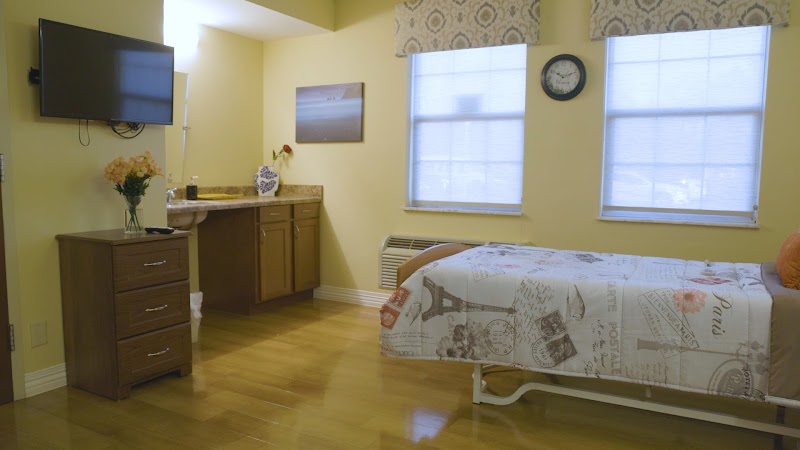
How is St Sophia Health & Rehabilitation Center Staffed?

CMS rates ST SOPHIA HEALTH & REHABILITATION CENTER's staffing level at 1 out of 5 stars, which is much below average compared to other nursing homes. Staff turnover is 50%, compared to the Missouri average of 46%.

What Have Inspectors Found at St Sophia Health & Rehabilitation Center?

State health inspectors documented 82 deficiencies at ST SOPHIA HEALTH & REHABILITATION CENTER during 2019 to 2025. These included: 5 Immediate Jeopardy (the most serious level, indicating potential for serious harm or death) and 77 with potential for harm. Immediate Jeopardy findings are rare and represent the most serious regulatory concerns. They require immediate corrective action.
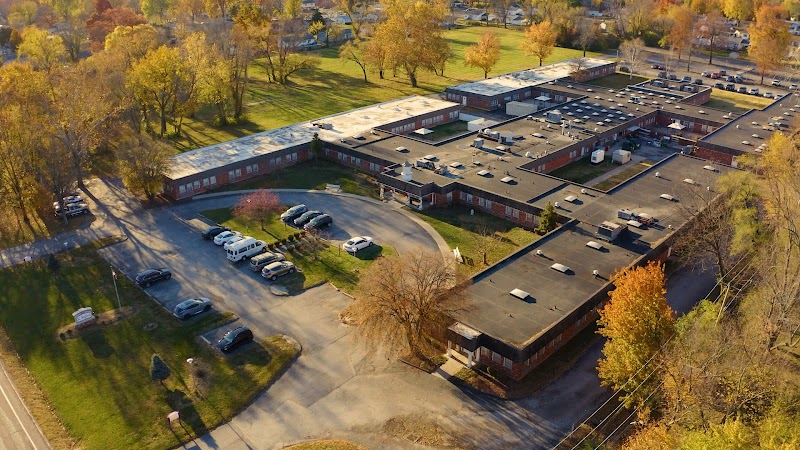
Who Owns and Operates St Sophia Health & Rehabilitation Center?

ST SOPHIA HEALTH & REHABILITATION CENTER is owned by a for-profit company. For-profit facilities operate as businesses with obligations to shareholders or private owners. The facility is operated by MGM HEALTHCARE, a chain that manages multiple nursing homes. With 240 certified beds and approximately 159 residents (about 66% occupancy), it is a large facility located in FLORISSANT, Missouri.
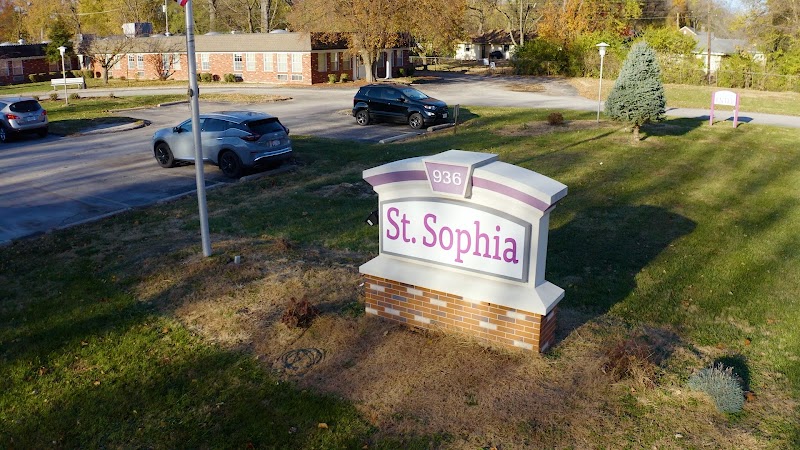
How Does St Sophia Health & Rehabilitation Center Compare to Other Missouri Nursing Homes?

Compared to the 100 nursing homes in Missouri, ST SOPHIA HEALTH & REHABILITATION CENTER's overall rating (1 stars) is below the state average of 2.5, staff turnover (50%) is near the state average of 46%, and health inspection rating (1 stars) is much below the national benchmark.

What Should Families Ask When Visiting St Sophia Health & Rehabilitation Center?

Based on this facility's data, families visiting should ask: "What changes have been made since the serious inspection findings, and how are you preventing similar issues?" "Can you walk me through typical staffing levels on day, evening, and night shifts?" "Can I visit during a mealtime to observe dining assistance and food quality?" "How do you handle medical emergencies, and what is your hospital transfer rate?" These questions are particularly relevant given the facility's Immediate Jeopardy citations and the below-average staffing rating.

Is St Sophia Health & Rehabilitation Center Safe?

Based on CMS inspection data, ST SOPHIA HEALTH & REHABILITATION CENTER has documented safety concerns. Inspectors have issued 5 Immediate Jeopardy citations (the most serious violation level indicating risk of serious injury or death). The facility has a 1-star overall rating and ranks #100 of 100 nursing homes in Missouri. Families considering this facility should ask detailed questions about what corrective actions have been taken since these incidents.

Do Nurses at St Sophia Health & Rehabilitation Center Stick Around?

ST SOPHIA HEALTH & REHABILITATION CENTER has a staff turnover rate of 50%, which is about average for Missouri nursing homes (state average: 46%). Moderate turnover is common in nursing homes, but families should still ask about staff tenure and how the facility maintains care continuity when employees leave.

Was St Sophia Health & Rehabilitation Center Ever Fined?

ST SOPHIA HEALTH & REHABILITATION CENTER has been fined $87,273 across 3 penalty actions. This is above the Missouri average of $33,952. Fines in this range indicate compliance issues significant enough for CMS to impose meaningful financial consequences. Common causes include delayed correction of deficiencies, repeat violations, or care failures affecting resident safety. Families should ask facility leadership what changes have been made since these penalties.

Is St Sophia Health & Rehabilitation Center on Any Federal Watch List?

ST SOPHIA HEALTH & REHABILITATION CENTER is not on any federal watch list. The most significant is the Special Focus Facility (SFF) program, which identifies the bottom 1% of nursing homes nationally based on persistent, serious quality problems. Not being on this list means the facility has avoided the pattern of deficiencies that triggers enhanced federal oversight. This is a positive indicator, though families should still review the facility's inspection history directly.