WILLOWCREEK WELLNESS & REHABILITATION
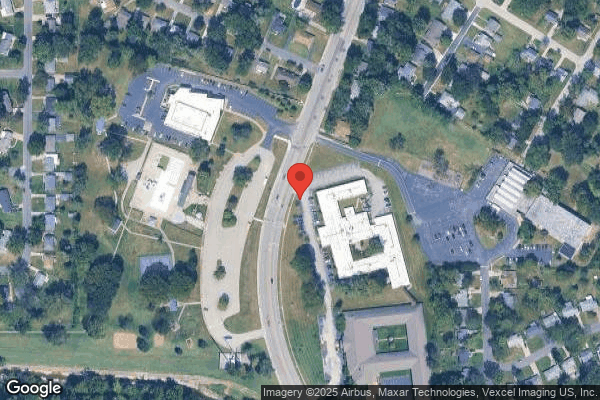
250 NEW FLORISSANT ROAD SOUTH, FLORISSANT, MO 63031 (314) 838-2211
For profit - Limited Liability company 158 Beds OPCO SKILLED MANAGEMENT Data: November 2025 5 Immediate Jeopardy citations
Trust Grade
0/100
#478 of 479 in MO
Last Inspection: August 2024

Within standard 12-15 month inspection cycle. Federal law requires annual inspections.

Overview

Willowcreek Wellness & Rehabilitation has received an F grade for its trust score, indicating significant concerns about the quality of care provided. Ranking #478 out of 479 in Missouri places it in the bottom tier of facilities in the state, and it is the lowest-ranked option in St. Louis County. Although the facility has shown improvement by reducing its issues from 22 to 11 over the past year, it still reported 84 deficiencies, including critical incidents where residents were harmed due to neglect and abuse. Staffing is a weakness, with only 1 out of 5 stars and concerning RN coverage lower than 97% of facilities in the state, despite a relatively good turnover rate of 54%. Additionally, the facility has incurred $85,175 in fines, which is higher than 81% of Missouri facilities, indicating ongoing compliance issues.

Trust Score
F
0/100
In Missouri
#478/479
Bottom 1%
Safety Record
High Risk
Review needed
Inspections
Getting Better
22 → 11 violations
Staff Stability
⚠ Watch
54% turnover. Above average. Higher turnover means staff may not know residents' routines.
Penalties
○ Average
$85,175 in fines. Higher than 54% of Missouri facilities. Some compliance issues.
Skilled Nurses
⚠ Watch
Each resident gets only 8 minutes of Registered Nurse (RN) attention daily — below average for Missouri. Fewer RN minutes means fewer trained eyes watching for problems.
Violations
⚠ Watch
84 deficiencies on record. Higher than average. Multiple issues found across inspections.
★☆☆☆☆
1.0
Overall Rating
★☆☆☆☆
1.0
Staff Levels
★★★★☆
4.0
Care Quality
★☆☆☆☆
1.0
Inspection Score
Stable
2024: 22 issues
2025: 11 issues

The Good

  • 4-Star Quality Measures · Strong clinical quality outcomes
  • Full Sprinkler Coverage · Fire safety systems throughout facility
  • No fines on record

Facility shows strength in quality measures, fire safety.

The Bad

1-Star Overall Rating

Below Missouri average (2.5)

Significant quality concerns identified by CMS

Staff Turnover: 54%

Near Missouri avg (46%)

Higher turnover may affect care consistency

Federal Fines: $85,175

Well above median ($33,413)

Moderate penalties - review what triggered them

Chain: OPCO SKILLED MANAGEMENT

Part of a multi-facility chain

Ask about local staffing decisions and management

The Ugly 84 deficiencies on record

5 life-threatening 3 actual harm
Jun 2025 3 deficiencies 2 IJ
CRITICAL (J) 📢 Someone Reported This

A family member, employee, or ombudsman was alarmed enough to file a formal complaint

Immediate Jeopardy (IJ) - the most serious Medicare violation

Free from Abuse/Neglect (Tag F0600)

Someone could have died · This affected 1 resident

Based on interview and record review, the facility failed to ensure residents were free from neglect when staff failed to provide necessary services to avoid physical harm. On 5/26/25, Certified Nursi...

Read full inspector narrative →
Based on interview and record review, the facility failed to ensure residents were free from neglect when staff failed to provide necessary services to avoid physical harm. On 5/26/25, Certified Nursing Assistant (CNA) D provided care to Resident #1, who had limited mobility after a stroke affecting his/her dominant side and an above the knee amputation. The resident had been assessed as needing total dependence on staff for personal hygiene and required substantial/maximal assistance to roll left to right. Resident #1 was left unattended in a raised bed when CNA D walked away to change his/her gloves. The resident fell out of the elevated bed onto the floor and was transported to the emergency room. The resident sustained a fracture to his/her right femur, a contusion to his/her shoulder, and the resident expressed feelings of being scared due to the traumatic event. The sample size was 12. The census was 108. The Administrator was notified on 6/18/25 at 5:05 P.M., of an Immediate Jeopardy (IJ) which began on 5/26/25. The IJ was removed on 6/18/25 as confirmed by surveyor onsite verification. Review of the facility's Abuse Prevention and Prohibition Program Operational Manual, Abuse and Neglect policy, revised 8/2020, showed: -Purpose: To ensure the facility establishes, operationalizes, and maintains an Abuse Prevention and Prohibition Program designed to screen and train employees, protect residents, and to ensure a standardized methodology for the prevention, identification, investigation, and reporting of abuse, neglect, mistreatment, misappropriation of property, and crime in accordance with federal and state requirements; -Policy: -Each resident has the right to be free from mistreatment, neglect, and abuse, involuntary seclusion and misappropriation of property. The facility has zero-tolerance for abuse, neglect, mistreatment, and/or misappropriation of resident property. Staff must not permit anyone to engage in verbal, mental, sexual, or physical abuse, neglect, mistreatment, or misappropriation of resident property; -The facility is committed to protecting residents from abuse by anyone, including but not limited to facility staff, other residents, consultants, volunteers, staff from other agencies serving residents, family members, legal guardians, surrogates, sponsors, friends, and visitors; -The Administrator is responsible for coordinating and implementing the facility's abuse prevention policies, procedures, training programs, and systems; -Procedure: -Training: All employees, contractors and volunteers will be trained through orientation and ongoing training sessions, no less than annually, on the following topics: -Who is a covered individual responsible for reporting; -Abuse prevention; -Identification and recognition of signs and symptoms of abuse/neglect; -Protection of residents during an abuse investigation; -Investigation; ` -Reporting and documentation of abuse and neglect; -Reporting requirements of staff related to allegations of abuse/neglect without fear of reprisal; -Follow-up from the facility; -Prevention: -Supervisors shall immediately intervene, correct, and report identified situations where abuse, neglect or misappropriation of resident property is at risk for occurring; -The facility maintains adequate staffing on all shifts to ensure that the needs of each resident are met; -Resident assessments and care planning are performed to monitor resident needs and address behaviors that may lead to conflict; -Identification: -The facility provides facility staff with training to enable the identification of the following signs and symptoms of potential resident abuse and neglect: -Physical Neglect: -Inadequate provision of care; -Caregiver indifference to resident's personal care and needs; -Leaving someone unattended who needs supervision. Review of the facility's Care and Services policy, revised 6/2020, showed: -Purpose: To ensure through an interdisciplinary team (IDT) process, that all residents receive the necessary care and services based on an individualized comprehensive assessment process; -Policy: -Residents are provided with the necessary care and services to maintain the highest practicable physical, mental, and social well-being in an environment that enhances quality of life in the scope of a long-term care facility. Care and services are provided in a manner that consistently enhances self-esteem ad self-worth; -Procedure: -The facility will have sufficient staff to provide services to residents with the appropriate competencies and skill sets to provide nursing and related services to ensure resident safety and attain or maintain the highest practicable physical, mental and psychosocial well-being as determined by individualized resident assessments and plans of care. Review of the facility's Care Planning policy, revised 6/2020, showed: -Purpose: To ensure that a comprehensive person-centered care plan is developed for each resident based on their individualized assessed needs; -Each resident's comprehensive care plan will describe the following: -Services that are to be furnished to attain or maintain the resident's highest practicable physical, mental and psychosocial well-being; -Any services that would be required, but are not provided due to the resident's exercise of rights, which includes the right to refuse treatment; -Resident Rights-Care planning: -The resident has the right to receive the services and/or items included in the plan of care; -The interdisciplinary team will revise the Comprehensive Care Plan as need at the following intervals: -As dictated by changes in the resident's condition; -To address changes in behavior and care; and -Other times as appropriate or necessary. Review of the facility's undated Fall Management Program, showed: -Purpose: To prevent resident falls and minimize complications associated with falls through the development of a Fall Management Program; -Policy: The facility will provide the highest quality care in the safest environment for the residents residing in the facility. The facility has developed a Fall Management Program that strives to prevent resident falls through meaningful assessments, interventions, education, and reevaluation; -Procedure: -Assessment: -The licensed nurse will assess each resident for their risk of falling upon admission, quarterly, and with a significant change in condition; -Based on the information gathered from the history and assessment of the resident, the nursing staff and interdisciplinary team, with input from the attending physician, will identify and implement interventions to reduce the risk of falls; -Care Planning: -The nursing staff will develop a plan of care specific to the resident's care needs with interventions to reduce the risk of falls; -The interdisciplinary team will routinely review the plan of care at a minimum of quarterly, with a significant change in condition, and post fall. Interventions will be implemented or changed based on the resident's condition and response; -Functional Mobility: -Reassess patient's mobility status daily; -Determine the safest use of side rails; -Post-Fall: -Following a resident's fall, the licensed nurse will complete an incident report and a post-fall assessment and investigation within 24 hours or as soon as practicable; -The licensed nurse will review the circumstances of the fall, review the plan of care, implement new interventions as appropriate, and revise the plan as indicated; -The Interdisciplinary Team Committee will meet within 72 hours of a fall. The IDT Committee will review and document: -Summary of events following a fall; -Root cause analysis; -Referrals, as necessary; and -Interventions to prevent future falls; -Documentation: -The Interdisciplinary Team Committee will document findings and recommendations in the resident's medical record; -Nursing staff will document the resident's response to interventions being utilized in the resident's medical record; -The resident's care plan will be updated as necessary; -Education: -Staff are in-serviced to the Fall Management Program at a minimum annually as well as immediately after any changes/up-dates to this program; -Interim in-services is provided, as needed, based on frequency and severity of falls; -In-service records are maintained to document that all staff attends in-service on all aspects of the fall program at least annually. Review of Resident #1's quarterly Minimum Data Set (MDS), a federally mandated assessment instrument completed by facility staff, dated 5/1/25, showed: -Cognitively intact; -Used a wheelchair; -Roll left to right - substantial/maximal assistance; -Impairment on one side -upper extremity; -Impairment on both sides - lower extremity; -Toileting hygiene/Shower/bathe - dependent; -Diagnoses included depression, heart failure, diabetes, and non-Alzheimer's dementia. Review of the resident's medical record, showed diagnoses included muscle wasting and atrophy (the thinning or loss of muscle tissue) to the right and left shoulders, hemiplegia (inability to move on one side of the body) and hemiparesis (weakness on one side of the body) following a stroke affecting the right dominate side, disorder of bone density and structure, muscle weakness, dementia, and Alzheimer's disease. Review of the resident's care plan, showed: -Focus initiated 8/22/24: The resident has an activity of daily living (ADL) self-care performance deficit related to right side hemiplegia; -Goal: Maintain current level of ADL function; -Interventions/Tasks: -Initiated on 8/22/24, personal hygiene/oral care: The resident is totally dependent on staff for personal hygiene and oral care; -Initiated on 5/2/25, roll left to right: Substantial/maximal assistance. Review of the resident's progress notes, showed: -5/26/25 at 8:53 A.M.: at 6:15 A.M., CNA reported resident rolled off bed. Staff entered the room and noted the resident lying on the floor on the right side of the bed. Resident positioned halfway on the left side and back. Resident stated he/she slid off the bed and landed on the left shoulder and hit his/her head. Resident complained of pain moving his/her upper arms, left leg, and right thigh. Pain is causing limited range of motion to all extremities. Obtain vital signs: Blood pressure 168/96 (normal 90/60 through 120/80), temperature 97.8 (normal 97.8 through 99.1), heart rate 88 (normal 60 through 100), respirations 16 (normal 12 through 18). Notified 911, resident sent to the hospital. Notified the physician. New orders for x-ray and keep bed in low position; -5/26/25 at 3:53 P.M., resident returned from the hospital at 2:00 P.M., resident diagnosed with closed fracture of the neck of the right femur and contusion to the left shoulder. Physician notified; new orders received. Review of the resident's hospital records, for date of service 5/26/25, showed: -Chief complaint: Patient presents with fall: 9:34 A.M., patient with a history of right above the knee amputation, presenting to the emergency department via emergency medical services (EMS) complaining of pain all over after apparently falling out of bed at the nursing home earlier this morning. Apparently, nursing home staff found him/her on the floor just after 6:00 A.M. this morning. They assisted him/her back to bed without event, but he/she apparently began to complain of pain all over. He/She recalls rolling out of bed. He/She states he/she landed on his/her left shoulder and right thigh. He/She notes that he/she has phantom limb pain (pain felt in extremities that have been amputated) in the right lower extremity. He/She relates a mild headache and neck stiffness. He/She denies any chest pain, rib pain, abdominal pain, or back pain. He/She denies any nausea, vomiting, visual changes, or acute neurologic changes. He/She states he/she is never ambulatory and does not use a prosthetic right leg; -Musculoskeletal: Positive for arthralgias (pain in one or more joints), myalgias (muscle pain), and neck stiffness; -Neurological: Positive for headaches; -Closed fracture of neck of right femur; -Contusion of left shoulder. Review of the resident's Trauma Screen, effective 5/27/25 at 11:13 A.M., showed: -Has the event caused you to feel very scared, helpless, or horrified - Yes; -Has the event caused you to be constantly on guard, watchful, or easily startled - Yes; -Have you tried hard not to think about the event or went out of your way to avoid situations that remind you of it - Yes; -Summary of care provided: He/She has not had any past trauma in his/her life, but this fall has scared him/her, and he/she tries not to think about it, and he/she hopes it does not ever happen again. Review of the resident's progress notes, showed on 5/27/25 at 11:28 A.M., social worker met with the resident to do a trauma screen with him/her. The resident explained that he/she had not had any trauma before in his/her life, but because of his/her fall, he/she was scared because this had never happened before. Review of the facility's Initial Reporting form, dated 5/26/25, showed: -Alleged Victim - Resident #1; -Steps taken to protect resident: Assessment was conducted and was noted to have pain on exam that limited mobility in the affected left (L) shoulder and right (R) leg. Vitals obtained and resident was placed in bed in low position until the ambulance could arrive; -Witness - Blank; -Report Submission: Interim Director of Nursing (DON) on 5/26/25 at 1:15 P.M.; -No facility investigation, summary, witness statements, and/or findings provided at the time of the investigation. Review of CNA D's Correction Action Memo, showed: -Dated 5/26/25; -Type of violation: -Violation of policy or procedure; -Carelessness; -Employer Statement: -You were doing rounds and providing cares when it was reported that a resident fell out of the bed. Also, during this shift there has been an allegation of drug and alcohol abuse while working. Spoke with CNA D at 1:40 P.M. and he/she was suspended, pending investigation; -Action Being Taken: Suspension; -Employee Statement: He/She stated that he/she was providing cares and he/she got bowel movement on his/her gloves. He/She then went to change them and that is when the resident rolled out the bed; -Employee signature - Verbal by phone on 5/26/25 at 1:40 P.M.; -Supervisor signature - dated 5/26/25; -Witness signature - blank; -Dated 5/29/25; -Type of violation: -Violation of safety rules; -Unsatisfactory performance; -Carelessness; -Employer Statement: You were assisting a resident with cares, alone, and when you turned and changed gloves, the resident fell out of bed onto the floor and a fracture was indicated on his/her scans; -Action Being Taken: Termination; -Objective/Solution: This resident needed 2-person assist for transfers/bed mobility/and ADLs. There was no assist bar to help with rolling and due to stepping away, CNA D left the bed up and the resident rolled out and an injury occurred. This would have been prevented if CNA D were using 2 staff; -Supervisor signature dated 5/29/25. During an interview on 6/17/25 at 12:11 P.M., Licensed Practical Nurse (LPN) I said he/she knew the resident. The resident had passed away. The resident had a femur (upper leg bone) fracture. The fall happened on the night shift. The resident was being changed and somehow rolled out of bed. He/She did not know the name of the staff who had provided the care but knew him/her by face. The staff was a night shift aide. LPN I said he/she was just coming into work. In shift report, he/she was told the resident had been assessed and sent to the hospital. The resident was total care. The resident needed help in bed sometimes, but could move himself/herself around in bed. The resident's bedrails were to be up all the time, except when he/she was receiving care. The bedrails were for reposition assistance. The resident was an amputee. He/She was not sure if the resident could stop a fall. He/She expected staff to use two people if the resident was supposed to have that and it was never ok to turn their back to or walk away from a resident when the bed was in a high position. During an interview on 6/17/25 at 1:19 P.M., Certified Medication Technician G said it took two people to assist the resident. During an interview on 6/17/25 at 1:23 P.M., CNA H said he/she knew the resident. He/She found out the resident had fallen out of bed on Memorial Day. He/She did not talk with the resident about the fall and didn't know how the resident had fallen out of bed. When he/she came back to work, the resident was gone. CNA H said it took two people to transfer the resident. It took one person to provide care and to reposition him/her. During an interview on 6/17/25 at 1:27 P.M., LPN I said the number of staff to provide care for the resident depended upon whether or not he/she had just come from dialysis. Sometimes the resident was weak. It would take two people then but regularly, only one or two staff. He/She expected the staff to follow the resident's care plan. During an interview on 6/17/25 at 3:48 P.M., CNA C said he/she was familiar with the resident. He/She worked the night the resident fell out of bed. CNA D was assigned to the resident. He/She went to the resident's room to ask for CNA D's assistance with his/her resident and walked away back to his/her resident's room. A few minutes later, CNA D came to the door and said the resident is on the floor. The resident's bed was not against the wall, it was positioned in the room, so the floor was on both sides of the bed. The resident was a 1-person assist and fairly easy to roll. CNA C said when he/she got to the room, the resident was on his/her right side on the floor. The rails were not up on the bed on either side. The resident fell away from the side CNA D was on. He/She said CNA D said he/she went to change his/her gloves and that is how the resident fell. The bed was high when he/she went to ask CNA D for help. The resident just wanted them to get him/her up off the floor. The day the resident fell, he/she smelled alcohol on CNA D's breath when they were face to face, rolling a different resident in bed. CNA C reported this to the ADON (Assistant Director of Nursing). CNA D had come back from break smelling like weed and alcohol. He/She reported it to his/her supervisor (ADON). He/She called the ADON in the A.M. and told her CNA D couldn't work that hall. He/She said CNA D was lit and couldn't do anything. During an interview on 6/17/25 at 4:32 P.M., the Regional Nurse Consultant (RNC) said CNA D was no longer an employee after the resident's fall. Based on the investigation, CNA D did not have a 2nd person to assist with the resident's care. CNA D did not follow the resident's care plan. CNA D had been educated before. The resident was in bed and was non-weight bearing which is why he/she needed 2-people for care. The RNC said no one ever reported to her that CNA D smelled like alcohol or marijuana. She expected staff to follow the resident's care plan. During an interview on 6/18/25 at 6:46 P.M., the Interim DON said by the time the fall had been reported to her, CNA D was gone. She said it was reported to her in the past that CNA D had used alcohol/drugs while at work, but she did not have enough information to substantiate the allegations. She saw CNA D a few times, but did not smell drugs or alcohol on him/her. During an interview on 6/20/25 at 9:20 A.M., LPN F said Resident #1 told him/her the he/she bumped his/her head and he/she hit the floor hard. When he/she (LPN F) came back to work, after the fall, the resident was put on a pain management program because of the fall. LPN F said CNA D would be off the floor for long periods of time and take extended breaks. He/She said CNA D would not come back sometimes until it was time to provide care to the residents at the end of the shift. During an interview on 6/20/25 at 9:48 A.M., LPN A said he/she had worked with the resident before. He/She changed the resident alone on 6/1/25, after the resident had the fall, because they were short staffed with only one CNA and himself/herself. He/She knew the resident was 2-person assist. During an interview on 6/20/25 at 11:40 A.M., the ADON said she did not expect CNA D to turn his/her back or walk away from the resident to change gloves while the bed was still in high position. The resident required 2-person assist for transfers but that was because he/she used a mechanical lift. She was aware of the facility's in-service requiring the resident have 2-person assist for care. Based on the in-service, CNA D should have had an extra staff helping provide care to the resident. She expected CNA D to have gotten another staff member. The resident's fall could have been prevented. He/She asked the Interim DON to get a drug/alcohol test on CNA D but the Interim DON said she did not smell any alcohol on CNA D and could not tell if CNA D was impaired. During an interview on 6/18/25 at 12:09 P.M., the Interim DON said she did not know about the situation until about 10 or 10:30 A.M. the day of the fall. The nurse who had the resident had quite a few things going on, so that nurse did not tell her right away. She was originally told the resident fell out of bed. She talked with CNA D. She said CNA D told her the resident's bed was up about hip high. The resident had a large loose stool. He/she went to change his/her gloves, turned away from the bed, and changed gloves. Either way, no rail guards were up. She expected there to be 2-people providing care to the resident. The resident fell out of bed. CNA D was caring for the resident but was not following the care plan. The Interim DON said it was neglect because CNA D walked away without there being a 2nd person to assist with providing care. CNA D had already left the shift (worked nights) before she knew of the incident. She did not request an alcohol test because CNA D had already been gone a while and she did not know how long alcohol stayed in a person's system. She called CNA D a couple of times, because she needed to know what happened. She told CNA D he/she was suspended pending investigation, but he/she did not come back. He/She expected CNA D and all nursing staff to follow the resident's care plan. She expected all staff to follow the facility's policies. Note: At the time of the survey, the violation was determined to be at the immediate jeopardy level J. Based on observation, interview and record review completed during the onsite visit, it was determined the facility had implemented corrective actions to remove the IJ violation at the time. A final revisit will be conducted to determine if the facility is in substantial compliance with participation requirements. At the time of the exit, the deficiency was lowered to the D level. This statement does not denote the facility has complied with state law (section 198.026.1 RSMO) requiring that prompt remedial action to be taken to address Class I violation(s). MO00255229
CRITICAL (J) 📢 Someone Reported This

A family member, employee, or ombudsman was alarmed enough to file a formal complaint

Immediate Jeopardy (IJ) - the most serious Medicare violation

Quality of Care (Tag F0684)

Someone could have died · This affected 1 resident

**NOTE- TERMS IN BRACKETS HAVE BEEN EDITED TO PROTECT CONFIDENTIALITY** Based on interview and record review, the facility failed to follow their policy when a resident experienced a change in conditi...

Read full inspector narrative →
**NOTE- TERMS IN BRACKETS HAVE BEEN EDITED TO PROTECT CONFIDENTIALITY** Based on interview and record review, the facility failed to follow their policy when a resident experienced a change in condition. Resident #1 fell out of an elevated bed onto the floor and was transported to the emergency room on 5/26/25. The resident sustained a fracture to his/her right femur (thighbone), and a contusion to his/her shoulder, The resident was readmitted to the facility on [DATE], with discharge instructions identifying symptoms to monitor for that may require the resident to return to the hospital. Facility staff documented a change in condition consistent with the hospital discharge instructions, including vomiting and lethargy, beginning on 5/29/25. On 5/30/25, the resident's oxygen saturation and respiratory rate were low and the physician was notified with orders obtained for oxygen. The facility did not document notifying the physician of the resident's vomiting, lethargy, sweating, increased blood pressure, and elevated blood sugar. The resident continued to decline, eating less, increased lethargy and sleeping, pocketing food, unable to open eyes and inability to take oral pain medications. When the resident became unresponsive on 6/2/25, staff contacted emergency services and sent the resident to the hospital. The resident expired shortly after arriving to the hospital. In addition, the facility failed to ensure physician orders for wound care were followed for one out of three sampled residents (Resident #5). Resident #5's wound treatment was not completed for two days. The census 108. The Administrator was notified on 6/18/25 at 5:05 P.M., of an Immediate Jeopardy (IJ) which began on 5/29/25. The IJ was removed on 6/18/25 as confirmed by surveyor onsite verification. 1. Review of the facility's Change of Condition Notification policy, revised 6/2020, showed: -Purpose: To ensure residents, family, legal representatives, and physicians are informed of changes in the resident's condition in a timely manner; -Definition: -An acute change of condition (ACOC) is a sudden, clinically important deviation from a patient's baseline in physical, cognitive, behavioral, or functional domains; -Clinically important means a deviation that, without intervention, may result in complications or death; -Members of the interdisciplinary Team (IDT) are expected to report and document signs and symptoms that might represent and ACOC; -The facility will promptly inform the resident, consult with the resident's attending physician, and notify the resident's legal representative when the resident endures a significant change in their condition caused by, but not limited to: -An injury/accident; -A significant change in the resident's physical, cognitive, behavioral or functional status; -A significant change in treatment; and/or -A decision to transfer or discharge the resident from the facility; -The licensed nurse will notify the resident's attending physician when there is an: -Incident/accident involving the resident; -An accident involving the resident which results injury and has the potential for requiring physician intervention; -A significant change in the resident's physical, mental or psychosocial status, e.g., deterioration in health, mental or psychosocial status, life-threatening conditions or clinical complications; -A need to alter treatment significantly -A decision to transfer or discharge the resident from the facility; -The licensed nurse will assess the resident's change of condition and document the observations and symptoms; -Notifying the Attending Physician: -The attending physician will be notified timely with a resident's change in condition; -Notification to the attending physician will include a summary of the condition change and an assessment of the resident's vital signs and system review focusing on the condition and/or signs and symptoms for which the notification is required; -Emergency Situations: -If the resident deteriorates, the symptoms are serious, and the most rapid intervention available by a physician would place the resident in great jeopardy, call 911 for transport to hospital; -Notify the nursing supervisor of emergency situation; -A licensed nurse will document the following: -Date, time, and pertinent details of the incident and the subsequent assessment in the nursing notes; -The time the attending physician was contacted, the method by which he was contacted, the response time, and whether or not orders were received; -Update the care plan to reflect the resident's current status; -The incident and brief details in the 24-hour report; -Complete an incident report per facility policy; -A licensed nurse will communicate any changes in required interventions to the IDT members involved in the resident's care; -A licensed nurse will document each shift for at least seventy-two (72) hours; -Documentation pertaining to a change in the resident's condition will be maintained in the resident's medical record and on the 24-hour report. Review of the facility's Neurological Assessment policy, revised 2/2019, showed: -Purpose: To provide guidelines for the performance of a neurological assessment on residents; -Nursing staff will perform a neurological assessment in the following circumstances: -Upon attending physician order; -Following a fall or other accident/injury involving head trauma; or -When indicated by resident's condition; -The following information will be documented in the resident's medical record: -The date and time the procedure was performed; -All the assessment data obtained during the procedure, including: -Eye opening; -Verbal response; -Motor response; -Pupillary response; -Limb response; -If the resident refused the procedure, the reason(s) why and the intervention taken; -The signature and title of the person recording the data; -Notify the attending physician of any change in a resident's neurological status. Early signs of neurologic compromise include changes it the resident's level of consciousness and pupillary activity; -Report other information in accordance with facility policy and professional standards of practice. Review of Resident #1's quarterly Minimum Data Set (MDS), a federally mandated assessment instrument completed by facility staff, dated 5/1/25, showed: -Cognitively intact; -Used a wheelchair; -Roll left to right - substantial/maximal assistance; -Impairment on one side -upper extremity; -Impairment on both sides - lower extremity; -Toileting hygiene/shower/bathe - dependent; -Diagnoses included depression, heart failure, diabetes, and non-Alzheimer's dementia. Review of the resident's medical record, showed diagnoses included muscle wasting and atrophy (the thinning or loss of muscle tissue) to the right and left shoulders, hemiplegia (inability to move on one side of the body) and hemiparesis (weakness on one side of the body) following a stroke affecting the right dominate side, disorder of bone density and structure, muscle weakness, dementia, and Alzheimer's disease. Review of the resident's care plan, showed: -Focus: The resident has a history of stroke with right sided hemiplegia: -Goal: Be free from further complication from stroke through review; -Interventions included: Monitor level of consciousness, visual function changes, inability to communicate, aphasia (difficulty communicating), dizziness, weakness, and restlessness; -Focus: Impaired cognitive function related to unspecified dementia: -Goal: Maintain current level of cognitive function; -Interventions included: Monitor/document/report to the physician any changes in cognitive function, specifically changes in: Decision making ability, memory, recall and general awareness, difficulty expressing self, difficulty understanding others, level of consciousness, and mental status. Review of the resident's progress notes, showed: -5/26/25 at 8:53 A.M., at 6:15 A.M., the certified nursing assistant (CNA) reported the resident rolled off bed. Staff entered the room, noted the resident lying on the floor on the right side of the bed. Resident positioned halfway on his/her left side and back. Resident stated he/she slid off the bed and landed on the left shoulder, and hit his/her head. Resident complained of pain moving his/her upper arms, left leg, and right thigh. Pain is causing limited range of motion to all extremities. Obtained vital signs: Blood pressure 168/96 (normal 90/60 through 120/80), temperature 97.8 (normal 97.8 through 99.1), heart rate 88 (normal 60 through 100), respirations 16 (normal 12 through 18). Notified 911, resident sent to the hospital. Notified the physician. New orders for x-ray and keep bed in low position. Review of the resident's emergency room paperwork, dated 5/26/25 at 9:34 A.M., showed: -Chief Complaint: Patient presents with a fall; -At 9:34 A.M., patient with a history of high blood pressure, diabetes, stroke, congestive heart failure (CHF), dementia, and right above-the-knee amputation, presenting to the emergency department (ED) via emergency medical services (EMS) complaining of pain all over after apparently falling out of bed at the nursing home earlier this morning. Apparently, nursing home staff found him/her on the floor just after 6:00 A.M. this morning. They assisted him/her back into bed without event, but he/she apparently began to complain of pain all over. He/She recalls rolling out of bed. He/She states he/she landed on his/her left shoulder. When asked to describe these specific areas where he/she hurts the most, he/she states it is his/her left shoulder and right thigh. He/She notes that he/she has phantom limb pain (pain occurring in extremities that have been amputated) in the right lower extremity. He/She relates a mild headache and neck stiffness; -Review of systems: Neurological: Positive for headaches; -Comment: Patient who rolled out of bed at the nursing home, complaining of headache, neck pain, left shoulder pain, and right thigh pain. Review of the resident's hospital After Visit Summary, dated 5/26/25 printed 12:59 P.M., showed: -Call 911 if any of these happen: -Confused or difficulty arousing; -Fainting or loss of consciousness; -Rapid or very slow heart rate; -Difficulty with speech or vision, weakness of an arm or leg; -When to seek medical advice: Call your healthcare provider right away if any of these happen: -Another unexplained fall; -Severe headache; -Nausea and vomiting. Review of the resident's progress notes, showed: -5/26/25 at 3:53 P.M., the resident returned from hospital at 2:00 P.M. Resident diagnosed with closed fracture of neck of the right femur and contusion to left shoulder. Physician notified, new orders received. No new concerns noted. Resident is resting in bed, morphine (narcotic pain medication) intramuscular (injected into the muscle) 4 milligram (mg) given at the hospital prior to return. Pain is rating of 7 on a scale of 0 to 10 (0 indicates no pain, 10 indicates the worse pain imaginable), stated he/she wants to sleep. Vitals blood pressure 117/71, heart rate 108, temperature 98.4, respirations 18, oxygen saturation (percentage of oxygen in the blood) 96% (normal 95% through 100%). Review of the resident's physician orders showed: -An order dated 5/26/25, low bed at all times; -An order dated 5/27/25, chart status post fall with injury every shift in progress notes; -An order dated 5/30/25, oxygen 2 liters as needed. Review of the resident's progress notes, showed: -5/27/25 at 11:28 A.M., Social Worker met with the resident to do a trauma screen. Resident explained that he/she has not had any trauma before in life, but because of his/her fall, is scared because this had never happened before; -5/27/25 at 2:14 P.M., incentive spirometry (device used for deep breathing exercises) daily/as needed (PRN) for 5 breaths. Resident will place the mouthpiece in mouth, sealing lips around it. Instruct the resident to breathe in slowly and deeply as possible, holding breath for 3-5 seconds. Exhale and rest between breaths, cough as necessary. Nurse to evaluate lungs sounds before and after use of the Incentive Spirometer, document achieved volume, heart rate, respirations, oxygen saturations and treatment time. Rinse the mouthpiece after each use. Every dayshift for shortness of breath related to chronic obstructive pulmonary disease (COPD, lung disease): Resident did not feel up to it; -5/29/25 at 2:21 P.M., nurse called to the resident's room. Resident had emesis (vomited) twice. Resident is alert, but is also lethargic (a state of extreme tiredness, sluggishness, and lack of energy), unable to swallow anti-emetic (medication or treatment that prevents or relieves nausea and vomiting) at this time. Denies any pain or discomfort at this time. Pain meds being held due to lethargy. Swelling to right hip and left shoulder. Is currently resting in bed, call light in reach. Will continue to monitor vital signs: blood pressure 110/75, heart rate 77, respirations 17, temperature 97.5, oxygen saturation 92%; -5/29/25 at 11:11 P.M., no nausea or vomiting this shift. Resident ate less than 25 percent for dinner, drank half a nepro shake (health shake for individuals with kidney failure). Denies any pain or discomfort at this time. Resident slept majority of this shift, currently resting in bed with call light in reach. Vital signs: blood pressure 103/76, heart rate 97, temperature 98.4, respirations 17, oxygen saturation 92%; -5/30/25 at 6:30 A.M., resident sensitive to touch, unable to tolerate vital signs check, yelling don't touch me, stop. Resident noted sweaty this morning, gown damp. Blood pressure 156/77 in left leg compared to reading in upper left arm/wrist blood pressure of 89/56, pulse 81, respiration 14, temperature 98.3, oxygen saturation 88%, blood sugar 214 (normal less than 140). Notified physician. Gave orders for oxygen 2 liters as needed and to monitor; -5/31/25 at 1:05 P.M., no nausea or vomiting this shift. Resident ate less than 25 percent for both meals. Denies any pain or discomfort at this time. Resident slept majority of this shift. Currently resting. No concerns noted at this time, will continue to monitor for any acute change in condition; -6/1/25 at 3:19 P.M., resident slept most of day shift. Noted to be pocketing food (holding food in the mouth and not swallowing). Given puree for lunch. Ate less than 25 percent. Resident is resting in bed at this time, call light in reach. Will continue to monitor; -6/2/25 at 5:51 A.M., resident continues on observation related to fall with injuries to neck of the right femur and contusion to left shoulder. Resident moaned like he/she was in pain when being repositioned and changed. This nurse attempted to give resident as needed pain medication, but resident would not open his/her eyes. Resident is sleeping deeply but does respond to pain stimulus when being moved. Resident in bed with bed in low position and call light within reach; -6/2/25 at 8:20 A.M., during medication administration, notified by Certified Medication Technician (CMT) that resident blood pressure was low, and pulse elevated. Upon assessment, resident noted to have labored breathing. Eyes glossy and non-reactant to light. Unable to obtain oxygen saturation. Head of bed elevated, and oxygen therapy applied. Resident had become non-responsive to verbal commands. But responded to physical touch. Call place to 911. Resident transferred to the hospital via EMS. Management and medical doctor made aware. Message left for responsible party and first emergency contact. Awaiting call back at this time; -6/2/25 at 9:09 A.M., responsible party states he/she received call from hospital stating resident had expired. Management and medical doctor made aware. Review of the resident's vital sign log in the medical record, showed: -6/2/25 at 2:10 A.M., blood pressure 141/63, lying/left arm; -6/2/25 at 8 A.M., blood pressure 95/41, lying/left arm; -No documentation related to history of low blood pressure found. During an interview on 6/17/25 at 3:34 P.M., CNA C said he/she saw the decline in the resident in just a couple of days. The resident could not sit in his/her wheelchair. Over the days after the accident, the resident would not eat. He/She tried to feed the resident, but the resident said he/she could not eat. The resident was barely eating after the fall. After the fall, the resident would not hardly open his/her eyes. He/She noticed the resident would not stay awake. During an interview on 6/18/25 at 2:23 P.M., Licensed Practical Nurse (LPN) B said he/she called the doctor to get medication and intramuscular (IM) injection because the resident vomited. He/She was not able to get the IM injection from the medication dispensing machine. He/She was alerted about the vomiting and decline on 5/29/25. He/She had contacted the doctor that day and should have documented in the resident's chart. They doctor did not order to send the resident out. LPN B said he/she was not aware of the information on the resident's after visit fall hospital discharge paperwork indicating reasons for sending the resident back to the hospital. Nursing was supposed to look at that paperwork. If he/she had seen the after visit summary paperwork, he/she would have made a note in the resident's record. Looking back now, he/she would have sent the resident out. During an interview on 6/20/25 at 9:20 A.M., LPN F said he/she did not see the resident's after visit hospital summary. He/She got updated reports from each shift when he/she came in. The resident told him/her that he/she bumped his/her head. The resident told LPN F he/she hit the floor hard. When he/she came back to work, the resident was put on pain management. The medication was strong and the resident was not used to all that medication. He/She would have sent the resident out when he/she vomited. During an interview on 6/20/25 at 9:48 A.M., LPN A said he/she did not know there had been a change in the resident. The resident was sleeping a lot, but he/she did not know if this was a change in his/her behavior. The resident's vital signs were fine, so he/she did not think there was a change. LPN A said the resident would not wake up to take his/her medicine. The resident would wake up a little before, but now the resident would not open his/her mouth up all the way. He/She did not feel safe giving the resident his/her medication, so it was held. LPN A said he/she got updates at shift change, but did not know anything about the resident vomiting or being lethargic. He/She looked over the resident's progress notes and said the facility should have sent the resident out because, looking back, moaning and not opening his/her eyes was a change in the resident's condition. During an interview on 6/20/25 at 10:47 A.M., LPN J said he/she was one of the nurses who reviewed hospital discharge paperwork for the facility. Nursing staff are to review the 24-hour report. All nurses have access to the 24-hour report. The 24-hour nursing report would have given indication of the resident's decline over time. During an interview on 6/20/25 at 10:51 A.M., LPN M said they are to report to the supervisor any change in condition. During an interview on 6/20/25 at 11:40 A.M., the Assistant Director of Nursing (ADON) said the resident should have been sent to the hospital after the change of condition. The ADON said the medical doctor was adamant about not sending the resident out, so the nurse did not send him/her out. The resident should have been sent out when he/she had emesis and was lethargic, but the medical doctor said not to. She expected all nurses to review the 24-hour nursing report and compare with the observations made. During an interview on 6/20/25 at 11:41 A.M., the Director of Nursing (DON) said if staff were concerned about a resident's change in condition and wanted to send him/her out, she would expect staff to send them out even if the physician refused, and then notify her. If they feel strongly about the resident's need for further care, she would want them to send the resident out and she would talk with the physician. She would rather them do that than do nothing and then something happens. She does not feel like the medical director got the full picture with the resident. She feels like the medical director would have sent the resident out if he had the full picture of what was going on with the resident. During an interview on 6/18/25 at 11:25 A.M., the Medical Director said he knew the resident, but could not remember what he was told about what happened to the resident. The resident's health was compromised. He/She was an amputee, on dialysis, had poor circulation, and was a very sick patient. He is not sure if staff called him, but he knew about the fall. He could not say what the cause of death was. He definitely expected staff to follow the level of care the resident had been assessed for. Staff should have called about the resident's blood pressure dropping because they cannot treat/maintain blood pressure at the facility. The resident had to be sent out for that. During an interview on 6/18/25 at 12:09 P.M., the Interim DON said she expected the doctor to be notified for any of the symptoms listed on the resident's hospital discharge paperwork. She expected the resident to have been sent out before he/she was. She did not know why the resident was not sent out. If the nurse thought it was an emergency, she expected the nurse to prioritize and send the resident out. The nurse that had the resident the morning he/she was sent out did not tell her right away about the resident's condition. There were two days she did not get to review the 24-hour notes. Maybe she would have caught the resident's decline. She expected the nurse managers to do that and report the information to her. She was not told about the resident's decline. She expected the nurse managers to review the 24-hour notes and report to her. At 12:50 P.M., the Interim DON said LPN A should have notified the doctor on 6/2/25 when he/she tried to give pain medication, but the resident would not open his/her eyes. Nurses have nursing judgement, and she was not sure why LPN A did not send the resident out at that time. That is what usually happens. The nurse use nursing judgement and notify the physician afterwards if they think a resident should be sent out and do not have time to call or cannot reach the doctor. 2. Review of the facility's Physician Order Policy, revised 6/2020, showed: -Policy: The Medical Records Department will verify that physician orders are complete, accurate and clarified is necessary; -Telephone Orders: -A Licensed Nurse will transcribe telephone orders with date, time and signature of the person receiving the order; -Orders will include a description complete enough to ensure clarity of the physician's plan of care; -Medication/treatment orders will be transcribed onto the appropriate resident administration record. Orders pertaining to other health care disciplines will be transcribed onto the appropriate communication system for that discipline; -Documentation pertaining to physician orders will be maintained in the resident's medical record. Current month's administration records will be maintained in the medication administration record (MAR)/treatment administration record (TAR). Review of the facility's Wound Management policy, revised 6/2020, showed: -Purpose: To provide a system for the treatment and management of residents with wounds including pressure and non-pressure injury; -Policy: A resident who has a wound will receive necessary treatment and services to promote healing, prevent infection and prevent new pressure injuries from developing; -Definitions: -Arterial Ulcer- an ulceration that occurs as the result of arterial occlusive disease when no pressure related disruption or blockage of the arterial blood flow to an area causes tissue necrosis (tissue death). Arterial/ischemic ulcers may be present in individuals with moderate-to-severe peripheral vascular disease, generalized arteriosclerosis, inflammatory autoimmune disorders, or significant vascular disease elsewhere. The arterial ulcer is characteristically painful, usually occurs in the distal portion of the lower extremity and may be over the ankle or bony areas of the foot; -Venous Insufficiency Ulcer- an open lesion of the skin and tissue of the lower leg, usually occurring in the area of the lower leg or above the ankle. Venous insufficiency ulcers may be caused by one (or a combination of) factor(s) including: loss of (or compromised) value function in the vein, partial or complete obstruction of the vein, and/or failure of the calf muscle to pump the blood; -Wound Management Principles Wound bed: -Remove devitalized tissue and foreign debris; -Maintain moisture; -Minimize tension/pressure on the wound; -Pack dead space lightly; -Control bacterial bioburden and infection; -Documentation: -New pressure injuries or wounds will be documented on the 24 Hour Log. Wound documentation will occur at a minimum of weekly until the wound is healed. Documentation will include: Location of wound; length, width, and depth measurements recorded in centimeters (cm); direction and length of tunneling and undermining (if applicable); appearance of the wound base; drainage amount and characteristics including color, consistency, and odor; appearance of wound edges; description of the peri-wound (skin surrounding the wound) condition or evaluation of the skin adjacent to the wound; presence of pain. Review of Resident #5's quarterly MDS, dated [DATE], showed: -Cognitively intact; -No upper body impairment; -Lower body impairment: 1 side; -Dependent (Helper does all effort. Resident does none of the effort to complete activity): Toileting, lower body dressing, and personal hygiene; -Total number venous and arterial ulcers: 1; -Treatments: Pressure reducing device bed, application nonsurgical dressing; -Diagnoses included heart failure, peripheral vascular disease (PVD, poor circulation), end stage renal disease (ESRD), malnutrition, and quadriplegia (paralysis of all four limbs). Review of the resident's care plan, revised 9/10/24, showed: -Focus: Resident has a venous ulcer of the right lower calf related to congestive heart failure, PVD; -Goal: Resident's ulcer will be healed by the review date. Resident will have no signs/symptoms of infection through the review date; -Interventions: Document location of wound, amount of drainage, peri-wound area, pain, edema (swelling), and circumference measurements per facility protocol. Evaluate wound. Document progress in wound healing on an ongoing basis. Notify physician as indicated. Minimize exposure of skin to moisture from incontinence, wound drainage, or perspiration. Review of the resident's electronic Physician Order Sheet (ePOS), showed: -An order, dated 1/27/25-5/30/25, cleanse right lateral (side) lower leg with hypochlorous (wound cleanser that increases oxygenation of the wound site to improve healing). Apply calcium alginate (highly absorbent dressing) with silver, xeroform (non-adherent dressing) to wound bed. Cover with super absorbent dressing, kerlix (gauze wrap) and with ACE wrap. Daily and as needed (PRN) every dayshift for wound care; -An order, dated 5/30/25-6/4/25, cleanse right lateral lower leg with hypochlorous. Apply calcium alginate with silver, Gentamicin Ointment to wound bed. Cover with super absorbent dressing, kerlix and with ACE wrap. Daily and PRN every dayshift for wound care; -An order, dated 6/4/25, cleanse right lateral lower leg with hypochlorous. Apply calcium alginate with silver to wound bed. Cover with super absorbent dressing, kerlix and with ACE wrap. Daily and PRN every dayshift for wound care. Review of the resident's May 2025 TAR, showed the ordered treatment not marked as completed on 5/4/25, 5/8/25, 5/11/25, 5/16/25, 5/18/25, 5/21/25, 5/24/25, 5/25/25, and 5/26/25; Review of the resident's June 2025 TAR, reviewed on 6/18/25, showed the ordered treatment not marked as completed on 6/13/25, 6/15/25, and 6/16/25. Review of the facility's wound report, showed the following for the resident: -4/30/25 Wound location: Right Posterior Leg; Venous Insufficiency Ulcer; -Length: 7 cm, 2.5 width, depth 0.3 cm; -Wound status: subsequent-Stable; -Dressing change: Daily. Clean with normal saline. Xeroform, calcium alginate. Absorptive dressing, dry dressing; -5/7/25 Wound location: Right Posterior Leg; Venous Insufficiency Ulcer; -Length: 7 cm, 2.5 width, depth 0.3 cm; -Wound status: subsequent-Stable; -Dressing change: Daily. Clean with normal saline. Xeroform, calcium alginate. Absorptive dressing, dry dressing; -5/14/25 Wound location: Right Posterior Leg; Venous Insufficiency Ulcer; -Length: 6.8 cm, 3 width, depth 0.3 cm; -Wound status: subsequent-Stable; -Dressing change: Daily clean with normal saline. Xeroform, calcium alginate. Absorptive dressing, dry dressing; -5/21/25 Wound location: Right Posterior Leg; Venous Insufficiency Ulcer; -Length: 7.3 cm,3.5 width, depth 0.3 cm; -Wound status: subsequent-Worsening; -Dressing change: Daily clean with normal saline. Xeroform, calcium alginate. Absorptive dressing, dry dressing; -5/28/25 Wound location: Right Posterior Leg; Venous Insufficiency Ulcer; -Length: 8 cm,3.5 width, depth 0.3 cm; -Wound status: subsequent-Worsening; -Dressing change: Daily clean with normal saline, calcium alginate. Gentamicin (antibiotic) ointment. Absorptive dressing, dry dressing; -6/4/25 Wound location: Right Posterior Leg; Venous Insufficiency Ulcer; -Length: 7.5 cm, 4 width, depth 0.3 cm; -Wound status: subsequent-stable; -Dressing change: Daily clean with normal saline, calcium alginate. Absorptive dressing, dry dressing; -6/11/25 Wound location: Right Post
CONCERN (E) 📢 Someone Reported This

A family member, employee, or ombudsman was alarmed enough to file a formal complaint

Potential for Harm - no one hurt, but risky conditions existed

Infection Control (Tag F0880)

Could have caused harm · This affected multiple residents

**NOTE- TERMS IN BRACKETS HAVE BEEN EDITED TO PROTECT CONFIDENTIALITY** Based on observation, interview and record review, the facility failed to follow acceptable standards of practice for infection ...

Read full inspector narrative →
**NOTE- TERMS IN BRACKETS HAVE BEEN EDITED TO PROTECT CONFIDENTIALITY** Based on observation, interview and record review, the facility failed to follow acceptable standards of practice for infection control for three of three residents observed during wound care. Staff failed to change their gloves or sanitize their hands prior to entering the room, prior to exiting the room, and in-between removing soiled dressings, cleaning the wound, and applying new wound dressings. The staff also failed to use Enhanced Barrier Precautions (EBP, an infection control intervention designed to reduce transmission of multidrug-resistant organisms that employs targeted gown and glove use during high contact resident care activities) as recommended by the Centers for Disease Control and Prevention (CDC) and required by the Centers for Medicare and Medicaid Services (CMS) for residents with wounds requiring treatment, for three residents (Residents #5, #8, and #9). The sample size was 12. The census was 108. Review of the facility's Hand Hygiene Policy, revised 6/2020, showed: -Purpose: To ensure all individuals use appropriate hand hygiene while at the facility; -Policy: The facility considers hand hygiene the primary means to prevent the spread of infection; -Facility staff are trained and regularly in-serviced on the importance of hand hygiene in preventing the transmission of healthcare-associated infections; -Facility staff follow the hand hygiene procedures to help prevent the spread of infections to other staff, residents, and visitors; -Hand hygiene products and supplies (sinks, soap, towels, alcohol-based hand rub, etc.) are readily accessible and convenient for staff use to encourage compliance with hand hygiene policy; -Facility staff and volunteers must perform hand hygiene procedures in the following circumstances including but not limited to: -Wash hands with soap and water: -When soiled with visible dirt or debris; -After removing personal protective equipment (PPE) and before moving to another resident in the same room or exiting the room; -Alcohol-based hand hygiene products can and should be used to decontaminate hands: -Immediately upon entering a resident occupied area regardless of glove use; -Immediately upon exiting a resident occupied area regardless of glove use; -Before moving from one resident to another in a multiple-bed room or procedure area regardless of glove use; -Hand hygiene is always the final step after removing and disposing of personal protective equipment; -The use of gloves does not replace hand hygiene procedures. Review of the facility's Standard and Enhanced Precautions policy, implemented April 2024, showed: -Policy: The Facility will utilize current guidance from the CDC and the CMS to determine the appropriate PPE to be utilized during the care of residents to minimize the risk of infection or spread of infection; -Standard Precautions: -Hand Hygiene: Hand hygiene refers to hand washing with soap (anti-microbial or non- antimicrobial) OR using alcohol-based hand rubs (gels, foams, rinses) that do not require access to water. -Gloves: Gloves (clean, non-sterile) are worn when direct contact with blood, body fluids mucous membranes, non-intact skin, and other potentially infected material is anticipated; -Gowns: A gown is worn to protect skin and prevent soiling of clothing during procedures and resident care activities that are likely to generate splashes or sprays of blood body fluids, secretions, or excretions or cause soiling of clothing; -Enhanced Barrier Precautions: -For residents whom EBP are indicated, EBP should be used when performing the following high-contact resident care activities: Dressing, bathing/showering, transferring, providing hygiene, changing linens, changing briefs or assisting with toileting, and wound care; -EBP are intended to be in place for the duration of a resident's stay in the facility or until resolution of the wound or discontinuation of the indwelling medical device that placed them at high-risk. 1. Review of Resident #5's quarterly Minimum Data Set (MDS), a federally mandated assessment instrument completed by facility staff, dated 5/13/25, showed: -Cognitively intact; -Diagnoses included heart failure, malnutrition, and quadriplegia (paralysis of all four limbs). Review of the resident's care plan, dated 5/20/25, showed: -Focus: EBP related to wound; -Goal: Reduce transmission of pathogens; -Interventions: Staff members will wear clean gown and gloves while performing high contact resident care activities to include dressing, bathing/showering, providing hygiene, changing linens, changing briefs or toileting assistance. Review of the resident's electronic Physician Order Sheet (ePOS) showed an order, dated 6/4/25, cleanse right lateral (outer) lower leg with hypochlorous (wound cleansing solution). Apply calcium alginate (absorbent dressing) with silver to wound bed. Cover with super absorbent dressing, kerlix (gauze wrap) and with ACE wrap. Daily and as needed (PRN) every dayshift for wound care. Observation on 6/17/25 at 930 A.M., showed Licensed Practical Nurse (LPN) L stood at the nursing cart in front of the resident's room. He/She prepared the wound care supplies at the cart, applied gloves, and entered the resident's room. LPN L did not perform hand hygiene prior to applying gloves and did not put on a gown. LPN L pulled down the resident's right sock. The resident's leg was swollen around the wrap. LPN L removed the soiled dressing. While removing the dressing, a large piece of the resident's skin tissue came off with the dressing. The resident said Ouch. LPN L cleansed the area and applied a new dressing without changing his/her gloves or performing hand hygiene. LPN L secured the area with kerlix wrap. He/She cleaned up the supplies, removed gloves, and exited the resident's room without performing hand hygiene. 2. Review of Resident #8's quarterly MDS, dated [DATE], showed: -Severe cognitive impairment; -No upper or lower body impairment; -Dependent (Helper does all effort. Resident does none of the effort to complete activity) for toileting, upper and lower body dressing, and personal hygiene; -Diagnoses included cancer, high blood pressure, stroke, and malnutrition. Review of the resident's care plan, revised 6/2/25, showed: -Focus: EBP related to wound; -Goal: Reduce transmission of pathogens; -Interventions: Staff members will wear clean gown and gloves while performing high contact resident care activities to include dressing, bathing/showering, providing hygiene, changing linens, changing briefs or toileting assistance. Review of the resident's, ePOS, showed an order, dated 5/14/25, cleanse left side of foot. Dry and apply xeroform (non-adherent dressing) and dry dressing. Every day shift every 3 days for wound management. Review of the facility's wound report, dated 6/11/25, showed the following for the resident: -Wound location: Left Lateral Foot; Arterial Ulcer; -Length: 1 centimeter (cm), 0.8 width, depth 0.1 cm; -Wound status: subsequent-Improving; -Dressing change: Every three days. Clean with normal saline. Xeroform, dry dressing. Observation on 6/17/25 at 9:35 A.M., showed LPN L stood at the nursing cart in front of the resident's room. He/She prepared the wound care supplies at the cart, applied gloves, and entered the resident's room. LPN L did not perform hand hygiene prior to applying gloves and did not put on a gown. LPN L removed the resident's left sock. The resident had a dressing to his/her left ankle. LPN L removed the soiled dressing, cleaned the area with the same gloved hands, cut the xeroform with scissors, and applied the xeroform to the wound. LPN L secured the area with a foam bandage. He/She did not change gloves or perform hand hygiene. LPN L cleaned up the trash, removed gloves, and left the resident's room. He/She did not perform hand hygiene after removing gloves and before exiting the room. 3. Review of Resident #9's quarterly MDS, dated [DATE], showed: -Moderate cognitive impairment; -No upper body impairment; -Lower body impairment on both sides; -Dependent (Helper does all effort. Resident does none of the effort to complete activity) for toileting, upper and lower body dressing, and personal hygiene; -Surgical wound; -Diagnoses included diabetes, anxiety, and malnutrition. Review of the resident's care plan, revised on 6/5/25, showed: -Focus: Resident requires EBP related to indwelling urinary catheter and wound; -Goal: Resident will not verbalize or demonstrate symptoms of isolation related to enhanced barrier precautions placement while reducing risk of infection transmission; -Interventions: Appropriate PPE will be utilized during high contact care by care givers (dressing, bathing/showering, transferring in room or therapy gym, providing hygiene, changing linens, changing briefs, or assisting with toileting). Provide education to resident and resident representative as appropriate. Resident is not isolated to their room-they can move around freely. Review of the resident's ePOS, showed an order, dated 6/4/25, cleanse abdomen and dry. Apply collagen pad and soft silicone foam dressing every day shift every other day for wound management. Review of the facility's wound report dated 6/11/25, showed the following for the resident: -Wound location: Midline Abdomen; -Length: 20 cm, 5 cm width, depth 0.1 cm; -Wound status: subsequent-Improving; -Dressing change: Every other day. Clean with normal saline. Xeroform, Collagen Sheet, dry dressing. Observation on 6/17/25 at 9:40 A.M., showed the resident in his/her room. LPN L applied gloves at the treatment cart and used scissors to cut/prep the dressing. LPN L did not put on a gown prior to entering the resident's room. LPN L entered the resident's room and removed the old dressing from the resident's abdomen. He/She cleaned the wound bottom to top with the same gloved hands. LPN L wiped the edges of the wound with a gloved finger and then picked at the top of the resident's wound with the same gloved hand. LPN L applied the xeroform that was cut into 5 small pieces down the resident's abdomen. He/She then secured the wound with two large bandages. One at the top of the wound and one at the bottom. He/She did not change his/her gloves or perform hand hygiene. LPN L cleaned up the trash, removed gloves, and left the resident's room without performing hand hygiene. 4. During an interview on 6/18/25 at 1:20 P.M., LPN L said EBP precautions are to be used for every dressing change. Staff are supposed to place on gown and gloves before providing care if a resident is on EBP precautions. Hand hygiene should be performed before and after each treatment. During an interview on 6/18/25 at 2:30 P.M., LPN B said if a resident is on EBP for wound care, staff are expected to wear gloves, a gown maybe. Nursing staff should wash hands/perform hand hygiene when entering room and before putting on gloves, after removing gloves, and before putting on new gloves. Nursing staff should wash hands in between glove changes when gloves are soiled. During an interview on 6/18/25 at 1:25 P.M., the Director of Nursing said when indicated, EBP is supposed to be used with any type of care like dressing changes. They are to be used to protect the resident from infections. She would expect hand hygiene to be competed on entry into room, when changing gloves, when gloves are soiled and after removing the gloves. Hand hygiene or washing hands should be completed every time staff change gloves. Gloves should be changed between dirty and clean areas. Hand hygiene or hand washing should be performed in-between glove changes.
May 2025 2 deficiencies
CONCERN (D) 📢 Someone Reported This

A family member, employee, or ombudsman was alarmed enough to file a formal complaint

Potential for Harm - no one hurt, but risky conditions existed

Grievances (Tag F0585)

Could have caused harm · This affected 1 resident

Based on interview and record review, the facility failed to follow their grievance policy to maintain an effective grievance process for residents to voice grievances and promptly resolve them for on...

Read full inspector narrative →
Based on interview and record review, the facility failed to follow their grievance policy to maintain an effective grievance process for residents to voice grievances and promptly resolve them for one resident who voiced a grievance over staff treatment (Resident #1). The facility failed to take immediate action to prevent further potential violations of any resident rights while the grievance was being investigated. The facility failed to provide a summary of the pertinent findings including whether the grievance was confirmed and failed to follow up with the resident to inform him/her of the findings of the investigation and any corrective actions recommended in a timely manner. The facility also failed to ask the resident if he/she was satisfied with the outcome of the results of the investigation. The failures had the potential to affect all residents. The sample size was 4. The facility census was 115. Review of the facility's Grievance/Missing Property policy, revised 8/2020, showed: -Purpose: To ensure that residents, family members, and representatives know about the procedure for filing grievances and complaints; -Policy: The facility advises residents and their representatives (including family, legal representatives and advocates) of their right to file grievances without discrimination or reprisal, and of the process for filing grievances or complaints. The facility ensures that there is no retaliation for filing a grievance or complaint and ensures that there is a prompt review, investigation and response to and resolution of grievances and complaints. The disposition of all resident grievances and/or complaints is recorded in the facility's resident grievance/compliant log; -Duties and obligations of staff: All alleged abuse, mistreatment, neglect, injuries of unknown source, and misappropriation of property will be reported to the Administrator immediately; -Designation of Grievance Official: The facility will identify a Grievance Official who is responsible for: -Overseeing the grievance process; -Receiving and tracking grievances through to their conclusion; -Leading any necessary investigations by the facility; -Issuing written grievance decisions to the resident; and -Coordinating with state and federal agencies as necessary for specific allegations; -Grievance investigation: Upon receiving a resident grievance/complaint form, the Grievance Official or designee begins an investigation into the allegations. The Grievance Official will take immediate action to prevent further potential violations of any resident right while the alleged violation is being investigated. The department director of an involved employee is notified of the nature of the complaint and that an investigation is underway; -The investigation and report include, as applicable: -The date and time the grievance was received; -The date and time of the alleged incident; -The circumstances surrounding the alleged incident; -The location of the alleged incident; -Steps taken to investigate the grievance; -The resident's account of the alleged incident; -The employee's account of the alleged incident; -Accounts of any other individuals involved (i.e., employee's supervisor, etc.); -Summary of the pertinent findings including whether the grievance was confirmed or not confirmed: -Recommendations for corrective action; and -Date the written grievance was issued; -The Administrator will be provided with a completed resident grievance/complaint investigation report within five (5) working days of the incident utilizing facility specific forms; -If follow-up is required, the Administrator is responsible for ensuring that the follow-up action is taken in a timely manner; -The Administrator/designee will maintain copies of resident grievance investigation reports for no less than 3 years from the issuance of the grievance decision; -The facility will inform the resident or his or her representative or concerned party of the findings of the investigation and any corrective actions recommended in a timely manner; -If the resident is not satisfied with the result of the investigation, or the recommended actions, he or she may file a written complaint to the local Long-Term Care Ombudsman's office or to the state department. Review of the facility's March 2025 grievance concern log, showed no grievance concern documented for Resident #1. Review of Resident #1's quarterly Minimum Data Set (MDS), a federally mandated assessment instrument completed by facility staff, dated 4/4/25, showed: -Cognitively intact; -Upper extremity impairment on one side; -Wheelchair; -Diagnoses included, anemia (lower than normal red blood cells or hemoglobin) and renal insufficiency (a condition where the kidneys don't function as well as they should). Review of the resident's grievance/complaint report, dated 3/5/25, showed: -Describe the nature of the grievance/complaint (be specific): -The resident said that a Certified Nurses Aide (CNA) slammed him/her into the restroom. CNA A wanted him/her to stand up. He/She told CNA A he/she needed the lift. CNA A slammed his/her leg against the resident's foot to get him/her off the toilet; -Signed 3/5/25 by Social Service Director (SSD); -For office use only: -Date: blank; -Received by: blank; -Title: blank. Review of the facility's grievance investigation, showed: -CNA A's statement, signed, and no date; -To whom this may concern, please accept this statement regarding the incident that happened on 3/1/25, night shift. In brief, Certified Nurse Assistant (CNA) A helped the resident to the bathroom with the sit to stand (mechanical lift). The resident had a bowel movement. CNA A cleaned the resident up and put him/her back into his/her chair with the sit to stand. Staff met at the resident's room and CNA A put him/her back in bed using the sit to stand; -Review of the facility's corrective action memo, dated 3/5/25, showed; -Employee: CNA A; -Acting Director of Nursing (ADON): Supervisor; -Type of violation: Altercation/Customer Service; -Employer statement: Suspension pending investigation; -No start date of suspension documented; -Action being taken: Suspension; -No employee signature or date documented; -No supervisor signature or date documented; -Employee refused to sign box unchecked/left blank/unmarked; -No resident written account of the alleged incident noted; -No documentation related to steps and/or actions taken documented; -No summary of the pertinent findings including whether the grievance was confirmed or not confirmed; -No documentation of the resident's satisfaction or non-satisfaction of the outcome of the investigation; -No resident information related to the right to appeal the results of the investigation via written compliant. Review of the facility's re-education in-service, showed: -3/5/25, Customer Service training; -No documented training provided to CNA A; -3/6/25, Customer Service training; -No documented training provided to CNA A; -3/7/25, Customer Service training; -No documented training provided to CNA A; -3/12/25, Transfer training; -No documented training provided to CNA A. Review of the resident's progress notes, showed: -Late Entry-Social Service note, dated 3/5/25 at 5:23 A.M., the Social Worker, Executive Director and the Assistant Director of Nursing (ADON) met with the resident to see what happened to him/her, and he/she was upset with the way he/she was being transferred. It was explained to him/her that the facility will start an investigation, and the facility wanted him/her to be safe and be comfortable; -Social Services note, dated 3/6/25 at 7:29 P.M., Social Worker spoke with the resident to see how he/she was doing and he/she stated he/she was fine. The resident told what the nurse did yesterday and that some x-rays were ordered. He/She was asked if he/she felt safe at the facility. He/She felt safe; -No nursing documentation of the alleged incident prior to or after the Social Service note. Review of the resident's progress notes, showed: -Social Service note, dated 3/7/25 at 12:39 P.M., Social Worker spoke with the resident to see how he/she was doing today. The resident said hi ms/her shoulder was bothering him/her from the incident the other day. He/She would like to get it checked out. The Charge Nurse and ADON were was notified; -General progress note, dated 3/7/25 at 4:21 P.M., the resident reported to the Social Worker that right upper extremity (RUE) was painful due to incident days prior. Medical Director (MD) made aware. New x-ray orders received. During an interview on 5/12/25 at 10:25 A.M., the resident said he/she wanted to use the restroom and asked for help getting to the bathroom. CNA A brought the lift to his/her room. He/She said the aide told him/her to stand up. He/She told CNA A he/she was tired, but CNA A insisted. The resident stood up because he/she did not want to argue. The resident got weak while standing. CNA A stomped on both the resident's feet, trying to hurry him/her up to sit on the toilet. The resident was getting weaker. CNA A pushed him/her down on the toilet. The resident tried to brace himself/herself for the fall. He/She fell back hard and hurt his/her back. The resident demonstrated to the surveyor how he/she tried to brace himself/herself. The resident stretched out his/her arms slightly behind him/her with open hands. The resident told CNA A that was abuse. The resident asked the CNA if he/she knew that was abuse. The aide just smirked and kind of laughed. The resident told the CNA he/she was going to report what happened. He/She used the bathroom and then went to bed. When the resident got up the next day, he/she reported the incident to the nurse assigned to him/her. The resident didn't hear anything back from the nurse about what he/she reported. The resident went to the nurse in charge of that nurse. The resident told the Administrator and finally the doctor. He/She said the doctor told the Administrator. They finally gave him/her an x-ray, but he/she didn't know what the results were. He/She said there was a meeting with the ADON and Administrator. They all told him/he what CNA A did was unintentional. He/She knew when someone was doing something intentional to him/her. All CNA A had to do was apologize. It was intentional. The resident talked with staff a few weeks later and someone told him/her, You don't see CNA A around here, do you? He/She thought the CNA A was no longer working at the facility. The resident was shocked and flabbergasted when he/she saw CNA A working. No one does nothing and that makes the resident upset about it. It's like the facility doesn't care. They don't care but the resident cares. His/Her back was hurting today. His/Her pain level right then was about an 8. The pain medication just took the edge off. The pain was affecting his/her ability to put 100% into his/her therapy. He/She couldn't do his/her best because to the pain and couldn't make good progress. He/She wanted to start walking and get out of here. During an interview on 5/12/25 at 2:55 P.M., the ADON said the resident felt like CNA A was being rough. The resident was a bigger person. They told the resident the rough treatment was unintentional. She thought the resident may have fallen down hard, but knowing CNA A, they thought it was unintentional. CNA A used the sit to stand and said the resident didn't say anything. They educated CNA A and removed him/her from the resident's floor. CNA A received customer service and lift training. The resident wasn't a sit to stand at the time. He/She was moderate assist times one. He/She had come back from dialysis (a treatment to clean the blood when the kidneys are not able to) and was probably a little weak. She didn't know if the resident was assessed. It was decided the resident would use the sit to stand after dialysis because he/she was weaker when he/she came back to the facility. She wasn't sure if CNA A was suspended but he/she was taken off the schedule until they found out what happened with the alleged incident. No one talked to the CNA A about apologizing to the resident. The resident said he/she just wanted CNA A to apologize. CNA A was moved to a different floor and shift. They thought the resident would not see CNA A because he/she would be asleep. During an interview on 5/12/25 at 4:07 P.M., the Social Service Director (SSD) said the incident happened over the weekend. She wasn't there, so didn't get the initial information from the resident. When she spoke with the resident, he/she tried to fill her in on what happened. She couldn't remember off hand what the resident told her about the incident. She asked if the resident felt safe. He/She did. During a telephone interview on 5/12/25 at 7:39 P.M., CNA A said he/she guessed the resident had to go to the bathroom and was upset that he/she didn't get there right away. The resident rang his/her call light. He/She went to the resident's room and used the sit to stand to help him/her with the bathroom. He/She didn't push, stomp, or kick the resident. There were no words exchanged. As far as he/she knew, the resident was not upset. He/She was not given any corrective and/or disciplinary paperwork to sign. He/She gave his/her statement to the Executive Director/Administrator. He/She said the Executive Director called him/her to ask what happened. The Executive Director said the resident said CNA A was loud and irate. It was nighttime so he/she would never have been loud. Residents were asleep. He/She was taken off the schedule for seven days. He/She had in-service education on patient safety, transfers, and abuse. He/She worked at the facility, but was no longer assigned on the resident's unit. During an interview on 5/13/25 at 11:29 A.M., the Regional Nurse Coordinator (RNC) and Administrator were unaware of the resident wanting an apology from CNA A. They expected the Acting DON and nursing to follow up with the resident to address unresolved issues. Both the RNC and the Administrator expected the findings of the grievance process to be documented. They expected the resident to receive the outcome of the findings and said the resident should have been asked if he/she was alright with the things the facility did to resolve his/her issue with CNA A. They expected all facility staff to follow the grievance process policy.
CONCERN (D) 📢 Someone Reported This

A family member, employee, or ombudsman was alarmed enough to file a formal complaint

Potential for Harm - no one hurt, but risky conditions existed

Investigate Abuse (Tag F0610)

Could have caused harm · This affected 1 resident

Based on observation, interview and record review, the facility failed to complete a thorough investigation of alleged abuse for one resident per facility policy (Resident #1). Review of the facility ...

Read full inspector narrative →
Based on observation, interview and record review, the facility failed to complete a thorough investigation of alleged abuse for one resident per facility policy (Resident #1). Review of the facility soft investigation, provided during the onsite investigation, showed no written statement from the resident, actions taken, summary, and/or conclusion of the investigation or findings. The sample size was 4. The census was 115. Review of the Abuse Prevention policy, revised 8/2020, showed: -Investigation: -The facility promptly and thoroughly investigates reports of resident abuse, mistreatment, neglect, injuries of an unknown source, or criminal acts; -If the Administrator receives a report of an incident or suspected incident of resident abuse, mistreatment, neglect, injuries of an unknown source or crime, the Administrator or designee, may appoint a member of the facility's management team (the investigator) to investigate the alleged incident; -If the investigation is delegated, the Administrator provides the investigator with any supporting documents related to the alleged incident; -The facility ensures protection of residents during abuse investigations; -The investigator may take some or all of the following steps: -Reviews all relevant documentation; -Reviews the resident's medical record to determine events preceding the alleged incident; -Interviews the person(s) making the alleged incident; -Interviews the resident's attending physician as need to determine the resident's current level of cognitive function and medical condition; -Interview facility staff members who have had contact with the resident during the period of the alleged incident; -Reviews all events leading up to the alleged incident; -Communicate with the Administrator daily regarding the progress of the investigation; and -Prepares an investigation report documenting findings of the investigation; -The investigator notifies the Ombudsman when an abuse investigation is being carried out; -Facility staff who have been accused of abuse may be reassigned duties that do not involve resident care or suspended from duty until the Administrator has reviewed the investigation results; -The investigator records the investigation results on the Abuse Investigation Reporting Form; -The investigator provides a copy of the completed investigation report to the Administrator within 5 working days of the initial report of abuse, mistreatment, neglect, or unexplained injury; -The Administrator will provide a written report of the results of all abuse investigations and consequent actions to the appropriate agencies; -If the investigation substantiated the allegation, corrective action will be documented as part of the investigation and implemented to prevent recurrence; -If the investigation reveals that the initial report was unsubstantiated, the investigation ceases immediately; -The facility shall retain documentation relating to a facility staff member's involvement with the incident in the facility staff member's personnel record, according to regulation. Review of Resident #1's quarterly Minimum Data Set (MDS), a federally mandated assessment instrument completed by facility staff, dated 4/4/25, showed: -Cognitively intact; -Upper extremity impairment on one side; -Wheelchair; -Diagnoses included, anemia (lower than normal red blood cells or hemoglobin) and renal insufficiency (a condition where the kidneys don't function as well as they should). Review of the resident's progress notes, showed: -Late Entry-Social Service note, dated 3/5/25 at 5:23 A.M., the Social Worker, Executive Director and the acting Director of Nursing (DON) met with the resident to see what happened to him/her, and he/she was upset with the way he/she was being transferred. It was explained to him/her that the facility will start an investigation, and the facility wanted him/her to be safe and be comfortable; -Social Services note, dated 3/6/25 at 7:29 P.M., Social Worker spoke with the resident to see how he/she was doing and he/she stated he/she was fine. The resident told what the nurse did yesterday and that some x-rays were ordered. He/She was asked if he/she felt safe at the facility. He/She felt safe; -No other documentation related to the resident's allegation. Review of the resident's grievance/complaint report, dated 3/5/25, showed: -Describe the nature of the grievance/complaint (be specific): The resident said that a certified nurse assistant (CNA A) slammed him/her into the restroom. CNA A wanted him/her to stand up. He/She told CNA A he/she needed the lift. CNA A slammed his/her leg against the resident's foot to get him/her off the toilet; -Signed 3/5/25 by Social Service Director; -For office use only: -Date: blank; -Received by: blank; -Title: blank. Review of the facility's investigation, showed: -3/5/25 CNA A's corrective action memo; -Employee written statement alleging incident date 3/1/25; -In-Service training dated 3/5, 3/6, 3/7, and 3/12/25; -Resident safety questionnaires; -No written resident statement of alleged incident; -No summary of action steps taken and/or recommendations; -No investigation report of the findings and/or conclusion of the investigation; -No documentation of notification of Ombudsman related to the soft investigation of allegation; -No Abuse Investigation Reporting Form; -No notification of investigation results to appropriate agencies; -No date(s) of the suspension and no documentation of in-service education related to the allegation. Review of the facility's re-education in-service, showed: -3/5/25, Customer Service training; -No documented training provided to CNA A; -3/6/25, Customer Service training; -No documented training provided to CNA A; -3/7/25, Customer Service training; -No documented training provided to CNA A; -3/12/25, Transfer training; -No documented training provided to CNA A. During an interview on 5/13/25 at 10:53 A.M., the Human Resource Manager said the Administrator and nursing were responsible for the investigation. She did not assist or participate in the investigation process. During an interview on 5/13/25 at 11:29 A.M., the Executive Director said this issue came up in March when the resident filed a grievance. He and the Acting Director of Nursing (Acting DON) spoke with the resident about what happened with CNA A. The allegation was discussed with the team. The team decided the allegation was a customer service issue when care was provided to the resident. The team didn't think it was abuse. The allegation wasn't investigated as abuse because the team decided it was a customer service issue with providing care. They in-serviced staff but can't explain why CNA A's signature wasn't on any of the in-service sheets. He/She was the reason the in-service training was being provided. The Executive Director and the Regional Nurse Consultant (RNC) both expected all allegations of known or suspected abuse to investigated completely. They expected staff to have documented the details of the allegation in the resident's record. They expected the facility's abuse policy to be followed.
Mar 2025 6 deficiencies 2 IJ
CRITICAL (J) 📢 Someone Reported This

A family member, employee, or ombudsman was alarmed enough to file a formal complaint

Immediate Jeopardy (IJ) - the most serious Medicare violation

Free from Abuse/Neglect (Tag F0600)

Someone could have died · This affected 1 resident

**NOTE- TERMS IN BRACKETS HAVE BEEN EDITED TO PROTECT CONFIDENTIALITY** Based on observation, interview, and record review, the facility failed ensure residents were free from abuse by Resident #3, wh...

Read full inspector narrative →
**NOTE- TERMS IN BRACKETS HAVE BEEN EDITED TO PROTECT CONFIDENTIALITY** Based on observation, interview, and record review, the facility failed ensure residents were free from abuse by Resident #3, who yelled, cursed and threatened them. Resident #3 was described as bullying residents and used racial slurs towards his/her roommate. Residents refused to go to activities or eat in the dining room to avoid being around the resident. The census was 120. The Administrator was notified on 3/3/25 at 11:15 A.M., of an immediate jeopardy (IJ) which began on 1/29/25. The IJ was removed on 1/30/25 as confirmed by surveyor on-site verification. Review of the facility Abuse Prevention and Prohibition Program policy, revised on 10/24/2022, showed: -Purpose: To ensure the Facility establishes, operationalizes, and maintains and Abuse Prevention and Prohibition Program designed to screen and train employees, protect residents, and to ensure a standardized methodology for the prevention, identification, investigation, and reporting of abuse, neglect, mistreatment, misappropriation of property, and crime in accordance with federal and state requirements; -Policy: Each resident has the right to be free from mistreatment, neglect, abuse, involuntary seclusion and misappropriation of property. The facility has zero-tolerance for abuse, neglect, mistreatment, and/or misappropriation of resident property. Staff must not permit anyone to engage in verbal, mental, sexual, or physical abuse, neglect, mistreatment, or misappropriation of resident property; -The facility is committed to protecting residents from abuse by anyone, including but not limited to Facility Staff, and other residents; -The Administrator is responsible for coordinating and implementing the Facility's abuse prevention policies, procedures, training programs, and systems; -Procedure: -Training: Covered individuals will be trained through orientation and on-going training sessions, no less than annually, on the following topics: Who is a covered individual responsible for reporting. Abuse prevention. Identification and recognition of signs and symptoms of abuse/neglect. Protection of residents during an abuse investigation. Appropriate interventions to deal with aggressive and/or catastrophic reactions of residents; -Prevention: -Staff, residents and families will be able to report concerns, incidents and grievances without of retribution or retaliation; -Supervisors shall immediately intervene, correct, and report identified situations where abuse, neglect is at risk for occurring; -Residents identified by staff as exhibiting abusive behavior that requires professional services not provided in the Facility will be reviewed by the IDT (interdisciplinary team) and/or physician. Appropriate referrals will be made, and treatment plans will be modified; -The Facility maintains adequate staffing on all shifts to ensure that the needs of each resident are met; -The Facility conducts an ongoing review and analysis of abuse incidents and implements corrective actions to prevent future occurrences of abuse; -Resident Assessments and Care Planning are performed to monitor resident needs and address behaviors that may lead to conflict; -Identification: -The facility provides covered individuals with training to enable the identification of the following signs and symptoms of potential resident abuse and neglect; -Possible Signs and Symptoms of Psychological Abuse or Neglect, includes depression, withdrawal, and anger; -Investigation: -The Facility promptly and thoroughly investigates reports of resident abuse, mistreatment, neglect, injuries of unknown source, or criminal acts; -The Facility has protocols for investigations; -If the Administrator receives a report of an incident or suspected incident of resident abuse, mistreatment, neglect, the Administrator or designee, may appoint a member of the Facility's management team to investigate the alleged incident; -Protection: The Facility protects residents from any harm that could result from abuse investigations. Review of the facility's Violence Between Residents policy, dated 8/2020, showed: -Purpose: To protect the health and safety of residents by ensuring that altercations between residents are promptly reported, investigated, and addressed by the facility; -Policy: The Facility acts promptly and conscientiously to prevent and address altercations between residents; -Prevention: Facility Staff monitors residents for aggressive or inappropriate behavior toward other residents, family members, visitors, or Facility Staff. Any occurrences of such behavior are promptly reported to the Charge Nurse, the Director of Nursing (DON), and the Administrator; -Response to an Altercation: Separate the residents, and institute measures to calm the situation. Determine what happened, including what might have led to aggressive conduct on the part of one or more residents involved in the altercation. Notify each resident's representative and Attending Physician of the incident. Review the events with the Charge Nurse and DON, including interventions staff can take to prevent additional incidents. Consult with Attending Physician to identify treatable conditions such as acute psychosis that may have caused or contributed to the problem. Make any necessary changes in the Care Plan for any or all of the involved residents as necessary. Document in the resident's interventions and their effectiveness in the resident's medical record. Consult with psychiatric services as needed for assistance in assessing the resident, identifying causes, and developing a Care Plan for intervention and management as necessary or as may be recommended by the Attending Physician or Interdisciplinary Team. Complete the Incident report and document the incident, findings, and any corrective measures taken in the resident's medical/clinical record. If, after carefully evaluating the situation, it is determined that care cannot be readily given within the Facility, transfer the resident. Report incidents, findings, and corrective measures to appropriate agencies. Review of Resident #3's admission face sheet showed: -admission 6/6/24; -The resident was listed as his/her own responsible party. Review of the resident's progress notes, located in the electronic health record (EHR), dated 6/6/24 at 12:52 P.M., showed the resident arrived at 12:00 noon, alert and oriented x 4 (person, place, time and situation). Got off ambulance stretcher and walked to room with a steady gait. Review of the Guidelines for Resident Behavior, signed by the resident and co-signed by the Social Service Director (SSD) on 6/6/24, showed: -General Conduct: residents are expected to treat staff, other residents with respect, dignity and privacy. Conduct must be consistent with accepted community standards, local, federal and state laws. Unacceptable conduct includes but is not limited to physical abuse, verbal abuse. This conduct is not permitted on or about the facility; -Non-Compliance: if we determine that residents' behavior is contrary to these rules and is compromising their health care or that of other residents, these residents will be subject to administrative actions. Review of the resident's care plan, located in the EHR, showed: -Problem, 6/6/24: Resident has a mood problem, depression; -Goal: Resident will not experience any increase in signs and symptoms of mood disturbance. Interventions: Administer medications as ordered. Behavioral health consult as needed. Communicate with resident regarding mood state and treatment. Encourage resident to express feelings. Encourage resident to participate in activities of choice. Encourage to maintain as much independence and control/decision making as possible. Notify medical provider of increased episodes of mood disturbance; -Problem, 6/13/24: Resident has a behavior problem. Resident was noted to speak rudely to roommate, eating off other residents' plates, verbally aggressive with staff, disrespectful to staff; -Goal: resident will have fewer episodes of behaviors through review date. Interventions/Tasks (6/13/24); -Interventions: speak in calm manner. Behavioral health consults as needed. Communicate with resident regarding behaviors and treatment. Consult with Pastoral care, Psych services, and/or support groups. Minimize potential for behaviors by offering tasks that divert attention. Monitor behavioral episodes and attempt to determine underlying causes. Intervene as necessary to protect the rights and safety of others. Encourage not to curse or speak disrespectfully and/or aggressive to staff. Notify medical provider of increased episodes of behaviors. -6/14/24: Encouraged to speak to roommate respectfully and encouraged not to eat off of other resident's plates. Review of the resident's record showed there was no behavior management program or ongoing assessment, monitoring, and evaluation of the effectiveness of the behavior management program including the effectiveness of psychoactive drugs documented. Review of the resident's progress note, dated 6/12/24 at 2:26 P.M., showed the resident's physician saw the resident at the facility. Review of the resident's admission Minimum Data Set (MDS), a federally mandated assessment instrument completed by facility staff, dated 6/13/24, showed: -Speech Clarity: clear speech, distinct intelligible words; -Makes Self Understood: ability to express ideas and wants: understood; -Ability To Understand Others: understood; -Cognitively intact; -Behavioral Symptoms: Verbal behavioral symptoms directed towards others (e.g., threatening others, screaming at others, cursing at others): behavior not exhibited; -Mobility Devices: walker; -Walk 150 feet (ft): once standing the ability to walk at least 150 ft in a corridor or similar space: supervision or touching assistance, helper provides verbal cues or touching/steadying assistance as resident completes activity; -Diagnoses of high blood pressure, diabetes mellitus (high blood sugar) and depression. Review of the resident's medication administration record (MAR, a form where nurse documents medication administration and behavioral episodes) dated 6/6/24 through 6/30/24, located in the EHR, showed: -6/6/24: Duloxetine HCI (antidepressant) 30 milligrams (mg) daily; -Behaviors: Verbally aggressive with staff: occurred 1 time on the evening shift (6/13/24); -Interventions: Encouraged not to speak disrespectfully and/or aggressive to staff on the evening shift (6/13/24); Review of the resident's progress notes, dated 6/13/24, showed no documentation the facility notified the resident's physician, psychiatrist, and/or the psychiatric NP about the resident's behavior on the evening shift of 6/13/24. Review of the resident's progress note, on 6/14/24 at 12:07 P.M., showed the SSD documented the resident said he/she was there short term and was just waiting on his/her apartment to be approved. Resident rights were reviewed including the facility guidelines for behavior, drugs, and smoking. Review of the resident's MAR, dated 7/1/24 through 7/31/24, showed no behaviors documented. Review of the resident's progress note, dated 7/3/24 at 6:59 P.M., showed: -Resident had verbal disagreement with another resident, nursing staff present at the time, no contact made. Resident separated from the other resident. Resident was calm sitting outside in the smoking area listening to music; -No SSD or IDT follow-up documented. Review of the resident's psychiatric note, completed by the psychiatric NP, dated 7/10/24, showed: -Diagnoses: post-traumatic stress disorder (a mental health disorder that can develop after witnessing a traumatic event), nicotine dependence, cocaine use (in remission), other specific personality disorders, and persistent mood disorder; -Medications: duloxetine HCI 30 MG daily; -Subjective: seen for regular follow-up, says he/she was still trying to make the best of his/her situation. Decides he/she does not want medication to help him/her stop flipping out. Discussed trying to stay calm and walking away from conflict, which I am not sure he/she was completely on board with. Denies symptoms of depression or anxiety. Just mood swings he/she says; -Objective: resident was engaged with examiner in a cooperative and polite manner. Mobility was within normal limits. Stream of mental activity was logical, relevant, coherent, and goal directed; -Plan: will follow monthly. Discussed symptoms management. Discussed signs of depression, anxiety, changes in cognition and when to notify staff of symptoms. Review of the resident's progress notes showed: -7/11/24 at 6:22 A.M.: the resident had a verbal altercation with roommate. Resident was loud, disturbing, and using profane language. The resident slammed the door behind roommate; -7/11/24 at 10:29 A.M., IDT note (Administrator, former Director of Nursing (DON), SSD and Nursing Manager): verbal disagreement with roommate. The resident called roommate a racial slur. Roommate did not like this and told the resident so. The resident became upset when staff intervened. The resident left the room shutting the door loudly. The resident educated to be considerate of others' feelings and preferences. The resident verbalized understanding; -7/11/24 at 3:04 P.M., completed by the SSD: spoke with the resident about his/her disagreement with roommate this morning. He/She said he/she closed the door but did not mean to slam it. Explained to him/her if he/she has a problem with his/her roommate just come and speak to them. Also spoke about changing rooms. He/She said he/she was happy with that; -7/13/24 at 11:17 A.M., documented by the Administrator: met with resident for psychosocial follow-up. Said he/she likes his/her new room and new roommates. Reinforced with resident that he/she must remain respectful with facility staff. Said he/she understands and was working on it. He/She feels that due to his/her size, he/she may come across as more upset than he/she actually was. Reeducated that he/she can bring any concerns to facility management, social service, this author, and will communicate any future needs of concerns to the appropriate parties; -No documentation the facility notified the resident's physician, psychiatrist, and/or psychiatric NP. Review of the resident's progress note dated 7/16/24 at 2:06 P.M., and completed by the SSD, showed a care plan meeting was held with the resident to discuss verbal outbursts toward staff and other residents, and explain this is not a good fit for him/her. He/She continues to ask facility to give him/her another chance and he/she continues the same behavior. SSD has been asked to start looking for another facility. He/She gave SSD a few facilities to send his/her referral to. Review of the resident's care plan showed: -On 7/11/24, Observe and anticipate resident's needs: thirst, food, body positioning, pain, toileting needs. Encourage to maintain as much independence and control/decision making as possible. Praise and indication of progress in behaviors; -On 7/29/24, Encourage to take all medications and notify physician of all refusals. Review of the resident's MAR, dated 8/1/24 through 8/31/24, showed: -Behaviors: Verbally aggressive with staff occurred 5 times on the day shift (8/3, 8/4, 8/7, 8/14, and 8/27), and cursing staff occurred 1 time on the evening shift of 8/23; -Interventions: Encouraged not to speak disrespectfully and/or aggressive to staff on the day shift (8/3, 8/4, 8/7, 8/24, and 8/27), and educated on reasons not to curse at staff on the evening shift of 8/23. Review of the resident's progress notes, dated 8/1/24 through 8/31/24, showed no documentation the facility notified the resident's physician, psychiatrist, and/or the psychiatric NP about the resident's behaviors on 8/3, 8/4, 8/7, 8/14, 8/23, or 8/27/24. Review of the resident's progress note, dated 8/7/24 at 12:00 P.M., showed the resident's physician saw him/her at the facility. No documentation staff updated the physician about the resident's behaviors. Review of the resident's progress note, dated 8/10/24 at 1:20 P.M., completed by the SSD, showed the resident was informed during care plan meeting that was held that the facility was still trying to find him/her another facility, however no one has accepted him/her as of yet. They are still sending referrals out and once a facility had accepted him/her he/she will be informed. Review of the resident's progress note, dated 8/14/24 at 4:03 P.M., showed the resident's physician saw him/her at the facility. No documentation staff updated the physician about the resident's behaviors. Review of the facility Resident Council meeting minutes, dated 8/15/24 at 2:00 P.M., showed: -Staff members present: the former DON, Activity Director (AD) and Activity Aide (AA) F; -18 residents attended, including: Resident #3, Resident #2, and Resident #14; -New Business: discussed Resident #3 was a bully. Always arguing with staff and peers; -There was no facility response to the Resident Council concerns regarding Resident #3's behaviors. Review of the resident's psychiatric note, completed by the psychiatric NP, dated 8/27/24, showed: -Medications: duloxetine HCI 30 MG daily; -Subjective: seen for regular follow-up. He/She was still trying to make the best of his/her situation. Decides he/she does not want any further medication to help him/her from stop flipping out. Denies any symptoms of depression or anxiety at this time; -Objective: engaged with examiner in a cooperative and polite manner. No unusual mannerisms or gestures. Mobility is within normal limits, uses walker at times. The resident was alert and oriented x 3 (person, place, time); -Plan: will follow monthly. Discussed symptoms management. Discussed signs of depression, anxiety, changes in cognition and when to notify staff of symptoms. Review of the resident's MAR, dated 9/1/24 through 9/30/24, showed; -Behaviors: -Verbally aggressive with staff: occurred eight times on the day shift (9/4, 9/5, 9/24, 9/25, 9/26, 9/28, 9/29 and 9/30/24), and four times on the evening shift (9/4, 9/5, 9/20 and 9/30/24); -Disrespectful to staff: occurred one time on the day shift (9/30/24), and one time on the evening shift (9/30/24); -Cursing staff: occurred one time on the day shift (9/30/24), and one time on the evening shift (9/30/24); -Interventions: -Encouraged not to speak disrespectfully and/or aggressive to staff on the day shift (9/4, 9/5, 9/24, 9/25, 9/26, 9/28, 9/29 and 9/30/24), and on the evening shift (9/4, 9/5, 9/20 and 9/30/24); -Educated on reasons not to curse at staff on the day shift (9/30/24) and evening shift (9/30/24); -Encouraged not to curse at staff on the day shift (9/30/24) and evening shift (9/30/24). Review of the resident's medical record, from 9/4/24 through 9/30/24, showed: -No documentation the resident's physician, psychiatrist and/or psychiatric NP were notified of the resident's behaviors after they occurred; -No documentation of SSD or IDT follow-up; -The care plan showed no new interventions/tasks implemented from 9/1/24 through 9/30/24. Review of the resident's quarterly MDS, dated [DATE], showed: -Cognitively intact; -Behavioral Symptoms: Verbal behavioral symptoms directed towards others: behavior not exhibited; -Mobility Device: walker; -Walk 150 feet (ft): once standing the ability to walk at least 150 ft in a corridor or similar space: Supervision or touching assistance, independent. Review of the facility Resident Council meeting minutes, dated 9/20/24 at 10:00 A.M., showed: -Staff members present AD and AA F; -14 residents attended, including: Resident #3, Resident #2, Resident #4, and Resident #14; -Discussed: Activities spoke to Resident #3. He/She promised to stop bothering and cursing out staff and residents; -Resident Council Follow-Up completed by the former DON and signed on 9/24/24: Spoke to Resident #3 and he/she agreed to do better. Staff will keep watch. Review of the resident's behavior tracking located on the MAR, dated 10/1/24 through 10/31/24, showed; -Behaviors: -Verbally aggressive with staff: occurred 16 times on the day shift (10/8, 10/9, 10/10, 10/12, 10/13, 10/15, 10/16, 10/17, 10/22, 10/23, 10/24 and 10/26/24), and three times on the evening shift (10/23, 10/24 and 10/27/24); -Interventions: -Encouraged not to speak disrespectfully and/or aggressive to staff for all day and evening shift documented behaviors; -No behaviors identified on the evening shift on 10/22/24. Review of the resident's progress notes, from 10/1/24 through 10/31/24, showed: -On 10/22/24 at 7:48 P.M.: the resident noted yelling and cursing in the hallway walking from the front door, stating that they gone have to call the MF police because imma bust that MF down if they don't let me out this MF. They can't hold me no MF in here. They are treating us like we in jail and I've done my time. The resident educated on smoking times and policy. The resident acknowledged teaching, but stated he/she can sign out to smoke. The resident made aware that smoking on the front was prohibited. The resident stated we can't hold him/her hostage and stated his/her sister would be here to pick him/her up. The resident educated on signing out of the facility upon leaving. This nurse also spoke with the resident asking him/her to calm down and stop yelling and using profanity in such an aggressive tone in the hallway around all the other residents. The resident walked away and continued cursing, yelling and using profanity; -No documentation the facility notified the resident's physician, psychiatrist, and/or psychiatric NP; -10/22/24 at 8:27 P.M.: police called related to resident's behaviors. Police arrived and the resident appeared to be calm at this time. The resident continued to have other residents to come to his/her room and after one of the residents asked to leave, Resident #3 followed the other resident to that resident's room after being told it was after hours and resident's roommate are in bed and resting now and visiting was not allowed at this time. The resident stated, MOVE ME. Police called at this time, and arrived and resident calm stating I'm ok, y'all just want me to go off, and he/she walked away. Police stated the resident needs to be sent to the hospital for mental health behaviors and if needed call them back to assist with removing the resident from the facility. Physician called and new orders received to send resident out for behaviors and to follow up with psych immediately; -10/22/24 at 8:38 P.M.: the resident refusing to go to the hospital. Sitting up front at this time stating his/her sister in on his/her way; -No documentation the resident's physician was notified the resident refused to go to the hospital for his/her behaviors. No documentation the facility notified the physician the resident refused to go to the hospital as ordered; -10/23/24 at 5:39 P.M.: showed the resident continued to yell out in dining room cursing at staff and using profanity loud and in an intimidating tone to staff. Resident unhappy with meal and states They are feeding me like an animal so I'm going to act like an animal. Resident redirected on using inappropriate language in common areas and around all other residents. This nurse explained to resident this is disrespectful and unacceptable behavior. The resident continued to walk off yelling and using profanity; -No documentation the facility notified the resident's physician, psychiatrist, and/or psychiatric NP; -10/24/24 at 3:00 P.M.: the resident continued to yell, curse and be intimidating to staff and other residents. The resident educated on bullying and reminded that this is inappropriate behavior. The resident redirected and went on down the hall mumbling; -No documentation the resident's physician or psychiatrist/psychiatrist NP was notified; -Review of the resident's progress notes showed no SSD or IDT follow up regarding the resident's 10/22, 10/23, and 10/24/24. -No documentation regarding the resident's behaviors, except on 10/22, 10/23, and 10/24/24. Review of the resident's psychiatric note, completed by the psychiatric NP, dated 10/19/24, showed: -Medications: duloxetine HCI 30 MG daily; -Subjective: seen for regular follow-up. Appears to be very particular, also has a big voice, tall. Asked him/her to not be as intimidating which he/she says he/she is just being him/her; -Objective: met with examiner in a cooperative and polite manner. No unusual mannerisms or gestures. Mobility is within normal limits, uses walker at times. The resident was alert and oriented x 3 (person, place, time); -Plan: will follow monthly. Discussed symptoms management. Discussed signs of depression, anxiety, changes in cognition and when to notify staff of symptoms. Review of the resident's psychiatric NP notes, dated 10/1/24 through 10/31/24, showed: -10/22/24, late evening: Resident having disruptive behavior. Just recently saw the resident and will see on next visit. The resident repeatedly refuses to add additional medications. The resident constantly demanding and disruptive. Is supposed to be going to hospital; -10/23/24, evening: Another call, the resident was cussing and being disruptive. The resident refused to go to the hospital the night before. This time it was in the dining room. The resident was cussing at staff and yelling about food he/she doesn't like. Cussed and was loud walking back to room. Resident is very antisocial - hard to redirect. Will see at next visit, but the resident continually denies anything he/she has done and refuses medication changes; -10/24/24, afternoon: Disruptive and inappropriate to staff. Refuses to speak calmly. Will see at next visit, but resident refuses any wrongdoing to me. Further review of the resident's care plan showed no new interventions/tasks regarding the resident's behaviors implemented from 10/1/24 through 10/31/24. Review of the resident's behavior tracking located on the MAR, dated 11/1/24 through 11/30/24, showed; -Behaviors: Verbally aggressive with staff: occurred three times on the day shift (11/5, 11/7, and 11/9/24); -Interventions: Encouraged not to speak disrespectfully and/or aggressive to staff. Review of the resident's medical record from 11/5 through 11/9/24, showed: -No documentation the resident's physician, psychiatrist, and/or psychiatric NP were notified on 11/5, 11/7, or 11/9/24; -No documentation the SSD or IDT followed up regarding the resident's behavior on 11/5, 11/7, or 11/9/24; -The care plan showed the resident was put on a behavior contract on 11/18/24, for being aggressive with a peer. Review of the resident's psychiatric notes, completed by the NP, dated 11/16/24, showed: -Medications: duloxetine HCI 30 mg daily; -Subjective: seen for regular follow-up. Still talking about moving but says no one has found him/her a place. He/She had not been very proactive however in working with the facility, and places they have worked hard to find for him/her, he/she has declined. Denies symptoms of depression or anxiety. Again, tried to discuss medications for his/her mood, but he/she says that he/she did not feel the need, and says he/she was fine. It's everyone else that was messing with him/her. He/She had a large stature with a deep intimidating tone. Again, reminded him/her to try and be mindful towards others. He/She continued to say he/she isn't doing anything wrong; -Plan: will follow monthly. Discussed signs of depression, anxiety, changes in cognition, when to notify staff of symptoms. Discussed symptom management. Practice stress management. Review of the resident's progress notes showed: -11/16/24 (Saturday) at 8:32 A.M., completed by the Administrator, nurse responded to room after hearing the resident arguing with his/her roommate (Resident #4). Staff immediately separated both residents. The resident's roommate said that Resident #3 pushed his/her chest. Resident #3 denies this. Staff witnessed only arguing, no physical contact. Skin assessment completed. No marks, redness, swelling, or bruising noted. Physician made aware. New order to consult with psychiatrist and send Resident #3 out for psychiatric evaluation. Ambulance and police called to send resident out to psychiatrist evaluation; -11/16/24 at 2:46 P.M.: resident returned from hospital by ambulance. Resident very irate and cursing in the halls. This nurse asked resident to calm down and resident began to curse more. Resident is currently outside in the courtyard threatening to leave against medical advice. Oncoming nurse made aware. Will continue to monitor behavior. Review of the hospital after visit summary from the hospital, dated 11/16/24, showed no new orders. Review of the MAR, showed no documentation of behavior by staff on the day shift of 11/16/24. Review of the resident's progress note's showed: -11/18/24 at 6:48 P.M., documented by the SSD: SSD spoke with resident to see how he/she was feeling since Saturday. He/She stated he/she feels a lot better. He/She was watching TV with his/her friend and seems happy; -11/19/24 at 4:30 P.M., documented by the SSD: SSD spoke with the resident today. He/She was in a pleasant mood. He/She said he/she likes his/her new room and likes that he/she has more space. He/She was feeling much calmer since the incident with the other resident. Review of a Behavior Contract, dated 11/18/24, showed: -Behavior: the resident had a verbal altercation with his/her roommate; -Goals: Resident had agreed to come and speak to staff when there was a concern with another resident and refrain from raising his/her voice to residents and staff; -Date To Be Achieved: 2/18/25; -Resident refused to sign the Behavior Contract; -SSD signed the Behavior Contract 11/18/24. Review of the resident's care plan showed on 11/18/24 the resident was put on a behavior contract for being aggressive with a peer. Review of the facility Resident Council meeting minutes, dated 12/19/24 at 1:30 P.M., showed: -Staff members present: AD and AA F; -26 residents attended, including: Resident #2, Resident #4, Resident #7, and Resident #14; -Other Concerns: Residents are complaining about the Resident #3 bullying, cursing all the time, taking their cigarettes and nothing is being done; -No facility response to the Resident Council concerns. Review of the resident's behavior tracking located on the MAR, dated 12/1/24 through 12/31/24, showed no behaviors documented. Review of the resident's psychiatric notes, completed by the NP, dated 12/6/24, showed: -Medications: duloxetine HCI 30 mg daily; -Subjective: he/she denies any actions that are intimidating and always says other people just be messing with him/her; -Discussed medication, as he/she had wanted over the summer, but says he/she was doing fine and just wants to move. The resident was however not helping with this, and he/she was completely able to find placement on his/her own. Appears to want everyone else to do these things, and complains when things aren't done his/her way; -Resident was always calm, polite, pleasant to me, but it always seems like he/she was just telling me what I w[TRUN
CRITICAL (J) 📢 Someone Reported This

A family member, employee, or ombudsman was alarmed enough to file a formal complaint

Immediate Jeopardy (IJ) - the most serious Medicare violation

Deficiency F0740 (Tag F0740)

Someone could have died · This affected 1 resident

**NOTE- TERMS IN BRACKETS HAVE BEEN EDITED TO PROTECT CONFIDENTIALITY** Based on observation, interview, and record review, the facility failed to provide a behavioral management program for one resid...

Read full inspector narrative →
**NOTE- TERMS IN BRACKETS HAVE BEEN EDITED TO PROTECT CONFIDENTIALITY** Based on observation, interview, and record review, the facility failed to provide a behavioral management program for one resident (Resident #3) who frequently yelled, cursed and threatened both residents and staff members. Staff failed to develop and/or implement a care strategy that focused on behavior prevention through on-going Social Service counseling sessions when other options failed. After a behavior occurred, staff failed to closely monitor the resident to ensure the safety of other residents, failed to consistently report behaviors to the physician, and/or psychiatrist/psychiatric Nurse Practitioner (NP) as per policy. The facility failed to ensure Social Services and/or the interdisciplinary team (IDT) consistently followed up on the resident's behaviors in a timely manner. The resident's behaviors triggered one resident's PTSD (post-traumatic stress disorder, a mental health condition that can develop after experiencing or witnessing a traumatic event) and resulted in other residents feeling bullied and intimidated. Residents refused to go to activities or eat in the dining room to avoid being around the resident. The census was 120. The Administrator was notified on 3/3/25 at 11:53 A.M., of an immediate jeopardy (IJ) which began on 1/29/25. The IJ was removed on 1/30/25 as confirmed by surveyor on-site verification. Review of the facility's Behavior-Management policy, undated, showed: -Purpose: -To implement the most desirable and effective interventions to change, modify, decrease, or eliminate behaviors that are distressing to the resident, and/or are decreasing or negatively impacting the resident's quality of life; -To ensure that Facility Staff performs a timely and appropriate assessment of the resident's behavioral symptoms and implement appropriate interventions before and after the resident begins taking psychotherapeutic medications. The facility is responsible for providing behavioral health care and service that create an environment that promotes emotional and psychosocial well-being meet each resident's needs and include individualized approaches to care; -Policy: The concept of behavior management is an interdisciplinary process. The key components of this process are: -a) Identifying residents whose behaviors may pose a risk to self and others; -b) Developing individual and practical care strategies based on assessed needs; -c) Implementing the behavior management program; -d) Ongoing assessment, monitoring, and evaluation of the effectiveness of the behavior management program including the effectiveness of psychoactive drugs; -The goal of any behavior management process is to maintain function and improve quality of life. The goal of the interdisciplinary team is to promptly identify behavior management issues and develop an effective management program; -It is important to understand that behavior management is not behavior modification. Behavior management means the IDT seeks to accommodate the resident with behavioral problems as much as is practical in the facility; -When a resident displays adverse behavioral symptoms (e.g., crying, yelling, hitting, biting etc.) Licensed Nursing Staff will assess the behavioral symptoms to determine possible causal factors, contact the Attending Physician, and implement non-drug interventions to alleviate the behavioral symptoms before initiating any psychotherapeutic agent(s); -The facility must provide necessary behavioral health care and services which include: -a) Ensuring that the necessary care and services are person-centered and reflect the resident's goals for care, while maximizing the resident's dignity, autonomy, privacy, socialization, independence, choice, and safety; -b) Ensuring that direct care staff interact and communicate in a manner that promotes mental and psychosocial well-being; -c) Providing meaningful activities which promote engagement and positive meaningful relationship between residents and staff, families, other residents and the community. Meaningful activities are those that address the resident's customary routines, interests, preferences, etc. and enhance the resident's well-being; -d) Providing an environment and the atmosphere that is conducive to mental and psychosocial well-being; -Procedure: -I. Assess Causal Factors: A. When a resident exhibits adverse behavioral symptoms (e.g., crying, yelling, hitting, biting etc.), Licensed Nursing Staff will document the behaviors in the medical record, noting the time the behavior(s) occur, antecedent events, possible casual factors and interventions attempted; B. Upon observing the adverse behavioral symptom, staff will do the following as indicated: i. Ensure the safety of the resident as well as all other residents; ii. Document notification of the Attending Physician; iii. Document notification of the resident's family and/or responsible party about the change in behaviors and the Attending Physician's response; iv. Document the incident on the 24-hour report; C. The Charge Nurse will assign a staff members(s) to monitor/shadow the resident as needed; i. Such monitoring is for the protection of the resident as well as all others, and is not meant to restrict their movement or mobility; D. Nursing Staff will continue to monitor the resident's behavior to determine what event(s), if any, precipitated the behavior and document the following information as indicated: i. Date and time of behavior; ii. Location of resident when the behavior occurred; iii. Description of the behavior (e.g., what the resident said or did and if the behavior intensified); iv. Non-verbal cues (e.g., darting eyes may indicate anxiety or fear, crossed arms may signal withdrawal or fear, and tears may indicate sadness, frustration or fear); v. What seemed to cause the behavior; vi. Any interventions used and their effect; E. In assessing the resident for potential causal factors, Licensed Nursing Staff will consider the following factors and document their findings in the medical record; i. Physical conditions (e.g., pain or discomfort, hunger or thirst, fatigue, toileting needs, incontinence); ii. Environmental condition (e.g., inappropriate room temperature, noise, overcrowding); iii. Psychosocial or emotional stressors (e.g., change in resident's customary routine, loneliness, frustration, fear of the unknown, possible abuse by staff or other residents, incompatibility with roommate, inability to communicate needs, lack of support system, loss of control due to changes in physical condition, financial concerns); iv. Medical conditions that require treatment; v. Mental health conditions, which may contribute to resident's behavior; F. It is also important for the facility to use an IDT approach that includes the resident, their family, or resident representative; -II. Implementation of Interventions to Alleviate Possible Causal Factors; A. Possible non-psychotherapeutic drug interventions to consider, include, but are not limited to: i. Physical comfort; ii. Environmental conditions; iii. Psychosocial stressors; iv. Medical conditions; B. In trying to manage the behavioral problem; i. Work to build a positive, trusting relationship with the resident; ii. Use effective verbal and non-verbal communication techniques; iii. Encourage independence in the resident; iv. Avoid arguing, having yes/no battles, or [NAME] with the resident; v. Redirect or divert the resident's attention to a positive topic, activity, or object; -III. Evaluation of Outcome of Non-Drug Interventions; A. In the evaluation of outcomes, Licensed Nursing Staff will do the following: i. Document observations, interventions and outcome; ii. Document the resident's progress or lack of progress on the shift/weekly nursing notes and interdisciplinary notes; iii. A Licensed Nurse will summarize the results of the medications and the behaviors on the monthly Behavioral Summary Form; B. Consider psychiatric consultation if appropriate. Review of the facility's Resident Council policy, revised on 6/2020, showed: -Purpose: To promote the exercise of a resident's right to organize and participate in resident groups at the Facility; -Policy: The facility encourages residents' involvement and input in the operation of the Facility through the Resident Council; -Responsibilities of the Resident Council: -Making recommendations for the improvement of resident services provided by the Facility; -Reviewing reports submitted to the Council and making recommendations and/or taking appropriate action; -Studying problem areas and making recommendations for their solution; -Maintaining minutes of all meetings and submitting a copy to the Administrator for review; -A Resident Council response form is utilized to track issues and their resolution; -If the Council raises an issue of concern, the Department responsible for the issue or service is responsible for addressing the item(s) of concern promptly; -The facility will respond in writing to written request or concerns of the resident council in a prompt and timely manner; -The Facility will respond to issues discussed by the Resident Council and may use Resident Council Department Response Form; -The Facility's Quality Assessment & Assurance Committee reviews the Resident Council minutes from the Resident Council as part of its quality review. Review of the facility's Resident Council Follow-Up form, showed: All complaints/concerns identified during resident council will be documented as a grievance on the grievance form. This will include a detailed description of the complaint. It will then be delegated to the appropriate department for resolution. This resolution will be documented on the grievance form as well. A designee will then meet with the resident to discuss the resolution and ensure all parties are satisfied. The completed grievance will then be forwarded to the Administrator for review and approval. These concerns will then be reviewed at the next resident council as Old Business to ensure that concerns have not persisted. Review of the Social Service Director (SSD) job description, undated, showed: -Position Description included: Responsible for identifying psychosocial, mental, and emotional needs along with providing, developing, and/or aiding in the access of services to meet those needs; -Principle Responsibilities: -Plans, organizes, implements, evaluates, and directs a comprehensive Social Services program; -Works with Social Services staff, IDT, and administration to promote and protect resident rights and the psychological well-being of all residents. Prevents and addresses resident/resident abuse; -Maintains accurate and timely documentation; -Participates in the development of a written, interdisciplinary plan of care for each resident that identifies the psychosocial needs/issues of the resident, the goals to be accomplished for those needs/issues, and the appropriate social worker interventions; -Works with the IDT and administration to promote and protect resident rights and the psychological well-being of each resident. Prevent and address resident abuse; -Document progress in meeting the psychosocial needs of residents; -Educate nursing personnel regarding the role of the social worker in the facility and the psychosocial needs of the residents; -Provide clinical interventions to address catastrophic events that occur during a resident's stay in the facility. Review of Resident #3's admission face sheet showed: -admission date of 6/6/24; -The resident was listed as his/her own responsible party. Review of the resident's progress notes, located in the electronic health record (EHR), dated 6/6/24 at 12:52 P.M., showed the resident arrived at 12:00 noon, alert and oriented x 4 (person, place, time and situation). Got off ambulance stretcher and walked to room with a steady gait. Review of the Guidelines for Resident Behavior, signed by the resident and co-signed by the SSD on 6/6/24, showed: -Any resident may exhibit problem behaviors, but the intent of the Guidelines is to address the volitional (done intentionally, not by accident) of those individuals who have the capacity to understand the consequences of their behaviors; -Resident Compliance: admission to a facility is based on a resident's need for care. A resident's compliance with his/her plan of care and cooperation with staff during the stay in the facility is encouraged; -General Conduct: residents are expected to treat staff, other residents with respect, dignity and privacy. Conduct must be consistent with accepted community standards, local, federal and state laws. Unacceptable conduct includes but is not limited to: physical abuse, verbal abuse. This conduct is not permitted on or about the facility; -Non-Compliance: if we determine that residents' behavior is contrary to these rules and is compromising their health care or that of other residents, these residents will be subject to administrative actions. Failure to comply with these rules may result in the initiation of the following administrative actions: A. The initiation of a Behavioral Management Plan between the resident and the facility. A Behavioral Management Plan should be developed under the guidance of trained professionals; B. Referral to local law enforcement agency; C. Discharge from the facility when the violations meet the thresholds of state and federal regulations (for example, if the violations are a danger to the resident or others). Review of the resident's care plan, located in the EHR, showed: -Problem, 6/6/24: Resident has a mood problem, depression. Goal: Resident will not experience any increase in signs and symptoms of mood disturbance. Interventions/Tasks: Administer medications as ordered. Behavioral health consult as needed. Communicate with resident regarding mood state and treatment. Encourage resident to express feelings. Encourage resident to participate in activities of choice. Encourage to maintain as much independence and control/decision making as possible. Notify medical provider of increased episodes of mood disturbance; -Problem, 6/13/24: Resident has a behavior problem. Resident was noted to speak rudely to roommate, eating off other residents' plates, verbally aggressive with staff, disrespectful to staff; -Goal: resident will have fewer episodes of behaviors through review date. Interventions/Tasks (6/13/24); -Approach, speak in calm manner. Behavioral health consults as needed. Communicate with resident regarding behaviors and treatment. Consult with Pastoral care, Psych services, and/or support groups. Minimize potential for behaviors by offering tasks that divert attention. Monitor behavioral episodes and attempt to determine underlying causes. Intervene as necessary to protect the rights and safety of others. Encourage not to curse or speak disrespectfully and/or aggressive to staff. Notify medical provider of increased episodes of behaviors. 6/14/24: Encouraged to speak to roommate respectfully and encouraged not to eat off of other resident's plates. Review of the resident's record showed there was no behavior management program or ongoing assessment, monitoring, and evaluation of the effectiveness of the behavior management program including the effectiveness of psychoactive drugs documented. Review of the resident's progress note, dated 6/12/24 at 2:26 P.M., showed the resident's physician saw the resident at the facility. Review of the resident's admission Minimum Data Set (MDS), a federally mandated assessment instrument completed by facility staff, dated 6/13/24, showed: -Speech Clarity: Clear speech, distinct intelligible words; -Makes Self Understood: ability to express ideas and wants: understood; -Ability To Understand Others: understood; -Cognitively intact; -Behavioral Symptoms: Verbal behavioral symptoms directed towards others (e.g., threatening others, screaming at others, cursing at others): behavior not exhibited; -Mobility Devices: walker; -Walk 150 feet (ft): once standing the ability to walk at least 150 ft in a corridor or similar space: supervision or touching assistance, helper provides verbal cues or touching/steadying assistance as resident completes activity; -Diagnoses of high blood pressure, diabetes mellitus (high blood sugar) and depression. Review of the resident's medication administration record (MAR, a form where nurse documents medication administration and behavioral episodes) dated 6/6/24 through 6/30/24, located in the EHR, showed: -6/6/24: Duloxetine HCI (antidepressant) 30 milligrams (mg) daily; -Behaviors: Verbally aggressive with staff: occurred 1 time on the evening shift (6/13/24); -Interventions: Encouraged not to speak disrespectfully and/or aggressive to staff on the evening shift (6/13/24); Review of the resident's progress notes, dated 6/13/24, showed no documentation the facility notified the resident's physician, psychiatrist, and/or the psychiatric NP about the resident's behavior on the evening shift of 6/13/24. Review of the resident's progress note, on 6/14/24 at 12:07 P.M., showed the SSD wrote the resident said he/she was here short term and was just waiting on his/her apartment to be approved. Resident rights were reviewed including the facility guidelines for behavior, drugs, and smoking. Review of the resident's MAR, dated 7/1/24 through 7/31/24, showed no behaviors documented. Review of the resident's progress note, dated 7/3/24 at 6:59 P.M., showed: -Resident had verbal disagreement with another resident, nursing staff present at the time, no contact made. Resident separated from the other resident. Resident was calm sitting outside in the smoking area listening to music; -No SSD or IDT follow-up documented. Review of the resident's psychiatric note, completed by the psychiatric NP, dated 7/10/24, showed: -Diagnoses: post-traumatic stress disorder (a mental health disorder that can develop after witnessing a traumatic event), nicotine dependence, cocaine use (in remission), other specific personality disorders, and persistent mood disorder; -Medications: duloxetine HCI 30 MG daily; -Subjective: seen for regular follow-up, says he/she was still trying to make the best of his/her situation. Decides he/she does not want medication to help him/her stop flipping out. Discussed trying to stay calm and walking away from conflict, which I am not sure he/she was completely on board with. Denies symptoms of depression or anxiety. Just mood swings he/she says; -Objective: resident was engaged with examiner in a cooperative and polite manner. Mobility was within normal limits. Stream of mental activity was logical, relevant, coherent, and goal directed; -Plan: will follow monthly. Discussed symptoms management. Discussed signs of depression, anxiety, changes in cognition and when to notify staff of symptoms. Review of the resident's progress notes showed: -7/11/24 at 6:22 A.M.: the resident had a verbal altercation with roommate. Resident was loud, disturbing, and using profane language. The resident slammed the door behind roommate; -7/11/24 at 10:29 A.M., IDT note (Administrator, former Director of Nursing (DON), SSD and Nursing Manager): verbal disagreement with roommate. The resident called roommate a racial slur. Roommate did not like this and told the resident so. The resident became upset when staff intervened. The resident left the room shutting the door loudly. The resident educated to be considerate of others feelings and preferences. The resident verbalized understanding; -7/11/24 at 3:04 P.M., completed by the SSD: spoke with the resident about his/her disagreement with roommate this morning. He/She said he/she closed the door but did not mean to slam it. Explained to him/her if he/she has a problem with his/her roommate just come and speak to them. Also spoke about changing rooms. He/She said he/she was happy with that; -7/13/24 at 11:17 A.M., documented by the Administrator: met with resident for psychosocial follow-up. Said he/she likes his/her new room and new roommates. Reinforced with resident that he/she must remain respectful with facility staff. Said he/she understands and was working on it. He/She feels that due to his/her size, he/she may come across as more upset than he/she actually was. Reeducated that he/she can bring any concerns to facility management, social service, this author, and will communicate any future needs of concerns to the appropriate parties; -No documentation the facility notified the resident's physician, psychiatrist, and/or psychiatric NP. Review of a Behavior Contract, dated 7/16/24, showed: -Behavior: resident has had several verbal outbursts with staff; -Goal (must be measurable): resident will learn to stop with the verbal outburst and speak in a calm manner. If this behavior continues, resident can be at risk for discharge from facility; -Date To Be Achieved: 10/16/24; -SSD signed the Behavior Contract on 7/16/24; -Resident refused to sign the contract. Review of the resident's progress note dated 7/16/24 at 2:06 P.M., and completed by the SSD, showed a care plan meeting was held with the resident to discuss verbal outbursts toward staff and other residents, and explain this is not a good fit for him/her. He/She continues to ask facility to give him/her another chance and he/she continues the same behavior. SSD has been asked to start looking for another facility. He/She gave SSD a few facilities to send his/her referral to. Review of the resident's care plan showed: -On 7/11/24, Observe and anticipate resident's needs: thirst, food, body positioning, pain, toileting needs. Encourage to maintain as much independence and control/decision making as possible. Praise and indication of progress in behaviors; -On 7/29/24, Encourage to take all medications and notify physician of all refusals. Review of the resident's MAR, dated 8/1/24 through 8/31/24, showed: -Behaviors: Verbally aggressive with staff occurred 5 times on the day shift (8/3, 8/4, 8/7, 8/14, and 8/27), and cursing staff occurred 1 time on the evening shift of 8/23; -Interventions: Encouraged not to speak disrespectfully and/or aggressive to staff on the day shift (8/3, 8/4, 8/7, 8/24, and 8/27), and educated on reasons not to curse at staff on the evening sift of 8/23. Review of the resident's progress notes, dated 8/1/24 - 8/31/24, showed no documentation the facility notified the resident's physician, psychiatrist, and/or the psychiatric NP about the resident's behaviors on 8/3, 8/4, 8/7, 8/14, 8/23, or 8/27/24. Review of the resident's progress note, dated 8/7/24 at 12:00 P.M., showed the resident's physician saw him/her at the facility. No documentation staff updated the physician about the resident's behaviors. Review of the resident's progress note, dated 8/10/24 at 1:20 P.M., completed by the SSD, showed the resident was informed during care plan meeting that was held that the facility was still trying to find him/her another facility, however no one has accepted him/her as of yet. They are still sending referrals out and once a facility had accepted him/her he/she will be informed. Review of the resident's progress note, dated 8/14/24 at 4:03 P.M., showed the resident's physician saw him/her at the facility. No documentation staff updated the physician about the resident's behaviors. Review of the facility Resident Council meeting minutes, dated 8/15/24 at 2:00 P.M., showed: -Staff members present: the former DON, Activity Director (AD) and Activity Aide (AA) F; -18 residents attended, including: Resident #3, Resident #2, and Resident #14; -New Business: discussed Resident #3 was a bully. Always arguing with staff and peers; -There was no facility response to the Resident Council concerns regarding Resident #3's behaviors. Review of the resident's psychiatric note, completed by the psychiatric NP, dated 8/27/24, showed: -Medications: duloxetine HCI 30 MG daily; -Subjective: seen for regular follow-up. He/She was still trying to make the best of his/her situation. Decides he/she does not want any further medication to help him/her from stop flipping out. Denies any symptoms of depression or anxiety at this time; -Objective: engaged with examiner in a cooperative and polite manner. No unusual mannerisms or gestures. Mobility is within normal limits, uses walker at times. The resident was alert and oriented x 3 (person, place, time); -Plan: will follow monthly. Discussed symptoms management. Discussed signs of depression, anxiety, changes in cognition and when to notify staff of symptoms. Review of the resident's MAR, dated 9/1/24 through 9/30/24, showed; -Behaviors: -Verbally aggressive with staff: occurred eight times on the day shift (9/4, 9/5, 9/24, 9/25, 9/26, 9/28, 9/29 and 9/30/24), and four times on the evening shift (9/4, 9/5, 9/20 and 9/30/24); -Disrespectful to staff: occurred one time on the day shift (9/30/24), and one time on the evening shift (9/30/24); -Cursing staff: occurred one time on the day shift (9/30/24), and one time on the evening shift (9/30/24); -Interventions: -Encouraged not to speak disrespectfully and/or aggressive to staff on the day shift (9/4, 9/5, 9/24, 9/25, 9/26, 9/28, 9/29 and 9/30/24), and on the evening shift (9/4, 9/5, 9/20 and 9/30/24); -Educated on reasons not to curse at staff on the day shift (9/30/24) and evening shift (9/30/24); -Encouraged not to curse at staff on the day shift (9/30/24) and evening shift (9/30/24). Review of the resident's medical record, from 9/4/24 through 9/30/24, showed: -No documentation the resident's physician, psychiatrist and/or psychiatric NP were notified of the resident's behaviors after they occurred; -No documentation of SSD or IDT follow-up; -The care plan showed no new interventions/tasks implemented from 9/1/24 through 9/30/24. Review of the resident's quarterly MDS, dated [DATE], showed: -Cognitively intact; -Behavioral Symptoms: Verbal behavioral symptoms directed towards others: behavior not exhibited; -Mobility Device: walker; -Walk 150 feet (ft): once standing the ability to walk at least 150 ft in a corridor or similar space: Supervision or touching assistance, independent. Review of the facility Resident Council meeting minutes, dated 9/20/24 at 10:00 A.M., showed: -Staff members present AD and AA F; -14 residents attended, including: Resident #3, Resident #2, Resident #4, and Resident #14; -Discussed: Activities spoke to Resident #3. He/She promised to stop bothering and cursing out staff and residents; -Resident Council Follow-Up completed by the former DON and signed on 9/24/24: Spoke to Resident #3 and he/she agreed to do better. Staff will keep watch. Review of the resident's behavior tracking located on the MAR, dated 10/1/24 through 10/31/24, showed; -Behaviors: -Verbally aggressive with staff: occurred 16 times on the day shift (10/8, 10/9, 10/10, 10/12, 10/13, 10/15, 10/16, 10/17, 10/22, 10/23, 10/24 and 10/26/24), and three times on the evening shift (10/23, 10/24 and 10/27/24); -Interventions: -Encouraged not to speak disrespectfully and/or aggressive to staff for all day and evening shift documented behaviors; -No behaviors identified on the evening shift on 10/22/24. Review of the resident's progress notes, from 10/1/24 through 10/31/24, showed: -On 10/22/24 at 7:48 P.M.: the resident noted yelling and cursing in the hallway walking from the front door, stating that they gone have to call the MF police because imma bust that MF down if they don't let me out this MF. They can't hold me no MF in here. They are treating us like we in jail and I've done my time. The resident educated on smoking times and policy. The resident acknowledged teaching, but stated he/she can sign out to smoke. The resident made aware that smoking on the front was prohibited. The resident stated we can't hold him/her hostage and stated his/her sister would be here to pick him/her up. The resident educated on signing out of the facility upon leaving. This nurse also s
CONCERN (D) 📢 Someone Reported This

A family member, employee, or ombudsman was alarmed enough to file a formal complaint

Potential for Harm - no one hurt, but risky conditions existed

Abuse Prevention Policies (Tag F0607)

Could have caused harm · This affected 1 resident

Based on interview and record review, the facility failed to follow their Abuse Prevention and Prohibition Program policy by failing to promptly and thoroughly investigate one resident's allegation of...

Read full inspector narrative →
Based on interview and record review, the facility failed to follow their Abuse Prevention and Prohibition Program policy by failing to promptly and thoroughly investigate one resident's allegation of abuse. Resident #15 alleged an unknown female employee with braids threatened to have his/her brothers come to the facility and whip the resident. The sample size was 16. The census was 120. Review of the facility Abuse Prevention and Prohibition Program policy, revised on 10/24/2022, showed: -Purpose: To ensure the Facility establishes, operationalizes, and maintains and Abuse Prevention and Prohibition Program designed to screen and train employees, protect residents, and to ensure a standardized methodology for the prevention, identification, investigation, and reporting of abuse, neglect, mistreatment, misappropriation of property, and crime in accordance with federal and state requirements; -Policy: Each resident has the right to be free from mistreatment, neglect, abuse, involuntary seclusion and misappropriation of property. The facility has zero-tolerance for abuse, neglect, mistreatment, and/or misappropriation of resident property. Staff must not permit anyone to engage in verbal, mental, sexual, or physical abuse, neglect, mistreatment, or misappropriation of resident property; -The facility is committed to protecting residents from abuse by anyone, including but not limited to Facility Staff, and other residents; -The Administrator is responsible for coordinating and implementing the Facility's abuse prevention policies, procedures, training programs, and systems; -Procedure: The Administrator may delegate coordination and implementation of components of the abuse prevention program to other staff within the Facility; -Investigation: -The Facility promptly and thoroughly investigates reports of resident abuse, mistreatment, neglect, injuries of unknown source, or criminal acts; -The Facility has protocols for investigations; -If the Administrator receives a report of an incident or suspected incident of resident abuse, mistreatment, neglect, injuries of unknown source, the Administrator or designee, may appoint a member of the Facility's management team to investigate the alleged incident; -The Facility ensures protection of residents during abuse investigations; -The Investigator may take some or all of the following steps: Reviews all relevant documentation. Interviews the person(s) making the incident report, any witnesses to the alleged incident, the resident, Facility Staff members who have had contact with the resident during the period of the alleged incident, roommate, other residents to whom the accused employee provides care or services. Reviews all events leading up to the alleged incident. Communicates with the Administrator daily regarding the progress of the investigation. Prepares an investigation report documenting findings of the investigation; -Witness reports must be given in writing and signed and dated; -Resident-to-resident altercations must be reported if the altercation is caused by a willful action that results in physical injury, mental anguish or pain; -The Administrator will submit initial, and follow-up written reports of the results of all abuse investigations and consequent actions to the appropriate agencies; -Protection: -The Facility protects residents from any harm that could result from abuse investigations; -Facility Staff members accused of committing abuse against a resident are suspended until the investigation is complete and the findings have been reviewed by the Administrator; -Staff members alleged to have committed abuse against a resident will not be reinstated to the regular assignment until the abuse investigation is complete and the allegation is unsubstantiated; -If the allegation is regarding resident-resident altercation, the residents will be separated immediately, pending the investigation; -Residents will not be retaliated against for reporting abuse. Review of Resident #15's admission Minimum Data Set (MDS) a federally mandated assessment instrument completed by facility staff, dated 12/20/25, showed: -Hearing/vision: Adequate; -Speech Clarity: Clear speech, distinct intelligible words; -Makes Self Understood: Understood; -Ability To Understand Others: Understands, clear comprehension; -Cognitively intact; -Hallucinations/Delusions: Not exhibited; -Physical, Verbal or Other Behaviors: Not exhibited; -Diagnoses included: renal (kidney) insufficiency, peripheral vascular disease (build-up of fatty material in the arteries, hardening of the arteries), atrial fibrillation (an abnormal heart rhythm - rapid and irregular), and coronary artery disease (coronary arteries to the heart become narrowed or blocked); -No psychiatric/mood disorders indicated. During an interview on 3/3/25 at 1:45 P.M., the resident said last Wednesday (2/26/25) during the night shift- 11:00 P.M. (Wednesday) to 7:00 A.M. (Thursday) around 3:00 A.M., he/she asked unknown employee (UE) Q if he/she could have some crackers. UE Q went to a different resident's room and asked a second unknown employee (UE R, female with braids) if the resident could have a snack. UE R poked her head out of the room, looked at the resident and said I don't fuck with him/her. I'm going to have my brothers come up and whip his/her ass. UE R said it directly to the resident, and not to UE Q. The resident had seen UE R prior to that happening but had not seen her since. Later that day, the resident went to the Social Service Director's (SSD) office and told her what happened. The SSD had the Administrator and Assistant Director of Nursing (ADON) N come into the office. The resident told all three what had happened. As far as the resident was aware, nothing was done about it. If he/she saw UE R, he/she would be able to identify her. He/She was not afraid of UE R, but when people say something like that you take their word for it. So far, no one had shown up to hurt him/her. During an interview on 3/3/25 at 1:55 P.M., with the Administrator and ADON N, the Administrator said he and ADON N were called into the SSD office last Thursday (his first day at the facility) around 2:00 P.M. The resident told them what he/she had told the surveyor, except that it occurred on the evening shift, not the night shift. By the time they were made aware, the evening shift had started. There were three female staff with braids working. The resident looked at all of them and said it was not UE R. The resident said if he/she saw UE R, he/she would let them know. Although the Administrator started a soft file on the day the resident told them of the alleged allegation, he had not interviewed any other staff or residents about the allegation. The facility would begin their interviewing today. As of today, he had not reviewed the facility's abuse policy. ADON N said the facility had two-night staff that fit the resident's description, Certified Nurse Aid (CNA) O and CNA P. CNA P worked the night shift on 2/26/25. Both CNAs were scheduled to work the night shift on 2/27/25, but both had called off that night. CNA O had not been on the schedule since calling off. CNA O would not be allowed to return until she was interviewed, and the resident had a chance to see her. CNA P worked the night shift on 2/28/25 but had not worked since. CNA P was scheduled to work tonight, but instead would be suspended until she was interviewed, and the resident had a chance to see her. The Administrator said the facility would begin interviewing staff and residents today. Review of the Administrator's soft file on 3/3/25 at 2:55 P.M., showed: -Grievance/Complaint Report; -Name of person filling the grievance/complaint: Resident; -Completed by the SSD on 2/27/25, no time documented; -Date the incident occurred: 2/26/25, time: blank; -Describe the nature of the grievance/complaint: Resident stated the nurse told him/her she don't fuck with him/her, and that she will have her two brothers to come and whoop his/her ass. He/She stated it was on the evening shift. ADON N brought in staff for the resident to look at because he/she said he/she did not know the name. The resident stated he/she knows what the person looks like and he/she will show us when she is here. The resident came back that same evening and said she is not here. The resident could not give a good description of who this person was. During an interview on 3/4/35 at 9:24 A.M., the SSD said the resident came to her office last Thursday on the evening shift. He/She said yesterday (Wednesday) evening after the resident's last smoke time (9:00 P.M. - 9:30 P.M.) he/she was by the nurse's station and a female employee with short braids or dreads said, I don't fuck with him/her and she was going to have her brothers come to the facility to kick his/her ass. The resident did not know the employee's name. The SSD called the Administrator and ADON N into her office immediately because she wanted them to hear what the resident was saying. There were about three CNAs working and the resident said it wasn't any of them. The resident said the unknown employee worked quite a bit. ADON N got the schedule from the evening before, but none of those employees had braids. The Administrator did not give the SSD or the ADON N any directives to initiate an investigation. They would keep a soft file for now and wait to see if the resident could point out the staff person. During an interview on 3/4/25 at 6:40 A.M., Licensed Practical Nurse (LPN) I, who had braids, said she worked with the resident last week. LPN I worked last night, but was not assigned to the resident. The facility did not interview LPN I prior to beginning the shift last night. LPN I was not aware of the resident's allegation. LPN I denied saying that to the resident. At 6:55 A.M., the Administrator walked to the resident's room with LPN I. The resident said LPN I was not the staff member. During an interview on 3/4/25 at 10:00 A.M., the Administrator said the facility investigation was on-going. They should have interviewed LPN I and had the resident look at LPN I prior to the starting work last night to ensure LPN I was not the one. The Administrator was the one who was responsible for investigating abuse and neglect. He did not follow the facility's policy and he should have. MO00250442
CONCERN (D) 📢 Someone Reported This

A family member, employee, or ombudsman was alarmed enough to file a formal complaint

Potential for Harm - no one hurt, but risky conditions existed

Report Alleged Abuse (Tag F0609)

Could have caused harm · This affected 1 resident

Based on interview and record review, the facility failed to follow their Abuse Prevention and Prohibition policy, by failing to notify the State Survey Agency within two hours after one resident (Res...

Read full inspector narrative →
Based on interview and record review, the facility failed to follow their Abuse Prevention and Prohibition policy, by failing to notify the State Survey Agency within two hours after one resident (Resident #15) alleged to the Administrator, Assistant Director of Nursing (ADON) N and the Social Service Director (SSD) on Thursday 2/27/25, that an unknown female employee with braids said she was going to have her brothers come up to the facility and whip the resident's ass. The sample size was 16. The census was 120. Review of the facility's Reporting Abuse policy, undated, showed: -Abuse means the willful infliction of injury, unreasonable confinement, intimidation, or punishment with resulting physical harm, pain, or mental anguish. Abuse also includes the deprivation by an individual, including a caretaker, of goods or services that are necessary to attain or maintain physical, mental, and psychosocial well-being; -Goods and services that are necessary to avoid physical harm or mental suffering include but are not limited to: The provision of medical care for physical and mental health needs. Protection from malnutrition; -Mental abuse includes, but is not limited to, humiliation, harassment, threats of punishment or deprivation, or withholding of treatment or services; -Mental abuse also includes treatment or actions by anyone in any manner that does not uphold a resident's sense of self-worth and individually dehumanizes the resident and creates an environment that perpetuates a disrespectful and/or potentially abusive attitude toward the resident(s); -Mistreatment means inappropriate treatment or exploitation of a resident; -Neglect means the failure of the facility, it's employees or services providers to provide goods and services to a resident that are necessary to avoid physical harm, pain, mental anguish, or emotional distress; -Verbal abuse means the use of oral, written or gestured languages that willfully includes disparaging and derogatory terms to residents, or within their hearing distance, regardless of their age, ability to comprehend, or disability. Examples of verbal abuse include, but are not limited to threats of harm and saying things to frighten a resident; -Willful means the individual must have acted deliberately, not that the individual must have intended to inflict injury or harm. Review of the facility's Abuse Prevention and Prohibition Program policy, revised on 10/24/2022, showed: -Purpose: To ensure the Facility establishes, operationalizes, and maintains and Abuse Prevention and Prohibition Program designed to screen and train employees, protect residents, and to ensure a standardized methodology for the prevention, identification, investigation, and reporting of abuse, neglect, mistreatment, misappropriation of property, and crime in accordance with federal and state requirements; -Policy: Each resident has the right to be free from mistreatment, neglect, abuse, involuntary seclusion and misappropriation of property. The facility has zero-tolerance for abuse, neglect, mistreatment, and/or misappropriation of resident property. Staff must not permit anyone to engage in verbal, mental, sexual, or physical abuse, neglect, mistreatment, or misappropriation of resident property; -The facility is committed to protecting residents from abuse by anyone, including but not limited to Facility Staff, and other residents; -The Administrator is responsible for coordinating and implementing the Facility's abuse prevention policies, procedures, training programs, and systems; -Reporting/Response: -Facility Staff are Mandatory Reporters; -Facility owners, operators, employees, managers, agents, and contractors are obligated by to report known or suspected instances of abuse; -Administrator, and his/her designee, as Abuse Coordinator: In order to facilitate reporting, ensure confidentiality, and promote order at the Facility, the Administrator, and his/her designee, shall be the individual who reports known or suspected instances of abuse of residents at the Facility to the proper authorities. Facility Staff will report known or suspected instances of abuse to the Administrator, and his/her designee; -The facility will report allegations of abuse, neglect, exploitation and mistreatment immediately, but no later that two hours after forming the suspicion if the alleged violation involves abuse or results in serious bodily injury to the state survey agency. No later than 24 hours after forming suspicion if the alleged violation does not involve abuse and does not result in serious bodily injury to the state survey agency. Review of Resident #15's admission Minimum Data Set (MDS) a federally mandated assessment instrument completed by facility staff, dated 12/20/25, showed: -Hearing/vision: Adequate; -Speech Clarity: Clear speech, distinct intelligible words; -Makes Self Understood: Understood; -Ability To Understand Others: Understands, clear comprehension; -Cognitively intact; -Hallucinations/Delusions: Not exhibited; -Physical, Verbal or Other Behaviors: Not exhibited; -Diagnoses included: renal (kidney) insufficiency, peripheral vascular disease (build-up of fatty material in the arteries, hardening of the arteries), atrial fibrillation (an abnormal heart rhythm - rapid and irregular), and coronary artery disease (coronary arteries to the heart become narrowed or blocked); -No psychiatric/mood disorders indicated. During an interview on 3/3/25 at 1:45 P.M., the resident said last Wednesday (2/26/25) during the night shift (11:00 P.M. (Wednesday) to 7:00 A.M. (Thursday)) around 3:00 A.M., he/she asked unknown employee (UE) Q if he/she could have some crackers. UE Q went to a different resident's room and asked a second unknown employee (UE R, female with braids) if the resident could have a snack. UE R poked her head out of the room, looked at the resident and said I don't fuck with him/her. I'm going to have my brothers come up and whip his/her ass. UE R said it directly to the resident, and not to UE Q. The resident had seen UE R prior to that happening, but had not seen her since. Later that day, the resident went to the Social Service Director's (SSD) office and told her what happened. The SSD had the Administrator and Assistant Director of Nursing (ADON) N come into the office. The resident told all three what had happened. As far as the resident was aware, nothing was done about it. If he/she saw UE R, he/she would be able to identify her. He/She was not afraid of UE R, but when people say something like that you take their word for it. So far, no one had shown up to hurt him/her. During an interview on 3/3/25 at 1:55 P.M., the Administrator said he and ADON N were called into the SSD's office last Thursday around 2:00 P.M. This was the Administrator's first day. The resident told them what had happened, except the resident said it occurred on the evening shift, not the night shift. By the time they were made aware, the evening shift had started and there were three female employees with braids working. The resident looked at all of them and said it was not them. The Administrator did not contact the Department of Health and Senior Services about the resident's allegation. He had not yet had time to read the facility's policy on abuse reporting. He should have reported the incident per the facility's policy. MO00250442
CONCERN (E) 📢 Someone Reported This

A family member, employee, or ombudsman was alarmed enough to file a formal complaint

Potential for Harm - no one hurt, but risky conditions existed

Deficiency F0565 (Tag F0565)

Could have caused harm · This affected multiple residents

Based on interview and record review, the facility failed to ensure concerns voiced during Resident Council meetings were consistently addressed in writing and returned to the Resident Council for rev...

Read full inspector narrative →
Based on interview and record review, the facility failed to ensure concerns voiced during Resident Council meetings were consistently addressed in writing and returned to the Resident Council for review in a prompt and timely manner. Resident #2, the Resident Council President, confirmed the facility did not always respond to the Resident Council's concerns. This deficient practice had the potential to affect all residents who resided at the facility. The census was 120. Review of the facility's Resident Council policy, revised on 6/2020, showed: -Purpose: To promote the exercise of a resident's right to organize and participate in resident groups at the Facility; -Policy: The facility encourages residents' involvement and input in the operation of the Facility through the Resident Council; -Responsibilities of the Resident Council: -Making recommendations for the improvement of resident services provided by the Facility; -Reviewing reports submitted to the Council and making recommendations and/or taking appropriate action; -Studying problem areas and making recommendations for their solution; -Maintaining minutes of all meetings and submitting a copy to the Administrator for review; -A Resident Council response form is utilized to track issues and their resolution; -If the Council raises an issue of concern, the Department responsible for the issue or service is responsible for addressing the item(s) of concern promptly; -The facility will respond in writing to written request or concerns of the Resident Council in a prompt and timely manner; -The Facility will respond to issues discussed by the Resident Council and may use Resident Council Department Response Form; -The Facility's Quality Assessment & Assurance Committee reviews the Resident Council minutes from the Resident Council as part of its quality review. Review of the facility's Resident Council Follow-Up form, showed: All complaints/concerns identified during Resident Council will be documented as a grievance on the grievance form. This will include a detailed description of the complaint. It will then be delegated to the appropriate department for resolution. This resolution will be documented on the grievance form as well. A designee will then meet with the resident to discuss the resolution and ensure all parties are satisfied. The completed grievance will then be forwarded to the Administrator for review and approval. These concerns will then be reviewed at the next Resident Council as Old Business to ensure that concerns have not persisted. Review of the facility's Resident Council meeting minutes, dated 8/15/24 at 2:00 P.M., showed: -Staff members present: the former Director of Nursing (DON), Activity Director (AD) and Activity Aide (AA) F; -18 residents attended, including: Resident #3, Resident #2, and Resident #14; -New Business (list topics discussed and recommendations): discussed Resident #3 is a bully. Always arguing with staff and peers; -No facility response to the Resident Council regarding residents' concerns about Resident #3's behaviors. Review of the facility Resident Council meeting minutes, dated 12/19/24 at 1:30 P.M., showed: -Staff members present: AD and AA F; -26 residents attended, including: Resident #2, Resident #4, Resident #7, and Resident #14; -Other Concerns: Residents are complaining about Resident #3 bullying, cursing all the time, taking their cigarettes and nothing is being done; -No facility response to the Resident Council's concerns. During an interview on 1/24/25 at 10:00 A.M., Resident #2 said Resident #3 gave other residents a hard time by threatening them, calling them names and calling them outside to fight. Resident #3 told them he/she had been in prison to intimidate them. He/She made other residents nervous to be around him/her. All the residents were afraid of Resident #3. Numerous residents had complained about him/her. This had been going on for months. He/She did not know if anything would be done about Resident#3's behaviors, because nothing seemed to have been done so far. The facility did not always send a response to the Resident Council's concerns. During an interview on 1/28/25 at 10:57 A.M., the AD said any concerns raised by the residents during Resident Council meetings were given to the department managers. The department managers were supposed to respond on how they were going to correct the concerns within five days. She did not receive a response back for the 8/15/24, and 12/19/24, Resident Council meetings. During an interview on 1/29/25 at 12:30 P.M., the Administrator said the Resident Council policy was current and what she expected staff to follow. If residents voiced concerns during Resident Council, the AD was supposed to provide those concerns to whichever department was responsible and the department manager should respond in writing to the Resident Council within five days. The department manager had five days to respond in writing to the Resident Council. She was not aware there was no response and did not know why there were no response to the Resident Council's concerns on 8/15/24, and 12/19/24 regarding Resident #3's behaviors.
CONCERN (E) 📢 Someone Reported This

A family member, employee, or ombudsman was alarmed enough to file a formal complaint

Potential for Harm - no one hurt, but risky conditions existed

Deficiency F0865 (Tag F0865)

Could have caused harm · This affected multiple residents

Based on interview and record review, the facility failed to follow their Quality Assessment & Assurance (QAA) Program policy by failing to provide ongoing monitoring and evaluation of one resident (R...

Read full inspector narrative →
Based on interview and record review, the facility failed to follow their Quality Assessment & Assurance (QAA) Program policy by failing to provide ongoing monitoring and evaluation of one resident (Resident #3) with frequent disruptive verbal behaviors that affected both staff and residents. The facility provided their last four (September, October, November and December 2024) Quality Assessment and Assurance Committee's meeting minutes. Although the resident's behaviors were ongoing during those four months, the facility was only able to provide documented evidence the resident's behaviors had been addressed for two of those four months, September and December 2024. The census was 120. Review of the facility Quality Assessment & Assurance Program policy, revised on 6/2020, showed: -Purpose: To ensure that all services provided by the facility to residents meet the level of quality as required; -Policy: This facility implements and maintains an ongoing, Facility-wide Quality Assurance and Performance Improvement Program (QAPI) designed to monitor and evaluate the quality of resident care, pursue methods to improve care quality, and resolve identified problems; -Procedure/Goal: -To provide a means to identify and resolve present and potential negative outcomes related to resident care and safety; -To reinforce and build upon effective systems of services and positive care measures; -To provide a structure and process to correct identified quality deficiencies; -To establish and implement plans to correct deficiencies, and to monitor the effects of these action plans on resident outcome; -To help departments, consultants, and ancillary services that provide direct or indirect care to residents to communicate effectively, and to delineate lines of authority, responsibility, and accountability; -To establish a system and process to maintain documentation relative to the QAPI Program, as a basis for demonstrating that there is an effective ongoing program; -Authority: -The Administrator is responsible for ensuring that the Facility's QAPI Program complies with local, state, and federal regulator agency requirements; -Implementation -Focus: The following areas are monitored for quality and appropriateness of resident care, and any trends in performance and outcomes: -Resident Rights; -Resident Behavior and Facility Practices. Review of Resident #3's care plan, showed: -Problem, 6/6/24: Resident has a mood problem, depression; -Goal: Resident will not experience any increase in signs and symptoms of mood disturbance; -Interventions/Tasks: Administer medications as ordered. Behavioral health consult as needed. Communicate with resident regarding mood state and treatment. Encourage resident to express feelings. Encourage resident to participate in activities of choice. Encourage to maintain as much independence and control/decision making as possible. Notify medical provider of increased episodes of mood disturbance; -Problem, 6/13/24: resident has a behavior problem. Resident was noted to speak rudely to roommate, eating off other residents' plates, verbally aggressive with staff, disrespectful to staff. 11/18/24: Resident was put on a behavior contract for being aggressive with a peer; -Goal: resident will have fewer episodes of behaviors; -Interventions/Tasks (6/13/24): approach, speak in calm manner. Behavioral health consults as needed. Communicate with resident regarding behaviors and treatment. Consult with Pastoral care, Psych services, and/or support groups. Minimize potential for behaviors by offering tasks that divert attention. Monitor behavioral episodes and attempt to determine underlying causes. Intervene as necessary to protect the rights and safety of others. Encourage not to curse of speak disrespectfully and/or aggressive to staff. Notify medical provider of increased episodes of behaviors. 6/14/24: Encouraged to speak to roommate respectfully and encouraged not to eat off of other resident's plates. 7/11/24: Observe and anticipate resident's needs: thirst, food, body positioning, pain, toileting needs. Encourage to maintain as much independence and control/decision making as possible. Praise and indication of progress in behaviors. 7/29/24: Encourage to take all medications and notify physician of all refusals. 8/8/24 and revised 10/7/24: care plan meeting held with the interdisciplinary team. Review of the resident's quarterly minimum data set (MDS), a federally mandated assessment instrument completed by facility staff, dated 9/13/24, showed: -Speech Clarity: Clear speech, distinct intelligible words; -Makes Self Understood: ability to express ideas and wants: understood; -Ability To Understand Others: understood; -Cognitively intact; -Behavioral Symptoms: Verbal behavioral symptoms directed towards others: behavior not exhibited; -Diagnoses of high blood pressure, diabetes mellitus (high blood sugar) and depression. Review of the facility Resident Council meeting minutes, dated 8/15/24 at 2:00 P.M., showed: -Staff members present: the former Director of Nursing (DON), Activity Director (AD) and Activity Aide (AA) F; -18 residents attended, including: Resident #3, Resident #2, and Resident #14; -New Business: Discussed Resident #3 is a bully. Always arguing with staff and peers; Review of the resident's medication administration record (MAR), dated 9/1/24 through 9/30/24, showed; -Behaviors: -Verbally aggressive with staff: occurred 8 times on the day shift (9/4, 9/5, 9/24, 9/25, 9/26, 9/28, 9/29 and 9/30/24), and four times on the evening shift (9/4, 9/5, 9/20 and 9/30/24); -Disrespectful to staff: occurred one time on the day shift (9/30/24), and one time on the evening shift (9/30); -Cursing staff: occurred one time on the day shift (9/30/24), and one time on the evening shift (9/30/24). Review of the facility's QAA Committee minutes of meeting, dated 9/25/25, showed: --Attendees: Administrator, former DON, Medical Director (MD), MDS Coordinator, Maintenance Director, AD, Social Services Director (SSD), Dietary Manager (DM); -Social Services: -Committee Recommendations: Staff and residents' complaints of Resident #3 being disrespectful; -Action Taken: Met with resident again about behaviors; -Follow-up on Action Taken: Pending placement, working with apartment. Psychiatric Nurse Practitioner to see; Review of the resident's behavior tracking located on the MAR, dated 10/1/24 through 10/31/24, showed: Behaviors: Verbally aggressive with staff: occurred 16 times on the day shift (10/8, 10/9, 10/10, 10/12, 10/13, 10/15, 10/16, 10/17, 10/22, 10/23, 10/24 and 10/26/24), and three times on the evening shift (10/23, 10/24 and 10/27. Review of the facility's QAA Committee minutes of meeting, dated 10/30/25, showed: -Attendees: Administrator, former DON, MD, MDS Coordinator, Maintenance Director, AD, SSD and DM; -No documentation regarding Resident #3. Review of the resident's behavior tracking located on the MAR, dated 11/1/24 through 11/30/24, showed: Behaviors: Verbally aggressive with staff: occurred three times on the day shift (11/5, 11/7 and 11/9/24). Review of the facility QAA Committee minutes of meeting, dated 11/4/2024, showed: -Attendees: Administrator, former DON, MD, MDS Coordinator, Maintenance Director, AD, SSD and DM; -No documentation regarding Resident #3. Review of the facility QAA Committee minutes of meeting, dated 12/18/2024, showed: -Attendees: Administrator, former DON, MD, MDS Coordinator, Maintenance Director, AD, SSD and DM; -Committee Recommendations: Resident #3. Resident to resident altercation reviewed. Behavior contract not signed. Residents/staff complain resident is disruptive; -Action Taken: Reevaluate current plan. Working on further immediate placement options. Review of the facility Resident Council meeting minutes, dated 12/19/24 at 1:30 P.M., showed: -Staff members present: AD and AA F; -26 residents attended, including: Resident #2, Resident #4, Resident #7, and Resident #14; -Other Concerns: Residents are complaining about the Resident #3 bullying, cursing all the time, taking their cigarettes and nothing is being done; -No facility response to the Resident Council concerns. During an interview on 1/29/24 at 12:30 P.M., the Administrator said the facility Quality Assessment & Assurance Program policy was current and should be followed. Resident #3 had had on-going disruptive behaviors effecting both staff and residents. Although the QAA Committee discussed the resident's behaviors during their meetings on 10/35/24, and 11/4/24, she was unable to provide documentation the committee had addressed the resident's behaviors.
Oct 2024 2 deficiencies
CONCERN (D) 📢 Someone Reported This

A family member, employee, or ombudsman was alarmed enough to file a formal complaint

Potential for Harm - no one hurt, but risky conditions existed

Quality of Care (Tag F0684)

Could have caused harm · This affected 1 resident

Based on interview and record review, the facility failed to monitor one resident's (Resident #3) weight weekly as recommended by the Registered Dietitian on 9/26/24 for four weeks and failed to monit...

Read full inspector narrative →
Based on interview and record review, the facility failed to monitor one resident's (Resident #3) weight weekly as recommended by the Registered Dietitian on 9/26/24 for four weeks and failed to monitor and reassess the resident when he/she had a low blood pressure two days in a row and the blood pressure medicine was held. The nurse failed to notify the physician of holding the medication related to hypotension the first day (Resident #3). The sample was 7. The census was 107. Review of the facility's Change of Condition Notification policy, last revised 6/2020, showed: -Purpose: To ensure residents, family, legal representative, and physicians are informed of change in the resident's condition in a timely manner. -Policy: Definition: An acute change of condition (ACOC) is a sudden, clinically important deviation from a patient's baseline in physical, cognitive, behavioral, or functional domains. -Members of the Interdisciplinary Team (IDT) are expected to report and document signs and symptoms that might represent an ACOC. -The Facility will promptly inform the resident, consult with the resident's Attending Physician, and notify the resident's legal representative when the resident endures a significant change in their condition caused by, but not limited to: -An injury/accident; -A significant change in the resident's physical, cognitive, behavioral or functional status; -A significant change in treatment; and/or -A decision to transfer or discharge the resident from the Facility. -Procedure: -The Licensed Nurse will notify the resident's Attending Physician when there is an: -Incident/accident involving the resident; -An accident involving the resident which results injury and has the potential for requiring physician intervention; -A significant change in the resident's physical, mental or psychosocial status, e.g., deterioration in health, mental or psychosocial status, life-threatening conditions or clinical complications; -A need to alter treatment significantly; -A decision to transfer or discharge the resident from the Facility. -The Licensed Nurse will assess the resident's change of condition and document the observation and symptoms. -Notifying the Attending Physician: -The Attending Physician will be notified timely with a resident's change in condition; -Notification to the Attending Physician will include a summary of the condition change and an assessment of the resident's vital signs and system review focusing on the condition and/or signs and symptoms for which the notification is required; -Reporting Information to the Attending Physician: -Emergency Situations -In emergency situations, (e.g., a resident is experiencing unexpected shortness of breath, intense pain, unexpected bleeding, serious abnormal labs or x-ray) the Licensed Nurse will: -lmmediately call the Attending Physician. -Note: If the Licensed Nurse is unable to reach the Attending Physician or the Physician on call during emergency situations, he/she will notify the Facility's Medical Director. -If the resident deteriorates, the symptoms are serious, and the most rapid intervention available by a physician would place the resident in great jeopardy, call 911 for transport to hospital; -Notify the Nursing Supervisor of emergency situation; and -Documentation: -A Licensed Nurse will document the following: -Date, time, and pertinent details of the incident and the subsequent assessment in the Nursing Notes; -The time the Attending Physician was contacted, the method by which he was contacted, the response time, and whether or not orders were received; -The time the family/responsible person was contacted; -Update the Care Plan to reflect the resident's current status. -The incident and brief details in the 24-Hour Report; -If the resident is transferred to an acute care hospital, complete an interfacility transfer form; -Complete an incident report per Facility policy. -A Licensed Nurse will communicate any changes in required interventions to the IDT members involved in the resident's care. -A Licensed Nurse will document each shift for at least seventy-two (72) hours. -Documentation pertaining to a change in the resident's condition will be maintained in the resident's medical record and on the 24-Hour Report. Review of Resident #3's quarterly Minimum Data Set (MDS), a federally mandated assessment instrument completed by facility staff, dated 9/30/24, showed: -Mild cognitive impairment; -Continent of bowel and bladder; -Functional ability and goals: Eating-Setup or cleanup assistance. Helper sets up or cleans up; resident completes activity. Oral hygiene, toileting, shower/bathe, personal hygiene: Independent-Resident completes the activity by himself/herself with no assistance from helper; -Swallowing and Nutritional Status: -Height (in inches) Record most recent height since admission: 67 inches; -Weight (in pounds, lbs). Base weight on most recent measure in last 30 days; measure weight consistently, according to standard facility practice (in a.m. after urinating, before meal, with shoes off, etc.): 78 lbs; -Weight Loss: Loss of 5% or more in the last month or loss of 10% in last 6 months? No or unknown; -Weight Gain: Gain of 5% or more in the last month or gain of 10% or more in last 6 months? No; -Nutritional Approaches: Therapeutic diet while a resident; -Diagnoses include high blood pressure, diabetes, Alzheimer's disease, malnutrition, and dementia. Review of the resident's care plan, showed: -Focus: revised on 7/17/21: Resident is at risk for impaired cardiac output related to high blood pressure/stroke; -Goal: Resident will remain free of complications related to high blood pressure through review date; -Interventions/Tasks: Encourage increased fluid intake with and between meals, Give anti-high blood pressure medications as ordered, weigh at least monthly; -Focus: revised 12/20/23: Resident is at risk for nutritional decline related to diabetes, high blood pressure, history of malnutrition, and underweight Body Mass Index (BMI, Measure of body fat based on weight). Receives a regular diet with risks for variable intake and weight changes; -Goal: Resident will maintain adequate nutritional status through review date, Resident to maintain weight without significant change, and Resident will be without weight loss through review date; -Interventions/Tasks: Identify resident food/beverage preferences, obtain weekly weights if unplanned weight loss is identified, provide snacks per facility protocol, provide supplements per medical provider's orders. Review of the resident's electronic Physician Order Sheet (ePOS), showed: -An order, dated 12/17/19, Amlodipine Besylate (medication used to treat high blood pressure) Tablet 5 milligram (mg). Give 5 mg enterally (gastrointestinal tract) in the morning for hypertension (high blood pressure). Hold medication for systolic blood pressure (top number in blood pressure reading) of 110 or less and notify the provider. -An order, dated 5/26/24, weekly weights times 4; -An order, dated 5/26/24, weight-monthly. Review of the resident 's October 2024 Medication Administration Record (MAR), showed: -An order, dated 12/17/19, Amlodipine Besylate Tablet 5 milligram (mg). Give 5 mg enterally in the morning for hypertension. Hold medication for systolic blood pressure of 110 or less and notify the provider. -The blood pressures, for Amlodipine, recorded from 10/4/24 through 10/11/24, showed: 10/4/24 109/62; 10/5/24 108/54; 10/6/24 107/52; 10/7/24 139/79; 10/8/24 133/74; 10/9/24 111/57; 10/10/24 118/68; 10/11/24 117/76. Review of the resident's weight summary, showed: -4/8/24 at 12:38 P.M., 84.0 lbs, weighed by mechanical lift; -5/6/24 at 11:13 A.M., 82.8 lbs, weighed by standing; -6/7/24 at 4:17 P.M., 81.9 lbs, weighed by standing; -6/12/24 at 3:48 P.M., 81.0 lbs, weighed by standing; -6/27/24 at 6:50 P.M., 78.4 lbs, weighed by standing; -7/7/24 at 12:04 P.M., 79.6 lbs, weighed by wheelchair; -7/9/24 at 4:46 P.M., 80.0 lbs, weighed by standing; -7/17/24 at 5:34 P.M., 81.0 lbs, weighed by wheelchair; -8/7/24 at 4:19 P.M., 80.4 lbs, weighed by mechanical lift; -8/14/24 at 7:25 P.M., 79.4 lb,. weighed by standing; -8/28/24 at 7:25 P.M., 78.8 lbs, weighed by standing; -9/9/24 at 9:22 A.M., 78.2 lbs, weighed by standing. Review of the resident's Registered Dietician (RD) note, dated 9/26/24 at 9:15 A.M., showed: -10.1% weight loss times 6 months; -BMI: 12.2 (Healthy range: 18.5-24.9); -Diet Order: regular diet, regular texture, thin liquids; -Resident eats average 50% of meals. Resident has snacks and food in his/her room. Resident has many foods he/she does not like; -Supplements: None; -Resident does not like the taste of many Oral Nutritional Supplements (ONS); -Weight stable times 1 months, overall gradually trending down; -Recommendation: Continue diet order as tolerated. Weekly weights times 4. Provide ice cream at meals when available. Review of the resident's weight summary, showed: -No weight documented between 9/26/24 and 10/4/24; -Weights were not documented for 3 of the 4 ordered weekly weights that were recommended on 9/26/24. -10/4/24 at 10:37 P.M., 76.0 lbs, weighed by standing; -No weight documented after 10/4/24. Review of the resident's medical record, showed no documentation of notification to the resident's family of his/her weight loss and any interventions. Review of the resident's progress note, dated 9/9/24 at 3:50 P.M., showed the resident returned from GI appointment for abdominal pain and nausea with colonoscopy scheduled on 10/2/24. Transportation form completed and turned in; Review of the endoscopy report, dated 10/2/24 and reported 10/4/24, included: -Procedure: Colonoscopy; -Indications: Screening for colorectal malignant neoplasm (a disease that occurs when abnormal cells in the colon or rectum grow out of control and form a tumor); -Impressions: -One 5 millimeter (mm) polyp in the descending colon (part of the colon that extends from the transverse colon to the rectum) removed with a cold snare. Resected and retrieved; -Diverticulosis in the sigmoid colon (S-shaped section of the large intestine that connects the descending colon to the rectum). No evidence of diverticular bleeding (occurs when small artery in the diverticulum in the colon wall breaks and bleeds into the colon). Diverticulosis mostly in sigmoid colon. Some in ascending colon (first part of the colon, the longest part of the large intestine) also seen; -Examination otherwise normal. -Findings: Tubular adenoma (most common type of colon polyp, noncancerous growths that form on the lining of the colon or rectum), Negative for high-grade dysplasia (an indication the cells in the polyp look abnormal and more like cancer cells). -Recommendation: Tubular adenoma likely the cause of weight loss over past 5 years. Follow up colostomy if symptoms worsen. Review of the resident 's October 2024 MAR, showed: -An order, dated 12/17/19, Amlodipine Besylate Tablet 5 milligram (mg). Give 5 mg enterally in the morning for hypertension. Hold medication for systolic blood pressure of 110 or less and notify the provider. -No blood pressures, for Amlodipine, recorded for 10/12/24 and 10/13/24; -10/12/24, the medication was held, see progess note; -10/13/24, the medication was held, hospitalized . Review of the resident's progress notes, showed: -10/12/24 at 10:01 A.M., Amlodipine Besylate tablet 5 mg. Give 5 mg in the morning for hypertension (high blood pressure). Hold medication for systolic blood pressure of 110 or less and notify the physician. Held blood pressure (BP) 93/56; -No documentation that facility staff reassessed the resident's blood pressure after holding Amlodipine Besylate 5mg or notified the physician the medication was held on 10/12/24; -10/13/24 at 6:24 A.M., Resident approached this nurse stating that he/she has been passing out since he/she woke up. Vital signs assessed; BP: 91/57, Pulse: 56 (normal 60-100 beats per minute), Respirations: 17 (normal 12-18 breaths per minute), Oxygen Saturation (SpO2, measurement of the percentage of oxygen in your blood, normal 96%-99%) 97% room air (RA), blood sugar 209. Resident denies pain. This nurse placed call to physician for further instructions. Physician phone not able to leave voice mail. This nurse sent resident to hospital for evaluation and treatment. Placed call to family member and left voicemail to make aware. During an interview on 10/17/24 at 2:25 P.M., Licensed Practical Nurse (LPN) C said the nurse is supposed to notify the physician if a medication is held or not given so the physician is aware of the resident's condition. LPN C said he/she would also retake the blood pressure. LPN C would also call the doctor to notify of any change in condition as well. During an interview on 10/17/24 at 2:35 P.M., LPN B said if he/she gave a medication that required the blood pressure or vitals to be checked and the medication order says to hold a medication and call the physician for certain parameters, then he/she would call the physician if he/she had to withhold the medication. If he/she felt like it was too low or too high, LPN B would make a separate progress note, assess the resident, and then recheck the blood pressure. If the CMT informed the nurse that they had to withhold a medication due to the blood pressure being too high or too low, LPN B would first assess the resident, recheck the blood pressure, and then call the physician to notify. During an interview on 10/17/24 at 3:00 P.M., with the Regional Nurse Consultant (RNC) and RD, the RD said she assesses residents when they are admitted , then monthly, and as needed. She has direct access to the EMR to chart. If weights are ordered weekly, she would expect them to be done and she should check to make sure they are done. When the residents are admitted , they do weekly weights for 4 weeks then monthly if the resident's weights are stable. If there is an issue/concern with weight loss, then they go back to weekly weights. The RD said Resident #3 was a picky eater. Sometimes we would find something the resident really liked but then if the packaging changed, the resident would stop liking that snack. The resident's weight had stabilized but was trending down. The RD said the resident did not always eat what the facility served but he/she would order food or have food/snacks in his/her room. The resident was also allowed to have ice cream with every meal if available. The meal ticket should reflect that. The resident would also have extra ice cream in his/her freezer. The dietician said she has seen the resident get outside food in his/her room and seen the extra food in his/her fridge/freezer. The RNC said they also ordered a Gastroenterology (GI) consult for abdominal pain and nausea. The recent visit with GI showed benign polyps (a growth of tissue that develops in the lining of the colon or rectum) and diverticulosis (small pouches formed in the colon or large intestine) . The resident did not like certain things and was having stomach issues which is why GI was involved to see what was going on with his/her symptoms. If a resident is put on weekly weights, then they should be closely monitored and checked. The RD said she tries to do a progress note once a month. If there is a problem, then will complete one more frequently. During an interview on 10/17/24 at 4:25 P.M., the Director of Nursing (DON) said she would expect the nurse to call the physician if the nurse had to withhold a medication due to the low blood pressure. The DON would also expect the nurse to recheck the blood pressure. The DON said the weights should be done weekly if ordered. She is the one responsible to put them in the EMR. She is the only one allowed to do it and she is behind. The facility will not let the management team help her. There are times that she cannot get to them. If it is not done, the RD and physician should be notified. During an interview on 10/18/24 at 10:00 A.M., Internal Medicine Physician M said he/she would not expect a phone call from a nurse related to withholding a medication due to low blood pressure unless the resident had symptoms. Internal Medicine Physician M said even though the order says to hold and call physician, he/she would not expect a phone call from the nurse. He/She said the resident had not been eating well, but they had the resident see GI. Internal Medicine Physician M said the resident had an endoscopy recently. He/She also said, for the weekly weights not being done and the significant weight loss, the resident was under the care of a specialist. MO00243675
CONCERN (D) 📢 Someone Reported This

A family member, employee, or ombudsman was alarmed enough to file a formal complaint

Potential for Harm - no one hurt, but risky conditions existed

Deficiency F0692 (Tag F0692)

Could have caused harm · This affected 1 resident

**NOTE- TERMS IN BRACKETS HAVE BEEN EDITED TO PROTECT CONFIDENTIALITY** Based on observation, interview, and record review, the facility failed to obtain weekly weights as ordered by the Registered Di...

Read full inspector narrative →
**NOTE- TERMS IN BRACKETS HAVE BEEN EDITED TO PROTECT CONFIDENTIALITY** Based on observation, interview, and record review, the facility failed to obtain weekly weights as ordered by the Registered Dietician (RD) and failed to communicate with the RD that the weights were not obtained for three out of three residents sampled for weight loss (Residents #3, #4 and #5). The sample was 7. The census was 107. Review of the facility's Nutrition Hydration Management policy, revised 06/2020, included: -Purpose: To ensure that each resident maintains acceptable parameters of nutritional status, such as body weight and protein levels, unless the resident's clinical condition demonstrates that this is not possible based on the resident's comprehensive assessment. To ensure that a resident receives a therapeutic diet when there is a nutritional problem; -The concept of nutrition management is an interdisciplinary process. The key components of this system are: -Identifying new instances of unplanned weight loss or gain; and -Ongoing assessment, monitoring, and evaluation of the effectiveness of the nutrition/hydration management program; -Procedure: -A registered dietitian completes a thorough nutritional assessment providing a more detailed profile of the resident's overall nutritional status within 14 days or as specified by state regulations; -Key data points to collect during this admission nursing assessment include but are not necessarily limited to: Current weight; Weight history; and Diet orders including texture and consistency specifics; -The resident height and weight are measured during the admission process and recorded in the clinical record. -Residents are weighed upon admission and re-admission and then at least weekly for four (4) weeks and then monthly if weight is stable. -Based on clinical judgment licensed nurses weigh residents as needed based on clinical presentation; -The nutrition/hydration management program may address the following: Weight frequency. 1. Review of Resident #3's quarterly Minimum Data Set (MDS), a federally mandated assessment instrument completed by facility staff, dated 9/30/24, showed: -Mild cognitive impairment; -Eating-Setup or cleanup assistance. Helper sets up or cleans up; resident completes activity. Oral hygiene, toileting, shower/bathe, personal hygiene: Independent-Resident completes the activity by himself/herself with no assistance from helper; -Swallowing and Nutritional Status: -Height (in inches) Record most recent height since admission: 67 inches; -Weight (in pounds). Base weight on most recent measure in last 30 days; measure weight consistently, according to standard facility practice (in a.m. after urinating, before meal, with shoes off, etc.): 78 lbs; -Weight Loss: Loss of 5% or more in the last month or loss of 10% in last 6 months? No or unknown; -Weight Gain: Gain of 5% or more in the last month or gain of 10% or more in last 6 months? No; -Nutritional Approaches: Therapeutic diet while a resident; -Diagnoses include high blood pressure, diabetes, Alzheimer's disease, malnutrition and dementia. Review of the resident's care plan, revised on 12/20/23, showed: -Focus: Resident is at risk for nutritional decline related to diabetes, high blood pressure, history of malnutrition, and underweight Body Mass Index (BMI, Measure of body fat based on weight). Receives a regular diet with risks for variable intake and weight changes; -Goal: Resident will maintain adequate nutritional status through review date, Resident to maintain weight without significant change, and Resident will be without weight loss through review date; -Interventions/Tasks: Identify resident food/beverage preferences, obtain weekly weights if unplanned weight loss is identified, provide snacks per facility protocol, provide supplements per medical provider's orders. Review of the resident's electronic Physician Order Sheet (ePOS), showed: -An order, dated 5/26/24, weekly weights times 4; -An order, dated 5/26/24, weight-monthly. Review of the resident's weight summary, reviewed on 10/17/24, showed: -5/6/24 at 11:13 A.M., 82.8 pounds (lbs.) weighed by standing; -6/7/24 at 4:17 P.M., 81.9 lbs. weighed by standing; -6/12/24 at 3:48 P.M., 81.0 lbs. weighed by standing; -6/27/24 at 6:50 P.M., 78.4 lbs. weighed by standing; -7/7/24 at 12:04 P.M., 79.6 lbs. weighed by wheelchair; -7/9/24 at 4:46 P.M., 80.0 lbs. weighed by standing; -7/17/24 at 5:34 P.M., 81.0 lbs. weighed by wheelchair; -8/7/24 at 4:19 P.M., 80.4 lbs. weighed by mechanical lift; -8/14/24 at 7:25 P.M., 79.4 lbs. weighed by standing; -8/28/24 at 7:25 P.M., 78.8 lbs. weighed by standing; -9/9/24 at 9:22 A.M., 78.2 lbs. weighed by standing. -10/4/24 at 10:37 P.M., 76.0 lbs. weighed by standing; -No weight recorded after 10/4/24. Review of the facility, September 2024, monthly weight loss report, showed the following for the resident: - BMI 12.2 (Healthy range: 18.5-24.9); -Current weight in lbs.: 78.2; -Weight/Days Ago: -30 days(August)-blank; -90 days(June)-blank; -180 days (March)-87; -Percentage Weight Loss: -5% (in 30 days): blank; -7.5% (in 90 days): blank; -10% (in 180 days):-10.1% (in 180 days); -Comments: Stable times 3 months; -Facility Tasks: Weekly weights. -Attention: Weekly weights are to be completed for 4 weeks on the residents that are listed on this form secondary to significant weight change. Review of the resident's Dietician note, dated 9/26/24 at 9:15 A.M., showed: -10.1% weight loss times 6 months; -BMI: 12.2 (Healthy range: 18.5-24.9); -Diet Order: regular diet, regular texture, thin liquids; -Resident eats average 50% of meals. Resident has snacks and food in his/her room. Resident has many foods he/she does not like; -Supplements: None; -Resident does not like the taste of many Oral Nutritional Supplements (ONS); -Weight stable times 1 months, overall gradually trending down; -Recommendation: Continue diet order as tolerated. Weekly weights times 4. Provide ice cream at meals when available. Review of the resident's emergency room hospital record, showed on 10/13/24, the resident weighed 31 kilograms (kg, 68.2 lbs.). Review of the facility, October 2024, monthly weight loss report showed: -The resident is not listed. During an interview on 10/17/24 at 3:00 P.M., the RD said Resident #3 was a picky eater. Sometimes they would find something the resident really liked but then if the packaging changed, the resident would stop liking that snack. The resident's weight had stabilized but was trending down. The RD said the resident did not always eat what the facility served, but he/she would order food or have food/snacks in his/her room. The resident was also allowed to have ice cream with every meal if available. The resident would also have extra ice cream in his/her freezer. 2. Review of Resident #4's quarterly MDS, dated [DATE], showed: -Severe cognitive impairment; -Always incontinent of bowel and bladder; -Functional ability and goals: Eating-Setup or cleanup assistance. Helper sets up or cleans up. resident completes activity; -Swallowing and Nutritional Status: -Height (in inches) Record most recent height since admission: 62 inches; -Weight (in pounds). Base weight on most recent measure in last 30 days; measure weight consistently, according to standard facility practice (in a.m. after urinating, before meal, with shoes off, etc.): 125 lbs; -Weight Loss: Loss of 5% or more in the last month or loss of 10% in last 6 months? No or unknown; -Weight Gain: Gain of 5% or more in the last month or gain of 10% or more in last 6 months? No; -Nutritional Approaches: None; -Diagnoses include high blood pressure, heart failure, end stage renal disease (ESRD), and depression. Review of the resident's care plan, revised on 3/28/24, showed: -Focus: Resident is at risk of nutritional decline. Receives regular diet, regular text, thin liquid with risk for weight changes and variable intake; -Goal: Resident to maintain weight without significant change, Resident to maintain adequate nutritional status through review date; -Interventions/Tasks: Provide meals per diet order. Double entree with lunch and dinner. Review of the resident's ePOS showed: -An order, dated 6/3/24, Juven Oral Packet (Nutritional Supplement). Give 1 packet by mouth two times a day for wound healing; -An order, dated 8/14/24, large portions diet, regular texture, thin consistency; -No orders to obtain the resident's weight. Review of the facility, September 2024, monthly weight loss report showed the following for the resident: -BMI: 22.8; -Current weight in lbs.: 124.9; -Weight/Days Ago: -30 days(August)-blank; -90 days(June)-blank; -180 days (March)-146.9 (April); -Percentage Weight Loss: -5% (in 30 days): blank; -7.5% (in 90 days): blank; -10% (in 180 days): 15% (April); -Comments: Stable times 5 months; -Facility Tasks: Weekly weights; -Attention: Weekly weights are to be completed for 4 weeks on the residents that are listed on this form secondary to significant weight change. Review of the resident's weights, showed: -9/9/24 at 4:10 P.M., 124.9 lbs. by mechanical lift; -10/4/24 at 9:37 P.M., 122.3 lbs. by mechanical lift; -No weights documented after 10/4/24 for the resident. Review of the resident's Dietician note, dated 9/26/24 at 3:59 P.M., showed: -15% weight loss times 6 months; -BMI: 22.2 underweight for age; -Diet Order: large portions, regular texture, thin liquids; -Resident eats 76-100% of meals per staff notes; -Supplements: Juven BID, MVI (multivitamin), C (Vitamin C), D2 (Vitamin D); -Weight stable times 4 months; -Recommendation: Continue diet order. Weekly weights times 4. Review of the facility, October 2024, monthly weight loss report showed the following for the resident: -BMI: 22.8; -Current weight in lbs.: 122.3; -Weight/Days Ago: -30 days(September)-blank; -90 days(July)-blank; -180 days (April)-146.9; -Percentage Weight Loss: -5% (in 30 days): blank; -7.5% (in 90 days): blank; -10% (in 180 days): 16.7%; -Comments: Down 2.6 lbs. times 1 month; -Facility Task: Weekly weights; -Attention: Weekly weights are to be completed for 4 weeks on the residents that are listed on this form secondary to significant weight change. Observation on 10/17/ 24 at 1:23 P.M., showed the resident in his/her room. The resident sat in a chair in front of his/her bed side table. The resident's meal tray in front of the resident. The meal ticket shows large portions. The resident's plate had spaghetti and vegetables. The resident not actively eating. At 1:40 P.M., Certified Nursing Aid (CNA) F assisted the resident with his/her lunch. During an interview on 10/17/24 at 2:30 P.M., CNA E said the resident seems to like to be fed. It depends on what is served. Sometimes staff have to feed him/her, sometimes the resident can feed himself/herself. During an interview on 10/17/24 at 3:15 P.M., CNA F said he/she did not realize that the resident needed help with eating. The resident is not always with it, cognitively. Staff have to get the resident's attention. The resident started to feed himself/herself then stopped. The resident ate 75% of his/her lunch today but does not know if that is normal. 3. Review of Resident #5's admission MDS, dated [DATE], showed: -Severe cognitive impairment; -Always incontinent of bowel and bladder; -Functional ability and goals: Eating-Not Applicable (N/A); Oral hygiene, toileting, shower/bathe, personal hygiene: Dependent-Helper does all the effort. Resident does none of the effort to complete the activity; -Swallowing and Nutritional Status: -Height (in inches) Record most recent height since admission: 71 inches; -Weight (in pounds). Base weight on most recent measure in last 30 days; measure weight consistently, according to standard facility practice (in a.m. after urinating, before meal, with shoes off, etc.): 172 lbs; -Weight Loss: Loss of 5% or more in the last month or loss of 10% in last 6 months? No or unknown; -Weight Gain: Gain of 5% or more in the last month or gain of 10% or more in last 6 months? No; -Nutritional Approaches: Feeding Tube, Therapeutic Diet; -Percent Intake by artificial route: 51% or more while resident, During entire 7 days; -Average fluid intake by intravenous (IV) or tube feeding: 501 ml/day or more; -Diagnoses include stroke, seizures, and respiratory failure. Review of the resident's care plan, revised 9/27/24, showed: -Focus: Resident with potential for altered nutritional status/nutrition related problems. Receives tube feeding; -Goal: Resident to maintain weight without significant change. Resident will be without weight loss through review date; -Intervention/Tasks: Nutritional consult on admission, quarterly, and as needed. Obtain weekly weights if unplanned weight loss is identified, notify medical provider and resident representative of unplanned weight changes. Review of the resident's weights, showed: -8/7/24 at 4:19 P.M., 166.1 lbs. by mechanical lift; -8/16/24 at 4:19 P.M., 166.1.0 lbs. by wheelchair; -8/20/24 at 6:46 P.M., 146.6 lbs. by mechanical lift; -9/9/24 at 9:22 A.M., 151.6 lbs. by mechanical lift; -10/4/24 at 9:37 P.M., 154.5 lbs. by mechanical lift; -No weights documented after 10/4/24 for the resident. Review of the resident's ePOS, showed an order dated, 9/19/24, Resident is at risk for malnutrition related to new admission and diagnosis: (blank), will weight once weekly times 4 weeks and monthly thereafter. Dietician to consult as needed, per orders. No directions specified for order template. Review of the resident's Nutritional Assessment, dated 9/27/24, completed by the RD showed: -Diet Order: nothing by mouth (NPO); -Texture Order: NPO; -Fluid Consistency: NPO; -Current Food Intake: Greater than 76% or NPO if Tube fed; -Therapeutic Nutritional Supplement: Yes; -Current Supplement: Multivitamin (MVI); -Most Recent Height: 71.0 inches (9/19/24 at 9:49 P.M.); -Most Recent Weight: 151.6 lbs. by mechanical lift (9/9/24 at 9:22 A.M.); -Weight History: 1 month 166.1 lbs. on 8/7/24; -BMI: 21.1-underweight for age; -Ideal Body Weight (IBW): 172 lbs. -Does the resident receive tube feedings: Yes; -Summary: Residents Nutritional Interview: Recent hospital visit. Resident is tolerating tube feeding. Resident has lost weight last month due to hospitalization; -Nutritional Intervention: Continue NPO diet weekly weights times 4. Then monthly. Review of the facility, September 2024, monthly weight loss report showed the following for the resident: -BMI: 21.1; -Current weight in lbs.: 151.6; -Weight/Days Ago: -30 days(August)-166.1; -90 days(June)-172.4 (July); -180 days (March)-blank; -Percentage Weight Loss: -5% (in 30 days): -8.7%; -7.5% (in 90 days): -12.1% (July) -10% (in 180 days): blank -Comments: Recent Hospitalization; -Facility Tasks: Weekly weights; -Attention: Weekly weights are to be completed for 4 weeks on the residents that are listed on this form secondary to significant weight change. Review of the facility, October 2024, monthly weight loss report showed the following for the resident: -BMI: 21.5; -Current weight in lbs.: 154.5; -Weight/Days Ago: -30 days(September)-blank; -90 days(July)-172.4; -180 days (April)-blank; -Percentage Weight Loss: -5% (in 30 days): blank; -7.5% (in 90 days): -10.4%; -10% (in 180 days):blank; -Comments: Trending up times 1 month; -Facility Task: Monitor; -Attention: Weekly weights are to be completed for 4 weeks on the residents that are listed on this form secondary to significant weight change. Observation on 10/17/24 at 1:25 P.M., showed the resident lay in bed with his/her head elevated. The resident's tube feeding infused as ordered. 4. During an interview on 10/17/24 at 1:30 P.M., Dietary Aide G and Dietary Aide H said the facility does not provide double portions since the new company took over. They do large which basically means extra side of whatever they have extra of that day. The kitchen does not always have enough of everything so the extra amount will vary. A large portion is less than a double portion. 5. During an interview on 10/71/24 at 3:00 P.M., with the Regional Nurse Consultant (RNC) and RD, the RD said she oversees four facilities and sees all the residents at those facilities. She assesses them when they are admitted , then monthly, and as needed. There have been problems with computer changes, some of her back notes are not there, but she has direct access to the electronic medical record (EMR) to chart. If weights are ordered weekly, she expected them to be done and she should check to make sure they are done. When the residents are admitted , they do weekly weights for four weeks, then monthly if the resident's weights are stable. If there is an issue/concern with weight loss, then they go back to weekly weights. The meal ticket should reflect anything special a resident is to receive like ice cream or large portions. If a resident is put on weekly weights, then they should be closely monitored and checked. The RD said she tries to do a progress note once a month. If there is a problem, then will complete one more frequently. 6. During an interview on 10/17/24 at 4:15 P.M., [NAME] I said the amount that he/she cooks varies depending on the census. The census is 107 so he/she will cook for approximately 130 residents. They have to follow dietary guidelines and resident diets, so resident's do not get too much food. Since the new ownership, the facility cut out on double portions and now gives large portions. They are supposed to be like double portions but are less than what was given prior to the new ownership. [NAME] M said they get cases based on the menu and are instructed to follow that strictly to ensure they stay on budget. 7. During an interview on 10/17/24 at 4:25 P.M., the Director of Nursing (DON) said the weights should be done weekly if ordered. She is the one responsible to put them in the EMR. She is the only one allowed to do it and she is behind. The facility will not let the management team help her. There are times that she cannot get to them. If it is not done, the RD and physician should be notified. 8. During an interview on 10/17/24 at 4:38 P.M., the RNC and RD said per regulation the dietician notes only need to be done upon admission, quarterly, annually and with any change of condition. The dietary notes should be in the EMR. MO00243675
Oct 2024 2 deficiencies
CONCERN (D) 📢 Someone Reported This

A family member, employee, or ombudsman was alarmed enough to file a formal complaint

Potential for Harm - no one hurt, but risky conditions existed

Quality of Care (Tag F0684)

Could have caused harm · This affected 1 resident

**NOTE- TERMS IN BRACKETS HAVE BEEN EDITED TO PROTECT CONFIDENTIALITY** See the deficiency cited at F684 under Event ID H40G12. This deficiency is uncorrected. For previous examples see the examples a...

Read full inspector narrative →
**NOTE- TERMS IN BRACKETS HAVE BEEN EDITED TO PROTECT CONFIDENTIALITY** See the deficiency cited at F684 under Event ID H40G12. This deficiency is uncorrected. For previous examples see the examples at 8/14/24. Based on observation, interview and record review, staff failed to ensure acceptable infection control practices during dressing change, did not administer the correct wound care orders (Resident #86), and failed to intervene when the resident had a pillowcase with a rubber band around his/her leg, due to excessive drainage from a wound. The facility also failed to ensure a resident with known bilateral foot and hand wounds received wound care supplies. The resident was noted to use personal protective equipment (PPE) including gowns, gloves, and foot booties (Resident #99) to conduct self wound care. The sample was 26. The sample was 111. Review of the change of condition policy, revised 6/2020, showed: -Purpose: to ensure residents, family, legal representative and physician are informed of change in the resident's condition in a timely manner; -Policy: -Definition: an acute change of condition (ACOC) is a sudden, clinically important deviation from a patient's baseline in physical, cognitive, behavioral, or functional domains. Clinically important means a deviation that, without intervention may result in complications or death; -Members of the interdisciplinary team (IDT) are expected to report and document signs and symptoms that may represent an ACOC; -The facility will promptly inform the resident, consult with the resident's attending physician and notify the resident's legal representative with the resident endures a significant change in their condition caused by, but not limited to: -An injury/accident; -A significant change in the resident's physical, cognitive, behavioral or functional status; -A significant change in treatment; -A decision to transfer or discharge the resident from the facility; -Procedure: -The licensed nurse will notify the resident's attending physician when there is an: -A significant change in the resident's physical, mental or psychosocial status such as a deterioration in health, mental or psychosocial status, life-threatening conditions or clinical complications; -A need to alter treatment significantly; -A decision to transfer or discharge the resident from the facility; -The nurse will assess the resident's change of condition and document the observations and symptoms; -Notifying the physician: -The attending physician will be notified timely with a resident's change in condition; -Notification to the attending physician will include a summary of the condition change and an assessment of the resident's vital signs and system review focusing on the condition and/or signs and symptoms for which the notification is required; -Documentation: -The nurse will document the following: -Date, time, and pertinent details of the incident and the subsequent assessments in the nursing notes: -The time the attending physician was contacted, the method by which the physician was contacted, the response time, and whether or not orders were received. Review of the wound/skin policy, revised June 2020, showed: -Purpose: to provide a system for the treatment and management of residents with wounds including non-pressure injury; -Policy: -A resident who has a wound will receive necessary treatment and services to promote healing, prevent infection and prevent new wounds from developing; -Definitions: -Arterial ulcer: an ulceration that occurs as the result of arterial occlusive disease when no pressure related disruption or blockage of the arterial blood flow to an area causes tissue necrosis (death). Arterial/ischemic (loss of blood flow) ulcers may be present in persons with moderate to severe peripheral vascular disease, generalized arteriosclerosis, or significant vascular disease elsewhere. The arterial ulcer is characteristically painful, usually occurs in the distal portion of the lower extremity, and may be over the ankle or bony areas of the foot; -Skin tears, lacerations, cuts and abrasions: wounds that usually result from impact (or related incidents) to extremely fragile skin; -Venous insufficiency ulcer: an open lesion of the skin and subcutaneous tissue of the lower leg, usually occurring in the pretibial area of the lower leg or above the medial ankle. Venous insufficiency ulcers may be caused by one (or a combination of) factors including: loss of or compromised value function in the vein, partial or complete obstruction of the vein, and/or failure of the calf muscle to pump the blood; -Procedure: -Assessment: -A licensed nurse will perform a skin assessment weekly and as needed for each resident; -An assessment of care needs for wound management will be made with emphasis on, but not limited to: identifying risk factors, treatment, mechanical offloading and pressure reducing devices, reducing skin friction, sheer and moisture, nutritional status, evaluating and modifying interventions for a resident with an existing injury; -Wound management: -The attending physician will be notified to advise on appropriate treatment promptly; -The nurse will notify the responsible party of the presence of injury; -Dietary contact will be made for a nutritional assessment; -Rehabilitation services will be contacted for appropriate devices or pressure reducing devices; -The nurse will develop the care plan for the resident based on recommendations from dietary, rehabilitation and the attending physician; -Per physician order, the nursing staff will initiate treatment and utilize interventions for wound management; -The attending physician and IDT will be notified of: wounds that worsen or increase in size, increased pain, discomfort or decrease in mobility by the resident, signs of infection such as exudates (drainage), odor or necrosis, if not already noted by the physician and residents refusing treatment; -Documentation: occur at the minimum of weekly until the wound is healed; -Documentation will include: -Wound location; -Length, width, and depth measurements recorded in centimeters (cm); -Direction and length of tunneling and undermining; -Appearance of the wound base and edges; -Drainage amount and characteristics including color, consistency and odor; -Description of the peri-wound (edge of the wound) condition or evaluation of the skin adjacent to the wound; -Presence or absence of new tissue at the wound edge; -IDT will document discussion and recommendations for: -Wounds that do not respond to treatment; -Wounds that worsen or increase in size; -Complaints of increased pain, discomfort or decrease in mobility by the resident; -Signs of sepsis (infection), presence of exudate, odor or necrosis; -Residents refusing treatment; -The nurse will document effectiveness of the current treatment in the resident's medical record on a weekly basis; -Document notifications following a change in the resident's skin condition; -Update the resident's care plan as necessary. 1. Review of Resident #86's quarterly Minimum Data Set (MDS), a federally mandated assessment instrument completed by facility staff, dated 8/15/24, showed: -Severe cognitive impairment; -Does not refuse care; -Functional limited range of motion in both lower limbs; -Self propels in the wheelchair; -Dependent on staff for toileting, bathing, hygiene, turning and repositioning in bed and transfers; -Diagnoses included renal failure, wound infection, Alzheimer's disease and depression; -Has unhealed wounds, full thickness tissue loss; -Received wound care including surgical wound care. Review of the care plan, in use during the revisit, showed: -Focus: the resident has two vascular wounds and impaired skin integrity; -Goal: will not exhibit complications from altered skin integrity (infection); -Interventions: administer treatments as ordered, provide heel protectors. Review of the Physician Order Sheet (POS), showed: -An order, dated 8/27/24: clean left posterior ankle with Hypochlorous (topical antimicrobial that can decrease the bacterial load of chronic wounds), apply Santyl (used to debride (remove dead tissue) from a wound) nickel thick to the wound bed edge to edge. Cover with super absorbent dressing. Change every day and as needed. -An order, dated 9/1/24: wear Podus boots (foot and calf device that helps treat and prevent foot and ankle injuries) to the right and left foot for pressure reduction; -An order, dated 9/28/24: Santyl ointment 250 units per gram (GM). Apply to the left ankle. Review of the wound care plus visit note, dated 9/25/24, showed: -Integumentary: open sore/wound; -Musculoskeletal: decreased activity; -Neurological: extremity numbness and weakness; -Assessment notes: -Medications: apply collagenase Santyl nickel thick (2 mm) topically to the entire wound, edge to edge. Apply every day. Do not substitute; -Wound 1: left ankle, posterior (back side): -Status: open; -Causes: burn; -Measurements: length 6.5 cm x width 18 cm x depth: blank; -Granulation (formation of new tissue): 20 percent (%); -Eschar (dead tissue): 10%; -Slough (yellow, non-viable tissue) 60%; -Epithelial (new tissue growth): 10%; -Details: -Etiology: venous leg ulcer; -Classification: full thickness; -Exudate (drainage) type and volume: serosanguineous (thin, slightly blood tinged), large or copious, the wound has significant fluid that may fill the wound and drainage will cover more than 75% of the bandage. The peri-wound may show signs of moisture; -Length and width and quality of tissue status: deteriorated compared to previous visit; -Goal: prevent wound from deterioration or further destruction; -Primary dressing: calcium alginate to wound base. Cut to fit inside the wound edges. Do not place on the skin; -Secondary dressing: bulky roll gauze. Secure dressing with roll gauze; -Frequency of dressing change: change daily and as needed for soiling, saturation or unscheduled removal. Observations on 10/2/24 at 9:45 A.M., 12:22 P.M., and 1:20 P.M., showed the resident sat in his/her wheelchair in the hallway. A white pillowcase was secured with a rubber band around his/her left lower leg. A yellow area of drainage was on the pillowcase around the area of the left ankle/heel. During an observation and interview on 10/2/24 at 2:04 P.M., the resident was in his/her room watching television. A white pillowcase covered the resident's left lower leg. The pillowcase was secured in the front of the lower leg with a rubber band and yellow drainage was noted. The resident said early in the morning of 10/1/24, a night shift staff member applied the pillowcase to his/her left lower leg and secured the pillowcase with a rubber band. The staff member told him/her the dressing was saturated to his/her lower left foot and the pillowcase would keep the dressing in place and help with drainage. The resident said his/her foot did not hurt. During an observation and interview on 10/2/24 at 2:10 P.M., the resident said an aide removed the pillowcase and left his/her room. The aide told him/her the nurse was going to change the dressing. Licensed Practical Nurse (LPN) B entered the resident's room. LPN B said he/she changed the resident's dressing last on 9/30/24. The dressing did not appear excessively saturated on 9/30/24 and the current condition of the dressing was a change from yesterday. The resident is seen by the wound care clinic weekly. The wound had a history of excessive drainage. LPN B placed a towel in the bedroom sink and turned on the hot water. LPN B elevated the left leg of the wheelchair and placed an open trash bag under the resident's foot. LPN B applied gloves and removed the dressing. LPN B said the dressing appeared to be nearly completely saturated with a yellow drainage. Two drops of drainage fell into the trash bag from the open wound. A large wound was noted to the left inner ankle of the heel and wrapped to the outer left ankle. Noted above the wound, the skin was red, inflamed and the left calf appeared enlarged. LPN B used the same gloved hands, obtained the towel from the sink, and wrung excess water into the sink. LPN B placed the wet towel over the resident's left foot and wiped in a downward direction once and placed the towel into the trash bag. LPN B applied Santyl to the calcium alginate and applied it to the wound. LPN B secured the dressing in place with kling wrap. LPN B said he/she did not cleanse the wound properly, change gloves or follow the wound care orders as written. He/She had been rushed to complete the treatment before the next shift started. During an interview on 10/2/24 at 3:00 P.M., the Wound Care Plus Nurse Practitioner (NP) said she had been going to the facility for two months. Resident #86 is seen weekly. The facility Wound Nurse (WN) worked at the facility but is off on Wednesdays and is often pulled to work the floor. The facility WN does not work weekends. When she is off, the facility charge nurses should change the ordered wound treatments. There had been several occasions when the NP discovered outdated wound care, or incomplete treatments during wound care rounds. Resident #86's wound had a history of excessive drainage. She had been seeing the resident weekly for two months and the resident had been tested for peripheral vascular disease. The left foot wound was chronic. She had written orders last week for the wound to be cleaned with a Vashe (wound cleanser used to reduce bacteria) soaked gauze, apply Santyl nickel thick to the wound edges, and cover with a thick absorbent dressing. The dressing should be changed daily and as needed for drainage. She expected staff to change the dressing if excessive drainage is noted. The leg should never be covered in a pillowcase and secured with a rubber band. This could contribute to poor wound healing, infection and additional poor circulation. During an interview on 10/2/24 at 5:32 P.M., the Director of Nursing (DON) said she expected orders to be followed as written. The facility WN works Monday through Friday and is off on Wednesdays. The WN is also pulled to the floor due to staffing. When the facility WN worked the floor or is off, the charge nurse should administer the wound dressing orders. The wound NP does weekly wound rounds with the facility WN. A wound should never be covered with a pillowcase due to drainage. She expected to be notified of a change in wound condition. The charge nurse should assess the wound, document and call the physician. During an interview on 10/2/24 at 5:50 P.M., LPN A said he/she received report from LPN B around 3:00 P.M. LPN B did not report or document any changes in the resident. The facility used a WN who did dressing changes. The dressing changes should be completed during the day shift. If a dressing needed to be changed, any nurse should change the dressing. Review of progress note, dated 10/2/24, at 6:40 P.M., showed the DON notified the writer the resident's left foot drained copious amount of serous drainage. No odor noted. The resident did not report any pain. The physician was notified of the change of condition to the left foot. New order given to send the resident to the emergency room for wound evaluation and treatment of the left foot. Review of the nurse 24 hour communication report, on 10/3/24 at approximately 10:58 A.M., showed the resident returned from the emergency room (ER) at approximately 3:35 A.M. with a new order for Bactrim DS (antibiotic) 800 mg/160 mg take one tablet twice a day for 10 days and a new order for Keflex (antibiotic) 500 mg, take one capsule four times a day for 10 days. Diagnosis: Cellulitis (a bacterial infection that affects the deeper layers of the skin, usually caused by bacteria entering a wound). During an interview on 10/3/24 at 8:11 A.M., the facility WN said she changed Resident #89's wound dressings earlier in the morning with the wound care plus NP. The wound care plus NP comes weekly to the facility and she rounds with the wound care plus NP. The facility WN had been pulled to work the floor frequently and when she worked as a charge nurse, the other facility nurses should change the dressings for their residents. During an interview on 10/3/24 at 12:31 P.M., the wound care plus NP said when she arrived at the facility that morning, the facility WN told her the resident's wound dressing changes were done. The NP said she needed to assess the resident's wound, especially since she was notified of the pillowcase on the resident's lower left leg. The NP said since the resident received the dressing change that morning prior to her arrival, she did not want to remove the dressings and risk damage to the skin. She expected staff to ensure she assessed all wounds on her weekly rounds with the facility WN. Staff should follow her wound care orders to ensure healing of wounds. The nurses should call the NP or the resident's physician when a resident's wound condition changes. During an interview on 10/3/24 at 3:05 P.M., the DON said she expected wound care to be completed as ordered. Cleansing wounds with the ordered cleanser helped prevent infection. Towels from the sink should not be used to clean wounds. Wounds with excessive drainage should be changed timely and it is never appropriate to wrap a draining wound with a pillow case. Resident #86 was sent to the emergency room following the discussion with the surveyor on 10/2/24. The resident was diagnosed with cellulitis and ordered two separate antibiotics. 2. Review of Resident #99's quarterly MDS, dated [DATE], showed: -Diagnosis of malnutrition; -Cognitively intact; -Impairment on both sides to the lower extremity; -Uses wheelchair; -Independent with toileting hygiene, shower/bathe self, upper and lower body dressing, putting on and taking off footwear, personal hygiene, and mobility; -Pain intensity score of 4 out of 10; -Number of venous and arterial ulcers present: Two; -Other problems: Burns (second or third degree); -Skin and ulcer treatments: Pressure reducing device for chair; -Pressure reduction device for bed; -Administered opioid medications. Review of the care plan, in use during survey, showed: -Focus: the resident has acute pain from frostbite; -Goal: the resident will be able to verbalize reduction of pain within 30 minutes of intervention; -Interventions: Administer non-pharmacological interventions (repositioning, diversion activities, snacks and fluids, ice/heat, music therapy, relaxation techniques, imagery); -Complete pain assessment on admission/re-admission, quarterly, significant change, and as needed (PRN); -Notify medical provider, resident representative if interventions are unsuccessful, or if current complaint is a significant change from residents past experience of pain; -Observe for pain every shift; -Provide medication per orders. Monitor for signs and symptoms of side effects. Evaluate effectiveness of medication. -Focus: the resident at risk for altered skin integrity related to immobility. Frostbite wounds to right thumb, right index finger (healed), right middle finger (healed), right heel, left foot, left heel (healed), left thumb (healed), left index finger (healed), left middle finger, Right foot-stable, left foot-stable. Resident refuses recommendations and care at times. Refused wound care on 7/31/23, 8/1/23, 9/17/23, 11/07/23, 12/1/23, 12/5/23, 12/12/23, 12/14/23, 1/30/24. On 11/28/23, he/she refused to go to outside wound care appointment, alert and oriented (A & O) x 3 (cognitively intact) and refuses wound care; -Goal: Resident will show signs of healing; -Interventions: Administer medications as ordered, monitor for side effects and effectiveness; -Administer treatments as ordered by medical provider; -Complete skin at risk assessment upon admission / readmission, quarterly, and as needed; -Complete weekly skin checks; -Continue to educate on the risk of refusing to have wound assessed and treated; -Encouraged to attend outside wound care appointment to evaluate his/her bilateral wounds, to assess for wound healing and/or decline; -Enhanced barrier precautions when changing linens, providing care to wound care for skin openings that require a dressing; -Evaluate existing wound daily, for changes (redness, edema, drainage, pain, foul odor; -Notify resident/resident representative, medical provider of any decline in wound healing; -Staff continue to reinforce and educate the benefit of receiving wound care daily (QD) to save the integrity of bilateral extremities/feet, made aware his/her wounds will continue to decline if he/she continues to refuse wound care. Physician aware of wound care refusal; -Focus: Resident refused wound treatment over the weekend 7/31/23 and 8/1/23. On 8/10/23, the resident also refused wound care. Behaviors: Refusing medication and wound care treatments. On 9/18/23, refused wound care over the weekend, 9/21/23 refused wound care multiple days this week, 11/3/23 he/she refused wound care, 11/4-11/8/23 he/she refused wound care, 11/14/23 he/she continue to refuse wound care, 11/15/23 he/she continue to refuse wound care, 11/28/23 refused outside wound appointment; -Goal: Resident will have fewer episodes of behaviors; -Interventions: Administer medications as ordered. Observe and document signs and symptom of effectiveness and side effects. Educate resident/resident representative to medication effectiveness and side effects; -Approach, speak in calm manner; -Attempted to calm resident, allow him/her to verbalize feelings/emotions, notify physician; -Behavioral health consults as needed; -Non-Pharmacological intervention; -Notify physician; -Continue to reinforce/educate reasons of importance to receiving wound care; -Communicate with resident/resident representative regarding behaviors and treatment; -Continue to educate on the importance of receiving wound care as prescribed. -Continue to encourage wound care. Review of the resident's Physician Order Sheet (POS) showed the following orders: -On 4/20/23, orders to monitor for pain every shift and a wound care consult; -On 8/1/23, behaviors: refusing medication and wound care treatments. Non-pharmacological intervention: notify physician, continue to reinforce/educate reasons of importance to receiving wound care every shift for behaviors. -On 9/18/23, behaviors: refusing wound care. Non-pharmacological intervention: Continue to encourage and educate on the importance of daily wound care, notify physician every shift for behaviors; -On 10/10/23, resident is on a pressure reducing/relieving mattress; -On 10/25/23, apply betadine (antiseptic solution) soaked dressing (kling) to necrotic areas to right and left foot, cover with dry dressing, change daily and as needed. Review of the resident's wound care notes, dated October 2023, showed: -Frostbite of left foot, right foot, left middle finger and right thumb; -History of Present Illness: Follow up evaluation of frostbite of left foot, right foot, left middle finger and right thumb. -Current treatment: -Fingers on bilateral hands with betadine daily and LOTA (leave open to air). -Right foot is cleanse with wound cleanser, apply collagen to open area, apply betadine soaked gauze, cover with dry dressing daily and as needed. -Left foot is cleanse with wound cleanser, apply betadine soaked gauze and dry dressing change daily and as needed. Cleanse left foot with wound cleanser, apply betadine and cover with dry dressing daily and as needed. -Patient states he/she was diagnosed with frostbite back in December 2022. He/She was hospitalized . He/She was seen by vascular surgeon and was recommended amputation. He/She refused at that time; -Generalized skin description: Dry and Scaling. -Wound/ulcer #4 assessment: Location right foot -Type: frostbite; -Wound bed description: 20% granulation tissue and 80% necrotic tissue; -Wound bed structures: Ligament and tendon; -Measurements length 9 cm x width 17 cm x depth. U circumferential (around the outside edge of a round or curved area) -Peri-wound: scarring; -Exudate: small; -Debridement that has been completed at this site: Mechanical (physically removing dead tissue using various instruments or dressings) and autolytic (using the body's own enzymes and moisture beneath a dressing to cause dead tissue to liquify); -Plan: Cle
CONCERN (D) 📢 Someone Reported This

A family member, employee, or ombudsman was alarmed enough to file a formal complaint

Potential for Harm - no one hurt, but risky conditions existed

Deficiency F0808 (Tag F0808)

Could have caused harm · This affected 1 resident

**NOTE- TERMS IN BRACKETS HAVE BEEN EDITED TO PROTECT CONFIDENTIALITY** See the deficiency F808 cited at Event ID H40G12. Based on observation, interview and record review, the facility failed to ensu...

Read full inspector narrative →
**NOTE- TERMS IN BRACKETS HAVE BEEN EDITED TO PROTECT CONFIDENTIALITY** See the deficiency F808 cited at Event ID H40G12. Based on observation, interview and record review, the facility failed to ensure residents were provided therapeutic diets as prescribed by the attending physician and/or according to their care plan, for two of two residents with an order for large portions (Residents #99 and #67). In addition, the facility failed to serve the correct portion size for two of two meals. This had the potential to affect all residents. The sample was 26. The census was 111. Review of the facility's Nutritional Assessment, revised December 2020, showed: -Policy: The Dietitian will complete a nutritional assessment initiated by the Nutrition Services Manager upon admission for residents. Nutritional assessments will also be completed upon readmission, annually, and upon change of condition by the Facility's Registered Dietitian; -The Nutrition Services Manager will initiate a Nutritional Screen upon admission utilizing information from the medical record, including: -Diagnosis; -Diet order; -Nutritional supplement; -Ability to chew/swallow; -Feeding status; -Meal intake percentage; -Height, weight, and usual body weight; -Birth date, admissions date, room number, and resident name; -If the resident is receiving enteral feeding, the Registered Dietician will initiate a Nutritional Assessment; -The Dietitian will review the information provided by the Nutrition Services Manager and revise or update as necessary; -The Dietitian is responsible for completing the following information: -Pertinent medication; -Laboratory data; -Ideal body weight; -Body mass index (BMI); and -Estimated nutritional needs; -The Dietitian will provide a narrative of recommendations in the Assessment section and identify any weight loss or dehydration risk factors; -The Dietitian will complete the Nutritional Assessment within 14 days of admission; -The Nutritional Assessment must be signed and dated by the Dietitian on the day of completion; -This process will be repeated each time a Nutritional Assessment is required to be completed. 1. Review of Resident #99's quarterly Minimum Data Set (MDS), a federally mandated assessment instrument completed by facility staff, dated 9/6/24, showed: -Cognitively intact; -Diagnosis of malnutrition; -Set up or clean up assistance with eating. Review of the resident's current care plan, showed: -Focus: Resident is at risk for malnutrition related to wounds and history of weight loss; receives a regular diet with risks for variable intake and weight changes; -Goal: Resident to maintain weight without significant change; -Interventions: Identify resident food/beverage preferences; Nutritional consult on admission, quarterly, and as needed (PRN); Provide meals per diet order. Double entree with meals. Review of the resident's dietician progress notes, dated 7/4/23, showed: -Resident continues treatment to left and right feet due to frostbite. On a regular diet with double protein portions; good by mouth (PO) reported. Continues Pro liquid (liquid protein), Vitamin C, zinc, and multivitamin injection as appropriate. Weight 170 pounds, stable for two weeks following some loss. Nutrition interventions remain appropriate. Consider discontinue zinc due to long-term use. Monitor weights and wound healing; -No further additional dietician notes or updated information. Review of the Physician's Orders (POS), dated October 2024, showed an order, dated 8/14/24 for large portion diet, regular texture, thin consistency. During an interview on 10/2/24 at 2:50 P.M., the resident said he/she was supposed to receive double portions, but the portions are smaller now. His/Her meal ticket showed large portions, but the meal ticket used to show double portion, double protein. 2. Review of Resident #67's quarterly MDS, dated [DATE], showed: -Cognitively intact; -Diagnoses included hypertension (HTN, high blood pressure), diabetes, hyperlipidemia (HLD, high amount of lipids in the blood), and depression; -Set up or clean up assistance with eating. Review of the POS, dated October 2024, showed an order, dated 8/8/24 for large portion diet, regular texture, thin consistency. Review of the resident's care plan, in use during the survey, showed: -Focus: Resident with potential for altered nutrition status/nutrition related problems due to diabetes, HTN, HLD, neuropathy, obesity. Receives regular diet, regular texture, regular consistency with risk for weight changes and variable intake. On 8/9/24, diet order changed to larger portions, regular texture, thin liquids. Resident was provided education about therapeutic consistent carbohydrate diet (CCHO); -Goal: Resident to maintain weight without significant change; -Resident to receive/tolerate diet as ordered; -Resident will be without weight loss; -Interventions: Identify resident food/beverage preferences; -Monitor meal intake; -Provide meals per diet order. During an interview on 10/2/24 at 11:12 A.M., the resident said he/she does not receive double portions and was supposed to be served double portions. Observation on 10/3/24 at 8:48 A.M., showed the resident's meal ticket showed regular diet. 3. Observation on 10/3/24 at 7:42 A.M., showed residents in the dining room were served waffles and sausages. [NAME] G started to prepare the plates. The dietary aide began calling out the diet orders on the ticket. A regular plate consisted of two waffles and one sausage. A large portion consisted of three waffles and two sausages. At 7:52 A.M., the dietary aide called out for two large plates. [NAME] G prepared two plates with three waffles and one sausage. At 8:12 A.M., the dietary aide asked for a large portion plate. [NAME] G prepared the plate with three waffles and two sausages. At 8:15 A.M., the dietary aide called out for a large plate. The Dietary Manager placed three waffles on the plate and asked the dietary aide if it was a large plate. The dietary aide said no and the Dietary Manager removed one waffle from the plate and placed it back into the container on the steam table before handing it to the aide. 4. Observation on 10/3/24 at 12:13 P.M., showed residents were served chicken fettuccine, mixed vegetables and bread sticks. The alternate meal was fried catfish nuggets, French fries and broccoli. [NAME] G plated a regular plate with one scoop of fettuccine using a four ounce (oz) scoop, one scoop of mixed vegetables using a three oz scoop and one bread stick. The regular alternate plate was two pieces of fried catfish nuggets, French fries and a scoop of broccoli. At 12:22 P.M., the dietary aide asked for a large alternate and a regular alternate. [NAME] G plated the large alternate with three catfish nuggets and extra French fries than a regular plate. At 12:30 P.M., [NAME] G prepared a regular plate with three catfish nuggets. At 12:32 P.M., the cook plated a large plate of fettuccine. He/She prepared the plate with two scoops of fettuccine and two breadsticks. All vegetable servings were the same portion size, one three ounce scoop. During an interview on 10/3/24 at 12:43 P.M., [NAME] G said the residents receive two scoops of the chicken fettuccine if they are ordered a large portion. They also receive two scoops of vegetables. If they received the alternate meal, they receive 2 ½ large pieces of catfish nuggets. 5. During an interview on 10/3/24 at 1:00 P.M., the Dietary Manager said she was not aware of issues with portion sizes. After the new company took over, they only offer large portions, not double portions. A large portion for breakfast was expected to be three waffles and two sausages. The residents also receive hot or cold cereal. For lunch, a large portion was a double serving of fettuccine (two scoops), two scoops of vegetables, and two breadsticks. For the alternate, a large portion would consist of four pieces of catfish. She used the larger piece for the large portion. The regular sized nuggets were for the regular plates. For the French fries, it should have half the amount of the large portion plate for the regular plate. If a resident's diet order changes, it goes into the electronic medical record and into the dining manager program, where the medical cards are located. It is a new system, so each order was added one by one. The Dietary Manager asked if they could go back to the old system. She looked up Resident #67's meal ticket and confirmed it showed regular diet. If Resident #67's diet orders were changed, it was supposed to automatically update in the system. She expected the residents to be served the correct diet with correct portion size. Double protein is no longer on the meal tickets. In the beginning they were not to serve meat for breakfast, but she continued to purchase the sausage and bacon to be served to the residents. MO00241066 MO00242064
Aug 2024 18 deficiencies 1 Harm
SERIOUS (G)

Actual Harm - a resident was hurt due to facility failures

Quality of Care (Tag F0684)

A resident was harmed · This affected 1 resident

**NOTE- TERMS IN BRACKETS HAVE BEEN EDITED TO PROTECT CONFIDENTIALITY** Based on observation, interview and record review, the facility failed to ensure residents received care consistent with profess...

Read full inspector narrative →
**NOTE- TERMS IN BRACKETS HAVE BEEN EDITED TO PROTECT CONFIDENTIALITY** Based on observation, interview and record review, the facility failed to ensure residents received care consistent with professional standards by not obtaining orders for breast radiation therapy (a cancer treatment that uses high energy radiation to kill cancer cells), assessing the resident after his/her daily breast radiation treatments, and assessing the resident's skin condition after breast cancer surgery for one resident (Resident #83). Staff failed to provide follow physician orders and complete wound treatments on one resident (Resident #75) with chronic vascular wounds. Staff failed to routinely turn and reposition one resident dependent on staff for assistance with bed mobility, who was at increased risk of altered skin integrity (Resident #175). In addition, staff failed to ensure one resident receiving continuous oxygen therapy had physician orders for oxygen use and maintenance care (Resident #111). The sample was 24. The census was 120. Review of the facility's Skin Care and Wound Management, undated, showed: -Policy: -The facility staff strives to prevent resident skin impairment and to promote the healing of existing wounds; -Skin care and wound management program includes, but is not limited to: -Analysis of facility pressure ulcer data for quality improvement opportunities; -Application of treatment protocols based on clinical best practice standards for promoting wound healing; -Daily monitoring of existing wounds; -Identification of residents at risk for development of pressure ulcers; -Implementation of prevention strategies to decrease the potential for developing pressure ulcers. -Treatment: -Select and complete the appropriate form, pressure ulcer documentation and or skin impairment documentation; -Review and select the appropriated treatment for the identified skin impairment; -Obtain a physician's order; -Communicate interventions to the caregiving team; -Document treatment on the Treatment Administration Record (TAR); -Monitor and document progress notes; -Evaluate effectiveness of interventions during the clinical meeting; -Modify goals and interventions as indicated; -Communicate changes to the caregiving team. Review of the facility's Physician Order policy, undated, showed: -Policy: -It is the policy of this facility to provide resident centered care that meets the psychosocial, physical and emotional needs and concerns of the residents; The safety of residents, staff and visitors is of primary importance; The purpose of this policy is to provide guidance for licensed nurses and licensed therapists to accurately document physician and provider orders as determined by the licensee's scope of practice; For the purpose of this policy and other policies at this facility, the term physician or provider also includes all approved providers that have the authority to write medical orders; -Procedure: -Execution of order and notifications; -The Medication Administration Record (MAR) and TAR should automatically be updated with the new orders is a scheduled has been assigned. Review of the facility's Routine Resident Care policy, undated, showed: -Definition: Routine resident care is that is not necessarily medically or clinical based but necessary for quality of life promoting dignity and independence, as appropriate; -Policy: It is the policy of this facility to promote resident centered care by attending to the total medical, nursing, physical, emotional, mental, social and spiritual needs and honor resident lifestyle preferences while in the care of this facility; -Procedure: Licensed staff will include the following services based upon their scope of practice, but not limited to: -Provide a nursing assessment, nursing diagnosis, care planning, implementation and evaluation; -Provide access to resident care policies for any staff providing care; -Delegate care to the appropriate staff is a safe ant therapeutically sound method; -Assessment, implementation and evaluation for personal needs including emotional, social and spiritual needs; -Provide urine daily care by a certified nursing assistant (CNA) with a specialized training in rehabilitation and restorative care under the supervision of a licensed nurse including but not limited to: -Maintaining proper body position and alignment for all residents; -Encouraging maximum function for each resident; -Implementing and maintaining program for skin care. 1. Review of Resident #83's, quarterly Minimum Data Set (MDS), a federally mandated assessment instrument completed by facility staff, dated 6/1/24, showed: -Cognitively intact; -Diagnoses included cancer, peripheral vascular disease (PVD, a condition that affects the blood flow to the lower extremities), renal failure, high blood pressure and diabetes. Review of the resident's care plan, in use at the time of survey, showed: -Focus: The resident is at risk for impaired immunity related to new diagnosed left breast cancer; The resident had a left breast lumpectomy and lymph node biopsy on 6/10/24; The resident started breast radiation therapy on 7/22/24; -Interventions: Monitor and document report to physician signs and symptoms of infection, fever, redness, drainage or swelling to wounds; Ensure adequate rest and fluid intake; Monitor changes in behavior. Review of the resident's Physician Order Sheets (POS), dated August, 2024, showed: -An order dated, 6/1/24, weekly skin assessment to be completed; Documentation to be completed in weekly skin assessment. Review of the record, showed no skin assessments were available for review. No further orders related to the resident's recent breast surgery or radiation treatments were noted. Review of the resident's progress notes, showed: -On 6/10/24 at 6:30 P.M., the resident returned from outpatient procedure, no new orders; -On 6/18/24 at 1:01 P.M., the resident is alert and oriented to person, place and time. He/She can make his/her needs known and requires some assistance with activities of daily living (ADLs). The resident had lumps removed from both his/her breasts and will now start chemotherapy (a cancer treatment that is given in the vein). -On 8/8/24 at 12:15 PM., transportation arrived to take the resident to chemotherapy, the resident refused. The resident said he/she did not feel up to going and will go tomorrow. The resident was educated on the importance of receiving routine treatments. Review of the resident's progress notes, showed the notes did not address the resident having recent breast surgery and daily radiation appointments. During observation and interview on 8/8/24 at 1:00 P.M., the resident said he/she goes to daily radiation treatments during the week for his/her recent diagnosis of breast cancer. He/She is not receiving chemotherapy. The resident lifted his/her shirt and exposed his/her left breast. Three areas of the resident's left breast showed black markers with a clear film. The resident said that was his/her radiation markers. The resident said the facility staff have never looked at his/her breast after his/her surgery or radiation treatments. The resident said he/she gets tired after the treatments and generally sleeps afterwards. During an interview on 8/13/24 at 9:25 A.M., Certified Nursing Assistant (CNA) H said he/she was aware the resident went out of the building daily for some type of cancer treatment. He/She thought it was for chemotherapy. CNA H said the resident is zonked out when he/she returns from his/her treatments. The resident requires some assistance with his/her showers and CNA H had not observed the resident's breast. During an interview on 8/13/24 at 11:58 A.M., Licensed Practical Nurse (LPN) A said there should be a note in the progress notes daily related to the resident's radiation treatments and how he/she was tolerating the treatments. If a resident has a surgical procedure or radiation treatments, the resident's skin should be assessed for signs and symptoms of infection and integrity of the skin. There should be orders for radiation therapy in the resident's medical record. During an interview on 8/14/24 at 10:50 A.M., the Director of Nursing (DON) said she expected staff to document daily on how the resident tolerated radiation treatments in the progress notes. She also expected the nurses to check the resident's skin after a surgical procedure and document in the progress notes and in the skin assessment tab. The skin assessments are to be completed weekly or when new skin issues develop. She expected there to be orders for radiation such as when and where the appointment was, and contact information. 2. Review of Resident #75's quarterly MDS, dated [DATE], showed: -Moderately impaired cognition; -Diagnoses include heart failure, kidney failure, wound infection other than foot and PVD; -One venous or vascular wound. Review of the resident care plan, in use at the time of survey, showed: -Focus: The resident has impaired skin integrity related to vascular disease and is at risk related to impaired mobility and incontinence; -Interventions: Administer treatments as ordered by the medical provider; Complete weekly skin checks; Evaluate existing wound daily for changes (redness, swelling, drainage, pain, foul odor). Review of the facility's weekly wound log, dated, 8/9/24, showed: -Location: Left lower leg; -Measurements: Length (L) 4.5. centimeters (cm), Width (W) 5.6 cm, Depth (D) 1.2 cm; -Wound type: Venous; -Location: Right calf; -Measurements: Length 1.8 cm, Width 1.4, Depth 0.0 cm; -Wound type: Venous. Review of the resident's TAR, dated August, 2024, showed: -An order, start date, 8/10/24, cleanse left lower leg with wound cleaner, cut Xeroform (a non-adherent specialized dressing) to fit inside wound bed and wrap with Kerlix (a mesh-like wrap dressing), every other day (QOD) and as needed (PRN); -An order, start date 8/10/24, cleanse right lower leg wound with hypochlorous (wound cleaner), cut Xeroform to fit inside wound bed and wrap with Kerlix QOD and PRN. -On 8/10/24, the resident's left lower leg treatment and right lower leg wound treatment were documented as completed. During observation and interview on 8/12/24 at 10:40 A.M., the resident lay in his/her bed. Wound Nurse G removed the resident's left leg wound dressing and the dressing was not dated. The resident's left leg wound was approximately 5.0 cm wide and 5.0 cm length with minimal depth. The dressing had a moderate amount of thin reddish fluid on it and no odor was present. The wound bed was beefy red. Wound Nurse G cleansed the resident's left leg wound and reapplied a new dressing. Wound Nurse G then removed the resident's right lower leg dressing, and the dressing was dated 8/8/24. The resident's right lower leg wound was approximately 2.0 cm wide x 2.0 cm length with minimal depth. The dressing had thin reddish fluid on it and no odor was present. The wound bed was pink. Wound Nurse G cleansed the resident's right leg wound and reapplied a new dressing. Wound Nurse G said both of the resident's leg wounds were chronic (long term) and the wounds looked the same with no improvement. The resident's leg dressings are to be changed every other day. The Wound Nurse works Monday through Friday, and on the weekends the nurses are responsible for the resident dressing changes. All nurses who work in the facility know the resident's dressings need to be changed when the Wound Nurse is not available. If they are unable to complete the treatment, they are expected to inform the next shift and/or notify the on-call nurse. During an interview on 8/14/23 at 8:24 A.M., Licensed Practical Nurse (LPN) D said treatments are completed Monday through Friday by the Wound Nurse and on the weekends the Charge Nurse on the hall is responsible to do the resident's wound treatments. If the Wound Nurse is unable to complete the treatment, then the nurse should inform the next shift. The treatment should not be documented as completed when it was not completed. During an interview on 8/14/24 at 10:50 A.M., the Director of Nursing (DON) said the staff is expected to follow physician orders and complete dressing changes as ordered. If a treatment cannot be completed, she expected staff to let the following shift know so that they could complete the treatment. Documentation of the treatments are expected to be accurate. During an interview on 8/14/24 at 12:19 P.M., the Administrator said she expected staff to follow physician orders and complete treatment documentation accurately. 3. Review of Resident #175's medical record, showed: -admission date 7/29/24; -Diagnoses included motor-vehicle accident, stroke, unspecified multiple injuries sequela (aftereffect of a disease, condition, or injury) and depression. Review of the resident's care plan, in use at the time of survey, showed: -Focus: Resident has a recent history of mandible (jawbone) fracture and spinal fracture as a result of a motor vehicle accident; -Interventions included: Provide assistance as needed with ADLs; -Focus: ADL self-care performance deficit; -Interventions included: Lying to sitting on side of bed - totally dependent of two or more (helpers do all the effort, resident does none of the effort). Roll left and right - totally dependent of one (helper does all the effort); -Focus: Resident has impaired skin integrity or is at risk for altered skin integrity; -Interventions included: Educate resident/resident representative on need for turning and repositioning. Encourage resident to turn and reposition or assist as needed as resident allows. Ensure residents are turned and repositioned. Observations on 8/8/24 at 11:47 A.M., 1:41 P.M. and 5:12 P.M., showed the resident on his/her right side in bed. The head of the bed was elevated and the resident's right shoulder pressed into the head of the bed and his/her legs bent at the knees, which were positioned near his/her chest. The resident was nonverbal. Observations on 8/9/24 at 6:46 A.M., 8:58 A.M., 9:32 A.M., 10:28 A.M., 12:02 P.M. and 1:31 P.M., showed the resident on his/her right side in bed, tilted slightly so partially on the right portion of his/her back. The resident's legs were bent at the knees, which were positioned near his/her chest. Observations on 8/12/24 at 5:19 A.M., 6:19 A.M., 8:22 A.M., 11:44 A.M., and 1:25 P.M., showed the resident on his/her back in bed. His/her legs were slightly bent at the knee and tilted toward the left side of the bed. Observations on 8/13/24 at 7:02 A.M., 9:02 A.M. and 11:10 A.M., showed the resident on his/her back in bed. During an interview on 8/14/24 at 7:31 A.M., CNA B said the resident is nonverbal, bed bound, and requires total care. He/She is especially high risk for skin breakdown. Residents need to be turned and repositioned at least every two hours to help prevent skin breakdown. All nursing staff are responsible for turning and repositioning residents. During an interview on 8/14/24 at 8:04 A.M., CNA C said residents who are total care and bedbound are especially high risk for developing pressure ulcers. Residents need to be turned and repositioned every two hours to keep the pressure off of them. CNAs are responsible for turning and repositioning residents. During an interview on 8/13/24 at 11:58 A.M., LPN A said residents should be turned and repositioned very two hours. CNAs are responsible for turning and repositioning. Turning and repositioning is important for wound prevention and is especially important for residents who are bed bound. During an interview on 8/14/24 at 8:24 A.M., LPN D said CNAs and nursing staff are responsible for ensuring residents are turned and repositioned every two hours. Residents should be turned and repositioned to reduce pressure, especially if a resident is at high risk for developing wounds. During an interview on 8/14/24 at 10:49 A.M., the DON said the resident is nonverbal and requires total care from staff. He/She high risk for skin breakdown. The DON expected staff to turn and reposition the resident every two hours to prevent skin breakdown. When turning and repositioning, staff should make sure they fully move the resident to a new position. The resident is very contracted, so staff could place pillows underneath him/her to ensure pressure is offloaded. During an interview on 8/14/24 at 12:17 P.M., the Administrator said the resident is at higher risk for skin breakdown due to his/her medical condition. She expected residents to be turned and repositioned every two hours. This is important to offload pressure and prevent skin breakdown. 4. Review of Resident #111's quarterly MDS, dated [DATE], showed: -Cognitively intact; -Diagnoses included chronic obstructive pulmonary disease (COPD, lung disease) and congestive heart failure (CHF); -Shortness of breath or trouble breathing with exertion, when sitting at rest, and when lying flat; -Oxygen therapy received while a resident. Review of the resident's care plan, in use at the time of survey, showed: -Focus: Resident has oxygen therapy at 2 liters (L) via nasal cannula (NC), continuous, related to CHF, ineffective gas exchange, and hypoxia (low levels of oxygen in body tissues); -Goal: Resident will have no signs/symptoms of poor oxygen absorption through the next review date; -Interventions included: 3L by NC route for hypoxia, CHF, and COPD diagnoses. Review of the resident's POS, dated July 2024, showed: -An order, dated 3/5/24, for oxygen at 2 L via NC, continuous, every shift for shortness of breath, discontinued 7/24/24; -An order, dated 3/10/24, to clean oxygen tubing and humidifier every seven days and PRN every night shift, every Sunday, for oxygen maintenance, discontinued 7/24/24; -An order, dated 3/10/24, to clean oxygen concentrator filter every seven days and PRN every night shift, every Sunday, for oxygen, discontinued 7/24/24. Review of the resident's medical record, showed: -discharged to hospital on 7/24/24; -readmitted to facility on 7/27/24; -discharged to hospital on 7/29/24; -readmitted to facility on 8/5/24. Review of the resident's POS, reviewed on 8/8/24, showed no orders for oxygen use or oxygen maintenance. Observation on 8/8/24 at 12:09 P.M., showed the resident on his/her back in bed. The resident's oxygen concentrator was on and running at 3L, connected to a NC on the resident's face, with one prong of the NC inside the resident's right nostril, and the other prong outside of his/her nose. During an interview, the resident said he/she just got back from the hospital recently for a heart procedure. He/She uses oxygen at all times. Observations on 8/9/24 at 9:01 A.M., 10:31 A.M., and 12:02 P.M., and on 8/12/24 at 8:26 A.M. and 11:43 A.M., showed the resident in bed with oxygen on at 3L via NC. During an interview on 8/14/24 at 8:04 A.M., CNA C said the resident receives continuous oxygen. The resident should have physician orders for oxygen use. During an interview on 8/13/24 at 11:58 A.M., LPN A said physician orders are required for residents receiving oxygen. Physician orders should specify whether their oxygen is continuous or PRN, and the liter flow. There should be physician orders to clean oxygen tubing. Nurses are responsible for ensuring oxygen orders are obtained and entered onto the POS. During an interview on 8/14/24 at 8:24 A.M., LPN D said the resident receives continuous oxygen. Physician orders are required for oxygen use, and should include orders for flow rate and cleaning oxygen tubing. Nurses are responsible for ensuring physician orders are obtained. When a resident went out to the hospital and returned to the facility, nurses are responsible for ensuring orders are obtained and entered into the medical record. During an interview on 8/14/24 at 10:49 A.M., the DON said the resident receives continuous oxygen. He/She should have physician orders for oxygen use, including the flow rate, and to change the tubing weekly. The resident used to have orders for oxygen, but recently went out to the hospital. The facility recently had a change in ownership. It may be that the recent change in ownership or the resident's recent hospitalization resulted in the missed oxygen orders. When a resident went out to the hospital and returned to the facility, the nurse is responsible for entering physician orders in the resident's electronic medical record (EMR). During an interview on 8/14/24 at 12:17 P.M., the Administrator said she expected residents receiving oxygen therapy to have physician orders in the EMR for oxygen flow rate, cleaning, and maintenance. If a resident went out to the hospital and returned to the facility, she expected the admitting nurse to ensure orders are accurately re-entered in the EMR.
CONCERN (D)

Potential for Harm - no one hurt, but risky conditions existed

Deficiency F0554 (Tag F0554)

Could have caused harm · This affected 1 resident

Based on observation, interview and record review, the facility failed to follow acceptable nursing practice when the facility's staff left medication in one resident's room who did not have a physici...

Read full inspector narrative →
Based on observation, interview and record review, the facility failed to follow acceptable nursing practice when the facility's staff left medication in one resident's room who did not have a physician order for self-administration or medications to be left at the bedside (Resident #46). The sample was 24. The census was 120. Review of the facility's Medication Administration policy, undated, showed: -Policy: It is the policy of this facility to provide resident centered care that meets the psychosocial, physical, and emotional needs and concerns of the residents. Safety of residents, visitors and employees is a top priority of care; -Procedure: Never leave medications unattended. Review of the facility's Self-Administration of Medication policy, undated, showed: -Policy: It is the policy of this facility to provide resident centered care that safeguards the resident's right for self-administration of their own medication that supports resident dignity and self-determination; -Procedure: Determine if the resident desires to self-administer their own medication; A resident may not self-administer medication until the assessment is completed by the interdisciplinary team (IDT) and determine to be safe to do so; A physician order is required for residents to self-administer medication. Review of Resident #46's quarterly Minimum Data Set (MDS, a federally mandated assessment instrument completed by facility staff), dated 5/18/24, showed: -Cognitively intact; -Vision moderately impaired; -Staff setup and assist the resident with eating, bathing, oral hygiene and toilet hygiene; -Diagnoses included heart failure, kidney failure, high blood pressure, anemia (low iron in the blood) and diabetes. Review of the resident's care plan, showed it did not address the resident's medications could be left at bedside or that the resident could self-administer his/her medications. Review of the resident's medical record, showed no self-medication assessment. Review of the resident's physician order sheets (POS), dated August, 2024, showed no order for the resident's medications to be left at bedside or for the resident to self-administer medications. Review of the resident's Medication Administration Record (MAR), dated August, 2024, showed: -An order, with a start date 6/14/24, amlodipine (medication used to treat high blood pressure) 5 milligrams (mg), dose scheduled for A.M.; -An order, with a start date 6/14/24, azathioprine (medication used to treat arthritis) 50 mg, dose scheduled for A.M.; -An order, with a start date 6/15/24, furosemide (removes excess water weight) 80 mg give Tuesday, Thursday and Saturday, dose scheduled for A.M.; -An order, with a start date 6/14/24, prednisone (steroid) 20 mg, give two tablets, dose scheduled in A.M.; -An order, with a start date 6/14/24, carvedilol 6.25 mg (medication used to treat high blood pressure), give one tablet twice a day, scheduled doses A.M. and P.M.; -An order, with a start date 6/14/24, Cholestyramine light oral packet (medication used to treat high cholesterol) 4 gm, give twice a day, scheduled doses A.M. and P.M.; -An order, with a start date 6/14/24, sevelamer carbonate (medication used to treat kidney failure) 2.4 gm, give one packet three times a day, scheduled doses 9:00 A.M., 1:00 P.M., and 5:00 P.M.; -An order, with a start date 6/14/24, docusate sodium (medication used to treat constipation) 100 mg, give twice a day, scheduled doses, 9:00 A.M. and 5:00 P.M.; -On 8/8/24, A.M. doses of amlodipine, azathioprine, furosemide, prednisone, carvedilol, Cholestyramine light, sevelamer carbonate, and docusate sodium were documented as administered. During observation and interview on 8/8/24 at 10:57 A.M., the resident sat in his/her wheelchair and his/her bedside table was approximately three feet from where the resident was seated. On the bedside table, sat a medicine cup filled with multiple pills. The resident also had a clear plastic water cup filled with cloudy liquid. The resident said the medications were his/her morning dose of pills, and the cloudy fluid was for his/her kidneys. The resident wasn't sure the names of the medications he/she was on but knew he/she was on a steroid and a water pill. The resident said staff leave his/her medications at bedside for him/her to take at his/her convenience all the time. During an interview on 8/13/24 at 11:58 A.M., Licensed Practical Nurse (LPN) A said there should be a physician order that states the resident's medication can be left at the bedside or the resident can self-administer. There is an assessment that is completed to ensure the resident can take their medication on their own. Staff are to watch the resident take medications and not leave them unattended at the bedside if there is no physician order. During an interview on 8/13/24 at 12:45 P.M., Certified Medication Technician (CMT) J said there are no residents who self-administer medications. Once the medication is given to the resident, the staff member giving the pills should wait and make sure the resident swallows the medication. Medications of any kind are not to be left at the bedside. During an interview on 8/14/24 at 10:50 A.M., the Director of Nursing (DON) said there are no residents in the building who can self-administer their medications. An assessment that the resident can safely take their medication on their own is expected to be completed and placed in the medical record. Physician orders for medications to be left at bedside, or the resident can self-administer is expected to be obtained by the nursing staff. Medications are not to be left at the bedside if there is no physician order. Staff are expected to watch the resident take all their medications.
CONCERN (D)

Potential for Harm - no one hurt, but risky conditions existed

ADL Care (Tag F0677)

Could have caused harm · This affected 1 resident

**NOTE- TERMS IN BRACKETS HAVE BEEN EDITED TO PROTECT CONFIDENTIALITY** Based on observation, interview, and record review, the facility failed to ensure Activities of Daily Living (ADL) care needs we...

Read full inspector narrative →
**NOTE- TERMS IN BRACKETS HAVE BEEN EDITED TO PROTECT CONFIDENTIALITY** Based on observation, interview, and record review, the facility failed to ensure Activities of Daily Living (ADL) care needs were met for residents #107, #38, and #88. The sample was 24. The census was 120. Review of the facility's routine resident care policy, undated, showed: -Policy: It is the policy of this facility to promote resident centered care by attending to the total medical, nursing, physical, emotional, mental, social, and spiritual needs and honor resident lifestyle preferences while in the care of this facility; -Procedure: Routine care by a nursing assistant includes but is not limited to the following: Assisting or provides for personal care, bathing, dressing, eating and hydration, and toileting. 1. Review of Resident #107's quarterly Minimum Data Set (MDS), a federally mandated assessment instrument completed by facility staff, dated 6/16/24 showed the following: -Diagnoses included gastrostomy (feeding tube), muscle weakness, and morbid obesity; -Severe cognitive impairment. Review of the resident's care plan, dated 6/7/24, showed: -Focus: Resident has ADL self care performance deficit; -Goal: Resident will maintain current level of function; -Interventions: Resident requires total assistance and is totally dependent with personal hygiene and shower care. Review on 8/9/24 of the facility's shower sheet binder, showed -The resident's last received shower/bed bath was on 8/1/24; -The resident was scheduled to receive a shower/bed bath on Mondays and Thursdays. Observation on 8/8/24 at 1:25 P.M., showed the resident lay in bed asleep. The resident's hair was oily. The resident had dried, white matter on his/her skin surrounding his/her mouth. Observation on 8/9/24 at 7:07 A.M., showed the resident lying in bed awake. The resident's hair was oily. The resident had dried, white matter on his/her skin surrounding his/her mouth. Observation on 8/12/24 at 5:22 A.M., showed the resident lay in bed asleep. The resident's hair was oily. The resident had dried, white matter on his/her skin surrounding his/her mouth. During an interview on 8/13/24 at 12:21 P.M., Licensed Practical Nurse (LPN) A said nursing staff are to document if they do not give a resident a shower or bed bath on their assigned day. If a resident had oily hair or dirty skin, staff should give the resident a shower. 2. Review of Resident #38's quarterly MDS, dated [DATE], showed the following: -Diagnoses included acute kidney failure, diabetes, and Behcet's disease (inflammatory disorder that affects the body's blood vessels); -Severe cognitive impairment. Review of the resident's care plan, dated 7/23/24, showed: -Focus: Resident has an ADL self-care performance deficit; -Goal: Resident will maintain current level of function; -Intervention: Resident requires total assistance and is totally dependent with personal hygiene and shower care. Observation on 8/8/24 at 11:34 A.M., showed the resident had long nails with dark matter underneath. Observation on 8/9/24 at 7:04 A.M., showed the resident asleep in bed. The resident had long nails with dark matter underneath. Observation on 8/12/24 at 7:44 A.M., showed the resident had long nails with dark matter underneath. During an interview on 8/13/24 at 12:21 P.M., LPN A said activities staff and Certified Nursing Assistants (CNAs) were responsible for trimming residents' nails. The nurse or podiatrist was responsible for trimming nails for diabetic residents. Staff should be cleaning under the residents' nails. 3. Review of Resident #88's quarterly MDS, dated [DATE], showed the following: -Diagnoses included muscle weakness, diabetes, and aphasia (disorder that affects the ability to communicate); -Cognition not assessed. Review of the resident's care plan, dated 7/23/24, showed: -Focus: Resident has an ADL self-care performance deficit and requires assistance with ADL care; -Goal: Resident will demonstrate increased independence with ADL completion; -Intervention: Resident requires set up/clean up assistance from staff for personal hygiene needs. During an interview on 8/8/24 at 1:51 P.M., when asked, the resident said No he/she was not comfortable with the length of his/her beard and Yes he/she wanted it trimmed. The resident's beard was approximately half an inch long. Observation and interview on 8/12/24 at 11:53 A.M., showed the resident in the dining room. The resident's beard was approximately half an inch long. The resident said his/her beard had not been trimmed. During an interview on 8/13/24 at 12:21 P.M., LPN A said nursing staff are expected to ask residents if they would like their facial hair trimmed or shaved. 4. During an interview on 8/14/24 at 11:26 A.M., the Director of Nursing (DON) said she would expect for nursing staff to be assisting residents with all of their ADL care needs. 5. During an interview on 8/14/24 at 12:37 P.M., the Administrator said she would expect for residents' ADL needs to be met.
CONCERN (D)

Potential for Harm - no one hurt, but risky conditions existed

Pressure Ulcer Prevention (Tag F0686)

Could have caused harm · This affected 1 resident

Based on observation, interview and record review, the facility failed to ensure one resident with a pressure wound (skin or soft tissue injury that develops with prolonged periods of pressure over sp...

Read full inspector narrative →
Based on observation, interview and record review, the facility failed to ensure one resident with a pressure wound (skin or soft tissue injury that develops with prolonged periods of pressure over specific areas of the body) received necessary treatments and services to promote healing (Resident #75). The sample size was 24. The census was 120. Review of the facility's Skin Care and Wound Management, undated, showed: -Policy: -The facility staff strives to prevent resident skin impairment and to promote the healing of existing wounds; -Skin care and wound management program includes, but is not limited to: -Analysis of facility pressure ulcer data for quality improvement opportunities; -Application of treatment protocols based on clinical best practice standards for promoting wound healing; -Daily monitoring of existing wounds; -Identification of residents at risk for development of pressure ulcers; -Implementation of prevention strategies to decrease the potential for developing pressure ulcers. Treatment: -Select and complete the appropriate form, pressure ulcer documentation and or skin impairment documentation; -Review and select the appropriated treatment for the identified skin impairment; -Obtain a physician's order; -Communicate interventions to the caregiving team; -Document treatment of the Treatment Administration Record (TAR); -Monitor and document progress notes; -Evaluate effectiveness of interventions during the clinical meeting; -Modify goals and interventions as indicated; -Communicate changes to the caregiving team. Review of the facility's Physician Order policy, undated, showed: -Policy: -It is the policy of this facility to provide resident centered care that meets the psychosocial, physical and emotional needs and concerns of the residents; The safety of residents, staff and visitors is of primary importance; The purpose of the this policy is to provide guidance for licensed nurses and licensed therapists to accurately document physician and provider orders as determined by the licensee's scope of practice; For the purpose of this policy and other policies at this facility, the term physician or provider also includes all approved providers that have the authority to write medical orders; -Procedure: -Execution of order and notifications; -The Medication Administration Record (MAR) and Treatment Administration Record (TAR) should automatically be updated with the new orders is a scheduled has been assigned. Review of Resident #75's quarterly Minimum Data Set (MDS), a federally mandated assessment instrument completed by facility staff, dated 7/9/24, showed: -Moderately impaired cognition; -Diagnoses included heart failure, kidney failure, wound infection other than foot and peripheral vascular disease (PVD, a condition in which the blood flow is restricted to the lower extremities); -The resident has one or more unhealed Stage One (red or painful area of the skin) or higher pressure ulcer; -The resident has one Stage Three pressure ulcer (Full thickness tissue loss. Subcutaneous fat may be visible, but bone, tendon, or muscle is not exposed. Slough may be present but does not obscure the depth of tissue loss. May include undermining and tunneling). Review of Resident #75's care plan, in use at the time of survey, showed: -Focus: The resident has impaired skin integrity related to vascular disease and is at risk related to impaired mobility and incontinence; -Interventions: Administer treatments as ordered by the medical provider; Complete weekly skin checks; Evaluate existing wound daily for changes (redness, swelling, drainage, pain, foul odor). Review of the resident's wound company progress notes, dated, 8/1/24, showed: -Location: Coccyx (tailbone); -Size: Length (L) 3.2 centimeters (cm); Width (W) 2.0 cm, Depth (D) 0.3 cm. -Pressure Wound: Stage Three; -Exudate (fluid that leaves the blood vessels into nearby tissues): Moderate; -Eschar (dead tissue): 0%; -Slough (non-viable yellow or tan tissue): 10%; -Granulation (red or pink new tissue growth): 80% -Progress: Remained the same. Review of the resident's TAR, dated August, 2024, showed: -An order, dated 7/24/24, cleanse coccyx with hypochlorous, apply Santyl nickel thickness to wound bed and cut calcium alginate to fit inside wound bed and cover with superabsorbent dressing, daily and PRN; -On 8/10 and 8/11/24, the treatment was documented as completed. During observation and interview on 8/12/24 at 10:40 A.M., the resident lay on his/her back and Wound Nurse G repositioned the resident to his/her left side and removed the dressing to the resident's coccyx. The coccyx dressing was dated 8/9/24. The resident's coccyx wound was approximately 3 cm wide x 3 cm length, with minimal depth. The dressing had a moderate amount of yellowish drainage. No odor was noted. The resident's coccyx wound had small patches of slough in the wound bed and pink tissue noted. Wound Nurse G cleansed the resident's coccyx wound and reapplied a new dressing. Wound Nurse G said the resident's coccyx dressing should be changed daily. The Wound Nurse works Monday through Friday. On the weekends, the nurses are responsible for the resident dressing changes. Wound Nurse G said he/she thought the resident's wound looked the same with no improvement. All nurses who work in the facility know the residents' dressings need to be changed when the Wound Nurse is not available. If they are unable to complete the treatment, they are expected to inform the next shift and/or notify the on-call nurse. During an interview on 8/14/23 at 8:24 A.M., Licensed Practical Nurse (LPN) D said treatments are completed Monday through Friday by the Wound Nurse, and on the weekends the Charge Nurse on the hall is responsible to do the resident's wound treatments. If the Wound Nurse is unable to complete the treatment, then the nurse should inform the next shift. The treatment should not be documented as completed when it was not completed. During an interview on 8/14/24 at 10:50 A.M., the Director of Nursing (DON) said staff is expected to follow physician orders and complete dressing changes as ordered. If a treatment cannot be completed, she expected staff to let the following shift know so that they could complete the treatment. Documentation of the treatments are expected to be accurate. During an interview on 8/14/24 at 12:19 P.M., the Administrator said she expected staff to follow physician orders and complete treatment documentation accurately. MO00234118
CONCERN (D)

Potential for Harm - no one hurt, but risky conditions existed

Deficiency F0688 (Tag F0688)

Could have caused harm · This affected 1 resident

Based on observation, interview and record review, the facility failed to ensure one resident with limited mobility received appropriate services, equipment and assistance to maintain mobility (Reside...

Read full inspector narrative →
Based on observation, interview and record review, the facility failed to ensure one resident with limited mobility received appropriate services, equipment and assistance to maintain mobility (Resident #40). The sample was 24. The census was 120. Review of the facility's Routine Resident Care policy, undated, showed: -Definition: Routine resident care: care that is not necessarily medically or clinical based but necessary for quality of life promoting dignity and independence, as appropriate; -Policy: It is the policy of this facility to promote resident centered care by attending to the total medical, nursing, physical, emotional, mental, social and spiritual needs and honor resident lifestyle preferences while in the care of this facility; -Procedure: Licensed staff will include the following services based upon their scope of practice, but not limited to: -Provide a nursing assessment, nursing diagnosis, care planning, implementation and evaluation; -Provide access to resident care policies for any staff providing care; -Delegate care to the appropriate staff is a safe ant therapeutically sound method; -Assessment, implementation and evaluation for personal needs including emotional, social and spiritual needs; -Provide urine daily care by a Certified Nursing Assistant (CNA) with a specialized training in rehabilitation and restorative care under the supervision of a licensed nurse including but not limited to: -Maintaining proper body position and alignment for all residents; -Encouraging maximum function for each resident; -Implementing and maintaining program for skin care; -Assisting in techniques of ambulation and in providing exercises as directed by the Physical Therapist (PT), Speech Therapist (ST), or Occupational Therapist (OT) between visits; -Assisting with special devices; -Providing therapeutic interventions for cognitively impaired residents. Review of the resident's quarterly Minimum Data Set (MDS, a federally mandated assessment instrument completed by facility staff), dated 7/15/24, showed: -Cognition not assessed; -Functional limitations in range of motion (ROM) in both upper and lower extremities. Review of the resident's face sheet, undated, showed diagnoses included anoxic (lack of oxygen) brain injury, quadriplegia (paralysis of arms and legs), muscle spasms and muscle contractures. Review of the resident's care plan, in use at the time of survey, showed: -Focus: The resident has a right wrist hand splint; -Interventions: Right hand and wrist splint to donn (place on) and doff (remove) on evening shift, check skin integrity prior and post application, report any abnormal findings. Review of the resident's OT notes, dated 2/7/24, showed splint recommended for right upper extremity. Review of the resident's Treatment Administration Record (TAR) dated August, 2024, showed: -An order, dated 2/13/24, right hand and wrist splint to donn on day shift and doff on evening shift, check skin integrity prior and post application, every day, and evening shift, Monday, Tuesday, Wednesday, Thursday and Friday. -On 8/8 and 8/9/24. showed the treatment was completed; -On 8/12/24, treatment documentation was blank. Observation on 8/8/24 at 1:25 P.M., 8/9/24 at 7:40 A.M. and 8/12/24 at 9:34 A.M. and 11:58 A.M., showed the resident lay in his/her bed. The resident did not have his/her right-hand wrist splint on. Both of the resident's hands were loosely clenched. During an interview on 8/12/24 at 9:34 A.M., CNA H said the resident used to have splints on both hands that his/her family brought in. He/She has not seen the resident's splint for a several weeks. The Restorative Aide (RA) is responsible for placing the splints on the residents but is pulled to the floor. Any nursing staff can apply splints. During an interview on 8/13/24 at 11:58 A.M., Licensed Practical Nurse (LPN) A said the RA is responsible for placing the splints on the residents. The nurse should check to make sure it is applied and document in the TAR. During an interview on 8/13/24 at 12:58 P.M., RA K said she is responsible for placing the splints on the residents. He/She gets pulled in all different directions and sometimes cannot apply the splints due to lack of time. The aides and nurses can also apply the splints. During an interview on 8/14/24 at 10:50 A.M., the Director of Nursing (DON) said that splints are expected to be applied as per the physician order. The RA is responsible for applying the splints. If the RA is not available to place the splints, then the CNAs can apply the splints. Documentation is completed by the nurse on the TAR and is expected to be accurate. A blank box on the TAR indicates the task was not completed.
CONCERN (D)

Potential for Harm - no one hurt, but risky conditions existed

Accident Prevention (Tag F0689)

Could have caused harm · This affected 1 resident

Based on observation, interview and record review, the facility failed to follow the facility policy for total mechanical lift and ensure two staff were present during a Hoyer (equipment used to lift ...

Read full inspector narrative →
Based on observation, interview and record review, the facility failed to follow the facility policy for total mechanical lift and ensure two staff were present during a Hoyer (equipment used to lift non-weight bearing persons) lift, as staff obtained the resident's weight (Resident #509). The sample was 26. The census was 111. Review of the total mechanical lift policy, revised 6/2020, showed: -Purpose: a mechanical lift is used appropriately to facilitate transfers of residents; -Policy: -Nursing staff will be trained to use the mechanical lift; -The resident will have a physician's order for the use of a mechanical lift; -At least two people are present while the resident is being transferred with the mechanical lift. Review of Resident #509's quarterly Minimum Data Set (MDS), a federally mandated assessment instrument completed by facility staff, dated 8/17/24, showed: -Severe cognitive impairment; -Functional limitation impairments: to one upper extremity and both lower extremities; -Total staff dependence for: hygiene, toileting, transfers and eating; -Diagnoses included kidney failure, traumatic brain injury, paralysis, seizures and respiratory failure. Review of the care plan, in use during the survey, showed: -Focus: self-care deficit; -Goal: increased independence with self-care; -Interventions: totally dependent of two staff to do all the effort. The resident does none of the effort. During an observation and interview on 10/3/24 at 10:20 A.M., showed Certified Nurse Aide (CNA) C entered the resident's room with a Hoyer lift and left the bedroom door ajar to the hallway. The resident sat in his/her reclining geri-chair and the lift pad was under the resident. CNA C attached the sling to the Hoyer lift arms. CNA C used the lift controls and lifted the resident up. The resident swung in the air above his/her chair. At 10:27 A.M., Certified Medication Technician (CMT) D entered the room and assisted CNA C to complete the transfer to the bed. During an interview on 10/3/24 at 10:33 A.M., CNA C said he/she used the Hoyer lift alone to lift the resident. There was not another staff member available to help. He/She had asked for help earlier and CMT D came into the room a few minutes later and helped him/her finish the transfer. During an interview on 10/3/24 at 3:05 P.M., the Director of Nursing said all total lifts should be completed with two staff to ensure resident safety. Staff should wait to perform the lift until two staff are present.
CONCERN (D)

Potential for Harm - no one hurt, but risky conditions existed

Deficiency F0691 (Tag F0691)

Could have caused harm · This affected 1 resident

Based on observation, interview and record review, the facility failed to properly ensure physician orders for care of a colostomy (a surgical opening in the stomach to facilitate waste drainage from ...

Read full inspector narrative →
Based on observation, interview and record review, the facility failed to properly ensure physician orders for care of a colostomy (a surgical opening in the stomach to facilitate waste drainage from the colon) were maintained and completed as ordered. The sample was 24. The census was 120. Review of Resident #18's quarterly Minimum Data Set (MDS, a federally-mandated assessment instrument completed by facility staff), dated 5/26/24 ,showed: -Basic Interview for Mental Status (BIMS, an assessment tool used to identify a resident's cognitive status) score not completed; -Diagnoses included hypertension (high blood pressure), cardiac arrythmia (an abnormal heart rate and rhythm), colostomy status, history of cerebral infarction (stroke), and quadriplegia (loss of motor function in the upper and lower limbs). Review of the resident's current care plan, showed: -A focus of alteration in bowel elimination related to colostomy status as a result of chronic cystitis (chronic inflammation and pain in the large intestine and colon) with a goal for the resident to continue bowel movements into the colostomy during admission. Interventions included educating the resident on ostomy care, management of the ostomy site, signs and symptoms of infection and dietary restrictions. Review of the resident's Physician Orders, showed no active orders for routine or as needed colostomy care. Observation on 8/8/24 at 10:24 A.M., showed the resident resting in bed with a colostomy bag visible under the resident's gown. The resident said he/she did not get regular colostomy care, and has to ask staff repeatedly to change it when it becomes full of waste. Observation on 8/12/24 at 8:16 A.M.,. showed the resident resting in bed on his/her back. Observation of the colostomy site, showed the bag approximately 3/4 full of waste and stretched tightly by pressure from bowel gases. During the observation, the resident said he/she had not received colostomy care at all over the weekend. Observation on 8/13/24 at 7:59 A.M., showed the resident resting in bed on his/her back. Observation of the colostomy site showed the bag near full of waste and stretched tightly by pressure from bowel gases. During the observation, the resident said he/she had not received colostomy care at all on 8/12/24. Observation on 8/14/24 at 7:41 A.M., showed the resident resting in bed on his/her back. Observation of the colostomy site, showed the bag empty and deflated. During the observation, the resident said he/she received colostomy care on the evening shift on 8/13/24 after requesting help due to fear the bag may burst from pressure. The resident had not received colostomy care prior to this since 8/9/24. During an interview on 8/14/24 at 8:03 A.M., Certified Nurse Aide (CNA) C said the resident required routine colostomy care and would typically tell staff when it needs to be changed. The resident is unable to change his/her own colostomy bag, and required assistance to do so. CNA C expected residents with colostomy care needs to have orders for care to direct staff to best help the resident. During an interview on 8/14/24 at 8:25 A.M., Licensed Practical Nurse (LPN) D said the resident required routine colostomy care that should be completed by nursing staff on each shift, including a check of the colostomy site, contents of the bag, and appearance of the surgical site. Physician orders should be entered and should specify how often to empty and change the colostomy bag itself. Unit managers are typically responsible to ensure orders for each resident on the hall are accurate in relation to each resident's specific medical care needs. During an interview on 8/14/24 at 10:49 A.M., the Director of Nursing (DON) said the resident required routine colostomy care, is unable to complete this care on his/her own, and she expected physician orders to be entered specifying how often care should be completed and how often to change the physical bag and other surgical site equipment. Unit managers are responsible for ensuring accuracy of orders for residents on the hall, but since the corporate changeover, the facility has had difficulty accessing and verifying physician orders.
CONCERN (D)

Potential for Harm - no one hurt, but risky conditions existed

Deficiency F0692 (Tag F0692)

Could have caused harm · This affected 1 resident

Based on observation, interview and record review, the facility failed to ensure physician's dietary orders were updated and accurate for one of two residents sampled with a gastrostomy tube (g-tube, ...

Read full inspector narrative →
Based on observation, interview and record review, the facility failed to ensure physician's dietary orders were updated and accurate for one of two residents sampled with a gastrostomy tube (g-tube, a tube inserted through the belly that brings nutrition directly to the stomach). The facility failed to ensure the resident, with a history of dysphagia (difficulty swallowing) had updated and accurate physician's orders for mechanical soft diet and thickened liquids (Resident #107). The sample size was 26. The census was 111. Review of the facility's Therapeutic Diets policy, revised December 2020, showed: -Policy: Therapeutic diets are diets that deviate from the regular diet and require a physician order. Per the physician order, therapeutic diets are planned, prepared and served in consultation with the Dietitian. The attending physician may delegate to a registered or licensed dietitian the task of prescribing a resident's diet, including a therapeutic diet, to the extent allowed by state law; -Therapeutic diets will not be given without a physician order; -The nursing staff is responsible for communicating the physician's order for a therapeutic diet to the Nutrition Services Department in writing; -The therapeutic diet will be reflected on the resident's tray card; -Therapeutic diets are reflected on the menu extension; -The Nutrition Services Manager is responsible for ensuring: -The correct type and amount of food is purchased to meet the needs of resident receiving therapeutic diets; -The correct equipment is available for the preparation and serving of therapeutic diets; -The Nutrition Services Manager and Dietitian will observe meal preparation and serving to ensure that: -Each food item, served separately in the regular diet, is pureed and served separately for a pureed diet per the menu spreadsheet and puree recipes; -Food portions served are equal to the written portion sizes; -The Nutrition Services Manager will periodically review the resident's tray card and the physician's Nutrition orders to ensure that the information is consistent. Review of Resident #107's annual Minimum Data Set (MDS), a federally mandated assessment instrument completed by facility staff, dated 8/3/24, showed: -Severe cognitive impairment; -Diagnoses included atrial fibrillation (abnormal heart rhythm), hypertension (HTN, high blood pressure), multidrug-resistant drug organism (MDRO, a microorganism that is resistant to one or more classes of antibiotics and antifungals), hyperlipidemia (HLD, high level of lipids in the blood), cerebrovascular accident (CVA, stroke), hemiplegia (paralysis of one side of the body), seizure disorder, malnutrition, anxiety, depression, asthma and respiratory failure; -Feeding tube and therapeutic diet; -Proportion of total calories the resident received through parenteral or tube feeding: 51% or more; -Average fluid intake per day by intravenous (IV) or tube feeding: 501 cubic centimeters (cc)/day or more; -Eating: Not applicable. Review of the resident's care plan, in use during the survey, showed: -Focus: Resident is at risk for nutritional decline related to obesity, HTN, dysphagia, HLD, wound, history of g-tube feedings, and history of malnutrition. Receives pureed diet with thin liquids with risks for weight changes and variable intake, dysphagia. On 5/3/24 Regular diet, Dys (dysphagia) puree texture, thin liquids consistency, Jevity 1.5 (nutritional formula) at 65 milliliters (ml)/ hour (hr) for 20 hours via g-tube. On 7/11/24 Nothing by mouth (NPO) diet, NPO texture, NPO consistency. Formula: Jevity 1.5 at 65 ml/hr for 20 hrs. via g-tube. On 9/6/24 resident is on regular diet, puree texture, regular/thin consistency; -Goal: Resident will be without weight loss; -Resident to receive/tolerate diet as ordered; -Intervention: Monitor meal intake; -Nutritional consult on admission, quarterly, and as needed (PRN); -Observe for signs and symptoms of aspiration/dysphagia, choking, coughing, pocketing food, loss of liquids/solids from mouth when eating/drinking, difficulty/pain when swallowing; -Provide meals per diet order. Review of the resident's progress notes, showed: -On 9/28/24 at 12:47 A.M., resident returned to facility at approximately 11:00 P.M., transported via ambulance accompanied by two Emergency Medical Technician (EMTs). Resident transferred safely to bed by two EMTs and assist of two facility staff. Resident alert and oriented x 1 (to self). G-tube patent and flushing without difficulty. Call placed to physician to make aware of resident returning to facility and to verify orders. Returning diagnosis is status epilepticus (a medical condition consisting of a single seizure lasting more than 5 minutes, or 2 or more seizures within a 5-minute period without the person returning to normal between them). Orders verified and noted. New order (NO) received to obtain a complete blood count (CBC, a blood test) and comprehensive metabolic panel (CMP, blood test) on Tuesday and to have physical therapy (PT)/occupational therapy (OT) to evaluate and treat as needed. Resident is also to be seen by the dietician. Resident's diet is a regular mechanical soft diet with nectar thickened liquids Resident is resting quietly in bed with no signs or symptoms of seizure activity and or distress noted; -On 9/28/24 at 1:33 P.M., day one of re-admission showed the resident is alert to name called, up for meals, and spoon fed mechanical soft diet. Tolerated fluids by mouth well . G-tube intact and patent. Review of the resident's Physician's Orders Sheet (POS), dated September 2024, showed no diet orders or order for thickened liquids. There were no g-tube orders. Observation and interview on 10/2/24 at 1:35 P.M., showed the resident was in his/her wheelchair. There was a g-tube stand at the foot of the resident's bed. It was turned off and disconnected. The resident was unable to verbally communicate, but shook his/her head yes and no. The resident was asked if he/she continued to receive g-tube feedings. He/She nodded his/her head yes. The resident was asked if he/she ate lunch today. During an interview on 10/2/24 at 2:00 P.M., the resident was in his/her bed. He/She was asked if he/she ate lunch today. He/She nodded his/her head yes. During an interview on 10/2/24 at 2:30 P.M., Certified Nurse Aide (CNA) H said the resident returned from the hospital on Friday night. He/She received a puree diet, but now it is mechanical soft and thickened liquids. He/She ate breakfast and lunch in the assisted dining room. During an interview on 10/2/24 at 6:10 P.M., the Director of Nursing said when a resident is admitted or re-admitted into the facility, former orders and hospital orders should be verified with the physician. It is important for orders to be accurate and match the current resident needs. The resident eats in the assisted dining room.
CONCERN (D) 📢 Someone Reported This

A family member, employee, or ombudsman was alarmed enough to file a formal complaint

Potential for Harm - no one hurt, but risky conditions existed

Deficiency F0808 (Tag F0808)

Could have caused harm · This affected 1 resident

**NOTE- TERMS IN BRACKETS HAVE BEEN EDITED TO PROTECT CONFIDENTIALITY** Based on observation, interview and record review, the facility failed to ensure residents were provided therapeutic diets as pr...

Read full inspector narrative →
**NOTE- TERMS IN BRACKETS HAVE BEEN EDITED TO PROTECT CONFIDENTIALITY** Based on observation, interview and record review, the facility failed to ensure residents were provided therapeutic diets as prescribed by the attending physician and/or according to their care plan, for two of two residents with an order for large portions (Residents #99 and #67). In addition, the facility failed to serve the correct portion size for two of two meals. This had the potential to affect all residents. The sample was 26. The census was 111. Review of the facility's Nutritional Assessment, revised December 2020, showed: -Policy: The Dietitian will complete a nutritional assessment initiated by the Nutrition Services Manager upon admission for residents. Nutritional assessments will also be completed upon readmission, annually, and upon change of condition by the Facility's Registered Dietitian; -The Nutrition Services Manager will initiate a Nutritional Screen upon admission utilizing information from the medical record, including: -Diagnosis; -Diet order; -Nutritional supplement; -Ability to chew/swallow; -Feeding status; -Meal intake percentage; -Height, weight, and usual body weight; -Birth date, admissions date, room number, and resident name; -If the resident is receiving enteral feeding, the Registered Dietician will initiate a Nutritional Assessment; -The Dietitian will review the information provided by the Nutrition Services Manager and revise or update as necessary; -The Dietitian is responsible for completing the following information: -Pertinent medication; -Laboratory data; -Ideal body weight; -Body mass index (BMI); and -Estimated nutritional needs; -The Dietitian will provide a narrative of recommendations in the Assessment section and identify any weight loss or dehydration risk factors; -The Dietitian will complete the Nutritional Assessment within 14 days of admission; -The Nutritional Assessment must be signed and dated by the Dietitian on the day of completion; -This process will be repeated each time a Nutritional Assessment is required to be completed. 1. Review of Resident #99's quarterly Minimum Data Set (MDS), a federally mandated assessment instrument completed by facility staff, dated 9/6/24, showed: -Cognitively intact; -Diagnosis of malnutrition; -Set up or clean up assistance with eating. Review of the resident's current care plan, showed: -Focus: Resident is at risk for malnutrition related to wounds and history of weight loss; receives a regular diet with risks for variable intake and weight changes; -Goal: Resident to maintain weight without significant change; -Interventions: Identify resident food/beverage preferences; Nutritional consult on admission, quarterly, and as needed (PRN); Provide meals per diet order. Double entree with meals. Review of the resident's dietician progress notes, dated 7/4/23, showed: -Resident continues treatment to left and right feet due to frostbite. On a regular diet with double protein portions; good by mouth (PO) reported. Continues Pro liquid (liquid protein), Vitamin C, zinc, and multivitamin injection as appropriate. Weight 170 pounds, stable for two weeks following some loss. Nutrition interventions remain appropriate. Consider discontinue zinc due to long-term use. Monitor weights and wound healing; -No further additional dietician notes or updated information. Review of the Physician's Orders (POS), dated October 2024, showed an order, dated 8/14/24 for large portion diet, regular texture, thin consistency. During an interview on 10/2/24 at 2:50 P.M., the resident said he/she was supposed to receive double portions, but the portions are smaller now. His/Her meal ticket showed large portions, but the meal ticket used to show double portion, double protein. 2. Review of Resident #67's quarterly MDS, dated [DATE], showed: -Cognitively intact; -Diagnoses included hypertension (HTN, high blood pressure), diabetes, hyperlipidemia (HLD, high amount of lipids in the blood), and depression; -Set up or clean up assistance with eating. Review of the POS, dated October 2024, showed an order, dated 8/8/24 for large portion diet, regular texture, thin consistency. Review of the resident's care plan, in use during the survey, showed: -Focus: Resident with potential for altered nutrition status/nutrition related problems due to diabetes, HTN, HLD, neuropathy, obesity. Receives regular diet, regular texture, regular consistency with risk for weight changes and variable intake. On 8/9/24, diet order changed to larger portions, regular texture, thin liquids. Resident was provided education about therapeutic consistent carbohydrate diet (CCHO); -Goal: Resident to maintain weight without significant change; -Resident to receive/tolerate diet as ordered; -Resident will be without weight loss; -Interventions: Identify resident food/beverage preferences; -Monitor meal intake; -Provide meals per diet order. During an interview on 10/2/24 at 11:12 A.M., the resident said he/she does not receive double portions and was supposed to be served double portions. Observation on 10/3/24 at 8:48 A.M., showed the resident's meal ticket showed regular diet. 3. Observation on 10/3/24 at 7:42 A.M., showed residents in the dining room were served waffles and sausages. [NAME] G started to prepare the plates. The dietary aide began calling out the diet orders on the ticket. A regular plate consisted of two waffles and one sausage. A large portion consisted of three waffles and two sausages. At 7:52 A.M., the dietary aide called out for two large plates. [NAME] G prepared two plates with three waffles and one sausage. At 8:12 A.M., the dietary aide asked for a large portion plate. [NAME] G prepared the plate with three waffles and two sausages. At 8:15 A.M., the dietary aide called out for a large plate. The Dietary Manager placed three waffles on the plate and asked the dietary aide if it was a large plate. The dietary aide said no and the Dietary Manager removed one waffle from the plate and placed it back into the container on the steam table before handing it to the aide. 4. Observation on 10/3/24 at 12:13 P.M., showed residents were served chicken fettuccine, mixed vegetables and bread sticks. The alternate meal was fried catfish nuggets, French fries and broccoli. [NAME] G plated a regular plate with one scoop of fettuccine using a four ounce (oz) scoop, one scoop of mixed vegetables using a three oz scoop and one bread stick. The regular alternate plate was two pieces of fried catfish nuggets, French fries and a scoop of broccoli. At 12:22 P.M., the dietary aide asked for a large alternate and a regular alternate. [NAME] G plated the large alternate with three catfish nuggets and extra French fries than a regular plate. At 12:30 P.M., [NAME] G prepared a regular plate with three catfish nuggets. At 12:32 P.M., the cook plated a large plate of fettuccine. He/She prepared the plate with two scoops of fettuccine and two breadsticks. All vegetable servings were the same portion size, one three ounce scoop. During an interview on 10/3/24 at 12:43 P.M., [NAME] G said the residents receive two scoops of the chicken fettuccine if they are ordered a large portion. They also receive two scoops of vegetables. If they received the alternate meal, they receive 2 ½ large pieces of catfish nuggets. 5. During an interview on 10/3/24 at 1:00 P.M., the Dietary Manager said she was not aware of issues with portion sizes. After the new company took over, they only offer large portions, not double portions. A large portion for breakfast was expected to be three waffles and two sausages. The residents also receive hot or cold cereal. For lunch, a large portion was a double serving of fettuccine (two scoops), two scoops of vegetables, and two breadsticks. For the alternate, a large portion would consist of four pieces of catfish. She used the larger piece for the large portion. The regular sized nuggets were for the regular plates. For the French fries, it should have half the amount of the large portion plate for the regular plate. If a resident's diet order changes, it goes into the electronic medical record and into the dining manager program, where the medical cards are located. It is a new system, so each order was added one by one. The Dietary Manager asked if they could go back to the old system. She looked up Resident #67's meal ticket and confirmed it showed regular diet. If Resident #67's diet orders were changed, it was supposed to automatically update in the system. She expected the residents to be served the correct diet with correct portion size. Double protein is no longer on the meal tickets. In the beginning they were not to serve meat for breakfast, but she continued to purchase the sausage and bacon to be served to the residents. MO00241066 MO00242064
CONCERN (D)

Potential for Harm - no one hurt, but risky conditions existed

Deficiency F0810 (Tag F0810)

Could have caused harm · This affected 1 resident

**NOTE- TERMS IN BRACKETS HAVE BEEN EDITED TO PROTECT CONFIDENTIALITY** Based on observation, interview and record review, the facility failed to provide appropriate assistive devices to residents who...

Read full inspector narrative →
**NOTE- TERMS IN BRACKETS HAVE BEEN EDITED TO PROTECT CONFIDENTIALITY** Based on observation, interview and record review, the facility failed to provide appropriate assistive devices to residents who needed them to assist the residents in eating independently (Residents #25 and #110). The sample was 24. The census was 120. 1. Review of Resident #25's medical record, showed diagnoses included Parkinson's disease (brain disorder causing unintended or uncontrolled movements) with dyskinesia (uncontrolled, involuntary muscle movements), abnormal posture, muscle weakness and other lack of coordination. Review of the resident's electronic Physician Order Sheet (ePOS), showed: -An order, revised 1/15/24, for divided plate for meals; -An order, dated 2/27/24, for built-up utensils for meals. Review of the resident's quarterly Minimum Data Set (MDS), a federally mandated assessment instrument completed by facility staff, dated 6/30/24, showed: -Cognitively intact; -Setup or clean-up assistance required for eating. Review of the resident's care plan, in use at the time of survey, showed: -Focus: Resident has activities of daily living (ADLs) self-care performance deficit; -Interventions included: Eating - supervision/touching assist (helper cues and/or touches/steadies resident); -Focus: Resident is at risk for nutritional decline related to Multiple Sclerosis (MS, disease in which the immune system eats away at the protective covering of nerves) and Parkinson's disease, receives a regular diet with risks for weight changes and variable intake; -Interventions included: Provide assistance with meals as needed; -The care plan failed to identify the resident's need for a divided plate and built-up utensils for meals. Review of the resident's dietary ticket, showed divided plate. No documentation regarding built-up utensils. Observation on 8/9/24 at 8:24 A.M., showed the resident eating breakfast in the dining room, using regular utensils. Scrambled eggs were served in a divided plate. The resident struggled to use his/her left hand to hold the regular fork, [NAME] small bits of eggs onto the fork. Observation on 8/12/24 at 8:29 A.M., showed the resident eating breakfast in the dining room, using regular utensils. A scoop of scrambled eggs was in a small bowl and two slices of bacon were served on a small plate. Scrambled eggs were all over the resident's lap. During an interview, the resident said he/she is supposed to receive all meals in a divided plate, but his/her breakfast was served in small bowls and plates today. The kitchen staff said they can't find his/her divided plate. He/She is supposed to get built-up utensils because of his/her hands. His/Her hands are in pain and have shakiness, which is why he/she should get the bigger utensils to help him/her eat. He/She spilled his/her eggs on his/her lap because he/she shakes too much. Observation on 8/13/24 at 8:03 A.M., showed the resident eating breakfast in the dining room, using regular utensils. Scrambled eggs were served in a divided plate. The resident struggled to use his/her left hand to hold the regular fork with the scrambled eggs. During an interview, the resident said he/she had a hard time eating some of the food without built-up utensils. Observation on 8/14/24 at 7:40 A.M., showed the resident in the dining room, eating cold cereal with a regular spoon. During an interview on 8/14/24 at 8:02 A.M., Certified Nurse Aide (CNA) C said the resident is supposed to get a divided plate at all meals. He/She gets very upset when he/she does not get the divided plate and he/she will leave the table instead of eating. CNA C did not know the resident was supposed to get built-up utensils. This should be on his/her dietary ticket. 2. Review of Resident #110's medical record, showed diagnoses included hemiplegia (paralysis on one side of the body) and hemiparesis (weakness on one side of the body) following stroke affecting left non-dominant side, dysphagia (swallowing disorder), abnormal posture, generalized muscle weakness, other lack of coordination, and disorientation. Review of the resident's ePOS, showed an order, dated 1/26/24, for a divided plate for meals. Review of the resident's quarterly MDS, dated [DATE], showed: -Moderate cognitive impairment; -Upper extremity impairment on one side; -Setup or clean-up assistance required for eating. Review of the resident's care plan, in use at the time of survey, showed: -Focus: Resident has an ADL self-care performance deficit; -Interventions included: Eating - setup/clean-up assistance (helper sets up or cleans up). -Focus: Resident is at risk for nutritional decline related to diabetes, history of stroke, and high blood pressure. Receives a regular diet with risks for weight changes and variable intake, dysphagia; -Interventions included: Divided plate with meals. Review of the resident's dietary ticket, showed no documentation regarding a divided plate. During an interview on 8/8/24 at 12:46 P.M., the resident exhibited some confusion when asked about meals and assistance. Observation on 8/9/24 at 8:32 A.M., showed the resident was served mechanical-soft meat and scrambled eggs on a regular plate. Observation on 8/9/24 at 1:03 P.M., showed the resident was served mechanical-soft meat and macaroni and cheese on a regular plate. Observation on 8/13/24 at 8:09 A.M., showed the resident sat in the dining room with scrambled eggs on a regular plate. Scrambled eggs were on the table surrounding the plate and on the resident's lap. During an interview on 8/14/24 at 8:02 A.M., CNA C said he/she did not know the resident was supposed to get a divided plate. The resident feeds him/herself ok, but gets food all over his/her lap. Maybe the resident would not get food all over his/her lap if he/she had a divided plate. 3. During an interview on 8/13/24 at 7:50 A.M., Dietary Aide (DA) L said he/she was not sure how many sets of built-up utensils the kitchen had. The residents' dietary tickets show dietary staff which residents require divided plates and built-up utensils. The nurse manager or dietician notifies dietary staff. 4. During an interview on 8/14/24 at 7:31 AM., CNA B said dietary staff should ensure adaptive equipment goes out on the resident's tray at meals. Nursing staff should help ensure these items are there by checking the resident's dietary ticket. 5. During an interview on 8/14/24 at 8:02 A.M., CNA C said nursing staff should check dietary tickets before passing trays to make sure everything is there that is supposed to be there. Adaptive equipment should be indicated on the resident's dietary ticket. 6. During an interview on 8/13/24 at 11:58 A.M., Licensed Practical Nurse (LPN) A said dietary staff is responsible for ensuring residents are provided with adaptive equipment, such as divided plates and built-up utensils. He/She expected residents to be provided with adaptive equipment as ordered to help residents with eating. 7. During an interview on 8/14/24 at 8:24 A.M., LPN D said dietary staff should ensure residents have adaptive equipment during meals. Adaptive equipment should be listed on a resident's dietary ticket. Nursing staff should check the dietary ticket to make sure the adaptive equipment is there, and then notify dietary if the item is missing. 8. During an interview on 8/14/24 at 7:42 A.M., the Dietary Manager (DM) said the kitchen has a sufficient supply of divided plates and built-up utensils. Nursing staff enter diet orders into the electronic medical record (EMR), and that information imports over to the tickets used by dietary. If therapy issues orders for a resident to have adaptive equipment, they should bring her that recommendation. Dietary staff rely on the dietary tickets when setting up trays and she expected staff to follow the instructions on the tickets. Resident #25 normally gets his/her meals served on a divided plate. The DM did not know the resident was supposed to have built-up utensils. She did not know Resident #110 was supposed to receive meals on a divided plate. 9. During an interview on 8/14/24 at 10:49 A.M., the Director of Nurses (DON) said she expected residents to receive adaptive equipment as needed at meals. Dietary and nursing staff should ensure residents have the adaptive equipment noted on their dietary ticket. If an item is not listed on a resident's dietary ticket, staff won't know to make sure the item is there. The DM creates dietary tickets. 10. During an interview on 8/14/24 at 12:17 P.M., the Administrator said therapy assesses residents for the use of adaptive equipment used at meals, such as divided plates and built-up utensils. They communicate this with dietary and the DM updates the resident's dietary ticket to indicate the equipment needed. She expected residents to be provided with adaptive equipment as ordered to assist them with eating.
CONCERN (E) 📢 Someone Reported This

A family member, employee, or ombudsman was alarmed enough to file a formal complaint

Potential for Harm - no one hurt, but risky conditions existed

Safe Environment (Tag F0584)

Could have caused harm · This affected multiple residents

**NOTE- TERMS IN BRACKETS HAVE BEEN EDITED TO PROTECT CONFIDENTIALITY** Based on observation, interview and record review, the facility failed to maintain a homelike environment for residents at the f...

Read full inspector narrative →
**NOTE- TERMS IN BRACKETS HAVE BEEN EDITED TO PROTECT CONFIDENTIALITY** Based on observation, interview and record review, the facility failed to maintain a homelike environment for residents at the facility, including walls in resident common areas, food and debris left in resident rooms, resident room doors not closing to the hallway, and resident hall bathrooms not kept clean and orderly. The sample was 24. The census was 120. 1. Review of Resident #85's quarterly Minimum Data Set (MDS, a federally mandated instrument completed by facility staff), dated 5/10/24, showed: -Cognitively intact; -History of burn wound to the upper and lower back. Observation on 8/8/24 at 11:28 A.M. and on 8/12/24 at 11:37 A.M., , showed the resident's room with an approximate 4 inch wide by 9 inch long strip of the drywall behind the bed damaged with drywall debris on the floor. The resident's bathroom showed a large amount of clear liquid draining from the bottom of the toilet bowl near the floor flange and into the adjoining shower stall. The resident said these issues have been present for months. The resident said he/she reported this to nursing staff. 2. Review of Resident #121's admission MDS, dated [DATE], showed: -Cognitive impairment; -Wheelchair use for locomotion. Observation on 8/8/24 at 11:44 A.M. and on 8/12/24 at 11:44 A.M., of the resident's bathroom, showed a large amount of clear liquid draining from the bottom of the toilet bowl near the floor flange. The resident said this had been going on for some time and had reported this to nursing staff to pass onto maintenance. 3. Review of Resident #18's quarterly MDS, dated [DATE], showed: -Cognitive impairment; -Colostomy status. Observation on 8/9/24 at 10:21 A.M., 8/12/24 at 9:06 A.M. and on 8/12/24 at 11:51 A.M., showed the resident's room, along the floor of the room, food and trash debris. An unidentified, sticky substance coated the floor, causing one's feet to stick to the floor when walking. 4. Review of Resident #25's quarterly MDS, dated [DATE], showed: -Cognitively intact; -Use of wheelchair. Observation on 8/8/24 at 11:53 A.M., showed the resident's room, a three-foot area along the bottom wall next to the bathroom with holes and gouges in the wall. A circular hole, approximately three inches in diameter, surrounded by smashed areas of dry wall next to the window, approximately four feet from the ceiling. The door to the resident's room would not close, leaving approximately three feet between the edge of the door and the door frame. During an interview, the resident said the walls in his/her room are crumbling and his/her door will not close. It gets loud at night and it would be helpful for sleep if he/she could close his/her door all the way. He/She has talked to Maintenance and other staff about his/her door not closing, but everyone says nothing can be done about it. 5. Observation on 8/8/24 at 12:27 P.M. of the feeding assistance room near the back of the dining room, with staff providing assistance to dependent residents. Along the bottom of the wall near the Western side of the room, an approximate 20 feet long strip of baseboard was missing or stripped from the wall. Observation on 8/9/24 at 7:49 A.M. of the main dining room, showed seven tables still with food and other debris from previous meals left on the tabletops as residents entered the dining room for the breakfast meal. Along the bottom of the wall near the Western side of the feeding assistance room, an approximate 20 feet long strip of baseboard was missing or stripped from the wall. Observation on 8/12/24 at 10:25 A.M. of the main dining room, showed a feeding assistance room near the back of the dining room with staff providing assistance to dependent residents. Along the bottom of the wall near the western side of the room, an approximately 20 feet long strip of baseboard was missing or stripped from the wall. 6. Observation on 8/8/24 at 2:53 P.M., of a shower room on the hall near room [ROOM NUMBER], showed no handle at the door latching mechanism and the door left ajar. The bathroom toilet appeared clogged with feces and numerous sheets of toilet paper. A soiled washcloth and trash were on the floor to the right of the door, and a Hoyer lift (mechanical lift) was in the shower stall, blocking entry. Observation on 8/12/24 at 9:07 A.M. of a shower room on the hall near room [ROOM NUMBER], showed no handle at the door latching mechanism and the door left ajar A soiled washcloth and trash were on the floor to the right of the door, and a Hoyer lift was in the shower stall, blocking entry. Multiple pairs of soiled briefs were out of the trash can near the sink. During an interview on 8/13/24 at 11:25 A.M., Housekeeping Staff I said hall bathrooms and resident rooms are cleaned daily by housekeeping staff. There is no set schedule, but the three housekeeping staff on each shift will communicate which halls are the responsibility of which staff member. Staff are instructed to clean surfaces, floors, and empty refuse cans for each resident room and hall bathroom they clean, and are expected to clean a resident's floors if they were to walk by and notice food items or debris on the floor. Housekeeping Staff I was aware of the baseboards missing or damaged in the feeding assistance dining room, but did not know how long this has been an issue. Housekeeping Staff I said Maintenance would be responsible for this but he/she had not reported it to maintenance staff, assuming someone else had already reported it. Housekeeping staff do clean dining room tables at the facility, but that responsibility falls on the dietary department. During an interview on 8/14/24 at 9:41 A.M., the Maintenance Director said the baseboards in the feeding assistance room have been damaged and were peeled off about two weeks ago after a period of heavy rain. The facility is currently waiting to replace them as the new ownership wants to remodel the walls and baseboards in that room. The Maintenance Director was aware of the leaking toilet in room [ROOM NUMBER] and was working on it today, but was unaware of issues with room [ROOM NUMBER]'s walls and leaking toilet. Nursing staff are expected to relay these concerns to maintenance through the facility's online reporting system, but the system has been down since new ownership took over. The Maintenance Director was unaware of room [ROOM NUMBER]'s door not closing properly and expected maintenance staff to correct that as soon as reported by nursing staff. The Maintenance Director was made aware of the hall bathroom near room [ROOM NUMBER] missing a handle and locking mechanism. During an interview on 8/14/24 at 12:17 P.M., the Administrator said she expected housekeeping staff to clean resident rooms and hall bathrooms daily and as needed if a staff member were to see food items or trash on the floor of a resident room. The Administrator expected all common areas to be clean and in a homelike condition, and expected all plumbing in resident rooms to be kept in working order or reported to maintenance staff. MO00239681
CONCERN (E)

Potential for Harm - no one hurt, but risky conditions existed

Tube Feeding (Tag F0693)

Could have caused harm · This affected multiple residents

**NOTE- TERMS IN BRACKETS HAVE BEEN EDITED TO PROTECT CONFIDENTIALITY** Based on observation, interview and record, the facility failed to ensure staff followed the facility's policies regarding tube ...

Read full inspector narrative →
**NOTE- TERMS IN BRACKETS HAVE BEEN EDITED TO PROTECT CONFIDENTIALITY** Based on observation, interview and record, the facility failed to ensure staff followed the facility's policies regarding tube feeding, and failed to ensure residents received tube feeding in accordance with physician orders to support adequate nutritional intake. The facility identified nine residents receiving tube feedings, five of which were sampled and problems were found with four (Residents #175, #65, #38 and #107). The sample was 24. The census was 120. Review of the facility's Enteral General Nutritional (tube feeding) policy, undated, showed: -The purpose of this policy is to provide guidance for the use of enteral feeding and hydration for residents unable to tolerate oral meals and those who have a stable (not new) enteral tube in place. Enteral feedings are provided by bolus (single/specified dose given all at once) or continuous delivery; -A physician/provider order is required to include type of feeding and its caloric value, volume, rate, duration, and mechanism of administration i.e., pump or bolus syringe, and water flushes. The licensed competent nurse will provide enteral meals, provide oversight for the pump if used, and connect and/or disconnect gastrostomy tube (g-tube, a tube surgically inserted into the stomach to provide hydration, nutrition, and medications) from pump or bolus meals and supplements; -Unless otherwise indicated by the physician, the licensed nurse will be responsible for: -Change administration sets daily; -Before hanging/adding any solution, review expiration date; -Change syringes, tubing or bottles used for tube feeding daily. Label and date items; -Procedure for Enteral Tube Feeding via Electronic Pump included: -Verify the practitioner's order, including the resident's identifiers; prescribed route based on the enteral tube location; enteral feeding device; prescribed formula; administration method, volume, and rate; type, volume, and frequency of water flushes; -Label the administration set with the date and time of administration including licensed nurse initials; -Prime the enteral administration set according to manufacturer's recommendations. 1. Review of Resident #175's medical record, showed: -admission date 7/29/24; -Diagnoses included person injured in motor-vehicle accident, stroke, unspecified multiple injuries sequela (aftereffect of a disease, condition, or injury), gastrostomy status, and depression. Review of the resident's care plan, in use at the time of survey, showed: -Focus: Resident with potential for altered nutrition status/nutrition related problems due to stroke, polytrauma from motor vehicle accident, depression, and respiratory failure with hypoxia (low levels of oxygen in body tissues). Enteral pump Osmolite (high protein and high calorie tube feeding formula) 1.5 cal, 65 milliliters (ml)/hour, 20 hours/day between 2:00 P.M., and 10:00 A.M.; -Goals included: Resident to maintain weight without significant change. Resident to maintain/improve skin integrity. Resident to receive/tolerate diet as ordered; -Interventions/tasks included: Observe for signs and symptoms of aspiration/dysphagia (swallowing disorder); -Focus: Resident requires tube feeding through g-tube; -Goal: Resident will maintain adequate nutrition and hydration status through review date. Resident will remain free of complications through review date; -Interventions/tasks included: Check for placement and residuals per policy. Monitor intake of enteral tube feeding. Provide tube feeding per medical provider orders. Review of the resident's electronic Physician Order Sheet (ePOS), showed: -An order, dated 7/29/24, for enteral feed in the afternoon, closed system container is used, change feeding administration with each new bottle. Scheduled for 2:00 P.M.; -An order, dated 7/29/24, for enteral feed in the afternoon, label the formula container, syringe, and administration set with the resident's name, date, time, and initials. Scheduled for 2:00 P.M.; -An order, dated 7/29/24, for enteral feed every shift, Osmolite 1.5 cal, 65 ml/hour 20 hours/day between 2:00 P.M. and 10:00 A.M. Observations on 8/9/24 at 6:46 A.M., 8:58 A.M., 9:32 A.M., and 10:28 A.M., showed the resident on his/her right side in bed. A tube feeding pole was positioned to the right of the resident's bed with no tube feeding formula or water hung on the pole. The resident was unable to be interviewed. Review of the resident's Medication Administration Record (MAR) and Treatment Administration Record (TAR), showed staff documented the resident's orders for tube feeding as administered during day shift on 8/9/24. Observation on 8/12/24 at 8:22 A.M., showed the resident on his/her back in bed. A bag of tube feeding formula hung on the pole to the right of the resident's bed. The bag of formula was undated and unlabeled with approximately 425 milliliters of formula remaining in the bag. Observations on 8/13/24 at 7:02 A.M. and 9:02 A.M., showed the resident on his/her back in bed. A bottle of Osmolite 1.5 cal hung on the pole to the right of the resident's bed. The bottle of Osmolite was dated 8/13/24 at 6:00 A.M., with no nurse initials documented. During an interview on 8/14/24 at 10:49 A.M., the Director of Nurses (DON) said the resident receives continuous tube feeding. He/She is total care and is at risk for poor nutrition. 2. Review of Resident #65's quarterly Minimum Data Set (MDS), a federally mandated assessment instrument completed by facility staff, dated 6/29/24, showed: -Diagnoses included dysphagia (difficulty swallowing) following stroke, gastrostomy status, hemiplegia and hemiparesis (loss of function and feeling in the limbs) following stroke, and unspecified speech disturbances; -Severe cognitive impairment; -Nutritional assistance provided by enteral supplement and receives more than 51% of total caloric intake via enteral feeding. Review of the resident's care plan, dated 12/23/23, showed: -A focus of requiring tube feeding for nutritional support, with a goal of maintaining adequate nutrition and hydration status through the review date. Interventions included monitoring tube feeding intake and administering tube feedings per medical provider order. Review of the resident's ePOS, showed an order entered on 12/27/23, for Glucerna (a calorie-dense liquid formula for enteral feeding) 1.5 to be run at 75 ml/hour for 20 continuous hours at a time with 4 hours of bowel rest. The order indicated the tube feeding should be started at 2:00 P.M. and should be stopped after a total volume of 1500 ml was infused to provide 2,250 calories. Observation on 8/9/24 at 10:28 A.M., showed the resident in a chair with the enteral feeding not infusing. Observation on 8/12/24 at 8:31 A.M., showed the resident in bed with the enteral feeding not infusing. The bottle of tube feeding formula was marked as hung at 2:00 P.M. on 8/11/24 with approximately 450 ml left in the container. Observation on 8/12/24 at 9:11 A.M., showed the resident in his/her chair with the enteral feeding not infusing. The bottle of tube feeding formula was marked as hung at 2:00 P.M. on 8/11/24 with approximately 450 ml left in the container. Observation on 8/12/24 at 11:18 A.M., showed the resident in his/her chair with the enteral feeding not infusing. The bottle of tube feeding formula was marked as hung at 2:00 P.M. on 8/11/24 with approximately 450 ml left in the container. Observation on 8/12/24 at 1:21 P.M., showed the resident in bed on his/her left side with the enteral feeding not infusing. The bottle of tube feeding formula was marked as hung at 2:00 P.M. on 8/11/24 with approximately 450 ml left in the container. Observation on 8/12/24 at 2:32 P.M., showed the resident resting in bed with the enteral feeding not infusing to the patient. The bottle of tube feeding formula was marked as hung at 2:00 P.M. on 8/11/24 with approximately 450 ml left in the container. During the observation, the resident's roommate said he/she had not seen staff in the room hanging or adjusting the enteral feeding all day. Observation on 8/13/24 at 7:35 A.M., showed the resident in bed with the enteral feeding infusing at a rate of 65 ml per hour with approximately 300 ml left in the container. The enteral feed was marked as hung at 2:00 P.M. on 8/12/24 with orders on the bottle to run the feeding at 75 ml per hour. Observation on 8/14/24 at 7:48 A.M., showed the resident in bed with the enteral feeding infusing at a rate of 65 ml per hour and approximately 100 ml had been infused. The enteral feed was marked as hung at 6:30 A.M. on 8/14/24 with orders on the bottle to run the feeding at 75 ml per hour. 3. Review of Resident #38's quarterly MDS, dated [DATE], showed: -Diagnoses included kidney failure, type 2 diabetes mellitus, and Behcet's disease (inflammatory disorder that affects the body's blood vessels); -Severe cognitive impairment. Review of the resident's care plan, dated 7/23/24, showed: -Focus: resident requires tube feeding; -Goal: resident will maintain adequate nutrition and hydration status though review date; -Interventions: provide tube feeding per medical provider order. Review of the resident's ePOS, showed an order, dated 4/29/24, for enteral feed every shift for formula intake, 75 ml/hour, on at 8:00 P.M. and off at 6:00 A.M Observation on 8/12/24 at 7:15 A.M., showed the resident asleep in bed. The resident's feeding tube machine was on and unattached from the resident. The bottle of formula was dated 8/9/24 and had 400 ml in the bottle. 4. Review of Resident #107's quarterly MDS, dated [DATE] showed: -Diagnoses included gastrostomy, muscle weakness and morbid obesity; -Severe cognitive impairment. Review of the resident's care plan, dated 6/7/24, showed: -Focus: resident requires tube feeding; -Goal: resident will be maintain adequate nutrition and hydration status though review date; -Interventions: monitor intake of enteral tube feeding. Review of the resident's ePOS, showed an order, dated 5/2/24, for enteral feed every shift for formula intake, Jevity (calorically dense tube feeding formula) 1.5 at 65 ml/hour, on at 2:00 P.M. and off at 10:00 A.M Observation on 8/8/24 at 1:24 P.M., showed the resident's feeding tube pump was on and connected to the resident. The pump was set at 75 ml/hour. Observation on 8/14/24 at 7:44 A.M., showed the resident's feeding tube pump was on and connected to the resident. The pump was set at 75 ml/hour with 143 ml already infused. 5. During an interview on 8/13/24 at 7:04 A.M., Licensed Practical Nurse (LPN) F said residents with orders for continuous tube feeding should receive their tube feeding as ordered during the timeframe documented in the orders. If a resident is supposed to receive tube feeding from 2:00 P.M. to 10:00 A.M. and the formula runs out during this timeframe, the nurse should discard the empty container and hang a new container of formula. Tube feeding containers should be labeled with the date, time, and nurse's initials. Tube feeding should be provided as ordered to ensure residents receive adequate nutrition. During an interview on 8/13/24 at 7:08 A.M., LPN E said nurses should follow physician orders for tube feeding. When they hang the formula, the nurse should document the date, time, resident information, and nurse's initials on the tube feeding bottle. They should check the machine to make sure the formula is infusing at the correct rate. If the formula runs out during the time that the tube feeding is supposed to be on, the nurse should hang another bottle of formula until it is time for the tube feeding to stop. If a resident is supposed to receive tube feeding from 2:00 P.M. to 10:00 A.M., they should receive their tube feeding continuously throughout this time frame. During an interview on 8/13/24 at 11:58 A.M., LPN A said residents receiving tube feeding should have physician orders specifying the formula, infusion rate, care, and flushes. Most residents have orders for tube feeding to be on at 2:00 P.M. and off at 10:00 A.M. to give them four hours of tummy time, to let their stomachs rest. If a resident's formula runs out during the 2:00 P.M. to 10:00 A.M. timeframe, the nurse should hang a new bag. All tube feeding bags should be labeled with the formula used and the date, time, resident name, and nurse initials. If a resident's tube feeding needs to be cut off early for a particular reason, the nurse should document the reason for this in the resident's record. During an interview on 8/14/24 at 8:24 A.M., LPN D said the facility's Registered Dietician (RD) had staff enter orders for tube feeding to be on at 2:00 P.M. and off at 10:00 A.M. This can be challenging for staff to ensure all tube feedings are hung at this time. Staff need to pre-prep their supplies before the window opens and treat hanging the bags like any other medication, ensuring the tube feeding goes on or comes off within an hour before or after their tube feeding is scheduled. He/She is not sure why there is a four hour window for the tube feeding to be off when the resident receives continuous tube feeding. When the nurse hangs the formula, they are supposed to date, time, and write the patient's initials on the container. The nurse should ensure residents receive tube feeding based on the physician orders. If the formula runs out during the specified time frame, the nurse should remove the old container and hang a new container. When a new container is hung, the nurse should reset the tube feeding machine. Nurses are expected to ensure the tube feeding is infusing at the correct rate per physician orders and to change the rate if it is found to be incorrect. It is important for residents to receive tube feeding per physician orders to promote nutritional support. 6. During an interview on 8/14/24 at 10:49 A.M., the Director of Nurses (DON) said residents receiving tube feedings should have physician orders for the formula type, infusion rate, flushes, and monitoring. Most residents have orders for their tube feeding to be on at 2:00 P.M. and off at 10:00 A.M., but she is not sure why the orders are written that way. A resident should have formula hung at all times during the window indicated in their orders. If the formula runs out, the nurse should hang a new bag. Bags should be labeled with the date, time, resident room number and staff initials. When a new bag is hung, the tube feeding should be reset. She just found out some of the nurses do not know how to reset the volume on the machine without resetting the whole machine. She expected nurses to ensure residents are receiving tube feeding at the appropriate rate and in accordance with physician orders to ensure proper nutrition is met. If a resident is not tolerating a tube feeding and the tube feeding is stopped, she expected the nurse to document this in the resident's medical record and to notify the physician. 7. During an interview on 8/14/24 at 12:17 P.M., the Administrator said she expected staff to follow physician orders for tube feeding. She expected staff to label and date tube feeding formula in accordance with the DON's expectations. She expected staff to ensure tube feeding is on at all times in accordance with the physician orders. She expected residents to receive tube feeding in accordance with physician orders to ensure appropriate nutritional intake.
CONCERN (E)

Potential for Harm - no one hurt, but risky conditions existed

Deficiency F0698 (Tag F0698)

Could have caused harm · This affected multiple residents

**NOTE- TERMS IN BRACKETS HAVE BEEN EDITED TO PROTECT CONFIDENTIALITY** Based on interview and record review, the facility failed to ensure residents receiving dialysis (the clinical purification of b...

Read full inspector narrative →
**NOTE- TERMS IN BRACKETS HAVE BEEN EDITED TO PROTECT CONFIDENTIALITY** Based on interview and record review, the facility failed to ensure residents receiving dialysis (the clinical purification of blood as a substitute for the normal function of the kidney) had physician orders for dialysis and/or documented assessments and monitoring related to dialysis, and ongoing documented communication with the dialysis center. The facility identified seven residents as receiving dialysis, of which four were sampled and problems were identified with all four (Residents #111, #46, #50 and #26). The sample was 24. The census was 120. Review of the facility's Hemodialysis Care and Monitoring policy, undated, showed: -General Vascular Access Device (VAD, device that allows repeated and long-term access to the blood stream) Care and Precautions: --Monitor for infection; --Thrill: Normal sensation felt at site of anastomosis (connection between two passageways) for grafts (access made using a piece of soft tube to join an artery and vein) and fistulas (access made by joining an artery); --Bruit: Normal sensation heard with stethoscope as swishing sound at anastomosis for grafts and fistulas; -Pre-Dialysis: --a. Evaluation completed within four hours of transportation to dialysis to include but not limited to: -Accurate weight; -Blood pressure, pulse, respirations and temperatures; --b. Medications administered of medications withheld prior to dialysis; --d. Send copy of nursing evaluation with resident to dialysis center; -Post-Dialysis: --Nurse to review notes from dialysis center; --Post-dialysis notes will be uploaded into electronic health record; --Nurse to complete the post-dialysis evaluation upon return from dialysis center to include but not limited to: ---Thrill absence of presence for graft or fistula VAD; ---Bruit absence or presence for graft or fistula VAD; ---Pulse in access limb; ---Visual inspection of site for bleeding, swelling, or other abnormalities; ---Any abnormal or unusual occurrence resident reports while at dialysis center; -The policy failed to provide guidance to staff on obtaining physician orders for dialysis, including dialysis schedule, and pre and post-dialysis monitoring. 1. Review of Resident #111's quarterly Minimum Data Set (MDS), a federally mandated assessment instrument completed by facility staff, dated 6/19/24, showed: -Cognitively intact; -Rejection of care behavior not exhibited;. -Diagnoses included kidney failure; -Dialysis received while a resident. Review of the resident's care plan, in use at the time of survey, showed: -Focus: Resident is currently on dialysis therapy, end stage renal disease (ESRD, kidney failure). Right clavicle (collarbone) port. 7/25/24, dialysis days have changed to Monday, Wednesday, Friday; -Goal: Resident will be free of signs/symptoms of complications from hemodialysis through review date; -Interventions/tasks included: Communicate with dialysis center regarding medications, vital signs, weights, any restrictions, diet orders, nutritional/fluid needs, lab results, and who to notify with concerns. Coordinate resident's care in collaboration with dialysis center. Evaluate port for bleeding. Evaluate resident following dialysis treatment and report abnormal findings. Hemodialysis - port, do not remove dressing applied by dialysis center. Monitor vitals. Review of the resident's electronic medical record (EMR), showed: -No physician order for dialysis or monitoring of dialysis site; -No pre or post-dialysis evaluations documented. During an interview on 8/9/24 at 9:01 A.M., the resident said he/she goes to dialysis on Monday, Wednesday, and Friday. He/She could not recall if facility staff perform pre or post-dialysis assessments. 2. Review of Resident #46's quarterly MDS, dated [DATE], showed: -Cognitively intact; -Diagnoses included heart failure, kidney failure and diabetes; -Dialysis received. Review of the resident's care plan, in use at the time of survey, showed: -Focus: The resident is currently on dialysis; -Interventions: -Administer medications per medical provider's orders; Observe for side effects and effectiveness; On dialysis days, administer medications, before or after dialysis according to medical providers orders; Report abnormal findings to the medical provider, nephrologist (kidney specialist), dialysis center, and the resident's representative; -Communicate with dialysis center regarding medications, vital signs, weights, any restrictions, diet orders, nutritional or fluid needs, lab results, and who to notify with concerns; -Coordinate resident care in collaboration with dialysis center; -Evaluate Arterial Venous (AV) fistula, for bleeding; If bleeding occurs, apply continuous direct pressure to site for at least five minutes, if unable to stop the bleeding call 9-1-1; Report abnormal findings hemorrhage (bleeding) to the access site, signs, and symptoms of infection to medical provider, nephrologist, dialysis center, and the resident's representative; -Evaluate resident following dialysis treatment; Report abnormal findings to medical provider, nephrologist, dialysis center, and the resident's representative; -Monitor vitals; Report abnormal findings to medical provider, nephrologist, dialysis center, and the resident's representative; -Obtain and monitor lab and diagnostic studies, as ordered; Report abnormal findings to the medical provider, nephrologist, dialysis center, and the resident's representative; -Obtain weight as ordered; Report abnormal fluctuations to medical provider, nephrologist, dialysis center, and resident's representative; -Provide diet as ordered; Plan meal and snacks around dialysis center schedule; -Encourage resident to follow prescribed diet including fluid restrictions if applicable. Review of the resident's electronic Physician Order Sheet (ePOS) dated August, 2024, showed an order with a revision date, 6/23/24, dialysis Monday, Wednesday and Friday. No further orders related to dialysis were noted. During observation and interview on 8/8/24 at 10: 57 A.M., the resident said he/she has been going to dialysis for several months, three days a week. The facility transports him/her to dialysis early in the morning and he/she gets back before lunch. The resident had a dressing to his/her left upper arm. The resident pointed to the area to his/her left upper arm and said that is where they connect him/her to dialysis machine. The resident could not recall the staff checking his/her dialysis site or dressing. He/She normally just tells the staff when he/she is not feeling well. He/She gets weighed at the dialysis center. There are days that he/she feels swollen but thinks it is the medication he/she has been receiving. 3. Review of Resident #50's quarterly MDS, dated [DATE], showed: -Mild cognitive impairment; -Diagnoses included heart failure, kidney failure, respiratory failure and diabetes; -Dialysis received. Review of the resident's care plan, in use at the time of survey, showed: -Focus: The resident is currently on dialysis, access site right upper chest port; -Interventions: -Administer medications per medical provider's orders; Observe for side effects and effectiveness; On dialysis days, administer medications, before or after dialysis according to medical providers orders; Report abnormal findings to the medical provider, nephrologist, dialysis center, and the resident's representative; -Communicate with dialysis center regarding medications, vital signs, weights, any restrictions, diet orders, nutritional or fluid needs, lab results, and who to notify with concerns; -Coordinate resident care in collaboration with dialysis center; -Evaluate the dialysis port site, for bleeding; If bleeding occurs, apply continuous direct pressure to site for at least five minutes, if unable to stop the bleeding call 9-1-1; Report abnormal findings hemorrhage to the access site, signs, and symptoms of infection to medical provider, nephrologist, dialysis center, and the resident's representative; -Evaluate resident following dialysis treatment; Report abnormal findings to medical provider, nephrologist, dialysis center, and the resident's representative; -Monitor vitals; Report abnormal findings to medical provider, nephrologist, dialysis center, and the resident's representative; -Obtain and monitor lab and diagnostic studies, as ordered; Report abnormal findings to the medical provider, nephrologist, dialysis center, and the resident's representative; -Obtain weight as ordered; Report abnormal fluctuations to medical provider, nephrologist, dialysis center, and resident's representative; -Provide diet as ordered; Plan meal and snacks around dialysis center schedule; -Encourage resident to follow prescribed diet including fluid restrictions if applicable. Review of the resident's ePOS, dated August, 2024, showed an order revised, 6/10/24, to check dialysis site for signs and symptoms of infection every shift. Review of the resident's Medication Administration Record (MAR) and Treatment Administration Record (TAR) dated July, 2024 and August, 2024, showed no order to check the resident's dialysis site. No further orders related to dialysis were noted. During observation and interview on 8/8/24 at 10:15 A.M., the resident sat in his/her electric wheelchair and on his/her right upper chest, a dialysis port was present with a dressing covering it. The resident said he/she had a dialysis port to his/her right upper chest for about three months and will be getting a permanent site in his/her arm in a couple of weeks. The resident said he/she went to dialysis three days a week and leaves before 6:00 A.M. He/She wasn't sure what type of assessments the facility completed before and after dialysis. He/She sometimes gets his/her vital signs checked on dialysis days. 4. Review of Resident #26's quarterly MDS, dated [DATE], showed the following: -Diagnoses of type 2 diabetes mellitus and end stage renal disease; -Cognitively intact. Review of the resident's care plan, dated 7/23/24, showed: -Focus: resident requires hemodialysis on Tuesday, Thursday, and Saturday; -Goal: resident will have no complications relate to fluid overload through the review date; -Interventions: monitor, document, report for side effects of acute renal failure, monitor, document, report to medical director the following symptoms: edema; weight gain of over 2 pounds a day; neck vein distension; difficulty breathing (dyspnea); increased heart rate (tachycardia); elevated blood pressure, skin temperature; peripheral pulses; level of consciousness ; monitor breath sounds for crackles. Review on 8/12/24 at 9:59 A.M., of the resident's ePOS, showed no order to check bruit (an audible vascular sound associated with turbulent blood flow) and thrill (a palpable vibration on the skin over the area of turbulent blood flow). 5. During an interview on 8/13/24 at 11:58 A.M., Licensed Practical Nurse (LPN) A said residents receiving dialysis should have physician orders for dialysis that reflect the residents' dialysis dates. They should also have orders to check the resident's dialysis site for bruit and thrill, and signs/symptoms of infection at the dialysis site. Before a resident goes to dialysis, the nurse should obtain the residents' weights and full vital signs. They should document their findings on a form that goes out with the resident to the dialysis center. The dialysis center fills out their portion on the form and sends it back to the facility with the resident. If the resident returns to the facility without their dialysis form, the nurse should call the dialysis center and document the communication as a progress note in the resident's EMR. The facility nurse should complete a post-dialysis assessment and document it under Assessments in the EMR. During an interview on 8/14/24 at 8:24 A.M., LPN D said residents receiving dialysis should have physician orders for dialysis including dialysis days and chair time, dialysis location, and transportation to and from dialysis. The resident should have physician orders to monitor bruit and thrill and monitoring the port site, including monitoring for bleeding and signs/symptoms of infection. The facility changed ownership two weeks ago. Prior to the change in ownership, nurses were completing pre-dialysis assessments on a form printed from the EMR. They sent the form with the resident to the dialysis center. The dialysis center filled out their portion of the assessment and sent it back to the facility with the resident. The facility nurse would review the form and then complete a post-dialysis assessment. Facility pre and post dialysis assessments included assessment of vital signs, new orders, medications, and other pertinent information. If a resident returned to the facility from dialysis without the assessment form, the nurse was supposed to contact the dialysis center and enter it as a progress note in the EMR. Since the change in ownership, the facility is transitioning to another dialysis communication sheet. 6. During an interview on 8/14/24 at 10:49 A.M., the Director of Nurses (DON) said residents should have physician orders for dialysis to include days, times, and location of dialysis. They should have physician orders to monitor the graph or fistula sign for bleeding, infection, and redness. Before the recent change in ownership, the nurse completed pre-dialysis assessments on a form that was printed out from the EMR. This form went with the resident to the dialysis center and the dialysis center staff filled out their part of the assessment on the form. The form was returned to the facility and reviewed by the facility nurse during their post-dialysis assessment. Any assessment completed before the change in ownership is no longer accessible. The EMR has changed due to the change in ownership, and now the facility only has one dialysis assessment tool labeled as Pre-Dialysis, which is confusing to staff because they don't know this form also includes the post-dialysis assessment. The facility is working on developing a new system for pre and post-dialysis assessments and communication due to the change in ownership. 7. During an interview on 8/14/24 at 12:17 P.M., the Administrator said she expected residents receiving dialysis to have physician orders for dialysis that include date, time, and location of dialysis, as well as monitoring dialysis sites. She expected nursing staff to have a system for completing pre and post dialysis assessments, and a system for communicating with the dialysis center. She expected this information to be maintained in the resident's EMR.
CONCERN (E)

Potential for Harm - no one hurt, but risky conditions existed

Deficiency F0700 (Tag F0700)

Could have caused harm · This affected multiple residents

**NOTE- TERMS IN BRACKETS HAVE BEEN EDITED TO PROTECT CONFIDENTIALITY** Based on observation, interview and record review, the facility failed to ensure residents were assessed for the use of side rai...

Read full inspector narrative →
**NOTE- TERMS IN BRACKETS HAVE BEEN EDITED TO PROTECT CONFIDENTIALITY** Based on observation, interview and record review, the facility failed to ensure residents were assessed for the use of side rails, failed to obtain consents for use of side rails, failed to obtain therapy/nursing assessments and/or failed to obtain a physician's order for the use of side rails (Residents #76, #175, #25, #11, #38, and #116). The facility identified 25 residents with side rails in use, and did not include Residents #76, #175, #25, #38 and #116 on the list. The sample was 24. The census was 120. Review of the facility's safe use of bed rails policy, undated, showed: - Policy: It is the policy of this facility to provide resident centered care that meets the safety, psychosocial, physical and emotional needs and concerns of the residents. The corporation prohibits the use of bed rails as a restraint. The facility will assess the residents' cognition and therapeutic need of the bed rail to assist the resident in reaching their highest potential of independence. A physician order is required to implement the use of bed rails; -Procedure: Assessment of residents with bed rails include: level of independence with bed mobility, review of prior interventions and outcomes prior to the initiation of bed rails, medical diagnosis, conditions, symptoms, and/or behavioral symptoms should be evaluated prior to initiation and bed meets manufacturer's recommendations and specifications pertaining to resident's height and weight. -Monitoring: Bed Safety Evaluation is completed upon admission, quarterly, and as needed such as a significant change in condition. -Documentation: Physician Orders (POS) is required, completion of Bed Safety Evaluation, consent obtained for bed rail use, education provided to the resident or, if applicable, resident representative and care plan for the use/need for bed rails. 1. Review of Resident #76's quarterly Minimum Data Set (MDS), a federally mandated assessment instrument completed by facility staff, dated 6/15/24, showed: -Cognitively intact; -Lower extremity impairment on one side; -Partial/moderate assistance required to roll left and right; -Diagnoses included morbid obesity, acquired absence of the right leg above the knee, and acquired absence of the left leg below the knee. Review of the resident's care plan, in use at the time of survey, showed no documentation regarding the use of side rails. Review of the resident's medical record, showed: -No physician orders for the use of side rails; -No therapy or nursing assessment for the use of side rails; -No consent for the use of side rails. Review of the facility's maintenance bed rail log, dated 8/14/24, showed the resident not listed. Observation on 8/9/24 at 6:49 A.M., showed half-length side rails raised on both sides at the head of the bed. During an interview, the resident said he/she uses the side rails to pull him/herself up in bed. Observation on 8/12/24 at 6:19 A.M., showed the resident on his/her back in bed with half-length side rails raised on both sides at the head of the bed. 2. Review of Resident #175's medical record, showed: -admission date 7/29/24; -Diagnoses included person injured in motor-vehicle accident, stroke, and unspecified multiple injuries sequela (after-effect of a disease, condition, or injury); -No physician order for the use of side rails; -No therapy or nursing assessment for the use of side rails; -No consent for the use of side rails. Review of the resident's care plan, in use at the time of survey, showed: -Focus: Activities of Daily Living (ADL) self-care performance deficit; -Interventions included: Lying to sitting on side of bed - totally dependent of two or more (helpers do all the effort, resident does none of the effort). Roll left and right - totally dependent of one (helper does all the effort); -No documentation regarding the use of side rails. Review of the facility's maintenance bed rail log, dated 8/14/24, showed the resident not listed. Observations on 8/8/24 at 11:47 A.M., 1:41 P.M., and 5:12 P.M., showed the resident on his/her right side in bed with quarter-length side rails raised on both sides at the head of the bed. The resident was nonverbal and unable to be interviewed. Observations on 8/9/24 at 6:46 A.M., 8:58 A.M., 9:32 A.M., 10:28 A.M., 12:02 P.M., and 1:31 P.M., showed the resident on his/her right side in bed with quarter-length side rails raised on both sides at the head of the bed. Observations on 8/12/24 at 5:19 A.M., 6:19 A.M., 8:22 A.M., 11:44 A.M., and 1:25 P.M., showed the resident on his/her back in bed with quarter-length side rails raised on both sides at the head of the bed. Observations on 8/13/24 at 7:02 A.M., 9:02 A.M., and 11:10 A.M., showed the resident on his/her back in bed with quarter-length side rails raised on both sides at the head of the bed. 3. Review of Resident #25's quarterly MDS, dated [DATE], showed: -Cognitively intact; -Lower extremity impairment on both sides; -Substantial/maximal assistance required to roll left and right; -Diagnoses included multiple sclerosis (disease of the central nervous system), Parkinson's disease (brain disorder causing unintended or uncontrolled movements), unspecified tremors, generalized muscle weakness, other lack of coordination, and repeated falls. Review of the resident's care plan, in use at the time of survey, showed no documentation regarding the use of side rails. Review of the resident's medical record, showed: -No physician orders for the use of side rails; -No therapy or nursing assessment for the use of side rails; -No consent for the use of side rails. Review of the facility's maintenance bed rail log, dated 8/14/24, showed the resident not listed. 4. Review of the Resident #111's quarterly MDS, dated [DATE], showed: -Cognitively intact; -Lower extremity impairment on both sides; -Dependent on assistance to roll left and right; -Diagnoses included other lack of coordination, generalized muscle weakness, and other reduced mobility. Review of the resident's care plan, in use at the time of survey, showed: -Focus: Resident has an ADL self-care performance deficit, requires assistance with ADLs; -Interventions included: Quarter rail to enable independent bed mobility. Review of the resident's medical record, showed no physician order for the use of side rails. Observations on 8/8/24 at 12:03 P.M. and 2:14 P.M., showed the resident on his/her back in bed with U-shaped rails raised on both sides at the head of the bed. Observations on 8/9/24 at 9:01 A.M., 10:31 A.M., and 12:02 P.M., and 8/12/24 at 8:26 A.M. and 11:43 A.M., showed the resident in bed with U-shaped rails raised on both sides at the head of the bed. 5. Review of Resident #38's quarterly MDS, dated [DATE] showed the following: -Diagnoses included quadriplegia (paralysis that affects the limbs and body from the neck down) and muscle weakness; -Cognitively intact. Review of the resident's medical record, showed: -A physician order dated 4/30/24, for 1/4 bilateral side rails to promote independence with activities of daily living. -No therapy or nursing assessment for the use of side rails; -No consent for the use of side rails. Review of the resident's care plan, in use at the time of survey, showed no documentation regarding the use of side rails. Review of the facility's maintenance bed rail log, dated 8/14/24, showed the resident not listed. Observation on 8/9/24 at 10:24 A.M., showed assist rails on the resident's bed. 6. Review of Resident #116's quarterly MDS, dated [DATE], showed the following: -Diagnoses included acute kidney failure, diabetes, and Behcet's disease (inflammatory disorder that affects the body's blood vessels); -Severe cognitive impairment. Review of the resident's medical record, showed: -No physician orders for the use of side rails; -No therapy or nursing assessment for the use of side rails; -No consent for the use of side rails. Review of the resident's care plan, in use at the time of survey, showed no documentation regarding the use of side rails. Review of the facility's maintenance bed rail log, dated 8/14/24, showed the resident not listed. Observation on 8/8/24 at 10:26 A.M., showed 1/4 bilateral side rails on the bed. 7. During an interview on 8/13/24 at 7:08 A.M., Licensed Practical Nurse (LPN) E said therapy assesses residents for the use of side rails. The resident should have a physician order for the use of side rails, specifying what type of side rail is used. The order shows up as a treatment for nurses on the treatment administration record (TAR) and nurses complete side rail risk assessments quarterly. Maintenance installs side rails on resident beds. During an interview on 8/13/24 at 11:58 A.M., LPN A said nurses do a side rail assessment on residents upon admission. The nurse obtains a physician order for the side rails. The order does not specify what type of side rail is used, it just says side rail. Once an order is obtained, the nurse notifies maintenance and they install the side rail on the resident's bed. During an interview on 8/14/24 at 8:24 A.M., LPN D said therapy determines whether or not a resident needs a side rail. Nursing can let therapy know if they think a side rail would be helpful for a resident. Therapy screens the resident and they can get the physician order for the use of side rail. Maintenance installs the side rail. 8. During an interview on 8/14/24 at 9:35 A.M., the Maintenance Director said nursing tells him if a resident needs side rails. He installs the side rails that correspond to the resident's bed and then inspects them weekly. He does not know to inspect side rails unless he is aware the resident has side rails on their bed. Sometimes residents change rooms and he needs to be informed of this so he can track the side rails. He was not aware Residents #76 and #175 had side rails on their beds. 9. During an interview on 8/17/24 at 10:49 A.M., the Director of Nurses (DON) said the facility changed ownership about two weeks ago. Prior to the change in ownership, side rails were assessed by therapy and the Administrator. Under the new ownership, nurses will be assessing for the use of side rails. She does not recall Resident #76 being on the list of residents with side rails. Any resident with side rails should have physician orders and resident/resident representative consent for the use of side rails. The facility has not had a clinical meeting yet to discuss implementation of the new policies under the new ownership. 10. During an interview on 8/17/24 at 12:17 P.M., the Administrator said under the previous ownership, therapy assessed for the appropriateness of side rails, then nursing completed a side rail assessment. Nursing would get a physician order for the use of side rails and add the use of side rails to the resident's care plan. Nursing would get consent from the resident or resident representative for the use of side rails and then maintenance would install the side rails. Maintenance inspects side rails weekly. If a resident moves rooms or has new orders for side rails, this should be communicated to maintenance. Under the new ownership, the process for side rails may be different. Clinical training with staff regarding the new ownership's policies has not taken place yet.
CONCERN (E)

Potential for Harm - no one hurt, but risky conditions existed

Deficiency F0809 (Tag F0809)

Could have caused harm · This affected multiple residents

Based on observation and interview, the facility failed to offer and provide snacks at bedtime. The sample was 24. The census was 120. During a group interview on 8/12/24 at 10:36 A.M., four resident...

Read full inspector narrative →
Based on observation and interview, the facility failed to offer and provide snacks at bedtime. The sample was 24. The census was 120. During a group interview on 8/12/24 at 10:36 A.M., four residents, who the facility identified as alert and oriented, were in attendance. The residents said the facility used to offer snacks at night, after dinner, and the snacks were kept at the nurse's station. The facility stopped serving snacks in the evening about two to three weeks ago. Observation on 8/12/24 at 6:00 A.M., showed no snacks at the nurse's station on the Serenity hall. Observation on 8/12/24 at 6:17 A.M., showed no snacks at the nurse's station on the Harmony hall. Observation on 8/13/24 at 7:08 A.M., showed no snacks at the nurse's station on the Harmony hall. During an interview, Licensed Practical Nurse (LPN) E said there were no snacks kept at the nurse's station or in the medication room by the nurse's station. Snacks are provided during day shift. Observation on 8/14/24 at 6:33 A.M., showed no snacks at the nurse's station on the Serenity hall. During an interview on 8/14/24 at 8:02 A.M., Certified Nurse Aide (CNA) C said he/she works day and evening shift. Staff pass around snacks during the day. Snacks used to be put out at the nurse's station for evening shift to pass out, but dietary stopped doing this at least a few weeks ago. He/She has not seen snacks on the evening shift in a while now. During an interview on 8/14/24 at 7:42 A.M., the Dietary Manager said residents are supposed to be offered snacks at night. She has dietary staff send out one tray of snacks for each hall at 8:00 P.M. The snacks are kept at the nurse's station. There has been a problem with the nursing staff eating the snacks. During an interview on 08/14/24 at 10:49 A.M., the Director of Nurses (DON) said evening snacks used to be kept at the nurse's station. She was not aware residents were not provided with snacks at bedtime. She expected evening snacks to be provided to residents. During an interview on 8/14/24 at 12:17 P.M., the Administrator said dietary started a new process a couple weeks ago where snacks were put out at each nurse's station, and a cart of snacks was put out at the nurse's station on the Serenity hall. She was not aware snacks were not provided at night. She expected residents be offered and provided snacks at night.
CONCERN (F)

Potential for Harm - no one hurt, but risky conditions existed

Deficiency F0568 (Tag F0568)

Could have caused harm · This affected most or all residents

Based on interview and record review, the facility failed to maintain documentation of a system that assures complete accounting of resident personal funds, and the facility failed to ensure access to...

Read full inspector narrative →
Based on interview and record review, the facility failed to maintain documentation of a system that assures complete accounting of resident personal funds, and the facility failed to ensure access to resident personal funds was transferred to the facility's new management company upon a change in ownership. This deficient practice affected all 61 residents whose funds were handled by the facility. The census was 120. During an interview on 8/12/24 at 7:15 A.M., the Business Office Manager (BOM) said she reconciles funds in the resident trust account monthly. She does not have records of her monthly reconciliations for the past 12 months due to a recent change in the facility's ownership. The facility changed ownership on 7/30/24 and now the facility no longer has access to the electronic accounting system used to manage funds. The previous ownership has not been responding or cooperating with the new ownership to get this resolved. The facility no longer has access to the resident trust account where resident personal funds are held. She cannot review or access the resident trust bank statements. She pulled the last withdrawal record from July 2024 to determine approximately how much money each resident receives each month for personal allowance. Since she no longer has access to the resident trust account, she has been guessing how much to give each resident when they make requests for personal funds. She does not have access to authorizations to hold funds, signed by residents prior to the change in ownership. She has not had residents sign new authorizations to hold funds under the new ownership because she does not have access to the funds accounting system from which she can print these documents. During an interview on 8/12/24 at 11:55 A.M., the BOM said she requires access to the resident trust accounting system and bank statements in order to reconcile funds on a monthly basis. She needs to be able to review resident account balances to ensure residents do not exceed their spenddown limits. She needs access to the resident trust account in order to know each resident's current balance for fund requests. During an interview on 8/12/24 at 11:59 A.M., the Administrator said the facility does not have access to the resident trust account or the fund accounting system due to the facility's change in ownership. The new ownership is working on getting this information. She is not sure about a timeline for getting this resolved. The BOM requires access to the resident trust account and fund accounting system in order to reconcile funds on a monthly basis. She expected the BOM to have access to the resident trust account to ensure spenddown limits are not reached. She expected the BOM to have access to the resident trust account for resident cash withdrawal request. Residents are provided with cash withdrawals upon request. Any accounting error that occurs prior to the facility regaining access to the resident trust account will be covered by the facility and will not negatively impact the residents.
CONCERN (F) 📢 Someone Reported This

A family member, employee, or ombudsman was alarmed enough to file a formal complaint

Potential for Harm - no one hurt, but risky conditions existed

Medical Records (Tag F0842)

Could have caused harm · This affected most or all residents

Based on interview and record review, the facility failed to ensure medication administration and assessments, including skin assessments, Braden assessments (pressure ulcer risk assessment), Abnormal...

Read full inspector narrative →
Based on interview and record review, the facility failed to ensure medication administration and assessments, including skin assessments, Braden assessments (pressure ulcer risk assessment), Abnormal Involuntary Movement Scale (AIMS, aides in the early detection of tardive dyskinesia (involuntary movements)), bed safety assessments, smoking assessments, elopement assessments, and fall risk assessments were documented and maintained for 11 residents (#175, #115, #76, #1, #83, #75, #40, #107, #36, #67 and #58). The sample was 24. The census was 120. Review of the facility's clinical documentation standards policy, undated, showed: -Policy: it is the policy of this facility to provide resident centered care that meets the psychosocial, physical and emotional needs and concerns of the residents. Safety is a primary concern for our residents, staff, and visitors. Maintaining the integrity, quality, and safety of medical records can help to provide an effective communication between practitioners that may serve to enhance resident outcomes. This facility uses both electronic medical records and paper medical records. A complete record contains an accurate and functional representation of actual experience of the resident and must contain enough information to show that the status of the individual resident is known, and a plan of care has been identified to meet the care needs identified in the medical record. -Nurses will follow the basic standard of practice for documentation including but not limited to providing a timely and accurate account of resident information in the medical record, documenting legibly in English using only acceptable medical abbreviations. Where an abbreviation may be unclear, the nurse will write out the word instead of using the abbreviation. -Timeliness and accuracy: chart in real time when an event is occurring or shortly thereafter, as is practicable. Review of the facility's admission Review checklist, showed: -Complete Skin-Non Pressure within the admission assessment User-Defined Assessment (UDA); -Complete Skin-Pressure within admission assessment UDA; -Smoking assessment must be completed prior to resident smoking (found within the admission assessment UDA); -Complete Bed Safety UDA; -admission progress notes: Complete a progress note every shift for 72 hours, including vital signs and assessment of resident condition and interventions in place; -Family/patient/Certified Nurse Aide (CNA) initiate Personal Inventory UDA, print, complete, and have family/patient/staff sign, place in chart; -For all assessments completed prior to locking the admission Observation Tool, leave weekly Braden's (assessment tool used to assess a resident's risk for developing a pressure ulcer) and weekly fall observations; -Baseline vital signs, obtain vital signs for seven days; -AIMS, as well as providing a method for ongoing surveillance) complete for antipsychotic medications. 1. Review of Resident #175's medical record, showed: -admission date 7/29/24; -Diagnoses included person injured in motor-vehicle accident, stroke, unspecified multiple injuries sequela (aftereffect of a disease, condition, or injury), and depression; -No signed admission paperwork; -No Skin-Non Pressure or Skin-Pressure UDAs documented; -No Bed Safety UDA documented; -No admission progress notes documented on 7/30/24 or 8/1/24; -No Braden or fall risk assessments documented; -No Personal Inventory UDA documented; -No AIMS documented. Review of the resident's electronic Physician Order Sheet (ePOS) and Medication Administration Records (MARs) for July and August 2024, showed: -An order, dated 7/29/24, to obtain vital signs every shift for 72 hours, then daily every shift for establish baseline. Vital signs not documented on 7/30/24 night shift, 7/31/24 day, evening, and night shift, and on 8/1/24 day and evening shift; -An order, dated 7/29/24, for gabapentin (used to treat seizures and nerve pain) oral capsule 400 milligrams (mg), three times a day for neuropathy pain. Medication not documented as administered six out of 36 opportunities; -An order, dated 7/29/24, for famotidine (used to treat and prevent heartburn) tablet 20 mg, one tablet twice daily for gastroesophageal reflex disease (GERD, stomach contents leak backwards into the esophagus). Medication not documented as administered five out of 18 opportunities; -An order, dated 7/29/24, for baclofen (muscle relaxer) oral tablet 20 mg, two tablets three times a day for muscle spasms. Medication not documented as administered six out of 36 opportunities; -An order, dated 7/29/24, for quetiapine fumerate (antipsychotic) oral tablet 25 mg, one tablet twice daily for depression. Medication not documented as administered four out of 18 opportunities; -An order, dated 7/29/24, for propranolol (used to treat high blood pressure) hydrochloric acid (HCl) oral tablet 60 mg, 60 mg every eight hours for high blood pressure. Medication not documented as administered seven out of 36 opportunities; -An order, dated 7/29/24, for mirtazapine (antidepressant) oral tablet 15 mg, one tablet once daily for appetite stimulant. Medication not documented as administered two out of nine opportunities; -An order, dated 7/29/24, for amantadine (used to treat symptoms of Parkinson's disease (brain disorder causing unintended or uncontrolled movements)), HCl 100 mg, two tablets twice daily for Parkinson's disease. Medication not documented as administered five out of 18 opportunities; -An order, dated 7/29/24, for Senna-S (laxative stool softener) oral tablet 8.6-50 mg, two tablets twice daily for constipation. Medication not documented as administered four out of 18 opportunities; -An order, dated 7/29/24, for bisacodyl (laxative) rectal suppository 10 mg, insert one suppository rectally twice a day for constipation. Medication not documented as administered four out of 18 opportunities; -An order, dated 7/29/24, for aspirin low dose oral tablet 81 mg, one tablet once a day for stroke. Medication not documented as administered three out of nine opportunities. Observations on 8/8/24 at 11:47 A.M., 1:41 P.M., and 5:12 P.M., showed the resident on his/her right side in bed with quarter-length side rails raised on both sides at the head of the bed. The resident was nonverbal and unable to be interviewed. 2. Review of Resident #115's medical record, showed: -admission date 7/5/24; -Diagnoses included chronic obstructive pulmonary disease (COPD, lung disease), heart failure, hyperlipidemia (high cholesterol), diabetes, hypokalemia (low potassium), adult failure to thrive, GERD, panic disorder, depression and nicotine dependence; -No signed admission paperwork; -No Skin-Non Pressure or Skin-Pressure UDAs documented; -No Braden or fall risk assessments documented; -No Personal Inventory UDA documented; -No AIMS documented. Review of the resident's ePOS and MARs from 7/31/24 through 8/8/24, showed: -An order, dated 7/6/24, for fluticasone furoate-vilanterol (combination medication used to treat COPD) inhalation aerosol powder, breath activated, 100-25 micrograms (mcg)/asthma control test (ACT), one puff inhaled orally once daily. Medication not documented as administered for six out of nine opportunities; -An order, dated 7/6/24, for folic acid 1 mg, one tablet by mouth (PO) once daily for supplement. Medication not documented as administered for six out of nine opportunities; -An order, dated 7/6/24, for furosemide (diuretic) oral tablet 80 mg, one tablet PO in the afternoon. Medication not documented as administered for six out of nine opportunities; -An order, dated 7/7/24, for furosemide oral tablet 80 mg, one tablet PO in the morning for heart failure. Medication not documented as administered for three out of nine opportunities; -An order, dated 7/6/24, for lexapro (used to treat anxiety and depression) oral tablet 10 mg, one tablet PO once daily for depression. Medication not documented as administered for six out of nine opportunities; -An order, dated 7/5/24, for Lipitor (used to treat high cholesterol) oral tablet 10 mg, one tablet PO once daily for hyperlipidemia. Medication not documented as administered for three out of nine opportunities; -An order, dated 7/5/24, for mirtazapine oral tablet 15 mg, 7.5 mg PO at bedtime for depression. Medication not documented as administered for three out of nine opportunities; -An order, dated 7/6/24, for nicotine patch 24 hour 21 mg, apply one patch transdermally once daily for smoking cessation. Medication not documented as administered for seven out of nine opportunities; -An order, dated 7/5/24, for olanzapine (antipsychotic) oral tablet 10 mg, two tablets PO at bedtime for panic disorder. Medication not documented as administered for three out of nine opportunities; -An order, dated 7/6/24, for olanzapine oral tablet 10 mg, one tablet PO once daily for panic disorder. Medication not documented as administered for six out of nine opportunities; -An order, dated 7/6/24, for omeprazole (used to treat GERD) oral capsule delayed release 20 mg, one capsule PO once daily for GERD. Medication not documented as administered for six out of nine opportunities; -An order, dated 7/6/24, for potassium chloride extended release tablet 20 mg, two tablets PO once daily for hypokalemia. Medication not documented as administered for six out of nine opportunities; -An order, dated 7/6/24 for spironolactone (diuretic) oral tablet 25 mg, one tablet PO once daily for heart failure. Medication not documented as administered for seven out of nine opportunities; -An order, dated 7/5/24, for Trintellix (antidepressant) oral tablet 10 mg, one tablet PO at bedtime for depression. Medication not documented as administered for three out of nine opportunities; -An order, dated 7/5/24, for Eliquis (blood thinner) oral tablet 5 mg, one tablet PO twice daily for heart failure. Medication not documented as administered for nine out of 18 opportunities; -An order, dated 7/5/24, for gualfenesin (loosens congestion) extended release (ER) tablet 1200 mg, one tablet PO every 12 hours for COPD. Medication not documented as administered nine out of 18 opportunities; -An order, dated 7/5/24, for metoprolol tartrate (blood pressure medication) oral tablet 25 mg, one tablet PO twice daily for heart failure. Medication not documented as administered 10 out of 18 opportunities; -An order, dated 7/25/24, for Senna-S oral tablet 8.6-50 mg, two tablets PO twice daily for constipation. Medication not documented as administered nine out of 18 opportunities; -An order, dated 7/5/24, for Boost (nutritional supplement) oral liquid, 237 ml PO four times a day for supplement. Supplement not documented as administered 18 out of 36 opportunities; -An order, dated 7/5/24, for magnesium oxide supplement oral capsule 400 mg, one capsule PO four times a day for supplement. Medication not documented as administered 18 out of 36 opportunities. 3. Review of Resident #76's medical record, showed: -admission date 3/8/24; -Diagnoses included heart disease, atrial fibrillation (irregular heart beat), high blood pressure, diabetes with diabetic neuropathic arthropathy (nerve damage affecting the joints of the foot), diabetes with hyperglycemia (high blood sugar), hyperlipidemia, and anemia (decrease in the number of red blood cells); -No signed admission paperwork; -No smoking assessment documented; -No Bed Safety UDA documented; -No Skin-Non Pressure or Skin-Pressure UDAs documented; -No Braden or fall risk assessments documented; -No Personal Inventory UDA documented. Review of the facility's list of residents who smoke, showed the resident listed as a smoker. Review of the resident's ePOS and MARs from 7/31/24 through 8/7/24, showed: -An order, dated 3/9/24, aspirin oral tablet chewable 81 mg, one tablet PO once daily for pain/circulation/atrial fibrillation. Medication not documented as administered three out of eight opportunities; -An order, dated 3/9/24, for fish oil oral capsule 1200 mg, one capsule PO once daily for supplement. Medication not documented as administered three out of eight opportunities; -An order, dated 3/9/24, for furosemide oral tablet 20 mg, one tablet PO once daily for diuretic. Medication not documented as administered three out of eight opportunities; -An order, dated 3/9/24, for Jardiance (used to control blood sugar and treat diabetes) oral tablet 25 mg, one tablet PO once daily for diabetes. Medication not documented as administered three out of eight opportunities; -An order, dated 3/9/24, for metolazone (diuretic) tablet 2.5 mg, one tablet PO once daily for fluid retention. Medication not documented as administered three out of eight opportunities; -An order, dated 3/9/24, for polyethylene glycol (laxative) 3350 oral powder 17 gram (gm)/scoop, one scoop PO once daily for constipation. Medication not documented as administered three out of eight opportunities; -An order, dated 3/9/24, for Senna-plus oral tablet 8.6-50 mg, two tablets PO once daily for constipation. Medication not documented as administered three out of eight opportunities; -An order, dated 3/9/24, for gabapentin oral capsule 300 mg, one capsule PO twice daily for neuropathy. Medication not documented as administered five out of 16 opportunities; -An order, dated 3/9/24, for lisinopril (used to treat high blood pressure) oral tablet 5 mg, one tablet PO twice daily for hypertension. Medication not documented as administered five out of 16 opportunities; -An order, dated 3/9/24, for metformin (used to treat diabetes) HCL ER oral tablet 500 mg, two tablets PO twice daily for diabetes. Medication not documented as administered five out of 16 opportunities; -An order, dated 3/9/24, for metoprolol tartrate oral tablet 25 mg, one tablet PO twice daily for diabetes. Medication not documented as administered five out of 16 opportunities; -An order, dated 3/9/24, for methocarbamol (muscle relaxer) tablet 500 mg, one tablet PO four times a day for muscle spasm. Medication not documented as administered 10 out of 32 opportunities. Observation on 8/9/24 at 6:49 A.M., showed half-length side rails raised on both sides at the head of the bed. During an interview, the resident said he/she uses the side rails to pull him/herself up in bed. 4. Review of Resident #1's medical record, showed: -admission date 3/18/24; -Diagnoses included gout, hypertension, human immunodeficiency virus (HIV, virus that attacks cells that help the body fight infection), Vitamin D deficiency, depression, dementia, psychotic disturbance with mood disturbance and anxiety, dyspepsia (indigestion), tobacco use, and nicotine dependency; -No signed admission paperwork; -No smoking assessment documented; -No Skin-Non Pressure or Skin-Pressure UDAs documented; -No Braden or fall risk assessments documented; -No Personal Inventory UDA documented; -No AIMS documented. Review of the facility's list of residents who smoke, showed the resident listed as a smoker. Review of the resident's ePOS and MARs from 7/31/24 through 8/7/24, showed: -An order, dated 3/19/24, for allopurinol oral tablet 300 mg, one tablet PO daily for gout. Medication not documented as administered three out of eight opportunities; -An order, dated 3/19/24 for aripiprazole (antipsychotic) oral tablet 10 mg, one tablet PO once daily for (blank). No corresponding diagnosis for the medication listed. Medication not documented as administered three out of eight opportunities; -An order, dated 3/19/24, for aspirin oral tablet chewable 81 mg, one tablet PO in the morning. Medication not documented as administered three out of eight opportunities; -An order, dated 3/21/24, for Biktarvy (used to treat HIV) oral tablet 50-200-25 mg, one tablet PO once daily for HIV. Medication not documented as administered three out of eight opportunities; -An order, dated 3/19/24, for cholecalciferol tablet 1000 unit, one tablet PO once daily for nutritional support. Medication not documented as administered three out of eight opportunities; -An order, dated 3/19/24, for fluoxetine (antidepressant) HCl oral capsule 40 mg, two capsules PO once daily for depression. Medication not documented as administered three out of eight opportunities; -An order, dated 3/19/24, for omeprazole oral capsule delayed release 20 mg, one capsule PO once daily before breakfast. Medication not documented as administered three out of eight opportunities. 5. Review of Resident #83's face sheet, undated, showed his/her diagnoses included above the knee amputation (AKA), open wound left foot, peripheral vascular disease (PVD, a condition in which the blood flow is restricted to the lower extremities), diabetes and breast cancer. Review of the facility incident and accident list provided by the facility, the resident had a fall on 5/20/24. Review of the resident's record, showed no fall risk assessments. Review of the resident's POS dated August, 2024, showed an order dated, 6/1/24, weekly skin assessment to be completed; Documentation to be completed in weekly skin assessment. Review of the resident's record, showed no skin assessments. Review of the resident's care plan, in use at the time of survey, showed: -Focus: The resident is at risk impaired immunity related to new diagnosed left breast cancer; The resident had a left breast lumpectomy and lymph node biopsy on 6/10/24; The resident started breast radiation therapy on 7/22/24; -Interventions: Monitor and document report to physician signs and symptoms of infection, fever, redness, drainage or swelling to wounds; Ensure adequate rest and fluid intake; Monitor changes in behavior. Review of the resident's record, showed no hospital records. During an interview on 8/13/24 at 8:37 A.M., the Medical Records Manager said all scanned medical records have disappeared since the recent ownership change. She did not know how to retrieve the scanned documents. 6. Review of Resident #75's face sheet, undated, showed his/her diagnoses included pressure ulcers, (skin or soft tissue injury that develops with prolonged periods of pressure over specific areas of the body), PVD, chronic (long term) ulcers of left and right lower extremities. Review of the resident's ePOS, dated August, 2024, showed no order for skin checks. Review of the resident's record, showed no skin assessments. During an interview on 8/14/24 at 10:50 A.M., the Director of Nurses (DON) said all residents are expected to have weekly skin check assessments. The residents who currently have wounds still need to have skin checks to identify new open areas. 7. Review of Resident #40's, face sheet, undated, showed his/her diagnoses included muscle spasms, anoxic (lack of oxygen) brain injury and quadriplegia (paralysis of arms and legs). Review of the resident's ePOS dated August, 2024, showed: -An order dated, 6/4/24, weekly skin assessment to be completed; Documentation to be completed in weekly skin assessment. Review of the resident's record, showed no skin assessments. 8. Review of Resident #107's medical record, showed: -Diagnoses included gastrostomy(feeding tube), muscle weakness, and morbid obesity; -No skin assessments. Review of the resident's ePOS dated, August, 2024, showed: -An order, dated 5/24/24, weekly skin assessment to be completed. Documentation to be completed on weekly skin assessment. 9. Review of Resident #36's medical record, showed: -Diagnoses included bipolar disorder, hemiplegia (partial or complete paralysis of one side of the body) and hemiparesis (muscle weakness or partial paralysis) affect the right side; -No smoking assessment documented. Review of the facility's list of residents who smoke, showed the resident listed as a smoker. 10. Review of Resident #67's medical record, showed: -Diagnoses included type 2 diabetes mellitus, muscle weakness, and obesity; -No smoking assessment documented. Review of the facility's list of residents who smoke, showed the resident listed as a smoker. 11. Review of Resident #58's medical record, showed: -Diagnoses included acute kidney failure, muscle weakness, and type 2 diabetes mellitus; -No skin assessments were available for review. Review of the resident's ePOS dated August, 2024, showed: - An order, dated 5/21/24, weekly skin assessment to be completed. Documentation to be completed on weekly skin assessment. 12. During an interview on 8/13/24 at 11:58 A.M., Licensed Practical Nurse (LPN) A said nurses should document vital signs during each shift for the first 72 hours following a resident's admission to the facility. Nurses complete the admission assessment in the resident's electronic medical record (EMR). Nurses complete fall risk assessments under the assessment tab in the EMR. Nursing staff also complete other routine assessments under the assessment tab the EMR, including smoking and side rail assessments. The facility changed ownership around two weeks ago, which impacted the information in the EMR. For the first few days under new ownership, staff documented medication administration on paper rather than the EMR. Medication administration is documented in the EMR again. During an interview on 8/14/24 at 8:24 A.M., LPN D said the Admissions checklist provides nurses with a rough estimate of all assessments required to be completed upon admission. He/She is unsure if this checklist will carry over with the new company that took over the facility two week ago. Upon admission, nurses complete a full set of vital signs each shift for the first 72 hours to establish a baseline. Nurses have been completing a full admission assessment, including skin assessment, Braden assessment, AIMS, smoking assessment, elopement assessment, and fall risk assessment. These assessments were completed under the Assessment tab in the EMR. All assessments completed prior to the new ownership did not carry over in the EMR when it was changed two weeks ago. 13. During an interview on 8/13/24 at 11:17 A.M., the Admissions Director said all paperwork signed by residents upon admission was saved electronically. The facility does not have access to the signed admission paperwork anymore, due to the facility's change in ownership that occurred approximately two weeks ago. 14. During an interview on 8/14/24 at 10:49 A.M., the DON said the facility changed ownership on 7/30/24. The facility continues to use the same EMR system, but access to the EMR has changed. Staff did not have access to the EMR until 8/2/24, so staff was documenting medication administration on paper for the first few days under the new ownership. When they found out about the change in ownership on 7/30/24, nursing staff got access to the EMR the next day and printed out the MARs for all residents. Most nursing staff switched back to documenting in the EMR on 8/2/24. She cannot find the paper MARs that staff used for documenting medication administration from 7/31/24 through 8/2/24. Upon admission, the facility has been using a checklist from the former company to guide staff on all assessments to be completed by the nurse. admission and routine assessments included weekly skin assessments, Braden assessments, fall risk assessments, elopement risk assessments, and smoking assessments. These assessments drive how staff provide care. Resident assessments and documents did not carry over to the EMR under the new ownership. Nursing staff have not received guidance from the new ownership about what assessments will be required going forward. She expects all residents to have complete and accurate medical records. 15. During an interview on 8/14/24 at 12:17 P.M., the Administrator said the facility changed ownership on 7/30/24. All documentation uploaded to the EMR prior to this date, including hospitalization records and paperwork signed by residents, is gone. Nursing assessments are no longer accessible. Documentation maintained by the Business Office has been lost. The new ownership is working on trying to obtain the missing documentation, but there is no current timeline for a resolution. She expected resident records to be complete and accurate. MO00233757 MO00235206
MINOR (C)

Minor Issue - procedural, no safety impact

Transfer Notice (Tag F0623)

Minor procedural issue · This affected most or all residents

Based on interview and record review, the facility failed to notify a representative of the State Long-Term Care (LTC) Ombudsman of resident transfers and discharges. The census was 120. During an int...

Read full inspector narrative →
Based on interview and record review, the facility failed to notify a representative of the State Long-Term Care (LTC) Ombudsman of resident transfers and discharges. The census was 120. During an interview on 8/7/24 at 12:26 P.M., the Ombudsman said he/she had not received a monthly transfer report from the facility since April 2024. During an interview on 8/14/24 at 6:57 A.M., the Social Services Director (SSD) said she is responsible for notifying the Ombudsman of resident transfers on a monthly basis. By the 5th of each month, she emails the Ombudsman with a list of all residents discharged from the facility the month before. When asked to provide documentation of Ombudsman notification since April 2024, the SSD said she did not have access to her old email due to the facility's recent change in ownership. During an interview on 8/14/24 at 1:22 P.M., the Administrator said the SSD is responsible for notifying the Ombudsman of resident transfers and discharges. The SSD is expected to notify the Ombudsman during the first week of the month. The Administrator was not aware the Ombudsman's office had not received notification from the facility since April 2024. Emails may not have been going through due to an issue the facility has been having with their emails getting full. When emails were full, the email became jammed and emails were not sent out. When this happened, the employee would not be notified of their email being full, so they did not know their emails were not going though. The facility has a new email system due to the facility's recent change in ownership.
Jul 2023 2 deficiencies
CONCERN (D) 📢 Someone Reported This

A family member, employee, or ombudsman was alarmed enough to file a formal complaint

Potential for Harm - no one hurt, but risky conditions existed

Free from Abuse/Neglect (Tag F0600)

Could have caused harm · This affected 1 resident

**NOTE- TERMS IN BRACKETS HAVE BEEN EDITED TO PROTECT CONFIDENTIALITY** Based on interview and record review, the facility failed to keep residents free from physical abuse when Resident #1 and Reside...

Read full inspector narrative →
**NOTE- TERMS IN BRACKETS HAVE BEEN EDITED TO PROTECT CONFIDENTIALITY** Based on interview and record review, the facility failed to keep residents free from physical abuse when Resident #1 and Resident #2 had a verbal altercation which escalated into a physical altercation during an activity. Two staff were present during the incident and neither staff separated the residents. The sample was nine. The census was 98. Review of the facility's Missouri Abuse, Neglect & Misappropriation policy, undated, showed: -Abuse: The willful infliction of injury, unreasonable confinement, intimidation, or punishment with resulting physical harm, pain or mental anguish; -Verbal Abuse: Any use of oral, written or gestured language which willfully includes disparaging and derogatory terms to residents or their families, or within their hearing distance, to describe residents, regardless of their age, disability, or ability to comprehend; -Physical Abuse: Includes hitting, slapping, pinch, kick or flicking with fingers or striking in any manner that is demeaning; -It is the policy of the facility to provide resident centered care which meets the psychosocial, physical and emotional needs and concerns of the residents; -It is the intent of the facility to prevent the abuse, mistreatment, or neglect of residents or the misappropriation of their property, corporal punishment and/or involuntary seclusion and to provide guidance to direct staff to manage any concerns or allegations of abuse; -When the alleged abuse involves a resident to resident altercation, the residents will be separated by the staff. Review of Resident #1's quarterly Minimum Data Set (MDS), a federally mandated assessment instrument completed by facility staff, dated 5/18/23, showed: -Moderately impaired cognition; -Exhibited no behaviors; -Impaired upper and lower range of motion on one side; -Diagnoses included stroke, aphasia (a language disorder which affects a person's ability to communicate) and depression. Review of the resident's physician orders, dated July 2023, showed the resident was known to have physical and verbal altercations with other residents. Staff should encourage resident to speak about his/her feelings and notify physician of behaviors. Review of the resident's care plan, in use at the time of survey, showed: -Focus: The resident was at risk for alteration in mood due to depression; -Goal: The resident remained free from signs/symptoms of adverse reaction of medications; -Interventions: Staff encouraged the resident to reminisce and identify past coping skills and personal strengths, gave antidepressant medication, monitored/documented side effects, monitored/documented/reported any signs/symptoms of depression, psychiatric consult as needed; -Focus: The resident's right elbow, wrist and fingers were contracted; -Goal: The resident remained free of complications related to muscle spasms; -Interventions: Staff anticipated the resident's needs and encouraged him/her to use cane; -Focus: The resident was at risk for falls; -Goal: The resident did not sustain serious fall related injury; -Interventions: Staff anticipated and met the resident's needs, encouraged him/her to use cane and monitored for gait changes; -Focus: The resident had impaired communication due to aphasia; -Goal: The resident was able to make his/her needs known; -Interventions: Staff asked the resident to write down what he/she wanted to say, used simple and direct questions and were conscious of his/her position in groups, activities and dining room to promote proper communication with others; -Focus: The resident was involved in a resident to resident altercation (5/5/21); -Goal: The resident identified coping mechanisms; -Interventions: Staff allowed the resident time to answer questions, verbalize feelings, perceptions and fears, consulted with psychiatric services, removed resident to calm safe environment and allowed him/her to vent/share feelings. Review of the resident's progress notes, dated 6/30/23 at 5:13 P.M., showed the resident was involved in a physical altercation with Resident #2. They were usually pleasant with one another. Resident #1 became aggravated when Resident #2 attempted to play with him/her. The residents were separated immediately. A psychiatric evaluation was completed via telehealth. A head to toe assessment was completed, with ongoing behavior monitoring. The resident's physician and responsible party were notified. At 5:48 P.M., note entered by social services, the resident was in an altercation with another resident during activities. He/She said Resident #2 did not want him/her to touch the activity cart and hit him/her. Resident #2 hit him/her a couple of times before he/she fell to the floor. Social Services met with resident for three days for psychosocial well-being. Review of Resident #2's quarterly MDS, dated [DATE], showed: -Cognitively intact; -Behaviors not exhibited; -Diagnoses included non-traumatic brain dysfunction, stroke and seizures. Review of the resident's progress notes, dated 6/30/23 at 5:00 P.M., showed the resident was involved in a physical altercation with Resident #1. They were usually pleasant with one another. The residents were separated immediately. Psychiatric evaluation completed via telehealth. Head to toe assessment completed, with ongoing behavior monitoring. Physician and responsible party were notified. Education provided on non-physical forms of communication and problem solving. Resident said he/she understood and would not joke with Resident #1 again. At 5:03 P.M., note entered by Social Services, Resident #2 had a physical altercation with resident in the dining room. Resident #2 said Resident #1 thought he/she said something to him/her. Resident #1 pushed Resident #2. Resident #2 hit Resident #1 and he/she fell on the floor. Resident #2 said he/she was calm and would not touch anyone. Observation and interview on 7/18/23 at 11:15 A.M., showed Resident #1's right arm, hand and fingers were contracted. He/She used a cane to walk. He/She said he/she was in the activity room (main dining room) playing games and Resident #2 punched him/her in the face. He/She told the Activity Director and Activity Aide A, Resident #2 hit him/her. Resident #2 hit him/her again, he/she hit Resident #2 back and they started fighting. The Activity Director and Activity Aide A were standing next to him/her when Resident #2 hit him/her and they did not separate them. He/She fell down and Resident #2 continued to hit him/her. The Activity Director and Activity Aide A did not try to pull Resident #2 off Resident #1. Other staff came in and stopped the fight. Resident #2 has hit him/her in the past, but he/she did not report it. During an interview on 7/17/23 at 2:00 P.M., Resident #2 said Resident #1 had a smart mouth. Resident #1 had one arm and took advantage of his/her disability. Resident #1 pushed Resident #2's chin, with a closed fist, then Resident #2 pushed Resident #1's chin, with a closed fist. Resident #1 grabbed Resident #2 and he/she threw him/her down, to the floor. He/She denied punching Resident #1. He/She said he/she was a former boxer and would have knocked Resident #1 out. They argued before the physical altercation. One word led to another and they started fighting. Several staff members responded to the dining room, but he/she was not sure who broke up the fight. He/She talked to different people after the incident. He/She did not have any previous altercations with Resident #1. During an interview on 7/17/23 at 1:40 P.M., Resident #5 said Resident #1 and Resident #2 argued, then Resident #2 punched Resident #1 in the face, really hard. Resident #1 fell on the floor and Resident #2 continued to punch him/her. Activity Aide A was in the room when the argument started. He/She did not try to separate the residents. The Activity Director and Activity Aide A were in the room when the fight started and did not try to stop it. A bunch of staff came in the room and separated the residents. During an interview on 7/17/23 at 1:52 P.M., Resident #6 said he/she was seated at the table in the dining room and Resident #1 and #2 started banging (slang for fighting). Resident #2 punched Resident #1 in the face first. They started arguing, then Resident #1 hit Resident #2 in the face and they started fighting. The Activity Director and Activity Aide A did not break up the fight. The Activity Director called other staff in the room and they broke up the fight. During interviews on 7/17/23 at 2:32 P.M. and 7/18/23 at 11:42 A.M., Activity Aide A said he/she was seated at the table in the main dining room, facing the group. Resident #1 and Resident #2 were standing diagonally to him/her. Resident #1 said Resident #2 hit him/her and Activity Aide A said no he did not. Resident #1 said yes he did. Resident #1 got serious and he/she yelled to the Activity Director to come out here. Resident #1 said Resident #2 hit him/her. The residents were standing approximately five feet apart when the Activity Director entered the dining room. Resident #1 was on his/her left side and Resident #2 was on the right. Resident #1 told the Activity Director that Resident #2 hit him/her. Resident #2 said he/she was playing and demonstrated on Resident #1 how he/she touched his/her face. Resident #1 swung on Resident #2 and they started fighting. They could not separate the residents, because it happened too fast. The Activity Director left the dining room to get more staff. He/She told Resident #2 to stop hitting Resident #1. The Activity Director told him/her not to get between two men. Additional staff arrived and broke up the fight. He/She received abuse/neglect training during orientation. He/She did not receive abuse/neglect training after this incident. He/She could have removed Resident #2 from the situation, but did not think it was going to escalate. Review of the Activity Aide A's general orientation acknowledgment form, dated 5/27/22, showed he/she received abuse/neglect training. He/She also received abuse/neglect training on 7/3/23. During interviews on 7/17/23 at 2:20 P.M. and 7/18/23 at 11:26 A.M., the Activity Director said he/she was in his/her office, off the dining room. Activity Aide A yelled Get out here, they are getting ready to fight. He/She entered the dining room, Activity Aide A was cleaning the table and Resident #1 and Resident #2 were standing close to each other. Resident #1 yelled Resident #2 hit him/her. Resident #2 said he/she was joking with Resident #1. Resident #2 demonstrated how he/she hit Resident #1, by walking up to him/her and pushing his/her chin, with a closed fist. Resident #1 punched Resident #2 in the face. Resident #2 took his/her shirt off and got into defense mode and rushed Resident #1. They were on the floor and Resident #2 was hitting Resident #1. Resident #1 only has one arm and could not get up. He/She told the residents to stop, but did not try to separate them. He/She left the dining room and yelled for all staff to come to the dining room. When asked why he/she did not separate the residents, he/she said I am not getting between two men. I did not want to get hit. When asked why he/she did not separate the residents, before the physical altercation, he/she said it happened too fast. He/She received abuse/neglect training during orientation and after this incident. When residents are arguing, staff are supposed to talk to them to keep it from escalating. If there is a physical altercation between residents, staff are supposed to use verbal commands to stop them, then call for help. Activity Aide A should have separated the residents when they were arguing. Review of the Activity Director's general orientation acknowledgment form, dated 3/31/20, showed he/she received abuse/neglect training. Additionally, he/she received abuse/neglect training May 2020, June 2020, June 2021, September 2022 and 7/3/23. During an interview on 7/18/23 at 12:44 P.M., the Regional Director of Clinical Operations (RDCO) said Activity Aide A said Resident #1 had an attitude and said something to Resident #2. The residents started yelling and Activity Aide A yelled for the Activity Director to come in the dining room. Activity Aide A told the residents to stop. The Activity Director said Activity Aide A called him/her to the dining room, but did not say why. The Activity Director said it sounded like the residents were already fighting when he/she entered the dining room. The Activity Director said he/she separated the residents and nursing staff assessed them. The RDCO said Resident #1 tried to defend a female resident in 2021 and got into a fight with another resident. Resident #1 has not had any behaviors since. Resident #2 does not have a history of aggressive behaviors. Both residents were calm after the incident. Staff should separate and redirect residents during an argument to prevent it from escalating. She expected staff to separate residents at the first elevation in tone. MO00220846
CONCERN (D) 📢 Someone Reported This

A family member, employee, or ombudsman was alarmed enough to file a formal complaint

Potential for Harm - no one hurt, but risky conditions existed

Quality of Care (Tag F0684)

Could have caused harm · This affected 1 resident

Based on observation, interview and record review, the facility failed adequately assess a resident who had seizure activity for 45 minutes. This affected one of nine sampled residents (Resident #9). ...

Read full inspector narrative →
Based on observation, interview and record review, the facility failed adequately assess a resident who had seizure activity for 45 minutes. This affected one of nine sampled residents (Resident #9). The census was 98. Review of the facility's policy on Physician Notification for Change in Condition, updated 8/1/16, showed the following; -Policy: It is the policy of this facility to promote resident centered care by using evidence based practice for notification of providers for changes of condition and when to report signs and symptoms to the physician, nurse practitioner and physician assistant; -Procedure: 1. Unless there are documented extenuating circumstances, the nurse will report changes in condition based on the following criteria for reporting to the physician/provider; -Condition: Seizure: Report immediately: Any new onset activity, or persistent seizure in someone with know intermittent seizure activity. Review of Resident #9's hospital history and physical, dated 5/3/23, showed the following: -Chief complaint: acute respiratory failure and seizures; -History: Sent to hospital after family found resident seizing; -Per emergency notes: he/she had continuous seizures for greater than ten minutes. Review of the resident's Physician Order Sheet (POS), dated 6/13/23, showed the following: -Diagnoses of epilepsy, not intractable (whether the seizure can be controlled by medication) with status epilepticus (is an medical emergency, defined as a seizure lasting longer than 5 minutes, or two or more seizures happening without improvement in between) and stroke; -Lacosamide (medication used to treat seizures) 200 milligrams (mg) by mouth twice a day; -Levetiracetam (medication used to treat seizures) 2000 mg by mouth every morning. Review of the resident's care plan, dated 6/13/23, showed the following: -Problem: Resident has seizure disorder and status epilepticus; -Intervention: Administer medications as ordered. Review of the resident's Minimum Data Set (MDS), a federally mandated assessment instrument completed by facility staff, dated 6/20/23, showed the following: -Diagnoses of stroke, traumatic brain injury, seizure and epilepsy; -Short/long term memory loss; -Required extensive staff assistance for bed mobility, transfers, dressing, personal hygiene and toileting; -Required total staff assistance for bathing. Review of the resident's nurse's notes, showed the following: -6/13/23 at 3:45 P.M.: admitted at 3:30 P.M., alert and oriented times two to three (person, place and time), with a history of stroke, high blood pressure, respiratory failure, seizures and substance abuse. Incontinent of bowel and bladder, last bowel movement on 6/13/23. Skin assessment completed with no open areas noted, left side weakness. Resident is a full code. Resident resting quietly without distress. Will continue to monitor; -6/25/23 at 9:21 A.M.: Called to resident's room for condition change, client was twitching and jerking on his/her left side, not responding to verbal stimulus but responds to painful stimuli. Resident was foaming at the mouth. The seizure lasted for approximately 45 minutes. Vital signs completed. Director of Nurses (DON) was notified of the resident's condition. Advised to call 911, which was done. Resident taken to the hospital. The physician and family was notified. Review of the resident's Change in Condition form, completed by the Charge Nurse, dated 6/25/23 at 9:16 A.M., showed the following: -Neurological Status evaluation: Is a neurological assessment relevant to the change in condition: Yes; -Specific neurological change: seizure; -The seizure was: self-limited seizure in the past 24 hours in a patient with known seizure activity who is already on a anticonvulsant; -Describe the neurological signs and symptoms: Resident having seizure for over 45 minutes. Review of the resident's hospital history and physical, dated 6/25/23 at 3:26 P.M., showed the following: -History of illness: complaints of seizures; -He/She has a history of seizures in the past; -He/She was found with seizure activity by nursing home staff; and noted persistent twitching of the left side of face and hands; -Emergency Medical Staff (EMS) arrived 45 minutes after he/she was found and noted persistent twitching of the left side of the face and hands; -He/She was given Versed (sedative used to relax patients before surgery or procedures) 5 mg intravenous (IV); -He/She was placed on supplement oxygen due to hypoxia (low level of oxygen in the blood) at the nursing home; -Blood pressure 165/87 (normal 120/80), Pulse 111 (normal 60-100), Temperature 99.3 degrees Fahrenheit (normal 97.6) (Axillary; under arm), Respirations 14 (normal 12-20) -Oxygen (O2) 92% (normal 95 to 100%) per 4 liters (L) oxi-mask; -Final diagnosis: -1. Status epilepticus; -2. Seizure; -3. Intubation of airway performed without difficult (tracheostomy (surgical opening into the trachea (windpipe)) to allow air to fill the lungs; -He/she was admitted to Intensive Care Unit. During an interview on 6/30/23 at 8:45 A.M., Certified Nurse Aide (CNA) B said he/she worked day shift on 6/25/23 and took care of the resident. He/She arrived at approximately at 6:45 A.M The resident lay in bed resting. CNA B began getting residents ready for breakfast. At 8:00 A.M., he/she took the resident's breakfast tray to his/her room. Usually the resident talks to him/her but on this morning, the resident wasn't responding. His/Her eyes and lips were twitching and white secretions were draining from his/her mouth. CNA B left the room to get Nurse D, who returned to the room one to two minutes later. The nurse said the resident was having a seizure. He/She didn't act as if it was urgent, he/she just looked at the resident and left the room to get the thermometer. CNA B assumed the nurse was handling the citation and he/she went to get residents from the dining room. Approximately 30 minutes later, he/she reentered the resident's room. The resident was still in the same condition when he/she entered the room earlier. The resident was unresponsive with facial twitching. The nurse was down the hall passing medications and doing blood sugars. CNA F notified Nurse E who was Charge Nurse on another hall. Nurse E told Nurse D he/she needed to do Convergent (TeleHealth in which the residents are able to receive an assessment via video from a provider) and send the resident to the hospital. The tablet that the nurses used was not powered up so Nurse D was unable to perform the Convergent task. Nurse E returned to his/her hall. CNA B went to take care of another resident. He/She returned to the resident's room, approximately 15-20 minutes later. The resident continued to be unresponsive with facial twitching. CNA B went to the nurse's desk and Nurse D was on the phone with the DON who told him/her to send the resident out 911. Nurse D called 911 ambulance and they arrived shortly afterwards. CNA B felt the resident needed to be sent out to the hospital sooner. He/She had not received any inservice regarding the incident. During an interview on 7/7/23 at 11:12 A.M., CNA F said he/she worked the day shift on 6/25/23. CNA B approached him/her around breakfast time and asked him/her to come to the resident's room because he/she was having a seizure. When CNA F arrived to the resident's room, the resident lay in bed twitching. He/she left the room to get Nurse E from another hall. When Nurse E arrived, CNA F left and went to the dining room. During an interview on 6/30/23 at 1:11 P.M., CNA G said he/she worked the day shift on 6/25/23. He/She saw the resident at 7:00 A.M. He/She lay in bed quietly. At 8:15 A.M., CNA B entered the resident's room to give him/her the breakfast tray. CNA B said the resident was breathing but not talking. CNA B notified Nurse B, who was passing morning medications. Nurse D entered the resident's room approximately five minutes later. He/She said the resident was having a seizure and he/she was going to watch the resident to see if the seizure would stop. After 15 to 20 minutes, CNA F left to get Nurse E from another hall. Nurse E arrived five minutes later. Both nurses went to the resident's room. Nurse E brought the pulse oximeter (machine used to check the oxygen level) and blood pressure cuff. Nurse D took the resident's vital signs. CNA G was not sure what time the resident was sent out because he/she was assisting other residents. During an interview on 6/28/23 at 1:07 P.M., Certified Medication Technician (CMT) C said he/she worked the day shift on 6/25/23. While passing medications, CNA B notified Nurse D the resident was having a seizure. The nurse was on the hall passing medications. Staff notified the nurse several times the resident was having a seizure and needed to go to the hospital. CNA F notified Nurse E from another hall to come check on the resident. When Nurse E arrived to the hall, he/went to the resident's room. The resident was breathing but unresponsive and twitching. Nurse E told Nurse D he/she needed to call 911 and fill out the paperwork. Nurse E returned to his/her floor at that time. Nurse D went to the nurse's desk and asked CMT C whether the facility used a particular ambulance service. CNA F left the hall to go get Nurse E a second time because the nurse didn't seem to know what to do. Nurse E returned to the hall and asked Nurse D what was going on. Nurse D asked again what ambulance service. Nurse E told Nurse D to call 911. Prior to Nurse E returning to the floor, Nurse D called the DON and asked what should he/she do. The DON told him/her to call 911 and send the resident to the hospital. Afterwards staff were very upset about the situation and felt it took to long to send the resident to the hospital. During an interview on 7/7/23 at 11:39 A.M., Nurse E said he/she worked the day shift on 6/25/23. He/She was working on another division when a staff member, CNA F, asked him/her for equipment to take a resident's vital signs. He/She took the blood pressure cuff to Nurse D, who was in the resident's room. The resident lay in bed actively seizing, with facial jerking and foam coming from his/her mouth. He/She said staff did not tell him/her the resident was having a seizure. Nurse E went to take his/her blood pressure cuff and wanted to make sure he/she got it back. Nurse E said CNA F asked him/her to come to the floor to assist two times. The first time, because Nurse D needed equipment and the second time to help with paperwork. Convergence wasn't done because this was considered an emergency. During an interview on 7/6/23 at 2:18 P.M., Nurse D said he/she worked at the facility on 6/25/23 and was from an agency. He/She said he/she was unable to provide any information regarding the incident. He/She refused to answer any questions regarding the care provided to the resident. During an interview on 6/28/23 at 3:35 P.M., Nurse H said he/she was the Unit Manager on call on 6/25/23. His/Her job is to oversee staff on the unit, make sure orders are completed, and assist when needed. He/She received a call from Nurse D at approximately 9:00 A.M. regarding the resident. He/She said the resident was foaming from the mouth. While taking the resident's vital signs, the resident began to have a seizure. Nurse H arrived at the facility at 10:00 A.M. to assist Nurse D with the paperwork to give to EMS when they arrive. Nurse H did not go to the resident's room when he/she arrived to facility because the ambulance was on the way. Nurse H made sure the family and physician was notified. He/She went to his/her office after the resident was transferred to the hospital. Nurse H did not speak to any of the staff regarding the incident. He/She didn't discuss the incident with the DON or Administrator. During an interview on 6/28/234 at 3:25 P.M., the DON said Nurse D called him/her on 6/25/23 for guidance on what to do regarding the resident. He/She instructed Nurse D to send the resident out 911. He/She also asked the Unit Manager on call to go in and assist the nurse. During an interview on 6/28/23 at 3:12 P.M., the Regional Corporate Nurse (RCN) said he/she expected the nurse to assess, monitor and make sure the resident has a patent airway. He/She should time the seizure and notify the physician for orders. Forty-five minutes was too long of a period of time before the resident was sent to the hospital. The RCN also expected the nurse to focus on the resident and make sure he/she was stable before resuming his/her nursing duties. During an interview on 7/24/23 at 10:11 A.M., the resident's physician and facility Medical Director said he was unable to recall whether the staff called him or someone on call regarding the resident's seizure. If the resident was having a seizure, he expected them to call for orders. MO00219603
Mar 2023 1 deficiency
CONCERN (D) 📢 Someone Reported This

A family member, employee, or ombudsman was alarmed enough to file a formal complaint

Potential for Harm - no one hurt, but risky conditions existed

Deficiency F0658 (Tag F0658)

Could have caused harm · This affected 1 resident

**NOTE- TERMS IN BRACKETS HAVE BEEN EDITED TO PROTECT CONFIDENTIALITY** Based on interview and record review, the facility failed to ensure services met professional standards by failing to follow the...

Read full inspector narrative →
**NOTE- TERMS IN BRACKETS HAVE BEEN EDITED TO PROTECT CONFIDENTIALITY** Based on interview and record review, the facility failed to ensure services met professional standards by failing to follow the wound treatment plan orders for three sampled residents (Residents #14, #7 and #13). This has the potential to effect all residents who received wound care. The sample was 18. The census was 108. Review of the facility's Monitoring a Wound Policy, dated as reviewed 4/20/17, showed; -Policy: Each resident/patient is evaluated upon admission and weekly thereafter for changes in skin condition. Resident/patient skin condition is also re-evaluated with change in clinical condition, prior to transfer to the hospital and upon return from the hospital; -Procedure: -Implement wound treatments as ordered; -Document daily monitoring on the treatment administration record (TAR). 1. Review of Resident #14's admission Minimum Data Set (MDS), a federally mandated assessment instrument completed by the facility staff, dated 1/6/23, showed: -Cognitively intact; -Required extensive assistance of staff for bed mobility, transfers, dressing and personal hygiene; -Required total assistance of staff for toileting; -Diagnoses included: non-traumatic spinal cord dysfunction; -Number of Stage I pressure ulcers (intact skin with localized area of non-blanchable erythema (superficial redden area)): One. Review of the care plan in use at the time of the survey, showed: -Focus: Resident has impaired skin integrity, or is at risk for altered skin integrity, immobility, stage IV (full thickness tissue loss with exposed bone, tendon or muscle. Slough (dead tissue, usually cream or yellow in color) or eschar (dry, black, hard necrotic tissue) may be present on some parts of the wound bed. Often includes undermining and tunneling) to sacrococcygeal (pertaining to both the sacrum and coccyx (the tailbone)) no change, date initiated 1/10/23; revision date 2/17/23; -Goal: Resident will not exhibit complications from altered skin integrity (i.e. infection) through next review date. Resident will show signs of healing by review date; -Interventions: Apply barrier creams post incontinent episodes. Review of the Wound Team notes, showed: -On 1/31/23 Location: coccyx; Plan: cleanse wound with wound cleanser, apply MetaHoney (used for removing necrotic tissue and aides in healing), calcium alginate (highly absorbent dressing that promotes healing), cover with a dry dressing, change daily and as needed (PRN); -On 2/8/23: Location: coccyx; Plan: cleanse wound with wound cleanser, apply MetaHoney, calcium alginate, and cover with dry dressing, change daily and PRN; -On 2/15/23: Location: coccyx; Plan: cleanse wound with wound cleanser, apply MetaHoney, calcium alginate, and cover with dry dressing, change daily and PRN. Review of the TAR dated 2/1/23 through 2/28/23, showed: -A pending confirmation order to cleanse coccyx with wound cleanser, apply MetaHoney, calcium alginate to wound bed and cover with a dry dressing daily and PRN. Start Date 2/1/23 and discontinued on 2/1/23; -An order to apply wound cleanser in the morning for wound care, start date 12/31/22; -An order for zinc oxide paste 40 % (barrier cream), apply to peri/sacral area in the morning for skin protection. Start date 12/31/22; -An order to cleanse open area on coccyx with wound cleanser. Apply Santyl (sterile enzymatic debriding ointment) to wound bed, cover with calcium alginate, and dry dressing every day and PRN. Start date 2/18/23 and discontinued on 2/18/23; -No order to apply MetaHoney, calcium alginate and cover the wound on the coccyx with a dry dressing daily and PRN for 2/2/23 through 2/17/23. Review of the progress notes, dated 2/1/22 through 2/18/23, showed no documentation the treatment was on hold, changed or discontinued. 2. Review of Resident #7's quarterly MDS, dated [DATE], showed: -Cognitively intact; -Required total assistance of staff for bed mobility, dressing, eating, toilet use, personal hygiene and bathing; -Number of Stage III (wound extends into the tissue beneath the skin, forming a small crater. Fat may be visible) pressure ulcers: nine; -Number of venous and arterial ulcers (ulcers caused by decrease in blood circulation): two. Review of the care plan in use at the time of the survey, showed: -Focus: Resident has impaired skin integrity related to left calf proximal (closest to the trunk), improving, left knee posterior (back) declining, right knee posterior declining. Initiated on 11/2/22 and revised on 2/17/23; -Goal: Resident will show signs of healing by review date. Resident will not exhibit complications from altered skin integrity (i.e. infection) through next review date; -Interventions: Administer medications as ordered. Review of the Wound Team notes, showed: -On 2/22/23: Location: left calf posterior proximal. Plan: cleanse with wound cleanser, apply xeroform (petrolatum dressing) and dry dressing daily and PRN; -Location: left knee posterior. Plan: cleanse with wound cleanser, apply MetaHoney and calcium alginate, cover with dry dressing, and change dressing daily and PRN; -Location: right knee posterior. Plan: cleanse with wound cleanser, apply MetaHoney and calcium alginate, and cover with dry dressing, change daily and PRN. Review of the TAR dated 2/1/23 through 2/28/23, showed: -An order to cleanse left lower leg with wound cleanser, apply xeroform and cover with dry dressing. Change every other day and PRN for dislodgement or soiled. Start date 2/18/22; -An order to cleanse left knee posterior with wound cleanser, apply MetaHoney to wound bed, cover with calcium alginate, dry dressing. Change every other day. Start date 2/17/23; -An order to cleanse right knee posterior; cleanse with wound cleanser, apply MetaHoney to wound bed, cover with calcium alginate, dry dressing. Change every other day. Start date 2/17/23; -Staff failed to obtain new orders to show the change in the frequency of treatments. Review of the progress notes dated 2/22/23 through 2/28/23, showed no documentation the treatments had changed. 3. Review of Resident #13's admission MDS, dated [DATE], showed: -Short and long term memory problems; -Never/rarely made decisions; -Required total care for bed mobility, transfers, dressing, personal hygiene, toileting and bathing; -Diagnoses included: non-traumatic brain dysfunction. Review of the care plan in use at the time of survey, showed: -Focus: Resident is at risk for skin breakdown related to his/her immobility and incontinence. Resident had a skin tear to R elbow on 2/22/23; -Goal: Resident will be without impaired skin integrity, through review date. Resident will not exhibit complications from altered skin integrity (i.e. infection) through next review date. Resident will show signs of healing by review date; -Interventions: Administer treatments as ordered by medical provider. Review of the Wound Team notes, dated 2/22/23, showed: -Location: right elbow; -Type: skin tear; -Plan: cleanse with wound cleanser, apply xeroform and dry dressing, change daily and PRN. Review of the TAR, dated 2/1/23 through 2/28/23, showed: -An order to cleanse open area on right elbow, apply xeroform gauze and cover with dry dressing. Change every 72 hours and PRN. Start date 2/24/23; -No order to show the treatment should be done daily. Review of the progress notes, dated 2/22/23 through 2/26/23, showed no documentation the treatment to the right elbow had changed. 4. During an interview on 3/7/23 at 11:10 A.M., the wound nurse, said the Wound Team's Nurse Practitioner (NP) comes to the facility weekly. The Wound Team notes are not generated until days later. The treatment orders e-mailed by the Wound Team don't always match what the NP has written in her notes. The facility's wound nurse did not have access to January's Wound Team notes for Resident #14. The wound nurse did not know why the treatment was not on the TAR, but said the resident did not go weeks without getting his/her treatment done. Resident #7's treatments should be changed daily and Resident #13's treatment should be changed every 72 hours 5. During an interview on 3/1/22 at 7:40 A.M. and 3/7/23 at 1:26 P.M., the Wound Team's NP said she makes weekly wound rounds at the facility. When she rounds she writes her orders on paper, then gives them to the facility nurse and the facility wound nurse enters the orders into the electronic health record (EHR). If the facility doesn't have something that is ordered, the nurse should call her and the NP will provide further instructions. The plan on the Wound Team's notes is the treatment order going from that day forward. Sometimes a treatment is changed because of issues with insurance coverage. If the treatment was changed, the facility wound nurse will either call her or tell her at the next weekly wound rounds. The Wound Team NP would expect for staff to document if a treatment was changed. If the order was for a dry dressing, the dressing should be changed daily. If a treatment was changed or new orders were received for a treatment, the wound NP would expect for the treatment orders to be on the TAR either that day or the next day at the latest. 6. During an interview on 3/8/23 at 1:52 P.M., the Administrator said she would expect for staff to enter new treatment orders into the EHR immediately. Treatment orders should match the orders on the TAR. The administrator would expect for staff to follow physician orders and the facility's policy and procedures. MO00214696 MO00213946
Feb 2023 2 deficiencies 1 Harm
SERIOUS (G) 📢 Someone Reported This

A family member, employee, or ombudsman was alarmed enough to file a formal complaint

Actual Harm - a resident was hurt due to facility failures

Pressure Ulcer Prevention (Tag F0686)

A resident was harmed · This affected 1 resident

Based on interview and record review, the facility failed to ensure one resident (Resident #102) received care consistent with professional standards to prevent and/or treat pressure ulcers (a localiz...

Read full inspector narrative →
Based on interview and record review, the facility failed to ensure one resident (Resident #102) received care consistent with professional standards to prevent and/or treat pressure ulcers (a localized injury to skin and/or underlying tissue usually over a bony prominence, as a result of pressure or friction). This resulted in the resident developing a stage III pressure ulcer (full thickness tissue loss, subcutaneous fat may be visible but the bone, tendon or muscle is not exposed) prior to receiving treatment orders. In addition, facility staff failed to follow the wound care nurse practitioner's orders, resulting in the wound condition declining. The sample was eight. The census was 121. The Administer was notified of past non-compliance on 2/3/23. The facility has re/educated the nursing staff on skin observation, pressure relieving devices and off-loading; descriptively completing weekly skin assessments to include adding location of areas, and the wound care management policy to include entering orders, completing assessments within timely manner, and obtaining Wound Care Team orders immediately. The deficiency was corrected on 1/13/23. Review of the facility's Skin Care and Wound Management Overview Policy, undated, showed: -Policy: The facility staff strives to prevent resident/patient skin impairment and to promote the healing of existing wounds. The interdisciplinary team evaluates and documents identified skin impairments and pre-existing signs to determine the type of impairment, underlying condition(s) contributing to it and description of impairment to determine appropriate treatment; -Each resident/patient is evaluated upon admission and weekly thereafter for changes in skin condition. Resident/patient skin condition is also re-evaluated with change in clinical condition, prior to transfer to the hospital and upon return from the hospital; -Treatment: select the appropriate form: (A) Pressure ulcer documentation. Complete for pressure ulcers; (B) Skin impairment documentation. Complete for all skin impairment issues that require measurements to indicate if healing is occurring; obtain a physician's order; document treatment on the Treatment Administration Record (TAR). Review of Resident #102's quarterly Minimum Data Set (MDS), a federally mandated assessment instrument completed by facility staff, dated 1/5/23, showed: -Required extensive assistance of one staff for bed mobility and eating; -Required total assistance of one staff for toilet use, personal hygiene and bathing; -Had limited range of motion in one upper extremity and both lower extremities; -Diagnoses included: medically complex condition, dementia and multiple sclerosis (MS, a chronic, progressive disease involving damage to the nerve cells in the brain and spinal cord, which may cause numbness, impairment of speech and muscular coordination, blurred vision and severe fatigue); -At risk for developing pressure ulcer? Yes; -Number of Stage III pressure ulcers: One; -Number of Stage III pressure ulcers that were present on admission/reentry? One. Review of the resident's care plan, initiated 7/26/22 and revised on 10/25/22, showed: -Focus: Resident had impaired skin integrity, or was at risk for altered skin integrity due to impaired mobility, incontinence. admitted with sacral (coccyx, tailbone area) wound Stage II (a partial thickness loss of dermis presenting as a shallow open ulcer with a red-pink wound bed without slough, may also present as an intact or open/ruptured blister). Wound has healed -Goal: Resident will not exhibit complications from altered skin integrity (i.e., infection) through next review; -Interventions: administer treatments as ordered by medical provider; -Wound Care Team to treat and eval, undated. During an interview on 1/23/23 at 11:10 A.M. and 1/26/22 at 5:00 P.M., Wound Nurse A said the nurses on the floor do weekly skin assessments on all residents. If a nurse discovered a new wound, the nurse should assess the area. The nurse may measure the wound, but they do not stage the wound. The nurse should call the physican for treatment orders and notify the responsible party. The nurse should document their assessment and give a description of the wound including measurements if completed, document if the physican was notified and if any orders were received. The Wound Care Nurse Practitioner (NP) comes to the facility weekly and measures and stages the wounds. She also does the weekly documentation of the wounds. The facility's management team has access to the Wound Care NP notes, but the floor nurses do not have access. The floor nurse would not know if a wound was getting better or worse because they only have access to the treatment orders. Review of the resident's progress notes, dated 11/8/22 through 11/29/22, showed no documentation of a wound on the sacrum. Review of the resident's Wound Care NP notes, showed: -On 11/8/22, no wound on sacrum/coccyx; -On 11/29/22, showed: History of Present Illness (HPI): staff states the patient is no longer going to the wound clinic. Requesting the Wound Care NP to follow patient; -Assessment: Location: sacrum; -Type: pressure ulcer/injury: Stage III; -Wound bed description: 100% granulation tissue (new connective tissue); -Peri-wound (wound edges): normal; -Exudate (drainage): moderate; -Color: serosanguinous (yellowish drainage will small amounts of blood); -No measurements documented; -Plan: cleanse with wound cleanser, apply collagen powder (dissolves in the wound to form a protective gel), calcium alginate (helps absorb fluid in the wound), and cover with dry dressing, change daily and as needed. Review of the resident's TAR, dated November 2022, showed: -An order to apply sacrum Mepilex every other day for wound prevention, dated 10/21/2022, was discontinued on 11/2/22; -An order started on 11/5/22 and discontinued 11/29/22, to apply Mepilex every three days for wound prevention; -An order started on 11/30/22, for a wound on the sacrum, directed staff to cleanse with normal saline, apply collagen powder, calcium alginate, cover with dry dressing, change daily and as needed; -No treatment for any open wound to the sacrum/coccyx area prior to 11/30/22. Review of the resident's Wound Care Team notes, dated 12/21/22, showed: -Assessment: Location: sacrum; -Type: pressure/injury: Stage III; -Wound bed description: 70% granulation tissue, 10% necrotic (dead tissue) tissue and 20% slough (moist dead tissue) tissue; -Measurements: length 6.0 centimeters (cm) X width 3.5 cm X 0.2 cm; -Peri-wound: normal; -Exudate: moderate; -Color: serosanguinous; -Plan: cleanse with wound cleanser, apply silver alginate (antimicrobial, used in treatment of at risk or infected chronic wounds), cover with foam dressing, change daily and as needed; -Additional notes: stable. Review of the resident's Wound Care Team notes, dated 12/28/22, showed: -Assessment: Location: sacrum; -Type: pressure ulcer/injury: Stage III; -Wound bed description: 70% granulation tissue, 10% necrotic tissue and 20% slough tissue; -Measurements: 7.0 cm X 6.8 cm X 0.2 cm; -Peri-wound: normal; -Exudate: moderate; -Color: serosanguinous; -Plan: cleanse with wound cleanser, apply silver alginate, and cover with foam dressing change daily and as needed; -Additional notes: declined. Review of the Wound Care Team notes, dated 12/31/22, showed: -Assessment: Location: sacrum; -Type: pressure ulcer/injury: Stage III; -Wound bed description: 70% granulation tissue, 10% necrotic tissue and 20% slough tissue; -Measurements: 7.0 cm X 6.8 cm X 0.2 cm; -Peri-wound: normal; -Exudate: moderate; -Color: serosanguinous; -Plan: cleanse with wound cleanser, apply silver alginate, and cover with a foam dressing, change daily and as needed; -Additional notes: declined. Review of the resident's TAR, dated December 2022, showed: -An order for the sacrum, cleanse with normal saline, apply collagen powder, calcium alginate, cover with dry dressing, change daily and as needed: Documented as completed daily from 12/1 through 12/31/22; -The treatment order to cleanse with wound cleanser, apply silver alginate and cover with a foam dressing, change daily and as needed as ordered by the wound care team on 12/21, 12/28, and 12/31/22 was not transcribed to the TAR. Review of the resident's Wound Care Team notes, dated 1/2/23, showed: -Assessment: Location: sacrum; -Type: pressure ulcer/injury: Stage III; -Wound bed description: 60% necrotic tissue post debridement (manual removal of dead tissue): 50% necrotic, 40% slough, and 10% granulation; -Measurements: 6.7 X 6.8 X U (unable to determine); -Peri-wound: normal; -Exudate: large; -Color: serosanguinous and yellow; -Plan: cleanse with wound cleanser, apply Santyl (medicine that removes dead tissue from wounds so they can start to heal) and silver alginate, cover with a foam dressing, change daily and as needed; -Additional notes: declined, wound debridement. Review of the TAR, dated 1/1/23 through 1/10/23, showed: -An order for the sacrum, cleanse with normal saline, apply collagen powder, calcium alginate, cover with dry dressing, change daily and as needed: Documented as completed on 1/1 and 1/2/23, discontinued on 1/2/23; -An order started on 1/3/23, for sacrum: cleanse with normal saline, apply Santyl and calcium alginate to wound bed, cover with dry dressing change daily and as needed in the morning for wound care. The treatment order did not include the silver alginate or foam dressing as ordered by the wound NP. Review of the resident's progress notes, on 1/10/23 at 11:09 A.M., showed the resident was sent out to the hospital on referral from wound management NP with concerns of the residents sacral wound. During an interview on 1/26/23 at 1:32 P.M., Wound Nurse B said treatment orders are entered into the computer by the Wound Care Teams NP, unless the NP calls the facility and asks them to enter an order. Wound Nurse B had not seen the Wound Care NP notes and did not have a password to access the Wound Care NP notes until today. During an interview on 1/26/23 at 2:33 P.M., the Wound Care Team NP said she comes to the facility weekly to assess the resident's wounds. She was recently out for three weeks and another NP was filling in for her while she was out. The NP is made aware of any new wounds by facility staff. The facility had a problem in the past with the nurses failing to enter treatment orders into the computer. About three to six months ago she started entering the treatment orders, if she has access to the resident's medical record. If she does not have access to the resident's medical record, she will ask the staff to do it. After the orders are entered, the facility's staff should go into the computer and confirm the orders. The treatment listed under Plan should be the same treatment listed on the TAR. Calcium alginate and silver alginate are not the same medication. If the facility did not have a medication available, the nurse should call the NP for further orders. During an interview on 1/26/23 at 5:00 P.M., Wound Nurse A said the NP enters the treatment orders into the computer. The NP bases treatments on what supplies are available. After the orders are entered, the nurse needs to confirm the orders. If the orders entered into the system did not match what was on the Wound Care NP notes, the wound nurse should call the NP back to verify the orders and document it in the progress notes. During an interview on 1/26/22 at approximately 5:30 P.M., the Director of Nursing (DON) said the facility had a good wound care program. Wound Nurse B has been in this position about a month. The facility had identified concerns with wounds and documentation and began re/educating the staff on January 11 through January 13, 2023. The DON would expect for staff to follow the facility's policy and procedures. MO00212403
CONCERN (D) 📢 Someone Reported This

A family member, employee, or ombudsman was alarmed enough to file a formal complaint

Potential for Harm - no one hurt, but risky conditions existed

Quality of Care (Tag F0684)

Could have caused harm · This affected 1 resident

Based on interview and record review, the facility failed to follow acceptable nursing standards when staff failed to document the onset of a new wound and failed to administer the treatment for wound...

Read full inspector narrative →
Based on interview and record review, the facility failed to follow acceptable nursing standards when staff failed to document the onset of a new wound and failed to administer the treatment for wound care as ordered by the Wound Care Team for one resident (Resident #107). The sample was eight. The census was 121. The Administrator was notified of past non-compliance on 2/3/23. The facility has re/educated the nursing staff on skin observation, pressure relieving devices and off-loading; descriptively completing weekly skin assessments to include adding location of areas, and the wound care management policy to include entering orders and completing assessments within a timely manner, and obtaining Wound Care Team orders immediately. The deficiency was corrected on 1/13/23. Review of the facility's Skin Care and Wound Management Overview Policy, undated, showed: -Policy: The facility staff strives to prevent resident/patient skin impairment and to promote the healing of existing wounds. The interdisciplinary team evaluates and documents identified skin impairments and pre-existing signs to determine the type of impairment, underlying condition(s) contributing to it and description of impairment to determine appropriate treatment; -Each resident/patient is evaluated upon admission and weekly thereafter for changes in skin condition; -Treatment: Skin impairment documentation: complete for all skin impairment issues that require measurements to indicate if healing is occurring; -Obtain a physician's order; -Document treatment on the Treatment Administration Record (TAR). Review of Resident #107's quarterly Minimum Data Set (MDS), a federally mandated assessment instrument completed by facility staff, dated 12/15/23, showed: -Cognitive skills for daily decision making severely impaired-never/rarely made decisions; -No rejection of care; -Required extensive assistance of one staff member for bed mobility and eating; -Required total assistance of staff for transfers, locomotion, dressing, toilet use, personal hygiene and bathing; -Diagnoses included: medically complex conditions, anemia (low red blood cell count), dementia and malnutrition or at risk for malnutrition; -Open lesion on foot. Review of the resident's care plan, in use at the time of survey, showed: -Focus: Resident is at risk for altered skin integrity related to weakness, impaired mobility, osteomyelitis (inflammation of bone and bone marrow), dementia, and impaired nutrition; Bilateral (both sides) heels to be monitored with weekly skin assessment. Heels are intact with risk of breakdown due to disease process. Resident has wound to right heel, date initiated: 9/14/22, revision on 1/26/23; -Goal: Resident will not exhibit complications from altered skin integrity (i.e. infection) through next review; -Interventions: Administer treatments as ordered by medical provider. Complete skin assessment upon admission/readmission, quarterly, and as needed. Complete weekly skin checks; notify resident/resident representative, medical provider of any decline in wound healing. Review of the resident's progress notes, showed on 11/10/22, at 7:07 A.M., the resident was noted with mushy heels and active bleeding. Area cleaned with wound cleanser, skin prep (a fast drying skin protectant wipe) applied and covered with gauze and Kerlix (gauze wrap). Heel protectors on. No signs and symptoms of pain or discomfort noted. Review of the resident's weekly skin checks, showed: -On 11/10/22: Are there any skin conditions or changes, ulcers (an open sore or wound that develops on the skin) or injuries? Yes; -If yes, review prior weekly skin check and/or most recent patient evaluation to determine: Is this new since last documented skin check? No; -If yes, document the change. Using the body diagram, record any findings. Use description field to describe the change, explain the change, and identify location of additional and relevant documentation: Left blank; -Please indicate the following: 1) New suspected pressure ulcer (injury to skin and underlying tissue resulting from prolonged pressure on the skin)/deep tissue injury; 2) New non-pressure skin condition; 3) Both; 4) Neither; -Staff left blank; -Comments/summary: Left blank. Review of the resident's progress notes, showed: -On 11/11/22 at 1:21 P.M., heel protectors were placed to both feet. The resident's right heel was wrapped. The wrap was removed. Heel was cleaned with wound cleanser. No bleeding noted to heel. Medical Doctor (MD) was called and notified. New order for Betadine (antiseptic) every day for preventative measures; -No further documentation of the right heel wound through 12/14/22. During an interview on 1/23/23 at 11:10 A.M. and 1/26/22 at 5:00 P.M., Wound Nurse A said the nurses on the floor do weekly skin assessments on all residents. If a nurse discovered a new wound, the nurse should assess the area. The nurse may measure the wound, but they do not stage the wound. The nurse should call the MD for treatment orders and notify the responsible party (RP). The nurse should document their assessment, giving a description of the wound including measurements, if they did measurements, if the MD was notified, and if any orders were received in the progress notes. The Wound Care Team comes to the facility weekly and they measure and stage the wounds. They also do the weekly documentation of the wounds. The facility's management team has access to Wound Care Team wound reports, but the floor nurses do not have access. The floor nurse would not know if a wound was getting better or worse because they only have access to the treatment orders. On 11/11/22, Wound Nurse A checked the resident's heel and did not see an open wound or where any bleeding would have come from. He/She called the MD and got the order for Betadine. Wound Nurse A reviewed the resident's chart and said he/she did not know the exact date when the wound on the right heel started. Review of the resident's TAR, for November 2022, showed an order started on 11/12/22 and discontinued on 11/28/22, for Betadine 5% solution, apply topically to heels in the afternoons. Documented as completed as ordered. Review of the Wound Care Team Notes, dated 11/22/22, showed: -History of Present Illness (HPI): patient presents today for an evaluation of wound on the right heel. Currently treating with wound cleanser, apply damp gauze with Betadine solution, cover with dressing, change daily and as needed; -Assessment: location: right heel; type: other. Measurements: length 7.7 centimeters (cm) X width 1 cm X depth unable to determine. Peri-wound (tissue surrounding a wound): hemosiderin staining (patch of dark colored skin). Exudate (drainage): small; Color: serosanguinous (yellowish drainage with small amounts of blood); -Plan: cleanse with wound cleanser, apply damp gauze with Betadine solution, and cover with dressing, change daily and as needed. Review of the resident's TAR, dated November and December 2022, showed an order started on 11/23/22, for right heel cleanse with wound cleanser, apply damp gauze with betadine solution, cover with dressing, change daily and as needed. Documented as completed as ordered. Review of the resident's progress notes, dated 12/14/22 at 12:28 P.M., spoke with the resident's power of attorney (POA) for resident update and received permission to send the resident out for a vascular consult for the right heel wound. Review of the resident's Wound Care Team Notes, dated 12/21/22, showed: HPI: patient presents for a follow up evaluation of wound on right heel. Currently treating with wound cleanser, apply damp gauze with Betadine solution, cover with dressing, change daily and PRN; -Assessment: Location: right heel; Type: Other; peri-wound: wound bed description: 10% granulation tissue (new connective tissue) post debridement (removal of dead tissue) 15% and 90% necrotic (dead tissue) tissue post debridement 85%; Measurements: 6.0 cm X 7.5 cm X 0.2 cm; Peri-wound: hemosiderin staining; Exudate: small; Color: serosanguinous; -Plan: cleanse with wound cleanser, apply MediHoney (used for removing necrotic tissue and aides in healing), cover with abdominal (ABD) pad and wrap with gauze, daily and as needed; -Additional notes: wound debridement (the removal of damaged tissue or foreign objects from a wound) declined today. Review of the resident's Wound Care Team Notes, dated 12/28/22, showed: HPI: patient presents today for follow up evaluation of wound on right heel. Currently treating with wound cleanser, apply damp gauze with Betadine solution, cover with dressing, change daily and as needed; -Assessment: Location: right heel; Type: other; Wound bed description: 10% granulation tissue post debridement 15% and 90% necrotic tissue post debridement 85%; Measurements: 5.5 cm x 7.2 cm X 0.2 cm; Peri-wound: hemosiderin staining; Exudate: small; Color: serosanguinous; -Plan: cleanse with wound cleanser, apply MediHoney, cover with ABD pad and wrap with Kerlix, daily and PRN; -Additional notes: wound debrided today. Review of the resident's TAR, dated December 2022, showed: -An order for right heel: cleanse with wound cleanser, apply damp gauze with Betadine solution, and cover with dressing, change daily and as needed; -No treatment order for the right heel, cleanse with wound cleanser, apply MediHoney, cover with ABD pad and wrap with gauze, daily and as needed as ordered by the wound care team on 12/21/22 and 12/28/22. During an interview on 1/26/23 at 1:32 P.M., Wound Nurse B said he/she is notified if a resident has a wound by the unit manager or floor nurse. He/She provides wound care on Mondays, Tuesdays and Wednesdays. The other days wound care is provided by the floor nurse. The Wound Care Team Nurse Practitioner (NP) comes to the facility weekly. Treatment orders are entered into the computer by the NP, unless the NP calls the facility and asks them to enter an order. Wound Nurse B had not seen the Wound Care Team's notes and did not have a password to access the Wound Care Team's notes until today. During an interview on 1/26/23 at 2:33 P.M., the Wound Care Team NP said she comes to the facility weekly to assess the resident's wounds. She is made aware of any new wounds by facility staff. The facility had a problem in the past with nurses failing to enter the treatment orders into the computer. Currently, the NP enters the orders, if she has access to the resident's medical record. If she does not have access to the resident's medical record, she will ask the staff to do it. After the orders are entered, the facility's staff have to go into the computer and confirm the orders. The treatment listed under assessment of each wound, labeled Plan, is what the treatment should be going forward. During an interview on 1/26/23 at 5:00 P.M., Wound Nurse A said the NP puts the treatment orders into the computer. He/She bases his/her treatments on what supplies are available. The facility staff confirm the orders. If the orders did not match what was on the Wound Care Team's Notes, the wound nurse should call the NP back to verify the orders and document it. During an interview on 1/26/22 at approximately 5:30 P.M., the Director of Nursing (DON) said the facility had a good wound care program. Wound Nurse A was in the position and doing a good job. Then, he/she was needed in another position and Wound Nurse B recently took over the position. The facility had identified some concerns with wound documentation and the facility began re/educating the staff from January 11 through January 13, 2023. The DON would expect for the staff to follow the facility's policies and procedures. MO00212410 MO00213039
Feb 2022 23 deficiencies 1 IJ
CRITICAL (J)

Immediate Jeopardy (IJ) - the most serious Medicare violation

Menu Adequacy (Tag F0803)

Someone could have died · This affected 1 resident

Based on observation, interview and record review, facility staff failed to follow the resident's diet orders for a resident on a puree diet. The resident had an order for a dysphagia puree diet and r...

Read full inspector narrative →
Based on observation, interview and record review, facility staff failed to follow the resident's diet orders for a resident on a puree diet. The resident had an order for a dysphagia puree diet and required supervision with eating. The activity assistant brought a whole donut into the resident's room, left the donut and did not verify the resident's diet order or ensure the resident had supervision while eating. This resulted in a choking incident for this resident (Resident #76). The census was 105. The administrator was notified on 1/27/22 at 3:15 P.M. of an Immediate Jeopardy (IJ), which began on 1/27/22. The IJ was removed on 1/28/22, as confirmed by surveyor onsite verification. During an interview on 1/28/22 at 10:32 A.M., the Dietary Manager said food provided by staff outside the dietary department, even if not on the written menu, is considered an alternate menu item. Activity staff provide their own snacks not obtained from the facility kitchen. These are alternates. Residents should always be provided food that is the proper texture and consistency. Review of the facility's diet Consistency Census Report, dated 1/27/22, showed four residents listed as receiving a dysphagia puree diet, to include Resident #76. Review of the facility's Activity Leader Position Description, dated June 2019, showed: -The position of activities leader provides individualized activity care and services for residents. This position functions as both a team member within the activities department and an interdisciplinary team member for an assigned unit(s) fostering team success. While focusing on delivery of quality care, the position must also manage assigned resources; -Job duties and responsibilities: -Leads a variety of activities: One on one and group activities on/off assigned unit(s), outside and/or in the community for a diversified population as assigned; -Provides supplies and equipment for residents to participate in individual activities as assigned; -Communicates and coordinates all plans for assigned actives with activity coordinator/activity director and other departments (schedules, food, room arrangements, escort assistance and transportation); -May assist residents with activities of daily living needs, i.e., transfer, toileting, feeding, etc.; -Qualification knowledge/skills and abilities: Must have the ability to make independent decision when circumstance warrant such action. Review of Resident #76's annual Minimum Data Set (MDS, a federally mandated assessment instrument completed by facility staff), dated 12/12/21, showed: -Cognitively intact; -Extensive assistance required for bed mobility, transfers, dressing and personal hygiene; -Total dependence on staff for locomotion on and off the unit and toilet use; -Supervision-oversight, encouragement or cuing required for eating; -Primary medical condition category stroke; -Diagnoses included diabetes and hemiplegia/hemiparesis (paralysis on one side of the body). Review of the resident's care plan, in use at the time of the survey, showed: -Focus initiated 12/5/20: Risk for stroke complications: -Goal: Will remain free of secondary complications; -Interventions: Monitor for signs/symptoms of aspiration. Monitor for signs/symptoms of dysphagia (difficulty swallowing); -Focus initiated 12/10/20: Resident has nutritional problems related to stroke, heart disease, dysphagia, chronic kidney disease, vitamin D deficiency, acute kidney failure and high cholesterol: -Goal: Resident will maintain adequate nutritional status; -Interventions: Monitor meal intake, offer substitutions if provided meal is declined, position resident properly for eating/swallowing; Provide meals per diet order, regular dysphagia puree, thin liquids diet; -Focus initiated 12/18/20: The resident has impaired cognitive function: -Goal: Be able to communicate basic needs on a daily basis. Will maintain current level of cognitive function; -Interventions: Observe/document/report to medical provider any change in cognitive function, specifically change in decision making ability, memory, recall or general awareness, difficulty expressing self, difficulty understanding others, level of consciousness, mental status; Provide a program of activities that accommodates abilities; -Focus initiated 2/20/21: Activities of daily living (ADL) self-care performance deficit, requires assistance with ADL, cognitive deficit, functional deficit. The resident is alert and able to communicate with staff: -Goal: Will maintain current level of function; -Interventions: Observe and anticipate resident's needs: Thirst, food, body positioning, pain and toileting needs. Requires physical assistance for oral intake. Has left side hemiplegia. Requires dysphagia puree diet; -Focus initiated 2/20/21: At risk for impaired communication related to stroke: -Goal: Resident is able to understand and verbalize basic communication with staff; -Interventions: Anticipate and meet needs. Observe for declines in communication. Observe/document for physical/nonverbal indicators of discomfort or distress and follow-up as needed; -Focus initiated 5/13/21: The resident is dependent on nursing staff for activity engagement. Has forgetful and limited mobility: -Goal: Will show engagement in activity engagement. Forgetful and limited mobility; -Interventions: Assist with transport to activities as needed. Encourage attendance to entertainment programs, large and small groups, activities, volunteer demonstration and religious activities. Review of the resident's medical diagnoses list, showed diagnoses included stroke, heart disease, dysphagia and dysarthria (difficult or unclear articulation of speech that is otherwise linguistically normal) following stroke. Review of the resident's electronic physician order sheet (ePOS), for January 2022, showed: -An order dated 1/18/21, for regular diet, dysphagia puree texture. Thin consistency, super cereal (high calorie porridge) at breakfast for diet type; -An order dated 2/9/21, may allow moist mechanical soft solids as requested with CLOSE one on one supervisor, due to fast rate of intake; -An order dated 11/3/21, continue skilled speech therapy three times a day for four weeks to treat cognitive-linguistic deficits following recent change in status; -An order dated 11/26/21, discontinue skilled speech therapy due to plateau in progress. Review of the resident's speech therapy evaluation and plan of treatment, dated 7/14/21, showed: -Diagnoses: Stroke, dysphagia and cognitive communication deficit; -Short term goals: Resident will increase ability to safely swallow mechanical soft/chopped texture to within functional limits 10% verbal cues, 0% verbal cues and 0% tactile cues for implementation of compensatory strategies in order to safely consume least restrictive diet; -Long-term goal: Resident will improve swallow abilities to distant supervision as evidenced by ability to safely and efficiently swallow less restrictive diet with minimal signs and symptoms of oral dysphagia, coughing and/or wet vocal qualities post swallows in order to safely consume least restrictive diet; -Treatment approach may include: Treatment of swallowing dysfunction and/or oral function for feeding; evaluation of oral and pharyngeal (the part of the throat behind the mouth) swallow function; -Resident's goal: To eat better; -Current referral: Reason for referral: Resident referred to speech therapy due to exacerbation of decreased oral/pharyngeal function and cognitive impairment indicating the need for speech therapy to assess/evaluate least restrictive oral intake, enhance cognitive skills; -Intake/diet level: Puree consistencies, thin liquids, successive swallows; -Clinical bedside assessment of swallowing: Diet texture analysis: Soft diet-chopped = moderate; clinical signs and symptoms of dysphagia; anterior (front) spillage, biting cheek, excessive mastication (chewing) time, residue on palate (oral cavity) and/or tongue with clearance attempts and poor attention to task; -Behaviors impacting safety: Reduced attention to task, decreased safety awareness and poor self-monitoring skills; -Recommendations: Diet: puree consistency; liquids: thin liquids; supervision: distant supervision. Review of the resident's speech therapy notes, showed: -Date of service 7/15/21: Resident seen in room sitting upright in the wheelchair. Speech therapy presented trial tray of mechanical soft solids for lunch meal. Noted several impulsive rates of intake during meal and large bite sizes, requiring continuous verbal prompts for safe oral intake. The resident reported meat item chopped was too tough and attempted to expel food from the oral cavity following verbal request from speech therapy but was unable to expel food and ended up swallowing food times, indicating decreased safety awareness and increased risk for aspiration or choking. Resident presented with coughing towards end of session and attempted to place additional bites of solids in oral cavity while coughing, indicating poor safety awareness. Speech therapy requested the resident to perform additional swallows but required maximal verbal and tactile cues to refrain from continued oral intake; -Date of service 7/21/21: Resident in room sitting upright in wheelchair. The resident presented with severe impulsivity during meal, requiring constant verbal cues for slower rate of intake, setting down utensils between bites, clearance of oral cavity following each bite and liquid washes. Resident presented with adequate mastication, bolus manipulation and clearance of solids with mechanical soft solids, but due to severe impulsivity, the resident is unsafe with soft solids; -Date of service 8/13/21: Resident seen in room with trail of mechanical soft solids during session. Resident reported meat items being too difficult to masticate and expelled meat from oral cavity. Speech therapy removed meat items from tray and continued trail with side items. The resident consumed 75% of the side items served with meal, with moderate to maximal verbal cues for smaller bites/sips and slower rate of intake. Noted attempts to place additional bites of solids before clearance of previous bites, requiring verbal cues for clearance of each bite and use of liquids washes consistently. No noted signs or symptoms of airway penetration during meal but noted continued concerns for safety due to severe impulsive behaviors during intake without supervision. Noted poor carryover supervision from staff consistently, requiring continued diet downgrade due to need for maximal supervision with upgraded diets for safe oral intake. Staff reported not enough staff to monitor resident during all meals at this time; -Date of service 11/26/21: Resident seen in room sitting upright in wheelchair. Speech therapy updated resident on discharge plan and recommended for the resident to participate in activities in the facility following discharge of services for increased stimulation and continued use of visual aides and environmental aides for orientation and recall abilities. The resident verbalized agreement with recommendations. Speech therapy presented assessments to determine the resident's current cognitive status. The resident repeatedly reported having trouble focusing throughout assessment, likely impacting the resident's performance during assessment. The resident completed the brief interview for mental status and scored 11 out of 15, indicating moderate cognitive deficits. The resident also completed the St. Louis University Mental Status Examination and scored 14 out of 30, indicating severe cognitive deficits. The resident presented with difficulty processing information, as evidenced by need for self-talk and repetition of instructions. Review of the resident's Dietary Nutritional Assessment, dated 12/8/21, showed: -Diet: Dysphagia puree, thin liquids; -Swallowing disorders: No; -Dining skills: Limited assistance; -Potential for altered nutrition related to dysphagia as evidenced by need for mechanically altered diet. Observation on 1/27/22 at 10: 45 A.M., showed Activity Assistant DD propelled a cart down the hall and offered donuts to residents. At 10:53 A.M., a wet and gargled cough was audible in the hall. Observation down the hall, showed the resident sat in his/her room, up in a wheelchair and faced the door. There were no staff in the room at this time or in view of the resident. The bedside table was at his/her side. The resident coughed, held his/her neck, and appeared to choke. A donut and a cup of beverage sat on the bedside table, in reach of the resident. Certified Nursing Assistant (CNA) F immediately came down the hall and entered the resident's room, leaned the resident forward and patted his/her back as he/she told the resident, you're not supposed to have that. The resident was conscious and able to verbalize some, but with garbled speech. The resident swallowed the food item in his/her mouth and stopped coughing. At this time Registered Nurse (RN) I entered the room and asked the resident if he/she was ok and to open his/her mouth, then left the room. CNA F disposed of the donut and left the resident's room. During an interview on 1/27/22 at 10:56 A.M., the resident said that he/she just swallowed a big chunk of donut, but was ok. At 11:39 A.M., the resident remained up in a wheelchair in the room and was unable to say what type of diet he/she is on, but said they crush my pills. Review of the resident's progress notes, showed: -On 1/27/22 at 1:45 P.M., writer heard someone coughing and what sounded like choking. Writer walked into the resident's room and saw the CNA patting his/her back trying to get him/her to cough up the donut he/she had eaten. Resident eventually swallowed the donut. He/she remained conscience and was able to talk the entire time. Upon assessment, lungs are clear and oxygen levels within normal limits. No signs of distress noted; -Follow up note: At 2:36 P.M., physician called and made aware of event, new orders for speech therapy evaluation and treat, and STAT (immediate) chest x-ray two view. Resident's family called and message left. Awaiting call back; -On 1/27/22 at 6:32 P.M., family return call, made aware of event, no concern noted. Physician called and made aware of results of chest x-ray. No new orders noted. Review of the resident's Respiratory Data Gathering Tool, dated 1/27/21 at 2:21 P.M., showed: -Reason for review: Choking event; -Observed breathing pattern, normal; -Breath sounds, clear; -Description of cough, dry. Review of the resident's ePOS, showed: -An order dated 1/27/22, clarification order: Skilled speech therapy three times a week for four weeks for dysphagia; advance diet through modifications, instruct in use of strategies for safety with deglutition (the action or process of swallowing). Resident to remain on pureed diet/thin liquids; -An order dated 1/27/22, for chest x-ray, anteroposterior (AP, front to back view) and lateral (view from the side), STAT. Review of the resident's radiology results report, dated 1/27/22, showed: -Procedure: Chest, 2 views; -Date of service: 1/27/22; -Clinical information: Choked at lunch, shortness of break, lethargic (sluggish); -Results: The lungs are clear. During an interview on 1/27/22 at 11:46 A.M., the activity director said there are only two activity staff. Activity Assistant DD is the only one at the facility today. During an interview on 1/27/22 at 12:09 P.M., CNA F said the resident is on a puree diet. During an interview on 1/27/22 at 12:14 P.M., Activity Assistant DD said he/she had only been employed since December 2021. He/she provides activities, such as passing food three to four times a week. He/she does not know which residents are on diet restrictions. There is a list of residents, from dietary, that activity staff use to know diets. He/she does not have one today and he/she is still getting familiar with the residents. He/she was not told today who can and cannot have a donut. He/she just asks the resident and if they say they want one, he/she will go ahead and give it if he/she is familiar with the resident, otherwise, he/she will ask staff. If a choking incident were to occur, he/she would call the nurse and ask for assistance immediately. If a resident was on a puree diet, he/she could not provide them with a donut. During an interview on 1/27/22 at 12:40 P.M., the activity director said the activity department gets a list from dietary, maybe every six weeks, to show residents with diet restrictions. The list is usually on his/her desk and accessible to the activity staff. He/she does not have a list today, but will get it and will give Activity Assistant DD the list before he/she passes popcorn today. During an interview 1/27/22 at 1:15 P.M., RN I said he/she is the nurse assigned to the resident and responded to the choking incident. He/she assessed the resident after the incident and the resident was okay and stable at this time. He/she was not aware of the resident's diet prior to the incident. He/she is an agency nurse and it is his/her first day at the facility today. He/she saw the activity staff passing donuts. The activity staff did not ask about the resident's diet restrictions. During an interview on 1/27/22 at 1:39 P.M., the Medical Director said he/she would expect staff to follow diet orders including diets with specialized textures, including a dysphagia-pureed diet. Residents who had a stroke or dementia may be put on a pureed diet. If a resident was not eating well, the facility would have speech therapy evaluate them. The Medical Director did not recall if the resident had any problems with swallowing. One of the risks of giving a resident a whole donut, who is on a pureed diet, is the resident could aspirate (when something enters the lung or airway by accident). During an interview on 1/27/22 at 1:51 P.M., the Director of Nursing (DON) said she is not sure what training activity staff receive. The resident's diet is listed in the electronic medical record. Anytime activity staff do anything with food, they should meet with the nurse manager or herself. Lists of diets are bad because they may be old. No activity staff approached her today regarding donuts, to learn the resident's diets. If activity staff are passing food and do not know a resident's diet, they should meet with the unit manage or herself. Residents on a pureed diet cannot have a donut. The risk could include choking. She was not made aware of any choking incident today and that is something she would expect staff to inform her of. NOTE: At the time of the survey, the violation was determined to be at the immediate and serious jeopardy level J. Based on observation, interview and record review completed during the onsite visit, it was determined the facility had implemented corrective action to address and lower the violation at the time. A final revisit will be conducted to determine if the facility is in substantial compliance with participation requirements. At the time of exit, the severity of the deficiency was lowered to the D level. This statement does not denote that the facility has complied with State law (Section 198.026.1 RSMo.) requiring that prompt remedial action be taken to address Class I violation.
CONCERN (D)

Potential for Harm - no one hurt, but risky conditions existed

Deficiency F0554 (Tag F0554)

Could have caused harm · This affected 1 resident

Based on observation, interview and record review, the facility failed to follow acceptable nursing practice when the facility's staff left medications in the one resident's room (Resident #90), who d...

Read full inspector narrative →
Based on observation, interview and record review, the facility failed to follow acceptable nursing practice when the facility's staff left medications in the one resident's room (Resident #90), who did not have a physician order for self-administration or for medications to be left at bedside. The sample was 22. The census was 105. Review of the facility's Self-Administration of Medication Policy, dated 1/5/22, showed: -Policy: It is the policy of this facility to provide resident centered care that safeguards the resident's right for self-administration of their own medications that support resident dignity and self-determination; -Procedure: Determine if the resident desires to self-administer their own medication; Physician/provider order is required for resident to self-administer medications; Resident may self-administer some or all of their medications; If only some of the medications will be administered clearly indicate which drug(s) including time and route, by physician order. Review of Resident #90's annual Minimum Data Set (MDS), a federally mandated assessment instrument completed by facility staff, dated 12/21/21, showed: -admitted : 12/13/19; -Cognitively intact; -No behaviors or rejection of care; -Required extensive assistance of staff for bed mobility, dressing, personal hygiene, and bathing; -Required total assistance of staff for transfers and toileting; -Occasionally incontinent of bladder & frequently incontinent of bowel; -Diagnoses included traumatic spinal cord dysfunction, atrial fibrillation (a-fiib, irregular heart rhythm) and thyroid disorder. During an interview on 1/24/22 at 3:30 P.M., the resident said he/she would only take his/her medications while sitting up in their chair, because he/she once choked while taking medications in bed. During an interview and observation on 1/25/22 at 10:26 A.M., showed Certified Medication Technician (CMT) C stood outside the resident's room and prepared the residents medications. The resident in his/her room lay in bed. CMT C entered the resident's room, after a few minutes CMT C returned to the medication cart and said the resident did not take his/her medications. The resident had an order to leave the medications at bedside. He/she chooses not to take the medications when he/she is in bed, so staff leave the medications in the room. He/she likes staff to leave the medications behind the TV, but CMT C said he/she left the medications on the bedside table so the resident could reach them. If the medications are still there when he/she returns to give the noon medications, he/she will remove the medications from the room and strike them out in the computer. Review of the resident's electronic physician order sheet (ePOS), dated January 24, 2022, showed no orders for self-administration of medications or for medications to be left at bedside. Review of the resident's care plan, in use at time of survey, showed: -Focus: Requires assistance from staff for daily care. He/she has limited mobility to upper and lower extremities. Staff has found it challenging to adequately provide care for the resident. The resident will only allow certain staff to care for him/her. When staff is attempting to provide activities of daily (ADL) care, he/she is verbally and physically aggressive at times; -Interventions: Prefers not to take his/her medication or have meals while in bed; -No documentation the resident can self-administer medications or that medications can be left at the bedside. Review of the resident's Self Administration of Medication Assessment, dated 3/1/21, showed: Indicate medication type(s): tablets, inhaler, eye drops, oil, etc. indicate medications name(s) (generic or trade) dosage, route, frequency and duration; typed in was, per physician authorization. During an interview on 1/26/22 at 2:40 P.M., CMT C said yesterday, when he/she went into the resident's room to give the noon medications, the resident was sleeping, so he/she did not take those medications either. Today, the resident is up in the wheelchair and took the medications without a problem. CMT C had learned the order for medications left at bedside was for the resident's inhalers, not the pills. When asked how he/she would be able to tell the difference between what medications can be left at the bedside and what medications needed to be administered, CMT C said he/she did not know. During an interview on 1/28/22 at 1:00 P.M., the Director of Nursing (DON) said the resident was assessed for self-administration because the resident wanted to self-administer his/her inhalers. Staff should never leave medications at the resident's bedside. Observation on 1/31/22 at 9:45 A.M., showed a medicine cup with one white capsule with blue/green writing on it, located behind the resident's TV, in the resident's room. During an interview on 1/31/22 at 10:00 A.M., CMT C said he/she had not got to the resident yet this morning to give him/her medications. CMT C entered the resident's room and removed the cup with the pill in it from behind the TV. CMT C identified the medication as gabapentin (medication used to treat seizures and nerve pain) 100 milligrams (mg). CMT C did not know when the medication was from, but the resident takes one gabapentin at noon and all the other times he/she takes more than the one pill. During an interview on 1/31/22 at 10:05 A.M., the resident said the medication was from yesterday morning and the nurse did not put his/her other medications in the cup. Further observation of items on the table behind the TV, showed there were five empty medication cups stacked inside each other with the resident's name on them. MO00193357
CONCERN (D)

Potential for Harm - no one hurt, but risky conditions existed

Deficiency F0561 (Tag F0561)

Could have caused harm · This affected 1 resident

**NOTE- TERMS IN BRACKETS HAVE BEEN EDITED TO PROTECT CONFIDENTIALITY** Based on observation, interview and record review, the facility failed to ensure residents have the right to make choices about ...

Read full inspector narrative →
**NOTE- TERMS IN BRACKETS HAVE BEEN EDITED TO PROTECT CONFIDENTIALITY** Based on observation, interview and record review, the facility failed to ensure residents have the right to make choices about aspects of their life in the facility that are significant to the resident, when the facility's staff failed to get one resident up out of bed on the weekend (Resident #90) and failed to offer one resident with an elevated blood sugar, the choice of when to receive their insulin (Resident #61). The sample was 22. The census was 105. Review of the facility's Resident Rights Policy, dated 5/30/19, showed: -Definitions: Dignity, a state of worthy of honor or respect; includes but not limited to speaking respectfully to resident, providing privacy for care and treatment, providing safe and secure housing, sanitary food and hydration, respecting resident choice and attending to needs in a timely fashion; -Policy: It is the policy of this facility to provide resident centered care that meets the psychosocial, physical and emotional needs and concerns of the residents; -Residents will be treated with dignity and respect including but not limited to: -To participate in the decisions that affects the resident's care; -Residents have a right to decide when to go to bed, rise in the morning and eat meals. 1. Review of Resident #90's annual Minimum Data Set (MDS), a federally mandated assessment instrument completed by facility staff, dated 12/21/21, showed: -admitted : 12/13/19; -Cognitively intact; -No behaviors or rejection of care; -Required extensive assistance of staff for bed mobility, dressing, personal hygiene, and bathing; -Required total assistance of staff for transfers and toileting; -Occasionally incontinent of bladder and frequently incontinent of bowel; -Diagnoses included: traumatic spinal cord dysfunction, atrial fibrillation (A fib, irregular heart rhythm) and thyroid disorder. Review of the resident's care plan, in use at time of survey, showed: -Focus: Requires assistance from staff for daily care; has limited mobility to upper and lower extremities. Staff has found it challenging to adequately provide care for the resident; will only allow certain staff to care for him/her. When staff are attempting to provide activities of daily living (ADL) care, he/she is verbally and physically aggressive at times; -Goal: Need the caregiver to be able to assist/perform grooming, dressing, bathing; -Interventions: morning routine, would like to get up out of bed between 8:00-9:00 A.M. He/she would like to start his/her bedtime routine at 8:00 P.M. During an interview on 1/31/22 at 9:40 A.M., Certified Nurse Aide (CNA) E said the resident got up on Saturday but did not get up on Sunday, because they were short staffed on evening shift. The CNA did not give a reason for not getting the resident up on the day shift. During an interview on 1/31/22 at 9:45 A.M., the resident said he/she did not get up on Sunday (1/30/22); no one came in the room to get him/her up. He/she wants to get up every day. He/she put the call light on at 9:10 A.M., and no one came. After a couple of hours, of listening to the call bell ring, he/she turned the light off him/herself. Review of the resident's electronic physician order sheet (ePOS), dated January 24, 2022, showed: -An order to monitor for refusal of care and skin assessments. If behavior occurs, document in behavior progress note description of behavior, non-pharmacological interventions and resident response. Every shift for behavior monitoring interventions that can be used are: reattempt with different staff and educate; -An order for: Per resident he/she does not want any male staff to help with personal care every shift for personal care. Review of the resident's progress notes, dated 1/30/22 showed, no documentation the resident refused to get up on 1/30/22. During an interview on 1/31/22 at 10:46 A.M., the Director of Nursing (DON) said residents have choices about when they want to get up and when they want to go to bed. The facility tries to accommodate the residents who have a preference on which care giver provides care for them by having consistent staffing on the units, when staffing permits. The DON had not received any reports the facility was short staffed over the weekend. The shifts were covered, some staff stayed over and the facility had some agency staff. The DON was not aware the resident did not get up on Sunday. If the facility was short staffed on evening shift, the DON would expect, the staff on day shift to get the resident up and the CMT or nurse to help put the resident to bed, if needed. If the resident wanted to get up, the staff should have gotten the resident up. If the resident refused care/getting up, staff should have documented it. 2. Review of Resident #61's quarterly MDS, dated [DATE], showed: -Cognitively intact; -No behaviors; -Diagnoses included heart disease, high blood pressure and diabetes; -Insulin injections received 7 of 7 days. Review of the resident's ePOS, dated January 2022, showed: -An order dated 6/3/21, for blood sugar check every morning and at bedtime for monitoring; -An order dated 1/14/22, for Novolog (short acting insulin) 100 units/milliliter (ml). Inject 10 units subcutaneously (under the skin) before meals for diabetes: -No blood sugar parameters for when to hold the insulin or when to call the physician. Review of the resident's treatment administration record, for January 2022, showed: -Blood sugar check every morning and at bedtime for monitoring. Scheduled at 6:30 A.M. and 9:00 P.M.; -Documented as assessed on 1/27/22 at 6:30 A.M. with a result of 292 (high, the target blood sugar levels for individuals with diabetes 80-130); -Novolog 100 unit/ml, inject 10 units subcutaneously before meals for diabetes. Scheduled administration time 7:00 A.M., 11:00 A.M., and 5:00 P.M.: -Documented as administered on 1/27/22 at 7:49 A.M. Observation and interview on 1/27/22 at 7:59 A.M., showed the resident propelled him/herself in a wheelchair up the hall. The resident said he/she was a diabetic and was mad because the agency nurse said they do not give insulin. The resident had tears in his/her eyes and his/her face was flushed and red. As the resident talked, his/her voice continued to escalate as he/she said all nurses have training to give insulin. He/she is reporting this to the DON. His/her blood sugar was in the 290s and the agency nurse would not give him/her insulin telling him/her that they do not give insulin. The resident said he/she had to wait 45 minutes before he/she could get his/her insulin. During an interview on 1/31/22 at 12:13 P.M., the DON said nurses are qualified to give insulin. If a resident has a blood sugar in the upper 200s and requested his/her insulin, she would expect staff to follow physician orders. If the insulin is not due yet and the resident is adamant, staff could contact the physician to see if it can be given earlier. Review of the resident's medical record, showed no documentation the physician was contacted regarding the resident's request to receive his/her insulin at 6:30 A.M. MO00195461
CONCERN (D)

Potential for Harm - no one hurt, but risky conditions existed

Notification of Changes (Tag F0580)

Could have caused harm · This affected 1 resident

**NOTE- TERMS IN BRACKETS HAVE BEEN EDITED TO PROTECT CONFIDENTIALITY** Based on interview and record review, the facility failed to notify a resident's physician and responsible party when there was ...

Read full inspector narrative →
**NOTE- TERMS IN BRACKETS HAVE BEEN EDITED TO PROTECT CONFIDENTIALITY** Based on interview and record review, the facility failed to notify a resident's physician and responsible party when there was a change in the resident's status that resulted in the need to alter the resident's treatment. The resident experienced a severely low blood sugar level and required the administration of glucagon (used to increase blood sugar levels) for one resident (Resident #161). The census was 105. Review of the facility's Physician Notification for Change in Condition Reporting policy, revised [DATE], showed: -Immediate notification: Any sign, symptom or apparent discomfort that is acute or sudden in onset and is a marked change (i.e. more severe) in relations to the usual symptoms and signs or is unrelieved by measures already prescribed; -It is the policy of this facility to promote resident centered care by using evidence based practice for notification of providers for changes in conditions and when to report signs and symptoms to the physician; -Report immediately: -Chemistry: Blood glucose (sugar) greater than 300 or less than 70 (if diabetic). Review of Resident #161's Minimum Data Set (MDS), a federally mandated assessment instrument completed by facility staff record, showed: -An entry tracking record, dated [DATE], showed the resident admitted on [DATE] from an acute care hospital; -A death in the facility record, dated [DATE], showed the resident expired in the facility on [DATE]. Review of the resident's diagnoses list, showed diagnoses included end stage kidney disease, diabetes, and diabetes with chronic diabetic kidney disease. Review of the resident's baseline care plan, in use during the resident's stay in the facility, showed the diagnosis of diabetes and the need for blood sugar monitoring not included on the care plan. Review of the resident's electronic physician order sheet, dated [DATE], showed an order dated [DATE], for glucagon 1 milligram (mg) inject subcutaneously (under the skin) as needed if blood sugar is less than 50. Review of the resident's blood sugar summary report, for [DATE], showed: -On [DATE] at 8:59 A.M., the blood sugar measured 38 (severely low, normal blood sugar levels for individuals with diabetes 70 to 100. Severely low blood sugar is below 55); -On [DATE] at 11:07 A.M., the blood sugar measured 55. Review of the resident's electronic treatment administration record, showed no documentation the ordered glucagon was administered. During an interview on [DATE] at 9:50 A.M., the resident's family member said he/she is the person notified of any issues that may arise during the resident's stay at the facility. The facility never called to report any blood sugar readings out of range. Review of the resident's progress notes, showed on [DATE] at 8:59 A.M., electronic medication administration note: Insulin Lispro (short acting insulin) per sliding scale, blood sugar 38 and glucagon given. No documentation the physician and/or responsible party notified of the blood sugar level. During an interview on [DATE] at 8:14 A.M., the Director of Nursing said family and the physician should be notified of severely low blood sugar levels and this should be documented. MO00196472
CONCERN (D)

Potential for Harm - no one hurt, but risky conditions existed

Grievances (Tag F0585)

Could have caused harm · This affected 1 resident

Based on interview and record review, the facility failed to follow the grievance policy, which required the facility to maintain evidence demonstrating the result of a resident's grievance for a peri...

Read full inspector narrative →
Based on interview and record review, the facility failed to follow the grievance policy, which required the facility to maintain evidence demonstrating the result of a resident's grievance for a period of no less than three years from the issuance of the grievance decision, for one resident who voiced a grievance to the facility (Resident #16) regarding the housekeeping supervisor. The census was 105. Review of the facility Grievance Policy, dated 1/12/17 and revised on 5/30/19, showed: -Definition: Grievance, an official statement of a complaint over something believed to be wrong or unfair; -Grievance Official: The person designated by the Administrator to receive all grievances to be investigated. This role defaults to the Director of Social Services unless otherwise designed differently by the Administrator; -Policy: -It is the policy of this facility to provide resident person centered care that meets the psychosocial, physical and emotional needs and concerns of the residents. This facility will provide a venue for residents, and others involved in patient care, to voice concerns, complaints, or grievances to facility leadership and external parties; -The Facility recognizes that residents have the right to voice grievances to the facility, or other agencies or entities that hear grievances, without discrimination or reprisal and without fear of discrimination or reprisal. Such grievances include those with respect to care and treatment that has been furnished, the behavior of staff and other residents and any other concern regarding the resident's stay; -The facility will make available to all residents posting in a prominent location in the facility, information of the right to file grievances orally or in writing; the right to file grievances anonymously; contact information for the Grievance Official; a reasonable time frame for completing the review of the grievance; the right to obtain a written decision regarding the grievance; and contact information of independent entities with whom grievances may be filed (e.g., State agency, Quality Improvement Organization, State Long-Term Care Ombudsman Program or protection and advocacy system); -Procedure: Prevent Ongoing Violations; -Upon receipt of an oral, written or anonymous grievance submitted by a resident, the Grievance Official will take immediate action to prevent further potential violations of any resident right while the alleged violation is being investigated, if indicated; -Abuse/Neglect/Exploitation Allegations; -If the grievance includes an allegation of abuse, neglect, mistreatment, exploitation or misappropriation of resident property, the Grievance Official will immediately notify the Administrator and the allegation will be reported, investigated and addressed in accordance with the facility's Abuse, Neglect, Exploitation, and Misappropriation of Resident Property policy, and the resident and the Resident's Representative will be informed that the resident's allegation will be handled accordingly; -In such cases, the Grievance Official will not independently investigate the allegation, unless instructed to assist in the investigation by the Administrator. -Investigation: -The Grievance Official shall complete an investigation of the resident's grievance; -This may include a review of facility processes, programs and policies, as well as interviews with staff, residents and visitors, as indicated, and any other review deemed necessary by the Grievance Official; -Time Frame: The grievance review will be completed in a reasonable time-frame consistent with the type of grievance; -Grievance Decision: Upon completion of the review, the Grievance Official will complete a written grievance decision that includes the following: -The date the grievance was received; -A summary of the statement of the resident's grievance; -The steps taken to investigate the grievance; -A summary of the pertinent findings or conclusions regarding the resident's concerns(s); -A statement as to whether the grievance was confirmed or not confirmed. Whether any corrective action was or will be taken; -If corrective action was or will be taken, a summary of the corrective action. If corrective action will not be taken, then an explanation of why such action is not necessary; -The date the written decision was issued; -Resident Notification: The Grievance Official will meet with the resident and inform the resident of the results of the investigation and how the resident's grievance was resolved or will be resolved, if applicable. A copy of the written grievance decision will be provided to the resident, upon request; -Administrator Notification: If it is determined that a resident's rights have been violated, the Grievance Official shall notify the Administrator; -Additional Corrective Action: If an alleged violation of a resident's rights is confirmed by the Grievance Official, or by any outside entity having jurisdiction, the facility will take appropriate corrective action in accordance with state law; -Documentation: The facility will keep evidence of the resolution of all grievances for a period of three (3) years from the date the grievance decision is issued; -Copy of Policy: A copy of this policy will be provided to residents upon request. During an interview on 1/24/22 at 12:20 P.M., Resident #16 said he/she had an incident with the housekeeping supervisor. The housekeeping supervisor came into his/her room wearing a backpack, which contained a sanitizing spray. The housekeeping supervisor looked at the resident, who was seated at his/her bedside eating, and said to the resident, Oh, you are in here, I don't have time for you, I've got to go home, and started spraying some type of chemical over Resident #16's roommate's mattress. The resident said this upset him/her and he/she responded to the housekeeping supervisor's spraying of the chemical by saying, Really, you have to spray that now while I'm eating? He/she said the housekeeping supervisor replied, I don't have time for you, and kept spraying the chemical. The resident said he/she stopped eating and exited the room. The resident said he/she did speak to the Social Worker regarding the incident. He/she said the Housekeeping supervisor is rude and talks to people very bad. During an interview on 1/31/22 at 10:22 A.M., the housekeeping supervisor said when she walked into the resident's room, the resident said, I'm eating, and she turned around and walked out. The resident told the administrator she sprayed chemical while he/she was eating and he/she was spoken to immediately. She explained what happened and she is no longer to treat or clean the resident's room, one of her staff cleans the room. During an interview on 1/27/22 at 3:58 P.M., the Social Services Director said she had been with the facility for 11 years and was the grievance officer. Grievances are filled out by the resident or family members may call with grievances. All the residents know she has an open door policy in regard to grievances. If she is not in, they can go to the administrator or Director of Nursing (DON). The grievances are kept in a file for a couple years. The administrator and DON told the housekeeping supervisor she is not supposed to spray while the residents were eating. During an interview on 1/28/22 at 12:11 P.M., the administrator said the resident reported the housekeeping supervisor sprayed sanitizer while he/she was eating, and it was inappropriate, the housekeeping supervisor was frustrated and they exchanged words. She did not spray the chemical and should have accommodated the resident's wishes when asked to leave. Social services did let the resident know the staff person was educated on not spraying. There was no documentation regarding the grievance and/or was the investigation kept on file. MO00195476
CONCERN (D)

Potential for Harm - no one hurt, but risky conditions existed

Deficiency F0586 (Tag F0586)

Could have caused harm · This affected 1 resident

Based on observation, interview and record review, the facility failed to ensure residents are able to communicate freely with the state surveyor when the facility's Social Worker confronted the resid...

Read full inspector narrative →
Based on observation, interview and record review, the facility failed to ensure residents are able to communicate freely with the state surveyor when the facility's Social Worker confronted the resident after the resident voiced concerns of not being invited to a care plan meeting. This failure affected one resident (Resident #72). The sample size was 22. The census was 105. Review of the Resident #72's admission Minimum Data Set (MDS), a federally mandated assessment instrument completed by facility staff, dated 12/10/21, showed: -Cognitively intact; -Supervision for Activities of Daily Living (ADL); -Diagnoses included thyroid disorder, arthritis, seizure disorder, and asthma. During an interview on 1/24/22 at 11:59 A.M., the resident said he/she has not been invited to a care plan meeting. He/she was never part of a meeting where staff discussed his/her care in the facility, his/her goals and needs, and interventions to meet those goals. During an interview on 1/31/22 at 8:39 A.M., the Social Worker said the resident has had several meetings with her with his/her family and legal guardian. The Social Worker appeared agitated and insisted the resident be brought into the room. She left and returned with the resident and brought him/her into her office, with the state surveyor. The resident showed hesitation in entering the office. He/she sat down in the chair in front of the Social Worker's desk, and showed uncomfortable gesture. He/she said, what is this now? The Social Worker then asked him/her reasons for telling the surveyor that he/she never attended a care plan meeting. The Social Worker continued talking and said to the resident that he/she had meetings with her almost every week. The resident verified that he/she attended meetings with the Social Worker, but not a care plan meeting. During a one-on-one interview with the resident, on 1/31/22 at 9:34 A.M., the resident said she just rolled me under the bus, referring to the Social Worker. The resident added that the meeting with the Social Worker and the presence of the state surveyor, made him/her uncomfortable and upset. He/she was worried of retaliation after communicating with the state surveyor. During an interview on 2/1/22 at 10:00 A.M., the Director of Nursing said she expected the staff to ensure that residents are able to communicate freely with external entities, such as the state surveyor, without being confronted.
CONCERN (D)

Potential for Harm - no one hurt, but risky conditions existed

Quality of Care (Tag F0684)

Could have caused harm · This affected 1 resident

**NOTE- TERMS IN BRACKETS HAVE BEEN EDITED TO PROTECT CONFIDENTIALITY** Based on observation, interview and record review, the facility failed ensure services provided meet professional standards of p...

Read full inspector narrative →
**NOTE- TERMS IN BRACKETS HAVE BEEN EDITED TO PROTECT CONFIDENTIALITY** Based on observation, interview and record review, the facility failed ensure services provided meet professional standards of practice when staff failed to properly assess and follow up after a resident experienced a severely low blood sugar level for one resident (Resident #161). In addition, the facility failed to ensure the physician was notified of blood sugar levels that were out of range per facility policy and physician orders (Resident #8). The sample was 22. The census was 105. Review of the facility's Physician Notification for Change in Condition Reporting policy, revised 8/1/16, showed: -Immediate notification: Any sign, symptom or apparent discomfort that is acute or sudden in onset and is a marked change (i.e. more severe) in relations to the usual symptoms and signs or is unrelieved by measures already prescribed; -It is the policy of this facility to promote resident centered care by using evidence based practice for notification of providers for changes in conditions and when to report signs and symptoms to the physician; -Report immediately: -Chemistry: Blood glucose (sugar) greater than 300 or less than 70 (if diabetic). 1. Review of Resident #161's Minimum Data Set (MDS, a federally mandated assessment instrument completed by facility staff), showed: -An entry tracking record, dated 12/20/21, showed the resident admitted on [DATE] from an acute care hospital. Review of the resident's diagnoses list, showed diagnoses included end stage kidney disease, diabetes and diabetes with chronic diabetic kidney disease. Review of the resident's baseline care plan, in use during the resident's stay in the facility, showed the diagnosis of diabetes and the need for blood sugar monitoring not included on the care plan. Review of the resident's electronic physician order sheet (ePOS), dated December 2021, showed: -An order dated 12/20/21, for glucagon (used to treat low blood sugar levels) 1 milligram (mg) inject subcutaneous (under the skin) as needed if blood sugar is less than 50; -An order dated 12/21/21, for insulin lispro (short acting insulin) 100 units per milliliter (ml) inject per sliding scale subcutaneous at bedtime for diabetes: -If 0 -150 = 0 units; -If 151-200 = 1 unit; -If 201-250 = 2 units; -If 251-300 = 3 units; -In 301-999 = 4 units; -No parameters specified for when to notify the physician; -An order dated 12/21/21, for insulin lispro 100 units per ml inject per sliding scale subcutaneous with meals for diabetes: -If 0-150 = 0 units; -If 151-200 = 1 unit; -If 201-250 = 2 units; -If 251-300 = 3 units; -In 301-999 = 4 units; -No parameters specified for when to notify the physician. Review of the resident's electronic medication administration record (eMAR), dated December 2021, showed: -Insulin lispro per sliding scale with meals: -On 12/27/21, for the 8:00 A.M. scheduled administration: Blood sugar documented as 38 (severely low, normal blood sugar levels for individuals before meals with diabetes are 70 to 100. Severely low blood sugar is defined as below 55), no insulin coverage required; -On 12/27/21, for the 12:00 P.M. scheduled administration: Blood sugar documented as 55, no insulin coverage required; -On 12/27/21, for the 5:00 P.M. scheduled administration: Blood sugar level not measured and no documentation if insulin administered; -Insulin lispro per sliding scale at bedtime: -On 12/27/21, for the hour of sleep scheduled administration: Blood sugar level not measured and no documentation if insulin administered; -No documentation the ordered glucagon was administered. Review of the resident's blood sugar summary report, for December 2021, showed: -On 12/27/21 the 8:00 A.M. scheduled blood sugar check completed at 8:59 A.M., the blood sugar measured 38; -On 12/27/21 the 12:00 P.M. scheduled blood sugar check completed at 11:07 A.M., the blood sugar measured 55; -No blood sugar checks completed following the severely low blood sugar results, until the scheduled lunch blood sugar test and insulin at 11:07 A.M.; -The 5:00 P.M. and bedtime scheduled blood sugar check not completed; -The resident's blood sugar level not measured any other times on 12/27/22. Review of the resident's progress notes, showed: -On 12/27/21 at 8:59 A.M., electronic medication administration note: Insulin Lispro per sliding scale, blood sugar 38 and glucagon given; -No documentation the physician and/or responsible party notified of the blood sugar level; -No documentation staff assessed the resident's physical or mental condition at the time of the severely low blood sugar level; -No documentation the resident's blood sugar was re-checked at any time after the severally low blood sugar reading, prior to the scheduled lunch sliding scale insulin administration time. During an interview on 1/27/22 at 9:50 A.M., the resident's family member said he/she is the person notified of any issues that may arise during the resident's stay at the facility. The facility never called to report any blood sugar readings out of range. During an interview on 2/1/22 at 8:14 A.M., the Director of Nursing (DON) said family and the physician should be notified of severely low blood sugar levels and this should be documented. The residents condition at the time of the low blood sugar level should be assessed and documented. This would include the physical and mental condition of the resident. Follow up assessments should be completed. The resident's blood sugar and condition should be followed-up until the resident's condition is stable. 2. Review of Resident #8's annual MDS, dated [DATE], showed: -admitted : 10/9/20; -Cognitively intact; -No behaviors or rejection of care; -Independent with bed mobility, ambulation, locomotion and bathing; -Required set up with transfers, dressing, toilet use and eating; -Occasionally incontinent of bladder and continent of bowel; -Diagnoses included: stoke, high blood pressure and diabetes. Review of the resident's care plan, in use at time of survey, showed: -Problem: has Type 2 (adult onset) Diabetes Mellitus. He/she is at risk for impaired glucose levels. Resident refused to allow nursing staff to monitor blood glucose level; -Goal: will have no complications related to diabetes through the review date. Resident will understand the importance of monitoring blood glucose levels and the negative outcomes of refusing care; -Interventions: Alert physician for refusals. Remind Resident how important it is for nursing staff to monitor blood glucose levels as ordered by physician. Inform resident of the negative outcomes of refusing care; Monitor/document/report to the physician as needed signs and symptoms of hypoglycemia: Sweating, tremor, increased heart rate (Tachycardia), pallor, nervousness, confusion, slurred speech, lack of coordination, staggering gait; Monitor/document/report to physician as needed signs and symptoms of hyperglycemia: increased thirst and appetite, frequent urination, weight loss, fatigue, dry skin, poor wound healing, muscle cramps, abdomen pain, Kussmaul breathing (deep, rapid, labored breathing), acetone breath (smells fruity), stupor, coma. Review of the resident's ePOS, dated January 24, 2022, showed an order to check the blood glucose (accu check), notify physician if the blood sugar is greater than 250, two times daily for diabetes. Review of the resident's eMAR, dated 1/1/22 through 1/26/21, showed: -An order to check the blood glucose (accu check), notify physician if blood sugar is greater than 250, two times daily for diabetes; -Documentation showed: at 6:30 A.M., six out of 26 opportunities the accu check was greater than 250 and four out of the 26 opportunities were blank; -Documentation showed: at 5:00 P.M., seven out of 26 opportunities the accu check was greater than 250. Review of the resident's progress notes, dated 1/1/22 through 1/26/22, and showed no documentation the physician was notified when the accu check was greater than 250. During an interview on 1/28/22 at 1:00 P.M. the DON said there are two places the staff can document when the physician was notified of accu checks when out of range. Staff can document accu checks on the MAR and/or in the progress notes. The DON looked at the resident's medical record and said there was no documentation showing the doctor was notified, when the accu checks were greater than 250. She would notify the physician the resident's accu checks had been running high. The DON would expect for staff to follow physician orders. During an interview on 1/31/22 at 8:26 A.M., the DON said a blank on the MAR/Treatment Administration Record (TAR) meant that if the blank was on the first day or the last day of an order, the computer program puts a blank there. If the blank was on any other day, it would mean either it was not documented or it was not done.
CONCERN (D)

Potential for Harm - no one hurt, but risky conditions existed

Deficiency F0692 (Tag F0692)

Could have caused harm · This affected 1 resident

**NOTE- TERMS IN BRACKETS HAVE BEEN EDITED TO PROTECT CONFIDENTIALITY** Based on observation, interview and record review, the facility failed to provide nutritional and hydration services to each res...

Read full inspector narrative →
**NOTE- TERMS IN BRACKETS HAVE BEEN EDITED TO PROTECT CONFIDENTIALITY** Based on observation, interview and record review, the facility failed to provide nutritional and hydration services to each resident, consistent with the resident's comprehensive assessment for one resident (Resident #94). Facility staff failed to obtain a physician's order for the type of tube feeding formula, failed to follow dietician recommendations and failed to ensure weights were obtained upon admission or throughout the resident's stay. The facility identified three residents as receiving tube feedings; two were included in the sample and issues with identified with one. The census was 105. Review of Resident #94's admission Minimum Data Set (MDS, a federally mandated assessment instrument completed by facility staff), dated 12/22/21, showed: -admitted [DATE]; -Cognitive status not assessed; -Total dependence on staff for eating; -Diagnoses include debility (a condition of declining function status with limited prognosis), diabetes, high blood pressure and high cholesterol; -152 pounds; -Nutritional approach: Feeding tube; -Percentage of intake via artificial route, 51% or greater; -Average fluid intake per day by IV or tube feeding: 501 milliliters (ml) a day or more; -Unable to examine the oral status; -Care area assessment summary: Nutrition status, feeding tube, and dehydration/fluid maintenance triggered and marked as care planned by the facility. Review of the resident's care plan, in use at the time of the survey and reviewed on 1/24/21, showed: -Nutritional status not included on the care plan as a focus area with goals and care interventions; -Tube feeding not included in the care plan as a focus area with goals and care interventions; -Hydration/fluid maintenance not included in the care plan as a focus area with goals and care interventions. Review of the resident's admission dietary nutritional assessment, dated 12/30/21, showed: -Nothing by mouth (NPO); -Total dependence on dining; -Gastric tube (g-tube, a tube surgically inserted into the stomach to provide food, fluid and medications); -Most recent weight pending. Available hospital weight 152 pounds; -Estimated nutritional needs based on the hospital weight; -Enteral (via gastrointestinal tract) nutrition orders Glucerna 1.2 (liquid nutrition for residents with diabetes) at 60 ml/hour, flush with 200 ml every 4 hours per hospital orders: -Indicate medical necessity for specialty enteral formula: Diagnosis of diabetes; -Tube feeding continuous; -Will advise to clarify tube feeding and flushes on orders; -Potential for altered nutrition; -admission status post hospitalization acute respiratory failure. Remains NPO with tube feeding/flushes providing total nutrition and hydration. Hospital orders noted Glucerna 1.2 at 60 ml/hour continuous and flushes of 200 ml every 4 hours. Noted hospital weight of 152 pounds; -Recommended: -Obtain weight; -Clarify tube feeding as Glucerna 1.2 at 75 ml per hour times 20 hours; -Change flushes to 140 ml every 4 hours. Review of the resident's electronic physician order sheet (ePOS), dated January 2022, showed: -An order dated 12/15/21, for weekly weights times 4 weeks, one time a day every Thursday for monitoring for 4 weeks; -An order dated 12/15/21, for NPO; -An order dated 12/15/21, for enteral feed order as needed [specify type] of tube and size _____tube when obstructed: -The facility did not specify the type or fill in the blank after size; -An order dated 12/15/21, for enteral feed order as needed for tube flush, flush tube with at least 30 ml of water before and after each med pass and feeding; -An order dated 12/15/21, for enteral feed order as needed for tube patency. Check for residual prior to each intermittent feeding. If greater than or equal to 100 ml, hold tube feeding. Check residual again in 2 hours. Notify physician when appropriate; -An order dated 12/15/21, for enteral feed order every shift enteral pump 60 ml/hour: -Type of formula not specified; -An order dated 12/15/21, for enteral feed order every shift for enteral tube flush. Flush enteral tube with 200 ml of water every 4 hours. Review of the resident's progress notes, dated 12/15/21 through 1/24/22, showed no documentation the physician was contacted regarding the lack of tube feeding formula order or to communicate the dietician recommendation to change the feeding and flush orders. Review of the resident's weight record, reviewed on 1/24/22, 1/25/22, 1/27/22, 1/28/22 and 1/31/22, showed no documented weights. No documentation of the weekly weights times four as ordered, an admission weight or any other weight obtained by the facility. Review of the resident's electronic treatment administration order (eTAR), reviewed on 1/24/22, showed: -Enteral feed order every shift enteral pump 60 ml/hour: -Staff documented the pump set at 60 ml/hour 69 of 78 opportunities; -No documentation of the type of formula infused; -No documentation in December 2021, of the type of tube feeding formula ordered or administered. Observation on 1/24/22 at 5:46 P.M., showed the resident in bed with the head of the bed elevated. Jevity 1.5 (liquid nutrition) at 50 ml per hour with a 200 ml flush every 6 hours. On 1/25/22 at 5:11 A.M., the resident lay in bed. Jevity 1.5 infused at 60 ml per hour. Further review of the ePOS, reviewed on 1/27/22, showed: -An order backdated to 12/18/21 and documented as created on 1/27/22 at 6:14 A.M., for Glucerna 1.5: -No rate specified; -An order dated 1/27/22, for enteral feed order three times a day for Glucerna 1.5 infusing continuously: -Rate not specified. Observations on 1/27/22 at 7:57 A.M. and 1/28/22 at 7:30 A.M., showed the resident lay in bed. Glucerna 1.5 infused at 60 ml/hour with a 200 ml flush every 4 hours. Review of the resident's progress notes, showed on 1/31/22 at 10:29 A.M., showed a dietary recommendation to decrease rate to 50 ml/hour. Order called to physician. Order noted. Feeding pump adjusted to match the order. During an interview on 1/31/22 at 12:09 P.M., the Director of Nursing said upon admission staff should have obtained the resident's weights, then per physician order after that. For residents who are bed ridden, restorative will get the weight and provide it to her. She will provide any weights she has for the resident. All areas indicated in the MDS as care planned should be included in the care plan. The resident's nutrition, tube feeding and hydration should be on the care plan. There should be an order for the tube feeding formula. That is how staff know what formula to hang. Staff should ensure the tube feeding settings are set at the correct setting. Dietary recommendations should be communicated to the physician and followed. Review of a sticky note, provided by the facility on 1/31/22 at 1:20 P.M., as the resident's weights, showed a hand written weight of 152.
CONCERN (D)

Potential for Harm - no one hurt, but risky conditions existed

Deficiency F0698 (Tag F0698)

Could have caused harm · This affected 1 resident

**NOTE- TERMS IN BRACKETS HAVE BEEN EDITED TO PROTECT CONFIDENTIALITY** Based on observation, interview and record review, the facility failed to ensure dialysis services received meet professional st...

Read full inspector narrative →
**NOTE- TERMS IN BRACKETS HAVE BEEN EDITED TO PROTECT CONFIDENTIALITY** Based on observation, interview and record review, the facility failed to ensure dialysis services received meet professional standards of care and failed to follow their policy for dialysis when facility staff failed to complete pre and post dialysis assessments for two residents (Residents #50 and #44). The facility identified seven residents as receiving dialysis services, two were chosen for sample and issues were found with both. The sample was 22. The census was 105. Review of the facility's Hemodialysis (process for removal of waste and excess water from the blood due to kidney failure) care and monitoring policy, date reviewed 6/24/21, showed: -Pre-dialysis: evaluation completed within four hours of transportation to dialysis to include but not limited to: accurate weight, blood pressure, pulse, respirations and temperature; medication administration or medications withheld prior to dialysis; provide meal or snack prior to leaving for dialysis unless otherwise ordered; send a copy of the nursing evaluation to the dialysis center include a copy of the medication administration record (MAR) and emergency contact information; -Post dialysis: The nurse is to complete the post-dialysis evaluation upon return from dialysis center to include but not limited to: thrill (vibration felt by the flow of blood at the anastomosis (a surgical procedure where the vein and artery are connected for dialysis) absence or presence, bruit (swishing sound heard over the site of anastomosis using a stethoscope) absence or presence, pulse in access limb - record number of beats per minute and character of pulse, blood pressure, pulse, respirations and temperature upon return to facility, visual inspection of site for bleeding, swelling, or other abnormalities, any abnormal or unusual occurrence resident reports while at dialysis center, allow resident time to rest, provide meal or snack unless otherwise indicated 1. Review of Resident #50's quarterly Minimum Data Set (MDS), a federally mandated assessment instrument completed by facility staff, dated 11/25/21, showed: -admitted : 10/9/19; -Diagnoses included: diabetes, obstructive sleep apnea (OSA), end stage renal disease (ESRD, chronic irreversible kidney failure); dependence on renal dialysis; -Cognitively intact; -No behaviors or rejection of care; -Required set up for bed mobility, locomotion and bathing; -Required supervision for transfers, toilet use and personal hygiene; -Required limited assistance of one for dressing. Review of the resident's care plan, in use at time of the survey, showed: -Focus: requires hemodialysis on Tuesday, Thursday, Saturday; -Goal: will have no signs and symptoms of complications related to fluid overload through the review date; -Interventions: Watch for shortness of breath (SOB) and match level of assistance to resident's current energy level; Auscultate (listening to organ sounds with a stethoscope) heart and lung sounds as needed and document findings; Monitor and report changes in mental status: lethargy; tiredness; fatigue; tremors; seizures; Monitor for signs and symptoms of hypovolemia (increased pulse, increased respirations, decreased systolic (top number) blood pressure, sweating, anxiousness) or hypervolemia (neck vein distention (JVD) , increased blood pressure, lung crackles (abnormal lung sounds). headache, shortness of breath, dependent edema (swelling in extremities); Monitor vital signs as ordered/needed; Monitor/document/report for signs and symptoms of acute renal failure; Monitor/document/report to the physician as needed the following signs and symptoms: edema (swelling); weight gain of over 2 pounds a day; neck vein distension; difficulty breathing (dyspnea); increased heart rate (tachycardia); elevated blood pressure (hypertension); skin temperature; peripheral pulses; level of consciousness ; Monitor breath sounds for crackles. Review of the resident's electronic medical record, showed: -An order for dialysis: Tuesday, Thursday, Saturday; -The last dialysis: pre-post assessment was completed on 4/6/21. During an observation and interview on 1/24/22 at 12:04 P.M., the resident said he/she did go out for dialysis three times a week. The resident had a catheter on the right side of his/her upper chest and said that was used for dialysis. The nurse did not do anything special such as vital signs or weights before he/she went to or returned from dialysis. During an observation and interview on 1/25/22 at 7:00 A.M., the resident said he/she was going out for dialysis. At 9:00 A.M., the resident left the unit to go out for dialysis. During an interview on 1/28/22 at 1:00 P.M., the Director of Nursing (DON), said the facility does not use the pre-post assessments forms anymore. The assessment is on the MAR. If a resident has a shunt, staff will assess the bruit and thrill and if the resident has a catheter, the staff will assess the catheter site. This would be documented every shift. Since Covid, dialysis communication is done by exception, the dialysis company will call the facility with something outside the normal. Review of the resident's MAR, dated 1/1/22 through 1/24/22, showed no pre or post dialysis assessments documented. 2. Review of Resident #44's quarterly MDS, dated [DATE], showed: -admitted : 2/18/19; -Diagnoses included: OSA, obesity, Congestive heart failure (CHF,) end stage renal disease; -Cognitively intact; -No behaviors or rejection of care; -Independent with eating; -Required set up with locomotion; -Required limited assistance of staff for personal hygiene; -Required extensive assistance of staff for dressing and bathing; -Required total assistance of staff for transfers and toilet use; -Frequently incontinent of bladder and bowel. Review of the resident's care plan, in use at the time of survey, showed: -Problem: is at risk for fluid/electrolyte imbalance, requires hemodialysis related to renal failure/kidney disease, fluid restriction; -Goal: will have immediate intervention should any signs and symptoms of complications from dialysis occur through the review date. Resident will follow physician's recommended fluid restriction and have no excessive fluid overload through the review date. -Interventions: Check bruit and thrill per facility orders, notify medical doctor (MD) for abnormalities; Monitor intake and output. Fluid restriction of 1800 milliliters (ml) (360 ml nursing and 1440 ml dietary) Review of the resident's electronic medical record, showed: -An order to assess dialysis shunt for thrill or bruit every shift. If not heard or felt, notify physician; -An order for dialysis, site to right arm, Tuesday, Thursday and Saturday; -Last pre and post dialysis assessment was completed on 8/26/20. During an interview on 1/24/22 at 10:13 A.M., the resident said he/she goes out for dialysis on Tuesdays, Thursdays and Saturdays. The resident receives dialysis in his/her right upper arm and staff only does an assessment every once in a while before going or returning from dialysis. He/she used to take a paper with him/her to dialysis, but they have not done that in a long time. Review of the resident's MAR, dated 1/1/22 through 1/26/22, showed: -An order to assess dialysis shunt for thrill (palpated) or bruit (heard) every shift. Document + or -, if not heard or felt, notify the physician every shift; -Documentation showed: on day shift, six out of 26 opportunities were left blank, on evening shift, one out of 26 opportunities was blank and on night shift, five out of 26 opportunities were blank. 3. During an interview on 1/26/21 at 7:10 A.M., Licensed Practical Nurse (LPN) A and LPN B, said they do not do anything special for the residents before they go or return from dialysis. LPN B said he/she would sometimes take the resident's vital signs when they returned from dialysis.
CONCERN (D)

Potential for Harm - no one hurt, but risky conditions existed

Pharmacy Services (Tag F0755)

Could have caused harm · This affected 1 resident

Based on observation, interview and record review, the facility failed to follow acceptable nursing practice and failed to follow their policy, when staff failed to sign the drug count sheet when they...

Read full inspector narrative →
Based on observation, interview and record review, the facility failed to follow acceptable nursing practice and failed to follow their policy, when staff failed to sign the drug count sheet when they administered controlled substances. The sample was 22. The census was 105. Review of the facility's Chain of Custody for Controlled Substances Policy, date reviewed 5/29/19, showed: -Definitions: Medication Administration Record (MAR) the legal record for medication administration documentation; -Narcotics are controlled substances, controlled drugs, and scheduled drugs, drugs that have a high risk for addiction and abuse and are controlled or regulated by Drug Enforcement Act (DEA). -Procedure: Administration of controlled substances: Nurse will sign both the MAR and the drug count sheet when administrating a controlled substance. Observation on 1/25/22 at 9:04 A.M., showed Licensed Practical Nurse (LPN) B was outside a resident's room. The resident requested a pain pill. LPN B, obtained the pain medication (OxyContin (narcotic) 5 milligram (mg)) from the narcotic box, punched out two tablets, put the medication card back into the narcotic box and administered the medication. LPN B did not sign the drug count sheet. Observation on 1/25/22 at 10:47 A.M., showed LPN B at the nurse's station on Harmony Hall with the narcotic book, flipping through the book, signing on a page, then flipped to another page. LPN B said he/she wanted to be sure all the narcotics were signed out. Observation on 1/28/22 at 7:20 A.M., showed LPN A at the nurse's station on Harmony Hall flipping through narcotic book with notes, signing on a page then flipping to the next page and signing on that page, then flipping to the next page, looking at his/her notes then signing on that page. LPN A said I normally sign out when I give them, but it was a little crazy this morning. During an interview on 1/28/22 at 1:00 P.M., the Director of Nursing (DON), said when administering narcotics staff should pull the medication card out of the narcotic box, pop out the medication, while the medication card is on the top of the medication cart, the nurse should sign the drug count sheet, then return the card of medication to the narcotic box, administer the medication and document it was given in the computer.
CONCERN (D)

Potential for Harm - no one hurt, but risky conditions existed

Unnecessary Medications (Tag F0759)

Could have caused harm · This affected 1 resident

**NOTE- TERMS IN BRACKETS HAVE BEEN EDITED TO PROTECT CONFIDENTIALITY** Based on observation, interview and record review, the facility failed to ensure a medication error rate of less than 5%. Out of...

Read full inspector narrative →
**NOTE- TERMS IN BRACKETS HAVE BEEN EDITED TO PROTECT CONFIDENTIALITY** Based on observation, interview and record review, the facility failed to ensure a medication error rate of less than 5%. Out of 26 opportunities observed, six errors occurred resulting in a 23% error rate (Resident #94). The census was 105. Review of the facility's Medication Administered by Enteral (via gastrointestinal tract) Tube policy, revised 10/5/21, showed: -The purpose of this policy is to provide guidance for the delivery of medications using the enteral tube for residents having a stable enteral tube in place; -Mixing medications may result in a drug interaction that may include occlusion of the tube and does not comply with medication administration practices of administering medication separately; -Administer medication one at a time and follow with a minimum of 30 milliliters (ml) of liquid between medications unless otherwise directed; -This serves to prevent clogging of tube with drug-to-drug interactions -Prepare and validate medications with the electronic medication administration record (eMAR); -For residents on a continuous feed, turn off the pump and clamp the tube; -Remove the plunger from the 60 ml catheter-tipped syringe and connect syringe to clamped tubing; -Place approximately 30 ml of water in syringe and flush tube using gravity flow; -Clamp tubing after the syringe is empty, allowing water to remain in the tube; -Pour dissolved/diluted medication in syringe and unclamp tubing, allowing medication to flow by gravity or slight pressure; -Flush with a minimum of 30 ml of water between each medication; -After final medication, flush with 60 ml of water; -Clamp the tubing and detach the syringe; -Restart continuous feeding, if appropriate. Review of Resident #94's admission Minimum Data Set (MDS, a federally mandated assessment instrument completed by facility staff), dated 12/22/21, showed: -admitted [DATE]; -Cognitive status not assessed; -Total dependence on staff for eating; -Diagnoses include debility (a condition of declining function status with limited prognosis), diabetes, high blood pressure and high cholesterol; -152 pounds; -Nutritional approach: Feeding tube; -Percentage of intake via artificial route, 51% or greater; -Average fluid intake per day by IV or tube feeding: 501 ml a day or more; Review of the resident's electronic physician order sheet (ePOS), for January 2022, showed: -An order dated 12/15/21, to flush tube with at least 30 ml of water before and after each med pass and feeding; -An order dated 12/15/21, to flush tube with at least 5 ml with each medication administration; -An order dated 12/15/21, for buspirone HCL (used to treat anxiety) 10 milligram (mg) via gastrostomy tube (g-tube, a tube surgically inserted through the abdominal wall directly into the stomach to deliver food, fluids and medication) two times a day for mental health; -An order dated 12/15/21, for carvedilol (used to treat high blood pressure) 6.25 mg via g-tube two times a day for blood pressure; -An order dated 12/15/21, for escitalopram oxalate (used to treat depression and anxiety) 20 mg via g-tube in the morning for mental heath; -An order dated 12/15/21, for lansoprazole suspension 3 mg/ml (used to treat heart burn), give 3 mg via g-tube in the morning for gastroesophageal reflux disease (GERD, heartburn); -An order dated 12/15/21, for levothyroxine sodium (hormone used to treat low thyroid levels) 125 micrograms (mcg) via g-tube in the morning for thyroid disease; -An order dated 12/15/21, for magnesium oxide (supplement) 400 mg via g-tube two times a day for supplement. Observation on 1/28/22 at 7:30 A.M., showed Licensed Practical Nurse (LPN) Y brought the medication cart outside of the resident's room. He/she set out seven medication cups and began to prepare the resident's medications, crushed them one at a time and placed them crushed into their own medication cup. LPN Y could not locate the resident's Lansoprazole suspension. He/she asked LPN Z for assistance in locating the medication. LPN Z said he/she could check the refrigerator. He/she returned and said it was not in the refrigerator and he/she would check the other medication carts and halls. LPN Y continued to prepare the resident's medications as LPN Z looked for the missing Lansoprazole suspension. LPN Y pulled and crushed the resident's buspirone HCL 10 mg, carvedilol 6.25 mg, escitalopram oxalate 20 mg, levothyroxine sodium 125 mcg and magnesium oxide 400 mg. LPN Y entered the resident's room with the medication cups with the five crushed pills, each in their own individual cup. LPN Y did not add any water into the medication cups to dilute the pills. He/she put on gloves, paused and disconnected the tube feeding, checked tube placement with residual, removed the plunger from the catheter tipped 60 ml syringe and connected the syringe to the tube. LPN Y was unable to get a 30 ml water flush to flow through the tube. LPN Z entered the resident's room and said he/she could not locate the resident's Lansoprazole suspension and it will be ordered from pharmacy. He/she then assisted LPN Y, who had the tube clamp turned the wrong way, which prevented the flow of the water flush. LPN Z left the room. LPN Y completed the initial 30 ml water flush and allowed the water to flow through the tube. He/she then added the powdered medication from one of the medication cups followed by approximately 10 ml of water. The pill powder dropped into the tip of the syringe and the water sat on top of the syringe. It infused partially and then stopped. LPN Y added a second powdered pill followed by approximately 10 ml of water. The pill and water remained in the syringe along with the first pill and flush. LPN Y continued to follow this technique until all the powdered pills and flushes had been placed into the syringe. The solution did not infuse. LPN Y inserted the plunger into the top of the syringe and applied pressure. The medications did not infuse. He/she appeared to apply more pressure to the syringe, but the plunger popped out of the syringe. LPN Y tried to swirl the medications around in the syringe, but they still did not infuse. LPN Y dumped the liquid from the syringe, clamped the tube and removed the syringe from the tube. The tip of the syringe was visibly caked with the pill residue. LPN Y went to the sink, turned on the water and attempted to dislodge the pill residue from the syringe. He/she was observed to attempt to stick his/her fingernail into the tip of the syringe to break the particles loose. After several attempts, running water in the top and bottom of the syringe, the pill residue started to break up. LPN Y washed the pills down the sink. He/she then dumped and rinsed the water from the graduate, cleaned the supplies and restarted the resident's tube feeding. Review of the resident's January 2022 eMAR, reviewed on 1/28/22 at approximately 9:00 A.M., showed LPN Y documented all medications as administered, to include the Lansoprazole suspension which was not available to administer. During an interview on 1/28/22 at 2:09 P.M., a representative with the facility's pharmacy said the Lansoprazole solution was ordered today, it had not been delivered yet and will be delivered later today. During an interview on 1/31/22 at 12:03 P.M., the DON said before administering medications via g-tube, the crushed pills should be diluted. Staff should mix up the pills to dilute them. If the pills clog the syringe and do not infuse, staff should remove the syringe and work the medications out of it so they can be captured and administered. Staff should not rinse the resident's medications down the sink. Staff should not documented medications as administered if they were not.
CONCERN (D)

Potential for Harm - no one hurt, but risky conditions existed

Deficiency F0760 (Tag F0760)

Could have caused harm · This affected 1 resident

**NOTE- TERMS IN BRACKETS HAVE BEEN EDITED TO PROTECT CONFIDENTIALITY** Based on interview and record review, the facility failed to ensure residents were free from any significant medication errors. ...

Read full inspector narrative →
**NOTE- TERMS IN BRACKETS HAVE BEEN EDITED TO PROTECT CONFIDENTIALITY** Based on interview and record review, the facility failed to ensure residents were free from any significant medication errors. Staff failed to administer a medication for one resident with a diagnosis of kidney failure who required the medication to decrease the level of phosphorous in the blood (Resident #161). Staff failed to administer an antipsychotic injection, ordered for once a month injection, for several months (Resident #48). For both residents, the facility staff documented the medications as administered when they were not administered. This failure puts residents at risk for significant medication errors that go undetected and unreported to the physician, resulting in potential for compilations related to missed doses. The sample was 22. The census was 105. Review of the facility's Facility Assessment Tool, updated 9/30/21, showed: -The purpose of the assessment is to determine what resources are necessary to care for residents competently during both day-to-day operations and emergencies. Use this assessment to make decision about your direct care staff needs, as well as your capabilities to provide services to the residents in your facility. Using a competency-based approach focuses on ensuring that each resident is provided care that allows the resident to maintain or attain their highest practicable physical, mental and psychosocial well-being; -Indicate the number of residents you are licensed to provide care for: 158; -Indicate your average daily census: 110; -Disease/conditions, physical and cognitive disabilities: -Diseases of blood: 122; -Metabolic disorders: 202; -Psychiatric mood disorders: 162; -The facility is able to accept residents with the following common disease, conditions, physical and cognitive disability or combinations of conditions that require complex medical care and management. The facility has a medical director and nurse practitioner who round in the facility two days a week to assess the follow up and any change in condition. In addition, there is a practitioner on call and telehealth medicine is available 24-7. Each resident receives individualized care. Each resident receives multiple assessments per year. From those assessments, trigger areas are identified and individualized care plans are developed. Care plans are reviewed and updated quarterly and with any noted change or updates in their care; -Major Resource Utilization Groups (RUG, a patient classification system for skilled nursing patients used by the federal government to determine reimbursement levels) categories: -Special care high: 8% -Special care low: 13% -Clinically complex: 16% -Behavior or cognitive: 8% -Special treatments: -Mental health treatments: 65; -Behavioral health needs: 8; -Dialysis (a process of removing toxins from the blood for individuals with impaired kidney function):19; -Injections: 65; -Services and care we offer based on our residents' needs: -Mental health and behavior: Manage the medical conditions and medication-related issues causing psychiatric symptoms and behavior, identify and implement interventions to help support individuals with issues, such as dealing with anxiety, care of someone with cognitive impairment, care of individuals with depression, trauma/post-traumatic stress disorder (PTSD), other psychiatric diagnoses, intellectual or developmental disabilities; -Medications: Awareness of any limitations of administering medications, administration of medications that residents need. BY rout: Oral, nasal, buccal (absorbed in the oral cavity), sublingual (under the tongue), topical, subcutaneous (inject under the skin), rectal, intravenous (IV), intramuscular (into the muscle), inhaled, vaginal, ophthalmic (in the eye), etc. Assessment/management of polypharmacy (the use of multiple medications); -Management of medical conditions: Assessment, early identification of problems/deterioration, management of medical and psychiatric symptoms and conditions such as heart failure, diabetes, chronic obstructive pulmonary disease (COPD, lung disease), gastroenteritis (stomach infection), infections such as urinary tract infection (UTI), pneumonia, and hypothyroidism (low thyroid levels); -Other special care needs: Dialysis, hospice, ventilator care, and end of life care; -Provide person-centered/directed care: Psycho/social/spiritual support: Build relationship with the resident/get to know him/her; engage resident in conversation. Record and discuss treatment and care preferences. Support emotional and mental well being; support helpful coping mechanisms. Identify hazards and risks for residents. Review of the facility's Liberalized Medication Administration policy, revised 4/28/21, showed: -Liberalized medication administration: The deinstitutionalization of providing medication to those residents in a nursing home that is more consistent with resident centered care criteria, including adherence to a less regimented time scheduled that may have a negative impact for socialization, dining and other activities of daily living (ADLs); -Early A.M. medications: Defined as starting at 4:00 A.M. and may extend to 7:00 A.M.; -A.M. medications: Defined as starting at 6:00 A.M. and may extend to 11:00 A.M.; -Afternoon medications: Defined as starting at 12:00 P.M. and may extend to 3:00 P.M.; -Hour of sleep medications: Defined as starting at 8:00 P.M. and may extend to 11:00 P.M.; -Safety is a primary concern for our residents, staff and visitors. It is the policy of this facility to administer medications to residents in a safe manner but in a way that correlates with their daily activities and natural schedules. Medications that are ordered by the physician for a specific time will be given as such. Utilization of the liberalized medication administration structure does not imply that any timeframe parameter is acceptable for providing medications. Specific medications may still require strict parameters as determined by the physician; -The general nursing standards for practice for medication administration will remain in place, including the 5 rights of medication administration, maintaining infection control standards and maintaining resident dignity; -Nurse should be familiar with medication administration requirements of high risk medications and contact the pharmacy, consult pharmacist or a drug reference when they are not sure if a medication has a specific timing requirement; -Documentation of liberalized medication administration requires the same standards of documentation as required by regulations for medication administration. Review of the facility's Physician Orders policy, revised 12/1/18, showed: -Medication administration record (MAR)/treatment administration record (TAR): The legal medical record for recording medications and treatments; -The purpose of this policy is to provide guidance for licensed nurses and licensed therapist to accurately document physician and provider orders as determined by the licensee's scope of practice. For the purpose of this policy and other policies at this facility, the term physician or provider also includes all approved providers that have the authority to write medical orders; -The provider may write the order in the medical record or the provider may give a medical order over the phone; -Place orders in the electronic medical record; -Contact pharmacy for changes; -The nurse that takes the physician order will be responsible for executing the order or provide for the safe hand-off to the next nurse; -Update the MAR/TAR with changes or new orders. Review of the facility's Medication Administration policy, revised 12/14/17, showed: -MAR: The legal documentation for medication administration; -The purpose of this policy is to provide guidance for general medication administration to be provided by personnel recognized as legally able to administer; -Administer medication only as prescribed by the provider; -A resident-centered, individualized approach to medication administration will be used for administering medications as possible: Safety and avoiding adverse effects is considered a high priority for medication administration and may preclude some preferences; -Report medication errors; -Do not borrow medications from others; -Medications will be charted when given; -Medications that are refused or withheld or not given will be documented: Critical medications that are refused including, insulin, heparin (blood thinner) or other anticoagulants will be followed up with physician contact; -Documentation: -Documentation of medication will be current for medication administration; -Documentation of medications will follow acceptable standards of nursing practice. 1. Review of Resident #161's hospital discharge papers, dated for the hospital visit of 11/17/21 through 12/20/21, showed: -Continue Tuesday/Thursday/Saturday dialysis, starts 12/21/21; -Diagnoses included stage IV chronic kidney disease (kidney failure where the kidneys are very close to complete failure or have completely failed. Kidney disease at this stage is dialysis dependent) and end stage kidney disease; -Follow up with Dialysis Company AA, start outpatient dialysis on 12/21/21; -Take these medications: Sevelamer (phosphate binder, used to lower the amount of phosphorus in the blood of residents receiving dialysis) 800 milligram (mg) tablet. One tablet by mouth two times a day with meals; -Do not stop taking your medication unless your doctor tells you to; -Renal (kidney) function panel, collected on 12/19/21, showed a phosphorus level of 5.1 flagged as high (normal 2.3 - 4.5 mg/deciliter (dL). Review of medication data sheet for Sevelamer oral route, showed: -Take this medicine only as directed by your doctor; -For high phosphorus levels in the blood, oral dosage forms: Adults: At first 800 to 1600 mg three times a day with meals, depending on the blood phosphorus level. The physician will adjust the dose as needed; -If you miss a dose of this medicine, take it as soon as possible. However, if it is almost time for your next dose, skip the missed dose and go back to the regular dosing schedule. Review of the National Kidney Foundation website, showed: -Phosphorus is an important mineral that is found in many foods; -Why is high serum (blood) phosphorus a risk factor for reaching kidney failure: -Health kidneys can remove extra phosphorus in the blood. But when you have choric kidney disease (CKD), the kidneys cannot remove phosphorus very well. Extra phosphorus causes body changes that pull calcium out of the bones, making them weak; -High phosphorus can also combine with calcium, leading to dangerous deposits in the blood vessels, lungs, eyes and heart. Overtime this can cause an increased risk for heart attack, stroke or death; -Aside from these dangerous effects, studies have also shown that high phosphorus levels may directly harm the kidneys and cause a loss of kidney function. This loss of function increases the risk for kidney failure; -A normal serum phosphorus level is 2.5 to 4.5 mg/dL. In general, most CKD patients need to control their phosphorus level. Keep track of phosphorus levels and discuss them with the healthcare team; -You can keep your serum phosphorus level normal through diet and medicine; -Your healthcare team may order a medicine called a phosphate binder for you to take with meals and snacks. This medicine will help control the amount of phosphorus your body absorbs. Review of the resident's Minimum Data Set (MDS, a federally mandated assessment instrument completed by facility staff), showed: -An entry tracking record, dated 12/20/21, showed the resident admitted on [DATE] from an acute care hospital. Review of the resident's diagnoses list, showed diagnoses included end stage kidney disease, diabetes and diabetes with chronic diabetic kidney disease. Review of the resident's baseline care plan, showed the care plan failed to address the resident's kidney disease or need for dialysis with goals and interventions for care. Review of the resident's progress notes, showed on 12/20/21 at 9:34 P.M., resident arrived to the facility via ambulance. admitted for generalized weakness, Alert and oriented. Mechanical soft diet. Lungs clear. Safety measures in place, frequent rounds made. Review of the resident's electronic physician order sheet (ePOS), dated December 2021, showed: -An order dated 12/21/21, for Sevelamer HCL tablet 800 mg. Give by mouth twice a day with meals; -An order dated 12/21/21, to follow up with Dialysis Center AA on 12/21/21. Arrive at 11:30 A.M. Treatment Days Tuesday, Thursday and Saturday. Review of the resident's electronic medication administration record (eMAR), showed: -Sevelamer HCL tablet, 800 mg two times a day with meals; -Scheduled administration time A.M. and P.M.; -Documented as administered as ordered on 12/21/21 for the A.M. dose by Certified Medication Technician (CMT) C. Review of the resident's medication audit report, for 12/21/21, showed: -Sevelamer HCL tablet, 800 mg two times a day with meals: -Scheduled on 12/21/21 at 7:00 A.M.; -Documented as administered on 12/21/21 at 11:48 A.M. During an interview on 1/26/22 at 9:11 A.M., a representative with the pharmacy who supplies medications to the facility said the resident's medications were delivered to the facility on [DATE] at 5:15 P.M. Review of the facility's list of stock medications, showed Sevelamer HCL not listed as a medication maintained in the facility's stock supply. Review of CMT C's timecard, dated 12/21/21, showed CMT C clocked out at 3:15 P.M., prior to the resident's medications being delivered to the facility. During an interview on 1/27/22 at 9:50 A.M., the resident's representative said the resident admitted to the facility on [DATE] at around 7:00 P.M. Review of the resident's progress notes, showed no documentation the nurse or physician was notified that the Sevelamer HCL was not available for administration for the 12/21/21 A.M. dose or contact with the pharmacy regarding the delay in medications being sent to the facility. Review of the resident's laboratory results, drawn on 12/21/21 at 11:30 A.M., showed serum phosphorus flagged high at 5.2 mg/dL. During an interview on 2/1/22 at 8:14 A.M., the Director of Nursing (DON) said the timeframe that medications for a newly admitted resident to arrive from pharmacy is within the first 8 hours. The pharmacy that is used is located in Kansas City, MO. The facility does have stock medications for most of the common medications. She would expect documentation to be complete and accurate. It is not acceptable to document medications as administered if they were not. During an interview on 2/8/22 9:16 A.M., the facility's medical director said he was not sure how much of a risk missing a dose of Sevelamer would cause. It depends on food and the resident's diet. During an interview on 2/8/22 9:30 A.M., Dialysis Clinical Coordinator BB with Dialysis Company AA said the resident did go to dialysis on 12/21/21. Missing a scheduled dose of Sevelamer could result in hyperkalemia (high levels of potassium). 2. Review of Resident #48's quarterly MDS, dated [DATE], showed: -Cognitively intact; -Trouble falling or staying asleep, or sleeping too much: Yes. Frequency of symptoms not assessed; -No behaviors; -Extensive assistance required for bed mobility, transfers, dressing, toilet use and personal hygiene; -Primary medical condition category: Medically complex conditions and schizophrenia (a disorder affecting a person's ability to think, feel and behave clearly); -Other diagnoses included anxiety disorder; -Antipsychotic medications received in the past 7 days, 0; -Antipsychotics were not received. Review of the resident's care plan, in use at the time of the survey, showed: -Focus start date 9/13/21: The resident uses antipsychotic medication for schizophrenia: -Goal: The resident will be without complications of medication side effects. The resident will have decreased episodes of psychotic behavior; -Interventions: Provide antipsychotic medications per medical provider's order. Psychiatric consult, counseling services as needed; -No behaviors listed as a current focus for the resident. Review of the resident's ePOS, for January 2022, showed: -An order dated 8/18/21, for aripiprazole extended release (ER) (antipsychotic medication used for the treatment of schizophrenia) prefilled syringe 400 mg. Inject one syringe intramuscularly every 30 days for schizophrenia; -No order for any oral aripiprazole to be administered following missed doses. Review of medication data sheet for aripiprazole ER injection, showed: -Dosage adjustments for missed doses: If the second or third doses are missed: -If more than 4 weeks but less than 5 weeks have elapsed since the last injection, administer the injection as soon as possible; -If more than 5 weeks have elapsed since the last injection, restart concomitant oral aripiprazole for 14 days with the next administered injection; -Dosage adjustments for missed doses: If the fourth or subsequent doses are missed: -If more than 4 weeks and less than 6 weeks have elapsed since the last injection, administer the injection as soon as possible; -If more than 6 weeks have elapsed since the last injection, restart concomitant oral aripiprazole for 14 days with the next administered injection; -For the best possible benefit, it is important to receive each scheduled dose of this medication as directed. If you miss a dose, contact your doctor or pharmacist immediately to establish a new dosing schedule. Your doctor may direct you to also take aripiprazole by mouth for 2 weeks or more than 5-6 weeks have passed since our last injection. Review of the resident's eMAR, for aripiprazole ER prefilled syringe 400 mg. Inject 1 syringe intramuscularly every 30 days for schizophrenia and corresponding eMAR progress notes, showed: -August 2021: Scheduled for the day shift 8/20/21: Not documented as administered; -September 2021: Scheduled for the day shift 9/19/21: Documented as administered as ordered; -October 2021: Scheduled for the day shift 10/19/21: Documented as not administered. See progress notes: -eMAR note dated 10/19/21 at 2:31 P.M., injection on order through pharmacy. No documentation of physician notification for the missed dose; -No documentation of administration of the missed October dose on any other day or time; -November 2021: Scheduled for the day shift on 11/18/21: Documented as administered as ordered; -December 2021: Scheduled for the day shift on 12/18/21: Documented as administered as ordered; -January 2022: Scheduled for the day shift on 1/17/22: Not documented as administered. Review of the resident's medical record, showed no communication with the pharmacy regarding the aripiprazole ER prescription, no documentation of physician notification of the missed doses and no documentation of behavior monitoring. During an interview on 1/28/22 at 1:35 P.M., Licensed Practical Nurse (LPN) CC said the aripiprazole medication was not available in the medication room and does not appear to have been reordered. Review of the facility's list of stock medications, showed aripiprazole ER injection not listed as a stock medication. During an interview on 1/28/22 at 2:04 P.M., a representative of the pharmacy who provides medications to the facility said the aripiprazole had been ordered and delivered only two times in quantities of 1 with each delivery, delivered on 8/24/21 and 10/19/21. Review of the resident's eMARs, showed three doses documented as administered total since the medication order date, in the months of September, November and December 2021, despite only two doses sent by the pharmacy. During an interview on 1/31/22 at 12:06 P.M., the DON said if a medication for a mental disorder, that is only scheduled once a month, were to be missed, this would be significant. 3. During an interview on 2/8/22 at 9:16 A.M., the facility's medical director said resident's should receive their medications as ordered. Staff should not document a medication as administered if it was not administered. He would want documentation to be as accurate as possible so he is aware when a medication is not administered. The information should be passed on to the next shift. If an antipsychotic is not administered as ordered, the effect depends on how stable or unstable the resident is. MO00196472
CONCERN (E)

Potential for Harm - no one hurt, but risky conditions existed

Deficiency F0567 (Tag F0567)

Could have caused harm · This affected multiple residents

Based on record review and interview, the facility failed to ensure resident funds were placed in an account separate from the facility operating account and did not allow the residents/guardian the r...

Read full inspector narrative →
Based on record review and interview, the facility failed to ensure resident funds were placed in an account separate from the facility operating account and did not allow the residents/guardian the right to manage his/her financial affairs. The facility did not provide residents access to their funds as soon as possible for 11 residents (Residents #201, #202, #203, #204, #205, #206, #207, #208, #209, #210 and #211). The facility census was 105. 1. Record review of the facility's maintained Aged Accounts Receivable Report by Service Date for the period 01/01/2021 through 01/31/2022, dated 02/01/22, showed the following residents with personal funds held in the facility operating account: Resident Amount Held in Operating Account #201 $1,654.40 #202 $1,638.00 #203 $2,184.11 #204 $ 107.51 #205 $ 949.61 #206 $ 209.18 #207 $ 524.12 #208 $4,820.00 #209 $3,081.00 #210 $ 509.00 #211 $3,870.00 Total $19,546.93 During correspondence through Email on 02/01/22 at 2:44 P.M., the administrator said refunds were not processed and were missed. The home office could not find a reason why the refunds were not processed.
CONCERN (E)

Potential for Harm - no one hurt, but risky conditions existed

Safe Environment (Tag F0584)

Could have caused harm · This affected multiple residents

**NOTE- TERMS IN BRACKETS HAVE BEEN EDITED TO PROTECT CONFIDENTIALITY** Based on observation, interview and record review, the facility failed to provide a safe, clean, comfortable and homelike enviro...

Read full inspector narrative →
**NOTE- TERMS IN BRACKETS HAVE BEEN EDITED TO PROTECT CONFIDENTIALITY** Based on observation, interview and record review, the facility failed to provide a safe, clean, comfortable and homelike environment, by not ensuring walls, furniture, water pressure, sinks, soap dispenser, toilet, bed pans, bathroom light and exhaust fan were clean and in good repair. In addition, the facility failed to ensure hot water was available in all residents' sinks and failed to complete an inspection of bed control panels as part of a regular maintenance program to identify areas of possible injuries, such as falls, for two residents (Residents #36 and #5). The sample was 22. The facility census was 105. 1. Observations on 1/24/22 at 7:33 A.M., 1/25/22 at 5:11 A.M., 1/26/22 at 11:01 A.M., and 1/27/22 at 7:43 A.M., of room [ROOM NUMBER], showed large linear gouges in the walls on each side of the sink area that extended vertically, approximately 1 foot in length. 2. Observation on 1/24/22 at 8:59 A.M. and 1/26/22 at 11:03 A.M., of room [ROOM NUMBER], showed: -On the wall on the left side of the sink: An area of roughed in repair work with no paint to the lower corner that measured approximately 8 inches wide and wrapped around the corner and extended up approximately 5 inches; -On the wall on the right side of the sink: Two areas of roughed in repair work. One measured approximately 8 inches wide and wrapped around one corner of the wall and extended up approximately 12 inches. The second area approximately 8 inches wide and wrapped around the other corner of the wall and extended up approximately 12 inches. Both areas without paint; -A wooden chair by bed 2, with the entire right armrest broken off and missing with sharp edges exposed. 3. Observations of the Harmony hall on 1/24/22 through 1/28/22 and 1/31/22, showed the following: -Inside Resident room [ROOM NUMBER]; -Very low water pressure in the sink, the hot water ran cold to the touch; -The toilet seal around the entire perimeter of the toilet missing; -The hand sanitizer dispenser beside the restroom not working; -On 1/25/22 at approximately 11:30 A.M., the hot water temperatures at the resident room sink, measured with a calibrated dial thermometer, showed 78 degrees Fahrenheit (F); -Inside resident room [ROOM NUMBER]; -A hole in the wall beside the right side of the toilet, approximately 12 inches long by 12 inches wide, the drywall missing which exposed metal pipes; -Inside the restroom, two bed pans on the floor, not wrapped/covered and/or identified; -On the left side of the toilet, a large brown stain on caulking, approximately 2 inches wide; -The plaster above the wall mounted air condition, cracked/crumbling; -On 1/25/22 at approximately 11:30 A.M., the hot water temperatures at the resident room sink, measured with a calibrated dial thermometer, showed 86 degrees F; -Inside resident room [ROOM NUMBER]; -The hot water at the sink ran cold to the touch; -The plaster above the wall mounted air condition, cracked/crumbling; -On 1/25/22 at approximately 11:30 A.M., the hot water temperatures at the resident room sink, measured with a calibrated dial thermometer, showed 70 degrees F. 4. On 1/25/22 at approximately 11:30 A.M., the hot water temperatures at the resident room sink in room [ROOM NUMBER] measured 68 degrees F with a calibrated dial thermometer. During an interview on 1/24/22 at 9:21 A.M., Resident #9 said the water pressure in the sink is very low and the hot water runs cold. He/she just washed his/her hands in the ice cold water, it has been reported, and they just do not get to it. On 1/31/22 at 10:34 A.M., the resident said the hot water in his/her sink is still cold and the water pressure is low. It was impossible to wash up in the sink with only cold water. It needs to be warm water to get dentures clean. During an interview on 1/24/22 at 11:02 A.M., Resident #16 said the water at his/her sink does not get warm at all. 5. During observation and interview on 1/24/22 at 9:25 A.M., in room [ROOM NUMBER], both residents in bed 2 and 3 said there was no hot water in the sink. The hot water was slightly warm to the touch, then turned cold after few seconds of running. The resident in bed 3 said not to run the water too long because the sink was clogged. Staff rarely used the sink due to these ongoing issues. Both residents said the issues have occurred for quite some time and the staff were aware. Observation at this time of the sink with the water on showed the sink did not drain when the faucet ran for approximately 10 seconds and almost filled the sink halfway. Observation on 1/25/22 at 11:28 A.M., showed a small amount of standing water observed in the sink of room [ROOM NUMBER], the hot water was measured at 92.6 degrees F, using a calibrated digital thermometer. Observation and interview on 1/26/22 at 10:27 A.M., the residents in room [ROOM NUMBER] said the sink was fixed and unclogged yesterday. The water continued to be cold to the touch and the sink drained very slowly. It took approximately 10 seconds for the water to drain completely after the faucet was turned off. 6 Observation on 1/25/22 at 11:22 A.M., of the sink in room [ROOM NUMBER], showed the hot water measured 96.3 degrees F, using a calibrated digital thermometer. 7. Observation on 1/25/22 at 11:25 A.M., of the sink in room [ROOM NUMBER], showed the hot water measured 93.0 degrees F, using a calibrated digital thermometer. 8. During an interview on 1/26/22 at 12:53 P.M., Certified Nurse Assistant (CNA) E said he/she reports any malfunctioned equipment or maintenance issues to the maintenance department. He/she writes the specific issues in a piece of paper and personally gives it to the Maintenance Manager. He/she may also verbally reports to the Maintenance Manager when he/she sees him in the facility. During an interview on 1/26/22 at 12:57 P.M., CNA M said he/she reports any maintenance issues through an electronic system the facility staff used to communicate with the maintenance department. He/she added that he/she also verbally reports any equipment issues to the Maintenance Manager if he was present in the facility at the time when any issues occurred. 9. Review of Resident #50's quarterly Minimum Data Set (MDS), a federally mandated assessment instrument completed by facility staff, dated 11/25/21, showed the resident cognitively intact. Observation and interview on 1/24/22 at 4:37 P.M., showed the water in the resident's room did not turn on when the faucet was turned on and the toilet did not flush. The resident said the water has not been working for a couple of weeks. The facility knows about it and had someone look at it. He/she did not know why the water was not working. He/she had to go across the hall to use the water and/or the bathroom. Further observation on 1/25/22 at 9:30 A.M., showed the water remained off in the resident's room. On 1/26/22 at 8:33 A.M., the water worked in the resident's room. 10. Review of Resident #8's annual MDS, dated [DATE], showed the resident cognitively intact. Observation and interview on 1/24/22 at 4:15 P.M., showed when the bathroom light was turned on, the exhaust fan made a very loud noise. The resident said it had been like that for a while. He/she had reported it but nothing has happened. 11. During an interview on 1/27/22 at 7:36 A.M., the maintenance manager said he has one other maintenance staff to assist with building issues. He was the only person for a while. Regarding the cold-water temperatures, some halls take longer than others to warm up. He had to turn down the water temperatures because it got too hot. Different areas of the building have different tanks. Maintenance staff routinely check room and shower room water temperatures. He is aware of a room on the Tranquility hall that only has a trickle of water from the faucet that he believes is due to the cold weather. He will be changing the faucet out today in that room. There is a plumber who can come out. He found out about it yesterday. The resident did not say how long this has been an issue. Further interview on 1/31/22 at 3:31 P.M., the Maintenance Manager said the facility uses a system that anyone can input maintenance issues. If someone reports an issue in passing, in the hall, he may not remember to get back to it. He does room audits and has been working on water lines. Audits include visual checks, weekly and monthly, lights, flooring, rails, doors, holes patches. The facility was doing some plumbing the week during survey and checked all the temperatures, which they do every week. Some rooms are farther from the water heater than the others and staff have to let the water run a little longer for it to get warm. He was aware of the Tranquility Hall being up and down with the water temperatures and will re-check all the rooms on the hall and the clogged sinks in room [ROOM NUMBER]. Someone had turned the water off in Resident #50's room and they have ordered new fan blades for Resident #8's bathroom. He added the building is old, and they have been replacing the drywalls, including the areas above the air conditioners that are cracking. During an interview on 1/31/22 at 3:11 P.M., the Laundry and Housekeeping Supervisor said she would expect the facility to be clean, well-kept and homelike. Gashes in the walls would be maintenance responsibility. Anyone, including nursing staff, can report maintenance issues to the maintenance department. Resident room bathrooms are cleaned daily. They focus rounds, on toilets, sinks and walls, and deep-clean one room every day. She expected staff to let her know of missing caulking around the perimeter of the toilets. Soap dispensers and hand sanitizers are filled when needed. She does audits to let maintenance know which dispensers work or not because housekeeping does not change the batteries. She added if there is a chair with a broken arm rest, the chair should not be in a resident's room. 12. Review of Resident #36's admission Minimum Data Set (MDS, a federally mandated assessment instrument completed by facility staff), dated 11/25/21, showed: -admission date of 11/05/21; -Cognitively intact; -One person assist with bed mobility, locomotion on unit the unit, dressing, toilet use and personal hygiene; -Two or more person assist with transfers; -Diagnoses included cancer, high blood pressure, high cholesterol, arthritis and malnutrition. Review of the resident's care plan, in use at the time of the survey, showed: -Focus: Dependent on nursing staff for completion of activities of daily living (ADL), able to communicate needs to staff; -Goals: Will demonstrate increased independence with ADL completion and mobility; -Interventions: Observe and anticipate resident's needs. Place call light within reach. Provide assistive devices as needed; -Focus: At risk for falls. Gait balance problems; -Goals: Will not sustain major injury related to falls; -Interventions: Educate resident regarding transfer safety. Ensure resident's room is free of accident hazards. Ensure the bed locks are engaged. Observation and interview on 1/24/22 at 9:25 A.M., showed the resident's bed very low, approximately less than 2 feet from the floor. The resident said his/her bed has been broken and it cannot be raised up nor lowered down. The staff has been notified, but he/she is unable to recall which staff he/she had talked to. He/she added the staff who have assisted him/her with care were aware the bed has been broken. It would be helpful for him/her to get in and out of bed if he/she could adjust the bed's height. With his/her height at over 6 feet tall, it was not convenient to have a very low bed. During an interview on 1/26/22 at 10:40 A.M., the resident said his/her bed remained broken. Observation at this time, showed the resident's bed in the same position from the first day of observation. The resident said the bed has been broken since admission. 13. Review of Resident #5's admission MDS, dated [DATE], showed: -admission date of 10/9/21; -Brief interview for mental status (BIMS, a screen for cognitive impairment) score of 11 out of a possible score of 15; -A BIMS score of 8-12, showed the resident had mild cognitive impairment; -One person physical assist in bed mobility, transfers, locomotion on unit, dressing, toilet use and personal hygiene; -Mobility device: wheelchair; -Diagnoses included anemia and high blood pressure. Review of resident's care plan, in use at the time of the survey, showed: -Focus: At risk for falls related to weakness and impaired vision; -Goals: Will not sustain major injury related to falls; -Interventions: Educate resident regarding safety with transfers. Ensure resident's room is free of accident hazards. Ensure that bed locks are engaged. Observation and interview on 1/24/22 at 9:28 A.M., showed the resident's bed raised high, to its maximum height. The resident said the bed's control panel was not working properly. There were some occasions the bed did not raise up once it was lowered down. He/she prefers to have the bed higher than really low so he/she did not want to attempt lowering the bed. The resident said the issue has been going on for a while, and staff were aware of the issue. 14. During an interview on 1/26/22 at 12:53 P.M., Certified Nurse Assistant (CNA) E said he/she reports any malfunctioned equipment or maintenance issues to the maintenance department. He/she writes the specific issues on a piece of paper and personally give it to the Maintenance Manager. He/she may also verbally reports to the maintenance manager when he/she sees him in the facility. During an interview on 1/26/22 at 12:57 P.M., CNA M said he/she reports any maintenance issues through an electronic system the facility staff used to communicate with the maintenance department. He/she also verbally reports any equipment issues to the maintenance manager if he was present in the facility at the time when any issues occurred. During an interview on 1/26/22 at 1:05 P.M., the maintenance manager said he checks the facility's electronic system regularly for any maintenance issues, and creates a list for himself to address them on a daily basis. He added it was also common for the staff to verbally report any maintenance issues to him while he is in the facility. At the time of interview, the Maintenance Manager said there was no report received of any broken beds in the Zone 3 hall, where Resident's #36 and #5 were located. He said there was no bed issues in his current list. On 1/31/22 at 3:33 P.M., the maintenance manager said he expected the staff to report any maintenance issues as soon as possible. MO00193148
CONCERN (E)

Potential for Harm - no one hurt, but risky conditions existed

Abuse Prevention Policies (Tag F0607)

Could have caused harm · This affected multiple residents

Based on interview and record review, the facility failed to implement written policies and procedures to include the required screening of newly hired staff. Of 10 randomly sampled staff hired in 202...

Read full inspector narrative →
Based on interview and record review, the facility failed to implement written policies and procedures to include the required screening of newly hired staff. Of 10 randomly sampled staff hired in 2021, two failed to have the required criminal background checks, one failed to have the required employee disqualification list check (EDL, a list maintained by the department which lists individuals who are disqualified from working in certified long-term care facilities due to findings of abuse, neglect and/or misappropriation of resident property), and three failed to include nurse aide (NA) registry check to identify federal indicators (FI, indicators linked to certified nursing assistant (CNA) certifications for individuals who have been found guilty of abuse or neglect. These are required to be checked for all staff regardless of the position they are hired for). The census was 105. Review of the facility's Abuse, Neglect and Misappropriation policy, revised 10/27/21, showed: -It is the intent of this facility to employ only properly screened persons as a part of the resident care team by the applicable requirements; -Screening: -Following the personal interview and upon recommendation of the interview, background checks will be performed; -A pre-hire criminal background check will be performed for all potential Missouri staff, including but not limited to: Criminal state background checks and criminal federal background checks; -Federal and state exclusion screening; -Licensure/registry check will also be performed, as applicable, after the interview to verify the nurse aide registry; -All of the above checks will be managed by the facility Human Resource Manager/designee and results will be reviewed with the appropriate department head and administration. Review of the facility's Background Checks/EDL Checks Under Missouri Law policy, dated 101/19, showed: -It is the policy that each center shall not knowingly hire a person convicted in the state or any other state of a Class A or B felony, violation of Chapters 565, 566 or 569, in accordance with Missouri House [NAME] 1362. The center initiates a criminal background check within two days of hiring an employee; -Criminal background check must be conducted by the Missouri Highway Patrol; -A telephone call to the Missouri Department of Health ad Senior Services is acceptable to check the EDL; -The administrator is responsible for ensuring criminal background checks are initiated within two days of hire and that the EDL is checked prior to employment. 1. Review of CNA P's employee file, showed: -Date of hire 1/18/21; -No criminal background check requested or completed. 2. Review of CNA R's employee file, showed: -Date of hire 2/17/21; -No EDL check completed; -No NA registry FI check completed. 3. Review of Registered Nurse S's employee file, showed: -Date of hire 4/19/21; -No NA registry FI check completed. 4. Review of Licensed Practical Nurse W's employee file, showed: -Date of hire 2/17/21; -No criminal background check requested or completed; -No NA registry FI check completed. During an interview on 1/28/22 at 9:23 A.M., the Human Resource Director said she started at the facility in February, so some of the employees were hired and had their onboarding completed prior to her taking her position. She is responsible to ensure newly hired employees have their criminal background checks, EDL check and NA registry checks completed prior to offering the job to the employee. At 9:54 A.M., she said the information provided is what she has.
CONCERN (E)

Potential for Harm - no one hurt, but risky conditions existed

Deficiency F0658 (Tag F0658)

Could have caused harm · This affected multiple residents

**NOTE- TERMS IN BRACKETS HAVE BEEN EDITED TO PROTECT CONFIDENTIALITY** Based on observation, interview and record review the facility failed to follow acceptable nursing standards. Staff failed to ob...

Read full inspector narrative →
**NOTE- TERMS IN BRACKETS HAVE BEEN EDITED TO PROTECT CONFIDENTIALITY** Based on observation, interview and record review the facility failed to follow acceptable nursing standards. Staff failed to obtain orders for a continuous positive airway pressure (c-pap, a machine used to provide pressurized air to assist with breathing for individuals with sleep apnea, a condition where they stop breathing while sleeping) for two residents (Residents #50 and #44). Staff failed to obtain urinary catheter orders timely for one resident (Resident #158). The facility identified four residents as having indwelling urinary catheters. Of those four, three were included in the sample and issues were identified with one. Staff failed to obtain tracheostomy (an opening surgically created to the windpipe to provide direct access for breathing) and oxygen orders timely for one resident (Resident #94). In addition, staff failed to provide or document tracheostomy care for one additional resident with a tracheostomy (Resident #15). The facility identified four residents with a tracheostomy. Of those four, two were included in the sample and issues were identified with both. The sample was 22. The census was 105. Review of the facility's Physician Orders policy, revised 12/1/18, showed: -Medication administration records (MAR) and treatment administration record (TAR) are legal medical records for recording medications and treatments; -The purpose of this policy is to provide guidance for licensed nurses and licensed therapist to accurately document physician and provider orders as determined by the licensee's scope of practice; -The nurse that takes the physician order will be responsible for executing the order or provide for the safe hand-off to the next nurse: Update the MAR/TAR with changes or new orders. Review of the facility's C-pap/Bi-pap (bi-level positive airway pressure) policy, effective date 9/10/19, showed: -Purpose: a method for decreasing carbon dioxide (CO2, a waste product made by your body that is released when you breathe out) with sleep apnea; -Elements: C-pap mask and head strap, c-pap machine, precut aerosol hose, oxygen (O2) tubing if supplemental O2 is needed; -Procedure: obtain a physician order. 1. Review of Resident #50's quarterly Minimum Data Set (MDS), a federally mandated assessment instrument completed by facility staff, dated 11/25/21, showed: -admitted : 10 9/ 19; -Diagnoses included: diabetes, obstructive sleep apnea, end stage renal disease (ESRD, chronic irreversible kidney failure) and dependence on renal dialysis (the process of removing excess water, solutes, and toxins from the blood in people whose kidneys can no longer perform these functions naturally); -Cognitively intact; -No behaviors or rejection of care; -Required set up for bed mobility, locomotion and bathing; -Required supervision for transfers, toilet use and personal hygiene; -Required limited assistance of one for dressing; -Occasionally incontinent of bladder and frequently incontinent of bowel; Review of the resident's care plan, in use at time of survey, showed: -Problem: has altered respiratory status related to sleep apnea; -Goal: will have no signs and symptoms of poor oxygen absorption through next review; -Intervention: c-pap as ordered. Observation and interview on 1/24/22 at 2:00 P.M., the resident said he/she is supposed to use a c-pap machine. Observation at this time, showed a c-pap machine sat in the corner of the room. The resident reached over to grab his/her facemask and held up the mouthpiece. The resident said the facemask was broken and he/she had been waiting for a month for a professional to come look at it. Review of the resident's electronic physician order sheet (ePOS), dated January 24, 2022, showed, no order for a c-pap machine. Further observation on 1/25/22 and 1/26/22, showed the c-pap machine remained in the same position, in the corner of the room. During an interview on 1/26/22 at 2:56 P.M., central supply employee said he/she orders the medical supplies for the facility. If a resident had a c-pap machine that needed repair he/she would have the nurse try to trouble shoot it, if they were unable to trouble shoot it, he/she would call the company and try to trouble shoot it over the phone. If that did not work, the company would send someone out. Usually the company would send someone out the same day they are called. The facility has extra facemasks in stock, if a resident would need one. During an interview on 1/28/22 at 1:00 P.M., the Director of Nursing (DON) said residents who use a c-pap or bi-pap machines should have a physician orders for them. If a resident refused to use the c- pap or bi-pap machine, the staff would document it. If a resident's machine did not work, staff would communicate it to central supply and they would order the part or have the part replaced. When some residents return from the hospital, they no longer need to use their c-pap or bi-pap. If a resident's c-pap or bi-pap was discontinued, the staff would educate the resident and ask the family to take the equipment home. The DON is not aware of any residents whose machine or equipment is in need of repair. The DON verified the resident did use c-pap. Observation on 1/31/22 at 7:38 A.M., showed the resident lay in bed with no c-pap facemask on. Observation and interview on 1/31/22 at 8:15 A.M., the resident said he/she did not use his/her c-pap machine over the weekend, it needs to be put together, the resident held up one end of the tubing and showed the tubing was not connected to the facemask. 2. Review of Resident #44's quarterly MDS, dated [DATE], showed: -Diagnoses included obstructive sleep apnea, obesity, congestive heart failure (CHF, impaired heart function), end stage renal disease; -Cognitively intact; -No behaviors of rejection of care; -Independent with eating; -Required set up with locomotion; -Required limited assistance of staff for personal hygiene; -Required extensive assistance of staff for dressing and bathing; -Required total assistance of staff for transfers and toilet use; -Frequent incontinent of bladder and bowel; -Required O2. Review of the resident's care plan, in use at time of survey, showed: -Problem: Has altered respiratory status related to CHF, sleep apnea, and obesity; -Goal: Will maintain normal breathing pattern as evidenced by normal respirations, normal skin color, and regular respiratory rate/pattern through the review date; -Interventions: CPAP: pressure 8 centimeters of water pressure (cm/H2O, setting on the c-pap machine), C-Flex3, Mask- Air fit F20, size-med/full face (type of face mask), heated humidity, elevate head of bed at least 20 degrees with 1 liter (L) of supplemental O2. Observation on 1/24/22 at 8:30 A.M., showed the resident lay in bed and watched TV with O2 on at 2 L via nasal cannula. A c-pap machine sat on the table across the room from the resident with items piled on top of the c-pap machine. Review of the resident's ePOS, dated January 2022, showed no order for the c-pap machine. During an interview on 1/26/21 at 8:53 A.M., the resident said he/she was not using his/her c-pap machine and does not know when the last time he/she used it, because he/she needed help putting it on and also needed to use oxygen. During an interview on 1/28/22 at 1:00 P.M., the DON said if a resident needed assistance with putting their c-pap on, staff would assist them. The DON verified the resident did use a c-pap machine. Further observation on 1/31/22 at 7:40 A.M., showed the resident lay in bed and slept. The c-pap machine remained on the bedside table across room from bed and not used on the resident. 3. During an interview on 1/31/22 at 7:38 A.M., Licensed Practical Nurse (LPN) A said there are two residents on the hall that used c-pap or bi-pap machines during the night. LPN A named two residents; neither resident named was Resident #50 or #44. Residents who use c-pap would need to have a doctor's order and he/she would document if the resident had the c-pap on during the night by clicking on it on the Treatment Administration Record (TAR). LPN A was not sure why a resident would have a c-pap machine in their room if they were not using it. 4. Review of Resident #158's baseline care plan, for admission date 1/20/22, showed the use of a urinary catheter not indicated. Review of the resident's list of diagnoses, showed a primary diagnoses of metabolic encephalopathy (a problem in the brain caused by chemical imbalances in the blood). Review of the resident's ePOS, dated January 2022 and reviewed on 1/24/22, showed no orders for size or type of indwelling urinary catheter or care instructions. Observation of the resident on 1/24/22 at 8:59 A.M., showed the resident lay in bed on his/her right side, asleep. An indwelling urinary catheter bag rested on the legs of the bedside table with amber urine. On 1/26/22 at 11:02 A.M., the resident had a different style of indwelling urinary catheter bag in use. The catheter bag with a built in privacy bag. The catheter bag hung on the frame of the bed. Further review of the resident's ePOS, reviewed on 1/26/22, showed: -An order dated 1/25/22, to change Foley (type of indwelling urinary catheter) every month as needed per physician order; -An order dated 1/25/22, for Foley catheter #16/10 milliliter (ml) to continuous drain. Diagnosis for use, urinary retention. Provide privacy bag; -An order dated 1/25/22, for Foley catheter care every shift and as needed with soap and water. Secure straps if applicable. Document input and output every shift. During an interview on 1/31/22 at 12:07 P.M., the DON said she would like to see the orders for resident's with indwelling urinary catheters to be entered the same day as admission to include the diagnosis for use. The next day at the latest. The orders should include the size, ml in the balloon, diagnosis for use and care instructions. It should be included on the baseline care plan. 5. Review of Resident #94's admission MDS, dated [DATE], showed: -Cognitive status not assessed; -Total dependence on staff for bed mobility, transfer, toilet use and personal hygiene; -Extensive assistance required for dressing; -Heart disease, heart failure, high blood pressure, diabetes, lung disease and respiratory failure; -Special treatments: Oxygen therapy, suctioning and tracheostomy care. Review of the resident's care plan, in use at the time of the investigation, showed: -Focus initiated 12/16/21: Resident is currently receiving tracheostomy care: -Goal: Be free of complications, will have clear and equal breath sounds; -Interventions: Administer treatments per medical provider's orders. Humidified oxygen per medical provider's orders. Provide tracheostomy care and suctioning per order. Review of the resident's ePOS, dated January 2022 and reviewed on 1/24/22, showed no orders for oxygen use, tracheostomy use or care instructions, suctioning or high humidity. Observation of the resident on 1/24/22 at 5:46 P.M., 1/26/22 at 5:11 A.M., and 1/27/22 at 7:57 A.M., showed the resident lay in bed. Oxygen on at 8 L per high humidity tracheostomy collar (HHTC) at 28%. A suction machine sat at the bedside. Tracheostomy intact with tracheostomy supplies at the bedside. Further review of the resident's ePOS, reviewed on 1/27/22, showed: -An order dated 1/25/22, for 28% HHTC at 4 L O2 -An order dated 1/25/22, to change O2 tubing, humidification bottle and clean filter every week; -An order dated 1/25/22, to change tracheostomy ties two times a week and as needed; -An order dated 1/25/22, if tracheostomy becomes dislodged, maintain patent airway and notify physician immediately; -An order dated 1/25/22, for suction equipment for use with tracheostomy to be changed weekly and a needed; -An order dated 1/25/22, to suction tracheostomy for increased secretions every two hours as needed; -An order dated 1/25/22, to suction tracheostomy for increased secretions every shift; -An order dated 1/25/22, for tracheostomy type Biovan trach size 6; -An order dated 1/27/22, for 28% HHTC at 8 L O2. During an interview on 1/31/22 at 12:09 P.M., the DON said residents should have a physician order for tracheostomy size, type, care, oxygen use, amount of oxygen, and percentage of HHTC humidity within the first 24 hours after admission. 6. Review of Resident #15's quarterly MDS, dated [DATE], showed: -Cognitive status not assessed; -Total dependence on staff for bed mobility, transfer, dressing, eating, toilet use and personal hygiene; -Diagnoses included non-traumatic brain dysfunction, seizures, lung disease, and respiratory failure; -Special treatments: Oxygen therapy, suctioning and tracheostomy care. Review of the resident's care plan, in use at the time of the investigation, showed: -Focus initiated 10/6/20: The resident has respiratory status and requires the use of a tracheostomy and O2 related to respiratory failure with cardiac arrest (when the heart stops beating) and asthma. History of mucus plugs (when mucus blocks the flow of oxygen through the tracheostomy) and copious (large amount) secretions: -Goal: Have clear and equal breath sounds, have no symptoms of infection, remain free from abnormal drainage around tracheostomy site; -Interventions: Ensure the tracheostomy ties are secured at all times. Change daily and as needed. Change tracheostomy every 3 months and as needed. Monitor inner cannula daily and change as needed. Give humidified oxygen as ordered. Oxygen at 4 L continuous with HHTC. Review of the resident's ePOS and electronic treatment administration record (eTAR), dated January 2022 and reviewed on 1/26/22, showed: -An order dated 6/15/21, to change tracheostomy ties two times a week and as needed, every Monday and Thursday: -Not documented as completed five of seven opportunities; -An order dated 6/15/21, for inner cannula to be changed/cleaned daily and as needed: -Not documented as completed 14 of 25 opportunities; -An order dated 6/15/21, for O2 at 4 L HHTC 28%, keep oxygen saturation (percentage of oxygen in the blood) above 92%: -Not documented as assessed 31 of 75 opportunities; -An order dated 6/15/21, for suction equipment for use with tracheostomy to be changed weekly and as needed: -Not documented as completed one of four opportunities; -An order dated 6/15/21, to suction tracheostomy for increased secretions every four hours: -Not documented as completed 62 out of 150 opportunities; -An order dated 6/15/21, for tracheostomy type Shiley un-cuffed tracheostomy size 8. Observation on 1/24/22 at 5:46 P.M., showed the resident lay in bed. A tracheostomy in place. HHTC at 5L 28%. Observation on 1/27/22 at 3:45 A.M., the resident lay in bed. Oxygen at 4L HHTC 28%. A suction machine and tracheostomy supplies at the bedside. During an interview on 2/1/22 at 8:14 A.M., the DON said she would expect medications and treatments to be completed as ordered. Documentation should be accurate.
CONCERN (E)

Potential for Harm - no one hurt, but risky conditions existed

Accident Prevention (Tag F0689)

Could have caused harm · This affected multiple residents

**NOTE- TERMS IN BRACKETS HAVE BEEN EDITED TO PROTECT CONFIDENTIALITY** Based on observation, interview and record review, the facility failed to provide a safe environment, when facility staff failed...

Read full inspector narrative →
**NOTE- TERMS IN BRACKETS HAVE BEEN EDITED TO PROTECT CONFIDENTIALITY** Based on observation, interview and record review, the facility failed to provide a safe environment, when facility staff failed to secure the residents' smoking materials (cigarettes and lighters), which allowed one resident to smoke in his/her bathroom (Resident #23), causing irritation to his/her neighbor (Resident #89). One resident's bathroom smelled of smoke (Resident #8). The facility also failed to reassess four residents for smoking (Resident #23, #37, #8 and #40) per the facility's policy. The facility identified 36 residents who smoke, four residents were chosen for sample and problems were found with all four. The sample was 22. The census was 105. Review of the Facility's Smoking Policy, dated reviewed 5/30/19, showed: -Policy: It is the policy of this facility to promote resident centered care by providing a safe smoking area for residents/patients that request to smoke and are capable of safe smoking behaviors either independently or with supervision; -Procedure: Assessment, observation and designation of independent or supervised smoker will be made by the Interdisciplinary Team (IDT, is composed of professionals from a variety of disciplines (nursing, therapy, social services, dietary, pharmacy and other) working together to solve or address an issue using a holistic perspective) for each resident who requests to smoke in the facility; -Smoking assessment for those residents requesting to smoke will be completed or re-evaluated: on admission, quarterly or any change in the clinical condition; -Smokers will be permitted to smoke only in designated smoking areas, for supervised smokers, smoking times will be posted by the facility; -Facility staff will secure smoking materials in a locked area when not in use by the resident/patient for both independent and supervised smokers; -Smoking safety instructions for all smokers will include: All smoking materials will be maintained by the facility staff and provided to the resident/patient on request, smoking will only be in designated areas, smoking materials will be returned to the facility staff upon completion of smoking, noncompliance with the smoking policy may lead to discharge notification, supervised smoking will be performed (monitored) by a staff member. 1. Review of Resident #89's quarterly Minimum Data Set (MDS), a federally mandated assessment instrument completed by facility staff, dated 12/20/21, showed: -admitted : 3/12/21; -Cognitively intact; -Independent with bed mobility, transfers, walking, eating, toileting and bathing; -Required set up for dressing and personal hygiene; -Diagnoses included: medically complex, cancer, diabetes, Alzheimer's disease. During an observation and interview on 1/24/22 at 11:13 A.M., the resident said I'm allergic to smoking and my neighbors smoke in the bathroom and you can smell it. They drop ashes on the floor and the bathroom is never clean. The bathroom was a [NAME] and [NAME] style, and shared with Resident #23. There were gray ashes along the wall on the left side of the toilet and trash on the floor on the right side of the toilet. Review of Resident #89's electronic medical record, showed: -No allergy to cigarette smoke and/or smoke was listed; -An evaluation for the resident's smoking safety was completed on 6/12/21 and showed the resident did not utilize tobacco. Observation on 1/25/22 at 8:44 A.M., showed more ashes on the bathroom floor and the same trash was on the right side of the toilet on the floor. The bathroom smelled like smoke. A can of air freshener sat on the back of the toilet. The resident said his/her neighbor smoked early this morning in the bathroom and no one cleaned the bathroom last night. Observation on 1/26/22 at approximately 9:00 A.M., showed ashes remained on the resident's bathroom floor and there was a strong smell of smoke in the bathroom. The resident reported the neighbor was smoking again last night in the bathroom. Observation and interview on 1/27/22 at 4:30 P.M., as soon as the surveyor entered the resident's room, the surveyor could smell cigarette smoke in the resident's room. Ashes noted on the bathroom on the floor. The resident said his/her neighbor goes into the bathroom three times a day to smoke and I have told the staff and they did not say anything. I am allergic to the smoke, it makes my eyes run and burn and it makes me cough and sneeze. Observation on 1/28/22 at 10:41 A.M., showed ashes remained on the bathroom floor. Observation and interview 1/31/22 at 7:26 A. M., showed the surveyor entered the resident's room and the room smelled of smoke. Certified nurse's assistant (CNA) F identified the smell, in the resident's room, as cigarette smoke and identified Resident #23 as the resident who was smoking. CNA F has been at the facility for several months and said this had been going on since he/she has been at the facility. The resident had reported his/her neighbor was smoking to CNA F and to the nurse. CNA F believed the nurse had reported it to the director of nursing (DON). Observation on 1/31/22 at 1:30 P.M., showed there were less ashes on the bathroom floor. There was a housekeeper outside the resident's door. The housekeeper grabbed a small broom and dust pan and headed into the resident's bathroom. Observation on 1/31/22 at 3:30 P.M., showed the Housekeeping Supervisor entered the bathroom, to see if cigarette ashes were still on the floor. There was no cigarette ashes on the bathroom floor. The Housekeeping Supervisor said the housekeeper on that hall did not report the cigarette ashes to him/her. 2. Review of Resident #23's quarterly MDS, dated [DATE], showed: -admitted : 4/23/18; -Cognitively intact; -Required set up with dressing, personal hygiene and bathing; -Independent with bed mobility, transfers, locomotion and eating; -Diagnoses included: medically complex conditions, high blood pressure, and diabetes and seizure disorder. Review of the resident's care plan, in use at the time of survey, showed: -Focus: Resident wished to smoke. I have been assessed as an independent smoker, related to smoking history; -Goal: I will smoke safely at designated area(s) at scheduled times through next review date; I will not offer cigarettes or a light to other residents who are supervised without staff permission; I will follow center policy & procedures, I will verbalize understanding regarding center's policy for designated smoking areas and smoking material; -Interventions: Complete smoking assessment. Reassess me quarterly, annually, and with change of condition that affects the ability to smoke. Educate me and my family regarding center's smoking policy, designated smoking areas, and storage of smoking materials; I have been oriented to the facility's designated smoking areas and times, Observe independent smokers periodically (weekly/ monthly) Resident has been educated on securing smoking materials per facility policy. Smoking policy is reviewed with me and/or responsible party. Review of the resident's smoking safety evaluation, showed: -An evaluation, completed on 2/1/21, showed: the resident utilized tobacco; -No other smoking evaluations completed after 2/1/21. Review of the resident's social services notes, dated 7/14/21 through 1/26/22, showed: -On 7/14/21 at 4:50 P.M., resident was smoking in his/her room, cigarette and lighter was removed and was counseled again. He/she is not allowed to keep cigarettes or lighters in his/her room, those items are to be kept in his/her locker. If this behavior continues, will start looking for other facilities for resident; -On 7/29/21 at 11:20 A.M., quarterly assessment, still have to get on him/her periodically for smoking cigarettes in his/her bathroom in his/her room; -On 1/21/22 at 1:18 P.M., resident leaves his/her room to smoke with other residents. During an interview on 1/26/22 at 2:23 P.M., the resident said he/she was a smoker and kept his/her cigarettes and lighter in the Coke cola room mailbox. They can smoke every two hours for 30 minutes. If they want to smoke outside the smoking times, he/she would have to sign him/herself out and go off the property to smoke. The resident has gone out on the sidewalk in the past to smoke. The resident denied smoking inside the facility. During an interview on 1/31/22 at 9:05 A.M., the Social Worker (SW) said the resident was a smoker and he/she sometimes followed the smoking policy and sometimes he/she did not. The resident was doing better. The SW has not gotten any complaints about the resident smoking, since July 2021. The nursing staff completes the resident's smoking assessments and social services iterates the smoking policy. Review of the resident's social services notes dated 1/31/22 at 11:45 A.M., showed: the SW worker met with resident about smoking in his/her room and the resident was very apologetic and said he/she had only smoked a couple of times. Social services told the resident one time was one too many, that the last time SW spoke with the resident about smoking in his/her room was in July and the SW thought resident was doing pretty good. Explained to resident he/she was being placed on a behavior contract for smoking in his/her room and if this happens again the resident can be put at risk for discharge. The resident said he/she understood and it won't happen again. Review of the behavior contract dated 1/31/22, showed: -Behavior: resident has been smoking in his/her bathroom; -Goal: Resident will not smoke in his/her room or in the facility. If resident violates this contract, he/she can be at risk for immediate discharge; -Date to be achieved: 5/1/22; -Resident signed the document. 3. Review of Resident #37's quarterly MDS, dated [DATE], showed: -admitted : 1/5/18; -Moderately impaired cognition; -No behaviors or rejection of care; -Required supervision and set up for eating; -Required limited assistance of staff for locomotion; -Required extensive assistance of staff for bed mobility, transfers, dressing, personal hygiene and toileting; -Used a wheelchair for locomotion; -Diagnoses included multiple sclerosis (MS, a chronic, progressive disease involving damage to the nerve cells in the brain and spinal cord, which may cause numbness impairment of speech and muscular coordination, blurred vision and severe fatigue). Review of the resident's care plan, in use at the time of survey, showed: -Focus: Resident wished to smoke and has been assessed as a dependent smoker related to my unsteadiness in my hands. Strength: Understands Center's Smoking Policy. Resident has gone out to smoke unassisted; -Goal: I will smoke safely at designated area(s) at scheduled times through next review date, I will not offer cigarettes or a light to other residents who are supervised without staff permission; will verbalize understanding regarding center's policy for designated smoking areas and smoking material; -Interventions: Complete smoking assessment. Reassess me quarterly, annually, and with change of condition that affects the ability to smoke, educate me and my family regarding center's smoking policy, designated smoking areas, and storage of smoking materials, Focus on observation of hands during weekly skin check to ensure there are no burns. I will be oriented to the facility's designated smoking areas and times. Monitor my safety during smoking; Provide protective equipment: Resident requires a smoking apron. Smoking policy is reviewed with me and/or responsible party. Review of the resident's smoking safety evaluation, showed: -An evaluation completed on 6/24/21, showed: the resident utilized tobacco; -No other smoking evaluations completed after 6/24/21. During an interview on 1/24/22 at approximately 10:00 A.M., the resident lay in bed and said he/she was a smoker and he/she kept his/her own cigarettes and lighter; Observation on 1/25/22 at approximately 9:30 A.M., showed the resident lay in bed with his/her call light on, a single cigarette was on the resident's night stand in front of his/her TV. At 2:00 P.M., the resident was in bed and the call light was off, the single cigarette remained in the same place on the night stand. During an observation and interview on 1/26/22 at 3:00 P.M., the resident was in bed, the cigarette was still in the same place on the night stand. The resident said he/she quit smoking all on his/her own three weeks ago and would need help from staff if he/she would smoke. The resident said he/she is supposed to keep cigarettes and lighters locked up, but he/she does not. Observation on 1/28/22 at 10:45 A.M., showed the resident was in bed, the single cigarette remained on the night stand. A staff member entered the resident's room, retrieved a pair of socks out of the drawer next to the night stand, put the socks on the resident, then left the room. The cigarette remained in the same place. 4. Review of Resident #8's annual MDS, dated [DATE], showed: -admitted : 10/9/20; -Cognitively intact; -Independent with bed mobility, ambulation, locomotion and bathing; -Required set up with transfers, dressing, toilet use and eating; -Occasionally incontinent of bladder and continent of bowel; -Diagnoses included: stroke, high blood pressure and diabetes. Review of the resident's care plan, in use at the time of survey, showed: -Focus: is at risk for respiratory compromise related to Emphysema/Chronic Obstructive Pulmonary Disease (COPD, lung disease). He/she has occasional shortness of breath; -Goal: Will display optimal breathing pattern daily through review date; will be free of signs and symptoms of respiratory infections through review; -Interventions: Identify and eliminate sources of respiratory irritation such as cigarette smoke, pollen, perfumes, etc. During an observation and interview on 1/24/22 at 2:22 P.M., the resident said, the facility had smoking hours and he/she went out every time to smoke. One staff usually sat in the building or smoked with the residents. The resident sat on his/her bed in his/her room and flicked his/her lighter during the interview. Review of the resident's smoking safety evaluations, showed: -An evaluation completed on 5/21/21, showed, the resident utilized tobacco; -No other smoking evaluations completed after 5/21/21. Review of the resident's care plan, in use at time of survey, showed the care plan did not address the resident's use of tobacco. Observation on 1/26/22 at 8:45 A.M., showed the resident was in his/her room. A box of cigarettes lay on top of the resident's bed. The resident's bathroom smelled of smoke. Observation on 1/31/22 at 3:40 P.M., showed the Housekeeping Supervisor entered the resident's bathroom. When the bathroom door was opened, the Housekeeping Supervisor stated that he/she could smell cigarette smoke and ashes were on the floor in front and on the right side of the toilet. The Housekeeping Supervisor asked the resident if he/she was smoking in the bathroom. The resident did not respond to him/her. 5. Review of Resident #40's quarterly MDS, dated [DATE], showed: -admitted : 2/6/20; -Cognitively intact; -Independent with locomotion; -Required set up for bed mobility, transfers and eating; -Required supervision for toilet use and personal hygiene; -Required extensive assistance of staff for dressing and bathing; -Occasionally incontinent of bowel and bladder; -Diagnoses included: stroke, diabetes and seizures. Review of the resident's care plan, in use at time of survey, showed: -Focus: Resident stored his/her cigarettes in his room instead of his/her locker where cigarettes should be stored; -Goal: Resident will not keep cigarettes in his/her room and will abide by the rules related to cigarette storage in the facility through the review date; -Interventions: If reasonable, discuss behaviors. Explain/reinforce why behavior is inappropriate and/or unacceptable to resident, Intervene as necessary to protect the rights and safety of others; -Focus: I wish to smoke in the facility and have been assessed to be an independent smoker; -Goal: Will be free from injury while smoking and will smoke in designated area; -Interventions: Allow resident to smoke in designated areas only; will have supervision while smoking Review of the resident's smoking safety evaluation, showed: -An evaluation was completed on 6/18/21, showed: the resident utilized tobacco; -No other smoking evaluations completed after 6/18/21. During an observation and interview on 1/26/22 at 1:52 P.M. out in the hall by the Harmony nurses' station, the resident said he/she was upset because they locked the door to the Coca-Cola room (the room that leads to the smoking area. In the Coca-Cola room is also where the resident's mailboxes are located and where the residents can watch TV, play cards and do puzzles). The resident said he/she had to go to the front desk to sign him/herself out so he/she could go out front to smoke. Some people get their food late and cannot make it to the smoking area. When you are not here (referring to the surveyors) we can go in and out of the smoking area when we want. The resident said he/she kept his/her smoking items in the mailbox inside the Coca-Cola room and someone had to let him/her in so he/she could get his/her items and go to the front to sign him/herself out to go out front to smoke. Observation showed a cigarette and a lighter in the resident's pocket. The resident denied smoking inside the facility. 6. Observation on 1/28/22 at 7:38 A.M., showed the Coca-Cola room was open. There were two residents sitting in wheelchairs smoking outside in the smoking area and no staff were present. A third resident entered the Coca-Cola room, went to the door, entered the code and entered the smoking area. At 7:43 A.M., another resident entered the Coca-Cola room, with a cigarette hanging from his/her mouth. At 7:46 A.M. another resident entered the Coca-Cola room, and headed straight to the smoking area, the resident had a lighter and a cigarette in his/her left hand. At 7:55 A.M., a resident was in the hallway, outside the Coke Cola room, headed towards the Coca-Cola room with a cigarette hanging from his/her mouth. 7. Observation on 1/31/22 at 9:38 A.M., showed a resident in his/her wheelchair was sitting outside the front office with two cigarettes in his/her hand. Staff were inside the front office and at the screening desk across from the front office. 8. Observation on 1/24/22 at 8:58 A.M., in room [ROOM NUMBER] showed there was a broken cigarette on the floor. 9. During an interview on 1/25/22 at approximately 10:00 A.M., floor technician K, said he/she has not seen any residents smoking, but has smelled it and finds ashes on the floor in the residents' rooms and the bathrooms, especially on Harmony Hall. He/she reported it to the nurse last week because I know that's dangerous. 10. During an interview on 1/25/22 at approximately 10:10 A.M., Housekeeper L said he/she knows the residents smoke on Harmony Hall, for sure. The housekeeper said There's always smoke that you can smell inside and outside one resident's room in particular, but I can't remember the room number. I know both of the roommates smoke in their room and I believe they smoke in the bed. I told the nurses last week but I don't know what they did about it. 11. During an interview on 1/26/22, at approximately 9:00 AM, CNA G, said he/she had seen ashes in the residents' rooms and had seen and smelled smoke in residents' rooms and bathrooms. He/she and other staff have reported this to the administrator and the DON. He/she is not aware of any interventions that have been put into place. 12. During an interview on 1/26/22 at approximately 9:00 A.M., Certified Medication Technician J and CNA E said they also have seen and smelled smoke in resident rooms and both had reported it to the administrator and DON. 13. During an interview on 1/31/22 at 7:45 A.M. Licensed Practical Nurse (LPN) A said, if we catch a resident smoking in their room, we report it to the DON and the SW will talk with the resident and have them sign a paper. We have caught Resident #23 a couple times. The last time he/she was caught smoking was a couple of months ago. No one has reported any residents smoking in their rooms recently. 14. During an interview on 1/31/22 at 3:00 P.M., the Housekeeping Supervisor said the residents rooms are cleaned daily including the residents' bathrooms. The Housekeeper Supervisor would expect a staff member to report to him/her and/or the DON if they see ashes on the floor, then clean it up. Staff should also, report if they smelled smoke in the resident's rooms and/or bathrooms. Last month, staff reported Resident #23 was smoking in the bathroom. 15. During an interview on 1/28/22 at 1:00 P.M., the administrator and DON said if a resident chooses to smoke, a smoking assessment is completed. The DON said she would have to check to see how often the smoking assessments are completed. The residents should keep their smoking items, such as cigarettes and lighters in a locked box by the smoking area. Each resident has a key to their lock box, to retrieve their items prior to smoking, and to put them back in after smoking. All residents are independent with smoking, except for Resident #37 who needs to be supervised with smoking. The other residents are supervised during smoking for behaviors. The administrator said If a resident wanted to smoke outside the posted smoking times and a staff member or a hospitality staff member was available, they would supervise the residents. Staff try to accommodate and supervise them as much as we can, but, we also encourage them to stick to the policy and smoke at the scheduled times. We never encourage a resident to go off property to smoke. When we see a resident out front smoking, we try to bring them back inside. Residents should not have cigarettes or lighters in their rooms and residents should not smoke in their rooms or in the bathroom. The administrator is not aware of any residents who are currently smoking in the building. If a resident was smoking in the building, social services would meet with the resident and if that did not work, we would do a behavior contract. No staff have recently reported residents were smoking in their rooms or bathrooms. Resident #23 was counseled regarding smoking last October.
CONCERN (E)

Potential for Harm - no one hurt, but risky conditions existed

Deficiency F0727 (Tag F0727)

Could have caused harm · This affected multiple residents

Based on interview and record review, the facility failed to use the services of a registered nurse (RN) for at least eight consecutive hours a day, 7 days a week. In addition, the facility failed to ...

Read full inspector narrative →
Based on interview and record review, the facility failed to use the services of a registered nurse (RN) for at least eight consecutive hours a day, 7 days a week. In addition, the facility failed to ensure the Director of Nursing (DON) did not serve as a charge nurse. The facility census was 105. Review of the facility's Facility Assessment Tool, updated 9/30/21, showed: -The purpose of this assessment is to determine what resources are necessary to care for residents competently during both day-to-day operations and emergencies. Use this assessment to make decision about direct care staff needs, as well as capabilities to provide services to the residents. Using a competency-based approach, focuses on ensuring that each resident is provided care that allows the resident to maintain or attain their highest practicable physical, mental, and psychosocial well-being; -Indicate the number of residents the facility is licensed to provide care for: 158; -Average daily census 110; -Facility resources needed to provide competent support and care for or resident population every day and during emergencies: -Staffing plan: Based on the resident population and their needs for care and support, describe the general approach to staffing to ensure that there are sufficient staff to meet the needs of the residents at any given time: -Licensed nurses providing direct care: Eight per day: -DON: One DON RN full time days; -RN or licensed practical nurse (LPN) charge nurse: 2-3 each shift; -Nurse aides: 24-33 per day; -Other nursing personnel (e.g., those with administrative duties): five. Review of the facility's Staffing in a Crisis Situation policy, revised 12/27/21, showed: -It is the policy of this facility to provide resident cantered care that meets the psychosocial, physical and emotional needs and concerns of the residents. The safety of residents, staff and visitors is of primary importance during any emergency situation. The purpose of this policy is to provide guidance for assuring care and services are provided to our residents according to their needs; -Facilities must understand their staffing needs and the minimum number of staff needed to provide a safe work environment and safe resident care; -The facility will monitor staffing levels every shift to assure there is sufficient staff available. If staff is not available, the following will be implemented immediately: -The facility will maintain a list of individuals willing to work in the isolation area; -If available personnel is not sufficient to meet the needs of the facility, facility will implement 12 hour shifts; -In the event licensed nursing staff is not available, certified medicine aides may be used to supplement licensed staff; -Available nursing administrative staff will be given direct care assignments: -Minimum Data Set (MDS, a federally mandated assessment instrument completed by facility staff) nurse; -Wound care nurse; -Unit managers; -Assistant Director of Nursing; -Quality assurance nurse; -Electronic health records; -The DON not identified as a staff who should be given a direct care assignment; -The division has contracted with supplemental licensed staffing agencies. Agency staff will be utilized in the event staffing needs cannot be fulfilled with facility employees; During the entrance conference interview, on 1/24/22 at 9:56 A.M., the administrator said the facility has a full time DON. The infection preventionist is a unit manager who works at the facility full time and is a LPN. There is no assistant director of nursing. During an interview on 1/27/22 at approximately 3:00 P.M., the DON said she had worked more than 10 days in a row at that point and was often required to work on the floor due to staffing issues. During an interview on 1/28/22 at 10:05 A.M., the MDS coordinator said she is an LPN and recently took over as the MDS coordinator. The prior MDS coordinator quit over a week ago. She is also the electronic health records staff. Review of the facility's Quality Assurance Performance Improvement committee, showed no quality assurance nurse listed. Review of the facility's staffing sheets and schedule, for the dates of 1/9/22 through 1/24/22, showed: -On 1/9/22: -The staffing sheet, showed no RN hours on any shift; -On 1/10/22: -The schedule, showed the DON assigned as charge nurse on the evening shift Harmony hall; -On 1/11/22: -The schedule, showed the DON assigned as charge nurse on the evening shift Tranquility hall; -On 1/14/22: -The staffing sheet, showed no RN hours on any shift; -On 1/15/22 and 1/16/22: -The staffing sheet, showed 8 hours of RN coverage on the day shift; -The schedule, showed the DON assigned as charge nurse on the day shift Tranquility hall; -The DON was the only RN scheduled on the day shift; -On 1/17/22, 1/18/22, 1/19/22, 1/20/22, and 1/21/22: -The staffing sheet, showed no RN hours on any shift; -On 1/22/22: -The staffing sheet, showed 8 hours of RN coverage on the day and evening shift; -The schedule, showed the DON assigned as charge nurse on the day shift Serenity hall; -The schedule, showed the DON assigned as charge nurse on the evening shift Tranquility hall; -The DON was the only RN scheduled on the day and evening shift; -On 1/23/22: -The staffing sheet, showed 8 hours of RN coverage on the day and evening shift; -The schedule, showed the DON assigned as charge nurse on the day shift Harmony hall; -The schedule, showed the DON assigned as charge nurse on the evening shift Serenity hall; -The DON was the only RN scheduled on the day and evening shift; -On 1/24/22: -The staffing sheet, showed no RN hours on the day shift. During an interview on 2/1/22 at 8:14 A.M., the DON said the staffing sheets provided are accurate. With exception to herself as the DON, the facility currently has no RN staff employed. There are days without the required RN coverage. She does get pulled to work the floor as a charge nurse, usually on the evening shift. MO0019357
CONCERN (E)

Potential for Harm - no one hurt, but risky conditions existed

Deficiency F0761 (Tag F0761)

Could have caused harm · This affected multiple residents

**NOTE- TERMS IN BRACKETS HAVE BEEN EDITED TO PROTECT CONFIDENTIALITY** Based on observation, interview and record review, the facility failed to ensure drugs and biologicals were stored and labeled i...

Read full inspector narrative →
**NOTE- TERMS IN BRACKETS HAVE BEEN EDITED TO PROTECT CONFIDENTIALITY** Based on observation, interview and record review, the facility failed to ensure drugs and biologicals were stored and labeled in accordance with currently accepted practices and included the appropriate expiration date. The facility failed to store all drugs and biologicals in locked compartments. These practices affected three of three medication rooms and four out of nine medication/treatment carts reviewed. The facility identified three medication rooms and nine medication/treatment carts in use at the facility. The census was 105. Review of the facility's Medication Storage Policy, undated, showed: -Policy: Medications and biologicals are stored safely, securely, and properly, following manufacturer's recommendations or those of the supplier. The medication supply is accessible only to licensed nursing personnel, pharmacy personnel, or staff members lawfully authorized to administer medications; -Procedure: Medication rooms, carts, and medication supplies are locked when not attended by persons with authorized access; -Medications and biologicals are stored at their appropriate temperatures and humidity according to the United States Pharmacopeia guidelines for temperature ranges. -When the original seal of a manufacturer's container or vial is initially broken, the container or vial will be dated. The nurse shall place a date opened sticker on the medication and enter the date opened. If a vial or container is found without a date opened, the date opened will automatically default to the date dispensed and the expiration date will be calculated accordingly; -The nurse will check the expiration date of each medication before administering it; -No expired medication will be administered to a resident; -All expired medications will be removed from the active supply and destroyed in the facility, regardless of amount remaining. The medication will be destroyed in the usual manner. 1. Observation on 1/24/22 showed the following: -At 9:08 A.M., an unlocked treatment cart in the hallway, next to room [ROOM NUMBER]; -At 10:15 A.M., the treatment cart remained unlocked. In the top drawer of the cart was: a tube of Santyl (medication used to debride wounds), a tube of triple antibiotic ointment, a tube of hydrocortisone (medication used for itching) and a tube of Voltaren gel (a topical medication used for pain). In the bottom drawer of the cart was a bottle of Dakin's solution (a broad-spectrum antimicrobial cleanser); -At 10:23 A.M., there was one staff member at the nurse's station and the treatment cart remained unlocked; -At 10:41 A.M., one resident walked past the unlocked cart; -At 10:47 A.M., a resident in a wheel chair, propelled him/herself past the unlocked treatment cart; -At 10:48 A.M. a staff member pushed the medication cart past the unlocked treatment cart and went into room [ROOM NUMBER]; -At 11:06 A.M. a staff member and a resident in a wheel chair propelled him/herself past the unlocked treatment cart; -At 11:27 A. M., two residents propelled themselves past the unlocked treatment cart. Another resident in a wheel chair sat on the right side of the treatment cart; - At 11:29 A.M., a staff member walked past the unlocked cart to bring a resident his/her medication. 2. Observation on 1/25/22 at 8:25 A.M., of the Harmony Medication room, showed the medication refrigerator had two vials of Fluphenazine deaconate (injectable medication used for chronic schizophrenia) 125 milligrams (mg)/5 milliliters (ml). One vial was opened and dated: Opened 10/26/21. The other vial was open but, was not dated when opened. The date on the medication label was 12/14/21. Licensed Practical Nurse (LPN) B took both vials and disposed of them. LPN B said he/she disposed of the medication because of the date on the medication, and he/she would reorder the medication. 3. Observation on 1/25/22 at 9:25 A.M., of the Serenity Hall nurses' cart, showed one dressing change tray with an expiration date of 12/20/21. 4. Observation on 1/25/22 at 9:30 A.M., of the Serenity Hall treatment cart, located in front of the nurse's station, showed a dressing change tray with an expiration date of 12/31/21. 5. Observation on 1/25/22 at 10:47 A.M., of the Tranquility Hall nurses' cart, showed a container of liquid pain relief 160 mg/5 ml with an expiration date of 12/21, an open, undated bottle of Proheal (liquid protein supplement), with a label which read Discard after 60 days; a urethral catheter (supplies needed to insert a catheter) kit with an expiration date of 12/31/21. 6. Observation on 1/25/22 at 10:47 A.M., the Tranquility Medication room, showed the following:: The counter contained: -An Intravenous (IV) Cefepime (antibiotic) 2 mg with IV fluid dated 12/15/21, the label read Do not use after 12/30/21; -Underneath the Cefepime was a brown plastic bag. The bag read light sensitive medication. Inside the bag were four more vials of Cefepime with IV fluids with labels that read Do not use after 12/30/21; - The cabinets contained: -Two tracheostomy (trach, a surgical procedure to put a whole in the windpipe to help with breathing) care kits with an expiration date 7/31/21; -A water additive for self-contained emergency eye wash, with an expiration date of 3/21; - An angel wing (used to draw blood) 25 gauge x ¾ inch (size of the needle) with an expiration date of 2/17; -Trach tube cuff with inner cannula (inner lining (tube) of the trach) expiration date 11/24/21; -Sumatriptan nasal spray (medication used to treat migraine headaches) 5 mg with an expiration date of 6/20; -Nebulizer adaptor, expiration date 9/24/20; -On the other side of the medication room were 20 bubble cards inside an open white pharmacy bag with a label that read This pharmacy cannot destroy these medications. Return to the facility to be destroyed. 7. During an interview on 1/26/22 at 2:56 P.M., the Central Supply coordinator said, he/she orders the supplies and stocks medications for the facility. When the supplies come in, he/she rotates the stock as the items are put away in the supply rooms. Everyone is responsible for checking the expiration dates on the carts and in the medication rooms. 8. During an interview on 1/27/22 at 9:35 A.M., LPN B, said it is the nurse's job to check the expiration dates. The certified medication technician (CMT) will check the dates on the medications carts but it is the nurse's job to follow up on them. When a regular medication is discontinued or expired, it is put into a gray bag and sent back to the pharmacy to destroy. If the medication is a narcotic, it would take two nurses to destroy the medication and a sheet would be completed and given to the director of nursing (DON). 9. During an interview on 1/27/22 at 9:40 A.M., LPN D said it is everyone's job to check for expiration dates. If a medication is expired, he/she would use the drug buster and destroy the medication, or send the medication back to the pharmacy. 10. During an interview on 1/27/22 at 9:45 A.M., LPN H said he/she was not sure who was responsible for checking for expiration dates. If a medical supply or medication was expired, he/she would remove it from the cart and it would depend what the item was, whether he/she would destroy the item or give it to a manager. If he/she was not sure what to do with an item, he/she would ask a manager. 11. During an interview on 1/28/22 at 1:00 P.M., the DON said the nurses and CMTs check the carts and the medication rooms for expired medications and supplies, periodically. There was no set schedule for checking for expiration dates. If a medication is expired, it would be placed in a pharmacy bag and returned to the pharmacy. If the medication was from an outside pharmacy, the items are given to the DON to destroy. If the item does not go back to the pharmacy, they are given to the DON. The medication and treatment carts should be locked when they not in sight of the nurse or CMT. Medications and supplements should be stored at the manufacturer's recommended temperatures.
CONCERN (E)

Potential for Harm - no one hurt, but risky conditions existed

Deficiency F0804 (Tag F0804)

Could have caused harm · This affected multiple residents

**NOTE- TERMS IN BRACKETS HAVE BEEN EDITED TO PROTECT CONFIDENTIALITY** Based on observation and interview, the facility failed to ensure food was served at a safe and appetizing temperature. The cens...

Read full inspector narrative →
**NOTE- TERMS IN BRACKETS HAVE BEEN EDITED TO PROTECT CONFIDENTIALITY** Based on observation and interview, the facility failed to ensure food was served at a safe and appetizing temperature. The census was 105. Review of the facility Dining Services Policy and Procedure Manual, dated 5/2014, and Revised on 9/2017, showed: -Meal Distribution Policy Statement: Meals are transported to the dining locations in a manner that ensures proper temperature maintenance, protects against contamination, and are delivered in a timely and accurate manner; -Procedure: All meals will be assembled in accordance with the individualized diet order, plan of·care, and preferences; -All food items will be transported promptly for appropriate temperature maintenance; -All foods that are transported to dining areas that are not adjacent to the kitchen will be covered; -The nursing staff will be responsible for verifying meal accuracy and the timely delivery of meals to residents/patients; -For point-of-service dining, the Dining Services department staff, under the supervision of the licensed nurse, will assemble the meal in accordance with the individual meal card and present it to the resident/patient or care staff for delivery to the resident/patient. Review of the facility policy, culinary professionals training, undated, showed: -HOLDING FOODS: Improperly holding hot or cold food can lead to the growth of bacteria that can get patients/residents as well as our coworker's very ill or even die. It is extremely important that we keep food out of the product danger zone and in the safe zones as much as possible. The product danger zone is any temperature from 40° to 135° and the safe zone is below 40° and above 135°. Review of the facility's Meal Times, showed: Breakfast, 8:00 A.M., Lunch, 12:00 P.M. and Dinner, 6:00 P.M. 1. During an interview on 1/24/22 at 9:21 A.M., Resident #9 said his/her food arrives cold. 2. During an interview on 1/24/22 at 9:54 AM, Resident #44 said they get their meals an hour or more late, they serve everyone else first. The food is cold because meals are so late. 3. During an interview on 1/24/22 at 11:02 A.M., Resident #16 said sometimes his/her food is cold when it is served. 4. During an interview on 1/24/22 at 3:44 P.M., Resident #90 said the food comes when it comes. They never know what time it will arrive and when the food does arrive it is cold and/or it is not done. 5. During an interview on 1/24/22 at 4:28 P.M., Resident #8 said the food is not good, it's bland and sometimes it is cold. 6. Observation on 1/25/22 at 9:04 A.M., showed a tall cart with multiple trays arrived to zone four. On the tray, was a plate of food covered with plastic wrap, and a beverage covered with a plastic lid. Staff delivered the trays to the resident's rooms, starting at room [ROOM NUMBER] and delivered trays down the hall towards room [ROOM NUMBER]. Observation on 1/27/22 at 7:00 P.M., showed a tall cart with multiple trays arrived to zone four. Staff begin delivering trays to resident rooms starting at room [ROOM NUMBER] and working down the hall. Observation of the Zone four hall, on 1/28/22, showed the following: -Staff served the last resident tray at approximately 1:10 P.M.; -At approximately 1:15 P.M. the surveyor received the test tray. Using a calibrated dial thermometer the following food temperatures were measured: -Honey garlic shrimp-99 degrees F, spicy and cold to the palate; -Green beans-79 degrees F., cold to the palate; -Mashed potatoes-98 degrees F., bland, cold to the palate; -Ice cream-50 degrees F, warm and foamy. 7. During an interview on 1/31/22 at 1:10 P.M., the dietary manager (DM) said she tests halls trays for temperatures every day and they are hot when they leave the kitchen. Currently the hall trays do not have hot plates (metal warming plates placed beneath the serving plate), but hot plates are on order, that would help keep food warm while being served. Hot food should be served hot and cold food served cold. 8. During an interview on 1/31/22 at 1:25 P.M., Resident #44 said the last few days the facility has been trying with breakfast. Breakfast was served warm. They have become so accepting of the cold food, that it has become the normal, and when they get warm food it is like wow. MO00195461
CONCERN (E)

Potential for Harm - no one hurt, but risky conditions existed

Infection Control (Tag F0880)

Could have caused harm · This affected multiple residents

Based on interview and record review, the facility failed to maintain an infection prevention and control program designed to provide a safe, sanitary and comfortable environment and to help prevent t...

Read full inspector narrative →
Based on interview and record review, the facility failed to maintain an infection prevention and control program designed to provide a safe, sanitary and comfortable environment and to help prevent the development and transmission of communicable diseases and infections, when the facility failed to follow their policy for staff tuberculin skin test (TST, used to test for tuberculosis (TB) infections) for eight of 10 randomly sampled employees. The census was 105. Review of the facility's Tuberculin Skin Test 2-step policy, dated 9/7/21, showed: -TST: The standard method of determining whether a person is infected with TB used at the facility level; -2-step method: Step 1- performing a TST with results analyzed within 48-72 hours. Step 2 is repeating the TST in 7-21 days with results analyzed within 48-72 hours. The 2-step method is used to reduce the likelihood of a false negative by providing a boosted reaction with a second dose. A false negative reaction may be due to a viral illness, incorrect TST, or incorrect interpretation of reaction or weakened immune system; -To provide early identification and prophylactic treatment of staff or patients who convert a TB skin test and to help prevent the spread if TB among residents, families, visitors and staff; -Employees: -Upon hire: New hire employees complete the TB symptom screening tool and the individual TB risk assessment prior to receiving the TST to assess for signs/symptoms of TB and to establish a baseline of previous exposure to TB; -Documentation is required as evidence of being free from TB prior to hire. 1. Review of Certified Medication Technician (CMT) N's employee file, showed: -Date of hire 1/6/21; -No documentation of a one or two step TST completed. 2. Review of Certified Nursing Assistant (CNA) P's employee file, showed: -Date of hire 1/18/21; -No documentation of a one or two step TST completed. 3. Review of Receptionist Q's employee file, showed: -Date of hire 2/9/21; -The first step TST not completed until 11/5/21 and read negative on 11/7/21; -No second step TST completed. 4. Review of CNA R's employee files, showed: -Date of hire 2/17/21; -No documentation of a one or two step TST completed. 5. Review of Registered Nurse S's employee file, showed: -Date of hire 4/19/21; -No documentation of a one or two step TST completed. 6. Review of Culinary Director T's employee file, showed: -Date of hire 5/1/21; -No documentation of a one or two step TST completed. 7. Review of Maintenance Technician V's employee file, showed: -Date of hire 11/15/21; -First step TST administered on 11/15/21 and read negative on 11/17/21; -No documentation the second step TST completed. 8. Review of Licensed Practical Nurse W's employee file, showed: -Date of hire 2/17/21; -No documentation of a one or two step TST completed. 9. During an interview on 1/28/22 at 9:23 A.M., the human recourses director said she has the primary responsibility for ensuring newly hired staff have their TB tests completed. They get a first and second step.
CONCERN (E)

Potential for Harm - no one hurt, but risky conditions existed

Deficiency F0924 (Tag F0924)

Could have caused harm · This affected multiple residents

**NOTE- TERMS IN BRACKETS HAVE BEEN EDITED TO PROTECT CONFIDENTIALITY** Based on observation and interview, the facility failed to ensure the corridors were equipped with firmly secured handrails on e...

Read full inspector narrative →
**NOTE- TERMS IN BRACKETS HAVE BEEN EDITED TO PROTECT CONFIDENTIALITY** Based on observation and interview, the facility failed to ensure the corridors were equipped with firmly secured handrails on each side. The census was 105. 1. Observation on 1/24/22 at 12:59 P.M., on Serenity hall, showed the handrails on the side of therapy, between the two therapy entrances, loose and wobbly. 2. Observation on 1/31/22 at 2:17 P.M., showed the hall handrail between rooms [ROOM NUMBERS] hung visibly lower than the other handrails on the hall. This handrail had three braces that connected it to the wall. The middle brace broken into two pieces and did not connect the handrail to the wall. The brace on the right side had the two top screws partially unscrewed. The wall cracked where the handrail pulled away from the wall. The brace on the left side had the top two screws partially exposed. 3. Observation on 1/31/22 at 2:18 P.M., of the handrail across from room [ROOM NUMBER] and to the left of the green eyewash station, showed approximately 2 feet of the handrail missing. The handrail appeared to be cut and not rounded off at the end. 4. Observation on 1/31/22 at 2:19 P.M., of the small handrail below the sign for room [ROOM NUMBER], showed the handrail visibly lower than the other handrails on the hall. The brace on the right and left side had the two top screws partially exposed and hung out of the wall. The wall cracked where the handrail pulled away from the wall. The brace on the right and left side had the top two screws partially exposed. 5. Observation on 1/24/22 at 9:10 A.M., showed various handrails on Tranquility hall loose. The first handrail in the hall, by room [ROOM NUMBER] broken. The third brace that connected to the wall, closest to the resident's room, completely disconnected from the wall. More loose handrails were observed in the following areas on Tranquility hall: -First handrail by room [ROOM NUMBER]; -In between rooms [ROOM NUMBERS]; -In between rooms [ROOM NUMBERS]. Observation on 1/31/22 at 1:00 P.M., showed all the handrails on Tranquility hall remained in the same condition as during the first observation on 1/24/21. 6. During an interview on 1/31/22 at 3:11 P.M., the laundry and housekeeping supervisor said issues with handrails are the responsibility of maintenance. She is not aware of any issues with handrails. 7. During an interview on 1/31/22 at 3:31 P.M., the maintenance manager said he was not aware of any loose or missing handrails. He expected the staff to report any maintenance issues as soon as possible.
CONCERN (F)

Potential for Harm - no one hurt, but risky conditions existed

Food Safety (Tag F0812)

Could have caused harm · This affected most or all residents

Based on observation and interview, the facility failed to serve food under sanitary conditions by not using utensils during food service, failing to wash hands before applying and removing gloves, la...

Read full inspector narrative →
Based on observation and interview, the facility failed to serve food under sanitary conditions by not using utensils during food service, failing to wash hands before applying and removing gloves, label and date stored food, and ensuring dishes were completely air-dried prior to use. This had the potential to affect all residents who consumed food from the facility kitchen. The census was 105. Review of the facility policy, culinary professionals training, undated, showed: -LABELING & DATING: Labeling and dating our products is a vital step to our operation and cannot be wavered on for even one item. This helps us to stay compliant with Federal Regulations as well as ensures our products are fresh and rotated properly. In this training we are going to discuss what items need to have labels and dates and how long various items are good for; -** EVERY FOOD ITEM THAT COMES INTO OUR DEPARTMENT MUST HAVE A PROPER LABEL AND DATE. IF THERE ARE ITEMS STORED IN OUR PANTRIES THEY ALSO NEED A LABEL AND A DATE. WITH OUT A PROPER LABEL AND DATING SYSTEM WE CAN NOT ENSURE THAT OUR RESIDENTS ARE GETTING PRODUCTS THAT ARE ROTATED PROPERLY AND NOT EXPIRED. WE HAVE TO BE BETTER THAN EXCEPTIONAL WHEN IT COMES TO LABELING AND DATING; -Serving food in a safe manner is more than just ensuring your hands are clean and your food is served hot - you also have to make sure your utensils are clean and safe as well. How you handle your utensils and service ware is another way we can either contaminate or keep our food safe; How to Properly Handle Service ware When Serving Others -Always hold dishes by the bottom - never on the rim or have your hands near the food; -Do not stack cups or dishes, nor should you tuck items into your arms - always carry; -Never touch the food contact surface with your bare hands; -Gloves are a great barrier between our hands and our patients/residents ready to eat foods. They can also be a hindrance to proper hand washing if not worn appropriately. We are going to review proper glove usage; -Start off with properly washed and dried hands; -You must remember to always wash your hands in between gloves; -Proper Handwashing, by far, is the single most important thing you can do to prevent infections and stop the spread of infectious diseases. The most important thing to remember is that you can never over wash your hands. You should wash your hands frequently - and at least every 15 - 20 minutes; -Wet hands with warm water; -Apply soap from the dispenser; -Lather hands and wrists with soap for 20 seconds (sing Happy Birthday twice); -Clean thoroughly under fingernails and between fingers; -Rinse hands thoroughly with warm water; -Dry hands with disposable towel and throw away; -Turn off water with a new paper towel and dispose of immediately; 1. Observations of the kitchen, showed the following: -On 1/24/22 at 8:41 A.M., the freezer, across from the handwashing sink, contained two large clear plastic bags of chicken wings, the bag previously opened, not dated; -Sausage patties, in a clear plastic bag, the plastic bag open to air, and an additional clear plastic bag of sausage patties, tied shut, both bags, not dated; -Sausage links, in a clear plastic bag, the bag previously opened, not dated -At 8:57 A.M., Dietary Aide (DA) X stacked plates in a row using his/her bare hands, placing his/her full hand, using his/her palm to maneuver the plates into a row; -At 11:47 A.M., DA X, with gloved hands, wiped his/her pants legs with his/her hands, then without removing the gloves and washing his/her hands and applying new gloves, he/she used his/her gloved hand, picked up slices of cake and placed the slices of cake into a blender. He/she then poured in milk (unmeasured), blended the mixture, then poured mixture of milk and cake into a bowl. The cake mixture poured out of the blender with a soup like consistency, and DA X said this was for the purees so they can have cake too. 2. Observation of the front of double door oven, had a caked in a dried white substance, the entire glass front of the oven almost completely covered with the dried white substance, the floor beneath the oven, covered with dried white substance. 3, Observation on 1/25/22 at 6:30 A.M., DA X touched plates with his/her bare hands, using his/her palm inside the plate to separate the plates into a row prior to plating with food; -A tray of pre-set up bowls of cereal, covered, and undated. 4. On 1/26/22 at 7:20 A.M., DA X cooked scrambled eggs on stove top, he/she turned the eggs repeatedly using a spatula, he/she removed the cooked eggs, then placed the spatula inside a clear pitcher of water beside the stove. Bits of cooked eggs were visibly floating in the water with two spatulas inside the pitcher. DA X then opened a drawer and removed a pair of gloves, without washing his/her hands, applied the gloves and removed slices of bread to toast on the stove top, he/she poured melted butter on the stove top, then placed the slices of bread on the stove. He/she removed one of the spatulas from the pitcher/water with floating bits of egg, and used the spatula to turn over the toast; -At 10:31 A.M., DA X stacked dishes in a row, visibly wet, using his/her gloved hand, and placed a slice of cake in each dish. 5. Observation on 1/25/22 at 10:47 A.M., the Tranquility Medication room, showed the following:: The counter contained: - Inside the tall refrigerator, staff identified the refrigerator as the resident's refrigerator, was: dried brown and red liquid in the bottom of the refrigerator under the bottom drawers; -A container with eight sandwiches wrapped in plastic wrap, dated, prep date: 1/2/22 and use by 1/9/22; -An uncovered cup of dried up noodles with a spoon it, undated and no name on the cup; -Undated open container of orange juice; -An open undated can of cola; -A slice of cake wrapped in plastic with no name and undated. 6. During an interview on 1/31/22 at 1:10 P.M., the dietary manager (DM) said she expected staff to wash hands before tasks, before changing gloves and at least every 20 minutes. She said food should be labeled and dated and all dishes should be completely air dried before use due to sanitation concerns.
Feb 2020 23 deficiencies 1 Harm
SERIOUS (G)

Actual Harm - a resident was hurt due to facility failures

Quality of Care (Tag F0684)

A resident was harmed · This affected 1 resident

**NOTE- TERMS IN BRACKETS HAVE BEEN EDITED TO PROTECT CONFIDENTIALITY** Based on observation, interview and record review, the facility failed to ensure that one resident (Resident #75) received treat...

Read full inspector narrative →
**NOTE- TERMS IN BRACKETS HAVE BEEN EDITED TO PROTECT CONFIDENTIALITY** Based on observation, interview and record review, the facility failed to ensure that one resident (Resident #75) received treatment and care in accordance with professional standards of practice by not investigating a dressing that had been in place for an extended period of time, not conducting routine skin assessments and not pursuing orders for care. The resident developed two additional wounds in three months time. The sample size was 24. The census was 124. Review of Resident #75's quarterly Minimum Data Set (MDS), a federally mandated assessment instrument completed by facility staff, dated 12/26/19, showed the following: -admitted to the facility on [DATE]; -No cognitive impairment; -Unable to ambulate; -Dependent on staff for transfers; -Limited assistance required for bed mobility and hygiene; -Diagnoses included kidney disease, deep vein thrombosis (DVT-blood clot in the leg) and lymphadema (a long-term condition where excess fluid collects in tissues causing swelling (edema). The lymphatic system is a part of the immune system and vital for immune function); -Number of venous/arterial ulcers (ulcers/wounds caused by lack of blood flow): None. Review of the care plan, dated 9/19/19 and last revised on 2/1/20, showed the following: -Problem: Resident has increased nutrient needs for protein related to increased demands for nutrients due to wound healing; -Goal: Resident will consume an average of 75% of food and oral supplement; -Interventions: Provide meals per physician diet orders and resident preferences, provide medical food supplement of Med Pass 2.0, 60 cubic centimeters (cc) four times a day, administer vitamin/mineral supplement, vitamin B12, vitamin D and ferrous sulfate (iron) per physician's order, notify dietician, family and physician of significant weight changes and of abnormal biochemical data. Review of the only available skin assessment, dated 10/24/19, showed the following: -Any skin conditions or changes, ulcers or injuries? No; -Resident's skin is clean, dry and intact. Review of the wound care clinic's after visit summary, dated 10/31/19 at 12:12 P.M., showed the following: -Dressing change at the clinic on 11/4/19 at 8:00 A.M.; -Dressing change at the clinic on 11/7/19 at 2:00 P.M.; -Dressing change at the clinic on 11/11/19 at 8:00 A.M.; -Follow up with wound physician at the clinic on 11/14/19 at 10:00 A.M.; -Wound care: Apply aqua cel ag (a moisture-retention dressing which forms a gel on contact with wound fluid and has antimicrobial properties of ionic silver) to the open wound on left leg, cover with dry gauze, apply compression dressing and change twice weekly; -Apply medi grip stocking (provides light compression) to right lower leg. Review of the electronic order sheet (e-POS), showed no orders for wound care. Review of the treatment administration record (TAR) for November and December 2019 and January 2020, showed no entry regarding wound care. Review of the facility's weekly wound/pressure ulcer report, showed the resident's name not listed. Observation on 1/30/20 at 7:05 A.M., showed a strong, foul odor at the resident's bed. Certified Nurse Aide (CNA) A, present in the room, assisted with a skin assessment of the resident. The CNA removed the covers, and the odor intensified. There was a tight wrap on the resident's left lower leg and a compression stocking on the right lower leg. CNA A turned the resident to his/her right side, and the skin observed was intact. The surveyor requested a nurse to assist with the unwrapping of the resident's legs for a further skin assessment. During an interview on 1/30/20 at approximately 7:15 A.M., the resident said the dressing on his/her left leg had not been changed since the end of October. He/she had been going to the wound care clinic, and no one at the facility had removed the dressing since October. During an interview on 1/30/20 at 7:15 A.M., Licensed Practical Nurse (LPN) B said he/she would change the dressing after he/she finished morning tasks. During a follow up interview on 1/30/20 at approximately 7:25 A.M., LPN B said the wound nurse would arrive at the facility in approximately 15 minutes and would change the dressing. During a follow up interview on 1/30/20 at approximately 7:35 A.M., LPN B said LPN C/unit manager would be the one to change the resident's dressing, because the wound nurse would not be in. During an interview on 1/30/20 at 8:30 A.M., LPN C said he/she would change the resident's dressing at 9:30 A.M., and a further skin assessment could be done at that time. Observation on 1/30/20 at approximately 9:20 A.M., showed the Director of Nursing (DON) completing the dressing change on the resident's left lower leg, preventing a skin assessment at that time. The odor from the resident's leg had dissipated. When asked, the DON offered no explanation why she changed the dressing. The resident gave permission for the dressing to be changed a second time, to allow a skin assessment to be done. The DON and LPN C left the room. Observation on 1/30/20 at approximately 9:30 A.M., showed LPN C returned to the room with dressing supplies and removed the dressing from the resident's left lower leg. The skin of the left lower leg had the appearance of a prune, approximately 1/4 to 1/3 cup of dead skin lay at his/her foot, and three open areas were observed. LPN C said the open areas were vascular wounds. Measurement of the areas showed the wound on the left shin measured 2.4 centimeters (cm) long (head to toe) by 1.1 cm wide (side to side), the lateral (to the side) calf wound measured 1.7 cm long by 1.4 cm wide and lateral to that wound showed another area that measured 0.5 cm by 0.5 cm. All three open areas appeared clean and deep pink in color. After cleansing the open areas, LPN C applied calcium alginate (dressing for moderate to strong draining wounds that are partial to full thickness, including vascular/venous ulcers) to each open area and covered with gauze dressing, wrapped the leg from foot to knee with what he/she referred to as a padding layer, followed by a compression layer. Further review of the ePOS, showed an order, dated 1/30/20 at 8:57 A.M., to cleanse the leg wound with wound care (wound cleanser) then apply DermaGinate AG (same as aqua cel) to open wound on left leg, secure with dry gauze, apply Profore compression dressing (compression bandage designed for vascular ulcers) twice weekly on Monday and Thursday. During an interview on 2/3/20 at 10:40 A.M., a representative from the wound clinic said the resident had not been to the wound clinic since 10/31/19. He/she was scheduled to return on 11/4/19, 11/7/19, 11/11/19, 11/14/19 and 12/5/19. He/she said the clinic was told once or twice that the appointment was canceled by the facility due to transportation issues, and the other times the resident refused to go. He/she could not provide details of the wound but would have the wound care clinic nurse call. He/she said someone from the facility called the clinic on Thursday 1/30/20 and scheduled an appointment for 2/13/20. During a follow up interview on 2/3/20 at 10:50 A.M., the resident lay in bed and said when he/she returned from the wound clinic on 10/31/19, a staff member took the paperwork, and the resident could not remember when he/she was supposed to go back for a follow up appointment. He/she said I would never refuse to go for an appointment. I don't want to lose my leg. Staff never mentioned anything about a visit to the wound care clinic. He/she added that his/her leg felt much better since the dressing was changed. Review of the medical record on 2/3/20 at approximately 11:00 A.M., showed no order for a visit at the wound care clinic on 2/13/20 and no documentation in the progress notes regarding a wound care appointment. During an interview on 2/3/20 at 12:13 P.M., a Registered Nurse (RN) at the wound care clinic reiterated the resident had not been to the wound clinic since 10/31/19, and he/she missed the last five appointments due to resident's refusal or transportation issues, as reported by the facility. At the time of the last visit, the resident had one wound located on his/her left shin. During an interview on 2/4/20 at 7:22 A.M., the administrator said the nurse should follow the physician's order, and if there was no order for a wound, an order should be obtained. If a resident had a wrap on the leg, the nurse should take the initiative to remove it to see is what is there and get an order for a treatment. If indeed the dressing had not been removed since the end of October, that was unacceptable. During an interview on 2/4/20 at 9:03 A.M., the corporate nurse said the nurse should have noticed the dressing on the resident's leg and investigated by removing the wrap, calling the physician to obtain orders for the wounds, conducting follow up wound/skin assessments and monitoring the leg on the facility wound report. During an interview on 2/4/20 at 11:00 A.M., the DON said that on Thursday (1/30/20) morning she was in the MDS office when the MDS coordinator asked her if she knew anything about the resident having a wound. The DON said this resident was not even on her radar and she had no knowledge of any wounds. No one had brought that to her attention previously. She went to the resident's chart and did not see any wound care orders. She went to the resident and removed the wrap from the resident's left leg. She said LPN C obtained an order for a dressing change; so the DON just did the dressing change. She would have expected one of the nurses to notice the dressing and investigate what was under there and certainly would have expected someone to notice the smell. When asked why she pursued the dressing/wound on Thursday (1/30/20), she said she believed that since a member of the survey team started asking questions, the staff started chattering and word got back to her. She added that the staff were supposed to perform weekly skin assessments on all residents, and the CNAs should check residents' skin during baths/showers. Review of the shower sheets for the month of January 2020, showed no available information for this resident, thus no skin assessment. During an interview on 2/5/20 at 12:20 P.M., the resident's physician said the resident has lymphadema and a history of DVTs, and he believed the resident was being seen at the wound care clinic for a venous ulcer. The nurse should have noticed the dressing, investigated the reason for the dressing and obtained orders for care. During an interview on 2/6/20 at 11:15 A.M., the wound care physician, who had been treating the resident, said, That's terrible that the dressing has not been removed in three months. The resident was supposed to return to the wound clinic a few days after the last visit in October, but they had not seen him/her since then. It was very possible that the lack of attention to the resident's leg could have contributed to additional wounds. The resident's leg could have developed some swelling, and the continued pressure on his/her skin, with no relief, would not have been good.
CONCERN (D)

Potential for Harm - no one hurt, but risky conditions existed

Deficiency F0604 (Tag F0604)

Could have caused harm · This affected 1 resident

Based on observation, interview and record review, the facility failed to ensure one resident remained free from restraints, conduct a restraint assessment and obtain a physician's order for the use o...

Read full inspector narrative →
Based on observation, interview and record review, the facility failed to ensure one resident remained free from restraints, conduct a restraint assessment and obtain a physician's order for the use of a restraint (Resident #27). The facility identified no residents with restraints. The sample size was 25. The census was 124. 1. Review of Resident #27's annual Minimum Data Set (MDS), a federally mandated assessment instrument completed by facility staff, dated 11/18/19, showed the following: -Severe cognitive impairment; -Extensive assistance of two staff required for bed mobility and transfers; -Dependent on staff for bathing, eating, toileting and locomotion; -Impairment to both upper extremities (UEs) and both lower extremities (LEs); -Diagnoses included cerebral palsy (CP-damage to the brain and affects movement and posture), schizophrenia (long term mental condition affecting thought, emotion and behavior) and seizures. Review of the resident's care plan, dated 10/25/19 and last updated on 1/13/20, showed the following: -Problem: Resident uses a tilt in space (reclining) wheelchair to ensure safe and upright posture that will allow for participation in activities - seizures, poor trunk control and dependent on staff for mobilization; -Goal: Resident will remain free of complications related to tilt in space wheelchair and safety belt use, including further contracture, skin breakdown, altered mental status, isolation or withdrawal; -Interventions: Administer medications and treatments as ordered, monitor, document for side effects and effectiveness, anticipate and intervene for potential causes which have precipitated prior falls or accidents, discuss and document with family/caregivers the risks and benefits of the restraint should/will be applied, routines while restrained and any concerns regarding restraint use, ensure valid consent on chart prior to initiating restraint use, evaluate restraint use, evaluate/record continuing risks/benefits of restraint, alternatives to restraint, need for ongoing use, reason for restraint use, monitor/document/report to MD changes regarding effectiveness of restraint, less restrictive device, if appropriate, any negative or adverse effects noted including decline in mood, change in behavior, decrease in activities of daily living self performance, decline in cognitive ability or communication, contracture formation, skin breakdown, signs/symptoms of delirium, falls/accidents/injuries, agitation, weakness, position resident correctly with proper body alignment while restrained, provide a meaningful program of activities that accommodates restraint use without drawing unwanted attention, provide restraint free time during actives when possible to supervise closely, provide time for restraint free time and physical activity daily, requires monitoring/assistance with safety when not restrained, resident up in tilt in space wheelchair when out of bed and between 8:00 A.M. and 10:00 P.M., resident should be out of the wheelchair for toileting. Review of the medical record, showed the following: -No physician's order for restraint; -No restraint assessment. Observations on 1/29/20 at 10:56 A.M. and 3:29 P.M., showed the resident sat in his/her room in the wheelchair, reclined approximately 30 degrees. A waist belt (seat belt) lay unsecured across his/her waist. Observations on 1/31/20 at 5:40 A.M., 11:00 A.M. and 12:03 P.M., showed the resident sat in his/her room in the wheelchair and reclined approximately 30 degrees. The seat belt lay secured across his/her waist. Observation on 2/3/20 at 6:54 A.M. and 10:55 A.M., showed he/she sat in the wheelchair in his/her room with the chair reclined approximately 30 degrees with the seat belt unsecured and not around his/her waist. Observation on 2/3/20 at 11:59 A.M., showed the resident sat in the wheelchair and reclined approximately 30 degrees with the seat belt across his/her waist and not secured. Licensed Practical Nurse (LPN) B said they kept him/her reclined in the wheelchair because if they put him/her in bed, he/she will roll out of the bed. He/she added that they didn't always secure the seat belt, but if the resident thought it was secured, he/she would not try to get up. Observations on 2/4/20 at 6:36 A.M. and 12:09 P.M., showed the resident sat in a wheelchair and reclined approximately 30 degrees. The seat belt hung from the chair, not around his/her waist. Observation on 2/5/20 at 7:09 A.M., showed he/she sat in the wheelchair in his/her room, reclined approximately 45 degrees with the seat belt secured around his/her waist. During an interview on 2/5/20 at 7:57 A.M., Certified Nurse Aides (CNA)s A and O said they always secured the seat belt because if it wasn't on, the resident scooted out of the chair. Both CNAs said the resident could release the belt on his/her own. During a follow up interview and observation on 2/5/20 at 8:04 A.M., CNA O asked the resident five times to release the seat belt, and he/she looked at the CNA but did not release the belt. During an interview on 2/5/20 at 9:30 A.M., Corporate Nurse N said the belt wasn't considered a restraint if the resident could release the belt on his/her own, but was considered a restraint if the resident was not able to independently release the belt. She said if a resident could not release the belt on his/her own, then an order should be obtained for a restraint, and staff should complete a restraint assessment. She said any restraint should first be assessed by therapy for alternate measures and for safety. She also said if the belt was secured, it should be released at least every two hours for toileting, and the restraint should be off for meals.
CONCERN (D)

Potential for Harm - no one hurt, but risky conditions existed

Deficiency F0688 (Tag F0688)

Could have caused harm · This affected 1 resident

**NOTE- TERMS IN BRACKETS HAVE BEEN EDITED TO PROTECT CONFIDENTIALITY** Basedonobservation interviewandrecordreview the facilityfailedtoensureone resident (Resident #39) withlimitedrangeofmotion(ROM r...

Read full inspector narrative →
**NOTE- TERMS IN BRACKETS HAVE BEEN EDITED TO PROTECT CONFIDENTIALITY** Basedonobservation interviewandrecordreview the facilityfailedtoensureone resident (Resident #39) withlimitedrangeofmotion(ROM receivedappropriatetreatmentsandservicestoincreaseROMandorpreventfurtherdecreaseinROM after identifying the issues on the resident's care plan. The facilityalso failedtoperformrestorativetherapyforone resident per physician order (Resident#61). The sample was 25. The census was 124. 1. Review of Resident #39's admission Minimum Data Set (MDS), a federally mandated assessment instrument completed by facility staff, dated 11/18/19, showed the following: -admission date of 11/11/19; -Severe cognitive impairment; -Non verbal; -Total dependence on staff for self care including personal hygiene, bathing, dressing and toileting; -Functional limitation in ROM with impairment on both sides; -Diagnoses included: seizure disorder, acute respiratory failure, anoxic brain injury (lack of oxygen to the brain), cardiac arrest and drug poisoning. Review of the resident's care plan, last revised on 1/29/20 and in use during the survey, showed the following: -Problem: Resident has impaired physical mobility and is at risk for contractures; -Goal: Resident will remain free of complications related to immobility, including contractures, through the next review date; -Interventions: Maintain limbs in functional alignment. Support feet in dorsiflexed position (the backward bending and contracting of the hand or foot), with pillows, sandbags, wedges, or prefabricated splints. Monitor for evidence of complications related to immobility and report. Monitor/document/report to physician as needed of signs/symptoms of contractures forming or worsening. Provide gentle ROM as tolerated with daily care; -Staff did not identify the affected areas for ROM. Review of the resident's medical record, showed the following: -No assessments regarding the resident's contractures or ROM needs; -No physician orders regarding restorative therapy; -No documentation of staff monitoring the development of new contractures or any worsening current contractures; -No documentation regarding staff completing any ROM or application of splints/devices to decrease the worsening of the resident's current condition. Observations of the resident on 1/29/20 at 3:09 P.M., 1/30/20 at 8:20 A.M., 11:17 A.M. and 1:13 P.M., 1/31/20 at 9:12 A.M. and 12:17 P.M., 2/4/20 at 12:53 P.M. and 2:00 P.M. and 2/5/20 at 8:00 A.M., showed the resident in bed with his her head facing the window. The resident's right arm bent in a 90 degree angle with the right hand contracted. The resident's left hand contracted. The resident's calves on a pillow, but his/her heels remained on the mattress. The resident's toes pointed downward towards the mattress with the left foot angled over the resident's right foot. During an interview on 2/5/20 at 7:20 A.M., Restorative Therapy Aide (RTA) M said the resident was not on the list to receive restorative therapy. He/she had not worked with the resident since he/she admitted . They received orders from therapy regarding who should receive restorative therapy. RTA M had not received anything from therapy about this resident. During an interview on 2/5/20 at 7:51 A.M., Therapy Manager T said if equipment were needed, nursing staff obtained an order for evaluation by occupational and/or physical therapy, the therapy department would evaluate and then request equipment if needed. The resident was screened for speech therapy, but not physical or occupational therapy. The speech therapist may have not referred the resident for further evaluation if they believed there was nothing the other therapies could do. RTAs get orders for programming from the therapy department once the resident is evaluated. During an interview on 2/5/20 at 9:30 A.M., the Director of Nursing (DON) said if contractures were identified on the care plan, someone should be following the resident and implementing interventions. The resident had not been screened for restorative therapy. 2. Review of Resident #61's quarterly MDS, dated [DATE], showed the following: -Total dependence on staff for bed mobility, transfers and dressing; -Moderate cognitive impairment; -Diagnoses included kidney disease, high blood pressure, schizophrenia (breakdown in relation between thought, emotion and behavior leading to faulty perception, inappropriate actions and feelings), depression, bipolar disorder (mood swings between depression and mania) and psychotic disorder. Review of the resident's physician's order sheet (POS), dated 1/1/20 through 1/31/20, showed an order, dated 1/20/20, for the resident to be seen for restorative program three times a week for active assisted range of motion (AAROM) to passive range of motion (PROM) to bilateral lower extremities, times 15 repetitions in all planes. During an interview on 2/5/20 at 7:45 A.M., RTA M said he/she used to work with the resident but just got a new order to work on his/her lower extremities, but that had not started yet. At 8:08 A.M., RTA M said the therapy department gave referrals for restorative therapy to a nurse, who would then pass the information on to RTA M. During an interview on 2/5/20 at 9:30 A.M., the DON said restorative therapy should begin within one day of receiving the referral. During an interview on 2/5/20 at approximately 11:30 A.M., Corporate Nurse N said the referral for restorative therapy was received on 1/27/20 and started on 1/28/20. She was not aware of the order on the POS dated 1/20/20.
CONCERN (D)

Potential for Harm - no one hurt, but risky conditions existed

Deficiency F0790 (Tag F0790)

Could have caused harm · This affected 1 resident

**NOTE- TERMS IN BRACKETS HAVE BEEN EDITED TO PROTECT CONFIDENTIALITY** Based on interview and record review, the facility failed to ensure dental care and services were provided to one sampled reside...

Read full inspector narrative →
**NOTE- TERMS IN BRACKETS HAVE BEEN EDITED TO PROTECT CONFIDENTIALITY** Based on interview and record review, the facility failed to ensure dental care and services were provided to one sampled resident who requested dental services and required to be fitted for dentures (Resident #38) out of 25 sampled residents. The census was 124. Review of Resident #38's admission Minimum Data Set (MDS), a federally mandated assessment instrument completed by facility staff, dated 11/29/19, showed the following: -admitted on [DATE]; -Cognitive impairment; -Independent with all self care activities; -No natural teeth; -Diagnoses included: heart failure, end stage renal disease, diabetes, at risk for malnutrition and seizure disorder. Review of the resident's care plan, last revised on 11/23/19, and in use during the survey, showed the following: -Problem: Edentulous (no teeth). Resident recently had decaying teeth pulled; -Goal: Will be free of infection, pain or bleeding in the oral cavity by/through review date; -Interventions included: Consult with dietitian and change diet if chewing/swallowing problems are noted. Coordinate arrangements for dental care, transportation as needed/as ordered. Inspect mouth with care and report changes to the nurse. Monitor/document/report to physician as needed signs/symptoms of oral/dental problems needing attention: Pain (gums, toothache, palate), abscess, debris in mouth, lips cracked or bleeding, teeth missing, loose, broken, eroded, decayed, tongue (black, coated, inflamed, white, smooth), ulcers in mouth or lesions. Review of the resident's medical record, showed the following: -A social service note, dated 11/25/19, resident admitted to the facility late evening on 11/22/19, from the hospital. Resident reports he/she was sent to the hospital as he/she had such a bad infection from his/her teeth, and the infection affected his/her heart. Resident reports before going to the hospital, his/her teeth hurt so badly, he/she abused pain medication to the point it caused damage to his/her liver and kidneys. Resident had all of his/her teeth pulled and was sent here for short term rehab and was casually dressed. Resident reports he/she will need to go to a dentist when his/her mouth heals to be fitted for dentures; -A physician order, dated 11/27/19, for dental follow up; -No further documentation regarding the resident's request for dentures or a dental follow up. During an interview on 1/29/20 at 11:31 A.M., the resident said he/she lost all his/her teeth and wanted dentures. He/she told staff, but there had not been any follow up or status update. During an interview on 2/4/20 at 12:16 P.M., facility social worker (SW) I said the resident spoke with SW J when he/she first arrived about obtaining dental services. At that time, the resident was not approved for Medicaid, so the resident would have to wait. SW J retired on 12/31/19. The resident is now Medicaid approved, so SW I will make an appointment. She was not aware of the resident's need for dentures. It is the responsibility of the facility social workers to schedule dental appointments. During an interview on 2/4/20 at 12:37 P.M., the resident said he/she talked to someone about getting dentures when he/she first arrived, and then that staff person quit. He/she had not said anything because he/she figured it was their job, and they were taking care of it. He/she hoped to discharge from the facility before the end of the month. During an interview on 2/4/20 at 12:55 P.M., the business office manager said the resident was approved for Medicaid on 1/2/20.
CONCERN (D)

Potential for Harm - no one hurt, but risky conditions existed

Deficiency F0849 (Tag F0849)

Could have caused harm · This affected 1 resident

**NOTE- TERMS IN BRACKETS HAVE BEEN EDITED TO PROTECT CONFIDENTIALITY** Based on interview and record review, the facility failed to develop a baseline care plan for a new resident who elected hospice...

Read full inspector narrative →
**NOTE- TERMS IN BRACKETS HAVE BEEN EDITED TO PROTECT CONFIDENTIALITY** Based on interview and record review, the facility failed to develop a baseline care plan for a new resident who elected hospice care that included appropriate care and services, include the provider of hospice services on the resident's physician's orders and establish the process for communication between the hospice aide and the facility. The facility identified six residents as receiving hospice care and three were chosen for the sample. Of those three, problems were found with one (Resident #271). The census was 124. Review of Resident #271's face sheet, showed the following: -admitted to the facility on [DATE]; -Diagnoses included kidney disease, encephalopathy (brain disease, damage, or malfunction), atrial fibrillation (A-fib-irregular heartbeat), high blood pressure, diabetes and sepsis (blood infection). Review of the resident's physician's order sheet (POS), dated 1/24/20 through 1/31/20, showed an order, dated 1/25/20, to admit to hospice with the name of the hospice provider not documented. Review of the resident's baseline care plan, completed within 48 hours of admission, did not include the resident received hospice services or care provided by the facility and the hospice provider. Review of the hospice Long Term Care Coordinated Task Plan of Care, dated 1/24/20 and kept in a binder at the nurse's station, showed a hospice aide would visit two days per week, with no specification of the days of the week or services to be provided by the hospice aide. Further review of the binder showed no documentation of hospice aide visits to the resident. Review of the Agreement for the Provision of Hospice Services between the facility and the hospice provider, dated 6/14/11, showed the following: -Hospice Services, Documentation: -At the time the patient is admitted into the Hospice program, Hospice will develop a plan of care for the management and palliation of the patient's terminal illness. The Hospice plan of care is a written document which will include a detailed description of the scope and frequency of Hospice services and supplies needed. During an interviews on 2/5/20 at 8:38 A.M. and 9:30 A.M., the Director of Nursing (DON) said the hospice nurse had been in to see the resident, but she had not seen a hospice aide. The facility was providing the resident's care. She expected hospice aides to let the facility staff know when they came in, who they would be seeing, and what they would be doing. Before they left, she expected them to stop and communicate with the facility staff regarding their visit or any changes. The resident's POS should show who provided the resident's hospice care.
CONCERN (E)

Potential for Harm - no one hurt, but risky conditions existed

Deficiency F0558 (Tag F0558)

Could have caused harm · This affected multiple residents

**NOTE- TERMS IN BRACKETS HAVE BEEN EDITED TO PROTECT CONFIDENTIALITY** Based on observation, interview and record review, the facility failed to provide reasonable accommodations of individual needs ...

Read full inspector narrative →
**NOTE- TERMS IN BRACKETS HAVE BEEN EDITED TO PROTECT CONFIDENTIALITY** Based on observation, interview and record review, the facility failed to provide reasonable accommodations of individual needs and preferences by failing to ensure resident bathrooms included grab bars on walls for stabilization and grab bars on toilets in proper working order for two expanded sampled residents reviewed (Residents #107 and #13) and in seven additional resident rooms. The sample was 25. The census was 124. 1. Review of Resident #107's admission Minimum Data Set (MDS) a federally mandated assessment instrument completed by facility staff, dated 1/13/20, showed the following: -Cognitively intact; -Required limited staff assistance with transfers, personal hygiene, toileting and dressing; -Always continent of bowel and bladder -Diagnoses included: heart failure, diabetes and arthritis. During an interview and observation on 1/29/20 at 10:29 A.M., Resident #107 said there were no grab bars in the bathroom in his/her room. He/she was afraid of falling and was very concerned about it. The resident used the door handle to help with stabilization and balance. Observation of the bathroom in the resident's room, showed no grab bars on the toilet or walls. 2. Review of Resident #13's quarterly MDS, dated [DATE], showed the following: -Cognitively intact; -Independent with self care activities including transferring, toileting and personal hygiene; -Always continent of bowel and bladder; -Diagnoses included: stroke, depression and schizophrenia. During interview and observation on 1/31/20 at 11:57 A.M., the resident said he/she used the toilet in the bathroom in his/her room. The toilet had armrest grab bars bolted onto the toilet. Observation of the toilet's grab bars, showed the armrest on the left side had approximately 2 inches of plastic broken off on the end of the armrest. The resident said when he/she used the toilet, he/she had to put his/her weight on the armrests to stand up and the broken armrest hurt his/her arm, every time. 3. Further observation of resident room bathrooms on all days of the survey, from 1/29/20 through 1/31/20 and 2/3/20 through 2/5/20, showed no grab bars or loose/cracked armrests in resident bathrooms in rooms 19, 58, 59, 63, 67, 74 and 75. 4. During an interview on 2/5/20 at 9:30 A.M., the administrator and Director of Nursing said there should be devices available to help residents with stabilization in their bathrooms. Resident equipment should be in good repair.
CONCERN (E)

Potential for Harm - no one hurt, but risky conditions existed

Deficiency F0569 (Tag F0569)

Could have caused harm · This affected multiple residents

**NOTE- TERMS IN BRACKETS HAVE BEEN EDITED TO PROTECT CONFIDENTIALITY** Based on interview and record review, the facility failed to complete and send a Third Party Liability (TPL) form (a form which ...

Read full inspector narrative →
**NOTE- TERMS IN BRACKETS HAVE BEEN EDITED TO PROTECT CONFIDENTIALITY** Based on interview and record review, the facility failed to complete and send a Third Party Liability (TPL) form (a form which is sent to MO Healthnet which gives an accounting of the remaining balance of that resident's funds in the resident trust account), which is required to be sent within 30 days after the death, for six of six residents who expired and their funds were used for funeral expenses (Residents #300, #301 #302, #303, #304 and #305). The census was 124. 1. Review of Resident #300's resident trust account, showed the following: -He/she expired on [DATE]; -On [DATE], the facility wrote a check from the resident's trust account for $1,333.73, to the funeral home; -No notification was issued to the TPL (form MO [PHONE NUMBER]) within 30 days, showing the resident's final accounting. 2. Review of Resident #301's resident trust account, showed the following: -He/she expired on [DATE]; -On [DATE], the facility wrote a check from the resident's trust account for $112.14, to the funeral home; -No notification was issued to the TPL (form MO [PHONE NUMBER]) within 30 days, showing the resident's final accounting. 3. Review of Resident #302's resident trust account, showed the following: -He/she expired on [DATE]; -On [DATE], the facility wrote a check from the resident's trust account for $310.67, to the funeral home; -No notification was issued to the TPL (form MO [PHONE NUMBER]) within 30 days, showing, the resident's final accounting. 4. Review of Resident #303's resident trust account, showed the following: -He/she expired on [DATE]; -On [DATE], the facility wrote a check from the resident's trust account for $340.71, to the funeral home; -No notification was issued to the TPL (form MO [PHONE NUMBER]) within 30 days, showing the resident's final accounting. 5. Review of Resident #304's resident trust account, showed the following: -He/she expired on [DATE]; -On [DATE], the facility wrote a check from the resident's trust account for $1289.02, to the funeral home; -No notification was issued to the TPL (form MO [PHONE NUMBER]) within 30 days, showing the resident's final accounting. 6. Review of Resident #305's resident trust account, showed the following: -He/she expired on [DATE]; -On [DATE], the facility wrote a check from the resident's trust account for $273.12, to the funeral home; -No notification was issued to the TPL (form MO [PHONE NUMBER]) within 30 days, showing the resident's final accounting. 7. Review of the facility's Policy and Standard Procedures for the Resident Trust Fund revised on [DATE], showed the following: -Closing Resident Trust Fund Accounts and Release of Funds: -Based on resident being discharged or expired, determine appropriate party which check should be issued; -Expired-Estate, Funeral home, Estate Recovery, surviving spouse; -Based on state regulations for further guidelines regarding release of funds. 8. During an interview on [DATE] at 1:10 P.M., the business office manager said he/she took over in [DATE]. They only completed TPLs if they were submitting money back to the state. They did not send the form for residents if sending money to pay funeral expenses. All of the above residents received funds through Medicaid.
CONCERN (E)

Potential for Harm - no one hurt, but risky conditions existed

Deficiency F0576 (Tag F0576)

Could have caused harm · This affected multiple residents

**NOTE- TERMS IN BRACKETS HAVE BEEN EDITED TO PROTECT CONFIDENTIALITY** Based on observation and interview, the facility failed to protect and facilitate a resident's right to communicate with individ...

Read full inspector narrative →
**NOTE- TERMS IN BRACKETS HAVE BEEN EDITED TO PROTECT CONFIDENTIALITY** Based on observation and interview, the facility failed to protect and facilitate a resident's right to communicate with individuals and entities within and external to the facility, including reasonable access to a computer, for one resident (Resident #78) who was refused the right to the use of a computer. The census was 124. The sample was 25. 1. Observations of the facility on all days of the survey from 1/29-1/31/20 and 2/3-2/5/20, showed no available computers or tablets available for resident use. 2. During an interview on 1/29/20 at 10:20 A.M., the administrator verified the facility had wireless Internet (wifi). 3. Review of Resident #78's admission Minimum Data Set (MDS), dated [DATE], showed the following: -admission date of 12/21/19; -Cognitively intact; -Required extensive assistance from staff for toileting and limited assistance for personal hygiene and dressing; -Diagnoses included heart failure and diabetes. During an interview on 1/29/20 at 3:01 P.M., the resident said there was no resident computer available in the facility. He/she had not been able to communicate with friends and family or take care of personal matters since admission to the facility. He/she asked some friends and family to send mail if they needed to contact him/her. The resident said he/she would then have a family member deliver the mail. The resident had financial matters that needed to be addressed but was having a difficult time due to no access to a computer. The resident did not have a smart phone. 4. During the resident council meeting on 1/30/20 at 10:09 A.M., five residents said the facility provided wifi, but there was not a computer available to use. If you didn't have your own computer, then you didn't have computer access. 5. During an interview on 2/5/20 at 9:30 A.M., Corporate Nurse N said she was aware if the facility provided wifi, they must also provide computer access to residents. The administrator said there was an empty tablet box in her office and thought there was a tablet in the facility for resident use.
CONCERN (E)

Potential for Harm - no one hurt, but risky conditions existed

Safe Environment (Tag F0584)

Could have caused harm · This affected multiple residents

Based on observation and interview, the facility failed to provide a comfortable and homelike environment for all residents when they did not provide comfortable sound levels in the dining room during...

Read full inspector narrative →
Based on observation and interview, the facility failed to provide a comfortable and homelike environment for all residents when they did not provide comfortable sound levels in the dining room during meals. The facility also failed to maintain walls in good repair in the dining room. The census was 124. The sample was 25. 1. Observations of the dining room, showed the following: -On 1/29/20 from 12:35 P.M. to 1:00 P.M., dietary aide (DA) H walked throughout the dining room loudly calling out resident names. Residents played music on their cell phones at their tables and could be heard across the dining room; -On 1/30/20 at 8:14 A.M., two residents played music on their cell phones which could be heard throughout the dining room. One resident who sat in the assist dining room, attached to the main dining room, sporadically yelled loudly. At 12:29 P.M., multiple residents played music on their cell phones. A loud beeping alarm could be heard from the room across from the dining room where the door to the courtyard was. Multiple residents could be overheard complaining of the alarm sounding. The alarm was shut off at 12:35 P.M.; -On 1/31/20 at 8:28 A.M., a resident yelled loudly in the assist dining room. A radio played loudly while residents also played music on their cell phones. One resident shook his/her head and said That's enough! He/she said the yelling was constant and it was too much. The residents in the assist dining room should eat either before or after the residents in the main dining room. The resident said the music bothered him/her, but what could he/she do? The alarms sounded all the time and that bothered him/her too; -On 2/4/20 at 8:45 A.M. different residents played music on their cell phones as they sat at dining tables eating breakfast. A resident could be heard yelling very loudly in the assist dining room. When asked if the dining room was too loud, a resident rolled his/her eyes and said it was always like this. He/she said you just have to learn to tune it all out. During an interview on 2/4/20 at 3:00 P.M., the dietary manager said more residents have started eating in their rooms due to the noise levels in the dining room. The administrator said all residents should have an enjoyable dining experience. 2. Observations of the main and assist dining room on all days of the survey, from 1/29 through 1/31/20 and 2/3 through 2/5/20, showed the wall where the entrance to the kitchen was located, had numerous horizontal scratches and exposed drywall at foot and table top level. The wall dividing the main dining room from the assist dining room and extending to the brick wall, showed numerous scratches and large areas of exposed drywall. The full walls and the half wall in the assist dining room, showed numerous black scratches at the height of wheelchair pedals and exposed drywall in large horizontal areas just above the tables against the walls. During an interview on 2/4/20 at 3:00 P.M., the administrator said she was aware of the status of the dining rooms, and they plan to make the needed repairs. Any staff member could report when repairs were needed. It was the responsibility of the maintenance department to ensure the walls of the dining room were in good condition.
CONCERN (E)

Potential for Harm - no one hurt, but risky conditions existed

Deficiency F0658 (Tag F0658)

Could have caused harm · This affected multiple residents

**NOTE- TERMS IN BRACKETS HAVE BEEN EDITED TO PROTECT CONFIDENTIALITY** Based on observation, interview and record review, the facility failed to ensure all physician's orders were followed by not pro...

Read full inspector narrative →
**NOTE- TERMS IN BRACKETS HAVE BEEN EDITED TO PROTECT CONFIDENTIALITY** Based on observation, interview and record review, the facility failed to ensure all physician's orders were followed by not providing wound treatments, ensuring orders for tube feeding were congruent with the care plan, administering oxygen at the proper rate, applying support stockings, obtaining an order for and checking blood sugar levels, obtaining laboratory tests and ensuring a care plan was updated with the removal of a gastrostomy tube (G-tube, a tube surgically inserted into the stomach to provide hydration, nutrition and medications), for nine (Residents #61, #78, #33, #221, #91, #107, #38, #74 and #93) of 25 sampled residents. The census was 124. 1. Review of Resident #61's quarterly Minimum Data Set (MDS), a federally mandated assessment instrument completed by facility staff, dated 12/17/19, showed the following: -Total dependence on staff for bed mobility, transfers and dressing; -Moderate cognitive impairment; -One unstageable (slough (dead tissue) is present, the actual base and condition of the ulcer cannot be determined) pressure ulcer; -Gastrostomy tube; -Diagnoses included kidney disease, high blood pressure, schizophrenia (breakdown in relation between thought, emotion and behavior leading to faulty perception, inappropriate actions and feelings), depression, bipolar disorder (mood swings between depression and mania) and psychotic disorder. Review of the resident's care plan, updated 12/20/19, showed the following: -Focus: Areas of skin breakdown to left heel, at risk for infection and further breakdown; -Goals: Demonstrate healing of current pressure ulcers as evidenced by decrease in size and depth by the next review; -Interventions: Administer treatments as ordered and monitor for effectiveness; -Focus: Requires tube feeding; -Goals: Will be free of aspiration through the review date; -Interventions: Dependent with tube feeding and water flushes, tube feeding of Nepro (tube feeding formula), 60 milliliters per hour (ml/hour) times 18 hours via g-tube with water flush of 75 ml every 6 hours. Review of the resident's physician's order sheet (POS), dated 1/1/20 through 1/31/20, showed the following: -An order, dated 10/9/19, for wound care, left heel, cleanse wound with wound cleanser or soap and water, and paint with betadine daily, every evening shift; -An order, dated 10/16/19, for daily wound assessment, drainage Yes (Y) or No (N), dressing dry and intact Y or N, infection Y or N, necrotic tissue present Y or N, odor Y or N, surrounding skin normal (N) or abnormal (A), wound pain, document level of pain at wound site every evening shift for wound care; -An order, dated 12/1/19, for enteral (nutrition taken through the mouth or through a tube that goes directly to the stomach or small intestine) feed order, Nepro 1.8 via g-tube, every shift; -An order, dated 12/1/19, for enteral pump at 65 ml/hours, 14 hours a day, on at 6:00 P.M. and off at 8:00 A.M.; -An order, dated 12/1/19, for every four hours for hydration flush tube with 150 ml of water; -An order, dated 1/8/20, right lateral ankle, apply Santyl (wound treatment) to wound bed, cover with dry gauze, secure with Kling (type of bandage) one time a day. Review of the resident's treatment administration record (TAR), dated 1/1/20 through 1/31/20, showed the following: -Wound care: Left heel, cleanse wound with wound cleanser or soap and water, and paint with betadine daily, every evening shift; left blank on 1/2/20, 1/7 through 1/10/20, 1/13/20, 1/14/20, 1/16/20, 1/20/20 and 1/31/20, with no documentation of reason not completed; -Daily wound assessment: Drainage Y or N, dressing dry and intact Y or N, infection Y or N, necrotic tissue present Y or N, odor Y or N, surrounding skin normal N or A, wound pain, document level of pain at wound site every evening shift for wound care; left blank on 1/2/20, 1/7 through 1/10/20, 1/13/20, 1/14/20, 1/16/20, 1/17/20, 1/20/20 and 1/31/20, with no documentation of reason not completed; -Right lateral ankle: Apply Santyl to wound bed, cover with dry gauze, secure with Kling one time a day; left blank on 1/8/20, 1/16/20, 1/17/20, 1/27/20, 1/30/20 and 1/31/20, with no documentation of reason not completed. Review of the resident's medication administration record (MAR), dated 1/1/20 through 1/31/20, showed the following: -Enteral feed order, Nepro 1.8 via g-tube, every shift; -Enteral pump at 65 ml/hours, 14 hours a day, on at 6:00 P.M. and off at 8:00 A.M.; -Every four hours, hydration flush tube with 150 ml of water. The resident's care plan, POS and MAR, did not show the same orders for tube feeding and water flushes. Observation of the resident, showed the following: -On 2/3/20 at 7:10 A.M., the resident lay in bed with the head of the bed up and tube feeding infused at 65 ml/hour with water flush of 150 ml every four hours, and the bag of formula not labeled with the time hung, resident's name or the type of formula being infused; -On 2/4/20 at 7:48 A.M., the resident lay in bed with the head of the bed up and tube feeding infused at 65 ml/hours with water flush of 150 ml every four hours, and the bag of formula not labeled with the type of formula being infused. During an interview on 2/5/20 at 9:30 A.M., the Director of Nursing (DON) said if a medication or treatment is left blank on the MAR or TAR, and the reason was not documented, it meant it was not done. The resident's care plan and orders on the POS should match. When a resident received tube feeding, the tube feeding bottle or bag should be labeled with the resident's name, type of formula and the time and date it was hung. 2. Review of Resident #78's admission MDS, dated [DATE], showed the following: -Cognitively intact; -Required extensive assistance from staff for toileting and limited assistance for personal hygiene and dressing; -Diagnoses included heart failure, enlarged prostate and diabetes; -Skin and ulcer treatments: Application of nonsurgical dressings (with or without topical medication). Review of the resident's medical record, showed the following: -A diagnosis of scrotal abscess; -An order, dated 12/21/19 to clean and cover the abscess site three times a day; -An order, dated 1/21/20, for Santyl 250 milligrams (mg). Apply to groin topically every day shift for wound care. Cleanse and apply Santyl to wound bed, then cover with alginate with silver (dressing used to treat at-risk or infected chronic wounds), cover with abdominal pad and secure daily and as needed. During an interview on 1/29/20 at 3:01 P.M., the resident said there is a wound under his/her belly that is healing. It is two-thirds of the way healed, but staff do not change it as needed or keep it covered. It is treated with Santyl and wound cleanser. Sometimes it gets moist, and the dressing comes off. During observation and interview on 1/31/20 at 11:10 A.M., the resident showed the surveyor a dry dressing dated 1/29/20, intact on the lower abdomen/pelvic area. The resident said when he/she was first admitted , the treatment was twice a day, then changed to once a day. The treatment was not done on 12/25/19 or on 1/30/20. The resident said it is a surgical wound and should be changed daily. He/she stayed up to 4:30 A.M. this morning, and no one changed the dressing. The dressing had drainage odor and was bunched up and wadded on one side. Further review of the resident's medical record, showed the following: -Staff documented performing the wound treatment once on 12/25/19; -Staff documented performing the wound treatment on 1/30/20. During an interview on 2/5/20 at 9:30 A.M., the DON said she expected staff to follow physician orders for treatments. When the treatment was not performed, staff should document why. 3. Review of Resident #33's quarterly MDS, dated [DATE], showed the following: -Independent with most activities of daily living (ADLs); -No cognitive impairment; -Wheel chair use; -Oxygen therapy; -Diagnoses included: High blood pressure, stroke, dementia, depression, chronic obstructive pulmonary disorder (COPD - difficulty breathing) and hemiplegia (paralysis on one side of the body). Review of the resident's care plan, updated 11/22/19, showed the following: -Focus: Requires oxygen therapy related to ineffective gas exchange, chronic infiltrates and lung cancer; -Goals: Monitor for respiratory compromise and treat promptly per physician's order through the review date.; -Interventions: Oxygen (O2) settings, 5 liters (L) per nasal cannula (NC - device used to deliver oxygen with two small tubes that fit into the nostrils) continuously. Review of the resident's POS, dated 1/1/20 through 1/31/20, showed an order, dated 9/18/19, for O2 at 2 L, may titrate to keep saturations at 90% or greater, per NC. Observation of the resident, showed the following: -On 1/29/20 at 10:37 A.M., the resident sat in a wheelchair in his/her room and wore O2 per NC via an oxygen concentrator next to the bed, set at 3 L. The resident said he/she used oxygen all the time; -1/30/20 at 7:40 A.M., the resident sat in a wheelchair in his/her room and wore O2 per NC via an oxygen concentrator next to the bed, set at 3 L. The resident said he/she used the oxygen tank and tubing on the back of his/her chair when leaving the room and changed it him/herself; -On 1/31/20 at 5:58 A.M., the resident sat in a wheelchair in his/her room, did not wear O2 and said he/she was breathing ok. The O2 tubing and NC from the concentrator lay in his/her lap; -On 1/31/20 at 8:52 A.M., the resident was not in his/her room, the O2 concentrator ran at 3 L and NC lay on the bed; -On 2/4/20 at 7:51 A.M. and 11:47 A.M., the resident was not in his/her room, the O2 concentrator ran at 1.5 L and NC lay on the floor. During an interview on 2/5/20 at 9:30 A.M., the DON said the resident's oxygen should be administered as ordered. She expected staff to educate the resident on the proper setting and storage of the tubing and NC when not in use. 4. Review of Resident #221's electronic medical record, showed the following: -A face sheet showed an admission date of 1/15/20; -Diagnoses included lung cancer and COPD. Review of the resident's POS, dated 1/15/20 through 1/31/20 and 2/1/20 through 2/29/20, showed an order, dated 1/15/20, to administer oxygen at 2 L as needed (PRN) every shift. Observations of the resident during the survey, showed the following: -On 1/30/20 at 12:30 P.M., the resident slept in bed with oxygen infused at 3 L per NC per oxygen concentrator; -On 2/3/20 at 7:10 A.M., the resident slept in bed with oxygen infused at 3 L per NC per oxygen concentrator; -On 2/4/20 at 8:00 A.M., the resident slept in bed with oxygen infused at 3 1/2 L per NC per oxygen concentrator; -On 2/5/20 at 7:25 A.M., the resident slept in bed with oxygen infused at 3.5 L per NC per oxygen concentrator. During an interview on 2/5/20 at 9:35 A.M., the DON said the charge nurses were responsible to ensure the resident's oxygen infused at the flow rate of 2 L as ordered. 5. Review of Resident #91's medical record, showed the following: -An admission face sheet showed admission date of 12/7/16; -Diagnoses included history of deep vein thrombosis (DVT, blood clot forms in the veins of the lower extremity and goes to the lungs) and Alzheimer's disease. Review of the resident's comprehensive care plan, dated 12/11/16 and revised 7/6/19 and in use during the survey, showed the following: -Problem: Resident is at risk for impaired circulation related to history of chronic DVT: -Goal: Resident will be pain free as evidenced by calm/comfortable appearance through review date: -Interventions: Apply Tubigrips (elastic tubular bandage) to resident's legs in the morning and remove at HS (bedtime), elevate legs when resting, encourage routine physical exercises, ensure proper fitting footwear, inspect foot/ankle/calf skin for changes, puffiness and edema (excessive accumulation of fluid within the tissues). Review of the resident's POS, dated 1/1/20 through 1/31/20 and 2/1/20 through 2/29/20, showed an order dated 6/13/18, to apply Tubigrips size E to bilateral lower extremities daily and remove at HS. Observations of the resident during the survey, showed the following: -On 1/29/20 at 12:37 P.M., the resident sat in the wheelchair without Tubigrips on his/her lower extremities. The resident's lower extremities appeared extremely swollen; -On 1/30/20 at 8:05 A.M. and 12:35 P.M., the resident sat in the wheelchair without Tubigrips on his/her lower extremities. The resident's lower extremities appeared extremely swollen; -On 1/31/20 at 6:30 A.M. and 12:15 P.M., the resident sat in the wheelchair without Tubigrips on his/her lower extremities. The resident's lower extremities appeared extremely swollen. During an interview on 2/5/20 at 9:35 A.M., the DON said nursing staff were responsible to ensure the resident's Tubigrips were applied to his/her bilateral lower extremities daily as ordered. 6. Review of Resident #107's admission MDS, dated [DATE], showed the following: -Cognitively intact; -Required limited staff assistance with transfers, personal hygiene, toileting and dressing; -Diagnoses included: heart failure, diabetes and arthritis. Review of the resident's January 2020 and February 2020 POS, showed the following: -An order, dated 1/6/20, for Lantus Solution (long acting insulin medication) 100 units/milliliters (u/ml), give 38 units subcutaneously (subq) at bed time for diabetes; -An order, dated 1/6/20, for Ozempic (medication used to lower blood sugar) inject 0.25 mg subq one time a day every seven days for diabetes; -An order, dated 1/6/20, for Humalog Solution (rapid acting insulin medication) 100 u/ml. Inject 14 u subq three times a day with meals; -No order for routine blood sugar (BS) checks. During an interview on 2/3/20 at 1:21 P.M., the resident said he/she knew his/her body and did not think staff check his/her blood sugar often enough. He/she thought staff waited too long after meals to administer his/her insulin. During an interview on 2/5/20 at 9:30 A.M., the DON said there should be an order for routine BS checks and they should be documented. Review of the BS summary from 1/6/20 through 2/3/20, showed staff failed to document BS checks on 1/6/20 through 1/8/20, 1/16/20 through 1/19/20, 1/21/20 through 1/26/20 and 1/30 through 1/31/20. 7. Review of Resident #38's admission MDS, dated [DATE], showed the following: -Cognitive impairment; -Independent with all self care activities; -Diagnoses included: heart failure, end stage renal disease, diabetes and seizure disorder. Review of the resident's medical record, showed the following: -An order on 12/17/19 and 1/11/20 for a hemoglobin A1c (Hba1c, blood test measures the amount of blood sugar (glucose) attached to hemoglobin); -No documentation of the lab results; -Lab requisition forms dated 1/16/20 and 1/20/20 stated the resident refused the blood tests; -No documentation the physician was notified of the missed lab tests or resident refusals; -A progress note, dated 1/11/20 for a stat (immediate) urinalysis (UA) due to a change in the resident's behaviors; -No documentation of the results of the stat UA. During an interview on 2/5/20 at 9:30 A.M., the DON said she expected staff to obtain labs as ordered. If a lab test was missed, there should be documentation as to why and if the physician was notified. Routine lab results will automatically be sent to the medical record. A stat lab test should be completed within four hours and the results should be sent to the medical record within eight hours. 8. Review of Resident #74's admission MDS, dated [DATE], showed the following: -No cognitive impairment; -Limited assistance required for mobility and assistance; -Incontinent of bowel and bladder; -Diagnoses included heart failure, kidney disease, diabetes and chronic lung disease. Review of the POS, showed an order, dated 1/15/20, to obtain a stool specimen for clostridium difficile (c-diff, a highly contagious bacterium that causes diarrhea and life threatening inflammation of the colon). Review of the progress notes, showed no documentation the specimen had been obtained. Review of the laboratory section of the medical record, showed no available c-diff test result. During an interview on 2/5/20 at 9:30 A.M., the DON said staff did not obtain the specimen because the resident did not have any more loose stools. She said the physician should have been notified and the order discontinued. 9. Review of Resident #93's significant change MDS, dated [DATE], showed the following: -Moderate cognitive impairment; -Extensive assistance required by staff for all mobility and personal care; -G-tube; -Received 51% or more of total nutrition through the G-tube; -Diagnoses included stroke, aphasia (inability to verbally communicate), hemiplegia and diabetes. Review of the resident's POS, showed an order, dated 12/30/19, to administer Glucerna 1.5 (formula to meet nutritional needs) 240 cubic centimeters (cc)'s via G-tube every six hours followed by 200 cc's of water. Review of the care plan, dated 10/1/16 and last updated 1/10/20, showed the following: -Problem: Resident requires tube feeding related to dysphagia (difficulty swallowing) and recent stroke. He/she has a history of resisting eating and receives a pureed diet in addition for comfort; -Goal: Resident's G-tube insertion site will be free of signs/symptoms of infection and resident will be free of aspiration (fluids entering the lungs); -Interventions: Listen to lung sounds per facility protocol and PRN, provide water flushes as ordered, provide local care to the G-tube site as ordered and monitor for signs and symptoms of infection, dietician to evaluate quarterly and PRN to monitor calorie intake and estimate needs, resident is at risk for weight loss related to use of tube feeding as primary source of nutrition with pureed diet for pleasure, resident previously had a G-tube which was discontinued in August 2017 and re-inserted December 2019, resident will maintain adequate nutritional status as evidenced by no signs/symptoms of malnutrition or dehydration and maintain weight, administer medications as ordered and monitor side effects and effectiveness, keep head of bed elevated, observe for signs/symptoms of aspiration and monitor labs. Observation and interview on 2/3/20 at 11:26 A.M., showed Licensed Practical Nurse (LPN) G outside of the resident's room. He/she said he/she had intended to administer the tube feeding however the G-tube is not in place. He/she was informed the resident had pulled out the G-tube a few days ago and the family did not want it re-inserted. Observation of the resident's abdomen, showed the G-tube site nearly closed with no redness or irritation at the site. Review of the nurse's notes, showed the resident pulled out his/her G-tube on 2/1/20. During an interview on 2/5/20 at 9:30 A.M., the DON and corporate nurse said the POS and care plan should have been updated because they should at all times reflect the resident's current status.
CONCERN (E)

Potential for Harm - no one hurt, but risky conditions existed

ADL Care (Tag F0677)

Could have caused harm · This affected multiple residents

**NOTE- TERMS IN BRACKETS HAVE BEEN EDITED TO PROTECT CONFIDENTIALITY** Based on observation, interview and record review, the facility failed to ensure residents received showers as scheduled and on ...

Read full inspector narrative →
**NOTE- TERMS IN BRACKETS HAVE BEEN EDITED TO PROTECT CONFIDENTIALITY** Based on observation, interview and record review, the facility failed to ensure residents received showers as scheduled and on a consistent basis by failing to provide documentation showing four of 18 sampled residents received showers/baths, failed to shave one resident on a consistent basis and failed to provide fingernail care and cleanse one resident's contracted hands. These deficient practices affected five of 25 sampled residents (Residents #93, #27, #74, #371 and #39). The census was 124. 1. Review of Resident #93's significant change Minimum Data Set (MDS), a federally mandated assessment instrument completed by facility staff, dated 1/6/20, showed the following: -Moderate cognitive impairment; -Extensive assistance required by staff for all mobility and personal care; -Diagnoses included stroke, aphasia (inability to verbally communicate), hemiplegia (paralysis to one side of the body) and diabetes. Review of the shower sheets and Certified Nurse Aide (CNA) task sheets, dated 1/6/20 through 2/4/20, showed the resident received a shower on 1/10/20 and was unavailable for a shower on 1/22/20. Observations on all days of the survey, showed the resident with a full face of whiskers that measured approximately 1/4 to 1/2 inch in length. Review of the care plan, dated 10/1/16 and last updated on 1/10/20, showed no documentation that the resident did not want to be shaved. 2. Review of Resident #27's annual MDS, dated [DATE], showed the following: -Severe cognitive impairment; -Dependent on staff for all care and mobility; -Diagnoses included cerebral palsy (CP-damage to the brain and affects movement and posture), schizophrenia (long term mental condition affecting thought, emotion and behavior) and seizures. Review of the care plan, last reviewed on 1/13/20, showed the following: -Problem: Activities of daily living self care performance deficit related to intellectual abilities, impaired mobility, contractures and psychiatric disabilities; -Goal: All needs will be anticipated and met; -Interventions: Praise all efforts, resident is dependent on staff to provide a bath two times a week and as necessary, shower on Monday and Thursday evenings, requires one staff assist with bathing. Further review of the care plan, showed no documentation the resident refused bathing. Review of the shower sheets and CNA task sheets, dated 1/6/20 through 2/4/20, showed no documentation the resident received received showers or baths. 3. Review of Resident #74's admission MDS, dated [DATE], showed the following: -No cognitive impairment; -Limited assistance required for personal care; -Incontinent of bowel and bladder; -Diagnoses included heart failure, kidney disease, chronic lung disease and diabetes. Review of the care plan, dated 12/16/19, showed no documentation he/she refused showers/baths. Review of the shower sheets and CNA task sheets, dated 1/6/20 through 2/4/20, showed the resident received one bed bath on 1/27/20. 4. Review of Resident #371's quarterly MDS, dated [DATE], showed the following: -No cognitive impairment; -Unable to ambulate; -Extensive assistance with dressing, toileting and personal hygiene; -Special treatments: Dialysis; -Diagnoses included end stage renal disease and heart disease. Review of the resident's care plan, revised on 4/1/19, showed the following regarding bathing: -Avoid scrubbing and pat dry sensitive skin; -Two staff assistance with bathing; -Requires a lot of encouragement; -No alternate schedule for bathing listed. Review of the shower sheets and CNA task sheets, dated 1/6/20 through 2/4/20, showed the resident received a bed bath on 1/8/20 and 1/22/20 and a shower on 1/31/20. During an interview on 2/4/20 at 8:32 A.M., the resident said he/she has only received bed baths since his/her arrival to the facility and has not had any showers, although he/she would love to have a shower. During an interview on 2/5/20 at 9:30 A.M., the Director of Nursing (DON) said all residents should receive a bath twice a week or per their request. If they choose something different than twice a week, if should be on their care plan. The same goes for shaving men, they should be shaved on shower days or per their request. If the resident wants something different, it should be on their care plan. 5. Review of Resident #39's admission MDS, dated [DATE], showed the following: -Severe cognitive impairment; -Total dependence on staff for self care including personal hygiene, bathing, dressing and toileting; -Diagnoses included: seizure disorder, acute respiratory failure, anoxic brain injury (lack of oxygen to the brain), cardiac arrest and drug poisoning. Observations of the resident on 1/29/20 at 3:00 P.M., 1/30/20 at 11:20 A.M., 1/31/20 at 9:11 A.M., 2/3/20 at 8:00 A.M., 2/4/20 at 12:53 P.M., and 2/5/20 at 7:50 A.M., showed the resident's hands were contracted with his/her fingers drawn into his/her palms. The resident's fingernails grew at least 1/4 of an inch past the tip of the resident's fingers. The tips of the resident's fingers had a dark brown covering. During an interview on 2/5/20 at 9:30 A.M., the DON said she expected nursing staff to provide nail care to dependent residents.
CONCERN (E)

Potential for Harm - no one hurt, but risky conditions existed

Deficiency F0679 (Tag F0679)

Could have caused harm · This affected multiple residents

**NOTE- TERMS IN BRACKETS HAVE BEEN EDITED TO PROTECT CONFIDENTIALITY** Based on observation, interview and record review, the facility failed to provide, based on the comprehensive assessment, care ...

Read full inspector narrative →
**NOTE- TERMS IN BRACKETS HAVE BEEN EDITED TO PROTECT CONFIDENTIALITY** Based on observation, interview and record review, the facility failed to provide, based on the comprehensive assessment, care plan and preferences of each resident, an ongoing program to support residents in their choice of activities, designed to meet the interests of and support the physical, mental, and psychosocial well-being of each resident, for four of 25 sampled residents (Residents #39, #93, #27 and #4). The census was 124. 1. Review of Resident #39's admission Minimum Data Set (MDS), a federally mandated assessment instrument completed by facility staff, dated 11/18/19, showed the following: -admitted on [DATE]; -Severe cognitive impairment; -Total dependence on staff for self care including personal hygiene, bathing, dressing and toileting; -Preferred activities: staff left blank; -No speech, absence of spoken words; -Rarely/never understands/is understood; -Special treatments while a resident: oxygen therapy, suctioning and tracheotomy care (tube surgically inserted into the trachea for the purpose of breathing); -Diagnoses included: seizure disorder, acute respiratory failure, anoxic brain injury (lack of oxygen to the brain), cardiac arrest and drug poisoning. Review of the resident's Activity Preference Interview assessment, dated 11/18/19, showed staff left the assessment blank. Review of the resident's care plan, last revised on 1/29/20 and in use during the survey, showed the following: -Problem: Resident is dependent on staff for activities, cognitive stimulation, social interaction; -Goal: Resident will attend/participate in activities of choice (Specify i.e. 3-5 times weekly) by next review date; -Interventions included: Resident will maintain involvement in cognitive stimulation, social activities as desired through review date. All staff to converse with resident while providing care. Assure that the activities the resident is attending are: Compatible with physical and mental capabilities; Compatible with known interests and preferences. Adapted as needed (such as large print, holders if resident lacks hand strength, task segmentation), compatible with individual needs and abilities, and age appropriate. Provide 1 to 1 bedside/in-room visits and activities if unable to attend out of room events. Provide materials for individual activities as desired. Resident likes the following independent activities: staff left blank. Review of the resident's Activity Participation Form, showed the following: -November 2019, staff did not complete a participation form for the resident; -December 2019, staff documented one activity provided to the resident; -January 2020, staff documented no activities provided to the resident. Observations of the resident on 1/29/20 at 3:09 P.M., 1/30/20 at 8:20 A.M., 11:17 A.M. and 1:13 P.M., 1/31/20 at 9:12 A.M. and 12:17 P.M., 2/4/20 at 12:53 P.M. and 2:00 P.M. and 2/5/20 at 8:00 A.M., showed the resident lay in bed with his/her head facing the window. The resident did not respond when his/her name was said aloud. No staff were observed interacting or engaging with the resident. Periodically, the resident's roommates were in the room, but were not observed engaging with the resident. Review of the one-on-one resident list, provided by the facility, showed the resident was not listed. .2. Review of Resident #93's significant change MDS, dated [DATE], showed the following: -Moderate cognitive impairment; -Extensive assistance required by staff for all mobility and personal care; -Diagnoses included stroke, aphasia (inability to verbally communicate), hemiplegia (paralysis to one side of the body) and diabetes. Review of the activity assessment form, dated 1/6/20, showed the resident answered the following questions: -Cards/bingo/games: No interest; -Audio books/reading/writing: No interest; -Crafts/arts/hobbies: No interest; -Baking/cooking: No interest; -Computers/news: No interest; -Outings/shopping: No interest; -Religious activities: No interest; -Outdoors: No interest; -Gardening/tools: No interest; -Talking/conversing/helping others/volunteer work: Current interest. Review of the resident's monthly activity participation sheets, showed the following: -November 2019 calendar, showed no entries the resident participated in any activities; -December 2019 calendar, showed he/she participated in social hour on 12/20; -January 2020 calendar, showed he/she attended spiritual activities of music and rosary on 1/11, 1/12, 1/19 and 1/26. Observations on 1/29/20 at 10:44 A.M., and 1/30/20 at 11:29 A.M., showed he/she sat alone in his/her room. Observation on 1/30/20 at 1:14 P.M., showed he/she in his/her room in bed. Observation on 1/31/20 at 5:40 A.M., showed he/she sat alone in his/her room. Observation on 1/31/20 at 8:39 A.M., showed he/she sat at the dining room table and fed self. Observation on 1/31/20 at 11:13 P.M., showed he/she sat alone in his/her room. Observations on 2/3/20 at 6:52 A.M., 9:45 A.M. and 11:26 A.M., showed he/she sat alone in his/her room. Observations on 2/4/20 at 6:41 A.M. and 10:09 A.M., showed he/she sat in a wheelchair across from the nurse's desk. Observation on 2/4/20 at 12:35 P.M., showed he/she sat alone in his/her room. 3. Review of Resident #27's annual MDS, dated [DATE], showed the following: -Severe cognitive impairment; -Dependent on staff for all care and mobility; -Diagnoses included cerebral palsy (CP-damage to the brain and affects movement and posture), schizophrenia (long term mental condition affecting thought, emotion and behavior) and seizures. Review of the activity assessment form, dated 1/23/20, showed the resident answered the following questions: -Cards/bingo/games: No interest; -Audio books/reading/writing: No interest; -Crafts/arts/hobbies: No interest; -Baking/cooking: No interest; -Computers/news: No interest; -Outings/shopping: No interest; -Religious activities: No interest; -Outdoors: No interest; -Gardening/tools: No interest; -Talking/conversing/helping others/volunteer work: No interest. Review of the care plan, dated 10/25/15 and last updated on 1/13/20, showed the following: Problem: Resident will attend/participate in activities of choice three times weekly; Goal: Resident will maintain involvement in cognitive stimulation, social activities as desired; Interventions: All staff to converse with resident while providing care, resident appears to enjoy hand massages and being read to, provide a program of activities that is of interest and empowers the resident by encouraging/allowing choice, self-expression and responsibility, provide materials for individual activities, escort to functions and if resident does not want to participate in organized activities, turn on the TV or music. Review of the resident's monthly activity participation sheets, showed the following: -November 2019 calendar, showed no participation in activities; -December 2019 calendar, showed he/she participated in social hour on 12/3, 12/10 and 12/20/20; -January 2020 calendar, showed no participation in activities. Observation on 1/29/20 at 3:29 P.M., showed he/she sat in his/her room. Observation on 1/31/20 at 5:40 A.M. and 12:03 P.M., showed he/she sat in his/her room. Observations on 2/3/20 at 6:54 A.M. and 10:55 A.M., showed he/she sat in his/her room and at 1:09 P.M. sat in the dining room while a staff member fed him/her lunch. 4. Review of Resident #4's quarterly MDS, dated [DATE], showed the following: -Moderate cognitive impairment; -Supervision required for most activities of daily living; -Upper and lower extremity impairment on one side; -Diagnoses included heart disease, high blood pressure, stroke, seizures, depression and psychotic disorder. Review of the resident's care plan, updated 12/25/19, showed the following: -Focus: Antisocial/social isolation, very friendly with staff but declines to come out of room; -Goals: To actively participate in independent activities of choice; -Develop one-on-one visits with topics of interest. Review of the activity one-on-one visit logs, showed the following: -November 2019, no visits recorded; -December 2019, party 12/21 and party 12/25; -January 2020, 1/27, one-on-one time, with no documentation of type of activity the resident engaged in. 5. During an interview on 2/5/20 at 8:45 A.M., the Activity Director (AD) said she was responsible for ensuring one-on-one activities were done. She determined who received one-on-ones by sitting in care plan meetings, or if the resident is bed bound. If a resident can get out of bed, then the AD doesn't put the resident on one-on-one activities. Activity staff should complete one-on-one activities three to five times per week. The AD said Resident #39 was not really responsive to one-on-one activities. There were two activity aides, who each have a list of residents, to whom they were responsible to provide individual activity programming. The AD reviewed the participation sheets monthly and was not aware residents were not receiving one-on-one activities. She rotated who received one-on-one activities every week, so it was possible a resident would only be seen three times a month for the one-on-one programming.
CONCERN (E)

Potential for Harm - no one hurt, but risky conditions existed

Accident Prevention (Tag F0689)

Could have caused harm · This affected multiple residents

**NOTE- TERMS IN BRACKETS HAVE BEEN EDITED TO PROTECT CONFIDENTIALITY** Based on observation, interview and record review, the facility failed to follow their policy and the manufacturer's recommendat...

Read full inspector narrative →
**NOTE- TERMS IN BRACKETS HAVE BEEN EDITED TO PROTECT CONFIDENTIALITY** Based on observation, interview and record review, the facility failed to follow their policy and the manufacturer's recommendations during transfers with a Hoyer lift (mechanical lift used to transfer a resident from one surface to another), resulting in failure to protect one resident from injury during a transfer (Resident #101) and failed to safely transfer two additional residents (Resident's #61 and #76). The facility also failed to follow their smoking policy by not assessing residents for smoking safety and allowing residents to keep smoking paraphernalia on their person (Residents #108, #109, #38, #221 and #33). Additionally, the facility failed to ensure the safety of residents during independent leave of absence (LOA) by not following their policy to obtain physician orders (Residents #38 and 109). The facility also failed to prevent access to razors by leaving them available in resident rooms, which were not locked, and available to all residents who were able to move freely around the facility. The sample size was 25. The census was 124. 1. Review of the facility's Mechanical Lifts and Transfer Policy, dated 6/5/14 and last revised on 5/23/18, showed the following: -Policy: It is the policy of this facility to provide resident centered care that meets the psychosocial, physical and emotional needs and concerns of the residents. Safety is a primary concern for our residents, staff and visitors. The use of the mechanical lift requires a competent and skilled user and requires two employees to perform the lift safely, for both resident and employees. This policy is to provide general guidance for the use of mechanical lifts including a manually operated Total Lift (also known as a Hoyer lift), fully mechanized total lift. Follow the manufacturer's guidelines; -Procedure: Lifts are utilized to provide a safe and ergonomic method to assist staff to transfer a resident without physically/manually lifting them; -Explain procedure to the resident; -Inspect equipment for smooth and safe transfer; -Position resident in the center of the bed; -Use two employees for support and safe lift and transfer; -Connect the sling (large piece of material that cradles the resident during transfer) to the lift; -Open the base of the lift to its widest position and ensure the legs are locked; -Raise the resident from the bed and unlock the wheels of the lift; -Pull away from the bed and transport to the chair; -Reverse the process for transfer to the bed. 2. Review of the manufacture's guidelines for using a mechanical lift, included the following: -The legs of the lift MUST be in the maximum opened/locked position before lifting the resident; -During transfer, with resident suspended in a sling attached to the lift, DO NOT roll coaster base over objects such as carpet, raised carpet bindings, door frames or uneven surfaces or obstacles that would create an imbalance of the resident lift and could cause the resident lift to tip over; -The legs of the lift must be in the maximum open position and the shifter handle locked in place for optimum stability and safety. If it is necessary to close the legs of the lift to maneuver it under a bed, close the legs of the lift only as long as it takes to position the lift over the resident and lift the resident off the surface of the bed. When the legs are no longer under the bed, return the legs of the lift to the maximum open position and lock the shifter handle immediately. 3. Review of Resident #101's quarterly MDS, (Minimum Data Set), a federally mandated assessment instrument completed by facility staff, dated 1/9/20, showed the following: -No cognitive impairment; -Extensive assistance of two staff members for bed mobility and transfers; -Unable to ambulate; -Diagnoses included right below the knee amputation, heart failure and morbid obesity. Review of the care plan, dated 2/2/18 and last revised on 1/10/20, showed the following: -Problem: Resident requires assistance from facility staff for daily care, dressing and grooming; -Goal: With staff and therapy intervention, resident hopes to improve current level of function in bed mobility, transfers, dressing, toilet use and personal hygiene; -Interventions: Honor resident's choices and preferences whenever possible, resident prefers to direct his/her own care and be out of bed by 9:00 A.M. and in bed by 10:00 P.M., monitor for pain, place personal items and assistive devices in reach, provide incontinence care after each incontinent episode, requires two staff participation for transfers and the use of a Hoyer lift, two staff participation for bed mobility, monitor skin for breakdown, two staff participation for bathing and dressing and resident is able to feed self Observation of Tranquility Lane on 1/31/20 at 10:25 A.M., showed a loud noise from the resident's room followed by two voices heard saying, Are you okay? Observation upon entering the room, showed the resident seated in the wheelchair approximately 5 feet away from the bed. The cross bar of the Hoyer rested against the resident's forehead. One leg of the Hoyer lay parallel on the floor and the other leg raised approximately 1 foot off the floor, and showed the legs in the closed position. Two Certified Nurse Aides (CNA)s in the room called out for help. Another CNA and the Director of Nursing (DON) arrived to help. Staff members disconnected the sling from the Hoyer and lifted the Hoyer away from the resident, and blood ran down the left side of his/her face. The DON wiped the blood away which exposed a laceration (cut) approximately 1/2 inch wide and located approximately 1 inch above his/her left eye. A staff member obtained an ice pack and placed it over the laceration. During an interview on 1/31/20 at approximately 10:40 A.M., CNA L said We always transfer him/her that way because we go in sideways. They placed the Hoyer lift on the side of the wheelchair and essentially swung the resident into the chair. During an interview on 1/31/20 at 11:09 A.M., CNA K said he/she had never transferred the resident before, but he/she was told they park the Hoyer sideways in front of the wheelchair, and one CNA controls the lift. The other CNA pulls the sling with the resident in it to the wheelchair. He/she said the other CNA started to open the legs of the lift, and that is when it tipped. He/she said they can't ever open the legs of the lift under the bed because of all the wires, but should open the legs once they pull away from the bed. During an interview on 1/31/20 at 11:15 A.M., the resident said the two CNAs had not transferred him/her before. Staff always park the Hoyer in front of his/her wheelchair and swing him/her in because of his/her wheelchair. He/she said, I was a little scared, but I'm ok. They tried. He/she had a steri strip (thin adhesive bandage) over the laceration above his/her left eye. 4. Review of Resident #61's quarterly MDS, dated [DATE], showed the following: -Total dependence on staff for bed mobility, transfers and dressing; -Moderate cognitive impairment; -One unstageable (slough (dead tissue) is present, the actual base and condition of the ulcer cannot be determined) pressure ulcer; -Gastrostomy (G-tube, a tube surgically inserted into the stomach to provide hydration, nutrition and medications) tube; -Received dialysis (process for removal of waste and excess water from the blood due to kidney failure); -Diagnoses included kidney disease, high blood pressure, schizophrenia (breakdown in relation between thought, emotion and behavior leading to faulty perception, inappropriate actions and feelings), depression, bipolar disorder (mood swings between depression and mania) and psychotic disorder. Review of the resident's care plan, updated 12/20/19, showed the following: -Focus: Requires daily assistance from staff for activities of daily living (ADL) care; -Goals: Resident will assist with grooming/dressing/bathing with assist as needed through the next review; -Interventions: Requires use of the Hoyer lift and two staff assistance for transferring. Observation of the resident on 1/30/20 at 8:00 A.M., showed CNA A and CNA O entered the resident's room with the Hoyer lift and said they would be transferring the resident from the bed to the wheelchair. CNA O closed the room door and pulled the curtain between the beds for privacy. Each CNA washed their hands and donned gloves. CNA O positioned the lift with legs closed underneath the side of the resident's bed and locked the lift. CNA A and CNA O hooked the straps of the Hoyer pad to the lift and began slowly lifting the resident. CNA O said he/she did not like the way the pad was positioned under the resident, and CNA A agreed. CNA O lowered the resident back down, and each CNA removed the Hoyer pad straps from the lift and repositioned the pad underneath the resident. Each CNA placed the Hoyer pad straps back on the lift, and CNA O began to lift the resident from the bed. CNA O unlocked the Hoyer, opened the legs and moved the lift to the wheelchair, approximately 5 feet away. The resident was lowered into the locked wheelchair. During an interview on 1/30/20 at 8:20 A.M., CNA O said he/she was trained that the hoyer legs should be opened at the chair the resident is being transferred to. They recently had inservices on the sit to stand and Hoyer lifts, but it was mostly about placing the straps correctly. During an interview on 1/30/20 at 8:25 A.M., CNA A said he/she was trained to open the Hoyer lift legs at the chair. 5. Review of Resident #76's quarterly MDS, dated [DATE], showed the following: -Cognitively intact; -Total dependence on staff for transfers and toileting; -Diagnoses included stroke, shortness of breath (SOB), bipolar, morbid obesity and chronic pain. Review of the resident's care plan, in use during the survey, showed the following: -Focus: Resident has an ADL Self Care performance deficit related to SOB, obesity, limited mobility, anxiety and enlarged heart; -Goal: Resident will be neat, clean, and dressed appropriately for the season through the review date; -Interventions included: Resident is able to direct own ADL care. He/she will alert staff when ready to get up out of bed. Requires two assist with full body (Hoyer) lift. Resident is not able to stand or pivot. Observation on 1/30/20 at 10:12 A.M., showed upon entering the room, CNAs X, Y and Z washed their hands and donned gloves. CNA X and Y placed the Hoyer pad loops onto the hooks of the lift. The boom (lifting part) of the Hoyer lift was over the bed and the base of the Hoyer was under the bed with the legs closed. After securing the loops, staff began to slowly lift the resident from the bed. CNAs Y and Z spotted the resident in the lift as CNA X maneuvered the lift to face the resident's wheelchair, approximately 8 feet from the resident's bed. CNA X spread the legs of the Hoyer as he/she moved the lift towards the resident's chair. During an interview on 1/30/20 at 10:14 A.M., CNA X said he/she was trained to keep the lift legs closed under the bed and open them when at the wheelchair. 6. During an interview on 2/3/20 at 12:35 P.M., the DON said the legs of the Hoyer are closed under the bed due to lack of space under the bed. However, the legs should be opening when the bed is cleared. The legs should be open when moving the Hoyer and when lowering the resident. This is done for stability of the lift. She said it was okay to place the Hoyer sideways in front of the chair and pull the sling to the chair as long as the Hoyer legs were open. If they were closed, it was an unsafe transfer. There should always be two staff when transferring with a Hoyer, one controlling the controls and one supporting the resident. 7. Review of the facility's Resident Smoking policy, last revised on 3/25/16, showed the following: -Smoking Materials: Smoking Materials include but are not limited to cigarettes, cigars, electronic cigarettes, lighters and matches; -Independent Smoker: a resident that is able to demonstrate safe smoking habits including smoking materials management, lighting, controlling cigarette ash and extinguishing smoking materials; -Supervised smoker: a resident that is unable to demonstrate safe smoking habits including smoking materials management, lighting, controlling cigarette ash and extinguishing smoking materials and requires staff supervision when smoking; -Policy: It is the policy of this facility to promote resident centered care by providing a safe smoking area for residents that request to smoke and are capable of safe smoking behaviors, either independently or with supervision. Residents will be assessed by the interdisciplinary team (IDT) and designated independent or supervised; -Procedure: Assessment, observation and designation of independent or supervised smoker will be made by the IDT for each resident who requests to smoke in the facility; -Facility staff will: Secure smoking materials in a locked area when not in use by resident for both independent and supervised smokers; -Smoking safety instructions for all smokers will include: -All smoking materials will be maintained by the facility staff and provided to the resident on request; -Smoking materials will be returned to facility staff upon completion of smoking. 8. Review of Resident #38's admission MDS, dated [DATE], showed the following: -admitted on [DATE]; -Cognitive impairment; -Independent with all self care activities; -Diagnoses included: heart failure, end stage renal disease, diabetes and seizure disorder; -Current tobacco use: Yes. Review of the facility's List of Safe Smokers, last updated on 1/29/20, showed the resident listed as a safe smoker. Review of the resident's care plan, created on 11/23/29 and in use during the survey, showed the following: -Focus: Resident is a safe smoker. Resident has been assessed as an independent smoker; -Goal: Resident will smoke safely with supervision. Resident will smoke safely at designated area(s) at scheduled times through next review date. Resident will not offer cigarettes or a light to other residents who are supervised without staff permission. Resident will verbalize understanding regarding the facility's policy for designated smoking areas and smoking material; -Interventions: Complete smoking assessment. Reassess resident quarterly, annually, and with change of condition that affects the ability to smoke. Educate resident and family regarding facility's smoking policy, designated smoking areas, and storage of smoking materials. Observe independent smokers periodically (weekly / monthly). Review of the resident's medical record, showed no documentation of a completed smoking assessment. During an interview on 1/29/20 at 11:32 A.M., the resident said staff do not monitor him/her when smoking. His/her room had a strong odor of cigarette smoke. Observation of the resident on 1/30/20 at 12:55 P.M., showed the resident walked to the designated smoking area with a cigarette in his/her hand. Further observation, showed the resident outside in the common area with other residents smoking. Further review of the resident's medical record, showed a progress note dated 2/3/20, which included earlier in the day, the administrator informed the writer she suspected the resident had been smoking in his/her room. She smelled smoke, and when she knocked on the resident door, a chair was put up to the door. The resident refused to let the administrator in and stated he/she was naked. The resident denied smoking in his/her room. Resident was informed if he/she didn't follow smoking policy, he/she would become a supervised smoker. The resident asked to be given another chance. 9. Review of Resident #108's admission MDS, dated [DATE], showed the following: -admitted on [DATE]; -Cognitively intact; -Independent with most self care activities; -Diagnoses included heart failure, diabetes and stroke; -Current tobacco user: No. Review of the resident's care plan, dated 1/8/20 and in use during the survey, showed staff did not address the resident's use of tobacco. Review of the resident's medical record, showed no documentation of a smoking assessment. Review of the facility's List of Safe Smokers, last updated on 1/29/20, showed the resident listed as a safe smoker. Observation of the resident on 1/30/20 at 1:10 P.M., showed the resident in his/her wheelchair in the designated smoking area, smoking a cigarette. At 1:15 P.M., the resident wheeled in from the designated smoking area with a pack of cigarettes in his/her pocket. 10. Review of Resident #109's admission MDS, dated [DATE], showed the following: -admitted on [DATE]; -Cognitively intact; -Independent with all self care activities; -Diagnoses included heart failure, end stage renal disease and diabetes; -Current tobacco use: Yes. Review of the resident's care plan, dated 1/13/20 and in use during the survey, showed the following: -Focus: Resident wishes to smoke and has been assessed as a/an independent smoker. He/she verbalizes understanding of smoking policy however, chose to smoke in his/her room once; -Goal: Resident will verbalize understanding regarding facility policy for designated smoking areas and smoking material and smoke only in designated areas through the next review; -Interventions: Complete smoking assessment. Reassess resident quarterly, annually, and with change of condition that affects the ability to smoke. Educate resident to the facility's smoking policy, designated smoking areas, and storage of smoking materials. Review of the resident's medical record, showed the following: -Staff did not complete a smoking assessment; -A progress note dated 1/16/20, showed resident is alert and oriented to time, place, person and situation. He/she is able to make needs known. His/her assessment was completed and writer spoke with the resident about smoking in the bathroom. He/she said the smoking door was locked and he/she did it one time. During an interview on 1/30/20 at 1:03 P.M., the resident said he/she rolled his/her own cigarettes and had his/her own lighter. He/she smoked outside when he/she wanted to. Observation of the resident on 1/31/20 at 12:30 P.M., showed the resident walking in the hall with a rolled cigarette in his/her possession. 11. Review of Resident #33's quarterly MDS, dated [DATE], showed the following: -Independent with most self care activities; -No cognitive impairment; -Wheel chair use; -Oxygen therapy; -Diagnoses included high blood pressure, stroke, dementia, depression, chronic obstructive pulmonary disorder (COPD-difficulty breathing) and hemiplegia (paralysis on one side of the body). Review of the resident's care plan, updated 11/22/19, showed the following: -Focus: Potential for injury due to smoking habit; -Goals: Resident will be free from injury while smoking and will smoke in designated areas only; -Interventions: Allow resident to smoke in designated areas only, assess for safety awareness, monitor for compliance with smoking policy, will have supervision while smoking. Review of the resident's nurses notes, showed the following: -5/25/19 at 12:31 A.M., nurse and aide smelled cigarette smoke and began doing room checks to figure out the source. Upon entering this resident room, the odor became even stronger. Staff found on the resident's dresser, three cigarettes and half of one that appeared to have been lit and put out next to a lighter. After confiscating these items they were turned over to the DON who had a talk with the resident about staff findings. Family will be contacted and staff will continue to monitor; -5/25/19 at 2:04 A.M., Placed call to resident's family member to notify of resident smoking in his/her room. Voicemail left stating it was not an emergency and to return call in the morning. Educated resident on dangers of smoking while on oxygen and in the facility. Resident stated, I wasn't smoking. I came in from smoking and the smell is left on me. Three and a half cigarettes and a pink lighter remain in DON's office. Resident educated on facility smoking policy. Observation of the resident showed the following: -On 1/30/20 at 7:40 A.M., the resident sat in a wheelchair in his/her room next to a dresser with a TV on top and a cigarette package partially under the television; -On 1/31/20 at 11:20 A.M., the resident sat in a wheelchair in his/her room next to a dresser with a TV on top and an empty cigarette package lay on top of the dresser; -On 2/3/20 at 10:05 A.M., the resident sat in a wheelchair in his/her room and said the facility kept his/her cigarettes. The pack laying by the TV was empty; -On 2/4/20 at 7:51 A.M., two loose cigarettes lay on top of the dresser, underneath the TV in the resident's room; -On 2/4/20 at 11:47 A.M., one loose cigarette lay on top of the dresser, underneath the TV in the resident's room. Review of the resident's medical record, found the last smoking assessment done on 8/22/16. 12. Review of Resident #221's medical record, showed the following: -An admission face sheet, showed admission date of 1/15/20; -Diagnoses included COPD. Review of the resident's comprehensive care plan, dated 1/31/20 and in use during the survey, showed the following: -Problem: Resident has potential for injury due to smoking habit; -Goal: Resident will be free from injury while smoking and will smoke in designated areas; -Intervention: Allow resident to smoke in designated area, assess for safety awareness, smoking cessation, risk, benefits and education as needed (PRN) and monitor for compliance with smoking policy. Further review of the resident's medical record, showed the following: -Resident's signed/dated smoking policy, dated 1/22/20; -No smoking assessment completed until 2/4/20. Review of the facility's list of safe and/or supervised smoking residents updated 1/29/20, showed the resident not listed on either list. Observation on 2/3/20 at 7:40 A.M., and 1:30 P.M., showed the resident smoking a cigarette in the resident's designated smoking area. 13. During an interview on 2/4/20 at approximately 12:15 P.M., the administrator said they are reviewing the current smoking policy to determine what is the best approach for the residents who live at the facility. She is aware the policy says residents cannot have smoking materials on them, but some residents do. Social Worker I said she is responsible for reviewing the facility policy with residents. The admitting nurse is responsible for completing the initial smoking assessment and the charge nurse completes the quarterly and annual assessments. She was asked to provide smoking assessments for residents #38, #108 and #109. 14. During an interview on 2/5/20 at 9:35 A.M., the Corporate Nurse N verified the residents' smoking assessments were not completed until 2/4/20 and should be completed upon admission by the charge nurse. 15. Review of the facility's Resident LOA policy, dated 7/1/16, showed the following: -Definition: LOA, leaving the facility with the appropriate authorization and notification to do so; -Policy included: A resident who is cognitively intact with independent decision making with a physician's order may sign themselves out for a LOA; -Procedures included: Obtain a physician's order for the resident to leave the facility without supervision. Review of Resident #38's admission MDS, dated [DATE], showed the following: -admitted on [DATE]; -Cognitive impairment; -Independent with all self care activities; -Diagnoses included: heart failure, end stage renal disease, diabetes and seizure disorder. Observation and interview on 1/31/20 at 9:43 A.M., showed the resident pushing another resident behind the building and down the street. The resident said they were going to the store and were signed out LOA. Review of the resident's medical record, showed staff did not obtain a physician's order for independent LOA. 16. Review of Resident #109's admission MDS, dated [DATE], showed the following: -admitted on [DATE]; -Cognitively intact; -Independent with all self care activities; -Diagnoses included heart failure, end stage renal disease and diabetes; -Current tobacco use: Yes. During an interview on 2/4/20 at 8:30 A.M., the resident said he/she rolled his/her own cigarettes. He/she walked to the nearby store to obtain tobacco, rolling papers and lighters. Review of the resident's medical record, showed staff did not obtain a physician's order for independent LOA. During an interview on 2/5/20 at 9:30 A.M., the DON said she expected staff to follow their policy. There should be orders for independent LOA. 17. Observation of resident rooms during the survey process, from 1/29/20 through 1/31/20 and 2/3/20 through 2/5/20, showed the following: -On 1/29/20 at 10:56 A.M. in room [ROOM NUMBER], three razors on the sink counter. At 12:05 in room [ROOM NUMBER], one razor on the sink counter; -On 1/30/20 at 12:38 P.M., in room [ROOM NUMBER], two razors on the sink counter. In room [ROOM NUMBER], one razor on the sink counter; -On 1/31/20 at 11:57 A.M., in room [ROOM NUMBER], two razors on the sink counter; -On 2/4/20 at 8:21 A.M., in room [ROOM NUMBER], one razor on the sink adjacent from the window. At 8:45 A.M. in room [ROOM NUMBER], one razor on the dresser adjacent to the sink. At 9:37 A.M., in room [ROOM NUMBER], two razors on the sink counter. At 12:50 A.M., in room [ROOM NUMBER], eight razors rubber banded together on the dresser adjacent to the sink. During an interview on 2/5/20 at 9:30 A.M., Corporate Nurse N said razors should not remain in resident rooms because they were hazardous. The DON said she expected staff to remove razors from resident rooms. Razors should be stored in the clean utility closest, which is locked.
CONCERN (E)

Potential for Harm - no one hurt, but risky conditions existed

Incontinence Care (Tag F0690)

Could have caused harm · This affected multiple residents

**NOTE- TERMS IN BRACKETS HAVE BEEN EDITED TO PROTECT CONFIDENTIALITY** Based on observation, interview and record review, the facility failed to obtain complete physician's orders for indwelling urin...

Read full inspector narrative →
**NOTE- TERMS IN BRACKETS HAVE BEEN EDITED TO PROTECT CONFIDENTIALITY** Based on observation, interview and record review, the facility failed to obtain complete physician's orders for indwelling urinary catheters (a tube inserted into the bladder for the purpose of continual urine drainage) and failed to maintain proper placement of catheter tubing and drainage bag. The facility identified seven residents as having indwelling and/or supra pubic urinary catheters (a sterile tube inserted into the bladder through the abdominal wall to drain urine). Of those seven, three were chosen for the sample and problems found with two (Residents #110 and #47). The sample was 25. The census was 124. 1. Review of Resident #110's medical record, showed the following: -A face sheet, showed an admission date of 1/10/20; -Diagnoses included dysphagia (difficulty in swallowing) and stroke. Review of an admission Minimum Data Set (MDS), a federally mandated assessment instrument completed by facility staff, dated 1/16/20, showed the following: -Severely impaired cognition; -Diagnoses included congestive heart failure (CHF, impaired heart function) and chronic kidney disease (CKD); -Required total to extensive assistance from staff for activities of daily living (ADLs); -Indwelling urinary catheter; -Incontinent of bowel. Review of the resident's physician's order sheets (POS), dated January and February 2020, showed the following: -An order dated 1/16/20, alright for resident to have urinary catheter in place related to diagnosis (no diagnosis listed); -No other orders regarding diagnosis, catheter size, catheter care and/or when to change the catheter. Review of the resident's medication administration record (MAR) and treatment administration record (TAR), dated January and February 2020, showed no orders for catheter, size, care and/or when to change the urinary catheter. Observations of the resident during the survey, showed the following: -On 1/30/20 at 8:10 A.M., the resident lay in bed. The urinary catheter drainage bag was not contained in a privacy bag. The urinary drainage bag and approximately 20 inches of the catheter tubing lay directly on the floor. The urinary catheter tubing contained yellow, cloudy colored urine; -On 1/30/20 at 12:40 P.M., the resident lay in bed. The urinary catheter drainage bag was not contained in a privacy bag. The urinary drainage bag and approximately 12 to 16 inches of tubing lay directly on the floor. The urinary catheter tubing contained yellow, cloudy colored urine: -On 1/31/20 at 5:50 A.M., the resident lay in bed. The urinary catheter drainage bag was not contained in a privacy bag. The urinary drainage bag and approximately 12 to 20 inches of the catheter tubing lay directly on the floor. The urinary catheter tubing contained yellow, cloudy colored urine. 2. Review of Resident #47's quarterly MDS, dated [DATE], showed the following: -Cognitively intact; -Required limited assistance from staff for personal hygiene, toileting, transfers and bathing; -Indwelling urinary catheter and supra pubic urinary catheter; -Diagnoses included renal disease, diabetes, depression and hydronephrosis (the swelling of a kidney due to a build-up of urine). Review of the resident's POS, January 2020 and February 2020, showed the following: -An order, dated 1/24/20, to change the indwelling catheter as needed per physician order; -No other order regarding the resident's catheter, including purpose/diagnosis, size and care. During observation and interview on 1/29/20 at 2:43 P.M., the resident said he/she had a catheter, and kept the drainage bag on his/her rollator (rolling walker with a seat) so he/she could get up and go to the bathroom. The resident's tubing extended from his/her bed, laid across a trash can next to the bed and extended to the rollator. The resident's drainage bag was not covered and his/her urine was visible. Further observation of the resident, showed the following: -On 1/30/20 at 10:01 A.M. the resident in bed with the catheter tubing stretched across the bed, touching the top of a trash can next to the bed and extended to the rollator. -On 2/5/20 at 8:22 A.M., the resident lay in a low bed with the drainage bag on the ground beside the bed. 3. Review of the facility's Catheter Care Policy and Procedure, dated 10/13/13 and revision date 5/1/17, showed the following; -Policy: It is the policy of this facility to provide resident care that meets the psychological, physical and emotional needs and concerns of the residents. Catheter care is performed at least twice daily on residents that have an indwelling urinary catheter, for as long as the catheter is in place. CAUTI (Catheter Associated Urinary Tract Infection) is the most common adverse event associated with indwelling urinary catheters; -Procedure: 1. Catheter care at the bedside is performed to promote cleanliness and dignity and performed by the nursing staff twice daily for residents who have an indwelling urinary catheter; 4. Secure catheter to the resident's leg with a device or tape; 5. Check that collection bag is not on the floor, draining properly and secured allowing no reflux (back flow) of urine back to the resident's bladder. 4. During an interview on 2/5/20 at 9:35 A.M., the Director of Nurses (DON) said she expected a physician's order for residents who have indwelling urinary catheters. She said the physician's order should include the diagnosis, catheter size, care and when to change the catheter. The DON said the resident's catheter tubing should be positioned so urine can flow by gravity into the drainage bag and tubing/drainage bag should not lay directly on the floor due to infection control. The DON said the drainage bags have a blue colored privacy portion on the front of the drainage bag, but was not a barrier for infection control.
CONCERN (E)

Potential for Harm - no one hurt, but risky conditions existed

Deficiency F0698 (Tag F0698)

Could have caused harm · This affected multiple residents

**NOTE- TERMS IN BRACKETS HAVE BEEN EDITED TO PROTECT CONFIDENTIALITY** Based on observation, interview and record review, the facility failed to provide thorough assessments, orders, monitoring and o...

Read full inspector narrative →
**NOTE- TERMS IN BRACKETS HAVE BEEN EDITED TO PROTECT CONFIDENTIALITY** Based on observation, interview and record review, the facility failed to provide thorough assessments, orders, monitoring and ongoing communication with the dialysis center for three (Residents# 371, #220 and #61) residents. The facility identified five residents who received dialysis. Of those five, three were chosen for the sample of 25, and problems were found with all three. The census was 124. 1. Review of Resident #371's quarterly Minimum Data Set (MDS), a federally mandated assessment instrument completed by facility staff, dated 11/29/19, showed the following: -No cognitive impairment; -Unable to ambulate; -Extensive assistance with dressing, toileting and personal hygiene; -Special treatments: Dialysis (the mechanical purification of blood as a substitute for the normal function of the kidney); -Diagnoses included end stage renal disease (ESRD-Kidney failure) and heart disease. Review of the care plan, dated 2/18/19 and last updated 11/23/19, showed the following: -Problem: Required hemodialysis (another term used for dialysis) related to renal failure; -Goal: Will have immediate intervention should any complications from dialysis occur and will have no signs/symptoms of complications from dialysis; -Interventions: Do not draw blood or take blood pressure (B/P) in arm with the graft, encourage resident to go for scheduled dialysis appointments, received dialysis Mondays-Wednesdays-Fridays and has the name and address of the participating dialysis company, monitor for dry skin and apply lotion as needed, monitor intake and output, monitor labs and report to physician as needed, monitor and document peripheral (lower extremity) edema (swelling), monitor for signs of depression, monitor for signs/symptoms of infection at the access site, monitor for changes in level of consciousness, changes in skin turgor, changes in heart or lung sounds, monitor weight and vital signs and work with resident to relieve discomfort from side effects of the disease and treatment. Review of the current physician's order sheet (POS), showed an order, dated 9/27/19, to check the fistula (access site for dialysis) bruit (the sound heard with a stethoscope at the fistula) and thrill (the vibration felt as blood flows through the fistula) in the right upper arm every shift. Review of the treatment administration record (TAR), dated 11/1 through 11/30/19, showed bruit and thrill documented as checked a total of 46 out of 90 opportunities. Review of the TAR, dated 12/1 through 12/31/19, showed bruit and thrill documented as checked a total of 62 out of 93 opportunities. Review of the TAR, dated 1/1 through 1/31/20, showed bruit and thrill documented as checked a total of 74 out of 93 times. Review of the medical record, showed no documentation of any communication with the dialysis company. 2. Review of Resident #220's medical record, showed the following: -An admission face sheet, showed an admission date of 1/22/20; -Diagnoses included ESRD and dependence on dialysis. Review of the resident's comprehensive care plan, dated 1/24/20 and in use during the survey, showed the following: -Problem: ESRD and required dialysis Monday, Wednesday and Friday; -Goal: Will have immediate intervention should any signs/symptoms of complications from dialysis occur through next review; -Interventions: Do not draw blood or take blood pressure in arm with graft, encourage resident to go for the scheduled dialysis appointments, resident received dialysis at dialysis center (specific dialysis center) Monday, Wednesday and Friday, monitor for dry skin, intake/output, laboratory tests, peripheral edema, signs of depression, signs of infection to access site (redness, swelling, warmth or drainage), signs of bleeding and report to physician, and obtain vital signs/weights and report any changes to physician. Review of the resident's admission MDS, dated [DATE], showed the following: -Intact cognition; -Required limited to extensive assistance from staff with activities of daily living (ADLs); -Special care for dialysis. Review of the resident's POS, dated January and February 2020, showed the following; -An order dated 1/29/20, for dialysis Monday, Wednesday and Friday (scheduled time 5:30 A.M. -9:30 A.M.); -No order for checking the dialysis access site for bruit/thrill every shift; -No order for checking the resident's dialysis access site for signs of infection, bleeding, swelling and/or redness; -No order for assessing the resident before and/or after dialysis. Observation on 1/30/20 (Thursday) at 8:10 A.M., showed the resident's dialysis access site in his/her right upper arm. The resident said he/she received dialysis treatments three times a week on Monday, Wednesday and Friday. Review of the resident's medication administration record (MAR) and TAR, dated January and February 2020, showed no documentation nursing staff checked the resident's dialysis access site for bruit/thrill every shift. Review of the resident's progress notes/nurse's notes, dated 1/22/20 through 2/5/20, showed no on-going thorough assessments and monitoring of the resident's condition before and/or after dialysis and/or checking the resident's dialysis access site for bruit/thrill every shift. 3. Review of Resident #61's quarterly MDS, dated [DATE], showed the following: -Total dependence on staff for bed mobility, transfers and dressing; -Moderate cognitive impairment; -Received dialysis; -Diagnoses included kidney disease, high blood pressure, schizophrenia (breakdown in relation between thought, emotion and behavior leading to faulty perception, inappropriate actions and feelings), depression, bipolar (mood swings between depression and mania) disorder and psychotic disorder. Review of the resident's care plan, dated 12/20/19, showed the following: -Focus: Received dialysis three times weekly on Monday, Wednesday and Friday; -Goal: Will receive dialysis as ordered and/or directed by dialysis unit through the next review; -Interventions: Dialysis as ordered, dialysis catheter only for dialysis use, dressing changed at dialysis, report to nurse if any bleeding or drainage or irregularity noted from dialysis catheter. Review of the resident's POS, dated 1/1/20 through 1/31/20, showed the following: -An order, dated 1/29/20, dialysis Tuesday, Thursday and Saturday, 10:00 A.M., to 3:00 P.M.; -An order, dated 9/25/19, to cleanse dialysis catheter site with sterile normal saline & apply sterile polymem dressing (dressing with moisturizing capabilities) to secure line, every three days and as needed. The resident's POS and care plan did not match related to days the resident received dialysis and the care of the dialysis catheter site. Review of the resident's TAR, dated 1/1/20 through 1/31/20, showed the following: -Cleanse dialysis catheter site with sterile normal saline & apply sterile polymem dressing to secure line every three days and as needed, with every third day marked off to change dressing, and left blank on 1/11 and 1/17. Review of the resident's medical records showed, no documentation of communication between the facility and dialysis center. 4. Review of the facility's Dialysis Care and Monitoring Policy and Procedure, dated 11/1/13 and revision dated 3/23/18, showed the following: -Policy: It is the policy of this facility to provide resident centered care that meets the psychosocial, physical and emotional needs/concerns of the residents. Residents will be individually evaluated by a nephrologist (kidney specialist)/physician for dialysis and will have a Vascular Access Device or VAD placed specific to their needs. Residents will be transported to a specialized center for dialysis. Scheduling of dialysis will be through the dialysis centers based on their availability. Procedure: In the event the facility offers dialysis services, the facility will: 1. Provide resident centered care to meet the resident's need for dialysis; 2. Provide a method for coordination and collaboration between the nursing home and the dialysis facility will be established; 3. Provide an outside dialysis services with an agreement between the facility and a Medicaid Certified Dialysis Facility; 4. Provide a method for on-going communication and collaboration for the development and implementation of the dialysis care plan will be established; C. The facility remains responsible for the overall quality of care the resident receives and will provide the same services to a resident who is receiving dialysis as it furnishes to its residents who are not receiving dialysis; III. General Vascular Access Device: a. The type of VAD is determined by the nephrologist/physician and/or surgeon; b. The nurse will be aware of the specific type of VAD the resident has, for assessment and monitoring purposes; c. Different types of VAD may have specific assessment parameters; d. Care plans will be updated to reflect individual VAD care and monitoring; e. A method of communication to staff will be established for changes to the VAD or dialysis regimen; f. A method of laboratory monitoring review will be established; IV. Signs and Symptoms to monitor: a. Residents may have specific signs/symptoms on non-dialysis days or on dialysis days that may include but are not limited to: Nausea, fatigue, pain, itchy skin, reduced cognition/mental clarity from baseline, infection signs/symptoms, thrombosis (blood clot) at or near site, aneurysms which may rupture, bleeding, extreme blood pressure changes from baseline, lack of bruit heard/or thrill palpated a the site, nurse will assess signs/symptoms and contact the physician for new events or changes to relieve symptoms. 5. During an interview on 2/5/20 at 9:30 A.M., the Director of Nursing (DON) said any instances that were left blank on the TAR meant the task was not completed as ordered. She also said there is a communication form that goes to dialysis with the residents and should come back with the resident. The forms are supposed to be in the chart. There should be an order to assess the access site for bruit and thrill, and it should be recorded in the electronic medical record. Resident's care plans and POS should reflect the resident's current condition and services and should contain the same information.
CONCERN (E)

Potential for Harm - no one hurt, but risky conditions existed

Deficiency F0730 (Tag F0730)

Could have caused harm · This affected multiple residents

Based on interview and record review, the facility failed to ensure certified nurse aides (CNA)s received the required 12 hours of training and had a system to track the hours for five of five employe...

Read full inspector narrative →
Based on interview and record review, the facility failed to ensure certified nurse aides (CNA)s received the required 12 hours of training and had a system to track the hours for five of five employees reviewed who worked at the facility for over a year. The census was 124. Review of the training records provided by the facility, showed the following: -A total of 26 CNAs worked at the facility for over a year; -CNA K -received 10.5 hours of training; -CNA L-received 5 hours of training; -CNA U-received 5.25 hours of training; -CNA V-received 5 hours of training; -CNA W- received 7.25 hours of training. During an interview on 2/4/20 at 7:15 A.M., the administrator said each CNA had education on a training site utilized by the facility and it was each employee's responsibility to complete the training. They also had a lot of inservicing provided and staff were responsible to attend. Staff sign a sign in sheet and time is recorded on the sign in sheet, however, no one kept track of how many hours each CNA had and no one documented the hours for each CNA.
CONCERN (E)

Potential for Harm - no one hurt, but risky conditions existed

Drug Regimen Review (Tag F0756)

Could have caused harm · This affected multiple residents

**NOTE- TERMS IN BRACKETS HAVE BEEN EDITED TO PROTECT CONFIDENTIALITY** Based on interview and record review, the facility failed to ensure the attending physician documented timely in the resident's ...

Read full inspector narrative →
**NOTE- TERMS IN BRACKETS HAVE BEEN EDITED TO PROTECT CONFIDENTIALITY** Based on interview and record review, the facility failed to ensure the attending physician documented timely in the resident's medical record that the irregularities identified during the monthly medication regimen review (MRR) had been reviewed and what, if any, action had been taken to address it, and failed to have all MRRs documented, for four of 25 sampled residents. (Residents #61, #33, #27 and #371) The census was 124. 1. Review of Resident #61's medical record, showed the following: -admitted to the facility on [DATE]; -Diagnoses included end stage renal disease (ESRD, kidney failure), depression, schizophrenia (long term mental condition affecting thought, emotion and behavior), atrial fibrillation (A-fib-irregular heartbeat) and diabetes; -Pharmacy medication regimen reviews (MRRs), completed on 10/21/19 and 11/19/19, with noted irregularities; -No documentation in the record regarding what the irregularities were, if the physician reviewed the identified irregularities and if action had been taken. 2. Review of Resident #33's medical record, showed the following: -admitted to the facility on [DATE]; -Diagnoses included chronic obstructive pulmonary disease (COPD-difficulty breathing), stroke, hepatitis C (liver infection), lung cancer, dementia and depression; -MRRs completed in June and September 2019, with noted irregularities; -No documentation in the record regarding what the irregularities were, if the physician reviewed the identified irregularities and if action had been taken. 3. Review of Resident #27's medical record, showed the following: -admitted to the facility on [DATE]; -Diagnoses included cerebral palsy (CP-damage to the brain and affects movement and posture), schizophrenia and seizures. -Pharmacy MRR completed on 7/31/19, with noted irregularities; -No documentation in the record regarding what the irregularities were, if the physician reviewed the identified irregularities and if action had been taken. -No documentation to show the pharmacist reviewed the record in October, 2019; 4. Review of Resident #371's medical record, showed the following: -admitted to the facility on [DATE]; -Special treatments: Dialysis; -Diagnoses included end stage renal disease and heart disease; -Pharmacy MRR completed on 11/18/19 and 12/19/19 with noted irregularities; -No documentation in the record regarding what the irregularities were, if the physician reviewed the identified irregularities and if action had been taken; -No documentation to show the pharmacist reviewed the record in January, 2020. 5. During an interview on 2/5/20 at 9:30 A.M., corporate nurse N said pharmacy recommendations could be found in the resident's hard chart. The Director of Nursing said MRRs were done monthly. The recommendations should be followed up on within one week. The physicians should note whether they agreed or disagreed with the recommendation, sign and date them. She had recommendations in her office and would provide them. (As of 2/5/20 at 2:00 P.M., no further information was provided).
CONCERN (E)

Potential for Harm - no one hurt, but risky conditions existed

Medication Errors (Tag F0758)

Could have caused harm · This affected multiple residents

**NOTE- TERMS IN BRACKETS HAVE BEEN EDITED TO PROTECT CONFIDENTIALITY** Based on interview and record review, the facility failed to ensure as needed (PRN) psychiatric medications were re-evaluated af...

Read full inspector narrative →
**NOTE- TERMS IN BRACKETS HAVE BEEN EDITED TO PROTECT CONFIDENTIALITY** Based on interview and record review, the facility failed to ensure as needed (PRN) psychiatric medications were re-evaluated after 14 days of use for three of 25 sampled residents (Residents #62, #371 and #52). The census was 124. 1. Review of Resident #62's annual Minimum Data Set (MDS), a federally mandated assessment instrument completed by facility staff, dated 12/16/19, showed the following: -No cognitive impairment; -Unable to ambulate; -Dependent on staff for transfers and toileting; -Received antianxiety zero of seven days; -Diagnoses included stroke, hemiplegia (paralysis on one side of the body), bipolar (mental illness that causes extreme highs and extreme lows and anxiety). Review of the physician's order sheet (POS) showed an order, dated 11/28/19, to administer Clonazepam (antianxiety) 0.5 milligrams (mg) one tablet every 12 hours PRN for anxiety. Review of the November and December, 2019, medication administration records (MAR)s, showed no administration of Clonazepam. Review of the January, 2020, MAR, showed Clonazepam 0.5 mg administered one time on 1/21/20. Review of the medical record, showed no documentation of the physician's rationale for extending the medication beyond 14 days. 2. Review of Resident #371's quarterly MDS, dated [DATE], showed the following: -No cognitive impairment; -Unable to ambulate; -Extensive assistance with dressing, toileting and personal hygiene; -Received antianxiety zero of seven days; -Diagnoses included end stage renal disease, heart disease and depression. Review of the current POS showed an order, dated 9/27/19, to administer Xanax (antianxiety) 0.25 mg one tablet every eight hours PRN for anxiety. Review of the November and December 2019 MARs and the January 2020 MAR, showed no documented administrations of Xanax. Review of the medical record, showed no documentation of the physician's rationale for extending the medication beyond 14 days. 3. Review of Resident #52's admission MDS, dated [DATE], showed the following: -Cognitively intact; -Independent with self care activities; -Diagnoses included high blood pressure, anxiety, depression, major depression and post traumatic stress disorder. Review of the resident's medical record showed the following: -An order, dated 12/7/19, for Ativan (used to treat anxiety) 0.5 mg give every 8 hours PRN for anxiety; -The January 2020 MAR showed the resident received Ativan nine times during the month; -No documentation to show the physician's rationale for extending the antianxiety PRN beyond 14 days. 4. During an interview on 2/5/20 at 9:30 A.M., the Director of Nursing said that all PRN antianxiety medications should be re-evaluated by the physician every 14 days and a new order obtained if the physician chooses to continue the order. If PRN medications were not used, the nurse should speak with the physician about having the medication discontinued.
CONCERN (E)

Potential for Harm - no one hurt, but risky conditions existed

Unnecessary Medications (Tag F0759)

Could have caused harm · This affected multiple residents

Based on observation, interview and record review, the facility failed to ensure a medication error rate of less than 5%. Out of 27 opportunities observed, four errors occurred, resulting in a 14.81% ...

Read full inspector narrative →
Based on observation, interview and record review, the facility failed to ensure a medication error rate of less than 5%. Out of 27 opportunities observed, four errors occurred, resulting in a 14.81% error rate (Resident's #26, #54 and #58). The census was 124. 1. Review of Resident #26's medical record, showed the following: -Diagnoses included dementia and diabetes; -An order, dated 1/10/20, to administer Flonase nasal spray (treats allergic and non-allergic nasal symptoms) one spray in each nostril daily. Observation on 1/30/20 at 8:10 A.M., showed Certified Medication Technician (CMT) Q, administered the resident's morning medications. He/she administered two sprays of Flonase into each nostril. He/she did not have the resident blow his/her nose before administration and did not block the opposite nostril. 2. Review of Resident #54's medical record, showed the following: -Diagnoses included osteoporosis (brittle bones) and Vitamin D deficiency; -An order, dated 3/26/19, to administer Calcitonin (used to treat bone loss for people with osteoporosis) nasal spray one spray into each nostril once a day. Observation on 1/30/20 at 8:30 A.M., showed CMT R administered one spray of Calcitonin in each nostril and did not block the opposite nostril during administration. 3. Review of the facility's Administering Nasal Drops/Nasal Sprays Policy, dated 11/1/13 and last reviewed on 7/24/18, showed the following: -Policy: It is the policy of this facility to provide resident centered care that meets the psychosocial, physical and emotional needs and concerns of the residents. Safety is a primary concern for our resident, staff and visitors. The purpose of this policy is to guide the nurse for administering nasal drops or spray as a safe and effective treatment option. Nasal sprays and nasal drops are administered with slightly different procedures due to the droplet or mist delivery system; -Prior to administering Nasal Spray/Nasal Mists: Explain procedure to resident, provide for privacy, obtain medication following standard nursing procedure for medication administration, have clean tissues and an emesis (shallow kidney shaped) basin available, warm a cold bottle by gently rolling it in warm hands; -Positioning: Assist the resident to a comfortable position, preferably using recumbent position in bed or chair, ask resident to try to clear nasal passages by gently blowing nose prior to administration, perform hand hygiene and don gloves; -Administration: Determine which or if both nostrils are to receive the medication and the number of pumps to be administered, stand to the side of the resident to administer the spray, assist resident to tilt head slightly upwards, using a gloved finger or direct the resident to occlude the opposite nares (nostrils) while administering the spray in to the other nares, direct tip of the sprayer toward midline of the nose so mist will flow to the back of the nasal cavity rather than dripping down the throat, ask the resident to inhale breathing in through the nose and squeeze atomizer quickly and firmly while releasing the occluded nares. 4. Review of Resident #58's medical record, showed the following: -Diagnoses included diabetes and pressure ulcers; -An order, dated 12/13/19, to administer Vitamin C 500 milligrams (mg) one tablet every morning; -No physician's order for Tums. Observation on 1/30/20 at 8:40 A.M., showed CMT R administered one Tums and did not administer Vitamin C 500 mg. 5. During an interview on 2/2/20 at approximately 10:00 A.M., the Director of Nursing said whenever staff administer nasal sprays, they should always hold the opposite nostril closed or it just comes out the other side. She said the dose ordered should be the dose given. If staff administered Tums instead of Vitamin C, those were two different medications and it was a medication error.
CONCERN (E)

Potential for Harm - no one hurt, but risky conditions existed

Deficiency F0761 (Tag F0761)

Could have caused harm · This affected multiple residents

**NOTE- TERMS IN BRACKETS HAVE BEEN EDITED TO PROTECT CONFIDENTIALITY** Based on observation, interview and record review, the facility failed to ensure insulin vials and flexpens (pre-filled injectab...

Read full inspector narrative →
**NOTE- TERMS IN BRACKETS HAVE BEEN EDITED TO PROTECT CONFIDENTIALITY** Based on observation, interview and record review, the facility failed to ensure insulin vials and flexpens (pre-filled injectable insulin device) were dated once opened, labeled with resident's name, and failed to discard opened, outdated insulin vials and/or insulin flexpens for three of three medication carts checked. The census was 124. 1. Observation on [DATE] at 6:45 A.M., of the Harmony Hall medication cart, showed the following: -One Humulin 70/30 (combination form of long acting) insulin vial opened without date written when opened; -One Humalog (fast acting) insulin flexpen opened without date written when opened; -One Levemir (long acting) insulin flexpen opened without date written when opened; -One Novolog (fast acting) insulin flexpen opened, not dated when opened and not labeled with resident's name; -One Novolog insulin flexpen, opened dated [DATE] or [DATE], date not legible when opened; -Three Novolog insulin flexpens opened without date written when opened; -One Humulin 70/30 insulin flexpen opened without date written when opened; -One Basaglar (long acting) insulin flexpen opened without date written when opened; -One Humalog insulin vial opened without date written when opened; -One Lantus (long acting) insulin vial opened without date written when opened. During an interview on [DATE] at 6:45 A.M., Nurse D said all the opened insulin vials and flexpens were in use for the residents on Harmony Hall. Nurse D verified the opened insulin vials and/or flexpens were either not dated when opened, not legible with date when opened, not labeled with resident's name or were outdated. He/she said each resident should have their own insulin vial and/or pen labeled with their name, dated with the date when opened and administered for up to 28 days from the date when opened. 2. Observation on [DATE] at 7:10 A.M., of the Tranquility Hall medication cart, showed the following: -One Humalog insulin vial opened without date written when opened; -One Levemir insulin vial opened without legible date written when opened and Do not use after [DATE], written on the insulin vial; -One Levemir insulin flexpen opened without date written when opened; -Two Novolog insulin flexpens opened without date written when opened; During an interview on [DATE] at 7:10 A.M., Nurse E said all the opened insulin vials and pens were in use for the residents on Tranquility Hall. Nurse E verified the opened insulin vials and/or flexpens were opened without a date written when opened and verified the opened Levemir insulin vial's date was not legible and should not be administered. 3. Observation on [DATE] at 7:35 A.M., of the Serenity Hall medication cart, showed the following: -One Victoza (injectable medication use to control blood glucose and treat diabetes) opened without a legible date written when opened and Do not use after [DATE] written on the Victoza; -One Lantus insulin vial opened without date written when opened and Do not use after [DATE] written on the insulin vial. During an interview on [DATE] at 7:35 A.M., Nurse F said all the opened insulin vials and flexpens were in use for the residents on Serenity Hall. He/she verified the opened Victoza flexpen was not dated with a legible date when opened and the opened Lantus insulin vial was opened without a date written when opened. He/she said nursing staff should date insulin vials and/or flexpens with the date when opened. They could be administered for up to 28 to 30 days from the date when opened. 4. Review of the facility's undated, Storage of Medications, policy and procedure, showed the following: -Policy: Medications and biologicals are stored safely, securely and properly following manufacturer's recommendations or those of the supplier. The medication supply is accessible only to licensed nursing personnel, pharmacy personnel or staff member lawfully authorized to administer medications; -Expiration dating (Beyond-use dating); 5. When the original seal of the manufacturer's container or vial is initially broken, the container or vial will be dated; a) The nurse shall place a date opened sticker on the medication and enter the date opened; b) If a vial or container is found without a date opened, the date opened will automatically default to the date dispensed and the expiration date will be calculated accordingly; 6. The nurse will check the expiration date of each medication before administering; 7. No expired medication will be administered to a resident. 5. During an interview on [DATE] at 11:45 A.M., the Director of Nurses (DON) said nursing staff should date insulin vials and/or flexpens with a legible date when opened, label with the resident's name and administer them for up to 30 days from the date when opened. She expected nursing staff to discard outdated opened insulin vials and/or pens, reorder the resident's insulin from the pharmacy and not administer outdated insulin due to stability of the insulin. Nursing staff was responsible for checking the opened insulin vials and/or flexpens for dates when opened on a daily basis. She expected nursing staff to follow the facility's policy and procedure for dating insulin.
CONCERN (E)

Potential for Harm - no one hurt, but risky conditions existed

Food Safety (Tag F0812)

Could have caused harm · This affected multiple residents

Based on observation and interview, the facility failed to prevent possible cross contamination of the residents' food during preparation and service when staff did not use safe food handling techniqu...

Read full inspector narrative →
Based on observation and interview, the facility failed to prevent possible cross contamination of the residents' food during preparation and service when staff did not use safe food handling techniques and failed to ensure the air conditioning vents and filters remained free of dust during five of five days of observation. The census was 124. 1. Observation 1/30/20 at 7:52 A.M., of breakfast service, showed [NAME] P stood at the steam table wearing gloves. As [NAME] P received orders, he/she used his/her gloved hands to place French toast and bacon on plates which were then served to residents. [NAME] P used his/her gloved hands to place food on plates at least four times. He/she then used the same gloved hands to take bread out of a bag and scrape off the griddle with a metal spatula. He/she then placed food on three additional plates. [NAME] P then took syrup and poured it over French toast. At 7:58 A.M., the dietary manager gave [NAME] P tongs and instructed him/her to use them to plate the food. 2. Observation on 1/31/20 at 6:04 A.M. to 6:15 A.M., showed [NAME] P used gloved hands to put frozen raw sausage links on a baking sheet. He/she then opened the oven and placed the sausage inside. [NAME] P then took a ladle and poured melted butter on griddle. Without washing his/her hands or changing gloves, [NAME] P used gloved hands to place more frozen raw sausages links on a baking sheet and placed them in the oven. He/she then filled a pot with water and poured it into the steam table wells. [NAME] P then tossed the empty sausage box in the trash and retrieved a box of frozen sausage patties from the reach in freezer. Still wearing the same gloves, he/she placed a piece of parchment paper on a baking sheet and began placing raw frozen sausage patties on the sheet and then placed it in the oven. He/she retrieved a spatula out of a drawer and spread the melted butter around on the griddle. He/she put the box of sausage patties back in the reach in freezer, removed the gloves and washed his/her hands. [NAME] P donned gloves, placed parchment paper on a baking sheet, then opened the reach in refrigerator. He/she then walked over to the reach in freezer and obtained a box of bacon. [NAME] P, without changing gloves, placed the raw strips of bacon on the baking sheet and then into the oven. He/she then obtained another baking tray and placed parchment paper on it and wearing the same gloves, placed more strips of bacon on the baking sheet. 3. Observations of the kitchen on 1/29/20 at 10:44 A.M., 1/30/20 at 7:52 A.M., 1/31/20 at 6:18 A.M., 2/3/20 at 10:59 A.M., 2/4/20 at 10:25 A.M., showed an air conditioning duct that ran across the width of the kitchen with three vents facing the work and steam table. The vent facing the clean dish area had a visible dust build up on the vent and around the vent. The duct work had two filters with a thick dark brown/blackish build up throughout the surface area of the filters, positioned over clean dishware. 4. During an interview on 2/4/20 at 3:00 P.M., the dietary manager said staff should not use their hands to place food on plates. Staff should also wash their hands and change gloves between tasks, to eliminate cross contamination. The administrator said it was the responsibility of the maintenance department to keep the vents and ducts free of dust build up.
CONCERN (E)

Potential for Harm - no one hurt, but risky conditions existed

Garbage Disposal (Tag F0814)

Could have caused harm · This affected multiple residents

Based on observation and interview, the facility failed to ensure garbage dumpsters outside the facility were kept closed to prevent access to rodents and pests, during four of four days of observatio...

Read full inspector narrative →
Based on observation and interview, the facility failed to ensure garbage dumpsters outside the facility were kept closed to prevent access to rodents and pests, during four of four days of observation. The facility census was 124. Observations of the outdoor dumpsters, showed the following: -On 1/30/20 from 7:30 A.M. to 12:08 P.M., two dumpsters with open lids. The green dumpster had cardboard boxes spilling out. The blue dumpster had numerous bags of trash spilling out and on to the ground. At least nine bags of trash lay on the ground next to the dumpster. At 12:57 P.M., two dietary aides (DA) took a large black trash bag (splitting open) and tossed it onto a pile of trash bags on the ground around the dumpsters, then walked away. The lids to the blue and green garbage dumpsters remained opened; -On 1/31/20 at 9:54 A.M., both lids remained open with bags of trash piled at least 4 feet above the top of the dumpster. One lid on the blue dumpster was broken and turned upwards. The green dumpster had one side of the lid open. At 11:55 A.M., both dumpsters had open lids, and the trash bags remained on the ground; -On 2/3/20 at 8:06 A.M. and 10:59 A.M., both dumpsters had open lids. Three bags of trash remained on the ground; -On 2/4/20 at 1:21 P.M., the blue dumpster had one lid open and turned upwards with trash bags piled approximately 4 feet high above the lid of the dumpster. During an interview on 2/4/20 at 3:00 P.M., the administrator said the maintenance department is responsible for ensuring the dumpsters were closed and in good repair. There was a missed trash pick up last week causing the overflow. The dietary manager said she was aware of the condition of the dumpsters. The lids should remained closed and trash should be kept off the ground to reduce pests.
CONCERN (E)

Potential for Harm - no one hurt, but risky conditions existed

Infection Control (Tag F0880)

Could have caused harm · This affected multiple residents

Based on observation, interview and record review, the facility failed to ensure staff follow acceptable infection control practices during wound treatment and blood glucose testing (BGT) for two of 2...

Read full inspector narrative →
Based on observation, interview and record review, the facility failed to ensure staff follow acceptable infection control practices during wound treatment and blood glucose testing (BGT) for two of 25 sampled residents (Residents #75 and #18). In addition, the facility failed to ensure three of nine employees reviewed, received their two step tuberculosis (TB) skin test upon date of hire and ensure one additional employee had a current chest x-ray or screen to rule out TB symptoms. The census was 124. 1. Review of Resident #75's electronic medical record, showed the following: -admission date of 9/18/19; -Diagnoses included deep vein thrombosis (DVT, blood clot usually in the lower leg). Observation on 1/30/20 at 9:30 A.M., showed Nurse C washed his/her hands, applied gloves, did not clean the scissors with a disinfecting agent and/or bleach wipe prior to use, and cut off the dressing from the resident's left lower leg, which had three open wounds. Nurse C said the open areas on the resident's left lower leg were vascular ulcers (ulcers caused by problems in the vascular system) and not pressure (injury to the skin and/or underlying tissue usually over a bony prominence, as a result of pressure or friction) ulcers. He/she removed his/her gloves, sanitized his/her hands, applied gloves and measured each of the open wounds with the same measuring device. Nurse C removed his/her gloves, washed his/her hands, applied gloves, cleansed each open wound with wound cleanser and did not change his/her gloves when he/she cleansed each of the three open wounds. Nurse C completed the resident's treatment with dressing application, removed his/her gloves and washed his/her hands. During an interview on 2/4/20 at 11:00 A.M., the corporate nurse said she expected the nurse to have cleansed his/her scissors prior to use with a disinfecting agent and/or bleach wipe. The nurse should have used a different measuring device to measure each separate open wound and should have changed his/her gloves as he/she cleansed each open wound on the resident's left lower leg. per infection control standards. 2. Review of Resident #18's quarterly Minimum Data Set (MDS), a federally mandated assessment instrument completed by facility staff, dated 11/11/19, showed a diagnosis of diabetes. Review of the resident's physician's order sheet (POS), showed an order, dated 2/1/19, to perform a blood glucose test (BGT) twice a day. Observation on 1/30/20 at 6:45 A.M., showed Licensed Practical Nurse (LPN) B, with bare hands, picked up the glucometer (machine used to test blood glucose), gloves, alcohol pad and needle from the treatment cart and entered the resident's room. Without washing his/her hands, he/she donned gloves, cleansed the resident's finger and obtained the specimen. He/she returned to the treatment cart, placed the glucometer on the treatment cart, destroyed the used supplies, removed his/her gloves and placed the glucometer in the drawer of the treatment cart. During an interview on 1/30/20 at approximately 6:50 A.M., LPN B said hands should be washed before and after performing a blood sugar test, and the glucometer should be cleansed with a bleach wipe every night. Review of the facility's Cleaning and Disinfection of the Glucose Meter Policy, dated 2/1/17 and last revised on 10/8/18, showed the following: -Policy: It is the policy of this facility to provide resident centered care that meets the psychosocial, physical and emotional needs and concerns of the residents. Safety is a primary consideration for residents, staff and visitors. The purpose of this policy is to provide guidance for the proper use of personal protective devices (PPE's) and hand hygiene prior to performing any procedure that may expose or potentially expose the worker to infectious materials, including point-of-care testing devices and to prevent the spread of pathogens to others. The facility uses shared devices for glucose testing and will perform cleaning and disinfection procedures between each resident; Procedure: a. Proper PPE's are to be used when providing cleaning and disinfecting of glucose testing devices; b. Each medication cart will have at least two glucose meters that are shared by residents; 1. One meter may be in use while the other meter is undergoing disinfection with the high level antimicrobial wipes for wet-contact time per the manufacturers recommendation; 2. A suggested method to obtain proper disinfection times for wet-contact is to wrap the machine in the wipe ensuring that all surfaces remain wet during the contact time period; 3. Place the wrapped meter in a clean cup on the medication cart for the appropriate length of time; 4. Allow meter to air dry prior to use; -Perform hand hygiene: a. Prior to obtaining finger stick blood sugar (FSBS) from resident; b. Between resident contact; c. Prior to gloving; d. After removing gloves; -Clean and disinfect the meter after each use; -Clean the machine/device when visible blood or bloody fluids are present; -Place a clean barrier on resident bedside table, over the bed table or other hard surface area when testing; -Do not place the glucometer directly on the bed or chair; -Do not place a contaminated glucometer on top of the medication cart or other surface without a clean protective barrier; -Disinfect the glucometer immediately before re-use; -Alcohol wipes are not appropriate for cleaning/disinfecting a used glucometer. During an interview on 2/5/20 at 9:30 A.M., the Director of Nurses (DON) said the glucometer should always be cleaned with a bleach wipe before and after use, and staff should wash their hands before and after a BGT. 3. Review of certified medication technician (CMT) Q's employee file, showed the following: -Hire date of 10/18/19; -First TB step completed on 11/7/19; -Second TB step completed on 11/25/19; -TB not completed at time of hire. 4. Review of certified nurses aide (CNA) AA's employee file, showed the following: -Hire date of 7/24/19; -First TB step completed 7/18/19; -No second step completed within three weeks of the first step. 5. Review of Activity Staff BB's employee file, showed the following: -Hire date of 8/16/19; -First TB step completed on 11/22/19; -Second TB step completed on 12/9/19; -TB not completed at time of hire. 6. Review of Nurse CC's employee file, showed the following: -Hire date of 1/20/20; -A chest x-ray dated 9/15/15; -No screen obtained upon hire to rule out TB symptoms. 7. Review of the facility's Tuberculin Skin Testing (TST) 2-Step policy and procedure, updated 10/31/18, showed: -Before administering the test obtain confirmation that the individual has not tested positive for TB, TST in the past; -If yes, do not administer a TST to an individual who has had a previous positive TST; -Document the employee has tested positive to the TST in the past and complete the TB screen for symptoms; -Documentation is required as evidence of being free from TB prior to hire, during hire when indicated; -Repeat the process 1-3 weeks after the end of step 1 and record as step 2; -The policy and procedure did not show when the step 1 should actually be administered. 8. During an interview on 2/3/20 at 2:00 P.M., the Human Resource Manager said when staff come in for interview and drug testing, they do the first TB step. Then when the staff member is in orientation, they do the second step. She would help the nurse to keep up, but it was the nurse educators responsibility. If the nurse educator was not in the building, she would have a nurse on duty do the TB test. She thought the x-ray was good for 5 years. She did not know why the ones were late or missed happened. 9. During an interview on 2/3/20 at 12:57 P.M., the DON said the chest x-ray should be done annually. Upon hire, they do the first TB step and in two weeks they repeat the second TB step and do not accept outside documentation.
Understanding Severity Codes (click to expand)
Life-Threatening (Immediate Jeopardy)
J - Isolated K - Pattern L - Widespread
Actual Harm
G - Isolated H - Pattern I - Widespread
Potential for Harm
D - Isolated E - Pattern F - Widespread
No Harm (Minor)
A - Isolated B - Pattern C - Widespread

Questions to Ask on Your Visit

  • "What changes have you made since the serious inspection findings?"
  • "What safeguards are in place to prevent abuse and neglect?"
  • "Can I speak with families of current residents?"
  • "What's your RN coverage like on weekends and overnight?"

Our Honest Assessment

Strengths
  • • Licensed and certified facility. Meets minimum state requirements.
Concerns
  • • Multiple safety concerns identified: Federal abuse finding, 5 life-threatening violation(s), Special Focus Facility, 3 harm violation(s), $85,175 in fines, Payment denial on record. Review inspection reports carefully.
  • • 84 deficiencies on record, including 5 critical (life-threatening) violations. These warrant careful review before choosing this facility.
  • • $85,175 in fines. Extremely high, among the most fined facilities in Missouri. Major compliance failures.
  • • Grade F (0/100). Below average facility with significant concerns.
Bottom line: This facility has a substantiated abuse finding. Extreme caution advised. Explore alternatives.

About This Facility

What is Willowcreek Wellness & Rehabilitation's CMS Rating?

CMS assigns WILLOWCREEK WELLNESS & REHABILITATION an overall rating of 1 out of 5 stars, which is considered much below average nationally. Within Missouri, this rating places the facility higher than 0% of the state's 100 nursing homes. A rating at this level reflects concerns identified through health inspections, staffing assessments, or quality measures that families should carefully consider.
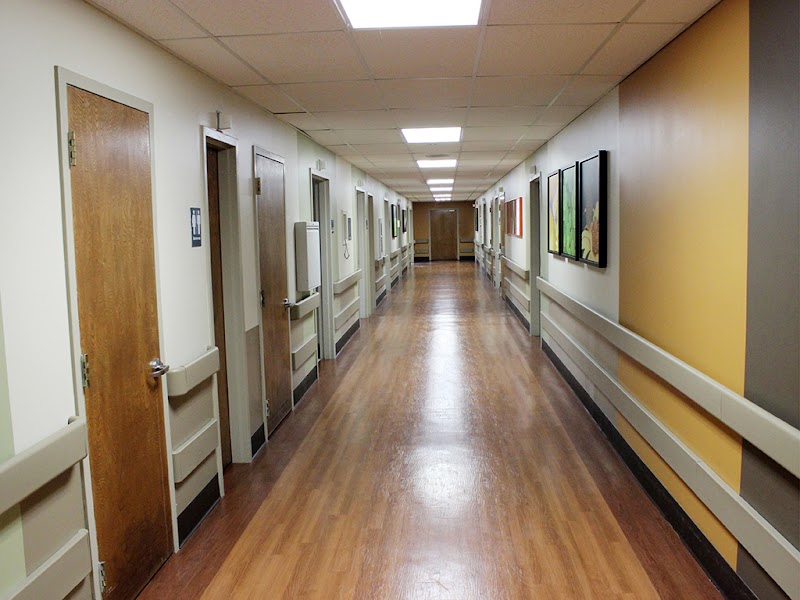
How is Willowcreek Wellness & Rehabilitation Staffed?

CMS rates WILLOWCREEK WELLNESS & REHABILITATION's staffing level at 1 out of 5 stars, which is much below average compared to other nursing homes. Staff turnover is 54%, compared to the Missouri average of 46%. RN turnover specifically is 100%, which is notably high. RNs provide skilled clinical oversight, so turnover in this role can affect medical care quality.

What Have Inspectors Found at Willowcreek Wellness & Rehabilitation?

State health inspectors documented 84 deficiencies at WILLOWCREEK WELLNESS & REHABILITATION during 2020 to 2025. These included: 5 Immediate Jeopardy (the most serious level, indicating potential for serious harm or death), 3 that caused actual resident harm, 75 with potential for harm, and 1 minor or isolated issues. Immediate Jeopardy findings are rare and represent the most serious regulatory concerns. They require immediate corrective action.
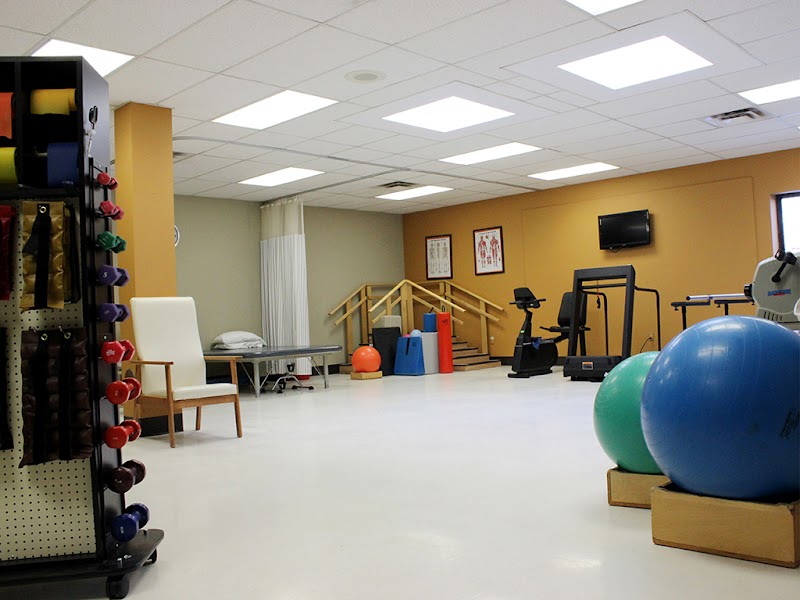
Who Owns and Operates Willowcreek Wellness & Rehabilitation?

WILLOWCREEK WELLNESS & REHABILITATION is owned by a for-profit company. For-profit facilities operate as businesses with obligations to shareholders or private owners. The facility is operated by OPCO SKILLED MANAGEMENT, a chain that manages multiple nursing homes. With 158 certified beds and approximately 113 residents (about 72% occupancy), it is a mid-sized facility located in FLORISSANT, Missouri.
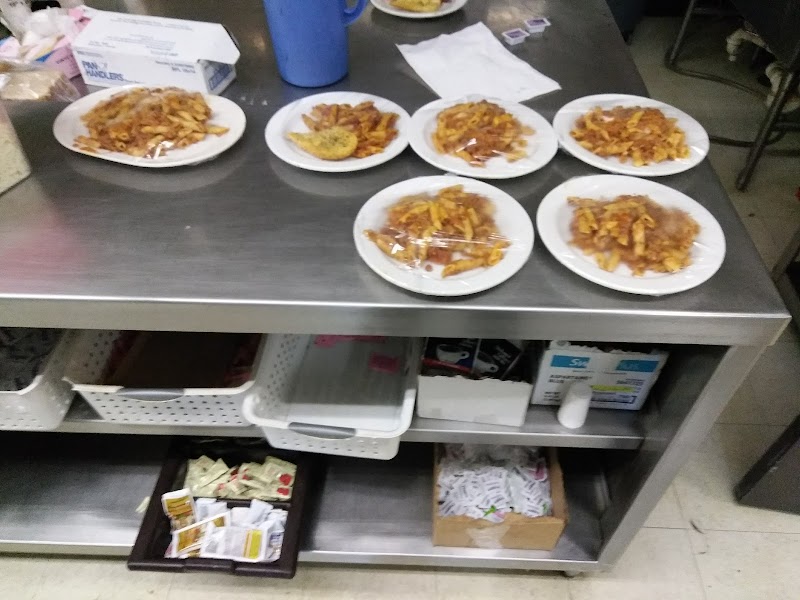
How Does Willowcreek Wellness & Rehabilitation Compare to Other Missouri Nursing Homes?

Compared to the 100 nursing homes in Missouri, WILLOWCREEK WELLNESS & REHABILITATION's overall rating (1 stars) is below the state average of 2.5, staff turnover (54%) is near the state average of 46%, and health inspection rating (1 stars) is much below the national benchmark.

What Should Families Ask When Visiting Willowcreek Wellness & Rehabilitation?

Based on this facility's data, families visiting should ask: "What changes have been made since the serious inspection findings, and how are you preventing similar issues?" "What safeguards and monitoring systems are in place to protect residents from abuse or neglect?" "Can you walk me through typical staffing levels on day, evening, and night shifts?" "Can I visit during a mealtime to observe dining assistance and food quality?" These questions are particularly relevant given the facility's Immediate Jeopardy citations, the substantiated abuse finding on record, and the below-average staffing rating.

Is Willowcreek Wellness & Rehabilitation Safe?

Based on CMS inspection data, WILLOWCREEK WELLNESS & REHABILITATION has documented safety concerns. The facility has 1 substantiated abuse finding (meaning confirmed case of resident harm by staff or other residents). Inspectors have issued 5 Immediate Jeopardy citations (the most serious violation level indicating risk of serious injury or death). The facility is currently on the Special Focus Facility watch list (a federal program monitoring the lowest-performing 1% of nursing homes nationwide). The facility has a 1-star overall rating and ranks #100 of 100 nursing homes in Missouri. Families considering this facility should ask detailed questions about what corrective actions have been taken since these incidents.

Do Nurses at Willowcreek Wellness & Rehabilitation Stick Around?

WILLOWCREEK WELLNESS & REHABILITATION has a staff turnover rate of 54%, which is 8 percentage points above the Missouri average of 46%. Moderate turnover is common in nursing homes, but families should still ask about staff tenure and how the facility maintains care continuity when employees leave.

Was Willowcreek Wellness & Rehabilitation Ever Fined?

WILLOWCREEK WELLNESS & REHABILITATION has been fined $85,175 across 2 penalty actions. This is above the Missouri average of $33,931. Fines in this range indicate compliance issues significant enough for CMS to impose meaningful financial consequences. Common causes include delayed correction of deficiencies, repeat violations, or care failures affecting resident safety. Families should ask facility leadership what changes have been made since these penalties.

Is Willowcreek Wellness & Rehabilitation on Any Federal Watch List?

WILLOWCREEK WELLNESS & REHABILITATION is currently an SFF Candidate, meaning CMS has identified it as potentially qualifying for the Special Focus Facility watch list. SFF Candidates have a history of serious deficiencies but haven't yet reached the threshold for full SFF designation. The facility is being monitored more closely — if problems continue, it may be added to the official watch list. Families should ask what the facility is doing to address the issues that led to this status.