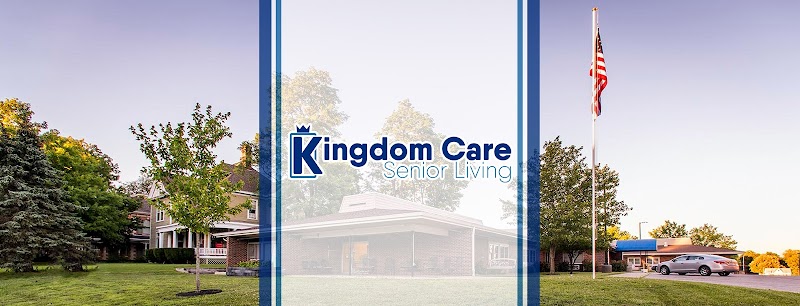
KINGDOM CARE SENIOR LIVING LLC
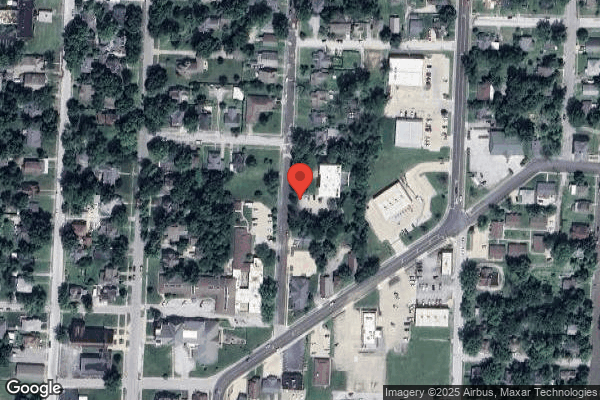
811 CENTER STREET, FULTON, MO 65251 (573) 642-6646
For profit - Limited Liability company 36 Beds Independent Data: November 2025
Trust Grade
85/100
#25 of 479 in MO
Last Inspection: September 2024

Within standard 12-15 month inspection cycle. Federal law requires annual inspections.

Overview

Kingdom Care Senior Living LLC in Fulton, Missouri has a Trust Grade of B+, which means it is above average and recommended, indicating a generally positive reputation. It ranks #25 out of 479 facilities in Missouri, placing it in the top half, and #1 out of 4 in Callaway County, making it the best local option. The facility is improving, having reduced its number of issues from 10 in 2023 to 5 in 2024. Staffing is a strong point, with a 5/5 star rating and a turnover rate of 47%, which is better than the state average. However, there are some concerns, such as maintaining a clean and safe environment, as well as not fully implementing infection control measures for two residents. Additionally, staff did not check the CNA Registry for all employees, which is necessary to ensure the safety of residents. Overall, while there are notable strengths, families should consider the areas needing improvement.

Trust Score
B+
85/100
In Missouri
#25/479
Top 5%
Safety Record
Low Risk
No red flags
Inspections
Getting Better
10 → 5 violations
Staff Stability
⚠ Watch
47% turnover. Above average. Higher turnover means staff may not know residents' routines.
Penalties
✓ Good
No fines on record. Clean compliance history, better than most Missouri facilities.
Skilled Nurses
○ Average
Each resident gets 38 minutes of Registered Nurse (RN) attention daily — about average for Missouri. RNs are the most trained staff who monitor for health changes.
Violations
⚠ Watch
19 deficiencies on record. Higher than average. Multiple issues found across inspections.
★★★★★
5.0
Overall Rating
★★★★★
5.0
Staff Levels
★★★★★
5.0
Care Quality
★★★★☆
4.0
Inspection Score
Stable
2023: 10 issues
2024: 5 issues

The Good

  • 5-Star Staffing Rating · Excellent nurse staffing levels
  • 5-Star Quality Measures · Strong clinical quality outcomes
  • Full Sprinkler Coverage · Fire safety systems throughout facility
  • No fines on record

Facility shows strength in staffing levels, quality measures, fire safety.

The Bad

Staff Turnover: 47%

Near Missouri avg (46%)

Higher turnover may affect care consistency

The Ugly 19 deficiencies on record

Sept 2024 5 deficiencies
CONCERN (D)

Potential for Harm - no one hurt, but risky conditions existed

Deficiency F0657 (Tag F0657)

Could have caused harm · This affected 1 resident

**NOTE- TERMS IN BRACKETS HAVE BEEN EDITED TO PROTECT CONFIDENTIALITY** Based on observation, interview, and record review, facility staff failed to update the care plans for meal assistance for two r...

Read full inspector narrative →
**NOTE- TERMS IN BRACKETS HAVE BEEN EDITED TO PROTECT CONFIDENTIALITY** Based on observation, interview, and record review, facility staff failed to update the care plans for meal assistance for two residents (Resident #3 and #24) and for bed rail usage for one resident (Resident #3) of 19 sampled residents. The facility census was 26. 1. Review of the facility's policy titled, Care Plans, Comprehensive Person-Centers dated, December 2016 says; -The interdisciplinary team should develop and implement a comprehensive, person-centered care plan for each resident, -The care plan interventions are derived from a thorough analysis of the information gathered as part of the comprehensive assessment, -Care plans will include the services that are to be furnished to attain or maintain the resident's highest practicable physical, mental, and psychosocial well-being, -Assessments of residents are ongoing and care plans are revised as information about the residents and the residents' conditions change. 2. Review of Resident #3's care plan dated, 10/14/23, showed staff documented the resident independent with meals after setup assistance, and required assistance from two staff member for bed mobility. Review showed the care plan did not contain documentation in regard to the resident's side rail use and meal assistance. Review of the resident's Quarterly Minimum Data Set (MDS), a federally mandated assessment tool, dated 06/24/24, showed the resident required set-up assistance for eating and has upper extremity impairment of one side. Review of the resident's physician orders, dated 09/2024, showed an order may use a transfer bar to the bed for self-positioning. Observation on 09/09/24 at 10:42 A.M., showed the resident had a partial contracture of his/her right hand and used his/her left hand to eat finger foods. Observation on 09/09/24 at 12:16 P.M., showed the resident in the dining room for the noon meal. Observation showed the resident struggled to use a fork with his/her left hand and could not obtain a bite of food. Observation on 09/09/24 at 12:29 P.M., showed the dietary director approached the resident in the dining room and offered him/her a bite. The resident took the bite and the dietary director walked away. Observation on 09/09/24 at 12:35 P.M., Certified Nurse Aide (CNA) I approached resident and asked if he/she is okay but did not offer to assistance the resident with his/her meal. During an interview on 09/09/24 at 12:50 P.M., the resident said he/she is hungry and had a hard time eating because of his/her left hand. The resident said he/she is right-handed but is not able to use the right hand to eat. Observation on 09/09/24 at 2:50 P.M., showed two quarter bed rails up on both sides of the resident's bed. Observation on 09/11/24 at 12:22 P.M., showed dietary staff served the resident lunch and placed the silverware on the right-hand side of the plate. The resident struggled to reach across his/her plate for the silverware. Staff brought drinks to the resident and placed the drinks on the right-hand side of the resident's plate out of the resident's reach. During an interview on 09/12/24 at 9:55 A.M., CNA I said staff are supposed to supervise the resident during meals and offer assistance as needed. The CNA said he/she knows the resident has limited use of his/her right hand and is right-handed. CNA I said the resident is usually pretty good at using his/her left hand. CNA I said staff should not place silverware or drinks on the resident's right side. CNA I said the resident uses the bed rails to hold on when being turned from side to side. The CNA said this should be on the resident's care plan. During an interview on 09/12/24 at 10:21 A.M., Registered nurse (RN) H said mealtime assistance needs should be on the care plan but the RN does not have time to look at the care plans so he/she did not know if it is on the resident's care plan. RN H said the resident has days when he/she required more assistance and that is why he/she is sat in the assisted dining room. RN H said staff should offer to help the resident if he/she is struggling. RN H said staff know the resident does not use his/her right hand due to a contracture and that the resident is right handed. RN H said staff should not put the resident's items like drinks or silverware on his/her right side because it puts the items out of the resident's reach. RN H said the resident uses the bed rails to help turn in bed with staff assistance. RN H said the resident can not use the bed rails independently and they should be care planned. During an interview on 09/12/24 at 10:48 A.M., the Director of Nursing (DON) said the MDS coordinator is responsible for care plan development but he/she is out on leave, so the DON has been updating the care plan. The DON said the resident's meal time assistance needs should be care planned and he/she did not know why it had not been. The DON said the bed rails are called positioning rails and the resident uses the rails with staff assistance while turning. The DON said this should be in the resident's care plan. 3. Review of Resident #24's quarterly MDS, dated [DATE] shows staff assessed the resident choked and coughed while he/she ate. Review of the resident's care plan, dated 05/29/24, showed staff documented the resident is independent with eating. The care plan did not contain intervention for the residents choking concerns. Review of the resident's nutrition assessment, dated 07/22/24, showed the resident required nectar thick liquids with supervised assistance meals. Observation on 09/09/24 at 12:26 P.M., showed dietary staff served the resident his/her meal and fed the resident. Observation on 09/11/24 at 11:28 A.M., showed dietary staff served the resident drinks without additional staff present in the dining room. Staff served a meal enhancement shake in the original container. Observation showed the resident coughed and choked while he/she drank the shake. Dietary staff took the drink and thickened it in a separate glass. The resident continued to drink nectar thick fluids and coughed and choked. Dietary staff served the resident his/her meal without additional staff present and the resident coughed and choked while he/she tried to eat his/her meal. During an interview on 09/12/24 at 10:01 A.M., CNA I said the resident receives nectar thick liquids because he/she has difficulty swallowing. The CNA said the resident should not be along in the dining room without supervision while eating or drinking. The CNA said the resident could choke if left unsupervised. The CNA said the resident's swallowing issues and need for supervision should be on his/her care plan. During an interview on 09/12/24 at 10:27 A.M., RN H said the resident has swallowing issues and is working with speech therapy. The resident requires nectar thick liquids. RN H said there should be a nursing staff member present in the dining room if the resident is eating or drinking. The RN said if nursing staff is not present the resident could choke while eating or drinking. The RN said the resident's swallowing issues and need for supervision should be on his/her care plan. During an interview on 09/12/24 at 10:54 A.M., the DON said the resident does have occasional issues with swallowing and requires nectar thick liquids. The DON said nursing staff should be in the dining room if the resident has food or drinks. The DON said if nursing staff is not present in the dining room the resident could choke on their food or drinks. The DON said the resident's swallowing issues and need for supervision should be on his/her care plan. During an interview on 09/12/24 at 11:33 A.M., the administrator said there should be a care plan for the resident's swallowing issues and interventions staff are implementing. The administrator said nursing staff should always be in the dining room if the resident is eating or drinking.
CONCERN (D)

Potential for Harm - no one hurt, but risky conditions existed

Respiratory Care (Tag F0695)

Could have caused harm · This affected 1 resident

Based on observation, interview, and record review, facility staff failed to obtain a physician's order for and failed to update the plan of care for one resident (Resident #23) out of two sampled res...

Read full inspector narrative →
Based on observation, interview, and record review, facility staff failed to obtain a physician's order for and failed to update the plan of care for one resident (Resident #23) out of two sampled residents who received oxygen therapy. The facility census was 26. 1. Review of the facility's policy titled, Oxygen Administration, dated October 2010, showed staff are directed to verify there is a physician's order. Review the physician's order or facility protocol for oxygen administration. Review the care plan to assess for any special needs of the resident. 2. Review of Resident #23's admission Minimum Data set (MDS), a federally mandated assessment tool, dated 07/07/24, showed staff assessed the resident used oxygen. Review of the resident's Physician Orders Sheet (POS), dated September 2024, showed it did not contain an order for oxygen. Review of the resident's care plan, dated 07/07/24, showed staff documented the resident used oxygen continuously. Review showed staff documented the resident is unable to propel self and manage the oxygen concentrator. Review of the resident's progress notes, dated July 2024, showed staff documented: -On 07/2/24: Resident in a recliner with oxygen set at three liters (L) via nasal cannula (NC); -On 07/3/24: Residents oxygen saturation (the percentage of hemoglobin in the blood that is saturated with oxygen compared to the total amount of hemoglobin in the blood) is 95% on three liters of oxygen via NC; -07/28/24: Residents oxygen saturation is 97% on three liters of oxygen via NC. Observation on 09/09/24 at 11:30 A.M., showed the resident in the dining room and oxygen at five liters via NC. Observation on 09/11/24 at 10:52 A.M., showed the resident with four liters of 4L of oxygen via NC. Observation on 09/12/24 at 10:06 A.M., showed the resident four liters of oxygen via NC. During an interview on 09/12/24 at 9:58 A.M., Certified Nurse Aide (CNA) I said the resident receives continuous oxygen at two to three liters per minute. He/she said all nursing staff is responsible for checking the oxygen setting but the nurse is responsible for adjusting it. CNA I said when the resident is transported within the facility they take the concentrator with him/her. CNA I said oxygen use should be on the resident's care plan. He/she said they would go to the nurse for instruction if it is not on the care plan. During an interview on 09/12/24 at 10:25 A.M., Registered Nurse (RN) H said the resident receives three to four liters per minute of oxygen when at rest. RN H said there should be an order for oxygen, and it should also be in the resident's care plan. During an interview on 09/12/24 at 10:51 A.M., the Director of Nursing (DON) said the resident's oxygen concentrator should be set at two liters per minute when resident is at rest. He/she said staff should find this on the resident's care plan as well as physician's orders. He/She said he/she did not know the resident's oxygen had been set at four or five liters per minute. The DON said the resident's oxygen is only for comfort and when he/she is not ambulating for transport, he/she does not need it. The DON he/she is responsible for ensuring oxygen is listed on the physician's orders and the care plan since the Assistant Director of Nursing is out on leave. During an interview on 09/12/24 at 11:31 A.M., the administrator said oxygen use should have a physician's order and it should be on the care plan. The administrator said there was some confusion and changes with the resident's oxygen when he/she first admitted .
CONCERN (E)

Potential for Harm - no one hurt, but risky conditions existed

Safe Environment (Tag F0584)

Could have caused harm · This affected multiple residents

**NOTE- TERMS IN BRACKETS HAVE BEEN EDITED TO PROTECT CONFIDENTIALITY** Based on observation, interview and record review, facility staff failed to provide a clean, safe, and comfortable home-like env...

Read full inspector narrative →
**NOTE- TERMS IN BRACKETS HAVE BEEN EDITED TO PROTECT CONFIDENTIALITY** Based on observation, interview and record review, facility staff failed to provide a clean, safe, and comfortable home-like environment when staff failed to adequately maintain doors and keep walls in resident rooms free of gouges in the drywall and scrapes in the paint. The facility census was 26. 1. Review of the facility's policy titled Quality of Life-Homelike Environment, dated May 2017, showed residents are provided with safe, clean, comfortable and homelike environment. The facility staff and management shall maximize, to the extent possible, the characteristics of the facility that reflect a personalized, homelike setting, to include clean, sanitary and orderly environment. 2. Review of the facility's policy titled Maintenance Service, dated December 2009, showed the maintenance department is responsible for maintaining the buildings, grounds, and equipment in a safe and operable manner at all times. Functions of maintenance personnel include maintaining the building in compliance with current federal, state, and local lows, regulations, and guidelines. The building should be maintained in good repair. The Maintenance Director is responsible for developing and maintaining a maintenance schedule. A copy of the maintenance schedule shall be provided to each department director so that appropriate scheduling can be made without interruption of services to the residents. The Maintenance Director is responsible for maintaining Work Order Requests. 3. Observation on 09/09/24 at 10:51 A.M., showed resident occupied room [ROOM NUMBER] drywall and paint peeled from the floor to the ceiling, an unpainted patched circular area, behind the sink in the bathroom had unpainted patched drywall, and the bathroom door contained black scrape marks on the lower quarter of the door. 4. Observation on 09/09/24 at 11:01 A.M., showed occupied room [ROOM NUMBER] a hole in the drywall had been patched with drywall mud and had not been painted. Drywall behind headboard of bed is damaged and missing paint. The wall beneath the thermostat in the room had a hole in the drywall and areas of chipped paint. The dresser in the room and door to the bathroom had chunks of wood and the finish missing. The heater in the restroom leaned out of the wall and base trim is off the wall behind the toilet. 5. Observation on 09/09/24 at 11:33 A.M. showed in occupied room [ROOM NUMBER] the wall behind bed A had unpainted drywall. 6. Observation on 09/09/24 at 12:05 P.M. showed in occupied room [ROOM NUMBER] two visible unpainted patches of drywall on the right side of the bed. 7. Observation on 09/09/24 at 2:15 P.M., showed in occupied room [ROOM NUMBER] the wall behind and alongside bed A and the wall behind and alongside bed B had several areas of unpainted drywall. To the left of the window on the far wall of the room there are black marks on the lower portion of the wall. The back corner of the room had decorative bricks stacked two high underneath the head of bed B. 8. Observation on 09/09/24 at 2:15 P.M., showed in occupied room [ROOM NUMBER] the wall to the left side of the window had several areas of unpainted drywall. The wall on the right side of the room behind bed B and recliner has several gouges and areas of unpainted drywall. 9. Observation on 09/09/24 at 2:42 P.M., showed in occupied room [ROOM NUMBER] damage to drywall and paint scraped off of the wall behind the headboard of a bed. 10. Observation on 09/09/24 at 2:51 P.M., showed in occupied room [ROOM NUMBER] the wall to the left of the entrance alongside bed A had several areas of unpainted drywall. 11. Observation on 09/10/24 at 9:34 A.M., showed in occupied room [ROOM NUMBER] had damaged drywall and paint under wall thermostat and above chair in room. 12. Observation on 09/10/24 at 10:05 A.M., showed in occupied room [ROOM NUMBER] had missing paint and damaged drywall on wall beside bed and on wall beside window. During an interview on 09/12/24 at 10:47 A.M., Certified Nurse Aide (CNA) J said staff are supposed to tell the nurse if they see something that needs fixed. The CNA said staff should report damaged walls and doors to the nurse and the nurse should put a work order in the computer for maintenance. The CNA said he/she is usually too busy trying to take care of the residents to look at cosmetic stuff. During an interview on 09/12/24 at 10:49 A.M., Registered Nurse (RN) H said staff should tell him/her if there is damage to walls and doors and he/she will send an email to the Maintenance Director. The RN said he/she has noticed damage to walls, walls with drywall mud on them and unpainted. The RN said he/she did not send a maintenance request when he/she noticed because he/she is uncertain if someone else had already reported it. During an interview on 09/12/24 at 10:54 A.M., the Maintenance Director said staff are supposed to send him/her a work order if something needs repaired. He/She said if repairs are needed in a resident room he/she has to have a work order before entering the room. The Maintenance Director said he/she tries to respond to concerns within 24 hours. The Maintenance Director said he/she doesn't think he/she has gotten any work orders for walls or doors in resident rooms this week. The Maintenance Director said the aides are rough and tear up the walls with the beds. The Maintenance Director said he/she doesn't have a set schedule to paint the patched drywall damage. During an interview on 09/12/24 at 11:03 A.M., the administrator said staff is supposed to notify maintenance when they see damage to walls and doors. The administrator said aides should tell the nurses and the nurses should email maintenance. The Administrator said they put paper requests at the nurses station, so even aides could fill out a maintenance request. The administrator said he/she has not noticed drywall repairs that had not been painted. The administrator said he/she has educated staff on reporting maintenance issues.
CONCERN (E)

Potential for Harm - no one hurt, but risky conditions existed

Infection Control (Tag F0880)

Could have caused harm · This affected multiple residents

**NOTE- TERMS IN BRACKETS HAVE BEEN EDITED TO PROTECT CONFIDENTIALITY** Based on observation, interview, and record review, facility staff failed to implement Enhanced Barrier Precautions (EBP) to pre...

Read full inspector narrative →
**NOTE- TERMS IN BRACKETS HAVE BEEN EDITED TO PROTECT CONFIDENTIALITY** Based on observation, interview, and record review, facility staff failed to implement Enhanced Barrier Precautions (EBP) to prevent the spread of bacteria and other infection causing contaminants during the provision of care for two residents (Residents #9 and #28) of a sample of two residents. The facility census was 26. 1. Review of the facility's titled Enhanced Barrier Precautions, undated, showed EBP are an infection control intervention designed to reduce the transmission of Multidrug-Resistant Organisms (MDROs) in nursing homes. EBP expands upon Standard Precautions by requiring the use of gowns and gloves during specific high-contact resident care activities. High-contact resident care activities are activities that have been demonstrated to result in the transfer of MDROs to hands or clothing of healthcare personnel, even if blood and body fluid exposure is not anticipated. Example of high-contact care activities include, but are not limited to dressing, bathing, transferring, providing hygiene, changing linens, changing briefs or assisting with toileting, device care or use of catheter, feeding tube, etc. The Infection Preventionist ensures that regular audits of staff adherences to EBP guidelines are conducted. Any deviations from protocol should prompt additional training and education efforts. 2. Review of Resident #9's Significant Change in Status Assessment (SCSA) Minimum Data Set (MDS), a federally mandated assessment tool, dated 07/02/24, showed staff assessed the resident had a severe cognitive impairment and required a feeding tube. Review of the resident's Physician Order Sheet (POS), dated September 2024, showed an order for enteral feedings every shift by feeding tube. Observation on 09/09/24 at 11:53 A.M., showed the resident received his/her tube feeding in his/her room. Observation showed outside the resident room did not contain an EBP sign posted outside the resident's room or Personal Protective Equipment (PPE) station observed inside or outside the resident's room. Observation on 09/09/24 at 3:15 P.M., showed the resident's feeding tube leaked and ran down the front of the resident's shirt. Licensed Practical Nurse (LPN) D entered the resident's room and fixed the resident's tube feeding. The LPN did not wear a gown when he/she assisted the resident with the his/her tube feeding. Observation on 09/10/24 at 10:16 A.M., showed Certified Nurse Aide (CNA) E entered the resident's room. The CNA assisted the resident out of bed and did not wear a gown. Observation on 09/12/24 at 7:54 A.M., showed LPN M administered the resident's medications through his/her feeding tube. LPN M did not wear a gown when he/she administered the resident's medications. Observation on 09/12/24 at 8:18 A.M., showed CNA I showered and transferred the resident. The CNA did not have a gown on. Observation showed Registered Nurse (RN) H started the resident's tube feeding and did not have a gown on. The resident's room did not have an EBP sign on the door. 3. Review of Resident #28's Discharge Assessment MDS, dated [DATE], showed staff assessed the resident admitted to the facility on [DATE] and required a feeding tube. Review of the resident's POS, dated September 2024, showed an order for enteral feeding, continuously of Jevity 1.2 Calories. Observation on 09/09/24 at 10:55 A.M. showed the resident received his/her tube feeding in his/her room. Observation showed outside the resident room did not contain an EBP sign posted outside the resident's room or PPE station observed inside or outside the resident's room. Observation on 09/10/24 at 8:53 A.M. showed the resident received his/her tube feeding in his/her room. There is no EBP sign posted outside the resident's room or PPE station observed inside or outside the resident's room. Observation on 09/12/24 at 8:21 A.M., showed Certified Medication Technician (CMT) J entered the resident's room and assisted the resident with perineal care. The CMT did not wear a gown when he/she provided care to the resident. 4. During an interview on 09/12/24 at 10:03 A.M., CNA I said he/she does not remember receiving training on EBP and had not used a gown when caring for residents with a catheter or feeding tube. During an interview on 09/12/24 at 10:07 A.M., RN H said he/she does not know what EBP is. The RN said he/she does not think there is any residents on EBP. The RN said he/she would not know what residents should be on EBP, because he/she doesn't even know what the definition of EBP is. The RN said he/she does not wear a gown when providing care for resident #9 and #28. The RN said the two resident's do not have gowns or signs for EBP outside their rooms. The RN said the aides do not wear gowns when providing the two resident's care. During an interview on 09/12/24 at 10:08 A.M., CMT J said he/she guessed he/she did not receive education for EBP use. The CMT said he/she did not know EBP should be used during care for residents with feeding tubes and catheters. During an interview on 09/12/24 at 10:25 A.M., CNA E said he/she used gloves when providing care for residents with feeding tubes, but he/she does not wear a gown. The CNA said he/she does not know what EBP are. The CNA said he/she hasn't seen any signs posted. During an interview on 09/12/24 at 10:25 A.M., the Director of Nursing (DON) said he/she is not familiar with EBP and the facility is not following it. The DON said it could be an infection control concern if staff is transferring germs from resident to resident. During an interview on 09/12/24 at 10:29 A.M. the administrator said he/she is not familiar with EBP, and the facility does not have any residents on EBP. The administrator said he/she currently does not have any EBP signs posted outside any resident doors. The administrator said he/she does not know why EBP signage is not posted outside the resident doors. The administrator said he/she can not say why staff are not wearing gowns, honestly. The administrator said it is his/her and the DON's responsibility to ensure staff are are wearing gowns with residents on EBP, we did not set equipment out for the staff to use. During an interview on 09/12/24 at 1:19 P.M., the Administrator said the Infection Preventionist is responsible for updating staff training when new requirements come out to be used. The administrator said they were aware of EBP for multi drug resistant organisms, but did not know it also applied to feeding tubes or catheters, intravenous access devices, and wounds.
MINOR (C)

Minor Issue - procedural, no safety impact

Staffing Information (Tag F0732)

Minor procedural issue · This affected most or all residents

Based on observation, interview, and record review, facility staff failed to post the required nurse staffing information, which included the total number of staff and the actual hours worked, by both...

Read full inspector narrative →
Based on observation, interview, and record review, facility staff failed to post the required nurse staffing information, which included the total number of staff and the actual hours worked, by both licensed and unlicensed nursing staff directly responsible for resident care, per shift, and on a daily basis. The facility census was 26. 1. Review of the facility's policy titled, Posting Direct Care Daily Staffing Numbers, dated August 2022, showed staff were directed to do the following: -Our facility will post on a daily basis for each shift nurse staffing data, including the number of nursing personnel responsible for providing direct care to residents; -Within two hours of the beginning of each shift, the number of licensed nurses (Registered Nurses (RN), Licensed Practical Nurses (LPN) and the number of unlicensed nursing personnel (Certified Nurse Aides (CNA) and Nurse Aides (NA) directly responsible for resident care is posted in a prominent location accessible to resident and visitors and in a clear and readable format; -The information on the form shall include the following: -Twenty-four hour shift scheduled operated by the facility; -Type (RN, LPN, or CNA) and category (licensed or non-licensed) of nursing staff working during that shift who are paid by the facility; -The actual time worked during that shift for each category and type of nursing staff; -Total number of licensed and non-licensed nursing staff working for the posted shift; -Within two hours of the beginning of each shift, the charge nurse or designee computes the number of direct care staff and completes the Nurse Staffing Information form; the charge nurse completes the form and posts the staffing information in the location(s) designated by the administrator. 2. Observation on 09/09/24 at 11:09 A.M., showed the daily nurse staff posting did not include the number of licensed staff or the total number of hours worked for the evening shift (3 P.M. to 11 P.M.) and night shift (11 P.M. to 7 A.M.). Observation on 09/10/24 at 8:45 A.M., showed the daily nurse staff posting did not include the number of licensed staff or the total number of hours worked for all three shifts. Observation on 09/11/24 at 8:02 A.M., showed the daily nurse staff posting listed only licensed staff for the day shift (7 A.M. to 3 P.M.), and did not include the total number of hours worked for the day shift or staff and total number of hours worked for the two remaining shifts. Observation on 09/12/24 at 12:47 P.M., showed the daily nurse staff posting did not include licensed staff or the total hours worked for all three shifts. 3. During an interview on 09/12/24 at 7:56 A.M., Licensed Practical Nurse (LPN) L said he/she puts the form out every night, and each shift charge nurse fills out staffing numbers and hours per shift. LPN L said he/she did not know the form is not being filled and staff just forget. LPN L said he/she turns the forms in to the Administrator each night. He/she was not sure who is responsible for ensuring the forms are completed, but they are given to the Administrators office. During an interview on 09/12/24 at 10:35 A.M. the Director of Nursing (DON) said the daily nurse staff posting should be completed during report, and should have licensed staff and total hours for all shifts. The DON did not know the form is not being filled out. He/She said the oncoming charge nurse is responsible to fill it out at the beginning of each shift, he/she said it has always been filled out for each shift separately, and staff will need education about filling it out completely. He/she said the forms are turned in to the office at night and he/she believes the administrator is responsible for reviewing. During an interview on 09/12/24 at 1:19 P.M., the administrator said daily nurse staff posting should have the census, the number of staff, and the hours worked for each shift. The charge nurse on the floor is responsible for filling out the form for the whole day. The administrator did not know the form is not being filled out during the day. The administrator said the DON should be monitoring when doing floor rounds to ensure the forms are completed accurately for the whole day.
Sept 2023 10 deficiencies
CONCERN (D)

Potential for Harm - no one hurt, but risky conditions existed

Deficiency F0578 (Tag F0578)

Could have caused harm · This affected 1 resident

**NOTE- TERMS IN BRACKETS HAVE BEEN EDITED TO PROTECT CONFIDENTIALITY** Based on interview and record review the facility staff failed to document residents' code status consistently, Do Not Resuscita...

Read full inspector narrative →
**NOTE- TERMS IN BRACKETS HAVE BEEN EDITED TO PROTECT CONFIDENTIALITY** Based on interview and record review the facility staff failed to document residents' code status consistently, Do Not Resuscitate (DNR) or Full Code (Resuscitate refers to cardiopulmonary resuscitation-CPR) for one resident (Resident #1). The facility census was 29. 1. Review of the facility's Do Not Resuscitate Order Policy, revised [DATE], showed staff are directed as follows: -Do not resuscitate orders must be signed by the resident's Attending Physician on the physician's order sheet maintained in the resident's medical record; -The Interdisciplinary Care Planning Team will review advance directives with the resident during quarterly care planning sessions to determine the resident wishes to make changes in such directives. Review of the facility's Advance Directives Policy, revised [DATE], showed information about whether or not the resident had executed an advance directive shall be displayed prominently in the medical record. 2. Review of Resident #1's Physician Order Sheet (POS), showed an active order dated, [DATE], staff documented the resident was a Full Code status. Review of the resident's medical record showed a green dot (full code) on the outside of the resident's chart. The chart contained a Health Care Directive, undated, that directed staff as follows: -I direct that the life-prolonging procedures listed below be withheld or withdrawn, even if my death would result. A. Artificially supplied nutrition and hydration B. Cardiopulmonary resuscitation (CPR) C. Mechanical ventilator (respirator) D. Surgery or other invasive procedures E. Antibiotics F. Dialysis G. Chemotherapy H. Radiation therapy I. All other life-prolonging medical or surgical procedures that are merely intended to keep me alive without reasonable hope of improving my condition or curing my illness or injury. During an interview on [DATE] at 2:30 P.M., Certified Nurse Aid (CNA) I said there were a couple ways that staff know what a resident's code status. On the chart there a red dot means DNR and green dot means a full code status. He/She said it was also in the resident's medical record, the hard chart and the electronic medical record (EMR). During an interview on [DATE] at 2:35 P.M., Licensed Practical Nurse (LPN) H said residents have the red and green dots to show code status, and it was also located in the EMR and hard chart. LPN H said if a resident's chart did not say one way or another, I would consider them a full code. He/She said it should be discussed on admission. During an interview on [DATE] at 3:50 P.M., the Director of Nursing (DON), said it there was a green or red dot on the door next to the residents name, and was also on the outside of their chart. The DON said it was something they would discuss in care plan meetings, roughly quarterly. The DON said things could be changed anytime the resident or representative chose. He/She said they were not sure why a resident would not have consistent documentation for code status. During an interview on [DATE] at 4:15 P.M., the Administrator said there was a dot outside the resident's door, on their hard chart and in the EMR that was used to determine a resident's code status. The administrator said that medical records, and initially everyone was responsible for updating and keeping track of this information.
CONCERN (D)

Potential for Harm - no one hurt, but risky conditions existed

Deficiency F0692 (Tag F0692)

Could have caused harm · This affected 1 resident

**NOTE- TERMS IN BRACKETS HAVE BEEN EDITED TO PROTECT CONFIDENTIALITY** Based on interview and record review facility staff failed to implement dietician recommendations after an acute illness and cha...

Read full inspector narrative →
**NOTE- TERMS IN BRACKETS HAVE BEEN EDITED TO PROTECT CONFIDENTIALITY** Based on interview and record review facility staff failed to implement dietician recommendations after an acute illness and change in appetite to prevent weight loss for one of one sampled resident (Resident #21). The facility census was 29. 1. Review of the facility's Nutritional Assessment Policy revised October 2017, showed as part of the comprehensive assessment, a nutritional assessment including current nutritional status and risk factors for impaired nutrition, shall be conducted for each resident. The dietician, in conjunction with the nursing staff and healthcare practioners, will conduct a nutritional assessment for each resident upon admission and as indicated by a change in condition that places the resident at risk for impaired nutrition. As part of the comprehensive assessment, the nutritional assessment will be a systematic, multidisciplinary process that includes gathering an interpreting data and using that data to help define meaningful interventions for the resident at risk for or with impaired nutrition. 2. Review of Resident #21's quarterly Minimum Data Set (MDS), dated [DATE], a federally mandated assessment tool, showed staff assessed the resident as follows: -Severely cognitively impaired; -Diagnoses of non-traumatic brain dysfunction (injuries to the brain that are not caused by an external physical force to the head), renal failure (inability of the kidneys to perform excretory function leading to retention of nitrogenous waste products from the blood) and dementia (the loss of cognitive functioning - thinking, remembering, and reasoning - to such an extent that it interferes with a person's daily life and activities). -Eats independently with set up only. Review of resident's medical record showed the following weights: -July 2023: 150.4 lbs; -August 2023: 136.6 lbs; -September 2023: no weight documented. Review of the Dietician's report, dated 08/17/23, showed he/she recommended VHC (very high calorie) 90 ml (milliliters) TID (three times a day). Review of the resident's progress notes, dated 08/17/23, showed the dietician documented the resident with current weight of 143.6 lbs (pounds) reflecting four and a half percent loss in thirty days, seven percent loss in ninety days, and nine point two loss in 180 days. Resident with previous good intake, however resident is refusing meals, spitting out food and beverages per staff as of late. Question if related to recent COVID diagnosis. Recommend providing VHC 90 ml TID and obtaining new weight. Will continue to monitor and follow up PRN. Review of the physician order sheet (POS), dated August 2023, showed the resident did not have an order for VHC 90 ml TID. Review of the POS, dated September 2023, showed the resident did not have an order for VHC 90 ml TID. During an interview on 09/13/23 at 1:20 P.M., the DON said he/she did not receive the report for August and he/she does not know why. He/She said because the resident had Covid and a hospitalization, he/she did not think that the resident needed any dietary interventions. During an interview on 09/13/23 at 02:58 P.M., Licensed Practical Nurse (LPN) H said if he/she saw a resident had lost weight he/she would contact the physician to see if the resident can get a high calorie supplement. Any resident who has a downward trend of weight loss needs dietician intervention and possibly an appetite stimulant. During an interview on 09/13/23 at 04:28 P.M., the administrator said the dietician gives recommendations and sends the facility a report in a secure link, the recommendations are then discussed with the physician. If the report is not received we need to call the dietician within a week or two. He/She said it is not his/her expectation that a dietician recommendation would go unaddressed for almost a month. During an interview on 09/18/23 at 01:05 P.M., the dietician said he/she sent the reports with recommendations right after the visit or within twenty four hours then the physician approved or denied his/her recommendations.
CONCERN (D)

Potential for Harm - no one hurt, but risky conditions existed

Deficiency F0698 (Tag F0698)

Could have caused harm · This affected 1 resident

Based on interview and record review, facility staff failed to ensure one (Resident #20) of one sampled residents received care and services for the provision of hemodialysis (the clinical purificatio...

Read full inspector narrative →
Based on interview and record review, facility staff failed to ensure one (Resident #20) of one sampled residents received care and services for the provision of hemodialysis (the clinical purification of blood by dialysis, as a substitute for the normal function of the kidney) consistent with professional standards of practice when staff failed to obtain orders for dialysis and provide ongoing assessments of the resident's condition, and monitoring for complications after dialysis treatments. The facility census was 29. 1. Review of the policies provided by the facility showed no direction for staff in regard to dialysis care for residents. 2. Review of Resident #20's Quarterly Minimum Data Set (MDS), a federally mandated assessment tool, dated 08/21/23, showed facility staff assessed the resident as: -Moderate cognitive impairment; -Received dialysis; -Diagnoses of End Stage Renal Disease (ESRD) a longstanding disease of the kidneys leading to renal failure. Review of the resident's care plan, dated 09/07/23, showed no direction for staff in regard to the resident's dialysis treatment or assessment requirements. Review of the Physician's Order Sheet (POS), dated August 2023, showed no order for dialysis. Review of the resident's medical record showed no completed dialysis communication records from the resident's dialysis clinic. During an interview on 09/13/23 at 02:52 P.M., Licensed Practical Nurse (LPN) H said the resident received dialysis on Monday, Wednesday, and Friday. The LPN said before the resident left the facility for dialysis treatment the nurse completed an assessment including vital signs, and filled out the facility's portion of the communication worksheet that goes with the resident to the dialysis clinic. The LPN said the dialysis clinic filled out the bottom portion of the worksheet and sent back with the resident. It is the nurse's responsibility to get the worksheet from the resident and review the information for changes. The nurse should then update any orders in the resident's chart and ensure the form gets put in the resident's chart. The LPN said the nurses are responsible for obtaining the resident's blood pressure and pulse upon returning, but they did not complete any other assessments. The LPN said the resident should have a physician's order for dialysis treatment. During an interview on 09/13/23 at 03:19 P.M., the Director of Nursing (DON) said staff were expected to fill out the dialysis communication form after assessing the resident and obtaining vital signs. The form should be sent with the resident to the dialysis clinic, and staff should ensure it returned with the resident and the bottom portion was filled out by the dialysis clinic. The DON said he/she expected staff to obtain the resident's vital signs and put a note in the resident's electronic medical when he/she returned from dialysis. There should be a physician's order for dialysis and it should include this in the care plan. During an interview on 09/13/23 at 04:36 P.M., the Administrator said residents who received dialysis should have a physician's order and it should be included in the care plan. The nurses were responsible for assessing the resident and filling out the dialysis communication form prior to the resident leaving. He/She said they sent the form with the resident to dialysis and it should come back when he/she returned. He/She said staff were expected to assess the resident when he/she returned and document the assessment in a progress note in the nurse chart.
CONCERN (E)

Potential for Harm - no one hurt, but risky conditions existed

Abuse Prevention Policies (Tag F0607)

Could have caused harm · This affected multiple residents

Based on interview and record review, facility staff failed to check the Certified Nurse Assistant (CNA) Registry for all staff to ensure they did not have a Federal Indicator (a marker given by the f...

Read full inspector narrative →
Based on interview and record review, facility staff failed to check the Certified Nurse Assistant (CNA) Registry for all staff to ensure they did not have a Federal Indicator (a marker given by the federal government to individuals who have committed abuse and/or neglect) as directed in their policy. The facility census was 29. 1. Review of the facility's policy, titled Abuse, Neglect, Exploitation and Misappropriation Prevention Program, revised April 2021, showed staff were directed to conduct employee background checks and not knowingly employ or otherwise engage any individual who has a finding entered into the state nurse aide registry concerning abuse, neglect, exploitation, mistreatment of residents or misappropriation of their property; or a disciplinary action in effect against his or her professional license by a state licensure body as a result of a finding of abuse, neglect, exploitation, mistreatment of resident or misappropriation of resident property. 2. Review of Housekeeper A's employee file showed: -Hire date of 08/10/23; -The file did not contain documentation of the Nurse Aide registry check. 3. Review of Dietary Aide (DA) B's employee file showed: -Hire date of 04/07/23; -The file did not contain documentation of the Nurse Aide registry check. 4. Review of Staff C's employee file showed: -Hire date of 03/06/23; -The file did not contain documentation of the Nurse Aide registry check. 5. Review of Certified Nurse Aide (CNA) D's employee file showed: -Hire date of 08/08/23; -The file did not contain documentation of the Nurse Aide registry check. 6. During an interview on 09/13/23 at 11:31 A.M., the Administrator said he/she was in charge of all background checks for new employees. He/She said he/she only checked the Nurse Aide registry if the employee was a Nurse Aide or a CNA.
CONCERN (E)

Potential for Harm - no one hurt, but risky conditions existed

Deficiency F0657 (Tag F0657)

Could have caused harm · This affected multiple residents

**NOTE- TERMS IN BRACKETS HAVE BEEN EDITED TO PROTECT CONFIDENTIALITY** Based on interview and record review, the facility staff, failed to update and revise care plans with the interdisciplinary team...

Read full inspector narrative →
**NOTE- TERMS IN BRACKETS HAVE BEEN EDITED TO PROTECT CONFIDENTIALITY** Based on interview and record review, the facility staff, failed to update and revise care plans with the interdisciplinary team (IDT) for three residents (Resident #1, #2, and #8). The facility census was 29. 1. Review of the facility's policies showed staff did not provide a policy for care plan meetings. 2. Review of Resident #1's Quarterly Minimum Data Set (MDS), a federally mandated assessment tool, dated, showed staff assessed the resident as: -Moderate cognitive impairment; -Required limited one person assistance for bed mobility, transfers, toileting, and personal hygiene; -Diagnosis of Depression (a depressed mood or loss if pleasure or interest in activities for long periods of time). Review of the resident's care plan signature sheet, dated 06/16/23, showed the sheet did not consist of an IDT team. Review of the resident's medical record showed the record did not contain documentation of the IDT team was invited or attended a care plan meeting. 3. Review of Resident #2's Quarterly MDS, dated [DATE], showed facility staff assessed the resident as: -Severe cognitive impairment; -Required extensive two plus person physical assistance for bed mobility and dressing; -Required total assistance from two staff for transfers; -Diagnosis of dementia (the loss of cognitive functioning such as thinking, remembering, and reasoning, to such an extent that it interferes with a person's daily life and activities). Review of the resident's care plan signature sheet, dated 06/15/23, showed the sheet did not consist of an IDT team. Review of the resident's medical record showed the record did not contain documentation of the IDT team was invited or attended a care plan meeting. 4. Review of Resident #8's significant change MDS, dated [DATE], showed facility staff assessed the resident as: -Cognitively intact; -Required limited one person assistance for bed mobility, toileting, personal hygiene; -Required extensive two plus person physical assistance for transfers and dressing; -Diagnosis of traumatic brain injury (an injury that affects how the brain works). Review of the resident's care plan signature sheet, dated 07/19/23, showed it did not consist of an IDT team. Review of the resident's medical record showed the record did not contain documentation of the IDT team invited or attended a care plan meeting. 5. During an interview on 09/13/23 at 02:52 P.M., licensed practical nurse (LPN) H said the MDS coordinator was responsible for scheduling and inviting people to the resident's care plan meetings. He/She said he/she used to be the MDS coordinator and knew that the MDS coordinator, DON, Social services director, dietitian, activities director, physician, family, resident, and resident representative should all be invited to the care plan meetings. During an interview on 09/13/23 at 03:00 P.M., the MDS coordinator said he/she was responsible for scheduling and inviting people to the care plan meetings. He/She said he/she invites the resident, resident representative, and Director of nursing (DON). He/She said depending on the circumstances he/she may invite social services and the administrator. He/She said the physician does not attend the care plan meetings but issues can be addressed through email for his/her input. During an interview on 09/13/23 at 03:19 P.M., the DON said it is the MDS coordinator's responsibility to plan and invite people to attend the residents' care plan meetings. He/She said the MDS coordinator invites different people to attend based on the resident's care needs. He/She said the resident's primary contact or representative, the resident, the MDS coordinator and himself/herself usually attend. He/She said sometimes social services and the administrator attend if needed. He/She said the physician does not attend but can be consulted if needed. During an interview on 09/13/23 at 04:36 P.M., the Administrator said the MDS coordinator is responsible for inviting people to the resident's care plan meetings. He/She said the DON, assistant director of nursing (ADON), the resident's family and the resident are invited to the meetings. He/She said sometimes social services and himself/herself will be invited depending on the situation. He/She said the physician is not invited unless the resident or the residents family requests. He/She said all the people who attend the meeting sign the care plan meeting sheet and it is uploaded into the resident's electronic medical record.
CONCERN (E)

Potential for Harm - no one hurt, but risky conditions existed

Accident Prevention (Tag F0689)

Could have caused harm · This affected multiple residents

**NOTE- TERMS IN BRACKETS HAVE BEEN EDITED TO PROTECT CONFIDENTIALITY** Based on observation, interview, and record review, facility staff failed to ensure the residents' environment remained free of ...

Read full inspector narrative →
**NOTE- TERMS IN BRACKETS HAVE BEEN EDITED TO PROTECT CONFIDENTIALITY** Based on observation, interview, and record review, facility staff failed to ensure the residents' environment remained free of accident hazards when staff failed to ensure safe propulsion for three residents (Resident #4, #8, #12, and #15) in wheelchairs in a manner to prevent accidents. The facility census was 29. 1. Review of the facility's Manual Wheelchair safety and Maintenance policy, undated, showed the following: -No pedals-No push; -Always propel a resident in a forward position; -Always ensure leg rests and foot pedals are in the correct position and in use when propelling a resident in a wheelchair. 2. Review of Resident #4's Quarterly Minimum Data Set (MDS), a federally mandated assessment tool, dated 07/03/23, showed staff assessed the resident as: -Severe cognitive impairment; -Diagnoses of Renal insufficiency (poor function of the kidneys that may be due to a reduction in blood-flow to the kidneys caused by renal artery disease.), Dementia (loss of cognitive functioning thinking, remembering, and reasoning - to such an extent that it interferes with a person's daily life and activities.) and Depression (depressed mood or loss of pleasure or interest in activities for long periods of time); -Limited Assistance one person physical assist for locomotion on and off the unit; -Wheelchair use. Observation on 09/11/23 at 12:14 P.M., showed Certified Nursing assistance (CNA) I propelled the resident in his/her wheelchair from his/her room to the dining room without foot pedals. The resident's foot wear skimmed the floor. 3. Review of Resident #8's Quarterly MDS, dated [DATE], showed staff assessed the resident as: -Cognitively intact; -Diagnoses of diabetes (body doesn't make enough insulin or can't use it as well as it should), other fracture (partial or complete break in the bone), traumatic brain injury (TBI), atrial fibrilation (type of arrhythmia, or abnormal heartbeat) and depression; -Limited assistance one person physical assist; -Walker and wheelchair in use. Observation on 09/11/23 at 10:23 A.M., showed CNA L propelled the resident down the hall to the scale without foot pedals. The resident's foot wear skimmed the floor. Observation on 09/11/23 at 11:50 A.M., showed CNA L grabbed the residents cup holder on his/her wheelchair and pulled the resident to the dining room. The resident's foot wear skimmed the floor. 4. Review of Resident #12's annual MDS, dated [DATE], showed facility staff assessed the resident as: -Sever cognitive impairment; -Required extensive two plus person assist with bed mobility, transfers, dressing, and toileting; -Uses a wheelchair; -Diagnosis of stroke (can occur when blood flow to the brain is blocked or there is sudden bleeding in the brain) and hemiplegia (paralysis of one side of the body). Observation on 09/12/23 at 11:34 A.M., showed nurse aide (NA) J propelled the resident down the hall from his/her room to the dining room with only the right foot pedal on. Further observation showed the resident's left foot skimmed the floor. 5. Review of Resident #15's admission MDS, dated [DATE], showed staff assessed the resident as cognitively intact. -Cognitively intact; -Diagnosis of absence of the right leg below the knee and cancer. Observation on 09/12/23 at 10:44 A.M., showed CNA L propelled the resident to the scale without foot pedals. Further observation showed CNA L pushed the resident up the scale ramp and then after he/she obtained the resident's weight he/she pulled the resident backwards down the ramp to the other side of the hall without foot pedals. 6. During an interview on 09/13/23 at 2:37 P.M., Nurse Aide J said you should always propel residents with pedals, so they don't fall out. He/She said it might happen because coworkers can be careless, because staff have been educated on it in the past. During an interview on 09/13/23 at 2:37 P.M., certified medication technician (CMT)/(CNA) K said the facility policy is No pedals No push. He/She said staff should always push residents forward never back. He/She said staff are instructed to not use pedals when weighing residents on the scale. He/She said staff should push residents up on the scale and pull them backwards off or push backward on to the scale and pull forward off the scale. During an interview on 09/13/23 at 2:52 P.M., licensed practical nurse (LPN) H said, No pedals no push. He/She said staff should not push residents fast and never push or pull backwards with wheelchair bound residents. He/She said the resident's feet could hit floor and the resident could fall out on their head, they could break their legs or ankles. During an interview on 09/13/23 at 3:19 P.M., the Director of Nursing (DON) said his/her [NAME] is no pedals no push. He/She said staff should not pull ? forward or pulled backwards in their wheelchairs. He/She said using the scale to weigh residents who are wheel chair bound can be tough. He/She said staff are expected to push the resident up onto the scale without foot pedals and then pull them back off the scale backward or push the resident backwards onto the scale and pull the resident forward off the scale. He/She said the risk factors for pushing residents improperly in wheelchairs are the risk for them falling, toppling out of the chair causing injury to the residents or themselves. During an interview on 09/13/23 at 4:36 P.M., the administrator said she expects staff to always use pedals when pushing residents. He/She said staff should always push residents forward with wheels on the ground. He/She said residents who are wheel chair bound are weighed by taking the pedals off the wheel chair and pushing the resident up onto the scale. He/She said staff should try to push resident up and turn the wheel chair. He/She said staff should not pull the resident backward off the scale. He/She said he/she knows that pushing residents onto the scale was an issue on the last survey and has been a topic that they have had. He/She said improperly pushing residents can result in the resident flying out and getting hurt.
CONCERN (E)

Potential for Harm - no one hurt, but risky conditions existed

Deficiency F0700 (Tag F0700)

Could have caused harm · This affected multiple residents

**NOTE- TERMS IN BRACKETS HAVE BEEN EDITED TO PROTECT CONFIDENTIALITY** Based on observation, interview and record review, facility staff failed to accurately complete entrapment assessments, side rai...

Read full inspector narrative →
**NOTE- TERMS IN BRACKETS HAVE BEEN EDITED TO PROTECT CONFIDENTIALITY** Based on observation, interview and record review, facility staff failed to accurately complete entrapment assessments, side rails assessments, obtain informed consent and a physician order for the use of side rails and/or grab bars for four residents (Residents #4, #9, #18, and #25). The facility census was 29. 1. Review of the facility's Bed Safety, revised December 2007, directed staff as follows: -Inspection by maintenance staff of all beds and related equipment as part of our regular bed safety program to identify risks and problems including potential entrapment risks; -Review of the gaps within the bed system are within the dimensions established by the FDA (Note: the review shall consider situations that could be caused by the resident's weight, movement or bed position); -The staff shall obtain consent for the use of side rails from the resident or the resident's legal representative prior to their use. 2. Review of Resident #4's Minimum Data Set (MDS), a federally mandated assessment tool, dated , showed staff assessed the resident as: -Severely cognitively impaired; -Required extensive two person assistance for bed mobility; -Bed rails not used. Observation on 09/11/23 at 10:24 A.M., showed the resident in bed with the right bed rail in the upright position. Review of the resident's medical record showed the record did not contain documentation staff completed a side rail assessment, an entrapment assessment, obtained a signed consent or a physician's order. Review of the resident's care plan, 04/27/23, showed the record did not address the resident's use of side rails. 3. Review of Resident #9's Quarterly MDS, dated [DATE], showed staff assessed the resident as: -Cognitively intact; -Required extensive one person assistance for bed mobility, transfers, toileting, and bathing; -Diagnosis of Unspecified fracture of left femur; -Bed rails not used. Observation on 09/13/23 at 2:28 P.M., showed the resident in bed with both bed rails in the upright position. Review of the resident's medical record showed the record did not contain documentation staff completed a side rail assessment, entrapment assessment, obtained a signed consent, or a physician's order. Review of the resident's care plan, revised 09/12/23, showed the record did not address the resident's use of side rails. 4. Review of Resident #18's quarterly MDS, dated [DATE], showed staff assessed the resident as: -Cognitively intact; -Diagnoses of Parkinson's disease (brain disorder that causes unintended or uncontrollable movements, such as shaking, stiffness, and difficulty with balance and coordination); -Bed rails not used. Observation on 09/11/23 at 02:58 P.M., showed the resident's bed with the right bed rail in the upright position. Observation on 09/12/23 at 02:50 P.M., showed the resident's bed with the right bed rail in the upright position. Observation on 09/13/23 at 08:51 A.M., showed the resident's bed with the right bed rail in the upright position. Review of the resident's medical record showed the record did not contain documentation staff completed a side rail assessment, an entrapment assessment, obtained a signed consent or a physician's order. Review of the resident's care plan, 07/24/23, showed the record did not address the resident's use of side rails. 5. Review of Resident #25's Admissions MDS, dated [DATE], showed staff assessed the resident as: -Cognitively intact; -Required supervision/set up with transfers, toileting, and bathing; -Bed rails not used. Observation on 09/12/23 at 10:40 A.M., showed the resident in bed with both bed rail in the upright position. Review of the resident's medical record showed the record did not contain documentation staff completed a side rail assessment, entrapment assessment, obtained a signed consent, or a physician's order. 6. During an interview on 09/13/23 at 11:44 A.M., the Maintenance Director (MD) said, I measure to make sure it's within the 3 inches, I usually do it with the resident out of bed and the bed is in the flat position. The MD said he does this quarterly. During an interview on 09/13/23 at 2:37 P.M., Nurse aide (NA) J said the facility only has one resident with bedrails, the other turn rails, aides just put them up and down when we are getting residents in and out of bed. During an interview on 09/13/23 at 2:48 P.M., the Director of Nursing (DON) said the facility does not use bedrails, only U bars. The admitting nurse completed assessments and the maintenance department completed them quarterly. The DON said, We don't do consents for these because they aren't bed rails. During an interview on 09/13/23 at 4:15 P.M., the Administrator said admission and quarterly bed rail screening are done, but they are only done for the quarter rails. The DON does the entrapment part, and the Maintenance does the rest. She said staff get a physician order but they don't do consents.
CONCERN (E)

Potential for Harm - no one hurt, but risky conditions existed

Infection Control (Tag F0880)

Could have caused harm · This affected multiple residents

**NOTE- TERMS IN BRACKETS HAVE BEEN EDITED TO PROTECT CONFIDENTIALITY** Based on observation, interview, and record review facility staff failed to use appropriate infection control procedures to prev...

Read full inspector narrative →
**NOTE- TERMS IN BRACKETS HAVE BEEN EDITED TO PROTECT CONFIDENTIALITY** Based on observation, interview, and record review facility staff failed to use appropriate infection control procedures to prevent the spread of bacteria or other infectious causing contaminants during perineal care, when staff failed to perform appropriate hand hygiene, and glove changes for two residents (Resident #8 and #12), when staff failed to change oxygen tubing for three residents (Resident # 1, #17 and #178), and prevent one resident's (Resident #11) catheter tubing from laying on the ground. Additionally the facility failed to ensure the two-step purified protein derivative (PPD) (skin test for Tuberculosis (TB)) was completed and on file in accordance with their policy for four employees (Certified nursing assistant (CNA) E, F and G, and housekeeper A). The facility census was 29. 1. Review of the facility's Handwashing/Hand Hygiene policy, undated, showed staff were directed to the following: -All personnel shall follow the handwashing/hand hygiene procedures to help prevent the spread of infections to other personnel, residents and visitors; -Wash hands with soap (antimicrobial or non-antimicrobial) and water for the following situations: i.When hands are visibly soiled; ii. After contact with a resident with infectious diarrhea including, but not limited to infections caused by norovirus, salmonella, shigella and C. difficile; -Use alcohol-based hand rub containing at least 62% alcohol, or, alternatively, soap (antimicrobial or non-antimicrobial) and water for the following situations: i.Before and after direct contact with the residents; ii.Before moving from a contaminated body site to a clean body site during resident care; iii.after contact with a resident's skin; iv.After removing gloves; -Hand hygiene is the final step after removing and disposing if personal protective equipment; -Single use disposable gloves should be used: i.When anticipating contact with blood or body fluids; ii.When in contact with a resident, or the equipment or environment of a resident, who is on contact precautions. Review of the facility's Perineal Care policy, revised February 2018, showed staff were directed to the following: -Wash and dry hands thoroughly; -Put on gloves; -Wash perineal area; -Remove gloves and discard into designated containers; -Wash and dry hands thoroughly; -Reposition the bed covers. Make resident comfortable; -Wash and dry hands thoroughly. 2. Review of Resident #8's significant change Minimum Data Set (MDS), a federally mandated assessment tool, dated 08/24/23, showed facility staff assessed the resident as: -Cognitively intact; -Required limited one person assistance for bed mobility, toileting, personal hygiene. Observation on 09/12/23 at 03:56 P.M., showed licensed practical nurse (LPN) M and nurse aide (NA) J entered the resident's room to perform perineal care. Both LPN M and NA J failed to perform hand hygiene before they put on gloves and provided perineal care for the resident. NA J did not change gloves or perform hand hygiene after he/she performed perineal care or before he/she placed the resident's clean brief. 3. Review of Resident #12's annual MDS, dated [DATE], showed facility staff assessed the resident as: -Severe cognitive impairment; -Required extensive two plus person assistance with bed mobility, transfers, dressing, and toileting; -Diagnosis of stroke (can occur when blood flow to the brain is blocked or there is sudden bleeding in the brain) and hemiplegia (paralysis of one side of the body). Observation on 09/12/23 at 11:24 A.M., showed NA J and NA N entered into the resident's room to provide perineal care. NA J applied gloves and did not perform hand hygiene. NA N failed to perform hand hygiene and apply gloves before he/she applied the resident's gait belt, helped move the resident from his/her chair to his/her wheelchair, to the toilet, and helped pull down the resident's pants and brief. NA J cleaned the resident and did not perform hand hygiene or change gloves before he/she helped pull up the clean brief, pants and helped transfer the resident over to his/her wheelchair. NA J removed his/her gloves and did not perform hand hygiene before he/she removed the resident's gait belt. NA N left the resident's room and did not perform hand hygiene. 4. During an interview on 08/13/23 at 02:37 P.M., certified medication technician/certified nurse aide (CMT/CNA) K said staff should wash their hands when they enter the room, always before applying gloves, between dirty and clean tasks, and if they become soiled. He/She said it is important to prevent the spread of infections. During an interview on 09/13/23 at 02:52 P.M., licensed practical nurse (LPN) H said he/she expected his/her staff to wash their hands when they enter the resident's room, before applying gloves, after taking off gloves, between clean and dirty tasks and before leaving the resident's room. During an interview on 09/13/23 at 03:19 P.M., the Director of Nursing (DON) said it is his/her expectation that staff perform hand hygiene before and after resident care, between clean and dirty tasks, after removing gloves, when entering and exiting resident rooms, and before applying creams and ointments. During an interview on 09/13/23 at 04:36 P.M., the administrator said he/she expected staff to wash their hands when they first enter the resident's room, before they put on gloves, between clean and dirty tasks, and before then leave the resident's room. 5. Review of the facility's Respiratory Therapy - Prevention of Infection policy, revised November 2011, showed: The purpose of this procedure is to guide prevention of infection associated with respiratory therapy tasks and equipment, including ventilators, among residents and staff. Staff are instructed to change the oxygen cannula and tubing every seven days, or as needed. 6. Review of Resident #1's quarterly MDS. Dated 06/29/23, showed staff assessed the resident as follows: -Cognitively intact; -Oxygen therapy. Review of the resident's Physician Order Sheet (POS), dated September 2023, showed an order to change oxygen tubing and sanitize concentrator every 7 days. Label tubing with the date it was replaced and place in a plastic bag. Every night shift, every Monday. Observation on 09/11/23 at 11:30 A.M., showed the resident's oxygen tube was dated 8/29. 7. Review of Resident #17's Quarterly MDS, dated [DATE], showed staff assessed the resident as follows: -Cognitively intact; -Diagnoses of respiratory failure (condition that makes it difficult to breathe on your own); -On oxygen therapy. Observation on 09/11/23 10:13 A.M., showed the resident's oxygen cannula lay on the bed and was undated. 8. Review of Resident #178's quarterly MDS, dated [DATE], showed staff assessed the resident as follows: -Cognitively intact; -Diagnoses of pneumonia (common lung infection caused by germs, such as bacteria, viruses, and fungi); -On oxygen therapy. Observation on 09/11/23 at 10:25 A.M., showed the resident's oxygen tubing was dated 08/23. 9. During an interview on 09/13/23 at 2:58 P.M., the LPN H said oxygen tubing was changed weekly and nightshift was in charge of the change. He/She said tubing should be dated because you don't want the tubing on for a long because it can get gross. He/She does not know why it was not getting done on time. During an interview on 09/13/23 at 3:19 P.M., the DON said they changed oxygen tubing weekly on Monday nights on nightshift. He/She expected staff to date when the tubing was changed. He/She said oxygen tubing must be changed in a timely manner for infection control because it can mold and cause additional respiratory problems. He/She did not know why it would not be changed in a timely manner. During an interview on 09/13/23 at 4:28 P.M., the administrator said oxygen tubing should be changed every seven days. He/She said it should be properly labeled, dated, initialed and put in a bag when stored. Tubing was typically changed on Sunday night shift. He/She expected staff to change all respiratory equipment as ordered per physician to be in compliance with infection control. 10. Review of the facility's Catheter Care, Urinary policy, revised September 2014, showed the following: -Use standard precautions when handling or manipulating the drainage system; -Maintain clean technique when handling or manipulating the catheter, tubing, or drainage bag; -The catheter tubing and drainage bag were kept off the floor. 11. Review of Resident #11's annual MDS, dated [DATE], showed staff assessed the resident as follows: -Cognitively impaired; -Indwelling catheter. Observation on 09/11/23 at 11:07 A.M., showed the resident in his/her wheelchair with the catheter tubing on the ground. Observation on 09/11/23 at 12:00 P.M., showed the resident in his/her wheelchair with the catheter tubing on the ground. Observation on 09/12/23 at 11:20 A.M., showed the resident in his/her wheelchair with the catheter tubing on the ground. 12. During an interview on 09/13/23 at 2:58 P.M., LPN H and CNA I said catheters should not drag the ground because it is an infection control issue and a safety issue if it gets caught on or around the wheelchair. During an interview on 09/13/23 at 3:19 P.M., the DON said catheters should be in a dignity bag and off the floor due to infection control. He/She did not know why the catheter tubing touched the ground. During an interview on 09/13/23 at 4:28 P.M., the administrator said catheters should be in a dignity bag and clipped underneath the wheelchair so it did not drag the ground. He/She said it was a safety and infection control issue to have the catheter drag the ground. He/She did not know why the catheter tubing would be touching the ground at any time. 13. Review of the facility's employee handbook, undated, showed the following: -State law requires that all employees be screened for Tuberculosis prior to being hired and annually after employment has been offered; -All screenings and tests will be at the expense of the caregiver; -It is the responsibility of the Administrator to maintain employee health requirements, and to maintain documentation of all required activities/tests that have been completed and will be placed in the employee's confidential medical file; -All employees must comply with the employee health screening policy as appropriate to their job classification; -The tuberculosis skin test must be repeated annually or a health questionnaire must be obtained, if the employee is not screened by his or her annual due date, the employee will be ineligible to work directly with clients until the follow up test has been completed; -The facility will comply with all applicable state and local laws regarding the policy. 14. Review of CNA E's employee file showed: -Hire date of 02/03/23; -First step PPD on 02/01/23 and read on 02/03/23; -The file did not contain documentation that a second step PPD was administered. 15. Review of CNA F's employee file showed: -Hire date of 09/05/23; -First step PPD on 08/12/23 and read on 08/23/23; -Second step PPD on 08/23/23, the file did not contain documentation of results. 16. Review of CNA G's employee file showed: -Hire date of 05/23/23; -First step PPD on 11/04/22 and read on 11/07/22; -The file did not contain documentation that a second step PPD was administered. 17. Review of Housekeeper A's employee file showed: -Hire date of 08/10/23; -First step PPD on 10/18/21 and read on 10/20/21; -The file did not contain documentation that a second step PPD was administered. 18. During an interview on 09/13/23 at 3:19 P.M., the DON said staff TB testing was a two-step on hire and annual that was usually completed with the facility's flu clinic. He/She took care of the clinical TBs with help from the charge nurses and then they were given to the administrator for the employee files. He/She said he/she was not sure why they would not be getting done. During an interview on 09/13/23 at 4:28 P.M., the Administrator said the expectation was they completed a two-step TB test upon hire, staff can start after their first step, follow up with second step and results then annually. First step results were read 48 -72 hours after administration. Second step was administered within 21 days or three weeks. If a step was missed, the whole process would start over. The DON was in charge of keeping track of staff TBs and was not sure why they had not been done.
MINOR (C)

Minor Issue - procedural, no safety impact

Deficiency F0575 (Tag F0575)

Minor procedural issue · This affected most or all residents

Based on observation and interview and record review, the facility staff failed to post, in a form and manner accessible to the residents and resident representatives, the Department of Health and Sen...

Read full inspector narrative →
Based on observation and interview and record review, the facility staff failed to post, in a form and manner accessible to the residents and resident representatives, the Department of Health and Senior Services (DHSS) Elder Abuse hotline information (to report allegations of abuse and neglect), or a list of names, addresses, and phone numbers of the State Survey Agency (SA). The facility census was 29. 1. Review of the facility's Resident's Rights Policy, revised 03/01/2023, showed: -The facility must post, in a form and manner accessible and understandable to residents, and resident representatives: -A list of names, addresses (mailing and email), and telephone numbers of all pertinent State agencies and advocacy groups, such as the state survey agency, the state licensure office, adult protective services where state law provides for jurisdiction in long-term care facilities; -A statement that the resident may file a complaint with the state survey agency concerning any suspected violation of state or federal nursing facility regulations, including but not limited to resident abuse, neglect, exploitation, misappropriation of resident property in the Facility, non-compliance with the advance directives requirements under applicable law and requests for information regarding returning to the community. Observation of the facility on 9/11/23 at 10:30 A.M., through 9/13/23 at 2:30 P.M., showed the facility did not post the name, address and toll free telephone number for the DHSS Elder Abuse Hotline, for residents or visitors to use if needed. Further review of the sign posted in the hallway showed only the phone numbers for the Director of Nursing (DON) and Administrator. During an interview on 09/13/23 at 2:05 P.M., Resident #25 said, I haven't actually looked for the hotline number, so I am not sure where it is. I think it's on the wall in the hallway. During an interview on 09/13/23 at 2:07 P.M., Resident #9 said he/she did not know if or where the hotline number was posted, but was aware it should be available to residents. During an interview on 09/13/23 at 2:31 P.M., Licensed Practical Nurse (LPN) H said he/she believed the hotline number was posted in the hallway. During an interview on 09/13/23 at 2:37 P.M., Nurse Aide (NA) J said he/she thought the abuse and neglect hotline was in the hallway. During an interview on 09/13/23 at 3:51 P.M., the Director of Nursing (DON) said the hotline number was posted in the hallway when you walked into the building. When asked if the hotline contact information was posted in a form and manner accessible to all residents and resident representatives, she said I hadn't thought about that, I'm not sure. During an interview on 09/13/23 at 4:15 P.M., the Administrator said they had the posters in the hallway with her and the DON's phone numbers on it, so staff could follow the chain of command, so she knew what was going on in the building. The administrator said the hotline number was posted in a couple places, but was unsure if they were accessible to all residents and resident representatives. She understood they needed it available for them.
MINOR (C)

Minor Issue - procedural, no safety impact

Deficiency F0625 (Tag F0625)

Minor procedural issue · This affected most or all residents

**NOTE- TERMS IN BRACKETS HAVE BEEN EDITED TO PROTECT CONFIDENTIALITY** Based on interview and record review, facility staff failed to provide written information to the resident and/or the resident's...

Read full inspector narrative →
**NOTE- TERMS IN BRACKETS HAVE BEEN EDITED TO PROTECT CONFIDENTIALITY** Based on interview and record review, facility staff failed to provide written information to the resident and/or the resident's representative of their bed hold policy at the time of transfer to the hospital for three residents (Resident #9, #14, and #179) out of three sampled residents. The facility's census was 29. 1. Review of the facility's policies showed staff did not provide a policy for bed holds. 2. Review of Resident #9's medical record showed the following: -Cognitively intact; -discharged from the facility on 06/18/23 and readmitted to the facility on [DATE]; -Did not contain written documentation staff notified the resident or the resident's responsible party of the facility's bed-hold policy. 3. Review of Resident #14's medical record showed the following: -Cognitively intact; -discharged from the facility on 07/04/23 and readmitted to the facility on [DATE]. -Did not contain written documentation staff notified the resident or the resident's responsible party of the facility's bed-hold policy. 4. Review of Resident #179's medical record showed the following: -Cognitively intact; -discharged from the facility on 07/17/23 and readmitted to the facility on [DATE]. -Did not contain written documentation staff notified the resident or the resident's responsible party of the facility's bed-hold policy. 5. During an interview on 09/13/23 at 9:16 A.M., the infection preventionist said if the facility is below eighty percent census they do not have to issue bedholds. During an interview on 09/13/23 at 11:31 A.M., the administrator said he/she was told by corporate that they only have to issue bedholds if the facility is at 80 percent occupancy or higher. During an interview on 09/13/23 2:58 PM Licensed Practical Nurse (LPN) said he/she has no clue about bedholds, has never given one. During an interview on 09/13/23 at 3:19 P.M., the Director of Nursing (DON) said the facility has to be above eighty percent occupancy to issue bedholds, per their corporate office, therefore not everyone will have one.
Sept 2022 4 deficiencies
CONCERN (E)

Potential for Harm - no one hurt, but risky conditions existed

Deficiency F0567 (Tag F0567)

Could have caused harm · This affected multiple residents

Based on record review and interview, facility staff failed to keep seven residents(Resident #1, #7, #11, #18, #24, #26, and #327) from going into a negative balance which allowed the residents to spe...

Read full inspector narrative →
Based on record review and interview, facility staff failed to keep seven residents(Resident #1, #7, #11, #18, #24, #26, and #327) from going into a negative balance which allowed the residents to spend another resident's money without written authorization. The facility census was 28. 1. Facility staff did not provide a policy for managing resident funds. 2. Review of resident fund bank reconcilation documents showed skilled nursing and assisted living resident's funds were pooled in the same trust account. 3. Record review of the facility maintained Trust Account Statement for the period 08/01/21 through 08/30/22, showed Resident #1's account went into a negative balance on the following dates: -On 07/01/22 the balance was -$1.14; -On 08/30/22 the balance was -$16.14. 4. Record review of the facility maintained Trust Account Statement for the period 08/01/21 through 08/30/22, showed Resident #7's account went into a negative balance on the following dates: -On 02/01/22 the balance was -$31.49; -On 05/01/22 the balance was -$44.49; -On 06/01/22 the balance was -$96.49; -On 07/01/22 the balance was -$205.49. 5. Record review of the facility maintained Trust Account Statement for the period 08/01/21 through 08/30/22, showed Resident #11's account went into a negative balance on 08/30/22 for the amount of -$1,329.52. 6. Record review of the facility maintained Trust Account Statement for the period 08/01/21 through 08/30/22, showed Resident #18's account went into a negative balance on the following dates: -On 02/01/22 the balance was -$26.00; -On 03/01/22 the balance was -$26.00; -On 04/01/22 the balance was -$26.00; -On 05/01/22 the balance was -$26.00; -On 06/01/22 the balance was -$91.00; -On 07/01/22 the balance was -$163.00. 7. Record review of the facility maintained Trust Account Statement for the period 08/01/21 through 08/30/22, showed Resident #24's account went into a negative balance on the following dates: -On 05/01/22 the balance was -$15.00; -On 06/01/22 the balance was -$15.00; -On 07/01/22 the balance was -$15.00; -On 08/30/22 the balance was -$15.00. 8. Record review of the facility maintained Trust Account Statement for the period 08/01/21 through 08/30/22, showed Resident #26's account went into a negative balance on the following dates: -On 04/01/22 the balance was -$25.00; -On 05/01/22 the balance was -$50.00; -On 06/01/22 the balance was -$100.00; -On 07/01/22 the balance was -$125.00; -On 08/30/22 the balance was -$180.00. 9. Record review of the facility maintained Trust Account Statement for the period 08/01/21 through 08/30/22, showed Resident #327's account went into a negative balance on the following dates: -On 05/01/22 the balance was -$13.09; -On 06/01/22 the balance was -$65.09; -On 07/01/22 the balance was -$65.09; -On 08/30/22 the balance was -$65.09. 10. During an interview on 09/01/22 at 9:00 A.M., the Business Office Manager (BOM) said he/she just started as BOM in July. He/She said a resident should not have a negative trust account balance. During an interview on 09/01/22 at 2:30 P.M., the BOM trainer said a resident should not have a negative balance in their trust account. During an interview on 09/06/22 at 1:45 P.M, the administrator said a resident should not have a negative trust account balance. He/She said the BOM is responsible for making sure aacounts are managed correctly.
CONCERN (E)

Potential for Harm - no one hurt, but risky conditions existed

Deficiency F0568 (Tag F0568)

Could have caused harm · This affected multiple residents

Based on interview and record review, the facility failed to reconcile the resident trust account monthly, in accordance with generally accepted accounting principles. The facility census was 28. 1. F...

Read full inspector narrative →
Based on interview and record review, the facility failed to reconcile the resident trust account monthly, in accordance with generally accepted accounting principles. The facility census was 28. 1. Facility staff did not provide a policy for managing resident funds. Review of the resident fund bank reconciliation sheets showed facility staff used other adjustments monthly to appear to reconcile bank and trust fund balances. Review also showed staff did not document the nature of other adjustments. Review of the resident fund reconciliation sheets showed the resident trust account balance was less than the bank balance on six monthly statements from November-2021 through July-2022: -July-2022 bank balance $10,630.14 and trust fund balance $9,803.06; -March-2022 bank balance $12,939.23 and trust fund balance $12,811.15; -February-2022 bank balance $17,580.90 and trust fund balance $17,498.82; -January-2022 bank balance $17,099.60 and trust fund balance $15,258.40; -December-2021 bank balance $15,027.15 and trust fund balance $13,206.48; -November-2021 bank balance $11,399.08 and trust fund balance $11,244.19. Review of the resident fund reconciliation sheets showed the resident trust account balance was greater than the bank balance on three monthly statements from November-2021 through July-2022: -June-2022 bank balance $11,723.20 and trust fund balance $11,891.12; -May-2022 bank balance $17,150.93 and trust fund balance $17,314.85; -April-2022 bank balance $15,027.48 and trust fund balance $15,192.85. During an interview on 9/1/22 at 9:00 A.M., the Business Office Manager (BOM) said he/she just started as BOM in July of 2022. He/She said the bank balance and trust account balance should match. During an interview on 9/1/22 at 2:45 P.M., the Corporate Director of Operations said other adjustments to reconcile bank and trust account statements should not happen every month. He/She said adjustments are usually the result of errors and we should have documentation of adjustments, but we don't. During an interview on 9/6/22 at 1:45 P.M, the administrator said the bank account statement and resident trust account statement should match. He/She said he/she is not aware of a facility policy on account adjustments. He/She said he/she is not sure where account adjustments are coming from and he/she is not aware of any documentation describing account adjustments.
CONCERN (E)

Potential for Harm - no one hurt, but risky conditions existed

Deficiency F0569 (Tag F0569)

Could have caused harm · This affected multiple residents

**NOTE- TERMS IN BRACKETS HAVE BEEN EDITED TO PROTECT CONFIDENTIALITY** Based on interviews and record review, the facility failed to notify one sampled resident (Resident #8) in a timely manner abou...

Read full inspector narrative →
**NOTE- TERMS IN BRACKETS HAVE BEEN EDITED TO PROTECT CONFIDENTIALITY** Based on interviews and record review, the facility failed to notify one sampled resident (Resident #8) in a timely manner about a spend down plan for balances in excess of the Medicaid threshold, failed to send in a Third Party Liability Form to Missouri (MO) HealthNet within 30 days of the death of two sampled residents (Resident's #329 and #327) , failed to notify the individual or probate jurisdiction administering the resident's estate for three deceased residents (Residents #330, #331 and #332) and failed to provide the estate of Resident #328 a refund of his/her personal funds from the resident trust account in a timely manner.The facility census was 28 residents. 1. Facility staff did not provide a policy for managing resident funds. 2. Review of resident trust transaction history from [DATE] through [DATE] showed Resident #8's trust balance remained above $5,101.85 which is within $200 of the Medicaid eligibilty absolute limit of $5,301.85 since [DATE]. During an interview on [DATE] at 2:30 P.M., the Business Office Manager (BOM) trainer said the medicaid eligibility threshold is $5301.85 for a single resident. He/She said the BOM is responsible for notifying resident or representative when the resident is within $200 of the limit. During an interview on [DATE] at 1:45 P.M., the administrator said BOM is responsible for monitoring resident funds and notifying the resident or resident representative when funds are getting near Medicaid threshold. He/She also said facility staff told the resident's family of the need to spend down resident's funds in November or December of 2021. 3. Review of the facility's [DATE] accounts receivable report (a list of resident payments and credits due) showed deceased Residents #327 and #329 had Medicaid credits more than 30 days old. Review of the resident's record showed the record did not contain documentation staff submitted the required infomation to the the Third Party Liability unit. During an interview on [DATE] at 9:00 A.M., the BOM said he/she just started as BOM in July. He/She said the BOM is responsible for reviewing the accounts receivable report monthly. During an interview on [DATE] at 2:30 P.M., the BOM trainer said the accounts receivable report is reviewed monthly by the BOM. He/She said records of deceased residents are sent to corporate and credits should be refunded within 30 days. During an interview on [DATE] at 2:15 P.M., the billing company owner said any refunds of credit balances are done by the facility. He/She said all they do is the billing piece and they don't cut checks for refunds or complete third party liability paperwork. During an interview on [DATE] at 1:45 P.M., the administrator said any accounts receivable credits are sent to corporate. He/She said third party liability paperwork is handled by corporate. During an interview on [DATE] at 2:38 P.M., the Corporate Director of Operations said Medicaid credits are handled by their billing company. He/She said the billing company would fill out paperwork and submit. 4. Review of the facility's [DATE] accounts receivable report showed three deceased residents had private pay credit balances that were more than nine months old. Review of Resident #330's record showed: -The resident died on [DATE]; -Had a private pay credit of $6,448.00; -Note on [DATE] from the billing company indicating it was a true credit; -No documentation the resident's family or representitive was notified. Review of Resident #331's record showed: -The resident died on [DATE]; -Had a private pay credit of $2,464.00; -No documentation the resident's family or representitive was notified. Review of Resident #332's record showed: -The resident died on [DATE]; -Had a private pay credit of $4,066.00; -Note on [DATE] from the billing company indicating it was a true credit; -No documentation the resident's family or representative was notifed. During an interview on [DATE] at 9:00 A.M., the BOM said discharged /deceased residents should have accounts cleared within 30 days. During an interview on [DATE] at 2:30 P.M., the BOM trainer said the accounts receivable report is reviewed monthly by the BOM and records of deceased residents are sent to corporate. He/She said any credits should be refunded within 30 days. During an interview on [DATE] at 14:15 the billing company owner said they don't cut checks for refunds. He/She said the billing company does not do private pay billing or refund checks. During an interview on [DATE] at 2:38 the corporate director of operations said private pay resident credits should be reimbursed within 30 days of a resident's death. 5. Review of Resident #328's trust account balance report dated [DATE] showed: -The resident died on [DATE]; -A trust account balance of $141.45; -No documentation the resident's family or representative was notified. During an interview on [DATE] at 10:31 A.M., the BOM said he/she doesn't do anything with the account. He/She said the resident passed away and he/she doesn't know why his/her account is still open. During an interview on [DATE] at 13:45 P.M., the administrator said the resident passed on [DATE] and his/her family member had questions about his/her account so their corporate office staff told them not to touch it.
CONCERN (E)

Potential for Harm - no one hurt, but risky conditions existed

Accident Prevention (Tag F0689)

Could have caused harm · This affected multiple residents

**NOTE- TERMS IN BRACKETS HAVE BEEN EDITED TO PROTECT CONFIDENTIALITY** Based on observation, interview, and record review, facility staff failed to properly propel one resident (Resident #14) in a wh...

Read full inspector narrative →
**NOTE- TERMS IN BRACKETS HAVE BEEN EDITED TO PROTECT CONFIDENTIALITY** Based on observation, interview, and record review, facility staff failed to properly propel one resident (Resident #14) in a wheelchair in a manner to prevent accidents. Facility staff also failed to provide oversight for two residents (Residents #3 and #18) who required extensive assistance while in the shower, in a manner to prevent accidents. The facility census was 28. 1. Review of the facility's Manual Wheelchair and Maintenance Policy, revised 11/25/21, showed the policy directed staff to always propel a resident in a forward position. 2. Review of Resident #14's admission Minimum Data Set (MDS), a federally mandated assessment tool, dated 07/26/22, showed staff assessed the resident as follows: -Moderately impaired cognition; -Required limited, one person assistance with transfers, locomotion on and off unit, bed mobility and personal hygiene; -Required extensive, one person assistance with dressing, toilet use and bathing; -Impairment to one side of lower extremity; -Used a wheelchair for mobility; -Recent surgery requiring active skilled nursing care and had a surgical wound; -Diagnosis of Peripheral Vascular Disease (fatty deposits and calcium building up in the walls of the arteries), Hyperlipidemia (an abnormally high concentration of fats or lipids in the blood), Dementia (a chronic or persistent disorder of the mental processes caused by the brain disease or injury and marked by memory disorders, personality changes and impaired reasoning) and Depression. Review of the resident's Care Plan (CP), revised 08/17/22, showed staff are directed to care for the resident as follows: -Activities of Daily Living (ADL) self-care performance deficit, due to complete amputation of left greater toe and with impaired balance; -Impaired cognitive function, or impaired thought processes, due to Dementia; -At risk for falls, due to gait and balance issues. Observation on 08/30/22 at 11:10 A.M., showed Certified Nursing Assistant (CNA) A attempted to propel the resident backwards in a wheelchair up the weight scale ramp. The CNA had both of his/her hands on the two armrest of the wheelchair. The CNA failed on three attempts to push the resident backwards up the weight scale ramp. The front two wheels of the resident's wheelchair broke traction with the ground. The CNA continued to propel the resident backwards in the wheelchair. During an interview on 09/01/22 at 11:48 A.M., Registered Nurse (RN) B said staff should propel resident in wheelchair forward. The RN said staff wouldn't propel a resident backwards in the wheelchair, the resident cant see where they are going. The RN said it is not a safe practice. The RN said she would immediately tell staff it's not okay and turn the resident around. During an interview on 09/01/22 at 2:30 P.M., the administrator said wheelchair bound residents should never be propelled backwards, there is no reason to do this. During an interview on 09/01/22 at 2:43 P.M., CNA C said staff are not supposed propel residents backwards in wheelchairs here, because they could drag feet and end up slipping out of wheelchair, or there is a risk of the resident falling over. During and interview on 09/01/22 at 2:51 P.M., RN D said staff should not propel a resident backwards in a wheelchair it disorientates the resident. If staff propel resident backwards in a wheelchair it can tip over backwards. The RN said staff should not push resident up scale ramp backwards. During an interview on 09/01/22 at 2:59 P.M., CNA A said staff don't propel residents backwards in wheelchairs, he/she had been told it makes the residents dizzy, The CNA said he/she propelled the resident backwards up on the scale. The CNA said there is a risk of the resident falling forward, out of the wheelchair. During an interview on 09/01/22 at 3:30 P.M., The Director of Nursing (DON) said staff should never propel a resident backwards in a wheelchair, because it is dangerous for staff and the resident. The resident could catch their feet and slide out. There is a risk of tipping the resident over. 3. Review of the facility's Bath, Shower/Tub Policy, revised February 2018, showed staff are directed as follows: -Stay with the resident throughout the bath. Never leave the resident unattended in the tub or shower. -Use the emergency call signal for assistance, if needed. 4. Review of Resident #3's Quarterly MDS, dated [DATE], showed staff assessed the resident as follows: -Cognitively intact; -Required extensive, one to two person assistance with bed mobility, dressing, toileting, and bathing; -Required total assistance of staff with locomotion on and off unit; -Used a wheelchair for mobility; -Diagnosis of Dementia, Anxiety disorder (feelings of worry, anxiety or fear that are strong enough to interfere with one's daily activities), Psychotic disorder (mental disorder characterized by disconnection from reality). Review of the resident's Care Plan, revised 07/14/22, showed staff are directed to care for the resident as follows: -Impaired physical function related to dementia, chronic pain, Chronic Obstructive Pulmonary Disease (a condition involving constriction of the airways and difficulty or discomfort in breathing), and cognitive deficit; -At risk for falls, due to impaired balance, unable to stabilize or correct for slight loss of balance without staff assist. Observation on 09/01/22 at 9:08 A.M., showed CNA A wheeled the resident into the shower room. At 9:10 A.M. CNA A left the resident alone in the shower room, walked to the nurse's station to get supplies, and returned to the shower room at 9:13 A.M. Further observation showed at 9:20 A.M., CNA A left the resident alone in the shower room to get assistance from another staff member, and returned to the shower room at 9:25 A.M. 5. Review of Resident #18's Quarterly MDS, dated [DATE], showed staff assessed the resident as follows: -Cognitively intact; -Required limited, one person assistance with with dressing, and bathing; -Required supervision/oversight with locomotion on and off unit, and toileting; -Used a walker for mobility; -Diagnosis of Alzheimer's disease (a progressive disease that destroys memory and other important mental functions, Dementia, and Anxiety disorder. Review of the resident's Care Plan, revised 08/17/22, showed staff are directed to care for the resident as follows: -Self-care deficit related to impaired cognition related to dementia and senile onset limit with limited recall; -At risk for falls, due to depression, dementia, poor recall. Observation on 09/01/22 at 2:20 P.M., showed CNA A left the resident in the shower room to get assistance from another staff member. At 2:23 P.M. CNA A returned with CNA H to assist the resident. Further observation showed the resident was sitting in the shower stall in a shower chair with his/her pants down around their knees and shoes on. During an interview on 09/01/22 at 2:30 P.M., the administrator said no resident in the skilled nursing facility should be left alone in the shower. During an interview on 09/01/22 at 02:43 P.M., CNA C said staff should never leave resident unsupervised in the shower, never ever, residents could slip and fall, get scared or drown. During an interview on 09/01/22 at 2:45 P.M., CNA A said he/she does the showers for all of the residents. CNA A said if he/she needs assistance while in the shower room he/she is directed to use the pull string call device located in the shower room. CNA A said he/she gets the resident as dressed as they can before leaving them alone, and he/she tries not to leave them for a long period of time. CNA A then said I have sometimes questioned it, but it is faster than pulling the cord. During an interview on 09/01/22 at 02:51 P.M., RN D said staff should never leave a resident alone in the shower room, never know what the resident gets into, they fall, there is a million things that could happen in there. During an interview on 09/01/22 at 03:30 P.M., the DON said staff should never leave a resident alone in the shower room, it is dangerous because it is wet. Residents should not be left in tub or under shower, because there is water under their feet. There is a risk of drowning, water temperature changes and falls. The DON said if a staff needs assistance while with resident in the shower, he/she would expect staff to use call light on wall to get assistance, or stick head out in hallway and call for assistance, he/she would not expect staff to leave the resident.
Understanding Severity Codes (click to expand)
Life-Threatening (Immediate Jeopardy)
J - Isolated K - Pattern L - Widespread
Actual Harm
G - Isolated H - Pattern I - Widespread
Potential for Harm
D - Isolated E - Pattern F - Widespread
No Harm (Minor)
A - Isolated B - Pattern C - Widespread

Questions to Ask on Your Visit

  • "Can I speak with families of current residents?"
  • "What's your RN coverage like on weekends and overnight?"

Our Honest Assessment

Strengths
  • • Grade B+ (85/100). Above average facility, better than most options in Missouri.
  • • No major safety red flags. No abuse findings, life-threatening violations, or SFF status.
  • • No fines on record. Clean compliance history, better than most Missouri facilities.
Concerns
  • • 19 deficiencies on record. Higher than average. Multiple issues found across inspections.
Bottom line: Generally positive indicators. Standard due diligence and a personal visit recommended.

About This Facility

What is Kingdom Care Senior Living Llc's CMS Rating?

CMS assigns KINGDOM CARE SENIOR LIVING LLC an overall rating of 5 out of 5 stars, which is considered much above average nationally. Within Missouri, this rating places the facility higher than 99% of the state's 100 nursing homes. This rating reflects solid performance across the metrics CMS uses to evaluate nursing home quality.
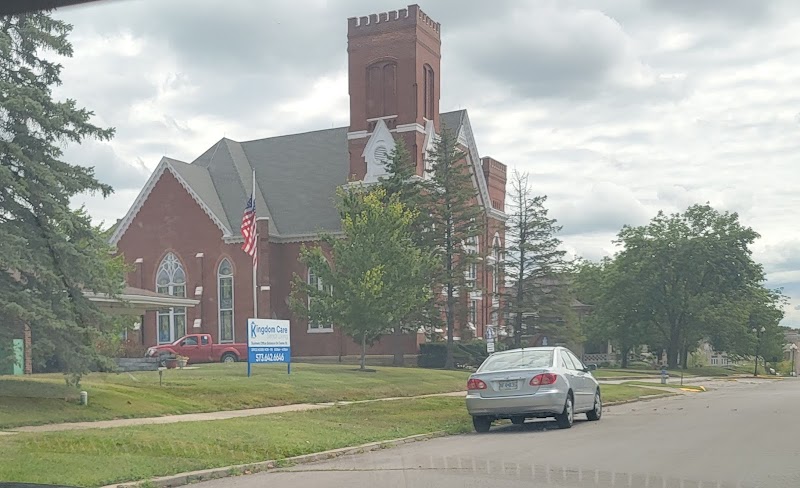
How is Kingdom Care Senior Living Llc Staffed?

CMS rates KINGDOM CARE SENIOR LIVING LLC's staffing level at 5 out of 5 stars, which is much above average compared to other nursing homes. Staff turnover is 47%, compared to the Missouri average of 46%.

What Have Inspectors Found at Kingdom Care Senior Living Llc?

State health inspectors documented 19 deficiencies at KINGDOM CARE SENIOR LIVING LLC during 2022 to 2024. These included: 16 with potential for harm and 3 minor or isolated issues.

Who Owns and Operates Kingdom Care Senior Living Llc?

KINGDOM CARE SENIOR LIVING LLC is owned by a for-profit company. For-profit facilities operate as businesses with obligations to shareholders or private owners. The facility operates independently rather than as part of a larger chain. With 36 certified beds and approximately 27 residents (about 75% occupancy), it is a smaller facility located in FULTON, Missouri.
How Does Kingdom Care Senior Living Llc Compare to Other Missouri Nursing Homes?

Compared to the 100 nursing homes in Missouri, KINGDOM CARE SENIOR LIVING LLC's overall rating (5 stars) is above the state average of 2.5, staff turnover (47%) is near the state average of 46%, and health inspection rating (4 stars) is above the national benchmark.

What Should Families Ask When Visiting Kingdom Care Senior Living Llc?

Based on this facility's data, families visiting should ask: "Can I visit during a mealtime to observe dining assistance and food quality?" "How do you handle medical emergencies, and what is your hospital transfer rate?" "Can I speak with family members of current residents about their experience?"

Is Kingdom Care Senior Living Llc Safe?

Based on CMS inspection data, KINGDOM CARE SENIOR LIVING LLC has a clean safety record: no substantiated abuse findings (meaning no confirmed cases of resident harm), no Immediate Jeopardy citations (the most serious violation level indicating risk of serious injury or death), and is not on the Special Focus Facility watch list (a federal program monitoring the lowest-performing 1% of nursing homes). The facility has a 5-star overall rating and ranks #1 of 100 nursing homes in Missouri. While no facility is perfect, families should still ask about staff-to-resident ratios and recent inspection results during their visit.

Do Nurses at Kingdom Care Senior Living Llc Stick Around?

KINGDOM CARE SENIOR LIVING LLC has a staff turnover rate of 47%, which is about average for Missouri nursing homes (state average: 46%). Moderate turnover is common in nursing homes, but families should still ask about staff tenure and how the facility maintains care continuity when employees leave.

Was Kingdom Care Senior Living Llc Ever Fined?

KINGDOM CARE SENIOR LIVING LLC has no federal fines on record. CMS issues fines when nursing homes fail to meet care standards or don't correct problems found during inspections. The absence of fines suggests the facility has either maintained compliance or corrected any issues before penalties were assessed. This is a positive indicator, though families should still review recent inspection reports for the full picture.

Is Kingdom Care Senior Living Llc on Any Federal Watch List?

KINGDOM CARE SENIOR LIVING LLC is not on any federal watch list. The most significant is the Special Focus Facility (SFF) program, which identifies the bottom 1% of nursing homes nationally based on persistent, serious quality problems. Not being on this list means the facility has avoided the pattern of deficiencies that triggers enhanced federal oversight. This is a positive indicator, though families should still review the facility's inspection history directly.