LINDEN WOODS VILLAGE


2901 NE 72ND STREET, GLADSTONE, MO 64119 (816) 268-4000
For profit - Limited Liability company 40 Beds PIVOTAL HEALTH CARE Data: November 2025
Trust Grade
85/100
#29 of 479 in MO
Last Inspection: January 2025

Within standard 12-15 month inspection cycle. Federal law requires annual inspections.

Overview

Linden Woods Village has a Trust Grade of B+, indicating it is above average and recommended for families considering care options. It ranks #29 out of 479 nursing homes in Missouri, placing it in the top half of facilities in the state, and it is the top-rated option out of 9 in Clay County. However, the facility is experiencing a worrying trend, with the number of issues increasing from 2 in 2023 to 6 in 2025. Staffing is a relative strength, with a rating of 4 out of 5 stars and more RN coverage than 97% of other facilities, though the staff turnover rate of 62% is average. On the downside, recent inspections revealed concerns such as improper food sanitation practices that could lead to foodborne illness and failures to involve residents in their care planning, which may affect the quality of care they receive.

Trust Score
B+
85/100
In Missouri
#29/479
Top 6%
Safety Record
Low Risk
No red flags
Inspections
Getting Worse
2 → 6 violations
Staff Stability
⚠ Watch
62% turnover. Above average. Higher turnover means staff may not know residents' routines.
Penalties
✓ Good
No fines on record. Clean compliance history, better than most Missouri facilities.
Skilled Nurses
✓ Good
Each resident gets 66 minutes of Registered Nurse (RN) attention daily — more than 97% of Missouri nursing homes. RNs are the most trained staff who catch health problems before they become serious.
Violations
⚠ Watch
12 deficiencies on record. Higher than average. Multiple issues found across inspections.
★★★★★
5.0
Overall Rating
★★★★☆
4.0
Staff Levels
★★★★★
5.0
Care Quality
★★★★☆
4.0
Inspection Score
Stable
2023: 2 issues
2025: 6 issues

The Good

  • 4-Star Staffing Rating · Above-average nurse staffing levels
  • 5-Star Quality Measures · Strong clinical quality outcomes
  • Full Sprinkler Coverage · Fire safety systems throughout facility
  • No fines on record

Facility shows strength in staffing levels, quality measures, fire safety.

The Bad

Staff Turnover: 62%

16pts above Missouri avg (46%)

Frequent staff changes - ask about care continuity

Chain: PIVOTAL HEALTH CARE

Part of a multi-facility chain

Ask about local staffing decisions and management

Staff turnover is elevated (62%)

14 points above Missouri average of 48%

The Ugly 12 deficiencies on record

Jan 2025 6 deficiencies
CONCERN (D)

Potential for Harm - no one hurt, but risky conditions existed

Medication Errors (Tag F0758)

Could have caused harm · This affected 1 resident

**NOTE- TERMS IN BRACKETS HAVE BEEN EDITED TO PROTECT CONFIDENTIALITY** Based on interview, record review, and facility policy review, the facility failed to ensure one of six residents (Resident (R) ...

Read full inspector narrative →
**NOTE- TERMS IN BRACKETS HAVE BEEN EDITED TO PROTECT CONFIDENTIALITY** Based on interview, record review, and facility policy review, the facility failed to ensure one of six residents (Resident (R) 5) had documented indications for an increase of an antipsychotic medication and failed to attempt a gradual dose reduction of the antipsychotic medication without clinical rationale of 16 sample residents. This failure had the potential for R5 to not receive the lowest effective dose of atypical antipsychotic medication.The facility census was 37. Findings include: Review of the facility's policy titled, Psychoactive Drug Monitoring, dated 01/21, revealed .Procedures. 1. Residents receive a psychoactive medication only if supporting documentation is provided in the medical record .6. All of the following conditions are satisfied prior to initiation and/or continuation of therapy: A. Possible reversible causes for the resident's distress have been ruled out. B. Use results in maintenance or improvement in the resident's functional status. C. Long-term daily use has been accompanied by unsuccessful gradual dosage reductions, unless clinically contraindicated. D. The need for and response to therapy are monitored and documented in the resident's medical record. E. If the resident's condition has not responded to treatment or has declined despite treatment, it is important to evaluate both the medication and the dose to determine whether the medication should be discontinued or the dosing should be altered, whether or not the facility has implemented gradual dose reduction(s) as required, or tapering. Review of R5's admission Record from the electronic medical record (EMR) Profile tab showed a facility admission date of 12/13/16, a readmission date of 03/11/20, with medical diagnoses that included congestive heart failure (CHF), dementia, and generalized anxiety disorder. Review of R5's quarterly Minimum Data Set (MDS) with an Assessment Reference Date (ARD) of 09/27/24 documented a Brief Interview for Mental Status (BIMS) score of three out of 15, indicative of severe cognitive impairment. Review of R5's EMR Orders tab revealed an order, dated 09/27/24, for Seroquel (generic name quetiapine, an atypical antipsychotic medication) of 50 milligrams (mg) three times per day. Review of an Order Summary, effective 09/01/24, from the EMR Orders tab showed R5 had been receiving Seroquel 50mg in the morning and 25mg at bedtime. Review of the EMR September 2024 Medication Administration Report (MAR) and Treatment Administration Report (TAR) from the Orders tab, along with August and September Progress Notes from the EMR Progress Notes tab did not show an increased number of behaviors. During an interview on 01/02/25 at 8:30 AM regarding R5's Seroquel increase, the Director of Nursing (DON) stated, Hospice ordered the increase [of Seroquel], I didn't ask them for justification. At 10:20 AM, the DON provided behavior monitoring for the month of September 2024 that documented out of 90 chartings; 16 incidents of care rejection (one where with education she accepted her medication), one of repetitive movement, one biting, one kicking/hitting, and one pushing. Review of the documentation provided by the facility included a note from the Hospice Nurse on 09/27/24 at 1:53 PM, revealed Received a call from the patient's daughter [name of the non-healthcare power of attorney daughter (HCPOA)], she reports that her mother's behaviors are becoming more difficult to manage. She has concerns that staff will have difficulty providing cares while she is recovering from surgery and cannot be there. She is ready to increase Seroquel dose and/or frequency. Spoke to [name] NP [Nurse Practitioner] who gave the order to increase the dose to 50 mg t.i.d. [three times a day]. Phone call to [name] RN [Registered Nurse] at [Facility name], gave her the order. Review of the progress notes provided by the facility as indication for use revealed: -8/10/24 1712 [5:12 PM] Resident agitated today. Refused cares throughout the day. Cursed at this nurse and other staff with attempts to provide cares and even attempted to swat at CNA [Certified Nurse Aide] with hand. Dtr [Daughter] was concerned this morning that floor to bathroom was wet and res pants were wet. Spoke with CNAs . -08/25/24 1042 [10:42 AM] Res had shower this morning. More agitated than usual. She continues to have a decrease in urine and bowel output. Fluids encouraged. Will cont to monitor. -09/02/24 1106 [11:06 AM] Res more agitated this morning when giving her medications. Pushed nurses hand away. Was able to educate her on the importance of taking her medications which led her to finally taking them. -09/14/24 0438 [4:38 AM] CNA reported resident refusal when attempt was made to assist in changing visibly wet pants, this writer attempted as well, offering resident snacks per family request. resident non complaint [sic] with staff, and began attempting to hit this writer, unable to redirect resident at this time. Staff will try at a later time. Review of R5's EMR Progress Notes showed on 10/25/24 at 11:37 AM by the DON, revealed Note Text: Spoke with res [resident] and family about trail [sic] dose reduction for Seroquel order as she does not have an appropriate diagnosis. Res remains on hospice and family not agreeable at this time. Review of R5's Care Plan from the EMR Care Plan tab showed a focus of: I take anti-psychotic medication for Behavior management with an intervention of Consult with pharmacy, MD [doctor] to consider dosage reduction when clinically appropriate at least quarterly initiated 01/20/24. During an interview on 01/02/25 at 3:42 PM regarding the indications for the doubling of the atypical antipsychotic dose for R5, the DON responded, Clinically, I understand what the daughter is saying but clinically probably not. The DON stated it would be ideal if indications for use for psychoactive medications were documented.
CONCERN (D)

Potential for Harm - no one hurt, but risky conditions existed

Deficiency F0761 (Tag F0761)

Could have caused harm · This affected 1 resident

**NOTE- TERMS IN BRACKETS HAVE BEEN EDITED TO PROTECT CONFIDENTIALITY** Based on observation, interview, facility policy review, and Centers for Disease Control and Prevention (CDC) reference, the fac...

Read full inspector narrative →
**NOTE- TERMS IN BRACKETS HAVE BEEN EDITED TO PROTECT CONFIDENTIALITY** Based on observation, interview, facility policy review, and Centers for Disease Control and Prevention (CDC) reference, the facility failed to ensure one undated opened vial of Mantoux tuberculin purified protein derivative (PPD) of three vials in the refrigerator was dated for residents' use. This failure could lead to inaccurate tuberculosis testing by the potential for a false positive (or false negative) result due to the components of the PPD solution being degraded.The facility census was 37. Findings include: Review of the facility's policy titled, Storage of Medications and Biologicals dated 01/21, revealed: Policy. Medications and biologicals are stored safely, securely, and properly, following manufacturer's recommendations or those of the supplier . Review of the CDC Mantoux Tuberculin Skin Test, page 6, located at the website address: https://stacks.cdc.gov/pdfjs/web/viewer.html?file=https://stacks.cdc.gov/view/cdc/25732/cdc_25732_DS1.pdf, reviewed on [DATE], revealed .The label should indicate the expiration date. If it's been open more than 30 days or the expiration date has passed, the vial should be thrown away and a new vial used . Observation of the medication room located in the Nurse's Station on [DATE] at 9:28 AM revealed two Mantoux Tuberculin testing fluid boxes in a resealable plastic bag. One vial was still sealed (had the vial cap on) and the other vial was missing the cap (or open) with no open date on the vial or box; a third vial in a box in the refrigerator was open and had a documented open date. Licensed Practical Nurse (LPN) 1 present for the observation confirmed at 9:33 AM the box stated to discard 30 days after opening and there was no open date on the one open PPD vial; LPN1 set the vial aside to be discarded. During an interview on [DATE] at 3:44 PM, the Director of Nursing (DON) stated an expectation that when [a vial] was opened it was to be dated and when expired, discarded.
CONCERN (D)

Potential for Harm - no one hurt, but risky conditions existed

Deficiency F0806 (Tag F0806)

Could have caused harm · This affected 1 resident

Based on observation, interview, record review, and facility policy review, the facility failed to accommodate one of one resident's (Resident (R) 11) dietary preferences reviewed for food choices of ...

Read full inspector narrative →
Based on observation, interview, record review, and facility policy review, the facility failed to accommodate one of one resident's (Resident (R) 11) dietary preferences reviewed for food choices of 16 sampled residents. This failure had the potential to result in reduced meal consumption and may potentially affect the residents' nutritional or health status. The facility census was 37. Findings include: Review of the facility's policy titled, Food and Nutrition Services, revised October 2018, revealed: Policy Statement. Each resident is provided with a nourishing, palatable, well-balanced diet that meets his or her daily nutritional and special dietary needs, taking into consideration the preferences of each resident. Policy Interpretation and Implementation. 1. The multidisciplinary team will assess each resident's nutritional needs, food likes and dislikes, as well as physical, functional, and psychosocial factors that affect eating and nutritional intake and utilization .3. Reasonable efforts will be made to accommodate resident choices and preferences. Review of R11's admission Record from the electronic medical record (EMR) Profile tab showed a facility admission date of 09/17/24 with medical diagnoses that included chronic ischemic heart disease, permanent atrial fibrillation, presence of cardiac pacemaker, and history of transient ischemic attack, and cerebral infarction. Review of R11's admission Minimum Data Set (MDS) with an Assessment Reference Date (ARD) of 09/23/24 showed a Brief Interview for Mental Status (BIMS) score of 12 out of 15, indicative of moderate cognitive impairment. During an interview on 12/31/24 at 9:38 AM, R11 stated, I have CHF [congestive heart failure] a lot of stuff I'm eating I shouldn't have. I get bacon every morning and I shouldn't have it. R11 pointed out a list of foods she should not have posted on her bulletin board and said, I've told the staff here, they said they couldn't do it. Observation of the posted paper showed bacon was on the list as a 'do not eat' food. Observation of R11's breakfast tray on 01/02/25 at 8:17 AM showed one piece of French toast and two slices of bacon. Review of the tray card showed handwritten on the paper: French Toast, Bacon, Cranberry Juice. The tray card also contained a Notes section under the diet order that stated, NO BACON and under dislikes was listed bacon. During an interview on 01/02/25 at 8:20 AM regarding the handwriting on the tray card, the Dietary Aide (DA) that served the morning meal stated she wasn't sure where the handwriting came from, then stated, That's nursing. When asked if she reviewed the Notes or Dislikes sections of the tray card, DA stated, Well no, well sometimes. During an interview on 01/02/25 at 8:22 AM, the Director of Nursing (DON) stated the CNAs (Certified Nurse Aides) tell them [residents] what is on the menu and write down the choices. During a follow-up interview on 01/02/25 at 9:15 AM, R11 reviewed the tray card and denied requesting bacon for breakfast. During an interview on 01/02/25 at 9:20 AM the Restorative Aide (RA) stated, It was me, she requested sausage, and I wrote down bacon. When asked if she did the breakfast orders every day, RA responded, No, I was just helping out the CNAs this morning.
CONCERN (E)

Potential for Harm - no one hurt, but risky conditions existed

Deficiency F0553 (Tag F0553)

Could have caused harm · This affected multiple residents

Based on interview, record review, and facility policy review, the facility failed to ensure residents' right to participate in the care planning process was honored for two of two residents (Resident...

Read full inspector narrative →
Based on interview, record review, and facility policy review, the facility failed to ensure residents' right to participate in the care planning process was honored for two of two residents (Resident (R) 11 and R32) reviewed for care plans out of 16 sampled residents. This failure placed the residents at risk for the provision of care not being person-centered. Findings include: Review of the facility's policy titled, Care Plans - Comprehensive, Person-Centered, revised July 2024, revealed .Policy Interpretation and Implementation. 1. The Interdisciplinary Team (IDT), in conjunction with the resident and his/her family or legal representative, develops and implements a comprehensive, person-centered care plan for each resident .3. The IDT includes: a. The Attending Physician; b. A registered nurse who has responsibility for the resident; c. A nurse aide who has responsibility for the resident; d. A member of the food and nutrition services staff; e. The resident and the resident's legal representative (to the extent practicable); and f. Other appropriate staff or professionals as determined by the resident's needs or as requested by the resident. 4. Each resident's comprehensive person-centered care plan will be consistent with the resident's rights to participate in the development and implementation of his or her plan of care. 1. During an interview on 12/31/24 at 9:37 AM regarding discussions about care and medications received or a care conference or care plan meeting, R11 stated, No, we haven't had any meetings. Review of R11's admission Record from the electronic medical record (EMR) Profile tab showed a facility admission date of 09/17/24 with medical diagnoses that included chronic ischemic heart disease, presence of cardiac pacemaker, fibula fracture, scoliosis, coagulation defect, atrial fibrillation, gastroesophageal reflux disease (GERD), hypertension, insomnia, history of transient ischemic attack, and cerebral infarction. Review of R11's December 2024 Medication Administration Record (MAR) from the EMR Orders tab showed R11 received an anticoagulant medication for atrial fibrillation. Review of R11's admission Minimum Data Set (MDS) with an Assessment Reference Date (ARD) of 09/23/24 showed a Brief Interview for Mental Status (BIMS) score of 12 out of 15, indicative of moderate cognitive impairment. Review of the EMR Progress Notes tab filtered for the subject of Care Plan Conference Summary notes on 12/31/24 at 12:28 PM showed no documentation. Review of the EMR Miscellaneous tab revealed a care plan conference letter scheduled for 01/02/25. Further review of R11's Progress Notes and Miscellaneous tab did not show evidence of the provision of her baseline care plan goals. During an interview on 12/31/24 at 2:00 PM, the MDS Coordinator (MDSC) stated R11 might not have had a care conference in the first three weeks as she (R11) had wanted to go home. Other than the care plan meeting coming up, the MDSC confirmed it had been over three months, and she would look for something. At 3:33 PM, the MDSC stated there was no signed baseline care plan, so she was unsure if R11 had been provided that document and confirmed there had not been a care plan meeting yet. 2. During an interview on 12/30/24 at 11:44 AM regarding whether care and medications were discussed or if there had been any care plan conferences, R32 responded, No, they don't talk to me. and stated she doesn't remember any care conferences. Review of R32's admission Record from the EMR Profile tab showed a facility admission date of 07/09/24 with medical diagnoses that included a knee periprosthetic fracture, dementia, posthemorrhagic anemia, sleep disorder, pain, chronic kidney disease (CKD), osteoporosis, and glaucoma.The facility census was 37. Review of R32's quarterly MDS with an ARD of 10/14/24 documented a BIMS score of 12 out of 15, indicative of moderate cognitive impairment. Review of the EMR Progress Notes filtered for Care Plan Conference Summary notes elicited no documentation and no care plan invitation letters were found under the Miscellaneous tab. A baseline care plan was found under the Miscellaneous tab, but the signature was not legible to know who received the copy. During an interview on 12/31/24 at 3:28 PM, MDSC stated R32 was on the list for a care plan letter but was planning on going home, then that changed, she was going to stay and the care plan meeting got missed. The MDSC confirmed no care plan conference has been held yet. During an interview on 01/02/25 at 3:47 PM, the Director of Nursing (DON) stated, Participating in care plans is ideal for residents and anyone the resident chooses. The DON stated an expectation they (residents) be involved and have an opportunity to meet with the interdisciplinary team.
CONCERN (E)

Potential for Harm - no one hurt, but risky conditions existed

Transfer Notice (Tag F0623)

Could have caused harm · This affected multiple residents

Based on record review, interview, and facility policy review, the facility failed to ensure the Ombudsman was notified two of two residents (Resident (R) 31 and R35) reviewed for emergent hospital tr...

Read full inspector narrative →
Based on record review, interview, and facility policy review, the facility failed to ensure the Ombudsman was notified two of two residents (Resident (R) 31 and R35) reviewed for emergent hospital transfer out of 16 sample residents. As a result of this failure, the residents would not have the added protection and/or advocacy of the Ombudsman's office to monitor the potential possibility of an inappropriate facility-initiated transfer or discharge. Findings include: Review of the facility's policy titled, Transfer or Discharge - Emergency, revised October 2024, revealed the policy did not address the required Ombudsman notification. Review of the facility's policy titled, Requirements for Emergency Discharge, revised October 2024, revealed: .Policy Interpretation and Implementation. 1. Notice before transfer. Before a facility transfers or discharges a resident, the facility must: a. Notify the resident and the resident's representative(s) of the transfer or discharge and the reasons for the move in writing and in a language and manner they understand. The facility must send a copy of the notice to a representative of the Office of the State Long-Term Care Ombudsman. 1. During an interview on 12/30/24 at 12:39 PM, R31 stated she had been to the hospital at least once, they thought I was having hallucinations back in May and then been there regarding the catheter and getting it out. Review of the facility electronic medical record (EMR) Census tab revealed a status of Hospital Paid Leave on 05/17/24 and 07/23/24. Review of R31's admission Record from the EMR Profile tab revealed a facility admission date of 04/04/24 with medical diagnoses that included atherosclerotic heart disease, obstructive and reflux uropathy, thrombocytopenia, type II diabetes, chronic obstructive pulmonary disease (COPD), and history of transient ischemic attack (TIA), and cerebral infarction. Review of R31's quarterly Minimum Data Set (MDS) with an Assessment Reference Date (ARD) of 11/27/24 documented a Brief Interview for Mental Status (BIMS) score of 15 out of 15; indicative of being cognitively intact. Review of the facility EMR Progress Notes tab revealed a Transfer to Hospital Summary on 07/23/2024 at 7:30 AM, for R31 related to him becoming dizzy and then experiencing a change in responsiveness. A progress note dated 05/17/24 at 11:35 AM, revealed R31 being transferred to the emergency room related to a critical low hemoglobin level. Review of the facility provided reports to the Ombudsman on 01/02/25 at 9:00 AM did not show R31 was included in the May or July list of named transfers or discharges. During an interview on 01/02/25 at 10:22 AM, the Social Services Director (SSD) confirmed the printed reports provided was the printout of the report that was attached to the Ombudsman email. After reviewing the two reports, the SSD confirmed R31 was not included in either the May or July transfer or discharge reports printed. At 10:46 AM, the SSD stated she generated the reports again without success; had called her corporate office who also generated the reports unsuccessfully for R31; but it was discovered that both residents (R31 and R35) had paid bed holds. The SSD stated an EMR ticket was generated to discover the reason the reports did not include the paid bed hold residents showing on the reports.The facility census was 37. During an interview on 01/02/25 at 4:00 PM, the Executive Director expressed an expectation that the Ombudsman would be notified of all transfers and discharge residents monthly. 2. Review R35's Nurse's Note, dated 09/25/24 and located under the Progress Note tab of the EMR, revealed R35 was transferred to the hospital due to a change in condition and becoming non-responsive. According to the Nurse's Note, dated 09/27/24, she remained in the hospital until 09/27/24 when she was readmitted to the facility. During an interview on 01/02/25 at 10:22 AM, the SSD provided the list of discharges she emailed to the ombudsman on 10/03/24 at 11:20 AM for September 2024. The list did not include R35's name. She stated the list provided was the list she sent to the ombudsman, and she verified the resident's discharge in September was not included on the list. During an interview on 01/2/24 at 11:34 AM, the Ombudsman verified via telephone that she was not notified of R35's September discharge or transfer to the hospital.
CONCERN (F)

Potential for Harm - no one hurt, but risky conditions existed

Food Safety (Tag F0812)

Could have caused harm · This affected most or all residents

Based on observations, interviews, and facility policy review, the facility failed to ensure the sanitizer used to sanitize food contact surfaces was at a level effective to sanitize the surfaces and ...

Read full inspector narrative →
Based on observations, interviews, and facility policy review, the facility failed to ensure the sanitizer used to sanitize food contact surfaces was at a level effective to sanitize the surfaces and failed to ensure food stored in the walk-in refrigerator and the refrigerator on the unit was labeled and discarded after the use-by date and/or expiration date for 38 census residents residing in and receiving food from the dietary department. This had the potential to result in food borne illness and cross contamination. The facility census was 37. Findings include: Review of the facility's policy titled, Food Receiving and Storage with a revised date of October 2018, revealed all food must be labeled with a use by date. The policy did not reveal how long they could keep open or leftover food. Review of the facility's policy titled, Food Brought into Resident's from Outside Sources with a revised date of 11/06/17, revealed once food has been opened it will be discarded within seven days and foods would be thrown out based on the use by or best by date marked on the container. 1. During an observation in the kitchen and interview on 12/30/24 at 9:11 AM, three of three green containers with sanitizer and wiping clothes tested zero parts per million (ppm) of quaternary sanitizer. The [NAME] stated he used them (wiping rags) to clean and sanitize the food preparation counters. He stated he filled the containers about one or two hours ago. One of the containers was on the dirty end of the three-compartment sink; one of the containers was under the food preparation counter; and one container was under the food preparation counter next to the stove. The Culinary Director (CD) assisted with testing the buckets on 12/30/24 at 9:11 AM and verified they were not at the right ppm to sanitize the counters and stated it should have been 400 ppm. During an observation and interview on 12/31/24 at 3:15 PM, the quaternary sanitizer in the sanitizing containers with the wiping clothes was tested with the assistance of the Cook. Two of the three containers located on the shelves below food preparation counters tested zero ppm. He verified he had been using the sanitizer to clean and sanitize the food preparation counters. Review of the Manufacturer's instructions printed on the gallon container of TMA [Tetramethylammonium] Quaternary Sanitizer, revealed the sanitizer should be prepared to be 150 to 400 ppm to sanitize food contact surfaces. 2. During an observation and interview on 12/30/24 at 9:14 AM, the walk-in refrigerator contained one package of sliced turkey wrapped in plastic wrap dated 12/22/24; one package of turkey wrapped in plastic wrap with no date; a plastic bag of bologna and a plastic bag of corn beef each, dated 12/22/24; and an opened partially used container of beef base with no expiration date and an opened date of 10/18/24 marked on it. In addition, there was a two-gallon container of open mayonnaise with an open date of 11/26/24 and the outside of the container was heavily soiled with mayonnaise residue on the outside of the container. The CD verified the dates and stated it was the facility policy to discard food seven days after it was open. 3. During an observation on 12/30/24 at 9:27 AM, the resident refrigerator located in the dining room on the unit, contained four (four-ounce containers) of yogurt. One of the yogurts had an expiration date of 12/07/24; one container had an expiration date of 12/11/24; and two of the containers had expiration dates of 12/21/24. The CD was present and verified this observation. During an interview on 12/30/24 at 9:15 AM the CD stated that food was supposed to be used by or discarded within seven days of opening.
Mar 2023 2 deficiencies
CONCERN (D)

Potential for Harm - no one hurt, but risky conditions existed

Unnecessary Medications (Tag F0759)

Could have caused harm · This affected 1 resident

**NOTE- TERMS IN BRACKETS HAVE BEEN EDITED TO PROTECT CONFIDENTIALITY** Based on observation, interview, and record review, the facility failed to administer medications with a less than 5% medication...

Read full inspector narrative →
**NOTE- TERMS IN BRACKETS HAVE BEEN EDITED TO PROTECT CONFIDENTIALITY** Based on observation, interview, and record review, the facility failed to administer medications with a less than 5% medications error rate. Facility staff made 13 medication errors out of 25 opportunities for error resulting in a 52% medication error rate. Facility failed to ensure staff did not crush medications that are recommended by the manufacturer to not be crushed. Facility staff failed to stay with a resident until all of his/her polyethylene glycol had been finished. Facility staff failed to give a resident his/her calcium pill instead gave a Vitamin C pill. Facility staff failed to administer the correct dose of Voltaren gel to a resident's bilateral shoulders. Facility staff failed to apply lacrimal pressure to the eyes per policy after instilling eye drops. Facility staff to apply the correct amount of eye drops per eye per physician's orders. This affected six sampled residents (Residents #12 and #22). The facility census was 35. Review of undated Medication Administration Competency: General Guidelines policy showed: - Compare order in the MAR (medication administration record) or TAR (treatment administration record) to the label on the medication three times before administration. Correct medication should be verified by visual check of medication, label, and MAR/TAR prior to administration. Review of undated Medication Administration Competency: Oral Medications policy showed: - Offer medications(s) to resident based on resident's preference/ability to swallow, medications may be given all at once or individually; - Remain with the resident until ALL medication is swallowed or dissolved. Medication should not be left at bedside or with resident; - If indicated, crush medications only after: a. Ensuring the medication is NOT on the Do Not Crush list; - Do not crush: a. Enteric coated medications; b. Sustained release medications; - When pouring and measuring liquid oral medications, pour correct amount of medication into a graduated measuring cup placed on a flat surface; measure at eye level to ensure accuracy. Review of undated Medication Administration Competency: Eye Drops/Ear Drops policy showed: - Hold the dropper tip directly over the eye, taking care to avoid touching the eye or eyelid; if dropper touches eye, it becomes contaminated and should be replaced; - Instruct resident to look upward; place prescribed number of drops into the pocket, continuing to hold the eyelid for one minute to allow the medication to distribute throughout the eye. If resident blinks or drop lands on cheek; repeat administration; - Policy does not state a certain amount of time to apply lacrimal pressure. Review of undated Medication Administration Competency: Topical Medications policy showed: - Clean the skin. Remove old medication residue, debris, scales, dried blood, etc. If necessary, saturate a gauze pad with solvent and wipe in the direction of hair growth to remove paste, cream or ointment from the area; - The topical medication policy did not show how to properly measure out Voltaren cream. Review of an undated GoodRx Polyethylene Glycol Dosages website showed: -The typical dose is 17 grams (1 packet or 1 capful) mixed in 4 to 8 ounces of a beverage and then taken by mouth once a day. Review of undated Voltaren Arthritis Pain website showed: - There are different amounts for upper and lower body pain. - For upper body areas, squeeze gel from the tube equal to the amount shown on the upper body section of the dosing card (2.25 inches). - For lower body areas, squeeze gel from the tube equal to the amount shown on the lower body section of the dosing card (4.5 inches). Review of undated Lorazepam (Oral Route) website showed: -Do not crush, break, or chew it. Review of undated Vitamin B12 Capsules or Tablets website showed: - If you are taking the tablets, do not chew, cut, or crush this medication. Review of Medline Plus Trusted Health Information For You-Senna website dated 2/15/18 showed: - If you are taking certain Senna products (Ex-Lax® regular ormaximum strength tablets or Perdiem Overnight Relief), swallow the pills whole with a glass of water; do not split, chew, or crush them. Review of undated Tylenol Extended Release (ER) Tablet-Uses, Side Effects, and More website showed: - Do not crush or chew extended-release tablets. Doing so can release all of the drug at once, increasing the risk of side effects. Swallow the tablets whole. Review of Potassium Supplement (Oral Route, Parenteral Route) website dated 3/1/23, showed: - Do not crush or chew the capsule. Swallow the capsule whole with a full (8-ounce) glass of water. Review of Hydroxyurea (Oral Route) dated 2/1/23, showed: - Swallow the capsule or tablet whole. Do not crush, break, chew, or open it. Review of How and When To Take Folic Acid dated 4/5/22, showed: - Swallow the tablets whole with a drink of water. Review of undated Pediatric Magnesium (Mag-Ox®) Uses and Side Effects showed: - Do not crush or chew magnesium oxide tablets. It is best to take magnesium supplements with or just after a meal to improve absorption. 1. Review of Resident #12's quarterly Minimum Data Set (MDS), a federally mandated assessment instrument completed by facility staff), dated 1/31/23, showed: - Brief Interview of Mental Status (BIMS is a test used to get a quick snapshot of how well you are functioning cognitively at the moment) score of 14 out of 15; - Active diagnosis of dysphagia (a disorder characterized by difficulty in swallowing); - Resident has no signs or symptoms of possible swallowing disorder. Review of resident's medication administration (MAR) dated for February 2023, showed: - Potassium chloride tablet Extended Release (ER) 1 milliequivalent ([NAME]), give 1 tablet by mouth in the morning for written potassium replacement. Do not crush; - Tylenol (Acetaminophen ER) 8-hour arthritis pain tablet Extended Release, 650 milligrams (mg), give 1 tablet by mouth; three times a day for pain. Do not crush; - Calcium oral tablet 500 mg (Calcium). Give 1 tablet by mouth two times a day for supplement; - Polyethylene glyool 3350 powder. Give 17 gram (g) by mouth in the morning for constipation. Mix in 6 to 8 ounces of water or juice, hold for loose stools; - Voltaren gel 1 % (Dlclofenao Sodium). Apply to bilateral shoulders topically three times a day for pain. Apply 2 g per shoulder; - Ativan tablet 0.5 mg (LORazepam). Give 0.5 mg by mouth as needed for anxiety; - Senna tablet 8.6 mg (sennosides) Give 1 tablet by mouth in the morning for constipation; - Folic acid tablet 1 mg. Give 1 tablet by mouth in the morning for increased nutrient needs; - The resident did not have an order for Vitamin C and Vitamin B12; - The resident did not have an order for Hydroxyurea. Observation on 3/7/23 at 8:43 A.M. showed Registered Nurse (RN) A do the following: - Popped Ativan, Vitamin C, Vitamin B12, senna, Tylenol ER, potassium chloride ER, folic acid and other medication into a small bag and crushed them then mixed the crushed meds into vanilla pudding and gave the pudding to the resident; - Filled the lid of the polyethylene glycol container half full of polyethylene glycol and added it to a 6 ounce cup of water; - Without the guidance of a measuring device to measure out the Voltaren gel, he/she squeezed an unknown amount of gel onto the resident's bilateral shoulders and rubbed the gel in; During an interview on 3/7/23 at 2:53 P.M. RN A said calcium is the same thing as Vitamin C. All medications are crushed, but staff do not crush extended release. The pharmacy tells the staff to crush the pills. The order for Voltaren gel said just apply gel to bilateral shoulders, but did not specify an amount of gel. To measure 17 grams of polyethylene glycol, he/she filled the lid of the medication to the middle inside ring and not to the top of the lid. During an interview on 3/9/23 at 11:13 A.M., Director of Nursing (DON) said calcium is not the same as Vitamin C. If calcium is ordered it should be administered. They have a list of do not crush medications. On the physician's orders, it should state whether the medicine can be crushed or not. If enteric coated (EC) or ER, we do not crush. The pharmacist helps us and he/she puts it on the pharmacy recommendation. Magnesium oxide can be crushed if it is not EC. He/she thought senna can be crushed. Potassium ER should not be crushed. Folic acid and Vitamin b12 can be crushed. Each individual order on the MAR should say not to crush. It should be on the supplemental order as well. Voltaren gel comes with a plastic ruler and you squeeze it out on the ruler to the 2 gm mark. 2. Review of undated Artificial Tears Solution - Uses, Side Effects, and More website showed: - To apply eye ointment/drops/gels: Wash hands first. To avoid contamination, be careful not to touch the dropper or top of the ointment tube or let it touch your eye. Always replace the cap tightly after each use. Tilt your head back, look up, and pull down the lower eyelid to make a pouch. For drops/gels, place the dropper directly over the eye and squeeze out 1 or 2 drops as needed. Look down and gently close your eye for 1 or 2 minutes. Place one finger at the corner of the eye near the nose and apply gentle pressure for two minutes. This will prevent the medication from draining away from the eye. Review of Resident #22's significant change in condition MDS, dated [DATE], showed: - BIMS score of 15 out of 15 meaning no cognitive impairment; - Active diagnosis of dry eye. Review of resident's POS, dated 2/1/23, showed: - Artificial Tears Ophthalmic Solution 1% (Carboxymethyloellulose Sodium (0phth)) Instill 1 drop in both eyes two times a day for dry eye. Review of resident's MAR, dated for February 2023, showed: - Artificial Tears Ophthalmic solution 1% (Carboxymethyloellulose Sodium (0phth)) Instill one drop in both eyes two times a day for dry eye. Observation on 3/7/23 at 9:45 A.M. of RN B showed: - He/she put two drops in each eye of artificial tears. - The tip of the container touched the bottom lid of both eye lids; - Did not apply enough lacrimal pressure after instilling the eye drops. During an interview on 3/7/23 at 4:32 P.M. and 3/8/23 at 9:25 A.M. RN B said: - The eye drop container does not touch any part of the eye. The patient closes their eyes and apply pressure. - Did not know the correct amount of time to hold pressure, but figured about 30 seconds to one minute to apply pressure to the eyes when giving eye drops. Whatever the order says to put in, is however many eye drops we put in. During an interview on 3/9/23 at 11:13 A.M. DON said staff should apply lacrimal pressure (pressure on the lacrimal sac) for one to two minutes. If the order says for one eye drop that is what should be administered.
CONCERN (E)

Potential for Harm - no one hurt, but risky conditions existed

Transfer Notice (Tag F0623)

Could have caused harm · This affected multiple residents

**NOTE- TERMS IN BRACKETS HAVE BEEN EDITED TO PROTECT CONFIDENTIALITY** 2. Review of Resident #22's comprehensive MDS dated [DATE] showed: - Cognitively intact - Diagnoses: multiple sclerosis (nerve d...

Read full inspector narrative →
**NOTE- TERMS IN BRACKETS HAVE BEEN EDITED TO PROTECT CONFIDENTIALITY** 2. Review of Resident #22's comprehensive MDS dated [DATE] showed: - Cognitively intact - Diagnoses: multiple sclerosis (nerve damage that effects mobility and communication between the brain and body), Hydronephrosis of right and left kidney (excessive build up of urine in the kidney that is unable to drain from the kidney into the bladder), Chronic respiratory failure (when lungs cannot get enough oxygen into the blood ), pneumonia (Fluid and infection of the lung). Review of the resident's updated care plan, dated 2/18/23, showed: - Independent with decision making and intact cognition. - Dependent of Oxygen at all times. - Dependent of staff to manage bilateral nephrostomy tubes (Tubes that drain urine from the kidney into a collection bag.) - Dependent on staff assist of one person for all personal hygiene, grooming, and transfers. - Frequent hospitalizations for care of chronic conditions. Review of the resident's medical record on 3/9/23 showed: - The resident was discharged to the hospital on 8/9/22. - The resident was discharged to the hospital on [DATE]. - The resident was discharged to the hospital on [DATE]. - The resident was discharged to the hospital on 2/12/23. - The resident was discharged to the hospital on 2/21/23. - The resident was re-admitted on [DATE]. - There was no record in the medical record that the local Ombudsman had been notified. Review of the nursing progress notes on 3/9/23 showed: - No documentation by the nursing staff that the local Ombudsman was notified. During an interview on 3/8/23 at 3:44 P.M., the resident said: - He/she was unaware of the Ombudsman or their role in the facility. - His/her family is always aware when he/she leaves the facility. 3. During a telephone interview on 3/3/23 at 11:51 A.M., the Ombudsman said: - The facility has not been sending their transfer and discharge logs; - The last log received was in June, 2022. During an interview on 3/9/23 at 10: 45 A.M., the Social Service Director said: - That communication to the local Ombudsman is done monthly by email. - That she was unaware that it had been since June that the Ombudsmen had received any notification of discharges or transfers. - She was unable to find any emails on her computer showing any correspondence with local Ombudsman. - A previous social service staff member managed the discharge and transfer communications with the Ombudsman, and that she would now be taking on this role. - She was unable to produce any type of correspondence with the Ombudsman related to transfers and discharges. During an interview on 3/9/23 at 11:13 A.M., the Director of Nursing (DON) said: - The staff do send a transfer form with the resident or responsible party and reviewed the form the facility used; - When the resident is transferred or discharged from the facility, the Ombudsman should be notified. During an interview on 3/9/23 at 11:55 A.M., the Administrator said: - He was sure that the monthly discharge and transfer report had been going out to the local Ombudsman, since he has a reminder on his computer calendar. - He would be checking into what had happened with the monthly reports. Based on interviews and record review, the facility failed to send a written copy of transfer or discharge notice to a representative of the office of the State Long-Term Care Ombudsman. This affected two of 12 sampled residents, (Resident #22 and #39). The facility census was 35. Review of the facility's policy for transfers and discharges, notice to the Ombudsman, reviewed January 2018, showed: - The facility will send resident transfer and discharge list to the Ombudsman Office monthly; - The facility will print a monthly transfer/discharge list for the previous month from their electronic medical record (EMR); - Transfer/discharge list will be electronically (email) mailed to the Ombudsman office; - The facility will keep a copy of the sent email to show it was completed. 1. Review of Resident #39's baseline care plan, dated 12/14/22, showed: - The resident was a full code; - The resident was on a diuretic (medicine causing increased passing of urine), also on a blood thinner; - The resident required assistance of one staff with transfers and bed mobility; - Used oxygen at three liters per nasal cannula (3L/NC); - Planned to discharge to home; - PT/OT to restore strength to go home and be independent with care; Review of the resident's admission Minimum Data Set (MDS), a federally mandated assessment instrument completed by facility staff, dated 12/28/22, showed: - Cognitive skills intact; - Required extensive assistance of two staff for bed mobility, transfer and dressing; - Required extensive assistance of one staff with toilet use; - Always continent of bowel and bladder; - Diagnoses included atrial fibrillation (an irregular, often rapid heart rate that causes poor blood flow), congestive heart failure (CHF, accumulation of fluid in the lungs and other areas of the body), anxiety, and chronic obstructive pulmonary disease (COPD, obstruction of air flow that interferes with normal breathing). Review of the resident's progress notes, dated 12/28/22, showed: - At 9:15 A.M., the resident was observed ambulating in the hallway with therapy, in good spirits and reports feeling well. Resident noted with 1+ edema (swelling) to bilateral lower extremities and continues with orders for additional diuretic at this time; - At 10:00 A.M., the resident called the nurse into the room and observed to be upset. Resident states an afro American woman came in and told him/her to keep an eye on the swelling or he/she would end up in the hospital. Resident upset and requesting to go to the emergency room for evaluation. Resident noted with chronic shortness of air and recently hospitalized for COPD exacerbation (an acute increase in the severity of the illness) and admitted with trace of edema. Case Manager spoke with family and resident about concerns and the resident continues to request to be sent to the emergency room. 911 called at approximately 11:19 A.M., and the resident left with the ambulance at approximately 11:30 A.M. Family aware of transfer. Review of the resident's medical chart on 3/9/23 showed: - The resident was admitted to the facility on [DATE]; - The resident was transferred to the hospital on [DATE]; - The record did not indicate if the Ombudsman had been notified of the transfer to the hospital.
Jan 2020 4 deficiencies
CONCERN (D)

Potential for Harm - no one hurt, but risky conditions existed

Incontinence Care (Tag F0690)

Could have caused harm · This affected 1 resident

Based on observations, interviews, and record review, the facility failed to assure staff provided catheter (a sterile tube inserted into the bladder to drain urine) care in a manner to prevent a urin...

Read full inspector narrative →
Based on observations, interviews, and record review, the facility failed to assure staff provided catheter (a sterile tube inserted into the bladder to drain urine) care in a manner to prevent a urinary tract infection (UTI) or the possibility of a UTI when staff failed to clean the catheter tubing and drainage spout appropriately and placed the graduate (a clear plastic container with markings used to collect and measure fluids) directly on the floor which affected one of 12 sampled residents (Resident #21). The facility census was 35. 1. Review of the facility's competency checklist for urinary catheter care, revised October 2019, showed, in part: - Provide perineal care; - Spread the skin folds with the non-dominant hand, clean the catheter at point of insertion into the opening to cleanse the entire circumference of the catheter. 2. Review of Resident #21's admission Minimum Data Set (MDS), a federally mandated assessment instrument completed by facility staff, dated 12/10/19, showed: - Cognitive skills severely impaired; - Required extensive assistance of two staff for bed mobility, transfers, toilet use and personal hygiene; - Had a Foley catheter; - Diagnoses included Alzheimer's disease and depression. Review of the resident's care plan, revised 1/6/20, showed: - The resident was unable to perform ADLs independently due to being non-ambulatory and confusion with Alzheimer's diagnosis; - The resident was not toileted; - The resident had poor trunk control and had to be checked and changed; - Had a Foley catheter in place due to neurogenic bladder (lack of bladder control due to brain, spinal cord or nerve problem) and pressure ulcer on his/her sacral area (large heavy bone at the base of the spine). Observation on 1/8/20, at 8:06 A.M., showed: - Certified Nurse Aide (CNA) F propelled the resident into his/her bathroom; - CNA E and CNA F used the gait belt (safety device and mobility aid used to provide assistance during transfers, ambulation or repositioning) and transferred him/her from the wheelchair onto the toilet; - The resident had diarrhea in his/her incontinent brief and in the toilet; - CNA F stood the resident up with the use of the gait belt; - CNA E removed the soiled incontinent brief and placed a clean incontinent brief on the resident; - Fecal material remained on the seat of the toilet and in the back of the new incontinent brief; - CNA E provided peri-care to the buttocks and rectal area; - CNA E did not separate and clean all the front perineal folds; - CNA E did not clean the catheter tubing; - CNA F pulled up the incontinent brief with a drop of fecal material in the back of the brief; - CNA E and CNA F transferred the resident into the wheelchair and transferred the resident into the bed; - CNA E placed the graduate directly onto the carpeted floor; - CNA E removed the drainage spout from the sleeve, opened it and emptied 200 milliliters (ml) in the graduate, wiped the drainage spout with a dry wash cloth and replaced it in the sleeve. During an interview on 1/9/20, at 9:43 A.M., CNA E said: - He/she should have separated and cleaned all areas of the skin where feces had touched; - He/she should have put a clean incontinent brief on the resident; - He/she should have anchored the catheter tubing and cleaned it; - The graduate should have been placed on a clean barrier; - The catheter port should have been cleaned with an alcohol wipe. 3. During an interview on 1/9/20, at 2:41 P.M., the Director of Nursing (DON) said: - Staff should separate and clean all areas of the skin where urine or feces has touched; - Staff should anchor and clean down the catheter tubing away from the body; - Staff should place the graduate on the barrier; - Staff should have cleaned the drainage spout with an alcohol wipe.
CONCERN (D)

Potential for Harm - no one hurt, but risky conditions existed

Infection Control (Tag F0880)

Could have caused harm · This affected 1 resident

**NOTE- TERMS IN BRACKETS HAVE BEEN EDITED TO PROTECT CONFIDENTIALITY** Based on observations, interview, and record review, the facility failed to provide care in a manner to prevent infection or the...

Read full inspector narrative →
**NOTE- TERMS IN BRACKETS HAVE BEEN EDITED TO PROTECT CONFIDENTIALITY** Based on observations, interview, and record review, the facility failed to provide care in a manner to prevent infection or the possibility of infection, when staff failed to administer the Two-Step Tuberculin (TB) test appropriately, read, and document the results of the test in a timely manner for three of 12 sampled residents (Resident #4, #10, and #33). The facility census was 35. 1. Review of the facility's TB screening for long term care residents, updated 3/11/14, showed, in part: - Administer tuberculin skin test (TST) within one month prior to one week after admission; - Read the results of the the first step TST within 48 to 72 hours of administration, results must be read and documented in millimeters (mm); - For negative results, administer the second step within one to three weeks; - Read the results of the second step within 48 to 72 hours of administration, results must be read and documented in mm; - For negative results, annual evaluation to rule out signs and symptoms of TB; - No further skin testing required unless exposed to infectious TB or develop signs and symptoms of TB. 2. Review of Resident #4's medical record showed: - The resident was admitted on [DATE]; - The first step TB was administered on 12/7/18, read on 12/8/18 and the results were 0.0 mm; - The second step TB was administered on 12/13/18, read on 12/15/18 and the results were 0.0 mm; - No documentation of a TB annual assessment. 3. Review of Resident #10's medical record showed: - The resident was admitted on [DATE]; - The first step TB was administered on 3/15/19, read on 3/17/19, and the results were 0.0 mm; - The second step TB was not completed. 4. Review of Resident #33's medical record showed: - The resident was admitted on [DATE]; - The first step TB was administered on 11/10/18, did not have a date when it was read but documented the results as 0.0 mm; - The second step TB was administered on 11/17/18, did not have a date when it was read but documented the results as 0.0 mm; - No documentation of a TB annual assessment. 5. During an interview on 1/9/20, at 2:15 P.M., the Administrator said: - The point click care system does not give staff room to document the dates when the TB was read; - The annual TB assessments should have been completed.
CONCERN (E)

Potential for Harm - no one hurt, but risky conditions existed

ADL Care (Tag F0677)

Could have caused harm · This affected multiple residents

**NOTE- TERMS IN BRACKETS HAVE BEEN EDITED TO PROTECT CONFIDENTIALITY** Based on observations, interviews, and record review, the facility failed to ensure dependent residents who were unable to carry...

Read full inspector narrative →
**NOTE- TERMS IN BRACKETS HAVE BEEN EDITED TO PROTECT CONFIDENTIALITY** Based on observations, interviews, and record review, the facility failed to ensure dependent residents who were unable to carry out activities of daily living (ADLs) received the necessary services to maintain good personal hygiene when staff did not provide complete perineal care which affected two of 12 sampled residents (Resident #10 and #33). The facility census was 35. 1. Review of the facility's perineal care policy, dated 2019, showed, in part: - The purpose of this procedure is to provide cleanliness and comfort to the resident, to prevent infections and skin irritation, and to observe the resident's skin condition; - Wash the perineal area, wiping from front to back; - Separate the perineal folds and wash area downward from front to back; - If the resident had an indwelling catheter (a sterile tube inserted into the bladder to drain urine), gently wash the juncture of the tubing down the catheter about three inches; - Continue to wash the skin folds moving from the inside outward and use downward strokes; - Do not reuse the same wash cloth or wipe; - Wash the rectal area thoroughly, wiping from the base of the skin fold towards and extending over the buttocks; - Separate and cleanse all the skin folds. 2. Review of Resident #10's quarterly Minimum Data Set (MDS), a federally mandated assessment instrument completed by facility staff, dated 11/1/19, showed: - Cognitive skills severely impaired; - Required extensive assistance of two staff for bed mobility, transfers, dressing, toilet use and personal hygiene; - Upper extremity impaired on one side; - Diagnoses included a stroke. Review of the resident's care plan, revised 1/7/20, showed; - The resident was unable to perform ADLs independently due to limited mobility with history of fracture to left arm/wrist; - Required the assistance of two staff for toileting; - Required the assistance of peri-care and barrier cream. Observation on 1/7/20, at 11:12 A.M., showed Certified Nurse Aide (CNA) D and CNA B provided incontinent care in the following manner: - CNA D and CNA B washed their hands and applied gloves; - CNA D picked the trash can up with his/her gloved hand and placed it by the bed; - CNA D wiped across the resident's pubic area and with the same area of the wipe, wiped down the perineal folds; - CNA D used the same area of a new wipe and cleaned different areas of the perineal folds; - CNA B and CNA D removed their gloves, washed their hands and applied new gloves; - CNA B turned the resident on his/her side; - CNA D wiped around the rectal area; - CNA D used a new wipe and wiped front to back then used the same area of the wipe and wiped up one side of the resident's leg; - CNA D turned the resident onto his/her other side; - CNA B removed the wet incontinent brief; - CNA B wiped from front to back and placed a clean incontinent brief on the resident; - CNA D did not separate clean all areas of the skin and did not clean the buttocks. During an interview on 1/9/20, at 10:04 A.M., CNA D said: - He/she should have separated and cleaned all areas of the skin where urine had touched; - He/she should not use the same areas of the wipe to clean different areas of the skin. 3. Review of Resident #33's quarterly MDS, dated [DATE], showed: - Cognitive skills moderately impaired; - Required extensive assistance of two staff for bed mobility; - Dependent on the assistance of two staff for transfers and toilet use; - Always incontinent of bowel and bladder; - Diagnoses included dementia and psychotic disorder (a mental disorder characterized by a disconnection from reality). Review of the resident's care plan, revised 1/7/20, showed it did not address incontinent care for the resident. Observation on 1/7/20, at 10:04 A.M., showed: - CNA F removed the resident's wet incontinent brief; - CNA F wiped from front to back and used the same area of the wipe to clean the rectal area; - CNA F used a new wipe and used the same area of the wipe to clean the folds of the buttocks and applied barrier cream to the buttocks; - CNA F placed a clean incontinent brief on the resident; - CNA F did not provide peri-care to the front perineal folds and did not clean all areas of the skin where urine had touched. During an interview on 1/9/20, at 9:58 A.M., CNA F said: - Should separate and clean all areas of the skin where urine had touched; - Should use one wipe, one swipe; should not use the same area of the wipe to clean different areas of the skin. 5. During an interview on 1/9/20, at 2:41 P.M., the Director of Nursing (DON) said: - Staff should separate and clean all areas of the skin where urine or feces has touched; - Staff should not use the same area of the wipe to clean different areas of the skin and should wipe from front to back.
CONCERN (E)

Potential for Harm - no one hurt, but risky conditions existed

Accident Prevention (Tag F0689)

Could have caused harm · This affected multiple residents

**NOTE- TERMS IN BRACKETS HAVE BEEN EDITED TO PROTECT CONFIDENTIALITY** Based on observations, interviews, and record review, the facility failed to ensure staff used proper techniques to reduce the p...

Read full inspector narrative →
**NOTE- TERMS IN BRACKETS HAVE BEEN EDITED TO PROTECT CONFIDENTIALITY** Based on observations, interviews, and record review, the facility failed to ensure staff used proper techniques to reduce the possibility of accidents or injuries when transferring three of 12 sampled residents (Residents #10, #16 and #21) during the use of a mechanical lift and during a gait belt (safety device and mobility aid used to provide assistance during transfers, ambulation or repositioning) transfer. The facility census was 35. 1. Review of the facility's safe lifting and movement of residents policy, revised July 2017, showed, in part: - In order to protect the safety and well-being of staff and residents, and to promote quality care, this facility uses appropriate techniques and devices to lift and move residents; - Resident safety, dignity, comfort and medical condition will be incorporated into goals and decisions regarding the safe lifting and moving of residents; - Staff will document resident transferring and lifting needs in the care plan. Such assessments shall include: resident's preferences for assistance, resident's mobility (degree of independency), resident's size, weight bearing ability, cognitive status, whether the resident is usually cooperative with staff and the resident's goals for rehabilitation. 2. Review of Resident #21's admission Minimum Data Set (MDS), a federally mandated assessment instrument completed by facility staff, dated 12/10/19, showed: - Cognitive skills severely impaired; - Required extensive assistance of two staff for bed mobility, transfers, toilet use and personal hygiene; - Had a Foley catheter; - Diagnoses included Alzheimer's disease and depression. Review of the resident's care plan, revised 1/6/20, showed: - The resident was unable to perform activities of daily living (ADLs) independently due to being non-ambulatory and confusion with Alzheimer's diagnosis; - The resident was totally dependent on one to two staff for transfers; - The resident can stand and pivot at times; - The care plan did not specify what device to use to assist the resident with transfers. Observation on 1/8/20, at 8:06 A.M., showed: - The resident sat in his/her wheelchair in the bathroom; - Certified Nurse Aide (CNA) F placed the gait belt around the resident's waist; - CNA E and CNA F grabbed the back of the gait belt, it slid up in the back between the resident's shoulder blades and transferred the resident onto the toilet; - CNA F grabbed the back of the gait belt and stood the resident up; the gait belt slid up between the resident's shoulder blades and over the resident's breasts, while CNA E provided incontinent care; - Then transferred the resident into the wheelchair and propelled him/her to the side of the bed; - CNA E and CNA F grabbed the side of the gait belt and transferred the resident onto the side of the bed; the gait belt slid up between the resident's shoulder blades and over the resident's breasts; - CNA E removed the gait belt and assisted the resident to lie down on the bed. During an interview on 1/9/20, at 9:43 A.M., CNA E said: - The gait belt should not slide up; it should be tight enough to get two fingers under it; - Should place one hand on the back of the gait belt and one hand on the side of the gait belt. During an interview on 1/9/20, at 9:58 A.M., CNA F said: - The gait should not slide up, it should be tight enough to get fingers under it; - Should place one hand on the side of the gait belt and one hand on the back of the gait belt. 3. Review of the undated manufacturer's guidelines for the Invacare stand up patient lift, showed, in part: - The legs of the stand up lift MUST be in the maximum open position for optimum stability and safety; - Invacare recommends locking rear swivel casters ONLY when positioning or removing the sling from around the patient; - Invacare does NOT recommend locking of the rear casters of the patient lift when lifting an individual. Review of Resident #10's quarterly MDS dated [DATE], showed: - Cognitive skills severely impaired; - Required extensive assistance of two staff for bed mobility, transfers, dressing, toilet use and personal hygiene; - Upper extremity impaired on one side; - Diagnoses included a stroke. Review of the resident's care plan, revised 1/7/20, showed; - The resident was unable to perform ADLs independently due to limited mobility with history of fracture to left arm/wrist; - The resident was a two-person transfer with the Hoyer lift (mechanical lift). Observation on 1/7/20, at 11:12 A.M., showed: - CNA B and CNA D assisted the resident to sit on the side of the bed; - CNA D placed the lift pad around the resident's waist and fastened it; - CNA D placed the sit-to-stand lift (a lift that allows residents who can bear weight to transfer from a sitting position to a standing position) under the bed with the legs closed; - CNA D raised the resident up in the sit-to-stand lift, backed the lift away from the bed and opened the legs to go around the resident's locked wheelchair and lowered the resident into his/her wheelchair; - CNA B and CNA D unhooked the resident from the lift. During an interview on 1/9/20, at 10:04 A.M., CNA D said: - The brakes on the sit-to-stand lift should be locked when raising and lowering the resident; - The legs of the lift should be open when under the bed and when moving with the resident. 4. Review of the undated manufacturer's guidelines for the Invacare 450 mechanical lift, showed, in part: - Do not lock or block the casters when lifting; - To ensure stability while lifting or transferring a patient, the patient lift legs must be locked in the maximum open position. Review of Resident #16's care plan, revised 5/21/19, showed: - The resident was unable to perform ADLs independently; the resident was non-ambulatory; - The resident required a Hoyer lift with assistance of two staff for transfers. Review of the resident's quarterly MDS, dated [DATE], showed: - Cognitive skills intact; - Required extensive assistance of one staff for bed mobility; - Dependent on the assistance of two staff for transfers; - Required extensive assistance of two staff for toilet use; - Diagnoses included cancer, anxiety and depression. Observation on 1/7/20, at 9:19 A.M., showed: - The resident sat in his/her broda chair (type of reclining wheelchair); - CNA A opened the legs of the lift and placed them around the broda chair; - CNA A and CNA B hooked the resident up to the lift pad and locked the broda chair; - CNA A locked the casters on the lift; - CNA A raised the resident up in the lift, backed away from the broda chair, closed the legs of the lift and moved across the room to the side of the bed; - CNA A left the legs of the lift closed, locked the casters on the lift and lowered the resident onto the bed; - CNA A and CNA B unhooked the resident from the lift pad; - CNA A and CNA B provided incontinent care then placed the lift pad under the resident; - CNA B placed the lift under the bed with the legs closed and locked the casters; - CNA A and CNA B hooked the resident up to the lift; - CNA B unlocked the brakes and raised the resident up in the lift; - CNA B backed away from the bed with the legs closed and moved to the broda chair; - CNA B opened the legs of the lift to go around the broda chair; - CNA B locked the casters on the lift and locked the broda chair; - CNA B lowered the resident into the broda chair and both unhooked the resident from the lift. During an interview on 1/9/20, at 9:39 A.M., CNA A said: - The casters or brakes should be unlocked; - The legs of the lift should be open when moving with the resident or when the lift is under the bed. During a telephone interview on 1/9/20, at 2:52 P.M., CNA B said: - The Hoyer is used by two staff and the casters should be unlocked; - The legs of the lift should be open when moving with the resident or when the lift is under the bed. 5. During an interview on 1/9/20, the Director of Nursing (DON) said: - The brakes or casters on the lift should be locked when lifting the resident from the bed; - The legs of the lift should be open when under the bed or moving with the resident in the lift; - The gait belt should not slide up in the back between the shoulder blades or in the front over the resident's breasts; - The staff should have the resident sit down and readjust the gait belt; - Staff should place one hand on the front of the gait belt and one hand on the back of the gait belt.
Understanding Severity Codes (click to expand)
Life-Threatening (Immediate Jeopardy)
J - Isolated K - Pattern L - Widespread
Actual Harm
G - Isolated H - Pattern I - Widespread
Potential for Harm
D - Isolated E - Pattern F - Widespread
No Harm (Minor)
A - Isolated B - Pattern C - Widespread

Questions to Ask on Your Visit

  • "Why is there high staff turnover? How do you retain staff?"
  • "Can I speak with families of current residents?"
  • "What's your RN coverage like on weekends and overnight?"

Our Honest Assessment

Strengths
  • • Grade B+ (85/100). Above average facility, better than most options in Missouri.
  • • No major safety red flags. No abuse findings, life-threatening violations, or SFF status.
  • • No fines on record. Clean compliance history, better than most Missouri facilities.
Concerns
  • • 12 deficiencies on record. Higher than average. Multiple issues found across inspections.
  • • 62% turnover. Above average. Higher turnover means staff may not know residents' routines.
Bottom line: Generally positive indicators. Standard due diligence and a personal visit recommended.

About This Facility

What is Linden Woods Village's CMS Rating?

CMS assigns LINDEN WOODS VILLAGE an overall rating of 5 out of 5 stars, which is considered much above average nationally. Within Missouri, this rating places the facility higher than 99% of the state's 100 nursing homes. This rating reflects solid performance across the metrics CMS uses to evaluate nursing home quality.
How is Linden Woods Village Staffed?

CMS rates LINDEN WOODS VILLAGE's staffing level at 4 out of 5 stars, which is above average compared to other nursing homes. Staff turnover is 62%, which is 16 percentage points above the Missouri average of 46%. High turnover can affect care consistency as new staff learn residents' individual needs.

What Have Inspectors Found at Linden Woods Village?

State health inspectors documented 12 deficiencies at LINDEN WOODS VILLAGE during 2020 to 2025. These included: 12 with potential for harm.
Who Owns and Operates Linden Woods Village?

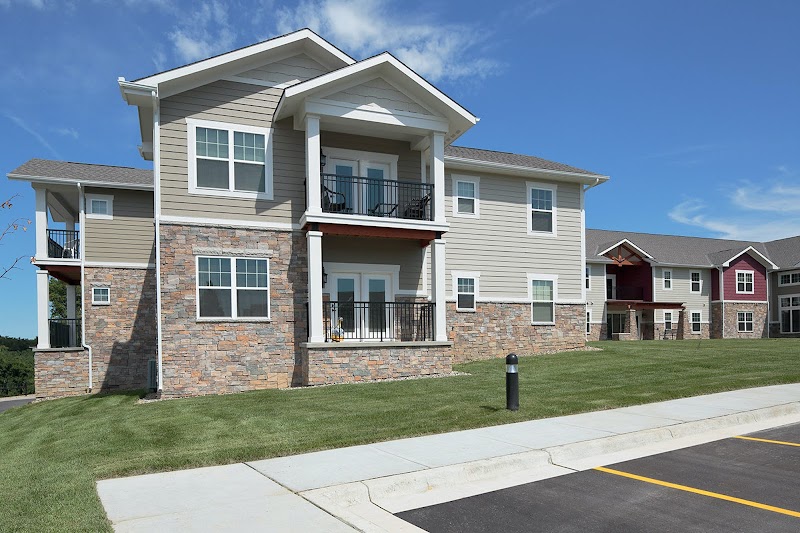
LINDEN WOODS VILLAGE is owned by a for-profit company. For-profit facilities operate as businesses with obligations to shareholders or private owners. The facility is operated by PIVOTAL HEALTH CARE, a chain that manages multiple nursing homes. With 40 certified beds and approximately 36 residents (about 90% occupancy), it is a smaller facility located in GLADSTONE, Missouri.
How Does Linden Woods Village Compare to Other Missouri Nursing Homes?

Compared to the 100 nursing homes in Missouri, LINDEN WOODS VILLAGE's overall rating (5 stars) is above the state average of 2.5, staff turnover (62%) is significantly higher than the state average of 46%, and health inspection rating (4 stars) is above the national benchmark.

What Should Families Ask When Visiting Linden Woods Village?

Based on this facility's data, families visiting should ask: "How do you ensure continuity of care given staff turnover, and what is your staff retention strategy?" "Can I visit during a mealtime to observe dining assistance and food quality?" "How do you handle medical emergencies, and what is your hospital transfer rate?" "Can I speak with family members of current residents about their experience?" These questions are particularly relevant given the facility's high staff turnover rate.

Is Linden Woods Village Safe?

Based on CMS inspection data, LINDEN WOODS VILLAGE has a clean safety record: no substantiated abuse findings (meaning no confirmed cases of resident harm), no Immediate Jeopardy citations (the most serious violation level indicating risk of serious injury or death), and is not on the Special Focus Facility watch list (a federal program monitoring the lowest-performing 1% of nursing homes). The facility has a 5-star overall rating and ranks #1 of 100 nursing homes in Missouri. While no facility is perfect, families should still ask about staff-to-resident ratios and recent inspection results during their visit.

Do Nurses at Linden Woods Village Stick Around?

Staff turnover at LINDEN WOODS VILLAGE is high. At 62%, the facility is 16 percentage points above the Missouri average of 46%. High turnover means new staff may not know residents' individual needs, medications, or preferences. It can also be disorienting for residents, especially those with dementia who rely on familiar faces. Families should ask: What is causing the turnover? What retention programs are in place? How do you ensure care continuity during staff transitions?

Was Linden Woods Village Ever Fined?

LINDEN WOODS VILLAGE has no federal fines on record. CMS issues fines when nursing homes fail to meet care standards or don't correct problems found during inspections. The absence of fines suggests the facility has either maintained compliance or corrected any issues before penalties were assessed. This is a positive indicator, though families should still review recent inspection reports for the full picture.

Is Linden Woods Village on Any Federal Watch List?

LINDEN WOODS VILLAGE is not on any federal watch list. The most significant is the Special Focus Facility (SFF) program, which identifies the bottom 1% of nursing homes nationally based on persistent, serious quality problems. Not being on this list means the facility has avoided the pattern of deficiencies that triggers enhanced federal oversight. This is a positive indicator, though families should still review the facility's inspection history directly.