GREENVILLE HEALTH CARE CENTER

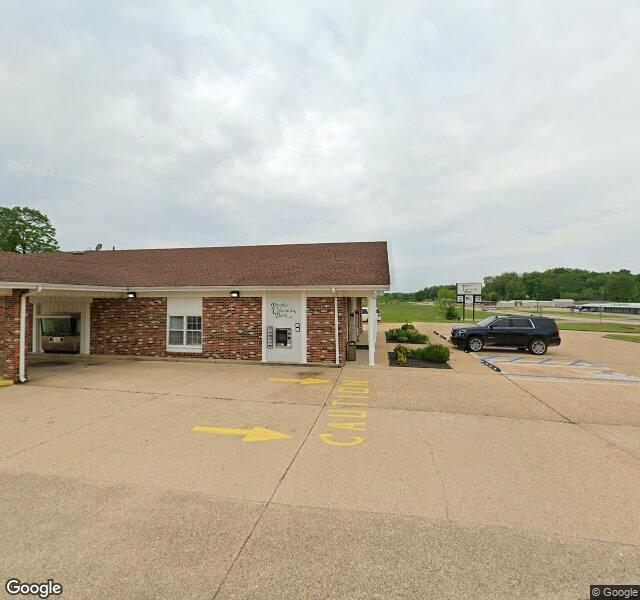
117 SYCAMORE STREET, GREENVILLE, MO 63944 (573) 224-3298
For profit - Limited Liability company 60 Beds RELIANT CARE MANAGEMENT Data: November 2025
Trust Grade
55/100
#250 of 479 in MO
Last Inspection: March 2025

Within standard 12-15 month inspection cycle. Federal law requires annual inspections.

Overview

Greenville Health Care Center has a Trust Grade of C, which means it is average and falls in the middle of the pack among nursing homes. It ranks #250 out of 479 facilities in Missouri, placing it in the bottom half, and is the second option in Wayne County, where only one other facility is available. Unfortunately, the facility's performance is worsening, with issues increasing from 1 in 2024 to 9 in 2025. While staffing is a concern with a low rating of 1 out of 5 stars and a turnover rate of 48%, which is better than the state average, they do not have any fines, indicating they are not facing financial penalties. However, there have been troubling incidents, including a failure to implement proper infection control measures during catheter care and a serious incident of sexual abuse between residents, highlighting both the need for better oversight and a commitment to resident safety.

Trust Score
C
55/100
In Missouri
#250/479
Bottom 48%
Safety Record
Low Risk
No red flags
Inspections
Getting Worse
1 → 9 violations
Staff Stability
⚠ Watch
48% turnover. Above average. Higher turnover means staff may not know residents' routines.
Penalties
✓ Good
No fines on record. Clean compliance history, better than most Missouri facilities.
Skilled Nurses
⚠ Watch
Each resident gets only 17 minutes of Registered Nurse (RN) attention daily — below average for Missouri. Fewer RN minutes means fewer trained eyes watching for problems.
Violations
⚠ Watch
18 deficiencies on record. Higher than average. Multiple issues found across inspections.
★★☆☆☆
2.0
Overall Rating
★☆☆☆☆
1.0
Staff Levels
★☆☆☆☆
1.0
Care Quality
★★★★☆
4.0
Inspection Score
Stable
2024: 1 issues
2025: 9 issues

The Good

  • Full Sprinkler Coverage · Fire safety systems throughout facility
  • No fines on record

Facility shows strength in fire safety.

The Bad

2-Star Overall Rating

Near Missouri average (2.5)

Below average - review inspection findings carefully

Staff Turnover: 48%

Near Missouri avg (46%)

Higher turnover may affect care consistency

Chain: RELIANT CARE MANAGEMENT

Part of a multi-facility chain

Ask about local staffing decisions and management

The Ugly 18 deficiencies on record

Jul 2025 1 deficiency
CONCERN (D) 📢 Someone Reported This

A family member, employee, or ombudsman was alarmed enough to file a formal complaint

Potential for Harm - no one hurt, but risky conditions existed

Free from Abuse/Neglect (Tag F0600)

Could have caused harm · This affected 1 resident

**NOTE- TERMS IN BRACKETS HAVE BEEN EDITED TO PROTECT CONFIDENTIALITY** Based on interview and record review, the facility failed to keep one resident (Resident #1) free from sexual abuse when another...

Read full inspector narrative →
**NOTE- TERMS IN BRACKETS HAVE BEEN EDITED TO PROTECT CONFIDENTIALITY** Based on interview and record review, the facility failed to keep one resident (Resident #1) free from sexual abuse when another resident (Resident #2) intentionally grabbed and squeezed Resident #1's breast twice. The incident upset Resident #1 and the interventions put into place to prevent the incident from happening again caused Resident #1 to feel punished. The facility census was 58. Review of the facility's policy titled, Abuse and Neglect, dated 06/10/24, showed:Abuse is the willful infliction of injury, reasonable confinement, intimidation, or punishment with resulting physical harm, pain or mental anguish, which can include staff to resident abuse and certain resident to resident altercations;Sexual abuse is non-consensual contact of any type with a resident. Sexual abuse includes, but is not limited to, the following: unwanted intimate touching of any kind especially of breasts or perineal area;Prevention will also include assessment care planning and monitoring of residents with needs or behaviors which may lead to conflict or neglect;As part of the resident social history assessment, staff will identify residents with increased vulnerability for abuse or who have needs and behaviors that might lead to conflict. Through the care planning process, staff will identify any problems, goals, and approaches which would reduce the chances of mistreatment for these residents. Staff will continue to monitor the goals and approaches on a regular basis. Review of the facility's investigation report, finalized on 07/22/25, showed: The incident occurred on 07/21/25, between Resident #1 and Resident #2;Resident #1 and Resident #2 sat in their wheelchairs in line to go smoke. Resident #1 sat in front of Resident #2. Resident #1 could not move forward due to other residents being in front of him/her. Resident #2 told Resident #1 he/she was slow and to move. Resident #2 then reached over to Resident #1 and grabbed his/her left breast twice. Resident #1 then reacted by slapping Resident #2 in the stomach. Resident #2 left the area with no further interaction between the two residents;The outcome of the investigation concludes that it was substantiated due to witness statements and Resident #1's statement. Resident #2 denied the allegations;Interventions included staff responded immediately and Resident #2 moved away from Resident #1. Staff did a skin assessment on both residents with no injuries noted. Staff monitored Resident #2 the rest of the night with no additional behaviors. Staff contacted the Director of Nursing (DON), Administrator, physician, psychiatry, and the guardian;Care Plan updates included Resident #2 would smoke separately from Resident #1. Resident #2 received education on personal boundaries. Psychiatry to review Resident #2's medication regime. Would encourage Resident #2 to seek counseling for inappropriate behavior and personal space. Staff would continually observe Resident #2 around other residents. Review of Resident #1's medical record showed:Date of admission on [DATE];Diagnosis of lymphoma (a type of cancer that originates in the lymphatic system - a part of the immune system responsible for fighting off infections), pressure ulcer (damage to the skin and/or underlying tissue as a result of pressure), insomnia (difficulty sleeping), and neoplasm (an abnormal mass of tissue resulting from excessive cell division) of bone;Nurse's Note, dated 07/21/25 at 9:35 P.M., showed at approximately 9:30 P.M., Resident #1 was in line to go out for a smoke break. There was a line in front of the resident and in back of the resident. Resident #1's mobility was via a wheelchair. Resident #2 sat behind Resident #1 and yelled at him/her to move and said he/she was slow and to hurry up and move out of the way. Resident #2 then reached over Resident #1 and grabbed Resident#1's left breast. Resident #1 swung his/her arm backwards with his/her hand and slapped Resident #2 in the stomach and told Resident #2 to stop that; Skin assessment dated , 07/22/25, showed no indication of skin issues from the incident on 07/21/25. Review of the resident's Care Plan, last revised 07/14/25, showed:Did not address any behavior issues. Review of the resident's quarterly Minimum Data Set (MDS - a federally mandated assessment instrument completed by the facility staff), dated 05/13/25, showed:Cognition intact;No behaviors. During an interview on 07/23/25 at 9:13 A.M., Resident #1 said the resident who smoked were in line to go outside to smoke. Resident #2 told him/her to move and that he/she was going too slow. Resident #2 then intentionally grabbed Resident #1's breast and squeezed it twice. Resident #1 slapped Resident #2 in the stomach, but not hard, and told Resident #1 to stop and not do that. The facility had 15 minute smoke breaks and Resident #1 agreed to go after Resident #2 so the two were separated during smoke breaks. Resident #2 had been quick to smoke but now took his/her time and Resident #1 had to hurry because staff had things to do and had to stay out later for him/her. Resident #1 said he/she didn't get to socialize with the other residents during the smoke break because he/she had to go out alone. Resident #1 said he/she felt safe and he/she could handle himself/herself. If it had happened in other areas of the facility, then he/she would feel less safe. Resident #2 was talked to by staff. Staff woke up Resident #1 on 07/22/25 at 12:00 A.M., wanting him/her to move to a different hallway since both Resident #1 and Resident #2 resided on the same hall. Resident #1 refused to move and felt punished because nothing happened to Resident #2. Resident #2 went up to younger residents, got in their space, tickled them, told them dirty jokes, and was verbally vulgar. Review of Resident #2's medical record showed:Date of admission on [DATE];Had a guardianDiagnosis of end stage renal (kidney) disease, dialysis (process of purifying the blood of a person whose kidneys aren't working normally), heart failure, chronic metabolic acidosis (a condition where the body has too much acid due to either excessive acid production or insufficient acid removal), major depressive disorder (MDD - long-term loss of pleasure or interest in life), shortness of breath, hypertension (high blood pressure), and traumatic brain injury (damage to the brain caused by an external force);An order for Paxil (an antidepressant) 30 milligram (mg) by mouth daily for MDD, dated 02/11/25;An order for Seroquel (an antipsychotic) 100 mg by mouth at bedtime for MDD, dated 2/11/25;A Post Incident Impact Questionnaire, dated 07/22/25, showed the resident denied doing anything wrong, felt safe, and was upset that others were accusing him/her of things he/she didn't do;A Skin Assessment, dated 07/21/25, showed no skin issues or injuries from the incident;A Nurse's Note, dated 07/22/25 at 11:10 A.M., showed Resident #2 was in line to go out to smoke with Resident #1 in front of him/her. The Resident #1 was in a wheelchair and not able to move forward due to another resident in front of him/her. Resident #2 told Resident #1 that he/she was slow and to move. Resident #2 then reached over his/her wheelchair and grabbed Resident #1's left breast. Resident #1 reacted by reaching back and slapped him/her in the stomach. After that, Resident #2 left the area. The Physician, Guardian, DON, and the Administrator were notified;Nurse's Note, dated 05/17/25 at 4:35 P.M., showed the resident had talked inappropriately to staff and attempted to touch female staff. Review of the resident's quarterly MDS, dated [DATE], showed:Cognition intact;Had verbal behaviors. BIMS of 15, to be cognitive, and to have verbal behavior. Review of the resident's Care Plan, last updated on 07/22/25, showed:Resident was deemed safe for admission to a skilled facility with intervention of daily living skills training, develop personal support network, drug therapy and monitoring, physician services, provisions of structured environment, and the resident will be in the lowest restrictive environment with protective oversight;On 07/22/25, the resident inappropriately touched Resident #1's left breast while waiting for smoke break. Interventions include to smoke separately from Resident #1, educate the resident on personal boundaries, psychiatry to review medications, encourage the resident to seek counseling for inappropriate behavior, and staff to continually observe the resident around other residents;On 07/22/25, the resident had manifestations of behaviors that may create disturbances that affect others. These behaviors include Resident #2 touched Resident #1's chest. Interventions include administer and monitor medications, encourage resident to go to a more private area if he/she disturbs others, notify the guardian/physician as needed, and psychiatry consult for medication adjustments as needed;Resident has depression related to MDD with interventions of administer medications, arrange for psychiatry consult, monitor/document/report any risk for harm to self or others. Review of the resident's Preadmission Screening and Resident Review (PASRR - a federally mandated screening process for individuals with serious mental illness and/or intellectual disability/developmental disability related diagnosis who apply or reside in Medicaid Certified beds in a nursing facility regardless of the source of payment) showed: The Level I PASRR, dated 04/05/23, showed a diagnosis of post traumatic stress disorder (PTSD - a mental health condition triggered by a terrifying event) , schizoaffective disorder (a condition characterized by abnormal thought processes and deregulated emotions) , anxiety (persistent worry and fear about everyday situations), and MDD;A mild intellectual disability and TBI. Required a Level II screening;The Level II, date 04/20/23, showed diagnoses of anxiety, MDD, mild intellectual disability. Had four mental health hospitalization mostly during childhood. Behavior assessment of cursing, swearing, and uncooperative with treatment. A long history of serious mental illness diagnoses and treatment to childhood onset with no recent episode of psychiatric disruption. During an interview on 07/23/25 at 9:35 A.M., Resident #2 said he/she was outside and Resident #1 slapped him/her. Resident #2 was told by staff the he/she grabbed Resident #1's breast but he/she didn't. He/She was respectful and never grabbed other residents in the facility. He/She didn't like to be falsely accused. There were a lot of residents outside and he/she was irritating Resident #1. He/She didn't know who touched Resident #1. During an interview on 07/23/25 at 9:20 A.M., Resident #3 said he/she saw Resident #2 grab Resident #1's breast. He/She was in the doorway during the smoke break while Resident #1 and Resident #2 were in line. Resident #2 told Resident #1 to hurry and they were both in wheelchairs. Resident #2 reached around and grabbed Resident #1's breast from behind. Resident #3 told the DON that he/she saw Resident #2 touch Resident #1. During an interview on 07/23/25 at 9:23 A.M., Resident #4 said he/she saw Resident #2 on smoke break grab Resident #1's breast. Resident #4 said he/she stood behind Resident #2 in line and Resident #1 smacked Resident #2 afterwards. Resident #2 said he/she loved to aggravate the hell out of Resident #1. During an interview on 07/23/25 at 9:48 Nursing Assistant (NA) A said the incident happened at the 9:00 P.M., smoke break on 07/21/25. Resident #2 liked to tease a lot and he/she heard Resident #2 start aggravating Resident #1. Resident #1 didn't seem bothered and ignored him/her. However, when NA a turned around, Resident #2's hand was on Resident #1's chest and Resident #1 smacked him/her in the stomach. Resident #1 was a little upset and told NA A that Resident #2 touched his/her breast, Resident #1 slapped Resident #2 in the stomach, and they separated themselves. NA A told the charge nurse as soon as he/she came in about what happened. He/She just had training on abuse and neglect a month ago. NA A did activities as well and had resident groups every Tuesday and Thursday. In group, he/she talked to the residents at least once a month about abuse and neglect and keeping hands to themselves. During an interview on 07/23/25 at 10:15 A.M., the DON said she was not aware of Resident #2 had any previous history of inappropriately touching other residents. She was not aware of the Resident #2's Nurse's Note from May 2025, that showed Resident #2 was inappropriate or attempted to inappropriately touch staff. Resident #2 denied all accusations and it was hard when he/she denied everything. She did not think this incident where Resident #2 touched Resident #1's breast was abuse. The two residents were to smoke separately. During an interview on 07/23/25 at 10:19 A.M., Housekeeping B said he/she was told this morning by Resident #1 at smoke break that he/she was to smoke separately from Resident #2.During an interview on 07/23/25 at 10:20 A.M., Housekeeping C said he/she didn't know that Resident #1 and #2 needed to smoke separately and did help supervise the smoke breaks some.During an interview on 07/25 at 10:21 A.M., NA D said he/she didn't know that Resident #1 and Resident #2 needed to smoke separately and did help supervise smoke breaks at times. During an interview on 07/23/25 at 10:25 A.M., and 2:10 P.M., the Administrator said he had only been at the facility a very short time. The facility reported the incident the Department of Health and Senior Services (DHSS) but he didn't feel that it was sexual abuse because of the lack of intent for harm. The facility put interventions in place and started an in-service on reporting abuse as the incident didn't go up the chain fast enough. The facility held a care plan meeting with Resident #2's guardian and new interventions had been put into place. New information regarding the Resident #2's past had been discovered which would allow a better individualized course of action. A resident's PASRR should be used to better individualize the care plan and provide the services a resident needed. Complaint #2568006
Mar 2025 8 deficiencies
CONCERN (D)

Potential for Harm - no one hurt, but risky conditions existed

Deficiency F0658 (Tag F0658)

Could have caused harm · This affected 1 resident

Based on interview and record review, the facility failed to follow physician's orders for one resident (Resident #20) out of 15 sampled residents and one resident (Resident #25) outside the sample. T...

Read full inspector narrative →
Based on interview and record review, the facility failed to follow physician's orders for one resident (Resident #20) out of 15 sampled residents and one resident (Resident #25) outside the sample. The facility's census was 57. Review of the facility's policy titled, Transcription of Orders/Following Physician's Orders, last reviewed May 2024, showed: -The purpose of this policy is to outline procedures in accurately transcribing physician's orders and to ensure that all physicians' orders are followed. To ensure a process is in place to monitor nurses in accurately transcribing and following physician's orders; - Upon receiving a physician's order via telephone, fax, written order, verbal order, transcribed order or other, it will be documented in residents' electronic medical records in orders section; - The Nurse or Certified Medication Technician (CMT) in charge of medication administration must review all their designated Medication Administration Record (MAR) and Treatment Administration Record (TAR) prior to the end of their shift to ensure that all medications/treatments scheduled to be given on their shift were administered according to physicians' orders and that all necessary interventions were taken in the event of an omission. Review of the facility's policy titled, Administration of Insulin Policy, last reviewed May 2024, showed: - It is the policy of this facility to provide timely administration of insulin in order to meet the needs of each resident and to prevent adverse effects on a resident's condition; - All insulin will be administered in accordance with physician's orders; - Insulin administration will be coordinated with mealtimes and bedtime snacks unless otherwise specified in the physician order; - Monitor blood sugar as ordered by the physician. Review of the facility's policy titled, Blood Glucose Monitoring Policy, last reviewed June 2024, showed: - It is the policy of this facility to perform blood glucose monitoring to diabetic residents as per physician's orders. 1. Review of Resident #20's March 2025 Physician's Order Sheet (POS), showed: - Diagnoses of diabetes mellitus (elevated levels of glucose in the blood), acute hepatitis C (inflammation of the liver caused by infection) and schizophrenia (significant disruptions in thought processes, perceptions, emotions, and behaviors); - An order for Novolog (fast-acting insulin) per sliding scale if blood sugar (BS) 151-200= 3 units, 201-250=6 units, 251-300=9 units; 301-350=12 units, 351-400=15 units, over 400 call the physician, subcutaneously (injection under the skin) before meals and bedtime, dated 01/20/22; - An order for Novolog 7 units subcutaneously three times a day, dated 05/19/21. Observation of the resident's medication administration on 03/19/25 at 8:23 A.M., showed: - The resident finished breakfast; - Licensed Practical Nurse (LPN) G did not check the resident's BS and did not administer the sliding scale Novolog insulin; - LPN G administered Novolog 7 units subcutaneously; - LPN G failed to check the resident's BS before administering insulin as ordered; - LPN G failed to administer the resident's insulin before breakfast as ordered. 2. Review of Resident #25's March 2025 POS, showed: - Diagnoses of diabetes mellitus, chronic obstructive pulmonary disease (COPD- persistent airflow obstruction and chronic inflammation of the airways and lungs), major depressive disorder (persistent feelings of sadness, hopelessness, and loss of interest or pleasure in activities), and anxiety; - An order for insulin lispro (Humalog - a fast-acting insulin) per sliding scale if BS 150-200=2 units; 201-250=3 units; 251-300=6 units; 301-250=9 units; 351-400=12 units; 401-450=15 units, over 450 call the physician, subcutaneously four times a day, dated 11/21/2024. Observation of the resident's medication administration on 03/19/25 at 8:37 A.M., showed: - LPN G did not check the resident's BS; - LPN G administered Humalog 3 units subcutaneously; - LPN G failed to check the resident's BS before administering insulin as ordered. During an interview on 03/19/25 at 8:23 A.M., LPN G said he/she did not perform the glucose monitoring for Resident #20 and Resident #25 prior to administering the insulin as ordered. During an interview on 03/21/25 at 9:00 A.M., LPN A said he/she would check the resident's BS 30 minutes before the fast-acting insulin was administered as ordered. During an interview on 03/21/25 at 9:05 A.M., the Director of Nursing (DON) said physician orders should be followed. Blood sugars should be checked prior to administering insulin as ordered. During an interview on 03/21/25 at 3:27 P.M., the Administrator said he/she would expect nurses and staff to follow physician orders. Staff should obtain BS and then administer insulin as ordered.
CONCERN (D)

Potential for Harm - no one hurt, but risky conditions existed

Accident Prevention (Tag F0689)

Could have caused harm · This affected 1 resident

Based on observation, interview, and record review, the facility failed to provide protective oversight when facility staff left the medication carts unattended and unlocked on three separate occasion...

Read full inspector narrative →
Based on observation, interview, and record review, the facility failed to provide protective oversight when facility staff left the medication carts unattended and unlocked on three separate occasions. This had the potential to affect all residents in the facility. The facility census was 57. Review of the facility's policy titled, Medication Storage Policy, last reviewed May 2024, showed: - It is the policy of this facility to ensure all medications housed on our premises will be stored in the medication rooms according to the manufacturer's recommendations and sufficient to ensure proper sanitation, temperature, light, ventilation, moisture control, segregation, and security; - All drugs and biologicals will be stored in locked compartments (i.e. medication carts, cabinets, drawers, refrigerators, medication rooms) under proper temperature controls; - Only authorized personnel will have access to the keys to locked compartments; - During a medication pass, medications must be under the direct observation of the person administering medications or locked in the medication storage area/cart; - Schedule II (medications with a high potential of abuse) drugs and back-up stock of Schedule III (medications with a moderate to low potential of abuse), Schedule IV (medications with a low potential of abuse), and Schedule V (medications with a lower potential of abuse than Schedule IV medications) medications are stored under double-lock and key. 1. Observation on 03/19/25 at 8:21 A.M., showed: - Licensed Practical Nurse (LPN) G left the unlocked and unattended medication cart for two minutes; - A resident paced in front of and around the unlocked medication cart. 2. Observation on 03/19/25 at 8:37 A.M. showed: - LPN G left the unlocked and unattended medication cart, left the keys to the narcotic box on top of the medication cart, and left the bottom drawer of the cart partially open; - Two residents in the hallway near the unlocked and unattended medication cart. 3. Observation on 03/21/25 at 8:07 A.M., showed: - The unlocked and unattended medication cart sat near the nurses' station; - Two residents and several staff were near and around the unlocked and unattended cart; - At 8:08 A.M., Certified Medication Technician (CMT) D walked up to the unlocked cart, locked it, and took it into the medication stock room. During an interview on 03/21/25 at 8:10 A.M., CMT D said he/she should have locked the medication cart before walking away from it. During an interview on 03/21/25 at 9:00 A.M., LPN A said medication carts and keys should be secured before walking away from medication cart. During an interview on 03/21/25 at 9:25 A.M., the Director of Nursing (DON) said medication carts should never be left unattended and unlocked. He/she expected staff to keep keys out of reach of the residents. During an interview on 03/21/25 at 3:28 P.M., the Administrator said staff should never leave a medication cart unlocked and unattended.
CONCERN (D)

Potential for Harm - no one hurt, but risky conditions existed

Deficiency F0698 (Tag F0698)

Could have caused harm · This affected 1 resident

**NOTE- TERMS IN BRACKETS HAVE BEEN EDITED TO PROTECT CONFIDENTIALITY** Based on interview and record review, the facility failed to provide documentation of ongoing assessments, monitoring, and commu...

Read full inspector narrative →
**NOTE- TERMS IN BRACKETS HAVE BEEN EDITED TO PROTECT CONFIDENTIALITY** Based on interview and record review, the facility failed to provide documentation of ongoing assessments, monitoring, and communication between the facility and the dialysis (a process for removing waste and excess water from the blood) center for one resident (Resident #51) out of one sampled resident. The facility census was 57. Review of the facility's policy titled, Dialysis, revised 03/18/22, showed: - Ensure that residents who require dialysis and such services as ordered by the physician; - The facility will ensure that residents who require dialysis receive such services, consistent with professional standards of practice, the comprehensive person-centered care plan, and the residents' goals and preferences; - The facility will ensure that each resident receives care and services for the provision of hemodialysis (a procedure that acts as an artificial kidney, filtering blood to remove waste and excess fluid when the kidneys cannot) and/or peritoneal (lining of the the stomach) dialysis consistent with professional standards of practices including the: 1. Ongoing assessment of the resident's condition and monitoring for complications before and after dialysis treatment received at a certified dialysis facility; 2. Ensure the resident has transportation to and from an off-site certified dialysis facility for dialysis treatments; 3. Ongoing assessments and oversight of the resident before and after dialysis treatments; 4. Ongoing communication and collaboration with dialysis clinic, regarding dialysis care and services. 1. Review of Resident #51's medical record showed: - admitted on [DATE]; - Diagnoses of end stage renal disease (the kidneys can no longer adequately filter waste and excess fluid from the blood) and dependence on renal dialysis (relying on a machine to filter the blood and remove waste due to kidney failure), dated 02/11/25. Review of the resident's March 2025 Physician's Order Sheet (POS), showed: - Renal (kidney) diet, regular texture, thin/regular consistency, dated 02/12/25; - Cover the dialysis port (soft tubes used to allow blood to travel through the dialysis machine where it is cleaned as it passes through a special filter) to the left upper arm with a large border gauze every day, dated 02/11/25; - An order for acetaminophen (medication used to treat minor aches and pain) tablet 325 milligram (mg) two tablets by mouth every Monday, Wednesday and Friday for pain before leaving for dialysis, dated 03/12/25; - An order for Lidocaine-Prilocaine (a numbing medication) External Cream 2.5-2.5 % apply to the area of the dialysis port topically every day shift every Monday, Wednesday, and Friday for dialysis. Apply to the length of the dialysis access 45 to 60 minutes prior to dialysis, dated 03/12/25; - No order for dialysis. Review of the resident's Progress Note, dated 03/19/25, showed: - The resident received dialysis on Monday, Wednesday and Friday. Review of the resident's Care Plan, revised 02/12/25, showed: - Renal diet with regular texture and thin liquids; - Dialysis due to renal failure; - Renal insufficiency related to kidney disease end stage. Review of the resident's Dialysis Communication Log showed: - The facility did not have a communication log between the dialysis center and the facility for the resident. Observation on 03/18/25 at 9:38 A.M., and 03/19/25 at 12:23 P.M., of a note posted on the kitchen wall showed: - Resident #51 needed to eat early or have a lunched packed on Tuesdays, Thursdays and Saturdays. During an interview on 03/19/25 12:18 P.M., the Business Office Manager (BOM) said he/she was the temporary administrator at the time the resident was admitted . He/She was not aware of a communication log between the facility and the dialysis facility. During an interview on 03/19/25 at 3:35 P.M., the Minimum Data Set (MDS - a federally mandated assessment instrument completed by the facility staff) Coordinator said he/she knew the resident had an order for dialysis when the resident was admitted . The facility had trouble getting transportation for Tuesday, Thursday and Saturday, so the order was probably discontinued, and did not get put back on the resident's POS for dialysis to be on Monday, Wednesday and Friday. During an interview on 03/20/25 at 2:05 P.M., Licensed Practical Nurse (LPN) A said the facility did what was ordered prior to dialysis such as the Lidocaine cream and the ordered acetaminophen. If the resident required a snack taken with them to dialysis, the dietary staff provided the snack. The facility did not perform any vital signs or anything else prior to the resident going to dialysis. The facility did not send any documentation with the resident to dialysis. During an interview on 03/21/25 at 2:15 P.M., the Assistant Director of Nursing (ADON) said she thought the dialysis was on the resident's POS. Dialysis was supposed to be sending the facility documentation to the facility, however the facility had not received any documentation. During an interview on 03/21/25 at 3:31 P.M., the Administrator said there should be an order for dialysis. She was not here when the resident was admitted , but there should always be an order for dialysis. There should be a communication log showing the communication between the dialysis center and the facility.
CONCERN (D)

Potential for Harm - no one hurt, but risky conditions existed

Pharmacy Services (Tag F0755)

Could have caused harm · This affected 1 resident

Based on interview and record review, the facility failed to ensure staff reconciled narcotics (a process that allows one staff to reconcile the exact narcotic inventory on hand with another staff) at...

Read full inspector narrative →
Based on interview and record review, the facility failed to ensure staff reconciled narcotics (a process that allows one staff to reconcile the exact narcotic inventory on hand with another staff) at each shift change for three out of three sampled medication carts. This practice had the potential to affect all residents. The facility census was 57. Review of the facility's policy titled, Controlled Substance Administration and Accountability Policy, last reviewed 05/14/24, showed: - The charge nurse or other designee conducts a daily visual audit of the required documentation of controlled substances. Spot checks are performed to verify; - Inventory verification: for areas without automated dispensing systems, two licensed nurses account for all controlled substances and access keys at the end of each shift. 1. Review of the 100/200/400 Hall Medication Cart Narcotic Count Log for Controlled Substances showed: - For day/evening/night shifts for 12/27/24 - 01/17/25, 57 missed out of 88 opportunities to reconcile the narcotic counts; - For day/evening/night shifts for 01/18/25 - 02/12/25, 76 missed out of 104 opportunities to reconcile the narcotic counts; - For day/evening/night shifts for 02/13/25 - 03/05/25, no documentation of the Narcotic Count Log with 132 missed out of 132 opportunities to reconcile the narcotic counts; - For day/evening/night shifts for 03/06/25 - 03/21/25, 49 missed out of 60 opportunities to reconcile the narcotic counts. 2. Review of the 300 Hall Medication Cart Narcotic Count Log for Controlled Substances showed: - For day/evening/night shifts for 12/27/24 - 01/17/25, 59 missed out of 88 opportunities to reconcile the narcotic counts; - For day/evening/night shifts for 01/18/25 - 02/08/25, 50 missed out of 88 opportunities to reconcile the narcotic counts; - For day/evening/night shifts for 02/09/25 - 02/12/25, no documentation of the Narcotic Count Log with 16 missed out of 16 opportunities to reconcile the narcotic counts; - For day/evening/night shifts for 02/13/25 - 03/06/25, 54 missed out of 88 opportunities to reconcile the narcotic counts; - For day/evening/night shifts for 03/07/25 - 03/21/25, 37 missed out of 58 opportunities to reconcile the narcotic counts. 3. Review of the Nurses' Treatment Medication Cart Narcotic Count Log for Controlled Substances showed: - For 6 A.M. - 6 P.M. shift for 01/01/25-01/31/25, 31 missed out of 122 opportunities to reconcile the narcotic counts; - For 6 A.M. - 6 P.M. shift for 02/01/25-02/28/25, 16 missed out of 112 opportunities to reconcile the narcotic counts; - For 6 A.M. - 6 P.M. shift for 03/01/25-03/21/25, 16 missed out of 82 opportunities to reconcile the narcotic counts. During an interview on 03/21/25 at 9:44 A.M., Certified Medication Technician (CMT) D said he/she counted the narcotics when on-coming and off-going each shift. During an interview on 03/21/25 at 9:45 A.M., Licensed Practical Nurse (LPN) A said two nurses counted the narcotics on the nurses' medication/treatment cart at the beginning and end of each shift. During an interview on 03/21/25 at 9:50 A.M., the Director of Nursing (DON) said the off-going and on-coming staff should count the narcotics on each cart after each shift. During an interview on 03/21/25 at 3:26 P.M., the Administrator said the narcotics should be counted with two staff members, the on-coming and off-going staff, for each shift.
CONCERN (D)

Potential for Harm - no one hurt, but risky conditions existed

Medication Errors (Tag F0758)

Could have caused harm · This affected 1 resident

Based on interview and record review, the facility staff failed to ensure that as needed (PRN) orders for antipsychotic (medications that treat psychotic disorders) medications were limited to 14 days...

Read full inspector narrative →
Based on interview and record review, the facility staff failed to ensure that as needed (PRN) orders for antipsychotic (medications that treat psychotic disorders) medications were limited to 14 days for one resident (Resident #46) of five sampled residents. The facility census was 57. Review of the facility's policy titled, Use of Psychotropic (medications that affect the mind, emotions, and behavior) Medication Policy, dated 06/26/24, showed: - PRN orders for all psychotropic medications shall be used only when the medication is necessary to treat a diagnosed specific condition that is documented in the clinical record and for a limited duration (14 days); - If the attending physician or prescribing practitioner believes that it is appropriate for the PRN order to be extended beyond the 14 days, he/she shall document their rationale in the resident's medical record and indicate the duration for the PRN order. 1. Review of Resident #46's medical record showed: - A diagnosis of anxiety (an intense, excessive, and persistent worry and fear about everyday situations); - An order for haloperidol (an antipsychotic medication) 5 milligram (mg) by mouth every 12 hours PRN for anxiety and agitation, dated 12/21/24; - The haloperidol order did not indicate the duration for the PRN order; - The prescribing practitioner did not document the appropriateness for the PRN antipsychotic medication to be extended beyond 14 days and did not document the duration for the PRN order. Review of the resident's haloperidol PRN Medication Administration Records (MARs) showed: - For January 2025, the resident received the medication five times; - For February 2025, the resident received the medication eight times; - For March 2025, the medication was discontinued on 03/04/25. Review of the resident's Monthly Medication Regimens (MMRs) showed: - On 01/10/25, and on 02/09/25, the Pharmacist recommended a review of the psychotropic haloperidol PRN order(s) for addition of a stop date (14 days) or have the physician or psychiatry provide a progress note for the continued use. During an interview on 03/21/25 at 2:20 P.M., the Assistant Director of Nursing (DON) said she was responsible for retrieving the pharmacy recommendations. Once she received the recommendations, if it needs a physician's order, then she contacted the primary care physician (PCP) and received the orders. The physician order should link with the recommendation if there a new order was written. She did not know how she missed this particular recommendation. There should be a 14 day stop date for PRN medications. During an interview on 03/21/25 at 2:23 P.M., the Director Of Nursing (DON) said she knew the psychiatric physician always put a 14 stop date on the PRN medications. She thought all of the PRN medications should be written that way.
CONCERN (D)

Potential for Harm - no one hurt, but risky conditions existed

Unnecessary Medications (Tag F0759)

Could have caused harm · This affected 1 resident

Based on observation, interview, and record review, the facility failed to maintain a medication error rate of less than five percent (%). There were 38 opportunities with five errors made, resulting ...

Read full inspector narrative →
Based on observation, interview, and record review, the facility failed to maintain a medication error rate of less than five percent (%). There were 38 opportunities with five errors made, resulting in an error rate of 13.15% for two residents (Residents #20 and #25) out of four sampled residents. The facility's census was 57. Review of the facility's policy titled, Administration of Insulin Policy, last reviewed May 2024, showed: - It is the policy of this facility to provide timely administration of insulin in order to meet the needs of each resident and to prevent adverse effects on a resident's condition; - All insulin will be administered in accordance with physician's orders; - Insulin administration will be coordinated with mealtimes and bedtime snacks unless otherwise specified in the physician order; - Monitor blood sugar as ordered by the physician. Review of the facility's policy titled, Blood Glucose Monitoring Policy, last reviewed June 2024, showed: - It is the policy of this facility to perform blood glucose monitoring to diabetic residents as per physician's orders. 1. Review of Resident #20's March 2025 Physician's Order Sheet (POS), showed: - Diagnosis of diabetes mellitus (elevated levels of glucose in the blood); - An order for Novolog (fast-acting insulin) per sliding scale if blood sugar (BS) 151-200= 3 units, 201-250=6 units, 251-300=9 units; 301-350=12 units, 351-400=15 units, over 400 call the physician, subcutaneously (injection under the skin) before meals and bedtime, dated 01/20/22; - An order for Novolog 7 units subcutaneously three times a day, dated 05/19/21. Review of the resident's Medication Administration Record (MAR), dated March 2025, showed: - On 03/18/25 at 5:00 A.M., the night nurse documented the glucose reading as 147. At 7:00 A.M., Licensed Practical Nurse (LPN) G documented the glucose reading as 147; - On 03/19/25 at 5:00 A.M., the night nurse documented the glucose reading as 150. At 7:00 A.M., LPN G documented the glucose reading as 150; - On 03/20/25 at 5:00 A.M., the night nurse documented the glucose reading as 187. At 7:00 A.M., LPN G documented the glucose reading as 187. Observation of the resident's medication administration on 03/19/25 at 8:23 A.M., showed: - The resident finished breakfast; - LPN G did not check the resident's BS; - LPN G administered Novolog 7 units subcutaneously for a BS of 150 received at 5:00 A.M.; - LPN G failed to check the resident's BS, failed to administer the correct dose of insulin, and failed to administer the insulin before the resident ate breakfast as ordered. 2. Review of Resident #25's POS, dated March 2025, showed: - Diagnosis of diabetes mellitus; - An order for insulin lispro (Humalog - a fast-acting insulin) per sliding scale if BS 150-200=2 units; 201-250=3 units; 251-300=6 units; 301-250=9 units; 351-400=12 units; 401-450=15 units, over 450 call the physician, subcutaneously four times a day, dated 11/21/2024. Review of the resident's MAR, dated March 2025, showed: - On 03/18/25 at 5:00 A.M., the night nurse documented the glucose reading as 203. At 7:00 A.M., LPN G documented the glucose reading as 203; - On 03/19/25 at 5:00 A.M., the night nurse documented the glucose reading as 235. At 7:00 A.M., LPN G documented the glucose reading as 235; - On 03/20/25 at 5:00 A.M., the night nurse documented the glucose reading as 241. At 8:00 A.M., LPN G documented the glucose reading as 241. Observation of the resident's medication administration on 03/19/25 at 8:37 A.M., showed: - LPN G did not check the resident's BS; - LPN G administered Humalog 3 units subcutaneously per the sliding scale for a BS of 235 that was taken at 5:00 A.M.; - LPN G failed to check the resident's BS, and failed to administer the correct dose of insulin. During an interview on 03/19/25 at 8:23 A.M., LPN G said he/she did not perform the glucose monitoring for Resident #20 and Resident #25 prior to administering the insulin as ordered. The BS readings for the residents were obtained at 5:00 A.M., by the night nurse. He/She used those BS readings to administer the insulin to the residents during their medication pass. During an interview on 03/21/25 at 8:10 A.M., Certified Medication Technician (CMT) D said BS were checked again for the sliding scale insulins. BS were checked at 5:00 A.M., for the long-acting insulin administration. Fast-acting insulin should be administered 30 minutes before each meal if ordered that way. During an interview on 03/21/25 at 9:00 A.M., LPN A said he/she would check the resident's BS 30 minutes before the fast-acting insulin was administered. LPN A said he/she always verified insulin was administered prior to the resident eating breakfast if it was ordered that way. LPN A would not administer fast-acting insulin off of a 5:00 A.M. BS reading. During an interview on 03/21/25 at 9:05 A.M., the Director of Nursing (DON) said blood sugars should be checked prior to administering insulin. It was not appropriate to use a glucose reading from two or more hours prior to administering the insulin. During an interview on 03/21/25 at 3:27 P.M., the Administrator said he/she would expect nurses and staff to obtain BS and then administer insulin.
CONCERN (D)

Potential for Harm - no one hurt, but risky conditions existed

Deficiency F0760 (Tag F0760)

Could have caused harm · This affected 1 resident

Based on observation, interview, and record review, the facility failed to ensure that two residents (Residents #20 and #25) out of two sampled residents were free from significant medication errors w...

Read full inspector narrative →
Based on observation, interview, and record review, the facility failed to ensure that two residents (Residents #20 and #25) out of two sampled residents were free from significant medication errors when staff did not check blood sugars prior to administering insulin (a medication that regulates blood sugar levels). The facility's census was 57. Review of the facility's policy titled, Administration of Insulin Policy, last reviewed May 2024, showed: - It is the policy of this facility to provide timely administration of insulin in order to meet the needs of each resident and to prevent adverse effects on a resident's condition; - All insulin will be administered in accordance with physician's orders; - Insulin administration will be coordinated with mealtimes and bedtime snacks unless otherwise specified in the physician order; - Monitor blood sugar as ordered by the physician. Review of the facility's policy titled, Blood Glucose Monitoring Policy, last reviewed June 2024, showed: - It is the policy of this facility to perform blood glucose monitoring to diabetic residents as per physician's orders. 1. Review of Resident #20's March 2025 Physician's Order Sheet (POS) showed: - admission date of 02/15/17; - Diagnosis of diabetes mellitus (elevated levels of glucose in the blood); - An order for Novolog (fast-acting insulin) per sliding scale if blood sugar (BS) 151-200= 3 units, 201-250=6 units, 251-300=9 units; 301-350=12 units, 351-400=15 units, over 400 call the physician, subcutaneously (injection under the skin) before meals and bedtime, dated 01/20/22; - An order for Novolog 7 units subcutaneously three times a day, dated 05/19/21; - An order for Tresiba (long-acting insulin) FlexTouch Pen 25 units subcutaneously in the morning, dated 06/13/24; - An order for metformin (diabetic medication) 1,000 milligrams (mg) by mouth twice daily, dated 5/19/21. Observation of the resident's medication administration on 03/19/25 at 8:23 A.M., showed: - Licensed Practical Nurse (LPN) G did not check the resident's BS; - LPN G administered Novolog 7 units subcutaneously; - LPN G failed to check the resident's blood sugar prior to the administration of the insulin. 2. Record review of Resident #25's POS, dated March 2024, showed: - admission date of 09/28/20; - Diagnosis of diabetes mellitus; - An order for Lantus (long-acting insulin) 30 units in the morning subcutaneously, dated 11/20/24; - An order for Lantus 45 units at bedtime subcutaneously, dated 11/20/23; - An order for insulin lispro (Humalog - a fast-acting insulin) per sliding scale if BS 150-200=2 units; 201-250=3 units; 251-300=6 units; 301-250=9 units; 351-400=12 units; 401-450=15 units, over 450 call the physician, subcutaneously four times a day, dated 11/21/2024. Observation of the resident's medication administration on 03/19/25 at 8:37 A.M., showed: - LPN G did not check the resident's BS; - LPN G administered Humalog 3 units subcutaneously; - LPN G failed to check the resident's blood sugar prior to the administration of the insulin. During an interview on 03/19/25 at 8:23 A.M., LPN G said he/she did not perform the glucose monitoring for Resident #20 and Resident #25 prior to administering the insulin as ordered. During an interview on 03/21/25 at 9:00 A.M., LPN A said he/she would check the resident's BS 30 minutes before the fast-acting insulin was administered. During an interview on 03/21/25 at 9:05 A.M., the Director of Nursing (DON) said blood sugars should be checked prior to administering insulin. During an interview on 03/21/25 at 3:27 P.M., the Administrator said he/she would expect nurses and staff to obtain BS and then administer insulin.
CONCERN (F)

Potential for Harm - no one hurt, but risky conditions existed

Infection Control (Tag F0880)

Could have caused harm · This affected most or all residents

**NOTE- TERMS IN BRACKETS HAVE BEEN EDITED TO PROTECT CONFIDENTIALITY** Based on observation, interview, and record review, the facility failed to implement Enhanced Barrier Precautions (EBP) during u...

Read full inspector narrative →
**NOTE- TERMS IN BRACKETS HAVE BEEN EDITED TO PROTECT CONFIDENTIALITY** Based on observation, interview, and record review, the facility failed to implement Enhanced Barrier Precautions (EBP) during urinary catheter (a flexible tube placed in the body to drain and collect urine) care for two residents (Residents #2 and #56) out of two sampled residents. The facility failed to put interventions in place to ensure the facility's Legionella (a type of bacteria that can cause serious lung infection) testing was completed in a timely manner. The facility census was 57. Review of the facility's policy titled, Enhanced Barrier Precautions, last reviewed 05/18/24, showed: - EBP of gown and gloves must be used for high-contact resident care activities for residents with any of the following: infection or colonization with a Centers for Medicare and Medicaid (CDC)-targeted multidrug-resistant organism (MDRO) when contact precautions do not otherwise apply; or wounds and/or indwelling medical devices even if the resident is not known to be infected or colonized with a MDRO; - High-contact resident care activities include, but are not limited to, dressing, bathing/showering, transferring, providing hygiene, changing linens, changing briefs or assisting with toileting, indwelling device care or use, or wound care; - Wounds that require EBP are chronic wounds, including, but not limited to pressure ulcers (a localized area of skin damage that develops when prolonged pressure is applied to a specific area of the body), diabetic foot ulcers, unhealed surgical wounds, and venous stasis (a chronic wound on the lower leg that develops due to impaired blood flow in the veins, leading to blood pooling and tissue breakdown) ulcers. These are wounds that generally require a dressing. Any wound care requires EBP; - Indwelling medical devices include, but are not limited to, central lines, urinary catheters, feeding tubes, and tracheostomies; - Make gowns and gloves available immediately near or outside of the resident's room; - Ensure access to alcohol-based hand rub in every resident room (ideally both inside and outside of the room); - Position a trash can inside the resident room and near the exit for discarding personal protective equipment (PPE) after removal, prior to exit of the room, or before providing care for another resident in the same room. Review of the facility's policy titled, Legionella Surveillance Policy, last reviewed June 2024, showed: - It is the policy of this facility to establish primary and secondary strategies for the prevention and control of Legionella infections; - Legionella surveillance is one component of the facility's water management plans for reducing the risk of Legionella and other opportunistic pathogens in the facility's water systems; - Primary prevention strategies: diagnostic testing and investigation for the source of Legionella. For diagnostic testing, the facility shall use McGreer criteria (designed to identify and track health-associated infections in long-term care facilities) when diagnosing pneumonia; residents with health-care associated pneumonia or who have failed antibiotic therapy for community-acquired pneumonia shall be tested for Legionella using both culture of lower respiratory secretions and the Legionella urinary antigen test. For the investigation for a facility source of Legionella, this may include culturing of the facility water for Legionella. 1. Observation on 03/20/25 at 9:50 A.M., of Resident #56's wound care showed: - No EBP signage posted or PPE outside of the resident's room; - Licensed Practical Nurse (LPN) A did not put on an isolation gown and entered the resident's room; - LPN A performed the wound dressing; - LPN A removed the gloves, performed hand hygiene, and exited the room. 2. Observation on 03/20/25 at 11:05 A.M. of Resident #2's catheter care showed: - No EBP signage posted outside of the resident's room; - Certified Nurse Aide (CNA) E and CNA F did not put on an isolation gown and entered the resident's room; - CNA E performed the resident's catheter care; - CNA E removed the gloves, did not perform hand hygiene, and put on clean gloves; - CNA E and CNA F rolled the resident from side to side and placed clean pants and a Hoyer (a mechanical device used to safely transfer individuals with limited mobility) sling under the resident; - CNA E and CNA F removed the gloves, did not perform hand hygiene, gathered the trash, and exited the resident's room; - CNA F assisted the resident to the main dining room. 3. Observation on 03/21/25 at 10:44 A.M., of Resident #56's catheter care showed: - No EBP signage posted outside of the resident's room; - CNA B and CNA C did not put on an isolation gown and entered the resident's room; - CNA B performed the resident's catheter care; - CNA B and CNA C removed the gloves, performed hand hygiene, gathered the trash, and exited the residents room. During an interview on 03/21/25 at 2:07 P.M., CNA B said he/she did not know what EBP was and had not had any training on EBP. During an interview on 03/21/25 at 2:08 P.M., CNA C said he/she was not aware of EBP and had not had any training on EBP. During an interview on 03/21/25 at 2:20 P.M., the Infection Preventionist (IP) said he/she just received information from corporate to implement EBP last week. He/She had not provided education to the staff yet. The IP had completed the corporate-wide training last week. During an interview on 03/21/25 at 2:26 P.M., the Regional Director of Operations said he/she just had a meeting about EPB corporate wide several weeks ago. The training information went out to the facilities on 03/07/25. He/She expected for EBP to be implemented throughout the facilities. Residents with chronic wounds and indwelling medical devices should have EBP. Corporate had ordered magnets for the resident doorframes and the CDC guideline sheets were being used for now. The PPE cart should be outside the residents' doors of who were on EBP. The cart should have gloves, gowns, masks, and hand sanitizer for use. 4. Review of the facility's Legionella results, dated 02/10/25, showed: - Sampled potable (drinkable) water collected on 12/23/24; - Sampled potable water received on 12/24/24; - Sampled potable water processed on 12/24/24; - Sampled potable water analyzed on 01/06/25; - Facility received the laboratory results on 02/10/25; - Legionella identified in the central bath, bath house west, room [ROOM NUMBER], room [ROOM NUMBER], and room [ROOM NUMBER]. Review of the corporate maintenance supervisor's email, dated 02/28/25 at 10:03 A.M., showed: - A list of the specific items that needed to be ordered to complete the Legionella retesting at the facility; - Did not address any specific instructions for the facility retesting for Legionella. During an interview on 03/21/25 at 10:16 A.M., the Administrator said she took the Administrator position for the facility on 03/01/25. This was the first she had been made aware of the Legionella report. She had never seen the lab results or its findings until it was brought to her attention on 03/21/25. During an interview on 03/21/25 at 10:30 A.M., the Maintenance Supervisor did not have a contact person, nor did he/she speak with a representative from the lab company regarding the lab results. He/She received the Legionella report from the previous acting Administrator sometime in February. There were no instructions in the email, dated 02/28/25, from the testing company. He/She contacted the corporate maintenance director and was not offered any guidance or instructions on what to do next after the lab results were received. During an interview on 03/21/25 at 10:48 A.M. and 2:14 P.M., the Business Office Manager (BOM) said he/she was the acting Administrator at the time the facility received the laboratory results for the Legionella testing. A couple of days after receiving the lab results, he/she contacted the city office and was prompted to contact the local health department. The local health department was contacted and he/she was prompted to call the Department of Health and Senior Services (DHSS). He/She contacted the corporate maintenance supervisor before calling DHSS due to following the corporate chain of command policy. The corporate maintenance supervisor told him/her to order the test kits and retest the facility for any inaccuracies. The lab test kits were ordered last Thursday, 03/13/25 and arrived at the facility a couple of days ago. He/She did not contact DHSS or report the laboratory results that were received on 02/10/24 because the facility was going to retest for inaccuracies.
Feb 2024 1 deficiency
CONCERN (D)

Potential for Harm - no one hurt, but risky conditions existed

Safe Environment (Tag F0584)

Could have caused harm · This affected 1 resident

Based on observation, interview and record review, the facility failed to provide a safe, clean and comfortable homelike environment. This deficient practice had the potential to affect all residents ...

Read full inspector narrative →
Based on observation, interview and record review, the facility failed to provide a safe, clean and comfortable homelike environment. This deficient practice had the potential to affect all residents in the facility. The facility census was 51. Review of the facility's policy titled, Work Order Policy, dated, 12/21/2022 showed: - To provide an orderly means of communication between the facilities maintenance department and the facilities residents, visitors and staff to report and track needed maintenance work; - Work order forms should be submitted for any issues that an employee observes which need the attention of the Facility Maintenance; - Work order forms are located at front receptionist desk or nurses station; - All employees may submit a work order form by either calling the receptionist/nurse station or by stopping by either desk to fill out a work order form; - The maintenance department will check work orders upon arrival and then approximately every 2 hours throughout the day. Observations made on 02/26/24 at 9:38 A.M. of the 400 hall shower room showed: - Two, three inch (in.) by four in. tile missing near the whirlpool tub; - Four, three in. by four in. tiles with black substance buildup along the floor line on the west side of the shower stall; - One, three in. by four in. tile broken and loose from the north wall of the shower stall; - One, three in. by four in. broken tile near the entrance door. Observations made on 02/26/24 at 9:44 A.M. of the 200 hall shower room showed: - Three, three in. by four in. tiles missing near the right side of the whirlpool tub; - The shower room wall with a four foot (ft.) linear line with black color; - The right side of toilet with black substance buildup along the floor edge of the tile; - One ft. by three ft. area of a brown water stain, sheet rock separated at the seam tape, peeling paint with black substance. Review of the maintenance request log dated, 06/25/23 through 02/27/24, showed no current requests for areas of concern documented. During an interview on 02/27/24 at 9:13 A.M., Certified Nurse Aide (CNA) A said there is a paper by the nurses' station and staff write requests on it. He/She said at times in passing, staff may verbally tell the maintenance staff. During an interview on 02/27/24 at 9:16 A.M., Licensed Practical Nurse (LPN) B said there is a clipboard near the medication room, that anyone can add repair request to and maintenance staff check it daily. He/She said if staff need anything urgent or on the weekend they can call the maintenance staff and they can be here in a short time. During an interview on 02/27/24 at 9:23 A.M., the Maintenance Supervisor said there is a clipboard by the nurses' station and it is checked daily. At times, staff will verbally tell maintenance of issues or concerns.
Aug 2022 8 deficiencies
CONCERN (D)

Potential for Harm - no one hurt, but risky conditions existed

Deficiency F0578 (Tag F0578)

Could have caused harm · This affected 1 resident

**NOTE- TERMS IN BRACKETS HAVE BEEN EDITED TO PROTECT CONFIDENTIALITY** Based on interview and record review, the facility failed to obtain a physician's order for a code status (the type of treatment...

Read full inspector narrative →
**NOTE- TERMS IN BRACKETS HAVE BEEN EDITED TO PROTECT CONFIDENTIALITY** Based on interview and record review, the facility failed to obtain a physician's order for a code status (the type of treatment a person would or would not receive if their heart or breathing were to stop) for two residents (Resident #42 and #49) out of 14 sampled residents. The facility census was 53. Record review of the facility's Advance Directive (a written statement of a person's wishes regarding medical treatment) policy, dated [DATE], showed: - Individuals with the right to make decisions concerning their care, including the right to accept or refuse medical or surgical treatment, and the right to formulate advance directives as permitted under state statutory and case law; - At the time of admission, as a resident of the facility, the resident will be provided with written information concerning the resident's rights under the state law, both statutory and case law, to make decisions concerning such medical care, including the right to accept or refuse medical or surgical treatment and the right to formulate advance directives. This information shall be provided by the facility's Social Service Designee (SSD); - The responsibility will be of the Administrator to review the advance directives of each resident and to instruct all employees of the facility with regard to each resident's advance directives and any related physician's orders. 1. Record review of Resident #42's medical record showed: - An admission date of [DATE]; - The Physician Order Sheet (POS), dated [DATE], with no order for the resident's code status; - No documentation of the resident's wishes in regards to code status; - The resident to receive cardiopulmonary resuscitation (CPR) (a lifesaving technique used when someone's breathing or heart stopped) on the care plan, dated [DATE]. 2. Record review of Resident #49's medical record showed: - An admission date of [DATE]; - The POS, dated [DATE], with no order for the resident's code status; - No documentation of the resident's wishes in regards to code status; - The resident's care plan, dated [DATE], did not address code status. During an interview on [DATE] at 11:40 A.M., Nurse Aide (NA) E said if he/she found a resident unresponsive, he/she would contact the charge nurse. NA E said he/she was not sure where the code status was located for the residents. During an interview on [DATE] at 11:43 A.M., Licensed Practical Nurse (LPN) D said the code status should be in the computer under the dashboard/face sheet. He/she said it was located directly below the resident's name. LPN D said Resident #49's code status was not documented on the resident's dashboard/face sheet where it should have been located. During an interview on [DATE] at 1:40 P.M., the Director of Nursing (DON) said she expected the residents to have orders for code status and it should be in the electronic health record on the dashboard and the physician's orders. During an interview on [DATE] at 1:42 P.M., the Resident Care Coordinator (RCC) said there was a code status on Resident #42 now due to he/she got it corrected. The RCC said he/she was not aware of Resident #49 not having a code status documented. During an interview on [DATE] at 1:45 P.M., the Administrator said she would expect the residents to have orders for a code status, it would be in the electronic health record, and the care plan should reflect the code status of the resident.
CONCERN (D)

Potential for Harm - no one hurt, but risky conditions existed

Comprehensive Care Plan (Tag F0656)

Could have caused harm · This affected 1 resident

**NOTE- TERMS IN BRACKETS HAVE BEEN EDITED TO PROTECT CONFIDENTIALITY** Based on observation, interview, and record review, the facility failed to develop, implement and follow an individualized compr...

Read full inspector narrative →
**NOTE- TERMS IN BRACKETS HAVE BEEN EDITED TO PROTECT CONFIDENTIALITY** Based on observation, interview, and record review, the facility failed to develop, implement and follow an individualized comprehensive care plan with specific interventions for three residents (Resident #24, #38, and #56) out of 14 sampled residents. The facility's census was 53. Record review of the facility's Comprehensive Care Plans and Baseline Care Plans policy, revised 1/19/22, showed: - The Comprehensive Care Plan must be completed within 14 days of admission; - Daily nursing meetings will occur Monday through Friday with a review of the resident's medical, functional, and psychosocial problems. From this meeting, information will be individualized to the resident's plan of care. On Monday morning, the resident's status will be reviewed from the weekend to ensure all areas that need to be assessed for care plan needs will be addressed; - During each meeting, the care plan team will meet and address changes in the resident's plan of care within 24 hours during the week and within 72 hours after the weekend. All changes will be reviewed with the Interdisciplinary Care Plan team, the physician, the dietician, the psychiatrist and will be added to the individualized plan of care; - The care plan will be oriented toward: preventing avoidable declines in functioning or functional levels; managing risk factors; addressing residents' strengths; using current standards of practice in the care planning process; evaluating treatment objectives and outcomes of care; using an interdisciplinary team (IDT) approach to care plan development to improve the resident's functional status; involving resident/family/responsible party; involving the direct care staff with the care planning process relating to the resident's expected outcomes; and addressing additional care planing areas that could be considered in the facility setting; - The care plan will be updated toward preventing declines in functioning and will reflect on managing risk factors and building on resident's strengths; - IDT discusses realistic ways to revise care plans on a timely basis and tools needed to revise care plans to be accurate and individualized. Upon discussion, the tools and resources will be used to initiate and revise care plans to be individualized, timely, and accurate; - All residents will have a comprehensive care plan developed to address decompensation in mental and physical illness. 1. Record review of Resident #24's medical record showed: - An admission date of 9/28/20; - Diagnoses of acute kidney failure (when the kidneys suddenly lose the ability to eliminate excess salts, fluids, and waste materials from the blood), neuropathy (damage of one or more nerves that typically results in numbness, tingling, muscle weakness and pain), repeated falls, and acquired absence of left and right and left legs above the knee (removing the legs from the body by surgery); - The resident with 21 urinary incontinent episodes within the past 30 days; - The resident's care plan, revised on 7/6/22, did not address the resident's urinary incontinence. Record review of the resident's monthly nurses note, dated 8/25/22, showed: - The resident frequently incontinent of urine; - The resident required extensive assistance in activities of daily living (ADL) and staff provided weight-bearing support; - The resident able to notify staff when he/she needed to urinate, but he/she refused to get up to the bathroom. During an interview on 8/29/22 at 9:17 A.M., Resident #24 said that with his/her neuropathy, he/she couldn't feel the urge to urinate, but he/she got up to the toilet to have a bowel movement. He/she wore a disposable brief. During an interview on 8/30/22 at 1:19 P.M., Certified Nurses Aide (CNA) C said the resident was incontinent and did require assistance getting up to go to the bathroom. During an interview on 8/30/22 at 1:53 P.M., the Director of Nursing (DON) said she would expect a resident's urinary incontinence to be addressed on the care plan. 2. Record review of Resident #38's medical record showed: - Resident admitted on [DATE]; - Diagnoses of arthropathy (any disease of the joints, may cause joint inflammation, deterioration and limited movement), anxiety, bipolar disorder (a disorder with episodes of mood swings ranging from depressive lows to manic highs), conversion disorder (a condition where a mental health issue disrupts how the brain works, can cause symptoms including seizures, weakness or paralysis, or reduced input from one or more senses, sight, sound etc.), schizophrenia (a disorder that affects a person's ability to think, feel and behave clearly); - Extensive assistance of two staff for transfers between the bed and the wheelchair. Record review of the resident's care plan, revised 7/26/22, showed: - The resident with an activity of daily living (ADL) deficit related to required total assistance of staff; - The resident required a mechanical lift (a device used to transfer individuals who require support for mobility beyond the manual support provided by caregivers) with two staff for transfers. Observation of the resident on 8/30/22 at 10:39 A.M., showed: - The resident lay in bed; - Certified Nurse Aide (CNA) G and Nurse Aide (NA) H assisted the resident to sit on the side of the bed; - CNA G placed a gait belt around the resident's waist; - CNA G and NA H assisted the resident to a standing position, pivoted and lowered the resident to his/her wheelchair; - CNA G and NA H failed to follow the resident's individualized care plan when the staff transferred the resident without a mechanical lift. 3. Record review of Resident #56's medical record showed: - Resident admitted on [DATE]; - Diagnoses of anxiety, bipolar disorder, high blood pressure, diabetes mellitus (a group of diseases that result in too much sugar in the blood), muscle weakness, major depressive disorder (a disorder causing a persistent feeling of sadness and loss of interest); - Extensive assistance of two staff for transfers between the bed and the wheelchair. Observation of the resident on 8/29/22 at 4:10 P.M., showed: - The resident transferred from the bed to a wheelchair by two staff with a gait belt. Record review of the resident's care plan, revised 7/27/22, showed: - The resident with an ADL self-care deficit related to impaired balance; - The resident with a fall in the past related to poor balance; - The care plan did not address the resident's transfer status. During an interview on 8/30/22 at 2:37 P.M., CNA C said the resident's transfer status was located on the resident's care plan. During an interview on 8/30/22 at 12:43 P.M., Licensed Practical Nurse (LPN) D said the resident's mode of transfer should be addressed on the care plan. During an interview on 8/30/22 at 1:35 P.M., the Administrator said she would expect the care plan to address the resident's correct mode of transfer, if there was more than one transfer status for the resident then it should be care planned, and the care plan should be followed. During an interview on 8/30/22 at 1:42 P.M., the Minimum Data Set (a federally mandated assessment instrument completed by facility staff) (MDS) Coordinator said he/she was responsible for the care plans, and thought Resident #38's care plan said the resident required a Hoyer lift (a device used to transfer individuals who require support for mobility beyond the manual support provided by caregivers) or a two person gait belt transfer. He/she was unsure about Resident #56's transfer status. The care plan should reflect the resident's needs. During an interview on 8/30/22 at 2:47 P.M., CNA G said the resident's transfer status should be on the care plan.
CONCERN (D)

Potential for Harm - no one hurt, but risky conditions existed

Accident Prevention (Tag F0689)

Could have caused harm · This affected 1 resident

**NOTE- TERMS IN BRACKETS HAVE BEEN EDITED TO PROTECT CONFIDENTIALITY** Based on observation, interview, and record review, the facility failed to ensure residents were transferred with safe transfer ...

Read full inspector narrative →
**NOTE- TERMS IN BRACKETS HAVE BEEN EDITED TO PROTECT CONFIDENTIALITY** Based on observation, interview, and record review, the facility failed to ensure residents were transferred with safe transfer techniques for two residents (Residents #38, and #56) out of three sampled residents. The facility census was 53. Record review of the facility's Resident Transfer With a Gait Belt policy, dated 4/9/21, showed: - Apply the gait belt around the waist over clothing with the buckle in front; - Be sure the belt sits snug with just enough room to get your fingers under it; - Place hands underneath the gait belt and instruct the resident to stand on the count of three; - Assist the resident to a standing position. 1. Record review of Resident #38's medical record showed: - Resident admitted on [DATE]; - Diagnoses of arthropathy (any disease of the joints, may cause joint inflammation, deterioration and limited movement), anxiety, bipolar disorder (a disorder with episodes of mood swings ranging from depressive lows to manic highs), conversion disorder (a condition where a mental health issue disrupts how the brain works, can cause symptoms including seizures, weakness or paralysis, or reduced input from one or more senses, sight, sound etc.), schizophrenia (a disorder that affects a person's ability to think, feel and behave clearly); - Extensive assistance of two staff for transfers between the bed and the wheelchair. Record review of the resident's care plan, revised 7/26/22, showed: - The resident with an activity of daily living (ADL) deficit related to required total assistance of staff; - The resident required a mechanical lift (a device used to transfer individuals who require support for mobility beyond the manual support provided by caregivers) with two staff for transfers. Observation of the resident on 8/30/22 at 10:39 A.M., showed: - The resident lay in bed; - Certified Nurse Aide (CNA) G and Nurse Aide (NA) H, assisted the resident to sit on the side of the bed; - CNA G placed a gait belt around the resident's waist; - CNA G placed his/her right hand underneath the gait belt and his/her left hand under the resident's left upper arm, NA H placed his/her left hand underneath the gait belt and his/her right hand under the resident's right upper arm, and assisted the resident to a standing position; CNA G and NA H assisted the resident to a standing position, pivoted and lowered the resident to his/her wheelchair. During an interview on 8/30/22 at 10:43 A.M., CNA G said when using the gait belt, one hand should be on the gait belt and the other one should be under the resident's arm. 2. Record review of Resident #56's medical record showed: - Resident admitted on [DATE]; - Diagnoses of anxiety, bipolar disorder, high blood pressure, diabetes mellitus (a group of diseases that result in too much sugar in the blood), muscle weakness, major depressive disorder (a disorder causing a persistent feeling of sadness and loss of interest); - Extensive assistance of two staff for transfers between the bed and the wheelchair. Record review of the resident's care plan, revised 7/27/22, showed: - The resident with an ADL self-care deficit related to impaired balance; - The resident with a fall in the past related to poor balance; - The care plan did not address the resident's transfer status. Observation of the resident on 8/29/22 at 4:10 P.M., showed: - The resident lay in bed; - CNA C and NA E assisted the resident to sit on the side of the bed; - CNA C placed a gait belt around the resident's waist; - CNA C placed his/her left hand underneath the gait belt and his/her right hand under the resident's right upper arm, NA E placed his/her right hand underneath the gait belt and his/her left hand under the resident's left upper arm, and assisted the resident to a standing position, pivoted and lowered to the resident to his/her wheelchair. During an interview on 8/30/22 at 12:40 P.M., CNA C said one hand should be on the front of the gait belt and one hand on the back of the gait belt. Hands should not be placed under the resident's arms. During an interview on 8/30/22 at 1:04 P.M., the Director of Nursing (DON) said when transferring residents with a gait belt, she would expect staff to have both hands on the gait belt and not under the resident's arms. During an interview on 8/30/22 at 1:10 P.M., the Administrator said she would expect staff to have both hands on the gait belt and not under the resident's arms.
CONCERN (D)

Potential for Harm - no one hurt, but risky conditions existed

Incontinence Care (Tag F0690)

Could have caused harm · This affected 1 resident

**NOTE- TERMS IN BRACKETS HAVE BEEN EDITED TO PROTECT CONFIDENTIALITY** Based on observation, interview and record review, the facility failed to ensure staff maintained proper positioning and placeme...

Read full inspector narrative →
**NOTE- TERMS IN BRACKETS HAVE BEEN EDITED TO PROTECT CONFIDENTIALITY** Based on observation, interview and record review, the facility failed to ensure staff maintained proper positioning and placement of catheter tubing and drainage bags on residents with an indwelling urinary catheter (a tube inserted into the urinary bladder to drain the bladder) and a suprapubic catheter (a hollow flexible tube inserted into the bladder through a cut in the abdomen to drain urine) for three residents (Resident #26, #38, and #45) out of 14 sampled residents. The facility census was 53. Record review of the facility's Catheter Care policy and procedure, revised on 2/26/21, showed: - The facility will ensure any resident with a urinary catheter will be maintained to prevent infection; - Staff will make urine flows out of the the catheter into the drainage bag; - Staff to keep the urinary drainage bag below the level of the bladder to prevent back flow of the urine; - Staff to make sure the urinary drainage bag and catheter tubing does not touch the floor; - Catheter drainage bags will be placed in privacy bags to promote the resident's dignity. 1. Record review of Resident #26's medical record showed: - admission date of 1/11/21; - Diagnoses of cerebrovascular disease (a condition that affects the flow of blood through the brain), muscle weakness, traumatic brain injury (brain dysfunction caused by an outside force) urinary retention (a condition which urine cannot empty from the bladder); - An order for a 16 French foley catheter (an indwelling catheter) for urinary retention, dated 4/8/22, on the resident's August 2022 Physician Order Sheet (POS). Observations of the resident on 8/28/22 showed: - At 10:56 A.M., the resident sat in a specialized wheelchair in the dining room; - The catheter drainage bag hung under the resident's wheelchair with no privacy bag, the catheter tubing inserted into the the resident's pant leg and exited at the bottom of his/her pant leg which caused the catheter drainage bag to hang higher than the catheter tubing and allowed yellow urine with sediment (debris) to collect in the lower portion of the catheter tubing; - At 12:12 P.M., the resident sat in his/her wheelchair, staff sat beside the resident, fed him/her the lunch meal with the catheter drainage bag hung under the resident's wheelchair with no privacy bag, the catheter tubing inserted into the the resident's pant leg and exited at the bottom of his/her pant leg which caused the catheter drainage bag to hang higher than the catheter tubing and allowed yellow urine with sediment to collect in the lower portion of the catheter tubing; - At 2:16 P.M., the resident lay in his/her low bed while the catheter tubing lay under the resident's right calf, the catheter drainage bag with approximately 1/3 of the bag lay in the floor, and with no privacy bag or barrier between the collection bag and the floor. Observations of the resident on 8/29/22 at 8:46 A.M., showed: - The resident lay in his/her low bed while the catheter tubing lay under the resident's right calf, the catheter drainage bag with approximately 1/3 of the bag lay in the floor, and with no privacy bag or barrier between the collection bag and the floor. During an interview on 8/29/22 at 9:12 A.M., Nurse Aide (NA) I said the catheter tubing should not be under the resident's leg, should be positioned where it could drain and the collection bag should be below the bladder and not in the floor. 2. Record review of Resident #38's medical record showed: - Resident admitted on [DATE]; - Diagnoses of arthropathy (any disease of the joints, may cause joint inflammation, deterioration and limited movement), anxiety, bipolar disorder (a disorder with episodes of mood swings ranging from depressive lows to manic highs), conversion disorder (a condition where a mental health issue disrupts how the brain works, can cause symptoms including seizures, weakness or paralysis, or reduced input from one or more senses, sight, sound etc.), schizophrenia (a disorder that affects a person's ability to think, feel and behave clearly); - An order for a foley catheter for wound healing management, dated 4/8/21, on the resident's August 2022 POS. Observations of the resident on 8/28/22 showed: - At 11:12 A.M., the resident sat in a specialized wheelchair in the dining room while the catheter drainage bag sat on the wheelchair's foot rest with no privacy bag and the catheter tubing lay twisted between the resident's feet; - At 2:19 P.M., the resident lay in bed with the catheter drainage bag with approximately 1/3 of the bag lay in the floor, and with no privacy bag or barrier between the collection bag and the floor. Observation of the resident on 8/29/22 at 8:33 A.M., showed: - The resident sat at the nurses station in a specialized wheelchair while the catheter drainage bag sat on the wheelchair's foot rest with no privacy bag and the catheter tubing lay twisted between the resident's feet. 3. Record review of Resident #45's medical record showed: - admission date of 9/24/21; - Diagnosis of neurogenic bladder (a condition in which problems with the nervous system affect the bladder and urination); - An order 5/9/22 for suprapubic (SP) catheter, dated 5/9/22, on the resident's August 2022 POS; - Laboratory test results showed the resident with a urinary tract infection (UTI), dated 8/16/22. Observations of the resident on 8/28/22 showed: - At 10:33 A.M., 10:53 A.M., and 11:57 A.M., the resident sat in the wheelchair in the hallway and/or the dining room with the his/her catheter drainage bag positioned under the wheelchair with no privacy bag and/or barrier, the catheter tubing (approximately 14 to 20 inches) lay directly on the floor with amber colored urine with sediment in the catheter tubing and drainage bag; - At 1:55 P.M., the resident sat in the wheelchair in the dining room with his/her catheter drainage bag positioned under the wheelchair with no privacy bag and/or barrier with the catheter tubing (approximately 20 to 24 inches) lay directly on the floor with amber colored urine with sediment in the catheter tubing and drainage bag; -At 2:00 P.M., staff pushed the resident in the wheelchair from the dining room into the hallway (approximately 10 to 20 feet) while the catheter tubing and catheter drainage bag dragged on the floor underneath the wheelchair. Observations of the resident on 8/29/22 showed: - At 8:33 A.M., the resident lay in bed on his/her left side; - The catheter tubing (approximately 12 to 14 inches) lay directly underneath the resident's left upper thigh; - The catheter tubing contained amber colored urine with sediment; - The urine in the catheter tubing flowed back up towards the resident's bladder and no urine drained into the catheter drainage bag. During an interview on 8/29/22 at 9:12 A.M., Certified Nurse Assistant (CNA) C said a resident's catheter tubing and collection drainage bag should never lay directly on the floor due to infection control. The urinary drainage bag should always be covered with a privacy bag at all times due to the resident's privacy and infection control. A resident's catheter tubing should never be positioned directly underneath a resident's leg/thigh and should be positioned either beside or over/down a resident's leg/thigh so urine can drain from the catheter tubing into the drainage bag. The catheter tubing and drainage bag should always be positioned below a resident's bladder at all times so urine can't flow back up towards a resident's bladder. The CNA said it was the CNA's responsibility to ensure a resident's catheter tubing and drainage bag were positioned correctly at all times as well as the charge nurses. The CNA said Resident #45's catheter tubing was positioned directly underneath the resident's left upper thigh with no urine draining from the catheter tubing into the collection drainage bag. During an interview on 8/29/22 at 9:30 A.M., Licensed Practical Nurse (LPN) D said it is the charge nurse's responsibility to ensure the resident's catheter tubing and drainage bag were positioned correctly. The catheter tubing and drainage bag should always be positioned below the resident's bladder at all times and should not lay directly on the floor due to infection control. The resident's catheter tubing should always be positioned to allow urine to drain from the catheter tubing into the urinary drainage bag. The LPN said Resident #45 currently had an UTI and was receiving antibiotics. During an interview on 8/29/22 at 11:30 A.M., the Administrator said she would expect the catheter tubing and drainage bag to be below the bladder, positioned so it would drain, out of the floor, off the wheelchair foot rests, and privacy bags to be used. During an interview on 8/29/22 at 4:00 P.M., the Administrator and Director of Nurses (DON) said the resident's catheter tubing and drainage bag should be maintained at all times below the resident's bladder to prevent infections. The catheter tubing and drainage bag should never lay directly on the floor and the drainage bag should be contained in a privacy bag due to infection control purposes. The administrator said it was the DON's and Resident Care Coordinator's responsibility to ensure the resident's catheter tubing and drainage bag were positioned properly. The Administrator said she expected the nursing staff to follow the facility's catheter care policy/procedure.
CONCERN (D)

Potential for Harm - no one hurt, but risky conditions existed

Unnecessary Medications (Tag F0759)

Could have caused harm · This affected 1 resident

Based on observation, interview, and record review, the facility failed to maintain an error rate of less than five percent (%) when medications were administered. There were 34 opportunities with thr...

Read full inspector narrative →
Based on observation, interview, and record review, the facility failed to maintain an error rate of less than five percent (%) when medications were administered. There were 34 opportunities with three errors made, for an error rate of 8.82%. Out of ten residents observed, this affected one sampled resident (Resident #56) and two residents outside the sample (Resident #29 and #33). The facility census was 53. Record review of the facility's Medication Administration and Monitoring policy, revised 9/17/21, showed: - Medications to be given per doctors' orders. All medications will be recorded on the Medication Administration Record (MAR) and signed immediately after the medications administered to the resident. The Nurse or Certified Medication Technician (CMT) will check each medication to the MAR noting correct name of medication, correct resident name, correct dose, correct time, and correct route of administration; - It will be imperative that all medications will be given using the seven rights to medication administration and that the professional caregiver ensures that medications will be swallowed; - The seven rights to medication of administration include the right resident, the right medication, the right dose, the right route, the right time, the right documentation, and the right dosage form; - In the event of a medication error, the physician will be notified immediately and all orders and directives will be followed; - Definition of a medication error includes a mistake in prescribing, dispensing, or administering medications. A medication error occurs when a resident receives an incorrect drug, drug dose, dosage form, and quantity, route of administration, concentration, or rate of administration. This also includes failure to administer the medication at the appropriate times or administering the medication on an incorrect schedule. 1. Record review of Resident #29's Physician Order Sheet (POS), dated August 2022, showed: - An order for Vitamin D3 tablet 50 micrograms (mcg) by mouth one time a day for nutritional supplement, dated 5/18/21. Observation of the resident on 8/30/22 at 8:40 A.M., showed: - Registered Nurse (RN) F administered Vitamin D3 tablet 125 mcg to the resident; - RN F failed to administer the correct Vitamin D3 50 mcg dose to the resident as ordered. During an interview on 8/30/22 at 9:05 A.M., RN F said Resident #29's insurance did not cover Vitamin D3, so they use the facility's stock medication. The physician said 125 mcg was okay to use. He/she said they usually change the order in the computer, but they may have overlooked this one. RN F said if there was a medication error, they report it to the Director of Nursing (DON), the physician, the guardian or the family, and they monitor the resident. 2. Record review of Resident #33's POS, dated August 2022, showed: - An order for Novolog FlexPen (a rapid-acting hormone injected just below the skin that helps lower mealtime blood sugar spikes) 25 units subcutaneously before meals, dated 1/12/22. Record review of the Novolog FlexPen manufacturer's instructions for use, revised November 2019, showed: - Priming the pen means removing the air from the needle and cartridge that may collect during normal use and ensure that the pen works correctly; - If not primed before each injection, the pen may inject the person with too much or too little insulin. Record review of the Novolog FlexPen package insert for priming the pen, revised March 2021, showed: - Before each injection, small amounts of air may collect in the cartridge during normal use; - To avoid injecting air and to ensure proper dosing, prime the pen by turning the dose selector to select 2 units, hold the Novolog FlexPen with the needle pointing up, tap the cartridge gently with your finger a few times to make any air bubbles collect at the top of the cartridge, keep the needle pointing upwards, and press the push button all the way in until the dose selector returns to 0; - A drop of insulin should appear at the needle tip and if not, change the needle and repeat the procedure no more than six times. Observation of the resident on 8/30/22 at 12:45 P.M., showed: - RN F administered Novolog FlexPen 25 units subcutaneously to the resident; - RN F failed to prime the Novolog Flexpen prior to the administration of the insulin to the resident per the manufacturer's instructions for use. 3. Record review of Resident #56's POS, dated August 2022, showed: - An order for Novolog Flexpen 6 units subcutaneously three times a day for diabetes (a disease that affect how the body uses blood sugar), dated 8/21/22; - An order for Novolog Flexpen per sliding scale (progressive increase in the pre-meal or nighttime insulin dose based on pre-defined blood glucose ranges) for a blood sugar of 300-349 = inject 10 units, dated 8/21/22. Observation of the resident on 8/29/22 at 12:55 P.M., showed: - RN F administered Novolog Flexpen 10 units subcutaneously to the resident per sliding scale for a blood sugar of 330; - RN F did not administer Novolog Flexpen 6 units subcutaneously to the resident; - RN F failed to prime the Novolog Flexpen prior to the administration of the insulin to the resident per the manufacturer's instructions for use; - RN F failed to administer the Novolog Flexpen 6 units subcutaneously to the resident as ordered. During an interview on 8/30/22 at 9:22 A.M., the Resident Care Coordinator (RCC) said they notify administration, the physician, the resident, and the guardian or the family with a medication error. During an interview on 8/30/22 at 10:30 A.M., RN F said he/she primed the insulin pen by wiping the tip with an alcohol swab prior to giving the medication. During an interview on 8/30/22 at 1:53 P.M., the Director of Nursing (DON) said staff should prime the insulin pen prior to use.
CONCERN (D)

Potential for Harm - no one hurt, but risky conditions existed

Deficiency F0761 (Tag F0761)

Could have caused harm · This affected 1 resident

Based on observation, interview, and record review, the facility failed to label and store medications in a safe and effective manner. This had the potential to affect all residents. The facility cens...

Read full inspector narrative →
Based on observation, interview, and record review, the facility failed to label and store medications in a safe and effective manner. This had the potential to affect all residents. The facility census was 53. Record review of the facility's Monthly Inspections - Medications policy, dated 7/5/22, showed: - The charge nurse on night shift will complete a monthly review of all medication carts, treatment carts, and medication rooms on the last Saturday of every month; - The medication carts, treatment carts, and medication rooms will be reviewed for refrigerator temperature checks, medication expiration dates on the medication/treatment carts, and dated when opened items within the proper timeframe after opened in the medication rooms; - The charge nurse will correct any concerns identified by the audit; - The monthly Medication Room and Medication Cart Audit will be turned into the Resident Care Coordinator (RCC)/Director of Nursing (DON) after completed. Record review of the Medication Administering and Monitoring policy, revised 9/17/21, showed: - All medications, except for pre-packaged bubble cards or pre-packaged unit dose medications, shall be dated by the Registered Nurse (RN)/Licensed Practical Nurse (LPN)/Certified Medication Technician (CMT)/Certified Medical Assistant (CMA) when opened; - This includes but not limited to all liquid medications, nasal sprays, inhalers, insulins, and all vials. Record review of the Monthly Medication Room & Medication Cart Inspection sheets, dated June 2022, showed: - For June 2022, the medication refrigerator checked once daily with temperatures out of the 36-46 degree Fahrenheit range on 6/5/22, 6/7/22, and 6/16/22; - For July 2022, the medication refrigerator checked once daily with temperatures out of the 36-46 degree Fahrenheit range on 7/8/22, 7/9/22, 7/11/22, 7/19/22, and 7/20/22; - For August 2022, the medication refrigerator checked once daily with temperatures out of the 36-46 degree Fahrenheit range on 8/4/22, 8/5/22, 8/6/22, 8/7/22, 8/8/22, 8/9/22, 8/16/22, 8/17/22, 8/18/22, 8/21/22, 8/25/22, 8/26/22, and 8/28/22. Observation on 8/30/22 at 11:36 A.M. showed: - A paper taped to the medication refrigerator door showed the staff to check the refrigerator temperature twice daily, and notify the DON or the administrator if temperatures not between 36-46 degrees Fahrenheit; - An undated, opened bottle of liquid Nyquil (a cough and cold medicine) in the medication room refrigerator; - An undated, opened bottle of acetaminophen (a medication used to treat pain or fever) in the medication cart; - Seven bottles of sterile water in the drawer of the medication cart with an expiration date of March 2022. During an interview on 8/3/22 at 11:40 A.M., RN F said staff should check the medication refrigerator temperature once daily. The RCC or Assistant Director of Nursing (ADON) checks the expiration dates weekly on all carts and stock meds that were good for one year after opening. The pharmacy checks the medication cart audits and checks expiration dates on the medications and insulin (a hormone that controls the amount of glucose in the bloodstream) they supply. During an interview on 8/30/22 at 2:38 P.M., the DON said she would expect staff to notify her if refrigerator temperatures were out of the normal range. No one had notified her in the past month that they were out of range. During an interview on 8/30/22 at 2:42 P.M., the Administrator said she would expect staff to notify her if refrigerator temperatures were out of the normal range and that temperatures should be checked daily.
CONCERN (D)

Potential for Harm - no one hurt, but risky conditions existed

Food Safety (Tag F0812)

Could have caused harm · This affected 1 resident

Based on observation, interview and record review, the facility failed to ensure the dish machine was free of debris and calcium buildup. The facility census was 53. Record review of the facility's D...

Read full inspector narrative →
Based on observation, interview and record review, the facility failed to ensure the dish machine was free of debris and calcium buildup. The facility census was 53. Record review of the facility's Dietary Equipment Operations, Infection Control and Sanitation policy, revised 1/19/22, showed: - The dietary staff shall maintain the sanitation of the Dietary Department through compliance with written, comprehensive cleaning schedules developed for the facility by the Dietary Manager; - Operating instructions will be made available and cleaning procedures developed for all Dietary Department equipment; - Clean dish machine interior and exterior with de-liming solution weekly. Observations on 8/28/22 at 10:41 A.M., 8/29/22 at 10:08 A.M., and 8/30/22 at 12:02 P.M., of the kitchen showed: - Debris and calcium buildup visible on top of the dish machine. Record review of the kitchen's monthly cleaning schedule showed: - January 2022 through August 2022 cleaning schedules completed and initialed by staff; - Dish machine cleaning not addressed. During an interview on 8/30/22 at 11:11 A.M., [NAME] A said the kitchen cleaning was done monthly by staff and initialed upon completion. [NAME] A said he/she would think the dish machine would be on the kitchen cleaning schedule but was not sure. During an interview on 8/30/22 at 11:20 A.M., the Dietary Manager (DM) said the kitchen cleaning was done monthly by the staff and initialed upon completion. The DM said the dish machine should be on the kitchen cleaning schedule. During an interview on 8/30/22 at 11:37 A.M., the Administrator said the dish machine should be included on the kitchen cleaning schedule.
CONCERN (E)

Potential for Harm - no one hurt, but risky conditions existed

Infection Control (Tag F0880)

Could have caused harm · This affected multiple residents

Based on observation, interview, and record review, the facility failed to maintain infection control practices for eight sampled residents (Residents #11, #24, #34, #36, #38, #48, #50, and #56) out o...

Read full inspector narrative →
Based on observation, interview, and record review, the facility failed to maintain infection control practices for eight sampled residents (Residents #11, #24, #34, #36, #38, #48, #50, and #56) out of 14 sampled residents and two residents outside of the sample (Residents #13 and #33) when facility staff failed to clean/disinfect the glucometer (a device used to measure and display the amount of sugar in a person's blood) between each resident use, and failed to perform hand hygiene in between each resident during blood glucose monitoring and medication administration. The facility's census was 53. Record review of the facility's Handwashing policy, revised 12/10/21, showed: - Appropriate 10 to 15 second handwashing must be performed before preparing or handling medications, after handling items potentially contaminated with a resident's blood, body fluids, excretions and secretions, and after removing gloves; - As an adjunct to routine handwashing, an antiseptic solution may be applied to the hands after proper handwashing. Record review of the facility's Blood Glucose Monitoring and Insulin Administration policy, revised 7/9/21, showed: - The Licensed Nurse/Insulin Certified Certified Medication Technician (CMT) will complete the blood sugar check by washing their hands and don (apply) gloves, remove their gloves and wash their hands, and follow the cross contamination of equipment policy; - The Licensed Nurse/Insulin Certified CMT will complete the insulin administration by washing their hands and don gloves, remove gloves and wash hands. Record review of the facility's Using Gloves policy, revised 7/5/22, showed: - Wash hands after glove use; - Gloves do not replace handwashing. Record review of the facility's Cross Contamination of Equipment policy, revised 7/5/22 showed: - Examples of multiple use equipment include a glucometer; - Multiple use equipment will be cleaned after each use and allowed to dry before being placed back into its place of storage; - All multiple use equipment will be cleaned with a disinfectant wipe, bleach wipe and/or as recommended by the Manufacturer. 1. Observation on 8/29/22 at 12:10 P.M., showed: - Registered Nurse (RN) F donned (applied) gloves and performed blood glucose monitoring for Resident #48; - RN F did not wash/sanitize his/her hands prior to donning gloves; - RN F did not clean/sanitize the glucometer prior to or after blood sugar monitoring for Resident #48. - RN F did not wash/sanitize his/her hands after removing gloves. 2. Observation on 8/29/22 at 12:20 P.M., showed: - RN F donned gloves and, using the same glucometer without cleaning/sanitizing from Resident #48, performed blood sugar monitoring for Resident #24; - Wearing the same gloves, RN F then administered insulin to Resident #24; - RN F did not wash/sanitize his/her hands prior to donning gloves; - RN F did not clean/sanitize the glucometer after blood sugar monitoring for Resident #24. 3. Observation on 8/29/22 at 12:26 P.M., showed: - RN F donned gloves and, using the same glucometer without cleaning/sanitizing from Resident #24, performed blood sugar monitoring for Resident #34; - RN F did not clean/sanitize the glucometer after blood sugar monitoring for Resident #34; - RN F did not wash/sanitize his/her hands after removing gloves. 4. Observation on 8/29/22 at 12:32 P.M., showed: - RN F donned gloves and, using the same glucometer without cleaning/sanitizing from Resident #34, performed blood sugar monitoring for Resident #11; - RN F did not wash/sanitize his/her hands prior to donning gloves; - RN F did not clean/sanitize the glucometer after blood sugar monitoring for Resident #11. 5. Observation on 8/29/22 at 12:37 P.M., showed: - RN F donned gloves and, using the same glucometer without cleaning/sanitizing from Resident #11, performed blood sugar monitoring for Resident #13; - RN F did not clean/sanitize the glucometer after blood sugar monitoring for Resident #13. 6. Observation on 8/29/22 at 12:43 P.M., showed: - RN F donned gloves and, using the same glucometer without cleaning/sanitizing from Resident #13, performed blood sugar monitoring for Resident #33; - RN F then administered insulin to Resident #33; - RN F did not clean/sanitize the glucometer after blood sugar monitoring for Resident #33; - RN F did not wash/sanitize his/her hands after removing gloves. 7. Observation on 8/29/22 at 12:48 P.M., showed: - RN F donned gloves and, using the same glucometer without cleaning/sanitizing from Resident #33, performed blood sugar monitoring for Resident #36; - RN F then administered insulin to Resident #36; - RN F did not clean/sanitize the glucometer after blood sugar monitoring for Resident #36; - RN F did not wash/sanitize his/her hands prior to donning gloves; - RN F then administered oral medication to Resident #36; - RN F did not wash/sanitize his/her hands after removing gloves. 8. Observation on 8/29/22 at 12:58 P.M., showed: - RN F donned gloves and, using the same glucometer without cleaning/sanitizing from Resident #36, performed blood sugar monitoring for Resident #56; - RN F did not clean/sanitize the glucometer after blood sugar monitoring for Resident #56; - RN F did not wash/sanitize his/her hands prior to donning gloves; - RN F then administered insulin to Resident #56; - RN F did not wash/sanitize his/her hands after removing gloves. 9. Observation on 8/29/22 at 1:06 P.M., showed: - RN F donned gloves and, using the same glucometer without cleaning/sanitizing from Resident #56, performed blood sugar monitoring for Resident #38; - RN did not to clean/sanitize the glucometer after blood sugar monitoring for Resident #38. 10. Observation on 8/29/22 at 1:09 P.M., showed: - RN F donned gloves and, using the same glucometer without cleaning/sanitizing from Resident #38 performed blood sugar monitoring for Resident #50; - RN F did not clean/sanitize the glucometer after blood sugar monitoring for Resident #50. During interviews on 8/29/22 at 1:10 P.M. and 8/29/22 at 4:59 P.M., RN F said he/she was to use hand rub (sanitizer) before and after using gloves. He/she used the same glucometer for every resident without cleaning it. He/she now knows that he/she should have rotated two glucometers between residents and wiped them with the wipes at the nurses station for three minutes after each use. During an interview on 8/30/22 at 1:53 P.M., the Director of Nursing (DON) and the Administrator said staff should sanitize their hands in between residents during the medication pass and that staff should rotate the two glucometers they have between residents and clean with the purple top Sanicloth wipes (a wipe used to kill germs) for two minutes after each use between residents.
Understanding Severity Codes (click to expand)
Life-Threatening (Immediate Jeopardy)
J - Isolated K - Pattern L - Widespread
Actual Harm
G - Isolated H - Pattern I - Widespread
Potential for Harm
D - Isolated E - Pattern F - Widespread
No Harm (Minor)
A - Isolated B - Pattern C - Widespread

Questions to Ask on Your Visit

  • "Can I speak with families of current residents?"
  • "What's your RN coverage like on weekends and overnight?"

Our Honest Assessment

Strengths
  • • No major safety red flags. No abuse findings, life-threatening violations, or SFF status.
  • • No fines on record. Clean compliance history, better than most Missouri facilities.
Concerns
  • • 18 deficiencies on record. Higher than average. Multiple issues found across inspections.
  • • Grade C (55/100). Below average facility with significant concerns.
Bottom line: Mixed indicators with Trust Score of 55/100. Visit in person and ask pointed questions.

About This Facility

What is Greenville Health's CMS Rating?

CMS assigns GREENVILLE HEALTH CARE CENTER an overall rating of 2 out of 5 stars, which is considered below average nationally. Within Missouri, this rating places the facility higher than 0% of the state's 100 nursing homes. A rating at this level reflects concerns identified through health inspections, staffing assessments, or quality measures that families should carefully consider.

How is Greenville Health Staffed?

CMS rates GREENVILLE HEALTH CARE CENTER's staffing level at 1 out of 5 stars, which is much below average compared to other nursing homes. Staff turnover is 48%, compared to the Missouri average of 46%.

What Have Inspectors Found at Greenville Health?

State health inspectors documented 18 deficiencies at GREENVILLE HEALTH CARE CENTER during 2022 to 2025. These included: 18 with potential for harm.

Who Owns and Operates Greenville Health?

GREENVILLE HEALTH CARE CENTER is owned by a for-profit company. For-profit facilities operate as businesses with obligations to shareholders or private owners. The facility is operated by RELIANT CARE MANAGEMENT, a chain that manages multiple nursing homes. With 60 certified beds and approximately 55 residents (about 92% occupancy), it is a smaller facility located in GREENVILLE, Missouri.

How Does Greenville Health Compare to Other Missouri Nursing Homes?

Compared to the 100 nursing homes in Missouri, GREENVILLE HEALTH CARE CENTER's overall rating (2 stars) is below the state average of 2.5, staff turnover (48%) is near the state average of 46%, and health inspection rating (4 stars) is above the national benchmark.

What Should Families Ask When Visiting Greenville Health?

Based on this facility's data, families visiting should ask: "Can you walk me through typical staffing levels on day, evening, and night shifts?" "Can I visit during a mealtime to observe dining assistance and food quality?" "How do you handle medical emergencies, and what is your hospital transfer rate?" "Can I speak with family members of current residents about their experience?" These questions are particularly relevant given the below-average staffing rating.

Is Greenville Health Safe?

Based on CMS inspection data, GREENVILLE HEALTH CARE CENTER has a clean safety record: no substantiated abuse findings (meaning no confirmed cases of resident harm), no Immediate Jeopardy citations (the most serious violation level indicating risk of serious injury or death), and is not on the Special Focus Facility watch list (a federal program monitoring the lowest-performing 1% of nursing homes). The facility has a 2-star overall rating and ranks #100 of 100 nursing homes in Missouri. While no facility is perfect, families should still ask about staff-to-resident ratios and recent inspection results during their visit.

Do Nurses at Greenville Health Stick Around?

GREENVILLE HEALTH CARE CENTER has a staff turnover rate of 48%, which is about average for Missouri nursing homes (state average: 46%). Moderate turnover is common in nursing homes, but families should still ask about staff tenure and how the facility maintains care continuity when employees leave.

Was Greenville Health Ever Fined?

GREENVILLE HEALTH CARE CENTER has no federal fines on record. CMS issues fines when nursing homes fail to meet care standards or don't correct problems found during inspections. The absence of fines suggests the facility has either maintained compliance or corrected any issues before penalties were assessed. This is a positive indicator, though families should still review recent inspection reports for the full picture.

Is Greenville Health on Any Federal Watch List?

GREENVILLE HEALTH CARE CENTER is not on any federal watch list. The most significant is the Special Focus Facility (SFF) program, which identifies the bottom 1% of nursing homes nationally based on persistent, serious quality problems. Not being on this list means the facility has avoided the pattern of deficiencies that triggers enhanced federal oversight. This is a positive indicator, though families should still review the facility's inspection history directly.