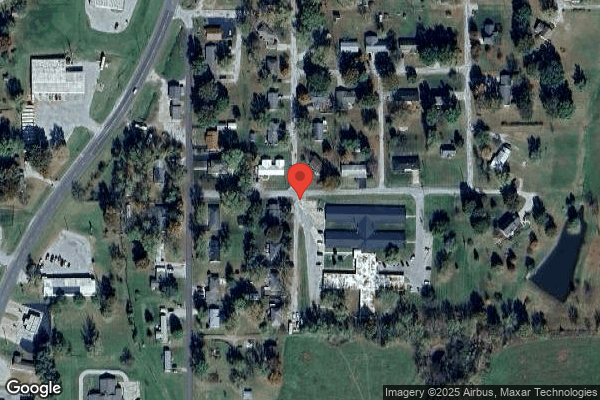
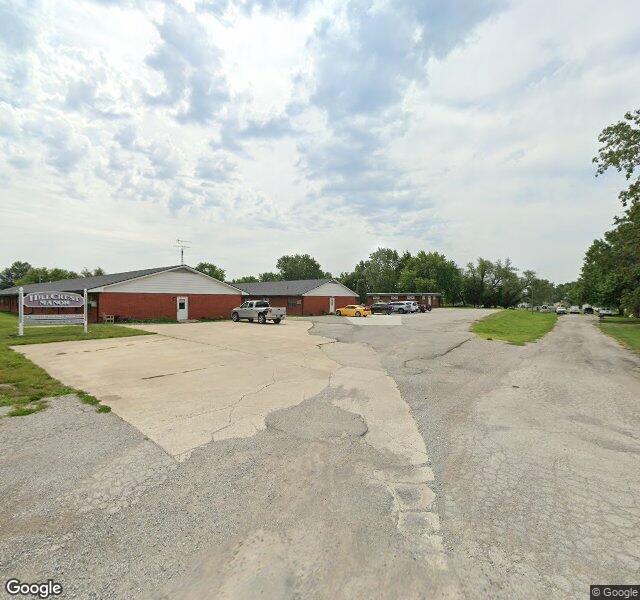
HILL CREST MANOR

801 SOUTH COLBY, HAMILTON, MO 64644 (816) 583-2119
For profit - Individual 90 Beds CIRCLE B ENTERPRISES Data: November 2025 1 Immediate Jeopardy citation
Trust Grade
0/100
#395 of 479 in MO
Last Inspection: January 2025

Within standard 12-15 month inspection cycle. Federal law requires annual inspections.

Overview

Hill Crest Manor in Hamilton, Missouri has received a Trust Grade of F, indicating significant concerns with care quality and overall management. Ranked #395 out of 479 facilities in Missouri, they fall in the bottom half of all state nursing homes, and they are the second out of two options in Caldwell County, meaning there is only one local alternative that is better. The facility is worsening, with issues increasing from 3 in 2024 to 19 in 2025, raising red flags for potential residents. Staffing is a serious concern here, with a low rating of 1 out of 5 stars and a turnover rate of 68%, which is significantly higher than the Missouri average of 57%. Additionally, the facility has faced $111,324 in fines, indicating repeated compliance problems that are higher than 90% of similar facilities in the state. Strengths include average RN coverage, which is important for addressing issues that certified nursing assistants might miss. However, specific incidents are alarming: in one case, a staff member provided a resident with a substance that appeared to be cannabis, leading to severe health complications and a delay in notifying the physician. Another incident involved a staff member physically harming a resident. These findings reflect an urgent need for improvement in both staff training and oversight to ensure resident safety.

Trust Score
F
0/100
In Missouri
#395/479
Bottom 18%
Safety Record
High Risk
Review needed
Inspections
Getting Worse
3 → 19 violations
Staff Stability
⚠ Watch
68% turnover. Above average. Higher turnover means staff may not know residents' routines.
Penalties
○ Average
$111,324 in fines. Higher than 60% of Missouri facilities. Some compliance issues.
Skilled Nurses
⚠ Watch
Each resident gets only 22 minutes of Registered Nurse (RN) attention daily — below average for Missouri. Fewer RN minutes means fewer trained eyes watching for problems.
Violations
⚠ Watch
56 deficiencies on record. Higher than average. Multiple issues found across inspections.
★☆☆☆☆
1.0
Overall Rating
★☆☆☆☆
1.0
Staff Levels
★★☆☆☆
2.0
Care Quality
★☆☆☆☆
1.0
Inspection Score
Stable
2024: 3 issues
2025: 19 issues

The Good

  • Full Sprinkler Coverage · Fire safety systems throughout facility
  • No fines on record

Facility shows strength in fire safety.

The Bad

1-Star Overall Rating

Below Missouri average (2.5)

Significant quality concerns identified by CMS

Staff Turnover: 68%

22pts above Missouri avg (46%)

Frequent staff changes - ask about care continuity

Federal Fines: $111,324

Well above median ($33,413)

Significant penalties indicating serious issues

Chain: CIRCLE B ENTERPRISES

Part of a multi-facility chain

Ask about local staffing decisions and management

Staff turnover is elevated (68%)

20 points above Missouri average of 48%

The Ugly 56 deficiencies on record

1 life-threatening 2 actual harm
Jun 2025 1 deficiency
CONCERN (D) 📢 Someone Reported This

A family member, employee, or ombudsman was alarmed enough to file a formal complaint

Potential for Harm - no one hurt, but risky conditions existed

Accident Prevention (Tag F0689)

Could have caused harm · This affected 1 resident

Based on interview and record review, the facility failed to ensure residents remained free from accident hazards when one resident (Resident #1) eloped from the facility through an unsecured and unal...

Read full inspector narrative →
Based on interview and record review, the facility failed to ensure residents remained free from accident hazards when one resident (Resident #1) eloped from the facility through an unsecured and unalarmed exit door. This affected one of four residents sampled. The facility census was 54. On 6/27/25 the Administrator was notified of the past noncompliance situation which occurred on 6/7/25. On 6/7/25 an investigation immediately began and corrective actions were implemented. The noncompliance was corrected on 6/10/25. Review of the facility policy, Wandering and Elopements, revised March 2019, showed: - The facility will identify residents who are at risk of unsafe wandering and strive to prevent harm while maintaining the least restrictive environment for residents; - The residents' care plan will include strategies and interventions to maintain the resident's safety; - If a resident is missing, initiate the elopement/missing resident emergency procedure; - If the resident was not authorized to leave, initiate a search of the building and premises; Review of the facility policy, Resident Rights, undated, showed: - Resident has right to a safe, clean, comfortable and homelike environment and supports for daily living safely; - The facility maximizes resident independence and does not pose a safety risk; 1. Review of Resident #1's admission Record, dated 6/8/25, showed: - Diagnosis: dementia, depression, Alzheimer's disease, and stage 3 chronic kidney disease; Review of Resident's progress notes, showed: - Note dated 6/7/25 at 7:30 P.M. showed the resident eloped from facility; - Note dated 6/7/25 at 11:36 P.M. showed an elopement evaluation was completed and the resident is at risk for elopement; - Note dated 6/7/25 at 11:40 P.M. showed the resident a mental status screening completed that indicates resident has severe cognitive impairment; - Note dated 6/8/25 at 2:46 P.M. showed the physician gave an order to transfer the reisdent to another facility; Review of Resident's Care Plan, revised 6/8/25, showed: - Resident is an elopement risk/wanderer with impaired safety awareness; - Relocation to a more appropriate placement with assessment; - Distract resident from wandering by offering pleasant diversions structured activities; - Monitor location frequently and document wandering behavior and attempted diversional interventions; - Resident placed on 1:1 monitoring 6/7/25; Review of facility elopement investigation, dated 6/8/25, showed: - Resident eloped from the facility on 6/7/25; - Resident has a guardian; - Resident exited the south exit door without staff observance at 7:25 P.M. The door was unlocked and the alarm which initially sounded once the door was opened reset once the door closed; - A resident who witnessed the elopement contacted CNA (A) who then contacted LPN (A) to initiate a complete building search for the resident; - At 7:35 P.M. a former employee in town saw the resident, called the facility to let them know the were bringing the resident back to the facility. At 7:45 P.M. the resident returned to the facility; - Weather was clear, it was 70 degrees Fahrenheit outside, and the resident was fully clothed with shoes on when they departed and returned to the facility; - A full physical and psychosocial assessment was done on the resident with no concerns noted; - It was determined that the resident traveled one third of a mile on foot from the facility before he/she was returned; - Root cause of the incident as determined by the investigation: Resident was able to exit the facility without staff in pursuit, the door alarm ceased to sound once the door closed following the resident's exit, the door/alarm system had been disengaged; Observation on 6/27/25 at 9:20 A.M., showed the south side exit doors opened by a staff member, the alarm sounded and is audible at the charge nurses station and in the the hallway. The alarm would not silence until a staff member entered a keycode into the keypad; During an interview on 6/27/25 at 9:38 A.M., the Maintenance Director said: - The former system was old and for some reason was disengaged which allowed the alarm to reset as soon as the door was closed which was not how the system was intended to work; - Elopement drills have been conducted with staff for training; - He does approximately 10 daily door checks to ensure the system is working properly which entails making sure the alarm system is engaged properly and the doors lock function as intended; - On 6/10/25 a new keypad and locking mechanism was installed. The new system was tested by the installation team and the Maintenance Director to make sure the locking system engages properly and the alarm system does not reset unless a staff member enters a key code into the door keypad; During an interview on 6/27/25 at 10:14 A.M, LPN (B) said: - He/she is the charge nurse on morning shift and checks to make sure the doors are locked; - If the alarm goes off he/she will check the doors to investigate; During an interview on 6/27/25 at 10:30 A.M. the Social Services Director (SSD) said: - She has been here for three years and elopements are very uncommon; - She verified that the resident did elope on 6/7/25 and was gone for about 20 minutes before a former staff member returned him/her to the facility. Staff were unaware initially that the resident had eloped until a resident alerted them and an immediate search was conducted; - The facility did an elopement drill earlier this month and they are conducted quarterly; - The alarm is now more audible for the staff to hear; - The doors have been improved to be more reliable; - When a door is opened the alarm will keep sounding until a staff member enters a code into the keypad; - They have done recent in-services on keeping doors locked, abuse and neglect, and elopement; During an interview on 6/27/25 at 11:45 A.M., the Administrator said: - A resident should not be able to exit the building without staff knowledge if they are not their own person; - Doors with the exception of egress doors, should be locked at all times; - Resident #1 did not sustain any injuries or harm during the incident; - Interventions that have been put in place since the incident: every resident had an elopement assessment completed and updated in their care plans, education on the elopement binder and policies, education on abuse and neglect, education on interventions for elopement, review of staff break policy, new keypad and door system installed for the facility, alarm volume adjusted for easier staff identification, daily door checks instituted for staff, resident transferred after approval received from Public Administrator (guardian) and physician to another facility that better matched the resident's needs and population, ADHOC Quality Assurance Committee Meeting conducted to review the issue and provide solutions, and monthly monitoring by QA; - All inserving and corrective actions were completed as of 6/10/25. MO255491
Jan 2025 18 deficiencies
CONCERN (D)

Potential for Harm - no one hurt, but risky conditions existed

MDS Data Transmission (Tag F0640)

Could have caused harm · This affected 1 resident

Based on interviews and record review, the facility failed to ensure they transmitted all Minimum Data Set (MDS, a federally mandate resident assessment tool) assessments within the federally mandated...

Read full inspector narrative →
Based on interviews and record review, the facility failed to ensure they transmitted all Minimum Data Set (MDS, a federally mandate resident assessment tool) assessments within the federally mandated timeframe for one of the 15 sampled residents, (Resident #49). The facility census was 58. The facility did not provide a policy regarding MDS assessment transmittals. 1. Review of Resident #49's medical record showed: - admission date: 7/27/24; - Discharge assessment completed on 8/15/24; - No transmission accepted date listed for the assessment. During an interview on 1/28/25 at 3:16 P.M., the MDS/Care Plan Coordinator said: - He/she had been in the current position for two years but worked on the floor a lot during the first year; - The resident was discharged to home on 8/15/24; - He/she did not know why the MDS said, export ready unless it had to do with insurance' - He/she was not able to print a transmission report. During an interview on 1/29/25 at 4:16 P.M., the Administrator said MDS should be submitted timely and a Registered Nurse (RN) would have to review it.
CONCERN (D)

Potential for Harm - no one hurt, but risky conditions existed

Quality of Care (Tag F0684)

Could have caused harm · This affected 1 resident

Based on interview and record review, the facility failed to ensure staff obtained routine orders for prothrombin time (PT, a blood test to measure how long it takes blood to clot) and international n...

Read full inspector narrative →
Based on interview and record review, the facility failed to ensure staff obtained routine orders for prothrombin time (PT, a blood test to measure how long it takes blood to clot) and international normalized ratio (INR, a standardized measure of the clotting ability of blood, used to monitor the risk of bleeding when taking anticoagulation medication). Staff continued to administer the the anticoagulant medication in the absence of orders to monitor the effect of the medication. This affected one of the 15 sampled residents, (Resident #16). The facility census was 58. Review of the facility's undated policy titled, Coumadin Use, showed: - A Coumadin (Warfarin) policy for long-term care facility would typically outline guidelines and procedures to ensure the safe and effective use of this anticoagulant medication for residents; - It would address issues such as monitoring, dosing, administration, and communication among healthcare teams; - Indications for Coumadin use: criteria for prescribing Coumadin, such as atrial fibrillation (A-fib, an irregular, often rapid heart rate that commonly causes poor blood flow), pulmonary embolism (PE, a blood clot that develops in a blood vessel in the body and then travels to a ling artery where it suddenly blocks blood flow) and stroke prevention; - Monitoring and dosing: regular INR testing to monitor the effectiveness of the anticoagulant therapy, ensuring the INR stays within a therapeutic range (usually 2.0 - 3.0 for most indications). Frequency of INR checks are completed per the direction of the primary physician direction. Primary physician will be adjusting the dose based on INR results and clinical condition. Primary physician will monitor thresholds for modifying the dose or holding the medication in response to INR results; - Medication administration: guidelines for accurate administration of Coumadin, including ensuring proper timing and consistency with ordered laboratory tests. Special consideration for dosing in elderly residents, those with liver or kidney disease, or those on interacting medications; - Communication and documentation: clear documentation of INR results, dose adjustments, and changes in treatment plans. Communication between healthcare providers, including physicians, pharmacists, and nursing staff, about dosage adjustments and potential drug interactions. In cases of emergency or unexpected bleeding, protocols for notifying the healthcare team and managing the situation; - Dietary considerations: educating staff and residents about the importance of consistent Vitamin K intake, as it can affect Coumadin levels. Noting any significant dietary changes or the introduction of foods rich in Vitamin K that may require dose adjustments; - Bleeding and adverse event management: Notification of primary care physician (PCP) when recognizing and managing bleeding complications, including internal bleeding, excessive bruising or blood in the urine/stool. Emergency procedures for cases of major bleeding, such as administering Vitamin K, stopping the medication, or utilizing blood products. Educating staff and residents about the sings and symptoms of bleeding or clotting complications; - Resident education and consent: providing residents and/or their families with information on Coumadin therapy, including risks, benefits, and the importance of adherence; - Quality assurance and auditing: tracking any adverse events or near-miss incidents related to Coumadin therapy for continuous improvement. Tracking dose and INR results as laboratory results received. 1. Review of Resident #16's PT/INR Coumadin (Warfarin) Flow sheet, showed: - Date: 10/1/24 - PT results - 24.2; INR results - 2.4; Current dose: 3 milligrams (mg.) on Monday, Tuesday, Wednesday, Thursday, Friday and Saturday, 4 mg. on Sunday; physician notified - yes; dose change: no change; date next PT/INR scheduled: left blank; family/representative notified of change: resident; - Date: 10/16/24; PT results - 21.7; INR results - 2.1; Current dose: 3 milligrams (mg.) on Monday, Tuesday, Wednesday, Thursday, Friday and Saturday, 4 mg. on Sunday; physician notified - yes; dose change: no change; date next PT/INR scheduled: left blank; family/representative notified of change: resident; - Date: 10/31/24; PT results - 27.6; INR results - 2.4; Current dose: 3 milligrams (mg.) on Monday, Tuesday, Wednesday, Thursday, Friday and Saturday, 4 mg. on Sunday; physician notified - yes; dose change: no change; date next PT/INR scheduled: left blank; family/representative notified of change: resident. Review of the PT/INR lab results, 10/31/24 showed: - PT - 27.8; INR - 2.46. Staff wrote 10/17/24 - PT - 21.7; INR - 2.1. Currently taking Coumadin 3 mg. daily except Sundays, takes 4 mg. No change, recheck in two weeks. Review of the PT/INR lab results, 11/14/24 showed: - PT - 34.1; INR - 3.03. Staff wrote 10/31/24 - PT - 27.6; INR - 2.46. Currently taking Coumadin 3 mg. daily except Sundays, takes 4 mg. Review of the fax form, dated 11/15/24 showed: - INR - 3.03. Per the physician, hold Coumadin for one day then resume current order for Coumadin 3 mg. every day except Sundays, 4 mg. Recheck in two weeks. - No further PT/INR results noted. Review of the resident's Quarterly Minimum Data Set (MDS), a federally mandated assessment completed by facility staff, dated 12/14/24 showed: - Cognitive skills intact; - Required substantial to maximum assistance with toilet use, showers, personal hygiene and transfers; - Always incontinent of bowel and bladder; - Diagnoses included high blood pressure, stroke, anxiety, depression, and atrial fibrillation (A-fib, an irregular, often rapid heart rate that commonly causes poor blood flow). Review of the resident's care plan, revised 1/15/25, showed: - The resident is at risk for bleeding related to anticoagulant therapy of Coumadin related to A-fib. Administer anticoagulant medications as ordered by the physician. Monitor for side effects and effectiveness. Labs including PT/INR as ordered. Report abnormal lab results to the physician. Educate the resident to report any incidents or falls promptly to staff. During an interview on 1/26/25 at 12:24 P.M., the resident said he/she was on Coumadin and has not had a PT/INR drawn in forever. Review of the Physician's Order Sheet (POS), dated January, 2025, showed: - Start date: 8/14/24. Warfarin tablet 3 mg. one tablet daily every Monday, Tuesday, Wednesday, Thursday, Friday and Saturday for A-fib; - Start date: 8/14/24. Warfarin tablet 4 mg. every Sunday for A-fib; - Did not have a standing order for a PT/INR lab draw. Review of the Medication Administration Record (MAR), dated January, 2025 showed: - Warfarin tablet 3 mg. daily on every Monday, Tuesday, Wednesday, Thursday, Friday and Saturday for A-fib. Staff documented it was administered as ordered 1/1/25 through 1/24/25. - Warfarin tablet 4 mg. every Sunday for A-fib. Staff documented it was administered as ordered from 1/1/25 through 1/24/25. During an interview on 1/26/25 at 3:08 P.M., the resident said he/she refused the Coumadin because the staff have not checked his/her PT/INR recently. During an interview on 1/27/25 at 7:46 A.M., the Director of Nursing (DON) said the resident has been scheduled to have a PT/INR drawn. During an interview on 1/29/25 at 4:16 P.M., the DON said: - If a resident was on Coumadin, there should be a physician's order for labs to check the PT/INR; - If there was an order to recheck the PT/INR in two weeks, then it should have been completed.
CONCERN (D)

Potential for Harm - no one hurt, but risky conditions existed

Deficiency F0685 (Tag F0685)

Could have caused harm · This affected 1 resident

**NOTE- TERMS IN BRACKETS HAVE BEEN EDITED TO PROTECT CONFIDENTIALITY** Based on observation, interview, and record review, the facility failed to provide quality of care by assisting one resident (Re...

Read full inspector narrative →
**NOTE- TERMS IN BRACKETS HAVE BEEN EDITED TO PROTECT CONFIDENTIALITY** Based on observation, interview, and record review, the facility failed to provide quality of care by assisting one resident (Resident #32) out of the 15 sampled residents when the facility failed to replace their prescription eyeglasses that had been reported missing for several weeks by the family representative. The facility census was 58. Review of facility undated Resident Rights policy showed residents have the right to services and/or items included in plan of care. 1. Review of Resident #32's Significant Change MDS, dated [DATE], showed: -Severe cognitive impairment; -They had no impairment in upper or lower extremities; -Impaired vision; -Required corrective lenses; -Diagnoses included: Heart disease, Alzheimer's disease (progressive neurodegenerative disorder that primarily affects memory, thinking, and behavior), and depression (mood disorder that causes a persistent feeling of sadness and loss of interest). Review of Resident's electronic medical record did not show any documentation of communication to the resident's representative regarding the appointment for the replacement of the missing eyeglasses. Review of Resident's revised care plan, dated 1/15/25, showed: -Resident wears glasses and forgets where they were placed; -When needed, assist Resident with finding eyeglasses. Observation on 1/27/25 at 4:38 P.M. showed the resident was not wearing eyeglasses. During an interview on 1/27/25 at 11:45 A.M., resident's representative said: -The resident's glasses were lost a few weeks ago; -The Social Services Director informed him/her that the resident's eyeglasses were found; -The glasses that were found were reading glasses and not the resident's prescription eyeglasses; -He/she notified the Social Services Director on 1/20/25 that the eyeglasses on the resident did not belong to the resident. During an interview on 1/28/25 at 3:20 P.M., the Resident's Representative said the Social Services Director told him/her on 1/25/25 that she would ask the Transportation Aid to make an appointment for residents eyeglasses replacement. During an interview on 1/29/25 at 8:36 A.M., CMT A said the resident sometimes wore eyeglasses. During an interview on 1/29/25 at 9:07 A.M., CNA B said if a resident was missing eyeglasses, they would notify the Social Services Director. During an interview on 1/29/25 at 2:26 P.M., the Social Services Director said: -The resident wore eyeglasses; -The resident's eyeglasses were lost; -Staff found reading glasses on 1/20/25 and resident said the reading eyeglasses were theirs; -She gave a communication form to the Transportation Aid on 1/20/25 for an appointment to be scheduled for replacement of the residents eyeglasses; -She was not sure who was responsible to provide communication to the resident representative about the appointment. During an interview on 1/29/25 at 2:48 P.M., the Transportation Aid said: -He/she would expect Social Services Director to create a communication form for Transportation Aid if a resident needed an appointment for eyeglasses; -He/she would then make the appointment; -He/she would expect the Social Services Director to notify the resident representative. During an interview on 1/29/25 at 4:16 P.M., Administrator said: -The Social Services Director should notify resident representative of missing eyeglasses; -The Social Services Director should make an appointment to replace resident's missing eyeglasses; -The Social Services Director should notify the resident's representative appointments; -The Social Services Director should document the notification to the resident representative.
CONCERN (E) 📢 Someone Reported This

A family member, employee, or ombudsman was alarmed enough to file a formal complaint

Potential for Harm - no one hurt, but risky conditions existed

Resident Rights (Tag F0550)

Could have caused harm · This affected multiple residents

**NOTE- TERMS IN BRACKETS HAVE BEEN EDITED TO PROTECT CONFIDENTIALITY** Based on observation, interview, and record review the facility failed to honor the resident's right to a dignified existence (R...

Read full inspector narrative →
**NOTE- TERMS IN BRACKETS HAVE BEEN EDITED TO PROTECT CONFIDENTIALITY** Based on observation, interview, and record review the facility failed to honor the resident's right to a dignified existence (Resident #11), and additionally when staff failed to assure residents rights to privacy was maintained for five (Resident # 8, #11, #12, #19, #21) of the 15 sampled residents. The facility census was 58. Review of the facility's policy titled, Resident Rights, revised February, showed: - Employees shall treat all residents with kindness, respect, and dignity; -Staff will maintain a residents right to privacy; -Federal and state laws guarantee certain basic rights to all residents of this facility. 1. Review of the Resident #12's Face Sheet., showed: - Diagnoses included: Stroke and muscle weakness; - Do not resuscitate (No chest compressions for life saving). Review of Resident #12's, undated care plan., showed; - Resident was alert and oriented; - Required assistance of 1 person for showers and transfers; - Independent with mobility while in wheelchair; - The care plan did not address how many showers a week the resident prefers; - Resident requires 1 person assist for personal hygiene and grooming; - Staff are to anticipate and meet the needs of the residents; - The right to privacy and knocking prior to entry of room was not care planned. Observation of CNA A on 1/26/25 at 10:05 A.M., entered the residents room without knocking or announcing self. Observation of CNA D on 1/27/25 at 2:15 P.M.,entered the resident's room without knocking or announcing self. During at interview on 1/28/25 at 1:01 P.M., the resident said, staff never knock, they just walk in like the own the place. 2. Review of Resident #19's Face Sheet showed: - Responsible for self; -Diagnoses: Pneumonia (infection of the lungs that impacts breathing), Diabetes, (a condition in which the body does not process blood sugar properly, depression, and restless leg syndrome (twitching of the legs). During an Interview on 1/26/25 at 1:32 P.M. the resident said nursing staff did not knock on his/her door before entering his/her room and staff talk about him/her in the hall way. Observation 01/27/25 at 08:38 A.M. showed: Nursing staff came out of the resident's room in the hallway and yelled out to the DON (Director of Nursing) that Resident #19 was getting sick, and throwing up, then the DON yelled to to then Nurse, the resident was getting sick. All in view of other staff and residents in the hallway. Observation on 01/28/25 at 07:08 A.M. showed: CNA's walking out of Resident #19's room discussing the current condition of the resident to other staff in front of other resident's. Review of facility policy titled, Dignity, revised February 2021, showed: -Residents are treated with dignity and respect at all times; -Individuals needs and preferences of the resident are identified through the assessment process; -Staff are expected to knock and request permission before entering residents' rooms; -Staff inform and orient residents to their environment; -Staff promote, maintain and protect resident privacy, including bodily privacy during assistance with personal care and during treatment procedures. Review of the facilty policy titled, Personal Conduct, undated, showed employees are expected to be courteous and to treat everyone with dignity and respect. 3. Review of Resident #8's quarterly MDS (Minimum Data Set), a federally mandated assessment tool completed by facility staff, dated 11/15/24, showed: -They had moderate impaired cognition; -They had impairment to one side of upper and lower extremity; -They were dependent on a wheelchair; -They were dependent for transfers from sitting to lying, lying to sitting on side of bed, chair to bed transfers, and shower transfers; -He/She required substantial/maximal assistance rolling left and right; -Diagnoses included stroke (condition that occurred when blood flow to part of the brain was disrupted causing damage to brain tissue due to blocked blood vessel), hip fracture, anxiety, depression (persistent feelings of sadness, hopelessness, and loss of interest or pleasure in activities that previously enjoyed), schizophrenia (a mental health condition that affects a persons thoughts, perceptions, and behaviors), acute pain (a sudden pain that is short-lived and caused by an injury, illness, or medical procedure), restless leg syndrome, and generalized weakness (decreased muscle strength or lack of physical energy in most parts of the body). Review of care plan, revised 12/19/24, showed: -They will be treated with dignity and respect; -Communication: Use my preferred name. Identify yourself at each interaction. Face them when speaking and make eye contact. Reduce any distractions by turning off television, radio, close door, etc. They understood consistent, simple, directive sentences. Provide them with necessary cues and stop and return if agitated. Review of physicians orders, dated 1/27/25, showed an order dated 1/1/25 to readmit to hospice. Observation on 1/26/25 9:36 A.M., showed CMT A and CNA B burst into resident's room and did not knock or announce self prior to entering resident's room. Observation on 1/27/25 at 7:49 A.M. showed resident was laying in their bed with a gown half on and their chest exposed. Resident's room door was open and resident was visible from the hallway. During an interview on 1/29/24 at 2:04 P.M., CNA C said staff should knock and announce themselves prior to entering a resident room. During an interview on 1/29/24 at 2:22 P.M., CNA D said staff should always knock and announce themselves when entering a residents room. During an interview on 1/29/25 at 2:34 P.M., CMT A said staff should knock prior to entering resident room and announce themselves. During an interview on 1/29/24 at 4:16 P.M., Director of Nursing said she expected staff to knock and announce themselves prior to entering a resident room. During an interview on 1/29/24 at 4:16 P.M., Administrator said she expected staff to knock and announce themselves prior to entering a resident room. 4. Review of Resident #16's Quarterly MDS, dated [DATE] showed: - Cognitive skills intact; - Required substantial to maximum assistance with toilet use, showers, personal hygiene and transfers; - Always incontinent of bowel and bladder; - Diagnoses included high blood pressure, stroke, anxiety, depression, and atrial fibrillation (A-fib, an irregular, often rapid heart rate that commonly causes poor blood flow). Observation and interview on 1/26/25 at 12:26 P.M., showed: - CNA B opened the resident's door and did not knock or announce him/herself first; - The resident said he/she would prefer the staff knock and announce themselves before they enter his/her room. During an interview on 1/29/25 at 10:27 A.M., CNA B said: - He/She should have knocked and announced him/herself before entering the resident's room; - He/She was not aware of any staff being rude, yelling or rough with residents and has not had any residents complain about it to him/her. 5. Review of Resident #21's Annual MDS, dated [DATE] showed: - Cognitive skills moderately impaired; - Required substantial to maximum assistance with toilet use and showers; - Frequently incontinent of urine; - Occasionally incontinent of bowel; - Diagnoses included diabetes mellitus, high blood pressure, anxiety, depression, high blood pressure, and schizophrenia ( a mental disorder characterized by disruptions in thought processes, perceptions, emotional responsiveness, and social interactions). During an interview on 1/26/25 at 2:33 P.M., the resident said staff do not knock and announce themselves before they enter the room and the resident would prefer they knock announce themselves before entering the room. During an interview on 1/26/25 at 2:33 P.M., Resident #21 said: - He/She had reported staff being rough with him/her. He/She had reported it to the previous Administrator and the previous DON but they did not do anything about it; - CNA A has yelled at him/her before during one of his/her spells. He/She reported it to the previous Administrator and the previous DON and they said it was natural and not to worry about it and they did not do anything about it. 6. Review of Resident #11's quarterly MDS, dated [DATE], showed: -They were moderately cognitively impaired; -He/She had clear speech; -He/She was able to make self-understood and usually understood -missing some or part/intent of message but comprehends most of conversation; -They had severely impaired vision; -They were dependent on a wheelchair; -They had no impairment to upper or lower extremities; -They were independent with mobility-rolling left and right, sit to lying, lying to sitting; -They required supervision or touching assistance with chair to bed transfers, toilet transfers, tub/shower transfers; -Diagnoses included: glaucoma (condition affecting the eye that can lead to vision loss if left untreated), high blood pressure, dementia (group of brain disorders that cause a decline in cognitive abilities, such as memory, thinking, reasoning, and judgement), anxiety, depression, psychotic disorder (a disconnection from reality), polyarthritis (condition affecting multiple joints without specifying location of inflammation), idiopathic neuropathies (nerve damage that can cause pain, numbness, tingling, or weakness in the body), and muscle spasms. Review of care plan, revised 11/21/24, showed: -They will be treated with dignity and respect; -They can verbally express their wants and needs. Educate staff to provide resident with opportunities to do so; -They required assistance with activities and meals related to decreased visual function secondary to diagnosis of glaucoma; -They had visual impairment, place their meal plate in reach and letting her know what is on plate. -Approach them from the front speak before touching or providing care etc for resident; -Tell them where you are placing items, be consistent; -They liked to call for help on a regular basis. Assist them with their needs and reassure them. Review of physician's orders, dated 1/27/25, showed an order dated 1/17/25 for occupational therapy to evaluate for activities of daily living, cognitive skills, functional mobility and safety awareness, low vision, and compensatory techniques. Observation on 1/26/24 at 12:50 P.M. showed resident was at lunch sitting with two aids and had received no assistance from CNA A who was sitting beside resident. Resident had food all over their left hand. CNA A did not provide verbal prompts or cues to resident. Observation on 1/27/25 at 10:08 A.M., showed CNA A entered resident's room without knocking on door. CNA A did not introduce self to resident and did not say anything to resident. CNA A did not tell resident what they were doing with resident prior to moving resident out of their room at 10:11 A.M. in their wheelchair. During an interview on 1/29/24 at 2:04 P.M., CNA C said: -Resident #11 was independent with meals but required verbal cues; -Staff provided resident with verbal cues by telling resident where their food was located by using the orientation of the clock method; -Resident #11 got scared a lot so staff have to provide a lot of verbal reassurances. During an interview on 1/29/24 at 2:22 P.M., CNA D said: -Resident #11 staff tell residents what food was in front of them and take their hand to guide them and showing them where there meat is, vegetable, dessert, and so on; -For resident #11, you have to verbally talk through everything with them due to their visual impairments. During an interview on 1/29/25 at 2:34 P.M., CMT A said: -Resident #11 required explanation of every step due to their visual impairments; -Staff should explain location of Resident #11's wheelchair prior to assisting in a transfer and orient to items around room such as when assisting in bathroom describing location of grab bar, or call light, or bedside table; -Staff would explain meals to resident #11 by describing where food is located in front of them on their plate and the location of their drink cup items; During an interview on 1/29/24 at 4:16 P.M., Director of Nursing said she expected staff to explain what they were doing with visually impaired residents prior to providing cares and assisting with meals. During an interview on 1/29/24 at 4:16 P.M., Administrator said she expected staff to announce themselves to visually impaired residents, and provide activity of daily living cares and meal service according to their care plan.7. Review of Resident #32's significant change MDS, dated [DATE], showed: -Severe cognitive impairment; -They had no impairment in upper or lower extremities; -Diagnoses included: heart disease, Alzheimer's Disease (progressive neurodegenerative disorder that primarily affects memory, thinking, and behavior), and depression (mood disorder that causes a persistent feeling of sadness and loss of interest). Review of care plan, dated 12/19/24, showed the resident requires staff assistance with ADL's (activities of daily living). Observation on 1/27/25 at 4:39 P.M. showed the resident's hair was frizzy, uncombed and was longer than resident traditionally wears their hair. Their hair was standing straight out and unmanaged. During an interview on 1/27/25 at 12:41 P.M., Resident's Responsible Party said the staff had not brushed the reisdent's hair on 1/10/25 and it looked like the resident stuck their finger in a light socket. During an interview on 1/28/25 at 3:26 P.M., Resident #32's family member said: -The resident had not had a hair cut or perm in months; -The resident was to have a haircut on 1/24/25 but did not receive a haircut. During an interview on 1/29/25 at 11:48 A.M., Activities Director said: -The facility had been without a beautician for a couple of months; -The resident had hair set by the beautician on 1/24/25, but did not receive a haircut or perm; -There were no set timelines for when residents haircuts were scheduled; -The staff would set up a haircut appointment for residents when they requested a cut or when residents hair looked shaggy. During an interview on 1/29/25 at 4:16 P.M., Administrator said: -Residents should receive haircuts regularly; -Residents hair should be clean and combed. MO248475
CONCERN (E)

Potential for Harm - no one hurt, but risky conditions existed

Deficiency F0561 (Tag F0561)

Could have caused harm · This affected multiple residents

Based on interview and record review the facility failed to assure that three residents (Resident #12, #25, and #42) had the right to self-determination through support of resident choice, when staff ...

Read full inspector narrative →
Based on interview and record review the facility failed to assure that three residents (Resident #12, #25, and #42) had the right to self-determination through support of resident choice, when staff did not honor one resident's request for specific menu food items that had been encouraged by the facility's dietician (Resident # 42) but not not provided to the resident, and additionally failed to honor resident choice for showers for two residents (Resident #12, #25) out of the sampled 15 residents. The facility census was 58. Review of the facility's policy titled, Resident Rights, revised February, showed: - All residents have the right to choice, and self determination, respect, and dignity; - Federal and state laws guarantee certain basic rights to all residents of this facility. 1. Review of the Resident #12's Face Sheet., showed diagnoses included a stroke and muscle weakness. Review of Resident #12's, undated care plan., showed; - Resident was alert and oriented; - Required assistance of 1 person for showers and transfers; - Independent with mobility while in wheelchair; - The care plan does not address how many showers a week the resident prefers. Review of the Resident's shower sheets provided, showed: - The week of 11/4/24, the resident received only 1 shower; - The week of 11/24/24, the resident received only 1 shower; - The week of 1/3/25, the resident received only 1 shower. During an interview at 12:46 P.M. on 01/28/25 the resident said he/she doesn't feel that he/she has a say about when he/she receives a shower and would like a shower at least twice a week. He/She does not feel clean, and it upsets him/her. 2. Review of Resident #25's face sheet., showed diagnoses included Diabetes (a condition in which the body does not process blood sugar properly), obesity, depression, swelling in the legs and feet. Review of Care Plan, dated 11/19/24., showed: -Resident prefers showers in the day time; -The care plan does not address how many showers a week the resident prefers; -Resident has depression and staff should encourage resident to maintain independence. Review of the Residents Shower Sheets., showed; - Week of 12/20/24- One shower was documented; - Week of 12/26/24-One shower was documented; - Week of 1/11/25- One shower was documented. During an interview on 01/26/25 10:39 AM., the resident said he/she did not get a shower this week, or last week. He/she would like a shower twice a week. I feel dirty when I don't get a shower. During an interview on 1/26/25 at 2:15 P.M., Certified Nurses Aide (CNA) A said staff complete the showers when we can. Resident's should have a shower at least twice a week. During an interview with the Administrator and Director of Nursing (DON) on 1/25/25 at 4:05 P.M., stated: -Resident's who wish to have a shower twice a week, should be able to; -Resident's are allowed choice in their daily care; -Showers are to be documented on the shower sheets and signed by the nurse they are completed when the CNA/Bath CNA completes them. 3. Review of Resident #42's Annual MDS assessment, (A mandatory assessment completed by facility staff).,dated 12/21/24 showed: -Cognitive skills were intact; -Diagnoses included: Heart disease, pneumonia (infection of the lungs), diabetes, thyroid disorder, arthritis, anxiety, depression, and asthma (chronic lung disease). Review of physician's orders showed on 7/30/24 orders were entered for regular diet, texture and consistency. Review of care plan, dated 10/14/24, showed: -Resident had a potential for weight loss; -If resident consumed less than 50% of their meal, an alternative should have been offered; -Snacks or supplements should have been offered when resident asked for or needed them. During an interview on 1/27/25 at 9:59 A.M., Resident #42 said: -They did not get enough fresh fruit; -Meals were repetitive (always the same foods); -When they were admitted to the facility, they told the dietician about their food preferences such as yogurt, fresh fruit, or cheese but they have not been offered these items. During an interview on 1/29/25 at 8:58 A.M., Resident #42 said: -They felt defeated because there were no healthy food options; -They did not like that they had to ask their family for fresh fruit and other preferred food items; -They had given up on getting to eat the food they enjoyed. During an interview on 2/4/24 at 4:33 P.M., the Dietician said: -They entered resident food preferences in their system and Dietary Manager should have followed up on resident preferences; -Residents could have obtained their desired food items if the facility had the budget to provide those foods. During an interview on 2/5/25 at 8:34 A.M., Dietary Manager said residents needed to ask kitchen staff for specific foods so they could put in an order. During an interview on 2/5/25 at 10:56 A.M., Administrator said: -Residents should have been able to get their preferred food within reason; -Facility should have had fruit, yogurt and cheese on hand; -They have not always had fresh fruit available.
CONCERN (E)

Potential for Harm - no one hurt, but risky conditions existed

Deficiency F0565 (Tag F0565)

Could have caused harm · This affected multiple residents

Based on interview and record review, the facility failed to act promptly and resolve resident grievances voiced during the resident council meetings concerning issues of resident care and life in the...

Read full inspector narrative →
Based on interview and record review, the facility failed to act promptly and resolve resident grievances voiced during the resident council meetings concerning issues of resident care and life in the facility and failed to communicate how the issues were resolved. The facility census was 58. Review of the facility's policy titled, Grievances/Complaints, Recording and Investigating, revised April 2017, showed: - All grievances and complaints filed with the facility will be investigated and corrective action will be taken to resolve the grievances; - The Administrator has assigned the responsibility of investigating grievances and complaints to the grievance officer; - Upon receiving a grievance and complaint report, the grievance officer will begin an investigation into the allegations; - The investigation and report will include, as applicable: the date and time of the alleged incident; the circumstances surrounding the alleged incident; the location of the alleged incident; the names of any witnesses and their accounts of the alleged incident; the resident's account of the alleged incident; accounts of any other individuals involved and recommendations for corrective action; - The grievance officer will record and maintain all grievances and complaints on the Resident Grievance Complaint Log. The following information will be recorded and maintained in the log: the date the grievance /complaint was received; the name and room number of the resident filing the grievance/complaint (if available); the name and relationship of the person filing the grievance/complaint on behalf of the resident (if available); the date the alleged incident took place; the name of name of the person investigation the incident; the date the resident or interested party, was informed of the findings and the disposition of the grievance; - Copies of all reports must be signed and will be made available to the resident or person acting on behalf of the resident. 1. Review of the resident council minutes, dated 11/16/24 showed: - New Business: Issues: Dietary - could residents be offered seconds on both sides? Nursing- staff is rude to residents that can't feed themselves; aides are loud at night; not answering call lights very promptly; beds not made. Laundry - missing blankets and clothes. The area for action taken and who the person responsible was left blank. 2. Review of the resident council minutes, dated 1/18/25 showed: New Business: Issues: Can residents get Internet in their rooms? Need more sheets, bigger bed; Laundry - missing clothes. Housekeeping - not always cleaning rooms. The area for action taken and who the person responsible was left blank. 3. During a group meeting with the residents on 1/27/25 at 1:07 P.M., the residents said: - When concerns are brought up at their resident council meetings, the staff do not tell them what has been done to correct the issues brought up from the previous meeting. - During the resident council meeting on 1/27/25 at 1:07 P.M., nine out of the 11 residents at the meeting said CNA A is rude, and rough with them. They have reported it to the previous Administrator and DON and nothing was ever done. During an interview on 1/27/25 at 4:37 P.M., the Activity Director said: - When a resident brings up a concern at the resident council meeting, he/she made copies and passed them out to all the department heads and also gave one to he previous Administrator and Director of Nursing (DON); - He/she is unable to discuss the results with the residents because he/she did not get any feedback from the department heads to know how the issues were handled. During an interview on 1/29/25 at 8:56 A.M., the Administrator and the DON said she was not aware of any issues being reported by the resident council about a specific aide. During an interview on 1/29/25 at 4:16 P.M., the Administrator said: - Staff yelling at residents, residents being rough with cares or cursing should be reported to administration for action. - She would expect the manager to work the process, then discuss it with administration. - The manager should go back to the resident council and notify the residents how issues were to be resolved.
CONCERN (E)

Potential for Harm - no one hurt, but risky conditions existed

Deficiency F0570 (Tag F0570)

Could have caused harm · This affected multiple residents

Based on record review and interviews, the facility failed to maintain a surety bond that was equal or greater than one and one-half times the average monthly balance for the residents trust fund (RTF...

Read full inspector narrative →
Based on record review and interviews, the facility failed to maintain a surety bond that was equal or greater than one and one-half times the average monthly balance for the residents trust fund (RTF) account for the last 12 consecutive months from January 2024-December 2024. This had the potential to affect all residents who had funds held in the RTF account. The facility census was 58. Review of facility policy, resident trust fund management, revised June 2022, showed: -Transactions are to be handled and records are to be kept in accordance with established directives and in conformance with state and federal requirements. -Facility will have a bond that equals at least one and one-half times the annual average of the fund account. This bond amount must also cover any credit balances on the facility accounts receivable (credit balances in PVT, PVA, and PVB accounts should be transferred to the RTF promptly). -The bookkeeper will keep a copy of the bond with the resident trust fund records. The bookkeeper will perform quarterly reviews and increase or decrease the bond as necessary. Record review on 1/27/25 of the RTF account for the last 12 consecutive months from January 2024 to December 2024 showed: -The facility's current approved bond amount equaled $58,000; -The average monthly balance for the RTF account equaled $39,259.28 (which was determined using the total of each ending balance for the last 12 months bank statements plus the petty cash ending balances and divided by 12 months); -An average monthly balance of $39,000 required a bond of at least $58,500; -Surety Bond #LSF032677 dated December 15, 2009 bond amount was changed from $65,000 to $58,000 on 12/15/2024; -Department of Health & Senior Services approved the surety bond adjustment #LSF032677 to $58,000 on December 17, 2024. During an interview on 1/27/25 at 3:57 P.M., Business Office Manager said: -Surety bond should be sufficient to cover 1.5x the average amount held in accounts; -Facility had a larger surety bond but had decreased the bond amount in December from $65,000 to $58,000. During an interview on 1/29/25 at 4:16 P.M., Administrator said: -He/She expected the surety bond held by the facility to be sufficient by equaling 1.5x times the average monthly account total held in the resident trust accounts.
CONCERN (E)

Potential for Harm - no one hurt, but risky conditions existed

Deficiency F0572 (Tag F0572)

Could have caused harm · This affected multiple residents

Based on interviews and record review, the facility failed to annually inform the resident's of their rights. This affected 11 of the 11 residents in the group interview. The facility census was 58. ...

Read full inspector narrative →
Based on interviews and record review, the facility failed to annually inform the resident's of their rights. This affected 11 of the 11 residents in the group interview. The facility census was 58. Review of the facility's policy titled, Resident Rights, revised February, showed: - Employees shall treat all residents with kindness, respect, and dignity; - Federal and state laws guarantee certain basic rights to all residents of this facility. These rights include the resident's right to: be informed about his/her rights and responsibilities. 1. Review of the resident council minutes, dated 11/16/24 showed the section for resident rights reviewed was left blank. 2. Review of the resident council minutes, dated 12/4/24 showed the section for resident rights reviewed was left blank. 3. Review of the resident council minutes, dated 1/8/25 showed the section for resident rights reviewed was left blank. 4. During a group meeting on 1/27/25 at 1:07 P.M., 11 of the 11 residents who attended the meeting said they did not discuss their rights during their monthly resident council meeting. During an interview on 1/27/25 at 4:37 P.M., the Activity Director said: - He/she helped the residents set up for their meetings; - He/she was not aware how often the facility must provide a notice of rights and services to the resident. During an interview on 1/29/25 at 4:16 P.M., the Administrator said the resident's rights should be discussed at their resident council meetings.
CONCERN (E)

Potential for Harm - no one hurt, but risky conditions existed

Deficiency F0574 (Tag F0574)

Could have caused harm · This affected multiple residents

Based on interview and record review, the facility failed to provide accessible information on the location of the State Long-Term Care Ombudsman program that was readily available and could be read b...

Read full inspector narrative →
Based on interview and record review, the facility failed to provide accessible information on the location of the State Long-Term Care Ombudsman program that was readily available and could be read by all residents in the facility without assistance. The census was 58. Review of the facility's policy titled, Resident Rights, revised February 2024, showed: - Employees shall treat all residents with kindness, respect, and dignity; - Federal and state laws guarantee certain basic rights to all residents of the facility. These rights include the resident's right to communicate with outside agencies regarding any matter. 1. During a resident group meeting on 1/27/25 at 1:07 P.M., 11 of the 11 residents who attended the meeting did not know what the Ombudsman was, what they did or where to find information about the Ombudsman program in the facility. Observation on 1/27/25 at 4:50 P.M., showed the Ombudsman information was located in the hall by living room area. During an interview on 1/27/25 at 4:37 P.M., the Activity Director said: - He/she helps the residents set up their resident council meetings; - He/she has gone over the Ombudsman information in the past, but has not recently discussed the information with the residents or the Ombudsman's contact information. During an interview on 1/29/25 at 4:16 P.M., the Administrator said staff should inform residents of who the Ombudsman is, what the role of the Ombudsman is and contact information.
CONCERN (E)

Potential for Harm - no one hurt, but risky conditions existed

Deficiency F0576 (Tag F0576)

Could have caused harm · This affected multiple residents

Based on interviews, the facility failed to deliver Saturday mail to facility residents. The facility census was 58. Review of the facility's policy titled, Resident Rights, revised February 2024, sh...

Read full inspector narrative →
Based on interviews, the facility failed to deliver Saturday mail to facility residents. The facility census was 58. Review of the facility's policy titled, Resident Rights, revised February 2024, showed: - Employees shall treat all residents with kindness, respect, and dignity; - Federal and state laws guarantee certain basic rights to all residents of the facility. These rights include the resident's right to access to a telephone, mail and electronic mail (e-mail). 1. During the resident group meeting on 1/27/25 at 1:07 P.M., 11 of the 11 residents who attended the meeting said the mail is not passed out to the residents on Saturdays. During an interview on 1/27/25 at 4:37 P.M., the Activity Director said: - In the past, a resident used to go out and get the mail out of the mailbox and put it in the office but that has stopped; - The mail is delivered to the facility on Saturdays, but it does not get passed out to the residents until on Mondays. During an interview on 1/29/25 at 4:16 P.M., the Administrator said the on call managers should pass the mail out to the residents on Saturdays.
CONCERN (E)

Potential for Harm - no one hurt, but risky conditions existed

Grievances (Tag F0585)

Could have caused harm · This affected multiple residents

Based on interviews and record review, the facility failed to ensure 11 of 11 residents who participated in a group meeting, knew how to file a grievance in writing, file anonymously, and obtain a wri...

Read full inspector narrative →
Based on interviews and record review, the facility failed to ensure 11 of 11 residents who participated in a group meeting, knew how to file a grievance in writing, file anonymously, and obtain a written decision regarding a grievance. The facility census was 58. Review of the facility's policy titled, Grievances/Complaints, Recording and Investigating, revised April 2017, showed: - All grievances and complaints filed with the facility will be investigated and corrective action will be taken to resolve the grievances; - The Administrator has assigned the responsibility of investigating grievances and complaints to the grievance officer; - Upon receiving a grievance and complaint report, the grievance officer will begin an investigation into the allegations; - The investigation and report will include, as applicable: the date and time of the alleged incident; the circumstances surrounding the alleged incident; the location of the alleged incident; the names of any witnesses and their accounts of the alleged incident; the resident's account of the alleged incident; accounts of any other individuals involved and recommendations for corrective action; - The grievance officer will record and maintain all grievances and complaints on the Resident Grievance Complaint Log. The following information will be recorded and maintained in the log: the date the grievance /complaint was received; the name and room number of the resident filing the grievance/complaint (if available); the name and relationship of the person filing the grievance/complaint on behalf of the resident (if available); the date the alleged incident took place; the name of name of the person investigation the incident; the date the resident or interested party, was informed of the findings and the disposition of the grievance; - Copies of all reports must be signed and will be made available to the resident or person acting on behalf of the resident. 1. Review of the resident's council meeting minutes, dated 11/16/24 showed the minutes did not indicate if the residents knew how to file a grievance. 2. Review of the resident's resident council minutes, dated 12/14/24 showed the minutes did not indicate if the residents knew how to file a grievance. 3. Review of the resident's resident council minutes, dated 1/18/25 showed the minutes did not indicate if the residents knew how to file a grievance. 4. During an group meeting on 1/27/25 at 1:07 P.M., 11 of the 11 residents said they were not for sure how to file a grievance. During an interview on 1/27/25 at 4:37 P.M., the Activity Director said he/she had not gone over how to file a grievance, where the paperwork is located or who the residents should talk to. During an interview on 1/19/25 at 4:16 P.M., the Administrator said the grievance would go to the interdisciplinary team (IDT) and they would work on it and let the residents know how it was resolved.
CONCERN (E)

Potential for Harm - no one hurt, but risky conditions existed

Abuse Prevention Policies (Tag F0607)

Could have caused harm · This affected multiple residents

**NOTE- TERMS IN BRACKETS HAVE BEEN EDITED TO PROTECT CONFIDENTIALITY** Based on record review and interview, the facility failed to implement their own Abuse and Neglect policy, when they did not ver...

Read full inspector narrative →
**NOTE- TERMS IN BRACKETS HAVE BEEN EDITED TO PROTECT CONFIDENTIALITY** Based on record review and interview, the facility failed to implement their own Abuse and Neglect policy, when they did not verify through the employee disqualification list (EDL) verification checks prior to the hire dates of five out of eight employees (Dietary Aide A, Nurse Aide (NA) A, NA B, [NAME] A, Maintenance Director) and additionally failed to check the Certified Nurses' Assistant (CNA) Registry for all staff to ensure they did not have a Federal Indicator ( a marker given by the Federal government to individuals who have committed abuse/neglect) for one of the eight sampled staff (Registered Nurse (RN) A). The facility census was 58. Review of facility policy, Employee Disqualification List (EDL), revised 2/2022, showed: -The employee designated by the administrator to complete the EDL background check will access the EDL website and complete the access to automatic system. -At the time of consideration of employment, the designated employee shall access the EDL website indicated and check EDL. Any candidate for employment whose name is on the list is not eligible for hire; -Print off the notice returned by email to indicate that the EDL had been checked. Make sure it included the date and the initial of the person making the request. Review of facility policy, Abuse Prevention Program, Revised [DATE], showed: Background checks will be done at the time of hire in accordance with the facility background check policy. staff will not be hired who have been found guilty, or plead no contendere, of abuse, neglect, mistreatment of resident or misappropriation of resident property by a court of law. -The nurse aide registry will be checked prior to employment for each state where a nurse aide has shown to have worked, or has listed certification. Nurse aides will not be hired who name is on any state abuse registry. -Verification of background checks, nurse aide registry checks and reference checks will be maintained in the personnel file of each employee. A notation by facility staff member of telephone contacts for registry check and previous employer checks would constitute verification. Review of the six sampled employee files showed: 1. Dietary Aide A, Date of Hire (DOH) 8/1/24, had no EDL check; 2. Nurse Aide (NA), DOH 6/25/24, had no EDL check; 3. NA B, DOH 9/30/24, had no EDL check; 4. [NAME] A, DOH 12/16/23, had an EDL check completed on 1/29/25 (1 year, 1 month, and 13 days from their initial DOH); 5. Maintenance Director, DOH 1/16/25, had an EDL check completed 1/29/25 (13 days after their DOH). 6. Registered Nurse A, DOH 12/6/23, had no nurse aide registry check. During an interview on 1/29/25 at 1:25 P.M., Business Office Manager said: -They just checked EDL for employees upon hire and not on a routine basis; -They were to check nurse aide registry for all employees; -Dietary Aide A's first day of work was 8/4/24; -They did not locate an EDL on [NAME] A so they completed a new one on 1/29/25; -Maintenance Director was just hired 1/16/25, so they just completed an EDL check on 1/29/25. During an interview on 1/29/25, the Regional Accounting person said EDL checks were to be completed quarterly on all employees. During an interview on 1/29/25 at 4:16 P.M., the Administrator said she expected EDL and CNA registry checks to be completed per facility policy and upon hire.
CONCERN (E)

Potential for Harm - no one hurt, but risky conditions existed

Deficiency F0657 (Tag F0657)

Could have caused harm · This affected multiple residents

**NOTE- TERMS IN BRACKETS HAVE BEEN EDITED TO PROTECT CONFIDENTIALITY** 4. Review of Resident #16's face sheet showed: - admission date - 3/20/24; - The resident was his/her own responsible party. Re...

Read full inspector narrative →
**NOTE- TERMS IN BRACKETS HAVE BEEN EDITED TO PROTECT CONFIDENTIALITY** 4. Review of Resident #16's face sheet showed: - admission date - 3/20/24; - The resident was his/her own responsible party. Review of the resident's Quarterly MDS, dated [DATE] showed: - Cognitive skills intact; - Diagnoses included stroke, anxiety, high blood pressure and depression. Review of the resident's care plan, revised 12/26/24 showed it did not address if the resident was invited or attended his/her care plan meeting. During an interview on 1/26/25 at 12:15 P.M., the resident said he/she has not been invited to his/her care plan meeting and has not attended a care plan meeting and would like to. 5. Review of Resident #21's face sheet showed: - admission date - 1/20/20; - The resident was his/her own responsible party. Review of the resident's Annual MDS, dated [DATE] showed: - Cognitive skills moderately impaired; - Diagnoses included diabetes mellitus, anxiety, depression, high blood pressure, schizophrenia ( a mental disorder characterized by disruptions in thought processes, perceptions, emotional responsiveness, and social interactions). Review of the resident's care plan, revised 12/27/24 showed it did not address if the resident was invited or attended his/her care plan meeting. During an interview on 1/26/25 at 2:41 P.M., the resident said he/she has not been invited to his/her care plan meeting and has not attended a care plan meeting. During an interview on 1/29/25 at 1:37 P.M., the MDS Coordinator said: -Care plan meetings were held at a minimum on a quarterly basis; -Socials Services Director made appointments for care plan meetings with the residents and the family; -Social services, MDS Coordinator, DON, charge nurse, CNA, activities, dietary, family, or resident were invited to care plan meetings; -MDS Coordinator, Social Services Director, DON (director of nursing), and the Administrator had the ability to update care plans; -Care plan updates were triggered when a resident had significant changes, hospitalizations, an update from CNA's or nurses, or quarterly due dates or annual assessment occurred; -Social Services Director was responsible for keeping records of the invitees and attendees of care plan meetings. During an interview on 1/29/25 at 3:05 P.M., the Social Services Director said: -They were responsible for coordinating care plan meetings; -They talked to residents to notify them of their care plan meetings; -Care plan meetings were expected to be held quarterly or if there was a significant change; -They did not have any record of care plan meeting invitations or attendance. During an interview on 1/29/25 at 4:16 P.M., the Administrator said: -Care plans should be completed upon admission, updated quarterly, and when a resident had a significant change; -A significant change would be when a resident transitioned from a walker to a wheelchair and should have been care planned. Based on interviews, and record review, the facility failed to hold care plan meetings on a quarterly basis or when a resident's significant change in condition occurred. The facility additionally failed to involve residents and/or their representatives in the care planning process for five residents (#24, #32, #42, #16, #21) of the 15 residents sampled. The facility census was 58. Review of the facility's Care Planning Policy, dated 3/2022, showed: -The interdisciplinary team (IDT), in conjunction with the resident and their family or legal representative, developed and implemented a comprehensive, person-centered care plan for each resident; -Each resident's comprehensive person-centered care plan was consistent with the resident's rights to participate in the development and implementation of their plan of care, including the right to: - Participate in the planning process; -Identify individuals or roles to be included; -Request meetings; -Request revisions to the plan of care; -See the care plan and sign it after significant changes were made. Review of facility's Resident Rights policy, undated showed the Resident had the right to be informed of and participate in their care plan and treatment. 1. Review of Resident #24's Significant Change MDS (Minimum Data Set), a federally mandated assessment tool completed by the facility staff for care planning), dated 10/18/24, showed: -Cognitive skills were intact; -Diagnoses included: kidney disease, diabetes (a condition resulting in too much sugar in the blood), arthritis (joint pain and swelling), depression, anxiety (feeling of dread and fear), fractures, and thyroid disorder (condition that effects the thyroid gland). During an interview on 1/28/25 at 3:15 P.M., Resident #24 said he/she was upset he/she was not involved in their own care planning because they did not know what was going on or what they needed to do in regards to their care. 2. Review of Resident #32's Significant Change MDS, dated [DATE], showed: -Severe cognitive impairment; -They had no impairment in upper or lower extremities; -Diagnoses included: heart disease, Alzheimer's disease (progressive neurodegenerative disorder that primarily affects memory, thinking, and behavior), and depression (mood disorder that causes a persistent feeling of sadness and loss of interest). During an interview on 1/28/25 at 3:33 P.M., Resident #32's DPOA (durable power of attorney) said that the facility staff told them the resident can no longer use a walker, because staff was afraid the resident would fall, however there was no care plan meeting held to address the change in the resident's mobility. During an interview on 1/29/25 at 8:40 A.M., Certified Medication Technician (CMT) A said: -Resident #32 was ambulatory but was not feeling well a few weeks ago; -Resident #32 became weaker after being sick so the resident was transitioned to a wheelchair. During an interview on 1/29/25 at 9:30 A.M., Physical Therapy Assistant (PTA) A said: -Resident #32 had been in therapy three times a week since 1/9/25; -At the end of December, 2024, nursing staff asked PTA A if Resident #32 could switch from using a walker to a wheelchair because the resident was now unsafe when they used a walker; - PTA A told staff to transition Resident #32 to a wheelchair; -MDS Coordinator was responsible for updating the care plan. 3. Review of Resident #42's Annual MDS assessment, dated 12/21/24., showed: -Cognitive skills were intact; -Diagnoses included: heart disease, pneumonia (infection of the lungs), diabetes, thyroid disorder, arthritis, anxiety, depression, and asthma (chronic lung disease). During an interview on 1/27/25 at 9:49 A.M., Resident #42 said they were frustrated that they have only been invited to one care plan meeting and had not been kept up-to-date with changes in their plan of care. Review of Resident #42's face sheet and record review showed admission date of 12/14/23. No documentation regarding scheduling or having care plan meetings since admission to the current date. During an interview on 1/29/25 at 10:16 A.M., Registered Nurse (RN) A said: -Care plan meetings should be conducted every 90 days and when there was a significant change in a resident's condition; -Resident #32's care plan should have been updated when their status changed from ambulating with a walker to only using a wheelchair.
CONCERN (E)

Potential for Harm - no one hurt, but risky conditions existed

Accident Prevention (Tag F0689)

Could have caused harm · This affected multiple residents

**NOTE- TERMS IN BRACKETS HAVE BEEN EDITED TO PROTECT CONFIDENTIALITY** Based on observation, interview, and record review, the facility staff failed to ensure residents remained free from accident ha...

Read full inspector narrative →
**NOTE- TERMS IN BRACKETS HAVE BEEN EDITED TO PROTECT CONFIDENTIALITY** Based on observation, interview, and record review, the facility staff failed to ensure residents remained free from accident hazards when staff did not follow the manufacturer's guidelines when transferring one (Resident # 8) in a mechanical lift and while pushing residents in their wheelchairs without foot pedals for two (Resident #11 and #30) residents. This affected three (Resident #8, #11, and #30) of the fifteen sampled residents. The facility census was 58. Review of facility policy, Resident Rights, undated, showed: -Safe Environment: Resident have the right to a safe, clean, comfortable, and homelike environment, including while receiving treatment and supports for daily services. Review of facility policy, Resident Handling Policy, Revised in 2000, showed: -Resident handling policy exists to ensure a safe working environment for resident handlers; -Resident transfer status will be reviewed via care-plan time frame and on an as needed basis; -Resident transfer status will be documented in the resident's chart and care plan. Review of facility policy, wheelchair policy, undated, showed: -Facility allows the resident the use of wheelchairs for mobility under their own propulsion or with assistance of staff. Residents may utilize wheelchairs without leg rests under their choice to allow for greater independence; -Movement within the chair may be under the residents' own means or with staff assistance at the resident's decision; -Residents may choose not to utilize leg rests on wheelchairs to improve their freedom to peddle chairs to and from, rest feet on the floor, increase ability to get closer to items such as meals, or other deemed appropriate reasons; -Wheelchair use and resident choices will be care planned as needed. Review of manufacturer guidelines for use dated 2018, showed: -When transferring a resident/lifting the patient: -Warning: The legs of the patient lift must be in the maximum open position for optimum stability and safety. 1. Review of Resident #8's Quarterly MDS (Minimum Data Set), A federally mandated assessment tool completed by facility staff, dated 11/15/24, showed: -They had moderate impaired cognition; -They had impairment to one side of upper and lower extremity; -They were dependent on a wheelchair; -He/She was dependent for transfers from sitting to lying, lying to sitting on side of bed, chair to bed transfers, and shower transfers; -He/She required substantial/maximal assistance rolling left and right; -Diagnoses included: Stroke (condition that occurred when blood flow to part of the brain was disrupted causing damage to brain tissue due to blocked blood vessel), hip fracture, anxiety, depression (persistent feelings of sadness, hopelessness, and loss of interest or pleasure in activities that previously enjoyed), schizophrenia (a mental health condition that affects a persons thoughts, perceptions, and behaviors), acute pain (a sudden pain that is short-lived and caused by an injury, illness, or medical procedure), restless leg syndrome, and generalized weakness (decreased muscle strength or lack of physical energy in most parts of the body). Review of care plan, revised 11/13/24 showed the resident required assist of two staff for transfers with a mechanical lift. Review of physician's orders, dated 1/28/24, showed and order revised 1/26/24 may use mechanical lift for transfers. During an observation on 1/27/25 at 10:26 A.M. resident was transferred from their chair to their bed in resident room by Certified Nurse Aide (CNA) A and CNA B . Observation showed CNA B raised Resident #8 from their chair and CNA B assisted from behind chair stabilizing the patient. As Resident #8 was being transferred from the chair to the bed the mechanical lift legs remained closed and were not spread as CNA B mobilized resident in the lift from their chair to their bed. During an interview on 1/29/25 at 2:04 P.M., CNA C said when using a mechanical lift the legs should be spread while transferring a resident. During an interview on 1/29/25 at 2:22 P.M., CNA D said when transferring a resident they should move residents with the mechanical lift legs closed. During an interview on 1/29/25 at 2:34 P.M., CMT A said: -While transferring a resident with the mechanical lift the legs should be open; -The legs of the mechanical lift should never be closed when somebody is in the lift because the lift could topple over. During an interview on 1/29/25 at 4:16 P.M., Director of Nursing said she expected the mechanical lift to be used according to manufacturers guidelines. During an interview on 1/29/25 at 4:16 P.M., Administrator said she expected the mechanical lift to be used according to manufacturers guidelines. 2. Review of Resident #11's Quarterly MDS, dated [DATE], showed: -They were moderately cognitively impaired; -They had severely impaired vision; -They were dependent on a wheelchair; -They had no impairment to upper or lower extremities; -They were independent with mobility-rolling left and right, sit to lying, lying to sitting, ; -They required supervision or touching assistance with chair to bed transfers, toilet transfers, tub/shower transfers; -Diagnoses included: Glaucoma (condition affecting the eye that can lead to vision loss if left untreated), high blood pressure, dementia (group of brain disorders that cause a decline in cognitive abilities, such as memory, thinking, reasoning, and judgement), anxiety, depression, psychotic disorder (a disconnection from reality), polyarthritis (condition affecting multiple joints without specifying location of inflammation), idiopathic neuropathies (nerve damage that can cause pain, numbness, tingling, or weakness in the body), and muscle spasms. Review of care plan, revised 11/21/24, showed the reisdent used a wheelchair for mobility and could propel self and may need assistance with the task at time due to visual impairments. Review of physician's orders, dated 1/27/25, showed: -Start 1/17/25, occupational therapy to evaluate for activities of daily living, cognitive skills, functional mobility and safety awareness, low vision, and compensatory techniques Observation on 1/26/25 at 10:11 A.M. showed CNA A wheeled resident out of his/her room without any foot pedals on resident's chair. CNA A was stopped by DON at common area of 300 halls. CNA A then applied a blanket to resident's legs and wheeled resident down to administrative office by front entry of building where CNA A was observed applying foot pedals to resident's wheelchair. Observation on 1/27/25 at 10:32 A.M. showed Resident had a wheelchair foot pedal sitting on floor at foot of their bed in their room. 3. Review of Resident #30's Quarterly MDS, dated [DATE], showed: -They were cognitively intact; -They had impairment on one side of upper and lower extremities; -They were dependent on a wheelchair; -They were independent with wheeling self 50-150 feet in a manual wheelchair; -Diagnoses included: aftercare following joint replacement surgery, muscle weakness, muscle spasms, hemiplegia and hemiparesis following stroke affecting left non-dominant sides (condition that causes weakness or paralysis on one side of the body), cognitive communication deficit (condition affecting a person's ability to speak, listen, read, write, and interact socially). Review of care plan revised 1/27/25, showed: -They used wheelchair for mobility and could propel self short distances. They relied on staff and family to propel them at times. They would propel themselves backwards in their wheelchair, ensure theirs and other residents safety is monitored. Observation on 1/28/25 at 9:59 A.M. showed CNA D pushed resident #30 with no right side foot pedal on his/her wheelchair when pushing out of bathroom back to their room. Resident had a foot pedal on left side foot rest of wheelchair with foot on pedal but right foot was observed on the floor on right side of chair. 4. During an interview on 1/29/25 at 2:04 P.M., CNA C said he/she was not allowed to push residents in wheelchairs without foot pedals because it could result in injury. During an interview on 1/29/25 at 2:22 P.M., CNA D said residents should not be pushed without foot pedals on their wheelchairs. During an interview on 1/29/25 at 2:34 P.M., CMT A said residents being pushed in wheelchairs should have foot pedals on their wheelchairs. During an interview on 1/29/25 at 2:44 P.M., Social Service Designee said: -Residents in wheelchairs could not be pushed without foot pedals; -It would be residents preference if they were able to hold their feet up during a transfer it would be okay to push them without pedals; -Therapy had been working on adjust foot pedals for wheelchairs. During an interview on 1/29/25 at 4:16 P.M., Director of Nursing said she expected dependent residents who were pushed through the facility to have foot pedals on their wheelchairs. During an interview on 1/29/25 at 4:16 P.M., Administrator said she expected dependent residents pushed through the facility to have foot pedals on their wheelchairs.
CONCERN (E)

Potential for Harm - no one hurt, but risky conditions existed

Deficiency F0728 (Tag F0728)

Could have caused harm · This affected multiple residents

Based on interview and record review, the facility failed to ensure nurse aides (NA's) met the minimum qualifications which included satisfactory participation in a State-approved nurse aide training ...

Read full inspector narrative →
Based on interview and record review, the facility failed to ensure nurse aides (NA's) met the minimum qualifications which included satisfactory participation in a State-approved nurse aide training and competency evaluation program within four months of hire. The facility census was 58. The facility did not provide a policy regarding hiring and training nurse aides. 1. Review of the facility employee list showed: - NA A was hired on 6/5/24; - NA D was hired on 12/19/22; - NA E was hired on 5/19/23. Record review of personnel files showed no documentation that NA A, NA D and NA E had been certified. During an interview on 1/29/24 at 4:16 P.M., the Administrator said they are no longer hiring NA's, but NAs should have their certification within four months of their hire date.
CONCERN (E)

Potential for Harm - no one hurt, but risky conditions existed

Deficiency F0761 (Tag F0761)

Could have caused harm · This affected multiple residents

Based on observations, interviews and record review, the facility failed to discard expired medications and biological's stored within the medication cart and medication room, failed to date an opened...

Read full inspector narrative →
Based on observations, interviews and record review, the facility failed to discard expired medications and biological's stored within the medication cart and medication room, failed to date an opened vial of tuberculin (TB) purified protein derivative (PPD, skin test used to help diagnosed tuberculosis infection), failed to ensure to insulin pens had a pharmacy label to indicate who they belonged to, failed to ensure there were no loose pills in the medication carts and failed to ensure staff did not leave medications at bedside for Resident #26. The facility census was 58. Review of the facility's undated policy titled, Medication Storage in the Facility, showed: - Medications and biological's are stored safely, securely and properly following manufacturer's recommendations or those of the supplier; - Outdated, contaminated, or deteriorated medications and those in containers that are cracked, soiled , or without secure closures are immediately removed form stock, disposed of according to the procedures for medication destruction, and reordered from the pharmacy, if a current order exists. 1. Observation and interview on 1/26/25 at 9:51 A.M., showed: - The resident was in his/her room in a rocking chair; - There were two clear medication cups on the resident's beside table; - Staff had written the resident's first name and last initial on each clear medication cup; - One medication cup had one pill in it; - The second medication cup had one big round white pill, one small white pill, one white oblong pill, one dark colored pill, and one red and white capsule; - The resident said the staff usually bring one pill in at 4:30 A.M., and just leave the other pills for him/her to take later. During an interview on 1/27/25 at 11:46 A.M., Certified Medication Technician (CMT) A said: - Staff should not leave medications at bedside; - Staff should watch to make sure the residents take their pills. During an interview on 1/29/25 at 4:16 P.M., the Director of Nursing (DON) said staff should not leave pills at bedside. 2. Observation and interview on 1/27/25 at 10:05 A.M., of the medication room showed: - An opened vial of TB did not have a date when it was opened; - Two Tresebia (fast acting insulin) flex touch pens did not have a pharmacy label to indicate who they belonged to; - An opened bottle of Tussin cough suppressant, expired 4/24; - Two bottles of liquid iron supplements, expired 9/24; - Salonpas pain relieving patch, expired 5/23; - The Regional Nurse Consultant said the insulin pens should have a pharmacy label to indicate who they belonged to. The vial of TB should have a date when it was opened. The previous DON should have been checking the medication room for expired medications. Staff should not use the expired medications and they should have been thrown away. 3. Observation and interview on 1/27/25 at 11:46 A.M., of the South medication cart showed; - There was one white pill, three oblong white pills, one round pink pill, one oblong light pink pill, one small round white pill, two oblong light yellow pills and 1/2 of an oblong white pill loose in the drawer of the medication cart; - CMT A said there should not be any loose pills in the medication cart. The loose pills should have been thrown away. 4. Observation and interview on 1/27/25 at 12:06 P.M., of the North CMT medication cart showed: - One small round white pill loose in the locked narcotic box; - There was two small round white pills, and two oblong white pills loose in the drawer of the medication cart; - One opened bottle of melatonin (used for sleep aid), expired 4/24; - One opened bottle of Thiamin Vitamin B1 (supplement), expired 7/24; - There should not be any loose pills in the medication cart; - The CMT's try to check the medication carts weekly for expired medications. During an interview on 1/29/25 at 4:16 P.M., the DON said: - Pharmacy comes in once monthly to check the medication room and the medication carts for expired medications; - The CMT's should check the medication room and the medication carts for loose pills and expired medications.
CONCERN (E)

Potential for Harm - no one hurt, but risky conditions existed

Food Safety (Tag F0812)

Could have caused harm · This affected multiple residents

Based on observations, interviews, and record review, the facility failed to prepare and serve food in accordance with professional standards for food service safety when staff failed to label and dat...

Read full inspector narrative →
Based on observations, interviews, and record review, the facility failed to prepare and serve food in accordance with professional standards for food service safety when staff failed to label and date all foods, seal all foods after opening, use proper hand washing, record refrigerator temperatures, properly store food storage containers and dishes, and failed to temperature check foods before serving food from steam table. The facility census was 58. 1. Facility's policy titled, Handling Leftover Food, dated 10/23 showed: -Leftover foods stored in the refrigerator should be wrapped and labeled with a use by date no later than 72 hours from the time of first use; -Leftover foods stored in the freezer should be dated and labeled. A policy regarding safe food handling was requested but not provided. Continuous observation of the kitchen on 1/26/25 at 9:15 A.M.- 9:52 A.M., showed: -Two packages of unlabeled, undated smoked sausage in the freezer. -Undated sausage; - 24-ounce white bread was undated and unsealed; -Undated sandwich bread; -Measuring cup stored upright on oven shelf; -Uncovered butter bowl on oven shelf; -Unlabeled and undated large pan of gravy in large refrigerator; -Unbranded ranch dressing container dated 1/20 in the large refrigerator had no lid. During an interview on 2/5/25 at 8:34 A.M., the Dietary Manager said he/she expected opened food items to be sealed and dated. During an interview on 2/4/25 at 4:33 P.M., the Dietician said he/she expected food items to be sealed and dated after opening. During an interview on 2/5/25 at 10:56 A.M., the Administrator said food items should be sealed and dated after opening. 2. Facility did not provide a policy for proper storage of dishes and containers. Continuous observation on 1/28/25 at 8:47 A.M. - 12:45 P.M. showed: -Four plastic cups stored upright on shelf above coffee maker; -Plastic cover on plate cart pulled back, exposed bowls and plates stored upright; -Dinner plates, desert bowls, and salad plates were stored face up on uncovered plate rack; -Two large storage containers on metal table outside of pantry were stored upright; -Metal pans on top shelf of metal rack next to the small refrigerator were stored upright; -Dinner plates, desert bowls, and salad plates were stored face up on uncovered plate rack; -Dinner plates, desert bowls, and salad plates were stored face up on uncovered plate rack; -Metal pans on top shelf of metal rack next to the small refrigerator were stored upright. During an interview on 1/28/25 at 9:28 A.M., Dietary Aid B said plates, bowls, pots, storage containers and cups should be stored upside down. During an interview on 2/5/25 at 8:34 A.M., the Dietary Manager said: -He/She expected oil cup on oven shelf to be stored inverted when not in use and butter container should be covered when not in use; -He/She expected bowls, plates, and storage containers should be upside down or covered when not in use. During an interview on 2/4/25 at 4:33 P.M., Dietician said he/she expected the butter bowl and oil cup stored on oven shelf be covered when they are not in use. During an interview on 2/5/25 at 10:56 A.M., Administrator said: -She did not know how food storage containers and dishes should be stored. -The butter bowl should be covered when not in use and the oil cup should be inverted or covered when not in use. Observation on 1/26/25 at 12:46 P.M. showed Certified Medication Technician (CMT) A cut up food for a resident, then touched another resident's wheelchair and did not wash hands or sanitize before continuing to cut up the resident's food. Observation on 1/28/25 at 12:27 P.M. showed [NAME] A leaned over steam table while serving food onto plates and their clothing touched the food on a plate that was served to a resident. Continuous observation on 1/28/25 from 11:38 A.M. to 11:53 A.M. showed: -Dietary Aid C did not wash hands when they came back into kitchen to add drinks to tray; -Dietary Aid C did not wash hands upon when they entered the kitchen and started another pot of coffee and poured a glass of milk; -Dietary Aid C did not wash hands when they entered the kitchen, poured a cup of coffee and took to dining room; -Dietary Aid C did not was hands upon entering the kitchen, poured a glass of milk and took to dining room. During an interview on 1/29/25 at 8:37 A.M., CMT A said when cutting up food for one resident, that task should have been finished before moving on to another task or hands should have been sanitized before going back to cutting up the food. During an interview on 01/29/25 at 9:03 A.M., Dietary Aid A said staff should wash hands anytime they walk into the kitchen, even if was just to grab a cup of coffee. During an interview on 1/29/25 4:16 P.M., the Administrator said: - She expected dietary staff to have washed hands upon entering kitchen; - She expected staff, when dietary assistance was provided to wash hands or sanitize in between tasks. -She expected staff's clothing not to touch the food on plates that were served to residents. During an interview on 2/4/25 at 4:33 P.M., the Dietician said: -He/She expected staff to wash their hands when they entered the kitchen; -He/She expected staff to sanitize their hands if they are cutting up residents' food, then touch another residents wheel chair, before going back to cutting up food; -He/She expected staff's clothing not to touch food on plates on steam table prior to serving to residents. During an interview on 2/5/25 at 8:34 A.M., the Dietary Manager said: - He/She expected staff's clothing to not touch food on plates on steam table prior to serving to residents; -Staff should wash their hands when they enter the kitchen. 3. Facility did not provide a policy on proper food temperatures. Observation on 1/28/25 at 12:02 P.M. showed [NAME] C did not take food temperature of food items on steam table before serving. During an interview on 1/29/25 at 2:52 P.M., the Dietary Manager said he/she expected staff to check the holding temperature of the food before it was served. During an interview on 2/4/25 at 4:33 P.M., the Dietician said: -They expect staff to check food temperatures when they take the food out of the oven and on the steam table before serving. During an interview on 2/5/25 at 10:56 A.M., the Administrator said temperatures of food on the steam table should be taken before food was served. 4. Facility did not provide a policy on refrigerator temperature logs. Observation on 1/26/25 at 9:15 A.M. showed: -Large refrigerator temperature logs missed entries for 1/22-1/26. During an interview on 2/5/25 at 8:34 A.M., Dietary Manager said he/she expected refrigerator temperatures to have been logged daily. During an interview on 2/4/25 at 4:33 P.M., Dietician said he/she expect refrigerator temperatures to be recorded daily. During an interview on 2/5/25 at 10:56 A.M., Administrator said refrigerator temperatures should be logged daily.
CONCERN (E)

Potential for Harm - no one hurt, but risky conditions existed

Room Equipment (Tag F0908)

Could have caused harm · This affected multiple residents

**NOTE- TERMS IN BRACKETS HAVE BEEN EDITED TO PROTECT CONFIDENTIALITY** Based on observation and interview, the facility failed to maintain resident wheelchairs in safe operating condition when reside...

Read full inspector narrative →
**NOTE- TERMS IN BRACKETS HAVE BEEN EDITED TO PROTECT CONFIDENTIALITY** Based on observation and interview, the facility failed to maintain resident wheelchairs in safe operating condition when resident wheelchairs had ripped and peeling arm rests. This affected three of fifteen sampled residents (Resident #11, #57, and #60). The facility census was 58. Review of facility policy, wheelchair policy, undated, showed the facility may provide residents with wheelchairs for mobility when such need is established either by evaluation or request of the resident. Review of facility policy, Resident Rights, undated, showed: -Safe Environment: Resident has right to a safe, clean, comfortable, and homelike environment, including to receiving treatment and supports for daily services; -Facility shall exercise reasonable care for protection of resident's property from loss or theft; -Maintenance services to maintain a sanitary, orderly, and comfortable interior. Review of facility policy, maintenance service, revised December 2009, showed the maintenance department was responsible for maintaining equipment in safe and operable manner at all times. 1. Review of Resident #11's quarterly MDS (Minimum Data Set), a federally mandated assessment tool completed by facility staff, dated 1/13/25, showed: -They were moderately cognitively impaired; -They had severely impaired vision; -They were dependent on a wheelchair; -They had no impairment to upper or lower extremities; -They were independent with mobility-rolling left and right, sit to lying, lying to sitting; -They required supervision or touching assistance with chair to bed transfers, toilet transfers, tub/shower transfers; -Diagnoses included: glaucoma (condition affecting the eye that can lead to vision loss if left untreated), high blood pressure, dementia (group of brain disorders that cause a decline in cognitive abilities, such as memory, thinking, reasoning, and judgement), anxiety, depression, psychotic disorder (a disconnection from reality), polyarthritis (condition affecting multiple joints without specifying location of inflammation), idiopathic neuropathies (nerve damage that can cause pain, numbness, tingling, or weakness in the body), and muscle spasms. Review of the residents care plan, revised 11/21/24, showed they used a wheelchair for mobility and could propel self and may need assistance with the task at time due to visual impairments. Review of physician's orders, dated 1/27/25, showed 1/17/25, occupational therapy to evaluate for activities of daily living, cognitive skills, functional mobility and safety awareness, low vision, and compensatory techniques. Observation on 1/26/25 at 9:52 A.M. showed the resident's wheelchair arm was taped with tape on the left side of the arm rest pad. 2. Review of Resident #57's admission MDS, dated [DATE], showed: -They were cognitively intact; -They were dependent on a walker and wheelchair for mobility; -They required supervision or touching assistance for mobility of rolling left and right, sitting to lying transfers, and lying to sitting on side of bed transfers; -They required partial to moderate assistance when transferring from a sitting to stand, chair to bed, toilet transfers, and walking up to 10 feet; -Diagnoses included cellulitis of the left and right lower limbs (painful swelling of the skin), high blood pressure, anxiety. Review of care plan, revised 1/17/25, showed the resident utilized a wheelchair for mobility outside of their room but will use a walker at times, assist them with these tasks as needed. Observation on 1/29/25 at 11:09 A.M. showed resident's wheelchair arm rests were taped with white tape. 3. Review of Resident #60's admission MDS, dated [DATE], showed: -They were cognitively intact; -They had impairment on one side of lower extremity; -They were dependent on a wheelchair for mobility; -They had a fracture related to a fall in past 6 months prior to admission; -They had a orthopedic surgery repair for a bone; -Diagnoses included fracture of the left talus sequela (healed fracture of the left ankle bone with lasting complications or effects from a previous injury), anxiety , manic depression (a mental illnesses causing extreme mood swings). Review of care plan, revised 1/16/25, showed the resident used a wheelchair for mobility, can propel themselves and directed staff to assist the resident with this task as needed. Review of physician's orders, dated 1/29/25, showed started 12/26/24, non weight bearing to lower left extremity. Observation on 1/29/25 at 11:21 A.M., showed the resident's left wheelchair arm rest was wrapped in white tape. During an interview on 1/29/24 at 4:16 P.M., Maintenance said he/she was aware of several wheelchairs that needed repairs and it was on his/her list to complete these items. During an interview on 1/29/24 at 4:16 P.M., Director of Nursing said they expected residents wheelchairs to be in good repair and free of torn arm rests. During an interview on 1/29/24 at 4:16 P.M., Administrator said he/she expected residents wheelchairs to be in good repair and free of torn arm rests.
Oct 2024 1 deficiency
CONCERN (E) 📢 Someone Reported This

A family member, employee, or ombudsman was alarmed enough to file a formal complaint

Potential for Harm - no one hurt, but risky conditions existed

ADL Care (Tag F0677)

Could have caused harm · This affected multiple residents

**NOTE- TERMS IN BRACKETS HAVE BEEN EDITED TO PROTECT CONFIDENTIALITY** Based on observation, interview, and record review, the facility failed to ensure dependent residents who were unable to carry o...

Read full inspector narrative →
**NOTE- TERMS IN BRACKETS HAVE BEEN EDITED TO PROTECT CONFIDENTIALITY** Based on observation, interview, and record review, the facility failed to ensure dependent residents who were unable to carry out activities of daily living (ADL's) received the necessary services to maintain good personal hygiene when staff did not provide shaving to care to one of three sampled resident (Resident # 1), failed to ensure showers were completed for two of three sampled residents (Resident #1 and Resident #3) and failed to ensure nail care was completed for one resident (Resident #2). Facility census was 56. Review of facility policy, care of fingernails/toenails, revised February 2018, showed: -Purpose of procedure are to clean nail bed, keep nails trimmed, and prevent infections; -Review resident care plans to assess for any special needs of resident; -Nail care included daily cleaning and regular trimming; -Proper nail care can aide in prevention of skin problems around the nail bed; -The following information should be recorded in the resident's medical record: -Date and time that nail care was given; -Name and title of the individual who administered the nail care Review of facility policy, supporting ADL's, revised March 2018, showed: -Residents will be provided with care, treatment, and services as appropriately to maintain or improve their ability to carry out activities of daily living. -Residents who are unable to carry out activities of daily living independently will receive the services necessary to maintain good nutrition, grooming, and personal and oral hygiene. Review of facility policy, bath, shower/tub, revised February 2018, showed: -Documentation: The date and time shower/tub bath was performed; -The name and title of individuals who assisted resident with shower/tub bath; -All assessment data (any reddened areas, sores, and areas on resident's skin) obtained during the shower/tub bath; -If resident refused the shower/tub bath, the reasons. Facility did not provide a policy on shaving. 1. Review of Resident #1's quarterly minimum data set (MDS), a federally mandated assessment tool completed by facility staff, dated 10/7/24, showed: -He/She had moderate cognitive impairment; -He/She had clear speech and was able to make self understood and usually understood others; -He/She had severely impaired vision; -He/She was dependent for showers and bathing; -He/She required supervision or touching assistance for personal hygiene; -Diagnoses included glaucoma (eye disease that can cause vision loss and blindness), dementia (decline in mental abilities that affects a person's ability to think, remember, and reason) and depression (a common mental health condition that involves a persistent low mood or loss of interest in activities). Review of care plan, undated, showed: -No care plan for activities of daily living; -No care plan for bathing preferences; -No care plan for shaving preferences. During an interview on 10/29/24 at 8:46 A.M., Resident said: -He/She needed his/her chin shaved; -He/She received shower one time a week; -He/She would like a shower twice a week; -He/She felt like a man with his/her chin hairs; -Having chin hairs bothered him/her; -He/She kept asking staff to shave him/her and they would tell him/her that it would be done sometime later; -He/She did not have set shower schedule. Observation on 10/29/24 at 8:46 A.M., showed resident had white 1/2 centimeter (cm) chin hair protruding from his/her chin. Review of shower schedule posted in the shower room showed: -He/She was scheduled to receive shower on Tuesday and Saturday evenings. Review of electronic medical record, dated 9/30/24 to 10/29/24, showed: -He/She received two showers on 10/2/24 and 10/22/24. Review of skin monitoring shower review sheet showed: -He/She received four of 11 scheduled showers in last 30 days on 10/2, 10/14, 10/22, and 10/24; -No shaving was documented on shower sheets. During an interview on 10/29/24 at 10:30 A.M., Nurse Aide (NA) A said: -Resident #1 was scheduled in evenings to receive his/her showers. During an interview on 10/29/24 at 10:40 A.M., Certified Nurse Aide (CNA) A said: -Resident #1 was scheduled for Tuesday and Saturday evening showers. 2. Review of Resident #2's, quarterly MDS, dated [DATE], showed: -He/She was cognitively intact; -He/She had clear speech and usually understood others and made self-understood; -He/She required supervision/touching assistance with personal hygiene; -Diagnoses included unsteadiness on feet, weakness, glaucoma, and spinal stenosis (a condition in which narrowing of the spinal canal compresses the spinal cord, nerve roots, and cerebrospinal fluid). Review of care plan, undated, showed: -No care plan for activities of daily living; -No care plan for nail care. Observation on 10/29/24 at 8:55 A.M., showed nails were overgrown with a brown/black substance under the nail. During an interview on 10/29/24 at 8:55 A.M. resident said: -His/Her nails were getting long; -He/She preferred to have his/her nails cut; -Facility was responsible for cutting his/her nails. Review of electronic medical record, dated 9/30/24 to 10/29/24, showed: -He/She received shower on 10/24/24. Review of shower scheduled showed he/she was scheduled to receive showers on Sunday and Thursday evenings; Review of skin monitoring shower review sheet showed: -He/She received only four of nine scheduled showers on 10/6, 10/16, 10/20, and 10/24; -Nail care was not documented on any of shower sheets on 10/6, 10/16, 10/20, and 10/24. During an interview on 10/29/24 at 10:40 A.M., CNA A said: -Resident #2 had loose bowel movements and he/she dug and collect bowel movement under his/her nails. During an interview on 10/29/24 at 12:09 P.M., Director of Nursing said: -He/She knew Resident #2 needed his/her nails cleaned and cut and had instructed staff to provide nail care on 10/28/24. 3. Review of Resident #3's quarterly MDS, dated [DATE], showed: -He/She was cognitively intact; -He/She had clear speech, was able to make self-understood and understand others; -He/She required substantial/maximal assistance with bathing; -Diagnoses included arthritis (a disease that causes joint inflammation, pain, stiffness, swelling, and limited movement), diabetes (a condition resulting from too much sugar in the blood), dysuria (painful or difficult urination), anxiety (a feeling of fear, dread or uneasiness), and depression. Review of care plan, undated, showed: -No care plan for activities of daily living; -No care plan for bathing preferences; During an interview on 10/29/24 at 9:25 A.M., Resident said: -He/She hadn't had a shower in a couple weeks until he/she received one on 10/28/24; -His/Her previous shower was on 9/18/24 on the day prior to going to the doctor; -He/She felt gross when he/she didn't receive shower; -Staff sometimes show up in his/her room at 10:00 P.M. to offer his/her shower, sometimes staff offer him/her shower at midnight; -He/She had been getting showers on Tuesday's and Thursday's but now was lucky to get them one time a week; -In the past thirty days he/she had only received two showers; -He/She had been sick a few times when staff had asked her to shower; -Staff did not come in to offer him/her showers enough so he/she had not refused showers. Review of shower schedule showed he/she was scheduled for Monday and Thursday evenings showers. Review of electronic medical record, dated 9/30/24 to 10/29/24, showed: -He/She had three showers in last thirty days on 10/3, 10/7 and 10/29; -He/She refused one shower on 10/10/24. -He/She was out of facility on 8/31/24 to 9/5/24 Review of skin monitoring shower sheets showed: -He/She received 5 of 8 scheduled showers in last 30 days on 10/3, 10/7, 10/14, 10/20, and 10/28. -Resident refused one bath on 10/10/24 when he/she felt sick. During an interview on 10/29/24 at 10:30 A.M., NA A said: -Resident #3 was scheduled as a night time shower. During an interview on 10/29/24 at 10:40 A.M., CNA A said: -Resident #3 was on scheduled to receive showers on Monday and Thursday evenings. 4. During an interview on 10/29/24 at 10:30 A.M., NA A said: -He/She documented showers on the shower sheet and in the electronic medical record; -Residents have scheduled shower days; -If only two staff were working, it was difficult to get showers done as scheduled; -Resident #1 was scheduled in evenings to receive his/her showers; -Resident #3 was scheduled as a night time shower; -The first shift sometimes had to make up resident showers if night shift did not get them done; -Residents were shaved during their scheduled showers; -The nurse had to sign off on shower sheets; -If resident refused their shower the resident had to sign the shower sheet. During an interview on 10/29/24 at 10:40 A.M., CNA A said: -He/She completed showers; -Showers were scheduled Sunday-Saturday; -Showers were documented in the electronic medical record and on paper shower sheets; -Residents who refused a shower included Resident #3; -When the resident refused shower the resident had to sign their refusal; -Nail care was completed on Mondays by the activity director; -Shaving was offered to residents with showers or when resident wanted to be shaved; -Resident #1 was scheduled for Tuesday and Saturday evening showers; -Resident #2 had loose bowel movements and he/she dug and collect bowel movement under his/her nails; -Resident #3 was on scheduled to receive showers on Monday and Thursday evenings. During an interview on 10/29/24 at 11:05 A.M., CNA B said: -Showers were completed according to shower schedule; -Some residents were on shower schedule twice or three times per week; -He/She documented resident showers on paper shower sheets and also in electronic medical record; -Shaving was offered during showers; -Residents who were diabetic were offered nail care by nurse; -Shaving was offered when resident needed it or on shower day. During an interview on 10/29/24 at 12:09 P.M., Director of Nursing said: -He/She expected residents to receive one shower every week or as needed or however often the resident preferred; -He/She expected staff to fill out shower sheets; -Facility recently started using electronic medical record on 8/1/24; -Staff were expected to document cares in electronic medical record and shower sheets; -He/She did not know to check to ensure staff were documenting showers in electronic medical records; -He/She did not expect residents to have feces caked under their nails; -He/She expected staff to provide nail care and cut nails when they were too long; -He/She expected staff to continue to offer showers if resident refused their shower that was offered; -He/She expected staff to offer showers per residents schedule and if resident was up at 4 A.M. or up all night then it was okay for staff to offer shower; -He/She did not expect staff to wake resident up and get resident up out of bed to offer a shower; -He/She expected nurse to sign off on shower sheets; -There were times night shift had hard time getting showers offered to residents; -Nail cares and shaving should be offered with resident showers. During an interview on 10/29/24 at 12:17 P.M., Administrator said: -He/She expected residents to be groomed daily; -Shaving should be offered on resident's shower days or when a resident asked to be shaved; -Showers should be offered once weekly, most residents receive them twice a week; -He/She expected residents to have clean nail bed and nails cut; -He/She expected nail care to be offered every time resident is showered. MO243234
May 2024 1 deficiency
CONCERN (D) 📢 Someone Reported This

A family member, employee, or ombudsman was alarmed enough to file a formal complaint

Potential for Harm - no one hurt, but risky conditions existed

Accident Prevention (Tag F0689)

Could have caused harm · This affected 1 resident

Based on observation, interview and record review the facility failed to provide adequate supervision, identify an elopement risk, implement safety measures and prevent one resident (Resident #1),from...

Read full inspector narrative →
Based on observation, interview and record review the facility failed to provide adequate supervision, identify an elopement risk, implement safety measures and prevent one resident (Resident #1),from eloping from the facility through the front door, and exiting from the building for approximately one hour. The facility census was 50. Review of the facility provided policy Elopement Precautions/Missing Resident, revised July 2017 showed: -Prevention of residents leaving the facility without supervision when assessed to be an elopement risk and measures to take when a resident is found missing. -A resident will be considered an elopement risk when unsafe to leave the facility without supervision, and they have made attempts to leave without supervision since admission, they give verbal indicators that they have intent to leave, they demonstrate elopement behavior or there is an elopement incident since admission. -Any resident that demonstrates or verbalizes elopement will immediately be considered an elopement risk and immediate care interventions will be adopted to prevent unplanned elopement. -Residents who are an elopement risk are to have their whereabouts confirmed at least every 30 minutes. Review of Resident #1's admission Minimum Data Set (MDS a federally mandated assessment tool completed by facility staff) showed: -admission date of 5/3/24 -Brief Interview of Mental Status (BIMS) of 8, indicated moderate cognitive loss. -Feeling down or depressed 2 to 6 days of the week. -Behavioral symptoms not directed at others such as pacing, and verbal or vocal symptoms 4 to 6 days of the week. -Supervision to touch assistance of staff for Activities of Daily Living (ADL's: tasks completed in a day to care for oneself) -Diagnoses of: Bipolar disorder (a mental illness that causes unusual shifts in a person's mood, energy, activity levels, and concentration), Paranoid Schizophrenia (a condition in which your mind doesn't agree with reality,and affects how you think and behave), psychosis (a person's thoughts and perceptions are disrupted and they may have difficulty recognizing what is real and what is not.), neurocognitive disorder (decreased mental function and loss of ability to do daily tasks). Review of the resident's Initial Care Plan dated 5/3/24 showed: -He/She was independent with mobility, poor safety awareness, no known behaviors, no elopement risk, long term placement and was a smoker. -Orientation to person, place, and time was not marked. Review of the resident's medical record showed: -On 5/3/24 Elopement Risk Assessment completed by the Director of Nursing (DON) showed the resident was no risk; -On 5/10/24 Elopement Risk Assessment completed by the DON showed no changes; -On 5/13/24, the untimed Daily Skilled Note said the resident was exit seeking; -On 5/14/24, the untimed Daily Skilled Note said the resident was wandering and had exit seeking behaviors; -On 5/15/24, the untimed Daily Skilled Note said Resident #1 followed another resident out the front door, and was placed on 15 minute checks; -On 5/16/24, the untimed Daily Skilled Note said the resident often talked of going to an area convenience store to obtain a job and was exit seeking; -On 5/17/24, the untimed Daily Skilled Note said the resident needed reminders of time and location of room and he/she wandered; Review of the resident's progress notes showed: On 5/17/24 at 7:15 P.M. the resident received a phone call at the nurse's station. At 7:40 P.M. Resident #2 reported to Certified Nurse Aide (CNA) A, Resident #3 had told him/her that Resident #1 had left the building. CNA A went outside to look for Resident #1. CNA A asked CNA B to find the Charge Nurse and notify him/her, Resident #1 was missing. CNA A searched the perimeter of the building and surrounding area. The Charge Nurse searched outside the facility and CNA B searched the interior of the building. At 8:20 P.M. the Director of Nursing was notified Resident #1 was missing. CNA #2 was sent to the convenience store and highway to look for the resident. At 8:30 P.M. the resident returned to the facility accompanied by a neighbor. The neighbor reported the resident was found in his/her home when he/she arrived home. The resident was returned inside and placed 1:1 (one resident to one staff member) until 9:15 P.M. At 9:15 P.M. the resident went to bed and staff increased monitoring to every 15 minutes. -On 5/18/24, the untimed Daily Skilled Note said the resident was difficult to redirect, was exit seeking, and had a verbal altercation with another resident who would not allow him/her to go outside. He/She wandered throughout the facility. -On 5/18/24 Elopement Risk Assessment completed by the DON showed the resident was an elopement risk. During an interview on 5/21/24 at 11:23 A.M. the resident said he/she went for a walk. He/She then refused to answer any other questions. During an interview on 5/21/24 at 12:45 P.M. the Administrator said: -The resident often went out to the front of the building to smoke. -She was unaware the resident had left the building behind another resident, had been placed on 15 minute checks or talked about getting a job at the convenience store. -She was aware the resident would talk about walking to the convenience store for cigarettes. During an interview on 5/21/24 at 1:32 P.M. Resident #3 said: -He/She saw Resident #1 leave the facility, walk down the sidewalk and called out to him/her to come back. -Resident #1 told him/her that he/she was not coming back. -He/She reported to CNA A immediately. -CNA A went outside and looked around. -Resident #1 was brought back in about dark. During an interview on 5/21/24 at 2:56 P.M. Registered Nurse (RN) A said: -Resident #1 stood at the front door often. -The resident followed another resident out the door and staff had to bring him/her back inside the building. -He/She talked with the DON after the resident went out and placed him/her on 15 minute checks on 5/15/24. -He/She was worried about the resident walking out again. During an interview on 5/21/24 at 2:42 P.M. CNA C said: -He/She did not know if Resident #1 was on 15 minute checks. -He/She did not complete the checks if the resident was on them. -He/She was not sure when the resident eloped from the building. -The resident gets confused. -He/She was not sure which residents were elopement risks. During an interview on 5/21/24 at 2:57 P.M. RN B said: -The resident did say he/she wanted to go to the convenience store. -The resident would often ask where his/her room was. -He/She did not report the resident talked about going to the convenience store because it was not a big deal. During an interview on 5/21/24 at 3:26 P.M. the DON said: -The charge nurse usually called her when a resident is placed on 15 minute checks. -She was aware of the 15 minute checks the resident was place on 5/15/24. -15 minute checks should be evaluated in morning meeting, and the team determines to continue or discontinue checks. -Elopement assessments were completed weekly for four weeks after admission and quarterly, unless there was an event. -Resident #1 stood at the door all the time. -No alarms sounded when the resident went out. -He/She did not know why 15 minute checks were stopped on 5/15/24. -The 15 minute checks on 5/15/24 were not reviewed in morning meeting. -She was not aware why the checks weren't reviewed. During an interview on 5/21/24 at 4:32 P.M. the Administrator said: -The neighbor found the resident sitting on his/her couch when he/she got home, and walked the resident back to the facility. During an interview on 5/22/24 at 3:29 P.M. the Primary Care Physician said: -He was notified of the resident's elopement by a phone message the day after the resident eloped. -He was not aware the resident was an elopement risk. MO236425
Apr 2024 1 deficiency
MINOR (B) 📢 Someone Reported This

A family member, employee, or ombudsman was alarmed enough to file a formal complaint

Minor Issue - procedural, no safety impact

Resident Rights (Tag F0550)

Minor procedural issue · This affected multiple residents

Based on interviews, observation and record review, the facility failed to maintain resident rights and respect of those rights when a facility staff made a derogatory religious statement to one resid...

Read full inspector narrative →
Based on interviews, observation and record review, the facility failed to maintain resident rights and respect of those rights when a facility staff made a derogatory religious statement to one resident (Resident #1) of 4 sampled residents. The facility census was 50. Review of the facility provided, undated policy Resident Rights showed: -The resident has the right to a dignified existence. -The facility must treat each resident with respect and dignity, and care for each resident in a manner and environment that promotes maintence or enhancement of the quality of life, recognizing each resident's individuality. -The facility must ensure that a resident can exercise their rights without interference, coercion, discrimination or reprisal from the facility. -The resident has the right to be treated with dignity and respect. Review of the facility provided policy Dignity dated February 2021 showed: -Residents are to be treated with dignity and respect at all times. -The facility culture supports dignity and respect by honoring resident goals, choices, preferences, values and beliefs. -Staff speak respectfully to residents at all times. Review of Resident #1 Annual Minimum Data Set (MDS a federally mandated assessment tool completed by facility staff) dated 1/12/24, showed: -Brief Interview of Mental Status (BIMS) of 15 indicated no cognitive loss. -Dependent on wheelchair; -He/She required set up or clean up assistance with eating, oral care, upper body dressing, rolling left to right, sitting to lying, lying to sitting -He/She required partial to moderate assistance with bathing, toileting, lower body dressing, putting on and taking off footwear, sit to stand, toilet transfer, chair to bed transfers, and tub shower transfers -He/She required supervision or touching assistance for personal hygiene -Diagnoses of heart attack, obesity, unsteadiness on feet, anxiety disorder, restless leg syndrome. During an interview on 4/9/24 at 6:15 P.M. Resident #1 said: -On Easter Sunday a staff member awakened him/her in the morning and said happy zombie Jesus day. -This statement made him/her feel bad and hurt his/her heart. -It was not right for someone to say that. During an interview on 4/9/21 at 6:51 P.M. Certified Nurse Aide (CNA) A said: -He/She did work on Easter Sunday; -He/She told residents happy zombie Jesus day; -No residents said they were offended by his/her comment; -By political standard Jesus would have been a zombie so he/she saw nothing wrong with saying that. During an interview on 4/9/21 at 7:30 PM. the Director of Nursing said: -She was not aware anyone had said happy zombie Jesus day to any resident. -It is not ok for staff to say that to a resident. -She would expect staff to be respectful of resident's. MO234232
Sept 2023 18 deficiencies
CONCERN (D)

Potential for Harm - no one hurt, but risky conditions existed

Deficiency F0679 (Tag F0679)

Could have caused harm · This affected 1 resident

Based on observation, interview, and record review the facility failed to provide activities based on resident needs and preferences for one resident (Resident #34) in a review of 14 sampled residents...

Read full inspector narrative →
Based on observation, interview, and record review the facility failed to provide activities based on resident needs and preferences for one resident (Resident #34) in a review of 14 sampled residents. The facility census was 53. Review of the facility's Activity Director job description, showed: -The purpose is to assure that an ongoing program of activities is designed to meet, in accordance with the comprehensive assessment, the interests and the physical, mental and psychosocial well being of each resident. The facility did not provide a policy for the activities program. Review of the facility's activity calendar for August 2023 showed: -Every Saturday and Sunday: movie and snacks at 3:00 P.M.; -Every Sunday: worship or music services; -Mondays-Wednesdays-Fridays: bedside activities; -Monday: manicures. Review of the facility's activity calendar for September 2023 showed: -Every Saturday and Sunday: movie and snacks at 3:00 P.M.; -Every Sunday: worship or music services; -Mondays-Wednesdays-Fridays: bedside activities; -Monday: manicures; -Patio chit-chat on September 5th; -Music with Grace September 12th. 1. Review of Resident #34's Annual Minimum Data Set (MDS, a federally mandated assessment tool completed by the facility staff), dated 6/1/23, showed: - Brief interview for mental status (BIMS) of 0, indicating severe cognitive deficit; -Total dependence on staff for Activities of Daily Living (ADLs), including mobility and locomotion (moving from point a to b); -Diagnosis of: Angelman Syndrome (a genetic disorder causing delayed development, problems with speech and balance, intellectual disability, and seizures), seizures, muscle weakness, and cognitive communication deficit (difficulty with thinking and how someone uses language). Review of the resident's Activity Assessment, dated 6/16/21, showed staff documented the resident likes animals/pets, beauty/barber, exercise, family/friend visits, movies, music, radio, social parties, television and car rides. In the past he/she enjoyed community outings and shopping. Review of the resident's medical record showed there was not an Activity Assessment from 2023. Review of the resident's Comprehensive Care plan, dated 8/9/23, showed: -He/She was at risk for decreased socialization and activities; -The resident will be encouraged to attend activities, and socialize to the best of his/her ability; -He/She had sensory activities in his/her room, enjoys music activities, going outside, being in community areas around others and watching movies; -He/She is non verbal and communicates using noises. Often he/she makes high pitched noises and rocks back and forth when unhappy. Review of the resident activity attendance record showed he/she attended: -Bedside activities: August 2nd, 11th, 18th, and 23rd. September 1st, 4th, 8th and 11th. -Sensory time/lotion therapy: August 1st and 29th. -Music and Birthday party: August 8th and 16th. Review of the resident activity attendance record for August and September 2023 showed the resident did not attend any activities on the following: - August 3rd, 4th, 5th, 6th, 7th, 9th, 10th, 12th, 13th, 15th, 17th, 19th, 20th, 21st, 25th, 26th, 27th, 28th, 30th, 31st; -September 2nd, 3rd, 5th, 6th, 7th, 9th, 10th, 12th, and 13th. Observations showed: - On 9/10/23 at 9:07 A.M., the resident was sitting in his/her recliner, rocking back and forth, squealing out with a panda cartoon on the TV; - On 9/10/23 at 2:14 P.M., the resident was in his/her room in the recliner with the TV playing the same panda cartoon; - On 9/11/23 at 10:27 A.M., the resident was in his/her bedroom with the lights off. The TV was playing the same panda cartoon. He/She had his/her eyes open, looking around the room, and holding toy keys in his/her hands; - On 9/12/23 at 9:58 A.M., he/she was in his/her bedroom with eyes closed and lay across his/her recliner. The TV was playing the same panda cartoon; - On 9/12/23 at 4:12 P.M., the resident sat in his/her recliner with the same panda cartoon playing on the TV. During an interview on 9/12/23 at 10:29 A.M., Certified Nurse Aide (CNA) C said: -CNA C would not want to listen to or watch the same movie over and over; -He/She tries to change the movie sometimes, if he/she realizes it's been on before; -Movies are kept in the top dresser drawer; -He/She does not know whose responsibility it is to change the movie/show; -The resident did not go out to activities often. During an interview on 9/12/23 at 10:32 A.M., the Activity Director said: -She does 1:1 (one on one) activities with the resident two times a week; -He/She does not change the movie as he/she is not sure how to do that; -The resident attends group activities occasionally; -He/she likes the birds and music. During an interview on 9/12/23 at 5:10 P.M., the resident's family member said: -He/She was concerned as the resident was always in his/her room in the chair; -The facility does not do any activities with the resident; -He/She never sees the resident in any activities when he/she visits during different times of the day; -When he/she arrives to the facility, the resident is in his/her room sleeping. During an interview on 9/13/23 at 5:00 P.M., the Director of Nursing said: -She expects residents to be involved in as many activities as they want, and assisted to activities as needed; -The same movie should not be playing for four days straight; -She expects staff to interact with residents when getting them up, at meal times and other times throughout the day.
CONCERN (D)

Potential for Harm - no one hurt, but risky conditions existed

Deficiency F0728 (Tag F0728)

Could have caused harm · This affected 1 resident

Based on interview and record review, the facility failed to ensure one full-time Nurse Aide (NA) completed the required competency exam for certification within four months of hire. The facility cens...

Read full inspector narrative →
Based on interview and record review, the facility failed to ensure one full-time Nurse Aide (NA) completed the required competency exam for certification within four months of hire. The facility census was 53. The facility did not provide an NA training policy. 1. Review of NA A's personnel file showed: - He/She was hired at the facility on 3/30/23 as an NA. Review of the staffing sheets showed the following: - His/Her first shift as an NA was 3/30/23; - He/She worked at least five days per week from 3/30/23 to 9/13/23; - He/She worked 6:00 P.M. to 6:00 A.M. primarily until 7/16/23 when he/she began working 6:00 A.M. to 6:00 P.M. primarily. During an interview on 9/13/23 at 10:28 A.M., NA A said: -He/She has worked at the facility for six months and was not yet enrolled in a nurse aide training or competency evaluation program (NATCEP); - He/She had a conversation with the Administrator about enrolling in a NATCEP, but they did not discuss the details; - He/She thought he/she had to enroll him/herself and pay the cost; - Paying the cost of the class will be a hardship for him/her; - He/She could not afford to pay for the class. During an interview on 9/13/23 at 1:24 P.M., the Director of Nursing (DON) said: - She is aware that NA's are supposed to be enrolled in a NATCEP; - She did not know if NA A was enrolled in a NATCEP; - The NA's are responsible to enroll themselves and to pay for the course.
CONCERN (D)

Potential for Harm - no one hurt, but risky conditions existed

Deficiency F0740 (Tag F0740)

Could have caused harm · This affected 1 resident

Based on record review and interview, the facility failed to provide necessary services to maintain psychosocial health for one resident (Resident #29) of 14 sampled residents when the facility failed...

Read full inspector narrative →
Based on record review and interview, the facility failed to provide necessary services to maintain psychosocial health for one resident (Resident #29) of 14 sampled residents when the facility failed to provide continuing professional mental health services to the resident after he/she attempted suicide while in the facility and returned from the behavioral health unit (BHU). The facility census was 53. Review of the behavioral health services policy, dated February 2019, showed: - The facility will provide all residents with behavioral health services as needed to attain or maintained the highest practicable physical, mental and psychosocial well-being in accordance with the comprehensive plan of care. - Behavioral health services will be provided as needed to residents as a part of the person- centered approach to care. - Residents who exhibit signs of emotional and/or psychosocial distress receive services and support that address their individual needs. - Staff are scheduled in sufficient numbers to manage resident needs throughout the day, evening and night. 1. Review of Resident #29's quarterly MDS (Minimum Data Set, A federally mandated assessment completed by facility staff), dated 7/6/23, showed: - He/She had a BIMS score of 14, indicating no cognitive deficit. - Diagnoses included: Dementia with Lewy Bodies (disease of the brain that can affect reasoning, thinking and body movement), Parkinson's Disease (a progressive disease that affects the bodies nervous system and ability of body movements), depression, and seizure disorder. - He/She required the assistance of two staff to transfer. - He/She required the assistance of one staff to reposition in bed, get dressed, and use the toilet. Review of the depression care plan, dated 5/30/23, showed: - He/She had a diagnosis of depression. - Interventions included: Administer medications as prescribed by the primary care physician (PCP), Social Services Director (SSD) will be available for one on one discussions, and encourage him/her to report negative feelings when they begin. Review of the resident's medical record showed the following: - Nurses note dated 8/23/23 at 8:45 A.M., stating the nurse was alerted the resident was found by a Certified nurse Aide (CNA) in his/her room with his/her call light wrapped around his/her neck. The facility sat with the resident one to one until the ambulance came. His/Her blood pressure was 98/65 within normal range, heart rate 77 within normal range, respirations 15 and within normal range and oxygen saturation (a measure to see how much oxygen is in the blood stream) 95% on room air and within normal range. There were no visible marks to the residents neck. The resident was sent to the Emergency Department who then admitted him/her to the BHU (behavioral health unit). - SSD (social service director) documented on 8/23/23 the resident was transferred to the hospital due to exhibiting self- harming behavior. The resident and SSD spoke the day prior and he/she was communicating, participating in meals and in a good mood. On 8/23/23, the resident would not speak to staff or his/her spouse. The resident was alert but ignoring all conversation prior to the self-harm attempt. The resident was admitted to the local BHU. - SSD documented on 8/29/23 the resident returned to the facility from the BHU. The resident had not had any further suicidal ideation's or self-harming behavior. SSD to continue to monitor the situation. - SSD documented on 9/5/23 the resident said he/she did not have suicidal ideation's or negative thoughts. The resident had been eating meals in the dining room and then return to his/her room with his/her spouse. The resident was encouraged to attend activities and encouraged to talk with staff when he/she had negative thoughts or feelings. The SSD talked with the resident about healthy coping skills such as talking to staff, family and friends. - There was no referral or discussion documented for professional psychosocial services once the resident returned to the facility from the BHU. Review of the suicidal ideation's care plan, dated 8/30/23, showed: - He/She had a history of suicidal ideation's and he/she will be free from suicidal thoughts or plans. - He/She will improve his/her mental health. - Interventions included: Encourage the resident to talk about his/her feelings when he/she was having negative thoughts, offer him/her mental health services if he/she desires, and notify the PCP of any changes in behavior and thought processes. During an interview on 9/11/23 10:36 at A.M. the resident said: - He/She wrapped the call light string around his/her neck during the morning. - He/She did not know why he/she did that. - He/She did not have thoughts of harming him/herself before or since. - He/She went to the hospital and the doctors changed some of his/her medications. - He/She was aware that he/she could talk to the facility staff if he/she had thoughts of harming him/herself again. - When he/she returned to the facility from the hospital, the staff did not check on him/her anymore often. Nothing was changed. During an interview on 9/12/23 at 7:49 A.M., the SSD said: - The resident was having struggles with the loss of his/her independence as his/her disease processes progressed. - The resident had orders for physical and occupation therapies to increase his/her strength, but the resident refused to participate in the therapy sessions. - He/She had spoken with the resident after the resident's return to the facility and offered to give the resident counseling; the resident refused his/her offer. - He/She had not reached out to any professional mental health resources to meet the psychosocial needs of the resident. During an interview on 9/13/23 at 5:00 P.M., the Director of Nursing said: -The facility had not provided the resident professional psychosocial services, because they cannot find a group that will come to the facility.
CONCERN (D)

Potential for Harm - no one hurt, but risky conditions existed

Deficiency F0947 (Tag F0947)

Could have caused harm · This affected 1 resident

Based on observation, interview, and record review, the facility staff failed to provide services and care for a resident with dementia to attain and/or maintain his/her highest practicable mental and...

Read full inspector narrative →
Based on observation, interview, and record review, the facility staff failed to provide services and care for a resident with dementia to attain and/or maintain his/her highest practicable mental and psychosocial well-being for one of 14 sampled residents (Resident #43). The facility census was 53. The facility did not provide a dementia care policy. Review of the behavioral health services policy, dated February 2019, showed: - The facility will provide all residents with behavioral health services as needed to attain or maintain the highest practicable physical, mental and psychosocial well-being in accordance with the comprehensive plan of care; - Behavioral health services will be provided as needed to residents as a part of the person-centered approach to care; - Residents who exhibit signs of emotional and/or psychosocial distress receive services and support that address their individual needs; - Staff are scheduled in sufficient numbers to manage resident needs throughout the day, evening and night. 1. Review of Resident #43's quarterly Minimum Data Set (MDS, a federally mandated assessment tool completed by the facility staff), dated 6/13/23, showed: - He/She had a BIMS (Brief Interview for Mental Status) score of 3, indicating severe cognitive deficit; - Diagnoses included: Alzheimer's Disease (progressive degeneration of the brain affecting reasoning, speech, and cognition), muscle weakness, and repeated falls; - He/She required the assistance of one staff to get dressed, use the toilet, and walk in the hallway. Review of the resident's POS (Physician Order Sheet), dated September 2023, showed: - 12/14/22 Give Aricept (a medication used to treat Alzheimer's Disease), 10 milligram (mg) by mouth one time daily at bedtime. Review of the resident's undated care plan showed: - The resident's care plan did not address his/her diagnosis or care associated with his/her Alzheimer's Disease. Observation on 9/11/23 at 10:00 A.M., showed the resident used his/her walker and walked up the center hall of the facility. The resident mumbled to him/herself. Staff walked by the resident and did not interact with him/her. Observation on 9/12/23 at 1:33 P.M., showed the resident used his/her seated walker and walked up the center hallway. The resident stopped outside of the Administrator's office and sat on the seat of his/her walker. The resident mumbled to him/herself. The staff walked by the resident and did not interact with him/her. Observation on 9/13/23 at 11:54 A.M., showed: - The resident walked up the center hallway and back; - The resident was pacing; - The resident was non-verbal and did not make eye contact; - The staff walked past the resident multiple times and did not interact with him/her. Observation on 9/13/23 at 12:03 P.M., showed: - The resident was seated on his/her seated walker in the hall way outside of the front office. - Staff walked by the resident and do not interact with him/her. - Staff did not look at the resident. - Staff did not speak to the resident. - He/She mumbled to him/herself. During an interview on 9/13/23 at 10:28 A.M., Certified Nurses Aide (CNA) A said: - He/She was trained to leave the resident alone when the resident was upset or agitated and return and try to redirect the resident; - The resident always paced in the halls and sometimes looked for a way outside; - He/She could not recall specific training on how to care for residents with dementia. Record review of CNA A's personnel record did not show documentation that CNA A received dementia care training. During an interview on 9/13/23 at 10:50 A.M., Nurses Aide (NA) A said: - He/She had not received any special training to provide care to residents with dementia; - He/She would like extra training to take care of residents with dementia; - When the resident wanders in the halls, he/she tries to keep the resident busy. Record review of NA A's personnel record did not show documentation that NA A received dementia care training. During an interview on 9/13/23 at 5:00 P.M., the Director of Nursing (DON) said: - Dementia care training is offered online and required to be completed by the 30th of each month; - Completed trainings were kept in the personnel record; - The resident should have had his/her dementia diagnosis with goals and interventions care planned; - She expected the resident to be redirected when needed by the staff; - She expected the staff to interact with the resident when he/she was in the hall way and when staff were providing cares to the resident.
CONCERN (E)

Potential for Harm - no one hurt, but risky conditions existed

Safe Environment (Tag F0584)

Could have caused harm · This affected multiple residents

**NOTE- TERMS IN BRACKETS HAVE BEEN EDITED TO PROTECT CONFIDENTIALITY** Based on observation and interview, the facility failed to maintain a safe, clean, and comfortable, homelike environment. The fa...

Read full inspector narrative →
**NOTE- TERMS IN BRACKETS HAVE BEEN EDITED TO PROTECT CONFIDENTIALITY** Based on observation and interview, the facility failed to maintain a safe, clean, and comfortable, homelike environment. The facility had a census of 53. 1. Observations starting on 09/10/23 11:44 A.M. through 9/13/23, showed the following: - The main hall light fixture had a cracked cover. - Multiple ceiling tiles in the main hall were warped with dark brown water stained corners. - The light fixture, at the end of 301 hall, had a broken cover with missing plastic pieces. Dried cut grass built up in the corners of the exit door and hallway. Black, thick, crusted material at edges of threshold and baseboards. - Broken floor tile at the exit measured approximately 6 inches (in) by 2 in. - Baseboards in the main hall were peeling away from the wall that exposed sheetrock underneath. - The vertical blinds, of the 301 hall, at the window by the exit door were broken with a missing slat. Exit key pad cover was broken with a missing plastic piece. - The sprinkler by the broken light, near the end of the 301 hall, had cobwebs hanging down from the head. - The sprinkler head outside room [ROOM NUMBER] had cobwebs and dust hanging from it. - The light fixture cover, outside room [ROOM NUMBER], was broken with missing plastic pieces. - The vent, at the entrance of the 301 hall, at the fire doors had dust and lint inside the vent, that was visible from the outside. - The light cover at the main hall sitting area had half a cover only. - There were flies throughout the building and crawling on residents. - room [ROOM NUMBER] bathroom had dried brown liquid drips on the inside of the door. The dresser had multiple chips in the paint exposing the wood causing a rough surface. Multiple small gouges and nicks on the wall, behind the bed. - room [ROOM NUMBER] bedroom door had multiple cracks in the coating, causing exposed wood and jagged edges just above the metal kick board. - room [ROOM NUMBER] bedroom four dresser drawer had the bottom dresser drawer front lying on the floor. The clothes closet had holes approximately 12 in by 6 in at the top of the door. The bathroom tiles were brown stained. The bathroom door metal kick panel was missing screws causing the kick plate to stick out from the door. - Approximately 4 feet of laminate flooring at the threshold of the old nurse's station was loose. The edge of the threshold had black dusty, crusted debris. The tile against the threshold was cracked with several missing pieces. - Outside of room [ROOM NUMBER], the drain cover was loose. The vertical blinds at the hall window showed dirt, dust and debris. Cobwebs with dead flies were around the light fixture and hanging from the blinds. The middle and end light fixture covers were cracked with missing pieces. - In room [ROOM NUMBER] and the residents' shower room, the toilet rail was rusted and chipping. The floor around the toilet was rusted and stained. - room [ROOM NUMBER] there were multiple flies in the resident's room, crawling on him/her, the chair and flying around the room. The room had a foul odor. - Dining room baseboards with dark, dusty crust at floor edge. During an interview on 09/12/23 at 3:04 P.M. Housekeeping Aide A said he/she has room assignments for daily cleaning. Deep cleaning, such as baseboards and light fixtures, were done as time allowed and not on a schedule. Some days he/she may have a little bit of time to deep clean common areas, but not often. There were three full time and one part time person in housekeeping and laundry services. He/She works in laundry on the director's day off. Typically there was one housekeeper for the 100 hall and one for the 300 hall. During an interview on 9/13/23 at 5:00 P.M. the Director of Nursing said cleaning should be done daily and as needed. He/She was not sure who was responsible for repair or replacement of blinds and lights.
CONCERN (E)

Potential for Harm - no one hurt, but risky conditions existed

Comprehensive Care Plan (Tag F0656)

Could have caused harm · This affected multiple residents

**NOTE- TERMS IN BRACKETS HAVE BEEN EDITED TO PROTECT CONFIDENTIALITY** Based on observation, record review, and interview, the facility staff failed to develop and implement resident centered care pl...

Read full inspector narrative →
**NOTE- TERMS IN BRACKETS HAVE BEEN EDITED TO PROTECT CONFIDENTIALITY** Based on observation, record review, and interview, the facility staff failed to develop and implement resident centered care plans for five of 14 sampled residents (Residents #5, #13, #24, #29, and #43), when facility staff failed to update Resident #5's care plan when a wound was discovered, the facility staff failed to develop Resident #13's care plan with interventions for a contracture (a condition when the muscles become shortened and hardened, causing the area to not be able to be opened properly) to his/her left hand and foot, when the facility staff failed to develop a care plan for Resident #24's contracture of his/her right hand, when the facility staff failed to update Resident #29's care plan after he/she was found on the floor, and the facility failed to develop a care plan to address Resident #43's Alzheimer's Disease. The facility census was 53. Review of the comprehensive person-centered care plan policy, dated March 2022, showed: - The interdisciplinary team (IDT), the resident and/or the resident representative develop a person- centered care plan for each resident. - The person-centered care plan is to include measurable objectives and time frames; - The person-centered care plan builds on the residents strengths and goals; - The person-centered care plan focuses on the resident's goals; - The person-centered care plan indicates which professional service is responsible for each element of care. 1. Review of Resident #5's quarterly Minimum Data Set ( MDS, a federally mandated assessment tool completed by the facility staff), dated 6/30/23, showed: - Brief interview for mental status (BIMS) score of 15, indicating no cognitive impairment; - Diagnoses included: heart failure, anxiety and weakness; - He/She required the assistance of one staff to reposition while in bed and to provide hygiene; - He/She required the assistance of two staff to transfer and use the toilet; - He/She was incontinent of bowel and bladder; - He/She was at risk for the development of a pressure related wound (a wound that is caused by pressure for long periods of time) and had an unhealed stage two (open wound affecting the top layer of skin) pressure ulcer. Review of the wound care plan, dated 7/7/23, showed: - He/She required assistance with transfers, hygiene, and dressing; - He/She was at risk for developing pressure related wounds; - Two staff to reposition the resident while in bed to avoid skin friction; - He/She required daily observation of his/her skin with routine cares. Review of the physician order sheet (POS), dated September 2023, showed: - 9/10/23: Clean the coccyx (very low back) area with wound cleanser, apply hydrophilic (wound dressing to promote healing) with the wound dressing, cover with an Allevyn (foam top dressing) and change every day until healed. Review of the resident's skin assessment, dated 9/11/23, showed an outline of a body with the coccyx area circled indicating the pressure related wound's location. The facility staff did not document measurements or a description of the wound. Observation on 9/12/23 at 8:50 A.M., showed: - Registered Nurse (RN) A entered the resident's room to provide wound care with Certified Nurse Aide (CNA) D; - CNA D turned the resident to his/her side; - The resident had a wound on his/her coccyx that was uncovered; - The wound appeared red; - The top layer of skin was open; - The wound was round in shape and the size of a quarter; - RN A cleaned the wound with wound cleanser and then applied hydrophilic and covered the dressing with Allevyn. During an interview on 9/12/23 at 8:58 A.M., CNA D said: - The resident's coccyx area was very bony and this area was closed until a couple of days ago; - The area opens and heals back up, then it will open again; - The resident had never been on a low air loss mattress, but the foam mattress is supposed help prevent sores; - The resident often refused to lay on his/her side. During an interview on 9/12/23 at 9:05 A.M., RN A said: - He/She was told the resident's coccyx area had opened back up; - The area was healed for some time, but it was now open again; - The resident had trouble with his/her coccyx area opening and closing; - The area was very bony and the resident has thin skin; - The resident was noncompliant with changing position and often refused to be turned. Review of the resident's care plan showed staff did not document the resident had a pressure ulcer and what interventions were in place to address the pressure ulcer. 2. Review of Resident #13's quarterly MDS, dated [DATE], showed: - He/She had a BIMS score of 14, indicating no cognitive impairment; - Diagnoses included: stroke with left arm and leg paralysis (unable to move those body parts) and weakness; - He/She required the assistance of two staff to transfer, use the toilet, and reposition; - He/She was incontinent of bowel and bladder; - He/She had no mobility impairments of the upper and lower extremities. Review of the activities of daily living (ADL) care plan, dated 8/3/23, showed: - He/She required assistance to complete his/her ADL's; - He/She was unable to move his/her left arm; - He/She required the assistance of two staff to reposition while in bed and during transfers. Observation and interview on 9/12/23 at 3:10 P.M., showed the following: - The resident sat in his/her wheel chair in the dining room; - His/Her left hand was contracted with the tips of his/her fingers touching the palm of his/her hand; - His/Her hand is cleaned during showers; - He/She is able to run the thumb of his/her right hand under the tips of his/her fingers of the contracted left hand; - He/She is not able to straighten the fingers of his/her left hand; - He/She would like to participate in some type of therapy to regain some function of his/her left hand and left foot; - He/She lost function of his/her left hand and foot since moving into the facility; - He/She did not want to lose any more function of his/her hand and foot; - His/Her left foot extended with his/her toes pointing forward. The foot twisted at his/her ankle with the outside of the foot resting on the foot pedal of his/her wheelchair. Review of the resident's care plan showed staff did not plan care to address the resident's hand and foot contractures. 3. Review of Resident #24's quarterly MDS, dated [DATE], showed: - He/She had a BIMS score of one, indicating severe cognitive impairment; - Diagnoses included: weakness, seizure disorder, stroke, and arthritis; - He/She required the assistance of one staff with hygiene and dressing; - He/She required the assistance of two staff to transfer and use the toilet; - He/She had range of motion (ROM) impairment to one upper extremity. Review of the Activities of Daily Living (ADL) care plan, dated 8/9/23, showed: - He/She required staff assistance with ADLs; - He/She required assistance from staff for hair care; - He/She required assistance from staff to reposition. Observation on 9/12/23 at 7:42 A.M., showed: - The resident sat at the dining room table; - The resident's left hand was contracted with his/her fingers curled into the palm of his/her hand; - His/Her left wrist was bent forward and the resident kept his/her left hand tucked close to his/her chest; - He/she did not have a hand splint or any other device for the contracture. During an interview on 9/12/23 at 9:16 A.M., showed Certified Nurses Aide (CNA) D said - The facility did not have a Restorative Therapy (RT) program. - The CNA staff were trained to provide ROM exercises for residents that have contractures. - Resident #24 used to have a hand splint, but he/she did not know when the resident wore it last. Review of the resident's care plan, showed staff did not plan care to address the contracture of his/her right hand. 4. Review of Resident #29's quarterly MDS, dated [DATE], showed: - He/She had a BIMS score of 14, indicating no cognitive deficit; - Diagnoses included: Dementia with Lewy Bodies (disease of the brain that can affect reasoning, thinking and body movement), Parkinson's Disease (a progressive disease that affects the bodies nervous system and ability of body movements), and seizure disorder; - He/She required the assistance of two staff to transfer; - He/She required the assistance of one staff with repositioning in bed, dressing, and toileting; - He/She had two or more non-injury falls over the past three months. Review of the resident's ADL care plan, dated 5/30/23, showed he/she required assistance of one staff to shower and transfer. Review of the resident's fall care plan, dated 7/5/23, showed: - He/She was at risk for falls. - The staff were to remind the resident to get into his/her bed when he/she was tired. Review of the resident's Nurse's Notes, dated 7/31/23, showed staff documented: - The resident had an unwitnessed fall. The resident was found on his/her right side with a wound to his/her left index finger. Review of the resident's care plan showed it was not updated with an intervention on 7/31/23 when the resident was found on the floor. 5. Review of Resident #43's quarterly MDS, dated [DATE], showed: - He/She had a BIMS score of 3, indicating severe cognitive deficit; - Diagnoses included: Alzheimer's Disease (progressive degeneration of the brain affecting reasoning, speech, and cognition), muscle weakness and repeated falls; - He/She required the assistance of one staff with dressing, toileting, and walking in the hallway. Review of the resident's POS, dated September 2023, showed: - 12/14/22- Aricept (a medication used to treat Alzheimer's Disease), 10 milligrams (mg) by mouth one time daily at bedtime. Review of the resident's undated care plan showed: - The resident's care plan did not address his/her diagnosis or care associated with Alzheimer's Disease. During an observation on 9/11/23 at 10:00 A.M., the resident used his/her walker and walked up the center hall of the facility. The resident was mumbling to him/herself. Staff walked by the resident and did not interact with him/her. During an observation on 9/12/23 at 1:33 P.M., the resident used his/her seated walker and walked up the center hallway. The resident stopped outside of the Administrator's office and sat on the seat of his/her walker. The resident was mumbling to him/herself. The staff walked by the resident and did not interact with him/her. During an interview on 9/13/23 at 10:28 A.M., Certified Nurses Aide (CNA) A said: - He/She was trained to leave Resident #43 alone when the resident was upset or agitated, then return and try to redirect the resident; - Resident #43 always paced in the halls and sometimes looked for a way outside. - He/She could not recall receiving any specific training on how to care for residents with dementia. 6. During an interview on 9/13/23 at 11:36 A.M., the MDS Coordinator said: - The Administrator writes the care plans and they are kept in the Administrator's office; - Nurses, the DON, the Administrator, and the MDS Coordinator are able to update care plans; - Resident #29's care plan should have been updated with a new intervention after he/she was found on the floor. During an interview on 9/13/23 at 5:00 P.M., the Director of Nursing (DON) said: - She expected the care plans to be updated with new interventions for each fall; - She expected the care of a resident with Alzheimer's Disease to be care planned; - Nursing staff are able to update care plans.
CONCERN (E)

Potential for Harm - no one hurt, but risky conditions existed

ADL Care (Tag F0677)

Could have caused harm · This affected multiple residents

**NOTE- TERMS IN BRACKETS HAVE BEEN EDITED TO PROTECT CONFIDENTIALITY** 6. Review of Resident #14's Significant Change MDS, dated [DATE], showed: -The resident had severe cognitive impairment; -The re...

Read full inspector narrative →
**NOTE- TERMS IN BRACKETS HAVE BEEN EDITED TO PROTECT CONFIDENTIALITY** 6. Review of Resident #14's Significant Change MDS, dated [DATE], showed: -The resident had severe cognitive impairment; -The resident required the assistance of one staff with transfers and ADLs; -The resident required extensive assistance of one staff for personal hygiene; -The resident required supervision at meals; -Diagnoses included, traumatic brain injury (TBI, an injury that affects how the brain works), high blood pressure and dementia. A review of the resident's care plan, dated 5/21/23, showed: -The resident will be treated with dignity and respect; -The resident was on hospice services; -The resident has a diagnosis of dementia; -The resident was at risk for falls; -The care plan did not address personal hygiene. Observation on 09/10/23 at 11:02 A.M., showed: -Resident #14 setting in a wheel chair in the corner of 300 hall; -The resident was leaning to the right side with his/her eyes closed; -The resident's shirt had white stains down the front of it; -The resident's pants had a baseball sized black stain on he right thigh; -The resident's hair was disheveled. Observation on 09/10/23 at 1:31 P.M., showed: -The resident setting in a wheel chair in the corner of 300 hall; -The resident's shirt still had white stains down the front of it; -The resident's pants still had a baseball sized black stain on the right thigh; -The resident's hair was still disheveled. Continuous observation on 09/11/23 at 6:27 A.M. until 07:33 A.M., showed: -CNA B woke the resident and explained cares; -CNA B and NA C put a brief on the resident and but his/her clothes on; -CNA B and NA C transferred the resident in to the wheel chair and CNA B wheeled the resident down the hall by the medication carts; -CNA B and NA C did not do peri care before dressing the resident; -CNA B and NA C did not wash the resident's face or comb the resident's hair before the resident left the room. 7. Review of Resident #205's MDS, dated [DATE], showed: -Moderate cognitive impairment; -The resident requires the assistance of one staff for ADLs, transfers and toileting; -The resident had an indwelling catheter; -Diagnoses included, high blood pressure, Alzheimer's disease (a condition that causes a gradual decline in memory, thinking, behavior and social skills). A review of the resident's care plan dated 8/8/23, showed: -The resident requires assistance with ADLs; -The resident has a catheter; -The resident needs limited assistance with transfers; -The resident is ask risk for falls. Continuous observation on 09/11/23 from 06:27 A.M. until 7:33 A.M., showed: -Resident #205 setting on the side of the bed and his/her catheter tubing stretched tight to the drainage bag that is hooked to the top of the foot board of the bed; -07:27 A.M., CNA D and CNA B entered the resident's room; -CNA D put the resident's under wear and pants around his/her ankles and threaded the catheter drainage bag and tubing through the leg of the resident's under wear and pants; -CNA D pulled up the resident's under wear and pants; - When CNA D and CNA B stood the resident up and assisted him/her to sit in his/her wheelchair; -The resident's hair was disheveled; -The resident was wheeled down the hall by CNA D; -CNA D and CNA B did not provide peri care or catheter care before the resident left his/her room; -CNA D and CNA B did not comb the resident's hair or wash the resident's face before he/she left the room. During an interview on 09/11/23 at 8:09 A.M., the resident said: -When the staff do not come back after they turn the light and wake him/her it makes him/her irritated; -When he/she rings the call light and he/she has been waiting it makes him/her fell like he/she is not cared about; -After waiting so long his/her buttocks hurts and he/she is hungry; -He/she would like to be clean and have his/her hair combed before going to breakfast. 8. During an interview on 09/11/23 at 8:18 AM CNA B said: -We do not have enough staff to get every one up and taken care of then properly; -The staff do the best they can; -All residents should have peri care done before they are dressed; -He/she did not know why he/she did not do morning cares on the resident today. During an interview on 09/11/23 at 8:18 A.M., CNA D said: -Residents should have peri care, catheter care and their hair combed in the morning before leaving their room; -Catheter care should include cleaning the urethral open and down the tubing not just emptying the catheter bag; -The resident's hair should be combed and hair brushed before they live their room. During an interview on 9/13/23 at 5:00 P.M., the Director of Nursing (DON) said: - Showers should be once a week, at least, then more if the resident requested. Showers are given at night and over the weekends due to staffing. She has to get someone in showers. She had given showers herself at times. We do what we have to to get each resident one shower a week. If a resident refuses a shower it should be charted and she should be notified. -Grooming should be done to treat the residents with dignity. Residents should come out of their room clean with hair combed and teeth brushed. -ADL's should be done before the resident come out of their room and whenever they need it. - She would expect a shower to be given if a resident has body odor. -She expects dependent resident's position to be changed every two hours. 3. Review of Resident #5's quarterly MDS, dated [DATE], showed: - He/She had a BIMS score of 15, indicating no cognitive impairment. - Diagnoses included: Heart failure, anxiety and weakness. - He/She required the assistance of one staff to reposition while in bed and to provide hygiene. - He/She required the assistance of two staff to transfer and use the toilet. - He/She was incontinent of bowel and bladder. Review of the hygiene care plan, dated 5/18/23, showed: - He/She required assistance from staff to provide grooming and personal hygiene. Review of the resident's medical record showed no documentation of bath/shower/bed bath offered or given for August or September 2023. During an interview and observation on 9/10/23 at 9:55 A.M., the resident said: - He/She received a shower once every two weeks. - He/She preferred to take one shower per week. - He/She felt dirty when he/she did not get a shower every week. - The facility did not have enough staff working to give him/her a shower. - The resident's hair was greasy and the resident had body odor. During an observation on 9/10/23 at 11:30 A.M., showed: - The resident was at the dining room table. - His/Her hair appeared as if it had not been combed and was flat at the back of his/her head and sticking up on the sides and on top. - He/She appeared disheveled. During an observation and interview on 9/13/23 at 12:02 P.M., showed: -Resident #5 at the dining room table with his/her hair standing up on top and the sides. - His/Her hair was flat on the back of his/her head. - He/She said the staff did not comb his/her hair and rarely combed his/her hair before leaving his/her room. - He/She said it made him/her feel bad to have his/her hair not combed. 4. Review of Resident #24's quarterly MDS, dated [DATE], showed: - He/She had a BIMS score of one, indicating severe cognitive impairment. - Diagnoses included: weakness, seizure disorder, stroke, and arthritis. - He/She required the assistance of one staff to provided hygiene and to get dressed. - He/She required the assistance of two staff to transfer and use the toilet Review of the Activities of Daily Living (ADL) care plan, dated 8/9/23, showed: - He/She required assistance for staff to perform ADL's. - He/She required assistance from staff for hair care. - He/She required assistance from the staff to reposition. Review of the resident's medical record showed no documentation of bath/shower/bed bath offered or given for August or September 2023. During an observation on 9/10/23 at 1:31 P.M., showed: - The resident was sitting in his/her recliner in the front room leaning to the left side. - His/Her hair was sticking straight up. During an observation on 9/12/23 at 7:41 A.M., showed: - The resident was sitting at the dining room table. - He/She was wearing a black and white polka dotted headband. - His/Her hair was flat on the back of his/her head and standing up on top of and to the sides of his/her head. During an observation on 9/13/23 at 12:05 P.M., showed: - Resident #24 sitting at the dining room table wearing a black and white polka dot head band. - His/Her hair was flat on the back of his/her head and standing up on the top and sides of his/her head. - His/Her hair appeared greasy and he/she had a body odor During an interview with on 9/13/23 at 10:00 A.M., Family Member A said: - The resident would be mortified to have his/her hair messy and uncombed. - The resident was meticulous about his/her appearance when he/she was able to care for him/herself. - He/She expected the facility staff to comb the resident's hair before leaving the resident's room. -He/She could not recall if she had seen the staff comb the residents hair. 5. During an interview on 9/13/23 at 10:28 A.M., Certified Nurses Aide (CNA) A said: - Resident #5 and resident #24 should have had their hair combed before leaving their rooms. - He/She had been trained to provide hygiene care to all residents when cares were completed. - He/She was in a hurry and forgot to comb resident #5 and #24's hair. Based on observation, interview, and record review, the facility failed to ensure six of 14 sampled residents who required staff assistance (Resident #23, #34, #5, #24, #14, and #205) received the necessary assistance with grooming, bathing and incontinence care. The facility census was 53. Review of the facility provided policy Bath, Shower/Tub, dated February 2018, showed in part: -The purposes of this policy are to promote cleanliness, provide comfort to the resident and to observe the condition of the resident's skin. Review of the facility provided policy Perineal Care, dated February 2018, showed in part: -The purposes of this policy are to provide cleanliness and comfort to the resident, to prevent infections and skin irritation, and to observe the resident's skin condition. 1. Review of Resident #23 Quarterly Minimum Data Set (MDS: a federally mandated assessment tool completed by facility staff), dated 7/25/23, showed: -Brief Interview of Mental Status (BIMS) of 7, indicated moderate cognitive impairment. -Extensive assistance with Activities of Daily Living (ADLs: activities related to personal care, that include bathing/showering, dressing, getting in and out of bed/chair, walking, using the toilet, and eating). -Moisture Associated Skin Damage (MASD: term for inflammation or skin erosion caused by prolonged exposure to a source of moisture such as urine, stool, sweat, wound drainage, saliva, or mucus). -No pressure ulcerations. -Diagnoses of: Dermatophytosis (an infection of the hair, skin, or nails), Hypertension (HTN) Heart failure, Lymphedema (the build-up of fluid in soft body tissues when the lymph system is damaged or blocked), Parkinson's Disease, and Urinary Tract Infection. Review of the resident's Comprehensive Care Plan, dated 2/14/22, showed in part: - He/She needs assistance with daily activities of care: Assist with shaving, bath per schedule, assist with ADL's as needed, assist with brushing his/her teeth, and he/she needs encouragement to shower. Review of the resident's medical record showed no bath/shower/bed bath documented for August or September 2023. Observations on 9/10/23 at 10:03 A.M., showed his/her nails were dirty with thick black/brown crusted debris underneath and around nail. His/Her hair was greasy and disheveled. He/She had several days growth of beard stubble. His/Her blue jacket had brown stains, white flaky debris and crusted material on the collar and front of the jacket. During an interview on 9/10/23 at 1:53 P.M. Certified Nurse Aide (CNA) A said: -This morning he/she and a Nurse Aide (uncertified staff member) were responsible for all residents. -There are residents scheduled for baths weekly. -There is not enough staff to do baths weekly. -NA's cannot provide care alone or be left alone on the hall. -There is not enough help and everything does not get done. -Resident #23 refuses care at times. If a resident is upset /mad/agitated, he/she would normally leave them and go back and try to redirect. If he/she is unable to redirect a resident he/she notifies the charge nurse. -When Resident #23 refuses he/she is just left alone. -He/she tries to go back, but does not always have time to. Continuous observation and interview on 09/11/23 beginning at 4:37 A.M., showed the resident was sitting up in his/her wheelchair (w/c) bent at waist with upper torso lying on thighs and sitting beside his/her bed in his/her room. He/she was in the same dark blue jeans and blue jacket as the previous day. The jacket remained soiled. At 6:41 A.M. he/she remained in the same position. No staff observed to have entered his/her room. At 7:35 A.M. he/she propelled self into the hall, the dressings to his/her feet were saturated with yellow/brown liquid, his/her jacket was soiled with brown stains, white flaky debris and crusted material. The resident said he/she had fallen asleep and no one helped him/her, so he/she spent the night in the w/c. He/she was uncomfortable. Observation on 9/12/23 at 10:09 A.M., showed the resident's finger nails were dirty, his/her hair was disheveled and greasy. He/she had several days growth of beard. He/she was wearing the blue jacket with white flaky debris, brown stains and crusted material. 2. Review of Resident #34 Annual MDS dated [DATE] showed: -BIMS of 0, indicated severe cognitive deficit. -Total dependence on staff for ADLs. -Always incontinent of bowel and bladder. -At risk for pressure ulcers. -No skin issues. -Diagnoses of: Angelman Syndrome (a genetic disorder causing delayed development, problems with speech and balance, intellectual disability, and seizures.), seizures, muscle weakness, and cognitive communication deficit (difficulty with thinking and how someone uses language.) Review of the resident's medical record showed no bath/shower/bed bath documented for August or September 2023. Observation on 09/10/23 at 9:07 A.M., showed the resident sitting in a recliner chair in his/her room. Multiple flies were crawling on the resident. His/her incontinent brief was visible and torn across the back-exposing a portion of his/her buttocks. Resident has foul odor of urine. Continuous observation beginning on 9/10/23 at 1:19 P.M., showed he/she was lying on his/her left side in a recliner chair. His/her hair was disheveled and ratted. His/ her great toenail was torn, catching on the chair covering. He/she has foul odor of sweat and urine. At 3:52 P.M. he/she remained in the recliner chair, no staff had entered room. Observation on 9/11/23 at 5:35 A.M.,CNA B provided incontinent care to the resident. His/her bottom and skin folds were red and excoriated (superficial skin damage) no cream or mositure barrier was applied. During an interview on 9/11/23 at 5:47 A.M., CNA B said the resident did not have barrier cream. There was not enough staff working to meet the residents needs. He/she tried to get everything done, but sometimes it was hard. Continuous observation on 9/12/23 at 10:23 A.M., showed the resident was lying in his/her recliner. He/she had foul body odor and strong urine smell. Multiple flies were crawling on the resident and his/her recliner chair. His/her hair was disheveled and ratted. At 12:09 P.M., staff assisted the resident into a w/c and took him/her to lunch. Staff did not provide any care prior to taking the resident to lunch. During an interview on 9/12/23 at 5:10 P.M. the resident's family member said: -He/she was concerned as the resident was always in his/her room, in his/her chair. -When he/she arrives the resident is in his/her room sleeping. -There are times he/she does not believe the resident has had a bath for over a week as the resident smells badly. He/she cleans the resident and changes the resident's incontinent brief and clothing when he/she comes to visit. -He/she did not believe the resident was being cared for. -He/she had reported concerns to the Administrator in the past. Observation on 9/13/23 at 8:41 A.M., showed a foul odor in the hallway outside the resident's room, that intensified within the room. The resident was in the recliner, he/she had a very foul odor of urine and sweat. Multiple flies crawling on his/her face and body. During an interview on 09/13/23 at 10:28 A.M., CNA A said: -There is not enough staff working here to do everything. -Residents are supposed to be repositioned every two hours, staff try their best, but it does not always get done. -The resident should be checked and changed every two hours. -They did not have time to check and change the resident every two hours.
CONCERN (E)

Potential for Harm - no one hurt, but risky conditions existed

Deficiency F0688 (Tag F0688)

Could have caused harm · This affected multiple residents

**NOTE- TERMS IN BRACKETS HAVE BEEN EDITED TO PROTECT CONFIDENTIALITY** Based on observation, interviews, and record review the facility failed prevent further decrease in range of motion (ROM) for tw...

Read full inspector narrative →
**NOTE- TERMS IN BRACKETS HAVE BEEN EDITED TO PROTECT CONFIDENTIALITY** Based on observation, interviews, and record review the facility failed prevent further decrease in range of motion (ROM) for two resident's (Resident #13 and #24) of 14 sampled residents when the facility staff failed to provide ROM exercises to both residents who had contracture's of their hands. The facility census was 53. Review of the mobility and ROM policy, dated July 2017, showed: - Residents will not experience an avoidable reduction of ROM. - Resident with limited ROM will receive treatment, appropriate treatment, cares and services to increase and/or prevent a further decrease in ROM. 1. Review of Resident #13's quarterly Minimum Data Set (MDS, a federally mandated assessment tool completed by the facility staff), dated 5/10/23, showed: - He/She had a brief interview for mental status (BIMS) score of 14, indicating no cognitive impairment. - Diagnoses included: Stroke with left arm and leg paralysis (unable to move those body parts) and weakness. - He/She required the assistance of two staff to transfer, use the toilet, and reposition. - He/She was incontinent of bowel and bladder. - He/She did not have impairment to the ROM of his/her upper and lower extremities. Review of the activities of daily living (ADL) care plan, dated 8/3/23, showed: - He/She required assistance to complete his/her ADL's. - He/She was unable to move his/her left arm. - He/She required the assistance of two staff to reposition while in bed and transfers. - The care plan did not address the resident had a contracture to his/her left hand causing his/her hand to close in a fist or have any interventions in place to prevent further decline in the resident's range of motion. Review of the resident's September Physician Order Sheet (POS) showed the following: - Functional level as tolerated. - No order for ROM exercises. - No order for Restorative Therapy (RT) services. During an observation and interview on 9/12/23 at 3:10 P.M., the resident: - Sat in his/her wheel chair in the dining room. - His/Her left hand was contracted with the tips of his/her fingers touching the palm of his/her hand. - He/she stated his/her hand gets cleaned while in the shower. - He/She was able to run his/her thumb of his/her right hand under the tips of his/her fingers of the contracted left hand. - He/She was not able to straighten his/her fingers of his/her left hand. - He/She would like to participate in some type of therapy to regain some function of his/her left hand, but could not recall if he/she told anyone that -He/She had therapy a few years ago, after her stroke, but nothing since. - He/She had lost function of his/her left hand since moving in to the facility. - He/She did not want to lose any more function of his/her hand. 2. Review of Resident #24's quarterly MDS, dated [DATE], showed: - He/She had a BIMS score of one, indicating severe cognitive impairment. - Diagnoses included: Weakness, seizure disorder, stroke, and arthritis. - He/She required the assistance of one staff to provided hygiene and to get dressed. - He/She required the assistance of two staff to transfer and use the toilet Review of the Activities of Daily Living (ADL) care plan, dated 8/9/23, showed: - He/She required assistance for staff to perform ADL's. - He/She required assistance from staff for hair care. - He/She required assistance from the staff to reposition. - The care plan did not address the resident's contracture of his/her right hand. Review of the resident's September POS showed the following: - Functional status as tolerated. - No order for ROM exercises. - No order for RT services. During an observation on 9/12/23 at 7:42 A.M., showed: - Resident #24 sitting at the dining room table. - His/Her left hand contracted with his/her fingers curled into the palm of his/her hand. - His/Her left wrist was bent forward and the resident kept his/her left hand tucked close to his/her chest. - He/She was not wearing a hand splint. During an interview and observation on 9/12/23 at 9:16 A.M., Certified Nurses Aide (CNA) D said: - The facility did not have a RT program. - The CNA staff were trained to provide ROM exercises for residents that have contracture's. - Resident #24 used to have a hand splint, but he/she did not know when the resident wore it last. - CNA C and CNA D took the resident to the toilet and did not provide ROM exercises. During an observation on 9/12/23 at 9:27 A.M., showed: - CNA C and CNA D transferred the resident to his/her recliner and did not perform ROM exercises. 3. During an interview on 9/13/23 at 5:00 P.M., the Director of Nursing (DON) said: - The facility did not have an RT program because there was not enough staff to provide the RT services. - She expected the CNA's to provide ROM exercises with residents with contracture's when they provide cares. - Resident's with contracture's were to be referred to therapy services, once therapy services were completed the CNA staff were supposed to provide ROM services.
CONCERN (E)

Potential for Harm - no one hurt, but risky conditions existed

Accident Prevention (Tag F0689)

Could have caused harm · This affected multiple residents

**NOTE- TERMS IN BRACKETS HAVE BEEN EDITED TO PROTECT CONFIDENTIALITY** Based on observations, interviews, and record review, the facility failed to ensure staff used proper techniques to reduce the ...

Read full inspector narrative →
**NOTE- TERMS IN BRACKETS HAVE BEEN EDITED TO PROTECT CONFIDENTIALITY** Based on observations, interviews, and record review, the facility failed to ensure staff used proper techniques to reduce the possibility of accidents or injuries when transferring two sampled residents when using a gait belt (Residents #205 and #24). The facility census was 53. Review of the undated Resident Handling Policy showed: - Mandatory transfer belt use for all resident handling. Review of the Assessing Falls and Their Causes Policy, dated March 18 showed: - When a resident has an unwitnessed fall, evaluate for possible head, neck, spine, and extremity injuries. - Observe for delayed complications of a fall for 48 hours after a suspected fall and document the findings in the medical record. 1. Review of Resident #205's MDS (Minimum Data Set, A federally mandated assessment completed by facility staff), dated 6/19/23, showed: -Moderate cognitive impairment; -The resident required the assistance of one staff for ADLs, transfers and toileting; -The resident had an indwelling catheter; -Diagnoses included high blood pressure and Alzheimer's disease (a condition that causes a gradual decline in memory, thinking, behavior and social skills). Review of the resident's care plan, dated 8/8/23, showed: -The resident required assistance with ADLs; -The resident had a catheter; -The resident needed limited assistance with transfers; -The resident was at risk for falls. Observation on 09/11/23 at 07:27 A.M., showed: -- Certified Nurses Aide (CNA) D and CNA B entered the resident's room; - CNA D dressed the resident and assisted the resident to sit on the side of the bed; - CNA D placed the gait belt around the resident's waist; - CNA B placed his/her arm under the resident's armpit and his/her other hand on the side of the gait belt; -CNA D placed his/her arm under the resident's armpit and his/her other hand on the side of the gait belt; - CNA D and CNA B stood the resident up and assisted him/her to sit in his/her wheelchair. During an interview on 09/11/23 at 7:49 A.M., CNA D said: - He/she should have placed one hand on the side of the gait belt and the other hand on the resident's back; - He/she should not have placed his/her arm under the resident's arm pit. During an interview on 09/11/23, at 7:52 A.M., CNA B said: - He/she should have placed one hand on the side of the gait belt and the other hand on the resident's back; - He/she should not have placed his/her arm under the resident's armpit. 2. Review of Resident #24's quarterly MDS, dated [DATE], showed: - He/She had a BIMS score of one, indicating severe cognitive impairment. - Diagnoses included: weakness, seizure disorder, stroke, and arthritis. - He/She required the assistance of one staff to provide hygiene and to get dressed. - He/She required the assistance of two staff to transfer and use the toilet. Review of the Activities of Daily Living (ADL) care plan, dated 8/9/23, showed: - He/She required assistance for staff to perform ADLs. - He/She required assistance from staff for hair care. - He/She required assistance from the staff to reposition. - He/She required the assistance of two staff for transfer belt transfers. During an observation on 9/10/23 at 1:31 P.M., showed: - CNA A wheeled the resident's wheel chair to the front room next to the resident's recliner. - CNA A and NA A stood on either side of the resident facing him/her. - CNA A and NA A then placed their arms under the resident's shoulders, hooking their inner elbows in the resident's underarms. - The staff stood the resident up, the resident was not able to stand completely and kept his/her knees bent. - The resident's body weight pulled the resident's shoulders upward and the staff quickly pivoted the resident to the recliner. - The staff did not put a transfer belt on the resident. During an interview on 9/13/23 at 10:28 A.M., CNA A said: - He/She was trained how to use a transfer belt. - He/She was not supposed to place his/her arms under the residents arms to lift the resident into a standing position. - He/She should have used a transfer belt while transferring Resident #24. - He/She often can not find a transfer belt to use. 3. During an interview on 9/13/23 at 5:00 P.M., the Director of Nursing (DON) said: - She expected the staff to use a transfer belt when transferring residents that can stand. - She expected the staff to follow the facility's transfer belt policy when transferring residents. - She did not expect staff to place their arms under the residents arms and lift the resident to transfer.
CONCERN (E)

Potential for Harm - no one hurt, but risky conditions existed

Deficiency F0801 (Tag F0801)

Could have caused harm · This affected multiple residents

Based on observation, interview, and record review, the facility failed to ensure the Dietary Manager (DM) had the appropriate competencies and skills sets to carry out the functions of the food and n...

Read full inspector narrative →
Based on observation, interview, and record review, the facility failed to ensure the Dietary Manager (DM) had the appropriate competencies and skills sets to carry out the functions of the food and nutrition service. The facility census was 53. The facility did not provide the requested job description for the dietary manger. During an interview on 09/12/23 at 1:36 P.M., the DM said: -He/she has been the DM for a year; -He/she just got thrown into it because everyone quit; -He/she has worked in the dietary department for about three years, but never managed the kitchen; -He/she was responsible for ordering food on a budget, ensuring the kitchen was staffed to meet the needs of the residents and managing the day to day activities of the kitchen; - The facility had not provided him/her with any dietary management training; - The facility had not sent him/her to a Certified Dietary Manager's course; -He/she has not had experience in managing the kitchen, ordering food for the kitchen, and managing dietary staff until he/she took this position; -The facility said they were going to send her to a class to be a certified dietary manager in August, but it did not happen. During an interview on 09/12/2023 at 2:26 P.M., the Registered Dietitian said: -He/she would expect the DM to have a Certified Dietary Manager Certification or experience in managing the operations of the kitchen and kitchen staff. During an interview on 09/13/2023 at 5:26 P.M., the Director of Nursing (DON) said: -He/she would expect the DM would have experience in managing the kitchen. -The DON said they were going to send the DM to class this week then they had survey.
CONCERN (E)

Potential for Harm - no one hurt, but risky conditions existed

Deficiency F0805 (Tag F0805)

Could have caused harm · This affected multiple residents

**NOTE- TERMS IN BRACKETS HAVE BEEN EDITED TO PROTECT CONFIDENTIALITY** Based on observation, interview, and record review, the facility failed to ensure staff prepared foods in a form designed to mee...

Read full inspector narrative →
**NOTE- TERMS IN BRACKETS HAVE BEEN EDITED TO PROTECT CONFIDENTIALITY** Based on observation, interview, and record review, the facility failed to ensure staff prepared foods in a form designed to meet the needs of individual residents when they did not ensure the pureed (a texture-modified diet in which all foods have a soft, pudding-like consistency) food had a smooth and appropriate consistency. This affected three residents identified by the facility as having orders for a pureed diet (Residents #14, #18, and #34). The facility census was 53. The facility did not provide the requested policies on therapeutic diets and pureed food preparation. 1. Review of Resident #14's Significant Change Minimum Data Set (MDS: a federally mandated assessment tool completed by facility staff), dated 8/8/23, showed: -The resident had severe cognitive impairment; -The resident required the assistance of one staff with transfers and activities of daily living (ADL's); -The resident required extensive assistance of one staff for personal hygiene; -The resident required supervision at meals; -Diagnoses included traumatic brain injury (TBI, an injury that affects how the brain works), high blood pressure, and dementia. A review of the resident's care plan, dated 5/21/23, showed: -The resident had no natural teeth or dentures; -The resident needed a pureed diet. A review of the resident's Physician's Order Sheet (POS), dated September 2023, showed the resident had an order for a pureed diet. 2. A review of Resident #18's quarterly MDS, dated [DATE], showed: -Severe cognitive impairment; -Severe visual impairment; -Incontinent of bowel and bladder; -Extensive assistance of one staff for transfers, bathing, locomotion, toileting and eating; -Diagnoses included dementia, coronary artery disease (CAD, when the major blood vessels that supply the heart struggle to send enough blood and oxygen to the heart muscle), hip fracture, and high blood pressure. A review of the resident's care plan, dated 7/17/23, did not address the resident's diet. A review of the resident's POS, dated September 2023, showed the resident had an order for a pureed diet. 3. Review of Resident #34's Annual MDS, dated [DATE], showed: -The resident had severe cognitive impairment; -The resident required total dependence on staff for ADL's; -The resident was incontinent of bowel and bladder; -The resident was risk for pressure ulcers; -Diagnosis of: Angelman Syndrome (a genetic disorder causing delayed development, problems with speech and balance, intellectual disability, and seizures), seizures, muscle weakness, and cognitive communication deficit (difficulty with thinking and how someone uses language). A review of the resident's undated care plan did not address the resident's diet. 4. Observation of meal preparation for lunch on 09/12/23 at 11:05 A.M., showed: - The dietary manager prepared the pureed lunch meal; - He/she placed two cups of cooked pulled pork into the food processor; - He/she then turned on the food processor and began adding pork broth and blended until it was the desired consistency; - The mixture was thick with visible pea sized chunks of pork in it. Observation on 09/12/23 at 11:27 A.M., showed: -The dietary manager placed two cups of cooked mixed vegetables into the food processor and he/she added two tablespoons of butter and blended until it was the desired consistency; -The mixture was smooth. Observation on 09/12/23 at 11:37 A.M., showed: -The dietary manager placed two cups of cooked rice into the food processor, added a half cup of warm chicken base, and blended until it was the desired consistency; -The mixture was smooth but stiff. Observation of lunch service on 09/12/23 at 12:15 PM., showed: -Staff served Residents #14, #18, and #34 their pureed meals. Observation of the pureed lunch test tray on 09/12/23 at 12:22 P.M., showed: - Pureed pulled pork was very thick and allowed a spoon to remain standing. The mixture had particles of pork, similar to the consistency of rice, that required chewing; - Pureed mixed vegetables had pieces of vegetable skin the size of a pea that required chewing and were hard to swallow; - Pureed rice was very thick, allowed a spoon to remain standing and was hard to swallow. During an interview on 09/12/23 at 1:36 P.M., the Dietary Manager said: - Pureed food should be a smooth, pudding-like consistency with no chunks or particles; - He/she did not feel the pureed food was the wrong consistency; - He/she did not realize the pureed food was chunky. During an interview on 09/12/2023 at 2:26 P.M., the Registered Dietitian said: - There should be no chunks of food in the pureed food; - Pureed food should not be lumpy; - Pureed food should not be hard to swallow. During an interview on 09/13/2023 at 05:26 P.M., the Director of Nursing said: - He/she would expect food to be prepared and served in the correct form as ordered; - There should be no particles in the pureed food; - The pureed food should not be thick and hard to swallow.
CONCERN (E)

Potential for Harm - no one hurt, but risky conditions existed

Deficiency F0868 (Tag F0868)

Could have caused harm · This affected multiple residents

Based on record review and interview the facility failed to maintain quarterly quality assessment committee (QAA) meetings with the required members. The facility census was 53. Review of the facility...

Read full inspector narrative →
Based on record review and interview the facility failed to maintain quarterly quality assessment committee (QAA) meetings with the required members. The facility census was 53. Review of the facility policy Quality Assurance Program, dated 2019, showed in part: -The committee shall include, at a minimum, the Administrator, the Director of Nursing, the Medical Director or his/her designee, at least three other members of the staff, and the Infection Control and Prevention Officer. The committee shall include a representative from each department. The Medical Director is a required member of the committee and shall attend no less than quarterly. Record review of the facility's QAA meeting minutes for the year 2023 showed: -January attendees were the Activity Director, Director of Nursing, and Administrator; -February attendees were the Activity Director, Director of Nursing, and Administrator; -March attendees were the Director of Nursing and Administrator. The Medical Director signed minutes from the March meeting on 8/11/23; -April attendees were the Social Service Director, Director of Nursing and Administrator; -May attendees were the Director of Nursing and Administrator. The Medical Director signed minutes from the May meeting on 8/11/23; -June attendees were the Social Service Director, Activity Director, Infection Preventionist, Director of Nursing and Administrator; -July attendees were the Social Service Director, Activity Director, Infection Preventionist, Director of Nursing and Administrator; - August attendees were the Social Service Director, Activity Director, Infection Preventionist, Director of Nursing and Administrator. During an interview on 9/11/23 at 1:01 P.M., the Director of Nursing (DON) said there were no current issues under QA/QAPI review, and no current Performance Improvement Plans in place. During an interview on 09/13/23 at 5:00 P.M., the DON said: -There was no reason the Medical Director would not have signed in if he attended the meeting; -He/She had not been to a meeting in awhile because he/she was working night shift as the charge nurse; -He/She signs the attendance log when he/she reads the minutes. During an interview on 9/25/23 at 12:58 P.M., the Medical Director said: -He took over as Medical Director in October 2022; -He has never attended a meeting at the facility; -He has not called in for a meeting at the facility; -He goes to the facility one time a month to see residents, give orders and sign orders; -He does not remember reviewing or signing any meeting minutes.
CONCERN (E)

Potential for Harm - no one hurt, but risky conditions existed

Deficiency F0924 (Tag F0924)

Could have caused harm · This affected multiple residents

**NOTE- TERMS IN BRACKETS HAVE BEEN EDITED TO PROTECT CONFIDENTIALITY** Based on observation and interview, the facility failed to maintain hand rails in good repair or firmly affixed to the wall, in ...

Read full inspector narrative →
**NOTE- TERMS IN BRACKETS HAVE BEEN EDITED TO PROTECT CONFIDENTIALITY** Based on observation and interview, the facility failed to maintain hand rails in good repair or firmly affixed to the wall, in the following areas: the corridor of hall 301, the bathing room [ROOM NUMBER], and outside room [ROOM NUMBER]. The facility census was 53 residents. Observation on 9/10/23 at 12:42 P.M., showed: -The 301 hall, north wall handrail was loose and pulling away from the wall. - The handrail outside room [ROOM NUMBER] on the east wall was loose and pulling away from the wall. - Shower room [ROOM NUMBER] toilet rail was rusted with chipping paint. During an interview on 9/13/23 at 5:00 P.M., the Director of Nursing said: -She was not sure checking hand rails was done. -Maintenance had a list of things he checks regularly. -She would expect the rails to be in good condition and fixed to the wall.
CONCERN (F)

Potential for Harm - no one hurt, but risky conditions existed

Deficiency F0725 (Tag F0725)

Could have caused harm · This affected most or all residents

**NOTE- TERMS IN BRACKETS HAVE BEEN EDITED TO PROTECT CONFIDENTIALITY** 3. Review of Resident #14's Significant Change MDS, dated [DATE], showed: -The resident had severe cognitive impairment; -The re...

Read full inspector narrative →
**NOTE- TERMS IN BRACKETS HAVE BEEN EDITED TO PROTECT CONFIDENTIALITY** 3. Review of Resident #14's Significant Change MDS, dated [DATE], showed: -The resident had severe cognitive impairment; -The resident required the assistance of one staff with transfers and ADL's; -The resident required extensive assistance of one staff for personal hygiene; -The resident required supervision at meals; -Diagnoses included, traumatic brain injury (TBI, an injury that affects how the brain works), high blood pressure and dementia. A review of the resident's care plan, dated 5/21/23, showed: -The resident will be treated with dignity and respect; -The resident was on hospice services; -The resident had a diagnosis of dementia; -The resident was at risk for falls. Observation on 09/10/23 at 11:02 A.M., showed: -The resident sat in a wheel chair in the corner of 300 hall; -The resident was leaning to the right side with his/her eyes closed; -The resident's shirt had white stains down the front of it; -The resident's pants had a baseball sized black stain on he right thigh; -The resident's hair was disheveled. Observation on 09/10/23 at 01:31 P.M., showed: -Resident #14 resident sat in a wheel chair in the corner of 300 hall; -The resident's shirt still had white stains down the front of it; -The resident's pants still had a baseball sized black stain on the right thigh; -The resident's hair was still disheveled. Continuous observation on 09/11/23 at 06:27 A.M., until 07:33 A.M., showed: -CNA B and NA C entered the resident's room and turned on the top light; -CNA B woke the resident and explained cares; -CNA B and NA C put a brief on the resident and put his/her clothes on; -CNA B and NA C put the Hoyer pad under the resident and hooked the pad to the lift; -CNA B and NA C transferred the resident into the wheel chair and CNA B wheeled the resident down the hall by the medication carts; -CNA B and NA C did not do peri care before dressing the resident; -CNA B and NA C did not wash the resident's face or comb the resident's hair before the resident left the room. 4. Review of Resident #205's MDS dated [DATE], showed: -Moderate cognitive impairment; -The resident required the assistance of one staff for ADL's, transfers and toileting; -The resident had an indwelling catheter; -Diagnoses included, high blood pressure, Alzheimer's disease (a condition that causes a gradual decline in memory, thinking, behavior and social skills). A review of the resident's care plan, dated 8/8/23, showed: -The resident required assistance with ADL's; -The resident had a catheter; -The resident needed limited assistance with transfers; -The resident was ask risk for falls. Continuous observation on 09/11/23 from 6:27 A.M. until 7:33 A.M., showed: -CNA B and NA C entered the resident's room; -The resident set on the side of the bed and his/her catheter tubing stretched tight to the drainage bag that was hooked to the top of the foot board of the bed; -07:27 A.M., CNA D and CNA B entered the resident's room; -CNA D put the resident's under wear and pants around his/her ankles and threaded the catheter drainage bag and tubing through the leg of the resident's under wear and pants; -CNA D pulled up the resident's under wear and pants; - When CNA D and CNA B stood the resident up and assisted him/her to sit in his/her wheelchair; -The resident's hair was disheveled; -The resident was pushed down the hall by CNA D; -CNA D and CNA B did not provide peri care or catheter care before the resident left his/her room; -CNA D and CNA B did not comb the residents hair or wash the resident's face before he/she left the room. During an interview on 09/11/23 at 08:09 A.M., the resident said; -When he/she rings the call light and he/she has to wait- it makes him/her feel like he/she is not cared about; -After waiting so long his/her buttocks hurt and he/she is hungry; -He/she would like to be clean and have his/her hair combed before going to breakfast. - The facility did not have enough staff to adequately care for the residents. 5. During an interview on 9/11/23 at 7:10 A.M., NA B said: - He/She was told he/she could not leave the facility until his/her replacement arrived. - He/She began his/her shift on 9/10/23 at 6:00 P.M. - The facility did not have enough staff to make sure the residents needs were met. - He/She had to get residents up alone because there was no other staff member to help him/her. - He/She was not comfortable getting residents up alone. - He/She was hired five days ago. During an interview on 9/13/23 at 10:28 P.M., CNA A said: - The facility did not have enough staff to adequately care for the residents. - He/She was not able to get showers completed. - The residents complain often about not getting showers. - The facility did not have enough staff to pass ice to residents. - There was usually one CNA and one NA to take care of the entire building, the nurses are usually passing medications and were not able to help with the resident cares. During an interview on 9/13/23 at 10:50 A.M. NA A said: - The facility absolutely did not have enough staff to properly take care of the residents. - Staffing on the weekends was worse. - Day shift usually includes one CNA and one NA- which was not enough because the daytime was busier with activities and meals. - Showers sometimes get done, but call lights, meal time and personal cares take priority. - Lots of residents complain about not getting showers. During an interview on 09/11/23 08:18 AM CNA B said: -We do not have enough staff to get every one up and taken care of then properly; -The staff do the best they can; -He/She left earlier with NA C to talk to the nurse about the resident #14's transfer status and then NA C and him/her was told to help on another hall and that is why is took so long to return to the resident's room; -All residents should have peri care done before they are dressed; -He/She did not know why he/she did not do morning cares on the resident today. During an interview on 9/13/23 at 5:00 P.M. the Director of Nursing (DON) said: - The facility could use more staff. 6. Review of the facility's staffing sheets showed the following: - 4/6/23- no RN or LPN scheduled from 1 P.M. to 3 P.M. - 4/13/23- no RN or LPN scheduled from 12 P.M. to 2 P.M. - 4/18/23- no RN or LPN scheduled from 12 P.M. to 2 P.M. - 4/19/23 -no RN or LPN scheduled from 12 P.M. to 2 P.M. - 4/24/23- no RN or LPN scheduled from 12 P.M. to 2 P.M. - 8/11/23- no RN or LPN scheduled from 12 P.M. to 6 P.M. 1. Review of Resident #5's quarterly Minimum Data Set ( MDS, a federally mandated assessment tool completed by the facility staff), dated 6/30/23, showed: - He/She had a brief interview for mental status (BIMS) score of 15, indicating no cognitive impairment. - Diagnoses included: Heart failure, anxiety and weakness. - He/She required the assistance of one staff to reposition while in bed and to provide hygiene. - He/She required the assistance of two staff to transfer and use the toilet. - He/She was incontinent of bowel and bladder. Review of the hygiene care plan, dated 5/18/23, showed he/she required assistance from staff to provide grooming and personal hygiene. Review of the resident's medical record showed no documentation of bath/shower/bed bath offered or given for August or September 2023. During an observation and interview on 9/10/23 at 9:55 A.M., the resident said: - He/She would like to receive a shower one time per week. - The facility does not have enough staff to provide showers and his/her last shower was at least two weeks ago. - Going with out a shower made him/her feel dirty. - The resident had a body odor; his/her hair was greasy. - He/She did not have ice water in his/her room. - He/She would like to have ice water passed during the daytime. - There was not enough staff to pass ice water. During an observation on 9/10/23 at 11:30 A.M. showed: - Resident #5 at the dining room table. - His/Her hair had not been combed and was flat at the back of his/her head and sticking up on the sides and on top. - He/She appeared disheveled and had a body odor. 2. Review of Resident #29's quarterly MDS, dated [DATE], showed: - He/She had a BIMS score of 14, indicating no cognitive deficit. - Diagnoses included: Dementia with Lewy Bodies (disease of the brain that can affect reasoning, thinking and body movement), Parkinson's Disease (a progressive disease that affects the bodies nervous system and ability of body movements), and seizure disorder. - He/She required the assistance of two staff to transfer. - He/She required the assistance of one staff to reposition in bed, get dressed, and use the toilet. Review of the resident's ADL care plan, dated 5/30/23, showed he/she required assistance of one staff to shower and transfer. Review of the resident's medical record showed no documentation of bath/shower/bed bath offerred or given for August or September 2023. During and observation and interview on 9/10/23 at 1:40 P.M. the resident said: - He/She received showers once every two weeks. - He/She would like one shower per week. - They do not have enough staff working to give showers. - The resident's hair was greasy and he/she had a foul body odor. Based on interview, observation, and record review, the facility failed to ensure adequate nursing department staffing was in place to meet the needs for 4 of 14 sampled residents (Resident #5, #29, #14, #205); related to adequate grooming, providing showers, and prevention of pressure ulcers and skin breakdown for dependent residents. The facility census was 53. Review of the facility's Payroll Based Journal, dated fiscal year quarter one 1/1/23 to 3/31/23, showed: -One star rating for staffing -Excessively low weekend staffing Review of the facility provided policy, Staffing, Sufficient and Competent Nursing, dated August 2022 showed in part: -Our facility provides sufficient numbers of nursing staff with the appropriate skills and competency necessary to provide nursing and related care and services for all residents in accordance with resident care plans and the facility assessment. -Staffing numbers and the skill requirements of direct care staff are determined by the needs of the residents, based on each resident's plan of care,the resident assessments and the facility assessment. Review of the Facility assessment dated [DATE] showed the following number and discipline of staff needed per day to care for the residents based on their care needs: -3 Registered Nurses (RN); -3 Licensed Practical Nurse (LPN); -12 Certified Nurse Aides (CNAs). Review of the staffing schedule over the past 30 days showed: - 8/13, 16, and 17/23: one Certified Nurses Aide (CNA) and two Nurse Aides (NA) for 6 A.M. to 6 P.M. and one CNA and one NA scheduled for 6 P.M. to 6 A.M. with one CNA scheduled for 10 P.M. to 6 A.M. - 8/14 and 15/23: Two CNAs and one NA for 6 A.M. to 6 P.M. and one CNA and one NA for 6 P.M. to 6 A.M. - 8/18/23: One CNA and one NA for the 6 A.M. to 6 P.M. and one CNA and one NA scheduled for 6 P.M. to 6 A.M. - 8/19/23: One CNA and one NA for the 6 A.M. to 6 P.M. shift, one CNA and one NA scheduled for 8 P.M. to 6 A.M., and one CNA and one NA for the 6 P.M. to 6 A.M. shift. - 8/20/23: One CNA for 6 A.M. to 6 P.M. and one CNA and one NA for 6:00 P.M. to 6 A.M. - 8/21/23: One CNA and one NA 6 A.M. to 6 P.M. one NA 6 P.M. to 10 A.M. and one CNA 7 P.M. to 6 A.M. - 8/22/23: One CNA working a split day 10 A.M. to 1 P.M. and returning to duty 4 P.M. to 10 P.M., one NA 6 A.M. to 6 P.M. One CNA 10 P.M. to 10 A.M. and one CNA 6 P.M. to 10 A.M. - 8/23/23: One CNA 10 A.M. to 6 P.M. and one NA 6 A.M. to 4 P.M., two CNAs 4 P.M. to 7 P.M., and one CNA 6 P.M. to 6 A.M. - 8/24/23: One NA 8 A.M. to 3 P.M. one CNA 11:30 A.M. to 6 P.M., and two CNAs 6 P.M. to 6 A.M. - 8/25/23: One NA 8 A.M. to 3 P.M., one NA 6 A.M. to 4 P.M., one NA 6 A.M. to 6 P.M., one CNA 6 A.M. to 4 P.M., one NA 7 P.M. to 11 P.M., one CNA working a split shift 4 P.M. to 7 P.M. and returning to duty 11 P.M. to 10 A.M., and one CNA 11 P.M. to 6 A.M. - 8/26/23: One CNA and two NAs 6 A.M. to 6 P.M. and two CNAs and three NAs 6:00 P.M. to 6 A.M. - 8/27 and 28/23: One CNA and two NAs 6 A.M. to 6 P.M., and one CNA and two NAs 6 P.M. to 6 A.M. - 8/29/23: One CNA and one NA 6 A.M. to 6 P.M., one CNA 7:30 A.M. to 4 P.M., one NA 8 A.M. to 3 P.M., one CNA and two NAs 6 P.M. to 6 A.M. - 8/30/23: One CNA and one NA 6 A.M. to 6 P.M., one CNA 7:30 A.M. to 4 P.M., and one CNA 6 P.M. to 6 A.M. - 8/31/23: One CNA and one NA 6 A.M. to 6 P.M., one CNA 7:30 A.M. to 4 P.M., two NA's 6 P.M. to 6 A.M. - 9/1/23: One CNA and NA 6 A.M. to 6 P.M., one CNA 6 A.M. to 2 P.M., one CNA 7:30 A.M. to 4 P.M., and two NAs 6 P.M. to 6 A.M. - 9/2/23: One CNA 6 A.M. to 6 P.M., two CNAs 6 P.M. to 6 A.M. - The facility staff did not provide a schedule past 9/2/23.
CONCERN (F)

Potential for Harm - no one hurt, but risky conditions existed

Deficiency F0727 (Tag F0727)

Could have caused harm · This affected most or all residents

Based on record review and interview, the facility failed to maintain Registered Nurse (RN) coverage for eight consecutive hours, seven days per week. The facility census was 53. Review of the Staffi...

Read full inspector narrative →
Based on record review and interview, the facility failed to maintain Registered Nurse (RN) coverage for eight consecutive hours, seven days per week. The facility census was 53. Review of the Staffing, Sufficient and Competent Nursing Policy, dated August 2022, showed: - A RN provides services at least eight consecutive hours every 24 hours, seven days per week; - The Director of Nursing (DON) may serve as the charge nurse only when the daily occupancy of the facility is 60 or fewer residents. Review of the facility's staffing sheets showed the following: - 1/4/23- six hours of consecutive RN coverage; - 1/19/23- six hours of consecutive RN coverage; - 1/28/23- six hours of consecutive RN coverage; - 3/4/23- four hours of consecutive RN coverage; - 3/16/23- six hours of consecutive RN coverage; - 4/6/23- seven hours of consecutive RN coverage; - 4/18/23- six hours of consecutive RN coverage; - 4/19/23- six hours of consecutive RN coverage; - 4/24/23- six hours of consecutive RN coverage; - 8/11/23- three hours of consecutive RN coverage; - 8/16/23- six hours of consecutive RN coverage; (RN scheduled 6 P.M. to 6 A.M.) - 8/18/23- six consecutive hours of RN coverage - 8/19/23- six consecutive hours of RN coverage - 8/20, 8/22 and 8/24- four consecutive hours of daytime RN coverage each day, with an RN scheduled 6 P.M. to 6 A.M. (an additional 6 consecutive hours) - 8/31/23- six consecutive hours of RN coverage (RN scheduled for 6 P.M. to 6 A.M.) - 9/1/23- six hours of RN coverage (RN scheduled for 6 P.M. to 6 A.M.) -9/2/23- six hours of daytime RN coverage (RN scheduled for 6 P.M. to 6 A.M.) During an interview on 9/13/23 at 5:00 P.M., the DON said: - She did not agree that RN coverage had not been completed each day; - She often works as the charge nurse, but mostly during the 6:00 P.M. to 6:00 A.M. shift; - She was responsible to ensure that RN coverage was met each day.
CONCERN (F)

Potential for Harm - no one hurt, but risky conditions existed

Food Safety (Tag F0812)

Could have caused harm · This affected most or all residents

Based on observation, interview, and record review, the facility failed to ensure staff stored food in a sanitary manner and failed to maintain the kitchen in a sanitary manner. This had the potential...

Read full inspector narrative →
Based on observation, interview, and record review, the facility failed to ensure staff stored food in a sanitary manner and failed to maintain the kitchen in a sanitary manner. This had the potential to affect all residents residing in the facility. The facility census was 53. The facility did not provide a policy addressing food storage, kitchen cleaning and sanitation of the kitchen. Observation of the kitchen on 09/10/23 at 8:57 A.M., showed: -The paper towel dispenser above the hand washing sink covered in dirt and grime; -There were no paper towels in the paper towel dispenser at the hand washing sink; -The hand washing sink had black film in the basin; -The top of a plastic hamper with dirty towels in it covered in dirt and debris and had a brown sticky substance on the lid; -The floor of the kitchen was covered with dirt and debris throughout; -Two plastic 2-quart pitchers setting face up with no lids on the top shelf of metal shelf by the 3 compartment sink used to store dishes; - A large pot stored face up on the 4th shelf of the metal storage shelf; -The top of a square plastic storage container with utensils inside it was covered with dirt and debris; -Two undated plastic containers setting on the bottom shelf of the microwave table with dry cereal in them, covered with dirt and debris; -The floor of the dry storage closet was covered in dirt and had a sticky substance on it. Observation and on 09/12/23 at 7:30 A.M., showed: -The paper towel dispenser above the hand washing sink was empty; - A shelf with eight bottles of spices setting on it with a greasy film and was sticky to the touch; - A box of foil and a box of plastic wrap setting on the table under the shelf with the spices on it covered with dirt and debris; Observation and on 09/12/23 at 7:30 A.M., showed the refrigerator had: -Three undated, 1-gallon storage bags of sliced cheese; -One bag of cheese was not open; -An unsealed package of sliced ham, containing one slice, with no open date on it; -The fan in the top of the refrigerator covered with dust; -A clear plastic container with a blue lid containing a white substance with no date. Observation and on 09/12/23 at 7:30 A.M., showed the floor of the dry storage closet was covered in dirt and had a sticky substance on it. Observation on 09/12/23 at 7:50 A.M., showed: -Dietary Aide (DA) A wiped the dining room tables off with a cloth; -DA A put the cloth in a red coffee can filled with soapy water, wiped 4 tables and went back in the kitchen. Observation and interview on 09/12/23 at 09:39 A.M., showed: -The Dietary Manager (DM) scraped food off dishes and put them into the dishwasher; -The DM ran two racks of dishes through the dishwasher; -DA A pushed a cart with a plastic black coffee can and a red plastic coffee can that had soapy water in them out of the kitchen; -DA A said she was going to wipe down tables in the dining room; -DA A said the black container contained soapy water and the red container contained sanitizing water; -DA A said he/she did not know how to check the sanitizing solution in the bucket; -DA A said he/she had not been shown how to check the sanitizing solution; -DA A said he/she wiped the tables off at breakfast and he/she did not check the level of sanitizer because he/she did not know how; -The DM took a strip from the bottle of undated Hydrion Test Strips and dipped it into the black coffee can of water and the strip did not change color; -The DM took took a new Hydrion test strip and dipped it in the red coffee can and the strip did not change color; -The DM said staff should know how to check the Parts Per Million (PPM, a ratio used to measure the concentration for disinfection and sanitization) of the sanitization solution; -The DM said he/she did not know why the test strip was not changing color; -The DM said the PPM should be between 150 -200 PPM; -The DM got a test strip from the bottle of Hydrion test strips and tested the dishwasher sanitation level and the test strip did not change color; -The DM got another test strip from the bottle of Hydrion test strips and tested the dishwasher sanitation level and the test strip did not change color; -The DM said the sanitizer should be checked daily in the dishwasher and the sanitizing buckets used to wipe off surfaces. During an interview on 09/12/23 at 9:50 A.M., DA B said he/she did not know how to check the sanitizer in the dishwasher or the sanitization level in the water used to wipe the tables down. During an interview on 09/12/23 at 9:50 A.M., DA C said he/she did not know how to check the sanitizer in the dishwasher or the sanitization level in the water used to wipe the tables down. Review of the manufacturer's instructions for the sanitizer test strips, dated 8/7/23, showed: - Dip the strip into the sanitizing solution for 10 seconds; - Instantly compare the resulting color with color chart on label; - Chart on label showed: -100 PPM - olive green, 200 PPM - aqua green, and 400 PPM - dark turquoise. A review of the manufacturer's instructions for Quintent Chlorine, dated 8/2/22, showed: -Ensure the available chlorine concentration is between 100 PPM and 200 PPM; -Test the concentration of the chlorine solution at least daily. During an interview on 09/12/23 at 12:45 A.M., Service Technician A said: -He/she comes once a month to check the function of the dishwasher and to ensure the sanitizer unit is functioning properly; -He/she checks the sanitizer unit on the wall by the 3 compartment sink; -Quintent Chlorine Sanitizer was used as the sanitizing agent; -The sanitizer level in the dishwasher should be checked before each shift to make sure the concentration does not change; -The level of the sanitizer in the dishwasher and the water used to wipe off surfaces should be 200 PPM; -The sanitizer on the wall by the 3 compartment sink, used to sanitize surfaces, should be checked before it is used to ensure the PPM is at the right concentration. During an interview on 09/12/2023 at 2:26 P.M., the Registered Dietitian said: -He/she expects the kitchen to be maintained in a clean and sanitary manor; -He/she expects the kitchen to be in good repair; -He/she expects the kitchen staff to be responsible for the cleanliness of the kitchen; -He/she expects the kitchen staff to know how to correctly check the concentration of the sanitizer at the 3 compartment sink and in the dishwasher; -He/she expects the DM to monitor to ensure the kitchen is maintained in a clean and sanitary manner. During an interview on 09/13/2023 at 05:26 P.M., the Director of Nursing said: -He/she expects the kitchen staff to keep the kitchen clean and sanitary; -He/she expects the kitchen staff to make sure the food is stored properly; -He/she expects the kitchen to be in good repair; -The kitchen staff is responsible for reporting any repairs to maintenance.
CONCERN (F)

Potential for Harm - no one hurt, but risky conditions existed

Medical Records (Tag F0842)

Could have caused harm · This affected most or all residents

Based on record review and interview, the facility failed to have care plans readily accessible to pertinent staff. The facility census was 53. Review of the undated medical record regulations policy ...

Read full inspector narrative →
Based on record review and interview, the facility failed to have care plans readily accessible to pertinent staff. The facility census was 53. Review of the undated medical record regulations policy showed: - The medical record must contain sufficient information to identify the resident and a comprehensive plan of care and services provided. Observations from 9/11/23 through 9/13/23 showed: - The residents' care plans were not in their medical records; - The care plans were not in the nurses office or on the medical records cart; - The care plans were not available to be reviewed by the staff. During an interview on 9/12/23 at 1:02 P.M., Nurse Aide (NA) B said: - He/She worked at the facility for six days and was not shown where to find supplies to be able to do his/her job; - He/She did not know what a care plan was; - He/She would like access to resident care plans so that he/she was able to provide better care for the residents; - It would be helpful to know what each resident's specific needs were. During an interview on 9/13/23 at 10:28 A.M., Certified Nurse Aide (CNA) A said: - He/She did not know where the residents' care plans were kept; - He/She usually found out the residents' care needs from the off going shift report; - He/She would like to be able to review the care plans so that he/she could provide better care to the residents. During an interview on 9/13/23 at 10:50 A.M., NA A said: - He/She thought he/she was supposed to get the resident's activities of daily living (ADL's) information from the charge nurse; - He/She was supposed to talk to the nurse if he/she had questions; - He/She did not know where the residents care plans were kept. During an interview on 9/13/23 at 11:36 A.M., the Minimum Data Set (MDS) coordinator said: - The administrator updates and writes the resident care plans; - The nurses are supposed to go to the administrator's office to document updates to the resident care plans when the administrator is not in the facility; - The care plan book was kept in the administrator's office for easy access to the administrator to update the care plans; - If a CNA wants to see a care plan, they have to ask the nurse to unlock the administrator's office to allow the CNA access; - The care plans should be kept on top of the medical records cart in the nurses station so that staff can access them. During an interview on 9/13/23 at 5:00 P.M., the Director of Nursing (DON) said: - She expected all of the nursing staff to know what a care plan is; - The care plans used to be kept at the nurses desks, but the desks were removed; - She did not know why the care plans were kept in the administrator's office; - She expected the CNA's to report care needs and changes during shift change.
CONCERN (F)

Potential for Harm - no one hurt, but risky conditions existed

Antibiotic Stewardship (Tag F0881)

Could have caused harm · This affected most or all residents

Based on interview and record review, the facility failed to establish an infection prevention and control program that included an antibiotic stewardship program (a set of commitments and actions des...

Read full inspector narrative →
Based on interview and record review, the facility failed to establish an infection prevention and control program that included an antibiotic stewardship program (a set of commitments and actions designed to optimize the treatment of infections while reducing the adverse events associated with antibiotic use) that included antibiotic use protocols and a system to monitor antibiotic use. The facility census was 53. The facility did not provide an Antibiotic Stewardship policy. 1. The facility did not provide Antibiotic Stewardship Program documentation that should include: - Protocols to optimize the treatment of infections by ensuring that residents who require an antibiotic are prescribed the appropriate antibiotic; - Procedures to reduce the risk of adverse events, including the development of antibiotic-resistant organisms, from unnecessary or inappropriate antibiotic use; - Procedures to promote and implement a facility-wide system to monitor the use of antibiotics including a system of reports related to monitoring antibiotic usage and resistance data; - Designated appropriate facility staff accountable for promoting and overseeing antibiotic stewardship; - Accessing pharmacists and others with experience or training in antibiotic stewardship; - Implementation of a policy or practice to improve antibiotic use; - Regular reporting on antibiotic use and resistance to relevant staff such as prescribing clinicians and nursing staff; - Educate staff and residents about antibiotic stewardship. During an interview on 9/13/23 at 11:36 A.M., the Minimum Data Set (MDS) Coordinator said: - He/She was currently learning about the Infection Control program of the facility with the goal of becoming the Infection Preventionist (IP). - He/She was not aware of an Antibiotic Stewardship Program. During an interview on 9/13/23 at 5:00 P.M., the Director of Nursing (DON) said: - She was the IP but was not able to complete her role as IP because she worked as the charge nurse most days. - She knew there was some infection control documentation in the Administrator's office but was not aware where to find it. - She was not aware of the Antibiotic Stewardship Program.
Mar 2023 4 deficiencies 1 Harm
SERIOUS (G) 📢 Someone Reported This

A family member, employee, or ombudsman was alarmed enough to file a formal complaint

Actual Harm - a resident was hurt due to facility failures

Free from Abuse/Neglect (Tag F0600)

A resident was harmed · This affected 1 resident

**NOTE- TERMS IN BRACKETS HAVE BEEN EDITED TO PROTECT CONFIDENTIALITY** Please refer to Event ID: Y8C912 This deficiency is uncorrected. For previous examples, see the Statement of Deficiencies dated ...

Read full inspector narrative →
**NOTE- TERMS IN BRACKETS HAVE BEEN EDITED TO PROTECT CONFIDENTIALITY** Please refer to Event ID: Y8C912 This deficiency is uncorrected. For previous examples, see the Statement of Deficiencies dated 1/31/23. Based on interview and record review, the facility failed to keep two residents (Resident #1 and #2) free from abuse when Certified Medication Technician (CMT) A grabbed Resident #1's arm during a struggle over a magazine. CMT A caused a bruise and swelling to the resident's right arm. CMT A called Resident #2 a Needy little bitch when he/she activated his/her call light, because he/she had spilled his/her medications on his/her chest. The Director of Nursing (DON) was aware of both allegations and did not follow facility policy to protect residents pending the investigation findings. CMT A was allowed to continue to provide care to residents. This affected two of six residents sampled. The facility census was 49. Review of the undated Abuse and Neglect Policy showed: - The resident has the right to be free from abuse. - The facility will protect the residents from abuse by facility staff. - The facility administration will identify, assess and investigate all possible incidents of abuse. - Employees accused of abuse will immediately be reassigned to do duties that do not involve resident contact or will be suspended until the findings of the investigation have been reviewed by the administrator. - Signs of physical abuse are bruises. - The resident's have the right to be free from physical, verbal, mental, and sexual abuse. Review of the Resident Rights policy, dated February 2021, showed: - All employees shall treat all resident with kindness, respect and dignity. - The resident has the right to have a dignified existence. - The resident has the right to be free from abuse. 1. Review of the facility investigation, dated 2/5/23, showed: - The investigation was completed and documented by the DON. - 2/5/23 Resident #1 told the DON he/she was in a verbal argument with Resident #3 over a magazine the day prior. He/she had possession of the magazine. - CMT A entered his/her room, tried to take the magazine from him/her. He/she hid the magazine behind his/her back as CMT A reached for it, and he/she hit Resident #1's arm and left a large purple bruise. - The DON identified a large purple bruise with a hematoma (swollen area caused by collected blood) to the resident's right forearm. - Resident #3 told the DON Resident #1 said he/she had his/her magazine. The two resident's argued and Resident #3 gave the magazine to Resident #1. - CMT A entered the room to settle things. - The DON documented CMT A entered Resident #1's room after he/she heard Resident #1 and #3 arguing. He/she asked for the magazine, Resident #1 would not give it to him/her. - He/she squatted in front of the resident, the resident raised his/her fist and put his/her foot at CMT A's groin. - CMT A said he/she did grab Resident #1's arm and pushed the wheelchair away. - The bruise to the resident's arm did not show a handprint and had a hematoma, indicating a bump into something. - CMT A apologized to the resident. - There was no evidence of willful abuse. Review of Resident #1's quarterly Minimum Data Set (MDS, a federally mandated assessment tool completed by the facility staff) dated 12/30/22 showed: - He/she had a Brief Interview for Mental Status (BIMS) score of 7, indicating moderate cognitive impairment. - Diagnoses included anxiety, depression, schizophrenia (a mental disorder that can affect thinking and behaviors) - He/she had a history of verbal outburst and behaviors. - He/she required the assistance of one staff member to get dressed and use the toilet. - He/she was wheelchair bound. Review of the resident's undated behavior care plan showed: - The resident had a history of verbally aggressive behaviors towards other residents. - The staff were not supposed to argue with the resident. - The staff were supposed to talk with him/her in a calm voice when he/she was disruptive. During an interview on 3/23/23 at 11:04 A.M., Resident #2 said: - He/she was in the shower, that was across the hall from Resident #1's room, with Nurse Aide (NA) A on 2/4/23 and heard the resident yelling. - CMT A entered the shower room and asked him/her what was going on, CMT A thought the noise came from the shower room. - CMT A discovered the shouting came from across the hall. - A few minutes later CMT A entered the shower room again and reported he/she took care of the situation. - The morning of 2/5/23, Resident #1 pulled up her shirt sleeve and showed Resident #2 a large purple bruise to his/her forearm. Resident #1 reported to him/her that CMT A grabbed his/her arm to take a magazine away from him/her. - Resident #2 reported the incident to the DON on 2/5/23. Observation of a photo obtained on 2/5/23 by Resident #2 showed Resident #1's right forearm with an orange size dark purple bruise above the wrist on top of the arm. A second lighter purple bruise, the size of an orange can be seen directly above the first bruise. Redness to the area can be seen connecting the two bruises. Review of the skin assessment, dated 2/5/23, showed the DON documented the resident had a dark purple bruise to his/her right forearm that measured 4.3 centimeters (CM) long and 2.1 CM wide. Review of Resident #3's Quarterly MDS, dated [DATE], showed: - He/she had a BIMS score of 15, indicating no cognitive impairment. - Diagnoses included: Seizure disorder and anxiety. - He/she required the assistance of one staff member to transfer, reposition in bed, get dressed, and use the toilet. During an interview on 3/23/23 at 3:24 P.M., Resident #3 said: - He/she and Resident #1 were in the door way of Resident #1's room, Resident #1 was in his/her room and Resident #3 was in the hallway. Both residents were in their wheelchairs. - The resident's argued over a magazine Resident #3 had possession of. He/she then gave the magazine to Resident #1 to stop the argument. - CMT A stepped in between the residents, Resident #1 held the magazine behind his/her back. - CMT grabbed Resident #1's arm, took the magazine away from him/her. CMT A bruised the resident's arm real bad. - He/she did not see the resident make a fist or lift his/her feet from the ground. During an interview on 3/29/23 at 9:32 A.M., CMT A said: - He/she was standing at the medication cart at the south nurse's desk and heard Resident #1 and Resident #3 arguing. - He/she separated the residents and discovered they were arguing over a magazine Resident #1 had possession of. - He/she squatted in front of Resident #1, who then balled his/her fist at CMT A. - CMT A raised his/her left arm to block the resident. He/she did not recall if he/she made contact with the resident. - Resident #1 said he/she would not give the magazine to CMT A. CMT A grabbed the magazine form the resident. - He/she should not have taken the magazine from the resident. - He/she should have walked away and reproached the resident later in the day. During an interview on 3/29/23 at 12:09 P.M., the DON said: - She conducted the abuse investigation as she always had by speaking to the two residents involved and CMT A. - She felt like Resident #1's bruise occurred during the incident, but did not look like a hand print. - CMT A denied touching the resident. - CMT a should not have reached for the resident's magazine. He/she should have ensured the residents were safe and walked away and reproached Resident #1 later in the day. - He/she felt like the bruise occurred during the incident, but did not feel it was abuse. - She allowed CMT A to continue to perform his/her duties because there was not enough staff to replace him/her. During an interview on 3/23/23 at 4:00 P.M., the Corporate nurse said: - He/she expected CMT A to walk away from the situation once he/she determined the residents were safe and reproach Resident #1 later in the day. - He/she expected all resident's to be treated with dignity and respect at all times. - CMT A should not have grabbed the resident's arm. During an interview on 3/29/23 at 9:15 A.M., Primary Care Physician (PCP) A said: - He had not received notification from the facility staff about Resident #1's bruise or regarding an allegation of abuse made by Resident #1 about CMT A. Review of CMT A's time card showed the following: -2/4/23, clocked in at 8:00 A.M. and out at 10:15 P.M. -2/5/23, clocked in at 9:00 A.M. and out on 2/6/23 at 2:45 A.M. -2/7/23, clocked in at 8:00 A.M. and out at 9:15 P.M. -2/8/23, clocked in at 9:00 A.M. and out at 12:30 A.M. -2/9/23, clocked in at 10:45 A.M. and out at 10:45 P.M. -2/10/23, clocked in at 9:00 A.M. and out at 9:15 P.M. -2/13/23, clocked in at 2:00 P.M. and out at 9:45 P.M. -2/14/23, clocked in at 9:15 A.M. and out at 10:15 P.M. -2/15/23, clocked in at 9:45 A.M. and out at 9:30 P.M. -2/17/23, clocked in at 8:45 A.M. and out at 8:45 P.M. -2/18/23, clocked in at 10:30 A.M. and out at 9:30 P.M. -2/19/23, clocked in at 9:30 A.M. and out at on 2/20/23 at 2:45 A.M. -2/22/23, clocked in at 9:30 A.M. and out at 9:00 P.M. -2/23/23, clocked in at 8:45 A.M. and out at 9:15 P.M. -2/24/23, clocked in at 9:30 A.M. and out at 2:15 A.M. -2/27/23, clocked in at 9:45 A.M. and out at 9:30 P.M. -2/28/23, clocked in at 10:00 A.M. and out at 8:45 P.M. -3/1/23, clocked in at 8:45 A.M. and out at 9:45 P.M. -3/3/23, clocked in at 9:00 A.M. and out at 6:30 P.M. -3/4/23, clocked in at 9:15 A.M. and out at 8:00 P.M. -3/5/23, clocked in at 9:45 A.M. and out at 9:00 P.M. -3/6/23, clocked in at 10:30 A.M. and out at 9:30 P.M. -3/8/23, clocked in at 7:15 A.M. and out at 2:30 P.M. -3/9/23, clocked in at 8:45 A.M. and out at 8:45 P.M. 2. Review of Resident #2's admission MDS, dated [DATE], showed: - He/she had a BIMS score of 15, indicating no cognitive impairment. - Diagnoses included: Heart Failure and anxiety. - He/she required the assistance of one staff to transfer, get dressed and use the toilet. Review of the undated behavior care plan showed: - He/she displayed verbally aggressive behavior with bad language at times. - The staff were not supposed to argue with the resident. During an interview on 3/23/23 at 11:04 A.M., the resident said: - One evening in early February 2023, CMT A placed his/her evening medications on the night stand. The resident was asleep and when she awakened later, the resident found pills lying on his/her chest. - The resident turned his/her light on, CMT A entered his/her room. - CMT A told the resident you know, you are a needy little bitch. - This comment made the resident feel angry and he/she felt abused. During an interview on 3/28/23 at 4:28 P.M., a former resident said: - He/she was Resident #2's roommate in February 2023. - Resident #2 woke up one evening and had spilled pills on his/her chest. - Resident #2 rang his/her call light, CMT A entered the room and told Resident #2 he/she was a needy little bitch. During an interview on 3/23/23 at 3:49 P.M., Family Member A said: - The resident called him/her during one evening the last week of January 2023. The resident was upset and frustrated and in disbelief. He/she reported CMT A called him/her a needy little bitch. - He/she called the facility nurse and reported what the resident reported to him/her. - The DON called him/her about 9:00 P.M. the same night to discuss the allegation. - The DON told him/her CMT A would be sent home while they investigated. The next day he/she found out CMT A was not sent home and was allowed to continue to work. During an interview on 3/29/23 at 9:32 A.M. CMT A said: - He/she called Resident # 2 a needy little bitch after he/she had turned the call light on during the evening, but could not recall the date. - He/she was joking with the resident when he/she called the resident a needy little bitch and did not realize there was a problem until the next morning when the DON talked with him/her and stated the resident made a complaint about him/her calling the resident a needy little bitch. - The DON verbally told him/her that was an inappropriate thing to say and not to do it again. - He/she did not receive a written warning and was not suspended pending the investigation. During an interview on 3/29/23 at 12:09 P.M., the DON said: - CMT A admitted he/she called the resident a needy little bitch as he/she was exiting the resident's room in a joking manner. - She told CMT A he/she was not allowed to call residents names. During an interview on 3/28/23 at 12:47 P.M. the Administrator said: - She denied knowledge of the allegation that CMT A called Resident #2 a needy little bitch. - She was not aware the resident reported CMT A for calling him/her a needy little bitch and considered the comment made to the resident as verbal abuse. During an interview on 3/29/23 at 2:00 P.M. PCP B said: - The facility staff did not tell him CMT A called the resident a needy little bitch. - He considered the comment to be verbal abuse. MO213606
CONCERN (D) 📢 Someone Reported This

A family member, employee, or ombudsman was alarmed enough to file a formal complaint

Potential for Harm - no one hurt, but risky conditions existed

Deficiency F0760 (Tag F0760)

Could have caused harm · This affected 1 resident

Please refer to Event ID: Y8C912, SOD dated 3/28/23. Based on observation, interviews and record review, the facility staff failed to prevent a significant medication error, when Certified Medication ...

Read full inspector narrative →
Please refer to Event ID: Y8C912, SOD dated 3/28/23. Based on observation, interviews and record review, the facility staff failed to prevent a significant medication error, when Certified Medication Technician (CMT) A failed to ensure Resident #6 swallowed his/her morning scheduled dose of apixaban (a medication to prevent blood clots) 5 milligrams (mg). This affected one of six sampled residents. The facility census was 49. Review of the Medication Administration policy, dated 4/19, showed: - Medications were to be administered in a safe, timely manner, and as prescribed. - Medications are to be administered in accordance with the prescriber's instructions, including the time frame. - Medication errors are documented and reviewed by the Quality Assurance Performance Improvement (QAPI) team. - Medications are to be administered within one hour of the required time frame unless ordered by the prescriber differently. Review of the Medication Errors policy, dated 4/14, showed: - A medication error was defined the preparation of a medication and the medication was not given per the prescriber's order. - An example of a medication error was not giving a medication when it was ordered to give. - The facility staff was supposed to notify the physician of the medication error immediately when it was discovered. - An incident report was to be completed by the facility staff. Review of the manufacturer's instructions of apixaban, dated April 2021, showed the following: - The medication is used to reduce the risk of stroke and blood clots in people who have atrial fibrillation. - The medication was to be taken two times per day. - Stopping the use of the medication may increase the risk for a stroke. 1. Review of Resident #6 Quarterly Minimum Data Set (MDS, a federally mandated assessment tool completed by the facility staff), dated 1/31/23, showed: - Brief Interview for Mental Status (BIMS) score of 15, indicating no cognitive impairment. - Diagnoses included: Heart failure, atrial fibrillation (a condition in which the heart chambers do not work properly and increase the risk for the development of a blood clot), and anxiety. - He/she required the assistance two staff to reposition while in bed, transfer and get dressed. Review of the Resident's undated care plan showed the resident received apixaban and to monitor the resident for bruising. Review of the resident's the Physician Order Sheet (POS) showed an order for apixaban 5 mg by mouth two times daily to treat atrial fibrillation, dated 9/23/22. The medication was scheduled to be given at 8:00 A.M. and 8:00 P.M. The POS did not have an order to leave medications at the resident's bedside. Review of the resident's March 2023 Medication Administration Record (MAR) showed the medication was scheduled to be given during the 8:00 A.M. medication pass. CMT A signed the MAR as if he/she had administered the medication at 8:00 A.M. on 3/23/23. An observation and interview on 3/23/23 at 9:59 A.M., showed: - The resident was in bed with a blanket pulled up to his/her chest. - A pink, oval shaped pill with 894 stamped on it was lying on the blanket at the resident's abdomen area. - Google search identified the medication as an apixaban. - The resident said CMT A gave him/her morning pills earlier that morning. - He/she could not remember if CMT A stayed in the room while he/she took his/her medications. - He/she must have missed taking that pill. - He/she picked the pill up and placed it on his/her over the bed table. During an interview on 3/23/23 at 10:25 A.M., Registered Nurse (RN) A said: - The resident turned his/her light on and reported he/she had a pill on his/her over the bed table. - RN A took possession of the pill and destroyed it. During an interview on 3/23/23 at 2:24 P.M., CMT A said: - He/she had passed medications to the resident at 9:00 A.M. - He/she had prepared apixiban 5 mg for the resident to take. - He/she handed the resident the medication cup with several medications in it. He/she thought the resident had all the medications in his/her mouth. - The resident swallowed what was in his/her mouth and did not choke. - CMT A exited the resident's room. - CMT A said he/she was trained to make sure the residents take their medications and do not aspirate (sucking the pills into the lung). - He/she did not make sure the resident had swallowed all of the medications before he/she left the room and he/she should have. - CMT A said the resident must not have gotten all of the medications in his/her mouth. - The DON was made aware of the medication error. During an interview on 3/29/23 at 12:09 P.M., the DON said: - She expected CMT A to stand and watch the residents take their medications. During an interview on 3/28/23 at 12:47 P.M., the Administrator said: - She expected CMT A to make sure the resident had swallowed his/her pills. During an interview on 3/23/23 at 4:00 P.M., the Corporate Nurse said: - He/she expected CMT A to stay with the resident and ensure the resident swallowed all of his/her medication. During an interview on 3/28/23 at 9:15 A.M. Primary Care Physician (PCP) A said: - He was not aware of the significant medication error for Resident #6 on 3/23/23. - The facility staff did not report it to him. - The resident had a history of atrial fibrillation and a missed dose could put the resident at risk for developing a blood clot or a stroke. - He would expect CMT A to watch the resident take his/her medications. - He considered the missed dose of apixaban as a significant medication error and could have had a negative effect on the resident. - He expected the DON or administrator to report the medication error to him when it occurred. MO213606
CONCERN (E) 📢 Someone Reported This

A family member, employee, or ombudsman was alarmed enough to file a formal complaint

Potential for Harm - no one hurt, but risky conditions existed

Report Alleged Abuse (Tag F0609)

Could have caused harm · This affected multiple residents

**NOTE- TERMS IN BRACKETS HAVE BEEN EDITED TO PROTECT CONFIDENTIALITY** Please refer to Event ID: Y8C912, SOD dated 3/28/23. This deficiency is uncorrected. For previous examples, see the Statement of...

Read full inspector narrative →
**NOTE- TERMS IN BRACKETS HAVE BEEN EDITED TO PROTECT CONFIDENTIALITY** Please refer to Event ID: Y8C912, SOD dated 3/28/23. This deficiency is uncorrected. For previous examples, see the Statement of Deficiencies dated 1/31/23. Based on interview and record review, the facility failed report an allegation of staff to resident abuse to the Department of Health and Senior Services (DHSS and law enforcement (LE), when Resident #2 told the Director of Nursing (DON) Certified Medication Technician (CMT) A caused a bruise to Resident #1's right forearm in an attempt to take a magazine from him/her, The facility also failed to report an allegation of verbal abuse towards Resident #2, when CMT A called the resident a needy little bitch, to DHSS. This affected two of six residents sampled. The facility census was 49. Review of the undated Abuse and Neglect policy showed: The facility staff were to report allegations of abuse to DHSS and LE within the federal required time frames. 1. Review of the facility investigation, dated 2/5/23, showed: - The investigation was completed and documented by the DON. - Resident #1 told the DON he/she was in a verbal argument with Resident #3 over a magazine. He/she had possession of the magazine. - CMT A entered his/her room, tried to take the magazine from him/her. He/she hid the magazine behind his/her back as CMT A reached for it he/she hit Resident #1's arm and left a large purple bruise. - The DON identified a large purple bruise with a hematoma (swollen area caused by collected blood) to the resident's right forearm. - Resident #3 told the DON Resident #1 said he/she had his/her magazine. The two resident's argued and Resident #3 gave the magazine to Resident #1. - CMT A entered the room to settle things. - The DON documented CMT A entered resident #1's room after he/she heard Resident #1 and #3 arguing. He/she asked for the magazine, Resident #1 would not give it to him/her. - He/she squatted in front of the resident, the resident raised his/her fist and put his/her foot at CMT A's groin. - CMT A said he/she did grab Resident #1's arm and pushed the wheelchair away. During an interview on 3/23/23 at 11:04 A.M., Resident #2 said: - He/she was in the shower, that was across the hall from Resident #1's room, with Nurse Aide (NA) A on 2/4/23 and heard the resident yelling. - CMT A entered the shower room and asked him/her what was going on, CMT A thought the noise came from the shower room. - CMT A discovered the shouting came from across the hall. - A few minutes later CMT A entered the shower room again and reported he/she took care of the situation. - The morning of 2/5/23, Resident #1 pulled up her shirt sleeve and showed Resident #2 a large purple bruise to his/her forearm. Resident #1 reported to him/her that CMT A grabbed his/her arm to take a magazine away from him/her. -Resident #2 reported the incident to the Director of Nursing (DON) on 2/5/23. Observation of a photo obtained on 2/5/23 by Resident #2 showed Resident #1's right forearm with an orange size dark purple bruise above the wrist on top of the arm. A second lighter purple bruise, the size of an orange can be seen directly above the first bruise. Redness to the area can be seen connecting the two bruises. During an interview on 3/23/23 at 3:24 P.M. Resident #3 said: - He/she and Resident #1 was in the door way of Resident #1's room, Resident #1 was in his/her room and Resident #3 was in the hallway. Both residents were in their wheelchairs. - The resident's argued over a magazine Resident #3 had possession of. He/she then gave the magazine to Resident #1 to stop the argument. - CMT A stepped in between the resident's, Resident #1 held the magazine behind his/her back. - CMT grabbed the Resident #1's arm, took the magazine away from him/her. CMT A bruised the resident's arm real bad. - He/she did not see the resident make a fist or lift his/her feet from the ground. During an interview on 3/29/23 at 9:32 A.M. CMT A said: - He/she was standing at the medication cart at the south nurse's desk and heard Resident #1 and Resident #3 arguing. - He/she separated the residents and discovered they were arguing over a magazine that Resident #1 had possession of. - He/she squatted in front of Resident #1, who then balled his/her fist at CMT A. - CMT A raised his/her left arm to block the resident. He/she did not recall if he/she made contact with the resident. - Resident #1 said he/she would not give the magazine to CMT A. CMT A grabbed the magazine form the resident. - He/she should not have taken the magazine from the resident. - He/she should have walked away and reproached the resident later in the day. During an interview on 3/29/23 at 12:09 P.M. the DON said: - She conducted the abuse investigation as she always had by speaking to the two residents involved and CMT A. - She felt like Resident #1's bruise occurred during the incident, but did not look like a hand print. The bruise was dark purple, long and thin four centimeters long and 2.5 centimeters wide. - CMT A denied touching the resident. - She did not report the incident to DHSS or LE, because there was no major injury. - She should have reported the incident to DHSS and LE. During an interview on 3/28/23 at 12:47 P.M., the Administrator said: - She identified herself as the Abuse coordinator. - She did not report the incident to DHSS and LE and should have. During an interview on 3/23/23 at 4:00 P.M., the Corporate nurse said: - The Administrator or DON should have reported the allegation to DHSS and LE. 2. Review of Resident #2's admission MDS, dated [DATE], showed: - He/she had a BIMS score of 15, indicating no cognitive impairment. - Diagnoses included: Heart Failure and anxiety. - He/she required the assistance of one staff to transfer, get dressed and use the toilet. During an interview on 3/23/23 at 11:04 A.M., resident said: - One evening in early February 2023, CMT A placed his/her evening medications on the night stand. The resident was asleep and when she awakened later, the resident found pills lying on his/her chest. - The resident turned his/her light on, CMT A entered his/her room. - CMT A told the resident you know, you are a needy little bitch. - This comment made the resident feel angry and he/she felt abused. - He/she reported the incident to his/her Family Member. During an interview on 3/23/23 at 3:49 P.M. the Family member said: - The resident called him/her and was upset and mad because CMT A called him/her a needy little bitch one evening in early February 2023. - He/she then called the facility and spoke with the DON and reported what the resident told him/her. During an interview on 3/29/23 at 9:32 A.M. CMT A said: - He/she called Resident # 2 a needy little bitch after he/she had turned the call light on during the evening, but could not recall the date. - He/she said he/she was joking with the resident and did not realize there was a problem until the next morning when the DON talked with him/her and stated the resident made a complaint about him/her calling the resident a needy little bitch. - The DON verbally told him/her that was an inappropriate thing to say and not to do it again. During an interview on 3/29/23 at 12:09 P.M., the DON said: - She overheard CMT A talking about calling the resident a needy little bitch to someone. The DON could not recall who it was. CMT A told the DON the resident kept telling him/her that he/she was being a needy little bitch and CMT A called him/her that as he/she left the resident's room. - She did not recall when she became aware of the incident and did not document anything about the incident. - CMT A admitted he/she called the resident a needy little bitch as he/she was exiting the resident's room in a joking manner. - She told CMT A he/she was not allowed to call resident's names. During an interview on 3/29/23 at 2:00 P.M. PCP B said: - He would have expected the facility staff to notify DHSS of the incident for Resident #2. 3. During an interview on 3/28/23 at 12:47 P.M. the Administrator said: - The allegations should have been reported to DHSS. During an interview on 3/28/23 at 11:45 A.M. The Director of Regional Consulting said: - He/she would have expected the incidents to be reported to DHSS and LE. MO213606
CONCERN (E) 📢 Someone Reported This

A family member, employee, or ombudsman was alarmed enough to file a formal complaint

Potential for Harm - no one hurt, but risky conditions existed

Investigate Abuse (Tag F0610)

Could have caused harm · This affected multiple residents

Please refer to Event ID: Y8C912, SOD dated 3/28/23. This deficiency is uncorrected. For previous examples, see the Statement of Deficiencies dated 1/31/23. Based on interview and record review, the f...

Read full inspector narrative →
Please refer to Event ID: Y8C912, SOD dated 3/28/23. This deficiency is uncorrected. For previous examples, see the Statement of Deficiencies dated 1/31/23. Based on interview and record review, the facility failed to thoroughly investigate two incidents of abuse when Certified Medication Technician (CMT) A intervened during a verbal argument between Resident #1 and Resident #3. CMT A grabbed Resident #1's arm and caused a bruise. The DON and the Administrator did not do a complete investigation and did not follow facility policy to protect residents pending the investigation results. The facility failed to investigate when Resident #2 reported to the DON that CMT A told him/her was a needy little bitch; CMT A was allowed to continue to work with residents. This affect two of six residents sampled. The facility census was 49. Review of the undated Abuse and Neglect Policy showed: - The facility will protect the residents from abuse by facility staff. - The facility administration will identify, assess and investigate all possible incidents of abuse. - Employees accused of abuse will immediately be reassigned to do duties that do not involve resident contact or will be suspended until the findings of the investigation have been reviewed by the administrator. - Within five days of the alleged abuse will provide a written report of the finding of the investigation to the Department of Health and Senior Services (DHSS), the resident and the resident's family. - Allegations of abuse are to be reported immediately to the charge nurse, DON or administrator and put in writing. - The statement will then be given to the administrator who will discuss the statement with the grievance committee. - The grievance committee will immediately talk with the staff member in question and the residents. - If the committee finds the allegation to be substantiated, the employee will be immediately terminated. - The Administrator will them report the allegation to the abuse hotline. Review of the Resident Rights policy dated February 2021 showed: - All employees shall treat all resident with kindness, respect and dignity. - The resident has the right to have a dignified existence. - The resident has the right to be free from abuse. 1. During an interview on 3/23/23 at 11:04 A.M., Resident #2 said: - He/she was in the shower, that was across the hall from Resident #1's room, with Nurse Aide (NA) A on 2/4/23 and heard the resident yelling. - CMT A entered the shower room and asked him/her what was going on, CMT A thought the noise came from the shower room. - CMT A discovered the shouting came from across the hall. - A few minutes later CMT A entered the shower room again and reported he/she took care of the situation. - The morning of 2/5/23, Resident #1 pulled up his/her shirt sleeve and showed Resident #2 a large purple bruise to his/her forearm. Resident #1 reported to him/her that CMT A grabbed his/her arm to take a magazine away from him/her. - Resident #2 reported the incident to the Director of Nursing (DON) on 2/5/23. Observation of a photo obtained on 2/5/23 by Resident #2 showed Resident #1's right forearm with an orange size dark purple bruise above the wrist on top of the arm. A second lighter purple bruise, the size of an orange can be seen directly above the first bruise. Redness to the area can be seen connecting the two bruises. During an interview on 3/23/23 at 3:24 P.M. Resident #3 said: - On 2/4/23 he/she and Resident #1 was in the door way of Resident #1's room, Resident #1 was in his/her room and Resident #3 was in the hallway. Both residents were in their wheelchairs. - The resident's argued over a magazine Resident #3 had possession of. He/she then gave the magazine to Resident #1 to stop the argument. - CMT A stepped in between the residents, Resident #1 held the magazine behind his/her back. - CMT grabbed Resident #1's arm, took the magazine away from him/her. CMT A bruised the resident's arm real bad. - He/she did not see the resident make a fist or lift his/her feet from the ground. During an interview on 3/29/23 at 9:32 A.M. CMT A said: - He/she was standing at the medication cart at the south nurse's desk and heard Resident #1 and Resident #3 arguing. - He/she separated the residents and discovered they were arguing over a magazine that Resident #1 had possession of. - He/she squatted in front of Resident #1, who then balled his/her fist at CMT A. - CMT A raised his/her left arm to block the resident. He/she did not recall if he/she made contact with the resident. - Resident #1 said he/she would not give the magazine to CMT A. CMT A grabbed the magazine form the resident. - He/she should not have taken the magazine from the resident. - He/she should have walked away and reproached the resident later in the day. Review of the facility investigation dated 2/5/23 showed: - The investigation was completed and documented by the DON. - Resident #1 told the DON he/she was in a verbal argument with Resident #3 over a magazine. He/she had possession of the magazine. - CMT A entered his/her room, tried to take the magazine form him/her. He/she hid the magazine behind his/her back as CMT A reached for it he/she hit Resident #1's arm and left a large purple bruise. - The DON identified a large purple bruise with a hematoma (swollen area caused by collected blood) to the resident's right forearm. - Resident #3 told the DON Resident #1 said he/she had his/her magazine. The two resident's argued and Resident #3 gave the magazine to Resident #1. - CMT A entered the room to settle things. - The DON documented CMT A entered resident #1's room after he/she heard Resident #1 and #3 arguing. He/she asked for the magazine, Resident #1 would not give it to him/her. - He/she squatted in front of the resident, the resident raised his/her fist and put his/her foot at CMT A's groin. - CMT A said he/she did grab Resident #1's arm and pushed the wheel chair away. - Review showed no documentaion the DON interviewed other residents to determine if the residents felt fearful of any of the staff. - Review showed no documentation the DON interviewed other staff members to determine if they had witnessed CMT A being abusive towards residents. During an interview on 3/29/23 at 12:09 P.M. the DON said: - She conducted the abuse investigation as she always had by speaking to the two residents involved and CMT A. - She felt like Resident #1's bruise occurred during the incident, but did not look like a hand print. The bruise was dark purple, long and thin four centimeters long and 2.5 centimeters wide. - CMT A denied touching the resident. - She did not know why she documented CMT A said he/she grabbed the resident's arm when she documented her investigation. - She did not complete a thorough investigation. - She did not talk with other resident's to determine if the resident's felt fearful of any of the staff. - She did not talk with any other staff members to determine if they had witnessed CMT A being abusive towards residents. - CMT A continued to pass medications and provide cares for the residents. During an interview on 3/28/23 at 12:47 P.M. the Administrator said: - She identified herself as the Abuse coordinator. - The DON did not complete a thorough investigation. - She expected the DON to complete a thorough investigation. During an interview on 3/23/23 at 4:00 P.M. the Corporate nurse said: - The DON did not do a thorough investigation and should have. - The DON should have interviewed more residents and staff to determine if there was abuse. - The DON should have reported the allegations to him/her so that he/she could have guided the DON through the abuse investigation. During an interview on 3/29/23 at 9:15 A.M., Primary Care Physician (PCP) A said: - He expected the facility staff to do a complete investigation and protect the residents from further danger. 2. During an interview on 3/23/23 at 11:04 A.M., Resident #2 said: - One evening in early February 2023, CMT A placed his/her evening medications on the night stand. The resident was asleep and when he/she awakened later, the resident found pills lying on his/her chest. - The resident turned his/her light on, CMT A entered his/her room. - CMT A told the resident you know, you are a needy little bitch. - This comment made the resident feel angry and abused. During an interview on 3/29/23 at 9:32 A.M. CMT A said: - He/she called Resident #2 a needy little bitch after he/she had turned the call light on during the evening but could not recall the date. - He/she though he/she was joking with the resident and did not realize there was a problem until the next morning when the DON talked with him/her and stated the resident made a complaint about him/her calling the resident a needy little bitch. - The DON verbally told him/her that was an inappropriate thing to say and not to do it again. - He/she did not receive a written warning and was not suspended pending the investigation. Record review of the resident's medical record record showed an investigation was not completed. During an interview on 3/29/23 at 12:09 P.M. the DON said: - She overheard CMT A talking about calling the resident a needy little bitch to someone. The DON could not recall who it was. CMT A told the DON the resident kept telling him/her that he/she was being a needy little bitch and CMT A called him/her that as he/she left the resident's room. - She did not recall when when she became aware of the incident and did not document anything about the incident. - CMT A admitted he/she called the resident a needy little bitch as he/she was exiting the resident's room in a joking manner. - She told CMT A he/she was not allowed to call resident's names. - She did not investigate the incident and should have. During an interview on 3/29/23 at 2:00 P.M. PCP B said: - He would have expected a full investigation to be completed by the facility staff for the allegation of verbal abuse of Resident #2. 3. During an interview on 3/28/23 at 12:47 P.M. the Administrator said: - She expected a full investigation to be completed when Resident #1 made an abuse allegation. - She denied knowledge of the allegation that CMT A called Resident #2 a needy little bitch. - She expected an investigation to be completed. During an interview on 3/28/23 at 11:45 A.M. the Director of Regional Consulting said: - The DON and Administrator did not conduct the abuse investigation properly. - He expected a full investigation completed with multiple resident interviews, staff interviews, and CMT A should have been suspended immediately pending the investigation results. - He educated the Administrator and DON regarding abuse investigations and reporting on 1/27/23 and 3/3/23. - He expected the DON to investigate verbal abuse when she was made aware of it. She was supposed to suspend CMT A pending the investigation results. MO213606
Jan 2023 7 deficiencies 1 IJ
CRITICAL (J) 📢 Someone Reported This

A family member, employee, or ombudsman was alarmed enough to file a formal complaint

Immediate Jeopardy (IJ) - the most serious Medicare violation

Free from Abuse/Neglect (Tag F0600)

Someone could have died · This affected 1 resident

**NOTE- TERMS IN BRACKETS HAVE BEEN EDITED TO PROTECT CONFIDENTIALITY** Based on record review and interview, the facility staff failed to keep one resident (Resident #1) free from abuse when Nurse Ai...

Read full inspector narrative →
**NOTE- TERMS IN BRACKETS HAVE BEEN EDITED TO PROTECT CONFIDENTIALITY** Based on record review and interview, the facility staff failed to keep one resident (Resident #1) free from abuse when Nurse Aide (NA) A provided the resident with a green leafy plant material that appeared to be marijuana/cannabis (a psychoactive drug from the cannabis plant) on 1/12/23 and the resident ingested it on 1/12/23 and 1/13/23. The resident was prescribed medications noted to have both major and moderate interactions with cannabis. The resident experienced a change in condition that included, vomiting, decreased oxygen saturation (measurement of the amount of oxygen in the blood with a normal reading of 100%) of 65% requiring use of oxygen, gray skin tone, an increased heart rate of 115, and decreased cognition. Certified Medication Technician (CMT) A, discovered some remaining marijuana in the resident's room and flushed it down the toilet. NA A was not suspended as per the facility's abuse and neglect policy and was allowed to work in the facility 1/13/23 to 1/15/23. On 1/14/23, NA A gave NA D a narcotic pain pill from his/her pocket. NA D did not report this illegal act to administration. On 1/15/23, NA D witnessed NA A cut Resident #2's prescribed narcotic pain medication in half, place half in a baggie, and place it in his/her pocket. The facility census was 47. The administrator was notified on 1/27/23 at 1:11 P.M. of an Immediate Jeopardy (IJ) which began on 1/12/23. The IJ was removed on 1/29/23 as confirmed by surveyor on-site. Review of the undated Abuse and Neglect policy showed: - Drugs that are given to residents is considered to be abuse. - The Administrator will ensure that any further potential abuse was prevented. - The Administrator will immediately suspend the employee that participated in the alleged abuse pending the investigation findings. Review of the Resident's Rights policy, dated February 2021, showed: - The resident had the right to be free from abuse. 1. Review of Resident #1's annual Minimum Data Set (MDS, a federally mandated assessment completed by the facility staff), dated 11/14/22, showed: - He/she had a Brief Interview for Mental Status (BIMS) score of 15, indicating no cognitive impairment. - Diagnoses included: depression, heart disease, anxiety, and diabetes mellitus type two (a disease in which the body does not process blood sugar properly). - He/she depended on two staff members to transfer, reposition while in bed, use the toilet, and to get dressed. Review of Resident #1's physician orders for January, 2023 showed the following: -Hydrocodone Bitartrate/APAP 5/325mg- 1 tab by mouth twice a day for pain- 12:00-noon and 5:00 P.M. -Lisinopril 10mg- 1 tab by mouth at 12 noon. Hold if blood pressure is less than 110/60 (for treatment of hypertension-high blood pressure). -Abilify(ARIPiprazole) 10 mg- 1 tab by mouth daily (administer in A.M.). -Lasix 40 mg- 1 tab by mouth daily (administer in A.M.) for treatment of Congestive Heart Failure. -Imdur/Isosorbide mononitrate 30 mg- 1 tab by mouth daily. Hold for blood pressure less than 110/60 (for treatment of angina which is chest discomfort or shortness of breath caused when heart muscles receive insufficient oxygen rich blood). -Xanax 0.5mg- 1 tab by mouth at noon and hour of sleep for anxiety. -Baclofen 10 mg- 1 tab by mouth daily at hour of sleep for treatment of spasms. Review of Drug.com's drug interactions for cannabis (a Schedule 1 substance) with medications prescribed to Resident #1 showed the following: *Major interaction with Hydrocodone Bitartrate: -Using narcotic pain or cough medications together with other medications that also cause central nervous system depression can lead to serious side effects including respiratory distress, coma, and even death. -Talk to your doctor if you have any questions or concerns. Your doctor may be able to prescribe alternatives that do not interact, or you may need a dose adjustment or more frequent monitoring to safely use both medications. -Do not drink alcohol or self-medicate with these medications without your doctor's approval, and do not exceed the doses or frequency and duration of use prescribed by your doctor. -Medications may cause dizziness, drowsiness, difficulty concentrating, and impairment in judgment, reaction speed and motor coordination. -It is important to tell your doctor about all other medications you use, including vitamins and herbs. Do not stop using any medications without first talking to your doctor. *Moderate interaction with Lisinopril -Lisinopril and cannabis may have additive effects in lowering your blood pressure. You may experience headache, dizziness, lightheadedness, fainting, and/or changes in pulse or heart rate. *Moderate interaction with Abilify (ARIPiprazole) -Using cannabis together with ARIPiprazole may increase side effects such as dizziness, drowsiness, confusion, and difficulty concentrating. Some people, especially the elderly, may also experience impairment in thinking, judgment, and motor coordination. *Moderate interaction with Lasix -Furosemide/Lasix and cannabis may have additive effects in lowering blood pressure. You may experience headache, dizziness, lightheadedness, fainting, and/or changes in pulse or heart rate. *Moderate interaction with Imdur -Isosorbide mononitrate/Imdur and cannabis may have additive effects in lowering your blood pressure. You may experience headache, dizziness, lightheadedness, fainting, and/or changes in pulse or heart rate. *Moderate interaction with Xanax -Using ALPRAZolam/Xanax together with cannabis may increase side effects such as dizziness, drowsiness, confusion, and difficulty concentrating. Some people, especially the elderly, may also experience impairment in thinking, judgment, and motor coordination. Moderate interaction with Baclofen -Using Baclofen together with cannabis may increase side effects such as dizziness, drowsiness, confusion, and difficulty concentrating. Some people, especially the elderly, may also experience impairment in thinking, judgment, and motor coordination. Review of the resident's Physician Order Sheet (POS) and Medication Administration Record (MAR), dated January 2023, showed: - 5/16/22 Hydrocodone 5 mg- acetaminophen 325 mg (pain medication), give one tablet by mouth two times daily at noon and 7:00 P.M. Signed on the MAR and narcotic count sheet as given at noon and 7:00 P.M. on 1/13/23. - 7/9/22 Xanax (a medication to treat anxiety), 0.5 mg per tablet, give one tablet by mouth two times daily at noon and 8:00 P.M. Signed on the MAR and narcotic count sheet as given at noon and 7:00 P.M. on 1/13/23. During an interview on 1/18/23 at 3:44 P.M., the resident said: - NA A gave him/her a cellophane cigarette wrapper that contained green leafy marijuana on 1/12/23. - The marijuana was about three inches long. - The resident ate a small amount the evening he/she received it and then placed it in his/her glasses case on his/her bedside table. - He/she ate more of the marijuana at lunch time on 1/13/23. - He/she placed the remaining marijuana back in the cellophane cigarette wrapper and back in his/her glasses case. - He/she became very ill, vomiting and did not remember anything further. During an interview on 1/18/23 at 4:33 P.M., NA B said: - He/she entered the resident's room with Licensed Practical Nurse (LPN) A on 1/13/23 at 11:00 A.M. and the resident had vomited everywhere. - He/she had to change the resident's clothes and bedding. - The resident just looked at the staff, was not able to talk, and was not able to say his/her name. - The resident told him/her NA A gave the marijuana to the resident at 4:00 P.M. - He/she reported to the DON the resident identified NA A as the person who gave him/her the marijuana. - The resident vomited several more times during his/her shift that ended at 6:00 P.M. - The nurse had to put oxygen on the resident because his/her oxygen was so low and the resident's skin was gray in color. - The resident was not able to eat lunch or supper on 1/13/23 because he/she was vomiting so much. - He/she told the DON about the resident's condition, but the DON did not go to the resident's room. During an interview on 1/19/23 at 5:32 P.M., LPN A said: - At 11:00 A.M. he/she and NA B entered the resident's room to provide wound care. - The resident had vomited a large amount of greenish- yellow bile colored vomit that covered the resident's clothing and bedding. The resident required a complete bed change. - He/she and NA B completed the wound care, the resident vomited again. - The resident appeared gray in color and his/her vital signs were: respirations of 36, rapid and shallow, heart rate irregular and 50-115 was their heart rate ranging between throughout the shift, blood sugar 106, and oxygen saturation of 65%, indicating the resident did not have the normal range of 90 to 100% of oxygen in his/her blood stream. - LPN A put oxygen on the resident at five liters (the maximum amount the machine would provide) and the resident's oxygen saturation came up to 88% within five minutes. - The resident was very slow to respond verbally and was confused. - The resident would not answer questions, but instead repeated the question that was asked of him/her. - The residents words were very slow and drawn out. - CMT A entered the room around 11:30 to give the resident his/her medications. - CMT A found a bag that contained a green leafy plant that appeared to be marijuana. - He/she did not notify the physician of the resident's changes. During an interview on 1/24/23 at 12:43 P.M., CMT A said: - The resident took his/her medications during the A.M. medication pass on 1/13/23 without difficulty and the resident appeared at his/her baseline at that time. - He/she entered the resident's room to give him/her scheduled medications at 11:45 A.M. on 1/13/23. - The resident was very calm and was not making eye contact. The resident had green vomit all over his/her clothing face, side of neck, and pillow. - The resident's skin was gray in color. - The resident was not able to take his/her medications at that time, but did an hour later with a protein drink. - LPN A and NA B was already in the resident's room, the resident was very slow to talk and repeated the questions that were asked of him/her. - He/she found marijuana in the resident's glasses case that was on his/her over the bed table. - The DON entered the resident's room and asked the resident who gave him/her the marijuana; the resident was not able to answer the question. - He/she told the Administrator he/she found marijuana in the resident's room. - The administrator told CMT A to flush the marijuana down the toilet. - He/she flushed the remaining marijuana down the employee toilet. During an interview on 1/24/23 at 2:16 P.M., NA C said: - He/she helped NA B clean the resident after he/she had vomited on him/herself and the bedding. - The resident said he/she was not feeling well and vomiting. - The resident looked very pale and gray. - The resident was able to talk very little and was very slow to say words. - LPN A was assessing the resident, the resident's oxygen saturation was low and LPN A placed oxygen on the resident. - The resident's skin color improved after he/she had oxygen on. - CMT A looked through the resident's room and found a small bag with what appeared to be marijuana in it. Review of the resident's nurse's note, dated 1/13/23 at 1:30 P.M., documented by the administrator showed: - She was called to the resident's room by a Certified Nurse Aide (CNA) because the resident was not acting right. - The resident had green vomit to the right side of his/her face and neck. - The resident was alert, but slow to respond. - The resident was found with a small amount of green leafy plant material that appeared to be marijuana; the resident said he/she consumed some of it by eating it. - The physician was notified with an order to continue to monitor the resident and report concerns to him. (Note: This contradicts interviews with administrator, nursing staff and the resident's physician.) During an interview on 1/26/23 at 4:15 P.M., the DON said: - The resident told her NA A gave the resident marijuana on 1/13/23. - She called NA A prior to his/her shift on 1/13/23, who denied the allegation. - She allowed NA A to work his/her scheduled night shifts on 1/13/23, 1/14/23, and 1/15/23. - She did not begin educating the staff about the facility abuse and neglect policy. - She assessed the resident, the resident was not able to answer her questions and was slow to speech. - She did not call the resident's physician until 9:00 P.M. on 1/13/23. - The physician should have been notified when the resident's change in condition was assessed earlier in the day. - She should have called the resident's physician earlier in the day when she found out the resident had eaten marijuana and was sick with vomiting and abnormal vital signs. During an interview on 1/26/23 at 4:10 P.M., the Administrator said: - She overheard that the resident said NA A gave him/her marijuana. - She made a comment in the hallway that the remaining marijuana needed to be flushed down the toilet. - She was unaware who flushed the marijuana down the toilet. - She did not educate the staff about the facility abuse and neglect policy. - She did not ensure NA A had not given other resident's marijuana throughout the facility. - She did not call the physician, police or the state agency. During an interview on 1/26/23 at 8:04 A.M. NA A said he/she did not give marijuana to the resident. During an interview on 1/31/23 at 1:00 P.M., LPN B said: - He/she had received in nurses report at 6:00 P.M. on 1/13/23 the resident had consumed marijuana earlier in the day and became ill with vomiting, he/she was lethargic, not able to answer questions clearly. - He/she assessed the resident between 6:30 and 7:00 P.M. and the resident was still lethargic, but able to answer him/her when a question was asked. - He/she checked the resident's blood sugar at 8:00 P.M., the resident was more alert and able to answer questions. - The resident was not able to hold his/her glass for a drink of water; this was abnormal behavior for the resident who normally was able to feed him/herself and hold his/her own glass for drinks. During an interview on 1/25/23 at 9:01 A.M., Primary Care Physician (PCP) A said: - He received a call from the DON on 1/13/22 at 9:00 P.M. reporting the resident had ingested marijuana earlier in the day, had vomited but had returned to baseline. - He instructed the DON to continue to monitor the resident and notify him of any changes. - The combination of ingesting marijuana and the resident's scheduled Xanax and Hydrocodone medications were a bad combination and could have been harmful to the resident. 2. During an interview on 1/18/23 at 4:59 P.M., NA D said: - LPN B often told NA A to give medications to residents. - LPN B placed residents medication in medication cups and sat the cups on top of the cart. - During the night on 1/14/23 he/she had a headache and was unable to find LPN B to ask for Tylenol from the medication cart. - He/she and NA A were outside smoking. NA D asked NA A if he/she had a Tylenol for a head ache. - NA A told NA D he/she had something better and handed him/her a pill from his/her pocket. - NA D said the pill did not look right, it was white, oblong shaped with the numbers M367 imprinted on the pill. - He/she searched the numbers on the pill online and discovered the pill was hydrocodone. - NA D did not consume the pill, but hid the pill in the supply room, because he/she did not want to have the pill on him/herself. - He/she did not tell anyone about the pill until the next evening, because he/she did not know what to do. Review of Resident #2's quarterly MDS, dated [DATE], showed: - He/she had a BIMS score of 15, indicating no cognitive impairment. - His/her diagnoses included depression, psychosis (severe mental condition in which thought and emotions are affected resulting in loss of reality), and chronic pain. Review of the resident's care plan for pain dated 9/23/22, showed: - The staff were to observe the resident for effectiveness of the pain medication. - The facility staff will provide pain medications as the physician prescribed. Review of the resident's POS, dated January 2023, showed: - 10/29/22 Oxycodone/ acetaminophen (a highly addictive pain medication) 10/325 mg, give one tablet by mouth every eight hours. Observation of a Oxycodone/acetaminophen 10/325 mg tab showed the medication was white, oblong and had M367 imprinted on the pill. During an interview on 1/18/23 at 4:59 P.M., NA D said: - On 1/15/23, NA A was in the cart looking at the cards of pills and placed pills in medication cups. - NA A took the medication to Resident #2. - NA A entered Resident #2's room and asked NA D to enter the room with him/her. - NA A pulled a pill cutter from the resident's closet and cut a round pill in half with it. - NA A told NA D, Resident #2 gets half and he/she got half. - NA A told NA D he/she took the medication from residents often. - NA A then placed the half pill in a clear sandwich bag with other half pills and gave the resident half a pill. During an interview on 1/18/23 at 4:59 P.M., NA D said: - NA D confided to NA B during supper on 1/15/23 that NA A had given him/her a narcotic pain pill the night prior. - NA D later during the night of 1/15/23 called the police to report the pill. - NA D gave the police the pill as evidence. At the time of the abbreviated survey, the violation was determined to be at the immediate and serious jeopardy level J. Based on observation, interview and record review completed during the onsite visits, it was determined the facility had implemented corrective action to remove the IJ violation at the time. A final revisit will be conducted to determine if the facility is in substantial compliance with participation requirements. At the time of exit, the severity of the deficiency was lowered to the D level. This statement does not denote that the facility has complied with State law (Section 198.026.1 RSMo.) requiring that prompt remedial action to be taken to address Class I violation. MO212731
SERIOUS (G) 📢 Someone Reported This

A family member, employee, or ombudsman was alarmed enough to file a formal complaint

Actual Harm - a resident was hurt due to facility failures

Notification of Changes (Tag F0580)

A resident was harmed · This affected 1 resident

Based on interview and record review, the facility failed to notify Resident #1's physician in a timely manner when staff discovered the resident ingested a green leafy plant material that appeared to...

Read full inspector narrative →
Based on interview and record review, the facility failed to notify Resident #1's physician in a timely manner when staff discovered the resident ingested a green leafy plant material that appeared to be marijuana/cannabis (a psychoactive drug from the cannabis plant) and experienced a change in condition that included, vomiting, decreased oxygen saturation (measurement of the amount of oxygen in the blood with a normal reading of 100%) of 65% requiring use of oxygen, gray skin tone, an increased heart rate of 115, and decreased cognition at 11:00 A.M. on 1/13/23. Licensed Practical Nurse (LPN) A placed the resident on five liters of oxygen, but did not call the physician. The facility Administrator and Director of Nursing (DON) assessed the resident at 1:30 P.M. The facility DON notified the resident's physician at 9:00 P.M. on 1/13/23. The facility census was 47. Review of the Change of Resident Condition policy, dated February 2021, included: - A significant change was defined as a change that will not resolve itself without intervention by staff and/or impacts more than one area of the resident's health status. - The nurse will notify the resident's physician when there was a significant change in physical condition in the resident. - The nurse will notify the physician when there was a need to transfer the resident to the hospital. 1. Review of Resident #1's annual Minimum Data Set (MDS, a federally mandated assessment completed by the facility staff), dated 11/14/22, showed: - He/she had a Brief Interview for Mental Status (BIMS) score of 15, indicating no cognitive impairment. - Diagnoses included: depression, heart disease, anxiety, and diabetes mellitus type two (a disease in which the body does not process blood sugar properly). - He/she depended on two staff members to transfer, reposition while in bed, use the toilet and to get dressed. Review of Resident #1's physician orders for January, 2023 showed the following: -Hydrocodone Bitartrate/APAP 5/325mg- 1 tab by mouth twice a day for pain- 12:00-noon and 5:00 P.M. -Lisinopril 10mg- 1 tab by mouth at 12 noon. Hold if blood pressure is less than 110/60 (for treatment of hypertension-high blood pressure). -Abilify(ARIPiprazole) 10 mg- 1 tab by mouth daily (administer in A.M.). -Lasix 40 mg- 1 tab by mouth daily (administer in A.M.) for treatment of Congestive Heart Failure. -Imdur/Isosorbide mononitrate 30 mg- 1 tab by mouth daily. Hold for blood pressure less than 110/60 (for treatment of angina which is chest discomfort or shortness of breath caused when heart muscles receive insufficient oxygen rich blood). -Xanax 0.5mg- 1 tab by mouth at noon and hour of sleep for anxiety. -Baclofen 10 mg- 1 tab by mouth daily at hour of sleep for treatment of spasms. Review of Drug.com's drug interactions for cannabis (a Schedule 1 substance) with medications prescribed to Resident #1 showed the following: *Major interaction with Hydrocodone Bitartrate: -Using narcotic pain or cough medications together with other medications that also cause central nervous system depression can lead to serious side effects including respiratory distress, coma, and even death. -Talk to your doctor if you have any questions or concerns. Your doctor may be able to prescribe alternatives that do not interact, or you may need a dose adjustment or more frequent monitoring to safely use both medications. -Do not drink alcohol or self-medicate with these medications without your doctor's approval, and do not exceed the doses or frequency and duration of use prescribed by your doctor. -Medications may cause dizziness, drowsiness, difficulty concentrating, and impairment in judgment, reaction speed and motor coordination. -It is important to tell your doctor about all other medications you use, including vitamins and herbs. Do not stop using any medications without first talking to your doctor. *Moderate interaction with Lisinopril -Lisinopril and cannabis may have additive effects in lowering your blood pressure. You may experience headache, dizziness, lightheadedness, fainting, and/or changes in pulse or heart rate. *Moderate interaction with Abilify (ARIPiprazole) -Using cannabis together with ARIPiprazole may increase side effects such as dizziness, drowsiness, confusion, and difficulty concentrating. Some people, especially the elderly, may also experience impairment in thinking, judgment, and motor coordination. *Moderate interaction with Lasix -Furosemide/Lasix and cannabis may have additive effects in lowering blood pressure. You may experience headache, dizziness, lightheadedness, fainting, and/or changes in pulse or heart rate. *Moderate interaction with Imdur -Isosorbide mononitrate/Imdur and cannabis may have additive effects in lowering your blood pressure. You may experience headache, dizziness, lightheadedness, fainting, and/or changes in pulse or heart rate. *Moderate interaction with Xanax -Using ALPRAZolam/Xanax together with cannabis may increase side effects such as dizziness, drowsiness, confusion, and difficulty concentrating. Some people, especially the elderly, may also experience impairment in thinking, judgment, and motor coordination. Moderate interaction with Baclofen -Using Baclofen together with cannabis may increase side effects such as dizziness, drowsiness, confusion, and difficulty concentrating. Some people, especially the elderly, may also experience impairment in thinking, judgment, and motor coordination. During an interview on 1/18/23 at 4:33 P.M., Nurse Aide (NA) B said: - The resident was his/her normal self the morning of 01/13/23 and ate breakfast prior to 11:00 A.M. - He/she entered the resident's room with LPN A at 11:00 A.M. and the resident had vomited everywhere. - He/she had to change the resident's clothes and bedding. - The resident just looked at the staff, was not able to talk, and was not able to say his/her name. - The resident vomited several more times during his/her shift that ended at 6:00 P.M. - The nurse had to put oxygen on the resident, because his/her oxygen was so low and the resident's skin was gray in color. - The resident was not able to eat lunch or supper on 1/13/23, because he/she was vomiting so much. - He/she told the DON about the resident's condition, but the DON did not go to the resident's room. During an interview on 1/19/23 at 5:32 P.M., LPN A said: - On 1/13/23 at approximately 11:00 A.M., he/she and NA B entered the resident's room to provide wound care. - The resident had vomited a large amount of greenish-yellow bile colored vomit that covered the resident's clothing and bedding. The resident required a complete bed change. - He/she and NA B completed the wound care, the resident vomited again. - The resident appeared gray in color and his/her vital signs were: respirations of 36, rapid and shallow, heart rate irregular and a range of 50-115 through out the shift, blood sugar 106, and oxygen saturation of 65%, indicating the resident did not have normal oxygen in his/her blood stream. - LPN A put oxygen on the resident at five liters (the maximum amount the machine would do) and the resident's oxygen saturation came up to 88% within five minutes. - The resident was very slow to respond verbally and confused. - The resident would not answer questions, but instead repeated the question that was asked of him/her back. - Certified Medication Technician (CMT) A entered the room around 11:30 A. M. to give the resident his/her medications. - CMT A found a bag that contained a green leafy plant that appeared to be marijuana. - He/she did not notify the physician of the resident's change of condition. - He/she told the DON of the resident's change in condition and expected the DON to call the physician. During an interview on 1/24/23 at 12:43 P.M., CMT A said: - He/she entered the resident's room to give him/her scheduled medications at 11:45 A.M. on 1/13/23. - The resident was very calm and not making eye contact and the resident had been vomiting. - The resident's skin was gray in color. - The resident was not able to take his/her medications at that time, but did an hour later with a protein drink. - LPN A and NA B was already in the resident's room, the resident was very slow to talk and repeated the questions that were asked of him/her. - He/she found marijuana in the resident's room. - The DON entered the resident's room and asked the resident who gave him/her the marijuana; the resident was not able to answer the question. Review of the January 2023 Medication Administration Record (MAR) showed: - 1/13/23 The resident was given Zoloft at 8:00 A.M. - MAR was hand written changed from A.M. to noon for the following medications: Plavix, Abilify and Lasix. - 1/13/23 The resident was given Plavix, Abilify, Lasix, Imdur, Lisinopril, Xanax, and Hydrocodone Bitartrate/Acetaminophen at 12:30 P.M. - 1/13/23 He/she was given Hydrocodone Bitartrate/Acetaminophen, Xanax, and Baclofen at 7:00 P.M. Review of the resident's record showed the administrator documented on 1/13/23 at 1:30 P.M.: - She was called to the resident's room by a Certified Nurse Aide (CNA) because the resident was not acting right. - The resident had green vomit to the right side of his/her face and neck. - The resident was alert, but slow to respond. - The resident was found with a small amount of green leafy plant material that appeared to be marijuana; the resident said he/she consumed some of it by eating it. - The physician was notified with an order to continue to monitor the resident and report concerns to him. (Note: This contradicts interviews with administrator, nursing staff and the resident's physician.) During an interview on 1/26/23 at 4:15 P.M., the DON said: - The resident told her NA A gave the resident marijuana on 1/13/23. - She assessed the resident and he/she was not able to answer her questions and was slow to speak. - She did not call the resident's physician right away, because she thought LPN A did. - She expected LPN A to call the physician when the resident's change in condition was assessed earlier in the day. - She should have called the resident's physician earlier in the day when she found out the resident had eaten marijuana and was sick with vomiting and abnormal vital signs. During an interview on 1/31/23 at 1:00 P.M., LPN B said: - He/she had received in nurses report at 6:00 P.M. on 1/13/23 the resident had consumed marijuana earlier in the day and became ill with vomiting, he/she was lethargic, not able to answer questions clearly. - He/she assessed the resident between 6:30 and 7:00 P.M. and the resident was still lethargic, but able to answer him/her when a question was asked. - He/she checked the resident's blood sugar at 8:00 P.M., the resident was more alert and able to answer questions. - The resident was not able to hold his/her glass for a drink of water; this was abnormal behavior for the resident who normally was able to feed him/herself and hold his/her own glass for drinks. - He/she did not notify the physician because he/she thought the previous nurse had. During an interview on 1/26/23 at 4:10 P.M., the Administrator said: - She expected the nurse who assessed the resident to notify the physician when the resident was found to have a change in condition. -She did not notify the physician, but documented she did. The DON notified the physician. During an interview on 1/25/23 at 9:01 A.M., Physician A said: - He received a call from the DON on 1/13/22 at 9:00 P.M. reporting the resident had ingested marijuana earlier in the day, had vomited but had returned to baseline. - He instructed the DON to continue to monitor the resident and notify him of any changes. - The DON did not tell him the resident had a low oxygen saturation of 65% and was placed on oxygen. - If he had been told the resident's had a low oxygen saturation, he would have directed the facility nurse to send the resident to the Emergency Department (ED) for further evaluation. - The DON did not tell him the resident had decreased cognition and increased confusion. - He would have expected the facility staff to call him immediately about the residents change in condition. - The combination of ingesting marijuana and the resident's scheduled Xanax and Hydrocodone medications were a bad combination and could have been harmful to the resident. - He would have expected the facility staff to call emergency services and send the resident to the ED for further evaluation. MO212731
CONCERN (D) 📢 Someone Reported This

A family member, employee, or ombudsman was alarmed enough to file a formal complaint

Potential for Harm - no one hurt, but risky conditions existed

Deficiency F0602 (Tag F0602)

Could have caused harm · This affected 1 resident

Based on interview and record review, the facility failed to ensure one resident (Resident #2) was free from misappropriation when Nurse Aide (NA) A misappropriated money from the resident totaling $3...

Read full inspector narrative →
Based on interview and record review, the facility failed to ensure one resident (Resident #2) was free from misappropriation when Nurse Aide (NA) A misappropriated money from the resident totaling $3,510.04. The aide used the resident's debit card to pay the nurse aide's light bill, rent, and to gain several cash withdrawals to pay back debts to NA A's family members, purchase fuel, cigarettes, and alcohol. This affected one of six sampled residents. The facility census was 47. Review of the undated Abuse, Neglect and Misappropriation of property policy showed: - Defined exploitation as: Taking advantage of a resident for personal gain through the use of manipulation. Financial exploitation is the illegal or improper use of elder's funds, property or assets. - Misappropriation was defined as: The deliberate misplacement, exploitation, or temporary and/or permanent use of a resident's money without their consent. 1. Review of Resident #2's quarterly Minimum Data Set (MDS, a federally mandated assessment completed by the facility staff), dated 11/4/22, showed: - He/she had a Brief Interview for Mental Status score of 15, indicating no cognitive impairment. - His/her diagnoses included depression and psychosis (severe mental condition in which thought and emotions are affected resulting in loss of reality). Review of a social service note, dated 9/1/22, showed: - Social Services Director (SSD) overheard two staff members talking about NA A owing Resident #2 money. - He/she spoke with the resident who told him/her he/she had given NA A money, but was unsure of how much. - He/she obtained the resident's bank statements, the resident reviewed the statements and found several withdrawals the resident did not make or authorize. - The total taken was $3,510.04. Review of the resident's bank statements showed: - 7/18/22 Debit transaction (DT) purchase of $22.32 at a local gas station and second DT transaction the same day at the same gas station that charged $23.59, ATM withdrawal using the gas station Automatic Teller Machine (ATM) of $200, a second withdrawal of $300, and a third withdrawal of $300, and ATM fees totaling $16.50. - 7/21/22 DT purchase at a local gas station of $19.60, ATM withdrawal of $300, and ATM fees of $5.50. - 7/22/22 DT purchase at a local gas station $29.26, ATM withdrawal of $200, and ATM fees totaling $4.50. - 7/25/22 DT purchase at a local gas station of $49.35, ATM withdrawal of $200, and ATM fees of $4.50. - 7/28/22 DT purchase at a local gas station of $25.08. - 8/1/22 ATM withdrawal at a local gas station of $380, a second withdrawal of $380, and ATM fees of $9.00. - 8/3/22 DT purchase at a local gas station of $20.92 and 73.82, DT purchase with cash back at a local discount store of $22.79, DT purchase at a local discount store of $58.43, ATM withdrawal at a local gas station of $380, and ATM fees of $5.50. -8/22/22 DT purchase at a local gas station of $3.90, ATM withdrawal at a local gas station of $200, ATM fees of $5.50, and DT purchase at a discount store of $29.95. - 8/23/22 ATM withdrawal at a local gas station $100 and ATM fees of $5.50. - 8/24/22 Bank overdraft fee of $35.00. - 8/25/22 DT purchase at a local liquor store of $44.53. - 8/26/22 Bank overdraft fee of $35.00 for overdraft DT purchase. - 8/29/22 Bank overdraft fee of $5.00 for continuous overdraft. - 8/30/22 Bank overdraft fee of $5.00 for continuous overdraft. - 8/31/22 Bank overdraft fee of $5.00 for continuous overdraft. - 9/1/22 Bank overdraft fee of $5.00 for continuous overdraft. - The total amount of transactions was $3,510.04. During an interview on 1/24/23 at 1:35 P.M. the SSD said: - He/she overheard two aides talking about how NA A owed Resident #2 money. - He/she did not remember who the aides were and did not get statements from them. - He/she spoke with the resident who told him/her NA A took more money than the resident authorized NA A to take. - The resident did not want NA A to get into trouble, because he/she had a soft spot for NA A. - He/she spoke with the resident's responsible party (RP) who initially wanted to press criminal charges, but decided to allow NA A to pay back the money. During an interview on 1/18/23 at 3:57 P.M., the resident said: - He/she felt bad for NA A, because he/she told her he/she was having money problems and was not able to pay his/her bills. - He/she handed NA A his/her debit card with the pin number, so NA A could pay a light and phone bill. - NA A was only supposed to pay two bills totaling $900. - NA A continued to use his/her debit card withdrawing money from an ATM and making other purchases totaling an additional $2,610.04. - His/her RP found out about it and was angry. During an interview on 1/24/23 at 12:11 P.M., the RP said: - The resident attempted to make a purchase and was not able to due to insufficient funds. - He/she then found out the resident allowed NA A his/her debit card to pay two bills, but NA A emptied the resident's bank account taking $3,510.04. - He/she called the bank and stopped the debit card. - He/she had a conversation with the Administrator, Director of Nursing (DON) and SSD and agreed not to press charges if all of the money was returned within one week. - Certified Nurse Aide (CNA) A returned the money in two payments. During an interview on 1/26/23 at 8:04 A.M., NA A said: - He/she had talked with the resident about getting behind in his/her light and rent bills. - The resident said he/she could borrow the money to pay his/her light bill of $400 and rent of $500 and handed him/her the debit card with pin number. - He she went on to spend money that was not authorized by the resident to purchase gas, cigarettes, diapers and wipes. - He/she also owed money to his/her family members. - The total taken was $3,700. - He/she was in jail when the resident's RP found out he/she had taken the resident's money. - He/she and CNA A were in a romantic relationship, CNA A paid the money back to the resident because the RP was going to press criminal charges against NA A. - The RP said if the money was paid back within one week he/she would not call the police. - He/she knew that he/she was not supposed to take money from the resident. During an interview on 1/24/23 at 9:52 A.M., CNA A said: - He/she and his/her significant other worked at the facility at the same time. - His/her significant other took money from Resident #2, because he/she and NA A had financial problems. - He/she was aware that NA A took $3510.04 from the resident. - The facility Administrator and the resident's RP worked out an agreement if CNA A and NA A paid the resident back within one week, the RP would not report it to the police. - He/she paid the money taken from the resident in two payments. - He/she knew it was not appropriate for NA A to take money from the resident. During an interview on 1/18/23 at 2:40 P.M. the administrator said: - Resident #2 gave money to NA A awhile back to pay a couple of bills. - NA A took more money than the resident authorized. - The resident's RP was upset, but agreed to not call the police if CNA A and NA A returned the money within a week. - CNA A paid the resident back the money that was taken, over $3000. - She did not report the stolen money to the police or to the State Survey Agency. - She did not investigate the stolen money when she became aware of it on 9/1/22. - She expected the staff to not take money from Resident #2. MO212731
CONCERN (D) 📢 Someone Reported This

A family member, employee, or ombudsman was alarmed enough to file a formal complaint

Potential for Harm - no one hurt, but risky conditions existed

Deficiency F0760 (Tag F0760)

Could have caused harm · This affected 1 resident

Based on observation, interviews and record review, the facility staff failed to prevent a significant medication error, when Certified Medication Technician (CMT) A failed to ensure Resident #6 swall...

Read full inspector narrative →
Based on observation, interviews and record review, the facility staff failed to prevent a significant medication error, when Certified Medication Technician (CMT) A failed to ensure Resident #6 swallowed his/her morning scheduled dose of apixaban (a medication to prevent blood clots) 5 milligrams (mg). This affected one of six sampled residents. The facility census was 49. Review of the Medication Administration policy, dated 4/19, showed: - Medications were to be administered in a safe, timely manner, and as prescribed. - Medications are to be administered in accordance with the prescriber's instructions, including the time frame. - Medication errors are documented and reviewed by the Quality Assurance Performance Improvement (QAPI) team. - Medications are to be administered within one hour of the required time frame unless ordered by the prescriber differently. Review of the Medication Errors policy, dated 4/14, showed: - A medication error was defined the preparation of a medication and the medication was not given per the prescriber's order. - An example of a medication error was not giving a medication when it was ordered to give. - The facility staff was supposed to notify the physician of the medication error immediately when it was discovered. - An incident report was to be completed by the facility staff. Review of the manufacturer's instructions of apixaban, dated April 2021, showed the following: - The medication is used to reduce the risk of stroke and blood clots in people who have atrial fibrillation. - The medication was to be taken two times per day. - Stopping the use of the medication may increase the risk for a stroke. 1. Review of Resident #6 Quarterly Minimum Data Set (MDS, a federally mandated assessment tool completed by the facility staff), dated 1/31/23, showed: - Brief Interview for Mental Status (BIMS) score of 15, indicating no cognitive impairment. - Diagnoses included: Heart failure, atrial fibrillation (a condition in which the heart chambers do not work properly and increase the risk for the development of a blood clot), and anxiety. - He/she required the assistance two staff to reposition while in bed, transfer and get dressed. Review of the Resident's undated care plan showed the resident received apixaban and to monitor the resident for bruising. Review of the resident's the Physician Order Sheet (POS) showed an order for apixaban 5 mg by mouth two times daily to treat atrial fibrillation, dated 9/23/22. The medication was scheduled to be given at 8:00 A.M. and 8:00 P.M. The POS did not have an order to leave medications at the resident's bedside. Review of the resident's March 2023 Medication Administration Record (MAR) showed the medication was scheduled to be given during the 8:00 A.M. medication pass. CMT A signed the MAR as if he/she had administered the medication at 8:00 A.M. on 3/23/23. An observation and interview on 3/23/23 at 9:59 A.M., showed: - The resident was in bed with a blanket pulled up to his/her chest. - A pink, oval shaped pill with 894 stamped on it was lying on the blanket at the resident's abdomen area. - Google search identified the medication as an apixaban. - The resident said CMT A gave him/her morning pills earlier that morning. - He/she could not remember if CMT A stayed in the room while he/she took his/her medications. - He/she must have missed taking that pill. - He/she picked the pill up and placed it on his/her over the bed table. During an interview on 3/23/23 at 10:25 A.M., Registered Nurse (RN) A said: - The resident turned his/her light on and reported he/she had a pill on his/her over the bed table. - RN A took possession of the pill and destroyed it. During an interview on 3/23/23 at 2:24 P.M., CMT A said: - He/she had passed medications to the resident at 9:00 A.M. - He/she had prepared apixiban 5 mg for the resident to take. - He/she handed the resident the medication cup with several medications in it. He/she thought the resident had all the medications in his/her mouth. - The resident swallowed what was in his/her mouth and did not choke. - CMT A exited the resident's room. - CMT A said he/she was trained to make sure the residents take their medications and do not aspirate (sucking the pills into the lung). - He/she did not make sure the resident had swallowed all of the medications before he/she left the room and he/she should have. - CMT A said the resident must not have gotten all of the medications in his/her mouth. - The DON was made aware of the medication error. During an interview on 3/29/23 at 12:09 P.M., the DON said: - She expected CMT A to stand and watch the residents take their medications. During an interview on 3/28/23 at 12:47 P.M., the Administrator said: - She expected CMT A to make sure the resident had swallowed his/her pills. During an interview on 3/23/23 at 4:00 P.M., the Corporate Nurse said: - He/she expected CMT A to stay with the resident and ensure the resident swallowed all of his/her medication. During an interview on 3/28/23 at 9:15 A.M. Primary Care Physician (PCP) A said: - He was not aware of the significant medication error for Resident #6 on 3/23/23. - The facility staff did not report it to him. - The resident had a history of atrial fibrillation and a missed dose could put the resident at risk for developing a blood clot or a stroke. - He would expect CMT A to watch the resident take his/her medications. - He considered the missed dose of apixaban as a significant medication error and could have had a negative effect on the resident. - He expected the DON or administrator to report the medication error to him when it occurred. MO213606
CONCERN (E) 📢 Someone Reported This

A family member, employee, or ombudsman was alarmed enough to file a formal complaint

Potential for Harm - no one hurt, but risky conditions existed

Report Alleged Abuse (Tag F0609)

Could have caused harm · This affected multiple residents

Based on interview and record review, the facility staff failed to report to law enforcement (LE) and the Department of Health and Senior Services (DHSS) when the facility Administrator became aware o...

Read full inspector narrative →
Based on interview and record review, the facility staff failed to report to law enforcement (LE) and the Department of Health and Senior Services (DHSS) when the facility Administrator became aware on 9/1/22 that Nurse Aide (NA) A misappropriated money from Resident #2 totaling $3,510.04. Additionally, the facility failed to report to LE and DHSS when the Administrator and Director of Nurses (DON) discovered NA A provided marijuana to Resident #1 on 1/12/23. The resident became ill with profuse vomiting, abnormal vital signs, increased confusion, and decreased cognition. This affected two of six sampled residents. The facility census was 47. Review of the undated Abuse and Neglect policy showed: - The Administrator will report allegations of abuse and misappropriation to LE and DHSS within two hours of becoming aware of it if the allegation involves abuse. - Drugs that are given to residents was considered to be abuse. - The Administrator will ensure that any further potential abuse was prevented. 1. Review of Resident #2's quarterly Minimum Data Set (MDS, a federally mandated assessment completed by the facility staff), dated 11/4/22, showed: - He/she had a Brief Interview for Mental Status score of 15, indicating no cognitive impairment. - His/her diagnoses included depression and psychosis (severe mental condition in which thought and emotions are affected resulting in loss of reality). During an interview on 1/18/23 at 3:57 P.M., the resident said: - He/she felt bad for NA A, because he/she told her he/she was having money problems and was not able to pay his/her bills. - He/she handed NA A his/her debit card with the pin number, so NA A could pay a light and phone bill. - NA A was only supposed to pay two bills totaling $900. - NA A continued to use his/her debit card withdrawing money from an Automatic Teller Machine (ATM) and making additional purchases totaling $2,610.04. - His/her Responsible Party (RP) found out about it and was angry. Review of the resident's bank statements showed: - 7/18/22 Debit transaction (DT) for two different things purchase of $22.32 at a local gas station and second DT transaction the same day at the same gas station that charged $23.59, ATM withdrawal using the gas station ATM of $200, a second withdrawal of $300, and a third withdrawal of $300, and ATM fees totaling $16.50. - 7/21/22 DT purchase at a local gas station of $19.60, ATM withdrawal of $300, and ATM fees of $5.50. - 7/22/22 DT purchase at a local gas station $29.26, ATM withdrawal of $200, and ATM fees totaling $4.50. - 7/25/22 DT purchase at a local gas station of $49.35, ATM withdrawal of $200, and ATM fees of $4.50. - 7/28/22 DT purchase at a local gas station of $25.08. - 8/1/22 ATM withdrawal at a local gas station of $380, a second withdrawal of $380, and ATM fees of $9.00. - 8/3/22 DT purchase at a local gas station of $20.92 and 73.82, DT purchase with cash back at a local discount store of $22.79, DT purchase at a local discount store of $58.43, ATM withdrawal at a local gas station of $380, and ATM fees of $5.50. -8/22/22 DT purchase at a local gas station of $3.90, ATM withdrawal at a local gas station of $200, ATM fees of $5.50, and DT purchase at a discount store of $29.95. - 8/23/22 ATM withdrawal at a local gas station $100 and ATM fees of $5.50. - 8/24/22 Bank overdraft fee of $35.00. - 8/25/22 DT purchase at a local liquor store of $44.53. - 8/26/22 Bank overdraft fee of $35.00 for overdraft DT purchase. - 8/29/22 Bank overdraft fee of $5.00 for continuous overdraft. - 8/30/22 Bank overdraft fee of $5.00 for continuous overdraft. - 8/31/22 Bank overdraft fee of $5.00 for continuous overdraft. - 9/1/22 Bank overdraft fee of $5.00 for continuous overdraft. - The total amount withdrawn was $3510.04. During an interview on 1/26/23 at 8:04 A.M., NA A said: - He/she had talked with the resident about getting behind on his/her light and rent bills. - The resident said he/she could borrow the money to pay his/her light bill of $400 and rent of $500 and handed him/her the debit card with pin number. - He she went on to spend money that was not authorized by the resident to purchase gas, cigarettes, diapers and wipes. - He/she also owed money to his/her family members. - The total taken was $3,700. - He/she was in jail when the resident's RP found out he/she had taken the resident's money. - He/she and CNA A were in a romantic relationship, CNA A paid the money back to the resident because the RP was going to press criminal charges against NA A. - The RP said if the money was paid back within one week he/she would not call the police. - He/she knew that he/she was not supposed to take money from the resident. Review of a social service note, dated 9/1/22, showed: - Social Services Director (SSD) overheard two staff members talking about NA A owing Resident #2 money. - He/she reported the conversation to the Administrator. - He/she spoke with the resident who told him/her he/she had given NA A a money, but was unsure of how much. - He/she obtained the resident's bank statements, the resident reviewed the statements and found several withdrawals that the resident did not make or authorize. - The total taken was $3,510.04. During an interview on 1/24/23 at 1:35 P.M. the SSD said: - He/she overheard two aides talking about how NA A owed Resident #2 money. - He/she did not remember who the aides were and did not get statements from them. - He/she spoke with the resident who told him/her NA A took more money than the resident authorized NA A to take. - The resident did not want NA A to get into trouble because he/she had a soft spot for NA A. - He/she spoke with the resident's RP who initially wanted to press criminal charges, but decided to allow NA A to pay back the money. - He/she did not report the misappropriated money to LE or DHSS, because the resident begged him/her not to. - He/she knew he/she was supposed to report it to LE and DHSS. During an interview on 1/18/23 at 2:40 P.M., the administrator said: - She became aware that Resident #2 allowed NA A to borrow money, to pay his/her light bill and rent in August and NA A misappropriated more money than the resident authorized on 9/1/22. - She did not report the missing money from Resident #2 to LE or DHSS. - She should have reported the misappropriated money from Resident #2 to LE and DHSS. 2. Review of Resident #1's annual Minimum Data Set (MDS, a federally mandated assessment completed by the facility staff), dated 11/14/22, showed: - He/she had a Brief Interview for Mental Status (BIMS) score of 15, indicating no cognitive impairment. - Diagnoses included: depression, heart disease, anxiety, and diabetes mellitus type two (a disease in which the body does not process blood sugar properly). - He/she depended on two staff members for transfers, repositioning while in bed, to use the toilet and get dressed. Review of the resident's a nurse's note, dated 1/13/23 at 1:30 P.M., showed the administrator documented the following: - She was called to the resident's room by a CNA, because the resident was not acting right. - The resident had green vomit to the right side of his/her face and neck. - The resident was alert, but slow to respond. - The resident was found with a small amount of green leafy plant material that appeared to be marijuana; the resident said he/she consumed some of it by eating it. During an interview on 1/18/23 at 3:44 P.M., the resident said: - NA A gave him/her a cellophane cigarette wrapper that contained green leafy marijuana on 1/12/23. - The marijuana was about three inches long. - The resident ate a small amount the evening he/she received it and then placed it in his/her glasses case on his/her bedside table. - He/she ate more of the marijuana at lunch time on 1/13/23. - He/she placed the remaining marijuana back in the cellophane cigarette wrapper and back in his/her glasses case. - He/she became very ill, vomiting and did not remember anything further. During an interview on 1/18/23 at 2:40 P.M., the DON said: - Resident #1 told her NA A provided marijuana to him/her on 1/12/23. - She did not report that to LE or DHSS and should have. During an interview on 1/18/23 at 2:40 P.M., the administrator said: - 1/13/23 she became aware Resident #1 reported to the DON that NA A provided marijuana to him/her on 1/12/23. - She did not report the marijuana that was provided to Resident #1 to LE or DHSS. - She should have reported the marijuana provided to Resident #1 to LE and DHSS. MO212731
CONCERN (E) 📢 Someone Reported This

A family member, employee, or ombudsman was alarmed enough to file a formal complaint

Potential for Harm - no one hurt, but risky conditions existed

Investigate Abuse (Tag F0610)

Could have caused harm · This affected multiple residents

Based on interview and record review, the facility Administrator and Director of Nurses (DON) failed to investigate misappropriation of money from Resident #2 when they were made aware on 9/1/22 that ...

Read full inspector narrative →
Based on interview and record review, the facility Administrator and Director of Nurses (DON) failed to investigate misappropriation of money from Resident #2 when they were made aware on 9/1/22 that Nurse Aide (NA) A had misappropriated $3,510.04 from the resident's bank account during the months of July and August 2022. The Administrator and DON also failed to conduct an investigation when Resident #1 told them NA A gave him/her marijuana on 1/13/23. This affected two of six sampled residents. The facility census was 47. Review of the Abuse Investigation policy, dated July 2017, showed: - The investigation was to include interviews of the person reporting the incident, witnesses, residents, and staff members. - Review of the resident documents and events leading up to the incident. - Witness reports were to be obtained in writing. - The investigation findings were to be on approved forms. 1. Review of Resident #2's quarterly Minimum Data Set (MDS, a federally mandated assessment completed by the facility staff), dated 11/4/22, showed: - He/she had a Brief Interview for Mental Status score of 15, indicating no cognitive impairment. - His/her diagnoses included depression and psychosis (severe mental condition in which thought and emotions are affected resulting in loss of reality). Review of a social service note, dated 9/1/22, showed: - Social Services Director (SSD) overheard two staff members talking about NA A owing Resident #2 money. - He/she reported the conversation to the Administrator. - He/she spoke with the resident who told him/her he/she had given NA A money, but was unsure of how much. - He/she obtained the resident's bank statements, the resident reviewed the statements and found several withdrawals that the resident did not make or authorize. - The total taken was $3510.04. Review of Resident #2's bank statements showed: - 7/18/22 Debit transaction (DT) for two different things purchase of $22.32 at a local gas station and second DT transaction the same day at the same gas station that charged $23.59, ATM withdrawal using the gas station Automatic Teller Machine (ATM) of $200, a second withdrawal of $300, and a third withdrawal of $300, and ATM fees totaling $16.50. - 7/21/22 DT purchase at a local gas station of $19.60, ATM withdrawal of $300, and ATM fees of $5.50. - 7/22/22 DT purchase at a local gas station $29.26, ATM withdrawal of $200, and ATM fees totaling $4.50. - 7/25/22 DT purchase at a local gas station of $49.35, ATM withdrawal of $200, and ATM fees of $4.50. - 7/28/22 DT purchase at a local gas station of $25.08. - 8/1/22 ATM withdrawal at a local gas station of $380, a second withdrawal of $380, and ATM fees of $9.00. - 8/3/22 DT purchase at a local gas station of $20.92 and 73.82, DT purchase with cash back at a local discount store of $22.79, DT purchase at a local discount store of $58.43, ATM withdrawal at a local gas station of $380, and ATM fees of $5.50. -8/22/22 DT purchase at a local gas station of $3.90, ATM withdrawal at a local gas station of $200, ATM fees of $5.50, and DT purchase at a discount store of $29.95. - 8/23/22 ATM withdrawal at a local gas station $100 and ATM fees of $5.50. - 8/24/22 Bank overdraft fee of $35.00. - 8/25/22 DT purchase at a local liquor store of $44.53. - 8/26/22 Bank overdraft fee of $35.00 for overdraft DT purchase. - 8/29/22 Bank overdraft fee of $5.00 for continuous overdraft. - 8/30/22 Bank overdraft fee of $5.00 for continuous overdraft. - 8/31/22 Bank overdraft fee of $5.00 for continuous overdraft. - 9/1/22 Bank overdraft fee of $5.00 for continuous overdraft. - The total amount withdrawn was $3510.04. During an interview on 1/18/23 at 3:57 P.M., the resident said: - He/she felt bad for NA A because he/she told her he/she was having money problems and was not able to pay his/her bills. - He/she handed NA A his/her debit card with the pin number, so NA A could pay a light and phone bill. - NA A was only supposed to pay two bills totaling $900. - NA A continued to use his/her debit card withdrawing money from an ATM and making other purchases totaling $2,610.04. - His/her Responsible Party found out about it and was angry. Review of the resident's record showed facility staff did not complete an investigation. During an interview on 1/18/23 at 2:40 P.M., the Administrator said: - She or the DON were responsible to conduct investigations. - She became aware on 9/1/22 Resident #2 allowed NA A to borrow money, to pay his/her light bill and rent in July. - NA A misappropriated more money than the resident authorized throughout July and August. - She did not investigate the missing money from Resident #2. - She should have investigated the misappropriated money from Resident #2. 2. Review of Resident #1's annual Minimum Data Set (MDS, a federally mandated assessment completed by the facility staff), dated 11/14/22, showed: - He/she had a Brief Interview for Mental Status (BIMS) score of 15, indicating no cognitive impairment. - Diagnoses included: depression, heart disease, anxiety, and diabetes mellitus type two (a disease in which the body does not process blood sugar properly). Review of the resident's nurse's note, dated 1/13/23 at 1:30 P.M., the Administrator documented: - She was called to the resident's room by a CNA because the resident was not acting right. - The resident had green vomit to the right side of his/her face and neck. - The resident was alert, but slow to respond. - The resident was found with a small amount of green leafy plant material that appeared to be marijuana; the resident said he/she consumed some of it by eating it. Review of the resident's record showed the staff did not complete an investigation. During an interview on 1/18/23 at 3:44 P.M., the resident said: - NA A gave him/her a cellophane cigarette wrapper that contained green leafy marijuana on 1/12/23. - The marijuana was about three inches long. - The resident ate a small amount the evening he/she received it and then placed it in his/her glasses case on his/her bedside table. - He/she ate more of the marijuana at lunch time on 1/13/23. - He/she placed the remaining marijuana back in the cellophane cigarette wrapper and back in his/her glasses case. - He/she became very ill vomiting and did not remember anything further. During an interview on 1/18/23 at 2:40 P.M., the DON said: - Resident #1 told her NA A provided marijuana to him/her on 1/12/23. - She called NA A on 1/13/23 prior to the start of his/her shift, who denied providing the marijuana to Resident #1. - She did not conduct an investigation, because NA A denied he/she provided Resident #1 marijuana. - She allowed NA A to continue to work his/her scheduled night shifts 1/13/23 to 1/15/23. During an interview on 1/18/23 at 2:40 P.M., the Administrator said: - She became aware Resident #1 reported to the DON that NA A provided marijuana to him/her on 1/13/23. - She did not investigate the marijuana that was provided to Resident #1. - She should have investigated the marijuana provided to Resident #1. MO212731
CONCERN (E) 📢 Someone Reported This

A family member, employee, or ombudsman was alarmed enough to file a formal complaint

Potential for Harm - no one hurt, but risky conditions existed

Deficiency F0658 (Tag F0658)

Could have caused harm · This affected multiple residents

**NOTE- TERMS IN BRACKETS HAVE BEEN EDITED TO PROTECT CONFIDENTIALITY** Based on interview and record review, the facility staff failed to ensure services provided met professional standards of qualit...

Read full inspector narrative →
**NOTE- TERMS IN BRACKETS HAVE BEEN EDITED TO PROTECT CONFIDENTIALITY** Based on interview and record review, the facility staff failed to ensure services provided met professional standards of quality when the facility allowed untrained and uncertified staff to administer medications to residents. On multiple occasions, Licensed Practical Nurse (LPN) B handed Nurse Aide (NA) A the keys to the medication carts, giving NA A access to resident medications, including narcotics, stored in the cart. LPN B requested NA A give medications to three residents (Residents #3, #4, and #5), on multiple night shift's. NA D witnessed NA A use a pill cutter that was stored in Resident #2's closet, cut Resident #2's round pill and told NA D the resident received half and NA A took half. NA A placed half the tablet in a sandwich bag that contained other pills. This affected four of six sampled resident's. The facility census was 47. Review of the medication administration policy, dated April 2019, showed: - Medications were to be administered in a safe manner. - Only person's licensed were to prepare, administer and document medications to residents. - The licensed staff giving the resident medications must verify the resident's identity before administering medications. - The licensed staff giving the resident medications must check the label three times to verify the medication is the right medication, right resident, right route, right dosage, and right time. - The medication cart was to be kept closed and locked when not in the sight of the licensed staff. - The staff administering the medications was supposed to place their initials on the resident's Medication Administration Record (MAR) after the medication was given. Review of NA A and LPN B's work schedules for the months of November 2022, December 2022 and January 2023 showed: - Both staff worked 6:00 P.M. to 6:00 A.M. shift: 11/15/22 to 11/20/22, 11/22/22 to 11/24/22, 11/27/22 to 11/30/22. - 12/3/22 and 12/4/22, 12/10/22 to 12/14/22, 12/16/22 to 12/19/22, 12/22/22 to 12/26/22. - 1/5/23 to 1/10/23 and 1/13/23 to 1/15/23. 1. Review of Resident #3's annual Minimum Data Set (MDS, a federally mandated assessment completed by the facility staff), dated 12/5/22, showed: - He/she had a Brief Interview for Metal Status (BIMS) score of 11, indicating moderate cognitive impairment. - Diagnoses included: anxiety, moderate depression, and hypothyroidism (a condition in which the thyroid does not function properly). Review of the resident's Physician Order Sheet (POS), dated January 2023, showed: - 1/17/23: An order to increase the resident's Levothyroxine (a medication to treat disorders of the thyroid) to 150 mcg by mouth one time daily. - There was no order for cough syrup. Review of the resident's MAR, dated January 2023, showed: - LPN B signed as giving the medication during the month of January on 1/5/23-1/723, 1/9/23-1/12/23, 1/14/23-1/17/23, and 1/19/23-1/24/23. During an interview on 1/26/23 at 8:04 A.M. NA A said: - He/she had given Resident #3 cough syrup during the night and given his/her thyroid medication early in the morning every night he/she worked, because LPN B asked him/her to. - LPN B pulled the cough syrup out of the cart, placed it on top of the cart and told NA A how to measure the medication. - NA A poured the cough syrup into a medication cup and then delivered it to the resident. During an interview on 1/26/23 at 11:33 A.M., the resident said: - NA A often brought him/her cough syrup during the night. - NA A often brought him/her thyroid medication during the night and set it on the table. - He/she would take the medication when he/she awakened in the morning. 2. Review of Resident #4's quarterly MDS, dated [DATE], showed: - He/she had a BIMS score of 15, indicating no cognitive impairment. - Diagnoses included: Parkinson's disease, (a disease of the nervous system that causes shaking, stiffening muscles, and slow movement), seizure disorder, and depression. Review of the resident's POS and MAR, dated January 2023, showed: - 8/30/22 Carbidopa/Levodopa 25/250 mg (a medication to treat Parkinson's Disease), per tablet, give one tablet by mouth six times daily at 3:00 A.M., 6:00 A.M., 11:00 A.M., 3:00 P.M., 6:00 P.M., and 9:00 P.M. - LPN B signed as giving the medication during the month of January on 1/5/23-1/7/23, 1/9/23-1/12/23, 1/14/23-1/17/23, and 1/19/23-1/24/23. During an interview on 1/26/23 at 8:04 A.M., NA A said he/she had given Resident #4 his/her 3:00 A.M. pill every night he/she worked, because LPN B asked him/her to. During an interview on 1/26/23 at 11:33 A.M., the resident said: - NA A often brought him/her the 3:00 A.M. dose of Carbidopa/Levodopa. - Sometimes NA A set it on his/her bedside table and he/she would take it when he awakened in the middle of the night. During an interview on 1/31/23 at 1:00 P.M., LPN B said: - He/she labeled the medication cups, placed the resident's medications in the cups and left them sitting on top of the carts. - He/he asked NA A to give Resident #4 his/her 3:00 A.M. Carbidopa/Levodopa. - He/she should not have asked NA A to give any medications to the residents. 3. Review of Resident #5's quarterly MDS, dated [DATE], showed: - He/she had a BIMS score of 13, indicating minimal cognitive deficit. - Diagnoses included: anxiety, depression, and multiple sclerosis, (a progressive disease that causes damage to the nerve cells in the brain and spinal cord). Review of the resident's POS and MAR, dated January 2023, showed: - 3/11/22 An order for tussin (cough medicine), 100 mg per 5 ml. Give two teaspoons by mouth every 6 hours as needed for cough - There was an order for the tussin on the January 2023 MAR, however staff did not document the medication had been given. During an interview on 1/26/23 at 8:04 A.M., NA A said: - He/she had given the resident cough syrup during the night often, because LPN B asked him/her to. - LPN B pulled the cough syrup out of the cart, placed it on top of the cart and told NA A how to measure the medication. - NA A poured the cough syrup into a medication cup and then delivered it to the resident. During an interview on 1/26/23 at 12:26 P.M., the resident said: - NA A had given him/her cough syrup during the night when he/she had a coughing fit. - He/she knew NA A was not a nurse or CMT. - He/she thought the last time NA A gave him/her cough syrup was two weeks ago. 4. Review of Resident #2's quarterly MDS, dated [DATE], showed: - He/she had a BIMS score of 15, indicating no cognitive impairment. - His/her diagnoses included depression, psychosis (severe mental condition in which thought and emotions are affected resulting in loss of reality), and chronic pain. Review of the Resident's care plan for pain dated 9/23/22, showed: - The staff were to observe the resident for effectiveness of the pain medication. - The facility staff will provide pain medications as the physician prescribed. Review of the resident's POS, dated January 2023, showed: - 10/29/22 Oxycodone/ acetaminophen (a highly addictive pain medication) 10/325 mg, give one tablet by mouth every eight hours. Observation of a Oxycodone/acetaminophen 10/325 mg tab showed the medication was white, oblong and had M367 imprinted on the pill. During an interview on 1/18/23 at 4:59 P.M., NA D said: - On 1/15/23, NA A was in the cart looking at the cards of pills and placed pills in medication cups. - NA A took the medication to Resident #2. - NA A entered Resident #2's room and asked NA D to enter the room with him/her. - NA A pulled a pill cutter from the resident's closet and cut a round pill in half with it. - NA A told NA D, Resident #2 gets half and he/she got half. - NA A told NA D he/she took the medication from residents often. - NA A then placed the half pill in a clear sandwich bag with other half pills and gave the resident half a pill. During and interview on 1/24/23 at 3:09 P.M., the resident said: - He/she had a pill cutter in his her room he/she used to cut yarn when crafting. - He/she no longer had the pill cutter and was unsure when it disappeared 5. During an interview on 1/18/23 at 4:33 P.M., NA B said: - He/she witnessed LPN B hand NA A the medication cart keys. - He/she witnessed LPN B hand NA A medication cups with medications in them and asked NA A to give them to residents. - He/she reported the incident to the Director of Nurses (DON) multiple times, but nothing was done about it. - LPN B asked him/her to give a resident some medication one time in October. NA B told LPN B he/she could not do that. During an interview on 1/18/23 at 4:59 P.M., NA D said: - LPN B often told NA A to give medications to residents. - LPN B placed residents medication in medication cups and sat the cups on top of the cart. - During the night on 1/14/23 he/she had a headache and was unable to find LPN B to ask for Tylenol from the medication cart. - He/she and NA A were outside smoking. NA D asked NA A if he/she had a Tylenol for a head ache. - NA A told NA D he/she had something better and handed him/her a pill from his/her pocket. - NA D said the pill did not look right, it was white, oblong shaped with the numbers M367 imprinted on the pill. - He/she searched the numbers on the pill online and discovered the pill was hydrocodone. - NA D did not consume the pill, but hid the pill in the supply room, because he/she did not want to have the pill on him/herself. - He/she did not tell anyone about the pill until the next evening, because he/she did not know what to do. - NA D confided to NA B during supper on 1/15/23 that NA A had given him/her a narcotic pain pill the night prior. - NA B finished his/her shift and left the facility. - NA D later during the night of 1/15/23 called the police to report the pill. - NA D gave the police the pill as evidence. - He/she witnessed LPN B give the medication cart keys to NA A to take medications out of the cart on multiple occasions. - LPN B asked NA D to pass a medication to a resident and NA D refused telling LPN B he/she was not able to give medications because he/she was not licensed to do so. During an interview on 1/26/23 at 8:04 A.M. NA A said: - He/she had given Resident's #3 and #5 cough syrup during the night often, because LPN B asked him/her to. - He/she had given Resident #3's thyroid medication early in the morning every night he/she worked, because LPN B asked him/her to. - He/she had given Resident #4 his/her 3:00 A.M. pill every night he/she worked, because LPN B asked him/her to. - LPN B often left the medication cart unlocked. - LPN B allowed NA A to get into the cart to get Tylenol (a mild pain medication), out of the cart to take when he/she had a headache or toothache most nights he/she worked. - He/she told the DON that LPN B asked him/her to give medications to the resident's. - The DON told him/her to tell LPN B he/she was not supposed to give medications to the residents, but nothing changed and LPN B continued to ask NA A to give medications to the residents at night. - No other nurses asked NA A to give the residents medications. - He/she knew he/she was not supposed to give medications to the residents. - He/she was arrested on 1/26/23 because he/she gave a pill from his/her pocket to NA D. - He/she had a prescription from his/her dentist for Norco (pain pill) from his/her dentist to take the medication two times per day. - He/she took the medication before the start of his/her shift and the second dose after his/her shift when he/she returned home. - He/she kept two pills of the Norco in his/her pocket. - He/she did not know why he/she kept two pills in his/her pocket. During an interview on 1/18/22 at 11:42 A.M., Police Officer (PO) A said: - He/she also worked as an Emergency Medical Technician (EMT) on the county ambulance. - He/she had responded to emergencies several times during the night when LPN B was working and saw medication cups on top of the medication carts with pills in them and LPN B elsewhere in the facility not monitoring the pills. - NA D gave the police the pill that NA A gave to him/her. During an interview on 1/31/23 at 1:00 P.M., LPN B said: - He/she handed the medication cart keys to NA A often to get into the supply room, the narcotic box key was on the key ring. - He/she often left the medication carts unlocked during the night. - He/she pulled both medication carts to the nurse's station at the beginning of his/her shift and set up the residents' medications for the night. - He/she labeled the medication cups, placed the resident's medications in the cups and left them sitting on top of the carts. - He/he asked NA A to give Resident #4 his/her 3:00 A.M. Carbidopa/Levodopa. - He/she should not have asked NA A to give any medications to the residents - He/she should not have left the medication carts unlocked or set up the residents medications. - He/she should not have handed NA A the medication cart keys giving access to the medication cart and narcotic box to a non- licensed staff member. During an interview on 1/26/23 at 4:15 P.M., the DON said: - A staff member in passing told her that LPN B let the aides pass medications. - She talked with LPN B and told him/her that was not allowed within the past two weeks. - She had a verbal conversation with LPN B and did not write anything down or place any type of documentation of the conversation in LPN B's personnel file. - She expected the nurses to give their own medications. - It was not appropriate for an unlicensed staff member to give residents medications. - It was not appropriate for LPN B to give NA A the medication cart keys, giving him/her access to the residents medications including narcotics. - It had not been reported to her the allegation of NA A cutting medications and keeping half for themselves. MO212731 and MO213212
Sept 2021 5 deficiencies
CONCERN (D)

Potential for Harm - no one hurt, but risky conditions existed

Safe Environment (Tag F0921)

Could have caused harm · This affected 1 resident

Based on observation, record review and interview, the facility failed to maintain one exit door to ensure the facility stayed free from pests and rodents. The facility census was 55 1. Observation on...

Read full inspector narrative →
Based on observation, record review and interview, the facility failed to maintain one exit door to ensure the facility stayed free from pests and rodents. The facility census was 55 1. Observation on 9/1/21 at 2:00 P.M. showed the exit door in the basement was composed of two ¾ inch sheets of plywood that had been secured together. The door was rotted out at the bottom that caused up to a four inch hole in the bottom of the door. During an interview on 9/1/21 at 5:10 P.M. the Maintenance Director said he knew the door was starting to have issues due to water but it rotted quick enough he did not notice it until now. It should be kept in good condition.
CONCERN (E)

Potential for Harm - no one hurt, but risky conditions existed

Deficiency F0569 (Tag F0569)

Could have caused harm · This affected multiple residents

**NOTE- TERMS IN BRACKETS HAVE BEEN EDITED TO PROTECT CONFIDENTIALITY** Based on interview and record review, the facility failed to provide personal funds and a final accounting within thirty days up...

Read full inspector narrative →
**NOTE- TERMS IN BRACKETS HAVE BEEN EDITED TO PROTECT CONFIDENTIALITY** Based on interview and record review, the facility failed to provide personal funds and a final accounting within thirty days upon discharge. This affected ten residents (Resident #113, #114, #115, #116, #1, #118, #119, #120, #121, #122). Facility census was 55. Review of facility policy, Conveyance of Resident Funds, dated March 2021, showed: -Any funds on deposit with the facility are refunded to the resident, the resident representative, or the resident's estate, upon discharge, eviction or death, as applicable. -The resident's personal funds and a final accounting of funds are returned to the resident, the resident's representative or to the resident's estate, as applicable, within thirty days from the date of the resident's discharge or eviction from the facility, or death. -Inquiries concerning refunds are referred to the administrator or the business office. Review of the facility's Aging Report dated August 2021 showed the following residents had money in the facility's operating account: -Resident #113 discharged [DATE]: $2,015.00; -Resident #114 discharged [DATE]: $118.47; -Resident #115 discharged [DATE]: $3,143.27; -Resident #116 discharged [DATE]: $3,300.00; -Resident #1 discharged [DATE]: $288.00; -Resident #118 discharged [DATE]: $1,168.20; -Resident #119 discharged [DATE]: $435.00; -Resident #120 discharged [DATE]: $1,037.84; -Resident #121 discharged [DATE]: $2,755.00; -Resident #122 discharged [DATE]: $133.61. During an interview on 09/01/21 at 03:15 P.M. the Business Office Manager said: -He/she notified Corporate on 3/25/21 of the following residents' refunds needed: Resident #113, Resident #114, Resident #115, Resident #1, Resident #118, Resident #120, and Resident #122. -He/she notified Corporate on 3/11/21 of Resident #116's refund needed. -He/she notified Corporate in the beginning of May 2021 of Resident #119's and Resident #121's refunds needed. -Money should be returned between thirty to forty-five days after discharge. -He/she is responsible for notifying corporate when refunds are needed. -Corporate has stated they refund within ninety days. Corporate issues the refund check and sends the check to the facility for disbursement. -He/she has not seen any checks for the residents reviewed. During an interview on 09/02/21 at 10:00 A.M. the Administrator said: -Resident funds should be returned within the allotted timeframe, within 30 days. -The Business Office Manager puts refund requests into Corporate.
CONCERN (E)

Potential for Harm - no one hurt, but risky conditions existed

Deficiency F0570 (Tag F0570)

Could have caused harm · This affected multiple residents

Based on record review and interviews, the facility failed to purchase a surety bond in a sufficient amount to ensure the security of all residents' personal funds deposited with the facility. The fac...

Read full inspector narrative →
Based on record review and interviews, the facility failed to purchase a surety bond in a sufficient amount to ensure the security of all residents' personal funds deposited with the facility. The facility census was 55. Review of facility policy, Surety Bond, dated March 2021, showed: -Our facility has a current surety bond to assure the security of all residents' personal funds deposited with the facility. -This facility holds a surety bond to guarantee the protection of residents' funds managed by the facility on behalf of its residents. -All funds entrusted to the facility for a resident are covered by the surety bond. -The purpose of the surety bond is to guarantee that the facility will pay the resident for losses occurring from any failure by the facility to hold, account for, safeguard, and manage the residents' funds. -Inquiries concerning the financial security of personal funds managed by the facility should be referred to the administrator. Review of facility's surety bond dated November 2020 showed a bond amount of $43,000. Review of the Residents Funds Worksheet on 9/1/21, completed with the last twelve months of reconciled bank statements and petty cash amounts showed the required bond amount needed was $73,500. During an interview on 9/1/21 at 1:45 P.M. the Business Office Manager said: -The necessary bond amount needed is monitored all the time. -Corporate had been advised multiple times that the surety bond needed increased. -Corporate declined to increase the surety bond due to the increase related to the stimulus money. Residents were to be encouraged to spend the money. During an interview on 9/02/21 at 10:00 A.M. the Administrator said: -He/she expected the facility to have a sufficient bond amount. -It is Corporation's responsibility to have a sufficient bond.
CONCERN (E)

Potential for Harm - no one hurt, but risky conditions existed

Safe Environment (Tag F0584)

Could have caused harm · This affected multiple residents

**NOTE- TERMS IN BRACKETS HAVE BEEN EDITED TO PROTECT CONFIDENTIALITY** Based on observation and interviews, the facility failed to maintain a clean and comfortable homelike environment when staff did...

Read full inspector narrative →
**NOTE- TERMS IN BRACKETS HAVE BEEN EDITED TO PROTECT CONFIDENTIALITY** Based on observation and interviews, the facility failed to maintain a clean and comfortable homelike environment when staff did not maintain the floors and walls in resident rooms and hallways in clean condition, in addition, the facility failed to keep the furnishings in the resident's rooms clean and in good repair. The facility census was 55. Review of the facility policy for Supervision, Maintenance Services dated 5/08 showed: -Maintenance services shall be under the direct supervision of the Assistant Administrator; -The day to day maintenance operation is under the supervision of the Maintenance Director; -The Maintenance Director is responsible for scheduling preventative maintenance service. Review of the facility policy for Maintenance Services dated 12/09 showed in part: -Maintenance service shall be provided to all areas of the building, grounds and equipment; -The Maintenance Department is responsible for maintaining the buildings, grounds, and equipment in a safe and operable manner at all times; -Functions of maintenance personnel include, but are not limited to: maintaining the building in compliance with current federal, state, and local laws, regulations and guidelines; maintaining the building in good repair and free from hazards; establishing priorities in providing repair service; providing routinely scheduled maintenance service to all areas; -The Maintenance Director is responsible for developing man maintaining a schedule of maintenance service to assure that the buildings, grounds, and equipment are maintained in a safe and operable manner; -A copy of the maintenance schedule shall be provided to each department director so that appropriate scheduling can be made without interruption of services to residents; -The Maintenance Director is responsible for maintaining the following records/reports: inspection of building, work order requests, maintenance schedules, authorized vendor listing and warranties and guarantees. Review of undated Housekeeping check list showed: -Five step room cleaning: pull trash, dust horizontals, clean walls, seep floor and damp mop floor; -Seven step room cleaning: check paper supplies, pull trash, dust mop floor, clean mirror, clean sink/tub, clean toilet, damp mop floors; -Common Areas to Clean: shower room, staff/visitor restroom, soiled utility room, nurses station, dining room, activities, clean utility and bathing room. Observation on 9/01/21 at 1:14 P.M. showed: -The hand rail by the administrator office was scuffed and with pieces of the rail gouged out; -room [ROOM NUMBER] a sheet was over the window with blankets bunched up on the window sill. The resident said it was too keep the cold out; -room [ROOM NUMBER] the toilet bowl was a dark gray/black, with a strong smell of old urine, a 4 inch whole with caulking, that was loose was noted behind and to the left of the toilet, several dirty towels and wash clothes were on the floor' -The Exit door on the north hall to the west a loose black substance was on the floor in the corner, there were areas of scratches and gouges on the wall under the handrail on both sides of the hall with the paint chipped off the wall. -In the main dining room on the north wall closest to the kitchen there were food particles on the wall, with a build up of dirt in the corner by the baseboard. The [NAME] wall by the piano there was food and drink spilt on the wall the baseboards were dirty. -The South hall nurses station is wood with the paint scuffed up; -The wall by the charting room below the handrail was stained with dried liquid,; -An area approximately 3 to 4 inches of dry wall (sheet rock) exposed and a white substance ran down the side of the wall; -Between room [ROOM NUMBER] and 311, the wall below the hand rail scuffed with black marks, and a white substance ran down the walls. - Between room [ROOM NUMBER] and 310 there was a 6-8 inch area on the wall that was scuffed with dry wall exposed. -room [ROOM NUMBER], a wall chipped with white sheet rock exposed. In the corner at the ceiling there were cob webs. A large pipe extending from the wall along the ceiling by the bathroom, the wall paper was coming off the wall, the eschusion that secured the pipe to the wall was not secured to the wall. The door to the bathroom had a foot long area by the door knob scraped with the wood exposed. Cob webs and dirt build up along the window sill. -room [ROOM NUMBER] the wood on the cabinets scuffed up, a black mark on floor by the bed, the wall by the sink scuffed up, the walls were dirty. -room [ROOM NUMBER] the cover to the ceiling light was coming off, the wood exposed to the window sill with paint chipped off' -room [ROOM NUMBER] the paint was coming off the cabinets by the sink and under the sink; The Exit door by the therapy room had rust around the window and in both upper corners of the door/window frame; -The exit door on the north hall west entrance, the wood on the threshold was rotten and loose, -Main dining room the ceiling vents by the ice machine dirty with loose dirt and lent, -room [ROOM NUMBER] a large area beside the bed the wall was scraped with the dry wall exposed; -room [ROOM NUMBER] there were cob webs in the corner by the window, the window sill was scuffed with paint missing on the wood. During an interview on 9/01/21 at 3:27 P.M. the Maintenance Director said: -The staff will tell him verbally when things need to be repaired, like the toilets, call lights; -Staff do not let him know when furniture needs to be repainted -The facility used to have a clip board for staff to log in when repairs need to be done, but they do not use that anymore: -He does weekly rounds. He keep a log for call light that need to be repaired. He will check for repairs for walls. -Housekeeping waxes the floor and takes care of the floors and the cleaning of the resident's rooms. During an interview on 9/02/21 at 8:29 A.M. contracted Housekeeper A said: -He/she cleans the nurses station, will sweep and remove the. -He/she will then go to the dining room, sweep, mop and dusts. -In the Resident Rooms -he/she will sweep, empty the trash and mop. -The housekeepers have high touch disinfecting schedule and deep clean schedule for example - the clean the trim around the doors, handrail, baseboards. -Housekeeping does not wax the floors. -If something needs to be Repaired, he/she would tell the Housekeeping Supervisor or the Maintenance Director. During an interview on 9/02/21 at 8:41 A.M., contracted Housekeeper B said: -He/she will wipe down the beds if the beds are stripped, then clean the nurses station, the charting room and the bathroom, then go to the dining room; -He/she will then clean the residents rooms. There are some residents rooms that are scheduled to be cleaned two times a day, He/she will clean the sweep and mop the hallway -There is a deep cleaning schedule, where housekeeping will one room a day where they will move the bed and chair, nightstand, dressers, clean underneath, sweep and mopped, bleach the counters, dust the furniture and clean vents in the air conditioning/heater units. He/she will find a maintenance man if there are repairs that need to be done. During an interview on 9/2/21 at 8:56 A.M. Certified Nurse Aide (CNA) A said: -He/she will verbally tell the Maintenance Director when things need repaired. During an interview on 9/2/21 at 8:58 A.M. Licensed Practical Nurse (LPN) A said: -He/she verbally tells the Maintenance Director when repairs need to be done if he is here. On the weekends, he/she will call the Maintenance Director. During an interview on 9/2/21 at 9:00 A.M. the Maintenance Director said: -He is working on creating a maintenance worksheet to track repairs that are needed; -He will create a schedule for painting and then touch up the areas that need repainted. He had an assistant to help with the touch ups, but that person no longer works at the facility. He does have additional help, but they do not always show up to work; - Staff will verbally tell him of repairs, he does not keep a log for repairs that are needed. During an interview on 9/2/21 at 9:39 A.M. the Contracted Housekeeping Supervisor said: -Each cart has a book for housekeeping tasks. Each day the housekeepers will complete the daily sheet and one time a month each residents room is deep cleaned. -Housekeeping has been short staffed and things have been let slide but they are fully staffed now. He/she is aware that some rooms on the south hall have not been deep cleaned. -Housekeepers will tell the maintenance director verbally of any repairs. During an interview on 9/02/21 9:47 A.M. the Administrator said: -Staff notify the maintenance director verbally of any repairs that need to done. They use to have a log for repairs, but have not seen one in a while. -She is aware that touch up for painting need to be done; -She has had concerns about the cleaning of the rooms, she has talked with the housekeeping supervisor about the issue and to the corporate office about her concerns; -She expects the residents room, the halls and the dining/activity room to be clean and in good repair.
CONCERN (E)

Potential for Harm - no one hurt, but risky conditions existed

Food Safety (Tag F0812)

Could have caused harm · This affected multiple residents

FACILITY Kitchen Based on observation, record review and interviews, the facility failed to prepare and serve food in accordance with professional standards for food service safety, and when staff fai...

Read full inspector narrative →
FACILITY Kitchen Based on observation, record review and interviews, the facility failed to prepare and serve food in accordance with professional standards for food service safety, and when staff failed to ensure they kept food covered when they were not preparing or serving it. The facility census was 55. Review of the facility's undated Food Storage (Dry, Refrigerated, and Frozen) Policy sates: -Store raw animal foods such as eggs, meat, poultry, and fish separately from cooked and ready to eat food. If they cannot be stored separately, place the raw meat, poultry and fish items on shelves beneath cooked and ready-to-eat items. -Raw animal foods such as eggs, meat, poultry, and fish should be stored in drip proof containers, Wrap food properly. Never leave any food item uncovered and not labeled. Review of the facility's undated Proper Hand Washing and Glove Use Policy states: -All employees will wash hands upon entering the kitchen from any other location, after all breaks, and between all tasks. Hand washing should occur at a minimum of every hour. - Employees will wash their hands before and after handling foods, after touching any part of the uniform, face, or hair, and before and after working with an individual resident. -Gloves are to be used whenever direct food contact is required with the following exception: Bare hand contact is allowed with foods that are not in a ready to eat form that will be cooked or baked. -Hands are to be washed before donning gloves and after removing gloves. -Gloves are changed any time hand washing would be required. This includes when leaving the kitchen for a break, or to go to another location in the building; after handling potentially raw food; or if the gloves become contaminated by touching the face, hair, uniform, or other non-food contact surface. 1. Observation on 9/1/21 beginning at 9:47 A.M. showed the following: -Three flies observed in the kitchen. - Cheese cake mix put in the mixer with milk. -Pan sprayed with cooking spray that will be used for cheese cake. 2. Observation on 9/1/21 beginning at 10:16 A.M. showed the following: - Two flies landed in the pan that was sprayed with cooking spray for the cheese cake. -Without obtaining a new pan, [NAME] A then poured a crust mix and the filling into the pan prepared for the cheesecake. Mixed the cheesecake then covered the cheesecake. 3. Observation on 9/1/21 at 11:14 A.M. showed: - Two cooked pans of cornbread muffins sitting out uncovered on the counter; - Two pans uncooked uncovered hamburger patties sitting out on the counter; 4. During an observation on 9/1/21 at 12:10 P.M. showed [NAME] A: -Put gloves on then used his/her gloved hands to take out the buns, obtain the tongs for the lettuce; grabbed tomato and onion from a pan, then touched completed menus by each resident; grabbed corn bread a pan; continued to touch the menus, plates, buns and cornbread between trays. -After all the hall trays where completed the cook removed his/her and washed hands. 5. During an observation on 9/2/21 at 10:24 A.M. showed: -A resident in the dining hall folding up the resident menus that all residents utilize to pick out their food choices and taken to the kitchen. -Without changing his/her gloves between each menu, [NAME] A then placed the menus on individual resident trays. During an interview on 9/1/21 at 2:36 P.M. [NAME] A said: -Gloves should be changed and hands should be washed every time a task is changed. -Today during the serving of the meal tongs should have been utilized for the buns and cornbread. Gloves should have been changed after touching the resident menus. -Food should always be covered and labeled in the kitchen, whether it is cooked or uncooked. If he/she would have seen the fly land in the pan he/she would have gotten another clean one out. During an interview on 9/1/21 at 2:42 P.M. the Dietary Manager said: -Social Services is who prints the menus out. -Kitchen staff is not aware of who is folding them and handing them out now. -Food should be covered at all times in the kitchen. -The facility has a bug guy come in once a month to spray. - If the fly would have been noticed a new pan should have been gotten out.
Understanding Severity Codes (click to expand)
Life-Threatening (Immediate Jeopardy)
J - Isolated K - Pattern L - Widespread
Actual Harm
G - Isolated H - Pattern I - Widespread
Potential for Harm
D - Isolated E - Pattern F - Widespread
No Harm (Minor)
A - Isolated B - Pattern C - Widespread

Questions to Ask on Your Visit

  • "What changes have you made since the serious inspection findings?"
  • "Why is there high staff turnover? How do you retain staff?"
  • "Can I speak with families of current residents?"
  • "What's your RN coverage like on weekends and overnight?"

Our Honest Assessment

Strengths
  • • Licensed and certified facility. Meets minimum state requirements.
Concerns
  • • Multiple safety concerns identified: 1 life-threatening violation(s), 2 harm violation(s), $111,324 in fines, Payment denial on record. Review inspection reports carefully.
  • • 56 deficiencies on record, including 1 critical (life-threatening) violation. These warrant careful review before choosing this facility.
  • • $111,324 in fines. Extremely high, among the most fined facilities in Missouri. Major compliance failures.
  • • Grade F (0/100). Below average facility with significant concerns.
Bottom line: Trust Score of 0/100 indicates significant concerns. Thoroughly evaluate alternatives.

About This Facility

What is Hill Crest Manor's CMS Rating?

CMS assigns HILL CREST MANOR an overall rating of 1 out of 5 stars, which is considered much below average nationally. Within Missouri, this rating places the facility higher than 0% of the state's 100 nursing homes. A rating at this level reflects concerns identified through health inspections, staffing assessments, or quality measures that families should carefully consider.

How is Hill Crest Manor Staffed?

CMS rates HILL CREST MANOR's staffing level at 1 out of 5 stars, which is much below average compared to other nursing homes. Staff turnover is 68%, which is 22 percentage points above the Missouri average of 46%. High turnover can affect care consistency as new staff learn residents' individual needs. RN turnover specifically is 62%, which is notably high. RNs provide skilled clinical oversight, so turnover in this role can affect medical care quality.

What Have Inspectors Found at Hill Crest Manor?

State health inspectors documented 56 deficiencies at HILL CREST MANOR during 2021 to 2025. These included: 1 Immediate Jeopardy (the most serious level, indicating potential for serious harm or death), 2 that caused actual resident harm, 52 with potential for harm, and 1 minor or isolated issues. Immediate Jeopardy findings are rare and represent the most serious regulatory concerns. They require immediate corrective action.

Who Owns and Operates Hill Crest Manor?

HILL CREST MANOR is owned by a for-profit company. For-profit facilities operate as businesses with obligations to shareholders or private owners. The facility is operated by CIRCLE B ENTERPRISES, a chain that manages multiple nursing homes. With 90 certified beds and approximately 48 residents (about 53% occupancy), it is a smaller facility located in HAMILTON, Missouri.

How Does Hill Crest Manor Compare to Other Missouri Nursing Homes?

Compared to the 100 nursing homes in Missouri, HILL CREST MANOR's overall rating (1 stars) is below the state average of 2.5, staff turnover (68%) is significantly higher than the state average of 46%, and health inspection rating (1 stars) is much below the national benchmark.

What Should Families Ask When Visiting Hill Crest Manor?

Based on this facility's data, families visiting should ask: "What changes have been made since the serious inspection findings, and how are you preventing similar issues?" "How do you ensure continuity of care given staff turnover, and what is your staff retention strategy?" "Can you walk me through typical staffing levels on day, evening, and night shifts?" "Can I visit during a mealtime to observe dining assistance and food quality?" These questions are particularly relevant given the facility's Immediate Jeopardy citations, the facility's high staff turnover rate, and the below-average staffing rating.

Is Hill Crest Manor Safe?

Based on CMS inspection data, HILL CREST MANOR has documented safety concerns. Inspectors have issued 1 Immediate Jeopardy citation (the most serious violation level indicating risk of serious injury or death). The facility has a 1-star overall rating and ranks #100 of 100 nursing homes in Missouri. Families considering this facility should ask detailed questions about what corrective actions have been taken since these incidents.

Do Nurses at Hill Crest Manor Stick Around?

Staff turnover at HILL CREST MANOR is high. At 68%, the facility is 22 percentage points above the Missouri average of 46%. Registered Nurse turnover is particularly concerning at 62%. RNs handle complex medical decisions and coordinate care — frequent RN changes can directly impact care quality. High turnover means new staff may not know residents' individual needs, medications, or preferences. It can also be disorienting for residents, especially those with dementia who rely on familiar faces. Families should ask: What is causing the turnover? What retention programs are in place? How do you ensure care continuity during staff transitions?

Was Hill Crest Manor Ever Fined?

HILL CREST MANOR has been fined $111,324 across 2 penalty actions. This is 3.3x the Missouri average of $34,192. Fines at this level are uncommon and typically indicate a pattern of serious deficiencies, repeated violations, or failure to correct problems promptly. CMS reserves penalties of this magnitude for facilities that pose significant, documented risk to resident health or safety. Families should request specific documentation of what issues led to these fines and what systemic changes have been implemented.

Is Hill Crest Manor on Any Federal Watch List?

HILL CREST MANOR is not on any federal watch list. The most significant is the Special Focus Facility (SFF) program, which identifies the bottom 1% of nursing homes nationally based on persistent, serious quality problems. Not being on this list means the facility has avoided the pattern of deficiencies that triggers enhanced federal oversight. This is a positive indicator, though families should still review the facility's inspection history directly.