CROWN REHAB AND HEALTHCARE CENTER
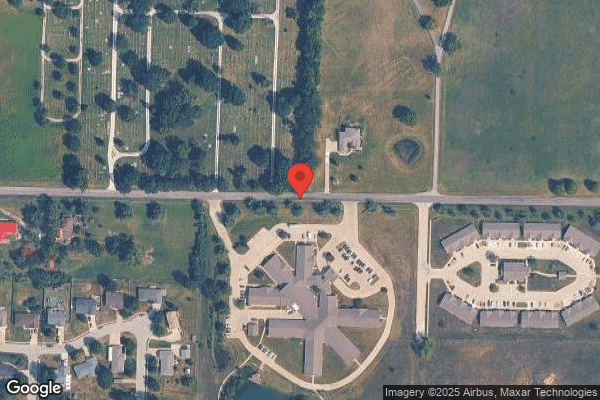
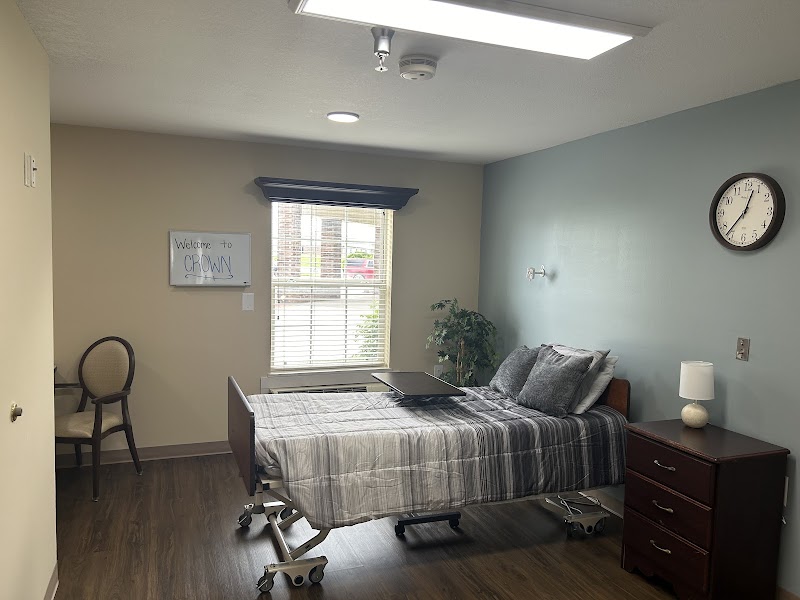
3001 EAST ELM, HARRISONVILLE, MO 64701 (816) 380-6525
For profit - Limited Liability company 118 Beds AMA HOLDINGS Data: November 2025
Trust Grade
45/100
#243 of 479 in MO
Last Inspection: March 2025

Within standard 12-15 month inspection cycle. Federal law requires annual inspections.

Overview

Crown Rehab and Healthcare Center has a Trust Grade of D, indicating below-average performance with some concerns about care quality. It ranks #243 out of 479 facilities in Missouri, placing it in the bottom half of the state, and #4 out of 8 in Cass County, meaning only three local options are better. The facility's situation appears stable, as it reported 11 issues both in 2023 and 2025. Staffing is a weakness, with a poor rating of 1 out of 5 stars, although turnover is slightly better than the state average at 56%. Specific incidents of concern include failures in food safety standards that could affect all residents and not properly notifying residents about their care plan meetings, which can hinder effective communication and care. While there are no fines recorded, and overall health inspections scored average, the facility has significant areas needing improvement.

Trust Score
D
45/100
In Missouri
#243/479
Top 50%
Safety Record
Low Risk
No red flags
Inspections
Holding Steady
11 → 11 violations
Staff Stability
⚠ Watch
56% turnover. Above average. Higher turnover means staff may not know residents' routines.
Penalties
✓ Good
No fines on record. Clean compliance history, better than most Missouri facilities.
Skilled Nurses
⚠ Watch
Each resident gets only 28 minutes of Registered Nurse (RN) attention daily — below average for Missouri. Fewer RN minutes means fewer trained eyes watching for problems.
Violations
⚠ Watch
31 deficiencies on record. Higher than average. Multiple issues found across inspections.
★★☆☆☆
2.0
Overall Rating
★☆☆☆☆
1.0
Staff Levels
★★☆☆☆
2.0
Care Quality
★★★☆☆
3.0
Inspection Score
Stable
2023: 11 issues
2025: 11 issues

The Good

  • Full Sprinkler Coverage · Fire safety systems throughout facility
  • No fines on record

Facility shows strength in fire safety.

The Bad

2-Star Overall Rating

Near Missouri average (2.5)

Below average - review inspection findings carefully

Staff Turnover: 56%

Near Missouri avg (46%)

Frequent staff changes - ask about care continuity

Chain: AMA HOLDINGS

Part of a multi-facility chain

Ask about local staffing decisions and management

Staff turnover is elevated (56%)

8 points above Missouri average of 48%

The Ugly 31 deficiencies on record

Mar 2025 11 deficiencies
CONCERN (D)

Potential for Harm - no one hurt, but risky conditions existed

Deficiency F0645 (Tag F0645)

Could have caused harm · This affected 1 resident

**NOTE- TERMS IN BRACKETS HAVE BEEN EDITED TO PROTECT CONFIDENTIALITY** Based on interview and record review, the facility failed to ensure completion, submission and retention of a Level I Nursing Fa...

Read full inspector narrative →
**NOTE- TERMS IN BRACKETS HAVE BEEN EDITED TO PROTECT CONFIDENTIALITY** Based on interview and record review, the facility failed to ensure completion, submission and retention of a Level I Nursing Facility Pre-admission Screening for Mental Illness, Intellectual Disability or Related Condition (PASRR-a federally mandated screening process for individuals with serious mental illness and/or intellectual disability/developmental disability related diagnosis who apply or reside in Medicaid (program that helps with medical costs for some people with limited income and resources) certified beds in a nursing facility regardless of the source of payment. The screening assures appropriate placement of persons known or suspected of having a mental impairment(s) and that the individual needs of mentally impaired persons can be and are being met in the appropriate placement environment) for one sampled resident (Resident #4) out of 20 sampled residents. The facility census was 99 residents. 1. Review of Resident # 4's admission Record showed he/she was admitted on [DATE] with the following diagnoses: -Major depressive disorder (mental health disorder characterized by persistently depressed mood or loss of interest in activities, causing significant impairment in daily life) 3/4/2020. -Cognitive communication deficit (problems with communication that have an underlying cause in a cognitive deficit such as: attention, memory, organization, problem solving/reasoning, rather than a primary language or speech deficit) 4/7/2020. -Bipolar disorder (a form of mental illness associated with episodes of mood swings ranging from depressive lows to manic highs) 3/5/20. -Traumatic brain compression without herniation (TBI-a condition where a head injury causes the brain to be compressed, but the brain tissue does not shift or herniate [an abnormal condition in which an organ or other tissue protrudes through an opening or narrow space] through the openings in the skull, subsequent encounter 10/05/2021. Review of the resident's electronic health record showed no PASRR record. Review of the resident's undated Care Plan showed the resident: -Had impaired cognitive function/dementia (a general term for a decline in mental ability resulting in memory loss, and other mental abilities severe enough to interfere with daily functioning) or impaired thought processes related to diagnosis of TBI Date Initiated: 4/1/2020 Revision on 3/5/2024. -Behavioral symptoms: Risk for harm to self or others due to medical condition of a TBI. Date Initiated: 10/6/2021 Revision on 3/12/2025. -Had a communication problem related to TBI Date Initiated: 4/1/2020 Revision on: 3/5/2024. During an interview on 3/19/25 at 1:50 P.M., the Social Service Designee (SSD) and the Administrator said: -The resident had a PASRR in 2004. -He/She came to the facility in 2020 from another closed facility. -This facility did not get a copy of the PASRR at the time of admission. -The facility contacted Central Office Medical Review Unit (COMRU). -COMRU was not able to provide a copy because of the original date of 2004. -COMRU advised the facility to do an updated form, there were no changes since admission, no psychiatric stays they were aware of since the resident's admission date to this facility. -A PASRR should have been completed before admission to the facility. -The facility should have completed a PASRR at the time of admission. -He/She should have a level two based on his/her diagnoses.
CONCERN (D)

Potential for Harm - no one hurt, but risky conditions existed

ADL Care (Tag F0677)

Could have caused harm · This affected 1 resident

**NOTE- TERMS IN BRACKETS HAVE BEEN EDITED TO PROTECT CONFIDENTIALITY** Based on observation, interview and record review, the facility failed to ensure bathing/showers were completed twice weekly and...

Read full inspector narrative →
**NOTE- TERMS IN BRACKETS HAVE BEEN EDITED TO PROTECT CONFIDENTIALITY** Based on observation, interview and record review, the facility failed to ensure bathing/showers were completed twice weekly and with the resident's preference considered for two sampled residents (Resident #4 and #79) out of 20 sampled residents. The facility census was 99 residents. A policy for showers/bathing was requested and was not received at the time of exit. 1. Review of Resident #4's admission Record showed he/she was admitted on [DATE] with the following diagnoses: -Hemiplegia and Hemiparesis (muscle weakness or partial paralysis on one side of the body) affecting left non-dominant side 3/4/20. -Traumatic brain compression without herniation (TBI-a condition where a head injury causes the brain to be compressed, but the brain tissue does not shift or herniate [an abnormal condition in which an organ or other tissue protrudes through an opening or narrow space] through the openings in the skull, subsequent encounter 10/05/2021. -Cognitive (involving conscious intellectual activity) communication deficit (problems with communication that have an underlying cause in a cognitive deficit such as: attention, memory, organization, problem solving/reasoning, rather than a primary language or speech deficit) 4/7/2020. -Morbid (severe) obesity (a disorder involving excessive body fat that increases the risk of health problems) due to excess calories 11/21/23. -Need for assistance with personal care 6/8/22. Review of the resident's undated Care Plan showed: -An Activities of Daily Living (ADL) self-care performance deficit related to TBI, and obesity Date Initiated: 1/24/2024 and Revision on: 10/29/2024. --Intervention: The resident was totally dependent on two staff to provide showers. Review of the resident's Annual Minimum Data set (MDS - a federally mandated assessment tool completed by the facility staff for care planning) dated 1/2/25 showed: -He/She was cognitively intact. -He/She required substantial/maximal (a helper provides more than half of the effort required to complete an activity) assistance with showering/bathing. Review of the resident's shower/skin condition reports dated February 2025 to March 15, 2025, showed he/she received: -One shower the week of 2/2/25 to 2/8/25. -One shower the week of 2/9/25 to 2/15/25. -No showers the week of 2/16/25 to 2/22/25. -One shower the week of 2/23/25 to 3/1/25. -One shower the week of 3/2/25 to 3/8/25. -One shower the week of 3/9/25 to 3/15/25. During an interview on 3/18/25 at 10:02 A.M., the resident said: -He/She didn't know when the last time he/she had a shower. -Would like a shower at least two times a week. 2. Review of Resident #79's admission Record showed he/she was admitted on [DATE] with the following diagnoses: -Cognitive communication deficit 9/4/24. -Muscle wasting (a weakening, shrinking, and loss of muscle caused by disease or lack of use) and atrophy (The wasting away or decrease in size of a body part) 9/4/24. -Muscle weakness (when full effort doesn't produce a normal muscle contraction or movement, or a decrease in muscle strength) 9/4/24. Review of the resident's undated Care Plan showed: -He/She had an ADL self-care performance deficit related to arthritis to knees, Date Initiated: 9/6/2024 Revision on: 10/10/2024. --Intervention: The resident was totally dependent on two staff to provide showers. Review of the resident's Quarterly MDS dated [DATE] showed: -He/She was cognitively intact. -He/She required substantial/maximal assistance with showering/bathing. Review of the resident's shower/skin condition reports from February 2025 to March 15, 2025, showed he/she received: -One shower the week of 2/2/25 to 2/8/25. -One shower the week of 2/9/25 to 2/15/25. -One shower the week of 2/16/25 to 2/22/25. -One shower the week of 2/23/25 to 3/1/25. -No showers the week of 3/2/25 to 3/8/25 -One shower the week of 3/9/25 to 3/15/25. During an interview on 3/18/25 at 10:16 A.M., the resident said: -Sometimes he/she went weeks without a shower. -He/She did not get complete peri care (Perineal care to the area between the anus and the exterior genitalia) daily maybe once a week. -He/She would like a shower at least two times a week. 3. During an interview on 3/24/25 at 10:00 A.M., Certified Nursing Assistant (CNA) H said: -Residents should get showers at least two times a week when there was a shower aide. -The shower aide was off today. -The CNAs didn't give the showers unless the resident was incontinent, and needed cleaned up more than just using the wipes. -If a resident refused a shower the shower aide would try to encourage them and try at a different time. During an interview on 3/24/25 at 10:06 A.M., Licensed Practical Nurse (LPN) D said: -The residents should be offered a shower twice a week. -If a resident refused a shower CNAs should try again at a different time or ask the resident what time they wanted to take a shower. -If a resident continued to refuse a shower the CNA should notify the nurse. -The nurse would let the Director of Nursing (DON) know. During an interview on 3/24/25 at 1:22 P.M., the Administrator, and Regional Nurse Consultants A & B said: -All nursing staff, CNAs and nurses, were responsible for giving residents showers. -The facility had a shower aide. -If the shower aide was not available then the CNA should do the resident's scheduled shower. -The residents should be offered at least two showers a week or more often if the resident preferred more than twice a week. -If the shower aide was pulled to work the floor, then the showers should be divided out among the CNAs. -If a resident refused a shower the CNA should offer it at a different time. -The CNA giving the shower should notify the charge nurse and the DON if a resident refused a shower and chart it on the shower sheet. -Shower sheets were reviewed by management, and they would re-offer or find out what the resident preferred.
CONCERN (D)

Potential for Harm - no one hurt, but risky conditions existed

Quality of Care (Tag F0684)

Could have caused harm · This affected 1 resident

**NOTE- TERMS IN BRACKETS HAVE BEEN EDITED TO PROTECT CONFIDENTIALITY** Based on observation, interview and record review, the facility failed to ensure communication and coordination of care with a r...

Read full inspector narrative →
**NOTE- TERMS IN BRACKETS HAVE BEEN EDITED TO PROTECT CONFIDENTIALITY** Based on observation, interview and record review, the facility failed to ensure communication and coordination of care with a resident's hospice (end of life care) provider for one sampled resident (Resident #73) out of 20 sampled residents. The facility census was 99 residents. Review of the facility's End of Life Care policy dated 10/24/22 showed no instructions on how the hospice provider and the facility will communicate with one another to ensure coordination of care. 1. Review of Resident #73's Face Sheet showed he/she was admitted on [DATE] and was receiving hospice services. Review of the resident's quarterly Minimum Data Set (MDS - a federally mandated assessment instrument completed by facility staff for care planning) dated 1/21/25 showed the resident: -Was severely cognitively impaired. -Was receiving hospice services. Review of the facility's hospice provider communication book showed: -The front of the binder included written instructions for the facility to access the residents' who received hospice services from that provider's electronic records. -The binder included a tabbed section with admission information for each resident receiving hospice services on the unit from that hospice provider with a section for Resident #73. -No additional documentation related to the hospice provider's visits were included in the binder. During an interview on 3/19/25 at 11:22 A.M., Licensed Practical Nurse (LPN) E said: -The hospice communication book on the unit was the complete communication book. -Hospice staff provided verbal communication with facility staff of the visit with the resident. -No visits were documented in the facility's electronic medical records. -He/She was not aware of any way facility staff could access information related to hospice visits with the facility. During an interview on 3/24/25 at 9:21 A.M., Certified Medication Technician (CMT) B said: -He/She did not know how the hospice provider communicated with the facility regarding visits with the resident. -He/She knew there was a hospice book at the nurse's station, but did not know if it contained written documentation or how to access the hospice records. During an interview on 3/24/25 at 9:19 A.M., LPN A said: -Hospice communication was documented in the hospice book. -Facility staff got verbal communication from the hospice provider after each visit. -He/She did not get written communication from the hospice provider. -He/She did not know about the written instructions in the hospice binder instructing staff how to access the reports to verify or confirm visits and/or changes in orders. -If he/she had any questions regarding the resident's hospice orders, he/she would call the hospice provider to speak to the hospice staff working that day. -He/She had never accessed the hospice provider electronic records as instructed in the hospice book. During an interview on 3/24/25 at 9:39 A.M., the Administrator said: -Staff got verbal reports from the hospice provider. -Staff should document in the resident's progress notes or on the Physician's Order Sheet any changes in orders. -Staff were able to access the hospice provider's electronic portal to obtain the hospice providers documentation. -Staff should know the hospice provider's electronic portal information was in the hospice binder and should know that was how the facility was able to access the resident's hospice communication to ensure coordination of care.
CONCERN (D)

Potential for Harm - no one hurt, but risky conditions existed

Deficiency F0685 (Tag F0685)

Could have caused harm · This affected 1 resident

**NOTE- TERMS IN BRACKETS HAVE BEEN EDITED TO PROTECT CONFIDENTIALITY** Based on interview and record review, the facility failed to maintain audiological (science and medicine concerned with the sens...

Read full inspector narrative →
**NOTE- TERMS IN BRACKETS HAVE BEEN EDITED TO PROTECT CONFIDENTIALITY** Based on interview and record review, the facility failed to maintain audiological (science and medicine concerned with the sense of hearing) health by not following up with the audiologist recommendations for one sampled resident (Resident #28) out of 20 sampled residents. The facility census was 99 residents. 1. Review of Resident #28's quarterly Minimum Data Set (MDS- a federally mandated assessment instrument completed by facility staff for care planning), dated 8/24/24, showed: -The resident was cognitively intact. -The resident's hearing was adequate. Review of the resident's audiology report, dated 9/20/24, showed: -Ear exam results were abnormal in the resident's right ear. -The resident had impacted cerumen (ear wax) in both ears. -Removal of ear wax was attempted via suction. -Due to depth of the cerumen, it was not completely removed. -Refer for Debrox drops (a medicine for ear wax removal) and to follow facility protocol for cerumen management. Review of the resident's Physician Order Summary (POS) dated September 2024 showed no order for Debrox drops. Review of the residents Medication Administration Record (MAR)/Treatment Administration Record (TAR) dated September 2024 showed no treatment of cerumen or administration of Debrox drops. Review of the resident's POS October 2024 showed no order for Debrox drops. Review of the residents MAR/TAR dated October 2024 showed no treatment of cerumen or administration of Debrox drops. Review of the residents quarterly MDS, dated [DATE], showed the resident's hearing was adequate. Review of the resident's care plan dated 2/22/25, showed no information regarding hearing issues was noted. Review of the residents quarterly MDS, dated [DATE], showed the resident's hearing was adequate. During an interview on 3/17/25 at 1:33 P.M. the resident said: -He/She would like to be able hear better. -He/She would like to go back to the audiologist. During an interview on 3/19/25 at 8:49 A.M., Certified Nursing Assistant (CNA) C said: -The resident was hard of hearing. -He/She was unaware if the resident had seen the audiologist. During an interview on 3/19/25 at 9:26 A.M., CNA D said: -The resident was a little hard of hearing. -He/She was unaware if the resident needed hearing aids. -The resident had not asked him/her to see the audiologist. During an interview on 3/19/25 at 9:57 A.M., Certified Medication Technician (CMT) A said: -He/She had not noticed the resident being hard of hearing. -He/She had not given the resident ear drops, there was no order them. During an interview on 3/19/25 at 10:30 A.M. the resident said he/she had not received any ear drops. During an interview on 3/20/25 at 9:24 A.M., Licensed Practical Nurse (LPN) B said: -He/She was unaware if the resident required ear drops. -The resident had some hearing issues. During an interview on 3/20/25 at 9:59 A.M., the Social Services Designee (SSD) said: -He/She received a list of residents from the audiologist of which residents needed to be seen. -When he/she got the list he/she put a copy at all nurse stations and the nurses added any additional residents who requested to be seen. -The resident had to tell the nurse to be put on the list. -After the appointment the nurses received a report from the audiologist and updated any orders given by the audiologist. During an interview on 3/21/25 at 2:28 P.M., the Director of Nursing (DON) said: -He/She was unaware the resident had follow-up instructions from the audiologist. -He/She looked up the report from 9/10/24 and saw the audiologist recommended ear wax removal drops. -It was not on the physicians order sheet. -The ear drops should have been added to the physician order sheet, MAR/TAR and given. -He/She expected the nurses to follow up with the physician to add the orders to the order summary.
CONCERN (D)

Potential for Harm - no one hurt, but risky conditions existed

Deficiency F0687 (Tag F0687)

Could have caused harm · This affected 1 resident

**NOTE- TERMS IN BRACKETS HAVE BEEN EDITED TO PROTECT CONFIDENTIALITY** Based on observation, interview, and record review, the facility failed to provide necessary treatment and foot care for one sam...

Read full inspector narrative →
**NOTE- TERMS IN BRACKETS HAVE BEEN EDITED TO PROTECT CONFIDENTIALITY** Based on observation, interview, and record review, the facility failed to provide necessary treatment and foot care for one sampled resident (Resident #25) out of 20 sampled residents. The facility census was 99 residents. Review of the facility's policy titled Grooming Care of the fingernails and toenails dated as revised 10/24/22 showed: -Toenails were to be trimmed by Certified Nursing Assistants (CNA)s except for residents with the following conditions: --Diabetes or circulatory impairment. --Ingrown, infected, or painful nails. --Nails that are too hard, thick, or difficult to cut easily. -High risk residents and residents with hypertrophic (thickened and deformed nails that can be caused by fungal infections, older age, psoriasis (a skin disease that causes red, itchy scaly patches), and other factors), mycotic (a fungal infection causes the nail to separate from the nail bed, making it thick and fragile) and keratotic (characterized by thickened, rough, and often chalky-white or yellow-brown patches that can be caused by various factors, including dehydration, fungal infections, psoriasis, or other underlying conditions) toenails would be referred to the podiatrist. -Any changes in the color of the skin around the nail or nail bed were to be reported to the attending physician. 1. Review of Resident #25's profile and census tabs in the electronic health record (EHR) showed the resident admitted to the facility on [DATE], the resident was his/her own responsible party and the resident was receiving Medicaid funding (program that helps with medical costs for some people with limited income and resources) since 8/25/23. Review of the resident's EHR showed no documents regarding podiatry under the documents tab. Review of the resident's weekly skin observations dated 2/6/25 to 3/20/25 at 10:42 A.M. showed no documentation regarding the resident's toes or toenails. Review of the resident's shower sheet dated 2/6/25 showed: -The resident's feet were swollen and dry. -The resident had a scab/cut on his/her right great-toe. -The form was signed by a CNA and a nurse. Review of the resident's nurse's note dated 2/6/25 showed: -The resident was in the shower and had dried blood on his/her big toe of his/her left foot. -The resident's toe was assessed after his/her shower. -The resident's toe was swollen and dark in color, with a small open area next to the cuticle. -The Nurse Practitioner (NP) assessed the resident's toe and ordered Doxycycline (an antibiotic) 100 milligrams (mg) twice daily for seven days for an infected toe. Review of the resident's NP note dated 2/6/25 showed: -The resident was seen for his/her left great toe infection. -Nursing staff reported the resident had an infected toe. -On assessment, the resident's left great toe was noted to be red, inflamed, and swollen. -The resident said it hurt and was irritating. -Doxycycline 100 mg twice daily for seven days was ordered for a left great toe infection. Review of the resident's nurse's note dated 2/8/25 showed: -The resident received antibiotics for a sore big toe. -No signs or symptoms of infection were observed. -The resident's toenail was noted to be loose. Review of the resident's physician's progress note dated 2/18/25 showed the resident recently received oral antibiotics for a toe infection and it improved. Review of the resident's quarterly Minimum Data Set (MDS-a federally mandated assessment tool completed by facility staff for care planning) dated 2/12/25 showed the following staff assessment of the resident: -Cognitively intact. -Was usually understood by others. -Always understood others. -Required substantial/maximum assistance with lower body dressing and putting on and taking off footwear. -Did not walk. -One of his/her diagnoses included peripheral vascular disease (PVD-the build-up of fatty material inside the blood vessels reducing blood flow). Review of the resident's shower sheet dated 2/20/25 showed: -The resident's feet were dry, cracked, and swollen. -The form was signed by a CNA and a nurse. Review of the resident's Physician's Order Sheet (POS) dated March 2025 showed no orders for the resident's feet, toes, or toenails. Review of the resident's shower sheet dated 3/4/25 showed: -The resident's feet were dry, his/her toenails were overgrown and both of his/her lower legs were swollen. -The form was signed by a CNA. -A nurse had not signed the form. Review of the resident's care plan dated 3/7/25 showed it did not include anything about his/her feet, toes or toenails other than to tell the podiatrist the resident was receiving aspirin. Review of the resident's consent for podiatry was obtained on 3/10/25. Review of the resident's shower sheet dated 3/12/25 showed: -The resident's feet were dry and he/she had over-grown toenails. -The form was signed by a CNA and a nurse. Observation on 3/17/25 at 10:44 A.M. showed: -The resident was in bed, had compression socks on that were open at the foot-end so the resident's toes could be seen. -The resident's toenails were severely thickened, yellowed, and overgrown. -The skin on the resident's foot and toes was scaly and flaking all over. -The lower-left edge of the resident's left great toe cuticle had either dried up blood or a black substance. During an interview on 3/17/25 at 10:44 A.M. the resident said: -One of his/her toenails was sore. -He/She didn't think he/she had ever seen the podiatrist at the facility. During an interview on 3/20/25 at 9:36 A.M. the Social Services Designee (SSD) said: -He/She was responsible for scheduling podiatry appointments. -He/She thought the resident's Medicaid was pending and they had to wait for it to go through. -He/She sent his/her consent for podiatry on 3/10/25. -The resident had not been seen by the podiatrist yet. -The resident's sibling was his/her contact. Observation on 3/20/25 at 1:58 P.M. showed: -The resident was in bed and had compression socks on that were open at the foot-end so the resident's toes could be seen. -The resident's toenails were severely thickened, yellowed, and overgrown. -The skin on the resident's foot and toes was scaly and flaking all over. -The lower-left edge of the resident's left great-toe was either dried up blood or a black substance. During an interview on 3/20/25 at 1:58 P.M. the resident said: -He/She did not know anything about his/her Medicaid being pending. -The facility staff said when he/she first moved in that he/she was on the list for the podiatrist. -His/her toes and toenails were not this bad when he/she came to the facility in August 2023. During an interview on 3/24/25 at 8:37 A.M., Licensed Practical Nurse (LPN) C said: -The bath aide should put lotion on the resident's feet after showers. -The resident did not have an order for Eucerin (a moisturizer to treat or prevent dry, rough, scaly, itchy skin and minor skin irritations) but he/she could call and get an order for it. -He/She thought the SSD tried to get the resident to get into the podiatrist. During an interview on 3/24/25 at 8:59 A.M., CNA F said: -He/She put lotion on the resident's dry feet when he/she was working but he/she only worked as needed. -They had tried to do something for his/her toenails in the shower but were not able to do anything. -The resident's toenails were thick. Review of the SSD's email dated 3/24/25 at 10:42 A.M. showed the podiatry provider received the resident's paperwork and the next time they would be in the facility would be 4/24/25. During an interview on 3/24/25 at 1:24 P.M., -Registered Nurse (RN) Consultant A said: --CNAs should report toe and toenail conditions to the nurse. --The nurses were supposed to report any conditions that required the podiatrist to the SSD. -RN Consultant B said they should get some lotion for the resident's feet.
CONCERN (D)

Potential for Harm - no one hurt, but risky conditions existed

Deficiency F0728 (Tag F0728)

Could have caused harm · This affected 1 resident

Based on interview and record review, the facility failed to ensure two sampled Nurse Assistants (NAs) (NA A and NA B) completed the Certified Nurse Assistant (CNA) training program within four months...

Read full inspector narrative →
Based on interview and record review, the facility failed to ensure two sampled Nurse Assistants (NAs) (NA A and NA B) completed the Certified Nurse Assistant (CNA) training program within four months of his/her employment in the facility. The facility census was 99 residents. A policy was requested and was not received by the exit date. 1. Review of the facility spreadsheet for NA training on 3/19/24 showed: -NA A's date of hire was 7/28/24 with a completion deadline of the CNA training by 11/25/24. -He/She had worked on the following days: --3/3/25 on the day shift. --3/4/25 on the day shift. --3/10/25 on the day shift. --3/11/25 on the day shift. --3/12/25 on the day shift. --3/17/25 on the day shift. --3/18/25 on the day shift. -NA B's date of hire was 9/9/24 with a completion deadline of the CNA training by 1/7/25. -He/She had worked on the following days: --3/3/25 on the day shift. --3/4/25 on the day shift. --3/10/25 on the day shift. --3/11/25 on the day shift. --3/17/25 on the day shift. --3/18/25 on the day shift. During an interview on 3/19/25 at 1:44 P.M. NA A said: -He/She started direct hands on care in September 2024. -He/She worked direct hands on care until 3/18/25. -He/She was aware of the need to be completed with the CNA training within four months. -He/She had not completed the CNA training program and was not certified. During an interview on 3/20/25 at 12:05 P.M. NA B said: -He/She started direct hands on care around August 2024. -He/She was still working direct hands on care. -He/She was aware of the need to be completed with the CNA training within four months. -He/She had not completed the CNA training program and was not certified. During an interview on 3/21/25 at 9:44 A.M. the Director of Nursing (DON) said: -He/She expected NAs to complete the CNA training program and be certified within four months. -Payroll/Human Resource was responsible to audit the hire dates and training. -Payroll/Human Resource was responsible to ensure NAs were certified within the four months. During an interview on 3/21/25 at 10:36 A.M. the Payroll/Human Resources said: -He/She was responsible for monitoring the CNA training program. -He/She was responsible to ensure NAs were certified within four months. -NA A had not completed the CNA training program and was not certified within four months. -NA B had not completed the CNA training program and was not certified within four months.
CONCERN (E)

Potential for Harm - no one hurt, but risky conditions existed

Deficiency F0553 (Tag F0553)

Could have caused harm · This affected multiple residents

**NOTE- TERMS IN BRACKETS HAVE BEEN EDITED TO PROTECT CONFIDENTIALITY** Based on interview and record review, the facility failed to notify the resident or the resident's representative of meetings fo...

Read full inspector narrative →
**NOTE- TERMS IN BRACKETS HAVE BEEN EDITED TO PROTECT CONFIDENTIALITY** Based on interview and record review, the facility failed to notify the resident or the resident's representative of meetings for care plan development, review, and revision, for three sampled residents (Resident #13, #32 and #40) out of 20 sampled residents. The facility census was 99 residents. Review of the facility policy titled Care Planning dated 10/24/22 showed: -The facility would develop a baseline and/or a comprehensive care plan for the residents. -The facility would provide a written summary of the baseline and/or comprehensive care plan to the resident and/or the resident's representative when the care plan was completed. -The medical record must contain evidence that the summary was given to the resident and/or the resident's representative. -The facility would invite the resident, if capable, and their family to the care plan meetings and use the best efforts to schedule the care plan meetings at times convenient for the resident and family. 1. Review of Resident #13's annual Minimum Data Set (MDS- a federally mandated assessment instrument completed by facility staff for care planning) dated 1/1/25, showed the resident was cognitively intact. Review of the resident's electronic health record (EHR) progress notes dated January 2025 to March 2025 showed no notes that indicated the resident received notification of his/her care plan meeting. During an interview on 3/17/25 at 11:11 A.M., the resident said: -He/She was unsure of when his/her last care plan meeting was. --The last one may have been six months ago. -He/She did not have care plan meetings quarterly. 2. Review of Resident #32's annual MDS, dated [DATE], showed the resident was severely cognitively impaired. Review of the resident's EHR progress notes dated January 2025 to March 2025 showed: -No notes that indicated the resident received notification of his/her care plan meeting. -No noted that indicated the resident's representative received notification of the resident's care plan meeting. During an interview on 3/17/25 at 12:38 P. M, the resident's family member said: -He/She was unsure when the last care plan meeting was. -He/She was unsure how often and when care plan meeting notification should be made. 3. Review of Resident #40's annual MDS, dated [DATE], showed the resident was cognitively intact. Review of the resident's EHR progress notes dated January 2025 to March 2025 showed no notes that indicated the resident received notification of his/her care plan meeting. During an interview on 3/17/25 at 12:01 P.M., the resident said: -He/She had not been invited to a care plan meeting. -He/She did not attend any care plan meetings. -He/She wanted to know what his/her care plan said. 4. During an interview on 3/19/25 at 8:49 A.M., Certified Nursing Assistant (CNA) C said: -Resident's received invites to care plan meetings. -He/She thought they came from the Social Services Designee (SSD). During an interview on 3/19/25 at 9:26 A.M., CNA D said: -Residents were invited to care plan meetings by the SSD. -The team came and talked to the residents and let them know when the meeting was. During an interview on 3/19/25 at 9:57 A.M., Certified Medication Technician (CMT) A said: -Residents were invited by the SSD to care plan meetings. -The SSD talked to the residents, and they were very much included to make sure their needs were met. During an interview on 3/20/25 at 9:59 A.M., the SSD said: -He/She gave letters to residents and left them at bedside. -He/She called resident representatives/family to notify them of the care plan meetings. -He/She did not make a progress note when the resident and/or the resident's representative/family was invited to the resident's care plan meeting. During an interview on 3/21/25 at 9:27 A.M., the Administrator said: -The SSD gave letters to residents and left them at beside. -The SSD was making phone calls to resident families and not making progress notes. -The SSD did not have access to the electronic information notification system that sent out reminders to residents and family members through text and email. -There was no documentation that the care plan invites were being done.
CONCERN (E)

Potential for Harm - no one hurt, but risky conditions existed

Deficiency F0730 (Tag F0730)

Could have caused harm · This affected multiple residents

Based on interview and record review, the facility failed to complete annual evaluations for two sampled Certified Nursing Assistants (CNA),(CNA N and CNA P); and failed to provide the annual twelve h...

Read full inspector narrative →
Based on interview and record review, the facility failed to complete annual evaluations for two sampled Certified Nursing Assistants (CNA),(CNA N and CNA P); and failed to provide the annual twelve hours of annual education to nursing assistants, based on their performance review for four sampled CNAs (CNA L, CNA N, CNA O, CNA P) out of five CNA's reviewed for annual evaluations and training's. The facility census was 99 residents. A policy for CNA Evaluations was requested and not provided by the date of exit. Review of the facility's undated policy titled Regular In-service Education showed: -All certified nursing personnel was required to complete at least 12 hours of in-service education annually from their date of hire. -Certified staff members who do not meet this requirement will be removed from the schedule. 1. Review of the education documentation showed: -CNA L had 3 hours of in-service training and lacked 9 hours of training. -CNA N had 3 hours of in-service training and lacked 9 hours of training. -CNA O had 3 hours of in-service training and lacked 9 hours of training. -CNA P had 3 hours of in-service training and lacked 9 hours of training. 2. Review of the annual evaluations showed: -CNA N was hired on 8/30/23. --He/She had no annual evaluation dated 2024. -CNA P was hired on 5/16/22. -He/She had no annual evaluation dated 2023 and 2024. 3. During an interview on 3/20/25 at 2:50 P.M. the Administrator said: -CNA L, CNA N, CNA O, and CNA P did not have all the required in-services. -CNA N and CNA O did not have an annual evaluation. During an interview on 3/21/25 at 9:44 A.M. the Director of Nursing (DON) said: -He/She expected CNAs to have annual evaluations. -He/She expected CNAs to have twelve hours of education annually. -He/She prepared the evaluations. -The evaluation addressed knowledge, reliability, goals, and weaknesses. -He/She did not know who audited to ensure annual evaluations were completed. During an interview on 3/21/25 at 10:36 A.M. the Payroll/Human Resources said: -CNAs would usually ask for the evaluation to be completed. -Annual evaluations were tracked between Payroll/Human Resources and the Administrator. -He/She was expected to audit evaluations were completed.
CONCERN (E)

Potential for Harm - no one hurt, but risky conditions existed

Deficiency F0804 (Tag F0804)

Could have caused harm · This affected multiple residents

4. During an interview on 3/17/25 at 10:44 A.M., Resident #25 said he/she ate in the Main Dining Room in the assisted section and the food was frequently cold. 5. During an interview on 3/17/25 at 9:4...

Read full inspector narrative →
4. During an interview on 3/17/25 at 10:44 A.M., Resident #25 said he/she ate in the Main Dining Room in the assisted section and the food was frequently cold. 5. During an interview on 3/17/25 at 9:40 A.M., Resident #34 said he/she ate in his/her room and the food temperatures were luke warm. 6. During an interview on 3/18/25 at 2:07 P.M. the Dietary Manager said: -Residents had complained of cold food. -Temperatures were taken while food was in the steam table and recorded on the log. -It took thirty minutes from when the first tray was plated to the last resident being served. -Foods temperatures were not taken again once they were plated. -Residents looked for him/her daily to tell him/her the food was cold. During an interview on 3/19/25 at 9:26 A.M. CNA D said a lot of residents had complained about cold food. Based on observation and interview, the facility failed to ensure residents were provided food that was at a safe and appetizing temperature for three sampled residents (Resident #14, #25, and #34) out of 20 sampled residents. The facility census was 99 residents. Review of the facility policy titled food temperatures dated 10/24/22 showed: -Insert the thermometer into the center of the product. -Wait until there is no movement for 15 seconds. Several readings may be needed to determine hot and cold spots. -Take the temperature of each pan of product before serving. -Acceptable serving temperatures were: --Hot cereal and gravy should be 135 degrees Fahrenheit (F). --Casseroles, Meat entrees, potatoes, pasta, soup, pureed food, vegetables, coffee, and eggs should be greater than 135 degrees F. --Hazardous salads, desserts, milk, and juice should be less than 41 degrees F. --Pastries, cakes should be less than 60 degrees F. -If temperatures did not meet the required serving temperatures, reheat the product or chill the product to the proper temperature. -If temperatures were not at acceptable levels and could not be corrected in time for meal service, an appropriate menu substitution should be implemented. 1. Review of the resident council minutes dated 11/26/24 showed: -There were 15 residents present. -Old business talked about included complaints of cold food. -New business discussed included complaints of cold food. Review of the resident council minutes dated 1/28/25 showed: -There were 19 residents present. -Old business talked about included cold food. -New business had dietary issues but cold food was not documented. Review of the resident council minutes dated 2/25/25 showed: -There were 14 residents present. -Old business talked about included dietary issues, cold food was not documented. -New business discussed included cold food. 2. Observation on 3/18/25 at 12:20 P.M. of a regular texture test tray showed: -The hot turkey slice was 117.5 degrees F. -The steamed spinach was 128.4 degrees F. -The sweet potato casserole was 131.1 degrees F. -The apple cobbler was 120.7 degrees F. Observation on 3/20/25 at 12:27 P.M. of a pureed test tray showed: -The pureed meat was 118 degrees F. -The pureed potatoes were 125 degrees F. -The pureed green beans were 116 degrees F. -The pureed pineapple upside down cake was 81 degrees F. 3. Review of Resident #14's annual Minimum Data Set (MDS a federally mandated assessment tool completed by facility staff for care planning) date 1/1/25 showed the resident: -Was cognitively intact. -Required set up/clean up assistance only. -Was able to feed himself/herself. During an interview on 3/17/25 at 2:26 P.M. the resident said the food was cold when he/she ate in his/her room. During an interview on 3/19/25 at 8:49 A.M. Certified Nursing Assistant (CNA) C said: -The resident had complained of cold food when he/she ate in his/her room. -He/She would heat up the resident's food in the microwave. During an interview on 3/19/25 at 9:57 A.M. Certified Medication Technician (CMT) A said: -The resident complained of being served cold food. -He/She would warm up the tray or get the resident a new tray, which ever the resident decided.
CONCERN (E)

Potential for Harm - no one hurt, but risky conditions existed

Food Safety (Tag F0812)

Could have caused harm · This affected multiple residents

Based on observation and interview, the facility failed to maintain the cleanliness in the kitchen by not removing rust and grime from one shelf in the walk-in cooler; failed to clean and maintain fou...

Read full inspector narrative →
Based on observation and interview, the facility failed to maintain the cleanliness in the kitchen by not removing rust and grime from one shelf in the walk-in cooler; failed to clean and maintain four ceiling vent covers over the hot drink preparation area and the hand washing sink dish washing areas. This practice potentially affected all residents who ate food from the kitchen. The facility census was 99 residents. Review of the facility's Cleaning Schedule policy, dated 10/24/22, showed: -The dietary staff maintained a sanitary environment by complying with routine cleaning schedules developed by the Dietary Manager. 1. Observation on 3/18/25 from 9:26 A.M. to 11:14 A.M. of the kitchen showed: -Two ceiling vent covers over the hot beverage preparation area were discolored with dark brown or black grime, dust or debris. -Two ceiling vent covers over the handwashing sink and dishwashing areas were discolored with dark brown or black grime, dust or debris. -One shelf inside the reach-in doors of the walk-in cooler was covered in a dark sticky substance and had rusted areas. During an interview on 3/19/25 at 10:33 A.M., the Dietary Manager said: -The kitchen staff were responsible for wiping shelves down. -He/She was unaware of how or who was responsible for removing rust from the shelves. -Maintenance was responsible for cleaning the ceiling vents. During an interview on 3/19/25 at 10:39 A.M., the Maintenance Director said: -The kitchen staff were responsible for cleaning the kitchen shelves. -If shelves were rusted then maintenance made arrangements to take the shelves out back and power wash them then repaint them if necessary. -He/She was not aware of the vent cover condition in the kitchen. -The vent covers were supposed to be cleaned quarterly. -There was a computer system that tracked when work orders were submitted and completed. -NOTE: He/She was going to provide a printout of the last time the vents were cleaned but did not provide it. During an interview on 3/19/25 at 10:50 A.M. the Regional Dietary Manager said the vent covers were rusted and had previously been painted. During an interview on 3/19/25 at 1:07 P.M., the Administrator said the vents were dirty and needed to cleaned and repainted.
CONCERN (E)

Potential for Harm - no one hurt, but risky conditions existed

Infection Control (Tag F0880)

Could have caused harm · This affected multiple residents

**NOTE- TERMS IN BRACKETS HAVE BEEN EDITED TO PROTECT CONFIDENTIALITY** Based on observation, interview, and record review, the facility failed to ensure accurate and timely tuberculosis (TB - a commu...

Read full inspector narrative →
**NOTE- TERMS IN BRACKETS HAVE BEEN EDITED TO PROTECT CONFIDENTIALITY** Based on observation, interview, and record review, the facility failed to ensure accurate and timely tuberculosis (TB - a communicable disease that affects especially the lungs, that is characterized by fever, cough, difficulty in breathing, abnormal lung tissue and function) testing was completed for three sampled residents (Residents #79, #246, and #196) out of five residents sampled for tuberculosis screening/testing; and failed to ensure appropriate hand hygiene and infection control practices during incontinence care for three sampled residents (Resident #73, #246, and #21) out of 20 sampled residents. The facility census was 99 residents. Review of the facility Tuberculosis - Screening policy dated 10/24/22 showed: -Residents are to be screened for tuberculosis upon admission, readmission, and as indicated. -Any resident without a documented negative tuberculosis skin test (TST) within the previous 12 months receives a two-step TST upon admission. -When the first TST is negative, a follow-up TST is administered one to three weeks after the first test is read. -The policy did not give direction on when to read to skin test or how to document the findings. Review of the facility's Personal Protective Equipment-Using Gloves policy dated revised September 2010 showed: -Objectives: --To prevent the spread of infection. --To protect wounds from contamination. --To protect hands from potentially infectious material. -Miscellaneous: --Use disposable single-use gloves. --Discard used gloves into the waste receptacle inside the room. --Use non-sterile gloves primarily to prevent contamination when providing treatment or services to the patient. --Wash hands after removing gloves (Note: gloves do not replace handwashing). --Remove gloves before removing the mask and gown and discard them into the designated waste receptacle inside room. -When to use gloves: --When touching excretions, secretions, blood, body fluids, mucous membranes or non-intact skin. --When cleaning potentially contaminated items. --When in doubt. 1. Review of Resident #79's Face Sheet showed he/she was admitted to the facility on [DATE]. Review of the resident's TB skin test records showed: -A TB skin test was administered on 9/4/24 and documented as negative. The results did not include the date the test was read. -A TB skin test was administered on 9/19/24 and documented as negative. The results did not include the date the test was read. 2. Review of Resident #246's Face Sheet showed he/she was admitted to the facility on [DATE]. Review of the resident's TB skin test records showed: -A TB skin test was administered on 1/18/25 and documented as negative. The results did not include the date the test was read. -A second TB skin test was not administered until 3/19/25. 3. Review of Resident #196's Face Sheet showed he/she was admitted to the facility on [DATE]. Review of the resident's TB skin test records showed a TB skin test was administered on 3/19/25, five days after the resident was admitted to the facility. 4. During an interview on 3/24/25 at 2:00 P.M., the Infection Preventionist said: -He/She administered the first step TB skin test to the resident upon admission to the facility. -If he/she was not there the floor nurse could administer the TB skin test. -He/She documented the results of the skin test in the electronic medical record 48-72 hours after the test was administered. -The electronic medical record did not give a space to document the date the test was read. -A second test was given a couple weeks after the first test was read. 5. Review of Resident #73's Face Sheet showed he/she was admitted on [DATE] with diagnoses of Alzheimer's disease (a slowly progressive disease of the brain that is characterized by impairment of memory and eventually by disturbances in reasoning, planning, language, and perception) and dementia (a progressive organic mental disorder characterized by chronic personality disintegration, confusion, disorientation, stupor, deterioration of intellectual capacity and function, and impairment of control of memory, judgment, and impulses). Review of the resident's quarterly Minimum Data Set (MDS - a federally mandated assessment instrument completed by facility staff for care planning) dated 1/21/25 showed the resident: -Was severely cognitively impaired. -Relied on staff for total toileting cares. -Was always incontinent of bladder. Observation on 3/19/25 at 9:26 A.M. showed: -Certified Nursing Assistant (CNA) E and CNA C were already in the resident's room with gloved hands to transfer the resident from his/her wheelchair to the bed with a mechanical lift. -CNA E and CNA C transferred the resident to his/her bed, and with the same gloved hands, assisted the resident with turning in bed while pulling down his/her pants. -With the same gloved hands, CNA E unfastened the resident's brief, pulled wipes out of the container, and cleansed the resident's front genital area. -Without removing his/her gloves or asking CNA C to assist, CNA E put his/her gloved hands in the wipes container to remove more wipes to clean the resident's front genital area. -With the same gloved hands, CNA E touched the resident's skin to assist him/her turn in the bed, then reached in the wipes container, removed more wipes and cleansed the resident's buttocks, then finished removing the soiled brief from under the resident. -With the same gloved hands, CNA E placed a clean brief under the resident, touched the resident's skin and clothing to assist the resident turn in bed while CNA C finished fastening the clean brief. -With the same gloved hands CNA E and CNA C pulled the resident's pants up, and adjusted his/her shirt. -With the same gloved hands, CNA E touched the mechanical lift sling, then picked up the resident's shoes to place them on his/her feet, then picked up the resident's protective boots and placed them on the resident. -With the same gloved hands CNA E touched the mechanical lift, moved it closer to the bed, attached the sling to the lift while CNA C moved the resident's wheelchair closer to the bed. -With the same gloved hands CNA E and CNA C transferred the resident to the wheelchair, adjusted the resident in the wheelchair, and removed the sling from the lift. -With the same gloved hands, CNA E adjusted the resident's pillow on his/her bed, placed the package of wipes on the resident's bedside table next to his/her beverage container, and made the resident's bed. -With the same gloved hands, CNA E picked up the resident's beverage container and offered the resident a drink while CNA C wiped off the resident's bedside table with a wipe removed from the same package that was used during incontinence care. -CNA E removed one glove, and with the gloved hand removed the trash liner from the trash can. With his/her ungloved, unwashed/sanitized hand, he/she opened the door to the resident's room. -CNA C removed both gloves and without washing or sanitizing his/her hands, pushed the resident in his/her wheelchair out the door and down the hall. -CNA E exited the resident's room without washing or sanitizing his/her hands, with unsanitized/unwashed hands, he/she opened the soiled utility room door to dispose of the trash, then continued down the hall without washing or sanitizing his/her hands. During an interview on 3/19/25 at 9:38 A.M., CNA E and CNA C said they would not have changed anything that they did during the incontinence care provided to the resident at that time. During an interview on 3/24/25 at 1:33 P.M., Regional Nurse Consultant A and Regional Nurse Consultant B said: -Staff should wash or sanitize their hands prior to entering a room and putting on gloves. -Staff should remove their gloves, wash or sanitize their hands, then put on new gloves after transferring a resident, after removing a dirty brief, after cleaning the resident's genital area or buttocks. -CNA E should have had CNA C remove any additional wipes that were needed. Staff should not reach into the wipes container with contaminated gloves. -Staff should remove their gloves and wash or sanitize their hands after completing incontinence care and should not touch the resident's skin, clothing, bedding, any equipment, or the resident's beverage container with contaminated gloves. -Staff should have removed both gloves, washed or sanitized their hands before leaving the resident's room. 6. Review of Resident #246's Face Sheet showed he/she was admitted to the facility on [DATE] with a diagnosis of end stage renal disease (ESRD-The kidneys have stopped working well enough to survive without dialysis or a kidney transplant) 1/17/25. Observation on 3/21/25/at 9:47 A.M., of perineal care showed CNA G: -Sanitized his/her hands, put on a protective gown and put gloves on. -Picked up the resident's indwelling catheter (a tube with retaining balloon passed through the urethra into the bladder to drain urine) drainage bag. -Handed the drainage bag to the Regional Wound Nurse Consultant. -Without removing the gloves, unfastened the resident's brief. -With the same contaminated gloves, turned the resident to his/her right side with a draw sheet. -With the same contaminated gloves cleaned the resident's buttocks around a wound dressing. -Then removed the gloves, sanitized his/her hands, put on new gloves,and finished perineal care. 7. Review of Resident #21's Face Sheet showed he/she was admitted to the facility on [DATE] with the following diagnoses: -End stage renal disease 3/9/23. -Colostomy status (an alternative exit from the colon created to divert waste through a hole in the colon and through the wall of the abdomen) 3/9/23. Observation on 3/18/25 at 10:49 A.M., of perineal care showed CNA J and CNA K: -Both washed his/her hands and put gloves on. -With gloved hands CNA K closed the room door and pulled the room dividing curtain around resident's bed. -With gloved hands CNA J moved the resident's wheelchair. -With contaminated gloves, both CNA J and CNA K repositioned the resident up in bed and removed his/her brief. -With the same contaminated gloves, CNA J picked up the graduate container, a package of wipes and a clean brief and placed them on the resident's bed. -With the same contaminated gloves, CNA K cleaned the resident's peri area. -With the same contaminated gloves, both CNA J and CNA K rolled the resident to his/her left side. -With the same contaminated gloves, CNA K cleaned the resident's buttocks. -With the same contaminated gloves, both CNA J and CNA K rolled the resident to his/her back and put a clean brief on him/her. -At the end of the procedure, CNA J and CNA K removed their gloves and washed their hands. 8. During an interview on 3/20/25 at 2:58 P.M., CNA K said: -Staff were to close the resident's door and curtains before starting cares. -Staff were to get all the supplies ready and place them on a clean area. -Staff were to wash their hands and put gloves on. -Gloves were to be changed when dirty. -Hands were to be washed/sanitized if gloves were dirty. -Staff should change gloves and wash/sanitize their hands if touching other items or objects during cares. -Gloves should be removed, hands should be washed/sanitized, and new gloves put on before putting a clean brief on the resident. During an interview on 3/24/25 at 10:01 A.M., Licensed Practical Nurse (LPN) D said: -Staff should wash/sanitize their hands and put on gloves when doing perineal or catheter cares. -Staff should not be touching other items with gloved hands during cares. -If staff touched other items during cares, staff needed to change gloves and wash/sanitize their hands and re-glove. -Staff should remove gloves and wash/sanitize their hands when finished with cares. During an interview on 3/24/25 at 11:28 A.M., CNA H said: -Get supplies ready and place on a clean area. -Wash hands, gown up, if doing catheter care, and put gloves on. -Don't touch other objects in room during cares. -If other objects were touched, change gloves and wash/sanitize hands, and re-glove. -Remove gloves and wash/sanitize hands when finished with cares. During an interview on 3/24/25 at 1:22 P.M., the Administrator, Regional Nurse consultants A & B said: -Hand hygiene should be performed before, in-between and after resident cares. -Staff should wash/sanitize hands and put on gloves when doing any type of resident cares such as perineal, colostomy and indwelling catheter cares. -Staff should set up needed supplies before starting cares. -Staff should not touch other items during care with gloves on. -If staff needed to touch other items during cares they should remove the gloves and wash/sanitize hands and put on clean gloves before returning to the care being done. -The staff should remove the amount of cleaning wipes needed before cares or have a second staff member handing the wipes as needed. -Gloves should be removed and hands washed/sanitized and re-glove when going from a dirty area to clean area during cares and after removing a dirty brief. -Staff should not be carrying items out of a resident's room with dirty gloves on.
Jul 2023 11 deficiencies
CONCERN (D)

Potential for Harm - no one hurt, but risky conditions existed

Deficiency F0578 (Tag F0578)

Could have caused harm · This affected 1 resident

**NOTE- TERMS IN BRACKETS HAVE BEEN EDITED TO PROTECT CONFIDENTIALITY** Based on interview, and record review, the facility failed to ensure one sampled resident (Resident #64) had a code status upon ...

Read full inspector narrative →
**NOTE- TERMS IN BRACKETS HAVE BEEN EDITED TO PROTECT CONFIDENTIALITY** Based on interview, and record review, the facility failed to ensure one sampled resident (Resident #64) had a code status upon admission out of 18 sampled residents. The facility census was 88 residents. Review of the facility's policy, Advance Directives, dated October 24, 2022 showed: -The Facility would respect a resident's advance directive and would comply with the resident's wishes expressed in an advance directive. -Upon admission, the admission Staff or designee would obtain a copy of a resident's advance directive. -A copy of the resident's advance directive would have been included in the resident's medical record. -If the resident did not have an Advance Directive, the Facility would have provided the resident and/or resident's next of kin with information about advance directives upon request. -An Advance Directive was defined as a resident's written preference regarding treatment options. -Upon admission, the admission Staff or designee would have provided written information to the resident concerning his or her right to make decisions concerning medical care, including the right to accept or refuse medical or surgical treatment, and the right to formulate advance directives. -During the Social Services Assessment process, the Director of Social Services or designee would have also asked the resident whether he or she had a written advance directive, including whether the resident had requested or was in possession of an aid-in-dying drug. -If the resident had an Advance Directive, the Facility would obtain a copy of the document and place it in the resident's medical record. -If the resident did not wish to complete the Missouri Advance Directive, the Admissions Staff or designee would have notified the Administrator for further review. -If the resident did not have an Advance Directive, the Admissions Staff or designee would have informed the resident that the Facility could have provided the resident with a copy of the Advance Directive form. 1. Review of Resident #64's face sheet showed he/she had been re-admitted to the facility on [DATE] with the following diagnoses: -Cognitive communication deficit (when a person has difficulty communicating because of injury to the brain that controls the ability to think). -Acute respiratory failure (an impairment of the gas exchange between the lungs and blood). -Acute pulmonary edema (a condition caused by excess fluid in the lungs). -Cardiomegaly (a medical condition in which the heart becomes enlarged that make it work harder). -Acute kidney failure (a condition in which the kidneys suddenly can't filter waste from the blood). Review of the resident's admission Minimum Data Set (MDS-a federally mandated assessment tool completed by the facility staff for care planning) dated 5/29/23 showed his/her Brief Interview for Mental Status (BIMS) score was 15 out of 15 indicating he/she was cognitively intact. Review of the resident's medical record on 7/18/23 at 1:00 P.M. showed: -The face sheet did not show a code status. -The Physician's Order Sheet (POS) did not show a code status. -The care plan did not show a code status. -The admission assessment showed the resident was a full code, dated 7/11/23. During an interview on 7/19/23 at 9:40 A.M. Licensed Practical Nurse (LPN) C said: -A resident's code status should have been in the electronic chart. -The code status should have been on the face sheet. -The code status should have been on the POS. -The code status should have been on the resident's care plan. -The resident did not have a code status on the face sheet, POS, or the care plan. -The nurse who admitted the resident was responsible for ensuring the code status was done on admission. -Medical Records checked that the resident's code status was obtained before scanning it into the resident's chart. -The resident's code status should have been on the face sheet, POS, and care plan the same day the resident had been admitted . During an interview on 7/19/23 at 10:00 A.M. the Medical Records Director said: -The code status should be on the resident's chart within 24 hours of admission, ideally the same day they had been admitted . -Upon admission the nurse who admitted the resident should obtain the code status. -The code status should have been on the face sheet, care plan, or POS. -It was not done. -The resident was a full code (initiate life saving maneuvers if his/her heart stopped). -If there was no Do Not Resuscitate (DNR - do not start life saving maneuvers if the heart stopped) papers signed so the resident was a full code. -The code status for this resident fell through the crack. -The paperwork from the hospital that the resident came from showed he/she was a full code. -The code status should be verified upon admission with the resident if they were their own person or verified with the resident's guardian. -The resident was his/her own person and should have been asked what they wished to do for a code status. -It was his/her responsibility to ensure it was in the resident's medical record. During an interview on 7/21/23 at 12:25 P.M. the Director of Nursing (DON) said: -A resident's Advanced Directives should have been obtained upon admission. -The admission nurse or the charge nurse were responsible for obtaining the code status for new admissions. -They go over new admissions in the morning Department Head meetings and it should have been caught there if it was missed. -The resident should have had a physician's order for advanced directives on the resident's face sheet, POS and care plan.
CONCERN (D)

Potential for Harm - no one hurt, but risky conditions existed

Deficiency F0657 (Tag F0657)

Could have caused harm · This affected 1 resident

**NOTE- TERMS IN BRACKETS HAVE BEEN EDITED TO PROTECT CONFIDENTIALITY** Based on interview and record review, the facility failed to reassess the effectiveness of individualized resident care and inte...

Read full inspector narrative →
**NOTE- TERMS IN BRACKETS HAVE BEEN EDITED TO PROTECT CONFIDENTIALITY** Based on interview and record review, the facility failed to reassess the effectiveness of individualized resident care and interventions by not reviewing and revising resident care plans (a document that specified health care and supported needs and outlined how the facility met resident requirements) for one sampled resident (Resident #23) out of 18 sampled residents. The facility census was 88 residents. Review of the facility's Care Planning policy, dated 10/24/22, showed: -The purpose of the policy was to ensure a comprehensive person-centered care plan was developed for each resident based on their individual needs. -The care plan served to help the resident move toward resident-specific goals which addressed the resident's medical, nursing, mental and psychosocial needs. -The care plan was updated as indicated for changes in condition, onset of new problems, and resolution of current problems and as deemed appropriate. -Changes may be made to the care plan on an ongoing basis for the duration of the resident's stay. 1. Review of Resident #23's face sheet, undated, showed the resident had the following diagnoses: -Senile degeneration of the brain (a decrease in the ability to think, concentrate, or remember), cognitive communication deficit (an impairment in thought organization, sequencing, attention, memory, planning, problem-solving, and safety awareness), and anxiety (mental condition characterized by excessive fear or apprehension about real or perceived threats, leading to altered behavior). Review of the resident's annual Minimum Data Set (MDS- a federally mandated assessment instrument completed by facility staff for care planning) dated 1/10/23 showed: -The resident scored a zero on the Brief Interview for Mental Status (BIMS an assessment tool that shows a score between 0 and 15 which shows the resident's mental status. This tool helps determine the resident's attention, orientation and ability to register and recall new information. These items were crucial factors in care planning decisions). -This indicated the resident was severely cognitively impaired. Review of the resident's care plan, most recently dated 2/28/23, showed: -The resident had a history of low back pain with potential for increase. --The goal: The resident verbalized relief from pain. -The resident was admitted to the facility for specialized care. --The goal: The resident participated in care and decision making. -The resident had an activities of daily living (ADL) self-care performance deficit. --The goal: The resident improved current level of functioning. -The resident had suicidal ideations. --The goal: The resident identified ways of increasing meaningful relationships by the review date. Review of the resident's quarterly MDS, dated [DATE], showed: -The resident was totally dependent on staff for bed mobility, transfers, dressing, eating and personal hygiene. -The resident did not walk. -The resident was in a Broda chair (a specialized wheel chair that allowed immobile residents the ability to be reclined or tilted). -The resident was unable to speak. During an interview on 7/19/23 at 10:29 A.M., Certified Nurse Assistant (CNA) C said: -He/she checked on the resident every two hours for position and continence. -The resident was very contracted (occurs when your muscles, tendons, joints, or other tissues tighten or shorten causing a deformity). -The resident was non-verbal. -The resident did groan on occasion. During an interview on 7/19/23 at 12:04 P.M., CNA A said: -He/she got the resident up and put him/her to bed and provided cares to the resident. -The resident was on Hospice (end of life care) -He/she checked for incontinence and positioning between times of getting the resident up and laying him/her down. -The resident did not do any activities. -The resident required total care. During an interview on 7/19/23 at 2:46 P.M., Licensed Practical Nurse (LPN) B said: -The resident had incontinence brief changes as needed and checked every two hours for positioning. -The resident had no way to communicate. During an interview on 7/21/23 at 8:47 A.M., the MDS coordinator said: -The computer program provided pop-up messages when a care plan was due. -The resident's care plan was last updated on 7/3/23. -He/she had not revised the section regarding the resident's contractures. -Last time he/she went through the assessment the resident was more mobile. -ADL's were updated 7/20/23 -He/she had not removed the section regarding the resident was combative. -He/she was aware the resident was full assist on all ADL's. During an interview on 7/21/23 at 12:25 P.M., the Director of Nursing (DON) said: -The charge nurse was responsible for updating care plans. -The resident's decline was gradual but had started a faster decline about six months ago. -It was at that time the resident was moved to the Broda chair. -The resident had contractures since February of 2022. -He/she expected the care plan focus areas, goals and interventions to be updated to reflect decline. -He/she expected to see dates of the updates on the care plan. -There should be dates on all relevant areas of the care plan.
CONCERN (D)

Potential for Harm - no one hurt, but risky conditions existed

Deficiency F0658 (Tag F0658)

Could have caused harm · This affected 1 resident

Based on interview and record review, the facility failed to complete labs as ordered for one sampled resident (Resident #31) out of five residents sampled for unnecessary medications. The facility ce...

Read full inspector narrative →
Based on interview and record review, the facility failed to complete labs as ordered for one sampled resident (Resident #31) out of five residents sampled for unnecessary medications. The facility census was 88 residents. Review of the facility's laboratory, diagnostic and radiology services policy dated 10/24/22 showed: -The facility was to ensure they provided laboratory services to meet the residents' needs. -The facility would coordinate lab services based on orders from an appropriate practitioner. -The facility was responsible for the timeliness of the lab services. 1. Review of Resident #31's quarterly Minimum Data Set (MDS-a federally mandated assessment tool completed by facility staff for care planning) dated 5/15/23 showed the following staff assessment of the resident: -Moderately cognitively impaired. -Some of his/her diagnoses included anemia (when the red blood cell or hemoglobin is below normal so there aren't enough healthy red blood cells to carry adequate oxygen to the body's tissues), heart failure (condition in which the heart cannot pump enough blood to all parts of the body) , hyperlipidemia (high cholesterol), Alzheimer's disease (a progressive loss of brain cells that leads to memory loss and the decline of other thinking skills), dementia (a progressive mental disorder characterized by memory problems, impaired reasoning and personality changes) and depression (a mood disorder that consists of intense sadness and a loss of interest or loss of pleasure in activities and/or life). Review of the resident's medical records showed the following most recent lab results: -Vitamin D (contributes to healthy bones, has a role in nerves, muscles, immune system and mental health) dated 11/9/22. -Comprehensive Metabolic Panel (CMP-a panel of labs that give information regarding the functioning of one's kidney, liver, electrolytes, acid/base balance and blood sugar and blood protein levels) dated 2/8/23. -Complete Blood Count (CBC-a test that gives information about blood cells) with differential (CBCD-gives the percentages of the types of blood cells) dated 2/8/23. -There were no additional Vitamin D, CMP or CBCD labs completed after the above lab results. Review of the resident's July 2023 Physician's Order Sheet (POS) showed the following lab orders: -5/28/23: Vitamin D every six months (should have been done in May 2023). -5/28/23: CMP (should have been done in June 2023) and CBCD (should have been done in June 2023) every four months. During an interview on 7/21/23 at 12:25 P.M. the Director of Nursing (DON) said: -The resident's recurring labs were not done. -They switched labs on 6/7/23. -He/she called the lab within two weeks of switching to check to make sure re-occurring labs were still entered. -He/she was doing an audit to see if all lab orders were in correctly.
CONCERN (D)

Potential for Harm - no one hurt, but risky conditions existed

ADL Care (Tag F0677)

Could have caused harm · This affected 1 resident

**NOTE- TERMS IN BRACKETS HAVE BEEN EDITED TO PROTECT CONFIDENTIALITY** Based on observation, interview and record review, the facility failed to provide nail care for one sampled resident (Resident #...

Read full inspector narrative →
**NOTE- TERMS IN BRACKETS HAVE BEEN EDITED TO PROTECT CONFIDENTIALITY** Based on observation, interview and record review, the facility failed to provide nail care for one sampled resident (Resident #83) and failed to respond promptly to one supplemental resident's (Resident #27) call bell/light out of 18 sampled residents. The facility census was 88 residents. Review of the facility's policy titled Communication - Call System dated 10/24/22 showed: -The call system was used to provide a mechanism for residents to promptly communicate with nursing staff. -The facility would provide a call system to enable residents to alert the nursing staff from their beds and toileting/bathing facilities. -Nursing staff should answer call bells promptly. -When answering a request, nursing staff will return with the item or reply promptly. Review of the facility's Care and Services policy dated 10/24/22 showed residents were to receive the necessary care and services based on an individualized comprehensive assessment process. 1. Review of Resident #27's annual Minimum Data Set (MDS-a federally mandated assessment tool completed by facility staff for care planning) dated 5/3/23 showed the following staff assessment of the resident: -Moderately impaired cognitive skills. -Totally dependent upon one staff for toileting. Review of the resident's care plan updated 5/4/23 showed: -The resident had an activities of daily living (ADLs-dressing, grooming, bathing, eating, and toileting) self-care performance deficit related to a fracture. -The resident was totally dependent on two staff for repositioning and turning in bed as necessary. -The resident was totally dependent on one to two staff for dressing. -The resident was on diuretic therapy (any medication that elevates the rate of urination) related to edema (swelling). Review of the resident's July 2023 Physician's Order Sheet (POS) showed a physician's order for Furosemide (a diuretic) 40 milligrams (mg), one tablet by mouth one time a day. Continuous observation on 7/17/23 beginning at 9:24 A.M. showed: -The resident's call light was on. -At 9:54 A.M., the resident said he/she had his/her call light on because he/she needed to use the bed pan and he/she was waiting a long time for it. -At 9:54 A.M., staff entered the resident's room. Continuous observation on 7/17/23 beginning at 11:48 A.M. showed: -At 11:48 A.M., the resident's call light was on. -At 12:15 P.M., the resident's call light was still on and staff entered the resident's room. Observation on 7/17/23 at 12:25 P.M. showed: -Staff were not in the resident's room and the resident said he/she still needed the bed pan, they never brought it to him/her and he/she was going to turn his/her call light back on. -The resident pressed his/her call light pad and it turned on. -At 12:26 P.M., two staff went into the resident's room. During an interview on 7/21/23 at 8:56 A.M., Graduate Practical Nurse (GPN) A said: -The call bells have a station at the nurses' station that light and beep to alert them a call bell is on. -He/she was not aware of any issues with time of response to call lights. -They worked together to get the call lights answered. -They were not given guidance on how soon they should respond to a call light but he/she preferred they were respond to within 10 minutes or less. During an interview on 7/21/23 at 9:10 A.M., Certified Nursing Assistant (CNA) D said: -They tried to respond to the call light as soon as they came on. -The resident stays in bed. -They kept the resident's bed pan in his/her bathroom. -The resident used the call light when he/she needed to use the bed pan. During an interview on 7/21/23 at 12:25 P.M., the Director of Nursing (DON) said: -Call light response should be as timely as possible. -The resident's call light should have been answered in less than 30 minutes. -He/She would expect staff to return as soon as possible or leave the call light on if the staff were unable to provide what the resident needed. 2. Review of Resident #83's quarterly MDS dated [DATE] showed the following staff assessment of the resident: -Moderately cognitively impaired. -Had clear speech. -Usually understood others and was usually understood by others. -Had no behaviors. -Did not refuse cares. -Required extensive assistance with personal hygiene. -Did not walk. -Had impaired range of motion in arms and legs on one side. -Used a wheelchair. -Did not have a diagnosis of diabetes (a deficiency or complete lack of insulin secretion in the pancreas or resistance to insulin). Observation and interview on 7/20/23 at 11:20 A.M. showed: -The resident's toe nails were long. -Licensed Practical Nurse (LPN) D said if the resident doesn't see the podiatrist, he/she should. Observation and interview on 7/20/23 at 2:33 P.M. showed: -The resident's toe nails were long, thick and yellow. -The resident's first through fourth toe nails on his/her right foot were approximately 1/2 long from the top of his/her toe. -The resident's first toe nail on his/her left foot was about 1/2 long from the top of his/her toe. -The resident's second toe nail on his/her left foot was about 3/4 long from the top of his/her toe and curved over the top of his/her toe and went down the bottom side of his/her toe. -The resident said yes when asked if he/she thought his/her toenails were long and needed to be cut. Review of the resident's medical records showed no podiatry notes for 2023. Review of the resident's care plan revised 6/11/23 showed: -The resident had an ADL self-care performance deficit limited mobility. -Instructions to nursing staff to check the resident's nail length and trim and clean on bath day and as necessary and to report any changes to the nurse. During an interview on 7/21/23 at 8:56 A.M., GPN A said: -CNAs normally did nail care. -CNAs would be responsible for nail care since the resident was not diabetic. During an interview on 7/21/23 at 9:10 A.M., CNA A said: -He/she was not sure who was responsible for trimming the resident's toe nails. -He/she thought whoever did the resident's bath would do them at that time. During an interview on 7/20/23 at 1:09 P.M., the Social Services Director said: -He/she had worked at the facility for two months. -The podiatrist had their own list of residents who they were going to see. During an interview on 7/21/23 at 12:25 P.M., the DON said: -Social Services was responsible for podiatry. -They made a list from who Social Services said needed to see the podiatrist as well as the podiatrist maintained a list. -Whenever it was identified that a resident needed to see the podiatrist, they should notify Social Services. -The resident was on hospice (end of life care) so hospice staff could take care of the resident's toe nails as well.
CONCERN (D)

Potential for Harm - no one hurt, but risky conditions existed

Dental Services (Tag F0791)

Could have caused harm · This affected 1 resident

**NOTE- TERMS IN BRACKETS HAVE BEEN EDITED TO PROTECT CONFIDENTIALITY** 2. Review of Resident #13's face sheet showed he/she was admitted on [DATE] with the following diagnoses: -Need for physical ass...

Read full inspector narrative →
**NOTE- TERMS IN BRACKETS HAVE BEEN EDITED TO PROTECT CONFIDENTIALITY** 2. Review of Resident #13's face sheet showed he/she was admitted on [DATE] with the following diagnoses: -Need for physical assistance with personal care. -Age related physical debility (a physical decline). Review of the resident's Dental Note dated 6/16/20 showed: -He/she presented with teeth 5 through 8, 10 through 13, 22 through 28, and 31 that remain as fragments in hopeless state. -Edentulation (without teeth) and dentures as possible option. -Referral for extractions (pulling teeth) then denture fabrication process. -Nursing was to have inspected his/her mouth for lesions, sores or excessive bleeding as needed. -Nursing was to have monitored for chewing problems and adjusted diet as needed. -Social Services was to have scheduled appointments with the dentist as needed. -Social Services was to have to assisted with making appointments to have teeth pulled and dentures made. Review of the resident's dental exam dated 10/27/21 showed: -Root tips present (on the following teeth; 5, 6, 7, 8, 9, 11,12, 13, 20, 21, 22, 24, 25, 26, 27, 28, 29, 31, and 32. -The resident had frequent discomfort on his/her upper and lower teeth. -The resident was not able to chew all food. -The resident reported some pain through out his/her mouth. -Previous dental evaluation recommended full mouth extraction then full upper and lower dentures. -Dentist extracted all remaining maxillary (upper jaw) teeth today. -Dentist would extract lowers at next visit. -Dentist recommended a soft diet. -Recommendation for follow up appointment; extraction of lower teeth and reevaluate. Review of the resident's quarterly MDS dated [DATE] showed: -The resident's Brief Interview for Mental Status (BIMS) score was 13 out of 15 indicating he/she was cognitively intact. -He/she needed the assistance of one staff member to guide his/her hand during eating. -No natural teeth or tooth fragments was not checked. -Obvious broken teeth was not checked. Observation and interview on 7/17/23 at 12:56 P.M. the resident said: -He/she had issues eating because some of his/her teeth were gone. -The dentist pulled his/her top teeth a couple of years ago. -He/she only had slivers of teeth on the bottom. -Pieces of teeth had worked their way out and it hurt to eat. -He/she was supposed to have had the bottom teeth pulled and had dentures made. -He/she would have like to have dentures so he/she could eat regular food. -He/she had talked to the Administrator in the past about getting dentures. -Staff did not look in his/her mouth. -He/she had several broken teeth on the bottom of his/her mouth. -He/she did not have any teeth on the top of his/her mouth. Review of the resident's undated care plan showed: -The resident needed his/her bottom teeth pulled and was to get dentures. -The resident's teeth have all broken off to nubs with constant pain/discomfort, which was worse when he/she chewed. -He/she would have dental problems addressed during review period. -The resident had no teeth and was waiting on dentures to be made. -The resident had difficulty chewing some harder foods. -His/her problem with his/her teeth would be recognized and addressed by the dentist through the next review period. During an interview on 7/19/23 at 9:30 A.M. Licensed Practical Nurse (LPN) C said: -He/she did not know if the resident had teeth. -The resident had not told him/her that he/she wanted dentures. -The nurse verified the resident had last been seen by the dentist on 10/27/21 for teeth extraction. -There were no notes in the medical record showing that the resident had seen the dentist since 2021. -The resident had lost seven pounds since January. -Staff should have looked at why there was a weight loss. -The resident should have been seen by the dentist annually. -The resident should have been seen by the dentist to have dentures made for him/her. -Social Services was responsible for setting up the dental appointments. During an interview on 7/19/23 at 9:45 A.M. the Social Services Designee (SSD) said: -He/she was responsible for scheduling dental appointments for the residents. -The dentist came to the facility to see residents every two months. -The residents should have been seen by the dentist at least annually. -The SSD verified the resident had not seen a dentist since 10/27/21 for teeth extraction. -The resident should have been seen since then so he/she could have obtained dentures. -He/she had been in the SSD position for two months, the previous SSD should have ensured that the resident had been added to the list to see the dentist, but that was not done. During an interview on 7/21/12 at 12:25 P.M. the DON said: -The residents should have seen a dentist once a year and as needed. -The SSD was responsible for ensuring the resident has an appointment at least annually to see the dentist. -The resident should have had his/her remaining teeth pulled. -The resident should have had dentures made if he/she wanted them. -The SSD was responsible to audit the residents' chart to ensure they were seen by a dentist at least annually. Based on observation, interview and record review, the facility failed to ensure two sampled residents (Residents #13 and #16) received dental services out of 18 sampled residents. The facility census was 88 residents. Review of the facility's dental policy showed: -The facility would assist residents with referrals for dental services, including coordinating transportation within three business days or less from the time of damage or loss to dentures. -If a referral was not made within three days, the facility had to provide documentation of they did to ensure the resident could still eat and drink adequately while awaiting dental services. 1. Review of Resident #16's entry tracking form showed he/she admitted to the facility on [DATE]. Review of the resident's significant change Minimum Data Set (MDS-a federally mandated assessment tool completed by facility staff for care planning) dated 4/1/23 showed the following staff assessment of the resident: -Cognitively intact. -Understands others and was understood by others. -Had clear speech. -Required set-up assistance and supervision with personal hygiene. -Had natural teeth or dentures. -Did not have broken or loosely fitting full or partial dentures (chipped, cracked, uncleanable or loose). Review of the resident's dental exam dated 5/30/23 showed: -The resident had no teeth. -The resident wanted a new set of dentures. -The resident was informed he/she needed to go through the process of signing up for a dental plan or going through State sponsored insurance. -The resident would need impressions for new dentures. Review of the resident's care plan updated 7/5/23 showed: -The resident was independent with oral care. -The resident had no teeth and did not wear dentures. -No interventions regarding obtaining dentures. Observation and interview on 7/17/23 at 8:36 A.M. showed: -The resident's breakfast was on a tray on an overbed tray table. -On his/her tray were eggs, bacon and toast that had not been eaten. -An empty carton of whole milk. -The resident said: --He/she could not eat well because he/she didn't have any teeth. --Facility staff keep telling him/her that he/she could get new dentures but they never did anything about it. --His/her current dentures didn't fit. --The facility staff kept promising and promising him/her that they would help him/her get dentures that fit. During an interview on 7/20/23 at 1:04 P.M., the Social Services Director said: -He/she had worked at the facility two months. -Currently there was not a system for keeping track of residents who needed dentures. -There should be a follow-up process after a resident saw the dentist and determined to need dentures. -He/she goes to nursing staff to see who needed dental services. -He/she sent an application for the dental insurance program through an application they use to communicate with families to the resident's responsible party on 6/9/23. -He/she had not spoken to the resident's responsible party about the dental program or getting dentures for the resident. During an interview on 7/20/23 at 1:42 P.M., the resident's responsible party said: -At the time of admission [DATE]), the resident had a pair of dentures but they did not fit properly and had tried multiple times to get them adjusted. -The resident was not on the State sponsored insurance prior to admission but went on it upon admission to the facility. -Someone at the facility spoke to the resident last summer about a dental plan. -No one talked to him/her about the dental plan other than the resident. -The resident told him/her the dental plan was free but it was actually $159.00 per month. -He/she canceled the dental plan because it cost more than what the resident received every month on the state sponsored insurance. -The resident told him/her that somebody from the facility told the resident they were going to get him/her dentures but they never did. -The resident had not been measured for impressions. -He/she just received something from the facility regarding a document that needed to be signed but he/she didn't know what it was. -The resident said all the time that he/she wished he/she had dentures so he/she could eat everything he/she wanted. -The facility staff have told him/her for two years they were going to get the resident dentures and they never have. During an interview on 7/21/23 at 8:56 A.M., Graduate Practical Nurse (GPN) A said: -He/she was not aware of any issues with the resident's dentures. -If there were issues with his/her dentures he/she would contact the family to see what dentist they wanted to use. During an interview on 7/21/23 at 9:10 A.M., Certified Nursing Assistant (CNA) D said: -The resident hadn't spoken about his/her dentures. -He/she didn't know if the resident wore dentures. During an interview on 7/21/23 at 12:25 P.M., the Director of Nursing (DON) said: -Social Services coordinated dental services. -He/she's talked to the resident's responsible party and they've never heard anything about the resident needing dentures. -The charge nurses were responsible for setting up appointments if a resident had to go out of the facility for denture impression.
CONCERN (D)

Potential for Harm - no one hurt, but risky conditions existed

Deficiency F0825 (Tag F0825)

Could have caused harm · This affected 1 resident

Based on interview and record review, the facility failed to provide restorative care (a program to maintain a person's highest level of physical, mental, and psychosocial function in order to prevent...

Read full inspector narrative →
Based on interview and record review, the facility failed to provide restorative care (a program to maintain a person's highest level of physical, mental, and psychosocial function in order to prevent declines that impact quality of life) following discharge from therapy services for one sampled resident (Resident #77) out of 18 sampled residents. The facility census was 88 residents. Review of the facility's Restorative Nursing Program Guidelines policy, dated 10/24/2022, showed: -The program focused on achieving and maintaining physical, mental and psychosocial functioning. -Residents were started on the Restorative Nursing Program: --Upon admission to the facility with restorative needs, but was not a candidate for formalized rehabilitation therapy; --When restorative needs arose during the course of a longer-term stay; --When a resident was discharged from formalized physical, occupational or speech rehabilitation therapy. -The Director of Nursing (DON) managed and directed the Restorative Nursing Program with consultation from rehabilitation professionals. -General restorative nursing care did not require the use of qualified professional therapists to render such care. The basic restorative nursing categories included, but not limited to: --Active range of motion (AROM) --Walking -Residents were reviewed by the Interdisciplinary Team (IDT) upon admission, readmission and quarterly to identify any decline in activity of daily living (ADL) function. -If a decline was identified the IDT evaluated whether the resident was an appropriate candidate for restorative services. -If a potential to benefit from rehabilitation therapies (either skilled or unskilled) was identified, the attending physician ordered a relevant therapy evaluation. -The care plan reflected the restorative needs for each resident. -The Restorative Aide (RA) carried out the restorative program according to the care plan and documented daily as well as a written weekly summary of the resident's services. 1. Review of Resident #77's face sheet, undated, showed the resident was diagnosed with heart failure, lack of coordination, and depression (an illness characterized by persistent sadness). -Review of the resident's care plan, dated 3/28/23, showed: -The resident had a self-care deficit related to impaired mobility and arthritis. --The goal was to maintain current level of function in bed mobility. --The resident required extensive assistance by one staff when transferred. --Restorative care was not part of the resident's care plan. Review of the resident's Therapy Request Form, dated 5/16/23, showed the resident wanted to walk. Review of the resident's quarterly Minimum Data Set (MDS- a federally mandated assessment instrument completed by facility staff for care planning) dated 5/24/23, showed: -The resident scored a 13 on the Brief Interview for Mental Status (BIMS an assessment tool that shows a score between 3 of 15 which shows the resident's mental status. This tool helps determine the resident's attention, orientation and ability to register and recall new information. These items are crucial factors in care planning decisions). --The resident's score indicated the resident was cognitively intact. -The resident had no days of restorative services. Record review of the resident's Physical Therapy (PT) Evaluation and Plan of Treatment, dated 5/18/23 through 5/31/23, showed the resident discontinued PT on 5/26/23 Review of the Notice of Continuation/Discontinuation of Rehabilitation Services, dated 5/27/23, showed: -The resident's last day of therapy was 5/26/23. -The resident was able to receive services from non-skilled personnel to carry out a restorative or maintenance program. Review of the resident's Physician Order Summary, undated, showed on 6/22/23 the physician ordered restorative services for three times a week for 12 weeks for bed mobility and leg exercise and Range of Motion (ROM). During an interview on 7/17/23 at 9:30 A.M., the resident said: -He/she was unable to walk due to severe back pain. -He/she wanted to be able to walk and believed a walker would assist him/her. -He/she experienced pain when in the sitting position making a wheel chair very uncomfortable. -He/she requested a walker from therapy to help with mobility. -He/she spoke to the facility physician and the nurse practitioner about getting a walker but no one had gotten back to him/her. -He/she used a bed pan for urine and bowel movements but wanted to be able to use a bathroom. -He/she was not in any rehabilitation services or restorative care. During an interview on 7/19/23 at 10:29 A.M., Certified Nursing Assistant (CNA) C said: -The resident did not say anything to him/her about wanting a walker. -The resident was self-sufficient and did not like to accept help. -The resident got distraught easily and preferred to do his/her own care. -The resident mentioned frequently he/she wanted to move into an apartment. During an interview on 7/19/23 at 12:04 P.M., the Restorative Aide (RA) said: -The resident said in the past he/she was interested in getting out of bed and relearning how to go and do more. -The resident had orders for restorative but nothing actually was ordered by the physician yet. -The resident wanted to get out of the facility and get back into own environment. -Therapy could evaluate the resident and see what he/she was able to do on his/her own. During an interview on 7/19/23 at 1:29 P.M., the Social Services Director (SSD) said: -He/she was not aware the resident wanted to go out and live in the community. -The resident could have left against medical advice (AMA). -He/she planned to go the resident's room and talk to him/her. During an interview on 7/19/23 at 2:46 P.M., Licensed Practical Nurse (LPN) B said: -The resident was in therapy but not anymore. -He/she provided encouragement to the resident regarding getting out of bed and out of the room. During an interview on 7/19/23 at 2:53 P.M., LPN C said: -The resident had mentioned about getting out of the facility and living in the community. -The resident understood he/she needed to manage own ADL's first. -The resident had therapy but was no longer in therapy. -The SSD was aware of the resident's goal to be out of the facility. -He/she was unaware of why the resident was not in therapy. During an interview on 7/20/23 at 1:50 P.M., the RA said: -He/she was unsure if the resident had an order for restorative services. -The resident had not received any restorative services in the last month. During an interview on 7/21/23 at 12:25 P.M., the DON said: -Therapists wrote orders for residents who were on skilled and were discharged from skilled therapy services. -They then gave the orders to the facility physician. -The physician then wrote the restorative services orders. -The therapists communicated to the RA when a resident was eligible for restorative services. -The RA was responsible for implementing the restorative services plan. -If a resident had an order for restorative services he/she would expect to see the resident on restorative services.
CONCERN (E)

Potential for Harm - no one hurt, but risky conditions existed

Pharmacy Services (Tag F0755)

Could have caused harm · This affected multiple residents

3. Review of the CMT medication cart (100/200 hallway) narcotic count sheet on 7/17/23 at 6:07 A.M., showed: -The off going LPN pre-signed the narcotic count sheet before the day shift CMT or LPN came...

Read full inspector narrative →
3. Review of the CMT medication cart (100/200 hallway) narcotic count sheet on 7/17/23 at 6:07 A.M., showed: -The off going LPN pre-signed the narcotic count sheet before the day shift CMT or LPN came on and counted with him/her to verify the count was correct. -Signing signified all doses were recorded on the MAR, count sheets matched inventory on hand, and package log matched actual package count. -There were to have been two nurses' signatures per shift, one on coming and one off going. -There were two shifts per day. -July 1st to July 17th 2023 the narcotic count log showed. -12 out of 33 shifts had only one signature. -One shift out of 33 shifts did not have any signatures. -Seven out of 33 shifts the number of narcotic packages were blank. 4. Review of the North side Nurses' medication cart, (100/200) narcotic count sheet on 7/17/23 at 6:08 A.M. showed: -The off going LPN pre-signed the narcotic count sheet before the day shift nurse came on and counted with him/her to verify the count was correct. -Signing signified all doses were recorded on the MAR, count sheets matched inventory on hand, and package log matched actual package count. -There were to have been two nurses' signatures per shift, one on coming and one off going. -There were two shifts per day. -July 1st to July 17th 2023 the narcotic count log showed. -15 out of 33 shifts had only one signature. -Five out of 33 shifts did not have any signatures. -10 out of 33 shifts the number of narcotic packages were blank. 5. Review of the 300/400 hallway CMT cart narcotic count sheet on 7/17/23 at 6:10 A.M. showed: -The off going LPN pre-signed the narcotic count sheet before the day shift nurse came on and counted with him/her to verify the count was correct. -Signing signified all doses were recorded on the MAR, count sheets matched inventory on hand, and package log matched actual package count. -There were to have been two nurses' signatures per shift, one on coming and one off going. -There were two shifts per day. -July 1st to July 17th 2023 the narcotic count log showed. --Four out of 33 shifts had only one signature. 6. During an interview on 7/17/23 at 6:20 A.M. LPN E said: -No one should have pre signed the narcotic count sheet. -Two nurses were to have counted the narcotics together and signed when they were done counting confirming the count was correct. -There should not have been any blank spaces for the signatures or the count of medications. -The DON was ultimately responsible for ensuring the narcotic count was done correctly. During an interview on 7/21/23 at 8:49 A.M., LPN A said: -When he/she comes on shift, he/she would go through report with the off going nurse on residents and what needed to be done. -Signed the narcotic count sheet coming on. -Counted how many narcotic cards were in drawers of both medication carts and any refrigerated meds with off going nurse. -Made sure the total number of narcotic cards were accurate and correct on count sheet. -Would put total amount of narcotic cards on the count sheet add or subtract amount as medication cards are gone or new added from pharmacy. -The night shift added amount to count sheet when meds came in at night. -Signed that the count was correct. -Night nurse signed off when leaving shift that the count was correct. -Night shift and day shift nurses shouldn't sign before counting they needed to be sure amount of narcotics were correct. -Anytime exchanging keys with another nurse both should count and sign narcotic count sheet for accuracy then sign the sheet. -Let the DON and the Assistant Director of Nursing (ADON) know what meds needed to be destroyed and subtract those when meds were gone from cart or refrigerator. During an interview on 7/21/23 at 12:55 P.M. the DON said: -Narcotics should have been counted by both the on coming and off going nurses at the same time. -Both nurses should have signed the narcotic count sheet at the same time. -The nurses count the number of cards and the number of pills on each card. -The nurses sign the count sheet verifying the count was correct. -The nurses should not have signed the sheet before the other shift was there to count with them. -If the count was not correct or done correctly the staff would have been expected to notify the DON. -The charge nurse was responsible for ensuring the count was done correctly. Based on interview and record review, the facility failed to ensure the narcotic count sheet was signed by both the on-coming and the off-going nurses to verify the correct count of narcotics. The facility census was 88 residents. Review of the facility's policy, Controlled Medication Storage, dated 11/2017 showed: -Medications included in the Drug Enforcement Administration (DEA) classification as controlled substances were subject to special handling, storage, disposal and record keeping in the nursing care center in accordance with federal, state and other applicable laws and regulations. -The Director of Nursing (DON) and the consultant pharmacist monitor for compliance with federal and state laws and regulations in the handling of controlled medications. -The medication nurse on duty maintains possession of the key to the controlled medication storage areas. -At each shift change or when keys were surrendered, a physical inventory of all Scheduled II, including refrigerated items, was to have been conducted by two licensed nurses and was to have been documented on the controlled substances accountability record for verification of controlled substances count report. -The nursing care center may elect to have counted all controlled medication at shift change. -Current controlled medication accountability records were to have been kept in the Medication Administration Record (MAR) or narcotic book. -When completed, accountability records were to have been submitted to the DON and maintained on file at the nursing center. -The consultant pharmacist, or pharmacy designee was to have routinely reviewed a sampling audit of the controlled medication storage, records, and expiration dates during the medication storage inspections. 1. Review of the North side Certified Medication Technician's (CMT) medication cart narcotic count sheet on 7/17/23 at 6:07 A.M., showed the off going Licensed Practical Nurse (LPN) pre-signed the narcotic count sheet before the day shift CMT came on and counted. Review of the North side CMT medication cart narcotic count sheet dated 6/1/23 at 6:00 A.M., through 7/20/23 at 6:00 A.M., showed the following number of missing signatures out of the required four signatures a day: -On 6/4/23 there was one missing signature. -On 6/5/23 there was one missing signature. -On 6/6/23 there was one missing signature. -On 6/7/23 there was one missing signature. -On 6/9/23 there was one missing signature. -On 6/30/23 there was one missing signature. -On 7/2/23 there was one missing signature. 2. Review of the North side Nurses medication cart narcotic count sheet on 7/17/23 at 6:51 A.M., showed the off going LPN pre-signed the narcotic count sheet before the day shift nurse came on and counted. Review of the North side Nurses medication cart narcotic count sheet dated 5/31/23 at 6:00 A.M., through 7/19/23 at 6:00 A.M., showed the following number of missing signatures out of the required four signatures a day: -On 5/31/23 there was one missing signature. -On 6/1/23 there was one missing signature. -On 6/6/23 there was one missing signature. -On 6/7/23 there were three missing signatures. -On 6/9/23 there were two missing signatures. -On 6/10/23 there was one missing signature. -On 6/14/23 there was one missing signature. -On 6/23/23 there was one missing signature. -On 7/13/23 there was one missing signature. Review of the North side Nurses medication cart narcotic count sheet on 7/19/23 at 9:00 A.M., showed the on-coming LPN pre-signed the narcotic count sheet when he/she came on for the off going shift.
CONCERN (E)

Potential for Harm - no one hurt, but risky conditions existed

Deficiency F0761 (Tag F0761)

Could have caused harm · This affected multiple residents

Based on observation, interview, and record review, the facility failed to ensure medications were stored securely; failed to ensure other objects were not in with the residents' prescribed medication...

Read full inspector narrative →
Based on observation, interview, and record review, the facility failed to ensure medications were stored securely; failed to ensure other objects were not in with the residents' prescribed medications; failed to ensure refrigerators that store residents' prescribed medications and supplements were kept within the required temperatures; failed to ensure the sink in the medication room was kept clean and hand soap and towels were available to wash hands, and failed to ensure medication carts were not left unlocked while nursing staff was not in attendance of the medication cart. The facility census was 88 residents. Review of the facility's policy, Storage of Medication, dated 1/2021 showed: -Medications and biologicals were to have been stored properly, following the manufacturer's recommendation, to maintain their integrity and to support safe effective drug administration. -The medication supply was to have been accessible only to licensed nursing personnel, pharmacy personnel, or staff members lawfully authorized to administer medications. -Medication rooms, cabinets and medication supplies should have remained locked when not in use or attended by persons with authorized access. -Medications that required refrigeration or temperature between 36 degrees Fahrenheit (F) and 46 degrees F were kept in a refrigerator with a thermometer to allow temperature monitoring. -A temperature log or tracking mechanism was maintained to verify that the temperature had remained within accepted limits. -The temperature of any refrigerator that stored vaccines should have been monitored and recorded twice daily. -Medication storage should have been kept clean, well lit, organized and free of clutter. -Medication storage conditions were to have been monitored on a regular basis as a random quality assurance check. -As problems were identified, recommendations would have been made for corrective action to have been take. 1. Continuous observation on 7/17/23 from 6:00 A.M. to 6:15 A.M. of the medication room located behind the Central Nurses' station showed: -The medication room door was propped open with a trash can. -There were no nursing staff in the medication room. -Three male residents passed by the open medication room door within two feet of the door and looked inside the medication room as they passed by it. During an interview on 7/17/23 at 6:20 A.M. Licensed Practical Nurse (LPN) E said: -The medication room door should never have been propped open. -It would get hot in there but the door should have been closed and locked if a nurse was not in the medication room. 2. Observation on 7/17/23 at 6:30 A.M. of the Nurse's cart on 300/400 hall with LPN E showed: -Three loose AA batteries were in with a resident's prescribed medication, Acetycsteine (medication used to treat thick mucus in individuals with chronic lung disorders) two 30 milliliters (ml) vials. 3. Observation and review on 7/17/23 at 6:30 A.M. of the Medication Refrigerator Temperature Log with LPN E in the central medication room for July 2023 showed: -The log was taped to the front of the refrigerator. -The refrigerator temperature was checked four out of 17 opportunities. -Once the temperature was 35 degrees F. --There was no documentation staff did anything to correct the temperature in the refrigerator. -Once the temperature was 33 degrees F. --There was no documentation staff did anything to correct the temperature in the refrigerator. -The nurse verified there was no documentation staff had taken any steps to correct the temperature of the refrigerator when it was less than 36 degree F. Observation and review of the South Medication Refrigerator and Temperature Log on 7/17/23 at 6:40 A.M. with LPN E in the south medication room for July 2023 showed: -The temperature of the refrigerator for health shakes and supplements was 32 degrees F. -The temperature was verified by the nurse. -The log was taped to the front of the refrigerator. -The following residents' physician's prescribed supplements were in the refrigerator; -A box of Acidophilus (a supplement used to promote the growth of good bacteria in the stomach) 200 milligram (mg) capsules, the box showed refrigeration was recommended. -A box of Acidophilus 100 mg capsules, the box showed to refrigerate after opening. -The refrigerator temperature was checked twice out of 17 opportunities. -The temperature both times was 35 degrees F. -There was no documentation the staff did anything to correct the temperature in the refrigerator. -The nurse verified there was no documentation staff had taken any steps to correct the temperature of the refrigerator when it was less than 36 degree F. During an interview on 7/17/23 at 6:40 A.M. LPN E said: -Medication vaccines, and other biological product that must be refrigerated require a constant temperature, usually in the range of 36 degrees F to 46 degrees F. -If the medication refrigerator's temperature was lower than 36 degrees F or higher than 46 degrees F, the effectiveness of a drug or biological may have been damaged, became ineffective or possibly even toxic and harmful to the resident. -Daily as assigned by the Director of Nursing (DON), staff would check the medication refrigerator temperature to verify the proper range. -The temperature was to have been recorded on the temperature log. -If the medication refrigerator was below or above the accepted range of 36 degrees F to 46 degrees F, designated staff would have taken the following steps; -Remove all medicines and biological's from the refrigerator and inspect them for change in consistency, clarity or color. -Check the manufacturer's storage recommendation on the package, label or drug insert. -Separate those medications and biological's in question from the other items pulled from the medication refrigerator. -Readjust the medication refrigerator temperature to reset it to the 36 degrees F to 46 degrees F range. -Recheck the temperature in 30 minutes. -If there was still a problem check with the Maintenance staff. -Document the steps you took to resolve the problem. 4. Observation of the South Medication room on 7/17/23 at 6:45 A.M. with LPN E showed: -The only sink in the medication room was rusty. -There was no soap in the soap dispenser to wash hands with. 5. Observation on 7/17/23 at 7:20 A.M. of the Nurses' medication cart with LPN E showed: -He/she had left the medication cart unlocked for three minutes while he/she went inside a resident's room to obtain a blood sugar level. -The medication cart was pointing outward in the hallway. -No nursing staff was in attendance of the cart. -A male resident walked by the cart within two feet. 6. During an interview on 7/19/23 at 9:30 A.M. LPN E said: -You should never leave the medication cart opened unless you were getting medications out of it. -The door to the medication room should not have been propped open. -The night nurse should have checked the temperature on the refrigerators. -They should have signed that they checked the refrigerator temperatures. -He/she did not know what the correct temperature for the medication refrigerators was supposed to have been. -If the temperature of the medication or supplement refrigerator was out of range the nursing supervisor should have been informed. -There was only one sink in the medication room to wash your hands and it was rusty. -Housekeeping should have ensured the sink was clean and there was hand soap and towels available. -There should not have been batteries in the residents' medications. -He/she did not know who was ultimately responsible for ensuring the refrigerator temperatures were kept within range, the medication carts were locked when not in use, the medication room was kept clean, and ensuring there were no objects such as the batteries in the medication carts, maybe the DON. During an interview on 7/19/23 at 9:35 LPN C said: -Medication rooms and medications carts should always have been locked unless you were in front of the cart using it. -The medication and supplement refrigerator's temperature should have been checked at night by the night nurse. -If the refrigerator was out of range he/she would have told the nursing supervisor. -There should not have been any batteries in the cart with the residents' prescribed medications. -Whoever used the cart should have ensured it was clean. -Housekeeping was responsible to go into the medication room to clean it and ensure there was hand soap and towels so you could wash your hands. -Housekeeping should have had the nurse let them into the medication room to clean the sink, while the nurse watched them. During an interview on 7/21/23 at 8:40 A.M. LPN B said: -The medication cart and medication room should never have been left unlocked while unattended. -The night nurse was responsible for checking the temperature of the medication refrigerators. -He/she was not sure what the temperature of the medication/supplement refrigerators should have been. -The temperature of the medication/supplement refrigerators should have been checked daily. -If the temperature was out of range he/she would have adjusted the temperature and rechecked it again later. -There should not have been any blanks on the refrigerator log. -He/she was not sure who was responsible for ensuring the medication/supplement refrigerators were kept within an acceptable range. During an interview on 7/21/23 at 12:25 P.M. the DON said: -The temperature of the medication refrigerators should have been checked every shift. -The temperature should have been documented on the sheet that was on the refrigerator. -The temperature should have been within the perimeters that was on the temperature log sheet. -If the temperature was outside of the perimeters staff should have notified the maintenance department. -It was the responsibility of the night nurse to have been checking the temperatures of the medication refrigerators. -The nurse manager was responsible for ensuring the temperatures of the refrigerator had been checked. -It was not critical if the temperature of the medication refrigerator was up or down a few degrees. -The sink in the medication room should not have been rusty. -Any nurse could have cleaned the sink. -The nurse should have let housekeeping in the medication room to clean the floors and sink daily. -The medication cart should not have been left unlocked while unattended. -The door to the medication room should not have been propped open. -Any nurse who saw the medication room door opened should have closed it.
CONCERN (E)

Potential for Harm - no one hurt, but risky conditions existed

Infection Control (Tag F0880)

Could have caused harm · This affected multiple residents

**NOTE- TERMS IN BRACKETS HAVE BEEN EDITED TO PROTECT CONFIDENTIALITY** 5. Review of Resident #23's face sheet, undated, showed: -The resident had the following diagnoses: --Senile degeneration of the...

Read full inspector narrative →
**NOTE- TERMS IN BRACKETS HAVE BEEN EDITED TO PROTECT CONFIDENTIALITY** 5. Review of Resident #23's face sheet, undated, showed: -The resident had the following diagnoses: --Senile degeneration of the brain (a decrease in the ability to think, concentrate, or remember). --Cognitive communication deficit (an impairment in organization/ thought organization, sequencing, attention, memory, planning, problem-solving, and safety awareness). Review of the resident's quarterly Minimum Data Set (MDS- a federally mandated assessment instrument completed by facility staff for care planning) dated 7/1/23, showed: -The resident scored a 00 on the Brief Interview for Mental Status (BIMS an assessment tool that shows a score between 3 and 15 which shows the resident's mental status. This tool helps determine the resident's attention, orientation and ability to register and recall new information. These items were crucial factors in care planning decisions). --This showed the resident was severely cognitively impaired. -The resident had a stage I (Intact skin with non-blanchable redness of a localized area usually over a bony prominence) or greater pressure ulcer (injuries to skin and underlying tissue resulting from prolonged pressure) on his/her coccyx (tail bone). Observation on 7/20/23 at 11:00 A.M., of wound care showed LPN A: -He/she put the supplies on a bedside tray table without cleaning the table or providing a clean barrier. -He/she had donned gloves to remove the resident's clothes and disposable brief. -He/she cleansed the wound with wound cleanser. -He/she did not cleanse his/her hands or change gloves before applying Calmoseptine (a multipurpose moisture barrier that protects and helps heal skin irritations). -He/she reapplied the resident's clothes. -He/she remembered that he/she was to apply an abdominal pad (extra thick dressing to care for wounds that were draining). -With the same gloves on he/she removed the resident's clothes. -With the same gloves on he/she smeared the Calmoseptine around the wound. -He/she then placed the abdominal pad over the wound. During an interview on 7/20/23 at 11:20 P.M., LPN A said: -He/she should have changed his/her gloves and washed hands after cleansing the wound and before applying the medication. -He/she should have changed his/her gloves and washed hands after removing the resident's clothes before smearing the medication and applying the abdominal pad. -He/she should have cleaned the bedside tray table or placed a barrier before laying the wound care supplies on it. 6. During an interview on 7/21/23 at 12:25 P.M., the DON said: -While wound care was performed the nurse should remove gloves and wash/sanitize hands after touching or removing soiled dressing. -There should be a barrier on the bedside tray table if used for wound care. -The bedside tray table should be cleaned or have a barrier prior to putting anything on it for wound care. -The bedside tray table should have been cleaned following the procedure. -Gloves should be removed anytime they were soiled. -Hands should have been washed anytime the gloves were removed. -Gloves should be changed and hands washed/sanitized and new gloves put on when more than one wound treatment product is being applied. -Scissors should be cleaned: --Before and after use. --Between treatments on different areas of same resident. --Between each resident wound cares. 3. Review of Resident #25's admission record showed he/she admitted on [DATE] with the following diagnoses: -Fracture of the right femur (thigh bone). -Sepsis (a bacterial infection in the blood), unspecified organism. -Local infection of the skin and subcutaneous tissue (the layer of tissue that underlies the skin), unspecified. Observation of wound care on 7/19/23 at 12:27 P.M., showed Licensed Practical Nurse (LPN) A: -Put supplies on the resident's table without cleaning it or placing a barrier down first. -Did not sanitize scissors before use. -The wound care company's Nurse Practitioner (NP) and LPN A washed their hands and donned (put on) gloves. -He/she handed the NP the items he/she needed. -He/she removed gloves, did not wash/sanitize his/her hands and re-gloved. -He/she applied Santyl (ointment that helps remove dead skin tissue and aid in wound healing) to the bed of the wound. -He/she then applied Gentamicin (antibiotic used to treat infection) on top. -He/she did not change gloves and wash/sanitize hands and re-glove. -He/she cut Hydrofera (an antimicrobial foam dressing) with the scissors to fit the wound bed and placed on the wound. -He/she did not change gloves and wash/sanitize hands and re-glove. -He/she placed a boarder dressing over wound. -He/she placed scissors on treatment cart. -He/she did not clean/sanitize scissors. -He/she removed gloves and sanitized hands. -He/she went to another resident's room. 4. Review of Resident #35's admission record showed he/she admitted on [DATE] with the following diagnoses: -Cellulitis (a common and potentially serious bacterial skin infection) of right lower limb. -Diabetes Mellitus II [condition that affects the way the body processes blood sugar (glucose)] with Diabetic Nephropathy (affects the kidneys' ability of removing waste products and extra fluid from the body). -Sepsis (a bacterial infection in the blood), unspecified organism. Observation of wound care on 7/17/23 at 11:04 A.M., showed LPN A: -He/she put supplies on the resident's table without cleaning it or placing a barrier down first. -He/she sanitized hands and donned gloves. -He/she did not clean/sanitize scissors. -He/she cut gauze dressing from right leg with scissors, resident's right leg had two open blisters, one medial (middle) and one posterior (back). -He/she cleaned areas with wound cleaner. -He/she did not change gloves, wash/sanitize hands and re-glove. -He/she applied Santyl to both areas with an applicator. -He/she did not change gloves, wash/sanitize hands and re-glove. -He/she did not clean scissors. -He/she cut calcium alginate (CaAlg-a type of dressing that can absorb 20 times its weight in exudate and soak up loose debris from a wound bed) to fit areas and placed over the two spots. -He/she wrapped with bulky gauze wrap. -He/she removed gloves did not wash/sanitize hands. -He/she re-gloved to do left leg. -He/she cut gauze dressing off left leg with same scissors without cleaning from the right leg. -He/she cleaned leg with wound cleanser, posterior open blister and opened blister on anterior (front) near ankle area. -He/she applied Santyl to areas. -He/she cut the alginate without cleaning scissors. -He/she wrapped leg with the bulky gauze. -He/she removed gloves and washed hands. -He/she removed unused supplies from room to nurse's treatment/medication cart. -He/she placed scissors on top of treatment cart without sanitizing/cleaning scissors. -He/she took cart back to nurses station. -His/her scissors still laying on top of the treatment cart. -He/she went to pass meds to other residents. During an interview on 7/19/23 at 1:45 P.M., LPN A said: -He/she should have cleaned the bedside tray table or placed a barrier before laying the wound care supplies on it. -He/she should have changed his/her gloves and washed/sanitized hands: --After cleansing the wound and before applying the medication. --After applying the medication. -He/she should have cleaned/sanitized the scissors before and after each use and between residents. -He/she should not have left uncleaned scissors on top of the treatment cart. Based on observation, interview and record review, the facility failed to follow their policy to complete testing to screen residents upon admission for tuberculosis (TB- a communicable disease that affects especially the lungs, that is characterized by fever, cough, difficulty in breathing, abnormal lung tissue and function) for two sampled residents (Resident #83, and #75) out of five sampled residents; the facility failed to follow infection control protocols during wound care for three sampled residents (Residents #23, #25 and #35), and to clean/sanitize scissors properly before and after use between residents for two sampled residents (Residents #25 and #35) out of 18 sampled residents. The facility census was 88 residents. Review of the facility's Tuberculosis Screening policy dated 10/24/22 showed: -All residents were to be screened upon admission to the facility. -Any resident without documented negative TB skin tests (TST) or chest x-ray within the previous 12 months would receive a baseline TST. -When the first TST was negative, a follow-up TST would be administered one to three weeks after the initial TST was read. Review of the Long Term Care Infection Prevention and Control Manual, Chapter 5, Vaccinations and TB testing, created by the Quality Improvement Program for Missouri (QIPMO), dated February 2022 and the Missouri Department of Health rule 19 CSR 20-20.100 dated 2/28/22 showed: -Paragraph two: --Within one month prior to or one week after admission, all residents new to long-term care are required to have the initial test of a Mantoux (a test for immunity to tuberculosis using intradermal injection of tuberculin) purified protein derivative (PPD) two-step TSTs. ---The results of the TSTs should be read within 48-72 hours from administration. --If the initial test is negative, zero to nine millimeters (mm), the second test, which can be given after admission, should be given one to three weeks later. --Documentation of chest X-ray evidence ruling out TB disease within one month prior to admission, along with an evaluation to rule out signs and symptoms compatible with infectious TB, may be accepted by the facility on an interim basis until the Mantoux PPD two-step TST is completed. Review of the facility's Hand Hygiene policy, dated 10/24/2022, showed: -The facility considered hand hygiene the primary means to prevent the spread of infections. -Facility staff are trained and in-serviced on the importance of hand hygiene in preventing the transmission of healthcare-associated infections. -Facility staff follow the hand hygiene procedures to help prevent the spread of infections to other staff, residents and visitors. -Facility staff perform hand hygiene procedures in the following circumstances: --When hands are soiled with visible dirt or debris. --After contact with intact or non-intact skin, clothing and environmental surfaces of residents even if gloves were worn. --In between gloves changes. -Alcohol based hand hygiene products can and should be used to decontaminate hands: --Before putting on sterile gloves for the purpose of performing aseptic procedures. -The use of gloves does not replace hand hygiene procedures. Review of the facility's Clean and Disinfection of Resident Care Equipment dated 10/24/2022 showed: -Resident-care equipment, including reusable items are cleaned and disinfected per current CDC (Center for Disease Control) recommendations for disinfection. -Reusable items (equipment that is designated reusable by more than on resident) are cleaned and disinfected or sterilized between residents. 1. Review of Resident #83's entry tracking form showed he/she was admitted to the facility on [DATE]. Review of the resident's immunization tab showed: -No documentation of any TSTs prior to May 2023. -A TST was documented as administered and read on 5/2/23 and the results were 0 mm/negative. -A TST was documented as administered and read on 5/12/23 and the results were 0 mm/negative. 2. Review of Resident # 75's entry tracking form showed he/she admitted to the facility on [DATE]. Review of the resident's immunization tab showed: -No documentation of any TSTs prior to May 2023. -A TST was documented as administered and read on 5/2/23 and the results were 0 mm/negative. -A TST was documented as administered and read on 5/10/23 and the results were 0 mm/negative. During an interview on 7/21/23 at 8:56 A.M., Graduate Practical Nurse (GPN) said the Infection Preventionist usually put in the orders for the TSTs and did them. During an interview on 7/21/23 at 12:25 P.M., the Director of Nursing (DON) said: -The admitting nurse should administer the TST for a newly admitted resident. -They reviewed new admissions daily and if the admitting nurse did not administer the first TST for a new resident, the Infection Preventionist or the Assistant Director of Nursing (ADON) did it. -The charge nurses read the TSTs. -The infection Preventionist put in the orders so the second TST was scheduled.
CONCERN (F)

Potential for Harm - no one hurt, but risky conditions existed

Menu Adequacy (Tag F0803)

Could have caused harm · This affected most or all residents

Based on observation, interview, and record review, the facility failed to follow pre-prepared menus to ensure they met the nutritional adequacy needs of residents, in accordance with established nati...

Read full inspector narrative →
Based on observation, interview, and record review, the facility failed to follow pre-prepared menus to ensure they met the nutritional adequacy needs of residents, in accordance with established national guidelines and professional standards for food service. This deficient practice potentially affected all residents who ate food from the kitchen. The facility's census was 88 residents with a licensed capacity for 118 residents at the time of the survey. 1. Review of the pre-prepared menus for the current month provided by the Dietary Manager (DM) showed the following: -The menus had the facility's food vendor name at the top left. -The lunch for Monday the 17th was listed as bacon wrapped beef, country mashed potatoes, and mixed vegetables. -The lunch for Tuesday the 18th was listed as a hot dog on a bun, crispy French fries, cucumber salad, and a cottage cheese/pineapple salad. -The lunch for Wednesday the 19th was listed as Frito chili pie, buttered corn, and jello salad. During an interview on 7/17/23 at 9:08 A.M. the DM said the following: -Their food vendor delivered every Wednesday. -Just because he/she ordered foods to match the menus did not mean they got them. -He/she tried to follow the menus, but occasionally had to make substitutions. -Most of the dietary staff were new hires. Observation on 7/17/23 at 11:47 A.M. showed the lunch served was beef goulash, mashed potatoes, and a vegetable blend. Review of the menu board posted in the hall outside the Main Dining room on 7/18/23 at 9:57 A.M. showed the lunch was going to be a hamburger patty, mashed potatoes, and mixed vegetables. During an interview on 7/18/23 at 10:03 A.M. the DM said he/she made up a week at a glance for meals ahead of time going by what foodstuffs were on hand and then seeing what the cook was able to make out of that. Review of the week at a glance menus for the current week provided by the DM showed the lunch for Wednesday the 19th was listed as chicken cordon bleu casserole, tossed salad, and honey glazed carrots. During an interview on 7/19/23 at 1:58 P.M. the DM said the following: -Menus were not followed and other foods were substituted because they had issues with their food vendor providing certain items for dishes. -Some recipes were also too difficult for the current cooks.
CONCERN (F)

Potential for Harm - no one hurt, but risky conditions existed

Food Safety (Tag F0812)

Could have caused harm · This affected most or all residents

Based on observation, interview, and record review, the facility failed to keep the Dry Storage (DS) room, walk-in refrigerator, and walk-in freezer floors clean; to maintain sanitary beverage dispens...

Read full inspector narrative →
Based on observation, interview, and record review, the facility failed to keep the Dry Storage (DS) room, walk-in refrigerator, and walk-in freezer floors clean; to maintain sanitary beverage dispensers; to maintain plastic plate covers and utensils in good condition to avoid food safety hazards (cross-contamination); and failed to separate damaged foodstuffs, in accordance with professional standards for food service safety. These deficient practices had the potential to affect all residents, visitors, volunteers, and staff who ate food from the kitchen. The facility's census was 88 residents with a licensed capacity for 118 residents at the time of the survey. 1. Observation on 7/17/23 between 8:29 A.M. and 9:26 A.M. during the initial kitchen inspection showed the following: -There was a 6 pound (lb.) 12 ounce (oz.) can of chili with beans on a can dispenser rack in the DS area that was dented on one side toward the top rim. -There were several crumbs and two strips of plastic under the racks in the DS area. -There was plastic, paper, an onion skin, and a butter pod under the racks in the walk-in refrigerator. -There was plastic, two unwrapped frozen beef patties, and a piece of garlic bread under the racks in the walk-in freezer, and a bottom rack had a Ziploc bag of garlic sticks ripped open at the bottom which allowed them to spill out. -There was a scoop in the sugar bin under a food preparation table in the kitchen. -In an upright plastic utensil container on a food preparation table there were two white plastic scoop spatulas that were chipped on their edges. -The two coffee dispenser nozzles were crusty around the inner edges and the multi-juice soda gun (a soda gun system allows you to stream multiple beverage types through a single hose) dispenser had dried liquid streaks. -On a shelf under the steam table there were two teal and four maroon plate warmer covers that were chipped around their edges. During an interview on 7/17/23 at 9:08 A.M. the Dietary Manager (DM) said the staff was usually pretty good about not putting the scoop in the sugar bin, but they were mostly all newly hired. During an interview on 7/19/23 at 1:58 P.M. the DM said the following: -The dishwasher was responsible for cleaning the floors at night. -Damaged food stuff items were tossed out when found. -Dietary staff knew they could dispose of damaged food preparation items. -The soda gun was cleaned nightly and the coffee nozzles soaked; if the nozzles were too stained they were replaced.
Mar 2022 9 deficiencies
CONCERN (D)

Potential for Harm - no one hurt, but risky conditions existed

Deficiency F0625 (Tag F0625)

Could have caused harm · This affected 1 resident

**NOTE- TERMS IN BRACKETS HAVE BEEN EDITED TO PROTECT CONFIDENTIALITY** 2. Record review of Resident #35's undated facesheet showed he/she was admitted to the facility on [DATE] with the following dia...

Read full inspector narrative →
**NOTE- TERMS IN BRACKETS HAVE BEEN EDITED TO PROTECT CONFIDENTIALITY** 2. Record review of Resident #35's undated facesheet showed he/she was admitted to the facility on [DATE] with the following diagnoses: -Heart failure (inability for heart to pump enough blood). - Arteriosclerotic heart disease (hardening of the arteries). - Hypertension (HTN- high blood pressure). Record review of the resident's admission MDS dated [DATE] showed he/she was mildly cognitively impaired. Record review of the resident's MDS submissions showed: -He/she had a discharge assessment submitted on 2/4/22 with a discharge date of 2/4/22 to an acute hospital return anticipated. -He/she had a reentry tracking form submitted dated 2/6/22 with a return date of 2/6/22 to the facility from an acute hospital. Record review of the resident's progress notes, dated 2/6/22, showed: -The resident returned to the facility via family from the local hospital. -The resident left the faciity on 2/4/22 due to chest tightness. -No other progress notes related to the hospital discharge were noted in the resident's electronic health record. Record review of the resident's medical record showed there was no documentation of a bed hold notice being given to the resident or family at the time of transfer to the hospital on 2/4/22. During an interview on 2/28/22 at 9:35 A.M. the resident said he/she had not been in the hospital since he/she was admitted to the facility. 3. During an interview on 3/7/22 at 2:34 P.M., the Director of Nursing (DON) said: -They did not find the bed hold notices requested. -If Social Services was present, Social Services was responsible for providing or helping provide the resident with the bed hold policy when discharged to the hospital. -If Social Services was not present, the charge nurse was responsible for providing the resident with the bed hold policy when discharged to the hospital. -He/she expected to see progress notes related to the bed hold notice in the resident's electronic health record if the resident or family was provided with the notice. Based on interview and record review, the facility failed to provide a bed hold policy at the time of or within 24 hours of the resident's discharge to the hospital for two sampled residents (Resident #3 and #65) out of 18 sampled residents. The facility census was 86 residents. Record review of the facility's bed-holds and returns policy dated 2019 showed that prior to transferring a resident, the facility would inform the resident or the resident's representatives in writing of the bed-hold and return policy. 1. Record review of Resident #3's entry tracking record showed he/she was admitted to the facility on [DATE]. Record review of the resident's general note dated 11/16/21 showed he/she was sent to the hospital due to decreased mental status and a fever. Record review of the resident's electronic health record showed no documentation that a bed hold policy was provided to the resident or the resident's responsible party when transferring to the hospital on [DATE]. Record review of the resident's long-term care assessment note dated 11/26/21 showed he/she returned from the hospital on [DATE]. Record review of the resident's annual Minimum Data Set (MDS-a federally mandated assessment tool completed by facility staff for care planning) dated 2/11/22 showed he/she was moderately cognitively impaired. The resident's representative was contacted on 3/1/22 at 9:53 A.M. but the representative was not available and did not return the phone call. A bed hold policy notice for this resident dated 11/16/21 was requested from the facility on 3/3/22 at 9:21 A.M. and not received.
CONCERN (D)

Potential for Harm - no one hurt, but risky conditions existed

Deficiency F0658 (Tag F0658)

Could have caused harm · This affected 1 resident

**NOTE- TERMS IN BRACKETS HAVE BEEN EDITED TO PROTECT CONFIDENTIALITY** Based on observation, interview, and record review, the facility failed to administer Levothyroxine (Synthroid used for thyroid ...

Read full inspector narrative →
**NOTE- TERMS IN BRACKETS HAVE BEEN EDITED TO PROTECT CONFIDENTIALITY** Based on observation, interview, and record review, the facility failed to administer Levothyroxine (Synthroid used for thyroid hormone replacement) according to manufacturer's instructions for two sampled residents (Resident #11 and # 68) out of 18 sampled residents. The facility census was 86 residents. Record review of the facility's policy titled Medication Administration dated 1/21 showed: -Medications were to be administered as prescribed in accordance with manufacturer's specification. -Personnel authorized to administer medication do so only after they have familiarized themselves with the medication. -If necessary the nurse would contact the prescriber for clarification. -The interaction with the pharmacy and the resulting order clarification would be documented in the nursing notes. -Medications to be given on an empty stomach or before meals were to be scheduled for administration 30 minutes to two hours prior to meals. Record review of the manufacturer's website Abbvie Synthroid dated 2020 showed: -Take Synthroid as a single dose, preferably on an empty stomach, 30 to 60 minutes before breakfast. -Products such as iron, calcium supplements, and antacids can lower the body's ability to absorb Levothyroxine so Synthroid would be taken four hours before or after taking those products. 1. Record review of Resident #11's face sheet showed he/she was admitted on [DATE] then readmitted on [DATE] with the following diagnoses: -Hypothyroidism (a condition in which the thyroid gland does not produce enough thyroid hormone). -Vitamin deficiency (a deficiency in one or more of the essential vitamins a body needs). Record review of the resident's February 2022 Medication Administration Record (MAR) showed: -Synthroid was scheduled to be given at 6:00 A.M. -It was given late two out of 13 opportunities (more than one hour). -It was given at the same time as the multivitamin two out of 13 opportunities. Record review of the resident's March 2022 Physician's Order Sheet (POS) showed the following orders: -Levothyroxine Sodium (Synthroid) Tablet 50 micrograms (mcg) one tablet by mouth once a day for hypothyroidism dated 9/21/21. -Multivitamin with minerals (which included calcium and iron) one tablet by mouth in the morning for support dated 9/21/21. Record review of the March 2022 MAR showed: -Synthroid was scheduled to be given at 6:00 A.M. -It was given late one out of two opportunities (more than one hour). -It was given at the same time as the multivitamin one out of two opportunities. During an interview on 3/7/22 at 1:15 P.M. the resident said: -Synthroid was given with other pills in the morning. -Synthroid was given with food (breakfast). 2. Record review of Resident #68's face sheet showed he/she was admitted on [DATE] and readmitted on [DATE] with the following diagnoses: -Iron deficiency anemia (a condition of too little iron in the body). -Hypothyroidism (a condition in which the thyroid gland does not produce enough thyroid hormone). -Anemia (not enough red blood cells in the blood). -Osteomyelitis (infection in the bones). Record review of the resident's February MAR showed: -Synthroid was scheduled to be given at 7:00 A.M. -Synthroid was given after 8:00 A.M. eight out of 10 opportunities. -Breakfast was scheduled for 8:30 A.M. Record review of the resident's March 2022 POS showed the following orders: -2 Cal (a calcium supplement) four times a day for supplement dated 2/28/22. -Ferrous Sulfate (Iron)Tablet Delayed Release to administer 325 (milligrams) mg by mouth one time a day for anemia dated 2/5/22. -Levothyroxine Sodium (Synthroid) to administer 88 mcg by mouth one time a day for hypothyroidism dated 2/5/22. -Multiple Vitamin (including Iron and Calcium) one tablet by mouth in the morning dated 2/28/22. Observation on 3/2/22 at 8:10 A.M. during medication pass with Licensed Practical Nurse (LPN) E showed: -Breakfast trays were being passed out by the staff. -Breakfast was scheduled for 8:30 A.M. daily. -He/she administered Levothyroxine, 2 Cal, and Ferrous Sulfate to the resident at the same time. -The resident was eating 20 minutes later. Record review of the resident's March 2022 MAR showed: -Synthroid was scheduled to be given at 7:00 A.M. -Synthroid was given on 3/1/22 and 3/2/22 the same time as a multivitamin. During an interview on 3/2/22 at 8:15 A.M. LPN E said he/she would not have done the medication pass any differently. 3. During an interview on 3/4/22 at 9:04 A.M. LPN A said: -Synthroid should be given 30 minutes before a resident eats. -It can't be given with any other medications. -There should have been directions on the resident's MAR. -The Physician or the Pharmacy should have written directions on the MAR. -He/she had given it with other medications although he/she knew better than to give it with other medications or with food from nursing school. During an interview on 3/4/22 at 9:38 A.M. LPN E said: -Synthroid should not be given with other pills. -Synthroid should be given on an empty stomach 30 minutes before meals. -He/she has given it to residents at this facility with both other pills and while they were eating. -There should have been directions on the MAR. -There were no directions on the resident's MAR directing the staff to give on an empty stomach or not to give with other medications. During an interview on 3/7/22 at 2:28 P.M. the Director of Nursing (DON) said: -The Synthroid parameters should have been on the MAR. -Synthroid should have been given before meals. -Synthroid should not have been given with any other medications.
CONCERN (D)

Potential for Harm - no one hurt, but risky conditions existed

Quality of Care (Tag F0684)

Could have caused harm · This affected 1 resident

**NOTE- TERMS IN BRACKETS HAVE BEEN EDITED TO PROTECT CONFIDENTIALITY** Based on observation, interview, and record review, the facility failed to identify edema with a weight gain and notify the Phys...

Read full inspector narrative →
**NOTE- TERMS IN BRACKETS HAVE BEEN EDITED TO PROTECT CONFIDENTIALITY** Based on observation, interview, and record review, the facility failed to identify edema with a weight gain and notify the Physician for one sampled resident (Resident #14) and to provide medication and a treatment for a resident with skin issues that had been prescribed by the physician for one sampled resident (Resident #49) out of 18 sampled residents. The facility census was 86 residents. Record review of the facility's policy titled Medication Administration dated 1/21 showed medications were to be administered as prescribed. Record review of the facility's policy titled Activities of Daily Living (ADLs- bathing, grooming, hygiene, etc.), Supporting dated March 2018 showed ADLs should be provided for residents who are unable to carry out their own ADLs independently. 1. Record review of Resident #14's face sheet showed he/she was been admitted on [DATE] and readmitted on [DATE] with the following diagnoses: -Heart failure (a chronic condition in which the heart doesn't pump blood as well as it should characterized by shortness of breath, fatigue, swollen legs and rapid heart rate). -Venous insufficiency (improper functioning of the vein valves in the leg, causing swelling and skin changes). -Localized edema (swelling due to excessive fluid accumulation at a specific site). Record review of the resident's Treatment Administration Record (TAR) dated January 2022 showed: -His/her daily weights were not done four out of 31 opportunities. -His/her weight on 1/10/22 was 191 pounds. -His/her weight on 1/12/22 was 197 pounds (gain of six pounds). Record review of the resident's care plan dated 2/22/22 showed: -The resident had edema to both his/her lower extremities (legs/feet). -The staff was to encourage and assist him/her to elevate his/her legs when sitting or involved in an activity as indicated. -The resident had the potential for weight fluctuation, signs/symptoms of dehydration, fluctuation of edema and complications related to a diagnosis of Congestive Heart Failure. -The resident was to have been weighed daily. -Weight monitoring per facility protocol and as needed. -Notify the Physician of significant weight changes. Record review of the resident's quarterly Minimum Data Set (MDS-a federally mandated assessment tool completed by the facility staff for care planning) dated 2/23/22 showed: -Brief Interview for Mental Status (BIMS) was 15 (cognitively intact). -Needed extensive assistance for locomotion off of the unit. -Used a wheelchair. -Had heart failure. -Had Dementia (a group of thinking and social symptoms that interferes with daily functioning). Record review of the resident's TAR dated February 2022 showed: -His/her daily weights were not done five out of 28 opportunities. -His/her weight on 2/25/22 was 188 pounds which was a weight loss. Observation on 2/28/22 at 11:56 A.M. of the resident showed: -His/her right foot had +3 edema (the pressure leaves an indentation of five to six millimeters(mm) that takes 30 seconds to rebound). -He/she was sitting in his/her wheelchair with both feet hanging down. -His/her left foot was in an immobilizer, due to a fracture. -His/her sock was so tight the individual ribs from the elastic were visible. -Indentation from the sock was red on the resident's skin. There was no documentation in February 2022 that the Physician was notified about the resident's weight gain or swollen feet. Record review of the resident's Physician's Order Sheet (POS) dated march 2022 showed: -Daily weight in the morning related to localized edema dated 11/5/21. -Resident was not to have constricting socks due to increased edema dated 2/12/22. Record review of the resident's TAR dated march 2022 showed his/her weight on 3/1/22 was 199.2 pounds (gain of 11.2 pounds). Observation and interview on 3/3/22 at 2:04 P.M. showed: -The resident was sitting in his/her wheelchair with feet hanging down. -The sock on the resident's right foot was tight. -The right foot had +3 edema where the sock was. -The resident said his/her right foot hurt. -The staff was supposed to have elevated his/her leg but they don't always do that. During an interview on 3/4/22 at 9:38 A.M. Licensed Practical Nurse (LPN) E said: -He/she would have called the Physician if the resident had a three pound weight gain in three days. -The nurse should have called the Physician for a 10 pound weight gain in three days. -If the resident had increased edema the Physician should have been notified. -The CNA's weigh the residents before breakfast and document the weight on the computer system. During an interview on 3/4/22 at 9:57 A.M. Certified Medication Technician (CMT) C said: -The resident's feet were swollen. -The nurse should have been notified. -Today the resident had socks on that had a slit in them but you could still see the line where the elastic was. -The socks are too tight. -He/she was not able to find any socks in the resident's drawer with slits in them to accommodate for swelling. -The Physician was coming into the facility today. -If a resident gained three or more pounds in one day he/she would tell the nurse. -If a resident gained 10 pounds in one week he/she would tell the nurse and the nurse would notify the Physician. -The residents should have been weighed before breakfast and documented on the computer. There was no documentation in March that the Physician was notified about the resident's weight gain or swollen feet. Observation on 3/4/22 at 11:15 A.M. of the resident showed: -He/she was sitting in his/her wheelchair with his/her legs hanging down. -He/she had been sitting there since breakfast around 8:30 A.M. -His/her right foot had +3 edema. -His/her sock had a slit in it to allow for expansion. -His/her skin on his/her foot was swollen and hanging over the sides of his/her shoe. During an interview on 3/4/22 at 11:15 A.M. the resident said: -His/her socks had slits in them to accommodate for the edema. -His/her socks were sent to the laundry weeks ago but did not come back. -He/she had not said anything to the staff about his/her socks that were missing. -He/she did not have any socks in his/her drawer with slits in them to accommodate for his/her swollen feet. During an interview on 3/7/22 at 2:28 P.M. the Director of Nursing (DON) and Regional Director of Clinical services said: -If a resident had a three pound weight gain in one day the Physician should have been notified. -If a resident had a 10 pound weight gain in five days staff should have called the Physician. -Staff should follow the Physician's orders. -The nurse was responsible for notifying the Physician. 2. Record review of Resident #49's face sheet showed he/she was admitted on [DATE] then readmitted on [DATE] with the following diagnoses: -Need for assistance with personal care. -Erythematous (a skin rash caused by a response to a drug, disease, or infections). Record review of the resident's Physician's Progress notes dated 8/29/21 showed he/she was seen by a Podiatrist for debridement of corns and calluses on both of his/her feet. -Record review of the resident's POS dated December 2021 showed the following orders: -Nystatin powder (used to treat fungal skin infections) 1,000,000 units per gram to be applied to breasts and abdomen topically every 12 hours as needed for redness or yeast dated 9/6/21. -Triamcinolone Acetonide cream (used to treat a variety of skin conditions (such as eczema, dermatitis, allergies, rash). Triamcinolone reduces the swelling, itching) 0.5% to be applied to ankles and feet topically two times a day for rash related to Erythematous condition dated 9/6/21. -Foot whirlpools twice weekly on Tuesday and Thursday due to thickened skin and redness dated 9/10/21. Record review of the resident's skin assessment dated [DATE] showed he/she had redness under his/her abdominal folds. Record review of the resident's Physician's Progress notes dated 12/29/21 showed he/she was seen by a Podiatrist for debridement of corns and calluses on both of his/her feet. Record review of the resident's TAR dated December 2021 showed: -Nystatin powder 1,000,000 units per gram to be applied to breasts and abdomen topically every 12 hours as needed for redness or yeast dated 9/6/21. --Was not documented 62 out of 62 opportunities. -Triamcinolone Acetonide cream 0.5% to be applied to ankles and feet topically two times a day for rash related to Erythematous condition dated 9/6/21. --Was not documented 10 out 62 opportunities. Record review of the resident's Annual MDS dated [DATE] showed: -He/she had a BIMS score of 15 (cognitively intact). -He/she needed supervision for personal hygiene. -He/she needed set up help for bathing. -He/she was at risk for pressure sores. -Infection of feet was not marked/indicated. -Applications of ointments and medicines other than to feet was not marked/indicated. Record review of the resident's POS dated January 2022 showed the following orders: -Nystatin powder 1,000,000 units per gram to be applied to breasts and abdomen topically every 12 hours as needed for redness or yeast dated 9/6/21. -Triamcinolone Acetonide cream 0.5% to be applied to ankles and feet topically two times a day for rash related to Erythematous condition dated 9/6/21. -Foot whirlpools twice weekly on Tuesday and Thursday due to thickened skin and redness dated 9/10/21. Record review of the resident's bath sheets dated January 2022 showed: -On January 3 the resident had redness on his/her chest, redness in his/her abdominal area, and dry skin on his/her feet. -The bath sheet was signed by the Certified Nursing Assistant (CNA) and the Nurse. Record review of the resident's TAR dated January 2022 showed: -Triamcinolone Acetonide cream 0.5% to be applied to ankles and feet topically two times a day for rash related to Erythematous condition dated 9/6/21. -Was not documented 6 out of 62 opportunities. -Record review of the resident's POS dated February 2022 showed the following orders: -Nystatin powder 1,000,000 units per gram to be applied to breasts and abdomen topically every 12 hours as needed for redness or yeast dated 9/6/21. -Triamcinolone Acetonide cream 0.5% to be applied to ankles and feet topically two times a day for rash related to Erythematous condition dated 9/6/21 and discontinued on 2/12/22. -Foot whirlpools twice weekly on Tuesday and Thursday due to thickened skin and redness dated 9/10/21. Record review of the resident's bath sheets dated February 2022 showed: -On 2/2 he/she had rashy dry skin to feet and ankle area. --Bath sheet was signed by CNA and Nurse. -On 2/8 he/she had redness in his/her abdominal area and had dry skin to feet and ankle area. --Bath sheet was signed by CNA and Nurse. -On 2/18 he/she had redness in his/her abdominal area. --Bath sheet was signed by CNA and Nurse. -On 2/21 he/she had dry to feet. --Bath sheet was signed by CNA and Nurse. -On 2/27 he/she had redness under his/her right breast. --Bath sheet was signed by CNA and Nurse. Record review of the resident's skin assessment dated [DATE] showed the resident did not have any skin issues. During an interview on 2/28/22 at 10:19 A.M. the resident said: -He/she had growths or fungus on both feet. -Only one nurse applied a medicated creme to his/her feet. -He/she also had a yeast infection under his/her abdominal fold which should have also had medication applied to it. -He/she did not get that medication either. -He/she had reported this in the resident council meeting a week ago. -The Director of Nursing (DON) was at the meeting. -The DON then quit. -Nothing has changed since the meeting. Observation on 2/28/22 at 10:25 A.M. of the resident's skin showed: -The skin under his/her breasts was red. -There were discolored bumps (more than 50) on both of the resident's feet starting behind his/her toes up to three inches above his/her ankles. Record review of the February 2022 TAR showed: -Nystatin powder 1,000,000 units per gram to be applied to breasts and abdomen topically every 12 hours as needed for redness or yeast dated 9/6/21. -No documentation 56 out of 56 opportunities. -Record review of the resident's POS dated March 2022 showed the following orders: -Nystatin powder 1,000,000 units per gram to be applied to breasts and abdomen topically every 12 hours as needed for redness or yeast dated 9/6/21. -Foot whirlpools twice weekly on Tuesday and Thursday due to thickened skin and redness dated 9/10/21. Record review of the resident's undated Care Plan showed: -He/she needed supervision or limited assistance with ADL's. -He/she needed the assistance of one staff member for showers. -He/she had a history of yeast or redness under his/her breasts and abdominal folds due to moisture. -The staff was to keep the skin in abdominal folds and underneath his/her breasts clean and dry. -The staff was to monitor skin folds and under his/her breasts for increased redness, irritations, or yeast and to notify the nurse and Physician as indicated. -The resident was Anticoagulant therapy and the staff was to to daily skin inspections. -The staff was to report abnormalities (bruising or redness) to the nurse. -NOTE: Foot whirlpools twice weekly on Tuesday and Thursday due to thickened skin and redness dated 9/10/21 was not identified. Record review of the resident's medical record did not show any documentation that whirlpool baths for the resident's feet had been given. During an interview on 3/1/22 at 10:45 A.M., LPN F said: -All medications should have had a Physician's order. -Medications and cares should have been done according to the Physician's orders. -Bath sheets should be filled out each time a bath was given. -There was a drawing on the bath sheet to be used if there were any skin issues. -The person giving the bath or shower should circle or indicate in some way where the problem was on the resident's skin. -The charge nurse should have signed the bath sheets. -The care plan showed how to care for the residents. -The CNA's get a sheet from the nurse with their assignments on it so they know what to do that day. -Skin assessments should have been done weekly. -If an area on the MAR or TAR was left blank it wasn't done. -He/she had just started in this position two weeks ago. During an interview on 3/7/22 at 2:28 P.M. the DON and Regional Director of Clinical services said: -Physician's orders should have been followed for skin issues. -Staff should follow the Physician's orders. -The charge nurse should have been doing weekly skin assessments. -The nurse was responsible for notifying the Physician.
CONCERN (D)

Potential for Harm - no one hurt, but risky conditions existed

Drug Regimen Review (Tag F0756)

Could have caused harm · This affected 1 resident

**NOTE- TERMS IN BRACKETS HAVE BEEN EDITED TO PROTECT CONFIDENTIALITY** Based on interview and record review, the facility failed to follow through with pharmacy recommendations to reduce anti-psychot...

Read full inspector narrative →
**NOTE- TERMS IN BRACKETS HAVE BEEN EDITED TO PROTECT CONFIDENTIALITY** Based on interview and record review, the facility failed to follow through with pharmacy recommendations to reduce anti-psychotic medications for one sampled resident (Resident #71) out of 18 sampled residents. The facility census was 86 residents. Record review of the facility's Medication Utilization and Prescribing - Clinical Protocol policy, dated April 2018, showed: -When a medication was prescribed for any reason the physician and staff would identify the indications, considering the resident's age, medical and psychiatric conditions, risks, health status and existing medication regimen. -A diagnosis by itself may not be sufficient justification for prescribing a medication. -The existence of a condition or risk does not necessarily require a treatment and the treatment may be something besides, or in addition to, medication. -As part of the overall review, the physician and staff would evaluate the rationale for existing medications that lack a clear indication or are being used intermittently on an as needed basis. -The physician and staff will identify situations in which a resident is taking medications associated with potentially significant medication-related problems such as allergies, drug-drug interactions, drug-food interactions and adverse drug reactions. -The physician and staff will identify significant factors that may affect medication effectiveness and medication-related problems. -The consultant pharmacist can help by reviewing facility medication usage patterns and trends and by intensifying medication reviews of individuals taking medications that present clinically significant risks. 1. Record review of Resident #71's undated face sheet showed he/she was admitted to the facility on [DATE] with the following diagnoses: -Alzheimer's disease (a slowly progressive disease of the brain that is characterized by impairment of memory and eventually by disturbances in reasoning, planning, language, and perception). -Unspecified mood disorder (a variety of conditions characterized by a disturbance in mood as the main feature); -Major depressive disorder (a mental disorder characterized by a feeling of profound and persistent sadness or despair and is frequently accompanied by a loss of interest in things that were once pleasurable). Record review of the Consultant Pharmacist Director of Nursing (DON) Report, with recommendations dated 1/1/22 through 1/29/22 showed: -The resident continued with Seroquel Tablet (used to calm psychotic thoughts) 25 milligram (mg) one tablet by mouth three times a day for mood stabilization related to unspecified mood disorder without an appropriate diagnosis as determined by Centers for Medicaid and Medicare Services (CMS). -Alprazolam (used to treat anxiety and panic disorders) 0.25 milligrams (mg) by mouth three times a day related to anxiety disorder, unspecified without an appropriate diagnosis as determined by CMS. -Depakote sprinkles capsule delayed release sprinkle (used to treat mood disorders) 125 mg by mouth two times a day for mood disorder without an appropriate diagnosis as determined by CMS. -Sertraline Hydrochloride (HCl) (Zoloft used to treat depression, panic attacks, obsessive compulsive disorder) 25 mg by mouth in the morning related to major depressive disorder, single episode without an appropriate diagnosis as determined by CMS. -There was no response by facility staff or the DON to the pharmacist. Record review of the resident's progress notes showed no notations of the DON or physician signing off on the January 2022 pharmacist review. Record review of the resident's Medication Administration Record (MAR) dated February 2022 showed: -Alprazolam (used to treat anxiety and panic disorders) 0.25 milligrams (mg) by mouth three times a day related to anxiety disorder, unspecified. -Depakote sprinkles capsule delayed release sprinkle (used to treat mood disorders) 125 mg by mouth two times a day for mood disorder. -Seroquel Tablet (used to calm psychotic thoughts) 25 mg one tablet by mouth three times a day for mood stabilization related to unspecified mood disorder. -Sertraline Hydrochloride (HCl) (Zoloft used to treat depression, panic attacks, obsessive compulsive disorder) 25 mg by mouth in the morning related to major depressive disorder, single episode. Record review of the resident's Physician Order Summary (POS) dated 3/7/22, showed he/she had the following orders: -Alprazolam 0.25 mg by mouth three times a day related to anxiety disorder, unspecified. --Ordered on 2/23/20 with no end date. -Depakote sprinkles capsule delayed release sprinkle 125 mg by mouth two times a day for mood disorder. --Ordered on 2/23/20 with no end date. -Seroquel Tablet 25 mg one tablet by mouth three times a day for mood stabilization related to unspecified mood disorder. --Ordered on 2/23/20 with no end date. -Sertraline Hydrochloride (HCl) 25 mg by mouth in the morning related to major depressive disorder, single episode. --Ordered on 9/17/18 with no end date. During an interview on 3/7/22 at 2:35 P.M. the DON said: -There were two reports the pharmacist completed, one for physician and one for the DON. -Once the DON and physician see the reports they sign off on them and the report gets scanned into medical records. -The report comes from the pharmacist on Wednesdays and was reviewed by the physician and DON the same day. -Recommended changes were signed off on. -Any agreed upon changes to the resident's medication regimen were made by the following Friday. -Any recommendations from the pharmacist should be reviewed and completed before the end of the month. -The physician and DON review and whether or not the recommendation was agreed upon should be documented in the resident's progress notes.
CONCERN (D)

Potential for Harm - no one hurt, but risky conditions existed

Deficiency F0883 (Tag F0883)

Could have caused harm · This affected 1 resident

**NOTE- TERMS IN BRACKETS HAVE BEEN EDITED TO PROTECT CONFIDENTIALITY** 2. Record review of Resident #35's undated face sheet showed he/she was admitted to the facility on [DATE] with the following di...

Read full inspector narrative →
**NOTE- TERMS IN BRACKETS HAVE BEEN EDITED TO PROTECT CONFIDENTIALITY** 2. Record review of Resident #35's undated face sheet showed he/she was admitted to the facility on [DATE] with the following diagnoses: -Heart failure (inability for heart to pump enough blood). -Arteriosclerotic heart disease (hardening of the arteries). -Hypertension (HTN- high blood pressure). Record review of the resident's admission MDS dated [DATE] showed he/she was minimally cognitively impaired. Record review of the resident's immunization documentation in the resident's electronic health record showed: -The resident was not eligible for the flu vaccine. -No record of any other immunizations. Record review of the resident's hospital nursing assessment dated [DATE] showed he/she: -Self-reported he/she received the pneumococcal (pneumonia) vaccine. --Was unable to provide a copy of the vaccination record to the hospital. -Self-reported he/she received the Covid-19 vaccine. --Was unable to provide a copy of the Covid-19 vaccination record to the hospital. Record review of the resident's progress notes dated 2/14/2022 showed: -Administration spoke to the resident to get his/her Covid-19 vaccination status. -The resident was not vaccinated and did not wish to be vaccinated. -The resident received education about being vaccinated. During an interview on 2/28/22 at 9:35 A.M. the resident said: -He/she did not have the Covid-19 vaccine. -He/she was unaware of other vaccines. During an interview on 3/7/22 at 10:05 A.M., the DON said: -The resident reported he/she had the flu vaccine. -He/she contacted the resident's family for an immunization record. -The hospital report said the resident had influenza, Covid-19 and pneumonia immunizations. During an interview on 3/7/22 at 10:49 A.M., the DON said the resident's physician was contacted on 3/7/22 for a copy of the resident's immunizations record. During an interview on 3/7/22 at 2:35 P.M. the DON said: -Immunization records come in with the resident and their admission packet. -The charge nurse was responsible for overseeing the immunizations. -He/she would expect immunizations to be offered and completed. -There was no set time frame to have immunizations completed. -He/she would expect the immunizations to be completed within five days. -He/she did not want to vaccinate anyone who was already vaccinated when the facility was waiting on supporting documents. -He/she expected the admissions nurse to offer vaccinations that were not already received by the resident. -He/she expected nursing to offer information about risks and benefits of all vaccines to all residents. -Vaccinations were listed under the immunizations tab in the electronic health record. -Education provided to residents regarding vaccinations was recorded in the progress notes. Based on interview and record review, the facility failed to determine the vaccination status related to a influenza (flu) vaccine for one sampled resident (Resident #126); and to obtain vaccination status for influenza, pneumococcal (pneumonia) and Covid-19 immunizations for one sampled resident (Resident #35) out of five residents sampled for vaccination review. The facility census was 86 residents. Record review of the facility's flu vaccine policy dated August 2016 showed: -Between October 1st and March 31st each year, the flu vaccine would be offered to residents unless the vaccine was medically contraindicated or the resident was already immunized. -Any refusal of a vaccine by a resident would be charted in their medical record. Record review of the facility's pneumococcal (pneumonia) vaccine policy dated August 2016 showed: -Prior to or upon admission, residents were to be assessed for the eligibility to receive the pneumonia vaccine series, and when indicated, would be offered within 30 days of admission unless medically contraindicated or if the resident had already been vaccinated. -Assessments of pneumonia vaccine status would be conducted within five working days of the resident's admission if not conducted prior to admission. 1. Record review of the Resident #126's admission Minimum Data Set (MDS-a federally mandated assessment tool completed by facility staff for care planning) dated 2/25/22 showed the following assessment of the resident: -Was admitted to the facility on [DATE]. -Was mildly cognitively impaired. -Did not receive the flu vaccine in the facility in this year's flu season. -Did not receive the flu vaccine out of the facility. -The flu vaccine was not offered and declined. -The resident had no medical contraindication to the flu vaccine. -There was no shortage of the flu vaccine. Record review of the resident's electronic health record showed no documentation regarding the resident's flu vaccine status or that anyone had tried to determine the resident's vaccine status. Record review of the resident's immunizations form received from a medical center on 3/4/22 showed the resident had not received the flu vaccine in this year's flu season. During an interview on 3/7/22 at 10:36 A.M., the resident was not able to state if he/she received the flu vaccine during this flu season. During an interview on 3/7/22 at 2:34 P.M., the Director of Nursing (DON) said: -During admission, the charge nurse should find out the resident's vaccines status. -If the resident did not already receive flu vaccine, the admitting nurse should offer the vaccine. -They have risk and benefit information on vaccines in the admission packet to give to the resident. -If a vaccine was administered, it would be enter under the immunization tab. -If the resident refused a vaccine, it should be documented in a progress note. -He/she would expect immunizations to be within five to 30 days depending on the situation such as if they were waiting on supporting documentation on a resident's vaccine status.
CONCERN (E)

Potential for Harm - no one hurt, but risky conditions existed

Abuse Prevention Policies (Tag F0607)

Could have caused harm · This affected multiple residents

Based on interview and record review, the facility failed to ensure they completed a check of the Employee Disqualification List (EDL) and/or Criminal Background Check (CBC) and/or the Nurse Aide (NA)...

Read full inspector narrative →
Based on interview and record review, the facility failed to ensure they completed a check of the Employee Disqualification List (EDL) and/or Criminal Background Check (CBC) and/or the Nurse Aide (NA) Registry to ensure they did not have a Federal Indicator (a marker given to a potential employee who has committed abuse, neglect, or misappropriation of property against residents) prior to hire for six sampled staff out of 10 staff sampled. The facility census was 86 residents. Record review of the facility's employment screening policy dated 2/1/22 showed: -Check the EDL at least two days prior to scheduled resident contact on all newly employed individuals. -Check the CBC through the use of the Family Care Safety Registry at least two days prior to scheduled resident contact on all newly employed individuals. -Request a CBC on any individuals not registered with the Family Care Safety Registry. -Check the NA Registry at least two days prior to scheduled resident contact on all newly employed individuals. 1. Record review of the facility's list of employees hired since their last annual survey showed Employee B was hired on 1/17/22. Record review of Employee B's employee files showed a CBC was requested for Employee B on 1/18/22 (one day after hire). Record review of the facility's list of employees hired since their last annual survey showed Employee D was hired on 2/24/22. Record review of Employee D's employee files showed a CBC was requested for Employee D on 2/26/22 (two days after hire). Record review of the facility's list of employees hired since their last annual survey showed Employee F was hired on 2/22/22. Record review of Employee F's employee files showed no NA registry check for Employee F. Record review of the facility's list of employees hired since their last annual survey showed Employee G was hired on 2/1/22. Record review of Employee G's employee files showed a CBC was requested and the EDL was checked for Employee G on 2/4/22 (three days after hire). Record review of the facility's list of employees hired since their last annual survey showed Employee I was hired on 1/25/22. Record review of Employee I's employee files showed no NA registry check for Employee I. Record review of the facility's list of employees hired since their last annual survey showed Employee J was hired on 1/8/22. Record review of employee J's Employee files showed a CBC and an EDL was requested for Employee J on 2/23/22 (46 days after hire). 2. During an interview on 3/3/22 at 10:00 A.M., the Human Resources Manager said he/she was responsible for the pre-employment screenings and he/she knows they should be done prior to hire.
CONCERN (E)

Potential for Harm - no one hurt, but risky conditions existed

ADL Care (Tag F0677)

Could have caused harm · This affected multiple residents

**NOTE- TERMS IN BRACKETS HAVE BEEN EDITED TO PROTECT CONFIDENTIALITY** 8. Record review of Resident #73's undated face sheet showed he/she was admitted to the facility on [DATE] with the following di...

Read full inspector narrative →
**NOTE- TERMS IN BRACKETS HAVE BEEN EDITED TO PROTECT CONFIDENTIALITY** 8. Record review of Resident #73's undated face sheet showed he/she was admitted to the facility on [DATE] with the following diagnoses: -Fracture of the right femur (broken leg bone above the knee). -Stroke (a stroke occurs when the blood supply to part of your brain is interrupted or severely reduced, depriving brain tissue of oxygen and food. Within minutes, brain cells begin to die). -Chronic pain. Record review of the resident's quarterly MDS dated [DATE] showed: -He/she was mildly cognitively impaired. -He/she needed physical help in part of the bathing activity which required one person to assist. Record review of the resident's care plan dated 2/6/22 showed: -He/she had an ADL self-care performance deficit. -He/she would maintain current level of function through the review date. -He/she required limited to extensive assistance by staff with bathing. -He/she was at risk for potential/actual impairment to skin. Record review of the resident's bath sheets dated January 2022 to March 2022 showed: -He/she had only one shower the week of 1/2 to 1/8 on 1/4. -He/she did not have any showers the week of 1/9 to 1/15. -He/she did not have any showers the week of 1/16 to 1/22. -He/she had only one shower the week of 1/23 to 1/29 on 1/26. -He/she had only one shower the week of 2/6 to 2/12 on 2/7. -He/she did not have any showers the week of 2/13 to 2/19. -He/she had only one shower the week of 2/20 to 2/26 on 2/21. -He/she had only one shower the week of 2/27 to 3/5 on 3/2. 9. During an interview on 3/2/22 at 6:30 A.M. Certified Medication Technician (CMT) A said: -The CMT's were helping to give the residents a shower so the residents would get at least one bath a week as the facility did not currently have a shower aide. -The showers should have been charted on the bath sheet and signed by the person who gave the shower. -The shower sheet should have been filled out even if the resident had a bed bath. -The bath sheet should have gone to the Nurse to sign it. -The bath sheet should have been signed even if the resident refused to have a shower. During an interview on 3/2/22 at 9:09 A.M., an agency Certified Nursing Assistant (CNA) A said: -Resident bathing depended on the resident and when or if they wanted one. -He/she gave baths on Monday to resident's who asked for one. -Baths were not scheduled. -He/she made a list of residents who wanted one. -Ideally residents had baths twice a week, or when they asked. During an interview on 3/2/22 at 9:15 A.M., LPN A said: -Everyday the CNA's went from resident room to resident room and asked if the resident wanted a bath. -Baths were recorded on the bath sheets. -Refusals were also recorded on the bath sheets. -Bath sheets were completed by the CNA or person who gave the bath. -Once completed the bath sheets were kept at the nurse station in a binder for the current week. -At the end of the week the binders were given to medical records. -If resident bath sheets were not in the binder then the resident had not had a bath/shower yet or was not asked. During an interview on 3/2/22 10:15 A.M., LPN B said: -The facility no longer had bath aides to give resident bath/showers. -The majority of the CNA's were agency and usually only worked one day at a time at this facility. -He/she worked the North side of facility. -There was usually only one CNA scheduled for this side and they are mostly agency. -The agency CNA's do not always know they are expected to give showers. -The agency CNA's do not know the residents and it takes them longer to get resident cares completed. -He/she was expected to help the agency CNA with resident cares and to give at least two showers a day. -He/she did not always have the time to do the showers. During an interview on 3/3/22 at 2:20 P.M. the Director of Nursing (DON) and Regional Director of Clinical Services said: -The residents should have had two baths a week. -The staff was asked to each do two resident baths each day. -Some of the staff would come in to help with baths on the weekend. -The facility would be doing a survey with the residents to see when they would like a shower. -The CNA's would fill out the bath sheets and give them to the charge nurse. -The charge nurse would sign it and send it to medical records. -The DON would look at the bath sheets for any skin issues. -The CNA's should let the charge nurse know if the resident refused a shower. -The bath sheets should have been filled out if a bedbath was given. -There should have been bath sheets when Hospice (end of life care) gave the bath. -The facility currently does not have bath aides. -The Agency staff was not charting baths. -If there was no documentation that a shower was given then it was not done. -During orientation the CNA's were taught to give the residents two baths a week. -The Agency CNA's were told what they needed to do by the nurse when they come on shift. MO00196825 4. Record review of Resident #49's face sheet showed he/she was admitted on [DATE] then readmitted to the facility on [DATE] with the following diagnoses: -Fibromyalgia (a disorder characterized by widespread muscle pain accompanied by fatigue. -Unsteadiness on his/her feet. -Need for assistance with personal cares. -Kyphosis (an abnormally curved spine usually in older women). -Back pain. Record review of the resident's annual MDS dated [DATE] showed: -He/she was cognitively intact. -He/she needed assistance setting up his/her shower. -He/she used a walker or wheelchair for mobility. Record review of the resident's undated Care Plan dated showed: -He/she required the assistance of one staff member for showering. -He/she was at risk for falls due to poor safety awareness. Record review of the resident's shower sheets dated January 2022 showed: -He/she had only one shower the week of 1/2 to 1/8 on 1/3. -He/she had only one shower the week of 1/9 to 1/15 on 1/13. -He/she did not have a shower the week of 1/16 to 1/22. -He/she did not have a shower the week of 1/23 to 1/29. Record review of the resident's shower sheets dated February 2022 showed: -He/she had only one shower the week of 1/30 to 2/5 on 2/2. -He/she had only one shower the week of 2/6 to 2/12 on 2/8. -He/she had only one shower the week of 2/13 to 2/19 on 2/18. -He/she had only one shower the week of 2/20 to 2/26 on 2/21. -He/she had only one shower the week of 2/27 to 3/5 on 2/27. During an interview on 2/28/22 at 10:14 A.M. the resident said: -He/she needs help in the restroom and the staff will help him/her. -He/she was lucky if he/she got one shower a week. -They did not have enough staff to give him/her more than one shower a week. -He/she does not refuse showers. -He/she would like to have two showers a week. Observation on 2/28/22 at 10:14 A.M. showed the resident's hair was flat on one side. Record review of the resident's Physician's Order Sheet (POS) dated March 2022 showed the resident may have shower or whirlpool twice weekly, dated 9/6/21. 5. Record review of Resident #65's face sheet showed he/she was admitted on [DATE] then readmitted on [DATE] with the following diagnoses: -Sequelae of cerebral infarction (the residual affect after a stroke - disrupted flow of blood to the brain). -Unsteadiness on feet. -Lack of coordination. -Rheumatoid arthritis (an inflammatory disorder affecting many joints including the hands and the feet). -Atopic dermatitis (an itchy inflammation of the skin). -Repeated falls. Record review of the resident's shower sheets dated January 2022 showed: -He/she did not have any showers the week of 1/2 to 1/8. -He/she had only one shower the week of 1/9 to 1/15 on 1/13. -He/she did not have any showers the week of 1/16 to 1/22. -He/she did not have any showers the week of 1/23 to 1/29. -He/she had only one shower the week of 1/30 to 2/5 on 2/2. Record review of the resident's quarterly MDS dated [DATE] showed: -He/she was cognitively intact. -He/she required physical help in part of the bathing activity. Record review of the resident's shower sheets dated February 2022 showed: -He/she had only one shower the week of 2/6 to 2/12 on 2/11. -He/she had only one shower the week of 2/13 to 2/19 on 2/19. -He/she had only one shower the week of 2/20 to 2/26 on 2/21. Observation on 2/28/22 at 9:00 A.M. of the resident showed: -His/her hair was unkept. -His/her hair was matted down on one side of his/her head. During an interview on 2/28/22 at 9:05 A.M. the resident said: -The staff should offer two showers a week. -It may have been more than a week since he/she had a shower. Record review of the resident's shower sheets dated February 27, 2022 to March 5, 2022 showed he/she had only one shower the week of 2/27 to 3/5 on 3/1. 6. Record review of Resident #276's face sheet showed he/she was admitted on [DATE] and readmitted on [DATE] with the following diagnoses: -Unsteadiness on his/her feet. -Repeated falls. -Neuralgia and Neuritis (weakness, numbness, and pain usually in the hands and feet). Record review of the resident's undated care plan showed: -He/she required assistance of one staff member with all weight bearing ADL's. -He/she required assistance of one staff member for his/her two times weekly shower. Record review of the resident's quarterly MDS dated [DATE] showed he/she needed the assistance of one staff member for bathing. Record review of the resident's shower sheets dated January 2022 showed: -He/she had only one shower the week of 1/2 to 1/8 on 1/4. -He/she had only one shower the week of 1/5 to 1/15 on 1/13. -He/she did not have any showers the week of 1/16 to 1/22. -He/she did not have any showers the week of 1/23 to 1/29. -He/she did not have any showers the week of 1/30 to 2/5. Record review of the resident's shower sheets dated February 2022 showed: -He/she had only one shower the week of 2/6 to 2/12 on 2/8. -He/she had only one shower the week of 2/13 to 2/19 on 2/19. -He/she had only one shower the week of 2/20 to 2/26 on 2/24. -He/she had only one shower the week of 2/27 to 3/5 on 3/2. During an interview on 3/1/22 at 6:23 A.M. the resident said: -He/she only got one bath a week. -He/she would like to have two showers a week. -The facility does not have a shower person right now to help give showers. Observation on 3/1/22 at 2:00 P.M. showed: -The resident appeared unkept. -His/her hair did not look clean and did not appear as if it had been combed. 7. During an interview on 3/2/22 at 5:45 A.M. LPN D said: -The residents should have had two showers a week. -The staff should have recorded it on the bath sheets. 2. Record review of Resident #31's face sheet showed he/she was admitted on [DATE] and readmitted on [DATE] with the following diagnoses: -Heart failure (a chronic condition in which the heart doesn't pump blood as well as it should). -Chronic Obstructive Pulmonary Disease (COPD a condition involving constriction of the airways and difficulty or discomfort in breathing.). -Alzheimer's disease (a progressive disease that destroys memory and other important mental functions). -Need for assistance with personal care. -Personal history of COVID-19 (a new disease caused by a novel (new) coronavirus in 2019). Record review of the resident's quarterly MDS dated [DATE] showed he/she needed physical help in part of bathing activity. Record review of the resident's Care Plan dated 10/29/21 showed staff were to encourage and assist with shower/bathing activity on his/her scheduled shift document if received or refused. Record review of the resident's admission MDS dated [DATE] showed: -Personal hygiene: one person limited assistance required. -Bathing self-performance: physical help in part of bathing activity, needs partial/moderate assistance with one person assist. -Moving from seated to standing position: not steady, only able to stabilize with staff assistance. Record review of the resident's bath/shower sheets dated January 2022 showed: -He/she did not have any showers the week of 1/2 to 1/8. -He/she had only one shower the week of 1/9 to 1/15 of 1/12. -He/she did not have any showers the week of 1/16 to 1/22. -He/she only had one shower the week of 1/23 to 1/29 on 1/27. Record review of the resident's bath/shower sheets dated February 2022 showed: -He/she did not have any showers the week of 1/30 to 2/5. -He/she had only one shower the week of 2/13 to 2/19 on 2/16. -He/she did not have any showers the week of 2/20 to 2/26. During an interview on 2/28/22 at 1:23 P.M. the resident said: -Staff help him/her up and down to/from bed and wheel chair. -He/she would like a shower twice a week. -Has not had a shower for two weeks. -Staff promised him/her a shower today. During an interview on 3/1/22 at 9:34 A.M., the resident said: -He/she received a shower yesterday afternoon. -He/she does his/her own oral care. 3. Record review of Resident #226's face sheet showed he/she was admitted on [DATE] with the following diagnoses: -Encounter for other orthopedic aftercare orthopedic surgery. -Presence of left artificial knee joint. -Fracture of shaft of humerus (bone above the elbow), right arm. Record review of the resident's care plan dated 2/25/22 showed: -The resident's bathing abilities were not addressed. -Had an ADL self-care performance deficit. -He/she required extensive to total assistance by staff with personal hygiene and oral care. During an interview on 2/28/22 at 2:43 P.M., the resident said: -He/She had been at the facility since 2/16/22 and has had no type of bath or bed bath. -His/her hair needed washed. -He/she needed help with brushing his/her teeth. Observation on 2/28/22 at 2:43 P.M., showed the resident's hair was greasy and uncombed. Record review of the resident's admission MDS dated [DATE] showed the resident needed total assistance with bathing. During an interview on 3/1/22 10:12 A.M., the resident said: -Received a bed bath yesterday in the late afternoon and used a dry shampoo on hair. -Hair looked better today. -It is hard to get him/her up for a full shower. -The staff have to use a lift and take his/her right arm out of sling and he/she doesn't really want to do that. During an interview on 3/3/22 2:05 P.M., Licensed Practical Nurse (LPN) F said: - The resident had refused to have a bed bath since admission stating it was too difficult and he/she just didn't feel like it. -The resident was given pain medication 30 to 45 minutes before working with him/her for pain. Based on observation, interview and record review, the facility failed to provide regular bathing assistance for seven sampled residents (Residents #7, #49, #65, #276, #31, #226, and #73) that were dependent upon staff assistance for bathing assistance out of 18 sampled residents. The facility census was 86 residents. Record review of the facility's policy titled Activities of Daily Living (ADLs-bathing, grooming, hygiene, etc.), Supporting dated March 2018 showed ADLs should be provided for residents who are unable to carry out their own ADLs independently. 1. Record review of Resident #7's undated face sheet showed: -The resident was admitted to the facility on [DATE]. -Some of his/her diagnoses included heart disease and kidney failure. Record review of the resident's interdisciplinary notes dated 9/24/21 to 3/3/22 showed no documentation regarding the resident's bathing/showering. Record review of the resident's January 2022 bath/shower sheets showed the resident received assistance with showering: -Once during the first week (1/4/22). -Once during the second week (1/11/22) and a sponge bath on 1/13/22. -One sponge bath during the third week (1/22/22). -None during the fourth week. Record review of the resident's February 2022 bath/shower sheets showed the resident received assistance with showering: -Once during the first week (2/2/22). -None during the second week. -Once during the third week (2/15/22). -One sponge bath during the fourth week (2/22/22). Record review of the resident's annual Minimum Data Set (MDS-a federally required assessment tool completed by facility staff for care planning) dated 2/16/22 showed the following staff assessment of the resident: -Was admitted to the facility on [DATE]. -Some of his/her diagnoses included heart disease and kidney failure. -Cognitively intact. -Required physical help with transferring for bathing. Record review of the resident's care plan updated 2/26/22 showed: -The resident required assistance with bathing. -Instructions to staff to assist the resident with bathing/shower. -Instructions to staff to assist the resident with washing his/her hair during his/her shower. During an interview on 2/28/22 at 2:24 P.M., the resident said: -He/she wanted two showers a week. -He/she was not getting two showers a week. -He/she usually only got one shower a week. -He/she reported his/her concern about not being provided with showers to the previous Director of Nursing (DON) whose last day was last Friday and it did not make any difference. Record review of the resident's March 2022 (as of 3/3/22) bath/shower sheets showed the resident received assistance with showering once on 3/2/22 (eight days since his/her last bed bath).
CONCERN (E)

Potential for Harm - no one hurt, but risky conditions existed

Deficiency F0726 (Tag F0726)

Could have caused harm · This affected multiple residents

Based on interview and record review, the facility failed to establish and maintain annual competencies and skill sets of at least 12 hours of education in-services/training of facility licensed nursi...

Read full inspector narrative →
Based on interview and record review, the facility failed to establish and maintain annual competencies and skill sets of at least 12 hours of education in-services/training of facility licensed nursing staff, Certified Medication Technicians (CMT's), and Certified Nursing Assistants (CNA's). The facility census was 86 residents. Record review of the facility Staffing policy dated October 2017 showed the facility provides sufficient numbers of staff with the skills and competency necessary to provide care and services for all residents in accordance with resident care plans and the facility assessment. 1. Record review of the facility In-Service Training Program, Nursing Assistant dated May 2019 showed: -All nursing assistant personnel participate in regularly scheduled in-service training classes. -The facility completes a performance review of nursing assistants at least every 12 months. -In-service training is based on the outcome of the annual performance review, addressing weaknesses identified in the reviews. Record review of the facility Competency of Nursing Staff policy dated May 2019 showed; -Licensed nurses and nursing assistants employed (or contracted) by the facility will: --Participate in a facility-specific, competency-based staff development and training program. --Demonstrate specific competencies and skill sets deemed necessary to care for the needs of residents, as identified through resident assessments and described in the plans of care. Record review of the Facility assessment dated 2022 showed: -The facility provides education and training with in-services. -The staff training and education program is designed to ensure knowledge competency for al staff. -Education is provided through the online learning system, peer mentoring and classroom sessions. -Staff education and credentials are verified prior to hire. -Every staff member has knowledge competency in the following areas (not all inclusive): --Abuse and neglect. --Exploitation and misappropriation. --Resident rights and resident preferences. --Dementia. --Identification of condition change. --Hand hygiene return demonstration competencies. --Observed knowledge competencies for emergency response are also required. -Competencies reviewed with employees (not all inclusive): --All staff: ---Abuse, neglect and exploitation. ---Communication. ---Resident rights and facility responsibilities. Infection Control. --Licensed nursing staff: ---Identification of resident changes in condition. ---Medication administration. ---Resident assessments and examinations. --Certified nursing staff: ---Be sufficient to ensure continuing competence of nurse aides but no less than 12 hours per year. ---Address areas of weakness as determined in performance reviews. ---Address special needs of residents as determined by: ----Activities of Daily Living (ADL). ----Lifting and transfers. ----Restorative. Record review of the facility in-services showed the following: -April 2021: IV pump, Hoyer lift. -No in-services for May or June 2021. -July 2021: --Communication with residents with Dementia, --Infection Control: handwashing, personal protective equipment (PPE). --Mission/vision: reviewed whole bunch of policies. -August 2021: misappropriation, resident rights. -September 2021: visitation/COVID/isolation, risk management-documentation and reporting. -October 2021: handwashing, PPE-return demonstration. -November 2021: --Insulin administration. --COVID screening prior to shift, PPE. --Flu vaccination information. -No inservices for December 2021. -January 2022: --Moderna vaccination. --New company mission/values. --Risk management. --Nursing meeting. -February 2022: --Abuse/neglect. --COVID refresher. --Changes in resident condition. --Resident rights. --Hydration. --PPE. --Catheters. --Hoyer lifts, cleaning. --Trauma based precautions. --Laundry, soiled bedding. -March 2022: --Fridge temperatures, medication rooms, resident rooms. -No documentation of amount of time for each area covered. -No documentation showing staff competency in these areas. During an interview on 3/7/22 at 2:00 P.M., the Administrator said: -Concerning competencies of nursing staff for working with resident anxieties, depressions, dementia's, and other behavioral issues: --No documentation of competencies. --Has hands on watching of residents. --Has confidence in the nursing staff of knowing what to do. --The nurses know how to handle aggressive residents by: ---Evaluating the situation. ---Step back and monitor the situation. ---Don't crowd a resident all at once. ---The more seasoned staff will work with the resident. -New hire CNA's complete a competency checklist. -No continuing skills check off list for the CNA's. -The old company had a nurse that did education but they don't have any records of any of it. -There was no online education for staff. -No testing, no return demonstration, no competencies. During an interview on 3/3/22 2:27 P.M., the Director of Nursing (DON) and the Regional Director of clinical services said: -Have CNA agency training/orientation by other facility CNA's or nurse to orient them and know of expectations of the facility. -Starting to keep a sign off sheet of agency staff to sign that received education for facility. -Currently not doing competencies for CNA's. -Working on doing CNA competencies and what they need to be checked off for. -Does not know what other owners had done before with CNA competencies. -They have been doing CNA trainings.
CONCERN (E)

Potential for Harm - no one hurt, but risky conditions existed

Staffing Information (Tag F0732)

Could have caused harm · This affected multiple residents

Based on observation, interview and record review, the facility failed to ensure staffing information was posted in a prominent place, readily accessible to residents and visitors. This practice had t...

Read full inspector narrative →
Based on observation, interview and record review, the facility failed to ensure staffing information was posted in a prominent place, readily accessible to residents and visitors. This practice had the potential to affect residents and visitors who were inquiring about the facility staffing hours. The facility census was 86 residents. Record review of the facility Posting Direct Care Daily Staffing Numbers dated July 2016 showed: -Within two hours of the beginning of each shift the number of Licensed Nurses [Registered Nurses (RN's), Licensed Practical Nurses (LPN's), and Licensed Vocational Nurses (LVN's)] and the number of unlicensed nursing personnel [Certified Nurse Aides (CNA's) directly responsible for resident care will be posted in a prominent location (accessible to residents and visitors) and in a clear and readable format. -Shift staffing information shall be recorded on the Nursing Staff Directly Responsible for Resident Care form for each shift. -The information recorded on the form shall include: --The name of the facility. --The date for which the information is posted. --The resident census at the beginning of the shift for which the information is posted. --Twenty-four hour shift schedule operated by the facility. --The shift for which the information is posted. --Type (RN, LPN, LVN, or CNA) and category (licensed or non-licensed) of nursing staff working during that shift. --The actual time worked during that shift for each category and type of nursing staff. --Total number of licensed and non-licensed nursing staff working for the posted shift. -Within two hours of the beginning of each shift, the shift supervisor shall compute the number of direct-care staff and complete the Nursing Staff Directly Responsible for Resident Care form. -The shift supervisor shall date the form, record the census and post the staffing information in the location(s) designated by the Administrator. -The previous shift's form shall be maintained with the current shift form for a total of 24 hours of staffing information in a single location. -Once a form is removed, it shall be forwarded to the Director of Nursing (DON) services office and filed as a permanent record. Record review of the facility Staffing Policy dated October 2017 showed: -Licensed nurses and Certified Nursing Assistants are available 24 hours a day to provide direct resident care services. -Staffing numbers and the skill requirements of direct care staff are determined by the needs of the residents based on each resident's plan of care. 1. Observations from 2/28/22 through 3/4/22 showed: -No nursing staffing sheet posted at main reception desk. -No nursing staffing sheet posted at the main dining room. -No nursing staffing sheet posted at nurses station on North Hall. -A nursing staffing sheet was laying on top of the South side nurse's station during the above time frames. Observation on 3/7/22 at 9:44 A.M., at the North hall nursing station showed: -A nursing staffing sheet laying on the nurses' station desktop showed on duty for all facility as: --The date of 3/7/22. --Census 86 residents. --6:00 A.M., to 6:00 P.M.: --- Registered Nurses (RN): ----Number of RN's worked =1, total RN hours =8. ---Licensed Practical nurses (LPN): ----Number of LPN's worked =3, total LPN hours =36. ---Certified Nursing assistant (CNA): ----Number of CNA's worked =6, Total CNA hours =72. ---Certified Medication Technician (CMT). ----Number of CMT's worked =2, Total CMT hours =24. --6:00 P.M.-6:00 A.M.: --- Registered Nurses (RN): ----Number of RN's worked =1, total RN hours =12. ---Licensed Practical nurses (LPN). ----Number of LPN's worked =2, total LPN hours =24. ---Certified Nursing assistant (CNA). ----Number of CNA's worked =3, Total CNA hours =36. ---Certified Medication Technician (CMT). ----Number of CMT's worked =0, Total CMT hours =0. During an interview on 3/7/22 at 9:55 A.M., LPN G said: -The staffing sheet list is usually only on the South side. -He/She did not know why it was on this side this morning. During an interview on 3/7/22 at 10:07 A.M., CMT C said the staffing sheet is always on the South side nurses desk. During an interview on 3/7/22 at 11:00 A.M., the DON said the staffing sheet is at the South side nurses station.
Understanding Severity Codes (click to expand)
Life-Threatening (Immediate Jeopardy)
J - Isolated K - Pattern L - Widespread
Actual Harm
G - Isolated H - Pattern I - Widespread
Potential for Harm
D - Isolated E - Pattern F - Widespread
No Harm (Minor)
A - Isolated B - Pattern C - Widespread

Questions to Ask on Your Visit

  • "Why is there high staff turnover? How do you retain staff?"
  • "Can I speak with families of current residents?"
  • "What's your RN coverage like on weekends and overnight?"

Our Honest Assessment

Strengths
  • • No major safety red flags. No abuse findings, life-threatening violations, or SFF status.
  • • No fines on record. Clean compliance history, better than most Missouri facilities.
Concerns
  • • 31 deficiencies on record. Higher than average. Multiple issues found across inspections.
  • • Grade D (45/100). Below average facility with significant concerns.
  • • 56% turnover. Above average. Higher turnover means staff may not know residents' routines.
Bottom line: Trust Score of 45/100 indicates significant concerns. Thoroughly evaluate alternatives.

About This Facility

What is Crown Rehab And Healthcare Center's CMS Rating?

CMS assigns CROWN REHAB AND HEALTHCARE CENTER an overall rating of 2 out of 5 stars, which is considered below average nationally. Within Missouri, this rating places the facility higher than 0% of the state's 100 nursing homes. A rating at this level reflects concerns identified through health inspections, staffing assessments, or quality measures that families should carefully consider.
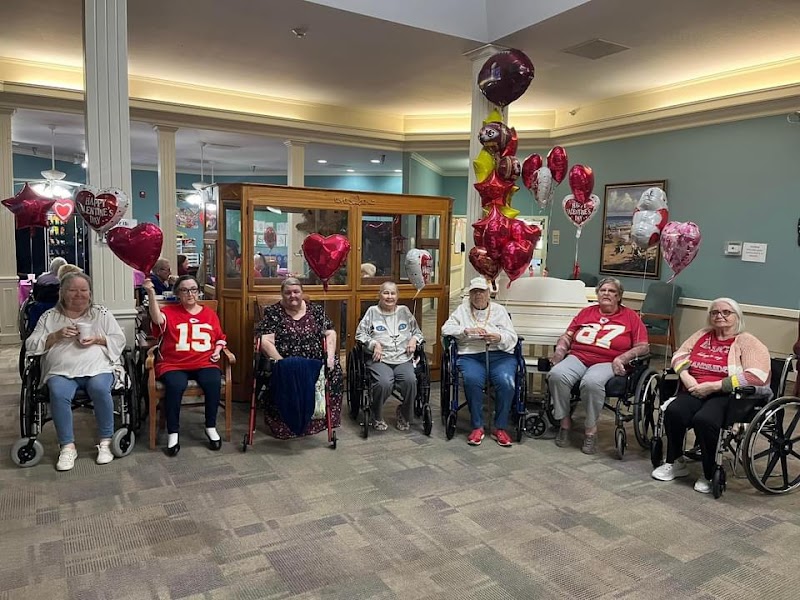
How is Crown Rehab And Healthcare Center Staffed?

CMS rates CROWN REHAB AND HEALTHCARE CENTER's staffing level at 1 out of 5 stars, which is much below average compared to other nursing homes. Staff turnover is 56%, which is 10 percentage points above the Missouri average of 46%. High turnover can affect care consistency as new staff learn residents' individual needs. RN turnover specifically is 69%, which is notably high. RNs provide skilled clinical oversight, so turnover in this role can affect medical care quality.

What Have Inspectors Found at Crown Rehab And Healthcare Center?

State health inspectors documented 31 deficiencies at CROWN REHAB AND HEALTHCARE CENTER during 2022 to 2025. These included: 31 with potential for harm.
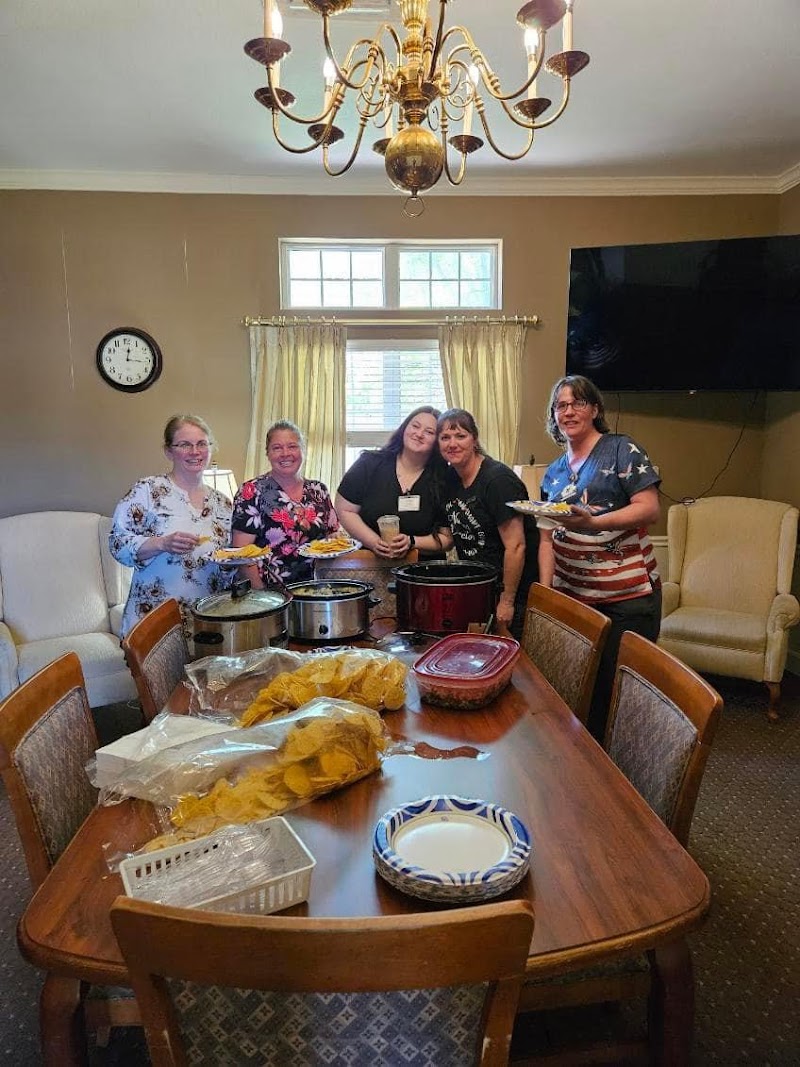
Who Owns and Operates Crown Rehab And Healthcare Center?

CROWN REHAB AND HEALTHCARE CENTER is owned by a for-profit company. For-profit facilities operate as businesses with obligations to shareholders or private owners. The facility is operated by AMA HOLDINGS, a chain that manages multiple nursing homes. With 118 certified beds and approximately 99 residents (about 84% occupancy), it is a mid-sized facility located in HARRISONVILLE, Missouri.

How Does Crown Rehab And Healthcare Center Compare to Other Missouri Nursing Homes?

Compared to the 100 nursing homes in Missouri, CROWN REHAB AND HEALTHCARE CENTER's overall rating (2 stars) is below the state average of 2.5, staff turnover (56%) is near the state average of 46%, and health inspection rating (3 stars) is at the national benchmark.

What Should Families Ask When Visiting Crown Rehab And Healthcare Center?

Based on this facility's data, families visiting should ask: "How do you ensure continuity of care given staff turnover, and what is your staff retention strategy?" "Can you walk me through typical staffing levels on day, evening, and night shifts?" "Can I visit during a mealtime to observe dining assistance and food quality?" "How do you handle medical emergencies, and what is your hospital transfer rate?" These questions are particularly relevant given the facility's high staff turnover rate and the below-average staffing rating.

Is Crown Rehab And Healthcare Center Safe?

Based on CMS inspection data, CROWN REHAB AND HEALTHCARE CENTER has a clean safety record: no substantiated abuse findings (meaning no confirmed cases of resident harm), no Immediate Jeopardy citations (the most serious violation level indicating risk of serious injury or death), and is not on the Special Focus Facility watch list (a federal program monitoring the lowest-performing 1% of nursing homes). The facility has a 2-star overall rating and ranks #100 of 100 nursing homes in Missouri. While no facility is perfect, families should still ask about staff-to-resident ratios and recent inspection results during their visit.

Do Nurses at Crown Rehab And Healthcare Center Stick Around?

Staff turnover at CROWN REHAB AND HEALTHCARE CENTER is high. At 56%, the facility is 10 percentage points above the Missouri average of 46%. Registered Nurse turnover is particularly concerning at 69%. RNs handle complex medical decisions and coordinate care — frequent RN changes can directly impact care quality. High turnover means new staff may not know residents' individual needs, medications, or preferences. It can also be disorienting for residents, especially those with dementia who rely on familiar faces. Families should ask: What is causing the turnover? What retention programs are in place? How do you ensure care continuity during staff transitions?

Was Crown Rehab And Healthcare Center Ever Fined?

CROWN REHAB AND HEALTHCARE CENTER has no federal fines on record. CMS issues fines when nursing homes fail to meet care standards or don't correct problems found during inspections. The absence of fines suggests the facility has either maintained compliance or corrected any issues before penalties were assessed. This is a positive indicator, though families should still review recent inspection reports for the full picture.

Is Crown Rehab And Healthcare Center on Any Federal Watch List?

CROWN REHAB AND HEALTHCARE CENTER is not on any federal watch list. The most significant is the Special Focus Facility (SFF) program, which identifies the bottom 1% of nursing homes nationally based on persistent, serious quality problems. Not being on this list means the facility has avoided the pattern of deficiencies that triggers enhanced federal oversight. This is a positive indicator, though families should still review the facility's inspection history directly.