JEFFERSON CITY WELLNESS & REHABILITATION LLC

1221 SOUTHGATE LANE, JEFFERSON CITY, MO 65110 (573) 635-3131
For profit - Limited Liability company 120 Beds NORBERT BENNETT & DONALD DENZ Data: November 2025 2 Immediate Jeopardy citations
Trust Grade
6/100
#254 of 479 in MO
Last Inspection: December 2024

Within standard 12-15 month inspection cycle. Federal law requires annual inspections.

Overview

Jefferson City Wellness & Rehabilitation LLC has a Trust Grade of F, indicating significant concerns about the quality of care provided. The facility ranks #254 out of 479 in Missouri, placing it in the bottom half, and #6 out of 8 in Cole County, meaning that there are only two better options nearby. While the facility is showing signs of improvement, having reduced issues from 14 to 3 in a year, the current staffing turnover rate of 74% is concerning, especially given the Missouri average is 57%. The facility has incurred fines totaling $27,336, which is average but still reflects ongoing compliance issues. Additionally, there are critical incidents reported, such as failing to separate COVID-19 positive residents from negative ones, and a resident was found on the floor with an injury after staff failed to conduct necessary visual checks, raising serious safety concerns.

Trust Score
F
6/100
In Missouri
#254/479
Bottom 47%
Safety Record
High Risk
Review needed
Inspections
Getting Better
14 → 3 violations
Staff Stability
⚠ Watch
74% turnover. Very high, 26 points above average. Constant new faces learning your loved one's needs.
Penalties
✓ Good
$27,336 in fines. Lower than most Missouri facilities. Relatively clean record.
Skilled Nurses
⚠ Watch
Each resident gets only 17 minutes of Registered Nurse (RN) attention daily — below average for Missouri. Fewer RN minutes means fewer trained eyes watching for problems.
Violations
⚠ Watch
31 deficiencies on record. Higher than average. Multiple issues found across inspections.
★★☆☆☆
2.0
Overall Rating
★★☆☆☆
2.0
Staff Levels
★★☆☆☆
2.0
Care Quality
★★☆☆☆
2.0
Inspection Score
Stable
2024: 14 issues
2025: 3 issues

The Good

  • Full Sprinkler Coverage · Fire safety systems throughout facility
  • No fines on record

Facility shows strength in fire safety.

The Bad

2-Star Overall Rating

Near Missouri average (2.5)

Below average - review inspection findings carefully

Staff Turnover: 74%

28pts above Missouri avg (46%)

Frequent staff changes - ask about care continuity

Federal Fines: $27,336

Below median ($33,413)

Moderate penalties - review what triggered them

Chain: NORBERT BENNETT & DONALD DENZ

Part of a multi-facility chain

Ask about local staffing decisions and management

Staff turnover is very high (74%)

26 points above Missouri average of 48%

The Ugly 31 deficiencies on record

2 life-threatening 1 actual harm
Apr 2025 1 deficiency
CONCERN (D) 📢 Someone Reported This

A family member, employee, or ombudsman was alarmed enough to file a formal complaint

Potential for Harm - no one hurt, but risky conditions existed

Resident Rights (Tag F0550)

Could have caused harm · This affected 1 resident

**NOTE- TERMS IN BRACKETS HAVE BEEN EDITED TO PROTECT CONFIDENTIALITY** Based on interview and record review, facility staff failed to ensure two resident's (Resident #1 and #2) were allowed to exerci...

Read full inspector narrative →
**NOTE- TERMS IN BRACKETS HAVE BEEN EDITED TO PROTECT CONFIDENTIALITY** Based on interview and record review, facility staff failed to ensure two resident's (Resident #1 and #2) were allowed to exercise resident's rights when staff opened their mail without the resident's present. The facility census was 81. 1. Review of facility's resident bill of right's policy, dated November 2016, showed residents have the right to send and receive mail promptly and unopened. 2. Review of Resident #1's admission Minimum Data Set (MDS), a federally mandated assessment tool, dated 3/12/25, showed staff assessed the resident as cognitively intact. During an interview on 4/28/25 at 10:00 A.M., the resident said the business officer manager (BOM) opened his/her mail in his/her office and then came in his/her room on 4/24/25. He/She has an audio conversation with the BOM where the BOM said he/she opens residents mail that comes from places like Medicaid and disability because it may affect the residents billing. He/She said he/she asked the BOM for the envelope to see who the envelope was addressed too and the BOM said he/she no longer had it. Review of the resident's audio recording on 4/28/25 at 10:04 A.M., showed the resident said he/she would like the envelope from the mail the BOM opened, he/she said he/she did not have the envelope anymore. The BOM said he/she opens mail from certain places like Medicaid and disability because it has the ability to affect the residents billing and payments. The BOM is the only person in the building who delivers the mail at the facility. During an interview on 4/28/25 at 12:01 P.M., Staff Member A said the BOM did open the resident's mail and that he/she had a conversation with the BOM to educate him/he you can not open resident's mail. During an interview on 4/28/25 at 12:04 P.M., the BOM said he/she only partially opened resident #1's mail one time and then went to his/her room. 3. Review of Resident #2's MDS, dated [DATE], showed staff assessed the resident as cognitively intact. During an interview on 4/28/25 at 11:33 A.M., the resident said the BOM will usually come to his/her room and open mail with him/her if its something important like about his/her disability. He/She said several months back the BOM has opened the mail before coming to his/her room. During an interview on 4/28/25 at 12:26 P.M., the administrator said staff should never open a residents mail and she expects staff to follow the residents bill of rights. MO00253232
Mar 2025 2 deficiencies
CONCERN (D) 📢 Someone Reported This

A family member, employee, or ombudsman was alarmed enough to file a formal complaint

Potential for Harm - no one hurt, but risky conditions existed

Deficiency F0658 (Tag F0658)

Could have caused harm · This affected 1 resident

**NOTE- TERMS IN BRACKETS HAVE BEEN EDITED TO PROTECT CONFIDENTIALITY** Based on interview and record review, facility staff failed to maintain professional standards of care, when staff failed to doc...

Read full inspector narrative →
**NOTE- TERMS IN BRACKETS HAVE BEEN EDITED TO PROTECT CONFIDENTIALITY** Based on interview and record review, facility staff failed to maintain professional standards of care, when staff failed to document they provided colostomy care for one resident (Resident #1), catheter care for one resident (Resident #2), monitor blood glucose levels for one resident (Resident #3), or obtain weights for one resident (Resident #4) out of four sampled residents. The facility census was 81. 1. Review of the facility's Colostomy Care policy, dated 08/2017, showed staff were directed to document on treatment sheet care completed. Review of the facility's Weights policy, dated 10/2009, showed staff were directed to electronically document weights. The facility did not provide a policy in regard to catheter care or blood glucose monitoring documentation guidance. 2. Review of Resident #1's Quarterly Minimum Data Set (MDS), a federally mandated assessment tool, dated 12/20/24, showed staff assessed the resident as follows: -Cognitively intact; -Did not reject care; -Used an ostomy bag (a surgical procedure that creates a temporary or permanent opening on the body surface to allow waste products to be expelled); Review of the resident's Physician Order Sheet (POS), dated 03/06/25, showed physician orders to provide routine colostomy care on day shift. Review of the resident's Medication Administration Record (MAR), dated 02/01/25 through 02/28/25, showed the MAR did not contain documentation staff provided colostomy care on 02/01/25, 02/02/25, 02/08/25, 02/09/25, 02/14/25 or 02/16/25. The MAR did not contain documentation the resident refused colostomy care treatment. 3. Review of Resident #2's Quarterly MDS, dated [DATE], showed staff assessed the resident as follows: -Moderate cognitive impairment; -Did reject care one out of three days during the seven day look back period; -Used an indwelling catheter. Review of the resident's Physician Order Sheet (POS), dated 03/06/25, showed physician orders to empty the catheter bag and record output every shift, provide urinary catheter care every shift, and to irrigate the urinary catheter with sixty cubic centimeters of acetic acid every shift. Review of the resident's MAR, dated 02/01/25 through 02/28/25, showed the MAR did not contain documentation staff drained the resident's catheter or recorded output on 02/07/25 or 02/18/25. Review showed staff did not document they provided catheter care on 02/07/25 or 02/18/25 and did not document they irrigated the urinary catheter with 60 cubic centimetre of acetic acid on 02/07/25 or 02/18/25. 4. Review of Resident #3's Significant Change MDS, dated [DATE], showed staff assessed the resident as follows: -Moderate cognitive impairment; -Did not reject care; -Diagnosis of Diabetes Mellitus. Review of the resident's POS, dated 03/06/25, showed physician orders to monitor blood glucose three times a day and call the doctor if blood sugar levels are under sixty or over 400. Review of the resident's MAR, dated 02/01/25 through 02/28/25, showed the MAR did not contain documentation staff monitored the resident's blood glucose levels on 02/01/25, 02/03/25, 02/08/25, 02/10/25, 02/14/25, 02/16/25, 02/17/25, 02/23/25, 02/24/25, 02/27/25, or 02/28/25. 5. Review of Resident #4's admission Assessment MDS, dated [DATE], showed staff assessed the resident as follows: -Cognitively intact; -admitted on [DATE]; -Did not reject care; -Diagnosis of Coronary Artery Disease (damage or disease in the heart's major blood vessels). Review of the resident's POS, 03/06/25, showed physician orders to obtain daily weights every day shift for fluid retention and an order for Furosemide (to treat fluid retention) 40 milligram tablet every twenty four hours as needed for retention for weight gain of three pounds from baseline within a week. Review of the resident's MAR's, dated 02/01/25 through 02/28/25, showed the MAR did not contain documentation staff obtained the resident's daily weights on 02/16/25, 02/22/25, or 02/23/25. 6. During an interview on 03/04/25 at 6:23 A.M., Licensed Practical Nurse (LPN) A said staff are directed to document any treatments or medication administration in the resident's medical record. He/She said if there was a missed treatment or medication administration, staff should report to Director of Nursing (DON) and administrator, contact the physician and family, and check with staff to verify if they did provide treatment or medication administration. He/She said if it was not documented, then it was not done. During an interview on 03/04/25 at 8:09 A.M., the administrator said staff are directed to document any completed treatments or medication administration in the resident's medical records. He/She said if staff noticed missing treatments or medication administration in the resident's MAR, then staff would report to upper management and notify the physician of the missed medication dose. He/She said ultimately it was the responsibility of the DON and himself/herself to ensure documentation was completed. During an interview on 03/04/25 at 8:10 A.M., the DON said staff are directed to document any completed treatments or medication administration in the resident's medical records. The DON said in the past, staff had forgotten to select the save option on the electronic MAR's, so treatments and medicaion were not documented once completed. MO00249592 and MO00249765
CONCERN (D) 📢 Someone Reported This

A family member, employee, or ombudsman was alarmed enough to file a formal complaint

Potential for Harm - no one hurt, but risky conditions existed

Deficiency F0725 (Tag F0725)

Could have caused harm · This affected 1 resident

Based on observation, interviews and record review, facility staff failed to provide adequate nursing staff, as determined by their facility assessment. The facility census was 81. 1. Review of the Fa...

Read full inspector narrative →
Based on observation, interviews and record review, facility staff failed to provide adequate nursing staff, as determined by their facility assessment. The facility census was 81. 1. Review of the Facility Assessment, dated 08/02/24, showed staff are directed as follows: -Direct care staff required to care for their facility census for an eight hour shift should include: Three day nurses, three evening nurses, three night nurses, six day Certified Nurse Aides (CNA's), six evening CNA's, five night CNA's, and two day shower aide's. -The assessment is based on the resident population and their healthcare needs and support; -The average daily census number of occupied beds was 88. Review of the employee staffing schedule from 02/01/25 through 02/28/25, with an average daily census of 88, showed: -Saturday 02/01/25- zero day shower aides, two evening nurses and five CNA's; -Monday 02/03/25- zero day shower aides and four night CNA's; -Wednesday 02/05/25- five day CNA's and zero day shower aides; -Thursday 02/06/25- one day shower aide and two night nurses; -Friday 02/07/25- five evening CNA's; -Sunday 02/09/25- zero day shower aides and four night CNA's; -Monday 02/10/25- one day shower aides and five evening CNA's; -Tuesday 02/11/25- two night nurses; -Wednesday 02/12/25- one day shower aide; -Friday 02/14/25- five evening CNA's and four night CNA's; -Sunday 02/16/25- five day CNA's and zero day shower aides; -Tuesday 02/18/25- zero day shower aides and four evening CNA's; -Wednesday 02/19/25- zero day shower aides and four night CNA's; -Thursday 02/20/25- one day shower aide and two night nurses; -Saturday 02/22/25- zero day shower aides; -Sunday 02/23/25- five day CNA's, zero shower aides and two evening nurses; -Monday 02/24/25- zero day shower aides and four evening CNA's; -Tuesday 02/25/25- one day shower aide and five evening CNA's; -Wednesday 02/26/25- two evening nurses; -Thursday 02/27/25- five day CNA's and one day shower aide; -Friday 02/28/25- one day shower aide and four evening CNA's. During an interview on 03/04/25 at 6:55 A.M., the Staffing Coordinator said he/she just started his/her position within the past two weeks and was still in training with the administrator. He/She said he/she worked with the administrator to create a staff schedule. During an interview on 03/04/25 at 8:09 A.M., the administrator said he/she assisted the Staffing Coordinator with creating the schedule. He/She said the staffing scheduled was based on the facility assessment. The administrator said he/she would ask staff to stay over, ask staff to come in to cover shifts, or utilized agency staffing when the facility was understaffed. He/She said there were numerous staff sick during the month of February. He/She said the facility did the best they could during the month of February when several staff members were out sick. MO00249592 and MO00249765
Dec 2024 4 deficiencies
CONCERN (D)

Potential for Harm - no one hurt, but risky conditions existed

Deficiency F0557 (Tag F0557)

Could have caused harm · This affected 1 resident

Based on observation and interview, facility staff failed to respect the dignity of two residents (Resident #22 and #24) out of 22 sampled residents during meal time. The facility census was 85. 1. Re...

Read full inspector narrative →
Based on observation and interview, facility staff failed to respect the dignity of two residents (Resident #22 and #24) out of 22 sampled residents during meal time. The facility census was 85. 1. Review of the policy titled The Dining Experience: Staff Roles, dated 2016, showed staff will be discouraged from standing over the resident while assisting them to eat and staff will promote resident dignity in the dining room. Review of the facility policy titled Resident [NAME] of Rights, reviewed January 2015, showed residents will be treated with consideration to respect, and full recognition to the residents dignity. 2. Observation on 12/16/24 at 8:46 A.M., showed Resident #22 and Resident #24 in the dining room at the same table. Observation showed Certified Nurse Aide (CNA) M placed meal trays in front of Resident #22 and Resident #24. CNA M stood over the residents, while he/she assisted them with bites of food. During an interview on 12/16/24 at 8:46 A.M., CNA M said Resident #22 and Resident #24 are feeders and are hard to manage with only two CNA's working. 3. Observation on 12/17/24 at 8:25 A.M., showed Resident #24 at the dining room table. Observation showed CNA R placed a meal tray in front of the resident and shouted the resident is a feeder. 4. Observation on 12/17/24 at 8:25 A.M., showed Licensed Practical Nurse (LPN) N in the dining room and shouted at Resident #22 to eat his/her breakfast three times. Observation showed LPN N shouted to CNA R the resident can feed himself/herself but he/she won't, so he/she needs to be fed. During an interview on 12/19/24 at 8:40 A.M., CNA R said staff should not stand over residents when assisting them at meals, he/she said staff should sit next to the resident at eye level. The CNA said if a resident requires assistance with eating they would be referred to as a feeder. During an interview on 12/19/24 at 8:53 A.M., LPN N said staff should not call residents feeders. The LPN said staff should not stand over residents when they are feeding them. 5. Observation on 12/18/24 at 1:28 P.M., showed Resident #22 at the dining table and CNA R stood over the resident to feed him/her. 6. During an interview on 12/16/24 at 8:33 A.M., CNA O said he/she had two feeders and identified Resident #22 and #24 while he/she sat at the living room table with other residents. During an interview on 12/19/24 at 12:15 P.M., the Director of Nursing (DON) said staff should sit next to the residents and provide assistance with eating. The DON said they would not expect staff to refer to residents needing assistance with eating as feeders. The DON said he/she did not know why staff stood over residents to help them eat and did not know staff were calling the residents feeders. During an interview on 12/19/24 at 12:53 P.M., the administrator said staff should not stand over residents to provide assistance with eating. He/She said staff should sit next to them at eye level and visit with them throughout the process. The administrator said staff should not call residents feeders and should instead say they need assistance with eating.
CONCERN (E)

Potential for Harm - no one hurt, but risky conditions existed

Deficiency F0567 (Tag F0567)

Could have caused harm · This affected multiple residents

**NOTE- TERMS IN BRACKETS HAVE BEEN EDITED TO PROTECT CONFIDENTIALITY** Based on interview and record review, facility staff failed to prevent the commingling of 32 resident's (Resident #8, #9, #12, #...

Read full inspector narrative →
**NOTE- TERMS IN BRACKETS HAVE BEEN EDITED TO PROTECT CONFIDENTIALITY** Based on interview and record review, facility staff failed to prevent the commingling of 32 resident's (Resident #8, #9, #12, #17, #19, #20, #21, #22, #23, #27, #32, #35, #39, #43, #44, #46, #49, #52, #60, #65, #71, #78, #87, #89, #90, #91, #92, #93, #94, #95, #96, and #97) personal funds with the facility operating funds out of 85 sampled. The sampled residents resided in the facility. The facility census was 85. 1. Review of the facility's policy titled Collections Guidelines, undated, showed: -Requests for a refund that is a result of a credit balance on the resident's account; -Resident refunds are requested based on the following; -When a resident has discharged the facility with no anticipation of returning; -When an overpayment of funds was applied to the account and a refund is requested by the resident or responsible party; -Third Party Refunds are requested based on the following; -When a Third-party payer has made an overpayment in comparison to the amount that was billed; -When a resident has died and there is a balance of funds that are to be refunded to the state (Medicaid); -In the event a resident has died or discharged from the facility and a Social Security Income (SSI) check is addressed to the facility needs to be refunded to the Social Security; -A check request form is completed by the Business Office Manager (BOM) and then signed by the Administrator. 2. Review of the facility maintained Accounts Receivable (A/R) Aging report, dated [DATE], showed the following residents witih personal funds held in the facility operating account: Resident Amount Held in Operating Account #8 $16,460.00 #9 $3,732.68 #12 $3,791.00 #17 $2,294.34 #19 $2695.50 #20 $3,946.26 #21 $132.80 #22 $575.00 #23 $214.00 #27 $4,307.20 #32 $27,590.05 #35 $3,727.00 #39 $4,526.80 #43 $2,041.56 #44 $6,980.47 #46 $4,515.00 #49 $2,785.00 #52 $832.80 #60 $4,966.87 #65 $9,504.00 #71 $188.52 #78 $400.00 #87 $50.00; #89 $1,425.24; #90 $2,115.57; #91 $2,105.00; #92 $3,224.65; #93 $46.00; #94 $4,516.00; #95 $6,055.50; #96 $200.00; #97 $2,056.74; Total $128,001.55 During an interview on [DATE] at 11:15 A.M., the Buisness Office Manager (BOM) said he/she has been the BOM for two years, but the facility switched the computer billing system on [DATE] and he/she has not been completely trained on how to use the new system. The BOM said the new system went live on [DATE] and he/she did not get the balance forwarded to him/her from the old system until [DATE]. The BOM said it is his/her responsibility to review the A/R Aging report weekly, but he/she reviews it monthly instead.The BOM said he/she has fallen behind on refunds and it is his/her fault the refunds are not being sent timely. The BOM said refunds should be sent within 30 days of a resident discharge from the facility. The BOM said he/she does not have written authorization to hold the resident's monies. During an interview on [DATE] at 2:40 P.M., the administrator said the BOM is responsible for the AR Aging report and resident billing. The administrator said he/she expects the BOM to work the accounts all the time and he/she expects the refunds to be sent timely. The administrator said he/she does not have any reasons for why the refunds have not been sent. The administrator said credit refunds should be sent within 30 days of a resident being discharged from the facility.
CONCERN (E)

Potential for Harm - no one hurt, but risky conditions existed

Safe Environment (Tag F0584)

Could have caused harm · This affected multiple residents

**NOTE- TERMS IN BRACKETS HAVE BEEN EDITED TO PROTECT CONFIDENTIALITY** Based on observation, interview and record review, facility staff failed to provide a comfortable and homelike environment for r...

Read full inspector narrative →
**NOTE- TERMS IN BRACKETS HAVE BEEN EDITED TO PROTECT CONFIDENTIALITY** Based on observation, interview and record review, facility staff failed to provide a comfortable and homelike environment for residents, when staff failed to maintain walls, floors, and ceilings of resident occupied rooms and common areas. The facility census was 85. 1. Review of the facility's policy titled Housekeeping Cleaning Procedures: Resident Room Cleaning, dated June 2018, showed staff were directed as follows: -Dust mop and damp mop floor; -Damp mop restroom floor using microfiber flat mop; -Weekly procedure to remove mineral deposits from sink and tub/shower; -Wipe walls. Review of the [NAME] Side and East Side Housekeeper checklist, undated, showed staff were directed as follows: -Remove trash, sweep and mop, spot clean walls, sweep and mop room last and leave a wet floor sign; -Mondays- dust over head lights and blinds and bathroom fans; -Tuesdays- clean filters on Packaged Terminal Air Conditioner units. Review of the environmental checklist for room cleaning, undated, showed staff were directed to evaluate high-touch room surfaces such as bed rails/controls, chair/bedside commode, sink/faucet, and bathroom handrails by toilet. Review of the policies provided by the facility did not contain a policy for reporting environmental concerns. 2. Observation on 12/16/24 at 5:46 A.M., showed resident room [ROOM NUMBER] and storage room with missing and torn dry wall. 3. Observation on 12/16/24 at 8:04 A.M., showed resident occupied room [ROOM NUMBER] floor with visible foot prints, wheelchair prints and debris. 4. Review of the facility's Maintenance Log stored at the 300 hall nurse's station, dated 11/15/24 though 12/18/24, showed staff did not document any of the identified environmental concerns listed below. 5. Observation on 12/16/24 10:02 A.M., showed resident occupied room [ROOM NUMBER] floor with a wet floor sign in the doorway. Observation showed the floor with multiple areas black sticky subtance, paper towels and debris under the bed. Observation on 12/19/24 at 8:41 A.M., showed resident occupied room [ROOM NUMBER] floor with multiple areas of black sticky substance, debris build up in the corners of the room and the rubber base trim missing between the doorframe. 6. Observation on 12/17/24 at 8:40 A.M., showed resident occupied room [ROOM NUMBER] dresser with an unknown red, dried, sticky substance by the drawers. Observation on 12/18/24 at 9:25 A.M., showed resident occupied room [ROOM NUMBER] floor with a red dry substance, in a large circle on the tile floor. Observation showed the corners of the walls by the bathroom door and wardrobe with chipped paint and missing drywall. Observation of the bathroom showed the wall with multiple black marks and the air condition with an unknown black substance. Observation on 12/19/24 at 8:34 A.M., showed resident occupied room [ROOM NUMBER] dresser with an unknown red, dried, sticky substance by the drawers. 7. Observation on 12/17/24 at 8:48 A.M., showed resident occupied room [ROOM NUMBER] bathroom door with areas of gouged and missing paint. The bathroom door trim torn and peeled away from the wall, with exposed area of the wall. The bathroom wall by the wardrobe with multiple areas of missing paint. The vent hung from the ceiling with exposed portion of the ceiling. The bedroom floor tile broken and missing pieces under the bed by the window. The air conditioner contained multiple black areas. Observation on 12/18/24 at 9:30 A.M., showed resident occupied room [ROOM NUMBER] bathroom ceilings and walls seperated and cracked. 8. Observation on 12/17/24 at 9:00 A.M., showed resident occupied room [ROOM NUMBER] bathroom vent and light covered with cob webs. Observation on 12/18/24 at 9:36 A.M., showed resident occupied room [ROOM NUMBER] bathroom vent and light covered with cob webs. The air conditioner contained multiple black, round, porous spots on the vents. 9. Observation on 12/17/24 at 9:04 A.M., showed occupied room [ROOM NUMBER]'s bathroom vent unsecured and hung from the ceiling. Observaton showed wardrobes rubber base trim missing. The floor between the beds with missing tiles. The air conditioner vents covered in dirt and debris. 10. Observation on 12/17/24 at 9:09 A.M., showed occupied room [ROOM NUMBER] bathroom door with missing paint and drywall. The bathroom ceiling with areas of discoloration, bubbled paint and unknown porous, green substance. Observation on 12/18/24 at 9:46 A.M., showed resident occupied room [ROOM NUMBER] without an interior window. The bathroom ceiling with areas of discoloration, bubbled paint and unknown porous, green substance. 11. Observation on 12/18/24 at 9:16 A.M., showed the courtyard entrance to the rehabilitation with missing tile. 12. Observation on 12/19/24 at 8:35 A.M., showed the 300 hall ceiling tiles by the fire doors damaged. 13. Observation on 12/19/24 at 8:36 A.M., showed resident room [ROOM NUMBER] and 303 ceiling vents with built up dirt and debris. Observation of room [ROOM NUMBER] doorframe showed a moisture collection pump installed with an unpainted wall behind it. 14. Observation on 12/19/24 at 8:39 A.M., showed resident occupied room [ROOM NUMBER] doorframe with broken tile and a built up black substance. Observation showed the floor tiles by the window broken and missing. 15. Observation on 12/19/24 at 8:44 A.M., showed the 300 hall dining room floor with areas of chipped and broken tile on the corner tiles. 16. Observation on 12/19/24 at 8:49 A.M., showed the fire doors to the main dining room had missing paint. 17. Observation on 12/18/24 at 11:51 A.M., showed the memory care unit nurse's station floor with exposed old tile floor. During an interview on 12/19/24 at 8:53 A.M., Licensed Practical Nurse (LPN) N said the floor in the memory care unit across from the nurse's station has been like that since they started in the summer. He/she said he/she is unaware if this has been reported to maintenance or not. The LPN said they are not aware of the processes for notifying maintenance of repair needs and will just go tell them in person if there are maintenance needs. 18. Observation on 12/19/24 at 11:15 A.M., showed resident occupied room [ROOM NUMBER] bathroom wall with areas of a black porous substance. 19. Observation on 12/19/24 at 11:16 A.M., showed resident occupied room [ROOM NUMBER] ceiling with a black porous substance and chipped paint on both sides of the light fixture. 20. Observation on 12/19/24 at 11:17 A.M., showed resident occupied room [ROOM NUMBER] bathroom ceiling with several areas of a black porous substance. 21. Observation on 12/19/24 at 11:18 A.M., showed resident occupied room [ROOM NUMBER] bathroom ceiling with several areas of a black porous substance. 22. Observation on 12/19/24 at 11:20 A.M., showed resident occupied room [ROOM NUMBER] bathroom ceiling with several areas of a black porous substance. 23. During an interview on 12/19/24 at 11:36 A.M., the Maintenance Director said said he/she is aware of the issues with the floor tile, ceilings in rooms and bathrooms, air conditioning units, and walls. said they are aware of an issue with moisture in the ceilings from the air conditioning units. The maintenance director said they do a facility walk through every morning but only to check that exterior doors are functionally correctly. He/She said he/she knew of the issue in general and previous concerns but did not know of the current black substance and extent of the issue. He/She said he/she is aware the tile needs replaced but corporate has not approved the repairs. The maintenance director said he/she has to work on one room at a time on the 400 hall, and he/she has not gotten to the 300 hall yet. During an interview on 12/19/24 at 12:06 P.M., the Director of Nursing (DON), said he/she is aware of the piece of flooring missing from the memory care unit and it could be a trip hazard for residents. The DON said corporate has not approved the floor repairs. During an interview on 12/19/24 at 12:53 P.M., the administrator said he/she is not aware of the black porous substance in the bathrooms of the memory care unit. The administrator said they would have expected staff to report this if they observed it. He/she would not expect all staff to look up to the ceilings but housekeeping staff should have noticed it and reported it. 24. During an interview on 12/19/24 at 8:51 A.M., Certified Nurse Aide (CNA) F said staff are supposed to write maintenance issues on a list at the nurse's station. The CNA said a lot of rooms and the hallways have missing trim and torn up walls. The CNA said he/she has observed the damaged doors, floors being dirty, and base trim coming off in many areas. The CNA said housekeeping is supposed to clean the vents of the air conditioners with a duster. The CNA said he/she assumes maintenance cleans the air conditioner units.The CNA said he/she has not put anything on the maintenance log. The CNA did not say why he/she did not notify housekeeping, but said he/she should have. During an interview on 12/19/24 at 9:12 A.M., Licensed Practical Nurse (LPN) I said there is a maintenance book at nurse's station staff are supposed to fill out and sign off on. The LPN said he/she noticed some broken and chipped tile, and chipped paint, and has not put it on the maintenance log, and he/she should have. The LPN said he/she expects staff to notify housekeeping if they find something needs cleaned. During an interview on 12/19/24 at 10:27 A.M., Housekeeper J said there is a list the housekeepers use when cleaning the rooms, but he/she does not have one because someone removed it from his/her cart. The Housekeeper said he/she used to clean one hall, but now he/she has to clean two halls. The Housekeeper said since the facility switched him/her from one to two halls to clean, housekeeping has not been doing super cleans, where housekeeping gets the black grime out of the corners of the rooms. The Housekeeper said the deep cleans that are not getting done, also include cleaning blinds, air conditioners, etc. The Housekeeper said the cleaning is not getting done. The Housekeeper said he/she has noticed the built up black spots on the air conditioner units and he/she wants to clean the air conditioners, but he/she is cleaning 30 rooms by himself/herself. The housekeeper said if he/she sees something that needs fixed, he/she calls his/her supervisor and they let maintenance know. The Housekeeper said he/she noticed the damaged walls and missing and damaged base boards in the rooms. The Housekeeper said he/she told his/her supervisor and maintenance knows. During an interview on 12/19/24 at 10:58 A.M., the housekeeping director said the facility went over budget, so the housekeeping department had to cut back on staff. He/She said each housekeeper now has to clean an additional eight rooms. Housekeepers a have list they are supposed to check off when cleaning rooms, and they are supposed to hand in to the housekeeping director at end of day. The housekeeping director said if the housekeepers see anything needing fixed they are to write it on their checklist and give to him/her. The housekeeping director said then he/she reviews the cleaning check list and notifies maintenance with any concerns. The housekeeping director said he/she checks to make sure maintenance takes care of the issues. The housekeeping director said the cleaning list tells housekeepers what to clean in the rooms, it's called a Daily General Cleaning List. The housekeeping director said housekeeping has a schedule for the deep cleans and maintenance and housekeeping has been short staffed, so the schedule is not being followed. The housekeeping director said he/she has noticed the broken and chipped tile in the residents rooms and has reported it, but the facility doesn't have the proper tile to fix it. The housekeeping director said he/she has noticed the damage to the rubber base trim in the residents' room and reported it. The housekeeping director said he/she expects staff to report wall damage, and damage to doors and door frames. The housekeeping director said air conditioner units are on the housekeepers list to clean, and they should be cleaned weekly. He/She said it is not getting done. The housekeeping director said the housekeepers are supposed clean ceiling vents, but they are not because they are overwhelmed with the changes. The housekeeping director said he/she expects staff to report vents hanging down, and he/she has had no recent reports of vents in the bathrooms hanging down. The housekeeping director said the facility has a couple problematic bathroom ceilings with green growth, housekeeping cleans it, but it keeps coming back. During an interview on 12/19/24 at 11:36 A.M., the Maintenance Director said the nurse's station has a maintenance book staff can write their concerns in and they check the book daily. The Maintenance Director said he/she is aware of chipped and broken tiles in the resident rooms. He/She said they got the tile but it was wrong tile, so he/she has been working with corporate to get the right tile. The Maintenance Director said housekeeping is supposed to clean the front of the air conditioners, the filters and the tops, daily. The maintenance director said staff has not notified him/her of any black substances on the air conditioner vents in the resident rooms. He/She said maintenance would take care of that right away. He/She said staff should let him/her know if there is damage to doors, walls, or base trim, but he/she has not been notified. The maintenance director said staff is not notifying the maintenance department when they come across issues. He/She said maintenance had not been told about a missing window, and he/she would expect housekeeping to notify them, since they clean the windows. The Maintenance Director said he/she had not been made aware there is a green substance on the ceilings of the bathrooms. He/She said housekeeping is supposed to clean the ceiling vents and he/she does not know why it is not happening. He/She said staff has not reported any vents hanging from the ceiling. The Maintenance Director said he/she is not sure who reviews the request sheets when he/she signs off that Maintenance has completed the request. The Maintenance Director said he/she just keeps the request sheets for his/her records, and doesn't give them to anyone. During an interview on 12/19/24 at 12:53 P.M., the administrator said all staff are to report maintenance concerns via the maintenance book. He/She said maintenance should check the book every morning, and sign the book when the task is completed. The administrator said it is his/her responsibility to check the log book, but he/she has not done it in a while. The administrator said the housekeepers have a cleaning check list that should be reviewed by their supervisor and checked for completion.
CONCERN (F)

Potential for Harm - no one hurt, but risky conditions existed

Food Safety (Tag F0812)

Could have caused harm · This affected most or all residents

Based on observation, interview and record review, the facility staff failed to store food in a manner to prevent potential contamination and outdated use. The facility census was 85 1. Review of the ...

Read full inspector narrative →
Based on observation, interview and record review, the facility staff failed to store food in a manner to prevent potential contamination and outdated use. The facility census was 85 1. Review of the facility's Food Storage (Dry, Refrigerated, and Frozen) policy, dated 2016. showed: -Food shall be stored on shelves in a clean, dry area, free from contaminants; -Foods shall be stored at proper temperatures and using appropriate methods to ensure the highest level of food safety; -Label food items held for longer than 24 hours with the name of the food, if not in original packaging, and the date by which it should be sold,consumed or discarded; -Discard food that has passed the expiration date, and discard food that has been prepared in the facility after seven days of storing proper refrigeration (at a temperature that ensures the internal temperature of the food is 41 degrees Fahrenheit or below); -Leftover contents of cans and prepared food will be stored in covered, labeled and dated containers in refrigerators and/or freezers; -Store raw animal foods, such as eggs, meat, poultry, and fish separately from cooked and ready-to-eat food. If they cannot be stored separately, place these products on shelves beneath cooked and ready-to-eat items. Observation on 12/16/24 at 6:10 A.M., showed the gasket seals torn on both doors to the reach-in refrigerator by the three-compartment sink. Observation showed the refrigerator contained: -An opened and undated 32 ounce (oz.) carton of honey thickened dairy drink; -An opened and undated 46 oz. carton of orange juice; -An opened 46 oz. carton of orange juice dated 12/07/24 with a handwritten use by date of 12/14/24; -A pitcher of tomato juice with a handwritten discard date of 12/13/24 -A one gallon pitcher of cranberry juice with a handwritten discard date of 12/13/24; -A one gallon pitcher of tea dated 12/03/24. Observation on 12/16/24 at 6:20 A.M., showed an opened and undated 24 oz. bag of orange gelatin mix stored inside an undated plastic resealable bag on the cart next to the stove. Observation on 12/16/24 at 6:21 A.M., showed an opened one gallon bottle of Worcestershire sauce dated 11/08/24 stored on the shelf beneath the microwave. Review of the product label showed direction to refrigerate the product after opening. Observation on 12/16/24 at 6:25 A.M., showed the walk-in freezer contained undated cases of Italian blend vegetables and bread stick dough opened to the air and a case of potato barrels stored on the floor. Observation on 12/18/24 at 10:13 A.M., showed the reach-in refrigerator by the electrical panels contained two flats of raw eggs stored over ready-to-eat food items which included a bag of chopped lettuce, a bag of shredded cheddar cheese, a bag of shredded mozzarella cheese, a bottle of Italian dressing, two 20 oz. bottles of yellow mustard, and a case of easy to spread butter. During an interview on 12/18/24 at 11:00 A.M., the Dietary Manager (DM) said everyone is responsible to ensure food is stored properly, but the cooks are responsible to check the food storage each shift and correct as needed. The DM said opened food items should be stored sealed, labeled and dated, staff should discard anything past its use by or discard date, and if food says to refrigerate after opening, then staff should refrigerate it after it is opened. The DM said food should not be stored be stored on the floor, raw foods should not be stored over ready-to-eat food items, and all dietary staff are trained on food storage requirements. The DM said he/she did not know the gasket seals on the reach-in refrigerator doors were torn. During an interview on 12/19/24 at 8:55 A.M., the administrator said he/she and the DM are responsible to ensure food is stored correctly and the DM should check the food storage daily. The administrator said opened food items should be stored in sealed containers and labeled with the name of the food, the open date and the discard date. The administrator said staff should discard food that is past its use by or discard date and if food says to refrigerate after opening, then staff should refrigerate it after it is opened. The administrator said food should not be stored on the floor, raw foods should not be stored over ready-to-eat foods, and all dietary staff are trained on food storage requirements.
Feb 2024 10 deficiencies
CONCERN (D)

Potential for Harm - no one hurt, but risky conditions existed

Assessment Accuracy (Tag F0641)

Could have caused harm · This affected 1 resident

**NOTE- TERMS IN BRACKETS HAVE BEEN EDITED TO PROTECT CONFIDENTIALITY** Based on interview and record review, facility staff failed to document a complete and accurate Minimum Data Set (MDS), a federa...

Read full inspector narrative →
**NOTE- TERMS IN BRACKETS HAVE BEEN EDITED TO PROTECT CONFIDENTIALITY** Based on interview and record review, facility staff failed to document a complete and accurate Minimum Data Set (MDS), a federally mandated assessment tool, for one residents (Resident #67) when staff failed to accurately assess the residents' falls. The facility census was 87. 1. Review of the policies provided by the facility did not contain a policy for MDS assessments. 2. Review of the Resident Assessment Instrument (RAI) manual, dated 10/2023, showed staff are directed as follows: -Annual MDS Assessment Reference Date (ARD) must be set within 366 days of the previous comprehensive assessment; -Use the RAI manual to increase the accuracy of assessments; -Coding fall history on admission: look back 180 days prior to admission; -Coding a fall any time in the last month: code 0 for no fall; code 1 for a fall; code 9 for unable to determine; -Coding a fall anytime in the last two to six months: code 0 for no fall; code 1 for a fall; code 9 for unable to determine. 3. Review of Resident #67's admission MDS, dated [DATE], showed staff assessed the resident as follows: -Severe cognitive impairment; -No prior falls in the last month; -No prior falls in the last two to six months; -Had a fall since admission. Review of the resident's care plan, dated 11/10/23, showed staff documented: -At risk for falls; -Had a fall on 12/15/23 with minor injury, staff to provide hands on assistance when ambulating to the shower room. Review of the nurses' notes, dated 12/15/23, showed staff documented the had a fall in the shower room. During an interview on 02/08/24 at 2:02 P.M., the Memory Care Unit (MCU) manager said the MDS coordinator is responsible for completing MDS assessments. The MCU manager said he/she does not complete any portion of the MDS assessments. The MCU manager said he/she is not responsible to ensure MDS' are done and done correctly. During an interview on 02/08/24 at 2:26 P.M., the Assistant to the Director of Nursing (ADON) said the MDS coordinator is responsible for completing MDS assessments. The ADON said he/she does not complete any portions of the MDS. He/She said he/she is not responsible to ensure MDS' are done correctly. He/She said he/she was not sure who was. During an interview on 02/08/24 at 4:00 P.M., the Administrator said the MDS Coordinator is responsible for completing all the MDS's in the facility. He/She said an admission MDS should be completed within 14 days. He/She said there was nobody else at the facility trained to do MDS' and he/she knows the MDS Coordinator has been off work a lot for health reasons. The Administrator said he/she planned to have someone else trained as soon as possible to be able to also do the MDS if need be. He/She said there is currently nobody that can fill in and complete MDS' or over see them until trained. During an interview on 02/13/24 at 12:17 P.M., the MDS Coordinator said he/she is responsible for completing all the MDS assessments for all residents. The MDS coordinator said the MDS's should be coded accurately. The MDS Coordinator said he/she missed the falls that should be recorded on the residents' MDS's.
CONCERN (D)

Potential for Harm - no one hurt, but risky conditions existed

Deficiency F0761 (Tag F0761)

Could have caused harm · This affected 1 resident

Based on observation, interview, and record review, facility staff failed to remove and destroy discontinued and outdated medications. The facility census was 87. Review of the facility's policy title...

Read full inspector narrative →
Based on observation, interview, and record review, facility staff failed to remove and destroy discontinued and outdated medications. The facility census was 87. Review of the facility's policy titled Medication Storage, dated November of 2010, showed outdated medications are to be removed from storage on a continual basis. 1. Observation on 02/07/24 at 10:45 A.M., showed the Memory Care Unit (MCU) medication cart contained: -PROAIR HFA (to treat or prevent bronchospasm) 90 Micrograms (mcg) Inhaler with an expiration of 02/2024; -Hydroxyzine HCL (Hydrochloride) 25 milligrams (mg) tablets, dated 09/12/22; -Hydroxyzine HCL 25 mg tablets with an expiration date of 09/16/23; -Prochlorperazine (treat nausea and vomiting)10 mg tablets, with an expiration date of 06/7/23; -Ondansetron (prevent nausea and vomiting) 4 mg tablets with an expiration date of 11/15/23; -BUT-APAP-CAFF 50-300-40 (used for headaches) with an expiration date of 09/2/23. During an interview on 02/07/24 at 11:28 A.M., Licensed Practical Nurse (LPN) AA said he/she is not sure how the medication carts are cleaned. The LPN said when he/she first started two weeks ago, he/she took a lot of medications out of the cart that belonged to other residents' who had passed away. The LPN said he/she knows to throw away packs of medications by the expiration date on the medication pack. The LPN said he/she did not know there were expired medications in the medication cart. The LPN said he/she did not know if there was a schedule for checking the medication carts for expired medications. 2. Observation on 02/07/24 at 11:38 A.M., showed the 300 Hall medication storage room contained: -A box of Stock-Xeroform Gauze patches, expired 04/30/23; -A box of Melgisorb Plus Absorbent Aligebate Dressing (a highly absorbent wound dressing), expired 03/28/23; -A mepore 3.6 inch by 6 inch bandage, expired 06/06/23. 3. During an interview on 02/08/24 at 4:01 P.M., the administrator said medications should be removed from the medication carts if discontinued or expired. The administrator said if a resident hasn't used a medication in 30 days the physician should be contacted. The administrator said he/she does not have a specific assigned date, time, or staff to monitor carts or rooms for expired medications but it should be done weekly.
CONCERN (D)

Potential for Harm - no one hurt, but risky conditions existed

Infection Control (Tag F0880)

Could have caused harm · This affected 1 resident

Based on observation, interview, and record review, facility staff failed to provide wound care in a manner to reduce the risk of infection for one resident (Resident #10). The facility census was 87....

Read full inspector narrative →
Based on observation, interview, and record review, facility staff failed to provide wound care in a manner to reduce the risk of infection for one resident (Resident #10). The facility census was 87. 1. Review of the facility's policy titled Hand Washing, revised 09/2019, showed staff were directed to use proper hand washing technique to prevent the spread of infection. 2. Review of Resident #10's Quarterly Minimum Data Set (MDS), a federally mandated assessment tool, dated 11/29/23, showed staff assessed the resident as follows: -Moderate cognitive impairment; -Rejection of care not exhibited; -Maximal assist from staff member for personal hygiene; -Stage 4 pressure ulcer; -Indwelling catheter; -Ocassionally incontinent of bowel; -Dependent on staff member for bathing. Observation on 02/05/24 at 10:22 A.M., showed the wound nurse entered in Resident #10's room to provide wound care. Licensed Practical Nurse (LPN) J entered the resident's room, washed his/her hands and donned his/her gloves, then doffed gloves and left room to get a brief for the resident. The wound nurse washed his/her hands, placed his/her gloves on the resident's bedside table without a barrier, pulled his/her phone out of his/her pocket and looked at a text. The wound nurse put the phone back in his/her pocket, adjusted the mask on his/her face, picked up a glove from the bedside table and put the glove back down on bedside table without barrier. The wound nurse then turned away from resident, lifted his/her mask and coughed, replaced the mask back over his/her nose and mouth. The wound nurse picked up a cup and touched gauze suspended in liquid, in the cup. The LPN reentered the resident's room with a brief, washed his/her hands and donned gloves. The wound nurse donned his/her gloves and touched other gloves and the wound bandage. The wound nurse handed the LPN a clean brief. The LPN picked up brief on front of resident. The brief appeared soiled with urine. The wound nurse wiped the resident's groin area with wipes. The wound nurse then doffed the soiled gloves and donned new gloves and did not wash hands in between glove changes. The wound nurse folded over the soiled brief, took gauze from the cup and wiped the wound on the sacrum. The wound nurse touched his/her mask in between his/her wipes of the tunneling wound. The wound nurse doffed gloves and washed his/her hands. The wound nurse donned new gloves from the bedside table and the right glove tore. The wound nurse left the resident's room. The wound nurse washed his/her hands and donned new gloves and held the resident on his/her right side. The LPN doffed gloves, washed his/her hands and donned new gloves. The LPN took gauze from the cup and wiped out the tunneling in the resident's wound. The gauze had blood on it. The LPN then placed the bloody gauze on the bowel soiled depend and removed the brief. The LPN removed gauze from the plastic cup, cleaned the wound more, removed wound bandage and placed it on the resident. The LPN took the bloody gauze, picked up used gloves and soiled brief and placed them in a bag. Observation on 02/07/24 at 8:28 A.M. showed the Wound Nurse washed hands and applied clean gloves. Observation showed the wound nurse began wound care and used a clean gauze soaked with wound cleanser to clean out the wound. The wound nurse doffed his/her gloves, did not perform hand hygiene and donned new gloves. He/She continued wound care and used his/her gloved fingers to pack the wound. The wound nurse doffed his/her gloves, did not perform hand hygiene and donned new gloves. He/She then placed a clean gauze pad over the wound, doffed his/her gloves, and donned new gloves without performing hand hygiene. The wound nurse placed a dressing onto the wound, replaced the brief onto the resident and repositioned resident, without removing his/her gloves or performing hand hygiene. During an interview on 02/08/24 at 1:58 P.M., the wound nurse said during incontinence care staff should wash hands and change gloves every time staff touch residents. The wound nurse said staff should change gloves and wash hands, when going from dirty to clean. He/She said after incontinence care, staff should take off gloves and wash hands, before putting on new gloves to start wound care. He/She said if staff touch their phone, or staff coughing staff would of course have to remove gloves, wash hands and place clean gloves. The Wound Nurse said he/she should have removed the bowel soiled brief from the area when he/she provided wound care. During an interview on 02/08/24 at 2:26 P.M., the Assistant Director of Nursing (ADON) said he/she expects staff to wash their hands before providing resident care, with any glove change, and after providing resident care. He/She said that if staffs' hands become soiled, they are expected to wash them. He/She said this is to prevent the spread of germs which can cause infections. During an interview on 02/08/24 at 4:00 P.M., the administrator said he/she expects staff to wash their hands when before and after any resident care, when going from a dirty to clean process with catheter care or peri-care, and if they change their gloves. He/She said staff should wash their hands after providing resident care before they touch objects such as a call light, bedside table, door, etc. He/She said hand washing is important to prevent cross contamination issues which can lead to infections and sick residents.
CONCERN (E)

Potential for Harm - no one hurt, but risky conditions existed

Safe Environment (Tag F0584)

Could have caused harm · This affected multiple residents

**NOTE- TERMS IN BRACKETS HAVE BEEN EDITED TO PROTECT CONFIDENTIALITY** Based on observation, interview and record review, facility staff failed to provide a comfortable and homelike environment for r...

Read full inspector narrative →
**NOTE- TERMS IN BRACKETS HAVE BEEN EDITED TO PROTECT CONFIDENTIALITY** Based on observation, interview and record review, facility staff failed to provide a comfortable and homelike environment for residents, when staff failed to maintain walls, floors, doors, door frames, trim, handrails, and windows in good repair. The facility census was 87. Review of the policies provided by the facility did not contain a policy for environmental concerns. 1. Review of the Maintenance Clipboard, showed it did not contain maintenance requests for the disrepair listed below. 2. Observation on 02/05/24 at 9:51 A.M., showed resident occupied room [ROOM NUMBER] bathroom door with chipped paint. Observation showed the corner by the bathroom with chipped paint and exposed drywall. 3. Observation on 02/05/24 at 9:56 A.M. showed the 100 Hall walls and handrails with black marks. Observation showed between room [ROOM NUMBER] and 106 trim with the wood chipped off. 4. Observation on 02/05/24 at 10:06 A.M., showed resident occupied room [ROOM NUMBER] wall behind the headboard of the bed with areas of gouged and chipped paint. Observation showed the bathroom door and trim with chipped paint. 5. Observation on 02/05/24 at 10:10 A.M., showed resident occupied room [ROOM NUMBER] with a brown substance on the outside of the can. Observation showed the privacy curtain with a red stain. 6. Observation on 02/05/24 at 10:12 A.M., showed room [ROOM NUMBER] bathroom door with chipped paint. 7. Observation on 02/05/24 at 10:17 A.M., showed room [ROOM NUMBER] bathroom wall with chipped paint and wood chipped off the trim around the bathroom door. 8. Observation on 02/05/24 at 10:39 A.M., showed resident occupied room [ROOM NUMBER] wall by window andn bathroom door with pieces of drywall and paint missing. Observation showed the drywall and paint missing behind the headboard. 9. Observation on 02/05/24 at 10:48 A.M., showed room [ROOM NUMBER] with black marks on the bathroom door and chipped paint on the trim around the bathroom door. 10. Observation on 02/05/24 at 10:52 A.M., showed room [ROOM NUMBER] with black marks along the wall beside the bed by the door. 11. Observation on 02/05/24 at 10:56 A.M., showed resident occupied room [ROOM NUMBER] with a large piece of drywall cut out from under the bathroom sink with exposed pipes. 12. Observation on 02/05/24 at 10:59 A.M., showed resident occupied room [ROOM NUMBER] bathroom door with missing paint. 13. Observation on 02/05/24 at 11:12 A.M., showed room [ROOM NUMBER] bathroom door with black marks, paint missing on the wall to the right and left of the bathroom door, and the sheets on the bed closest to the door had brown stains. 14. Observation on 02/05/24 at 11:52 A.M., showed an area of the floor in front of the Memory Care Unit (MCU) dirty utility room missing. 15. Observation on 02/05/24 at 12:40 P.M., showed the gray double doors from the 300 hall into the main dining room with several areas of chipped paint. Observation showed the wall passed the double doors with trim missing. 16. Observation on 02/05/24 at 1:04 P.M., showed the kitchenette in the main dining room corner without trim and an exposed nail which stuck out from the area without trim. 17. Observation on 02/05/24 at 1:29 P.M., showed the kitchen exit door and ceiling with a brown substance. 18. Observation on 02/06/24 at 10:11 A.M., showed room [ROOM NUMBER] door with a loose doorknob. 19. Observations on 02/07/24 during the Life Safety Code tour, showed the windows in resident rooms 207, 311, 313 and 315 did not contain window screens. Observation also showed a crack in the exterior window of resident room [ROOM NUMBER]. 20. Observation on 02/08/24 at 9:34 A.M., showed resident occupied room [ROOM NUMBER] with damaged dry wall behind the head of the bed closest to the window. During an interview on 02/08/24 at 11:39 A.M. Certified Nurse Aide (CNA) T said he/she had noticed the damage to walls in the rooms and it has been like that for months. The CNA said he/she had put in maintenance requests but the damages had not been addressed. During an interview on 02/08/24 at 2:42 P.M., Licensed Practical Nurse (LPN) O said no one has ever shown him/her a maintenance request or told him/her how to fill one out. The LPN said he/she notifies maintenance if he/she sees an issue. LPN said he/she has not made any maintenance requests. During an interview on 02/08/24 at 3:04 P.M., Housekeeper V said if he/she sees something that needs repaired he/she writes it on his/her cleaning list, or lets maintenance know. He/She said he/she is not familiar with the maintenance request process. He/She said he/she has not filled out a maintenance request. He/She said he/she had not noticed any issues with drywall, doors or doorframes in the rooms. During an interview on 02/08/24 at 3:20 P.M., Maintenance Director said when staff see something that needs fixed it should be reported on the clip board by the nurse's station. The Maintenance Director said the facility has started using the TELS (Electronic Communication for Maintenance Request) system. The Maintenance Director said he/she was aware of the issues, he/she had just started working on the 300 hall rooms in January and has only gotten two rooms completed, he/she waits for rooms to come open to redo the room then. During an interview on 02/08/24 at 4:01 P.M., the administrator said there is a clip board by the nurse's station for staff to fill out maintenance requests. Maintenance checks the clipboard daily. The administrator said there is a way to put the information in the TELS system, but he/she doesn't know how to do that. The administrator said he/she doesn't check the clipboard. The administrator said, I guess, I don't know if maintenance is getting requests done. The administrator said he/she is not aware of the all of the issues, but did know of some of the issues. The administrator said maintenance had just started working on the 300 hall, but waits for residents to discharge or change rooms to go in and complete the remodel of the rooms.
CONCERN (E)

Potential for Harm - no one hurt, but risky conditions existed

Comprehensive Care Plan (Tag F0656)

Could have caused harm · This affected multiple residents

**NOTE- TERMS IN BRACKETS HAVE BEEN EDITED TO PROTECT CONFIDENTIALITY** Based on observation, interview and record review, facility staff failed to develop and implement a comprehensive person-centere...

Read full inspector narrative →
**NOTE- TERMS IN BRACKETS HAVE BEEN EDITED TO PROTECT CONFIDENTIALITY** Based on observation, interview and record review, facility staff failed to develop and implement a comprehensive person-centered care plan for nine residents (Resident #4, #6, #10, #31, #46, #58, #83, #92, and #302). The facility census was 87. 1. Review of the facility's policy, titled Comprehensive Person Centered Care Plans, dated March 2018, showed staff were directed: -Each resident will have a person centered plan of care to identify problems, needs, strengths, preferences, and goals that will identify how the interdisciplinary team will provide care; -The comprehensive person centered care plan shall be fully developed within seven days after completion of the admission Minimum Data Set (MDS) Assessment, a federally mandated assessment tool to be completed by facility staff; -The interdisciplinary team (IDT) along with the resident and/or Resident representative will identify resident problems, needs, strengths, life history, preferences and goals; -For each problem, need, or strength a resident-centered goal is developed; goals should be measurable (i.e. walk from the nurses' station to room by (date); -Staff approaches are to be developed for each problem/strength/need; assigned disciplines will be identified to carry out the intervention; -Upon a change in condition, the Comprehensive Person Centered Care Plan will be updated. Review of the facility's policy, titled Social History/Psychosocial Assessment, dated October 2022, showed staff are directed to: -A social history including trauma screening will be completed on every resident in order to gather and utilize specific information about a resident's life; -The Social History including trauma screening should be completed within fourteen days of admission in conjunction with the Comprehensive Resident Assessment; identify resident trigger(s) which may retraumatize the resident and address on the Comprehensive Care Plan. 2. Review of Resident #4's Quarterly MDS, a federally mandated assessment tool, dated 01/08/24, showed staff assessed the resident as severely cognitively impaired with a diagnosis of Post Traumatic Stress Disorder ((PTSD) a disorder in which a person has difficulty recovering after experiencing or witnessing a terrifying event) . Review of the resident's comprehensive care plan, dated 01/18/24, showed staff documented the resident received antipsychotic medications (medication that alters mental status) due to diagnoses of paranoid schizophrenia, generalized anxiety disorder, PTSD, and depression. The care plan did not contain specific triggers or interventions related to the resident's PTSD. During an interview on 02/08/24 at 8:48 A.M., Licensed Practical Nurse (LPN) O said he/she would expect PTSD triggers, and appropriate interventions in the resident's care plan. The LPN said he/she does not know what the resident's triggers are, but the resident does get impulsive and does not have a lot of patience. 3. Review of Resident #6's Quarterly MDS, dated [DATE], showed staff assessed the resident as: -Cognitively intact; -Rejection of care not exhibited; -Dependent on staff for bathing, toilet hygiene and transfers. Review of the resident's Physician Order Sheet (POS), dated February 2024, showed an order for Ketoconazole 2% Shampoo use twice weekly with showers. Review of the resident's care plan, dated 02/01/24, showed the care plan did not contain direction for staff in regard to the resident's prescribed shampoo. During an interview 02/08/24 at 11:17 A.M., Certified Nurse Aide (CNA) S said he/she uses the facility's shampoo and body wash for the resident. The CNA said the resident does not have his/her own shampoo. The CNA said if the resident should use a specific shampoo it should in the care plan. During an interview on 02/08/24 at 2:42 P.M., Licensed Practical Nurse (LPN) O said he/she had not looked at the resident's care plan and did not know the resident's personal hygiene preferences. The LPN said specialized shampoo should be in the care plan. During an interview on 02/08/24 04:01 P.M., the administrator said if the resident has an order for a prescription shampoo it should be on care plan. 4. Review of Resident #10's Quarterly MDS, dated [DATE], showed staff assessed the resident as follows: -Moderate cognitive impairment; -Rejection of care not exhibited; -Maximal assist from staff member for personal hygiene; Review of the resident's POS, dated February 2024, showed an order for Ketoconazole 2% Shampoo use twice weekly with showers. Review of the resident's care plan, dated 01/19/24, showed it did not contain direction for staff in regard to the resident's need for prescription shampoo during bathing. During an interview on 02/08/24 at 2:42 P.M., LPN O said he/she had not looked at the resident's care plan. The LPN said resident's specialized shampoo and fingernail preferences should be in care plan under personal hygiene. During an interview on 02/08/24 04:01 P.M., the administrator said said if the resident needs a prescription shampoo it should be on care plan. 5. Review of Resident #31's Quarterly MDS, dated [DATE], showed staff assessed the resident as follows: -Cognitively intact; -Rejection of care not exhibited; -Indwelling urinary catheter; -Diagnoses of neurogenic bladder (lack of bladder control due to a brain, spinal cord or nerve problem), and quadriplegia (paralysis of all four limbs). Review of the resident's POS, dated February 2024, showed an order for catheter care daily. Review of the resident's care plan, dated 01/31/24 , showed it did not contain documenation to address the resident's urinary catheter or catheter care. Observation on 02/05/24 at 9:51 A.M., showed the resident sat in a wheelchair in his/her room. The resident's catheter bag in a dignity bag on the right side of wheelchair. During an interview on 02/08/24 at 2:42 P.M., LPN O said he/she had not looked at the resident's care plan. LPN O said if a resident has a catheter it should be listed on the care plan. During an interview on 02/08/24 04:01 P.M., the administrator said if a resident has a catheter it should be immediately updated on the care plan. 6. Review of Resident #46's Annual MDS, dated [DATE], showed staff assessed the resident as follows: -Severe cognitive impairment; -Required moderate assistance for hygiene, toileting, dressing, and showers; -Has a diagnosis of Alzheimer's disease (a brain disorder that slowly destroys memory and thinking skills). Review of the resident's care plan, revised 11/2023 showed staff documented the resident with cognitive memory loss, and may not respond appropriately related to Alzheimer's disease. Review showed staff documented the residents needs vary with levels of assistance with Activities of Daily Living (ADL's). Reviews showed the care plan did not contain direction for staff in regard to the resident's need for assistance with meals, showers, or personal hygiene/dressing and the residents resistance with care. Observation on 02/05/24 at 1:07 P.M., showed staff set up the resident's lunch tray. During an interview on 02/07/24 at 8:39 A.M., CNA Z said he/she is the shower aide and has to assist the resident to shower. The CNA said the resident can be resistive to cares, especially showers. During an interview on 02/08/24 at 1:30 P.M., CNA Y said the resident frequently resists care. The CNA said he/she would expect this to be on the resident's care plan. The CNA said a resident's care plan should have resident specific information so staff knows how to care for each resident. He/She said if a resident resist care then another staff member should attempt to assist the resident. He/She said if the resident is resistive to both staff members then staff should let the nurse know. 7. Review of Resident #58's Quarterly MDS, dated [DATE], showed staff assessed the resident as follows: -Severe cognitive impairment; -Requires maximum assistance for meals; -Used a wheelchair; -Totally dependent on staff for hygiene, toileting, dressing, bathing, bed mobility, transfers, and wheelchair mobility; -Has a diagnosis of dementia (a brain disorder that slowly destroys memory and thinking skills). Review of the resident's care plan, dated 04/01/2021, showed it did not contain interventions with meals, bed mobility, transfers, hygiene, dressing or showers. Review showed the care plac did not contain direction for the resident's use of a high back wheelchair. Observation on 02/05/24 at 10:30 A.M., showed the resident sat in his/her room in a high back wheelchair and leaned to the right. The wheelchair had positioning pads on both sides and a pad for the resident's head. During an interview on 02/08/24 at 1:30 P.M., CNA Y said the resident requires total care of all ADL's and has to be fed by staff. The CNA said the resident needs assistance from two staff members to transfer. He/She said the resident has a high back wheelchair and special padding to keep him/her positioned correctly. CNA Y said he/she would expect to see all these things on the resident's care plan so staff know how to care for the resident. The CNA said that each resident has a printed paper care plan in their chart that staff look at to know what care the resident requires. 8. Review of Resident #83's admission MDS, dated [DATE], showed staff assessed the resident as follows: -Cognitively intact; -Diagnoses of anxiety, depression, Bipolar Disease, fibromyalgia (a chronic condition that causes pain and tenderness throughout the body), and PTSD. Review of the resident's care plan, dated 01/10/24, showed the care plan did not address the PTSD, triggers or appropriate interventions. During an interview on 02/08/24 at 8:43 A.M., LPN W said he/she would expect to see the resident's behavioral triggers, behaviors, and interventions on the care plan. The LPN said he/she did not know the resident had PTSD, or what triggered episodes or behaviors. The LPN said he/she knows the resident has anxiety due a recent amputation of the right leg. The LPN said it would be good to know the resident's triggers to help prevent episodes related to the PTSD or to help the resident through any issues. During an interview on 02/08/24 at 1:31 P.M., the Social Services Designee (SSD) said if a resident is admitted with PTSD, he/she completes the trauma informed questionnaire to find out if they have any issues or triggers. The SSD said he/she would expect PTSD to be on the care plan, even if not in active crisis because it is important to know of any triggers and behaviors related to the PTSD. The SSD said the MDS coordinator completes the care plans, and he/she does the behavior tracking log. 9. Review of Resident #92's admission MDS, dated [DATE], showed staff assessed the resident as follows: -Cognitively Intact; -Used wheelchair; -Dependent on staff for toileting and chair to bed transfers; -Required substantial/maximum assistance for showers and mobility; -Required partial to moderate assistance for personal hygiene; -Occasionally incontinent of urine; -Received insulin seven out of seven days in the look back period (a time period used in MDS assessments to capture a resident's status or condition); -Received the following high risk medications: anticoagulants (a group of medications that reduce the ability of blood to clot), antibiotics, diuretics (medicines that help reduce fluid buildup in the body), opioids, and hypoglycemics (a group of drugs used to help reduce the amount of sugar present in the blood); -Diagnoses of high blood pressure, left above the knee amputation, atrial fibrillation (an irregular and often very rapid heart rhythm), deep vein thrombosis (a blood clot in a deep vein, usually in the legs), Multi Drug Resistant Organism (MDRO - bacteria that are resistant to many antibiotics), septicemia (a serious bloodstream infection caused by bacteria), wound infection, diabetes, arthritis, anxiety and depression. Review of the resident's medical record did not contain a comprehensive care plan. 10. Review of Resident #302's admission MDS, dated [DATE], showed staff assessed the resident as follows: -Severe cognitive impairment; -Uses a walker; -Required set up assistance for meals, upper body dressing, bed mobility, and transfers; -Required supervision for ambulation; -Required moderate assistance for lower body dressing, hygiene, and bathing; -Has an indwelling catheter; -Has a diagnosis of Alzheimer's disease; -Received Antipsychotic, Antibiotic, Antiplatelet, and Hypoglycemic medications. Review of the resident's medical record showed it did not contain a comprehensive care plan. 11. During an interview on 02/08/24 at 1:44 P.M., LPN AA said there is a paper copy of the care plan in the resident's chart. The LPN said the care plan should be individualized for each resident and contain information such as the amount of care a resident needs for each ADL's, behaviors such as being resistive to care, assistive devices including high back wheelchairs, positioning devices, and catheters. During an interview on 02/08/24 at 2:02 P.M., the Memory Care Unit (MCU) supervisor said the care plan should be individualized to each resident, and should contain information such as catheters, amount of care a resident needs for ADL's, assistive devices such as high back wheelchairs and divided plates, positioning devices, and behaviors such as being resistive to care. He/She said the MDS Coordinator is responsible to update the care plans. During an interview on 02/08/24 at 2:26 P.M., the Assistant Director of Nursing (ADON) said the resident's care plan should be individualized. The ADON said he/she would expect to see thing such as if the resident is a fall risk, catheters, any behaviors such as being resistive to care, and the amount of assistance required for ADL's. He/She said the MDS Coordinator is responsible to update the care plans. During an interview on 02/08/24 at 4:00 P.M., the administrator said the MDS Coordinator is responsible for completing the MDS's and care plans. The care plan should contain things that are specific to each resident. Staff should be able to look at a care plan and know who the resident is. All the goals and interventions should be measurable. The administrator said care plans should be revised and updated with any new events such as a fall, a new catheter, any new assistive device, and risks. The care plans should be updated at least quarterly and annually if there are no changes during that time. The administrator said he/she expects to see things on the care plan such as how much care a resident requires for ADL's, behaviors such as being resistive to care, catheters, positioning devices, and assistive devices. During an interview on 02/13/24 at 12:17 P.M., the MDS Coordinator said he/she is responsible for completing all of the MDS's and care plans in the facility. A comprehensive care plan should be completed within six days of the admission MDS completion. The MDS coordinator said he/she missed Resident #92 and Resident #302's care plans, so it did not get done timely. All care plans are to be updated quarterly and annually, and he/she has been updating them weekly for any changes made such as a new catheter or fall. A care plan should be individualized for each resident, and should contain things such as assistive devices, positioning devices, catheters, behaviors such as being resistive to care, interventions for falls, and ADL care requirements. The MDS coordinator said he/she has started adding PTSD to the care plans and does not have them all updated yet.
CONCERN (E)

Potential for Harm - no one hurt, but risky conditions existed

Deficiency F0658 (Tag F0658)

Could have caused harm · This affected multiple residents

**NOTE- TERMS IN BRACKETS HAVE BEEN EDITED TO PROTECT CONFIDENTIALITY** Based on Based on observation, interview, and record review, facility staff failed to meet professional standards of care when s...

Read full inspector narrative →
**NOTE- TERMS IN BRACKETS HAVE BEEN EDITED TO PROTECT CONFIDENTIALITY** Based on Based on observation, interview, and record review, facility staff failed to meet professional standards of care when staff failed to document neurological checks and fall follow-up for six residents (Resident #18, #46, #50, #58, #67, and #302), and failed to ensure physicians orders were followed for two residents (Resident #18, and #302). The facility census was 87. 1. Review of the facility's policy titled Accident and Incident Documentation and Investigation Resident Incident, revised 07/2018, showed staff are directed to do the following: -Licensed Nurse assigned at the time of the resident care accident/incident is responsible for documenting the incident in the resident's medical record; -Nurse's notes could contain the following documentation: Date and time of incident; Clear, objective facts of what happened; An evaluation of the resident's condition at the time of the accident/incident including vital signs, physical characteristics apparent as a result of the accident/incident; The resident outcome and information concerning the incident. Review of the facility's policy titled Neurological Evaluation, revised 01/2015, showed it is the policy of the facility to perform a neurological vital sign evaluation when indicated by resident condition and subsequent to a witnessed or unwitnessed fall with a suspected head injury. Review showed licensed nurses are responsible to perform neurological checks with the frequency as ordered. Review showed staff are directed to: -Document on the Neurological Evaluation Flow Sheet, determine state of consciousness, take temperature, pulse, respirations, and blood pressure, check pupil reaction; -Determine motor ability; -Have resident plantar and dorsiflex feet; -Determine sensation in extremities; -Have resident smile to determine if there is facial drooping; -Document findings; -Notify the physician of any changes in the resident's neurological status; -Notify the supervisor if the resident refuses. Review of the facility's policy titled Prescriber Medication Orders, revised 08/2016, showed staff are directed to do the following: -Responsibility of all nursing staff; -Medication orders are entered specifying the resident name, date of order, name of medication, name of prescriber, name of person transmitting the order, strength of medication, dosage, time or frequency of administration, route of administration, quantity or duration of therapy, and diagnosis or indication of use. -Each medication order is documented in the resident's medical record with the date, time, and signature of the person receiving the order; -The order is recorded on the Physician Order Sheet (POS), for Electronic Medication Administration Record (eMAR) the order is entered on the Physicians Order Screen; -Enter the new medication orders on the pharmacy communication record (if applicable), call and/or fax the orders to the pharmacy; -Transcribe newly prescribed orders on the Medication Administration Record (MAR) or treatment record; -The first dose of medication is scheduled to be given after the next regular pharmacy delivery is made. 2. Review of Resident #18's Quarterly Minimum Data Set (MDS), a federally mandated assessment tool, dated 01/05/23, showed staff assessed the resident as severely cognitively impaired with a history of falls. Review of the resident's care plan, dated 11/03/22, showed staff assessed the resident at risk for falls. Review showed the resident fell on [DATE] and wears a brace on the left hand during the day. Review of the resident's Morse Fall Scale (an assessment used to determine likelihood of falls), dated 12/26/23, showed staff documented a score of 75 which indicates at high risk for falls. Review of nurse's notes showed staff documented: -12/27/23 at 3:38 P.M., late entry note for 12/26/23 at 9:30 P.M., documented by the Assistant Director of Nursing (ADON), Resident stood up to go to the bathroom and feet became tangled in his/her blankets causing him/her to lose balance and fall; Documented Vitals signs (VS) as follows: Blood Pressure (BP) 118/70, Pulse (P) 92, Respirations (R) 20, Temperature (T) 98.4, Oxygen saturation (O2 sat) 97 percent (%). Review showed the nurse's note did not contain documentation if the fall was witnessed, unwitnessed, or if the resident hit their head; -12/27/23 at 11:34 A.M., showed Licensed Practical Nurse (LPN) FF documented, No pain,Vital Signs were normal;Range of motion (ROM) normal. Review showed the notes did not contain documentation in regard to the resident's fall after 12/27/23 at 11:34 A.M. Review of the Neurological Evaluation Flow Sheet, dated 12/26/23, showed staff did not document neurological checks or fall follow up after 12/27/23 at 4:15 A.M. Less than 24 hours after the resident fell. Review of the POS, dated 02/2024, showed an order for Occupational Therapy (OT) evaluation and treat for a new brace to left hand dated 07/27/23. Observation on 02/06/24 at 9:32 A.M., showed the resident in bed without a left-hand brace on. Observation on 02/07/24 at 8:24 A.M., showed the resident in his/her bed without a left-hand brace on. Observation on 02/07/24 at 2:05 P.M., showed the resident in his/her bed without a left-hand brace on. Observation on 02/08/24 at 8:07 A.M., showed the resident in his/her wheelchair and did not have his/her left hand brace on. Observation on 02/08/24 at 10:58 A.M., showed the resident in his/her bed with a washcloth rolled up in his/her left hand. During an interview on 02/08/24 at 1:30 P.M., Certified Nurse Assistant (CNA) Y said the resident refuses to wear the left-hand brace most of the time. During an interview on 02/08/24 at 1:44 P.M., LPN AA said he/she was not aware the resident had an order for a left-hand brace. The LPN said he/she is not sure why the resident was not wearing it. During an interview on 02/08/24 at 2:02 P.M., the Memory Care Unit (MCU) manager said he/she was aware the resident had an order for a left-hand brace. He/She thought one had to be ordered but he/she was not sure if it had arrived. During an interview on 02/08/24 at 2:26 P.M., the ADON said he/she was not aware the resident had an order for a left-hand brace. During an interview on 02/08/24 at 3:00 P.M., Occupational Therapist (OT) EE said he/she was aware the resident had an order to wear a left-hand brace. The OT said he/she was not aware the resident did not have one, but a shipment came in on 02/07/24 and he/she would get one for the resident to wear. During an interview on 02/08/24 at 4:00 P.M., the administrator said he/she ordered some hand braces and the facility should have them. He/She was not aware the resident needed one. 3. Review of Resident #46's MDS, dated [DATE], showed staff assessed the resident as severely cognitively impaired. Review of the resident's care plan, revised 11/2023 showed staff documented the resident is at risk for falls with falls on 05/25/23 and 12/06/23. Review of the resident's Morse Fall Scale showed staff documented a score of 65 for the resident on 02/06/23 and 12/06/23, indicating the resident is at high risk for falls. Review of nurse's notes showed staff documented: -12/06/23 at 2:55 P.M., showed LPN GG documented the resident had an unwitnessed fall in the dining room at 8:45 A.M., and was noncooperative with vital signs until 9:10 A.M., VS: BP 114/63, P 83, R 19, T 97.6, O2 sat 93%. The LPN documented the resident as noncoopertive with neurological checks and guarded his/her right knee and had a limp. -12/06/23 at 7:33 P.M., showed LPN GG documented x-ray results normal, residents continues to be noncooperative with vital signs and neurological checks. No visible injuries. Review showed the nurses's notes did not contain any further fall follow up documentation after 12/06/23 at 7:33 P.M., and did not contain notes regarding the resident's fall on 02/06/24. Review of the resident's medical record did not contain a Neurological Evaluation Flow Sheet for the resident's falls on 12/06/23 or 02/06/24. Observation on 02/06/24 at 10:14 A.M., showed a family member alerted LPN AA that he/she witnessed the resident fall in the main lobby area of the MCU. The family member, at this time, said the resident tried to sit in a chair, missed the chair, and hit his/her head on the railing. LPN AA helped the resident off the floor and did not complete an assessment or vital signs prior to assisting him/her up. Observation showed the resident said my head hurts. LPN AA assisted the resident to sit in a chair, attempted to check the resident's vital signs complete an assessment but the resident refused most of the assessment. 4. Review of Resident #50's Quarterly MDS, dated [DATE], showed staff assessed the resident as severely cognitively impaired, with no falls. Review of the resident's More Fall Scale showed staff documented the resident scored a 55 on 12/28/23, placing him/her at risk for fall. Review of the resident's care plan, dated 02/16/23, showed staff documented the resident fell on [DATE], 06/08/23, 06/16/23, 06/28/23, 07/02/23, 07/04/23, 09/28/23, 09/29/23, 12/26/23, 01/09/24, 02/01/24. Review of the resident's nurse's notes showed staff documented the following: -12/15/23 at 3:57 A.M., showed LPN JJ documented an unwitnessed fall at 5:48 P.M., on 12/14/23, VS: BP 129/99, P 74, R 16, T 98.0, O2 sat 97%. Ambulance called at 8:00 P.M. and taken to St Mary's hospital due to decreased alertness. Resident returned to the facility at 1:54 A.M., VS: BP 153/99, P 67, R 18, T 97.0, O2 sat 97%. Review of the Neurological Evaluation Flow Sheet, dated 12/14/23 through 12/15/23, showed staff did not complete the neurological flow sheet. Review of the nurse's notes showed staff documented: -12/27/23 at 11:32 A.M., showed a fall follow up note documented by LPN FF documented a fall follow up note. No pain or distress, vitals signs normal. Review showed the nurses note did not contain any further fall follow up documentation; -12/27/23 at 4:40 P.M., showed the ADON documented a late fall entry on 12/2/23 at 8:10 P.M., witnessed fall on patio. documented by the ADON. Vital Signs: BP 124/83, P 71, R 18, T 97.1; Review of the nurses notes showed staff did not document for 72 hours after the resident's fall. Review of the Neurological Evaluation Flow Sheet, dated 12/26/23, showed staff did not complete the neurological flow sheet. Review of the nurse's notes showed staff documented: -01/10/24 at 4:04 P.M., showed the MCU manager documented a late entry on 01/09/24 at 12:05 P.M., resident was found on the floor in the living room bleeding from the left side of his/her head. Vital signs: BP 147/88, P 79, R 18, T 97.9. Pressure applied to left side of his/her head and 911 called; -01/10/24 at 4:09 P.M., showed the MCU manager documented a late entry for 01/09/24 at 4:50 P.M., Returned to the facility from hospital, received four staples to the left side of his/her head. No pain or bruising with normal ROM. Vital signs: BP 162/85, P 63, R 18, T 97.9.Staff did not document neurological checks; -01/10/24 at 4:11 P.M., showed the MCU manager documented the resident has no pain or discomfort, staples to the left side of the resident's head were intact with no redness or swelling. ROM normal. Vital signs: BP 142/70, P 72, R 18, T 97.9 Staff did not document neurological checks; -01/10/24 at 10:30 P.M., showed LPN KK documented, no discomfort, bruising or swelling. Staff did not document any vital signs, or neurological checks; -01/11/24 at 4:36 A.M., showed LPN LL documented no bruising or swelling. Staff did not document any vital signs, or neurological checks; -01/12/24 at 7:15 A.M., showed LPN AA documented no bruising or swelling, and no complaints of pain. Staff did not document any vital signs, or neurological checks. Review of the Neurological Evaluation Flow Sheet, dated 01/09/24, showed staff did not complete the flow sheet. Review of the resident's nurse's notes showed staff document on: -02/01/24 at 10:27 A.M., showed LPN AA documented the resident was found lying on the floor at 10:00 A.M., with the call light wrapped around his/her legs. Resident complained of right arm pain, and had a hematoma on the right arm below the elbow with a skin tear. Vital signs: BP 111/71, P 56, O2 sat 95%. Staff did not document neurological checks, or notification of the physician; -02/01/24 at 11:15 A.M., LPN AA documented the resident was found lying on the floor at 10:45 A.M., bleeding from the left side of his/her head. Noted an abrasion to the left elbow. Vital signs: BP 111/71, P 56, R 17, T 98.1, O2 sat 95%. Sent by ambulance to hospital. Staff did not document neurological checks, or notification of physician; -02/01/24 at 10:22 P.M., LPN AA documented the resident returned to the facility at 9:45 P.M., and received four staples to the left side of his/her head. Staff did not document vital signs or neurological checks; -02/02/24 at 1:13 P.M., showed LPN AA documented the resident up ad lib, and complained of a headache. Staff did not document vital signs or neurological checks; -02/03/24 at 8:59 A.M., showed LPN MM documented no bruising, staples intact to the left side of head. Staff did not document vital signs or neurological checks; -02/04/24 at 10:49 A.M., showed RN NN documented the resident denied pain, staples to scalp remain dry and intact. Staff did not document vital signs or neurological checks. 5. Review of Resident #58's Quarterly MDS, dated [DATE], showed staff assessed the resident as severely impaired cognition, and did not haved falls. Review of the resident's care plan, dated 04/01/21, showed staff documented the resident at risk for falls. Review of the resident's Morse Fall Scale, dated 02/01/24, showed staff scored the resident a 75, at high risk for falls. Review of nurse's notes showed staff documented on: -02/01/24 at 2:30 A.M., showed a fall documented on a handwritten note. Resident was found on the floor in the fetal position beside his/her bed. Small red lesion to his/her right hip. Vital signs BP 164/86, P 86, R 18, T 97.6. Did not contain any further fall follow up notes after 02/01/24 at 2:30 A.M. Review of the Neurological Evaluation Flow Sheet, undated, showed staff documented vital signs from 2:30 A.M., to 7:30 A.M. The flow sheet did not contain any further documentation. 6. Review of Resident #67's admission MDS, dated [DATE], showed staff assessed the resident as severely cognitively impaired and did not have falls. Review of the resident's care plan, dated 11/10/23, showed staff documented at risk for falls with a fall on 12/15/23. Review of the resident's Morse Fall Scale, dated 12/15/23, showed staff documented the resident scored 105, at high risk for falls. Review of nurse's notes showed it did not contain documentation of the fall on 12/15/23 documented in the care plan. Observation on 02/06/24 at 9:49 A.M., showed the resident on the floor in the MCU dining room after an unwitnessed fall. Observation showed CNA P notified LPN AA the resident was on the floor. Observation showed LPN AA, CNA PP and PT BB assisted the resident off the floor. Observation showed LPN AA did not complete an assessment or vital signs prior to assisting the resident up. The three staff members attempted to walk the resident to his/her room. The resident became weak, his/her knees buckled, and staff assisted him/her to sit in a chair. LPN AA checked the resident's vital signs. Observation on 02/06/24 at 9:57 A.M., MCU manager came to see the resident. Observation showed LPN AA, the MCU manager, and CNA Y stood the resident and ambulated her to his/her room. Observation showed LPN AA or the MCU manager did not do an assessment or vital signs prior to assisting him/her. Review of the nurses's notes, dated 02/06/24, did not contain staff documenation of the resident's fall. Review of the Neurological Evaluation Flow Sheet, undated, showed staff did not document neurological checks. During an interview on 02/07/24 at 11:04 A.M., LPN AA said the resident's physician gave new orders for labs. The LPN said he/she does not know how to put orders in and has been instructed to have the MCU manager enter the orders, so he/she gave the orders to the MCU manager to enter. During an interview on 02/07/24 at 4:40 P.M., LPN AA said he/she has sent the resident to Capital Region hospital for an evaluation. 7. Review of Resident #302's admission MDS, dated [DATE], showed staff assessed the resident as severely impaired cognition and no falls. Review of the resident's baseline care plan, dated 01/15/24, showed staff documented the resident has a history of falls with a fall on 01/16/24. Review of the resident's Morse Fall Scale dated 01/16/24, showed staff documented the resident scored a 50, at high risk for falls. Review of nurse's notes showed staff documented: -01/16/24 at 11:55 P.M., LPN II documented the resident found on the floor by an aide in the lounge area, vital signs checked, did not visible injury and resident denies pain. Neurological checks in place; -01/17/24 at 9:25 A.M., LPN AA documented a late entry fall follow-up. Review showed the note did not contain vital signs or neurological checks; -01/17/24 at 9:28 A.M., showed LPN AA documented fall follow up. Review showed the note did not contain vital signs or neurological checks; -01/18/24 at 12:16 A.M., showed LPN II documented a late entry for fall follow up 01/16/24. Review showed the note did not contain vital signs or neurological checks; -01/18/24 at 12:34 A.M., showed LPN II documented a late entry for fall follow up. Review showed the note did not contain vital signs or neurological checks; Review showed no further fall follow up notes after 01/18/24 at 12:34 A.M. Review of the Neurological Evaluation Flow Sheet, dated 01/16/24 showed staff did not complete the neurological flow sheet. Review of the resident's transfer orders, dated 01/09/24, showed an order for Cefpodoxime (an antibiotic used to treat infection) 200 milligram (mg) one table every 12 hours for 10 days for a Urinary Tract Infection (UTI). The order showed a start date of 01/05/24 and a discontinue date of 01/15/24. Review of the POS's, dated 01/2024 and 2/2024, showed an order for Cefpodoxime 200 mg one tablet every 12 hours. Review of the Medication Administration Record (MAR), dated 01/2024, showed the resident received Cefpodoxime 200 mg one tablet every 12 hours each day beginning 01/16/24 through 01/31/24. Review of the MAR, dated 02/2024, showed the resident received Cefpodoxime 200 mg one tablet on 02/08/24, 02/02/24, and 02/04/24. Review showed the resident received two tablets of Cefpodoxime 200 mg on 02/03/24. Review of the nurse's noted, dated 02/07/24 at 11:10 A.M., showed the MCU manager documented he/she contacted the resident's physician and received new orders to discontinue the Cefpodoxime, and he/she notified the responsible party. During an interview on 02/08/24 at 2:02 P.M., the MCU manager said he/she entered the residents admission orders and missed the discontinuation date at that time. The MCU manager said he/she found out the resident received Cefpodoxime past the discontinue date on 02/07/24 and he/she contacted the resident's physician and responsible party at that time. The MCU manager said this would be considered a medication error. During an interview on 02/08/24 at 2:26 P.M., the ADON said he/she did not know the resident was admitted with antibiotic orders or that the antibiotic has no been discontinued. The ADON said that would constitute a medication error if given past the prescribed discontinue date. 8. During an interview on 02/06/24 at 11:12 A.M., LPN AA said when a resident falls staff should assess the resident and complete vital signs prior to assisting the resident off of the floor. LPN AA said he/she does not know why he/she did not assess the resident prior to helping him/her off the floor. The LPN said the facility's policy is if it is a witnessed fall staff are to complete an assessment and vital signs. If it is an unwitnessed fall, or the resident hits their head, staff are to complete an assessment, vital signs, and neurological checks. Neurological checks should include vital signs, pupil size, hand grip strength, cognition, etc. LPN AA said neurological checks should be completed every 15 minutes times four, and documented on the neurological check flow sheet. The LPN did not know how often neurological checks should be completed after the first hour, but he/she said he/she knows all falls should be documented on daily for at least three days following the fall. The LPN said he/she is a contract nurse on an eight-week assignment, and he/she did not get a formal orientation to the facility. If he/she has questions he/she has to ask a supervisor. During an interview on 02/08/24 at 2:02 P.M., the MCU manager said he/she is responsible got entering admission orders for all new residents, as well as rounding with the physicians when they visit. He/She said he/she oversees the MCU in general. The charge nurse is responsible for obtaining and entering any other new orders needed for a resident. The MCU manager said because LPN AA is a contracted staff and he/she is not allowed to obtain or enter new orders, so he/she has been doing that as well. The MCU manager said the charge nurse is responsible for completing assessments and vital signs for residents if they fall, and he/she expects it done prior to moving the resident off the floor. If a resident has an unwitnessed fall or a fall where they hit their head staff are expected to also complete neurological assessments. The MCU manager said he/she is not sure of the facility's policy in regard to neurological checks and vital signs after a fall. He/She said he/she knows it should be completed every 15 minutes times four, every 30 minutes times four, every hour times four, and then daily for 72 hours. The charge nurse is responsible for completing these assessments and documenting the assessments in the residents' charts. The MCU manager said he/she expects fall documentation to include the type of fall, any injuries, assessments completed, vital signs and any other pertinent details, such as notifying the physician and responsible party. All falls are monitored by the DON and unit manager. During an interview on 02/08/24 at 2:26 P.M., the ADON said the charge nurse is responsible for assessing and obtaining vital signs if a resident falls, and he/she expects it to be done prior to moving the resident off the floor. The ADON said it is the facility's policy that if a resident has an unwitnessed fall, or a fall where they hit their head that staff are expected to complete neurological checks. The ADON said he/she expects neurological checks to be completed every 15 minutes times four, every 30 minutes times four, every hour times four, and each shift for 72 hours . The ADON said it is the responsibility of the charge nurse to document in the nurses notes and neurological flow sheet. The ADON said if there is no documentation then it was not done. The ADON said the charge nurse is responsible for contacting the physician and obtaining any new orders needed and entering the orders into the system. The ADON said all orders should be followed up on and monitored by the unit mangers, ADON, and DON. The ADON said a medication error consists of a medication given at the wrong time, wrong dose, not given if ordered, given past the discontinued date, wrong resident, etc. The ADON said if a medication error is made the charge nurse is responsible for letting a unit manager, the ADON, or DON know, along with contacting the physician, monitoring for three days, and documenting in the nurse's notes. The ADON said there is a form they are supposed to fill out in order to track medication errors, but he/she was not sure of the process for this or who completed it. During an interview on 02/08/24 at 4:00 P.M., the administrator said all staff are expected to follow physician's orders. The charge nurse is responsible for obtaining, transcribing, and implementing the physician's orders for each resident. The DON oversees the charge nurse to ensure they are doing that. The Administrator said there is a 24-hour report sheet each staff are responsible to check, and staff can run a report to check for any new orders as well. He/She said if a medication is not discontinued on the date it is ordered to be that it is an error. He/She said medication errors are to be documented by the charge nurse, the charge nurse is responsible for notifying the physician, responsible party, DON, and Administrator of any errors. The administrator said he/she expects staff to monitor the resident after a medication error and document any outcomes. He/She said if a resident falls the charge is responsible for completing an assessment and vital signs before the resident is assisted off the floor. He/SHethis is not done prior to moving the resident there may be an injury not seen. If a resident has an unwitnessed fall or a witnessed fall and hits their head staff are expected to complete neurological checks and vital signs. The administrator said he/she is not sure what the facility policy is for neurological check times, but he/she expects at least every 15 minutes times four, then every 30 minutes times four, then every hour times four. Staff need to document shiftly for 72 hours after the fall as well. The administrator said he/she expects staff to document assessment findings, neurological checks, vital signs, any injury, date at time of the fall, witnessed or unwitnessed, if the resident hit their head, and who was notified. He/She said he/she expects staff to notify the physician, responsible party, DON, and Administrator of any falls.
CONCERN (E)

Potential for Harm - no one hurt, but risky conditions existed

Incontinence Care (Tag F0690)

Could have caused harm · This affected multiple residents

**NOTE- TERMS IN BRACKETS HAVE BEEN EDITED TO PROTECT CONFIDENTIALITY** Based on observation, interview, and record review, facility staff failed to follow up on Urinalysis and Culture with Sensitivit...

Read full inspector narrative →
**NOTE- TERMS IN BRACKETS HAVE BEEN EDITED TO PROTECT CONFIDENTIALITY** Based on observation, interview, and record review, facility staff failed to follow up on Urinalysis and Culture with Sensitivity (UA C&S) (lab work to rule out Urinary Tract Infection (UTI) and begin treatment timely for two residents (Resident #18 and #50). The facility census was 87. 1. Review of the facility's policy titled Surveillance for Healthcare Associated Infections, revised 09/2019, showed it is the responsibility of the Director of Nursing (DON), Infection Control Designee, Licensed Nurse to report suspected infections to the physician and obtain a diagnosis. Review of the facility's policy titled Laboratory Tests, revised 11/2017, directed staff as follows: -Lab tests are completed as ordered by the physician or physician extender (Nurse Practitioner (NP), Physician Assistant (PA), or Clinical Nurse Specialist (CNS)); -Licensed Nurse, or designee, shall obtain the labs ordered by the physician, complete the lab requisition form, and add the information to the Lab Scheduling/Tracking form; -Any newly ordered labs needing immediate attention will be added to the Lab Scheduling/Tracking form and obtained as ordered; -When the lab is obtained the nurse indicates this on the Lab Scheduling/Tracking form; -All labs not obtained will be rescheduled by the Licensed Nurse; -The Licensed Nurse, or designee, will indicate when lab results are returned to the facility on the Lab Scheduling/Tracking form; -The Licensed Nurse, or designee, will promptly notify the physician of abnormal lab results; -The Licensed Nurse, or designee, will review all labs scheduled routinely to ensure all labs have been drawn and results received, if a lab is found to be missing the Licensed Nurse will call the lab to obtain the results. Review of the facility's policy titled Prescriber Medication Orders, revised 08/2016, showed all nursing staff are responsible. Review showed medication orders are entered specifying the following: -Resident name; -Date of order; -Name of medication, prescriber, person transmitting the order; -Strength of medication; -Dosage; -Time or frequency of administration; -Route of administration; -Quantity or duration of therapy; -Diagnosis or indication for use. -Each medication order is documented in the resident's medical record with the date, time, and signature of the person receiving the order; -The order is recorded on the Physician Order Sheet (POS), for Electronic Medication Administration Record (eMAR) the order is entered on the Physicians Order Screen; -Enter the new medication orders on the pharmacy communication record (if applicable), call and/or fax the orders to the pharmacy; -Transcribe newly prescribed orders on the Medication Administration Record (MAR) or treatment record; -The first dose of medication is scheduled to be given after the next regular pharmacy delivery is made. 2. Review of Resident #18's Quarterly Minimum Data Set (MDS), a federally mandated assessment tool, dated 01/05/23, showed staff assessed the resident as follows: -Severe cognitive impairment; -Having an indwelling catheter (tubing draining the bladder); -Diagnosis of Obstructive Uropathy (disorder of the urinary tract that occurs due to obstructed urinary flow). Review of the resident's care plan, revised 10/31/23, showed staff were directed to do the following: -Foley catheter due to obstructive uropathy; -Will remain free of infections; -Perform proper catheter hygiene to prevent infections; -Keep the urinary drainage bag off the floor, below the level of the bladder, and tubing free of kinks; -Replace the system every 30 days and as needed; -Encourage to drink plenty of fluids. Review of the resident's Physicin Order Sheet (POS), dated 01/2024, showed an order for Foley Catheter. Review showed a physician order directed staff to administered Cefdinir (an antibiotic used to treat infections) 300 milligrams (mg) two times a day for seven days with a start date of 01/23/24 and end date of 01/30/24. Review of the nurse's note, dated 01/23/24 at 7:30 A.M., showed the Memory Care Unit (MCU) manger documented he/she contacted the physician and received orders for Cefdinir 300 mg BID for seven days. Review of the Medication Administration Record (MAR), dated 01/2024, showed the MAR did not contain the order for Cefdinir 300 mg two times a day for seven days . During an interview on 02/08/24 at 2:02 P.M., the MCU manager said he/she is not sure why the Cefdinir orders were not on the MAR. He/She did contact the physician and thought he/she put the orders on the MAR. During an interview on 02/08/24 at 2:26 P.M., the Assistant Director of Nursing (ADON) said he/she did not know why the Cefdinir did not get put on the resident's MAR. He/She said if something is not documented that means it was not given. 3. Review of Resident #50's Quarterly MDS, dated [DATE], showed staff assessed the resident as follows: -Severe cognitive impairment; -Having an indwelling catheter; -Diagnosis of Obstructive uropathy, and Benign Prostatic Hyperplasia (an enlarged prostate); -Received an antibiotic. Review of the resident's care plan, revised 01/31/24, showed staff were directed to do the following: -Foley catheter due to obstructive uropathy; -Will remain free of infections; -Perform proper catheter hygiene to prevent infections; -Keep the urinary drainage bag off the floor, below the level of the bladder, and tubing free of kinks; -Replace the system every 30 days and as needed; -Encourage to drink plenty of fluids. Review of the resident's POS, dated 01/2024, showed an order for foley catheter. Review of the POS showed a physician order directed staff to adminster Bactrim DS (an antibiotic used to treat infection) one tablet twice a day for seven days with a start date of 01/24/24 and end date of 01/31/24. Review of the UA C&S lab report showed the following: -Urine specimen collected on 01/16/24; -Urine culture report received 01/19/24. Review of the MAR, dated 01/2024, showed Bactrim DS one tablet BID for 7 days was started on 01/24/24 and stopped on 01/31/24. Review of the nurse's note, dated 02/02/24 at 10:01 P.M., showed Licensed Practical Nurse (LPN) AA documented the resident completed his/her antibiotic therapy. During an interview on 02/07/24 at 11:27 A.M., the MCU manager said he/she works Monday through Thursday and is the supervisor of the MCU during those days. He/She said if he/she is off the charge nurse is responsible to contact the physician for any orders needed. He/She said 01/19/24 was a Friday and he/she was not working the day the C&S came back for the resident. He/She said he/she returned to work on Monday 01/22/24 but was not sure why he/she did not follow up with the physician regarding C&S results for those residents until Tuesday 01/23/24. He/She said the charge nurse should have called the physician the day the C&S results were received to obtain orders. The MCU manager said he/she did contact the physician on 01/23/24 and obtain antibiotic orders for the resident. 4. During an interview on 02/07/24 at 10:45 A.M., the Assistant Director of Nursing (ADON) said he/she is not sure why it would have taken staff so many days to start an antibiotic after receiving the lab results. He/She said it is the facility's policy to collect a UA the day it is ordered and send it to the lab. He/She said once the C&S results are obtained staff are to contact the physician with the results and begin the treatment ordered. He/She said delaying treatment can cause an increased risk of infection, falls, and potential sepsis. He/She said the facility has an emergency drug kit (e-kit) staff can pull antibiotics from as well. The ADON said he/she expects staff to start an antibiotic and not delay treatment. During an interview on 02/07/24 at 11:27 A.M., the MCU manager said it is the facility's policy to obtain treatment timely. He/she staff to collect a UA the day it is ordered and send it to the lab. He/She said once the C&S results are obtained, he/she expects staff to contact the physician with the results and begin the treatment ordered. He/She said delaying treatment can cause an increased risk of infection, falls, and potential sepsis. He/She said the facility has an emergency drug kit (e-kit) staff can pull antibiotics from as well. During an interview on 02/08/24 at 2:26 P.M., the ADON said the charge nurse is responsible to get orders, including lab orders, and enter them in the eMAR. He/She said the charge nurse is responsible to obtain the UA specimen, put it in the refrigerator, to call the lab to pick it up and print a lab requisition. The ADON said if the lab fails to pick up a specimen the he/she expects the charge nurse to get a new specimen and contact the lab for it to be picked up. During an interview on 02/08/24 at 4:00 P.M., the administrator said the charge nurse is responsible for contacting the physician and entering new orders. He/She said the unit managers, ADON, and DON oversee the charge nurse and units. He/She said he/she expects staff to obtain a UA the day it is ordered and if they are not able to then he/she expects them to notify the physician. The administrator said if the lab fails to pick up a specimen, he/she expects staff to obtain a new specimen and contact the lab and the resident's physician. He/She said any lab results should be sent or called to a physician the day they are received. He/She said he/she was not aware of it taking multiple days to contact the physician once a lab result was received. He/She said regarding a UA C&S lab result delaying treatment could cause the resident to become septic and possibly death. He/She said any medications orders are to be on the resident's POS and MAR. He/She if a medication is not documented then it was not given.
CONCERN (F)

Potential for Harm - no one hurt, but risky conditions existed

Deficiency F0801 (Tag F0801)

Could have caused harm · This affected most or all residents

Based on interview and record review, the facility staff failed to designate a person to serve as the Director of Food and Nutrition Services with the appropriate qualifications, when the facility did...

Read full inspector narrative →
Based on interview and record review, the facility staff failed to designate a person to serve as the Director of Food and Nutrition Services with the appropriate qualifications, when the facility did not employ a qualified dietitian or other clinically qualified nutrition professional full-time. The facility census was 87. 1. Review of the facility's Organizational Plan and Roles of Key Staff policy, dated 2016, showed The Director of Food and Nutrition Services credentials will follow state regulations. The Director of Food and Nutrition Services credentials may include a Sanitation Certification, a 90-hour approved Dietary Manager's Course, or a two or four year degree in nutrition or food service as approved by the state. Review of the dietary manager's (DM) personnel records, showed a hire date for the DM position listed as 11/19/23. Review showed the records did not contain documentation of prior dietary manager experience in a nursing facility and certification or other education required for the director of nutritional services position. During an interview on 02/05/24 at 9:13 A.M., the DM said he/she became the DM just a couple of months ago, he/she did not have prior experience as a dietary manager in a nursing facility and he/she did not have a degree or certification related to food service management. The DM said he/she enrolled in food service management certification course that morning and he/she had not started any of the lessons. The DM said the facility has a part-time consultant registered dietician that comes to the facility two to three days a week and they did not have any certified or clinically qualified nutritional staff employed full-time. Review of a computer website print out provided by the administrator, dated 02/07/24, showed the DM enrolled in a Food Protection Manager certification course on 02/05/24 and had completed zero assignments in the course to date. During an interview on 02/08/24 at 11:37 A.M., the administrator said he/she could not provide documentation to show that the DM met the requirements to be the Director of Food and Nutritional Services. The administrator said the facility has a part-time consultant registered dietician and they did not have any certified or clinically qualified nutritional staff employed full-time. The administrator said when the DM discussed taking the position with him/her, the DM said that he/she had prior experience in dietary, but he/she did not follow-up on the DM's experience background. The administrator said he/she discussed the need for the DM to get enrolled in a food manager's course shortly after the DM took the position and he/she could not say why the DM did not get enrolled in a course until 02/05/24, because he/she did not follow-up with the DM on his/her course enrollment.
CONCERN (F)

Potential for Harm - no one hurt, but risky conditions existed

Deficiency F0804 (Tag F0804)

Could have caused harm · This affected most or all residents

Based on observation, interview and record review, the facility staff failed to reheat pureed food items in accordance with the standardized recipes to prevent the growth of food-borne pathogens and p...

Read full inspector narrative →
Based on observation, interview and record review, the facility staff failed to reheat pureed food items in accordance with the standardized recipes to prevent the growth of food-borne pathogens and potential for food-borne illness. The facility staff also failed to ensure prepared food items were served at a safe and appetizing temperature when the facility staff failed to maintain the internal temperatures of hot food items at 120 degrees Fahrenheit (º F) or higher upon service to the residents. The facility census was 87. 1. Review of the facility's Monitoring Food Temperatures for Meal Service, dated 2016, showed: -Prior to serving a meal, food temperatures will be taken and documented for cold and hot foods to ensure proper serving temperatures. Any food item not found at the correct holding/serving temperature will not be served but will undergo the appropriate corrective action listed below; -If the serving/holding temperature of a hot food item is not at 135º F or higher when checked, they will be reheated to at least 165º F for a minimum of 15 seconds, only once and discarded or consumed within two hours; -Meals that are served on room trays may be periodically checked at the point of service for palatable food temperatures. 2. Review of the facility's Pureed Food Preparation policy, dated 2020, showed the policy directed staff to prepare pureed foods in accordance with standardized recipes to ensure quality, flavor, palatability, and maximum nutritive value and to heat pureed foods to a minimum of 165º F before service. 3. Review of the facility menus, dated 02/05/24 (Week 4, Day 23), showed the menus directed staff to provide the residents on pureed diets with pureed barbecue pork loin, pureed pinto beans, pureed vegetable medley and pureed yellow cake with frosting at the lunch meal. Review of the facility's standardized recipes for the pureed barbecue pork loin, pureed pinto beans and pureed vegetable medley, signed by the registered dietician on 12/12/23, showed the recipes directed staff to reheat the pureed food items' internal temperature to greater than 165º F for at least 15 seconds after they are made and to maintain the internal temperature at 135º F or above during service. Observation on 02/05/24 from 11:53 A.M. to 12:07 P.M., showed [NAME] A added four prepared pieces of pork loin, two slices of bread, 3/4 cup water and chicken broth to the food processor and blended. Observation showed the dietary manager (DM) then added more chicken broth and blended the pork loin until smooth. Observation showed the DM scooped the pureed pork loin into a metal pan and, without checking the internal temperature of the pureed food, placed the pan in the steamtable and walked away. Observation showed the internal temperature of the pureed pork loin when placed on the steamtable measured 99.3º F. Observation on 02/05/24 at 12:21 P.M., showed the DM placed prepared portions of the vegetable medley with broth into the food processor and blended until smooth. Observation showed the DM scooped the pureed vegetables into a metal pan, and without checking the internal temperature of the pureed food, placed the pan in the steamtable and walked away. Observation showed the internal temperature of the pureed vegetables when placed on the steamtable measured 107.4º F. Observation on 02/05/24 at 12:53 P.M., showed the DM placed portions of prepared pinto beans and broth into the food processor and blended until smooth. Observation showed the DM scooped the pureed pinto beans into a metal pan, and without checking the internal temperature of the pureed food, placed the pan in the steamtable and walked away. Observation showed the internal temperature of the pureed vegetables when placed on the steamtable measured 114º F. Observation on 02/05/24 during the lunch meal service which began at 12:15 P.M., showed [NAME] A, did not check internal temperatures, served the pureed food items to residents who received pureed diets. Observation showed at the time of service to the residents from the steamtable, the internal temperature of the pureed pork loin measured 108º F, the internal temperature of the pureed vegetable medley measured 141º F, and the internal temperature of the pureed pinto beans measured 108º F. During an interview on 02/05/24 at 1:23 P.M., [NAME] A said the cooks are supposed to take the internal temperatures of the food items prior to service. The cook said he/she did not check the internal temperature of the pureed food items before service because he/she was in a hurry and thought since the DM made them, their temperatures were okay. 4. Review of facility's standardized recipes for meatballs with marinara, egg noodles, mixed vegetables, baked chicken and mashed potatoes, signed by the registered dietician on 12/12/23, showed the recipes directed staff to maintain the internal temperature of the food items at 135 º F after preparation. Observation on 02/07/24 at 12:51 P.M. showed one staff person served food trays to residents who ate in their room on the 200 hall. Observation on 02/07/24 at 12:52 P.M. showed staff delivered a tray of food to Resident #87 on the 200 hall from an open, wheeled cart delivered from the kitchen. Observation showed the internal temperature of the baked chicken thigh measured 110 º F, and the internal temperature of the mashed potatoes measured 108 º F. Observation on 02/07/24 at 12:55 P.M., showed staff delivered a tray of food to Resident #92 on the 200 hall from an open, wheeled cart delivered from the kitchen. Observation showed the internal temperatures of the meatballs with marinara, egg noodles and mixed vegetables measured 100 º F. Observation on 02/07/24 at 1:26 P.M., showed staff delivered a tray of food to Resident #65 on the 300 hall. Observation showed the internal temperature of the mechanically altered meatballs measured 115.8º F, the internal temperature of the buttered egg noodles measured 114º F, and the internal temperature of the mixed vegetables measured 115 º F. Observation on 02/07/24 at 1:38 P.M., showed staff delivered a tray of pureed food to Resident #14 on the 300 hall. Observation showed the internal temperature of the pureed meatballs measured 94.2 º F, the internal temperature of the pureed noodles measured 87.7 º F and the internal temperature of the pureed vegetables measured 91.6 º F. 5. Review of the facility's standardized recipes for egg of choice, breakfast meat, hot cereal and biscuits with gravy, signed by the registered dietician on 12/12/23, showed the recipes directed staff to maintain the internal temperature of the food items at 135º F after preparation. Observation on 02/08/24 at 7:55 A.M., showed staff delivered a tray of food to the 200 hall from an open, wheeled cart delivered from the kitchen. Observation showed one staff person served trays of food to residents who ate in their rooms on the 200 hall. Observation on 02/08/24 at 7:58 A.M. showed staff delivered a tray of food to Resident #87 on the 200 hall and the internal temperature of the oatmeal measured 110 º F. Observation on 02/08/24 at 8:00 A.M. showed staff delivered a tray of food to Resident #92 on the 200 hall. Observation showed the internal temperature of the scrambled eggs measured 100 º F, and the internal temperature of the biscuit with white gravy measured 95 º F. 6. During an interview on 02/08/24 at 10:51 A.M., the DM said the temperature of prepared hot foods should be at least 165º F on the steamtable and 145º F or higher upon service to the residents. The DM said if a food is cooked to the proper temperature and then the food's temperature drops into the danger zone, the food needs to be reheated to 165º F. The DM said pureed foods should be reheated to 165º F before service, but he/she was just flustered and did not reheat them. The DM said there is no expectation for staff to check the temperature of food items served as room trays once they have left the kitchen, but if they have set for a long time before they are passed, staff should bring them back to the kitchen to be reheated. 7. During an interview on 02/08/24 at 12:09 P.M., the administrator said the temperature of hot foods should be at least 135 º F and staff should check the food temperatures before service. The administrator said staff should also check the internal temperature of modified textured foods after they are made and if they are not hot enough, staff should reheat them to 165 º F. The administrator said the dietary staff are trained on proper food temperatures and when to reheat food items. The administrator said room trays should be served immediately when they are delivered from the kitchen, but if they sit in the hall for a while before they are served, then dietary should check the temperatures of the foods on the trays and take them back to the kitchen to be reheated if they are not hot enough.
CONCERN (F)

Potential for Harm - no one hurt, but risky conditions existed

Food Safety (Tag F0812)

Could have caused harm · This affected most or all residents

Based on observation, interview and record review, facility staff failed to perform hand hygiene as often as necessary using approved techniques to prevent cross-contamination. The facility staff fail...

Read full inspector narrative →
Based on observation, interview and record review, facility staff failed to perform hand hygiene as often as necessary using approved techniques to prevent cross-contamination. The facility staff failed to allow sanitized dishes to air dry prior to stacking in storage and use to prevent the growth of food-borne pathogens. The facility staff failed to properly sanitize manually washed kitchenware to prevent cross-contamination. The facility staff failed to store food in a manner to prevent contamination and out-dated use. The facility staff also failed to maintain food delivery equipment in a clean and sanitary manner to prevent the growth of food-borne pathogens and prevent cross-contamination. The facility census was 87. 1. Review of the facility's Proper Hand Washing and Glove Use policy, dated 2016, showed: -All employees will use proper hand washing procedures and glove usage in accordance with state and federal sanitation guidelines; -All employees will wash hands upon entering the kitchen from any other location, after all breaks, and between tasks; -Employees will wash hands before and after handling foods, after touching any part of uniform, face, or hair, and before and after working with an individual residents; -The proper procedure for washing hands included instruction to wet hands, apply soap and scrub for 15 to 20 seconds or more, rinse and dry hands, and turn the faucet off with a paper towel. Review of the facility's Dishwashing: Machine Operation policy, dated 2020, showed the policy directed staff to use clean, washed hands to put away clean dishes. Observations on 02/05/24 at 9:49 A.M., 10:09 A.M., and 10:14 A.M. showed dietary aide (DA) D washed soiled dishes in the mechanical dishwashing station and then put away sanitized dishes from the clean side of the station without performing hand hygiene. During an interview on 02/05/24 at 10:20 A.M., DA D said staff trained him/her on hand hygiene procedures upon hire. The DA said staff should wash their hands between handling dirty and clean dishes and he/she just forgot to wash his/her hands. Observation on 02/05/24 at 11:38 A.M., showed [NAME] A washed his/her hands at the handwashing sink. Observation showed the cook scrubbed his/her hands with soap for two seconds, rinsed his/her hands, turned the faucet off with a paper towel and then used the same paper towel to dry his/her hands. Observation showed the cook then returned to stove and continued to prepare chicken and dumplings for service to residents at the noon meal. Observation on 02/05/24 at 12:38 P.M., showed [NAME] A removed his/her cellphone from his/her pocket with his/her bare hand and used the phone. Observation showed the cook washed his/her hands at the handwashing sink by scrubbing his/her hands with soap under running water for three seconds, turned the faucet off with his/her bare hands, and then returned to serve food to residents from the steamtable with wet hands. Observation on 02/08/24 at 9:16 A.M., showed [NAME] A touched his/her facemask with his/her bare hand and then put away sanitized dishes from the clean side of the mechanical dishwashing station while wet without performing hand hygiene. Observation on 02/08/24 at 9:26 A.M., showed [NAME] A washed his/her hands at the handwashing sink. Observation showed the cook turned the faucet off with a paper towel and then used the same paper towel to dry his/her hands. During an interview on 02/08/24 at 9:27 A.M., [NAME] A said staff are to turn the faucet off with a paper towel after they wash their hands so you do not get your hands dirty again. The cook said he/she did not think about that using the same paper towel to dry his/her hands that he/she used to turn off the faucet would make his/her hands dirty again. During an interview on 02/08/24 at 9:38 A.M., [NAME] A said he/she had worked at the facility since November 2023 and staff did not train him/her on hand hygiene procedures when hired, but staff are to wash their hands as instructed by the sign posted at the handwashing sink. The cook said staff should wash their hands after they touch something dirty, which would include their facemasks and he/she did not realize that he/she did not perform hand hygiene after he/she touched his/her facemask. The cook said staff should not scrub their hands with soap while under running water and he/she just did not think about it. Observation on 02/05/24 at 1:33 P.M., showed [NAME] B washed his/her hands at the handwashing sink and then turned the faucet off with his/her bare hand. Observation showed the cook then returned to stove to prepare food items for service to residents at the evening meal. Observation on 02/05/24 at 1:25 P.M., showed DA C left the kitchen with his/her facemask on over his/her mouth and nose and then returned to the kitchen with his/her facemask on below his/her chin. Observation showed the DA used his/her bare hand to pull his/her facemask up over his/her mouth and nose and then, without performing hand hygiene, returned to portioning cake into bowls for service to residents. Observation showed the DA picked up a bowl with his/her finger inside bowl and then placed cake in the bowl for service. Observation showed the DA used his/her bare hands to lift the trash can lid to dispose of trash and then, without performing hand hygiene, he/she continued to serve food to residents. Observation on 02/08/24 at 9:45 A.M., showed a handwashing instruction sign posted above the handwashing sink which included instruction for staff to: -Use a generous amount of soap; -Apply with vigorous contact on all surfaces of the hands; -Wash hands for at least 20 seconds; -Clean under and around fingernails; -Rinse with your hands down, so that runoff goes into the sink, and not down your arms; -Dry well with paper towels; -Use a towel to turn off the water. During an interview on 02/08/24 at 10:36 A.M., the DM said staff should wash their hands when they enter the kitchen, before they touch anything clean, between tasks, after they touch something dirty which would include dirty dishes, facemasks, and cellphones. The DM said staff should wash their hands by lathering soap on their hands for at least 20 seconds out of the water, rinse, dry and then turn the faucet off with a paper towel so they do not recontaminate their hands. The DM said all staff are trained on hand hygiene procedures upon hire and as needed. During an interview on 02/08/24 at 11:43 A.M., the administrator said staff should perform hand hygiene when they enter the kitchen and after they touch anything dirty which would include dirty dishes, trash cans, facemasks and cellphones. The administrator said staff should wash their hands by scrubbing their hands with soap for 20 to 30 seconds out of the water, rinse, dry and then turn the faucet off with a clean paper towel. The administrator said staff should not use same towel to turn off faucet and dry hands so they do not recontaminate their hands. The administrator said staff are trained on hand hygiene procedures upon hire. 2. Review of the facility's Dishwashing: Machine Operation policy, dated 2020, showed the policy directed staff to allow washed dishes to air dry before they are put away for storage. Observation on 02/05/24 at 9:49 A.M., showed DA D removed sanitized food service trays and plates from the clean side of the mechanical dishwashing station while wet, stacked them together and put them away in their storage areas. Observation 02/08/24 at 9:12 A.M., showed [NAME] A removed a sanitized metal food service pan from the clean side of the mechanical dishwashing station while wet and stacked it on top of other clean pans on the shelf above the three-compartment sink. Observation on 02/08/24 at 9:16 A.M., showed [NAME] A put away sanitized plates from the clean side of the mechanical dishwashing station while wet. Observation also showed multiple plastic glasses stacked together wet in a rack by the handwashing sink. During an interview on 02/08/24 9:18 A.M., [NAME] A said clean dishes should be dry before they are put away and he/she thought the dishes were mostly dry. Observation on 02/08/24 at 9:35 A.M., showed [NAME] A removed sanitized food service trays from the clean side of the mechanical dishwashing station while wet, stacked them together and put them in the storage cart. During an interview on 02/08/24 at 9:36 A.M., [NAME] A said he/she thought the trays were dry enough and did not know why dishes needed to be dry before they were stacked together. During an interview on 02/08/24 at 10:41 A.M., the DM said staff should allow dishes to air dry before they are put away and staff have been trained on this requirement. During an interview on 02/08/24 at 11:48 A.M., the administrator said staff should allow dishes to air dry before they are put away and staff are trained on this requirement. The administrator said he/she and the dietary manager are responsible to make monitoring rounds in the kitchen at least three times a week and he/she had not found wet dishes to be a problem during his/her rounds. 3. Review of the facility's Dishwashing: Manual policy, dated 2020, showed the policy directed staff to wash dishes in a hot detergent solution in the first sink compartment, rinse them in clean warm water in the second sink compartment, and sanitize them by either heat or chemicals in the third sink compartment. Review showed the policy directed staff to test the concentration of chemicals or the temperature of hot water before they wash dishes. Review also showed direction for staff to drain and air dry the dishes on the drain counter or designated drying rack after they are washed. Review showed the policy did not contain instruction to staff on how long dishes should remain in the third sink compartment to ensure the dishes were properly sanitized. Review of the facility's Sanitizing Equipment and Food Contact Surfaces policy, dated 2016, showed the policy directed staff to sanitize equipment and food contact surfaces with the proper sanitizing solution and to follow the sanitizing recommendations and procedures for each piece of equipment or food contact surface as directed in the cleaning guidelines or per the manufacturer's recommendation. Observation on 02/05/24 at 9:59 A.M., showed the three-compartment sink set up to wash, rinse and sanitize soiled dishes. Observation showed a quaternary ammonium (QUAT) based sanitizer used to create the sanitizing solution in the third compartment of the sink. Review of the QUAT sanitizer product label, showed direction to immerse washed and rinsed dishes in the sanitizing solution for at least one minute. Observation on 02/05/24 at 12:24 P.M., showed the DM washed spatulas in the three-compartment sink. Observation showed after he/she washed and rinsed the spatulas, the DM dipped them in the sanitizing solution and immediately removed. Observation showed the DM shook excess water off of one of the spatulas and then used the spatula to scoop pureed vegetables from food processor into a pan and then placed the pan onto the steamtable for service at the noon meal. During an interview on 02/08/24 at 10:43 A.M., the DM said when dishes are washed in the three-compartment sink, the staff should allow the dishes to remain in in the sanitizing solution for at least one minute before they are removed and then the dishes should air dry. The DM said he/she did not leave the dishes in the sanitizer as long as needed or allow them to air dry because they were in a rush. During an interview on 02/08/24 at 11:51 A.M., the administrator said when staff manually wash dishes, they should wash them with soapy water, rinse them with clean water, put them in the sanitizing solution and then remove and allow the dishes to air dry before they are put away or used. The administrator said he/she is responsible to monitor for proper dishwashing procedures during his/her rounds and, while he/she did not know how long staff should leave dishes in the sanitizing solution before they are removed, staff are trained on how to manually wash dishes upon hire. 4. Review of the facility's Food Storage (Dry, Refrigerated and Frozen) policy, dated 2020, showed: -Food shall be stored on shelves in a clean, dry area free from contaminants; -Food shall be stored at appropriate temperatures and using appropriate methods to ensure the highest level of food safety; -Leftover contents of cans and prepared food will be stored in covered, labeled and dated containers in refrigerators and/or freezers. Observation on 02/05/24 at 10:25 A.M., showed three unlabeled and undated bulk food bins that contained food items removed from their original packaging. Observation showed the covers of the bins put on upside down which created open holes and left the contents of the bins opened to air. During an interview on 02/05/24 at 10:30 A.M., [NAME] A said he/she filled one of the bins on 01/20/24 and the other bins on 01/23/24. The cook said he/she did not know that the bins of food needed to be dated and labeled and he/she did not realize lids were not on correctly. During an interview on 02/05/24 at 10:33 A.M., the DM said opened food items should be dated with the date they are opened and labeled with what is inside. The DM said he/she did not know the bulk containers were not dated or labeled and he/she did not notice the lids were on upside down and exposing the contents to the air. Observation on 02/05/24 at 10:39 A.M., showed an opened and undated five pound bag of egg noodles stored in the dry goods pantry. Observation on 02/05/24 at 10:45 A.M., showed the the walk-in freezer contained bags of tater tots and beef riblets, a case of dinner roll dough, and a case of cobbler crust opened to the air and undated. Observation on 02/08/24 at 9:04 A.M., showed a case of pasteurized eggs stored on the floor by the stove. Observation on 02/08/24 at 9:06 A.M., showed an opened and undated five pound bag of cocoa powder stored in the dry goods pantry. Observation on 02/08/24 at 9:07 A.M., showed a case of beef patties and a case of dinner roll dough opened to the air and undated stored in the walk-in freezer. During an interview on 02/08/24 at 9:23 A.M., [NAME] E said he/she put the case of eggs on the floor that morning to make for breakfast because they were heavy and he/she did not have room to put them on the counter. The cook said food should not be stored on the floor. During an interview on 02/08/24 at 10:44 A.M., the DM said opened food items should be stored off the floor, sealed tightly, labeled with what it is, dated with a use by date and staff are trained on those requirements. The DM said he/she is responsible to monitor the food storage as part of a checklist that he/she is to complete daily and staff are frequently reminded about proper food storage procedures. The DM said he/she did not do his/her checklist that morning, but he/she did check the food storage and only found an container of apple juice and box of sausages opened and undated in the refrigerators. During an interview on 02/08/24 at 11:56 A.M., the administrator said opened food items should be labeled, dated, and stored covered and staff are trained on this requirement. The administrator said he/she is responsible to monitor food storage during my rounds, he/she knew they had some issues in that area and staff are reminded daily on food storage requirements. 5. Review of the facility's Cleaning Rotation policy, dated 2016, showed the policy directed staff to clean the food carts daily. Observation on 02/05/24 at 11:26 A.M., showed a milky dripped residue, food debris and dried liquid on the interior of two of two enclosed food carts, especially at the bottom behind the racks. Observation also showed dried food and liquid debris on the rungs of the wheeled sheet pan racks. Observation on 02/05/24 during the noon meal service, showed staff used the soiled enclosed food carts and wheeled sheet pan racks to deliver trays of prepared food to residents who ate in their rooms. Observation on 02/08/24 at 10:49 A.M., showed a milky dripped residue, food debris and dried liquid on the interior of two of two enclosed food carts, especially at the bottom behind the racks. During an interview on 02/08/24 at 10:49 A.M., the DM said the food carts should be cleaned after each meal and staff are trained to clean the carts, but not to clean behind the racks because he/she did not know the racks inside the carts could be removed. During an interview on 02/08/24 at 11:58 A.M., the administrator said food carts should be cleaned when visibly soiled and staff should remove racks inside the carts when they clean them. The administrator said he/she did not know that staff did not know that the racks in the carts could be removed.
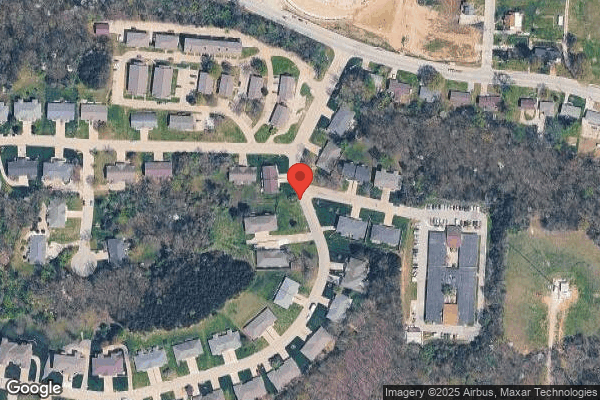
Nov 2023 1 deficiency
CONCERN (D) 📢 Someone Reported This

A family member, employee, or ombudsman was alarmed enough to file a formal complaint

Potential for Harm - no one hurt, but risky conditions existed

Notification of Changes (Tag F0580)

Could have caused harm · This affected 1 resident

**NOTE- TERMS IN BRACKETS HAVE BEEN EDITED TO PROTECT CONFIDENTIALITY** Based on interview and record review, facility staff failed to notify one resident's (Resident #1) responsible party when the re...

Read full inspector narrative →
**NOTE- TERMS IN BRACKETS HAVE BEEN EDITED TO PROTECT CONFIDENTIALITY** Based on interview and record review, facility staff failed to notify one resident's (Resident #1) responsible party when the resident had a fall with injury and transprted to the hospital for treatment. The facility was census 91. 1. Review of the facility's resident incident policy, dated July 2018, showed staff are directed to document any contacts made or attemptes made with the resident's physician, family, legal representative, or any other health care professional or person involved with the resident's care. 2. Review of Resident #1's admission Minimum Data Set (MDS), a federally mandated assessment tool, dated 8/23/23, showed staff assessed the resident as: -Severe Cognitive Impairment; -At risk for falls with a fall in the past two to six months prior to admission; -Diagnoses of Alzheimer's disease (progressive disease that destroys memory and other important mental functions) and unsteadiness on feet. Review of the resident's plan of care, dated August 2023, showed staff assessed the resident at risk for falls related to a history of falls, unsteadiness, and cognitive function. Staff documented the resident had a fall on 8/27/23 and 10/27/23. Review showed interventions included to follow facility fall protocol and the resident is a one person stand by assist for ambulation. Review of the resident's nurse notes, dated 10/27/23 through 10/30/23, showed staff documented the resident fell on [DATE] and sent to the hospital for evaluation. Review showed staff did not document they notified the resident's family of the fall or when the resident transferred to the hospital. During an interview on 11/6/23, at 10:54 A.M., Licensed Practical Nurse (LPN) A said when a resident has an accident and is sent out to the hospital, staff are expected to notify the resident's Power of Attorney, guardian, or first emergency contact. He/She said the nurse is responsible to document who was contacted in the resident's progress notes. He/She did not know who was responsible to make sure the nurses completed the documentation. During an interview on 11/6/23 at 11:15 A.M., LPN B said when a resident is sent out to the hospital, staff are to notify the family and it should be documented in the nurses notes. He/She said nurses are responsible to document this and the Director of Nursing is responsible for making sure the nurses complete the documentation. During an interview on 11/6/23 at 4:10 P.M., the DON said it is the expectation of the charge nurse to notify the resident's responsible party or emergency contact if they are sent out to the hospital due to a fall or injury. He/She said he/she is responsible for making sure this is completed and thought the nurse had contated the familiy as he/she was supposed to. He/She did not check to see if it had been completed. During an interview on 11/14/23 at 10:35 A.M., the administrator said nurses are expected to notify the resident's family and responsible party if the resident was sent out due to a fall or accident. He/She said the nurses are to document this was completed in the nurses notes and the DON is responsible for making sure it is completed. MO00226536
Sept 2023 2 deficiencies 1 IJ
CRITICAL (J) 📢 Someone Reported This

A family member, employee, or ombudsman was alarmed enough to file a formal complaint

Immediate Jeopardy (IJ) - the most serious Medicare violation

Accident Prevention (Tag F0689)

Someone could have died · This affected 1 resident

Based on interview and record review, the facility staff failed to provide 24-hour protective oversight for one sampled resident (Resident #1) when they failed to conduct visual checks on the resident...

Read full inspector narrative →
Based on interview and record review, the facility staff failed to provide 24-hour protective oversight for one sampled resident (Resident #1) when they failed to conduct visual checks on the resident on 09/22/23 from 6:45 P.M. to 8:26 A.M. At that time, staff found the resident in his/her room on the floor with blood on his/her hands and face. Hospital staff determined the resident suffered a fracture to the right sixth rib. Facility census was 93. The Administrator was notified on 9/27/23 at 4:23 P.M., of an Immediate Jeopardy (IJ) which began on 9/22/23. The IJ was removed on 9/24/23 as confirmed by surveyor onsite verification. 1. Review showed the facility did not have a policy on monitoring or rounding on residents. During an interview on 9/26/23 at 12:55 P.M., the administrator said the facility did not have a policy on monitoring or rounding on residents, but staff followed standard practices. This included completing walking rounds from room to room, at the beginning of each shift. Staff should continue to check on residents at least every two hours until the next shift comes on. Review of Resident #1's Minimum Data Set (MDS), a federally mandated assessment tool, dated 7/10/23, showed staff assessed the resident as: -Cognitively intact; -Independent for toileting and transfers; -At risk for falls. Review of the resident's plan of care, dated September 2023, showed staff assessed the resident as independent for toileting and transfers. Review showed staff assessed the resident wanders into other residents' rooms and staff are directed to redirect the resident and assist the resident to his/her room if he/she was looking for it. The plan of care did not contain interventions on how often to check on the resident. Review of the resident's nursing notes, dated 9/20/23, showed staff documented the resident had a room change to the Memory Care Unit (MCU), after lunch around 2:00 P.M. due to the resident's increased wandering and going through other residents personal items. Review of the Pocket Care Guide (for staff to direct the care needed for each resident), dated 9/21/23, showed Resident #1 occupied a room on the MCU and was a fall risk with interventions which directed staff to ensure the resident was wearing appropriate footwear, to keep the call light within reach and encourage the resident to use it as needed to request assistance. The Pocket Care Guide did not contain interventions on how often to check the resident. Review of the facility's video surveillance footage showed between 09/22/23 at 6:45 P.M. and 09/23/23 at 8:26 A.M., the resident's door remained shut and staff did not enter the resident's room. Review showed staff passed the resident's room to enter the laundry room located across from the resident's room at 7:04 P.M., 7:11 P.M., 2:58 A.M., 3:34 A.M., 6:23 A.M., 6:30 A.M., 7:13 A.M., 8:09 A.M., and 8:15 A.M., and did not enter or open the resident's door. Review of the resident's nursing notes, dated 9/23/23, showed Registered Nurse (RN) H documented staff notified him/her at approximately 7:50 A.M., they found the resident on his/her abdomen on the floor with blood observed on his/her hands and face. (Note: the video surveillance showed the resident's door remained shut and staff did not enter the room from 6:45 P.M. on 9/22/23 until 8:26 A.M. on 9/23/23.) Staff assessed the resident was alert and breathing with his/her vital signs within normal limits. The resident complained of generalized pain. Staff assessed the resident had cuts on both hands and his/her upper lip, and bruising on both arms and his/her right shoulder. Staff called EMS at approximately 8:05 A.M. who arrived and transferred the resident to the hospital. Review of the resident's hospital records, dated 9/23/23, showed hospital staff assessed the resident with multiple contusions (injured tissue or skin in which blood capillaries have been ruptured) to his/her face and hands and a fracture to the right sixth rib. During an interview on 9/23/23 at 7:38 P.M., the emergency room nurse practitioner said the resident arrived in the emergency room on 9/23/23 around 10:00 A.M Upon assessments and diagnostic testing, they found the resident had bruises on his/her face and both arms, a busted lip, dried blood on his/her face, swollen knees, a rib fracture, and two symmetrical golf ball sized hematomas (a collection of clotted blood outside of a vessel due to an injury of the vessel wall) to both shoulders. Review of the facility's investigation, dated 9/24/23, showed staff documented Licensed Practical Nurse (LPN) C and Nursing Assistant (NA) B failed to conduct visual checks during their scheduled shift. During an interview on 9/26/23 at 9:05 A.M., Nurse Aide (NA) B said he/she did not get a Pocket Care Guide from the linen closet on the MCU, because he/she was overwhelmed and went straight to work. He/She said they are supposed to go room to room for report, but CNA A did not want to go room to room and stood at the front for report on 9/22/23. During interviews on 09/24/23 and 9/26/23 at 9:26 A.M., Certified Nurse Aide (CNA) A said he/she gave a verbal report to NA B on 9/22/23 and told the NA that the resident moved to the end of the hall, because NA B just stood at the front. He/She said staff are supposed to go room to room for report and check on residents every two hours. He/She said he/she assisted Resident #1, before his/her shift ended on 9/22/23. He/She said he/she assisted the resident in the bathroom and when he/she left the room, the resident was in his/her wheelchair with his/her call light within reach. During an interview on 9/24/23 at 3:10 P.M., NA B said he/she did not recall being told the resident had been moved to the last room on the hallway during report from CNA A. During an interview on 9/26/23 at 9:05 A.M., NA B said the doors on the last two rooms were always shut and no residents had lived in them. He/She said staff should check closed doors, but he/she didn't because he/she was not missing any residents, because he/she didn't know the resident had moved back to the unit. He/She said he/she rounded on the residents every two hours. During an interview on 9/24/23 at 9:06 P.M., LPN C said he/she was the nurse for the Rehab unit and was responsible for the MCU. He/She said he/she was aware the resident was moved to the MCU. He/She said he/she passed medications and took vital signs of other residents but did not lay eyes on Resident #1. He/She said he/she should have checked on all residents as part of his/her nursing responsibilities. During an interview on 9/24/23 at 10:26 A.M., CNA A said he/she did not receive report from NA B on the morning of 9/23/23, because when he/she came in, residents were soiled and calling for help. He/She said when he/she made it down to the resident's room, he/she opened the door to find the resident on the floor. During an interview on 9/26/23 at 4:34 P.M., Registered Nurse (RN) H said CNA A came and got him/her to assess the resident. He/She said the resident was face down on the floor, over his/her walker, with blood on his/her hands and face. He/She said he/she assessed the resident to have a busted lip and lacerations to his/her hands. He/She said he/she did not get report from any staff and was working as a Certified Medication Tech (CMT) on 9/23/23. During an interview on 9/25/23 at 4:29 P.M., the administrator said staff are expected to go room to room for report and check on residents at least every two hours. During an interview on 9/25/23 at 4:29 P.M., the Director of Nurses (DON) said staff are expected to walk room to room to give report and round on the residents every two hours. During an interview on 9/24/23 at 11:39 A.M., the administrator said he/she did not know the last time staff had checked on the resident before he/she was found on the floor the morning of 9/23/23. Staff are expected to check on resident's at least every two hours. During an interview on 9/26/23 at 12:55 P.M., the administrator said upon reviewing the camera footage, he/she saw the resident's door closed and did not see staff enter the resident room or open the door. NOTE: At the time of the survey, the violation was determined to be at the immediate and serious jeopardy level J. Based on observation, interview and record review completed during the onsite visit, it was determined the facility had implemented corrective action to remove the IJ violation at the time. A final revisit will be conducted to determine if the facility is in substantial compliance with participation requirements. At the time of exit, the severity of the deficiency was lowered to the D level. This statement does not denote that the facility has complied with State law (Section 198.026.1 RSMo.) requiring that prompt remedial action to be taken to address Class I violation(s). MO00224885
CONCERN (D) 📢 Someone Reported This

A family member, employee, or ombudsman was alarmed enough to file a formal complaint

Potential for Harm - no one hurt, but risky conditions existed

Deficiency F0725 (Tag F0725)

Could have caused harm · This affected 1 resident

Based on interview and record review, the facility failed to have adequate nursing staff available to meet the needs of the residents on the Memory Care Unit (MCU), as determined by their facility ass...

Read full inspector narrative →
Based on interview and record review, the facility failed to have adequate nursing staff available to meet the needs of the residents on the Memory Care Unit (MCU), as determined by their facility assessment. Review showed only one Nurse Aide (NA) worked on the MCU on the night shift of 9/22/23 responsible for the care of 23 residents during the shift when the facility assessment showed the general staffing plan for direct care staff would require a ratio of one staff to ten residents at the least, and a ratio of one staff to 20 residents at most. Facility staff did not check on one resident (Resident #1) who resided on the MCU at all during the night shift of 9/22/23 into 9/23/23. The facility census was 93. 1. Review of the Facility Assessment, dated 1/10/23, showed the number of staff required to care for their facility resident census as follows: -Night shift required one Licensed Nurse per 20 residents; -The facility general staffing plan for direct care staff with a ratio of one staff to ten residents at the least and a ratio of one staff to 20 residents at most. Review of the staffing schedule, dated 9/22/23, showed the following staff assignment: -Rehab hall Licensed Practical Nurse (LPN) C and NA D for a census of 14 (nurse for rehab was assigned to the residents on the MCU); -100/300 hall LPN E, Certified Nurse Aide (CNA) F, CNA G, and CNA for a census of 56; -MCU NA B for a census of 23. Review of the facility resident census, dated 9/22/23, showed 23 of the 93 residents resided on the MCU. During an interview on 9/24/23 at 11:39 A.M., the administrator said he/she was not aware only one staff was scheduled to work on the MCU for the night of 9/22/23. He/She said two staff are to be scheduled for the night shift. He/She said staff were directed to call in to the staffing coordinator and he/she was responsible for finding a replacement. He/She said if a replacement could not be found, a department head was supposed to come in to fill the spot. He/She said the staffing coordinator did not notify him/her there was only one staff scheduled to work and he/she did not know why no one came in. During an interview on 9/24/23 at 3:10 P.M., NA B said he/she was the only one scheduled on the MCU on the night of 9/22/23 and felt overwhelmed due to having so many residents to care for by himself/herself. He/She said residents will wander the halls at night and he/she was not able to be in two places at once. He/She said he/she felt as though there should have been at least two staff on the hall to provide proper care and it was not the first time he/she had been scheduled alone. He/She said other staff relieved him/her for breaks but were busy on their own halls. During an interview on 9/24/23 at 9:06 P.M., LPN C said he/she was scheduled to work on the rehab hall. He/She said he/she passed medications and took vital signs of other residents during the night of 9/22/23 on the MCU, but did not lay eyes on Resident #1. He/She said Resident #1 did not have any medications to administer or vitals to take. He/She said he/she should have checked on all residents as part of his/her nursing responsibilities but did not because he/she was busy with other nursing duties. During an interview on 9/25/23 at 4:00 P.M., the Staffing coordinator said he/she was aware only one staff was scheduled on the MCU. He/She said there should be two staff on the MCU, but there was only one staff scheduled because there was no other staff to come in. He/She said the nurse scheduled on the rehab unit is responsible for the resident's on the MCU. He/She did not know why no one came in to fill the spot. During an interview on 9/26/23 at 12:55 P.M., the administrator said he/she was not notified there was only one staff scheduled and not another staff to come in so there would be two staff scheduled on the MCU. MO00224885
Jun 2023 3 deficiencies
CONCERN (D) 📢 Someone Reported This

A family member, employee, or ombudsman was alarmed enough to file a formal complaint

Potential for Harm - no one hurt, but risky conditions existed

Resident Rights (Tag F0550)

Could have caused harm · This affected 1 resident

Based on observation, interview, and record review, the facility staff failed to care for one resident (Resident #1) in a dignified manner when staff left the resident soiled for an extended period of...

Read full inspector narrative →
Based on observation, interview, and record review, the facility staff failed to care for one resident (Resident #1) in a dignified manner when staff left the resident soiled for an extended period of time before and after care was provided. The facility census was 86. 1. Review of the facility's Residents' bill of rights Policy, dated January 2023, showed each resident has a right to a dignified existence, self-determination, and communication with and access to persons and services inside and outside the facility in a manner and in an environment that promotes maintenance or enhancement of his/her quality of life, regardless of diagnosis, severity of condition or payment source and to exercise those rights as a citizen of the United States without interference, coercion including those rights specified herein. Review of Resident #1's Quarterly Minimum data set (MDS), a federally mandated assessment tool, dated 3/14/23, showed staff assess the resident as: -Cognitively intact; -Required extensive one staff assistance for personal hygiene; -Required extensive two staff assistance for toileting and bed mobility; -Neuromuscular dysfunction of bladder; -Always incontinent of bowel and bladder. Review of the resident's plan of care, dated June 2023, showed staff assessed the resident as incontinent of bowel and bladder and required the use of incontinence briefs. Staff documented the resident's goal to maintain his/her dignity, hygiene, and appearance and be free of foul odors. Staff documented interventions to check on the resident frequently to ensure the resident was clean and dry and to check on the resident every hour for incontinence as he/she rarely knows when he/she was incontinent. Observation on 6/5/23 at 12:11 P.M. showed Certified Nurse Aide (CNA) H and CNA I provided incontinence care and left the resident's room. Observation showed Licensed Practical Nurse (LPN) C and LPN F entered the room to provide wound care. The resident's air mattress showed a yellowish brown liquid dripped from the left side of the mattress to the floor. Observation showed liquid pooled and ran towards the wall at the head of the resident's bed. Observation showed LPN C asked the resident to roll to his/her right side. The resident had a soiled, saturated draw sheet (sheet used to position residents in bed), and chuck pad (bed pad used to protect beds and other surfaces from bodily fluids). LPN C removed the soiled items and left one clean chuck pad under the resident. The mattress appeared dark blue in color under the resident from his/her back down to his/her knees. LPN C did not clean the mattress or place a new draw sheet under the resident. The resident's room had a persistent and strong odor of ammonia. Observation on 6/5/23 at 12:40 P.M. and 1:12 P.M., showed the resident in bed with one chuck pad, and the mattress was dark in color under the resident from his/her back to his/her knees. A yellowish brown liquid continued to drip from the left side of the mattress, to the floor. The liquid pooled and ran towards the wall at the head of the resident's bed. The resident's room had a persistent and strong odor of ammonia. During an interview on 6/5/23 at 1:12 P.M., the resident said he/she can not always tell when he/she is incontinent of urine or bowel. He/She said it's hard for him/her to feel or smell the urine and he/she relies on staff to provide him/her with incontinence care. He/She said he/she had been waiting for staff to come move him/her so they could clean his/her mattress. He/She said the staff do not wake him/her up at night to provide care and he/she will often have to wait, soiled, until staff come when he/she is awake. He/She said it makes him/her feel dirty and embarrassed to sit soiled for an extended period of time. Observation on 6/5/23 at 1:54 P.M. and 2:24 P.M., showed the resident in bed with one chuck pad, and the mattress was dark in color under the resident from his/her back to his/her knees. A yellowish brown liquid dripped, from the left side of the mattress, to the floor. The liquid continued to pool and ran towards the wall at the head of the resident's bed. The resident's room had a persistent and strong odor of ammonia. Observation on 6/5/23 at 2:32 P.M., showed CNA H and CNA J entered the resident's room with the hoyer lift (mechanical lift used to transfer persons who are totally dependent). During an interview on 6/5/23 at 12:38 P.M., CNA I said it is the CNA's responsibility to provide incontinence care at least every two hours and as needed to all residents. He/She said they checked the resident every two hours and just provided incontinence care. He/She said he/she used sani wipes to wipe the mattress and waited about two minutes for it to dry. He/She said he/she doesn't know if the sanitizing wipes dried before the resident was rolled so the other half of the mattress could be cleaned. He/She said he/she saw two dry chuck pads and a bed sheet under the resident after they had provided care. During an interview on 6/5/23 at 12:56 P.M., CNA H said staff provided incontinence care to residents at least every two hours and as needed. He/She said they provided incontinence care to the resident. He/She said he/she saw the liquid on the floor and said it was urine because the resident is a heavy wetter. He/She said the resident had a clean chuck pad and draw sheet under him/her after the staff provided incontinence care. He/She said when a mattress is soiled, it should be cleaned with sani wipes and left to air dry. He/She said the CNAs are responsible for providing incontinence care. During an interview on 6/5/23 at 1:54 P.M., LPN D said staff provided incontinence care to the resident every two hours and the CNAs are responsible. He/She said the resident urinates a lot due to his/her diagnoses. He/she said the nurses are responsible for making sure residents receive incontinence care. He/she said he/she was unaware of the liquid in the floor and with a gloved hand he/she wiped part of the liquid in the floor and said it smelled of strong urine. He/She said staff are expected to get the resident out of bed and sanitize their mattress with sani wipes and let it air dry. He/She said he/she would feel dirty and uncomfortable if he/she had to sit in his/her urine for multiple hours waiting to be moved. During an interview on 6/5/23 at 4:00 P.M., CMT G said he/she assisted CNA H and CNA I with incontinence care. He/She said he/she noticed liquid dripping from the resident's mattress. He/She said he/she helped position the resident. He/She said the mattress was soiled, he/she saw the yellow brownish liquid in the floor, and the resident should have been moved so the mattress could have been sanitized properly. He/She did not stay in the room to see if the CNAs sanitized the mattress. During an interview on 6/5/23 at 4:47 P.M. the Director of Nursing (DON) said CNAs are responsible for providing incontinence care every two hours. He/She said the resident's care plan instructed staff to provide care every hour and to wake during the night if he/she was sleeping to provide incontinence care if needed. He/She said staff are to wipe down the mattress, sanitize with sani wipes, and left the mattress air dry. He/She said the staff had been inserviced after the administrator was made aware of the soiled chuck pad and bed sheet. He/She said she would feel bad if he/she had to sit soiled for hours waiting to be moved. During an interview on 6/5/23 at 4:47 P.M. the Administrator said CNAs are responsible for providing incontinence care every two hours. He/She said the resident's care plan instructed staff to provide care every hour and to wake during the night if he/she was sleeping to provide incontinence care if needed. He/She said LPN F made him/her aware of the incident around 12:45 P.M. He/She said she would feel bad if he/she had to sit soiled for hours waiting to be moved. During an interview on 6/6/23 at 11:00 A.M. CNA H said he/she had checked the resident to see if incontinence care needed to be provided on 6/5/23 at 7:00 A.M. and he/she was dry, at 9:00 A.M. the resident was provided incontinence care with a copious (large) amount of urine, and provided care again around 12:00 P.M. before LPN C and LPN F entered to provide wound care. He/She said it would make him/her upset and emotional if he/she had to lay in his/her urine for hours waiting to be moved. During an interview on 6/8/23 at 9:01 A.M., CNA J said he/she assisted CNA H transfer the resident to his/her wheelchair so the mattress could be cleaned properly. He/She said there was not a draw sheet under the resident, only a soiled chuck pad, and the room had a strong smell of urine. He/She said CNAs are responsible for providing incontinence care to the residents and he/she would feel uncomfortable if he/she had to sit or lay soiled for hours waiting to be moved. During an interview on 6/8/23 at 2:39 LPN C said when he/she went in to provide wound care, he/she first had to remove a wet bed sheet and chuck pad from under the resident. The resident was left with one clean, dry chuck pad. He/She said the resident's room had a strong persistent urine odor. He/She said CNAs are responsible for providing incontinence care at least every two hours. He/She said the mattress should be sanitized and left to air dry. He/She said he/she would be uncomfortable if he/she had to lay soiled for hours waiting to be moved. MO00218670
CONCERN (D) 📢 Someone Reported This

A family member, employee, or ombudsman was alarmed enough to file a formal complaint

Potential for Harm - no one hurt, but risky conditions existed

Safe Environment (Tag F0584)

Could have caused harm · This affected 1 resident

Based on observation, interview, and record review, the facility staff failed to provide one resident (Resident #1) with a clean and comfortable environment when staff did not clean the resident's mat...

Read full inspector narrative →
Based on observation, interview, and record review, the facility staff failed to provide one resident (Resident #1) with a clean and comfortable environment when staff did not clean the resident's mattress as recommended by the manufacturer. The facility census was 86. 1. Review of the mattress manufacturer cleaning recommendations, undated, showed the recommended cleaner which contain Quaternary cleaners (active ingredient- ammonium chloride), Phenolic cleaners (active ingredient- o-phyenylphenol), and chlorinated bleach solution (5.25%- one part bleach to 10 parts water). Recommended cleaning method is to hand wash all surfaces of the mattress with warm water and mild detergent cleaner, dry thoroughly, apply disinfectant solution with a spray, solution or pre-impregnated wipes (do not soak mattress). Wipe up excess disinfectant, rinse with clean water, and allow surface to dry. Special instructions for soils, stains and hard to clean spots it is recommended to use neutral soaps and warm water, do not use harsh cleansers, solvents or abrasive cleaners, use standard household/vinyl cleansers and a soft bristle brush of troublesome spots or stain, and pre-soak heavy, dried on soil. Review of Resident #1's Quarterly Minimum data set (MDS), a federally mandated assessment tool, dated 3/14/23, showed staff assess the resident as: -Cognitively intact; -Extensive two staff assistance for toileting and bed mobility; -Always incontinent of bowel and bladder. Review of the resident's plan of care, dated June 2023, showed staff assessed the resident as incontinent of bowel and bladder and required the use of incontinence briefs. Staff documented interventions to check on the resident frequently to ensure the resident was clean and dry and to check on the resident every hour for incontinence as he/she rarely knew when he/she was continent. Observation on 6/5/23 at 12:11 P.M. showed Certified Nurse Aide (CNA) H and CNA I provided incontinence care and left the residents room. Observation showed Licensed Practical Nurse (LPN) C and LPN F entered the room to provide wound care. The resident's air mattress showed a yellowish brown liquid dripped from the left side of the mattress to the floor. Observation showed the liquid pooled and moved towards the wall at the head of the resident's bed. Observation showed LPN C asked the resident to roll to his/her right side. The resident had a soiled, saturated draw sheet (sheet used to position residents in bed), and chuck pad (bed pad used to protect beds and other surfaces from bodily fluids). LPN C removed the soiled items and left one clean chuck pad under the resident. The mattress appeared dark blue in color under the resident from his/her back down to his/her knees. CNA H, CNA I, LPN C and LPN F did not clean the resident's mattress before they left the resident's room. The resident's room had a persistent and strong odor of ammonia. Observation on 6/5/23 at 12:40 P.M. and 1:12 P.M., showed the resident in bed with one chuck pad, the mattress was dark in color under the resident from his/her back to his/her knees. A yellowish brown liquid continued to drip from the left side of the mattress to the floor. The liquid pooled and ran towards the wall at the head of the resident's bed. The resident's room had a persistent and strong odor of ammonia. During an interview on 6/5/23 at 1:12 P.M., the resident said he/she can not always tell when he/she is incontinent of urine or bowel. He/She said it's hard for him/her to feel or smell the urine and he/she relies on staff to provide him/her with incontinence care. He/She said he/she has been waiting for staff to come move him/her so they could clean his/her mattress. He/She said the staff do not wake him/her up at night to provide care and he/she will often have to wait, soiled, until staff come when he/she is awake. Observation on 6/5/23 at 1:54 P.M. and 2:24 P.M., showed the resident in bed with one chuck pad, the mattress was dark in color under the resident from his/her back to his/her knees. A yellowish brown liquid dripped from the left side of the mattress, to the floor. The liquid continued to pool and ran towards the wall at the head of the resident's bed. The resident's room had a persistent and strong odor of ammonia. During an interview on 6/5/23 at 12:38 P.M., CNA I said the CNAs are responsible for cleaning the mattress if it is soiled. He/She said he/she used sani wipes to wipe the mattress and waited about two minutes for it to dry. He/She said he/she doesn't know if the sanitizing wipes dried before the resident was rolled so the other half of the mattress could be cleaned. CNA I said he/she did not notice the liquid dripping from the mattress. During an interview on 6/5/23 at 12:56 P.M., CNA H said he/she saw the liquid on the floor and said it was urine because the resident is a heavy wetter. He/She said the resident had a clean chuck pad and draw sheet under him/her after the staff provided incontinence care. He/She said when a mattress is soiled, it should be cleaned with sani wipes and left to air dry. He/She said the CNAs are responsible for cleaning a residents mattress when soiled. During an interview on 6/5/23 at 1:54 P.M., LPN D said the resident urinates a lot due to his/her diagnoses. He/she said he/she was unaware of the liquid in the floor. Observation at this time, showed LPN D with his/her gloved hand wiped the liquid off the floor and said it smelled of strong urine. He/She said staff are expected to get the resident out of bed and clean the mattress with sani wipes, let it set for two minutes, and let the mattress air dry. During an interview on 6/5/23 at 4:00 P.M., Certified Medication Technician (CMT) G said he/she noticed liquid dripping from the resident's mattress. He/She said the mattress was soiled and he/she saw the yellow brownish liquid in the floor. He/She said the resident should have been moved so the mattress could have been cleaned properly. He/She did not stay in the room to see if the CNAs sanitized the mattress. He/She said the mattress should be wiped down with sanitizing wipes, let it set for at least two minutes, and air dry. During an interview on 6/5/23 at 4:47 P.M. the Director of Nursing (DON) said staff are to wipe down the mattresses with sani wipes, let it set for two minutes, and let the mattress air dry. During an interview on 6/8/23 at 9:01 A.M., CNA J said he/she assisted CNA H transfer the resident to his/her wheelchair so the mattress could be cleaned properly. He/She said the room had a strong smell of urine. He/She said the mattress was wiped down with sani wipes which have a set time of two minutes. During an interview on 6/8/23 at 2:39 LPN C said when he/she went in to provide wound care, he/she first had to remove a wet draw sheet and chuck pad from under the resident. The resident was left with one clean and dry chuck pad. He/She said the resident's room had a strong persistent urine odor and the mattress had a wet appearance. He/She said the mattress should be wipe down with sani wipes and left to air dry. During an interview on 6/27/23 at 3:58 P.M. the Administrator said staff are expected to wipe the mattresses with sani wipes and let it set for two minutes as directed. He/She said the resident's mattress was changed on on 6/6/23 related to the possibility of it be saturated. During an interview on 6/28/23 at 10:02 A.M., the Administrator said staff are expected to notify him/her the mattress is saturated and the mattress would be replaced, not cleaned. MO00218670
CONCERN (D) 📢 Someone Reported This

A family member, employee, or ombudsman was alarmed enough to file a formal complaint

Potential for Harm - no one hurt, but risky conditions existed

Deficiency F0658 (Tag F0658)

Could have caused harm · This affected 1 resident

**NOTE- TERMS IN BRACKETS HAVE BEEN EDITED TO PROTECT CONFIDENTIALITY** Based on interview and record review, facility staff failed to meet professional standards when staff did not document in the Me...

Read full inspector narrative →
**NOTE- TERMS IN BRACKETS HAVE BEEN EDITED TO PROTECT CONFIDENTIALITY** Based on interview and record review, facility staff failed to meet professional standards when staff did not document in the Medication Administration Record (MAR) they administered and followed the physician's orders for five residents (Resident #1,# 2, #3, #4, and #5). Facility staff failed to notify the physician of lab results in a timely manner for two residents (Resident #6 and Resident #7) and failed to send one physician ordered urinalysis to the lab for one resident (Resident #8) The facility census was 86. 1. Review of the facility's Medication Administration Policy, dated August 2016, showed only licensed or legally authorized personnel who prepare a medication may administer it. This individual records the administration on the resident's MAR after the medication is given. At the end of each medication pass the person administering the medications reviews the MAR to ascertain that all necessary doses were administered and all administered doses were documented. In no case should the individual who administered the medications report off-duty without first recording the administration of any medication. The resident's MAR is initialed by the person administering a medication, in the space provided under the date, and on the line for that specific medication dose following medication administration. Initials on each MAR are verified with a full signature in the space provided or on the signature log. 2. Review of Resident #1's Quarterly Minimum data set (MDS), a federally mandated assessment tool, dated 3/14/23, showed staff assessed the resident as: -Cognitively intact; -Neuromuscular dysfunction of bladder ( the bladder's nerves do not work properly and the bladder may not fill and empty correctly), Diabetes with diabetic nephropathy ( the deterioration of kidney function) diabetes due to polyneuropathy (affects multiple peripheral sensory and motor nerves that branch out from the spinal cord into the arms, hands, legs, and feet), Chronic Obstructive Pulmonary Disease (COPD)(condition involving constriction of the airways and difficulty or discomfort in breathing), major depressive disorder recurrent, anxiety disorder, hypothyroidism (low functioning thyroid), Hypertensive heat disease with heart failure (chronically high blood pressure increasing the work load of the heart), and spina Bifada without hydrocephalus (the spinal cord does not form proper affecting nerve function). Review of the resident's Physician Order Sheet (POS), dated June 2023, showed the physician order directed staff as follows: -Humalog (used to treat high blood sugar) 100 unit/milliliter (ml) kwikpen. Inject 30 units subcutaneously three times daily with meals; -Humalog 100 unit/ML kwikpen. Inject per sliding scale; -IPRAT-ALBUT(used to treat COPD) 0.5-3(2.5) milligrams (mg)/3 ml, one vial per nebulizer twice daily; -Trazadone (used to treat depression and relieve anxiety) 100 mg take one tablet by mouth at bedtime; -Juven Packet (supplement used to promote wound healing) one packet by mouth twice daily; -Gabapentin (used to treat nerve pain) 300 mg one capsule by mouth every night at bedtime; -Levothyroxine (used to regulate thyroid function) 25 micrograms (mcg) by mouth daily in the A.M.; -Metoprolol Succ Extended Release (ER) (used to treat high blood pressure) 100 mg by mouth daily for hypertension, HOLD for blood pressure less than 100/60 or pulse less than 60; -Ativan (used to treat anxiety) 1 mg take one tablet by mouth twice daily; -Percocet (used to treat pain) 5-325 mg one tablet three times daily; -Check blood pressure and heart rate before administering blood pressure medication and document. Review of the resident's MAR, dated March 2023, showed staff did not document they administered the resident's Percocet on 3/9/23, 3/24/23 and 3/25/23 as directed. Review of the resident's MAR, dated March 2023, showed staff did not document they administered the resident's Trazadone, Ativan or Gabapentin on 3/25/23 as directed. Review of the resident's MAR, dated March 2023 through April 2023, showed staff did not document they administered the resident's humalog 100 unit/ml kwikpen sliding scale, on 3/29/23, 3/31/23, and 4/10/23-4/12/23, as directed. Review of the resident's MAR, dated March 2023 through April 2023 , showed staff did not document they administered the resident's Levothyroxine on 3/26/23, 4/2/23, 4/3/23, 4/4/23-4/8/23, 4/10/23, 4/17/23, 4/20/23, 4/21/23, 4/24/23, 4/26/23, and 4/27/23 as directed. Review of the resident's MAR, dated March 2023 through April 2023, showed staff did not document they checked the resident's blood pressure on 3/11/23, 3/29/23, and 4/30/23 as directed. Review of the resident's MAR, dated April 2023, showed staff did not document they administered the resident's IPRAT-ALBUT on 4/1/23, 4/9/23, 4/13/23, 4/15/23, 4/28/23, and 4/30/23 as directed. Review of the resident's MAR, dated April 2023 , showed staff did not document they administered the resident's Juven Packet on 4/1/23, 4/5/23, 4/6/23, 4/9/23, 4/13/23, 4/15/23, 4/28/23, and 4/30/23 as directed. Review of the resident's MAR, dated April 2023 , showed staff did not document they administered the resident's Metoprolol Succ ER on [DATE] as directed. Review of the resident's MAR, dated April 2023 through May 2023 , showed staff did not document they administered the resident's humalog 100 unit/ml kwikpen 30 units, on 4/30/23 and 5/21/23, as directed. 3. Review of Resident #2's Quarterly MDS, dated [DATE], showed staff assessed the resident as: -Cognitively intact; -End stage Renal Disease (ESRD), COPD, Anxiety, Dilated cardiomyopathy (enlarged and weakened heart), depressive disorder, pacemaker, and hyperlipidemia (high cholesterol); -On dialysis (procedure to remove waste products and excess fluid from the blood when the kidneys stop working properly and diverts blood through a machine). Review of the resident's POS, dated June 2023, showed the physician order directed staff as follows: -Monitor for signs and symptoms of excessive bleeding at shunt site (port under the skin used for dialysis treatments) daily each shift; -Right AV fistula check for thrill and bruit (vibrations felt over the shunt site) every shift; -Coreg (used to treat heart failure) 6.25 mg take one table by mouth twice daily, hold for blood pressure less than 90/60, hold for heart rate less than 55; -Remeron (antidepressant) 15 mg one tablet by mouth every day at bedtime; -Risperdal (used to treat metal/mood disorders) 0.5 mg take three tablets by mouth at bedtime; -IPRAT-ALBUT 0.5-3(2.5) mg/3 ml, every six hours;one vial per nebulizer twice daily; -Amlodipine (used to treat high blood pressure) 5 mg one tablet by mouth daily, hold for blood pressure less than 90/60; -Atorvastatin (used for high cholesterol) 20 mg one tablet by mouth daily; -Lorazepam (anti anxiety) 0.5 mg one tablet by mouth daily; -Trintellix (anti depressant) 20 mg one tablet by mouth daily; -Azathioprine (immunosuppresent used to prevent organ rejection after transplant) 50 mg one table by mouth daily; -Sertraline (anti depressant) 25 mg one tablet by mouth daily for depression; -Arpiprazole (antipsychotic) 2 mg one tablet by mouth daily for psychosis. Review of the resident's MAR, dated March 2023, showed staff did not document they administered the resident's Risperdol on 3/11/23 as directed. Review of the resident's MAR, dated March 2023 through April 2023, showed staff did not document they monitored the resident for signs and symptoms of excessive bleeding at shunt site on 3/8/23, 3/9/23, 3/13/23, 3/16/23, 3/19/23, 3/20/23, 3/21/23, 3/22/23, 3/23/23, 3/28/23, 3/29/23, 3/30/23, 3/31/23, 4/2/23, 4/3/23, 4/4/23, 4/5/23, 4/6/23, 4/9/23, 4/11/23, 4/12/23, 4/13/23, 4/14/23, 4/15/23, 4/20/23, 4/22/23, and 4/23/23 as directed. Review of the resident's MAR, dated March 2023 through April 2023, showed staff did not document they monitored the resident's right AV fistula on 3/5/23-3/9/23, 3/13/23, 3/16/23, 3/19/23 - 3/23/23, 3/27/23- 3/31/23, 4/2/23-4/9/23, 4/11/23-4/15/23, 4/20/23, 4/22/23, and 4/23/23 as directed. Review of the resident's MAR, dated March 2023 through April 2023, showed staff did not document they administered the resident's Coreg on 3/11/23, 3/12/23, 4/17/23, 4/20/23, and 4/21/23 as directed. Review of the resident's MAR, dated March 2023 through April 2023, showed staff did not document they administered the resident's Remeron on 3/10/23, 3/11/23, 3/13/23, 3/21/23, 3/25/23, 3/31/23, 4/6/23, and 4/11/23 as directed. Review of the resident's MAR, dated March 2023 through April 2023, showed staff did not document they administered the resident's IPRAT-ALBUT on 3/6/23- 3/8/23, 3/10/23, 3/11/23, 3/24/23-3/30/23, 4/2/23 -4/18/23, 4/20/23, 4/21/23, 4/22/23 and 4/24/23-4/26/23 as directed. Review of the resident's MAR, dated April 2023, showed staff did not document they administered the resident's Amlodipine on 4/6/23, 4/17/23, and 4/20/23 as directed. Review of the resident's MAR, dated April 2023, showed staff did not document they administered the resident's Atorvastin on 4/6/23, 4/17/23, 4/20/23, and 4/21/23 as directed. Review of the resident's MAR, dated April 2023, showed staff did not document they administered the resident's Lorazepam and Trintellix on 4/17/23, 4/20/23, and 4/21/23 as directed. Review of the resident's MAR, dated April 2023, showed staff did not document they administered the resident's Azathioprine on 4/6/23, 4/17/23, 4/20/23 and 4/21/23 as directed. Review of the resident's MAR, dated April 2023, showed staff did not document they administered the resident's Sertraline on 4/6/23, 4/20/23, and 4/21/23 as directed. Review of the resident's MAR, dated April 2023, showed staff did not document they administered the resident's Arpiprazole on 4/6/23, 4/18/23, 4/20/23, and 4/21/23 as directed. 4. Review of Resident #3's admission MDS, dated [DATE], showed staff assessed the resident as: -Cognitively intact; -Chronic respiratory failure with hypoxia (absence of oxygen) and Malignant neoplasm (abnormal cells divide uncontrollably and destroy body tissue). Review of the resident's POS, dated June 2023, showed a physician order directed staff to adminster IPRAT-ALBUT (used to treat COPD) 0.5-3(2.5) milligrams (mg)/3 ml, one vial per nebulizer three times daily. Review of the resident's MAR, dated March 2023, showed staff did not document they administered the resident's IPRAT-ALBUT on 4/3/23, 4/27/23, and 4/28/23 as directed. 5. Review of Resident #4's Quarterly MDS, dated [DATE], showed staff assessed the resident as: -Cognitively intact; -Neuromuscular dysfunction of bladder, hypertension, cerebral palsy (disorder of movement, muscle tone, or posture, Paraplegia (paralysis of the legs and lower body caused by spinal injury or disease, hypothyroidism (underactive thyroid), depressive episodes, contracture of muscle, and mild intellectual disabilities; -Suprapubic catheter (catheter inserted in the bladder through the skin, commonly of the abdomen). Review of the resident's POS, dated June 2023, showed the physician directed staff to administer: -Acetic Acid 0.25 % irrigation solution (used to keep a urinary catheter patent) flush suprapubic catheter with 60 ml of acetic acid twice daily; -Levothyroxine 200 mcg one tablet by mouth daily; -Remeron 15 mg half a tablet by mouth at supper time; -Lisinopril 5 mg one tablet by mouth once daily, HOLD for blood pressure less than 100/60; -Macrobid (antibiotic used to treat urinary tract infections (UTI)) 100 mg one capsule by mouth daily for chronic UTI prophylaxis; -Baclofen (muscle relaxant) 20 mg one tablet by mouth four times daily; -Metoprolol Tartrate (used for high blood pressure) 25 mg one tablet by mouth twice daily in am and at supper, HOLD for blood pressure less than 100/60; -Check blood pressure and heart rate before administering blood pressure medications and document. Review of the resident's MAR, dated March 2023 through April 2023, showed staff did not document they administered the resident's Acetic Acid Flush on 3/6/23 -3/9/23, 3/12/23, 3/13/23, 3/16/23, 3/15/23, 3/19/23- 3/23/23, 3/28/23, 4/1/23, 4/3/23, 4/4/23, 4/6/23, 4/8/23, 4/10/23, 4/11/23, 4/13/23, 4/14/23, 4/15/23, 4/20/23, 4/21/23, 4/22/23, 4/23/23, 4/27/23, and 4/30/23 as directed. Review of the resident's MAR, dated March 2023 through April 2023, showed staff did not document they administered the resident's Levothyroxine on 3/23/23 and 4/27/23 as directed. Review of the resident's MAR, dated March 2023 through April 2023, showed staff did not document they administered the resident's Remeron on 3/30/23, 4/21/23, and 4/27/23 as directed. Review of the resident's MAR, dated March 2023 through April 2023, showed staff did not document they administered the resident's Lisinopril on 3/15/23, 3/29/23, 3/30/23, and 4/21/23 as directed. Review of the resident's MAR, dated April 2023, showed staff did not document they administered the resident's Metroprolol on 3/8/23, 3/9/23, 4/21/23 and 4/27/23 as directed. Review of the resident's MAR, dated April 2023, showed staff did not document they administered the resident's Macrobid on 4/21/23 as directed. Review of the resident's MAR, dated April 2023, showed staff did not document they administered the resident's Baclofen on 4/21/23 and 4/27/23 as directed. Review of the resident's MAR, dated March 2023 through May 2023, showed staff did not document they checked and documented the resident's blood pressure on 3/8/23, 3/10/23- 3/15/23, 4/13/23, 4/21/23, 4/27/23, 5/1/23, 5/2/23, 5/6/23, 5/10/23, 5/11/12, 5/12/23, 5/16/23, 5/18/23, 5/20/23, 5/21/23, 5/23/23, 5/24/23 and 5/26/23 -5/31/23 as directed. 6. Review of Resident #5's Quarterly MDS, dated [DATE], showed staff assessed the resident as: -Cognitively intact; -Diabetes Mellitus type II (elevated levels of glucose in the blood and urine), rentension of urine, hypertension, peripheral venous insufficiency (narrowed blood vessels reduce blood flow to the limbs), and sepsis. Review of the resident's POS, dated June 2023, showed the physician order directed staff as follows: -Accuchecks (method used to determine blood glucose levels) before meals and at bedtime daily; -Novolog (used to treat high blood glucose)100 units/ml flexpen give 7 units three times daily before meals; -Lantus solostar (used to treat high blood pressure 100 unit/ml inject 25 units subcutaneously in the evening; -Gabapentin (used to control nerve pain) 300 mg one capsule by mouth twice daily; -Metformin 500 mg one table by mouth daily; -Atenolol (used to treat high blood pressure) 25 mg one half tablet by mouth daily. Hold for blood pressure less than 90/60. Hold for heart rate less than 55; -Change oxygen tubing and date every Sunday. Review of the resident's MAR, dated March 2023, showed staff did not document they administered the resident's Gabapentin on 3/8/23 and 3/26/23 as directed. Review of the resident's MAR, dated March 2023, showed staff did not document they administered the resident's Atenolol or Metformin on 3/26 as directed. Review of the resident's MAR, dated March 2023 through April 2023, showed staff did not document they administered the resident's Accuchecks on 3/2/23, 3/6/23, 3/16/23, 3/31/23, 4/11/23, 4/20/23, and 4/23/23 as directed. Review of the resident's MAR, dated March 2023 through April 2023, showed staff did not document they administered the resident's Lantus on 3/12/23, 3/16/23, and 4/9/23. Review of the resident's MAR, dated April 2023, showed staff did not document they administered the resident's Novolog on 4/1/23, 4/9/23, 4/11/23, 4/15/23, and 4/16/23 as directed. Review of the resident's MAR, dated April 2023, showed staff did not document they changed the resident's oxygen tubing on 4/7/23, 4/14/23, 4/21/23, and 4/28/23. 7. During an interview on 6/5/23 at 3:45 P.M., Licensed Practical Nurse (LPN) D said staff are expected to sign and initial in the MAR when a medication is administered. He/She said it should be noted if the resident is out of the building or refused medications and the MAR should not be left blank. He/She said if there is a hole in the MAR, the unit manager should be made aware and if needed the doctor and family should be made aware. He/She said the unit manager and Director of Nurses (DON) would be responsible for making sure its completed. He/She said he/she does not know why it was not done. During an interview on 6/5/23 at 4:00 P.M., Certified Medication Technician (CMT) G said a hole in the MAR would mean the medication was not given. He/She said he/she would notify the charge nurse if a hole was found in the MAR. He/She said the unit manager audits and is responsible for making sure the MAR is completed. During an interview on 6/5/23 at 4:14 P.M., LPN E said staff are expected to sign out medications, give a reason is the medication was not given, and contact necessary parties. He/She said he/she and LPN F are responsible for auditing the MAR for holes and errors. He/She said he/she does the audits but does not have a way monitor the audits. During an interview on 6/5/23 at 4:14 P.M., LPN F said staff are expected to sign out medications, give a reason is the medication was not given, and contact necessary parties. He/She said he/she and LPN E are responsible for auditing the MAR for holes and errors. He/She said he/she does the audits but does not have a way monitor the audits. During an interview on 6/5/23 at 4:47 P.M., the DON said staff are expected to sign the MAR when medications are administered and to give a reason why the resident did not receive the medication if it was not given. The Unit managers are responsible for making sure the staff complete the MAR and audit the MAR. He/She is not sure how the audits are monitored. During an interview on 6/8/23 at 2:39 P.M., LPN C said a hole in the MAR would mean the resident did not receive the medication. He/She said the staff should give a reason when the medication is not given. He/She said the LPN E and LPN F are responsible for making sure the MAR is completed and he/she would notify them if there was a hole in the MAR. 8. The facility's Laboratory Tests policy, revised 11/2017, showed lab tests are completed as ordered by the physicians or nurse practitioner. All licensed nursing personnel monitored by Director of Nursing or Designee. Licensed nurse or designee, shall obtain labs ordered by the physician or physician extender; or labs to be done routinely per policy and enter this information on the lab scheduling/tracking form, indicating resident, room number, month, and approximate date lab work is due to be obtained, and when the results have been received. Any newly ordered labs needing immediate attention will be added to the lab scheduling/tracking form on each unit. The lab will be obtained as ordered. Any labs not obtained as indicated will be rescheduled by the licensed nurse. The licensed nurse, or designee, will indicate when lab results are returned to the facility on the lab scheduling/tracking form. The licensed nurse, or designee, will forward the lab results to the appropriate IDT (interdisciplinary team) nursing and dietary staff for review. The physician will be promptly notified of abnormal results according to facility policy. The licensed nurse, or designee, will review all labs, scheduled routinely to ensure all scheduled labs have been drawn and results have been received. If lab result is found to be missing, the licensed nurse, or designee, will forward the results to the Charge nurse and/or dietary. 9. Review of Resident #6's admission MDS, dated [DATE], showed staffed assessed the residents as: -Cognitive impairment; -Diagnoses: multi drug resistant organism, thyroid disorder (any dysfunction of the butterfly shaped gland at the base of the neck), arthritis (swelling or tenderness of one or more joints), malnutrition (occurs when the body does not get enough nutrients); -Always continent of bladder. Review of the resident's nurses notes, dated 6/4/23, showed Registered Nurse (RN) K documented he/she notifed CNA at approximately 11:00 this shift the resident and family wanted to discuss something with the nurse on duty. Review showed the resident reported he/she was worried he/she had a urinary tract infection because it was burning when he/she urinated. The family member said she wanted a Urinalysis done on the resident today. Resident did not have any other symptoms. The nurse informed resident and family that she would place call to the physician on call to obtain the order for the UA. Placed call to physician at 11:30, obtained order to straight cath. Reviewed the nurse obtained the urine sample. Review of the resident's Urine Analysis Lab results showed: -Specimen collected 6/4/23; -Results reported to facility 6/8/23; -Results not reported to Physician until 6/9/23. Review of the resident Medication Administration Record (MAR), dated June 2023, showed the physician order directed staff to administer Bactrim DS (antibiotic) one tablet BID for five days on 6/10/23. During an interview on 6/28/23 at 10:17 A.M., LPN E said it takes three days to get a culture back, if it is ordered on a Friday he/she does not have staff collect it until Monday, the lab does not allow STAT (a common medical abbreviation for urgent or rush) urine analysis. It can take up to a six days between the collected specimen and starting antibiotics. 3. Review of Resident #7's admission MDS, dated [DATE], showed staff assessed the resident as: -Cognitive impairment; -Diagnoses of non-traumatic brain disorder. Review of the residents BUN (Blood Urea Nitrates) Lab results showed: -BUN level noted critically high at 125; -Specimen collected 5/22/23; -Results reported to facility 5/22/23; -Results not reported to Physician until 5/24/23. Review of the resident's nurses notes, dated 5/24/23, showed LPN F documented critical lab for BUN 125 on 5/22/23, found online and printed. At 730 called and spoke with the physician's offices, faxed labs and uploaded labs to the the mobile app for communication with new orders at that time. Labs reviewed with physician for new order to send to emergency department for evaluation and treatment due to critical lab. Review of the resident's nurses notes, dated 5/24/23, showed LPN K documented resident left via ambulance to hospital at 8:15 A.M. 4. Review of Resident #8's Quarterly MDS, dated [DATE], showed staff assessed the residents as: -Cognitively intact; -Active diagnoses: anemia (lack of red blood cells), peripheral vascular disease (narrowed blood vessels in limbs), diabetes (excess of sugar in the blood), anxiety (intense and excessive worry and fear), depression (elevation or lowering of a persons mood) , bipolar (mood swings from depressive lows to manic highs), psychotic disorder (mental disorder characterized by a disassociation from reality), schizophrenia (disorder that affects ones ability to think, feel and behave normally); -Extensive, one person physical assist with toileting Review of the resident's nurses notes, dated 5/18/23, showed LPN E documented resident states he/she believes he/she had a urinary tract infection. LPN documented the resident said he/she is experiencing dysuria and low back pain, consulted with nurse practitioner, new orders received to check Urine analysis. Review of the resident's nurses notes, dated 5/27/23, showed LPN D documented: Resident asked to speak with this nurse. Upon assessment resident states that he is sweating and having shortness of breath. Resident began yelling demanding to be sent to the emergency room to be evaluated. Unit manager/LPN E notified. Emergency Medical Services called at 5:10 P.M., left facility with resident for the hospital. Review of the resident's nurses notes, dated 5/28/23, showed LPN K documented an order for Cipro (antibiotic) 500 milligrams (mg) one tablet twice a day for ten days. Review of the resident's medical file showed it did not contain a record of a UA on 5/18/23. During an interview on 6/28/23 at 10:42 A.M., the resident said he/she recently had a UTI. He/She had requested staff take a sample because his/her urine smelled and it burned when he/she urinated. The resident said the urinalysis came back negative or not enough to have antibiotics. Two weeks later he/she was still sick and the facility sent him/her to the hospital and the hospital treated his/her UTI with IV therapy and sent him/her back with a prescription. During an interview on 6/28/23 at 11:34 A.M., The Administrator spoke with LPN E and he/she reported the UA was obtained but never sent. During an interview on 6/28/23 at 11:37 A.M., LPN E said he/she believes it was not picked up but unsure what happened to the urine specimen and did not realize it wasn't sent or results were not available until after he/she came back from the ER. 5. During an interview on 6/30/23 at 12:56 P.M., the laboratory company personal said the facility is responsible for ordering the UA before the lab can pick it up. The collected sample, collected in the right container can be preserved for 48-72 hours, the facility has access to these containers. Urine analysis can be STAT, even on Fridays or on the weekends, the lab just has to send the sample to the hospital to be ran. He/she said if a lab is deemed critical the facility gets a phone call, if unsuccessful the report goes back in the que to try again, is faxed and is available for the facility online to see results at any time. During an interview on 6/28/23 at 11:37 A.M., LPN E said there is sometimes a lapse if the order is requested on a week day going into the weekend with the lab. During an interview on 6/28/23 at 12:16 P.M., LPN E said the delay is the lab sends results to the rehab side and it needs to be sent to the long term care side to notify physician faster for treatment if needed. As of 07/13/23, the physician had not returned a call for interview. MO00219521 MO00220104
Mar 2023 1 deficiency 1 IJ (1 affecting multiple)
CRITICAL (K) 📢 Someone Reported This

A family member, employee, or ombudsman was alarmed enough to file a formal complaint

Immediate Jeopardy (IJ) - the most serious Medicare violation

Infection Control (Tag F0880)

Someone could have died · This affected multiple residents

Based on observation, interview, and record review, the facility failed to maintain an infection prevention and control program to provide a safe and sanitary environment to help prevent potential spr...

Read full inspector narrative →
Based on observation, interview, and record review, the facility failed to maintain an infection prevention and control program to provide a safe and sanitary environment to help prevent potential spread of COVID-19 (an acute respiratory illness in humans caused by the coronavirus, SARS-CoV-2) and other infections, when staff failed to protect residents in the facility by not following acceptable infection control practices for COVID-19. The facility failed to separate positive COVID-19 residents from residents who had tested negative for COVID-19 or had only been exposed to COVID-19, for three residents (Resident #2, Resident #4, and Resident #6), at an increased risk of contracting COVID-19 due to prolonged exposure. The facility census was 86. The Administrator was notified on 3/02/23 at 3:00 P.M., of an Immediate Jeopardy (IJ) which began on 2/22/23. The IJ was removed on 3/03/23 as confirmed by surveyor onsite verification. 1. Review of the Centers for Disease Control and Prevention's (CDC) Interim Infection Prevention and Control Recommendations for Healthcare Personnel During the Coronavirus Disease 2019 (COVID-19) Pandemic, dated Sept. 23, 2022, showed a patient with suspected or confirmed SARS-CoV-2 infection should be placed in a single-person room. The door should be kept closed (if safe to do so). Ideally, the patient should have a dedicated bathroom. If cohorting, only patients with the same respiratory pathogen should be housed in the same room. Facilities could consider designating entire units within the facility, with dedicated health care professional (HCP), to care for patients with SARS-CoV-2 infection when the number of patients with SARS-CoV-2 infection is high. Dedicated means that HCP are assigned to care only for these patients during their shifts. Dedicated units and/or HCP might not be feasible due to staffing crises or a small number of patients with SARS-CoV-2 infection. Limit transport and movement of the patient outside of the room to medically essential purposes. Communicate information about patients with suspected or confirmed SARS-CoV-2 infection to appropriate personnel before transferring them to other departments in the facility (e.g., radiology) and to other healthcare facilities. Review of the facility's Coronavirus (COVID-19) Policy, revised 10/22/22, showed an infected resident in a private room can remain in his/her current room on precautions with the door closed. If in a semiprivate room, refer to the Resident and Staff Isolation/Quarantine guideline for placement. Every effort will be made to minimize movement of the infected resident and suspected resident within the facility. (Residents with confirmed Coronavirus may be cohorted in the same room if necessary.) While on Transmission Based Precautions, residents are to be confined to their room as much as possible and should not attend communal activities/dining. Review of the facility's Resident and Staff Isolation/Quarantine Guidance, revised 10/22/22, showed residents with a COVID positive test, new admission or readmission or in-house newly identified as positive COVID, staff are directed to place resident in Transmission Based Precaution (TBP) in a single room if available or cohort with a similar status resident with room door closed, if safe to do so, until 24 hours with no fever without medications, improvement in symptoms and at least ten days passed since symptoms first appear or asymptomatic at least ten days. Residents to wear a face mask. Residents asymptomatic with close contact who do not consistently wear mask or are immunocompromised or reside near others who are severely immunocompromised or reside on a unit with ongoing COVID transmission are to be placed on TBP for seven days (count day of exposure as day zero) and negative test. Test on days one, three, and five. Discontinue TBP if negative. TBP for ten days if no negative test. Residents to wear a face mask. 2. Review of Resident #1's COVID test results form, dated 2/22/23, showed a positive result. Observation on 3/01/23 at 2:10 P.M., showed Resident #1 in a room with Resident #2. Review of the facility testing report showed Resident #1 tested positive for COVID on 2/22/23. Review of the report showed Resident #2 tested negative for COVID on 2/22/23 and on 2/23/22. Review showed Resident #2 tested positive for COVID on 2/25/23. During an interview on 3/01/23, at 2:00 P.M., the Director of Nursing (DON) said Resident #2 remained in the room with Resident #1 after Resident #1 tested positive on 2/22/23. During an interview on 3/03/23 at 8:31 A.M., Resident #2's responsible party said the facility did notify him/her the resident had been exposed to COVID. He/She said they also did not provide him/her with education of the risks for the resident to stay in the room. The responsible party said he/she would not have given consent for the resident to stay in a room with a resident who tested positive for COVID. 3. Review of Resident #3's COVID test results form, dated 2/22/23, showed a positive result. Observation on 3/01/23 at 2:11 P.M., showed Resident #3, who tested positive for COVID on 2/22/23, in a room with Resident #4, who tested negative for COVID on 2/22/23, 2/23/23, 2/25/23, and 2/28/23. Review showed Resident #4 tested positive for COVID on 3/01/23. During an interview on 3/03/23 at 8:27 A.M., Resident #4's responsible party said the facility did notify him/her the resident had been exposed to COVID. He/She said staff told him/her the resident would be on isolation for ten days, but never offered to move the resident. He/She would have expected staff to move the resident out of the room if the resident was exposed. He/She said the facility did not offer any education of the risk for the exposed resident to stay in the room. 4. Review of Resident #5's COVID test results form, dated 2/23/23, showed a positive result. Observation on 3/01/23 at 2:12 P.M., showed Resident #5, who tested positive for COVID on 2/23/23, in a room with Resident #6, who tested negative for COVID on 2/22/23, 2/23/23, 2/25/23, 2/28/23, 3/01/23, and 3/03/23. Observation showed Resident #5 and #6 did not have a face mask on. During an interview on 3/03/23 at 8:34 A.M., Resident #6's guardian said the facility did not notify him/her the resident had been exposed to COVID and did not provide any education to him/her on the risk of the exposed resident to stay in that room. He/She said if staff had notified him/her then he/she would have advised staff to move the resident to a different room. 5. During an interview on 3/01/23 at 1:50 P.M., the Infection Preventionist said they did not remove residents who tested negative for COVID after their roommate tested positive for COVID, because the residents were already exposed. During an interview on 3/01/23 at 2:00 P.M., the DON said staff did not remove residents who tested negative for COVID after their roommate tested positive for COVID, because the residents were already exposed. He/She said staff did not want to expose other residents throughout the building. During an interview on 3/01/23 at 3:40 P.M., the administrator and DON said they did not remove residents who tested negative for COVID after their roommate tested positive for COVID, because the residents were already exposed. The administrator and DON said they did not have any open rooms in which to move the residents. The DON said they had one unoccupied room, but the call light did not work. He/She said the rooms in the rehabilitation hall are all private rooms, and they did not consider moving residents who paid for private rooms. At the time of the survey, the violation was determined to be at the immediate and serious jeopardy level K. Based on observation, interview and record review completed during the on-site visit, it was determined the facility had implemented corrective action to address and lower the violation at the time. A final revisit will be conducted to determine if the facility is in substantial compliance with participation requirements. At the time of exit, the severity of the deficiency was lowered to the E level. This statement does not denote that the facility has complied with State law (Section 198.026.1 RSMo.) requiring that prompt remedial action be taken to address Class I violation(s). MO00214682
Aug 2022 7 deficiencies 1 Harm
SERIOUS (G)

Actual Harm - a resident was hurt due to facility failures

Deficiency F0888 (Tag F0888)

A resident was harmed · This affected 1 resident

Based on record review and interview, facility staff failed to implement polices and procedures to ensure all staff were fully vaccinated for Coronavirus 2019 (COVID-19), failed to ensure the medical ...

Read full inspector narrative →
Based on record review and interview, facility staff failed to implement polices and procedures to ensure all staff were fully vaccinated for Coronavirus 2019 (COVID-19), failed to ensure the medical exemption for one provider under contract or other arrangement included the required information and failed to ensure providers under contract or other arrangement were vaccinated or exempt from vaccination. The facility had 4% of employees not fully vaccinated or with an approved exemption, four resident COVID-19 infections in the previous four weeks, and zero resident hospitalizations. The facility census was 84. 1. Review of facility's Vaccination for COVID-19 policy, dated January 2022, showed: -Vaccination of facility staff: Regardless of clinical responsibility or resident contact the following facility staff who provide any care, treatment or other services is to receive the vaccine: -Individuals who provide care, treatment or other services for the facility and/or its residents under contract or by other arrangements; -Contractual or arranged workers may include: hospice, dialysis, physical and other therapy contractors, mental health professionals, social workers, etc. are included in staff for whom vaccination is now required as a condition for continued provision of those services for the facility and/or its residents; -Track the vaccination status of all staff identified above including those for whom there is a temporary delay in vaccination. Examples of acceptable proof of documentation include CDC COVID-19 vaccination record card (or legible photo of the card), documentation of vaccination from health care provider or electronic health record, and state immunization information system record. -For staff who are approved for exemption or are considered temporarily delayed, employees are to wear a N95 mask while giving care and are to be tested weekly or more frequently if required by state requirements for COVID-19. For unvaccinated staff they are not to be assigned to work with known or suspected COVID positive residents. Staff are to be encouraged to socially distance when appropriate. Review of the Centers for Disease Control and Prevention (CDC's) Summary Document for Interim Clinical Considerations for use of COVID-19 Vaccines Currently Authorized or Approved in the United States, dated 11/08/2021, showed the required interval between primary series doses as Pfizer-BioNtech three weeks (21 days) and Moderna one month (28 days). The facility did not provide a complete list of other providers under contract or other arrangement, a policy for documenting follow up procedures for these providers, or documentation of efforts to ensure these providers were in compliance with vaccination requirements. 2. Review of the facility's COVID-19 Staff Vaccination Status for Providers on 8/17/22 showed staff documented: -113 total direct hire staff; -96% of staff have received the necessary doses to complete the vaccine series or had a pending/approved exemption; -One direct hire staff received a first vaccine dose on 2/10/22 and had not received a second dose; -One direct hire staff received a first vaccine dose on 6/3/22 and had not received a second dose; -Two direct hire staff pending exemption received a first vaccine dose on 12/20/20 and had not received a second dose or exemption. -100% of eight total Other (Contracted or other arrangement, or exempted) staff have received the necessary doses to complete the vaccine series or had a pending/approved exemption. Review of the facility's reported outbreak data showed four resident diagnosed with COVID-19 in the previous four weeks, with zero hospitalizations. 3. Review of the medical exemption for one provider (non-direct care vending machine supplier) under contract or other arrangement showed it did not include: -Information specifying which of the authorized COVID-19 vaccines are clinically contraindicated for the staff member to receive and the recognized clinical reasons for the contraindications; -A statement by the authenticating practitioner recommending that the staff member be exempted from the facility's COVID-19 vaccination requirements for staff based on the recognized clinical contraindications. Review of the facility's Contractor/Consultant Entry Log, dated 8/10/22, showed five other providers under contract or other arrangement, entered the facility to provide services. Further review showed the providers were not listed as part of the Other staff roster, and did not have documentation or verification of vaccination status. Additional review, showed one hospice provider reported they had not been vaccinated. 4. During an interview on 8/16/22 at 1:17 P.M., Licensed Practical Nurse (LPN) E said the Infection Preventionist keeps up with the paper part of COVID vaccinations. During an interview on 8/15/22 at 2:35 P.M., the Infection Preventionist said contracted provider vaccination status is provided by individuals as they sign in on log sheet. He/she said he/she is not sure of written agreement with providers since the front office sent out letters to vendors. He/She said he/she had not contacted hospice about staff vaccination status. During an interview on 8/17/22 at 9:21 A.M., Registered Nurse (RN) D said the facility has a once per month vaccination clinic. He/She said a first vaccine will let staff start working and the staff member is required to have second within next clinic period. He/She said the infection preventionist is responsible for ensuring the second vaccine dose is done. He/She said providers under contract or other arrangement are not considered staff. During an interview on 8/16/22 at 1:21 P.M., the Director of Nursing (DON) said staff COVID vaccination status is reviewed on hire. He/She said the infection preventionist is responsible for follow-up. He/She said the infection preventionist also has vendor records . He/She also said medical exemptions should include name, reason for exemption, be signed and dated by practitioner. During an interview on 8/17/22 at 2:00 P.M., the administrator said medical exemptions should include the reason for the exemption and the staff's providers signature. The director of nursing is responsible for vaccination status for staff and residents.
CONCERN (E)

Potential for Harm - no one hurt, but risky conditions existed

Safe Environment (Tag F0584)

Could have caused harm · This affected multiple residents

**NOTE- TERMS IN BRACKETS HAVE BEEN EDITED TO PROTECT CONFIDENTIALITY** Based on observation and interview, the facility staff failed to provide a clean, homelike and comfortable environment when staf...

Read full inspector narrative →
**NOTE- TERMS IN BRACKETS HAVE BEEN EDITED TO PROTECT CONFIDENTIALITY** Based on observation and interview, the facility staff failed to provide a clean, homelike and comfortable environment when staff failed to maintain resident rooms and common areas clean and in good repair. The facility census was 84. 1. Observations on 08/16/22 during the Life Safety Code tour, showed: -the floor covering and baseboard missing from the copy room; -an accumulation of an unidentifiable black speckled mold-like substance on the ceilings of the bathrooms in resident rooms 101, 105, 106, 108, 112, 113, 114, 211, 301, 304, 315, 408; 409, and 415; -an nine inch wide by eight inch high area of broken drywall in the wall by the window in resident room [ROOM NUMBER]. Observation also showed the floor covering missing from the threshold of the room; -the bathroom door missing and replaced with a curtain in resident rooms [ROOM NUMBERS]; -the floor covering missing from the threshold to resident room [ROOM NUMBER]; -the window screens missing for the windows in resident rooms 202, 207, 211, 303, 305, 401; -the glass with a large crack that extended across the width of the window in resident room [ROOM NUMBER]; -a hole in the wall behind the door in resident room [ROOM NUMBER]; -brown and rust colored stains, an accumulation of dirt, and broken tile in the shower near resident room [ROOM NUMBER]; -the front cover missing to the packaged terminal air conditioner (PTAC) unit in resident room [ROOM NUMBER]; -hole in the bathroom door in resident room [ROOM NUMBER]; -a large hole in the wall behind the head of bed B in resident room [ROOM NUMBER]; -the baseboards missing in the storage closet across from resident room [ROOM NUMBER]; -the sink missing from resident room [ROOM NUMBER]; -the faucet cold water and spray nozzle fixtures broken off to the sink in the memory care dining room; -the delayed egress magnet missing from the service hall exit door and the live wire to the magnet hanging down from the wall unprotected. Observation also showed the door knob to the exit door broken apart from the door, hanging loose and inoperable. During an interview on 08/16/22 during the Life Safety Code tour which began at 9:45 A.M., the Maintenance Director said he/she became the maintenance director three months ago and the maintenance of the building was not very good. The Maintenance Director said there were many of the facility rooms that he/she had not been into yet due to needed repairs elsewhere. The Maintenance Director also said: -the base boards and floor covering in the copy room were gone when he/she started and he/she did not know why; -he/she became aware of the issues with the ceilings in the bathrooms about a week ago, but had not been able to do anything about it yet due to other needed repairs that were of a higher priority; -he/she did not know about the holes in the walls in resident rooms 104, 216 and 404; -the floor covering to the thresholds of the resident rooms were gone when he/she started and he/she did not know why; -the bathroom doors to resident rooms [ROOM NUMBERS] were gone when he/she started and he/she did not know why; -the shower room by resident room [ROOM NUMBER] had been that way since he/she started. The Maintenance Director said there was a leak in the shower fixture that was rotting out the wall. The Maintenance Director said he/she replaced the fixture, but had not been able to fix the wall and tiles yet; -he/she did not know about the hole in the bathroom door in resident room [ROOM NUMBER]; -he/she did not know about the missing window screens or broken windows; -he/she did not know about the missing cover to the PTAC in resident room [ROOM NUMBER]; -he/she did not know what happened to the service hall exit door, but he/she found the magnet on the floor and the door knob damaged that morning; -resident room [ROOM NUMBER] had been under construction before his/her employment at the facility and he/she did not know why the room did not have a sink; -the sink in the memory care dining room had been that way since he/she started work at the facility and he/she did not know why. 2. Observation on 8/14/22 at 12:12 P.M., showed room [ROOM NUMBER] had a missing transition strip between the resident's room room and hallway. Observation on 8/14/22 at 12:15 P.M., showed the floor of room [ROOM NUMBER] was sticky, with paper trash on the floor. Observation on 8/14/22 at 12:41 P.M., showed the floor of room [ROOM NUMBER] was sticky in multiple spots. Observation on 8/14/22 at 2:55 P.M., showed the floor of room [ROOM NUMBER] was sticky, with wheelchair tracks visible across the surface of the floor. Observation on 8/14/22 at 3:16 P.M., showed room [ROOM NUMBER] had a missing transition strip between the resident's room room and hallway. Observation on 8/14/22 at 3:29 P.M., showed the floor in room [ROOM NUMBER] was sticky. Observation on 8/14/22 at 3:30 P.M., showed the lower corner of the wall between resident room and bathroom in room [ROOM NUMBER] had chips and scrapes exposing metal corner bead under sheetrock. Observation on 8/15/22 at 8:34 A.M., showed the floor of room [ROOM NUMBER] was sticky near the bed, with small pieces of paper trash on the floor around the room. Observation on 8/15/22 at 8:48 A.M., showed the floor of room [ROOM NUMBER] had wheelchair tracks visible on the floor and the floor was sticky when walking across it. Observation on 8/15/22 at 2:54 P.M., showed the floor of room [ROOM NUMBER] was sticky and was visibly dirty. Observation on 8/16/22 at 10:30 A.M., showed an accumulation of an unidentifiable black mold-like substance on the ceiling of the bathroom around the fire sprinkler in room [ROOM NUMBER]. Observation on 8/16/22 at 2:50 P.M., showed the floor of room [ROOM NUMBER] was sticky. Observation on 8/17/22 at 8:11 A.M., showed an accumulation of an unidentifiable black speckled mold-like substance on the bathroom ceiling of room [ROOM NUMBER]. Further observation showed the room floors to be covered with debris. Observation on 8/17/22 at 8:13 A.M., showed an accumulation of an unidentifiable black speckled mold-like substance on the bathroom ceiling of room [ROOM NUMBER], and sticky floors with debris on the floors. Observation on 8/17/22 at 8:16 A.M., showed the floor of room [ROOM NUMBER] to be stained and sticky with debris on them. The toilet had used toilet paper stuck on the seat. Observation on 8/17/22 at 8:19 A.M., showed the floor of room [ROOM NUMBER] had broken tiles and multiple sticky stained areas. 3. During an interview on 8/14/22 at 2:55 P.M., Resident #54's representative said when he/she comes in to visit, he/she has to clean the resident's room, especially the bathroom. He/She also said his/her spouse just finished cleaning the sticky floors. During and interview on 8/16/22 at 9:34 A.M., Certified Medication Technician (CMT) P said they have their own mop bucket to do quick clean up when needed and then they contact housekeeping designated to 400 unit. He/She said some resident rooms have sticky floors. He/She said the 400 unit was without designated housekeepers for a few days, hit and miss. He/She said the housekeepers did the best they could. During an interview on 8/16/22 at 2:50 P.M., Resident #87 said they finally mopped the floors today but they were still sticky and he/she does not like it. During an interview on 8/17/22 at 9:47 A.M., housekeeping staff C said he/she cleans resident rooms daily. They clean the sink and the toilet and sweep the floor. They mop floors when they look like it is needed. The housekeeping supervisor keeps a log of what is being cleaned. During an interview on 8/17/22 at 10:06 A.M., the housekeeping supervisor said staff are to clean the rooms daily and he/she reviews the rooms. The floors should be mopped daily. The facility also has a floor scrubbing machine for stain removal. During an interview on 8/17/22 at 11:20 A.M., the maintenance director said he/she is responsible for floor maintenance and is aware of the condition of the flooring. The black mold-like substance on the bathroom ceiling may have been caused by broken air conditioning units. During an interview on 8/17/22 at 12:27 P.M., Resident #23 said the floors are always sticky and this is disgusting to him/her. During an interview on 8/17/22 at 2:00 P.M., the administrator said the maintenance director is responsible for damaged or broken items in the facility and that he/she is aware of the condition of the flooring as well as the bathroom ceilings.
CONCERN (E)

Potential for Harm - no one hurt, but risky conditions existed

Medication Errors (Tag F0758)

Could have caused harm · This affected multiple residents

**NOTE- TERMS IN BRACKETS HAVE BEEN EDITED TO PROTECT CONFIDENTIALITY** Based on record review and interview the facility staff failed to ensure medication regimens were free from unnecessary medicati...

Read full inspector narrative →
**NOTE- TERMS IN BRACKETS HAVE BEEN EDITED TO PROTECT CONFIDENTIALITY** Based on record review and interview the facility staff failed to ensure medication regimens were free from unnecessary medications when staff failed to obtain an appropriate diagnosis for the use of psychotropic medications (a chemical substance that changes brain function and results in alterations in perception, mood, consciousness or behavior) for three residents (Resident #41, #54, and #71). Additionally facility staff failed to include the diagnosis in the body of the order for psychotropic medications as required in the facility policy for four residents (Resident #25, #41, #54, and #71). The facility census was 84. 1. Review of American Geriatrics Society (AGS), updated 2019, AGS Beers Criteria for Potentially Inappropriate Medication Use in Older Adults showed: - Avoid antipsychotics for behavioral problems of dementia or delirium unless nonpharmacological options (e.g., behavioral interventions) have failed or are not possible and the older adult is threatening substantial harm to self or others; -Strength of recommendation - Strong. Review of the Seroquel/Quetiapine (antipsychotic) product monograph (a factual, scientific document on a drug product that, devoid of promotional material, describes the properties, claims, indications and conditions of use of the drug and contains any other information that may be required for optimal, safe and effective use of the drug) revised 11/29/2021 showed: -Seroquel indications for use include schizophrenia and bipolar disorder; -Seroquel is not indicated for the treatment of elderly patients with dementia-related psychosis. Review of the prescribing information for Zyprexa/Olanzapine (antipsychotic) showed: -Zyprexa is an atypical antipsychotic indicated for schizophrenia and Bipolar I disorder; -Zyprexa is not approved for the treatment of patients with dementia-related psychosis; -Elderly patients with dementia-related psychosis treated with antipsychotic drugs are at an increased risk of death. Review of the prescribing information for Depakote/Divalproex Sodium (mood stabilizer) showed: -Depakote is a mood stabilizer used in the treatment of manic episodes associated with bipolar disorder; -Monotherapy (single therapy) and adjunctive (supplemental) therapy of complex partial seizures and simple and complex absence seizures, adjunctive therapy in patients with multiple seizure types that include absence seizures; -Prophylaxis (prevention) of migraine headaches. Review of the facility's Behavior Management and Psychopharmacological Medication Monitoring Protocol, dated 03/2018, showed: Procedure: 1. Resident admitted on or currently receiving psycho-pharmacological medication: a) Determine the diagnosis with the Physician that supports the use of this medication (include in the body of the mediation order and on the diagnosis list). 2. Review of Resident #25's Minimum Data Set (MDS), a federally mandated assessment tool to be completed by facility staff, dated 06/02/22, showed facility staff assessed the resident as follows: -Brief Interview for Mental Status (BIMS) 15, Cognitively Intact; -No behaviors directed towards others; -Did not reject care; -Received antipsychotic, antidepressant, and antianxiety medications 7 out of 7 days in the look back period (7 day period of time before the assessment is completed to capture the status of a resident); -Diagnosis of Anxiety disorder (feelings of worry, anxiety or fear that are strong enough to interfere with one's daily activities), recurrent depressive disorders (persistently depressed mood or loss of interest in activities, causing significant impairment in daily life), unspecified psychosis (a severe mental disorder in which thought and emotions are so impaired that contact is lost with reality). Review of the residents Physician Order Sheets (POS), dated August 2022, showed the following medication orders: -On 2/28/22 Risperdal (antipsychotic medication) 0.5 milligrams (mg) daily BID (twice a day); -On 2/28/22 Risperdal 0.5mg 3 tablets to equal 0.5mg QD (daily) at HS (bedtime); -On 2/28/22 Aripiprazole (antipsychotic medication) two 2mg tablets daily; -On 2/28/22 Trazodone (antidepressant/sedative medication) 50mg daily at HS; -On 2/28/22 Lorazepam (antianxiety medication) 0.5mg TID (three times daily); -On 3/3/22 Sertraline HCL (antidepressant medication) 25mg daily. Further review of the POS showed it did not contain a diagnosis in the body of the order for psychotropic medications. During an interview on 8/17/22 at 2:30 P.M., nursing assistant (NA) Q said he/she has worked at the facility for a while and is familiar with the resident. The NA Q said the resident does not have behaviors, and is pretty calm. During an interview on 8/17/22 at 2:45 P.M., Licensed Practical Nurse (LPN) R said the resident is kind of slow to respond sometimes, but is mellow for the most part. LPN R said he/she has not witnessed the resident have behaviors towards others, nor have they been made aware of any behaviors from the resident. During an interview on 8/17/22 at 3:00 P.M., the Director of Nursing (DON) said she found in the resident's chart where a psych medication was added by the doctor in April 2022, however was not able to find any gradual dose reductions for the resident. The DON said she would expect there to be GDRs done and in the residents in the chart. 3. Review of Resident #41's Quarterly MDS, dated [DATE] showed facility staff assessed the resident as follows: -Resident unable to complete BIMS; -No behaviors; -Diagnoses included Alzheimer's disease with late onset, heart failure, Conduct disorder - unspecified; -Medications included antipsychotics, antidepressants, anticoagulants. Review of the resident's POS showed the following medication orders: -On 3/25/22 Olanzapine 5mg tablet by mouth twice a day for behaviors; -On 3/25/22 Quetiapine Fumarate 50mg tablet with 25mg tablet to equal 75mg total, by mouth twice a day for behaviors; -On 3/25/22 Mirtazapine (antidepressant) 15mg tablet, 1 tablet by mouth at suppertime; -On 7/12/22 Ativan (antianxiety) 1mg tablet by mouth twice a day. Review of the resident's medical record showed staff did not ensure the resident had an appropriate diagnosis for the use of the psychotropic medications and did not contain a diagnosis in the body of the order for psychotropic medications. 4. Review of Resident #54's admission MDS dated [DATE], showed facility staff assessed the resident as follows: -Severe cognitive impairment; -Minimal depression; -No behaviors; -Diagnoses included unspecified dementia, depression, Encephalopathy (damage or disease that affects the brain) - unspecified, Chronic kidney disease, Type 2 diabetes without complications, COVID-19, Hypertensive heart disease without heart failure, -Medications included insulin, antipsychotics, antidepressants, diuretics. Review of POS showed the following medication orders: -On 7/6/22 Divalproex SOD DR 500 mg tablet, 1 tablet by mouth three times a day; -On 7/6/22 Seroquel 25mg tablet, take four tablets (100mg) by mouth three times a day. Review of the resident's medical record showed staff did not ensure the resident had an appropriate diagnosis for the use of the psychotropic medication and did not contain a diagnosis in the body of the order for psychotropic medications. 5. Review of Resident #71's Quarterly MDS dated [DATE], showed facility staff assessed the resident as follows: -BIMS not conducted - resident is rarely/never understood -Physical behavior toward others occurred 1 to 3 days; -Verbal behavior toward others occurred 4 to 6 days; -Did not include documentation on impact on others; -Did not reject care; -Diagnoses included depression, unspecified dementia with behavioral disturbance, Hypertensive heart disease with heart failure; -Medications included antipsychotics, antidepressants, anticoagulants, opioids. Review of POS showed the following medication orders: -On 7/14/22 Seroquel 25mg tablet, take one tablet by mouth twice a day for dementia related behaviors; -On 2/11/22 Depakote DR 125mg sprinkles, 2 capsules by mouth three times a day. Review of the resident's medical record showed staff did not ensure the resident had an appropriate diagnosis for the use of the psychotropic medications and did not contain diagnosis in the body of the order for psychotropic medications. During an interview on 8/17/22 at 2:30 P.M., the DON said the nurse entering the medication order is responsible for ensuring there is an appropriate diagnosis for medications. He/She said the interdisciplinary team (IDT) meets every Thursday and reviews behaviors and psychotropic medications. He/She said he/she is not sure if the IDT uses a formal criteria to review psychotropic medications. During an interview on 8/17/22 at 2:00 P.M., the administrator said medications should be reviewed monthly. Further the administrator said staff are expected to put pharmacy recommendations in nurses notes and in the pharmacy documents.
CONCERN (E)

Potential for Harm - no one hurt, but risky conditions existed

Deficiency F0804 (Tag F0804)

Could have caused harm · This affected multiple residents

Based on observation, record review and interviews, facility staff failed to properly maintain the temperature of hot food at or above 120 Degrees Fahrenheit (°F) and cold foods at or below 41°...

Read full inspector narrative →
Based on observation, record review and interviews, facility staff failed to properly maintain the temperature of hot food at or above 120 Degrees Fahrenheit (°F) and cold foods at or below 41° F for for 8 residents (Resident #60, #2, #67, #4, #42, #52, #80, and #87) at the time of meal service and failed to implement a system of monitoring food temperatures at the time of service. Failure to maintain foods at the proper temperature has the potential to affect all residents who received room trays. The facility census was 84. 1. Review of the facility policy Monitoring Food Temperatures for Meal Service date, 2016, showed staff are directed to: -prior to serving a meal, food temperatures will be taken and documented for cold and hot foods to ensure proper serving temperatures. Any food item not found at the correct holding/serving temperature will not be served but will undergo the appropriate corrective action listed below; -if the serving/holding temperature of a hot food item is not at 135 ° F or higher when checked, they will be reheated to at least 165 ° F for a minimum of 15 seconds, only once and discarded or consumed within two hours. Cold food items or beverage is not at 41° degrees Fahrenheit or below (for less than four hours in duration ) will be chilled on ice or in the freezer until it reaches 41 ° F (or less) before service. 2. Observation on 8/16/22 at 10:27 A.M., showed a sign posted with meal times as follows: -Main Dining Room Open dining 7:30 AM; -Main Dining room Open dining 11:30 AM; -Main Dining Room Open dining 5:30 PM. Observation on 8/16/22 at 12:45 P.M. showed staff delivered a covered hall tray to the 200 hall from the kitchen on an open cart. Observation on 8/16/22 at 1:09 P.M., showed staff delivered a sample tray to the 100 hall in a covered hall tray from the kitchen on an open cart. The temperature of the Chicken [NAME] at the time of delivery was 104 degrees Fahrenheit, and the side of cooked peas was 100 degrees Fahrenheit. Observation on 08/17/22 at 8:52 AM., showed staff delivered a covered hall tray to Resident #67 on the 100 hall from the kitchen on a open cart. The temperature of the scrambled eggs and sausage was 89 degrees Fahrenheit at the time of delivery. Observation on 8/17/22 at 12:20 P.M. showed staff delivered a covered hall tray to 200 hall from the kitchen on an open cart. Observation on 8/17/22 at 12:28 P.M. showed staff delivered a food tray to Resident #87 on the 200 hall. The temperature of the turkey meatloaf was 117 degrees Fahrenheit. Observation on 8/17/22 at 12:34 P.M. showed staff delivered a food tray to resident #42 on the 200 hall. The temperature of the turkey meatloaf was 118 degrees Fahrenheit and green beans was 110 degrees Fahrenheit. Observation on 8/17/22 at 12:38 P.M. showed staff delivered a food tray to resident #52 on the 200 hall. The temperature of the turkey meat loaf was 108 degrees Fahrenheit. Observation on 8/17/22 at 1:08 P.M., showed staff delivered a covered hall tray to Resident #4 on the 100 hall from the kitchen on a open cart. The temperature of the meatloaf was 95 degrees Fahrenheit at the time of delivery. 3. During an interview on 8/14/22 at 12:15 P.M., Resident #42 said the hot food is cold, especially breakfast. He/she said he/she sends the food back to be reheated a lot. He/she also tasted the lasagna and it was not as warm as it should be. During an interview on 8/14/22 at 2:55 P.M., Resident #87 said the food is cold when I get it in my room. He/she also said he/she has staff take it to the kitchen to warm up, and by the time staff get back it is lukewarm again. During an interview on 8/15/22 at 8:58 A.M., Resident #80 said the hot food is not hot, and he/she usually eats in his/her room. He/she is not happy that the food is cold when it gets to him/her. During an interview on 8/15/22 at 12:31 P.M., showed staff delivered a food tray to resident #42. He/she took a bite and said it is cold, and he/she is going to have staff to reheat the food. He/she usually has staff reheat his/her food three times a week. During an interview on 8/16/22 at 08:48 A.M., Resident #52 said the hot food is not usually hot and sometimes staff needs to microwave the food. During an interview on 8/16/22 at 9:29 A.M., Resident #60 said breakfast is usually cold, the resident then tasted his/her breakfast and said it was cold like it normally is. During an interview on 8/16/22 at 9:42 A.M., Resident #2 said my eggs were cold and breakfast was late. During an interview on 8/17/22 at 9:52 A.M., Dietary Aid A said he/she takes the hall trays down and leave them for the aids to pass. We do not check the temperature of the trays. Residents have sent the tray back due to the food being cold. If they send the tray back we will give them another tray. Breakfast is at 7:30 AM 100 hall is usually late, we don't have a schedule for the halls. During an interview on 8/17/22 at 10:02 A.M., Dietary cook B said he/she checks the temperature of the food when we first cook the food and when we serve it. It is not checked for temperature on the hall. We have received complaints about food being cold. The food should be at 140 degrees on their tray During an interview on 8/17/22 at 12:51 P.M., Licensed Practical Nurse (LPN) F said he/she would expect food to be hot, and he/she would warm up food on resident request. During an interview on 8/17/22 at 12:55 P.M., the Wound Care Nurse said he/she would definitely expect meals to be hot, and he/she can warm up food if residents ask. During an interview on 8/17/22 at 2:00 P.M., the administrator said the dietary manger is responsible for the temperature of food trays, they should be at 120° F for hot foods. Resident should receive their meals on time.
CONCERN (E)

Potential for Harm - no one hurt, but risky conditions existed

Deficiency F0883 (Tag F0883)

Could have caused harm · This affected multiple residents

Based on interview and record review, facility staff failed to maintain and follow policies and procedures for immunizations of residents against pneumococcal (infection caused by bacteria) in accorda...

Read full inspector narrative →
Based on interview and record review, facility staff failed to maintain and follow policies and procedures for immunizations of residents against pneumococcal (infection caused by bacteria) in accordance with national standards of practice for four (Resident #12, #24, #53 and #80) out of five sampled residents. The facility census was 84. 1. Review of the U.S. Department of Health and Human Services Centers for Disease Control and Prevention, pneumococcal and influenza vaccine timing for adults, dated 2022, showed the following: - Four types of pneumonia vaccines are acceptable for adults 65 years or older. PCV13: 13-valent pneumococcal conjugate vaccine (Prevnar13), PCV15: 15-valent pneumococcal conjugate vaccine (Vaxneuvanc), PCV20: 20-valent pneumococcal conjugate vaccine (Prevnar20), and PPSV23: 23-valent pneumococcal polysaccharide vaccine (Pneumovax); - For adults 65 years or older who have never received a pneumonia vaccine: Administer one dose of PCV20 or one dose of PCV15 followed by one dose of PPSV23 at least one year later; - For adults 65 years or older who have received PCV13 but have not completed their recommended pneumococcal vaccine series with PPSV23, one dose of PCV20 may be used if PPSV23 is not available. If PCV20 is used, their pneumococcal vaccinations are complete. Review of the facility's Pneumococcal Vaccine policy, dated 9/19 showed the following: - On admission, residents will be offered the influenza and pneumococcal vaccine; - On an annual basis, residents will be notified of the availability of the influenza vaccine upon receipt from pharmacy and pneumococcal vaccine will be made available at any time; - Residents should be offered (one year apart) both of the following pneumococcal vaccines: -- Pneumovax (Pneumococcal Polysaccharide, PPSV23) and Prevnar (Pneumococcal Conjugate, PCV-13); - For those residents accepting, record all influenza and pneumococcal vaccines administered on Resident Influenza / Pneumococcal Administration Tracking Log. 2. Review of Resident #80's admission Minimum Data Set (MDS), a federally mandated assessment instrument, dated 8/2/22 showed: -Resident's pneumococcal vaccination is not up to date; -Vaccination not received; -Reason vaccine not given - not offered. Review of the resident's medical record showed: -admission date of 7/26/22; -Age: 78; -The record did not contain documentation the resident received, refused, or was offered the pneumococcal vaccine. 3. Review of Resident #12's medical record showed: -admission date of 8/7/19; -Age: 67 -received the Prevnar 13 vaccine on 3/21/20; -The record did not contain documentation the resident received, refused, or was offered the pneumococcal vaccine one year after receiving Prevnar 13. 4. Review of Resident #24's medical record showed: -admission date of 2/8/2018; -Age: 53; -received the Prevnar 13 vaccine on 3/31/20; -The record did not contain documentation the resident received, refused, or was offered the pneumococcal vaccine one year after receiving Prevnar 13. 5. Review of Resident #53's medical record showed: -admission date of 10/25/19; -Age: 74; -received the Prevnar 13 vaccine on 3/31/20; -The record did not contain documentation the resident received, refused, or was offered the pneumococcal vaccine one year after receiving Prevnar 13. 6. During an interview on 8/17/22 at 12:00 P.M., The Director of Nursing (DON) said the Infection Preventionist just started auditing pneumonia vaccines. He/She said he/she does not know why residents did not receive follow up pneumonia vaccination. He/She said any resident who had received a Prevnar 13 vaccine should receive the PCV20 or PPSV23 vaccine one year later. During an interview on 8/17/22 at 2:00 P.M., the administrator said the director of nursing is responsible for ensuring resident vaccinations like pneumococcal.
CONCERN (F)

Potential for Harm - no one hurt, but risky conditions existed

Food Safety (Tag F0812)

Could have caused harm · This affected most or all residents

Based on observation, interview, and record review, facility staff failed to store food in a manner to prevent cross-contamination and outdated use, to maintain kitchen physical environment and equipm...

Read full inspector narrative →
Based on observation, interview, and record review, facility staff failed to store food in a manner to prevent cross-contamination and outdated use, to maintain kitchen physical environment and equipment in sanitary condition, and to ensure food related items were clean and protected from contamination. Facility staff also failed to use gloves and perform hand hygiene as often as necessary using approved techniques to prevent cross-contamination. The facility census was 84. 1. Observation on 8/14/22 at 10:21 A.M. of the pantry, showed: - One large bag of wheat semolina orzo pasta, partially unprotected; - Individual bowls of dry cereal, undated. Observation on 8/14/22 at 10:32 A.M. of walk-in freezer, showed: - Box of frozen rolls, unprotected and undated; - Box of chocolate chip cookies, unprotected and undated. Observation on 8/14/22 at 10:36 A.M., of walk-in refrigerator, showed: - Open mayonnaise undated; - Container of jello, undated; - Two open gallons of milk, undated; - Container of gravy, unprotected. Observation on 8/15/22 at 3:00 P.M. of the pantry, showed ten individual bowls of dry cereal, unlabeled and undated. Observation on 8/15/22 at 3:44 P.M. of the walk-in refrigerator, showed container of salsa partially unprotected. During an interview on 8/16/22 at 3:22 P.M., [NAME] B said all opened food items should be labeled, dated, and protected when put away. He/she said staff have been trained on this, and cooks check at the pantry, refrigerator, and freezer for unprotected and undated food at the end of their shift. During an interview on 8/16/22 at 4:16 P.M., the administrator said the dietary staff have been trained on the dietary policies and procedures. Staff are expected to cover, label, and date all open food items before putting them away in the pantry, refrigerator, and freezer. The administrator did not provide a policy regarding the storage of opened food. 2. Review of the facility's Cleaning Rotation policy, dated 2016, showed: - The ice machine is cleaned monthly; - The walls are cleaned monthly; - The policy did not address electrical outlets or completing work orders. Review of the facility's Ice Handling and Cleaning policy, dated 2016, showed ice storage bins shall be drained through an air gap. Observation on 8/15/22 at 2:54 P.M., showed: - Three baseboard tiles at the handwashing sink near the utility hallway not attached to the wall which created an opening in the wall; - One baseboard tile at the microwave table not attached to the wall which created an opening in the wall; - One baseboard tile in the dishwashing area not attached to the wall which created an opening in the wall. Observation on 8/15/22 at 3:15 P.M., showed a drain pipe for the ice machine rested below the opening of the floor drain, without an air gap. The floor drain contained an accumulation of a thick, black substance and water around the sides. Observation also showed the ice machine's drain pipe rested in the thick black substance and water. Further observation showed the drain pipe covered with a brown substance. Staff used the ice from the ice machine for residents and staff. During an interview on 8/16/22 at 4:16 P.M., the administrator said the dietary staff have been trained on the dietary policies and procedures. The administrator said he/she was not aware the ice machine needed an air gap. The administrator said it is expected the dietary staff would complete a work order for the ice machine. The administrator did not provide a policy regarding the maintenance of the kitchen's physical environment or equipment. 3. Review of the facility's Cleaning Rotation policy, dated 2016, showed: - Work tables and counters are cleaned daily; - Food containers are cleaned monthly; - The policy did not address the protection of food related items. Observation on 8/15/22 at 2:56 P.M., showed boxes containing single service Styrofoam food containers, plastic lids, and napkins sat on the floor in the utility hallway. Observation also showed a visible accumulation of dust on the air unit over the boxes in the utility hallway. Further observation showed black particles inside the boxes of single service food related items. Observation on 8/15/22 at 3:18 P.M., showed single service food items, to include plastic cup lids and napkins, and silverware sat unprotected on the bottom shelf of a food preparation counter. Further observation showed staff walked around the unprotected items to clean the kitchen and sweep the floor. Observation on 8/15/22 at 3:20 P.M., showed the flour and sugar bins and the cornmeal and bread crumb containers visibly dirty with crumbs and spots and sticky to the touch. Further observation showed the aluminum foil dispenser visibly dirty with crumbs and debris. During an interview on 8/16/22 at 3:22 P.M., [NAME] B said food related items should be protected from contamination when not in use. He/she said containers of bulk food should be clean and free of debris. Dietary staff clean the kitchen every day, and all the crumbs and debris should be removed during that time. During an interview on 8/16/22 at 4:16 P.M., the administrator said the dietary staff have been trained on the dietary policies and procedures. Dietary staff clean the kitchen every day, and it is expected they would remove crumbs, debris, and spots from food containers and food related items. The administrator said food related items should be protected from contamination when not in use. 4. Review of the facility's Proper Hand Washing and Glove Use policy, dated 2016, showed: - All employees will wash hands upon entering the kitchen from any other location, after all breaks and between tasks; - Employees will wash hands before and after handling foods, after touching any part of the uniform, face, or hair; - Gloves are to be used whenever direct food contact is required; - Hands are washed before donning (putting on) and after removing gloves; - Gloves are changed any time hand washing would be required. This includes when leaving the kitchen for a break or to go to another location in the building, or if the gloves become contaminated by touching the face, hair, uniform, or other non-food contact surface, such as door handles and equipment; - When gloves must be changed, they are removed, hand washing procedure is followed, and a new pair of gloves is applied. Gloves are never placed on dirty hands; the procedure is always wash, glove, remove, rewash, and re-glove. Observation on 8/16/22 at 10:12 A.M., showed [NAME] S donned gloves, peeled hard boiled eggs, and changed gloves. [NAME] S did not perform hand hygiene after he/she removed the gloves or before he/she donned new gloves. Observation on 8/16/22 at 10:24 A.M., showed the registered dietician (RD) donned gloves and used the rag from the sanitation bucket to wipe down the service counters in the kitchen. Further observation showed the RD removed gloves and touched food related items. The RD did not perform hand hygiene after he/she removed his/her gloves. Observation at 8/16/22 at 10:31 A.M., showed [NAME] S prepared the lunch meal for residents. [NAME] A wore gloves and walked to the dietary office. [NAME] S placed his/her gloved hands on the door frame and wall around the handwashing sink. [NAME] S removed gloves and touched food related items. He/she did not perform hand hygiene after he/she removed his/her gloves. Observation on 8/16/22 at 11:08 A.M. showed [NAME] S touched the trash can. He/She did not perform hand hygiene after he/she touched the trash can and before he/she touched food related items. Observation on 8/16/22 at 11:20 A.M., showed the RD entered the kitchen and carried bags from the store. The RD did not perform hand hygiene before he/she touched food related items. Further observations showed [NAME] S used his/her bare hand to pull down his/her facemask. [NAME] S did not perform hand hygiene after he/she touched his/her facemask. Observation on 8/16/22 at 11:32 A.M. showed the RD changed his/her gloves and did not perform hand hygiene. Further observation showed the RD touched food related items, bread, and sausage patties. The RD removed his/her gloves, touched the trash can, and continued to prepare food items for the residents' lunch. The RD did not perform hand hygiene after he/she removed his/her gloves or before he/she before touched food and food related items. Observation on 8/16/22 at 11:45 A.M., showed [NAME] B touched the trash can and continued to prepare the residents' lunch. [NAME] B did not perform hand hygiene after he/she touched the trash can and before he/she touched food related items. Further observations showed the RD touched the trash can with his/her bare hand and then touched a piece of parchment paper with the same hand, which he/she placed in a metal container on the steam table. The RD donned gloves and continued to prepare items for the residents' lunch. The RD did not perform hand hygiene after he/she touched the trash can or before he/she touched food related items. Observation on 8/16/22 at 12:11 P.M., showed [NAME] B wore gloves as he/she prepared the residents' lunch. Further observation showed [NAME] B removed his/her gloves, touched the trash can, touched the door knob to leave the kitchen, touched the door knob to return to the kitchen, donned gloves and began to prepare resident lunch plates. [NAME] B did not perform hand hygiene after he/she removed gloves, after he/she touched the trash can, after he/she touched the door handles, or before he/she touched food related items. During an interview on 8/16/22 at 2:56 P.M., the RD said staff are expected to perform hand hygiene when dirty, between dirty and clean tasks, whenever they enter the kitchen, and after touching the trash can. During an interview on 8/16/22 at 3:22 P.M., [NAME] B said staff should perform hand hygiene when they enter the kitchen, when the move from dirty to clean tasks, before and after changing gloves, and after they touch anything other than food. [NAME] B said staff should change their gloves after touching food or whenever dirty. During an interview on 8/16/22 at 4:16 P.M., the administrator said the dietary staff have been trained on the dietary policies and procedures. It is expected staff would perform hand hygiene when they enter the kitchen, when moving from dirty to clean tasks, before and after changing gloves, and after touching the trash can. The administrator said should change their gloves and perform hand hygiene whenever they are soiled, and after touching food.
CONCERN (F)

Potential for Harm - no one hurt, but risky conditions existed

Infection Control (Tag F0880)

Could have caused harm · This affected most or all residents

**NOTE- TERMS IN BRACKETS HAVE BEEN EDITED TO PROTECT CONFIDENTIALITY** Based on interview and record review, the facility staff failed to develop and implement policies and procedures for the inspect...

Read full inspector narrative →
**NOTE- TERMS IN BRACKETS HAVE BEEN EDITED TO PROTECT CONFIDENTIALITY** Based on interview and record review, the facility staff failed to develop and implement policies and procedures for the inspection, testing, and maintenance of the facility water systems to inhibit the growth of waterborne pathogens and reduce the risk of an outbreak of Legionnaire's Disease (LD). The facility census was 84. 1. Review of the Centers for Medicare and Medicaid Services (CMS) Survey and Certification (S&C) letter 17-30, dated 06/02/17 and revised on 06/09/17; showed: -The bacterium Legionella can cause a serious type of pneumonia called LD in persons at risk. Those at risk include persons who are at least [AGE] years old, smokers, or those with underlying medical conditions such as chronic lung disease or immunosuppression. Outbreaks have been linked to poorly maintained water systems in buildings with large or complex water systems including hospitals and long-term care facilities. Transmission can occur via aerosols from devices such as shower heads, cooking towers, hot tubs, and decorative fountains; -Facilities must develop and adhere to policies and procedures that inhibit microbial growth in building water systems that reduce the risk of growth and spread of Legionella and other opportunistic pathogens in water; -CMS expects Medicare certified healthcare facilities to have water management policies and procedures to reduce the risk of growth and spread of Legionella and other opportunistic pathogens in building water systems. An industry standard calling for the development and implementation of water management programs in large or complex building water systems to reduce the risk of legionellosis was published in 2015 by American Society of Heating, Refrigerating, and Air Conditioning Engineers (ASHRAE). In 2016, the CDC and its partners developed a toolkit to facilitate implementation of this ASHRAE Standard(https://www.cdc.gov/legionella/maintenance/wmp-toolkit.html). Environmental, clinical, and epidemiological considerations for healthcare facilities are described in this toolkit; -Surveyors will review policies, procedures, and reports documenting water management implementation results to verify that facilities: -Conduct a facility risk assessment to identify where Legionella and other opportunistic waterborne pathogens (e.g. Pseudomonas, Acinetobacter, Burkholderia, Stenotrophomonas, nontuberculous mycobacteria, and fungi) could grow and spread in the facility water system; -Implement a water management program that considers the ASHRAE industry standard and the CDC toolkit, and includes control measures such as physical controls, temperature management, disinfectant level control, visual inspections, and environmental testing for pathogens; -Specify testing protocols and acceptable ranges for control measures, and document the results of testing and corrective actions taken when control limits are not maintained. Review of the facility's inspection, testing and maintenance records, showed the records did not contain documentation of water management policies and procedures to reduce the risk of growth and spread of Legionella and other opportunistic pathogens in the building's water systems. During an interview on 08/17/22 at 1:15 P.M., the Maintenance Director said he/she did not know anything about a water management program. During an interview on 08/17/22 at 4:15 P.M., the administrator said the facility did not have a water management program and the maintenance director was responsible for the water management program. The administrator said the maintenance director started his/her employment about three months ago and he/she did not know if anyone ever told the maintenance director about the need for a water management program.
Understanding Severity Codes (click to expand)
Life-Threatening (Immediate Jeopardy)
J - Isolated K - Pattern L - Widespread
Actual Harm
G - Isolated H - Pattern I - Widespread
Potential for Harm
D - Isolated E - Pattern F - Widespread
No Harm (Minor)
A - Isolated B - Pattern C - Widespread

Questions to Ask on Your Visit

  • "What changes have you made since the serious inspection findings?"
  • "Why is there high staff turnover? How do you retain staff?"
  • "Can I speak with families of current residents?"
  • "What's your RN coverage like on weekends and overnight?"

Our Honest Assessment

Strengths
  • • Licensed and certified facility. Meets minimum state requirements.
Concerns
  • • Multiple safety concerns identified: 2 life-threatening violation(s), 1 harm violation(s), $27,336 in fines. Review inspection reports carefully.
  • • 31 deficiencies on record, including 2 critical (life-threatening) violations. These warrant careful review before choosing this facility.
  • • $27,336 in fines. Higher than 94% of Missouri facilities, suggesting repeated compliance issues.
  • • Grade F (6/100). Below average facility with significant concerns.
Bottom line: Trust Score of 6/100 indicates significant concerns. Thoroughly evaluate alternatives.

About This Facility

What is Jefferson City Wellness & Rehabilitation Llc's CMS Rating?

CMS assigns JEFFERSON CITY WELLNESS & REHABILITATION LLC an overall rating of 2 out of 5 stars, which is considered below average nationally. Within Missouri, this rating places the facility higher than 0% of the state's 100 nursing homes. A rating at this level reflects concerns identified through health inspections, staffing assessments, or quality measures that families should carefully consider.

How is Jefferson City Wellness & Rehabilitation Llc Staffed?

CMS rates JEFFERSON CITY WELLNESS & REHABILITATION LLC's staffing level at 2 out of 5 stars, which is below average compared to other nursing homes. Staff turnover is 74%, which is 28 percentage points above the Missouri average of 46%. High turnover can affect care consistency as new staff learn residents' individual needs. RN turnover specifically is 62%, which is notably high. RNs provide skilled clinical oversight, so turnover in this role can affect medical care quality.

What Have Inspectors Found at Jefferson City Wellness & Rehabilitation Llc?

State health inspectors documented 31 deficiencies at JEFFERSON CITY WELLNESS & REHABILITATION LLC during 2022 to 2025. These included: 2 Immediate Jeopardy (the most serious level, indicating potential for serious harm or death), 1 that caused actual resident harm, and 28 with potential for harm. Immediate Jeopardy findings are rare and represent the most serious regulatory concerns. They require immediate corrective action.

Who Owns and Operates Jefferson City Wellness & Rehabilitation Llc?

JEFFERSON CITY WELLNESS & REHABILITATION LLC is owned by a for-profit company. For-profit facilities operate as businesses with obligations to shareholders or private owners. The facility is operated by NORBERT BENNETT & DONALD DENZ, a chain that manages multiple nursing homes. With 120 certified beds and approximately 80 residents (about 67% occupancy), it is a mid-sized facility located in JEFFERSON CITY, Missouri.

How Does Jefferson City Wellness & Rehabilitation Llc Compare to Other Missouri Nursing Homes?

Compared to the 100 nursing homes in Missouri, JEFFERSON CITY WELLNESS & REHABILITATION LLC's overall rating (2 stars) is below the state average of 2.5, staff turnover (74%) is significantly higher than the state average of 46%, and health inspection rating (2 stars) is below the national benchmark.

What Should Families Ask When Visiting Jefferson City Wellness & Rehabilitation Llc?

Based on this facility's data, families visiting should ask: "What changes have been made since the serious inspection findings, and how are you preventing similar issues?" "How do you ensure continuity of care given staff turnover, and what is your staff retention strategy?" "Can you walk me through typical staffing levels on day, evening, and night shifts?" "Can I visit during a mealtime to observe dining assistance and food quality?" These questions are particularly relevant given the facility's Immediate Jeopardy citations, the facility's high staff turnover rate, and the below-average staffing rating.

Is Jefferson City Wellness & Rehabilitation Llc Safe?

Based on CMS inspection data, JEFFERSON CITY WELLNESS & REHABILITATION LLC has documented safety concerns. Inspectors have issued 2 Immediate Jeopardy citations (the most serious violation level indicating risk of serious injury or death). The facility has a 2-star overall rating and ranks #100 of 100 nursing homes in Missouri. Families considering this facility should ask detailed questions about what corrective actions have been taken since these incidents.

Do Nurses at Jefferson City Wellness & Rehabilitation Llc Stick Around?

Staff turnover at JEFFERSON CITY WELLNESS & REHABILITATION LLC is high. At 74%, the facility is 28 percentage points above the Missouri average of 46%. Registered Nurse turnover is particularly concerning at 62%. RNs handle complex medical decisions and coordinate care — frequent RN changes can directly impact care quality. High turnover means new staff may not know residents' individual needs, medications, or preferences. It can also be disorienting for residents, especially those with dementia who rely on familiar faces. Families should ask: What is causing the turnover? What retention programs are in place? How do you ensure care continuity during staff transitions?

Was Jefferson City Wellness & Rehabilitation Llc Ever Fined?

JEFFERSON CITY WELLNESS & REHABILITATION LLC has been fined $27,336 across 2 penalty actions. This is below the Missouri average of $33,352. While any fine indicates a compliance issue, fines under $50,000 are relatively common and typically reflect isolated problems that were subsequently corrected. Families should ask what specific issues led to these fines and confirm they've been resolved.

Is Jefferson City Wellness & Rehabilitation Llc on Any Federal Watch List?

JEFFERSON CITY WELLNESS & REHABILITATION LLC is not on any federal watch list. The most significant is the Special Focus Facility (SFF) program, which identifies the bottom 1% of nursing homes nationally based on persistent, serious quality problems. Not being on this list means the facility has avoided the pattern of deficiencies that triggers enhanced federal oversight. This is a positive indicator, though families should still review the facility's inspection history directly.