RIVER CITY LIVING COMMUNITY


3038 WEST TRUMAN BLVD, JEFFERSON CITY, MO 65109 (573) 893-3404
For profit - Corporation 87 Beds JAMES & JUDY LINCOLN Data: November 2025 2 Immediate Jeopardy citations
Trust Grade
0/100
#446 of 479 in MO
Last Inspection: October 2024

Within standard 12-15 month inspection cycle. Federal law requires annual inspections.

Overview

River City Living Community has received a Trust Grade of F, indicating significant concerns about its operations and care quality. It ranks #446 out of 479 facilities in Missouri, placing it in the bottom half of nursing homes statewide, and #7 out of 8 in Cole County, meaning only one facility is ranked lower. Although the facility's trend is improving-reducing issues from 15 in 2024 to 5 in 2025-staffing is a critical concern, with a low rating of 2 out of 5 stars and a staggering turnover rate of 93%, well above the state average. The facility has incurred $241,245 in fines, which is alarming and higher than 97% of Missouri facilities, suggesting ongoing compliance issues. Additionally, while the facility has concerning incidents, such as a CNA sexually assaulting a resident and staff failing to report this abuse, they also have deficiencies in food service, providing less nutrition than required. On a positive note, the facility is working to address some of these issues, but families should weigh both the strengths and weaknesses carefully when considering care options.

Trust Score
F
0/100
In Missouri
#446/479
Bottom 7%
Safety Record
High Risk
Review needed
Inspections
Getting Better
15 → 5 violations
Staff Stability
⚠ Watch
93% turnover. Very high, 45 points above average. Constant new faces learning your loved one's needs.
Penalties
✓ Good
$241,245 in fines. Lower than most Missouri facilities. Relatively clean record.
Skilled Nurses
⚠ Watch
Each resident gets only 17 minutes of Registered Nurse (RN) attention daily — below average for Missouri. Fewer RN minutes means fewer trained eyes watching for problems.
Violations
⚠ Watch
44 deficiencies on record. Higher than average. Multiple issues found across inspections.
★☆☆☆☆
1.0
Overall Rating
★★☆☆☆
2.0
Staff Levels
★☆☆☆☆
1.0
Care Quality
★★☆☆☆
2.0
Inspection Score
Stable
2024: 15 issues
2025: 5 issues

The Good

  • Full Sprinkler Coverage · Fire safety systems throughout facility
  • No fines on record

Facility shows strength in fire safety.

The Bad

1-Star Overall Rating

Below Missouri average (2.5)

Significant quality concerns identified by CMS

Staff Turnover: 93%

46pts above Missouri avg (46%)

Frequent staff changes - ask about care continuity

Federal Fines: $241,245

Well above median ($33,413)

Significant penalties indicating serious issues

Chain: JAMES & JUDY LINCOLN

Part of a multi-facility chain

Ask about local staffing decisions and management

Staff turnover is very high (93%)

45 points above Missouri average of 48%

The Ugly 44 deficiencies on record

2 life-threatening
May 2025 2 deficiencies
CONCERN (D) 📢 Someone Reported This

A family member, employee, or ombudsman was alarmed enough to file a formal complaint

Potential for Harm - no one hurt, but risky conditions existed

Notification of Changes (Tag F0580)

Could have caused harm · This affected 1 resident

**NOTE- TERMS IN BRACKETS HAVE BEEN EDITED TO PROTECT CONFIDENTIALITY** Based on interviews and record review, facility staff failed to notify the physician in a timely manner for two residents (Resid...

Read full inspector narrative →
**NOTE- TERMS IN BRACKETS HAVE BEEN EDITED TO PROTECT CONFIDENTIALITY** Based on interviews and record review, facility staff failed to notify the physician in a timely manner for two residents (Resident #1 and Resident #2) when Resident #1 made an accusation that Resident #2 touched him/her in an inappropriate manner. The facility census was 38. 1. Review of the facility's Resident condition change - observing, recording and reporting, not dated, showed staff were directed to observe, record and report any condition change to the attending physician so that proper treatment can be implemented. 2. Review of Resident #1's annual Minimum Data Set (MDS), a federally mandated assessment tool used to plan care, dated 3/19/25, showed staff assessed the resident as follows: -Cognitively intact; -Diagnosis of anxiety disorder. Review of the resident's nurses' notes, dated 5/05/25, showed staff documented resident tearful because he/she was touched inappropriately by another resident. Administrator notified and contacted Department of Health and Senior Services (DHSS) , corporate and the police department. Review showed staff did not document the physician notified. Review of Resident #2's Quarterly MDS, dated [DATE], showed staff assessed the resident as follows: -Moderately cognitively impaired; -Diagnosis of bipolar disorder. Review of the resident's nurse's notes, dated 5/05/25, showed staff documented resident placed on fifteen minute checks because of accusations made by another resident in regards to inappropriate touching and foul language. Administrator spoke with resident, DHSS, corporate and police. Review showed staff did not document the physician notified. Review of the facilities investigation, dated 5/5/25, showed staff did not document notification of the physician. During an interview on 5/6/25 at 12:52 P.M., the administrator said the physician should have been notified when the allegation of unwanted sexual contact was made but notification fell through the cracks. He/She said the Director of Nursing (DON) or himself/herself is responsible for notification of the physician, but he/she was in charge of the investigation. MO00253738
CONCERN (E) 📢 Someone Reported This

A family member, employee, or ombudsman was alarmed enough to file a formal complaint

Potential for Harm - no one hurt, but risky conditions existed

Deficiency F0658 (Tag F0658)

Could have caused harm · This affected multiple residents

**NOTE- TERMS IN BRACKETS HAVE BEEN EDITED TO PROTECT CONFIDENTIALITY** Based on interview and record review, facility staff failed to document they administered medications for three residents (Resid...

Read full inspector narrative →
**NOTE- TERMS IN BRACKETS HAVE BEEN EDITED TO PROTECT CONFIDENTIALITY** Based on interview and record review, facility staff failed to document they administered medications for three residents (Resident #1, Resident #2 and Resident #3). The facility census was 39. 1. Review of the facility's medication administration guidelines, dated 2/7/2013, showed residents receive their medications on a timely basis and in accordance with established policies. Drug administration shall be defined as an act in which an authorized person in accordance with all laws and regulations governing such acts, gives a single dose of a prescribed drug or biological to a resident. The complete act of administration entails removing an individual dose from a previously dispensed, properly labeled container (including a unit dose container), verifying it with the physician's orders, giving the individual dose to the proper resident, and promptly recording the information. The person administering the medication must chart medications immediately following the administration. The date, time administered, dosage, etc. must be entered in the medical record and signed by the person entering the data. 2. Review of Resident #1's Significant Change Minimum Data Set, dated [DATE], a federally mandated assessment tool, showed staff assessed the resident as: -Severe cognitive impairment; -Feeding tube; -Diagnoses of stroke, seizure or epilepsy, depression, cerebral palsy and anxiety. Review of the resident's Medication Administration Record (MAR), dated March 2025, showed staff did not document medications administered to the resident's as directed for: -Ascorbic Acid (Vitamin C) on 3/16/25; -Gabapentin (anti-seizure medication) on 3/15/25, 3/25/25 and 3/29/25; -Levetriracetam (anti-seizure medication) on 3/25/25 and 3/29/25; -Lexapro (anti-depressant medication) on 3/25/25; -Valproic Acid (anti-seizure medication) on 3/15/25, 3/16/25 and 3/29/25; -Buspirone (cerebral palsy medication) on 3/15/25 and 3/29/25; -Risperidone (cerebral palsy medication) on 3/15/25, 3/16/25 and 3/29/25. Review of the resident's Medication Administration Record (MAR), dated April 2025, showed staff did not document medications administered to the resident's as directed for: -Ascorbic Acid (Vitamin C) on 4/29/25; -Valproic Acid (anti-seizure medication) on 4/13/25. Review of the resident's Medication Administration Record (MAR), dated May 2025, showed staff did not document medications administered to the resident's as directed for Gabapentin (anti-seizure medication) on 5/3/25. 3. Review of Resident #2's admission MDS, dated [DATE], showed staff assessed the residents as: -Cognitively intact; -Diagnoses of Diabetes. Review of the resident's Medication Administration Record (MAR), dated March 2025, showed staff did not document they administered the resident's medications as directed for: -Lantus Solostar Insulin (diabetes medication) on 3/15/25 and 3/30/25; -Novolog Insulin (diabetes medication) on 3/15/25, 3/22/25, 3/30/25. Review of the resident's Medication Administration Record (MAR), dated April 2025, showed staff did not document they administered the resident's medications as directed for: -Lantus Solostar Insulin (diabetes medication) on 4/12/25 and 4/13/25; -Novolog Insulin (diabetes medication) on 4/13/25, 4/20/25 and 4/27/25. Review of the resident's Medication Administration Record (MAR), dated May 2025, showed staff did not document they administered the resident's medications as directed for: -Novolog Insulin (diabetes medication) on 5/3/25 and 5/4/25. During an interview on 5/6/25 at 12:15 P.M., the resident said he/she is not getting his/her insulin, he/she said the weekends are especially bad at giving his/her insulin. He/She said every weekend he/she is missing doses of insulin and the doses he/she does get, he/she goes and asks the nurse for. 4. Review of Resident #3's admission MDS, dated [DATE], showed staff assessed the resident as: -Cognitively intact; -Feeding tube; -Diagnoses of amyotrophic lateral sclerosis (ALS) (nervous system disease that weakens muscles). Review of the resident's Medication Administration Record (MAR), dated April 2025, showed staff did not document medications administered to the resident's as directed for: -Isosource (calorically dense complete nutritional formula - sole source of nutrition through tube feeding) on 4/22/25 and 4/27/25. Review of the resident's Medication Administration Record (MAR), dated May 2025, showed staff did not document medications administered to the resident's as directed for: -Isosource (calorically dense complete nutritional formula - sole source of nutrition through tube feeding) on 5/3/25 and 5/4/25. During an interview on 5/6/25 at 12:22 P.M., the resident said he/she is not getting all of his/her feedings on the weekends. 5. During an interview on 5/6/25 at 10:45 A.M., the Director of Nursing (DON) said he/she has gotten complaints about the weekend nurse not giving medications. He/She said he/she has spoken with administration about the issues with missing medication but he/she does not know if anything has been done. He/She said he/she expects all staff to follow physician orders. During an interview on 5/6/25 at 12:52 P.M., the administrator said his/her expectation is for staff to follow physician orders at all times and to document when medications are given. He/She said if it's not documented, it was not done. He/She said there have been some concerns with the weekend nurse, Registered Nurse (RN) A, but he/she has not been here very long and he/she needs more training. MO00253782
Feb 2025 2 deficiencies
CONCERN (D) 📢 Someone Reported This

A family member, employee, or ombudsman was alarmed enough to file a formal complaint

Potential for Harm - no one hurt, but risky conditions existed

Deficiency F0658 (Tag F0658)

Could have caused harm · This affected 1 resident

**NOTE- TERMS IN BRACKETS HAVE BEEN EDITED TO PROTECT CONFIDENTIALITY** Based on interviews and record review, facility staff failed to ensure services provided met professional standards of practice ...

Read full inspector narrative →
**NOTE- TERMS IN BRACKETS HAVE BEEN EDITED TO PROTECT CONFIDENTIALITY** Based on interviews and record review, facility staff failed to ensure services provided met professional standards of practice when staff failed to document and complete neurological checks for three residents (Resident #1, #2, and #3) of four sampled residents who had unwitnessed falls. The facility's census was 40. 1. Review of the facility's Event Investigation policy, dated March 2015, showed staff are directed to identify any injuries after a resident sustains an event, and directed staff to document the type of event, such as a fall, and a mental/neurological status after the event. Review of the facility's post-fall flow chart, undated, showed staff are directed as follows: -Charge nurse initiates a fall event in the electronic medical record (EMR). Describe if witnessed or observed on floor, neurological checks initiated or neurological checks not initiated; -Charge nurse enters initial vital signs, progress note, and any other orders: complete neurological checks on paper form then scan and upload into the EMR; -The policy did not indicate the time frame for staff to complete neurological checks after a fall. 2. Review of Resident #1's Quarterly Minimum Data Set (MDS), a federally mandated assessment, dated 01/10/25, showed staff assessed the resident with mild cognitive impairment and had two or more non-injury falls since admission. Review of the facility's fall incident report, dated 12/13/24 through 02/13/25, showed the resident had an unwitnessed fall on 01/08/25 and 01/30/25. Review of the resident's progress notes, dated 01/08/25, showed staff documented the resident was found laying on floor next to his/her bed. Review showed staff did not document neurological checks were initiated. Review of the resident's progress notes, dated 01/30/25, showed staff documented the resident rolled out of bed and found on fall mat. Review of the resident's EMR showed the record did not contain documentation staff completed the neurological checks after the resident's unwitnessed fall on 01/08/25 and 01/30/25. 3. Review of Resident #2's Quarterly MDS, dated [DATE], showed staff assessed the resident with severe cognitive impairment, and had two or more non-injury falls since admission. Review of the facility's fall incident report, dated 12/13/24 through 02/13/25, did not show documentation of the resident's fall on 01/15/25. Review of the resident's progress notes, dated 01/15/25, showed staff documented the resident found laying on floor next to his/her bed, assessed by the nurse, and transferred to bed. Review showed staff did not document neurological checks were initiated. Review of the resident's EMR showed the record did not contain documentation staff completed the neurological checks after the resident's unwitnessed fall on 01/15/25. 4. Review of Resident #3's Quarterly MDS, dated [DATE], showed staff assessed the resident with severe cognitive impairment, and did not have any falls since admission. Review of the facility's fall incident report, dated 12/13/24 through 02/13/25, showed the resident had an unwitnessed fall on 01/02/25. Review of the resident's progress notes, dated 01/02/25, showed staff documented the resident had an unwitnessed fall. Review of the resident's EMR showed the record did not contain documentation staff completed the neurological checks after the resident's unwitnessed fall on 01/02/25. 5. During an interview on 02/13/25 at 11:50 A.M., the Director of Nursing (DON) said he/she expects staff to document an event note with a nurse's note in the EMR and initiate a neurological assessment for any resident who had an unwitnessed fall or a fall with head injury, and if the resident is not sent to a hospital for evaluation, staff should complete the neurological checks for up to 72 hours. He/She said up until about a week prior, staff were directed to complete the neurological assessments on paper and upload to the residents' EMR. He/she said staff should have completed neurological checks for residents #1, #2, and #3 after each documented unwitnessed fall or documentation the resident was found. He/She said he/she is now responsible to oversee and audit post-fall documentation and completed neurological assessments. During an interview on 02/13/25 at 2:08 P.M., Licensed Practical Nurse (LPN) A said staff are directed to document an event note, a nurse's note in the EMR, and complete neurological checks if a resident had an unwitnessed fall. He/She said the neurological checks are completed and documented on paper for up to 72 hours. During an interview on 02/13/25 at 3:07 P.M., the administrator said he/she expects staff to complete neurological checks for 72 hours on any resident who had an unwitnessed fall since staff would be unsure if the resident sustained a head injury. He/She said the neurological checks were being completed on paper and scanned to the residents' EMR. He/She said the previous DON was responsible for post-fall audits and to ensure the neurological assessments were completed until he/she resigned on 01/10/25. Duiring an interview on 2/25/25 at 1:33 P.M., the DON said that he/she had just started his/her position recently. He/She said the guidance to complete the neurological checks for 72 hours comes from the facility software program which directs the nursing staff to complete neurological checks for 72 hours after a fall where the resident hits their head or if the fall is unwitnessed. During an interview on 2/25/25 at 2:15 P.M., the Physician said he/she would expect staff to complete neurological checks after a resident fall if the resident hits their head or if the fall was unwitnessed. He/She said the neurological checks should be completed for three days. MO00248703
CONCERN (E) 📢 Someone Reported This

A family member, employee, or ombudsman was alarmed enough to file a formal complaint

Potential for Harm - no one hurt, but risky conditions existed

Deficiency F0727 (Tag F0727)

Could have caused harm · This affected multiple residents

Based on interviews and record review, facility staff failed to provide the services of a Registered Nurse (RN) for at least eight consecutive hours per day, seven days per week. The facility's census...

Read full inspector narrative →
Based on interviews and record review, facility staff failed to provide the services of a Registered Nurse (RN) for at least eight consecutive hours per day, seven days per week. The facility's census was 40. 1. Review of the facility's policies showed the facility did not provide a policy for RN coverage. 2. Review of the facility's time-keeping records for consecutive hours worked by an RN for December 2024, showed the facility did not have an RN for at least eight consecutive hours a day in the building on Tuesday, 12/31/24. Review of the facility's time-keeping records for consecutive hours worked by an RN for January 2025, showed the facility did not have an RN for at least eight consecutive hours a day in the building on the following dates: -Saturday, 01/04/25; -Sunday, 01/05/25; -Saturday, 01/11/25; -Sunday, 01/12/25: -Saturday, 01/18/25; -Sunday, 01/26/25. Review of the facility's time-keeping records for consecutive hours worked by an RN for 02/01/25 through 02/12/25, showed the facility did not have an RN in the building on Saturday, 02/01/25 or Sunday, 02/02/25. During an interview on 02/13/25 at 2:48 P.M., the Director of Nursing (DON) said he/she was aware of the requirement to have an RN in the building at least eight consecutive hours daily, but he/she had only been at facility for eight days and did not know who was responsible to ensure the RN coverage was being met prior. He/She said the administrator is currently responsible for scheduling RNs. During an interview on 02/13/25 at 3:07 P.M., the administrator said he/she was aware of the requirement to have an RN in the building at least eight consecutive hours daily. He/She said the previous DON was responsible for scheduling RNs and when the DON resigned in January, another staff was helping with the RN schedules, but he/she was ultimately responsible to ensure there was eight hours of RN coverage daily. The administrator said he/she realized there were several days without eight consecutive hours of RN coverage. He/She said on 02/01/25 and 02/02/25, the RN that was scheduled did not show up to work, and he/she did not have a back-up plan for RN coverage on those dates. MO00248703
Jan 2025 1 deficiency
CONCERN (D) 📢 Someone Reported This

A family member, employee, or ombudsman was alarmed enough to file a formal complaint

Potential for Harm - no one hurt, but risky conditions existed

Accident Prevention (Tag F0689)

Could have caused harm · This affected 1 resident

**NOTE- TERMS IN BRACKETS HAVE BEEN EDITED TO PROTECT CONFIDENTIALITY** Based on observation, interviews and record review, facility staff failed to ensure resident environment remained free of accide...

Read full inspector narrative →
**NOTE- TERMS IN BRACKETS HAVE BEEN EDITED TO PROTECT CONFIDENTIALITY** Based on observation, interviews and record review, facility staff failed to ensure resident environment remained free of accident hazards when facility staff failed to ensure lighters were kept secure for three (Resident #1, #2, and #3) out of three sampled residents. The facility census was 60. 1. Review of the facility's Smoking-Residents policy, dated March, 2015, showed: -This facility shall establish and maintain safe resident smoking practices; -Smoking articles for residents with independent smoking privileges shall be permitted to keep cigarettes, pipes, tobacco, or other smoking articles in their possession; -Resident may only keep disposable safety lighters. 2. Review of Resident #1's Annual Minimum Data Set (MDS), a federally mandated assessment tool, dated 12/19/24, showed staff assessed the resident as mild cognitive impairment and used tobacco. Review of the resident's care plan, dated 12/23/24, showed staff documented the resident is a smoker and able to keep cigarettes and lighter on his/her person. Review of the facility's smoking assessment, dated 09/11/24, showed staff documented the resident as a safe smoker. Observation on 01/17/24 at 9:49 A.M., showed the resident smoking outside. During an interview on 01/17/25 at 9:41 A.M., the resident said he/she kept his/her cigarettes and lighter in his/her room. 3. Review of Resident #2's Change in Condition MDS, dated [DATE], showed staff assessed the resident as mild cognitive impairment and used tobacco. Review of the resident's Physician Order Summary (POS), dated 12/30/24, showed an order for oxygen administered at two liters per minute per as needed for shortness of breath. Review of the resident's care plan, dated 11/08/24 showed staff documented the resident is a smoker and able to keep cigarettes and lighter on his/her person. Review of the facility's smoking assessment, dated 09/11/24, showed staff documented the resident was a safe smoker. Observation on 01/17/25 at 9:43 A.M., showed the resident pulled a pack of cigarettes containing a lighter out of his/her pocket. Observation on 01/17/24 at 9:49 A.M., showed the resident lit his/her cigarette and placed the lighter back in his/her pocket. Observation on 01/17/25 at 10:05 A.M., showed the resident had an oxygen concentrator in his/her room. During an interview on 01/17/25 at 9:43 A.M., the resident said he/she kept his/her cigarettes and lighter in his/her room. 4. Review of Resident #3's admission MDS, dated [DATE], showed staff assessed the resident as mild cognitive impairment and used tobacco. Review of the resident's care plan, dated 12/23/24, showed staff documented the resident is a smoker and able to keep cigarettes and lighter on his/her person. Review of the facility's smoking assessment, dated 10/11/24, showed staff documented the resident was a safe smoker. Observation on 01/17/25 at 9:44 A.M., showed the resident pulled a pack of cigarettes, containing a lighter, out of his/her pocket. Observation on 01/17/25 at 11:17 A.M., showed the resident pulled a lighter out of his/her cigarette pack, lit his/her cigarette and placed the lighter back in the cigarette pack. During an interview on 01/17/25 at 9:44 A.M., the resident said he/she kept his/her cigarettes and lighter in his/her room. 5. During an interview on 01/17/25 at 10:07 A.M., the MDS Coordinator said per policy, resident's are allowed to keep disposable lighters in their room. He/She said the concern with resident's being allowed to keep lighters in their rooms, was the potential for the resident to smoke in the room. During an interview on 01/17/25 at 11:12 A.M., Certified Nurse Aide (CNA) A said he/she did not know resident's kept their lighters in their rooms. He/She said the safety concern with resident's keeping lighters in the room is the potential the resident could catch themselves or the building on fire. During an interview on 01/17/25 at 12:07 P.M., the administrator said per policy resident's are able to keep lighters on his/her person. He/She said if a resident kept the lighter on his/her person, and the resident was not alert or capable of making good decisions, there was a potential for a resident to catch things on fire, or smoke in their rooms. He/She said if a resident had oxygen in his/her room and used a lighter, there was a potential to cause an explosion. MO00247853
Oct 2024 11 deficiencies
CONCERN (D)

Potential for Harm - no one hurt, but risky conditions existed

Comprehensive Care Plan (Tag F0656)

Could have caused harm · This affected 1 resident

**NOTE- TERMS IN BRACKETS HAVE BEEN EDITED TO PROTECT CONFIDENTIALITY** Based on observation, interview and record review, facility staff failed to develop a comprehensive person-centered care plan fo...

Read full inspector narrative →
**NOTE- TERMS IN BRACKETS HAVE BEEN EDITED TO PROTECT CONFIDENTIALITY** Based on observation, interview and record review, facility staff failed to develop a comprehensive person-centered care plan for each resident to meet the resident's medical, and nursing needs, when staff failed to address oxygen use and self-administration of medication for one resident (Resident #2) who received oxygen and kept medication at bedside, failed to address shower preferences for one resident (Resident #13), and failed to address falls for one resident (Resident #27) who had falls out six sampled residents. The facility census was 39. 1. Review of the facility's Care Plan Comprehensive policy, dated March 2015, showed: -The Interdisciplinary team (IDT) with input from the resident, family and/or legal representative will develop and maintain a comprehensive care plan for reach resident that identifies the highest level of functioning the resident may be expected to attain; -The comprehensive care plan will be based on a thorough assessment; -Assessment of each resident is ongoing process and the care plan will be revised as changes occur in the resident's condition; -The IDT is responsible for periodic review and updating of the care plans when a significant change in the resident's condition has occurred, at least quarterly, and when changes occur that impact the resident's care. 2. Review of Resident #2's Quarterly Minimum Data Set (MDS), a federally mandated assessment tool, dated 08/20/24 showed staff assessed the resident as: -Long and short-term memory problem; -Did not use oxygen; -Received hospice service; -Diagnosis of dementia and heart failure. Review of the resident's care plan, dated 10/01/24 did not contain direction for use of oxygen or ability to keep medication at bedside. Review of the resident's Physician Order Sheet (POS), dated October 2024, showed the POS did not contain an order for oxygen use or to keep medication at bedside. Observation on 10/01/24 at 10:21 A.M., showed the resident in bed with oxygen on and a bottle of multivitamins on the nightstand. Observation on 10/02/24 at 3:29 P.M., showed the resident in bed with oxygen on and a bottle of multivitamins on the nightstand. Observation on 10/03/24 at 7:55 A.M., showed a bottle of multivitamins on the nightstand. During an interview on 10:04/24 at 8:24 A.M., the MDS Coordinator said he/she was not aware the resident had medication at bedside. He/She said the resident was wearing his/her oxygen more often. He/She said the resident does get short of breath at times and will take it on and off his/herself. The MDS Coordinator said oxygen use and self-administration should be a part of the care plan. 3. Review of Resident #13's admission MDS, dated [DATE], showed staff assessed the resident as: -Cognitively impaired; -Required supervision of staff during showers; -Diagnosis of dementia. Review of the resident's care plan, dated 09/24/24, did not contain direction for the residents shower preference or level of assistance required from staff. Observation on 10/01/24 at 2:07 P.M., showed the resident in his/her room. The resident's hair appeared greasy. Observation on 10/02/24 at 12:59 P.M., showed the resident in his/her room. The resident's hair appeared greasy. During an interview on 10/02/24 at 12:59 P.M., the resident said he/she has not had a bath or shower since being on isolation. He/She said he/she feels dirty and his/her head itched. During an interview on 10/02/24 at 1:07 P.M., the Director of Nursing (DON) said the resident had been on isolation since September 24, 2024. During an interview on 10/04/24 at 08:24 A.M., the MDS Coordinator said activities of daily living, including shower preferences should be a part of the care plan. He/She said there was miscommunication regarding the resident's ability for showers. He/She said the resident is still new to the facility and had not updated the care plan yet. 4. Review of Resident #27's Quarterly MDS, dated [DATE], showed staff assessed the resident as: -Cognitively impaired; -Functional limitation to both lower extremities; -Dependent on staff for toilet and bed-to-chair and chair-to-bed transfers; -Diagnosis of traumatic brain injury. Review of the resident's progress notes, dated 07/25/24 through 09/30/24 showed a documented fall occurred on 07/25/24, 09/18/24, 09/27/24 and 09/28/24. Review of the resident's care plan, dated 10/01/24 showed the care plan did not contain new interventions or care plan updates for fall prevention after the falls on 07/25/24, 09/18/24, 09/27/24 or 09/28/24. During an interview on 10/04/24 at 8:24 A.M., the MDS Coordinator said he/she usually updates falls in the care plan after the weekly at-risk meetings. He/She does not know why his/her care plan was not updated but should have been. X. During an interview on 10/04/24 at 8:24 A.M., the MDS Coordinator said care plans are updated daily after review of the daily report to include falls, new medications, changes in condition, alterations in mental status. He/She said it is his/her resposibility to make sure the care plans are udated but has been a struggle lately due to the need to help on the floor and recent additon of the infection prevention duties. Sometimes things just slip through the cracks. During an interview on 10/04/24 at 10:49 A.M., the DON said MDS completion and knowledge is his/her weak spot but knows care plans should be created in 48 hours after admission, updated with changes in condition such as falls, skin tears and at least quarterly or anytime requested by family and is the responsibility of the MDS Coordinator. The DON said it is his/her responsibility to monitor but has been busy with other things. During an interview on 10/04/24 at 10/04/24 at 11:48 A.M., the admninistrator said the MDS Coordinator should update care plans at minimum quarterly and with any change in resident status. He/She said care plans should include anything needed to care for the residents. He/She said the DON is responsible for monitoring the nursing department.
CONCERN (D)

Potential for Harm - no one hurt, but risky conditions existed

Deficiency F0680 (Tag F0680)

Could have caused harm · This affected 1 resident

Based on interview and record review, the facility staff failed to ensure the activities program was directed by a qualified professional. The census was 39. 1. Review of the facility's Activity, Vol...

Read full inspector narrative →
Based on interview and record review, the facility staff failed to ensure the activities program was directed by a qualified professional. The census was 39. 1. Review of the facility's Activity, Volunteer and Recreational Services, dated March, 2012, showed the facility provides for an ongoing program of activities designed to meet, in accordance with the comprehensive assessment, the interests and the physical , mental, and psychosocial well-being of each resident. The activity program must be directed by a qualified professional (Activity Director) who is directly responsible to the administrator. During an interview on 10/04/24 at 10:29 A.M., the Activity Director said he/she was not certified and was not aware he/she needed to be certified. He/She said he/she has been in the position since February 2024. During an interview on 10/03/24 at 09:13 A.M., the administrator said the activity director is not certified, but should be. He/She was not aware the director was not certified until asked to provide the certification.
CONCERN (E)

Potential for Harm - no one hurt, but risky conditions existed

Deficiency F0658 (Tag F0658)

Could have caused harm · This affected multiple residents

**NOTE- TERMS IN BRACKETS HAVE BEEN EDITED TO PROTECT CONFIDENTIALITY** Based on interview and record review, staff failed to maintain a professional standard of care when staff failed to obtain physi...

Read full inspector narrative →
**NOTE- TERMS IN BRACKETS HAVE BEEN EDITED TO PROTECT CONFIDENTIALITY** Based on interview and record review, staff failed to maintain a professional standard of care when staff failed to obtain physician ordered blood work for four (Resident #1, #2, #4 and #5) of six sampled residents. The facility census was 39. 1. Review of the facility policies showed staff did not provide a policy for obtaining blood work. 2. Review of Resident #1's Quarterly Minimum Data Set (MDS), a federally mandated assessment tool, dated 10/01/24, showed the resident had a diagnosis of diabetes. Review of the resident's Physician Order Sheet (POS), dated October 2024, showed the physician ordered a Hemaglobin A1C (measures average blood sugar over last two to three months) blood test to be obtained every three months on 05/28/24. Review of the resident's medical record showed the resident last Hemaglobin A1C blood test result on 05/30/24. Review showed the record did not contain a Hemaglobin A1C blood test as ordered in August 2024. 3. Review of Resident #2's Quarterly MDS, dated [DATE], showed a diagnosis of heart disease and diabetes. Review of the resident's POS, dated October 2024, showed the physician ordered a complete blood count ((CBC), blood test that can help diagnose conditions such as low iron, infection and leukemia), complete metabolic profile ((CMP) measures chemical balance in the blood), Depakote level (a measure of anti-seizure medication in the body), and Hemaglobin A1C every three months. Review of the resident's medical record did not contain documentation a three-month CMP, CBC, Depakote level, or hemaglobin A1C was obtained as ordered. 4. Review of Resident #4's Quarterly MDS, dated [DATE], showed a diagnosis of hypertension. Review of the resident's POS, dated October 2024, showed the physician ordered a CBC and CMP to be obtained every three months on 05/28/24, . Review of the resident's medical record, showed the record did not contain a CBC or CMP for September 2024 as directed by the physician order. 5. Review of Resident #5's Quarterly MDS, dated [DATE], showed a diagnosis of hypertension, heart failure and lung disease. Review of the resident's POS, dated October 2024, showed the physician ordered a CBC, CMP and Depakote level to be obtained every three months on 06/04/24. Review of the resident's medical record, showed the record did not contain a CBC, CMP or Depakote level for September 2024 as ordered by the physician. 6. During an interview on 10/04/24 at 9:00 A.M., Registered Nurse (RN) D said once a laboratory (lab) order is recieved, the order is transcribed into the electronic health record and the contracted lab website. When the lab technicians come onsite to draw blood, the technicians review the orders and obtain the blood. When the bloodwork results are returned to the facility, the physician is called by the charge nurse for emergent issues and faxed for non-emergent issues with a copy of the results inserted into a physician folder to sign off on weekly. He/She is not sure who uploads the documents into the computer but the results should be available for those that need the results to refer to and does not know why residents #1, #2, #4 or #5's blood work has not been done or uploaded into the system. RN D said he/she thinks the Director of Nursing (DON) is responsible to make sure the overall lab process is completed properly. During an interview on 10/04/24 at 10:49 A.M., the DON said he/she was not aware the blood work was not completed as ordered on resident #1, #2, #4, or #5. He/She said he/she feels there is a disconnect between the agency nurses and the facility process. He/She said he/she is new to the DON role at the facility and needs to go through and do a lab audit to ensure no other residents have been affected by missed blood work. During an interview on on 10/04/24 at 11:48 A.M., the administrator said he/she just recently hired a medical record staff member to upload documents which should help with keeping the electronic health record up to date. He/She was not aware there was issues with the blood work getting completed but would expect nursing to follow up on all physician orders.
CONCERN (E)

Potential for Harm - no one hurt, but risky conditions existed

Deficiency F0679 (Tag F0679)

Could have caused harm · This affected multiple residents

**NOTE- TERMS IN BRACKETS HAVE BEEN EDITED TO PROTECT CONFIDENTIALITY** Based on observation, interviews, and record review, facility staff failed to provide an ongoing activity program on the weekend...

Read full inspector narrative →
**NOTE- TERMS IN BRACKETS HAVE BEEN EDITED TO PROTECT CONFIDENTIALITY** Based on observation, interviews, and record review, facility staff failed to provide an ongoing activity program on the weekends and evenings and failed to provide a program that met the needs of two dependent residents (Resident #6, and #1). The facility census was 39. 1. Review of the facility's Activity, Volunteer and Recreational Services, dated March, 2012, showed the facility provides an ongoing program of activities designed to meet, in accordance with the comprehensive assessment, the interests and the physical , mental, and psychosocial well-being of each resident. The activity program must be directed by a qualified professional (Activity Director) who is directly responsible to the Administrator. 2. Review of the facility's activity calendar, dated September 2024, showed the weekend activities as follows: -On 09/07/24 10:00 A.M. bible study, 1:00 P.M. snack time, and 2:00 P.M. puzzles; -On 09/14/24 10:00 A.M. bible study, 1:30 P.M. snack time, and 2:30 P.M. color me pretty; -On 09/21/24 10:00 A.M., bible study, 1:30 P.M. snack time, and 2:30 P.M. story time; -On 09/28/24 10:00 A.M. bible study, and 3:00 P.M., movie time. Review of the facility's activity calendar, October 2024, showed the weekend activities as follows: -On 10/05/24 10:00 A.M. bible study and 3:00 P.M. puzzles; -On 10/12/24 10:00 A.M. bible study and 2:30 P.M. read; -On 10/19/24 10:00 A.M. bible study and 2:30 P.M. crossword; -On 10/26/24 10:00 A.M. bible study and 2:30 P.M. music. 2. Review of Resident #6's Quarterly MDS, dated [DATE], showed staff assessed the resident as follows: -Mild cognitive impairment; -Activity preferences not assessed. Review of the resident's care plan, dated 09/27/24, showed the care plan did not contain the resident's activity preferences. During an interview on 10/02/24 at 3:06 P.M., the resident said there are no real organized activities on the weekends and he/she would really enjoy having the activities because there is not much to do. During an interview on 10/04/24 at 8:00 A.M., Certified Medication Technician (CMT) C said weekend activities are sometimes done on Saturdays but mostly it's just games or coloring. Staff sometimes do nail polish with the resident. He/She said the staff are expected to do the activity with the residents but just don't have time. 3. Review of Resident #1's Annual Minimum Data Set (MDS), a federally mandated assessment tool, dated 03/31/24 showed staff assessed the resident as comatose with diagnosis of persistent vegetative state. Review of the residents medical record showed the facility Observation Detail Section F form, dated 09/07/24, showed: -The preference for customary routine and activities was not assessed; -The staff assessment of daily and activity preferences was not assessed. Review of the resident's care plan, dated 10/01/24, showed staff documented: -Likes to look out the window during the day when awake; -Have access to the outside view when possible; -Place in wheelchair three times a week and out of his/her room and about facility per family request; -Keep curtain/shades open in room; -Have lights to remain on during cloudy days; -Have radio turned to gospel music during the day; -Is a Baptist; -Always enjoyed watching television especially football and basketball; -Enjoys Christian music and sitting outside but not in the sun; -Has a great sense of humor and loves a good joke; -Provide one-on-one sessions; -Provide activities that resembles his/her prior lifestyle; -Vary the environment when possible. Observation on 10/01/24 at 10:29 A.M., showed the resident on his/her back in bed with the curtains closed and the room dark. A sign hung on the wall by the bed stated the resident is able to blink twice for yes and once for no. Observation on 10/02/24 at 3:09 P.M., showed the resident in bed with the curtains closed and the room dark. Observation on 10/03/24 at 7:38 A.M., showed the resident in bed. Staff entered the room, administered the resident's medication, left the room and did not turn on television or gospel music for the resident. During an interview on 10/04/24 at 9:08 A.M., the Director of Nursing (DON) said the resident's family wants the room curtains to remain open when care not provided to let the resident look outside. During an interview on 10/04/24 at 8:24 A.M., Registered Nurse (RN) A said the resident enjoys looking out the window, so staff should keep the window shades open during the day and closed at night. He/She likes to watch everyone and should be taken out of room once in a while. During an interview on 10/04/24 at 10:29 A.M., the Activity Director said he/she will take the resident outside when the nursing staff get him/her out of bed. He/She said the resident has not been out of bed this week. The resident will listen to gospel and enjoys staff talking to him/her. He/She said if there was more regular staff and not as much agency, there might be more consistency with the resident getting out of bed. During an interview on 10/04/24 at 11:48 A.M., the Administrator said activities should be available during the day, evenings and weekends. He/She said the lack of activity director training and use of agency staff has made activities participation difficult. The agency staff may not know that activities are to be done.
CONCERN (E)

Potential for Harm - no one hurt, but risky conditions existed

Deficiency F0726 (Tag F0726)

Could have caused harm · This affected multiple residents

Based on observation, interview and record review, facility staff failed to ensure nursing staff had the appropriate skills and competencies to meet the care needs for the residents by not providing i...

Read full inspector narrative →
Based on observation, interview and record review, facility staff failed to ensure nursing staff had the appropriate skills and competencies to meet the care needs for the residents by not providing in-services, re-evaluating and documenting skills and competencies on a regular basis for each employee and failed to ensure nurse aides received the required 12 hours in-service education annually. The facility census was 39. 1. Review of the facility's Orientation and Training policy, dated April 2011 showed: -Each department head is responsible for the job-specific training required. -The policy did not include how often the education should be provided, how the education is to be documented or a list of inservices to include: abuse and neglect, dementia care, resident rights, communication, behavioral health or specialized resident needs to include: gastrostomy tube (tube placed into the stomach to deliver nutrition and/or hydration) use and care of, tracheostomy (artificial opening of the neck to help the person breath) use and care of, hospice/palliative care, enhanced barrier precautions, oxygen use and storage, ostomy (opening or stoma in the body to allow waste to exit a different way), emergency preparedness, weight loss and nutrition, and chemotherapy (cancer treatment). Review of the Facility Assessment, dated 08/30/24, showed staff identified: -Staff should receive initial training upon hire, ongoing professional development, and periodic competency assessments; -Certified Nurse Aides (CNA's) ongoing education focuses on enhancing skills in areas such as dementia care, infection control, and resident rights; -Licensed Practical Nurses (LPN's) ongoing education includes updates on medication management, wound care advancements, and palliative care practices; -Registered Nurses (RN's) ongoing education includes advanced clinical skills, leadership development, and specialized areas such as geriatric care and chronic disease management; -Staff are encouraged to participate in regular in-service training sessions, workshops, and online courses to stay current with best practices, regulatory changes, and emerging trends in long-term care. Topics include infection control, new therapeutic approaches, advancements in medical technology, and updates on regulatory requirements; -Competency assessments may include hands-on demonstrations, written exams, and peer evaluations covering critical areas such as medication administration, emergency response, and specialized care techniques; -Staff training programs and competency assessments include: initial training, continuing education, skill competency assessments, specialized training, and leadership development; -Regular performance evaluations help identify areas where individual staff members may excel or need improvement; -Some residents have unique care needs, such as those requiring wound care for pressure ulcers, or tube feeding; -A subset of the resident population may be receiving palliative or hospice care; -The resident population may include individuals from diverse cultural and religious backgrounds, each with specific needs regarding diet, activities and spiritual care. It is crutial for the facility to provice culturally competent care; -Many residents have dietary restrictions or specific nutritional needs; -To effectively meet the diverse care needs of the resident population, staff members must possess a wide range of competencies that are essential for ensuring that residents receive high-quality person-centered care and include: wound care, dementia care, medication administration, palliative and end of life care, behavioral health management, infection prevention and control, rehabilitation and therapy services, nutrition and dietary management and emergency preparedness. Review of the facility's in-service annual training showed: -07/10/24 in-service topic: F600, F607, F609, and F610 training regarding abuse and neglect to include reporting, definitions, examples, timeframes for reporting. The inservice included directions for resident money and photographs/videos of residents. Staff documented the inservice started at 09:00 A.M., and did not contain an end time or length of training; -07/15/24 in-service topic: COVID-19 (a disease caused by a novel coronavirus) Personal Protective Equipment (PPE): Donning (application of). The training form did not contain a start or end time or length of training; -09/10/24 in-service topic: Influenza/COVID-19 vaccines, drug testing and infection. Staff documented the in-service started at 09:00 A.M., and did not contain an end time or length of training; -09/10/24 in-service topic: Wound care/skin assessments. Staff documented the in-service start time at 09:10 A.M., and did not contain an end time or length of training; -The annual training did not contain documentation of skills and competencies to meet the care needs for the residents or documentation of the required 12-hour nurse aide training. Review of the facility's Matrix for Providers (a federally required resident population assessment tool), undated, showed the following resident specialized care needs: -Seven residents required hospice services; -One resident required tracheostomy care and use; -Two residents required wound care; -Two residents received nutrition and hydration using a gastrostomy tube; -Two residents had weight loss. Observation during initial tour on 10/01/24, showed the resident population included the following specialized services: gastrostomy tubes, tracheostomies, ostomies, chemotherapy treatments, oxygen use, enhances barrier precautions, COVID-19 isolation, dependent care, dementia/behavioral needs and residents who smoked cigarettes. During an interview on 10/03/24 at 2:36 P.M., the administrator said he/she is unable to locate any further staff trainings. During an interview on 10/04/24 8:11 A.M., Certified Medication Technician (CMT) D said he/she did not receive any training on oxygen, COVID, dementia care, abuse and neglect, hand hygiene/PPE or transfer technique. CMT D said he/she is relying on his/her past experience to know how to handle those situations. During an interview on 10/04/24 at 8:24 A.M., RN A said he/she received some training on hire such as watching a couple of videos, other than that he/she said staff are thrown out with a CNA. He/She said tracheostomy care, ostomy care, gastrostomy tube care and use are things he/she learned in school but not at the facility. He/She was not able to identify a spare tracheostomy tube should be kept at the bedside of a resident who had a tracheostomy. During an interview on 10/04/24 8:30 A.M., CNA G said he/she did not receive any training on oxygen, COVID 19, dementia care, abuse and neglect, hand hygiene/PPE or transfer technique. CNA G said he/she is relying on his/her own knowledge in her current position. During an interview on 10/04/24 at 9:00 A.M., RN D said he/she worked in a intensive care unit (ICU) before and knows how to care for residents with a tracheostomy and gastrostomy tube. He/She has not received any training at the facility and in most facilities, the management staff expect agency staff to know everything when they arrive at the building and are just put into an empty position. During an interview on 10/04/24 at 10:49 A.M., the Director of Nursing (DON) said when staff are hired or an agency staff works, the staff member is paired with someone from the facility. He/She said there is a written report at the nurse station that gives guidance and direction for individual care needs and a binder that includes specific trainings for all staff and agency staff to review at the nurse station. There is a consistency problem related to the amount of agency staff the facility uses but if the agency staff says they don't' know how to do something, they will be shown by on the spot training. He/She said agency does their own competencies with their staff so the facility does not do them and the facility just assumes they are competent to perform safe care. He/She said he/she is responsible to ensure staff are appropriately trained to care for residents and obtain the required trainings. He/she said he/she has only been at the facility a few months and has not started tracking the hours, but the trainings will be laid out in a calendar for each employee. During an interview on 10/04/24 at 11:48 A.M., the administrator said he/she is responsible for everything in this building and has only been here a few months. CNA's are required to have 12 hours of training a year and just recently the facility has been given a list of yearly trainings to be completed from the corporate office. He/She does not know what was done prior to his/her starting at the facility.
CONCERN (E)

Potential for Harm - no one hurt, but risky conditions existed

Antibiotic Stewardship (Tag F0881)

Could have caused harm · This affected multiple residents

Based on interview and record review, the facility staff failed to implement an effective and complete antibiotic stewardship program when staff failed to track residents on antibiotics for various in...

Read full inspector narrative →
Based on interview and record review, the facility staff failed to implement an effective and complete antibiotic stewardship program when staff failed to track residents on antibiotics for various infections in the facility, by not completing a current and ongoing antibiotic log of residents with active infections. The facility census was 39. 1. Review of the facility's Antibiotic Stewardship Program, undated, showed: -The Infection Preventionist (IP) will be the hub of the Antibiotic Stewardship Program. They will have the knowledge and expertise to effectively develop, implement and monitor the Antibiotic Stewardship Program; -The IP/designee will be responsible to audit the clinical assessment documentation at the time of the antibiotic prescription; -The IP/designee will be responsible for auditing of the completeness of antibiotic prescribing documentation to include dose, route, start date, end date, days of therapy and indication; -The IP/designee will track antibiotic resistant infections; -A blank Long Term Care Surveillance definitions for infections form; -A blank infection line listing showed resident name, age, sex, room number, infection site, pathogen/lab date, date of symptoms, date of treatment, appropriate, and resolved. 2. Review of the Antibiotic Tracking three-ring binder, dated September 2023 and an email dated August 2024, showed the most recent line blank. During an interview on 10/02/24 at 01:45 P.M., the IP said he/she has only been in the role of IP since the end of August. He/She said the DON usually tracks the antibiotic justification and the IP just looks at the length of treatment and for adverse effects. During an interview on 10/04/24 at 08:19 A.M., the DON said the he/she is responsible for the antibiotic stewardship program. He/She said he/she currently does not track antibiotics but was sent a form to use from the corporation. He/She said he/she was going to start tracking the antibiotics this month and will only track residents with active infections being treated with antibiotics. He/She said there are a lot of things that need addressed right now and just has not started this process yet but it is on his/her list. During an interview on 10/04/24 at 11:48 A.M., the administrator said the antibiotic stewardship program is the responsibility of the IP and believes it is reviewed during the weekly risk meetings. He/She was not aware the program had not been implemented.
CONCERN (E)

Potential for Harm - no one hurt, but risky conditions existed

Deficiency F0883 (Tag F0883)

Could have caused harm · This affected multiple residents

**NOTE- TERMS IN BRACKETS HAVE BEEN EDITED TO PROTECT CONFIDENTIALITY** Based on interview and record review, the facility staff failed to document the administration or refusal of the pneumococcal (l...

Read full inspector narrative →
**NOTE- TERMS IN BRACKETS HAVE BEEN EDITED TO PROTECT CONFIDENTIALITY** Based on interview and record review, the facility staff failed to document the administration or refusal of the pneumococcal (lung inflammation caused by bacterial or viral infection) vaccine for three (Resident #1, #4, and #37) of five sampled residents. The facility census was 39 residents. 1. Review of the facility's Immunization policy, undated, showed: -A physician order, consent to receive signed by the resident and/or legal representative, information sheet included with the consent to administer pneumococcal vaccine, includes general information, risks and side effects and the resident will be monitored for fever up to 72 hours; -The schedule for administration will be determined according to the pharmacy and Centers for Disease Control (CDC) recommendations; -A copy of the consent is to be placed in the resident's medical record, with documentation of the administration of the vaccine according to physician orders. Review of the CDC's Pneumococcal Vaccine Timing for Adults dated 09/12/24, showed: -Adults greater than or equal to [AGE] years old who have not received a prior vaccine should receive a PCV20 or PCV21 vaccine or PCV15 with a PPSV23 in greater than or equal to one year later; -Adults greater than or equal to [AGE] years old who received a PPSV23 at any age should receive a PCV20, PCV21 or PCV15 after or equal to one year later; -Adults greater than or equal to [AGE] years old who received a PCV13 at any age should receive a PCV20 or PCV21 or PPSV23 after or equal to one year later; -Adults greater than or equal to [AGE] years old who received a PCV13 at any age and a PPSV23 at less than [AGE] years old should receive a PCV20 or PCV21 or PPSV23 after or equal to five years later. 2. Review of Resident #1's medical record showed: -Age 69; -admitted to the facility on [DATE]; -Staff documented they administered the pneumococcal vaccine on 11/17/2005 and did not indicate which vaccine was administered; -The record did not contain documentation the resident received or refused the PCV20, PVC21 or PPSV23 pneumococcal vaccine. Review of the Missouri Immunization Record provided by the facility, dated 06/20/24, showed a pneumococcal vaccine due on 09/09/2020. 3. Review of Resident #4's medical record showed: -Age 87; -admitted to the facility on [DATE]; -The record did not contain documentation the resident received or refused any pneumococcal vaccine. Review of the Missouri Immunization Record provided by the facility, dated 06/20/24, showed a pneumococcal vaccine due on 04/14/2002; 4. Review of Resident #37's medical record showed: -Age 83; -admitted to the facility on [DATE]; -The record did not contain documentation the resident received or refused any pneumococcal vaccine. Review of the Missouri Immunization Record provided by the facility, dated 06/20/24, showed a pneumococcal vaccine due on 02/17/2006. 5. During an interview on 10/02/24 at 03:29 P.M., the Director of Nursing (DON) said immunizations is a work in process and has been a struggle. He/She is not sure of the process prior to him/her at the facility. During an interview on 10/03/24 at 02:46 P.M., the Infection Preventionist said he/she has been responsible for the vaccine status of residents since the end of August. He/She said he/she has only looked at new admissions and did not have a system for looking a long-term residents who may be due for a vaccine. He/She said vaccine consents and education should be a part of the admission process. During an interview on 10/04/24 at 11:48 A.M., the administrator said the infection preventionist is in charge of the vaccine and tracking with consents signed on admission. He/She is not sure how the process is being tracked to keep residents up to date.
CONCERN (F)

Potential for Harm - no one hurt, but risky conditions existed

Menu Adequacy (Tag F0803)

Could have caused harm · This affected most or all residents

Based on observation, interview and record review, facility staff failed to serve food in accordance with the nutritionally calculated menus to all residents. The facility census was 39 with a capacit...

Read full inspector narrative →
Based on observation, interview and record review, facility staff failed to serve food in accordance with the nutritionally calculated menus to all residents. The facility census was 39 with a capacity of 87. 1. Review of the facility's Food Preparation and Distribution policy, dated May 2015, showed measured utensils are used to serve proportions as described on menu. 2. Review of the facility menus, undated (Week 2, Day 10), showed the menus directed staff to provide the residents on regular diets six ounces of stroganoff, ½ cup (four ounces) of noodles and ½ cup of vegetable blend at the lunch meal. Observation on 10/01/24 at 12:41 P.M., showed [NAME] I served the residents a #6 scoop (5.3 ounces) of stroganoff, three ounces of noodles, and three ounces of mixed vegetables. Observation showed the portions were less than the menu directed portions. 3. Review of the facility menus, undated (Week 2, Day 10), showed the menus directed staff to provide the residents on pureed diets one #6 (5.3 ounces) scoop of stroganoff, one #10 (3.2 ounces) scoop of noodles, and one #16 scoop of pureed bread at the lunch meal. Observation on 10/01/24 at 12:41 P.M., showed [NAME] I served the two residents who received pureed meals one #10 (3.2 ounce) scoop of stroganoff, one #12 (2.6 ounces) of noodles and did not serve the residents pureed bread. Observation showed the portions were less than the menu directed portions. During an interview on 10/02/24 at 8:53 A.M., [NAME] I said the cook was responsible for setting serving utensils on the serving line. [NAME] I said cooks look at the menu for correct portion sizes. [NAME] I said the facility did not have a ½ cup scoop so he/she used a three ounce scoop. [NAME] I said he/she was not sure how many ounces were in ½ cup so he/she was not sure if he was under serving the residents. [NAME] I said he/she did not know why he/she served the incorrect portion sizes. [NAME] I said no bread was pureed for the lunch meal because the other cook forgot. During an interview on 10/02/24 at 9:00 A.M., the dietary manager (DM) said the cooks should serve food in accordance with menus and he/she is responsible to ensure the full meal is served. The DM said he/she did not know why staff did not serve the correct serving sizes. During an interview on 10/03/24 at 3:20 P.M., the administrator said the DM was responsible for ensuring staff served correct portions according to the menus. The administrator said he/she was not aware residents were not served correct portion sizes.
CONCERN (F)

Potential for Harm - no one hurt, but risky conditions existed

Food Safety (Tag F0812)

Could have caused harm · This affected most or all residents

Based on observation, interview and record review, facility staff failed to store food in a manner to prevent potential contamination and outdated use. This failure has the potential to affect all res...

Read full inspector narrative →
Based on observation, interview and record review, facility staff failed to store food in a manner to prevent potential contamination and outdated use. This failure has the potential to affect all residents. The census was 39 with a capacity of 87. 1. Review of the facility's Safe Food Handling policy, dated May 2015 showed all food, including bulk items, should be tightly sealed with an identifying label and date. 2. Observation on 10/01/24 at 10:01 A.M., showed the reach in refrigerator contained: -A plastic container of pineapple which was not in its original container and was undated; -A plastic container of hot dogs which was undated; -An opened and undated bag of lettuce; -An opened and undated container of tuna salad; -A cardboard flat of eggs which contained five broken eggs; -A zipper bag of meat, dated 09/01/24, and labeled use until gone which was open to the air; -A zipper bag of cooked hot dogs, labeled with a use by date of 09/29/24; -A one gallon container of soy sauce which was open to the air. Observation on 10/01/24 at 10:06 A.M., showed the left side of the 3-door reach in freezer contained two bags of beef patties and one bag of fish which were open to the air and undated. Observation on 10/01/24 at 10:18 A.M., showed the dry goods storage room contained: -An opened and undated bag of pasta elbows; -An opened and undated bag of cookie crumbs; -An opened and undated bag of tortilla chips; -A zipper bag dated 08/05/24 and open to the air contained an opened bag of gravy mix. During an interview on 10/02/24 at 8:53 A.M., [NAME] I said the cooks were responsible for making sure all food items were labeled, dated and not open to the air. During an interview on 10/01/24 at 10:27 A.M., the Dietary Manager (DM) said all open items should be labeled and dated. The DM said open canned items were good for seven days and cooked items were good for three days. The DM said no food items should be open to the air. The DM said he/she and the cooks were responsible for food storage. During an interview on 10/03/24 at 3:20 P.M., the administrator said the DM was responsible for ensuring all food items were labeled and dated. The administrator said food items should not be stored open the air. The administrator said prepared food items were good for three days.
CONCERN (F)

Potential for Harm - no one hurt, but risky conditions existed

Infection Control (Tag F0880)

Could have caused harm · This affected most or all residents

**NOTE- TERMS IN BRACKETS HAVE BEEN EDITED TO PROTECT CONFIDENTIALITY** Based on observation, interview, and record review, facility staff failed to maintain an infection prevention and control progra...

Read full inspector narrative →
**NOTE- TERMS IN BRACKETS HAVE BEEN EDITED TO PROTECT CONFIDENTIALITY** Based on observation, interview, and record review, facility staff failed to maintain an infection prevention and control program designed to provide a safe, sanitary and comfortable environment when staff failed to store oxygen and nebulizer equipment in a manner to prevent spread of infection for six residents (Resident #1, #2, #3, #5, #13 and #15) of seven sampled residents who used oxygen, when staff failed to cleanse a suction machine for one (Resident #1) of one sampled resident who required as needed suctioning and when staff failed to use appropriate hand hygiene during wound care for two residents (Resident #27 and #36) of three sampled residents with wounds. The facility census was 39. 1. Review of the facility's Oxygen Administration policy, dated March 2015 showed: -Label humidifier with date and time opened; -The policy did not contain direction or guidance on oxygen tubing or nebulizer tubing storage in resident rooms. Review of the facility's Suctioning policy, dated March 2015, showed the policy did not contain direction for when to cleanse the suction machine. 2. Review of Resident #1's Quarterly Minimum Data Set (MDS), dated [DATE], showed staff assessed the resident as: -Comatose; -Required tracheostomy (artificial opening to aide in breathing) care and to be suctioned; -Diagnosis of respiratory failure and stroke. Review of the resident's Physician Order Sheet (POS), dated October 2024, showed the physician the following orders: -Ipatropium-albuterol (medication used to open the airway) solution for nebulization, 0.5 mg-3 mg/3 mL, 3 mL vial twice a day as needed via tracheostomy; -Change tracheostomy tubing and mask weekly; -Suction as needed for secretions, shortness of air or respiratory distress. Observation on 10/01/24 at 10:29 A.M., showed the resident's nebulizer tracheostomy mask and a nebulizer mask uncovered face down on the nightstand. The tubing and/or mask did not contain a date. The suction machine on an overbed table with yellow contents inside. Observation on 10/02/24 at 3:09 P.M., showed the resident's nebulizer tracheostomy mask and a nebulizer mask uncovered face down on the nightstand. The tubing and/or mask did not contain a date. The suction machine on an overbed table with yellow contents inside. Observation on 10/03/24 at 7:38 A.M., showed the resident's nebulizer tracheostomy mask and a nebulizer mask uncovered face down on the nightstand. The tubing and/or mask did not contain a date. The suction machine on an overbed table with yellow contents inside. During an interview on 10/04/24 at 9:00 A.M., Registered Nurse (RN) D said the resident gets suctioned periodically. The contents should be dumped and equipment cleansed after each episode. He/She had not noticed the suction machine contained contents and does not know when the last time the resident was suctioned. RN D said suction machine contents can build up with germs and will start to smell if not cleansed after each use. 3. Review of Resident #2's Quarterly MDS, dated [DATE], showed staff assessed the resident as: -Long and short-term memory problems; -Did not require oxygen; -Diagnosis of heart disease. Review of the resident's POS, dated October 2024, did not contain an order for oxygen use or maintenance of the tubing. Observation on 10/01/24 at 10:21 A.M., showed an oxygen concentrator tubing curled up around the bedframe and nasal prongs touched the floor. The tubing did not contain a date or placed into a dated plastic container. Observation on 10/02/24 at 3:29 P.M., showed the resident wore oxygen via nasal cannula. The tubing did not contain a date. Observation on 10/03/24 at 7:55 A.M., showed an oxygen concentrator tubing on the bed and not stored in a plastic container or dated. 4. Review of Resident #3's Annual MDS, dated [DATE], showed staff assessed the resident as: -Cognitively impaired; -Used oxygen; -Diagnosis of irregular heartbeat. Review of the resident's POS, dated October 2024, showed the physician order as follows: -Oxygen at 2 liters as needed for shortness of breath; -Change oxygen tubing monthly. Observation on 10/01/24 at 10:53 A.M., showed oxygen tubing on the oxygen concentrator not in a plastic container. Observation on 10/02/24 at 3:22 P.M., showed undated oxygen tubing on the oxygen concentrator undated and not in a plastic container. Observation on 10/03/24 at 7:58 A.M., showed undated oxygen tubing on the oxygen concentrator undated and not in a plastic container. 5. Review of Resident #5's Quarterly MDS, dated [DATE], showed staff assessed the resident as: -Moderately impaired cognition; -On oxygen; -Diagnosis of heart failure and lung disease. Review of the resident's POS, dated October 2024, showed the physician order as follows: -Ipatropium-albuterol solution for nebulization, 0.5 mg-3 mg/3 mL, 3 mL vial daily as needed and fpur times a day; -Change nebulizer and oxygen tubing weekly. Observation on 10/01/24 at 10:42 A.M., showed a nebulizer machine on the floor next to the residents bed. Observation on 10/01/24 at 11:32 A.M, showed the resident in the television room with oxygen on via nasal cannula. The oxygen tubing did not contain a date. Observation on 10/02/24 at 3:15 P.M., showed the resident in the television room with oxygen on via nasal cannula. The oxygen tubing did not contain a date. Observation on 10/02/24 at 3:26 P.M., showed the resident's nebulizer machine on the floor next to the bed. Observation on 10/03/24 at 7:56 A.M., showed the resident's nebulizer machine on the floor next to the bed. 6. Review of Resident #13's admission MDS, dated [DATE], showed staff assessed the resident as: -Cognitively impaired; -Diagnosis of lung disease. Review of the resident's POS, dated October 2024, showed an order for oxygen to be used at two liters as needed at bedtime. Observation on 10/02/24 at 12:59 P.M., showed the oxygen tubing on the resident's bed undated and not stored in a dated plastic container. During an interview on 10/02/24 at 1:07 P.M., the Director of Nursing (DON) said the resident did have oxygen in his/her room but is not wearing it. He/She only needed it when he/she was ill. 7. Review of Resident #15's Quarterly MDS, dated [DATE], showed staff assessed the resident as: -Severely cognitively impaired; -No oxygen; -Diagnosis of heart disease. Review of the resident's POS, dated October 2024, showed an order to change oxygen tubing weekly. Observation on 10/01/24 at 10:50 A.M., showed the residents oxygen nasal prongs on the floor. The humidifier and tubing did not contain a date and the tubing not stored in a plastic container. Observation on 10/02/24 at 3:25 P.M., showed the residents oxygen nasal prongs on the floor. The humidifier and tubing did not contain a date and the tubing not stored in a plastic container. Observation on 10/03/24 at 07:57 A.M., showed the residents oxygen nasal prongs on the floor. The humidifier and tubing did not contain a date and the tubing not stored in a plastic container. 8. During an interview on 10/04/24 at 8:02 A.M., Certified Medication Technician (CMT) E said tubing should be put in a plastic bag and not left on the floor. The tubing is changed every Sunday. During an interview on 10/04/24 at 8:12 A.M., Certified Nurse Aid (CNA) F said oxygen tubing is changed and dated weekly. He/She said it is not always getting done and was not sure why. During an interview on 10/04/24 at 09:00 A.M., RN D said he/she did not have any training regarding the facility protocol for oxygen storage but the tubing should not be on the floor and the nebulizers should not be on the floor so that germs don't collect on them. He/She did not know about dating the tubing or storage bags. He/She said tubing for oxygen and nebulizers should be changed at least weekly and usually done on the weekends. During an interview on 10/04/24 at 9:11 A.M., RN A said oxygen tubing should be stored in a bag and changed weekly and the bag should be dated. During an interview on 10/04/24 at 10:49 A.M., the DON said oxygen tubing, nebulizer tubing and tubing storage bags should be dated when tubing is changed weekly by the nurses. There should be an order for oxygen and to change the tubing weekly. Nebulizer machines should not be on the floor and suction machines should be cleansed after each use. He/She said he/she just recently obtained an assistant and will now be able to do more frequent rounds with the MDS nurse and assistant. Failing to store oxygen equipment properly and clean the suction machines can lead to buildup of germs that cause infections. During an interview on 10/04/24 at 11:48 A.M., the administrator said oxygen masks and tubing should be stored in a dated bag when not in use and changed per physician order by the nurses to keep bacteria out of them. 9. Review of the facility's hand hygiene policy, dated March 2015, showed the policy did not contain direction on when to perform hand hygiene or use/change gloves. Review of the facility's Wound Care and Treatment policy, dated March 2015, showed: -Hand washing must be done as outlined in the guidelines; -Apply gloves, remove soiled dressing, remove gloves and wash hands; -Apply clean gloves, apply clean dressing after cleansing and label the dressing with initials, date and time; -Wash hands. 10. Review of Resident #27's Quarterly MDS, dated [DATE] showed staff assessed the resident as: -Cognitively impaired; -At risk for developing pressure injuries; -Diagnosis of anoxic brain damage (brain cell damage due to lack of oxygen). Observation on 10/02/24 at 9:17 A.M., showed RN D applied a gown and gloves and entered the resident room to perform wound care. He/She removed the dressing from the resident's right heel wound, cleansed the wound, applied a clean dressing and secured it with tape. With the same soiled gloves, RN D cleansed the posterior calf wound, applied a clean dressing and secured it with tape. With the same soiled gloves, he/she gathered his/her trash and unused supplies, removed his/her gloves and gown and exited the room. He/she did not perform hand hygiene until after he/she exited the room. During an interview on 10/02/24 at 9:26 A.M., RN D said he/she should have performed hand hygiene and changed his/her gloves between dirty and clean and between wounds to decrease risk of infection spread but was nervous and does not like to be watched. 11. Review of Resident #36's Quarterly MDS, dated [DATE], showed staff assessed the resident as: -Cognitively impaired; -At risk for developing pressure injuries; -Presence of one stage III (a full thickness tissue loss that extends into deeper tissue and fat, but does not expose bone, tendon, or muscle) unhealed pressure wound; -Received pressure ulcer care; -Diagnosis of cerebral palsy, pressure ulcer to sacrum. Observation on 10/02/24 at 9:36 A.M., showed RN D applied a gown and gloves and entered the resident's room to provide wound care. He/She removed the dressing from the resident's sacrum, cleansed the wound, applied a clean dressing and secured it with tape. He/She did not perform hand hygiene between dirty and clean tasks. During an interview on 10/02/24 at 9:44 A.M., RN D said he/she should have performed hand hygiene and changed his/her gloves between dirty and clean tasks. He/She said he/she knows how to do his/her job but does not like being watched. 12. During an interview on 10/04/24 at 8:24 A.M., the Infection Preventionist said nurses should wash their hands prior to performing wound care, if soiled, and between glove changes to prevent contamination of wounds and the spread of germs. During an interview on 10/04/24 at 10:49 A.M., the DON said hand hygiene should be performed between dirty and clean tasks, between different areas of the body and before leaving the room to decrease spread of infections and germs. During an interview on 10/04/24 at 11:48 A.M., the administrator said hand hygiene should be performed between patients, when they leave a room, before care, and between glove changes or when removing gloves to keep bacteria out of the wounds or spreading of germs.
CONCERN (F)

Potential for Harm - no one hurt, but risky conditions existed

Deficiency F0887 (Tag F0887)

Could have caused harm · This affected most or all residents

Based on interview and record review, the facility staff failed to ensure provision and documentation of education regarding the benefits, risks, potential side effects associated with the COVID-19 (a...

Read full inspector narrative →
Based on interview and record review, the facility staff failed to ensure provision and documentation of education regarding the benefits, risks, potential side effects associated with the COVID-19 (a disease caused by a novel coronavirus) vaccine for facility staff. The facility census was 39 residents. 1. Review of the facility's Immunization policy dated 02/26/22 showed the policy did not contain direction for COVID-19 vaccine for facility staff. Review of the facility's COVID-19 for LTC policy dated 05/15/23 showed the policy did not contain direction for COVID-19 vaccine for facility staff. 2. During an interview on 10/02/24 at 09:36 A.M., the administrator said the business office manager quit on 10/02/24. The business office does the new hire paperwork to include review of COVID-19 status for employees. During an interview on 10/02/24 at 01:45 P.M., the Infection Preventionist said he/she is new to the role since August. He/She said he/she believes the business office obtains staff COVID-19 information on hire and he/she only tracks the resident information. He/She does not know if any education is provided. During an interview on 10/03/24 at 09:10 A.M., the administrator said the facility does not document education regarding the COVID-19 benefits, risks and potential side effects and/or offer or alert staff to how to obtain the vaccine.
Jun 2024 4 deficiencies 2 IJ
CRITICAL (J) 📢 Someone Reported This

A family member, employee, or ombudsman was alarmed enough to file a formal complaint

Immediate Jeopardy (IJ) - the most serious Medicare violation

Free from Abuse/Neglect (Tag F0600)

Someone could have died · This affected 1 resident

**NOTE- TERMS IN BRACKETS HAVE BEEN EDITED TO PROTECT CONFIDENTIALITY** Based on interview and record review, facility staff failed to ensure one resident (Resident #1) remained free from sexual abuse...

Read full inspector narrative →
**NOTE- TERMS IN BRACKETS HAVE BEEN EDITED TO PROTECT CONFIDENTIALITY** Based on interview and record review, facility staff failed to ensure one resident (Resident #1) remained free from sexual abuse, when Certified Nurse Assistant (CNA) A sexually assaulted the resident. The facility failed to protect the resident from further abuse when CNA D witnessed the assault, did not intervene, and did not report it immediately. CNA A worked an additional 18 overnight shifts after the sexual abuse was observed. The facility census was 52. The Administrator was notified on [DATE], of an Immediate Jeopardy (IJ) which began on [DATE]. The IJ was removed on [DATE] as confirmed by surveyor onsite verification. Review of the facility's policy titled, Abuse, Neglect, Mistreatment, and Misappropriation of Resident Property Policy, undated, showed it is the policy of the facility each resident will be free from abuse, Review showed abuse can include verbal, mental, sexual, or physical abuse, misappropriation of resident property and exploitation, corporal punishment or involuntary seclusion. Residents will be protected from abuse, neglect, and harm while they are residing at the facility. An owner, licensee, Administrator, Licensed Nurse, employee or volunteer of a nursing home shall not physically, mentally or emotionally abuse, mistreat or neglect a resident. No abuse abuse or harm of any type will be tolerated, and residents and staff will be monitored for protection. Review of Resident #1's Annual Minimum Data Set (MDS), a federally mandated assessment tool, dated [DATE], showed a diagnosis of dementia. Review of the facility's investigation, dated [DATE], showed staff documented: -A report of an alleged sexual assault received, and an investigation started on [DATE] which allegedly occurred on [DATE] between 04:30 A.M. and 05:30 A.M. -CNA D's written statement showed he/she witnessed CNA A having sexual intercourse with the resident. CNA D documented he/she witnessed it from the window outside the resident's room between 4:30 A.M. and 5:30 A.M. on [DATE]. CNA A entered the resident's room and walked to the resident's bedside and began to rub the resident's legs through the comforter. CNA A then bent down and kissed the resident on the mouth. CNA A then guided the resident out of bed and into the bathroom, they stopped in the doorway where CNA A and the resident hugged and kissed for a while then went into the bathroom and stayed for a while. CNA A left the bathroom and the resident ran out of the bathroom naked to his/her bed, laid in a fetal position, with his/her buttocks faced outward towards the edge of the bed. CNA A returned to the room with a wet towel and wiped the resident's private areas. CNA A then walked to the closet and got clothes out for the resident, walked back to his/her bed, raised the bed to his/her waist level, and began to perform sexual intercourse with the resident. CNA D documented when CNA A finished with sexual intercourse, CNA A cleaned the resident's private area with the wet towel. Review of the local law enforcement report, dated [DATE], showed the police officer documented: -On [DATE], a police officer responded to the facility at 1:43 P.M. for a report of a sexual offense. The officer documented the administrator said he/she was notified on [DATE] at 3:00 P.M. by CNA D of a sexual assault and CNA D had a video of the assault. The administrator told the officer he/she started an investigation on [DATE]. CNA D said he/she suspected CNA A of assaulting the resident for a while, but did not report it because he/she wanted proof before reporting. CNA D said he/she was in the courtyard recording through the window, witnessed CNA A enter the resident's room between 4:30 A.M. and 5:30 A.M. and observed CNA A rub the residents leg and bend down to kiss him/her. CNA D said he/she saw CNA A take the resident from his/her bed and headed to the bathroom, stopped at the bathroom entry and hugged and kissed passionately. CNA D said CNA A and the resident were in the bathroom for a while, when the CNA A left the room and the resident came out of the restroom naked, possibly with a T-shirt covering his/her chest area. CNA D said CNA A returned to the resident's room with a washcloth and wiped the resident's genitals from front to back multiple times. CNA D told the officer CNA A raised the resident's bed higher, unzipped his/her pants and penetrated the resident. CNA D told the officer CNA A penetrated the resident for a long time. CNA D said he/she did not know if CNA A penetrated the resident in his/her genital or anal area. CNA D said CNA A went to the restroom after the assault. CNA D said later in the morning he/she assisted the resident to the restroom and observed a blood like substance in the toilet. CNA D informed he/she had the video, but the video was dark. CNA D said he/she did not know how to find the date and time of occurrence, because he/she did not know how to search for it on his/her phone. CNA D said the resident thought CNA A was his/her deceased spouse and called the CNA by his/her spouse's name. Review showed the officer documented he/she spoke with the (Sexual Assault Nurse Examiner) SANE nurse on [DATE] around 3:30 P.M. and the nurse told the officer the resident had a bruise on his/her elbow, but the resident denied consent on anything further; -On [DATE], the family member said he/she was informed on [DATE] by facility staff the resident was assaulted. The family member said the resident had a diagnosis of dementia and would call other resident's at the facility by his/her deceased spouse's name. He/She said the resident was examined by the emergency room staff and by a SANE nurse. The family member said he/she left the resident in the examination room with the SANE nurse. The family member said he/she was called back to the room about fifteen minutes later to attempt to calm the resident. The family member said he/she did not believe the examination was conducted due to the short period of time before being called back to the room; -On [DATE], CNA D provided the detective with a copy of his/her written statement he/she provided to the facility. CNA D confirmed he/she had a video of the sexual assault on his/her phone. CNA D gave his/her cell phone to be downloaded for the investigation. CNA D said he/she had suspected CNA A of having inappropriate relations with nursing home residents for a while, but did not have proof of anything, so he/she did not report his/her concerns because he/she did not want to make false accusations and ruin CNA A's reputation. CNA D said he/she witnessed CNA A enter the resident's room the morning of [DATE]. CNA D said he/she was in the courtyard and could see into the resident's room and recorded the incident. He/She said the recordings were poor quality and CNA D contacted various businesses to find someone to enhance the quality of the video, but was unable to. CNA D said he/she was concerned the video's would delete after a month, so he/she reported the incident to the administrative staff at the facility; -On [DATE], the phone was examined and the detective was provided a thumb drive containing three files with three videos; -The videos were recorded on [DATE] at 4:34 A.M., 5:38 A.M., and 5:43 A.M.; -CNA A was arrested on [DATE] due to probable cause. Review of the resident's nurses note, dated [DATE] at 6:19 P.M., late entry, showed staff documented due to alleged sexual misconduct the resident was sent to the hospital for evaluation by the SANE nurse. Review showed the hospital staff notified the facility they were unable to complete the exam because the resident became combative and uncooperative. Resident returned to facility accompanied by family member. Review of the local police department Probable Cause Statement, dated [DATE], showed the detective documented: -CNA D told the detective he/she witnessed CNA A enter the resident's room and kiss the resident on the mouth while he/she laid on the bed. CNA A then led the resident towards the bathroom. CNA A and the resident hugged and kissed while they stood in the doorway of the bathroom, then both entered the bathroom, and remained for a while with the door closed. Both CNA A and the resident then exited the bathroom. The resident laid on the bed while CNA A engaged in sexual intercourse with the resident. CNA D said because of the resident's dementia, the resident would often think CNA A was his/her spouse and call CNA A by his/her spouse's name. CNA D said the sexual act was recorded on video and provided the video to law enforcement. -CNA A told the detective he/she was aware the resident had dementia and the resident was unable to care for himself/herself due to his/her mental state. CNA A admitted to having sexual intercourse with the resident. Review of CNA A's work schedule showed he/she worked from 3 P.M., to 7 A.M., on [DATE], [DATE], [DATE], [DATE], [DATE], [DATE], [DATE], [DATE], [DATE], and [DATE]. Review showed he/she worked 7 P.M., to 7 A.M. on [DATE], [DATE], [DATE], [DATE], [DATE], [DATE], [DATE], and [DATE]. During an interview on [DATE] at 9:23 A.M., the detective said CNA A admitted to having sexual intercourse with the resident. The detective said CNA A admitted he/she knew the resident had a diagnosis of dementia. The detective said CNA A said he/she cared for the resident, which is why he/she had sexual intercourse with the resident. The detective said CNA A told him/her the sexual intercourse with the resident only happened one time. During an interview on [DATE] at 3:11 P.M., CNA D said he/she witnessed CNA A enter the resident's room, rub the resident's leg, then lean down and kiss the resident. He/She said CNA A walked the resident to the bathroom and began kissing the resident in the doorway, before entering the bathroom. CNA A and the resident stayed in the bathroom for a little bit and then the CNA left the resident's room. He/She said the resident walked out of the bathroom with his/her shirt off, and used it to cover his/her upper body, and without pants or underwear. He/She said he/she videotaped the incident, but it was not clear, so he/she was going to take it to a professional to try and enhance the video. During an interview on [DATE] at 2:28 P.M., the Director of Nursing (DON) said staff are directed to remove the resident to an area of safety and immediately report to the charge nurse and then up the change of command. He/She said staff are directed to assess the resident, notify the physician and responsible party. During an interview on [DATE] at 2:27 P.M., the administrator said staff are directed to remove the resident to an area of safety and immediately report to the charge nurse and then up the change of command. He/She said staff are directed to assess the resident, notify physician, responsible party and the State agency, then begin the investigation. He/She said the staff are educated on abuse and neglect annually and upon hire. NOTE: At the time of the survey, the violation was determined to be at the immediate and serious jeopardy level J. Based on observation, interview and record review completed during the onsite visit, it was determined the facility had implemented corrective action to remove the IJ violation at the time. A final revisit will be conducted to determine if the facility is in substantial compliance with participation requirements. At the time of exit, the severity of the deficiency was lowered to the G level. This statement does not denote that the facility has complied with State law (Section 198.026.1 RSMo.) requiring that prompt remedial action to be taken to address Class I violation(s). MO 00236810 MO 00236820
CRITICAL (J) 📢 Someone Reported This

A family member, employee, or ombudsman was alarmed enough to file a formal complaint

Immediate Jeopardy (IJ) - the most serious Medicare violation

Report Alleged Abuse (Tag F0609)

Someone could have died · This affected 1 resident

Based on interview and record review, facility staff failed to report an allegation of sexual abuse for one resident (Resident #1) to the administrator on 4/17/24, after witnessing the event. The alle...

Read full inspector narrative →
Based on interview and record review, facility staff failed to report an allegation of sexual abuse for one resident (Resident #1) to the administrator on 4/17/24, after witnessing the event. The alleged perpetrator worked 18 additional shifts before the nurse aide reported what was seen to the administrator on 5/13/24. The administrator failed to report the allegation of sexual abuse to the Department of Health and Senior Services (DHSS) within the required two hour timeframe. The facility census was 52. The Administrator was notified on 06/26/24, of an Immediate Jeopardy (IJ) which began on 04/17/24. The IJ was removed on 05/30/24 as confirmed by surveyor onsite verification. 1. Review of the facility's policy titled, Investigation, undated, showed staff were directed to: -It is the policy of this facility that reports of abuse (mistreatment, neglect, or abuse, including injuries of unknown source, exploitation and misappropriation of property) are promptly and thoroughly investigated; -There are instances where an alleged violation of abuse, neglect, misappropriation of resident property and exploitation would be considered to a reasonable suspicion of a crime. In these cases, the facility is obligated to report to the Administrator, to the state survey agency, and to other officials in accordance with State Law; -The hotline (State Licensing Agency) will be notified by phone within two hours of the receipt of the report for the alleged offense, if serious bodily injury; -The facility shall complete the following report forms for the internal investigation, within twenty four hours to five days. 2. Review of Resident #1's Annual Minimum Data Set (MDS), a federally mandated assessment tool, dated 04/25/24, showed staff assessed the resident with a diagnosis of dementia. Review of the facility's investigation, dated 05/13/24, showed staff documented Certified Nurse Assistant (CNA) D reported on 05/13/24 at 2:30 P.M. CNA A sexually assaulted the resident on 04/17/24 between 04:30 A.M. and 05:30 A.M. Review showed staff documented they notified DHSS on 05/13/24 at 7:31 P.M. Review of CNA A's work schedule showed he/she worked from 3 P.M., to 7 A.M., on 4/17/24, 4/19/24, 4/23/24, 4/24/24, 4/25/24, 4/30/24, 5/6/24, 5/7/24, 5/8/24, and 5/9/24. Review showed he/she worked 7 P.M., to 7 A.M. on 4/20/24, 4/21/24, 4/26/24, 4/27/24, 5/4/24, 5/5/24, 5/11/24, and 5/12/24. During an interview on 05/29/24 at 3:11 P.M., CNA D said he/she witnessed CNA A enter the resident's room, rub the resident's leg, then lean down and kiss the resident. He/She said CNA A walked the resident to the bathroom and began kissing the resident in the doorway, before entering the bathroom. He/She said the resident walked out of the bathroom with his/her shirt off, covering his/her upper body, and without pants or underwear. CNA D said he/she videotaped the incident, but it was not clear, so he/she was going to take it to a professional to try and enhance the video. He/she did not intervene because he/she wanted to have proof and did not know that he/she could intervene. CNA D said he/she was not able to find anyone to enhance the video, so he/she decided not to wait any longer to report the incident and spoke with the administrator about the sexual abuse he/she witnessed approximately one month prior. CNA D said he/she waited to report because he/she wanted to have proof of the allegation before reporting the sexual abuse. CNA D said he/she did not know when he/she last attended an abuse in-service and did not know the timeframe to report abuse or neglect. During an interview on 5/14//24 at 9:30 A.M. the former administrator said he/she did not report within the two hour time frame because he/she had initially been told the allegation of sexual abuse had been reported and investigated. The administrator said he/she was later told the allegation of sexual abuse had not been reported, so he/she reported late. During an interview on 05/29/24 at 2:27 P.M., the current administrator said staff are directed to remove the resident to an area of safety and immediately report to the charge nurse and then up the change of command. He/She said staff are directed to assess the resident, notify physician, the responsible party and the State agency, then begin the investigation. He/She said the facility had two hours to report potential abuse to the State agency. During an interview on 05/29/24 at 2:27 P.M., the Director of Nursing said staff are directed to remove the resident to an area of safety and immediately report to the charge nurse and then up chain of command. He/She said staff are directed to assess the resident, notify physician and the responsible party and the State agency, then begin the investigation. He/She said allegations of abuse and neglect should be reported to the State agency within two hours. He/She said the incident occurred prior to his/her employment. NOTE: At the time of the survey, the violation was determined to be at the immediate and serious jeopardy level J. Based on observation, interview and record review completed during the onsite visit, it was determined the facility had implemented corrective action to remove the IJ violation at the time. A final revisit will be conducted to determine if the facility is in substantial compliance with participation requirements. At the time of exit, the severity of the deficiency was lowered to the D level. This statement does not denote that the facility has complied with State law (Section 198.026.1 RSMo.) requiring that prompt remedial action to be taken to address Class I violation(s). MO00236810 MO00236820
CONCERN (D) 📢 Someone Reported This

A family member, employee, or ombudsman was alarmed enough to file a formal complaint

Potential for Harm - no one hurt, but risky conditions existed

Investigate Abuse (Tag F0610)

Could have caused harm · This affected 1 resident

Based on interview and record review, facility staff failed to complete a thorough investigation when a staff member reported Certified Nurse Aide (CNA) A sexually assaulted one resident (Resident #1)...

Read full inspector narrative →
Based on interview and record review, facility staff failed to complete a thorough investigation when a staff member reported Certified Nurse Aide (CNA) A sexually assaulted one resident (Resident #1). The facility census was 52. 1. Review of the facility's policy titled, Investigation, undated, showed staff were directed to: -It is the policy of this facility that reports of abuse (mistreatment, neglect, or abuse, including injuries of unknown source, exploitation and misappropriation of property) are promptly and thoroughly investigated; -When an incident or suspected incident of abuse is reported, the Administrator or designee will investigate the incident with the assistance of appropriate personnel. The investigation will include: -Who was involved; -Residents' statements (for non-verbal residents, cognitively impaired residents or residents who refuse to be interviewed, attempt to interview resident first. If unable, observe resident, complete an evaluation of resident behavior, affect and response to interaction, and document findings); -Interviews obtained from three to four residents who received care from the alleged staff; -Involved staff and witness statements of events; -Observation of resident and staff behaviors during the investigation. 2. Review of Resident #1's Annual Minimum Data Set (MDS), a federally mandated assessment tool, dated 04/25/24, showed staff assessed the resident with a diagnosis of dementia. Review of the facility's investigation, dated 05/13/24, showed staff documented a report of an alleged sexual assault had been received and an investigation started on 05/13/24 which allegedly occurred on 04/17/24 between 04:30 A.M. and 05:30 A.M. Review of the investigation showed it did not contain documentation facility staff interviewed Resident #1 or any other residents. Staff did not document they observed the resident and staff behaviors during the investigation, or interviewed the charge nurse on duty the night of the incident. During an interview on 5/14/24 at 9:30 A.M. the former administrator said he/she did not start the investigation because he/she had initially been told the allegation of sexual abuse had been reported and investigated before. The administrator said he/she was later told the allegation of sexual abuse had not been reported, so he/she reported late and started the investigation. During an interview on 05/29/24 at 2:18 P.M , Registered Nurse (RN) C said staff are directed to ensure the safety of the resident, assess the resident, report to upper management, then begin investigation. He/She said he/she would follow direction provided by the upper management. During an interview on 05/30/24 at 2:48 P.M., the administrator, hired after the incident, said he/she or the Director of Nursing (DON) are responsible to investigate abuse. He/She said staff are directed to take witness statements, a description of the incident, staff involved, assessments and interview multiple staff and residents. He/She said he/she did not feel the investigation was complete, since no residents were interviewed. He/She said the charge nurse working the night of the incident should have been interviewed. During an interview on 05/30/24 at 2:48 P.M., the DON, hired after the incident, said he/she or the administrator are responsible to investigate abuse. He/She said staff are directed to take witness statements, a description of the incident, staff involved, assessments and interview multiple staff and residents. He/She said he/she did not feel the investigation was complete, since no residents were interviewed. He/She said the charge nurse working the night of the incident should have been interviewed. MO00236810 MO00236820
CONCERN (E) 📢 Someone Reported This

A family member, employee, or ombudsman was alarmed enough to file a formal complaint

Potential for Harm - no one hurt, but risky conditions existed

Abuse Prevention Policies (Tag F0607)

Could have caused harm · This affected multiple residents

Based on interview and record review, facility staff failed to implement abuse and neglect policies and procedures to ensure all staff providing care to residents were trained on the facility's abuse ...

Read full inspector narrative →
Based on interview and record review, facility staff failed to implement abuse and neglect policies and procedures to ensure all staff providing care to residents were trained on the facility's abuse and neglect policy for two staff Certified Nurse Aides (CNA A and D) out of four sampled staff upon hire. The facility census was 52. 1. Review of the facility's policy titled, Screening Components, undated, showed all new employees and volunteers will receive training on the abuse policy prior to direct or indirect resident contact. All new employees/volunteers will be oriented to the Abuse Policy and made aware of their responsibility to report any suspected maltreatment as defined and described in this policy. Attendance at a yearly in-service on the Abuse Policy and on Resident Rights is mandatory for all employees/volunteers. 2. Review of CNA's A personnel records showed a hire date of 10/03/23. Review showed the personnel record did not contain documentation CNA A received abuse and neglect policy training prior to direct or indirect resident contact. 3. Review of CNA's D personnel records showed a hire date of 10/23/20. Review showed the personnel record did not contain documentation CNA D received abuse and neglect policy training prior to direct or indirect resident contact. During an interview on 05/29/24 at 3:11 P.M., CNA D said he/she did not know when he/she last attended an abuse in-service and did not know the timeframe to report abuse or neglect. 4. During an interview on 05/29/24 at 2:27 P.M., the current administrator said the staffing coordinator was responsible to conduct abuse and neglect training for all newly hired staff, including agency staff. He/She said the Director or Nursing (DON), or designee, was responsible to ensure agency staff and current staff receive abuse and neglect training on an annual basis. The administrator said he/she could not find documentation agency staff received training on abuse and neglect policies and procedures. The administrator said he/she did not know why agency staff was not trained on abuse and neglect policy and procedures when hired. During an interview on 05/29/24 at 2:27 P.M., the DON said the staffing coordinator was responsible to conduct abuse and neglect training for all newly hired staff, including agency staff. The DON said he/she, or designee, was responsible to ensure agency staff and existing staff received abuse and neglect training on an annual basis. The DON said he/she could not find documentation any agency staff received training on abuse and neglect policies and procedures. The DON said he/she did not know why agency staff were not trained on abuse and neglect policy and procedures when hired. During an interview on 06/06/24 at 9:49 A.M., the Staffing Coordinator said he/she was responsible to ensure newly hired and agency staff received abuse and neglect education as part of the orientation process. The staffing coordinator said he/she was not in his/her position when CNA A and CNA D were hired. The staffing coordinator said he/she did conduct an abuse and neglect in-service during orientation for agency staffing. MO00236810 MO00236820
Sept 2023 1 deficiency
CONCERN (D) 📢 Someone Reported This

A family member, employee, or ombudsman was alarmed enough to file a formal complaint

Potential for Harm - no one hurt, but risky conditions existed

Deficiency F0602 (Tag F0602)

Could have caused harm · This affected 1 resident

Based on interview and record review, the facility staff failed to prevent misappropriation when Licensed Practical Nurse (LPN) A, without authorization of the resident or the resident's responsible p...

Read full inspector narrative →
Based on interview and record review, the facility staff failed to prevent misappropriation when Licensed Practical Nurse (LPN) A, without authorization of the resident or the resident's responsible party, misappropriated one residents' (Resident #1's) pain medication. The facility census was 52. The administrator was notified on 9/27/23 of Past Non-Compliance which occurred on 9/14/23. On 9/14/23, the administrator identified Licensed Practical Nurse (LPN) A misappropriated a bottle of morphine that belonged to a resident without permission by the resident or his/her responsible party. Upon discovery, staff suspended the employee, conducted an investigation, notified appropriate parties, and terminated the LPN. Facility staff reviewed their abuse and neglect policies, and in-serviced all employees on abuse and neglect. Staff corrected the deficient practice on 9/15/23. 1. Review of the facility's Abuse and Neglect policy, undated, showed misappropriation of resident property defined as the deliberate misplacement, exploitation, or wrongful, temporary, or permanent use of a resident's belongings or money without the resident's consent. 2. Review of Resident #1's Quarterly Minimum Data Set (MDS), a federally mandated assessment tool, dated 9/20/23, showed staff assessed the resident as follows: -Severe cognitive impairment; -Used as needed pain medication. Review of the resident's Physician's Order Sheet (POS), dated 6/14/23, showed an order for Morphine concentrate (narcotic medication used to treat severe pain) 100 milligram (mg)/5 milliliters (ml), one ml by mouth every two hours as needed for pain. Review of the resident's Controlled Drug Receipt/Record/Disposition Form, dated 6/14/23, showed Morphine 30 ml bottle received on 6/14/23. Review showed staff did not document the medication had been administered. Review of the facility's Controlled Substance Shift Change Log, dated 09/2023, showed from 9/1/23 to 9/13/23, staff counted six narcotics in the controlled lock up. Review showed on 9/14/23 staff documented only five bottles of morphine remained. Review of the facility's investigation, dated 9/14/23, showed the Assistant Director of Nursing (ADON) notified the Administrator notified Licensed Practical Nurse (LPN) A was at a resident's bedside and falling asleep while he/she performed wound care. The Administrator documented LPN A had slurred speech, staggered, had dilated pupils, could barely hold his/her eyes open, and could not carry on a conversation. ADON and Minimum Data Set (MDS) Coordinator were instructed to do a narcotic count and there was one full unopened bottle of Morphine missing but the sheet was still in the count book. LPN A was incoherent so the spouse was notified and told to take LPN A to the emergency room and obtain a drug screen. The spouse called back requesting they find employees bag which was seen in his/her car in the parking lot through the vehicle window. Review showed staff observed a bottle of morphine. Staff took pictures of the bag with the morphine on top. The staff notified the police department, the resident's primary care physician (PCP), the appropriate state agency, and the resident's responsible party of the misappropriation. The Administrator terminated LPN A on 9/15/23 for misappropriation of resident's narcotic medication, and filed a report with the State Board of Nursing. Review of photos, dated 9/14/23 at 1:05 P.M., showed an open bag in the back seat of a vehicle with a bottle of morphine right on top and a bottle of the facility's acetaminophen (an analgesic used to treat minor aches and pains) sitting next to it. During an interview on 9/27/23 at 9:35 A.M., the Administrator said a family member came to him/her and reported LPN A was asleep in the resident's room so he/she went down to the room. When he/she entered LPN A was coming out of the restroom and he/she asked LPN A if he/she was ok and he/she said, Yes, I am just having a hot flash. The Administrator said he/she could understand so he/she went back to his/her office. About an hour later the ADON came back to his/her office and said LPN A was still in the same resident's room and was nodding off on the side of his/her bed while performing wound care. He/She said upon entering the resident's room LPN A was slurring his/her words, could not open his/her eyes, and his/her pupils were dilated. He/She called LPN A's spouse to pick him/her up and take him/her to the emergency room and requested they get a drug screen as they identified there was a missing bottle of morphine. Then the spouse called a little later asking about a bag LPN A had left there so he/she, the ADON, and the MDS coordinator went to the parking lot after not finding it at the nurses station and they saw the bag in the back seat through the window and the morphine bottle was right on the top. The MDS coordinator took photos of the bag through the vehicle window, and they notified the Police Department but by the time they arrived the bag was gone. During an interview on 9/27/23 at 11:00 A.M., Certified Medication Tech (CMT) B said on 09/14/23 he/she went to LPN A to ask a question about a discharged resident and when he/she answered her his/her words were slurred and his/her answer did not make sense. Shortly after he/she saw the Administrator and ADON, one on each side of LPN A and had him/her by the arms, as they walked him/her. CMT B said LPN A could barely walk and the two were having to hold him/her up. During an interview on 9/27/23 at 12:15 P.M., the ADON said on 9/14/23 at around 10:30 A.M. Certified Nursing Assistant (CNA) C came to him/her and said, Go get your nurse. When he/she asked why CNA C said LPN A was slumped over a resident's bed, had slurred speech, and he/she couldn't walk. He/She said, I immediately went and got the administrator and we went to the resident's room and found LPN A leaned against the door frame of the room. He/She said LPN A could not stand up, was slurring his/her words, his/her pupils were dilated, and could barely walk. The ADON said the administrator told him/her to go count the narcotics and so he/she grabbed the MDS Coordinator to be a witness. He/She said one full unopened bottle of morphine was missing from the narcotic lock box, but the count sheet for it was still there. Then when LPN A's spouse called asking about LPN A's bag, he/she remembered that around 8:30 A.M., he/she was seen taking the bag out to his/her car so the administrator, himself/herself, and the MDS Coordinator went to look through the windows of LPN A's car and saw the bag in his/her back seat and right on top was the missing morphine. He/She said they took pictures and called the police department. He/She said when the officer arrived the officer reported the bag was not there so they went back out there and the one bag that had the missing morphine had been taken out of the vehicle. During an interview on 9/27/23 at 12:55 P.M., the MDS Coordinator said he/she was walking up 400 Hall on 9/14/23 between 11:00 A.M. and 11:30 A.M. when he/she witnessed the administrator and ADON on each side of LPN A. He/She said LPN A could not stand up as they took him/her to Human Resource office. The MDS Coordinator said the administrator stepped out and asked him/her to test LPN A for COVID (an infectious disease caused by the SARS-COV-2 virus) and it was negative. As he/she came out of the HR office LPN A saw someone at the door, let them in and they introduced themselves as LPN A's spouse. The spouse told him/her if LPN A had taken narcotics it would be in his/her bag so he/she said he/she would go outside and look in LPN A's car. The MDS Coordinator said the administrator, ADON, and himself/herself looked through the window of LPN A's car and saw the bag in the back seat. He/She said right on top was the missing morphine so they took pictures of it through the window and then notified the police department. He/She said when the police looked he/she reported the bag was not there. During an interview on 9/27/23 at 3:00 P.M., police officer F said he/she responded to a call from the facility for report of stolen morphine and when he/she arrived onsite the bag had been removed from LPN A's car. The police officer has tried to reach LPN A multiple times but as of yet he/she has not answered his/her calls. MO00224439 MO00224469
Jun 2023 1 deficiency
CONCERN (D) 📢 Someone Reported This

A family member, employee, or ombudsman was alarmed enough to file a formal complaint

Potential for Harm - no one hurt, but risky conditions existed

Deficiency F0658 (Tag F0658)

Could have caused harm · This affected 1 resident

**NOTE- TERMS IN BRACKETS HAVE BEEN EDITED TO PROTECT CONFIDENTIALITY** Based on interview and record review the facility staff failed to meet professional standards when staff did not obtain physicia...

Read full inspector narrative →
**NOTE- TERMS IN BRACKETS HAVE BEEN EDITED TO PROTECT CONFIDENTIALITY** Based on interview and record review the facility staff failed to meet professional standards when staff did not obtain physician orders for one resident's ( Resident #3) catheter. Staff failed to documented they administered medication to one resident (Resident #1) and failed to document wound assessments for one resident (Resident #2). The facility census was 42. 1. Review of the facility's medication administration policy, dated 03/2015, showed it is the purpose of this facility that residents receive their medications on a timely basis and in accordance with established policies. Drug administration shall be defined as an act in which an authorized person in accordance with all laws and regulations governing such acts, gives a single dose of a prescribed drug or biological to a resident. The complete act of administration entails removing an individual dose from a previously dispensed, properly labeled container (including a unit dose container), verifying it with the physician's orders, giving the individual dose to the proper resident, and promptly recording the information. The person administering the medication must chart medications immediately following the administration. The date, time administered, dosage, etc. must be entered in the medical record and signed by the person entering the data. Review of Resident #1's Quarterly Minimum Data Set, dated [DATE], a federally mandated assessment tool, showed staff assessed the resident as: -Severe cognitive impairment; -Had a feeding tube; -Incontinent of bowel and bladder; -Totally dependent on staff for assistance with bed mobility, transfers, locomotion, dressing, eating, toilet use and personal hygiene; -Active Diagnoses: stroke, seizure or epilepsy and depression. Review of the resident's Physician Order Sheet (POS), dated 4/30/23 to 5/30/23, showed a physician order for levetiracetam solution (treatment of seizures) 500 milligrams (mg)/5 milliliters mL (5 (ml) give 500mg per gastric tube twice a day. Review of the resident's Medication Administration Record (MAR), dated May 19, 2023, showed staff documented they did not administer one dose of levetiracetam solution 500 mg/5 ml. Review showed staff documented the reason not administered as out of the medication. Review of the resident's progress notes, dated 05/20/2023 at 06:38 A.M., showed Licensed Practical Nurse (LPN) C documented a certified nursing assistant checking on residents, found Resident #1 having a seizure. LPN C timed the seizure which lasted from 6:00 A.M. to 6:03 A.M During that time, the resident exhibited visible tremors, rigidity, and pupils fixed to the right. Vital signs taken showed blood pressure of 153/88, pulse of 112, respirations of 20, temperature of 98.7. LPN C documented staff notified the Director of Nursing (DON) and the resident's doctor. Review of the resident's Medication Administration Record (MAR), dated May 2023, showed staff did not document they administered the resident's medications as directed for: -Gabapentin (anticonvulsants) on 05/16/23, 05/20/23, on 05/23/23- 05/25/23 and 05/29/23; -Omeprazole (heartburn) on 05/22/23 and 05/25/23; -Valproic acid (anti-seizure medication) on 05/25/23. During an interview on 06/06/23 at 1:40 P.M., the DON said if a resident is out of a medication he/she expected the facility staff to call the pharmacy and call the doctor to let them know. The staff can check the E-Kit but, missing one dose won't kill him/her. Observation during this time showed the emergency medication kit (E-kit) available and the DON said he/she did not know why the staff did not use the medication from there. During an interview on 06/06/23 at 2:18 P.M., Registered Nurse (RN) A said he/she was unaware of how long the resident was out of his/her levetiracetam solution 500 mg/5 ml but he/she would have faxed the pharmacy and called the doctor. He/She said if there is no documentation that the physician was contacted, then it was not completed. He/She said if the medications match they do not have to receive new orders or get permission to use the E-Kit, he/she was unsure why the staff on duty did not get the medication from there because missing one to two doses would be detrimental to the resident's seizure activity. All licensed and registered nurses have access to the E-Kit. During an interview on 06/06/23 at 2:59 P.M., LPN B said he/she was unsure if the levetiracetam solution 500 mg/5 ml was given or not if it wasn't signed off. He/She said if a resident missed a medication or was out of a medication they should call the doctor. LPN B said he/she did not know why the E-Kit was not utilized on 05/19/23 to give the resident his/her medication or why the doctor was not contacted about the medication being out of stock. 2. Review of the facility's wound care policy, dated 03/2015, showed it is the purpose of this facility to prevent and treat all wounds. Review showed there must be a specific order for the wound and documentation of the treatment should be done immediately after the treatment. Review of Resident #2's admission MDS, dated [DATE], showed staff assessed the resident as: -Incontinent of bowel and bladder; -Totally dependent on staff for assistance with bed mobility, transfers, locomotion, eating, dressing, toilet use and personal hygiene; -Active Diagnoses: non-traumatic brain dysfunction, wound infection, asthma, diabetes, aphasia and epilepsy. Review of the resident's Physician Order Sheet (POS), dated 4/30/23 to 5/30/23, showed a physician order for skin prep to right toe daily, once a day and Hydrogel (used to treat wounds) to coccyx (tailbone) wound, apply alginate (medication used for wound healing) and cover with border dressing, once a day; and apply skin prep to left lateral ankle twice a day. Review of the resident's Treatment Administration Record (TAR) 06/2023 - 07/2023, showed staff did not document they completed wound treatments to the resident's right toe, left ankle and wound to coccyx on 06/03/23, 06/04/23 and 06/05/23. During an interview on 06/06/23 at 2:18 P.M., RN A said he/she did complete the treatments but did not document them. 3. Review of facility records showed there was no policy on obtaining orders for a resident's catheter change. Review of Resident #3's admission MDS, dated [DATE], showed staff assessed the resident as: -Cognitive impairment; -Indwelling catheter. Review of the resident's hospital discharge paper work, dated 05/03/23, showed foley catheter placed prior to discharge on [DATE]. Review of the resident's POS, dated 05/2023 to 06/2023, showed it did not contain a physician order for a catheter or instructions on catheter care. During an interview on 06/06/23 at 1:40 P.M., the DON said the facility needs orders for a catheter whether the catheter was placed at the facility or not, to know when to change it and is not sure why the resident did not have an order for a catheter. He/She prefers to remove catheters if they are no longer needed, and would have found order if it needed to stay. During an interview on 06/06/23 at 2:18 P.M., RN A said the resident's catheter was placed prior to admission and staff needed an order to know when to change or discontinue the catheter. He/She said he/she would call the physician for orders if he/she noticed there wasn't an order. RN A said, it was just missed. MO00218693 MO00218739
Jan 2023 1 deficiency
CONCERN (D) 📢 Someone Reported This

A family member, employee, or ombudsman was alarmed enough to file a formal complaint

Potential for Harm - no one hurt, but risky conditions existed

Free from Abuse/Neglect (Tag F0600)

Could have caused harm · This affected 1 resident

Based on interview and record review, facility staff failed to ensure one resident (Resident #1) remained free from verbal abuse when Certified Nurse Aide (CNA) A told the resident to shut the fuck up...

Read full inspector narrative →
Based on interview and record review, facility staff failed to ensure one resident (Resident #1) remained free from verbal abuse when Certified Nurse Aide (CNA) A told the resident to shut the fuck up or I'll smack the fuck out of you. The facility census was 45. 1. Review of the facility's Abuse Policy, undated, showed each resident will be free from Abuse. Abuse can include verbal, mental, sexual, or physical abuse, misappropriation of resident property and exploitation, corporal punishment or involuntary seclusion. Residents will be protected from abuse, neglect, and harm while they are residing at the facility. No abuse or harm of any type will be tolerated, and residents and staff will be monitored for protection. The facility will strive to educate staff and other applicable individuals in techniques to protect all parties. 2. Review of Resident #1's Quarterly Minimum Data Set, a federally mandated assessment tool, dated 1/1/23, showed staff assessed the resident as: -Cognitively intact; -Diagnoses of schizoaffective disorder (combination of symptoms such as depression and bipolar), vascular dementia (Brain damage caused by multiple strokes), bipolar disorder (mood swings ranging from depressive lows to manic highs), psychotic disturbance (the loss of contact with reality), mood disturbance, and anxiety; -Did not have any behaviors directed at others during the seven day look back period. Review of the resident's plan of care, dated 10/18/22, showed staff assessed the resident sings out loud at various times in different areas. Review showed the plan directed staff to remind/redirect the resident if he/she starts singing out loud in the dining room and maintain a calm environment and approach to the resident. Review of the facility investigation, dated 1/13/23, showed CNA B and Certified Medication Technician (CMT) C reported to the administrator, CNA A told the resident to, shut the fuck up or I'll smack the fuck out of you. Review showed the administrator removed CNA A from the floor. Review showed the Director of Nursing (DON) and the Business office manager (BOM) interviewed CNA A and he/she denied the incident happened. The DON suspended CNA A pending the investigation. The resident was assessed, staff were interviewed, and appropriate agencies notified. During an interview on 1/14/23 at 2:42 P.M., the DON said around 2:45 P.M. on 1/13/23, CNA B and CMT C came to him/her and the administrator to report CNA A told the resident to shut the fuck up or I'll smack the fuck out of you. He/She said the administrator brought CNA A to the office and he/she denied the allegation, and stated he/she told the resident to get out of his/her face. The DON said CNA A was suspended and told staff he/she would not be back and terminated his/her employment. He/She said the resident was assessed and staff were interviewed. He/She said staff are directed to remain calm with the resident and redirect him when needed. During an interview on 1/14/23 at 2:53 P.M., the administrator said around 2:45 P.M. on 1/13/23, CNA B and CMT C reported CNA A told the resident to shut the fuck up or I'll smack the fuck out of you. He/She said CNA A was removed from memory care and questioned with him/herself, the DON, and the BOM. He/She said CNA A denied the incident and claimed to have said get out of my face. He/She said the staff was told he/she was suspended pending the investigation and the staff said he/she would not be back and terminated his/her employment. He/She the resident has interventions in place for his/her behaviors and staff are directed to redirect the resident in a calm and respectful manner. During an interview on 1/17/23 at 10:00 A.M., CNA B said around 2:45 P.M. on 1/13/23, the resident was sitting in the dining room at shift change. He/She said the resident had watched a movie earlier in the day and was singing and repeating quotes. He/She said CNA A was sitting across the table in the dining room and yelled at the resident shut the fuck up or I'll smack the fuck out of you. He/She said he/she and CMT C immediately went to the DON and administrator as he/she is trained to do. During an interview on 1/17/23 at 2:26 P.M., CMT C said around 2:45 P.M. on 1/13/23, he/she and CNA B were getting ready for shift change when CNA A arrived and sat in the dining room. He/She said the resident was sitting in the dining room and singing out like he/she normally does. He/She heard CNA A yelled at the resident to shut the fuck up or I'll smack the fuck out of you. He/She said he/she and CNA B reported the incident immediately to the DON and administrator. He/She said all allegations of abuse and neglect should be reported immediately to the DON and administrator. During an interview on 1/18/23 at 1:53 P.M., the BOM said he/she was present when CNA A was questioned about the allegation which had been reported to the DON and administrator. He/She said CNA A claimed to have said get out of my face, I ain't in the mood for it. He/She said the staff are expected to report allegations of abuse or neglect to the DON and administrator. During an interview on 1/31/22 at 10:07 A.M., CNA A said the resident was saying vulgar things and he/she told the resident get out of my face, I don't want to hear that. He/She said he/she did not tell the resident to shut the fuck up or he/she would smack the fuck out of him/her. MO00212594
Jan 2023 15 deficiencies
CONCERN (D)

Potential for Harm - no one hurt, but risky conditions existed

Resident Rights (Tag F0550)

Could have caused harm · This affected 1 resident

**NOTE- TERMS IN BRACKETS HAVE BEEN EDITED TO PROTECT CONFIDENTIALITY** Based on observation, interview, and record review, facility staff failed to maintain resident dignity by failing to close the p...

Read full inspector narrative →
**NOTE- TERMS IN BRACKETS HAVE BEEN EDITED TO PROTECT CONFIDENTIALITY** Based on observation, interview, and record review, facility staff failed to maintain resident dignity by failing to close the privacy curtain during care for two residents (Residents #4 and #23). Additionally staff failed to provide a privacy curtain for two residents (Residents #13 and #18) room. The facility census was 44. 1. Review of the facility's Patient [NAME] of Rights Policy, undated, showed: -Each resident shall be treated with consideration, respect a full recognition of his/her dignity and individuality, including privacy in treatment and care of his/her personal needs. All persons, other than the attending physician, the facility personnel necessary for any treatment or personal care, or the Division of Health Standards and Licensure or Department of Mental Health staff, as appropriate, shall be excluded from observing the resident during any time of examination, treatment or care unless consent has been given by the resident. 2. Review of Resident #4's admission Minimum Data Set (MDS), a federally mandated assessment tool, dated 9/9/22, showed staff assessed the resident as: -Cognitively Intact; -Required extensive assistance from two staff members for transfers, bed mobility and toilet use; -Required supervision and setup help for eating; -Totally dependent on two staff members for walking in room; -Diagnosis of Multiple Sclerosis (a chronic, typically progressive disease involving damage to the sheaths of nerve cells in the brain and spinal cord). Review of Resident #23's Quarterly MDS, dated [DATE], showed staff assessed the resident as: -Cognitively Intact; -Totally dependent on two staff members for bed mobility, transfers and toilet use; -Totally dependent on one staff member for locomotion on and off the unit, dressing and personal hygiene; -Required extensive assistance from one staff member with eating; -Always continent of bowel and bladder. -Diagnoses of Stroke and Depression. Observation on 1/11/23 at 8:54 A.M., showed Resident #4 and Resident #23 were roommates. Further observation, showed Resident #4 ate breakfast and visited with the Activity Director (AD) in the residents' room. Additional observation, showed Certified Nurse Aide (CNA) F and Restorative Aide (RA) B entered the residents' room, closed the door and provided incontinence care for Resident #4. CNA F and RA B did not to pull the privacy curtain during care for Resident #23. The privacy curtain could be heard as it was pulled at the end of care. During an interview on 1/11/23 at 8:59 A.M., RA B and CNA F said the privacy curtain is pulled closed. CNA F and RA B said they did not pull the curtain closed. During an interview on 1/11/23 at 9:02 A.M., the Activity Director (AD) said he/she did not know why CNA F and RA B did not pull the curtain. The AD said he/she had been visiting with Resident #4 and had seen CNA F and RA B provide incontinence care for Resident #23. The AD said he/she pulled the privacy curtain closed, and said CNA F and RA B should have pulled the privacy curtain before they provided care. During an interview on 1/11/23 at 9:10 A.M., Resident #4 said it bothers him/her when the staff don't pull the curtain while they provide his/her roommate with incontinence care. The resident said when the staff don't pull the privacy curtain, he/she will sometimes have to pull it. During an interview on 1/11/23 at 9:16 A.M., Resident #23 said he/she would prefer the privacy curtain closed when he/she is provided care. The resident said a lot of times he/she has to ask staff to pull the privacy curtain. The resident said it is not dignified to be changed in front of someone else, but it is a constant issue. During an interview on 1/12/23 at 11:46 A.M., Licensed Practical Nurse (LPN) L said staff are directed to pull the privacy curtain closed prior to performing resident care to provide privacy. During an interview on 1/12/23 at 1:19 P.M., the Director of Nursing (DON) said staff should pull the privacy curtain closed before performing care. He/she said residents have the right to have dignity and privacy just like anyone else. 3. Review of Resident #18's Quarterly MDS, dated [DATE], showed staff assessed the resident as cognitively intact. Observations from 1/9/22 at 10:53 A.M. through 1/12/23 at 8:17 A.M., showed resident #18 and resident #13 were roommates. Further observation, showed the residents' room did not have a privacy curtain between the residents' beds. Observation on 1/10/23 at 2:49 P.M., showed Resident #13 exposed his/her perineal area when the resident tried to remove his/her brief. Further observation, showed Resident #18 in his/her bed next to Resident #13. During an interview on 1/10/23 at 8:53 A.M., Resident #18 said he/she wanted a privacy curtain in the room because it bothered him/her when staff provided care to his/her roommate, or when his/her roommate would touch himself/herself. He/She said he/she mentioned to staff he/she was bothered by Resident #13 touching him/herself in front of him/her. The resident did not say who he/she spoke to. During an interview on 1/12/23 at 11:46 A.M., Licensed Practical Nurse (LPN) L said the DON should be notified a resident's room does not have a privacy curtain. He/She said he/she did know of any rooms that did not have a privacy curtain. During an interview on 1/12/23 at 1:19 P.M., the DON said he/she did not know of any rooms that did not have privacy curtains. The DON said he/she would expect staff to ask the roommate to wait outside the room while staff provided care. He/she said if the roommate is bedbound then a curtain would be needed and he/she would expect staff to inform him/her or the Administrator so the curtain can be replaced. He/She said he/she did not know there was not privacy curtain in Resident #18 and Resident #13's room.
CONCERN (D)

Potential for Harm - no one hurt, but risky conditions existed

Deficiency F0761 (Tag F0761)

Could have caused harm · This affected 1 resident

Based on observation, staff interview, and record review, facility staff failed to store and label medication in a safe and effective manner in one of two medication storage rooms and in one of three ...

Read full inspector narrative →
Based on observation, staff interview, and record review, facility staff failed to store and label medication in a safe and effective manner in one of two medication storage rooms and in one of three medication storage carts. The facility census was 44. 1. Review of facility's Medications, Storage of Policy, dated March 2015 showed no discontinued, outdated, or deteriorated drugs or biological's may be retained for use. All such drugs must be returned to the issuing Pharmacy or destroyed in accordance with established guidelines. Observation on 1/9/23 at 2:33 P.M., showed the 100 hall medication cart contained: -One open bottle of Niacin (vitamin) 500 milligrams (mg), with an opened date of 6/30/22 and expiration date of 6/2022, that contained 100 tablets; -One open box of Ipratropium Bromide/albuterol sulfate (inhaled respiratory medication) 0.5 mg/3 mg/3 milliliters (ml), with an opened date of 10/2/22 and expiration date of 10/2022, that contained three vials; -One open box of Ipratropium Bromide/albuterol sulfate 0.5 mg/3 mg/3 ml, with an opened date of 8/23/22 and expiration date of 10/2022, that contained three vials. Observation on 1/9/23 at 2:56 P.M., showed medication room one contained: -A medication refrigerator with two unopened boxed of 5 ml multi-dose Influenza Vaccines with an expiration date of 5/26/22; -19 Entra Full Nutrition delivery system tubing sets (tubing used to administer enteral nutrition) and a 1,000 ml feeding pump set with an expiration date of 11/28/21; -13 Kangaroo E-Pump EnPlus spike set (tubing used to administer enteral nutrition) with an expiration date of 1/13/21. During an interview on 1/9/23 at 2:57 P.M., Certified Medication Technician (CMT) C said the OTC over flow stock is checked every two weeks, when he/she has to place an order. The CMT said the facility changed the brand of feeding tube sets they use, and the nurses are responsible for ensuring those are discarded. He/She said he/she did knot know why the sets had been in the medication room so long. CMT C said the nurses are responsible for checking the medications in the refrigerator. During an interview on 1/12/23 at 10:55 A.M., the DON said he/she did not know how often the pharmacy checks for expired medications and stock. He/she said usually CMT C will check for expired medications at least every two weeks, and if they are expired staff will dispose of them using Drug Buster chemicals, or they can be sent back to the pharmacy. During an interview on 1/12/23 at 11:31 A.M., the Administrator said staff staff are expected to ensure expired medications and supplies are removed and destroyed. He/She said it the responsibility of the CMTs and DON to check medications for expiration dates. He/She said the pharmacy comes monthly to check for expired medications. During an interview on 1/12/23 at 11:51 A.M., CMT I said the charge nurse destroys OTC expired medications using the Drug Buster chemical. During an interview on 1/12/23 at 12:27 P.M., LPN L said expired medications should not be in the medication room. He/She said the facility uses Drug Buster chemical to destroy medications.
CONCERN (E)

Potential for Harm - no one hurt, but risky conditions existed

Safe Environment (Tag F0584)

Could have caused harm · This affected multiple residents

Based on observation, interview, and record review, the facility staff failed to provide a safe, clean, comfortable and homelike environment. The facility staff failed to ensure resident rooms on the ...

Read full inspector narrative →
Based on observation, interview, and record review, the facility staff failed to provide a safe, clean, comfortable and homelike environment. The facility staff failed to ensure resident rooms on the memory care unit had personalized decorations or items for four residents Resident #14, #284, #285 and #290). Facility staff also failed to provide routine maintenance services to maintain windows in good repair, one hallway was free of debris, and one resident's (Resident #11) room was clean, and free of odors. The facility census was 44. 1. Review of the policies provided by the facility showed they did not contain a policy in regard to maintaining a comfortable and homelike environment for the residents. Observations from 1/9/23 at 10:00 A.M. through 1/12/23 at 1:00 P.M., showed Resident #284 did not have any personalized items or decorations in his/her room or on the walls. Further observation showed the resident had no visitors. Observations from 1/9/23 at 10:00 A.M. through 1/12/23 at 1:00 P.M., showed Resident #285 did not have any personalized items or decorations in their room or on the walls. Further observation showed the resident had no visitors. Observation from 1/9/23 at 10:24 A.M. through 1/12/23 at 1:00 P.M., showed Resident #290 did not have any personalized items or decorations their room or on the walls. Further observation showed the resident had no visitors. Observation from 1/9/23 at 10:00 A.M. through 1/12/23 at 1:00 P.M., showed Resident #14 did not have any personalized items or decorations in their room or on the walls. Further observation showed the resident had no visitors. During an interview on 1/12/23 at 11:03 A.M., Certified Nurse Aide (CNA) I said the residents' family members have complained about how dull the secured unit is and how the walls not having decorations or anything else on them. CNA I said some of the family members bring items in for the residents and some of them expect the facility to provide them. He/she said some of the residents do complain about how dull the unit is. The CNA said he/she asked for each resident to have a shadow box, but had not gotten a response. During an interview on 1/12/23 at 11:46 A.M., Licensed Practical Nurse (LPN) L said the secured unit feels homelike, but some of the resident's rooms do not have personalized items. During an interview on 1/12/23 at 1:19 A.M., the Director of Nursing (DON) said the secured unit is personalized for the residents, but he/she does not go back there very often. He/she said families are allowed to bring in items for the residents. The DON said he/she had not noticed a lot of rooms without personalized items. 2. Observations from 01/09/23 at 10:30 A.M. through 1/11/22 at 10:00 A.M., showed two mattresses and a pile of drywall debris outside of the secured unit door, visible to the hallway. 3. Observation on 1/10/23 at 3:01 P.M., showed Resident #11's room with a persistent foul odor, and a visible build up of debris on the floor. Further observation, showed the resident's oxygen machine with a yellow substance on it. Observation on 1/11/23 at 11:32 A.M., showed Resident #11's room with a persistent foul odor, and a visible build up of debris on the floor. Further observation, showed the resident's oxygen machine with a yellow substance on it. Observation on 1/12/23 at 12:16 P.M., showed Resident #11's room with a persistent foul odor, and a visible build up of debris on the floor. Further observation, showed the resident's oxygen concentrator with a yellow substance on it. During an interview on 1/12/23 at 11:03 A.M., CNA I said the resident's rooms are cleaned daily. The CNA said he/she mentioned Resident #11's room cleanliness to management but it has not been addressed. During an interview on 1/12/23 at 11:46 A.M., LPN L said the residents' rooms should be cleansed daily by the housekeeping staff. The LPN said the floors can be cleansed by anyone, and he/she noticed Resident #11's room is dirty but he/she had not had time to report it. During an interview on 1/12/23 at 1:19 P.M., the Director of Nursing DON said the residents' rooms, including the floors, should be cleaned daily by the housekeeping staff. He/she said there should be a room cleaning schedule for the housekeeping staff, but he/she said he/she did not know if there was a policy in regard to cleaning the residents' rooms. During an interview on 1/12/23 at 2:14 P.M., Housekeeper N said the housekeepers clean the residents' rooms daily. He/She said nursing staff is responsible for ensuring the linens are changed, and clean. He/She said said resident #11's floor was dirty, but he/she did not typically clean that hallway. The housekeeper said he/she spoke to the housekeeper who was responsible for Resident #11's room and he/she said it was cleaned on 1/11/23. 4. Review of the facility's Weekly and Monthly Preventative Maintenance Checklists, undated, showed the checklists did not contain documentation of a preventative maintenance schedule to monitor the conditions of windows. Observations on 01/10/23 during the Life Safety Code tour, showed the windows in resident rooms 102, 103, 105, 107, 200 through 209, 213, 215, 301 through 305, 307, 310 through 313, 401, 402, 404 through 411 did not contain screens. During an interview on 01/10/23 at 9:50 A.M., the Environmental Consultant said he/she could not remember when or why, but they removed all the window screens. During an interview on 01/12/23 at 1:28 P.M., the administrator said he/she did not have a policy for the inspection and maintenance of windows. The administrator said the maintenance director is responsible to check the windows monthly, but the facility did not currently have a maintenance director. The administrator said he/she did not know about the missing window screens. During an interview on 01/12/23 at 1:30 P.M., the Corporate Regional Nurse said the facility's decorator did not like the way the window screens looked so all the window screens were removed. The Corporate Regional Nurse said he/she did not know for sure when the window screens were removed, but they were probably removed during the facility's remodel a couple of years ago.
CONCERN (E)

Potential for Harm - no one hurt, but risky conditions existed

Abuse Prevention Policies (Tag F0607)

Could have caused harm · This affected multiple residents

Based on interview and record review, facility staff failed to check the Employee Disqualification List (EDL) (a list of individuals who have been determined to have abused or neglected a resident or ...

Read full inspector narrative →
Based on interview and record review, facility staff failed to check the Employee Disqualification List (EDL) (a list of individuals who have been determined to have abused or neglected a resident or misappropriated funds or property belonging to a resident) in accordance with their facility policy for four out of nine sampled staff (Certified Nurse Aide (CNA) S, Nurse Aide (NA) A, the Social Services Designee (SSD), and Maintenance Supervisor U). Additionally, staff failed to check the Family Care Safety Registry (FCSR) or complete a complete Criminal Background Check (CBC) for one employee (Maintenance Supervisor U). The facility census was 44. 1. Review of the facility's Background Checks policy, undated, showed: -The FCSR or the EDL and CBC must be checked before the applicant/employee has any contact with residents; -Check if the applicant is registered with the FCSR; -If the applicant/employee is not registered with the FCSR, then the facility must contact legal counsel to complete a Criminal Background Screening; -In addition to the pre-employment EDL checks, nursing homes must also check each quarterly EDL update to assure that no one employed, in any capacity has been added to the EDL since the initial EDL check; -Quarterly checks should be completed in January, April, July and October. 2. Review of CNA S's personnel records, showed the CNA with a hire date of 4/22/21. Further review showed the personnel record did not contain documentation the facility had completed an EDL check since his/her hire date. 3. Review of NA T's personnel records, showed the NA with a hire date of 5/20/22. Further review showed the personnel record did not contain documentation the facility had completed an EDL check since his/her hire date. 4. Review of the SSD's personnel records, showed the SSD with a hire date of 6/15/22. Further review showed the personnel record did not contain documentation the facility had completed an EDL check since his/her hire date. 5. Review of Maintenance Supervisor U's personnel records, showed a hire date of 4/12/22. Further review showed the personnel record did not contain documentation the facility had checked the FCSR, or completed a nationwide background check. Additional review showed the record did not contain documentation the facility had completed an EDL check since his/her hire date. 6. During an interview on 1/11/23 at 9:20 A.M., the Business Office Manager (BOM) said he/she is responsible to check the EDL, but he/she had not checked it on a regular basis. He/She said he/she attempted to check the EDL at one point, but the system was down and he/she forgot to go back and check it. He/she said the facility uses a legal company to complete background checks. He/She said he/she just noticed the criminal background check for Maintenance Supervisor U was only checked for Missouri, and not nationally. During an interview on 1/12/23 at 1:19 P.M., the Director of Nursing (DON) said he/she did not know how often the EDL checks are completed. He/she said the BOM is responsible for checking the EDL. He/she said if EDL checks should be completed on a regular basis to ensure no current employees have been placed on the list after they were hired.
CONCERN (E)

Potential for Harm - no one hurt, but risky conditions existed

MDS Data Transmission (Tag F0640)

Could have caused harm · This affected multiple residents

**NOTE- TERMS IN BRACKETS HAVE BEEN EDITED TO PROTECT CONFIDENTIALITY** Based on interview and record review facility staff failed to complete and transmit Minimum Data Set (MDS), a federally manda...

Read full inspector narrative →
**NOTE- TERMS IN BRACKETS HAVE BEEN EDITED TO PROTECT CONFIDENTIALITY** Based on interview and record review facility staff failed to complete and transmit Minimum Data Set (MDS), a federally mandated assessment tool completed by facility staff, assessments for 12 residents (Residents #4, #8, #10, #13, #14, #16, #21, #25, #229, #285, #294 and #298). The facility census was 44. 1. Review of the Resident Assessment Instrument (RAI) Manual, dated October 2019, showed: -Transmitting Data: Submission files are transmitted to the QIES ASAP system using the Centers for Medicare and Medicaid Services (CMS) wide area network. Providers must transmit all sections of the MDS 3.0 required for their State-specific instrument, including the Care Area Assessment (CAA) Summary (Section V) and all tracking or correction information. Transmission requirements apply to all MDS 3.0 records used to meet both federal and state requirements. Care plans are not required to be transmitted. -Assessment Transmission: Comprehensive assessments must be transmitted electronically within 14 days of the Care Plan Completion Date (V0200C2 + 14 days). All other MDS assessments must be submitted within 14 days of the MDS Completion Date (Z0500B + 14 days). -Submission Confirmation Page: The initial feedback generated by the CMS MDS Assessment Submission and Processing System (ASAP) after an MDS data file is electronically submitted. This page acknowledges receipt of the submission file, but does not examine the file for any warnings and/or errors. Warnings and/or errors are provided on the Final Validation Report. -Final Validation Report (FVR) A report generated after the successful submission of MDS 3.0 assessment data. This report lists all of the residents for whom assessments have been submitted in a particular submission batch, and displays all errors and/or warnings that occurred during the validation process. An FVR with a submission type of production is a facility's documentation for successful file submission. An individual record listed on the FVR marked as accepted is documentation for successful record submission. 2. Review of Resident #4's Quarterly MDS, dated [DATE], showed the assessment had not been completed, validated, finalized or transmitted. 3. Review of Resident #8's Quarterly MDS, dated [DATE], showed the assessment had not been completed, validated, finalized or transmitted. 4. Review of Resident #10's Quarterly MDS, dated [DATE], showed the assessment had not been completed, validated, finalized or transmitted. 5. Review of Resident #13's Quarterly MDS, dated [DATE], showed the assessment had not been completed, accepted, finalized, or transmitted. 6. Review of Resident #14's Annual MDS,dated 6/4/21, showed the assessment had not been finalized or transmitted; -Review of the resident's Quarterly MDS, dated prior to 3/11/22, showed the assessment had not been completed, finalized, validated, or transmitted; -Review of the resident's Annual MDS, dated [DATE] showed the assessment had not been finalized or transmitted. 7. Review of Resident #16's Quarterly MDS, dated [DATE], showed the assessment had not been accepted or finalized; -Review the resident's Annual MDS, dated [DATE], showed the assessment had not been accepted or finalized. 8. Review of Resident #21's Quarterly MDS, dated [DATE], showed the assessment had not been accepted or finalized. 9. Review of Resident #25's admission MDS, dated [DATE] showed the assessment had not been completed, validated, finalized or transmitted. 10. Review of Resident #229's Annual MDS, dated [DATE], showed the assessment had not been accepted or finalized. -Review of the resident's Quarterly MDS, dated [DATE], showed the assessment had not been accepted or finalized; -Review of the resident's Quarterly MDS, dated [DATE], showed the assessment had not been accepted or finalized; -Review of the resident's Annual MDS, dated [DATE], showed the assessment had not been accepted or finalized; -Review of the resident's Quarterly MDS, dated [DATE], showed the assessment had not been accepted or finalized; -Review of the resident's Quarterly MDS, dated [DATE], showed the assessment had not been accepted or finalized; -Review of the resident's Quarterly MDS, dated [DATE], showed the assessment had not been accepted or finalized; -Review of the resident's Quarterly MDS, dated [DATE], showed the assessment had not been accepted or finalized; 11. Review of Resident #285's Quarterly MDS, dated [DATE], showed the assessment had not been finalized or transmitted; -Review of the resident's Quarterly MDS, dated [DATE], showed the assessment had not been validated, finalized or transmitted; -Review of the resident's Quarterly MDS, dated [DATE], showed the assessment had not been completed, validated, finalized or transmitted; -Review of the resident's Annual MDS, dated [DATE], showed the assessment had not been completed, validated, finalized or transmitted; -Review of the resident's Quarterly MDS, dated [DATE], showed the assessment had not been completed, validated, finalized or transmitted; -Review of the resident's Quarterly MDS, dated [DATE], showed the assessment had not been completed, validated, finalized or transmitted; -Review of the resident's Annual MDS, dated [DATE], showed the assessment had not been completed, validated, finalized or transmitted. 12. Review of Resident #294's admission MDS, dated [DATE] showed the assessment had not been finalized, validated or transmitted. -Review of the resident's Quarterly MDS, dated [DATE], showed the assessment had not been finalized, validated or transmitted; -Review of the resident's Quarterly MDS, dated [DATE], showed the assessment had not been finalized, validated or transmitted. 13. Review of Resident #298's admission MDS, dated [DATE], showed the assessment had not been accepted or finalized; -Review of the resident's Quarterly MDS, dated [DATE], showed the assessment had not been accepted or finalized. During an interview on 1/12/23 at 1:19 P.M., the Director of Nursing (DON) said the MDS Coordinator is responsible to complete MDS assessments upon admission, quarterly, annually and with any significant changes. He/she said the MDS Coordinator should transmit the MDS assessments within 14 days of the assessments completion. He/she said the prior MDS Coordinator left the position. The DON said he/she knows the facility is behind on transmitting MDS assessments, and he/she did not know why the assessments were not transmitted. He/she they recently got approval to transmit and will be transmitting the assessment weekly.
CONCERN (E)

Potential for Harm - no one hurt, but risky conditions existed

Comprehensive Care Plan (Tag F0656)

Could have caused harm · This affected multiple residents

**NOTE- TERMS IN BRACKETS HAVE BEEN EDITED TO PROTECT CONFIDENTIALITY** Based on observation, interview, and record review, facility staff failed to accurately identify care areas for eight residents...

Read full inspector narrative →
**NOTE- TERMS IN BRACKETS HAVE BEEN EDITED TO PROTECT CONFIDENTIALITY** Based on observation, interview, and record review, facility staff failed to accurately identify care areas for eight residents (Residents #4, #10, #11, #14, #18, #21, #23, and #25) in the resident's comprehensive care plans. The facility census was 44. 1. Review of the Care Plan Comprehensive policy, dated March 2015, showed: -An individualized comprehensive care plan that includes measurable goals and time frames will be developed to meet the resident's highest practicable physical, mental and psychosocial well-being; -The comprehensive care plan will be based on a thorough assessment that includes, but is not limited to, the Minimum Data Set (MDS), a federally mandated assessment tool completed by facility staff; -Assessment of each resident is ongoing process and the care plan will be revised as changes occur in the resident's condition; -The resident's comprehensive care plan is developed within seven days of the completion of the resident's comprehensive assessment; -The Interdisciplinary team (IDT) is responsible for periodic review and updating of the care plans such as when a significant change in the resident's condition has occurred, at least quarterly, and/or when changes occur that impact the resident's care. 2. Review of Resident #4's admission MDS, dated [DATE], showed staff assessed the resident as: -admitted on [DATE]; -Cognitively Intact; -Used an indwelling urinary catheter; -Occasionally incontinent of bowel; -Required extensive assistance from two staff members for transfers, bed mobility and toilet use; -Required supervision and setup help for eating; -Totally dependent on two staff members for assistance with walking in room; -Had a history of falls; -Received as needed (PRN) and scheduled pain medications; -Received Antianxiety and Antidepressant medications seven out of seven days in the look back period (period of time used to complete the assessment); -Had diagnoses of Multiple Sclerosis (a chronic, typically progressive disease involving damage to the sheaths of nerve cells in the brain and spinal cord), Depression and Anxiety Disorder. Review of the resident's Medical Record, showed it did not contain a comprehensive care plan to provide direction to staff in regard to the resident's care needs. 3. Review of Resident #10's Quarterly MDS, dated [DATE], showed staff assessed the resident as: -Cognitively intact; -Did not have activity preferences selected; -Diagnosis of Schizophrenia (a disorder that affects a person's ability to think, feel, and behave clearly); -Received an antipsychotic medication seven out of seven days in the look back period. Review of the resident's care plan, revised 10/13/22, showed it did not contain direction for staff in regard to activities the resident preferred or interventions in regard to antipsychotic use. Review of the resident's physician order summary (POS), dated December 2022, showed staff were directed to administer: -Olanzapine 10 milligram (mg) (antipsychotic medication) one tablet daily (QD); -Zyprexa (Olanzapine) 15 mg one tablet QD. 4. Review of Resident #11's Significant Change MDS, dated [DATE], showed staff assessed the resident as: -Moderately impaired Cognition; -Received an antipsychotic and antidepressant medication seven out of seven days in the look back period; -Diagnosis of Chronic Obstructive Pulmonary Disease (COPD) (a group of lung diseases that block airflow and make it difficult to breathe), and Bipolar Disorder (a condition that involves extreme mood shifts); -Used oxygen. Review of the resident's Face Sheet, undated, showed the resident had a diagnosis of psychotic disorder with delusions (a disorder that cause abnormal thinking and perceptions), anxiety disorder (intense, excessive, and persistent worry and fear about everyday situations), depression (a group of conditions associated with the elevation or lowering of a person's mood), COPD, chronic respiratory failure with hypoxia (a condition that occurs when the lungs cannot get enough oxygen into the blood or eliminate enough carbon dioxide from the body) and Bipolar disorder. Review of the resident's Physician's Orders, dated 12/2/22 through 1/12/23, showed the following: -The physician did not provide an order for oxygen use; -Bupropion (antidepressant medication) HCI 75 mg, one tablet QD; -Seroquel (antipsychotic medication) 25 mg, one tablet QD. Review of the resident's care plan, revised 1/3/23, showed it did not contain direction for staff in regard to the resident's oxygen use or interventions for the use of antispychotic and/or antidepressant medications. Observation on 1/9/23 at 9:43 A.M. showed the resident wore oxygen at 3 liters per minute (LPM). Observation on 1/10/23 at 3:01 P.M., showed the resident wore oxygen at 3 LPM. Observation on 1/11/23 at 11:32 A.M., showed the resident wore oxygen at 3 LPM. Observation on 1/12/23 12:16 P.M., showed the resident wore oxygen at 3 LPM. During an interview on 1/9/23 at 9:43 A.M., the resident said he/she used oxygen at 2 LPM. During an interview on 1/11/23 at 9:25 A.M., the Medical Director (MD) said the resident required continuous oxygen for his/her diagnosis of COPD. 5. Review of Resident #14's Quarterly MDS dated [DATE], showed staff assessed the resident as: -Cognition not assessed; -Did not have behaviors; -Required limited assistance from one staff member for bed mobility, transfers, and walking in his/her room; -Required extensive assistance from one staff member for dressing, toileting, personal hygiene and bathing; -Had unsteady balance during transitions from sitting to standing and walking; -Had two falls since admission or prior assessment; -Had a pressure relief device to bed; -Frequently incontinent of bowel and bladder; -Received insulin, antipsychotic and antianxiety medication seven out of seven days in the look back period; -Had diagnoses of dementia, anxiety, diabetes, dissociation and conversion disorder (causes a person to become disconnected from important aspects of life and have physical symptoms that mimic real conditions). Review of the resident's Electronic Medical Record (EMR) showed it did not contain a comprehensive care plan to provide direction to staff in regard to the resident's care needs. 6. Review of Resident #18's Quarterly MDS, dated [DATE], showed staff assessed the resident as: -Cognitively intact; -Did not exhibit behaviors; -Had a diagnosis of depression; -Used a wheelchair for mobility; -Did not have any missing or broke teeth; -Received antipsychotic, anti-anxiety and anti-depressant medication seven out of seven days in the look back period. Review of the resident's care plan, revised 2/6/21, showed staff were directed to provide the resident with a highback wheelchair. Further review showed it did not contain direction for staff in regard to interventions for the use of antipsychotic, anti-anxiety and antidepressant medication use, missing teeth, or behaviors. Review of the resident's POS, dated December 2022, showed staff were directed to administer: -Zoloft (Sertaline) (antidepressant medication) 25 mg, one tablet QD; -Provera (hormone used to decrease libido in men) 2.5 mg, one tablet QD; -Zyprexa (Olanzapine) (antipsychotic medication) 2.5 mg one tablet QD; -Trazaodone (antidepressant medication) 50 mg, one tablet at bedtime (HS); -Quetiapine (antipsychotic medication) 100 mg, one tablet at HS; -Buspirone (anti-anxiety medication) 5 mg, one tablet QD. Review of the resident's Face Sheet, undated, showed diagnoses of sexual dysfunction not due to a substance or known physiological condition (a persistent, recurrent difficulty with sexual response), delusional disorder (a belief or altered reality that is persistently held despite evidence or agreement to the contrary, generally in reference to a to a mental disorder), major depressive disorder, and anxiety disorder. Observation on 1/9/23 at 12:34 P.M., showed the resident's with no upper teeth and his/her head and neck tilted back. Certified Nurse Aide (CNA) H and CNA G placed a pillow behind the resident's neck. CNA G told CNA H the wheelchair is too little for the resident. Observation on 1/10/23 at 8:53 A.M., showed the resident with no upper teeth. During an interview on 1/10/23 at 8:35 A.M., the resident said he/she is able to eat, but had to gnaw on food. He/She said he/she had not lost weight, and staff were aware he/she had no upper teeth. The resident said the staff said they were going to order dentures, but he/she had not received them. During an interview on 1/10/23 at 8:53 A.M., the resident said his/her neck leaned back when in the wheelchair because he/she did not have a high back wheelchair with a headrest. He/She said the staff told him/her they were going to order a new wheelchair, but he/she had not received one. The resident said the lack of a headrest of his/her wheelchair caused neck pain. During an interview on 1/11/23 at 9:39 A.M., the MD said the resident exhibited sexual behaviors, so he/she had to order the Provera. During an interview on 1/12/23 at 11:03 A.M., CNA I said the resident's wheelchair was too small. The CNA said he/she noticed the resident's head tilted back and his/her feet extended past the leg pedals. He/She said the MDS Coordinator and the Director of Nursing (DON) were aware of resident's head lead back in the wheelchair, and had told him/her a new one had been ordered. During an interview on 1/12/23 at 1:19 P.M., the DON said if a resident needed a new wheelchair, the staff are directed to let him/her or the Administrator know. He/She said he/she knew the resident's wheelchair leans back really far. The DON said the resident needs a better wheelchair for head and neck support, and it should be addressed by the therapy department. He/She said he/she thought a new wheelchair had been ordered for the resident. 7. Review of Resident #21's admission MDS, dated [DATE], showed staff assessed the resident as: -admitted on [DATE]; -Cognitively Intact; -Required limited assistance from one staff member for walking in the corridor, locomotion on and off unit and with toilet use; -Occasionally incontinent of bowel and bladder; -Received anticoagulant and diuretic medication seven out of days in the look back period. Review of the resident's Medical Records, showed it did not contain a comprehensive care plan for the resident to provide direction to staff in regard to the resident's care needs. 8. Review of Resident #23's Quarterly MDS, dated [DATE], showed staff assessed the resident as: -admitted on [DATE]; -Cognitively Intact; -Totally dependent on two staff members for bed mobility, transfers, and toilet use; -Totally dependent on one staff member for locomotion on and off the unit, bathing, dressing, and personal hygiene; -Required extensive assistance from one staff member with eating; -Always continent of bowel and bladder. -Had an unhealed stage III pressure ulcer (PU) (Full-thickness loss of skin, in which adipose (fat) is visible in the ulcer and granulation tissue (new tissue) and epibole (rolled wound edges) are often present; -Received PRN pain medication; -Diagnoses of Stroke (Damage to the Brain from interruption of it's blood supply) and Depression. Review of the resident's Care Plan, undated, showed the resident's code status. Further review showed the care plan did not contain direction for staff in regard to the resident's additional care needs. 9. Review of #25's Face Sheet, dated 1/11/23, showed the resident had diagnoses of Congestive Heart Failure (CHF), Ocular Hypertension (higher than normal pressure in the eye), Dementia, Atrial Fibrillation (Heart arrhythmia), Left Buttocks wound, Pneumonia, Osteoarthritis, Chronic Kidney Failure, Benign Prostatic Hypertrophy (BPH) (enlarged prostate gland that can cause difficulty with urination), Urinary Retention, Hypertension, Hypothyroidism, and Vitamin D deficiency. Review of the Centers for Medicare & Medicaid (CMS) data base showed the resident did not have a completed MDS assessment. Review of the resident's census information, dated 1/11/23 showed: -admitted on [DATE]; -admitted to hospice services on 11/8/22; -Expired on 11/19/22. Review of the resident's care plan, dated 10/6/22 showed it did not contain direction for staff in regard to the resident's hospice services. During an interview on 1/12/23 at 11:03 A.M., CNA I said the care plan should tell you how to care for a resident, such as what activities they like. He/she said the EHR normally has the care plan, but everyone does not have access to it and they lack a lot of information. He/she said the staff know how to care for the residents by word-of-mouth from the nurses. During an interview on 1/12/23 at 11:46 A.M., Licensed Practical Nurse (LPN) L said the purpose of the care plan is to direct staff in regard to resident care, such as specific diagnoses, and general care. He/She said it should include oxygen use, oral care preferences, how the resident transfers, any behaviors, if the resident refuses care, and additional services provided like hospice care. He/she said the nurses report changes in resident care to the Director of Nursing (DON), but do not update the care plan. The LPN said he/she did not know how often the care plans were updated. During an interview on 1/12/23 at 1:19 P.M., the DON said the MDS Coordinator is responsible to update care plans with the MDS. He/She said this should be done quarterly, yearly and as needed with any changes. He/she said the purpose is to show an overall picture of the resident such as how they transfer, assistance needed with bathing, oral care preferences, activity likes and/or dislikes, specific medications used such as blood thinners and antipsychotic, any falls and/or fall interventions, and oxygen use. He/she said the MDS assessments should be used to develop the care plans. He/she said if a resident's care plan is not individualized it can make it difficult to reach the resident's care goals. He/she said the prior MDS Coordinator should have completed and updated the care plans, and he/she did not know why they were not completed.
CONCERN (E)

Potential for Harm - no one hurt, but risky conditions existed

Deficiency F0658 (Tag F0658)

Could have caused harm · This affected multiple residents

**NOTE- TERMS IN BRACKETS HAVE BEEN EDITED TO PROTECT CONFIDENTIALITY** Based on observation, interview, and record review, facility staff failed to meet professional standards when staff failed to ob...

Read full inspector narrative →
**NOTE- TERMS IN BRACKETS HAVE BEEN EDITED TO PROTECT CONFIDENTIALITY** Based on observation, interview, and record review, facility staff failed to meet professional standards when staff failed to obtain laboratory services for one resident (Resident #1), and failed to obtain a physician's order for oxygen for one resident (Resident #11). Additionally, facility staff failed to document when one resident's (Resident #229's) enteral feeding (calories delivered directly to the stomach) tube flush bag (bag that holds water used to flush a feeding tube via a pump) and tubing were changed. The facility census was 44. 1. Review of the facility's Physician Orders Policy, dated March 2015, showed: -Current lists of orders must be maintained in the clinical record of each resident to avoid confusion and errors; -Physician orders are needed for laboratory work. Review of the policies provided by the facility showed they did not contain a policy for oxygen, or enteral feeding tube care. 2. Review of Resident #1's Physician's Orders, dated October 2022, showed the physician ordered the following laboratory services on 10/4/22: -Basic Metabolic Panel (BMP) (tests fluid balance, levels of electrolytes and kidney function); -Complete Blood Count (CBC) (measures white blood cells in the body); -Thyroid-stimulating hormone Test (TSH) (evaluates the thyroid gland); Review of the resident's Electronic Health Record (EHR) showed it did not contain documentation in regard to the ordered laboratory services. Review of the resident's Overflow medical record (hard chart kept at the nurse's station) showed it did not contain documentation in regard to the ordered laboratory services. During an interview on 1/11/23 at 11:23 A.M., the Director of Nursing (DON) said he/she could not find the laboratory services ordered by the physician. The DON said the laboratory website did not show the laboratory services had been completed. He/she said he/she was not employed by the facility when the laboratory services were ordered, and he/she did not know why they services were not completed. He/She said he/she would expect staff to follow physician orders. 3. Review of Resident #11's Significant Change In Status Assessment (SCSA) Minimum Data Set (MDS), a federally mandated assessment tool, dated 12/5/22, showed staff assessed the resident as: -Moderately Impaired Cognition; -Used oxygen. Review of the resident's care plan, revised 1/3/23, showed it did not contain direction for staff in regard to oxygen use for the resident. Review of the resident's Physician's Orders, dated 12/2/22 through 1/12/23, showed it did not contain an order for oxygen use. Observation on 1/9/23 at 9:43 A.M. showed the resident wore oxygen at 3 liters per minute (LPM). Observation on 1/10/23 at 3:01 P.M., showed the resident wore oxygen at 3 LPM. Observation on 1/11/23 at 11:32 A.M., showed the resident wore oxygen at 3 LPM. Observation on 1/12/23 12:16 P.M., showed the resident wore oxygen at 3 LPM. During an interview on 1/9/23 at 9:43 A.M., the resident said he/she used oxygen at 2 LPM. During an interview on 1/12/23 at 11:46 A.M., Licensed Practical Nurse (LPN) L said if a resident uses oxygen there should be a physician's order for it. He/she said the nurses are responsible to obtain orders and write them on the physician order sheets. The LPN said he/she did not know if resident #11 used oxygen. During an interview on 1/12/23 at 1:19 P.M., the DON said nurses can administer oxygen in an emergent situation, and obtain the order within 24 hours, if the need for the oxygen continues. During an interview on 1/11/23 at 9:25 A.M., the Medical Director (MD) said he/she would expect staff to obtain an order for oxygen. The MD said the resident required oxygen due to chronic obstructive pulmonary disease (COPD). 4. Review of Resident #229's Annual MDS, dated [DATE], showed staff assessed the resident as: -Severe Cognitive Impairment; -Required enteral feeding. Review of the resident's POS, dated December 2022, showed an order to flush the resident's enteral feeding tube with 160 milliliters (ml) of water every four hours. Observation on 1/10/23 at 9:17 A.M., showed an enteral feeding tube flush bag and tubing hung, unlabeled and undated, in the resident's room. Observation on 1/11/23 at 8:52 A.M., showed an enteral feeding tube flush bag and tubing hung, unlabeled and undated, in the resident's room. Observation on 1/12/23 at 12:17 P.M., showed an enteral feeding tube flush bag and tubing hung, unlabeled and undated in the resident's room. During an interview on 1/12/23 at 11:46 A.M., Licensed Practical Nurse (LPN) L said enteral feeding tube water flush bags should be changed daily, and should be labeled with the date it was changed and the person's initials who changed it. During an interview on 1/12/23 at 1:19 P.M., the DON said enteral feeding tube bags and water flush bags, or containers, should be changed daily and labeled with the date and the initials of the person who changed it.
CONCERN (E)

Potential for Harm - no one hurt, but risky conditions existed

Accident Prevention (Tag F0689)

Could have caused harm · This affected multiple residents

Based on observation, interview, and record review, facility staff failed to properly propel one resident (Resident #13) in a wheelchair in a manner to prevent accidents. Additionally, staff failed to...

Read full inspector narrative →
Based on observation, interview, and record review, facility staff failed to properly propel one resident (Resident #13) in a wheelchair in a manner to prevent accidents. Additionally, staff failed to ensure razors/sharps and hazardous chemicals were stored in a safe manner. The facility census was 44. 1. Review of the policies provided by the facility showed they did not contain a policy for wheelchair use or for the storage of hazardous chemicals and sharps. Review of Resident #13's 5 Day Scheduled Minimum Data Set (MDS), a federally mandated assessment tool, dated 7/19/22, showed staff assessed the resident as: -Severe cognitive impairment; -Used a wheelchair for mobility. Observation on 1/10/23 at 8:18 A.M., showed Licensed Practical Nurse (LPN) L propelled the resident down the hallway without foot pedals. The resident's feet touched the floor. Observation on 1/9/23 at 2:09 P.M., showed an unidentified staff member propelled the resident to the shower room without foot pedals. The resident's feet touched the floor. During an interview on 1/11/23 at 9:25 A.M., the Medical Director (MD) said if a resident is propelled in a wheelchair without foot pedals, the resident could sustain an injury if their foot touched the floor. During an interview on 1/12/23 at 11:03 A.M. Certified Nurse Aide (CNA) I said staff is directed to put foot pedals on the wheelchairs before propelling a resident. He/she said if foot pedals are not used a resident could put their foot down and get hurt. During an interview on 1/12/23 at 11:46 A.M., LPN L said staff are expected to put the foot pedals on the wheelchair before propelling a resident. He/she said if foot pedals are not used then the resident could fall forward from the chair and get hurt. LPN L said he/she does not remember propelling resident #13 in his/her wheelchair. During an interview on 1/12/23 at 1:19 P.M., the Director of Nursing (DON) said if a resident does not have foot pedals on the wheelchair, staff should not propel them. He/she said he/she was new to the facility and did not know if staff has been educated in regard to wheelchair safety. 2. Observation on 1/09/23 at 10:08 A.M., showed the beauty salon door unlocked and unattended with unlocked cabinets that contained: -One 64 ounce container of 62 percent (%) Alcohol Hand Sanitizer Gel labeled If swallowed contact physician or poison center; -One unopened package of 10 disposable razors; -Four disposable razors. Observation on 1/9/23 at 10:20 A.M., showed the spa room, on the secured unit, unlocked and unattended with an unlocked unattended cabinet that contained six disposable razors. Observation on 1/9/23 at 11:01 A.M., showed an unlocked and unattended cabinet, in the dining area of the secured unit, that contained: -Two bottles of hand sanitizer labeled Harmful or fatal if swallowed, call poison control center right away; -One bottle of nail polish remover labeled If ingested consult with poison control center; -One aerosol can of insect spray labeled If swallowed immediately call poison control or physician; -One bottle of sunscreen labeled get medical help or contact poison control, harmful or fatal if swallowed. Observation on 1/10/23 at 8:34 A.M., showed the spa room, on the secured unit, contained an unlocked and unattended cabinet that contained: -One unopened package of 10 disposable razors; Eight disposable razors; -One container of Saniwipes labeled Call a poison control center or doctor for treatment advice. During an interview on 1/12/23 at 11:03 A.M. CNA I said shower rooms should be locked at all times. He/she said sometimes staff will turn the locks off so the doors can be opened quicker. He/she said staff are supposed to check the doors every morning to make sure they are locked. The CNA said the shower rooms cabinets should be locked if not in use, so residents do not accidentally hurt themselves. He/She said the residents could accidentally swallow the chemicals or burn themselves. He/she said chemicals should not be kept in unlocked cabinets on the secured unit. During an interview on 1/12/23 at 11:46 A.M., LPN L said shower rooms should be locked at all times. He/she said everyone is responsible to ensure they are kept locked. He/she said chemicals and razors should be locked up in a cabinets or residents could drink the chemicals or hurt themselves with the razors. During an interview on 1/12/23 at 1:19 P.M., the DON said chemicals and razors should be kept in a locked cabinet in a locked shower room. He/she said all staff are responsible to ensure the shower rooms are locked, and he/she expects staff to check at least every shift. He/she said if chemicals are left unsupervised a resident could drink them or grab something they shouldn't.
CONCERN (E)

Potential for Harm - no one hurt, but risky conditions existed

Drug Regimen Review (Tag F0756)

Could have caused harm · This affected multiple residents

**NOTE- TERMS IN BRACKETS HAVE BEEN EDITED TO PROTECT CONFIDENTIALITY** Based on interview and record review, facility staff failed to ensure Pharmacist Medication Regimen Reviews (MRRs), a monthly re...

Read full inspector narrative →
**NOTE- TERMS IN BRACKETS HAVE BEEN EDITED TO PROTECT CONFIDENTIALITY** Based on interview and record review, facility staff failed to ensure Pharmacist Medication Regimen Reviews (MRRs), a monthly review of each residents' medications to check for irregularities, were documented as reviewed and completed by the physician for four residents (#10, #14, #15 and #18). The facility census was 44. 1. Review of the facility's Drug Review Policy, dated March 2015, showed: -All medications given to each resident will be reviewed on a monthly basis; -The pharmacist reviews all federal indicators, and a monthly report form is filled out to show any problem areas. The report lists any problems noted, and the date and signature of reporter; -Problems identified shall be addressed according to need in consultation with physician; -Follow up on problems needs either the Director of Nursing (DON)'s or pharmacist's signature to show that the problem has been addressed. 2. Review of Resident #10's Quarterly Minimum Data Set (MDS), a federally mandated assessment tool, dated 9/29/22, showed staff assessed the resident as: -Cognitively intact; -Diagnosis of Schizophrenia; -Did not reject care; -Received an antipsychotic medication (mood altering medication) seven out of seven days in the look back period (period of time prior to assessment to capture the status of a resident). Review of the pharmacist's monthly MMR note, dated 6/9/22 at 5:40 P.M., showed the pharmacist documented, MRR - see report for recommendation. Review of the pharmacist's monthly MRR note, dated 9/15/22 at 2:56 P.M., showed the pharmacist documented, MRR - see report for recommendation. Review of the pharmacist's monthly MRR note, dated 11/17/22 at 4:28 P.M., showed the pharmacist documented, MRR - see report for recommendation. Review of the resident's medical record showed it did not contain documentation of follow up from the physician or facility staff in regard to the recommendations. 3. Review of Resident #14's Quarterly MDS, dated [DATE], showed staff assessed the resident as follows: -Cognitively impaired; -Diagnoses included Dissociated Conversional disorder (Disorder that can cause a person to become disconnect from important aspects in their life), Dementia and Anxiety disorder; -Received antipsychotic and anxiolytic (anti-anxiety) medications seven out of seven days in the look back period. Review of the pharmacist's monthly MRR note, dated 11/17/2022, showed the pharmacist documented MRR-see report for recommendation. Review of the resident's medical record showed it did not contain documentation of follow up from the physician or facility staff in regard to the recommendation. 4. Review of Resident #15's Quarterly MDS, dated [DATE], showed staff assessed the resident as follows: -Diagnoses included Schizoaffective Disorder, Manic Depression, and Dementia; -Cognitively impaired; -Received antipsychotic and antidepressant medication seven out of seven days in the look back period. Review of the pharmacist's monthly (MRR) note, dated 11/17/2022, showed the pharmacist documented, MRR-see report for recommendation. Review of the resident's medical record showed it did not contain documentation of follow up from the physician or facility staff in regard to the recommendation. 5. Review of Resident #18's quarterly MDS, dated [DATE], showed staff assessed the resident as: -Cognitively intact; -Did not exhibit behaviors; -Diagnosis of depression; -Received an anti-psychotic medication seven out of seven days in the look back period. Review of the pharmacist's monthly MRR note, dated 7/28/22 at 12:03 P.M., showed the pharmacist documented, MRR - see report for recommendation. Review of the pharmacist's monthly MRR note, dated 8/23/22 at 4:56 P.M., showed the pharmacist documented, MRR - see report for recommendation. Review of the pharmacist's monthly medication MRR note, dated 10/19/22 at 2:08 P.M., showed the pharmacist documented, MRR - see report for recommendation. Review of the resident's medical record, showed it did not contain documentation of follow up from the physician or facility staff in regard to the recommendation. 6. During an interview on 1/11/23 at 1:32 A.M., the Corporate Nurse said he/she was unable to locate the November pharmacy recommendations. He/she said they are still looking for the reports, and were unable to find the pharmacy reviews for resident #14 and #15. During an interview on 1/12/23 at 10:23 A.M., the Director of Nursing (DON) said he/she was not able to locate the November pharmacy recommendations. During an interview on 1/12/23 at 10:13 A.M., the DON said he/she is responsible to ensure the pharmacist recommendations are reviewed by the physician, and the physician recommendations are carried out. He/She said he/she is new to the position, and moving forward the recommendations will be placed in the physician's folder and will be audited two days week to ensure they have been reviewed. He/She said he/she did now know the recommendations had not been reviewed. Additionally, the DON said he/she was unable to find the pharmacy recommendation for resident #10 and #18.
CONCERN (E)

Potential for Harm - no one hurt, but risky conditions existed

Infection Control (Tag F0880)

Could have caused harm · This affected multiple residents

Based on observation, interview, and record review, facility staff failed to maintain an infection prevention and control program designed to provide a safe, sanitary and comfortable environment and t...

Read full inspector narrative →
Based on observation, interview, and record review, facility staff failed to maintain an infection prevention and control program designed to provide a safe, sanitary and comfortable environment and to help prevent the development and transmission of communicable diseases and infections, when staff failed to use appropriate hand hygiene during the provision of care and failed to use appropriate infection control procedures during incontinence care for two residents (Residents #29 and #13), and failed to follow the manufacturer's direction for disinfection and/or use of a glucometer for five residents (Resident's #282, #22, #2, #24, and #23). Additionally, staff failed to follow their facility policy to ensure six employees (Certified Nurse Aide (CNA) S, Nurse Aide (NA) T, Maintenance Supervisor U, Registered Nurse (RN) V, Certified Medication Technician (CMT) W, and [NAME] X) out of nine sampled employees, were screened for (TB), (disease caused by bacteria called Mycobacterium tuberculosis, that usually attacks the lungs). The facility census was 44. 1. Review of the facility's Perineal Care policy, dated March 2015, showed: -The purpose is to cleanse the perineum and to prevent infection and odor; -Provide perineal care and then remove gloves and wash hands. Review of the facility's Handwashing policy, dated March 2015, showed the purpose is to reduce the transmission of organisms from resident to resident, nursing staff to resident and resident to nursing staff. Review showed the policy did not contain direction for staff in regard to when to wash their hands. Review of the facility's Glove policy, dated March 2015, showed: -Wear gloves when it can be reasonably anticipated that hands will be in contact with mucus membranes, non-tact skin, any moist body substances (blood, urine, feces, wound drainage, oral secretions, sputum, vomitus, or items/surfaces soiled with these substances) and/or persons with a rash. Federal OSHA (Occupational Safety and Health Administration) laws require that gloves must be worn when performing vascular access procedures. Gloves must be changed between residents and between contacts with different body sites of the same resident; -Change gloves between contacts (as defined above) with different residents or with different body sites of the same resident. 2. Observation on 1/9/23 at 10:52 A.M., showed CNA G entered Resident #29's room, performed hand hygiene, applied clean gloves, and provided perineal care to resident. CNA G removed soiled linens and a soiled brief from bed, and with the same gloves on put a clean brief on the resident. Further observation, showed the CNA repositioned the resident, and touched the bed remote with the same gloves on. During an interview 1/9/23 at 11:02 A.M., CNA G said staff should perform hand hygiene, apply and/or change gloves before perineal care, after perineal care, and before moving from a dirty to clean task. The CNA said he/she should have used hand hygiene and changed gloves after providing perineal care, and before he/she touched the resident, clean brief and the bed remote. CNA G said he/she was nervous when providing care, so he/she missed some steps. 3. Observation on 1/9/23 at 1:47 P.M., showed CNA I and NA J entered Resident #13's room, performed hand hygiene, applied clean gloves, and provided perineal care to resident. CNA I repositioned the resident, removed the soiled brief, and adjusted the sheets and pillow with the same gloves on. Further observation, showed CNA I and NA J bagged the soiled linens, then NA J touched the disposable wipes on the night stand with the same gloves on. CNA I removed gloves, did not perform hand hygiene and touched the door knob. NA J left the room without performing hand hygiene or removing his/her gloves. During an interview on 1/12/23 at 11:03 A.M., CNA I said staff should change gloves and wash hands when going from dirty to clean. He/she said they realized there were missed handwashing opportunities with Resident #13's care. The CNA said the resident was being difficult and they were just trying to get the care finished. He/she said failing to wash and reglove could cause cross-contamination and an infection. During an interview on 1/12/23 at 11:46 A.M., Licensed Practical Nurse (LPN) L said hand hygiene should occur before touching the resident, after care, before applying a new brief, and before putting on new gloves. During an interview on 1/12/23 at 1:19 P.M., the Director of Nursing (DON) said hand hygiene should be performed between dirty to clean tasks. Lack of hand hygiene during care could spread infection, disease and germs. 4. Review of the facility's Blood Glucometer Disinfecting policy, dated March 2015, showed: -Purpose is to prevent the spread of infection; -Use approved wipes with 10% bleach or comparable product; -Provide a clean field in which to place the glucose meter (a paper towel works well for this); -Clean the blood glucose meter prior to using with approved wipes with 10% bleach or comparable product, place on clean field and let air dry according to the manufacturer's directions; -Glucometer may be wrapped in another wipe and stored. Review of the Glucometer manual provided by the facility, dated 2014, showed it was the manual for the True Metrix Pro Glucometer. Review of the True Metrix Self-Monitoring Blood Glucose System manual, dated 2015, showed: -The True Matrix Self-Monitoring Blood Glucose System is for one-person use only. Do not share the meter or lancing device. Do not use on multiple patients; -To clean and disinfect the meter: -With ONLY PDI Super Sani Cloth Wipes (EPA* reg. no. 9480-4), rub the entire outside of the meter using three circular wiping motions with moderate pressure on the front, back, left side, right side, top and bottom of the meter; - Using fresh wipes make sure all outside surfaces of the meter remain wet for two minutes; - Let meter air dry thoroughly before using. Review of the National Institute for Health government website, undated, showed 75 percent (%) ethyl alcohol wet wipes guidelines for usage as follows: -Used for hand sanitizing; -Wipe hands thoroughly, let skin dry and discard; -Kills 99.99% of most common germs. 5. Observation on 1/09/23 at 11:37 A.M., showed LPN D placed the True Metrix glucometer, alcohol swab pads, lancet and glucose strip on top of the medication cart, without a barrier. Observation on 1/09/23 at 11:41 A.M. showed LPN D checked Resident #282's blood sugar with a True Metrix glucometer and placed the used glucometer on the medication cart, without a barrier. The LPN then cleaned the glucometer, with an alcohol swab for three to five seconds, and placed it back on top of the medication cart. Observation on 1/09/23 at 11:58 A.M. showed LPN D placed the same glucometer, alcohol swab pads, lancet and a glucose strip on top of the medication cart, without a barrier. LPN D then checked Resident #22's blood sugar, cleaned the glucometer with an alcohol swab, and placed it back on top of the medication cart. Observation on 1/09/23 at 12:24 P.M. showed LPN D placed the same glucometer, alcohol swab pads, a lancet and a glucose strip on top of the medication cart, without a barrier. LPN D then checked Resident #2's blood sugar, cleaned the glucometer with an alcohol pad, and placed it back on top of the medication cart. Observations showed LPN D used a non multi-use glucometer to check the blood sugar of three residents, and failed to follow the manufacturer's guidelines to clean and disinfect the glucometer after resident use. During an interview on 1/09/23 at 12:30 P.M., LPN D said he/she did not know what the facility policy said in regard to cleaning multi-use resident glucometers. The LPN said he/she cleans the glucometer between resident uses with an alcohol swab. He/She said he/she always sets the glucometer on the cart and had not thought about putting a barrier down to keep it clean. 6. Observation on 1/10/23 at 11:27 A.M., showed LPN L cleaned the same True Metrix glucometer with a 75% alcohol wipe, and then placed it on an alcohol wipe on top of the medication cart. LPN L then checked Resident #24's blood sugar and cleaned the glucometer with a new alcohol wipe. Observation on 1/10/23 at 11:47 A.M., showed LPN L cleaned the same glucometer with a 75% alcohol wipe, and then placed it on an alcohol wipe on top of the medication cart. LPN L then checked Resident #23's blood sugar and cleaned the glucometer with a new alcohol wipe. Observation on 1/10/23 at 11:54 A.M., showed LPN L cleaned the same glucometer with a 75% alcohol wipe, and then placed it on an alcohol wipe on top of the medication cart. LPN L then checked Resident #282's blood sugar and cleaned the glucometer with a new alcohol wipe. During an interview on 1/10/23 at 11:57 A.M., LPN L said he/she did not know what the facility policy said in regard to cleaning multi-use resident glucometers. He/She said it was his/her first day at the facility. During an interview on 1/12/23 at 10:41 A.M., CMT C said staff use alcohol wipes to clean the glucometer. During an interview on 1/12/23 at 11:51 A.M., CMT I said he/she would use alcohol wipes to clean the glucometer, and it should remain wet for five to seven minutes before it used for another resident. He/She said staff should always use a paper towel as a clean barrier on the medication cart. During an interview on 1/12/23 at 10:55 A.M., the DON said staff should use Sani-wipes to clean the glucometer between residents. The DON said he/she thinks the glucometer should remain wet for three to five minutes. He/She said he/she did not know staff were not using Sani-wipes to clean the glucometers after each use. He/she said staff are expected to place a paper towel on top of the medication cart as a clean barrier. Additionally, the DON said he/she was not aware the glucometer being used was not the True Metrix Pro, or the that the True Metrix glucometer staff currently used was not to be used for multiple residents. He/she said the facility had another glucometer that was meant for multi-resident use, but they ran out of testing strips, so they purchased a new glucometer. During an interview on 1/12/23 at 11:31 A.M., the Administrator said he/she expects staff to use the appropriate wipes to clean the glucometer, and that staff should leave it wet for two to five minutes, depending on the manufacturer's directions. He/she said staff should not use alcohol swabs or alcohol wipes to clean the glucometer, and that only Sani-wipes should be used. He/She said staff should use a paper towel as a clean barrier on the medication cart. The Administrator said he/she did not know staff were not using the appropriate wipes to clean to the glucometer, or that the True Metrix glucometer being used was not appropriate for multi-resident use. 7. Review of the facility's Tuberculosis Control policy, undated, showed: -The control and prevention of tuberculosis in the elderly must be accomplished in order to eliminate tuberculosis as a public health problem; -It is therefore important for each facility to have a tuberculosis control program in place. This must include the documentation of the tuberculosis status of each resident, staff member, and volunteer of each long-term care facility. This can best be accomplished by screening residents on admission, and pre-employment and annual testing of employees and volunteers as outlined below: -Provide a tuberculin skin test (TST) (Mantoux, five tuberculin units (TU) of purified protein derivative (PPD) to all employees during pre-employment procedures, unless a previous reaction greater than 10 millimeters (mm) is documented. If the initial skin test result is 0-9 mm, a second test should be given at least one week and no more than three weeks after the first test; -All employees will be screened for TB; -Once the decision has been made to employ an individual; the individual will be asked for documentation of a prior PPD; If the employee does not have documentation of a prior PPD; the 1st step PPD will be administered by the nursing department, documented on the Employee Immunization record, and must be read prior to or no later than start date; -All PPDs will be documented on the Employee Immunization record including new hires and annual administration. After the PPD has been administered, the results will be documented in mm; -Documented evidence of prior PPD will be maintained with facility Employee Immunization record. 8. Review of CNA S's personnel records showed the CNA with a hire date of 4/22/21. The records did not contain documentation staff administered a TST to the CNA. 9. Review of NA T's personnel records showed the NA with a hire date of 5/20/22. Staff documented a TST was administered on 5/17/22 and read on 5/19/22. The records did not contain documentation staff administered a second TST. 10. Review of Maintenance Supervisor U's personnel records showed the Maintenance Supervisor with a hire date of 4/12/22. Staff documented a TST was administered on 4/6/22 and read on 4/8/22. The records did not contain documentation staff administered a second TST. 11. Review of Registered Nurse (RN) V's personnel records showed the RN with a hire date of 2/18/20. The records did not contain documentation a TST was administered, or read prior to his/her hire date. 12. Review of CMT W's personnel records showed the CMT with a hire date of 4/30/21. Staff documented a TST was administered on 4/19/22. The records did not contain documentation staff read the results of the first TST administered on 4/19/22 and did not show documentation a second TST was administered. 13. Review of Dietary [NAME] X's personnel records showed the Dietary [NAME] with a hire date of 11/8/22. Staff documented a TST was administered on 11/1/22 and read on 11/4/22. The records did not contain documentation staff administered a second TST. During an interview on 1/12/23 at 10:13 A.M., the DON said he/she was responsible for completing TB testing for staff. He/She started at the facility in December, and did not know who was responsible for ensuring TB testing for employees was completed prior to that. He/She did not know staff were missing TB tests.
MINOR (C)

Minor Issue - procedural, no safety impact

Deficiency F0575 (Tag F0575)

Minor procedural issue · This affected most or all residents

Based on observation, interview and record review, facility staff failed to post the telephone number for the Department of Health and Senior Services (DHSS) Adult Abuse and Neglect Hotline (used to r...

Read full inspector narrative →
Based on observation, interview and record review, facility staff failed to post the telephone number for the Department of Health and Senior Services (DHSS) Adult Abuse and Neglect Hotline (used to report allegations of abuse and neglect) in a form and manner accessible to residents and visitors, and failed to post the name, address and phone number for the Long-Term Care Ombudsman and resident rights on the secured unit. The facility census was 44. 1. Review of the policies provided by the facility showed they did not contain a policy for the required postings. 2. Observations from 1/9/22 at 10:00 A.M. through 1/12/22 at 1:00 P.M., showed the facility did not post the name, address, and toll free telephone number for the Adult Abuse and Neglect Hotline in an accessible location for residents or visitors to use if needed or post the name, address and phone number for the Long-Term Care Ombudsman and resident rights in a form and manner accessible to the residents and visitors on the secured unit. 3. During an interview on 1/12/23 at 11:03 A.M., Certified Nurse Aide (CNA) I said he/she did not know if the Adult Abuse and Neglect Hotline information was posted anywhere in the facility for the residents. He/she said if a resident has a concern they can ask staff for the number. He/she said the secured unit does not have the information posted, but it should. During an interview on 1/12/23 at 11:46 A.M., Licensed Practical Nurse (LPN) L said he/she did not know if the hotline number was posted. LPN L said the Ombudsman information, resident rights, and hotline number should be posted on the secured unit. During an interview on 1/12/23 at 1:19 P.M., the Director of Nursing (DON) said the abuse and neglect hotline number is posted in the employee breakroom, but not where residents have access to it. He/She said it should be posted somewhere in the facility so residents have the information. He/she said he/she hoped the residents would feel comfortable asking a staff member for the abuse and neglect hotline number. The DON said the hotline number, resident rights and Ombudsman information should be posted on the unit.
MINOR (C)

Minor Issue - procedural, no safety impact

Deficiency F0625 (Tag F0625)

Minor procedural issue · This affected most or all residents

**NOTE- TERMS IN BRACKETS HAVE BEEN EDITED TO PROTECT CONFIDENTIALITY** Based on interview and record review, facility staff failed to provide written information to the resident and/or resident's rep...

Read full inspector narrative →
**NOTE- TERMS IN BRACKETS HAVE BEEN EDITED TO PROTECT CONFIDENTIALITY** Based on interview and record review, facility staff failed to provide written information to the resident and/or resident's representative of the facility's bed hold policy at the time of transfer to the hospital for two residents (Residents #1 and #20). The facility census was 44. 1. Review of the facility's Bed Hold Guidelines, undated, showed the facility will notify all residents and/or their representative of the bed hold policy guidelines upon admission, at the time of transfer to the hospital or leave, and at the time of non-covered therapeutic leave. Review of Resident #1's census information showed staff documented the resident was transferred to the hospital on [DATE]. Further review showed staff did not document they notified the resident or the resident's representative of the facility's bed hold policy. Review of Resident #20's census information showed staff documented the resident was transferred to the hospital on [DATE]. Further review showed staff did not document they notified the resident or the resident's representative of the facility's bed hold policy. During an interview on 1/11/23 at 12:00 P.M., the Social Services Designee (SSD) said there is a copy of the bed hold policy in the admission packet, but the facility does not provide a copy to the resident and/or resident representative at the time of transfer. He/She said he/she did not know the bed hold information should be provided with every hospital transfer. During an interview on 1/12/23 at 1:19 P.M., the Director of Nursing (DON) said bed hold information is discussed with the resident or the resident's representative upon admission, but not upon transfer. He/She said the SSD is responsible for providing bed hold information to the residents.
MINOR (C)

Minor Issue - procedural, no safety impact

Staffing Information (Tag F0732)

Minor procedural issue · This affected most or all residents

Based on observation, interview, and record review, facility staff failed to post the required nurse staffing information, which included the facility census, and the the actual hours worked, by both ...

Read full inspector narrative →
Based on observation, interview, and record review, facility staff failed to post the required nurse staffing information, which included the facility census, and the the actual hours worked, by both licensed and unlicensed nursing staff directly responsible for resident care, per shift, and on a daily basis. The facility census was 44. 1. Review of the policies provided by the facility showed they did not contain a policy for the nurse staff posting. 2. Observation on 1/09/23 at 11:27 A.M., showed the nurse staff posting at the front entrance did not include the total number of actual hours worked for licensed or unlicensed nursing staff, or the facility census. Observation on 1/10/23 at 8:43 A.M., showed the nurse staff posting at the front entrance did not include the total number of actual hours worked for licensed or unlicensed nursing staff, or the facility census. Observation on 1/11/23 at 8:00 A.M., showed the nurse staff posting at the front entrance did not include the total number of actual hours worked for licensed or unlicensed nursing staff, or the facility census. 3. During an interview on 1/11/23 at 1:47 P.M., the Corporate nurse said he/she did not know if the facility had a policy in regard to the nurse staff posting. He/she said staff total the actual hours worked at the end of each day. He/she said he/she did not know the facility census was not included. Additionally, he/she said staff should include the total number of actual hours worked by unlicensed and licensed nursing staff at the beginning of the day and the facility census. During an interview on 1/12/23 at 10:41 A.M., Certified Medication Tech (CMT) C said the nurse staff posting should be posted at the front door and should include the facility name, census, and total number hours worked per staff member. During an interview on 1/12/23 at 10:55 A.M., the Director of Nursing (DON) said the nurse staff posting should include the total number of actual hours worked per staff member, and the facility census. He/She said the night shift nurse is responsible for posting the form. He/she said he/she did not know staff had not added the facility census, or that the total number of hours worked per staff member were not documented and totaled at the end of the day. During an interview on 1/12/23 at 11:31 A.M., the Administrator said the daily nurse staff posting should include the total number of actual hours worked per staff member, and the facility census. He/she said the night shift nurse is responsible for posting the form, and he/she did not know the total hours worked and census was not included.
MINOR (C)

Minor Issue - procedural, no safety impact

Deficiency F0865 (Tag F0865)

Minor procedural issue · This affected most or all residents

Based on record review and interview, facility staff failed to maintain an ongoing Quality Assessment and Assurance (QAA), (identification, assessment, correction and monitoring of important aspects o...

Read full inspector narrative →
Based on record review and interview, facility staff failed to maintain an ongoing Quality Assessment and Assurance (QAA), (identification, assessment, correction and monitoring of important aspects of resident care to enhance quality) program and committee that consisted of the minimum required members. The facility census was 44. 1. Review of the facility's QAA Policy, undated, showed: -Facility leaders may include, but are not limited to the administrator, Director of Nursing (DON), Dietary Manager (DM) and Director of Activities (DA). -Indicate goals the plan strives to meet; -Goals should be specific, measurable, relevant and have a timeline for completion; -The leadership of the building will ensure appropriate and adequate resources are available for the facility to carry out the QAPI (Quality Assurance and Performance Improvement) plan; -Facility monitoring systems include processes to monitor adverse events and investigation protocols to include action plans to prevent reoccurrences. 2. During an interview on 1/10/23 at 2:26 P.M., the Administrator said the facility has not had a QAA meeting since he/she started, four months ago. He/She said the QAA meeting should include all of the department heads. Additionally, he/she said there was not a QAA meeting scheduled for a future date. The Administrator said he/she could not provide documentation of identified problems, corrections, or monitoring. During an interview on 1/11/23 at 9:30 A.M. the Medical Director (MD) said at one time the facility had a QAA every three months to discuss issues, but COVID-19 and change in administration messed that all up. The MD said the last QAA meeting was in Spring of 2022, and did not know of a planned meeting in the future. During an interview on 1/12/23 at 11:43 A.M., the DM said he/she had worked for the facility since May of 2022. The DM said he/she had never been to a QAA meeting at the facility. During an interview on 1/12/23 at 1:20 P.M., the DON said he/she had worked at the facility since December of 2022 and had not been to a QAA meeting. The DON said he/she does not know when the next QAA meeting is scheduled, but they should be held monthly and all department heads should be present.
MINOR (C)

Minor Issue - procedural, no safety impact

Deficiency F0888 (Tag F0888)

Minor procedural issue · This affected most or all residents

Based on interview and record review, facility staff failed to implement policies and procedures to ensure one staff member was fully vaccinated for Coronavirus 2019 (COVID-19). The facility had 4% of...

Read full inspector narrative →
Based on interview and record review, facility staff failed to implement policies and procedures to ensure one staff member was fully vaccinated for Coronavirus 2019 (COVID-19). The facility had 4% of employees not fully vaccinated or with an approved exemption. The facility had zero resident COVID-19 infections in the previous four weeks, and zero resident hospitalizations. The facility census was 44. 1. Review of the facility's COVID-19 Staff Vaccination Requirements, dated 1/18/22, showed: -By, March 15, 2022, the COVID-19 primary vaccination series be completed and that staff are fully vaccinated, except staff who have been granted exemptions, or those whom COVID-19 vaccination must be temporarily delayed as recommended by the Centers for Disease Control (CDC) due to clinical precautions and considerations; -Completion of a primary vaccination series is defined as the administration of a single-dose vaccine or the administration of all required doses of a multi-dose vaccine; -The CDC defines fully vaccinated as: two weeks after an individual received two doses in a 2-dose vaccine series, such as the Pfizer or Moderna vaccine; or two weeks after an individual received one does in a single-does vaccine, such as Johnson and Johnson; -Centers for Medicare & Medicaid Services (CMS) requires facilities track and securely document the vaccination status of each staff member, including those for where there is a temporary delay in vaccination; -Staff who receive an exemption to the COVID-19 vaccine will be subject to additional precautions to mitigate the transmission and spread of COVID-19, which may include the following: -Facility will continue with testing according to the community transmission level testing requirement. If the community transmission level testing frequency drops below once weekly testing, the facility will continue to test unvaccinated staff weekly; -Use of a approved N95 or equivalent for source control regardless of whether they are providing direct care or otherwise interacting with residents; -Complete an employee symptom screening prior to the beginning of each shift; -Staff COVID-19 vaccinations must be appropriately documented by the facility and should be kept separately from the employee personnel file. Review of the facility's COVID-19 Staff Vaccination Matrix, provided 1/11/22, showed staff documented Nurse Aide (NA) O partially vaccinated. When asked the Director of Nursing (DON) could not provide documentation of NA O's vaccination status or an exemption. Review of NA O's work schedule, dated January 2023, showed he/she worked 1/1/23, 1/2/23, 1/4/23 through 1/6/23, and 1/11/23 through 1/12/23. During an interview on 1/11/23 at 10:57 A.M., the DON said staff are educated upon hire in regard to the COVID-19 vaccination requirement. He/She said if the staff member chooses not to receive the vaccine, they are required to file for an exemption. He/She said staff who receive the vaccine are required to provide a copy of their vaccination record, and facility staff are required to follow up with the staff member to ensure they receive the required doses. He/She said NA O requested a delayed vaccination, but never filed for an exemption. He/She said unvaccinated staff are required to wear an N95 mask, and conduct weekly testing. He/She said he/she was new to the position and did not know the facility's process for tracking vaccinations prior to when he/she started. He/she said it is his/her responsibility to track and monitor the COVID staff vaccinations. During an interview on 1/20/22 at 11:40 A.M., the DON said all staff, vaccinated or unvaccinated, are screened for COVID-19 at the beginning of their shift. The screening process includes determining if the staff member is vaccinated or not. At that time, if the staff member is unvaccinated, they are instructed to wear an N95 mask. He/she said the charge nurse performs the screening process for all oncoming staff to ensure the correct mask is used. He/she said the staff testing is directly determined by the county transmission rate. The DON said NA O is required to wear an N95 while on duty, and he/she does. .
Aug 2019 6 deficiencies
CONCERN (D)

Potential for Harm - no one hurt, but risky conditions existed

Menu Adequacy (Tag F0803)

Could have caused harm · This affected 1 resident

Based on observation, interview, and record review, facility staff failed to follow the menus by failing to offer all the menu food items to one resident (Resident #16) on a pureed diet. The facility ...

Read full inspector narrative →
Based on observation, interview, and record review, facility staff failed to follow the menus by failing to offer all the menu food items to one resident (Resident #16) on a pureed diet. The facility census was 37. 1. Review of Resident #16's annual Minimum Data Set (MDS), a federally mandated assessment instrument completed by facility staff, dated 06/05/19, showed the following: - admission date of 04/06/19; - Severely impaired cognition; - Required supervision for eating; - Diagnosis of Alzheimer's disease; - Weight loss of 5% or more in the last month or 10%or more in the last six months; - Ate a mechanically altered diet; - On hospice. Review of the resident's physician order sheet (POS), dated July 2019, showed an order for the resident to receive a diet consisting of nectar thick liquids with pureed foods. Review of the resident's care plan, last reviewed on 06/24/19, showed the following: - Problem: The resident had significant weight loss in the past; - Goal: The resident will eat what he/she likes and what he/she chooses when he/she chooses to eat; - The care plan did not address the pureed diet or nectar thickened liquids. Review of the resident's diet card, showed a pureed diet with no dislikes or allergies. Review of the facility's lunch menu, dated 08/01/19, showed the following menu items: - Pureed chicken and dumplings; - Pureed buttered okra; - Pureed cornbread; - Pureed strawberries. 2. Observation on 08/01/19 during the inspection of the kitchen, showed Dietary Aid (DA) A prepared the pureed chicken and dumplings for the resident. Observation showed DA A began to prepare the pureed buttered okra. He/She said the recipe called for chicken broth, but, they don't have chicken broth. Additional observation showed the Dietary Manager (DM) told DA A to not worry about preparing the buttered okra or the rest of the pureed menu items because the resident's family brings in baby food and feeds the resident the baby food. Observation showed the resident was served the pureed chicken and dumplings, a small cup of yogurt, and a cup of applesauce. Additional observation showed the resident did not receive the pureed buttered okra, pureed cornbread, and pureed strawberries. 3. During an interview on 07/31/19 at 2:15 P.M., the resident's guest said during the dinner meal on 07/30/19, the resident was supposed to receive pureed chicken, but instead staff gave the resident tomato soup. The resident's guest said the family asked him/her to bring in baby food about a week ago, because the resident aspirated and said the food items offered to the resident are not always in pureed form. He/She said the staff should still offer the resident all of the pureed food items listed on the menu, but in the correct pureed form. During an interview on 08/01/19 at 10:13 A.M., the resident's responsible party said he/she expects the resident to receive all of the pureed food items listed on the menu. He/She said the resident's guest brings in baby food, yogurt, and applesauce as a food supplement, but not as replacement for the food listed on the menu. During an interview on 08/01/19 at 11:50 A.M. the Registered Dietician (RD) said the resident is currently on pureed food with honey thick liquids. The RD said he/she expects the dietary staff to offer the resident all of the pureed food items listed on the menu, and said he/she was not aware the resident was not offered all of the menu food items. During an interview on 08/01/19 at 3:29 P.M., the Dietary Manager (DM) said there is only one resident on a pureed diet. The DM said the resident's family members bring in baby food and said they want the resident to eat the baby food because the resident aspirated about a a week ago. The DM said the resident was offered pureed chicken and dumplings, yogurt, and applesauce for lunch today. The DM said he/she did not discuss the substitutes with the RD or the resident's physician and said it was his/her decision. During an interview on 08/08/19 at 2:00 P.M., the DM said he/she thought it was ok to not offer the resident all of the food items listed on the menu because the resident's family bring in baby food. The DM said he/she thought the family wanted the resident to eat the baby food due to the resident aspirating a week ago, and said it was a misunderstanding on his/her part.
CONCERN (D)

Potential for Harm - no one hurt, but risky conditions existed

Deficiency F0805 (Tag F0805)

Could have caused harm · This affected 1 resident

Based on observation, interview, and record review, facility staff failed to provide residents with a pureed diet as ordered by the physician for one out of one resident who ate a pureed diet (Residen...

Read full inspector narrative →
Based on observation, interview, and record review, facility staff failed to provide residents with a pureed diet as ordered by the physician for one out of one resident who ate a pureed diet (Resident #16). In addition, the facility failed to provide thickened liquids as order by the physician for one out of 12 sampled residents (Resident #30). The census was 37. 1. A policy regarding pureed diets was requested, but the facility did not provide the policy. A policy regarding thickened liquids was requested, but the facility did not provide the policy. 2. Review of Resident #16's annual Minimum Data Set (MDS), a federally mandated assessment instrument completed by facility staff, dated 6/5/19, showed the following: - admission date of 4/6/19; - Severely impaired cognition; - Required supervision for eating; - Diagnosis of Alzheimer's disease; - Weight loss of 5% or more in the last month or 10%or more in the last six months; - Ate a mechanically altered diet; - On hospice. Review of the resident's physician order sheet (POS), dated July 2019, showed the following: - Diet: nectar thick liquids with pureed foods; - Ice cream twice a day; - An order dated 7/1/17, for Boost Breeze 120 milliliters (ml) three times a day between meals for abnormal weight loss; - An order dated 11/17/17, for Boost Breeze 120 cc, by mouth three times a day with medication pass for abnormal weight loss. Review of the resident's care plan, last reviewed on 6/24/19, showed the following: - Problem: The resident had significant weight loss in the past; - Problem start date: 8/14/17; - Goal: The resident will eat what he/she likes and what he/she chooses when he/she chooses to eat; - Approach: VHC 60 cc twice a day, offer the resident food he/she likes, verbal cuing; - The care plan did not address the pureed diet or nectar thickened liquids. Review of the resident's diet card, showed a pureed diet with no dislikes or allergies. Review of the resident's weight record, showed the following: - On 7/1/19, the resident weighed 106.4 pounds; - On 7/17/19, the resident weighed 98.8 pounds; - On 7/26/19, the resident weighed 96.8 pounds. Review of the resident's hospital discharge documentation, dated 7/23/19, showed the resident was diagnosed with aspiration into airway. Review of the Registered Dietician's (RD) progress note, dated 7/29/19, showed the resident's weight down nine pounds since the beginning of the month. Further review showed the resident requires set up assistance with meals and feeds himself/herself and eats a pureed diet with nectar thick liquids. Additionally, meals are supplemented with Boost Breeze 120 cc three times a day with the medication pass. The RD documented the resident had aspiration pneumonia recently and his/her intake by mouth was very poor. He/She documented the family brought in baby food as a supplement/snack. Review of a hospice note, dated 7/30/19, showed staff reported the resident eats well when food is the correct consistency. Observation on 7/29/19 at 11:50 A.M., showed the resident in the dining room with a guest who assisted the resident to eat. The guest said the resident's pureed meal was not smooth in consistency. The Dietary Manager brought the resident a new tray of pureed food and the guest said the new food was not pureed smooth. Additional observation showed the pureed food consisted of green beans and meat. Further observation showed the resident's guest pushed the plate aside and assisted the resident to eat ice cream and baby food green beans. During an interview on 7/31/19 at 9:35 A.M. nursing assistant (NA) C said the resident lost weight. He/She said he/she was instructed to encourage the resident to drink the supplement, but the resident is on thickened liquids. The NA said the supplement is not thickened. NA C said he/she will check with nurse about whether or not to add thickener to the supplement. During an interview on 7/31/19 at 12:07 P.M., certified nursing assistant (CNA) D and NA C said the resident's pureed food is chunky and is not smooth when it comes from the kitchen. They said the resident has a difficult time eating it. They said the family brings baby food, yogurt, and applesauce, because the pureed food is not smooth and they use them for a backup in case the resident cannot eat the pureed food that comes from the kitchen. CNA D said yesterday, he/she fed the resident two yogurts, an applesauce, and an ice cream, and today, they will assist the resident to eat mashed potatoes and yogurt. CNA D and NA C said the resident has been losing weight, so they are trying to get her to eat. During an interview on 7/31/19 at 2:15 P.M., the resident's guest said the kitchen staff do not know how to puree the food and it comes out lumpy. The guest said Hospice staff told him/her they would get the kitchen a nutribullet or something to puree the food better. He/She said he/she does not know if they did or not, but the food is not coming out smooth and the resident lost a lot of weight. The guest said yesterday the other residents had chicken for dinner and the dietary staff did not know how to puree the chicken. He/She said they gave the resident tomato soup instead and staff did not offer the resident the chicken. Observation on 8/1/19 at 8:12 A.M., showed the resident in the dining room with the other residents. CNA D assisted the resident to eat peach yogurt. During an interview, CNA D said he/she is feeding the resident the yogurt, because he/she is not sure what the consistency of the food will be from the kitchen. He/She said sometimes the food is pureed and sometimes it is not. During an interview on 8/1/19 at 10:13 A.M., the resident's responsible party said the facility made him/her aware that the resident was losing weight. He/she said he/she expects the resident to receive the food provided by the facility, only in a pureed form. He/she said the resident's guest brings in baby food, yogurt, and applesauce and it is meant to be a supplement to the food the facility provides, not a replacement. He/She gave the facility a list of the resident's likes and dislikes, but that was at admission many years ago. The resident's responsible party said there is usually a problem with the pureed food on the weekend and it is his/her understanding the dietary staff just mash the food up and do not blend it smooth. He/she said he/she is definitely concerned about the resident's weight loss and his/her diet. During an interview on 8/1/19 at 11:50 A.M., the RD said the resident is currently on pureed food with honey thick liquids and she expects the resident to receive a pureed diet. He/She said he/she spoke to the kitchen staff, and they are aware of the resident's diet order. The RD said he/she spoke to the dietary staff about using the food processor to make the purees and the dietary staff said it is too big for one puree. He/She told staff to make multiple servings then and give the resident double portions. The RD said the resident's failure to eat is contributing to his/her weight loss and he/she is concerned about the resident's food not being the right consistency. He/She said it is important for the resident to have the right food consistency, because the resident was recently hospitalized for aspiration. He/She said he/she expects anyone with a thickened liquid order to receive a thickened liquid. The RD said he/she expects the resident to receive a pureed diet, food from the facility to be prepared as ordered on the POS, the staff to offer the regular tray in pureed form and then to offer alternative. He/She said the resident needs to eat more than yogurt and ice cream and he/she expects the staff to let him/her know what is going on with the resident and what the resident is eating. During an interview on 8/1/19 at 3:11 P.M., the dietary aide/cook A said when he/she works as a dietary aide, he/she is responsible to get the thickened liquids ready. He/She said Resident #16 does not drink thickened liquids. During an interview on 8/1/19 at 3:29 P.M., the Dietary Manager (DM) said there is one resident on a pureed diet. The facility staff have sent the resident's food trays back to the kitchen, because the food was not pureed correctly. He/She looked at the food that was sent back to the kitchen, and it was lumpy and pureed foods should be a smooth consistency. He/She said he/she was not aware the staff were not providing the pureed food to the resident and dietary staff should have pureed everything on the regular menu. During an interview on 8/1/19 at 4:17 P.M. Licensed Practical Nurse (LPN) B said the resident has lots of dementia and confusion. The resident eats pureed food and is losing weight because he/she is not eating properly. LPN B told the CNA and NA to use the baby food in place of the meals that were not pureed correctly. LPN B did not mention the puree consistency to anyone in administration. He/She probably should have told the Director of Nursing (DON). He/She said there is not a reason why he/she did not tell these people about the purees not being smooth. He/she was aware the resident was only eating some yogurt, applesauce, ice cream, and a supplement. LPN B said he/she was not aware the baby food was meant as a substitute. He/she did not know the dietary staff were using them in place of menu items. The CNAs told him/her the resident had baby food and the resident's family wanted him/her to eat it. LPN B said he/she did not verify the information with anyone, he/she just took the CNAs word for it. During an interview on 8/1/19 at 6:12 P.M. the DON said she was not aware the resident's food was not pureed correctly. She said she was not aware the food was sent back to the kitchen because it was lumpy. She said LPN B should have let her know the food was not right and the LPN should have called the doctor, and she should have informed the RD. 3. Review of the Instant Food Thickener instructions showed the following for making nectar thick liquids: -cranberry cocktail, one tablespoon; -apple juice, one tablespoon; -milk/chocolate e milk, one and a half tablespoons; -coffee/tea, one tablespoon; -allow fluids to sit for one to four minutes to reach the correct consistency. 4. Review of Resident #30's physician's orders, dated July 2019, showed staff were not directed on how to provide the residents fluids. Review of a therapy to dietary communication form dated 3/13/19, showed an order to change regular liquids to nectar thick liquids due to resident at increased risk for aspiration to include residents coffee. Review of the resident's diet tray ticket on 7/29/19 at 12:22 P.M., showed staff are directed to provide the resident with nectar thick liquids for aspiration precautions. Observation and interview on 7/29/19, 12:22 P.M., showed the resident at the dining room table in a wheelchair. Further observation showed him/her begin to cough and his/her face turn red. LPN B ran across the dining room to the resident and said, Are you ok? He/She assessed the resident and patted him/her on the back and then said, Try a drink. As he/she picked up the cup the LPN B said, Your fluids are not thick again. An unidentified dietary staff member came over to the table and the LPN told him/her the fluids were not thickened so he/she added two small teaspoons to the fluids and stirred it. Observation and interview on 7/30/19 at 12:14 P.M. showed the resident in the dining room. Further observation showed thickened water and a red drink, but his/her coffee was not thickened. The resident said, They usually thicken my drinks but sometimes they forget like yesterday and then I choke, and it seems to happen a lot lately. Observation on 08/01/19 at 12:27 P.M., showed dietary aid (DA) A prepared thickened chocolate milk and thickened coffee for the resident. Observation showed DA A add the thickener per instructions, stir the thickener in the liquids, and then immediately served the chocolate milk and coffee to the resident. The DA A did not allow the thickener to sit in the liquid for one to four minutes according to the instructions. During an interview on 8/1/19 at 9:00 A.M., LPN B said that the resident has been on nectar thick liquids as long as he/she can remember. He/She said it should be in the POS somewhere, in the dietary notes, and he/she thought there was a speech evaluation also. After looking through the chart LPN B could not confirm the consistency of fluid the resident should receive. During an interview on 8/1/19 at 3:26 P.M., DA A said he/she believes the resident is on nectar thick liquids but it seems like last Saturday someone told him/her it changed to honey because the resident has been choking a lot. He/She said the card still says nectar. The DA said he/she uses one tablespoon to mix the residents drinks, they mix them as they serve them, and it should be at the right consistency at around a minute. He/She said the resident should have coffee thickened as well as other fluids but that the resident usually doesn't drink coffee. During an interview on 8/1/19 at 4:08 P.M., the Dietary Manager said the resident will sometimes get coffee on his/her own and the dietary staff try to pay attention and if they see that, they will go out and thicken it. He/She said to thicken the coffee it would be about two teaspoons per four ounces of fluid. He/She said staff are expected to follow the instructions on the back of the thickener container when thickening fluids. The Dietary Manager said the resident's drinks not being thickened on Monday should not have happened but he/she has several new staff and they are trying to get them all trained. MO00158914
CONCERN (E)

Potential for Harm - no one hurt, but risky conditions existed

Deficiency F0657 (Tag F0657)

Could have caused harm · This affected multiple residents

**NOTE- TERMS IN BRACKETS HAVE BEEN EDITED TO PROTECT CONFIDENTIALITY** Based on observation, interview, and record review the facility failed to update the plan of care with changes in the resident's...

Read full inspector narrative →
**NOTE- TERMS IN BRACKETS HAVE BEEN EDITED TO PROTECT CONFIDENTIALITY** Based on observation, interview, and record review the facility failed to update the plan of care with changes in the resident's needs for four residents (Resident #8, #16, #30, and #185) out of 12 sampled residents. The facility census was 37. 1. Review of the facility's Care Plan Comprehensive policy, dated March 2015, showed staff are directed: -The comprehensive care plan will be based on a thorough assessment that includes, but not limited to, the MDS; -Assessment of each resident is ongoing process and the care plan will be revised as changes occur in the resident's condition; -The Care Planning/Interdisciplinary Team is responsible for the periodic review and updating of care plans: a. When there has been a significant change in the resident's condition; b. At least quarterly; c. When changes occur that impact the resident's care (i.e. change in diet, discontinuation of therapy, and any changes in care that do not require a significant change assessment. 2. Review of Resident #8's annual Minimum Data Set (MDS), a federally mandated assessment instrument completed by facility staff, dated 5/22/19, showed the following: - admission date of 5/28/19; - BIMS (Brief Interview for Mental Status) score of 14 out of 15, cognitively intact; - Dependent on two staff members for bed mobility, dressing, bathing, and toileting; - Dependent on one staff member for personal hygiene; - Required extensive assistance of two staff members for transfers; - Required extensive assistance of one staff member for eating; - At risk for developing pressure ulcers; - Had a stage II pressure ulcer; - Pressure ulcer care performed; - Application of non-surgical dressing; - Diagnosis of Hypertension, Atrial Fibrillation, Chronic kidney disease, and Retention of urine. Review of the resident's physician orders, dated August 2019, showed no direction for staff related to care of the stage 2 pressure ulcer to the resident's right buttock. Review of the resident's nurses notes, dated 5/15/19-7/20/19 showed staff identified the wound was present on admission, the wound would intermittently heal and then re-open. Nurse's note on 6/28/19 identified a new pressure ulcer and states, Patients buttocks measures .5x.4 centimeters (cm) today. Review of the resident's care plan, dated 6/07/19, showed staff did not update the care plan to direct staff on the care needed with the resident's new pressure ulcer, or evaluate interventions to prevent development of pressure ulcers with the change in the resident's skin integrity. Observation and interview on 7/30/19, 1:21 P.M., showed the resident with an open wound on his/her right buttock without a dressing and bleeding. The resident said he/she has the sore on his/her bottom and it has been hurting because they hadn't put anything on it today. He/She said, Oh it has been there for at least a couple weeks or more. 3. Review of Resident #16's annual Minimum Data Set (MDS), a federally mandated assessment instrument completed by facility staff, dated 6/5/19, showed the following: - admission date of 4/6/19; - Severely impaired cognition; - Required supervision for eating; - Diagnosis of Alzheimer's disease; - Weight loss of 5% or more in the last month or 10%or more in the last six months; - Ate a mechanically altered diet; - On hospice. Review of the resident's physician order sheet (POS), dated July 2019, showed the following an order for nectar thick liquids with pureed foods. Review of the resident's care plan, last reviewed on 6/24/19, showed the following: - Problem: The resident had significant weight loss in the past; - Problem start date: 8/14/17; - Goal: The resident will eat what he/she likes and what he/she chooses when he/she chooses to eat; - Approach: VHC 60cc twice a day, offer the resident food he/she likes, verbal cuing; - The care plan did not address the pureed diet or nectar thickened liquids. 4. Review of the Resident #30's quarterly MDS, dated [DATE], show the following: - admission date of 3/10/19; - BIMS score of 4 out of 15, cognitively impaired; - Required limited assistance on one staff member for bed mobility, dressing, dressing, toileting, and personal hygiene; - Independent with eating, and bathing; - Coughing or choking during meals or when swallowing medication; - Mechanically altered diet while a resident; - Diagnosis of Dementia, Dysphagia, Hypertension, and Depression. Review of the resident's nurses notes, dated 3/13/19 showed staff documented the resident's fluids were changed to nectar thick liquids. Review of the resident's care plan, dated 3/17/19, showed no direction for staff on how to provide the resident with nectar thick fluids, or any interventions to prevent coughing and/or choking. Review of the resident's physician orders, dated August 2019, showed a regular diet and did not include direction for staff related to the resident's fluids. Observation and interview on 7/29/19, 12:22 P.M., showed the resident at the dining room table in a wheelchair. Further observation showed him/her begin to cough and his/her face turn red. Licensed Practical Nurse (LPN) B ran across the dining room to the resident and said, Are you ok? He/She assessed the resident and patted him/her on the back and then said, Try a drink. As he/she picked up the cup, the LPN B said, Your fluids are not thick again. An unidentified dietary staff member came over to the table and the LPN told him/her the fluids were not thickened, so he/she added two small teaspoons to the fluids and stirred it. 5. Review of Resident #185's admission MDS, dated [DATE], showed the following: - admission date of 7/9/19; -Cognitively impaired; -BIMS not scored; - Staff assessed the resident as modified Independence; - Supervision of one staff member for bed mobility, transfers, dressing, dressing, toileting, eating, bathing, and personal hygiene; - Fell in the last month prior to admission; - Fell in the past two to six months prior to admission; - Fell and sustained a fracture in the past two to six months prior to admission; - Diagnosis of Diabetes Mellitus, Dementia without behavioral disturbances, Chronic pain syndrome, and Restless leg syndrome. Review of the resident's nurse's notes showed the following entries: -Entry on 7/20/19 at 6:25 P.M., patient was found by staff on the floor, patient picked up and placed in bed, assessment performed and patient denied pain, no injury found, educated patient on the use of call light. -Entry on 7/20/19 at 8:00 P.M., patient fell again, patient assessed and redness noted to the back of his/her head, denied pin but pain medication given, resting in bed. -Entry on 7/21/19 at 6:45 P.M., resident found on floor in the bathroom, assessed for injury medium size bump on forehead approximately 3 cm initially but on reassessment it had doubled in size, physician notified and new order received to send the patient to the emergency room. Review of the resident's care plan, dated 7/29/19, showed it did not contain direction for staff on the residents risk for falls, or on any interventions to prevent falls. Observations on 7/29/19 at 11:06 A.M., showed Resident #185 in his/her room in bed. Additional observation showed him/her with dark purple discoloration under both eyes. 6. During an interview on 8/01/19, at 5:19 P.M., the MDS coordinator said the care plans should include cognitive loss information, activities, and activities of daily living (ADL's), obesity, falls, pain, wounds, diet, psychotropic medications, and anything that affects the resident's plan of care. He/She said there are things that he/she is still learning about the job because he/she is still new to the position. He/She said the care plans are to be updated with changes in the resident's care but he/she is not aware of the timelines for doing so yet but he/she uses Resident Assessment Instrument (RAI) manual and could look it up. During an interview on 8/2/19 at 1:55 P.M., the Director of Nurses (DON) said she expects staff to update care plans with residents' needs and condition changes. The DON said she and the MDS coordinator monitor the updates.
CONCERN (E)

Potential for Harm - no one hurt, but risky conditions existed

Deficiency F0658 (Tag F0658)

Could have caused harm · This affected multiple residents

**NOTE- TERMS IN BRACKETS HAVE BEEN EDITED TO PROTECT CONFIDENTIALITY** Based on observation, interview, and record review, facility staff failed to meet professional standards by failing to consisten...

Read full inspector narrative →
**NOTE- TERMS IN BRACKETS HAVE BEEN EDITED TO PROTECT CONFIDENTIALITY** Based on observation, interview, and record review, facility staff failed to meet professional standards by failing to consistently assess, document and maintain proper wound documentation for four of four sampled residents (Resident #8, #12, #25, and #186) with a pressure ulcer. The facility census was 37. 1. Review of the facility's Wound Care and Treatment Policy, dated March 2015, directed staff as follows: -Prevention strategies- on-going skin assessment with weekly documentation of status, minimize dry skin by applying moisturizers to areas of dry skin after a bath and as needed (prn), avoid massage over bony prominences, minimize friction and sheer through proper positioning, transferring, and turning, and develop and implement method of communicating position changing. 2. Review of Resident #8's annual minimum data set (MDS), dated [DATE], showed staff assessed the resident as: -admitted on [DATE]; -Cognitively intact; -BIMS (Brief Interview for Mental Status) score of 14 out of 15; -Dependent on two staff members for bed mobility, dressing, bathing, and toileting; -Dependent on one staff member for personal hygiene; -Extensive assistance of two staff members for transfers; -Extensive assistance of one staff member for eating; -At risk for developing pressure ulcers; -Stage II pressure ulcer; -Pressure ulcer care performed; -Application of non-surgical dressing; -Diagnosis of Hypertension, Atrial Fibrillation, Chronic kidney disease, and Retention of urine. Review of the resident's physician orders, dated August 2019, showed it did not contain direction for staff related to care of the stage 2 pressure ulcer to the resident's right buttock. Review of the resident's nurses notes, dated 5/15/19-7/20/19 showed staff identified the wound was present on admission, the wound would intermittently heal and then re-open. Additional review showed the nurse's note on 6/28/19 identified a new pressure ulcer and states, Patients buttocks measures .5x.4 centimeters (cm) today. Review of the resident's care plan, dated 6/07/19, showed staff assessed the resident with pressure ulcers on his/her buttocks. Review of the resident's medical record showed it did not contain a weekly skin assessment for 7/1/19 through 7/31/19. Observation and interview on 7/30/19, 1:21 P.M., showed the resident with an open wound on his/her right buttock without a dressing and bleeding. The resident said he/she has the sore on his/her bottom and it's been hurting because they hadn't put anything on it today. He/She said, Oh it's been there for at least a couple weeks or more. 3. Review of Resident #12's quarterly MDS, dated [DATE], showed staff assessed the resident as: -admitted on [DATE]; -Cognitively impaired; -BIMS score of 0 out of 15; -Dependent on two staff members for bed mobility, and transfers; -Dependent on one staff member for dressing, eating, bathing, personal hygiene; -At risk for developing pressure ulcers; -Application of ointments and/or medication other than feet; -Diagnosis dysphagia, encephalopathy, hypertension, G-tube, Trach, Traumatic brain injury, and persistent vegetative state. Review of the resident's physician orders, dated August 2019, showed it did not contain direction for staff related to care of the stage 2 pressure ulcer to the resident's buttocks. Review of the resident's care plan, dated 6/07/19, showed staff assessed the resident at risk for pressure ulcers. Review of the resident's medical record showed it did not contain a weekly skin assessment for 7/1/19 through 7/31/19. 4. Review of Resident #25's admission MDS, dated [DATE], showed staff assessed the resident as: -admitted on [DATE]; -Cognitively intact; -BIMS score of 13 out of 15; -Extensive assistance of one staff member for bed mobility, transfers, and bathing; -Limited assistance of one staff member for toileting; -Supervision of one staff member for eating, dressing, and personal hygiene; -Not at risk for developing pressure ulcers; -Has one venous or arterial wound; -Has a diabetic foot ulcer; -Application of dressings to feet (with or without topical ointment); -Diagnosis of Diabetes Mellitus, Atrial Fibrillation, Heart failure, and Hypertension. Review of the resident's physician orders, dated August 2019, showed an order to cleanse the resident's left foot with normal saline then pat dry. Apply thin layer of Santyl (a debriding ointment used to treat ulcers and burns) and apply wet to dry cover with ace wrap daily. Review of the resident's care plan, dated 7/08/19, showed staff assessed the resident with a diabetic foot ulcer to his/her left foot. Review of the resident's medical record showed it did not contain a weekly skin assessment for 7/1/19 through 7/31/19. Observation and interview on 7/30/19, 3:46 P.M., showed the resident with a wound on the bottom of his/her left foot. The Licensed Practical Nurse (LPN) B said the resident has had the wound since admission, but it was a lot worse when he/she first came to the facility, but it has improved greatly. The resident said the wound seemed to be healing, it just seems to be a slow process. 5. Review of Resident #186's admission MDS, dated [DATE], showed staff assessed the resident as: -admitted on [DATE]; -Cognitively impaired; -BIMS score of 4 out of 15; -Supervision of one staff member for bed mobility, transfers, toileting, bathing, eating, dressing, and personal hygiene; -Not at risk for developing pressure ulcers; -Has no pressure ulcers; -Pressure reducing device for the bed; -Diagnosis of Diabetes Mellitus, Right below knee amputation, amputation of left toes, osteomyelitis, pressure ulcer stage 4, and Hypertension. Review of the resident's physician orders, dated August 2019, showed an order for a wound vac (device used to assist wound healing) to the sacral wound. Change every Monday, Wednesday, and Friday. May titrate between 75 and 100 mmHg (millimeters of Mercury) per nurses' discretion. Review of the resident's care plan, dated 7/08/19, showed staff assessed the resident with a pressure ulcer to his/her sacrum. Review of the resident's medical record showed it did not contain a weekly skin assessment for 6/1/19 through 6/30/19. Observation on 7/31/19, 11:12 A.M., showed the resident with a wound on his/her sacrum and a wound vac dressing. Additional observation showed the wound bed was visible and bright pink to red in color with a red drainage. LPN B said the resident's bone was visible as well as muscle. 6. During an interview on 8/1/19 at 11:07 A.M., the Director of Nursing (DON) said his/her staff did not complete the weekly skin assessments. He/She said they have been documented, but they were never done. During an interview on 8/1/19 at 5:09 P.M., LPN B said the weekly skin assessments are supposed to be done weekly on nights by the night nurse.
CONCERN (E)

Potential for Harm - no one hurt, but risky conditions existed

Food Safety (Tag F0812)

Could have caused harm · This affected multiple residents

Based on observation and interview, the facility failed to store food in a safe and sanitary manner. The facility failed to ensure opened food items were dated to prevent staff from using outdated foo...

Read full inspector narrative →
Based on observation and interview, the facility failed to store food in a safe and sanitary manner. The facility failed to ensure opened food items were dated to prevent staff from using outdated food items. The facility failed to discard molded and rotting food items. The facility also failed to ensure food items were stored in closed air tight packaging and at appropriate levels to prevent physical contamination. Additionally, facility staff failed to ensure the employee break room ice machine's drainage pipe contained an air gap between the pipe and floor drain. The facility census was 37. 1. Observation on 7/29/19 at 10:30 A.M., showed the following in the resident kitchen pantry located in the rear of the kitchen: -undated, open bag of hot dog buns with molded bun; -undated, open bag of hamburger buns with molded buns; -undated, open plastic bag of potatoes with rotten potatoes; -undated, open box of apples with rotten apples. Observation on 7/29/19 at 10:45 A.M., showed the following in the resident freezer, located in the center of the kitchen: -undated, open plastic bag with frozen hamburger patty; -undated, open plastic bag with frozen onion rings. 2. During an interview on 7/31/19 at 2:00 P.M., Dietary Aid (DA) A said he/she tells the Dietary Manager if food is outdated or rotten and it is then discarded and documented he/she was not aware any food was outdated or rotten. During an interview on 8/1/19 at 3:15 P.M., the Dietary Manager (DM) said he/she checks for the freshness of food daily. He/She was not aware of any undated food that was rotten. 3. Observation on 07/31/19 during the Life Safety Code tour, showed the employee break room's ice machine drainage pipe directly rested on the floor drain and did not contain an air gap between the pipe and drain. 4. During an interview on 07/31/19 at 9:35 A.M., the Maintenance Director said he/she was not aware the ice machine's drainage pipe was directly on the floor drain and did not have an air gap.
CONCERN (F)

Potential for Harm - no one hurt, but risky conditions existed

Infection Control (Tag F0880)

Could have caused harm · This affected most or all residents

**NOTE- TERMS IN BRACKETS HAVE BEEN EDITED TO PROTECT CONFIDENTIALITY** Based on observation, interview and record review, facility staff failed to prevent the spread of bacteria and other infection c...

Read full inspector narrative →
**NOTE- TERMS IN BRACKETS HAVE BEEN EDITED TO PROTECT CONFIDENTIALITY** Based on observation, interview and record review, facility staff failed to prevent the spread of bacteria and other infection causing organisms. Staff failed to clean and sanitize the multiple use resident glucometer (a device for monitoring blood sugars) before and after each use, for three sampled residents (Residents #7, #12, and #34). Additionally, facility staff failed to implement policies and procedures for the inspection, testing and maintenance of the facility water systems to inhibit the growth of waterborne pathogens and reduce the risk of an outbreak of Legionnaire's Disease (LD) The facility census was 37. 1. Review of the facility's blood glucometer disinfecting policy, dated March, 2015, showed staff are directed to place equipment on a clean surface. The glucose monitor is to be disinfected after use and returned to the cart. The undated manufacturer's directions for disinfecting the glucose meter directs staff to disinfect the meter by cleansing the surface with one of the approved disinfecting wipes. Allow the surface of the meter to remain wet at room temperature for the contact time listed on the wipe's directions for use. Review of the directions printed on the Micro-Kill disinfecting wipes container show staff are to ensure the surface remains wet for two minutes to ensure the surface is completely disinfected. 2. Observation on 8/01/19 at 11:57 P.M., showed Licensed Practical Nurse (LPN) B removed the glucometer from the medication cart and placed the glucometer on top of the medication cart with no a barrier. The LPN entered Resident #34's room and placed the glucometer directly on the surface of the resident's bedside table without a barrier. After he/she obtained the blood sample, the LPN set the glucometer on the resident's bedside table, without a barrier, and removed the blood strip. The LPN took the glucometer from the resident's room and placed it on top of the medication cart without a barrier. The RN used a disinfecting wipe to wipe the glucometer and placed it back on the medication cart without a barrier. The LPN did not ensure the surface of the glucometer remained wet with the disinfecting solution for two minutes as directed by the manufacturer. 3. Observation on 8/01/19 at 12:04 P.M., showed LPN B took the medication cart to the room of Resident #7. The LPN picked the glucometer up from the top of the medication cart and took the glucometer into the resident's room. He/She held the glucometer in his/her hand while he/she obtained the blood sample. The LPN removed the blood strip and placed the glucometer on the television stand without a barrier. The LPN returned the glucometer to the top of the medication cart and did not use a barrier. The LPN wiped the glucometer with the disinfecting wipe, but did not ensure the surface remained wet for two minutes as directed by the manufacturer. He/She put the glucometer back into the medication cart drawer. 4. Observation on 8/01/19 at 12:40 P.M., showed LPN B took the medication cart to the room of Resident #12. He/She held the glucometer in his/her hand while he/she obtained the blood sample, he/she then removed the blood strip, and returned the glucometer to the top of the medication cart and did not use a barrier. The LPN wiped the glucometer with the disinfecting wipe, but did not ensure the surface remained wet for two minutes as directed by the manufacturer. 5. During an interview on 8/01/19 at 2:42 P.M., LPN B said he/she should have placed a barrier down like a paper towel or wash cloth prior to laying the glucometer down. He/She said after reading the instructions on the disinfecting wipes it should have remained wet for two full minutes, but he/she did not do that, he/she said, I would say it was wet about 20-30 seconds. He/She said the facility used to have two glucometers so it was easy to allow one to be cleaned, then air dry as instructed, but now there is only one. During an interview on 08/02/19 at 1:55 P.M., the director of nursing (DON) said she expects the staff to use a barrier to sit the glucometer on and to use the disinfecting wipes as instructed by the manufacturer. 6. Review of the facilities Water Management Program to Reduce Legionella Growth policy, undated, showed the following guidelines: - The facility will create a water management committee which will consist of the Administrator, Director of Nursing, and the Maintenance Director; - The water management committee will conduct a facility risk assessment to identify where Legionella and other opportunistic waterborne pathogens could grow and spread in the facility water system; - The water management committee will implement a water management program that considers the ASHRAE industry standard and the Centers for Disease Control (CDC) toolkit, and includes control measures such as physical controls, temperature management, disinfectant level control, visual inspections, and environmental testing for pathogens; - The water management committee will specify testing protocols and acceptable ranges for control measures, and document the results of testing and corrective actions taken when control limits are not maintained. 7. Review of the facility's building maintenance, inspection and testing records, showed the records did not contain documentation of control measures, visual inspections, and environmental testing for pathogens. Additional review showed the records did not contain documentation of the specification of testing protocols and acceptable ranges for control measures, and documentation of the results of testing and corrective actions taken when control limits are not maintained. 8. During an interview on 08/01/19 at 9:50 A.M., the Maintenance Supervisor said he/she has not had any involvement in the development or implementation of the Legionella policies and procedures, and does not have a system related to maintaining control measures, visual inspections, and environmental testing for pathogens. During an interview on 08/01/19 at 9:55 A.M., the Administrator said the facility does not have a system in place for maintaining control measures, visual inspections, and environmental testing for pathogens related to the Legionella water management program. Review of the Centers for Medicare and Medicaid Services (CMS) Survey and Certification (S&C) letter 17-30, dated 06/02/17 and revised on 06/09/17; showed: -The bacterium Legionella can cause a serious type of pneumonia called LD in persons at risk. Those at risk include persons who are at least [AGE] years old, smokers, or those with underlying medical conditions such as chronic lung disease or immunosuppressive. Outbreaks have been linked to poorly maintained water systems in buildings with large or complex water systems including hospitals and long-term care facilities. Transmission can occur via aerosols from devices such as shower heads, cooking towers, hot tubs, and decorative fountains; -Facilities must develop and adhere to policies and procedures that inhibit microbial growth in building water systems that reduce the risk of growth and spread of Legionella and other opportunistic pathogens in water; -CMS expects Medicare certified healthcare facilities to have water management policies and procedures to reduce the risk of growth and spread of Legionella and other opportunistic pathogens in building water systems. An industry standard calling for the development and implementation of water management programs in large or complex building water systems to reduce the risk of legionellosis was published in 2015 by American Society of Heating, Refrigerating, and Air Conditioning Engineers (ASHRAE). In 2016, the CDC and its partners developed a toolkit to facilitate implementation of this ASHRAE Standard(https://www.cdc.gov/legionella/maintenance/wmp-toolkit.html). Environmental, clinical, and epidemiological considerations for healthcare facilities are described in this toolkit; -Surveyors will review policies, procedures, and reports documenting water management implementation results to verify that facilities: -Conduct a facility risk assessment to identify where Legionella and other opportunistic waterborne pathogens (e.g. Pseudomonas, Acinetobacter, Burkholderia, Stenotrophomonas, nontuberculous mycobacteria, and fungi) could grow and spread in the facility water system; -Implement a water management program that considers the ASHRAE industry standard and the CDC toolkit, and includes control measures such as physical controls, temperature management, disinfectant level control, visual inspections, and environmental testing for pathogens; -Specify testing protocols and acceptable ranges for control measures, and document the results of testing and corrective actions taken when control limits are not maintained.
Understanding Severity Codes (click to expand)
Life-Threatening (Immediate Jeopardy)
J - Isolated K - Pattern L - Widespread
Actual Harm
G - Isolated H - Pattern I - Widespread
Potential for Harm
D - Isolated E - Pattern F - Widespread
No Harm (Minor)
A - Isolated B - Pattern C - Widespread

Questions to Ask on Your Visit

  • "What changes have you made since the serious inspection findings?"
  • "Why is there high staff turnover? How do you retain staff?"
  • "Can I speak with families of current residents?"
  • "What's your RN coverage like on weekends and overnight?"

Our Honest Assessment

Strengths
  • • Licensed and certified facility. Meets minimum state requirements.
Concerns
  • • Multiple safety concerns identified: 2 life-threatening violation(s), $241,245 in fines. Review inspection reports carefully.
  • • 44 deficiencies on record, including 2 critical (life-threatening) violations. These warrant careful review before choosing this facility.
  • • $241,245 in fines. Extremely high, among the most fined facilities in Missouri. Major compliance failures.
  • • Grade F (0/100). Below average facility with significant concerns.
Bottom line: Trust Score of 0/100 indicates significant concerns. Thoroughly evaluate alternatives.

About This Facility

What is River City Living Community's CMS Rating?

CMS assigns RIVER CITY LIVING COMMUNITY an overall rating of 1 out of 5 stars, which is considered much below average nationally. Within Missouri, this rating places the facility higher than 0% of the state's 100 nursing homes. A rating at this level reflects concerns identified through health inspections, staffing assessments, or quality measures that families should carefully consider.
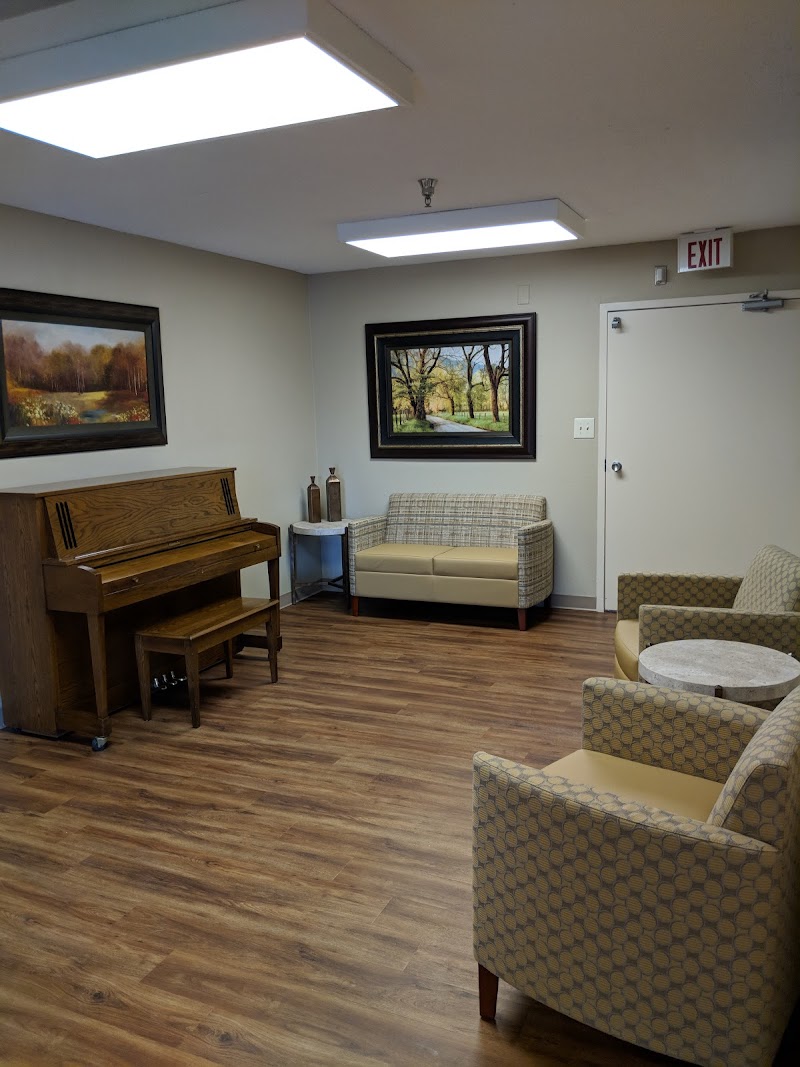
How is River City Living Community Staffed?

CMS rates RIVER CITY LIVING COMMUNITY's staffing level at 2 out of 5 stars, which is below average compared to other nursing homes. Staff turnover is 93%, which is 46 percentage points above the Missouri average of 46%. High turnover can affect care consistency as new staff learn residents' individual needs. RN turnover specifically is 100%, which is notably high. RNs provide skilled clinical oversight, so turnover in this role can affect medical care quality.

What Have Inspectors Found at River City Living Community?

State health inspectors documented 44 deficiencies at RIVER CITY LIVING COMMUNITY during 2019 to 2025. These included: 2 Immediate Jeopardy (the most serious level, indicating potential for serious harm or death), 37 with potential for harm, and 5 minor or isolated issues. Immediate Jeopardy findings are rare and represent the most serious regulatory concerns. They require immediate corrective action.
Who Owns and Operates River City Living Community?

RIVER CITY LIVING COMMUNITY is owned by a for-profit company. For-profit facilities operate as businesses with obligations to shareholders or private owners. The facility is operated by JAMES & JUDY LINCOLN, a chain that manages multiple nursing homes. With 87 certified beds and approximately 37 residents (about 43% occupancy), it is a smaller facility located in JEFFERSON CITY, Missouri.
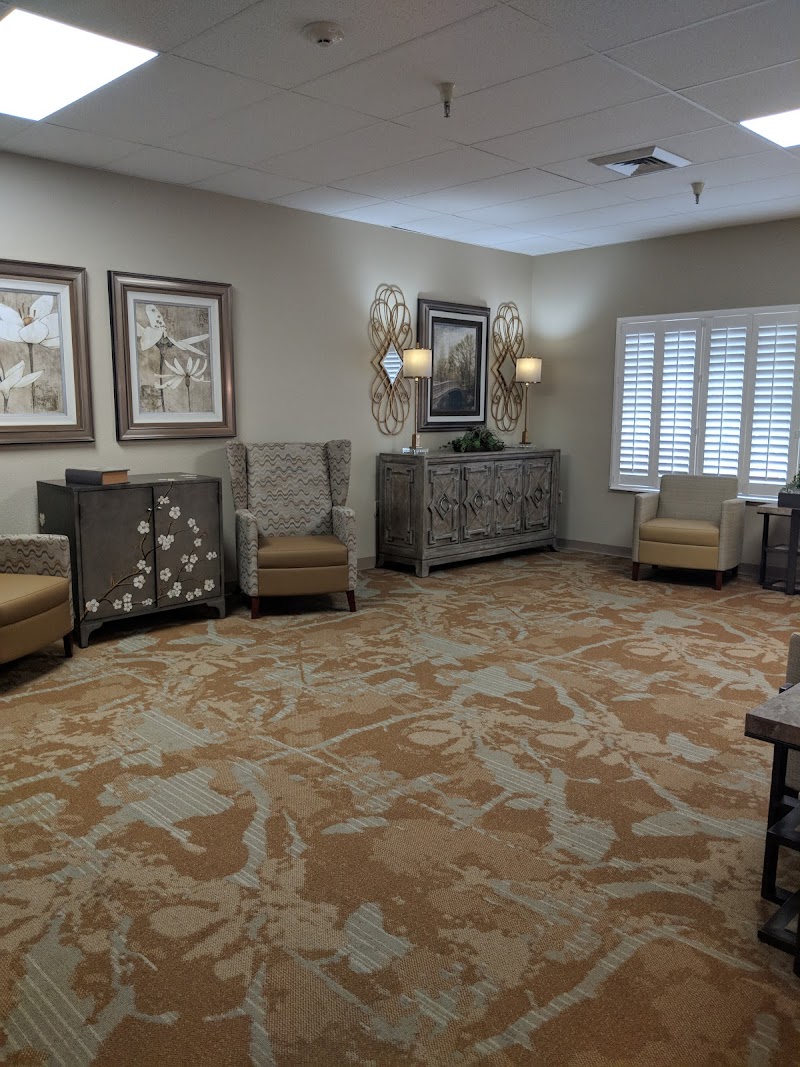
How Does River City Living Community Compare to Other Missouri Nursing Homes?

Compared to the 100 nursing homes in Missouri, RIVER CITY LIVING COMMUNITY's overall rating (1 stars) is below the state average of 2.5, staff turnover (93%) is significantly higher than the state average of 46%, and health inspection rating (2 stars) is below the national benchmark.

What Should Families Ask When Visiting River City Living Community?

Based on this facility's data, families visiting should ask: "What changes have been made since the serious inspection findings, and how are you preventing similar issues?" "How do you ensure continuity of care given staff turnover, and what is your staff retention strategy?" "Can you walk me through typical staffing levels on day, evening, and night shifts?" "Can I visit during a mealtime to observe dining assistance and food quality?" These questions are particularly relevant given the facility's Immediate Jeopardy citations, the facility's high staff turnover rate, and the below-average staffing rating.

Is River City Living Community Safe?

Based on CMS inspection data, RIVER CITY LIVING COMMUNITY has documented safety concerns. Inspectors have issued 2 Immediate Jeopardy citations (the most serious violation level indicating risk of serious injury or death). The facility has a 1-star overall rating and ranks #100 of 100 nursing homes in Missouri. Families considering this facility should ask detailed questions about what corrective actions have been taken since these incidents.

Do Nurses at River City Living Community Stick Around?

Staff turnover at RIVER CITY LIVING COMMUNITY is high. At 93%, the facility is 46 percentage points above the Missouri average of 46%. Registered Nurse turnover is particularly concerning at 100%. RNs handle complex medical decisions and coordinate care — frequent RN changes can directly impact care quality. High turnover means new staff may not know residents' individual needs, medications, or preferences. It can also be disorienting for residents, especially those with dementia who rely on familiar faces. Families should ask: What is causing the turnover? What retention programs are in place? How do you ensure care continuity during staff transitions?

Was River City Living Community Ever Fined?

RIVER CITY LIVING COMMUNITY has been fined $241,245 across 2 penalty actions. This is 6.8x the Missouri average of $35,491. Fines at this level are uncommon and typically indicate a pattern of serious deficiencies, repeated violations, or failure to correct problems promptly. CMS reserves penalties of this magnitude for facilities that pose significant, documented risk to resident health or safety. Families should request specific documentation of what issues led to these fines and what systemic changes have been implemented.

Is River City Living Community on Any Federal Watch List?

RIVER CITY LIVING COMMUNITY is not on any federal watch list. The most significant is the Special Focus Facility (SFF) program, which identifies the bottom 1% of nursing homes nationally based on persistent, serious quality problems. Not being on this list means the facility has avoided the pattern of deficiencies that triggers enhanced federal oversight. This is a positive indicator, though families should still review the facility's inspection history directly.