STONEBRIDGE OAK TREE
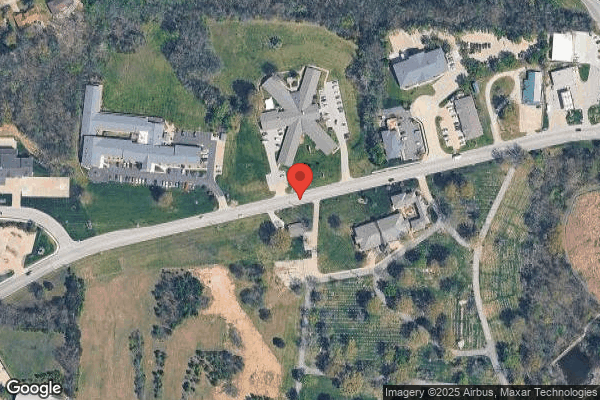

3108 WEST TRUMAN BOULEVARD, JEFFERSON CITY, MO 65109 (573) 893-3063
For profit - Individual 42 Beds STONEBRIDGE SENIOR LIVING Data: November 2025
Trust Grade
55/100
#207 of 479 in MO
Last Inspection: February 2025

Within standard 12-15 month inspection cycle. Federal law requires annual inspections.

Overview

Stonebridge Oak Tree in Jefferson City, Missouri has a Trust Grade of C, which means it is average compared to other nursing homes. It ranks #207 out of 479 facilities in Missouri, placing it in the top half of the state, and #5 out of 8 in Cole County, indicating only a few local options are better. The facility's situation is worsening, with reported issues increasing from 1 in 2024 to 4 in 2025. Staffing is a significant concern, rated only 1 out of 5 stars, which reflects a high turnover rate of 52%, slightly better than the state average. However, there are no fines on record, which is a positive sign. There are some serious concerns to note, including a failure to notify a resident's family and physician after a leg fracture, which indicates a lack of communication and care. Additionally, staff did not properly store food or maintain hygiene practices, leaving room for contamination risks. Lastly, the facility has not effectively managed waste, leading to potential pest issues. Overall, while there are some strengths, these weaknesses are significant and should be carefully considered by families looking into this nursing home.

Trust Score
C
55/100
In Missouri
#207/479
Top 43%
Safety Record
Moderate
Needs review
Inspections
Getting Worse
1 → 4 violations
Staff Stability
⚠ Watch
52% turnover. Above average. Higher turnover means staff may not know residents' routines.
Penalties
✓ Good
No fines on record. Clean compliance history, better than most Missouri facilities.
Skilled Nurses
○ Average
RN staffing data not reported for this facility.
Violations
⚠ Watch
21 deficiencies on record. Higher than average. Multiple issues found across inspections.
★★★☆☆
3.0
Overall Rating
★☆☆☆☆
1.0
Staff Levels
★★★★☆
4.0
Care Quality
★★★★☆
4.0
Inspection Score
Stable
2024: 1 issues
2025: 4 issues

The Good

  • 4-Star Quality Measures · Strong clinical quality outcomes
  • Full Sprinkler Coverage · Fire safety systems throughout facility
  • No fines on record

Facility shows strength in quality measures, fire safety.

The Bad

3-Star Overall Rating

Above Missouri average (2.5)

Meets federal standards, typical of most facilities

Staff Turnover: 52%

Near Missouri avg (46%)

Higher turnover may affect care consistency

Chain: STONEBRIDGE SENIOR LIVING

Part of a multi-facility chain

Ask about local staffing decisions and management

The Ugly 21 deficiencies on record

1 actual harm
Feb 2025 4 deficiencies
CONCERN (E)

Potential for Harm - no one hurt, but risky conditions existed

Respiratory Care (Tag F0695)

Could have caused harm · This affected multiple residents

**NOTE- TERMS IN BRACKETS HAVE BEEN EDITED TO PROTECT CONFIDENTIALITY** Based on observation, interview, and record review, facility staff failed obtain physician orders for Continuous Positive Airway...

Read full inspector narrative →
**NOTE- TERMS IN BRACKETS HAVE BEEN EDITED TO PROTECT CONFIDENTIALITY** Based on observation, interview, and record review, facility staff failed obtain physician orders for Continuous Positive Airway Pressure (CPAP) machines, non-invasive mechanical ventilation device, and failed to adequately clean and maintain the machines, masks and tubing for three residents (Residents #26, #9 and #14) of four sampled residents. The facility census was 30. 1. Review of the facility's policy titled CPAP/Bi-level positive airway pressure (BiPAP), non-invasive mechanical ventilation machine, Support, dated March 2015, showed staff should wipe the machine with warm soapy water and rinse at least once a week and as needed. Clean humidifier weekly and air dry. Rinse washable filter under running water once a week to remove dust and debris. Replace disposable filters monthly. For mask, nasal pillows and tubing, clean daily by placing in warm, soapy water and soaking/agitating for five minutes. Mild dish detergent is recommended. Rinse with warm water and allow it to air dry between uses. Document the following in the resident's medical record: -Time CPAP was started and duration; -Mode and settings for CPAP; -How resident tolerates CPAP therapy; -Oxygen saturation during CPAP therapy. Review of the facility's policy titled Medication and Treatment Orders, dated July 2016, showed orders for medications must include: -Start and stop date, or specific duration of therapy; -Dosage and frequency of administration; -Route of administration. 2. Review of Resident #26's Quarterly Minimum Data Set (MDS), a federally mandated assessment tool, dated 02/11/25, showed staff assessed the resident as: -Intact cognition; -Did not receive CPAP therapy; -Diagnosis of Parkinson's Disease. Review of the care plan, dated 01/23/25, showed staff documented CPAP machine in use. The care plan did not contain direction for cleaning, maintenance, or settings of the CPAP. Review of the resident's Physician Order Sheet (POS), dated February 2025, showed CPAP per home settings-non life sustaining, one time a day for Sleep Apnea and remove per schedule. The POS did not contain scheduled times, or setting for CPAP use. The POS did not give instruction for cleaning and maintaining the CPAP machine, tubing or mask. Review of the Treatment Administration Record (TAR), dated February 2025, showed staff documented CPAP per home settings-non life sustaining, one time a day for Sleep Apnea and remove per schedule. The TAR did not contain settings or scheduled times for CPAP use. The TAR did not contain direction for cleaning and maintenance of the CPAP machine, tubing or mask. Observation 02/25/25 at 9:48 A.M., showed the resident's CPAP mask on top of the refrigerator unbagged and uncovered. The CPAP mask had dried debris in it. Observation 02/26/25 at 10:00 A.M., showed the resident's CPAP on the refrigerator unbagged and the mask had dried debris on it. During an interview on 02/26/25 at 10:00 A.M., the resident said he/she cleans and takes care of his/her own CPAP machine. The resident said he/she does not know what the settings for the CPAP are and he/she changes the mask and tubing when a company sends him/her new ones. During an interview on 02/28/25 at 9:47 A.M., Certified Nurse Aide (CNA) H said the resident puts on his/her own mask with minimal assistance from staff. The CNA said staff should check the resident's mask for cleanliness. 3. Review of Resident #9's Significant Change MDS, dated [DATE], showed staff assessed the resident as: -Severe cognitive impairment; -Required the use of Non-invasive mechanical ventilator; -Diagnosis of Renal Failure. Review of the care plan, revised 02/25/25, showed staff documented CPAP machine in use. The care plan did not contain direction for cleaning, maintenance, or settings of the CPAP. Review of the resident's POS, dated February 2025, showed CPAP per home settings-non life sustaining, one time a day related to Obstructive Sleep Apnea and remove per schedule. The POS did not contain scheduled times, or settings for the CPAP. The POS did not give instruction for cleaning and maintaining the CPAP machine, tubing or mask. Review of the TAR, dated February 2025, showed staff documented CPAP per home settings-non life sustaining, one time a day related to Obstructive Sleep Apnea and remove per schedule. The TAR did not contain settings or scheduled times for CPAP use. The TAR did not contain direction for cleaning and maintenance of the CPAP, tubing or mask. Observation on 02/25/25 at 10:05 A.M., showed the resident asleep in his/her wheelchair. The resident did not have his/her CPAP on. The CPAP mask on the bedside table out of the residents reach, unbagged and uncovered. The CPAP mask had a large amount of an unknown brown dry debris in it. Observation on 02/26/25 at 11:36 A.M., showed the resident asleep in his/her wheelchair. The resident did not have his/her CPAP on. The CPAP mask laid on the bedside table out of the residents reach, unbagged and uncovered. The CPAP mask had a large amount of an unknown brown dry debris in it. Observation on 02/27/25 at 5:46 A.M., showed the resident's CPAP mask with built up brown debris on it. During an interview on 02/28/25 at 9:47 A.M., CNA H said he/she takes the CPAP mask on and off the resident. The CNA said he/she did not notice the debris on the mask. The CNA said he/she did not know how often the mask should be cleaned. 4. Review of Resident #14's admission MDS, dated [DATE], showed staff assessed the resident as: -Intact cognition; -Impairment to one side of upper extremities and both sides of lower extremities; -Dependent on staff members for assistance with dressing, transfers and bed mobility; -Required moderate assistance from staff members for personal hygiene; -Always incontinent of bowel and bladder; -Required CPAP; -Diagnoses of Chronic Obstructive Pulmonary Disease (COPD). Review of the care plan, revised 01/03/25, showed staff documented CPAP machine in use. The care plan did not contain direction for cleaning, maintenance, or settings of the CPAP. Review of the resident's POS, dated February 2025, showed CPAP may use home settings-non life sustaining, one time a day for sleep disturbances and remove per schedule. The POS did not contain scheduled times, or setting for CPAP use. The POS did not give instruction for cleaning and maintaining the CPAP machine, tubing or mask. Review of the TAR, dated February 2025, showed staff documented CPAP may use home settings-non life sustaining, one time a day for sleep disturbances and remove per schedule. The TAR did not contain settings or schedule times for CPAP use. The TAR did not contain direction for cleaning and maintenance of the CPAP, tubing or mask. Observation 02/25/25 at 10:21 A.M., showed the resident's CPAP mask on the bedside table, uncovered and unbagged. The mask had a build up of brown debris and a heel protector laid on it. During an interview on 02/26/25 at 10:47 A.M., the resident said he/she has not had any staff do anything with his/her CPAP since being at the facility, other than hand it to him/her and turn it on, or off. The resident said staff has not changed his/her CPAP mask or hose and has not cleaned his/her mask or machine since he/she was admitted to the facility back in December. Observation on 02/26/25 at 10:53 A.M., showed the resident's CPAP mask had a large amount of brown dried debris on it. The mask sat on the bedside table, unbagged and uncovered, out of reach of the resident. Observation on 02/26/25 at 3:03 P.M., showed the resident CPAP mask had a build up of dried brown debris on it and sat uncovered. During an interview on 02/28/25 at 9:47 A.M., CNA H said he/she does not know the settings for the resident's CPAP. The CNA said he/she will take the CPAP off the resident, or the resident will take it off. The CNA said the night shift staff changes out the tubing and mask for the CPAP machines. The CNA said the nurses change the tubing and mask, so he/she does not know how often they are changed. The CNA said if the resident's CPAP mask is dirty, he/she would tell the nurse. The CNA said he/she did not notice the dirty mask. 5. During an interview on 02/28/25 at 10:23 A.M., Licensed Practical Nurse (LPN) K said nurses are responsible for cleaning and changing CPAP masks and tubing. The LPN said changing the tubing and mask is dependent on the order, but the mask should be cleaned daily. The LPN said the masks are kept in bags so dust and debris don't get in them. The LPN said the order for timeframes to change tubing and masks should be on the POS. The LPN said there should be orders for care and the CPAP settings and there is not. The LPN said he/she did not know why there are not orders. The LPN said orders should have been gotten by the charge nurse on admission. During an interview on 02/28/25 at 11:12 A.M., the Director of Nursing (DON) said staff should clean the CPAP masks daily and ensuring they are clean before putting the mask on the resident. The DON said he/she did not know why staff are not cleaning the CPAP masks and putting them in the provided bags when not in use. The DON said there should be a physician's order in regard to cleaning and changing the tubing and mask and for the settings and he/she does not know why there is not an order. The DON said the nurses are responsible for obtaining the orders and verifying they are correct.
CONCERN (E)

Potential for Harm - no one hurt, but risky conditions existed

Deficiency F0761 (Tag F0761)

Could have caused harm · This affected multiple residents

Deficiency Text Not Available

Read full inspector narrative →
Deficiency Text Not Available
CONCERN (F)

Potential for Harm - no one hurt, but risky conditions existed

Food Safety (Tag F0812)

Could have caused harm · This affected most or all residents

Based on observation, interview and record review, the facility staff failed to store food in a manner to prevent contamination and out-dated use. Facility staff failed to perform hand hygiene as ofte...

Read full inspector narrative →
Based on observation, interview and record review, the facility staff failed to store food in a manner to prevent contamination and out-dated use. Facility staff failed to perform hand hygiene as often as necessary, using approved techniques, to prevent cross-contamination. Facility staff failed to allow sanitized dishes to air dry prior to stacking in storage to prevent the growth of foodborne pathogens. The facility census was 30. 1. Review of the facility's Food Safety Requirements policy, dated September 2022, showed: -Food safety practices shall be followed throughout the facility's entire food handling process. This process begins when food is received from the vendor and ends with delivery of the food to the resident; -Facility staff shall inspect all food, food products, and beverages for safe transport and quality upon delivery/receipt and ensure timely proper storage; -Keep foods/beverages in a clean, dry area off the floor and clear of ceiling sprinklers, sewer/waste disposal pipes, and vents; -Practices to maintain safe refrigerated storage include labeling, dating, and monitoring refrigerated food, including, but not limited to leftovers, so it is used by its use-by date, or frozen (where applicable)/discarded and keeping foods covered or in tight containers. Observation on 02/25/25 at 9:21 A.M., showed an undated and unlabeled plastic resealable bag of unidentifiable cookies and an undated plastic resealable bag of chocolate chip cookies in undated sacks stored in the dry goods pantry. Observation on 02/25/25 from 9:21 A.M. to 12:00 P.M., showed cases of ready-to drink orange juice and no sugar added applesauce stored on the floor in the dry goods pantry. Observation on 02/25/25 at 9:55 A.M., showed the walk-in refrigerator contained: -An undated plastic resealable bag which contained a large opened and undated bag of shredded cheddar cheese; -An undated plastic resealable bag which contained a large opened and undated bag of grated parmesan cheese; -An undated plastic resealable bag of white cheese slices removed from their original packaging; -An opened and undated five pound container of sour cream; -An opened and undated five pound container of cottage cheese. Observation showed the container printed with a use-by date of 01/28/25. During an interview on 02/25/25 at 9:55 A.M., [NAME] C said the bag of parmesan cheese was opened on 02/23/25 and should be dated. Observation on 02/25/25 at 9:58 A.M., showed the walk-in freezer contained an undated plastic resealable bag of chicken breasts removed from their original packaging and cases of pork fritters and beef patties opened to the air and undated. During an interview on 02/25/25 at 10:03 A.M., the Dietary Manager (DM) said all opened food items should be dated, labeled and sealed and staff are trained to do so. The DM said staff should also discard food items past their use-by or best-by dates. The DM said the white cheese slices were opened last week, but he/she did not know about the rest of the food items. The DM said he/she does daily rounds to monitor food storage, but guessed he/she missed some things that he/she should not have. The DM said he/she has forms that he/she is supposed to use to document his/her daily rounds, but he/she got used to the routine so he/she stopped filling out the forms sometime before December 2024. Observations on 02/26/25 at 3:00 P.M., showed: -an opened and undated one gallon container of honey mustard dressing in the walk-in refrigerator; -a case of bacon and a case of chicken stored on the floor in walk-in freezer; -an undated and unlabeled pitcher which contained a tan thick substance and an opened and undated five pound container of sour cream with a printed use-by date of 12/23/24 in the reach-in refrigerator. Observation on 02/27/25 6:14 A.M., showed the undated and unlabeled pitcher which contained a tan thick substance and the opened and undated five pound container of sour cream with a printed use-by date of 12/23/24 remained in the reach-in refrigerator. Observation on 02/27/25 at 6:33 A.M., showed an undated case of biscuits opened to the air in the walk-in freezer. During an interview on 02/27/25 at 6:54 A.M., the DM said food should not be stored on the floor and staff are trained to store it on a shelf. During an interview on 02/27/25 at 9:00 A.M., the administrator the said opened and prepared food items should be stored in sealed containers off of the floor, be labeled with its name if it is not easily identified, and dated with the opened and use-by dates. The administrator said staff should discard things that are past their use-by or best-by dates and staff are routinely trained on food storage requirements. The administrator said the DM is responsible to monitor food storage during his/her daily rounds, he/she should document his/her daily rounds, and he/she did not know that the DM stopped documenting his/her daily rounds. 2. Review of the facility's Food Safety Requirements policy, dated September 2022, showed: -Food safety practices shall be followed throughout the facility's entire food handling process. This process begins when food is received from the vendor and ends with delivery of the food to the resident. Elements of the process included employee hygienic practices; -Staff shall adhere to safe hygienic practices to prevent contamination of foods from hands or physical objects; -Staff shall wash hands according to facility procedures; -Staff shall not touch food with bare hands, exhibiting appropriate use of gloves, tongs, deli paper and spatulas; -Gloves will be worn when directly touching ready-to-eat foods and when serving residents who are on transmission-based precautions. Review of the facility's Hand Hygiene policy, dated May 2021, showed: -All staff will perform proper hand hygiene procedures to prevent the spread of infection to other personnel, residents, and visitors. This applies to all staff working in all locations within the facility; -Staff will perform hand hygiene when indicated, using proper technique consistent with accepted standards of practice; -The use of gloves does not replace hand hygiene. If your task requires gloves, perform hand hygiene prior to donning gloves, and immediately after removing gloves; -Hand hygiene technique when using soap and water included instruction to rub hands together vigorously for at least 20 seconds and to use a clean towel to turn off the faucet. Observation on 02/25/25 at 10:48 A.M., showed Dietary Aide (DA) D donned gloves and portioned pieces of cake onto plates for service to residents at the lunch meal. Observation showed DA removed his/her gloves and washed his/her hands at the handwashing sink. Observation showed, after the DA washed his/her hands, he/she turned the faucet off with a paper towel and then used same paper towel to dry his/her hands. Observation showed the DA donned new gloves and returned to putting cake on plates for service. Observation on 02/25/25 at 11:14 A.M., showed DA D prepared bowls of cake for service to residents at the lunch meal. Observation showed the DA used his/her bare hands to remove his/her cellular phone from his/her back pants pocket and use the phone. Observation showed the DA then, without performing hand hygiene, continued to prepare the bowls of cake for service. Observation on 02/25/25 at 10:50 A.M., showed [NAME] C placed uncooked pork fritters into the deep fat fryer with his/her gloved hand. Observation showed cook removed his/her glove and, without performing hand hygiene, took the lid off the steamtable, obtained a food service pan from the storage shelf and placed the pan in the steamtable. Observation showed the cook then donned a facial hair restraint and, without performing hand hygiene, removed the cooked pork fritters from fryer, placed them into the pan on the steamtable and covered them with the lid. Observation on 02/25/25 at 11:28 A.M., showed DA D put washed soiled dishes in the mechanical dishwashing station and then washed his/her hands at the handwashing since. Observation showed the DA scrubbed his/her hands with soap for five seconds and turned the faucet off with his/her bare hand when he/she washed his/her hands. Observation showed the DA then served meal trays to residents. Observation on 02/25/25 at 11:31 A.M., showed [NAME] C used his/her gloved hands to put uncooked chicken tenders into the deep fat fryer. Observation showed, without removing his/her gloves and performing hand hygiene, the cook used his/her gloved hands to put hamburger buns, lettuce, tomato and pickles onto plates for service to the residents. Observation on 02/27/25 at 7:33 A.M., showed [NAME] C used his/her gloved hands to put uncooked hashbrown patties into the deep fat fryer. Observation showed, without removing his/her gloves and performing hand hygiene, the cook used his/her gloved hands to put a cooked biscuit on a plate for service to a resident. During an interview on 02/27/25 at 7:35 A.M., [NAME] C said gloves should be changed after you touch anything dirty and between handling uncooked food and cooked food. The cook said he/she just did not think about it during the meal service. During an interview on 02/27/25 at 8:19 A.M., the DM said staff should change their gloves and perform hand hygiene after they touch anything dirty, between task and after they touch uncooked foods with their hands. The DM said when staff wash their hands, they should scrub their hands with soap for 30 seconds and use a clean paper towel to turn off the faucet after they dry their hands. The DM said staff are trained on hand hygiene and glove use upon hire and periodically throughout the year. During an interview on 02/27/25 at 8:54 A.M., the administrator said staff should change their gloves any time they become soiled, which would include between handling uncooked and cooked or ready-to-eat foods. The administrator said staff should perform hand hygiene after they remove gloves and after they touch anything dirty, and a cellular phone would be considered dirty. The administrator said when staff wash their hands, they should scrub their hands with soap for 20 seconds and use a paper towel to turn off the faucet after they dry their hands. The administrator said staff are trained on hand hygiene and glove use upon hire and he/she just did a hand hygiene in-service with staff a week ago. 3. Review of the facility's Sanitization policy, revised October 2008, showed the policy directed staff to allow sanitized dishes to air dry whenever practical after they are washed and sanitized. Observations on 02/26/25 from 3:00 P.M. to 3:17 P.M., showed 12 plastic service trays, 12 insulated plate covers, and 13 insulated plate holders stacked together on the utility cart by steamtable. Observation also showed seven small black square bowls, 15 small ceramic plates, and seven small ceramic dessert bowls stacked together wet in bins on the storage rack. Observation on 02/27/25 at 6:10 A.M., showed nine plastic service trays, 10 insulated plate covers, and three insulated plate holders stacked together wet on the utility cart by the steamtable. Observation on 02/27/25 at 6:20 A.M., showed 14 small black square bowls stacked together wet in a bin on the storage shelf. Observation showed pooled water in the bottom of the bowl bin. During an interview on 02/27/25 at 6:29 A.M., the DM said dishes should be allowed to air dry after they are washed, and staff are trained on this requirement. During an interview on 02/27/25 at 8:46 A.M., the administrator said staff should allow dishes to air dry before they are stacked into storage and staff are trained on this requirement as they had just done an in-service with the staff about it.
CONCERN (F)

Potential for Harm - no one hurt, but risky conditions existed

Garbage Disposal (Tag F0814)

Could have caused harm · This affected most or all residents

Based on observation, interview and record review, the facility staff failed to properly contain waste and refuse to prevent the harboring and/or feeding of rodents and pests when the facility failed ...

Read full inspector narrative →
Based on observation, interview and record review, the facility staff failed to properly contain waste and refuse to prevent the harboring and/or feeding of rodents and pests when the facility failed ensure indoor and outdoor waste containers remained covered when not in actual use. This failure has the potential to affect all facility occupants. The facility census was 30. 1. Review of the facility's Infection Prevention and Control-Maintenance Department policy, dated 2017, showed infection prevention and control measures included waste processing systems, including dumpsters, trash bins, incinerators and et cetera. Review showed the policy directed staff to: -Enforce proper bagging and containment of waste. If inappropriately bagged items are found, notify the appropriate manager; -Maintain waste receptacles to prevent leakage; -Ensure waste containers stored outside the establishment and dumpsters, compactors and compactor systems were easily cleanable, provided with tight-fitting lids, doors or covers, and be kept covered when not in actual use. 2. Observations on 02/25/25 at 9:34 A.M., 1:15 P.M. and 4:20 P.M., showed the right facing lid of the outside waste dumpster, which contained waste, opened. Observation showed paper and food waste on the ground around the dumpster and a trail of paper and food waste on the ground down the hillside into the wooded area behind the dumpster. Observations on 02/26/26 at 9:30 A.M., 11:45 A.M. and 2:40 P.M., showed the right facing lid of the outside waste dumpster, which contained waste, opened. Observation showed paper and food waste on the ground around the dumpster and a trail of paper and food waste on the ground down the hillside into the wooded area behind the dumpster. During an interview on 02/27/25 at 8:30 A.M., the Dietary Manger (DM) said the outside dumpster lids should be closed when not in use. The DM said he/she found out yesterday that he/she is responsible for the maintenance of the outside dumpster, but he/she did not know that prior to yesterday and he/she does not routinely inspect the dumpster. During an interview on 02/27/25 at 8:43 A.M., the administrator said maintenance staff is responsible for the maintenance of the outside dumpster and surrounding area, but no one had been assigned to routinely inspect and service the area. The administrator said staff should clean up trash on the ground when seen and the all staff are trained to keep the dumpster lids closed when not in use. 3. Observation on 02/26/25 from 3:00 P.M. to 3:20 P.M., showed the kitchen waste containers by the exit door and dishwashing stations, which contained waste, uncovered and the kitchen unattended by staff. During an interview on 02/27/25 at 6:48 A.M., the DM said the waste containers should never be left uncovered when staff are not in the kitchen and the cook should have covered them before he/she left. The DM said staff are trained to ensure waste containers are covered when not in use. During an interview on 02/27/25 at 8:43 A.M., the administrator said waste containers should be covered when not in use and staff are trained on this requirement.
Apr 2024 1 deficiency 1 Harm
SERIOUS (G) 📢 Someone Reported This

A family member, employee, or ombudsman was alarmed enough to file a formal complaint

Actual Harm - a resident was hurt due to facility failures

Notification of Changes (Tag F0580)

A resident was harmed · This affected 1 resident

Based on interview and record review, facility staff failed to notify one resident's (Resident #1's) out of one sampled residents family and physician when a resident leg fell from the wheelchair peda...

Read full inspector narrative →
Based on interview and record review, facility staff failed to notify one resident's (Resident #1's) out of one sampled residents family and physician when a resident leg fell from the wheelchair pedal which resulted in a fracture to the residents leg. The facility census was 26. 1. Review of the facility Change in a Resident's Condition or Status policy, revised May 2017, showed the facility shall promptly notify the residents attending physician and representative of changes in the resident medical/mental condition and/or status. Review showed the nurse will notify the resident's attending physician or physician on call when there is an accident or incident involving the resident. Review showed a significant change of condition is a major decline that will not normally resolve itself without intervention by staff. Review showed prior to notifying the physician, the nurse will make detailed observations and gather relevant and pertinent information. Review showed the nurse will record in the resident's medical record information relative to changes in the resident's medical/mental condition. 2. Review of Resident #1's Quarterly Minimum Data Set (MDS), a federally mandated assessment tool, dated 02/12/24, showed staff assessed the resident as: -Cognitively intact; -Active diagnoses of Osteoporosis (bone disease that develops when bone mineral density and bone mass decreases, or when the structure and strength of bone changes); -Used a wheelchair; -Required full dependence on staff for all transfers. Review of the resident's plan of care, dated 5/15/23, showed staff documented the resident had impaired mobility. Review showed staff are instructed to assist resident with ambulation and transfers. Review showed staff documented the resident had osteoporosis. Review showed staff are instructed to monitor, document and report to physician as needed for any signs, symptoms or complications due to osteoporosis. Review of the facility watch note (a system to alert staff of a concern with a resident) ,dated 4/10/24 at 6:04 P.M., showed Certified Nursing Assistant (CNA) C documented he/she propelled the resident back from dinner with pedals, left foot fell off pedal and leg bent under his/her wheelchair. Resident reported his/her leg hurt when lifted. He/She reported to the nurse at 6:00 P.M. Review of the facility's incident report, dated 4/11/24, showed Licensed Practical Nurse (LPN) A documented on 4/10/24 approximately 5:55 P.M., While at nurses station, noted resident being pushed from the dining room when his/her foot pedal on the wheelchair swung out causing his/her foot to fall off onto the floor and bending his/her left lower leg back. Foot pedal was locked back into place and left lower extremity was placed back onto the pedal. Documented no injuries were observed at time of incident. Review showed the physician and emergency contact was not notified of the incident until 4/11/24. During an interview on 4/16/24 at 2:14 P.M., LPN B said he/she was approached on 4/11/24 by CNA C with the Social Services Director (SSD) because of the incident with the resident and concerned he/she had not been assessed and had a high level of pain. He/She went and assessed the resident and noted the resident's leg to be bruised and swollen, and any movement of the leg or toes was painful for the resident. He/She said the resident one hundred percent needed additional assessment to see if anything was broken or torn. He/She said LPN A had reported the incident to him/her, said the resident was fine, and had not documented anything in the resident's chart about the incident, the injury, or contacting the physician or emergency contact until the administrator was informed and corrected the issue. The resident did require tylenol on his/her shift but it was effective because when he/she followed up the resident was asleep. During an interview on 4/16/24 at 2:43 P.M., LPN A said the administrator called him/her the day after the incident and made him/her document the incident, call the physician and family member and order an X-Ray. He/She said no one was notified after the incident because he/she was busy with an upset family member and he/she did not think it was that bad. LPN A said CNA did not report pain and swelling of the residents leg. During an interview on 4/16/24 at 2:59 P.M., the administrator said his/her expectation is the resident would be assessed, and physician and emergency contacts notified. During an interview on 4/16/24 at 4:30 P.M, LPN E said LPN A told him/her about the incident with the resident at off-going report. LPN E said LPN A said he/she looked the resident over and he/she was fine. LPN E said the resident's leg was swollen and bruised but not double in size, requested tylenol sometime after midnight for pain, and he/she administered it. He/She did not contact the resident's physician. LPN E said since the tylenol was effective he/she felt that was an assessment and he/she did not need to contact the physician. He/She said he/she assumed LPN A called the physician since it occured on his/her shift. During an interview on 4/17/24 at 10:57 A.M., the physician said he/she would expect to be notified promptly after an injury if the resident was experiencing swelling, pain or bruising for a stat X-Ray to be ordered or for the resident to be sent out for assessment. He/She said the resident is frail so the sooner he/she is contacted, the better. MO00234731
Nov 2023 7 deficiencies
CONCERN (D)

Potential for Harm - no one hurt, but risky conditions existed

Resident Rights (Tag F0550)

Could have caused harm · This affected 1 resident

**NOTE- TERMS IN BRACKETS HAVE BEEN EDITED TO PROTECT CONFIDENTIALITY** Based on observation, interview and record review, facility staff failed to ensure two residents (Resident #17, and #21) were tr...

Read full inspector narrative →
**NOTE- TERMS IN BRACKETS HAVE BEEN EDITED TO PROTECT CONFIDENTIALITY** Based on observation, interview and record review, facility staff failed to ensure two residents (Resident #17, and #21) were treated in a dignified and respectful manner. The facility census was 30. 1. Review of the facility's Resident Rights policy, dated September 2022, showed the resident has the right to choose activities, schedules(including sleeping, and waking times), health care and providers of health care services consistent with his or her interests, assessments, and plan of care and other applicable provisions of this part. Review of the facility's Quality of Life -Dignity policy, revised August 2009, showed: -Residents shall be treated with dignity and respect at all times; -Staff shall speak respectfully to residents at all times; -Staff shall treat cognitively impaired residents with dignity and sensitivity. 2. Review of Resident #17's Quarterly Minimum Data Set (MDS), a federally mandated assessment tool, dated 09/08/23, showed staff assessed the resident as follows: -Cognitively intact; -Required maximal assistance for toileting, bathing, and sit to stand; -No behaviors; -Diagnosis of Dementia (impaired ability to remember, think, or make decisions that interferes with doing everyday activities), Parkinson's disease (a disorder of the central nervous system that affects movement, often including tremors). Observation on 11/21/23 at 6:15 A.M., showed the resident was in his/her wheelchair sleeping. During an interview on 11/20/23 6:19 A.M., the resident said he/she doesn't like to get up this early but he/she has to. The resident said, I think I'm made to get up so early because I require so much help and I almost feel like I'm being punished for that. During an interview on 11/20/23 at 9:45 A.M., the resident said he/she does not get to choose when to get up in the morning, and staff come to wake him/her up very early in the mornings. The resident said staff will come into his/her room several times to tell him/her it's time to get up, and he/she feels like they get aggravated with him/her if he does not get up. During an interview on 11/22/23 at 9:30 A.M., Certified Nurse Aid (CNA) I said if a resident does not want to get up in the morning, he/she would let the charge nurse know. CNA I said one reason they may not be able to stay in bed is if its part of their therapy plan that they have to get up and ready in the morning During an interview on 11/22/23 at 9:45 A.M., Registered Nurse (RN) C said the overnight shift starts getting residents up around 4:30 A.M., he/she said residents have the right to make decisions about when to get out of bed in the mornings, if they are cognitive enough to ask. During an interview on 11/22/23 at 1:15 P.M., Licensed Practical Nurse (LPN) B said residents have a right to make the decision of when to get out of bed in the mornings, unless the resident has therapy then they could be expected to get up and get moving in the morning. LPN B said if a resident does not want to get up in the morning, I would go explain to them the expectation for getting up and going to meals for therapy purposes. LPN B said a resident does have the right to refuse. During an interview on 11/22/23 at 12:52 P.M., the Director of Nursing (DON) said nightshift gets up the residents that like to get up early but if the residents don't want to get up they are aloud to sleep in. He/She said there is not a staff convenience rule but she is aware that residents are being told that but no action has been taken. 3. Review of Resident #21's Quarterly MDS, dated [DATE], showed staff assessed the resident as follows: -Severe cognitive impairment; -Required total dependence for toileting, bathing, transfers, and upper/lower body dressing; -Uses a wheelchair; -Unclear speech- slurred or mumbled words; -Diagnosis of epilepsy (nerve cell activity in the brain is disturbed), Alzheimer's disease (progressive memory loss disease), and dementia. Observation on 11/20/23 at 11:40 A.M., showed LPN B assisted the resident who was on the floor after a fall. The resident was seen visibly upset and attempted to communicate with the nurse, but was incoherent. The nurse replied to the resident and said You can't da-da-da-da-da-da-da? Okay. The resident continued to talk when the LPN interrupted the resident and said Mah-mah-mah. Observation showed the LPN said Pisses me off as he/she left the residents room. 4. During an interview on 11/22/23 at 12:52 P.M., the DON said he/she has had complaints the nurses are unapproachable by staff and some family members. The nurses we re-educated on customer service, that everyone was to be treated with respect, including family members, concerns were with LPN B and RN C unprofessional behavior. He/She said he/she has not seen any unprofessional behavior towards the residents. He/She said staff should never mock a resident or use foul language but he/she knows some staff do use foul language in front of residents. During an interview on 11/22/23 at 1:15 P.M., LPN B said he/she has had unprofessional behavior reported about him/her, in the past, but doesn't remember what. He/She said it is never okay to mock, taunt or be disrespectful to a resident. During an interview on 11/22/23 at 1:16 P.M., the Administrator said there have been no concerns brought to him/her directly about unprofessional behavior as an administrator. He/She said it is not okay for staff to mock residents, because you just don't, that's morals, their rights and their dignity, everything. He/She said in general it is not okay for staff to cuss in front of a resident but there are some residents that have different banter and it might be acceptable to them. He/She said he/she expects the charge nurse to address unprofessional behavior if it is the aides or take it to DON or him/her self depending on the level of unprofessional behavior. He/She said if it is the charge nurse with unprofessional behavior he/she has to be aware before he/she can implement action, if the DON was aware, then he/she is expected to discuss it with the administrator. He/She said He/She did not know why the DON has not discussed these issues with her if he/she was aware of it.
CONCERN (E)

Potential for Harm - no one hurt, but risky conditions existed

Deficiency F0658 (Tag F0658)

Could have caused harm · This affected multiple residents

**NOTE- TERMS IN BRACKETS HAVE BEEN EDITED TO PROTECT CONFIDENTIALITY** Based on observation, interview, and record review, facility staff failed to maintain professional standards of care when they f...

Read full inspector narrative →
**NOTE- TERMS IN BRACKETS HAVE BEEN EDITED TO PROTECT CONFIDENTIALITY** Based on observation, interview, and record review, facility staff failed to maintain professional standards of care when they failed to complete a neurological assessment (evaluation completed by staff for early detection of nervous system damage following head trauma), an incident report or post fall 72 hour monitoring for one resident (Resident #1) who had an unwitnessed fall. The facility staff failed to obtain an order to crush medications for two residents (Resident #20 and #21) prior to administering and failed to obtain a supplement order for one resident (Resident #279). The facility census was 30. 1. Review of the facility's Neurological Assessment policy, revised October 2010, showed staff were directed as follows: -Neurological Assessments are indicated following unwitnessed fall; -Perform neurological check with frequency as ordered or per fall protocol. Review of the facility's Assessing Falls and Their Causes policy, revised October 2010, showed staff were directed as follows: -After a fall: -If a resident has just fallen, or is found on the floor without a witness to the event, nursing staff will record vital signs and evaluate for possible injuries to the head, spine, and extremities; -An incident report must be completed for resident falls. The incident report form should be completed by the nursing supervisor on duty at the time and submitted to the director of nursing services no later than 24 hours after the fall occurs; Review of the facility's Fall Worksheet, showed staff were directed as follows: -Date, time, vital signs, and neuro's: i.Every 15 minutes for 1 hour; ii.Every 30 minutes for 1 hour; iii.Every hour for 2 hours; iv.4 hours once; v.Every 8 hours 64 hours; -File: incident report with fall note and Post Fall 72 hour monitoring. 4. Review of Resident #21's Quarterly Minimum Date Set (MDS), a federally mandated assessment tool, dated 09/02/23, showed staff assessed the resident as follows: -Severe cognitive impairment; -Required total dependence for toileting, bathing, transfers, and upper/lower body dressing; -Uses a wheelchair; -Diagnosis of epilepsy (a disorder in which nerve cell activity in the brain is disturbed, causing seizures), Alzheimer's disease (progressive disease beginning with mild memory loss and possibly leading to loss of the ability to carry on a conversation and respond to the environment), and dementia (impaired memory). Review of the resident's electronic medical record, from 11/20/23 at 11:38 A.M. to 11/21/23 at 4:30 P.M., showed staff did not document they completed the required neurological check, an incident report or post fall 72 hour monitoring as directed in the policy. Observation on 11/20/23 at 11:38 A.M., showed staff found the resident on the floor when licensed practical nurse (LPN) B and certified medication technician (CMT) A entered the room. LPN B left the resident's room to retrieve a mechanical lift. LPN B returned to the resident room with a mechanical lift. Observation showed LPN B did not record vital signs or evaluate for possible injuries to the head, spine, and extremities before he/she and CMT A rolled the resident to his/her right side, placed the sling under the resident and moved the resident from the floor to the bed. Observation on 11/20/23 at 11:54 A.M., showed LPN E entered the resident's room obtained vital signs. Observation showed the LPN did not assess the resident's head or perform a neurological exam. Observation on 11/20/23 at 12:05 P.M., showed Certified Nurse Aide (CNA) F pushed the resident down the hall to the dining room for lunch. During in interview on 11/21/23 at 4:30 P.M., the Director of Nurisng (DON) said there was no documentation in the residernt's chart of the neurological exams, incident report or for post fall monitoring. He/She said there was not another place the documentation should be. During an interview on 11/22/23 at 10:09 A.M., CMT A said it is his/her responsibility to stop what he/she is doing and call out for a nurse if he/she finds a resident on the floor. He/She said his/her job is to assist the nurse in caring for the resident after the fall. During an interview on 11/22/23 at 10:29 P.M., LPN B said if CNA's find a resident on the floor they should notify a nurse. He/She said if a resident has an unwitnessed fall or if a resident has a fall with injury to the head, nurses are expected to initiate neurological assessments. He/She said neurological assessments should be done for 72 hours and consist of vital signs and checking their orientation and assessing their pupils. During an interview on 11/22/23 at 12:52 P.M., the Director of Nursing (DON) said if a CNA finds a resident who has fallen, they are expected to get a nurse. He/She said the nurse needs to initiate neurological exams right away before moving the resident, when a resident has had an unwitnessed fall. He/She said it is his/her expectation nurses not leave a resident until all assessments are completed to rule out any injuries. He/She said it is his/her expectation staff should document the assessments as soon as possible once the resident is stable. He/She said neurological assessments include getting vital signs, using a light to check pupil reaction, talking to the resident and note any changes from their baseline. He/She said he/she was made aware of the residents fall. During an interview on 11/22/23 at 1:16 P.M., the administrator said he/she expects staff to assess resident and initiate neurochecks per the fall policy, assess range of motion before they get the resident up. He/She said neurochecks should be implemented immediately on unwitnessed falls or falls they know they hit their head. 5. Review of the facility's Administering Medications policy, revised December 2012, showed staff were directed as follows: -Medications must be administered in accordance with the orders, including any required time frame; -The individual administering the medication must check the label THREE (3) times to verify the right resident, right medication, right dosage, right time and right method (route) of administration before giving the medication. 6. Review of Resident #20's Quarterly MDS, dated [DATE], showed staff assessed the resident as follows: -No signs or symptoms of swallowing disorders; -Rejection of care behavior was not exhibited; -Diagnosis of dementia. Review of the resident's physician order sheet (POS), dated 11/1/23 through 11/20/23, showed the physician order directed staff to adminster: -Memantine HCl (to treat Alzhimer's Disease) 10 milligrams (mg) tablet by mouth two times a day; -Multivitamin adults one tablet by mouth one time a day. Review of the resident's POS, dated 11/1/23 through 11/20/23, did not contain an order to crush medications. Observation on 11/21/23 at 7:55 A.M., showed CMT A crushed the Memantine HCl tablet and multivitamin tablet before he/she administered the medication to the resident. 7. Review of Resident #21's Quarterly MDS, dated [DATE], showed staff assessed the resident as follows: -No signs or symptoms of swallowing disorders; -Rejection of care behavior was not exhibited; -Diagnosis of dementia. Review of the resident's POS, dated 11/1/23 through 11/20/23, showed the physician order directed staff to adminster: -Ativan (to treat anxiety) 0.5 mg by mouth two times a day; -Acetaminophen (to treat pain and fever) 325 mg tablet, give two tablets by mouth every four hours; -Escitalopram Oxalate (to treat depression) 10 mg tablet by mouth in the morning; -Memantine HCl 10 mg tablet by mouth two times a day. Review of the resident's POS, dated 11/1/23 through 11/20/23, did not contain an order to crush medications. Observation on 11/21/23 at 8:05 A.M., showed CMT A crushed Ativan 0.5 mg tablet, acetaminophen 325 mg two tablets, escitalopram oxalate 10 mg tablet, and memantine HCl 10 mg tablet. During an interview on 11/22/23 at 10:09 A.M., CMT A said he/she has memorized who needs crushed medications and who does not. He/She said if they get new staff the CMT's make a list of who gets crushed medications and pass on to the new CMT along with recommendations on how the resident takes it best. He/She said he/she has heard nurses mention they need to put in orders for crushed medications, but is unsure if it is required for there to be an order. During an interview on 11/22/23 at 10:29 A.M., LPN B said residents who frequently spit out medications or choke should receive crushed medications. He/She said they should have orders in their chart to receive crushed medications. He/She said pharmacy sends them a medication card if it is a medication that should not be crushed. During an interview on 11/22/23 at 12:52 P.M., the DON said there should be an order in their MAR that says crush medications if appropriate. He/She said if they do not have an order they should not be crushing medications. During an interview on 11/22/23 at 1:16 P.M. the administrator said there is usually an order to crush medications but if a resident needed it crushed without a contraindicated problem then the staff could. He/She said staff would not want to crush a medication that was not allowed to be crushed because it would it could change the effectiveness. He/She said he/she does not know why there would be a medication would be getting crushed that cannot be. 8. Review of Resident #279's admission MDS, dated [DATE], showed staff assessed the resident as follows: -Cognitively intact; -Diagnosis of Diabetes, and depression. Review of the Resident #279's POS, dated November 2023, showed the record did not contain an order for Vitamin D. Observation on 11/21/23 at 7:15 A.M., showed CMT A administered Vitamin D 25 micrograms (mcg) to the resident. During an interview on 11/22/23 at 10:29 A.M., LPN B said staff should have orders because it is the law that they must have physician order. During an interview on 11/22/23 at 12:52 P.M., the DON said it is his/her expectation staff do not give medications without an order. He/She said they should have orders because it is one of the rights of passing medications and it is important for staff to understand why a medication is being given. He/She said he/she was unaware medication were being given without an order. During an interview on 11/22/23 at 1:16 P.M. the administrator said staff need an order for every medication that is given, he/she said we have to have an order for everything, there's no way around that. He/She said he/she does not know why there would be a medication given without orders.
CONCERN (E)

Potential for Harm - no one hurt, but risky conditions existed

Accident Prevention (Tag F0689)

Could have caused harm · This affected multiple residents

Based on observation, interview and record review facility staff failed to ensure the residents environment remained free of accident hazards when staff failed to lock the treatment cart, treatment ro...

Read full inspector narrative →
Based on observation, interview and record review facility staff failed to ensure the residents environment remained free of accident hazards when staff failed to lock the treatment cart, treatment room door and the shower room door. The facility census was 30. 1. Review of the facility's Storage of Medications policy, revised April 2007, showed staff were directed as follows: -The nursing staff shall be responsible for maintaining medication storage AND preparation areas in clean, safe, and sanitary manner; -Compartments (including, but not limited to, drawers, cabinets, rooms, refrigerators, carts, and boxes.) containing drugs and biologicals shall be locked when not in use, and trays or carts used to transport such items shall not be left unattended if open or otherwise potentially available to others. 2. Observation on 11/20/23 at 9:24 A.M., 9:39 A.M., 11:56 A.M., 1:43 P.M. and 2:22 P.M., showed the treatment room unlocked and unattended. Observation showed the treatment room contained an unlocked treatment cart with aspercreme (pain relieving cream), scissors and wound cleanser inside. Observation on 11/21/23 at 1:49 P.M., showed Licensed Practical Nurse (LPN) B left the treatment cart unattended and unlocked in the hallway. During an interview on 11/22/23 at 9:58 A.M., Certified medication technician (CMT) A said the treatment cart needs to be locked if the door to the treatment room is not locked. He/She said ideally out of practice you would lock the cart, regardless. During an interview on 11/22/23 at 10:07 A.M., LPN B said treatment room and treatment cart should stay locked at all times because there is prescription ointments and wound cleanser which could make resident sick if they drank it. During an interview on 11/22/23 at 12:52 P.M., the Director of Nursing (DON) said treatment carts should be locked if the staff is not there. He/She said you never know who is in the hall, residents or family members could take the prescription medications. During an interview on 11/22/23 at 1:16 P.M., the administrator said treatment carts and rooms should be locked at all times, so no one can get access to things they should not have. 3. Review of the facility policy's showed staff did not provide a shower room, a razors or chemicals policy. 4. Observation on 11/20/23 at 9:24 A.M., and 11:20 A.M., showed both left and right shower rooms unattended and unlocked. The shower room contained razors and chemicals. Observation on 11/20/23 at 1:43 P.M., and 2:22 P.M., showed the right shower room unattended and unlocked. The shower room contained razors and chemicals. Observation on 11/21/23 at 7:25 A.M., showed both left and right shower rooms unattended and unlocked. The shower room contained razors and chemicals Observation on 11/21/23 at 2:35 P.M., showed the left shower room unattended and unlocked. The shower room contained razors and chemicals During an interview on 11/22/23 at 9:58 A.M., CMT A said we try and keep shower doors closed at all times, so residents don't wander in there. He/She said there are razors and the residents could slip on the floor if it's wet. During an interview on 11/22/23 at 10:07 A.M., LPN B said the only time the shower doors would stay locked is at night when staff are not doing showers. he/she said they should be locked so residents don't get hurt. During an interview on 11/22/23 at 10:15 A.M., Certified Nursing assistant (CNA) D said staff try and keep the shower room doors closed but he/she is not sure why they do that. He/She said it is probably for safety issues because of razors and chemicals, residents could slip and fall on the floor. He/She said he/she does not know why they are not being closed when not in use. During an interview on 11/22/23 at 12:52 P.M., the DON said no one has ever asked about the shower rooms being locked but they should be closed at least, to keep people out for safety reasons, shampoo, razors anything with chemicals. During an interview on 11/22/23 at 1:16 P.M., the administrator said they have never locked the shower room door and he/she does not know they even lock because the razors and stuff should be locked in a separate cabinet within the shower room. He/She doesn't know why they wouldn't be locked, maybe if residents are still being showered for the day. He/She said he/she doesn't think anyone could fill that bath tub up for it to be a hazard but residents could slip on the floor.
CONCERN (E)

Potential for Harm - no one hurt, but risky conditions existed

Deficiency F0761 (Tag F0761)

Could have caused harm · This affected multiple residents

Based on observation, interview, and record review, facility staff failed to store medications in a safe and effective manner for four sampled medication carts. The facility census was 30. 1. Review o...

Read full inspector narrative →
Based on observation, interview, and record review, facility staff failed to store medications in a safe and effective manner for four sampled medication carts. The facility census was 30. 1. Review of the facility's Storage of Medications policy, revised April 2007, showed staff were directed as follows: -Drugs and biologicals shall be stored in the packaging, containers or other dispensing systems in which they are received. Only the issuing pharmacy is authorized to transfer medications between containers; -The nursing staff shall be responsible for maintaining medication storage AND preparation areas in clean, safe, and sanitary manner; -Drugs shall be stored in an orderly manner in cabinets, drawers, carts, or automatic dispensing systems. Each resident's medications shall be assigned to an individual cubical, drawer, or other holding area to prevent the possibility of mixing medications of several residents. Review of the facility's Administering Medications policy, revised December 2012, showed medications are not to be on top of the medication cart. 2. Observation on 11/20/23 at 9:24 A.M., showed the medication cart used by the Certified Medication Technician's (CMT) contained: -15 loose pills; -One loose pill in a medication cup without the medication name, a resident name or date; -Fifteen Iron Sulfate (to treat or prevent anemia (a lower than normal number of red blood cells) 325 mg (milligram) tablets, with an expiration date of 7/2023; -Five medication cups with various colored pills with hand written first names on the cups. During an interview on 11/22/23 at 9:58 A.M., CMT A said everyone who uses the cart is responsible for removing loose pills from the cart. He/She said clearly it has not been getting done. He/She I wasn't really pre-popping, I was running late. During an interview on 11/22/23 at 10:07 A.M., Licensed Practical Nurse (LPN) B said he/she assumes it is the CMT's responsibility to check for loose pills, he/she said nurses do not get in the cart often. During an interview on 11/20/23 at 9:47 A.M., The Director of Nursing (DON) said there is no no pre-popping of medications because residents could be mixed up. He/She said the pharmacy does monthly audits of the cart and he/she expects CMT's and nurses to check the carts everyday. He/She said he/she does not know why this was not done. During an interview on 11/22/23 at 1:16 P.M., The administrator said CMT's should check the medication carts for loose pills daily, he/she does not know why there are loose pills in the cart. 3. Observation on 11/20/23 at 2:28 P.M., showed the Emergency Kit (EKIT) medication cart, contained: -Three Prochlorperazine (used to treat severe nausea and emesis) 25 mg suppositories with an expiration date of 10/31/23; -Thirty Oxycodone with Acetaminophen (narcotic pain medication) 5/325 mg tablets with an expiration date of 11/03/23. During an interview on 11/22/23 at 9:58 A.M., CMT A said everyone that is on the cart is responsible for removing expired medications from the cart, clearly it has not been getting done. During an interview on 11/22/23 at 1:16 P.M., The administrator said expired medications should be removed from the medication care and the EKIT. He/She said it is the responsibility of the DON to ensure the CMT's and nurses remove the expired medications. He/he said he/she is not sure why there were expired medications in the carts. 4. Observation on 11/21/23 at 7:49 A.M., showed CMA A left the medication cart unattended in the dining room with a bottle of acetaminophen on top. Observation showed residents and visitors in the dining room. Observation on 11/21/23 at 8:05 A.M., showed CMT A left the medication cart unattended with three packages of medications on top. Observation showed residents and visitors in the dining room. During an interview on 11/22/23 at 10:09 A.M., CMT A said medications should never be left unattended on top of medication carts or in resident rooms. He/She said leaving medications unattended puts residents at a risk for injury if they came up and took them. During an interview on 11/22/23 at 10:29 A.M., Licensed practical nurse (LPN) B said medication carts are the responsibility of the person passing meds. He/She said medications should never be left unattended on top of medication carts. He/She said if a staff member needs to leave his/her cart urgently, he/she expects his/her staff to put the medications in a locked cart or behind a locked door. During an interview on 11/22/23 at 12:52 P.M., the director of nursing (DON) said staff should never leave medications unattended and should put the medications away before taking the resident their medications. He/She said he/she is not sure why staff would be leaving medications unattended. He/She said residents who are walking by or visitors could take the mediations causing injury.
CONCERN (F)

Potential for Harm - no one hurt, but risky conditions existed

Food Safety (Tag F0812)

Could have caused harm · This affected most or all residents

Based on observation, interview and record review, the facility staff failed to perform hand hygiene as often as necessary, using approved techniques, to prevent cross-contamination. Facility staff fa...

Read full inspector narrative →
Based on observation, interview and record review, the facility staff failed to perform hand hygiene as often as necessary, using approved techniques, to prevent cross-contamination. Facility staff failed to ensure hair coverings remained in place during the service of resident meals to prevent the potential for food contamination. Facility staff failed to maintain kitchen equipment and surfaces in a clean sanitary manner to prevent the potential for cross-contamination. Facility staff failed to store food in a manner to prevent contamination and out-dated use. Facility staff failed to ensure the dish washing machine functioned properly before using it to sanitize kitchen wares. The facility census was 30. 1. Review of the policies provided by the facility showed the policies did not contain a hand washing or hair covering policy. Observation on 11/21/23 at 11:28 A.M., showed [NAME] H served the lunch meal while he/she wore gloves. [NAME] H dropped two paper meal tickets on the floor and picked them up with gloved hands. [NAME] H continued to use the same gloved hands to place bread on plates. Observation showed [NAME] H wore a beard cover while he/she prepared the resident plates. Observation showed the beard cover fell down around [NAME] H's neck three times and [NAME] H repositioned the beard cover with his/her gloved hand and continued to prepare the resident plates. [NAME] H did not change his/her gloves or wash his/her hands. During an interview on 11/21/23 at 11:35 A.M., [NAME] H said he/she should have washed his/her hands and put on new gloves after touching the ticket on the floor. [NAME] H said since he/she didn't touch the floor when he/she picked up the ticket he/she did not think about washing hands. He/She also said his/her beard cover should be on when serving meals. Observation on 11/21/23 at 12:24 P.M., showed the Dietary Manager (DM) washed his/her hands for five seconds, put on a pair of gloves and prepared a resident's grilled cheese sandwich. Observation on 11/21/23 at 12:41 P.M., showed the DM washed his/her hands for five seconds, put on a pair of gloves and prepared a resident's grilled sandwich. During an interview on 11/21/23 1:51 P.M., the DM said hand washing should be 20-25 seconds and hands should be washed after touching anything on the floor. The DM said he/she thought he/she washed his/her hands long enough. He/She said beard covers should be in place at all times when preparing or serving resident meals. 2. Review of the facility's Cleaning Rotation policy, dated 2020 showed: -Small food preparation equipment cleaned after each use; -Stove top and grill cleaned daily; -Kitchen and dining room floors cleaned daily; -Walls cleaned monthly. Observation on 11/21/23 at 9:15 A.M., showed: -An egg shell, a plastic container and an accumulation of liquid, grease and food debris under the fryer and stove; -An accumulation of grease and food particles between the fryer and stove; -An accumulation of grease and food particles on the gas lines, floor and wall behind the fryer and stove; -An accumulation of grease and crumbs on top of the oven; -An accumulation of dried food particles on the top, sides and surfaces around the Belgian waffle machine; -An accumulation of food particles under the food prep bench. During an interview on 11/21/23 at 1:51 P.M., the DM said kitchen staff had a cleaning schedule weekly and monthly. The DM said he/she was responsible for making sure the kitchen was clean and did not know why all areas were not clean. The DM said he/she did not know if the area around the fryer and stoves was on the cleaning schedule. 3. Review of the facility's Food Storage (Dry, Refrigerated and Frozen) policy, dated 2020, showed: -All food items will be labeled. The label must include the name of the food and the date by which it should be sold, consumed or discarded; -Leftover contents of cans and prepared food will be stored in covered, labeled and dated containers in refrigerators or freezers; -Dented cans are set aside in a separate labeled area of the storeroom to avoid using them and discarded according to vendor procedure. Review of the registered dietician's kitchen inspection, dated 10/12/23, showed dry storage area needed correction. Review showed the dietician's recommendation included few cake mixes missing opened dates, clean, seal, label and date spices. Observation on 11/20/23 at 9:30 A.M., showed: -The shelf outside the dietary manager's office contained multiple opened and undated spices; -The dry pantry contained an opened and undated bag of macaroni noodles -The dry pantry contained one dented can of cream of potato soup; -The shelving unit outside the walk in refrigerator contained three unlabeled and undated containers with white powder in them; -The large freezer contained bags of opened and undated mixed vegetables and yellow squash Observation on 11/21/23 at 8:20 A.M., showed the shelf outside the dietary manager's office contained more than 30 containers of opened and undated spices and seasonings. Observation on 11/21/23 at 8:25 A.M., showed the shelf under the cook's prep table contained: -Two containers of opened and undated honey; -An opened and undated container of liquid margarine; -An opened and undated container of pancake syrup; -An opened and undated container of Worcestershire sauce; -An opened and undated container of red wine vinegar; -An opened and undated container of lemon juice; -An opened and undated container of vanilla flavoring. Observation on 11/21/23 at 8:35 A.M., showed the dry good storage room contained a dented can of cream of potato soup on the rack with other canned goods and one bag of bacon bits labeled 09/25/23 and 10/25/23. Observation on 11/21/23 at 9:16 A.M., showed the freezer contained: -A box of demi danishes open to the air; -An undated bag of cubed potatoes, open to the air; -An opened and undated bag of tater tots; -An opened and undated bag of spicy chicken; -A box of frozen beef patties, open to the air; -A box of frozen pizza, open to the air; -An undated, zipper bag of tortellini. Observation on 11/21/23 at 9:28 A.M., showed the shelving unit outside the walk in refrigerator contained an uncovered, unlabeled plastic bin contained a white substance. During an interview on 11/21/23 at 1:51 P.M. the DM said any opened seasonings should have a 30 day discard date. The DM said any opened food items should be dated, labeled and sealed. He/She said dented cans should be separate from other cans. The DM said he/she checks the cans at least once a week but he/she had not checked recently. He/She said there should not be dented cans on the rack with other canned goods. 4. Review of the facility's Dishwashing Machine Operation policy, dated 2020, showed staff were directed to: -Check the dishwashing machine before first use; -Record log documents twice daily for either final rinse temperature or sanitizer concentration; -If the machine is found to be out of the acceptable range for either final rinse temperature or proper chemical sanitizing concentration, do not proceed to wash dishes. -Use clean, washed hands to pull out clean racks, and allow to air dry before putting dishes away for storage Review of the sanitizer instructions showed as a terminal sanitizing rinse for pre-cleaned food utensils, adjust automatic dispensing equipment to provide a use solution of 100- 200 ppm available chlorine according to requirements of Public Health Authorities. Solution should be tested frequently with a suitable chlorine test kit to ascertain that the rinsate strength does not fall below 50 ppm. Review of the Dish Machine- Parts Per Million (PPM) Sanitizer Record Log, November 2023, showed the log did not contain sanitizer test results for: -11/01, 11/03, 11/05, 11/09 and 11/14 for the P.M. shift; -11/08 and 11/21 for the A.M. shift; -11/07, 11/10, 11/11, 11/13, 11/15, 11/16, 11/17, 11/18, 11/19 and 11/20 for the A.M. and P.M. shifts. Observation on 11/21/23 at 9:00 A.M., showed the DM ran a tray of kitchen wares through the dish machine. Observation showed there were not chlorine test strips located in the vicinity of the wash machine and when requested by this surveyor to check sanitizer concentrations the DM attempted to check the chlorine sanitizer concentration with Quaternary Test Paper (used to measure the concentration of Quaternary Sanitizers) which sat on the dish machine. Observation showed after the DM retrieved a chlorine test strip and performed testing, the test strip indicated a sanitizer concentration of 10 parts per million (ppm). During an interview on 11/21/23 at 9:02 A.M., the DM said kitchen staff run test strips every morning but staff had not tested today. He/She did not know why there was not documentation of sanitizer tests since 11/14/23 and he/she could not tell when the dish machine stopped working correctly. During an interview on 11/21/23 at 9:26 AM,, the maintenance supervisor said he/she just found out about the dish machine not working and did not know how long the machine had not been working properly. During an interview on 11/21/23 at 4:15 P.M., the administrator said kitchen staff should wash hands for at least 20 seconds. He/She said staff hair, including beards, should be covered when staff are preparing or serving food. He/She said any open food items should be dated and dented food cans should be removed and isolated according to policy. He/She said the dietary manager is responsible for ensuring the kitchen is cleaned according to the schedule and all equipment is working correctly. The administrator said the dish washing machine should be checked daily and documented.
MINOR (C)

Minor Issue - procedural, no safety impact

Deficiency F0583 (Tag F0583)

Minor procedural issue · This affected most or all residents

Based on observation, interview, and record review, facility staff failed to maintain personal medical information in a manner to protect seven residents' (Residents #2, #3, #20, #21, #279, #289 and o...

Read full inspector narrative →
Based on observation, interview, and record review, facility staff failed to maintain personal medical information in a manner to protect seven residents' (Residents #2, #3, #20, #21, #279, #289 and one unidentified resident) privacy. The facility census was 30. 1. The facility's Health Insurance Portability and Accountability Act (HIPPA) policy, dated 2018, showed: -It is the facility's policy to comply with the organizational, policy an procedural, and documentation requirements of HIPPA; -Implement administrative, physical, and technical safeguards that reasonably appropriately protect the confidentiality, integrity, and availability of the electronic protected health information that it creates, receives, maintains, or transmits. Review of the facility's Administering Medications policy, revised December 2012, showed administration of medications, the medication cart will be kept closed and locked when out of sight of the medication nurse or aide 2. Observation on 11/20/23 at 1:43 P.M., showed an unattended medication cart with the computer open, faced out toward the hall, with an unidentified resident's Electronic Health Record (EHR) visible to visitors. 3. Observation on 11/21/23 at 8:13 A.M., showed the medication administration record (MAR) open and unattended in the dining room. The MAR displayed four residents' (Resident #2, #20, #21, #279, and #289) medical information visible to residents and family members in the area. 4. Observation on 11/21/23 at 1:49 P.M., showed Licensed Practical Nurse (LPN) B entered Resident #3's room to perform a treatment. The LPN left the computer with the resident's EHR open in the middle of the hall, visible to visitors on the left side of the hall. Observation showed at 1:52 P.M., LPN B returned to his/her cart for more supplies and did not lock the EHR screen when he/she returned to the room. During an interview on 11/22/23 at 10:07 A.M., LPN B said he/she hides the screen or locks it so no one can see the protected medical information. 5. During an interview on 11/22/23 at 9:58 A.M., Certified Medication Technician (CMT) A said he/she puts his/her computer screen on lock so HIPPA information is protected. He/She said he/she has worked hard to train him/her self to lock the screen and cart. During an interview on 11/22/23 at 12:52 P.M., the Director of Nursing (DON) said all screens should be minimized or the computer should be closed so passersby cannot see what's on the screens. It is important because HIPPA privacy and to keep resident information private. He/She said staff might leave the screens open because they are complacent and need frequent reminders. During an interview on 11/22/23 at 1:16 P.M., the administrator said staff should always put the EHR on privacy or close the computer for HIPPA reasons, he/she does not know why that is not getting done.
MINOR (C)

Minor Issue - procedural, no safety impact

Deficiency F0847 (Tag F0847)

Minor procedural issue · This affected most or all residents

Based on interview and record review, facility staff failed to ensure the arbitration agreement was explained in a form and manner which correctly describes the arbitration process. The census was 30....

Read full inspector narrative →
Based on interview and record review, facility staff failed to ensure the arbitration agreement was explained in a form and manner which correctly describes the arbitration process. The census was 30. 1. Review of the facility's policies showed staff did not provide a policy for Arbitration Agreements. Review of the facility's admission Packet showed a one page Arbitration Agreement that did not contain a place to decline arbitration. During an interview on 11/22/23 at 10:40 A.M., the Social Services Director (SSD) said he/she explains the agreement of the arbitration to new residents and their family at admission. The SSD said he/she lets them know if they sign, it avoids court costs and they will use a mediator to resolve the issue, however if you feel it wasn't handled right you can get an attorney. The SSD was not aware that by signing the arbitration the resident was waving their right to a court hearing, so this is not something he/she explains during this process. During an interview on 11/22/23 at 1:16 P.M., the administrator said the arbitration agreeemnt is a voluntary agreement to sign, if there was a legal situation they are forefiting their right to a lawyer, it is not mandatory they sign it for admission to the facility. He/She said he/she presonally trained the social services director on the arbitration forms and was not aware that the SSD was confused on what it means.
Sept 2023 1 deficiency
CONCERN (D) 📢 Someone Reported This

A family member, employee, or ombudsman was alarmed enough to file a formal complaint

Potential for Harm - no one hurt, but risky conditions existed

Deficiency F0658 (Tag F0658)

Could have caused harm · This affected 1 resident

Based on staff interview and record review, facility staff failed to meet professional standards when staff did not document they administered one resident's (Resident #1) Fentanyl patch (a narcotic p...

Read full inspector narrative →
Based on staff interview and record review, facility staff failed to meet professional standards when staff did not document they administered one resident's (Resident #1) Fentanyl patch (a narcotic pain reliever) retrieved from the facility's Emergency Kit to alert staff of the need to remove the patch prior to application of a new one, leaving two patches on at the same time. The facility census was 29. 1. Review of the facility's Administering Medications Policy, dated December 2012, showed the Director of Nursing (DON) will supervise and direct all nursing personnel who administer medication and/or have related functions. Review showed medications shall be administered in a safe and timely manner, and as prescribed. If a drug is withheld, refused, or given at a time other than the scheduled time, the individual administering the medication shall document appropriately in the clinical chart. Review showed the individual administering medication will record in the resident's medical record, the date and time the medication was administered, the dosage, the route of administration, the injection site if applicable, any complaints or symptoms for which the drug was administered. The individual will place his/her signature and title after he/she administers the medication. 2. Review of Resident #1's Entry tracking Minimum data set (MDS), a federally mandated assessment tool, dated 8/12/23, showed staff assessed the resident as: -Cognitively intact; -Low back pain, degenerative disc disease (condition of the discs between vertebrae with loss of cushioning, fragmentation and herniation related to aging), fusion of spine in lumbar region, spondylosis (age related wear and tear of the spinal discs). Review of the resident's Physician Order Sheet (POS), dated August 2023, showed a physician order Fentanyl Patch 50 micrograms (mcg)/hour, apply one patch transdermally (a patch which adheres to the skin as a way to deliver medication) every 72 hours for pain related to low back pain and remove per schedule. During an interview on 8/18/23 at 12:55 P.M., LPN B said on 8/12/23 he/she retrieved a Fentanyl patch from the facility emergency medication kit and applied it to the resident. He/She said he/she did not sign the MAR to show he/she applied the patch. Review of the resident's Medication Administration Record (MAR), dated August 2023, showed LPN B did not document he/she administered the resident's Fentanyl Patch on 8/12/23. Review of the MAR showed staff documented they applied a Fentanyl patch to the resident's mid back on 8/15/23. Staff did not document they removed any Fentanyl patches on 8/15/23 that were previously applied. Review of the nurses notes, dated 8/17/23, showed Licensed Practical Nurse (LPN) E documented he/she assessed the resident with labored breathing, low blood pressure, and an elevated, irregular heart beat. LPN E documented the resident's pupils were sluggish to respond and the resident did not respond to sternal rubs. LPN E called the resident's physician and received orders to send the resident to the hospital. Review of the hospital records, dated 8/17/23, showed hospital staff documented they removed two Fentanyl patches from resident's back. During an interview on 9/25/23 at 12:18 P.M., the resident's physician said if there were two fentanyl patches on the resident it would be considered an overdose. He/She said staff are to remove and apply a new one every 72 hours. He/She said there would be a possibility of an Opioid overdose with not removing the other patch, but this would also depend on how much was left in the patch since it's delivered transdermally over a period of time. He/She said other drugs could have contributed to the resident's condition along with the back surgery. He/She said postoperative complications could have also caused the resident's change in condition as well as having excess patches. He/She said with the resident being on the fentanyl patches prior to the back surgery, it could have also had lingering affects. He/She said it was expected the staff should have removed any old patches before applying another. During an interview on 9/27/23 at 8:56 A.M., the administrator said the Director of Nursing (DON) was responsible for checking staff sign medications on the MAR, but was not sure how often it was completed. During an interview on 9/27/23 at 9:02 A.M., the DON said he/she was responsible for checking to make sure staff sign when they administer medications. MO00223075
Jan 2023 2 deficiencies
CONCERN (D) 📢 Someone Reported This

A family member, employee, or ombudsman was alarmed enough to file a formal complaint

Potential for Harm - no one hurt, but risky conditions existed

Report Alleged Abuse (Tag F0609)

Could have caused harm · This affected 1 resident

Based on interviews and record review, facility staff failed to report an allegation of employee to resident physical abuse to the Department of Health and Senior Services (DHSS) within the two hour t...

Read full inspector narrative →
Based on interviews and record review, facility staff failed to report an allegation of employee to resident physical abuse to the Department of Health and Senior Services (DHSS) within the two hour timeframe. One resident (Resident #1) reported Nurse Assistant (NA) A and Certified Nurse Assistant (CNA) B held him/her down and forced to him/her to get dressed. The facility census was 28. 1. Review of the facility's Abuse/Neglect/Exploitation Compliance and Overview, dated September 2022, showed facility staff are to report all allegations of abuse/neglect/exploitation to appropriate agencies in accordance with current state and federal regulations immediately, but no later than two hours after an allegation is made if the events that cause the allegation involves abuse. Review showed the facility will report all alleged violations and all substantiated incidents to the state agency, law enforcement, and to all other agencies as required, and take all necessary corrective actions depending on the results of the investigation. 2. Review of the facility's investigation report, dated 1/14/23, showed staff documented an allegation of physical abuse between NA A, CNA B, and Resident #1 which occurred on 11/14/23. Review showed the Director of Nursing (DON) documented the allegation at 12:45 P.M. on 1/14/23 and reported the allegation to the administrator. Review of the facility report showed it did not contain documentation staff reported the allegation of physical abuse to DHSS within the two hour timeframe. During an interview on 1/17/23 at 3:45 P.M., LPN C said CNA D came to him/her on 1/14/23 at approximately 12:30 P.M. to report the resident was reporting allegations of abuse. LPN C talked to the resident who said staff held him/her down that morning and forced him/her to get dressed. LPN C said the resident was visibly upset and reported he/she did not want the two staff members in his/her room. LPN C said he/she immediately called the DON and reported the resident made allegations of abuse and the DON told him/her to collect statements and put them under his/her door and he/she would take over from there. During an interview on 1/17/23 at 12:21 P.M., the DON said Licensed Practical Nurse (LPN) C called him/her and reported Resident #1 said staff held him/her down that morning when they provided perineal care and the resident was combative. He/She said the resident had bruises and skin tears on his/her arms. The DON said he/she told LPN C to get statements from staff and he/she would let the Administrator know. He/She said an allegation of abuse should be reported within two hours but that he/she did not report this one because he/she did not feel abuse occurred. After speaking with the resident, he/she thought it was more the resident had been combative with care and reported that he/she fought the staff because he/she did not want those particular staff members to provide his/her care. The DON said the Regional Nurse told him/her it was not reportable so he/she did not report it. During an interview on 1/17/23 at 12:30 P.M., the Administrator said on 01/14/23, the DON contacted him/her and said the resident had been combative with care. He/She told the DON to call the Regional Nurse and follow his/her direction. The Administrator said he/she was not aware of the details of allegations until 1/17/23 when he/she spoke to the resident's family. During an interview on 1/17/23 at 1:25 P.M., the Regional Nurse said he/she was informed the resident had been combative with care and received skin tears. He/She said when they discussed the information he/she thought it was not reportable at that time. MO00212676, MO00212726, MO00212710
CONCERN (D) 📢 Someone Reported This

A family member, employee, or ombudsman was alarmed enough to file a formal complaint

Potential for Harm - no one hurt, but risky conditions existed

Investigate Abuse (Tag F0610)

Could have caused harm · This affected 1 resident

Based on interview and record review, facility staff failed to conduct a thorough investigation of an allegation of physical abuse when one resident (Resident #1) reported he/she was held down by Nurs...

Read full inspector narrative →
Based on interview and record review, facility staff failed to conduct a thorough investigation of an allegation of physical abuse when one resident (Resident #1) reported he/she was held down by Nurse Assistant (NA) A and Certified Nurse Assistant (CNA) B and was forced to get dressed. The facility census was 28. 1. Review of the facility's Abuse Prevention Program policy, dated September 2022, shows staff are directed as follows: -When reports of abuse are received, an investigation is immediately warranted; -Once the resident has been cared for and initial reporting has occurred, an investigation should be conducted; -Interview the involved resident if possible, and document all responses; -Interview all witnesses separately; -Include roommates, residents in adjoining rooms, staff members in the area, and visitors in the area, obtain witness statements, according to appropriate policies; -All statements should be signed and dated by the person making the statement; -Document the entire investigation chronologically. Review of the resident's quarterly Minimum Data Set (MDS), a federally mandated assessment tool, dated 10/13/22, showed staff assessed the resident as follows: -Cognitively intact; -Diagnoses of Multiple Paraplegia (numbness and weakness to multiple body parts) on left side, and depression; -Required extensive assistance of one staff member for bed mobility and transfers; -Required limited assistance of one staff member for dressing, toileting, personal hygiene, and bathing. Review of the resident's plan of care, dated 11/15/22, showed staff are directed to allow the resident time to complete tasks and to encourage the resident to be involved in self-care. Review of the facility investigation, dated 1/14/23, showed the facility's investigation did not contain interviews with the resident or the staff who provided care to the resident. Review of the resident's nurses' notes, dated 1/14/23-1/17/23, showed staff did not document an assessment of the resident's skin. During an interview on 1/17/23 at 3:45 P.M., LPN C said he/she called the DON and reported to him/her the resident had reported an allegation of abuse by NA A and CNA B when he was held down and dressed and that he/she had bruises and skin tears on his/her arms. LPN C said the DON instructed him/her to get statements from staff and put them under his/her door. During an interview on 1/17/23 at 12:50 P.M., the administrator said when he/she was first notified of the incident he/she did not have all the details but instructed the DON to contact the Regional Nurse and follow his/her guidance for the investigation. During an interview on 1/17/23 at 12:30 P.M., the Director of Nurses (DON) said he/she was called on 1/14/23 at approximately 12:45 P.M. by the charge nurse and informed there had been an incident where Resident #1 had been combative with care and had bruises and skin tears to his/her arms. He/She said, I informed the charge nurse to get statements from staff and I would contact the Administrator. The DON said he/she had only been back as the DON for about a month and although he/she had been the DON before he/she had never experienced anything like this and did not know what to do, but was advised to complete the investigation. The DON said he/she did not document in the resident's medical record, did not talk to any other staff, and did not talk to any other residents. He/She said, I just felt that the injuries were caused because the resident was combative with care. The DON said he/she did not know exactly what the policy said related to interviewing other residents and staff so he/she did not do that, as this was all new. During an interview on 1/17/23 at 1:25 P.M., the Regional Nurse said he/she felt the investigation was still ongoing because he/she informed the DON to interview residents and staff and if the allegation was found unsubstantiated after that the employees could return. MO00212676, MO00212726, MO00212710
Jun 2022 6 deficiencies
CONCERN (E)

Potential for Harm - no one hurt, but risky conditions existed

Employment Screening (Tag F0606)

Could have caused harm · This affected multiple residents

Based on interview and record review, the facility staff failed to screen four new employees [Certified Nurse Assistant (CNA) A, Housekeeper B, Business Office Manager (BOM), and the Activity Director...

Read full inspector narrative →
Based on interview and record review, the facility staff failed to screen four new employees [Certified Nurse Assistant (CNA) A, Housekeeper B, Business Office Manager (BOM), and the Activity Director (AD)], out of nine employee files reviewed, prior to employment to determine if any had a Federal indicator with the Nurse Aide Registry which would prohibit employment at the facility. The facility census was 23. 1. Review of the facility's Abuse, Neglect and Exploitation Compliance and Overview policy, dated 10/2017 showed facility staff are directed as follows: The facility must develop and operationalize polices and procedures for screening and training employees. Screening: The facility will screen employees for a history of abuse, neglect or mistreating of residents by attempting to obtain information from previous employers and/or current employers, and checking with the appropriate licensing boards and registries. 2. Review of Certified Nursing Assistant (CNA) A's employee file showed a hire date of 02/21/20. Further review showed the file did not contain a pre-employment Nurse Aide registry check. 3. Review of Housekeeper B's employee file showed a hire date of 10/23/19. Further review showed the file did not contain a pre-employment Nurse Aide Registry check. 4. Review of the Business Office Manager's (BOM) employee file showed a hire date of 05/11/22. Further review showed the file did not contain a pre-employment Nurse Aide Registry check. 5. Review of the Activity Director's (AD) employee file showed a hire date of 05/16/22. Further review showed the file did not contain a pre-employment Nurse Aide Registry check. 6. During an interview on 06/03/22 at 09:29 A.M., the administrator said the BOM is in charge of pre-employment background checks but the BOM is new and started in mid-May of 2022 and corporate has helped until he/she gets trained. He/She said prior to the new BOM, he/she can not answer why the checks were not done, but his/her expectations are that all pre-employment checks are done prior to employment. He/She said anyone in nursing needs to have the Nurse Aide Registry Check ran.
CONCERN (E)

Potential for Harm - no one hurt, but risky conditions existed

Deficiency F0700 (Tag F0700)

Could have caused harm · This affected multiple residents

**NOTE- TERMS IN BRACKETS HAVE BEEN EDITED TO PROTECT CONFIDENTIALITY** Based on observation, interview and record review, facility staff failed to complete an assessment of the resident's risk from u...

Read full inspector narrative →
**NOTE- TERMS IN BRACKETS HAVE BEEN EDITED TO PROTECT CONFIDENTIALITY** Based on observation, interview and record review, facility staff failed to complete an assessment of the resident's risk from using side rails/bed rails, complete initial and/or annual entrapment assessments, and/or obtain informed consent for the use of side rails for seven (Residents # 5, #10, #12, #14, #15, #16 and #22) of 15 sampled residents. The facility census was 23. 1. Review of the facility's Proper Use of Side Rails Policy, dated October, 2017, showed staff are directed to conduct an assessment of the resident's risk from using side rails/bed rails and obtain signed informed consent for the use of side rails from the resident or the resident's representative prior to use. In addition, if bed rails are used, staff are to complete an entrapment assessment initially, annually, and/or with a change to the bed/mattress. 2. Review of Resident #5's admission Minimum Data Set (MDS), a federally mandated assessment tool, dated 03/06/22, showed the staff assessed the resident as follows: -Brief Interview for Mental Status (BIMS) of 15 (cognitively intact); -Required extensive, one person assistance with mobility, transfer, dressing, toileting and bathing; -Required the use of a wheelchair. Review of the resident's medical record showed the record did not contain a signed consent for the use of the side rails. Observation on 5/31/22 at 10:08 A.M., showed bilateral hand rails in the upright position on the resident's bed. During an interview on 6/2/22 at 11:13 A.M., the resident said he/she did not sign a consent nor did the facility go over the risks with use of bedrails. 3. Review of Resident #10's annual MDS, dated [DATE], showed the staff assessed the resident as follows: -BIMS of 7 (severe cognitive impairment); -Required extensive, one person assistance with mobility, transfer, dressing, toileting, personal hygiene and bathing; -Required the use of a wheelchair. Review of the resident's medical record showed the record did not contain a signed consent for the use of the side rails. Further review showed facility staff did not complete an annual entrapment assessment. Observation on 5/31/22 at 9:20 A.M., showed bilateral hand rails in the upright position on the resident's bed. 4. Review of Resident #12's quarterly MDS, dated [DATE], showed the staff assessed the resident as follows: -BIMS of 8 (moderately impaired cognition); -Required extensive, one person assistance with mobility, transfer, dressing, toileting and bathing; -Impairment of one upper and lower extremity; -Required walker and wheelchair use. Review of the resident's medical record showed the record did not contain a signed consent for the use of the side rails. Observation on 5/31/22 at 9:22 A.M., showed bilateral hand rails in the upright position on the resident's bed. During an interview on 5/31/22 at 10:32 A.M., the resident said he/she uses the siderails to turn in bed. 5. Review of Resident #14's admission MDS, dated [DATE] showed staff assessed the resident as follows: -BIMS of 10 (moderate cognitive impairment); -Required extensive, two person assistance with mobility, transfer, dressing, toileting, personal hygiene, and bathing; -Required walker and wheelchair use. Observation on 5/31/22 at 1:55 P.M., showed bilateral hand rails in the upright position on the resident's bed. Observation on 6/1/22 at 9:14 A.M., showed bilateral hand rails in the upright position on the resident's bed. Observation on 6/1/22 at 3:52 P.M., showed bilateral hand rails in the upright position on the resident's bed. Observation on 6/2/22 at 9:01 A.M., showed bilateral hand rails in the upright position on the resident's bed. Review of the resident's medical record showed the record did not contain an assessment of the resident's risk from using side rails/bed rails, nor obtain a signed consent for the use of the side rails. Further review showed facility staff did not complete an initial entrapment assessment. 6. Review of Resident #15's annual MDS, dated [DATE], showed staff assessed the resident as follows: -BIMS of 13 (cognitively intact); -Required extensive, one person assistance with mobility, transfer and locomotion; -Required limited, one person assistance with dressing, toileting and bathing; -Required walker and wheelchair use. Review of the resident's medical record showed the record did not contain a signed consent for the use of the side rails. Further review showed facility staff did not complete annual entrapment assessment. Observation on 5/31/22 at 9:28 A.M., showed bilateral hand rails in the upright position on the resident's bed. Observation on 6/1/22 at 11:29 A.M., showed bilateral hand rails in the upright position on the resident's bed. 7. Review of Resident #16's quarterly MDS, dated [DATE], showed staff assessed the resident as follows: -BIMS of 13; -Required extensive, one person assistance with mobility and toileting; -Required limited, one person assistance with transfers, dressing, personal hygiene and bathing; -Required walker and wheelchair use. Observation on 5/31/22 at 11:24 A.M., showed bilateral hand rails in the upright position on the resident's bed. Observation on 6/1/22 at 9:07 A.M., showed bilateral hand rails in the upright position on the resident's bed. Observation on 6/1/22 at 3:51 P.M., showed bilateral hand rails in the upright position on the resident's bed. Observation on 6/2/22 at 9:01 A.M., showed bilateral hand rails in the upright position on the resident's bed. Review of the resident's medical record showed facility staff did not complete an initial or annual entrapment assessment. 8. Review of Resident #22's initial care plan for admission on [DATE], showed staff assessed the resident as follows: -Ability to hear, understand and be understood; -Required extensive, two person assistance with mobility, transfers, dressing, toileting, personal hygiene, and bathing; -Required use of a wheelchair. Observation on 5/31/22 at 2:01 P.M., showed bilateral hand rails in the upright position on the resident's bed. Observation on 6/1/22 at 9:18 A.M., showed bilateral hand rails in the upright position on the resident's bed. Observation on 6/1/22 at 3:52 P.M., showed bilateral hand rails in the upright position on the resident's bed. Observation on 6/2/22 at 9:02 A.M., showed bilateral hand rails in the upright position on the resident's bed. Review of the resident's medical record showed the record did not contain a signed consent for the use of the side rails. Further review showed facility staff did not complete an initial entrapment assessment. 9. During an interview on 6/2/22 at 3:06 P.M., Licensed Practical Nurse (LPN) K said when residents have handrails on the bed staff fill out an assist rail initiation with general questions and the side rail assessment on the computer. They complete the siderail assessments on admission, quarterly and annually. Residents should have consent and a doctors order. Nurses are not responsible for entrapment assessments. LPN K said he/she had never seen the entrapment form. During an interview on 6/3/22 at 09:18 A.M., the Assistant Director of Nursing (ADON) said maintenance was responsible for the entrapment assessments. They are completed quarterly, annually and with any change. Nursing is responsible for getting the consents and the authorization form. During an interview on 6/3/22 at 09:25 A.M., the Environmental Services Supervisor said the DON gives him/her the entrapment assessment paper, he/she fills it out and gives back. He/She said he/she did not keep those or keep track of when they were due. The assessments should be done on admission, and with any change. During an interview on 6/3/22 at 9:26 A.M., Registered Nurse (RN) J said the bed rail assessment is part of the admission or is done if the resident changes. The assessment is to see if bed rails will assist the resident in moving around. He/She said at night staff checks to make sure the resident is not caught with a rail. He/She said the rails are pretty flush with the mattress. He/She was not aware of any measurements being taken. During an interview on 6/3/22 at 9:35 A.M., the Director of Nursing (DON) said maintenance does the measurements for the entrapment when the quarterly assessments are done, or with any changes. He/She would expect the form to have the resident's name and the date it was done. The consents are part of the admission agreement where the family or resident consent to the use of Halo bars. During an interview on 6/3/22 at 9:36 A.M., the ADON said therapy and nursing assess whether residents can use bed rails for assisting staff and/or if the resident prefers to use bed rails. Facility staff then gets an order, and initiates an entrapment assessment with maintenance, and then nursing staff obtains consent. The resident or the family signs the authorizations. During an interview on 6/3/22 at 10:02 A.M., the Administrator said when bed rails are on the resident's bed, nursing lets maintenance staff know to do an entrapment assessment during the admission process.
CONCERN (E)

Potential for Harm - no one hurt, but risky conditions existed

Medication Errors (Tag F0758)

Could have caused harm · This affected multiple residents

**NOTE- TERMS IN BRACKETS HAVE BEEN EDITED TO PROTECT CONFIDENTIALITY** Based on observation, interview and record review, facility staff failed to ensure Gradual Dose Reductions (GDRs) (tapering of a...

Read full inspector narrative →
**NOTE- TERMS IN BRACKETS HAVE BEEN EDITED TO PROTECT CONFIDENTIALITY** Based on observation, interview and record review, facility staff failed to ensure Gradual Dose Reductions (GDRs) (tapering of a medication dosage to determine if symptoms, conditions, or risks can be managed by a lower dose of if the medication can be discontinued) were performed for psychotropic medications (medications that that affect brain activity) for three residents (Resident #1, #13 and #16). Additionally, staff failed to ensure documentation of a clinical rationale, diagnoses, and identified target symptoms for one resident (Resident #1) who received an as needed (PRN) psychotropic medication for longer than 14 days. The facility census was 23. 1. Review of the facility's Psychotropic Medication Management Policy, dated October 2017, showed the policy directs the physician, Physician Assistant (PA), or Advanced Practice Nurse (APN): -Orders for psychotropic medication are only for the treatment of specific medical and/or psychiatric conditions or the medication meets the needs of the resident to alleviate significant distress for the resident not met by the use of non-pharmacological approaches; -Documents rationale and diagnosis for use and identifies target symptoms; -Attempt a GDR or discontinuation of psychotropic medications after no more than 3 months unless clinically contraindicated. Gradual dose reductions must be attempted in two separate quarters (with at least one month between attempts). GDRs must be attempted annually thereafter or as the resident's clinical condition warrants; -Orders for when necessary or PRN psychotropic medications will be time limited, (for two weeks) and only for specific clearly documented circumstances. 2. Review of Resident #1's Quarterly Minimum Date Set (MDS), a federally mandated assessment tool, dated 2/20/22, showed staff assessed the resident as follows: -Moderate Cognitive Impairment; -A Patient Health Questionnaire-9 (PHQ-9) assessment used to determine if depression is present, showed a score of zero (no depression); -Has diagnoses of Parkinson's disease, depression, dementia, and anxiety; -Had delusions; -Had no behaviors; -Received antipsychotic medication seven out of seven days in the look back period (period of time used to complete assessment); -Received antianxiety medication one of seven days. Review of the resident's Physician's Orders showed: -8/6/2020: Administer Seroquel (an antipsychotic medication) 25 milligrams (mg) daily; -12/27/2021: Administer Xanax (an antianxiety medication) 0.25 mg as needed (PRN) with stop date of 2/22/22; -2/22/2022: Administer Xanax 0.25 mg PRN for six months. Review of the medical record showed it did not contain a GDR for the resident's Seroquel from 8/16/2020 until 5/16/22. Review of a pharmacy consultation, dated 5/16/22, showed a recommendation to reduce the Seroquel to 12.5 mg daily. The GDR was declined by the physician with no documented explanation or reason. Additional review of the medical record showed the Xanax order did not have a 14 day stop date, and was discontinued 2/22/2022, and restarted on the same day with an order to discontinue the medication after six months. The medical record did not contain a documented explanation or reason for the delayed GDR of the Seroquel or for the Xanax to be ordered with a stop date greater than 14 days. 3. Review of Resident #13's quarterly MDS, dated [DATE], showed staff assesses the resident as follows: -Moderately impaired cognition; -Has diagnoses of anxiety and depression; -Had no behaviors; -Had delusions and hallucinations; -Received antipsychotic medication seven out of seven days; -Received antianxiety medication six out of seven days; -Received antidepressant medication seven out of seven days. Review of the resident's Physician's Orders, showed: -6/8/2020: Administer Sertraline (an antidepressant medication) 50 mg daily; -7/30/2020: Administer Seroquel 25 mg two tablets in the morning and three tablets at bedtime (HS). Review of a pharmacy consultation, dated 4/22/21, showed the pharmacy consultant recommended a GDR of Sertraline. The GDR was declined by the physician with no documented explanation or reason. Review of the medical record showed it did not contain a GDR for the resident's Seroquel from July 2020 until 5/16/22. Review of a pharmacy consultation, dated 5/16/22, showed the pharmacy consultant recommended a GDR of Seroquel and Sertraline. The GDR was declined by the physician with no documented explanation or reason. 4. Review of Resident #16's quarterly MDS, dated [DATE], showed staff assessed the resident as follows: -Moderately impaired cognition; -A PHQ-9 score of two (minimal depression); -Has diagnosis of depression; -Had no behaviors; -Received antipsychotic medication seven out of seven days; -Received antidepressant medication seven out of seven days. Review of the resident's Physician's Orders, dated 11/21/21, showed an order to administer Seroquel 12.5 mg, 1/2 of a 25 mg tablet, two times a day. Review of a pharmacy consubstantiation, dated 5/16/22, showed the pharmacy consultant recommended a GDR of Seroquel to 12.5 mg daily. The GDR was declined by the physician with no documented explanation or reason. During an interview on 6/3/22 at 9:26 A.M., Registered Nurse (RN) J said the physician receives the GDRs and writes his/her recommendations on them. He/She said the nurses transcribe the orders if there are any changes. During an interview on 6/3/22 at 9:36 A.M., the Assistant Director of Nursing (ADON) said GDRs are given to the doctor. He/She said the nurses watch for recommendations, and then carries through with them. During an interview on 6/3/22 at 9:45 A.M., the Director of Nursing (DON) said GDRs are forwarded to the nurses, and the nurses are to get the GDR to the physician. He/She said staff proceed as directed by the physician. During an interview on 6/3/22 at 10:02 A.M., the Administrator said the pharmacy sends the GDR reports via email, and he/she does not look at them. He/She said the nursing staff follows through with the process.
CONCERN (E)

Potential for Harm - no one hurt, but risky conditions existed

Infection Control (Tag F0880)

Could have caused harm · This affected multiple residents

Based on interview and record review, facility staff failed to implement facility communicable disease policies and procedures to ensure all employees were screened appropriately and in a timely manne...

Read full inspector narrative →
Based on interview and record review, facility staff failed to implement facility communicable disease policies and procedures to ensure all employees were screened appropriately and in a timely manner for tuberculosis (TB). The facility failed to ensure the two-step TB test was completed accurately or failed to document annual screens or TB tests for seven of the ten employee files reviewed. The facility census was 23. 1. Review of the facility's Employee Screening for Tuberculosis Policy, dated 2021, showed the following: - All employees shall be screened for tuberculosis (TB) infection and disease, using a two-step tuberculin skin test (TST) or blood assay for Mycobacterium tuberculosis (BAMT) and symptom screening, prior to beginning employment. The need for annual testing shall be determined by the annual TB risk classification or as per State regulations. A. Tuberculin Skin Testing: Each newly hired employee will be screened for TB infection and disease after an employment offer has been made but prior to the employee's duty assignment. - If the reaction to the first skin test is negative, the facility will administer a second skin test not before 7 days but no later than 21 days after the first test. B. Serial Testing of Employees: The need for annual testing will be based on TB risk classification as follows, or as required by State regulations: 1. Low Risk Classification a. Annual TB testing of employees is conducted. b. Employees with negative baseline TSTs or BAMTs will have repeat tests done sporadically such as on the anniversary of hire. c. Employees with positive baseline tests or those who convert to positive will have baseline chest x-ray and annual symptom screening. 2. Review of the Center for Disease Control (a federal agency in the Department of Health and Human Services which investigates and diagnoses and tries to control or prevent diseases) instructions for Testing for TB Infection, updated March 8, 2021, showed a person given the tuberculin skin test must return within 48 to 72 hours to have a trained health care worker look for a reaction on the arm. 3. Review of Laundry Staff D's employee file showed: -Hire date of 4/13/20; -First step TB test administered on 4/10/20 and read on 4/13/20; -Second step TB test administered on 4/24/20 and read on 4/26/20; -The file did not contain documentation of annual or sporadic TB testing after 4/26/20. 4. Review of Certified Nursing Assistant (CNA) E's employee file showed: -Hire date of 2/21/20; -A negative chest x-ray on 2/14/20; -The file did not contain documentation of annual symptom screening after 2/14/20. 5. Review of Dietary Staff F's employee file showed: -Hire date of 5/11/20; -First step TB test administered on 5/9/20 and read on 6/11/20; -Second step TB test administered on 5/26/20 and read on 5/28/20; -The file did not contain documentation of annual or sporadic TB testing after 5/28/20. 6. Review of the Business Office Manager's (BOM) employee file showed: -Hire date of 5/11/22; -First step TB test administered on 5/6/22 and read on 5/9/22; -The file did not contain documentation a second TB test was administered and read 7 to 21 days after the first test. 7. Review of Housekeeper G's employee file showed: -Hire date of 10/23/19; -A symptom screening for employees who have a history or a positive purified protein derivative (the PPD skin test for tuberculosis) was completed on 10/8/19; -The file did not contain documentation of a previous TB test or documentation of a chest x-ray negative for TB; -The file did not contain documentation of annual symptom screening after 10/8/19. 8. Review of Registered Nurse (RN) H's employee file showed: -Hire date of 11/30/20; -First Step TB test administered 11/23/20 and read on 11/25/20; -Second Step TB test administered on 12/7/20 and read on 12/10/20; -The file did not contain documentation of annual or sporadic TB testing after 12/10/20. 9. Review of Life Enrichment Staff I's employee file showed: -Hire date of 5/16/22; -First Step TB test administered on 5/12/22 and read on 5/16/22; -The file did not contain documentation the skin test was read within 48 to 72 hours. 10. During an interview on 6/3/22 at 9:26 A.M., RN J said when hired, employees are tested for TB at the facility. TB tests are administered and the employee must return in three days. Two weeks later, a TB test is done again and then done yearly. During an interview on 6/3/22 at 9:36 A.M., the Assistant Director of Nursing (ADON) said employees get the first step TB test before hire and the employee does not start until the TB test is read. The second TB test is given between seven and twenty-one days, and then annually. The facility usually does the annual TB testing with the educational fair, so everyone is on the same time frame. The business office will remind staff to get the TB test, and staff come to the nurses' station, to herself, or to the DON to get it. During an interview on 6/3/22 at 9:45 A.M., the Director of Nursing (DON) said he/she was new and will be responsible for keeping track of when TB tests are due. He/She was not sure how TB testing was previously handled. During an interview on 6/3/22 at 10:02 A.M., the Administrator said employee TB testing was tracked by the BOM, however, the BOM took another job and since then there has been a series of BOMs. TB testing of employees will now be the responsibility of the ADON, the DON, and the Administrator.
CONCERN (F)

Potential for Harm - no one hurt, but risky conditions existed

Food Safety (Tag F0812)

Could have caused harm · This affected most or all residents

Based on observation, interview and record review, the facility staff failed to perform hand hygiene as often as necessary to prevent cross-contamination. The facility census was 23. 1. Review of the...

Read full inspector narrative →
Based on observation, interview and record review, the facility staff failed to perform hand hygiene as often as necessary to prevent cross-contamination. The facility census was 23. 1. Review of the facility's Handwashing/Hand Hygiene policy, dated August 2015, showed All personnel shall follow the handwashing/hand hygiene procedures to help prevent the spread of infections to other personnel, residents, and visitors. Further review showed the policy directed staff to wash their hands with soap and water when their hands are visibly soiled and to use an alcohol-based hand rub containing at least 62 percent alcohol; or alternatively, soap and water for situations which included: -before donning sterile gloves; -after removing gloves; -before and after assisting a resident with meals; and -after contact with objects in the immediate vicinity of the resident. Observation on 05/31/22 at 9:12 A.M., showed Dietary Aide (DA) C washed soiled dishes in the mechanical dishwasher. Observation showed the DA loaded soiled dishes into the dishwasher with gloved hands and, without removing his/her gloves or washing his/her hands, put away dishes from the clean side of the station twice. Observation on 05/31/22 at 12:25 P.M., showed the DA washed soiled dishes in the mechanical dishwasher. Observation showed the DA loaded soiled dishes into the dishwasher with gloved hands and, without removing his/her gloves or washing his/her hands, put away dishes from the clean side. Observation also showed the DA served plates of food to the residents multiple times while wearing the same soiled gloves. Observation on 06/01/22 from 12:42 P.M. to 12:50 P.M., showed the DA washed soiled dishes in the mechanical dishwasher. Observation showed the DA loaded soiled dishes into the dishwasher with gloved hands and, without removing his/her gloves or washing his/her hands, put away dishes from the clean side of the station multiple times. During an interview on 06/01/22 at 12:50 P.M., the DA said he/she had worked at the facility about five months and was trained on handwashing procedures upon hire, but no one ever told him/her that he/she needed to take off his/her gloves and wash his/her hands between touching the dirty and clean dishes. During an interview on 06/01/22 at 12:55 P.M., the Dietary Manager (DM) said staff should remove gloves and wash their hands between tasks which would including between touching the dirty and clean dishes. The DM said he/she had told the DA that he/she needed to wash his/her hands between the dirty and clean dishes and all staff are trained on handwashing procedures upon hire. During an interview on 06/01/22 at 1:08 P.M., the administrator said staff should remove gloves and wash their hands between handling dirty and clean dishes. The administrator said staff are trained on handwashing procedures upon hire and routinely by the DM and registered dietician.
MINOR (C)

Minor Issue - procedural, no safety impact

Deficiency F0882 (Tag F0882)

Minor procedural issue · This affected most or all residents

Based on interview and record review, the facility failed to designate one or more individuals with specialized training in infection prevention and control (IPC) as the infection preventionist (IP) f...

Read full inspector narrative →
Based on interview and record review, the facility failed to designate one or more individuals with specialized training in infection prevention and control (IPC) as the infection preventionist (IP) for the facility's infection prevention and control program. The census was 23. 1. Review of the Center for Disease Control (CDC)'s Preparing for COVID-19 in Nursing Homes policy, updated on 11/20/20, showed facilities should assign at least one individual with training in IPC to provide on-site management of their COVID-19 prevention and response activities, because of the breadth of activities for which an IPC program is responsible, including developing IPC policies and procedures, performing infection surveillance, providing competency-based training of health care providers (HCP), and auditing adherence to recommended IPC practices. During an interview on 6/1/22 at 3:52 P.M., the administrator said the Director of Nursing (DON) was not certified. He/She said the DON started 04/04/22 and the last time there was a certified infection preventionist in the building was 03/17/22. During an interview on 06/02/22 at 08:49 A.M., the Assistant Director of Nursing (ADON) said the DON is now enrolled in the infection preventionist class, he/she is supposed to start 06/03/22. He/She does not know his estimated date of completion and no one in the building is certified. During an interview on 06/02/22 at 03:46 P.M., the DON said he/she is now enrolled in the course, enrolled yesterday, he/she said the equability assurance (QA) regional nurse is a certified preventionist but he/she is only in the building one time a week.
Understanding Severity Codes (click to expand)
Life-Threatening (Immediate Jeopardy)
J - Isolated K - Pattern L - Widespread
Actual Harm
G - Isolated H - Pattern I - Widespread
Potential for Harm
D - Isolated E - Pattern F - Widespread
No Harm (Minor)
A - Isolated B - Pattern C - Widespread

Questions to Ask on Your Visit

  • "Can I speak with families of current residents?"
  • "What's your RN coverage like on weekends and overnight?"

Our Honest Assessment

Strengths
  • • No fines on record. Clean compliance history, better than most Missouri facilities.
Concerns
  • • 21 deficiencies on record, including 1 serious (caused harm) violation. Ask about corrective actions taken.
  • • Grade C (55/100). Below average facility with significant concerns.
Bottom line: Mixed indicators with Trust Score of 55/100. Visit in person and ask pointed questions.

About This Facility

What is Stonebridge Oak Tree's CMS Rating?

CMS assigns STONEBRIDGE OAK TREE an overall rating of 3 out of 5 stars, which is considered average nationally. Within Missouri, this rating places the facility higher than 99% of the state's 100 nursing homes. This mid-range rating indicates the facility meets federal standards but may have areas for improvement.
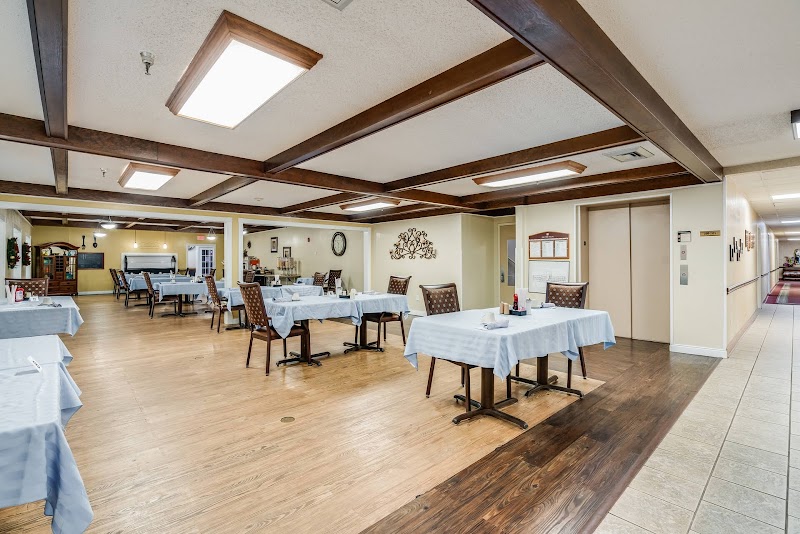
How is Stonebridge Oak Tree Staffed?

CMS rates STONEBRIDGE OAK TREE's staffing level at 1 out of 5 stars, which is much below average compared to other nursing homes. Staff turnover is 52%, compared to the Missouri average of 46%.

What Have Inspectors Found at Stonebridge Oak Tree?

State health inspectors documented 21 deficiencies at STONEBRIDGE OAK TREE during 2022 to 2025. These included: 1 that caused actual resident harm, 17 with potential for harm, and 3 minor or isolated issues. Deficiencies causing actual harm indicate documented cases where residents experienced negative health consequences.
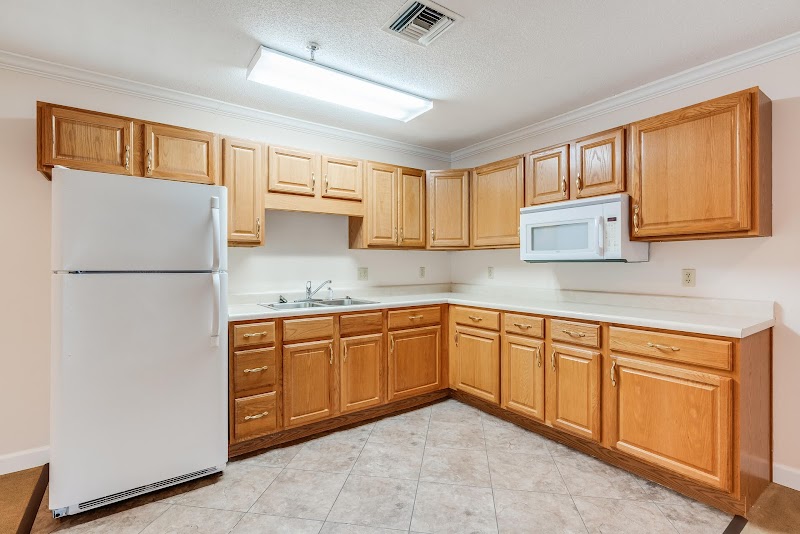
Who Owns and Operates Stonebridge Oak Tree?

STONEBRIDGE OAK TREE is owned by a for-profit company. For-profit facilities operate as businesses with obligations to shareholders or private owners. The facility is operated by STONEBRIDGE SENIOR LIVING, a chain that manages multiple nursing homes. With 42 certified beds and approximately 28 residents (about 67% occupancy), it is a smaller facility located in JEFFERSON CITY, Missouri.

How Does Stonebridge Oak Tree Compare to Other Missouri Nursing Homes?

Compared to the 100 nursing homes in Missouri, STONEBRIDGE OAK TREE's overall rating (3 stars) is above the state average of 2.5, staff turnover (52%) is near the state average of 46%, and health inspection rating (4 stars) is above the national benchmark.

What Should Families Ask When Visiting Stonebridge Oak Tree?

Based on this facility's data, families visiting should ask: "Can you walk me through typical staffing levels on day, evening, and night shifts?" "Can I visit during a mealtime to observe dining assistance and food quality?" "How do you handle medical emergencies, and what is your hospital transfer rate?" "Can I speak with family members of current residents about their experience?" These questions are particularly relevant given the below-average staffing rating.

Is Stonebridge Oak Tree Safe?

Based on CMS inspection data, STONEBRIDGE OAK TREE has a clean safety record: no substantiated abuse findings (meaning no confirmed cases of resident harm), no Immediate Jeopardy citations (the most serious violation level indicating risk of serious injury or death), and is not on the Special Focus Facility watch list (a federal program monitoring the lowest-performing 1% of nursing homes). The facility has a 3-star overall rating and ranks #1 of 100 nursing homes in Missouri. While no facility is perfect, families should still ask about staff-to-resident ratios and recent inspection results during their visit.

Do Nurses at Stonebridge Oak Tree Stick Around?

STONEBRIDGE OAK TREE has a staff turnover rate of 52%, which is 6 percentage points above the Missouri average of 46%. Moderate turnover is common in nursing homes, but families should still ask about staff tenure and how the facility maintains care continuity when employees leave.

Was Stonebridge Oak Tree Ever Fined?

STONEBRIDGE OAK TREE has no federal fines on record. CMS issues fines when nursing homes fail to meet care standards or don't correct problems found during inspections. The absence of fines suggests the facility has either maintained compliance or corrected any issues before penalties were assessed. This is a positive indicator, though families should still review recent inspection reports for the full picture.

Is Stonebridge Oak Tree on Any Federal Watch List?

STONEBRIDGE OAK TREE is not on any federal watch list. The most significant is the Special Focus Facility (SFF) program, which identifies the bottom 1% of nursing homes nationally based on persistent, serious quality problems. Not being on this list means the facility has avoided the pattern of deficiencies that triggers enhanced federal oversight. This is a positive indicator, though families should still review the facility's inspection history directly.