STONEBRIDGE VILLA MARIE
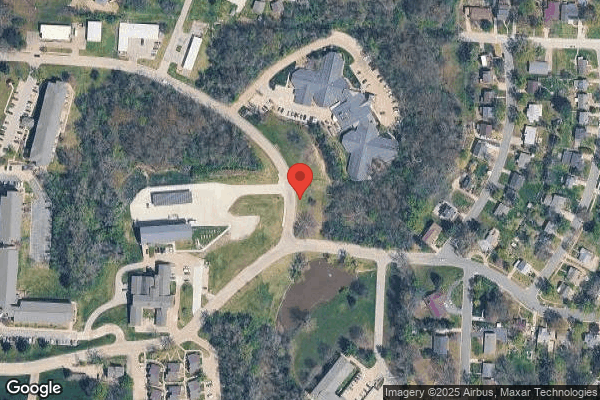

1030 EDMONDS STREET, JEFFERSON CITY, MO 65109 (573) 635-3381
For profit - Limited Liability company 120 Beds STONEBRIDGE SENIOR LIVING Data: November 2025
Trust Grade
25/100
#462 of 479 in MO
Last Inspection: August 2024

Within standard 12-15 month inspection cycle. Federal law requires annual inspections.

Overview

Stonebridge Villa Marie has received a Trust Grade of F, which indicates significant concerns about the quality of care provided. Ranking #462 out of 479 facilities in Missouri places it in the bottom half, and it is the lowest-ranked facility in Cole County. While the facility's trend shows improvement with a reduction in issues from 7 in 2024 to 4 in 2025, it still has a long way to go. Staffing is below average with a rating of 2/5 stars and a high turnover rate of 77%, which exceeds the state average and may affect care consistency. There have been serious incidents, including a failure to protect one resident from inappropriate contact by another, and concerns regarding the qualifications of the food services staff, which could impact the nutritional care of residents. However, it is worth noting that the facility has not incurred any fines, which is a positive aspect. Overall, families should weigh these strengths and weaknesses carefully when considering this nursing home.

Trust Score
F
25/100
In Missouri
#462/479
Bottom 4%
Safety Record
Moderate
Needs review
Inspections
Getting Better
7 → 4 violations
Staff Stability
⚠ Watch
77% turnover. Very high, 29 points above average. Constant new faces learning your loved one's needs.
Penalties
✓ Good
No fines on record. Clean compliance history, better than most Missouri facilities.
Skilled Nurses
⚠ Watch
Each resident gets only 24 minutes of Registered Nurse (RN) attention daily — below average for Missouri. Fewer RN minutes means fewer trained eyes watching for problems.
Violations
⚠ Watch
36 deficiencies on record. Higher than average. Multiple issues found across inspections.
★☆☆☆☆
1.0
Overall Rating
★★☆☆☆
2.0
Staff Levels
★☆☆☆☆
1.0
Care Quality
★★☆☆☆
2.0
Inspection Score
Stable
2024: 7 issues
2025: 4 issues

The Good

  • Full Sprinkler Coverage · Fire safety systems throughout facility
  • No fines on record

Facility shows strength in fire safety.

The Bad

1-Star Overall Rating

Below Missouri average (2.5)

Significant quality concerns identified by CMS

Staff Turnover: 77%

31pts above Missouri avg (46%)

Frequent staff changes - ask about care continuity

Chain: STONEBRIDGE SENIOR LIVING

Part of a multi-facility chain

Ask about local staffing decisions and management

Staff turnover is very high (77%)

29 points above Missouri average of 48%

The Ugly 36 deficiencies on record

1 actual harm
Jul 2025 2 deficiencies
CONCERN (D) 📢 Someone Reported This

A family member, employee, or ombudsman was alarmed enough to file a formal complaint

Potential for Harm - no one hurt, but risky conditions existed

Deficiency F0657 (Tag F0657)

Could have caused harm · This affected 1 resident

**NOTE- TERMS IN BRACKETS HAVE BEEN EDITED TO PROTECT CONFIDENTIALITY** Based on observation, interview, and record review, facility staff failed to review and revise the plan of care with changes in ...

Read full inspector narrative →
**NOTE- TERMS IN BRACKETS HAVE BEEN EDITED TO PROTECT CONFIDENTIALITY** Based on observation, interview, and record review, facility staff failed to review and revise the plan of care with changes in the resident's needs for three residents (Resident #4, #5, and #6) out of three sampled residents. The facility census was 68.1. Review of the facility's Comprehensive Care Planning policy, dated 02/25, showed staff are directed as followed:-Develop and implement a comprehensive person-centered care plan for each resident, consistent with resident rights, that includes measurable objectives and timeframes to meet a resident's medical, nursing and [NAME] and psychosocial needs and all services that are identified in the resident's comprehensive assessment and meet professional standards of quality; -The care plan process will include an assessment of the resident's strengths and needs and will incorporate the resident's personal and cultural preferences in developing goals of care; -The policy did not contain direction for staff in regard to revision after a change in condition or timeframes for updating the care plan. 2. Review of Resident #4's Quarterly Minimum Data Set (MDS) a federally mandated assessment tool, dated [DATE], showed staff assessed the resident as follows:-Severe cognitive impairment;-Did not contain documentation of preferences of customary routine and activities.-Did not exhibit of physical or verbal aggression towards others;-Did not significantly intrude on the privacy or activity of others;-Did not significantly disrupt care or living environment.Review of the resident's progress notes showed staff documented:-On [DATE], the resident held the arm of another resident and took him/her into the living room. Staff intervened and asked the resident to let go of the other resident's arm and eventually released the other resident's arm after the second request; -[DATE], the resident did not want to go to breakfast and refused to allow another resident to go to breakfast, grabbing the other resident left wrist and pulling him/her down into a chair despite staff intervention;-[DATE], the resident had been showing increased aggressive behavior with staff as they tried to care for another resident, he/she was fixated on;-[DATE], the resident was yelling at staff because he/she had another resident in his/her room and was attempting to prevent the resident from going to breakfast. Staff documented they went to resident's room, resident blocked the door and yelled at staff.Review of the resident's care plan, undated, showed the care plan did not contain interventions for resident behaviors.During an interview on [DATE] at 9:30 A.M., the Assistant Director of Nursing (ADON) said the resident believes he/she is Resident #5 caretaker. The ADON said the families approved the residents to sleep in the same room. The ADON said he/she believed it was documented in both resident's care plans. During an interview on [DATE] at 10:07 A.M., Certified Nurse Aide I said the resident interferes when staff are attempting to provide care to his/her roommate. During an interview at 12:67 P.M., the MDS Coordinator said he/she was aware the resident had behaviors but overlooked addressing interventions in the care plan. He/She said he/she was aware Resident #4 and Resident #5 were close, and Resident #5 liked to sleep in the room with resident #4, which should have been addressed in care plan. 3. Review of Resident #5's Quarterly MDS, dated [DATE], showed staff assessed the resident as severely cognitively impaired and did not contain documentation of preferences of customary routine and activities.Review of the resident's Physician Order Summary (POS), dated [DATE], showed an order for Do Not Resuscitate (DNR) (a medical order instructing healthcare providers not to perform cardiopulmonary resuscitation (CPR) if a person's heart stops beating or they stop breathing).Review of the resident 's care plan, revised [DATE], showed staff documented the resident's advance directive as full code (every possible measure that can be used to save a patient's life). The care plan did not contain documentation of the resident activity preferences or relationship with another resident to include sleeping in the same room as the resident. 4. Review of Resident #6's re-admission MDS, dated [DATE], showed it did not contain documentation of a Brief Interview Memory Status (BIMS) or preferences of customary routine and activities. Review of the resident's care plan, dated [DATE], showed it did not contain direction for staff in regard to the resident's activities preference.5. During an interview at 12:67 P.M., the MDS Coordinator said he/she reviewed and revised care plans on a quarterly basis. He/She said he/she would expect behaviors and activity preferences to be addressed in the resident's care plan. He/She said each department provides information to add to the resident's care plan. He/She said the activities department did not provide Resident's #4, #5 and #6's activity preferences and he/she overlooked adding the resident's preferences in the activity section of the care plan. During an interview on [DATE] at 1:08 P.M., the administrator said the purpose of the care plan was to provide direction to staff in providing person-centered care for each resident. He/She said the care plans are updated by the MDS Coordinator or Director of Nursing (DON) as needed and on a quarterly basis. He/She said he/she expected the care plan to address activities, behaviors and significant changes. He/She said staff meet daily to discuss any incidents needed to be updated in a resident's care plan. He/She said there was not an audit system in place because he/she expected staff to complete their responsibilities. During an interview on [DATE] at 1:09 P.M., the Assistant Director of Nursing (ADON) said the purpose of the care plan was to provide direction to staff in providing person-centered care for each resident. He/She said the care plans are updated by the MDS Coordinator or Director of Nursing (DON) as needed and on a quarterly basis. He/She said he/she expected the care plan to address activities, behaviors and significant changes. He/She said staff meet daily to discuss any incidents needed to be updated in a resident's care plan.Intake # 2564165
CONCERN (E) 📢 Someone Reported This

A family member, employee, or ombudsman was alarmed enough to file a formal complaint

Potential for Harm - no one hurt, but risky conditions existed

Infection Control (Tag F0880)

Could have caused harm · This affected multiple residents

**NOTE- TERMS IN BRACKETS HAVE BEEN EDITED TO PROTECT CONFIDENTIALITY** Based on observation, interview and record review, facility staff failed to use appropriate infection control procedures to prev...

Read full inspector narrative →
**NOTE- TERMS IN BRACKETS HAVE BEEN EDITED TO PROTECT CONFIDENTIALITY** Based on observation, interview and record review, facility staff failed to use appropriate infection control procedures to prevent the spread of bacteria or other infectious causing contaminants when staff failed to change gloves and wash/sanitize hands during perineal care for two residents (Resident #1, and #2) of two sampled residents, and failed to properly dispose of contaminated linens from one resident's (Resident #3's) room. Facility staff failed to implement the enhanced barrier precautions (EBP) (an infection control intervention) policy when they did not properly alert staff of residents who required EBP and place appropriate personal protective equipment (PPE) in proximity for one resident (Resident #1) of one sampled resident that required EBP during perineal care and wound care. The facility census was 68. 1. Review of the facility's Infection Prevention and Control Manual-Standard Precautions policy, dated 2017, showed staff are directed as follows:-Hand hygiene continues to be the primary means of preventing the transmission of infections;-Alcohol-based hand rub (ABHR)/ hand sanitizer can be used instead of soap and water in all clinical situations except when hands are visibly soiled, or after caring for a resident with known or suspected infections;-Soap, water, ABHR, and a sink should be readily available in appropriate locations including but not limited to resident care areas;-Remove gloves after contact with a patient, bodily fluids, and the surrounding environment using proper technique to prevent hand contamination;-Change gloves during patient care if the hands will move from a contaminated body site (example, perineal area) to a clean body site (example, face, clothing);-Disposal of waste is also handled as though all body fluids are infectious;-Potential contaminated articles are stored and disposed of in appropriate containers (example, items saturated as evidenced by blood or body fluid should be placed in properly labeled biohazard bags).2. Review of Resident #1's Discharge-Return Anticipated-Minimum Data Set (MDS), a federally mandated assessment, dated 07/01/25, showed staff assessed the resident as severely cognitive impaired, dependent with toileting, and always incontinent of bowel and bladder.Observation on 07/09/25 at 1:34 P.M., showed Certified Medication Technician (CMT) D and Certified Nursing Assistant (CNA) E entered the resident's room to provide incontinence care. CMT D and CNA E did not wash his/her hands or use hand sanitizer between glove changes during incontinence care or before they left the room, to prevent the spread of infection. During an interview on 07/09/25 at 1:52 P.M., CNA E said he/she did not perform hand hygiene between glove changes because he/she did not have hand sanitizer close by, and he/she just forgot to wash his/her hands before he/she left the room. He/She said it is important to perform proper hand hygiene to prevent the spread of infection. During an interview on 07/09/25 at 2:32 P.M., CMT D said he/she did not perform hand hygiene between glove changes because of oversight and he/she did not have hand sanitizer close by. He/She said it is important to perform proper hand hygiene to prevent the spread of infection.3. Review of Resident # 2's Quarterly MDS, dated [DATE], showed the facility assessed the resident as follows:-Severe cognitive impairment;-Dependent on staff for toileting, transfers, personal hygiene and bathing;-Impairment to both lower extremities;-Always incontinent of bladder and bowel.Observation on 07/09/25 at 2:15 P.M., showed CNA F entered the resident's room to provide perineal care. CNA F did not wash his/her hands before he/she placed gloves on. CNA F removed the soiled brief and cleaned the residents front and back side. With the same soiled gloves, CNA F placed a clean brief, pants, and covered the resident with their blanket. CNA F gathered trash, removed gloves and left the room. During an interview on 07/09/25 at 2:35 P.M., CNA F said he/she should have washed his/her hands when he/she entered the room, before he/she placed his/her gloves on. CNA F said he/she should have changed his/her gloves between clean and dirty tasks. 4. During an interview on 07/09/25 at 3:25 P.M., the Assistant Director of Nursing (DON) said staff should wash hands before care, after care, when hands are visibly soiled, between dirty and clean tasks, and perform appropriate hand hygiene between glove changes. He/She said staff should also change gloves when soiled or when going from a dirty to clean task.During an interview on 07/09/25 at 3:54 P.M., the Director of Nursing (DON) said staff should wash hands before care, after care, when hands are visibly soiled, between dirty and clean tasks, and perform appropriate hand hygiene between glove changes. He/She said staff should change gloves when soiled or when going from a dirty to clean task, and he/she is responsible to ensure staff perform proper hand hygiene to prevent the spread of infections.5. Review of Resident #3's Quarterly MDS, dated [DATE], showed staff assessed the resident as severe cognitive impairment, and received anticoagulant medications. Observation on 07/09/25 at 9:37 A.M., showed the resident's head on a pillowcase with scattered dark reddish-brown stains, and multiple linens with dark reddish-brown stains, unbagged on a recliner in the resident's room.During an interview on 07/09/25 at 9:38 A.M., Licensed Practical Nurse (LPN) B said he/she assessed the resident around 7:45 A.M. for bleeding from his/her lips and skin, directed the CNAs to finish cleaning the resident and place the blood soiled linens in a red bag. He/She said he/she was not sure why the CNAs left the soiled linens unbagged inside the room. During an interview on 07/09/25 at 2:45 P.M., CNA J said it was a miscommunication, the nurse asked him/her to go finish assisting other residents while he/she took care of the resident's bandage, then come back and retrieve the soiled linens. CNA J he/she just forgot to go back to the room.During an interview on 07/09/25 at 3:25 P.M., the ADON said staff have been educated and are expected to place linens soiled with blood in a red biohazard bag and take to the dirty utility room for infection control.During an interview on 07/09/25 at 3:54 P.M., the DON said he/she expects staff to place blood soiled linens in a trash bag, removed from the room in a red bag, and placed in the dirty utility room for further treatment.6. Review of the facility's Enhanced Barrier Precautions policy, dated September 2022, showed staff are directed as follows: -EBP refer to the use of gown and gloves during high-contact resident care activities for residents known to be colonized or infected with a multidrug-resistant organism (MDRO) as well as those at increased risk of MDRO acquisition (example, residents with wounds or indwelling medical devices);-An order for EBP will be obtained for residents with any wounds (example, chronic wounds such as pressure ulcers, diabetic wounds, unhealed surgical wounds) and/or indwelling medical devices (example, urinary catheters, feeding tubes) even if the resident is not known to be infected or colonized with a MDRO;-Make gown and gloves available immediately outside of the resident's room;-Ensure access to alcohol-based hand rub in every resident room (ideally both inside and outside of the room);-High-contact resident care activities include dressing, bathing, providing hygiene, changing linens, changing briefs or assisting with toileting, wound care (any skin opening requiring a dressing);-EBP should be used for the duration of the affected resident's stay in the facility or until the wound heals or indwelling medical device is removed.7. Review of Resident #1's admission MDS, dated [DATE], showed staff assessed the resident as severe cognitive impairment, used a feeding tube for nutrition, and received pressure ulcer care. Observation on 07/09/25 at 11:35 A.M., showed the resident's room did not contain a sign to alert staff on the use of EBP or PPE in proximity of the room.Observation on 07/09/25 at 1:34 P.M., showed the resident's room did not contain a sign to alert staff on the use of EBP or PPE in proximity of the room. CMT D and CNA E did not wear a gown for EBP when they performed incontinence care.Observation on 07/09/25 at 1:51 P.M., showed Licensed Practical Nurse (LPN) A provided wound care to the resident and did not wear a gown when he/she performed wound care to the resident's left hip.During an interview on 07/09/25 at 1:52 P.M., CNA E said he/she was aware to use EBP for residents with a urinary catheter but was not sure if EBP was required for residents with open wounds or tube feedings.During an interview on 07/09/25 at 2:22 P.M., LPN A said the resident has a feeding tube and a wound, but he/she did not wear a gown for EBP during the wound care because he/she did not see a sign to indicate EBP was required for the resident during wound care.During an interview on 07/09/25 at 2:32 P.M., CMT D said he/she was not sure if EBP was required for residents with wound or tube feeding, and there should be a sign and supplies in a container outside the room to let staff know to use EBP during cares.During an interview on 07/09/25 at 3:25 P.M., the ADON said staff were told verbally that EBP was required to perform wound care and peri-care to the resident. He/She said he/she is responsible to properly alert staff and place appropriate PPE near the resident's room but had not yet had the chance to do so. During an interview on 07/09/25 at 3:20 P.M., the ADON said he/she is the Infection Preventionist (IP), and all staff have been educated on the usage of EBP. The ADON said there are no signs posted yet to direct staff on which specific residents require EBP, and no extra PPE readily available to staff, but there is a closet by the DON's office with PPE supplies in it. The ADON said it is a work in progress at this time. During an interview on 07/09/25 at 3:54 P.M., the DON said he/she expects staff to use appropriate EBP during wound care and incontinence care for residents with wounds, catheters, and feeding tubes. He/She said he/she was responsible to ensure the EBP policy was fully implemented, but it is still a work in-progress.#1539946
Jan 2025 2 deficiencies
CONCERN (D) 📢 Someone Reported This

A family member, employee, or ombudsman was alarmed enough to file a formal complaint

Potential for Harm - no one hurt, but risky conditions existed

Abuse Prevention Policies (Tag F0607)

Could have caused harm · This affected 1 resident

Based on record review and interview, facility staff failed to thoroughly investigate an allegation of sexual assault for one resident (Resident #1) out of one sampled resident. The facility census wa...

Read full inspector narrative →
Based on record review and interview, facility staff failed to thoroughly investigate an allegation of sexual assault for one resident (Resident #1) out of one sampled resident. The facility census was 69. 1. Review of the facility's policy titled, Abuse, Neglect, and Exploitation Program Responsibilities, dated September 2022, showed staff are directed as follows: -abuse includes verbal abuse, sexual abuse, physical abuse, and mental abuse including abuse facilitated or enabled using technology; -The Abuse Coordinator in the facility is the Administrator, or facility appointed designee when the Administrator is absent. -Report allegations or suspected abuse, neglect, or exploitation immediately to the Administrator, Law Enforcement, and State Survey and Certification Agency through established procedures. --For investigation of alleged abuse, neglect and exploitation: When suspicion of abuse, neglect or exploitation, or reports of abuse neglect or exploitation occur, an investigation is immediately warranted. Components of an investigation may include: -Interview the involved resident, if possible, and document all responses; -If resident is cognitively impaired, interview the resident several times to compare responses; -Interview all witnesses separately; -If there is no discernable response from the resident, or if the resident's response is incongruent with that of a reasonable person, interview the resident's family, responsible parties or other individuals involved in the resident's life to gather how he/she believes the resident would react to the incident; -Include roommates, residents in adjoining rooms, staff members in the area and visitors in the area, obtain witness statements, according to appropriate policies; -All statements should be signed and dated by the person making the statement; -Document the entire investigation chronologically. -In response to allegation of abuse, neglect, exploitation or mistreatment, the facility must have evidence that all allegations are thoroughly investigated and completed within five days of forming a suspicion; -Report the results of all investigation to the resident's designated representative and to other officials including the State Survey Agency, within five working days of the incident. 2. Review of Resident #1's quarterly Minimum Data Set (MDS), a federally mandated assessment tool, dated 10/31/24, showed staff assessed the resident as follows: -Severe cognitive impairment; -Independent with bed mobility, supervision with transfers and ambulation; -Diagnoses to include Dementia, Traumatic Brain Injury, anxiety disorder. Review of the facility's investigation report, dated 01/14/25, showed the Director of Nursing (DON) documented he/she had been notified by LPN A the resident made an allegation of rape, started an investigation, and he/she interviewed the resident at approximately 12:10 P.M. Review showed the facility investigation did not contain signed and dated statements from staff or witnesses to the allegation, and did not contain documentation of interviews with other residents. During an interview on 01/17/25 at 1:40 P.M., the administrator said the DON & ADON gathered most of the information for the investigation, the DON had all the documentation on his/her computer, but he/she was off work at the time. During an interview on 01/17/25 at 2:42 P.M., Licensed Practical Nurse (LPN) A said he/she was not asked to provide a signed statement of the resident's allegation. MO00248175
CONCERN (D) 📢 Someone Reported This

A family member, employee, or ombudsman was alarmed enough to file a formal complaint

Potential for Harm - no one hurt, but risky conditions existed

Report Alleged Abuse (Tag F0609)

Could have caused harm · This affected 1 resident

Based on record review and interview, facility staff failed to contact local law enforcement, and failed to report to the Department of Health and Senior Services (DHSS) within the two-hour required t...

Read full inspector narrative →
Based on record review and interview, facility staff failed to contact local law enforcement, and failed to report to the Department of Health and Senior Services (DHSS) within the two-hour required timeframe for one resident (Resident #1) out of one sampled resident with an allegation of sexual abuse. The facility's census was 69. 1. Review of the facility's policy titled, Abuse, Neglect, and Exploitation Program Responsibilities, dated September 2022, showed staff are directed as follows: -Abuse includes verbal abuse, sexual abuse, physical abuse, and mental abuse including abuse facilitated or enabled using technology; -Ensure that all alleged violations involving abuse, neglect, exploitation or mistreatment, including injuries of unknown source and misappropriation of resident property are reported immediately, but not later than two hours after the allegation is made if the events that cause the allegation involve abuse or resulting in serious bodily injury, or not later than 24 hours if the events that cause the allegation do not involve abuse and do not result in serious bodily injury, to the State Survey Agency and if a crime is suspected, law enforcement. 2. Review of Resident #1's quarterly Minimum Data Set (MDS), a federally mandated assessment tool, dated 10/31/24, showed staff assessed the resident as follows: -Severe cognitive impairment; -Independent with bed mobility, supervision with transfers and ambulation; -Diagnoses to include Dementia, Traumatic Brain Injury, Anxiety Disorder, a bladder infection. Review of the facility's investigation report, dated 01/14/25, showed the Director of Nursing (DON) documented he/she interviewed the resident at approximately 12:10 P.M., and the resident reported an allegation he/she had been sexual assualted two nights prior. The report did not contain documentation facility staff reported the allegation to DHSS within the two-hour timeframe after the resident reported the allegation of sexual abuse and did not notify the local law enforcement department. Review of the DHSS complaint/facility self-report database showed facility staff did not report the resident's allegation of sexual abuse to DHSS 72 hours after the resident initially reported his/her allegation to facility staff. During an interview on 01/17/25 at 1:40 P.M., the administrator said DHSS should be contacted within two hours after he/she receives a report/allegation of abuse. He/She said when staff reported the resident's allegation 01/16/25, he/she did not contact DHSS within two hours because after doing his/her internal investigation, the resident's allegation of abuse was not determined to be substantiated, so he/she made the report to DHSS within 24 hours. During an interview on 01/17/25 at 2:26 P.M., the Assistant Director of Nursing (ADON) said he/she was aware the resident reported the initial allegation at least two days prior to Licensed Practical Nurse (LPN) A, who had immediately reported it to the administrator and DON. The ADON said all allegations of abuse should be reported to DHSS within two hours after the allegation is made, and he/she was not sure why the DON or administrator did not report to DHSS within the two-hour timeframe. During an interview on 01/17/25 at 2:42 P.M., LPN A said the resident reported to him/her at least two days prior around lunch time, he/she was raped the night before. The LPN said he/she immediately reported the resident's allegation to the administrator, and the DON came to the unit and started an investigation. During an interview on 01/21/25 at 10:30 A.M., the DON said he/she started an investigation on 1/14/24 for the resident's allegation of abuse. He/She said abuse allegations should be reported to DHSS within two hours, but he/she did not report to DHSS because the internal investigation did not reveal that the resident was abused. MO00248175
Aug 2024 7 deficiencies
CONCERN (E)

Potential for Harm - no one hurt, but risky conditions existed

Deficiency F0645 (Tag F0645)

Could have caused harm · This affected multiple residents

**NOTE- TERMS IN BRACKETS HAVE BEEN EDITED TO PROTECT CONFIDENTIALITY** Based on interview and record review, facility staff failed to ensure Level I Pre-admission Screening (used to evaluate for the ...

Read full inspector narrative →
**NOTE- TERMS IN BRACKETS HAVE BEEN EDITED TO PROTECT CONFIDENTIALITY** Based on interview and record review, facility staff failed to ensure Level I Pre-admission Screening (used to evaluate for the presence of psychiatric conditions to determine if a Pre-admission Screening and Resident Review (PASARR) level II screen is required) were completed for three (Resident #25, #48 and #59) of seven sampled residents. The facility census was 66. 1. Review of the facility's PASARR Procedure policy, undated, showed staff are instructed as follows: -Regardless of source of payment and on the day of acceptance of the referral the Clinical Liaison will request a completed DA-124 A/B (form for the PASARR), a federally mandated screening process for individual with serious mental illness and/or mentally regarded/developmental disability related diagnosis who apply or reside in Medicaid Certified beds in a nursing facility; -If the DA-124 forms are received from a referral source prior to admission: a. If the resident does not trigger for a Level II screening and is not applying for Medicaid but is in a Medicaid certified bed the completed DA-124 A/B is placed in the client's chart under the Social Services tab until the client requires a Level II Screening or/or applies for Medicaid Reimbursement. b. If the resident is in a Medicaid Certified bed and has a Medicaid payer source but does not trigger for mental illness, submit the completed DA-124 A/B to the Central Office Medical Review Unit (COMRU) on the day of admission. c. If the resident is in a Medicaid certified bed, regardless of payer source, and triggers for a mental illness; a DA-124 A/B must be submitted along with a Level I Pre-admission Screening to COMRU by the referring hospital. Review and determine if a Level II screening is required. This should be done prior to admission unless a valid special admission category has been determined. Central Office Medical Review Unit (COMRU) will notify the hospital regarding the ability to accept the referral. The Social Services Director (SSD) must notify the Clinical Liaison (acts as a mediator, who aids the communication between patients, family, and care professionals) immediately that a Level II screening is required, and the referral requires additional discharge planning follow up from the referring facility; -If the DA-124 forms are not received from a referral source prior to the day of admission: a. The SSD will be responsible for collecting referring medical records to do an initial review of the Level I Pre-admission Screening. b. If on pre-admission initial review the resident does not trigger for Level II Screening and is not applying for Medicaid but is in Medicaid certified bed the SSD will interview the resident/responsible party on day of admission and complete the Level I Pre-admission Screening. The Level I Pre-admission Screening will be forwarded to the primary care physician for signature. Upon receipt of the physician signature the Level I Pre-admission Screening will be placed in the client's chart under the Social Services tab until the client requires a Level II screening and/or applies for Medicaid reimbursement. c. If on pre-admission initial review and if the resident is in a Medicaid certified bed and has a Medicaid payer source but does not trigger for mental illness, submit the completed Level I Pre-admission Screening to the primary care physician for signature. Upon receipt of the physician signature, submit the DA-124 A/B and the Level I Pre-admission Screening to COMRU; -If the resident is a nursing home transfer: a. The Clinical Liaison will be responsible for requesting a copy of the DA-124 A/B and Level I Pre-admission Screening from the receiving facility. b. When persons transfer from one nursing facility to another and application for Medicaid is not indicated the original Pre-admission Screening form must follow to the next facility. 2. Review of Resident #25's Significant Change in Status Assessment (SCSA) Minimum Data Set (MDS), a federally mandated assessment tool, dated 05/02/24, showed staff assessed the resident as: -admitted on [DATE] and Re-entered on 04/18/24 ; -Did not contain an evaluation with PASARR; -Moderate cognitive impairment; -Diagnoses of Dementia, Depression, and Schizophrenia; -Received anti-psychotic, antianxiety, and anti-depressant medication in the seven day look back period (period of time used to complete assessment). Review of the resident's medical record showed the record did not contain a level I Pre-admission Screening or PASARR level II screen. 3. Review of Resident #48's Quarterly MDS, dated [DATE], showed staff assessed the resident as: -admitted on [DATE]; -Did not contain an evaluation with the PASARR; -Entered from an Inpatient psychiatric facility; -Severe cognitive impairment; -Diagnoses of Dementia, Anxiety, Depression, Psychotic Disorder, and Schizophrenia; -Received anti-psychotic, antianxiety, and anti-depressant medication in the seven day look back period (period of time used to complete assessment). Review of the resident's medical record showed the record did not contain a level 1 Pre-admission Screening or PASARR level II screen. 4. Review of Resident #59's Quarterly MDS, dated [DATE], showed staff assessed the resident as: -admitted on [DATE]; -Did not contain an evaluation with the PASARR; -Entered from another skilled nursing facility (SNF); -Moderately cognitively impaired; -Diagnoses of Non-Traumatic Brain Dysfunction and Psychotic Disorder (other than schizophrenia); Review of the resident's medical record showed the record did not contain a Level I Pre-admission Screening or PASARR level II screen. 5. During an interview on 08/09/24 at 09:37 A.M., the administrator said he/she started at the facility in March and there has been a big turnover in staff. Items such as PASARR's had not been reviewed due to other priorities addressed by the leadership. -During an interview on 08/09/24 at 6:53 P.M., the SSD said all current new residents have PASARRs which are complete. The previous SSD completed the PASARRs however it has been difficult to find the records. The SSD said PASARRs are ultimately his/her responsibility, but as he/she is new to the position he/she has not had the chance to fully locate and review all of the current residents' records.
CONCERN (E)

Potential for Harm - no one hurt, but risky conditions existed

Deficiency F0804 (Tag F0804)

Could have caused harm · This affected multiple residents

Based on observation, interview and record review, the facility staff failed to ensure prepared food items were served at a safe and appetizing temperature when the facility staff failed to maintain t...

Read full inspector narrative →
Based on observation, interview and record review, the facility staff failed to ensure prepared food items were served at a safe and appetizing temperature when the facility staff failed to maintain the internal temperatures of hot food items placed in hot holding at 140º F or higher. Facility staff also failed to reheat pureed food items to an internal temperature of 165 degrees Fahrenheit (º F) before service to prevent the growth of food-borne pathogens and potential for food-borne illness. These failures have the potential to affect all residents who dined in one of two dining rooms. The facility census was 66. 1. Review of the facility's Food Preparation and Service policy, dated July 2014, showed: -Food service employees shall prepared and serve food in a manner that complies with safe food handling practices; -The danger zone for food temperatures is between 41º F and 135º F . This temperature range promotes the rapid growth of pathogenic microorganisms that cause foodborne illness; -The longer foods remain in the danger zone the greater the risk for growth of harmful pathogens; -Previously cooked food must be reheated to an internal temperature of 165º F for at least 15 seconds; -Mechanically altered hot foods prepared for a modified consistency diet must stay above 135º F during preparation or they must be reheated to 165º F for at least 15 seconds; -The temperatures of foods held in steam tables will be monitored by food service staff. 2. Review of the facility's Food Safety Requirements policy, dated September 2022, showed: -Food will be stored, prepared, distributed and served in accordance with professional standards for food service safety; -When preparing food, staff shall take precautions in critical control points in the food preparation process to prevent, reduce, or eliminate potential hazards; -Foods shall be prepared as directed until recommended temperatures for the specific foods are reached. Staff shall refer to the current Food and Drug Administration (FDA) Food Code and facility policy for food temperatures as needed; -Staff shall monitor the food temperatures while holding for delivery to ensure proper hot and cold holding temperatures are maintained. Staff shall refer to the current FDA Food Code and facility policy for food temperatures as needed; -Food that is cooked and cooled must be reheated so that all parts of the food reach an internal temperature of 165º F. Ready-to-eat foods that require heating before consumption must be heated to at least 135º F; -Foods and beverages shall be distributed and served to residents in a manner to prevent contamination and maintain food at the proper temperature and out of the danger zone. 3. Review of the facility menus, dated 08/08/24 (Week 2, Day 12), showed the menus directed staff to provide the residents on regular diets with a three ounce grilled cheeseburger on a bun and four ounces of french fries. Observation on 08/08/24 at 11:48 A.M., showed [NAME] F removed pans of prepared hamburger patties with melted cheese on top and french fries from the hot holding cabinet and, without checking the internal temperature of the food items, placed the pans into an insulated food cart for delivery to the dining room for service at the lunch meal. Observation on 08/08/24 at 12:16 P.M., showed staff wheeled the insulated cart of food to the memory care dining room and put the food on steamtable without checking the internal temperatures of the food items. Observation on 08/08/24 at 12:25 P.M., showed Dietary Aide (DA) H served food from the steamtable without checking the internal temperatures of the food items. Observation at this time showed the internal temperature of the hamburger patties with melted cheese measured 123º F. During an interview on 08/08/24 at 12:27 P.M., DA H said he/she does not check the internal temperatures of foods before he/she serves them. Observation on 08/08/24 at 12:44 P.M., showed the internal temperature of the hamburger patties with melted cheese measured 116º F and the internal temperature of the french fries measured 93º F. 4. Review of the facility menus dated 08/08/24 (Week 2, Day 12), showed the menus directed staff to provide the residents on a dental/mechanical soft diets with a #10 scoop of ground cheeseburger on a bun made with once ounce of cheese and four ounces of soft chopped french fries with ketchup. Observation on 08/08/24 at 11:54 A.M. showed [NAME] F removed a pan of prepared hamburger patties with melted cheese on top from the food warmer, stacked the patties on a cutting board and then used a knife to cut the patties into small diced pieces. Observation showed the cook transferred the diced meat and cheese into a metal food preparation pans and, without checking the internal temperature, placed the pans in the insulated food service carts for delivery to the dining rooms for the lunch meal. During an interview on 08/08/24 at 11:56 A.M., [NAME] F said the diced hamburger patties with cheese were to be served to the residents on mechanical soft diets. Observation on 08/08/24 at 12:16 P.M., showed staff wheeled the insulated cart of food to the memory care dining room and put the food on steamtable without checking the internal temperatures of the food items. Observation showed the staff placed the pan of diced hamburger patties with melted cheese into a cold well of the steamtable. Observation showed staff had not turned the heat to the steamtable well on at this time. Observation on 08/08/24 at 12:25 P.M., showed DA H served food from the steamtable without checking the internal temperatures of the food items. Observation at this time showed the internal temperature of the diced hamburger patties with melted cheese measured 105º F. During an interview on 08/08/24 at 12:27 P.M., DA H said he/she does not check the internal temperatures of foods before he/she serves them. Observation on 08/08/24 at 12:44 P.M., showed the internal temperature of the diced hamburger patties with melted cheese measured 106º F and the internal temperature of the french fries measured 93º F. 5. Observations on 08/08/24 at 11:35 A.M., showed [NAME] F and [NAME] G pureed previously prepared portions of roast beef, green beans and cinnamon rolls. Observation showed the cooks placed unmeasured amounts of the pureed food items into two divided plates and, without checking the internal temperatures of the food items, covered the plates with plastic wrap and put the plates in the hot holding cabinet. During an interview on 08/08/24 at 11:36 A.M., [NAME] F said the previous dietary manager (DM) instructed him/her to puree leftover meats, vegetables and desserts to serve to the residents on pureed diets instead of serving them what is directed by the menus and staff serve the pureed diets this way for each meal. The cook said the previous DM just showed him/her how to make the purees and he/she does not follow recipes. Observation on 08/08/24 at 11:48 A.M., showed [NAME] F removed the plates of pureed food from the hot holding cabinet and, without checking the internal temperature of the food items, placed the plates into an insulated food cart for delivery to the dining room for service at the lunch meal. Observation on 08/08/24 at 12:16 P.M., showed staff wheeled the insulated cart of food to the memory care dining room and put the food on steamtable without checking the internal temperatures of the food items. Observation showed the staff placed placed the two plates of pureed food into a cold pan placed into a cold well of the steamtable. Observation showed staff had not turned the heat to the steamtable well on at this time. Observation on 08/08/24 at 12:25 P.M., showed DA H served the food from the steamtable without checking the internal temperatures of the food items. Observation at this time showed the internal temperature of the pureed roast beef measured 74º F, the internal temperature of the pureed green beans measured 72º F, and the internal temperature of the pureed cinnamon roll measured 77º F. During an interview on 08/08/24 at 12:27 P.M., DA H said he/she does not check the internal temperatures of foods before he/she serves them. Observation on 08/08/24 at 12:44 P.M., showed the internal temperature of the pureed roast beef and pureed green beans measured 74º F and the internal temperature of the pureed cinnamon roll measured 75º F. Observation showed DA H served the plates of cold pureed food to Residents #1 and #34. 6. During an interview on 08/08/24 at 1:22 P.M., the DM said the serving temperatures of hot foods items should be at least 145º F and if it drops below that temperature then staff should reheat the food to 165º F before they serve it. The DM said staff are responsible the check the internal temperature of food items after they are prepared and before they are served. The DM said he/she did not know staff did not check the internal temperatures of food before service. 7. During an interview on 08/09/24 at 2:29 P.M., the administrator said foods should be cooked to appropriate temperatures based on the food item and kept out of the temperature danger zone of 41º F to 132º F. The administrator said if the temperature of hot foods fall into the danger zone, staff should reheat the food to 165º F. The administrator said staff should check the temperature of food after it is cooked, processed, such in the case of pureed foods, and before they are served. The administrator said the dietary staff were educated the previous week on food temperature requirements and he/she did not know staff did not check the internal temperatures of food before service.
CONCERN (E)

Potential for Harm - no one hurt, but risky conditions existed

Deficiency F0805 (Tag F0805)

Could have caused harm · This affected multiple residents

Based on observation, interview and record review, facility staff failed to prepare and serve food items at an appropriate texture for 10 of 10 residents (Residents #9, #20, #24, #25, #29, #32, #47, #...

Read full inspector narrative →
Based on observation, interview and record review, facility staff failed to prepare and serve food items at an appropriate texture for 10 of 10 residents (Residents #9, #20, #24, #25, #29, #32, #47, #48, #51 and #58) who received dental/mechanical soft diets. The facility census was 52. 1. Review of the facility's Menus policy, dated October 2008, showed the policy directed menus shall meet the nutritional needs of the residents, be prepared in advance and be followed. Review of the facility's Standardized Recipes policy, dated April 2007, showed the policy directed standardized recipes shall be developed and used in the preparation of foods and only tested, standardized recipes will be used to prepare foods. Review of the facility's recipe for Ground Cheeseburger on Bun, dated 2002, showed the recipe direct staff to place one prepared hamburger patty per serving into the food processor and grind into small pieces. Review showed the recipe directed staff to place a #10 (3.2 ounce) scoop of the ground hamburger patty and one ounce of cheese on a hamburger bun for service. Review of the meal tray service cards for Residents #9, #20, #24, #25, #29, #32, #47, #48, #51 and #58, showed the cards directed staff to provide the residents with a dental/mechanical soft diet. Review of the facility menus dated 08/08/24 (Week 2, Day 12), showed the menus directed staff to provide the residents on a dental/mechanical soft diet with a #10 scoop of ground cheeseburger on a bun with once ounce of cheese. Observation on 08/08/24 at 11:54 A.M. showed [NAME] F removed a pan of prepared hamburger patties with melted cheese on top from the food warmer, stacked the patties on a cutting board and then used a knife to cut the patties into small diced pieces. Observation showed the cook transferred the diced meat and cheese into a metal food preparation pans and placed the pans in the insulated food service carts for delivery to the dining rooms for the lunch meal. During an interview on 08/08/24 at 11:56 A.M., [NAME] F said the diced hamburger patties with cheese were to be served to the residents on mechanical soft diets and that is the dietary manager (DM) trained him/her to prepare the mechanical soft meat. Observation on 08/08/24 during the lunch meal service which began at 12:16 P.M., showed dietary staff served a #16 (two ounce) scoop (1.2 ounces less than directed by the menus) of the diced hamburger patties with cheese on a bun to Residents #9, #20, #24, #25, #29, #32, #47, #48, #51 and #58. 08/08/24 01:35 PM Observation also showed, upon eating the diced hamburger with cheese on a bun, Resident #9 began to cough repeatedly. During an interview on 08/08/24 at 1:22 P.M., the DM said staff should prepared foods in accordance with the recipes and serve food in accordance with planned menus, but staff, including him/herself, had been trained by the previous DM to just cut food items for the mechanical soft diets with a knife and he/she had trained the new staff under his/her management to do the same. The DM said the previous DM said that they were to cut the foods with a knife because the residents did not like the food ground up in the food processor, but after some thought, not all of the residents who receive mechanical soft diets would be cognitively able to make that choice so he/she did not know why the previous DM had said that. The DM said the staff should still serve the food items at the portions directed by the recipes and menus and he/she did not know that staff did not follow the portion sizes on the menu. During an interview on 08/09/24 at 2:11 P.M., the administrator said staff should serve food in accordance with planned the menus, which included the portion sizes listed, and the foods listed on the menus should be prepared in accordance with the recipes. The administrator said he/she just had a discussion with the dietary staff the previous week about using the menus and recipes and he/she did not know staff did not follow the recipes or menus. The administrator said meats for mechanical soft diets should be ground in the food processor and not cut up by hand unless otherwise directed by the recipes.
CONCERN (F)

Potential for Harm - no one hurt, but risky conditions existed

Deficiency F0801 (Tag F0801)

Could have caused harm · This affected most or all residents

Based on interview and record review, the facility staff failed to designate a person to serve as the Director of Food and Nutrition Services with the appropriate qualifications, when the facility did...

Read full inspector narrative →
Based on interview and record review, the facility staff failed to designate a person to serve as the Director of Food and Nutrition Services with the appropriate qualifications, when the facility did not employ a qualified dietitian or other clinically qualified nutrition professional full-time. This failure has the potential to affect all residents. The facility census was 66. 1. Review of the facility's Food Services Manager policy, dated December 2008, showed the daily functions of the Food Services Department are under the supervision of a qualified Food Services Manager. The Food Services Manager is a qualified supervisor licensed by this state and is knowledgeable and trained in food procurement storage, handling, preparation, and delivery. Review of the dietary manager's (DM) personnel records showed a hire date for the DM position listed as 07/28/24. Review showed the records did not contain documentation of prior dietary manager experience in a nursing facility and certification or other education required for the director of nutritional services position. During an interview on 08/08/24 at 10:18 A.M., the DM said he/she had been the DM for about two weeks, and he/she did not have prior experience as a dietary manager in a nursing facility and he/she did not have a degree or certification related to food service management. The DM said the facility enrolled him/her in an online food protection manager's course at the beginning of the week, but he/she had not started the course yet. The DM said the RD only works part-time and the facility did not have any certified or clinically qualified nutritional staff employed full-time. During an interview on 08/09/24 at 1:43 P.M., the administrator said the previous DM, who had hired the current DM as a cook, quit without notice and he/she wanted to hire the DM's replacement from within the dietary department. The administrator said the facility's registered dietician works as a consultant on a part-time basis and the facility did not have any certified or clinically qualified nutritional staff employed full-time. The administrator said he/she did not know that the DM did not meet the requirements for the position.
CONCERN (F)

Potential for Harm - no one hurt, but risky conditions existed

Menu Adequacy (Tag F0803)

Could have caused harm · This affected most or all residents

Based on observation, interview and record review, facility staff failed to serve food in accordance with the nutritionally calculated menus to all residents. The facility census was 66. 1. Review of...

Read full inspector narrative →
Based on observation, interview and record review, facility staff failed to serve food in accordance with the nutritionally calculated menus to all residents. The facility census was 66. 1. Review of the facility's Menus policy, dated October 2008, showed the policy directed that menus shall meet the nutritional needs of the residents, be prepared in advance and be followed. 2. Review of the facility menus, dated 08/08/24 (Week 2, Day 12), showed the menus directed staff to provide the residents on regular and dental/mechanical soft diet with a two inch by three inch cream cheese brownie at the lunch meal. Observation on 08/08/24 at 12:16 P.M., showed dietary staff with the noon meal,did not prepare or serve the cream cheese brownies as directed by the menus to residents who received regular and dental/mechanical soft diets. During an interview on 08/08/24 at 1:22 P.M., the dietary manager (DM) said staff should serve food in accordance with planned menus and he/she is responsible to ensure the full meal is served. The DM said he/she did not know why staff did not make the brownies and he/she just missed that staff did not provide the brownies. 3. Review of the facility menus dated 08/08/24 (Week 2, Day 12), showed the menus directed staff to provide the residents on pureed diets with the following at the lunch meal: -A #6 (5.3 ounce) scoop of pureed cheeseburger on bun; -A #8 (four ounce) scoop of pureed french fries; -A #10 (3.2 ounce) scoop of pureed mandarin oranges; -A #10 scoop of pureed cream cheese brownie. Observations on 08/08/24 at 11:35 A.M., showed [NAME] F and [NAME] G pureed previously prepared portions of roast beef, green beans and cinnamon rolls. Observation showed the cooks placed unmeasured amounts of the pureed food items into two divided plates, covered the plates with plastic wrap and put the plates in the hot holding cabinet. During an interview on 08/08/24 at 11:36 A.M., [NAME] F said the previous dietary manager (DM) instructed him/her to puree leftover meats, vegetables and desserts to serve to the residents on pureed diets instead of serving them what is directed by the menus and staff serve the pureed diets this way for each meal. Observation on 08/08/24 during the lunch meal which began at 12:16 P.M., showed Dietary Aide (DA) H served Residents #1 and #34 the divided plates of pureed roast beef, green beans and cinnamon rolls. During an interview on 08/08/24 at 1:22 P.M., the DM said staff should serve food in accordance with planned menus, but staff, including him/herself, had been trained by the previous DM to use leftovers from day before to prepared the meals for purees instead of the menu, and he/she had trained the new staff under his/her management to do the same. The DM said staff were trained to make sure the pureed meals consisted of a meat, vegetable, bread and dessert and he/she did not know they were suppose to serve the residents on pureed diets in accordance with the menus. 4. During an interview on 08/09/24 at 2:11 P.M., the administrator said staff should serve food in accordance with planned the menus and the cooks and DM are responsible to ensure all food items on the menus are served. The administrator said he/she just had a discussion with the dietary staff the previous week about using the menus and recipes and he/she did not know staff did not follow the menus.
CONCERN (F)

Potential for Harm - no one hurt, but risky conditions existed

Food Safety (Tag F0812)

Could have caused harm · This affected most or all residents

Based on observation, interview and record review, the facility staff failed to store food in a manner to prevent potential contamination and outdated use. Facility staff failed to thaw frozen foods i...

Read full inspector narrative →
Based on observation, interview and record review, the facility staff failed to store food in a manner to prevent potential contamination and outdated use. Facility staff failed to thaw frozen foods in a manner to prevent the growth of food-borne pathogens and cross-contamination with ready-to-eat food items. Facility staff failed to allow sanitized dishes to air dry before being stacked in storage to prevent the growth of food-borne pathogens. Facility staff failed cover kitchen waste containers when not in actual use to deter the attraction of pests and rodents. Facility staff failed to perform hand hygiene as often as necessary, using approved techniques, to prevent cross-contamination. These failures have the potential to affect all residents. The facility census was 66. 1. Review of the facility's Food Receiving and Storage policy, dated July 2014, showed: -Foods shall be received and stored in a manner that complies with safe food handling practices; -All foods stored in the refrigerator or freezer will be covered, labeled and dated; -Uncooked and raw animal products and fish will be stored separately in drip-proof containers and below fruits, vegetables and other ready-to-eat foods. Review of the facility's Food Preparation and Service policy, dated July 2014, showed: -Potentially hazardous foods, including raw meats, which might contaminate other foods or the food preparation area, will be prepared in specified areas using appropriate measures to prevent cross-contamination; -Food preparation staff will adhere to proper hygiene and sanitary practices to prevent the spread of food-borne illness. Review of the facility's Food Safety Requirements policy, dated September 2022, showed; -Facility staff shall inspect all food, food products, and beverages for safe transport and quality upon delivery/receipt and ensure timely and proper storage; -Practices to maintain safe refrigerated storage included: *Separation of raw foods from each other and storing the raw foods on shelves below fruits, vegetables and other ready-to-eat foods; *Labeling, dating, and monitoring refrigerated food, including, but not limited to leftovers, so it is used by its use-by date, or frozen (where applicable)/discarded; and *Keeping foods covered or in tight containers. Observation on 08/06/24 at 6:49 P.M., showed the reach-in refrigerator by the drink station contained 12 unlabeled and undated pitchers of various beverages. Observation showed one of the 12 pitchers opened to the air. Observation showed an accumulation of food debris on the bottom shelf. Observations on 08/06/24 at 6:53 P.M., showed the glass-front refrigerator contained: -An undated metal pan of tartar sauce; -An opened and undated bottle of lime juice; -An opened and undated jar of mayonnaise; -An undated bag of shredded cheese opened to the air; -An undated piece of cake opened to the air; -An undated plastic container of orange sections; -A pan of patties in stainless steel tray undated and over the oranges Observations on 08/06/24 at 7:00 P.M., showed the walk-in refrigerator contained: -A plastic container of pineapple dated 2-7 and 3-16; -A large undated metal pan which contained bread soaking in an unidentified liquid, opened to the air; -Undated pieces of chocolate cake; -An undated plastic container of peas. Observations on 08/08/24 at 11:07 A.M., showed the reach-in refrigerator by the drink station contained six undated and unlabeled pitchers of various beverages. Observation showed a large amount of red liquid and food debris on the bottom shelf and the left facing gasket seal heavily soiled. Observations on 08/08/24 at 11:10 A.M., showed the bread rack contained: -An undated plastic bag that contained two hardened hamburger buns opened to the air; -An opened and undated plastic bag that contained four hamburger buns; -An opened and undated 16 ounce (oz.) package of sweet rolls; -An opened and undated plastic bag that contained two hot dog buns with mold growth on the buns and the bag; -An undated plastic resealable bag that contained four biscuits with mold growth on the biscuits; -An undated plastic resealable bag of bread sticks; -An undated and unlabeled plastic resealable bag of hardened cookies. Observation on 08/08/24 at 11:15 A.M., showed the second reach-in refrigerator by the drink station contained four undated and unlabeled two liter containers of various beverages, two undated and unlabeled 16 oz. containers of liquids and 16 undated and unlabeled pitchers of red liquid. During an interview on 08/08/24 at 11:19 A.M., the dietary manager (DM) said staff should date and label all opened and prepared food items and store them in sealed containers. The DM said staff had been trained on these requirements, but knew he/she continued to have staff who repeatedly did not date and label the food as instructed. Who is responsible for monitoring? Does anyone monitor?-Please see the interview with the DM on 08/8/24 at 4:20 P.M. Observations on 08/08/24 at 12:04 P.M., showed the glass-front refrigerator contained: -An opened and undated 30 oz. bottle of yellow mustard; -An opened and undated 20 oz. bottle ketchup; -An opened and undated 64 oz. jar of mayonnaise; -An opened and undated 11.5 oz. bottle of mayonnaise; -An opened and undated 30 oz. jar of grape jelly; -An unlabeled plastic resealable bag of an unidentifiable ground meat dated 8/4 opened to the air and a plastic resealable bag of cooked sausage links dated 8/7 stored shelf next to ready-to-eat foods, which included white cheese slices; -A plastic resealable bag of cooked sausage links dated 8/8 stored on bottom shelf next to loaf of sliced bread. During an interview on 08/08/24 at 12:10 P.M., the DM said foods that need to be cooked should not be stored near ready-to-eat food items and he/she did not know why staff had a loaf of bread in the refrigerator. Observation on 08/08/24 at 4:02 P.M., showed the aides preparation station contained an opened and undated 48 oz. jar of extra crunchy peanut butter and an opened and undated five pound container of creamy peanut butter. Observation on 08/08/24 at 4:05 P.M., showed the dry goods storage pantry contained a prepared graham cracker crust, removed from it's original packaging, covered with plastic wrap and undated. Observation showed an opened and undated five pound package of sweet cream pancake and waffle mix stored in an undated plastic resealable bag. Observation on 08/08/24 at 4:16 P.M., showed the walk-in freezer contained an opened and undated-plastic bag which contained two corndogs and an undated case of beef patties opened to the air. Observation on 08/08/24 at 4:19 P.M., showed the walk-in refrigerator contained: -an undated case of raw sausage links opened to the air; -an undated case of raw bacon opened to the air; -an opened and undated 15 oz. jar of salsa con queso; -three opened and undated 16 oz. containers of whipped topping; -an opened and undated five pound container of cottage cheese; -an opened and undated five pound container of sour cream; -a plastic container of previously prepared shredded chicken dated 8/1; -an undated plastic container of pineapple; -a plastic container of pineapple dated 8/3; -an opened and undated one gallon container of ranch salad dressing; -an opened and undated one gallon container tartar sauce opened and undated; -four plastic sleeves of raw muffin mix stored over ready-to-eat tossed salad; -two opened and undated one gallon containers of caesar salad dressing. During an interview on 08/08/24 at 4:20 P.M., the DM said left over food items should be discarded after three days and raw foods should not be stored near ready-to-eat foods. The DM said all staff are responsible to ensure food is stored properly and he/she tries to look at it once a week, but he/she had been preoccupied with trying to keep food in the kitchen because the previous DM, who changed all the passwords to their food ordering systems, quit without notice and left them with a mess. During an interview on 08/09/24 at 1:48 P.M., the administrator said opened and prepared food items should be labeled, dated with the date it is opened or made and stored in a sealed container. The administrator said leftover foods should be discarded after three days and staff should not store raw foods near ready-to-eat foods. The administrator said all dietary staff are responsible to monitor the food storage, but the DM, who had been trained on food storage requirements, is responsible to monitor food storage at least once a week. The administrator said they just did a complete clean out of the refrigerators the previous week and knew that food storage was an issue. The administrator said the previous DM, who they discovered did everything for the staff, recently quit without notice, they were just trying to keep the kitchen running and they just had not had a chance to retrain the staff. 2. Review of the facility's Food Preparation and Service policy, dated July 2014, showed: -Potentially hazardous foods, including raw meats, which might contaminate other foods or the food preparation area, will be prepared in specified areas using appropriate measures to prevent cross-contamination; -Food preparation staff will adhere to proper hygiene and sanitary practices to prevent the spread of food-borne illness. -Foods will not be thawed at room temperature. Review showed the policy directed staff directed staff to thaw frozen foods: -In the refrigerator in a drip-proof container; -Submerged in cold running water; -In the microwave oven when cooked and served immediately after; -As part of a continuous cooking process. Observation on 08/08/24 at 11:10 A.M., showed four 32 ounce bags of frozen broccoli florets on countertop next to multiple packages of prepared hamburger buns. During an interview on 08/08/24 at 11:19 A.M., the DM said staff were thawing the broccoli to use for the evening meal. The DM said the broccoli should not have been left on countertop next to a ready-to-eat food item and frozen foods should be thawed in the refrigerator or under running water. Since the DM knew it was thawing on the counter-why did they not do something about it? During an interview on 08/09/24 at 1:55 P.M., the administrator said food should be thawed in the refrigerator or submerged in cold running water and should not be left on countertop to thaw. The administrator said staff should also not store foods that need cooked next to ready-to-eat foods and staff were trained on these requirements. 3. Review of the facility's Dishwashing Machine Use policy, dated March 2010, showed the policy directed staff to allow dishes to air-dry before they are put away after they are washed. Observation on 08/06/24 at 6:47 P.M., showed multiple metal food preparation/service pans stacked together wet on the storage rack. Observation on at 08/08/24 12:00 P.M., showed Dietary Aide (DA) I removed sanitized kitchenware from the mechanical dishwasher while wet and stacked them in storage. Observation also showed 12 metal food preparation/service pans of various sizes stacked together wet on the storage rack. During an interview on 08/08/24 at 1:22 P.M., the DM said staff should allow dishes to air dry before they are put away. The DM said some staff were trained on this requirement, but he/she had not had time to train all the staff. The DM said DA I had been trained to allow dishes to dry and he/she did not know that the DA did not allow the dishes to dry before he/she put them away. During an interview on 08/09/24 at 2:37 P.M., the administrator said staff should allow dishes to air dry before they are put away and staff should be trained on this requirement. 4. Review of the facility's Food-Related Garbage and Rubbish Disposal policy, dated April 2006, showed All garbage and rubbish containers shall be provided with tight-fitting lids or covers and must be kept covered when stored or not in continuous use. Observation on 08/08/24 at 10:56 A.M., showed the waste container in the mechanical dishwashing station, which contained food and paper waste, uncovered and the area unattended by staff. Observation on 08/08/24 at 11:31 A.M., showed the waste container in mechanical dishwashing station, which contained food and paper waste, remained uncovered and the area unattended by staff. Observation on 08/08/24 at 4:00 P.M., showed the waste container in mechanical dishwashing station, which contained food and paper waste, uncovered and the area unattended by staff. Observation on 08/08/24 at 4:33 P.M., showed the waste container in the mechanical dishwashing station, which contained food and paper waste, remained uncovered and the area unattended by staff. During an interview on 08/08/24 at 4:53 P.M., the DM said staff should cover waste containers when not in use and before they leave an area. The DM said some staff had been trained on this requirement, but he/she had not had time to train all the staff. The DM said he/she did not know staff left the waste containers uncovered. During an interview on 08/09/24 at 2:36 P.M., the administrator said waste containers should be covered all the time and staff are trained on that requirement. 5. Review of the facility's Preventing Foodborne Illness-Employee hygiene and Sanitary Practices policy, dated October 2008, showed: -Food services employees shall follow appropriate hygiene and sanitary procedures to prevent the spread of foodborne illness; -All employees who handle, prepare or serve food will be trained in the practices of safe food handling and preventing foodborne illness. Employees will demonstrate knowledge and competency in these practices prior to working with food or serving food to residents; -Employees must wash their hands: a. After personal body functions (i.e., toileting, blowing/wiping nose, coughing, sneezing, etc.); b. After using tobacco eating or drinking; c. Whenever entering or re-entering the kitchen; d. Before coming in contact with any food surfaces; e. After handling raw meat, poultry or fish and when switching between working with raw food and working with ready-to-eat food; f. After handling soiled equipment or utensils; g. During food preparation as often a necessary to remove soil and contamination and to prevent cross-contamination when changing tasks; and/or h. After engaging in other activities that contaminate their hands; -Food service employees will be trained in the proper use of utensils such as tongs, gloves, deli paper and spatulas as tools to prevent foodborne illness; -Gloves are considered single-use items and me be discarded after completing the task for which they are used. The use of disposable gloves does not substitute for proper handwashing; -The policy did not contain instruction to staff on how to perform hand hygiene. Review of the facility's Food Preparation and Service policy, dated July 2014, showed: -Food service employees shall prepare and serve food in a manner that complies with safe food handling practices; -Bare hand contact with food is prohibited and gloves must be worn when handling food directly. However, gloves can also become contaminated and/or soiled and must be changed between tasks. Disposable gloves are single-use items and shall be discarded after each use; -The policy did not contain instruction to staff on how to perform hand hygiene. Observation on 08/08/24 at 11:53 A.M., showed [NAME] G touched his/her facemask and, without performing hand hygiene, donned gloves and prepared food items for service to residents at the lunch meal. Observation on 08/08/24 at 11:54 A.M., showed [NAME] F: -Removed his/her soiled gloves and picked up the waste can lid with his/her bare hands to dispose of trash; -Rinsed his/her hands off under running water at the handwashing sink and turned the faucet off with his/her wet bare hand; -Donned gloves and then cut up prepared beef patties with cheese with a knife while he/she held the patties with his/her gloved hands; -Placed the chopped meat and cheese into a metal food preparation pan and put the pan into the hot holding cabinet for service to residents at the lunch meal. Observation on 08/08/24 at 12:32 P.M., showed the paper towel dispenser at the sink in the kitchenette of the memory care unit did not contain paper towels. Observation showed when Dietary Aide (DA) H washed his/her hands at the sink, the DA scrubbed his/her hands with soap for five seconds, rinsed his/her hands, turned the faucet off with his/her wet bare hands, picked up a cleaning cloth from the countertop and dried his/her hands with the cloth. Observation showed the DA donned gloves and continued to serve food to residents at the lunch meal. Observations showed the DA used the same gloved hands to reach into a pan that contained pickles and pickle juice to put pickles on a plate, get a lettuce leaves, tomato slices and onion slices from another pan to put on the plates, open the refrigerator and obtained ketchup, opened a cabinet and then obtained hamburger buns to put on the plates. Observation on 08/08/24 at 12:46 P.M., showed DA H removed his/her soiled gloves and washed his/her hands at the kitchenette sink. Observation showed when the DA washed his/her hands, the DA scrubbed his/her hands with soap for seven seconds, rinsed his/her hands, turned the faucet off with his/her wet bare hands, picked up the previously used cleaning cloth from the edge of the sink and used the cloth to dry his/her hands. Observation showed the DA then donned gloves and continued to serve food to residents in the memory care unit. Observation on 08/08/24 at 12:52 P.M., showed DA H removed his/her soiled gloves and washed his/her hands at the kitchenette sink. Observation showed when the DA washed his/her hands, the DA scrubbed his/her hands with soap for 10 seconds, rinsed his/her hands, turned the faucet off with his/her wet bare hands, picked up the previously used cleaning cloth from the edge of the sink and used the cloth to dry his/her hands. Observation showed the DA then donned gloves and continued to serve food to residents in the memory care unit. During an interview on 08/08/24 at 1:12 P.M., DA H said he/she did not get trained on hand hygiene upon hire, but he/she already knew the proper procedures to use to wash his/her hands. The DA said staff should scrub their hands with soap for 20 seconds when they wash their hands, turn the faucet off with a paper towel and not their bare hands and then dry their hands with a paper towel. The DA said he/she did not have paper towels to turn the faucet off or dry his/her hands. The DA said if he/she does not have paper towels then he/she should ask for some to be brought and not use his/her bare hands to turn off the faucet. The DA said he/she did not know if it was okay to repeatedly reuse cloth towels to dry his/her hands or not. The DA said he/she knew that he/she did not scrub his/her hands with soap for 20 seconds when he/she washed his/her hands and he/she was just in a hurry. The DA said gloves should be changed between tasks and after they touch anything dirty. The DA said he/she was in a hurry and just did not think to change his/her gloves as often as he/she should. Observation on 08/08/24 at 1:16 P.M., showed the DM washed his/her hands in the memory care kitchenette sink. Observation showed when the DM washed his/her hands, the DM scrubbed his/her hands with soap for three seconds, turned the faucet off with his/her wet bare hands, dried his/her hands with the cloth towel hung over the sink, previously used by DA H to dry his/her hands, donned gloves and then used his/her gloved hands to hold prepared french fries and hamburger patties with melted cheese to chop them with a knife for service to residents at the lunch meal. During an interview on 08/08/24 at 1:22 PM, the DM said he/she did not get trained on hand hygiene upon hire, but knew when and how to properly wash his/her hands. The DM said gloves should be changed when you change tasks, between different food items and anytime you touch something dirty. The DM said staff should scrub their hands with soap for 20 seconds when they wash their hands, turn the faucet off with a paper towel and dry their hands with a paper towel. The DM said he/she tries to be mindful about how long he/she scrubs his/her hands with soap, but could not say that he/she always scrubbed his/her hands with soap for 20 seconds. The DM said he/she did not have paper towels to turn the faucet off with and dry his/her hands, but that should not be an excuse to not wash hands properly. The DM said germs are spread when hands are not cleaned properly and he/she had not had an opportunity to train staff on hand hygiene since he/she became the DM about two weeks ago. During an interview on 08/09/24 at 2:00 P.M. , the administrator said staff should change their gloves and wash their hands between tasks and after they touch anything dirty. The administrator said the refrigerator and drawer handles would be considered dirty and gloves should be changed after contact with these items. The administrator said staff should also use utensils to serve food and not use their gloved hands to handle multiple different food items. The administrator said staff should also wash their hands when they are visibly dirty, before they prepare and serve food and after they touch anything dirty. The administrator said staff should scrub their hands with soap for 20 seconds and turn the faucet off with a paper towel and not their bare hands when they wash their hands. The administrator said if staff do not have paper towels to turn off the faucet and dry their hands, they should find some before they wash their hands and not use a cleaning cloth to dry their hands. The administrator said all staff are trained on glove use and hand hygiene upon hire as part of their orientation.
CONCERN (F)

Potential for Harm - no one hurt, but risky conditions existed

Deficiency F0882 (Tag F0882)

Could have caused harm · This affected most or all residents

Based on interview and record review, facility staff failed to designate one or more individuals with specialized training in Infection Prevention and Control (IPC) as the Infection Preventionist (IP)...

Read full inspector narrative →
Based on interview and record review, facility staff failed to designate one or more individuals with specialized training in Infection Prevention and Control (IPC) as the Infection Preventionist (IP) for the facility's infection prevention and control program. The facility census was 66. 1. Review of the facility's policies showed staff did not provide a policy in regard to the qualifications of the Infection Preventionist. 2. During an interview on 08/08/24 at 12:22 P.M., Licensed Practical Nurse (LPN)/Assistant Director of Nursing (ADON) said he/she enrolled in the required IP training Monday night or Tuesday morning after the DON put his/her notice in. The LPN/ADON said he/she is not a trained IP. During an interview on 08/08/24 at 12:44 P.M., the administrator said the former Director of Nursing (DON) had been enrolled in the IP training since hired back in April and had not completed the course prior to turning in his/her resignation on Monday. The Administrator said the ADON and another Registered Nurse (RN) who works at the facility are now enrolled in IP training, so the facility has a back up. The Administrator said the facility did not have an IP since April.
May 2023 10 deficiencies
CONCERN (D)

Potential for Harm - no one hurt, but risky conditions existed

Pressure Ulcer Prevention (Tag F0686)

Could have caused harm · This affected 1 resident

**NOTE- TERMS IN BRACKETS HAVE BEEN EDITED TO PROTECT CONFIDENTIALITY** Based on observation, interview and record review, facility staff failed to plan interventions and update the care plan; failed ...

Read full inspector narrative →
**NOTE- TERMS IN BRACKETS HAVE BEEN EDITED TO PROTECT CONFIDENTIALITY** Based on observation, interview and record review, facility staff failed to plan interventions and update the care plan; failed to complete a Braden scale assessment (tool to assess risk for developing pressure injury) for three weeks after admission; failed to document a weekly skin assessment on 5/5/23; failed to document measurements, appearance, odor, pain, or presence of drainage of the wound; and failed to consult with the dietician regarding the presence of a new unstageable pressure injury (full-thickness skin and tissue loss in which the extent of tissue damage within the ulcer cannot be confirmed because it is obscured by slough or eschar (dead tissue) wound for one resident (Resident #9). The facility census was 68. 1. Review of the facility's Pressure Injury Prevention and Management Policy, dated October 2018, showed: -The facility is committed to the prevention of avoidable pressure injuries, unless clinically unavoidable; -Avoidable is defined as development of a pressure injury/ulcer and the facility did not define and implement interventions that are consistent with the resident needs, goals and professional standards of practice, monitor and evaluate the impact of the interventions, or revise the interventions as appropriate; -Unavoidable is defined at development of a pressure injury/ulcer even though the facility had evaluated the resident's clinical condition and risk factors; defined and implemented interventions that are consistent with resident needs, goals, and professional standards of practice; monitored and evaluated the impact of the interventions; and revised the approaches as appropriate; -Pressure injury is defined as localized damage to the skin and/or underlying soft tissue usually over a bony prominence or related to a medical or other device; -Licensed nurses will conduct a pressure injury risk assessment on all resident's upon admission, weekly for four weeks, then quarterly or whenever the resident's condition changes significantly; -After completing a thorough assessment/evaluation, the interdisciplinary team (IDT) shall develop a relevant care plan that includes measurable goals for prevention and management of pressure injuries with appropriate interventions; -Evidenced-based interventions for prevention will be implemented for all residents who are assessed at risk or who have a pressure injury present that include but not limited to: redistribute pressure, minimize exposure to moisture and keep skin clean, especially of fecal contamination, provide appropriate pressure-redistributing, support surfaces, provide non-irritating surfaces, and maintain or improve nutrition and hydration status, where feasible; -Interventions on a resident's care plan will be modified as needed for changes in degree or risk for developing a pressure injury, new onset or recurrent pressure injury development, lack of progression toward healing, resident non-compliance, changes in the resident's goal and preferences. Review of Resident #9's Minimum Data Set (MDS), a federally mandated assessment tool, dated 3/16/23, showed staff assessed the resident as: -admitted on [DATE]; -Cognitively impaired; -Required extensive assistance of two staff members for bed mobility; -Had a functional limitation of range of motion to one lower extremity; -Frequently incontinent of bowel; -Had an indwelling catheter; -At risk for pressure injury; -Did not have a pressure injury; -Had a pressure relieving cushion; -On hospice; -Had diagnosis of dementia, hip fracture and failure to thrive (loss of appetite, weight and less active than normal). Review of the resident's Care Plan, dated 3/30/23, showed: -Provide perineal care after each incontinent episode; -Perform weekly skin assessment by licensed nurse; -Assist wit Activities for Daily Living (ADL)s; -Required use of wheelchair for mobility; -Monitor as needed for hip fracture complications such as contractures, impaired mobility, and incontinence; -On hospice; -Risk for altered nutrition; -The record did not contain use of pressure re-distribution measures or support surfaces. Review of the resident's Physician Order Sheet (POS), dated March 1, 2023 through May 19, 2023, showed the following: -4/28/23, Apply Triad cream (zinc oxide based wound dressing) every dayshift for 7 days that ended on 5/6/23; -5/9/23, Foam dressing to coccyx (tailbone) every third dayshift; -5/17/23, Clean sacrum (base of spine above tailbone) with wound cleanser, pat dry. Apply medi-honey (wound dressing that decreases bacteria) and secure with bordered foam every night; Discontinued on 5/18/23; -5/17/23, May see wound physicians (specialized wound company); -5/18/23, Clean sacrum with wound cleanser, pat dry. Apply medi-honey and secure with bordered foam every dayshift. Review of the resident's plan of care showed staff did not update the plan with new interventions when the new pressure injury developed. Review of the wound physician's initial wound note, dated 5/17/23 showed: -Diagnosis of Unstageable Pressure Injury to Sacrum; -Wound measured 2.9 x 2.4 x 0.1 cm (centimeters). Review of the hospice records dated 4/20/23 through 5/11/23 showed: -On 4/28/23, No skin concerns; -On 5/2/23, Presence of a stage II (Partial-thickness loss of skin with exposed wound bed) pressure injury measured 0.5 x 0.7 x 0.1 cm; -On 5/5/23, Presence of a stage II pressure injury which was not measured; -On 5/9/23, Presence of a stage II partial thickness pressure injury measured 1.2 x 1.7 x 0.1 cm; -On 5/11/23, Presence of a stage II pressure injury which was not measured and the resident required total assistance from staff for bathing, dressing, and toileting. Review of the resident's pressure injury risk assessments showed: -On 1/14/23 a score of 14 which equals a moderate risk for development of pressure injury; -On 5/13/23 a score of 18 which indicates a risk for development of pressure injury; -The record did not contain risk assessments on 1/20/23, 1/27/23, or 2/3/23 as directed in the facility policy. Review of the resident's weekly skin assessment's show: -On 4/21/23, no skin breakdown to sacrum; -On 4/28/23, Presence of an open area to buttocks; -On 5/12/23, Presence of an open area to buttocks, barrier cream applied during dressing changes and as needed; -The record did not conation a weekly skin assessment for the week of 5/5/23; -The documented weekly wound assessments did not contain wound measurements, description of the wound, or new/review of pressure reduction interventions. Review of the resident's medical record from 1/13/23 through 5/19/23 showed the record did not contain a Registered Dietician consult after the development of the wound on 4/28/23. Review of the resident's mini nutritional exam, dated 5/15/23, completed by facility staff, showed the resident at risk for malnutrition. Observation on 5/17/23 at 8:20 A.M., showed the resident in bed on his/her back. Observation on 5/18/23 at 2:28 P.M., showed incontinence and wound care provided to the resident. When staff removed the brief, there was dried feces on the resident's buttocks. Further observation showed the wound contain brown tissue on wound bed and red rash to surrounding skin. The old dressing contained a moderate amount of thick brown drainage. After wound care, the resident was positioned on his/her back in his/her bed without a specialty mattress in place. Observation on 5/19/23 at 9:43 A.M., showed the resident on his/her back bed with legs and feet off the side. During an interview on 5/19/23 at 10:03 A.M., the hospice aide said he/she believes the wound developed when the resident was on isolation with COVID. He/She said the resident should sit on a cushion when in the wheelchair and be turned at least every two hours when in bed to help decrease pressure and promote healing. During an interview on 5/19/23 at 10:11 A.M., Licensed Practical Nurse (LPN) F said it was passed on that the resident had a pressure injury to his/her sacrum and believes the family watched the resident pretty closely to make sure he/she was not up too long in the chair. The LPN said that hospice is providing an air mattress, but has not arrived yet. During an interview on 5/19/23 at 10:24 A.M., Certified Nurse Aid (CNA) E said the resident will often stay in his/her chair or bed for long periods and that could contribute to development of wounds. He/She said the resident used to stand but now depends on staff and needs a mechanical lift for transfers. During an interview on 5/19/23 at 10:47 A.M., the Director of Nursing (DON) said the wound started around the 28th of April. A treatment was started and interventions were put into place. He/She did not know the care plan did not contain a risk for skin breakdown or interventions for prevention. During an interview on 5/23/23 at 9:25 A.M., the Registered Dietician said he/she was not informed on her May visit the resident had wounds. He/She said the facility provided a list of residents with wounds each month for review. During an interview on 5/23/23 at 1:19 P.M., the MDS Nurse said when a resident triggered as a risk for skin breakdown, a care plan was developed for that resident. The MDS nurse said he/she must have made a mistake or overlooked it. During an interview on 5/23/23 at 1:33 P.M., the DON said he/she knew the registered dietician was in the building this month, but was not sure why he/she was at the facility so a wound report was not provided. He/She said he/she found the wound on the resident on 4/28/23 and did not document the appearance of the wound, presence of any odor, presence of pain, measurements, drainage or new interventions but would expect nurses to document these things. The DON was not sure what the policy said regarding the Braden scale weekly for four weeks post admission and knows they were not completed or documented. He/She said the Braden assessments should be completed on admission, quarterly and with any significant change or readmission. The DON said that when a resident had a wound, measurements are taken weekly with the wound physician that comes to the facility. The DON did not know the measurements were not obtained weekly by the facility staff until 5/17/23.
CONCERN (E)

Potential for Harm - no one hurt, but risky conditions existed

Deficiency F0658 (Tag F0658)

Could have caused harm · This affected multiple residents

**NOTE- TERMS IN BRACKETS HAVE BEEN EDITED TO PROTECT CONFIDENTIALITY** Based on observation, interview and record review, facility staff failed to meet professional standards of care when staff faile...

Read full inspector narrative →
**NOTE- TERMS IN BRACKETS HAVE BEEN EDITED TO PROTECT CONFIDENTIALITY** Based on observation, interview and record review, facility staff failed to meet professional standards of care when staff failed to obtain and document weights for four residents (#12, #20, #30, and #67). The facility census was 68. 1. Review of the facility's Weight and Measuring the Resident policy, dated March 2011, showed: -The purpose is to provide a baseline and an ongoing record of the resident's body weight as an indicator of the nutritional status and medical condition of the resident; -Weight is usually measured upon admission and monthly during the resident's stay; -The weight should be documented in the medical record; -If the resident refused the weight, it should be documented in the medical record; -Report significant weight loss/gain to the nurse supervisor. 2. Review of Resident #12's Quarterly Minimum Data Set (MDS), a federally mandated assessment tool, dated 2/21/23, showed facility staff assessed the resident as: -Unable to complete cognitive assessment; -Diagnosis of asthma, kidney disease, diabetes, dementia, schizophrenia. Review of the resident's care plan, revised 1/10/23, showed: -At risk of altered nutritional status related to major medical diagnosis of paranoid schizophrenia; -Obtain weight as ordered; -Monitor weight closely for gain/loss. Review of the Physician order sheet dated May 2023 showed it did not contain an order for weights. Review of the resident's weight records showed the following: -On 1/02/2023, the resident weighed 196.7 pounds; -On 2/10/2023, the resident weighed 187 pounds, which is a 4.93% weight loss; -The record did not contain documentation of monthly weights for March, April or May 2023. 3. Review of Resident #20's Prospective Payment System (PPS) 5 day scheduled MDS assessment, dated 5/02/23, showed facility staff assessed the resident as: -Unable to complete cognitive assessment; -Had Diagnosis of kidney disease and dementia. Review of the resident's care plan, reviewed 2/27/23, showed the following: -Nutrition At risk for decline / complications; -Obtain weight as ordered. Review of the resident's Physician's Order Sheet (POS), dated May 23 showed an order on 4/30/23 to obtain an admission weight within 24 hours of admission and then weekly weight for four weeks. Review of the resident's weight records, showed staff did not document the resident's weights for March and April 2023 and did not contain weekly weights ordered by the physician. 4. Review of Resident #30's PPD 5-day scheduled MDS assessment, dated 4/30/23, showed facility staff assessed the resident as follows: -Unable to complete cognitive assessment; -Had Diagnosis of aphasia (loss of ability to understand or express speech), dementia, schizophrenia; -Weight was obtained in January 2023. Review of the resident's care plan, reviewed 3/02/23, showed: -Potential for Malnutrition as evidenced by Nutritional Screening Tool; -Complete Mini Nutritional Evaluation; -Monitor weight closely for gain/loss -Provide total assistance with meals, resident must be fed. Review of the Physician order sheet dated May 2023 showed it did not contain an order for weights. Review of the resident's weight records showed the following: -On 11/4/22, the resident weighed 164 pounds; -On 1/2/23, the resident weighed 145.5 pounds, which is an 11.3% weight loss; -The record did not contain monthly weights for February, March, April or May 2023. During an interview on 5/19/23 at 9:43 A.M., the MDS Coordinator said he/she looked in the weight record for the most current weight. He/She looked at the date on the weight record and used the most current weight, even if it was old. He/She also said the resident should have had a more recent weight obtained. 5. Review of Resident #67's Significant Change MDS, dated [DATE] showed staff assessed the resident as: -Severe cognitive impairment; -Had Diagnosis of dementia, depression, and psychotic disorder. Review of the resident's care plan, revised 4/18/23, showed: -Will comply with recommended diet for weight reduction daily through the next care plan review date; -Assist resident with developing a support system to aid in weight loss efforts, including friends, family, other residents, volunteers, etc; -Discuss feelings about weight and commitment to weight loss/gain; -Discuss positive coping behaviors, alternatives to overeating/under eating, feelings related to food, environmental issues, relationship and self-image concerns; -Monitor for fatigue and weight loss. Review of the Physician order sheet dated May 2023 showed it did not contain an order for weights. Review of the resident's weight records, showed the record did not contain monthly weights for March, April or May 2023. 6. During an interview on 5/18/23 at 9:17 A.M., Certified Nurse Assistant (CNA) E said residents are weighed once a month or more often as ordered by the doctor. During an interview on 5/19/23 at 9:43 A.M., the MDS Coordinator said the nurse is responsible for making sure the residents are weighed monthly. During an interview on 5/19/23 at 12:30 P.M., the Director of Nursing (DON) and Administrator said weights should be obtained monthly and reviewed by the Registered Dietician. Currently there is no one person responsible for obtaining the weights. The DON and Administrator became aware of the issue with weights during the May meeting with the dietician and will start having the aides be responsible. During an interview on 5/23/23 at 9:45 A.M., the Registered Dietician said he/she comes monthly to the facility and runs a weight report to determine priority of visits. A sample of residents are chosen based on weights, new admissions, presence of wounds or significant changes in the resident. He/She said the weights have not been consistently obtained for a while and has been addressed with the facility staff. The Registered Dietician said if weights are not obtained consistently a resident could develop malnutrition. During an interview on 5/19/23 at 12:53 P.M., the Administrator said residents should be weighed monthly and if the resident refused there should be a nurses note. He/She said Certified Nursing Assistants are responsible for weighing residents and nurses are responsible for making sure weights have been completed. The Administrator said the MDS should have a current weight and the date of the weight should be verified.
CONCERN (E) 📢 Someone Reported This

A family member, employee, or ombudsman was alarmed enough to file a formal complaint

Potential for Harm - no one hurt, but risky conditions existed

ADL Care (Tag F0677)

Could have caused harm · This affected multiple residents

**NOTE- TERMS IN BRACKETS HAVE BEEN EDITED TO PROTECT CONFIDENTIALITY** Based on observation, interview, and record review facility staff failed to assist five out of 17 sampled dependent residents (R...

Read full inspector narrative →
**NOTE- TERMS IN BRACKETS HAVE BEEN EDITED TO PROTECT CONFIDENTIALITY** Based on observation, interview, and record review facility staff failed to assist five out of 17 sampled dependent residents (Resident #8, #25, #29, #41, and #56) with grooming and bathing, and failed to assist three dependent residents (Resident #18, #35, and #62) during meals. The facility census was 68. 1. Review of the facility's policy Activities of Daily Living (ADLs), Supporting, dated March 2018, showed staff were directed as follows: -Residents will be provided with care, treatment and services as appropriate to maintain or improve their ability to carry out activities of daily living; -Residents who are unable to carry out activities of daily living independently will receive the services necessary to maintain good nutrition, grooming and personal and oral hygiene; -Appropriate care and services will be provided for residents who are unable to carry out ADLs independently, with the consent of the resident and in accordance with the plan fare, including appropriate support and assistance with: a. hygiene (bathing, dressing, grooming, and oral care);. mobility (transfer and ambulation, including walking); b. mobility (transfer and ambulation, including); c. elimination (toilet); d. dinning (meals and snacks); e. communication (speech, language, and any functional communication systems). 2 Review of Resident #8's annual Minimum Data Set (MDS), a federally mandated assessment tool, dated 3/10/23, showed staff assessed the resident as follows: -No cognitive impairment; -Required set up and supervision with eating; -Required extensive assistance from one person for personal hygiene; -Totally dependent from one staff member for bathing. Review of the resident's care plan, dated 3/30/23, showed staff were directed as follows: -Self care deficit due to diagnosis of multiple sclerosis; -Required staff participation for bathing. Review of the resident's shower sheets dated 4/1/23 through 5/19/23 showed staff documented only documented they assisted the resident with a shower on 4/11/23 and 5/7/23. Observation on 5/17/23 at 8:35 A.M., showed the resident had uncombed greasy hair, heavy facial hair growth, and flaking skin. Observation on 5/18/23 at 10:03 A.M., showed the resident in the activity room with disheveled greasy hair, growth of chin whiskers, and a dark discoloration under the finger nails of the left hand. During an interview on 5/17/23 at 8:40 A.M., the resident said some weeks he/she did not get a shower because the facility only has one aid on the floor. He/She should get two showers a week. The resident said they would shave the chin whiskers normally but can no longer do that himself/herself. 3. Review of Resident #25's quarterly MDS 4/21/23, showed staff assessed the resident as follows: -Mild cognitive impairment; -Required supervision an set up for eating; -Required limited assistance from one person for personal hygiene; -Required physical assistance from one person for bathing. Review of the resident's care plan, dated 4/26/23, showed staff were directed as follows: -Resident has a self care performance deficit; -Resident requires staff assistance for bathing. Review of the resident's shower sheets dated 4/1/23 through 5/19/23 showed staff documented they only assisted the resident to shower on 4/27/23 and 5/6/23. Observation on 5/17/23 at 11:49 A.M., showed the resident sat in his/her room with uncombed and greasy hair. Observation on 5/18/23 at 8:39 A.M., showed the resident seated at a breakfast table with disheveled and greasy hair. 4. Review of Resident #29's quarterly MDS dated [DATE], showed staff assessed the resident as follows: -Mild cognitive impairment; -Required supervision to eat; -Required limited assistance from one person for personal hygiene; -Required assistance from one person for bathing. Review of the resident's care plan, dated 5/12/23, showed staff were directed as follows: -The resident had a self care performance deficit; -The resident required staff assistance when bathing. Review of the resident's shower sheets, dated 4/1/23 through 5/19/23 showed staff documented they only assisted the resident to shower on 4/27/23, 5/6/23, and 5/11/23. Observation on 5/16/23 a 3:00 P.M., showed the resident's hair was disheveled and greasy in appearance, sticking to his/her face on one side. Observation on 5/18/23 at 9:55 A.M., showed there resident seated in the dinning room with greasy, disheveled hair matted flat on one side. 5. Review of Resident #41's 5-day PPS MDS, dated [DATE], showed staff assessed the resident as follows: -Cognitively impaired; -Required physical assistance of one staff for bathing, dressing and personal hygiene; -Had diagnosis of dementia, stroke and anemia. Review of the resident's care plan, dated 3/3/23, showed: -To check nail length, trim and clean on bath days and as needed; -To provide a sponge bath when a full bath or shower cannot be tolerated. Review of the resident's shower sheets, dated 4/1/23 through 5/19/23 showed staff documented they only assisted the resident to shower on 4/11/23 and 5/4/23. Observation on 5/16/23 at 10:22 A.M., showed the resident's hair was disheveled and greasy in appearance. Observation on 5/18/23 at 9:54 A.M., showed there resident's hair was disheveled and greasy in appearance. 6. Review of Resident #56's quarterly MDS, dated [DATE], showed staff assessed the resident as follows: -Mild cognitive impairment; -Required limited assistance from one person for personal hygiene; -Required supervision and set up for eating; -Required physical help from one person for bathing. Review of the resident's care plan, dated 5/9/23, showed staff were directed as follows: -The resident has a self care deficit; -The resident will be monitored for any changes in performance. Review of the resident's shower sheets dated 4/1/23 through 5/19/23 showed staff documented they only assisted the resident to shower on 4/9/23, 5/5/23, and 5/10/23. Observation on 5/16/23 at 10:00 A.M., showed the resident sat in his/her room with food debris and stains on his/her clothing. Observation on 5/17/23 at 11:45 A.M., showed the resident sat in a common area with food spilled on his/her clothing. Further observation showed the resident had a strong foul odor. 7. During an interview on 5/18/23 at 2:58 P. M., certified nurse assistant (CNA) C said they documented showers in the electronic health record and on shower sheets and the charge nurse signed the shower sheets. Residents should receive at least two showers a week. During and interview on 5/18/23 at 3:14 P.M., licensed practical nurse (LPN) G said some staff documented showers on the shower sheets and some used the electronic health records. Residents are not getting showers every week like they are supposed to. During an interview on 5/19/23 at 8:02 A.M., LPN F said residents should receive showers at least twice a week and staff should document this on the shower sheets. During an interview on 5/19/23 at 8:21 A.M., CNA B said showers should be twice a week or as needed and are to be documented on the shower sheets. During an interview on 5/19/23 at 8:25 A.M., nurse assistant (NA) H said showers should be done twice a week and documented. During an interview on 5/19/23 at 12:34 P.M., the director of nursing (DON) and the administrator said showers should be completed two times a week or at the preference of a resident. If staff do not document the shower it did not happen. 8. Review of the facility's Assistance with Meals policy, dated September 2013, showed: -Residents shall receive assistance with meals in a timely manner that meets the individual needs of each resident; -Facility staff will serve resident's trays and will help residents who require assistance with eating; -Residents who cannot feed themselves will be fed with attention to safety, comfort and dignity, for example: not standing over residents while assisting them with meals. 9. Review of Resident #18's Annual MDS, dated [DATE], showed staff assessed the resident as: -Cognitively impaired; -Required supervision and set-up assistance from staff for eating; -Had diagnosis of legal blindness, nausea, and dysphagia (difficulty swallowing). Review of the resident's care plan, dated 5/11/23 showed: -Assist with meal preparation as needed but encourage to be as independent as possible; -Risk for altered nutritional status; -Tell him/her what was on the plate using clock times; -Resident required staff participation to eat, explain using clock format for food. Observation on 5/17/23 at 8:36 A.M., showed the resident was served hot cereal, eggs, ground meat with gravy and a slice of toast with a butter and jelly packet on the toast. Staff did not offer assistance to apply butter or jelly to the toast or inform the resident what he/she was served or the location of the foods. Further observation showed the resident set the spoon down and had to use his/her hands to feel around the table to find it. Staff present in the dining room did not assist the resident. Observation on 5/18/23 at 12:46 P.M., showed staff served the resident pork loin with gravy, vegetables, sweet potatoes and dry bread with a butter packet on top of the bread. Staff did not offer assistance to apply butter to the bread, cut the meat or inform the resident what he/she was served or the location of the foods. Staff were present in the dining room but did not assist the resident. 10. Review of Resident #35's 5-day PPS MDS, dated [DATE], showed staff assessed the resident as: -Cognitively impaired; -Required extensive assistance of one staff for eating; -Had diagnosis of Alzheimer dementia, stroke, and hemiplegia (paralyzed on one side). Review of the resident's care plan, dated 5/18/23, showed: -Assist with meal preparation as needed but encourage to be as independent as possible; -Risk for altered nutritional status. Observation on 5/17/23 at 8:42 A.M., showed the resident in the dining room was served hot cereal, eggs, meat and toast. Staff did not offer to assistance to apply jelly or butter to the toast. The resident did not eat the toast. Staff present in the dining room did not assist the resident. Observation on 5/18/23 at 12:51 P.M., showed the resident in the dining room with eyes closed and his/her meal on table of meat, vegetables, sweet potatoes and white bread. Further observation showed staff did not offer assistance to apply butter to the bread or encourage him/her to eat until 1:16 P.M. 11. Review of Resident #62's Significant Change MDS, dated [DATE], showed staff assessed the resident as: -Cognitively impaired; -Required supervision and set-up assistance for eating; -Had diagnosis of anemia, diabetes, arthritis, and dementia. Review of the resident's care plan, dated 5/17/23, showed: -Resident at risk for altered nutritional status; -Assist with meal preparation as needed but encourage to be as independent as possible; -Able to eat independently. Observation on 5/17/23 at 8:43 A.M., showed the resident used his/her teeth to open jelly and butter packet without success. He/she did not eat the toast. Staff present in the dining room did not assist the resident. Observation on 5/18/23 at 8:42 A.M., showed the resident with bread on his/her plate with a jelly packet. He/she attempted to use a spoon to open the packet without success. Staff present in the dining room did not assist the resident. 12. During an interview on 5/19/23 at 10:11 A.M., LPN F said staff are expected to open condiments and offer to apply it to foods. He/She said on the memory care unit, residents might eat the packaging if not opened for them. During an interview on 5/19/23 at 10:24 A.M., CNA E said staff should open the butter and jelly and offer to apply it to the foods. He/She said it's the right thing to do because the residents are confused and its why the staff are at the facility. During an interview on 5/19/23 at 12:30 P.M., the administrator and DON said staff are expected to assist the residents with meals including encouraging and to eat and with condiments.
CONCERN (E)

Potential for Harm - no one hurt, but risky conditions existed

Accident Prevention (Tag F0689)

Could have caused harm · This affected multiple residents

**NOTE- TERMS IN BRACKETS HAVE BEEN EDITED TO PROTECT CONFIDENTIALITY** Based on observation, interview, and record review, facility staff failed to ensure the resident's environment remained free of ...

Read full inspector narrative →
**NOTE- TERMS IN BRACKETS HAVE BEEN EDITED TO PROTECT CONFIDENTIALITY** Based on observation, interview, and record review, facility staff failed to ensure the resident's environment remained free of accident hazards when they failed to properly propel four residents (Resident #13, #18, #68 and one unknown resident) in wheelchairs in a manner to prevent accidents, failed to ensure hazardous chemicals were stored in a safe manner, and failed to provide safe mechanical lift transfers for one resident (Resident #8). The facility census was 68. 1. Review of the facility policies showed the facility did not provide a policy for wheelchair safety. 2. Review of Resident #13's Quarterly Minimum Data Set (MDS), a federally mandated assessment tool, dated 5/6/23, showed staff assessed the resident as: -Cognitively impaired; -Used a wheelchair. Observation on 5/16/23 at 12:24 P.M., showed dietary aide M propelled the resident to the dining room table without pedals on the wheelchair. The resident's heels touched the floor. During an interview on 5/16/23 at 12:32 P.M., the dietary aide M said it appeared the resident was struggling and wanted to help. He/She was not aware to use pedals on wheelchairs for safety. 3. Review of Resident #18's Annual MDS, dated [DATE], showed staff assessed the resident as: -Cognitively impaired; -Used a wheelchair. Observation on 5/17/23 at 8:06 A.M., showed Certified Nurse Aide (CNA) N propelled the resident to the dining room table without pedals on the wheelchair. The bottom of the resident's feet touched the floor. Observation on 5/18/23 at 8:23 A.M., showed Nurse Aide (NA) D propelled the resident from his/her room to the dining room without pedals on the wheelchair as directed by CNA B. During an interview on 5/17/23 at 8:06 A.M., CNA N said when residents are admitted , he/she was instructed on how to care for them including how to propel them in a wheelchair. He/She was not aware if the resident should have pedals or not and has not had any recent training regarding wheelchair safety. During an interview on 5/18/23 at 8:23 A.M., NA D said it is their first day on the job and was instructed to apply pedals on wheelchairs but didn't see any in the resident's room. He/She said residents could drop their feet and get accidentally run over or could flip out the resident from the chair but was just doing as she was told by CNA B. During an interview on 5/18/23 at 10:03 A.M., CNA B said time was not taken to look for the pedals like there should have been and knows if pedals were not used, the resident's legs could get caught under the wheelchair and cause injury. 4. Review of Resident #68's admission MDS, dated [DATE], showed staff assessed the resident as: -Cognitively impaired; -Used a wheelchair. Observation on 5/17/23 at 8:14 A.M., showed CNA N propelled the resident to the dining room table without pedals on the wheelchair, the bottom of the resident's feet were tapping the floor. During an interview on 5/17/23 at 8:06 A.M., CNA N said when residents are admitted , he/she is instructed on how to care for them including how to propel them in a wheelchair. He/She was not aware if the resident should have pedals or not and has not had any recent training regarding wheelchair safety. 5. Observation on 5/16/23 at 11:38 A.M., showed CNA A propelled an unknown resident from the behavior unit to the open wing without pedals on the wheelchair. Further observation showed the resident's toes dragged the floor. During an interview on 5/17/23 at 8:51 A.M., CNA A said normally if a resident was able to self-propel, pedals were not applied to the wheelchairs. He/She was assisting to get the resident to the dentist and the resident was able to follow direction to keep his/her feet up. He/She said if residents are not able to propel themselves, then when staff wheeled them, and pedals need to be used or the resident's feet could become tangled and residents could fall on the floor. 6. During an interview on 5/19/23 at 10:11 A.M., Licensed Practical Nurse (LPN) F said staff should not wheel a resident in a wheelchair without pedals and their feet need to be on them. He/She said failing to apply pedals could break a leg or foot. During an interview on 5/19/23 at 10:24 A.M., CNA E said staff are taught to propel residents in wheelchairs only if the pedals are on. He/She said without pedals the residents could get hurt and possibly fall. During an interview on 5/19/23 at 12:30 P.M., the Administrator and Director of Nursing (DON) said foot pedals should be on wheelchairs when staff are to propel them or could risk injury to the resident, such as dragging their foot. 7. Review of the facility's hazardous Areas, Devices and Equipment, dated July 2017, show staff were directed as follows: -A hazard is defined as anything in the environment that has the potential to cause an injury or illness. Examples of environmental hazards include, but are not limited to access to toxic chemicals. 8. Observation on 5/16/23 at 1:37 P.M., showed the 100 hall shower room door was unlocked. Further observation showed the room contained two bottles of [NAME] heavy duty spray cleaner and one bottle of Oxy carpet cleaner within reach of residents. Observation on 5/18/23 at 2:50 P.M., showed the 100 hall shower room door was unlocked. Further observation showed the room contained two bottles of [NAME] heavy duty spray cleaner and one bottle of Oxy carpet cleaner within reach of residents. Observation on 5/19/23 at 9:00 A.M., showed the 100 hall shower room door was still unlocked. Further observation showed the room contained two bottles of [NAME] heavy duty spray cleaner and one bottle of Oxy carpet cleaner within reach of residents. 9. During an interview on 5/19/23 at 8:04 A.M., LPN F said shower room doors have automatic locks that requires a code and should not be unlocked. The LPN further said that shower rooms should not contain hazardous chemicals. During an interview on 5/19/23 at 8:20 A.M., CNA B said shower room doors should be locked and not contain hazardous objects. During an interview on 5/19/23 at 8:28 A.M., NA H said shower room doors should be locked. The NA said he/she did not know the door was unlocked and contained hazardous chemicals. During an interview on 5/19/23 at 12:38 P.M., the director of nursing (DON) and the administrator said shower doors should be locked if they contain hazardous chemicals. 10. Review of the facility's policy Lifting Machine, Using a Mechanical, dated July 2017, showed it did not contain direction to staff concerning how to use the mechanical lift legs for stability. Review of Resident #8's quarterly MDS, dated [DATE], showed staff assessed the resident as follows: -Cognitively intact; -Totally dependent on two plus staff for transfers. Observation on 5/18/23 at 4:00 P.M., showed CNA I and CNA J used a mechanical lift to transfer the resident from a wheelchair to the resident's bed. The staff did not keep the mechanical lift legs spread open to the widest position while performing the transfer. During an interview on 5/18/23 at 4:15 P.M., CNA I and CNA J said the legs of the mechanical lift should be open during a transfer of a resident for stability and safety. 11. During an interview on 5/19/23 at 12:38 P.M., the director of nursing (DON) and the administrator said mechanical lifts should be done with two staff, one staff operates the lift and other steadies the resident. The legs should remain open on the mechanical lift while a resident is on the lift.
CONCERN (E)

Potential for Harm - no one hurt, but risky conditions existed

Deficiency F0761 (Tag F0761)

Could have caused harm · This affected multiple residents

Based on observation, interview, and record review facility staff failed to store and label medication in a safe and effective manner for two sampled medication carts and one medication storage room. ...

Read full inspector narrative →
Based on observation, interview, and record review facility staff failed to store and label medication in a safe and effective manner for two sampled medication carts and one medication storage room. The facility census was 68. 1. Review of the facility's Storage of Medications policy, dated April 2017, showed staff are directed as follows: - Drugs and biologicals shall be stored in the packaging, containers or other dispensing systems in which they are received; - Drug containers that have missing, incomplete, improper, or incorrect labels hall be returned to the pharmacy for proper labeling before storing; - Medications requiring refrigeration must be store in a refrigerator located in the drug room at the nurses; station or other secured location under proper temperature controls. - The facility shall not used discontinued, outdated, or deteriorated drugs or biologicals. All such drugs shall be returned to the dispensing pharmacy or destroyed. 2. Observation on 05/17/23 at 8:38 A.M., showed Certified Medication Aide (CMT) L retrieved a medication cup with pre-popped unidentified medications from his/her cart that did not contain an identifying label or resident name. The CMT gave the medication to an unidentified resident. During an interview on 05/17/23 at 10:48 A.M., Licensed Practical Nurse (LPN) G said it is not the practice of the facility to pre-pop and residents medications. 3. Observation on 05/17/23 at 10:48 A.M., showed the nurses medication and treatment cart on North hall contained the following: -Two packs of AZO (an over the counter medication, used to treat Urinary Tract Infections) with no expiration date; -Two pack of Omeprazole (an over the counter medication, used to treat indigestion) with no expiration date; -One pack of Mucinex (an over the counter medication, used to treat cold, flu and sinus symptoms) with no expiration date; During an interview on 05/17/23 at 10:48 A.M., LPN G said that the medications should have been kept in their original containers/boxes that contain the expiration dates and manufactures instructions. 4. Observation on 05/17/23 at 11:59 A.M., showed the Medication Technicians cart on North hall contained the following: -One loose white oval pill; -Two loose white, quick release pills in an unlabeled, medication cup. During an interview on 05/17/23 at 12:00 P.M., CMT L said the medications in the cup are the probiotics. He/She takes the residents probiotics out of the fridge in the morning because there are multiple residents that take them and it saves him/her steps and the medications that are refrigerated will be fine four a couple of hours. Additionally, He/She said he/she had dropped a pill in the cart earlier but hadn't had time to look for it yet. 5. Observation on 05/17/23 at 3:00 P.M., showed the refrigerator in the North Medication room contained a bottle of HEALTH STAR acidophilus probiotic pills that contained manufactures instructions to refrigerate after opening. 6. Observation on 05/17/23 at 3:08 P.M., showed the Cottage's medication cart contained -One loose white oval pill; -One loose white round pill; -One loose white oblong pill. 7. During an interview on 05/17/23 at 3:08 P.M., The Director of Nursing (DON) said all loose pills should be destroyed with the chemical solution in the medication rooms or be disposed of in the sharps box. He/She said the nurses and CMTs are responsible for double checking expiration dates, for loose pills and keeping their carts in order. The DON is responsible for the audits on those carts. Nurses and aides should keep over the counter stock medications in the original box/bottle to have expiration dates and manufactures instructions. It is not the standard of the facility to pre-pop any medications and medications that are required to be refrigerated by the manufacturer need to stay in the refrigerator until administration, not prior. During an interview on 5/19/23 at 10:23 A.M., CMT L said expired medications should be destroyed. Narcotics should be destroyed with two nurses present. Medications that require refrigeration should remain refrigerated unless administered. Pre-popping a medication should not be done. Sometimes I cant find the resident and just keep it in a cup in the medication cart until I do find the resident. During an interview on 5/19/23 at 12:38 P.M., The administrator said loose or expired medication should be destroyed. Narcotics require two staff to destroyed. Pre-Popping medications should not be used. Medications that require refrigeration should not be used if left out of refrigeration for too long.
CONCERN (E)

Potential for Harm - no one hurt, but risky conditions existed

Infection Control (Tag F0880)

Could have caused harm · This affected multiple residents

Based on observation, interview, and record review, facility staff failed to use appropriate infection control procedures to prevent the spread of bacteria or other infectious causing contaminants whe...

Read full inspector narrative →
Based on observation, interview, and record review, facility staff failed to use appropriate infection control procedures to prevent the spread of bacteria or other infectious causing contaminants when staff failed to use appropriate hand hygiene during incontinence care for one resident (Resident #9) and failed to use appropriate hand hygiene before and after medication administration for 10 residents (Resident #6, #7, #8, #15, #16, #31, #33, #44, #45, and #48). The facility census was 68. 1. Review of the facility's Hand Hygiene policy, dated 2017, showed: -appropriate hand hygiene is essential in preventing transmission of infectious agents; -hand hygiene continues to be the primary means of preventing the transmission of infection; -Hand hygiene (e.g., handwashing and/or Alcohol Based Hand Rub (ABHR): consistent with accepted standards of practice such as the use of ABHR instead of soap and water in all clinical situations except when: hands are visibly soiled, before eating and after using the restroom; -Wash hands with soap and water when hands are visibly dirty or contaminated with blood or body fluids; -Hand antisepsis using an alcohol antiseptic or antimicrobial soap is indicated when caring for a high-risk resident population. Review of the facility's Perineal Care Procedure, undated, showed: -Wash perineal area wiping from front to back; -Wash perineum moving from inside outward to and including thighs, alternating from side to side, and using downward strokes; -Rinse perineum in the same direction, using fresh water and a clean washcloth; -Gently dry perineum; -Wash rectal area thoroughly, wiping from front to back; -Rinse and dry thoroughly; -Remove gloves and wash and dry hands; -position the resident, gather soiled linens and trash; -wash and dry hands thoroughly. Further review of the policy showed it did not contain direction for washing hands prior to touching the resident or between dirty and clean tasks or body sites. 2. Observation on 5/18/23 at 2:28 P.M., showed Certified Nurse Aide (CNA) B and CNA E entered Resident #9's room to perform incontinence care. Both CNAs washed their hands and applied gloves. CNA B removed soiled bed linens from the bed, removed gloves and did not perform hand hygiene before he/she left the room. CNA B returned to the room with clean linens and did not perform hand hygiene before he/she applied gloves and made the resident's bed. CNA E removed his/her gloves, left the room and did not perform hand hygiene. CNA B and CNA E transferred the resident to bed using a mechanical lift. CNA B removed his/her gloves, reapplied clean gloves and did not perform hand hygiene. CNA B unfastened the resident's brief that was soiled with feces and pushed it downward through the resident's thighs, used a wipe in a back to front motion across the resident's perineum. CNA E assisted the resident to their side while CNA B removed the soiled brief from under the resident, cleansed the feces from the resident using a back to front motion. CNA B gathered the soiled linens and did not perform hand hygiene before he/she left the room. CNA E positioned the resident and did not perform hand hygiene before he/she left the room. During an interview on 5/18/23 at 3:06 P.M., CNA B said staff should wash their hands when going into a room and before leaving a room and between glove changes. He/She said they were nervous and was just trying to get finished. He/She said they didn't notice which direction they cleansed the perineum, but it should be front to back to keep from spreading germs. During an interview on 5/19/23 at 10:11 A.M., Licensed Practical Nurse (LPN) F said hands should be washed before and after patient care, between glove changes, between dirty to clean tasks, and wiped from front to back or could cause cross - contamination (spreading of germs). During an interview on 5/19/23 at 10:24 A.M., CNA E said hands should be washed before and after care, when going in and out of resident rooms, between clean and dirty areas, and when changing gloves. He/She said residents should be washed in a front to back manner to prevent spreading bacteria from one area to another. He/She forgot to wash their hands when leaving the room but should have to decrease spread of infection to someone else. During an interview on 5/19/23 at 12:30 P.M., the Administrator and Director of Nursing (DON) said staff are directed to perform hand hygiene when entering a room, after removing soiled garments, between dirty and clean tasks, and when finished with care to prevent the spread of bacteria to the same resident or others. 4. Review of the facility's Medication Administration policy, dated 2007, showed: Staff shall follow established facility infection control procedures (e.g., handwashing, antiseptic technique, gloves, isolation precautions, etc.) for administration of medications, as applicable. 5. Observation on 05/17/23 from 8:38 A.M. to 9:02 A.M., showed CMT (Certified Medication Technician) L did not wash or sanitize his/her hands in between taking Resident #49 blood pressure and the medication pass to Resident #6 and Resident #48. Observation on 05/17/23 from 11:31 A.M. to 11:54 A.M., showed CMT L did not wash or sanitize his/her hands in between Resident #8, Resident #33, Resident #15, Resident #31, Resident #7, Resident #45, Resident #44 and Resident #16 medication pass. 6. During an interview on 05/13/23 at 3:08 A.M., the DON said that infection control is the responsibility of every staff member and the expectation is that staff wash or sanitize their hands in between each resident while medications are passed.
CONCERN (E)

Potential for Harm - no one hurt, but risky conditions existed

Deficiency F0883 (Tag F0883)

Could have caused harm · This affected multiple residents

**NOTE- TERMS IN BRACKETS HAVE BEEN EDITED TO PROTECT CONFIDENTIALITY** Based on interview and record review, facility staff failed to maintain and follow current guidance and procedures for immunizat...

Read full inspector narrative →
**NOTE- TERMS IN BRACKETS HAVE BEEN EDITED TO PROTECT CONFIDENTIALITY** Based on interview and record review, facility staff failed to maintain and follow current guidance and procedures for immunizations of residents against pneumococcal pneumonia (infection caused by bacteria) in accordance with national standards of practice for four (Residents #9, #41, #42 and #55) of six sampled residents. The facility census was 68. 1. Review of the facility's Resident Immunization and Vaccinations policy, revised 12/01/22, showed: -The pneumococcal vaccine program as recommended by the Center for Disease Control and Prevention (CDC) varies for patients by age group. The recommendations, updated in 2022, are as follows: -Follow current CDC recommendations for vaccination schedules and dose; -Nursing Procedure: --Upon admission, follow CDC guidelines to assess immunization eligibility requirements; --If the resident is eligible, provide education to the resident or the resident's representative regarding the benefit and potential side effects of the immunization. Offer the immunization; --If the immunization is refused, document the education and refusal in the medical record. Further review showed the facility's policy did not include procedures for reassessing the resident's pneumococcal immunization status after the admission assessment. Review of the U.S. Department of Health and Human Services - CDC, pneumococcal and influenza vaccine timing for adults, dated 4/01/2022, showed the following: -Four types of pneumonia vaccines are acceptable for adults 65 years or older, PCV13: 13-valent pneumococcal conjugate vaccine (Prevnar13), PCV15: 15-valent pneumococcal conjugate vaccine (Vaxneuvanc), PCV20: 20-valent pneumococcal conjugate vaccine (Prevnar20), and PPSV23: 23-valent pneumococcal polysaccharide vaccine (Pneumovax); -For those who previously received PPSV23 but who have not received any pneumococcal conjugate vaccine (e.g., PCV13, PCV15, PCV20) you may administer one dose of PCV15 or PCV20. -Regardless of which vaccine is used (PCV15 or PCV20): - The minimum interval is at least 1 year; - Their pneumococcal vaccinations are complete. 2. Review of Resident #9's Significant Change Minimum Data Set (MDS), a federally mandated assessment tool, dated 3/16/23, showed staff documented the resident's pneumonia vaccination was up to date. Review of the resident's medical record showed the following: -admission date of 1/13/23; -Age: 98 -received the Pneumovax (PPSV23) vaccine on 10/05/21; -The record did not contain documentation the resident received, refused, or was offered the pneumococcal vaccine one year after receiving Pneumovax. 3. Review of Resident #41's Prospective Payment System (PPS) 5-day scheduled MDS assessment, dated 4/29/23, showed staff documented the resident's pneumonia vaccination was up to date. Review of the resident's medical record showed the following: -admission date of 11/06/20; -Age: 81 -received the Pneumovax (PPSV23) vaccine on 3/12/19; -The record did not contain documentation the resident received, refused, or was offered the pneumococcal vaccine one year after receiving Pneumovax. 4. Review of Resident #42's Quarterly MDS assessment, dated 4/29/23, showed staff documented the resident's pneumonia vaccination was up to date. Review of the resident's medical record showed the following: -admission date of 10/28/20; -Age: 89 -received the Pneumovax (PPSV23) vaccine on 12/13/20; -The record did not contain documentation the resident received, refused, or was offered the pneumococcal vaccine one year after receiving Pneumovax. 5. Review of Resident #55's Quarterly MDS, dated [DATE], showed staff documented the resident's pneumonia vaccination was up to date. Review of the resident's medical record showed the following: -admission date of 6/24/20; -Age: 89 -received the Pneumovax (PPSV23) vaccine on 12/12/20; -The record did not contain documentation the resident received, refused, or was offered the pneumococcal vaccine one year after receiving Pneumovax. 6. During an interview on 5/19/23 at 11:14 A.M., the Director of Nursing (DON) / Interim Infection Preventionist said he/she was not aware of pneumonia vaccines being offered to residents after admission. The DON also said he/she did not know the facility policy on pneumonia vaccines after admission. During an interview on 5/19/23 at 11:35 A.M., the Regional Clinical Coordinator, said the facility should have a system to periodically check residents' pneumonia vaccine status. During an interview on 5/19/23 at 11:35 A.M., the Administrator said staff checked the residents' pneumonia vaccine status on admission and by the resident's doctor during the annual history and physical. The administrator said facility staff were not checking because the doctors would order the immunization if it were needed. The administrator said the DON was responsible for ensuring resident immunizations are up to date.
CONCERN (F)

Potential for Harm - no one hurt, but risky conditions existed

Deficiency F0727 (Tag F0727)

Could have caused harm · This affected most or all residents

Based on interview and record review, the facility failed to ensure the Director of Nurses (DON) did not work as a charge nurse when the facility had an average daily occupancy of 60 or more residents...

Read full inspector narrative →
Based on interview and record review, the facility failed to ensure the Director of Nurses (DON) did not work as a charge nurse when the facility had an average daily occupancy of 60 or more residents. This had the potential to affect all residents at the facility. The census was 68. 1. Review of the facility's Sufficient Nursing Staff policy, dated October 2022, showed The DON may serve as a charge nurse only when the facility has an average daily occupancy of 60 or fewer residents. Review of the Facility Assessment, dated 11/1/22, showed the following: -The fluctuations in census and acuity may impact staffing needs; -One DON Registered Nurse (RN) full time; -One RN on the dayshift. -Two licensed practical nurse (LPN) for each shift. -Two nursing staff with Administrative duties on the dayshift; -Dayshift is identified as 7:00 A.M. to 7:00 P.M. and Nightshift is identified as 7:00 P.M. to 7:00 A.M. Review of the facility's nursing schedule dated 4/16/23 through 5/18/23 showed the following: - On 4/16/23, the DON served as the charge nurse during the dayshift. The census was 70; - On 4/20/23, the DON served as the charge nurse during the dayshift. The census was 70; - On 4/28/23, the DON served as the charge nurse during the nightshift. The census was 68; - On 4/29/23, the DON served as the charge nurse from 7:00 P.M. to 11:00 P.M. The census was 68; - On 5/3/23, the DON served as the charge nurse from 7:00 A.M. to 11:00 A.M. The census was 69; - On 5/4/23, the DON served as a charge nurse from 8:30 A.M. to 7:00 P.M. The census was 69; - On 5/17/23, the DON served as a charge nurse during the dayshift. The census was 67; - On 5/18/23, the DON served as a charge nurse during the dayshift. The census was 67. Observation on 5/17/23 at 8:15 A.M., showed the DON passed medication on the memory care unit. Observation on 5/18/23 at 2:28 P.M., showed the DON performed wound care on a resident that resided on the memory care unit. During an entrance conference interview, on 5/16/23 at 9:53 A.M., the Administrator said the facility does not have a Registered Nurse waiver and has full-time DON coverage from 8:00 A.M. to 4:00 P.M., Monday through Friday. During an interview on 5/18/23 at 8:07 A.M., the DON said he/she works the floor when there are call-ins. He/She said he/she gets most weekends off, but does have to work often and was not able to keep up with his/her duties. During an interview on 5/19/23 at 12:30 P.M., the Administrator and DON said when staff call- in the DON had to cover the floor which caused all his/her duties to become behind or unfinished. The Administrator said a contract was signed with an agency the week of May 8th, have recruitment ads, word of mouth, online advertising, sign-on bonus, referral bonus for hiring and retention. The Administrator said a nurse walked out last week and another was on medical family leave.
CONCERN (F)

Potential for Harm - no one hurt, but risky conditions existed

Menu Adequacy (Tag F0803)

Could have caused harm · This affected most or all residents

Based on observation, interviews, and record reviews, facility staff failed to prepare food according to recipes and to ensure residents with pureed diets received all items on the menu. This failure ...

Read full inspector narrative →
Based on observation, interviews, and record reviews, facility staff failed to prepare food according to recipes and to ensure residents with pureed diets received all items on the menu. This failure had the potential to affect all facility residents. The census was 68. 1. Review of the facility's Meatloaf recipe, undated, showed staff were directed to use 16 ¾ pound (lb) of ground beef for 67 three-ounce servings. Observation on 5/17/23 at 9:44 A.M., showed [NAME] M prepared meatloaf for the residents' lunch meal. Further observation showed [NAME] M added 15 lb of ground beef to the meatloaf mixture. Staff served the meatloaf to the resident's for lunch. During an interview on 5/17/23 at 9:48 A.M., [NAME] M said the recipe called for 17 ½ lb of ground beef, but he/she thought it was too much. The cook said 15 lb would be enough ground beef. 2. Review of the facility's Creamed Corn recipe, undated, showed residents on mechanical soft diets were to receive creamed corn with margarine. Observation on 5/17/23 at 10:39 A.M., showed [NAME] M prepared mechanical soft corn for the residents' lunch meal. Further observation showed [NAME] M added an unmeasured amount of regular corn and an unmeasured amount of milk to the food processor and blended together. Staff served the mixture to residents with mechanical soft diets for lunch. 3. Review of the facility's Pureed Cream Corn recipe, undated, showed: - Place prepared creamed corn and margarine in a clean and sanitized food processor; - Blend until smooth. Observation on 5/17/23 at 10:40 A.M., showed [NAME] M prepared pureed corn for the residents' lunch meal. Further observation showed [NAME] M added an unmeasured amount of regular corn, two bread slices, and an unmeasured amount of water to the food processor and blended together. Staff served the mixture to residents with pureed diets for lunch. 4. Review of the facility's Ground Meatloaf recipe, undated, showed residents on mechanical soft diets were to receive regular meatloaf ground to the texture of fine hamburger. Observation on 5/17/23 at 12:05 P.M., showed [NAME] M prepared mechanical soft meatloaf for the resident's lunch meal. Further observation showed [NAME] M added 10 unmeasured squares of meatloaf and two-and-a-half slices of bread to the food processor and blended together. Staff served the mixture to residents with mechanical soft diets for lunch. 5. Review of the facility's Pureed Meatloaf with Gravy recipe, undated, showed: - Place portions of regular meatloaf into a clean food processor; - Add beef base dissolved in water to achieve smooth consistency. Observation on 5/17/23 at 12:12 P.M., showed [NAME] M prepared pureed meatloaf for the residents' lunch meal. Further observation showed [NAME] M added nine unmeasured squares of meatloaf, two slices of bread, and an unmeasured amount of water to the food processor and blended together. Staff served the mixture to residents with pureed diets for lunch. 6. Review of the facility's lunch menu for 5/19/23, showed staff were directed to serve all diet types a brownie with their meal. Observation on 5/17/23, at 12:52 P.M., showed residents with pureed diets did not receive a brownie puree with their meal. 7. During an interview on 5/19/23 at 11:21 A.M., the dietary manager (DM) said it is expected the cooks follow the menu and the recipes during meal preparation. The facility has a registered dietician (RD) who reviews the menus and recipes monthly. The DM said staff should follow the menus and recipes to ensure the residents receive the calories they need. Cooks sometimes need to substitute items on the menu, but they should note the change on the substitution log for the RD to review. The DM said the cook did not note any substitution for the lunch meal on 5/17/23. During an interview on 5/23/23 at 1:49 P.M., the administrator said it was expected the cooks follow the menu and the recipes when they prepare the residents' meals. The administrator said the facility has a RD who reviews the menus and recipes, and the cook should get approval from the RD before changes are made to the recipes. Staff should serve residents all items on the menu and follow the recipes to ensure residents receive their daily values of calories, proteins, and other nutrients. The administrator said the DM is responsible to ensure the cooks follow the menus and recipes.
CONCERN (F)

Potential for Harm - no one hurt, but risky conditions existed

Food Safety (Tag F0812)

Could have caused harm · This affected most or all residents

Based on observation, interviews, and record reviews, the facility staff failed to ensure the ice machine drained through an air gap, to properly store open food to prevent cross contamination and out...

Read full inspector narrative →
Based on observation, interviews, and record reviews, the facility staff failed to ensure the ice machine drained through an air gap, to properly store open food to prevent cross contamination and outdated usage, and to maintain the kitchen in a clean and sanitary manner. The facility staff also failed to perform hand hygiene as often as necessary. The census was 68. 1. Review of the facility's policies and procedures showed the facility did not have a policy on the inspection and maintenance of the ice machine. Observation on 5/16/23 at 2:00 P.M., showed the ice machine, located in the kitchen, did not drain through an air gap. Further observation showed staff served the ice to residents throughout the day. During an interview on 5/16/23 at 2:03 P.M., the maintenance director said he was not aware the ice machine should drain through an air gap. He said the ice machine has been like that for years. During an interview on 5/19/23 at 11:21 A.M., the dietary manager (DM) said the maintenance director was responsible to clean and maintain the ice machine. The DM said he/she had not noticed the ice machine did not drain through an air gap. During an interview on 5/23/23 at 1:49 P.M., the administrator said the maintenance director was responsible to maintain the ice machine. She said she did not know the ice machine should drain through an air gap, but it was expected the ice machine would be maintained according to regulations. 2. Review of the facility's Food Receiving and Storage policy, dated 7/14, showed: - Food in designated dry storage areas shall be kept off the floor at least 18 inches; - All foods stored in the refrigerator or freezer will be covered, labeled, and dated. Observation on 5/16/23 at 9:40 A.M., showed the counter across from the reach in refrigerator contained unlabeled and undated containers of apple wheels, corn flakes, raisin bran, toasted O's, and crisped rice cereals. There was also one bag of opened and undated toasted O's set the on counter. Observation on 5/16/23 at 9:45 A.M., showed a bucket with a dirty mop and water next to a floor mixer with the mop handle leaning on the uncovered floor mixer. Observation on 5/16/23 at 9:50 A.M., showed a storage rack in the cook's prep area contained: -Four opened and undated loaves of bread; -Two opened and undated packages of sub rolls; -An opened and undated package of hamburger buns; -Three undated zipper bags of large tortillas. Observation on 5/16/23 at 9:52 A.M., showed a counter across from the cook's prep area contained: -Four bags of frozen breaded chicken; -An undated bag of ribbon pasta laying on the counter next to chicken, open to the air; -An undatedd bag of egg noodles, open to the air; -Scoop stored in flour bin under counter. Observation on 5/16/23 at 9:55 A.M., showed reach in refrigerator #5 contained: -An opened and undated five pound bag of shredded cheese; -Two undated bags of boiled eggs, open to the air; -An undated large bag of lettuce, open to the air; -An opened and undated zipper bag of cut green and red peppers; -An undated stack of sliced cheese in plastic wrap undated; -An undated zipper bag of scrambled eggs; -An opened and undated container of mayonnaise; -An opened and undated container of thousand island dressing; Observation on 5/16/23 at 10:00 A.M., showed reach in refrigerator #1 contained a wrapped, unlabeled and undated pinwheel looking food on a plate. There was also one pinwheel looking item with a bite missing setting on the plastic wrap. Observation on 5/16/23 at 10:02 A.M., showed the shelf above the back work counter contained two opened and undated five pound containers of peanut butter. There were also six undated zipper bags of pretzels under the counter. Observation on 5/16/23 at 10:05 A.M., showed the walk-in freezer contained: -Three unlabeled and undated zipper bags of frozen meat patties; -Seven boxes under freezer unit had water drip marks and water damage; -An accumluation of ice on floor; -One bag of french fries with ice crystals, open to the air; -One box of beef patties, open to the air; -An unlabeled and undated zipper bag of frozen green items. Observation on 5/16/23 at 10:10 A.M., showed the walk in cooler contained: -Five undated bowls of cottage cheese covered with plastic wrap; -One bowl of undated fruit cocktail covered with plastic wrap; -Large bin of undated and partially covered coleslaw appearing food item; -One gallon of opened and undated roman caeser dressing; -Large bin of unlabeled and undated dark gelatinous substance; -Two opened and undated 5-lb containers of sour cream; -Two opened and undated one gallon containers of ranch dressing; -An opened and undated one gallon container of italian dressing; -Large unlabeled and undated container of cherry pie filling appearing substance; Observation on 5/16/23 at 10:20 A.M., showed a shelving unit contained 14 metal serving pans of various sizes stacked wet. Observation on 5/16/23 at 10:25 A.M., showed the dry goods storage area contained: -An undated five pound bag of carrot cake mix, open to the air; -An opened and undated bag of corn bread muffin mix; -An undated bag of pasta noodles, opened to the air. Observation on 5/16/23 at 10:30 A.M., showed the shelf under cooks prep counter contained: -One gallon of vanilla, open to the air; -An opened and undated container of fajita seasoning; -An opened and undated container of parsley flakes; -An opened and undated container of chopped onion; -An opened and undated container of terriyaki; -An opened and undated container of black pepper; Observation on 5/16/23 at 10:31 A.M., showed the area directly under the cooks prep sink contained: -An opened and undated container of syrup; -An opened and undated container of worcestershire sauce; -An opened and undated container of soy sauce; -An undated container of salad oil, open to the air. Observation on 5/16/23 at 10:32 A.M., showed the shelf above the cooks prep counter contained: -An opened and undated container of seasoned salt; -An opened and undated container of nutmeg; -An opened and undated container of ginger; -An opened and undated container of mustard; -An opened and undated container of celery salt; -An opened and undated container of onion powder; -An opened and undated container of thyme; -An opened and undated container of cream of tartar; -An opened and undated container of cinnamon; -An opened and undated container of chives; -An opened and undated container of dill weed; -An opened and undated container of sage; -An opened and undated container of oregano; -An opened and undated container of italian seasoning; -An opened and undated container of oregano; -An opened and undated container of celery seed; -An undated bag of brown sugar, open to the air; -An undated box of cream of wheat, open to the air. Observation on 5/16/23 at 10:40 A.M., showed a shelf of the stove contained a pan of uncovered, cooked bacon. Observation on 5/16/23 at 10:40 A.M., showed a shelf next to the stove contained an undated loaf of bread, open to the air. Observation on 5/17/23 at 8:52 A.M., showed an open can of food thickener sat on the food service counter. Further observation showed the directions on the container instructed the user to refrigerate after opening. The open can continued to sit on the counter throughout the lunch preparation and service. Observation showed staff did not use the thickener during meal preparation. Observation on 5/17/23 at 9:16 A.M., of the walk-in refrigerator, showed: - A bowl of cottage cheese undated; - Container of slaw undated; - Container of red substance unprotected, not labeled, and undated; - Open gallon of Caesar dressing undated; - Open five pound container of cottage cheese undated; - Open five pound container of sour cream undated; - Open Ziplock bag of diced meat not labeled and undated; - Three open Ziplock bags of white block product with multiple black spots not labeled and undated; - Open stick of butter undated; - Open block of cheese undated; - Multiple boxes of food stored directly onto floor to include ground beef, liquid eggs, and turkey breast slices. Observation on 5/17/23 at 9:39 A.M., of the single door refrigerator showed: - Open gallon bag of salad undated; - Opened bag of boiled eggs undated; - Open quart bag of peppers unprotected and undated; - Bowl of raviolis and sauce not labeled; - Open quart bag of breaded patties not labeled and undated; - Sliced meat not labeled and undated; - Open bag of shredded cheese undated; - Open quart bag of sliced ham unprotected and undated; - Open quart bag of a vegetable not labeled and undated; - Container of a white substance not labeled and undated; - Open quart bag of cooked bacon undated; - A dish of rolled food unlabeled; - Block of sliced American cheese unprotected. Observation on 5/17/23 at 9:50 A.M., of the food preparation counter showed: - One gallon container soybean salad oil with half a lid; - One gallon container of vanilla flavoring without a lid; - Open box of cream of wheat unprotected and undated; - Open box of quick oats unprotected; - Open molasses visibly dirty with brown buildup and undated; - Container of Montreal seasoning unprotected; - Container of ground black pepper unprotected. Observation on 5/17/23 at 10:15 A.M., of the work station, showed: - Bulk bin of white product not labeled, undated, with scoop stored on food product; - Open bag of bowtie pasta unprotected and undated; - Open bag of curly pasta unprotected and undated; - Open gallon bag of cherry gelatin unprotected and undated. Observation on 5/17/23 at 10:27 A.M., of the walk-in freezer, showed: - Ice build-up on food products; - Multiple boxes of food stored directly onto floor to include tricolor tortellini and condensed soup; - Three quart bags of round, brown patty not labeled and undated; - Open bag of breaded strips not labeled and undated; - Open bag of sliced zucchini undated; - Open quart bag of biscuits undated; - Open bag of crinkle cut fries unprotected and undated; - Open gallon bag of broccoli florets undated. Observation on 5/17/23 at 11:25 A.M., of the dry goods storage area, showed: - Open gallon bag of carrot cake mix unprotected and undated; - Open gallon bag of white powder substance not labeled and undated; - Nineteen bags of streusel topping undated; - Open bag of fettuccini unprotected and undated; - Open bag of tricolored, spiral pasta unprotected; - Bag of egg noodles undated; - Open gallon bag of stuffing undated; - Four bags of cereal undated; - Open gallon bag of walnuts unprotected; - Open gallon bag of almonds unprotected. During an interview on 5/19/23 at 10:15 A.M., [NAME] M said frozen chicken should not be thawed on the counter. During an interview on 5/19/23 at 11:15 A.M., the Dietary Manager said frozen chicken should only sit out for a few minutes before it was prepped and cooked. He/She said frozen chicken should not sit at room temperature for an hour. During an interview on 5/19/23 at 11:21 A.M., the dietary manager (DM) said he/she is responsible to ensure food is stored correctly. The facility has a policy on food storage, but only some of the dietary staff have been trained on the policy. Some of the dietary staff are new and are in the process of training. The DM said all food should be stored protected, labeled, and dated. Staff should not leave food on the floor, but should put it up immediately. He/She said bulk food should be labeled, the container kept closed, and the scoop stored outside of the bin. During an interview on 5/23/23 at 1:49 P.M., the administrator said the DM is responsible to ensure food is stored correctly. The facility has a policy on food storage, and the DM is trained on the policy. The administrator said food should be labeled, dated, and protected when it is put away. Food should not be stored on the floor, and the scoop to bulk food should be stored in the holder or latch on the outside of the bin. 3. Review of the facility's Sanitization policy, dated 10/08, showed: - The food service area shall be maintained in a clean and sanitary manner; - Al kitchens shall be kept clean, free from litter and rubbish; - All utensils, counters, shelves, and equipment shall be kept clean, maintained in good repair, and shall be free from breaks, corrosions, open seams, cracks and chipped areas that may affect their use or proper cleaning; - Kitchen and dining room surfaces not in contact with food shall be cleaned on a regular schedule and frequently enough to prevent accumulation of grime; - The food service manager will be responsible for scheduling staff for regular cleaning of kitchen and dining areas; - Food service staff will be trained to maintain cleanliness throughout their work areas during all tasks, and to clean after each task before proceeding to the next assignment. Observation on 5/16/23 at 10:42 A.M., showed the floors were soiled with food particles throughout the kitchen and there was an accumulation of grease and dirt on the fronts of ovens. Observation on 5/17/23 at 8:54 A.M., showed: - The wall near the entrance door in the dishwashing area visibly dirty with splatters and drips; - The floor along the baseboard and in the corners of the dishwashing area visibly dirty with a black buildup and debris; - The vent on the ice machine visibly dirty with dust buildup; - Two baseboard tiles not attached to the wall in the dishwashing area; - Three baseboard tiles not attached to the wall under the electrical panels; - Potato and onion storage bins visibly dirty with crumbs and debris; - The bulk sugar bin visible dirty with red drips and brown spots; - The bottom shelf of the food preparation counter visibly dirty with crumbs, debris, white and brown spots, and drips; - Corner wall near the food service table with broken drywall with studs and metal corners exposed; - The two door steamer visibly dirty with buildup and debris; - Corner wall near work station with chipped drywall and metal corners exposed; - Single door refrigerator visibly dirty with drips and spots; - Stove visibly dirty with build-up, crumbs, and drips on knobs, doors, sides, top, and inside oven; - Two missing baseboard tiles and a hole in the wall near the stove; - Area behind the convection oven and stove with white and brown colored build-up and an accumulation of grease on the gas line; - Two door refrigerator visibly dirty with splatters and spots on the doors and debris in the handles; During an interview on 5/19/23 at 11:21 A.M., the dietary manager (DM) said he/she is responsible to ensure the kitchen is clean and sanitary. The facility has a policy on cleaning the kitchen, but only some of the dietary staff have been trained on the policy. Some of the dietary staff are new and are in the process of training. The DM said there is not a cleaning schedule for the kitchen. The current process for cleaning the kitchen is clean as you go, but he/she is aware that does not always get done. The DM said it is important to keep the kitchen clean in order to prevent cross contamination so people do not get sick. During an interview on 5/23/23 at 1:49 P.M., the administrator said the DM is responsible to ensure the kitchen is maintained in a clean and sanitary manner. The facility has a policy regarding cleaning the kitchen, and the DM is trained on the policy. The administrator did not know if the kitchen staff have a cleaning schedule, but it is expected they would clean as they go. She said it is expected staff would maintain the kitchen in a clean and sanitary manner. 4. Review of the facility's Sanitization policy, dated 10/08, showed between uses, cloths and towels used to wipe kitchen surfaces will be soaked in containers filled with approved sanitizing solution. Observation on 5/17/23 at 12:14 P.M., showed [NAME] M prepared pureed meatloaf in the food processor for the residents' lunch meal. The cook poured the pureed meatloaf into a serving pan, rinsed the food processor bowl under water, and used a dry dirty dish towel to wipe the food processor bowl. Further observation showed [NAME] M used the same food processor bowl to prepare food items for the residents' lunch meal. During an interview on 5/19/23 at 11:21 A.M., the dietary manager (DM) said the DM is responsible to ensure the kitchen is clean and sanitary. The facility has a policy on cleaning the kitchen, but only some of the dietary staff have been trained on the policy. Some of the dietary staff are new and are in the process of training. The DM said staff should wipe down counters and workspaces with the rags kept in sanitation solution. The staff should return the rags to the buckets after each use. The DM said staff should not use dry or dirty rags to clean the kitchen. During an interview on 5/23/23 at 1:49 P.M., the administrator said the DM is responsible to ensure the kitchen is maintained in a clean and sanitary manner. The facility has a policy regarding cleaning the kitchen, and the DM is trained on the policy. The administrator staff should use the rag stored submerged in sanitation solution to clean their work areas. She said dirty rags should be discarded and not reused for cleaning purposes. 5. Review of the facility's Preventing Foodborne Illness - Employee Hygiene and Sanitary Practices, dated 10/08, showed: - Food service employees shall follow appropriate hygiene and sanitary procedures to prevent the spread of foodborne illness; - All employees who handle, prepare, or serve food will be trained in the practices of safe food handling and preventing foodborne illness; - Employees must wash their hands after eating or drinking; when entering or re-entering the kitchen; before contact with any food surfaces; after handling raw meat, poultry, or fish; when switching between working with raw food and working with read-to-eat food; after handling soiled equipment or utensils; during food preparation, as often as necessary to remove soil and contamination and to prevent cross contamination when changing tasks; and after engaging in activities that contaminate hands. - Contact between food and bare, ungloved hands is prohibited. - Gloves are considered single-use items and must be discarded after completing the task for which they are used. The use of disposable gloves does not substitute for proper handwashing. Observation on 5/16/23 at 10:45 A.M., showed [NAME] M opened canned carrots and did not wash his/her hands before he/she donned a pair of gloves. [NAME] M then opened bags of frozen carrots and added to pans. [NAME] M also used gloved hands to scoop sugar from bin and laid the sugar scoop on counter next a zipper bag of raw ground beef and bags of frozen chicken. [NAME] M removed his/her gloves and retrieved butter from the walk-in cooler. [NAME] M did not wash his/her hands and donned a pair a gloves and held butter with gloved hands while he/she cut the butter and added to pans. [NAME] M then returned sugar scoop to bin with gloved hands. Observation on 5/16/23 at 10:53 A.M., showed [NAME] M moved a zipper bag of raw ground beef from the cook's prep counter to the spice shelf above the counter with his/her bare hands. [NAME] M did not wash his/her hands and removed parchment pan liners from the box and placed the liners on sheet pans. [NAME] M did not wash his/her hands and donned a pair of gloves and walked to the loading dock area. [NAME] M returned to the kitchen with gloves on and opened breaded chicken and placed the chicken on parchment lined pans with gloved hands. Observation on 5/16/23 at 10:55 A.M., showed [NAME] M answered his/her phone and lowered his/her face mask with gloved hands. [NAME] M then removed gloves and donned a new pair and did not wash his/her hands. [NAME] M continued to place breaded chicken on pans with gloved hands. Observation on 5/17/23 at 9:12 A.M., showed [NAME] M entered the kitchen, washed his/her hands, put on gloves, put on hairnet, and touched the door handle as he/she exited the kitchen into the dock area. [NAME] M did not change gloves after touching his/her hairnet and the door handle. The cook returned to the kitchen and touched food related items with the same gloved hands, to include the food surface areas of clean dishes. Observation on 5/17/23 at 9:32 A.M., showed [NAME] M used his/her gloved hands to crack raw eggs into brownie batter and touched the egg white with his/her gloved hands. Further observation showed the cook did not remove his/her gloves and hand wash before touching other food related items, to include the sink handles, baking spray, and food preparation surfaces. Observation on 5/17/23 at 9:48 A.M., showed [NAME] M used gloved hands to mix meatloaf for the residents' lunch meal. Further observation showed the cook removed the gloves, picked up a cutting board and knife, and cut onions for lunch service. [NAME] M did not hand wash after removing his/her gloves and before touching the cutting board, knife, and onions. Observation on 5/17/23 at 10:00 A.M., showed [NAME] M mixed meatloaf for the residents' lunch meal. Further observation showed the cook removed his/her gloves, touched the refrigerator handle as he/she entered the walk-in refrigerator, touched the door handle as he/she exited and re-entered the kitchen from the dock area, poured bread crumbs into the meatloaf mixture. [NAME] M did not hand wash after removing his/her gloves and before touching the door handles and the bag of bread crumbs. Additional observations showed staff placed the bag of bread crumbs back into dry storage. Observation on 5/17/23 at 11:38 A.M., showed dietary aide (DA) O put on gloves, touched the refrigerator handle as he/she entered the walk-in refrigerator, carried out grapes in his/her gloved hands, touched faucet handles, touched the food surface of bowls, and used his/her gloved hands to place the grapes into the bowls for residents' lunch service. DA O did not change his/her gloves and hand wash after touching the door handles and faucet handles and before touching food and food contact surfaces. Additional observations showed DA O removed his/her gloves and put on new gloves. DA O touched bread with gloved hands and made sandwiches for the residents' lunch meal. The DA did not hand wash after changing gloves. During an interview on 5/19/23 at 11:21 A.M., the dietary manager (DM) said the facility has a policy on handwashing and glove use in the kitchen, but only some of the dietary staff have been trained on the policy. Some of the dietary staff are new and are in the process of training. The DM said staff should wash their hands after everything they do. It is expected staff would wash their hands when they enter the kitchen; after touching their face or clothes; after eating, when moving from a dirty task to a clean task; and before putting on gloves and after removing gloves. The DM said glove use is for a single purpose. Staff should change their gloves between each task. During an interview on 5/23/23 at 1:49 P.M., the administrator said the DM is responsible to ensure the kitchen staff wash their hands as needed and use gloves appropriately. The facility has a policy on handwashing and glove use, and the DM is trained on the policy. The administrator said it is expected the staff would wash their hands when they enter the kitchen; when changing tasks; after touching their face or clothes; and after eating or drinking. She said staff should change their glove after each task, and they should wash their hands after they remove their gloves.
Mar 2023 1 deficiency 1 Harm
SERIOUS (G) 📢 Someone Reported This

A family member, employee, or ombudsman was alarmed enough to file a formal complaint

Actual Harm - a resident was hurt due to facility failures

Free from Abuse/Neglect (Tag F0600)

A resident was harmed · This affected 1 resident

**NOTE- TERMS IN BRACKETS HAVE BEEN EDITED TO PROTECT CONFIDENTIALITY** Based on interview and record review, facility staff failed to ensure one resident (Resident #1) remained free from sexual abuse...

Read full inspector narrative →
**NOTE- TERMS IN BRACKETS HAVE BEEN EDITED TO PROTECT CONFIDENTIALITY** Based on interview and record review, facility staff failed to ensure one resident (Resident #1) remained free from sexual abuse when Resident #2 touched Resident #1 inappropriately. The facility census was 71. The administrator was notified on 3/27/2023 of past Non-Compliance, which occurred on 3/25/2023. On 3/25/2023 at approximately 8:00 P.M., facility staff observed Resident #2 standing over Resident #1 with his/her hand in Resident #1's pants. Upon discovery, the two residents were separated and placed on 15-minute checks. Staff updated resident assessments and plans of care. Staff made all appropriate notifications and staff have been in-serviced on inteventions in place for Resident #2. Staff corrected the deficient practice on 3/25/2023. 1. Review of the facility's Administrative Manual, revised September 2022, showed each resident has the right to be free from all types of abuse, neglect, exploitation and misappropriation of property. Review showed the goal always will be the protection of the residents. Review showed the facility will not tolerate the abuse or mistreatment of residents by facility staff, by other residents, by family members or other visitors, by consultants or volunteers, or by any other individual. Review of Resident #1's medical record showed he/she was admitted to the facility on [DATE] with a diagnosis of dementia. Review of the resident's nurses note, dated 3/25/2023 at 8:34 P.M., showed the resident sat at a table in the dining room when a nurse and two Certified Nursing assistants (CNAs) observed Resident #2 with his/her hand down the resident's pants in what appeared to be a sexual act. After separating the residents the nurse asked Resident #1 if he/she was hurt and the resident stated No. I'm only embarrassed. When staff asked Resident #1 if he/she would like staff to assist to their room the resident said he/she she preferred to stay where he/she could see staff. The nurse notified the administrator, the on call nurse practitioner and Resident #1's emergency contact. Both residents were put on 15-minute face checks. During an interview on 3/27/2023 at 11:31 A.M., Resident #1's family member said if the resident was aware of the incident, the resident would be upset about it. The family member said the resident would have said no. 2. Review of Resident #2's Quarterly Minimum Data Set (MDS), a federally mandated resident assessment tool, dated 1/21/2023 showed facility staff assessed the resident as follows: -Cognitively impaired; -No behaviors; -Independent with transfer and mobility; -Diagnoses of dementia without behavioral disturbance. Review of the resident's plan of care, updated 02/15/23, showed staff assessed the resident with sexual behaviors with another resident and family is aware. Review showed staff did not document interventions for the sexual behaviors. Review showed staff documented on 3/25/23 the resident with hypersexuality behavior. Review showed staff documented on 3/27/23 resident had a psychiatric evaluation. Staff are to adminster medication as directed, monitor and document side effects and effectiveness of the medication. Review of the resident's behavior note, dated 2/15/2023, showed staff documented the resident found in the TV room with another resident sitting on his/her lap. Review showed staff documented a message was left for the resident's family member and staff indicated they would monitor closely. Review of the facility investigation, completed on 3/27/2023 showed on 3/25/2023 at approximately 8:00 P.M., staff witnessed Resident #2 with his/her hand in the pants of Resident #1. Both residents were redirected by staff and placed on 15-minute checks. Facility staff notified both family representatives and physician. Review showed staff documented Resident #2's medical record reviewed by the facility physician on 3/26/2023 and the resident was seen by psychiatry on 3/27/2023. Review of the resident's behavior note, dated 3/25/2023, showed staff documented at 8:00 P.M. staff observed the resident standing over another resident in the dining room. Review showed the resident had his/her right hand down the front of the Resident #1's pants and moved his/her hand around. Review showed the nurse placed himself/herself between the residents to separate them. Review showed the resident refused to leave and sat down at another dining room table. Review showed staff notified the administrator, the on call nurse practitioner and Resident #1's emergency contact. Both residents were put on 15-minute face checks. During an interview on 3/26/2023 at 12:10 P.M., Certified Nursing Assistant (CNA) B said both residents remained on 15-minute checks until further notice. During an interview on 3/26/2023 at 1:10 P.M., the administrator said the residents would continue on 15-minute checks until the inter-disciplinary team reviewed the incident and made necessary changes. During an interview on 4/08/23 at 6:26 P.M., Licensed Practical Nurse (LPN) C said he/she had worked with Resident #2 before the incident and he/she had never witnessed the resident demonstrate any verbal or physical sexual behaviors. During an interview on 4/08/23 at 7:29 P.M., LPN D said on 3/25/23 at approximately 8 P.M. he/she was at the nurse station and noticed Resident #2 standing over Resident #1 in the dining room. As he/she approached the residents he/she could see Resident #2 had his/her hand down Resident #1's pants. LPN D asked two CNAs to come help with the residents. LPN D placed his/her body between the residents to separate them and asked the CNAs to take Resident #2 to his/her room. LPN D said Resident #1 was upset because he/she believed Resident #2 was his/her spouse. LPN D said he/she notified the administrator and then made the facility self report. LPN D said he/she had noticed Resident #2 to be territorial around residents of the opposite gender but had never observed any verbal or physical behaviors. During an interview on 4/08/23 at 7:42 P.M., CNA E said on 3/25/23 he/she was asked to assist with two residents in the dining room. CNA E said when he/she got to the table, Resident #2 was kissing Resident #1 and had his/her hand down his/her pants. CNA E said LPN D asked him/her to assist Resident #2 back to his/her room. CNA E said he/she had never witnessed Resident #2 demonstrate any sexual behaviors but had heard of an incident between Resident #2 and a different resident a month or so ago. MO00216001
Jan 2023 1 deficiency
CONCERN (D) 📢 Someone Reported This

A family member, employee, or ombudsman was alarmed enough to file a formal complaint

Potential for Harm - no one hurt, but risky conditions existed

Deficiency F0658 (Tag F0658)

Could have caused harm · This affected 1 resident

**NOTE- TERMS IN BRACKETS HAVE BEEN EDITED TO PROTECT CONFIDENTIALITY** Based on interviews and record review the facility staff failed to follow professional standards when staff did not remove one r...

Read full inspector narrative →
**NOTE- TERMS IN BRACKETS HAVE BEEN EDITED TO PROTECT CONFIDENTIALITY** Based on interviews and record review the facility staff failed to follow professional standards when staff did not remove one resident's (Resident #1's) fentanyl (a narcotic pain medication) patches prior to administering new ones and failed to transcribe the correct physician ordered medication for one medication to the Medication Administration Record (MAR). The facility census was 66. 1. Review of the facility's Narcotic Pain Patch policy, dated September 2022, showed the facility staff are to maintain records of all narcotic patches at the time of receiving the medication in the facility until destruction. The nurse or Certified Medication Technician (CMT) will apply the narcotic patch and document where the narcotic patch was placed on the resident on the medication administration network. Review showed once placement of the new patch, the used patch will be disposed by folding the patch in half with the sticky sides together and flushed down the sink or toilet or disposed of via a DEA-compliant drug disposal system (refer to state and local laws) and verified as such by the nurse removing and the nurse verifying discard of patch. Any discrepancies in this policy may lead to disciplinary action up to termination. Review of the facility's Medication and Treatment Orders policy, revised July 2016, showed orders for medications and treatments will be consistent with principles of safe and effective order writing. Review showed medications shall be administered only upon the written order of a person duly licensed and authorized to prescribe such medications in this state. All drug and biological orders shall be written, dated, and signed by the person lawfully authorized to give such an order. Orders must be recorded immediately in the resident's chart by the person receiving the order and must include prescribers last name, credentials, the date and the time of the order. Review showed orders for medications must include: -Name and strength of drug; -Number of doses, start and stop date, and/or specific duration of therapy; -Dosage and frequency of administration; -Route of administration; -Clinical condition or symptoms for which the medication is prescribed. 2. Review of Resident #1's admission records showed the resident admitted to the facility on [DATE] and discharged on 1/16/23. Review of resident's physician orders sheet (POS), dated 1/2023, showed a physician order for Fentanyl 100 microgram (MCG) one patch with a Fentanyl 50 MCG patch every 3 days. During an interview on 1/18/23 at 10:52 A.M., Licensed Practical Nurse (LPN) D said on 1/12/23 a set of Fentanyl patches were taken off the resident after they searched the resident, because the family said the resident had more than one set applied. On 1/15/23 the family said again they found old patches on the resident. He/She said it was weird because they asked the family to let the staff see them before they took them off so they could confirm the family did not put them on the resident. During an interview on 1/18/23 at 11:24 A.M., Certified Medication Technician (CMT) A said he/she applied the resident's Fentanyl patches on 1/15/23 but did not remove the old patches because he/she could not find them and there was no order to remove the old ones. He/She said two days prior the family had brought two old patches to the staff because they found four patches were on the resident. He/She was unsure what was done with that. During an interview on 1/18/23 at 12:36 P.M., LPN B said as a nurse he/she knows you have to remove an old Fentanyl patch before you replace it, that is a professional standard whether there is an order or not, if the order is not clear it should always be clarified by the physician. He/She said the administrator is aware of the issue. During an interview on 1/18/23 at 11:24 A.M., CMT C said there was not an order to remove any Fentanyl patches and he/she did not see any previous patches. He/She said the family brought it to his/her attention and he/she told LPN D. During an interview on 1/23/23 at 8:48 A.M., Registered Hospice Nurse (RN) E said he/she would not place a new fentanyl patch without knowing what happened and the order stated to change every three days (72 hours) which means to remove the old one to place the new one. During an interview on 1/23/23 at 3:17 P.M., the administrator said administration of a new patch means to remove and destroy the old patch and document new site where it is applied, removal is a standard practice and to clarify with charge nurse before administration of any medication if unclear. He/She said the CMTs were unable to locate the patches. During an interview on 1/30/23 at 1:10 P.M., LPN D said no one contacted the physician that he/she is aware of because the facility had no proof the patches were even on the resident. 3. Review of Resident #1's home hospice POS, dated 1/11/23, showed a physician order for Pyridium (used to prevent treat the symptoms of the lower urinary tract) 100 milligrams (mg) three times a day. Review of the resident's facility POS, dated 1/2023, showed a physician order for Pyridium 100 mg as needed. Review of the resident's Medication administration records (MARs) from 1/11/23 to 1/16/23, showed staff did not document they administered any doses of Pyridium 100 mg tablets to the resident. During an interview on 1/23/23 at 3:17 P.M., the administrator said nurses add the orders in for new admissions and there is no audit process to ensure there were not transcribing errors. He/She said he/she would expect staff to fix any errors, notify the physician, fill out a medication error report to be reviewed with the medical director in the Quality Assurance meetings. During an interview on 1/24/23 at 4:24 P.M., LPN D said the admissions coordinator for hospice gave verbal orders for the Pyridium to be as needed instead of routinely until he/she clarified the order with physician, but directed facility staff not to cancel the order. LPN D said he/she never received further clarification. During an interview on 1/25/23 at 11:33 A.M., the hospice admissions coordinator said he/she admitted the resident to hospice when the resident was still at home. That was the only time he/she saw the resident. He/She was not at the facility with the resident. He/She said it was not within his/her scope of practice to give orders. The physician must be the one to give orders. He/She said he/she never spoke to a nurse at the facility. During an interview on 1/25/23 at 8:59 A.M., the Hospice Coordinator said the order on file showed the resident's Pyridium was still scheduled three times a day and was never changed to as needed/PRN. He/She said the admissions coordinator admitted the resident to hospice with home orders. When a resident transfers into long term care facility, they are already admitted to hospice so there would be no need for an admissions coordinator to be present, and the treatment plan would stay the same. During an interview on 1/25/23 at 11:44 A.M., hospice LPN F said he/she picked up the medications from the pharmacy, gave them to facility LPN D, and went over the medication list. He/She said Pyridium was not ordered as needed. He/She said the physician never changed the order and staff should have admistered the medication three times daily. MO00212714
Oct 2021 13 deficiencies
CONCERN (D)

Potential for Harm - no one hurt, but risky conditions existed

Deficiency F0658 (Tag F0658)

Could have caused harm · This affected 1 resident

Based on observations and interviews, licensed staff failed to maintain a professional standard of care, by administering medication, including narcotics, and leaving the room prior to verifying the r...

Read full inspector narrative →
Based on observations and interviews, licensed staff failed to maintain a professional standard of care, by administering medication, including narcotics, and leaving the room prior to verifying the residents took the medications for 3 residents (Residents #11, #15 and #59) out of 9 sampled. The facility census was 68. 1. Review of the facility's Medication Administration Policy, dated 12/2012, showed the policy did not contain direction on verifying the resident received their medication. According to the Missouri Certified Medication Technician Manual, revised 2008, Unit IV- Medication Preparation and Administration course showed Certified Medication Technicians (CMT) are instructed to remain with the resident until medication is swallowed. 2. Observations on 10/14/21 at 11:37 A.M., showed CMT H did not ensure Resident #15 swallowed his/her Furosemide (a diuretic medication to reduce extra fluid in the body) medication before he/she left the resident's room. Observations on 10/14/21 around 12:00 P.M., showed CMT I did not ensure Resident #59 swallowed his/her administered Bumetanide (a medication for heart failure) and Oxycodone (a medication for pain) medication before he/she left the room. Observations on 10/14/21 at 4:03 P.M., showed CMT I did not ensure Resident #11 swallowed the following medications before he/she left the room: -Carvedilol (a medication to treat heart failure and high blood pressure); -Spironolactone (a medication to treat high blood pressure and fluid retention); -Risperidone (a medication for psychosis); -Sertraline (a medication used for depression); -Eliquis (an anticoagulant medication); -Dicyclomine (a medication to treat stomach issues); -Clopidogrel (a blood thinning medication); -Clonazepam (a medication to treat anxiety); -Pregabalin (a medication to treat pain caused by nerve damage). During an interview on 10/15/21 at 12:26 P.M., CMT I said he/she was trained by facility on the facility's policy regarding medication administration. He/she said they should stay with residents until medications are taken. During an interview on 10/15/21 at 12:29 P.M., LPN O said staff are supposed to watch the residents take their medications. During an interview on 10/15/21 at 12:42 P.M., LPN J said they are to stay with them until they witness the medications are taken. He/she said medications should not be left at bedside or table side. During an interview on 10/15/21 at 12:44 P.M., LPN W said they stay at the residents side until they take them, and they visually confirm they took their medications. He/she said they will use appropriate thickness fluids, or use applesauce or pudding, and then watch them take a drink to wash it down. During an interview on 10/15/21 at 2:39 P.M., the Director of Nursing (DON) said he/she would expect staff to watch the resident to take the medication prior to leaving his/her room.
CONCERN (E)

Potential for Harm - no one hurt, but risky conditions existed

ADL Care (Tag F0677)

Could have caused harm · This affected multiple residents

**NOTE- TERMS IN BRACKETS HAVE BEEN EDITED TO PROTECT CONFIDENTIALITY** Based on observation, interview, and record review, facility staff failed to provide residents assistance with activities of dai...

Read full inspector narrative →
**NOTE- TERMS IN BRACKETS HAVE BEEN EDITED TO PROTECT CONFIDENTIALITY** Based on observation, interview, and record review, facility staff failed to provide residents assistance with activities of daily living (ADLs) necessary to ensure bathing/personal hygiene, dressing, and grooming were completed for five of 20 sampled residents (Resident #24, #25, #48, #60, and #66) who required assistance. The facility census was 68. 1. Review of the facility's ADL Care of the Resident policy, revised & dated: December 2018, showed staff is instructed as follows: -It is the policy of this facility to provide ADL care to residents to ensure needs are met daily; -Each resident's physical functioning will be assessed in accordance with the facility's assessment procedures; -The resident, to the extent possible, and/or the family/representative will be included in setting goals of care related to ADLs/physical functioning; -The care plan will describe potential distress triggers or behaviors as related to the completion of ADLs, if applicable and necessary; -A variety of approaches, such as task segmentation, will be utilized in assisting the dementia unit residents with ADLs; -The care plan interventions will be monitored on an ongoing basis for effectiveness and will be reviewed/revised as necessary; -Appropriate referrals will be made if current interventions are ineffective or resident shows a decline in physical functioning (i.e. physician restorative nurse, physical/occupational therapist, social worker, mental health provider. 2. Review of Resident #24's Quarterly Assessment Minimum Data Set (MDS), a federally mandated assessment tool, dated 8/26/21, showed staff assessed resident as: -Severely cognitively impaired; -Active diagnoses of progressive neurological conditions, aphasia, dementia, anxiety disorder, schizophrenia and psychotic disorder; -Required extensive two person physical assist transfers, bed mobility and dressing; -Was totally dependent requiring two person physical assist for toileting; -Wheelchair used as mobility device. Review of the resident's care plan, dated 2/25/20, showed staff are required to pick out resident's clothes and dress the resident as he/she is unable to participate in dressing him/herself. Observation on 10/12/21 at 12:20 P.M., showed the resident wore a blue and white striped shirt in the dining room. Observation on 10/13/21 at 8:21 A.M., showed the resident wore a blue and white striped shirt in the dining room. Observation on 10/13/21 at 11:46 A.M., showed the resident wore a blue and white striped shirt in the dining room. Observation on 10/14/21 at 9:28 A.M., showed the resident wore a blue and white striped shirt in the dining room. Observation on 10/14/21 at 4:28 P.M., showed the resident wore a blue and white striped shirt in the dining room. 3. Review of Resident #25's quarterly MDS, dated [DATE] showed staff assessed resident as: -Cognitively intact; -Active diagnoses of dementia and hypertension (high blood pressure); -Required extensive assistance with one person physical assist for toileting, transfers, bed mobility, and dressing, and locomotion on and off the unit; -Wheelchair used as mobility device. Review of the resident's care plan, updated on 3/17/21 showed the record did not contain the resident's facial hair preference. Observation on 10/12/21 at 12:48 P.M., showed the resident at lunch with dark facial hair on his/her chin. Observation on 10/13/21 at 2:00 P.M., showed the resident in his/her room with dark facial hair on his/her chin. 4. Review of resident #48's quarterly MDS, dated [DATE], showed staff assessed the resident as follows: - Cognitively intact; - Active diagnosis of stroke, hemiplegia (paralysis of one side of the body), depression, and hypertension (elevated blood pressure); - Totally dependent with one person physical assist for bathing; - Required extensive two person physical assist for dressing, toileting, and transfers. Review of the resident's care plan showed the record did not contain the residents bathing preference. Observation on 10/12/21 at 3:24 P.M., showed the resident wore a teal gown in bed. Observation on 10/13/21 at 11:30 A.M., showed the resident wore a teal gown with a brownish smudge on the left shoulder in bed. Observation on 10/14/21 at 3:24 P.M., showed the resident wore a teal gown with a brownish smudge on the left shoulder in bed. During an interview on 10/14/21 at 11:23 A.M., the resident said he/she wished staff would change his/her clothes daily. He/She just received a bed bath and she was suppose to have had one yesterday but no one came by his/her room or offered. 5. Review of resident #66's admission MDS, dated [DATE], showed staff assessed the resident as follows: - Cognitively intact; - Active diagnosis of Chronic Obstructive Pulmonary Disease (constriction of the airways and difficulty or discomfort in breathing), Dementia, Hypertension, and thyroid disorder; - Requires set up help only with physical help in bathing activity. Review of the resident's care plan, dated 10/11/21, showed the resident was at risk for ADL self care performance deficit related to Alzheimer focus fatigue. Observation on 10/13/21 at 9:49 A.M., showed the resident attended a group meeting at the time of his/her scheduled shower. Additional observation showed CNA N had the resident sign his/her shower sheet as a refusal. During ant interview on 10/13/21 at 10:06 A.M., the resident said he/she was told he/she was going to get a shower today, but CNA N had him/her sign a paper saying he/she refused because he/she was going to a resident council meeting. During an interview on 10/14/21 at 3:42 P.M., the resident said he/she was attending the resident council meeting and CNA N told him/her it was time for his/her shower. He/she said the aide told him/her that was fine, but he/she needed to sign the sheet saying he/she refused. He/She said CNA N did not offer to give him/her a shower at a later time or day. 6. Review of Resident #60's quarterly MDS, dated [DATE], showed staff assessed the resident as: -cognitively impaired; -Active diagnoses of renal (kidney) failure, diabetes and dementia; -Frequently incontinent of bowel, indwelling catheter; -Required extensive one person physical assistance for transfers and toileting; -Required limited one person physical assistance with bed mobility and personal hygiene. Review of the resident's care plan showed the record did not contain the resident's facial hair or dressing preference. Observation on 10/13/21 at 8:54 A.M., showed the resident had greasy hair, facial hair, and wore the same blue shirt he/she wore on 10/12/21. Observation on 10/13/21 at 1:20 P.M., showed the resident had facial hair and wore the same blue shirt he/she wore on 10/12/21. Observation on 10/15/21 at 10:22 A.M., showed the resident had facial hair. 7. During an interview on 10/15/21 at 1:10 P.M., the CNA N said residents get one to two showers per week depending upon their preference. He/She said he/she is responsible for showers and bed baths on the days he/she is here and they are done by another staff when he/she is not on duty. He/She said if a resident refuses a shower, he/she tries twice more to give the resident their shower and then will tell the nurse before having the resident sign the shower sheet refusing. If a resident is going to an activity he/she would give the shower later that day or at another convenient time for the resident. He/She knows how much assistance a resident needs by shift report or asks a nurse. He/She did not know how to access a care plan. During an interview on 10/15/21 at 1:30 P.M., CNA E said shower aides are supposed to give residents showers twice a week. He/She said he/she determines the help a resident needs by looking at them and the assistive devices they use to determine if they are one or two person assist. Would expect it be listed in the resident's care plan, but does not know if he/she has access to those. During an interview on 10/15/21 at 1:56 P.M., LPN O said showers are given once to twice weekly depending upon the resident's preference. He/She said she would expect staff to try multiple times to give a resident a shower before marking they refused. He/She said a resident's care plan contains the level of assistance they require and staff should pass this along in report. During an interview on 10/15/21 at 1:56 P.M., Director of Nursing (DON) said showers are given once to twice weekly at the resident's preference and should offer multiple time if a resident refuses or is attending an activity. He/She said Minimum Data Set (MDS) and care plans contain the level and type of care the resident requires and expects the information to be relayed in report. MO00177765, MO00178655
CONCERN (E)

Potential for Harm - no one hurt, but risky conditions existed

Accident Prevention (Tag F0689)

Could have caused harm · This affected multiple residents

**NOTE- TERMS IN BRACKETS HAVE BEEN EDITED TO PROTECT CONFIDENTIALITY** Based on observation, interview, and record review, facility staff failed to ensure the residents ' environment remained free of...

Read full inspector narrative →
**NOTE- TERMS IN BRACKETS HAVE BEEN EDITED TO PROTECT CONFIDENTIALITY** Based on observation, interview, and record review, facility staff failed to ensure the residents ' environment remained free of accident hazards when they failed to properly propel seven (Resident's #25, #47, 49, #50 #51, #60 and #61) of 20 sampled resident in wheelchairs and failed to keep the resident's walkway free of obstacles for one resident (Resident #54) in a manner to prevent accidents. Further, the staff failed to ensure resident safety by leaving an unidentified white pill on a shelf in the dining area. The facility census was 68. 1. Review of the facility's Wheelchair Safety Policy, dated December 2017, showed: -All residents, when being assisted by staff will have foot pedals attached to wheelchair; -All staff members will maintain and safe and appropriate speed when assisting residents in wheelchair; -Residents foot pedals will be marked with their name and will be placed in the residents' room when not in use. Foot pedals will be marked at time of admission for new residents. For residents who self-propel, foot pedals are not required when resident is self-propelling; -Residents who have appropriate care plans stating that foot petals are not required will not be required to use foot pedals. Other appropriate safety precautions will be put in place and care planned appropriately; -It will be the responsibility of the shift charge nurse to supervise staff relative to correct policy and procedure being maintained. 2. Review of Resident #25's quarterly Minimum Data Set (MDS), a federally mandated assessment tool, dated 8/26/21, showed staff assessed resident as: -Cognitively intact; -Active diagnoses of dementia and hypertension (high blood pressure); -Required extensive assistance with one person physical assist for toileting, transfers, bed mobility, and dressing, and locomotion on and off the unit; -Wheelchair used as mobility device. Observation on 10/13/21 at 2:00 P.M., showed Housekeeper BB assisted the resident to his/her room from lunch and did not give the resident his/her call light or notify staff to assist resident into bed. Observation on 10/13/21 at 02:02 P.M., showed the resident fell out of his/her wheelchair. Further observation showed the resident could not reach his/her call light. Observation on 10/15/21 at 12:30 P.M., showed LPN W propelled the resident to the dining room in his/her wheelchair without foot pedals. During an interview on 10/15/21 at 12:45 P.M., LPN J said he/she believes housekeeper BB was trying to be helpful, but the resident should never be left alone because the staff do not know his/her care plan. He/She did not assist the resident to bed, put his/her bed in a lowered position, place the fall mat down with the call light in reach. The LPN said this could have been a very serious accident. During an interview on 10/15/21 at 2:45 P.M., the administrator said the supervisor of Housekeeper BB was notified and instructed housekeeper BB that all residents must have call lights in reach. Staff also are to notify a qualified staff member they took the resident to their room. 3. Review of Resident #47's quarterly MDS, dated [DATE], showed staff assessed the resident as: -Cognitively intact; -Active diagnoses of heart failure and hemiplegia/hemiparesis; -Independent on for locomotion on/off the unit; -Wheelchair used as mobility device. Observation on 10/13/21 at 01:57 P.M., showed Certified Nursing Assistant (CNA) CC propelled the resident without foot pedals. 4. Review of Resident #49's annual MDS, dated [DATE], showed staff assessed resident as: -Cognitively moderately impaired; -Active diagnoses of Alzheimer's, dementia, diabetes and hypertension; -Required extensive two person physical assist on bed mobility, transfers, and toileting; -Required extensive one personal physical assist for locomotion on/off the unit; -Wheelchair used as mobility device. Observation on 10/12/21 at 1:27 P.M., showed CNA G adjusted the resident's wheelchair in a left to right motion to move the resident closer to the dining table, with his/her feet dragging the ground. 5. Observation on 10/13/21 at 12:02 P.M., showed CNA G propelled the resident to the dining room in his/her wheelchair without foot pedals. Review of Resident #50's annual MDS, dated [DATE], showed staff assessed resident as: -Cognitively intact; -Active diagnoses of non-traumatic brain dysfunction, dementia and hypertension; -Required extensive one person physical assist on bed mobility, transfers, locomotion on the unit and toileting; -Required total dependence with one person physical assist on locomotion off the unit ; -Wheelchair used as mobility device. Observation on 10/14/21 at 09:31 A.M., showed housekeeper DD propelled the resident from the dining room to the common area without foot pedals. 6. Review of Resident #51's annual MDS, dated [DATE], showed staff assessed resident as: -Severely Cognitively impaired; -Active diagnoses of Alzheimer's, dementia, anxiety disorder, depression and psychosis disorder; -Required extensive two person physical assist on bed mobility and transfers; -Required extensive one person physical assist for locomotion on/off unit; -Wheelchair used as mobility device. Observation on 10/12/21 at 01:03 P.M., showed LPN Z propelled the resident to the dining room table without foot pedals. 7. Review of Resident #54's quarterly MDS, dated [DATE], showed staff assessed resident as: -Cognitively impaired; -Active diagnoses of dementia and hypertension; -Required extensive one person physical assiston toileting, bed mobility transfers, and locomotion on the unit; -Required extensive one person physical assist for locomotion off the unit; -Wheelchair used as mobility device. Observations on 10/13/21 at 12:24 PM, showed staff placed a wet floor sign that blocked the entrance of the resident's room. The resident knocked down the sign to exit his/her room with his/her walker after he/she called out for staff to assist him/her. Staff did not respond to the resident's request. 8. Review of Resident #60's quarterly MDS, dated [DATE], showed staff assessed the resident as: -Cognitively impaired; -Active diagnoses of renal (kidney) failure, diabetes and dementia; -Required extensive one person physical assistance for transfers and toileting; -Required limited one person physical assistance with bed mobility and personal hygiene. -Wheelchair used as mobility device. Observation on 10/12/21 at 12:04 P.M., showed LPN Z propelled the resident to the dining room without foot pedals. Observation on 10/12/21 at 01:21 P.M., showed Nurses Aid (NA) L propelled the resident to the beautician without foot pedals. Observation on 10/13/21 at 01:22 P.M., showed the administrator propelled the resident to the dining room without foot pedals. Observation on 10/13/21 at 02:06 P.M., showed LPN J propelled the resident to his/her room without foot pedals. 9. Review of Resident #61's annual MDS, dated [DATE], showed staff assessed the resident as: -Cognitively moderately impaired; -Active diagnoses of Alzheimer's, dementia, anxiety, depression and psychotic disorder; -Required extensive two person physical assistance for bed mobility, dressing transfers and toileting; -Required limited one person physical assistance locomotion on unit; -Wheelchair used as mobility device. Observation on 10/13/21 at 12:49 P.M., showed CMT EE propelled the resident backwards from the dining room to his/her room with feet resting under the pedals. 10. Observation on 10/12/21 at 12:24 P.M., showed an unidentified white round pill lay on sound system table in resident dining room. Observation on 10/12/21 at 12:55 P.M., showed an unidentified white round pill lay on sound system table in resident dining room while Licensed Practical Nurse (LPN) Z adjusted the music for the residents and did not remove the pill. Observation on 10/12/21 at 1:19 P.M., showed Certified Nursing Assistant (CNA) G walked past unidentified white round pill on sound system table and did not remove the pill. Observation on 10/12/21 at 1:26 P.M., showed CNA AA walked past unidentified white round pill on sound system table and did not remove the pill. Observation on 10/12/21 at 1:31 P.M., showed the Director of Nursing (DON) stood by sound system table and did not remove the pill. During an interview on 10/12/21 at 2:14 P.M., CMT Y said he/she is not sure how or why a random pill would be out in a resident area., if found he/she would put it in the sharps container because they wouldn't know who it belonged to or why it was out and would report it to the charge nurse. He/She said staff are supposed to watch and make sure residents swallow their pills. During an interview on 10/12/21 02:15 P.M., LPN Z said the best guess for a random pill in a resident area would be that someone popping it out of the card couldn't find it. He/She said that he/she would dispose of it in our med waste jugs and would report to DON. 11. During an interview on 10/15/21 at 12:31 P.M., LPN J said if residents need assistance, they should have foot pedals on, if they are alert enough and are performing their own ambulation then I asked them to pick their feet up. During an interview on 10/15/21 at 12:35 P.M., CNA X said if a resident self propels they do not push them without foot pedals and he/she does not find it acceptable for a resident to lift their feet up while he/she propels them because they could get tired and put their feet down without warning. During an interview on 10/15/21 at 02:45 P.M., the Director of Nursing (DON) said he/she expects all staff to use pedals when wheeling residents. During an interview on 10/15/21 at 2:45 P.M., the administrator said all wheelchairs should have nice bags on the back of the wheelchairs and the pedals should be in those bags so they are readily available for staff to put on when needed.
CONCERN (E)

Potential for Harm - no one hurt, but risky conditions existed

Deficiency F0700 (Tag F0700)

Could have caused harm · This affected multiple residents

**NOTE- TERMS IN BRACKETS HAVE BEEN EDITED TO PROTECT CONFIDENTIALITY** Based on observation, interviews and record review, the facility staff failed to complete side rail assessments, entrapment asse...

Read full inspector narrative →
**NOTE- TERMS IN BRACKETS HAVE BEEN EDITED TO PROTECT CONFIDENTIALITY** Based on observation, interviews and record review, the facility staff failed to complete side rail assessments, entrapment assessments, obtain a physician's orders and update care plans for four residents (Resident #18, #44, #54 and #64), failed to complete a side rail assessment, entrapment assessment and obtain a physician's order for one resident (Resident #45) and failed to complete an entrapment assessment and update the care plan for one resident (Resident #59). Additionally, facility staff failed to complete an entrapment assessment, obtain a physician's order and update the care plan for one resident ( Resident #1) for the use of side rails. The facility census was 68. 1. Review of FDA (Federal Drug Administration) documents entitled Hospital Bed System Dimensional and Assessment Guidance to Reduce Entrapment dated [DATE] shows 413 people died as a result of entrapment events in the United States. Further review reveals those among the most vulnerable for these entrapment type events are elderly patients and residents, especially those who are frail, confused, restless, or who have uncontrolled body movement. Review of the FDA document entitled Practice Hospital Bed Safety dated February 2013, identifies seven different potential, zones of entrapment. This guidance characterizes the head, neck, and chest as key body parts that are at risk of entrapment. Review of the FDA document entitled, Guide to Bed Safety Rails in Hospital, Nursing Homes and Home Health Care: The Facts shows the potential risk of bed rails may include: -Strangling, suffocating, bodily injury or death when patients or part of their body are caught between rails or between the bed rails and mattress; -More serious injuries from falls when patients climb over the rails; -Skin bruising, cuts and scrapes; -Inducing agitated behavior when bed rails are used as a restraint; -Feeling isolated or unnecessarily restricted; -and preventing patients, who are able to get out of bed, from performing routine activities such as going to the bathroom or retrieving something from a closet. Review of the facility's policy on the requirements upon admission for side rail usage showed the following must be completed, -Side rail assessment; -Side rail use plan and authorization (must be signed by resident and/or representative); -Bed rail safety check (maintenance will measure); -Physician order; -Care plan; -Assess the residents' risk for entrapment and ensure the bed's dimensions are appropriate for the resident. 2. Review of Resident #18's quarterly Minimum Data Set (MDS), dated [DATE], showed staff assessed the resident as: -Cognitively intact; -Active diagnoses of orthostatic hypertension (low blood pressure), dementia (memory disorder), diabetes (high blood glucose), anxiety and depression disorder; -Side or bed rails not in use. Review of the resident's medical record showed it did not contain a side rail assessment, an entrapment assessment, or physician's order for the use of side rails. Additionally, the resident's care plan did not address the resident's use of side rails. Observation on [DATE] at 10:59 A.M., showed the resident in bed with the side rails in the upright position on both sides of the resident's bed. 3. Review of Resident #44's quarterly MDS, dated [DATE], showed staff assessed the resident as follows: -Moderately cognitively impaired; -Active diagnoses of peripheral arterial disease, renal failure, diabetes, respiratory failure and stroke; -Side or bed rails not in use. Review of the resident's medical record showed it did not contain a side rail assessment, an entrapment assessment, or physician's order for the use of side rails. Additionally, the resident's care plan did not address the resident's use of side rails. Observation on [DATE] at 11:01 A.M., showed the resident in bed with the side rails in the upright position on both sides of the resident's bed. 4. Review of Resident #54's quarterly MDS, dated [DATE], showed staff assessed the resident as: -Cognitively impaired; -Active diagnoses of dementia, hypertension and anemia; -Side or bed rails not in use. Observation on [DATE] at 1:43 P.M., showed the resident's bed with the right side rail in the upright position. Review of the resident's medical record showed it did not contain a side rail assessment, an entrapment assessment, or physician's order for the use of side rails. Additionally, the resident's care plan did not address the resident's use of side rails. 5. Review of Resident #64's admission MDS, dated [DATE], showed staff assessed the resident as: -Severely cognitively impaired; -Side or bed rails not in use. Review of the resident's medical record showed it did not contain a side rail assessment, an entrapment assessment, or physician's order for the use of side rails. Additionally, the resident's care plan did not address the resident's use of side rails. Observation on [DATE] at 12:38 P.M., showed the side rails in the upright position on both sides of the resident's bed. 6. Review of Resident #45's quarterly MDS, dated [DATE], showed staff assessed the resident as: - Cognitively intact; - Active diagnosis of congestive heart failure, Hypertension, renal insufficiency, and diabetes; - Side or bed rails not in use. Review of the resident's medical record showed it did not contain a side rail assessment, an entrapment assessment, or physician's order for the use of side rails. Observation on [DATE] at 12:17 P.M., showed the resident in bed with the right side rail in the upright position. 7. Review of Resident #59's quarterly MDS dated [DATE] showed staff assessed the resident as: - Cognitively Intact; -Active diagnoses of hypertension, heart failure, Opioid dependence, anemia, anxiety, and ulcerative colitis; -Side or bed rails not in use. Review of the side rail assessment (undated) showed staff documented the resident did not use side rails. Observation on [DATE] at 11:20 A.M. showed side rails on resident's bed. Review of the resident's medical record showed it did not contain an entrapment assessment. Additionally, the resident's care plan did not address the resident's use of side rails. 8. Review of Resident #1's quarterly MDS, dated [DATE], showed staff assessed the resident as: - Cognitively intact; - Active diagnoses of stroke, hypertension, diabetes, depression, COPD (chronic obstructive pulmonary disease), and hemiplegia (a muscle weakness or partial paralysis on one side of the body that can affect the arms, legs and facial muscles); -Side or bed rails not in use. Review of the resident's side rail assessment dated [DATE], showed staff documented the resident did not use side rails. Review of the resident's medical record showed it did not contain an entrapment assessment, or physician's order for the use of side rails. Additionally, the resident's care plan did not address the use of side rails. Observation on [DATE] at 8:47 A.M., showed the resident in bed with the side rails in the upright position on both sides of the resident's bed. Observation on [DATE] at 4:24 P.M., showed the resident in bed with the side rails up in the upright position on both sides of the resident's bed. Observation on [DATE] at 10:09 A.M. showed the resident in bed with the side rails up in the upright position on both sides of the resident's bed. During an interview on [DATE] at 10:09 A.M., the resident said the side rails are usually up and he/she uses them to reposition himself/herself in bed. 9. During an interview on [DATE] at 4:40 P.M., the administrator said he/she found a couple bed or side rail assessments and it does not look like they are done overall. He/She said they may have not been completed because the MDS coordinator is newer, the samples residents may have gotten a new bed or the resident's bed was switched. He/She said, I know the bed rail paper work has to be done quarterly and with a significant change and the entrapment assessments would go along with those, they just haven't gotten done. During an interview on [DATE] at 9:46 A.M., the administrator said, the process is going to be when a resident is admitted that needs an assist rail, then therapy will bring that to the morning stand up meeting and prior to putting the rail on, inspect the bed and the entrapment assessment will be completed as well. It will be the responsibility of therapy, MDS coordinator, maintenance, the Director of Nursing (DON) and the administrator. The administrator said I cannot tell you why they have not been getting done besides over sight, we know the paperwork has to be done, the MDS is new and its not something that is in Point Click Care (PCC), so he/she would not have known to do that, the DON would be in charge of him/her knowing that. During an interview on [DATE] at 10:10 A.M., Licensed Practical Nurse (LPN) J said staff are knowledgeable of screening tools and said nursing fills out a screening tool upon admission and bedrails are requested. Nursing fills out the screening tool and therapy assesses for the use of bed rails. If therapy recommends side rails, and the resident/family want them, nursing obtains a physician's order and maintenance puts the rails on the bed. During an interview on [DATE] at 12:20 P.M., Certified Nurse Assistant (CNA) G said if a resident and or resident's family requests bed rails, he/she notifies the charge nurse, and the charge nurse notifies the maintenance department. The CNA said he/she does not know who completes the assessments for bed rails. He/She said maintenance places the bed rails on the beds. He/She said the charge nurses will tell them if the resident can use bed rails. During an interview on [DATE] at 12:32 P.M., the Maintenance Director said he/she receives a request for side rails usually from therapy or a nurse and takes it to the morning meeting where it is discussed if side rails are appropriate or not for that resident. If the decision is made that it is appropriate, then he/she puts the rails on the bed. He/She said they assess the rails monthly because it is part of their program. He/She said they have several residents in the building with some type of rails. He/She said their monthly assessment includes making sure the rails are functioning properly and are not rusted. During an interview on [DATE] at 1:30 P.M., the administrator said they just changed their bed rail assessment form because we weren't doing it right.
CONCERN (E)

Potential for Harm - no one hurt, but risky conditions existed

Unnecessary Medications (Tag F0759)

Could have caused harm · This affected multiple residents

Based on observation, interview, and record review, facility staff failed to ensure a medication error rate of less than 5%. Out of 27 opportunities observed, 3 errors occurred, resulting in a 11.11% ...

Read full inspector narrative →
Based on observation, interview, and record review, facility staff failed to ensure a medication error rate of less than 5%. Out of 27 opportunities observed, 3 errors occurred, resulting in a 11.11% error rate, which affected 2 (Residents #15 and #7) of 9 sampled residents. The facility census was 68. 1. Review of the facility's Administering Medications policy, dated 12/2012, showed staff are directed as follows: -Medications must be administered in accordance with the orders, including any required time frames; -Medication must be administered within one (1) hour of their prescribed time, unless otherwise specified (for example, before and after meal orders.); -The individual administering the medication must check the label THREE (3) times to verify the right resident, right medication, right dosage, right time and right method (route) of administration before giving the medication. 2. Review of Resident #15's physician orders, showed an order for Arginaid Packet (nutritional supplement) to be given one packet by mouth, one time a day for wound care and mixed with six to eight ounces of water or juice. Observation on 10/14/21 at 11:35 A.M., showed Certified Medical Technician (CMT) H mixed the resident's Arginaid powder with five ounces of water. During an interview on 10/26/21 at 9:16 A.M., Licensed Practical Nurse (LPN) W said he/she would reference the physicians order or the packet box for instructions on how many ounces of water to mix the powder. Further, the LPN W said if the physician order had a certain amount of ounces, the he/she followed what was ordered. During an interview on 10/26/21 at 3:46 P.M., the Director of Nursing (DON) said if the doctor ordered it, then staff are expected to follow it. 3. Review of Resident #7's physician orders, showed an order for Advair HFA Aerosol (a medication to treat wheezing and shortness of breath caused by chronic obstructive pulmonary disease) 115-21 MCG/ACT, two puffs inhaled two times a day and used with a spacer (a tube that has a mouthpiece on one end to attach to an inhaler). Observations on 10/15/21 at 8:23 A.M., showed CMT I administered Advair Aerosol 115-21 MCG/ACT inhaler without the use of a spacer. During an interview on 10/15/21 at 8:23 A.M., the CMT I said the resident did not need a spacer, which is why he/she didn't use one when administering the resident's Advair HFA Aerosol. During an interview on 10/26/21 at 3:46 P.M., the DON said if the doctor ordered it, then staff are expected to follow it. Further, the DON said if she thought the resident did not need a spacer, they should contact the physician and give a reasoning why, she would follow the orders of the doctor. During an interview on 10/27/2 at 10:44 A.M., CMT H said staff followed physician orders and used a spacer with the inhaler. Further, he/she said if staff questioned directions of an order, then they should contact the physician. 4. Review of the Novolog Instruction Guide, dated 5/2015, showed the instructions for Priming your NovoLog FlexTouch Pen listed below: - Hold your NovoLog FlexPen with the needle pointing up. Tap the cartridge gently with your finger a few times to make any air bubbles collect at the top of the cartridge; - Keep the needle pointing upwards, press the push-button all the way in. The dose selector returns to zero. A drop of insulin should appear at the needle tip. If not, change the needle and repeat the procedure six times. Observations on 10/15/21 around 12:00 P.M., showed CMT H primed then insulin pen in a downward direction. During an interview on 10/26/21 at 3:46 P.M., the DON said the insulin pen should be dial it up to 3 and wasted or primed it up and then dialed it up to the right dosage. During an interview on 10/27/21 at 10:44 A.M., CMT H said when priming an insulin pen, it should be pointed downwards, over the trashcan. The CNA said he/she was trained at another facility to point the pen down when priming it. During an interview on 10/27/21 at 10:50 A.M., LPN O said the insulin pen should be pointed in a downwards direction when priming the pen. Further, the LPN O said he/she was trained by the pharmacy to point the pen down and use two units of insulin. During an interview on 10/27/21 at 11:08 A.M., the DON said the insulin pen should be pointed downward when priming. 5. During an interview on 10/15/21 at 12:26 P.M., CMT I said he/she follows the Medication Administration Record (MAR), and the doctor's orders. He/she did not receive the policy. He/she was trained by facility on the facility's policy regarding medication administration. He/she said they should stay with residents until medications are taken. During an interview on 10/15/21 at 12:29 P.M., LPN O said he/she followed the MAR. He/she said they checked right person, right route of administration, right time, right dose and followed the doctor's orders. He/she said they would read the medication policy or ask their boss which is the Charge Nurse or DON or physician for clarification. He/she said we are supposed to watch them take their meds. During an interview on 10/15/21 at 12:44 P.M., LPN W said he/she used the MAR to check medications. He/she said they stay at their side until they take them, and they visually confirm they took their medications. He/she said they will use appropriate thickness fluids, or use applesauce or pudding, and then watch them take a drink to wash it down. During an interview on 10/15/21 at 2:39 P.M., DON would expect staff to watch the resident to take the medication prior to leaving his/her room. Further, she said the nurse consultant would educate the CMT's on passing medication. Additionally, the DON said staff are directed to verify the MAR before passing medications. During an interview on 10/26/21 at 9:16 A.M., LPN W said the facility staff used an electronic MAR to update new physician orders as soon as the order is ordered (start time and date) signed and activated in MAR within 15 minutes. Further, the LPN W said all staff are expected to follow physicians orders, if the resident doesn't like the order it is their right to refuse medication or treatment, we would let the physician know and make the a progress note about the spacer denial by resident.
CONCERN (E)

Potential for Harm - no one hurt, but risky conditions existed

Deficiency F0761 (Tag F0761)

Could have caused harm · This affected multiple residents

Based on observation and interview, the facility staff failed to discard expired medications and properly label medications with expiration dates. The facility census was 68. 1. Review of the facility...

Read full inspector narrative →
Based on observation and interview, the facility staff failed to discard expired medications and properly label medications with expiration dates. The facility census was 68. 1. Review of the facility's Administering Medications policy, dated 12/2012, showed staff are directed as followed: - The expiration/beyond use date on the medication label must be checked prior to administering. Review of the facility's Storage of Medications policy, dated 4/2007, showed staff are directed as followed: -The nursing staff shall be responsible for maintaining medication storage AND preparation areas in a clean, safe, and sanitary manner; -Drug containers that have missing, incomplete, improper, or deteriorated drugs or biologicals. All such drugs shall be returned to the dispensing pharmacy or destroyed; -The facility shall not use discontinued, outdated, or deteriorated drugs or biologicals. All such drugs shall be returned to the dispensing pharmacy or destroyed. 2. Observations on 10/12/21 at 10:36 A.M., showed the medication cart on the 100 hall had two boxes of Mucinex DM (to treat a cough) with an expiration date of 6/21. Observations on 10/12/21 at 10:48 A.M., showed the medication cart on the 200 hall had two medication cards, one card of Metoprolol (a medication to treat high blood pressure) 25 mg and one card of Levothyroxine (a medication to treat an underactive thyroid) 75 mg, for resident #66 with no expiration date. 3. During an interview on 10/12/21 at 10:36 A.M., the Certified Medical Technician (CMT) H said the medical technicians and nurses are instructed to check the medication carts for expired medications. Further, the CMT said if there is no expiration date on the medication, to pull the medication, and either sent back to the pharmacy or destroyed. During an interview on 10/12/21 at 10:48 A.M., the CMT I said staff are directed to contact the pharmacy if there is no expiration date on the medication. Further, the CMT I said the medical technicians should check the cart two times per week to ensure there are no expired medication. During an interview on 10/15/21 at 2:39 P.M., Director of Nurses (DON) said staff are expected to remove expired medications from the medication room and medication carts. Further, the DON said she went through the medication monthly and a nurse consultant verified the medications on a quarterly basis. Additionally, if a medication didn't have an expiration date listed, then it would be returned to the pharmacy.
CONCERN (E)

Potential for Harm - no one hurt, but risky conditions existed

Menu Adequacy (Tag F0803)

Could have caused harm · This affected multiple residents

**NOTE- TERMS IN BRACKETS HAVE BEEN EDITED TO PROTECT CONFIDENTIALITY** Based on observation, interview and record review, facility staff failed to serve food items in accordance with the nutritionall...

Read full inspector narrative →
**NOTE- TERMS IN BRACKETS HAVE BEEN EDITED TO PROTECT CONFIDENTIALITY** Based on observation, interview and record review, facility staff failed to serve food items in accordance with the nutritionally calculated menus for all diet types. The facility census was 68. 1. Review of the facility's Use of Production Sheets policy dated 2020, showed A production chart/sheet is used during food preparation that lists the amounts prepared for all general food items and all modified diets in quantities needed for the resident, staff (if served) and guest. A production sheet is developed for each day of the menu cycle, or a prepared production sheet is used. Daily production contain all food items which are to be prepared for each diet served. 2. Review of the facility's menus dated 10/12/21 (Week 1, Day 3), showed the menus directed staff to provide residents on regular diets with four ounces (oz.) of seasoned spinach. Observation on 10/12/21 at 1:25 P.M., showed Dietary Aide (DA) D served the residents on regular diets in the north dining room a #12 (2.6 oz.) scoop of seasoned spinach (1.4 oz. less than directed by the menus). Further observation showed the menu binder for the north dining room kitchenette, where the DA served the food, did not contain a copy of the current menu for the staff involved in food service. 3. Review of the facility's menus dated 10/12/21 (Week 1, Day 3), showed the menus directed staff to provide the residents on mechanical soft diets with a #8 (4 oz.) scoop of ground [NAME] pork roast with gravy and a four oz. scoop of seasoned spinach without bacon. Observation on 10/12/21 at 12:50 P.M., showed DA C served the residents on mechanical soft diets in the south dining room a #20 (1.6 oz.) scoop of ground [NAME] pork roast with gravy (2.4 oz. less than directed by the menus) and a four oz. scoop of the regular seasoned spinach with bacon. Further observation showed the menu binder for the south dining room kitchenette, where the DA served the food, did not contain a copy of the current menu for the staff involved in food service. Observation on 10/12/21 at 1:25 P.M., showed DA D served the residents on mechanical soft diets in the north dining room a #16 (two oz.) scoop of ground [NAME] pork roast with gravy (two oz. less than directed by the menus). Further observation showed the menu binder for the north dining room kitchenette, where the DA served the food, did not contain a copy of the current menu for the staff involved in food service. 4. Review of the facility's Pureed Food Preparation policy dated 2020, showed the policy directed staff to serve pureed food with an appropriate scoop number or divide equally to provide an equal number of portions. Review of the facility menus dated 10/12/21 (Week 1, Day 3), showed the menus directed staff to provide the residents on pureed diets with a #8 scoop of pureed [NAME] pork roast and a #12 scoop of pureed seasoned spinach. Observation on 10/12/21 at 12:50 P.M., showed DA C served the residents on pureed diets in the south dining room two #20 scoops of pureed [NAME] pork roast (0.8 oz. less than directed by the menus and a #8 scoop of pureed seasoned spinach (1.4 oz. more than directed by the menus). Further observation showed the menu binder for the south dining room kitchenette, where the DA served the food, did not contain a copy of the current menu for the staff involved in food service. 5. During an interview on 10/12/21 at 1:12 P.M., DA C said the cook sent the scoops down with the food, but I did not know which scoops were supposed to go to what food item. The DA said he/she was not familiar with the menus so he/she just guessed where the scoops went. During an interview on 10/12/21 at 1:25 P.M., the DA said foods should be served in accordance with the menus, but he/she did not look at menus to see what the portion sizes were supposed to be before serving since the cook placed scoops on top of pans in the steamtable for service During an interview on 10/12/21 at 1:33 P.M., [NAME] A said foods should be served in accordance with the menus. The cook said he/she sent the scoops down with the food, but he/she did not place them on the steamtable. The cook said he/she should have put scoops where they were supposed to go and did not know the wrong sizes were used. During an interview on 10/13/21 at 9:05 A.M., the Dietary Manager (DM) said foods should be served in accordance with the menus. The DM said the cooks are to put the scoops where they go on the steamtable, but DAs are to double check the scoops using the menu binders on the carts. The DM said he/she knew that the menus are to be readily available to staff involved in food preparation and service, but they just started the new menus on Sunday and he/she had not changed binders yet since he/she does not typically work on the weekends. During an interview on 10/13/21 at 9:39 A.M., the administrator said staff are expected to serve meals in accordance with the menus and staff are trained on that requirement frequently and with menu changes. The administrator said the menus should be available to staff involved in food preparation and service. The administrator said the kitchen should have all the menus on the back wall in binders and the binders on the carts are to have the menus. The administrator said the cook and the aides are responsible to get the proper scoops. The administrator said the DM is responsible to ensure the menus are current and available to staff.
CONCERN (E)

Potential for Harm - no one hurt, but risky conditions existed

Administration (Tag F0835)

Could have caused harm · This affected multiple residents

Based on interview and record review the facility administration failed to have on-going compliance with the use of bedrails in 2018, 2019 and 2021 annual surveys, to attain or maintain the highest pr...

Read full inspector narrative →
Based on interview and record review the facility administration failed to have on-going compliance with the use of bedrails in 2018, 2019 and 2021 annual surveys, to attain or maintain the highest practicable physical, mental, and psychosocial well-being of each resident. The facility census was 68. 1. Review of the 2018 and 2019 annual survey, showed the facility was found non-compliant with the facility's policy requirements for the use of siderails. 2. Review of employee files showed there were no administration changes from 2018 through 2021. 3. During an interview on 10/13/21 at 4:40 P.M., the administrator said he/she could only find a couple bed rail or side rail assessments and it does not look like they are done overall. He/She said they may have not been completed because the MDS (minimum data set) coordinator is newer, the sample residents may have gotten a new bed or the resident's bed was switched. He/She said, I know the bed rail paper work has to be done quarterly and with a significant change and the entrapment assessments would go along with those, they just haven't gotten done. During an interview on 10/14/21 at 9:46 A.M., the administrator said, the process is going to be when a resident is admitted that needs an assist rail, then therapy will bring that to the morning stand up meeting and prior to putting the rail on, inspect the bed and the entrapment assessment will be completed as well. It will be the responsibility of therapy, MDS coordinator, maintenance, the DON (Director of Nursing) and the administrator. The administrator said I cannot tell you why they have not been getting done besides over sight, we know the paperwork has to be done, the MDS coordinator is new and it's not something that is in Point Click Care (PCC), so he/she would not have known to do that, the DON would be in charge of him/her knowing that. During an interview on 10/15/21 at 2:07 P.M., the administrator said he/she is responsible for and writes the plan of corrections (POC) for the facility with the help from other staff members, depending what department it involves. He/She said if it's administration based it is her responsibility, if it is nursing or social services the administrator writes them and copies are given to the department head. The administrator also gives all department heads audit forms, depending on how the POC is written, audit forms are tailored to that. The kitchen for example, he/she will get a copy and any new information and or forms for compliance along with checks and walk throughs. The Administrator said he/she is responsible for monitoring the department heads, to make sure their audits are done, if it is weekly then they will turn those in and he/she goes back through them, trust but verify.
CONCERN (E)

Potential for Harm - no one hurt, but risky conditions existed

Infection Control (Tag F0880)

Could have caused harm · This affected multiple residents

**NOTE- TERMS IN BRACKETS HAVE BEEN EDITED TO PROTECT CONFIDENTIALITY** Based on observation, interview, and record review, facility staff failed to use appropriate infection control procedures to pre...

Read full inspector narrative →
**NOTE- TERMS IN BRACKETS HAVE BEEN EDITED TO PROTECT CONFIDENTIALITY** Based on observation, interview, and record review, facility staff failed to use appropriate infection control procedures to prevent or reduce the risk of spreading bacteria, when staff failed to provide appropriate catheter care for two residents (Resident #45 and Resident #60), provide appropriate perineal care for one resident (Resident #10), use appropriate hand hygiene for three residents (Residents #37, #43 and #52) and disinfect a blood glucometer (machine used to measure blood sugar) between uses for one resident (Resident #8). The facility census was 68. 1. Review of the facility's policy for Catheter Care, Urinary, dated September 2014, instructed staff as follows: -Use standard precautions when handling or manipulating the drainage system; -Be sure the catheter tubing and drainage bag are kept off the floor; -Use a clean washcloth with warm water and soap to cleanse and rinse the catheter from insertion site to approximately four inches outward. Review of the facility's Perineal Care Procedure for a female/male resident policy, undated, instructed staff as follows: -Separate labia (inner and out folds of the vulva) if female or retract the foreskin of the uncircumcised male, and wash area downward from front to back. (Note: If the resident has an indwelling catheter (catheter left in place to drain the bladder), gently wash the juncture of the tubing from the urethra (duct urine is conveyed out of the body) down the catheter about 3 inches. Gently rinse and dry the area.; -Do not reuse the same washcloth or water to clean the urethra or labia; -Rinse perineum thoroughly in the same direction, using fresh water and a clean washcloth. (Note: If the resident has an indwelling catheter, hold the tubing to one side and support the tubing against the leg to avoid traction or unnecessary movement of the catheter.); -Wash the rectal area thoroughly, wiping from the base of the perineum towards and extending over the buttocks. Do not reuse the same washcloth or water to clean the genitals; -Remove gloves and discard into designated container. Wash and dry your hands thoroughly. Review of the facility's Infection control-Preventing Spread of Infection- Hand Hygiene policy, undated, instructed staff as follows: The facility must establish and maintain an infection prevention and control program designed to provide a safe, sanitary and comfortable environment and to help prevent the development and transmission of communicable diseases and infections. The hand hygiene procedures are to be followed by staff involved in direct resident contact. Hand hygiene continues to be in the primary means of preventing the transmission of infection. The following is a list of some situations that require hand hygiene: -When coming on duty; -Before and after direct resident contact (for which hand hygiene is indicated by acceptable professional practice); -Before and after performing any invasive procedure (e.g., fingerstick blood sampling); -Upon, and after, coming in contact with a resident's intact skin, (e.g., when taking a pulse or blood pressure, and lifting a resident); -After contact with a resident's mucous membranes and body fluids or excretions; -After handling soiled or used linens, dressings, bedpans, catheters and urinals; -After removing gloves; -After completing duty. Review of the facility's Cleaning and Disinfecting the Assure Prism multi Blood Glucose Monitoring System (BGMS) policy, dated 9/2019, instructed staff as follows: -The meter should be cleaned and disinfected after use on each patient; -Only wipes with EPA registration numbers: 67619-12, 56392-8, 9480-4, & 46781-13, have been validated for use in cleaning and disinfecting the meter; -Each time the cleaning an disinfecting procedure is performed, two wipes are needed; one wipe to clean the meter and a second wipe to disinfect the meter; -Always wear the appropriate protective gear, including disposable gloves; -Open disinfectant package and pull out one towelette; -Squeeze any excess liquid out of the towelette; -Wipe the entire surface of the meter using the towelette at least three times vertically and three times horizontally to clean blood and other body fluids from meter; -Dispose of the towelette; -Repeat above steps with a new towelette to disinfect the meter; -Meter surfaces must remain wet according to contact times listed in the wipe manufacturer's instructions. Once complete, wipe meter dry; -Use caution so as to not allow moisture to enter the test strip port, data port or battery compartment, as it may damage the meter; -Only wipes with EPA registration numbers listed below have been validated for use in cleaning and disinfecting the meter. Wipes with EPA registrations numbers not listed below should not be used to clean and disinfect the Assure Prism meter. Please read and follow the wipe manufacturer's instructions carefully before using on the meter; -Manufacturer Disinfectant Brand Name EPA # Clorox® Professional Products Company Clorox® Germicidal Wipes 67619-12 Dispatch® Hospital Cleaner Disinfectant Towels with Bleach 56392-8 Professional Disposables International, Inc. (PDI) Super Sani-Cloth® Germicidal Disposable Wipe 9480-4 Metrex® Research CaviWipes1 (Trademark) 46781-13. 2. Review of Resident #45's quarterly Minimum Data Set (MDS), a federally mandated assessment tool, dated 9/11/21, showed staff assessed the resident as: -Cognitively intact; -Active diagnoses of renal insufficiency and diabetes; -Always incontinent of bowel, indwelling urinary catheter; -Required extensive two person physical assistance for toileting, transfers, personal hygiene, and bed mobility. Observation on 10/13/21 at 11:41 A.M., showed Certified Nurses Aide (CNA) E provided perineal care to the resident and wiped the resident's perineal area multiple times with the same area of the wipe. Additionally, CNA E wiped the catheter tubing multiple times with the same area of the wipe and toward the resident. CNA E wiped the resident's buttocks multiple times with the same area of the wipe. 3. Review of Resident #10's significant change MDS, dated [DATE], showed staff assessed the resident as: -Cognitively intact; -Active diagnosis of renal insufficiency; -Occasionally incontinent of bladder; -Required limited one person physical assistance for toileting, transfers, personal hygiene, and bed mobility. Observation on 10/13/21 at 11:50 A.M., showed CNA E provided perineal care to the resident and wiped the resident's perineal area multiple times with the same area of the wipe. Additionally, CNA E wiped the resident's buttocks multiple times with the same area of the wipe. During an interview on 10/15/21 at 1:30 P.M., CNA E said when perineal care is provided, staff should not wipe multiple times with the same wipe and wipe from front to back. During an interview on 10/15/21 at 1:10 P.M., CNA N said when perineal care is performed, staff are to wipe front to back, and use one wipe per stroke. During an interview on 10/15/21 at 1:56 P.M., LPN O said when perineal care is provided, staff are supposed to wipe from front to back, and use a clean wipe with each stroke. During an interview on 10/15/21 at 2:39 P.M., DON said he/she expects staff to use a clean wipe with each pass when perineal care is provided. 4. Review of Resident #60's quarterly MDS, dated [DATE], showed staff assessed the resident as: -Cognitively impaired; -Active diagnoses of renal (kidney) failure, diabetes and dementia; -Frequently incontinent of bowel, indwelling catheter; -Required extensive one person physical assistance for transfers and toileting; -Required limited one person physical assistance with bed mobility and personal hygiene. Observation on 10/12/21 at 12:04 P.M., showed the resident in the the dining room with his/her catheter tubing and bag on the floor. Observation on 10/12/21 at 1:21 P.M., showed nurse aid (NA) L assisted the resident in his/her wheelchair while his/her catheter tubing and bag lay on the floor. Observation on 10/12/21 at 2:18 P.M., showed the resident in his/her room with his/her catheter tubing and bag on the floor. Multiple staff walked by room the resident's room and did not address the catheter tubing and bag on the floor. Observation on 10/13/21 at 8:33 A.M., showed the resident at breakfast with his/her catheter tubing and bag on the floor. Multiple staff in dining room and did not address the catheter tubing and bag on the floor. Observation on 10/13/21 at 11:43 A.M., showed the resident in the common area with his/her catheter tubing and bag on the floor. Multiple staff in common area and did not address the catheter tubing and bag on the floor. Observation on 10/13/21 at 1:22 P.M., showed the administrator adjusted the resident's wheelchair with the catheter tubing and bag on the floor. The administrator did not place the tubing and bag up off the floor. Observation on 10/13/21 at 2:06 P.M., showed LPN J did not wash his/her hands before he/she applied gloves to perform catheter care for the resident. The resident's catheter bag was on the floor. Observation on 10/14/21 at 9:27 A.M., showed the resident in the common area with his/her catheter bag on the floor. Multiple staff in common area and did not address the catheter tubing and bag on the floor. Observation on 10/14/21 at 9:41 A.M., showed the resident in a chair with his/her catheter bag and tubing on the floor. Multiple staff walked by the resident's room and did not address the catheter tubing and bag on the floor. Observation on 10/14/21 at 11:07 A.M., showed the resident in a chair with his/her catheter bag and tubing on the floor. Multiple staff walked by the resident's room and did not address the catheter tubing and bag on the floor. Observation on 10/15/21 at 10:22 A.M., showed the resident in the common area with his/her catheter bag and tubing on the floor. Multiple staff in common area and did not address the catheter tubing and bag on the floor. During an interview on 10/27/21 at 9:51 A.M., CNA E, said staff are directed to hang a resident's catheter bag on the back or the bottom of the wheelchair with a privacy bag. The catheter bag should not touch the floor. If the resident is in bed, then the tubing is laid across their leg and hung on the side of the bed with a privacy bag. During an interview on 10/27/21 at 10:50 A.M., LPN O said the catheter bag should be placed at the bottom of the wheelchair with a privacy bag and should not touch the floor. If the resident is in bed, then it should be hung on the bedrail with a privacy bag. During an interview on 10/15/21 at 2:39 P.M., DON said the staff are directed to keep the catheter bags and tubing off the floor, but below the bladder. 5. Review of Resident #37's quarterly MDS, dated [DATE], showed staff assessed the resident as: -Moderately impaired cognition; -Active diagnoses of Chronic Obstructive Pulmonary Disease (constriction of the airways and difficulty or discomfort in breathing), Diabetes Mellitus, heart failure, hypertension (elevated blood pressure), and anemia; - Required no setup or physical help from staff for bed mobility, dressing and transfer and toileting; -Required supervision with setup help only for eating; -Independent with no setup or physical help from staff for personal hygiene. Observation on 10/14/21 at 11:37 A.M., showed CMT H did not perform hand hygiene before or after he/she administered the resident's medication. He/she did not perform hand hygiene before he/she gave medication to the next resident. 6. Review of Resident #43's quarterly MDS, dated [DATE], showed staff assessed the resident as: -Severely cognitively impaired; -Active non-traumatic brain dysfunction, hypertension, arthritis, Alzheimer's (progressive mental deterioration), and dementia (chronic or persistent disorder of the mental process); -Use of oxygen; -Required extensive two person physical assistance for transfers, toileting, bed mobility, toileting and personal hygiene. Observation on 10/13/21 at 12:40 P.M., showed CNA K did not wash his/her hands before or after he/she assisted the resident with his/her nasal cannula. Observation on 10/13/21 at 1:23 P.M., showed the administrator did not wash his/her hands before or after he/she assisted the resident with his/her nasal cannula. 7. Review of Resident #52's significant change MDS, dated [DATE], showed staff assessed the resident as: -Severely impaired cognition; -Active diagnosis of always incontinent of urine and bowel; -Required extensive two person physical assistance with bed mobility, transfer, dressing, and personal hygiene; Observation on 10/13/21 at 9:05 A.M., showed CNA F did not change his/her gloves after he/she performed perineal care and touched a soiled pad or before he/she touched the resident's wheelchair. During an interview on 10/13/21 at 9:26 A.M., CNA G said staff are directed to change gloves and use hand hygiene when going from a dirty area to a clean area and when entering and exiting a resident's room. Staff are to use hand hygiene after touching a soiled incontinence bed pad. During an interview on 10/13/21 at 9:34 A.M., CNA F said staff are instructed to use hand hygiene when entering the resident's room, any time he/she goes from a dirty area to a clean area and before leaving the resident's room. Staff are supposed to use hand hygiene after touching a soiled incontinence bed pad. He/she forgot to use hand hygiene after touching the bed pad and before touching anything else. During an interview on 10/15/21 at 1:10 P.M., CNA N said staff are supposed to wash their hands before and after entering a resident's room, before and after resident care, during glove changes, and sanitize in between passing lunch trays. During an interview on 10/15/21 at 1:30 P.M., CNA E said he/she washes his/her hands before going into a room, before and after care, during care, and before he/she leaves the room. During an interview on 10/15/21 at 1:56 P.M., LPN O said he/she washes his/her hands before and after entering a room, before and after resident care, after glove changes, and any time you have patient contact. During an interview on 10/15/21 at 2:39 P.M., DON said he/she expects staff to wash hands before, during, and after resident care, with glove changes, and if they are visibly soiled. 8. Review of Resident #8's admission MDS, dated [DATE] showed staff assessed the resident as: -Moderately impaired cognition; -Active diagnoses of Diabetes Mellitus; -Independent with no setup or physical help from staff for bed mobility, transfers, eating, personal hygiene and toileting. Observation on 10/14/21 at 12:00 P.M., showed CMT I removed the multi resident use blood glucose monitor from the medication cart and did not clean the monitor with an approved wipe or use the two step method (per facility policy) before using the monitor to test the resident's blood sugar. The CMT did not sanitize the glucometer after he/she tested the resident's blood or before he/she placed it back in the medication cart and instead used an alcohol swab to wipe the glucometer prior to placing it back into the cart. During an interview on 10/14/21 at 12:20 P.M., the CMT I said he/she was not sure of the facility policy on disinfecting the medical equipment, but he/she was trained to disinfect the equipment after each use by using an alcohol wipe and directly placing the item in the drawer without any dry time. During an interview on 10/15/21 at 2:39 P.M., DON said he/she expects staff to use the wipes per the manufacturer's instructions for cleaning the glucometer.
CONCERN (F)

Potential for Harm - no one hurt, but risky conditions existed

Deficiency F0801 (Tag F0801)

Could have caused harm · This affected most or all residents

Deficiency Text Not Available

Read full inspector narrative →
Deficiency Text Not Available
CONCERN (F)

Potential for Harm - no one hurt, but risky conditions existed

Food Safety (Tag F0812)

Could have caused harm · This affected most or all residents

Based on observation, interview and record review, facility staff failed to allow sanitized kitchenware to air dry prior to stacking in storage or use to prevent the growth of food-borne pathogens. Fa...

Read full inspector narrative →
Based on observation, interview and record review, facility staff failed to allow sanitized kitchenware to air dry prior to stacking in storage or use to prevent the growth of food-borne pathogens. Facility staff failed to wash their hands as often as necessary using approved techniques to prevent cross-contamination. Facility staff failed to maintain kitchen equipment and store food items in a sanitary manner to prevent cross-contamination and out-dated use. Facility staff failed to ensure the food contact surfaces of kitchen equipment and utensils were appropriately cleaned and sanitized after each use to prevent cross-contamination. Facility staff also failed to store moist cleaning cloths in sanitizing solution between uses to prevent the spread of bacteria on food-contact surfaces. The facility census was 68. 1. Review of the facility's Dishwashing: Machine Operation policy, dated 2020, showed the policy directed staff to allow dishes to air dry before putting away for storage. Observation on 10/12/21 at 9:24 A.M., showed 12 plastic service trays, seven insulated plate holders, and 13 metal food preparation and service pans of various sizes stacked together wet on the metal storage racks. Observation on 10/12/21 at 11:53 A.M., showed [NAME] B removed two wet plates from the clean side of the mechanical dishwashing station, dried the two plates with a towel and used the plates to prepare salads for service to residents at the noon meal. Observation on 10/13/21 at 8:35 A.M., showed five plastic service trays stacked together wet on the metal storage rack. During an interview on 10/13/21 at 9:08 A.M., the Dietary Manager (DM) said dishes should be air dried before they are put away and staff should not dry dishes with a towel. The DM said all staff are trained on the requirement to allow dishes to air dry. During an interview on 10/13/21 at 9:44 A.M., the administrator said staff should ensure dishes are air dried before they are put away and staff should not use a towel to dry dishes. The administrator said staff are trained on this requirement. 2. Review of the facility's Proper Handwashing and Glove use policy dated 2020, showed the policy directed staff to turn off the faucet with a paper towel after they washed their hands. Further review showed the policy directed staff to wash their hands upon entering the kitchen from any other location, after all breaks, between all tasks, before and after handling goods, after touching any part of the uniform, face, or hair, before and after working with an individual resident, before donning gloves and after removing gloves and at a minimum of every hour. Observation on 10/12/21 at 9:31 A.M., showed the DM washed his/her hands at the handwashing sink and then turned the faucet off with with his/her wet bare hands. Observation on 10/12/21 at 11:13 A.M., showed Dietary Aide (DA) C washed soiled dishes at the mechanical dishwashing station while holding a bag of pink lemonade drink mix. Further observation showed the DA left the dishwashing station, did not wash his/her hands and touched his/her facemask with his/her bare hands, obtained a whisk from the cook's station and then placed the whisk and drink mix on the countertop by the three-compartment sink. Observation showed the DA returned to dishwashing station, put a rack of soiled dishes in dishwasher, washed his/her hands at the aide's food preparation sink, turned the faucet off with a paper towel and then used the same paper towel to dry his/her hands. Observation on 10/12/21 at 11:24 A.M., showed Cooked A washed his/her hands at the aide's food preparation sink, turned the faucet off with his/her wet bare hands and then dripped water over sanitized silverware to obtain paper towel to dry his/her hands. Further observation showed the cook returned to cook's station and continued to prepare food items for service to the residents at the noon meal. Observation on 10/12/21 at 11:25 A.M., showed DA C washed his/her hands in the three-compartment sink next to drink pitchers and then used the pitchers to prepare drinks for service to residents at the noon meal. During an interview on 10/12/21 at 11:27 A.M., the DM said it is not appropriate for staff to wash their hands next to food or items used to serve food. The DM said staff should wash their hands at the handwashing stations. Observation on 10/12/21 at 11:43 A.M., showed [NAME] B entered the kitchen, washed his/her hands at the handwashing station and then turned the faucet off with his/her wet bare hands. Further observation showed the cook then obtained meat and vegetables from the glass front reach-in refrigerator to prepare salads for service to residents at the noon meal. Observation on 10/12/21 at 11:53 A.M., showed [NAME] B washed his/her hands at the handwashing station and then turned the faucet off with his/her wet bare hands. Further observation showed the cook obtained two plates from the clean side of the mechanically dishwashing station, dried the plates with a towel and then continued to make salads for service to residents at the noon meal. During an interview on 10/13/21 at 9:12 A.M., the DM said staff should wash their hands before and after glove use, between switching tasks, after touching their body or facemask and after handling dirty dishes. The DM said staff should turn of the faucet with paper towel and not with their bare hands. The DM said all staff are trained on handwashing procedures upon hire and periodically. During an interview on 10/13/21 at 9:45 A.M., the administrator said staff should perform hand hygiene when their hands are dirty, when their bare hands come into contact with food, after removing gloves and after touching their body. The administrator said staff should wash their hands at the handwashing sinks and not in the food preparation sinks when food or items used for food are near the sinks. The administrator said staff should use a paper towel to turn the faucet off instead of their bare hands and all staff are trained on handwashing procedures. 3. Review of the facility's food storage policy dated 2020 showed: -All food items will be labeled. The label must include the name of the food and the date by which it should be sold, consumed, or discarded. -Discard food that has passed the expiration date, and discard food that has been prepared in the facility after seven days of storing under proper refrigeration. -Leftover contents of cans and prepared food will be stored in covered, labeled and dated containers in refrigerators and/or freezers. -Poisonous materials, medications, and chemicals will be stored separately from food in a designated medication refrigerator, cleaning closet, or cabinet which can be locked. Observation on 10/12/21 at 9:41 A.M., showed an approximate seven inch tear and red sticky debris in creases of the lower rubber seal on the door to the reach-in refrigerator used to store pitchers of drinks. Observation on 10/12/21 at 9:44 A.M., showed an approximate eight inch tear in the lower rubber seal on the door to the reach-in refrigerator used to store drinks, which included cartons of juice. Further observation showed a 46 ounce (oz.) carton of prune juice without a lid and opened to the air. Observation on 10/12/21 at 9:58 A.M., showed an approximate seven inch tear in the lower rubber seal on the door to the glass-front reach-in refrigerator. Further observation showed the undated food items inside the refrigerator included: -a plastic resealable bag which contained two cut onions; -a cut mushy tomato wrapped in plastic cling wrap; -a cut green pepper wrapped in plastic cling wrap; -a cut cucumber wrapped in plastic cling wrap; -two opened 20 oz. bottles of ketchup; -two opened 16 oz. bottles of yellow mustard; -an opened 16 oz. container of sour cream; -an opened 11.5 oz. bottle of real mayonnaise made with eggs. Observation on 10/12/21 at 11:53 A.M., showed [NAME] B used the undated tomato, green pepper and cucumber from the refrigerator to prepare salads for service to residents at the noon meal. Observation on 10/12/21 at 10:02 A.M., showed opened and undated plastic bags of hamburger buns and ground beef patties stored in the walk-in freezer. Observation also showed a case of chicken stored on the floor. Observation on 10/12/21 at 10:14 A.M., showed a heavy accumulation of an unidentifiable black substance on the rubber seal of the walk-in refrigerator door. Observation also showed an opened and undated five pound container of sour cream, a container of an unidentifiable red sauce-like food product labeled as Pasta and dated 9/16 and fresh mangos stored next to cases of raw sausage patties. Observation on 10/12/21 at 10:19 A.M., showed the in the cook's preparation station contained: - a 28 oz. box of farina dated 9/28 opened to the air; -a 42 oz. box of quick oats dated 10/01 opened to the air; -a 24 oz. box of grits opened to the air and undated; -a five pound bag of southern cornbread mix opened to the air and undated; -a 32 oz. bag of cheese sauce mix opened, stored in plastic resealable bag and undated; -a 5# bag of basic muffin mix in resealable plastic bag undated. -a one gallon bottle of imitation vanilla flavoring opened and undated. Observation on 10/12/21 at 11:31 A.M., showed the DM used the undated bottle of imitation vanilla flavoring to prepare icing for the dessert to be served at the noon meal. Observation showed the DM spread the icing on top of the pan of raisin bars, cut the bars into square portions and put the squares on plates for service to residents. Observation on 10/12/21 at 10:30 A.M., showed a plastic bin of bananas stored under the countertop next to the sink drain and a bucket of sanitizing solution in the aide's Preparation station. Further observation showed an opened and undated five pound container of peanut butter with an accumulation of dried peanut butter on the exterior of the container stored on the top shelf in the aide's preparation station. Observation also showed an opened 32 oz. jar of grape jelly dated 10-7 with Refrigerate after opening on the product label stored on shelf. During an interview on 10/12/21 at 12:50 P.M. , the DM said it is not appropriate to store the bananas next to cleaning buckets and under sink. Observation on 10/13/21 at 8:52 A.M., showed two cases of bananas stored under the sink drain in the aide's preparation station. During an interview on 10/13/21 at 9:19 A.M., the DM said he/she did not know about the tears in the seals on the refrigerators. The DM said staff should store opened food items in a sealed container with a label and date. The DM said cooked food should be discarded after three days and uncooked canned foods like fruit cocktail should be disposed of after seven days. The DM said staff should not store food on the floor or under the sinks. The DM said the cooks and aides are responsible to label and date food items as needed, while he/she and the assistant DM are responsible to check the food storage daily to ensure items are labeled and dated, that equipment is clean and outdated foods are disposed of timely. The DM said he/she did not check the food storage the day before. The DM also said staff should not use food items that are not dated and he/she did not realize the bottle of imitation vanilla flavoring he/she used to prepare the icing for the raisin bars did not contain a date. During an interview on 10/13/21 at 9:49 AM, the administrator said the registered dietician conducts kitchen inspections monthly, but the DM is responsible to monitor food storage on a daily basis. The administrator said the DM should do a walk through of the kitchen to make sure everything is stored properly. The administrator said opened food items should be stored in a sealed package, labeled and dated and prepared foods should be disposed of according to policy. The administrator said staff should not store food next to cleaning supplies or under sinks and if something says to refrigerate after opening, the staff should refrigerate it after it is opened. The administrator also said the DM is responsible to monitor the equipment as well to make sure it is clean and in good repair. 4. Review of the 2017 Food and Drug Administration Food Code, Section 4-702.11 (Before Use After Cleaning), showed Utensils and food-contact surfaces of equipment shall be sanitized before use after cleaning. Observation on 10/12/21 at 9:50 A.M., showed staff filled a cleaning bucket with a quaternary ammonium (QUAT) sanitizing solution dispensed at the three-compartment sink. Review of the product label for the sanitizer, showed instruction to create a 200 to 400 parts per million (ppm) solution to sanitize food contact surfaces. Further observation, showed the concentration of the sanitizer dispensed measured zero ppm when tested with a QUAT test strip. Observation also showed the kitchen did not contain a concentration log for the sanitizer to show staff routinely checked the concentration of the sanitizer. Observation on 10/12/21 at 11:03 A.M., showed [NAME] A wiped the countertop with a rag from the bucket of sanitizing solution. Observation showed the concentration of the sanitizing solution in the bucket measured zero ppm when tested with a QUAT test strip. During an interview on 10/12/21 at 11:08 A.M., the DM said staff do not check concentration of the QUAT sanitizer and he/she did not know the solution did not have the proper concentration. Observation on 10/13/21 at 9:01 A.M., showed the concentration of the QUAT sanitizer in the buckets used to sanitize food contact surfaces measured 100 ppm when tested with a QUAT test strip. During an interview on 10/13/21 at 9:01 A.M., the DM said the the color of the sanitizer test strip should match the 200 ppm color on the test strip bottle. The DM said when he/she checked the sanitizer this morning it turned a green color, but he/she did not match it to the bottle and he/she thought the concentration of the sanitizer could be anywhere from 100 to 200 ppm. During an interview on 10/13/21 at 9:59 A.M. , the administrator said staff should check the concentration of sanitizer prior to filling up their buckets. 5. Review of the 2017 Food and Drug Administration Food Code, Section 4-702.11 (Before Use After Cleaning), showed Utensils and food-contact surfaces of equipment shall be sanitized before use after cleaning. Review of the facility's Dishwashing: Machine Operation policy dated 2020, showed Tableware, utensils, and pots and pans should be cleaned and sanitized in either a high-temperature dishwashing machine that uses hot water, or a chemical-sanitizing dishwashing machine that uses a chemical sanitizing solution. Review of the facility's Dishwashing: Manual policy dated 2020, showed The pots and pans will be washed in a hot detergent solution in the first compartment, rinsed with clean warm water in the second compartment, and sanitized by either heat or chemicals in the third compartment. The concentration of chemical or temperature of the hot water will be tested before cleaning pots and pans and re-tested as needed. Observation on 10/12/21 at 11:03 A.M., showed [NAME] A removed the soiled food processor. previously used to process bacon, from the cook's preparation sink, rinsed it with hot running water from the sink and then returned the processor to its base without washing or sanitizing. Observation showed the temperature of the water used to rinse the food processor measured 145 degrees Fahrenheit. Observation on 10/12/21 at 11:54 A.M., showed [NAME] A placed prepared seasoned spinach into the unwashed food processor, processed the spinach into a puree, poured the puree into a pan and then placed the pan in the steamer. During an interview on 10/13/21 at 9:27 A.M., the DM said dishes should be washed in the dishwasher before they are used again and staff are trained on this requirement. During an interview on 10/13/21 at 9:59 A.M., the administrator said staff should wash and sanitize equipment, which would include the food processor, before it is reused. 6. Review of the 2017 Food and Drug Administration Food Code, Section 4-803.11 (Storage of Soiled Linens), showed Soiled linens shall be kept in clean, nonabsorbent receptacles or clean, washable laundry bags and stored and transported to prevent contamination of food, equipment, clean utensils, and single-service and single-use articles. Observation on 10/12/21 at 10:41 A.M., showed two wet cloths on the countertop between food items and the sink in the cook's preparation station. Further observation showed [NAME] A used the wet cloths to wipe food debris from the countertop and then left the cloths on the countertop. During an interview on 10/13/21 at 9:29 A.M., the DM said soiled cleaning clothes should be put in the dirty bin or back in the sanitizer bucket and staff should not leave the cloths out on the countertop. The DM said he/she has repeatedly inserviced the staff on this requirement. During an interview on 10/13/21 at 10:02 AM, the administrator said staff should store cleaning cloths in accordance with policy and leave them on the countertop.
MINOR (C)

Minor Issue - procedural, no safety impact

Deficiency F0575 (Tag F0575)

Minor procedural issue · This affected most or all residents

Based on observation and interview, the facility staff failed to post the name, address and phone number for the Long-Term Care Ombudsman, in a form and manner accessible to the residents. The facilit...

Read full inspector narrative →
Based on observation and interview, the facility staff failed to post the name, address and phone number for the Long-Term Care Ombudsman, in a form and manner accessible to the residents. The facility census was 68. Observation 10/13/21 at 8:08 A.M., showed the facility did not contain a visible posting of the Long-Term Care Ombudsman information. During the resident council meeting on 10/13/21 at 10:06 A.M., Resident #16, #59, & #66 said they did not know who their current ombudsman was or where to locate the posting in the facility. Additionally, Residents #11, #27, #32 and #63 did not know what an ombudsman was, who the current ombudsman was, or where to locate the posting in the facility. During an interview on 10/14/21 at 4:54 P.M., the administrator said he/she did not know where the ombudsman information was located in the facility and said residents are given ombudsman information when they are admitted . He/She said it normally hangs in the case up front with the other postings and could have fallen out or not hung back up after the walls had been painted. During an interview on 10/14/21 at 4:56 P.M., social services said he/she did not know where the ombudsman posting was located in the facility and thought it would be up front with the other postings. During an interview on 10/15/21 at 1:10 P.M., Certified Nurse Assistant (CNA) N said he/she did not know what or who an ombudsman was or where to locate the posting in the facility. During an interview on 10/15/21 at 1:30 P.M., CNA E said he/she did not know who the ombudsman was or where to locate the posting in the facility. During an interview on 10/15/21 at 1:56 P.M., Licensed Practical Nurse (LPN) O said he/she did not know where the ombudsman posting was located in the facility.
MINOR (C)

Minor Issue - procedural, no safety impact

Staffing Information (Tag F0732)

Minor procedural issue · This affected most or all residents

Based on observations, record review and interview, the facility staff failed to maintain the daily staffing schedule logs for the required eighteen months. The facility census was 68. 1. Review of t...

Read full inspector narrative →
Based on observations, record review and interview, the facility staff failed to maintain the daily staffing schedule logs for the required eighteen months. The facility census was 68. 1. Review of the facility's Posting Nursing Staff policy, dated April 2019, showed the facility staff are directed as follows: - The nursing staffing information will be posted daily and will contain the following information: a. Facility name; b. The current date; c. Facility's current resident census; d. The total number and the actual hours worked by the following categories of licensed and unlicensed staff directly responsible for resident care per shift: i. Registered Nurses ii. Licensed Practical Nurses/Licensed Vocational Nurses iii. Certified Nurse Aide - The information posted will be: a. Presented in a clear and readable format; b. In a prominent place readily accessible to residents and visitors. - A copy of the schedule will be available to all supervisor to ensure the information posted is up-to- date and current; - Nursing schedules and posting information will be maintained in the Human Resource Department for review for at least 18 months; - The facility will, upon oral or written request, make nurse staffing data available to the public for review at a cost not to exceed the community standard. 2. Review of the daily staffing logs for July 2021, showed the facility staff did not maintain 17 out of 31 days for the month. Review of daily staffing logs for August 2021, showed the facility staff did not maintain 10 out of 31 days for the month. Review of daily staffing logs for September 2021, showed the facility staff did not maintain 13 out of 30 days for the month. 3. During an interview on 10/15/21 at 9:28 A.M., the administrator said she was aware there were days the nurse staff form was not posted, but it would be fixed. Further, she said the form should be posted up front in both nursing stations. Additionally, she said she knows the logs should have been saved for eighteen months, but not sure why they were not.
Understanding Severity Codes (click to expand)
Life-Threatening (Immediate Jeopardy)
J - Isolated K - Pattern L - Widespread
Actual Harm
G - Isolated H - Pattern I - Widespread
Potential for Harm
D - Isolated E - Pattern F - Widespread
No Harm (Minor)
A - Isolated B - Pattern C - Widespread

Questions to Ask on Your Visit

  • "Why is there high staff turnover? How do you retain staff?"
  • "Can I speak with families of current residents?"
  • "What's your RN coverage like on weekends and overnight?"

Our Honest Assessment

Strengths
  • • No fines on record. Clean compliance history, better than most Missouri facilities.
Concerns
  • • 36 deficiencies on record, including 1 serious (caused harm) violation. Ask about corrective actions taken.
  • • Grade F (25/100). Below average facility with significant concerns.
  • • 77% turnover. Very high, 29 points above average. Constant new faces learning your loved one's needs.
Bottom line: Trust Score of 25/100 indicates significant concerns. Thoroughly evaluate alternatives.

About This Facility

What is Stonebridge Villa Marie's CMS Rating?

CMS assigns STONEBRIDGE VILLA MARIE an overall rating of 1 out of 5 stars, which is considered much below average nationally. Within Missouri, this rating places the facility higher than 0% of the state's 100 nursing homes. A rating at this level reflects concerns identified through health inspections, staffing assessments, or quality measures that families should carefully consider.
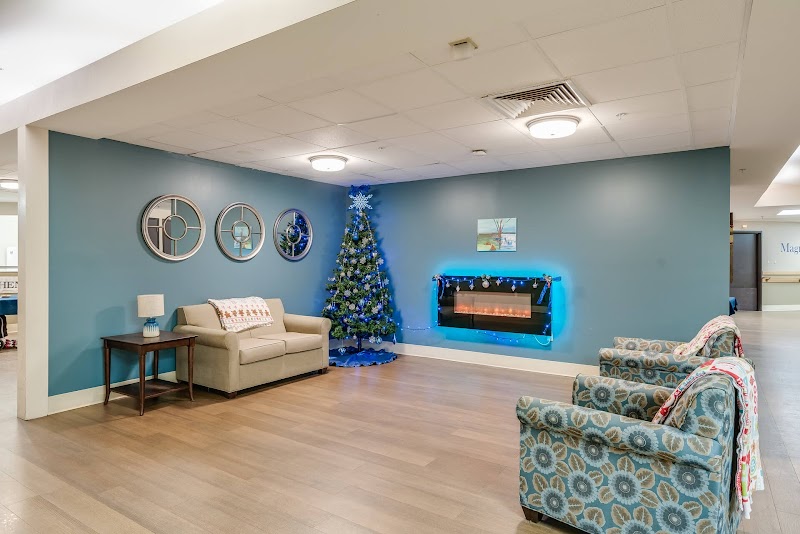
How is Stonebridge Villa Marie Staffed?

CMS rates STONEBRIDGE VILLA MARIE's staffing level at 2 out of 5 stars, which is below average compared to other nursing homes. Staff turnover is 77%, which is 31 percentage points above the Missouri average of 46%. High turnover can affect care consistency as new staff learn residents' individual needs. RN turnover specifically is 75%, which is notably high. RNs provide skilled clinical oversight, so turnover in this role can affect medical care quality.

What Have Inspectors Found at Stonebridge Villa Marie?

State health inspectors documented 36 deficiencies at STONEBRIDGE VILLA MARIE during 2021 to 2025. These included: 1 that caused actual resident harm, 33 with potential for harm, and 2 minor or isolated issues. Deficiencies causing actual harm indicate documented cases where residents experienced negative health consequences.

Who Owns and Operates Stonebridge Villa Marie?

STONEBRIDGE VILLA MARIE is owned by a for-profit company. For-profit facilities operate as businesses with obligations to shareholders or private owners. The facility is operated by STONEBRIDGE SENIOR LIVING, a chain that manages multiple nursing homes. With 120 certified beds and approximately 69 residents (about 57% occupancy), it is a mid-sized facility located in JEFFERSON CITY, Missouri.
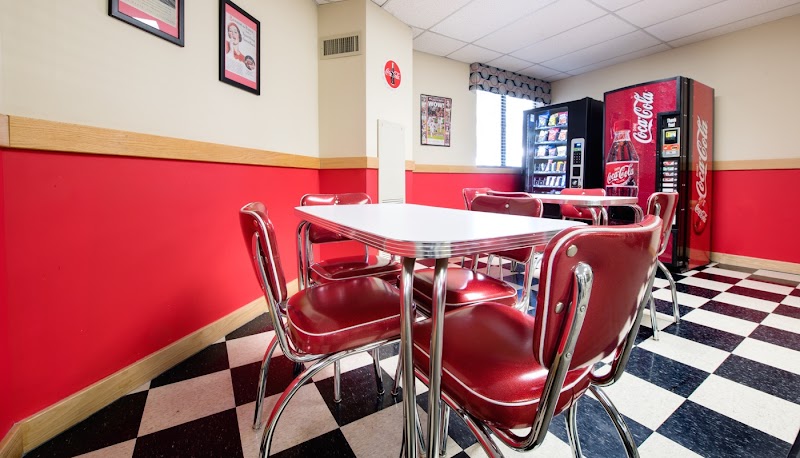
How Does Stonebridge Villa Marie Compare to Other Missouri Nursing Homes?

Compared to the 100 nursing homes in Missouri, STONEBRIDGE VILLA MARIE's overall rating (1 stars) is below the state average of 2.5, staff turnover (77%) is significantly higher than the state average of 46%, and health inspection rating (2 stars) is below the national benchmark.

What Should Families Ask When Visiting Stonebridge Villa Marie?

Based on this facility's data, families visiting should ask: "How do you ensure continuity of care given staff turnover, and what is your staff retention strategy?" "Can you walk me through typical staffing levels on day, evening, and night shifts?" "Can I visit during a mealtime to observe dining assistance and food quality?" "How do you handle medical emergencies, and what is your hospital transfer rate?" These questions are particularly relevant given the facility's high staff turnover rate and the below-average staffing rating.

Is Stonebridge Villa Marie Safe?

Based on CMS inspection data, STONEBRIDGE VILLA MARIE has a clean safety record: no substantiated abuse findings (meaning no confirmed cases of resident harm), no Immediate Jeopardy citations (the most serious violation level indicating risk of serious injury or death), and is not on the Special Focus Facility watch list (a federal program monitoring the lowest-performing 1% of nursing homes). The facility has a 1-star overall rating and ranks #100 of 100 nursing homes in Missouri. While no facility is perfect, families should still ask about staff-to-resident ratios and recent inspection results during their visit.

Do Nurses at Stonebridge Villa Marie Stick Around?

Staff turnover at STONEBRIDGE VILLA MARIE is high. At 77%, the facility is 31 percentage points above the Missouri average of 46%. Registered Nurse turnover is particularly concerning at 75%. RNs handle complex medical decisions and coordinate care — frequent RN changes can directly impact care quality. High turnover means new staff may not know residents' individual needs, medications, or preferences. It can also be disorienting for residents, especially those with dementia who rely on familiar faces. Families should ask: What is causing the turnover? What retention programs are in place? How do you ensure care continuity during staff transitions?

Was Stonebridge Villa Marie Ever Fined?

STONEBRIDGE VILLA MARIE has no federal fines on record. CMS issues fines when nursing homes fail to meet care standards or don't correct problems found during inspections. The absence of fines suggests the facility has either maintained compliance or corrected any issues before penalties were assessed. This is a positive indicator, though families should still review recent inspection reports for the full picture.

Is Stonebridge Villa Marie on Any Federal Watch List?

STONEBRIDGE VILLA MARIE is not on any federal watch list. The most significant is the Special Focus Facility (SFF) program, which identifies the bottom 1% of nursing homes nationally based on persistent, serious quality problems. Not being on this list means the facility has avoided the pattern of deficiencies that triggers enhanced federal oversight. This is a positive indicator, though families should still review the facility's inspection history directly.