WESTGATE

3130 JOHN DUFFY DR, JOPLIN, MO 64804 (417) 553-3688
For profit - Individual 120 Beds CIRCLE B ENTERPRISES Data: November 2025
Trust Grade
55/100
#214 of 479 in MO
Last Inspection: June 2024

Within standard 12-15 month inspection cycle. Federal law requires annual inspections.

Overview

Westgate in Joplin, Missouri, has a Trust Grade of C, indicating it is average and in the middle of the pack among nursing homes. It ranks #214 out of 479 facilities in Missouri, placing it in the top half, and #4 out of 7 in Jasper County, meaning only three local options are better. The facility is improving, with issues decreasing from five in 2024 to one in 2025. Staffing received a rating of 2 out of 5 stars and has a turnover rate of 57%, which is concerning as it suggests less staff stability. However, it has no fines on record, indicating compliance with regulations, and has average RN coverage, which helps monitor resident care. On the downside, there have been serious concerns, such as a resident leaving the facility at night without adequate supervision, resulting in a fall. Additionally, staff failed to maintain cleanliness in resident bathrooms and left a medication cart unlocked, which poses safety risks. While the facility has strengths, these incidents highlight areas that need improvement to ensure resident safety and quality of care.

Trust Score
C
55/100
In Missouri
#214/479
Top 44%
Safety Record
Moderate
Needs review
Inspections
Getting Better
5 → 1 violations
Staff Stability
⚠ Watch
57% turnover. Above average. Higher turnover means staff may not know residents' routines.
Penalties
✓ Good
No fines on record. Clean compliance history, better than most Missouri facilities.
Skilled Nurses
⚠ Watch
Each resident gets only 20 minutes of Registered Nurse (RN) attention daily — below average for Missouri. Fewer RN minutes means fewer trained eyes watching for problems.
Violations
⚠ Watch
20 deficiencies on record. Higher than average. Multiple issues found across inspections.
★★★☆☆
3.0
Overall Rating
★★☆☆☆
2.0
Staff Levels
★☆☆☆☆
1.0
Care Quality
★★★★☆
4.0
Inspection Score
Stable
2024: 5 issues
2025: 1 issues

The Good

  • Full Sprinkler Coverage · Fire safety systems throughout facility
  • No fines on record

Facility shows strength in fire safety.

The Bad

3-Star Overall Rating

Above Missouri average (2.5)

Meets federal standards, typical of most facilities

Staff Turnover: 57%

11pts above Missouri avg (46%)

Frequent staff changes - ask about care continuity

Chain: CIRCLE B ENTERPRISES

Part of a multi-facility chain

Ask about local staffing decisions and management

Staff turnover is elevated (57%)

9 points above Missouri average of 48%

The Ugly 20 deficiencies on record

1 actual harm
Jul 2025 1 deficiency
CONCERN (D) 📢 Someone Reported This

A family member, employee, or ombudsman was alarmed enough to file a formal complaint

Potential for Harm - no one hurt, but risky conditions existed

Resident Rights (Tag F0550)

Could have caused harm · This affected 1 resident

Based on record review, observation, and interview the facility failed ensure all residents were treated with dignity and respect when one staff (Licensed Practical Nurse D) grabbed one resident's arm...

Read full inspector narrative →
Based on record review, observation, and interview the facility failed ensure all residents were treated with dignity and respect when one staff (Licensed Practical Nurse D) grabbed one resident's arm (Resident #1) and grabbed food out of the resident's hand. The facility's census was 109.Review of the facility's policy titled Dignity, revised February 2021, showed the following:-Each resident shall be cared for in a manner that promotes and enhances his or her sense of well-being, level of satisfaction with life, and feelings of self-worth and self-esteem;-Residents are treated with dignity and respect at all times;-Demeaning practices and standards of care that compromise dignity are prohibited;-Staff are expected to promote dignity and assist residents;-Staff are expected to treat cognitively impaired residents with dignity and sensitivity, addressing underlying motives or root causes for a behavior.1. Record review of Resident #1's face sheet (a document that gives a resident's information at a quick glance) showed the following:-admission date of 04/16/25;-Diagnoses included Alzheimer's (a brain disorder that slowly destroys memory and thinking skills, and eventually, the ability to carry out the simplest of tasks), high blood pressure, anxiety, depression, dementia with agitation, psychotic disturbance, mood disturbance, and anxiety. Review of the resident's care plan, revised 05/01/25, showed the following:-Risk for impaired communication;-Behavior management due to dementia, -Resident needs finger foods offered regularly because he/she does not sit still for meals; -Risk for visual impairment;-At risk for weight loss due to decreased appetite and dementia. Review of the resident's June 2025 Physician Orders showed the resident was on a regular textured diet.` Review of the resident's progress notes showed on 06/12/25, staff noted the resident had behaviors that included this resident trying to take food off of other residents' plates. Review of the camera footage on 07/01/25, at 10:39 A.M., showed the following:-On 06/18/25, at 4:48 P.M., during the dinner meal, Licensed Practical Nurse (LPN) D stood at the kitchen window where meal trays were passed thorough. -The resident approached the area where LPN D was standing and grabbed food off a meal tray;-The resident then with his/her left hand attempted to put food into his/her mouth. LPN D grabbed the resident's right arm with his/her left hand and then with right hand grabbed the food away from the resident; -The residents face appeared distraught and two certified nurse aides (CNA) approached and re-directed the resident from this serve-out area. During an interview on 07/18/25, at 2:35 P.M., CNA E said the following:-The resident was not alert and oriented and was very confused;-The resident cannot express what he/she wants and gets agitated at times;-On the date in question he/she was in the Special Care Unit (SCU) dining room and LPN D was doing the serve out window.-The resident was at the serve-out window and reached over to a plate and tried to get food off the plate;-He/she was not sure if the resident had any food in his/her hand and if the resident did have food staff should have let the resident have the food and should not have taken the food away from the resident;-LPN D yelled out for someone to come and get the resident;-He/she and another CNA approached and redirected the resident away from the serve out area;-He/she would not have taken food away from the resident. He/she would have just given the resident that meal tray;-It was rude to take the sandwich from the resident;-The staff are always supposed to treat the residents with dignity and respect. During an interview on 07/01/25, at 3:27 P.M., CNA C said the following: -If a resident was attempting to take food off a tray, he/she would redirect the resident away from the area;-If the resident had already grabbed food from a tray he/she would let them have it and replace the tray;-He/she would not attempt to grab food from a resident's hands unless it was a safety or choking issue;-He/she thought grabbing food from a resident would be disrespectful.During an interview on 07/01/25, at 2:51 P.M., Registered Nurse (RN) A said the following:-Nurses typically check meal orders coming from kitchen for diet accuracy and the CNA's pass the trays to the residents;-If a resident came to the window and tried to grab food, he/she would redirect them from the area;-He/she would not grab food from the resident if they already had it; -He/she would let the resident have the food and order another tray from the kitchen.During an interview on 07/01/25, at 4:10 P.M., the Director of nursing (DON) said the following:-The resident was not alert and oriented.-LPN D should have let the resident eat the sandwich and ordered another plate;-LPN D should never have grabbed the sandwich or any food away from the resident or any resident;-The resident does not usually sit at the table and eat meals. He/she is usually up wandering;-The resident typically eats finger foods. During an interview on 07/01/25, at 4:10 P.M., the Administrator said the following:-The resident had dementia.-LPN D should never have taken food away from the resident.-LPN D should have let the resident eat the sandwich and order another plate;-All Residents should be treated with dignity and respect. MO00256099
Dec 2024 1 deficiency
CONCERN (D) 📢 Someone Reported This

A family member, employee, or ombudsman was alarmed enough to file a formal complaint

Potential for Harm - no one hurt, but risky conditions existed

Pharmacy Services (Tag F0755)

Could have caused harm · This affected 1 resident

**NOTE- TERMS IN BRACKETS HAVE BEEN EDITED TO PROTECT CONFIDENTIALITY** Based on interview and record review, the facility failed to establish a system of record keeping to ensure all controlled subst...

Read full inspector narrative →
**NOTE- TERMS IN BRACKETS HAVE BEEN EDITED TO PROTECT CONFIDENTIALITY** Based on interview and record review, the facility failed to establish a system of record keeping to ensure all controlled substances (substances that have an accepted medical use (medications which fall under US Drug Enforcement Agency (DEA) Schedules II-V), have a potential for abuse, ranging from low to high, and may also lead to physical or psychological dependence) were accurately accounted for when staff did not accurately document all administrations of and could not easily reconcile the balance of a controlled medication for one resident (Resident #1) out of four sampled residents. The facility census was 110. The facility Administrator and the Assistant Director of Nursing (ADON) were notified of the Past Non-Compliance which occurred on 11/28/24. The facility staff began an investigation on 12/12/24 when the medication reconciliation error was found. The facility began immediate in-servicing of all staff who were on-site and as they arrived for work prior to beginning their shift. The facility also notified the Department of Health and Senior Services (DHSS) and the local law enforcement agency of the event. The facility completed medication audit, drug testing of staff who had access to controlled substances, and implemented additional medication procedures. The noncompliance was corrected on 12/12/24. Review of the facility's policy titled Controlled Substances, revised 11/2022, showed the following: -The facility complies with all laws, regulations, and other requirements related to handling, storage, disposal, and documentation of controlled medications (listed as Schedule II-V of the Comprehensive Drug Abuse Prevention and Control Act of 1976); -Only authorized licensed nursing and/or pharmacy personnel have access to Schedule II controlled substances maintained on premises; -Controlled substances are counted upon delivery. The nurse receiving the medication, along with the person delivering the medication, must count the controlled substances together. Both individuals sign the designated controlled substance record; -If the count is correct, an individual resident controlled substance record is made for each resident who will be receiving a controlled substance. Do not enter more than one prescription per page. This record contains: name of the resident, name and strength of the medication, quantity received, number on hand, name of prescriber, prescription number, name of issuing pharmacy, date and time received, time of administration, method of administration, signature of person receiving medication, and signature of nurse administering medication; -Controlled substance inventory is monitored and reconciled to identify loss or potential diversion in a manner that minimizes the time between loss/diversion and detection/follow-up; -The system of reconciling the receipt, dispensing, and disposition of controlled substances includes the records of personnel access and usage; medication administration records, declining inventory records and destruction, waste; and return to pharmacy records; -Nursing staff count controlled medication inventory at the end of each shift, using these records to reconcile the inventory count; -The nurse coming on duty and the nurse going off duty make the count together and document and report any discrepancies to the director of nursing services; -The Director of Nursing Services (DON) documents irreconcilable discrepancies in a report to the Administrator; -If a major discrepancy or a pattern of discrepancies occurs, or if there is apparent criminal activity, the DON notifies the Administrator and consultant pharmacist immediately; -The Administrator, consultant pharmacist, and/or DON determine whether other action(s) are needed, e.g., notification of police or other enforcement personnel; -The medication regimen of residents using medications that have such discrepancies are reviewed to assure the resident has received all medications ordered and the goal of therapy is met (example: a resident receiving a pain medication complains of unrelieved pain); -The DON consults with the provider pharmacy and the Administrator to determine whether any further legal action is indicated. 1. Review of Resident #1's face sheet (a document that gives a patient's information at a quick glance)showed the following: -admission date of 09/11/24; -Diagnoses included chronic respiratory failure with hypoxia (a condition where the lungs are unable to adequately exchange oxygen and carbon dioxide over a prolonged period, resulting in persistently low levels of oxygen in the blood (hypoxia) due to impaired lung function), pneumonia, and heart failure. Review of the resident's quarterly Minimum Data Set (MDS - a federally mandated assessment instrument completed by facility staff), dated 12/18/24, showed the following: -The resident was cognitively intact; -The resident received scheduled and as needed (PRN) pain medications and non-medication interventions for pain; -The resident occasionally had pain; -The resident's pain occasionally effected the resident sleep and interfered with therapy and day to day activities; -The resident rated his/her pain at 4 on a scale of 0 to 10. Review of the resident's care plan, revised 12/10/24, showed the resident had acute and chronic pain related to chronic back pain. Interventions included staff to evaluate the resident's pain. Review of the resident's December 2024 Physician's Order Sheet (POS) showed the following: -An order, dated 10/14/24, for morphine sulfate (a prescription opioid analgesic drug that treats moderate to severe pain) oral solution 20 milligrams (mg)/milliliter (ml). Staff to administer .5 ml by mouth every two hours as needed for anxiety or air hunger (a sensation of shortness of breath or difficulty breathing). Review of the resident's November 2024 Medication Administration Record (MAR) showed on 11/27/24, at 9:17 P.M., the staff administered .5 ml morphine sulfate. Review of the resident's controlled drug record for morphine sulfate showed on 11/27/24, at 9:17 P.M., staff administered .5 ml with a balance of 40 ml. Review of the resident's November 2024 MAR showed on 11/28/24, at 10:55 P.M., the staff administered .5 ml morphine sulfate. Review of the resident's controlled drug record for morphine sulfate showed on 11/28/24, at 10:55 P.M., staff administered .5 ml with a balance (that was written over several times) of 39.5 ml (unable to determine the original documented balance). Review of the resident's November 2024 MAR showed on 11/29/24, at 5:33 A.M. and 9:05 P.M., staff administered .5 ml. morphine sulfate. Review of the resident's controlled drug record for morphine sulfate showed the following: -On 11/29/24, at 5:33 A.M., staff administered .5 ml with a balance (that was written over several times) of 39 ml (unable to determine the original documented balance); -On 11/29/24, at 9:05 P.M., staff administered, .5 ml with a balance (that was written over several times) of 38.5 ml (unable to determine the original documented balance). Review of the resident's December 2024 MAR showed on 12/01/24, at 4:00 P.M., staff administered .5 ml morphine sulfate. Review of the resident's controlled drug record for morphine sulfate showed on 12/01/24, at 4:00 P.M., staff administered .5 ml with a balance (that was written over several times) of 38 ml (unable to determine the original documented balance). Review of the resident's December 2024 MAR showed on 12/02/24, at 8:57 P.M., staff administered .5 ml morphine sulfate. Review of the resident's controlled drug record for morphine sulfate showed on 12/02/24, at 9:00 P.M., staff administered .5 ml with a balance (that was written over several times) of 37.5 ml (unable to determine the original documented balance). Review of the resident's December 2024 MAR showed on 12/03/24, at 9:27 P.M., staff administered .5 ml morphine sulfate. Review of the resident's controlled drug record for morphine sulfate showed on 12/03/24, at 9:28 P.M., staff administered .5 ml with a balance (that was written over several times) of 37 ml (unable to determine the original documented balance). Review of the resident's December 2024 MAR showed staff did not document administration of the resident morphine sulfate on 12/04/24. Review of the resident's controlled drug record for morphine sulfate showed on 12/04/24, at 10:00 P.M., staff administered .5 ml given with a balance (that was written over several times) of 36.5 ml(unable to determine the original documented balance). Review of the resident's December 2024 MAR showed staff did not document administration of the resident morphine sulfate on 12/05/24. Review of the resident's controlled drug record for morphine sulfate showed the following: -On 12/05/24, at 1:30 A.M., staff administered .5 ml with a balance (that was written over several times) of 36 ml (unable to determine the original documented balance); -On 12/05/24, at 10:00 P.M., staff administered .5 ml with a balance (that was written over several times) of 35.5 ml (unable to determine the original documented balance). Review of the resident's December 2024 MAR showed on 12/06/24, at 8:43 P.M., staff administered .5 ml morphine sulfate. (Staff did not document a second dose administered.) Review of the resident's controlled drug record for morphine sulfate showed the following: -On 12/06/24, at 1:00 A.M., staff administered .5 ml with a balance (that was written over several times) of 35 ml (unable to determine the original documented balance); -On 12/06/24, at 9:00 P.M., staff administered .5 ml. with a balance (that was written over several times) of 34.5 ml (unable to determine the original documented balance). Review of the resident's December 2024 MAR showed on 12/07/24, at 9:17 P.M., staff administered .5 ml morphine sulfate. (Staff did not document a second dose administered.) Review of the resident's controlled drug record for morphine sulfate showed the following: -On 12/07/24, at 2:00 P.M., staff administered .5 ml with a balance (that was written over several times) of 34 ml (unable to determine the original documented balance); -On 12/07/24, at 9:00 P.M., staff administered .5 ml given with a balance of 29.5 ml. The balance had a single line through it and new balance of 33.5 ml written in. Review of the resident's December 2024 MAR showed on 12/08/24, at 9:34 P.M., staff administered .5 ml morphine sulfate. (Staff did not document a second dose administered.) Review of the resident's controlled drug record for morphine sulfate showed the following: -On 12/08/24, at 1:45 A.M., staff administered .5 ml with a balance of 29 ml. The balance had a single line through it and new balance of 33 ml written in; -On 12/08/24, at 9:00 P.M., staff administered .5 ml with a balance of 28.5 ml. The balance had a single line through it and new balance of 32.5 ml written in. Review of the resident's December 2024 MAR showed on 12/09/24, at 9:07 P.M., staff administered .5 ml morphine sulfate. Review of the resident's controlled drug record for morphine sulfate showed on 12/09/24, at 9:00 P.M., staff administered .5 ml. with a balance of 28 ml. The balance had a single line through it and new balance of 32 ml written in. Review of the resident's December 2024 MAR showed staff did not document administration of the resident morphine sulfate on 12/10/24. Review of the resident's controlled drug record for morphine sulfate showed on 12/10/24, at 6:00 A.M., staff administered .5 ml. with a balance of 27.5 ml. The balance had a single line through it and new balance of 31.5 ml written in. Review of the resident's December 2024 MAR showed on 12/11/24, at 10:24 P.M., staff administered .5 ml morphine sulfate. (Staff did not document a second dose administered.) Review of the resident's controlled drug record for morphine sulfate showed the following: -On 12/11/24, time illegible, staff administered .5 ml with a balance of 27 ml. The balance had a single line through it and new balance of 31 ml written in; -On 12/11/24, at 9:30 P.M., staff administered .5 ml. with a balance of 26.5 ml. The balance had a single line through it and new balance of 30.5 ml written in. Review of the resident's December 2024 MAR showed on 12/12/24, at 1:35 A.M. and 9:47 P.M., staff administered .5 ml morphine sulfate. Review of the resident's controlled drug record for morphine sulfate showed the following: -On 12/12/24, at 1:30 A.M., staff administered .5 ml. with a balance of 26 ml. The balance had a single line through it and new balance of 30 ml written in.; -On 12/12/24, 26 ml of morphine sulfate was destroyed (a discrepancy of 4 ml). Review of the facility's investigation, received by Department of Health and Senior Services (DHSS) on 12-17-24, showed the following: -Narcotic count reviewed by Licensed Practical Nurse (LPN) B on 12/12/24, at approximately 8:00 A.M. Incorrect documentation was noted in narcotic count for morphine sulfate on 11/27/24. Documentation recorded 35.5 ml and the correct documentation was 39.5 ml. The Assistant Director of Nursing (ADON) was notified and reviewed the documentation. The medication was destroyed and medication was then pulled from the emergency kit. The resident did not miss any doses of medication; -On 12/12/24, at 6:37 P.M., the facility notified [NAME] Police Department; -On 12/12/24, at 6:47 P.M., staff notified the medical director; -The DON was unable to determine a cause of the missing medication due to insufficient information; -A written statement from LPN B, dated 12/12/24, showed he/she noticed at approximately 8:00 A.M. that there was an error in the documentation with the morphine count start on 11/27/24. He/she notified the ADON and he/she and the ADON then corrected the documentation. The ADON then notified the DON. During an interview on 12/31/24, at 9:52 A.M., Certified Medication Technician (CMT) A said licensed nurses passed narcotics at the facility. If he/she noticed missing medications, he/she first looked in the medication room and then notified the charge nurse if he/she could not find them. During interviews on 12/31/24, at 11:39 A.M. and 1:06 P.M., LPN B said the following: -On 12/12/24, he/she noticed a discrepancy in the resident's count of morphine sulfate in the narcotic book. A nurse deducted 1 ml when they should have deducted .5 ml; -He/she immediately reported this to the ADON; -He/she and the ADON looked and found the error and attempted to correct the count; -He/she should have drawn a single line through the original documentation and initialed it with two nurses, then wrote the correct amount out to the side; -He/she did not do this because there was not much room on the form; -Other nurses should have found the discrepancy earlier if they completed the count correctly and actually laid eyes on the bottle of medication; -He/she did not know if the resident's medication was accounted for. -When nurses completed shift change, they completed a count of the narcotics; -One nurse counts the medication while the other nurse verifies the amount in the narcotic log; -If a resident had two bottles of morphine sulfate opened, he/she used out of the bottle with the least amount first; -Nurses should not combine bottles of medication because this could cause the count to be inaccurate if they could not get all of the liquid out of the bottle. The ADON educated him/her on this and controlled medication procedures when the discrepancy was found. During interviews on 12/31/24, at 11:54 A.M. and 1:09 P.M., LPN C said the following: -When nurses completed shift change, they counted controlled medications together; -One nurse counts the medication and the other compares against the narcotic book; -If he/she noticed a discrepancy, he/she notified the DON immediately and did not accept the cart until it was resolved; -If an error was made in the narcotic log, he/she put a single line through the original documentation and the correct documentation to the side. Two nurses initialed this; -If a resident had two open bottles of a liquid medication, he/she used from the bottle with less medication in it; -He/she never combined the medications because there was a risk of spillage or not getting all of the medication out of one bottle. Also, he/she was not a pharmacist; -If there was a discrepancy between the medication count and the narcotic book documentation, it should be noticed immediately and not take 15 to 16 days to notice if nurses completed the count correctly and actually laid eyes on the medication. During interviews on 12/31/24, at 9:08 A.M. and 1:14 P.M., the ADON said the following: -LPN B started correcting the resident's narcotic log when the LPN brought the log to him/her; -He/she told the LPN they needed to put a single line through the original documentation and the correct documentation out to the side and initial this; -When he/she took over, he/she completed the correction correctly; -He/she could not tell what the original documentation was from 11/28/24 through 12/07/24; -He/she did not know where the 4 ml of morphine sulfate went; -At shift change, nurses completed report and counted controlled substances; -The on-coming nurse counted the pills, liquids and patches and the off-going nurse verified the amount in the narcotic book; -If the nurses noticed a discrepancy, they notified the ADON or DON immediately to investigate and the on-coming nurse did not take control of the medication cart until it was resolved; -If a resident had two open bottles of the same medication, the bottles were counted separately and had their own narcotic record; -Nurses should not combine the bottles because this could lead to an error in the count due to not being able to get all of the liquid out of the bottle. Also, they were not pharmacist; -Nurses should notice a discrepancy immediately if they completed the controlled substance count correctly. They should not take 15 to 16 days to notice a discrepancy. During an interview on 12/31/24, at 1:47 P.M., the Administrator said the following: -Nurses completed count of the controlled substances when they completed shift change; -Both nurses should go to the drawer, one nurse counted the medication and the other confirmed the amount on the narcotic log and both sign to verify the count was correct; -The nurses should look at the amount of liquid medication in the bottles; -The nurses should notice a discrepancy immediately and not 15 to 16 days later; -If the nurses noticed a discrepancy, they notified the ADON or DON immediately; -If a resident had two open bottles of liquid medication, they should not combine them because the medications could have different lot numbers and they were not pharmacists; -Each bottle of liquid medication should have it's own narcotic log. MO00246513
Jun 2024 3 deficiencies
CONCERN (D)

Potential for Harm - no one hurt, but risky conditions existed

Medical Records (Tag F0842)

Could have caused harm · This affected 1 resident

Based on observation, interview, and record review, the facility failed to ensure all medical records were maintained in a confidential fashion when staff left the computer on medication cart unlocked...

Read full inspector narrative →
Based on observation, interview, and record review, the facility failed to ensure all medical records were maintained in a confidential fashion when staff left the computer on medication cart unlocked, unattended, and visible to other for one resident (Resident #5). The facility census was 108. 1. Review of Resident # 5's face sheet showed the following information: -admission date of 05/06/24; -Diagnosis included hypertension (high blood pressure), diabetes, and chronic kidney disease. Review of the resident's quarterly Minimum Data Set (MDS - a federally mandated assessment instrument completed by facility staff), dated 06/06/24, showed the resident had moderate cognitive impairment. Observations on 06/05/24, starting at 2:45 P.M., showed Certified Medication Technician (CMT) D prepared medication for the resident. CMT D then walked away from the medication cart with the computer screen showing patient information, including medication orders. CMT D walked to dining room approximately twenty-five feet away and turned his/her back to medication cart to check the resident's blood pressure. The resident' medical information would be visible to any staff, residents, or visitors passing by. During an interview on 06/06/24, at 9:00 A.M., CMT E said he/she always locks his/her computer screen before walking away from the cart. During an interview on 06/06/24, at 11:00 A.M., Licensed Practical Nurse (LPN) J said he/she always locks the computer screen before walking away from the cart. During an interview on 06/06/24, at 2:01 P.M., CMT G said he/she locks computer before walking away from it. During an interview on 06/06/24, at 2:53 P.M., LPN K said he/she always locks the computer screen before walking away. During an interview on 06/06/24, at 3:09 P.M., CMT F said he/she would always lock computer screen before walking away from it. During an interview on 06/07/24, at 8:30 A.M., CMT H said he/she always locks the computer screen before walking away. During an interview on 07/07/24, at 8:45 A.M., the Director of Nursing (DON) said he/she expects staff to lock their computer screen prior to walking away from them. During an interview on 07/07/24, at 9:00 A.M., the Administrator said that he/she expects staff to always lock computer screens prior to walking away from them.
CONCERN (E)

Potential for Harm - no one hurt, but risky conditions existed

Safe Environment (Tag F0584)

Could have caused harm · This affected multiple residents

**NOTE- TERMS IN BRACKETS HAVE BEEN EDITED TO PROTECT CONFIDENTIALITY** Based on observation, interview, and record review, the facility failed to ensure a clean and homelike environment for all resid...

Read full inspector narrative →
**NOTE- TERMS IN BRACKETS HAVE BEEN EDITED TO PROTECT CONFIDENTIALITY** Based on observation, interview, and record review, the facility failed to ensure a clean and homelike environment for all residents when staff failed to maintain the cleanliness of the the bathrooms of six residents (Resident's #51, #89, #32, #36, #39 and #102). The facility census was 108. Review showed the facility did not provide a policy that related to cleaning and maintain the bathrooms in residents' rooms. Review of the facility's cleaning sheet titled, Housekeeping 3 (300 hall), undated, showed the following: -Five step procedure for rooms included pull trash/sanitize can/replace liner, horizontal surfaces, vertical surfaces, dust mop, and damp mop; -Seven step procedure for bathrooms included check/refill supplies, pull trash/sanitize can/replace liner, dust mop/sweep, clean sink area/tub, clean commode/base, clean walls/partitions, and damp mop; -At 8:15 A.M., begin regular day cleaning on resident rooms 301, 303, 305, and 307 using five step/seven step procedure; -At 10:00 A.M., continue regular day cleaning on resident rooms [ROOM NUMBER] using five step/seven step procedure; -At 10:45 A.M., continue regular day cleaning on resident rooms 302, 304, 306, 308, 310, 312, 314 and 316 using five step/seven step procedure; -Wednesdays focus cleaning schedule bath floors and focus on corners and edges. 1. Review of Resident #51's face sheet showed the following: -admission date of 01/13/22; -Diagnoses included dementia, anxiety, and syncope (fainting). Review of Resident #51's quarterly Minimum Data Set (MDS - a federally mandated assessment tool completed by facility staff), dated 04/12/23, showed the following: -Severe cognitive impairment; -Dependent on staff with toileting hygiene. Review of Resident #89's face sheet showed the following: -admission date of 11/02/23; -Diagnoses included bradycardia (slower than normal heartbeat), syncope, dementia, anxiety, chronic kidney disease. Review of Resident #89's quarterly MDS, dated [DATE], showed the following: -Severe cognitive impairment; -Dependent on staff with toileting hygiene. Observation on 06/04/24, at 10:43 A.M., of Resident #51's and Resident #89's shared bathroom showed brown fecal-like substance smeared on the toilet seat. Observation on 06/05/24, at 9:20 A.M., of Resident #51's and Resident #89's shared bathroom showed brown fecal-like substance smeared on the toilet seat. The room had a strong urine-like odor when entering. 2. Review of Resident #32's face sheet showed the following: -admission date of 11/05/19; -Diagnoses included dementia, cognitive communication deficit, hypokalemia (low potassium), and schizophrenia (mental health condition that affects how people think, feel and behave). Review of the Resident #32's quarterly MDS), dated [DATE], showed the following: -Severe cognitive impairment; -Set-up and clean up assistance required for toileting hygiene. Review of Resident #36's face sheet showed the following: -admission date of 05/12/22; -Diagnoses included chronic kidney disease, dementia, anxiety, and depression. Review of the Resident #36's quarterly MDS, dated [DATE], showed the following: -Cognitively intact; -Independent with toileting hygiene. Observation on 06/04/24, at 9:59 A.M., of Resident #32's and Resident #36's shared bathroom showed the following: -The walls were dirty with soap and grime dried dripping down the wall under the soap dispenser; -The wall behind a three-drawer dresser had several small brown spots; -The bottom quarter of the mirror was dirty with grime; -The room had a strong urine-like odor upon entering and was stronger in the bathroom; -The toilet had a brown fecal-like matter smeared down the front of the toilet, in between the toilet seats and all inside the toilet; -The bathroom floor was dirty and had debris. Observation on 06/06/24, at 9:25 A.M., of Resident #32's and Resident #36's shared bathroom showed the following: -The bathroom walls were dirty with soap and grime dried dripping down the wall under the soap dispenser; -The wall behind a three-drawer dresser had several small brown spots; -The bottom quarter of the mirror was dirty with grime; -The room had a strong urine-like odor upon entering and was stronger in the bathroom; -There was a large amount of brown fecal like matter splatter all over the inside of the toilet, all down the side of the toilet to the base of the toilet, on the floor next to the toilet, and on the wall next to the toilet. Observation on 06/06/24, at 1:42 P.M., of Resident #32's and Resident #36's shared bathroom showed the following: -The bathroom walls were dirty with soap and grime dried dripping down the wall under the soap dispenser; -The wall behind a three-drawer dresser had several small brown spots; -The bottom quarter of the mirror was dirty with grime; -The room had a strong urine-like odor upon entering and was stronger in the bathroom; -The side of the toilet had a large amount of brown fecal-like matter smeared from the top to the base of the toilet, on the floor next to the toilet, and on the wall next to the toilet. Observation on 06/07/24, at 9:40 A.M., of Resident #32's and Resident #36's shared bathroom showed the following: -The bathroom walls were dirty with soap and grime dried dripping down the wall under the soap dispenser; -The wall behind a three-drawer dresser had several small brown spots; -The bottom quarter of the mirror was dirty with grime; -The side of the toilet had a large amount of brown fecal-like matter smeared from the top to the base of the toilet, on the floor next to the toilet and on the wall next to the toilet. During an interview on 06/07/24, at 9:52 A.M., Certified Nurse Aide (CNA) B/Activities Director said the following: -The toilet and wall should not have smeared brown fecal-like substance on them; -He/she could smell the strong odor of urine when entering the room; 3. Review of Resident #39's face sheet showed the following: -admission date of 04/11/23; -Diagnoses included cerebral infarction (occurs as a result of disrupted blood flow to the brain due to problems with the blood vessels that supply it), high blood pressure, major depressive disorder, chronic obstructive pulmonary disease (COPD - chronic inflammatory lung disease that causes obstructed airflow from the lungs), and heart disease. Review of the Resident #39's quarterly MDS, dated [DATE], showed the following: -Severe cognitive impairment; -Dependent on staff for toileting hygiene. Review of Resident #102's face sheet showed the following: -admission date of 04/17/24; -Diagnoses included unspecified dementia, anxiety disorder, depression, cognitive communication disorder, COPD, and heart disease. Review of the Resident #102's admission MDS, dated [DATE], showed the following: -Severe cognitive impairment; -Partial/moderate assistance required from staff for toileting hygiene. Observation on 06/06/24, at 9:22 A.M., of Resident #39's and Resident #102's shared bathroom showed the following: -Brown fecal-like substance smeared on the back of the toilet seat; -The wall next to the toilet had small brown spots and dried substances; -The floor around the toilet area was dirty and had several small brown spots. Observation on 06/06/24, at 1:30 P.M., of Resident #39's and Resident #102's shared bathroom showed the following: -Brown fecal-like substance smeared on the back of the toilet seat; -The wall next to the toilet had small brown spots and dried substances; -The floor around the toilet area was dirty and had several small brown spots. Observation on 06/07/24, at 9:40 A.M., of Resident #39's and Resident #102's shared bathroom showed the following: -Brown fecal-like substance smeared on the back of the toilet seat; -The wall next to the toilet had small brown spots and dried substances. 4. During an interview on 06/06/24, at 1:42 P.M., CNA A said housekeeping cleans room daily. He/she notifies housekeeping of any cleanliness issues in a resident's bathroom. 5. During an interview on 06/07/24, at 9:52 A.M., CNA B/Activities Director said housekeeping cleans rooms daily, including the bathrooms. Housekeeping is responsible for cleaning brown fecal-like matter on the toilets, walls and floors. 6. During an interview on 06/07/24, at 10:30 A.M., Housekeeping C said staff should clean every room in the facility once per day, which includes sanitizing everything such as doorknobs and light switches, dust, dry mop and damp mop the room floor, take out the trash from the room and then clean the bathroom including sink, dresser, walls if dirty, mirror, and all of the toilet, including the floor around and sides. Housekeeping is responsible for cleaning smeared brown fecal-like matter, and there should be no smeared brown fecal-like matter in the bathroom. The walls should not have brown spots, dirt, or grime on them. 7. During an interview on 06/07/24, at 10:47 A.M , the Housekeeping Supervisor said the following: -Staff should clean every room in the facility one time per day, utilizing the five and seven step cleaning process on the cleaning sheet; -Staff should start with the light switches, doorknobs, windowsills, and closets, disinfecting all surfaces. Staff then gather trash, clean the floor in the room up to the bathroom, and then change out cleaning cloth and start cleaning the bathroom; -Staff should clean the sink, the mirror, soap and hand sanitizer dispensers, the toilet from top to the bottom. and the floor; -The walls should be cleaned if visibly dirty and any smeared brown fecal-like matter should clean thoroughly; -Toilets, walls, and floors should not have smeared brown fecal-like matter on them. 8. During an interview on 06/07/24, at 1:06 P.M., the Administrator said the following: -Staff should clean resident rooms daily and deep clean them monthly; -The daily cleaning of the bathroom should include cleaning all of the toilet, floor around toilet, walls if dirty, sink, and mirror and mop all of the floor; -There should be no smeared brown fecal-like substances on the toilet, walls, or floor; -There should be no dirt or grime on the walls.
CONCERN (E)

Potential for Harm - no one hurt, but risky conditions existed

Deficiency F0761 (Tag F0761)

Could have caused harm · This affected multiple residents

Based on observation, interview, and record review, the facility failed to ensure all medications were stored per standards of practice when staff walked away and out of view of an unlocked medication...

Read full inspector narrative →
Based on observation, interview, and record review, the facility failed to ensure all medications were stored per standards of practice when staff walked away and out of view of an unlocked medication cart containing resident medications. The facility census was 108. Review of the facility policy titled Administering Medications, revised 12/12, showed during administration of medications, the medication cart will be kept closed and locked when out of sight of the medication nurse 1. Observation on 06/05/24, beginning at 2:45 P.M., showed Certified Medication Technician (CMT) D prepared medications for multiple residents and placed the cups containing the medication in the top drawer of the medication cart. The CMT then walked away from the medication cart without locking the care. The CMT walked to dining room approximately twenty-five feet away and turned his/her back to medication cart to check a blood pressure of a resident. The CMT was in not in line of sight of the unlocked medication cart. During an interview on 06/06/24, at 9:00 A.M., CMT E said he/she always locks the medication cart before walking away from the cart. During an interview on 06/06/24, at 11:00 A.M., Licensed Practical Nurse (LPN) J said he/she always locks the medication cart before walking away from the cart. During an interview on 06/06/24, at 2:01 P.M., CMT G said he/she locks his/her cart before walking away from it. During an interview on 06/06/24, at 2:53 P.M., LPN K said he/she always locks the medication cart before walking away. During an interview on 06/06/24, at 3:09 P.M., CMT F said he/she would always lock his/her medication cart before walking away from it. During an interview on 06/07/24, at 8:30 A.M., CMT H said he/she always locks the medication cart before walking away. During an interview on 07/07/24, at 8:45 A.M., the Director of Nursing (DON) said that he/she expects staff to lock their medication cart prior to walking away from them. During an interview on 07/07/24, at 9:00 A.M., the Administrator said that he/she expects staff to always lock their medication carts prior to walking away from them.
Mar 2024 1 deficiency
CONCERN (D) 📢 Someone Reported This

A family member, employee, or ombudsman was alarmed enough to file a formal complaint

Potential for Harm - no one hurt, but risky conditions existed

Deficiency F0559 (Tag F0559)

Could have caused harm · This affected 1 resident

**NOTE- TERMS IN BRACKETS HAVE BEEN EDITED TO PROTECT CONFIDENTIALITY** Based on interview and record review, the facility failed to ensure residents' right to share a room with his or her roommate of...

Read full inspector narrative →
**NOTE- TERMS IN BRACKETS HAVE BEEN EDITED TO PROTECT CONFIDENTIALITY** Based on interview and record review, the facility failed to ensure residents' right to share a room with his or her roommate of choice and the right to receive written notice of the room change, including the reason, were protected when staff moved one resident (Resident #1) to a room on a different hall without a written notice issued or documentation of the resident's consent to the change. The facility had a census of 105. Review of the facility's policy titled, Room Change/Roommate Assignment, revised March 2021, showed the following information: -Resident room or roommate assignments may change if the facility deems it necessary. Resident preferences are taken into account when such changes are considered; -Room changes initiated by the facility are limited to moves within the same building in which the resident currently resides, unless the resident voluntarily agrees to move to another building within the same facility; -Residents have the right to share a room with their roommate of choice, including a spouse, domestic partner, or friend, as long as both parties live in the same facility, and consent to the arrangement; -Residents may not demand to displace a current roommate to accommodate a roommate request; -Prior to changing a room or roommate assignment all parties involved in the change are given a verbal notice of such change; -Verbal notice of a roommate change includes why the change is being made and any information that will assist the roommate in becoming acquainted with his/her new roommate; -Residents have the right to refuse to move to another room in the facility if the purpose of the move is to relocate the resident from a skilled nursing unit within the facility to one that is not a skilled nursing unit and to relocate the resident from a nursing unit within the facility to one that is a skilled nursing unit; -Documentation of a room change is recorded in the resident's medical record; -Inquiries concerning room changes should be referred to social services or designated staff. (The policy did not address the requirement of a written notice to be provided.) 1. Review of Resident #1's face sheet (basic information sheet) showed the following: -admission date of 03/16/23; -Diagnoses including Alzheimer's disease (a progressive disease that destroys memory and other important mental functions), dementia (a group of thinking and social symptoms that interferes with daily functioning) without behavioral disturbance, anxiety disorder (a mental health disorder characterized by feelings of worry, anxiety, or fear that are strong enough to interfere with one's daily activities), major depressive disorder (a mental health disorder characterized by persistently depressed mood or loss of interest in activities, causing significant impairment in daily life), and mild cognitive impairment. Review of the resident's Durable Power of Attorney (DPOA -a written authorization of an appointed individual to represent or act on another's behalf in private affairs, business, or some other legal matter that includes the appointed individuals ability to maintain their role as power of attorney in the event the initial individual is incapacitated and unable to make decisions for themselves) paperwork, dated 03/29/13, showed the two individuals were designated as DPOA for the resident. Review of the resident's record showed the facility did not provide documentation the resident was deemed incapacitated or unable to make his/her own decisions. The record did not indicate the DPOA was enacted. Review of the resident's annual Minimum Data Set (MDS - a federally mandated assessment instrument completed by facility staff), dated 03/14/24, showed the following: -Moderate cognitive impairment; -Mild depression; -Verbal and physical behaviors indicated one to three days; -Rejection of care four to six days. Review of the resident's care plan, current as of 03/15/24, showed the following: -At times resident may have delusions and/or hallucinations and may exhibit behaviors that are inappropriate for the situation at hand. Physician is aware of these behaviors. -Socially inappropriate/disruptive behavior. The resident will tell staff his/her medications are not what they are supposed to be. Two staff when giving medication. Resident also has conflicts with neighbors if he/she feels they do not give him/her the attention he/she wants and will cry and yell to anyone who will listen. He/She has difficulty maintaining healthy relationships with peers. Remind resident when behavior is not appropriate; -Verbally aggressive behavior. The resident will often yell at staff when they do not respond immediately to requests. He/She will often yell at staff if they do not give a response that he/she does not agree with. Review of the resident's departmental notes showed the following: -On 02/29/24, at 10:40 A.M., the Social Services Director (SSD) documented he/she spoke with both DPOA's regarding a care plan meeting for 03/01/24, at 1:30 P.M., regarding the resident's behaviors surrounding staff, visitors, and other peers; -On 03/01/24, at 2:05 P.M., the SSD documented one of the residents DPOA's called to inform the facility he/she would not be able to meet for the scheduled meeting and requested rescheduling. The meeting was rescheduled for 03/06/24, at 3:00 P.M The facility was fine with moving the meeting to review the residents behavior. The facility wanted to discuss the need to move the resident rooms that day. The SSD went into brief detail regarding how the resident treats staff and the stress he/she caused to all who have cared for him/her. The facility wants permission to move the resident versus relocating all of the staff that work on the hall. The DPOA agreed it was easier to move one resident versus relocating numerous staff so he/she agreed to the room change from 400 hall to 100 hall. (Staff did not document any written notice.); -On 03/01/24, at 2:21 P.M., the SSD documented he/she and the Assistant Director of Nursing (ADON) spoke with the resident regarding his/her behavior and the reason a room move needed to occur on 03/01/24. The SSD documented the resident is aware the facility had been speaking with the DPOA's and informed the resident the care plan meeting had been rescheduled to 03/06/24, at 3:00 P.M., and that they are fine with the room move. One of the two DPOA is requesting calls when the resident's behavior and responses are not appropriate of affect others. The SSD documented the resident apologized regarding his/her negative behaviors involving a staff member. (Staff did not document the resident agreed to the room move or any written notice issued regarding the move.) -On 03/01/24, at 6:19 P.M., the SSD documented one of the DPOA came to the facility to requesting to speak to the facility regarding the room move as he/she had not been notified by the other DPOA. -On 03/02/24, at 3:27 A.M., a nurse documented the resident has been upset all evening about his/her room move. The resident stated he/she cannot handle his/her roommate and will not be able to survive staying in the room. The resident has been up in the dining room most of the shift due to the roommate talking throughout the night. The resident was informed these was not much staff would do as the roommate had his/her medications but was not sleeping well. The resident was informed it was their room as well and cannot make the roommate go to sleep. The resident remains unhappy with staff and the situation. Review of the resident's record showed the facility did not document resident consent to the room change or written notice provided. During an interview on 03/14/24, at 1:34 P.M., the resident said the following: -He/She has resided at the facility for approximately one year; -He/She is responsible for himself/herself; -He/She was brought into the ADON office a few days ago to speak to the ADON and SSD; -The ADON and SSD told him/her that he/she had been rude to staff and they wanted to move him/her to 100 hall; -He/She told the ADON and SSD that he/she did not want to move rooms; -He/She was roommates with Resident #2; -He/She was moved to 100 hall with another resident. 2. Review of Resident #2's face sheet showed the following: -admission date of 03/07/23; -Diagnoses including Alzheimer's disease and dementia; -The resident is responsible for himself/herself. Review of the resident's annual MDS, dated [DATE], showed the resident was cognitively intact. Review of the resident's departmental notes showed the following: -On 02/14/24, at 9:14 A.M., the SSD documented he/she visited with the resident at length regarding a report from hospice that he/she complained to them about his/her roommate. The resident said he/she got along with his/her roommate and reported he/she does not want to move and wanted his/her roommate to remain his/her roommate. During an interview on 03/14/24, at 1:02 P.M., Resident #2 said the following: -He/She has resided at the facility for approximately one year; -Resident #1 was his/her roommate until one to two weeks ago; -He/She did not know why Resident #1 was moved to another room; -He/She did not request Resident #1 to be moved to another room; -He/She did not know how Resident #1 felt about moving rooms; -He/She did not have issues with Resident #1 being his/her roommate. 3. During an interview on 03/14/24, at 2:36 P.M., Certified Nurses Assistant (CNA) A said the following: -Resident #1 used to reside on 400 hall, but was moved approximately one month ago; -Resident #1 did not want to move off 400 hall and was upset about the room change; -The Administrator is responsible for room changes. 4. During an interview on 03/15/24, at 10:26 A.M., Certified Medication Technician (CMT) B said the following: -He/She was unaware of why Resident #1 moved rooms; -Room changes is typically a group effort between multiple staff, but the administrative staff ultimately decide what room changes are needed. 5. During an interview on 03/15/24, at 10:45 A.M., CNA C said the following: -He/She believes Resident #1 is not happy with being moved rooms and there have been issues with each roommate he/she has had since; -The Administrator and ADON are responsible for room changes. 6. During an interview on 03/15/24, at 11:02 A.M., Licensed Practical Nurse (LPN) D said the following: -Resident #1 was moved from 400 hall a few weeks ago; -He/She did not know why Resident #1 was moved from 400 hall; -Room changes are handled by the administrative staff. 7. During an interview on 03/15/24, at 12:39 P.M., Registered Nurse (RN) E said the following: -He/She works 400 hall; -Resident #1 did not want to move rooms and had apologized for his/her behaviors; -The SSD handles room changes. 8. During an interview on 03/15/24, at 12:52 P.M., the SSD said the following: -The room change process started for Resident #1 due to reports he/she was making residents on 400 hall uncomfortable and report from hospice staff that Resident #1 was not nice to his/her roommate (Resident #2); -He/She spoke to Resident #2 who reported everything was fine and declined need to move Resident #1; -On 03/01/24 he/she spoke to Resident #1's family regarding the need to facilitate a room change due to behavioral issues, stress to staff, and issues with peers. The family approved the room change; -He/She and the ADON spoke with Resident #1 regarding the room change following speaking with the resident's family. The resident was agreeable with the room change; -Resident #1 wanted to go back to his/her room after the arrangement did not work out well with the new roommate but the room had already been filled; -Resident #1 would not have been moved rooms without his/her agreement; -Room changes are to be documented in the social services notes or nurses notes; -The facility does not have a written room change notice or room change consent form for the resident or responsible party to sign. During an interview on 03/15/24, at 1:29 P.M., the ADON said the following: -Resident #1 did not get along with other residents residing on 400 hall; -Hospice staff reported Resident #1 talked down to his/her roommate (Resident #2); -He/She spoke to Resident #2 who reported Resident #1 talked to him/her like he/she was a child; -He/She redirected Resident #1 regarding this behavior and there had not been issues between them after he/she spoke to Resident #1; -He/She and the SSD spoke with Resident #1 regarding a room change in his/her office (specific date and time not known); -They offered the room move to the resident due to issues with staff and other residents; -Resident #1 agreed to the room change and understood the reason for the room change; -Resident #1 is responsible for himself/herself. During an interview on 03/15/24, at 2:19 P.M., the DON said the following: -Resident #1 had behaviors including asking resident families to purchase goods for him/her, talking down to his/her roommate, and had behaviors directed toward RN E; -The DON, Administrator, ADON, Nurse Educator, and SSD discussed and decided it was best for a room change for Resident #1; -The SSD and ADON spoke to Resident #1 who agreed to moving rooms; -Consent to room changes should be documented; -The SSD is responsible for documenting room change and consent to the room change. During an interview on 03/15/24, at 2:19 P.M., the Administrator said the following: -Resident #1 had behaviors including asking resident families to purchase goods for him/her, talking down to his/her roommate, and had behaviors directed toward RN E; -The Administrator, DON, ADON, Nurse Educator, and SSD discussed and decided it was best for a room change for Resident #1; -The SSD and ADON spoke to Resident #1 who agreed to moving rooms; -Consent to room changes should be documented; -The SSD is responsible for documenting room change and consent to the room change. MO00232685 and MO00232774
Sept 2023 2 deficiencies 1 Harm
SERIOUS (G) 📢 Someone Reported This

A family member, employee, or ombudsman was alarmed enough to file a formal complaint

Actual Harm - a resident was hurt due to facility failures

Accident Prevention (Tag F0689)

A resident was harmed · This affected 1 resident

**NOTE- TERMS IN BRACKETS HAVE BEEN EDITED TO PROTECT CONFIDENTIALITY** Based on interview and record review, the facility failed to ensure all residents received adequate supervision to prevent possi...

Read full inspector narrative →
**NOTE- TERMS IN BRACKETS HAVE BEEN EDITED TO PROTECT CONFIDENTIALITY** Based on interview and record review, the facility failed to ensure all residents received adequate supervision to prevent possible accidents when staff failed to respond to an alarm when one resident (Resident #1) left the facility at night, was found by a neighboring facility's staff, and suffered a fall with injury, and when the facility staff failed to have a process in place, and ensure all staff were trained on the process, to routinely check wander prevention devices to ensure they worked correctly for two residents (Resident #1 and Resident #2). The facility had a census of 101. Review of a facility policy titled, Wandering and Elopements, revised March 2019, showed the following information: -The facility is to identify residents at risk of unsafe wandering and strive to prevent harm while maintaining the least restrictive environment for residents; -Residents identified as at risk for wandering, elopement, or other safety issues will have strategies and interventions to maintain the residents safety documented in the care plan; -If a resident is missing staff are to initiate elopement/missing resident emergency procedures. Review of a facility policy titled, Elopement Precautions/Missing Resident, revised in 2007, showed the following information: -All exit doors from the facility that are not under direct observation shall be alarmed; -Egress doors alarmed in the facility include the front entrance, 100 hall, 200 hall, 300 hall, 300 hall patio door, 400 hall, and employee hall; -If the facility has an electric monitoring system. Any resident who has been identified as an elopement risk shall have a device placed on their wrist or ankle; -The monitoring device is to be inspected according to manufacturer specifications to ensure proper function of the device; -The facility has electronic monitoring system areas that are activated by personal electronic monitoring system devices at the front entrance, 100 hall, 200 hall, 300 hall, 400 hall, 300 hall patio door, and employee hall; -When the door alarm sounds, the charge staff assigned to the area where the door is located, or their designee, will immediately investigate; -If the cause of the alarm is not immediately known, the area outside the door will be checked at the same time an accounting of the residents inside the facility occurs; -An alarm is never to be shut off without verifying how the alarm was activated or verifying that all resident whereabouts are known; -Residents considered an elopement risk are to have their whereabouts confirmed at least every 30 minutes; -Residents demonstrating agitation and elopement attempts are to remain under constant surveillance until the period of agitation resolves; -Increased whereabouts checks shall be maintained until staff is assured the resident is thoroughly redirected and is safe to return to 30 minute checks; -Residents who are assessed to be elopement risks shall have specific care plan interventions that identify how to manage the resident's elopement behavior; Review of the manufacturer's manual for the facility wanderguard devices titled, ID-TAD, undated, showed the following information: -The ID-TAD is the device that activates, deactivates, and tests the wanderguard tags placed on residents; -The ID-TAD utilizes an display screen to provide information of the tags including, tag type, tag number, warranty date, and a battery test of the wanderguard tags; -If the battery displays GOOD the tag can continue to be used; -If a battery LOW flag displays the tag needs to be replaced; -Tags should be tested a minimum of once per week. 1. Review of Resident #1's face sheet (basic information sheet) showed the following: -admission date of 05/01/23; -Diagnoses included dementia (a group of thinking and social symptoms that interferes with daily functioning), depression (a group of conditions associated with the elevation or lowering of a person's mood, such as depression or bipolar disorder), and adult failure to thrive. Review of the resident's care plan, dated 05/02/23, showed the following: -The resident had wandering behaviors including roaming halls in his/her wheelchair or rolling walker; -Interventions included monitoring the resident related to wandering. (Staff did not care plan related to a wanderguard or maintenance of the device.) Review of the resident's Minimum Data Sheet (MDS- a federally mandated assessment tool completed by facility staff), dated 08/04/23 , showed the resident had severe cognitive impairment. Review of the resident's current Physician's Order Sheet (POS), as of 09/28/23, showed the following: -The resident did not have documented orders for a wanderguard; -The resident did not have documented orders for monitoring of the wanderguard for location and function. Review of the resident's Medication Administration Record (MAR) and Treatment Administration Record (TAR) for September 2023 showed no orders or record of inspection of location and function of his/her wanderguard device. Review of the resident's progress notes showed the following: -On 09/28/23, at 4:39 A.M., Licensed Practical Nurse (LPN) D documented he/she was notified by phone that the resident had fallen in the parking lot of a neighboring facility. The resident was returned to the facility. The resident had an abrasion to his/her left thumb and palm area. The resident had bruising noted as well (not specified). The resident reported he/she was looking for his/her family. Review of facility's videos of the resident's elopement on 09/28/23 showed the following: -At 12:58 A.M., the resident wheeled him/herself to the front lobby of the facility in his/her wheelchair. No staff were visible in the area; -At 12:59 A.M., the resident approached the front door to the facility, stood from his/her wheelchair, pushed the front entrance door open, walked through the front door, held the front door open while pulling his/her wheelchair past the front door, and exited the facility seated in his/her wheelchair. No staff were visible in the area; -At 1:37 A.M., LPN D exited the front door of the facility and stood outside next to the entrance; -At 1:44 A.M., LPN D returned inside the facility; -At 2:11 A.M., three staff (Certified Nurses Assistant (CNA) F, CNA H, and CNA G) exited the facility through the front entrance; -At 2:21 A.M., the resident returned to the facility through the front entrance being wheeled by CNA F and accompanied by CNA H and CNA G. During an interview on 09/28/23, at 2:37 P.M., LPN A said the following: -The resident wears a wanderguard; -He/She was unaware of any other residents who have a wanderguard; -The resident's wanderguard went off frequently due to him/her getting too close to the exit doors; -If the wanderguard alarm goes off staff are to immediately go to the wanderguard alarm panel to see which location to respond to; -Staff are to immediately respond to the area indicated on the alarm panel to search for the resident; -If the resident cannot be located staff are to implement measures indicated in the elopement policy; -The wanderguard alarm is not supposed to be shut off until staff are confirmed to be responding to the alarm. During an interview on 09/28/23, at 2:44 P.M., Registered Nurse (RN) B said the following: -The resident has a wanderguard; -If the wanderguard alarm sounds at the nurses' station staff are to respond immediately to the area indicated on the alarm panel to search for the resident; -If the resident cannot be located staff are to implement measures indicated in the elopement policy; -The wanderguard alarm is not supposed to be reset until staff verify the residents location; -The resident is exit seeking and often states he/she is looking for his/her family. During an interview on 09/28/23, at 4:43 P.M., Certified Nursing Assistant (CNA) C said the following: -The resident had a wanderguard; -He/She was unaware of any other residents with a wanderguard in place; -The resident paces the halls, but he/she had never observed the resident trying to get out of the doors; -If the wanderguard alarm panel sounds staff are to respond to the area designated on the panel immediately to search for the resident. During an interview on 09/28/23, at 8:51 P.M., LPN D said the following: -He/She was working as the charge nurse on the resident's hall when he/she eloped from the facility; -He/She did not know what time the resident eloped from the facility; -He/She last observed the resident in the facility at 12:00 A.M.; -The wanderguard alarm panel went off twice during his/her shift; -He/She could not recall what time the alarms went off or how much time passed between the first and second alarm; -The first time the wanderguard alarm went off the resident was located on 400 hall and was redirected; -He/She did not know how long the alarm went off for the first time; -The second time the wanderguard alarm went off he/she was in the medication room with LPN E; -He/She came out of the medication room and did not see staff; -He/She silenced the alarm and went to pass medications; -He/She assumed other staff addressed the wanderguard alarm; -He/She did not verify staff addressed the alarm before silencing; -He/She did not instruct staff to conduct a count of residents to ensure all residents were accounted for; -He/She went outside to smoke sometime after the second alarm went off and did not see anyone outside; -Only residents wearing a wanderguard will set off the wanderguard system alarm; -Staff are to immediately respond to the wanderguard alarm by checking all exit doors; -The wanderguard alarm panel is not supposed to be reset until the resident is located; -If the resident is not located staff are to implement the elopement policy; -The charge nurse is responsible for conducting a head count of residents with wanderguards if the alarm goes off; -He/She should have verified location of wanderguard residents when the alarm went off instead of assuming the alarm was being addressed. During an interview on 09/28/23, at 9:09 P.M., CNA F said the following: -The resident had a wanderguard; -The resident wandered often, but did not try to leave the facility; -The wanderguard went off twice during his/her shift; -He she did not know what time the alarms went off; -The first time the alarm went off the resident was located on 400 hall by LPN D who redirected the resident; -The second alarm went off approximately 10 to 15 minutes after the first alarm; -The second alarm sounded for approximately 3 seconds and then stopped; -He/She was in a room providing care when the second alarm went off; -No guidance or instruction was given by the charge nurse staff to verify resident locations or search for a resident; -He/She did not ask anyone if the alarm had been addressed; -If the wanderguard alarm sounds staff are to immediately respond to the alarm and location of the alarm to conduct a search for the resident; -On 09/28/23, at 2:00 A.M., a neighboring facility called and reported to LPN D that the resident was at their facility; -He/She immediately went to the neighboring facility and brought the resident back to the facility; -The resident said he/she was looking for his/her family; -The resident had a cut on his/her left hand. During an interview on 09/28/23, at 9:22 P.M., LPN E said the following: -He/she was working as the charge nurse for 100 and 400 hall when the resident eloped from the facility on 09/28/23; -The resident had a wanderguard; -The resident is often awake at night and wanders around the facility; -The resident was not exit seeking, but did like to sit at the exits and look out the window; -The wanderguard alarm sounded twice during his/her shift; -He/She could not recall what time the alarms sounded; -The first time the alarm sounded Resident #1 was located on 400 hall and was redirected; -The second alarm went off while he/she and LPN D were in the medication room; -He/She did not know how long the second alarm sounded; -LPN D came out of the medication room and silenced the alarm; -The wanderguard alarm did not sound again after being reset and he/she assumed the resident who set off the alarm had been brought back to their room; -He/She did not verify the alarm had been addressed and the resident that triggered the alarm had been located; -If the wanderguard alarm sounds all staff available are to respond to the alarm and search for the resident; -The alarm is not supposed to be reset until the resident is located or it is confirmed staff are addressing the alarm; -Charge nurse staff are responsible for coordinating searching for residents and confirming locations when the alarm goes off; -No instruction was given to staff to address the alarm or confirm resident locations; -He/She did not know if LPN D addressed the alarm or confirmed another staff had addressed the alarm; -On 09/28/23, at 2:00 A.M., a neighboring facility called and reported they had the resident; -The resident was brought back to the facility immediately; -The resident had a scrape on his/her hand. During an interview on 09/28/23, at 9:40 P.M., CNA G said the following: -He/She was working when the resident eloped from the facility on 09/28/23; -The resident had a wanderguard; -Two wanderguard system alarms sounded during his/her shift; -The first alarm sounded around 12:00 A.M.; -The second alarm sounded approximately 10 to 15 minutes after the first alarm; -The resident was located on 400 hall immediately following the first alarm and redirected; -He/She was in a resident room providing care when the second alarm sounded; -He/She did not know how long the alarm sounded the second time; -The second alarm had been turned off by the time he/she left the room he/she was providing care in; -He/She assumed staff had addressed the alarm since it had been silenced; -No instructions or guidance was give to him/her by any staff to search for or locate a resident; -He/She did not ask any staff if the alarm had been addressed; -On 09/28/23, at 2:00 A.M., a neighboring facility called and reported they had found the resident and brought him/her inside; -He/She and two additional staff immediately went to the neighboring facility and brought the resident back to the facility; -The resident reported he/she fell (unknown when or how) and hurt his/her hand; -All available staff are to respond to wanderguard alarms immediately and begin searching for the resident that triggered the alarm. During an interview on 09/29/23, at 9:49 A.M., LPN H said the following: -The resident had a wanderguard; -If the wanderguard alarm sounds staff are to immediately respond to the area indicated on the alarm panel to search for the resident that triggered the alarm; -If the resident identified cannot be located the staff are to implement the elopement policy immediately; -Nursing staff typically address the wanderguard alarm, but CNA staff do as well; -CNA staff are to report to the charge nurse if they address the alarm; -The wanderguard alarm is not to be silenced unless it is verified staff addressed the alarm; -Nursing staff are to verify location of wanderguard devices on residents that wear them. During an interview on 09/29/23, at 9:58 A.M., RN I said the following: -Resident #1 had a wanderguard; -If the wanderguard alarm sounds staff are to check the alarm panel and respond to the area that was triggered; -Staff are to search the area for the resident that triggered the alarm; -If the wanderguard resident cannot be located staff are to immediately implement the elopement policy. During an interview on 09/29/23, at 12:26 P.M., the Regional Nurse Consultant said the following: -Staff are to immediately respond to wanderguard alarms and conduct a resident count to verify resident location; -If a resident cannot be located the facility is to immediately implement the elopement policy; -The wanderguard alarm panel sounds until silenced or reset by someone; -The wanderguard alarm should only be silenced once staff are confirmed to be addressing the alarm; -The charge nurse is responsible for coordinating the search for residents when the wanderguard alarm is triggered. During an interview on 09/29/23, at 12:30 P.M., the Director of Nursing (DON) said the following: -Residents with wanderguards should have an physician's order documented in the medical record; -The resident had a wanderguard; -The wanderguard alarm panel indicates which area is triggered; -The charge nurse is to direct staff to the triggered area to address the alarm; -Staff should respond immediately to the alarm; -If the resident who triggered the alarm cannot be located the facility staff are to implement the facility elopement/missing resident procedures. During an interview on 09/29/23, at 12:59 P.M., the Administrator said the following: -The resident had a wanderguard; -If the wanderguard alarm panel sounds staff are to immediately respond to the location triggered and indicated on the alarm panel to conduct a search for the resident that triggered the alarm; -The alarm should not be silenced or reset until staff verify the alarm is being addressed; -Staff should conduct a head count and implement the elopement policy immediately if the resident cannot be located; -The charge nurse is responsible for the initial response to the alarm. 2. Review of Resident #2's face sheet showed the following information: -admission date of 03/22/23; -Diagnoses including dementia, depression, and insomnia (a sleep disorder causing difficulty sleeping). Review of the resident's care plan, dated 03/27/23, showed staff care planned a monitoring device placed on the resident that sounds when the resident leaves the facility. Review of the resident's MDS, dated [DATE], showed the resident was cognitively intact. Review of the resident's current POS, as of 09/28/23, showed an order, dated 05/18/23, for a wanderguard device (arm bracelet) for safety at all times to be inspected for placement and function each shift starting 05/18/23. Review of the resident's September 2023 MAR showed staff documented regular inspection of the wanderguard device. During an interview on 09/28/23, at 9:09 P.M., CNA F said the resident had a wanderguard. During an interview on 09/28/23, at 9:22 P.M., LPN E said the resident had a wanderguard. During an interview on 09/28/23, at 9:40 P.M., CNA G said the resident had a wanderguard. During an interview on 09/29/23, at 9:49 A.M., LPN H said the resident had a wanderguard. During an interview on 09/29/23, at 9:58 A.M., RN I said the resident had a wanderguard. During an interview on 09/29/23, at 12:30 P.M., the DON said residents with wanderguards should have a physician's order documented in the medical record. The resident had a wanderguard. 3. Review of the facility's maintenance log document titled, Check Operation of Door Monitors and Patient Wandering System, showed the following: -Areas inspected included the front entrance, 100 hall, 200 hall, 300 hall, 400 hall, 300 hall patio door, and employee hall; -The areas were inspected on 08/10/23 and 09/07/23 with pass indicated to each area; -The inspection form did not list wanderguard devices worn by residents or inspection of those devices. During an interview on 09/28/23, at 2:28 P.M., the Maintenance Director said the following: -He checks the wanderguard system; -He takes an extra wanderguard alarm and walks out of each wanderguard exit to verify the wanderguard system alarm sounds at the nurses station; -He has never checked the wanderguard devices that each resident wears to ensure they function appropriately with the wanderguard system; -Nursing staff are responsible for verifying the wanderguard devices the residents wear are functioning. During an interview on 09/28/23, at 2:37 P.M., LPN A said he/she did not know of any process for checking the placement or function of the wanderguards that residents wear. During an interview on 09/28/23, at 2:44 P.M., RN B said he/she was unaware of a process for inspecting wanderguards for appropriate function. During an interview on 09/28/23, at 4:43 P.M., CNA C said he/she did not know who is responsible for inspecting the wanderguards residents wear to ensure they function properly. He/She did not know how to inspect the wanderguard devices. During an interview on 09/28/23 at 8:51 P.M., LPN D said he/she did not know what residents had a wanderguard device. He/she did not know if the facility had a system for inspecting the wanderguard devices residents wear. During an interview on 09/28/23, at 9:09 P.M., CNA F said he/she did not know if the facility had a process for inspecting the wanderguard devices for appropriate function. During an interview on 09/28/23 at 9:22 P.M., LPN E said he/she did not know if the facility had a procedure for inspecting wanderguard devices residents wear for appropriate function. During an interview on 09/28/23, at 9:40 P.M., CNA G said he/she did not know if the facility had a process for inspecting the wanderguard devices. During an interview on 09/29/23, at 9:49 A.M., LPN H said he/she did not know how to verify the function of the wanderguard devices or who is responsible. During an interview on 09/29/23, at 9:58 A.M., RN I said the following: -Nursing staff are to inspect the wanderguard devices at least daily or more often for location and function; -Nursing staff are to bring the resident wearing the wanderguard device near an egress to verify the alarm sounds. During an interview on 09/29/23, at 12:26 P.M., the Regional Nurse Consultant said the following: -Staff are to have a designated staff to inspect wanderguard devices at least weekly for function and daily for placement; -The inspections for function and location should be documented in the residents medical record. During an interview on 09/29/23, at 12:30 P.M., DON said the following: -Nursing staff are to inspect the wanderguards for placement and function each shift; -Maintenance staff is responsible for inspecting the wanderguard door alarms for appropriate function. During an interview on 09/29/23, at 12:59 P.M., the Administrator said the following: -Nursing staff are to check the wanderguard devices residents wear weekly for location and function; -The wanderguard device inspection should be documented in the log book. MO00225097
CONCERN (D) 📢 Someone Reported This

A family member, employee, or ombudsman was alarmed enough to file a formal complaint

Potential for Harm - no one hurt, but risky conditions existed

Quality of Care (Tag F0684)

Could have caused harm · This affected 1 resident

**NOTE- TERMS IN BRACKETS HAVE BEEN EDITED TO PROTECT CONFIDENTIALITY** Based on interview and record review, the facility failed to provide care in accordance with standards of practice when staff fa...

Read full inspector narrative →
**NOTE- TERMS IN BRACKETS HAVE BEEN EDITED TO PROTECT CONFIDENTIALITY** Based on interview and record review, the facility failed to provide care in accordance with standards of practice when staff failed to document a fall or complete post fall monitoring for one resident (Resident #3's) who suffered fall, resulting in a possible delay of identification of injury of a hip fracture. The facility census was 101. Review of a facility policy titled, Accidents and Incidents-Investigating and Reporting, revised July 2017, showed the following: -All accidents and incidents involving residents are to be investigated and reported to the Administrator; -The nurse supervisor, charge nurse, department director, or supervisor shall promptly initiate and document investigation of the accident or incident; -The incident will be reviewed by the safety committee for trends related to accident or safety hazards in the facility and analyze any individual resident vulnerabilities. 1. Review of Resident #3's face sheet (basic information sheet) showed the following information: -admission date of 09/10/19; -re-admission date of 09/12/23; -Diagnoses included Alzheimer's disease (a progressive disease that destroys memory and other important mental functions), dementia (a group of thinking and social symptoms that interferes with daily functioning) with behavioral disturbance, polyarthritis (five or more of a person's joints have arthritis (swelling or inflammation of the joints) at the same time), schizoaffective disorder (a mental health condition including schizophrenia (a disorder that affects a person's ability to think, feel, and behave clearly) and mood disorder symptoms, altered mental status, and lack of coordination. Review of the resident's Minimum Data Sheet (MDS- a federally mandated assessment tool completed by facility staff), dated 07/28/23, showed the following: -The resident was rarely or never understood; -The resident was totally dependant on staff for care; -The resident had a history of falls. Review of the resident's September 2023 progress note dated 09/02/23, at 12:24 A.M., showed a nurse documented the resident finished fall follow-up from a previous fall. Review of the resident's Physician Order Sheet (POS), as of 09/12/23, showed an order, dated 05/23/21, for assessment of pain each shift. Review of the resident's September 2023 Medication Administration Record (MAR) showed the following: -Pain assessments scheduled for 8:00 A.M., and 8:00 P.M.; -Pain assessment on 09/02/23, at 7:21 A.M., of other with no specific information noted; -Pain assessment on 09/02/23, at 8:58 P.M., of moaning/gasping, other was noted; -Pain assessment on 09/03/23, at 7:08 A.M., of other with no specific information noted; -Pain assessment on 09/03/23, at 7:36 P.M., of other with no specific information noted; -Pain assessment on 09/04/23, at 9:14 A.M., of resident noted to be sitting comfortably in his/her Broda chair (wheelchair that offers tilt-in-space positioning) with no noted signs of pain or discomfort; -Pain assessment on 09/04/23, at 10:09 P.M., of moaning/gasping, other was noted; -Pain assessment on 09/05/23, at 8:21 A.M., of as other with no specific information noted; -Pain assessment on 09/06/23, at 2:27 A.M., of other with no specific information noted; -Pain assessment on 09/06/23, at 1:14 P.M., of other with no specific information noted. Review of the resident's September 2023 progress notes showed the following: -On 09/06/23, at 7:13 P.M., a nurse documented x-ray orders were received from the physician for left hip and left knee due to pain and swelling; -On 09/06/23, at 7:45 P.M., a nurse documented orders were received for ibuprofen (pain medication) 400 milligrams (mg) to be given every six to eight hours as needed for pain. If pain was not under control the facility may send the resident to the emergency room; -On 09/06/23, at 9:17 P.M., a nurse documented a technician arrived to the facility at 8:00 P.M., to complete x-rays. The resident was noted to have a left hip fracture. The resident was sent to the hospital and left the facility at 8:40 P.M. Review of the resident's September 2023 Medication Administration Record (MAR) showed the following: -Pain assessment on 09/06/23, at 9:20 P.M., of grimacing/wincing, body stiffening, clenched teeth or jaw was noted. Staff documented administration of two tablets of 200 mg ibuprofen (noted as not effective). Review of the resident's care plan for falls, revised 09/06/23, showed the following information: -The resident had potential for falls with continued risk due to cognitive deficits and lack of safety awareness; -Interventions included frequent rounds to ensure he/she was in a safe position in bed, fall mat at bedside, low bed position, use of a positioning wedge for optimum bed placement, and repositioning; -Intervention, added 09/06/23, for two person assist for all cares. Review of the resident's hospital record, dated 09/06/23, showed the following: -The resident was noted to be in pain while at the facility following being readjusted by family; -X-rays were completed at the facility indicating a left hip fracture; -The resident was assessed in the emergency department at the hospital and had a left hip fracture; -The resident admitted to the hospital on [DATE]. Review of the resident's September 2023 progress notes showed the following: -On 09/07/23, at 9:02 A.M., Licensed Practical Nurse (LPN) L documented a late entry dated 09/02/23, at 9:45 A.M. LPN L was called into the resident's room regarding the resident rolling out of bed onto the floor mat. The nurse noted the resident lying on the floor mat on his/her side (not specified which side). The resident was assessed for injury and none were apparent. The resident was assisted up and placed in his/her Broda chair. The family and physician were notified; -Review of the resident's progress notes showed the facility did not document any notes regarding the fall on 09/02/23 at the time of the fall and no follow-up or monitoring was noted in the progress notes from 09/02/23 to 09/06/23. Review of the facility investigation, dated 09/08/23, regarding the resident having an injury of unknown origin (acute fracture), identified on 09/06/23, showed the following: -On 09/06/23, the resident began showing signs and symptoms of pain during the dinner meal; -The resident was sent to the emergency room for evaluation and treatment on 09/06/23 related to the pain; -The resident received a left hip x-ray that identified an acute fracture of the hip; -The facility conducted an investigation and found the resident had a fall on 09/02/23 that had not been reported or documented by LPN L; -The resident was unable to be interviewed due to cognitive impairment; -The facility noted the injury likely occurred during the fall on 09/02/23; Review of the resident's hospital discharge records, dated 09/11/23, showed the following: -The resident was non-verbal; -The resident received x-rays at the facility prior to admission to the hospital; -The resident had a left hip fracture that required surgery; -Surgery was completed on 09/07/23. During an interview on 09/22/23, at 1:57 P.M., Certified Nurses Assistant (CNA) M said if a resident is observed on the floor a nurse is to be notified .The nurse is to complete an immediate assessment of the resident and take action as appropriate. The nurse is supposed to document assessments and nursing notes regarding falls. During an interview on 09/22/23, at 2:27 P.M., Certified Medication Technician (CMT) N said the resident had a history of falls. The resident gets anxious and tries to throw himself/herself out of bed. Staff are to report falls immediately to the charge nurse for immediate assessment. The nurse is supposed to document all information for the fall in the resident's medical record. During an interview on 09/28/23, at 2:38 P.M., CNA I said on 09/02/23, at approximately 6:00 P.M., the resident was on his/her bed, and the CNA was changing the resident's incontinent brief. The CNA turned away from the bed to retrieve an item, and the resident rolled off of the bed onto the floor. CNA I said he/she quickly went to get the charge nurse, LPN L, who assessed the resident and noted no injuries. LPN L told CNA I, CMT J, and CMT K to put the resident back into bed. CNA I said the resident did not show any indication of pain at that time. Two to three days later, he/she noticed the resident had facial grimacing and was making vocal noises; possibly indicative of pain. He/she informed the charge nurse on duty, LPN A, who administered pain medication to the resident. The aides do not complete documentation regarding falls or other incidents; the nurses should do that. During an interview on 09/28/23, at 4:40 P.M., LPN A said if a resident has a fall, the nurse should assess them for injury, complete an incident report, notify the resident's family or responsible party and the physician, document in the nurses' notes in the medical record, and notify management. The nurses should document neurological checks and vital signs for the next 72 hours, unless the resident is sent out to the hospital for evaluation. LPN A said nobody had told him/her about the resident's fall from the bed on 09/02/23 and nothing was documented on the nurses' report book. During an interview on 09/28/23, at 4:43 P.M., CNA C said falls are to be reported to the charge nurse immediately. The nurse is supposed to complete an immediate assessment of the resident for injuries. The nurse is supposed to document all assessments and notes related to falls. During an interview on 09/29/23, at 9:58 A.M., Registered Nurse (RN) O said staff are to report falls immediately to their charge nurse. The nurse should complete an immediate assessment of the resident for any signs of injury. The nurse should document an incident report, nurses note, notification of the family and physician, initial assessment, and follow-up in the resident's medical record. During an interview on 09/29/23, at 10:50 A.M., CMT J said on 09/02/23, right at the evening shift change around 6:00 P.M., he/she entered the resident room as the charge nurse was exiting. LPN L told CNA I, CMT J, and CMT K to go ahead and put the resident back in bed. During an interview on 09/29/23, at 10:55 A.M., CMT K said on 09/02/23, shortly after 6:00 P.M., CNA I stuck his/her head out of the resident's room and informed him/her that the resident had rolled from the bed and was on the floor. LPN L came to assess the resident and checked his/her vital signs. No injuries were noted, and the LPN told them (CNA I, CMT J, and CMT K) to put the resident back in bed. During an interview on 09/29/23, at 11:40 A.M., LPN L said on 09/02/23, he/she thought during the morning shift change, CNA I reported that the resident had rolled off of the bed onto the floor. LPN L assessed the resident, including arm and leg movement, and did not find any injuries. The resident showed no signs of pain. The LPN said falls and other incidents are documented by the nurse in nurses' notes in the electronic chart. LPN L said the system was down at the time of that fall, so he/she wrote a paper report showing notification to the on-call physician and the resident's family; he/she either handed the report to the Director of Nursing (DON) or the Assistant Director of Nursing (ADON) or put it in their in-box; he/she wasn't sure which. If a fall or other incident occurs, the nurse should give a verbal report to the next shift, but may also write a report in the book at the desk. He/she did not remember if he/she wrote anything in the report book or who he/she reported to. During an interview on 09/29/23, at 12:26 P.M., the Regional Nurse Consultant said changes in condition are to be assessed by the charge nurse immediately. If a resident falls the nurse should document a nurses note, incident report, and follow up. An investigation was completed related to the resident having a fracture identified during an x-ray. The investigation showed staff did not document a fall that occurred for the resident. During an interview on 09/29/23, at 12:30 P.M., the DON said if a resident falls, the nurse should complete an Incident Report and notify the DON. During an interview on 09/29/23, at 12:59 P.M., the Administrator said if a fall occurs staff are to immediately report to the charge nurse. The charge nurse is to immediately assess the resident for injuries. The charge nurse should document an incident report, nurses note, assessment, neurological checks when needed, and notifications to the responsible party and physician. Falls are reviewed daily by an administrative team consisting of the Administrator, DON, ADON, Social Services Director (SSD), MDS Coordinator, and Medical Records. The nurse that initially responds to the fall is responsible for ensuring the fall is documented. The resident had a fall on 09/02/23 that was not documented by the responsible nurse LPN L. On 09/06/23, the resident began having signs of pain and received an x-ray revealing a fracture. The Administrator said she believes the resident sustained the fracture on 09/02/23 that progressively became worse leading to pain on 09/06/23. MO00224083, MO00224964
Jul 2022 12 deficiencies
CONCERN (D)

Potential for Harm - no one hurt, but risky conditions existed

Transfer Notice (Tag F0623)

Could have caused harm · This affected 1 resident

**NOTE- TERMS IN BRACKETS HAVE BEEN EDITED TO PROTECT CONFIDENTIALITY** Based on record review and interview, the facility failed to notify the resident and the resident's representative in writing of...

Read full inspector narrative →
**NOTE- TERMS IN BRACKETS HAVE BEEN EDITED TO PROTECT CONFIDENTIALITY** Based on record review and interview, the facility failed to notify the resident and the resident's representative in writing of a hospital transfer for two residents (Resident #1 and Resident #50) out of 23 sampled residents. The facility census was 89. Record review of the facility policy Transfer or Discharge Notice, dated March 2021, showed the following information: -The resident and representative are notified in writing of the following information: -The specific reason for the discharge or transfer -The effective date of the transfer or discharge; -The location to which the resident is being transferred or discharged ; -An explanation of the resident's rights to appeal the transfer or discharge to the state; -The facility bed-hold policy; -The names and contact information for the Office of the State of Long-term Care Ombudsman; -The reason for the transfer or discharge are documented in the resident's medical record. Record review of the facility form letter, titled Notice of Resident Transfer/Discharge, undated, showed the following information: -This correspondence is to inform you that the resident was transferred/discharged to location on written date for the following reasons; -Please find attached a statement of the resident appeal rights. 1. Record review of Resident #1's face sheet (brief resident profile sheet) showed the following information: -admission date of 12/26/2021; -Diagnoses included type 2 diabetes mellitus (impairment in the way the body regulates and uses sugar (glucose) as a fuel), infection following a procedure, paroxysmal atrial fibrillation (irregular, often rapid heart rate that commonly causes poor blood flow), acquired absence (surgical removal) of right great toe, and dementia (disorder of the mental processes caused by brain disease or injury and marked by memory disorders, personality changes, and impaired reasoning) with behavioral disturbance. Record review of the resident's quarterly Minimum Data Set (MDS - a federally mandated assessment instrument completed by facility staff), dated 6/17/2022, showed the following information: -Cognitively intact; -Required limited assistance of one staff for bed mobility, transfers, dressing, personal hygiene, and toilet use. Record review of the resident's nurses' progress notes showed the following information: -On 7/18/2022, at 11:47 A.M., staff documented the physical therapy department notified the nurse the resident was experiencing increased tremors. Upon physical assessment, it was noted that tremors were becoming more frequent. Due to the resident's higher risk for strokes and currently having signs of neurological (disorders of nerves and the nervous system) impairments the nurse notified the physician and received a new order to send the resident to the emergency room (ER) for further evaluation. The nurse called report to the ER and notified family. Record review of the resident's medical record showed the staff did not have a copy of a written notice provided to the resident or resident's representative regarding the hospital transfer on 7/18/2022. 2. Record review of Resident #50's face sheet showed the following information: -admission date of 5/26/2022; -Diagnoses included encounter for orthopedic (correction of deformities of bones) aftercare (follow-up situations in which the initial treatment of a disease is complete and the patient requires continued care during the healing or recovery phase or for long-term consequences of the disease), unspecified fracture of fibula (outer and usually smaller of the two bones between the knee and the ankle), unspecified fracture of tibia (inner and typically larger of the two bones between the knee and the ankle), type 2 diabetes mellitus, chronic kidney disease (kidneys are damaged and can't filter blood the way they should), and pressure ulcer (damage to an area of the skin caused by constant pressure on the area for a long time) of sacral region (area between your lower back and tailbone) stage 4 (deep wound that reaches the muscles, ligaments, or bones). Record review of the resident's admission MDS, dated [DATE], showed the following information: -Moderate cognitive impairment; -Required extensive assistance of two staff for bed mobility, transfers, dressing, and toilet use; -Required extensive assistance of one staff for personal hygiene. Record review of the resident's nurses' progress notes, dated 7/2/2022, showed the facility sent the resident to the ER for urinary tract infection symptoms; Record review of the resident's medical record showed the staff did not have a copy of a written notice provided to the resident or resident's representative regarding the hospital transfer on 7/1/2022. 3. During an interview on 7/21/2022, at 3:00 P.M., the social worker said a copy of the bed hold policy is sent with the resident when transferred to the hospital. He/she did not send a written notice of transfer to the resident or resident's representative. He/she did not know of the regulation that required this to be completed. 4. During an interview on 7/21/2022, at 3:15 P.M., the Administrator said a written notice of transfer was not sent to the resident or resident's representative.
CONCERN (D)

Potential for Harm - no one hurt, but risky conditions existed

ADL Care (Tag F0677)

Could have caused harm · This affected 1 resident

**NOTE- TERMS IN BRACKETS HAVE BEEN EDITED TO PROTECT CONFIDENTIALITY** 2. Record review of Resident #72's face sheet showed the following: -admission date of 3/30/2021; -Diagnosis included acute and ...

Read full inspector narrative →
**NOTE- TERMS IN BRACKETS HAVE BEEN EDITED TO PROTECT CONFIDENTIALITY** 2. Record review of Resident #72's face sheet showed the following: -admission date of 3/30/2021; -Diagnosis included acute and chronic respiratory failure (lungs can't get enough oxygen into the blood) with hypercapnia (too much carbon dioxide in the blood), neuromuscular dysfunction of bladder (lack of bladder control due to brain, spinal cord or nerve problem), schizophrenia ( long-term mental disorder that affects a person's ability to think, feel, and behave clearly), Parkinson's disease, and difficulty in walking. Record review of the resident's care plan, dated 4/13/2022, showed the following information: -Provide resident with assistance to gather items for bathing and assist to bathing area as needed; -Make bathing process pleasant by ensuring a non-hurried atmosphere; -Encourage resident to wash, rinse, and dry the areas of body that are within physical ability; -Assist the resident with his/her hair; -Assist the resident with brushing teeth/oral care. (Staff did not care plan related the resident's shower schedule or preferences.) Record review of the resident's quarterly MDS, dated [DATE], showed the following: -Cognitively intact; -Required extensive assistance of one staff for bed mobility and personal hygiene; -Required extensive assistance of two staff for transfers, toilet use, and dressing. Record review of the resident's electronic medical record and paper documents provided by the facility showed the following: -Shower sheets dated 6/9/2022 and 6/24/2022. (Staff did not provide any other shower sheet provided.) Observations and interview on 7/17/2022, at 10:31 A.M., showed the resident was in bed. He/she said that he/she does not receive enough showers. The last shower he/she received was 6/25/2022, at about 1:30 A.M. The resident said the staff member was not too busy and I was awake, so I took the shower. The resident said he/she was okay with receiving a shower at any time as long as it was planned ahead of time. The resident said that his/her head currently feels like a sand ball because he/she had not had a shower. He/she said that his/her oxygen tubing was salted on to his/her face from runny eyes and his/her face not being clean. He/she had not been offered a wash cloth to wash face or hands, he/she said he/she had to ask for wash cloth. The resident's hair appear oily and dull, face appeared to have dried skin on cheeks. During an interview on 7/19/2022, at 9:51 A.M., the resident said my hair is trying to fly away and find someone to wash it. The resident's hair appeared oily and not clean. 3. During an interview on 7/20/2022, at 2:33 P.M., Certified Nurse Aide (CNA) H said that he/she had not seen the recent Shower schedule. He/she said that the float staff completes resident showers and scheduled aides stay on the floor. He/she said some certified medication technicians (CMTs) help with showers as well. He/she said the beautician often helps with resident nail cleaning and trimming for male and female residents when he/she had time. 4. During an interview on 7/21/22, at 1:00 P.M., CNA C said the following: -Those requesting showers will get one then, if possible, but many are waiting; -He/she said they did do six showers today and then said three of those showers were done by hospice. 5. During an interview on 7/21/22, at 1:00 P.M., Licensed Practical Nurse (LPN) D said the following: -Showers need to be given twice a week; -Showers are an issue; -He/she said they are really trying to get aides to get the showers done and expects at least a couple done every day. 6. During an interview on 7/21/22, at 1:20 P.M., Licensed Practical Nurse (LPN) A said the following: -Residents are supposed to get at least two showers a week; -The LPN said he/she has seen some residents with messy hair, but has not noticed odors. 7. During an interview on 7/21/22, at 1:45 P.M., CMT B said the following: -He/she does not often give showers to a resident, but will at times if there is time between passing medications; -Showers should be given every two weeks. 8. During an interview on 7/21/2022, at 2:35 P.M., the Assistant Director of Nursing (ADON) said that currently they did not have a shower schedule for the staff to follow. He said they did not have a dedicated shower aide and had tried two different schedules in the past several months that did not work. 1. Record review of the Resident #83's face sheet (gives basic profile information) showed the following information: -admission date of 6/10/22; -Diagnoses included malignant neoplasm (tumor) of brain, morbid (severe) obesity due to excess calories, muscle weakness, unsteadiness on feet, altered mental status, abnormality of gait and mobility, need for assistance for personal care, and cognitive communication deficit. Record review of the resident's Care Plan, dated 7/20/22, shows the following: -Requires assistance to complete daily activities of care safely related to weakness in the lower extremities and unsteady gait; -Wants to be provided assistance to gather items for bathing and assist me to bathing area as needed; -Make the bathing process pleasant by ensuring a non-hurried atmosphere; -Encourage him/her to wash, rinse and dry the areas of his/her body that he/she may physically do; -Transfers require staff assistance. Record review of the resident's showering schedule showed the following: -The resident's first shower was given on 6/24/22; -On 6/28/22, staff noted on the shower sheet no bath requested this shift; -On 7/1/22, staff noted on the shower sheet the resident was out of the building; -Staff did not document any additional notes regarding shows since 7/1/22. Observation and interview on 7/17/22, at 11:45 A.M., showed the following: -The resident's skin had large pieces of flaking skin coming off around his/her eyebrows and around his/her mouth and nose; -The skin was dry, cracked, and red and irritated looking; -He/she said that he/she has not had a shower for at least two weeks; -The resident said that he/she would really like to have a shower or bath and that he/she is embarrassed when they know that they smell bad; -It was observed that he/she did have a strong body-odor smell. Observation and interview on 7/18/22, at 11:29 A.M., showed the resident was in the dining room and said the following: -He/she said that he/she still has not received a shower; -He/she still had the crusty, flaky skin all over his/her face and hair; -There was a strong odor coming from the resident during this time. Observation and interview on 7/20/22, at 10:11 A.M., showed the following: -The resident was sitting outside his/her room waiting for some assistance: -It was observed that the resident still had some body odor; -His/her skin was noticeably irritated around his/her nose and there is still dry-flaky skin on his face; -The resident said that he/she doesn't feel like staff care that he/she is dirty or not and he/she is getting to where he/she doesn't want to come out of his/her room because it's becoming embarrassing. Based on observation, interview, and record review, the facility failed to ensure two residents (Resident #83 and #72) received showers/baths as needed to maintain good personal hygiene. The facility census was 89. Record review of the facility's policy titled Resident Bathing, undated, showed the staff shall provide person-centered care that emphasizes the resident's comfort, independence, and personal needs and preferences.
CONCERN (D)

Potential for Harm - no one hurt, but risky conditions existed

Quality of Care (Tag F0684)

Could have caused harm · This affected 1 resident

Based on interview, observation, and record review, the facility failed to ensure appropriate safe medication administration, per standards of practice and facility policy, when staff left medication ...

Read full inspector narrative →
Based on interview, observation, and record review, the facility failed to ensure appropriate safe medication administration, per standards of practice and facility policy, when staff left medication at the bedside of one resident (Resident #13). The facility had a census of 89. Record review of the facility policy, Administering Medications, dated April 2019, showed the following information: -Medications are administered in a safe and timely manner, and as prescribed; -Medication are administered in accordance with prescriber orders, including any required time frame; -For residents not in their rooms or otherwise unavailable to receive medication on the pass, the Medication Administration Record (MAR) may be flagged. After completing the medication pass, the nurse will return to the missed resident to administer medication; -Residents may self-administer their own medication only if the attending physician, in conjunction with the Interdisciplinary Care Planning Team, has determined that they have the decision-making capacity to do so safely. Record review of the website Missouri Center for Career Education showed the Certified Medication Technician (CMT) Student Manual, dated May 2010, included the following information: -Never leave medications at the resident's bedside to be taken later; -A doctor's order is required to leave any medication at the resident's bedside. 1. Record review of Resident #13's face sheet showed the following information: -admission date of 8/12/2019; -Diagnoses included cerebral infarction (stroke), generalized muscle weakness, cognitive communication deficit (impairment in organization/ thought organization, sequencing, attention, memory, planning, problem-solving, and safety awareness), and anxiety disorder. Record review of the resident's quarterly Minimum Data Set (MDS - a federally mandated assessment instrument), dated 4/19/2022, showed the following information: -Cognitively intact; -Required supervision of one staff for bed mobility, transfers, person hygiene; -Resident required limited assistance of one staff for dressing. Record review of the resident's current care plan showed staff did not care plan regarding medication administration. Record review of the resident's current physician order sheet showed no order regarding the resident's ability to self-administer medications. During observation on 7/20/2022, at 9:45 A.M., CMT L entered the resident's room with medications including Flonase (brand name of nasal allergy spray). The staff administered the Flonase spray in each nostril for the resident. The CMT placed the medication cup, with approximately ten pills, on the resident's bedside table and left the room. The resident took out a small blue type tray and poured pills onto the tray and he/she then began separating the medications and taking individually. The CMT was not in the room. The resident self-administered all medications. During an interview on 7/20/2022, at 11:10 A.M., CMT L stated that the resident demands that the staff place his/her medication cup onto the bedside table and leave for him/her to take. The resident also demands that all of his/her night time medications are to be provided for him/her between 430 P.M. and 6:30 P.M., and left at the bedside for the resident to self-administer later in the evening. During an interview on 7/21/2022, at 10:05 A.M., CMT M said that staff should not leave any medications for residents to take when staff are not present. He/she said that when he/she provided medications to the resident, he/she would take the medications to the resident and stay with the resident until he/she took the medication before leaving the room. During an interview on 7/21/2022, at 10:20 A.M., Licensed Practical Nurse (LPN) A said that staff should not leave any medications for residents to take when staff are not present. He/she said this was for the safety of all residents. During an interview on 7/21/2022, at 1:30 P.M., the resident said that most staff will sit and wait while he/she takes the medication. At night time, the resident said he/she lets the staff know that he/she was holding back the Melatonin to take once he/she was put into bed. He/she said if he/she took the medication too early and was still in the wheelchair, then he/she would get too sleepy while waiting for assistance to be get into bed. During an interview on 7/21/2022, at 2:25 P.M., the Director of Nursing (DON) said that staff should not leave medications in a resident room for the resident to take when staff are not present. During an interview on 7/21/2022, at 4:54 P.M., the Administrator said that medicine should not be at the resident's beside. She said that staff should wait with the resident or bring it back at a later time.
CONCERN (D)

Potential for Harm - no one hurt, but risky conditions existed

Medical Records (Tag F0842)

Could have caused harm · This affected 1 resident

Based on interview, observation, and record review, the facility failed to ensure staff accurately documented colostomy care for one resident (Resident #50) and failed to remove a wound vac (suction p...

Read full inspector narrative →
Based on interview, observation, and record review, the facility failed to ensure staff accurately documented colostomy care for one resident (Resident #50) and failed to remove a wound vac (suction pump, tubing and a dressing use to remove excess fluid and promote healing in wounds) orders and continued to document the wound vac, that was not in place, was changed twice per week for one resident (Resident #50). The facility had a census of 89. Record review showed the facility policy Colostomy/Ileostomy Care, dated October 2010, showed the following information: -The purpose of the procedure is to provide guidelines that will aid in preventing exposure of the resident's skin to fecal matter; -Review the resident's care plan to assess for any special needs of the resident; -Assemble the equipment and supplies as needed; -Supplies needed, steps in the procedure; -Document in the resident's medical record the date, time, and individual who provided the care. Record review of website page Medline Plus, dated 11/2/2020, showed that the ostomy pouch (small, waterproof pouch used to collect waste from the body) should be emptied when it is about one-third full, and should be changed about every two to four days. 1. Record review of Resident #50's face sheet showed the following: -admission date of 5/26/2022; -Diagnoses included encounter for orthopedic (correction of deformities of bones) aftercare (follow-up situations in which the initial treatment of a disease is complete and the patient requires continued care during the healing or recovery phase or for long-term consequences of the disease), unspecified fracture of fibula (outer and usually smaller of the two bones between the knee and the ankle), unspecified fracture of tibia (inner and typically larger of the two bones between the knee and the ankle), type 2 diabetes mellitus (impairment in the way the body regulates and uses sugar (glucose) as a fuel), chronic kidney disease (kidneys are damaged and can't filter blood the way they should), and pressure ulcer (damage to an area of the skin caused by constant pressure on the area for a long time) of sacral region (area between your lower back and tailbone) stage 4 (deep wound that reaches the muscles, ligaments, or bones). Record review of the resident's admission Minimum Data Set (MDS - a federally mandated assessment completed by facility staff), dated 6/2/2022, showed the following: -Moderate cognitive impairment; -Resident had an indwelling urinary catheter (tube inserted into the bladder through the urethra (duct by which urine is moves out of the body from the bladder) that allows urine to drain from the bladder for collection); -Resident had an ostomy (an opening (a stoma) from an area inside the body to the outside); -Resident had a stage 4 pressure ulcer over a bony prominence on admission; -Required extensive assistance of two staff for bed mobility, transfers, dressing, and toilet use; -Required extensive assistance of one staff for personal hygiene. Record review of the resident's July 2022 Physician Order Sheet (POS) showed the following information: -An order, dated 6/1/22, to change ostomy as necessary; -An order, dated 6/20/22, to place wound vac to right buttock wound, change Monday and Thursday until resolved; -An order, dated 7/6/22, to cleanse wound with wound cleanser, pack wound with calcium alginate (type of wound dressing, providing a moist environment for healing), apply skin prep to wound, apply ABD (thick absorbent outer dressing), cover with tape daily and as needed when soiled. Record review of the July 2022 Treatment Administration Record (TAR) showed the following: -The order to change the ostomy as necessary present with no staff signatures or initials indicating the ostomy had not been changed during the month; -The order to change wound vac Monday and Thursdays was present with staff initialing it as completed by staff on 7/4/22,7/7/22, 7/10/22, 7/14/22, and 7/18/22. During an interview on 7/19/2022, at 9:57 A.M., the resident said that a nurse changed his/her colostomy yesterday. He/she said I have to ask for it to be changed, there is no schedule. The resident said he/she requests the colostomy be changed about every three days. The staff empty the bag daily. The resident said that the staff changed his/her wound dressing once daily and the wound care physician checks the wound once per week. He/she had a wound vac almost two months ago, but was not able to sit up with the wound vac. During an interview on 7/21/2022, at 10:28 A.M., Licensed Practical Nurse (LPN) G said the following: -Staff should chart colostomy changes on the electronic Treatment Administration Record (eTAR). Generally this is done once per week for most residents. -The resident requests his/her ostomy to be changed more often due to the location in a skin crease. He/she did not know why the staff did not chart the colostomy change on the eTAR. -When an order is discontinued, it should also be removed from the eTAR. The resident had a wound vac on admission, but the resident was not able to tolerate it being on his/her buttock region. The wound vac's have to be rented and the LPN had a paper log of when the equipment was rented and returned; -The resident's wound vac was rented from 5/21/22 and returned to the supply company on 5/30/22. It was again ordered on 6/21/22, but the resident refused to even try to use the wound vac again and it was returned to the supply company on 6/27/22; -The resident did not have a wound vac in the month of July 2022. -At 4:00 P.M., the LPN said that he/she reviewed the medical record and he/she must just have entered his/her initials in the blank spots when completing wound care for the resident. He/she did not know why it was still on the orders and eTAR. During an interview on 7/21/2022, at 2:25 P.M., the Director of Nursing (DON) said that staff should chart when treatments are completed and that staff should not chart any work being completed when it was not done. During an interview on 7/21/2022, at 4:00 P.M., the Administrator said that staff should chart when treatments are completed. She said that staff should not chart work was completed when it was not done.
CONCERN (E)

Potential for Harm - no one hurt, but risky conditions existed

Deficiency F0561 (Tag F0561)

Could have caused harm · This affected multiple residents

**NOTE- TERMS IN BRACKETS HAVE BEEN EDITED TO PROTECT CONFIDENTIALITY** Based on interview and record review, the facility failed to provided showers as preferred for nine residents (Resident #5, #13,...

Read full inspector narrative →
**NOTE- TERMS IN BRACKETS HAVE BEEN EDITED TO PROTECT CONFIDENTIALITY** Based on interview and record review, the facility failed to provided showers as preferred for nine residents (Resident #5, #13, #16, #39, #41, #68, #69, #74, and #78). The facility census was 89. Record review of the facility's policy titled Resident Bathing, undated, showed the staff shall provide person-centered care that emphasizes the resident's comfort, independence and personal needs and preferences. 1. During the resident group meeting held on 7/18/22, at 1:55 P.M., showed the following: -There were eight residents who attended the meeting; -The residents all agreed that they did not receive showers/baths on a regular basis and did not get two showers a week; -Resident #74 said he/she went three weeks without a shower and was finally given one last Wednesday or Thursday. He/she would really like to have a bath at least two times a week; -Resident #13 said he/she finally received a shower on Saturday but it had been nine days since his/her last shower and he/she would like to have a shower two times a week; -Resident #41 said one time it took six weeks to get a shower and as of today it has been three weeks since he/she has had a shower. He/she was scheduled to get a shower on Tuesdays and Thursdays, but never receives showers on those days. It seems like when the Hospice staff are in the facility we don't get showers. He/she would prefer a shower at least two times a week. His/her hair and skin itches so bad; -Resident #68 said he/she had a shower one to two weeks ago and the staff said he/she would be getting one this last Saturday and then again on Sunday, but no one ever came. He/she usually receives a shower every two to three weeks. The resident said he/she would like to have a shower two times a week especially since he/she has several appointments during the week. The resident said he/she does not like smelling bad; -Resident #39 said his/her last shower was two and half weeks ago and sometime he/she goes longer without a shower. He/she would like a shower at least once a week; -Resident #69 said when the lady who passes the medication has time she will give him/her a shower. The resident said he/she has not had a shower for one to two weeks and he/she would like to receive a shower two times a week. Today before he/she came to this meeting the certified medication technician (CMT) sprayed him/her down with perfume so he/she would not stink so bad. The resident said his/her head was itching all the time he/she thought he/she may have bugs; -Resident #16 said the last time he/she had a shower was at a minimum of two weeks ago and he/she wants a shower at least one shower a week. He/she will ask about showers and staff will tell residents they don't have enough help. If residents are not feeling well the staff document the residents refuse the shower or bath. 2. Record review of Resident #78's 5-day admission MDS, dated [DATE], showed the following information: -admission date of 7/1/2020 with readmission date of 6/17/2022; -Diagnoses included obstructive and reflux uropathy (difficulty urinating, backward flow into the kidneys), urinary retention, chronic kidney disease, colostomy status (surgically created opening in the abdominal wall to allow waste to drain from the colon into an external pouch), sepsis (severe bacterial infection in the bloodstream), metabolic encephalopathy (a change in brain function due to other health conditions), pneumonia, acute respiratory failure, schizoaffective disorder (mental health condition including hallucinations, delusions, and mood disorder), Type 2 diabetes, chronic obstructive pulmonary disease (COPD - breathing disorder), benign prostatic hyperplasia (BPH - non-cancerous obstruction to the flow of urine), acquired absence of right and left legs above knee (amputations); -Presence of catheter (to drain the bladder) and colostomy/ostomy (to drain waste from the colon/bowels); -Required assistance for bed mobility, toileting, bathing, and personal hygiene. Record review of the resident's care plan, last updated 7/19/2022, showed the following: -Required assistance to complete daily activities of care safely; -Resident will maintain self care, assisting with bathing face and upper/lower body; -Provide resident with assistance to gather items for bathing and assist with bathing area as needed; -Encourage resident to wash, rinse, and dry the areas of the body that are within physical ability. Record review on 7/21/2022, of the resident's paper and electronic shower records, dated June and July 2022, showed staff documented showers as follows: -On 6/19/2022; -On 6/22/2022; -On 6/30/2022 (eight days since last documented shower); -On 7/6/2022 (six days since last documented shower); -On 7/17/2022 (11 days since last documented shower). (Staff did not document any other showers.) During an interview on 7/20/2022, at 1:50 P.M., the resident said he/she only gets showers weekly or sometimes only every other week. He/she was not aware of any set shower schedule for residents and did not think his/her showers were scheduled. The resident said staff does not offer him/her showers, but he/she will sometimes ask for one when he/she feels he/she can't stand feeling dirty any longer. 3. Record review of Resident #5's face sheet showed the following: -admitted on [DATE]; -Diagnosis included Parkinson's disease (progressive disease of the nervous system marked by tremor, muscular rigidity, and slow, imprecise movement), pneumonitis (Inflammation of the lungs) due to inhalation of food and vomit, major depressive disorder, vascular dementia (changes to memory, thinking, and behavior resulting from conditions that affect the blood vessels in the brain), and attention to gastrostomy (opening into the stomach from the abdominal wall, made surgically for the introduction of food). Record review of the resident's admission MDS, dated [DATE], showed the following: -Cognitively intact; -Required extensive assistance of one staff for bed mobility, transfers, dressing, and personal hygiene. Record review of the resident's care plan, dated 7/21/2022, showed the following information: -Provide resident with assistance to gather items for bathing and assist to bathing area as needed; -Make bathing process pleasant by ensuring a non-hurried atmosphere; -Encourage me to wash, rinse, and dry the areas of my body that are within my physical ability; -Assist the resident with his/her hair; -Assist the resident with brushing teeth/oral care; (Staff did not care plan regarding shower schedule or preferences.) Record review of the resident's electronic medical record and paper documents provided by the facility showed shower sheets for the following dates: -On 5/7/22; -On 5/20/22 (13 days since prior shower); -On 6/16/22 (27 days since prior shower); -On 6/22/22; -On 7/3/22 (11 days since prior shower); -On 7/17/22 (14 days since prior shower). Observation and interview on 7/17/2022, at 11:45 A.M., showed the resident said that he/she has to pursue staff to get a shower one time per week. There is no regular rotation or schedule for a shower. 4. During an interview on 7/20/2022, at 2:33 P.M., Certified Nurse Aide (CNA) H said that he/she had not seen the recent shower schedule. The float staff completes resident showers and scheduled aides stay on the floor. Some certified medication technicians (CMTs) help with showers as well. He/she said the beautician often helps with resident nail cleaning and trimming for male and female residents when he/she had time. 5. During an interview on 7/21/22, at 1:00 P.M., CNA C said the following: -Those requesting showers will get one then, if possible, but many are waiting; -He/she said they did do six showers today and then said three of those showers were done by hospice; -Staff is busy and there is not enough staff to give showers. 6. During an interview on 7/21/22, at 1:00 P.M., Licensed Practical Nurse (LPN) D said the following: -Showers need to be given twice a week; -He/she said they are trying to get aides to get the showers done and expects at least a couple done every day. 7. During an interview on 7/21/22, at 1:20 P.M., LPN A said the following: -Care plans should show what the resident prefers for bathing, such as a whirlpool or a shower and if they want it at night or early morning; -Residents are supposed to get at least two showers a week. 8. During an interview on 7/21/22, at 1:45 P.M., CMT B, said the following: -He/she does not often shower a resident, but will at times if there is time between passing medications; -Showers should be given every two weeks. 9. During an interview on 7/21/2022, at 2:35 P.M., the Assistant Director of Nursing (ADON) said that currently they did not have a shower schedule for the staff to follow. He said they did not have a dedicated shower aide, and had tried two different schedules in the past several months that did not work.
CONCERN (E)

Potential for Harm - no one hurt, but risky conditions existed

Abuse Prevention Policies (Tag F0607)

Could have caused harm · This affected multiple residents

Based on interview and record review, the facility failed to complete criminal background checks (CBC) or Family Care Safety Registry (FSCR) for two staff (Dietary Aide (DA) S and Licensed Practiced N...

Read full inspector narrative →
Based on interview and record review, the facility failed to complete criminal background checks (CBC) or Family Care Safety Registry (FSCR) for two staff (Dietary Aide (DA) S and Licensed Practiced Nurse (LPN) R); failed to completed employee disqualification list (EDL) checks for four sampled staff (Registered Nurse (RN) Q, DA S, LPN R, and Housekeeper U); and failed to complete the Nurse Aide (NA) Registry (a registry that indicated a list of individuals who had a previous incident involving abuse, neglect, or misappropriation of property that would prevent the employee from working in a certified long-term care facility) check for three sampled staff (DA S, LPN R, Housekeeper U), to ensure the staff did not have a Federal Indicator (a marker given to a potential employee who has committed abuse, neglect, or misappropriation of property against residents) prohibiting them to work in a certified facility, out of ten sampled newly hired staff since last survey. The facility census was 89. Record review of the facility policy Payroll and Personnel, dated February 2022, showed the following information: -Prior to employment, the facility will submit an online request to the Missouri Health Care Association for a Criminal Background Check to determine if the applicant has a conviction for a crime that makes him/her a potential threat to the nursing home resident; -If the facility verifies that the prospective employee is on the Family Care Safety Registry, the payroll clerk can contact the registry to complete the background check; -Prior to employment, the facility will contact Health and Senior Services to verify that the employee is not on the Employee Disqualification List (EDL). Indicate on the employee's completed application the date that the contact was made; -Volunteers who have direct contact with residents must pass a criminal background check. Complete the Volunteer Employee Disqualification List (EDL); -Check the CNA registry for all employees, no matter the position. This report will indicate if there is a federal indicator for that employee; -The bookkeeper will start a new hire check list when an employee is hired; -The administrator will verify that all items are completed in a timely manner. 1. Record review of RN Q's personnel record showed the following information: -Date of hire of 4/6/2022; -Facility staff did not document an EDL check for RN Q. 2 Record review of LPN R's personnel record showed the following information: -Date of hire of 2/16/2021; -Facility staff did not document completing a check of the FCSR, CBC, EDL, or NA registry check for the LPN. 3. Record review of DA S' personnel record showed the following information: -Date of hire of 7/15/2021; -Facility staff did not document completing an FCSR check on the DA; -Facility staff did not document a check of the EDL and NA Registry until 7/4/2022 (eleven months and eighteen days after his/her hire date). 4. Record review of Housekeeper U's personnel record showed the following information: -Date of hire of 4/25/2022; -Facility staff did not document completion of an EDL or NA check. 5. During an interview on 7/21/2022, at 11:35 A.M., Human Resources said that she had been trying to clean up the employee records since starting four months ago. She said that she overlooked completing the EDL check for RN Q. 6. During an interview on 7/21/2022, at 11:45 A.M., Housekeeping Manager said that she completed a request form for new housekeeping staff, for Family Safety Care Registry and Criminal Background Check, and faxed it to the corporate office for completion. She was not aware of the requirement for the Nurse Aide Registry or EDL checks. 7. During an interview on 7/21/2022, at 4:00 P.M., the Administrator said that staff should complete all required pre-employment checks before a new employee works in the facility.
CONCERN (E)

Potential for Harm - no one hurt, but risky conditions existed

Comprehensive Care Plan (Tag F0656)

Could have caused harm · This affected multiple residents

**NOTE- TERMS IN BRACKETS HAVE BEEN EDITED TO PROTECT CONFIDENTIALITY** 2. Record review of Resident #5's face sheet showed the following: -admission date of 12/31/2022; -Diagnosis included Parkinson'...

Read full inspector narrative →
**NOTE- TERMS IN BRACKETS HAVE BEEN EDITED TO PROTECT CONFIDENTIALITY** 2. Record review of Resident #5's face sheet showed the following: -admission date of 12/31/2022; -Diagnosis included Parkinson's disease (progressive disease of the nervous system marked by tremor, muscular rigidity, and slow, imprecise movement), pneumonitis (inflammation of the lungs) due to inhalation of food and vomit, major depressive disorder, vascular dementia (changes to memory, thinking, and behavior resulting from conditions that affect the blood vessels in the brain), and attention to gastrostomy (opening into the stomach from the abdominal wall, made surgically for the introduction of food). Record review of the resident's admission MDS, dated [DATE], showed the following: -The resident was cognitively intact; -The resident required extensive assistance of one staff for bed mobility, transfers, dressing, and personal hygiene; -The resident had a feeding tube while he/she was a resident. Record review of the resident's Physician Order Sheets (POS) showed the following information: -An order for Glucerna (brand of meal replacement shakes) 1.5 calorie, 360 milliliter (ml) bolus (single dose of a drug or other medicinal preparation given all at once) every six hours, followed by 30 ml water; -An order for with 150 ml water flush every four hours; -Orders for medications to be administered per orders by G-Tube (tube that provides medication and food directly to stomach) throughout the day. Record review of the resident's care plan, last updated 7/21/2022, showed the following: -Assist resident with brushing teeth/oral care; -Assist resident with meals as needed. (Staff did not document information pertaining the G-Tube for feeding, medication administration, or its care). During an interview on 7/17/2022, at 11:30 A.M., the resident said that he/she received tube feedings, water, and medications four to six times per day through the G-tube. 3. Record review of Resident #50's face sheet showed the following: -admission date of 5/26/2022; -Diagnosis included encounter for orthopedic (correction of deformities of bones) aftercare (follow-up situations in which the initial treatment of a disease is complete and the patient requires continued care during the healing or recovery phase or for long-term consequences of the disease), unspecified fracture of fibula (outer and usually smaller of the two bones between the knee and the ankle), unspecified fracture of tibia (inner and typically larger of the two bones between the knee and the ankle), type 2 diabetes mellitus (impairment in the way the body regulates and uses sugar (glucose) as a fuel), chronic kidney disease (kidneys are damaged and can't filter blood the way they should), and pressure ulcer (damage to an area of the skin caused by constant pressure on the area for a long time) of sacral region (area between your lower back and tailbone) stage 4 (deep wound that reaches the muscles, ligaments, or bones). Record review of the resident's admission MDS, dated [DATE], showed the following: -The resident had moderate cognitive impairment; -Resident had an indwelling catheter; -Resident had an ostomy (artificial opening in an organ of the body); -Resident required extensive assistance of two staff for bed mobility, transfers, dressing, and toilet use; -Resident required extensive assistance of one staff for personal hygiene. Record review of the July 2022 Physician Orders Sheet showed the following information: -An order, dated 6/1/22, to change ostomy as needed. Record review of the resident's care plan, last updated 7/19/2022, showed the following: -Provide the resident with incontinent care after each episode; -Assist resident with toileting as needed. (Staff did not document information pertaining the ostomy or care of the colostomy). During an interview on 7/19/2022, at 9:57 A.M., the resident said that a nurse changed his/her colostomy bag about every three days, but that he/she had to ask for it to be changed, there was no schedule. The resident said he/she requested the colostomy to be changed about every three days. The staff empty the bag about two to three times per day. During an interview on 7/21/2022, at 10:28 A.M., Licensed Practical Nurse (LPN) G said that colostomy changes should be charted on the eTAR and information regarding the care should be in the resident's care plan. The LPN said that the colostomy was generally changed once per week but that the resident requested almost daily changes due to the location in his/her skin folds. 4. During an interview on 7/21/22, at 2:00 P.M., the MDS Coordinator said that resident care plans should include basic information about the resident. It should also include, pain, falls, skin issues, weight, oxygen, antipsychotics, and behaviors. Resident ADLs and basic assistance needs should be on care plan. She said ostomy, tube feeding, and/or dialysis should be included on the care plan. Anything on the treatment sheet should be on the resident's care plan. Based on observation, record review, and interview, the facility failed to develop and implement a comprehensive person-centered care plan, that includes measurable objectives to meet the resident's medical and nursing needs identified in the comprehensive assessment for three residents (Residents #5, #50, and #78). The facility census was 89. Record review of a facility policy entitled Care Plan, Comprehensive Person-Centered, revised December 2016, showed the following information: -A comprehensive, person-centered care plan that includes measurable objectives and timetables to meet the resident's physical, psychosocial and functional needs is developed and implemented for each resident; -The care plan will: -Describe services that are to be furnished to attain or maintain the resident's highest practicable physical, mental, and psychosocial well-being; -Describe services that would otherwise be furnished, but are not based on resident's refusal; -Include resident's stated goals upon admission; -Incorporate identified problem areas and risk factors; identify the professional services that are responsible for each element of care; -Reflect the resident's expressed wishes regarding care and treatment goals; -Aid in preventing or reducing decline in the resident's functional status and/or functional levels; -Reflect currently recognized standards of practice for problem areas and conditions; -Assessments of residents are ongoing and care plans are revised as information about the residents and the residents' conditions change. 1. Record review of Resident #78's 5-day admission Minimum Data Set (MDS - a federally mandated comprehensive assessment tool completed by facility staff), dated 6/24/022, showed the following information: -admission date of 7/1/2020 with a readmission date of 6/17/2022; -Diagnoses included obstructive and reflux uropathy (difficulty urinating, backward flow into the kidneys), urinary retention, chronic kidney disease, colostomy status (surgically created opening in the abdominal wall to allow waste to drain from the colon into an external pouch), sepsis (severe bacterial infection in the bloodstream), metabolic encephalopathy (a change in brain function due to other health conditions), pneumonia, acute respiratory failure, schizoaffective disorder (mental health condition including hallucinations, delusions, and mood disorder), Type 2 diabetes, chronic obstructive pulmonary disease (COPD - breathing disorder), benign prostatic hyperplasia (BPH - non-cancerous obstruction to the flow of urine), and acquired absence of right and left legs above knee (amputations); -Presence of catheter (to drain the bladder) and colostomy/ostomy (to drain waste from the colon/bowels); -Required assistance for bed mobility, toileting, bathing, and personal hygiene. Record review of the resident's July 2022 Physician Order Sheet (POS) showed an order, dated 7/1/2020, to change ostomy as needed. Record review of the resident's care plan, last updated 7/18/2022, showed the following: -Assist resident with toileting as needed; -Occasionally incontinent of bowel and assist with incontinence care as needed. (Staff did not document information pertaining to the colostomy or its care.) During an interview on 7/18/2022, at 12:45 P.M., the resident said he/she requires assistance from staff to empty his/her colostomy bag once or twice daily and to change it whenever needed.
CONCERN (E)

Potential for Harm - no one hurt, but risky conditions existed

Deficiency F0679 (Tag F0679)

Could have caused harm · This affected multiple residents

Based on interviews and record reviews, the facility failed to provide weekend activities that met the needs and interests of the residents in and out of the SCU (specialized care unit in long-term ca...

Read full inspector narrative →
Based on interviews and record reviews, the facility failed to provide weekend activities that met the needs and interests of the residents in and out of the SCU (specialized care unit in long-term care facilities developed to provide specialized care for individuals living with dementia). Facility census was 89. Record review of the facility's policy for resident activities titled Group Programs and Activity Calendar, dated June 2018, showed the following: -Group activities are available in this facility and an activity calendar is completed and maintained to inform residents, families, and staff of the activity opportunities available; -Both large and small group activities are part of the activity programs; -The activity calendar states all activities available for the entire month, which may also include scheduled in-room activities; -Residents are encouraged to participate in all group activities, especially those that are best suited for their interests and physical, mental and emotional needs; -Activities professionals plan scheduled activities for the month and post the activities on a large board in a prominent location of the facility; -Monthly activity calendars are placed in each resident room; -Calendar development and changes are discussed with resident council to keep them informed. The Activity Director (AD) periodically reviews current types of activity programs in terms of current facility population and changes are made based on analysis with input from resident council and the interdisciplinary team. 1. Record review of the facility's activity calendars for SCU and the main part of the facility for June 2022 and July 2022 showed the following: -No scheduled activities for Saturdays or Sundays for the month of June 2022; -One scheduled activity on Sunday 07/03/2022, at 10:00 A.M., for Parade Sit outside on the patio; -There were no other scheduled activities for Saturday or Sundays for the rest of the month of July 2022. During the resident group meeting on 7/19/22, at 1:55 P.M., the residents said the following: -Activities are done during the week (Monday to Friday), but sometimes the activity on calendar is changed without residents knowing the AD changed it; -There are no activities on the weekends, just a flyer with puzzles word searches riddles, but they are locked up in the activity room; -All the residents said they would like to have activities on the weekends or at the least have the activity room opened up. During an interview on 7/2022, at 1:26 P.M., Certified Nurse Aide (CNA) X said the following: -The AD tries to get back to the SCU about three times a week once a day around lunch; -There are no scheduled weekend activities; -Monday through Friday there are scheduled activities; -The residents used to be able to go into the activity room to do puzzles crafts cards etc.; -The activities room is locked up all the time since the new AD started. During an interview on 7/20/22, at 1:50 P.M., Licensed Practical Nurse (LPN) V said the following: -Activities are not scheduled for weekends and the AD doesn't work weekends; -The activities room is always locked the room is not open to residents. During an interview on 7/20/22, at 2:12 P.M., CNA W said the following: -The AD does not come back to the SCU every day; -The AD delivers resident mail every day; -There are no activities on the weekends; -It would benefit the residents as they get pretty bored; -The residents wander usually because they are bored; -There's was no directives or directions for floor staff to do activities with residents. During an interview on 7/21/22, at 1:55 P.M., the AD said the following: -She works Monday through Friday 8:00 A.M. to 5:00 P.M.; -She does not work weekends; -There is no other activity staff assigned to provide activities for the residents on weekends; -There are no scheduled activities on the calendar for the weekends; -The activity room is off limits to residents unless she is present. During an interview on 7/21/22, at 4:55 P.M., the Administrator said staff should be doing activities on the weekends and should be resident appropriate. The residents should be allowed in the activity room.
CONCERN (E)

Potential for Harm - no one hurt, but risky conditions existed

Deficiency F0700 (Tag F0700)

Could have caused harm · This affected multiple residents

**NOTE- TERMS IN BRACKETS HAVE BEEN EDITED TO PROTECT CONFIDENTIALITY** 4. Record review of Resident #50's face sheet showed the following: -admission date of 5/26/2022; -Diagnosis included encounter ...

Read full inspector narrative →
**NOTE- TERMS IN BRACKETS HAVE BEEN EDITED TO PROTECT CONFIDENTIALITY** 4. Record review of Resident #50's face sheet showed the following: -admission date of 5/26/2022; -Diagnosis included encounter for orthopedic (correction of deformities of bones) aftercare (follow-up situations in which the initial treatment of a disease is complete and the patient requires continued care during the healing or recovery phase or for long-term consequences of the disease), unspecified fracture of fibula (outer and usually smaller of the two bones between the knee and the ankle), unspecified fracture of tibia (inner and typically larger of the two bones between the knee and the ankle), type 2 diabetes mellitus (impairment in the way the body regulates and uses sugar (glucose) as a fuel), chronic kidney disease (kidneys are damaged and can't filter blood the way they should), and pressure ulcer (damage to an area of the skin caused by constant pressure on the area for a long time) of sacral region (area between your lower back and tailbone) stage 4 (deep wound that reaches the muscles, ligaments, or bones). Record review of the resident's admission MDS, dated [DATE], showed the following: -The resident had moderate cognitive impairment; -Resident required extensive assistance of two staff for bed mobility, transfers, dressing, and toilet use; -Resident required extensive assistance of one staff for personal hygiene. Record review of the resident's paper chart and EMR showed staff did not document pertaining to a pre-use evaluation or informed consent for the use of bed rails. Record review of the resident's July 2022 POS showed no order pertaining to the use of bed rails. Record review of the resident's current care plan showed staff did not address side rails in use. Observations on 7/17/2022, at 10:45 A.M., showed bilateral quarter size side rails was on the the resident's bed in the up position. Interview and observation on 7/19/2022, at 9:57 A.M., showed bilateral quarter size side rail in the up position. The resident was seated on the edge of the bed. The resident said the bed rails were already on the bed when he/she was admitted to the facility. The resident said he/she used the side rail for the call light and to sit up in the bed. He/she did know if the facility discussed any consent for side rail use with his/her responsible party. During an interview on 7/21/2022, at 1:43 P.M., PTA F said that he/she did not complete an evaluation on side rails for risks and benefits for the resident. 5. Record review of Resident #72's face sheet showed the following: -admission date of 3/30/2021; -Diagnosis included acute and chronic respiratory failure (lungs can't get enough oxygen into the blood) with hypercapnia (too much carbon dioxide in the blood), neuromuscular dysfunction of bladder (lack of bladder control due to brain, spinal cord or nerve problem), schizophrenia ( long-term mental disorder that affects a person's ability to think, feel, and behave clearly), Parkinson's disease (progressive disease of the nervous system marked by tremor, muscular rigidity, and slow, imprecise movement), and difficulty in walking. Record review of the resident's quarterly MDS, dated [DATE], showed the following: -The resident was cognitively intact; -He/she required extensive assistance of one staff for bed mobility and personal hygiene; -He/she required extensive assistance of two staff for transfers, toilet use, and dressing. Record review of the resident's paper chart and EMR showed staff did not document pertaining to a pre-use evaluation or informed consent for the use of bed rails. Record review of the resident's July 2022 POS showed no order pertaining to the use of bed rails. Record review of the resident's current care plan showed staff did not address side rails in use. Observations on 7/17/2022, at 11:15 A.M., showed bilateral one-half size side rails was on the resident's bed in the up position. The resident was in the bed resting with eyes closed. Interview and observation on 7/18/2022, at 3:31 P.M., showed bilateral one-half size side rails in the up position. The resident was laying in the bed watching television. The resident said he/she used the side rail for the call light and to assist with repositioning in bed. The resident did not remember signing or discussing any information regarding informed consent or risk and benefit of side rails. On 7/21/2022, at 1:43 P.M., PTA F said that he/she did not complete an evaluation on side rails for risks and benefits for the resident. 6. During interviews on 7/21/2022, at 11:20 A.M. and 1:55 P.M., PTA F said therapy does the evaluation to see if a resident qualifies for use of an enabler/bed mobility rail, then notifies nursing. Therapy reviews risks with residents during the side rail use assessment, but do not obtain written or verbal consents from the responsible parties 7. During an interview on 7/21/2022, at 1:37 P.M., the Director of Nursing (DON) said the facility did not currently obtain consent for the use of bed rails used as enablers, because they were not considered restraints. Based on observation, record review, and interview, the facility failed to document a pre-use assessment, obtain informed consent, and obtain a physician's order for the use of bed rails for five residents (Residents #22, #46, #50, #51 and #72). The facility failed to care plan the use of side rails for four residents (Residents #46, #50, #51, and #72) The facility census was 89. Record review of a facility policy entitled Proper Use of Side Rails, revised December 2016, showed the following information: -The purposes of these guidelines are to ensure the safe use of side rails as resident mobility; -Side rails are only permissible if they are used to treat a resident's condition and circumstances; -An assessment will be made to determine the resident's symptoms, risk of entrapment and reason for using side rails; -The use of side rails as an assistive device will be addressed in the resident care plan; -Consent for side rail use will be obtained from the resident or legal representative, after presenting potential benefits and risks; -Manufacturer instructions for the operation of side rails will be adhered to; -When side rail usage is appropriate, the facility will assess the space between the mattress and side rails to reduce the risk for entrapment. 1. Record review of Resident #51's 5-day admission Minimum Data Set (MDS - a federally mandated comprehensive assessment tool completed by facility staff), dated 6/2/2022, showed the following: -admission date of 5/26/2022; -Diagnoses included chronic respiratory failure with hypoxia (absence of enough oxygen in the tissues to sustain bodily functions), high blood pressure, type 2 diabetes, muscle weakness, major depressive disorder, restless leg syndrome, and need for assistance with personal care; -Moderately impaired cognition; -Required extensive assistance for bed mobility, transfers, dressing, toileting, personal hygiene, and bathing. Record review of the resident's paper chart and electronic medical record (EMR) showed staff did not document pertaining to the pre-use evaluation or informed consent for the use of a bed rail/grab bar. Record review of the resident's July 2022 Physician Order Sheet (POS) showed no order pertaining to the use of a grab bar for positioning and bed mobility. Record review of the resident's care plan, last updated 7/19/2022, showed staff did not document a care area of bed mobility and the use of a grab/positioning bar. Observation on 7/20/2022, at 10:25 A.M., showed a U-shaped grab bar attached to the outer/right side of the resident's bed. Physical Therapy Aide (PTA) F placed a gait belt (secured belt for assistant to hold on to during a transfer, standing, or walking) around the resident. While the staff grasped the gait belt, the resident grasped the grab bar with his/her left hand to assist him/herself to stand. 2. Record review of Resident #22's quarterly MDS, dated [DATE], showed the following: -admission date of 7/23/2021; -Cognition intact; -Diagnoses included traumatic spinal cord dysfunction, high blood pressure, diabetes, anxiety, and depression; -Required extensive assistance of two persons for bed mobility, transfers, dressing, and toileting needs. Record review of the resident's paper chart and EMR showed staff did not document pertaining to a pre-use evaluation or informed consent for the use of bed rails. Record review of the resident's July 2022 POS showed no order pertaining to the use of bed rails. Record review of the resident's care plan, last updated 7/18/2022, showed the resident had requested the use of 1/4 transfer assist/turn bars to aide in bed mobility. Observation on 7/18/2022, at 3:13 P.M., showed 1/4 length side rails attached to and in the raised position on both sides of the resident's bed. During an interview on 7/19/2022, at 10:15 A.M., the resident said maintenance staff replaced one of the bed rails right after he/she admitted to the facility, as it was the wrong rail for the bed and his/her needs. The resident said he/she used the rails for positioning him/herself in bed. 3. Record review of Resident #46's quarterly MDS, dated [DATE], showed the following information: -admission date of 8/9/2019; -Cognition intact; -Diagnoses included chronic obstructive pulmonary disease (COPD - breathing disorder), atrial fibrillation (irregular heart function), heart failure, anemia, high blood pressure, neurogenic bladder (lack bladder control due to a brain, spinal cord or nerve problem), anxiety, and depression; -Required supervision or one person assistance with bed mobility and transfers. Record review of the resident's paper chart and EMR showed staff did not document pertaining to a pre-use evaluation or informed consent for the use of bed rails. Record review of the resident's July 2022 POS showed no order pertaining to the use of bed rails. Record review of the resident's care plan, last updated 7/18/2022, showed staff did not document a care area of bed mobility and the use of grab bars for positioning and bed mobility. During observation and an interview on 7/18/2022 U-shaped grab bars were attached to both sides of the bed. The resident said he/she liked the grab bars and used them for re-positioning him/herself in bed.
CONCERN (E)

Potential for Harm - no one hurt, but risky conditions existed

Food Safety (Tag F0812)

Could have caused harm · This affected multiple residents

Based on interview, observation, and record review, the facility failed to keep food safe from potential contamination when food contact surfaces (dishes) were stacked wet instead of air dried, potent...

Read full inspector narrative →
Based on interview, observation, and record review, the facility failed to keep food safe from potential contamination when food contact surfaces (dishes) were stacked wet instead of air dried, potentially causing bacteria growth and when staff failed to date or label stored food after opening. The facility census was 89. 1. Record review of the facility policy titled Dishwashing: Machine Operation, by Health Technologies, Inc. Guideline and Procedure Manual, 2016 Edition, showed the following information: -Use clean, washed hands to pull out clean racks, and allow to dishes to air dry before putting dishes away for storage; -The pots and pans will be drained and air dried on the drain counter. Record review of the 2017 Food Code, issued by the Food and Drug Administration, showed the following information: -After cleaning and sanitizing, equipment and utensils shall be air-dried or used after adequate draining before contact with food; - Items must be allowed to drain and to air-dry before being stacked or stored. Stacking wet items such as pans prevents them from drying and may allow an environment where microorganisms can begin to grow. Observation on 7/17/2022, at 10:03 A.M., showed the following dishes wet and stacked together, trapping water inside: -Thirty-two large, clear, plastic drinking glasses; -Eight small, clear plastic juice glasses; -Three plastic, divided plates; -Four metal pans from the steam table. During an interview on 7/21/22, at 1:35 P.M., Dish Aide J said the following: -He/she understood how the glasses with water trapped inside is a problem; -He/she is unsure how long this has been happening, but did not know otherwise until now. During an interview on 7/21/22, at 1:40 P.M., the Certified Dietary Manager (CDM) said the following: -He/she did not know the dishes were being put away wet and stacked up on top of one another. During an interview on 7/21/22, at 4:54 P.M. the Administrator said the following: -Dishes are to air dry and not put away wet. 2. Record review of the facility's policy titled Labeling and Dating Foods (Date Marking), Guideline and Procedure Manual, 2016 Edition, showed the following information: -The facility will follow the first in-first out method; -Once opened, all ready to eat, potentially hazardous food will be re-labeled with a use by date according to current safe food storage guidelines or by the manufacturer's expiration date; -Once a package is opened, it will be re-dated with the date the item was opened and shall be used by the safe food storage guidelines or by the manufacturer's expiration date. Observation of the reach-in refrigerator on 7/17/22, at approximately 10:40 A.M., showed the following items opened, but not labeled or dated: -Half-full, large bag of salad mix; -A large bag of shredded cheese; -Plastic bag containing sliced onions; -Plastic bag containing three bacon strips; -Plastic bag containing approximately two pounds of sliced ham; -Plastic bag containing sliced turkey breast, 2.5 pound package; -Plastic bag containing three boiled eggs. Observation of the walk-in refrigerator on 7/17/22, at approximately 10:55 A.M., showed the following items opened, but not labeled or dated: -Package of six bagels; -Package of five, opened cinnamon rolls; -Package of eleven waffles; -Package of twelve pancakes; -A plastic bag of three slices of tomatoes; -A plastic bag of shredded cheese. Observation of the walk-in freezer on 7/17/22, at approximately 11:15 A.M., showed the following items opened, but not labeled or dated: -Large package of chicken strips; -Large package of frozen biscuits, with frosted ice covering them. During an interview on 7/21/22, at 1:15 P.M., [NAME] I said the following: -He/she knows that food items should be labeled and dated. During an interview on 7/21/22, at 1:40 P.M., the Certified Dietary Manager (CDM), said the following: -The CDM observed the unlabeled/undated items with the surveyor and said he/she went in and just tossed the undated items away in the trash because there was no way to know how long any of the items have been there.
CONCERN (E)

Potential for Harm - no one hurt, but risky conditions existed

Infection Control (Tag F0880)

Could have caused harm · This affected multiple residents

**NOTE- TERMS IN BRACKETS HAVE BEEN EDITED TO PROTECT CONFIDENTIALITY** 2. Record review of Resident #72's face sheet showed the following information: -admission date of 3/30/2021; -Diagnosis include...

Read full inspector narrative →
**NOTE- TERMS IN BRACKETS HAVE BEEN EDITED TO PROTECT CONFIDENTIALITY** 2. Record review of Resident #72's face sheet showed the following information: -admission date of 3/30/2021; -Diagnosis included schizophrenia (mental disorder that affects a person's ability to think, feel, and behave clearly), Parkinson's disease (progressive disease of the nervous system marked by tremor, muscular rigidity, and slow, imprecise movement), and difficulty in walking. Record review of the resident's quarterly MDS, dated [DATE], showed the following: -Cognitively intact; -Required extensive assistance of one staff for bed mobility and personal hygiene; -Required extensive assistance of two staff for transfers, toilet use, and dressing. Observations on 7/20/2022, at 2:10 P.M., showed the following: -CNA H and CNA O enter the resident's room with the sit to stand lift (assistive device that allows patients in to be transferred between a bed and a chair or other similar resting places, by the use of electrical or hydraulic power); -The CNAs washed their hands at the sink and applied gloves. The staff prepared the resident's room and the bed for the resident transfer. The CNAs applied the sit to stand lift pad to the resident's back, secured the buckle to the chest area and placed the lift pad onto the lift hooks; -The CNAs transferred the resident from his/her wheelchair to the edge of the bed. The staff removed the lift pad and removed the sit to stand from bedside; -CNA O removed the resident shoes; -CNA H held the resident's upper body and CNA O held the resident's leg while they assisted the resident to lay down in the bed; -CNA O moved the resident's bed out from the wall and pulled the window shades down; -The CNAs removed the resident's pants and unhooked the resident's incontinent brief; -CNA H opened the wet wipes and wiped the resident's front private area with wipe. With the same gloved hands CNA H assisted the resident to roll toward CNA O. CNA O helped the resident stay on his/her side; -With the same gloved hands CNA H removed the wet brief from under the resident and wiped the resident's buttock region with a wet wipe; -CNA H then opened the barrier cream with the same gloved hands and applied to the resident's buttock skin. Without changing gloves, CNA H picked up the clean incontinent brief and placed it under the resident. -The CNAs assisted the resident to roll to his/her back side and pulled the brief into place and taped closed. -With the same gloved hands, CNA O pulled up the resident's blanket and opened the shades, then moved the bed back to the wall; -CNA H removed his/her gloves, removed trash from the trashcan, handed the resident the call light, and put oxygen tubing in place on the resident's face. The CNA then placed the pillow under the resident's head. The CNA did not complete hand hygiene during this;. -CNA O pushed the curtain back into place and went to the sink to wash hands; -CNA H moved the sit to stand lift and trash bags to the doorway and went to sink to wash hands. During an interview on 7/20/2022, at 2:20 P.M., the CNA H said hand hygiene should be done before entering a resident room, after completing cares in a resident room, and any time that the hands were soiled. 3. During an interview on 7/19/2022, at 12:00 P.M., Licensed Practical Nurse (LPN) P said staff should use hand sanitizer when entering and exiting a resident room. During an interview on 7/21/2022, at 4:54 P.M., the Director of Nursing (DON) said staff should perform hand hygiene during incontinent care. They should remove their gloves and perform hand hygiene after cleaning a resident and before proceeding to another task or touching anything else in the room. 4. Record review of Resident #5's face sheet showed the following: -admitted on [DATE]; -Diagnosis included Parkinson's disease, pneumonitis (inflammation of the lungs) due to inhalation of food and vomit, and attention to gastrostomy (opening into the stomach from the abdominal wall, made surgically for the introduction of food). Record review of the resident's admission MDS, dated [DATE], showed the following: -Cognitively intact; -Required extensive assistance of one staff for bed mobility, transfers, dressing, and personal hygiene. During observation on 7/19/2022, at 11:20 A.M., LPN P prepared Glucerna (brand name of a meal replacement shake) and a glucometer (hand held machine used to check blood sugar levels) and entered the resident's room; -He/she applied gloves without completing hand hygiene; -He/she entered the resident's bathroom and picked up the tube feeding syringe and dropped the syringe on the bathroom floor; -He/she picked up the syringe and threw it away. He/she removed his/her gloves and left the room to get a new syringe without performing hand hygiene; -He/she re-entered the resident's room and applied gloves without completing hand hygiene; -The LPN entered the bathroom and opened the Glucerna and poured it into the measured container to 360 milliliters (ml) and put water into a cup; -He/she moved to the resident room and placed the items on the table next to the resident. He/she opened the resident's tube and put the syringe into tube; -The LPN checked the placement of the tube and then removed syringe and placed on the table; -With the same gloved hands the LPN checked the resident's blood glucose with the glucometer; -He/she then removed his/her gloves; -Without completing hand hygiene, the LPN applied new gloves. He/she then connected the syringe to the tube and poured the Glucerna into the syringe; -After completing the bolus (single dose of a drug or other medicinal preparation given all at once) feeding, he/she flushed the syringe and tube with 30 ml water; -He/she closed the tube and removed syringe; -The LPN removed his/her gloves and washed his/her hands at sink; -The LPN took the glucometer to the medication cart and applied gloves and cleaned the glucometer with wet disinfectant wipe and removed his/her gloves; -The LPN then verified the Humalog (brand name of insulin) dose to administer to the resident; -He/she opened a new insulin vial and wiped the top with an alcohol wipe; -The LPN prepared the dose and entered the resident's room; -He/she applied gloves without completing hand hygiene; -The LPN administered the insulin to the resident and then removed his/her gloves; -He/she returned to the medication cart, disposed of the insulin syringe and needle, charted in the computer, and without completing any hand hygiene began the next task. 5. Record review of Resident #50's face sheet showed the following: -admission date of 5/26/2022; -Diagnosis included unspecified fracture of fibula (outer and usually smaller of the two bones between the knee and the ankle), unspecified fracture of tibia (inner and typically larger of the two bones between the knee and the ankle), type 2 diabetes mellitus (impairment in the way the body regulates and uses sugar (glucose) as a fuel), and pressure ulcer (damage to an area of the skin caused by constant pressure on the area for a long time) of sacral region (area between your lower back and tailbone) stage 4 (deep wound that reaches the muscles, ligaments, or bones). Record review of the resident's admission MDS, dated [DATE], showed the following: -Moderate cognitive impairment; -Required extensive assistance of two staff for bed mobility, transfers, dressing, and toilet use; -Required extensive assistance of one staff for personal hygiene. Observation on 7/19/2022, at 1:50 P.M., of LPN P showed the following: -LPN prepared pain medication for the resident at the medication cart. Without completing hand hygiene, he/she entered the resident's room, asked questions about pain location, intensity, and handed the resident his/her water cup and the pill cup; -The LPN replaced the resident's water cup to the bedside table. The LPN left the resident room and returned to the medication cart. He/she did not complete hand hygiene; -The LPN prepared medication for the resident, crushed the pills to be given by gastrostomy tube, and entered the resident's room and without completing hand hygiene; -The LPN applied his/her gloves and gathered supplies for the G-Tube; -The LPN opened the resident's G-tube, attached the syringe and added the pills mixed with water to the syringe. The LPN allowed the medication and water to gravity drain, flushed the syringe, and tube with water. -The LPN removed gloves and washed hands before exiting the room. 6. Record review of Resident #16's face sheet showed the following information: -admission date of 1/8/202; -Diagnosis included rhabdomyolysis (potentially life-threatening syndrome resulting from the breakdown of skeletal muscle fibers with leakage of muscle contents into the blood circulation), other abnormalities of gait and mobility (unable to walk in the usual way), and muscle weakness. Record review of the resident's quarterly MDS, dated [DATE], showed the following: -Cognitively intact; -Independent with dressing, personal hygiene, and transfers; -Required limited supervision of one staff for toileting and bed mobility. Record review of Resident #41's face sheet showed the following information: -admission date of 8/13/2019; -Diagnosis included Type 2 diabetes mellitus, epilepsy (nerve cell activity in the brain is disturbed, causing seizures), spinal stenosis (narrowing of the spaces within the spine and can put pressure on the nerves that travel through the spine), and fracture of right tibia. Record review of the resident's quarterly MDS, dated [DATE], showed the following: -Cognitively intact; -Independent with dressing, personal hygiene, and transfers; -Required limited supervision of one staff for toileting and bed mobility. Observation on 7/20/2022 showed the following: -At 10:35 A.M., without completing hand hygiene Certified Medication Technician (CMT) L prepared medications for Resident # 50. The CMT popped out two pills into his/her hand and put the pills into a medication cup. He/she entered the resident room and provided the resident with a water cup and the medication cup. The CMT left the resident room without completing hand hygiene and returned to the medication cart; -At 10:45 A.M., the CMT, without performing hand hygiene, began preparing nine medications for Resident #41. The CMT popped each pill out of the medication cards directly into his/her hand, one at a time, and then placed the pills into the medication cup. The CMT took a medication cup with nine tablets, a cup with water mixed with a powder medication, and a nose spray to the resident's room. The CMT handed the resident the medications and water cup, after the resident completed administration of medications the CMT put one spray of nose spray to the resident's left nostril. The CMT put a pulse oximeter (non-invasive method for monitoring a person's pulse and oxygen levels) onto the resident's right hand to obtain the resident's pulse. He/she then returned to the medication cart and without completing hand hygiene, he/she entered information into the computer, and popped out a blood pressure pill into his/her hand and put it into a medication cup and returned to the resident room. The CMT did not complete hand hygiene; -At 11:00 A.M., the CMT continued preparing resident medications without hand hygiene between residents. He/she popped Resident #16's medications out of the medication cards and put into his/her hand and then placed into the medication cup. He/she entered Resident #16's room with a medication cup, a cup of water, eye drops, and an inhaler. After he/she completed medication administration, he/she returned to the medication cart and dropped the inhaler onto the floor. The CMT picked up and the inhaler and put the eye drops and inhaler into the medication cart. 7. Record review of Resident #72's face sheet showed the following information: -admission date of 3/30/2021; -Diagnosis included schizophrenia (mental disorder that affects a person's ability to think, feel, and behave clearly), Parkinson's disease, and difficulty in walking. Record review of the resident's quarterly MDS, dated [DATE], showed the following: -Cognitively intact; -Required extensive assistance of one staff for bed mobility and personal hygiene; -Required extensive assistance of two staff for transfers, toilet use, and dressing. Observation on 7/20/2022, at 2:00 P.M., showed the following: -CMT L entered Resident #50 and Resident #72's room without completing hand hygiene and without putting on gloves. The CMT placed a glucometer and supplies on Resident #72's bedside table and turned to Resident #50 and administered an injection; -The CMT then turned to Resident #72, without completing hand hygiene, and with the used syringe still in his/her hand wiped the resident's finger with an alcohol wipe and used the lancet to obtain blood sample for the glucometer; -The CMT was not wearing gloves and did not perform hand hygiene between residents. 8. During an interview on 7/19/2022, at 12:00 P.M., LPN P said staff should use hand sanitizer when entering and exiting a resident room and should complete hand hygiene before and after medication administration. During an interview on 7/20/2022, at 2:20 P.M., CNA H said hand hygiene should be done before entering a resident room, after completing cares in a resident room, and any time the hands were soiled. During an interview on 7/21/2022, at 2:25 P.M., the DON said staff should complete hand hygiene before and after every resident care, before and after medication administration for each resident, and any time their hands are soiled. During an interview on 7/21/2022, at 2:35 P.M., the Assistant Director of Nursing (ADON) said staff receive various in-services and training on every payday, this included the process to clean hands before and after resident cares, before and after medication administration for each resident, any time their hands are soiled. During an interview on 7/21/2022, at 4:54 P.M., the Administrator said the staff should complete hand hygiene before preparing medications and when exiting the room, if the staff leaves the room for any reason they should complete hand hygiene upon entering the room again. Based on observation, interview, and record review, the facility failed to follow infection control guidelines related to hand washing when providing personal hygiene care for two residents (Residents #51 and #72) and during a medication pass for five observed residents (Resident #5, #16, #41, #50, and #72). The facility census was 89. Record review of a facility policy entitled Handwashing/Hand Hygiene, revised August 2019, showed the following information: -The facility considers hand hygiene the primary means to prevent the spread of infections; -Wash hands with soap and water when hands are visibly soiled; -Use an alcohol-based hand rub or soap and water before and after direct contact with residents; before preparing or handling medications; before donning sterile gloves; before handling clean or soiled dressings; before moving from a contaminated body site to a clean body site during resident care; after contact with a resident's intact skin; after contact with objects in the immediate vicinity of the resident; and after removing gloves. Record review of a facility policy entitled Perineal Care, revised October 2010, showed the following information: -The purposes of this procedure are to provide cleanliness and comfort to the resident, to prevent infections and skin irritation, and to observe the resident's skin condition; -Steps in the procedure include wash and dry hands thoroughly; complete the care per procedure; remove gloves and discard; wash and dry your hands thoroughly; reposition the bed covers; make the resident comfortable; place the call light within reach; and wash and dry hands thoroughly. 1. Record review of Resident #51's face sheet (gives basic profile information) showed the following information: -admission date of 5/26/2022; -Diagnoses included chronic respiratory failure with hypoxia (absence of enough oxygen in the tissues to sustain bodily functions), high blood pressure, type 2 diabetes, muscle weakness, major depressive disorder, restless leg syndrome, and need for assistance with personal care. Record review of the resident's 5-day admission Minimum Data Set (MDS - a federally mandated comprehensive assessment tool completed by facility staff), dated 6/2/2022, showed the following information: -Moderately impaired cognition; -Required extensive assistance for bed mobility, transfers, dressing, toileting, personal hygiene, and bathing. Record review of the resident's care plan, last updated 7/19/2022, showed the resident was occasionally incontinent of bladder and incontinent of bowel. Observation on 7/20/2022, at 9:48 A.M., showed the following: -Certified Nurse Aide (CNA) A washed his/her hands, donned gloves, and assisted another staff to transfer the resident from a wheelchair to the bed; -CNA A unfastened the resident's incontinence brief and cleaned his/her perineal area of urinary incontinence using pre-moistened wipes; -Wearing the same gloves, CNA A placed a new brief on the resident; -Without performing hand hygiene or changing gloves, CNA A placed a clean pillow case on a pillow and placed it under the resident's ankles, pulled up the sheet and blanket over the resident's legs, picked up the controller to raise the head of the bed, and positioned the call light within the resident's reach on the bed.
CONCERN (E)

Potential for Harm - no one hurt, but risky conditions existed

Deficiency F0919 (Tag F0919)

Could have caused harm · This affected multiple residents

**NOTE- TERMS IN BRACKETS HAVE BEEN EDITED TO PROTECT CONFIDENTIALITY** Based on observation, interview, and record review the facility to be adequately equipped with a full call light system when sta...

Read full inspector narrative →
**NOTE- TERMS IN BRACKETS HAVE BEEN EDITED TO PROTECT CONFIDENTIALITY** Based on observation, interview, and record review the facility to be adequately equipped with a full call light system when staff stored emergency call light pull cords where residents could not access the pull cord to call for staff assistance. The facility census was 89 residents. Record review of the facility's policy titled Answering the Call Light, dated March 2021, showed the following: -The purpose of this procedure is to ensure timely responses to the resident's requests and needs; -Upon admission and periodically as needed, explain and demonstrate use of the call light to the resident; -Ask the resident to return demonstration; -Explain to the resident that a call system is also located in his/her bathroom; -Be sure that the call light is plugged in and functioning at all times; -Report all defective call lights to the nurse supervisor promptly. 1. Observations on 7/19/22, beginning at 11:45 A.M., showed the following on the Special Care Unit (SCU); -room [ROOM NUMBER]'s bathroom, where two residents reside, had a three foot red call light cord wrapped around the grab bar next to the toilet: -room [ROOM NUMBER] was locked and vacant, unable to make observation; -room [ROOM NUMBER]'s bathroom, where one resident resided, had a three foot red call light cord wrapped around the grab bar next to the toilet; -room [ROOM NUMBER]'s bathroom, where two residents reside, had a three foot red call light cord wrapped around the grab bar next to the toilet; -room [ROOM NUMBER]'s bathroom, where two residents reside, had a three foot red call light cord wrapped around the grab bar next to the toilet; -room [ROOM NUMBER]'s bathroom, where two residents reside, had a three foot red call light cord wrapped around the grab bar next to the toilet; -Vacant room [ROOM NUMBER]'s bathroom, where two residents could reside, had a three foot red call light cord wrapped around the grab bar next to the toilet; -room [ROOM NUMBER]'s bathroom, where one resident resided and one vacant bed, had a three foot red call light cord wrapped around the grab bar next to the toilet; -room [ROOM NUMBER]'s bathroom, where one resident reside, had a three foot red call light cord wrapped around the grab bar next to the toilet. -room [ROOM NUMBER]'s bathroom, where one resident resided and one vacant bed, had a three foot red call light cord wrapped around the grab bar next to the toilet. The surveyor attempted to pull the accessible part of the cord to activate the call light. The call could not be pulled in a manner to activate the call light; -room [ROOM NUMBER]'s bathroom, where two residents reside, had a three foot red call light cord wrapped around the grab bar next to the toilet; -room [ROOM NUMBER]'s bathroom, where two residents reside, had a three foot red call light cord wrapped around the grab bar next to the toilet; -room [ROOM NUMBER]'s bathroom, where two residents reside, had a three foot red call light cord wrapped around the grab bar next to the toilet; -room [ROOM NUMBER]'s bathroom, where one resident resided and one vacant bed, had a three foot red call light cord wrapped around the grab bar next to the toilet; -Facility staff and surveyor attempted to pull cord to check functioning of call light which was restricted by the grab bar. During an interview on 7/20/22, at 1:26 P.M., Certified Nurse Aide (CNA) X said the following: -There are at least five residents in the SCU who can use the call lights; -He/she does not know why the call lights in the resident bathrooms are wrapped around the grab bars; -He/she said the call lights have been like for at least the last three months. During an interview and observation on 7/20/22, at 1:50 P.M., Licensed Practical Nurse (LPN) V said the following: -There are eight residents who can toilet themselves and maybe seven of these residents that can use the call lights on the SCU; -He/she doesn't know why the call lights in the residents bathrooms were wrapped around the grab bar and he/she had not noticed them; -LPN V attempted to pull cord to check functioning of call light which was restricted by the grab bar in room [ROOM NUMBER]. During an interview on 7/20/22, at 2:12 P.M., CNA W said the following: -There are at least seven residents in the SCU who can use the call lights; -He/she said he/she knew about the call lights being wrapped around the grab bars and he/she believed it was because the cords were so long; -He/she believes all the call lights are that way in all the resident bathrooms. 2. Observation on 7/20/2022, at 2:25 P.M., showed the bathroom emergency call light cord (room [ROOM NUMBER]) wrapped around the hand rail one time. The surveyor pulled on the cord length hanging below the rail, but the cord did not slide and, therefore, did not activate the call light. During an interview on 7/20/2022, at 2:26 P.M., the resident who resided in room [ROOM NUMBER], said he/she and his/her roommate used the bathroom call light to let staff know when they needed assistance after using the toilet. 3. During an interview on 7/21/22, at 4:55 P.M., the Administrator and the Director of Nursing (DON) both said all call lights should be functioning appropriately and should not be wrapped around the grab bar in the bathroom.
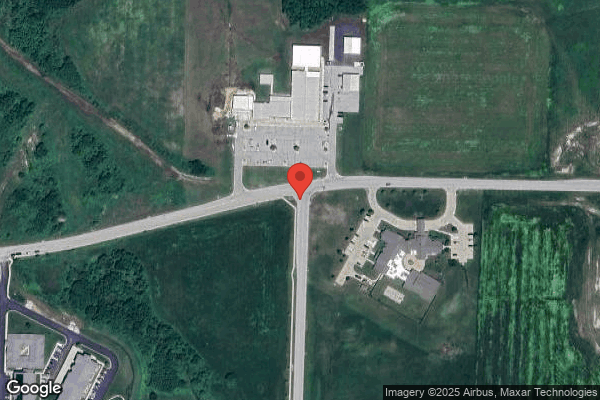
Understanding Severity Codes (click to expand)
Life-Threatening (Immediate Jeopardy)
J - Isolated K - Pattern L - Widespread
Actual Harm
G - Isolated H - Pattern I - Widespread
Potential for Harm
D - Isolated E - Pattern F - Widespread
No Harm (Minor)
A - Isolated B - Pattern C - Widespread

Questions to Ask on Your Visit

  • "Why is there high staff turnover? How do you retain staff?"
  • "Can I speak with families of current residents?"
  • "What's your RN coverage like on weekends and overnight?"

Our Honest Assessment

Strengths
  • • No fines on record. Clean compliance history, better than most Missouri facilities.
Concerns
  • • 20 deficiencies on record, including 1 serious (caused harm) violation. Ask about corrective actions taken.
  • • Grade C (55/100). Below average facility with significant concerns.
  • • 57% turnover. Above average. Higher turnover means staff may not know residents' routines.
Bottom line: Mixed indicators with Trust Score of 55/100. Visit in person and ask pointed questions.

About This Facility

What is Westgate's CMS Rating?

CMS assigns WESTGATE an overall rating of 3 out of 5 stars, which is considered average nationally. Within Missouri, this rating places the facility higher than 99% of the state's 100 nursing homes. This mid-range rating indicates the facility meets federal standards but may have areas for improvement.

How is Westgate Staffed?

CMS rates WESTGATE's staffing level at 2 out of 5 stars, which is below average compared to other nursing homes. Staff turnover is 57%, which is 11 percentage points above the Missouri average of 46%. High turnover can affect care consistency as new staff learn residents' individual needs.

What Have Inspectors Found at Westgate?

State health inspectors documented 20 deficiencies at WESTGATE during 2022 to 2025. These included: 1 that caused actual resident harm and 19 with potential for harm. Deficiencies causing actual harm indicate documented cases where residents experienced negative health consequences.

Who Owns and Operates Westgate?

WESTGATE is owned by a for-profit company. For-profit facilities operate as businesses with obligations to shareholders or private owners. The facility is operated by CIRCLE B ENTERPRISES, a chain that manages multiple nursing homes. With 120 certified beds and approximately 107 residents (about 89% occupancy), it is a mid-sized facility located in JOPLIN, Missouri.

How Does Westgate Compare to Other Missouri Nursing Homes?

Compared to the 100 nursing homes in Missouri, WESTGATE's overall rating (3 stars) is above the state average of 2.5, staff turnover (57%) is significantly higher than the state average of 46%, and health inspection rating (4 stars) is above the national benchmark.

What Should Families Ask When Visiting Westgate?

Based on this facility's data, families visiting should ask: "How do you ensure continuity of care given staff turnover, and what is your staff retention strategy?" "Can you walk me through typical staffing levels on day, evening, and night shifts?" "Can I visit during a mealtime to observe dining assistance and food quality?" "How do you handle medical emergencies, and what is your hospital transfer rate?" These questions are particularly relevant given the facility's high staff turnover rate and the below-average staffing rating.

Is Westgate Safe?

Based on CMS inspection data, WESTGATE has a clean safety record: no substantiated abuse findings (meaning no confirmed cases of resident harm), no Immediate Jeopardy citations (the most serious violation level indicating risk of serious injury or death), and is not on the Special Focus Facility watch list (a federal program monitoring the lowest-performing 1% of nursing homes). The facility has a 3-star overall rating and ranks #1 of 100 nursing homes in Missouri. While no facility is perfect, families should still ask about staff-to-resident ratios and recent inspection results during their visit.

Do Nurses at Westgate Stick Around?

Staff turnover at WESTGATE is high. At 57%, the facility is 11 percentage points above the Missouri average of 46%. High turnover means new staff may not know residents' individual needs, medications, or preferences. It can also be disorienting for residents, especially those with dementia who rely on familiar faces. Families should ask: What is causing the turnover? What retention programs are in place? How do you ensure care continuity during staff transitions?

Was Westgate Ever Fined?

WESTGATE has no federal fines on record. CMS issues fines when nursing homes fail to meet care standards or don't correct problems found during inspections. The absence of fines suggests the facility has either maintained compliance or corrected any issues before penalties were assessed. This is a positive indicator, though families should still review recent inspection reports for the full picture.

Is Westgate on Any Federal Watch List?

WESTGATE is not on any federal watch list. The most significant is the Special Focus Facility (SFF) program, which identifies the bottom 1% of nursing homes nationally based on persistent, serious quality problems. Not being on this list means the facility has avoided the pattern of deficiencies that triggers enhanced federal oversight. This is a positive indicator, though families should still review the facility's inspection history directly.