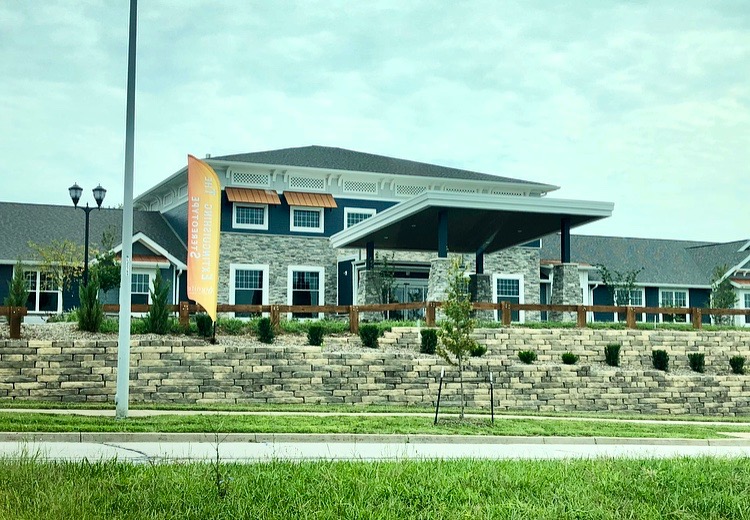
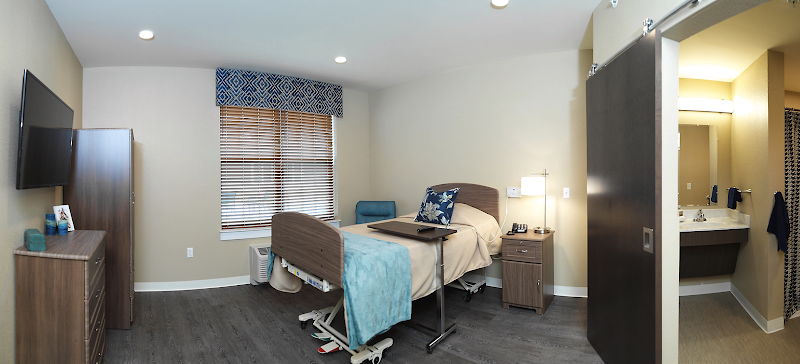
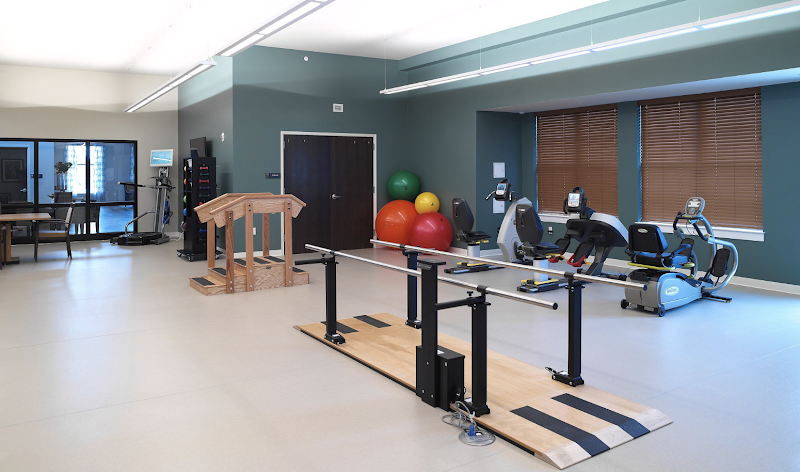
IGNITE MEDICAL RESORT KANSAS CITY, LLC

2100 N W BARRY ROAD, KANSAS CITY, MO 64154 (816) 521-6610
For profit - Limited Liability company 90 Beds IGNITE MEDICAL RESORTS Data: November 2025
Trust Grade
23/100
#252 of 479 in MO
Last Inspection: October 2024

Within standard 12-15 month inspection cycle. Federal law requires annual inspections.

Overview

Ignite Medical Resort Kansas City, LLC has received a Trust Grade of F, which indicates significant concerns about the quality of care provided. They rank #252 out of 479 facilities in Missouri, placing them in the bottom half, but they are the top-rated option in Platte County. While the facility is showing improvement, having reduced issues from 11 to 1 in the past year, they still have a lot of ground to cover. Staffing is rated 2 out of 5 stars, with a turnover rate of 58%, which is average for the state, but they do have more registered nurse coverage than 94% of Missouri facilities, which is a positive aspect. However, the home has faced notable incidents, such as a resident being injured by another resident and multiple residents being discharged without proper follow-up care, indicating areas that need significant improvement.

Trust Score
F
23/100
In Missouri
#252/479
Bottom 48%
Safety Record
High Risk
Review needed
Inspections
Getting Better
11 → 1 violations
Staff Stability
⚠ Watch
58% turnover. Above average. Higher turnover means staff may not know residents' routines.
Penalties
⚠ Watch
$6,368 in fines. Higher than 95% of Missouri facilities. Major compliance failures.
Skilled Nurses
✓ Good
Each resident gets 45 minutes of Registered Nurse (RN) attention daily — more than average for Missouri. RNs are trained to catch health problems early.
Violations
⚠ Watch
35 deficiencies on record. Higher than average. Multiple issues found across inspections.
★★☆☆☆
2.0
Overall Rating
★★☆☆☆
2.0
Staff Levels
★★★★☆
4.0
Care Quality
★★☆☆☆
2.0
Inspection Score
Stable
2024: 11 issues
2025: 1 issues

The Good

  • 4-Star Quality Measures · Strong clinical quality outcomes
  • Full Sprinkler Coverage · Fire safety systems throughout facility
  • No fines on record

Facility shows strength in quality measures, fire safety.

The Bad

2-Star Overall Rating

Near Missouri average (2.5)

Below average - review inspection findings carefully

Staff Turnover: 58%

11pts above Missouri avg (46%)

Frequent staff changes - ask about care continuity

Federal Fines: $6,368

Below median ($33,413)

Minor penalties assessed

Chain: IGNITE MEDICAL RESORTS

Part of a multi-facility chain

Ask about local staffing decisions and management

Staff turnover is elevated (58%)

10 points above Missouri average of 48%

The Ugly 35 deficiencies on record

1 actual harm
Jan 2025 1 deficiency 1 Harm
SERIOUS (G) 📢 Someone Reported This

A family member, employee, or ombudsman was alarmed enough to file a formal complaint

Actual Harm - a resident was hurt due to facility failures

Free from Abuse/Neglect (Tag F0600)

A resident was harmed · This affected 1 resident

**NOTE- TERMS IN BRACKETS HAVE BEEN EDITED TO PROTECT CONFIDENTIALITY** Based on observation, interview, and record review, the facility failed to protect Resident#1's right to be free from abuse when...

Read full inspector narrative →
**NOTE- TERMS IN BRACKETS HAVE BEEN EDITED TO PROTECT CONFIDENTIALITY** Based on observation, interview, and record review, the facility failed to protect Resident#1's right to be free from abuse when he/she was hit in the face by another resident (Resident #2). Resident #1 sustained a laceration to the lower lip. Facility census was 79. On 1/9/25, the Administrator was notified of the past noncompliance which began on 1/1/2025. Upon discovery, the facility administration immediately conducted an investigation and corrective actions were implemented. The noncompliance was corrected on 1/2/2025. Review of the facility's Abuse Policy, dated November 2018, showed: -Abuse is defined as an infliction of physical, sexual, or emotional injury or harm, including financial exploitation by any person, firm, or corporation; -This facility prohibits abuse, neglect, or mistreatment of residents. The facility will educate all employees upon hire and at least annually on the Abuse Policy and all components. The facility Administrator will be designated as the facility's Abuse Coordinator and is responsible for overseeing all components of the abuse policy; -The resident care plans will be reassessed on a regular basis and any necessary changes will be implemented as needed. Resident behaviors will be monitored regularly for any changes and any aggressive behaviors that might lead to abuse will be assessed and any necessary interventions will be implemented; -This facility will make every effort to identify residents who are at high risk for potential abuse of other residents. Facility staff will report immediately to facility administration any identified behaviors, injuries, bruises, and/or any concerns of potential abuse of residents; -If another resident is identified in the allegation, a licensed staff member will complete an evaluation of the resident's status and condition and notify the physician to determine if any treatment is necessary. Facility Administrator or designee will assess all of the relevant information to determine whether or not a discharge from the facility is needed. The resident will be prohibited from having any contact with the resident alleging abuse while the investigation is completed. The facility Administrator or designee will determine if further action and/or intervention is needed upon completion of the investigation. 1. Review of Resident #1's quarterly Minimum Data Set (MDS, a federally mandated assessment completed by staff), dated 11/2/2024, showed: -He/She has the diagnoses of chronic embolism and thrombosis of left lower extremity (a condition where blood clots form in the deep veins of the leg, and can lead to long-term complications), mild cognitive impairment (the in-between stage between typical thinking skills and dementia), anemia (a condition in which the blood doesn't have enough healthy red blood cells and hemoglobin, a protein found in red blood cells, to carry oxygen all through the body), cognitive communication deficit (a difficulty with communication that's caused by an underlying issue with cognition), supraventricular tachycardia (a faster than normal heart rate beginning above the heart's two lower chambers); -He/She scored 11 on the Brief Interview for Mental Status (BIMS, a structured evaluation aimed at evaluating aspects of cognition in elderly patients). This score indicates moderately impaired cognition skills; -He/She had adequate hearing, clear speech, makes self understood and able to understand others. He/She has displayed no behaviors. Review of Resident #1's comprehensive care plan, dated 1/1/2025, showed: -The resident occasionally refused care, medications, and treatments; -He/She had a history of displaying behaviors, including throwing his/her meal tray, yelling at staff and other residents, flipping off (rude hand gesture) staff, throwing medications in the trash). The resident was involved in physically aggressive behavior on 1/1/2025; -The resident was at risk for wandering and elopement. 2. Review of Resident #2's quarterly MDS, dated [DATE], showed: -He/She has the diagnoses of chronic obstructive pulmonary disease (COPD, a group of lung diseases that block airflow and make it difficult to breathe), orthopnea (discomfort when breathing while lying down flat), diabetes mellitus type 2 (a long-term condition in which the body has trouble controlling blood sugar and using it for energy), hemiplegia/hemiparesis to left side (muscle weakness or partial paralysis on one side of the body that can affect the arms, legs, and facial muscles), carviovascular accident (CVA, a medical condition in which poor blood flow to the brain causes cell death), seizures (a burst of uncontrolled electrical activity between brain cells that causes temporary abnormalities in muscle tone or movements, behaviors, sensations or states of awareness), mass in lung (abnormal growth in lung), heart failure (a chronic condition in which the heart doesn't pump blood as well as it should), major depressive disorder (a mental health disorder characterized by persistently depressed mood or loss of interest in activities, causing significant impairment in daily life), aortic aneurysm without rupture (a bulge in the aorta, the body's main artery, that can occur anywhere from the chest to the abdomen); -He/She scored 11 on the BIMS, indicating moderately impaired cognitive skills; -He/She had adequate hearing, clear speech, makes self understood and able to understand others. He/She has displayed no behaviors. Review of Resident #2's comprehensive care plan, dated 1/1/2025, showed: -The resident occasionally refused care, treatment and medications; -He/She had potential for behaviors (stealing things from the facility cafe, being sexually inappropriate with staff, yelling at other residents); -He/She was a risk for wandering and elopement. Review of the facility investigation, dated 1/1/2025, showed: -On 1/1/2025 , at approximately 2:45 P.M., Resident #1 was brought to the Administrator's office by staff. The staff member stated he/she did not witness anything, but that Resident #1 needed some help. The Administrator escorted the resident to the nurses' station. Some blood and a laceration (cut) were noted to the resident's lower lip. When asked what happened, Resident #1 stated that Resident #2 hit him/her in the face. Resident #1 stated he/she could not recall exactly what was said between the two. The physician was notified of the incident and treatment orders were obtained for the area to the lip. The resident was also offered counseling services but he/she declined; -During an interview, Resident #2 said that Resident #1 was sitting at Resident #2's table, and and asked Resident #2 to move away from the table. Resident #2 said he/she was tired of Resident #1 and hit him/her; -During an interview, Resident #3 said that he/she was in the dining room after bingo. Resident #1 liked to hang out at the back table by the window with his/her items. Resident #3 saw Resident #2 come in the dining room and head to the back table. He/She could hear Resident #1 ask Resident #2 something, but could not understand what was said. He/She then heard Resident #2 say I'm going to slap you and the next thing Resident #3 heard was Resident #1 whimper and put his/her hand to his/her face, saying he/she hit me. During an interview on 1/9/2025 at 1:07 P.M., Resident #1 said: -He/She declined to discuss the incident with Resident #2; -He/She confirmed that he/she was struck by another resident; -He/She also confirmed the facility offered counseling services, but he/she declined; -He/She felt safe in the facility. Review of the facility Staff Education sign in sheets showed that staff education on Resident to Resident Abuse and Prevention was completed on 1/1/25 and 1/2/25. During an interview on 1/9/25 at 1:40 P.M., the Administrator said: -The incident was very unexpected as neither resident has displayed physical behaviors while residing at the facility; -Staff have been educated on resident to resident abuse and prevention; -It is his/her expectation that residents refrain from acting out towards one another. It is also his/her expectation that staff be aware of the possibility of resident to resident abuse. MO247374
Dec 2024 1 deficiency
CONCERN (E) 📢 Someone Reported This

A family member, employee, or ombudsman was alarmed enough to file a formal complaint

Potential for Harm - no one hurt, but risky conditions existed

Deficiency F0624 (Tag F0624)

Could have caused harm · This affected multiple residents

**NOTE- TERMS IN BRACKETS HAVE BEEN EDITED TO PROTECT CONFIDENTIALITY** Refer to Event ID 1YDJ12 Based on observation, interview, and record review, the facility failed to ensure a safe and orderly di...

Read full inspector narrative →
**NOTE- TERMS IN BRACKETS HAVE BEEN EDITED TO PROTECT CONFIDENTIALITY** Refer to Event ID 1YDJ12 Based on observation, interview, and record review, the facility failed to ensure a safe and orderly discharge from the facility for five (5) out of the six (6) sampled residents (Resident #1, #2, #3, #4, and #5) when five (5) residents were discharged without proper orders, medications, home health services, dialysis services, and/or follow up appointments. The facility census was ninety 90. Review of the facility's policy for discharge to home, revised 04/2023, showed: - (3.) Social services will meet with the resident and/or family to set up outside services and equipment. - (4.) A discharge form is completed by all involved members of the IDT (interdisciplinary team) that explain the resident care needs at home. - (6.) Teaching will be done with the resident/family on any dressings or special tasks. - (8.) If necessary, therapy will provide any necessary instructions. - (9.) On the day of discharge, the nurse will review the discharge form as well as the medications with the family. - The nursing discharge note should include the time of discharge, destination, mode of transportation, disposition of personal belongings and medications and that all parties are aware of the discharge. Review of the facility's policy for hospital transfer, revised 04/2023, showed: - (1.) Notify the physician regarding a change in resident status and obtain an order for transfer to the hospital. 1. Review of Resident #1's Medical Record showed: - The Resident was admitted to the facility 10/25/2024 after a hospitalization for non-ST elevation myocardial infarction (heart attack). - The Resident was discharged to home on [DATE]. - Provider order date: 10/25/2024 May be discharged with all medications. - Provider order date: 11/01/24 Patient okay to discharge. Home health to evaluate and treat for physical therapy, occupational therapy, and nursing. Primary care provider to follow. - The resident had thirty (30) medications prescribed at the time of discharge including antibiotics, pain medication, and breathing treatment medications for active pneumonia infection. - The Resident's Post-Discharge Resources lists Home Health Care as a resource the resident needed at the time of discharge. - The facility failed to provide the name, address, and/or phone number of any Home Health Agency. - The Resident's Medication Reconciliation indicated that the Resident was sent home with 11-16 medications. - No documentation to show the facility staff provided the Resident with medication names, pill counts, and/or patient education relating to the medications sent home with the Resident. - No documentation to show the facility staff scheduled follow-up visits and/or provided the resident with contact information for his/her cardiac (heart) or surgical providers. During an interview on 12/02/24 at 9:52 A.M., RN Casemanager: - They presented to Resident #1's home on [DATE] for an in-home visit after the resident's Care Navigator initiated a referral to Case Management for an emergency visit. The Care Navigator initiated the referral when he/she became aware that the Resident had just had heart surgery and didn't have follow-up care scheduled or home health care set up. - The Resident had no understanding of his/her discharge plan. - The facility failed to initiate home health care or schedule follow-up visits for the Resident. - The facility failed to provide the Resident with prescriptions for necessary medications. - The facility sent the Resident home with seven (7) medication cards belonging to Resident #2 and one (1) medication card belonging to Resident #4. - The Resident had not taken any of his/her medications from the time of discharge until the in-home visit because he/she was confused by the medications that did not belong to him/her and didn't know what medications to take. - On 12/02/2024 at 12:17 P.M. the complainant provided pictures of Resident #2 and Resident #4's medication cards that had been sent home with Resident #1. - The scheduled an appointment for Resident #1 with his/her primary care physician (PCP) and at this appointment the PCP set up a cardiology follow-up for the Resident on 12/16/2024. 2. Review of Resident #2's medical record showed: - The resident was admitted on [DATE] and discharged to home on [DATE]. - Provider order date:10/16/2024 May be discharged with all medications. - Provider order date: 11/04/2024 Patient okay to discharge. Home health to evaluate and treat for physical therapy, occupational therapy, and nursing. Primary care provider to follow. - The resident was taking sixteen (16) prescribed medications at the time of discharge. - The resident's post-discharge resource needs included Home Health Care. - The facility failed to provide the name, phone number, and/or address to any home health care agency at the time of discharge. - The resident did not have any follow-up visits scheduled with any providers. - The resident was not sent home with any medications from the facility. - The resident had prescriptions sent to the pharmacy. - No documentation the facility staff provided the name, phone number, and/or address to the pharmacy where prescriptions were sent at the time of discharge. During an interview on 12/03/2024 at 12:48 P.M., Resident #2 said: - He/she was sent home without anything. - The facility failed to order necessary supplies for the resident prior to discharge, specifically a bed and lift for that the resident was required to use at home. - The facility failed to arrange dialysis care for the resident prior to discharge. - The facility failed to speak to the resident or his/her family about what medications would be required at home or when/how to take them. During an interview on 12/03/2024 at 12:48 P.M., family member #F6 said: - The facility said they had ordered a specialized bed and a lift and that these supplies would be delivered to the resident's home on [DATE]. When no supplies arrived at the Resident's home, the family member called the facility to ask when they would be delivered. The facility told the family member that the supplies would now take 5 weeks to arrive. The resident's family was forced to find a bed and lift themselves with the help of home health and their local Lion's Club. - Resident #2 was supposed to receive dialysis services, but the facility failed to set this up. - The facility failed to provide discharge instructions to the resident and/or the family. The family member said that the nurse handed him/ser a sheet of paper and said, here, but that no explanation of the paperwork and no education was completed. - The facility failed to set up home health services for the resident. Family member F6 set that up for the resident. 3. Review of Resident #3's medical record showed: - The resident was admitted on [DATE] and left the facility AMA (against medical advice) on 10/16/2024 at 14:30, - The resident was taking twenty-seven (27) prescribed medications at the time he/she left the facility. During an interview on 10/23/2024 at 5:45 P.M, the resident said the facility told him/her that they sent prescriptions to the pharmacy after he/she left the facility. When the resident presented to the pharmacy to pick up the medications, the pharmacy informed him/her that no prescriptions had been received from the facility. 4. Review of Resident #4's medical record showed: - The resident was admitted to the facility on [DATE] and discharged to the hospital on [DATE]. - No documentation the facility staff obtained provider orders prior to discharging the resident to the hospital. - No documentation the facility staff provided discharge/transfer records for Resident #4. 5. Review of Resident #5's medical record showed: - The resident was admitted on [DATE] and discharged to home on [DATE]. - The facility failed to provide discharge/transfer records for Resident #5. During an interview on 12/03/2024 at 12:39 P.M., Resident #5 said: - The facility staff did not provide discharge instructions and/or education to him/her at the time of discharge. - Coming home from the facility was kind of a joke. He/she said that the facility was talking to him/her about a diagnosis they were unaware of and failed to provide him/her with information about the physical therapy exercises he/she should be doing at home. During an interview on 12/02/2024 at 12:59 P.M., CMT A said: - Medications are reviewed with the resident by the nurse prior to discharge. - When a resident is being discharged with medications, the staff are supposed to review each medication card as they are prepared for discharge. Resident's name, room number, medication, and the number of pills left in the card are supposed to be verified and documented in the resident's discharge record. During an interview on 12/02/2024 at 1:21 P.M., the facility's Social Services Designee said: - Discharge planning for residents include sending needed referrals for things such as home health care, physical therapy, and/or specialist providers. - If a resident required home health care at discharge, both the resident and the chosen home health care agency would be aware prior to the resident's discharge and that setting that up would be that facility's responsibility. - Sometimes insurance authorization can delay home health care, but that in that case the Resident's chart would be updated with the appropriate information when an approved agency is found, and the referral is sent. During an interview on 12/02/2024 at 1:32 P.M., the facility Administrator said: - When a resident is being discharged , a medication list is expected to be completed with the discharge instructions and that the nurse is expected to review each listed medication with the resident during discharge education. - During discharge teaching with the nurse, it is expected that the resident be educated on topics including: services that the resident was receiving while they were in the facility, services and care they will be receiving or should continue after returning home, and medications they are prescribed and how/when to take them. - If a follow-up appointment has been scheduled for a resident, it is expected that staff will list that appointment on the discharge instructions along with the provider's phone number. - If a resident leaves without their medications, or if there are medications with the resident's name on them that will not be sent home with the resident, these medications are expected to be destroyed by a nurse or CMT using Drug Buster. - If a resident is discharged requiring home health care, it is the facility's responsibility to arrange that care. - It is expected that when a resident leaves with medications, that those medications belong to the resident taking them home and that they be labeled with the appropriate resident's name. MO244845
Oct 2024 9 deficiencies
CONCERN (D)

Potential for Harm - no one hurt, but risky conditions existed

Resident Rights (Tag F0550)

Could have caused harm · This affected 1 resident

Based on observation, interview, and record review, the facility failed to honor a resident request to not have certain staff provide care for one of one resident (Resident (R)26) reviewed for self-de...

Read full inspector narrative →
Based on observation, interview, and record review, the facility failed to honor a resident request to not have certain staff provide care for one of one resident (Resident (R)26) reviewed for self-determination out of a total sample of 28. This failure had the potential to decrease R26's quality of life. The facility census was 84. Findings include: Review of the facility policy titled, Self-Determination, revised July 2024 and provided by the facility, revealed, Each resident who chooses to reside in this facility has the right to and the facility pledges to promote and facilitate resident self-determination through support of resident choice, including but not limited to the rights specified as Resident Rights . The resident has a right to choose activities, schedules including but not limited to sleeping and waking times, health care and providers of health care services consistent with his/her interests, assessments, and plan of care and other daily life enhancement enrichment activities on a daily basis. Review of R26's annual Minimum Data Set (MDS), with an Assessment Reference Date (ARD) date of 08/28/24 and located in the MDS tab of the Electronic Medical Record (EMR), revealed an admission date of 12/08/20. A Brief Interview for Mental Status (BIMS) showed a score of 15 out of 15, indicating the resident's cognition was intact. The MDS recorded R26 was dependent on staff and had diagnoses of anxiety, acquired absence of right leg below knee, contracture of muscle, left lower leg, and contracture of unspecified hand. Review of R26's Care Plan, dated 08/18/23 and located in the EMR under the Care Plan tab, revealed, [R26] intermittently refuses cares, treatments, and/or medications, including repeated intermittent refusals of use of low air loss mattress for prevention of skin breakdown, repeated refusals of use of longer bed to accommodate his height, repeated refusals to use hand splint. An intervention included, Allow decision making, per resident rights, about treatment regimen, to provide sense of control. Review of R26's bowel continence documentation, dated 09/06/24 and 09/27/24, located in the EMR under the Task tab, revealed Certified Nurse Aide (CNA) 2 provided personal care to R26. Review of R26's September 2024 Medication Administration Record (MAR), located in the EMR under the Order tab, revealed Licensed Practical Nurse (LPN) 4 had administered medications to R26 on 09/06/24, 09/12/24, 09/13/24, 09/17/24, and 09/25/24. On 09/30/24 at 11:12 AM, R26 was awake in bed watching television. R26 stated he felt that two staff members, CNA2 and LPN4, did not like him because they were rude and disrespectful to him. R26 stated he reported them to the state Ombudsman and other facility staff. R26 stated he had requested those staff members not to give him care but in the last two months, CNA2 had provided care to him. R26 stated CNA2 was rude, and he felt that she purposefully threw away personal things he had accidentally dropped on the floor, such as his driver's license and denture cup. During an interview on 10/02/24 at 8:05 AM, the General Manager was asked about R26's report of rude staff, a CNA and nurse. The General Manager stated, Yes, she was aware of the complaint, and the staff members had received training. The General Manager went on to say these staff members had not provided care to R26 since his complaint. The General Manager was informed that R26 stated CNA2 had provided care recently. During an interview on 10/02/24 at 9:14 AM, the General Manager provided a coaching worksheet, dated 07/18/2024, for CNA2 and 7/24/2024 for LPN4. The General Manager went on to say R26's complaints were brought up during R26's July 2024 care plan conference. The General Manager stated she completed the coaching for CNA2 on 07/18/24 and the Assistant Director of Nursing (ADON) completed the coaching for LPN4 on 07/24/24. Review of the Coaching Sheet for CNA2, dated 07/18/24 and provided by the facility, revealed Goal: What is the objective of the coaching? . Discuss customer service and appropriateness of language when talking to all patients . Reality: What is happening that needs to be corrected? . Being mindful of tone in words spoken and thinking about what you want to say before speaking . Options: What are the possible courses of action to take? . Ask for your peer CNA to switch assignments or trade patients if a disagreement . Review of the Coaching Sheet for LPN4, dated 07/24/24 and provided by the facility, revealed Goal: What is the objective of the coaching? . To provide appropriate customer service, language and tone when communicating with guests . Reality: What is happening that needs to be corrected? . Deescalating the situation, be mindful of word usage and tone . Options: What are the possible courses of action to take? . Notify nurse management ASAP [as soon as possible] have a peer nurse trade patients with you . During an interview on 10/03/24 at 9:35 AM, the General Manager was asked how she became aware R26 did not want CNA2 to care for him. The General Manager stated R26 had informed her during one of their conversations. The General Manager stated she told R26 that CNA2 would not care for him. The General Manager said she let the staffing coordinator know to keep her off his care. The General Manager was asked if she was aware CNA2 cared for R26 twice in September 2024. The General Manager stated, No, but she would have to get with the staffing coordinator who did the scheduling. During an interview on 10/03/24 at 10:56 AM, the Staffing Coordinator was asked if she was aware of R26's staff complaint. The Staffing Coordinator stated, Yes, she was aware of LPN4 for the past few months, but only found out about CNA2 on 09/27/24. The Staffing Coordinator stated CNAs can switch rooms and nurses can manage it. The Staffing Coordinator stated LPN4 could schedule another nurse to give R26 his medication. The Staffing Coordinator was asked why the MAR reflected LPN4 had signed off on R26's MAR for medication administration. The EMR was reviewed. The Staffing Coordinator stated she was not aware that LPN4 was giving R26 his medications. During an interview on 10/03/24 at 1:34 PM, the Director of Nursing (DON) was asked when she became aware of R26 not wanting CNA2 to provide care. The DON stated on 09/27/24, during his care plan conference. The DON asked if the Ombudsman came in July 2024 and reported to the facility R26's complaint about CNA2 and LPN4. The DON states the Ombudsman only reported LPN4. The DON confirmed the July 2024 coaching worksheets were completed because of R26's complaint of CNA2 and LPN4's rude behavior towards him but again she was not aware of R26's complaint of CNA2. The DON was asked why LPN4 signed off on the MAR indicating she administered medications on 09/06/24, 09/12/24, 09/13/24, 09/17/24, and 09/25/24. The DON stated she thought perhaps LPN4 was having the other nurse give the medications to the resident after LPN4 signed off on it. During a follow up interview on 10/03/24 at 4:43 PM, the General Manager was asked why the staff coordinator was unaware R26 did not want CNA2 to provide him care until 09/27/24 but the coaching occurred 07/18/24. The General Manager stated she was not sure.
CONCERN (D)

Potential for Harm - no one hurt, but risky conditions existed

Deficiency F0691 (Tag F0691)

Could have caused harm · This affected 1 resident

Based on observation, interview, and record review, the facility failed to ensure orders for ileostomy care were in place for one of one resident (Resident (R)38) reviewed for colostomy care out of a ...

Read full inspector narrative →
Based on observation, interview, and record review, the facility failed to ensure orders for ileostomy care were in place for one of one resident (Resident (R)38) reviewed for colostomy care out of a total sample of 28. This had the potential to have a negative effect on R38's skin and quality of life. The facility census was 84. Findings include: Review of the facility policy titled, Physician's Orders, dated 11/2020 and provided by the facility revealed, All medications will be administered as ordered by a health care professional authorized by the state to order medications . Orders for treatments will include: Description of treatment including use of topical medications, Frequency of treatment, Specific precautions or directions if needed, Clinical rationale for order (indication/diagnosis). Review of the facility policy titled, Colostomy- Ileostomy Care, dated 11/2018 and provided by the facility, revealed, . 13. Document changing of colostomy bag on TAR [treatment administration record] . Review of R38's annual Minimum Data Set (MDS), with an Assessment Reference Date (ARD) date of 09/03/24 and located in the MDS tab of the Electronic Medical Record (EMR), revealed an admission date of 07/06/23. A Brief Interview for Mental Status (BIMS) showed a score of 15 out of 15, indicating the resident's cognition was intact. The MDS recorded R38 had diagnoses that included metabolic encephalopathy, ileostomy status, and cirrhosis of liver. Review of R38's Care Plan, dated 09/02/24 and located in the EMR under the Care Plan tab, revealed, [R38] requires the use of an ileostomy. An intervention included, Provide ostomy care as per provider's orders. Review of R38's Physician Orders, located in the EMR under the Order tab, revealed no orders for R38's ileostomy. Review of R38's Care Management Note, dated 09/03/24 and located in the EMR under the Progress Note tab, revealed, . refusing OOB [out of bed] due to nausea and dizziness and colostomy is leaking . Review of R38's September and October 2024 TAR, located in the EMR under the Order tab, revealed the last time R38's ileostomy wafer and bag were documented as being changed was 09/08/24. On 09/30/24 at 10:58 AM, R38 was observed in bed awake watching television wearing a hospital gown. R38 stated she did not get out of bed much because her colostomy leaked. R38 stated she wore a hospital gown because it made it easier to clean up the leaks. On 10/02/24 at 8:35 AM, R38's wound on her abdomen was observed. A Nurse Practitioner (NP) removed the dressing, R38's ileostomy skin barrier was noted about one inch from the wound. Fecal matter was noted under the ileostomy skin barrier. As the Assistant Chief Nursing Officer (ACNO)2 measured the wound, she confirmed the fecal matter. During an interview on 10/02/24 at 8:42 AM, the NP was asked about the fecal matter and R38's complaint about feces leaking into wound during a prior interview. The NP confirmed the feces leaking would negatively impact the wound healing. The NP was asked if there should be ileostomy care orders, and the NP stated, Yes. The NP then reviewed the EMR and confirmed there were no orders for ileostomy care. The NP asked the Director of Nurse (DON) and ACNO2 what happened to the orders. The DON stated, Sometimes they drop off when she [R38] is sent to the hospital. During an interview on 10/03/24 at 2:41 PM, ACNO2 was asked about R38's ileostomy orders. ACNO2 stated R38 had gone to the hospital a few times lately and the orders dropped off. ACNO2 stated, The admission nurse should be checking the orders to ensure it's there.
CONCERN (E)

Potential for Harm - no one hurt, but risky conditions existed

Deficiency F0578 (Tag F0578)

Could have caused harm · This affected multiple residents

Deficiency Text Not Available

Read full inspector narrative →
Deficiency Text Not Available
CONCERN (E)

Potential for Harm - no one hurt, but risky conditions existed

Transfer Notice (Tag F0623)

Could have caused harm · This affected multiple residents

**NOTE- TERMS IN BRACKETS HAVE BEEN EDITED TO PROTECT CONFIDENTIALITY** 2. Review of R19s quarterly MDS, with an ARD of 08/28/24 and located in the MDS tab of the EMR revealed R19 was admitted to the ...

Read full inspector narrative →
**NOTE- TERMS IN BRACKETS HAVE BEEN EDITED TO PROTECT CONFIDENTIALITY** 2. Review of R19s quarterly MDS, with an ARD of 08/28/24 and located in the MDS tab of the EMR revealed R19 was admitted to the facility on [DATE] with diagnoses that included diabetes mellitus and malnutrition. The MDS recorded R19 scored 11 out of 15 on the BIMS, which indicated moderately impaired cognition. Review of R19's Health Status Notes, found in the EMR under the Prog Notes tab, revealed: 11/27/23 - R19 went to the hospital for evaluation and was admitted on [DATE] for acute ischemic encephalopathy with hypoxia and CVA (cerebral vascular accident- stroke) with seizure. 11/30/23 - R19 was sent to the hospital and admitted for seizures and encephalopathy. 06/22/24 - R19 was sent to the hospital and admitted with pneumonia and a blood clot. Review of the Evaluations tab of the EMR revealed no documentation that R19 and his representative were provided with written notice of the transfers to the hospital and the reason for hospitalization. During an interview on 09/30/24 at 2:56 PM, R19 reported he had been hospitalized in the last year but could not recall when. During an interview on 10/02/24 at 4:50 PM, the Administrator stated neither R19 nor his representative received written notice of his transfers to the hospital. The Administrator stated the facility had given verbal notifications and needed to close the loop with the paper documentation. Based on interview, record review, and facility policy review, the facility failed to provide written notification of a facility-initiated transfer to the resident and responsible party (RP) for two of five residents (Resident (R)19, R38, and R66) reviewed for hospitalization out of a total sample of 28. The failure had the potential to affect the residents and/or their representative concerning the reason for the transfer and the resident's appeal rights. The facility census was 84. Findings include: Review of the facility's Admission, Transfer, & Discharge policy, revised 05/2023, revealed, . Facility staff will document in the clinical record discharge information provided to the resident and the receiving organization, if applicable: the basis for the transfer . instruction provided to the resident and/or surrogate decision-maker prior to discharge . 1. Review of R38's annual Minimum Data Set (MDS), with an Assessment Reference Date (ARD) of 09/03/24 and located in the MDS tab of the Electronic Medical Record (EMR), revealed an admission date of 07/06/23. A Brief Interview for Mental Status (BIMS) showed a score of 15 out of 15, indicating the resident's cognition was intact. The MDS recorded R38 had diagnoses that included metabolic encephalopathy, ileostomy status, and cirrhosis of liver. Review of R38's Health Status Note, dated 08/02/24 at 1:50 PM and located in the EMR under the Progress Note tab, revealed, . Patient is not feeling normal she stated that she has pain in her stomach, she have beeing [sic] vimoting [sic] and feeling dizzy . Review of R38's Health Status Note, dated 08/02/24 at 2:54 PM and located in the EMR under the Progress Note tab, revealed, . [name] the NP ordered to send the Patient to the hospital, Family has been Notified . Review of R38's Medication Administration Note, dated 08/02/24 at 3:10 PM and located in the EMR under the Progress Note tab, revealed, . sent to hospital . Review of R38's Transfer Form, dated 08/02/24 and located in the EMR under the Evaluation tab, revealed no appeal information or that the resident/representative was provided a written notice of transfer. Review of R38's Health Status Note, dated 09/07/24 at 4:39 PM and located in the EMR under the Progress Note tab, revealed, . Sent critical labs to NP [nurse practitioner] [name] Bun and creative were critical and NP ordered to send out. Resident went to [hospital name]. [Family member] notified. Resident left via ambulance at 1840 [6:40 PM] . Review of R38's Health Status Note, dated 09/07/24 at 11:04 PM and located in the EMR under the Progress Note tab, revealed, . Resident being admitted to [hospital] for UTI [urinary tract infection] and failed antibiotic treatment . Review of R38's Transfer Form, dated 09/07/24 and located in the EMR under the Evaluation tab, revealed no appeal information or that the resident/representative was provided with a written notice of transfer. During an interview on 10/02/24 at 4:43 PM, the General Manager was asked if R38 and her representative were provided with a written notice of transfer for R38's facility-initiated transfers to the hospital on [DATE] and 09/07/24. The General Manager stated, No, only verbal notices were provided for the transfer for [R38]. The General Manager confirmed written notice had not been given to any residents or their representatives. The General Manager stated, It's something they need to work on, and this will be a PIPs [performance improvement projects]. The General Manager provided a form titled Bed Hold Notice that encompassed the facility-initiated transfer information. The General Manager confirmed neither R38 nor her representative received the form.
CONCERN (E)

Potential for Harm - no one hurt, but risky conditions existed

Deficiency F0624 (Tag F0624)

Could have caused harm · This affected multiple residents

**NOTE- TERMS IN BRACKETS HAVE BEEN EDITED TO PROTECT CONFIDENTIALITY** Based on observation, interview, and record review, the facility failed to ensure a safe and orderly discharge from the facility...

Read full inspector narrative →
**NOTE- TERMS IN BRACKETS HAVE BEEN EDITED TO PROTECT CONFIDENTIALITY** Based on observation, interview, and record review, the facility failed to ensure a safe and orderly discharge from the facility for five (5) out of the six (6) sampled residents (Resident #1, #2, #3, #4, and #5) when five (5) residents were discharged without proper orders, medications, home health services, dialysis services, and/or follow up appointments. The facility census was ninety 90. Review of the facility's policy for discharge to home, revised 04/2023, showed: - (3.) Social services will meet with the resident and/or family to set up outside services and equipment. - (4.) A discharge form is completed by all involved members of the IDT (interdisciplinary team) that explain the resident care needs at home. - (6.) Teaching will be done with the resident/family on any dressings or special tasks. - (8.) If necessary, therapy will provide any necessary instructions. - (9.) On the day of discharge, the nurse will review the discharge form as well as the medications with the family. - The nursing discharge note should include the time of discharge, destination, mode of transportation, disposition of personal belongings and medications and that all parties are aware of the discharge. Review of the facility's policy for hospital transfer, revised 04/2023, showed: - (1.) Notify the physician regarding a change in resident status and obtain an order for transfer to the hospital. 1. Review of Resident #1's Medical Record showed: - The Resident was admitted to the facility 10/25/2024 after a hospitalization for non-ST elevation myocardial infarction (heart attack). - The Resident was discharged to home on [DATE]. - Provider order date: 10/25/2024 May be discharged with all medications. - Provider order date: 11/01/24 Patient okay to discharge. Home health to evaluate and treat for physical therapy, occupational therapy, and nursing. Primary care provider to follow. - The resident had thirty (30) medications prescribed at the time of discharge including antibiotics, pain medication, and breathing treatment medications for active pneumonia infection. - The Resident's Post-Discharge Resources lists Home Health Care as a resource the resident needed at the time of discharge. - The facility failed to provide the name, address, and/or phone number of any Home Health Agency. - The Resident's Medication Reconciliation indicated that the Resident was sent home with 11-16 medications. - No documentation to show the facility staff provided the Resident with medication names, pill counts, and/or patient education relating to the medications sent home with the Resident. - No documentation to show the facility staff scheduled follow-up visits and/or provided the resident with contact information for his/her cardiac (heart) or surgical providers. During an interview on 12/02/24 at 9:52 A.M., RN Casemanager: - They presented to Resident #1's home on [DATE] for an in-home visit after the resident's Care Navigator initiated a referral to Case Management for an emergency visit. The Care Navigator initiated the referral when he/she became aware that the Resident had just had heart surgery and didn't have follow-up care scheduled or home health care set up. - The Resident had no understanding of his/her discharge plan. - The facility failed to initiate home health care or schedule follow-up visits for the Resident. - The facility failed to provide the Resident with prescriptions for necessary medications. - The facility sent the Resident home with seven (7) medication cards belonging to Resident #2 and one (1) medication card belonging to Resident #4. - The Resident had not taken any of his/her medications from the time of discharge until the in-home visit because he/she was confused by the medications that did not belong to him/her and didn't know what medications to take. - On 12/02/2024 at 12:17 P.M. the complainant provided pictures of Resident #2 and Resident #4's medication cards that had been sent home with Resident #1. - The scheduled an appointment for Resident #1 with his/her primary care physician (PCP) and at this appointment the PCP set up a cardiology follow-up for the Resident on 12/16/2024. 2. Review of Resident #2's medical record showed: - The resident was admitted on [DATE] and discharged to home on [DATE]. - Provider order date:10/16/2024 May be discharged with all medications. - Provider order date: 11/04/2024 Patient okay to discharge. Home health to evaluate and treat for physical therapy, occupational therapy, and nursing. Primary care provider to follow. - The resident was taking sixteen (16) prescribed medications at the time of discharge. - The resident's post-discharge resource needs included Home Health Care. - The facility failed to provide the name, phone number, and/or address to any home health care agency at the time of discharge. - The resident did not have any follow-up visits scheduled with any providers. - The resident was not sent home with any medications from the facility. - The resident had prescriptions sent to the pharmacy. - No documentation the facility staff provided the name, phone number, and/or address to the pharmacy where prescriptions were sent at the time of discharge. During an interview on 12/03/2024 at 12:48 P.M., Resident #2 said: - He/she was sent home without anything. - The facility failed to order necessary supplies for the resident prior to discharge, specifically a bed and lift for that the resident was required to use at home. - The facility failed to arrange dialysis care for the resident prior to discharge. - The facility failed to speak to the resident or his/her family about what medications would be required at home or when/how to take them. During an interview on 12/03/2024 at 12:48 P.M., family member #F6 said: - The facility said they had ordered a specialized bed and a lift and that these supplies would be delivered to the resident's home on [DATE]. When no supplies arrived at the Resident's home, the family member called the facility to ask when they would be delivered. The facility told the family member that the supplies would now take 5 weeks to arrive. The resident's family was forced to find a bed and lift themselves with the help of home health and their local Lion's Club. - Resident #2 was supposed to receive dialysis services, but the facility failed to set this up. - The facility failed to provide discharge instructions to the resident and/or the family. The family member said that the nurse handed him/ser a sheet of paper and said, here, but that no explanation of the paperwork and no education was completed. - The facility failed to set up home health services for the resident. Family member F6 set that up for the resident. 3. Review of Resident #3's medical record showed: - The resident was admitted on [DATE] and left the facility AMA (against medical advice) on 10/16/2024 at 14:30, - The resident was taking twenty-seven (27) prescribed medications at the time he/she left the facility. During an interview on 10/23/2024 at 5:45 P.M, the resident said the facility told him/her that they sent prescriptions to the pharmacy after he/she left the facility. When the resident presented to the pharmacy to pick up the medications, the pharmacy informed him/her that no prescriptions had been received from the facility. 4. Review of Resident #4's medical record showed: - The resident was admitted to the facility on [DATE] and discharged to the hospital on [DATE]. - No documentation the facility staff obtained provider orders prior to discharging the resident to the hospital. - No documentation the facility staff provided discharge/transfer records for Resident #4. 5. Review of Resident #5's medical record showed: - The resident was admitted on [DATE] and discharged to home on [DATE]. - The facility failed to provide discharge/transfer records for Resident #5. During an interview on 12/03/2024 at 12:39 P.M., Resident #5 said: - The facility staff did not provide discharge instructions and/or education to him/her at the time of discharge. - Coming home from the facility was kind of a joke. He/she said that the facility was talking to him/her about a diagnosis they were unaware of and failed to provide him/her with information about the physical therapy exercises he/she should be doing at home. During an interview on 12/02/2024 at 12:59 P.M., CMT A said: - Medications are reviewed with the resident by the nurse prior to discharge. - When a resident is being discharged with medications, the staff are supposed to review each medication card as they are prepared for discharge. Resident's name, room number, medication, and the number of pills left in the card are supposed to be verified and documented in the resident's discharge record. During an interview on 12/02/2024 at 1:21 P.M., the facility's Social Services Designee said: - Discharge planning for residents include sending needed referrals for things such as home health care, physical therapy, and/or specialist providers. - If a resident required home health care at discharge, both the resident and the chosen home health care agency would be aware prior to the resident's discharge and that setting that up would be that facility's responsibility. - Sometimes insurance authorization can delay home health care, but that in that case the Resident's chart would be updated with the appropriate information when an approved agency is found, and the referral is sent. During an interview on 12/02/2024 at 1:32 P.M., the facility Administrator said: - When a resident is being discharged , a medication list is expected to be completed with the discharge instructions and that the nurse is expected to review each listed medication with the resident during discharge education. - During discharge teaching with the nurse, it is expected that the resident be educated on topics including: services that the resident was receiving while they were in the facility, services and care they will be receiving or should continue after returning home, and medications they are prescribed and how/when to take them. - If a follow-up appointment has been scheduled for a resident, it is expected that staff will list that appointment on the discharge instructions along with the provider's phone number. - If a resident leaves without their medications, or if there are medications with the resident's name on them that will not be sent home with the resident, these medications are expected to be destroyed by a nurse or CMT using Drug Buster. - If a resident is discharged requiring home health care, it is the facility's responsibility to arrange that care. - It is expected that when a resident leaves with medications, that those medications belong to the resident taking them home and that they be labeled with the appropriate resident's name. MO244845
CONCERN (E)

Potential for Harm - no one hurt, but risky conditions existed

Deficiency F0625 (Tag F0625)

Could have caused harm · This affected multiple residents

**NOTE- TERMS IN BRACKETS HAVE BEEN EDITED TO PROTECT CONFIDENTIALITY** 2. Review of R19's admission Packet, located in the EMR under the Misc tab, revealed R19 signed a Bed Reserve Policy on 06/30/23...

Read full inspector narrative →
**NOTE- TERMS IN BRACKETS HAVE BEEN EDITED TO PROTECT CONFIDENTIALITY** 2. Review of R19's admission Packet, located in the EMR under the Misc tab, revealed R19 signed a Bed Reserve Policy on 06/30/23. The Bed Reserve Policy recorded, . Under normal circumstances, if you leave the facility for a hospitalization, you will be readmitted to the first available bed in a semi-private room. Under certain conditions, we can reserve your existing bed for you at your request, so when you return to the facility, you will have the same bed and room as before. Neither Medicare nor Medicaid will pay to hold your same bed if you are hospitalized . The Nursing Home Care Act requires a nursing facility to hold a bed for a maximum of ten days when you are hospitalized . The facility must hold a bed [not necessarily your specific bed] for up to 10 [ten] days during a hospitalization. On the 11th day there is no requirement to hold a bed, but you are still a Resident and will receive the next available bed when you are ready to return, even if there is a waiting list . In Missouri, . Neither a resident nor the responsible party is required to pay a nursing facility to hold a bed. If the resident/responsible person chooses to, he/she may pay a nursing facility in order to reserve the same bed the participant is leaving. A nursing home has an obligation to inform a resident or the responsible person that paying them to hold a bed is voluntary. When a resident is transferred to a hospital, the nursing home is required, both by federal statute and by federal regulation, to readmit the resident immediately upon the first availability of a bed in a semiprivate room . Review of R19's Health Status Notes, found in the EMR under the Prog Notes tab, revealed: 11/27/23 - R19 went to the hospital for evaluation and was admitted on [DATE] for acute ischemic encephalopathy with hypoxia and CVA (cerebral vascular accident- stroke) with seizure. 11/30/23 - R19 was sent to the hospital and admitted for seizures and encephalopathy. 06/22/24 - R19 was sent to the hospital and admitted with pneumonia and a blood clot. Review of R19's EMR revealed a quarterly MDS, with an ARD of 08/28/24 and located in the MDS tab revealed R19 had a BIMS score of 11 out of 15, which indicated moderately impaired cognition. During an interview on 09/30/24 at 2:56 PM, R19 reported he had been hospitalized in the last year but could not recall when. Review of the EMR revealed no documentation that the facility provided a written notice of the facility's bed hold policy upon any of the resident's transfers to the hospital. During an interview on 10/02/24 at 4:50 PM, the Administrator stated neither R19 nor his representative received bed hold papers when transferred to the hospital. The facility had given verbal notifications and needed to close the loop with the paper documentation. Based on interview and record review the facility failed to provide written notification of the bed hold policy to the resident and responsible party (RP) for two of five residents (Resident (R)38 and R19) reviewed for hospitalization out of a total sample of 28. The failure had the potential to affect the residents planning on returning to the facility. The facility census was 84. Findings include: Review of the facility's policy titled, Bed Hold and Therapeutic Leave, revised 11/2018 and provided by the facility, revealed, . 2. For hospital leaves, the facility will hold a bed (not necessarily that specific bed) for up to 10 days during the hospitalization. On the 11th day, there is no requirement to hold a bed but the resident is still a resident and should receive the next available bed when they are ready to return, even if there is a waiting list . The policy did not include the cost per day or that the notice must be written. Review of the facility's Admission, Transfer, & Discharge policy, dated 07/2020 and revised 05/2023, revealed, . Upon admission, the resident/representative will be informed that if/when the resident is transferred to another health care facility, transferred within this facility, or discharged from this facility, the resident or his/her representative will be informed about the Facility Admission/Transfer/Discharge policies . regardless of the resident's payer source. At the time of move in, transfer to another health care facility or overnight visits outside the facility, the resident and/or representative will be provided with information on how to hold the resident's current room during their absence . 1. Review of R38's annual Minimum Data Set (MDS), with an Assessment Reference Date (ARD) date of 09/03/24 and located in the MDS tab of the Electronic Medical Record (EMR), revealed an admission date of 07/06/23. A Brief Interview for Mental Status (BIMS) showed a score of 15 out of 15, indicating the resident's cognition was intact. The MDS recorded R38 had diagnoses that included metabolic encephalopathy, ileostomy status, and cirrhosis of liver. Review of R38's Health Status Note, dated 08/02/24 at 1:50 PM and located in the EMR under the Progress Note tab, revealed, . Patient is not feeling normal she stated that she has pain in her stomach, she have beeing [sic] vimoting [sic] and feeling dizzy . Review of R38's Health Status Note, dated 08/02/24 at 1:54 PM and located in the EMR under the Progress Note tab, revealed, . [name] the NP ordered to send the Patient to the hospital, Family has been Notified . Review of R38's Medication Administration Note, dated 08/02/24 at 3:10 PM and located in the EMR under the Progress Note tab, revealed . sent to hospital . Review of R38's EMR revealed no documentation that a written notice of a bed hold was provided. Review of R38's Health Status Note, dated 09/07/24 at 4:39 PM and located in the EMR under the Progress Note tab, revealed, . Sent critical labs to NP [nurse practitioner] [name] Bun and creative were critical and NP ordered to send out. Resident went to [hospital name]. [Family member] notified. Resident left via ambulance at 1840 [6:40 PM] . Review of R38's Health Status Note, dated 09/07/24 at 11:04 PM and located in the EMR under the Progress Note tab, revealed, . Resident being admitted to [hospital] for UTI [urinary tract infection] and failed antibiotic treatment . Review of R38's Bed Hold Policy/Ombudsman Notification, dated 09/07/24 and located in the EMR under the Evaluation tab revealed no documentation that a written notice was provided or the cost per day for a bed hold. During an interview on 10/02/24 at 4:43 PM, the General Manager was asked if R38 or her representative were provided with a written notice of bed holds for R38's transfers to the hospital on [DATE] and 09/07/24. The General Manager stated, No, only a verbal notice was given for the bed holds for [R38]. The General Manager confirmed written notice had not been given to any residents or their representatives. The General Manager went on to say, It's something they need to work on, and this will be a PIPs [performance improvement projects]. The General Manager provided a blank form titled Bed Hold Notice that encompassed the bed hold transfer information. The General Manager confirmed R38 or her representative did not receive this form.
CONCERN (E)

Potential for Harm - no one hurt, but risky conditions existed

Quality of Care (Tag F0684)

Could have caused harm · This affected multiple residents

**NOTE- TERMS IN BRACKETS HAVE BEEN EDITED TO PROTECT CONFIDENTIALITY** Based on record review, interview, and facility policy review, the facility failed to perform ongoing neurological assessments w...

Read full inspector narrative →
**NOTE- TERMS IN BRACKETS HAVE BEEN EDITED TO PROTECT CONFIDENTIALITY** Based on record review, interview, and facility policy review, the facility failed to perform ongoing neurological assessments when residents had unwitnessed falls, which could have resulted in head trauma, for three of three residents (Resident (R) 19, R222, and R226) reviewed for falls out of a sample of 28 residents. The lack of proper assessment could result in the facility potentially not noticing symptoms of head trauma and initiating interventions. The facility census was 84. Findings include: Review of the facility's Post-Fall Policy, revised/reviewed 05/2023, revealed, lf the resident reports hitting head, if there is any indication of head injury, or if ANY incident is un-witnessed, the neuro check protocol will be implemented, and reported to the physician. Review of the facility's Neurological Assessment procedure, dated 09/2019, revealed, . Neurological assessments are done upon physician order when indicated for a change of resident condition, unwitnessed fall and with all head injuries . Observe behavior and note any significant change from normal . Determine level of consciousness and responsiveness as compared to baseline . Determine orientation to person, place and time as compared to baseline . Determine capability of movement and strength of all extremities as compared to baseline . Check pupil size and reaction to light . Note speech to determine if it is clear, rambling, incoherent and absent as compared to Baseline . Check vital signs . 1. Review of R19's Prof tab of his electronic medical record (EMR) revealed he was admitted to the facility on [DATE]. R19 had diagnoses which included repeated falls and a personal history of traumatic brain injury. Review of R19's quarterly Minimum Data Set (MDS), with an Assessment Reference Date (ARD) of 08/28/24 and located in the MDS tab of the EMR, revealed R19 scored an 11 out of 15 on his Brief Interview of Mental Status (BIMS), which indicated moderately impaired cognition. Review of R19's Care Plan, located in the Care Plan tab of the EMR, revealed a focus area, initiated 07/04/23, . [R19] has experienced actual falls and is at risk for further falls related to impaired mobility, cognitive impairments, incontinence, polypharmacy . It contains an intervention to follow facility fall protocol, dated 07/04/23. Review of facility provided Incident Reports revealed R19 had unwitnessed falls on 01/14/24, 01/22/24, 02/01/24, 02/03/24, 02/11/24, 02/12/24, 03/02/24, 03/03/24, 03/17/24, 04/08/24, 04/18/24, 05/07/24, 05/31/24, and 09/16/24. Review of R19's Post Fall Neurological Evaluations, under the Evaluations tab of the EMR, revealed the facility completed one neurological evaluation following falls on 01/14/24, 01/22/24, 02/01/24, 02/03/24, 02/11/24, 03/02/24, 03/03/24, 04/08/24, 04/18/24, and 05/07/24. No Post Fall Neurological Evaluations were completed on 02/12/24, 03/17/24, 05/31/24, or 09/16/24. The Post Fall Neurological Evaluation included documentation of the resident's orientation and alertness, pupil responsiveness to light, vital signs, grip strength, appropriateness of verbalizations, and response to simple commands. Review of R19's Nurse Fall Checklists found under the Misc tab of the EMR, revealed partially completed checklists for falls on 02/01/24, 02/03/24, 02/11/24, 03/03/24, 04/08/24, and 04/18/24. The EMR contained no checklists for falls occurring 01/14/24, 01/22/24, 02/12/24, 03/02/24, 03/17/24, 05/07/24, 05/31/24, and 09/16/24. The checklists included areas to fill in for blood pressure, pulse, respirations, temperature, and oxygen saturation following a fall every 15 minutes for one hour, every 30 minutes for two hours, every hour for four hours, every four hours for 24 hours, and every shift for four shifts. The checklists did not contain areas to fill in for orientation and alertness, pupil responsiveness to light, vital signs, grip strength, appropriateness of verbalizations, and response to simple commands. During an interview on 09/30/24 at 2:57 PM, R19 stated he fell multiple times in the past year. During an interview on 10/02/24 at 3:45 PM, Licensed Practical Nurse (LPN) 3 stated when a resident fell, nurses immediately assessed them by doing a skin assessment and vital signs. LPN3 stated the nurses filled out an incident report, and if the resident hit their head or had an unwitnessed fall, nurses completed neurological assessments and filled out the Nurse Fall Checklist, which indicated when they checked the vital signs. The Nurse Fall Checklist asked for only vital signs, but a full assessment could be completed in the EMR. During an interview on 10/02/24 at 3:50 PM, Assistant Chief Nursing Officer (ACNO) 2 stated a complete neurological assessment was under the Evaluations tab. ACNO2 stated for the Nurse Fall Checklist, some nurses filled out the paper, which was then scanned into the EMR under the Misc tab, while others entered vital signs directly into the Wts [weights]/Vitals tab of the EMR. During an interview on 10/03/24 at 1:25 PM, the Director of Nursing (DON) stated she expected that nurses documented neurological assessments for any unwitnessed fall when a resident was confused or could not say if they hit their head. She stated she expected that the first neurological assessment includes all vital signs and pupil dilation, and neurological assessments were expected to be completed for 72 hours unless the resident went out to the hospital and a head scan showed head injury. The DON stated she felt that after nursing completed the first neurological assessment in the Evaluations tab of the EMR under Fall Risk Evaluation, they could then fill out the Nurse Fall Checklist, which contained blood pressure, pulse, respirations, temperature, and oxygen saturations but did not contain orientation and alertness, pupil responsiveness to light, vital signs, grip strength, appropriateness of verbalizations, and response to simple commands. She stated she kept a binder of the Nurse Fall Checklists. On 10/03/24 at 2:30 PM, the DON provided copies of R19's Nurse Fall Checklist sheets that she had in her binder. Completed checklists were provided for every fall; however, these checklists did not contain documentation neurological assessments had been completed per policy and current standards of practice.2. Review of R222's EMR admission Record revealed that R222 was admitted on [DATE] and had diagnosis that included a compression fracture of T11-12 vertebra, subsequent encounter for fracture with routine healing, wedge compression fracture of fourth thoracic vertebra subsequent encounter for fracture with routine healing, other intervertebral disc degeneration, thoracic region, low back pain, malignant neoplasm of breast, absence of right breast. Review of R222's EMR Progress Notes tab, revealed on 10/01/24, R222 reported she had an unwitnessed fall and hit her head on the toilet on 09/29/24 at 5:23 PM. Review of R222's EMR Assessment tab, revealed a Neurological Evaluation Form, dated 09/29/24, where it was recorded a neurological evaluation was conducted on 09/29/24 at 11:07 PM. Further review of the EMR indicated no follow-up neurological assessments were conducted for R222's fall where she reported she hit her head. During an interview with R222 on 10/03/24 at 4:45 PM, R222 stated she was in the bathroom when she fell and hit her head on the toilet but did not get hurt in the fall. She stated she reported her fall to RN1. During an interview on 10/03/24 at 12:46 PM, Registered Nurse (RN) 1 stated the standard protocol for an unwitnessed fall is to assess the resident, complete an initial neurological evaluation, and then follow-up neurological assessments are to be conducted and documented every 15 minutes for at least 24 hours. When asked if the follow-up neurological assessment is completed if a resident says they did not hit their head, she said the assessment follow up assessments are still conducted. During an interview on 10/03/24 at 1:26 PM, the DON stated if an unwitnessed fall occurs and the resident is alert and oriented and says he/she did not hit their head, then a neuro check is not done. She said an initial evaluation form is to be completed on an unwitnessed fall with all vital sign checked, including pupil reactions and a muscle strength assessment. She said the follow-up neurological assessment form contains evidence of neurological vital checks every 15 minutes that included only the blood pressure, pulse, and temperature but not pupil reaction and muscle strength. She stated she would expect that all vital signs, including pupil reaction and strength, should be assessed and recorded on the neuro sheet. 3. Review of R226's EMR admission Record tab revealed that R226 was admitted to the facility on [DATE] and had diagnosis that included a fracture of the right arm prior to admission, dementia, and confusion. Review of the EMR Progress Notes tab revealed R226 had an unwitnessed fall in the facility on 09/27/24. The progress notes documented that an initial neurological evaluation was conducted but no follow-up neurological assessments were conducted. During an interview on 10/03/24 at 12:46 PM, RN1 stated the standard protocol for an unwitnessed fall was to assess the resident, complete an initial neurological evaluation, and then follow-up neurological assessments are to be conducted and documented every 15 minutes for at least 24 hours. During an interview on 10/03/24 at 1:26 PM the DON stated if an unwitnessed fall occurs and the resident is alert and oriented and says he/she did not hit their head then a neuro check is not done. She stated an initial evaluation form is to be completed on an unwitnessed fall with all vital signs checked, including pupil reactions and a muscle strength assessment. She said the follow-up neurological assessment form contains evidence of neurological vital checks every 15 minutes that included only the blood pressure, pulse, and temperature but not pupil reaction and muscle strength. She stated she would expect that all vital signs, including pupil reaction and strength, should be assessed and recorded on the neuro sheet.
CONCERN (E)

Potential for Harm - no one hurt, but risky conditions existed

Deficiency F0883 (Tag F0883)

Could have caused harm · This affected multiple residents

**NOTE- TERMS IN BRACKETS HAVE BEEN EDITED TO PROTECT CONFIDENTIALITY** Based on record review, interviews, and facility policy review, the facility failed to 1.) document that residents were offered ...

Read full inspector narrative →
**NOTE- TERMS IN BRACKETS HAVE BEEN EDITED TO PROTECT CONFIDENTIALITY** Based on record review, interviews, and facility policy review, the facility failed to 1.) document that residents were offered and provided education about the influenza vaccine during the influenza season for two of five residents (Resident (R) 8 and R35) reviewed for immunizations, and 2.) document that residents were offered and provided education about the pneumonia vaccine for four of five residents (R3, R8, R26, and R35) reviewed for immunizations. This had the potential for residents or their representatives not to make an educated decision regarding obtaining the immunizations at the facility which could lead to illness. The facility census was 84. Findings include: Review of the facility's Immunization Policy, revised/reviewed in 05/2023, revealed, . all admissions throughout the year will be offered the pneumovax injection as recommended by Centers for Disease control [CDC] and desired by the resident and approved by the primary care physician . CDC recommends adults aged [AGE] years old or older who have not previously received PCV or whose previous vaccination history is unknown should receive l [one] dose of PCV [either PCV20 or PCV15] . Each resident's . immunization status will be determined, if possible, prior to vaccination, and will be documented in the resident's clinical record in the [Immunization Record] . If the resident . have no information about immunization history, and none can be obtained from the designated primary care physician, the vaccine[s] will be offered and administered as indicated by the primary care physician . Prior to offering the influenza, pneumovax . vaccine[s], each resident and/or representative will receive current education regarding the benefits and potential side effects of the immunization . Residents . may refuse vaccinations. Vaccination refusal and reasons why will be documented by the facility in addition to education related to risk of refusing immunizations. 1. Review of R3's Prof (Profile) tab of her electronic medical record (EMR) revealed she was [AGE] years old. R3 was admitted to the facility on [DATE]. Review of R3's Immun (Immunizations) tab of her EMR revealed an undated consent refused entry for an unspecified pneumococcal immunization. The facility did not document any history that R3 had received pneumonia vaccines in the past. Review of R3's EMR revealed no signed declination of a pneumonia vaccine, no rationale for why R3 refused the vaccine, and no documentation that the facility provided education regarding the vaccine. 2. Review of R8's Prof tab of her EMR revealed she was [AGE] years old and was admitted to the facility on [DATE]. Review of R8's Immun tab of her EMR revealed an undated not eligible and an undated consent refused entry for influenza vaccines. Review further revealed an undated consent refused entry for an unspecified pneumococcal immunization. The facility did not document any history that R8 had received pneumonia vaccines in the past. Review of R8's EMR revealed no signed declinations for the pneumonia and influenza vaccines, no rationale for why R8 refused the vaccines, and no documentation that the facility provided education regarding the vaccines. 3. Review of R26's Prof tab of his EMR revealed he was [AGE] years old and was admitted to the facility on [DATE]. Review of R26's Immun tab of her EMR revealed an undated consent refused entry for an unspecified pneumococcal immunization. The facility did not document any history that R26 had received pneumonia vaccines in the past. Review of R26's EMR revealed no signed declination of a pneumonia vaccine, no rationale for why R26 refused the vaccine, and no documentation that the facility provided education regarding the vaccine. 4. Review of R35's Prof tab of his EMR revealed he was [AGE] years old and was admitted to the facility on [DATE]. Review of R35's Immun tab of her EMR revealed an undated not eligible and an undated consent refused entry for influenza vaccines. Review further revealed an undated consent refused entry for an unspecified pneumococcal immunization. The facility did not document any history that R35 had received pneumonia vaccines in the past. Review of R35's EMR revealed no signed declinations for the pneumonia and influenza vaccines, no rationale for why R35 refused the vaccines, and no documentation that the facility provided education regarding the vaccines. During an interview on 10/03/24 at 11:06 AM, the Infection Preventionist (IP) stated the facility asked all residents and/or their representatives if they wanted the influenza vaccine (during flu season) and pneumonia vaccine. She stated the facility had consent forms for the pneumonia vaccine but did not obtain signatures for refusals. The IP stated the facility used consents for flu shots from the pharmacy who provided the vaccinations as well as from the facility, and the consents asked for a signature for consent but not for refusal. She stated the facility had a new form for the 2024-25 flu season which included a signature for declinations. The IP stated when residents declined immunizations, nursing marked consent refused for the immunization, and if the resident stated they had received a vaccine in the past, nursing marked not eligible and tried to obtain the resident's immunization history. The IP reported she followed up and ensured resident records were updated and immunizations given if requested. During an interview on 10/03/24 at 12:08 PM, the IP verified no education provided to residents who declined influenza and pneumonia vaccines would be documented in the EMR, since this information was only documented on the consent forms. During an interview on 10/03/24 at 1:30 PM, the Director of Nursing (DON) stated she expected a resident's EMR to contain the reason they declined a vaccination and to include any education provided to the resident on the benefits/risks of the vaccination. She stated staff were expected to document any history of vaccines. On 10/03/24 at 5:00 PM, the DON stated she could not locate any documentation that R3, R8, R26, or R35 had received any recent influenza or pneumonia vaccines prior to admission to the facility.
CONCERN (F)

Potential for Harm - no one hurt, but risky conditions existed

Deficiency F0801 (Tag F0801)

Could have caused harm · This affected most or all residents

Based on interview and record review, the facility failed to employ a qualified director of food and nutrition services. This deficient practice had the potential to affect 87 of 87 residents who rece...

Read full inspector narrative →
Based on interview and record review, the facility failed to employ a qualified director of food and nutrition services. This deficient practice had the potential to affect 87 of 87 residents who received meals prepared in the facility's only kitchen. The facility census was 84. Findings include: Review of the Dietary Manager's (DM) job description, titled Executive Chef, dated 01/08/23, revealed, . Must have Food Service Sanitation certification . Review of the DM's employee file revealed an original date of hire was September 2018. No training course document was included in the file. Review of the Dietary Schedule for 09/29/24 through 10/05/24 revealed the DM was listed as Manager. During an interview on 09/30/24 at 9:35 AM, the DM was asked how long she had worked as the dietary manager and if she was a certified dietary manager (CDM) or had other qualifying credentials as a dietary manager. The DM stated she had been employed at the facility for five years as a cook but had only been the dietary manager for nine months. The DM confirmed she did not have two or more years of experience in the position of director of food and nutrition services in a healthcare setting. The DM went on to say she was not a certified dietary manager and did not have any other qualifying credentials but was currently taking a course in food safety and management. During an interview on 10/01/24 at 9:54 AM, the General Manager was asked about DM's experience and credentials. The General Manager stated the DM was not a CDM but was currently in a course in food safety and management. The General Manager stated DM had been in the manager's position for nine months. During an interview on 10/02/24 at 11:28 AM, the Registered Dietitian (RD) confirmed she was not full-time, and the DM and assistant DM did not have two or more years of experience in the position of director of food and nutrition services in a healthcare setting. The RD confirmed the DM had not completed a course in food safety and management but is currently taking one.
Jun 2024 1 deficiency
CONCERN (D) 📢 Someone Reported This

A family member, employee, or ombudsman was alarmed enough to file a formal complaint

Potential for Harm - no one hurt, but risky conditions existed

Accident Prevention (Tag F0689)

Could have caused harm · This affected 1 resident

**NOTE- TERMS IN BRACKETS HAVE BEEN EDITED TO PROTECT CONFIDENTIALITY** Based on interview and record review, the facility failed to provide protective oversight to one resident (Resident #1) with a k...

Read full inspector narrative →
**NOTE- TERMS IN BRACKETS HAVE BEEN EDITED TO PROTECT CONFIDENTIALITY** Based on interview and record review, the facility failed to provide protective oversight to one resident (Resident #1) with a known diagnoses including Alzheimer's disease, Dementia (unspecified), Cognitive Communion Deficit, Difficulty Walking and Falls. The resident eloped from the facility the night of 2/29/24 and was found by a motorist lying in the grass just off a nearby busy roadway. The facility staff were unaware the resident had left the facility. In addition, the staff failed to follow their policy and notify Resident #1's personal representative of the elopement. The facility census was 89. Review of the facility's policy on elopement, revised on 5/2024., included: -Elopement is defined as an incident in which a resident who has impaired decision-making ability and is oblivious to his/her own safety needs leaves the facility without knowledge of the facility staff. -Staff will immediately begin a search for the missing resident, once the resident is found notify the resident's responsible party or next of kin, facility staff, and public safety representative, contact the resident's attending physician. -Document relevant information in the clinical record. -Post documentation will be completed for 72 hours. -The Administrator will be responsible for investigating and reporting the elopement in accordance with regulations. 1. Review of the hospital Discharge summary, dated [DATE] indicated the following: - Impaired cognition; - Safety concerns with awareness; - Use of personal alarm to monitor activity; - High fall risk; - Requires supervision with frequent reminders/cueing. Review of the initial care plan dated 2/26/24 showed Resident #1 is at risk for elopement. No goals or staff direction regarding interventions were listed in the plan of care. Review of the nursing notes dated 2/29/24 regarding Resident #1 did not include documentation of an elopement. Review of the resident's care plan dated 2/29/24, showed: -The resident is at risk for elopement and wandering. Staff are to distract resident from wandering by offering pleasant diversions such as structured activities, food, conversation, television, books. -Staff are to monitor frequent observation of whereabouts of the resident. -The resident is at risk for falls. -The resident required staff assistance with all activities of daily living. -The resident has impaired cognition and staff are to anticipate and meet the needs of the resident. Review of the resident's clinical record for the month of February 26, 2024 through March 10, 2024 showed the Nurse Practioneer rounding notes dated 2/30/24 included: -Resident is seen in the room, sitting at bedside with wife present. Wife reports feeling like not knowing what physical therapy has been doing or what goals of therapy include. Therapy to follow up. Resident is noted to be aphasic (inability to speak), will answer questions with one word. Nursing reports resident got out of facility yesterday and was found walking down the street by bystanders. It is unclear if the reisdent has a history of wandering. No concerns addressed today about this. Review of Resident #1's Initial 5 Day Minimum Data Set, (MDS) ( A federally mandated assessment completed by facility staff) completed on 3/1/24., showed: - Diagnoses included: Progressive Neurological Conditions such as: Alzheimer's Dementia, Other forms of Dementia, Cognitive Communication Deficit, Seizure disorders, Anxiety and Depression. - BIMS score- Brief Interview for Mental status showed- Moderately impaired cognition- Score of 12. - Requires one person assistance for mobility with use of a walker. During an interview on 6/6/24 at 11:00 A.M. , Employee A., said: - He/she lives near the facility with a family member. - On the night Resident #1s eloped from the facility his/her family member called him/her to say he/she found an elderly person lying next to the road and wondered if the person could be a resident from the facility. - He/she advised the caller to contact the police. - The family member took a picture of the elderly person and sent it to him/her. - Employee A recognized the person in the photo as Resident #1. - Employee A's said his/her family member told him/her the elderly person was confused, was lying on the ground, and did not know where he/she was. - Employee A's family member told him/her staff must have seen the police outside because they came out of the building to help the resident back up to the facility not long after police arrived. - Approximately 5 days after the incident, he/she was working and Resident #1's family member, Family Member B was visiting the resident in his/her room. - Employee A assumed Resident #1's family member was aware that Resident #1 had eloped and mentioned it however Family Member B said he/she was not aware the resident had eloped. - Family member B asked him/her What are you talking about, that was not my husband. Employee A showed Family Member B the photo that he/she had received and Family Member B confirmed the person in the photo was Resident #1. - Family Member B told Employee A that she had not been notified that Resident #1 had eloped and had been found off the property. During an interview on 6/6/24 at 12:45 P.M , Family Member B said: - He/she is the legal power of attorney for the resident. - The reisdent has severe Dementia and has had for a long time. - Neither nursing staff or administrator notified him/her that Resident #1 had eloped, he/she heard about it several days after the incident from an employee when she was in the facility visiting Resident #1. During an interview on 6/6/24 at 1:15 P.M. LPN A., said: - When the resident was brought back into the facility around 10:00 P.M. he/she did a head to toe assessment of Resident #1 and found, no injuries. - He/She thought he/she had documented the elopement in the resident's electronic medical record and said that it would be protocol to do so. - He/She thought he/she notified the residents physician and family but was not sure if she actually spoke with anyone. - He/She was not sure if the incident was documented in the resident's electronic medical record or if family was notified but it was protocol to do so. During an interview on 6/6/24 at 1:32 P.M. the Director of Nursing said: - She had stopped by to check in on the facility that night and saw the resident outside with police and a pedestrian on the grass by the road. She notified the facility staff of the resident being outside and had staff come to assist the resident back into the building. - She had asked the resident if he/she would like the staff to call his/her family member, and he/she had said no. - That the resident had a BIMS of 14. - The the facility had completed an investigation of the incident and risk management documentation however that information is not part of the residents medical record. During an interview on 6/6/24 at 1:45 P.M the Interim Administrator said: - The facility completed investigation and that documentation is not in the the residents electronic medical record. - The facility followed their elopement policy, the resident was not off the property, was in view of facility cameras, and only gone for 15 minutes. - The Director and Administrator met with the resident's responsible party the following day however he does not have documentation of the conversation. MO 236160
Jul 2023 11 deficiencies
CONCERN (D)

Potential for Harm - no one hurt, but risky conditions existed

Deficiency F0558 (Tag F0558)

Could have caused harm · This affected 1 resident

Based on observations, interviews and record review, the facility failed to accommodate the needs of a resident to prevent the resident from hanging partially off the bed, when they failed to provide ...

Read full inspector narrative →
Based on observations, interviews and record review, the facility failed to accommodate the needs of a resident to prevent the resident from hanging partially off the bed, when they failed to provide a bed sufficient in length to accommodate the height for one resident (Resident #23) out of 18 sampled residents. The facility census was 89. Review of the facility's Accommodation of Needs policy, dated July 2020 showed: - Purpose: Each resident has a right to receive services at this facility with reasonable accommodation of individual needs and preferences, except when the health or safety of the resident or other residents would be endangered. - Procedure: The facility maintains a safe, functional environment for all residents residing in the facility. - Interior spaces accommodate the use of equipment and assistive devices necessary to maximize each resident's functionality of activities of daily living. Review of resident #23's Quarterly Minimum Data Set (MDS), a federally mandated assessment instrument completed by staff, dated 7/9/23 showed: - He/she was re-admitted to facility on 3/24/23; - Cognitively intact; - He/she requires extensive assist with bed mobility, dressing, toilet use. - Requires total dependence upon staff for transfers and bathing; - Diagnoses included: hypertension, orthostatic hypotension (a form of low blood pressure that happens when standing up from sitting or lying down), peripheral vascular disease (a circulatory condition in which narrowed blood vessels reduce blood flow to the limbs), obstructive uropathy (a disorder of the urinary tract that occurs due to obstructed urinary flow and can be either structural or functional), diabetes mellitus, anxiety disorder and chronic obstructive pulmonary disease (a common lung disease causing restricted airflow and breathing problems (COPD); - Risk of pressure ulcers related to mobility and diagnoses. Review of the resident's face sheet showed additional diagnosis of abdominal aortic aneurysm without rupture, contracture of muscle to left lower leg, ankle and foot and acquired absence of other left toe and right leg below knee. Review of a nursing admission evaluation, completed by staff on 7/9/23 showed: - Resident height is six foot five inches and weight is 227 pounds; - Mobility is bed bound; - Impairment with both lower extremities; - Resident needs assistance with activities of daily living (ADL); - The box was checked that resident's bed dimensions were appropriate for his/her height/weight; - He/she cannot transfer his/herself safely or independently. During observation and interview on 7/17/23 at 12:50 P.M., the resident said: - He/she expressed frustration he/she has complained to multiple people about his/her bed being too short as he/she is six foot six inches and no one has listened to him/her; - He/she has been using his/her headboard to pull themselves up in bed, however it became loose and broke. He/she can no longer pull him/herself up in bed ; - Current bed did not have a headboard or footboard in place; - He/she was observed sitting at a 90 degree angle and his/her left leg was observed hanging off the foot of the bed approximately six to eight inches. Review of the resident's care plan, dated 7/18/23 showed: - Focus: He/she exhibits Activities of Daily Living (ADL) self-care performance deficit related to decreased activity tolerance, contractures, and right below the knee amputation. - Goal: He/she will maintain or improve levels of physical function; - Interventions: - Ambulation: Unable to stand/ambulate; locomotion: physical assist with use of manual wheelchair; - Bed mobility: physical assistance; - Transfers: dependent assistance for two staff with use of Hoyer lift. - Focus: He/she is at risk for skin impairment/pressure ulcer/injury related to decreased activity tolerance, diabetes, impaired mobility, history of pressure ulcer/injury and peripheral vascular disease. - Goal: He/she will remain free from new skin impairment; - Interventions: Encourage and assist with repositioning regularly and more frequently as desired by the resident. - Care plan does not address accommodation of needs related to resident bed length or refusing a different bed. Review of the resident's device evaluations showed nothing to address bed length. Review of the resident's progress notes showed nothing in regards to resident's bed nor resident's refusal. During an interview on 7/24/23 at 1:21 P.M., the Director of Rehabilitation said: - It is a joint effort regarding resident assessments for bed rails and/or accommodation of resident needs; - If a resident's bed is not properly fitting to the resident, the administrator or environmental services would be the one to evaluate it. During observation and an interview on 7/25/23 at 9:00 A.M., Licensed Practical Nurse (LPN) B said: - The resident does not walk and is mobile with motorized wheelchair; - If a resident complains about their bed being short, therapy and nursing would evaluate and they would get an order from therapy; - The resident has not complained to him/her about his/her bed being short but this is his/her first day back after being gone for a few months; - He/she has worked at facility for one and a half years; - The resident told LPN B, that he/she is comfortable; - Resident was observed sitting at a 90 degree angle in bed and when LPN B observed residents leg hanging off bed, he/she agreed the bed was too short and suggested getting him/her a different bed; - Resident stated his/her leg feels tingly and was moving his/her leg to help with circulation; - The resident said the facility removed the foot board as it caused a pressure sore on the bottom of his/her foot a long time ago; - LPN B said he/she talked to the administrator and they would be looking into ordering an extension or new bed for the resident. During an interview on 7/25/23 at 10:00 A.M., the Director or Rehabilitation said: - Rehab would evaluate for bed rails due to bed mobility but would not evaluate a resident for bed length; - If a residents bed is not appropriate in length, then the residents needs should be accommodated by the facility; - He/she cannot remember if the resident voiced concerns previously about his/her bed to therapy/rehab services. During an interview on 7/25/23 at 11:09 A.M., Physical Therapist A said: - He/she has a long history of working with the resident and last time he/she worked with the resident was back in February; - The resident never voiced any concerns to him/her about his bed being too short and is not aware of any concerns; - The resident told physical therapist A that he/she liked the left foot hanging off the edge of the bed; - The resident is able to adjust him/herself in bed by pulling him/herself up on the bed. When he/she does this, he fits on the bed completely. During an interview on 7/25/23 at 5:59 P.M., the Chief Nursing Officer said: - The facility has an admission nurse Monday through Friday who does the admission process; - He/she goes in and does assessments for rails and beds and would be responsible for putting in a referral in the maintenance communication online program called TELS; - He/she could not recall if the resident had received a completed bed assessment, as the resident was at the facility before he/she was employed here; - He/she did not think it was a bad thing, the resident's leg/foot was hanging off the bed necessarily, as he/she believed the resident had a footboard once before that caused a wound to the resident's heel. During an interview on 7/25/23 at 6:46 P.M., the Administrator said: - When a resident is admitted before 6:00 P.M., the admission nurse will complete the evaluation for accommodation of needs for the resident; - Up until finding out about extenders for bed length, it had been about bed positioning; - She would have expected staff to have said something about the resident's bed size prior to now; - A resident's legs/feet should not be hanging off the bed if that is not what he/she prefers. Expectations would be for resident's legs/feet to not hang off the bed, if that is not what the resident preferred.
CONCERN (D) 📢 Someone Reported This

A family member, employee, or ombudsman was alarmed enough to file a formal complaint

Potential for Harm - no one hurt, but risky conditions existed

Deficiency F0658 (Tag F0658)

Could have caused harm · This affected 1 resident

**NOTE- TERMS IN BRACKETS HAVE BEEN EDITED TO PROTECT CONFIDENTIALITY** Based on observation, interviews and record reviews, the facility failed to assure staff followed acceptable standards of practi...

Read full inspector narrative →
**NOTE- TERMS IN BRACKETS HAVE BEEN EDITED TO PROTECT CONFIDENTIALITY** Based on observation, interviews and record reviews, the facility failed to assure staff followed acceptable standards of practice for one of 18 sampled residents, (Resident #181), when staff failed to obtain treatment orders for his/her surgical site. The facility census was 89. Review of the facility Wound Policy and Procedure dated 5/2023 showed in part: -Any resident with a wound receives treatment and services consistent with the resident's goals. Typically the goal is promoting healing and preventing infection. A commitment to wound management program is demonstrated by implementation of processes founded on accepted standards of practice. -admission wound assessment and management should include at a minimum: -Discharge records from the prior facility are reviewed for information relating to wounds or alterations in skin integrity. -Discussion with the attending physician. -Orders are verified or obtained as needed. 1. Review of Resident #181's admission Minimum Data Set (MDS: a federally mandated assessment tool completed by facility staff) dated 7/19/23 showed: -admission date of 7/12/23 -Brief Interview of Mental Status (BIMS) of 13, indicated no cognitive deficit. -Supervision of one staff with Activities of Daily Living (ADL's: general activities necessary for one to function and live independently such as bathing, dressing, toileting, transferring (getting in and out of bed or chair), and eating. -Diagnoses of Osteomylitis (a serious infection of the bone) , surgical aftercare, peripheral vascular disease (PVD: a progressive circulation disorder of narrowing, and blockage of the veins or arteries of the body that does not include the heart), arthritis, lupus erythematosus (an autoimmune disease in which the immune system attacks its own tissues, causing widespread inflammation and tissue damage). Review of the resident's medical record showed: - admission nursing assessment dated [DATE] at 4:08 A.M. showed an area to the left lateral (outside) ankle and lateral foot with slough (a thick yellow tan fibrous tissue in a wound), sutures and staples intact. Review of the resident's Initial Care plan dated 7/13/2023 at 7:07A.M. showed: Focus: The resident has actual impairment to skin integrity related to a surgical incision. Goal: The resident's will have no complications related to documented skin impairment through the review date. Intervention: Encourage good nutrition and hydration in order to promote healthier skin. Intervention: Nurse to assess/record/monitor wound healing with dressing changes. Assess and document status of wound perimeter, wound bed and healing progress. Report improvements or declines to the physician. Intervention: Weekly treatment documentation to include measurement of each area of skin breakdown's width, length, depth, type of tissue and drainage and any other changes or observations, by wound nurse or provider. Review of an encounter note by Nurse Practitioner (NP) A dated 07/14/2023 at 10:52 A.M. showed: -The resident was admitted after a hospital stay due to osteomyelitis of the left foot. The resident has had a long course of antibiotic and surgical treatment due to a chronic wound of the left ankle/foot. On July 5, 2023 he/she underwent another procedure on the foot. Review of the resident's July Physician Order sheets showed: -Clean and dress surgical incision on the left lower extremity (LLE) with abdominal pads(ABD pads: a large thick dressing) , kerlix (rolled gauze), and ACE wrap bandage every day shift, every Tuesday, Thursday, and Saturday for wound care. Order date of 7/20/22. -No previous wound care treatment orders. Review of the resident's discharge orders from an area hospital showed no orders for wound care. Observation on 7/17/23 at 10:21 A.M. showed: -The resident's left foot was partially covered with kerlix. saturated and draining onto bed with Serosanguineous drainage ( thin to thick watery pink/red tinged fluid; the most common type of wound drainage secreted by an open wound in response to tissue damage. ) and saturating a disposable incontinent pad under his/her foot. The dressing was rolled up and peeled back on the bottom of the foot, exposing a portion of the wound. His/her leg was scaly and weeping clear drainage above the ankle and foot dressing. The resident had a hand towel wrapped around the bottom of his/her foot that was soiled with spots of Serosanguineous and dried yellow drainage. Licensed Practical Nurse (LPN) C entered the room, and said the leg looked bad. He/She will get to the dressing sometime when he/she's done passing pills. He/she instructed the resident not to pick at the dry skin on his/her leg. Observation and interview on 7/17/23 at 4: 30 P.M. showed: -The resident's left foot remains partially covered with kerlix, the bed sheets, dressing, incontinent pad and hand towel are saturated with Serosanguineous drainage. -The resident said no one has changed the dressing all day. Observation and interview on 07/18/23 at 9:38 A.M. showed: -The LLE dressing is intact and saturated with Serosanguineous drainage. -The resident said the dressing was changed late last night by the night nurse. During an interview on 07/19/23 at 9:12 Registered Nurse (RN) A said: -The resident did not have any dressing change orders in the electronic health record prior to 7/18/23. -He/She obtained orders from the physician and put them into the computer 7/19/23. -He/She did not know why orders were not obtained sooner. During an interview on 07/25/23 at 5:59 P.M. the Director of Nursing (DON) said: -There is an admission nurse Monday through Friday who puts in all orders and does the residents admission assessments. -If the Admissions Nurse is not working it is the Charge Nurse responsibility to complete the admission process. -She would expect staff to follow physician's orders for dressing changes. -She would expect if a nurse sees a dressing is saturated and coming off to provide a dressing change. -She would expect the nurse to obtain a dressing change order if there was not one and to provide first aid until an order is obtained. During an interview on 7/25/23 at 6:46 P.M. the Administrator said: -She would expect staff to obtain physician orders for dressing changes on admission. -She would expect staff to change the dressing or provide first aid if a dressing is saturated and there is no order; then notify the physician and get an order. MO220490 MO220898
CONCERN (E) 📢 Someone Reported This

A family member, employee, or ombudsman was alarmed enough to file a formal complaint

Potential for Harm - no one hurt, but risky conditions existed

Resident Rights (Tag F0550)

Could have caused harm · This affected multiple residents

**NOTE- TERMS IN BRACKETS HAVE BEEN EDITED TO PROTECT CONFIDENTIALITY** Based on observation, interview, and record review, the facility failed to ensure they cared for residents in a dignified way wh...

Read full inspector narrative →
**NOTE- TERMS IN BRACKETS HAVE BEEN EDITED TO PROTECT CONFIDENTIALITY** Based on observation, interview, and record review, the facility failed to ensure they cared for residents in a dignified way when they served meals with plastic cutlery and Styrofoam for six of the 18 sampled residents(Residents #273, #280, #29, #3, #23, and #18, as well as failed to set up meals within reach for three of eighteen residents (Resident #33, #285, and #4). The facility census was 89. Review of facility policy, Resident Dignity, dated 5/2023, showed: - The facility will promote care for elders of the facility in a manner and in an environment that maintains and enhances each resident's dignity and respect in full recognition of the resident's individuality. -The facility will not routinely use any plastic cutlery and paper/plastic dishware unless indicated for infection control. 1. Review of Resident #273's admission Minimum Data Set (MDS),(a federally mandated assessment completed by staff) dated 7/20/23, showed: -Resident's Brief Interview of Mental Status (BIMS) score of 15, indicated no cognitive impairment; -Diagnoses included: Diabetes (a condition in which the body does not process blood sugar properly) -He/She was independent for eating. Review of care plan, dated 7/17/23 showed: -Resident has an activites of daily living (ADL) self-care performance deficit and limited physical mobility -Resident required supervision with dining -Resident will maintain adequate nutritional status as evidence by maintaining weight without any unplanned significant changes -Diabetic diet as ordered -Administer medications as ordered. Monitor/Document for side effects and effectiveness During an interview and observation on 7/17/23 at 11:44 A.M., the resident said: -Food has always been delivered on styrofoam since he/she entered the facility; -The resident's bedside table had his/her breakfast tray that was served in a Styrofoam container. 2. Review of Resident #280's admission MDS, dated [DATE], showed: -Resident BIMS score of 13, cognitively intact -He/She required limited assistance with one person physical assistance for bed mobility, transfers, locomotion on and off the unit, dressing, and toilet use. Supervised while eating with one person physical assist; -Diagnoses included: Fractured tibia, unsteadiness on feet, and need for assistance with personal care. Review of care plan, dated 7/5/23 showed: -Resident has an ADL self-care performance deficit and limited physical mobility -Dining: Supervision -Resident will maintain adequate nutritional status as evidenced by maintaining weight without any unplanned significant changes -Regular diet as ordered -Allow resident sufficient time to eat During an interview on 7/18/23 at 8:55 A.M., the resident said: -Food has been served on both, plates and Styrofoam; -He/She had seen Styrofoam served for all meals on weekends; 3. Review of Resident #33 MDS assessment completed 6/19/23, showed: -Resident BIMS score of 12, resident is moderately impaired; -He/She required extensive assistance with two persons physical assist for bed mobility, transfers, dressing, and toileting. Eating required supervision and one person physical assist; -Diagnoses included: Abnormal weight loss, generalized muscle weakness, need for assistance with personal care, and cognitive communication deficit. Review of care plan dated 5/10/23 showed: -Resident will exhibit improved/decreased signs/symptoms of malnutrition -Weight will stabilite at no less than 10 % (108 pounds) of ideal body weight (120 pounds). -Diet type is general, regular textures, and thin consistency fluids -Bolster overlay to mattress to define perimeter and prevent sliding off edges of bed; -Eating: physical assistance; Resident's son requested resident attend meals in dining room area to encourage and improve oral intake Observation on 07/25/23 at 7:44 A.M. showed his/her breakfast tray sat on bedside table that was located along the wall at the foot of the bed. - The resident's breakfast tray was not set up for him/her. Observation on 7/25/23 at 8:57 AM showed residents bed side tray is now at bedside, food is uncovered and has not been eaten, the resident was sleeping. 4. Review of Resident #4's admission MDS, dated [DATE], showed: -Resident BIMS score of 14, indicated no cognitive impairment; -He/She required assistance by two person physical assist for bed mobility, transfers, dressing, and toilet use; -He/She required limited assistance of one person physical assist with personal hygiene. -Diagnoses included: Unsteadiness on feet, generalized muscle weakness, and need for assistance with personal care. Review of care plan, dated 6/4/23, showed: -Dining: Supervision -Bed Mobility: Physical Assist Observation on 07/19/23 08:24 A.M. showed: -Dietary Aide (DA) served the resident his/her meal tray and set it on his/her bedside table. - DA did not tell resident his/her meal was served or set the meal up for the resident . - The resident's meal tray was out of reach for the resident. 5. Review of Resident #285's admission assessment, completed 7/18/23, showed: -Resident BIMS score of 13, cognitively intact; -He/She required extensive assistance with one person physical assistance for bed mobility and personal hygiene; -He/She required extensive assistance by two personal physical assist with transfers, toilet use; -He/She required supervision while eating with one person physical assist; -Diagnoses included: Dialysis (a process in which the kidneys do not function properly and a machine is used to remove the impurities from the blood stream)dependence, generalized muscle weakness, unsteadiness on feet, and need for assistance with personal care Review of care plan dated 5/30/23, showed: -Dining: Resident required hands on assistance -Transfers: Resident requires physical assistance -Transfers: Resident required total/hoyer mechanical lift Observation on 7/18/23 8:41 A.M. showed: - The resident's breakfast tray was sitting at his/her bedside table out of reach of the resident. - The breakfast tray was untouched with hashbrown casserole, bacon, and whole milk. - The resident was asleep in bed. Observation on 7/19/23 08:22 A.M. showed: - A food tray was taken into the resident's room and sat on bedside table by the DA. - The meal was placed on bedside table and out of reach of the resident. During an interview on 7/24/23 at 2:30 P.M., the Dietary Manager said: - There was enough silverware two weeks ago and he/she is not sure what happened to it. They are low on silverware at this time and just ordered more which should arrive tomorrow; - They always have plastic ware and will use it as a substitute if they do not have silverware; - If a resident is at risk or on transmission based precautions, they will use Styrofoam, but if the resident is not, it should not be used; - Resident #38 has a tendency to throw things and resident #3 and #29 tend to hoard things, so they are given Styrofoam - Staff should not use Styrofoam. He/She has one staff member who asks to use it even though he/she has been told no; - When he/she was on vacation, a few weeks prior, they did not have a dishwasher, so they did use Styrofoam. During an interview on 7/25/23 at 5:59 P.M., the Director of Nursing (DON) said: -It is expected that dietary staff members set up meal trays when they serve meals to residents and ensure meal trays are within residents reach. During an interview on 7/25/23 at 6:46 P.M., the Administrator said: -Dietary staff should not run out of plates and silverware during meal service; -He/She expected there be enough silverware to sustain needs during an entire meal service; -He/She was aware Styrofoam and plastic cutlery was used when the dishwasher was down the previous week. -Residents may be served meals on Styrofoam for safety when the dishwasher is down and when appropriate sanitation is not available, but it is his/her expectation that this not occur due to staff failing to wash dishes in a timely manner; -He/She was not aware Styrofoam was used in the facility this past week. During an interview on 7/26/23 at 3:34 P.M., [NAME] B said: - The facility used to have a lot of silverware, but now the kitchen staff cannot get through a full meal service without running out, so they have to substitute with plastic; - He/She believed they only have enough to get through two meal carts or 24 residents before running out; - Kitchen staff was instructed to give plastic cutlery by the dietary manager; - He/She thinks it is embarrassing, especially with residents trying to cut things with plastic silverware; - Resident #18 discharged , but the kitchen staff was told by one of the nurses he was throwing things; - Residents were served at least once a day on Styrofoam for a week because either they did not have a dishwasher or they were not keeping up. 6. Review of Resident #29's Significant Change MDS, dated [DATE] showed: - Cognitively intact; - No behaviors; - Supervision with bed mobility, transfers, dressing, toilet use and hygiene and independent with eating; - Diagnosis include hypertension, diabetes mellitus, hyperlipidemia, malnutrition, psychotic disorder, schizophrenia and COPD; - No concerns for swallowing. During an interview and observation on 7/17/23 at 10:35 A.M., the resident said: - They are normally served meals on Styrofoam plates and receive plastic silverware; - He/she is worried about the chemicals in the Styrofoam that could be absorbed into the food; - It makes him/her feel like shit that they are being served on styrofoam; - Three styrofoam cups were observed sitting on the resident's bedside table; - Observed the breakfast meal, which consisted of pancakes in a Styrofoam container and with plastic silveware. Review of the resident's undated care plan, created by interdisciplinary staff showed: - Focus: He/she exhibits paranoia related to his/her diagnosis as evidenced by being observed eating roommates food. - Focus: He/she exhibits nutritional impairment related to his/her diagnosis. - Interventions: - Observe for signs/symptoms of dysphagia including pocketing, choking/coughing, holding food in mouth instead of swallowing, etc.; - Occupational Therapy to evaluate and provide adaptive equipment for feeding as needed per providers order; - It did not address the use of styrofoam due to behaviors or any concerns for hoarding. - Review of the resident's current physician orders, as of 7/25/23, did not show any orders in relation to adaptive equipment nor the use of styrofoam. 7. Review of Resident #3's Annual MDS dated , 5/2/23 showed: - Cognitively Impaired; - No behaviors exhibited; - Extensive assistance with bed mobility, dressing and personal hygiene, total dependence with transfer, toilet use, bathing and independent with eating; - Diagnoses included anemia, hypertension, gastroesophageal reflux disease, diabetes mellitus, malnutrition, anxiety disorder and depression; - No concerns with eating. Review of the resident's undated care plan, completed by intradisciplinary staff, showed: - No care plan to address the use of Styrofoam or plasticware at meals. - No care plan to address dignity at meals. During an interview and observation on 7/17/23 at 10:56 A.M., the resident said: - Meals are normally served on Styrofoam with plastic silverware; - He/she is used to it; - Styrofoam container observed sitting on the bedside table. Review of resident's undated care plan created by staff, did not address the use of styrofoam and did not mention any behavior of throwing or hoarding things. 8. Review of Resident #18's admission MDS completed by staff, dated 7/1/23 showed: - Cognitively impaired; - No behaviors; - Limited assistance with staff for bed mobility, transfer, dressing and personal hygiene, supervision for toilet use and eating; - Diagnoses include cancer, diabetes mellitus, dementia and malnutrition. Review of the resident's undated care plan, completed by intradisciplinary staff, showed: - No care plan to address the use or reason for Styrofoam or plasticware at meals. - No care plan to address dignity at meals. During an interview on 7/17/23 at 12:25 P.M., the resident said staff always serve meals to him/her on styrofoam and would prefer that meals be served on regular dishes. 9. Review of resident #23's Quarterly MDS completed by facility staff, dated 7/9/23 showed: - He/she was re-admitted to facility on 3/24/23; - Cognitively intact; - No behaviors; - He/she requires extensive assist with bed mobility, dressing, toilet use, requires total dependence upon staff for transfers, bathing and is independent with eating; - Diagnoses included: hypertension, orthostatic hypotension (a form of low blood pressure that happens when standing up from sitting or lying down), peripheral vascular disease (a circulatory condition in which narrowed blood vessels reduce blood flow to the limbs), obstructive uropathy (a disorder of the urinary tract that occurs due to obstructed urinary flow and can be either structural or functional), diabetes mellitus, anxiety disorder and chronic obstructive pulmonary disease (a common lung disease causing restricted airflow and breathing problems (COPD); - No concerns with eating. Review of the resident's undated care plan, completed by intradisciplinary staff, showed: - No care plan to address the use of Styrofoam or plasticware at meals. - No care plan to address dignity at meals. During an interview and observation on 7/17/23 at 12:50 P.M., the resident said: - He/she was served meals twice yesterday on Styrofoam; - Styrofoam drives him/her crazy and he/she would prefer real silverware instead of plastic; - Resident observed with Styrofoam container, cup and plastic silverware in the room. During an interview and observation on 7/20/23 at 9:45 A.M., [NAME] A said: - The residents listed on the whiteboard under the styrofoam category are residents who have a tendency to have behaviors and throw things or prefer to eat in their bed; - Resident's #3, #18, #29 and #38 are listed on the whiteboard under the Styrofoam category; - The resident's listed all have it care planned about the use of Styrofoam; - Resident #29 and #38 hoard things, resident #3 likes to eat in bed and resident #18 throws things; - Meal tickets for resident #29 and #38 say Styrofoam; - They try not to serve styrofoam, but if they are short staffed or the dishwasher calls in, they do.
CONCERN (E)

Potential for Harm - no one hurt, but risky conditions existed

Safe Environment (Tag F0584)

Could have caused harm · This affected multiple residents

**NOTE- TERMS IN BRACKETS HAVE BEEN EDITED TO PROTECT CONFIDENTIALITY** Based on observation, record review and interviews, the facility failed to maintain a clean, comfortable, and homelike environme...

Read full inspector narrative →
**NOTE- TERMS IN BRACKETS HAVE BEEN EDITED TO PROTECT CONFIDENTIALITY** Based on observation, record review and interviews, the facility failed to maintain a clean, comfortable, and homelike environment when the facility failed to maintain clean floors and toilets in resident rooms. The facility also failed provide linen changes to resident bed's. This affected five, (Resident #280, #25, #282, #33, #285) of 18 sampled residents. The facility census was 89. Review of facility room cleaning process, undated, showed: -Clean Bathroom: Start at the door spray down all surfaces and wipe down sink, spray window cleaner on mirror and wipe down with paper towel. Spray the toilet with cleaner. Use a bowl mop inside the bowl and wipe the outside with a disinfectant. Do not use the same rag on any other surface after cleaning the toilet. Sweep and damp mop floor. Discard the dirty mop head after uses. -Dust mop/sweep floor including behind furniture and doors -Damp mop: Place wet floor sign at the entrance before you begin. Start with the corner farthest from the door and work your way out. Mop out corners to prevent build up. 1. Review of Resident #280 admission Minimum Data Set (MDS, a federally mandated assessment completed by the facility staff), dated 7/12/23, showed: -Resident Brief Interview for Mental Status (BIMS) score of 13, cognitively intact; -Date of admission 7/5/23. Review of care plan, dated 7/5/23, showed: -He/She had an Activities of Daily Living (ADL) self-care performance deficit and limited physical mobility; -Physical assist for ambulation, bathing, bed mobility, dressing, personal hygiene, toileting, and transfers. During an interview and observation on 7/18/23 at 8:55 A.M., the resident room said: -His/Her room had not been cleaned in thirteen days, pieces of mud was observed on floor of the room from the bed to the bathroom. -His/Her sheets had not been changed since arriving to facility. -He/She requested his/her sheets to be changed while he/she was at a doctor appointment. - When he/she returned to the facility, the CNA working did not change the bedding. 2. Review of Resident #25's admission MDS, dated [DATE], showed: -Resident BIMS score of 14, cognitively intact; -Date admitted [DATE]; Review of care plan dated 7/14/23, showed: -He/She exhibits an Activities of Daily Living (ADL) self-care performance deficit related to decreased activity tolerance, impaired mobility, morbid obesity, orthostatic hypotension, and vertigo Dressing, bed mobility, bathing, personal hygiene required physical assistance -He/She will remain free from falls through review date; During an interview and observation on 7/18/23 at 9:32 A.M., the resident said: -Housekeeping had not been worth a hoot; -He/She stopped a staff member in hall yesterday to request his/her room be cleaned - His/Her room had not been cleaned since he/she arrived to the facility. -His/Her sheets were dirty. - His/Her bedding had been changed two times since he/she arrived to the facility; -Paint was missing from the wall where chair has rubbed paint off; -The toilet was observed with feces on it; -Crumbs observed on floor; -His/Her towels and wash clothes were all used and on the floor dirty. 3. Review of Resident #282's admission MDS, dated , 7/21/23, showed: -Resident's BIMS score is 15, resident is cognitively intact; -admitted on [DATE]. Review of care plan, dated 7/14/23, showed: -Resident had an ADL self-care performance deficit and limited physical mobility -Bed Mobility: Physical Assist -Dressing: Physical Assist -He/she is at risk for falls During an interview and observation on 7/25/23 at 3:18 P.M., the resident said: -The facility staff had not changed his/her bedding since he/she was admitted to the facility; -Brown stains observed on the bed sheets near foot of bed where his/her foot laid and wound dressings had been oozing from amputation with putrid odor; -Chunks of paint were missing from the wall behind his/her chair in the corner of the room that measured approximately 12 inches x 2 inches. 4. Review of Resident #27's admission MDS, dated [DATE], showed: -Resident BIMS score of 15, cognitively intact; -admitted on [DATE]. Review of care plan dated 6/23/23 showed: -Resident has an ADL self-care performance deficit and limited physical mobility. -Personal Hygiene: Physical Assist -Transfers: Required physical assist -Uses Wheelchair: Assistance needed -Staff to encourage guest to comply with care daily Observation on 7/17/23 at 2:50 P.M. showed the resident's room floors were dirty with bits and pieces of food and crumbs on floor. A sticky spot was on floor by bedside table. During an interview and observation on 7/25/23 at 3:25 P.M., the resident said: - The facility staff usually change his/her sheets once weekly on his/her shower days; - The bed sheets were supposed to be changed after his/her shower that morning but had not been completed yet at 3:25 P.M. as a result resident was sitting in his/her wheelchair; - The bed sheets had a wet yellow stain and a strong odor of urine. - The floor had numerous crumbs and sticky spots. 5. Review of Resident #33's significant change MDS completed 6/19/23, showed: -Resident BIMS score of 12, resident is moderately impaired; -admitted on [DATE]. Review of care plan, dated 5/10/23 showed: -Resident exhibited an ADL self-care performance deficit related to decreased activity tolerance, impaired mobility intermittent dizziness related to hydrocephalus; -Ambulation: physical assistance with use of walker -Bed Mobility: physical assistance -Transfers: physical assistance -Eating: physical assistance -Personal hygiene/oral care: physical assistance During an observation on 7/25/23 at 3:30 P.M., of the resident's room showed: -The floor was not swept with pieces of crumbs on it; - The trash was not emptied; -Laundry piled in basket in corner of room. 6. Review of Resident #285's admission assessment, completed 7/18/23, showed: -Resident BIMS score of 13, cognitively intact; -admitted on [DATE]. During an observation on 7/25/23 at 8:36 A.M. of the resident's room showed: -Paint missing from the wall below the electrical outlet by the doorway 7. Observation on 7/17/23 at 10:50 A.M. showed Kindle hallway carpets were discolored brown and had pieces of grass, crumbs, and rocks by rooms [ROOM NUMBERS]. 8. During an interview on 7/25/23 at 5:34 A.M., Registered Nurse (RN) B said: -Housekeeping does not clean toilets; -There are rooms that housekeeping staff never go into to clean; -Staff bathrooms are disgusting and are not cleaned; During an interview on 7/25/23 at 6:53 A.M., Housekeeping Lead said: -Housekeeping does not change bed linens, the Certified Nurse Aides (CNA) complete that task; -All resident rooms are cleaned every single day; -When in resident rooms everything should be done every day including the mirrors, toilets, and floors; -If housekeeping has soiled trash they tie it up and leave it next to trash can in room and CNA's take the trash away; -Housekeeping is fully staffed. During an interview on 7/25/23 at 7:15 A.M., CNA A said: -He/She was supposed to change resident's sheets if they are soiled right away, otherwise the resident bed linens are changed on their shower days. During an interview on 7/25/23 at 5:59 P.M., the Director of Nursing (DON) said: -Each nursing unit has a supply area; -Have locked supply room that has all supplies for the whole building; -The staff would notify him/her if they were out of supplies by writing it in the staffing book located at each nurses station. During an interview on 7/25/23 at 6:46 P.M., the Administrator said: -She expected every room in the facility to be cleaned by housekeeping daily ; -She expected trash to be removed, floor swept, mopped daily; -Deep cleaning of rooms occurred when a resident leaves facility; -Linen changes are to be completed on shower days and as needed if soiled; -She expected staff to change a resident's bed linens if a resident has requested them to be changed;
CONCERN (E)

Potential for Harm - no one hurt, but risky conditions existed

Deficiency F0657 (Tag F0657)

Could have caused harm · This affected multiple residents

**NOTE- TERMS IN BRACKETS HAVE BEEN EDITED TO PROTECT CONFIDENTIALITY** 2. Review of Resident #269's admission MDS dated [DATE], showed: -Resident BIMS score of 15, cognitively intact -He/She required...

Read full inspector narrative →
**NOTE- TERMS IN BRACKETS HAVE BEEN EDITED TO PROTECT CONFIDENTIALITY** 2. Review of Resident #269's admission MDS dated [DATE], showed: -Resident BIMS score of 15, cognitively intact -He/She required limited assistance of one person physical assist for toilet use, personal hygiene, locomotion on and off unit and supervision with one person physical assist with bed mobility and transfers; -Diagnoses included: Dystonia (a neurological movement disorder characterized by involuntary (unintended) muscle contractions that cause slow repetitive movements or abnormal postures that can be painful), adult failure to thrive, unsteadiness on feet, lack of coordination, need for assistance with personal care Review of the care plan dated 7/4/23 showed: -Regular diet as ordered, did not match the physician's orders Review of the physician's orders dated 7/3/23 showed: -General diet: Regular texture, thin consistency, cut up meat into small bite sized pieces and provide extra gravy and sauces. During an interview on 7/17/23 at 10:17 A.M., resident representative said: -Resident did not have teeth; -Resident had a disorder that affects his/her throat; -Resident meals had to be modified and meals were not served as diet ordered with meat cut up into small bites and extra gravy and sauces; -He/She met with dietician and was assured that meals would be served with extra gravy and meats cut up into small bites. He/She said meals were served correctly temporarily, as kitchen continued to not send meals as ordered with small bites and extra gravy; -He/She called kitchen but could not get anyone to answer the phone and also contacted the dietician on his/her personal phone. 3. Review of Resident #285's admission assessment, completed 7/18/23, showed: -Resident BIMS score of 13, cognitively intact. -He/She required extensive assistance with one person physical assistance for bed mobility and personal hygiene. -He/She required extensive assistance by two personal physical assist with transfers and toilet use. -He/She required supervision while eating with one person physical assist. -Diagnoses included: Dialysis dependence, pressure ulcer stage 4, hernia, gastrostomy status, amputation of right leg above knee, generalized muscle weakness, unsteadiness on feet, seizure disorder, and need for assistance with personal care. Review of physician's orders dated 7/11/23 showed: -Pureed diet was started 5/26/23 and discontinued on 6/5/23 -7/11/23- Diet: Liberal renal/ no added salt (NAS) regular texture, thin consistency -7/11/23 Enteral feed (nutrition offered through a feeding tube) ordered at bedtime start at 7:00 P.M. Nepro with carb steady per tube feeding via: continuous rate: 55 ml/hr and in the morning stop at 7:00 A.M. -7/11/23- Medications may be crushed together in substance of patient's choice per manufacturer guidelines. Review of care plan, dated 5/26/23 showed: -Resident is on pureed diet, which did not match physician orders. -Did not address the resident receiving enteral feedings -Did not address the resident's desire to have medications crushed and provided in the enteral tube. -Care plan was not specific to resident as shown by following statements: -Resident will drink/take in a minimum of (specify) cc's each 24 hour period. -Encourage the resident to drink fluids of choice: (specify frequency) the resident prefers the following fluids: (specify). The resident's recommended daily fluid intake: (X) cc -Potential for nutritional deficit related to (specify) with potential for weight fluctuations secondary to (specify - CHF, diuretic use, edema, dialysis). Review of dietician evaluation completed 7/13/23 showed diet plan: Liberal Renal with no added salts, regular texture, thin liquids and enteral tube feeding. Observation on 7/18/23 at 8:41 A.M. showed the resident had nutrition running via enteral feed. Breakfast tray observed on bedside table of hash brown casserole, bacon, and whole milk. Observation by 7/20/23 at 11:35 A.M. showed his/her meal ticket says liberal renal/regular diet. During an interview on 7/25/23 at 7:15 A.M., CNA A said: -He/She looked at care plans at [NAME] to know how to provide resident specific cares 4. During an interview on 7/20/23 at 3:01 P.M., the Administrator said: - They have not had a social worker since December; - They did have one from March through May 2023 but he/she resigned; - The social worker would be responsible for coordinating the meeting with the interdisciplinary team (IDT) and inviting the family members and/or residents; - Some care plans have been sporadic; - He/she thought the residents last one was maybe in 2022; - Care plan meetings should be held quarterly; - He/She knows resident #12 has not had a care plan meeting in 2023 yet; - The expectation is the residents DPOA would be involved in these meetings. 5. During an interview on 7/25/23 at 5:35 P.M., the MDS Coordinator said social services is responsible for sending out the letters notifying the families when the care plan meetings are to be held and scheduling those meetings. 6. During an interview on 7/25/23 at 6:46 P.M., the Administrator said: - Care plan meetings should be done quarterly along with MDS assessments, on admission and if a resident has a significant change; - Families should be involved in those meetings; - Social services is expected to send out letters for the meetings; - She does have a social services worker starting next Monday. Based on observations, interviews and record review, the facility failed to update resident care plans and failed to hold care plan meetings involving the residents and or their guardian. This affected three (Resident #12, #269 and #285) of the 18 sampled residents. The facility census was 89. 1. Review of resident #12's Annual Minimum Data Set (MDS), a federally mandated assessment instrument completed by staff, dated 4/16/23 showed: - Resident re-admitted to facility on 10/6/21; - Cognition severely impaired; - Preferences for customary routine and activities: very important to have family or close friend involved in discussions about his/her care; - He/she is extensive assist in bed mobility, transfer, dressing, toilet use and hygiene with supervision in eating; - Diagnosis include cancer, anemia, hypertension, gastroesophageal reflux disease, hyperlipidemia, arthritis, dementia, malnutrition, anxiety, and depression; - Hospice care. Review of resident's face sheet showed the resident has a durable power of attorney (DPOA) in regards to his/her care. During an interview on 7/18/23 at 11:44 A.M., the resident representative said: - Facility staff has not involved him/her in any care plan meetings regarding the resident; - This is one of his/her main concerns as communication has been hard; - He/she has to reach out to the facility themselves and ask for updates about their family member. Review of the resident's care plan, dated 4/10/23 showed: - Focus: He/she requires use of psychotropic medications related to depression, anxiety, dementia, end of life progression/comfort care, - Intervention: Educate family/caregivers about risks, benefits and side effects related to antidepressant, antianxiety and antipsychotic medication use; - Focus: He/she intermittently refuses cares, treatments and/or medications, - Interventions Educate family/caregivers of the possible outcome(s)/risks of non-compliance with cares; - Focus: He/she exhibits cognitive impairment as evidenced by his/her brief interview mental status related to a diagnosis of dementia, end of life progression, - Intervention: Communicate with family/caregiver regarding his/her capabilities and needs; - Focus: He/she exhibits mood impairment/moderate depressive symptoms and has a diagnosis of depression, anxiety and end of life progression, - Intervention: Assist him/her and family/caregivers to identify strengths, positive coping skills and reinforce these; - Focus: His/her code status is Do Not Resuscitate (DNR), - Goal: The resident and his/her responsible party will be involved in decisions regarding medical care and treatment, advanced directives will be followed, - Interventions: Activate advanced directive as indicated, allow opportunity for expressions of feelings or concerns and provide emotional support to resident/family as needed and review advanced directives with resident and/or responsible party quarterly and as needed. During an interview on 7/19/23 at 4:24 P.M., the Charge Nursing Officer (CNO) said the conference care plan meeting notes are located in the progress notes under the care conference notes tab. Review of the residents conference notes showed: - Entries for an admission on [DATE] and 12/10/22; - No other care conference notes were observed.
CONCERN (E) 📢 Someone Reported This

A family member, employee, or ombudsman was alarmed enough to file a formal complaint

Potential for Harm - no one hurt, but risky conditions existed

ADL Care (Tag F0677)

Could have caused harm · This affected multiple residents

**NOTE- TERMS IN BRACKETS HAVE BEEN EDITED TO PROTECT CONFIDENTIALITY** 2. Review of Resident #4's admission MDS, dated [DATE], showed: -Resident BIMS score of 14, indicated no cognitive impairment -H...

Read full inspector narrative →
**NOTE- TERMS IN BRACKETS HAVE BEEN EDITED TO PROTECT CONFIDENTIALITY** 2. Review of Resident #4's admission MDS, dated [DATE], showed: -Resident BIMS score of 14, indicated no cognitive impairment -He/She required extensive assistance by two person physical assist for bed mobility, transfers, dressing, and toilet use. -He/She required limited assistance of one person physical assist with personal hygiene. -Diagnoses included: fracture of right lower leg, repeated falls, unsteadiness on feet, myasthenia gravis with acute exacerbation (weakness and rapid muscle fatigue of muscles under voluntary control, a condition caused by a breakdown in communication between nerves and muscles causing muscle weakness, double vision, difficulties with speech, and chewing), generalized muscle weakness, and need for assistance with personal care . Review of care plan dated 6/4/23 showed: -Personal hygiene: physical assist During an interview on 7/17/23 at 1:54 P.M. Resident said: -Staff would not help him/her with her activities of daily living without her providing them with verbal prompts. 3. Review of Resident #269's admission MDS dated [DATE], showed: -Resident BIMS score of 15, cognitively intact -He/she required limited assistance of one person physical assist for toilet use, personal hygiene, locomotion on and off unit and supervision with one person physical assist with bed mobility and transfers; -Bathing required physical help in part of bathing activity, one person physical assist; -ADL Functional/Rehabilitation Potential Care area triggered; -Diagnoses included dystonia (a neurological movement disorder characterized by involuntary (unintended) muscle contractions that cause slow repetitive movements or abnormal postures that can be painful), adult failure to thrive, unsteadiness on feet, lack of coordination, need for assistance with personal care Review of care plan dated 7/4/23, showed: -Resident has an ADL self-care performance deficit and limited physical mobility. -Resident required physical assist by one staff for ambulation, dressing, personal hygiene, and toileting. During an interview on 7/17/23 at 10:17 A.M , family representative said: -Resident went six days without shower. -Shower days were supposed to be Mondays and Thursdays. -He/She asked aide to provide shower and stated resident was not on his/her list. He/She said resident had not showered in one week. -He/She had to get siblings to come in and provide resident a shower. Review of shower log showed he/she received shower on 7/6 and 7/17. Refusal was documented on 7/10/23. 4. Review of Resident #280 admission MDS, dated [DATE], showed: -Resident BIMS score of 13, cognitively intact. -He/She required limited assistance with one person physical assistance for bed mobility, transfers, and locomotion on and off unit, dressing, and toilet use. -Supervised while eating with one person physical assist. -Diagnoses included fractured tibia, pain due to internal orthopedic prosthetic device, unsteadiness on feet, need for assistance with personal care. Review of care plan, dated 7/4/23, showed: -He/she had an ADL self-care performance deficit and limited physical mobility; -Personal hygiene and bathing required physical assist. During an interview on 7/18/23 at 9:01 A.M. said: -Friday was his/her first shower; -He/She had two showers since he/she arrived to facility and felt gross; -He/She was offered a shower on one of her appointment dates and only had forty minutes before start time of appointment so requested shower later due to not having enough time to make his/her appointment on time. Resident did not receive shower upon return from doctor appointment. -His/Her hair appeared unbrushed and was disheveled. Review of shower log showed: -Shower received Friday 7/7/23, Friday 7/14/23 and Tuesday 7/18/23 -No shower offered Tuesday 7/4/23 and Tuesday 7/11/23 -Shower refused on Friday 7/21/23 -His/her bath days were Tuesdays and Fridays. During an interview on 7/25/23 at 5:34 A.M., RN B said: -All residents have a scheduled shower date. -Facility did not have a shower person. During an interview on 7/25/23 at 6:25 A.M., Assistant Director of Nursing ADON said: -Showers are documented in electronic medical record under facility tasks. During an interview on 7/25/23 at 7:15 A.M., Certified Nurses Aide (CNA) A said: -Showers are posted in the computers electronic medical record system; -If a resident refuses, he/she will go back and ask resident later; -A shower sheet refusal is signed by resident if they choose not to have their shower. During an interview on 7/25/23 at 5:59 P.M., the DON said: -He/She would expect residents to be offered peri-care, oral hygiene, restroom use, or incontinent care when CNA provides assistance with getting ready in the morning; -Showers are offered according to facility schedule; -He/She expected staff to re-ask residents at later time who refuse initial showers offered. During an interview on 7/25/23 at 6:46 P.M. , Administrator said: -Expected staff to offer assistance with personal cares including restroom and incontinent care when staff entered room; -Expected showers to be offered according to facility policy. MO221052 MO220898 MO220474 MO220172 Based on record review, and interview, the facility failed to ensure four of 18 sampled residents who required staff assistance (Resident (#2, #4, #269, and #280), were provided with adequate assistance for activities of daily living (ADL's: tasks completed to care for oneself daily such as bathing, dressing, moving from a chair to bed, and personal hygiene), as well as failed to provide repositioning and incontinence care for resident #2, failed to provide appropriate oral care for resident #4 and failed to provide showers to maintain personal hygiene for resident #269 and #280. The facility census was 89. Review of the facility ADL policy dated 04/23 showed in part: -This facility will provide each resident with care, treatment, and services according to the resident's individualized care plan. 1. Review of Resident #2's admission Minimum Data Set (MDS: a federally mandated assessment tool completed by facility staff) dated 7/6/23 showed: - Brief Interview of Mental Status (BIMS) of 4, indicating significant cognitive deficit. -Extensive assistance of one staff member for dressing, transfer, toileting and bathing. -Limited assistance of one staff member for personal hygiene. -Always incontinent of bowel and bladder. -No wounds or pressure ulcers. Review of the resident's comprehensive care plan dated 7/5/23 showed: -The resident had a self care deficit and limited physical mobility related to weakness, fracture of right knee, and dementia. -Walks with one staff and a gait belt (an assistive device used for safety). -Physical assistance with bathing, personal hygiene, transfers, and toileting. -He/She uses a wheelchair for mobility. -Encourage the resident to use bell to call for assistance. -He/She has bladder incontinence related to impaired cognition and mobility. -The resident will remain free from skin breakdown due to incontinence. -Provide skin care with each incontinent episode, (initiated 7/20/23). During observations and interview on 07/18/23 at 9:09 A.M. showed: - The resident said his/her bottom was sore from sitting too long. -He/She was sitting in the wheelchair at the side of the bed. -No pressure relieving cushion in his/her wheelchair. -The call light was under the bed covers, at the top of the bed, and not accessible to the resident. -At 9:16 A.M. breakfast was delivered to the resident. An air mattress was folded up in the corner of the room against the wall. -At 10:26 A.M. the resident remained sitting at the side of bed in his/her wheelchair. Certified Nurse Aide (CNA) E removed the resident's breakfast tray. The resident told CNA E he/she had a sore bottom. CNA E said he/she was sorry. The Director of Rehabilitation entered room, assisted the resident to stand and placed a pressure relieving cushion in the resident's wheelchair. -At 12:16 PM the resident was assisted into bed by CNA E. No incontinent care provided. The resident was placed into bed fully dressed. During an interview on 7/18/23 at 12:16 P.M. CNA E said: -The resident can tell the staff if he/she has to use the bathroom. -He/She did not know if the resident has an open wound. During an interview on 7/18/23 at 10:20 A.M. resident's family said: -The resident had an open wound on his/her buttocks that he/she did not have upon admission to the facility. -The resident had an open area on his/her coccyx when he/she admitted and that area has been closed. -The resident lays 25 minutes or more waiting for help to come. -Staff leave the resident in the bed or chair for hours at a time and never move him/her. -They stay at the facility 12 to 14 hours a day to ensure the resident gets moved, cleaned up and medications as ordered. Observations on 7/25/23 beginning at 5:24 AM showed: - The resident was in bed on his/her back. A low air loss mattress in place on the bed. - 5:52 A.M. the charge nurse administered pain medication to the resident. - 7:15 AM CNA E and CNA F stood at the door of the resident's room, conversing. The staff did not enter the resident's room. - 7:34 A.M. the resident remained on his/her back in the bed. - 7:46 A.M. Registered Nurse (RN) D entered room and obtained the resident's blood glucose reading. - 8:14 A.M. CNA E assisted the resident into the wheelchair. The pressure relief cushion was in the resident's recliner chair. The resident was taken to the sink, he/she brushed his/her teeth and washed his/her face. CNA E then. brought the resident back into room, sat him/her at the side of the bed and placed an overbed table in front of him/her. The call light was on the floor and not accessible to the resident. 07/25/23 06:31 AM Licensed Practical Nurse (LPN) E said: -Staff try to get everything done. -Sometimes there are only two CNA's for the 50-60 residents on that side. -Residents who have wounds or skin issues should be turned or repositioned as needed. During an interview on 7/25/23 at 5:59 P.M. the Director of Nursing said: -She would expect residents to be repositioned by staff if they are unable to do it for themselves. -Repositioning should be done by policy or personal preference. -She would expect frequent repositioning if the resident had a wound. -She is unsure what the policy says for time frame of repositioning. -She would expect staff to check a resident for incontinence when gotten up in the morning. -She would expect staff to provide incontinent care or personal hygiene in the morning. -She would expect staff to offer the toilet to the resident if the resident was not incontinent. -The resident's family has put dressings on the resident's wound. -The family frequently provided care for the resident. -She is aware the resident has a wound on his/her buttock. During an interview on 7/25/23 at 5:59 P.M. the Administrator said: -She would expect residents who need assistance and are incontinent to be turned according to orders they have. -She would expect a pressure relieving cushion to be moved chair to chair with the resident. -She would expect staff to check a resident for incontinence or assist to the bathroom when getting up in the morning. -She would expect a resident to be freshened up in the morning even if they were not incontinent. -The resident's family is highly involved in his/her care. -She is aware the resident has a wound on his/her buttocks.
CONCERN (E) 📢 Someone Reported This

A family member, employee, or ombudsman was alarmed enough to file a formal complaint

Potential for Harm - no one hurt, but risky conditions existed

Quality of Care (Tag F0684)

Could have caused harm · This affected multiple residents

**NOTE- TERMS IN BRACKETS HAVE BEEN EDITED TO PROTECT CONFIDENTIALITY** Based on observation, interviews, and record review, the facility failed to assure staff provided the necessary care and service...

Read full inspector narrative →
**NOTE- TERMS IN BRACKETS HAVE BEEN EDITED TO PROTECT CONFIDENTIALITY** Based on observation, interviews, and record review, the facility failed to assure staff provided the necessary care and services to attain or maintain the highest practical physical, mental and psychosocial well-being for two of 18 sampled residents (Resident #285 and #179). The facility failed to reposition (Resident #285). and failed to provide appropriate wound dressing care to one sampled resident (Resident #179). The facility census was 89. Facility provided no policy on positioning. Review of the facility Wound Policy and Procedure dated 5/2023 showed in part: -Any resident with a wound receives treatment and services consistent with the resident's goals. Typically the goal is promoting healing and preventing infection. A commitment to wound management program is demonstrated by implementation of processes founded on accepted standards of practice. -admission wound assessment and management should include at a minimum: -Discharge records from the prior facility are reviewed for information relating to wounds or alterations in skin integrity. -Discussion with the attending physician. -Orders are verified or obtained as needed. 1. Review of Resident #285 admission minimum data assessment ((MDS) a federally mandated assessment completed by staff), completed 7/18/23, showed: -Resident Brief interview for mental status (BIMS) score of 13, cognitively intact; -He/She required extensive assistance with one person physical assistance for bed mobility and personal hygiene; -He/She required extensive assistance by two personal physical assist with transfers, mobility, toilet use; -Substantial and maximal assistance for mobility rolling left to right; -Care areas triggered included pressure ulcers; -Diagnoses included dialysis dependence, pressure ulcer stage 4, hernia, amputation of right leg above knee, generalized muscle weakness, unsteadiness on feet, and need for assistance with personal care. Physician's orders dated 7/25/23 showed: -Low air loss mattress related wounds on 7/19/23 Review of care plan dated 5/26/23 showed: -Bed mobility: physical assist -Resident had actual impairment to skin integrity -Use a draw sheet or lifting device to move resident. Review of wound assessment dated [DATE] showed resident has a stage 4 pressure ulceration on coccyx (very low back) measuring 6.30 cm x 4.30 cm x 0 .10 cm. Braden score (a standardized, evidence-based assessment tool commonly used in health care to assess and document a patient's risk for developing pressure ulcers) showed a score of 13 indicating moderate risk. Observation on 7/19/23 from 6:04 A.M. to 9:11 AM showed resident had not been repositioned and lying flat on his/her back. Observation on 7/25/23 from 5:26 A.M. to 9:28 A.M. showed resident had not been repositioned. 2. Review of Resident #179's MDS Assessment, completed 7/19/23, showed: -BIMS of 13, cognitively intact -He/She required supervision oversight, encouragement, and cueing by one person physical assist for bed mobility, transfers, and dressing -Diagnoses included neurogenic bladder (a condition when a person lacks bladder control due to a brain, spinal cord, or nerve problem), chronic pain syndrome, and generalized muscle weakness Review of physician's orders for July showed: -7/20/23 Clean and dress surgical incision on left lower extremities with abdominal gauze pad, kerlix (gauze wrap), and ACE bandage every day shift every Tuesday, Thursday, and Saturday for wound care ordered. Review of care plan dated 7/13/23 showed: -Resident had actual impairment to skin integrity. -Resident will have no complications related to documented skin impairment through review date. -Encourage good nutrition and hydration in order to promote healthier skin. -Nurse to assess, record, monitor wound healing with dressing changes. Assess and document status of wound perimeter, wound bed, and healing progress. -Report improvements or decline to medical doctor. -Use a draw sheet or lifting device to move resident. -Weekly treatment documentation to include measurements of each area of skin breakdowns width, length, depth, type of tissue, and exudate (drainage) and any other notable changes or observations by wound nurse or provider. Observation on 7/17/23 at 10:21 A.M. showed his/her left foot was covered with kerlix, saturated, with the wound draining a thick and watery fluid pink in color onto the bed. His/her leg was scaly and weeping above dressing. Dressing to foot was soiled, kerlix was peeling and not in place over wound, lower portion of wound was exposed. The disposable pad under foot was saturated with drainage. A hand towel was wrapped up around bottom of foot soiled with spots of yellow drainage. Nurse entered the room and commented the wound looked bad. He/She will get to it sometime when he/she was done passing pills. Observation on 7/17/23 at 4:21 P.M. showed dressing to foot had not been changed. Remained saturated and peeling back from wound, bottom of wound was visible. Observation on 7/18/23 at 9:38 A.M. showed dressing to foot was intact but saturated. He/She stated dressing had been changed late last night. Review of electronic medical record showed: -7/12/23 admitted to facility, no progress note to determine time of admission to facility. -7/13/23 at 4:08 P.M., nursing evaluation showed area to left outer ankle and outer foot with notable slough and suture and staples completed. -7/14/23 at 10:52 A.M., physician encounter note showed the resident had a chronic wound to his/her left ankle and foot that required surgical intervention. -Review of discharge orders from the hospital did not show orders for dressing change or wound treatment. During an interview on 7/25/23 at 5:59 P.M., the Director of Nursing (DON) said: -He/She would expect the nurse to change wound care dressings as physician's order is written. -If nurse went into room and saw dressing saturated and bed saturated he/she would expect the nurse to call physician and provide a form of first aid. -His/Her expectation is if resident can reposition themselves that they do that themselves. -He/She expects bed bound residents to be repositioned. During an interview on 7/25/23 at 6:46 P.M., the Administrator said: -He/She would not expect resident to be left in same position for over three hours. -Residents should be turned according to the orders they have. -Residents should be checked for incontinency. -Expected physician's orders to be followed for residents. -Expected physician to be notified if there is issues with a wound dressing. -Expected nurses to utilize the wound care treatment book to provide care to saturated wound. MO220898 MO219994
CONCERN (E) 📢 Someone Reported This

A family member, employee, or ombudsman was alarmed enough to file a formal complaint

Potential for Harm - no one hurt, but risky conditions existed

Deficiency F0725 (Tag F0725)

Could have caused harm · This affected multiple residents

**NOTE- TERMS IN BRACKETS HAVE BEEN EDITED TO PROTECT CONFIDENTIALITY** Based on observation, interviews, and record review, the facility failed to provide sufficient nursing staff to meet residents n...

Read full inspector narrative →
**NOTE- TERMS IN BRACKETS HAVE BEEN EDITED TO PROTECT CONFIDENTIALITY** Based on observation, interviews, and record review, the facility failed to provide sufficient nursing staff to meet residents needs for four of eighteen (Resident #273, #4, #269, #280, #282, and #25) when staff failed to answer residents call lights in a timely manner (Resident #273, #4, #269, #280) and when facility failed to pass medications in a timely manner (#282, #280, and #25). The facility census was 89. Review of facility call light response policy, dated January 23 showed: -It is expectation that all staff members have responsibility to respond to call lights; -If the request is outside the scope of practice for the person answering the light, the appropriate personnel will be contacted immediately to respond to the resident's needs; -Call lights will be answered in a timely manner; -If the facility has call light reporting capability, the Director of Nursing (DON) and/or designee will regularly review call light responsiveness and provide education to direct care staff on an as needed basis. Review of facility medication pass time policy showed: -All medication passes are liberalized unless special request -Morning pass: 7:00 A.M.-10:00 A.M. -Afternoon pass: 11:00 A.M.-2:30 P.M. -Evening pass: 7:00 P.M.-10:00 P.M. 1. Review of Resident #273's admission Minimum Data Set (MDS),(a federally mandated assessment completed by staff) dated 7/20/23, showed: -Resident's Brief Interview of Mental Status (BIMS) score is 15, indicated no cognitive impairment; -He/She is diabetic (chronic health condition that affects how your body turns food into energy) ; -He/She is independent for eating; Review of care plan, dated 7/17/23 showed: -Resident has an Activities of Daily living (ADL) self-care performance deficit and limited physical mobility -Transfers: Resident required physical assistance -Ambulation: one staff physical assist -Resident is at risk for falls -Ensure the resident's call light is within reach and encourage the resident to use it for assistance as needed. During an interview on 7/17/23 at 11:44 A.M., he/she said: -Staffing on weekends is bad, only a skeleton staff; -His/Her first night in facility was terrible; -He/She arrived at 6:00 P.M. to facility and waited over three hours for someone to come to help him/her; -He/She could not find call button and couldn't have gotten out of chair on His/Her own to locate a call button. 2. Review of Resident #4's admission MDS, dated [DATE], showed: -Resident BIMS score of 14, cognitively intact; -He/She required extensive assistance by two person physical assist for bed mobility, transfers, dressing, and toilet use; -He/She required limited assistance of one person physical assist with personal hygiene; -Diagnoses included fracture of right lower leg, repeated falls, unsteadiness on feet, generalized muscle weakness, and need for assistance with personal care. Review of care plan dated 6/4/23 showed: -Resident has an ADL self-care performance deficit and limited physical mobility; -Transfers: Required physical assist; -Bed mobility: Physical assist; -Ambulation: One staff physical assist; -Toileting: Requires physical assistance with toileting; -Resident is at risk for falls; -Ensure the resident's call light is within reach and encourage the resident to use it for assistance as needed. During an interview on 7/17/23 at 2:09 P.M., he/she said: -When he/she rings call light sometimes it takes 45 minutes; -Call light wait time is worse on the weekends; -He/She sometimes falls asleep laying on commode waiting for someone to answer his/her call light -He/She sometimes forgets what he/she had pushed call light for as it takes so long for someone to respond. 3. Review of Resident #269's admission MDS dated [DATE], showed: -Resident BIMS score of 15, cognitively intact -He/She required limited assistance of one person physical assist for toilet use, personal hygiene, locomotion on and off unit and supervision with one person physical assist with bed mobility and transfers; -Diagnoses included dystonia (a neurological movement disorder characterized by involuntary (unintended) muscle contractions that cause slow repetitive movements or abnormal postures that can be painful), adult failure to thrive (a state of decline caused by chronic concurrent diseases and functional impairments), unsteadiness on feet, lack of coordination, and need for assistance with personal care. Review of care plan, dated 7/4/23, showed: -Resident has an ADL self-care performance deficit and limited physical mobility -Toileting: Resident required physical assistance with toileting; -Ambulation: one staff physical assist; -Transfers: Resident required physical assistance; -Resident is at risk for falls; -Ensure the resident's call light is within reach and encourage the resident to use it for assistance as needed. During an interview on 7/17/23 at 10:17 A.M. resident's family representative said: -Upon admission he/she arrived to the facility at 6:00 P.M., resident had to use restroom and from 6:30 P.M.-8:00 P.M. he/she tried to locate an aid for his/her son with call light on; -He/She went to nurses desk at 8:00 P.M. when no staff had been in to complete intake and advised he/she needed an aide to get resident to restroom, then waited another thirty minutes for an aide to arrive to room; -He/She saw that facility was very understaffed; -He/She stated you have to call and call and call to get any help and then wait and wait and wait; -Facility only has one nurse available for a whole wing; -Received call one morning at 6:00 A.M. from resident stated staff had just been in to give him/her thyroid medicine, he/she did not have orders for thyroid medicine; -He/She spoke to administrator to find out why mistake with medicine occurred and administrator stated hospital sent wrong medication list. He/she then reviewed discharged paperwork from hospital which showed no thyroid medication on those papers; -He/She upon entry Resident #269's medication had not yet been entered into computer so staff could not dispense his/her medicine; -He/She observed one day when nurse brought in his/her medication at 3:00 P.M., he/she had not yet had his/her morning medication. The night manager entered room and inquired why resident had not received his medication yet and responded that no one had entered medication into computer; 4. Review of Resident #25 admission MDS, dated [DATE], showed: -Resident BIMS score of 14, cognitively intact; -Limited assistance with one person physical assist for bed mobility, transfers, dressing, toilet use, and personal hygiene; -Diagnoses included bronchitis (condition when airways become inflamed causing coughing and mucus production) , respiratory failure, difficulty in walking, unsteadiness on feet, need for assistance with personal care, and generalized muscle weakness. Review of care plan, dated 7/14/23, showed: -Resident exhibits respiratory impairment related to diagnosis Chronic obstructive pulmonary disease (COPD) (a disease that damages the lungs making it hard to breathe), -Administer medications and respiratory treatments as ordered per provider; observe for side effects and effectiveness; -Required the use of psychotropic medication related to a diagnosis of anxiety, signs/symptoms of depression; -Administer antianxiety medications as ordered by physician; observe for side effects and effectiveness; -Required physical assistance for transfers, bed mobility, personal hygiene, and toileting; -Ensure call light is within reach and encourage it's use for assistance as needed; requires prompt response to all requests for assistance. During an interview on 7/18/23 at 9:37 A.M. he/she said: -Medications were not passed when they should have been, he waited from 7:00 P.M. on and did not receive his/her medications until after 12:00 A.M.; -Receiving medications late caused him/her to have pain; -He/She would normally to bed at 9:00 P.M., but had not been able to do that while in this facility; -He/She had to be awakened to receive medications after 10:00 P.M. on multiple occasions; -He/She found it hard to go back to sleep after he/she had been awakened to receive medications late at night; -He/She asked the staff member passing medications after midnight why it took him/her so long and he/she stated he/she had over forty patients to pass medications to. 5. Review of Resident #282's admission MDS, dated , 7/21/23, showed: -Resident's BIMS score is 15, resident is cognitively intact; -Diagnoses included diabetes, septicemia (a condition of blood poisoning by bacteria), unsteadiness on feet, generalized muscle weakness, and need for assistance with personal care; -Eating required supervision and one person physical assist. Review of care plan, dated 7/14/23, showed: -Resident had an ADL self-care performance deficit and limited physical mobility; -Physical assistance required for ambulation, bed mobility, bathing, dressing, personal hygiene, toileting, and transfers; -He/She is at risk for falls; -Ensure call light is within reach and encourage him/her to use it for assistance as needed. Resident needed prompt response to all requests for assistance; -Administer medications as ordered. Monitor/document for side effects and effectiveness; During an interview on 7/18/23 at 9:51 A.M., he/she said: -He/She had not received morning medications yet, he/she should get medications around 7:00 A.M.; -He/She had pain or discomfort from not getting his/her pain medications on time; -Arrived to facility on Friday evening and was supposed to talk with someone about his/her medications and nobody came in to talk to him/her. Review of the undated care plan showed: -Administer anticoagulant medications as ordered by physician. Monitor for side effects and effectiveness; -Blood glucose monitoring as per physician order; -Administer antibiotic medications as ordered by physician; -Resident has potential for pain, anticipate resident's need for pain relief and respond immediately for any complaint of pain. Review of medication audit showed: -On 7/14/23: -Gabapentin capsule (for neuropathy) scheduled 11:00 A.M., administered 7:52 P.M. -Ceftriaxone sodium solution reconstitute 2 GM (2 gram intravenously every 24 hours for foot ulcer/infection), scheduled 2:00 P.M., administered 5:58 P.M. -Cubicin solution reconstitute 500 mg (for foot infection), scheduled 2:00 P.M., administered 5:59 P.M. -Mometason Furo-formoterol fum inhalation aerosol 200-5 mcg/act, scheduled 7:00 P.M., administered 10:21 P.M. -On 7/16/23: -Cubicin solution reconstitute 500 mg (for foot infection), scheduled 9:00 A.M., administered 2:06 P.M. -Gabapentin capsule 100 mg (for neuropathy) scheduled 11:00 A.M., administered 4:41 P.M. -On 7/17/23: -Mometasone Furo-Formoterol Fum Inhlation Aerosol 200-5 MCG/ACT (Used to treat respiratory disease), scheduled 7:00 A.M., administered 10:12 P.M. -Tiotropium Bromide Monohydrate Capsule 18 MCG, (used to treat COPD),schedule 7:00 A.M., administered 10:12 A.M. -Apixaban, (blood thinner), oral tablet 5 mg, scheduled 7:00 A.M., administered 10:12 P.M. -Diltiazem HCL ER Oral Capsule extended release 12 hour 90 mg, scheduled 7:00 A.M., administered 10:14 A.M. -Gabapentin capsule 100 mg, Scheduled 7:00 A.M., administered 10:17 A.M. -Metoprolol Succinate ER ,(used to treat high blood pressure), oral tablet extended release 24 hour, Scheduled 7:00 A.M., administered 10:22 A.M. -Cubicin solution reconstitute 500 mg (for foot infection), scheduled 9:00 A.M., administered 11:57 A.M. -On 7/19/23 -Insulin Glargine ,(used to treat diabetes), subcutaneous solution, scheduled 7:00 P.M., administered 7/20/23 at 3:00 A.M. -On 7/20/23: -Insulin Glargine subcutaneous solution, scheduled 7:00 P.M., administered 11:17 P.M. -On 7/23/23 -Mometasone Furo-Formoterol Fum Inhlation Aerosol 200-5 MCG/ACT, used to control and prevent symptoms of wheezing or shortness of breath caused by asthma, scheduled 7:00 A.M., administered 10:12 P.M. -Apixaban oral tablet 5 mg, used to treat and prevent deep venous thrombosis, scheduled 7:00 A.M., administered 11:57 A.M. -Tiotropium Bromide Monohydrate Capsule 18 MCG, used to control and prevent symptoms such as wheezing, shortness of breath caused by lung disease, schedule 7:00 A.M., administered 11:58 A.M. -Diltiazem HCL ER Oral Capsule extended release 12 hour 90 mg, used to treat high blood pressure, scheduled 7:00 A.M., administered 11:56 A.M. -Metoprolol Succinate ER oral tablet extended release 24 hour, used to treat high blood pressure, Scheduled 7:00 A.M., administered 12:07 P.M. -Glucophage tablet 1000 mg (Metformin Hcl), used to treat type 2 diabetes to control blood glucose, scheduled 7:00 A.M., administered 11:57 A.M. -Cubicin solution reconstituted 500 mg (foot ulcer/infection), used to treat infections of skin, scheduled 9:00 A.M., administered 11:35 A.M. -Multiple vitamins-minerals tablet, scheduled 9:00 A.M., administered 11:56 A.M. -On 7/25/23: -Metoprolol Succinate ER oral tablet extended release 24 hour 25 mg, scheduled 7:00 A.M., Administered 10:03 A.M. -Mometasone Furo-Formoterol Fum Inhalation Aerosol 200-5 mcg/act, scheduled 7:00 A.M., administered 10:08 A.M. -Diltiazem hcl ER oral capsule extended release 12 hour 90 mg, scheduled 7:00 A.M., administered 10:08 A.M. -Tiotroplum Bromide Monohydrate capsule 18 mcg, scheduled 7:00 A.M., administered 10:03 A.M. -Cubicin solution reconstituted 500 mg (foot ulcer/infection), scheduled 9:00 A.M., administered 12:04 P.M. 6. Review of Resident #280 admission MDS, dated [DATE], showed: -Resident BIMS score of 13, cognitively intact; -He/She required limited assistance with one person physical assistance for bed mobility, transfers, and locomotion on and off unit, dressing, and toilet use. - The resident required supervision while eating with one person physical assist; -Diagnoses included fractured tibia, pain due to internal orthopedic prosthetic device, unsteadiness on feet, need for assistance with personal care. Review of care plan, dated 7/5/23, showed: -He/She had an ADL self-care performance deficit and limited physical mobility; -Physical assist for ambulation, bathing, bed mobility, dressing, personal hygiene, toileting, and transfers; -He/She is at risk for falls; -Ensure call light is within reach and encourage him/her to use it for assistance as needed; requires prompt response to all requests for assistance; -Administer medications as ordered. Monitor/document for side effects and effectiveness; -He/She used antidepressant medication, administer antidepressant medication as ordered by physician. -He/She is on pain medication for therapy, Administer analgesic medications as ordered by physician; -Anticipate resident's need for pain relief and respond immediately to any complaint of pain. During an interview on 7/18/23 at 8:55 A.M., he/she said: -Arrived to facility on 7/5/23, around 4:00 P.M.; -It was next day after admission and the facility still did not have all his/her medication. -Not having his/her medications caused him/her a lot of pain and anxiety after he/she just had a traumatic experience; -The medication takes a couple days to get built up in system and to then go without my medications was not helpful for his/her anxiety levels; -It's 9:00 A.M. and his/her had not had his/her morning medications yet; -Facility has brought in his/her medications at 6:30 A.M. and he/she also not had them come until after 10:00 A.M.; -Has to ask for pain medication, when he/she pushed his/her call light it will take thirty minutes at times to get my medicine; -There are always call lights on and blinking when he/she wheels down the facility hallways. Review of medication audit showed: -On 7/5/23 -Aspirin tablet 325 mg, scheduled for 7:00 P.M., administered 11:23 P.M. -Senexon-S, used to treat constipation, tablet 8.6-50 mg, scheduled for 7:00 P.M., administered 11:58 P.M. -Amitriptyline, used to treat anxiety, hcl tablet 10 mg, scheduled for 7:00 P.M., administered 11:58 P.M. -Rosuvastatin calcium tablet 20 mg, used to treat cholesterol, scheduled for 7:00 P.M., administered 11:58 P.M. -On 7/6/23 -Cyanocobalamin injection kit 1000 mcg/ml, used to treat and prevent vitamin B12 deficiency anemia, scheduled for 7:00 A.M., administered 11:32 A.M. -On 7/10/23 -Lorazepam oral tablet .5 mg, used to treat anxiety, (give 1 tablet by mouth four times a day), scheduled for 1:00 P.M., administered 3:49 P.M. -Aspirin tablet 325 mg, used to treat pain relief and reduce risk of heart attack or clot-related strokes, scheduled for 7:00 A.M., administered 11:07 A.M. -Senexon-S tablet 8.6-50 mg, scheduled 7:00 A.M., administered 11:07 A.M. -On 7/11/23 -Lorazepam oral tablet .5 mg, scheduled 9:00 A.M., administered 11:07 A.M. -Lorazepam oral tablet .5 mg , scheduled 1:00 P.M., administered 12:09 P.M. (1 hour 2 minutes from prior dose) -On 7/13/23 -Aspirin tablet 325 mg, scheduled for 7:00 A.M., administered 10:29 A.M. -Lorazepam oral tablet .5 mg, scheduled 9:00 A.M., administered 10:29 A.M. -On 7/14/23 -Senexon-S tablet 8.6-50 mg, scheduled 7:00 A.M., administered 10:05 A.M. -On 7/20/23 -Lorazepam oral tablet .5 mg, scheduled 9:00 P.M., administered 10:23 P.M. Observation upon entrance on 7/17/23 at 9:01 A.M. showed call light going off for over fifteen minutes at room [ROOM NUMBER]. Observation on 7/18/23 at 3:59 P.M. showed call light on for 12 minutes for room [ROOM NUMBER]. Observation on 7/19/23 showed at 8:41 A.M. showed call light began going off and was answered at 8:57 A.M., for a total of 16 minutes. During an interview on 7/20/23 at 10:43 A.M., LPN D said -He/She had heard complaints from residents on medications being passed late at night by staff but stated he/she did not ever have that issue with his/her medication passes; -Usually gets orders for new admits before resident leaves hospital; -Sometimes has experienced issues getting medications in from the pharmacy, but can usually get items from emergency kit if pharmacy hasn't delivered items yet; -He/She is not aware of residents having to go without pain medication, as the machine usually has medication in it. During an interview on 7/20/23 at 12:21 P.M., RN D said: -He/she passed medications and when nurses find time in afternoon, then he/she would try to get to treatments; -Facility has a wound nurse who did treatments but he/she was on vacation that week; -He/She ensures he/she gets treatments done but sometimes it is closer to end of shift or he/she would pass it off to night shift; -Treatments are done sometime within the twenty-four hours. During a interview on 7/24/23 at 11:21 A.M., a family member said: -His/Her brother was admitted Friday evening, no one came to see resident Friday evening -He/She woke up Saturday morning in street clothes -His/Her brother was told they were short staffed and there was a code that occupied staffs time; -Call light was on the floor under the table in his/her room -His/Her bandages from PICC line and drain site were not removed During an interview on 7/25/23 at 5:26 A.M., CNA B said: -He/She had no issues with answering call lights at night in timely manner; -He/She had no issues seeing new admits on his/her shift; -He/She had [NAME] and looks at electronic medical record to know how to provide care to new residents. During an interview on 7/25/23 at 5:34 A.M., RN B said: -He/She is only nurse working ; -Medications are mostly passed between 7:00 P.M.-10:00 P.M., but there are nights when there is no medication technician and medications do get passed pass 10:00 P.M.; -It is rare to pass medications after midnight but do pass between 10:00 P.M.-11:00 P.M.; -He/She usually completed medication pass by 10:30 P.M. except when he/she worked on Sparkle Hall; -There is usually only one nurse scheduled for thirty patients on sparkle hall and he/she would never completed medication pass by 10:30 P.M.; -When new admits arrive the admission nurse will have medications already entered into the computer as that is a time consuming thing; -If nurse has not received orders from the hospital before a new resident arrived, the resident will arrive with a packet of paperwork; -Most medications for new residents are available in the facility medications system and if they do not have it they can pull it off the emergency medication kit; During an interview on 7/25/23 at 6:31 A.M., LPN E said: -He/She had an aide on each half of the hall and a nurse, sometimes have less than that; During an interview on 7/25/23 at 6:54 A.M., CNA G said: -There is not always enough help but they do what they can; -He/She cannot always get residents turned like they should be. During an interview on 7/25/23 at 5:59 P.M., the DON said: -He/She expects all staff to respond to answering call lights; -If staff member is unable to answer resident needs right away and situation is non urgent he/she expected staff to lave call light on until they can circle back to respond to light; -If staff member is busy and unable to answer call light, he/she expected next available staff person to address call light; -When new resident is admitted the admission nurse completes all of the admission processes and the Director of Hospitality goes into resident room; -If admission nurse is not working, then the floor nurse is responsible for admission process; -He/She would not expect new admission to wait 3-4 hours before they are seen or addressed by a facility staff member upon intake; -Medications should not be administered after 12:00 A.M. unless they are ordered or resident requests an as needed medication. During an interview on 7/25/23 at 6:46 P.M., the Administrator said: -Expects call lights to be answered in a reasonable time of least fifteen minutes and fully addressed within another fifteen minutes if a staff member has to resolve and come back to a resident room to complete request; -He/She would not expect resident to have to be woken up for medication administration after midnight. MO219994 MO220172 MO220474 MO220898 MO221025 MO221911
CONCERN (E)

Potential for Harm - no one hurt, but risky conditions existed

Deficiency F0804 (Tag F0804)

Could have caused harm · This affected multiple residents

**NOTE- TERMS IN BRACKETS HAVE BEEN EDITED TO PROTECT CONFIDENTIALITY** Based on observation and interviews, the facility failed to ensure staff served food to the residents that was palatable, attrac...

Read full inspector narrative →
**NOTE- TERMS IN BRACKETS HAVE BEEN EDITED TO PROTECT CONFIDENTIALITY** Based on observation and interviews, the facility failed to ensure staff served food to the residents that was palatable, attractive, and served at a safe and appetizing temperature to the residents when hot food was not served at an appetizing temperature to six of 18 sampled residents (Resident #282, #27, #29, #18, #221, and #13). The facility had a census of 89. Review of the undated In-Room Dining facility policy showed: - In-room dining will be served in a way to compliment the primary dining program. Because the presentation of the meal directly affects how much the individual eats, presentation will include dining environment, attitude of server and the appearance of the meal. - Insulated plate covers and bowls will help maintain food temperatures during delivery. All foods should be covered and delivered as soon as possible after plating to maintain food quality and temperature; - Hot food must be hot and cold food must be cold. Review of the undated Meat and Vegetable Preparation facility policy, showed: - Meats and vegetables will be prepared to conserve maximum nutritive value, to develop and enhance flavor and appearance and to prevent foodborne illness. - Vegetables should be cooked in the least amount of water and for the shortest time possible. If a steamer is available, it should be utilized. Overcooking and long holding times should be avoided. 1. Review of Resident #282's admission Minimum Data Set (MDS), a federally mandated assessment completed by staff, dated, 7/21/23, showed: -Resident's BIMS score was 15, resident was cognitively intact; -Diagnoses included: Diabetes (a health condition that affects how your body turns food into energy) , septicemia (a condition of blood poisoning by bacteria), unsteadiness on feet, generalized muscle weakness, and need for assistance with personal care; -Eating required supervision and one person physical assist. Review of care plan dated 7/14/23 showed: -He/She had an ADL self-care performance deficit and limited physical mobility -Dining: Supervised During an interview on 7/18/23 at 9:51 A.M., the resident said: -Meals were late and cold and not what he/she ordered. -Getting the wrong food made him/her mad and frustrated Observation on breakfast meal service on 7/18/23 showed breakfast tray served 8:57 A.M. Observation on breakfast meal service on 7/19/23 showed breakfast tray served 8:38 A.M. During observation and interview on 7/19/23 at 1:50 P.M., showed: - Resident #25 said, six residents in the dining room have been sitting here since noon and had not received or just had received their lunch meal; - A resident confirmed he/she was just now receiving his/her meal at 2:00 P.M. and it was cold. -Resident #20 said he/she arrived in the dining room somewhere between 12:10 P.M. to 12:15 P.M.; - Resident #273 had been in the dining room since noon; - One resident stated he/she had been in the dining room at noon and ordered a bacon, lettuce tomato sandwich (BLT) and fries. He/She just received his/her order at 1:45 P.M. - Another resident stated he/she arrived in the dining room at 12:15 P.M. and was the last one to arrive and got his/her meal first just now. Observation of dinner meal service on 7/19/23 showed: -5:32 P.M. showed meal service room [ROOM NUMBER]-161 served trays. 2. Review of Resident #27's admission MDS, dated [DATE], showed: -Resident BIMS score was 15, indicated no cognitive impairment; -Diagnoses included: Chronic pressure ulcers, diabetes, renal failure, anxiety disorder and generalized muscle weakness Review of care plan dated 6/13/23 showed: -He/she had an ADL self-care performance deficit and limited physical mobility -Dining: Supervision During an interview on 7/17/23 at 2:55 P.M., the resident said: - The food is tasteless; -His/Her food often arrives to his/her room cold. 3. Review of Resident #29's Significant Change MDS, dated [DATE] showed: - Cognitively intact; - No behaviors; - Independent with eating; - Diagnosis include diabetes mellitus, hyperlipidemia (condition in which there are high levels of fat particles in the blood), malnutrition (lack of sufficient nutrients in the body); During observation and interview on 7/17/23 at 10:35 A.M., the resident said: - He/She had pancakes for breakfast this morning and did not receive any syrup; - Resident observed with only a pancake - no butter or syrup; - He/She did not think pancakes are good by themselves. Review of residents current physician order sheet (POS) as of 7/25/23 showed his/her diet consists of regular texture with low concentrated sweets and no added salt. 4. Review of Resident #18's admission MDS, dated [DATE] showed: - Cognitively impaired; - No behaviors; - Supervision for eating; - Diagnoses included: Renal failure (when the kidneys lose the ability to remove waste and balance fluids), diabetes mellitus, dementia (the loss of cognitive functioning of thinking, remembering, and reasoning to such an extent that it interferes with a person's daily life and activities) and malnutrition. During an interview on 7/17/23 at 12:25 P.M., the resident said about two meals a week are nasty and not worth eating. 5. Review of Resident #221's Quarterly MDS, dated [DATE] showed: - Cognitively intact; - No behaviors; - Independent with eating; - Diagnoses included: Diabetes mellitus and hyperlipidemia. Review of the residents current POS as of 7/25/23 showed his/her diet consisted of regular texture with low concentrated sweets and no added salt. During an interview on 7/17/23 at 12:50 P.M., the resident said: - The broccoli and cauliflower has been mush and the mashed potatoes were not good; - His/Her spouse has been bringing him/her food; - The last three months, the meals have not been great. 6. Review of Resident #13's Quarterly MDS, dated [DATE] showed: - Cognitively intact; - No behaviors; - Independent with eating; - Diagnoses included: Anemia (condition in which the blood doesn't have enough healthy red blood cells), renal failure, diabetes mellitus and malnutrition. During an interview on 7/18/23 at 1:06 P.M., the resident said: - He/She will not eat any type of beef within the facility and says does not like the way it smells; - A couple days ago, he/she didn't eat the pineapple that was served. Review of the residents current Physician Order Sheet as of 7/25/23 showed he/she is on a liberal renal/no added salt diet with regular texture. Review of the residents undated care plan showed: - He/She exhibits nutritional impairment related to his/her diagnosis; - He/She likes unprocessed meats, vegetables and fruit. During an interview and observation of meal preparation service with [NAME] A on 7/20/23 at 9:45 A.M., showed: - Lunch meal consisted of Chicken Kiev (ribbed meat) filled with garlic butter, Garden Blend Rice, California Blend Vegetables and Blueberry Buckle. - [NAME] and vegetables already placed in container and in steamer before surveyor entered kitchen; - The meal carts for hall trays are not heated. If they use the smaller plates they are able to use the Dinex Smarttherm heater plate warmer to warm the plates and then cover with a lid. If they use the bigger plates, they are not able to use the plate warmer and only have metal lids to cover the meals on the plates; - They do not have enough small plates for all residents to use with the Dinex Smarttherm plate warmer; - The larger plates, are put in a separate plate warmer. They stay in it until they are ready to start preparing plates; - He/She will pull one of the larger plates out of the warming station or use one of the small plates with the Dinex plate warmer; - He/She is supposed to make Blueberry Buckle for dessert but they are out of blueberries so she substituted and made apple; - To ensure each resident gets a meal, the kitchen staff has a client list report, he/she goes through and marks off what resident's meal tickets are received so they do not miss anyone and then lines them up by meal warming station; - At 10:15 A.M., Dietary Aide A & B began prepping trays by putting drinks and silverware on resident trays; - At 10:30 A.M., [NAME] A observed pulling the containers of food out of the steamer oven and putting each containers contents in steam table; - At 10:50 A.M., [NAME] A begins preparing plates for meal service. He/She is observed getting approximately four large plates out of warming holding station, placing each item on plate, covering it with a metal lid and placing it on the warming station above steam table with residents meal ticket under plate. He/She does this same process for the first 12 residents trays and throughout the rest of the food service for lunch. - All 12 plates sitting under warming station until dietary aides start removing plates and placing trays in meal cart; - At 11:05 P.M., Dietary Aide A began placing covered plates from warming station onto trays; - Meal cart doors remain wide open while Dietary Aide A and B take turns placing trays in it; - First meal cart consisting of 12 trays leaves the kitchen for Sparkle hall at 11:14 A.M.; - He/She said they do have more than one meal cart; - [NAME] and vegetables continue to sit on steam table without being stirred or covered; - Second round of 12 plates being prepared at 11:18 A.M. and remain sitting under warming station until 11:30 A.M.,; - Dietary Aide A began placing covered plates from warming station onto trays; - Meal cart arrives back in kitchen from delivering first round of trays at 11:33 A.M.; - At 11:35 A.M., the second round of 12 trays begin to be loaded into the meal cart; - Meal cart doors observed wide open while loading of trays; - At 11:41 A.M., the second round of trays leave the kitchen for Sparkle hall at 11:41 A.M.; - At 11:30 A.M., [NAME] A observed pulling out another container of vegetables and replacing the empty container with it on the steam table; - Temperature taken of the Vegetable blend showed 200 degrees; - At 11:35 A.M., [NAME] A observed preparing plates for the third round of 12 trays; - At 12:04 P.M., the third round of trays is sent out on meal cart; - At 12:18 P.M., [NAME] B overheard telling Dishwasher A, they are out of silverware because he/she has not went around and picked up resident's meal trays yet; - Phone ringing in kitchen. Dietary Aides and [NAME] B answering the phone with resident's calling in orders, asking for specific things or stating they did not receive certain things throughout meal service; - Residents arriving in dining room area and placing separate orders for meals; - [NAME] A takes meal ticket orders for residents and begins preparing meals for dining room residents; - Observation of steam table showed the dial of where the vegetable blend is located on the steam table, set to nine and a half with the water temperature at 192 degrees; - Fourth round of trays going out at 12:40 P.M.; - Last set of three resident trays and sample tray out of kitchen at 1:08 P.M.; - During an interview with Dietary Aide A, he/she said he has only been employed at the facility for about two weeks now and is still training and learning things; - At 1:15 P.M., final tray was delivered to resident and sample tray was provided to surveyor; - The Garden Blend [NAME] was bland with no flavoring and the California Blend Vegetables consisted of broccoli and cauliflower that were brown, mushy and had no flavor; - Temperature of rice was 127 degrees Fahrenheit, vegetable blend 120 degrees Fahrenheit and Chicken Kiev 149 degrees Fahrenheit. During an interview on 7/24/23 at 2:30 P.M., the Dietary Manager said: - Food truck comes twice a week; - They get fresh produce twice a week; - If they run out of food, they will run to one of the local grocery stores to buy what they need; - Kitchen staff ran out of eggs and bacon and he/she had to go get some this morning; - If kitchen staff runs out of an item and he/she is not at the facility, staff are supposed to call and tell him/her; - Last Saturday, some food items ran out and the cook working that day did not report it. It was not until the next day, the a different cook notified him/her; - His/Her expectations for meal service is for everything to be cooked and ready to go and for the first set of 12 trays to hit the hallway right at the start of meal service and then every 15 minutes thereafter; - Meal service beginning times are 7:00 A.M. for breakfast, 11:00 A.M., for lunch and 4:00 P.M., for dinner; - The other hallways may take a little longer, 30-45 minutes; - There is one cook serving up room trays and fixing orders for the dining room; - They have had complaints from a few residents about food being cold. They are using hot plates as they go but they do not have enough of them; - Resident #13 always complains about the food. He/She has said the tuna was rotten. Cooks are supposed to taste test the meals. He/She tested it him/herself and it was fine; - Another resident complained about meat but none of the other residents complained; - When the cooks are doing meal preparations for meal service, they should split portions up between pans either on the stove top or roasted and put one portion in the steam table. There has to be a happy medium; - He/She expects meal service to be completed within two hours of start time. During an interview on 7/25/23 at 6:46 P.M., the Administrator said: - He/She would not expect meals to be cold unless it is a cold meal. Hot meals should be hot; - Residents who receive room trays, their meals should not be cold when they receive it; - The palatability should match the diet texture. There should be flavor and a taste to it; - Cooked vegetables should be cooked to its tenderness, they should not be mushy, wilted or overcooked; - He/She would expect food items to be sitting on the steam table for a minimal amount of time. Two and a half to three hours is much too long. During an interview on 7/26/23 at 3:28 P.M., [NAME] B said: - Dietary aides take the plates out of the window of the warming station, put them on the trays and then load them in the meal carts; - He/She has told the Dietary Aides to close the meal cart doors when they put the first six trays in as the meal cart is not heated but they do not always do this; - The Dinex Smarttherm plates only stay hot for about 20 minutes; - Kitchen staff have received complaints about the residents meals being cold; - Meal prepping for lunch should be between 10:00 A.M. to 10:15 A.M. Food should go on the steam table between 10:30 to 10:45 A.M. and meal service should only take an hour to one hour and 45 minutes; - Items in the steam table should be stirred between serving and they are supposed to leave the cover over the pan to help keep the items warm; - A lot of times, whomever is cooking, they overcook items 90% of the time and then it continues to cook even more while it sits on the steamtable.
CONCERN (E) 📢 Someone Reported This

A family member, employee, or ombudsman was alarmed enough to file a formal complaint

Potential for Harm - no one hurt, but risky conditions existed

Deficiency F0806 (Tag F0806)

Could have caused harm · This affected multiple residents

**NOTE- TERMS IN BRACKETS HAVE BEEN EDITED TO PROTECT CONFIDENTIALITY** Based on observations, interviews and record review, the facility failed to honor resident preferences when the facilty failed t...

Read full inspector narrative →
**NOTE- TERMS IN BRACKETS HAVE BEEN EDITED TO PROTECT CONFIDENTIALITY** Based on observations, interviews and record review, the facility failed to honor resident preferences when the facilty failed to offer condiments to one resident (Reisdent #29), failed to offer bigger portions to one resident (Resident #221), and failed to follow the posted menu when they ran out of posted menu items for three residents (Resident #18, #221 and #13) out of 18 sampled residents. The facility census was 89. Review of the undated facility policy, Menu Planning showed: - Policy: Nutritional needs of individuals will be provided in accordance with the established national standards adjusted for age, gender, activity level and disability, through nourishing, well-balanced diets, unless contraindicated by medical needs. Based on a facility ' s reasonable efforts, menus should reflect the religious, cultural and ethnic needs of the population served as well as input received from individuals and groups. - Procedure: Menu planning will be completed by the facility at least two weeks in advance of service and menus kept on file for a minimum of 90 days. All current menus will be posted in the kitchen area during appropriate time period. - Regular and therapeutic menus will be written to provide a variety of foods served on different days of the week; adjusted for seasonal changes and in adequate amounts at each meal to satisfy recommended daily allowances. - Menu cycles should cover a four to five week period of time for long term care settings. Review of the undated facility policy, Resident ' s Choice Meals in Nursing Facility showed: - Policy: Residents may have input into menu planning and may select the menu for meals on a regular basis, once a month or more often if deemed appropriate. - Procedure: - The director of food and nutrition services will meet with residents via resident council meetings to get input on the menu and discuss their menu requests; - At least once monthly, residents will select the menus, including alternatives and select menus as appropriate, for one meal. Review of the undated facility policy, Select Menus showed: - Policy: If select menus are offered, they will be provided to meet each individual ' s dietary modifications and preferences. - Procedure: Select menus should be reviewed as follows: verify and honor requests that the individual may write on the menu per facility policy. Review of the undated facility policy, In Room Dining showed: - Policy: In-room dining will be served in a way to compliment the primary dining program. Because the presentation of the meal directly affects how much the individual eats, presentation will include dining environment and appearance of meal. - Procedure: Food preferences and choices will be honored as appropriate. A select menu will be offered if that is the menu style offered in the facility. Review of the facility ' s Menu Substitution Log from 3/2023 through 7/20/23 showed: - 3/3: No spinach. Substituted with brussel sprouts; - 3/5: Collard greens was substituted with green beans. Line drawn through reason for substitution; - 3/22: No grapes or rolls, substituted with pears and bread; - 3/24: No collard greens. Substituted with brussel sprouts; - 3/26: No fresh apples. Substituted with apple crisp; - 3/31: No cream spinach. Substituted with brussel sprouts; - 4/10: No cauliflower. Substituted with broccoli; - 4/14: No English muffins. Substituted with toast; - 5/12: No [NAME]. Substituted with shrimp scampi; - 5/22: Substituted spice cake with left over cake; - 5/28: No roast. Substituted with turkey; - 6/1: No pork cutlets. Substituted with beef stew; - 6/6: Banana cake substituted with left over cake; - 6/11: No Brussel sprouts. Substituted with green beans; - 6/14: No marshmallows for rice crispy bars. Substituted with cookies; - 6/22: Fried potatoes substituted with potato salad stating too much for reason given; - 6/29: No turkey for turkey club. Substituted for tuna salad; - 7/5: Substituted fruit with cake to use up leftovers; - 7/7: No cheese for smoke chicken macaroni. Substituted with chicken taco black beans; - 7/9: No apples for apple pie or Brussel sprouts. Substituted with green beans and cherry pie; - 7/14: No eggs. Substituted western egg bake with no eggs oatmeal; - 7/15: No bread for French toast. Substituted with (writing unreadable); - 7/19: Not enough carrots. Substituted with peas and carrots; - 7/20: No blueberries for blueberry buckle. Substituted for apple buckle. 1. Review of Resident #29's Significant Change MDS, dated [DATE] showed: - Cognitively intact; - No behaviors; - Independent with eating; - Diagnosis include hypertension, diabetes mellitus, malnutrition, During observation and interview on 7/17/23 at 10:35 A.M., the resident said: - He/she had pancakes for breakfast this morning and did not receive any syrup; - Resident observed with only a pancake - no butter or syrup; - He/she does not think pancakes are good by themselves. Review of resident ' s current physician orders as of 7/25/23 showed his/her diet consists of regular texture with low concentrated sweets and no added salt. 2. Review of Resident #18's admission MDS completed by staff, dated 7/1/23 showed: - Cognitively impaired; - No behaviors; - Supervision for eating; - Diagnoses include cancer, diabetes mellitus, and malnutrition. During an interview on 7/17/23 at 12:25 P.M., the resident said: - The facility does not give a choice for meals; 3. Review of Resident #221's Quarterly MDS completed by staff, dated 7/2/23 showed: - Cognitively intact; - No behaviors; - Independent with eating; - Diagnosis include diabetes mellitus, and anxiety. Review of residents current Physician Order Sheet (POS) as of 7/25/23 showed his/her diet consists of regular texture with low concentrated sweets and no added salt. During an interview on 7/17/23 at 12:50 P.M., the resident said: - His/her spouse has been bringing him/her food; - The last three months, the meals have not been great; - He/she has asked for larger portions but does not get it; - He/she will call the kitchen to make food requests and they do not answer the phone; - The facility does not offer choices. 4. Review of Resident #13's Quarterly MDS completed by staff, dated 5/25/23 showed: - Cognitively intact; - No behaviors; - Independent with eating; - Diagnosis include anemia, diabetes mellitus, malnutrition, anxiety and depression. During an interview on 7/18/23 at 1:06 P.M., Resident #13 said: - He/She is told by staff they are out of things. Review of residents current POS as of 7/25/23 showed he/she is on a liberal renal/no added salt diet with regular texture. Review of residents undated care plan showed: - Focus: He/she exhibits nutritional impairment related to his/her diagnosis; - Interventions: He/she likes unprocessed meats, vegetables and fruit. During an interview and observation of meal preparation service with [NAME] A on 7/20/23 at 9:45 A.M., showed: - Lunch meal consisted of Chicken Kiev (ribbed meat) filled with garlic butter, Garden Blend Rice, California Blend Vegetables and Blueberry Buckle. - He/she is supposed to make Blueberry Buckle for dessert but they are out of blueberries so she substituted and made apple; - Phone ringing in kitchen. Dietary Aides and [NAME] B answering the phone with resident's calling in orders, asking for specific things or stating they did not receive certain things throughout meal service; During an interview on 7/24/23 at 2:30 P.M., the Dietary Manager said: - He/she has been the dietary manager since April of 2022; - Food truck comes twice a week; - They get fresh produce twice a week; - If they run out of food, they will run to one of the local grocery stores to buy what they need; - Kitchen staff ran out of eggs and bacon and he/she had to go get some this morning; - If kitchen staff runs out of an item and he/she is not at the facility, staff are supposed to call and tell him/her; - Last Saturday, some food items ran out and the cook working that day did not report it. It was not until the next day, the a different cook notified him/her; During an interview on 7/25/23 at 6:46 P.M., the Administrator said: - He/she expects residents to have meal choices; - The facility has a company card he/she utilizes all the time for things in the kitchen. The managers know where the card is; - He/she has been told they have ran out of things. The Dietary manager has used door dash or instacart to order things; - While the dietary manager was on vacation, we ran out of bread and he/she was not made aware. We have managers on call who are supposed to check in with each department. During an interview on 7/26/23 at 3:28 P.M., [NAME] B said: - They do run out of things in the kitchen on a daily basis; - The dietary manager places the orders for the things they need; - They have recently ran out of eggs, orange juice and bread. They were unable to make sandwiches one day; - The dietary manager places orders twice a week; - When they run out of things, they are to put it on the whiteboard for the dietary manager to see and he/she will order within one to two days. If it happens on the weekend, he/she wants to know immediately; - Residents complain all the time about not getting what they ask for; - When the dietary manager was on vacation, he/she went through the Administrator. - The Dietary Manager did call while on vacation and they went over what they had and did not have. MO221911 MO221504 MO221025 MO220490
CONCERN (E) 📢 Someone Reported This

A family member, employee, or ombudsman was alarmed enough to file a formal complaint

Potential for Harm - no one hurt, but risky conditions existed

Deficiency F0809 (Tag F0809)

Could have caused harm · This affected multiple residents

**NOTE- TERMS IN BRACKETS HAVE BEEN EDITED TO PROTECT CONFIDENTIALITY** Based on observations, interviews, and record reviews, the facility failed to ensure staff offered each resident a bedtime snack...

Read full inspector narrative →
**NOTE- TERMS IN BRACKETS HAVE BEEN EDITED TO PROTECT CONFIDENTIALITY** Based on observations, interviews, and record reviews, the facility failed to ensure staff offered each resident a bedtime snack (HS).The facility failed to maintain the standard of no more than 14 hours between a substantial evening meal and breakfast the next morning unless a nourishing snack is served at bedtime by allowing 15 hours between supper and breakfast and not providing a nourishing snack. This affected five (Resident #273, #178, #176, #30, #282) of 18 sampled residents The facility census was 89 Review of facility policy titled menu planning, dated 2019 showed: -Menus will include at least three meals daily at regular times comparable to the normal mealtimes in the community or in accordance with the individual's needs and preferences. -A substantial evening meal consisting of three or more menu items will be offered, one of which includes high quality protein -If there are more than 14 hours between the evening meal and breakfast the following day, a nourishing snack will be offered at bedtime. A nourishing snack is defined as a verbal offering of items, [NAME] or in combination from basic food groups. In order for the nourishing snack to be considered adequate, individual patients/residents should participate in the selection of the snack, and verbalize satisfaction with the snack. The facility provided meal times are Breakfast: 7:00 A.M.-9:00 A.M.; Lunch: 11:00 A.M.-1:00 P.M.; Dinner 4:00 P.M.-6:00 P.M., and bedtime snacks from 6:00 P.M.-7:30 P.M. Review of weekly sanitation checklist audit, dated 12/28/22, completed by Dietician A showed : -Dietician A expressed concerns of This exceeds the 14 hour window from the beginning of dinner to beginning of breakfast. The facility did not provide a policy on snacks. 1. Review of Resident #273's admission Minimum Data Set (MDS),(a federally mandated assessment completed by staff) dated 7/20/23, showed: -Resident's Brief Interview of Mental Status (BIMS) score is 15, indicated no cognitive impairment. -Diagnoses included: Diabetes, (a condition in which the body does not process blood sugar properly). -He/She is independent for eating. During an interview on 7/17/23 at 11:44 A.M., he/she said: -He/She was diabetic; -Facility staff did not bringing him/her any snacks at night; -He/She had to have family bring in snacks as his/her blood sugar got down to 52 2. Review of Resident #178's admission MDS, dated [DATE], showed: -Resident's BIMS score is 15, indicated no cognitive impairment; -Diagnoses included: hip fracture, generalized muscle weakness, unsteadiness on feet, and need for assistance with personal care. During an interview on 7/17/23 at 11:43 A.M., he/she said he/she did not receive breakfast until 10:30 A.M. and he/she was hungry. 3. Review of Resident #176's admission MDS, dated [DATE], showed: -Resident's BIMS score is 12, indicated mildly impaired cognition; -Diagnoses included diabetes; -Resident required supervision by one person physical assist with eating. During an interview on 7/17/23 at 12:27 P.M., Resident #176 said -His/Her breakfast was very late; -He/She had no snack last night. 4. Review of Resident #30's admission MDS, dated [DATE], showed: -Resident's BIMS score is 8, indicated mildly impaired cognition; -Diagnosis included urinary tract infection, dementia (a condition that is characterized by memory loss and personality change), malnutrition, generalized muscle weakness, and need for assistance with personal care. Observation on 7/18/23 at 8:10 A.M., showed he/she shouting from room 'Help me, I haven't had breakfast'. Observation on 7/18/23 at 8:23 A.M., showed Certified Nurse Aide (CNA) A entered his/her room and advised him/her breakfast would be coming soon. During an interview on 7/18/23 at 8:25 A.M., CNA A said breakfast was usually served between 8:30 A.M.-9:00 A.M. 5. Review of Resident #282's admission MDS, dated , 7/21/23, showed: -Resident's BIMS score is 15, resident is cognitively intact; -Diagnoses included diabetes, septicemia (a condition of blood poisoning by bacteria), unsteadiness on feet, generalized muscle weakness, and need for assistance with personal care; -Eating required supervision and one person physical assist. During an interview on 7/18/23 at 9:51 A.M., the resident, said: -The facility is not on a time schedule for anything, including meals; -Meals are late and cold and not what he/she has ordered. Observation on breakfast meal service on 7/18/23 showed: -9:16 A.M. showed breakfast delivered to rooms 161-162 Observation on dinner meal service on 7/18/23 at 4:22 P.M. showed: -room [ROOM NUMBER] was served the meal tray. During observation and interview on 7/19/23 at 1:50 P.M., showed: - Resident #25 said, six residents in the dining room have been sitting in the dining room since noon and had not received or just had received their lunch meal; - A resident confirmed he/she was just now receiving his/her meal at 2:00 P.M. and it was cold. - One resident stated he/she had been in the dining room at noon and ordered a bacon, lettuce and tomato sandwich (BLT) and fries. He/She received his/her order at 1:45 P.M. 7. During an interview on 7/17/23 at 10:15 A.M., the cook said: -Twelve residents are served per food cart; -Other halls will be served up to thirty minutes from meal service start times; -Meal service is at 7:00 A.M., 11:00 A.M., and 4:00 P.M. 8. During an interview on 7/24/23 at 2:30 P.M., Dietary Manager said: -Start times for breakfast is 7:00 A.M., 12:00 P.M. for lunch, and 4:00 P.M. for dinner; -Breakfast meals should be done by 9:00 A.M.; -On 7/17/23, meals were late because of a server had called in and the kitchen only had one cook and one server working. -Everything should be cooked and ready to go and first set of 12 trays should be ready to go out at meal start times 7:00 A.M., for breakfast, 11:00 A.M., for lunch and 4:00 P.M. for dinner; -Servers should be on time and start building trays a half an hour prior to meal times; -The expectation is the first 12 meals to go to the hallway right at meal start times and then every 15 minutes there after. Meal service starts with Sparkle hall first. The other hallways may take 30 to 45 minutes longer. 9. During an interview on 7/25/23 at 5:26 A.M., CNA B said: -He/She passed snacks at on his shift only if resident asked for them. 10. During an interview on 7/25/23 at 7:15 A.M., CNA A said: -He/She passed snacks when resident asks them for one; -If resident wants snacks he/she either call's down to the kitchen and get them something or if have snacks on hall will get something for them; -Breakfast time is different every day, usually breakfast is by 8:00 A.M., lunch is by 12:00 P.M., and dinner is by 5:00 or 5:30 P.M. 11. During an interview on 7/25/23 at 5:59 P.M., the Director of Nursing said: -Snacks are offered at bedtime if there is an order in residents chart; -If the resident has no order in their chart it is up to resident to let staff know that they want one; 12. During an interview on 7/26/23 at 3:28 P.M., [NAME] B said: - Meals have been late at least three times in the last month. This depends on who the Dietary Manager has working in the dining room; - Facility staff whom is working the dining room should take the resident's order, bring the meal ticket back to the kitchen to the cook and bring out residents drinks while waiting on their food. The resident's in the dining room should not wait more than 10-15 minutes before getting their meals; - The residents in the dining room get serviced their meals first and the cooks will stop making hall trays to accommodate the residents in the dining room; - The resident's who want or who are supposed to receive snacks are supposed to receive them between 6:30 P.M. to 7:00 P.M. 13. During an interview on 7/25/23 at 6:46 P.M., Administrator said: -Meal should be delivered to resident rooms in allotted time unless the resident has requested to be served at a different time; -Allotted meal times for breakfast should be served between 7:30-9:00 A.M., lunch 11:00 A.M. - 1:00 P.M., and Dinner 4:30 P.M.-6:00 P.M.; -Snacks are available on a snack cart anytime residents want a snack; -They have specific people with ordered bedtime snacks that get delivered to resident rooms. MO221911 MO221504 MO221025 MO220490

Jul 2021 12 deficiencies
CONCERN (D)

Potential for Harm - no one hurt, but risky conditions existed

Resident Rights (Tag F0550)

Could have caused harm · This affected 1 resident

Based on observation, interview and record review, the facility failed to ensure that one resident (Resident #28) out of 18 sampled residents was treated in a dignified manner during personal activity...

Read full inspector narrative →
Based on observation, interview and record review, the facility failed to ensure that one resident (Resident #28) out of 18 sampled residents was treated in a dignified manner during personal activity time when staff did not ensure the residents television was set to a program of interest in his/her primary language. The facility census was 85. Review of the facility policy for Resident Rights dated 11/20 showed: -Each resident residing in this facility has the right and will be afforded the right to a dignified existence, self-determination, and communication with and access to persons and services inside and outside the facility without interference, coercion, discrimination or reprisal. It is the responsibility of all who work in this facility, including employees of the facility and any others who provide services to the residents of the facility, to advocate and protect the rights of each resident. -The facility will promote the exercise of rights for each resident, including any/all residents who face barriers including but not limited to: communication barriers; -Residents, family members and legal representatives will be provided printed and oral information at move in and periodically, but at least annually about the rights of the resident in a language/method that the resident or representative understands. 1. Review of Resident #28 Minimum Data Set (a federally mandated assessment instrument completed by facility staff) dated 6/11/21 showed: -Primary Language is other. Resident speaks Farsi; -Needs an interpreter. - Diagnosis include diabetes mellitus Type 2 (a chronic condition that affects the way the body processes blood sugar(glucose), Alzheimer's disease (a progressive disease that destroys memory and other important mental functions), Urinary Tract Infection, Malnutrition and Asthma. (a respiratory condition marked by spasms in the major air passages of the lungs, causing difficulty in breathing) - Patient Health Questionnaire 9 (PHQ9 a tool to determine depressive symptoms) of 10 (indicates moderate to severe depression) - Very important to resident to: have books, newspapers and magazines; listen to music he/she likes to be around animals, keep up with news, do favorite activities, go outside and participate in religious practices. Review of the Person Centered Care Plan, regarding Resident #28 dated 6/4/21 showed: - No care plan for use of Farsi; - No care plan for use of interpretive services; Review of the residents medical record for June and July of 2021 showed: -No noted activity participation. Observation of the resident on 07/13/21 at 3:16 P.M. showed: - He/she sitting in room with an English speaking television program on. Observation of the resident on 07/14/21 at 9:08 A.M. showed: -He/she laid in the bed; -An English speaking television program was on; -The television program saying obscenities multiple times. Observation of the resident on 7/15/21 at 10:42 A.M. showed: - He/she laid in the bed. -The television on an English speaking program; -An activity calendar in English was on the dresser; -The menu was in English on over bed table; During an interview on 8/2 at 1:22 P.M. Family Member A, said: - He/she purchased an adapter (Roku) so all television programs would be Iranian channels. - The resident would not like programs that verbalized obscenities. During interview on 07/14/21 09:08 AM Certified Nurse Aide (CNA) E said: - The residents family member brought in Roku stick for Resident to watch television programs in Farsi. During interview on 7/15/21 at 9:23 A.M. the Activity Director said: - He/she was unaware there was a resident in the facility that did not speak English. - There are no activity calendar available in other languages; During interview on 07/15/21 at 10:28 A.M. the Social Service Director said: - He/she is aware the resident doesn't speak English. - He/she would use the language line if he/she need to communicate with the Resident. During an interview on 07/15/21 11:27 A.M. the Director of Nursing said: - The residents care plan should include direction to staff about the residents primary language. - The care plan should include activities that are of interest to the resident and in his/her primary language.
CONCERN (D)

Potential for Harm - no one hurt, but risky conditions existed

Deficiency F0679 (Tag F0679)

Could have caused harm · This affected 1 resident

**NOTE- TERMS IN BRACKETS HAVE BEEN EDITED TO PROTECT CONFIDENTIALITY** 1. Review of Resident #28 comprehensive MDS dated [DATE] showed: -Primary Language is other. Resident speaks Farsi; -Needs an in...

Read full inspector narrative →
**NOTE- TERMS IN BRACKETS HAVE BEEN EDITED TO PROTECT CONFIDENTIALITY** 1. Review of Resident #28 comprehensive MDS dated [DATE] showed: -Primary Language is other. Resident speaks Farsi; -Needs an interpreter. - Diagnosis include diabetes mellitus Type 2 (a chronic condition that affects the way the body processes blood sugar(glucose), Alzheimer's disease (a progressive disease that destroys memory and other important mental functions), Urinary Tract Infection, Malnutrition and Asthma. (a respiratory condition marked by spasms in the major air passages of the lungs, causing difficulty in breathing) - Patient Health Questionnaire 9 (PHQ9 a tool to determine depressive symptoms) of 10 (indicates moderate to severe depression) - Very important to resident to: have books, newspapers and magazines; listen to music he/she likes to be around animals, keep up with news, do favorite activities, go outside and participate in religious practices. Review of the residents medical record for June and July of 2021 showed: -No noted activity participation. Observation of the resident on 07/13/21 03:16 P.M. showed: - He/she sitting in room with an English speaking television program on. - The resident put his/her thumbs up, nods and smiles when asked questions. Observation of the resident on 07/14/21 09:08 A.M. showed: -The resident in bed; -English speaking television program on; -Television program saying obscenities multiple times. Observation of the resident on 7/15/21 at 10:42 A.M. showed: - The resident in bed; - Television on English speaking program; - Activity calendar in English on dresser; - Communication flyer on the dresser that includes emoji pictures, small English and very small Farsi words. During interview on 7/15/21 at 9:23 A.M. Activity Director stated: - He/she was unaware there was a resident in the facility that did not speak English; - There was no activity calendar available in other languages; - He/she was unsure if the computer program used to develop the activities calendar would translate to another language than English. Based on observation, interviews, and record review, the facility failed to provide one of 18 sampled residents (Resident #28) with activities in accordance with resident choice and preferences. The facility census is 85. Review of facility policy, Activities, dated 11/2018, showed: -Activity programs will be created and offered in accordance with resident choice and preferences. -Group activities will be offered to all residents and guests. -Residents will be offered a variety of activities based on their preferences. -A calendar of activities will be made available to all residents upon admission and each month thereafter. -Suitable and appropriate activities will be made available for residents unable to leave their rooms.
CONCERN (D)

Potential for Harm - no one hurt, but risky conditions existed

Pressure Ulcer Prevention (Tag F0686)

Could have caused harm · This affected 1 resident

**NOTE- TERMS IN BRACKETS HAVE BEEN EDITED TO PROTECT CONFIDENTIALITY** MO188017 Based on observation, interview, and record review the facility staff failed to prevent the development of new pressure...

Read full inspector narrative →
**NOTE- TERMS IN BRACKETS HAVE BEEN EDITED TO PROTECT CONFIDENTIALITY** MO188017 Based on observation, interview, and record review the facility staff failed to prevent the development of new pressure ulcers when they failed to follow the care plan, complete assessments and identify, as directed by facility policy, or apply interventions to prevent skin breakdown for one of the 18 sampled Residents. (Resident #59). The facility census was 85. 1. Review of the National Pressure Ulcer Advisory Panel (NPUAP) guidelines, dated September 2016, showed the following definitions: -Stage I pressure injury is intact skin with localized area of non-bleachable (when you press on the area of redness the redness does not go away) erythema (redness). Presence of bleachable erythema changes in sensation, temperature, or firmness may precede visual changes; -Stage II pressure injury is a partial-thickness loss of skin with exposed dermis (the thick layer of living tissue below the top layer of skin that forms the true skin). The wound bed is viable, pink or red, moist, and may also present as an intact or ruptured serum-filled blister, and deeper tissue are not visible. Granulation tissue (new connective tissue), slough (dead tissue in the process of separating from the body which is usually light colored, soft, moist, or stringy), and eschar (dead tissue that sheds or falls off from health skin) are not present; -Stage III pressure injury is a full thickness loss of skin, where adipose (fat) is visible in the ulcer and granulation tissue and rolled wound edges are often present. Slough and eschar may be visible, but do not obscure the extent of tissue loss. The depth of tissue damage varies by the location on the body. Undermining and tunneling may occur. Fascia (a thin sheath of fibrous tissue), muscle, tendon, ligament, cartilage or bone are not exposed; -Stage IV pressure injury is a full-thickness skin and tissue loss with exposed or directly palpable fascia, muscle, tendon, ligament, cartilage or bone in the ulcer. Slough and or eschar may be visible, but do not obscure the extent of tissue loss. Rolled edges, undermining and or tunneling often occur. Depth varies by location; -Untraceable pressure injury is a full thickness skin and tissue loss in which the extent of tissue damage within the ulcer cannot be confirmed because it is obscured by slough or eschar; -Deep Tissue Pressure Injury is an intact or non-intact skin with localized area of persistent non-intact skin with localized area of persistent non-bleachable deep red, maroon, purple discoloration or epidermal separation revealing a dark wound bed or blood filled blister. This injury results from intense and/or prolonged pressure and shear forces at the bone-muscle interface. The wound may evolve rapidly to reveal the actual extent of tissue injury, or may resolve without tissue loss. If necrotic tissue, subcutaneous tissue, granulation tissue, fascia, muscle, or other underlying structures are visible, this indicates a full thickness pressure injury (untraceable, stage 3 or stage 4 pressure injury). Review of facility Skin Policy and Procedure dated March 2020 shows in part: -Facility clinical staff will ensure that the resident who enters the facility without a pressure injury will not develop a pressure injury unless the condition was unavoidable. -The nurse will conduct a full body skin assessment for each resident weekly to ensure no risks have developed; - Each direct care partner will examine each resident's total body with each bathing experience and report any abnormalities to the nurse using the skin sheet. -The nurse and the Interdisciplinary Team will plan and implement preventative care to avoid complication of Resident's inactivity including: encouraging and assisting the resident to spend time out of bed, maintaining proper body position and alignment, assisting with ambulation and providing passive and active range of motion. -Ensure pressure redistributing devices for bed and/or chair, such as gel type surfaces/overlays, are in place, working and used according to recommendations. 1. Review of Resident # 59 Minimum Data Set (MDS a federally regulated assessment instrument completed by facility staff) dated 6/30/21 showed: - Diagnosis of Neoplasm (cancer) of the Rectum, Anemia, Malnutrition and Adult Failure to thrive. (a medical decline resulting in a downward spiral of poor nutrition, weight loss, inactivity, depression and decreasing functional ability.) - Extensive assistance of two staff for bed mobility (how you turn and reposition in bed), transfers, dressing and toilet use. Review of the baseline care plan dated 6/30/21 showed: - Potential for impairment to skin integrity; - Remain free of skin impairment through the review date; - Apply barrier cream per protocol; - Monitor skin when providing care. Review of Physician orders dated 6/23/21 showed: -Skin checks weekly on Wednesday. Review of BRADEN scale (a risk assessment scale used to determine risk for skin breakdown) dated 6/26/21, 7/7/21 and 7/8/21 showed: - Risk of 16 (indicates at risk for skin breakdown). Review of physical assessment dated [DATE] -No skin issues noted. -Resident is bed fast all or most of the time. Review of Progress notes dated 6/24/21 to 7/15/21 showed: - Resident was supine (lying on the back) in bed. -No skin assessments completed. Review of Therapy notes dated 6/24/21 showed: -Resident is total dependence for toilet transfer, toilet hygiene and bathing. Review of Progress note by Nurse Practitioner A dated 7/12/21 showed: - Addendum of note: patient has a worsening coccyx pressure ulceration which is going to be evaluated by wound care physician. Review of Facility Wound report dated 7/13/21 showed: - Unstageable pressure ulcer to coccyx (triangular area at the base of the spine); -Identified 7/11/21; -Measures 7 by 8 centimeters (cm). Observation on 07/14/21 at 8:49 A.M. showed: -Resident in bed laying on his/her back. - Linens are wrinkled and not covering the mattress. Observation on 07/14/21 at 1:14 P.M showed: -The resident remains on his/her back in the bed. Observation on 07/14/21 at 4:16 PM showed: -The resident remains in the bed on his/her back. During an interview on 07/13/21 at 9:04 A.M. Family Member (FM) A said: -The wound on the buttocks and coccyx was found by this family member on 7/11/21; -The resident has had one shower since admission on [DATE] by therapy; -He/she reported ulceration to nurse when found. During an interview on 07/15/21 at 10:35 A.M. Certified Nurse Aide (CNA) A said: -He/she is responsible for providing care to the resident; - He/she is unsure if the resident is to be repositioned every 2 or 3 hours; - He/she does not think the resident has a pressure ulcer; -He/she is not sure when staff are told if Residents are high fall risk for pressure ulcers. -There are no shower sheets or papers to fill out unless a resident refuses a shower. -He/she would notify the nurse immediately if a wound was found. During an interview on 07/12/21 02:36 PM Licensed Practical Nurse (LPN) C stated: -The wound nurse measures wounds weekly on Monday with the wound doctor. During an interview on 07/15/21 at 11:27 A.M., the Director of Nursing (DON) said: - She is unsure when skin assessments are due -The residents are turned at their request or if there is pain; -Her preference is every two hours to turn, reposition, straighten linen and offload pressure. During an interview on 07/15/21 at 11:56 A.M. the Chief Clinical Officer stated: -Skin assessments populate weekly in Point Click Care (the electronic health record used by the facility); -The Braden scale is completed with wound rounds. -He/she expects skin assessments to be completed weekly; -He/she expects staff to report any skin issues found during a bath, repositioning, or toileting; -He/she expects the Charge Nurse to notify the Wound Nurse of any areas;
CONCERN (D)

Potential for Harm - no one hurt, but risky conditions existed

Respiratory Care (Tag F0695)

Could have caused harm · This affected 1 resident

**NOTE- TERMS IN BRACKETS HAVE BEEN EDITED TO PROTECT CONFIDENTIALITY** 3. Review of Resident #48 comprehensive MDS dated [DATE] showed: - Brief Interview of Mental Status (BIMS) of 14 (indicates no c...

Read full inspector narrative →
**NOTE- TERMS IN BRACKETS HAVE BEEN EDITED TO PROTECT CONFIDENTIALITY** 3. Review of Resident #48 comprehensive MDS dated [DATE] showed: - Brief Interview of Mental Status (BIMS) of 14 (indicates no cognitive impairment) - Extensive Assistance of 1-2 staff for hygiene, bed mobility, toilet use and dressing. - Diagnosis of Diastolic Congestive Heart Failure (the heart does not pump as well as it should, and does not send enough oxygen-rich blood to the rest of the body) malnutrition and hypertension. Review of Physician's order sheet for July 2021 showed: - Oxygen (O2): titrate to keep saturation above 90% - change 02 tubing weekly on Sunday Review of Medication Administration Record for July 2021 showed: - O2 tubing change completed on 7/4/21 and 7/11/21 Observation on 07/12/21 11:09 A.M. showed: - 02 at 2.5 liters per minute. - no humidifier bottle on the concentrator; - The nebulizer machine laid on the bedside table and was not cleaned or rinsed out; - There was no date on nebulizer tubing or the oxygen tubing. During an interview on 7/15/21 at 11:27 P.M., the Director of Nursing (DON) and the Chief Clinical Officer said: - The tubing should be dated and the nebulizer tubing should be dated; - The filter should be clean and there should be sterile water in the bottle; - Previously the tubing was changed on Sundays but wasn't for sure if that was still the standard; - Typically the night nurse would change the tubing , clean the filters, date the tubing and make sure there was sterile water. During an interview on 7/15/21 at 2:54 P.M., Registered Nurse (RN) A said: - On Sunday nights the oxygen and nebulizer tubing gets changed and should be dated; - The filters should be changed then and there should be sterile water attached to the oxygen concentrator. Based on observations, interviews and record review, the facility failed to ensure staff provided proper respiratory care when staff failed to ensure the humidified water bottle had been replaced, failed to date oxygen and nebulizer tubing which affected three of 18 sampled residents, (Resident #48, #68 and #120), failed to clean and maintain oxygen concentrator filter for Resident #68, The facility census was 85. The facility did not provide a policy for oxygen therapy, nebulizer treatments or maintaining oxygen concentrators. 1. Review of Resident #68's admission Minimum Data Set (MDS), a federally mandated assessment instrument completed by facility staff, dated 7/5/21, showed: - Cognitive skills intact; - Required extensive assistance of two staff for bed mobility and transfers; - Diagnoses included anemia (low levels of healthy red blood cells used to carry oxygen to the tissues), arthritis, depression and other fracture. Review of resident's physician order sheet (POS), dated July 2021, showed: - Did not have an order for oxygen therapy. Review of the resident's undated care plan showed it did not address the use of oxygen therapy. Observation on 7/12/21 at 1:56 P.M., showed: - The resident's oxygen was on at 4.5 liters per nasal cannula; - The filter on the oxygen concentrator was covered in gray lint; - The oxygen tubing was not dated; - The sterile humidified water bottle attached to the oxygen concentrator was empty. Observation on 7/14/21 at 8:02 A.M., showed: - The filter on the oxygen concentrator was covered in gray lint; - The sterile humidified water bottle attached to the oxygen concentrator was empty; - The oxygen tubing was not dated. 2. Review of Resident #120's entry MDS, dated [DATE], showed: - The resident was admitted on [DATE]; - Cognitive skills intact. Review of the resident's POS, dated July, 2021 showed: - Did not have an order for oxygen therapy; - Did not have an order for nebulizer treatments. Review of the resident's undated care plan, showed: - It did not address the use of oxygen therapy or nebulizer treatments. Observation and interview on 7/12/21 at 11:46 A.M., the resident said: - The nebulizer had not been cleaned since the resident was admitted on [DATE]; - The sterile humidified water bottle attached to there oxygen concentrator was almost empty; - The oxygen tubing and the nebulizer tubing was not dated.
CONCERN (D)

Potential for Harm - no one hurt, but risky conditions existed

Deficiency F0761 (Tag F0761)

Could have caused harm · This affected 1 resident

Based on observations and interviews, the facility failed to discard expired medications and loose pills in the medication carts and medication storage rooms. The facility census was 85. Facility did...

Read full inspector narrative →
Based on observations and interviews, the facility failed to discard expired medications and loose pills in the medication carts and medication storage rooms. The facility census was 85. Facility did not provide a policy regarding discarding expired medications. 1. Review of the [NAME] Unit medication cart on 7/13/21 at 1:55 P.M. showed: -Five loose red/brown and white pills. During an interview on 7/13/21 at 3:18 P.M. Licensed Practical Nurse (LPN) C said: -Medication carts are cleaned at the end of each shift. At a minimum, carts should be cleaned by night shift. -Medications are pulled when a resident discharges and sent with family/resident or destroyed if applicable. 2. Review of the Sparkle Unit medication cart and medication storage room on 7/13/21 at 2:41 P.M. showed and Certified Medication Technician (CMT) A said: -One 1/2 white tab, 1 white pill, 1 small red pill observed loose in the bottom of the drawers. -Fourteen individually packaged Alixa RX (pill dispensing machine), Resident #6's lorazepam 0.5 mg (used for anxiety) with use by dates of 6/27/21, 7/9/21, 6/28/21, 7/2/21, 7/8/21, 6/21/21, 7/3/21, 7/7/21, 6/9/21, 6/13/21, 7/1/21, 7/4/21, 7/6/21, and 6/30/21. -One intravenous (IV) bag of dextrose 5% (sugar solution used to treat low blood sugar); discard by 6/24/21. -Pharmacy comes in to check medications but he/did not know when. -Loose pills must have fallen out of the packaging. -All staff working the medication cart help check for outdated medication. -He/she did not know what should be done with the medications that are past the use by date. 3. Review of the Sparkle Unit nurse cart on 7/13/21 at 3:00 P.M. with Licensed Practical Nurse (LPN) D showed: -One bottle of lidocaine (used in procedures to numb area); expired 6/2021. During an interview on 07/15/21 at 11:56 A.M. the Chief Clinical Officer said: -Pills should be secured, and not loose. -Pharmacy comes once a quarter to check the carts. -Nursing staff clean the carts at least once a shift if possible and deep clean the cart monthly. -Expired medications should be checked for weekly and removed. -He/she did not know if the Alixa packet date is the actual expiration date or what that date actually signifies. -Pharmacy and the Assistant Director of Nursing (ADON) check medication rooms for expired medications. ADON's check weekly and pharmacy checks quarterly.
CONCERN (D)

Potential for Harm - no one hurt, but risky conditions existed

Deficiency F0790 (Tag F0790)

Could have caused harm · This affected 1 resident

**NOTE- TERMS IN BRACKETS HAVE BEEN EDITED TO PROTECT CONFIDENTIALITY** Based on observation, record review, and interview the facility failed to ensure one of 18 sampled residents (Resident #330) was...

Read full inspector narrative →
**NOTE- TERMS IN BRACKETS HAVE BEEN EDITED TO PROTECT CONFIDENTIALITY** Based on observation, record review, and interview the facility failed to ensure one of 18 sampled residents (Resident #330) was assisted with routine or 24 hour emergency dental care when the resident suffered from loose, missing, and several teeth that were broken off at the gum line. The facility census was 85. Review of the facility policy on dental services showed: -The admitting nurse performs a dental assessment on each resident on admission; -If dental care is needed, the nurse informs the resident and or responsible party: -If the resident would like to use the facility dentist, the dentist is notified; -If the nurse feels that there is a dental emergency, then the attending physician is notified for possible transfer to the emergency room; -Nursing will document dental issues in the nursing note. 1. Review of Resident #330's admission Minimum Data Set (MDS), a federally mandated assessment instrument completed by facility staff, dated 5/27/21 showed: - Cognitive skills intact; - Dental assessment showed none of the above marked for following dental problems; obvious or likely cavity or broken natural teeth; loose natural teeth or difficulty chewing; - Diagnoses included anxiety disorder, malnutrition, anorexia, thyroid disorder, arthritis, and Bells Palsy (weakness in the muscles on one half of the face ). Review of the comprehensive MDS dated [DATE], showed: -Obvious cavity or broken natural teeth was marked. Review of the undated care plan for dental showed; -Focus: resident has oral/dental health problems related to carious (decayed) natural teeth; -Intervention: coordinate arrangements for dental care, transportation as needed, as ordered. Review of the resident's physician order sheet (POS) showed: -Order on 5/27/21 for Dental consult as needed; -Order on 6/21/21 for mechanical soft diet texture and thin consistency for poor denotation (Unlikely to have enough teeth that have a partner on the opposite side of the jaw to be able to chew properly). During an interview on 07/13/21 at 12:14 PM, the Resident said: -His/her mouth hurts daily: -He/she felt like his/her gums had infection in them and he/she could taste infection: -He/she thought he/she had about 3 decayed broken teeth in his/her mouth and 10 other pieces of teeth that were decayed and broken off at the gum line; -His/her teeth were so bad that he/she pulled two teeth out him/herself in the past year; -It was very hard to eat and drink due to the mouth pain it caused; -He/she has to eat very soft foods like cottage cheese, eggs, and mashed potatoes every day but was tired of eating the same foods day after day; -He/she would like to eat meat but was unable to due to her bad teeth; -He/she has told two unknown nurses about his/her teeth issues but has not heard anything about any dental appointments that have been made; -He/she would like to see a dentist and have all of his/her broken teeth removed; -He/she does not like the taste of any supplements; -He/she has lost a lot of weight since he/she has been at the facility because his/her dental issues have gotten worse by the day and cause so much discomfort. During an interview on 7/15/21 at 3;36 P.M., Family Member(FM) A said: He/she visits the resident at least twice a day; -He/she brings the resident soft foods hoping he/she will eat; -The resident complains about his/her teeth every day; -He/she told an unknown nurse that the resident's mouth was in awful shape; -The dental pain was the reason the resident did not feel well enough to continue therapy; -He/she talked with the nurse and NP and both of them said the would inform the doctor; -He/she had talked with the nurses about the dental pain and discomfort 3-4 times; -The resident has lost weight; -The resident loves sweets and pop but she wont even eat or drink them anymore because he/she said there was a horrible infection taste in his/her mouth; -At least six of the residents teeth are decayed and broken off at the gum line. -He/she has heard the resident tell unknown staff about the discomforts of his/her mouth and the trouble he/she has eating; -No staff have mentioned getting the resident into see a dentist; -The resident has stopped eating most of the foods he/she used to enjoy because of the condition of his/her teeth. During an interview on 7/14/21 at 2:40 the Director of Care Transitions said; -The resident did not have an appointment set up to see a dentist; -The nurse would have to start that process; -He/she has not heard anything about the Resident's seeing a dentist; -He/she did not know the resident was not feeling well from the current pressure ulcer, dental pain, and urine infection when he/she had been refusing therapy. During an interview on 7/15/21 at 4;41 P.M., Registered Nurse (RN) B said: -He/she was resident's nurse on 7/15/21; -He/she has been the Residents nurse on several other days; -He/she has never seen the Resident teeth condition; -The resident has lost weight since his/her admission but does not like the supplements he/she was given. During an interview on 07/15/21 at 11:04 A.M., the Registered Dietician said: -He/she works in the facility twice a week; -He/she completes an assessment on all residents when they are admitted to the facility; -If the resident has chewing problems they can have a mechanical soft diet with thin liquids; -If a resident has dental issues on the admission assessment, he/she informs the speech therapist, if it is a dental and not swallow issue the therapist notes it; -After the Speech therapist notes it, it will spend in the charts in red and the nurses are supposed to address that with the Dr; -Resident # 330 has been ordered supplement drinks but the resident does not like the drinks. -The resident is now on a multivitamin, an appetite stimulant, and picked to have eggs for breakfast for the protein since she has such a poor appetite; -Resident #330's dental issues could be a factor in the poor appetite, weight loss while at the facility, and the skin impairment. During an interview on 07/15/21 at 3:05 P.M., the DON said: - A full assessment including dental nd weight should be completed for every resident on admission by the nurse and dietician; -if the dietician refers anything it will go to the nurse and then to the physician; -The dentist will come into the facility if needed; -A resident should have been seen by a dentist if they were losing weight, had poor appetite, decayed, broken, and missing teeth with pain; -The facility had a weight and wounds meeting with the clinical team nurse management weekly in quapi and MDS; -Dental issues, not eating, and weight loss would have something to do with a stage 4 pressure ulcer not healing; it would be easier for the wound to heal if the resident was eating.
CONCERN (E)

Potential for Harm - no one hurt, but risky conditions existed

Abuse Prevention Policies (Tag F0607)

Could have caused harm · This affected multiple residents

Based on record review and interview, the facility failed to develop and implement a policy regarding employee background checks and failed to ensure the Family Care Safety Registry (FCSR) check was c...

Read full inspector narrative →
Based on record review and interview, the facility failed to develop and implement a policy regarding employee background checks and failed to ensure the Family Care Safety Registry (FCSR) check was completed for four of 10 sampled employees. The facility census was 85. The facility did not provide a policy on Background Screening Investigations. 1. Review of CNA G 's employee file showed the following: - Date hired 4/8/20; -FCSR check dated 7/14/21. 2. Review of CNA H's employee file showed the following: - Date hired 2/15/21; - FCSR check was dated 7/14/21. 3. Review of CNA I's employee file showed the following: - Date hired 7/21/20; - FCSR check was dated 8/31/20; 4. Review of Licensed Practical Nurse (LPN) E's employee file showed the following: - Date hired 1/31/21; - There was no FCSR check found. During an interview on 7/14 /21 at 2:10 P.M. the director of Culture and Engagement said: -They facility used to use the FCSR for employees in the past but stopped when they hired a private company to complete all backround checks; -He/she was new to the position and was not aware of the FCSR; -The facility did not include a CNA background check if the staff member was not a nurse, medication Technician, or nurses Aide.
CONCERN (E)

Potential for Harm - no one hurt, but risky conditions existed

Comprehensive Care Plan (Tag F0656)

Could have caused harm · This affected multiple residents

Based on interview, and record review, the facility failed to develop and implement a comprehensive person-centered care plan for two residents (Resident #7 and #59) out of 18 sampled residents. Resid...

Read full inspector narrative →
Based on interview, and record review, the facility failed to develop and implement a comprehensive person-centered care plan for two residents (Resident #7 and #59) out of 18 sampled residents. Resident #7's care plan did not address mood, dementia, anxiety, or diabetes, Resident #59's care plan did not address anticoagulant therapy. Facility census was 85. Review of facility policy, Care Plan, dated 11/2018 showed: -A baseline care plan is developed for each resident upon admission. This care plan includes minimum health care information necessary to properly care for the resident. -The comprehensive care plan is developed within seven days of the care area assessment completion. -Care plans are developed by the members of the interdisciplinary team based on assessments and interactions. -If a resident is readmitted to the facility, their care plans are reviewed and updated as needed. -The care plan consists of problems identified, goals, interventions, and evaluations. 1. Review of Resident #7's current physician orders, dated July 2021 showed: -Basaglar KwikPen (insulin pen) 30 units subcutaneously one time a day for Diabetes; start date 5/7/2021. -Insulin Aspart Solution as per sliding scale subcutaneously before meals and at bedtime for Diabetes AND inject 10 unit subcutaneously after meals and at bedtime for Diabetes; start date 5/7/2021. -Ativan 0.5 milligram tablet (mg) (lorazepam) every 6 hours as needed for Anxiety; start date 5/27/2021 -Risperidone 0.5 mg tablet (antipsychotic) 1 tablet by mouth at bedtime; start date 5/18/2021 -Lorazepam 0.5 mg tablet by mouth two times a day for Anxiety; start date 5/7/2021 -Bupropion Extended Release 12 Hour 150 mg tablet by mouth two times a day for Mood; start date 5/7/2021 -Memantine 5 mg tablet by mouth at bedtime for Dementia; start date 5/6/2021 -Donepezil 10 mg tablet by mouth at bedtime for Dementia; start date 5/6/2021 -Citalopram Hydrobromide tablet 10 mg by mouth at bedtime for Mood; start date 5/6/2021 Review of current care plan, dated 5/25/21 showed: -No care plan that addressed mood, dementia, anxiety, or diabetes. During an interview on 7/15/21 at 2:54 P.M Registered Nurse A said: -Care plans should include oxygen, diabetes and everything to do with the resident. 2. Review of Resident #59's Physicians orders dated 6/23/21 showed: - Apixaban ( medication that prevents blood from forming a clot) 5mg tablet 1 PO twice daily for atrial fibrillation Review of the admission Minimum Data Set (a federally mandated assessment instrument completed by facility staff dated 6/30/21 showed: - Brief Interview of Mental Status (BIMS) score of 11 (which indicates a small amount of cognitive deficit) -Diagnosis of Neoplasm (cancer) of the rectum, Anemia, Arthritis, Atrial Fibrillation ( an irregular rapid heart rate caused by chaotic electrical impulses in the heart), Deep Vein Thrombosis (blood clot) Adult Failure to Thrive and Malnutrition. Review of the Resident's care plans dated 6/30/21 showed: - No care plan for the use of Apixaban; - No care plan for the potential of excessive bleeding due to use of medication. During an interview on 7/15/21 at 11:27 A.M the Director of Nursing (DON) said: -Care plans should paint a picture of the resident. -Care plans should address blood thinners, diabetes, anxiety medication. -Baseline care plans are completed within twenty-four hours, comprehensive care plans done by day twenty-one and any new orders should be addressed. -Nursing staff can update the care plan. -Care plans are typically updated by the MDS nurse.
CONCERN (E)

Potential for Harm - no one hurt, but risky conditions existed

Deficiency F0658 (Tag F0658)

Could have caused harm · This affected multiple residents

**NOTE- TERMS IN BRACKETS HAVE BEEN EDITED TO PROTECT CONFIDENTIALITY** Based on observations, interviews and record review, the facility failed to ensure staff followed professional standards of care...

Read full inspector narrative →
**NOTE- TERMS IN BRACKETS HAVE BEEN EDITED TO PROTECT CONFIDENTIALITY** Based on observations, interviews and record review, the facility failed to ensure staff followed professional standards of care when staff failed to obtain an order for oxygen therapy which affected two of 18 sampled residents, (Resident #68 and #120) and failed to obtain an order for a nebulizer treatment (turns liquid medicine into a a very fine mist that can be breathed directly into the lungs through a face mask or mouthpiece) for Resident #120 and failed to have a nurse administer Silvadene cream to Resident #121). The facility census was 85. Review of the facility's administration of medications, revised February 2018, showed, in part: - All medications are administered safely and appropriately to aid residents and to help to overcome illness, relieve and prevent symptoms and help in diagnosis; - A physician or nurse practitioner order is required for administration of all medication; - Medications are administered by licensed personnel only. 1. Review of Resident #68's admission Minimum Data Set (MDS), a federally mandated assessment instrument completed by facility staff, dated 7/5/21, showed: - Cognitive skills intact; - Required assistance of two staff for bed mobility, transfers and toilet use; - Required extensive assistance of one staff for personal hygiene; - Frequently incontinent of bowel and bladder; - Diagnoses included other fracture, respiratory failure and chronic obstructive pulmonary disease (COPD, obstruction of air flow that interferes with normal breathing). Observation on 7/12/21 at 1:56 P.M., showed: - The resident sat on the side of the bed with oxygen on at 4.5 liters (L)/nasal cannula (NC). Review of the resident's physician order sheet (POS) dated July 2021, showed: - Diagnoses included chronic respiratory failure, COPD and generalized muscle weakness; - Did not have an order for oxygen therapy. 2. Review of Resident #120's admission MDS, dated [DATE], showed: - The resident was admitted on [DATE]; - Cognitive skills intact; Observation and interview on 7/12/21 at 11:09 A.M., showed: - The resident lay on the bed with oxygen on at 7L/NC; - The resident had a nebulizer machine in his/her room but could not remember how often he/she got nebulizer treatments. Review of the resident's POS, dated July 2021, showed: - Diagnoses included anxiety, respiratory failure, dependence on supplemental oxygen and pneumonia (infection that inflames air sacs in one or both lungs, which may fill with fluid); - Did not have an order for oxygen therapy or for nebulizer treatments. During an interview on 7/15/21 at 11:27 A.M., the Director of Nursing (DON) said: - The residents should have an order for oxygen and for nebulizer treatments. During an interview on 7/15/21 at 2:54 P.M., Registered Nurse (RN) A said: - There should be an order for oxygen and for nebulizer treatments. 3. Review of Resident #121's admission MDS, dated [DATE], showed: - The resident was admitted on [DATE]; - Cognitive skills intact; - Required extensive assistance of two staff for bed mobility, transfers and toilet use; - Had a indwelling catheter (sterile tube inserted into the bladder to drain urine); - Occasionally incontinent of bowel; - At risk for pressure ulcer and had one Stage III (a full thickness of skin loss, exposing the subcutaneous tissues, presents as a deep crater with or without undermining adjacent tissue) to the sacrum (triangular shaped bone and consists of five segments that are fused together), pressure ulcer on admit; - Diagnoses included diabetes mellitus, high blood pressure and depression. Review of the resident's undated care plan showed: - The resident was admitted with a Stage III wound and both sides of the buttocks; - Weekly treatment documentation to include measurement of each area of skin breakdown's width, length, depth, type of tissue and exudate and any other notable changes or observations by wound nurse or provider. Observation on 7/13/21 at 2:45 P.M., showed: - Certified Nurse Aide (CNA) A and CNA F provided catheter care to the resident; - After CNA F cleaned the resident's buttocks, he/she applied Silvadene cream (used to treat or prevent infections) to the resident's buttocks. Review of the resident's POS, dated July, 2021, showed: - An order for Silvadene cream every day and night shift for wound care. During an interview on 7/15/21 at 7:10 A.M., CNA C said: - The CNA's do not apply Silvadene cream, the nurses apply it. During an interview on 7/15/21 at 11:27 A.M., the DON said: - The CNA's should not apply Silvadene cream to the resident's buttocks.
CONCERN (E)

Potential for Harm - no one hurt, but risky conditions existed

ADL Care (Tag F0677)

Could have caused harm · This affected multiple residents

**NOTE- TERMS IN BRACKETS HAVE BEEN EDITED TO PROTECT CONFIDENTIALITY** Based on observation, interview, and record review, the facility failed to provide activities of daily living (ADL's) to depende...

Read full inspector narrative →
**NOTE- TERMS IN BRACKETS HAVE BEEN EDITED TO PROTECT CONFIDENTIALITY** Based on observation, interview, and record review, the facility failed to provide activities of daily living (ADL's) to dependent residents when residents did not receive showers per their preferences which affected two of 18 sampled residents, (Resident #19 and #66) and failed to ensure residents were shaved per their preference, which affected Resident #66 and #121. The facility census was 85. Review of facility policy for Bathing, dated 11/2018, showed: -All residents are given a bath or shower at least twice a week. 1. Review of Resident #19's quarterly Minimum Data Set (MDS) a federally mandated assessment instrument completed by staff, dated 5/27/21 showed: -Brief interview for mental status score 14. This indicates no cognitive impairment. During an interview and observation on 07/12/21 at 01:54 P.M. Resident #19 said and showed: -He/she does not get baths or showers regularly. -His/her last bed bath was last Wednesday. -Resident's hair consisted of multiple flaky pieces of skin. Review of the Certified Nurse Assistant (CNA) task charting: -Resident should receive baths on Wednesday and Saturday. -30 day look back period showed only four showers received: on 6/14, 6/16, 6/19, and 7/10. -No documentation of refusals. Review of Resident #19's current care plan, dated 5/27/21 showed: -Resident ADL self-care performance deficit. The resident's needs will be met through staff assistance. Bathing requires a physical assist of two staff. The resident requires assistance of 2 staff with personal hygiene and oral care. 2. Review of Resident #66's admission MDS, dated [DATE], showed: - 6/30/21: admission date; - Cognitive skills moderately impaired; - Required extensive assistance of two staff for bed mobility, transfers and dressing; - Required extensive assistance of one staff for toilet use; - Upper extremity impaired on one side; - Had a supra pubic catheter (surgically inserted through the wall of the abdomen); - Frequently incontinent of bowel; - Diagnoses included Parkinson's disease and high blood pressure. Review of the CNA task charting for bathing showed: - The resident preferred to be bathed on Monday and Thursday; - The resident was bathed on 7/8/21 and 7/12/21; - No documentation of refusals noted. Review of the resident's undated care plan showed: - The resident had a self care performance deficit and limited physical mobility related to Parkinson's disease (progressive disease of the central nervous system that affects movement and includes tremors); - Required physical assistance with bathing, dressing and personal hygiene. Observation and interview on 7/12/21 at 2:18 P.M., showed: - The resident's hair looked greasy and uncombed; - The resident had facial hair and said he/she normally shaves daily; - He/she did not get two showers a week but would like to have them. 3. Review of Resident #121's admission MDS, dated [DATE], showed: - Cognitive skills intact; - Required extensive assistance of two staff for bed mobility, transfers and toilet use; - Required limited assistance of one staff for personal hygiene and bathing; - Had a indwelling catheter (sterile tube inserted into the bladder to drain urine); - Diagnoses included diabetes mellitus, arthritis, anemia (low levels of healthy red blood cells used to carry oxygen to the tissues), coronary artery disease (CAD, narrowing or blockage of he coronary arteries that supply blood to the heart) and congestive heart failure (CHF, the heart is unable to pump enough blood to meet the body's needs). Review of the resident's undated care plan, showed: - The resident had an activities of daily living (ADL) self care performance deficit and limited physical mobility related to a Stage III wound (a full thickness of skin loss, exposing the subcutaneous tissues, presents as a deep crater with or without undermining adjacent tissue); - Required physical assistance with bathing, bed mobility, transfers, toilet use and personal hygiene. During an observation and interview on 7/12/21 at 2:43 P.M., the resident said: - He/she had facial hair and said it would be nice to be shaved; - He/she was normally clean shaven. During an interview on 7/15/21 at 11:27 A.M., the Director of Nursing (DON) said: - The Charge Nurse (CN) or CNA would ask the resident on admission what day they want their showers and document it on the bathing task; - There was a shower aide on the long term care side and the CNAs would give the showers on the other halls; - The CN should monitor to ensure the showers are completed; - The evening shift should try to pick up the missed showers unless the resident would prefer to wait until the next day; - The resident's hair should be washed when bathing or when the resident requests it to be done; - Male residents should be shaved on their shower days or when it is requested. During an interview on 7/15/21 at 2:54 P.M., Registered Nurse (RN) A said: - There's not a shower aide on the rehab unit; - There's a shower list on every unit that goes by room numbers; - The CNAs should tell the CN if a resident refused and would ask the night shift to pick up the missed shower; - Residents should be shaved on shower days or if they request it or look like they need it; - The resident's hair should be washed on shower days, as needed and if requested. During an interview on 7/15/21 at 3:04 P.M., CNA D said: - There's a shower list in the computer and the staff book; - If a resident refused, the resident signs the refusal form; - If the resident's shower was missed, would try to make it up the next day and tell the CN and the oncoming shift; - The residents get shaved and their hair washed on their shower days.
CONCERN (E)

Potential for Harm - no one hurt, but risky conditions existed

Deficiency F0804 (Tag F0804)

Could have caused harm · This affected multiple residents

**NOTE- TERMS IN BRACKETS HAVE BEEN EDITED TO PROTECT CONFIDENTIALITY** Based on observation and interviews, the facility failed to ensure 5 of 18 sampled residents (Resident's #41, # 61, # 68, #120, ...

Read full inspector narrative →
**NOTE- TERMS IN BRACKETS HAVE BEEN EDITED TO PROTECT CONFIDENTIALITY** Based on observation and interviews, the facility failed to ensure 5 of 18 sampled residents (Resident's #41, # 61, # 68, #120, #121) were given the correct meals they chose from the menu and the cooks prepared a pureed breakfast for the sampled test tray that was not the correct consistency for residents that are at risk for choking and are unable to swallow other food consistency without possible serious health issues such as aspiration (Food that is breathed into the airway instead of going into the stomach). The facility census was 85. The facility did not provide a policy regarding mechanically altered diets. 1. Observation on 7/13/14 of the facility breakfast test tray showed the puree sample prepared by the facility cook was not a puree consistency but a chopped dry consistency. During an interview on 07/14/21 at 1:10 P.M., [NAME] A said: -He/she has worked in the facility kitchen for 2 years; -He/she could not remember who trained him/her on puree foods; -He/she had not had any training by the facility on pureed foods; -The puree test tray for state was a sample of the puree that was made for the resident; -The residents that need puree is because they cannot swallow well and could choke. During an interview on 07/14/21 at 1:04 P.M., the Kitchen Manager (KM) said: -The puree food that was prepared by [NAME] A was not the correct consistency and was too chunky; - We have one resident on pureed diet; -The chef and dietitian have told the kitchen staff what liquids to mix the pureed food with but no real training; -He/she had not had any training by the facility on purred foods; -The only training he/she has had on special diets including pureed foods is by observation when he/she used to work as a cook. -Resident's get pureed food because they can choke on foods or have problems swallowing; -Cooks follow the choices marked by the resident's on their meal tickets unless they are on a specials diet and pick something they can not have. During an interview on 07/15/21 at 9:32 A.M., the Assistant Dietary Director said: -The expediter should be checking all food and drinks going to the residents to ensure they received the order they requested; -He/she was shown how to do pureed foods by a cook that no longer works at the facility -He/she has not had any training on preparing pureed foods; -He/she did his/her own research on special diets. 2. Review of Resident #61's admission Minimum Data Set (MDS), a federally mandated assessment instrument completed by facility staff, dated 7/2/21, showed: - Cognitive skills intact; - Limited assistance of one staff for bed mobility and transfers; - Supervision of one staff with meals; - Diagnosed included diabetes mellitus and malnutrition. During an interview on 7/13/21 at 7:41 A.M., the resident said: - He/she called the kitchen but no one answered; - He/she ordered Sprite but they sent orange juice; - The dietary staff also sent mandarin oranges and he/she did not order them; - The kitchen sends food he/she did not order and don't send the food he/she did order. During an interview on 7/14/21 at 8:17 A.M., the resident said: - On 7/13/21, he/she did not get any brown sugar, had issues with his/her drinks at lunch and last night the kitchen sent a cookie he/she did not order and forgot to send the Sprite. 3. Review of Resident #68's admission MDS, dated [DATE], showed: - Cognitive skills intact; - Required extensive assistance with bed mobility and transfers; - Supervision of one staff with meals; - Diagnoses included diabetes mellitus, other fracture, respiratory failure and chronic obstructive pulmonary disease (COPD, obstruction of air flow that interferes with normal breathing). During in interview on 7/12/21 at 1:41 P.M., the resident said: - He/she ordered a salad but the kitchen did not send the salad dressing; - The dietary staff have forgotten to send the desserts before. 4. Review of Resident #120's entry MDS, dated [DATE], showed: - The resident was admitted on [DATE]; - Cognitive skills intact; - The MDS has not been completed. During an interview on 7/12/21 at 11:11 A.M., the resident said: - When you order from the kitchen, you don't get what you order; - He/she ordered cream of wheat and the kitchen sent Cheerios; - He/she ordered Malt O' Meal and the kitchen sent Cheerios; - He/she ordered two boiled eggs and the kitchen sent two fried eggs; - He/she ordered whole milk and the kitchen sent 2% milk; - If you ordered a Coke, by the time it gets to you, it's all melted and watered down; - The food is luke warm; - Hardly ever gets any fresh fruit. During an interview on 7/14/21 at 9:00 A.M., the resident said: - He/she did not get they had ordered for breakfast and was sent items he/she did not order. He/she did not specify what was sent and what was not sent. 5. Review of Resident #41's admission MDS, dated [DATE] showed: - Cognitive skills intact; - Required extensive assistance of one staff with bed mobility; - Required extensive assistance of two staff for transfers; - Supervision of one staff with meals; - Diagnoses included arthritis, anxiety and hyponatremia (low level of sodium in the bloodstream). During an interview on 7/14/21 at 8:09 A.M., the resident said: - The kitchen forgot his/her cereal, brown sugar and cinnamon; - He/she is resigned to the fact you get what you get; - You can call the kitchen but it just rings and rings and no one answers and it is very frustrating. 6. Review of Resident #121's admission MDS, dated [DATE], showed: - Cognitive skills intact; - Required extensive assistance of two staff for bed mobility and transfers; - Supervision with meals; - Diagnoses included diabetes mellitus, arthritis, anemia (low levels of healthy red blood cells used to carry oxygen to the tissues), coronary artery disease (CAD, narrowing or blockage of he coronary arteries that supply blood to the heart) and congestive heart failure (CHF, the heart is unable to pump enough blood to meet the body's needs). During an interview on 7/14/21 at 8:05 A.M., the resident said: - His/her breakfast was late; - He/she did not get the Danish and yogurt he/she ordered. 7. During the resident group meeting on 7/14/21 at 1:59 P.M., all six residents said: - You don't get what you order from the kitchen or you get what you didn't order. - Three of the six residents said when you call the kitchen, you can never get a hold of anyone. During an interview on 7/15/21 at 9:31 A.M., the Assistant Dietary Director said: - The residents should get what they ordered for meals; - The expeditor should check the tickets and meal to make sure the order is correct.
CONCERN (E)

Potential for Harm - no one hurt, but risky conditions existed

Food Safety (Tag F0812)

Could have caused harm · This affected multiple residents

Based on observation and interview, the facility failed to ensure the kitchen staff prepared and served all residents meal with professional standards for food service safety when breakfast that was p...

Read full inspector narrative →
Based on observation and interview, the facility failed to ensure the kitchen staff prepared and served all residents meal with professional standards for food service safety when breakfast that was prepared for residents was portioned on plates without utensils using gloved hands, the kitchen staff did not wash sanitize or change gloves in between dirty and clean tasks or after touching their skin and hair covering. The facility census was 82. Review on 7/15/21 of the facility general food preparation and handling policy showed: -Disposable gloves are a single use item only and should be discarded after each use; -Employees should wash hands prior to putting gloves on and after removing gloves; -Food will be prepared and served with clean tongs, forks, spoons, spatulas, or other suitable implements to avoid manual contact of prepared foods; -Tongs or other serving utensils will be used to serve breads or other items to avoid bare hand contact with food. 1. Observation on 07/14/21 starting at 7:34 A.M., of [NAME] A showed: -He/she walked into the kitchen, put his/her personal belongings in the the dietary office, walked behind the stove and steam table area, put gloves on, did not wash or sanitize hands, started making residents breakfast plates ; -Did not change gloves, used gloved hands to grab fried potatoes out of the fryer basket and put on a plate, touched the refrigerator door handles, touched fryer handle, touched residents food tickets; - Without changing gloves, prepared a residents breakfast sandwich by picking up cooked bacon, tomatoes, egg, toast, picked the sandwich up, carried the sandwich to the steam table, placed it on a residents plate, and did not use any utensils; -Without changing gloves he/she started to prepare an omelette, cracked raw eggs into a pan, grabbed shredded cheese, and tomatoes and placed them in the egg mixture with gloved hands. -He/she changed gloves and did not sanitize or wash hands and continued to prepare breakfast plates for tall facility residents. Observation on 07/14/21 at 8:15 A.M. of the Kitchen Manager (KM) showed: -He/she was assisting with breakfast expedite (prepping trays with cold foods, drinks, and eating utensils, placing food plated on trays, placing trays of food and drinks in the cart for delivery to residents room, and assisting the cook; -He/she walked back to dirty dish area and emptied a used pitcher of water and a used coffee cup, handled 2 dirty dishwasher racks; -Did not change gloves or wash hands, touched 3 residents meal tickets, walked back to the serving preparation area, put clean silverware, milk containers, yogurt containers, poured cereal in a bowl , unloaded clean plates off clean dish tray onto the steam table ,and flipped pancakes touching the spatula that the cook was using; -Did not wash or sanitize his/her hands or change gloves, touched his/her ear and ball cap, -Made a resident plate touching the serving utensils in the foods steam well, touched multiple food plate cover dish and tickets, did not clean hands or change gloves, and loaded trays of breakfast on the hall cart to be delivered to residents rooms on Sparkle hall. During an interview on 07/14/21 at 1:10 P.M., [NAME] A said: -He/she has worked in the facility kitchen for 2 years; -Should always use utensils when serving any residents food; -Should not touch food with hands even if they are gloved; -Should wash hands between dirty and clean tasks and before starting work in the kitchen. During an interview on 07/14/21 at 1:04 P.M., the KM said: -Staff should always use utensils for all foods during meal serve; -Staff should always change gloves and wash hands between dirty and clean tasks , including touching ears, or hats; -Cooks should follow the choices marked by the resident's on their meal tickets unless they are on a specials diet and pick something they can not have due to specials diets. During an interview on 07/15/21 at 9:32 A.M., the Assistant Dietary Director said: -The expediter should be checking all food and drinks going to the residents to ensure they received the order they requested; -All staff should be sanitizing /washing hands in between dirty and clean tasks and food handling - Staff should use utensils when handling all food during serving; -Staff should never touch cooked foods with hands and place on residents plates.
Understanding Severity Codes (click to expand)
Life-Threatening (Immediate Jeopardy)
J - Isolated K - Pattern L - Widespread
Actual Harm
G - Isolated H - Pattern I - Widespread
Potential for Harm
D - Isolated E - Pattern F - Widespread
No Harm (Minor)
A - Isolated B - Pattern C - Widespread

Questions to Ask on Your Visit

  • "What safeguards are in place to prevent abuse and neglect?"
  • "Why is there high staff turnover? How do you retain staff?"
  • "Can I speak with families of current residents?"
  • "What's your RN coverage like on weekends and overnight?"

Our Honest Assessment

Strengths
  • • Licensed and certified facility. Meets minimum state requirements.
Concerns
  • • Multiple safety concerns identified: Federal abuse finding, 1 harm violation(s). Review inspection reports carefully.
  • • 35 deficiencies on record, including 1 serious (caused harm) violation. Ask about corrective actions taken.
  • • Grade F (23/100). Below average facility with significant concerns.
  • • 58% turnover. Above average. Higher turnover means staff may not know residents' routines.
Bottom line: This facility has a substantiated abuse finding. Extreme caution advised. Explore alternatives.

About This Facility

What is Ignite Medical Resort Kansas City, Llc's CMS Rating?

CMS assigns IGNITE MEDICAL RESORT KANSAS CITY, LLC an overall rating of 2 out of 5 stars, which is considered below average nationally. Within Missouri, this rating places the facility higher than 0% of the state's 100 nursing homes. A rating at this level reflects concerns identified through health inspections, staffing assessments, or quality measures that families should carefully consider.

How is Ignite Medical Resort Kansas City, Llc Staffed?

CMS rates IGNITE MEDICAL RESORT KANSAS CITY, LLC's staffing level at 2 out of 5 stars, which is below average compared to other nursing homes. Staff turnover is 58%, which is 11 percentage points above the Missouri average of 46%. High turnover can affect care consistency as new staff learn residents' individual needs.

What Have Inspectors Found at Ignite Medical Resort Kansas City, Llc?

State health inspectors documented 35 deficiencies at IGNITE MEDICAL RESORT KANSAS CITY, LLC during 2021 to 2025. These included: 1 that caused actual resident harm and 34 with potential for harm. Deficiencies causing actual harm indicate documented cases where residents experienced negative health consequences.

Who Owns and Operates Ignite Medical Resort Kansas City, Llc?

IGNITE MEDICAL RESORT KANSAS CITY, LLC is owned by a for-profit company. For-profit facilities operate as businesses with obligations to shareholders or private owners. The facility is operated by IGNITE MEDICAL RESORTS, a chain that manages multiple nursing homes. With 90 certified beds and approximately 79 residents (about 88% occupancy), it is a smaller facility located in KANSAS CITY, Missouri.

How Does Ignite Medical Resort Kansas City, Llc Compare to Other Missouri Nursing Homes?

Compared to the 100 nursing homes in Missouri, IGNITE MEDICAL RESORT KANSAS CITY, LLC's overall rating (2 stars) is below the state average of 2.5, staff turnover (58%) is significantly higher than the state average of 46%, and health inspection rating (2 stars) is below the national benchmark.

What Should Families Ask When Visiting Ignite Medical Resort Kansas City, Llc?

Based on this facility's data, families visiting should ask: "What safeguards and monitoring systems are in place to protect residents from abuse or neglect?" "How do you ensure continuity of care given staff turnover, and what is your staff retention strategy?" "Can you walk me through typical staffing levels on day, evening, and night shifts?" "Can I visit during a mealtime to observe dining assistance and food quality?" These questions are particularly relevant given the substantiated abuse finding on record, the facility's high staff turnover rate, and the below-average staffing rating.

Is Ignite Medical Resort Kansas City, Llc Safe?

Based on CMS inspection data, IGNITE MEDICAL RESORT KANSAS CITY, LLC has documented safety concerns. The facility has 1 substantiated abuse finding (meaning confirmed case of resident harm by staff or other residents). The facility has a 2-star overall rating and ranks #100 of 100 nursing homes in Missouri. Families considering this facility should ask detailed questions about what corrective actions have been taken since these incidents.

Do Nurses at Ignite Medical Resort Kansas City, Llc Stick Around?

Staff turnover at IGNITE MEDICAL RESORT KANSAS CITY, LLC is high. At 58%, the facility is 11 percentage points above the Missouri average of 46%. High turnover means new staff may not know residents' individual needs, medications, or preferences. It can also be disorienting for residents, especially those with dementia who rely on familiar faces. Families should ask: What is causing the turnover? What retention programs are in place? How do you ensure care continuity during staff transitions?

Was Ignite Medical Resort Kansas City, Llc Ever Fined?

IGNITE MEDICAL RESORT KANSAS CITY, LLC has been fined $6,368 across 1 penalty action. This is below the Missouri average of $33,143. While any fine indicates a compliance issue, fines under $50,000 are relatively common and typically reflect isolated problems that were subsequently corrected. Families should ask what specific issues led to these fines and confirm they've been resolved.

Is Ignite Medical Resort Kansas City, Llc on Any Federal Watch List?

IGNITE MEDICAL RESORT KANSAS CITY, LLC is not on any federal watch list. The most significant is the Special Focus Facility (SFF) program, which identifies the bottom 1% of nursing homes nationally based on persistent, serious quality problems. Not being on this list means the facility has avoided the pattern of deficiencies that triggers enhanced federal oversight. This is a positive indicator, though families should still review the facility's inspection history directly.