NEW MARK REHAB AND HEALTHCARE CENTER
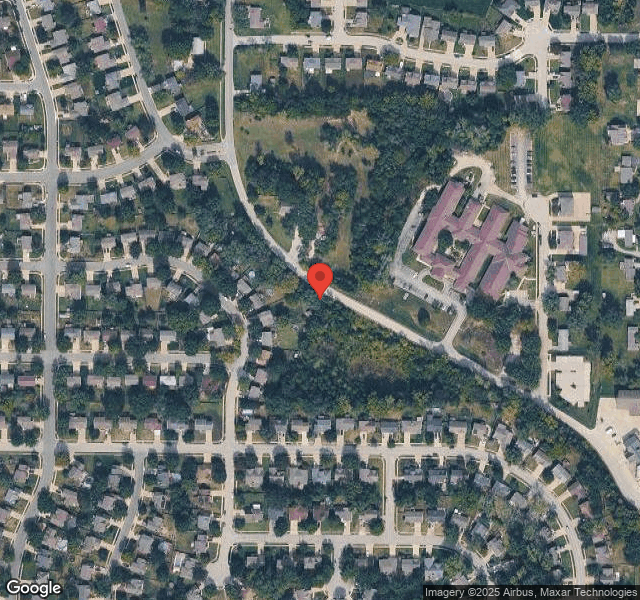
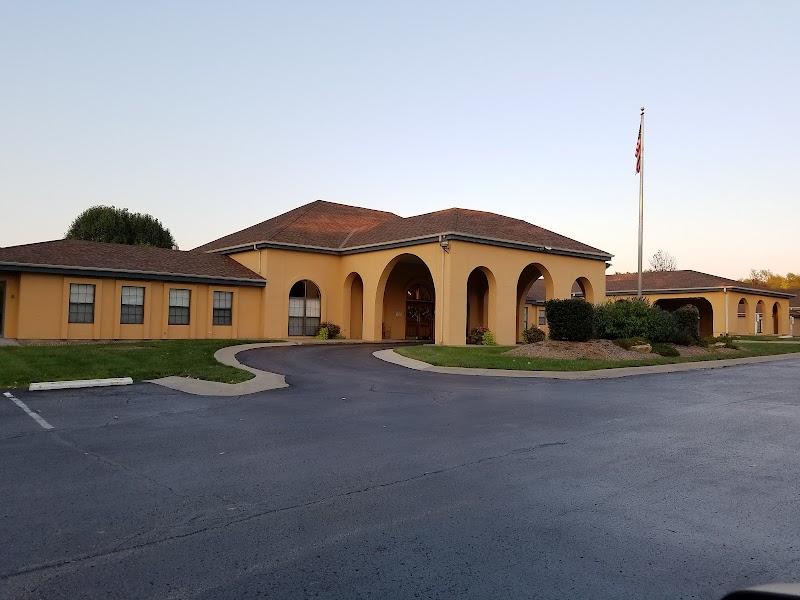
11221 NORTH NASHUA DRIVE, KANSAS CITY, MO 64155 (816) 734-4433
For profit - Corporation 199 Beds AMA HOLDINGS Data: November 2025
Trust Grade
0/100
#427 of 479 in MO
Last Inspection: April 2024

Within standard 12-15 month inspection cycle. Federal law requires annual inspections.

Overview

New Mark Rehab and Healthcare Center has a Trust Grade of F, indicating significant concerns about the quality of care provided. It ranks #427 out of 479 facilities in Missouri, placing it in the bottom half, and #8 out of 9 in Clay County, suggesting limited better options nearby. The facility is improving, reducing issues from 14 in 2024 to 4 in 2025, but it still has serious staffing challenges with a poor rating of 1 out of 5 stars and a turnover rate of 66%. Additionally, there were concerning incidents, including a resident who suffered excessive bleeding due to improper wound care and another resident who eloped from the facility, resulting in a forehead laceration. While the facility has made some progress, families should weigh these serious weaknesses against any potential strengths when considering this home for their loved ones.

Trust Score
F
0/100
In Missouri
#427/479
Bottom 11%
Safety Record
High Risk
Review needed
Inspections
Getting Better
14 → 4 violations
Staff Stability
⚠ Watch
66% turnover. Above average. Higher turnover means staff may not know residents' routines.
Penalties
✓ Good
$8,018 in fines. Lower than most Missouri facilities. Relatively clean record.
Skilled Nurses
⚠ Watch
Each resident gets only 16 minutes of Registered Nurse (RN) attention daily — below average for Missouri. Fewer RN minutes means fewer trained eyes watching for problems.
Violations
⚠ Watch
42 deficiencies on record. Higher than average. Multiple issues found across inspections.
★☆☆☆☆
1.0
Overall Rating
★☆☆☆☆
1.0
Staff Levels
★★☆☆☆
2.0
Care Quality
★★☆☆☆
2.0
Inspection Score
Stable
2024: 14 issues
2025: 4 issues

The Good

  • Full Sprinkler Coverage · Fire safety systems throughout facility
  • No fines on record

Facility shows strength in fire safety.

The Bad

1-Star Overall Rating

Below Missouri average (2.5)

Significant quality concerns identified by CMS

Staff Turnover: 66%

20pts above Missouri avg (46%)

Frequent staff changes - ask about care continuity

Federal Fines: $8,018

Below median ($33,413)

Minor penalties assessed

Chain: AMA HOLDINGS

Part of a multi-facility chain

Ask about local staffing decisions and management

Staff turnover is elevated (66%)

18 points above Missouri average of 48%

The Ugly 42 deficiencies on record

4 actual harm
Sept 2025 2 deficiencies 2 Harm
SERIOUS (G) 📢 Someone Reported This

A family member, employee, or ombudsman was alarmed enough to file a formal complaint

Actual Harm - a resident was hurt due to facility failures

Deficiency F0658 (Tag F0658)

A resident was harmed · This affected 1 resident

Based on observation, interview and record review the facility failed to ensure appropriate wound dressing orders were obtained and in place for one resident (Resident #2), when a negative pressure wo...

Read full inspector narrative →
Based on observation, interview and record review the facility failed to ensure appropriate wound dressing orders were obtained and in place for one resident (Resident #2), when a negative pressure wound dressing (Wound Vac) was left in place from September 9, 2025 until September 19, 2025, causing the wound to open and bleed excessively when the dressing was removed. This effected one of four sampled residents. Facility census was 152.Review of the facility provided policy titled, Wound Management, dated October 24, 2022 showed:-Purpose is to provide a system for treatment and management of residents with wounds including pressure and non-pressure ulcers; -A resident who has a wound will receive necessary treatment and services to promote healing, prevent infection and prevent new pressure ulcers from developing; -A licensed nurse will perform a skin assessment upon admission, readmission, weekly and as needed for each resident, and implement a wound treatment per physician's order;-Per attending physician order the nursing staff will initiate treatment. Review of Resident #2 Quarterly Minimum Data Set (MDS: a federally mandated assessment tool completed by facility staff) dated,9/2/25, showed:-Brief Interview for Mental Stats (BIMS) of 12, indicated very mild cognitive loss; -No refusal of cares;-Moderate to Maximum assistance of staff for Activities of Daily Living (ADLs: tasks completed in a day to care for oneself);-Surgical wound;-Use of pressure reducing devices for the chair and the bed.-Diagnoses included: Left below the knee amputation (BKA), a surgical removal of the left lower leg below the knee, Parkinson's Disease, peripheral vascular disease (PVD, a condition that reduces blood flow to the legs). Review of the Resident's Comprehensive Care Plan updated 9/9/25 showed and order dated 9/9/25 for wound/incision care -Negative Pressure wound therapy to left BKA, cleanse with normal saline, apply granufoam (a special wound dressing to be used with negative pressure wound therapy) to wound beds, attach at 125 millimeters (mm) mercury (HG) secured with gauze.Review of Resident #2's physician orders showed and order dated 9/16/25 as no order for wound vac or wound vac change September 9, 2025 to September 16, 2025.Review of the resident's progress notes showed:-9/10/2025 at 11:15 A.M. wounds to left BKA, wound vac applied, pressure set to 125mm HG. Follow up with Nurse Practitioner to see if the resident is following up with in house wound care or outside wound clinic; -9/14/25 3:59 A.M. Wound vac in place, continuous 125mm HG; -9/19/25 2:05 P.M. Attempted to change wound vac dressing. Wound began bleeding profusely due to sponge adhered to the tissue. The resident had difficulty tolerating pain, asked to take frequent breaks. Pain medication given prior to wound care. Decision was made to send the resident to the emergency department. Excess bandage cut away, dressing applied and wrapped with gauze. Bleeding noted through the bandage after calling 911. Emergency Medical Services (EMS) arrived and the resident was transferred to an area hospital. Review of Physician Assistant (PA) note dated 9/19/25 at 3:05 P.M. showed:-Resident #2 was seen and examined; -Wound vac was changed, unfortunately during the dressing change, the patient experienced a significant amount of bleeding;-Licensed Practical Nurse (LPN) called EMS to have him/her transferred to the hospital;-The resident reported a burning sensation of his/her leg and mild dizziness. During an interview on 9/24/25 at 4:06 P.M. the PA said:-He/She did not see staff remove the dressing from Resident #2; there was a substantial amount of bleeding and staff were wrapping the wound up when he/she arrived; -He/She would not expect a dressing change to cause that kind of bleeding; -He/She would not expect a dressing to be stuck that badly if it was changed regularly; -He/She did not work with wound vacs typically.During an interview on 9/25/25 at 10:32 A.M. Nurse Practitioner A said:-He/She was the primary care provider for Resident #2; -The facility notified him/her of the issue with the dressing being adhered to the wound;-He/She had never known a wound vac dressing to adhere to a wound;-He/She would expect staff to call the primary care physician or wound care physician for wound vac orders. During an interview on 9/25/25 at 11:00 A.M. LPN B said:-Staff notified him/her on 9/19/25 that Resident #2 wound vac did not look right; -He/She assessed the dressing and looked for documentation of when it had been changed; -He/She was unable to find orders for the wound vac dressing change, or when it had been changed;-He/She was only able to find a note that showed the wound vac was in place on 9/10/25; -He/She used saline to soak the dressing to remove it; -There were three sponges and the third sponge was severely adhered to Resident #2's wound;-One area started to bleed significantly;-He/She wrapped the wound with roll gauze, discussed the situation with the Registered Nurse, and decided to call EMS; -He/She cut away the old dressing, applied thick padding, and wrapped the leg with gauze, as the wound was bleeding significantly; -The wound had bled through the thick dressing when EMS arrived;-Typically wound vac dressings should be changed twice weekly or more often if there was excessive drainage;-The wound nurse typically orders all the wound care supplies; -There was not a wound nurse currently; -He/She was not aware who would order supplies for wound care.During an interview on 9/26/25 at 12:04 P.M. the Administrator said:-He/She would expect staff to take orders from the hospital where the resident discharged or call the physician for orders; -There should have been orders for wound vac dressing changes for Resident #2;-He/She was aware there were no orders for the dressing change after the resident was sent to the hospital. Complaint 2622612
SERIOUS (G) 📢 Someone Reported This

A family member, employee, or ombudsman was alarmed enough to file a formal complaint

Actual Harm - a resident was hurt due to facility failures

Accident Prevention (Tag F0689)

A resident was harmed · This affected 1 resident

Based on interview and record review, the facility failed to protect Resident #1's safety when he/she eloped from the facility and was later found in the facility parking lot with a laceration to the ...

Read full inspector narrative →
Based on interview and record review, the facility failed to protect Resident #1's safety when he/she eloped from the facility and was later found in the facility parking lot with a laceration to the forehead. The facility census was 152.Review of the facility's Wandering & Elopement Policy, dated October 24, 2022, showed: -The purpose of this policy is to enhance the safety of residents of the facility; -The facility will identify residents at risk for elopement and minimize any possible injury as a result of elopement; -If facility staff observes a resident leaving the premises without having followed proper procedures, he/she may: Try to prevent the departure in a courteous manner, get help from other Facility Staff int he immediate vicinity, if necessary, and director another Facility Staff member to inform the Charge Nurse or Director of Nursing Services that a resident is trying to leave the premises;-When an individual who departed without following proper procedures returns to the facility, the Director of Nursing Services or Licensed Nurse should: Examine the resident for any possible injuries, notify the Attending Physician, notify the resident's responsible party. The Licensed Nurse will initiate or update the resident's Care Plan and implement immediate interventions to prevent further wandering/elopement by the resident. The Interdisciplinary Team (IDT), with input from the Licensed Nurse, will conduct a thorough review of the elopement, document its findings in the IDT notes, and update the Care Plan to prevent a recurrence.1.Review of Resident #1's electronic medical record on 9/24/25, showed: -His/Her diagnoses included: Diffuse traumatic brain injury (TBI, brain disfunction caused by an outside source), traumatic subdural hemorrhage (a collection of blood between the dura mater (the outermost layer of the brain's covering) and the brain itself, often caused by head trauma), wedge compression fracture of thoracic (T) 11-T12 vertebra (a type of spinal fracture where the front part of a vertebra collapses, creating a wedge-shaped deformity), dementia with behavioral disturbance, agitation, mood disturbance (a group of thinking and social symptoms that interferes with daily functioning), dysphagia (difficulty swallowing), diabetes mellitus type II (a long-term condition in which the body has trouble controlling blood sugar and using it for energy), pressure-induced deep tissue damage of right and left heels, anxiety disorder, major depressive disorder, congestive heart failure, restlessness and agitation. Review of the resident's quarterly Minimum Data Set (MDS, a federally mandated assessment completed by staff), dated 8/29/25, showed: - He/she scored zero on the Brief Interview for Mental Status (BIMS, a structured evaluation aimed at evaluating aspects of cognition in elderly residents). This score indicated severely impaired cognition; -The resident requires substantial assistance with all activities of daily living, including dressing, bathing, and personal hygiene. He/she requires the assistance of staff for transfers and bed mobility. He/she uses a wheelchair for mobility but will walk without it. Review of the resident's comprehensive care plan showed interventions related to history of trauma, behavior problem related to dementia, TBI, risk for elopement (including wandering, door seeking, wandering into other resident's rooms, moves quickly by using a wheelchair and walking), impaired cognitive and communication function related to dementia, TBI, risk for falls.Review of the resident's progress notes showed:-On 9/7/2025 at 1:28 P.M., the nurse documented that after lunch, the resident has agitation, demanding to go home. The resident has been up front with the nurse to maintain the resident's safety. The resident called his/her son, screaming I don't belong here. The son hung up on the conversation. The nursing supervisor was informed of the resident's continued demands to get out; -On 9/7/25 at 2:15 P.M., the nurse documented at 2:00 P.M., he/she was notified by another nurse that there was a resident in the parking lot on the west side of the building parking lot. The nurse arrived to the parking lot with another nurse and the resident was noted to be sitting on the ground with three visitors standing around her. The resident was noted to have a laceration to right side of forehead. The nurse entered the building through the west entrance while the other nurse stayed with the resident to inquire the resident's name. The certified nurses assistant (CNA) stated the resident's name and brought a wheelchair to the parking lot. The resident was brought back inside; -On 9/7/25 at 9:36 P.M., the nurse Licensed Practical Nurse (LPN) A documented that at 7:34 P.M., the resident returned from the local hospital with paramedics and assisted to bed. There was a dressing intact on the resident's forehead with three sutures, bruising to the right and left eye, an abrasion to the nasal bridge, and cotton ball and tape to the right wrist. The resident had a chest x-ray and cat scan of the head done at the hospital and both were negative for injury. Review of the facility investigation, dated 9/7/25, showed:-On 9/7/25 at 2:45 P.M., the Administrator was informed by the weekend nursing supervisor that the resident was observed in the facility parking lot, having fallen. The resident resided on the memory care unit; -The resident was last seen at 1:57 P.M. at the nurse's station. The resident then propelled the wheelchair down the hallway, and transferred self from the wheelchair, stood up and exited the door on the left side of the wing, sounding the alarm. The resident lost his/her balance, due to ambulating without staff assistance or assistive device. The nurse approached the resident in the parking lot and performed assessment. No significant injury was noted at the time and the resident denied pain. The nurse did not a small open area above the right brow. The resident was sent to the emergency room for further evaluation, as the resident has a history of traumatic subdural hemorrhage and current anticoagulant use. During an interview on 9/25/25 at 9:26 A.M., LPN A said: -He/She was the relief staff for the morning nurse on 9/7/2025. When LPN A arrived at the memory care unit, paramedics were already present and Resident #1 was being prepared to transfer to the emergency room; -LPN A was told by other staff that Resident #1 was found in the parking lot by another resident's family and he/she had a laceration to the forehead. The resident returned to the facility later that evening with stitches to the forehead. A computed tomography (CT) scan and chest x-ray were done at the hospital, both were negative for injury. During an interview on 9/25/25 at 10:00 A.M., Nurse Practitioner (NP) A said:-NP A is familiar with Resident #1 and his/her wandering and exit seeking; -The facility notified the on-call services the day of the incident, and NP A saw the note on Monday, 9/8/25; -NP A expected the facility to keep the resident safe and prevent him/her from eloping. Resident #1 frequently attempted to elope but staff were usually able to redirect him/her before he/she exited the facility. Resident #1 resides on the secure unit for his/her safety. NP A expected staff to be aware of the resident's location and monitor for the door alarm. During an interview on 9/26/25 at 11:02 A.M., the Administrator said:-He/She expected residents to be safe while residing on the secure unit. He/she expected staff to monitor the residents and monitor the door alarm; -Resident #1 frequently wanders the secure unit and attempts to open the exit doors;-Staff were aware of his/her behaviors; -The weekend nursing supervisor was on the secure unit at 1:57 P.M. on 9/7/25 and observed the resident at the nurses' station;-The weekend nursing supervisor then received a call at 2:00 P.M. from the nurse on the secure unit that the resident was found outside in the parking lot.Intake 2610018
May 2025 1 deficiency
CONCERN (D) 📢 Someone Reported This

A family member, employee, or ombudsman was alarmed enough to file a formal complaint

Potential for Harm - no one hurt, but risky conditions existed

Deficiency F0628 (Tag F0628)

Could have caused harm · This affected 1 resident

**NOTE- TERMS IN BRACKETS HAVE BEEN EDITED TO PROTECT CONFIDENTIALITY** Based on interviews and record review, the facility failed to provide an appropriate discharge when staff failed to provide writ...

Read full inspector narrative →
**NOTE- TERMS IN BRACKETS HAVE BEEN EDITED TO PROTECT CONFIDENTIALITY** Based on interviews and record review, the facility failed to provide an appropriate discharge when staff failed to provide written notice of discharge that included the date and location the resident would be discharge to, statement of appeal rights and the name, address, or telephone number of the Office of the State Long Term Care Ombudsman (advocates for the residents in nursing facilities) to one sampled resident (Reisdent #1). The facility's census was 161. Review of facility policy regarding Transfer and Discharge, revised 10/24/22, showed: - The facility may not transfer or discharge a resident while the appeal to the notice of transfer/discharge is pending, unless it is documented that failure to transfer or discharge the resident would endanger the health or safety of the resident or other individuals; - In cases in which 30 days' notice is not possible, the notice of transfer or discharge should be provided to the resident or resident representative as soon as practicable; - Documentation of written or telephone acknowledgement of the resident's transfer by the resident's representative may occur after the transfer in an emergency; - Documentation relating to resident's transfer/discharge will be maintained in the resident's medical record; - The Notice of Proposed Transfer/Discharge must be completed by the facility and sent to any legally authorized representative of the resident and to at least (1) family member; - Before the facility transfers a resident to a hospital the facility will provide written information to the resident or his/her resident representative which covers the bed hold policy and it's duration; - In an emergency transfer/discharge to a hospital the facility will: notify the attending physician, notify the receiving facility that the transfer is being made, notify the resident's representative; - Prior to discharging the resident, the facility will prepare a Discharge Summary and will document the summary in the resident's medical record; - The medical record will contain written documentation from the resident's attending physician that the resident is transferred/discharged because it is necessary for the resident's welfare and resident's needs cannot be met in the facility; - Documentation and education provided to a resident or his/her resident representative in preparation for transfer/discharge will be provide in a language that he/she understands; Review of Resident #1's admission Record, dated 5/2/25, showed: -admitted from acute care hospital on 4/8/25; - Resident has a DPOA invoked; - Diagnoses: Congestive heart failure, neurocognitive disorder with Lewy bodies (a neurodegenerative disorder characterized by progressive cognitive impairment, visual hallucinations, and motor symptoms like Parkinsons), repeated falls, difficulty in walking, unsteadiness on feet, restlessness and agitation, dementia, and acute kidney failure; Review of Resident's Care Plan, revised 4/22/25, showed: - Resident is on Hospice; - Resident is at risk for elopement and door seeking, hospice services to evaluate and adjust medications as needed; - Resident has trauma from working as a police officer and homicide detective. Evaluate recommendations of psychiatric/behavioral health professions and implement as appropriate; - Resident has a behavior problem related to Lewy Body Dementia having vivid hallucinations and delusions. Administer medications as ordered and monitor/document side effects. Psychiatry to evaluate and treat; Review of the residents progress notes in the Electronic Medical Record showed: - Progress Note: 4/23/25 Family member notified that EMS was at the facility to transfer resident to hospital facility; - Progress Note: 4/23/25 Resident transferred to hospital facility and family member notified; - Progress Note: 4/23/25 Bed hold policy sent with resident to ER; - No copy of bed hold policy found during review of electronic records; - Progress Note: 4/24/25 Behavior committee met on 4/24 to review that on 4/23 resident was very agitated, staff tried to use de-escalation techniques, which were not successful. Resident punched a staff member in the mouth, exit seeking, having strong delusions. Resident was transported to a hospital facility with family and provider involved and Hospice aware; - Progress Note: 4/29/25 Social Services department notified family member through Carefeed that resident was discharged from the facility; - No record of resident/representative involvement in the development of a discharge plan which would address the discharge needs of the resident; During an interview on 5/2/25 at 10:35 A.M., the Social Services Director said: - He/she had little involvement with the transfer of the resident from the facility. - This was a facility initiated unplanned transfer and the day after the transfer is when she was notified that it had occurred; - As far as she could remember no one had ever had a planned transfer to this hospital, it was only used for evaluation purposes and treatments; - Social services would not have handled this transfer but instead the Admissions department would have completed it; - Carefeed is a corporate communication system utilizing automated emails and phones calls to send out announcements or contact families with routine information. If Social Services was tasked to contact a family member about a transfer they would never use Carefeed because it's too informal and not reliable that information actually reaches the recipient; - The requirement for notifying a resident of a planned discharge is 72 hours advance notice and for a facility initiated non-emergency transfer, facility staff are required to provide 30 days advance notice to the resident and family; During an interview on 5/2/25 at 11:00 A.M., the DON (Director of Nursing) said: - On 4/23/25 he called 911 to have the resident transferred for medical health evaluation after the resident struck a staff member; - After the resident transferred to the hospital facility, the DON met with the Unit Manager, other team members and the Administrator and it was decided that the resident would not be accepted back to the facility because of the resident's aggression, exit seeking on an unlocked unit, and due to the resident refusing medications and treatments; - The initial call to the family of the resident was made by LPN A but the DON does not know who contacted the residents DPOA once the decision was made to not accept the resident back to the facility; During an interview on 5/2/25 at 11:45 A.M., LPN A said he/she told the family member that resident was being sent to the hospital for a medical evaluation due to behaviors. The family was given a choice on which hospital to send the resident for evaluation. LPN A did not know that the resident would not be accepted back at the facility. During an interview on 5/2/25 at 12:57 P.M. the facility Admissions Coordinator said: - He/She remembers the resident was initially screened with a yellow status which means more research needs to be done in order to approve them for admission to the facility. - The residents status was upgraded to green after research was completed, which means the facility had the capabilities to meet the needs of the resident; - Currently the admissions team is looking for another facility to accept the resident which has a locked unit capable of providing the necessary security and care. - He/She had no communication with the family with regards to discharge plans or placement. - No one had told him/her that the resident was not coming back to the facility at the time the reisdent was transferred to the hospital; During an interview on 5/2/25 at 1:36 P.M., the residents DPOA said; - He/she had not received a call or notification from facility staff regarding transferring the reisdent from the facility or notification of discharge. - Another family member had been communicating with the facility; During an interview on 5/3/25 at 10:15 A.M., a Family Member A said: - He/she was contacted by the facility just before resident was transferred out to the hospital. - He/she told the facility which hospital the resident should be sent to for evaluation and the facility staff member told him/her that the resident was being transferred was due to behavioral issues that day. - When the family member arrived at the hospital, he/she was told by hospital staff that the facility was not allowing the resident to return and they would not accept the resident back to the facility. - The family member confirmed that he/she never received a copy of the bed hold policy, Notice of Proposed Transfer/Discharge or information regarding the residents right to appeal; - It was not the family member's choice that the resident be discharged from the facility; - Since being discharged to the hospital, the reisdent has been confused because of their new surroundings, has experienced rigidity of their extremities, and has at times displayed bouts of fear; - The resident has experienced physical and psychosocial harm because the facility staff failed to provide appropriate planning and notice regarding discharge; During an interview on 5/6/25 at 10:15 A.M., the Administrator said: - At the time of transfer on 4/23/25 the facility was in the process of looking for alternate locations because of the resident's hallucinations and behaviors. Initially we just wanted the resident evaluated but looking at all the factors the resident needed a secure unit designed for him/her; - I think that the Charge Nurse LPN A notified the family of the transfer decision; - The goal of the transfer was to evaluate the resident and every family has the opportunity to appeal the decision but I do not know who told the family about their rights to appeal; - There was no conversation that she knew of with the hospital facility on agreeing to take on the resident full time; On 5/6/25 Review of record review of documents supplied by the facility on 5/6/25 showed: - Notice of Proposed Discharge/Transfer, dated 4/23/25 signed by the Social Services Director. - Proposed discharge date [DATE] to a hospital facility and that notification was provided to the resident and family via phone call and document given to resident. - Reason for discharge is listed as necessary for resident's welfare and the facility cannot meet individual's needs; - Bed Hold Policy for resident, signed by the Social Services Director, dated 4/23/25, provided to resident and family verbally and copy provided at the time of transfer (no persons name listed); During an interview on 5/6/25 at 3:00 P.M., Hospital Employee A said: - Resident #1 was not accepted back by the facility and remains in the hospital. - The hospital is not equipped to provide long-term care for patients. - The facility staff did not inform the hospital staff they would not be accepting Resident #1 back to the facilty until after the resident had been transferred to the hospital. - The hospital is not an appropriate level of care as they are unable to provide long-term care. - Hospital staff did not agree to accept the resident on a long term basis and had only intended to provide evaluative care. MO00252657
Mar 2025 1 deficiency 1 Harm
SERIOUS (G) 📢 Someone Reported This

A family member, employee, or ombudsman was alarmed enough to file a formal complaint

Actual Harm - a resident was hurt due to facility failures

Free from Abuse/Neglect (Tag F0600)

A resident was harmed · This affected 1 resident

Based on interviews and record review, the facility failed to protect the resident's right to be free from physical abuse when Resident #1 hit and restrained Resident #2 resulting in a scratch to Resi...

Read full inspector narrative →
Based on interviews and record review, the facility failed to protect the resident's right to be free from physical abuse when Resident #1 hit and restrained Resident #2 resulting in a scratch to Resident #2's left cheek, redness to his/her right eye, abrasion to right eyebrow, and redness and bruises to the right forearm and bicep. The facility census was 153. Review of the facility's Abuse Prevention and Prohibition Program, revised 10/24/22, showed: - Each resident has the right to be free from abuse. The facility has zero-tolerance for abuse. Staff must not permit anyone to engage in verbal, mental, sexual, or physical abuse of residents; - The facility maintains adequate staffing on all shifts to ensure that the needs of each resident are met; - The facility conducts an ongoing review and analysis of abuse incidents and implements corrective actions to prevent future occurrences of abuse; - Resident assessments and care planning are performed to monitor resident needs and address behaviors that may lead to conflict; - Resident to resident altercations must be reported if the altercation is caused by a willful action that results in physical injury, mental anguish or pain. 1. Review of Resident #1's admission record, dated 2/11/25, showed: - Diagnosis: frontal temporal neurocognitive disorder (affects cognitive functions for decision making, behavior, language and memory), dementia (decline in cognitive abilities), depression, and Pick's disease (rare neurodegenerative brain disorder); Review of Resident's Care Plan, dated 2/12/25, showed: - Resident has a behavior problem hitting and pulling peer's hair, -Staff should intervene as necessary to protect the rights and safety of others. Review of the Resident's care plan revised 3/10/25 showed the resident was combative with staff. Review of Resident order summary report, dated 3/18/25, showed: - 2/24/25 Brexplprazole 2 miligrams (MG), 1 x daily for Dementia with agitation; - 2/18/25 Divalproex Sodium 125 MG, 2 tablets 2 x daily for agitation; - 3/18/25 Divalproex Sodium 500 MG, 1 tablet 2 x daily for agitation; - 3/18/25 Risperdal 1 MG, 1 x daily for agitation. Review of Resident's progress notes, dated 3/17/25, showed: - Staff came into resident room to observe Resident #1 standing off to the side while Resident #2 was in bed visibly shaking and a scratch mark was noted on his/her cheek. Resident #2 said he/she was in bed when Resident #1 came over and hit and grabbed Resident #2. Resident #2 said he/she was struck on the right and left side of the face and his/her right arm was grabbed by Resident #1. During an observation on 3/26/25 at 1:15 P.M., showed the Resident was wandering the hallways back and forth and could only communicate in one or two word answers when questioned by staff; Review of Resident #2's admission record, dated 5/14/24, showed: Diagnosis: Alzheimer's disease (progressive brain disorder) and dementia. Review of Resident's Care Plan, dated 1/14/25, showed: - Resident has experienced trauma and has developed fear, terror, dread or helplessness following exposure to a traumatic event; - Resident has impaired cognitive function due to dementia and may have periods of confusion, poor safety awareness and memory deficits. Review of facility incident report, dated 3/17/25, showed: - Staff heard screaming from a resident room and immediately investigated. Resident #2 was crying and said that Resident #1 hit him/her on the right side of the face, slapped him/her on the left side of their head and grabbed their right arm; - Staff did not witness the actual altercation. Assessment of Resident #2 showed a scratch mark on left cheek, redness to right eye, a small abrasion to the right eyebrow, and redness and bruising to the right forearm and bicep. Review of Resident #2's progress notes, dated 3/17/25, showed: - Resident brought back to nurses' station after incident. Abrasion cleansed and medication applied. Resident placed on observation, right arm and left cheek iced. During an interview on 3/26/25 at 1:00 P.M., Registered Nurse (RN) B said: - Resident #1 has not shown any signs of agitation since their medications were changed by the physician following the hitting incident on 3/17/25; - Neither Resident #1 or Resident #2 can remember the incident, it happened on the night shift and he/she was not on duty at the time. During an interview on 3/26/25 at 3:15 P.M., Director of Nursing (DON) said the injuries noted in the report for resident #2 are accurate. During an interview on 4/4/25 at 2:00 P.M., Administrator said the injuries sustained by Resident #2 during the altercation with Resident #1 fit the definition of physical abuse as outlined in the facility's Abuse and Neglect policy. MO251256
Apr 2024 13 deficiencies
CONCERN (D)

Potential for Harm - no one hurt, but risky conditions existed

Deficiency F0552 (Tag F0552)

Could have caused harm · This affected 1 resident

**NOTE- TERMS IN BRACKETS HAVE BEEN EDITED TO PROTECT CONFIDENTIALITY** Based on interview and record review, the facility failed to ensure one resident and/or representative of five residents (Reside...

Read full inspector narrative →
**NOTE- TERMS IN BRACKETS HAVE BEEN EDITED TO PROTECT CONFIDENTIALITY** Based on interview and record review, the facility failed to ensure one resident and/or representative of five residents (Resident (R) 78) reviewed for unnecessary medications, out of a total sample of 25 residents, was informed of the risk and benefits of a physician ordered antipsychotic medication. This failure placed the resident and/or representative at risk of not knowing the risks and benefits of the use of medications. Finding included. Review of the Face Sheet, located in the Face Sheet tab of the electronic medical record (EMR), revealed R78 was admitted to the facility on [DATE] with Alzheimer's disease and major depressive disorder. Review of an 08/02/23 Physician Order located in the Orders tab of the EMR revealed, Abilify [an antipsychotic medication used as an add-on treatment for adults with major depressive disorder] 5 mg [milligrams] at bedtime. Review of the quarterly Minimum Data Set (MDS) located in the MDS tab of the EMR with an Assessment Reference Date (ARD) of 09/29/23 revealed R78 had a Brief Interview of Mental Status (BIMS) of 11 out of 15 which indicated she was moderately impaired in cognition for daily decision-making and was administered an antipsychotic medication daily during the observation period. Review of the Resident Documents tab and the Nursing Progress Notes tab of the EMR did not document that R78 or her representative was informed of the risks and benefits prior to initiating a new Physician Order for the Abilify. During an interview on 04/09/24 at 8:32 AM, R78 was asked if she was aware of the Physician Order for the Abilify and why she was being administered the medication. R78 stated, When I first came here, I was pretty depressed, but I am not aware of what Abilify is for. During an interview on 04/11/24 at 1:21 PM, Unit Manager (UM) 1 was asked if there had been documentation that the risks and benefits were explained to R78 or her representative when Abilify was initiated. UM1 stated, There is no consent obtained for the use of the medication. The facility did not provide a policy.
CONCERN (D)

Potential for Harm - no one hurt, but risky conditions existed

Safe Environment (Tag F0584)

Could have caused harm · This affected 1 resident

**NOTE- TERMS IN BRACKETS HAVE BEEN EDITED TO PROTECT CONFIDENTIALITY** Based on observation, interview, and record review, the facility failed to maintain a clean and comfortable environment for one ...

Read full inspector narrative →
**NOTE- TERMS IN BRACKETS HAVE BEEN EDITED TO PROTECT CONFIDENTIALITY** Based on observation, interview, and record review, the facility failed to maintain a clean and comfortable environment for one of 25 sample residents (Resident (R) 67). Findings include: Review of R67's Face Sheet, located in the electronic medical record (EMR) under the Resident tab, revealed R67 was initially admitted on [DATE] with diagnoses that included Gillain-Barre syndrome, chronic congestive heart failure, chronic obstructive pulmonary disease, major depression, anxiety disorder, and delusional disorder. Review of R67's annual Minimum Data Set (MDS) with an Assessment Reference Date (ARD) of 02/16/24 revealed a Brief Interview for Mental Status (BIMS) score of 15 out of 15, which indicated R67 was cognitively intact. During an observation and interview on 04/08/24 at 11:10 AM, R67 was observed in bed. The sliding door track was observed to have a heavy build-up of dirt and grime and there were four small black ants roaming from the door to under the bed. The head of the bed was observed to be raised at an approximate 80 degrees angle which allowed for observations of the floor under the bed and the bed frame. There was a heavy build-up of dirt and dust in the corner of the room, under the bed, and dirt on the bed frame. R67 stated, They clean, but it could be better, the door is dirty on the floor. They're good here. I do spill things, because I'm weak, shaky. During observation of R67's room on 04/09/24 at 9:14 AM while R67 had a visitor, the room remained in the same condition with the dirt and dust. During a telephone interview on 04/09/24 at 3:10 PM, R67's family member (F2) stated, I have seen a few ants, the room could be cleaned better. I have no idea when an exterminator comes. During an observation on 04/11/24 at 11:18 AM, R67's floor had dirt, dust, and debris under the bed, a heavy buildup of dirt and debris in the track of the sliding glass doors, and three ants crawling on the floor next to the sliding glass door. During an interview on 04/11/24 at 8:55 AM, the Administrator stated she was unaware of the ants in R67's room. The Administrator stated, the exterminators currently come every other week and every week in the late spring and summer. During an interview on 04/11/24 at 12:55 PM, the Activity Director (AD), overseeing the housekeeping staff, stated, we do spring cleaning, take the blinds down, steam clean, clean refrigerators, and move the furniture. We haven't started that yet. The AD stated, we have to be sensitive to [R67's] wishes as she does not want the housekeepers to do too much. When asked if there was a care plan to address R67's wishes and the need to clean the room, the AD said, no, we don't have a plan. The AD said she was unaware of the ants or the dirt in the track of the sliding glass door.
CONCERN (D) 📢 Someone Reported This

A family member, employee, or ombudsman was alarmed enough to file a formal complaint

Potential for Harm - no one hurt, but risky conditions existed

Free from Abuse/Neglect (Tag F0600)

Could have caused harm · This affected 1 resident

**NOTE- TERMS IN BRACKETS HAVE BEEN EDITED TO PROTECT CONFIDENTIALITY** Based on record review, interview, and policy review, the facility failed to protect the resident's right to be free from physic...

Read full inspector narrative →
**NOTE- TERMS IN BRACKETS HAVE BEEN EDITED TO PROTECT CONFIDENTIALITY** Based on record review, interview, and policy review, the facility failed to protect the resident's right to be free from physical abuse by a resident for one resident of four residents (Resident (R) 51) reviewed for abuse out of a sample of 25 residents. R96 bit R51's arm after R51 reached for a blanket R96 was using. Findings include: Review of R96's ''admission Record,'' located in the ''Profile'' tab of the electronic medical record (EMR), revealed R96 admitted to the facility on [DATE] with diagnoses including frontotemporal neurocognitive disorder, dementia, impulse disorder, and delusional disorder. Review of R96's quarterly ''Minimum Data Set (MDS)'' with an Assessment Reference Date (ARD) of 01/19/24 revealed a ''Brief Interview for Mental Status (BIMS)'' was unable to be completed due to R96 rarely being understood. Review of R96's care plan, located under the ''Care Plan'' tab of the EMR and dated 05/19/23, revealed ''The resident has socially inappropriate/disruptive and aggressive behaviors.'' Interventions in place were to monitor agitation or aggression towards others, avoid over stimulation, and maintain a calm environment. Review of R51's ''admission Record,'' located in the ''Profile'' tab of the EMR, revealed R51 admitted to the facility on [DATE] with diagnoses including Alzheimer's and dementia. Review of R51's quarterly MDS'' with an ARD of 03/01/24 revealed a ''BIMS'' was unable to be completed due to R51 rarely being understood. Review of R51's care plan, located under the ''Care Plan'' tab of the EMR and dated 12/04/20, revealed ''The resident has potential for alteration in mood and had periods of agitation and aggression.'' Interventions in place were to monitor for changes in mood and behavior and observe for changes in mental status. Review of a ''Nurse's Note'' written by Registered Nurse (RN) 1, located in the EMR under the ''Notes'' tab and dated 03/21/24 at 5:50 PM, documented R51was bitten by R96 when reaching for a blanket on the couch R96 was using. R51's right forearm had teeth marks and an instant bruise but the skin was not open. The residents were separated and R96 was placed on 15-minute checks. R51 did not display signs or symptoms of pain or discomfort. During an interview on 04/09/24 at 11:48 AM, Licensed Practical Nurse (LPN) 1 stated R96 was not cooperative with care most of the time and preferred to sleep on the couch during the day. LPN1 stated if R96 saw something she wanted she would just grab it and take it; R96 would go into other resident rooms and get into their beds, and staff had to constantly watch her. LPN1 stated R96 would become combative when staff took something away from her. LPN1 stated staff tried offering her sweets and drinks and sometimes she was receptive but not always; staff tried to keep her away from other residents. LPN1 stated R96 was very unpredictable but she did not usually initiate any aggression, but she would respond if she someone approached her. LPN1 stated R96's aggression was more towards staff during care than towards residents. During an interview on 04/09/24 at 12:39 PM, Certified Medication Technician (CMT) 1 stated R96 was very difficult, and staff never knew what her behavior would be like. CMT1 said R96 bites sometimes and has tried to bite staff and bit another resident. CMT1 stated staff redirect R96 with cookies and stuff, but it did not always work. CMT1 stated R96 was usually in the television (TV) room and liked being on the couch and staff would keep an eye on her. CMT1 said R96 behaviors were usually directed at staff and did not cause issues with other residents. During an interview on 04/09/24 at 1:35 PM, Certified Nursing Assistant (CNA) 1 said R96 liked to keep to herself and spent most of her day lying on the couch in the common area/TV room. CNA1 said R96 did not eat in the dining room with the others because she got irritated fast; it took two staff to provide any care due to her behavior. CNA1 stated, on 03/21/24, she was R96 assigned CNA but was in the room with another resident when the biting incident occurred. CNA1 stated when she came out of the other resident's room, she was informed by the nurse that R96 was on 15-minute checks. CNA1 did not remember there being anything about her behavior prior to the incident occurring but thought R96 got upset since another resident touched the blanket she was using on the couch. During an interview on 04/09/24 at 1:45 PM, RN1 stated R96 did was she wanted to, and that staff tried to keep on eye on her. RN1 stated they offer her extra snacks or place her on 15-minute checks if needed to monitor her. RN1 stated she did not witness the incident on 03/21/24 but she heard someone say ''Ouch'' and she looked over and saw R51 leaning back up and away from R96. RN1 went over to where R96 was sitting on the couch and R51 was next to the couch in her wheelchair and observed R51 had the blanket she remembered R96 had earlier. RN1 assumed R51 took the blanket from R96, and she asked what happened and R51 said R96 bit her. RN1 stated both residents were immediately separated and R96 was placed on 15-minute checks. RN1 documented the incident and bite mark in a progress note and reported it to the night nurse, but she has not worked back at the facility since the incident occurred. During an interview on 04/10/24 10:16 AM, Unit Manger (UM) 1 said R96 was very mobile but did not interact verbally or socialize with other residents. UM1 stated after R96 was initially admitted to the facility in 2023 she was sent out for a psychiatric stay and returned, but it took a while for her to adjust to the facility. UM1 stated they adjusted her medications, and she started coming out of her room, her appetite improved, and she was gaining weight. UM1 stated it really feels it was such an unfortunate situation that occurred with R96 and R51. UM1 said R96 did not initiate the incident but that unfortunately when R51 came into R96 personal space R96 reacted because she was unable to respond appropriately to those types of situations. UM1 stated staff know to keep a close eye on R96, and they were to monitor R96 for any subtle changes in behavior. UM1 stated they try to keep her engaged as much as she allows, and she was and is still receiving ongoing psychiatric services. UM1 said she felt 15-minute checks were appropriate because R96 did not initiate aggression and kept to herself mainly and felt R96, along with the other residents, were safe. UM1 stated staff were always present in the common areas and monitored all the residents when they were in there. During an interview on 04/11/24 at 12:26 PM, the Director of Nursing (DON) stated they have done medication adjustments and there was a recent GDR on R96. The DON stated R96 was sent out for psychiatric evaluation again after the bite incident since she did not feel it would have been appropriate to keep her in the facility when she was displaying aggressive behaviors towards other residents. A review of the facilities policy titled ''Policy / Procedure - Nursing Administrative'' dated October 2023 revealed, Residents have the right to be free from mental, physical, sexual, and verbal abuse, neglect, misappropriation of property, and exploitation. This policy defines conduct that may be resident abuse, neglect, exploitation, or misappropriation of property and prohibits staff from engaging in any such conduct, as well as sets forth procedures for reporting complaints, concerns, or incidents. MO00233571
CONCERN (D) 📢 Someone Reported This

A family member, employee, or ombudsman was alarmed enough to file a formal complaint

Potential for Harm - no one hurt, but risky conditions existed

Report Alleged Abuse (Tag F0609)

Could have caused harm · This affected 1 resident

**NOTE- TERMS IN BRACKETS HAVE BEEN EDITED TO PROTECT CONFIDENTIALITY** Based on record review, interview, and policy review, the facility failed to report an injury of unknown origin to the State Sur...

Read full inspector narrative →
**NOTE- TERMS IN BRACKETS HAVE BEEN EDITED TO PROTECT CONFIDENTIALITY** Based on record review, interview, and policy review, the facility failed to report an injury of unknown origin to the State Survey Agency (SSA) and failed to report a resident-to-resident altercation to the Abuse Coordinator and the SSA within two hours for two residents out of four residents (Resident (R) 96 and R51) reviewed for abuse out of a sample of 25. Findings include: 1. Review of R96's admission Record, located in the Profile tab of the electronic medical record (EMR), revealed admission to the facility on [DATE] with diagnoses including frontotemporal neurocognitive disorder, dementia, impulse disorder, and delusional disorder. Review of R96's quarterly Minimum Data Set (MDS) with an Assessment Reference Date (ARD) of 01/19/24 revealed a Brief Interview for Mental Status (BIMS) was unable to be completed due to R96 rarely being understood. Review of the facility's Event Report dated 10/24/23 revealed R96 was in the television (TV) area sitting on sofa when she was noted to have small purplish bruised area below left eye. R96 was unable to state how she received the bruise and denied any pain. During an interview on 04/09/24 at 11:48 AM, Licensed Practical Nurse (LPN) 1 said she did not remember what she did when she discovered R96 had a black eye on 10/24/23 but she should have reported that it to the Director of Nursing (DON) and completed a report on it. During an interview on 04/11/24 at 12:26 PM, the DON, who shared abuse coordinator responsibilities with the Administrator, stated she could not remember R96's black eye on 10/24/23. The DON stated it should have been reported to the SSA but the facility had not reported it. 2. Review of the facility's Event Report dated 03/20/24 revealed there was an altercation at 2:30 PM. The day nurse heard the R96 call out, ouch, ouch!' loudly from the North hallway and observed another resident hitting her on the right arm 2 times as they were standing/walking. The were immediately separated, no discoloration or sign of discomfort is noted in /on her right arm. When questioned R96 gave no response and walked on up the hallway. During an interview on 04/10/24 at 1:45 PM, LPN4 said after the incident with R96 occurred she reported it to the unit manager. Review of a Nurse's Note, located in the EMR under the Notes tab written by Registered Nurse (RN) 1 and dated 03/21/24 at 5:50 PM, indicated R51 was bitten by R96 when reaching for a blanket on couch R96 was using. Review of the facility's Intake Report Confirmation dated 03/22/24 revealed the incident was reported to SSA on 03/22/24 at 8:45 AM. During an interview on 04/11/24 at 12:26 PM, the DON said she was not made aware of the bite incident until the following morning, and it should have been reported to her when the incident occurred. The DON stated she was unaware that abuse incidents that did not result in a major injury were supposed to be reported within two hours and that was why the 03/20/24 was not reported until 03/022/24. A review of the facilities policy titled Policy/Procedure - Nursing Administrative dated October 2023 revealed, It is the policy of this facility to ensure that all incidents of potential abuse, neglect, exploitation or potential crimes against residents (staff-to-resident; resident-to-resident; visitor/family-to-resident; or unwitnessed injuries) that occur in the facility are reported to the [State Survey Agency (SA)] within prescribed timeframes, consistent with Section 1150B of the Act. The facility will report immediately, but not later than 2 hours after forming the suspicion of an incident that results in serious bodily injury. The facility will report all suspicions or incidents of abuse/neglect/exploitation/crimes not resulting in serious bodily injury within 24 hours. MO00233571
CONCERN (D) 📢 Someone Reported This

A family member, employee, or ombudsman was alarmed enough to file a formal complaint

Potential for Harm - no one hurt, but risky conditions existed

Investigate Abuse (Tag F0610)

Could have caused harm · This affected 1 resident

**NOTE- TERMS IN BRACKETS HAVE BEEN EDITED TO PROTECT CONFIDENTIALITY** Based on record review, interview, and policy review, the facility failed to conduct a thorough investigation for an injury of u...

Read full inspector narrative →
**NOTE- TERMS IN BRACKETS HAVE BEEN EDITED TO PROTECT CONFIDENTIALITY** Based on record review, interview, and policy review, the facility failed to conduct a thorough investigation for an injury of unknown origin and a resident-to-resident altercation for two residents of four residents (Resident (R) 96 and R51) reviewed for abuse out 25 sampled residents. Failure to thoroughly investigate injuries of unknown origin and resident-to-resident altercations could place vulnerable residents at risk. Findings include: 1. Review of R96's admission Record, located in the Profile tab of the electronic medical record (EMR), revealed admission to the facility on [DATE] with diagnoses including frontotemporal neurocognitive disorder, dementia, impulse disorder, and delusional disorder. Review of R96's quarterly Minimum Data Set (MDS) with an Assessment Reference Date (ARD) of 01/19/24 revealed a Brief Interview for Mental Status (BIMS) was unable to be completed due to R96 rarely being understood. Review of R96's care plan, located under the Care Plan tab of the EMR and dated 05/19/23, revealed The resident has socially inappropriate/disruptive and aggressive behaviors. Interventions in place were to monitor agitation or aggression towards others, avoid over stimulation, and maintain a calm environment. Review of the facility's Event Report dated 10/24/23 revealed R96 was in the television (TV) area sitting on sofa when R96 was noted to have small purplish bruised area below left eye. R96 was unable to state how she got the bruise and denied pain. During an interview on 04/09/24 at 11:48 AM, Licensed Practical Nurse (LPN) 1 said she did not remember what she did when she discovered R96 had a black eye on 10/24/23 but she should have reported that it to the Director of Nursing (DON) and completed a report on it. During an interview on 04/11/24 at 12:26 PM, the Director of Nursing (DON) stated she could not remember R96's black eye on 10/24/23 but it should have been investigated. The DON confirmed there was no investigation, and they were not able to determine how the bruise occurred. 2. Review of R51's ''admission Record,'' located in the ''Profile'' tab of the EMR, revealed R51 admitted to the facility on [DATE] with diagnoses including Alzheimer's and dementia. Review of R51's quarterly MDS'' with an ARD of 03/01/24 revealed a ''BIMS'' was unable to be completed due to R51 rarely being understood. Review of R51's care plan, located under the ''Care Plan'' tab of the EMR and dated 12/04/20, revealed ''The resident has potential for alteration in mood and had periods of agitation and aggression.'' Interventions in place were to monitor for changes in mood and behavior and observe for changes in mental status. Review of the facility's Event Report dated 03/20/24 revealed there was an altercation at 2:30 PM. The day nurse heard the R96 call out, ouch, ouch!'' loudly from the North hallway and observed another resident hitting her on the right arm 2 times as they were standing/walking. The residents were immediately separated, no discoloration or sign of discomfort is noted in /on her right arm. When questioned R96 gave no response and walked on up the hallway. During an interview on 04/10/24 at 1:45 PM, LPN4 said after the incident with R96 occurred she reported it to the unit manager. During an interview on 04/11/24 at 12:26 PM, the DON said she did not have an investigation into the resident-to-resident altercation or witness statements surrounding the incident. A review of the facilities policy titled Policy / Procedure - Nursing Administrative dated October 2023 revealed, all allegations, observations, or suspected cases of abuse, neglect, misappropriation of property or Exploitation, or Injuries of Unknown Sources will be thoroughly investigated by the facility. MO00233571
CONCERN (D)

Potential for Harm - no one hurt, but risky conditions existed

Deficiency F0657 (Tag F0657)

Could have caused harm · This affected 1 resident

**NOTE- TERMS IN BRACKETS HAVE BEEN EDITED TO PROTECT CONFIDENTIALITY** Based on record review, interview, and facility policy, the facility failed to revise the care plan of two of 25 sampled residen...

Read full inspector narrative →
**NOTE- TERMS IN BRACKETS HAVE BEEN EDITED TO PROTECT CONFIDENTIALITY** Based on record review, interview, and facility policy, the facility failed to revise the care plan of two of 25 sampled residents (Resident (R) 66 and R55). R66 did not have a revision to the care plan for a diagnosis of Post Traumatic Stress Disorder (PTSD). R55's care plan was not updated to include the use of her specialized wheelchair. This failure created an increased risk for the residents to receive care and services not appropriate for their current clinical condition. Findings include: Review of R66's electronic medical record (EMR) Profile tab, indicated R66 was admitted on [DATE]. R66's quarterly Minimum Data Set (MDS) with an Assessment Reference Date (ARD) of 02/02/24 revealed R66's Brief Interview for Mental Status (BIMS) score of 14 of 15 which indicated R66 was cognitively intact. Per the MDS, R66 had a diagnosis of PTSD, R66's total severity score for depression during the assessment period equaled a six out of ten score and indicated R66 had little interest or pleasure in doing things seven to eleven days; felt down, depressed, or hopeless two to six days; trouble falling or staying asleep, or sleeping too much seven to eleven days; feeling tired or having little energy two to six days during the assessment period. During an interview on 04/08/24 at 10:46 AM, R66 stated that she was feeling tired and that she was not interested in participating in activities. Review of R66's care plan with last conference date of 02/06/24, located in the EMR Care Plan tab, revealed no care plan for the diagnosis or problems related to PTSD and no interventions related to PTSD. During an interview on 04/10/24 at 12:36 PM, the Social Services Director (SSD) stated she was not aware that R66 had an added diagnosis of PTSD and that she did not write a care plan for the diagnosis. 2. Review of the Face Sheet, located in the Face Sheet tab of the EMR revealed R55 was admitted to the facility on [DATE] with Alzheimer's disease and dementia. Review of the annual MDS, located in the MDS tab of the EMR, with an ARD of 02/09/24 revealed R55 had a staff assessed BIMS score of three out of 15 which indicated she was severely impaired in cognition. Per the MDS, R55 had one-side lower extremity Range of Motion (ROM) impairment and was dependent on staff for all activities of daily living (ADLs). Review of the 05/01/20 ADLs Functional Status Care Plan, located in the Care Plan tab of the EMR and revised on 02/22/24 revealed, . Self-care deficit with self-performance of adls [sic] related to impaired mobility . An 08/17/23 Approach revealed, [R55] is leaning more in her w/c [wheelchair], lay down in the afternoons. During an observation on 04/08/24 at 9:08 AM, R55 was seated in a specialized wheelchair (tilt-n-space) which was tilted back in a reclining position, in the common area. R55 was not interviewable. Cross-reference F684: Quality of Care. During an interview on 04/10/24 at 10:14 AM, Licensed Practical Nurse (LPN) 3 stated, [R55's] wheelchair was provided by hospice, and she has had that specialized wheelchair for about four to six months. Review of the entire Comprehensive Care Plan, located in the Care Plan tab of the EMR did not show and update/revision to include the specialized wheelchair. During an interview on 04/10/24 at 10:45 AM, Unit Manager (UM)1 confirmed that the Care Plan had not been revised/updated to include the specialized wheelchair. Review of the facility policy titled MDS and Care Planning Guidelines, dated 10/01/15, indicated the policy of the facility was to use the most current Centers for Medicare & Medicaid Services (CMS) Minimum Data Set (MDS) Resident Assessment Instrument (RAI) Manual, and any published interim RAI manual errata documents, as the authoritative guide for establishing and maintaining resident care plans that included measurable goals and time frames be developed to meet the resident's highest practicable physical, mental, and psychosocial well-being.
CONCERN (D)

Potential for Harm - no one hurt, but risky conditions existed

Quality of Care (Tag F0684)

Could have caused harm · This affected 1 resident

**NOTE- TERMS IN BRACKETS HAVE BEEN EDITED TO PROTECT CONFIDENTIALITY** Based on observation, interview, and record review, the facility failed to ensure two residents of 25 sampled residents (Residen...

Read full inspector narrative →
**NOTE- TERMS IN BRACKETS HAVE BEEN EDITED TO PROTECT CONFIDENTIALITY** Based on observation, interview, and record review, the facility failed to ensure two residents of 25 sampled residents (Resident (R) 55 and R67) received care and treatment in accordance with professional standards of practice. The facility failed to ensure a wheelchair headrest was placed to support R55's head and that the foot pedal was applied to support her left leg. In addition, the facility failed to obtain a dermatology appointment for R67 in a timely manner, due to a skin condition that caused excessive itching. Finding included. 1. Review of the Face Sheet, located in the Face Sheet tab of the electronic medical record (EMR), revealed R55 was admitted to the facility on [DATE] with Alzheimer's disease. Review of the annual Minimum Data Set (MDS) located in the MDS tab of the EMR with an Assessment Reference Date (ARD) of 02/09/24 revealed R55 had a staff assessed Brief Interview of Mental Status (BIMS) of three out of 15 which indicated she was severely impaired in cognition. Per the MDS, R55 had one-side lower extremity range of motion (ROM) impairment and was dependent on staff for all activities of daily living (ADLs). Cross-reference: F657: Care Planning. During an observation on 04/08/24 at 9:08 AM, R55 was seating in a specialized wheelchair (tilt-n-space) which was reclined. The head rest was angled away from her head, and she was observed with her head leaning back without support while reclining. In addition, the left leg was dangling without support of the leg pedal. During an interview on 04/10/24 at 10:14 AM, Licensed Practical Nurse (LPN) 3 was told of the observations regarding R55 while in her wheelchair with the head rest and leg pedal not being utilized. LPN3 stated, I am sure it wasn't. LPN3 confirmed R55 was to have the head rest to support her head and the leg pedal to support her left leg. LPN3 further stated that hospice provided the wheelchair approximately four to six months ago and has far as she was aware. LPN3 confirmed R55's head was not being supported with the head rest. LPN3 was asked if there was a leg pedal for her left leg. She stated, Yes, it has been supported, but I don't know where it [leg pedal] was. During an interview on 04/10/24 at 10:16 AM, Certified Nursing Assistant (CNA) 2 was asked if there was a foot pedal for R55's left leg. CNA2 stated, There is supposed to be one but, I don't know where it is. CNA2 left to look for the foot pedal. At 10:30 AM, CNA2 returned with a foot pedal and applied it to the wheelchair. CNA2 stated, Night shift gets her up and they should be putting it on. CNA2 was asked when you come on shift, and you notice that the leg pedal was on her wheelchair, what do you do. CNA2 stated, It was the night shifts responsibility and I do check. During an interview on 04/10/24 at 1:47 PM, the Rehabilitation Director (Rehab D) stated, In the past we utilized the U pillow for her neck and have been working with her on loosening her neck muscles. The Rehab D was asked what her expectation was regarding ensuring the head rest and leg pedal were being utilized. The Rehab D stated, I expect that the foot pedal be on at all times when she is up in the wheelchair and the head rest is positioned behind her head. 2. Review of R67's Face Sheet, located in the EMR under the Resident tab, revealed R67 was initially admitted on [DATE] with diagnoses that included Gillain-Barre syndrome (an auto immune condition) and pruritus (itching). Review of R67's annual MDS with an ARD of 02/16/24 revealed a BIMS score of 15 out of 15, which indicated R67 was cognitively intact. During an observation and interview on 04/08/24 at 11:10 AM, R67 was observed in bed with oxygen in place. R67 stated, There's bugs in here that keep biting me, look at my chest and my back. R67's upper chest and upper back were observed to have two reddened and scabbed areas on the front and back. R67 stated, I'm not crazy, they bite me all the time, on my legs too. When asked what the bite felt like, R67 said, like a sharp prick and then itchy. Review of the Progress Notes, located under the Resident tab in the EMR, revealed a nurse's note, dated 04/05/24, which read ABT [antibiotic therapy] completed for skin infection. During an interview on 04/09/24 at 10:40 AM, R67 stated, They think I'm crazy, they want me to see a psychiatrist, I said no, I really want to see a dermatologist. R67 stated, I have not ever seen a dermatologist. I've only had this problem since I came here [facility]. During a telephone interview on 04/09/24 at 3:10 PM, R67's family member (F2) stated, I believe [R67] is being bit by bugs. F2 was unaware if R67 had seen a dermatologist. Review of the most recent Weekly Skin Assessment, located in the EMR under the Observations tab and dated 04/10/24, noted, skin is warm and dry. Continues with itchy rash areas upper arms, back, chest, buttocks, and upper thighs. The interventions and treatments was noted as N/A [not applicable]. Review of a Care Plan Progress Note, dated 02/28/24 and located in the EMR under the Resident tab, revealed Seroquel was increased on 2/11. [R67] continues with delusions of thinking she has bugs or lice on her skin & will scratch self, causing sores and scabs, on Hydroxyzine [an antihistamine to relieve itching] for itching. Review of the Progress Notes, located in the EMR under the Resident tab, revealed a nurses' note dated 03/10/24 which read, The resident C/O [complains of] itch on her right shoulder. I assessed her noting red scabbed/rash area on the right shoulder, on the upper back, neck, a few on the left shoulder, and left arm. She states, 'I want to see a dermatologist.' She has a history of skin/rash issues. The information is put on the 24 hour nursing report to contact Nurse Practitioner and a note is on Dr. [doctor] list. During an interview on 04/10/24 at 1:43 PM, the Assistant Director of Nursing (ADON) confirmed R67's skin concerns. The ADON was not aware R67 had requested to see a dermatologist on 03/10/24. The ADON stated, I thought they had discussed that on one of her recent hospitalizations for upper respiratory care, but was unaware of the outcome. There were no orders obtained for a dermatologist appointment as of 04/10/24 at the time of survey. On 04/10/24 at 3:20 PM, the ADON accompanied the surveyor to R67's room to discuss her skin concerns and request to see a dermatologist. R67 stated last night was really bad, the itch, all over my legs, I couldn't sleep. R67 denied ever seeing a dermatologist at the hospital or the facility. During an interview on 04/11/24 at 9:36 AM, the Social Service Director (SSD) stated, [R67] has a long-standing concern with her skin. Staff have not been able to determine that she is being bitten by bugs. I offered for her to visit with a psychiatrist, and she adamantly refused. The SSD was unaware of R67's request to have an appointment with a dermatologist.
CONCERN (D)

Potential for Harm - no one hurt, but risky conditions existed

Deficiency F0688 (Tag F0688)

Could have caused harm · This affected 1 resident

Based on observation, interview, record review, review of the facility policy, the facility failed to ensure one of four residents (Resident (R) 34) reviewed for range of motion (ROM) limitation out o...

Read full inspector narrative →
Based on observation, interview, record review, review of the facility policy, the facility failed to ensure one of four residents (Resident (R) 34) reviewed for range of motion (ROM) limitation out of 25 sample residents received appropriate services to increase her ROM and/or prevent a decrease in her ROM. This failure placed the resident at risk for increased contractures and a diminished quality of life. Findings included. Review of the Face Sheet, located in the Face Sheet tab of the electronic medical record (EMR), revealed R34 was admitted to the facility 03/11/21 with diagnoses that included a stroke with right-sided hemiplegia (paralysis on one side of the body) and cerebral palsy. Review of the quarterly Minimum Data Set (MDS), located in the MDS tab of the EMR, with an Assessment Reference Date (ARD) of 03/15/24 revealed R34 had a Brief Interview of Mental Status (BIMS) score of 15 which indicated she was cognitively intact for daily decision-making and did not receive restorative therapy. Per the MDS, R34 had functional limitations in range of motion on one side for both the upper and lower extremities. Review of the Pain Care Plan, located in the Care Plan tab of the EMR revealed, Potential alteration in comfort r/t [related to] right hand contracture, hx [history] of back pain. A 12/29/23 approach included, [R34's] right hand is contracted, keep washcloth in palm as tolerated. The Comprehensive Care Plan did not show any additional problems/goals or approaches for the the right hand and foot contractures. During an interview on 04/08/24 at 10:58 AM, R34 was observed seated in her wheelchair in the common room. R34's right arm was bent at the elbow with her forearm on her chest. R34's right hand was contracted with her fingers closed around a washcloth. R34's right foot was angled inward. R34 stated she was able to propel her wheelchair with her left foot. R34 was asked if she received exercises for her hand and foot to prevent decline in her contracture. R34 stated, No, I don't receive any exercises, but I would like to. During an interview on 04/10/24 at 2:00 PM, the Assistant Director of Nursing (ADON) was asked if R34 was on a restorative program. She stated, We do not have [R34] on a restorative program. All we have is for the nurses to put the washcloth in her hand. During a follow-up interview on 04/11/24 at 8:30 AM, the ADON was asked if there was a nurse who was responsible for the restorative program. The ADON stated, No, it's mostly the nurses in leadership. The ADON was asked if leadership had determined if R34 had declined or improved in the ROM. The ADON stated, I have not assessed her, I would assume the 'MDS' nurse would assess the contractures. The ADON further stated, To the best of my knowledge [R34] has not been assessed for (restorative) exercises. During an interview 04/11/24 at 8:42 AM, the MDS Coordinator (MDSC) was asked if she had assessed R34's contractures during the observation period for improvement or decline. The MDSC stated, I only document that she has the contractures, I don't assess. Review of an undated facility policy titled, Criteria for RNA [restorative nurse aid] program, revealed, . The RNA program is a means of providing restorative treatment to those residents identified as . resident who exhibit a potential for decline . Residents are referred to RNA services when they are in need, but not necessarily limited to, the following: contracture management . Referrals to the RNA program may be made by nursing, PT [physical therapy], OT [occupational therapy], ST [speech therapy], and physicians, as well as through the MDS process, CNA [certified nursing assistant], and family/resident input .
CONCERN (D)

Potential for Harm - no one hurt, but risky conditions existed

Respiratory Care (Tag F0695)

Could have caused harm · This affected 1 resident

**NOTE- TERMS IN BRACKETS HAVE BEEN EDITED TO PROTECT CONFIDENTIALITY** Based on observation, interview and record review, the facility failed to ensure one of two residents (Resident (R) 44) reviewed...

Read full inspector narrative →
**NOTE- TERMS IN BRACKETS HAVE BEEN EDITED TO PROTECT CONFIDENTIALITY** Based on observation, interview and record review, the facility failed to ensure one of two residents (Resident (R) 44) reviewed for respiratory care out of 25 sampled residents received care consistent with professional standards of practice. The facility failed to ensure R44's nebulizer tubing and pipe were placed into a covered bag to minimize spread of pathogens. This failure placed R44 at risk for infection. Findings included. Review of the Face Sheet located in the Face Sheet tab in the electronic medical record (EMR) revealed R44 was admitted to the facility on [DATE] with diagnoses that included heart failure and chronic obstructive pulmonary disease (COPD). Review of a 10/19/23 Physician Order located in the Orders tab of the EMR revealed, Ipratropium-albuterol [DuoNeb-a medication used to aid in shortness of breath] 0.5mg [milligrams]-3mg (3 ml) per nebulized inhalation four times a day. Review of the quarterly Minimum Data Set (MDS) located in the MDS tab of the EMR with an Assessment Reference Date (ARD) of 02/16/24 revealed R44 had a Brief Interview of Mental Status (BIMS) score of 12 out of 15 which indicated R44 was moderately intact in cognition. Review of the 08/17/23 Respiratory Care Plan revealed, respiratory distress r/t [related to] acute respiratory failure, COPD, and recurrent aspiration pneumonia AEB [as evidenced by] need for use of oxygen at night. An 09/11/23 Approach revealed, Provide nebulizer treatments, inhalers. During an observation on 04/08/24 at 9:25 AM, revealed an oxygen concentrator next to his bed. There is a nebulizer machine observed on his bedside table and the pipe and cannister was laying on the table without a barrier and not inside a bag. During an interview on 04/10/24 at 12:38 PM, Licensed Practical Nurse (LPN) 3 stated, Nebulizer masks and pipes are to be bagged when not in use. LPN 3 confirmed the R44's nebulizer mask was not bagged. A policy for storing respiratory equipment was requested but not provided.
CONCERN (D)

Potential for Harm - no one hurt, but risky conditions existed

Medication Errors (Tag F0758)

Could have caused harm · This affected 1 resident

**NOTE- TERMS IN BRACKETS HAVE BEEN EDITED TO PROTECT CONFIDENTIALITY** Based on interview, record review, and review of facility policy, the facility failed to complete an Abnormal Involuntary Moveme...

Read full inspector narrative →
**NOTE- TERMS IN BRACKETS HAVE BEEN EDITED TO PROTECT CONFIDENTIALITY** Based on interview, record review, and review of facility policy, the facility failed to complete an Abnormal Involuntary Movement Scale (AIMS-a test that rates involuntary muscle movements on residents who are administered antipsychotic medications) assessment for one resident (Resident (R) 78) and failed to have a stop date and diagnosis for use of an as needed (PRN) psychotropic medication for one resident (R59) out of five residents reviewed for unnecessary medications in a total sample of 25 residents. This failure placed residents at risk for unrecognized side effects and a diminished quality of life. Findings included. 1. Review of the Face Sheet located in the Face Sheet tab of the electronic medical record (EMR) revealed, R78 was admitted to the facility on [DATE] with Alzheimer's disease, dementia, and major depressive disorder. Review of an 08/02/23 Physician Order located in the Orders tab of the EMR revealed, Abilify [an antipsychotic medication used as an augmentation with an antidepressant medication] 5 mgs [milligrams] at bedtime. Review of the AIMS assessment, located in the Observations tab of the EMR revealed the assessment was not performed upon initiating the antipsychotic medication but not until 09/28/23 (57 days later.) Review of a 2023 MatrixCare Observation Guide provided by the Director of Nursing (DON) revealed, Form: AIMS-Abnormal Involuntary Movement Scale . Discipline: Nursing . Timeframe: At admission, readmission, and quarterly if resident has orders for psychotropic medication . Activation Date; 11/2/2014. Review of the quarterly Minimum Data Set (MDS), located in the MDS tab of the EMR, with an Assessment Reference Date (ARD) of 09/29/23 revealed R78 had a Brief Interview of Mental Status (BIMS) score of 11 out of 15 which indicated she was moderately impaired in cognition and was administered antipsychotic and antidepressant medications daily during the observation period. Review of the 10/21/23 Psychotropic Medication Care Plan, revealed, High risk for adverse reactions noted r/t [related to] use of psychotropics d/t [due to] dx [diagnosis] of depression, insomnia, & Hallucinations. A 10/21/23 approach revealed, Administer Psychotropic medications as ordered: Abilify, started on 8/2/23 for Hallucinations. During an interview on 04/11/23 at 11:18 AM, Unit Manager (UM) 1 was asked if an AIMS assessment had been done when the Abilify was initiated. UM 1 stated we do them quarterly and September was on her quarterly cycle but not at the time the medication was started. UM 1 was asked to provide an AIMS assessment for the previous quarter. No assessment was provided to the survey team prior to exit. 2. Review of the Face Sheet located in the Face Sheet tab of the EMR revealed R59 admitted to the facility on [DATE] with diagnoses that included stroke and diabetes. Review of an 03/08/24 Physician Order located in the Orders tab of the EMR revealed, Lorazepam [an antianxiety medication] 0.5mg PRN-open ended for discontinue date and no diagnosis for the use of the medication. Review of a significant change MDS, located in the MDS tab of the EMR, with an ARD of 03/14/24 revealed, R59 had a staff assessed BIMS score of two out of 15 which indicated she was severely impaired in cognition. Review of the April 2024 Medication Administration Record (MAR) revealed the Lorazepam order date was changed to 04/10/24 however, there was no diagnosis listed for the use of the medication. During an interview of 04/11/24 at 8:55 AM, Licensed Practical Nurse (LPN) 3 was asked about the Physician Order for the Lorazepam dated, 03/08/24 without an end date listed. LPN3 stated, I was not aware that hospice medication for psychotropics, like Lorazepam, needed an end date. LPN3 was asked why the Physician Order for Lorazepam did not have a diagnosis for the use of the medication. LPN3 stated, I wasn't aware of this. LPN3 was asked why the order was changed on 04/10/24 and was this due to a new Physician Order. LPN 3 stated, No, I just changed it because it needed to PO [by mouth]. LPN3 was asked if the pharmacist had addressed this issue with R59's Lorazepam. LPN3 stated, It's not in the pharmacy book for physician review. During an interview on 04/11/24 at 9:06 AM, the Consultant Pharmacist stated, I became aware of the physician order for the Lorazepam did not have an end date on 04/02/24. I wrote up a recommendation for the facility to obtain an end date for the medication. The Pharmacist was asked if she was aware, when she reviewed the medication order, that there was no diagnosis for the use of the medication. She stated, Yes, I fight with hospices all the time about this. There is a diagnosis for palliative care though. The Pharmacist was asked if palliative care is adequate diagnosis for the use of a psychotropic. She stated, No, it's not. Review of the undated facility policy titled, Pharmacy Consultant Expectations Policy & Procedure Related to Unnecessary Drug Use, revealed, . Each resident's drug regimen must be free from unnecessary drugs. An unnecessary drug is any drug when used in excessive dose, for excessive duration, without adequate monitoring, without adequate indications for its use, or in the presence of adverse consequences which indicate the dose should be reduced . PRN orders for psychotropic medications are only used when the medication is necessary and PRN use is limited.
CONCERN (D)

Potential for Harm - no one hurt, but risky conditions existed

Deficiency F0761 (Tag F0761)

Could have caused harm · This affected 1 resident

**NOTE- TERMS IN BRACKETS HAVE BEEN EDITED TO PROTECT CONFIDENTIALITY** Based on observation, interview, record review, and review of facility policy, the facility failed to ensure an insulin pen was ...

Read full inspector narrative →
**NOTE- TERMS IN BRACKETS HAVE BEEN EDITED TO PROTECT CONFIDENTIALITY** Based on observation, interview, record review, and review of facility policy, the facility failed to ensure an insulin pen was removed from one medication cart after 28 days for one of 18 Kwik pens (Resident (R) 46) that were observed for open date and expiration date on three of three nurse medications. This failure to ensure insulin pens were removed from the medication cart timely, placed the resident at risk for receiving ineffective medication and health complications. Findings included: During an observation with Registered Nurse (RN) 3 on [DATE] at 3:08 PM, the 200 Hall nurse medication cart revealed three Kwik pens. Review of R46's Kwik pen revealed an open date of 2-24, and the expiration date was smudged as not to be legible. RN3 was asked when was the last time R46 had received insulin from this Kwik pen. RN3 stated, On [DATE] when his blood sugar was 375. RN3 confirmed the Kwik pen was expired. Review of the Physician Orders located in the Orders tab of the electronic medical record (EMR) revealed the following insulin order. Humalog Kwik Pen U-100 (insulin lispro-short-acting insulin) give four units, subcutaneous if BS (blood sugar) was greater than 300. During an interview on [DATE] at 8:27 AM, the Director of Nursing (DON) was asked what her expectation was regarding expired insulin Kwik pens. The DON stated, My expectation is that insulin pens be removed from the cart and not given if they are expired. Review of the manufacturer's website Humalog.com revealed, . Opened Humalog prefilled pens must be thrown away 28 days after first use, even if they still contain insulin . Review of an undated policy titled, Medication Storage, revealed, . No discontinued, outdated, or deteriorated drugs or biologicals may be retained for use. All such drugs must be returned to the issuing Pharmacy or destroyed in accordance with established guidelines.
CONCERN (D)

Potential for Harm - no one hurt, but risky conditions existed

Room Equipment (Tag F0908)

Could have caused harm · This affected 1 resident

Based on observation and staff interview, the facility failed to ensure the reach-in refrigerator was properly maintained. This had the potential to affect 98 of the 99 residents who consume food from...

Read full inspector narrative →
Based on observation and staff interview, the facility failed to ensure the reach-in refrigerator was properly maintained. This had the potential to affect 98 of the 99 residents who consume food from the kitchen. Findings include: 1. Observations during the tour of the kitchen on 4/08/24 at 8:40 AM revealed the reach-in refrigerator had a leak that resulted in about an inch of water holding at the bottom of the refrigerator. There was a cookie sheet with several condiments on it on the bottom shelf, the water was almost to the rim of the cookie sheet. There were several boxes of Jello that were visibly wet from the leak. The water was extending onto the floor when the doors were opened. 2. Observations during the tour of the kitchen on 04/09/24 at 10:54 AM revealed the reach-in refrigerator continued with the water build-up on the bottom shelf, one thick slice of cheese wrapped in saran wrap observed submerged in the water. Dietary Staff (DS) 2 was immediately interviewed. DS2 said that the reach-in freezer had been leaking for at least 6 months, and that the water would sometimes leak onto the floor. During an interview on 04/09/24 at 12:41 PM, Maintenance Staff (MS) stated he became employed with the facility February 19, 2024. MS stated they had logbooks kept at each nursing station so items that needed attention could written down. MS stated the logs were checked daily. MS stated he was notified about the refrigerator leaking today from the Administrator. During an interview on 04/09/24 at 12:44 PM, the Administrator stated they had been without a Maintenance Director for a few weeks now and she was the acting director. The Administrator stated they were notified yesterday by the DD that the snack refrigerator was leaking. The Administrator stated there were two maintenance books, one at each unit (1 & 2) and they should be reviewed daily by maintenance staff. The Administrator stated she expected dietary staff to notify them directly if things such as the refrigerator was broken. Record Review of the Maintenance Repair Log revealed on 08/10/23 there was standing water underneath cooler unit on the right side of the 2-door reach in refrigerator in the kitchen. The log did not indicate that the issue was repaired. During an interview on 04/10/24 at 9:44 AM, the DD said the facility had a visit from the state in August 2023 which they indicated the refrigerator should be fixed. The DD stated they did not get a violation it was just left as a concern and that was when they wrote the repair notice on the repair log.
CONCERN (F)

Potential for Harm - no one hurt, but risky conditions existed

Food Safety (Tag F0812)

Could have caused harm · This affected most or all residents

Based on observation, interview, and facility policy review, the facility failed to ensure air vents were clean, stored food was dated after opening and sealed from contamination, and staff wore hair ...

Read full inspector narrative →
Based on observation, interview, and facility policy review, the facility failed to ensure air vents were clean, stored food was dated after opening and sealed from contamination, and staff wore hair restraints while in the kitchen. This had the potential to affect 98 of 99 residents who resided in the facility and consumed food prepared from the facility's kitchen. Findings include: 1. During an initial tour of the kitchen on 04/08/24 at 8:40 AM, with the Dietary Director (DD), the following observations were made: Walk-in Freezer and kitchen: a. One large clear bag, containing pork sausage links, was observed open and undated. b. One bag of pepperoni with saran wraps around the outside was observed open and undated. c. One large bag of frozen cheese raviolis was observed undated. d. One large box of turkey breakfast sausage was observed open and exposed to the air. e. Two large clear bags of French toast were observed undated. f. One large clear bag of tater tots was observed undated. g. One large clear bag of shredded hash brown, was observed undated. Walk-in Refrigerator and kitchen: h. One large bag of lettuce mix was observed undated. g. Three bags of 2 pounds of liquid eggs were observed undated. i. Ten-pound buckets of hard cooked eggs were observed with the top open and exposed to the air. Three air vents above the kitchen entrance appeared visibly dirty with thick dust particles attached to it. Three air exhaust system vents above the exit back door appeared dirty with visible dust particles on it. During an interview on 4/08/24 at 8:40 AM, DD stated the air exhaust system was to keep the bugs out of the kitchen when the door was opened. DD stated the system was visibly dirty with visible dust particles on it. DD stated maintenance was responsible for cleaning the system. DM stated the dirty vents could contaminate the food coming in and out of the kitchen. DD stated their expectation was for all items to be labeled and dated as needed. DD stated all dietary staff were responsible to ensure food items were labeled with a visible open date and food delivered should be kept in its original box which was dated on the outside. for items to stored, labeled, and dated appropriately. During an interview on 04/09/24 at 12:41 PM, Maintenance Staff (MS) stated he was not aware of the vents being dirty in the kitchen until today by DD. MS stated he was not aware of who was responsible for cleaning the vents. During an interview on 04/09/24 at 12:44 PM, the Administrator stated she expected dietary staff to notify them directly if things such as the vents needed to be cleaned. The Administrator stated she expected the vents in the kitchen to be cleaned at least monthly. The Administrator stated the vents being dirty could contaminate food with dirt particles. Review of the facility's policy titled Storage of Dry Food and Supplies, dated May 2015, revealed The Dietary Department will store dry food and supplies according to facility guidelines and state regulation. 2. During a follow-up tour of the kitchen on 04/08/24 at 12:10 PM, Dietary Staff (D1) was observed on the food serving line plating food without a beard restraint. D1 was observed with a full beard that appeared about 1 inch long. During an interview on 04/08/24 at 12:14 PM, DD stated their expectation was for staff to wear beard restraints the whole shift unless they go outside of the kitchen for break. During an interview on 04/09/24 at 11:05 AM, D1 stated they removed their beard restraint on 04/08/24 due to being unable to breath with it on. D1 acknowledged they were supposed to wear the beard restraint at all times to prevent hair contaminating the food. Review of the facility's policy titled Dietary Personnel Guidelines, dated May 2015 revealed 4. Hairnets or bouffant disposable caps should be worn at all times and should cover the entire head of hair.
Feb 2024 1 deficiency 1 Harm
SERIOUS (G) 📢 Someone Reported This

A family member, employee, or ombudsman was alarmed enough to file a formal complaint

Actual Harm - a resident was hurt due to facility failures

Accident Prevention (Tag F0689)

A resident was harmed · This affected 1 resident

Based on observation, interview and record review, the facility failed to provide supervision and protective oversight for one sampled resident (Resident #1) when he/she was found with an acute obliqu...

Read full inspector narrative →
Based on observation, interview and record review, the facility failed to provide supervision and protective oversight for one sampled resident (Resident #1) when he/she was found with an acute oblique (break is at an angle) fracture to the right femur. The facility census was 105. Review of the facility's Positioning Policy/Procedure, dated March 2021, showed: -Any resident is an appropriate candidate for the Positioning Program if he/she: -Is unable to turn and get into position independently -Needs assistance in turning or positioning due to any mental or physical limitation. -Before determining which Positioning Program best meets the resident's needs, caregivers should assess: -Resident ability to assist with positioning and turning. -The need for learning specific positioning techniques. -Risk factors such as: contractures, fracture, confusion. 1. Review of Resident #1's admission Minimum Data Set (MDS), a federally mandated assessment completed by staff, dated 11/27/2023, showed: -He/She is usually understood and sometimes makes understands. He/She has moderately impaired vision. -He/She was unable to complete a Brief Interview for Mental Status (BIMS), a structured evaluation aimed at evaluated aspects of cognition in elderly persons, due to advanced dementia. -He/She is totally dependent on staff for all Activities of Daily Living (ADL's), including dressing, bathing, transfers, hygiene and eating. -He/She is always incontinent of bowel an bladder. -He/She has the following diagnoses of Alzheimer's Disease (a progressive disease that destroys memory and other important mental functions), Chronic Obstructive Pulmonary Disease (COPD, a group of diseases that cause airflow blockage and breathing-related problems), hypothyroidism (a condition in which the thyroid gland doesn't produce enough thyroid hormone), chronic pain, right femur fracture (1/31/24), anxiety, insomnia, recurrent depressive disorder (a mental health disorder characterized by persistently depressed mood or loss of interest in activities, causing significant impairment in daily life), spinal stenosis (the spaces inside the bones of the spine get too small), history of breast cancer. Review of the resident's Comprehensive Care Plan, dated 11/21/2023, showed: -He/She was at risk for alteration in comfort related to chronic pain. Staff will monitor for non-verbal signs/symptoms of pain, including moaning, facial expressions, crying, agitation, restlessness, body language. Nursing will evaluate and address severe pain issues for better pain management. -He/She was at risk for self-care/ADL deficit related to dementia, confusion, impaired mobility, impaired vision, spinal stenosis and chronic pain. He/She required assistance of two staff for bed mobility, dressing, transfers with mechanical lift. He/She used a Broda (a Broda chair provides supportive positioning through a combination of tilt, recline, adjustable leg rest angle, wings with shoulder bolsters and height adjustable arms) pedal wheelchair for mobility and positioning. -He/She was receiving hospice care related to progressing disease processes. Review of the resident's progress notes showed: -1/13/24 at 3:54 A.M.: Resident was combative with cares, hitting and scratching staff. Given pain medication due to facial grimacing. Required two staff for cares and transfers. -1/14/24 at 2:50 A.M.: Resident was combative with cares. Facial grimacing with care and transferring. Given pain medications. -1/30/24 1:04 P.M.: Resident lifting buttocks and sliding down Broda chair. Resident repositioned up in Broda chair. Resident was up and in dining room, appetite good. Hospice gave the resident a shower today. -1/31/24 at 5:54 P.M.: Resident yelling ouch when repositioned in Broda chair. Attempted to give oral pain medication, but the resident spit it out. Given liquid pain medication. The resident was still saying it hurts but unable to verbalize where it hurts. -1/31/24 at 6:35 P.M.: CNA called nurse in to asses resident's right leg/hip. Hip bone feels out of alignment. Called Registered Nurse (RN) in house to visualize. Hospice called. Hospice will send a nurse out to assess resident. -1/31/24 at 8:08 P.M.: Hospice nurse assessed the resident, observed with inverted right leg. Gave order to send to the emergency room for evaluation. Physician and family notified. -1/31/24 at 9:04 P.M.: Given another dose of pain medication. Emergency Medical Services (EMS) arrived. No bruising observed to right hip or groin. -2/1/24 at 4:25 P.M.: Hospice nurse practitioner here to see another resident. He/She informed the facility staff that Resident #1 was sent to a hospice house. -2/5/24 at 10:11 A.M.: Per email from resident's family, the resident passed away on 2/3/24 at the hospice house. Review of the resident's x-ray results, dated 1/31/24 at 10:37 P.M., showed: -There was an acute oblique fracture of the right femur. Review of the facility's internal investigation showed: -Narrative: On 1/31/24 around 3:00 P.M., the resident was noted to have complaints of pain, unable to report location. Able to move upper and lower extremities. Aide continued to prepare resident for a mechanical lift transfer to Broda chair. CNA A reports resident squirming in chair, needing repositioning during dinner. The resident was commonly observed to be squirming in wheelchair. Three aides repositioned the resident in his/her chair and the resident yelled out in pain. CNA A reported to the nurse. -On 2/1/24, the Administrator interviewed the resident's roommate. The roommate has not observed anyone being rough with the resident. The resident has not fallen in the last two weeks. The roommate had no concerns related to his/her care. -Statement obtained from CNA A: CNA A arrived at work and around 3:00 P.M., went to Resident #1's room on first rounds. The resident was in bed. His/Her right hip looked fine but the right leg was turned inward. He/She did not see any bruising and the resident was able to move their own leg. Put the resident in sling and used the mechanical lift to transfer the resident to his/her to wheelchair. The resident continued to say it hurts. -Statement obtained from Certified Medication Technician (CMT) A: Assisting aide with transfer, and the resident' right leg was turned inward, and he/she was yelling out in pain. CMT A attempted to straighten out the resident's leg and again he/she yelled out in pain. -Statement obtained from CMT B: In the morning, CMT B helped to pull up the resident in the wheelchair, using the mechanical lift sling, and the resident did not yell out at that time. During an interview on 2/13/24 at 1:05 P.M., CMT A said: -CMT A assisted CNA A in transferring the resident from the wheelchair to the bed on the afternoon of 1/31/2024. The resident's right leg didn't look normal, so CMT A attempted to straighten it out. The resident screamed out in pain. CMT A and CNA A then transferred the resident to the bed using the mechanical lift. CMT A then asked the charge nurse to come to the resident's room to assess the resident. During an interview on 2/13/24 at 2:01 P.M., CMT B said: -He/She worked on 1/31/24 and observed staff transferring the resident from her wheelchair to the bed, after lunch. -The resident did not cry out or make statements of pain at that time. During an interview on 2/13/24 at 2:01 P.M., the Director of Nursing (DON) said: -It was his/her expectation if a staff member noted a resident's leg was rotated or did not look normal, the staff should not proceed with transferring the resident and notify the charge nurse. -If staff note that a resident's leg was rotated, bent, or did not look normal, the staff member should not attempt to straighten the leg out and should notify the charge nurse. During an interview on 2/13/24 at 2:25 P.M., the Administrator said: -It was his/her expectation that if, when preparing to transfer a resident, it is noted the resident's leg looks abnormal, the staff should not transfer the resident and notify the charge nurse. -It was also his/her expectation that if a staff member notes the resident's leg is bent or did not look right, the staff member should not attempt to straighten the leg or bend it. The staff member should notify the charge nurse. MO231197
Sept 2022 14 deficiencies
CONCERN (D)

Potential for Harm - no one hurt, but risky conditions existed

Safe Environment (Tag F0584)

Could have caused harm · This affected 1 resident

**NOTE- TERMS IN BRACKETS HAVE BEEN EDITED TO PROTECT CONFIDENTIALITY** Based on observation and interviews, the facility failed to provide a safe, clean, and homelike environment for residents. The f...

Read full inspector narrative →
**NOTE- TERMS IN BRACKETS HAVE BEEN EDITED TO PROTECT CONFIDENTIALITY** Based on observation and interviews, the facility failed to provide a safe, clean, and homelike environment for residents. The facility census was 110. 1. Observation on 9/28/22 beginning at 7:45 A.M. showed the following: - room [ROOM NUMBER]- Three broken tiles by the bed; - room [ROOM NUMBER]- Large scratches and gouges on the wall behind the bed; - ¾ inch () by four inch crack on the wall by the exit to from unit 1; - #303- large area of the wall behind door damaged, the from the door opener at the top. - room [ROOM NUMBER]- large gouges in about a thee foot by four foot area behind the bed; - 316 - a 2 to 3 hole in the bathroom door; - 317 - area of the laminate floor missing by the toilet approximate size of a baseball; - Unit 3 shower room- 2 by 4 area on the ceiling where the ceiling texture was peeling; - room [ROOM NUMBER]- 8 crack in the floor in front of the toilet, 301 A bed frame is dirty - privacy curtain with a dark substance around the bottom and edges of the curtain. Split food and fluid down the wall to the side of the bed. There was also a hole in the wall behind the door where the door stop it the wall; - room [ROOM NUMBER]- 2 by 2 hole in the bathroom door; - room [ROOM NUMBER]- 2' by 2' area on the wall behind the recliner had multiple gouges in the wall; - room [ROOM NUMBER]- Four holes in the bathroom door During an interview on 9/29/22 at 3:45 P.M. the Maintenance Director said: - Maintenance orders were entered through an electronic tracking system and he would prioritized them as he gets them; - He received orders directly to his phone; - He had not received any complaints regarding the maintenance of the facility.
CONCERN (D)

Potential for Harm - no one hurt, but risky conditions existed

Deficiency F0625 (Tag F0625)

Could have caused harm · This affected 1 resident

**NOTE- TERMS IN BRACKETS HAVE BEEN EDITED TO PROTECT CONFIDENTIALITY** Based on interview and record review, the facility failed to issue written notice of transfer for one residents (Resident #86). ...

Read full inspector narrative →
**NOTE- TERMS IN BRACKETS HAVE BEEN EDITED TO PROTECT CONFIDENTIALITY** Based on interview and record review, the facility failed to issue written notice of transfer for one residents (Resident #86). The facility census was 110. Review of the facility Bed-hold Notice and Return/readmission policy, dated January 2022, showed: -It is the policy of this facility to to provide written bed hold policy when a resident is admitted and upon transfer to a hospital or goes on therapeutic leave. -These bed hold policies apply to all residents and require that two notices are issued relation to the bed-hold policies: -The first notice of bed-hold policy is given well in advance of any transfer, usually at admission. -The second notice, which specifies the duration of the bed-hold policy, will be issued at the time of transfer. In cases of emergency transfer, the bed-hold notice either accompanies the resident or is provided to the family, surrogate, or representative within 24 hours of the transfer. 1. Review of Resident #86's MDS entry and discharge information on 9/27/2022, showed: -The resident was admitted to the facility on [DATE]. -The resident was transferred to the hospital on 9/4/2022. Review of the resident's progress notes showed- -On 9/4/2022, the resident complained of not feeling well. The nurse conducted an assessment of the resident and notified the resident's elevated blood pressure and pulse. -The resident was transferred to the local hospital emergency room on 9/4/2022. Review of the resident's electronic medical record showed no documentation that a bed hold policy was sent with the resident or provided in writing to the resident or representative. During an interview on 9/28/2022 at 10:08 A.M., the social services person said: -Resident and/or their families are given the bed hold policy upon admission. -When a resident discharges from the facility, such as to the community, they are given a discharge notice and bed-hold policy. -When a resident goes to the hospital, social services verbally reviews the bed hold policy with the resident or representative, but does not provide the bed hold policy in writing. During an interview on 9/29/2022 at 3:16 P.M., the Administrator: -It is his/her expectation that the nurse sending the resident to the hospital send the bed hold policy with the resident. -If the bed hold policy is not sent with the resident, social services will verbally review the bed hold policy the next business day.
CONCERN (D)

Potential for Harm - no one hurt, but risky conditions existed

Deficiency F0761 (Tag F0761)

Could have caused harm · This affected 1 resident

Based on observations, interviews, and record review, the facility failed to maintain medication storage when loose pills were found in the medication cart and expired medication was found in the medi...

Read full inspector narrative →
Based on observations, interviews, and record review, the facility failed to maintain medication storage when loose pills were found in the medication cart and expired medication was found in the medication room; failed to date an opened vial of insulin and ensure staff were able to read the opened and expiration date on a vial of insulin for one (Resident #9) of 22 sampled residents, The facility census was 110. Review of the facility's undated policy for storage of medications, showed, in part: - Medications must be stored in the container in which they were received; - No discontinued, outdated, or deteriorated drugs or biological's may be retained for use. All such drugs must be returned to the issuing Pharmacy or destroyed in accordance with established guidelines. 1. Observation and interview on 9/28/22 at 11:11 A.M., in the medication room for Unit 1 showed: - 50 bisacodyl suppositories expired 6/2022; - Resident #9 had an opened vial of Lantus (long acting) insulin which staff had dated when it was opened but was unable to read the date or read the expiration date; - Licensed Practical Nurse (LPN) A said he/she had no idea what the dates were because it was smeared; - Resident #9 had an opened vial of Novolog (fast acting ) insulin and did not have a date when it was opened. 2. Observation and interview on 9/28/22 at 11:31 A.M., of the South hall medication cart on Unit 1 showed: - Had four round white pill, four oblong white pills, one triangular shaped white pill, two rectangle white pills, one oblong tan colored pill, four fragments of white pills, fragment of an oblong pill and half of a pink pill loose in the drawer of the medication cart; - Had a dead fly, two round white pills, one oblong whit pill and one red oblong pill loose the locked narcotic drawer; - LPN B said there should not be any loose pills in the medication cart and he/she had no idea who they would have belonged to. During an interview on 9/29/22 at 9:03 A.M., the Unit 1 Nurse Manager said: - The insulin should be dated and should be able to read the dates; - There should not be any loose pills in the medication drawers, staff should discard them; - Staff should discard any expired medications. During an interview on 9/29/22 at 9:58 A.M., the Director of Nursing (DON) said: - There should not be any loose pills in the drawers of the medication cart; - Staff should date the insulin when it was opened and when it was due to expire. Staff should make sure the dates are legible.
CONCERN (D)

Potential for Harm - no one hurt, but risky conditions existed

Deficiency F0805 (Tag F0805)

Could have caused harm · This affected 1 resident

Based on observations and interview, the facility failed to ensure the pureed food was prepared to a smooth and appropriate consistency. This had the potential to affect all residents in the facility ...

Read full inspector narrative →
Based on observations and interview, the facility failed to ensure the pureed food was prepared to a smooth and appropriate consistency. This had the potential to affect all residents in the facility who receive a pureed diet (a texture-modified diet in which all foods have a soft, pudding-like consistency). The facility census was 110. Review of the facility's Types of Diets policy, dated May 2015, showed: -Pureed Diet: This diet is for the edentulous resident and residents with swallowing difficulties. Foods are blended to a mashed potato consistency or altered to meet the needs of the resident, using as little liquid as possible. Observation of lunch meal preparation on 9/28/2022 at 10:45 A.M., showed: -Dietary staff C began preparing the pureed lunch meal. -He/she placed cut up pieces of breaded chicken breast into the food processor. -He/she then turned on the food processor and began adding water from a pitcher until it was the desired consistency. -He/she did not use a recipe. Observation of pureed lunch meal on 9/28/2022 at 12:32 P.M., showed: -Breaded Chicken breast: Very thick, a spoon is able to remain standing. There are particles of chicken, similar to the consistency of tuna salad, that required chewing. -Mashed Potatoes: Very thick, a spoon is able to remain standing. -Mixed Vegetables (carrots, summer squash, zucchini): very bland, very thick, with small particles of carrot that needed to be chewed. -Dinner roll: Very thick and pasty, difficult to swallow. During an interview on 9/29/2022 at 1:56 P.M., Dietary Staff C said: -Pureed food should be a smooth, mashed potato consistency with no chunks or particles. -There are recipes available for staff to use, but he/she did not feel one was needed. During an interview on 9/29/2022 at 2:03 P.M., Dietary Staff D said: -Pureed food should be a smooth consistency, like baby food. There should be no chunks of food. During an interview on 9/29/2022 at 1:47 P.M., the Dietary Manager said: -Pureed food should be a pudding-like consistency, should be able to roll off the spoon. There should be no particles in the pureed food. During an interview on 9/29/2022 at 3:16 P.M., the Administrator said: -Pureed food should not be lumpy, but smooth.
CONCERN (D)

Potential for Harm - no one hurt, but risky conditions existed

Deficiency F0882 (Tag F0882)

Could have caused harm · This affected 1 resident

Based on record review and interview, the facility failed to employ an infection preventionist (IP) on at least a part-time basis. The facility census was 110. Review of the facility's Infection Surve...

Read full inspector narrative →
Based on record review and interview, the facility failed to employ an infection preventionist (IP) on at least a part-time basis. The facility census was 110. Review of the facility's Infection Surveillance policy, dated May 2016, showed: -The IP will be the hub of the Antibiotic Stewardship Program (ASP). They will have the knowledge and expertise to effectively develop, implement and monitor the ASP. -The IP or designee will be responsible to audit the clinical assessment documentation at the time of antibiotic prescription. -The IP or designee will be responsible for auditing the completeness of antibiotic prescribing documentation to include dose, route, start date, end date, days of therapy, and indication. -The IP or designee will monitor antibiotic imitation. -The IP or designee will track antibiotic resistant infections. During an interview on 9/29/2022 at 1:36 P.M., the Assistant Director of Nursing (ADON) said: -He/ she has completed the videos and training, but has not taken the test. -On 9/27/2022, Corporate provided the ADON an Infection Prevention and Control plan book, but he/she has not had time to look at it yet. During an interview on 9/29/2022 at 1:36 P.M., the Interim Director of Nursing (IDON) said: -He/she has not completed the videos and training for the IP certification. During an interview on 9/29/2022 at 3:16 P.M., the Administrator said: -The facility should have an IP. -The IDON and ADON will be completing the certification.
CONCERN (E)

Potential for Harm - no one hurt, but risky conditions existed

Resident Rights (Tag F0550)

Could have caused harm · This affected multiple residents

**NOTE- TERMS IN BRACKETS HAVE BEEN EDITED TO PROTECT CONFIDENTIALITY** Based on observation and interview, the facility staff failed to sit next to residents while assisting them to eat, rather than ...

Read full inspector narrative →
**NOTE- TERMS IN BRACKETS HAVE BEEN EDITED TO PROTECT CONFIDENTIALITY** Based on observation and interview, the facility staff failed to sit next to residents while assisting them to eat, rather than standing over them for two sampled residents (Resident #68 and #52), honor resident preferred choices in meal preferences for one sampled resident (Resident #19), and failed to provide meals to all residents at a table at the same time for three residents (Resident #58. #68 and #72); failed to provide oral care for one resident (Resident #30) and failed to provide one resident a table to sit at during meals (Resident #52) . The facility failed to ensure one of 22 sampled residents. The facility census was 110. Review of the facility's policy for resident choices and preferences, revised 1/21, showed, in part: - The residents have the right to make choices about aspects of their lives that are significant to them; - When a resident dislikes the meal choices, they are offered substitutions or choices as appropriate and in accordance with his/her preferences, with consideration for allergies, food intolerance's and fluid restrictions. 1. Observation of lunch on 9/26/22 showed: -At 12:01 P.M. there is no staff in the main dining room while there is two staff in assist dining room. A dietary staff A observed refilling drinks and passing trays. -At 12:03 P.M. Licensed Practical Nurse (LPN) A observed standing up and feeding a resident. -At 12:09 P.M. Certified Nurse Aide (CNA) C stood over resident feeding them. There were no chair by the residents available for staff. -At 12:10 P.M. LPN A observed standing feeding two other residents at a different table at the same time. Observation of breakfast on 9/28/22 showed: -At 07:30 AM in the main dining room some residents had food at their tables while their tablemate's were not been served. At 7:40 AM the trays of table mates were served. Observations of lunch on 9/28/22 showed: -At 11:32 A.M. CNA D stood and fed a resident. -At 12:00 P.M. Observed staff serving the meal one at a time and served at different tables. A plate was served uncovered to Resident #72's seat however he/she was not currently in dining room. All residents sitting at the same table are not being served at the same time. -At 12:04 P.M. Resident #58 had not served been served his/her meal but everyone else at table had been served. -At 12:08 P.M. -Resident #68 observed waiting on lunch after everyone else at table had already been served. The resident's meal ticket was on the table and showed that he/she marked the chicken breast, mashed potatoes, dinner roll, sugar free jello, cake, tea, and orange juice. He/she did not know where her food was at. A staff member asked dietary staff about the resident's meal, the dietary staff realized they did not have his/her meal ticket. He/she's meal was served at 12:14 P.M. -At 12:20 P.M. Resident #68 had staff standing over him/her attempting to feed him/ her from a standing position. Observation of dinner on 9/28/22 showed: -At 4:55 P.M. Certified Medication Aide (CMT) A standing over Resident #52 as he/she eats. The resident stated that this was the first meal out of his/her room since being in quarantine and requested to be at a table to eat. He/she was sitting in a back corner with a over the bed table and his/her meal on the over the bed table. Staff agreed with he/she that it was not best spot, but they currently didn't have a spot for him/her at the dining room table. During an interview on 9/28/22 at 4:46 P.M. the Director of Nursing said: -Dietary Staff A will take meal tickets around with the menu to residents and sees what they want. They do not have a system in place to ensure that a residents meal ticket was taken to the dietary department; -Is unsure if there is system in place to ensure residents meal tickets weren't missed. During an interview on 9/28/22 at 4:48 P.M. the Assistant Director of Nursing (ADON) said: -Dietary staff go around to the residents that do not come to dining room to complete their meal tickets with them and then dietary staff go around to each resident when they get to their table. During an interview on 9/29/2022 at 9:12 A.M. Registered Nurse (RN) A said: -In regards to meal ticket system a dietary staff member goes to the residents rooms and gets their meal requests for 2-3 days at a time. -They plan the meals for a week at a time. -Does not know if there is a system in place for a missed meal ticket. During an interview on 9/29/2022 at 9:26 A.M. CMT A said: - they have a dietary aid that takes all residents orders -He/she is unsure if there is a system to ensure residents meals are not missed -Residents are offered peanut butter and jelly or grilled cheese as substitutes if they do not like their meals -Staff should never stand up and always be at eye level when assisting residents with eating During an interview on 9/29/2022 at 9:53 A.M. CNA E said: - The dietary aide will go down hall for 3 days ahead of meals and help them complete their meal tickets. -Residents that eat in main dining room will look at ticket and choose their meal During an interview on 9/29/2022 at 2:10 P.M. CNA F said: -He/she will walk around and feeds residents that need assistance. -He/she will stand next to residents to assist with feeding as he/she is often running back and forth between residents. During an interview on 9/29/2022 at 2:20 P.M. with the Director of Nursing -Staff should be sitting while assisting residents to eat; -He/she is aware that staff were standing while state surveyors were observing meal service; -Acknowledges he hesitated redirecting staff as he knew state already saw the staff members standing. 2. Review of Resident #19's quarterly MDS, dated [DATE] showed; - Cognitive skills severely impaired; - Wandering occurred one to three days; - Limited assistance of one staff for bed mobility, transfers, dressing, toilet use and personal hygiene; - Supervision for set up with eating; - Diagnoses included dementia, anxiety, and Alzheimer's disease. Review of the resident's care plan, target date 9/24/22 showed: - Activities of daily living (ADLs), self performance of ADLs and mobility related to dementia and impaired vision; - The resident eats in the dining room or lobby; - Set up the resident's meal tray and his/her personal belongings for him/her; - Provide set up, cueing and reminders; - The resident is able to make needs known verbally but is forgetful and needs frequent reminders; - The resident has the potential for alteration in nutrition and in weights related to dementia; - The resident's diet is no added salt, mechanical soft; - The resident feeds self, set-up and cue as needed; - Set up his/her meal and read the menu to him/her. The resident can make his/her own meal choices; - The resident prefers toast at breakfast. Review of the resident's physician order sheet (POS), dated September, 2022, showed: - The resident has an order for minced and moist no added salt diet, mechanical soft texture. Observation and interview on 9/27/22 at 8:32 A.M., showed: - Resident #19 was served eggs; - Licensed Practical Nurse (LPN) C said the resident does not like eggs. The residents on the memory care unit do not fill out a menu, they get what the main meal is upstairs; - The resident did not eat any of the eggs and staff did not offer him/her a substitute. Observation on 9/28/22 at 8:43 A.M., showed: - Resident #19 was served eggs; - Staff did not offer the resident a substitute. During an interview on 9/28/2 at 1:00 P.M., CNA A said: - Resident #19 does not like eggs; - He/she did not think the resident was able to pick out what he/she wanted on a menu. During an interview on 9/29/22 at 9:03 A.M., the Unit 1 Manager said; - Sometimes the resident can tell you what they like or don't like to eat or the family would tell them what the resident preferred; - If a resident did not like a certain food, it should not be served to them and something else should be offered. During an interview on 9/29/22 at 9:49 A.M., the Dietary Manager said: - He/she had worked at the facility for three months; - He/she did not know Resident #19 did not like eggs; - The resident should be offered something else to eat; - The resident's meal ticket did not list any likes or dislikes. During an interview on 9/29/22 at 9:58 A.M., the DON said: - He had been the position for the last three months and off and on for the last six months; - Sometimes the resident cannot answer what they like or don't like but staff should observe the resident to see what they are eating or not eating; - If the resident is not eating something, staff should offer them something else. 3. Review of Resident #30's significant change in status MDS, dated [DATE] showed: - Cognitive skills severely impaired; - Physical behavior directed at others occurred one to three days; - Rejected care occurred one to three days; - Wandering occurred one to three days; - Dependent on the assistance of two staff for bed mobility, dressing and toilet use; - Required extensive assistance of two staff for transfers; - Required extensive assistance with one staff for eating; - Dependent on the assistance of one staff for personal hygiene; - Always incontinent of bowel and bladder; - Diagnoses included high blood pressure, arthritis, Alzheimer's disease, anxiety, psychotic disorder ( characterized by a disconnection from reality) and depression. Review of the resident's care plan, dated 8/3/22 showed: - Self care deficit with self performance of activities of daily living (ADLs) and mobility related to dementia; - The resident can be combative with cares, offer something to hold in his/her hands during cares such as a doll, soft pillow or stuffed animal. Observation on 9/28/22 at 7:43 A.M., showed: - CNA A and CNA B dressed the resident for the day, provided incontinent care and used the mechanical lift and transferred the resident from his/her bed to the Broda chair (type of reclining geri chair); - CNA B brushed the resident's hair; - CNA A nor CNA B washed the resident's face and did not provide or offer oral care. During an interview on 9/28/22 at 10:56 A.M., LPN A said: - When staff get the residents up in the morning for breakfast, staff should brush the resident's hair, wash the resident's face and provide mouth care. During an interview on 9/28/22 at 1:00 P.M., CNA A said: - When getting the residents up in the morning, they should brush the resident's hair, wash their face and give oral care. During an interview on 9/28/22 at 1:23 P.M., CNA B said: - He/she should have washed the resident's face and provided oral care. During an interview on 9/29/22 at 9:03 A.M., the Unit 1 Nurse Manager said: - When staff get the residents up in the morning, he/she would expect staff to brush the resident's hair, wash their face and provide or offer oral care. During an interview on 9/29/22 at 9:58 A.M., the DON said: - He would expect staff to wash the resident's face, brush their hair and offer or provide oral care before they go to breakfast.
CONCERN (E)

Potential for Harm - no one hurt, but risky conditions existed

Deficiency F0558 (Tag F0558)

Could have caused harm · This affected multiple residents

**NOTE- TERMS IN BRACKETS HAVE BEEN EDITED TO PROTECT CONFIDENTIALITY** Based on observations, interviews, and record review the facility failed to provide reasonable accommodation of needs when they ...

Read full inspector narrative →
**NOTE- TERMS IN BRACKETS HAVE BEEN EDITED TO PROTECT CONFIDENTIALITY** Based on observations, interviews, and record review the facility failed to provide reasonable accommodation of needs when they did not provide ease of access for three residents (Resident's #42, Resident #5 and Resident #96) out of the 22 sampled residents, to enter in and exit out of the facility's courtyard area independently. The facility census was 110. Review of the facility's Resident's Rights policy revised January 2021 showed: - It is the facility's responsibility to accommodate individual needs, and preferences of and abide by the resident's right of choice and self -determination will be balanced against protecting the resident. The responsibility to respect a residents choice is balanced by considering the potential impact of these choices on other individuals and on the the facility's obligation to protect the residents from harm. Activities are an important right for a resident to have choices to participate in preferred activities. The facility's physical environment and staff behaviors will be directed toward assisting the resident in maintaining and or achieving independent function. The facility is responsible for evaluating each resident's unique needs and preferences and ensuring that the environment accommodates the resident to the extent reasonable and does not endanger the health or safety of individuals or other residents. This includes making adaptations to ensure that resident can access needs of doors. 1. Review of Resident # 42 Annual Minimum Data Set (MDS), a federally mandated assessment instrument completed by facility staff, dated 7/8/22 showed: - Diagnoses included: degenerative joint disease (when flexible tissue starts to wear down at the end of bones), rheumatoid arthritis (a chronic inflammation disorder affecting many joints including hands and feet, and osteoporosis (a condition in which bones become weak and brittle); -Cognitively intact; -Enjoys outside activities and is a priority; -Requires supervision with mobility; -Independent with mobility once in wheelchair. Observation on 9/27/22 showed: - 2:40 P.M., the resident tried to enter the building after being outside for activities. The resident tried to hold the door open with his/her right arm and use his/her left arm to push the wheel on his/her wheelchair as he/she tried to enter the building over the threshold without success. -2:47 P.M., the front lobby associate left his/her desk, walked over to the courtyard door and held the door open to assist the resident into the building from the scheduled activity program. During an interview on 9/27/22 at 2:50 P.M., the resident said: - He/she often struggles to make it in and out to the courtyard for activities. - It is hard to hold the door while trying to get over the hump on the floor with his/her wheelchair. 2. Review of Resident # 5 annual MDS dated [DATE] showed: - Diagnosis included: cerebral vascular accident (damage to the brain from interruption of its blood supply), hemiplegia (muscle weakness or partial paralysis on one side of the body that can affect the arms, legs, and facial muscles), diabetic neuropathy (a condition that affects the legs and feet). - Cognitively able to make needs known; - Enjoys outside activities; - Requires supervision with mobility; - Independent with mobility once in wheelchair. Observation on 9/27/22 at 1:37 P.M., showed: - The resident tried to exit the building out into the courtyard. He/she tried to open the door and pull him/herself through the doorway only using his/her feet. During an interview on 9/27/22 at 4:35 P.M., the resident said: - Opening the door to the courtyard is difficult. - It is hard to push chair over the hump and hold the door. - He/she loves outside activities. Observation on 9/28/22 at 4:10 P.M., showed: -The resident held the door open, and held it with his/her right elbow, and used his/her feet to push wheelchair through the courtyard door back into the building. 3. Review of Resident #96 quarterly MDS dated [DATE] showed: -Diagnosis included: fracture (a broken bone), coronary artery disease (damage or disease in the heart's major blood vessels), depression. -Cognitively able to make needs known; -Enjoys outside activities; -Requires supervision with mobility; -Independent with mobility once in wheelchair. Observation on 9/28/22 at 2:11 P.M., showed: -The resident propelled his/her wheelchair toward the courtyard door: -He/she scooted the wheelchair with his/her feet while pushing the courtyard door open; -His/her wheelchair hit the door frame and he/she hit his/her left elbow into the door as he/she tried to go out the door. -RN (A) noticed the resident was having difficulty getting out the door and held the door for the resident. During an interview on 9/29/22 at 12:07 P.M., the resident said: - He/she enjoys going out for fresh air and wheeling around the courtyard. - Holding the door is hard while getting in or out of the building. - His/her independence is important to her/him. During an interview on 9/27/22 at 2:40 P.M., the Activity Director said: - Residents who are independent in their wheelchairs, have difficulty holding the door while trying to go into the courtyard, or when trying to enter the building. -These residents should have easy access to the courtyard. During an interview on 9/28/22 at 9:39 A.M., Front desk secretary said: - She often watches for those residents have a hard time entering the building and assists with opening the door and pushing the wheelchairs in the building. During an interview on 9/29/22 at 3:00 P.M., the interim Director of Nursing said: - The ease of access to the courtyard is important for residents who attend activities. During an interview on 9/29/22 at 3:15 P.M., the Administrator said: - Residents who are independent with walking or while in their wheelchairs should be able to access the courtyard area without difficulty.
CONCERN (E)

Potential for Harm - no one hurt, but risky conditions existed

Deficiency F0568 (Tag F0568)

Could have caused harm · This affected multiple residents

Based on record review and interview, the facility failed to ensure they kept resident's money separated from the facility's operating account. This effected six additionally sampled residents. The fa...

Read full inspector narrative →
Based on record review and interview, the facility failed to ensure they kept resident's money separated from the facility's operating account. This effected six additionally sampled residents. The facility census was 110. Review of the facility policy titled Guidelines for Maintaining the Resident Trust Fund Account, dated 12/18/18, included the following: - This facility will establish and maintain a system that assures full, complete and separate accountings of each resident ' s personal funds entrusted to the facility on the resident ' s behalf. A separate statement will be maintained for each resident that will show every disbursement and every deposit made on the resident's behalf; - The facility will deposit all funds of the resident in an interest-bearing account that is separate from any of the facility operating accounts and all interest will be credited monthly to the resident fund account with a separate accounting for each resident's share; - Written receipts will be issued for cash received. 1. Review of the facility's aging report (a report used to determine if the facility has resident's funds in the operating account) showed the following residents had money in the facility's operating account: - Resident #81 ($4,142.50); - Resident #1 ($830.40); - Resident #84 ($2,790.84); - Resident #6 ($1,215.00). During an interview on 9/27/22 beginning at 3:30 P.M. the Business Office Manager said: - Resident #81's funding source changes and when he/she came back from the hospital they came in on skilled services so the amount in the operating account was his/her surplus from what had been used to pay his/her room and board, it came in as a direct deposit; - Resident #1 came to the facility Medicaid pending, they did not know what the monthly charge would be so his/her family member face the facility a check for $1,910. The amount ended up being $555 per month, so they had been deducting that amount from the $1910 every month; - She was not aware that Resident #84 had money in the operating account; - Resident #6 family member wanted to and had been paying a month ahead; - She understood resident funds should not be in the operating account. She reviewed the aging report at least once per month and did refunds every time she could.
CONCERN (E)

Potential for Harm - no one hurt, but risky conditions existed

Deficiency F0658 (Tag F0658)

Could have caused harm · This affected multiple residents

**NOTE- TERMS IN BRACKETS HAVE BEEN EDITED TO PROTECT CONFIDENTIALITY** Based on record review and interviews, the facility failed to follow acceptable standards of practice for two sampled residents ...

Read full inspector narrative →
**NOTE- TERMS IN BRACKETS HAVE BEEN EDITED TO PROTECT CONFIDENTIALITY** Based on record review and interviews, the facility failed to follow acceptable standards of practice for two sampled residents (Resident #51 and #37), when the staff failed to administer medications per the physician's order; and failed to obtain an order for bed cane rails for four residents (Resident #30, #69, #103 and #79) out of 22 sampled residents. The facility census was 110. Review of the facility's medication administration policy, updated on 1/2021 showed: -It is the policy of the facility to retain, store, administer, and document compliance with Federal and State regulations and in accordance with current standards of practice and guidelines for medication management. -Physician's medication orders must be reviewed and renewed. -Orders must be signed and dated when ordered and maintained in chronological order. -The resident has the right to receive services in the facility with reasonable accommodation. -The resident has the right to be informed of changes in care. -This facility endeavors to treat each resident with respect and dignity and to provide care for each resident in a manner that enhances their quality of life. 1. Review of resident #51's Quarterly Minimum Data Set (MDS), a federally mandated assessment instrument completed by facility staff dated 7/22/22 showed: -Diagnosis of: heart failure (A condition in which the heart does not pump the blood well), anxiety (An intense, excessive and persistent worry or fear about everyday situations), chronic pain, depression, chronic obstructive pulmonary disease ( difficulty breathing, when the air flow is blocked). -Intact cognition. -Independent with all activities of daily living except showers. Review of the Medication Administration Record (MAR) for the month of September 2022 showed: -A physician order for Lyrica (LYRICA is indicated to treat fibromyalgia, diabetic nerve pain, spinal cord injury nerve pain, and pain after shingles in adult patients) 100 mg capsule by mouth three times a day routinely for pain. -Eleven doses of the Lyrica 100 mg missed from 9/16/22-9/20/22. -Documentation to support missed medication only marked to check the nurses progress notes, no documentation for the reason the medication was not given. -Progress notes not completed for each day to indicate why the medication was not given. -Medication was not delivered to the facility until on 9/20/22. Review of the nurse's notes, signed by Licensed Practical Nurse (LPN) D for the month of September 2022 showed: -9/17/22 medication re-order had been sent to the pharmacy. - 9/18/22 waiting on medication to be re-orders and filled by pharmacy. -9/18/22 notified assistant director of nursing about medication delay and concerns. During an interview on 9/26/22 at 10:49 A.M. Resident #51 said: -On the weekend of September 17 th and 18th he/she was nauseated, had an increase of pain, and diarrhea. -No one had explained to him/her that he/she had not been getting his/her Lyrica, or that pharmacy was having difficulties getting it filled and delivered. -He/she was upset that he/she had missed so many doses of the medication and believed he/she was going into withdrawals from missing the pain medication. -He/she had been on Lyrica for years and he/she has neuropathy pain in his/her legs and feet. During an interview on 9/27/22 at 9:45 A.M. LPN D said: -He/she explained to resident that the medication had ran out and that they were waiting on it to be refilled. -He/she had contacted the assistant director of nursing in regards to the delay from the pharmacy. -He/she did check the facility E-cart (emergency medication cart) to see if the medication was stocked to provide it to the resident, but it is not stocked in the E-cart. -The pharmacy needed an updated prescription for the controlled medication from the physician. -The primary care physician had been called and faxed the request on the afternoon of Friday 9/16/22. Review of the resident's medical record showed the medication was refilled and delivered to the facility on 9/20/22. During an interview on 9/28/22 at 0827 A.M. Certified Medication Technician (CMT) B said: - CMT's pull the sticker on the medication card when the medication is on the last week of the medication to ensure timely refill. -Identified on the medication record that the number 9 means see nurses progress notes, and a check mark indicates the medication was given. -Confirmed that 11 opportunities for the medication to be given had a number 9 in the box, meaning to refer to nurses notes. -He/she was aware of the issue with resident's Lyrica being missed. During an interview on 9/28/22 at 11:30 A.M. Assistant Director of Nursing (ADON) said: -On 9/19/22 she/he contacted the pharmacy to find out the issue in the delay of the medication. - The pharmacy had been sending the refill request to the wrong physician, even though they had been notified of the new change in primary care physician. During an interview on 9/28/22 at 3:15 P.M., the Administrator said: -If a medication is held, or not given the expectation would be that the physician be notified, and that is would be documented in the notes as to why. 2. Review of Resident #37's Quarterly Minimum Data Set, dated [DATE] showed: - Diagnosis: cerebral vascular accident (damage to the brain from obstructed blood flow), hemiplegia (paralysis on on side of the body that can affect the arms, legs, and facial muscles), coronary artery disease (blocked or damaged blood vessels to the heart), diabetes (to much sugar in the blood), Alzheimer dementia (severely impaired cognition). -Complete and total care of all aspects of daily needs. -Severely impaired cognition. Review of the medication record for the month of September 2022 showed: -Medication administration for 9/15/22 and 9/16/22 at 8 A.M., Noon, 4 P.M. and 8 P.M. with a number 9 documented as not given. -Medications missed were: amlodapine (heart medication), aspirin (heart medication), clopidogrel (blood thinner), famotidine (stomach acid reducer), lisinopril (blood pressure), vitamin d (vitamen), missed bolus (gravity) tube feeding of diabetic source, ordered flushes of 75 ml per feeding tube missed. Review of nurses progress notes from 9/14/22-9/16/22 showed: -No indication of why the medications, tube feeding, or flushes were not given. -No indication that the physician was notified for a reason that the medications or feeding would have been held. During an interview on 9/29/22 at 11:45 A.M. Registered Nurse (RN) A said: -If medications or tube feeding nutrition is not administered a number 9 is entered on the medication record, which is coded as read the nurses progress notes. -He/she reviewed primary care physician's communication book to see if there was a reason why medication and feeding not documented. He/she could not find a reason as to why the nutrition or the medication was not given. -He/she could not find a reason in nurses progress notes to indicate why medication and tube feeding was not administered. During an interview on 9/29/22 at 2:24 P.M. the Director of Nursing (DON) said: - If a medication, treatment, of feeding is not given, then a reason is documented in the nurses notes. During an interview with the facility administrator on 9/29/22 at 3:15 P.M. stated: - If a medication is held or not given for any reason, it should be charted and the physician notified. 3. Review of Resident #69's quarterly MDS dated [DATE] showed: -Brief Interview for Mental Status (BIMS, an interview conducted by staff to determine the residents ability to answer questions appropriately and make decisions) of 4; the resident is unable to make decisions and answer questions appropriately; -Extensive assistance of one staff member for transfers and bed mobility; -Diagnoses of Alzheimer's disease (is a progressive neurologic disorder that causes the brain to shrink (atrophy) and brain cells to die.), Depression (is a mood disorder that causes a persistent feeling of sadness and loss of interest.), and Bipolar disorder, formerly called manic depression, (is a mental health condition that causes extreme mood swings that include emotional highs (mania or hypomania) and lows (depression).; -Resident's mobility device is a wheelchair; -No use of side rails. Review of the Care Plans initiated on 3/8/21 showed: -Self care deficit with self performance of mobility related to bed mobility as a problem, -Falls, Injury, and Medications: Risk non-injury falls and injuries related to Dementia, impaired mobility, and use of medications; intervention of-bed in low position while unattended with two bed cane rails. -Skin: Potential for alteration in skin integrity related to impaired mobility; intervention of two bed canes rails for bed positioning. Review of Physician's Orders on 9/28/22 at 3:51 P.M. showed no order for the use of the bilateral cane rails. Observation on 9/28/22 at 10:12 A.M. Resident has two cane rails to the upper portion of the bed. 4. Review of Resident #103's significant change in status MDS, dated [DATE] showed: -BIMS of 1; the resident is unable to make decisions and answer questions appropriately; -Extensive assistance of one staff member for transfers and bed mobility; -Diagnoses of Alzheimer's disease, Anxiety, low back pain; -Resident's mobility device is a four wheeled walker; -No use of canes rails are needed. Review of the resident's care plans showed: -Resident's care plan shows that he/she is care planned to have bed canes regarding falls, but not for a bed mobility care plan; -Resident's care plan shows that he/she is care planned to have a bed cane for positioning due to being incontinent of bowel and bladder for skin integrity; Review of the medical record showed no assessment for bed safety and entrapment assessment for the use of the side canes. Observation on 9/28/22 shows Resident's bed in the lowest position and one bed cane on the upper left side of bed and the bed was against the wall. During an interview on 9/28/22 at 3:43 P.M. with Director of Nursing (DON), he/she states: -There are no assessments done for bed canes, landing mats, and bolsters. 5. Review of Resident #30's significant change in status MDS, dated [DATE] showed: - Cognitive skills severely impaired; - Physical behavior directed at others occurred one to three days; - Rejected care occurred one to three days; - Wandering occurred one to three days; - Dependent on the assistance of two staff for bed mobility, dressing and toilet use; - Required extensive assistance of two staff for transfers; - Dependent on the assistance of one staff for personal hygiene; - Always incontinent of bowel and bladder; - Diagnoses included high blood pressure, arthritis, Alzheimer's disease, anxiety, psychotic disorder ( characterized by a disconnection from reality) and depression. Review of the resident's care plan, dated 2/22/19 showed; - The resident showed functional declines, high fall risk and history of falls; - Keep bed in lowest position when unattended, bed canes on both sides of the bed. Review of the resident's electronic chart (echart) showed did not have a physician's order for the bed cane rails. Observations from 9/26/22 through 9/29/22 at various times showed: - The resident had a bed cane rail at the head of his/her bed on each side; - The bed was pushed up against the wall; - The resident had a fall mat beside the bed. 6. Review of resident #79's care plan, initiated on 3/30/21 showed: - The resident was a high risk for fall related injuries related to impaired mobility, cognitive impairments, poor safety awareness and impaired vision; - Bed cane rails on both sides of the bed to assist with transfers and positioning. Review of the resident's quarterly MDS, dated [DATE], showed: - Cognitive skills severely impaired; - Physical behavior directed toward others occurred one to three days; - Rejected care occurred four to six days but less than daily; - Wandering occurred daily; - Required extensive assistance of one staff for bed mobility, transfers, dressing, toilet use and personal hygiene; - Frequently incontinent of bowel and bladder; - Diagnoses included Alzheimer's disease, depression and high blood pressure. Review of the resident's echart showed did not have a physician's order for the bed cane rails. Observations from 9/26/22 through 9/29/22 showed: - The resident had one cane rail on one side of the bed and a fall mat on the floor by the bed. During an interview on 9/29/22 at 9:03 A.M., the Unit 1 Nurse Manager said: - She did not think they had ever had a physician's order for the cane rails but they probably should. During an interview on 9/29/22 at 9:58 A.M., the Director of Nursing (DON) said: - We do not need a physician's order for the bed cane rails since it's not a restraint, just more of an assistive device.
CONCERN (E)

Potential for Harm - no one hurt, but risky conditions existed

Deficiency F0700 (Tag F0700)

Could have caused harm · This affected multiple residents

**NOTE- TERMS IN BRACKETS HAVE BEEN EDITED TO PROTECT CONFIDENTIALITY** Based on observations, interviews, and record review, the facility failed to ensure the safety of residents that use U-rails (ra...

Read full inspector narrative →
**NOTE- TERMS IN BRACKETS HAVE BEEN EDITED TO PROTECT CONFIDENTIALITY** Based on observations, interviews, and record review, the facility failed to ensure the safety of residents that use U-rails (rails installed at the head of the bed on one or both sides of the bed that is in the shape of an upside-down U), failed to do an entrapment assessment when the rails where initiated, failed to review the risks and benefits of the rails and obtain consent for the use of the rails, for four of 22 sampled residents, (Resident #30, #69, #79, and #103). The facility census was 110. The facility did not provide a policy for cane bed rails. 1. Review of Resident #30's significant change in status Minimum Data Set, (MDS) a federally mandated assessment instrument completed by facility staff, dated 7/8/22 showed: - Cognitive skills severely impaired; - Physical behavior directed at others occurred one to three days; - Rejected care occurred one to three days; - Wandering occurred one to three days; - Dependent on the assistance of two staff for bed mobility, dressing and toilet use; - Required extensive assistance of two staff for transfers; - Dependent on the assistance of one staff for personal hygiene; - Always incontinent of bowel and bladder; - Diagnoses included high blood pressure, arthritis, Alzheimer's disease, anxiety, psychotic disorder ( characterized by a disconnection from reality) and depression. Review of the resident's care plan, dated 2/22/19 showed; - The resident showed functional declines, high fall risk and history of falls; - Keep bed in lowest position when unattended, bed canes on both sides of the bed. Review of the resident's electronic chart (echart) showed no assessment for the rails or an assessment for entrapment. No consent for the rails and did not have a physician's order. The staff did not document the use of appropriate alternatives prior to installing the bed cane rail. Observations from 9/26/22 through 9/29/22 at various times showed: - The resident had a bed cane rail at the head of his/her bed on each side; - The bed was pushed up against the wall; - The resident had a fall mat beside the bed. 2. Review of resident #79's care plan, initiated on 3/30/21 showed: - The resident was a high risk for fall related injuries related to impaired mobility, cognitive impairments, poor safety awareness and impaired vision; - Bed cane rails on both sides of the bed to assist with transfers and positioning. Review of the resident's quarterly MDS, dated [DATE], showed: - Cognitive skills severely impaired; - Physical behavior directed toward others occurred one to three days; - Rejected care occurred four to six days but less than daily; - Wandering occurred daily; - Required extensive assistance of one staff for bed mobility, transfers, dressing, toilet use and personal hygiene; - Frequently incontinent of bowel and bladder; - Diagnoses included Alzheimer's disease, depression and high blood pressure. Review of the resident's echart showed no assessment for the rails or an assessment for entrapment. No consent for the rails and did not have a physician's order. The staff did not document the use of appropriate alternatives prior to installing the bed cane rail. Observations from 9/26/22 through 9/29/22 showed: - The resident had one cane rail on one side of the bed and a fall mat on the floor by the bed. During an interview on 9/28/22 at 1:00 P.M., Certified Nurse Aide (CNA) A said: - He/she had worked on the memory care unit for about two years; - He/she had not really seen any of the residents use the bed cane rails. During an interview on 9/29/22 at 9:03 A.M., the Unit 1 Nurse Manager said: - Not all of the beds have the cane rails. Some of the beds have cane rails either on one side or both sides; - They do not do any assessments to see if the resident need the cane rails; - She did not think they had ever had a physician's order for them but they probably should. 3. Review of Resident #69's quarterly MDS, dated [DATE] showed: -Brief Interview for Mental Status (BIMS, an interview conducted by staff to determine the residents ability to answer questions appropriately and make decisions) of 4; the resident is unable to make decisions and answer questions appropriately; -Extensive assistance of one staff member for transfers and bed mobility; -Diagnoses of Alzheimer's disease (is a progressive neurologic disorder that causes the brain to shrink (atrophy) and brain cells to die.), Depression (is a mood disorder that causes a persistent feeling of sadness and loss of interest.), and Bipolar disorder, formerly called manic depression, (is a mental health condition that causes extreme mood swings that include emotional highs (mania or hypomania) and lows (depression); -Resident's mobility device is a wheelchair; -No use of side canes. Review of the medical record showed no assessment for bed safety and or entrapment assessment for the use of the side canes. Review of Physician's Orders shows no orders for bed canes to be used. Record review on 9/28/22 3:16 P.M. of the Monthly Summary Assessments for Mobility and Positioning dated for 8/19/22 and 9/18/22 showed nothing marked for bed canes. Observation on 9/28/22 at 10:12 A.M. showed: -The Resident had two bed canes to upper portion of the bed and the bed is against the wall. 4. Review of Resident #103's significant change in status MDS, dated [DATE] showed: -BIMS of 1; the resident is unable to make decisions and answer questions appropriately; -Extensive assistance of one staff member for transfers and bed mobility; -Diagnoses of Alzheimer's disease (is a progressive neurologic disorder that causes the brain to shrink (atrophy) and brain cells to die.), Anxiety, low back pain; -Resident's care plan shows that he/she is care planned to have bed canes regarding falls, but not for a bed mobility care plan; -Resident's mobility device is a four wheeled walker; -No use of side canes are needed. Review of the medical record showed no assessment for bed safety and entrapment assessment for the use of the side canes. Resident's care plan shows that he/she is care planned to have a bed cane for positioning due to being incontinent of bowel and bladder for skin integrity; Review of Physician's Orders shows no orders for bed canes to be used. Observation on 9/28/22 shows Resident's bed in the lowest position and one bed cane on the upper left side of bed and the bed was against the wall. During an interview on 9/28/22 at 3:43 P.M. with Director of Nursing (DON) said: -There are no assessments done for bed canes. During an interview on 9/29/22 at 9:58 A.M., the Director of Nursing (DON) said: - They do not do any assessments for the bed cane rails, it's a nursing judgement and management judgement. If the resident has a lot of falls, they may need one; - We do not need a physician's order for the bed cane rails since it's not a restraint, just more of an assistive device.
CONCERN (E)

Potential for Harm - no one hurt, but risky conditions existed

Deficiency F0804 (Tag F0804)

Could have caused harm · This affected multiple residents

Based on observations, interviews, and record review, the facility failed to assure staff served food that is of a safe and acceptable temperature to the residents. The facility census was 110. Revie...

Read full inspector narrative →
Based on observations, interviews, and record review, the facility failed to assure staff served food that is of a safe and acceptable temperature to the residents. The facility census was 110. Review of the facility's Food Temperatures policy, dated May 2015, showed: -The Dietary Services Manager or designee is responsible for seeing that all food is the proper serving temperature(s) before trays are assembled. -Hot food should be at least 120 degrees Fahrenheit when served to the resident. Observation of the lunch meal preparations on 9/28/2022 showed: -11:19 A.M.: Dietary Staff B began preparing the plates for the residents on Unit 1. Plates were placed into the portable heated transport rack uncovered. -11:31 A.M.: The test tray is completed and placed into the portable heated transport rack. -11:36 A.M.: The portable heated transport rack arrives on Unit 1. The dietary staff member left the portable heated transport rack in the hall outside the Unit 1 dining room, unplugged. -11:54 A.M.: Nursing staff moved the portable heated transport rack to the Unit 1 dining room and plugged it in. -12:05 P.M.: Nursing staff began passing out meal trays. Nursing staff were observed holding the door of the portable heated transport rack open while matching meals with resident meal tickets. -12:20 P.M.: Received the test tray. The food temperatures are as follows: Breaded Chicken Breast: 114.0 degrees Fahrenheit Mashed Potatoes with Gravy: 111.9 degrees Fahrenheit Mixed Vegetables (Carrots, Summer Squash, Zucchini) 99.4 degrees Fahrenheit. During an interview on 9/29/2022 at 1:56 P.M., Dietary Staff C said: -He/she is unsure what temperature the food should be when served to the residents. During an interview on 9/29/2022 at 2:03 P.M., Dietary Staff D said: -Food should be at least 140 degrees Fahrenheit when it is served to the residents. During an interview on 9/29/2022 at 1:47 P.M., the Dietary Manager said: -At the time of service to the resident, the food should be at least 120 degrees Fahrenheit. During an interview on 9/29/2022, at 3:16 P.M., the Administrator said: -Food should be warm and appetizing. If not, it should be sent back for a new plate.
CONCERN (E)

Potential for Harm - no one hurt, but risky conditions existed

Food Safety (Tag F0812)

Could have caused harm · This affected multiple residents

Based on observation, interviews and record review, the facility failed to store food in a safe sanitary manner and failed to maintain the kitchen in a sanitary manner. This has the potential to affec...

Read full inspector narrative →
Based on observation, interviews and record review, the facility failed to store food in a safe sanitary manner and failed to maintain the kitchen in a sanitary manner. This has the potential to affect all facility residents who receive food from the facility kitchen. The facility census was 110. Review of the facility's Safe Food Handling policy, dated May 2015, showed: -All food should be tightly sealed with an identifying label and date. Observation of the kitchen on 9/26/2022 at 11:26 A.M., showed: -Walk-in Refrigerator: -Large pan of meatballs, covered with plastic wrap, no label or date. -Two aerosol cans of whipped cream, no date. -One open bag of shredded mozzarella cheese, no date. -Two door Fridge: -Open package of sliced cheese, no label or date. -Walk-in Freezer -Twelve cookies, individually bagged, no label or date. -Two bags chopped chicken, no label to identify the food or date of when opened. -One blue plastic bag, open, of corn on the cob, no label or date. -One open bag of potato patties, no label or date. -Icicles hanging from the cooling unit in the back of the freezer, with ice built up on top of a box of French toast. -Broken floor tiles near the door, inside the freezer. -Dish room -The metal rack being used to store cups is rusty. -The corner trim on the doorway near the chest freezer is coming off. Observation on 9/28/2022 at 10:45 A.M. showed: -The trash can in between prep tables, near the stove, did not have a lid. -The inside of the upper microwave was dirty with food particles. - Broken floor tiles near dish room, in prep area, and by the walk-in freezer. -The floor between and under the stove and steamer was dirty with grease and food particles. Observation of the refrigerator in the Unit 1 dining room, on 9/28/22 at 11:54 A.M., showed: -No temperature logs were observed. -One small container of pasta salad, not covered, no label or date. -Three pieces of pie, individually wrapped, not labeled or dated. During an interview on 9/29/2022 at 2:03 P.M., Dietary Staff D said: -Food should be covered, labeled and dated when stored in the refrigerator or freezer. --Open food in the refrigerator should be thrown out after 3 days. During an interview on 9/29/2022 at 1:47 P.M., the Dietary Manager said: -Open or left over food should be stored in the smallest container possible, labeled and dated, and discarded after 72 hours. -Open food in the freezer should be stored in a sealed zip-lock bag, labeled and dated. -Foods should be labeled and dated with the date the food was opened. -Refrigerators on the units are monitored by nursing staff. There should be up to date temperature logs for these refrigerators and all food should be covered, labeled and dated. During an interview on 9/29/2022 at 3:16 P.M., the Administrator said: -Food stored in the refrigerators and freezers should be covered, labeled and dated. -The refrigerators on the units should be monitored by the staff on that unit, including temperature logs.
CONCERN (E)

Potential for Harm - no one hurt, but risky conditions existed

Infection Control (Tag F0880)

Could have caused harm · This affected multiple residents

Based on record review and interview, the facility failed to maintain an infection prevention and control program designed to help prevent the development and transmission of communicable diseases and...

Read full inspector narrative →
Based on record review and interview, the facility failed to maintain an infection prevention and control program designed to help prevent the development and transmission of communicable diseases and infections, when the facility failed to implement their policy regarding employee tuberculosis testing when they did not provide a second step of the test timely. The facility census was 110. Review of the facility's undated policy titled Tuberculosis (TB) Control included the following: - All employees will be screened for TB; - Once the decision has been made to employ an individual, the individual will be asked for documentation of a prior purified protein derivative (PPD) TB Test: o If the employee does not have documentation of a prior PPD; the first step PPD will be administered by the nursing department, documented on the employee immunization record, and must be read prior to or no later than start date; o If the employee has documented evidence of prior two step PPD, the decision tree for employee accepts position will be followed; o If the employee has had a documented positive test in the past or adverse reaction, the facility will follow the decision for positive PPD; - All PPDs will be documented on the employee immunization record including new hires and annual administration. After the PPD has been administered, the results will be documented in millimeters (mm); - Documented evidence of proper PPD will be maintained the facility employee immunization records; - Review of the Decision Tree included the following: o If there is no documentation of a prior two step TB test, the first step would be administered two to three days prior to the start date. The first step would then be read two to three days after administered. If there were negative results then a second step would be administered within 1-3 weeks later and the results would be read two to three days after administration. Review of the form used by the facility to document the TB tests showed the second step was to be administered seven to 30 days after the first step. 1. Review of Licensed Practical Nurse (LPN) E's employee record showed the following: - Date hired 7/21/22 - First step TB test was administered on 7/19/22 and read on 7/21/22 with negative results; - No other TB test was in the record. 2. Review of Laundry Aide A's employee record showed the following: - Date hired 4/5/22; - First step administered on 4/2/22 and read on 4/4/22 with negative results - No other TB test was in the record. 3. Review of Front Desk Secretary's employee record showed the following: - Date hired 1/28/22; - First step administered on 1/26/22 and read on 1/28/22 with negative results; - No other TB test was in the record. 4. Review of Certified Nurse Aide (CNA) G's employee record showed the following: - Date hired 11/29/21; - First step administered on 11/29/21 and read on 12/1/21 with negative results; - No other TB test was in the record. 5. Review of CNA H's employee record showed the following: - Date hired 9/30/21; - First step administered on 9/28/21 and read on 9/30/21 with negative results; - No other TB test was in the record; 6. Review of Activities Staff B showed the following: - Date hired 5/19/21; - First step administered on 5/17/21 and read 5/19/21 with negative results; - No other TB test was in the record. 7. Review of Dietary Staff E's employee record showed the following: - Date hired 6/20/22; - First step TB test was administered on 6/16/22 and read on 6/19/22 with negative results; - Second step was administered on 7/15/22 (almost four full weeks later) and read on 7/17/22 with negative results. 8. Review of Dietary Manager's employee record showed the following: - Date hired 6/13/22; - First step administered on 6/10/22 and read on 6/13/22 with negative results; - Second step was administered on 7/11/22 (almost four full weeks later) and read on 7/13/22 with negative results. 9. During an interview on 9/27/22 at 2:00 P.M., the Staffing Coordinator said: - She was responsible for staff TB tests since coming back in June 2022. She thought the Assistant Director of Nursing (ADON) was in charge of them before that; - Since she came back in June she began doing two step tests. At one time she had been told there was a shortage of tests so they were doing one step, but she had not received anything further about when they should restart the two steps. Before an employee starts they administer a TB test and read it two the three days later. - The second step was administered one week to 30 days after the first step. During an interview on 9/27/22 at 2:05 P.M., the ADON said: - She was responsible for the TB tests for a month prior to the Staffing Coordinator coming back. She did a one step test because there had been a shortage of the tests and she had not received any further clarification regarding the tests. During an interview on 9/27/22 at 3:00 P.M., the DON said: - He did not believe they were doing the two-step tests due to a shortage of tests and they were not told to go back to doing two-steps. They were only giving one test.
CONCERN (E)

Potential for Harm - no one hurt, but risky conditions existed

Deficiency F0909 (Tag F0909)

Could have caused harm · This affected multiple residents

**NOTE- TERMS IN BRACKETS HAVE BEEN EDITED TO PROTECT CONFIDENTIALITY** Based on observation, interview, and record review, facility staff failed to complete entrapment assessments for four residents ...

Read full inspector narrative →
**NOTE- TERMS IN BRACKETS HAVE BEEN EDITED TO PROTECT CONFIDENTIALITY** Based on observation, interview, and record review, facility staff failed to complete entrapment assessments for four residents with side rails (Residents #30, #69, #103 and #79) to ensure the environment remained safe and free of accident hazards. The facility census was 110. Facility did not have a policy regarding bed canes. 1. Review of Resident #69's quarterly Minimum Data Set (MDS), a federally mandated assessment instrument completed by staff, dated 8/5/22 showed: -Brief Interview for Mental Status (BIMS, an interview conducted by staff to determine the residents ability to answer questions appropriately and make decisions) of 4; the resident is unable to make decisions and answer questions appropriately; -Extensive assistance of one staff member for transfers and bed mobility; -Diagnoses of Alzheimer's disease (is a progressive neurologic disorder that causes the brain to shrink (atrophy) and brain cells to die.), Depression (is a mood disorder that causes a persistent feeling of sadness and loss of interest.), and Bipolar disorder, formerly called manic depression, (is a mental health condition that causes extreme mood swings that include emotional highs (mania or hypomania) and lows (depression).); -Resident's mobility device is a wheelchair; -No use of side canes. Review of the medical record showed no assessment for bed safety and or entrapment assessment for the use of the side canes. Review of Resident's care plan shows that he/she is care planned to have bed canes. Review of Physician's Orders shows no orders for bed canes to be used. Observation on 9/28/22 at 10:12 A.M. shows that Resident #69's bed was against the wall, with one cane rail on the left side of the bed. 2. Review of Resident #103's significant change in status MDS dated [DATE] showed: -BIMS of 1; the resident is unable to make decisions and answer questions appropriately; -Extensive assistance of one staff member for transfers and bed mobility; -Diagnoses of Alzheimer's disease (is a progressive neurologic disorder that causes the brain to shrink (atrophy) and brain cells to die.), Anxiety, low back pain; -Resident's mobility device is a four wheeled walker; -No use of side canes are needed. Review of the medical record showed no assessment for bed safety and entrapment assessment for the use of the side canes. Observation on 9/28/22 shows Resident's bed in the lowest position and one bed cane on the upper left side of bed and bed was against the wall. During an interview on 9/28/22 at 10:46 A.M. with Housekeeping he/she said: -If bed canes are needed or needs fixed; I get a hold of Maintenance. During an interview on 9/28/22 at 3:43 P.M. with Director of Nursing (DON), he/she said: -There are no assessments done for bed canes, landing mats, and bolsters. 3. Review of Resident #30's significant change in status MDS dated [DATE] showed: - Cognitive skills severely impaired; - Physical behavior directed at others occurred one to three days; - Rejected care occurred one to three days; - Wandering occurred one to three days; - Dependent on the assistance of two staff for bed mobility, dressing and toilet use; - Required extensive assistance of two staff for transfers; - Dependent on the assistance of one staff for personal hygiene; - Always incontinent of bowel and bladder; - Diagnoses included high blood pressure, arthritis, Alzheimer's disease, anxiety, psychotic disorder ( characterized by a disconnection from reality) and depression. Review of the resident's care plan, dated 2/22/19 showed; - The resident showed functional declines, high fall risk and history of falls; - Keep bed in lowest position when unattended, bed canes on both sides of the bed. Review of the resident's electronic chart (echart) showed no assessment for the rails or an assessment for entrapment. Observations from 9/26/22 through 9/29/22 at various times showed: - The resident had a bed cane rail at the head of his/her bed on each side; - The bed was pushed up against the wall; - The resident had a fall mat beside the bed. 4. Review of resident #79's care plan, initiated on 3/30/21 showed: - The resident was a high risk for fall related injuries related to impaired mobility, cognitive impairments, poor safety awareness and impaired vision; - Bed cane rails on both sides of the bed to assist with transfers and positioning. Review of the resident's quarterly MDS, dated [DATE], showed: - Cognitive skills severely impaired; - Physical behavior directed toward others occurred one to three days; - Rejected care occurred four to six days but less than daily; - Wandering occurred daily; - Required extensive assistance of one staff for bed mobility, transfers, dressing, toilet use and personal hygiene; - Frequently incontinent of bowel and bladder; - Diagnoses included Alzheimer's disease, depression and high blood pressure. Review of the resident's echart showed no assessment for the rails or an assessment for entrapment. Observations from 9/26/22 through 9/29/22 showed: - The resident had one cane rail on one side of the bed and a fall mat on the floor by the bed. During an interview on 9/28/22 at 1:00 P.M., Certified Nurse Aide (CNA) A said: - He/she had worked on the memory care unit for about two years; - He/she had not really seen any of the residents use the bed cane rails. During an interview on 9/29/22 at 9:03 A.M., the Unit 1 Nurse Manager said: - They do not do any assessments to see if the resident need the cane rails. During an interview on 9/29/22 at 9:58 A.M., the DON said: - They do not do any assessments for the bed cane rails, it's a nursing judgement and management judgement. If the resident has a lot of falls, they may need one.
Sept 2019 10 deficiencies
CONCERN (D)

Potential for Harm - no one hurt, but risky conditions existed

Transfer Notice (Tag F0623)

Could have caused harm · This affected 1 resident

3. Review of Resident #162's discharge MDS assessment, dated 8/2/19, showed: - admission date was 6/6/19; - discharge date of 8/2/19; - Resident was discharged to another nursing home. Review of the ...

Read full inspector narrative →
3. Review of Resident #162's discharge MDS assessment, dated 8/2/19, showed: - admission date was 6/6/19; - discharge date of 8/2/19; - Resident was discharged to another nursing home. Review of the resident's medical record showed: -The facility discharged the resident to a lower level of care facility per the resident's physician's order. - Staff did not document that a discharge letter was presented to the resident or the resident's representative prior to discharge. 5. During an interview on 9/5/19, at 8:27 A.M., the administrator said she was not aware the facility was required to provide a discharge letter to the resident or the resident's representative when they discharged , therefore, they were not providing the letters. Based on observation, interview and record review, the facility failed to ensure staff provided written notices of transfer or discharge to residents or their responsible parties and the reasons for the transfer in writing in a language they understood. This affected two of 32 sampled residents (Residents #87 and #162). The facility census was 160. 1. Review of the facility's Discharge Planning Policy, dated 7/1/03, showed: -The policy did not include a procedure for proving written notice of transfer for discharge to the resident or their responsible parties and reason for the discharge in writing. 2. Review of Resident #87's significant change in status Minimum Data Set (MDS), a federally mandated assessment instrument completed by facility staff, dated 7/15/19, showed: - Cognitive skills intact; - Required extensive assistance of one staff for bed mobility, transfers, dressing ad toilet use; - Upper extremity impaired on one side; - Diagnoses included arthritis and anxiety. Review of the resident's notes showed: - 7/7/19 at 4:35 P.M., staff heard resident yelling and found the resident face down on a floor mat with the resident's right arm in an awkward position and swelling to the right wrist. The physician, resident's spouse, Assistant Director of Nursing (ADON) and the manager on duty was notified. Orders were received to transfer the resident to the emergency room (ER); - The resident was transferred via ambulance to the ER; - 7/7/19, at 8:35 P.M., the resident returned to the facility with a diagnoses of radius (wrist) fracture with a soft cast and sling; - The resident's medical record did not show a letter of reason for the transfer/discharge to the hospital or sent to the responsible party.
CONCERN (D)

Potential for Harm - no one hurt, but risky conditions existed

Deficiency F0658 (Tag F0658)

Could have caused harm · This affected 1 resident

Based on observations, interviews, and record review, the facility failed to ensure staff provided services that meet professional standards of quality of care when staff failed to administer Flonase ...

Read full inspector narrative →
Based on observations, interviews, and record review, the facility failed to ensure staff provided services that meet professional standards of quality of care when staff failed to administer Flonase nasal spray (used to treat seasonal allergies) correctly and failed to clarify the Flonase order, which affected one of 32 sampled residents (Resident #77). The facility census was 160. 1. Review of the facility's nasal medication administration policy, revised March, 2019, showed, in part: - The policy is to administer nasal medications in a safe and accurate manner; - Have the resident gently blow his/her nose to clear the nostrils; - With resident's head tilted back, carefully insert nozzle into one nostril and close the other nostril with one finger; - If more than one inhalation is ordered, repeat the above steps; - If a resident refused medication, indicate on medication administration record (MAR) by initialing in appropriate space and notify charge nurse or nurse manager for notification of physician. Review of the manufacturer's guidelines for Flonase nasal spray, showed, in part: - Blow your nose to clear the nostrils; - Close one nostril. Tilt your head forward slightly and keeping the bottle upright, carefully insert the nasal applicator into the other nostril; - Repeat in the other nostril. 2. Review of Resident #77's physician order sheet (POS), dated September, 2019, showed: - An order for Flonase 50 micrograms (mcg), two sprays alternating nostrils in the morning for allergy/congestion. Review of the resident's MAR, dated September, 2019, showed: - Flonase 50 mcg, two sprays alternating nostrils in the morning for allergy/congestion; - From 9/1/19 through 9/4/19, staff documented a check mark and initialed which indicated the medication had been administered. Observation and interview on 9/4/19, at 10:32 A.M., showed Certified Medication Technician (CMT) B did the following: - Shook the bottle; - Administered one spray to each nostril; - CMT B did not have the resident blow his/her nose and did not hold one side of the resident's nostril closed; - CMT B said the resident usually only takes one spray instead of two sprays; - The resident refused the second spray. During an interview on 9/5/19, at 12:50 P.M., the Director of Nursing (DON) said: - Staff should follow the manufacturer's guidelines for the nasal spray; - If the resident had been refusing the second spray, staff should notify the physician and get the order clarified. During a telephone interview on 9/11/19, at 10:25 A.M., CMT B said: - He/she was not aware he/she should follow the manufacturer's guidelines. He/she did not know the resident should have blown his/her nose first and he/she should have held one side of the nostril closed; - The resident always takes just one nasal spray and refuses the second spray; - He/she has not informed the charge nurse the resident refuses the second spray.
CONCERN (D)

Potential for Harm - no one hurt, but risky conditions existed

Tube Feeding (Tag F0693)

Could have caused harm · This affected 1 resident

Based on observation, interview and record review, the facility failed to provide appropriate care and services to one of 32 sampled residents (Resident #68) with a percutaneous endoscopic gastrostomy...

Read full inspector narrative →
Based on observation, interview and record review, the facility failed to provide appropriate care and services to one of 32 sampled residents (Resident #68) with a percutaneous endoscopic gastrostomy (PEG, a tube that is placed directly into the stomach through an abdominal wall incision for administration of food, fluids, and medications) when staff did not follow their policy and failed to checked placement and did not check the resident's gastric residual volume (GRV, a procedure to assess tolerance of tube feeding and minimize the potential for aspiration; to check the volume of fluid remaining in the stomach) when the resident reported feeling nauseated and he/she had an episode of vomiting. The facility census was 160. Review of the facility's policy on Enteral Nutrition, revised March 2019, showed: - It is the policy of the facility to determine that the feeding tube is both in the proper place (in stomach or small intestine) and is patent. Patency checks will be done every eight hours or as ordered, using a two-step method for verification of placement. Attach syringe to feeding tube and aspirate contents gently and slowly; - More than 50 cubic centimeters (cc) of gastric aspirate return contents and notify physician; - Aspiration for gastric secretion is the preferred method of checking placement; - Connect syringe to feeding tube and introduce 10-25 cc of air into the tube while using auscultation (the auscultation method of listening for insufflated air over the the upper left quadrant of the abdomen; - After placement is verified, flush prior to administering supplement and/or medications. Review of the facility's policy on Enteral Nutrition Residual check, revised March 2019, showed: - GVR checks are performed daily, before initiation or restarting enteral feeding, when there is a change in formula or rate/volume, and at any time resident indicates adverse effects such as nausea, vomiting, diarrhea, gastric reflux or regurgitation. 1. Review of Resident #68's significant change in status Minimum Data Set (MDS), a federally mandated assessment tool, dated 7/1/19, showed staff assessed the resident as follows: - No cognitive impairment; - Limited assistance of one staff for bed mobility and extensive assistance of one staff for dressing and transfers; - Receives 51% or more of his/her nutrition through a tube; - Diagnoses included diabetes and malnutrition. Review of the resident's care plan last updated on 7/3/19, showed: - PEG tube related to dysphasia (difficulty swallowing), nothing by mouth (NPO); - Check placement before feedings, medications, and water flushes. Review of the resident's physician order sheet (POS), dated September 2019, showed: - Auscultate tube for placement prior to each use; - Diabetasource (nutritionally complete, tube feeding formula with pureed fruits and vegetables) continuous feeding at 60 milliliters (ml) per hour for 22 hours a day, break from tube feeding from 7:00 A.M., to 9:00 A.M., daily. - 75 ml water flush every four hours for hydration; - Zofran 4 milligrams (mg) tablet via PEG -tube every six hours as needed for nausea and vomiting. Review of the resident's electronic nurses' notes, dated 9/4/19, at 6:31 A.M., showed: - Zofran 4 mg administered via PEG tube due to vomiting. Observation on 9/4/19, at 9:03 A.M., showed Licensed Practical Nurse (LPN) C did and said the following as the resident sat in his/her wheelchair: - Pushed the resident from the television room to his/her room and informed the resident he/she planned to reconnect his/her tube feeding; - The resident informed LPN C that he/she felt sick to his/her stomach; - Washed his/her hands, put on clean gloves, removed the pillow from the resident's lap and lifted his/her shirt exposing the PEG tube; - LPN C did not checked placement of the PEG with his/her stethoscope using auscultation and did not check GVR; - He/she turned the dial on the end of the tube to open, removed the plunger from a 60 ml syringe, inserted the syringe into the end of the tube, held the syringe above the stomach, and poured 30cc of water from a graduate into the 60cc syringe via gravity which allowed the 30cc of water to rapidly infused - He/she then removed the 60cc syringe from the end of the tube and connected the resident's Diabetasource feeding at 60 ml/hour without checking placement or checking for GVR; - Informed the resident that he/she planned to change the resident's shirt as the front of the resident's was wet due to increased salivation; - He/she then removed the resident's shirt and assisted the resident with putting on a clean shirt; - Removed his/her gloves, washed his/her hands, gathered supplies, and exited the resident's room. Observation and interview on 9/4/19, at 9:27 A.M., showed the resident lay in his/her bed with the head of the bed elevated and he/she did and said the following: - Used a hand towel to remove excess salivation from his/her mouth; - Said he/she recently asked staff to assist him/her to lay down because he/she felt sick and felt like vomiting; - Normally he/she does not have increased salivation. During an interview on 9/4/19, at 9:45 A.M., LPN C said: - Earlier this morning, Resident #68 had an episode of vomiting; - He/she should have checked for GVR and checked for placement before starting the resident's enteral feeding. During an interview on 9/4/19, at 10:00 A.M., the Director of Nursing (DON) said: - PEG tube placement must be verified prior to administering water flushes or supplements; - Additionally, staff should check GVR to determine how the resident is tolerating the enteral feeding especially when a resident has had an episode of vomiting.
CONCERN (E)

Potential for Harm - no one hurt, but risky conditions existed

Resident Rights (Tag F0550)

Could have caused harm · This affected multiple residents

**NOTE- TERMS IN BRACKETS HAVE BEEN EDITED TO PROTECT CONFIDENTIALITY** 5. Review of Resident #113's MDS dated [DATE] showed the resident able to make independent decisions and required extensive assi...

Read full inspector narrative →
**NOTE- TERMS IN BRACKETS HAVE BEEN EDITED TO PROTECT CONFIDENTIALITY** 5. Review of Resident #113's MDS dated [DATE] showed the resident able to make independent decisions and required extensive assistance with bed mobility. Observation and interview on 9/3/19, at 10:05 A.M., showed Resident #113 unable to reach the call light and needed to use the restroom. The resident asked the surveyor to hand the call light button to him/her. 6. Review of Resident #139's care plan, dated 3/6/19, showed: - A Brief Interview for Mental Status (BIMS) score of 9; which indicated the resident was moderately cognitively impaired; - Urge incontinence; - Incontinent of bowel and bladder; - Requires limited assistance of one staff for toilet use; - History of urinary tract infection (UTI). Observation and interview on 9/3/19, at 11:25 A.M., Resident #139 and Family Member (FM) A said he/she assists the resident in putting his/her shoes on and getting sat up in bed for staff due to it taking them 15-20 minutes to answer the call light. FM A said the resident has had accidents in the past waiting for the call light to be answered. The resident pressed the call light and within two minutes Licensed Practical Nurse (LPN) D entered the room, shut the call light off and said he/she was going on break but someone would be in to assist him/her. 7. During an interview on 9/5/19, at 8:05 A.M., CNA B said: - The call lights should be answered in three minutes or less; - Should not shut the call light off until you do what the resident needs; - Should not be able to see the resident's incontinent brief or bare skin from the hallway, the resident should be covered. During a telephone interview on 9/5/19, at 10:32 A.M., CNA C said: - He/she thought the call lights should be answered in less than three minutes; - The resident's bare skin, upper thigh, abdomen or resident's incontinent brief should not be visible from the hallway, should make sure the resident is covered. During an interview on 9/5/19, at 12:50 P.M., the Director of Nursing (DON) said: - The call lights should be answered as quickly as possible, within ten minutes; - Staff should leave the call lights on until they have met the resident's needs; - Staff should not tell the resident they cannot help them because they are going on break; - The residents should not sit in urine or feces for any extended amount of time; - Should not be able to see the resident's bare skin from the hallway, staff should cover the resident, pull the curtain or close the resident's door if they allow. Based on observations, interviews and record review, the facility failed to assure staff treated six of 32 sampled residents (Residents #7, #39, #75, #77, #113 and #139) in a manner that maintained his/her dignity when staff failed to respond to the residents' call lights in a timely manner and failed to assure call lights were accessible. The facility census was 160. Review of the facility's respect and dignity policy, revised January, 2019, showed, in part: - It is the policy of this facility that all residents will be treated with kindness, respect and dignity; - Dignity means that in their interactions with residents, staff carries out activities that assist the resident to maintain and enhance his/her self-esteem and self-worth; - This facility endeavors to treat each resident with respect and dignity and provide care for each resident in a manner and in an environment that promotes maintenance or enhancement of his/her quality of life, recognizing each resident's individuality; - In this effort, the facility protects and promotes the rights of the resident; - The resident has the right to make choices about aspects of his/her life in the facility that are significant to the resident. Review of the facility's call light/bell policy, revised March, 2019, showed, in part: - The purpose is to provide the resident a means of communication with nursing staff; - It is the policy of the facility to assess the resident's ability to use standard call light equipment and provide soft-touch cords for those unable (physically or intellectually) press the button to access the call light; - Answer the light within a reasonable time (3 - 5 minutes). Bathroom signals are more rapid and require priority to ensure resident safety; - Turn off the call light, if able to assist resident; allow light to remain on if you need to obtain additional help and/or supplies; - Listen to the resident's request/need; - Respond to the request. If the item is not available or you are unable to assist, explain to the resident and notify the charge nurse for further instructions; - Leave the resident comfortable. Place the call device within resident's reach before leaving room. If the call light is defective, immediately report this information to the unit supervisor or maintenance; - Alternate devices are used during periods that the centralized call light system is not functional. 1. During a group interview on 9/4/19, at 10:03 A.M., several residents said there was not enough staff on the floor to answer call lights timely. Residents noticed having to wait longest for assistance during meal times. Several residents said they wait 15-30 minutes for their call lights to be answered. Resident #7 said staff will come into his/her room and turn his/her call light off, saying someone will be in to help him/her and then no one returns. 2. Review of Resident #77's quarterly Minimum Data Set (MDS), a federally mandated assessment instrument completed by facility staff, dated 7/5/19, showed: - Cognitive skills intact; - Required extensive assistance of two staff for bed mobility, transfers and toilet use; - Upper and lower extremities impaired on both sides; - Always incontinent of bowel and bladder. During an interview on 9/3/19, at 2:49 P.M., the resident said: - On 9/2/19, the resident laid down and told the staff he/she wanted up at 5:00 P.M.; - Certified Nurse Aide (CNA) F was orientating and entered the resident's room with another CNA; - The CNA told the resident he/she was going to get the resident up in the sit to stand lift (a lift that allows residents who can bear weight to transfer from a sitting position to a standing position) and would change the resident's incontinent brief; - The resident said he/she wanted to be changed in bed and not in the lift because it was difficult to get the incontinent brief on correctly; - The CNA told the resident he/she was not going to change him/her in the bed; it was easier for him/her to do it when the resident was in the sit to stand lift; - The resident commented he/she did not want to be changed in the lift and the CNA said that was how he/she was going to do it; - When CNA F and the CNA had the resident in the sit to stand lift, the CNA told the resident he/she was sandbagging and had enough strength in his/her hands to hold onto the handles of the lift; - The CNA placed the resident's hands on the lift handles and as soon as he/she let go of the resident's hands, they fell to his/her side; - The CNA had to readjust the resident's incontinent brief before it felt comfortable for him/her; - Afterwards, the resident went and informed the charge nurse about what happened and was told it would be taken care of; - The resident did not know who the CNA was or who the charge nurse was; - About two weeks ago, the resident's call light was on for a total of two hours and 25 minutes before staff assisted him/her. Staff had come in twice and shut the resident's call light off and told the resident he/she would have to wait. By the time the staff changed the resident, the resident had urinated twice and had a bowel movement in his/her incontinent brief. The resident felt very angry and demeaning. The resident talked to the unit manager and was told it would be taken care of; - The next day the resident had to wait two hours after lunch before staff changed his/her incontinent brief. During an interview on 9/5/19, at 9:53 A.M., the Assistant Director of Nursing (ADON) said: - The resident liked to have things done a certain way and usually wanted to be changed in the lift. During an interview on 9/5/19, at 10:07 A.M., the unit manager on the 200 hall said: - The resident told him/her about one CNA who did not answer his/her call light and had to wait a long period of time. He/she interviewed the staff member and was told he/she had went to get the lift and then had to wait for a second person who was busy with another resident; - He/she did not recall filling out a complaint or concern for the resident; - After talking to the staff member, he/she did not feel like the resident had to wait a long period of time; - The resident has not told him/her about wanting to lay down in bed to be changed. During a telephone interview on 9/11/19, at 3:38 P.M., CNA F said: - He/she was orienting and went into the resident's room with another CNA and he/she does not remember the CNA's name; - The resident said he/she wanted to be changed in bed; - The CNA said he/she would change the resident in the sit to stand lift; - He/she told the CNA they could change the resident in bed but the CNA said it was easier and more comfortable for him/her; - The resident was mad about it; - The resident was not able to hold onto the handles of the lift; - The CNA told the resident he/she was sandbagging and had enough strength in his/her hands to hold onto the handles; - They had to readjust the brief a couple of times before it was comfortable for the resident; - He/she wrote a statement afterwards. 3. Review of Resident #75's quarterly MDS, dated [DATE], showed: - Cognitive skills intact; - Required extensive assistance of two staff for bed mobility, transfers and toilet use; - Upper extremities impaired on both sides; - Always incontinent of bowel and bladder. Observation and interview on 9/3/19, at 9:58 A.M., the resident said: - The resident lay in bed with a sheet over him/her and from the hallway; the resident's bare upper thigh, his/her incontinent brief, and part of the resident's side was visible; - The resident said it takes a long time for call lights to get answered; - The week before last, the resident laid in feces while he/she waited for someone to answer his/her call light; - It happened during the day during meal time; - It seemed like they pull staff to the dining room to help during meals and no one is on the floor to answer the call lights; - He/she has talked to the Administrator about it and the resident's daughter has talked to staff about it; - It made the resident feel bad and mad when his/her call light did not get answered timely and he/she had to lay in his/her feces and/or urine. 4. Review of Resident #39's quarterly MDS, dated [DATE], showed: - Cognitive skills moderately impaired; - Required extensive assistance of two staff for bed mobility and toilet use; - Dependent on the assistance of two staff for transfers; - Upper and lower extremities impaired on one side; - Occasionally incontinent of urine; - Frequently incontinent of bowel. During an interview on 9/3/19, at 10:21 A.M., the resident said: - It takes at least 45 minutes or longer for the call lights to get answered, especially during meal times; - He/she has had an accident waiting for staff to answer his/her call light; - The resident felt ashamed when he/she had an accident.
CONCERN (E)

Potential for Harm - no one hurt, but risky conditions existed

Safe Environment (Tag F0584)

Could have caused harm · This affected multiple residents

Based on observations and interviews, the facility failed to assure staff kept residents' personal belongings including jewelry, money and hearing aides protected from loss of theft which affected thr...

Read full inspector narrative →
Based on observations and interviews, the facility failed to assure staff kept residents' personal belongings including jewelry, money and hearing aides protected from loss of theft which affected three of 32 sampled residents, (Resident #17, #41 and #210). The facility census was 160. The facility did not provide a policy for storage of medications. 1. Observation and interview on 9/4/19, at 8:32 A.M., of the Unit 2 medication room showed: - A locked cabinet with a white sealed envelope; staff had written $6 and Resident #210's name; - A white sealed envelope with Resident #41's name on it and ring - pink; - A white piece of paper had been stapled in four places and was folded over with Resident #17's name on it and money for food; - A gold watch with a resident's name on it. Licensed Practical Nurse (LPN) B said he/she did not know who the resident was or who it belonged to; - A blue box with a yellow and white necklace in it; did not have a name on the box and LPN B said he/she did not know who it belonged to; - One knife which did not have a resident's name on it; LPN B said it was found in a resident's room; - A box with five bracelets, one necklace and one pair of earrings in it; LPN B said the resident was deceased ; - A micro USB charge/sync cable in a box with Resident #17's name on it; - In an unlocked cabinet, a pink zippered bag with a resident's name on it and hearing aide and batteries in it. LPN B said the resident had been deceased for a long time. During an interview on 9/5/19, at 12:50 P.M., the Director of Nursing (DON) said: - Staff should not leave the residents' money, jewelry, or items locked up in the medication room; - Staff should turn the items into Social Services.
CONCERN (E)

Potential for Harm - no one hurt, but risky conditions existed

ADL Care (Tag F0677)

Could have caused harm · This affected multiple residents

Based on observations, interviews, and record review, the facility failed to ensure two of 32 sampled residents (Resident #39 and #77), who required staff assistance, received complete perineal care a...

Read full inspector narrative →
Based on observations, interviews, and record review, the facility failed to ensure two of 32 sampled residents (Resident #39 and #77), who required staff assistance, received complete perineal care and staff failed to provide complete morning care for one sampled resident (Resident #39). The facility census was 160. Review of the facility's A.M. (morning) care policy, revised March, 2019, showed, in part: - The purpose is to prepare the resident for morning activities and to observe the resident's general condition and functioning; - Provide perineal care if incontinent or soiled; - Give the resident a moist cloth and towel for cleansing hands and face, assisting if necessary; - Offer a drink of fresh water. Provide clean dentures, or provide items for oral hygiene and/or assist with brushing teeth. Review of the facility's incontinent/perineal care policy, revised March 2019, showed, in part: - Separate and cleanse all the skin folds and wipe down the center from the front to the back; - Use a new wipe for each swipe and clean each side of the skin fold; - Wipe from the inner to outer skin folds; - Continue to cleanse the rest of the perineal area, wiping from front to back, alternating from side to side and moving outward to the thighs; - Ensure to cleanse all areas potentially contaminated by urine/feces including the lower abdomen, hips and buttocks - any skin surface that may have been contaminated to provide complete and hygienic perineal care; - Gently wipe the rectal area and buttocks, wiping from the base of the skin folds backward toward the rectal area. 1. Review of Resident #39's care plan, dated 9/11/18, showed: - Potential for alteration in skin integrity related to impaired mobility and some bladder and bowel incontinence; - Offer the bed pan every two to three hours and per the resident's request; - Self-care deficit with self performance of activities of daily living (ADLs) and mobility, and history of right hip fracture; - The resident required the assistance of one staff for dressing; - Set up assistance required for personal hygiene and oral care needs. Review of the resident's quarterly Minimum Data Set (MDS), a federally mandated assessment instrument completed by facility staff, dated 6/14/19, showed: - Cognitive skills moderately impaired; - Required extensive assistance of two staff for bed mobility and toilet use; - Dependent on the assistance of two staff for transfers; - Upper and lower extremities impaired on one side; - Occasionally incontinent of urine; - Frequently incontinent of bowel. Observation on 9/4/19, at 9:54 A.M., showed: - Certified Nurse Aide (CNA) B and CNA C turned the resident on his/her side; - The resident started having a bowel movement; - CNA B used a wipe and removed the fecal material from the resident's rectum then placed the resident on the bedpan; - The top sheet was wet with urine; - CNA C turned the resident on his/her side and CNA B removed the bedpan which contained fecal material and urine and placed it in a clear plastic bag; - CNA B wiped the rectal area once, used a new wipe and wiped from front to back; - CNA B used a different wipe and wiped each side of the resident's buttocks; - The incontinent cloth pad was wet with urine; - CNA B folded the wet incontinent cloth pad under the resident and placed a clean dry incontinent pad under the resident, turned the resident to the other side and removed the wet incontinent cloth pad and pulled the clean incontinent cloth pad under the resident; - CNA B used a different wipe each time and cleaned down each side of the resident's groin, used a new wipe and wiped across the abdominal fold, and used a new wipe and wiped down the middle; - CNA B did not separate and clean all areas of the skin where urine or feces had touched; - CNA B and CNA C dressed the resident then used the mechanical lift and transferred the resident into his/her wheelchair; - CNA B brushed the resident's hair; - CNA B and CNA C did not wash the resident's face or offer oral care. 2. Review of Resident #77's care plan, dated 2/8/19, showed: - The resident had an ADL self-care deficit with self performance of ADLs and mobility related to impaired mobility with impaired extremities, required assistance with all daily care, transfers, mobility and at meals; - Use assistance of two staff with dressing due to impaired extremities; - The resident is incontinent of bowel and bladder; - Provide incontinent care after incontinent episode. Review of the Resident's quarterly MDS, dated , 7/5/19, showed: - Cognitive skills intact; - Required extensive assistance of two staff for bed mobility, transfers and toilet use; - Upper and lower extremities impaired on both sides; - Always incontinent of bowel and bladder. Observation on 9/4/19, at 12:36 P.M., showed CNA B and CNA C used the sit to stand lift (a lift that allows residents who can bear weight to transfer from a sitting position to a standing position) and raised the resident to a standing position, then CNA B did the following: - Pulled the resident's shorts down and removed the saturated incontinent brief; - Used a different wipe and wiped down each side of the resident's groin; - Used a new wipe and wiped down the middle twice with a different wipe each time; - Used a new wipe and wiped from front to back; - Wiped each side of the resident's buttocks; - CNA B and CNA C placed a clean incontinent brief on the resident; - CNA B did not separate and thoroughly cleanse the front skin folds. 3. During an interview on 9/5/19, at 8:05 A.M., CNA B said: - He/she should separate and clean all areas of the skin where urine or feces has touched; - Should offer or provide oral care and wash the resident's face when getting them up in the morning. During a telephone interview on 9/5/19, at 10:32 A.M., CNA C said: - He/she has only worked at the facility for two weeks; - Should always provide or offer oral care when getting the resident up in the morning and wash the resident's face. During an interview on 9/5/19, at 12:50 P.M., the Director of Nursing (DON) said: - Staff should separate and clean all areas of the skin where urine or feces has touched; - When the top sheet and the cloth incontinent pad are wet with urine, staff should clean all areas of the skin where it had touched.
CONCERN (E)

Potential for Harm - no one hurt, but risky conditions existed

Accident Prevention (Tag F0689)

Could have caused harm · This affected multiple residents

**NOTE- TERMS IN BRACKETS HAVE BEEN EDITED TO PROTECT CONFIDENTIALITY** Based on observations, interview and record review, the facility failed to assure staff assessed or care plan the use of side ra...

Read full inspector narrative →
**NOTE- TERMS IN BRACKETS HAVE BEEN EDITED TO PROTECT CONFIDENTIALITY** Based on observations, interview and record review, the facility failed to assure staff assessed or care plan the use of side rails for three of 32 sampled residents (Residents #91, #2 and #147) to reduce the possibility of accidents and injuries, failed to ensure staff used proper techniques to reduce the possibility of accidents or injuries when transferring one sample resident (Resident #77) with a sit to stand lift (a lift that allows residents who can bear weight to transfer from a sitting position to a standing position) and failed to ensure the lift pad was in proper working order. The facility census was 160. Review of the facility's policy titled Siderails revised on March 2019, showed: - Purpose: To limit the use of siderails as there is debate of the safety and efficacy of their use. Due to the design of the beds on North Court Rehab unit, one siderail must be used to utilize the bed controls. Use of two or more siderails (beds have four total) constitutes education to the resident and/or family and must accompany a signed consent as outlined below; - All residents with siderails will be assessed on admission, quarterly, and with each significant change in condition for the necessity of the use of siderails; - For residents deemed a fall risk, other alternatives will be utilized; - When a resident or family insists on using siderails, the treatment team must explain the risks of their use; - The interventions will be made to the resident's care plan. 1. Review of Resident #91's quarterly Minimum Data Set (MDS), a federally mandated assessment instrument completed by staff, dated 7/12/19, showed: - Severe cognitive impairment; - Limited assistance of one staff for bed mobility, and extensive assistance of one staff for dressing and transfers; - No bedrails used; - Diagnoses included dementia. Review of the resident's care plan, updated on 7/3/19, showed: - High fall risk related to a hip fracture from a fall; - The care plan did not include the use of half side bed rails to assist with positioning and mobility. Review of the resident's physician order sheet (POS), dated September 2019, showed: - No order for the use of half bedrails. Observation on 9/3/19, at 2:54 P.M., showed: - The resident lay in bed with two half side rails up on both sides of the bed. Observation on 9/4/19, at 8:53 A.M., showed: - The resident lay in bed with two half side rails up on both sides of the bed. Observation on 9/5/19, at 10:37 A.M., showed: - The resident lay in bed with two half side rails up on both sides of the bed. During an interview on 9/5/19, at 8:26 A.M., Certified Nurse Aide (CNA) E said: - Resident # 91 uses the half bed rails to assist with repositioning when in bed. 2. Review of Resident #2's quarterly MDS, date 8/23/19, showed: - No cognitive impairment; - Extensive assistance of one staff for bed mobility and dressing and limited assistance of one staff for transfers; - No bedrails used; - Diagnoses included congestive heart failure. Review of the resident's care plan, updated on 7/2/19, showed: - At risk for falls and adverse reactions related to use of medications; - Independent with transfers; - Keep bed in lowest position when unattended, one bed cane (quarter bed rail); - The care plan did not include the use of half side bed rails to assist with positioning and mobility. Review of the resident's POS, dated September 2019, showed: - No order for the use of half bedrails. Observation and interview on 9/3/19, at 9:28 P.M., the resident said the following: - He/she uses the half bed rails when in bed to assist with bed mobility; - The resident sat in his/her wheelchair with his/her bed made, the half bedrails rails were folded down. During an interview on 9/5/19, at 8:26 A.M., Certified Nurse Aide (CNA) E said: - Resident #2 use the half bed rails to assist with repositioning when in bed. 3. Review of Resident #147's significant change MDS dated [DATE] showed diagnoses which included epilepsy and delusional disorder. The assessment indicated no bed rails used. Review of the current care plan showed at risk for falls due to dementia and increased confusion and a history of seizures. The care plan did not address use of side rails. Observations and interview on 9/3/19, at 12:17 P.M., showed half-rails up on both sides of the bed with the resident in bed. The resident said he/she can use the rails. Review of the medical record showed no physician orders or assessments related to the use of side rails. During an interview on 9/5/19, at 1:20 P.M., CNA B said the half-rails are put up if the resident requests when they are in bed. There was nothing in the [NAME] (information about each resident used by the CNAs to know what care to provide) about use of the rails for Resident #147. 4. During an interview on 9/5/19, at 12:50 P.M., the Director of Nursing (DON) said: - When a resident has been assessed and the resident and/or family are educated on the safety risks of half bedrails, they may be used to assist with bed mobility; - The use of half bedrails require an order from the physician and should be included in the resident's care plan; - She was unaware that any residents had half bedrails; - Resident #2 and #91 have not been assessed for the use of half bedrails. 5. Review of the undated manufacturer's guidelines for the [NAME] 3000 operating and product care instructions, showed, in part: - An assessment must be made for each individual resident being raised by the [NAME] 3000 by a medically qualified person as to whether the resident required the lower leg straps when using the standing sling; - Position the sling around the resident's back so that the bottom of the sling lies horizontally about two inches or five centimeters above the resident's waistline; - Always check that all the sling attachment clips are securely connected and fully in position before and during the lifting cycle; - The resident then must hold on to the resident support grips with one or both hands. Review of the mechanical lift (sit to stand) policy, revised March 2019, showed, in part: - The purpose is to transfer those residents indicated safely by a mechanical device; - Two staff members are required when using any mechanical lift device in the event of an emergency or device failure; - The policy did not address the use of the standing sling. Review of Resident #77's care plan, dated 4/10/19, showed: - The resident had a self-care deficit with self performance of activities of daily living (ADLs) and mobility related to impaired mobility with impaired extremities, required assistance with all daily cares, transfers and mobility; - The resident had impaired upper extremities and had difficulty in using his/her hands and arms; - Use of sit to stand lift for transfers with the assistance of two staff. Review of the resident's quarterly MDS, dated [DATE], showed: - Cognitive skills intact; - Required extensive assistance of two staff for bed mobility, transfers and toilet use; - Upper and lower extremities impaired on both sides; - Always incontinent of bowel and bladder. Observation on 9/4/19, at 12:36 P.M., showed: - The resident sat in his/her wheelchair; - CNA C opened the legs of the sit to stand and placed it around the resident's wheelchair and placed the resident's feet on the platform; - CNA B and CNA C fastened the lift pad around the resident's waist; - The lift pad was supposed to have two buckles but it only had one buckle; - The resident refused to have the leg strap around his/her lower legs; - The resident was not able to hold onto the handle grips of the sit to stand lift and his/her arms were dangling at his/her side; - The resident's knees were not up against the knee pad of the sit to stand lift and his/her knees were in the bent position; - CNA B and CNA C completed incontinent care on the resident and transferred him/her into his/her bed. During an interview on 9/5/19, at 7:16 A.M., CNA A said: - He/she worked as restorative aide; - He/she worked with the resident's lower extremities, but not with the resident's upper extremities; - The staff are trying to get the resident an appointment so therapy can work the resident's upper extremities. During an interview on 9/5/19, at 8:05 A.M., CNA B said: - The sit to stand lift pad should have two buckles; - The resident should be able to hold onto the handle grips on the sit to stand lift, but the resident is unable to use his/her upper extremities; - We should fasten the leg strap on the resident's lower legs, but the resident refuses to use the leg strap. During an interview on 9/5/19, at 9:37 A.M., Laundry A said: - They wash the lift pads, but do not put them in the dryer; they let them air dry; - He/she would not send the lift pads upstairs to be used if they were torn or broken. During an interview on 9/5/19, at 9:40 A.M., the Maintenance Supervisor (MS) said: - The extra lift pads are kept on Unit 3 and he checks the lift pads for any frays, tears, holes and he would pull them so they could not be used; - The nurses let him know if the lift pads it the resident's rooms need to be replaced. During a telephone interview on 9/5/19, at 10:32 A.M., CNA C said: - He/she has only been working at the facility for two weeks; - He/she did use the lift pad on the resident which had a broken buckle but he/she should not have used it; - He/she should have gotten a different lift pad because it was not safe to use; - The leg strap should be fastened but the resident refuses to have it fastened; - The resident should be able to hold onto the handle of the sit to stand but the resident is not able to do anything with his/her hands or arms; - The resident does not have the strength in his/her upper extremities. During an interview on 9/5/19, at 12:50 P.M., the DON said: - The resident should be able to hold onto the handle of the sit to stand lift; - The leg strap on the sit to stand lift should be used; - Both of the buckles of the sit to stand lift pad should be used; - If the resident was not able to hold onto the handle, did not use the leg strap and one of the buckles was broken, it would not be a safe transfer; - Therapy usually evaluates the resident to determine how the resident should be safely transferred; - If the lift pad is defective, staff should turn it into the MS or herself.
CONCERN (E)

Potential for Harm - no one hurt, but risky conditions existed

Unnecessary Medications (Tag F0759)

Could have caused harm · This affected multiple residents

Based on observation, interview and record review, the facility failed to ensure staff administered medications with a medication error rate of less than 5%. Facility staff made three medication error...

Read full inspector narrative →
Based on observation, interview and record review, the facility failed to ensure staff administered medications with a medication error rate of less than 5%. Facility staff made three medication errors out of 25 opportunities for error, resulting in a medication error rate of 12%. This affected three of 32 sampled residents (Residents #32, #68 and #121). The facility census was 160. Review of the facility's policy on Medication Administration revised in January, 2019, showed: - It is the purpose of this facility to retain, administer, and document medications in compliance with Federal and State regulations and in accordance with current standards of practice and guidelines. 1. Review of the physician desk reference website, showed administration instructions for Carafate (medication used to treat duodenal ulcers, which form in the first part of the small intestine) indicated the medication should be taken on an empty stomach at least one hour prior to a meal. Review of Resident #68's significant change in status Minimum Data Set (MDS), a federally mandated assessment instrument completed by facility staff, dated 7/1/19, showed staff assessed the resident as follows: - No cognitive impairment; - Limited assistance of one staff for bed mobility and extensive assistance of one staff for dressing and transfers; - Receives 51% or more of his/her nutrition through a tube; - Diagnoses included diabetes and malnutrition. Review of the resident's care plan last updated on 7/3/19, showed: - Percutaneous endoscopic gastrostomy (PEG, a tube that is placed directly into the stomach through an abdominal wall incision for administration of food, fluids, and medications) PEG tube related to dysphasia (difficulty swallowing), nothing by mouth (NPO); - Check placement before feedings, medications, and water flushes. Review of the resident's physician order sheet (POS), dated September 2019, showed: - Diabetasource (nutritionally complete, tube feeding formula with pureed fruits and vegetables) continuous feeding at 60 milliliters (ml) hour for 22 hours a day, break from tube feeding from 7:00 A.M. to 9:00 A.M., daily; - 75 ml water flush every four hours for hydration; - Carafate 1 gram (G), give via PEG-tube, one tablet four times a day for ulcer prevention; dissolve in water to make slurry (slowly dissolving) to administer; - May crush crushable medications unless contraindicated. Observation an interview on 9/4/19, at 11:17 A.M., showed Licensed Practical Nurse (LPN) C did and said the following: - Prepared the resident's Carafate in a medication cup, adding water to the medication cup to make a slurry; - Entered the resident's room with the medication cup, washed his/her hands and put on clean gloves; - Stopped the resident's enteral tube feeding, checked placement of the PEG tube with his/her stethoscope and inserted a 60 cubic centimeters (cc) syringe into the end of the tube, flushed it with 30 cc of water, then poured the Carafate slurry from the medication cup into the syringe; - Poured an additional 30 cc of water into the syringe, removed the syringe from the end of the tube and immediately restarted the resident's enteral tube feeding. During an interview on 9/4/19, at 2:06 P.M., LPN C said: - He/she was unaware that Carafate should be administered on an empty stomach. During an interview on 9/5/19, at 12:50 P.M., the Director of Nursing (DON) said: - He/she called one of the the facility's pharmacists to clarify the administration of Resident #68's Carafate; - The pharmacist recommended the resident's tube feedings being held as Carafate should be administered on an empty stomach; - She planned to contact Resident #68's physician for clarification. 2. Review of the topical administration policy, revised March 2019, showed, in part: - Topical medications are applied directly to the skin in the form of creams, ointments, pastes, or topical solutions that produce a local effect and may be prescribed for a variety of reasons; - When applying topical medication, cleanse the area first by gently washing it with soap and water (unless directions do not indicate) to remove previously applied medication and any debris; - Follow the physician's order to ensure proper dose, administration, and placement of the medication. Review of Resident #121's POS, dated September, 2019, showed: - An order for Voltaren gel, apply 4 G transdermally every six hours as needed for pain. Review of the resident's MAR, dated September, 2019, showed: - Voltaren gel, apply 4 G transdermally every six hours as needed for pain. Observation on 9/4/19, at 10:40 A.M., showed Certified Medication Technician (CMT) B did the following: - Washed his/her hands and applied gloves; - Applied the Voltaren gel on a measuring dose card but did not cover the entire length of the four milliliter (ml) dosing card; - Used his/her gloved finger and rubbed the gel at the base of the resident's neck and across the resident's shoulder; - Removed his/her gloves and washed his/her hands. During an interview on 9/5/19, at 12:50 P.M., the DON said: - Staff should have made sure the Voltaren gel was the full length of the dose card. During a telephone interview on 9/11/19, at 10:25 A.M., CMT B said: - The dosing card should have been filled. 3. Review of Resident #32's POS, dated September, 2019, showed: - An order for Midodrine 5 milligrams (mg) three times a day for hypotension (low blood pressure). Hold if systolic blood pressure is greater than 130. Review of the resident's MAR, dated September, 2019, showed: - Midodrine 5 mg. one tablet three times a day; - Hold for systolic blood pressure greater than 130. Observation on 9/4/19, at 8:25 A.M., showed: - CMT A obtained the resident's blood pressure, 157/82; - CMT A administered the Midodrine to the resident. During an interview on 9/5/19, at 8:14 A.M., CMT A said: - If the resident's systolic blood pressure was 130 or less, he/she would not give the Midodrine; - If the resident's systolic blood pressure was 130 or higher, he/she would administer the medication. During an interview on 9/5/19, at 12:50 P.M., the DON said: - If the resident's systolic blood pressure was 157/82, staff should not administer the medication; it should have been held.
CONCERN (E)

Potential for Harm - no one hurt, but risky conditions existed

Deficiency F0761 (Tag F0761)

Could have caused harm · This affected multiple residents

Based on observation, interview and record review, the facility failed to ensure staff did not store their personal food in a refrigerator used for residents' and staff vaccine supplies and failed to ...

Read full inspector narrative →
Based on observation, interview and record review, the facility failed to ensure staff did not store their personal food in a refrigerator used for residents' and staff vaccine supplies and failed to return expired Hepatitis B vaccine (an injection series that protects against the hepatitis B virus which is a serious liver infection caused by the hepatitis B virus) to the issuing pharmacy or destroyed and failed to date a bottle of Vancomycin (antibiotic) when opened and failed to regularly check refrigerator temperatures that contained medications which had the potential to affect any residents who received vaccinations from the facility or who received medications which needed refrigeration. The facility census was 160. Review of the facility's undated policy titled Medication Storage, showed: - Medications requiring refrigeration or temperatures between 36 degrees Fahrenheit (F) and 46 degrees F are kept in a refrigerator with a thermometer to allow daily temperature monitoring per log; - Medication stocks are checked monthly and at time of use to ensure use prior to expiration date. Outdated, contaminated, or deteriorated medications and those in containers that are cracked, soiled or without secure closures are immediately removed from stock, disposed of according to procedures for medication destruction and reordered from the pharmacy, if a current order exists; - Medication rooms are inspected monthly by the contracted pharmacy to include: Random audits of medication storage to ensure proper labels, dated/initialed open vials, and verify medication expiration dates; Assess the general condition of the medication room and medication carts; Review refrigerator condition, record temperature monitoring for completeness. Review of the facility's undated policy titled Medication Labels showed: - Medications are labeled in accordance with facility requirements and state and federal laws. - Each prescription label includes resident name, specific directions for use, including route of administration, physician name, date medication is dispensed, quantity, expiration date; - Name, address, and telephone number of provider pharmacy, prescription number, container number, initials of dispensing pharmacist, and lot number of medication dispensed; - Only the pharmacist may place a label on the medication container. Observation on 9/4/19, at 3:35 P.M., of the facility's refrigerator that contained residents' medications located in the medication room showed: - An opened bottle of Vancomycin with no date to indicated when the bottle was originally opened, with a fill date of 8/30/19. Observation on 9/4/19, at 3:45 P.M., of the facility's refrigerator that contained residents' and staff vaccines located in the staffing coordinator's office showed: - Hepatitis B vaccine with an expiration date of 8/24/19; - An opened bottle of salad dressing; - Two opened soft drinks. - The thermometer read 40 degrees F; - No temperature log sheet to indicated staff checked the temperature daily and recorded the temperature. During an interview on 9/4/19, at 4:00 P.M., Licensed Practical Nurse (LPN) E said: - Staff should not store their personal food in the refrigerator that contains vaccines; - Staff should check the refrigerator temperature daily and record the temperature on the log sheet. During an interview on 9/5/19, at 12:50 P.M., the Director of Nursing (DON) said: - Medications should be dated when opened, because the expiration date of medications can change once opened. - The night shift charge nurse is responsible for checking the temperature in all the refrigerators located in the medication rooms and staff is expected to document the temperature on the log sheet. - All staff should check refrigerators for expired medications which include the expired Hepatitis B vaccine. - Staff should not store their food in the refrigerator located in the staffing coordinator's office as this is designated for vaccines.
CONCERN (E)

Potential for Harm - no one hurt, but risky conditions existed

Infection Control (Tag F0880)

Could have caused harm · This affected multiple residents

**NOTE- TERMS IN BRACKETS HAVE BEEN EDITED TO PROTECT CONFIDENTIALITY** Based on observation, interview and record review, the facility failed to assure staff followed infection control protocols to p...

Read full inspector narrative →
**NOTE- TERMS IN BRACKETS HAVE BEEN EDITED TO PROTECT CONFIDENTIALITY** Based on observation, interview and record review, the facility failed to assure staff followed infection control protocols to prevent the spread of infection when staff did not wash their hands upon entering and exiting residents' rooms, before putting on clean gloves, before changing gloves between dirty and clean tasks, did not provided catheter care in a manner to prevent infections, and did not wash their hands between glove changes during resident care for three of 32 sampled residents (Residents #2, #68 and #91). The facility's census was 160. Review of the facility's Hand Washing policy, revised March 2019, showed: - Handwashing remains the single most effective means of preventing disease and transmission; - Wash hands whenever they are soiled with body substances, before food preparation, before eating, after using the toilet, before performing invasive procedures and when each resident's care is completed, and before and applying gloves; - The use of gloves does not replace handwashing. Review of the facility's policy on Urinary Catheter Care revised March 2019, showed: - Purpose: To improve hygiene/reduce infection by ensuring that indwelling catheter care is performed daily; - The catheter is to be emptied every eight hours or at the end of the shift. Wash hands and apply gloves. Obtain resident-specific graduate (emptying device), place disposable paper towel on floor underneath the graduate and center it below the rubber drainage site; - Remove stopper from the holder and position so it does not come into contact with the sides of the graduate and unclamp to allow urine to drain into graduate; - When all urine has been emptied, re-clamp the drainage tube. Wipe the drainage tube with disposable sanitizing cloth or alcohol swab and replace into holder; Note amount of urine in graduate and discard into toilet, rinse graduate with water and return to storage and wash hands. 1. Review of Resident #91's quarterly Minimum Data Set (MDS), a federally mandated assessment instrument completed by staff, dated 7/12/19, showed: - Severe cognitive impairment; - Limited assistance of one staff for bed mobility, and extensive assistance of one staff for dressing and transfers; - Frequently incontinent of bowel and bladder; - Urinary tract infection (UTI) within the last 30 days; - Diagnoses included dementia. Review of the resident's care plan, updated on 7/3/19, showed: - Recent UTI; - Incontinent of bowel and bladder; staff should provide peri care after each incontinent episode. Review of the resident's urinalysis, dated 7/1/19, showed: - The sample was obtained on 7/1/19; - Bacteria and blood indicative of a UTI/infection. Review of the resident's electronic physicians' order sheet (POS), dated 7/2/19, showed: - Keflex (antibiotic) 500 milligrams (mg) twice daily for a diagnosis of UTI. Observation on 9/4/19, at 11:06 A.M., showed Certified Nurse Aide (CNA) E entered the resident's room to assist him/her to the bathroom as the resident lay in bed and did the following: - Washed his/her hands and put on clean gloves, transferred the resident from the bed to the wheelchair with a gait belt; - Pushed the resident to the bathroom, assisted the resident to stand, and pulled down his/her brief that contained fecal material; - Assisted the resident to sit on the commode; then removed his/her gloves and did not wash his/her hands after glove removal; - With dirty hands, he/she exited the bathroom and obtained a clean brief from the resident's dresser; - Returned to the bathroom, did not wash his/her hands and put on clean gloves; - Removed the resident's pants, dirty brief, shoes, then slid the clean brief up the resident's legs as he/she sat on the commode; - Exited the bathroom and with dirty gloves, opened the resident's bed side table to obtain a package of disposable wipes and returned to the resident's bathroom; - Assisted the resident to stand, used three disposable wipes and wiped the resident's rectum removing fecal material; - Removed his/her gloves, did not wash his/her hands and with dirty hands, pulled the resident's clean brief and pants up then assisted the resident back to his/her wheelchair using the gait belt; - With dirty hands, CNA E removed the gait belt from the resident and pushed the resident up to the sink to wash his/her hands; - After the resident washed his/her hands, CNA E pulled the resident away from the sink, washed his/her hands, and exited the resident's room. During an interview on 9/4/19, at 2:00 P.M., CNA E said: -Staff should not touch clean items with dirty hands; -Staff should wash their hands after glove removal; - Staff should wash their hands and change gloves between dirty and clean tasks. 2. Review of Resident #2's quarterly MDS, dated [DATE], showed: - No cognitive impairment; - Extensive assistance of one staff for bed mobility and dressing; limited assistance of one staff for transfers; - Indwelling catheter and frequently incontinent of bowel; - Diagnoses included congestive heart failure. Review of the resident's care plan, updated on 7/2/19, showed: - High risk for infection related urinary catheter due to a diagnosis of urinary outlet obstruction (occurs when there is a blockage at the base or neck of the bladder that reduces or stops the flow of urine); - Staff assistance with catheter care and peri care as resident is occasionally incontinent of bowel. Observation on 9/3/19, at 9:28 A.M., showed: - CNA D entered the resident's room as the resident's call light was sounding and the resident sat on the commode; - Did not wash his/her hands upon entering the resident's room or before he/she put on clean gloves; - Applied a gait belt and assisted the resident to stand up from the commode, used a disposable wipe to wipe the resident's rectum as the resident had a bowel movement; - Did not remove his/her gloves or wash his/her hands before he/she touched the tube of moisture barrier cream; applied moisture barrier to the resident's buttock; - Removed his/her gloves, did not wash his/her hands and with dirty hands he/she used the gait belt to assist the resident to transfer to his/her wheelchair; - With dirty hands, he/she removed the gait belt and pushed the resident out of the bathroom; - Returned to the bathroom, washed his/her hands, and exited the resident's room. 3. Review of Resident #68's significant change in status MDS, dated [DATE], showed staff assessed the resident as follows: - No cognitive impairment; - Limited assistance of one staff for bed mobility and extensive assistance of one staff for dressing and transfers; - Frequently incontinent of bowel and bladder; - Receives 51% or more of his/her nutrition through a tube; - Diagnoses included diabetes and malnutrition. Review of the resident's care plan last updated on 7/3/19, showed: - Staff assistance with peri care after each incontinent episode. Observation on 9/3/19, at 10:15 A.M., showed CNA D entered the resident's room to provided incontinent care as the resident lay in bed and did the following: - CNA D did not wash his/her hands upon entering the room prior to putting on clean gloves; - CNA D removed the resident's wet brief, removed his/her gloves, washed his/her hands, and put on clean gloves; - Picked up the trash can and moved it next to the bed, did not remove his/her gloves and wash his/her hands after touching the trash can; - With the same gloves, obtained disposable wipes and cleansed the resident's front perineal skin folds; - With dirty gloves, CNA D touched the resident's feeding tube, moving it so he/she could assist the resident to roll onto his/her side then provided peri-care to the resident; - With dirty hands, reached into the resident's night stand to obtain a tube of moisture barrier; - Without removing his/her gloves and washing his/her hands, applied the moisture barrier to the resident's buttocks, removed his/her gloves, went to the resident's bathroom and without washing his/her hands got a pair of clean gloves and put them on; - Secured a clean brief on the resident, opened the dresser to obtain socks and put the socks on the resident; - Applied a gait belt around the resident's waist and assisted the resident to sit up, then transferred the resident to his/her wheelchair; - Unplugged the feeding pump from the wall, pushed the resident in his/her wheelchair and the feeding pump into the bathroom; - Removed his/her gloves and did not wash his/her hands before he/she put on clean gloves; - Assisted the resident to transfer to the commode and as the resident stood up, his/her clean brief fell to the floor; - The resident sat on the commode with his/her brief between his/her legs on the floor; - CNA D opened the dresser to obtain pants and a shirt for the resident, then placed the clothes on the towel bar in the bathroom; - As CNA D reached for a wash cloth from the towel bar next to the sink, the resident's pants fell onto the bathroom floor; - With dirty gloves, he/she placed the wash cloth directly in the bottom of the sink and ran water over the washcloth; picked up the wash cloth from the bottom of the sink and placed it on the side of the sink; - Removed his/her gloves and washed his/her hands in the sink then put on clean gloves; - Picked up the wash cloth from the side of the sink that was in the bottom of the sink and washed the resident's face with the washcloth; - Assisted the resident with dressing putting on his/her shirt and the pants that had fallen on the floor; - Staff instructed the resident to lean forward and he/she used disposable wipes to clean the resident's rectum removing fecal material as the resident had a bowel movement; - Removed his/her gloves, washed his/her hands, and assisted the resident to stand; - Pulled up the brief from the floor and the resident's pants then transferred him/her to the wheelchair; - Pushed the resident to the sink and assisted the resident with brushing his/her teeth; - Pushed the resident out of the bathroom and removed his/her gloves; did not wash his/her hands after glove removal; - Without washing his/her hands, CNA D pushed the resident in his/her wheelchair and rolled his/her feeding pump to the television area. 4. During an interview on 9/3/19, at 2:30 P.M., CNA D said: - Staff should always wash their hands upon entering and exiting a resident's room; - Staff should not touch clean items with dirty hands; - Staff should wash their hands and change gloves between dirty and clean tasks; - Staff should always wash their hands after glove removal; - The bottom of the sink is considered dirty and staff should ensure items do not touch the bottom of the sink; - The trash can is considered a dirty item and staff should remove their gloves and wash their hands after touching the trash can; - Items on the floor are also considered a dirty item and should not be used; - He/she should have changed Resident #68's brief and should have obtained a clean pair of pants. During an interview on 9/5/19, at 12:50 P.M., the Director of Nursing (DON) said: - Staff should wash their hands upon entering a resident's room and prior to exiting; - Staff should wash their hands before and after providing care; - Staff should wash their hands and change gloves between dirty and clean tasks; - Staff should not touch clean items with dirty hands; - Staff should always wash their hands after glove removal; - The floor is considered dirty, especially in a resident's bathroom; - Items that have been on the floor should not be used.
Understanding Severity Codes (click to expand)
Life-Threatening (Immediate Jeopardy)
J - Isolated K - Pattern L - Widespread
Actual Harm
G - Isolated H - Pattern I - Widespread
Potential for Harm
D - Isolated E - Pattern F - Widespread
No Harm (Minor)
A - Isolated B - Pattern C - Widespread

Questions to Ask on Your Visit

  • "What safeguards are in place to prevent abuse and neglect?"
  • "Why is there high staff turnover? How do you retain staff?"
  • "Can I speak with families of current residents?"
  • "What's your RN coverage like on weekends and overnight?"

Our Honest Assessment

Strengths
  • • Licensed and certified facility. Meets minimum state requirements.
Concerns
  • • Multiple safety concerns identified: Federal abuse finding, 4 harm violation(s). Review inspection reports carefully.
  • • 42 deficiencies on record, including 4 serious (caused harm) violations. Ask about corrective actions taken.
  • • Grade F (0/100). Below average facility with significant concerns.
  • • 66% turnover. Above average. Higher turnover means staff may not know residents' routines.
Bottom line: This facility has a substantiated abuse finding. Extreme caution advised. Explore alternatives.

About This Facility

What is New Mark Rehab And Healthcare Center's CMS Rating?

CMS assigns NEW MARK REHAB AND HEALTHCARE CENTER an overall rating of 1 out of 5 stars, which is considered much below average nationally. Within Missouri, this rating places the facility higher than 0% of the state's 100 nursing homes. A rating at this level reflects concerns identified through health inspections, staffing assessments, or quality measures that families should carefully consider.
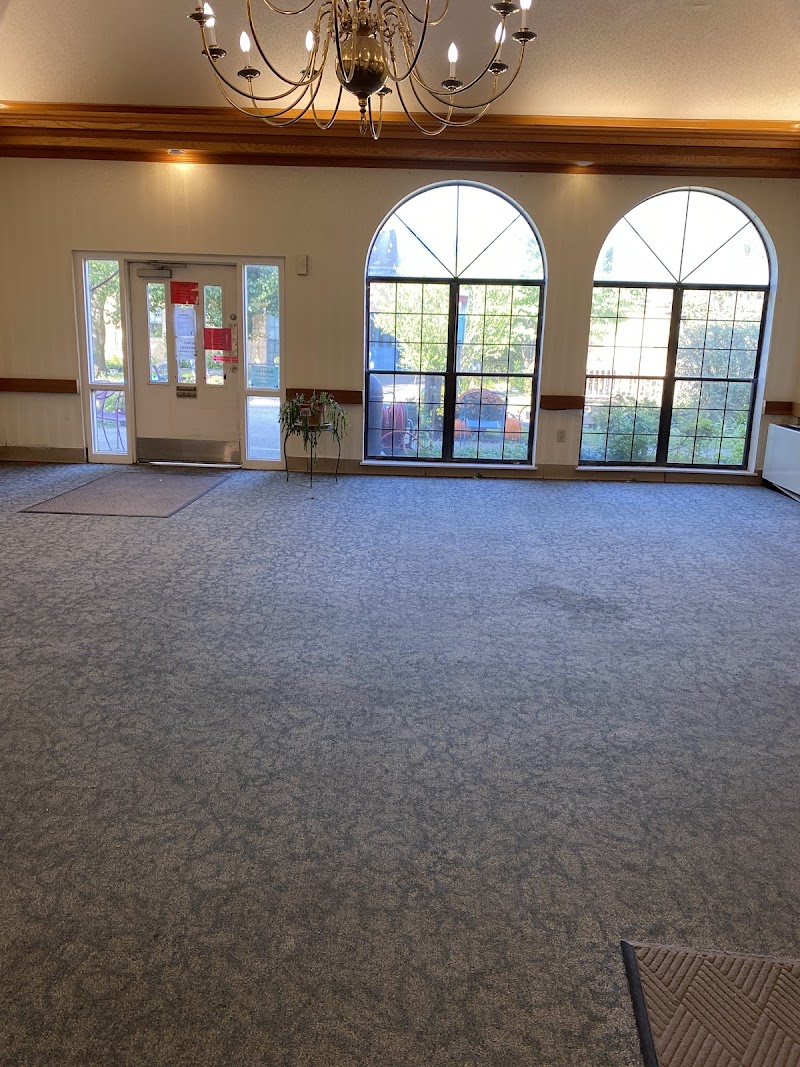
How is New Mark Rehab And Healthcare Center Staffed?

CMS rates NEW MARK REHAB AND HEALTHCARE CENTER's staffing level at 1 out of 5 stars, which is much below average compared to other nursing homes. Staff turnover is 66%, which is 20 percentage points above the Missouri average of 46%. High turnover can affect care consistency as new staff learn residents' individual needs. RN turnover specifically is 65%, which is notably high. RNs provide skilled clinical oversight, so turnover in this role can affect medical care quality.

What Have Inspectors Found at New Mark Rehab And Healthcare Center?

State health inspectors documented 42 deficiencies at NEW MARK REHAB AND HEALTHCARE CENTER during 2019 to 2025. These included: 4 that caused actual resident harm and 38 with potential for harm. Deficiencies causing actual harm indicate documented cases where residents experienced negative health consequences.

Who Owns and Operates New Mark Rehab And Healthcare Center?

NEW MARK REHAB AND HEALTHCARE CENTER is owned by a for-profit company. For-profit facilities operate as businesses with obligations to shareholders or private owners. The facility is operated by AMA HOLDINGS, a chain that manages multiple nursing homes. With 199 certified beds and approximately 158 residents (about 79% occupancy), it is a mid-sized facility located in KANSAS CITY, Missouri.
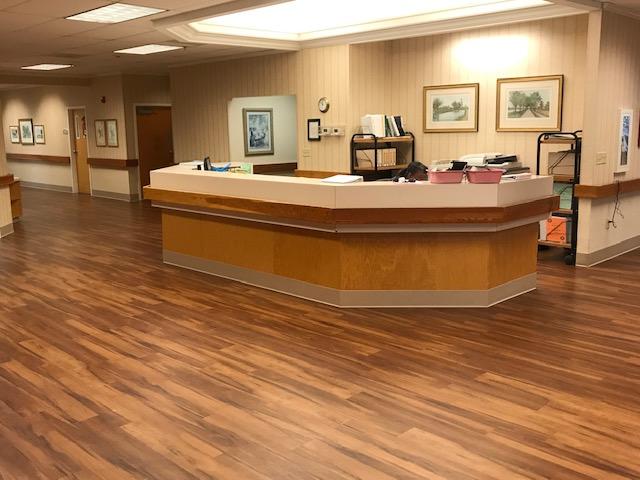
How Does New Mark Rehab And Healthcare Center Compare to Other Missouri Nursing Homes?

Compared to the 100 nursing homes in Missouri, NEW MARK REHAB AND HEALTHCARE CENTER's overall rating (1 stars) is below the state average of 2.5, staff turnover (66%) is significantly higher than the state average of 46%, and health inspection rating (2 stars) is below the national benchmark.

What Should Families Ask When Visiting New Mark Rehab And Healthcare Center?

Based on this facility's data, families visiting should ask: "What safeguards and monitoring systems are in place to protect residents from abuse or neglect?" "How do you ensure continuity of care given staff turnover, and what is your staff retention strategy?" "Can you walk me through typical staffing levels on day, evening, and night shifts?" "Can I visit during a mealtime to observe dining assistance and food quality?" These questions are particularly relevant given the substantiated abuse finding on record, the facility's high staff turnover rate, and the below-average staffing rating.

Is New Mark Rehab And Healthcare Center Safe?

Based on CMS inspection data, NEW MARK REHAB AND HEALTHCARE CENTER has documented safety concerns. The facility has 1 substantiated abuse finding (meaning confirmed case of resident harm by staff or other residents). The facility has a 1-star overall rating and ranks #100 of 100 nursing homes in Missouri. Families considering this facility should ask detailed questions about what corrective actions have been taken since these incidents.

Do Nurses at New Mark Rehab And Healthcare Center Stick Around?

Staff turnover at NEW MARK REHAB AND HEALTHCARE CENTER is high. At 66%, the facility is 20 percentage points above the Missouri average of 46%. Registered Nurse turnover is particularly concerning at 65%. RNs handle complex medical decisions and coordinate care — frequent RN changes can directly impact care quality. High turnover means new staff may not know residents' individual needs, medications, or preferences. It can also be disorienting for residents, especially those with dementia who rely on familiar faces. Families should ask: What is causing the turnover? What retention programs are in place? How do you ensure care continuity during staff transitions?

Was New Mark Rehab And Healthcare Center Ever Fined?

NEW MARK REHAB AND HEALTHCARE CENTER has been fined $8,018 across 1 penalty action. This is below the Missouri average of $33,159. While any fine indicates a compliance issue, fines under $50,000 are relatively common and typically reflect isolated problems that were subsequently corrected. Families should ask what specific issues led to these fines and confirm they've been resolved.

Is New Mark Rehab And Healthcare Center on Any Federal Watch List?

NEW MARK REHAB AND HEALTHCARE CENTER is not on any federal watch list. The most significant is the Special Focus Facility (SFF) program, which identifies the bottom 1% of nursing homes nationally based on persistent, serious quality problems. Not being on this list means the facility has avoided the pattern of deficiencies that triggers enhanced federal oversight. This is a positive indicator, though families should still review the facility's inspection history directly.