HERITAGE NURSING CENTER - SKILLED NURSING BY AMERI
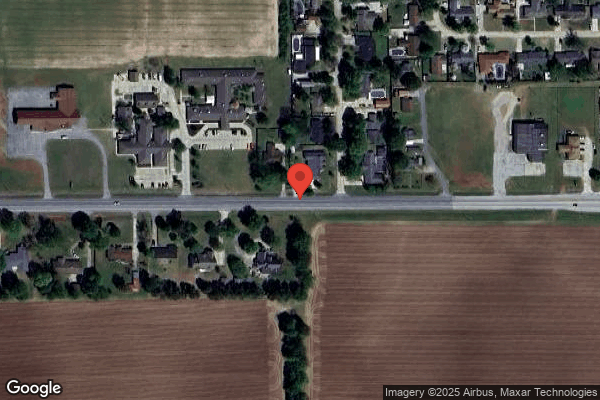

1802 ST FRANCIS, KENNETT, MO 63857 (573) 888-1044
For profit - Corporation 72 Beds AMERICARE SENIOR LIVING Data: November 2025
Trust Grade
80/100
#85 of 479 in MO
Last Inspection: November 2024

Within standard 12-15 month inspection cycle. Federal law requires annual inspections.

Overview

Heritage Nursing Center in Kennett, Missouri, has a Trust Grade of B+, indicating it is above average and recommended for families considering this facility. It ranks #85 out of 479 nursing homes in the state, placing it in the top half of Missouri facilities, and #3 out of 4 in Dunklin County, meaning there is only one local option that is better. Unfortunately, the facility is experiencing a worsening trend, with the number of reported issues increasing from 1 in 2023 to 4 in 2024. Staffing is a positive aspect, with a 4 out of 5 rating and a turnover rate of 35%, significantly lower than the state average of 57%, suggesting staff retention is good and residents receive consistent care. On the downside, there have been concerns about food safety and maintaining a clean environment, as well as failing to complete required assessments for a resident in hospice care, which could impact the overall quality of care.

Trust Score
B+
80/100
In Missouri
#85/479
Top 17%
Safety Record
Low Risk
No red flags
Inspections
Getting Worse
1 → 4 violations
Staff Stability
○ Average
35% turnover. Near Missouri's 48% average. Typical for the industry.
Penalties
✓ Good
No fines on record. Clean compliance history, better than most Missouri facilities.
Skilled Nurses
○ Average
Each resident gets 35 minutes of Registered Nurse (RN) attention daily — about average for Missouri. RNs are the most trained staff who monitor for health changes.
Violations
○ Average
10 deficiencies on record. Average for a facility this size. Mostly minor or procedural issues.
★★★★☆
4.0
Overall Rating
★★★★☆
4.0
Staff Levels
★☆☆☆☆
1.0
Care Quality
★★★★★
5.0
Inspection Score
Stable
2023: 1 issues
2024: 4 issues

The Good

  • 4-Star Staffing Rating · Above-average nurse staffing levels
  • Full Sprinkler Coverage · Fire safety systems throughout facility
  • No fines on record
  • Staff turnover below average (35%)

    13 points below Missouri average of 48%

Facility shows strength in staffing levels, fire safety.

The Bad

Staff Turnover: 35%

11pts below Missouri avg (46%)

Typical for the industry

Chain: AMERICARE SENIOR LIVING

Part of a multi-facility chain

Ask about local staffing decisions and management

The Ugly 10 deficiencies on record

Nov 2024 4 deficiencies
CONCERN (D)

Potential for Harm - no one hurt, but risky conditions existed

Safe Environment (Tag F0584)

Could have caused harm · This affected 1 resident

**NOTE- TERMS IN BRACKETS HAVE BEEN EDITED TO PROTECT CONFIDENTIALITY** Based on observation, interview, and record review, the facility failed to maintain a safe, clean, comfortable and homelike envi...

Read full inspector narrative →
**NOTE- TERMS IN BRACKETS HAVE BEEN EDITED TO PROTECT CONFIDENTIALITY** Based on observation, interview, and record review, the facility failed to maintain a safe, clean, comfortable and homelike environment. This deficient practice had the potential to affect all residents at the facility. The facility census was 48. Review of the facility's policy titled, Safe and Homelike Environment, revised August 2024, showed: - In accordance with residents' rights, the facility will provide a safe, clean comfortable and homelike environment, allowing the resident to use his or her personal belongings to the extent possible. This includes ensuring that the resident can receive care and services and that the physical layout of the facility maximizes resident independence and does not pose a safety risk; - Environment refers to any environment in the facility that is frequented by residents, including (but not limited to) the residents' rooms, bathrooms, hallways, dining areas, lobby, outdoor patios, therapy areas and activity areas; - Orderly is defined as an uncluttered physical environment that is neat and well-kept. 1. Observations on 11/18/24 at 9:06 A.M., 11/19/24 at 10:05 A.M., 11/20/24 at 11:01 A.M., and 11/21/24 at 8:01 A.M., of the facility's outside front entrance showed: - A buildup of spider webs and dirt on the vinyl ceiling and sides located under the awning; - A buildup of dirt and debris inside nine light covers on the vinyl ceiling located under the awning. 2. Observations on 11/18/24 at 9:17 A.M., 11/19/24 at 10:15 A.M., 11/20/24 at 11:11 A.M., and 11/21/24 at 8:11 A.M., of the outside exit door near the therapy room showed: - A buildup of spider webs and dirt located on the outside vinyl ceiling and sides; - A buildup of spider webs and dirt on two sprinkler heads located on the vinyl ceiling. 3. Observations on 11/18/24 at 9:44 A.M., 11/19/24 at 10:24 A.M., 11/20/24 at 11:35 A.M., and 11/21/24 at 8:23 A.M., of the outside exit door near the laundry room showed: - A buildup of spider webs and dirt located on the vinyl ceiling and sides; - A buildup of spider webs and dirt on a sprinkler head located on the vinyl ceiling. 4. Observations on 11/18/24 at 9:59 A.M., 11/19/24 at 10:34 A.M., 11/20/24 at 11:51 A.M., and 11/21/24 at 8:47 A.M., showed a buildup of spider webs and dirt located on the outside vinyl ceiling of the exit door located near room [ROOM NUMBER] and room [ROOM NUMBER]. 5. Observations on 11/18/24 at 10:06 A.M., 11/19/24 at 2:15 P.M., and 11/20/24 01:08 P.M., of the North (N) Hall showed several areas of deep-scraped exposed sheetrock and peeled paint on the bottom part of the right-side wall near the window in Room N3. 6. Observations on 11/20/24 at 8:05 A.M., showed: - Several areas of exposed wood and black marks on the baseboards located at the front main entrance; - Several straight-lined dark scrapes by the restroom doors located near the front entrance; - Several dark scuff marks, scratches, and deep scrapes on two large decorative columns located between the main commons area and the TV sitting area at the front entrance; - A large piece of loosened wallpaper above the bird aviary (cage) located in the TV sitting area. 7. Observation on 11/20/24 at 8:10 A.M., of the South (S) Hall showed several areas of exposed sheetrock near the door in Room S4. 8. Observation on 11/20/24 at 8:15 A.M., of the Northwest (NW) Hall showed: - Several deep straight-lined scrapes on the entrance door located in Room NW2; - A large water stain on the ceiling located between Room NW1 and Room NW3. 9. Observation on 11/20/24 at 12:45 P.M., of the assisted bathing room near Suite 114 showed: - A broken/chipped ceramic tile located on the bottom of a divider wall between the toilet area and the handwashing sink; - Several loose, broken/chipped ceramic tiles located on the bottom left-side area of the shower stall; - A buildup of dirt and debris inside four light fixture covers located on the ceiling; - A light fixture with no illumination (lighting) located on the ceiling near a wall cabinet on the left-side. 10. Observation on 11/20/24 at 12:52 P.M., of the assisted bathing room near Suite 113 showed: - A buildup of hair and debris on a floor drain located in the shower stall; - A broken/chipped ceramic tile located on the bottom of a divider wall between the toilet area and handwashing sink; - A buildup of dirt and debris inside four light fixture covers located on the ceiling; - A light fixture with no illumination located on the ceiling between the divider curtains upon entrance. Review of the maintenance request forms, dated September 2024 through November 2024, showed no documentation of areas of concerns addressed. During an interview on 11/20/24 at 10:20 A.M., Housekeeper A said he/she did not clean the sprinkler heads or the outside of the exit doors. Maintenance was responsible for the sprinkler heads and outside work. If there were any environmental issues, he/she verbally told the Maintenance Supervisor (MS). During an interview on 11/20/24 at 10:24 A.M., Housekeeper B said he/she was still new to the job in housekeeping and did not know who cleaned the sprinkler heads inside the building or the outside areas. It probably would be more of a maintenance department responsibility. If there was a repair needed, he/she verbally told the housekeeping supervisor and was not aware of a maintenance request form to be filled out. During an interview on 11/21/24 at 10:01 A.M., the MS said staff usually told him/her when something needed to be addressed. It would be more effective if staff would write down environmental concerns on a maintenance request form. The sprinkler heads and outside areas of the facility was the maintenance department's responsibility. During an interview on 11/21/24 at 11:02 A.M., the Administrator said she would expect staff to write down any environmental concerns so they could be addressed in a timely manner on a maintenance request form instead of verbally telling the MS. The sprinkler heads and outside areas of the facility was the responsibility of the maintenance department.
CONCERN (D)

Potential for Harm - no one hurt, but risky conditions existed

Deficiency F0637 (Tag F0637)

Could have caused harm · This affected 1 resident

Based on interview and record review, the facility failed to complete a significant change Minimum Data Set (MDS - a federal mandated assessment to be filled out by the facility staff) on or within 14...

Read full inspector narrative →
Based on interview and record review, the facility failed to complete a significant change Minimum Data Set (MDS - a federal mandated assessment to be filled out by the facility staff) on or within 14 days of a resident's admission to hospice (healthcare focused on the quality of life of a terminally ill person) for one resident (Resident #4) out of three sampled residents. The facility census was 48. Review of the facility's policy titled, Care Plan Policy, revised May 2024, showed: - The purpose of the policy is to set out the values and framework within which the individuals care is completed and updated; - Care planning is critical to the quality of service in any care home; - Care plans will be updated with quarterly, annual and significant change MDS's according to the the resident assessment instrument (RAI - an assessment tool used to gather important care area information on a resident's strengths and weaknesses) manual. Care plans will also be updated with any changes in direct care of the individual and reviewed upon any readmission into the facility by the interdisciplinary team (IDT - a group of healthcare professionals from diverse fields who work in a coordinated effort toward a common goal for a resident); - The policy did not address completing a significant change MDS on or within 14 days of a resident's change in a health condition. 1. Review of Resident #4's medical record showed: - admitted to facility on 06/06/24; - admitted to hospice on 10/11/24. Review of the resident's MDS assessments showed: - No significant change on or after of the resident's admission to hospice on 10/11/24; - The facility failed to submit a significant change MDS assessment on or within 14 days after the resident admitted to hospice. During an interview on 11/20/24 at 3:35 P.M., the offsite MDS Coordinator said he/she would expect a significant change MDS to be completed on or within 14 days after a resident had been admitted to hospice services. During an interview on 11/20/24 at 4:48 P.M., the Director of Nursing (DON) said she would expect a significant change MDS to be completed within 14 days after a resident had been admitted to hospice. During an interview on 11/20/24 at 4:52 P.M., the Administrator said she would would expect a significant change MDS to be completed on or within 14 days after a resident had been admitted to hospice.
CONCERN (D)

Potential for Harm - no one hurt, but risky conditions existed

Unnecessary Medications (Tag F0759)

Could have caused harm · This affected 1 resident

**NOTE- TERMS IN BRACKETS HAVE BEEN EDITED TO PROTECT CONFIDENTIALITY** Based on observation, interview, and record review, the facility failed to maintain a medication error rate of less than five pe...

Read full inspector narrative →
**NOTE- TERMS IN BRACKETS HAVE BEEN EDITED TO PROTECT CONFIDENTIALITY** Based on observation, interview, and record review, the facility failed to maintain a medication error rate of less than five percent (%). There were 28 opportunities with five errors made, resulting in an error rate of 17.86% for five residents (Residents #7, #8, #19, #22 and #28) out of eleven sampled residents. The facility's census was 48. Review of the facility's policy titled, Insulin Pen, dated 2024, showed: - Insulin pens will be primed prior to each use to avoid collection of air in the insulin reservoir; - Procedure to prime the insulin pen: dial two units by turning the dose selector clockwise; with the needle pointing up, push the plunger, and watch to see that at least one drop of insulin appears on the tip of the needle. If not, repeat until at least one drop appears. Review of the Humalog/lispro (a rapid insulin injected just below the skin that helps lower mealtime blood sugar spikes) Kwik Pen (insulin in a pen-type device) instructions, revised July 2023, showed: - Prime the pen by turning the dose knob to two units; - Hold the pen with the needle pointing up; - Tap the cartridge holder gently to collect air bubbles at the top; - Push the dose knob in until it stops, and zero is seen in the dose window, count to five slowly, insulin will be visible at the tip of the needle. Review of the Novolog/Fiasp/aspart (fast-acting insulin injected just below the skin that helps lower mealtime blood sugar spikes) Flex Pen administration instructions, dated September 2021, showed: - Prime the pen by turning the dose selector to two units; - Keep the needle upwards and press the push-button until the dose selector reads zero. 1. Review of Resident #7's Physician Order Sheet (POS), dated November 2024, showed an order for Novolog insulin pen 100 units per milliliter (ml) subcutaneous (an injection under the skin) with meals per a sliding scale of blood sugar of 81-150=0 units, 151-250=3 units, 251-350=6 units, 351-400=9 units, dated 06/26/24. Observation of Resident #7's medication administration on 11/20/24 at 11:33 A.M., showed: - Licensed Practical Nurse (LPN) C administered the Novolog insulin as ordered; - LPN C failed to prime the Novolog Kwik Pen per the manufacturer's instructions prior to the administration of the insulin 2. Review of Resident #8's POS, dated November 2024, showed an order for Humalog insulin pen 100 units per ml subcutaneous with meals per a sliding scale of blood sugar of of 0-149=0 units, 150-200=2 units, 201-250=6 units, 251-300=8 units, 301-350=10 units, 351-400=12 units, 12 units greater than 400 call MD, dated 11/07/24. Observation of Resident #8's medication administration on 11/20/24 at 11:55 A.M., showed: - LPN D administered the Humalog insulin as ordered; - LPN D failed to prime the Humalog Flex Pen per the manufacturer's instructions prior to the administration of the insulin. 3. Review of Resident #19's POS, dated November 2024, showed an order for Fiasp insulin pen 100 units per ml subcutaneous with meals per a sliding scale of blood sugar of 0-100=0 units, 101-200=4 units, 201-300=6 units, 301-400=8 units, dated 07/12/24. Observation of Resident #19's medication administration on 11/20/24 at 10:46 A.M., showed: - LPN C administered the Fiasp insulin as ordered; - LPN C failed to prime the Fiasp Flex Pen per the manufacturer's instructions prior to the administration of the insulin. 4. Review of Resident #22's POS, dated November 2024, showed an order for lispro insulin pen 100 units per ml subcutaneous with meals per a sliding scale of blood sugar of 81-150=0 units, 151-250=3 units, 251-350=6 units, 351-400= 9 units, over 401 call MD, dated 08/21/24. Observation of Resident #22 medication administration on 11/20/24 at 11:45 A.M., showed: - LPN C administered the lispro insulin as ordered; - LPN C failed to prime the lispro Kwik Pen per the manufacturer's instructions prior to the administration of the insulin. 5. Review of Resident #28's POS, dated November 2024, showed an order for Novolog insulin pen 100 units per ml subcutaneous with meals per sliding scale of blood sugar of 0-80=0 units, 0 units-juice; 81-150=0 units, 151-250=3 units, 251-350= 6 units, [PHONE NUMBER]=9 units, call MD, dated 08/21/24. Observation of Resident #28 medication administration on 11/20/24 at 11:16 A.M., showed: - LPN C administered the Novolog insulin as ordered; - LPN C failed to prime the Novolog Kwik Pen per the manufacturer's instructions prior to the administration of the insulin. During an interview on 11/20/24 at 11:50 A.M., LPN C said he/she heard that once an insulin pen was primed with the first use, it was not necessary to prime the insulin pen with each use. During an interview on 11/21/24 at 12:10 P.M., Registered Nurse (RN) E said that before administering insulin, the insulin pen must be primed with two units of insulin before administering the insulin to the resident. During an interview on 11/21/24 at 12:10 P.M., the Director of Nursing (DON) said staff should prime insulin pens with two units with every insulin administration.
CONCERN (D)

Potential for Harm - no one hurt, but risky conditions existed

Infection Control (Tag F0880)

Could have caused harm · This affected 1 resident

Based on observation, interview, and record review, the facility failed to implement Enhanced Barrier Precautions (EBP) and proper infection control practices during wound care and when staff were acc...

Read full inspector narrative →
Based on observation, interview, and record review, the facility failed to implement Enhanced Barrier Precautions (EBP) and proper infection control practices during wound care and when staff were accessing and administering medications through a central venous access device (CVAD - a thin, soft, flexible tube that is placed in a vein that leads to the heart) for one resident (Resident #1) out of one sampled resident. The facility also failed to use proper hand hygiene during wound care for one resident (Resident #1) out of four sampled residents. This deficient practice had the potential to affect all residents in the facility. The facility census was 48. Review of the facility's policy, titled, Clean Dressing Change, dated 2023, showed: - Loosen the tape and remove the existing dressing. If needed to minimize skin stripping or pain, moisten with prescribed cleansing solution or use adhesive remover to remove tape; - Remove gloves, pulling inside out over the dressing. Discard into appropriate receptacle; - Wash hands and put on clean gloves; - Cleanse wound as ordered, pat dry with gauze; - Wash hands and put on clean gloves; - Apply topical ointments or creams and dress the wound as ordered. Protect the surrounding skin as indicated with skin protectant; - Secure dressing. [NAME] with initials and date; - Discard disposable items and gloves into appropriate trash receptacle and wash hands. Review of the facility's policy, titled, Enhanced Barrier Precautions, dated 2024, showed: - An order for EBP will be obtained for residents with any of the following: wounds (e.g. chronic wounds such as pressure ulcers, diabetic foot ulcers, unhealed surgical wounds, and chronic venous stasis ulcers) and/or indwelling medical devices (e.g. central lines, urinary catheters, feeding tubes, tracheostomy/ventilator tubes, hemodialysis catheters, peripherally inserted central catheter (PICC) lines, midline catheters) even if the resident is not known to be infected or colonized with multi-drug resistant organism (MDRO); - Make gowns and gloves available immediately near or outside of the resident's room; - Personal protective equipment (PPE) for enhanced barrier precautions is only necessary when performing high-contact care activities and may not need to be donned prior to entering the resident's room; - High-contact resident care activities include: dressing, bathing, transferring, providing hygiene, changing linens, changing brief or assisting with toileting, device care or use: central lines, urinary catheters, feeding tubes, tracheostomy/ventilator tubes, hemodialysis catheters, PICC lines, midline catheters, wound care: any skin opening requiring a dressing. Review of the facility's policy, titled, Intravenous Therapy, dated 2024, showed: - Procedure for Intermittent Medication Infusion: disinfect needleless connector with appropriate antiseptic agent as per facility protocol; attach a 10 milliliter (ml) syringe, normal saline, and confirm patency of the vascular access device; disinfect the needless connector again with an appropriate antiseptic agent; if medication is set to the primary tubing, disconnect, disinfect the needless connector with an appropriate antiseptic solution and flush and/or lock with normal saline/locking solution as per protocol for a vascular device. Observation on 11/20/24 at 1:03 P.M., of Resident #1's medication administration showed: - Signage posted outside of the resident's room that instructed staff to wear gown and gloves for resident care; - Licensed Practical Nurse (LPN) C entered the resident's room to administer a medication; - Resident #1 had a CVAD; - LPN C performed hand hygiene and applied clean gloves; - LPN C failed to put on a gown prior to accessing the CVAD line. Observation on 11/20/24 at 1:45 P.M., Resident #1's CVAD access care showed: - LPN C did not put on a gown; - LPN C disconnected the tubing from the CVAD access; - The male end of the PICC line hub rested on the resident's arm; - LPN C reached for the normal saline syringe and attached the syringe to the hub without using an antiseptic agent before placing the lock cap. Observation on 11/20/24 2:03 P.M., of Resident #1's wound care showed: - LPN C prepared the wound dressings without gloves and without having performed hand hygiene; - LPN C performed wound care without a gown; - LPN C removed the saturated dressing from the right lower extremity; - LPN C changed gloves and did not perform hand hygiene; - LPN C used wound cleanser and gauze to clean the wound and patted dry with clean gauze; - LPN C applied collagen (a wound dressing that stimulates new tissue growth), calcium alginate with silver (a wound dressing that help to prevent infection and promote healing), absorbent pad, border dressing, and a compression sock to the right lower extremity; - LPN C performed hand hygiene and applied clean gloves; - LPN C removed the compression sock and the soiled dressing from the left lower extremity; - LPN C changed gloves and did not perform hand hygiene; - LPN C used wound cleanser to loosen the soiled dressing from the wound; - LPN C changed gloves and did not perform hand hygiene; - LPN C applied collagen, calcium alginate, absorbent pad, border dressing and a compression sock to the left lower extremity; - LPN C removed the gloves and performed hand hygiene. During an interview on 11/21/24 at 12:10 P.M., the Director of Nursing (DON) said gown and gloves should always be put on before providing care to a resident with EBP in place. When a PICC line was accessed, staff should the scrub the hub of the PICC line every time. During an interview on 11/21/24 at 12:20 P.M., Registered Nurse (RN) E said when doing wound care, he/she would change gloves and do hand hygiene after removing the soiled dressing. If a resident was on EBP, he/she would put on PPE of at least a gown and gloves. When accessing a PICC line, he/she would remove the green cap and scrub the hub before connecting anything to the PICC line. When disconnecting the tubing from the PICC line, he/she would scrub the hub for 2 two minutes and place an alcohol cap onto the PICC line.
Sept 2023 1 deficiency
CONCERN (F)

Potential for Harm - no one hurt, but risky conditions existed

Food Safety (Tag F0812)

Could have caused harm · This affected most or all residents

Based on observation, interview, and record review, the facility failed to store and distribute food under sanitary conditions, increasing the risk of cross-contamination and food-borne illness. This ...

Read full inspector narrative →
Based on observation, interview, and record review, the facility failed to store and distribute food under sanitary conditions, increasing the risk of cross-contamination and food-borne illness. This has the potential to affect all residents. The facility census was 42. Review of the facility's policy titled, Food Safety Requirements, revised February 2023, showed: - It is the policy of the facility to procure food from sources approved or considered satisfactory by federal, state and local authorities; - Food will also be stored, prepared, distributed and served in accordance with professional standards for food service safety; - Food safety practices shall be followed throughout the facility's entire food handling process; - This process begins when food is received from the vendor and ends with delivery of the food to the resident; - Elements of the process include the following; storage of food in a manner that helps prevent deterioration or contamination of the food, including from growth of microorganisms, (a microscopic organism, especially a bacterium, virus, or fungus); preparation of food, including thawing, cooking, cooling, holding, and reheating; distribution and service of food to the resident, including transportation, set up, and assistance; - Equipment used in the handling of food, including dishes, utensils, mixers, grinders, and other equipment that comes in contact with food; employee hygienic practices; dry food storage, keep foods/beverages in a clean, dry area off the floor and clear of ceiling sprinklers, sewer/waste disposal pipes, and vents; refrigerated storage, foods that require refrigeration shall be refrigerated immediately upon receipt or placed in freezer, whichever is applicable; practices to maintain safe refrigerated storage include monitoring food temperatures and functioning of the refrigeration equipment daily and at routine intervals during all hours of operation; labeling, dating, and monitoring refrigerated food, including, but not limited to leftovers, so it is used by its use-by date, or frozen (where applicable)/discarded; keeping foods covered or in tight containers; when preparing food, staff shall take precautions in critical control points in the food preparation process to prevent, reduce, or eliminate potential hazards; thawing, approved methods for thawing frozen foods include thawing in the refrigerator, submerging under cold water, thawing in a microwave oven, or as part of a continuous cooking process; and thawing at room temperature is not acceptable. 1. Observation on 09/12/23 at 9:24 A.M., of the dry food storage room showed: - One 35 pound (lb.) cooking oil container sat on the floor; - Scattered debris below the food storage shelves; - One unsealed, undated 29 lb. cardboard container with biscuit dough inside the reach-in freezer unit. 2. Observation on 09/12/23 at 9:35 A.M., of the kitchen showed: - One uncovered container with hash brown potatoes thawed on a food cart; - Food debris and oily film build-up on the floor beneath the range; - The commercial dishwasher with white grime build up on the exterior surfaces. 3. Observation on 09/13/23 at 11:15 A.M., of the kitchen showed: - Four 16 inch (in.) x 24 in. x 1 in. deep baking pans with a sticky film, black grime build-up in the inside corners, on the cooking surface and outer surfaces; - The commercial dishwasher with white grime build up on the exterior and interior surfaces; - Eleven ceiling diffusers (one of the few visible parts of an air conditioning system) with a brown substance on the front exterior surfaces and between the ventilation louvers; - One 48 in. x 16 in. plastic ceiling diffuser with dust build up ventilation louvers; - Scattered debris below the commercial range, refrigeration equipment and food preparation counter. 4. Observation on 09/15/23 at 8:49 A.M., of the dry food storage room showed: - One 35 lb. cooking oil container sat on the floor; - Scattered debris below the food storage shelves; - One unsealed, undated 29 lb. cardboard container with biscuit dough inside the reach-in freezer unit; - Scattered debris and six 1 in. ice formations inside the reach-in freezer unit; - Two large undated clear plastic bins with dry white beans and rice without a label; - One large uncovered, undated clear bin partially filled with raw onions without a label; - One large uncovered, undated bin filled with raw sweet potatoes without a label; - Two unsealed, undated bags partially filled with corn chips sat on the food shelf near the reach-in freezer unit; - One unsealed, undated bag partially filled with potato chips sat on the food shelf near the reach-in freezer unit; - One unsealed, undated bag partially filled with tortilla chips sat on the food shelf near the doorway. 5. Observation on 09/15/23 at 9:00 A.M., of the kitchen showed: - Scattered debris below the commercial range, refrigeration equipment and food preparation counter; - One partially filled plastic dispenser with alcohol based hand sanitizer, wall mounted on the right side of the handwashing sink; - No trash can beside the handwashing sink. During an interview on 09/15/23 at 8:50 A.M., the Dietary Aide A said usually the hand sanitizer near the handwashing sink in the kitchen was used at least twice daily. The floors should be cleaned daily in the kitchen. Dietary workers were expected to clean routinely in the kitchen. During an interview on 09/15/23 at 9:20 A.M., the Dietary Manager said the Maintenance Director takes care of the vents in the ceiling. Kitchen deep cleaning was done over the weekend and staff should be sweeping under the appliances, shelves and cleaning the refrigerators. The cleaning logs should be signed but were not updated. It was more of a list than a log. The dishwasher was serviced by an outside company, the ceiling vents should not have had a brown substance on them and were normally cleaned and repainted annually by the maintenance department. The food boxes in the freezer should be closed and dated before they were returned to the freezer. There should not be ice formations or debris in the freezer. The facility did not have a water softener so lime scale build-up was an issue with the dishwasher. The chips should not be left open on the shelves in the dry storage and should have been dated when they were opened. Bins with vegetables should be dated and covered in the dry food storage but were not. The freezers should defrost automatically and should not have had frost build up. Sanitizing hand gel was carried and used daily. It was available in a dispenser by the handwashing sink. During an interview on 09/15/23 at 9:30 A.M., the Administrator said that the ceiling vents should not have had a brown substance on them or dust build up and were normally cleaned and repainted annually by the Maintenance Director. The food boxes in the freezer should be closed and dated. There should not be ice formation or debris in the freezer. The floors and walls below the food shelves and refrigeration equipment should be clean. The deep cleaning should be done on the weekends and cleaning logs should be signed. The facility did not have a water softener so lime scale was an issue in the dishwasher. Potato and corn chip bags should not be left open on the shelves in the dry storage and should be dated. Bins with vegetables should be dated and covered in the dry food storage. The hand sanitizer dispenser should be removed from the handwashing sink area and a trash can should be available near the sink. The freezers should not have had an ice build-up and should be defrosted. Left over items in the freezer should be dated and containers should be closed. Frozen foods should be thawed safely and not at room temperature. The kitchen policy should be followed. During an interview on 09/15/23 at 11:37 A.M., the Maintenance Director said the air conditioning covers in the kitchen should have been cleaned already. They had to be taken to the car wash normally and sprayed clean. They were repainted after they had been cleaned. The large air return grill should not be covered in dust but it should have been cleaned a couple weeks ago.
Nov 2021 5 deficiencies
CONCERN (D)

Potential for Harm - no one hurt, but risky conditions existed

Deficiency F0582 (Tag F0582)

Could have caused harm · This affected 1 resident

Based on interview and record review, the facility failed to issue a Centers for Medicare and Medicaid Services (CMS) Skilled Nursing Facility Advance Beneficiary Notice (SNFABN: Medicare requires SNF...

Read full inspector narrative →
Based on interview and record review, the facility failed to issue a Centers for Medicare and Medicaid Services (CMS) Skilled Nursing Facility Advance Beneficiary Notice (SNFABN: Medicare requires SNFs to issue the SNFABN to beneficiaries prior to providing care that Medicare usually covers, but may not pay for because the care is not medically reasonable and necessary or considered custodial) Form 10055 for two residents (Resident #2 and #36) who remained in the facility when benefits were not exhausted out of three sampled residents. The facility's census was 34. 1. Record review of the facility's undated policy titled, Medicare Discharge Policy Forms 10123, 10124, 10055, R-131 and 20014 showed when a resident is discharged from Medicare Part A services that the CMS guidelines and instructions will be followed. Record review of the facility's policy titled, Beneficiary Liability Protection Notice Scenarios for Surveyors, dated February 2017, showed a denial letter or ABN to be provided when a resident has skilled benefit days remaining and is being discharged from Part A services and will continue living in the facility. 2. Record review of Resident #2's medical record showed Medicare Part A Services began on 6/1/21, ended on 6/30/21 and the resident remained in the facility. The facility did not issue a CMS SNF ABN Form 10055. 3. Record review of Resident #36's medical record showed Medicare Part A services began on 8/23/21, ended on 10/19/21, and the resident remained in the facility. The facility did not issue a CMS SNF ABN Form 10055. 4. During an interview on 11/17/21 at 3:47 P.M., the Social Services Director and Administrator said they missed these forms and they should have been completed.
CONCERN (D)

Potential for Harm - no one hurt, but risky conditions existed

Transfer Notice (Tag F0623)

Could have caused harm · This affected 1 resident

**NOTE- TERMS IN BRACKETS HAVE BEEN EDITED TO PROTECT CONFIDENTIALITY** Based on interview and record review, the facility failed to send a copy of the notice of transfer or discharge to the represent...

Read full inspector narrative →
**NOTE- TERMS IN BRACKETS HAVE BEEN EDITED TO PROTECT CONFIDENTIALITY** Based on interview and record review, the facility failed to send a copy of the notice of transfer or discharge to the representative of the Office of the State Long-Term Care (LTC) Ombudsman for three residents (Resident #13, #20, and #24) out of 12 sampled residents. The facility's census was 34. 1. Record review of the facility's policy titled, Notice Requirements Before Transfer/Discharge Policy, dated December 2018, showed before the facility transfers or discharges a resident, the facility will send a copy of the notice to a representative of the Office of the State Long-Term Care Ombudsman. 2. Record review of Resident #13's nurse's notes showed the resident transferred to the hospital on [DATE] and readmitted to the facility on [DATE]. Record review of the resident's medical record showed no documentation of notification of the Office of the State Long-Term Care (LTC) Ombudsman. 3. Record review of Resident #20's nurse's notes showed the resident transferred to the hospital on 8/11/21 and readmitted to the facility on [DATE]. Record review of the resident's medical record showed no documentation of notification of the Office of the State Long-Term Care (LTC) Ombudsman. 4. Record review of Resident #24's nurse's notes showed the resident transferred to the hospital on [DATE] and readmitted to the facility on [DATE]. Record review of the resident's medical record showed no documentation of notification of the Office of the State Long-Term Care (LTC) Ombudsman. 5. During an interview on 11/17/21 at 3:47 P.M., the Social Services Director (SSD), Director of Nursing (DON), and Administrator said they would expect the Office of the State Long-Term Care (LTC) Ombudsman to be provided a list of hospitalizations monthly. The SSD said he/she failed to send them after July 2021. During an interview via email on 11/15/21 at 7:34 A.M., the Office of the State Long-Term Care Ombudsman Director said she had been receiving the facility's transfer notices up until July 2021, but hasn't received any since that time.
CONCERN (D)

Potential for Harm - no one hurt, but risky conditions existed

Assessment Accuracy (Tag F0641)

Could have caused harm · This affected 1 resident

**NOTE- TERMS IN BRACKETS HAVE BEEN EDITED TO PROTECT CONFIDENTIALITY** Based on interview and record review, the facility failed to document a complete and accurate Minimum Data Set (MDS: a federally...

Read full inspector narrative →
**NOTE- TERMS IN BRACKETS HAVE BEEN EDITED TO PROTECT CONFIDENTIALITY** Based on interview and record review, the facility failed to document a complete and accurate Minimum Data Set (MDS: a federally mandated assessment to be completed by the facility) for three residents (Residents #13, #26, and #86) out of 12 sampled residents. The facility's census was 34. 1. Record review of the facility's policy titled, Resident Assessment Instrument (RAI) Minimum Data Set (MDS) Policy, dated January 2019, showed: - The RAI assists skilled nursing facility staff to consistently and accurately gather information regarding resident needs and strengths, which provides the foundation for an individualized interdisciplinary plan of care; - The RAI process is coordinated by an RN and includes an Interdisciplinary Team (IDT) of nursing, social services, dietary, rehab/restorative, activities, pharmacy and medical staff; - The resident and family/legal guardian are included as integral members of the team and shall be included in the assessment and care planning process; - The RAI process includes accurate and timely completion of the following Omnibus Budget Reconciliation Act (OBRA: developed to improve the quality of care for nursing homes) required assessments: - Initial admission assessment within 14 days of admission; - Care assessment areas (CAAs) within 14 days of admission; - Plan of care with 21 days of admission or within seven days of completion of MDS and CAA's; - Quarterly assessments as guidelines in the RAI user's manual; - Annual assessment with CAA's as guidelines in the RAI user's manual; - Significant change in status/significant correction assessment with CAA's as identified appropriate by the IDT and according to guidelines in the RAI user's manual and revision to the care plan; - Entry, discharge return not anticipated, discharge return anticipated and death in the facility tracking forms as guidelines provided in the RAI user's manual; - PPS Assessment will be completed and transmitted according to the guidelines of the RAI 3.0 user's manual. 2. Record review of the facility's policy titled, Care Plan Policy, dated 5/2019, showed: - Care plans will be updated with quarterly, annual and significant change MDS's according to the RAI manual; - Care plans will also be updated with any changes in direct care of the individual and reviewed upon any readmission into the facility by the IDT. 3. Record review of Resident #13's medical record showed: - admitted on [DATE]; - Diagnoses include End Stage Renal Disease (kidney failure), Diabetes Type II, (condition that affects the way the body processes blood sugar), acquired amputation of left leg above knee, and acquired amputation of right leg above knee; - Physician's Order Sheet (POS), dated 11/1/21, contained an order, dated 9/10/19, to remove dialysis (used to clean the blood of an individual with kidney failure) pressure dressing on Monday, Wednesday, and Friday; - The comprehensive care plan, dated 10/8/21, contained documentation as the resident to receive dialysis every Monday, Wednesday, and Friday started on 9/25/19; - Annual MDS, dated [DATE], section O100J did not contain documentation as the resident received dialysis. 4. Record review of Resident #26's medical record showed: - admitted on [DATE]; - Diagnosis of Alzheimer's disease (a progressive disease that destroys memory and other important mental functions); - POS, dated 11/1/21, contained documentation of an order, dated 10/7/21, to admit to hospice care (health care services for the terminally ill); - Significant change MDS, dated [DATE], for admission to hospice showed section J1400 for prognosis that may result in life expectancy of less than six months documented as no, and section O100K for hospice care documented as yes. 5. Record review of Resident #86's medical record showed: - admitted on [DATE]; - Diagnoses of unspecified dementia (a disorder marked by memory loss, personality changes, and impaired reasoning that interferes with daily functioning) without behavioral disturbance and heart failure, unspecified; - POS, dated 11/8/21, showed an order, dated 10/22/21, to admit to hospice care; - admission MDS, dated [DATE], showed section J1400 for prognosis that may result in life expectancy of less than six months documented as no, and section O100K for hospice care to documented as yes. 6. During an interview on 11/18/21 at 9:41 A.M., the MDS Coordinator, Director of Nursing (DON), and Administrator said they would expect the MDS to accurately reflect each care area and for J1400 to be marked yes for hospice residents.
CONCERN (D)

Potential for Harm - no one hurt, but risky conditions existed

Deficiency F0657 (Tag F0657)

Could have caused harm · This affected 1 resident

**NOTE- TERMS IN BRACKETS HAVE BEEN EDITED TO PROTECT CONFIDENTIALITY** Based on interview and record review, the facility failed to revise and update the comprehensive care plan for two residents (Re...

Read full inspector narrative →
**NOTE- TERMS IN BRACKETS HAVE BEEN EDITED TO PROTECT CONFIDENTIALITY** Based on interview and record review, the facility failed to revise and update the comprehensive care plan for two residents (Resident #22 and #26) out of 12 sampled residents. The facility's census was 34. 1. Record review of the facility's policy titled, Care Plan Policy, dated [DATE], showed: - Care planning is critical to the quality of service in any care home. It is the means by which the values of the home are translated into specific objectives for each individual who lives there. This overview sets a framework for proper planning. Planned action should reflect personal choices identified through interviews with the individual, family, Interdisciplinary Team (IDT) and Minimum Data Set (MDS: a federally mandated assessment to be completed by the facility) assessment and Care Assessment Areas (CAAs). The care plan should be the means by which the identified needs and wishes of the individual are recorded. It ensures that care is offered consistently by well-informed staff, aware of the individual care needs; - Care plans will be updated with quarterly, annual, and significant change MDSs according to the RAI manual; - Care plans will also be updated with any changes in direct care of the individual and reviewed upon any readmission into the facility by the Interdisciplinary Team; - Care plans will be accessible to staff to reflect interventions for the resident's individualized plan of care; - The care plan is a guide for care with individualized goals and interventions to accomplish them. 2. Record review of Resident #22's medical record showed: - admitted on [DATE]; - Diagnoses include diabetes mellitus type 2 (a condition that affects the way the body processes blood sugar), hypertension (high blood pressure), congestive heart failure (CHF: an inability of the heart to pump sufficient blood flow to meet the body's needs), and unspecified dementia (a disorder marked by memory loss, personality changes, and impaired reasoning that interferes with daily functioning) without behavioral disturbance; - Weekly Skin Assessment, dated [DATE], contained documentation of a pressure ulcer to left heel measuring 0.2 centimeters (cm) by 0.2 cm by 0 cm; - Nurse Progress Note, dated [DATE], contained documentation for new orders for wound care: discontinue treatment to left heel, area is resolved; - The comprehensive care plan, dated [DATE], contained documentation of a pressure ulcer to left heel has reopened. This is a reoccurring area. During an interview on [DATE] at 9:34 A.M. with Certified Nurse Assistants (CNA) A and B both said the resident's heel wound has healed and is no longer open. Observation of the resident on [DATE] at 9:34 A.M. showed no open area on the left heel. 3. Record review of Resident #26's medical record showed: - admitted on [DATE]; - Diagnoses include Alzheimer's disease (a progressive disease that destroys memory and other important mental functions); - POS, dated [DATE], contained documentation of an order dated [DATE], to admit to hospice care (health care services for the terminally ill), an order, dated [DATE], for Do Not Resuscitate (DNR, instructs healthcare providers not to do cardiopulmonary resuscitation (CPR: life-saving measures) if a patient's breathing stops or if the patient's heart stops beating); - Nurse progress note, dated [DATE], contained documentation of the resident to be DNR status; - The comprehensive care plan did not contain the DNR status until [DATE]. 4. During an interview on [DATE] at 9:41 A.M., the MDS Coordinator, Director of Nursing (DON), and Administrator said they would expect the comprehensive care plan to be updated immediately with a change or as soon as possible.
CONCERN (D)

Potential for Harm - no one hurt, but risky conditions existed

Deficiency F0661 (Tag F0661)

Could have caused harm · This affected 1 resident

**NOTE- TERMS IN BRACKETS HAVE BEEN EDITED TO PROTECT CONFIDENTIALITY** Based on interview and record review, the facility failed to complete a comprehensive discharge summary including a recapitulati...

Read full inspector narrative →
**NOTE- TERMS IN BRACKETS HAVE BEEN EDITED TO PROTECT CONFIDENTIALITY** Based on interview and record review, the facility failed to complete a comprehensive discharge summary including a recapitulation of stay and complete reconciliation of medications for one resident (Resident #36) out of two sampled closed records. The facility's census was 34. Record review of Resident #36's medical record showed: - admitted on [DATE]; - Diagnoses included pneumonia (an infection that inflames the air sacs in one or both lungs), heart failure, unspecified, chronic obstructive pulmonary disease (COPD: a chronic inflammatory lung disease that causes obstructed airflow from the lungs), thrombocytopenia (a low number of platelets in the blood), and hypokalemia (decreased blood level of potassium); - Physician Discharge summary, dated [DATE], contained documentation of the resident requested to go home this morning. Physician called. New order to go home received. Resident called family to come and take him/her home; - Nurse Progress Note, dated 9/13/21 at 11:00 A.M., contained documentation of the resident as alert and oriented, agitated and ready to leave, called family and told them he/she was leaving. Resident left facility as soon as his/her paperwork was finished. He/she was irritated to have been here in the first place. Went over paperwork, medications, belongings, and checked resident's vital signs before he/she left. Resident had no open skin, generalized bruising. Walked him/her to door and everyone is aware of his/her departure; - Instructions for Care of Resident after Discharge, dated 9/13/21, did not contain the quantity count of the medications sent with the resident for calcium 600 milligrams (mg) plus vitamin D3, lasix (a diuretic medication) 40 mg, aspirin 81 mg, potassium 10 milliequivalents (meq), tamsulosin 0.4 mg, prednisone (a corticosteroid used to treat inflammatory illnesses), primidone (an anticonvulsant medication) 250 mg three times daily, Miralax (a laxative medication) 17 grams once daily, senna docusate (a laxative medication) 8.65-50 mg daily in the morning, trazodone (an antidepressant medication) 100 mg at bedtime, and trelegy ellipta (an inhaler) one puff daily. No dosage or frequency for prednisone and no frequency of dosage for calcium, lasix, aspirin, potassium, and tamsulosin. During an interview on 11/18/21 at 9:41 A.M., the Administrator said the facility does a medication reconciliation, they document what they are sending home with the resident, and the resident and/or family have to sign it. A medication reconciliation was completed for the resident, but a recapitulation was not. The facility staff felt that it wasn't necessary since the resident was in the facility for such a short time. The facility did not provide a policy for discharge summary or recapitulation of stay.
Understanding Severity Codes (click to expand)
Life-Threatening (Immediate Jeopardy)
J - Isolated K - Pattern L - Widespread
Actual Harm
G - Isolated H - Pattern I - Widespread
Potential for Harm
D - Isolated E - Pattern F - Widespread
No Harm (Minor)
A - Isolated B - Pattern C - Widespread

Questions to Ask on Your Visit

  • "Can I speak with families of current residents?"
  • "What's your RN coverage like on weekends and overnight?"

Our Honest Assessment

Strengths
  • • Grade B+ (80/100). Above average facility, better than most options in Missouri.
  • • No major safety red flags. No abuse findings, life-threatening violations, or SFF status.
  • • No fines on record. Clean compliance history, better than most Missouri facilities.
  • • 35% turnover. Below Missouri's 48% average. Good staff retention means consistent care.
Concerns
  • • No significant concerns identified. This facility shows no red flags across CMS ratings, staff turnover, or federal penalties.
Bottom line: Generally positive indicators. Standard due diligence and a personal visit recommended.

About This Facility

What is Heritage Nursing Center - Skilled Nursing By Ameri's CMS Rating?

CMS assigns HERITAGE NURSING CENTER - SKILLED NURSING BY AMERI an overall rating of 4 out of 5 stars, which is considered above average nationally. Within Missouri, this rating places the facility higher than 99% of the state's 100 nursing homes. This rating reflects solid performance across the metrics CMS uses to evaluate nursing home quality.
How is Heritage Nursing Center - Skilled Nursing By Ameri Staffed?

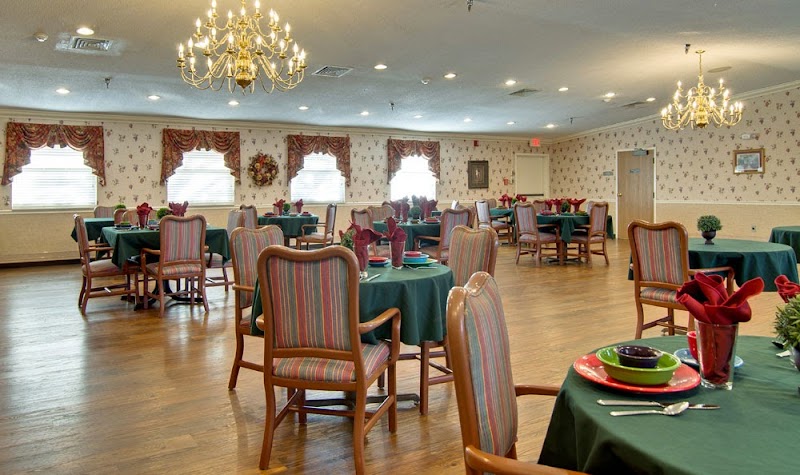
CMS rates HERITAGE NURSING CENTER - SKILLED NURSING BY AMERI's staffing level at 4 out of 5 stars, which is above average compared to other nursing homes. Staff turnover is 35%, compared to the Missouri average of 46%. This relatively stable workforce can support continuity of care.

What Have Inspectors Found at Heritage Nursing Center - Skilled Nursing By Ameri?

State health inspectors documented 10 deficiencies at HERITAGE NURSING CENTER - SKILLED NURSING BY AMERI during 2021 to 2024. These included: 10 with potential for harm.
Who Owns and Operates Heritage Nursing Center - Skilled Nursing By Ameri?

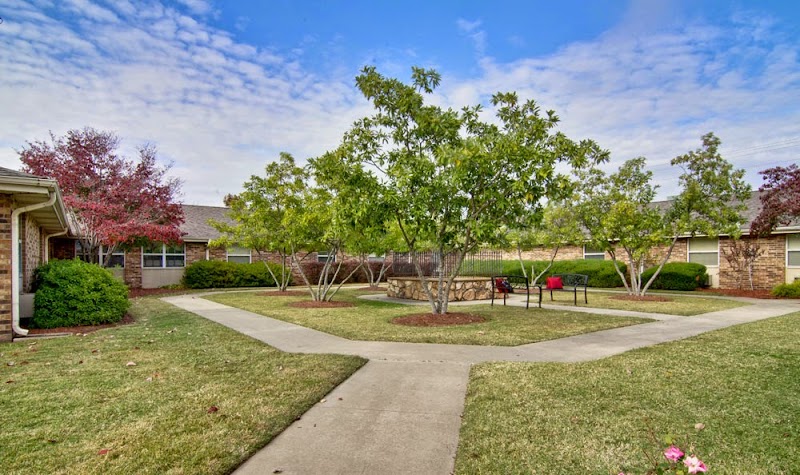
HERITAGE NURSING CENTER - SKILLED NURSING BY AMERI is owned by a for-profit company. For-profit facilities operate as businesses with obligations to shareholders or private owners. The facility is operated by AMERICARE SENIOR LIVING, a chain that manages multiple nursing homes. With 72 certified beds and approximately 51 residents (about 71% occupancy), it is a smaller facility located in KENNETT, Missouri.
How Does Heritage Nursing Center - Skilled Nursing By Ameri Compare to Other Missouri Nursing Homes?

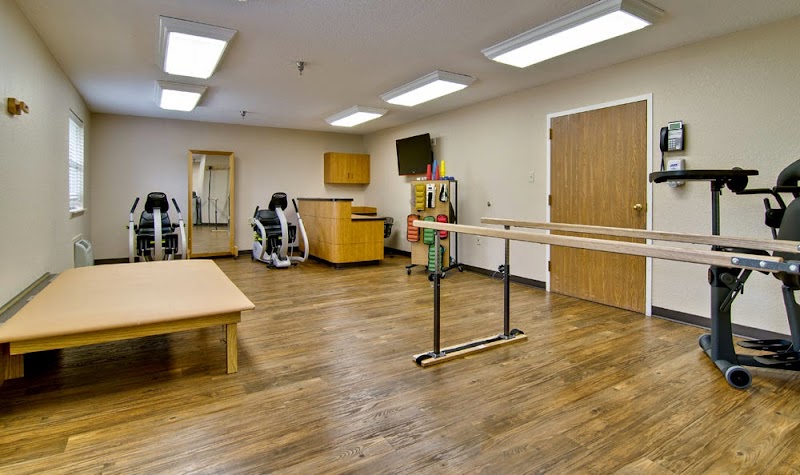
Compared to the 100 nursing homes in Missouri, HERITAGE NURSING CENTER - SKILLED NURSING BY AMERI's overall rating (4 stars) is above the state average of 2.5, staff turnover (35%) is significantly lower than the state average of 46%, and health inspection rating (5 stars) is much above the national benchmark.

What Should Families Ask When Visiting Heritage Nursing Center - Skilled Nursing By Ameri?

Based on this facility's data, families visiting should ask: "Can I visit during a mealtime to observe dining assistance and food quality?" "How do you handle medical emergencies, and what is your hospital transfer rate?" "Can I speak with family members of current residents about their experience?"

Is Heritage Nursing Center - Skilled Nursing By Ameri Safe?

Based on CMS inspection data, HERITAGE NURSING CENTER - SKILLED NURSING BY AMERI has a clean safety record: no substantiated abuse findings (meaning no confirmed cases of resident harm), no Immediate Jeopardy citations (the most serious violation level indicating risk of serious injury or death), and is not on the Special Focus Facility watch list (a federal program monitoring the lowest-performing 1% of nursing homes). The facility has a 4-star overall rating and ranks #1 of 100 nursing homes in Missouri. While no facility is perfect, families should still ask about staff-to-resident ratios and recent inspection results during their visit.

Do Nurses at Heritage Nursing Center - Skilled Nursing By Ameri Stick Around?

HERITAGE NURSING CENTER - SKILLED NURSING BY AMERI has a staff turnover rate of 35%, which is about average for Missouri nursing homes (state average: 46%). Moderate turnover is common in nursing homes, but families should still ask about staff tenure and how the facility maintains care continuity when employees leave.

Was Heritage Nursing Center - Skilled Nursing By Ameri Ever Fined?

HERITAGE NURSING CENTER - SKILLED NURSING BY AMERI has no federal fines on record. CMS issues fines when nursing homes fail to meet care standards or don't correct problems found during inspections. The absence of fines suggests the facility has either maintained compliance or corrected any issues before penalties were assessed. This is a positive indicator, though families should still review recent inspection reports for the full picture.

Is Heritage Nursing Center - Skilled Nursing By Ameri on Any Federal Watch List?

HERITAGE NURSING CENTER - SKILLED NURSING BY AMERI is not on any federal watch list. The most significant is the Special Focus Facility (SFF) program, which identifies the bottom 1% of nursing homes nationally based on persistent, serious quality problems. Not being on this list means the facility has avoided the pattern of deficiencies that triggers enhanced federal oversight. This is a positive indicator, though families should still review the facility's inspection history directly.