NHC HEALTHCARE, KENNETT
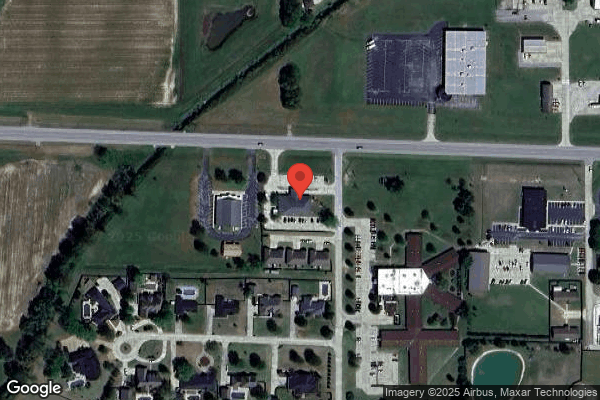
1120 FALCON,, KENNETT, MO 63857 (573) 888-1150
For profit - Corporation 170 Beds NATIONAL HEALTHCARE CORPORATION Data: November 2025
Trust Grade
90/100
#39 of 479 in MO
Last Inspection: May 2025

Inspected within the last 6 months. Data reflects current conditions.

Overview

NHC Healthcare in Kennett, Missouri, has a Trust Grade of A, indicating it is excellent and highly recommended. It ranks #39 out of 479 nursing homes in Missouri, placing it in the top half, and is the best option among the four facilities in Dunklin County. However, the facility is experiencing a worsening trend, with issues increasing from 4 in 2024 to 5 in 2025. Staffing is a moderate area of concern, rated at 3 out of 5 stars with a turnover rate of 40%, which is better than the state average of 57%. While there have been no fines recorded, recent inspections revealed serious concerns such as unsafe food storage practices that could lead to food-borne illnesses and a lack of a clean, comfortable environment for residents. Additionally, there was an incident where a resident's dignity was not maintained during incontinence care, which raises concerns about the quality of personal care provided. Overall, while NHC Healthcare has some strengths, potential families should weigh these concerns carefully.

Trust Score
A
90/100
In Missouri
#39/479
Top 8%
Safety Record
Low Risk
No red flags
Inspections
Getting Worse
4 → 5 violations
Staff Stability
○ Average
40% turnover. Near Missouri's 48% average. Typical for the industry.
Penalties
✓ Good
No fines on record. Clean compliance history, better than most Missouri facilities.
Skilled Nurses
○ Average
Each resident gets 30 minutes of Registered Nurse (RN) attention daily — about average for Missouri. RNs are the most trained staff who monitor for health changes.
Violations
⚠ Watch
11 deficiencies on record. Higher than average. Multiple issues found across inspections.
★★★★★
5.0
Overall Rating
★★★☆☆
3.0
Staff Levels
★★★☆☆
3.0
Care Quality
★★★★★
5.0
Inspection Score
Stable
2024: 4 issues
2025: 5 issues

The Good

  • Full Sprinkler Coverage · Fire safety systems throughout facility
  • No fines on record
  • Staff turnover below average (40%)

    8 points below Missouri average of 48%

Facility shows strength in fire safety.

The Bad

Staff Turnover: 40%

Near Missouri avg (46%)

Typical for the industry

Chain: NATIONAL HEALTHCARE CORPORATION

Part of a multi-facility chain

Ask about local staffing decisions and management

The Ugly 11 deficiencies on record

May 2025 5 deficiencies
CONCERN (D)

Potential for Harm - no one hurt, but risky conditions existed

Resident Rights (Tag F0550)

Could have caused harm · This affected 1 resident

Based on observation, interview, and record review, the facility failed to ensure the resident's dignity was maintained while performing incontinence care for one resident (Resident #5) out of one sam...

Read full inspector narrative →
Based on observation, interview, and record review, the facility failed to ensure the resident's dignity was maintained while performing incontinence care for one resident (Resident #5) out of one sampled resident. The facility census was 98. Review of the facility's policy titled, Patient Rights, revised September 2024, showed: - We provide the resident with privacy; - Privacy is maintained during toileting, bathing, and other activities of personal hygiene, except when assistance is needed for safety and well being. 1. Review of Resident #5's quarterly Minimum Data Set (MDS), a federal mandated assessment to be completed by the facility, dated 03/31/25, showed: - Dependent for toileting; - Dependent for personal hygiene; - Dependent for showering; - Sometimes understands others; - Makes self understood; - Diagnoses of anemia (a condition where the blood doesn't have enough red blood cells or enough hemoglobin to carry oxygen throughout the body), hypertension (the force of the blood pushing against the artery walls is consistently too high. The heart has to work harder to pump blood), dementia (a broad term encompassing various neurological conditions that cause a decline in cognitive abilities like memory, thinking, and reasoning), renal insufficiency (refers to the kidneys not functioning properly, meaning they are unable to filter waste products from the blood effectively), and depression (mood disorder characterized by persistent feelings of sadness, loss of interest, and other symptoms that significantly affect daily life). Observation on 05/01/25 at 2:30 P.M. showed Certified Nurses Assistant (CNA) E and CNA K performed incontinence care to Resident #5 with window blinds open and able to see outside patio for resident's and guest open. Several people passed by window during care. During an interview on 05/02/25 at 12:13 P.M., CNA E and CNA K said the window blinds should be closed in the resident rooms to avoid resident's bodies from being exposed during care. During an interview on 05/02/25 at 4:20 P.M., the Director of Nursing (DON) said they would expect windows blinds to be closed prior to care for a resident's dignity to be maintained during incontinence care.
CONCERN (D)

Potential for Harm - no one hurt, but risky conditions existed

Accident Prevention (Tag F0689)

Could have caused harm · This affected 1 resident

**NOTE- TERMS IN BRACKETS HAVE BEEN EDITED TO PROTECT CONFIDENTIALITY** Based on interview and record review, the facility failed to follow one resident's (Resident #27) care plan regarding smoking ou...

Read full inspector narrative →
**NOTE- TERMS IN BRACKETS HAVE BEEN EDITED TO PROTECT CONFIDENTIALITY** Based on interview and record review, the facility failed to follow one resident's (Resident #27) care plan regarding smoking out of two sampled residents. The facility failed to ensure staff utilized safe transfer techniques for one resident (Resident #87) when staff failed to transfer the resident with the assist of a gait belt (a device used to aid in the safe movement of a person from one place to another) out of two sampled residents. The facility census was 98. The facility did not provide a smoking policy. Review of the facility's policy titled, Gait Belts For Transfer, dated 01/08/08, showed: - Gait belts are provided to assist staff to safely transfer or ambulate residents; - Apply belt around the resident's waist; - To transfer, assist the resident to a standing position by grasping the belt at the waist from underneath. 1. Review of Resident #27's medical record showed: - admission date of 07/02/21; - Diagnoses of hemiplegia (a condition characterized by paralysis on one side of the body) and seizure disorder. Review of the resident's Care Plan, dated 05/09/24, showed: - Resident smoked; - Instruct about the facility policy on smoking locations; - Wear a flame resistant apron at all times when smoking; - Provide supervision when smoking. Review of the resident's Smoking Assessment, dated 09/05/24, showed: - The resident smoked safely; - The resident required supervision to smoke; - Continue the plan of care; - Did not address the use of a smoking apron. Review of the resident's quarterly Minimum Data Set (MDS), a federally mandated assessment instrument required to be completed by the facility staff, dated 02/05/25, showed: - No cognitive impairment; - Dependency for activities of daily living; - Impairment to one side of the lower and upper extremity. Observation on 05/02/25 at 10:00 A.M., of the resident showed: - The resident sat in the smoking area and smoked a cigarette; - The resident did not wear a smoking apron. During an interview on 05/02/25 at 12:01 P.M., the Administrator said she expects the smoking assessment to be done on admission, with a change in status, and annually. During an interview on 05/02/25 at 3:06 P.M., Director of Nursing (DON) said if the resident's care plan showed a resident required a safety apron to smoke, they should be wearing it during a smoke break. He completed the smoking assessment and the MDS Coordinator completed the care plan. During an interview on 05/02/25 at 1:34 P.M., Certified Nursing Assistant (CNA) B said he/she handed the cigarettes and supervised the residents while smoking. There was a list attached to the cigarette container that listed the names of which residents required an apron, but it had been removed for editing about a week ago. During an interview on 05/02/25 at 3:45 P.M., the MDS Coordinator said he/she used a standard smoking plan for the resident assessments and care plans. Resident assessments were used to decide if a smoking apron should be utilized. If a resident's care plan showed they needed a smoking apron, they should be wearing one. Resident #47 should wear an apron while smoking because he/she was care planned for it. The MDS Coordinator normally completed the resident smoking assessments and used them to complete the care plan. 2. Review of Resident #87's medical record showed: - An admission date of 01/24/25; - Diagnoses of atherosclerosis (the buildup of fats, cholesterol and other substances in and on the artery walls) of native arteries of extremities with intermittent claudication (a painful muscle ache or cramping in the legs, typically experienced during exercise, that is relieved by rest), unspecified extremity, chronic obstructive pulmonary disease COPD - a progressive lung disease characterized by persistent airflow limitation, usually caused by chronic inflammation and damage to the lungs), and chronic kidney disease stage 3 (signifies a moderate decline in kidney function). Review of the resident's admission MDS, dated [DATE], showed: - Mild cognitively impairment; - Impairment to both upper extremities; - Partial to moderate assist with sit to standing, transfers, and activities of daily living (ADLs). Review of the resident's Care Plan, dated 02/12/25, showed: - Functional decline in ADLS and requires partial/moderate to substantial/maximal assist with ADLS. Review of the resident's Nurse's Notes showed: - On 04/22/25 at 10:20 P.M., required assistance of one for transfers but the resident was noncompliant and transferred him/herself; - On 04/30/25 at 6:21 P.M., required partial/moderate assistance with upper body dressing, personal hygiene, toilet transfers, walking 10 feet in his/her room, and shower transfers. Observation on 04/30/25 at 1:54 P.M., of the resident's transfer from the wheelchair to the shower chair showed: - Certified Nursing Assistant (CNA) E did not put a gait belt around the resident's waist; - CNA E locked the wheelchair wheels and the shower chair wheels; - CNA E grabbed the back of the resident's pants at the waist with his/her left hand and put his/her right hand under the resident's left armpit; - CNA E pulled up on the resident to assist him/her to a standing position. The CNA guided the resident as he/she slowly shuffled to the wheelchair; - CNA E continued to hold onto the back of the resident's pants at the waist and under the resident's left armpit as he he/she lowered the resident into the shower chair. During an interview on 05/02/25 at 2:42 P.M., Registered Nurse (RN) C said a resident that required assistance with a transfer should always have a gait belt used. During an interview on 05/02/25 at 2:46 P.M., Licensed Practical Nurse (LPN) D said a gait belt should always be used when transferring a resident that didn't require a mechanical lift. During an interview on 05/02/25 at 2:51 P.M., CNA E said he/she would always use a gait belt with all transfers. During an interview on 05/02/25 at 4:10 P.M., the Director of Nursing (DON) said gait belts should be used for all transfers with residents that require assistance and not mechanical lifts. During an interview on 05/02/25 at 4:40 P.M., the Administrator said she would expect a gait belt to be used on residents that required assistance with transfers.
CONCERN (D)

Potential for Harm - no one hurt, but risky conditions existed

Incontinence Care (Tag F0690)

Could have caused harm · This affected 1 resident

**NOTE- TERMS IN BRACKETS HAVE BEEN EDITED TO PROTECT CONFIDENTIALITY** Based on observation, interview, and record review, the facility failed to ensure a urinary indwelling catheter (a tube inserted...

Read full inspector narrative →
**NOTE- TERMS IN BRACKETS HAVE BEEN EDITED TO PROTECT CONFIDENTIALITY** Based on observation, interview, and record review, the facility failed to ensure a urinary indwelling catheter (a tube inserted into the bladder to drain urine) drainage bag was kept off the floor for two residents (Residents #5 and #249) and to ensure proper cleaning of the catheter tubing for one resident (Resident #81) out of three sampled residents. The facility census was 98. Review of the facility's policy titled, Skills Checklist: Catheter Care, undated, showed: - While holding the catheter, clean down the catheter tube; - Clean with strokes moving away from the urethra; - Use a clean portion of the washcloth for each stroke. The facility did not provide a policy related to the positioning of urinary catheters. 1. Review of Resident #5's medical record showed: - admitted on [DATE]; - Diagnosis of obstructive and reflux uropathy (a disorder characterized by blockage of the normal flow of contents of the urinary tract). Review of the resident's Physician Order Sheet (POS), dated April 2025, showed: - An order for indwelling catheter care every shift, dated 03/27/24; - An order to change the catheter every 30 days, insert a catheter size 16 French (Fr - size of the urinary catheter) and bulb size 5 milliliters (ml) on the 25th of the month, dated 04/25/25. Observation on 05/02/25 at 1:30 P.M., showed: - The resident lay in bed and the uncovered catheter drainage bag hung on the bed frame; - The catheter drainage bag bottom touched the floor; - One inch of the catheter bag drainage spout touched the floor. 2. Review of Resident #81's medical record showed: - admitted on [DATE]; - Diagnosis of neurogenic bladder (a condition where the nerves that control bladder functions are damaged or dysfunctional, leading to various urinary problems). Review of the resident's POS, dated April 2025, showed: - An order to change the indwelling catheter every 30 days. Insert catheter size 16 Fr and bulb size 5 ml on the 19th of the month, dated 03/23/25; - An order for indwelling catheter care every shift, dated 03/23/25. Observation on 05/01/25 at 11:115 A.M., of the resident's catheter care showed: - Certified Nurse Assistant (CNA) I put on a gown, performed hand hygiene, and put on gloves; - CNA I cleaned the catheter and down one inch of the catheter tubing from the insertion site with a soapy wash cloth; - CNA I rubbed the same area of the tubing multiple times with the same area of the wash cloth going back and forth from and towards the insertion site; - CNA I cleaned three inches down the catheter tubing from the insertion point again with same area of the wet wash cloth; - The catheter tubing had a discolored area and CNA I rubbed the same of area of the tubing multiple times with the same area of the wash cloth going back and forth from and towards the insertion site. During an interview on 05/01/25 at 11:35 A.M., CNA I said you cleanse away from insertion point with a new side of the wash cloth with each wipe. You should cleanse down the tube. 3. Review of Resident #249's medical record showed: - admitted on on 04/25/25 - Diagnosis of obstructive and reflux uropathy. Review of the resident's POS, dated April 2025, showed: - An order to change the indwelling/suprapubic (a urinary catheter inserted directly into the bladder through a small incision in the lower abdomen) catheter every 30 days. Insert catheter size 16 French and bulb size 10 ml once a day on the 24th of every 3rd month, dated 04/26/25; - An order for indwelling catheter/suprapubic catheter care every shift, dated 04/26/25. Observations on 04/30/25 at 9:34 A.M., and 11:40 A.M., showed: - The resident lay in bed with the catheter drainage bag in a privacy cover and lay in the floor under the bed; - The top of the catheter drainage bag was outside the privacy cover and lay on the floor; - Four inches of the catheter tubing lay on the floor. Observation on 04/30/25 at 12:58 P.M., of the resident's bed bath, catheter care, and a transfer showed: - CNA A emptied the catheter drainage bag with the catheter drainage bag placed on the floor without a privacy cover multiple times and the catheter bag drainage spout touched the inside of the urinal when emptied; - CNA A held the catheter drainage bag above the level of the resident's bladder during the transfer and the resident's urine flowed towards the bladder in the catheter tubing. Observation on 05/01/25 at 9:12 A.M., showed: - The resident lay in bed with six inches of the catheter tubing lay on the floor under the bed. Observation on 05/02/25 at 9:25 A.M., showed: - The resident lay in bed; - The catheter drainage bag hung on the bed frame without a privacy cover; - The catheter drainage bag was visible from the hallway. Observation on 05/02/25 at 1:10 P.M., showed: - The resident lay in bed; - The catheter drainage bag hung on the bed frame without a privacy cover; - The catheter drainage bag was visible from the hallway; - A visitor was in the room. During an interview on 05/02/25 at 2:42 P.M., Registered Nurse (RN) C said a catheter should be hung on the bedside if a resident was in bed with a privacy cover, off the floor, and below the bladder. The drainage spout shouldn't touch anything when being emptied. During catheter care, should wipe away from the insertion point and not go up and down the tubing. If it needed to be cleaned in the same area more than once, then a new wash cloth was needed for each swipe. During an interview on 05/02/25 at 2:46 P.M., Licensed Practical Nurse (LPN) D said the catheter should be hung at the bedside, never touch the floor, and below the bladder. Catheter care should be done wiping away from the insertion point and should change wash cloths if need more than one wipe. During an interview on 05/02/25 at 2:51 P.M., CNA E said catheters should never touch the floor, stay below the bladder, and always be in a privacy bag. The drainage spout should never touch anything when emptied. Should cleanse away from the insertion point and not back and forth on the tube because otherwise it cross contaminated it. During an interview on 05/02/25 at 2:52 P.M., LPN H said catheters shouldn't have any kinks, should be lower than the bladder, should be in a privacy cover, and should never touch the floor. He/She would cleanse down six inches from the insertion point and never go back and forth on the tubing during catheter care. During an interview on 05/02/25 at 3:00 P.M., CNA A and CNA B said the catheter shouldn't touch the floor, should stay below the bladder, should cleanse away from the insertion point, and shouldn't be cleaned back and forth. The drainage spout should not touch anything when emptying the bag. During an interview on 05/02/25 at 4:17 P.M., the Director of Nursing (DON) said residents with catheters receive catheter care every shift. Catheter care was done by wiping down from the insertion point, should never go back and forth. The drainage bag should stay below knee level and not touch the floor. The facility bought the non-reflux drainage bags as an extra safety net and the purpose of the privacy bags other than privacy was to ensure the drainage bag wasn't contaminated by touching the floor. The catheter drainage spout shouldn't touch anything but if it did, it became contaminated and should be cleaned. During an interview on 05/02/25 at 4:30 P.M., the Administrator said it was expected that catheter care be done correctly, wiping from the insertion point down, and never back and forth. The drainage bag and tubing should not be in the floor and should be in the privacy bags. The catheter drainage spout shouldn't touch anything when emptying it.
CONCERN (D)

Potential for Harm - no one hurt, but risky conditions existed

Respiratory Care (Tag F0695)

Could have caused harm · This affected 1 resident

Based on observation, interview, and record review, the facility failed to follow physician's orders for supplemental oxygen therapy for one resident (Resident #247) out of four sampled residents. The...

Read full inspector narrative →
Based on observation, interview, and record review, the facility failed to follow physician's orders for supplemental oxygen therapy for one resident (Resident #247) out of four sampled residents. The facility's census was 98. Review of the facility's policy titled, The Basics of Oxygen, dated 01/12/14, showed: - Nasal cannula (plastic tubing inserted into the nose to deliver additional oxygen) oxygen range from one to six liters. The facility did not provide a policy about following physician orders regarding oxygen. 1. Review of Resident #247's medical record showed: - An admission date of 04/18/25; - Diagnoses of pneumonia (an infection that inflames the air sacs in one or both lungs), congestive heart failure (CHF - a condition where the heart muscle is unable to pump enough blood to meet the body's needs), and chronic obstructive pulmonary disease (COPD - a group of lung diseases that cause airflow obstruction and breathing problems). Review of the resident's Physician's Order Sheet (POS), dated 04/29/25, showed: - An order to check the oxygen saturation (O2 sat - a measure of how much oxygen is in the blood) every shift, dated 04/21/25; - An order for oxygen at 3 liters per minute (L/min) via a by nasal cannula continuous, Every Shift, dated 04/18/25. Review of the resident's Baseline Care Plan, dated 04/18/25, showed: - Resident received oxygen therapy; - Did not address the amount and frequency for the oxygen. Observation of the resident showed: - On 04/29/25 at 12:39 P.M., and 2:50 P.M., on 04/30/25 at 11:45 A.M., and on 05/01/25 at 9:13 A.M., the resident sat in a recliner in his/her room with the oxygen concentrator not in use and the undated oxygen tubing stored in a zip lock bag attached to the oxygen concentrator; - On 05/01/25 at 2:30 P.M., the resident sat slouched down in a recliner in his/her room and eyes closed. Staff Coordinator O verbally aroused the resident and he/she showed confusion upon waking. Staff Coordinator O checked the resident's O2 sat and it was 89% on room air. After one minute, the resident's O2 sat was 91%, was 92% with the resident taking a deep breath, and then dropped to 90%. Staff Coordinator O asked the resident if he/she could put the oxygen on and the resident agreed. Staff Coordinator O turned on the oxygen concentrator on and placed the oxygen on the resident at 1 L/min and the resident's O2 sat remained at 90%; - On 05/01/25 at 3:38 P.M., the resident sat slouched down in a recliner in his/her room, eyes closed, and oxygen on at 1 L/min.; - On 05/02/25 at 9:30 A.M., the resident sat in a recliner in his/her room with the oxygen concentrator on at 1 L/min and the oxygen tubing stored in a zip lock bag attached to the oxygen concentrator. During an interview on 04/29/25 at 2:50 P.M., Resident #247 said sometimes he/she wore the oxygen, but therapy said he/she did not have to do so. During an interview on 05/01/25 at 3:35 P.M., Registered Nurse (RN) J said Resident #247 came to the facility on three liters of oxygen. During an interview on 05/02/25 at 9:35 A.M., Licensed Practical Nurse (LPN) H said Resident #247 came in wearing oxygen and it was more for symptoms of pneumonia, not long-term chronic use. The resident's physician's order showed the order was for three liters of oxygen per minute continuous, so he/she would need to address the order. LPN H said he/she would expect to follow the physicians order and for the resident's oxygen to be on and at three liters per minute. During an interview on 05/02/25 at 4:10 P.M., the Director of Nursing (DON) said oxygen orders should be followed and if the resident required a different liter than the physician order, the physician should be notified. During an interview on 05/02/25 at 4:40 P.M., the Administrator said oxygen orders should be followed as written.
CONCERN (D)

Potential for Harm - no one hurt, but risky conditions existed

Deficiency F0761 (Tag F0761)

Could have caused harm · This affected 1 resident

Based on observation, interview, and record review, the facility failed to ensure two medication carts were locked while unattended out of a sample of three medication carts. This had the potential to...

Read full inspector narrative →
Based on observation, interview, and record review, the facility failed to ensure two medication carts were locked while unattended out of a sample of three medication carts. This had the potential to affect all residents. The facility census was 98. Review of the facility policy titled, Medication Storage In The Facility, revised 02/25/25, showed: - Medication and biologicals are stored safely, securely, and properly; - Medication rooms, carts, and medication supplies are locked when not attended by persons with authorized access. 1 Observations on 04/29/25 at 11:20 A.M. - 11:56 A.M., of the Hall D medication cart showed: - At 11:20 A.M., the unlocked and unattended medication cart sat against the outside of the nurse's station and faced D Hall. One staff nurse walked past the unlocked cart and one hospice nurse stood on the outside of the nurse's station counter 10 feet from the unlocked cart; - From 11:21 A.M. - 11:38 A.M., two residents and multiple staff walked past the unlocked and unattended medication cart 20 times; - From 11:38 A.M. - 11:44 A.M., the Director of Nursing (DON) walked through the nurse's station and past the unlocked and unattended medication cart five times; - From 11:39 A.M. - 11:44 A.M., nine staff walked past the unlocked and unattended medication cart; - At 11:40 A.M., Registered Nurse (RN) L walked to the unlocked and unattended medication cart, touched the top of the unlocked medication cart, walked inside the nurse's station, and sat down at a computer with his/her back to the unlocked and unattended medication cart; - The D Hall medication cart remained unlocked and unattended from 11:20 A.M.- 11:47 A.M., with multiple staff and two residents walking past it; - At 11:47 A.M., Certified Medication Technician (CMT) M walked up to the unlocked medication cart, sat paper and pens on top of the unlocked medication cart, walked away from the unlocked medication cart and left it unattended, walked to another medication cart on the A Hall side of the nurse's station, retrieved a laptop, returned to the unlocked D Hall medication cart, and moved the unlocked medication cart down the D Hall; - At 11:48 A.M., CMT M left the unlocked and unattended medication cart outside of Room D4 facing D Hall, retrieved the vital sign cart from outside of Room D2, moved the vital sign cart near the unlocked and unattended medication cart outside of Room D4, walked towards Room D2 and talked to Housekeeper P while the medication cart remained unlocked and unattended; - At 11:52 A.M., CMT M stepped into Room D3 and left the unlocked and unattended medication cart between Room D3 and D4 facing D Hall. CMT M returned to the unlocked medication cart, stepped back inside room D3 and left the unlocked medication cart unattended, talked to the resident, returned to the unlocked medication cart, unlocked the narcotic box, and retrieved medications; - At 11:56 A.M., CMT M locked the medication cart and returned to Room D3. 2. Observations on 05/02/25 at 11:02 A.M. - 11:05 A.M., of the A Hall medication cart showed: - At 11:02 A.M., the unlocked and unattended medication cart sat against the wall across from the nurse's station and faced the A Hall; - Licensed Practical Nurse (LPN) D assisted a resident across from the nurse's station; - At 11:05 A.M., Registered Nurse (RN) C walked to the unlocked and unattended medication cart from the dining room, opened the unlocked medication cart, and locked it. During an interview on 05/02/25 at 11:40 A.M., CMT G said every time the medication cart was stepped away from, it should be locked. During an interview on 05/02/25 at 11:44 A.M., LPN F said he/she tried to lock the medication cart when stepping away from it. During an interview on 05/02/25 at 11:47 A.M., RN C said when a person walked away from the medication cart, it should be locked. During an interview on 05/02/25 at 11:50 A.M., LPN D said anytime the medication cart was walked away from, it should be locked. During an interview on 05/02/25 at 4:20 P.M., the DON said medication carts should be locked anytime they were left unattended. During an interview on 05/02/25 at 4:40 P.M., the Administrator said medication carts should be locked anytime they were left unattended.
Mar 2024 4 deficiencies
CONCERN (D)

Potential for Harm - no one hurt, but risky conditions existed

Deficiency F0688 (Tag F0688)

Could have caused harm · This affected 1 resident

**NOTE- TERMS IN BRACKETS HAVE BEEN EDITED TO PROTECT CONFIDENTIALITY** Based on interview and record review, the facility failed to provide restorative services for four residents (Residents #1, #13,...

Read full inspector narrative →
**NOTE- TERMS IN BRACKETS HAVE BEEN EDITED TO PROTECT CONFIDENTIALITY** Based on interview and record review, the facility failed to provide restorative services for four residents (Residents #1, #13, #19 and #60) out of six sampled residents. The facility census was 83. Review of the facility's policy titled, Nursing Policies, dated 02/2023, showed: - An active program of restorative nursing care will be directed toward assisting each patient to achieve and maintain his or her highest level of self-care and independence. Self-care is encouraged in all patients to the degree possible. Assistive devices may be provided based on assessed needs of the individual patient. - Restorative nursing services are available to all patients. The services are provided by a licensed nurse, a certified nursing assistant, a temporary nurse aide, or other staff who are specifically trained in restorative services. Some centers may elect to have licensed rehabilitation professionals perform repetitive exercises and other maintenance treatments or to supervised aides performing these maintenance services. Services available include: range of instruction to patient on safe and effective transfer techniques, body mechanics, proper bed positioning, assistance with activities of daily living, and bladder and bowel training. The patient plan and/or physician orders determine which services are provided to patients. 1. Review of Residents #1's medical record showed: - admission date of 10/10/23; - Diagnoses of fracture (partial or complete break in the bone) of other and unspecified parts of lumbar (lower back) spine and pelvis, and Sjogren syndrome (diseases of the musculoskeletal system and connective tissue). Review of resident's Physician order sheet (POS) dated, 01/30/24, showed; - Restorative therapy to ambulate three times per week. Review of Resident #1's significant change Minimum Data Set (MDS) (a federally mandated assessment instrument, completed by facility staff), dated 01/05/24, showed; - Impairment of upper and lower extremities both sides; - Partial/moderate assistance with eating, oral hygiene, upper and lower body dressing, putting on and taking off footwear, personal hygiene, lying to sitting on side of bed, sit to stand, chair/bed-to-chair transfer, toilet transfer, tub shower transfer; - Substantial/maximal assistance with toileting hygiene and shower/bathe self. Review of the resident's physical therapy (PT) documentation, dated 10/23/23, showed: - Received skilled services from 01/02/23 through 01/30/24; - Discharge plan to remain in skilled facility with restorative nursing program. Review of restorative program documentation, dated January 2024 through March 2024, showed: - Restorative therapy to ambulate three times per week; - The last date staff provided restorative was documented as 02/24/24; - No restorative documentation for March 2023. During an interview on 03/12/24 at 10:48 A.M., Resident #1 said he/she should be receiving restorative care routinely, but the facility's restorative nurse aide (RNA) is often pulled to another floor for staffing and hasn't had restorative therapy in a long time. 2. Review of Resident 13's medical record showed: - admission date of 12/28/22; - Diagnoses of hyperlipidemia (high blood level of cholesterol), hemiplegia (paralysis on one side of the body after a stroke), epilepsy (a disorder of the brain characterized by repeated seizures), anxiety disorder (persistent and excessive worry that interferes with daily activities), depression (common mental disorder that involves a depressed mood or loss of pleasure or interest in activities for long periods of time), and asthma (a condition in which your airways narrow and swell and may produce extra mucus). Review of resident's Physician order sheet (POS) dated, 06/06/23, showed; - Restorative therapy to ambulate 3 times per week. Review of the resident's significant change MDS, dated [DATE], showed; - Impairment on one side; - Independent with eating; - Required supervision/touching assistance with oral hygiene and upper body dressing; - Dependent with lower body dressing, putting on and taking off footwear, sit to lying, lying to sitting on side of bed, sit to stand, chair/bed-to-chair transfer, toilet transfer, tub shower transfer, toileting hygiene and shower/bathe self. Review of the resident's occupational therapy (OT) documentation, dated 03/21/23, showed: - Received skilled services from 03/21/23 through 05/31/23; - Discharge plan to remain in skilled facility with restorative nursing program. Review of the resident's restorative program documentation, dated, January 2024 through March 2024 showed: - Restorative therapy to ambulate three times per week; - Last day of restorative therapy received on 02/13/24. - No restorative documentation for March 2023. 3. Review of Resident #19's medical record showed: - admission date of 09/07/23; - Diagnoses of unspecified fracture of upper end of left tibia (shin bone), other fracture of upper end of left tibia, other fracture of upper and lower end of left fibula (calf bone), other fracture of upper and lower end of left fibula, other fracture of upper and end of left tibia, unspecified fracture of upper end of left tibia, history of falling, congestive heart failure (CHF) (an inability of the heart to pump sufficient blood flow to meet the body's needs) and long-term use of an anticoagulant (blood thinner). Review of the resident's quarterly MDS, dated [DATE], showed: - Supervision or touching assistance with ability to walk at least 10 feet in a room, corridor or similar space once standing; - Partial/moderate assistance with ability to walk 50 feet and make two turns once standing; - Partial/moderate assistance with ability to walk 150 feet in a corridor or similar space once standing. During an interview on 03/12/24 at 2:21 P.M., the resident said he/she would like to continue restorative services. The resident said he/she was receiving skilled therapy in February, but his/her insurance had ran out. The resident said a girl had been walking him/her for exercise in the hall and dining room, but hasn't seen her or had any exercises in a couple of weeks. During an interview on 03/14/24 at 3:32 P.M., the resident said he/she hasn't had any one come in this week to do exercises with him/her but would like it to continue if he/she could. Review of the resident's physical therapy Discharge summary, dated [DATE], showed: - Received skilled services from 11/02/23 through 02/13/24; - Therapy recommendations to discharge to restorative for walking program multiple times per week; - Ambulation program with front forward walking (FWW) and gait belt (an assistance safety device than can be used to help a patient sit, stand or walk around, as well as to use to transfer) in hallway four times per week; - Bed mobility, transfers, level surfaces, uneven surfaces with supervision. Review of the resident's restorative program documentation, dated January 2024 through March 2024, showed: - Restorative therapy to ambulate four times per week; - Last day of restorative therapy received on 02/24/24; - No restorative documentation for March 2023. During an interview on 03/13/24 at 3:26 P.M., the Director of Rehab (DOR) said Resident #19 was discharged from skilled services on 02/13/24. A care plan meeting over the phone was done with the resident and the resident's son. It was agreed that the resident would continue therapy recommendations for restorative services. The RNA has been working the floor lately and has not been able to do restorative exercises. The administrator and/or Director of Nursing (DON) reviews and signs off on the residents receiving restorative services. 4. Review of Resident #60's medical record showed: - admission date of 09/21/22; - Diagnoses of schizophrenia (a serious mental condition of a type involving a breakdown in the relation between thought, emotion, and behavior, leading to faulty perception, inappropriate actions and feelings, withdrawal from reality and personal relationships into fantasy and delusion, and a sense of mental fragmentation), bipolar disease (a serious mental illness that causes unusual shifts in mood, ranging from extreme highs), anxiety disorder (a persistent and excessive worry that interferes with daily activities), arthritis (inflammation or swelling of one or more joints), femur (thigh bone) hip fracture, peripheral vascular disease(PVD) (a slow and progressive circulation disorder), renal insufficiency (poor function of the kidneys that may be due to a reduction in bloodflow to the kidneys), gastroesophageal reflux disease (GERD) (occurs when stomach acid repeatedly flows back into the tube connecting your mouth and esophagus (stomach), hypertension (HTN) (high blood pressure), atrial fibrillation (irregular heartbeat), and coronary artery disease (CAD) (plaque buildup in the wall of the arteries that supply blood to the heart). Review of resident's Physician order sheet (POS) dated, 10/07/22, showed; - Restorative therapy to ambulate three times per week. Review of the resident's annual MDS dated [DATE], showed; - Impairment on one side; - Independent with eating; - Set up/clean up assistance with oral hygiene; - Substantial/maximal assistance with upper body dressing; - Dependent with lower body dressing, putting on and taking off footwear, sit to lying, lying to sitting on side of bed, sit to stand, chair/bed-to-chair transfer, toileting, personal hygiene, sit to stand, chair/bed-to-chair transfer, toilet transfer, tub shower transfer, toileting hygiene and shower/bathe self. Review of the resident's PT and OT documentation, dated 09/19/22, showed: - Received skilled services from 09/20/22 through 10/06/22; - Discharge plan to remain in skilled facility with restorative nursing program. Review of the resident's restorative program documentation, dated January 2024 through March 2024, showed; - Restorative therapy to ambulate three times per week; - Last day of restorative therapy received was on 02/24/24. - No restorative documentation for March 2023. During an interview on 03/14/24 at 4:35 P.M., the Administrator said she would expect residents to receive restorative therapy as physician ordered weekly or recommended. The facility's restorative aide is not here to be interviewed at this time, but he/she has been pulled to other areas of the facility to work due to being short staffed at times. During an interview on 03/19/24 at 9:53 A.M., RNA J said the last date restorative services for any facility resident was given by him/her was on 02/25/24.
CONCERN (D)

Potential for Harm - no one hurt, but risky conditions existed

Deficiency F0947 (Tag F0947)

Could have caused harm · This affected 1 resident

Based on interview and record review, the facility failed to conduct at least twelve hours of nurse aide in-service education per year, failed to provide the required annual competencies of Dementia C...

Read full inspector narrative →
Based on interview and record review, the facility failed to conduct at least twelve hours of nurse aide in-service education per year, failed to provide the required annual competencies of Dementia Care (care of a resident with an impaired ability to remember, think, or make decisions) for two out of two nurse aides sampled and for Abuse Prevention for one out of two nurse aides sampled. The facility census was 83. 1. Record review of the facility's 2023 in-service records showed: - Certified Nurse Aide (CNA) E with a hire date of 07/13/2021; - CNA E attended a total of eight hours and 45 minutes of in-services; - CNA E did not attend an annual competency in-service on Dementia Care. 2. Record review of the facility's 2023 in-service records showed: - CNA F with a hire date of 10/03/2022; - CNA F attended a total of one hour of in-service; - CNA F did not attend an annual competency in-service on Dementia Care; - CNA F did not attend an annual competency in-service on Abuse Prevention. During an interview on 03/15/2024 at 9:45 A.M. the staffing coordinator said she was responsible for monitoring the in-services for all staff. She said the staff completed face to face in-services as well as the computerized program. During an interview on 03/15/2024 at 11:31 A.M., the Administrator said she was aware of the required nurse aide training and would look into the concern further. The facility did not provide a policy.
CONCERN (E)

Potential for Harm - no one hurt, but risky conditions existed

Safe Environment (Tag F0584)

Could have caused harm · This affected multiple residents

**NOTE- TERMS IN BRACKETS HAVE BEEN EDITED TO PROTECT CONFIDENTIALITY** Based on observation, interview, and record review, the facility failed to provide a safe, clean and comfortable homelike enviro...

Read full inspector narrative →
**NOTE- TERMS IN BRACKETS HAVE BEEN EDITED TO PROTECT CONFIDENTIALITY** Based on observation, interview, and record review, the facility failed to provide a safe, clean and comfortable homelike environment. This deficient practice had the potential to affect all residents in the facility. The facility census was 83. Review of the facility's policy titled, Homelike Environment, revised May 2017, showed: - Residents are provided with a safe, clean, comfortable and homelike environment and encouraged to use their personal belongings to the extent possible; - The facility staff and management shall maximize, to the extent possible, the characteristics of the facility that reflect a personalized, homelike setting. - These characteristics include a clean, sanitary and orderly environment. Observations made on 03/12/24 at 2:22 P.M. and 03/13/24 at 11:24 A.M., of the G hall, showed: - Several areas of exposed sheetrock and peeled paint behind a recliner in room [ROOM NUMBER]; - Several scuff-marked areas on the lower part of the walls on the left and right side of the bathroom door in room [ROOM NUMBER]; - Several scuff-marked areas behind the headboard of the bed near the window in room [ROOM NUMBER]. - Several scuff-marked areas with peeled/cracked paint on the wall inside the bathroom near the toilet paper holder in room [ROOM NUMBER]; - A paper towel holder unsecured and coming out of the wall with minimal effort inside the bathroom in room [ROOM NUMBER]; - A large area of cracked and peeled paint on the the wall under the towel holder inside the bathroom in room [ROOM NUMBER]. - Several areas of peeled paint on the outside ceiling area of the exit door. Observations made on 03/12/24 at 2:42 P.M. and 03/13/24 at 3:44 P.M., of the F hall exit door, showed a buildup of cobwebs and peeled paint on the outside ceiling area . Observations made 03/12/24 at 2:49 P.M. and 03/13/24 at 3:50 P.M., of the E hall exit door, showed several areas of peeled paint on the outside ceiling area. Observations made 03/12/24 at 2:54 P.M. and 03/13/24 at 3:57 P.M., of the outside smoker's area, showed a buildup of cobwebs throughout the ceiling area under the awning. Observations made 03/14/24 at 2:30 P.M. and 03/15/24 at 8:30 A.M. showed: - A ceiling vent with a rust like substance in the middle hall near the private dining room; - A linear area with exposed wood the width of the door and a kick plate with dark markings and scrape lines throughout the storage room door across from the private dining room. Observations made 03/14/24 at 10:10 A.M. and 03/15/24 at 8:37 A.M., showed a buildup of dust and debris on a ceiling vent near the nurses' station and 100 hall. Observations made 03/14/24 at 12:30 P.M. and 03/15/24 at 8:39 A.M., of the A hall showed a two foot (ft.) x four ft. ceiling tile with a large and small brown water circle. Observations made 03/14/24 at 12:40 P.M. and 03/15/24 at 8:42 A.M., showed a buildup of dust and debris on two ceiling vents near the nurses' station at the beginning of C and D hall. Review of the maintenance request log dated, 02/07/24 thought 03/13/24, showed no current requests for areas of concern addressed. During an interview on 03/14/24 at 10:22 P.M., Housekeeper A said there is a maintenance request log at the nurse's station to write down any needed repairs or concerns to be addressed by maintenance. He/She has not seen anything recently to write down on the maintenance request log to be addressed. During an interview on 03/14/24 at 10:26 P.M., Housekeeper B said there is a maintenance request log at the nurse's station to write down any needed repairs or concerns to be addressed by maintenance. Sometimes he/she will verbally tell maintenance of things that need to be addressed. He/She has not seen anything recently to write down on the maintenance request log to be addressed. During an interview on 03/14/24 at 10:32 P.M., Housekeeper C said there is a maintenance request log at the nurse's station to write down any needed repairs or concerns to be addressed by maintenance. He/She has not seen anything recently to write down on the maintenance request log to be addressed but has reported concerns in the past. During an interview on 03/15/24 at 9:11 A.M., Housekeeper C said the housekeeping department is responsible for cleaning the ceiling vents and the vents are on the monthly cleaning schedule. During an interview 03/15/24 at 8:02 A.M., Maintenance Assistant D said he/she would expect staff to write down any repairs or concerns that needed to be addressed regarding homelike environment. He/she said the outside ceilings of exit doors is the responsibility of the maintenance department and should not have a buildup of cobwebs or areas of peeled paint. During an interview on 03/15/24 at 8:16 A.M., the Administrator said she would expect staff to write down needed repairs for maintenance to address in a timely manner. She would expect maintenance to address environmental issues outside the building such as cobweb buildup and peeled paint.
CONCERN (F)

Potential for Harm - no one hurt, but risky conditions existed

Food Safety (Tag F0812)

Could have caused harm · This affected most or all residents

Based on observation, interview, and record review, the facility failed to store and distribute food under sanitary conditions, increasing the risk of cross-contamination and food-borne illness. These...

Read full inspector narrative →
Based on observation, interview, and record review, the facility failed to store and distribute food under sanitary conditions, increasing the risk of cross-contamination and food-borne illness. These deficient practices had the potential to affect all residents. The facility census was 83. Review of the facility's policy titled, Safe Food Storage, revised 01/2011, showed: - To equip dietary partners with the knowledge and ability to properly store food items in a safe manner which preserves food quality; - All time/temperature control for safety (TCS), ready-to-eat food prepped in-house and leftover, cooked food items must be labeled with the following information: name of food item and the date by which it should be eaten or discarded; - Always discard in-house prepped food items made with previously cooled/stored food with the discard date of the previously cooked item; - Discard perishable leftovers within 7 days from original date prepped/cooked. Review of the facility's policy titled, Dry Storage, revised 2017, showed: - Dry storage areas will be designated and adequately maintained for storage of packaged or containerized bulk food that is not potentially hazardous, and dry goods such as single-service items; - Products that are not easily identified such as flour, sugar, salt, etc. should be be clearly tabled with the common name of the food when removed from original packages; - Foods that are readily and unmistakably recognized such as dry pasta, dried beans, rice, etc. need not be identified with a label. The facility did not provide a kitchen cleaning policy. Review of the daily cleaning tasks showed: - Sweep and mop floor or designate someone to do this; - Scrub, clean and sanitize three compartment sink; - Clean steamtable and delime. Observations made on 03/12/24 at 10:59 A.M., 03/12/24 02:33 at P.M. and 03/13/24 at 8:05 A.M. of the right-side walk-in freezer across from the kitchen employee entrance, showed: - Six bags of frozen hoagie buns undated; - A bag of frozen thick sliced toast undated; - A large opened bag of frozen biscuits undated; - A container of frozen chili-like prepared food covered with a clear wrap undated and not labeled; - A large bag of breaded okra undated; - A large bag of tortellini undated; - Two zip-lock bags of frozen cornbread undated; - A large bag of fried-like pieces of an unidentifiable frozen food undated and not labeled; - Two opened bags of breaded patties undated; - A small opened bag of frozen biscuits undated; - An opened bag of frozen cookies undated. Observations made on 03/12/24 at 11:04 A.M., 03/12/24 at 2:36 P.M. and 03/13/24 at 8:13 A.M., of the kitchen, showed: - Three bags of cereal undated in the dry goods area; - A buildup of dirt and debris on the floors under the three compartment sink, a standup shelf containing baking and cooking pans by the ice machine, and the stove; - The three compartment sink with a buildup of a white residue on the front surface areas; - A build up of a white substance, dirt and debris on the floor under the ice machine; - A plastic tumbler (glass) and salt and pepper packets laid on the floor under the ice machine; - A buildup of a white residue on inside lid and outside surface areas of the ice machine; - Five lid covers and surface areas with a buildup of dried food and residue on the steam table. During an interview on 03/14/24 at 2:29 P.M., [NAME] G said the floors should be clean and free of dirt and debris. Food should be labeled and dated. Kitchen surfaces should be cleaned and not have a buildup of dried residue. He/she tries to clean as much as possible for the time worked in the kitchen. During an interview on 03/14/24 at 2:34 P.M., [NAME] H said the floors should be clean and free of dirt and debris. Food should be labeled, dated and kitchen surfaces should be cleaned and not have a buildup of dried residue. The floors could look better. During an interview on 03/14/24 at 2:39 P.M., Kitchen Aid I said the floors should be clean and free of dirt and debris, kitchen surfaces should be cleaned and not have a buildup of dried residue. Food should be labeled an dated so kitchen staff will know if its expired or needs to be thrown away. During an interview on 03/15/24 at 8:08 A.M., the Dietary Manager (DM) said he/she would expect the kitchen floors to be clean, free of dirt and debris and foods to be labeled and dated. Kitchen surfaces should be free of grime and residue buildup. The DM said the ice machine does need to be cleaned and was told by maintenance to get an outside vendor to clean it. During an interview on 03/15/24 at 8:24 A.M., the Administrator said she would expect the kitchen floors to be clean and free of dirt and debris. She said kitchen surface areas should be cleaned and not have a buildup of a dried residue. All foods should be labeled and dated.
Aug 2022 2 deficiencies
CONCERN (D)

Potential for Harm - no one hurt, but risky conditions existed

Deficiency F0582 (Tag F0582)

Could have caused harm · This affected 1 resident

Based on interview and record review, the facility failed to issue a Skilled Nursing Facility Advanced Beneficiary Notice (SNF ABN) for one resident (Resident #39) out of three sampled residents. The ...

Read full inspector narrative →
Based on interview and record review, the facility failed to issue a Skilled Nursing Facility Advanced Beneficiary Notice (SNF ABN) for one resident (Resident #39) out of three sampled residents. The facility census was 74 . 1. Record review of Resident #39's SNF ABN form showed: - The resident discharged from skilled Medicare services on 6/25/22, and remained in the facility; - The resident received and signed the form on 6/27/22; - The facility failed provide the SNF ABN form to the resident at least two calendar days before the skilled Medicare services ended. During an interview on 8/19/22 at 10:49 A.M., the Administrator said the Social Services Director (SSD) was responsible for the ABN's and he/she has been out for about three months for an illness and it just got missed. The admission coordinator was filling in also. She said it should have been signed prior to 6/25/22. The facility did not provide a policy.
CONCERN (D)

Potential for Harm - no one hurt, but risky conditions existed

Safe Environment (Tag F0584)

Could have caused harm · This affected 1 resident

Based on observation, interview, and record review, the facility failed to monitor and keep one resident's (Resident #19) equipment in good, working order. The facility also failed to maintain a safe,...

Read full inspector narrative →
Based on observation, interview, and record review, the facility failed to monitor and keep one resident's (Resident #19) equipment in good, working order. The facility also failed to maintain a safe, clean, comfortable and homelike environment. This deficient practice had the potential to affect all residents at the facility. The facility census was 74. 1. Observations showed: - On 8/16/22 at 9:40 A.M., 8/18/22 at 11:00 A.M., and on 8/19/22 at 10:15 A.M., Resident #19's geri chair (a medical recliner chair designed to allow resident to get out of bed and to be able to sit comfortable in a variety of positions while being fully supported) left arm rest with plastic covering, torn one and one-half inches by three inch area with the outer side of the arm rest torn open with foam exposed; - The resident's geri chair right arm rest with a two inch by three inch torn area of the plastic covering with the outer side opened with exposed foam and the front area opened with exposed metal; - The resident's fall mat lay on the floor with several tattered and torn areas with the foam exposed. During an interview on 8/19/22 at 10:20 A.M., Certified Nurse Aide (CNA) E said when staff sees something torn up or in need of repair, it should be reported to maintenance or there was a maintenance log book staff can write in. CNA E said he/she had not looked at the resident's chair or fall mat today. 2. Observations on 8/16/22 at 10:57 A.M., of B Hall showed: - Room B04 with the wall by window and right side of bed with several areas of exposed sheet rock and no paint; - Room B07 with the right side of wall in bathroom next to the toilet with several areas of exposed sheet rock and no paint; - Room B14 with the wall by window and behind headboard with several areas of exposed sheet rock and no paint; - Room B14 with the wall by door and behind headboard with several areas of exposed sheet rock and no paint. 3. Observation on 8/16/22 at 11:14 A.M., of private dining room located on F Hall showed: - The ceiling area approximately 24 inches long with surface peeling of the cracked seam near the recessed lighting fixture. 4. Observations on 8/19/22 at 10:25 A.M., of the bathroom shared between rooms A12 and A13 showed: - Bathroom doorframe on left side of the toilet and the bathroom wall on the right side of the toiled shared between Rooms A12 and A13 with several areas of chipped paint; - Bathroom ceiling vent shared between Rooms A12 and A13 with dust and debris buildup. Record review of Housekeeping Work Report log, dated 3/22/22 through 8/19/22, showed: - Observations not addressed. Record review of Maintenance Work Report log, dated 8/5/22 through 8/17/22, showed: - Observations not addressed. During an interview on 8/19/22 at 8:13 A.M., Housekeeper A said that if he/she observes something that needs repair, a request was written down on the housekeeping work report log or the maintenance report work log. During an interview on 8/19/22 at 8:13 A.M., CNA B said if he/she observes something that needs repair, a request was written down on the housekeeping work report log or the maintenance report work log. During an interview on 8/19/22 at 8:18 A.M., Licensed Practical Nurse (LPN) C said if he/she observes something that needs repair, a request was written down on the housekeeping work report log or the maintenance report work log. LPN C said the maintenance report log and the housekeeping report log was kept in a designated room located across from the nurse's station for staff to request repairs. During an interview on 8/19/22 at 8:25 A.M., Maintenance Associate D said if anyone has a request for a repair or other concern, it should be written down on the housekeeping work report log or the maintenance work report log to be addressed in a timely manner. During an interview on 8/19/22 at 11:32 A.M., the Administrator said she would expect staff to report and write down any repair needed or concern identified on the maintenance report request log or the housekeeping report request log. The facility did not provide a policy.
Understanding Severity Codes (click to expand)
Life-Threatening (Immediate Jeopardy)
J - Isolated K - Pattern L - Widespread
Actual Harm
G - Isolated H - Pattern I - Widespread
Potential for Harm
D - Isolated E - Pattern F - Widespread
No Harm (Minor)
A - Isolated B - Pattern C - Widespread

Questions to Ask on Your Visit

  • "Can I speak with families of current residents?"
  • "What's your RN coverage like on weekends and overnight?"

Our Honest Assessment

Strengths
  • • Grade A (90/100). Above average facility, better than most options in Missouri.
  • • No major safety red flags. No abuse findings, life-threatening violations, or SFF status.
  • • No fines on record. Clean compliance history, better than most Missouri facilities.
  • • 40% turnover. Below Missouri's 48% average. Good staff retention means consistent care.
Concerns
  • • 11 deficiencies on record. Higher than average. Multiple issues found across inspections.
Bottom line: Generally positive indicators. Standard due diligence and a personal visit recommended.

About This Facility

What is Nhc Healthcare, Kennett's CMS Rating?

CMS assigns NHC HEALTHCARE, KENNETT an overall rating of 5 out of 5 stars, which is considered much above average nationally. Within Missouri, this rating places the facility higher than 99% of the state's 100 nursing homes. This rating reflects solid performance across the metrics CMS uses to evaluate nursing home quality.

How is Nhc Healthcare, Kennett Staffed?

CMS rates NHC HEALTHCARE, KENNETT's staffing level at 3 out of 5 stars, which is average compared to other nursing homes. Staff turnover is 40%, compared to the Missouri average of 46%. This relatively stable workforce can support continuity of care.

What Have Inspectors Found at Nhc Healthcare, Kennett?

State health inspectors documented 11 deficiencies at NHC HEALTHCARE, KENNETT during 2022 to 2025. These included: 11 with potential for harm.

Who Owns and Operates Nhc Healthcare, Kennett?

NHC HEALTHCARE, KENNETT is owned by a for-profit company. For-profit facilities operate as businesses with obligations to shareholders or private owners. The facility is operated by NATIONAL HEALTHCARE CORPORATION, a chain that manages multiple nursing homes. With 170 certified beds and approximately 92 residents (about 54% occupancy), it is a mid-sized facility located in KENNETT, Missouri.

How Does Nhc Healthcare, Kennett Compare to Other Missouri Nursing Homes?

Compared to the 100 nursing homes in Missouri, NHC HEALTHCARE, KENNETT's overall rating (5 stars) is above the state average of 2.5, staff turnover (40%) is near the state average of 46%, and health inspection rating (5 stars) is much above the national benchmark.

What Should Families Ask When Visiting Nhc Healthcare, Kennett?

Based on this facility's data, families visiting should ask: "Can I visit during a mealtime to observe dining assistance and food quality?" "How do you handle medical emergencies, and what is your hospital transfer rate?" "Can I speak with family members of current residents about their experience?"

Is Nhc Healthcare, Kennett Safe?

Based on CMS inspection data, NHC HEALTHCARE, KENNETT has a clean safety record: no substantiated abuse findings (meaning no confirmed cases of resident harm), no Immediate Jeopardy citations (the most serious violation level indicating risk of serious injury or death), and is not on the Special Focus Facility watch list (a federal program monitoring the lowest-performing 1% of nursing homes). The facility has a 5-star overall rating and ranks #1 of 100 nursing homes in Missouri. While no facility is perfect, families should still ask about staff-to-resident ratios and recent inspection results during their visit.

Do Nurses at Nhc Healthcare, Kennett Stick Around?

NHC HEALTHCARE, KENNETT has a staff turnover rate of 40%, which is about average for Missouri nursing homes (state average: 46%). Moderate turnover is common in nursing homes, but families should still ask about staff tenure and how the facility maintains care continuity when employees leave.

Was Nhc Healthcare, Kennett Ever Fined?

NHC HEALTHCARE, KENNETT has no federal fines on record. CMS issues fines when nursing homes fail to meet care standards or don't correct problems found during inspections. The absence of fines suggests the facility has either maintained compliance or corrected any issues before penalties were assessed. This is a positive indicator, though families should still review recent inspection reports for the full picture.

Is Nhc Healthcare, Kennett on Any Federal Watch List?

NHC HEALTHCARE, KENNETT is not on any federal watch list. The most significant is the Special Focus Facility (SFF) program, which identifies the bottom 1% of nursing homes nationally based on persistent, serious quality problems. Not being on this list means the facility has avoided the pattern of deficiencies that triggers enhanced federal oversight. This is a positive indicator, though families should still review the facility's inspection history directly.