KIRKSVILLE MANOR CARE CENTER
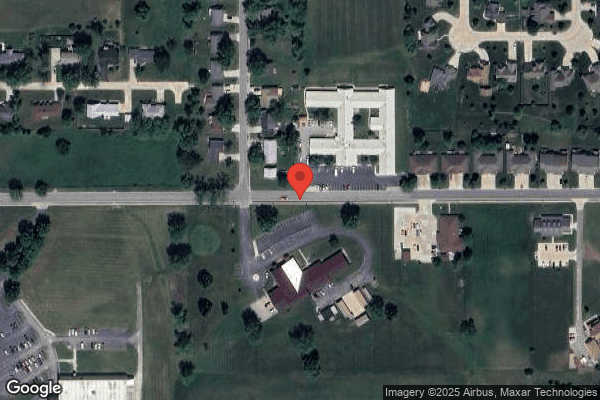
1705 EAST LAHARPE, KIRKSVILLE, MO 63501 (660) 665-3774
For profit - Corporation 119 Beds JUCKETTE FAMILY HOMES Data: November 2025 2 Immediate Jeopardy citations
Trust Grade
0/100
#402 of 479 in MO
Last Inspection: February 2024

Within standard 12-15 month inspection cycle. Federal law requires annual inspections.

Overview

Kirkville Manor Care Center has received a Trust Grade of F, indicating significant concerns about the quality of care provided. With a state rank of #402 out of 479 in Missouri, they are in the bottom half of facilities, and they rank #2 out of 2 in Adair County, meaning only one local option is worse. The facility is reportedly improving, with issues decreasing from 25 in 2024 to just 1 in 2025, but it still has serious challenges, including $250,823 in fines, which is higher than 96% of Missouri facilities and suggests ongoing compliance problems. Staffing is a major weakness, rated at 1 out of 5 stars, with a high turnover rate of 62%, and they have less RN coverage than 99% of state facilities, which limits effective care. There have been critical incidents, including a failure to provide adequate care after a resident's fall, leading to significant pain and delayed treatment, raising serious concerns about resident safety and care standards.

Trust Score
F
0/100
In Missouri
#402/479
Bottom 17%
Safety Record
High Risk
Review needed
Inspections
Getting Better
25 → 1 violations
Staff Stability
⚠ Watch
62% turnover. Above average. Higher turnover means staff may not know residents' routines.
Penalties
✓ Good
$250,823 in fines. Lower than most Missouri facilities. Relatively clean record.
Skilled Nurses
⚠ Watch
Each resident gets only 7 minutes of Registered Nurse (RN) attention daily — below average for Missouri. Fewer RN minutes means fewer trained eyes watching for problems.
Violations
⚠ Watch
47 deficiencies on record. Higher than average. Multiple issues found across inspections.
★☆☆☆☆
1.0
Overall Rating
★☆☆☆☆
1.0
Staff Levels
★★★☆☆
3.0
Care Quality
★☆☆☆☆
1.0
Inspection Score
Stable
2024: 25 issues
2025: 1 issues

The Good

  • Full Sprinkler Coverage · Fire safety systems throughout facility
  • No fines on record

Facility shows strength in fire safety.

The Bad

1-Star Overall Rating

Below Missouri average (2.5)

Significant quality concerns identified by CMS

Staff Turnover: 62%

16pts above Missouri avg (46%)

Frequent staff changes - ask about care continuity

Federal Fines: $250,823

Well above median ($33,413)

Significant penalties indicating serious issues

Chain: JUCKETTE FAMILY HOMES

Part of a multi-facility chain

Ask about local staffing decisions and management

Staff turnover is elevated (62%)

14 points above Missouri average of 48%

The Ugly 47 deficiencies on record

2 life-threatening 5 actual harm
Jun 2025 1 deficiency
CONCERN (D) 📢 Someone Reported This

A family member, employee, or ombudsman was alarmed enough to file a formal complaint

Potential for Harm - no one hurt, but risky conditions existed

Free from Abuse/Neglect (Tag F0600)

Could have caused harm · This affected 1 resident

Based on interview and record review, the facility failed to protect one resident (Resident #1) from physical and verbal abuse. Certified Nurse Assistant (CNA) A slapped the resident with an open hand...

Read full inspector narrative →
Based on interview and record review, the facility failed to protect one resident (Resident #1) from physical and verbal abuse. Certified Nurse Assistant (CNA) A slapped the resident with an open hand and referred to the resident as a pedophile in the presence of the resident. The facility census was 48.On 06/30/25, the administrator was notified of the past noncompliance which occurred on 6/13/25. On 6/21/25, the administrator became aware of the staff to resident abuse allegation involving Certified Nurse Assistant (CNA) A and Resident #1. Upon discovery, the facility suspended CNA A, conducted an investigation, and notified the appropriate parties. All facility staff were educated on the facility abuse policy related to physical and verbal abuse and on the expectations for monitoring for abuse and reporting abuse. The deficiency was corrected on 6/21/25. Review of the facility's abuse policy, last reviewed on 01/31/24, showed the following:-It was the facility's policy to provide protections for the health, welfare, and rights of each resident by developing and implementing written policies and procedures that prohibit and prevent abuse;-Abuse meant the willful infliction of injury, unreasonable confinement, intimidation, or punishment with resulting physical harm, pain, or mental anguish, which can include staff to resident abuse. It includes verbal abuse and physical abuse;-Physical abuse included but not limited to hitting, slapping, punching, biting, and kicking;-Verbal abuse means the use of oral, written, or gestured communication or sounds that willfully includes disparaging the derogatory terms to residents or their families, or within their hearing distance regardless of their age, ability to comprehend, or disability 1. Review of Resident #1's annual Minimum Data Set (MDS), a federally mandated assessment to be completed by the facility, dated 06/12/25, showed the following:-His/Her cognition was moderately impaired;-He/She was dependent on staff for assistance with all activities of daily living (ADL);-He/She was always incontinent of bowel and bladder;-He/She had physical behaviors directed toward others one to three days out of the previous seven day look back period. Review of the resident's face sheet, dated 06/24/25, showed the resident's diagnoses included anxiety disorder, hemiplegia/hemiparesis (paralysis of one side of the body), and nontraumatic intracerebral hemorrhage (bleeding in the brain). Review of the resident's care plan, last reviewed on 06/24/25, showed the following:-He/She required extensive assistance from two staff for all activities of daily living (ADL) tasks;-He/She had a feeding tube in his/her abdomen;-He/She had the potential for increased behavioral symptoms due to diagnoses of dementia, stroke, depression, and history of sexual verbal/physical behaviors with staff;-He/She made staff uncomfortable with sexual and verbal behaviors. Staff were to remind and educate the resident this was inappropriate;-He/She required cues, reminders, and education to not touch staff in a sexual or physical way or ask for sexual favors. Review of facility's online report, dated 06/21/25, showed an allegation of abuse that occurred on 6/13/25 as Certified Nursing Assistant (CNA) B assisted CNA A change the resident. After the staff cleaned the resident, the resident's feeding tube opened. CNA A smacked the resident on the thigh below his/her buttock because CNA A thought the resident opened the feeding tube on purpose and soiled himself/herself and the bed again. Review of the facility's investigation report, dated 06/21/25, showed the following:-Nurse Aide (NA) F reported to Licensed Practical Nurse (LPN) C that CNA B told NA F that CNA B and CNA A went into the resident's room to get up the resident. The resident had soiled himself/herself and the bed. Once staff (CNA A and CNA B) changed the bed, they rolled the resident, and the resident's feeding tube opened and spilled the contents out onto the resident and the bed, which required another bed/clothing change. At that time, CNA A smacked the resident on the thigh below the buttock because he/she (CNA A) thought the resident disconnected the feeding tube on purpose;-The resident was unable to answer questions due to his/her cognitive impairment;-Staff interviews showed CNA A was more agitated with the resident due to the resident's increased sexual behaviors;-CNA B reported that CNA A referred to the resident as a pedophile;-CNA E said CNA A referred to the resident as a pedophile while rounding on the hall;-CNA A was suspended until further notice.-In conclusion, per interviews with the resident and other residents and staff, there was no evidence to substantiate the allegation of abuse. Review of a CNA B's written statement/interview, provided by the facility, dated 06/25/25 at 11:10 A.M., showed CNA B witnessed CNA A smack the resident's posterior left thigh because the resident's feeding tube top kept popping open. During an interview on 06/30/25 at 12:00 P.M., NA F said CNA B reported to him/her he/she witnessed CNA A smack the resident on the leg when CNA A and CNA B provided care on 06/13/25. Review of LPN C's written statement/interview, provided by the facility, dated 06/21/25 at 3:15 P.M., showed the following:-NA F reported to him/her CNA B witnessed CNA A strike the resident with an open hand on 06/13/25;-He/She contacted CNA B on 06/21/25, who confirmed he/she witnessed CNA A strike the resident with an open hand. During an interview on 06/30/25 at 11:39 A.M., LPN C said the following:-On 06/21/25, NA F reported to him/her CNA B told NA F that CNA A struck the resident;-He/She contacted CNA B who said he/she witnessed CNA A strike the resident;-CNA A had become more irritated with the resident. During an interview on 06/30/25 at 2:30 P.M., CNA E said the following:-CNA B told him/her the resident's feeding tube kept disconnecting while CNA B and CNA A assisted the resident with dressing. CNA A thought the resident was doing this on purpose and smacked the resident on the bottom;-In the last couple of weeks, he/she assisted CNA A get the resident ready for bed and witnessed the resident grab CNA A's breasts. CNA A removed the resident's hands from his/her breasts and called the resident a pedophile. CNA A asked the resident if he/she would like someone to grab his/her family member's breasts. During an interview on 06/30/25 at 2:25 P.M., CNA H said the following:-CNA A talked mean, was hostile, and aggressive with the resident;-CNA A had referred to the resident as a pedophile to the resident's face. During an interview on 06/30/25 at 9:30 A.M., the resident's next of kin said the following:-The facility reported on 06/21/25 that a CNA smacked the resident.-During the investigation, allegations were made that CNA A referred to the resident as a pedophile;-The resident had a history of sexual behaviors, but was pretty good about being redirected;-The resident's cognition varied from day to day;-The resident nodded his/her head yes when he/she asked the resident if anyone had hit him/her. During an interview on 06/30/25 at 3:39 P.M., the Director of Nursing said the abuse allegation was in-conclusive due to the witness (CNA B) did not follow through with the investigation process (CNA B did continue his/her employment after the facility began their investigation). Staff calling a resident names was considered a form of verbal abuse. During an interview on 06/30/25 at 3:15 P.M., the Administrator said the following:-Based on the information obtained, they did not know if CNA A smacked the resident; -The facility found out about CNA A referring to the resident as a pedophile during the facility's abuse investigation;-Referring to the resident as a pedophile could be categorized as abuse due to the humiliation that it could cause the resident. Complaint 1716802
Nov 2024 5 deficiencies 1 IJ
CRITICAL (J) 📢 Someone Reported This

A family member, employee, or ombudsman was alarmed enough to file a formal complaint

Immediate Jeopardy (IJ) - the most serious Medicare violation

Quality of Care (Tag F0684)

Someone could have died · This affected 1 resident

Refer to Event ID M9W912 Based on interview and record review, the facility failed to provide care and treatment following a fall with injury for one resident (Resident #9) with a personal history of ...

Read full inspector narrative →
Refer to Event ID M9W912 Based on interview and record review, the facility failed to provide care and treatment following a fall with injury for one resident (Resident #9) with a personal history of a stroke and who was on Xarelto (anticoagulant or blood thinning medication) of nine sampled residents. The resident complained of right sided rib pain at the time of the fall and continued to complain of pain 9 out of 10 (on a scale from 0 to 10 with ten being the worst pain) to the right side. Approximately 2-1/2 hours after the resident was found, the resident's family member arrived at the facility to check on the resident and requested the resident be re-evaluated by staff due to the resident's severe pain, along with shortness of breath. Approximately 10-3/4 hours after the resident was found, the resident continued to complain of pain of 7 out of 10. Staff described the resident as very tearful and in a lot of pain when repositioned, and the physician was not notified. On 10/22/24, the resident's physician gave orders to send the resident to the emergency room (ER) for evaluation, nonemergent, due to a high blood potassium level. In the emergency department the resident was found to have a large right sided hemothorax (when a collection of blood accumulates in the chest cavity, often caused by trauma or injury, symptoms can include difficulty breathing and pain) with multiple displaced rib fractures and a right scapular fracture (a rare injury that occurs when the shoulder blade is directly or indirectly impacted by a significant amount of force such as a fall or blow to the shoulder). At the time of the fall, the on-call physician, who was not the resident's primary care physician, was notified that the resident had slipped from the wheelchair and there was no injury and the notification was facility procedure. The physician was not notified the resident was in pain after the fall and continued to have pain throughout the night, the use of an anticoagulant medication, the resident's shortness of breath or that the fall was unwitnessed. The facility census was 51.
SERIOUS (G) 📢 Someone Reported This

A family member, employee, or ombudsman was alarmed enough to file a formal complaint

Actual Harm - a resident was hurt due to facility failures

Accident Prevention (Tag F0689)

A resident was harmed · This affected 1 resident

Refer to Event ID M9W912 Based on interview and record, review the facility failed to develop a care plan with interventions to prevent falls for one resident (Resident #9) of nine sampled residents, ...

Read full inspector narrative →
Refer to Event ID M9W912 Based on interview and record, review the facility failed to develop a care plan with interventions to prevent falls for one resident (Resident #9) of nine sampled residents, who was at risk for falls and was admitted to the facility after having falls at home. The resident sustained a fall while at the facility on 10/21/22. Staff failed to complete a thorough post fall assessment or notify the Director of Nursing (DON), as directed by facility policy, at the time of the fall. The facility failed to communicate the resident's fall to the oncoming shift at shift change. The facility failed to communicate pertinent information regarding the fall to the on-call physician, who was not familiar with the resident which delayed evaluation and treatment. As a result of the fall, the resident sustained a large right sided hemothorax (when a collection of blood accumulates in the chest cavity, often caused by trauma or injury, symptoms can include difficulty breathing and pain) with multiple displaced rib fractures (broken ribs where the pieces of bone have moved so that a gap has formed around the fracture, complications can include punctured lungs and damage to other organs) and a right scapular fracture (a rare injury that occurs when the shoulder blade is directly or indirectly impacted by a significant amount of force such as a fall or blow to the shoulder). The facility census was 51.
CONCERN (E) 📢 Someone Reported This

A family member, employee, or ombudsman was alarmed enough to file a formal complaint

Potential for Harm - no one hurt, but risky conditions existed

Deficiency F0557 (Tag F0557)

Could have caused harm · This affected multiple residents

Refer to Event ID M9W912 Based on observation and interview, the facility failed to maintain resident dignity and self determination for four residents (Resident #1, #8, #2, and #7) when staff failed ...

Read full inspector narrative →
Refer to Event ID M9W912 Based on observation and interview, the facility failed to maintain resident dignity and self determination for four residents (Resident #1, #8, #2, and #7) when staff failed to provide grooming assistance to include basic haircuts. The facility census was 51.
CONCERN (E) 📢 Someone Reported This

A family member, employee, or ombudsman was alarmed enough to file a formal complaint

Potential for Harm - no one hurt, but risky conditions existed

ADL Care (Tag F0677)

Could have caused harm · This affected multiple residents

Refer to Event ID M9W912 Based on observation, interview, and record review, the facility failed to provide three residents (Resident #7, #8 and #2 ), of nine sampled residents, with assistance with a...

Read full inspector narrative →
Refer to Event ID M9W912 Based on observation, interview, and record review, the facility failed to provide three residents (Resident #7, #8 and #2 ), of nine sampled residents, with assistance with activities of daily living (ADL) when staff failed to check for incontinence. The facility failed to ensure Resident #7's hair was groomed and pulled back out of the resident's face during meals and throughout the day. The facility also failed to ensure Resident #2 received routine showers. The facility census was 51.
CONCERN (E) 📢 Someone Reported This

A family member, employee, or ombudsman was alarmed enough to file a formal complaint

Potential for Harm - no one hurt, but risky conditions existed

Deficiency F0725 (Tag F0725)

Could have caused harm · This affected multiple residents

Refer to Event ID M9W912 Based on observation, interview and record review, the facility failed to provide sufficient nursing staff to meet residents' needs for five sampled residents (Resident #7, #8...

Read full inspector narrative →
Refer to Event ID M9W912 Based on observation, interview and record review, the facility failed to provide sufficient nursing staff to meet residents' needs for five sampled residents (Resident #7, #8, #2, #6, and #1). The facility failed to have adequate staffing to check and provide incontinence care to residents in a timely manner, to provide routine showers to ensure good personal hygiene, to answer call lights in a timely manner and to assist residents out of bed for meals, and ensure all residents were served meals. The facility census was 51.
Oct 2024 7 deficiencies 1 IJ
CRITICAL (J) 📢 Someone Reported This

A family member, employee, or ombudsman was alarmed enough to file a formal complaint

Immediate Jeopardy (IJ) - the most serious Medicare violation

Quality of Care (Tag F0684)

Someone could have died · This affected 1 resident

**NOTE- TERMS IN BRACKETS HAVE BEEN EDITED TO PROTECT CONFIDENTIALITY** Based on interview and record review, the facility failed to provide care and treatment following a fall with injury for one res...

Read full inspector narrative →
**NOTE- TERMS IN BRACKETS HAVE BEEN EDITED TO PROTECT CONFIDENTIALITY** Based on interview and record review, the facility failed to provide care and treatment following a fall with injury for one resident (Resident #9) with a personal history of a stroke and who was on Xarelto (anticoagulant or blood thinning medication) of nine sampled residents. The resident complained of right sided rib pain at the time of the fall and continued to complain of pain 9 out of 10 (on a scale from 0 to 10 with ten being the worst pain) to the right side. Approximately 2-1/2 hours after the resident was found, the resident's family member arrived at the facility to check on the resident and requested the resident be re-evaluated by staff due to the resident's severe pain, along with shortness of breath. Approximately 10-3/4 hours after the resident was found, the resident continued to complain of pain of 7 out of 10. Staff described the resident as very tearful and in a lot of pain when repositioned, and the physician was not notified. On 10/22/24, the resident's physician gave orders to send the resident to the emergency room (ER) for evaluation, nonemergent, due to a high blood potassium level. In the emergency department the resident was found to have a large right sided hemothorax (when a collection of blood accumulates in the chest cavity, often caused by trauma or injury, symptoms can include difficulty breathing and pain) with multiple displaced rib fractures and a right scapular fracture (a rare injury that occurs when the shoulder blade is directly or indirectly impacted by a significant amount of force such as a fall or blow to the shoulder). At the time of the fall, the on-call physician, who was not the resident's primary care physician, was notified that the resident had slipped from the wheelchair and there was no injury and the notification was facility procedure. The physician was not notified the resident was in pain after the fall and continued to have pain throughout the night, the use of an anticoagulant medication, the resident's shortness of breath or that the fall was unwitnessed. The facility census was 51. The administrator was notified on 11/21/24 at 12:30 P.M of the Immediate Jeopardy (IJ) which began on 10/21/24. The IJ was removed on 11/21/24, per onsite verification. Review of the facility's policy, Acute Condition Changes, dated March 2018, showed the following: -The physician will help identify individuals with a significant risk for having acute changes of condition during their stay; -The nurse shall assess and document/report baseline information to include current level of pain and recent changes in pain level, onset, duration and the severity, all active diagnoses, and current medications; -Direct care staff, including nursing assistants will be trained in recognizing subtle but significant changes in the resident and how to communicate these changes to the nurse; -Before contacting a physician about someone with an acute change of condition, the nursing staff will collect pertinent details to report to the physician; for example, the history of present illness. Phone calls should be made by an adequately prepared nurse who has collected and organized pertinent information, including the resident's current symptoms and status. Review of the facility's policy, Pain Assessment and Management, dated March 2022, showed the following: -The purpose of this procedure is to help the staff identify pain in the resident and to develop interventions that are consistent with the resident's goals and needs and that address the underlying causes of pain; -The pain management program is based on a facility-wide commitment to appropriate assessment and treatment of pain, based on professional standards of practice, the comprehensive care plan and the resident's choice related to pain management; -Pain management is a multidisciplinary care process that includes assessing the potential for pain, recognizing the presence of pain, addressing the underlying causes of the pain; -Report to the physician significant changes in the resident's level of pain. 1. Review of Resident #9's care plan dated 10/17/24 showed the following: -The resident required assistance of two staff for bed mobility, for pulling up in bed, repositioning in bed, dressing, toileting, and transfers (Date initiated, 10/17/24); -The resident will attempt to do things without assistance, staff to anticipate needs during routine rounds, as needed and per request (Date initiated, 10/17/24); -The resident was up in the wheelchair, leaned forward, and fell to the floor. Experienced right rib pain. Interventions for staff to continue to educate about not leaning forward in wheelchair, keep call light within reach at all times. (Date initiated, 10/21/24 and revised on 11/6/24). Review of the resident's admission Minimum Data Set (MDS), a federally mandated assessment instrument, dated 10/21/24, showed the following: -Moderate cognitive impairment; -The resident had pain occasionally and received as needed (PRN) pain medications; -Pain rarely affected sleep; -Pain occasionally affected day to day activities; -No range of motion impairment to upper extremities; -Range of motion impairment in both lower extremities; -Wheelchair used for mobility; -Substantial to maximum assistance required from a staff member to move from sitting to lying position, and for chair/bed to chair transfer; -The resident had one fall since admission with no evidence of injury. Review of the resident's physician order sheet (POS) dated October 2024 showed the following: -Diagnoses included acquired absence of left leg above knee, acquired absence of right leg above the knee, malignant neoplasm of the frontal lobe (a cancerous tumor in the frontal lobe of the brain), muscle wasting and atrophy (decrease in muscle mass and strength) and diabetes; -An order for Xarelto 20 milligram (mg) daily. Review of the resident's Nursing Note dated 10/21/24 at 5:25 P.M. showed the following: -Registered Nurse (RN) A was called to the resident's room by Certified Nurse Assistant (CNA) E. The resident was found lying on the floor on his/her back in front of his/her wheelchair. The resident said he/she was up in his/her wheelchair, leaned forward and fell out of the wheelchair. This fall was not witnessed; -The resident complained of right-side rib pain, but no apparent injury was noted. Staff transferred the resident from the floor to the wheelchair with the assist of two staff members and a mechanical lift. Staff assisted the resident to the dining room. Neurology checks (quick assessment that evaluates the health of someone's nervous system through a series of tests) started, and vital signs (measurements of the body's basic function including temperature, pulse rate, respiration rate and blood pressure) obtained; -On call physician notified of the fall at 5:40 P.M. and no new orders received. Family notified of the fall. Review of the resident's Medication Administration Record (MAR), dated 10/21/24 at 8:30 P.M.,. showed the resident complained of pain in his/her right rib area and rated it a 9 on a scale from 0 to 10 with ten being the worst pain. Staff administered Tramadol (medication used to treat moderate to severe pain) 50 mg and the medication was noted as effective. Review of the resident's Nursing Note, dated 10/21/24 at 9:17 P.M., showed the resident was tearful and said he/she wanted to go home at times. The resident complained of right sided rib pain. Upon palpation resident was tender to touch on the right side and 3 to 4 inches below the axilla (armpit). There was no documentation of the physician being notified. Review of the resident's Nursing Note, dated 10/22/24 at 4:12 A.M., showed the resident complained of pain in his/her right side and rated it a 7 on a 0 to 10 scale with ten being the worst. Staff administered two Tylenol Extra Strength 500 mg tablets (analgesic used to treat mild to moderate pain) and it was noted to be effective. Review of the resident's MAR, dated 10/22/24 at 7:12 A.M., showed the resident complained of right-side rib pain and rated it a 6 on a scale from 0 to 10. Staff administered Tramadol 50 mg one tablet for right sided rib pain, and it was ineffective. No further treatment for pain was initiated when the Tramadol did not effectively relieve the pain. Review of the resident's Nursing Note, dated 10/22/24 at 8:21 A.M., completed by Licensed Practical Nurse (LPN) C, showed the on-call physician's office called and gave an order to send the resident to the emergency department for evaluation due to a critical potassium level and to send the resident nonemergent. Notified the resident's family member of the order. At that time the family member voiced concerns about the fall from the night before and said the resident was still in a lot of pain. LPN C was unaware of the fall. The family member reported the resident was complaining of arm, shoulder, side, and back pain. The resident rated his/her pain a 10. Message sent to the physician to see if he/she wanted any x-rays while at the hospital. After receiving an order from the physician on 10/22/24 at 8:21 A.M. to send the resident to the hospital, Emergency Medical Services (EMS) was contacted to transport the resident. Review of the resident's Nursing Note dated 10/22/24 at 9:15 A.M., showed staff spoke with the ER nurse regarding the fall and complaint of pain, along with high potassium level. The ER nurse said they were in the process of doing x-rays for the resident. Review of the resident's Hospital Discharge summary, dated [DATE] at 1:30 P.M., showed the following: -The resident presented through the emergency room department with complaints related to a fall out of his/her wheelchair. The resident was found to have a large right sided traumatic hemothorax with multiple displaced rib fractures and a right scapula fracture. Evacuation hemothorax was achieved through tube thoracotomy (a surgical procedure that involves making an incision in the chest wall and inserting a tube to drain fluid or air from the pleural space); -It was easy to identify that this injury pattern would be quite disruptive to the resident's quality of life and there would be a long road to any meaningful recovery if meaningful recovery was achievable. Aggressive pain control measures were taken; -The resident will discharge back to the facility with hospice arrangements. During an interview on 11/19/24 at 3:00 P.M., Certified Nurse Assistant (CNA) E said the following: -He/She found the resident on the floor on his/her back. The resident had fallen out of his/her wheelchair and CNA E notified RN A. During an interview on 11/21/24 at 5:15 P.M., CNA F said the following: -On 10/21/24 he/she worked 11:00 P.M. to 7:00 A.M.; -He/She was notified of the resident having a fall in report; -At 4:00 A.M., the resident was tearful and complained of right rib pain. The resident had a lot of pain when staff turned him/her, it was not normal for the resident to have rib pain. CNA F reported that to the charge nurse. During an interview on 11/19/24 at 12:50 P.M., RN A said the following: -On the evening of 10/21/24, CNA E found the resident on the floor. The resident complained of right sided rib pain after the fall. He/She touched the resident's side and the resident had discomfort; -He/She notified the physician on call (not the resident's primary physician) the resident had a fall and had some rib soreness. He/She did not receive any orders. He/She did not communicate to the physician the resident was on a blood thinning medication; -The resident had increased pain at bedtime, but RN A didn't feel it required urgent care or the physician being notified. If the resident had a rib fracture nothing really could be done for it; -RN A scheduled a mobile x-ray for the following day. During an interview on 11/20/24 at 7:54 A.M., LPN C said the following: -He/She worked the 7:00 A.M. to 3:00 P.M. shift on 10/22/24; -He/She received no information during shift change report regarding the resident or a fall from the staff on the previous shift; -The resident's family member reported the morning of 10/22/24 the resident was crying out in pain and hurt all over since the fall; -The resident had been sent out for a critical potassium level. LPN C called the hospital and requested the resident have x-xays due to pain from the fall. During an interview on 11/20/24 at 5:30 P.M., the resident's family member said the following: -On the evening of 10/21/24, RN A called him/her and said the resident fell out of his/her wheelchair onto the floor. RN A said he/she had checked the resident over and didn't have any concerns; -On 10/21/24 approximately 8:00 P.M., the resident's family member arrived at the facility to check on the resident. The resident complained of right sided rib pain and had concerns his/her ribs were broken. He/She questioned RN A about the resident's increased pain. RN A said he/she would schedule a mobile x-Ray for the next day; - On 10/22/2024 when the resident's family member arrived at the facility, the resident was crying out in pain, hurting all over and having some difficulty breathing. The family member reported the pain to LPN C and LPN C was not aware the resident had fallen the evening before; -The resident was diagnosed with multiple rib fractures and a right shoulder fracture. He/she felt the resident should have been evaluated in the emergency room the night of the fall. The resident was in a lot of pain throughout the night; -Due to the extent of the injuries after the fall, the resident elected to go on hospice and return to the facility with no surgical intervention. During an interview on 11/19/24 at 2:15 P.M., the Director of Nursing (DON) said the following: -She would expect any resident who sustained a fall and was on a blood thinning medication be sent out for evaluation due to a risk of bleeding; -She would expect all staff to notify the administrative staff member on call of a resident fall. RN A did not notify the administrative staff on call of the fall; -RN A did not provide the physician on call with enough information regarding the resident and the fall or make the physician aware the resident was on blood thinning medication; -The post fall assessment was not thorough and there was no evidence the night charge nurse evaluated the resident following the fall for any increased pain or change in status; -The resident had increased pain and should have been sent out for evaluation at the time of the fall. During an interview on 11/26/24 at 11:02 A.M., the Administrator said the following: -He would expect staff to follow the facility policy regarding a change in condition and pain assessment; -He would expect staff to assess a resident for pain following a fall and relay any concerns or an increase in pain to the physician. During an interview on 11/20/24 at 11:10 A.M., the Physician Q (on call physician) said the following: -He was the physician on call on 10/21/24, but had not seen or evaluated the resident in the past; -He was notified the resident slipped from the wheelchair and it was procedure to notify the physician on call, but was told no injury had occurred; -The nurse described the resident as having some tenderness, but nothing more; -He would expect staff to notify him that the fall was unwitnessed, the resident was on a blood thinning medication or any continued or an increase in pain; -Communication played a role and if he had received all the details regarding the fall and the resident's history and use of a blood thinner, he would have sent the resident out for evaluation at the time of the fall. NOTE: At the time of the abbreviated survey, the violation was determined to be at the immediate jeopardy level J. Based on observation, interview and record review completed during the onsite visit, it was determined the facility had implemented corrective action to remove the IJ violation at the time. A final revisit will be conducted to determine if the facility is in substantial compliance with participation requirements. At the time of exit, the severity of the deficiency was lowered to the G level. This statement does not denote that the facility has complied with State law (Section 198.026.1 RSMo.) requiring that prompt remedial action to be taken to address Class I violation(s). MO244074
SERIOUS (G) 📢 Someone Reported This

A family member, employee, or ombudsman was alarmed enough to file a formal complaint

Actual Harm - a resident was hurt due to facility failures

Accident Prevention (Tag F0689)

A resident was harmed · This affected 1 resident

**NOTE- TERMS IN BRACKETS HAVE BEEN EDITED TO PROTECT CONFIDENTIALITY** Based on interview and record, review the facility failed to develop a care plan with interventions to prevent falls for one res...

Read full inspector narrative →
**NOTE- TERMS IN BRACKETS HAVE BEEN EDITED TO PROTECT CONFIDENTIALITY** Based on interview and record, review the facility failed to develop a care plan with interventions to prevent falls for one resident (Resident #9) of nine sampled residents, who was at risk for falls and was admitted to the facility after having falls at home. The resident sustained a fall while at the facility on 10/21/22. Staff failed to complete a thorough post fall assessment or notify the Director of Nursing (DON), as directed by facility policy, at the time of the fall. The facility failed to communicate the resident's fall to the oncoming shift at shift change. The facility failed to communicate pertinent information regarding the fall to the on-call physician, who was not familiar with the resident which delayed evaluation and treatment. As a result of the fall, the resident sustained a large right sided hemothorax (when a collection of blood accumulates in the chest cavity, often caused by trauma or injury, symptoms can include difficulty breathing and pain) with multiple displaced rib fractures (broken ribs where the pieces of bone have moved so that a gap has formed around the fracture, complications can include punctured lungs and damage to other organs) and a right scapular fracture (a rare injury that occurs when the shoulder blade is directly or indirectly impacted by a significant amount of force such as a fall or blow to the shoulder). The facility census was 51. Review of the facility's policy titled, Care Plans-Baseline, December 2016 showed the following: -A baseline plan of care to meet the resident's immediate needs shall be developed for each resident within forty-eight (48) hours of admission; -The baseline care plan will be used until the staff can conduct the comprehensive assessment and develop an interdisciplinary person-centered care plan; -The interdisciplinary team will review the healthcare practitioner's orders (e.g., dietary needs, medications, routine treatments, etc.) and implement a baseline care plan to meet the resident's immediate care needs including, but limited to initial goals based on admission orders, physician orders, dietary orders, therapy services and social services. Review of the facility's policy titled, Assessing Falls and Their Causes, dated March 2018, showed the following: -The purposes of this procedure was to provide guidelines for assessing a resident after a fall and to assist staff in identifying causes of the fall; -Review the resident's care plan to assess for any special needs of the resident, identify current medications and active medical conditions; -Falls are the leading cause of morbidity and mortality among the elderly in nursing homes, falling maybe related to underlying clinical or medical conditions, overall functional decline, medication side effects or environmental risk factors; -If a resident has just fallen, or is found in the floor without a witness to the event, evaluate for possible injuries to the head, neck, spine, and extremities; -If an assessment rules out significant injury or condition change, notify the practitioner routinely by fax, or phone the next day; -Observe for delayed complications of a fall for approximately 48 hours after an observed or suspected fall, and document findings in the medical record; -Document any observed signs or symptoms of pain, swelling, bruising or deformity, and/or decreased mobility, and any changes in level of responsiveness/consciousness or overall function. Note the presence or absence of significant findings; -After an observed or probable fall, clarify details of the fall, such as when fall occurred and what the individual was trying to do at the time if the fall; -Distinguish falls as rolling, sliding, or dropping from bed or chair to floor; -Within 24 hours of the fall, begin to try to identify the likely cause of the incident; -When a resident falls, record in the medical record the condition in which the resident was found, assessment data, including vital signs and any obvious injuries. Interventions or treatment administered, notification to the physician and family, as indicated, completion of falls risk assessment, appropriate interventions to prevent future falls; -Report to the attending physician (timing of notification may vary, depending on whether injury was involved), the DON and the nursing supervisor on duty 1. Review of Resident #9's Nursing Note, dated 10/14/24 at 9:13 P.M., showed the following: -The resident was admitted from the hospital emergency room; -The resident transfers with assist of two staff and slides from wheelchair to bed and has bilateral amputation of lower extremities. History of falls which was the reason the resident was in the emergency room today. Review of the resident's Care Plan, dated 10/17/24, showed the following: Diagnoses included acquired absence of left leg above knee, acquired absence of right leg above the knee, malignant neoplasm of the frontal lobe (a cancerous tumor in the frontal lobe of the brain), muscle wasting and atrophy (decrease in muscle mass and strength) and diabetes; -The resident required assist of two for bed mobility, for pulling up in bed, repositioning in bed, dressing, toileting, and transfers (Date initiated, 10/17/24); -The resident will attempt to do things without assistance, staff to anticipate my needs during routine rounds, as needed and per request (Date initiated, 10/17/24) -The care plan did not address the resident's risk for falls or include interventions to prevent falls. Review of the resident's Fall Risk Evaluation, dated 10/20/24, showed the following: -Upon admission and quarterly, at a minimum, thereafter, observe the resident status in the 11 clinical condition parameters listed below by assigning the corresponding score which best describes the resident. If the total score is 10 or greater, the resident should be considered at HIGH RISK for potential falls. Prevention protocol should be initiated immediately and documented on the care plan; -Staff documented the resident had no falls in the past three months, was bedbound/continent, had a change of condition in the last 14 days, had a recent hospitalization, took one to two medications that increased the likelihood for falls, and had multiple predisposing diseases that increased the likelihood for falls; -The resident's score was 17 showing the resident was at high risk for falls, the section of the evaluation Risk for Falls including options for interventions, was not completed by staff. Review of the resident's admission Minimum Data Set (MDS), a federally mandated assessment instrument, dated 10/21/24, showed the following: -Moderate cognitive impairment; -The resident had pain occasionally and received as needed (PRN) pain medications; -Pain rarely affected sleep; -Pain occasionally affected day to day activities; -No range of motion impairment to upper extremities; -Range of motion impairment in lower extremities; -Wheelchair used for mobility; -Substantial to maximum assistance required from a staff member to move from sitting to lying position, rolling left to right, and for chair/bed to chair transfer; -The resident had one fall since admission with no evidence of injury. Review of the resident's Occupational Therapy Evaluation, dated 10/17/24, showed the following: -The resident will increase sitting balance during Activities of Living (ADL) to fair and using righting reactions 75% of the time to reduce the risk of falls, facilitate upright posture and increase participation with functional tasks; -Sitting during meals percentage baseline was less than 25% and was poor (sits unsupported with minimal assist and unable to weight shift). Review of the resident's Nursing Note, dated 10/21/24 at 5:25 P.M., showed the following: -Registered Nurse (RN) A was called to the resident's room by Certified Nurse Assistant (CNA) E. The resident was found on the floor on his/her back in front of his/her wheelchair. The resident said he/she was up in his/her wheelchair, leaned forward and fell out of the wheelchair; -The resident complained of right-side rib pain, but no apparent injury was noted. Staff transferred the resident from the floor to the wheelchair with the assist of two staff members and a mechanical lift. The resident was assisted to the dining room; -Staff notified the call physician at 5:40 P.M. and no new orders were received. Review of the resident's Unwitnessed Fall Report dated 10/21/24 at 6:07 P.M., showed the following: -RN A was called to the resident's room, the resident was on the floor on his/her back in front of the wheelchair. The resident said he/she leaned forward in the wheelchair and fell out; -The resident was assisted to the wheelchair by two staff members and use of a mechanical lift and brought to the dining room. No apparent injury noted. The resident complained of right-sided rib tenderness; -Level of pain was a 5 on a 0 to 10 scale with 10 being the worse; -The section for environmental factors and situational factors was not completed; -Predisposing factors: weakness/fainted and trunk control and balance issue. Review of the resident's medical record showed staff did not document on 10/21/24 (11:00 P.M. to 7:00 A.M.) that the 11-7 shift charge nurse assessed the resident post fall for any delayed complications, pain or injury. Review of the resident's hospital Discharge summary, dated [DATE] at 1:30 P.M., showed the following: -The resident presented through the emergency room department with complaints related to a fall out of his/her wheelchair. The resident was found to have a large right sided traumatic hemothorax with multiple displaced rib fractures and a right scapula fracture. Evacuation hemothorax was achieved through tube thoracostomy. -It was easy to identify that this injury pattern would be quite disruptive to the resident's quality of life and there would a long road to any meaningful recovery if meaningful recovery was achievable. Aggressive pain control measures were taken. -The resident will discharge back to the facility with hospice arrangements. Review of the resident's care plan, revised 11/6/24, showed fall on 10/21/24, right rib pain. Up in wheelchair and leaned forward and fell to floor. Interventions for staff to continue to educate about not leaning forward in wheelchair. During an interview on 11/20/24 at 5:30 P.M., the resident's family member said the following: -The resident was admitted directly to the facility from the emergency room after a fall at home. The resident had fallen multiple times at home trying to transfer; -On the evening of 10/21/24, RN A called him/her and said the resident fell out of his/her wheelchair onto the floor. RN A said he/she had checked the resident over and didn't have any concerns; -On 10/21/24 approximately 8:00 P.M. the family member arrived at the facility to check on the resident. The resident complained of right sided rib pain and had concerns his/her ribs were broken. He/She questioned RN A about the resident's increased pain. RN A said he/she would schedule a mobile x-ray for the next day; -The following day (10/22/24) when the family member arrived at the facility the resident was crying out in pain, hurting all over and having some difficulty breathing. The family member reported the pain to Licensed Practical Nurse (LPN) C and he/she was not aware the resident had fallen the evening before; -The resident ended up with multiple rib fractures and a right shoulder fracture. He/she felt the resident should have been evaluated in the emergency room the night of the fall. The resident was in a lot of pain throughout the night; -Due to the extent of the injuries after the fall, the resident elected to go on hospice and return to the facility with no surgical intervention. During an interview on 11/19/24 at 3:00 P.M., CNA E said the following: -He/She was not aware the resident had a history of falls. He/She didn't know of any fall interventions that were in place to prevent falls for the resident; -He/She found the resident on the floor on his/her back. The resident fell out of his/her wheelchair and CNA E notified RN A. During an interview on 11/20/24 at 1:36 P.M., CNA P said the following: -The resident was typically in bed, the resident was so weak he/she wasn't sure the resident could hold himself/herself up if in the wheelchair for very long. CNA P was afraid to even leave the resident in the wheelchair while he/she changed the bed linens on shower day; -CNA P made a comment to one of the charges nurse that he/she was concerned with leaving the resident in his/her wheelchair unsupervised because the resident was so weak; -CNA P wasn't sure if the resident had a history of falls. During an interview on 11/20/24 at 7:54 A.M., LPN C said the following: -He/She was not aware the resident had a fall in the past or prior to admission. He/She could not recall any fall prevention interventions that were in place for the resident prior to his/her fall on 10/21/24; -He/She worked the 7:00 A.M. to 3:00 P.M. shift on 10/22/24; -The off-going nurse provided no information at shift change to LPN C regarding the resident or a fall. If any resident had a recent fall, he/she evaluated the resident at the start of his/her shift to assure there was no post fall concerns. This was not done as LPN C was not aware of the resident's fall; -The resident's family member reported that morning the resident was crying out in pain and hurt all over since the fall; -The resident had been sent out for a critical potassium level, LPN C called the hospital and requested the resident have x-rays due to pain from the fall. During an interview on 11/20/24 at 9:00 A.M., LPN B said on 10/21/24 he/she worked the 11:00 P.M. to 7:00 A.M. shift. LPN B did not recall if the resident had a fall prior to his/her shift. He/She could not recall if the resident had any pain throughout his/her shift. During an interview on 11/20/24 at 10:00 A.M. with Physical Therapy Assistant (PTA) O said the following: -The resident was very weak and required a mechanical lift for transfers; -The resident's core strength was very poor. The resident was often slumped over in bed and required assistance to sit up in bed due to his/her weakness; -The resident was not safe to sit in his/her wheelchair unsupervised due being visibly weaker prior to the fall. PTA O thought the nursing staff were aware of this, but was not sure if it was communicated to them. During an interview on 11/19/24 at 2:15 P.M., the DON said the following: -The resident was admitted to the facility from the emergency room following a fall at home. A fall care plan and interventions should have been put in place upon admission; -She would expect the Fall Risk Evaluation be completed accurately. The fall incident report should be thorough and attempt to find the root cause of the fall; -She was not aware that therapy staff had concerns with the resident being up in the wheelchair unsupervised. That information was not relayed to her, she would expect for therapy to relay that information to the nursing staff; -The facility also had a weekly meeting with therapy to discuss the residents and any concerns or recommendations; -She would expect staff to report any falls to the oncoming shift at change of shift and documentation of the resident's status following the fall; -She would expect all staff notify the administrative staff member on call of a resident fall. RN A didn't notify the administrative staff on call of the fall; -The post fall assessment was not thorough and there was no evidence the night charge nurse evaluated the resident following the fall for any increased pain or changes in status; -The resident had an increase of pain and should have been sent out for evaluation at the time of the fall; -She would expect for the baseline care plan be completed at admission by the admitting nurse. During an interview on 11/26/24 at 11:02 A.M. the Administrator said the following: -He would expect staff to follow the facility policy regarding falls; -He would expect staff to assess a resident for pain following a fall and relay any concerns or an increase in pain to the physician. During an interview on 11/20/24 at 11:10 A.M. the Physician Q (on call physician on) said the following: -He was the physician on call on 10/21/24, but had not seen or evaluated the resident in the past; -He was notified the resident slipped from the wheelchair and it was procedure to notify the physician on call, but was told no injury had occurred; -The nurse described the resident as having some tenderness, but nothing more. MO244074
CONCERN (E) 📢 Someone Reported This

A family member, employee, or ombudsman was alarmed enough to file a formal complaint

Potential for Harm - no one hurt, but risky conditions existed

Deficiency F0557 (Tag F0557)

Could have caused harm · This affected multiple residents

**NOTE- TERMS IN BRACKETS HAVE BEEN EDITED TO PROTECT CONFIDENTIALITY** Based on interview and record review, the facility failed to treat four residents (Resident #2 #1 #12 and #18) with dignity and ...

Read full inspector narrative →
**NOTE- TERMS IN BRACKETS HAVE BEEN EDITED TO PROTECT CONFIDENTIALITY** Based on interview and record review, the facility failed to treat four residents (Resident #2 #1 #12 and #18) with dignity and respect, in a review of 18 sampled residents. Staff did not speak respectfully to residents and did not promptly respond to an incontinent resident when he/she required staff assistance. The facility census was 49. Review of the facility's policy titled Dignity, dated February 2021, showed the following: -Residents are treated with dignity and respect at all times; -Staff speak respectfully to residents at all times; -Demeaning practices and standards of care that compromise dignity are prohibited. Staff are expected to promote dignity and assist residents by promptly responding to a resident's request for toileting assistance; -Staff are expected to treat cognitively impaired residents with dignity and sensitivity; for example: a. Addressing the underlying motives or root causes for behavior; b. Not challenging or contradicting the resident's beliefs or statements. 1. Review of Resident #2's annual Minimum Data Set (MDS) a federally mandated assessment instrument, dated 8/9/24, showed the following: -The resident had severe cognitive impairment; -He/She had adequate hearing; -He/She had the ability to express ideas and wants; -He/She had clear comprehension to understand others; -He/She required maximum assistance with upper and lower body dressing, bathing, and bed mobility; -He/She was dependent on staff for transfers, personal hygiene, toilet use, and locomotion; -He/She was always incontinence of bladder and bowel. Review of the resident's Care Plan, updated 8/10/24, showed the following: -The resident was dependent on staff for meeting emotional, intellectual, physical, and social needs related to physical limitations; -All staff conversed with the resident while providing care; -The resident was able to use the call light when he/she needed assistance, staff to keep call light within his/her reach at all times when he/she was in the room; -The resident was totally dependent on two staff for repositioning and turning in bed every two hours and as necessary; -The resident required total assistance by one to two staff with personal hygiene; -Encourage the resident to discuss any feelings or concerns with remining in long-term care. During an interview on 9/27/24 at 11:20 A.M., the resident said the following: -A staff member told the resident his/her taxes paid for the resident to live at the facility; -How could this be considered his/her home with the way staff treated him/her?; -The staff would come in the room, turn off the call light and never come back to provide assistance. During an interview on 9/27/24 at 11:20 A.M., Resident #1, Resident #2's roommate, said the following: -He/She was in the room in bed the day Certified Nurse Aide (CNA) E made the comment about how his/her taxes paid for their stay at the facility; -Resident #1 was upset with the comment because he/she paid income taxes too. 2. Review of Resident #1's Care Plan, updated 8/14/24, showed the following: -The staff helped make the resident's room as home like as possible; -The resident was able to use the call light when he/she needed assistance, staff kept the call light within reach at all times when the resident was in his/her room and answered the call light in a timely manner; -The resident needed assistance with two staff members and a mechanical lift for all transfers to the wheelchair and back to bed. Review of the resident's admission MDS, updated 8/14/24, showed the following: -The resident was cognitively intact; -He/She required maximum assistance with upper body dressing, bathing, personal hygiene, and bed mobility; -He/She was dependent on staff for transfers, lower body dressing, toilet use, and locomotion; -He/She experienced frequent incontinence of bladder and bowel. During an interview on 9/27/24 at 11:20 A.M., Resident #1 said the following: -He/She was upset about how he/she was treated in the facility; -The staff came into the room and shut off his/her call light and said they would be back, but they never did come back until he/she activated the call light again; -CNA E told the resident that he/she used the call light too much; -Staff left a reusable incontinence pad behind his/her back making the chair uncomfortable and everyone else could see it which was embarrassing; -The resident asked the staff to move it and the staff said, they would fix it later when the staff had more time; -Staff walked by the room while the call light was activated but would not stop; -He/She was concerned about how Resident #2 was treated by staff when staff told Resident #2 their taxes paid for the resident's stay at the facility. Observation in the resident's room on 9/27/24 at 11:20 A.M., showed a reusable incontinence pad positioned behind the resident's back and visible from across the room. 3. Review of Resident #12's quarterly MDS, dated [DATE], showed the following: -The resident had severe cognitive impairment; -He/She required maximal assistance for upper and lower body dressing, personal hygiene, bed mobility, and transfers; -He/She was dependent on staff for toilet use; -He/She was always incontinent of bladder and bowel. Review of the resident's care plan, updated 9/16/24, showed the following: -The resident needed assistance with one staff member and wheeled walker for all transfers, ambulating, and toileting, he/she attempted to transfer and ambulate without assist; -The resident had a potential for falls and injuries due to diagnosis of impaired cognition and making poor decisions. Observation in the hallway across from the nurses station on 10/1/24 at 9:40 A.M., showed the following: -The resident stood up from his/her wheelchair and looked down the hallway; -Certified Medication Technician (CMT) B walked into the hallway past the resident; -Resident #15 told CMT B the resident was wet and CMT B nodded in acknowledgement; -CMT B told Resident #12 to sit down and continued to walk down the hall. During an interview on 10/1/24 at 8:55 A.M., Licensed Practical Nurse (LPN) A said the following: -The resident will stand up from his/her wheelchair, so staff are supposed to try to determine if the resident's needs were met; -The resident was incontinent, so LPN A assisted the resident to provide peri care and change clothes; -LPN A said he/she did not know CMT B walked by the resident without stopping to address the resident; -LPN A said CMT B should have at least stopped and addressed the resident. 4. Review of Resident #18's Care Plan, updated 7/24/24, showed the following: -Help make the resident's room as home like as possible; -Encourage and allow the resident to make choices related to cares and schedule; -Keep the resident's call light within reach at all times when he/she was in the room and answer it in a timely manner; -Encourage the resident to verbalize feelings and give realistic feedback; -He/She had diagnoses of unspecified psychosis, depression, and anxiety which he/she took antipsychotic, antidepressant, and antianxiety medications daily; -Encourage participation in self-calming behaviors such as breathing exercises, meditation, or guided imagery. Review of the resident's quarterly MDS, dated [DATE], showed the following: -The resident was cognitively intact; -He/She had verbal behaviors towards others; -He/She was dependent on toilet use and locomotion; -He/She was frequently incontinent of bladder and occasionally incontinent of bowel. During an interview on 10/4/24 at 5:50 A.M., Certified Nurse Aide (CNA) J said the following: -He/She told Resident #16 not to use the call light so much; -The resident did not like being alone in his/her room, so the resident would turn on the call light, then tell staff he/she did not need anything, but as soon as staff left the room, the resident activated the call light again; -The resident did this several times a shift, every shift. During an interview on 10/10/24 at 10:18 P.M., the resident's family member said a staff member told the resident that he/she was using the call light too much. This upset the resident. 5. During an interview on 10/2/24 at 6:20 P.M., Staff O said the following: -CNA E was rude to the residents; -CNA E told residents to stop using their call light so much, they should quit being lazy and do things themselves; -He/She notified administration and the corporate office, but nothing was done about it. During an interview on 10/1/24 at 12:45 P.M., the Director of Nursing (DON) said the following: -The expectation was staff treated the residents with dignity and respect; -She was unaware of staff telling residents they used their call lights too much and the residents felt they were not being treated with dignity and respect. During an interview on 9/27/24 at 1:45 P.M., the Administrator said the following: -No one reported a staff member told a resident they used the call light too much, said their tax dollars paid for the resident's stay, or did not treat any resident without dignity and respect; -His expectation was staff report to the charge nurse or administration when a resident was not treated with dignity and respect so the issue could be addressed immediately; -Communication between staff members was an issue the facility was trying to improve. MO242619
CONCERN (E) 📢 Someone Reported This

A family member, employee, or ombudsman was alarmed enough to file a formal complaint

Potential for Harm - no one hurt, but risky conditions existed

ADL Care (Tag F0677)

Could have caused harm · This affected multiple residents

**NOTE- TERMS IN BRACKETS HAVE BEEN EDITED TO PROTECT CONFIDENTIALITY** Based on observation, interview, and record review, the facility failed to provide four residents (Resident #2, #3, #16, and #8)...

Read full inspector narrative →
**NOTE- TERMS IN BRACKETS HAVE BEEN EDITED TO PROTECT CONFIDENTIALITY** Based on observation, interview, and record review, the facility failed to provide four residents (Resident #2, #3, #16, and #8), of 18 sampled residents, with assistance with activities of daily living (ADL). Staff did not ensure Resident #2 had glasses to see when eating, left his/her hair wet after bathing, and did reposition or check for incontinence. Staff failed to check Residents #3, #16, and #8 for incontinence and reposition the residents timely. The facility census was 49. Review of the facility's Activities of Daily Living (ADL), Supporting policy, dated March 2018, showed the following: -Appropriate care and services will be provided for residents who are unable to carry out ADLs independently, with the consent of the resident and in accordance with the plan of care, including appropriate support and assistance with: -a. Hygiene (oral care); -b. Mobility (transfer); - c. Elimination (toileting). 1. Review of Resident #2's annual MDS, dated [DATE], showed the following: -The resident had severe cognitive impairment; -He/She required maximum assistance with upper and lower body dressing, bathing, and bed mobility; -He/She was dependent on transfers, personal hygiene, toilet use, and locomotion; -He/She was always incontinence of bladder and bowel. Review of the resident's Care Plan, updated 8/10/24, showed the following: -The resident had an ADL self-care performance deficit related to left hemiplegia (paralysis on one side of the body); -He/She was totally dependent on one staff to provide shower; -He/She was totally dependent on two staff for repositioning and turning in bed every two hours and as necessary; -He/She required assistance of one staff to eat. Observation on 9/27/24 at 10:02 A.M., showed the resident sat in a Geri chair in front of a television in his/her room with eyes closed. During an interview on 9/27/24 at 11:06 A.M., the resident said the following: -The staff did not ensure he/she had his/her glasses on when he/she ate breakfast so the resident could see what he/she was eating; -The staff left his/her hair wet after a bath so he/she was cold and did not have a blanket; -The resident had to yell at staff to get him/her a blanket because the call light was not in reach; -The staff left the resident to sit in his/her Geri chair all day, which happened frequently. Observation on 9/27/24 at 11:06 A.M., showed the following: -The resident was not wearing glasses; -His/her hair was still wet; -The call light was in a chair behind the resident and out of reach. Observation in the dining room on 9/27/24 at 12:20 P.M., showed staff brought the resident to the dining room table in the Geri chair. During an interview on 9/27/24 at 12:20 P.M., the resident said staff did not check him/her for incontinence or reposition him/her before staff brought him/her to the dining room that day. Observation in the dining room on 10/1/24 at 9:10 A.M., showed the resident sat in a Geri chair at the dining room table, feeding himself/herself breakfast. The resident was not wearing glasses. The resident had difficulty getting the food onto his/her silverware. Food fell on the table and his/her clothing protector. During an interview on 10/1/24 at 9:20 A.M. and 10:20 A.M., Licensed Practical Nurse (LPN) C said the resident was supposed to have glasses on for meals. 2. Review of Resident #3's quarterly MDS, dated [DATE], showed the following: -The resident had severely impaired cognitive skills for daily decision making; -He/She was dependent on staff for toileting hygiene and transfers; -He/She was always incontinent of bladder and bowel. Review of the resident's Care Plan, updated 8/13/24, showed the following: -The staff checked the resident for incontinence during routine rounds and as needed; -The resident was incontinent of bowel and bladder, he/she was unable to let staff know, the staff anticipated the resident's needs during routine rounds, as needed and per family request; -He/She needed two staff assistance and Hoyer lift for all transfers and toileting; -The staff performed the resident's perineal care as needed, made sure the resident was clean, dry and odor free; -He/She had a potential for decrease in cognition due to diagnoses of dementia and Alzheimer's disease (brain disorder that causes a gradual decline in memory, thinking, and other cognitive abilities that eventually interferes with daily life). Observation in the common area on 9/27/24 at 9:15 A.M., showed the resident sat in a wheelchair in common area in front of the television, leaned down, and placed his/her head on his/her knees. Observation in the common area on 9/27/24 at 10:05 A.M., showed the resident continued to sit in a wheelchair in front of the television, leaned down with his/her head on his/her knees in the same spot as 9:15 A.M. Observation in the common area on 9/27/24 at 11:03 A.M., showed the resident continued to sit in a wheelchair in front of the television, leaned down with his/her head on his/her knees in the same spot as 9:15 A.M. Observation in the dining room on 9/27/24 at 12:40 P.M., showed staff brought the resident from the common area over to the dining room table in his/her wheelchair. Staff did not reposition the resident or check him/her for incontinence. The resident's hair was disheveled. Observation in the dining room on 10/4/24 at 7:10 A.M., showed staff brought the resident in a wheelchair to the dining room table. Observation in the dining room on 10/4/24 at 9:10 A.M., showed staff took the resident in the wheelchair from the dining room table to the common area and sat the resident in front of the television. Staff did not reposition the resident or check him/her for incontinence. During an interview on 10/4/24 at 12:40 P.M., CNA L said staff did not check the resident for incontinence prior to going to the dining room table. 3. Review of Resident #16's quarterly MDS, dated [DATE], showed the following: -The resident had severe cognitive impairment; -He/She was dependent on staff for toileting hygiene and transfers; -He/She was always incontinent of bladder and bowel. Review of the resident's Care Plan, updated 9/5/24, showed the following: -The resident ate all meals in the dining room, he/she needed to sit up for one hour after all meals before laying down; -He/She was always incontinent of bladder and bowel due to history of cerebrovascular accident (CVA, stroke) and not always knowing when he/she needed to use the toilet; -The staff assisted the resident with perineal cleansing as needed and checked with routine rounds; -The resident required two staff assist with Hoyer lift for all transfers; -He/She was at risk for skin breakdown due to diagnoses of dementia and bowel and bladder incontinence; -The staff assisted the resident with position changes, he/she needed assistance with two staff for repositioning when he/she was in the wheelchair; -The staff kept the resident's skin clean and dry, performed perineal care after each incontinence episode. Observation in the dining room on 10/4/24 at 7:29 A.M., showed the staff brought the resident to the dining room in his/her wheelchair. Observation on 10/4/24 at 9:20 A.M., showed the resident sat in the wheelchair in his/her room, next to the bed. The resident's eyes were closed. Observation on 10/4/24 at 10:35 A.M., showed the resident sat in the wheelchair in his/her room, next to the bed with his/her eyes closed. During an interview on 10/4/24 at 12:20 P.M., CNA M said he/she did not check the resident for incontinence or reposition the resident between breakfast and lunch because CNA M was busy with another resident causing CNA M to be behind on getting everyone checked for incontinence and getting them up for lunch. This happened at least twice a week. 4. Review of Resident #8's admission MDS, dated [DATE], showed the following: -The resident had severely impaired cognitive skills for daily decision making; -He/She was dependent on staff for toileting hygiene and transfers; -He/She was always incontinent of bladder and bowel. Review of the resident's Care Plan, dated 7/10/24, showed the following: -The resident had an ADL self-care performance deficit; -The staff were to anticipate the residents needs during routine rounds and as needed. Observation on 10/4/24 at 7:15 A.M., showed staff brought the resident to the dining room table in a Geri chair. Observation on 10/4/24 at 9:10 A.M., showed staff took the resident back to his/her room and left the resident sitting in the Geri chair without repositioning the resident or checking him/her for incontinence. During an interview on 10/4/24 at 12:40 P.M., CNA L said staff did not transfer the resident to bed or check the resident for incontinence after breakfast. 5. During an interview on 10/4/24 at 12:20 P.M., CNA M said the residents who were incontinent, needed assistance with toileting, or had dementia were supposed to be checked for incontinence and turned before meals but some days it did not get done until after lunch because he/she was busy caring for other residents. During an interview on 10/4/24 at 12:30 P.M., CNA K said, the staff were supposed to provide incontinence care before meals but some days the staff were too busy, so it was done after lunch. During an interview on 10/4/24 at 12:40 P.M., CNA L said ideally, the residents should be checked every two hours but that day there was not enough time to get everyone cared for before lunch. During an interview on 10/4/24 at 2:02 P.M., the Director of Nursing said the following: -The expectation was staff checked residents for incontinence and repositioned them during routine rounds and more often when needed; -The routine rounds did not have a specific time frame, but it would be at least before meals and at bedtime; -She felt like there was enough staff to care for the residents. MO241170 MO243016
CONCERN (E) 📢 Someone Reported This

A family member, employee, or ombudsman was alarmed enough to file a formal complaint

Potential for Harm - no one hurt, but risky conditions existed

Deficiency F0725 (Tag F0725)

Could have caused harm · This affected multiple residents

**NOTE- TERMS IN BRACKETS HAVE BEEN EDITED TO PROTECT CONFIDENTIALITY** Based on observation, interview and record review, the facility failed to provide sufficient nursing staff to meet residents' ne...

Read full inspector narrative →
**NOTE- TERMS IN BRACKETS HAVE BEEN EDITED TO PROTECT CONFIDENTIALITY** Based on observation, interview and record review, the facility failed to provide sufficient nursing staff to meet residents' needs for five sampled residents (Resident #7, #8, #2, #6, and #1). The facility failed to have adequate staffing to check and provide incontinence care to residents in a timely manner, to provide routine showers to ensure good personal hygiene, to answer call lights in a timely manner and to assist residents out of bed for meals, and ensure all residents were served meals. The facility census was 51. Review of the facility policy titled, Staffing, dated October 2017, showed the following: -Our facility provides sufficient numbers of staff with skill and competency necessary to provide care and services for all residents in accordance with the resident's care plan and the facility assessment; -Licensed nurses and certified nursing assistants are available 24 hours a day to provide direct resident care services; -Staffing numbers and the skill requirements of direct care staff are determined by the needs of the residents based on each resident's plan of care. Review of the Facility Assessment Tool, updated on 8/1/24, showed the following: -The persons involved in completing the assessment included the Administrator, Director of Nursing (DON) and Governing Body with the corporation; -The Quality Assurance Team and Quality Assurance Performance Committee reviewed the assessment on 10/16/24; -Assistance with toileting showed 47 residents out of 50 were independent; -Assistance with transfers showed 31 residents required assist of 1-2 staff and 13 were dependent on staff; -Licensed Practical Nurses (LPN) providing direct care showed 6-10 daily; -Nurse Aides 13-20 daily. Review of the facility's list of residents who required a two person transfer or mechanical lift transfer dated, 11/19/24, showed a total of 27 residents. 1. Review of Resident #7's Care Plan, dated 8/29/24, showed the following: -Diagnoses included dementia, major depressive disorder and anxiety; -The resident required substantial assistance with personal hygiene, the resident wore incontinence briefs day and night; -Check the resident during each routine rounds and as needed, dependent with changing incontinence briefs and with changing clothes; -The resident needed assistance of one staff with grooming. Review of the resident's quarterly Minimum Data Set (MDS), a federally mandated assessment instrument, dated 10/14/24 showed the following: -Severe cognitive impairment; -Always incontinent of bowel and bladder; -Dependent with toilet hygiene; -The resident required substantial to maximal assistance with personal hygiene. Observation on 11/19/24 at 9:45 A.M., showed the resident sat in his/her geri chair (large padded wheelchair that usually reclines) in his/her room. There was a strong, foul odor of urine in the resident's room. Observation on 11/19/24 at 10:45 A.M., showed the following: -Certified Nurse Aide (CNA) N and CNA H transferred the resident to bed; -A strong odor of urine permeated the room; -CNA N and CNA H removed the resident's incontinence brief. The resident's brief was saturated with urine and the resident's skin was red where the brief was located with imprints of the brief in the resident's skin. During an interview on 11/19/24 at 10:55 A.M., CNA H said the following: -Staff assisted the resident out of bed at approximately 7:45 A.M. that morning; -Staff tried to check and change residents that were incontinent every two hours, but it was usually three hours or more before staff changed many of the incontinent residents; -The facility was short staffed and there was so many mechanical lifts it was hard to get it all done in a timely manner. 2. Review of Resident #8's quarterly MDS, dated [DATE], showed the following: -Severe cognitive impairment; -Dependent on staff for toilet hygiene; -Always incontinent of bladder and bowel. Review of the resident's Care Plan, updated 9/5/24, showed the following: -Always incontinent of bladder and bowel due to history of stroke; -Assist with perineal cleansing as needed, check on routine rounds and as needed (PRN): -Keep skin clean and dry, perform peri care after each incontinence episode. Observation on 11/19/24 at 8:15 A.M., showed the resident sat in a geri chair in the dining room eating breakfast. Observation on 11/19/24 at 9:15 A.M., showed the resident in his/her room, sitting in a geri chair. During an interview on 11/19/24 at 9:15 A.M., the resident said he/she was wet with urine and needed to be changed. There was a strong odor of urine and feces noted in the resident's room. Observation on 11/19/24 at 10:00 A.M., showed the resident remained in his/her room in a geri chair. An odor of urine and feces persisted in the room. Observation on 11/19/24 at 10:30 A.M., showed the following: -CNA J and CNA K entered the resident's room and transferred the resident to bed with a mechanical lift; -CNA J and CNA K removed the resident's incontinence brief. The incontinence brief was saturated with urine and soiled with feces. The resident's skin was red where it touched the brief with imprints from the incontinence brief on the resident's skin. During an interview on 11/19/24 at 10:40 A.M., CNA J and CNA K said the following: -Staff assisted the resident out of bed at 7:30 A.M. that morning; -Staff had not checked he resident for incontinence or changed the resident since 7:30 A.M. -The resident was always wet with urine and soiled with feces by the time staff were able to change him/her; -It was difficult to get residents changed in a timely manner because of the high level of care needed for each resident, multiple mechanical lift transfers, and not enough staff to provide care. 3. Review of Resident #2's Care Plan, revised 4/17/24, showed the following: -The resident was dependent on staff to help with his/her activities of daily living (ADL) tasks related to decreased mobility and tremors. Staff to anticipate needs; -Assist the resident with using the bed pan during routine rounds, as needed (PRN) and per the resident's request. -Check during routine rounds for episodes of incontinence of bowel and bladder. Review of the resident's quarterly MDS, dated [DATE], showed the following: -Diagnoses included aphasia (a disorder that affects communication), seizure disorder and and depression. -Cognitively intact; -Always incontinent of bowel and bladder; -Dependent on staff for toilet hygiene and with showering. Review of the facility's shower schedule showed the resident was to receive a shower on Monday and Thursday of each week. Review of the facility shower sheets showed staff did not provide the resident a shower on 11/18/24. Observation on 11/19/24 at 11:00 A.M., showed the following: -The resident lay in bed, his/her hair was oily and appeared dirty. CNA J and CNA K entered the resident's room and said they were going to check to see if the resident was dry and get the resident up for the day; -CNA J and CNA K removed the resident's incontinence brief. The brief was saturated with urine and the resident's skin was red where it was in contact with the brief. There were imprints from the incontinence brief in the resident's skin. During an interview on 11/19/24 11:10 A.M., CNA J and CNA K said they checked the resident around 6:45 A.M. for incontinence and the resident was dry at that time. Staff had not checked the resident for incontinence from 6:45 A.M. until 11:00 A.M The facility was short staffed and they could not get all care provided to residents in a timely manner. During an interview on 11/19/24 at 1:30 P.M., the resident's family member said the following: -The resident didn't always receive routine showers; -The resident's hair was oily and dirty because the resident didn't receive his/her scheduled shower on 11/18/24; -The facility was short staffed at and resident care got missed. 4. Review of Resident #6's admission Baseline Care Plan, dated 10/30/24, showed the following: -Diagnoses included displaced intertrochanteric fracture of the left femur (a break in the thigh bone which is displaced), history of falling, muscle weakness, need for assistance with personal care, muscle weakness, pain, diabetes and unsteadiness on feet; -Independent with eating once the meal was placed in front of the resident; -Partial to moderate assistance needed with toileting, bathing, to roll from left to right, lying to sitting on the side of the bed; -Substantial to moderate assistance with dressing lower body, putting on and taking off footwear and personal hygiene. Review of the resident's comprehensive admission Care Plan, dated 11/1/24, showed the following: -The resident was a fall risk, evaluate fall risk at admission. -The Care Plan did not address staff assistance required for ADLs or any other care areas. Review of the resident's admission MDS, dated [DATE], showed the following: -Cognitively intact; -Understood and understands others; -Limited range of motion impairment to the lower extremity on one side; -Used a walker and wheelchair for mobility; -Independent with eating once setup help provided; -Independent with toilet hygiene; -Required substantial to maximum assistance from staff with toilet transfers and walking 10 feet; -Occasionally incontinent of bowel and bladder. During an interview on 11/19/24 at 1:00 P.M., the resident said the following: -The resident had only been at the facility for a few weeks; -There was not enough staff to care for him/her or the other residents; -He/She often waited two hours for his/her call light to be answered, as a result he/she was incontinent of urine waiting for someone to assist him/her, this upset the resident; -He/she had missed being served a meal four or five times; -He/She asked staff to walk him/her over three hours ago and staff said they didn't have time, not enough staff; -He/She was going back home tomorrow because he/she was not receiving care like he/she should at facility because of the lack of staff. 5. Review of Resident #1's Care Plan, revised 9/4/24, showed the following: -Coping was impaired, provide assistance with activities of daily living (ADLs) as needed, include resident in determining next steps in care; -Required assistance of two staff with all transfers and use of mechanical lift. Review of the resident quarterly MDS, dated [DATE], showed the following: -Diagnoses included multiple sclerosis, anxiety, and depression; -Cognitively intact; -The resident had the ability to express ideas and wants; -The resident was understood and had clear comprehension to understand others; -The resident required supervision or touching assistance with personal hygiene; -Dependent with toileting; -Dependent with chair/bed to chair transfer; -Frequently incontinent of bowel and bladder. During an interview on 11/19/24, Resident #1 said the following: -At times there was not enough staff to get him/her out of bed. He/She had to remain in bed all day; -Sometimes he/she had to wait long periods for a bedpan and would become incontinent waiting for staff at assist and this upset him/her. During an interview on 11/19/24 at 10:40 A.M., CNA J said it was difficult for staff to get residents changed in a timely manner because of the high level of care needed for each resident, multiple residents required mechanical lifts for transfers which required two staff members and there was not enough staff to provide the care residents required. During an interview on 11/19/24 at 10:55 A.M., CNA H said the following: -Staff tried to check and change residents that were incontinent every two hours, but it usually was three hours or more before staff could check and change many of the incontinent residents due to not having enough staff; -The facility was short staffed and there were so many residents who required the mechanical lift for transfers it was very hard to get it all done in a timely manner. During an interview on 11/19/24 at 3:00 P.M., CNA E said the following: -Several residents didn't get up for supper because there was not enough staff to get them out of bed. The facility had almost 30 residents who required a mechanical lift for transfers, there wasn't enough staff available to get all of the residents up for meals and back to bed in a timely manner; -Staff did not get incontinent residents didn't get changed in a timely manner and many resident showers weren't completed because of being short staffed. During an interview on 11/20/24 at 12:00 P.M., CNA G said the following: -Residents who were incontinent went long periods without being checked or changed because of being short staffed; -The residents refused to get out of bed sometimes because they didn't want to stay up for a long period because there was not enough staff available to get them back to bed; -Staff did not provide residents with oral care, or wash residents' faces and hands routinely and did not get room trays passed timely because of being short staffed; -Staff had gone to the Administrator and Director of Nursing (DON) multiple times about not having enough staff to meet the needs of the residents, but nothing changed. During an interview on 11/26/24 at 1:15 P.M., CNA I said the following: -The facility was short staffed and residents were not getting the care they needed; -Staff were unable to get residents checked and changed every two hours, the residents also went long periods without being repositioned because of being short staffed; -Staff were unable to pass ice water to residents, complete oral care or wash the residents' hands and faces in the morning because of being short staffed; -Staff also missed completing resident showers and residents had to wait long periods for assistance because of being short staffed. During an interview on 11/19/24 at 12:45 P.M. Licensed Practical Nurse (LPN) M said the following: -The facility didn't have enough staff to meet the needs of the residents; -The facility had almost 30 residents who were a mechanical lift transfer, this required two staff members for each transfer and was very time consuming; -Residents weren't repositioned, checked for incontinence and changed in a timely manner, showers were missed, water and snacks didn't get passed as a result of being short staffed. During an interview on 11/20/24 at 7:54 A.M., LPN C showed the following: -The facility was short staffed and as a result room trays were missed getting passed; some residents remained in bed for meals because staff didn't have time to get them up; -Some residents chose not to get up for meals because they would have to sit up for a long period, waiting for assistance back to bed; -Staff couldn't care for the residents properly with the number of staff they have, only the basics are done; -Residents don't receive oral care, hair doesn't get brushed, and showers are often missed During an interview on 11/19/24 at 2:35 P.M., Certified Medication Technician (CMT) L said the following: -The facility had almost 30 residents who required the mechanical lift for transfers, this required two staff members, because of this many other things didn't get done because there was not enough staff available; -The residents complained about waiting long periods for staff to assist with getting out of bed and back to bed in a timely manner because of being short staffed. Staff could not complete showers like they were supposed to because of being short staffed. During an interview on 11/20/24 at 12:30 P.M., the Administrator said the following: -He was new as an administrator, and this was the first time he had completed the facility assessment; -He was not familiar with the form/process; -He completed the assessment with assistance from the Corporate Administrator. He did not know the assessment required involvement by the Quality Assurance Team or other disciplines; -For Assistance with Activities of Daily Living (ADL), he documented there were 47 residents independent with toileting. That was completed incorrectly; -The facility currently had 27 residents who required transfer with mechanical lifts, who would be dependent with transfers. He did not feel the number he documented was correct, he documented 13 and thought it should be much higher. During interviews on 11/20/24 at 12:15 P.M. and 11/26/24 at 2:15 P.M., the DON said following: -The facility had enough staff to meet the needs of each resident; -Nursing staff didn't work efficiently and manage their time well; -She did not feel the facility was short staffed; -The facility had enough staff to transfer 27 residents who were a mechanical lift; Staff needed to be prepared and have all the supplies needed prior to the transfer and work efficiently, but she felt it could be done; -The facility did not have 47 residents who were independent with toileting and there were more residents dependent with transfers then what the facility assessment indicated; -She thought the issue with residents not being served a meal tray was an issue with meal cards, she thought this had been addressed with the new dietary manager. During interviews on 11/20/24 at 12:15 P.M. and 11/26/24 at 11:02 A.M., the Administrator said the following: -He did not feel the facility was short staffed, the issue was nursing staff not working efficiently; -The facility had enough staff to transfer 27 residents who were a mechanical lift; -The facility had plenty of staff to meet the needs of the resident. MO244120, MO745734
CONCERN (E) 📢 Someone Reported This

A family member, employee, or ombudsman was alarmed enough to file a formal complaint

Potential for Harm - no one hurt, but risky conditions existed

Deficiency F0838 (Tag F0838)

Could have caused harm · This affected multiple residents

Based on interview and record review, the facility failed to review and update the facility wide assessment to determine what resources were necessary to care for residents competently during their da...

Read full inspector narrative →
Based on interview and record review, the facility failed to review and update the facility wide assessment to determine what resources were necessary to care for residents competently during their day to day operations and emergencies as required. The facility census was 51. Review of the facility policy titled, Facility Assessment, dated October 2018, showed the following: -A facility assessment is conducted annually to determine and update capacity to meet the needs of and competently care for our residents during day-to-day operations. Determining our capacity to meet the needs of and care for our residents during emergencies is included in this assessment; -The team responsible for conducting and reviewing and updating the facility-wide assessment includes the administrator, a representative of the governing body, the medical director, the director of nursing (DON), the infection preventionist and also the director from environmental services, physical operations, dietary services physical operations, dietary services, social services, activity services and rehabilitative services; -The facility assessment includes a detailed review of the resident population, which includes need for assistance with activities of daily living (ADL); -The facility assessment is reviewed and updated annually and as needed. 1. Review of the Facility Assessment Tool, updated on 8/1/24, showed the following: -The persons involved in completing the assessment included the Administrator, Director of Nursing (DON) and Governing Body with the corporation; -The Quality Assurance Team and Quality Assurance Performance Committee reviewed the assessment on 10/16/24; -Assistance with toileting showed 47 residents out of 50 were independent; -Assistance with transfers showed 31 residents required assist of 1-2 staff and 13 were dependent. During an interview on 11/20/24 at 12:15 P.M., the DON said she did not have any involvement with completing the facility assessment. The facility did not have 47 residents who were independent with toileting and more residents were dependent with transfers then what the facility assessment indicated. During an interview on 11/20/24 at 12:30 P.M., the Administrator said the following: -He was new as an administrator, and this was the first time he had completed the facility assessment; -He was not familiar with the form/process; -He completed the assessment with assistance from the Corporate Administrator. He did not know the assessment required involvement by the Quality Assurance Team or other disciplines; -For Assistance with Activities of Daily Living (ADL), he documented there were 47 residents independent with toileting. That was completed incorrectly; -The facility currently had 27 residents who required transfer with mechanical lifts, who would be dependent with transfers. He did not feel the number he documented was correct, he documented 13 and thought it should be much higher.
CONCERN (E) 📢 Someone Reported This

A family member, employee, or ombudsman was alarmed enough to file a formal complaint

Potential for Harm - no one hurt, but risky conditions existed

Infection Control (Tag F0880)

Could have caused harm · This affected multiple residents

**NOTE- TERMS IN BRACKETS HAVE BEEN EDITED TO PROTECT CONFIDENTIALITY** Based on observation and interview, the facility failed to ensure proper signage on the entrance of the building, notifying visi...

Read full inspector narrative →
**NOTE- TERMS IN BRACKETS HAVE BEEN EDITED TO PROTECT CONFIDENTIALITY** Based on observation and interview, the facility failed to ensure proper signage on the entrance of the building, notifying visitors of Coronavirus Disease 2019 (COVID-19) outbreak in the building and failed to post transmission based precaution signage outside of one COVID-19 positive room for (Resident #5) in nine sampled residents. The facility census was 51. Review of the facility policy titled, COVID-19 Prevention, Response and Reporting, dated 5/29/24, showed the following: -It is the policy of this facility to ensure that appropriate interventions are implemented to prevent the spread of COVID-19 and promptly respond to any suspected or confirmed COVID-19 infections; -The Infection Preventionist will assess facility risk associated with COVID-19 through surveillance activities of COVID-19 infection in the community and illness present in the facility; -Threat detected-the facility will respond promptly and implement emergency and/or outbreak procedures; -The facility will establish a process to identify and manage individuals with suspected or confirmed -SARS-CoV-2 infection ensuring everyone is aware of the recommended infection prevention and control (IPC) practices in the facility by posting visual alerts (signs, posters) at the entrance and in strategic places to include instructions about current IPC recommendations. Review of the Centers for Disease Control and Prevention's Infection Control Guidance for SARS-CoV-2 (Severe Acute Respiratory Syndrome, virus that causes COVID-19)/COVID-19 infections revised 6/24/24 showed the following: -This guidance applies to all U.S. settings where healthcare is delivered, including nursing homes. The recommendations in this guidance continue to apply after the expiration of the federal COVID-19 Public Health Emergency; -Establish a Process to Identify and Manage Individuals with Suspected or Confirmed SARS-CoV-2 Infection; -Ensure everyone is aware of recommended IPC practices in the facility. Post visual alerts (e.g., signs, posters) at the entrance and in strategic places (e.g., waiting areas, elevators, cafeterias). These alerts should include instructions about current IPC recommendations (e.g., when to use source control and perform hand hygiene). Dating these alerts can help ensure people know that they reflect current recommendations. -Establish a process to make everyone entering the facility aware of recommended actions to prevent transmission to others if they have any of the following three criteria: -A positive viral test for SARS-CoV-2; -Symptoms of COVID-19, or close contact with someone with SARS-CoV-2 infection (for patients and visitors) or a higher-risk exposure (for healthcare personnel (HCP). 1. Observation on 11/26/24 at 7:45 A.M., showed there was no signage on the front entrance of the building stating there was a COVID-19 positive resident in the building. Review of Resident #5's Facesheet, undated showed the following: -admission: [DATE]; -Diagnoses included fracture (break) of the right femur (thigh bone). Review of the resident's nursing note dated 11/24/24 at 8:12 A.M., showed Rapid COVID test positive for COVID. Review of the resident's nursing note dated 11/24/24 at 8:15 A.M., showed the resident was placed in isolation for COVID precautions. Observation on 11/26/24 at 8:00 A.M., showed the following: -There was a three-drawer cart sitting outside of the resident's room with gloves, gowns, N95 masks, surgical masks, and shoe covers; -There was no signage posted on the resident's door or wall by his/her door stating what precautions to take before entering his/her room; -There was no sign posted to alert staff or visitors to check with the nurse before entering the room. During an interview on 11/26/24 at 8:45 A.M., Licensed Practical Nurse (LPN) C said the following: -He/She found out yesterday the resident tested positive for COVID-19 on 11/24/24; -The resident had wheezes (high pitched, musical sound that occurs when air passes through narrowed or blocked airways in the lungs) in his/her lungs and a cough. During an interview on 11/26/24 at 8:55 A.M., the Infection Control Nurse said the following: -He/She received information through a text that the resident tested positive for COVID-19 over the weekend (11//23/24 or 11/24/24), he/she thought the resident was symptomatic, but wasn't sure; -He/She had been working the floor and didn't get signage posted at the entrance alerting visitors that there was COVID in the building or signage on the resident's door alerting visitors to check with the nurses before entering the room. During an interview on 11/26/24 at 2:15 P.M., the Director of Nursing said the following: -She worked on 11/24/24, the resident showed symptoms of COVID-19 and had a cough. She completed a rapid response COVID-19 test on the resident and it indicated the resident was positive; -She would expect the facility to post signage alerting staff and visitors of a COVID-19 outbreak in the facility at the entrance of the facility; -She did alert all staff working that the resident tested positive; -She would expect the facility to post signage notifying staff and visitors of precautions required upon entering a COVID-19 positive room. During an interview on 11/26/24 at 1:00 P.M., the Administrator said he would expect the facility to follow their policy regarding COVID-19.
Feb 2024 13 deficiencies 1 Harm
SERIOUS (G)

Actual Harm - a resident was hurt due to facility failures

Deficiency F0740 (Tag F0740)

A resident was harmed · This affected 1 resident

**NOTE- TERMS IN BRACKETS HAVE BEEN EDITED TO PROTECT CONFIDENTIALITY** Based on observation, interview, and record review, the facility failed to ensure one resident (Resident #53), in a sample of th...

Read full inspector narrative →
**NOTE- TERMS IN BRACKETS HAVE BEEN EDITED TO PROTECT CONFIDENTIALITY** Based on observation, interview, and record review, the facility failed to ensure one resident (Resident #53), in a sample of three residents, who presented with diagnoses of major depressive disorder, anxiety and dementia related psychosis, received the necessary behavioral health care services to maintain the highest practicable physical, mental and psychosocial well-being. The facility failed to report the resident's statements related to direct self harm and suicidal ideation to the resident's physician to further evaluate the resident and ensure the resident's safety. The facility also failed to provide any psychiatric services to the resident after his/her admission from an acute psychiatric hospital unit for geriatric patients. The facility failed to identify the resident's worsening depression and to investigate the root cause of the resident's behaviors, including suicidal thoughts, and to address these appropriately. There was no care plan to direct staff in appropriate interaction and care of this resident with behavioral health care needs. The facility census was 56. Review of the facility's policy Suicide Threats, revised December 2007, showed the following: -Resident suicide threats shall be taken seriously and addressed appropriately; -Staff shall report any resident threats of suicide immediately to the nurse supervisor/charge nurse; -The nurse supervisor/charge nurse shall immediately assess the situation and shall notify the charge nurse/ supervisor and/or director of nursing services of such threats; -A staff member shall remain with the resident until the nurse supervisor/charge nurse arrives to evaluate the resident; -After assessing the resident in more detail, the nurse supervisor/charge nurse shall notify the resident's attending physician and responsible party, and shall seek further direction from the physician; -All nursing personnel and other staff involved in caring for the resident shall be informed of the suicide threat and instructed to report changes in the resident's behavior immediately; -As indicated, a psychiatric consultation or transfer for emergency psychiatric evaluation may be initiated; -If the resident remains in the facility, staff will monitor the resident's mood and behavior and update care plans accordingly, until a physician has determined that a risk of suicide does not appear to be present; -Staff shall document details of the situation objectively in the resident's medical record. Review of the facility's policy Behavioral Health Services, revised February 2019, showed the following: -The facility will provide and residents will receive behavioral health services as needed to attain or maintain the highest practicable physical, mental and psychosocial well-being in accordance with the comprehensive assessment and plan of care; -Behavioral health services are provided to residents as needed as part of the interdisciplinary, person centered approach to care; -Residents who exhibit signs of emotional/psychosocial distress receive services and support that address their individual needs and goals for care; -Residents who do not display symptoms of, or have not been diagnosed with, mental, psychiatric, psychosocial adjustment, substance abuse or post-traumatic stress disorder(s) will not develop behavioral disturbances that cannot be attributed to a specific clinical condition that makes the pattern unavoidable; -Staff must promote dignity, autonomy, privacy, socialization and safety as appropriate for each resident and are trained in ways to support residents in distress; -Staff training regarding behavioral health services includes, but is not limited to: a. Recognizing changes in behavior that indicate psychological distress; b. Implementing care plan interventions that are relevant to the resident's diagnosis and appropriate to his or her needs; c. Monitoring care plan interventions and reporting changes in condition; and d. Protocols and guidelines related to the treatment of mental disorders, psychosocial adjustment difficulties, history of trauma and post-traumatic stress disorder; -Behavioral health services are provided by staff who are qualified and competent in behavioral health and trauma-informed care; -Staff are scheduled in sufficient numbers to manage resident needs throughout the day, evening and night. Review of drugs.com showed the following: -Abilify is a medication for depression. It is not approved for use in older adults with dementia-related psychosis. People with depression or mental illness may have thoughts about suicide. Tell your doctor right away if you have any sudden changes in mood or behavior, or thoughts about suicide. Stop using Abilify and call your doctor at once if you have the following symptoms: fever with stiff muscles and rapid heart rate; uncontrolled muscle movements; symptoms that come on suddenly such as numbness or weakness, severe headache, and problems with vision, speech, or balance.; -Sertraline is an antidepressant medication that is used to treat major depressive disorder. Tell your doctor right away if you have any sudden changes in mood or behavior, or thoughts about suicide. -Mirtazepine is an antidepressant medication. Some people have thoughts about suicide when first taking an antidepressant. Your doctor will need to check your progress at regular visits while you are using mirtazapine. Your family or other caregivers should also be alert to changes in your mood or symptoms; -Klonopin is used to treat panic disorders. Some people have thoughts about suicide while taking Klonopin. Tell your doctor right away if you have any sudden changes in mood or behavior, or thoughts about suicide. Get medical help right away if you stop using Klonopin and have symptoms such as: unusual muscle movements, being more active or talkative, sudden and severe changes in mood or behavior, confusion, hallucinations, seizures, or thoughts about suicide; -Seroquel is an antipsychotic medication used to treat schizophrenia and bipolar disease. People with depression or mental illness may have thoughts about suicide. Some young people may have increased suicidal thoughts when first starting Seroquel. Tell your doctor right away if you have any sudden changes in mood or behavior, or thoughts about suicide. Seroquel may increase the risk of death in older adults with mental health problems related to dementia. Seek medical attention right away if you have symptoms of serotonin syndrome, such as: agitation, hallucinations, fever, sweating, shivering, fast heart rate, muscle stiffness, twitching, loss of coordination, nausea, vomiting, or diarrhea; -Phenytoin (a medication for seizures) contains a warning to report any new or worsening symptoms to your doctor, such as: mood or behavior changes, depression, anxiety, or if you feel agitated, hostile, restless, hyperactive (mentally or physically), or have thoughts about suicide or hurting yourself. 1. Review of Resident #53's face sheet showed the resident entered the facility from an acute inpatient geropsychiatric unit on 10/17/23. Review of the resident's psychiatric evaluation from his/her hospital referral paperwork, dated 9/21/23, showed the following: -admitted from outside hospital secondary to worsening anxiety and panic; -Physical aggression present; -Irritable, Anxious; -Negative for suicide ideation, suicide plan, ability to carry out plan, self-injurious behavior; -Admit patient inpatient psychiatric unit; -Monitor for safety and symptoms; -Provide group and individual therapy; -Adjust psychotropics (antipsychotic, antianxiety, antidepressant, and hypnotic medications); -Estimated length of stay 10-12 days. Review of the resident's physician orders, dated 10/17/23, showed the following: -Phenytoin 200 milligrams (mg) two times a day; -Klonopin 1 mg two times a day; -Abilify 15 mg daily. Review of the resident's physician orders, dated 10/24/23, showed Sertraline 50 mg daily. Review of the resident's admission Minimum Data Set (MDS), a federally mandated assessment, completed by facility staff and dated 10/24/23, showed the following: -Severe cognitive impairment; -Diagnosis include chronic respiratory failure with hypoxia (low levels of oxygen in your tissues), dementia related psychosis, seizure disorder, anxiety and depression, psychosis; -Vision adequate; -Understands and is understood; -No signs or symptoms of depression; -No hallucination or delusions; -No behaviors directed at self or others; -The resident is taking antipsychotic, antidepressant and antianxiety medications. Review of the resident's care plan, dated 10/24/23, showed the resident needs assist with all activities of daily living (ADL) functions. The care plan was not complete and did not include the resident's cognitive impairment, anxiety, depression, dementia with psychosis or the resident's use of psychotropic medications. Review of the resident's history and physical, dated 10/31/23, showed the following: -Resident is thin, sitting in his/her wheelchair very anxious, shaking a lot, mild respiratory distress; -Very anxious says he/she is depressed, no issues with suicidal ideations or intentions; -Chronic obstructive pulmonary disease (COPD)/emphysema (diseases that cause airflow blockage and breathing-related problems); -Transcatheter aortic valve replacement (TAVR)(heart surgery replacing a valve in the heart), long-term anticoagulation (medication to thin the blood); -Oxygen dependent; -Seizure disorder; -Anxiety; -Depression; -Protein calorie malnutrition. Review of the resident's physician orders, dated 11/5/23, showed Seroquel 25 mg two times daily (the resident did not have an appropriate diagnoses for this medication), and increased the resident's phenytoin to 300 mg two times a day. Review of the resident's physician orders, dated 11/8/23, showed an addition of Klonopin 1 mg three times a day and mirtazapine 7.5 mg daily. Review of the resident's nurses notes, dated 11/21/2023 at 6:43 A.M., showed staff faxed the resident's physician in regards to the resident's low blood pressures and increased anxiety. The resident is ringing his/her call light multiple times, stating he/she is afraid to die, awaiting response. Review of the resident's physician orders, dated 11/22/23, showed to increase sertraline to 100 mg daily. Review of the resident's nurses notes, dated 11/23/2023 at 4:36 A.M., showed the resident is exhibiting a doom and gloom mentality. Said, I am going to die. States that he/she has always suffered from anxiety. Medication therapy is somewhat effective, but wears off before next scheduled dose. (The resident's medical record did not include documentation of physician notification, or nursing administration notification.) Review of the resident's nurses notes, dated 11/25/2023 at 9:40 P.M., showed Certified Nurse Assistant (CNA) reported to writer that resident said he/she was suicidal and that resident said he/she was going to pull on this catheter tubing and pull it out so it would cut him/herself in half. At 9:45 P.M. writer was called to resident's room. Resident is on the floor on his/her hands and knees. No injuries noted at this time. Denies hitting head. Resident on the floor said he/she fell out of bed and was on hands and knees. Resident told writer that he/she wanted to commit suicide and he/she threw himself/herself onto the floor and was hoping the tubes would rip in half so he/she would have to go to the hospital. Resident said it didn't work and he/she wasn't going to kill himself/herself because there was nothing in his/her room to do it with. Resident was brought to the nurse's station for one-on-one care. New order for Seroquel 12.5 mg given. (No documentation was provided to show the facility followed their suicide threat policy, specifically staff will monitor the resident's mood and behavior and update care plans accordingly, until a physician has determined that a risk of suicide does not appear to be present; staff shall document details of the situation objectively in the resident's medical record.) Review of the resident's nurses notes, dated 11/27/2023 at 3:48 A.M., showed the resident asked staff to take him/her to the nurses station to watch him/her. This was unusual for this resident. Resident sat in front of nurse at nurses station, with an anxiety attack saying he/she is going to die and he/she needs help because he/she is a fall risk. This nurse reassured him/her. Attempted to call physician with critical blood pressure (b/p) 70/40 (Normal range blood pressure systolic (top number) 90-120, diastolic (bottom number) 60-80), heart rate 101 (Normal range heart rate 60-80), oxygen saturation (O2 sat) 83% (88% and 92% oxygen level is considered safe for someone with moderate to severe COPD). Resident complaining of dizziness. The resident got up from his/her wheelchair and fell. The resident said it was not on purpose. The resident was sent to the emergency room at 2:10 A.M. Review of the resident's nurses notes, dated 11/27/23, at 7:51 A.M., showed the resident returned from the emergency room at 6:30 A.M. with respiratory difficulty and a urinary tract infection. Review of the resident's nurses notes, dated 12/2/23 at 9:45 A.M., showed the resident sat across from the nursing station in a wheelchair, panicking about going to the hospital due to previous fall. Resident was observed falling to left side from wheelchair to floor. Complained of left hip pain. Resident holding left side and nurse noted no rotation or shortening of left lower limb. Requested to go to the hospital. Resident then complained of head pain. Resident then complained of right hip pain. No injury to right hip noted at this time. On call physician notified and requested nurse to call resident's family. Resident's family declined hospitalization. Primary care physician notified again and ordered Seroquel to increase to 50 mg at bedtime (HS). Resident to be monitored through the night every 2 hours and as needed. (No change to diagnoses.) Review of the resident's physician progress note, dated 12/14/23, showed the resident had several episodes of anxiety attacks between 11/24/23 and 12/3/23. Resident is better after increasing seroquel dosage. Continue to monitor his/her anxiety and mood and notify physician if resident becomes suicidal or anxiety attack becomes uncontrollable. Review of the resident's physician orders, dated 12/23/23, showed increase Seroquel to 50 mg two times a day. (No documented reason as to why this increase was made and no changes to resident's diagnoses). Review of the resident's physician orders, dated 1/15/24, showed the following: -Observe closely for side effects of antipsychotic medications every shift; -Observe closely for side effects of anti-depressant medications every shift; -Document in a progress note every shift if the resident displayed depressive behaviors such as crying; -Document in a progress note every shift if the resident displayed psychotic behaviors such as delusions. Review of the resident's Medication Administration Record (MAR), dated 1/15/24, showed the following additions: -Observe closely for significant side effects of anti-depressant medication including drowsiness, blurred vision, dizziness, nausea, fatigue, trouble sleeping, dry mouth, hallucinations, other unusual changes in mood or behavior; staff was to document a yes or no response every day, evening and night shift if side effects were noted; -Resident did not display depressive behaviors such as crying; staff was to document a yes or no response every day, evening and night shift if the behavior was noted; if targeted behavior is observed, document in a progress note every shift. -Resident did not display psychotic behaviors such as delusions; staff was to document a yes or no response every day, evening and night shift if the behavior was noted; if targeted behavior is observed, document in a progress note every shift. Review of the resident's nurses notes, dated 1/16/24 at 6:15 A.M., showed resident slept well most of this shift. Upon awaking, resident immediately started to make himself/herself shake throughout his/her arms and hands. He/She asked for his/her anxiety medication and this nurse administered it to him/her. Within two minutes of taking the medication the resident put on his/her call light wanting to know when he could have another anxiety pill. This nurse educated the resident that this medication was scheduled and it would be a while before he/she could be given another, to which he/she replied, I'm never going to make it. This nurse assured him/her that he/she would be alright and told him/her to breathe and calm down. Review of the resident's MAR dated 1/16/24, showed the staff documented Yes on night shift to the resident did not display depressive behaviors such as crying (indicating the resident displayed crying behaviors); if targeted behavior is observed, document in a progress note every shift. Review of the resident's nurses notes for night shift (10:00 P.M. to 6:00 A.M.) on 1/16/24 showed no documentation about behaviors. Review of the resident's physician orders, dated 1/17/24, to decrease Abilify to 10 mg daily and increase seroquel to 50 mg in A.M. and 75 mg in P.M. for generalized anxiety (No documentation about communication with the physician that lead to this order). No change to the resident's diagnoses. Review of the resident's physician orders, dated 1/18/24, showed to increase Klonopin to 1 mg at 6:00 A.M., 12:00 noon, and Klonopin 2 mg at HS (No documentation about communication with the physician that lead to this order). Review of the resident's pre-admission screening/resident review (PASRR) Level II Evaluation, dated 1/19/24, showed the following: -Moderate dementia with conflicting scores on dementia testing completed; -Major depressive disorder, recurrent, severe with psychotic symptoms; -PHQ-9 ((Patient Health Questionnaire-9) objectifies and assesses degree of depression severity via questionnaire) score 12 (score of 1-4 minimal depression, 5-9 mild depression, 10-14 moderate depression, 15-19 moderately severe depression, and 20-27 severe depression); -Generalized anxiety disorder; -Anxiety and panic related to breathing difficulties; -Major neurocognitive disorder (decreased mental function due to a medical disease other than a psychiatric illness); -Treated as an inpatient at an acute geropsychiatric facility in September for anxiety and panic; -History of physical aggression, irritable and anxious mood; -Constant anxiety related to his/her breathing difficulties; -Requires assistance with activities of daily living and believes he/she is going blind; -Exhibits hopelessness, helplessness, and anxiety due to chronic breathing problems; -No history or current thoughts/plans/acts/ideation or intention of suicide or self injury; -Dementia is moderate with behavioral difficulties, fluctuating orientation; -Geri Psych is recommended. Review of the resident's quarterly MDS, dated [DATE], showed the following: -Cognitively intact; -PHQ-9 result is 00; -Two or more falls since last MDS. Review of the resident's MAR, dated 2/4/24, showed the staff documented Yes on day shift to: observe closely for significant side effects of anti-depressant medication including drowsiness, blurred vision, dizziness, nausea, fatigue, trouble sleeping, dry mouth, hallucinations, other unusual changes in mood or behavior (indicating staff observed significant side effects of anti-depressant medication). Review of the resident's nurses notes, dated 2/4/24 at 2:01 P.M., showed the resident said he/she just wanted to take a big cup full of pills and just swallow them all. The electronic health record did not include physician notification, family notification, or nursing administration notification of the resident's statement of suicidal ideation (There was no documentation to show staff stayed with the resident or followed the suicide threat policy). Review of the resident's care plan, revised 2/7/24, showed the following: -Behavior Management; -Encourage participation in self-calming behaviors such as breathing exercises, meditation, or guided imagery; -Ensure the safety of resident and others; -Evaluate medication schedule and possible pharmacological causes of disruptive behavior; -Evaluate medication schedule and possible pharmacological causes of repetitive behavior; -Monitor for signs/symptoms of infection; -Provide verbal feedback to resident regarding behavior; -Utilize diversion techniques as needed; The care plan did not include specific behaviors, anxiety, depression, suicidal ideation, or specific information regarding the resident's psychoactive medications. Review of the resident's MAR dated 2/20/24, showed staff documented Yes on the MAR for all three of the following items on evening shift (2:00 P.M. to 10:00 P.M.) Documentation of Yes indicated the target behavior was observed and should be documented in a progress note: -Observe closely for significant side effects of anti-depressant medication including drowsiness, blurred vision, dizziness, nausea, fatigue, trouble sleeping, dry mouth, hallucinations, other unusual changes in mood or behavior; -Resident did not display depressive behaviors such as crying. If targeted behavior is observed, document in a progress note every shift; -Resident did not display psychotic behaviors such as delusions. If targeted behavior is observed, document in a progress note every shift. Review of the resident's nurses notes for evening shift on 2/20/24 showed no documentation about behaviors or side effects. Review of the resident's MAR, dated 2/23/24, showed the staff documented Yes on the MAR for all three of the following items n evening shift: Documentation of Yes indicated the target behavior was observed and should be documented in a progress note: -Observe closely for significant side effects of anti-depressant medication including drowsiness, blurred vision, dizziness, nausea, fatigue, trouble sleeping, dry mouth, hallucinations, other unusual changes in mood or behavior; -Resident did not display depressive behaviors such as crying. If targeted behavior is observed, document in a progress note every shift; -Resident did not display psychotic behaviors such as delusions. If targeted behavior is observed, document in a progress note every shift. Review of the resident's nurses notes for evening shift on 2/23/24 showed no documentation about behaviors or side effects. Review of the resident's MAR dated 2/26/24, showed the staff documented Yes on the MAR for all three of the following items on evening shift. Documentation of Yes indicated the target behavior was observed and should be documented in a progress note:: -Observe closely for significant side effects of anti-depressant medication including drowsiness, blurred vision, dizziness, nausea, fatigue, trouble sleeping, dry mouth, hallucinations, other unusual changes in mood or behavior; -Resident did not display depressive behaviors such as crying. If targeted behavior is observed, document in a progress note every shift; -Resident did not display psychotic behaviors such as delusions. If targeted behavior is observed, document in a progress note every shift. Review of the resident's nurses notes for evening shift on 2/26/24 showed no documentation about behaviors or side effects. During an interview on 3/12/24, at 1:25 P.M., Licensed Practical Nurse (LPN) #2 said the following: -He/She is the resident's charge nurse; -He/She knows the resident has threatened suicide, that is why the resident was at the facility; -The resident's spouse called the facility one day and he/she answered the phone. The resident's spouse was upset because the resident threatened to kill himself/herself while they were talking on the phone; -He/She was not the resident's nurse that day, he/she was working on the other unit, so he/she transferred the call to the other unit; -If staff do not directly hear the threat, then they cannot do anything about what the resident tells his/her spouse; -The resident was not seeing a psychiatrist or receiving any counseling that he/she knew of; -If there is suicidal ideation, or a direct threat of self-harm, staff usually just monitor a resident with 15 minute checks; -Staff are expected to notify the physician and family if there is suicidal ideation or a direct threat of self-harm; -Staff are expected to write a nurses note if they say yes to behavior monitoring on the Medication Administration Record. During observation and interview on 3/12/24, at 1:40 P.M.,the resident sat at the nurses station in his/her wheelchair with oxygen on via nasal cannula and a urinary catheter present. The resident was slumped over to his/her right side with his/her head on his/her shoulder. The resident said he/she did not want to be alone and did not want to talk about his/her prior suicidal statements. During an interview on 3/12/24, at 3:51 P.M., the Director of Nursing (DON )said the following: -Resident #53 has high anxiety; he/she makes a lot of comments and hates to be alone; -The resident's behaviors and interventions are expected to be on the care plan; -Changes in behaviors and increase in severity of behaviors, like suicidal ideation and or threats of self-harm, are expected to be reported to the resident's physician; -Increased or new behaviors are expected to be reported to nursing administration; she did not know of the resident voicing wanting to harm himself/herself; -Staff would be expected to follow up on the threats of self-harm or suicidal ideation; -Threats of self-harm or suicidal ideation would trigger a change of condition PASRR; -Staff did not report to her the resident made remarks with direct threats of self harm or suicidal ideations; -The charge nurse would have been expected to follow up on the resident's presentation on 2/4/24 of suicidal ideation; -The charge nurse would be expected to notify the Social Services Director (SSD) of new behaviors. During an interview on 3/12/24, at 4:05 P.M., the SSD said the following: -She had the resident's Level I screening; -There was a meeting about his/her Level II but she did not think one was completed because the resident has dementia; -No one told her the resident made remarks with direct threats of self harm or suicidal ideations; -No one asked for her to find psychiatric services for the resident or send a referral out for the resident. During an interview on 3/13/24 at 8:15 A.M., the Administrator said the following: -The facility brought a chaplain in with Resident #53 initially because of his/her fear of dying; -She expected staff to report suicidal ideations to the physician and nursing administration to ensure the resident is safe and treated for their condition; -Staff are expected to call their department head or the administrator if there is a situation they are not sure how to handle; -She expected the staff to notify a physician of a change in condition; -If a change of condition is urgent or emergent, she expected staff to alert the attending physician; if no answer, then the medical director and the director of nursing until they get a response or call 911. During an interview on 3/13/24 at 11:15 A.M., the resident's physician said the following: -The resident often threatens to throw himself/herself on the floor; -She was not notified of the resident making a direct threat to harm himself/herself; -If a resident makes a direct threat of self-harm, she expects staff to notify her; -She would have had the facility send a referral to the inpatient geriatric psychiatric unit with the intention of readmission to the gero-psychiatric unit, if she had known of the resident voiced intentions of harming himself/herself; -Sometimes the staff gets complacent with behaviors and doesn't know when the behaviors have escalated to a point the physician needs to be notified; -The resident does not have counseling, or any psychiatric services following him/her because the facility does not have the services available; -She assumed care of the resident from another physician after admission to the facility; -She was trying to slowly adjust the resident's psychiatric medications because the resident was on so many.
CONCERN (D)

Potential for Harm - no one hurt, but risky conditions existed

Resident Rights (Tag F0550)

Could have caused harm · This affected 1 resident

Based on observation, interviews, record review, and facility policy review, the facility failed to ensure dignity was provided during care for one (Resident #53) of five sampled residents reviewed fo...

Read full inspector narrative →
Based on observation, interviews, record review, and facility policy review, the facility failed to ensure dignity was provided during care for one (Resident #53) of five sampled residents reviewed for dignity when facility staff failed to cover the resident when direct care was not being provided. The facility census was 56. Findings included: A review of a facility policy titled Dignity, revised in February 2021, revealed, Each resident shall be cared for in a manner that promotes and enhances his or her sense of well-being, level of satisfaction with life, and feelings of self-worth and self-esteem. The policy revealed, 11. Staff promote, maintain and protect resident privacy, including bodily privacy during assistance with personal care and during treatment procedures. A review of a facility policy titled Catheter Care, Urinary, last reviewed by the facility on 01/01/2024, revealed that Steps in the Procedure included 12. Provide privacy. Cover the resident with a sheet, exposing only the perineal area. A review of Resident #53's admission Record revealed the facility admitted the resident on 10/17/2023. According to the admission Record, the resident had a medical history that included diagnoses of pneumonia, insomnia, anemia, wheezing, and disruption of a wound. A review of Resident #53's admission Minimum Data Set (MDS) with an Assessment Reference Date (ARD) of 10/24/2023 revealed the resident had a Brief Interview for Mental Status (BIMS) score of 4, which indicated the resident had severe cognitive impairment. The MDS indicated the resident had an indwelling urinary catheter. A review of Resident #53's care plan revealed a Focus area initiated on 10/24/2023 that indicated the resident needed assistance with all activities of daily living functions. An intervention dated 11/06/2023 directed staff to provide the resident with catheter care every shift. An observation of Resident #53 on 02/14/2024 from 10:56 AM until 11:31 AM revealed Certified Nursing Assistant (CNA) #1 undressed Resident #53 from the waist down at 11:02 AM, and while leaving the resident uncovered, the CNA washed his hands, applied gloves, and responded to the resident's request for clean shorts. CNA #1 began perineal care at 11:05 AM. After perineal and catheter care was complete, Licensed Practical Nurse (LPN) #2, who was also in Resident #53's room, examined the resident's perineal area and left the room. The resident remained uncovered. At 11:10 AM, CNA #1 washed his hands and applied gloves. The resident remained unclothed from the waist down. At 11:13 AM, LPN #2 and the Wound Care Nurse/ Infection Preventionist (WCN/IP) entered the resident's room and assessed and discussed the resident's skin. At 11:16 AM, LPN #2 requested CNA #1 leave the room to retrieve barrier cream. The resident remained uncovered. At 11:17 AM, CNA #1 returned. The WCN/IP applied a preventive dressing to the resident's coccyx. At 11:19 AM, LPN #2 applied barrier cream to the perineal area and buttocks. At 11:20 AM, 18 minutes after removing Resident #53's clothing from the waist down, CNA #1 pulled up the resident's brief and shorts and covered the resident. During an interview on 02/14/2024 at 11:34 AM, CNA #1 stated he was not aware he should keep a resident covered and only uncover them when providing direct care. CNA #1 stated he could see how it would be a dignity issue. During an interview on 02/14/2024 at 11:41 AM, LPN #2 stated there were three staff members with Resident #53, and they should have covered the resident. LPN #2 stated that after care, they should have used a sheet or blanket to cover the resident and only pulled it down to the thigh for each step of care. LPN #2 stated there was a risk for Resident #53 to have a lack of dignity. During an interview on 02/14/2024 at 11:51 AM, the WCN/IP stated they should have had a sheet to cover Resident #53 and only uncovered the area where they were working. During an interview on 02/16/2024 at 9:38 AM, the Director of Nursing (DON) stated she expected staff to cover a resident during perineal and catheter care. She stated staff should have only uncovered and exposed the areas while providing care and not leave the resident exposed. She stated it was a dignity problem for the resident to be left exposed. During an interview on 02/16/2024 at 1:19 PM, the Administrator stated she expected staff to cover the resident during catheter care to preserve the resident's dignity. She stated the staff should have recognized Resident #53 was not covered and not let it go on for 18 minutes.
CONCERN (D)

Potential for Harm - no one hurt, but risky conditions existed

Comprehensive Assessments (Tag F0636)

Could have caused harm · This affected 1 resident

Based on record review, interviews, facility policy review, and review of the Centers for Medicare and Medicaid Services (CMS) Long-Term Care Facility Resident Assessment Instrument (RAI) 3.0 User's M...

Read full inspector narrative →
Based on record review, interviews, facility policy review, and review of the Centers for Medicare and Medicaid Services (CMS) Long-Term Care Facility Resident Assessment Instrument (RAI) 3.0 User's Manual, the facility failed to complete a comprehensive admission Minimum Data Set (MDS) in the required timeframe for 1 (Resident #165) of 21 sampled residents reviewed for MDS assessments. The facility census was 56. Findings included: A review of a facility policy titled MDS Completion and Submission Timeframes, revised in July 2017, revealed, Our facility will conduct and submit resident assessments in accordance with current federal and state submission timeframes. The policy revealed, The assessment coordinator or designee is responsible for ensuring that resident assessments are submitted to CMS' QIES [Quality Improvement and Evaluation System] Assessment Submission and Processing (ASAP) system in accordance with current federal and state guidelines. Further review revealed, Timeframes for completion and submission of assessments is based on the current requirements published in the Resident Assessment Instrument Manual. A review of the CMS Long-Term Care Facility Resident Assessment Instrument 3.0 User's Manual, dated October 2023, revealed, The admission assessment is a comprehensive assessment for a new resident and, under some circumstances, a returning resident that must be completed by the end of day 14, counting the date of admission to the nursing home as day 1 [one] if: this is the resident's first time in this facility, OR the resident has been admitted to this facility and was discharged return not anticipated, OR the resident has been admitted to this facility and was discharged return anticipated and did not return within 30 days of discharge. A review of Resident #165's admission Record revealed the facility admitted the resident on 01/03/2024 with diagnoses that included absence epileptic syndrome and other seizures. A review of Resident #165's electronic medical record revealed the admission MDS was In Progress. The MDS was due to have been completed by 01/16/2024. During an interview on 02/13/2024 at 2:09 PM, the MDS Coordinator stated she was behind on completing MDS assessments because she was pulled from her duties as the MDS Coordinator to work the floor and complete nursing tasks. She stated Resident #165's admission MDS was supposed to be submitted on 01/23/2024. The MDS Coordinator stated the information on an MDS assessment carried over to the resident's care plan, and the care plan helped the nurses and aides know how to take care of the resident. During an interview on 02/16/2024 at 9:38 AM, the Director of Nursing stated she expected the MDS assessments to be completed timely according to CMS requirements. During an interview on 02/16/2024 at 10:23 AM, the Administrator stated she expected the MDS assessments to be completed on time according to CMS requirements. She stated if the MDS assessments were not completed, it could affect resident care because the care plan would not be exact, and the staff may not know the proper care for that resident.
CONCERN (D)

Potential for Harm - no one hurt, but risky conditions existed

Deficiency F0638 (Tag F0638)

Could have caused harm · This affected 1 resident

**NOTE- TERMS IN BRACKETS HAVE BEEN EDITED TO PROTECT CONFIDENTIALITY** Based on record review, interviews, facility policy review, and review of the Centers for Medicare and Medicaid Services (CMS) L...

Read full inspector narrative →
**NOTE- TERMS IN BRACKETS HAVE BEEN EDITED TO PROTECT CONFIDENTIALITY** Based on record review, interviews, facility policy review, and review of the Centers for Medicare and Medicaid Services (CMS) Long-Term Care Facility Resident Assessment Instrument (RAI) 3.0 User's Manual, the facility failed to complete a quarterly Minimum Data Set (MDS) in the required timeframe for 1 (Resident #1) of 21 sampled residents reviewed for MDS assessments. The facility census was 56. Findings included: A review of a facility policy titled MDS Completion and Submission Timeframes, revised in July 2017, revealed, Our facility will conduct and submit resident assessments in accordance with current federal and state submission timeframes. The policy revealed, The assessment coordinator or designee is responsible for ensuring that resident assessments are submitted to CMS' QIES [Quality Improvement and Evaluation System] Assessment Submission and Processing (ASAP) system in accordance with current federal and state guidelines. Further review revealed, Timeframes for completion and submission of assessments is based on the current requirements published in the Resident Assessment Instrument Manual. A review of the CMS Long-Term Care Facility Resident Assessment Instrument 3.0 User's Manual, dated October 2023, revealed, The Quarterly assessment is an OBRA [Omnibus Budget Reconciliation Act] non-comprehensive assessment for a resident that must be completed at least every 92 days following the previous OBRA assessment of any type. The manual revealed, The ARD [Assessment Reference Date] (A2300) must be not more than 92 days after the ARD of the most recent OBRA assessment of any type. The manual revealed, The MDS completion date (item Z0500B) must be no later than 14 days after the ARD (ARD + 14 calendar days). A review of Resident #1's admission Record revealed the facility admitted the resident on 11/01/2018 with diagnoses that included major depressive disorder, anxiety disorder, heart disease, cerebrovascular disease, peripheral vascular disease, pain, convulsions, and dementia. A review of Resident #1's electronic health record revealed Resident #1's most recently completed MDS assessment had an ARD of 10/25/2023. The record revealed a quarterly MDS, dated [DATE], with a status of In Progress. The MDS was due to have been completed on 02/08/2024. During an interview on 02/13/2024 at 2:09 PM, the MDS Coordinator stated she was behind on completing MDS assessments because she was pulled from her duties as the MDS Coordinator to work the floor and complete nursing tasks. She stated Resident #1's quarterly MDS should have been transmitted on 02/07/2024. The MDS Coordinator stated the information on the MDS assessment carried over to the resident's care plan, and the care plan helped the nurses and aides know how to take care of the resident. During an interview on 02/16/2024 at 9:38 AM, the Director of Nursing stated she expected the MDS assessments to be completed timely according to CMS requirements. During an interview on 02/16/2024 at 10:23 AM, the Administrator stated she expected the MDS assessments to be completed on time according to CMS requirements. She stated if the MDS assessments were not completed, it could affect resident care because the care plan would not be exact, and the staff may not know the proper care for that resident.
CONCERN (D)

Potential for Harm - no one hurt, but risky conditions existed

Assessment Accuracy (Tag F0641)

Could have caused harm · This affected 1 resident

Based on interviews and record review, the facility failed to provide an accurate Minimum Data Set (MDS) to assess relevant care areas for 1 (Resident #40) of 21 sampled residents reviewed for MDS ass...

Read full inspector narrative →
Based on interviews and record review, the facility failed to provide an accurate Minimum Data Set (MDS) to assess relevant care areas for 1 (Resident #40) of 21 sampled residents reviewed for MDS assessments. The facility census was 56. Findings included: A review of Resident #40's admission Record revealed the facility admitted the resident on 01/12/2024 with a diagnosis of functional dyspepsia (indigestion). A review of Resident #40's admission MDS with an Assessment Reference Date (ARD) of 01/19/2024 revealed Resident #40 had a Brief Interview for Mental Status (BIMS) score of 15, which indicated the resident was cognitively intact. The MDS revealed the resident had diagnoses that included end-stage renal disease, type 2 diabetes mellitus, peripheral vascular disease, and cerebral infarction (stroke). The MDS did not indicate the resident received dialysis. A review of Resident #40's physician note dated 01/16/2024 indicated the reason for the physician's visit was for a routine adult history and physical. The note revealed under the section titled Plan, the physician documented Resident #40 was to continue their dialysis per their Tuesday, Thursday, and Saturday regimen. The note revealed Resident #40 received dialysis on the day of the physician's evaluation (01/16/2024). During an interview on 02/15/2024 at 3:20 PM, the MDS Coordinator stated she was aware dialysis was not documented on Resident #40's MDS. The MDS Coordinator stated she gathered information for the assessment from physician's orders, nursing notes, and care plan meetings, and she talked with the family and the resident. During the interview, the MDS Coordinator provided the notes used for Resident #40's admission MDS assessment with an ARD of 01/19/2024. The notes included an undated document titled Chart Review that revealed dialysis was listed under the Diagnosis section. An additional undated document titled Staff Care Plan Meeting revealed that Dialysis was marked yes. During an interview on 02/16/2024 at 8:39 AM, the Director of Nursing (DON) stated dialysis needed to be documented on Resident #40's MDS. The DON stated she expected the MDS to be accurate as it could have affected resident care. During an interview on 02/16/2024 at 9:42 AM, the Administrator stated that Resident #40's MDS should have been completed correctly; it could have interfered with resident care. The Administrator stated that she expected the MDS to have been completed accurately.
CONCERN (D)

Potential for Harm - no one hurt, but risky conditions existed

Accident Prevention (Tag F0689)

Could have caused harm · This affected 1 resident

Based on record review, interviews, and facility policy review, the facility failed to ensure interventions were developed and implemented in an effort to prevent falls for 1 (Resident #53) of 2 sampl...

Read full inspector narrative →
Based on record review, interviews, and facility policy review, the facility failed to ensure interventions were developed and implemented in an effort to prevent falls for 1 (Resident #53) of 2 sampled residents reviewed for accidents related to falls. Specifically, Resident #53, who was identified by the facility as a high fall risk, did not have interventions to prevent potential falls initiated until 02/07/2024, after the resident had sustained multiple witnessed and unwitnessed falls. The facility census was 56. Findings included: A review of a facility policy titled Falls - Clinical Protocol, revised in March 2018, revealed, 3. The staff and practitioner will review each resident's risk factors for falling and document in the medical record. The section of the policy titled, Treatment/Management specified, 1. Based on the preceding assessment, the staff and physician will identify pertinent interventions to try to prevent subsequent falls and to address the risks of clinically significant consequences of falling and 2. If underlying causes cannot be readily identified or corrected, staff will try various relevant interventions, based on assessment of the nature or category of falling, until falling reduces or stops or until a reason is identified for its continuation (for example, if the individual continues to try to get up and walk without waiting for assistance). A review of Resident #53's admission Record revealed the facility admitted the resident on 10/17/2023 and readmitted the resident on 11/05/2023. According to the admission Record, the resident had a medical history that included diagnoses of dizziness and giddiness, vitamin B12 deficiency anemia, pneumonia, wheezing, insomnia, and disruption of a wound. A review of a Fall Risk Evaluation, effective 11/05/2023, revealed, Upon admission and quarterly, at a minimum, thereafter, observe the resident status in the 11 clinical condition parameters listed below by assigning the corresponding score which best describes the resident. If the total score is 10 or greater, the resident should be considered at HIGH RISK for potential falls. Prevention protocol should be initiated immediately and documented on the care plan. When completing the evaluation, staff documented Resident #53 was ambulatory, continent, had one to two predisposing diseases present, had a balance problem while standing and walking, required the use of an assistive device, and took one to two medications that increased their likelihood for falls. The section of the evaluation for Risk for Falls, including multiple options for interventions, and Clinical Suggestions were not completed. A review of Resident #53's Progress Notes revealed a Fall Risk Evaluation Note, dated 11/05/2023, indicated the resident's fall risk score was 9. Actioned clinical suggestions was not completed, and no needed interventions were identified. A review of Resident #53's five-day Minimum Data Set (MDS), with an Assessment Reference Date (ARD) of 11/12/2023, revealed Resident #53 had a Brief Interview for Mental Status (BIMS) score of 14, which indicated the resident was cognitively intact. According to the MDS, the resident sustained a fall in the month prior to admission to the facility but had not sustained any falls since they were admitted to the facility. A review of Resident #53's Progress Notes revealed the following: -a NURSES NOTE dated 11/19/2023 at 9:43 PM that indicated the resident was found sitting on the floor after an unwitnessed fall; -a NURSES NOTE dated 11/22/2023 at 10:15 AM that indicated a resident family member reported Resident #53 was found on the floor; - a NURSES NOTE dated 11/25/2023 at 12:19 AM that indicated the resident was found lying on the floor at 3:45 PM on 11/24/2023; - a NURSES NOTE dated 11/25/2023 at 12:32 AM that indicated the resident was found on the floor on their hands and knees in their room at 9:45 PM on 11/24/2023; - a NURSES NOTE dated 11/25/2023 at 9:41 AM that indicated the resident sustained a witnessed fall from their wheelchair near the nurse's desk and had a small laceration above their right eye and a skin tear to their left leg; - a NURSES NOTE dated 11/27/2023 at 3:48 AM that indicated the resident was sitting at the nurse's station when the resident said they would fall, then raised the foot pedals on their wheelchair and dove forward to the floor. - a NURSES NOTE dated 11/28/2023 at 1:22 PM that indicated the resident sustained a witnessed fall in their room that resulted in a skin tear to their left elbow. The note indicated Resident #53 was attempting to transfer from their bed to their wheelchair. - a NURSES NOTE dated 11/30/2023 at 9:41 AM that indicated the resident was on their hands and knees at their bedside at 7:30 PM and was assisted from the floor back to their bed. A review of a Fall Risk Evaluation, effective 11/30/2023, revealed that when completing the evaluation, staff documented Resident #53 had sustained three or more falls in the past three months, had intermittent confusion, was chairbound, continent, had no predisposing diseases present, had a balance problem while standing, had decreased muscular coordination, required the use of an assistive device, and took three to four medications that increased their likelihood for falls. The section of the evaluation for Focus: Risk for Falls was checked, but none of the listed interventions were selected. And the section for Clinical Suggestions was not completed. A review of Resident #53's Progress Notes revealed a Fall Risk Evaluation Note, dated 11/30/2023, indicated the resident's fall risk score was 20. Actioned clinical suggestions was not completed, and no needed interventions were identified. A review of Resident #53's Progress Notes revealed the following: - a NURSES NOTE dated 12/01/2023 at 6:04 AM that indicated the resident was sitting at the nurse's station when the resident threw themselves forward and landed on their arms on the floor. - a NURSES NOTE dated 12/02/2023 at 6:42 AM that indicated the resident was found on the floor in their room. The note indicated the resident stated they threw themselves out of the bed. - a NURSES NOTE dated 12/2/2023 at 9:45 AM that indicated the resident was sitting across from the nurse's station in their wheelchair and was observed falling onto the floor on their left side. - a NURSES NOTE dated 12/04/2023 at 11:59 AM that indicated the resident had an unwitnessed fall in their room at 11:41 AM. - a NURSES NOTE dated 12/04/2023 at 12:13 PM that indicated the resident was found on the floor between their bed and wheelchair. - a NURSES NOTE dated 02/02/2024 at 1:37 PM that indicated the resident had fallen out of bed onto their fall mat during the night. A review of a Fall Risk Evaluation, effective 02/05/2024, revealed that when completing the evaluation, staff documented Resident #53 had sustained three or more falls in the past three months, had intermittent confusion, was bedbound, incontinent, had one to two predisposing diseases present, had a balance problem while standing and walking, had a change in gait pattern when walking through doorways, jerked and was unstable when making turns, required the use of an assistive device, and took three to four medications that increased their likelihood for falls. The section of the evaluation for Risk for Falls, including multiple options for interventions, and Clinical Suggestions were not completed. A review of Resident #53's Progress Notes revealed a Fall Risk Evaluation Note, dated 02/05/2024, that indicated the resident's fall risk score was 21. Actioned clinical suggestions was not completed, and no needed interventions were identified. A review of Resident #53's Progress Notes revealed the following: - a NURSES NOTE dated 02/07/2024 at 6:31 AM that indicated had a fall in their room at 6:25 AM and was observed lying on their right side on the floor. A review of Resident #53's comprehensive care plan revealed a Focus area, initiated on 11/30/2023, that indicated the resident was at risk for falls. However, no interventions were listed at the time the Focus area was initiated. Fall interventions were not initiated until 02/07/2024 and directed staff to educate the resident on the importance of maintaining a safe environment free of potential fall hazards, to educate the resident/representative regarding the proper use of mobility devices, to ensure the resident's bed was kept in lowest position, to ensure the call light was available to the resident, and to initiate fall risk precautions if the resident was a fall risk. The care plan did not reflect the multiple falls or documented instances of finding the resident on the floor. In an interview on 02/15/2024 at 3:01 PM, Licensed Practical Nurse (LPN) #2 stated the interventions in place for Resident #53 were a low bed, non-slip socks, floor mat and call light in place. LPN #2 stated she was not aware of any new interventions and would just offer more education after each fall. In an interview on 02/15/2024 at 5:08 PM, Registered Nurse (RN) #17 stated interventions for Resident #53 included frequent monitoring, a fall mat, low bed, monitoring the resident at the nurse's station when the resident got restless, and watching for signs of anxiety. RN #17 stated the interventions for falls should be on the care plan and the current interventions for Resident #53 were not adequate or specific enough. In an interview on 02/15/2024 at 3:50 PM, the MDS Coordinator confirmed the care plan focus area addressing Resident #53's risk for falls was developed, but no interventions were actually initiated until 02/07/2024. In an interview on 02/16/2024 at 8:39 AM, the Director of Nursing (DON) stated she expected falls to be documented on the care plan. The DON further stated staff would not know what to do for the resident if interventions were not included on the care plan.
CONCERN (D)

Potential for Harm - no one hurt, but risky conditions existed

Infection Control (Tag F0880)

Could have caused harm · This affected 1 resident

Based on observation, record review, interviews, and facility document and policy review, the facility failed to ensure staff implemented proper hand hygiene practices while providing care to 1 (Resid...

Read full inspector narrative →
Based on observation, record review, interviews, and facility document and policy review, the facility failed to ensure staff implemented proper hand hygiene practices while providing care to 1 (Resident #19) of 5 sampled residents reviewed for activities of daily living. Specifically, Certified Nursing Assistant (CNA) #21 did not wash her hands and change gloves after the provision of incontinence care prior to leaving the resident's room to retrieve supplies or prior to touching items in the resident's room, including the resident's oxygen nasal cannula and a mechanical lift. In addition, CNA #21 touched a soiled bed pad with her bare hands, and without washing her hands, went through the resident's dresser drawers. The facility census was 56. Findings included: A review of a facility policy titled, Handwashing/Hand Hygiene, revised in August 2019, revealed, 7. Use an alcohol-based hand rub containing at least 62% alcohol; or, alternatively, soap (antimicrobial or non-antimicrobial) and water for the following situations, b. Before and after direct contact with residents and h. Before moving from a contaminated body site to a clean body site during resident care; i. After contact with a resident's intact skin; j. After contact with blood or body fluids; k. After handling used dressings, contaminated equipment, etc. [et cetera, and other similar things] l. After contact with objects (e.g. [exempli gratia, for example], medical equipment) in the immediate vicinity of the resident; m. After removing gloves. The policy further indicated, 8. Hand hygiene is the final step after removing and disposing of personal protective equipment. 9. The use of gloves does not replace hand washing/hand hygiene. Integration of glove use along with routine hand hygiene is recognized as the best practice for preventing healthcare-associated infections. A review of Resident #19's admission Record revealed the facility most recently admitted the resident on 09/14/2022 with diagnoses that included chronic obstructive pulmonary disease (COPD) and acute respiratory failure with hypoxia. A review of a quarterly Minimum Data Set (MDS), with an Assessment Reference Date (ARD) of 12/05/2023, revealed Resident #19 had a Brief Interview for Mental Status (BIMS) score of 1, which indicated the resident had severe cognitive impairment. According to the MDS, the resident was always incontinent of bowel and urine and received oxygen therapy while a resident of the facility. A review of Resident #19's comprehensive care plan revealed a Focus area, initiated on 03/30/2023 and revised on 04/03/2023, that indicated the resident was always incontinent. An intervention dated 03/30/2023 directed staff to assist with perineal cleansing as needed. During an observation on 02/12/2024 beginning at 1:23 PM, CNA #21 and CNA #22 were observed providing incontinence care to Resident #19. The resident's brief was soiled with bowel movement. CNA #22 cleaned the front of the resident's perineal area, and both CNAs rolled the resident so CNA #21 could clean the back of the resident's perineal area. After care was completed, CNA #21 did not wash her hands or apply new gloves, and then both staff applied a clean brief and pulled up the resident's pants. CNA #21 then removed the resident's oxygen nasal cannula, and CNA #21 and CNA #22 transferred the resident from the bed to their wheelchair using a mechanical lift. CNA #21 operated the mechanical lift controls while wearing the same gloves used to provide incontinence care. CNA #21 then removed her gloves and without washing her hands, left the room to get a trash bag. CNA #21 did not wash her hands while she was out of the resident's room retrieving the trash bag. After returning to Resident #19's room, CNA #21 used her bare hands to place the resident's soiled bed pad into the trash bag. CNA #21 then proceeded to open four dresser drawers in the resident's room, searching for a hairbrush. CNA #21 still had not cleaned her hands or applied gloves. CNA #21 then picked up two trash bags and delivered them to the soiled utility room. At 1:33 PM, CNA #21 returned to the resident's room and washed her hands. During a telephone interview on 02/15/2024 at 3:55 PM, CNA #21 stated she did not know she should have washed her hands and changed gloves after completing incontinence care for Resident #19. She further stated she was never taught about switching gloves. A review of CNA #21's VERIFICATION OF TRAINING AND UNDERSTANDING WITH REGARD TO PERSONAL PROTECTIVE EQUIPMENT (PPE), signed by CNA #21 on 12/26/2023, revealed she was trained on the use of PPE on 12/26/2023. During an interview on 02/15/2024 at 4:07 PM, Licensed Practical Nurse (LPN) #4 stated that touching oxygen tubing and other items in a resident's room without cleaning hands was poor infection control. LPN #4 stated that after completing incontinence care, CNA #21 should have removed her gloves, washed her hands, applied clean gloves, and then adjusted the nasal cannula and transferred the resident. LPN #4 stated that when CNA #21 performed incontinence care then touched other surfaces without washing her hands or changing gloves, it created a potential risk for infection. During an interview on 02/15/2024 at 4:14 PM, LPN #3 stated that after providing perineal care, CNA #21 should have removed her gloves, washed her hands, and put on new gloves. LPN #3 stated the resident's oxygen nasal cannula, mechanical lift controls, and the resident's dresser drawers were now dirty, because CNA #21 did not wash her hands and change gloves. LPN #3 further stated CNA #21's actions created a risk of cross contamination from the resident's perineal area to the other items in the room and a risk of spreading an infection. During an interview on 02/15/2024 at 4:23 PM, the Wound Care Nurse/Infection Preventionist (WCN/IP) stated CNA #21 should have washed her hands and put on clean gloves after providing incontinence care. The WCN/IP further stated CNA #21 should not have touched the resident's soiled incontinence pad with her bare hands. During an interview on 02/16/2024 at 9:38 AM, the Director of Nursing stated that after cleaning or touching a resident, she expected staff to wash their hands and apply clean gloves to prevent the possible risk of spreading bacteria, such as bacteria from bowel movement. During an interview on 02/16/2024 at 10:23 AM, the Administrator stated she expected staff to perform handwashing and a glove change after providing incontinence care to prevent a potential spread of infection.
CONCERN (E)

Potential for Harm - no one hurt, but risky conditions existed

Deficiency F0582 (Tag F0582)

Could have caused harm · This affected multiple residents

Based on record review, interviews, and facility document and policy review, the facility failed to provide written beneficiary notices at least two days before the end of covered services for 3 (Resi...

Read full inspector narrative →
Based on record review, interviews, and facility document and policy review, the facility failed to provide written beneficiary notices at least two days before the end of covered services for 3 (Resident #44, #55, and #264) of 3 residents reviewed for beneficiary notifications. The Administrator identified 17 residents who were discharged from Medicare Part A services with benefit day remaining in the last six months. The facility census was 56. Findings included: A review of a facility policy titled, Advanced Beneficiary Notices, reviewed on 01/01/2024, revealed, It is the policy of this facility to provide timely notices regarding Medicare eligibility and coverage. The policy indicated, The current CMS [Centers for Medicare and Medicaid Services]-approved version of the forms shall be used at the time of issuance to the beneficiary (resident or representative). Contents of the form shall comply with related instructions and regulations regarding the use of the form. a. For Part A items and services, the facility shall use the Skilled Nursing Facility Advance Beneficiary Notice (SNFABN), Form CMS-10055. b. For Part B items and services, the facility shall use the Advance Beneficiary Notice of Non-Coverage (ABN), Form CMS-R-131. c. A Notice of Medicare Non-Coverage (NOMNC), Form CMS-10123, shall be issued to the resident/representative when Medicare covered service(s) are ending, no matter if the resident is leaving the facility or remaining in the facility. This informs the resident how to request an appeal or expedited determination from their Quality Improvement Organization (QIO). i. This notice is used when all covered services end for coverage reasons. ii. An exhaustion of benefits is not considered a termination for coverage reasons. The policy further indicated, 7. To ensure that the resident, or representative, has enough time to make a decision whether or not to receive the services in question and assume financial responsibility, the notice shall be provided at least two days before the end of a Medicare covered Part A stay or when all of Part B therapies are ending. The notices must not be provided while the resident/representative is under duress or in an emergency situation. The policy specified, 10. Delivery requirements: a. The notice shall be written legibly in a language and/or format that the resident/representative understands. Verbal explanations detailing the reasons for the determination of possible non-coverage shall be provided. b. The notice shall be hand-delivered as possible to obtain beneficiary or representative signature. c. The notice shall be prepared with an original and at least two copies. The facility shall retain the original and give a copy to the resident/representative. d. If the notice cannot be hand-delivered (for example, such as in the case of an incompetent resident and the representative is out of town), a telephone notice shall be made, followed up immediately with a mailed, emailed, faxed, or hand-delivered notice. Documentation shall comply with form instructions regarding telephone notices. 1. A review of the facility's Beneficiary Notice - Residents discharged Within the Last Six Months list, revealed Resident #44 was discharged from a Medicare Part A stay with benefit days remaining on 01/21/2024 and remained in the facility. A review of Resident #44's Notice of Medicare Non-Coverage and Skilled Nursing Facility Advance Beneficiary Notice of Non-Coverage (SNFABN) revealed the resident's covered services ended on 01/20/2024 and beginning on 01/21/2024, Medicare would no longer cover the resident's inpatient stay at the facility. The notices were not signed as received until 01/21/2024. 2. A review of the facility's Beneficiary Notice - Residents discharged Within the Last Six Months list, revealed Resident #55 was discharged from a Medicare Part A stay with benefit days remaining on 10/06/2023 and remained in the facility. A review of Resident #55's Notice of Medicare Non-Coverage and Skilled Nursing Facility Advance Beneficiary Notice of Non-Coverage (SNFABN) revealed the resident's covered services ended on 10/06/2023 and beginning on 10/07/2023, Medicare would no longer cover the resident's inpatient stay at the facility. The notices were not signed as received until 10/16/2023. 3. A review of the facility's Beneficiary Notice - Residents discharged Within the Last Six Months list, revealed Resident #264 was discharged from a Medicare Part A stay with benefit days remaining on 09/04/2023, and the resident discharged home. A review of Resident #264's Notice of Medicare Non-Coverage and Skilled Nursing Facility Advance Beneficiary Notice of Non-Coverage (SNFABN) revealed that the resident's covered services ended on 09/04/2023 and beginning on 09/05/2023, Medicare would no longer cover the resident's inpatient stay at the facility. The notices were not signed as received until 10/30/2023. During an interview on 02/15/2024 at 3:04 PM, the Social Service Director (SSD) stated therapy staff informed her when residents' covered services were ending, and she mailed beneficiary notices out one week before covered services ended. The SSD stated the responsible party was also called two days before services ended. The SSD stated there was no proof of mailing and no documentation of the phone calls. The SSD verified Residents #44, #55, and #264's beneficiary notices were not provided within the appropriate timeframe. During an interview on 02/16/2024 at 9:21 AM, the Director of Nursing (DON) stated she expected beneficiary notices to be provided appropriately to residents or their responsible parties to allow them time to appeal the determination. During an interview on 02/16/2024 at 10:10 AM, the Administrator stated she expected beneficiary notices to be provided at a minimum of 48 hours before the end of covered services. The Administrator further stated she expected staff to correctly document the issuance of beneficiary notices.
CONCERN (E)

Potential for Harm - no one hurt, but risky conditions existed

Grievances (Tag F0585)

Could have caused harm · This affected multiple residents

Based on interviews, and facility document and policy review, the facility failed to make efforts to resolve grievances for 2 (Resident #28 and Resident #45) of 2 residents reviewed for grievances and...

Read full inspector narrative →
Based on interviews, and facility document and policy review, the facility failed to make efforts to resolve grievances for 2 (Resident #28 and Resident #45) of 2 residents reviewed for grievances and failed to ensure information on how to file a grievance was available to residents and staff. The facility census was 56. Findings included: A review of an undated facility policy titled Grievance revealed, Our facility will help resident [sic], their representatives, other interested family members, or resident advocates file grievances when such requests are made. The policy revealed, 3. Grievances may be submitted orally or in writing. 4. The administrator [sic] has delegated the responsibility of grievance investigations to the Social Service designee. The administrator [sic] will oversee the investigation process completed by the Social Service designee. A review of Resident Council Minutes for the timeframe from July 2023 through January 2024 revealed they discussed the steps to take if someone had something come up missing. There was no documented evidence the facility had discussed the grievance/complaint process with the residents. During a Resident Council meeting on 02/14/2024 at 1:33 PM, with Residents #45, #55, #48, #28, and #41 in attendance, the residents stated if they had a complaint, they would notify the Administrator or the Activities Director and hoped they would guide them through the complaint/grievance process. During the meeting, the following concerns were voiced: - Resident #28 stated they had a missing blanket from their bed and, approximately one year ago, had $40 missing. Resident #28 stated they had reported the missing items, but facility staff had not followed up with them about the missing items. - Resident #45 stated they had $30.00 missing from a coin purse in their room approximately one and one-half months ago. Resident #45 stated they had reported the missing money to the Administrator and the Assistant Administrator, who told them they would review the video camera footage. However, Resident #45 stated no one had followed up with them about the money. In an interview on 02/15/2024 at 11:10 AM, the Social Services Director (SSD) stated she was responsible for the grievance process. She stated she was unaware Resident #28 was missing money. The SSD stated she was aware Resident #45 had missing money because the resident's family member had reported it the day before. However, the SSD stated she had not initiated a grievance form. The SSD confirmed that only one grievance had been filed in the past year. The SSD stated the process for filing a grievance was discussed in resident council meetings; however, not all residents understood how to file a grievance. To file a grievance, the SSD stated residents could talk to her or the charge nurse, and a nurse or nurse aide could also report to the SSD if there was a grievance. The SSD stated she thought grievance forms might be available at the nurses' station behind the desk. In an interview on 02/15/2024 at 3:35 PM, Licensed Practical Nurse (LPN) #3, who was sitting at the nurses' station, stated she had never heard of a grievance form. LPN #3 stated she had never seen a form for grievances in the ten years she had worked at the facility. LPN #3 stated if a resident complained of missing clothes, she would try to find them and ask staff to look for them. She stated she would then tell the resident if they found the clothes. In a concurrent interview on 02/15/2024 at 3:35 PM, LPN #4, who was also at the nurses' station, stated when a resident had a concern, she would try to resolve it as soon as possible, but she had never heard of the grievance form process. In an interview on 02/15/2024 at 4:20 PM, the Director of Nursing (DON) stated she had been aware of only one grievance since she had started working at the facility. The DON stated Resident #45's family member reported the resident was missing money that day during a care plan meeting. The DON stated Resident #45's family member declined to fill out a grievance form because she did not know exactly when the money went missing. The DON stated she expected the grievance process to be explained to residents upon admission and during resident council meetings. The DON stated she also expected staff to be aware of the grievance process, communicate any grievances to the management team, and follow up with the resident with a resolution. In an interview on 02/15/2024 at 3:55 PM, the Administrator stated the grievance process was explained to residents on admission. The Administrator stated residents should report grievances to the SSD, who should then discuss them with the team, and whoever was responsible for the area of concern should resolve the issue. The Administrator stated she was unaware Resident #45 was missing money. She stated the incident occurred before she started working at the facility. The Administrator stated Resident #45's family member had reported missing money that day in a care plan meeting. The Administrator stated the resident's family member reported they had previously called the facility and reported the issue to a certified nursing assistant (CNA), but no one had followed up. The Administrator confirmed both concerns should have been documented on a grievance form. The Administrator stated her expectation was that nurses were aware of the grievance forms. The Administrator stated concerns should be investigated, the process explained to the resident, and someone should get back to the resident with a resolution.
CONCERN (E)

Potential for Harm - no one hurt, but risky conditions existed

Comprehensive Care Plan (Tag F0656)

Could have caused harm · This affected multiple residents

**NOTE- TERMS IN BRACKETS HAVE BEEN EDITED TO PROTECT CONFIDENTIALITY** 4. A review of Resident #58's admission Record revealed the facility admitted the resident on 12/12/2023 with diagnoses that inc...

Read full inspector narrative →
**NOTE- TERMS IN BRACKETS HAVE BEEN EDITED TO PROTECT CONFIDENTIALITY** 4. A review of Resident #58's admission Record revealed the facility admitted the resident on 12/12/2023 with diagnoses that included unspecified psychosis, depression, and unsteadiness on their feet. A review of Resident #58's admission Minimum Data Set (MDS) with an Assessment Reference Date (ARD) of 12/22/2023, revealed Resident #58 had a Brief Interview for Mental Status (BIMS) score of 15, indicating the resident was cognitively intact. The MDS indicated it was very important for the resident to participate in their favorite activities. According to the MDS, Resident #58 required setup/cleanup assistance with upper body dressing, personal hygiene, oral hygiene, and eating, partial/moderate assistance with toileting, showering, and transferring to and from the tub/shower, and substantial/maximal assistance with lower body dressing and putting on/taking off footwear. The MDS also indicated the resident had received antipsychotic and antidepressant medications during the seven-day assessment look-back period. A review of Section V - Care Area Assessment (CAA) Summary revealed the Director of Nursing (DON) completed the CAA section on 01/02/2024. According to the CAA Summary, ADL [activities of daily living] Functional/Rehabilitation Potential and Psychotropic Drug Use triggered, and the facility planned to develop a care plan for each area. The MDS did not trigger activities, and there was no indication the facility planned to develop a care plan addressing the resident's activity preferences. A review of Resident #58's Order Summary Report, listing active orders as of 02/14/2024, revealed the resident had orders dated 12/12/2023 for escitalopram oxalate (an antidepressant medication) oral tablet 10 milligrams (mg) one time a day related to DEPRESSION, UNSPECIFIED and quetiapine fumarate (an anti-psychotic medication used to treat certain mental/mood disorders) oral tablet 25 mg one time daily at bedtime. A review of Resident #58's comprehensive care plan revealed Focus areas, initiated on 02/07/2024, that indicated the resident had an ADL self-care deficit and limited physical mobility. The care plan goals and interventions were incomplete and did not specify what type or amount of assistance the resident required with bathing, dressing, toileting, transferring, or ambulation. There was no Focus area addressing the resident's use of psychotropic medications. During an interview on 02/15/2024 at 2:41 PM, Certified Nursing Assistant (CNA) #16 stated she looked at a resident's care plan to know what type of care was needed. CNA #16 stated she would ask the nurse if more information was needed. During an interview on 02/15/2024 at 3:01 PM, the MDS Coordinator confirmed Resident #58 did not have a care plan addressing the resident's use of psychotropic medications, but the resident should have had one if they were receiving psychotropic medications. The MDS Coordinator further stated Resident #58's care plan was not complete and the care plan should have specific details for the level of ADL assistance the resident required. The MDS Coordinator also confirmed Resident #58 did not have an activity care plan; however, she stated that all residents should have a care plan for activities. During an interview on 02/15/2024 at 4:20 PM, the DON stated that psychotropic medications should be care planned and all residents should have a care plan for activities. The DON stated the level of ADL assistance a resident required needed to be care planned so that the CNAs knew how to take care of the resident. During an interview on 02/16/2024 at 9:48 AM, the Administrator stated the use of psychotropic medications should be on the care plan. The Administrator further stated staff used care plans as a guide for resident care, and they should be complete and include any information needed for staff to care for the resident. Based on observations, interviews, record reviews, and facility policy review, the facility failed to develop and implement a comprehensive person-centered care plan for 4 (Residents #27, #40, #53 and #58) of 21 sampled residents whose comprehensive care plans were reviewed. The facility census was 56. Findings included: 1. A review of Resident #40's admission Record revealed the facility admitted the resident on 01/12/2024 with a diagnosis of functional dyspepsia (indigestion). A review of Resident #40's admission MDS with an Assessment Reference Date (ARD) of 01/19/2024 revealed Resident #40 had a Brief Interview for Mental Status (BIMS) score of 15, which indicated the resident was cognitively intact. The MDS revealed the resident had diagnoses that included end-stage renal disease (ESRD), type 2 diabetes mellitus, peripheral vascular disease, and cerebral infarction (stroke). The MDS did not indicate that the resident received dialysis. A review of Resident #40's hospital Discharge Summary, dated 01/12/2024, revealed Resident #40 was receiving hemodialysis (HD) on Tuesdays, Thursdays, and Saturdays for the diagnosis of ESRD and was to continue per this schedule. A review of Resident #40's physician note dated 01/16/2024 indicated the reason for the physician's visit was for a routine adult history and physical. The note revealed under the section titled Plan, the physician documented that Resident #40 was to continue their dialysis per their Tuesday, Thursday, and Saturday regimen. The note revealed Resident #40 received dialysis on the day of the physician's evaluation (01/16/2024). A review of Resident #40's Progress Notes revealed a Skin/Wound Note dated 01/12/2024 indicated Resident #40 had a dialysis port located in their upper right chest. A review of Resident #40's Progress Notes revealed a Nutrition/Dietary Note dated 01/23/2024 indicated Resident #40 was dependent on renal dialysis and on a regular diet. A review of Resident #40's Progress Notes revealed skilled nursing evaluations dated 01/29/2024 through 02/04/2024, 02/06/2024, and 02/08/2024 through 02/11/2024 indicated Resident #40 was scheduled for dialysis on Tuesdays, Thursdays, and Saturdays. A review of the comprehensive care plan for Resident #40, last updated on 02/12/2024, revealed no care plan for dialysis with measurable goals, outcomes, or appropriate interventions for dialysis-related complications. There were no interventions related to port care or when the physician should be notified if there were dialysis-related complications. There were no interventions related to dietary supplements, monitoring of weights, and labs related to dialysis. During an interview on 02/15/2024 at 3:20 PM, the MDS Coordinator stated she was aware dialysis was not documented on Resident #40's care plan. The MDS Coordinator stated that if the MDS was accurate, it would have triggered a care plan for Resident #40. During an interview on 02/16/2024 at 8:39 AM, the Director of Nursing (DON) stated dialysis needed to be documented on Resident #40's care plan, or it could lead to care not being provided to the resident. The DON stated she expected the care plan to be accurate as it could have affected resident care. During an interview on 02/16/2024 at 9:42 AM, the Administrator stated Resident #40's care plan should include dialysis. The Administrator stated she expected the staff to be able to refer to the care plan, and the expectation would be the care plan was completed accurately. 2. A review of Resident #53's admission Record revealed the facility originally admitted the resident on 10/17/2023 and readmitted the resident on 11/05/2023. According to the admission Record, the resident had a medical history that included diagnoses of dizziness and giddiness, vitamin B12 deficiency anemias, pneumonia, wheezing, insomnia, and disruption of a wound. A review of Resident #53's 5-day Minimum Data Set (MDS) with an Assessment Reference Date (ARD) of 11/12/2023, revealed Resident #53 had a Brief Interview for Mental Status (BIMS) with a score of 14, which indicated the resident was cognitively intact. The MDS revealed the resident had diagnoses that included a neurogenic bladder, urinary tract infection (UTI), dementia, anxiety disorder, depression, psychotic disorder, respiratory failure, and chronic obstructive pulmonary disease. The MDS indicated Resident #53 had an indwelling catheter and a history of falls prior to admission. The MDS revealed Resident #53 was receiving antipsychotics, antidepressants, and antianxiety medications during the seven-day lookback period. A review of Resident #53's Order Summary Report, revealed the following physician's orders: - An order dated 11/07/2023 for an indwelling urinary catheter. - An order dated 01/18/2024 for aripiprazole 10 milligrams (mg) one tablet by mouth (PO) in the morning related to generalized anxiety disorder. - An order dated 01/18/2024 for clonazepam 1 mg tablet, give one tablet PO in the morning related to generalized anxiety disorder. - An order dated 01/18/2024 for clonazepam 1 mg tablet, give one tablet PO one time a day related to generalized anxiety disorder. - An order dated 01/17/2024 for clonazepam 1 mg tablet, give one tablet PO at bedtime related to generalized anxiety disorder. - An order dated 11/08/2023 for mirtazapine 7.5 mg PO one time a day related to generalized anxiety disorder. - An order dated 01/18/2024 for Seroquel 50 mg one tablet in the morning related to generalized anxiety disorder. - An order dated 01/17/2024 for Seroquel 50 mg one and one-half tablets PO at bedtime related to generalized anxiety disorder. - An order dated 11/22/2023 for sertraline 100 mg one time a day PO related to major depressive disorder with psychotic symptoms. - An order dated 01/15/2024 to observe closely for side effects of antipsychotic medications every shift. - An order dated 01/15/2024 to observe closely for side effects of anti-depressant medications every shift. - An order dated 01/15/2024 to document in a progress note every shift if the resident displayed depressive behaviors such as crying. - An order dated 01/15/2024 to document in a progress note every shift if the resident displayed psychotic behaviors such as delusions. A review of Resident #53's Progress Notes for the timeframe from 11/19/2023 through 02/07/2024 revealed Resident #53 had fallen on 11/19/2023, 11/22/2023, 11/25/2023, 11/27/2023, 11/28/2023, 11/30/2023, 12/01/2023, 12/02/2023, 12/04/2023, 12/26/2023, 02/02/2024, and 02/07/2024. A review of the comprehensive care plan for Resident #53 revealed an intervention dated 11/06/2023 for catheter care to be performed every shift was documented under activities of daily living (ADLs). There was no care plan for catheter care with measurable goals or appropriate interventions. Further review revealed the resident's care plan had a Focus area initiated on 11/30/2023 that indicated the resident was at risk for falls; however, interventions were not initiated until 02/07/2024. Further review revealed there was no care plan for the use of antipsychotic, antidepressant, and antianxiety medications with measurable goals or appropriate interventions. During an interview on 02/15/2024 at 2:41 PM, Certified Nursing Assistant (CNA) #16 stated she was familiar with Resident #53's care and would look at the care plan or ask a nurse if she needed more information. During an interview on 02/15/2024 at 3:50 PM the MDS Coordinator stated the care plan for falls was started but no interventions were put in place until 02/07/2024. The MDS Coordinator stated she was aware Resident #53 had numerous falls and they should be in the care plan. The MDS Coordinator stated interventions should be specific to each fall. The MDS Coordinator stated any behaviors leading to a fall should also be added to the care plan. She stated she was responsible for updating the care plan related to medications but has been behind since 2020. The MDS Coordinator confirmed that a lack of a care plan could interfere with resident care. The MDS Coordinator stated there should be a separate care plan for an indwelling catheter including details of care and signs and symptoms to monitor for urinary tract infections (UTI). She stated the care plan was what staff would refer to for personal care. During an interview on 02/15/2024 at 5:08 PM, Registered Nurse (RN) #17 stated that nursing does not update the care plan. RN #17 stated she did not know how to access the care plan and did not refer to the care plan for resident care. During the interview RN #17 reviewed Resident #53's care plan and stated the interventions for falls were not adequate and not specific enough. She agreed the interventions were only updated recently on 02/07/2024 after Resident #53 had 15 falls since admission. During an interview on 02/16/2024 at 8:39 AM, the DON stated she would expect the staff to look for Resident #53's care needs on the care plan and should know how to access the care plan. The DON stated that falls and interventions should be documented in the care plan. Staff may not know what to do for interventions if they were not listed on the care plans. The DON stated interventions should have been initiated upon admission and updated with each fall. During an interview on 02/16/2024 at 9:48 AM, the Administrator stated she would expect Resident #53's care plan to include an indwelling catheter with the standards of care and the details of specific concerns to watch for. Additionally, the Administrator stated the use of psychotropics should be on Resident #53's care plan with what specific behaviors to monitor for. The Administrator stated staff should know to use the care plan and how to access it. The Administrator stated she was aware Resident #53 had many falls. The Administrator stated the expectation was to have all the information on the care plan to care for the resident adequately. 3. A review of Resident #27's admission Record revealed the facility readmitted the resident on 05/03/2022 with diagnoses that included dementia and psychotic disorder with delusions. A review of Resident #27's quarterly Minimum Data Set (MDS), with an Assessment Reference Date (ARD) of 01/12/2024, revealed the resident had a Brief Interview for Mental Status (BIMS) score of 8, which indicated the resident had moderate cognitive impairment. A review of Resident #27's comprehensive care plan revealed a Focus area, initiated on 09/19/2023, that indicated the resident required treatment for behavior management. Interventions dated 09/19/2023 directed staff to review behaviors/interventions and alternate therapies attempted and their effectiveness as per facility policy, and to monitor/record occurrence of for [sic] target behavior symptoms and document per facility protocol. The Focus area did not identify the resident's target behavior symptoms. An observation of Resident #27 on 02/13/2024 at 2:46 PM revealed the resident was in bed and knocking on the wall. During an interview on 02/14/2024 at 6:49 AM, Certified Nursing Assistant (CNA) #19 stated Resident #27 had behaviors of cursing, talking to someone who was not in the room, laughing for no reason, and masturbating openly without stopping or covering themselves when staff was in the room. CNA #19 said she did not know what to do when those things occurred. CNA #19 further stated Resident #27 knocked on the wall, but she did not know what it meant when the resident did that. During an interview on 02/14/2024 at 7:02 AM, CNA #20 stated she worked night shift and indicated the day shift reported that Resident #27 masturbated openly in front of staff, talked to people who were not in the room, and laughed at nothing. She stated when the resident did those things, she left the resident alone. CNA #20 further stated Resident #27 sometimes knocked on the walls. During an interview on 02/15/2024 at 12:24 PM, the MDS Coordinator stated Resident #27's specific behaviors were not addressed on the care plan because the resident has not had any behaviors for a long time. She stated she knew about the resident's behaviors from working on the floor and from talking with the CNAs and the nurses. The MDS Coordinator stated she did not realize the resident had any behaviors at this time. She stated specific behaviors and interventions should be on the care plan because it would trigger to be included in the [NAME] (CNA care plan) and staff would know what to do. During an interview on 02/16/2024 at 9:38 AM, the DON stated she expected Resident #27 to have a behavior care plan which listed specific behaviors and interventions. She stated the care plan triggered the [NAME], so CNA staff would know how to care for a resident. She stated for Resident #27, they would document behaviors and would know which interventions to use. During an interview on 02/16/2024 at 1:19 PM, the Administrator stated she expected Resident #27 to have a behavior care plan, so staff knew what to do for the resident. She stated CNAs should report to the nurse and should be monitored by them and notes documented.
CONCERN (E)

Potential for Harm - no one hurt, but risky conditions existed

Respiratory Care (Tag F0695)

Could have caused harm · This affected multiple residents

**NOTE- TERMS IN BRACKETS HAVE BEEN EDITED TO PROTECT CONFIDENTIALITY** 3. A review of Resident #19's admission Record revealed the facility most recently admitted the resident on 09/14/2022 with diag...

Read full inspector narrative →
**NOTE- TERMS IN BRACKETS HAVE BEEN EDITED TO PROTECT CONFIDENTIALITY** 3. A review of Resident #19's admission Record revealed the facility most recently admitted the resident on 09/14/2022 with diagnoses that included chronic obstructive pulmonary disease (COPD) and acute respiratory failure with hypoxia. A review of a quarterly Minimum Data Set (MDS), with an Assessment Reference Date (ARD) of 12/05/2023, revealed Resident #19 had a Brief Interview for Mental Status (BIMS) score of 1, indicating the resident had severe cognitive impairment. According to the MDS, the resident received oxygen therapy while a resident of the facility. A review of Resident #19's comprehensive care plan revealed a Focus area, initiated 03/30/2023, that indicated the resident received oxygen therapy continuously while in bed due to diagnoses of COPD and asthma. An observation of Resident #19's room on 02/13/2024 at 8:08 AM revealed undated oxygen tubing and a nasal cannula lying on the floor. Resident #19 was in the dining room at the time of the observation. An observation of Resident #19's room on 02/13/2024 at 9:42 AM revealed Resident #19's nasal cannula was lying on the floor. Resident #19 was out of the room at the time of the observation. An observation of Resident #19's room on 02/13/2024 at 1:07 PM revealed the resident's nasal cannula and oxygen tubing were on the floor. Resident #19 was sitting in their wheelchair in the hallway at the time of the observation. An observation of Resident #19's room on 02/14/2024 at 7:26 AM revealed the resident's oxygen tubing and nasal cannula were in an open plastic bag on the floor, with most of the tubing lying directly on the floor. Resident #19 was in the dining room at the time of the observation. An observation of Resident #19's room on 02/14/2024 at 10:00 AM revealed the resident's oxygen tubing and nasal cannula were in an open plastic bag on the floor, with most of the tubing lying directly on the floor. An observation of Resident #19's room on 02/14/2024 at 1:31 PM revealed partially bagged oxygen tubing with the nasal cannula inside the open bag. An observation on 02/14/2024 at 2:21 PM revealed Resident #19 was in bed asleep with oxygen infusing. An observation of Resident #19's room on 02/16/2024 at 9:54 AM revealed the resident's oxygen tubing and nasal cannula were hanging over the resident's oxygen concentrator with the nasal cannula touching the floor behind the concentrator. During an observation of Resident #19's room on 02/16/2024 at 10:02 AM with the Director of Nursing (DON), the DON confirmed the resident's nasal cannula was on the floor and said it was contaminated. During an interview on 02/15/2024 at 4:07 PM, Licensed Practical Nurse (LPN) #4 stated when a resident's nasal cannula was on the floor, it should be replaced immediately. During an interview on 02/15/2024 at 4:14 PM, LPN #3 stated oxygen tubing and nasal cannulas should be thrown away after being on the floor. LPN #3 further stated oxygen tubing and nasal cannulas should be placed in a bag and placed on top of the oxygen concentrator when not in use. During an interview on 02/15/2024 at 4:23 PM, the Wound Care Nurse/Infection Preventionist (WCN/IP) stated oxygen tubing should not be on the floor, even in a bag, because of the risk of contamination. During an interview on 02/16/2024 at 8:50 AM, the MDS Coordinator stated oxygen tubing should be placed in a bag when not in use to prevent possible infections. During an interview on 02/16/2024 at 9:38 AM, the DON stated she expected staff to roll oxygen tubing, place it inside a bag, and attach the bag to the oxygen concentrator when oxygen was not in use. She stated oxygen tubing on the floor posed a risk of infection from the dirty floor. During an interview on 02/16/2024 at 1:19 PM, the Administrator stated she expected staff to store oxygen tubing in a closed bag off the floor to prevent a risk of infection for the residents through the tubing. Based on observations, interviews, record review, and facility policy review, the facility failed to ensure oxygen tubing and nasal cannulas were stored in accordance with the facility's policy when not in use for 3 (Residents #24, #44, and #19) of 5 sampled residents reviewed for respiratory care. The facility census was 56. Findings included: A review of a facility policy titled, Oxygen Administration reviewed on 01/01/2024, revealed, Oxygen is administered to residents who need it, consistent with professional standards of practice, the comprehensive person-centered care plans, and the resident's goals and preferences. The policy directed staff to e. Keep delivery devices covered in plastic bag when not in use. 1. A review of Resident #24's Face Sheet revealed the facility readmitted the resident on 03/27/2017. According to the Face Sheet, the resident had a diagnosis of chronic obstructive pulmonary disease (COPD). A review of an annual Minimum Data Set (MDS) with an Assessment Reference Date (ARD) of 12/22/2023, revealed Resident #24 had a Brief Interview for Mental Status (BIMS) score of 2, indicating the resident had severe cognitive impairment. According to the MDS, the resident received oxygen therapy while a resident of the facility. A review of Resident #24's Order Summary Report, listing active orders as of 02/12/2024, revealed an order was initiated on 12/20/2022 to apply oxygen if the resident's oxygen saturation was less than 93 percent (%). During an observation on 02/12/2024 at 10:11 AM, Resident #24 was lying in bed with an oxygen concentrator beside the bed. The resident's oxygen tubing and nasal cannula were observed on the floor under the bed. During an observation on 02/13/2024 at 1:15 PM, Resident #24 was asleep in bed with their oxygen tubing and nasal cannula on top of their pillow and dangling off the side of the bed, uncovered. During an observation on 02/14/2024 at 9:17 AM, Resident #24's oxygen tubing was hanging off the corner of the pillow in the resident's bed, uncovered. 2. A review of a quarterly Minimum Data Set (MDS), with an Assessment Reference Date (ARD) of 11/13/2023, revealed Resident #44 was admitted to the facility on [DATE]. According to the MDS, the resident had a Brief Interview for Mental Status (BIMS) score of 5, indicating the resident had severe cognitive impairment. The MDS indicated the resident received oxygen therapy while a resident of the facility. A review of Resident #44's electronic medical record Medical Diagnosis list revealed the resident had diagnoses that included solitary pulmonary nodule and dependence on supplemental oxygen. A review of Resident #44's Order Summary Report, printed on 02/14/2024 and listing all orders for the timeframe from 02/01/2022 to 02/29/2024, revealed an active order dated 02/08/2024 to apply supplemental oxygen at two liters per nasal cannula as needed to maintain oxygen saturations above 90 percent (%). During an observation on 02/12/2024 at 10:05 AM, Resident #44 was not in the room. The resident's oxygen tubing and nasal cannula were wrapped around the knob of a dresser, uncovered. During an observation on 02/13/2024 at 1:16 PM, Resident #44 was not in the room. The resident's nasal cannula was on top of a dresser next to the bed and wrapped around one of the knobs, uncovered. During an observation on 02/14/2024 at 9:15 AM, Resident #44 was lying in bed. The resident's nasal cannula remained around the knob of the dresser next to the bed and was hanging down approximately six inches off the floor, uncovered.
CONCERN (E)

Potential for Harm - no one hurt, but risky conditions existed

Food Safety (Tag F0812)

Could have caused harm · This affected multiple residents

Based on observations, interviews, and facility policy review, the facility failed to store refrigerated food items in accordance with professional standards for food service safety. Specifically, the...

Read full inspector narrative →
Based on observations, interviews, and facility policy review, the facility failed to store refrigerated food items in accordance with professional standards for food service safety. Specifically, the facility failed to discard milk after the use-by date and failed to label prepared sandwiches and salad with a date they were prepared or a use-by-date. This deficiency had the potential to affect all residents who received meals from the facility's kitchen. The facility census was 56. Findings included: Review of a facility policy titled, Food Storage (Dry, Refrigerated, and Frozen), with a copyright date of 2020, revealed Food shall be stored at appropriate temperatures and using appropriate methods to ensure the highest level of food safety. The policy specified, a. All food items will be labeled. The label must include the name of the food and the date by which it should be sold, consumed, or discarded. The policy further indicated, c. Discard food that has passed the expiration date, and discard food that has been prepared in the facility after seven days of storing under proper refrigeration. An observation on 02/12/2024 at 8:55 AM, revealed a gallon of milk with a use-by date of 01/30/2024 and a gallon of milk with a use-by date of 02/02/2024 in a reach-in refrigerator in the facility's kitchen. An observation on 02/12/2024 at 9:10 AM of a reach-in refrigerator in the back dining room revealed prepared pimento cheese sandwiches and prepared salad with no dates. During an interview at that time, the Assistant Dietary Manager (DM) stated the sandwiches were probably made over the weekend, but she did not work during the weekend. The Assistant DM stated the food needed to be dated because it needed to be discarded after three days. During an interview on 02/14/2024 at 2:16 PM, the Dietary Manager (DM) stated milk should be discarded when it was past the use-by date so that no one drank sour milk. The DM stated prepared foods should be dated with the date that they go into the refrigerator and a discard date, to ensure they are fresh. The DM said the evening dish staff were responsible for labeling the sandwiches, since they made them, and the evening dietary aides were responsible for checking the dates of the milk. During an interview on 02/15/2024 at 4:20 PM, the Director of Nursing stated she expected refrigerated food to be labeled and dated, and any milk past the use-by-date needed to be discarded. During an interview on 02/15/2024 at 10:56 AM, the Registered Dietitian (RD) stated she expected all food items to be labeled and dated. The RD stated all opened food items should have a use-by-date and should be discarded after that date. During an interview on 02/15/2024 at 4:05 PM, the Administrator stated she expected all food to be labeled and dated, and any milk past the use-by-date needed to be discarded.
CONCERN (F)

Potential for Harm - no one hurt, but risky conditions existed

Menu Adequacy (Tag F0803)

Could have caused harm · This affected most or all residents

Based on observations, interviews, and facility document and policy review, the facility failed to follow the prepared menu for residents who received a regular, controlled carbohydrate, renal, or pur...

Read full inspector narrative →
Based on observations, interviews, and facility document and policy review, the facility failed to follow the prepared menu for residents who received a regular, controlled carbohydrate, renal, or pureed diet from the facility kitchen. Specifically, the facility failed to serve the correct portion size for meat, dessert, pureed entree, pureed vegetables, and pureed beans during the evening meal on 02/13/2024. This deficiency had the potential to affect all residents who received meals from the facility. The facility census was 56. Findings included: A review of a facility policy titled Menu Diet Spreadsheets/Portion Serving Communication Tool, dated 2020, revealed, Diet spreadsheets or similar meal and portion serving communication tools are available to the serving staff for reference and serving guidance. The policy further indicated, Diet spreadsheets are based on the planned menu and reflect serving portions for regular and therapeutic diet orders offered in the community. In an interview on 02/12/2024 at 10:17 AM, Resident #15 stated there was not enough food served at dinner, which led residents to be hungry and need a snack later in the evening. A review of the Diet Spreadsheet for Week 2 Day 10 for the Tuesday supper meal indicated the following portion sizes were to be served: - Pureed beef taco- #6 scoop (6 ounce). - Pureed refried beans- #8 scoop (4 ounce). - Tomato juice- ¾ cup - Chocolate chip cookies- 2 each - Beef soft taco- 1 each A review of the Beef Soft Taco recipe indicated each tortilla was to be filled with a #12 scoop (2.67 ounces) of meat. During an observation and interview on 02/13/2024 at 5:53 PM, [NAME] #5 was observed dishing pureed tomatoes into bowls with a #12 scoop (1/3 cup). An interview with [NAME] #5 revealed he referred to the menu spreadsheet, which indicated the correct portion was ¾ cup, and stated he thought the #12 scoop was a ¾ cup serving. Additional observations revealed [NAME] #5 dishing pureed beans with a #10 scoop (3.2 ounce), not a #8 scoop (4 ounce) as required by the Diet Spreadsheet. [NAME] #5 also dished pureed beef taco with a #10 scoop (3.2 ounce), not a #6 scoop (6 ounce) as required. [NAME] #5 confirmed the size used to serve the meal was a #10 scoop. During an observation and interview on 02/13/2024 at 6:14 PM, Dietary Aide (DA) #6 was observed serving tacos in the front dining room. DA #6 stated the scoop for the taco meat being used was a #16 scoop (2 ounce), not a #12 scoop (2.67 ounce) as required per the Beef Soft Taco recipe. During an observation and interview on 02/13/2024 at 6:20 PM, [NAME] #5 was observed serving the supper meal in the back dining room. [NAME] #5 was also using a #16 scoop (2 ounce) to serve the taco meat, not a #12 scoop (2.67 ounce) as required. Further observation revealed one chocolate chip cookie was being served for dessert, not two as required. DA #7 confirmed one cookie was being served for dessert. DA #7 stated he usually looked at the spreadsheet but had forgotten to look that evening. [NAME] #5 stated he had only baked 80 cookies for the dinner meal. In an interview on 02/13/2024 at 6:27 PM, Certified Nursing Assistant #8, who was serving dinner trays in the front dining room, confirmed there was one cookie being served with the meal. In an interview on 02/14/2024 at 2:16 PM, the Dietary Manager (DM) stated he expected staff to serve the portion size required by the menu. The DM stated if the portions were not correct, residents could receive too little or too much food, causing weight changes. The DM stated residents could also be hungry if they did not receive enough food. The DM stated there was a chart in the kitchen for staff to reference for the correct scoop sizes. In an interview on 02/15/2024 at 4:20 PM, the Director of Nursing stated her expectation was that staff followed the menu and portion sizes. In an interview on 02/15/2024 at 10:56 AM, the Registered Dietitian stated she expected the staff to use the diet spreadsheet and choose the correct portion sizes for all diet orders. In an interview on 02/15/2024 at 4:05 PM, the Administrator stated there were guidelines for substitutions, but otherwise, the menu should always be followed.
Dec 2023 2 deficiencies 2 Harm
SERIOUS (G) 📢 Someone Reported This

A family member, employee, or ombudsman was alarmed enough to file a formal complaint

Actual Harm - a resident was hurt due to facility failures

Quality of Care (Tag F0684)

A resident was harmed · This affected 1 resident

**NOTE- TERMS IN BRACKETS HAVE BEEN EDITED TO PROTECT CONFIDENTIALITY** Based on interview and record review, the facility failed to accurately assess and timely report changes in condition to the res...

Read full inspector narrative →
**NOTE- TERMS IN BRACKETS HAVE BEEN EDITED TO PROTECT CONFIDENTIALITY** Based on interview and record review, the facility failed to accurately assess and timely report changes in condition to the resident's physician for one resident (Resident #2), who was admitted to the facility following a fall, in a review of six sampled residents. The day following his/her admission, the resident developed blisters, edema, pain and bruising to his/her left knee. Staff did not consistently assess the resident's skin and his/her condition as the resident continued to have pain requiring a narcotic pain medication and received antibiotic therapy, and did not timely notify the physician of the changes in the resident's condition. The resident requested to see his/her physician (11 days after admission) and was admitted to the hospital with significant swelling from his/her knee to his/her toes, severe pain, and a wound on his/her knee. The facility census was 63. Review of the facility's policy, Resident Examination and Assessment, revised February 2014, showed the following: -The purpose of this procedure is to examine and assess the resident for any abnormalities in health status; -Skin: intactness, moisture, color, texture, presence of bruises, pressure sores, redness, edema and rashes; -All assessment data obtained during the procedure should be recorded in the resident's medical record; -Notify the physician of any abnormalities such as, but not limited to: -Wounds or rashes on the resident's skin; -Worsening pain, as reported by the resident; -Report other information in accordance with facility policy and professional standards of practice. Review of the facility's policy, Change in Resident's Condition or Status, revised May 2017, showed the following: -Our facility shall promptly notify the resident, his/her attending physician, and representative of changes in the resident's medical/mental condition and/or status; -The nurse will notify the resident's attending physician or physician on-call when there has been a(an): -Discovery of injuries of an unknown source; -Significant change in the resident's physical/emotional/mental condition; -Need to alter the resident's medical treatment significantly; -Need to transfer the resident to a hospital/treatment center; -Specific instruction to notify the physician of changes in the resident's condition; -Prior to notifying the physician or healthcare provider, the nurse will make detailed observations and gather relevant and pertinent information for the provider; -Except in medical emergencies, notifications will be made within 24 hours of a change occurring in the resident's medical/mental condition or status; -The nurse will record in the resident's medical record information relative to changes in the resident's medical/mental condition or status. 1. Review of Resident #2's Physician Order Sheet (POS), dated November 2023, showed the resident's diagnoses included Alzheimer's disease and history of falls. Review of the resident's face sheet showed he/she was his/her own responsible party and was admitted to the facility on [DATE]. Review of the resident's nurses' notes dated 11/17/23, showed the resident was admitted to the facility from home after a fall on 11/16/23. The resident complained of left knee pain. Physician C was here this evening and reviewed orders. Review of the resident's medical record showed no documentation staff completed a skin assessment of the resident's left knee upon his/her admission to the facility on [DATE]. Review of the resident's nurses notes showed the following: -On 11/18/23 at 6:39 A.M., skin warm to touch, bruises noted to left side of left knee. Diagnosed with contusion (bruise) to left knee due to fall; -On 11/18/23 at 9:42 P.M., Licensed Practical Nurse (LPN) F documented he/she faxed Physician C about the resident's knee. Fluid filled blisters, edema, heat, pain and bruising; -On 11/19/23 at 12:07 P.M., LPN I documented the resident's left knee was swollen, bruised and had several pus pockets surrounding the knee. Physician was notified 11/17/23 via email per charting (previous note showed physician was notified by fax on 11/18/23). Review of the resident's Medication Administration Record (MAR), dated November 2023, showed the following: -On 11/19/23 at 12:34 P.M., the resident rated his/her pain a five (on a scale of one to 10 with 10 being the most pain). Staff administered hydrocodone-acetaminophen (a narcotic pain medication) 5-325 milligrams (mg) as needed (PRN) for pain related to contusion of left knee; -On 11/20/23 at 12:31 A.M., the resident rated his/her pain a six (on a scale of one to 10). Staff administered hydrocodone-acetaminophen 5-325 mg PRN for pain related to contusion of left knee. Review of the resident's baseline care plan, dated 11/20/23, showed the following: -Partial/moderate assistance for toileting, dressing, transfers, bed mobility; -Used walker and wheelchair for mobility; -The resident had a fall in the last month prior to admission; -Current skin integrity issues left blank; -Baseline care plan did not address swelling or bruising of the resident's left knee. Review of the resident's nurses notes, dated 11/20/23 at 1:32 P.M., showed LPN A documented the resident's skin was warm and dry, skin color within normal limits (WNL) and turgor is normal. No skin issues. (Review showed no evidence LPN A documented an assessment of the condition of the resident's knee.) Review of the resident's medical record showed no evidence the facility received a response or followed up with the resident's physician on 11/19/23 or 11/20/23 regarding the swelling, fluid filled blisters, heat and pain identified on 11/18/23. The resident continued to have pain in his/her left knee which required administration of PRN narcotic pain medication. Review of email correspondence between LPN A and Physician C, dated 11/21/23, showed Physician C noted per discussion with staff, we are going to start Bactrim DS (an antibiotic) twice daily for seven days. If knee gets worse by tomorrow, resident to go to hospital for evaluation by orthopedics urgently. Review of the resident's POS, dated November 2023, showed no documentation of the order to give Bactrim DS twice daily for seven days or if the knee gets worse by tomorrow to go to the hospital for evaluation by orthopedics urgently (as documented on the email correspondence received from the physician on 11/21/23). Review of the resident's nurses' notes showed the following: -On 11/21/23 at 2:01 P.M., LPN A documented he/she received call from Physician C to start resident on Bactrim DS one tablet by mouth twice daily for seven days for possible infection to left knee. Further instructed to monitor, and if fever or signs/symptoms of sepsis (blood infection), to call the office; -On 11/21/23 at 2:27 P.M., LPN A documented the resident's skin warm and dry, skin color WNL and turgor is normal. No skin issues. (Review showed no evidence LPN A documented an assessment of the condition of the resident's knee.) Review of the resident's MAR, dated 11/21/23, showed the resident rated his/her pain a nine (on a scale of one to 10) on the evening and night shifts. (Review of the resident's nurses notes showed no documentation related to the resident's pain on these shifts.) Review of the resident's MAR, dated 11/22/23 at 1:00 A.M., showed the resident rated his/her pain a nine (on a scale of one to 10). Staff administered hydrocodone-acetaminophen 5-325 mg PRN for pain related to contusion of left knee. Review of the resident's nurses note, dated 11/22/23 at 1:37 P.M., showed LPN B documented the resident continues on Bactrim DS for left knee infection. Review of the resident's wound evaluation completed by LPN D/wound nurse, dated 11/22/23, showed the following: -Blister left front knee measured 12 centimeters (cm) by 11.2 cm; -Suspected infection; -Wound presents with multiple blisters that are rupturing. Peri-wound has edema and color is black and blue. Warm to the touch. The physician has been notified. Will continue current medications and treatment. During interviews on 12/13/23 at 11:50 A.M., Physician C said he/she received a fax from the facility on 11/22/23 stating the resident's blisters were the same. He/She sent a fax back to the facility asking if there was any improvement and did not receive a reply back from the facility. Review of the resident's medical record showed no documentation of the fax the facility sent to the physician on 11/22/23 and no documentation to show the facility notified the physician of the resident's pain, swelling, and bruising. Review of the resident's MAR, dated 11/22/23 at 4:41 P.M., showed the resident rated his/her pain a nine. Staff administered hydrocodone-acetaminophen 5-325 mg PRN for pain related to contusion of left knee. (Review of the resident's nurses notes showed no documentation related to the resident's pain on this shift.) Review of the resident's nurses' notes showed the following: -On 11/23/23 at 2:19 P.M., the Director of Nurses (DON) documented the resident continues on Bactrim DS for infection to the left knee. Site is noted to be warm to touch, with fluid filled blisters, redness and edema. The resident complains of pain to touch but refuses pain medication. (Reviewed showed no documentation the facility staff notified the resident's physician of the condition of the resident's knee on 11/23/23); -On 11/24/23 at 1:13 P.M., skin warm and dry, skin color WNL and turgor is normal. Currently taking Bactrim DS until 11/28/23. Infection noted to left knee. The resident had pain in his/her left knee; pain rated at a 3. The pain was aching, dull, cramping, non-radiating and worse with movement. Review of the resident's MAR, dated 11/24/23, showed the resident rated his/her pain a 10 (on a scale of one to 10) on the evening shift. Staff administered hydrocodone-acetaminophen 5-325 mg PRN for pain related to contusion of left knee at 7:01 P.M. (Review of the resident's nurses notes showed no documentation related to the resident's pain on this shift.) Review of the resident's medical record showed no evidence staff assessed the resident's skin on 11/25/23. Review of the resident's MAR, dated 11/25/23 at 12:15 P.M., showed the resident rated his/her pain a 10 (on a scale of one to 10). Staff administered Tylenol (pain reliever) 325 mg, two tabs PRN for pain related to contusion of the left knee. (Review of the resident's nurses notes showed no documentation related to the resident's pain on this shift.) Review of the resident's nurses' notes showed the following: -On 11/26/23 at 3:53 P.M., LPN G documented the resident continues on antibiotic for left knee wound infection. (No documentation staff completed a skin assessment of the resident's knee); -On 11/27/23 at 7:55 A.M., LPN H documented the resident continues on antibiotic due to blisters left knee. Voices no complaints of pain or discomfort. Wound open to air. (No documentation staff completed a skin assessment of the resident's knee). Review of the resident's MAR, dated 11/27/23 at 8:54 A.M., showed the resident rated his/her pain a 10. Staff administered hydrocodone-acetaminophen 5-325 mg PRN for pain related to contusion of the left knee. Review of the resident's medical record showed no evidence the facility assessed the resident's knee on 11/24/23 through 11/27/23 to identify an improvement or decline in the resident's condition. The resident continued to have pain in his/her left knee which required administration of PRN narcotic pain medication. During interview on 12/12/23 at 12:01 P.M., LPN D/wound nurse said the resident wanted to see his/her original primary care physician (PCP D) so that appointment was made (for 11/28/23). Review of the resident's nurses notes showed the following: -On 11/28/23 at 1:21 P.M., LPN B documented the resident's skin warm and dry, skin color WNL and turgor is normal. Currently taking skin antibiotics. Skin infection noted to left knee. (No documentation staff completed a skin assessment of the resident's knee); -On 11/28/23 at 10:35 P.M., the resident had an appointment with his/her primary care physician (PCP) D outside the facility and was referred to the emergency room for urgent evaluation of the left knee swelling and hematoma. The resident was admitted to the hospital. Review of the resident's emergency department physician documentation, dated 11/28/23, showed the following: -The resident presented to the emergency department for left leg swelling and tenderness. He/She was seen in this hospital on 11/16 after a fall at home. The resident said he/he was unable to bear weight on his/her left knee and family had him/her placed in the nursing facility on 11/17/23 for assistance with activities of daily living while he/she recovered. Since then, the resident's knee has continued to swell and has developed a large open area with granulation tissue (connective tissue in a wound). At this time, the resident has significant swelling from the proximal knee all the way down to his/her toes on his/her left foot. The resident endorses significant pain upon standing and also significant pain to light palpitation. He/She went to the physician today to be evaluated and the physician sent him/her to the emergency department for further evaluation; -Exam: The resident reports decreased sensation in the affective extremity. The resident experiences severe pain on palpitation or the affected extremity. Swelling and tenderness in left leg. Large wound on medial left knee with swelling going all the way to to the left foot. 2+ pitting edema (swelling) that is extremely painful to light palpitation. -Possible compartment syndrome (an increase in pressure inside a muscle, which restricts blood flow and causes pain). Surgical consult suspects a closed degloving injury (closed degloving soft tissue injury, caused by abrupt separation of skin and subcutaneous tissue from the underlying fascia). Review of the resident's computed tomography (CT) scan angiogram (efficient and accurate in the evaluation of lower extremity arterial injuries after trauma. Specific CTA signs of vascular injury can be readily detected, and additional information regarding osseous and soft-tissue injuries can also be routinely obtained), dated 11/28/23, showed the following: -Large medial (midline) and anterior (front) superficial (on the surface) fascia (a thin casing of connective tissue that surrounds and holds every organ, blood vessel, bone, nerve fiber and muscle in place) thigh hematoma (happens when an injury causes blood to collect and pool under the skin) measuring 12.3 centimeters (cm) by 4.9 cm by 17.3 cm; -Extensive cutaneous (relating to the skin) and subcutaneous (under the skin) superficial fascia cellulitis (a deep bacterial infection of the skin). Review of the hospital general surgery procedure notes, dated 12/1/23, showed the following: -Pre-operative diagnosis: infected hematoma left lower extremity; -Procedure: Excisional debridement (surgical removal of tissue) of left lower extremity hematoma; -Swelling and eschar (dead tissue) was located to the left knee. The 4 cm by 5 cm eschar over the region of swelling was removed which exposed a large amount of old blood clot and fluid. The clot was debrided and the wound found to undermine approximately 11 cm at 7:00 position, 3 cm at 9:00 position, and 9 cm at 11:00 position. The wound extended to the muscle. A wound vac (a mechanical device used to gently pull fluid from a wound over time) was placed. During interview on 12/12/23 at 11:44 A.M., 12/13/23 at 11:39 A.M., and 12/19/23 at 11:04 A.M., LPN B (who documented in the resident's nurses notes on 11/22 and 11/28) said the following: -He/She saw the resident's knee on 11/22/23 (the day after the resident started on antibiotics) but he/she did not remember being told to send the resident to the emergency room if the knee was worse. This was the first time he/she saw the resident's knee and thought the knee was getting better; -The resident had cellulitis of the left knee. It was red and had a few blisters; -Staff should document when the resident had blisters; -The resident went out for an appointment (on 11/28/23) and was sent to the hospital. During interview on 12/12/23 at 12:01 P.M., LPN D/wound nurse said the following: -The admitting nurse was responsible for the initial skin assessment. -The resident did not have any open wounds when he/she was admitted (on Saturday, 11/17/23); -The next week the resident's friend alerted him/her that the resident had blisters on his/her left knee. The physician was notified and LPN A sent a picture of the knee to the physician. The physician ordered an antibiotic for cellulitis (on 11/21/23); -He/She completed the resident's skin assessment on 11/22/23. During interviews on 12/12/23 at 1:09 P.M.,12/13/23 at 11:48 A.M., and 12/19/23 at 11:00 A.M., LPN A said the following: -The resident's left knee was swollen, red and blistered. He/She sent a fax and called Physician C. He/She also sent Physician C a picture of the resident's knee and received orders for an antibiotic (on 11/21/23); -He/She remembered the order to send the resident to the emergency room if the resident's knee was worse. He/She thought he/she verbally told the next shift nurse about this order. If he/she didn't pass it on verbally, then he/she would have written it in the report book; -He/She couldn't remember seeing the resident's knee on 11/23/23, the next time he/she worked, to know if the knee was the same or worse; -If there was a change in the wounds, then staff should notify the physician; -He/She supposed staff should have documented daily on the blisters and bruising on the resident's knee; -He/She usually faxed the physician with any concerns; -He/She would follow-up on faxed concerns in a couple days. During interviews on 12/12/23 at 2:10 P.M.,on 12/13/23 at 11:27 A.M., and 12/19/23 at 10:56 A.M., the Director of Nursing (DON) said the following: -The wound nurse completed weekly skin assessments (for residents with wounds), and the charge nurses completed weekly skin assessments on the residents' shower days; -If staff see anything new or a decline in an area, they were to let the wound nurse know so he/she would get orders; -The resident had some skin changes including swelling and blisters. One blister popped and scabbed over. She passed it on in report on 11/20/23 or 11/21/23 (she couldn't remember which day for sure) that the physician needed to be notified of the swelling and blisters; -She expected staff to follow-up on a fax to the physician with a phone call within 24 hours to see if the physician's office received the fax and for any new orders; -She was not aware of the order to send the resident to the emergency room for evaluation if the resident's knee worsened (order received on 11/21/23); -She would have expected staff to respond to the physician's fax (sent 11/22/23 per the physician interview) asking if there were any improvements in the blisters; -She would expect staff to document on bruising and blisters in the resident's daily assessment, and to assess and document accurate descriptions of wounds. During interviews on 12/13/23 at 11:50 A.M. and on 12/19/23 at 4:42 P.M., Physician C said the following: -He/She saw the resident in the facility on admission. The resident's left knee was swollen and had bruising around the thigh on the anterior aspect (front part). There were no blisters at that time; -He/She would have expected the facility to notify/follow-up with him/her regarding the fax they sent on 11/18/23 before staff sent him/her the pictures of the resident's knee on 11/21/23; -A little while after admission, staff sent a picture of the resident's left knee in an email. He/She called the facility and ordered Bactrim DS for seven days for suspected cellulitis, and if the knee worsened, to send the resident to the emergency room for urgent orthopedic evaluation (ordered received 11/21/23); -He/She received a fax from the facility on 11/22/23 stating the blisters were the same. He/She sent back a fax asking if there was any improvement and did not receive a reply back from the facility; -He/She would have expected staff to notify him/her after 11/21/23 when the resident continued to have pain, swelling and blisters. During interview on 12/20/23 at 9:25 A.M., the administrator said he expected staff to follow-up on a fax to the resident's physician by the end of the staff's shift. If that staff did not get a response from the physician, then he would expect staff to pass this information along in report so the next shift could follow-up. He expected staff to document skin assessments accurately on initial assessment and when there was a change in the skin condition. He expected staff to pass along information to the next shift if a resident had an order to send to the hospital if not improved and he would expect staff to follow physician orders.
SERIOUS (G) 📢 Someone Reported This

A family member, employee, or ombudsman was alarmed enough to file a formal complaint

Actual Harm - a resident was hurt due to facility failures

Accident Prevention (Tag F0689)

A resident was harmed · This affected 1 resident

**NOTE- TERMS IN BRACKETS HAVE BEEN EDITED TO PROTECT CONFIDENTIALITY** Based on observation, interview, and record review, the facility failed to consistently evaluate, implement, and modify interven...

Read full inspector narrative →
**NOTE- TERMS IN BRACKETS HAVE BEEN EDITED TO PROTECT CONFIDENTIALITY** Based on observation, interview, and record review, the facility failed to consistently evaluate, implement, and modify interventions, in accordance with current standards of practice and as necessary to reduce the risk of falls, for one resident (Resident #20), in a review of three sampled residents. The facility also failed to safely secure the resident (Resident #20) in the facility van during a transport from the hospital where the resident was evaluated for injuries from a fall. The resident slid out of his/her wheelchair and onto the floor of the facility van. The facility staff did not report, evaluate, or modify interventions to prevent further falls during transportation in the facility van. The resident sustained multiple bruises over his/her face and arms in addition to skin tears with reported pain from his/her falls. The facility census was 63. Review of the facility policy, Falls Clinical Protocol, last revised March 2018, showed the following: -The physician will help identify individuals with a history of falls and risk factors for falling. -The nurse shall assess and document/report the following: vital signs, recent injury, musculoskeletal function, observing for change in normal range of motion, weight bearing, change in cognition or level of consciousness, neurological status, pain, frequency and number of falls since last physician visit, precipitating factors, details on how fall occurred, current medications, especially those associated with dizziness or lethargy, and active diagnoses. -The staff and practitioner will review each resident's risk factors for falling and document in the medical record; -The physician will identify medical conditions affecting fall risk and the risk for significant complications of falls. -Falls often have medical causes; they are not just a nursing issue. -The staff will evaluate, and document falls that occur while the individual is in the facility; for example, when and where they happen, any observations of the events, etc.; -Falls should also be identified a witnessed or unwitnessed events. -For an individual who has fallen, the staff and practitioner will begin to try to identify possible causes within 24 hours of the fall. -Often, multiple factors contribute to a falling problem. -lf the cause of a fall is unclear, or if the individual continues to fall despite attempted interventions, a physician will review the situation and help further identify causes and contributing factors. -The staff and physician will continue to collect and evaluate information until either the cause of the falling is identified, or it is determined that the cause cannot be found or is not correctable. -Based on the preceding assessment, the staff and physician will identify pertinent interventions to try to prevent subsequent falls and to address the risks of clinically significant consequences of falling. -If underlying causes cannot be readily identified or corrected, staff will try various relevant interventions, based on assessment of the nature or category of falling, until falling reduces or stops or until a reason is identified for its continuation (for example, if the individual continues to try to get up and walk without waiting for assistance). -The staff, with the physician's guidance, will follow up on any fall with associated injury until the resident is stable and delayed complications such as late fracture or subdural hematoma have been ruled out or resolved. -The staff and physician will monitor and document the individual's response to interventions intended to reduce falling or the consequences of falling. -Frail elderly individuals are often at greater risk for serious adverse consequences of falls. -Risks of serious adverse consequences can sometimes be minimized even if falls cannot be prevented. -If interventions have been successful in fall prevention, the staff will continue with current approaches and will discuss periodically with the physician whether these measures are still needed; for example, if the problem that required the intervention has resolved by addressing the underlying cause. -If the individual continues to fall. the staff and physician will re-evaluate the situation and reconsider possible reasons for the resident's falling (instead of, or in addition to those that have already been identified) and also reconsider the current interventions. Review of the facility's policy, Falls Risk Assessment, revised March 2018, showed the following: -The nursing staff, in conjunction with the attending physician, consultant pharmacist, therapy staff, and others, will seek to identify and document resident risk factors for falls and establish a resident-centered falls prevention plan based on relevant assessment information. -Upon admission, the nursing staff and the physician will review a resident's record for a history of falls, especially falls in the last 90 days and recurrent or periodic bouts of falling over time. -The nursing staff will ask the resident and/or his/her family about any history of the resident falling. -The nursing staff, attending physician, and consultant pharmacist will review for medications or medication combinations that could relate to falls or fall risk, such as those that have side effects of dizziness, ataxia, or hypotension (low blood pressure); -The staff will look for evidence of a possible link between the onset of falling (or an increase in falling episodes) and recent changes in the current medication regimen. -The attending physician and nursing staff will evaluate the resident's vital signs, assess the resident for medical conditions (such as those that cause dizziness or vertigo) or sensory impairments (such as decreased vision and peripheral neuropathy) that may predispose to falls. -Assessment data shall be used to identify underlying medical conditions that may increase the risk of injury from falls (such as osteoporosis). -The staff, with the support of the attending physician, will evaluate functional and psychological factors that may increase fall risk, including ambulation, mobility, gait, balance, excessive motor activity, activities of daily living (ADL) capabilities, activity tolerance, continence, and cognition. -The staff will seek to identify environmental factors that may contribute to falling, such as lighting and room layout. -The staff and attending physician will collaborate to identify and address modifiable fall risk factors and interventions to try to minimize the consequences of risk factors that are not modifiable. During an interview on 2/8/24, at 1:45 P.M., the Director of Nursing (DON) said the facility did not have a policy for securing a resident for transport in the facility vehicle. 1. Review of Resident #20's undated face showed his/her diagnoses included altered mental status, muscle weakness, unsteadiness on feet, need for assistance with personal care, lack of coordination, reduced mobility, dizziness, restlessness and agitation, abnormal gait and mobility, and a history of falls. Review of the resident's care plan, dated 5/17/23, showed it did not contain information regarding the resident's fall risk, or interventions to prevent falls. Review of the resident's admission Minimum Data Set (MDS), a federally mandated assessment completed by staff, dated 5/24/23, showed the following: -admitted to the facility on [DATE]; -Moderate cognitive impairment; -Diagnosis include metabolic encephalopathy (problem in the brain caused by chemistry issues in the blood), non-traumatic brain dysfunction, altered mental state, history of falling, unsteady on feet, abnormal gait, and restlessness and agitation. -Moderate hearing difficulty; -Usually understands and is usually understood; -Verbal behaviors directed towards others; -Uses wheelchair and dependent on staff for transfers; -Requires staff to provide more than half of the effort for wheelchair mobility/locomotion; -Fall in the month prior to admission to the facility and two to six months prior to admission; -One fall with no injury since admission to the facility -Section V: fall care area triggered for falls and staff documented falls will be addressed in the resident's care plan. Review of the resident's quarterly MDS, dated [DATE], showed the resident had two or more falls with no injury since last assessment. Review of the resident's care plan did not address fall risk or history of falls. Review of the resident's quarterly MDS, dated [DATE], showed the following: -Cognitively intact; -No behaviors or rejection of care. Review of the resident's care plan, updated 11/21/23, showed it did not contain information regarding the resident's fall risk, or interventions to prevent falls. Review of the resident's care plan, updated 1/3/24, showed it did not contain information regarding the resident's fall risk, or interventions to prevent falls. Review of the resident's nurse's notes, dated 1/19/24, at 2:27 A.M., showed the following: -Entry for fall on 1/18/2024 at 7:15 P.M.; -Resident found on floor sitting cross legged when staff entered room; -Resident stated he/she was going to climb the wall and take a shower; -Alert and oriented to person, facility and year; -At approximately 9:30 P.M. staff witnessed resident sliding from wheelchair to floor, no injuries noted. Review of the resident's nurses notes dated 1/23/24, at 8:50 P.M., showed the following: -Certified Nurse Assistant (CNA) was called to resident room by another resident across the hall; -Resident was lying on his/her back on the floor mat by his/her bed; -Neurological checks initiated; -Resident alert and oriented times one and mumbling at times, which was the same as prior to fall. Review of the resident's post fall evaluation, dated 1/23/24, 9:01 P.M. showed the following: -Fall occurred in the resident's room and was not witnessed; -Resident was lying on floor mat by bed; -Wearing glasses, socks on his/her feet; -Resident was not wearing oxygen as prescribed at time of fall; -Incontinent at time of fall; -Contributing factors include confusion, delusions, restlessness, and incontinence;. -Skin note: older bruises noted to left posterior hand and open scratches to left lower extremity that are not new; -Resident has had a change in mental status, behaviors and hospitalization in last six months. Review of the resident's nurse's notes, dated 1/30/24, at 8:24 A.M., showed the following: -Resident on the floor in dining room; -Witness to the fall said the resident was attempting to stand up, and went face first onto the floor; -Bridge of nose cut open and swollen; -Left pinky finger with skin tear approximately 4 centimeter (cm) in length; -Resident complained of right shoulder/rib pain; -911 called and family notified; -Resident transported by emergency services to the hospital; -The resident returned to the facility Review of the resident's record showed no documentation staff completed any root cause analysis of the falls, initiation of fall interventions, a post fall evaluation after the fall on 1/30/24, or evidence of neurological checks. The resident's care plan did not show the resident as a fall risk or any evidence or reevaluation of the resident's care plan to address falls. Review of the resident's nurse's notes, dated 2/5/24, at 1:21 A.M., showed the following: -Resident observed sitting up with legs crossed on bedside mat, bed in low position; -Residents pants were wet with urine. Review of the resident's record showed no documentation the resident's physician or family were notified of the fall, a fall evaluation was completed, reevaluation of any interventions to prevent falls was completed after the fall on 2/5/24 1:21 A.M. fall. The resident's medical record did not contain a post fall evaluation. The resident's care plan did not contain fall risk or any evidence or reevaluation of the resident's care plan for falls. Review of the resident's nurse's notes, dated 2/5/24, at 3:39 A.M., showed the resident was found lying across his/her floor mat sideways, with his/her head off on the floor. The staff did not document evidence of physician notification, family notification, evaluation of fall, or re-evaluation of fall interventions after the 2/5/24 3:39 A.M. fall. The resident's care plan did not contain fall risk or any evidence or reevaluation of interventions to prevent future falls. Review of the resident's nurse's notes, dated 2/5/24, at 9:35 A.M., showed the following: -Witnessed as resident went headfirst out of his/her wheelchair onto his/her knees on the floor in dining room; -Resident did not hit his/her head; -Resident did bump his/her elbow and reopened an old skin tear to right elbow. The staff did not document evidence of physician notification, family notification, evaluation of fall, or re-evaluation of fall interventions after the 2/5/24 9:35 A.M. fall. The resident's care plan did not contain fall risk or any evidence or reevaluation of interventions to prevent future falls. Review of the resident's nurse's notes, dated 2/5/24, at 10:13 P.M., showed the following: -At 5:45 P.M. another resident informed writer that resident was on the floor; -Resident was lying on the floor mat by his/her bed; -Resident was trying to sit up but had poor trunk control; -Resident had a 2 cm x 0.1 cm skin tear superior to right antecubital (elbow) area; -Resident continues to hallucinate; -The resident speaks, he/she has word salad (mixture of words that do not make sense) and garbled speech noted which is not new; -Resident admits to hitting his/her head; -Neurological checks initiated; -Physician notified and orders received to transport the resident to the emergency room for evaluation and treatment. The staff did not document evidence of continued neurological checks, evaluation of the fall, or re-evaluation of fall interventions after the 2/5/24 10:13 P.M. fall. The resident's care plan did not contain fall risk or any evidence or reevaluation of interventions to prevent future falls. Review of the resident's nurse's notes, dated 2/6/24, at 4:33 A.M., showed the following: -Transport driver called at 3:55 AM and asked for someone to meet the facility vehicle outside when they arrived at the building; -The resident was on the floor of the bus, he/she slid out of his/her wheelchair; -The resident did not have injuries; -Resident returned to his/her room and in bed; -Bandage on right upper arm with red drainage, bandage on left lower arm, bruise's on both right and left arms; -Pupils slow to react; -Blood pressure 95/44, heart rate 58 (normal ranges for heart rate is 60-80 beats per minute, blood pressure: 90-120/60-80); -Resident returned from the emergency room with a diagnosis of vascular dementia, unspecified severity, with other behavioral disturbance. During an interview on 2/8/24, at 1:42 PM., Transportation Staff #34 said the following: -He/She and staff member Certified Medication Technician (CMT) #35 went to the hospital to pick the resident up and transport him/her back to the facility on 2/6/24; -When the staff arrived at the emergency room the hospital staff brought the resident out to the facility vehicle; -The resident was flipping and flopping, and carrying on; -CMT #35 didn't know what to do; -He/She told the CMT, we will just have to strap him/her the best we can and go; -The resident slid out of the chair while they were driving to the facility; -He/She called the facility when they were 2 minutes away while he/she was driving, so staff would meet them outside to get the resident off the floor of the vehicle. During an interview on 2/8/24, at 3:18 P.M., Licensed Practical Nurse (LPN) #14 said the following: -Transportation aide called and said he/she was two minutes out and the resident was on the floor of the vehicle; -He/She met the vehicle outside the facility; -The resident had his/her buttocks on the floor of the van and his/her back was against the seat of the wheelchair; -He/She assessed the resident and documented the fall in his/her chart; -He/She did not evaluate the resident's care plan, notify the physician, notify the family, or notify nurse management because he/she is a new nurse and did not know what all had to be done. Review of the resident's skin evaluation, dated 2/6/24, at 2:03 P.M., showed the following: -Bruising right eye, measures length 2.5 cm, width 1 cm; -Bruising left eye, measures length 2.5 cm, width 1 cm; -Bruising nasal area; -Skin tear, nasal area, measures length 1.5 cm, width 0.3 cm; -Skin tear, left finger, measures length 1.5 cm, width 0.3 cm, some pain; -Bruising left forearm; -Bruising left upper arm; -Bruising right finger(s); -Bruising right forearm; -Bruising right anterior elbow; -Bruising right upper arm; -Skin tear right elbow measures length 2 cm width 1 cm, area painful. The staff did not document evidence of physician notification, family notification, evaluation of fall, or re-evaluation of fall interventions after the 2/6/24 4:33 A.M. fall. The resident's medical record did not contain a post fall evaluation. The resident's care plan did not contain fall risk or any evidence or reevaluation of the resident's care plan for falls. Observation on 2/8/24, at 1:15 P.M., showed the resident in his/her room. The resident had dark purple bruising around both eyes and on the right cheek. Both of the resident's arms were covered in bruises with the majority of his/her forearms dark purple. The resident has a large uncovered scabbed area approximately 2.5 cm long on his/her right arm above the elbow. During an interview on 2/8/24, at 1:28 P.M., Nurse Aide (NA) #11 said the resident falls a lot. He/She is not sure what was in place to prevent the resident from falling. The resident has a lot of bruises from the falls. The resident has slept the last two days. During an interview on 2/8/24, at 1:20 P.M., the resident's family member said the resident has fallen a lot. This week he/she has fallen, some of the staff say 2 falls and some say 3. Staff said the resident's blood pressure has been low. During an interview on 2/8/24, at 1:42 PM., the DON said the following: -Staff are expected to assess a resident for injuries after a fall, if a resident hit their head or if the fall was unwitnessed staff do neurological checks for 72 hours; -Staff are expected to report the fall to nursing management, the physician, and the resident's family; -The staff are expected to do a post fall evaluation, and the MDS coordinator is expected to update the care plan after re-evaluating the interventions; -Staff should have taken the resident back into the hospital if he/she could not be secured safely in the facility vehicle; -It is not a safe transport if the resident slid out of the wheelchair to the floor of the vehicle, the resident could have had worse injuries. During an interview on 3/13/24, at 8:15 A.M., the Administration said the following: She expected staff to follow up with falls to put measures in place to prevent future falls; -Staff are expected to only transport residents that are safe to transport; combative residents are not safe to transport; -Staff should not accepted the resident from the emergency room if he/she was combative because they could not safely transport a combative resident; -Staff are expected to call their department head or the administrator if there is something they are not sure how to handle a situation.
Oct 2023 1 deficiency
CONCERN (E) 📢 Someone Reported This

A family member, employee, or ombudsman was alarmed enough to file a formal complaint

Potential for Harm - no one hurt, but risky conditions existed

Resident Rights (Tag F0550)

Could have caused harm · This affected multiple residents

**NOTE- TERMS IN BRACKETS HAVE BEEN EDITED TO PROTECT CONFIDENTIALITY** Based on observation, interview and record review, the facility failed to treat four residents (Resident #3, #4, #5 and #6) in a...

Read full inspector narrative →
**NOTE- TERMS IN BRACKETS HAVE BEEN EDITED TO PROTECT CONFIDENTIALITY** Based on observation, interview and record review, the facility failed to treat four residents (Resident #3, #4, #5 and #6) in a review of six sampled residents, in a manner that promoted and/or enhanced the resident's quality of life by recognizing the resident's individuality, dignity and preferences. The facility failed to protect and promote Resident #4 and #6's wishes to wear pants or incontinence briefs while in bed. Resident #3 and #5 had cognitive impairment and were exposed to any passersby in the hall when their linens were pulled down exposing Resident #3's lower body and Resident #5's perineal area. The facility census was 58. Review of the facility policy titled Dignity, revised February 2021, showed the following: -Each resident shall be cared for in a manner that promotes and enhances his or her sense of well-being, level of satisfaction with life and feelings of self-worth and self-esteem; -Residents are treated with dignity and respect at all times; -The facility culture supports dignity and respect for residents by honoring resident goals, choices, preferences, values and beliefs. This beings with the initial admission and continues throughout the resident's facility stay; -Individual needs and preferences of the resident are identified through the assessment process; -When assisting with care, residents are supported in exercising their rights. For example, residents are encouraged to dress in clothing that they prefer; -Staff promote, maintain and protect resident privacy, including bodily privacy during assistance with personal care and during treatment procedures. 1. Review of Resident #4's quarterly Minimum Data Set (MDS), a federally mandated assessment instrument completed by facility staff, dated 6/20/23 showed the following: -Cognitively intact; -No behaviors; -No rejection of care; -Required extensive assist of two or more for dressing; -Two unstageable pressure ulcers (full-thickness skin and tissue loss in which the extent of tissue damage within the ulcer cannot be confirmed because it is obscured by slough (yellow/white material in the wound bed) or eschar (dry, black, hard necrotic (dead) tissue) due to non-removable device; -Two unstageable pressure ulcers due to coverage of wound bed by slough and/or eschar; -Two unstageable pressure ulcers with suspected deep tissue injury in evolution (process leading to deep tissue pressure injury precedes the visible signs of purple or maroon skin by about 48 hours. Then about 24 hours later, the epidermis (top layer of skin) lifts and reveals a dark wound bed.) Review of the resident's care plan, revised 9/28/23, showed the following: -The facility is the resident's home now; -Morning routine: The resident's preferred dressing/grooming routine is completed before getting up in the morning. He/She needs two assist with dressing; -The resident requires assistance for all activities of daily living (ADL) function; -He/She requires assist for all of his/herADLs duee to diagnoses of dementia, edema, depression, low back pain and muscle weakness. -No direction regarding the resident's preference for whether or not to wear undergarments and/or pants in bed. Observation on 9/28/23 at 10:12 A.M., in the resident's room, showed the following: -The resident lay awake in bed; -The resident wore a gown; -The resident wore no brief or pants; -His/Her lower body was covered with a sheet and blanket. Observation on 9/28/23 at 3:30 P.M., in the resident's room, showed the following: -The resident lay awake in bed; -The resident wore a gown; -The resident wore no brief or pants; -His/Her lower body was covered with a sheet and blanket. During an interview on 9/28/23 at 3:30 P.M. and 9/29/23 at 8:30 A.M., the resident said the following: -If he/she was at home, he/she would be wearing pants; -He/She has visitors every once in a while and he/she would like to wear pants if able; -He/She didn't know he/she could ask staff to wear pants in bed; -Staff do not offer to put a brief or pants on him/her in bed. During an interview on 9/29/23 at 9:30 A.M., the wound care company nurse practitioner said the following: -She would prefer the resident does not wear pants in bed to decrease pressure on his/her buttocks, but ultimately it is the resident's choice; -If the resident wants to wear pants in bed, he/she should be able to wear pants in bed; -The wounds on the resident's buttock and coccyx (tailbone) were pretty much healed. 2. Review of Resident #3's care plan, dated 3/30/23, showed the following: -Provide an environment that respects privacy; -The resident needs assist of two for all of his/her ADL functions; -He/She prefers to not wear clothes or briefs to bed; it is his/her choice to sleep with nothing on; -He/She needs assist of two for dressing; he/she is not able to help much. Review of the resident's annual MDS, dated [DATE], showed the following: -Severe cognitive impairment; -Required extensive assist of two or more staff for dressing; -Lower extremity impairment on both sides; -Always incontinent of bladder and bowel; -Diagnoses of arthritis, dementia and stroke; -No unhealed pressure ulcers. Observation on 9/28/23 at 3:24 P.M., in the resident's room, showed the following: -The door to the resident's room was open to the hallway; -The resident lay on his/her back in bed; -He/She wore a T-shirt; -He/She wore no brief, shorts or pants; -His/Her lower body, at the waist, was covered with a thin sheet and one could see that he/she was nude underneath; -He/She lifted his/her arms to wipe his/her nose; -His/Her left thigh and lower abdomen were visible from the hallway; -Staff and visitors walked by the resident's room; -A privacy curtain was available, but not pulled. Observation on 9/29/23 at 10:04 A.M., in the resident's room, showed the following: -The door to the resident's room was open to the hallway; -The resident lay in bed on his/her right side; -He/She wore a T-shirt; -He/She wore no brief, shorts or pants; -His/Her lower body, at the waist, was covered with a thin sheet and one could see that he/she was nude underneath; -A privacy curtain was available but not pulled. During an interview on 10/17/23 at 8:20 A.M., the resident's representative said the following: -The resident frequently kicks off his/her covers when in bed; -The resident is not supposed to be completely naked in bed; -There was a recent care plan meeting held, possibly in September, regarding the resident's care. During that meeting, the resident being left naked in bed was discussed; the resolution was that the resident was not supposed to be completely naked in bed; -He/She expected staff to keep the resident covered in bed; -When the resident was at home, prior to coming to the facility, he/she did not lay in bed naked; -He/She does not want the resident to be exposed; -Staff told him/her the reason for no pants in bed was the risk of skin breakdown due to the resident being incontinent. 3. Review of Resident #5's care plan, dated 4/10/23, showed the following: -The facility is the resident's home now; -The resident requires assistance for all ADL tasks; -He/She is incontinent of bowel and bladder at all times; -He/She needs assist of two for changing his/her bed and clothes; -He/She wears disposable briefs at all times; -He/She wears disposable briefs when up; -No direction regarding the resident's preference for whether or not to wear undergarments and/or pants in bed. Review of the resident's quarterly MDS dated , 5/25/23, showed the following: -Severe cognitive impairment; -Required extensive assist of two or more staff for dressing; -Always incontinent of bladder and bowel; -Diagnoses of dementia and psychotic disorder; -No unhealed pressure ulcers. Observation on 9/28/23 at 3:33 P.M., in the resident's room, showed the following: -The door to the resident's room was open to the hallway; -The resident lay awake in bed; -He/She yelled out non-sensical words; -The resident wore a shirt, no brief or pants and his/her lower body was not covered; the sheet was at his/her feet on a floor mat; -The resident's lower abdomen and perineal area was exposed; -Residents and staff walked by the resident's room; -The resident was left exposed for passersby to see for five minutes before staff addressed. 4. Review of Resident #6's care plan, dated 2/22/23, showed the following: -The facility is the resident's home now; -He/She requires assistance for all ADLs; -He/She needs assist of two for bed mobility, repositioning, dressing, bathing and toileting. -No direction regarding the resident's preference for whether or not to wear undergarments and/or pants in bed. Review of the resident's quarterly MDS, dated [DATE], showed the following: -Moderate cognitive impairment; -Required extensive assist of two or more for dressing; -Both upper and lower extremity impairment on both sides; -Always incontinent of bladder and bowel; -Diagnoses of dementia and respiratory failure; -No unhealed pressure ulcers. Observation on 9/28/23 at 11:20 A.M., in the resident's room, showed the following: -The resident lay awake in bed; -The resident wore a long sleeve shirt, no brief or pants; -His/Her lower body was covered with a sheet. During an interview on 9/28/23 at 11:20 A.M., the resident said the following: -He/She would prefer to have pants on in bed; -It makes him/her cold not having pants on. During an interview on 9/28/23 at 3:40 P.M., Certified Nurse Aide (CNA) C said the following: -Incontinent residents can't wear briefs in bed due to the risk of skin breakdown; -There was a meeting a month or two ago and staff were told only two residents (he/she thought these residents lived on the front hallway) in the building could wear briefs while in bed. All other incontinent residents should be open to air when in bed. During an interview on 9/28/23 at 3:40 P.M., Certified Medication Technician (CMT) D said he/she attended a meeting and staff were instructed that residents can't wear briefs in bed due to risk of infection. During an interview on 9/29/23 at 9:30 A.M. Licensed Practical Nurse (LPN) E said residents should have the choice as to whether they wear a brief and/or pants in bed. During an interview on 10/4/23 at 2:05 P.M., the Assistant Director of Nursing said the following: -She would expect staff to go by the resident's preference in regards to wearing a brief or pants in bed; -If a resident has wounds, the preference would be for their skin to be open to air in bed if the resident allowed; -Not all incontinent residents have to be open to air or without briefs/pants in bed, it should be the resident's preference; -Resident #3 likes to be naked. Staff should keep his/her privacy curtain pulled; -Not being able to wear pants in bed could be a dignity issue if the resident is exposed; -Staff should keep a brief on Resident # 5 in bed. Resident #5 is cognitively impaired and wouldn't know if he/she was wearing a brief or not; -Resident #6 usually wears a brief when in bed; -Resident preference for wearing a brief and/or pants in bed should be noted on the resident's care plan. MO 224405
Mar 2020 14 deficiencies
CONCERN (D)

Potential for Harm - no one hurt, but risky conditions existed

Deficiency F0558 (Tag F0558)

Could have caused harm · This affected 1 resident

**NOTE- TERMS IN BRACKETS HAVE BEEN EDITED TO PROTECT CONFIDENTIALITY** Based on observation, interview, and record review, the facility failed to provide effective call light accommodations for two r...

Read full inspector narrative →
**NOTE- TERMS IN BRACKETS HAVE BEEN EDITED TO PROTECT CONFIDENTIALITY** Based on observation, interview, and record review, the facility failed to provide effective call light accommodations for two residents (Resident #33 and Resident #51) in a sample of 18 residents. The facility's certified census was 68. Review of the facility's Answering the Call Light policy, revised October 2010, showed the following: -The purpose of this procedure is to respond to the resident's requests and needs; -General Guidelines: -Explain the call light to the new resident; -Demonstrate the use of the call light; -Ask the resident to return the demonstration so that you will be sure that the resident can operate the system; -Explain to the resident that a call system is also located in his/her bathroom. Demonstrate how it works; -Be sure that the call light is plugged in at all times; -When the resident is in bed or confined to a chair be sure the call light is within easy reach of the resident. 1. Review of Resident #33's annual MDS, dated [DATE], showed the following: -Diagnoses included anxiety, depression, hypertension, dementia related to Parkinson's disease, and psychotic disorder. -Cognition is severely impaired; -The resident was feeling down, depressed and hopeless; -The resident was tired or having little energy nearly every day; -Bed mobility required an extensive assist of two or more people; -The resident had total dependence for locomotion in the facility in his/her wheelchair; -The resident had a bed alarm and a chair alarm. Review of the resident's care plan, updated on 2/8/20, showed the following: -The Parkinson's tremors make me very frustrated; -The resident required help with fine motor skills (e.g., snaps, buttons, zippers). Observation on 2/27/20 at 5:30 P.M., showed the resident in bed on his/her right side. The call light was beside the resident. The resident attempted to grab the crocheted animal attached to the end of the call light but had difficulty, the cord appeared to be too long for the resident to activate the call light. The resident then attempted to grab the light cord but was unable to activate the call light. The resident said never mind. During an interview on 2/27/20 at 5:35 P.M., the resident said the following: -The resident said he needed a drink of water; -He/She can't always get the call light to work; -He/She can't always grab the light cord because it was so small and because of his/her disease; -He/She gives up sometimes because it was too hard. During an interview on 3/2/20 at 10:03 A.M., the resident said the following: -It makes him/her frustrated when he/she can't reach the call light or get it to work; -Sometimes he/she wets the bed because no one comes; -If he/she wets the bed, he/she has been called a bed wetter and the resident feels guilty; -He/She said it is less than desirable to wet the bed or have a bowel movement in the bed. During an interview on 3/3/20 at 8:00 A.M., Resident #33's family said the following: -Sometimes the resident has difficulty pulling the call light; -With the resident's disease he/she has some days worse than others that make it hard for him/her. 2. Review of Resident #51's admission Minimum Data Set (MDS), a federally mandated assessment instrument require to be completed by facility staff, dated 10/17/19, showed the following: -Diagnoses included left sided hemiplegia (muscle weakness or partial paralysis on one side of the body), end stage renal disease, depression, anxiety and hypertension; -Cognition was intact; -Bed mobility required extensive assistance from two or more staff; -Transfers required total dependence from two or more staff; -Dressing required extensive assistance from two or more staff; -Rolling left to right required maximum assistance; -Range of motion impairment in upper and lower extremities on one side of his/her body; -Feeling depressed; -Feeling bad about self. Review of the resident's physician order sheet (POS), dated February 2020, showed the following: -Order for Ativan (an antianxiety medication) on 11/1/19 for agitation and anxiety; -Order for an increase in Sertraline (an antidepressant medication) on 11/5/19; -Order for Seroquel (an antipsychotic medication) on 11/15/19. During an interview on 3/2/20 at 10:32 A.M., Resident #51 said the following: -It makes him/her want to call his/her spouse when he/she cannot find the call light or pulls the call light and no one comes; -When he/she had difficulty with the call light staff has told him/her to try harder; -The resident had to yell for help in the past and the staff told him/her to stop yelling because there were people that were more sick than him/her and it would bother them; -The light cord has gotten wrapped around his/her right arm two or three times since he/she has been in the facility. Observation on 2/27/20 at 5:07 P.M., showed the resident lay in bed. The resident attempted to use the call light. The resident pulled the crocheted animal on the end of the light cord, but did not pull hard enough to activate the light. The resident then shook the crocheted animal attempting to activate his/her call light. During an interview on 2/27/20 at 5:07 P.M., the resident said the following: -He/She did not know the cord had to be pulled tight to activate the light; -He/She said the call light doesn't always work. 3. During an interview on 3/2/20 at 3:25 P.M., Restorative Aide (RA) U said the residents are evaluated by the restorative department when they are admitted to find out what their abilities are for using a call light. During an interview on 3/4/20 at 3:50 P.M., the Director of Nursing said Restorative Aide U assessed most residents for access and use of their call light. If the aide is not available then one of the nurses will do the assessment. The DON said she had seen Resident #33 and Resident #51 use their call lights and did not think they had any problems.
CONCERN (E)

Potential for Harm - no one hurt, but risky conditions existed

Transfer Notice (Tag F0623)

Could have caused harm · This affected multiple residents

Based on interview and record review, the facility failed to notify three residents (Resident #56, #53, and #57) and one closed record resident (Resident #69), in a review six residents transferred to...

Read full inspector narrative →
Based on interview and record review, the facility failed to notify three residents (Resident #56, #53, and #57) and one closed record resident (Resident #69), in a review six residents transferred to the hospital of 18 sampled residents, or their responsible party in writing of transfer to the hospital, including the reason for transfer or discharge, the effective date of transfer or discharge, the resident's appeal rights, contact information for the Ombudsman, and required advocacy groups. The facility also failed to notify the ombudsman of transfer/discharges to the hospital. The facility's certified census was 68. Review of the facility policy Transfer or Discharge Documentation, revised December 2016, showed the following: -Each resident will be permitted to remain in the facility, and not be transferred or discharged unless the transfer or discharge is necessary for the resident's welfare and the resident's needs cannot be met in this facility; -When a resident is transferred or discharged from the facility, the following information will be documented in the medical record: -The basis for the transfer or discharge: -If the resident is being transferred or discharged because his/her needs cannot be met at the facility; -That an appropriate notice was provided to the resident and/or legal representative; -The date and time of the transfer or discharge; -The mode of transportation; -A summary of the resident's overall medical/physical/and mental condition; -Disposition of personal effects; -Disposition of medications; -The signature of the person recording the data in the medical record. 1. Review of Resident #56's Nurses Notes, dated January 2020, showed the resident fell, and fractured the neck of the right femur, and transferred to the hospital on 1/18/20. Review of the resident's Notice of Transfer/Discharge, dated 1/18/20, showed the following: -It is necessary for your welfare and your needs cannot be met by this facility; -Resident unable to understand letter given, notified responsible party; -Did not include documentation of when or if a written letter was given to the responsible party. Review of Nurses Notes, dated 1/23/20, showed the resident was readmitted to the facility from the hospital on 1/23/20. 2. Review of Resident #53's nurses notes showed the resident was transferred to the hospital on 1/9/20 and returned to the facility on 1/14/20 with a diagnosis of volvulus (an obstruction due to twisting or knotting of the gastrointestinal tract). Review of the resident's medical record showed no evidence staff notified the resident and the resident's representative in writing of the resident's transfer to the hospital. 3. Review of Resident #57's nurses notes and discharge summary showed the following: -The resident transferred to the hospital from dialysis on 1/27/20 and returned to the facility on 1/30/20 with a diagnosis of severe hyperkalemia (elevated potassium level), hypertensive emergency (elevated blood pressure), and possible gastroenteritis (a stomach virus); -The resident was transferred to the hospital on 2/21/20 and returned to the facility on 2/23/20 with a diagnosis of hyperkalemia, hypertensive emergency, gastrointestinal illness with vomiting, and fractured right hip. -The resident was transferred to the hospital on 3/2/20 with diagnosis of potential gastrointestinal bleed, elevated potassium level, elevated creatinine (a blood level to measure how well your kidney's are functioning) and was currently admitted . Review of the resident's medical record showed no evidence staff notified the resident and the resident's representative in writing of the resident's transfers to the hospital. 4. Review of Resident #69's nurses notes, dated 1/12/20, showed the following: -Resident unresponsive, complained of back pain and could not breathe; -Called 911; -Transferred to the hospital on 1/12/20. Review of the resident's Notice of Transfer/Discharge, dated 1/12/20, showed the following: -It is necessary for your welfare and your needs cannot be met by this facility; -Resident unable to understand letter given, notified responsible party; -Did not include documentation of when or if a written letter was given to the responsible party. 5. During an interview on 3/2/20, at 1:18 P.M., the social service director (SSD) said the following: -She is responsible to fill out the discharge notice if a resident goes home or transfers to another nursing facility; -The nurse fills out the discharge notice if the resident goes to the hospital; -She does not not know if the resident or responsible party gets a copy of the discharge notice when they go to the hospital; -She does not give a copy of the written notices to the resident/responsible party when a resident goes home or transfers to another nursing facility. She just goes over it with them; -She faxes the discharge notice to the ombudsman if the resident goes home or to another facility, but does not notify the ombudsman of resident's transferred to the hospital; -She does not track what is sent to the ombudsman, so she is not sure if the ombudsman received notice of all the facility-initiated discharges. During an interview on 3/2/20, at 1:29 P.M., Licensed Practical Nurse (LPN) N/charge nurse said the following: -She fills out the notice of transfer/discharge when a resident goes to the hospital; -She does not give a copy to the resident/responsible party; -She gives the notices of transfer/discharge to the director of nursing (DON); -She does not know if the resident/responsible party gets a written copy of the notice; -If a resident is their own responsible party, she may have them sign the notice but she does not give them a written copy. During an interview on 3/2/20, at 1:25 P.M., Registered Nurse (RN) I/ charge nurse said the following: -The charge nurses fill out the transfer paperwork and give it to the ambulance staff;; -She does not give a written notice of transfer/discharge to the resident/responsible party; -She notifies the family by phone to tell them the resident is going to the hospital, their symptoms, and which hospital; -She has not seen the notice of transfer/discharge notice paper before, and has never filled one out; -She said the charge nurses do not complete the notice of transfer/discharge when the resident goes to the hospital. During an interview on 3/2/20, at 1:33 P.M., the Director of Nurses (DON) said the following: -The charge nurse fills out the notice of transfer/discharge when a resident goes to the hospital; -The charge nurse is responsible to give a written copy to the resident/responsible party; -The form does not ask specifically why they are going to the hospital, just that the resident's needs cannot be met; -She does not know how the resident/responsible party gets a copy if the family is not available; -She has not given the written copy of the notice of transfer/discharge to the resident/family member left from another charge nurse.
CONCERN (E)

Potential for Harm - no one hurt, but risky conditions existed

Deficiency F0655 (Tag F0655)

Could have caused harm · This affected multiple residents

**NOTE- TERMS IN BRACKETS HAVE BEEN EDITED TO PROTECT CONFIDENTIALITY** Based on interview and record review the facility failed to develop and implement a baseline care plan to address specific condi...

Read full inspector narrative →
**NOTE- TERMS IN BRACKETS HAVE BEEN EDITED TO PROTECT CONFIDENTIALITY** Based on interview and record review the facility failed to develop and implement a baseline care plan to address specific conditions, needs and risks to provide effective person centered care that met professional standards of quality of care within 48 hours of admission to the facility for four residents (Resident #43, #56, #57, and #64) in a sample of five newly admitted residents in a total sample of 18 residents. The facility failed to provide a copy of the baseline care plan to the resident or resident representative within 48 hours. The facility's certified census was 68. Review of the facility policy, Care Plans - Baseline, revised December 2016, showed the following: -Policy statement: A baseline plan of care to meet the resident's immediate needs shall be developed for each resident within 48 hours of admission; -The interdisciplinary team will review the healthcare practitioner's orders and implement a baseline care plan to meet the resident's immediate care needs including but not limited to: initial goals based on admission orders, physician orders, dietary orders, therapy services, social services and PASARR recommendation if applicable; -The baseline care plan will be used until staff can conduct the comprehensive assessment and develop an interdisciplinary person-centered care plan; -The resident and their representative will be provided a summary of the baseline care plan that includes but is not limited to: the initial goals of the resident, a summary of the resident's medications and dietary instructions, any services and treatments to be administered by the facility and personnel acting on behalf of the facility, any any updated information based on the details of the comprehensive care plan, as necessary. 1. Review of Resident #43's Face Sheet showed the resident was admitted to the facility on [DATE]. Review of the resident's Physician's Orders, dated 10/1/19, showed the following: -Diagnoses included chronic obstructive pulmonary disease, bipolar disorder, left above the knee amputation, diabetes mellitus (inability to control blood sugar); -Oxygen continuous at 4 liters(l)/nasal cannula. Review of the resident's Evaluation for Use of Side Rails, dated 10/1/19, showed staff recommended 1/4 upper partial bed rails to both sides of the bed at all times when the resident is in bed. Review of the resident's Baseline Care Plan, undated, showed the following: -Diagnosis of concern was not completed; -Code Status was not completed; -Requires limited assistance with toilet use; -Independent with dressing, and eating; -Requires assistance of two staff members with a Hoyer (mechanical lift) transfer; -In bed the resident does not require help; -Needs assistance with repositioning in bed/chair. -Did not include oxygen use, bed rail use, date and time the baseline care plan was completed, and had inconsistent direction to staff regarding bed mobility, use of the toilet, and transfer needs. 2. Review of Resident #56's Face Sheet showed the resident was admitted to the facility on [DATE]. Review of the resident's Physician's Orders, dated 9/21/19, directed the staff to administer risperidone (a psychotropic medication for hallucinations and delusions) 1 milligram (mg) at bedtime. Review of the resident's Baseline Care Plan, undated, showed the following: -Diagnosis of concern is dementia; -Copy of the baseline plan of care and physician orders sheet was not completed with signature of resident/responsible party, or date; -Did not include resident behaviors or psychosocial needs, psychotropic medication use, or date and time the baseline care plan was completed; -Did not include evidence the base line care plan was reviewed with the resident/responsible party, or that a written copy or summary was given to the resident/responsible party. 3. Review of Resident #57's face sheet showed admission on [DATE]. Review of the resident's Physician's Orders, dated February 2020, showed the following: -Diagnoses include: end stage renal disease, mild cognitive impairment, pneumonia, sepsis, diabetes mellitus, major depressive disorder and anxiety disorder; -Clonazepam 0.5mg daily as needed at bedtime for anxiety; -Acetaminophen 650mg every four hours as needed; -Duloxetine hydrochloride 60mg daily for depression. Review of the resident's baseline care plan dated 1/7/20 showed the following: -admission goal was left blank; -Diagnosis of concern was left blank; -Pain was indicated as being helped by administration of Tylenol with no indication of where pain was located; -Psychoactive medication management was left blank; -Signature of responsible party was undated. Review of the resident's admission Minimum Data Set (MDS), a federally mandated assessment instrument required to be completed by staff, dated 1/14/20 showed the following: -Diagnoses include: diabetes mellitus, dementia, anxiety, and depression; -Indicated no complaints of pain; -Antidepressant medication was given daily. 4. Review of Resident #64's Face Sheet showed the resident was admitted to the facility on [DATE]. Review of the resident's Physician's Orders, dated 1/15/20, showed the following: -Diagnosis of dementia, history of falling, contracture (tightening of muscles that prevents full range of motion) of both hands; -Celexa (a medication for depression) 20 mg daily; -Bed rails, 1/4 times two. Review of the resident's Baseline Care Plan, undated, showed the following: -Diagnosis of concern is dementia; -Assistance with grooming, hygiene, toileting, dressing and checked but did not direct the level of assistance as directed by the form; -Did not include limitations of range of motion in both hands, resident risk of falls, psychotropic medication use, and date and time the baseline care plan was completed. 5. During an interview on 3/02/20, at 1:29 P.M., Licensed Practical Nurse (LPN) N said the following: -Charge nurses complete the baseline care plan on admission; -He/She was not sure when the baseline care plan had to be completed; -He/She has family sign the baseline care plan if they are at the facility; -The resident/responsible party does not get a copy of the care plan; -He/She was not sure if anyone goes over it with the responsible party if they are not at the facility. During interview on 2/27/20 at 3:45 P.M., the care plan coordinator, Registered (RN) A, said the following: -The admitting nurse completes the baseline care plans; -Baseline care plans have to be completed within seven days of admission; -Usually the family is at the facility to sign the baseline care plan. If not, staff mail them a copy. During an interview on 3/03/20, at 10:31 A.M., the director of nursing said the following: -Staff complete the baseline care plan within 48 hours of admission; -A copy of the baseline care plan should be given to the resident/responsible party; -She did not know there was no place to document the date and time when the baseline care plan was completed on the form.
CONCERN (E)

Potential for Harm - no one hurt, but risky conditions existed

Comprehensive Care Plan (Tag F0656)

Could have caused harm · This affected multiple residents

**NOTE- TERMS IN BRACKETS HAVE BEEN EDITED TO PROTECT CONFIDENTIALITY** Based on interview and record review, the facility failed to develop and implement a comprehensive, person-centered care plan fo...

Read full inspector narrative →
**NOTE- TERMS IN BRACKETS HAVE BEEN EDITED TO PROTECT CONFIDENTIALITY** Based on interview and record review, the facility failed to develop and implement a comprehensive, person-centered care plan for seven residents (Resident #42, #43, #44, #51, #55, #56, and #64) in a sample of 18 residents in conjunction with the residents' comprehensive Minimum Data Set (MDS), a federally mandated assessment completed by facility staff. The facility's certified census was 68. Review of the facility policy, Care Plans, Comprehensive Person-Centered, revised 12/2016, showed the following: -Policy statement: A comprehensive, person-centered care plan that includes measurable objectives and timetables to meet the resident's physical, psychosocial and functional needs is developed and implemented for each resident; -The Interdisciplinary Team (IDT), in conjunction with the resident and his/her family or legal representative, develops and implements a comprehensive, person-centered care plan for each resident; -The care planning process will: -Facilitate resident and/or representative involvement; -Include an assessment of the resident's strengths and needs; -Incorporate the resident's personal and cultural preferences in developing the goals of care; -The comprehensive, person-centered care plan will: -Include measurable objectives and timeframes; -Describe the services that are to be furnished to attain or maintain the resident's highest practicable physical, mental, and psychosocial well-being; -Describe services that would otherwise be provided for the above, but are not provided due to the resident exercising his or her rights, including the right to refuse treatment; -Describe any specialize services to be provided as a result of PASARR recommendations; -Include the resident's stated goals upon admission and desired outcomes; -Incorporate identified problem areas; -Incorporate risk factors associated with identified problems; -Build on the resident's strengths; -Reflect the resident's expressed wishes regarding care and treatment goals; -Reflect treatment goals, timetables and objectives in measurable outcomes; -Identify the professional services that are responsible for each element of care. 1. Review of the Resident Assessment Instrument (RAI) Manual, dated 10/1/19, showed the facility must develop a comprehensive care plan for each resident that includes measurable objectives and timetables to meet a resident's medical, nursing, and mental and psychosocial needs that are identified in the comprehensive assessment. 2. Review of Resident #42's face sheet showed the resident was admitted to the facility on [DATE]. Review of the resident's admission MDS, dated [DATE], showed the following: -Diagnoses included dementia, depression, and high cholesterol; -Cognition was severely impaired; -Mood severity score was 9. -The Care Area Assessment (CAA) Summary showed the following care areas were triggered and would be addressed in the care plan: -Cognitive Loss/Dementia; -ADL Function/Rehabilitation Potential; -Falls; -Pressure Ulcers; -Psychotropic Drug Use; -Communication; -Psychosocial Well-Being; -Activities; -Nutritional Status; -Dental Care. Review of the resident's care plan showed the care plan did not include measurable goals and interventions regarding pressure ulcers, urinary incontinence, falls, activities, dental care or psychotropic drug use. 3. Review of the Resident #43's admission MDS, dated [DATE], showed the following: -Moderate cognitive impairment; -Minimal difficulty hearing; -Frequently incontinent of bladder; -Has pain occasionally, he/she rated an 8; -Takes as needed pain medication; -Oxygen use; -At risk for development of pressure ulcers. -Section V showed the following care areas triggered, and staff documented the care areas would be addressed in the care plan: cognitive loss/dementia, communication, falls, activities of daily living (ADL's), urinary incontinence, pressure ulcer, psychotropic medications, and pain. Review of the resident's care plan, dated 10/14/19, showed the care plan did not address the problem, measurable goals, and interventions for cognitive loss/dementia, communication, urinary incontinence, pressure ulcer, pain, respiratory function and oxygen use. 4. Review of Resident #44's annual MDS, dated [DATE], showed the following: -admission to the facility on 3/1/17; -Moderate cognitive impairment; -Minimal hearing difficulty; -Impaired vision; -Is at risk for development of pressure ulcers; -Has one or more unhealed pressure ulcers at a Stage I or higher. -Section V showed the following care areas triggered, and staff documented the care areas would be addressed in the care plan: cognitive loss/dementia, visual function, communication, falls, ADL's, urinary incontinence, dehydration/fluid maintenance, dental, and pressure ulcers. Review of the resident's care plan, last updated 2/19/20, showed the following: -The care plan did not include problem, measurable goals, and interventions for visual function, communication, and dehydration/fluid management; -The care plan did not include measurable goals and interventions for the resident's pressure ulcers. 5. Review of Resident #51's face sheet showed the resident was admitted to the facility 10/10/19. Review of the resident's care plan, dated 10/10/19, showed the following: -Medication usage/side effects; -Anticoagulant therapy; -Activities of Daily Living; -Cognition; -Discharge Plans; -Life Saving Measures. Review of the resident's admission MDS, dated [DATE], showed the following: -Diagnoses included left sided hemiplegia (muscle weakness or partial paralysis on one side of the body), depression, anxiety and hypertension; -Cognition was intact; -Mood severity score of 6; -Poor appetite; -Little interest or pleasure in doing things; -Feeling depressed. -The Care Area Assessment (CAA) Summary showed the following care areas were triggered and addressed in care plans: -Activities of Daily Living (ADL) functional/Rehabilitation Potential; -Urinary Incontinence/Indwelling Catheter; -Psychosocial Well-Being; -Activities; -Falls; -Nutritional Status -Pressure Ulcers; -Psychotropic Drug Use. Review of the resident's care plan showed it did not include measurable goals and interventions for pressure ulcers, indwelling catheter, falls, and nutritional status. 6. Review of Resident #55's annual MDS, dated [DATE], showed the following: -admission to the facility on 1/2/18; -Moderate cognitive impairment; -Mild depression; -Rejection of evaluation or care 1-3 days; -Indwelling urinary catheter; -Always incontinent of bowel; -Very important for the resident to do his/her favorite activities and go outside; -Mechanically altered diet; -No natural teeth or tooth fragments (edentulous); -Received insulin, antianxiety, antidepressant, diuretic, and opioid medications daily; -Receives PRN medication for pain; -Pain frequently the resident rated at an 8; -Section V showed the following care areas triggered, and staff documented the care areas would be addressed in the care plan: cognitive loss/dementia, visual function, communication, falls, ADL's, psychosocial well-being, mood state, behaviors, urinary incontinence, activities, falls, nutritional status, dental, pressure ulcers, psychotropic drug use, and pain. Review of the resident's care plan, dated 1/30/20, showed the care plan did not include problem, measurable goals, and interventions for falls, psychosocial well-being, mood state, behaviors, urinary incontinence, activities, falls, nutritional status, dental, psychotropic drug use, and pain. 7. Review of Resident #56's admission MDS, dated [DATE], showed the following: -Severe cognitive impairment; -Minimal difficulty hearing; -Diagnosis of Alzheimer's, and dementia; -Inattention and disorganized thinking continuously, does not fluctuate; -Mild depression; -Physical, and verbal behavioral symptoms directed toward others one to three days; -Behaviors interfere with the resident's care, activities, and social interactions; -Behaviors significantly intrude on the privacy or activity of others, and significantly disrupts the living environment; -Requires limited assistance of one staff member for transfers, ambulation -Requires extensive assistance of one staff member for bed mobility, toileting, and bathing -Frequently incontinent of bladder, and occasionally incontinent of bowel; -Antipsychotic, and hypnotic medications every day; -Resident prefers attending favorite activities including music; -No natural teeth or tooth fragments (edentulous); -Section V showed the following care areas triggered, and staff documented the care areas would be addressed in the care plan: delirium, cognitive loss/dementia, communication, ADL's, behaviors, activities, urinary incontinence, activities, falls, nutritional status, dental, pressure ulcers, and psychotropic drug use. Review of the resident's care plan, dated 1/30/20, showed the following: -Problem, goals and interventions for delirium, cognitive loss/dementia, ADL's, falls, psychotropic drug use, and code status; -The care plan did not include problem, measurable goals, and interventions for communication, behaviors, activities, urinary incontinence, activities, nutritional status, dental, and pressure ulcers. During an interview on 3/2/20, at 10:32 A.M., certified nurse assistant (CNA) I said: -The care plan tells staff what the resident needs help with, how to care for them, and what equipment they have; -He/She was not sure what precautions the resident had with his/her hip fracture; -He/She did not know where the care plans were kept. 8. Review of Resident #64's admission MDS, dated [DATE], showed the following: -admission to the facility on 1/15/20; -Severe cognitive impairment; -Minimal hearing difficulty; -Usually understood, sometimes understands; -Moderately impaired vision; -Inattention and disorganized thinking continuously; -Wanders that place the resident at significant risk; -Mild depression; -Activities are not very important to the resident; -Requires extensive physical assistance of a staff member with bed mobility, transfers, and toilet use; -No natural teeth or tooth fragments (edentulous); -Frequently incontinent of bladder; -One fall without injury and one fall with injury since admission; -Antibiotics and antidepressants administered daily. -Section V shows the following care areas triggered, and staff documented the care areas would be addressed in the care plan: cognitive loss/dementia, visual function, communication, ADL's, behaviors, activities, urinary incontinence, falls, nutritional status, dental, pressure ulcers, and psychotropic drug use. Review of the resident's care plan, dated 1/30/20, showed the care plan did not include problems, measurable goals, and interventions for visual function, communication, behaviors, activities, urinary incontinence, falls, nutritional status, dental, and pressure ulcers. During an interview on 2/27/20, at 5:05 P.M., licensed practical nurse (LPN)/MDS coordinator said the following: -The Registered nurse/care plan coordinator (RN CPC) completes the care plans; -The RN CPC completes the care plans from information he/she gathers during the MDS process; -The RN CPC has access to refer to section V of the MDS to ensure care areas are addressed in the care plan; -The comprehensive care plan should include the care areas from the MDS, any care areas identified in the resident's care and equipment used to direct the staff. During interview on 2/27/20, at 3:45 P.M., Registered Nurse A/Care Plan Coordinator said the following: -The care plan could be in the care plan office for up to a month before it is done; -The care plans have new goals added yearly and as needed. During an interview on 3/3/20 at 8:54 A.M. and 3/13/20 at 3:00 P.M., the Director of Nurses said the following: -Care plans direct the care to be given to the resident; -She would expect care plans to have up to date problems and interventions; -She did not know what the CAA Summary was on the MDS; -She would expect problem areas on the MDS to be on the residents' care plans and would expect goals and interventions for each problem area.
CONCERN (E)

Potential for Harm - no one hurt, but risky conditions existed

Quality of Care (Tag F0684)

Could have caused harm · This affected multiple residents

Based on observation, interview and record review the facility staff failed to follow physicians orders for one resident (Resident #56) for an abductor pillow (a device to be used to avoid dislocation...

Read full inspector narrative →
Based on observation, interview and record review the facility staff failed to follow physicians orders for one resident (Resident #56) for an abductor pillow (a device to be used to avoid dislocation of the resident's hip fracture that required surgery) in a sample of 18 residents. The facility also failed to follow physician orders for tube feeding administration for one resident (Resident #49) in review of 18 sampled residents. The facility's certified census was 68. The facility did not have a policy particular to following physician orders. 1. Review of Resident #56's significant change Minimum Data Set (MDS), a federally mandated assessment, dated 2/14/20, showed the following: -admission date to the facility 9/21/19; -Diagnosis of Alzheimer's disease; -Severe cognitive impairment; -Inattention and disorganized thinking continuously; -Requires extensive assistance of two staff with bed mobility; -Dependent on staff for transfers; -Limited range of motion in one lower extremity. Review of the resident's Nurses Notes, dated January 2020, showed the following: -Fall with a fracture neck of the right femur (large bone of the thigh) and transferred to the hospital on 1/18/20; -1/23/20 readmit from hospital; Review of the resident's Physician's Orders, dated February 2020, showed the following: -1/23/20 resident to wear an abductor pillow for six weeks (until 3/4/20) related to his/her fractured hip; -1/30/20 immobilizer (brace to prevent bending) to right knee at all times. Review of the resident's Care Plan, last updated 2/21/20, showed it did not contain direction to staff on the resident's hip precautions, the abductor pillow, or the knee immobilizer. Observation on 2/24/20, at 12:54 P.M., showed the resident at the dining room table. The resident did not have an abductor pillow between his/her legs or a knee immobilizer on the left leg. His/Her feet dangled between the foot rest of his/her wheelchair and were bent at both knees. Observation on 2/24/20, at 2:54 P.M., showed the resident lay in bed and did not have an abductor pillow between his/her legs. Observation on 2/26/20, at 7:00 A.M., showed the resident lay in bed and did not have an abductor pillow between his/her legs. Observation on 2/27/20, at 8:59 A.M., showed the resident in bed, and did not have an abductor pillow between his/her legs or a knee immobilizer on the left leg. During an interview on 2/27/20, at 8:59 A.M., registered nurse (RN) I said: -Often when staff go in the room the resident's feet are hanging off the bed; -The resident is supposed to have the knee immobilizer on at all times; -The abductor pillow he/she is not sure when it is supposed to be on all times for six weeks; -At first the resident wouldn't leave it on but he/she will now; -She is not sure if the six weeks is up or not. During an interview on 3/2/20, at 10:32 A.M., CNA J said the following: -The resident's care plan should say equipment and care needs; -He/She is not sure what hip precautions the resident is on; -The resident is to have a brace on the left leg at all times; -The resident is supposed to have an abductor pillow; -The resident is supposed to, use the abductor pillow at night time in bed, but I will have to ask I really don't know. Observation on 3/2/20, at 11:20 P.M., showed the resident up in his/her wheelchair in the hall, and did not have an abductor pillow between his/her legs. During an interview on 3/3/20, at 10:31 A.M., the director of nursing (DON) said: -The resident was ordered to wear the abductor pillow at all times for six weeks; -The immobilizer was added later to be worn at all times; -If staff are not sure when a device should be used, staff are expected to clarify the order with the physician. 2. Review of Resident #49's Care Plan, dated 12/12/19, showed the following interventions: -The resident has a PEG tube that they get Jevity (supplemental feeding preparation) 1.5 at 65 ml per hour from 8:00 P.M. to 6:00 A.M.; -The resident has water flushes every four hours; -The resident has residual checks every four hours; -Jevity 1.5 and water flushes are to supplement the resident's calories and provide hydration. Review of the resident's Physician Order Sheet (POS), February 2020, showed the following: -Jevity 1.5 by percutaneous endoscopic gastrostomy (PEG - allows nutrional support to be administered directly into the stomach) tube with a rate of 65 milliliters (ml) per hour per pump. Start at 8:00 P.M. and stop at 6:00 A.M. recording amount administered; -250ml water flush via PEG tube every six hours; -Check residual every four hours; -Hold flushes if residual is greater than or equal to 60ml and recheck in one hour. (The resident's POS showed the order for 65ml of Jevity 1.5 to be given over a ten hour time period which would make the total amount to be administered each night to be 650ml.) Review of the resident's electronic Medication Administration Record (eMAR) for Jevity 1.5 showed the following: -On 2/1/20 a total of 1278ml of Jevity 1.5 administered; -On 2/2/20 a total of 1246ml of Jevity 1.5 administered; -On 2/3/20 a total of 786ml of Jevity 1.5 administered; -On 2/4/20 a total of 784ml of Jevity 1.5 administered; -On 2/5/20 a total of 808ml of Jevity 1.5 administered; -On 2/6/20 a total of 831ml of Jevity 1.5 administered; -On 2/7/20 a total of 569ml of Jevity 1.5 administered; -On 2/8/20 a total of 1208ml of Jevity 1.5 administered; -On 2/9/20 a total of 765ml of Jevity 1.5 administered; -On 2/10/20 a total of 250ml of Jevity 1.5 administered (charted as not administered at 6:00 A.M.); -On 2/11/20 a total of 638ml of Jevity 1.5 administered; -On 2/12/20 a total of 870ml of Jevity 1.5 administered; -On 2/13/20 a total of 504ml of Jevity 1.5 administered (charted as not administered at 8:00 P.M.); -2/14/20 a total of 500ml of Jevity 1.5 administered; -2/15/20 a total of 985ml of Jevity 1.5 administered; -2/16/20 a total of 0ml of Jevity 1.5 administered (charted as not administered at 6:00 A.M. and 0ml at 8:00 P.M.); -2/17/20 a total of 554ml of Jevity 1.5 administered (charted as 0ml at 8:00 P.M.); -2/18/20 a total of 758ml of Jevity 1.5 administered; -2/19/20 a total of 712ml of Jevity 1.5 administered; -2/20/20 a total of 0ml of Jevity 1.5 administered (charted as not administered at 6:00 A.M. and 0ml at 8:00 P.M.); -2/21/20 a total of 500ml of Jevity 1.5 administered; -2/22/20 a total of 782ml of Jevity 1.5 administered; -2/23/20 a total of 790ml of Jevity 1.5 administered; -2/24/20 a total of 803ml of Jevity 1.5 administered; -2/25/20 a total of 1040ml of Jevity 1.5 administered; -2/26/20 a total of 648ml of Jevity 1.5 administered. During an interview on 3/2/20 at 12:40 P.M., Registered Nurse (RN) A said the following: -The resident should not get more than 710ml of Jevity 1.5; -PEG tube feedings are to be held if the residual is more than 60ml; -The resident gets Jevity based on the percentage of oral food intake; -Sometimes the resident has spillage of his Jevity from his/her PEG tube; -There is an order to hold the tube feeding if the residual is greater than 60ml. During an interview on 3/6/20 at 4:00 P.M., RN M said the following: -He/She pours two containers of Jevity into a bag at 8:00 P.M.; -He/She sets the pump at 65ml per hour; -The Jevity 1.5 comes in 355ml containers; -He/She starts the pump with two 355ml containers of Jevity 1.5; -The resident should get 650ml each night; -He/She charts the amount he/she starts the pump with; -He/She was not sure how much Jevity the resident gets because she is not working at 6:00 A.M. During an interview on 3/9/20 at 10:31 A.M., Licensed Practical Nurse (LPN) K said the following: -He/She clears the pump when his/her shift begins; -He/She charts the amount of Jevity at 6:00 A.M. that has been administered; -The resident should get three boxes of Jevity each night; -Jevity 1.5 come in 237ml containers; -The resident should get 650ml each night; -The resident gets up at 6:00 A.M.; -If the resident has not gotten the ordered amount of Jevity by 6:00 A.M. they stop the pump because they did not take the pump to the dining room; -If there was any Jevity left in the bag at 6:00 A.M. it was discarded into the trash. During an interview on 3/13/20 at 3:00 P.M., the DON said the following: -She would expect staff to clear a pump before starting Resident #49's tube feeding at 8:00 P.M.; -She did not think staff should chart the amount of supplement administered at the end of the night shift; -She would expect staff to chart the amount of supplement administered at 6:00 A.M.; -She had not seen orders written to chart amounts of supplement administered on each shift.
CONCERN (E)

Potential for Harm - no one hurt, but risky conditions existed

Deficiency F0700 (Tag F0700)

Could have caused harm · This affected multiple residents

**NOTE- TERMS IN BRACKETS HAVE BEEN EDITED TO PROTECT CONFIDENTIALITY** Based on observation, interview, and record review facility staff failed to assess residents for risk of entrapment, document at...

Read full inspector narrative →
**NOTE- TERMS IN BRACKETS HAVE BEEN EDITED TO PROTECT CONFIDENTIALITY** Based on observation, interview, and record review facility staff failed to assess residents for risk of entrapment, document attempted alternatives prior to installing a bed rail, or follow the manufacturer's recommendations and specifications for installing and maintaining bed rails for 17 residents with side rails (Residents #7, #8, #33, #36, #42, #43, #44, #47, #49, #51, #52, #53, #55, #56, #57, #64, and #270), in a review of 18 sampled residents. The facility identified 40 residents in the facility had bed rails. The facility's certified census was 68. Review of the facility's policy Proper Use of Bed Rails, dated December 2007, showed the following: -To prevent resident injury and serve as an enabler for the resident; -The bed rails are considered a restraint when they are used to limit the resident's freedom of movement; -An assessment must be made to determine the resident's symptoms or reason for using bed rails; -Informed consent for the use of less restricted devices will be obtained from the resident or legal representative; -Less restrictive interventions that the facility might incorporate in care planning include: a. Providing restorative care to enhance abilities to stand safely and to walk; b. A trapeze to increase bed mobility; c. Placing the bed lower to the floor and surrounding the bed with a soft mat; d. Equipping the resident with a device that monitors attempts to arise; e. Providing frequent staff monitoring at night with periodic assisted toileting for residents attempting to arise to use the bathroom and/or; f. Furnishing visual and verbal reminders to use the call bell for residents who are able to comprehend this information; -If less restrictive approaches are not successful, then the facility must document this and obtain orders to apply and monitor the use of bed rails for a specific time frame; -Informed consent for the use of bed rails will be obtained from the resident or legal representative.; -Potential negative outcomes and benefits will be discussed; -The resident should be checked frequently for safety; -Facility staff must use judgement in assessing the resident's risk for injury due to neurological disorders. Review of the facility's policy Bed Safety, dated December 2007, showed the following: -Facility shall provide a safe sleeping environment for the resident; -To try to prevent deaths/injuries from the beds an related equipment (including the frame, mattress, side rails, headboard, footboard, and bed accessories), the facility shall promote the following approaches; a. Inspection by maintenance staff of all beds and related equipment as part of our regular bed safety program to identify risks and problems including potential entrapment risks; d. Ensure bed side rails are properly installed using the manufacturer's instructions and other pertinent safety guidance to ensure proper fit; e. Identify additional safety measures for residents who have been identified as having a higher than usual risk for injury including entrapment (e.g. altered mental status, restlessness, etc.); -The facility's education and training activities will include instruction about risk factors for resident injury due to beds, and strategies for reducing risk factors for injury, including entrapment; -If side rails are used, there shall be an interdisciplinary assessment of the resident, consultation with the attending physician and input from the resident and/or legal representative; -The staff shall obtain consent or the use of bed rails from the resident or the resident's legal representative prior to their use; -Before using bed rails for any reason, the staff shall inform the resident and family about the benefits and potential hazards associated with side rails. Review of the manufacturer's guidelines for the dark brown half length bed rail, no gap style, dated 6/19/14, showed the rails fit most hospital beds with a steel frame. Review of the manufacturer's guidelines for the newer beds with the tan rails, dated July 2012, showed the following: -Though bed rails can serve a variety of resident health and safety purposes, they may also pose a threat to resident safety if they are not absolutely needed; -Because of this consideration, The Clinical Guidance for the Assessment and Implementation of Bed Rails, in Hospitals, Long Term Care Facilities, and Home Care Settings has been issued by the Hospital Bed Safety Workgroup (HBSW) as a comprehensive guide for caregivers to assess and determine a resident's need for bed rails and additional assistive devices; -According to the HBSW, determining whether bed rails are necessary for your residents involves a thorough assessment; -HBSW recommends and interdisciplinary team of staff member and conversations with family member to evaluate the resident's medical needs and ailments for an individualized resident assessment, a sleeping environment assessment, and treatment programs and care plans; -HBSW considers a resident to be at low risk of injury from bed rails when he/she: a. Can move to and from the bed to a wheelchair without assistance; b. Can move to and from the toilet without assistance; c. Is assessed to be unlikely to fall; d. Is able to effectively use call alarms. -HBSW considers a resident to be at high risk of injury when he/she: a. Cannot move safely from a bed to a wheelchair; b. Cannot move safely from the toilet without assistance; c. Has had previous entrapment episode; d. Has had previous bed-related injuries, or has fallen from bed; e. Has had difficulties using call alarms; -When bed rails serve no medical purpose, the HBSW recommends that they should be avoided and less restrictive intervention should typically be used. The facility did not have a policy or manufacturer recommendation for use of the bed rails with an air mattress. 1. Review of a list of residents with bed rails, provided by the facility, dated 2/27/20, showed 40 residents in the facility had bed rails. 2. Review of Resident #56's significant change Minimum Data Set (MDS), a federally mandated assessment, dated 2/14/20, showed the following: -admission date to the facility 9/21/19; -Diagnosis of Alzheimer's disease; -Severe cognitive impairment; -Inattention and disorganized thinking continuously; -Requires extensive assistance of two staff with bed mobility; -Dependent on staff for transfers; -Limited range of motion in one lower extremity. Review of the resident's Physician's Orders, dated February 2020, showed an order on 1/6/20 to refer the resident to the neurologist for diagnoses of Alzheimer's disease, numerous falls, shuffling gait, and tremors. The physician's orders did not include directions on bed rail use. Review of the resident's Nurses Notes, dated January 2020, showed the following: -Fall with a fracture neck of the right femur and transferred to the hospital on 1/18/20; -1/23/20 readmit from hospital. Review of the resident's medical record showed no evidence staff completed an assessment to evaluate the resident's risk of entrapment in bed rails, evaluation of bed rails, obtained informed consent from the resident/responsible party for bed rail use, or interventions tried prior to installation of the bed rails. Review of the resident's Care Plan, last updated 2/21/20, showed the following: -14 falls since admission; -Low bed; -Fall mats; -Assistance with activities of daily living and transfers; -The care plan did not address the use of bed rails. Observation on 2/24/20, at 2:54 P.M., showed the resident lay in bed with two upper dark brown side rails (one on each side of the bed) in a raised position. Observation on 2/26/20, at 7:00 A.M., showed the resident lay in bed with both upper dark brown side rails in a raised position. Observation on 2/27/20, at 12:01 P.M., showed right upper bed rail on the resident's bed was loose. The maintenance director measured the bed rail distance from the mattress. During an interview on 2/27/20 at 12:01 P.M., the maintenance director said the bed rails are loose. The right bed rail measured four inches from the mattress to the rail at the widest point. 3. Review of Resident #43's Face Sheet showed admission to the facility on [DATE]. Review of the resident's Evaluation for Use of Side Rails assessment, dated 10/1/19, showed the following: -Resident requested for repositioning and mobility; -Half partial bed rails on the left upper and right upper side of the bed recommended; -Bed rails recommended at all times when the resident is in bed. Review of the resident's medical record showed no evidence staff completed an assessment to evaluate the resident's risk of entrapment in the bed rails, or interventions attempted prior to installation of the bed rails. Review of the resident's Baseline Care Plan, undated, showed the following: -Assistance of two staff members with Hoyer (mechanical lift) transfers; -Non-weight bearing; -Did not include staff direction on the resident's bed rail use. Review of the resident's quarterly MDS, dated [DATE], showed the following: -Moderate cognitive impairment; -Required extensive assistance from two staff members for bed mobility; -Dependent on staff for transfers from bed; -Limited range of motion in one lower extremity. Review of the resident's Care Plan, last updated 1/23/20, showed it did not include directions to the staff of the use of bed rails. Review of the resident's Physician's Orders, dated February 2020, showed it did not include directions on bed rail use. Observation on 2/25/20, at 10:53 A.M., showed the following: -The resident lay in his/her bed; -Dark brown upper bed rails in a raised position from the head of the bed to the middle of the bed (resident's hip area); -Both dark brown upper bed rails leaned out from the bed; -Both bed rails were loose and not snug to the mattress. During an interview on 2/25/20, at 10:53 A.M., the resident said the following: -He/She only really used the bed rail on his/her left side to hold when the staff turned him/her; -He/She cannot use the bed rail on his/her right side because his/her left arm cannot grab the bed rail; -He/She doesn't know why he/she has the bed rails because he/she does not really need them; -He/She is concerned about them being so loose, they scare him/her to use them anyway. Observation on 2/26/20, at 7:03 A.M., showed the following: -The resident lay in his/her bed; -Dark brown upper bed rails in a raised position from the head of the bed to the middle of the bed (resident's hip area); -Both upper bed rails leaned out from the bed; -Both bed rails were loose and not snug to the mattress. Observation on 02/27/20, at 11:17 A.M., showed the following: -The resident lay in his/her bed; -Dark brown upper bed rails in a raised position from the head of the bed to the middle of the bed (resident's hip area); -Both upper bed rails leaned out from the bed; -Both bed rails were loose and not snug to the mattress. Observation on 2/27/20, at 12:02 P.M., showed both upper bed rails were loose. The maintenance director measured the bed rail distance from the mattress. During an interview on 2/27/20, at 12:02 P.M., the maintenance director said the bed rails are loose. The left bed rail measured 4.25 inches from the bed rail to the mattress at the widest point. 4. Review of Resident #44's annual MDS, dated [DATE], showed the following: -admission to the facility on 3/1/17; -Moderate cognitive impairment; -Altered level of consciousness, comes and goes; -Requires extensive physical assistance from one staff for bed mobility and transfers; -Requires limited assistance of one staff for bed mobility. Review of the resident's Evaluation for Use of Side Rails assessment, dated 1/30/20, showed the following: -Resident requested for repositioning and mobility; -Dark brown 1/2 partial rails or 1/4 rails on the left upper and right upper side of the bed recommended; -Bed rails are recommended at all times when resident is in bed. Review of the resident's medical record showed no evidence staff completed an assessment to evaluate the resident's risk of entrapment in the bed rails, or interventions tried prior to installation of the bed rails. Review of the resident's Physician's Orders, dated February 2020, showed it did not include directions on bed rail use. Review of the resident's Care Plan, last updated 2/19/20, showed it did not include directions to the staff of the use of bed rails. Observation on 2/25/20, at 11:41 A.M., showed the following; -The resident's bed had upper bed rails; -One side of the bed was against the wall; -The bed rail on the outer side of the bed was loose and moved 12 inches back and forth; During an interview on 2/25/20 11:42 A.M., the resident said the following: -His/Her bed rails were very loose and have been for a while; -He/She has to be careful when he/she gets out of bed because he/she uses the bed rail and it was so loose. Observation on 2/27/20, at 12:05 P.M., showed the following: -The bed rails on the resident's bed were loose; -The maintenance director measured the bed rail distance from the mattress; -The bed rail was over the mattress when pushed toward the bed. During an interview on 2/27/20 at 12:05 P.M., the maintenance director said the bed rails were loose. The left bed rail measured 4.5 inches from the bed rail to the mattress at the widest point. Observation on 3/02/20, at 10:21 A.M., showed the outer bed rail was loose, and moved up and down at the top and bottom of the rail. During an interview on 3/2/20, at 10:21 A.M., the resident said: -His/Her bed rails were still loose; -It was worse on the top and the bottom of the rail; -He/She was told the bed rail was broken and they were going to replace it. 5. Review of Resident #8's Care Plan, last updated 12/12/19, showed the following: -Rolled out of bed on 11/20/19; -Rolled out of bed on 12/12/19; -Two bed rails to use for positioning while in bed; -Assist of two staff members for all transfers and toileting. Review of the resident's annual MDS, dated [DATE], showed the following: -admission to the facility on 1/7/15; -Severe cognitive impairment; -Disorganized thinking, comes and goes; -Requires extensive physical assistance from two staff for bed mobility; -Dependent on staff for transfers; -Two or more falls since last assessment. Review of the resident's medical record showed no evidence staff completed an assessment to evaluate the resident's risk of entrapment in the bed rails, evaluation of side rails, informed consent from the resident/responsible party for bed rail use, or interventions tried prior to installation of the bed rails. Observation on 2/26/20, at 7:04 A.M., showed the resident lay in bed with his/her upper bed rails in a raised position. Observation showed the outer bed rail was loose, and the left side of the bed was against the wall. Observation on 2/27/20, at 12:02 P.M., showed the bed rails on the resident's bed were loose. The maintenance director measured the bed rail distance from the mattress. During an interview on 2/27/20 at 12:02 P.M., the maintenance director said the bed rails were loose. 6. Review of Resident #64's admission MDS, dated [DATE], showed the following: -admission to the facility on 1/15/20; -Severe cognitive impairment; -Inattention and disorganized thinking continuously; -Requires extensive physical assistance of a staff member with bed mobility; -One fall without injury and one fall with injury since admission. Review of the resident's Evaluation for Use of Side Rails assessment, dated 1/15/20, showed the following: -Resident requested for repositioning and mobility; -1/2 partial rails on the left upper and right upper side of the bed recommended; -Bed rails recommended at all times when the resident is in bed. Review of the resident's baseline care plan, undated, did not include bed rail use. Review of the resident's medical record showed it did not include an assessment to evaluate the resident's risk of entrapment in the bed rails, or interventions tried prior to installation of the bed rails. Review of the resident's Physician's Orders, dated February 2020, showed an order for two, 1/4 bed rails. Review of the resident's Care Plan, last updated 2/14/20, showed the following: -Contractures in both hands; -It did not include bed rail use. Observation on 2/26/20, at 7:01 A.M., showed the following: -The resident lay in bed; -Both dark brown upper 1/2 bed rails were raised; -Left side of the bed was against the wall. Observation on 2/27/20, at 12:02 P.M., showed the following: -The bed rails on the resident's bed were loose; -The outer rail was angled away from the mattress; -The maintenance director measured the bed rail distance from the mattress. During an interview on 2/27/20 at 12:02 P.M., the maintenance director said the bed rails were loose, especially the outer rail. 7. Review of Resident #55's annual MDS, dated [DATE], showed the following: -admission to the facility on 1/2/18; -Moderate cognitive impairment; -Required extensive assistance from two staff for bed mobility; -Dependent on staff for transfers from bed; -Limited range of motion in one lower extremity. Review of the resident's Evaluation for Use of Side Rails, dated 1/23/20, showed the following: -Side rails for repositioning and per air mattress maintenance guidelines; -Full side rails recommended; -Side rails are recommended at all times when resident is in bed. Review of the resident's Physician's Orders, dated February 2020, showed the resident must have two bed rails per air mattress. Review of the resident's medical record showed staff did not assess the resident's risk for entrapment in the bed rails, or interventions tried prior to installation of the bed rails. Review of the resident's Care Plan, last updated 2/25/20, showed the resident has two bed rails due to air bed guidelines, and to reposition himself/herself in bed. Observation on 2/24/20, at 12:03 P.M., showed the resident's bed had tan upper bed rails raised on both sides of the bed. A large gap was visible between the mattress and the foot board of the bed. Observation on 2/26/20, at 6:45 A.M., showed the following: -The resident lay in bed; -Both upper bed rails were in the raised position; -A large gap was visible between the resident's mattress and the foot board. Observation on 2/27/20, at 12:02 P.M., showed the following: -The two upper bed rails on the resident's bed; -The maintenance director measured the space between the resident's mattress and foot board. During an interview on 2/27/20 at 12:02 P.M., the maintenance director said the gap at the foot of the bed measured greater than six inches. He said the foot board should have been adjusted on the bed. 8. Review of Resident #36's Evaluation for Use of Side Rails, dated 9/19/19, showed the following: -Side rail use is by resident request; -Side rail use is per air mattress manufacturer's guidelines; -Side rail use will assist the resident in bed mobility, turning side to side, moving up and down in bed, holding self to one side, and pulling self from laying to sitting position; -Side rail use will assist the resident in transfer by: improving balance, supporting self, exiting bed more safely, entering bed more safely, and transferring more safely; -Side rail use will assist the resident in avoiding rolling out of bed; -Side rail use will assist the resident in providing a sense of security; -Indicated use is 1/4 partial rail, left and right upper. Review of the resident's Consent for Use of Side Rails, dated 9/19/19, showed the following: -Type of bed rail to be used: 1/4 partial rail, left and right upper; -Use bed rails at all times when resident is in bed; -Indication for bed rail use: repositioning; -DPOA (Durable Power of Attorney) consent for the use of bed rails was obtained by telephone on 9/19/19. Review of the resident's care plan, dated 11/6/19, showed the following: -At risk for falls; -Monitor for changes in condition that warrant increased supervision/assistance and notify the physician; -Two person assist for transfers; -No indication of bed rail usage. Review of the resident's quarterly MDS, dated [DATE], showed the following: -admission to the facility on 9/19/19; -Moderate cognitive impairment; -Required extensive assistance from two staff for bed mobility and transfers. Review of the resident's Evaluation for Use of Side Rails, dated 9/19/19, showed a re-evaluation of the bed rails was completed on 12/25/19. Staff documented no changes, continue with plan of care. Observation on 2/26/20 at 1:59 P.M., showed two staff transferred the resident to bed. Staff raised the upper bed rail on both sides of the bed after they repositioned the resident in bed Review of the resident's medical record showed no evidence staff completed an entrapment risk assessment. 9. Review of Resident #53's care plan, dated 6/2/17, showed the following: -Two bed rails per air mattress manufacture guidelines and to assist with repositioning; -Make sure the bed rails are in proper upright position when in bed. Review of the resident's Consent for Use of Side Rails, dated 5/14/19, showed the following: -Type of bed rail to be used: 1/4 partial rail, left and right upper; -Frequency of bed rail use: at all times when resident is in bed; -Indication for bed rail use: repositioning - air mattress manufacturer guidelines; -DPOA consent for use of bed rails was obtained by telephone on 5/14/19. Review of the resident's Evaluation for Use of Side Rails, updated 1/14/20, showed the following: -Side rail use is by resident request; -Side rail use is for repositioning and per air mattress manufacturer's guidelines; -Side rail use will assist the resident in bed mobility: turning side to side, moving up and down in bed, holding self to one side, and pulling self from laying to sitting position; -Indicated use is 1/4 partial rail, left and right upper; -Side rails are recommended at all times when the resident is in bed; -Side rail precautions have been discussed with family/resident representative; -Alternatives to side rails have been discussed with family/resident representative. Review of the resident's physician orders, dated February 2020, showed the resident must have two bed rails per air mattress manufacturer guidelines (original order dated 1/16/20). Observation on 2/26/20 at 07:02 A.M., showed the resident lay in his/her bed with upper side rails in the raised position on both sides of the bed. Review of the resident's medical record showed no evidence staff completed an entrapment risk assessment. 10. Review of Resident #57's care plan, dated 1/10/20, showed the following: -Hoyer lift (a mechanical lift used to transfer dependent residents) and two person assist for transfers; -No indication of assistance needed for bed mobility; -No indication of bed rail usage. Review of the resident's Evaluation for Use of Side Rails, dated 1/31/20, showed the following: -Side rail use is by resident request; -Side rail use is for repositioning; -The resident has a fear of rolling out of bed; -Side rail will assist the resident in avoiding rolling out of bed; -Side rail will provide a sense of security; -Indicated use is 1/4 partial rail, left and right upper; -Side rails are recommended at all times when the resident is in bed; -Side rail precautions have been discussed with family/resident representative; -Alternatives to side rails have been discussed with family/resident representative. Review of the resident's Consent for Use of Side Rails, dated 1/31/20, showed the following: -Type of bed rail to be used: 1/4 partial rail, left and right upper; -Frequency of bed rail use: at all times when resident is in bed; -Indication for bed rail use: repositioning; -Consent for the use of bed rails was signed by the resident's responsible party but not dated. Review of the resident's admission MDS, dated [DATE], showed the following: -admission to the facility on 1/7/20; -Severe cognitive impairment; -Required extensive assistance from two staff for bed mobility; -Totally dependent on two staff for transfers. Observation on 2/25/20 at 10:02 A.M., showed staff prepared to transfer the resident with a mechanical lift from bed to his/her wheelchair. The upper bed rails on both sides of the bed were in the raised position. Review of the resident's medical record showed no evidence staff completed an entrapment risk assessment. 11. Review of Resident #52's Evaluation for Use of Side Rails, dated 10/18/19, showed the following: -Side rail use is by resident request; -Side rail use is for positioning and air mattress manufacturer's guidelines; -Side rail use will assist the resident in bed mobility: turning side to side, holding self to one side, and pulling self from laying to sitting position; -Indicated use is 1/4 partial rail, left and right upper; -Side rails are recommended at all times when the resident is in bed; -Side rail precautions have been discussed with family/resident representative; -Alternatives to side rails have been discussed with family/resident representative; Review of the resident's Consent for Use of Side Rails, dated 10/18/19, showed the following: -Type of bed rail to be used: 1/4 partial rail, left and right upper; -Frequency of bed rail use: at all times when resident is in bed; -Indication for bed rail use: air mattress manufacture guidelines; -DPOA consent for use of the bed rails on 10/18/19. Review of the resident's care plan, reviewed 1/5/20, showed the following: -At risk for falls; -He/She will attempt to get up on his/her own at times; -Transfers with two person assist; -Needs help getting up from a sitting position. Review of the resident's quarterly MDS, dated [DATE], showed the following: -admission to the facility on 4/5/16; -Moderate cognitive impairment; -Required extensive assistance from two staff for bed mobility and transfers; -No limitations of range of motion. Review of the resident's Evaluation for Use of Side Rails, dated 10/18/19, showed a re-evaluation was completed on 1/16/20. Staff documented no changes. Continue with current plan of care. Observation on 2/24/20 at 10:30 A.M., showed the resident lay in his/her bed. One side of the resident's bed was up against the wall. The resident's mattress was an air mattress. Upper 1/2 length bed rails were in the raised position on both sides of the resident's bed. Review of the resident's medical record showed no evidence staff completed an entrapment risk assessment. 12. Review of Resident #270's admission MDS, dated [DATE], showed the following: -Severely impaired cognition; -Totally dependent on two staff for bed mobility and transfers; -Diagnoses include Alzheimer's Disease, dementia, and anxiety. Observation on 2/24/20 at 10:35 A.M., showed the resident lay in bed with 1/2 length upper bed rails in the raised position on both sides of his/her bed. Observation on 2/27/20 at 11:08 A.M., showed staff assisted the resident into bed and provided care for the resident. Staff raised the side rails on both sides of the resident's bed after providing care. Review of the resident's care plan, dated 3/1/19, showed the following: -Totally dependent on staff for transfer with Hoyer lift; -Poor safety awareness. Review of the resident's medical record showed no evidence staff completed a bed rail assessment, an entrapment assessment, or received consent for use of the bed rails. 13. Review of Resident #7's care plan, dated 8/19/17, showed the following: -History of falling; -Assist of two with gait belt for all transfers and ambulation. Review of the resident's Consent for Use of Side Rails, dated 10/18/19, showed the following: -Type of bed rail to be used: 1/4 partial rail, right upper; -Frequency of bed rail use: at all times when resident is in bed; -Indication for bed rail use: repositioning; -DPOA provided telephone consent for use of the bed rails on 2/6/20. Review of the resident's Evaluation for Use of Side Rails, dated 11/8/19, showed the following: -Side rail use is by resident request; -Side rail use is for repositioning; -Side rail use will assist the resident in bed mobility: turning side to side, moving up and down in bed, holding self to one side, and pulling self from laying to sitting position;. -Side rail use will assist the resident in transfers by: supporting self, exiting bed more safely, entering bed more safely, transferring more safely; -Indicated use is 1/4 partial rail, right upper; -Side rails are recommended at all times when the resident is in bed; -Side rail precautions have been discussed with family/resident representative; -Alternatives to side rails have been discussed with family/resident representative. Review of the resident's quarterly MDS, dated [DATE], showed the following: -admission to the facility on 8/7/17; -Moderately impaired cognition; -Required limited assistance from one staff for bed mobility and transfers; -No limitations of range of motion. Review of the resident's Physician Order sheet, dated February 2020, showed may have bed rails for safety and bed mobility (original order dated 1/26/18). Observation on 2/24/20 at 09:53 A.M., showed the resident's bed had one 1/2 length bed rail in the raised position. Review of the resident's medical record showed no evidence staff completed an entrapment risk assessment. 13. Review of Resident #51's Evaluation for Use of Side Rails, dated 10/10/19, showed the following: -The resident requested side rails for security and repositioning; -The side rails will assist the resident in turning side to side; -The side rails will assist the resident in moving up and down in bed; -The side rails will assist the resident in holding self to one side; -The side rails will assist the resident in avoiding rolling out of bed; -The side rails will assist the resident in providing a sense of security; -The side rails are recommended at all times when the resident is in bed; -The recommended type of side rails are quarter partial rail for left and right upper; -The side rail precautions have been discussed with the family/resident representative. Review of the resident's Consent for Use of Side Rails, dated 10/10/19, showed the following; -Quarter partial rail for the left and right upper sides of the bed; -The resident's spouse signed the consent [TRUNCATED]
CONCERN (E)

Potential for Harm - no one hurt, but risky conditions existed

Deficiency F0727 (Tag F0727)

Could have caused harm · This affected multiple residents

Based on interview and record review the facility failed to ensure a registered nurse (RN) worked for a minimum of 35 hours as the director of nursing (DON). The facility's certified census was 68. Re...

Read full inspector narrative →
Based on interview and record review the facility failed to ensure a registered nurse (RN) worked for a minimum of 35 hours as the director of nursing (DON). The facility's certified census was 68. Review of the facility's policy Director of Nursing Services, dated August 2006, showed the following: -The nursing services department is under the direct supervision of a RN. -The RN is licensed by this state, and has experience in nursing service administration, rehabilitative and geriatric nursing; -The Director of Nurses (DON) is employed full-time (40-hours per week). 1. Review of the facility's Payroll detail, dated 1/1/20-2/15/20, for the DON showed the following: -Week of 1/5/20-1/11/20: -32 hours as DON; -6.53 hours as a charge nurse; -Week of 1/12/30-1/18/20: -31.3 hours as DON; -21.72 hours as a charge nurse; -Week of 1/19/20-1/25/20: -32 hours as DON; -34.73 hours as a charge nurse; -Week of 1/26/20-2/1/20: -30.48 hours as DON; -12.47 hours as a charge nurse; -Week of 2/2/20-2/8/20: -30.28 hours as a DON; -25.7 hours as a charge nurse; -Week of 2/9/20-2/15/20: -37.17 hours as a DON; -14.1 hours as a charge nurse. During an interview on 3/2/20, 2:00 P.M., the DON said the following: -She sometimes works as a charge nurse; -She clocks in and out for those shifts, her DON shifts show as 8:00 A.M.-4:00 P.M.; -She does not keep an accurate log of her DON hours; -She is not sure if the payroll detail is correct because she may stay late or if she works a night shift she does not stay all day; -Her hours as the DON could be more or less she does not know; -The hours that are clocked in an out are her hours as a charge nurse. During an interview on 3/2/20, at 2:20 P.M. and 3/17/20 at 11:49 A.M. the administrator said the following: -The payroll detail does not encompass all the DON hours; -1/5/20-2/15/20 the daily census did not fall to or below 60; -The January average daily census was 74; -The February average daily census was 70.
CONCERN (E)

Potential for Harm - no one hurt, but risky conditions existed

Medication Errors (Tag F0758)

Could have caused harm · This affected multiple residents

**NOTE- TERMS IN BRACKETS HAVE BEEN EDITED TO PROTECT CONFIDENTIALITY** Based on interview and record review the facility failed to ensure four residents (Residents #31, #52, #56, and #57) in a review...

Read full inspector narrative →
**NOTE- TERMS IN BRACKETS HAVE BEEN EDITED TO PROTECT CONFIDENTIALITY** Based on interview and record review the facility failed to ensure four residents (Residents #31, #52, #56, and #57) in a review of 18 sampled residents, with orders for as needed (PRN) psychotropic medications were limited to 14 days except if an attending or prescribing physician believed that it was appropriate for the PRN order to be extended beyond 14 days, then the physician should document their rationale in the resident's medical record and indicate the duration for the PRN order. The facility also failed to ensure residents had an appropriate diagnosis for use of antipsychotic medication and hypnotic medication for one resident (Resident #56). The facility's certified census was 68. 1. Review of Resident #31's quarterly Minimum Data Set (MDS), a federally mandated assessment instrument completed by facility staff, dated 12/24/19, showed the following: -Moderately impaired cognition; -Diagnosis of anxiety disorder, major depressive disorder, and dementia; -Minimal depression; -No behavior issues or rejection of care; -Received anti-anxiety medication seven of the last seven days. Review of the resident's Physician Order Sheet (POS), dated February 2020, showed an order for lorazepam (anti-anxiety medication) 0.5 mg one tablet every six hours as needed for anxiety, start date 3/21/19 open ended order with no limitation on number of days. Review of the resident's Medication Administration Record (MAR), dated February 2020, showed staff did not administer any PRN lorazepam. Review of the resident's medical record showed no documentation from the pharmacist requesting a stop date for the PRN lorazepam. 2. Review of Resident #52's quarterly MDS, dated [DATE], showed the following: -Moderate cognitive impairment; -Diagnoses of cognitive communication deficit, dementia, major depressive disorder, unspecified psychosis, anxiety disorder and Alzheimer's Disease; -Moderate depression; -Physical symptoms directed toward others one to three days; -Rejection of care four to six days; -Received hospice services; -Received anti-anxiety medication one of the last seven days; -Received antidepressant medication seven of the last seven days. Review of the resident's Physician Order Sheet, dated February 2020, showed the following: -Citalopram hydrobromide (a medication used to treat depression) 40mg daily for major depressive disorder; -Lorazepam 0.5mg one tablet as needed every two hours for anxiety, if not effective within three doses increase to 1mg, start date 10/18/19 open ended order with no limitation on number of days; -Vistaril (an antihistamine that can be used to treat anxiety) 25mg one capsule every six hours as needed for agitation/anxiety, start date 4/2/19 open ended order with no limitation on number of days. Review of the resident's pharmacy recommendation letter to physician, dated 2/18/20, showed the following: -Current order, lorazepam; -The CMS Mega Rule phase 2 implementation requires that all PRN psychotropic medication orders are to be limited to 14 days. If PRN psychotropic medications are deemed necessary beyond this time, the prescribing practitioner must document clinical rationale and specify the duration of use; -Recommendation: please clarify the order: -If order is to be continued beyond 14 days, please update to include specific duration of use and provide clinical rationale to support use beyond the CMS 14 day limit; -Or, add a 14 day stop to the order; -Physician/Prescriber Response of agree, disagree, other as well as signature and date lines were blank. Review of the resident's MAR, dated February 2020, showed the following: -Staff administered lorazepam 0.5mg on 2/22/20 at 3:46 P.M., 2/25/20 at 8:36 A.M., 2/28/20 at 9:31 P.M., and 2/29/20 at 5:35 P.M.; -Staff administered Vistaril 25mg on 2/9/20 at 5:35 P.M. 3. Review of Resident #56's significant change MDS, dated [DATE], showed the following: -Severe cognitive impairment; -Diagnosis of Alzheimer's and dementia; -Inattention and disorganized thinking continuously, does not fluctuate; -Moderate depression; -Physical, and verbal behavioral symptoms directed toward others one to three days; -Behaviors interfere with the resident's care, activities, and social interactions; -Behaviors significantly intrude on the privacy or activity of others, and significantly disrupts the living environment; -Rejection of care 4-6 days; -Received antipsychotic and hypnotic medications seven of the last seven days. Review of the resident's Physician's Orders, dated February 2020, showed the following: -Risperidone (an antipsychotic medication for hallucinations and delusions) 1 mg daily at bedtime for dementia; -Ramelteon (a hypnotic medication to induce sleep) 8 mg daily at bedtime, no indication for use; Review of the resident's medical record showed no indication for use for Risperidone or Ramelteon. 4. Review of Resident #57's admission MDS, dated [DATE], showed the following: -Severely impaired cognition; -Diagnoses of dementia, anxiety disorder, and depression; -Minimal depression; -No behaviors or rejection of care; -Received antidepressant medication seven of the last seven days. Review of the resident's Physician Order sheet, dated February 2020, showed the following: -Clonazepam (a sedative medication used to treat panic disorder and anxiety) 0.5 mg at bedtime as needed for anxiety disorder start date 1/30/20, open ended order with no limitation on number of days; Review of the resident's medical record showed no pharmacy recommendations regarding the open ended clonazepam order. During an interview on 3/3/2020, at 8:55 A.M.,, the Director of Nursing said the following: -She or the Assistant Director of Nursing (ADON) audits charts on admission to determine if a resident is taking a medication that would qualify for a gradual dose reduction (GDR) or a 14 day stop order; -The pharmacy requests a GDR after admission when they do monthly chart reviews; -The pharmacist documents with recommendations and she or the ADON will follow up with the physician by fax; -She documents in the chart when a pharmacy recommendation response is received by the physician; -If a resident is admitted with an as needed anti-anxiety or antipsychotic she tries to get a 14 day stop order; -The facility did not have a policy for antipsychotic medication use.
CONCERN (E)

Potential for Harm - no one hurt, but risky conditions existed

Deficiency F0760 (Tag F0760)

Could have caused harm · This affected multiple residents

Based on observation, interview and record review, facility staff failed to ensure three residents (Resident #38, #57 and #270) in a review of 18 sampled residents, were free from significant medicati...

Read full inspector narrative →
Based on observation, interview and record review, facility staff failed to ensure three residents (Resident #38, #57 and #270) in a review of 18 sampled residents, were free from significant medication errors. Staff failed to prime (remove the air) from the insulin pen (prefilled pen of insulin injected under the skin used to treat diabetes dose dialed on the pen and injected through a new sterile needle attached to the pen prior to each administration), needle as instructed by the manufacturer prior to administration of the physician prescribed dose resulting in administration of less than the ordered dose of insulin. The facility's certified census was 68. 1. During an interview on 3/3/20, at 10:31 A.M., the director of nursing (DON) said the facility did not have a policy for insulin pen administration. 2. Review of the manufacturer's recommendations for the Kwikpen, dated September 2018, showed staff are directed to: -Pull off the pen cap; -Wipe the rubber stopper with an alcohol swab, screw on the needle; -Turn the dose selector to select two units; -Hold the insulin pen with the needle pointing up. Tap the cartridge gently with your finger a few times to make any air bubbles collect at the top of the cartridge; -Keep the needle pointing upwards, press the push-button all the way in. The dose selector returns to zero. A drop of insulin should appear at the needle tip. If not, change the needle and repeat the procedure. A small air bubble may remain at the needle tip, but it will not be injected; -Select the dose, turn the dose selector to the number of units you need to inject; -Insert the needle into the skin; -Press the push-button all the way in until the dose selector is back to zero; -Insert the needle into your skin, push the dose knob all the way in and slowly count to five before removing the needle. 3. Review of Resident #38's Physician Orders, dated February 2020, showed the following: -Diagnosis of diabetes mellitus; -Tresiba (a long acting insulin) 12 units give daily. Observation on 2/26/20, at 07:33 A.M., showed the following: -Certified Medication Technician (CMT) E removed the cap from the Tresiba pen; -CMT E placed the needle on the pen; -CMT E dialed the dose knob to 12 units; -CMT E did not prime the needle; -CMT E injected the dose in the resident's abdomen. 4. Review of Resident #57's Physician's Orders, dated February 2020, showed the following: -Diagnosis of diabetes mellitus; -Humalog (fast acting insulin) 100 Units/milliliter (ml) give 2 units with meals; -Humalog 100 units/ml if blood glucose is: 180-230 2 units, 231-280 4 units, 281-330 6 units, 331-380 8 units, and above 380 give 10 units and call the primary care physician. Observation on 2/25/20, at 11:14 A.M., showed the following: -CMT E said the resident's blood glucose was 182; -CMT E removed the cap from the Humalog insulin pen; -CMT E dialed the dose knob to 4 units; -CMT E placed the needle on the pen; -CMT E did not prime the needle; -CMT E injected the dose in the resident's abdomen. 5. Review of Resident #270's Physician's Orders, dated February 2020, showed the following: -Diagnosis of diabetes mellitus; -Novolog (a fast acting insulin) 21 units, three times a day with meals. Observation on 2/25/20, at 11:07 A.M., showed the following: -CMT E removed the cap from the Humalog insulin pen; -CMT E dialed the dose knob to 21 units; -CMT E placed the needle on the pen; -CMT E did not prime the needle; -CMT E injected the dose in the resident's left posterior arm. During an interview on 3/2/20, at 11:46 A.M., CMT E said the following: -He/She should prime the pen with 2 units of insulin before administration; -After injecting the dose into the skin, he/she should wait 8-10 seconds to remove the needle from the skin; -He/She did not prime the pen. During an interview on 3/3/20, at 3:00 P.M., the director of nursing (DON) said she expected staff to administer insulin with an insulin pen according to the manufacturer's recommendation.
CONCERN (E)

Potential for Harm - no one hurt, but risky conditions existed

Deficiency F0761 (Tag F0761)

Could have caused harm · This affected multiple residents

3. Observation on 2/28/20 at 6:00 P.M. of the Hummingbird Way Hall medication cart showed an opened Levemir (long acting) insulin pen, unlabeled and undated. During an interview on 2/28/20, at 5:45 P....

Read full inspector narrative →
3. Observation on 2/28/20 at 6:00 P.M. of the Hummingbird Way Hall medication cart showed an opened Levemir (long acting) insulin pen, unlabeled and undated. During an interview on 2/28/20, at 5:45 P.M., Certified Medication Technician (CMT) R said the following: -Resident #65 no longer had an order for fluticasone nasal spray, the medication should have been removed from the cart; -Opened bottles identified with no date are stock medications for Victorian [NAME] medication cart. During an interview on 2/28/20, at 5:35 P.M., Licensed Practical Nurse (LPN) S said the following: -Every nurse and CMT was responsible for checking for expired medication; -If a medication was expired it should be destroyed by two nurses. During an interview on 3/3/20, at 8:55 A.M., the Director of Nursing said the following: -An assigned CMT goes weekly to the medication room and medication carts to make sure medications are labeled and no expired medications are on the carts or in the medication rooms; -The assigned CMT also makes sure there are open dates on over the counter stock medications; -She would expect all staff to check the medications for open dates and expiration dates prior to giving medication. Based observation, interview and record review the facility failed to remove and destroy outdated medications for one resident (Resident #49) in a review of 18 sampled residents and one additional resident (Resident #65), properly label one insulin pen with a resident name and open date and failed to label seven over the counter medication bottles with open dates. The facility's certified census was 68. Review of the facility policy Administering Medications, revised December 2012, showed the following: -The expiration/beyond use date on the medication label must be checked prior to administering; -When opening a multi-dose container, the date opened shall be recorded on the container; -Insulin pens containing multiple doses of insulin are for single-resident use only; -Insulin pens will be clearly labeled with the resident's name or other identifying information. 1. Observation on 2/28/20 at 5:30 P.M. of the Hummingbird Way medication room showed an expired card of Ondansetron (anti-nausea medication) 4 milligrams (mg), 30 tabs labeled with Resident #49's name and expired 1/20/20 . 2. Observation on 2/28/20 at 5:45 P.M. of the Victorian [NAME] Hall medication cart showed the following: -An opened bottle of aspirin (a medication to reduce pain, fever or inflammation) 81mg with no open date; -An opened bottle of vitamin E (a nutrient that is important to vision, reproduction, and to the health of your blood, brain and skin) 200 IU with no indicated open date; -An opened bottle of healthy eyes vitamin (a combination of four vitamins that contribute to eye health) with no indicated open date; -An opened bottle of fish oil (omega-3 fatty acid to help lower triglyceride levels) 500mg with no indicated open date; -An opened bottle of docusate sodium liquid (a laxative stool softener) with no indicated open date; -An opened bottle of biotin (a water-soluble vitamin that helps utilize fats, carbohydrates, and amino acids) 10,000mcg with no indicated open date; -An opened bottle of multivitamin with iron (a dietary supplement) with no indicated open date; -An opened bottle of fluticasone nasal spray (a prescription nose spray used to relieve sneezing, runny or stuffy nose) labeled with Resident #65's name, expired 10/19.
CONCERN (E)

Potential for Harm - no one hurt, but risky conditions existed

Menu Adequacy (Tag F0803)

Could have caused harm · This affected multiple residents

Based on observation, interview, and record review, the facility failed to follow the menu for residents on a mechanical soft diet by not serving the correct amount of mechanical meat as directed by t...

Read full inspector narrative →
Based on observation, interview, and record review, the facility failed to follow the menu for residents on a mechanical soft diet by not serving the correct amount of mechanical meat as directed by the spreadsheet menu. The facility identified six residents with diet orders for a mechanical soft diet. The facility's certified census was 68. Review of the diet spreadsheet, dated 02/24/20, showed residents on a mechanical soft diet were to receive a #8 scoop of ground deviled pork loin at the noon meal. Observation on 02/24/20 at 12:35 P.M. showed Dietary Aide F served the lunch meal. He/She did not fill the #8 scoop completely when serving the ground pork loin to all residents on a mechanical soft diet. The #8 scoop was approximately half full. During interview on 02/24/20 at 1:27 P.M., Dietary Aide F said he/she did not know why he/she did not serve a full scoop of the ground pork loin. He/She was aware he/she should serve a full scoop to the residents. During interview on 02/24/20 at 2:48 P.M., the dietary manager said she expected staff to serve the proper amount of food at meal times. During interview on 02/26/20 at 11:23 A.M., the administrator said she expected staff to serve the mechanical meat according to the diet spreadsheet.
CONCERN (E)

Potential for Harm - no one hurt, but risky conditions existed

Antibiotic Stewardship (Tag F0881)

Could have caused harm · This affected multiple residents

Based on interview and record review facility failed to follow their antibiotic stewardship policy and consistently track infections and antibiotic use for four residents (Resident #51, #33, #49, and ...

Read full inspector narrative →
Based on interview and record review facility failed to follow their antibiotic stewardship policy and consistently track infections and antibiotic use for four residents (Resident #51, #33, #49, and #55) in a review of 18 sampled residents. The facility's certified census was 68. Review of the facility's policy Antibiotic Stewardship, revised November 2016, showed the following: -Antibiotics will be prescribed and administered to residents under the guidance of the facility's Antibiotic Stewardship Program; -Purpose is to monitor the use of antibiotics for the residents; -If an antibiotic is indicated, prescribers will provide complete antibiotic orders including the following elements: a. Drug name; b. Dose; c. Frequency of administration; d. Duration of treatment (start/stop date, or number of days of therapy); e. Route of administration and; f. Indications for use. Review of the facility's policy Antibiotic Stewardship-Review and Surveillance of Antibiotic Use and Outcomes, revised December 2016, showed the following: -Antibiotic usage and outcome data will be collected and documented using a facility approved antibiotic surveillance tracking form; -The data will be used to guide decisions for improvement of individual resident antibiotic prescribing practices and facility wide antibiotic stewardship; -All clinical infections treated with antibiotics will undergo review by the Infection Preventionist (IP), or designee; -The IP will review antibiotic utilization as part of the antibiotic stewardship program and identify specific situations that are not consistent with appropriate use of antibiotics; a. Therapy may require further review and possible changes if: 1. The organism is not susceptible to antibiotic chosen; 2. The organism is susceptible to narrower spectrum antibiotic; 3. Therapy was ordered for prolonged surgical prophylaxis, or; 4. Therapy was started awaiting culture, but culture results and clinical findings do not indicate continued need for antibiotics. -At the conclusion of the review, the provider will be notified of the review findings; -All resident antibiotic regimens will be documented on the facility approved antibiotic surveillance tracking form, information gathered will include: a. Resident name; b. Unit and room number; c. Date symptoms appeared; d. Name of antibiotic; e. Start date of antibiotic; f. Pathogen identified; g. Site of infection h. Date of culture; i. Stop date; j. Total days of therapy; k. Outcome; l. Adverse events. 1. Review of the facility's Monthly Infection Control Log, dated November 2019, showed the following: -admit date section was not recorded for 20 out of 24 residents; -Room number section was not recorded for 24 residents; -Date of onset of infection section was not recorded for three out of 24 residents; -Date of culture taken section was recorded for five out of 24 residents; -Culture organisms section was not recorded for 15 out of 24 residents; -Antibiotic Resistant section was not recorded for 24 residents; -Antibiotic type section was not recorded for 24 residents; -Classification section was not recorded for 24 residents; -Date resolved section was not recorded for three out of 24 residents; -No viral infections recorded. Review of the Monthly Infection Control Log, dated November 2019, showed the following regarding Resident #51: -The resident had a urinary tract infection (UTI) at the catheter site with no date of onset; -The culture showed Methicillin-resistant staphylococcus aureus (MRSA); -An antibiotic start date of 11/5/19; -A resolved date of 11/18/19; -The resident had a MRSA infection with no date of onset; -The antibiotic start date was 11/25/19; -A resolved date of 12/1/19; -The resident was on contact precautions for both infections; -The resident's POS for November 2019 was not available; -The resident's care plan did not address the contact precautions; -The resident's care plan did not address the use of an antibiotic. 2. Review of the facility's Monthly Infection Control Log, dated December 2019, showed the following: -admit date section was not recorded for 28 residents; -Room number section was not recorded for 28 residents; -Date of culture taken section was not recorded for 28 residents; -Culture organisms section was not recorded for 27 out of 28 residents; -Antibiotic Resistant section was not recorded for 28 residents; -Antibiotic type section was not recorded for 28 residents; -Antibiotic start date section was not recorded for 28 residents; -Classification section was not recorded for 28 residents; -Date resolved section was not recorded for three out of 28 residents -Isolation type was not recorded for 23 out of 28 residents; -No viral infections were recorded. Review the Monthly Infection Control Log, dated December 2019, showed the following regarding Resident #51: -The resident had two UTIs with dates of onset 12/7/19 and 12/28/19; -The culture showed Methicillin-resistant Staphylococcus aureus (MRSA) for 12/7/19; -No culture taken for the 12/28/19; -No start or stop date of an antibiotic for either infection; -No date the infection was resolved for either infection; -The resident was on contact precautions for 12/7/19; -The resident's POS for December 2019 was not available; -The resident's care plan did not address the contact precautions; -The resident's care plan did not address the use of an antibiotic. Review of the Monthly Infection Control Log, dated December 2019, showed the following Resident #47: -The resident had a UTI with a date of onset 12/7/19; -No culture taken; -No start or stop date of an antibiotic; -No date the infection was resolved; -The resident's POS for December 2019 was not available; -The resident's care plan did not address the use of an antibiotic. 3. Review of the facility's Monthly Infection Control Log, dated for January 2020, showed the following: -admit date section was not recorded for 23 of 24 residents; -Room number section was not recorded for 24 residents; -Type of infection was not recorded for one of 24 residents; -Date of onset of infection section was not recorded for 24 residents; -Date of culture taken section was recorded for 24 residents; -Culture organisms section was not recorded for 22 of 24 residents; -Antibiotic Resistant section was not recorded for 24 residents; -Antibiotic type section was not recorded for 22 of 24 residents; -Classification section was not recorded for 24 residents; -Date resolved section was not recorded for 24 residents; -No section for Isolation type; -Isolation type was written in for 5 residents; -No viral infections were recorded. Review of the Monthly Infection Control Log, dated January 2020, for Resident #49 showed the following: -The resident had a possible aspiration (breathing foreign objects into your airways); -The was no date of onset; -No culture taken; -The antibiotic start date was 1/21/20; -No date the infection was resolved; -The resident's POS for January 2020 was not available; -The resident's care plan had a handwritten note dated 1/21/20 Augmentin (an antibiotic) every 12 hours for 10 days for possible aspiration. Review of the Monthly Infection Control Log, dated January 2020, showed the following regarding Resident #33: -The resident had an upper respiratory infection with no date of onset; -No culture was taken; -An antibiotic start date of 1/31/20; -No date the infection was resolved; -The resident's POS for February 2020 did not show orders for an antibiotic; -The resident's care plan did not address the use of an antibiotic. 4. Review of the facility's Monthly Infection Control Log, dated for February 2020, showed the following: -admit date section was not recorded for 15 residents; -Room number section was not recorded for 15 residents; -Date of onset of infection section was not recorded for 15 residents; -Date of culture taken section was recorded for 15 residents; -Culture organisms section was not recorded for 15 residents; -Antibiotic Resistant section was not recorded for 15 residents; -Antibiotic type section was not recorded for 15 residents; -Classification section was not recorded for 15 residents; -Date resolved section was not recorded for 15 residents; -No section for Isolation type; -Isolation type was written in for 1 residents; -No viral infections were recorded. Review of the Monthly Infection Control Log, dated February 2020, showed the following regarding Resident #33: -The resident had a possible lung infiltrate; -No date of onset; -An antibiotic start date of 2/9/20; -No resolved date; -The resident's POS for February 2020 showed no orders for antibiotics; -The resident's care plan showed a handwritten note stating ABX/Infiltrate lung times 10 days dated 2/8/20. 5. Observations during the survey, 2/24/20 through 2/27/20 and 3/2/20, showed multiple residents isolated to their rooms while having symptoms of vomiting and diarrhea. 6. During an interview on 3/3/20 at 10:31 A.M., the Director of Nursing (DON) said the following: -Antibiotic tracking was done by Licensed Practical Nurse (LPN) O as he/she was the Infection Preventionist; -LPN O had to verify antibiotics, make sure an antibiotic was not unnecessary, make sure it was working and symptoms had cleared and verify a stop date; -Every week in the Quality Assurance meeting infections and antibiotics were discussed; -They have not done a formalized tracking of the current widespread gastrointestinal illness going around the facility because it was viral. During an interview on 3/3/20 at 11:34 A.M., the Infection Preventionist said the following: -The antibiotic stewardship was new; -The nurses review the culture and sensitivity reports; -He/She does not collect the information for the cultures and sensitivities; -He/She started tracking some in AHT (the facility's electronic health record system); -He/She was supposed to review them all; -He/She had not had time to gather all the information he/she was supposed to be tracking; -He/She goes through the new orders for antibiotics; -He/She was not tracking which residents had cultures or if the cultures were negative; -The nurses send the cultures to the physicians.
CONCERN (E)

Potential for Harm - no one hurt, but risky conditions existed

Deficiency F0909 (Tag F0909)

Could have caused harm · This affected multiple residents

Based on observation, interview, and record review, the facility failed to complete an inspection of bed frames, mattresses, and bed rails as part of a regular maintenance program to identify areas of...

Read full inspector narrative →
Based on observation, interview, and record review, the facility failed to complete an inspection of bed frames, mattresses, and bed rails as part of a regular maintenance program to identify areas of possible entrapment for eight residents (Residents #56, #42, #43, #44, #47, #8, #64, and #55), of 18 sampled residents. The facility's certified census was 68. Review of the facility's policy Bed Safety, dated December 2007, showed the following: -Facility shall provide a safe sleeping environment for the resident; -To try to prevent deaths/injuries from the beds and related equipment (including the frame, mattress, side rails, headboard, footboard, and bed accessories), the facility shall promote the following approaches; a. Inspection by maintenance staff of all beds and related equipment as part of our regular bed safety program to identify risks and problems including potential entrapment risks; b. Review that gaps within the bed system components are worn and need to be replaced, and components meet manufacturer specifications; c. Ensure that when bed system components are worn and need to be replaced, components meet manufacturer specifications; d. Ensure that bed side rails are properly installed using the manufacturer's instructions and other pertinent safety guidance to ensure proper fit; e. Identify additional safety measures for residents who have been identified as having a higher than usual risk for injury including entrapment (e.g. altered mental status, restlessness, etc.); -The facility's education and training activities will include instruction about risk factors for resident injury due to beds, and strategies for reducing risk factors for injury, including entrapment. 1. Review of the manufacturer's guidelines for the dark brown half length bed rail, no gap style, dated 6/19/14, showed it fits most hospital beds with a steel frame. 2. Review of the manufacturer's guidelines for the beds with the light tan bed rails, dated July 2012, showed the following: -The U.S. Food and Drug Administration has partnered with representatives from the hospital bed industry and other parties to form the Hospital Bed Safety workgroup (HBSW); -The HBSW has guidelines in place to help you prevent bed entrapment by identifying areas of risk, areas both on the bed and on the body; -The seven zones of entrapment on the residents bed includes: a. Entrapment Zone #1-Within the Rail-any open space between the perimeters of the rail can present a risk of head entrapment, recommended space less than 4 3/4. b. Entrapment Zone #2-Under the rail, Between the Rail Supports or Next to a Single Rail Support- the gap under the rail between the mattress may allow for dangerous head entrapment, recommended space less than 4 3/4; c. Entrapment Zone #3-Between the Rail and the Mattress-this area is the space between the inside surface of the bed rail and the mattress and if too big it can cause a risk of head entrapment, recommended space less than 4 3/4. d. Entrapment Zone #4-Under the Rail at the Ends of the rail-a gap between the mattress and the lowermost portion of the rail poses a risk of neck entrapment, recommended space less than 2 3/8. e. Entrapment Zone #5-Between Split Bed Rails-when partial length head and split rails are used on the same side of the bed, the space between the rails may present a risk of either neck or chest entrapment. f. Entrapment Zone #6-Between the End of the Rail and the Side Edge of the head or foot board-a gap between the end of the bed rail and the side edge of the headboard or footboard can present the risk of resident entrapment. g. Entrapment Zone #7-Between the Head or Foot Board and the End of the Mattress-When there is too large of a space between the inside surface of the headboard or footboard and the end of the mattress, the risk of head entrapment increases; -The FDA entrapment guidelines refer to all existing bed systems in the field, and the entire bed system, including the bed frame, mattress and any bed accessory such as rails, and any other piece that can be attached to the bed; -Changing individual elements to the bed system can mean the difference between a safe bed system and an unsafe one; -Though bed rails can serve a variety of resident health and safety purposes, they may also pose a threat to resident safety if they are not absolutely needed. 3. Review of the facility's Bed Rail safety checks, dated 1/10/20, showed the facility's room roster with each resident listed and the number of bed rails listed beside the resident's name. The document did not include measurements of the seven listed entrapment zones in the manufacturer's guidelines, or notation of any loose or malfunctioning bed rails. Review of the facility's Bed Rail safety checks, dated 2/5/20, showed the facility's room roster with each resident listed and the number of bed rails listed beside the resident's name. The document did not include measurements of the seven listed entrapment zones in the manufacturers guidelines, or notation of any loose or malfunctioning bed rails. 4. Review of the facility's Bed Rail Audit, dated 2/27/20, showed 40 of the 68 residents in the facility had bed rails. 5. Observation on 2/26/20, at 7:00 A.M., showed Resident #56 in bed with both upper dark brown side rails in a raised position. The resident was on a low bed with fall mats. Observation and interview on 2/27/20, at 12:01 P.M., showed the following: -The resident's right upper bed rail was loose; -The maintenance director measured the bed rail distance from the mattress; -The maintenance director said the bed rails were loose, and the right bed rail measured four inches from the mattress to the rail at the widest point. 6. Observation on 02/27/20, at 11:17 A.M., showed the following: -Resident #43 lay in his/her bed; -Dark brown upper bed rails in a raised position from the head of the bed to the middle of the bed (resident's hip area); -Both upper bed rails were loose, did not maintain an upright orientation and were not snug with the mattress. Observation and interview on 2/27/20, at 12:02 P.M., showed the following: -Both upper bed rail were loose on Resident #43's bed; -The maintenance director measured the bed rail distance from the mattress; -The maintenance director said the bed rails were loose, the left rail measured 4.35 inches from the bed rail to the mattress at the widest point. 7. Observation on 2/25/20, at 11:41 A.M., showed the following; -Resident #44 lay in bed with dark brown upper bed rails raised; -One side of the bed was against the wall; -The bed rail on the side of the bed that was not against the wall, was loose and moved over 12 inches back and forth. During an interview on 2/25/20 11:42 A.M., the resident said: -His/Her bed rails were very loose and had been for a while; -He/She had to be careful when he/she gets out of bed because he/she uses the bed rail and it was so loose. Observation and interview on 2/27/20, at 12:05 P.M., showed the following: -The resident's bed rails remained loose; -The maintenance director measured the bed rail distance from the mattress; -The bed rail was over the mattress when pushed toward the bed; -The maintenance director said the bed rails were loose, the left rail measured 4.5 inches from the bed rail to the mattress at the widest point. 8. Observation on 2/26/20, at 7:04 A.M., showed Resident #8 lay in bed with his/her upper bed rails in a raised position. Observation showed the bed rail loose, and the left side of the bed against the wall. Observation and interview on 2/27/20, at 12:02 P.M., showed the following: -The resident's bed rails loose; -The maintenance director measured the bed rail distance from the mattress; -The maintenance director said the bed rails were loose. 9. Observation on 2/26/20, at 7:01 A.M., showed the following: -Resident #64 lay in bed; -Both dark brown upper 1/2 bed rails raised; -The left side of the bed was against the wall. Observation and interview on 2/27/20, at 12:02 P.M., showed the following: -The resident's bed rails were loose; -The outer rail was angled away from the mattress; -The maintenance director measured the bed rail distance from the mattress; -The maintenance director said the bed rails were loose, especially the outer rail. 10. Observation on 2/26/20, at 6:45 A.M., showed the following: -Resident #55 lay in bed; -Both upper bed rails in the raised position; -A large gap between the resident's mattress and the foot board. Observation and interview on 2/27/20, at 12:02 P.M., showed the following: -The resident had two upper bed rails on the bed; -The maintenance director measured the space between the resident's mattress and foot board; -The maintenance director said the gap at the foot of the bed measured greater than six inches; -He said the foot board should have been adjusted on the bed. 11. Review of Resident #42's Consent for Use of Side Rails showed the following; -The resident's spouse signed the consent on 1/8/20; -The side rails type is marked as half partial rail for the left and right upper sides of the bed. Observation on 2/24/20 at 3:45 P.M., showed the resident lay in bed sleeping with brown side rails up on both sides of the bed. The side rails in place on the bed were not manufactured for the type of bed frame. Review of the resident's medical records showed no evidence staff conducted regular inspections of the bed frame, mattress and bed rails for compatibility. 12. Observation on 2/24/20, at 11:00 A.M., showed Resident #47 lay in bed with a brown half side rail up on the right side of the bed. Observation on 2/26/20, at 9:35 A.M., showed the resident lay in bed with a brown half side rail up on the right side of the bed. The side rails in place on the bed were not manufactured for the particular type of bed frame. Review of the resident's medical record showed no evidence staff conducted regular inspections of the bed frame, mattress and bed rails for compatibility. 13. During an interview on 2/27/20, at 11:07 A.M., Certified Nurse Assistant (CNA) H said: -He/She was not sure who which resident's were an entrapment risk; -He/She did not know what entrapment means; -If the bed rails are loose staff report them to maintenance. During an interview on 3/02/20, at 2:41 P.M., the certified occupational therapy assistant (COTA) said: -Therapy does not do an entrapment risk assessment or participate with entrapment risk; -Therapy does not monitor the bed rails. During an interview on 2/27/20, at 11:08 A.M., Registered Nurse (RN) I said: -The bed rail assessment does not include assessment of the resident for entrapment risk; -There is not a list of resident's with bed rails that are an entrapment risk; -If a bed rail is loose we report it to maintenance. During an interview on 3/2/20, at 10:00 A.M., the director of nursing said: -Nursing staff notifies maintenance staff if a resident's bed rails are loose or not working correctly; -Maintenance staff monitors the entrapment zones. During an interview on 2/27/20, at 12:10 P.M., the maintenance director said: -Nursing staff notifies maintenance when bed rails need to be installed; -The dark brown 1/2 rails get loose quite often; -He does not know which beds the dark brown bed rails were compatible with; -He does not know all the brands and styles of beds in the facility; -He checks the rails once a month to make sure they aren't too loose; -He does not know what the seven entrapment zones are; -He only measure to make sure there was not more than 4 inches between the bed rail and the mattress, and the head/foot board and the mattress; -He did not get much training on the bed rails; -Staff are supposed to notify him if a resident gets a new mattress. They did not notify him Resident#55 got an air mattress so he had not checked it, it should not have a >6 inch gap between the foot board and the mattress, that was an entrapment risk.
CONCERN (F)

Potential for Harm - no one hurt, but risky conditions existed

Food Safety (Tag F0812)

Could have caused harm · This affected most or all residents

Based on observation and interview, the facility failed to ensure food items were discarded when expired; failed to ensure the ovens were free of a buildup of debris; failed to ensure staff did not to...

Read full inspector narrative →
Based on observation and interview, the facility failed to ensure food items were discarded when expired; failed to ensure the ovens were free of a buildup of debris; failed to ensure staff did not touch food with contaminated gloved hands; and failed to air dry serving trays and plate covers prior to meal service. The facility's certified census was 68. 1. Observations on 02/24/20 between 9:52 A.M. and 1:30 P.M., showed the following: -In refrigerator #1 (closest to the service hall entrance from the kitchen), a 1/3 gallon of whole milk with an expiration date of 01/21/20 and one unopened quart container of liquid egg whites with an expiration date of 01/19/20; -In refrigerator #2, two unsealed bags of shredded cheese, a bag of white shredded cheese with a green, mold-like substance dated 1/20, two containers of sour cream with an expiration date of 1/9/20, and a container of sour cream with an expiration date of 2/16/20; -In upright freezer #1 (located in the service entrance hallway), a buildup of food debris and ice on the bottom and a sticky substance on the door and shelves; -In upright freezer #2 (located in the service entrance hallway), a buildup of food debris and ice on the bottom; -A buildup of food debris on the bottom and sides inside the convection oven. 2. Observation on 02/24/20 between 12:35 A.M. and 1:30 P.M., during the noon meal service, showed the following: -The serving trays and the plate covers had water on them; -Dietary Aide F served the noon meal while wearing gloves. He/She touched the serving trays, the menu slips, the plates, the serving utensils, the plate covers, his/her shirt sleeve, his/her face, individual pieces of cornbread, individual pieces of cake, and did not change gloves or wash his/her hands. During interview on 02/24/20 at 1:27 P.M., Dietary Aide F said he/she was not aware he/she touched the food. He/She was aware the food should not be touched. During interview on 02/24/20 at 2:48 P.M., the dietary manger said she expected there to be no expired foods in the refrigerators. All staff were responsible for removing expired foods. She expected the refrigerators, freezers, and ovens to be clean. She expected the plate covers and the serving trays to be dry for meal service. She expected staff not to touch the food with contaminated gloved hands. During interview on 02/26/20 at 11:25 P.M., the administrator said she expected expired food to be discarded. She expected the refrigerators, freezers, and ovens to be clean. She expected the trays and plate covers to be dry. Staff should not touch food with contaminated gloves.
Jan 2019 4 deficiencies
CONCERN (D)

Potential for Harm - no one hurt, but risky conditions existed

Medication Errors (Tag F0758)

Could have caused harm · This affected 1 resident

**NOTE- TERMS IN BRACKETS HAVE BEEN EDITED TO PROTECT CONFIDENTIALITY** Based on interview and record review, the facility failed to maintain a system to monitor residents who used psychotropic medica...

Read full inspector narrative →
**NOTE- TERMS IN BRACKETS HAVE BEEN EDITED TO PROTECT CONFIDENTIALITY** Based on interview and record review, the facility failed to maintain a system to monitor residents who used psychotropic medications to ensure attempts were made for gradual dose reductions (GDR) in an effort to reduce or discontinue these medications for two residents (Residents #28 and #64) who received antipsychotic medications daily, in a review of 18 sampled residents. The facility failed to develop a care plan to address behaviors and non-pharmacological interventions to address those behaviors for one resident (Resident #28). The facility census was 76. 1. Review of the facility's policy on medication management, revised November 2011, showed the following regarding antipsychotic medications: -The interdisciplinary team evaluates the resident's medication regimen for efficacy and particular or potential medication related problems on an ongoing basis; -Information gathered during the initial and ongoing evaluations is incorporated into a comprehensive care plan that reflects appropriate medication related goals and parameters for monitoring the resident's condition and ongoing need for the medication. including but not limited to, what is monitored, who will be responsible for monitoring, and how often and when a re-evaluation is necessary; -When a resident's clinical condition has improved or stabilized, the underlying causes of the original target symptoms have resolved, and/or non-pharmacological interventions, including behavioral interventions, have been effective in reducing the target symptoms, the resident is evaluated for the appropriateness of a taper or GDR of the medication; -If a resident was admitted to the facility on an antipsychotic medication or the facility initiated antipsychotic therapy, the facility must attempt a GDR in two separate quarters (with at least one month between attempts) within the first year, unless clinically contraindicated; -After the first year, a GDR must be attempted annually, unless clinically contraindicated; -A GDR is considered clinically contraindicated if: a.) Target symptoms returned or worsened after the most recent attempt at a GDR and the physician documents the clinical rationale for why any attempted dose reductions would likely impair the resident's function, increase distressed behavior, or cause psychiatric instability by exacerbating an underlying medical or psychiatric disorder, Or: b.) The continued use is in accordance with relevant current standard of practice and the physician documents the clinical rationale for why any additional attempted dose reductions would likely impair the resident's function, increase distressed behavior, or cause psychiatric instability by exacerbating an underlying medical or psychiatric disorder. 2. Review of Resident #28's care plan, dated 9/4/17 and last reviewed on 11/12/18, showed the following: -At risk for side effects from antidepressant medication use; -Discuss potential side effects of medication with the resident and family; -Administer medications as ordered; -Pharmacy consultant review of medications monthly; -Potential for decrease in cognition due to a diagnosis of dementia; -Allow ample time for decision making; -Allow the resident to make decisions independently; -Explain all procedures and tasks prior to beginning; -Assist to activities; -Speak with the resident during cares and demonstrate what you want the resident to do; -Allow rest periods between activities and meals. Review of the resident's quarterly Minimum Data Set (MDS), a federally mandated assessment instrument required to be completed by facility staff, dated 11/12/18, showed the following: -Diagnoses included dementia, depression, and psychotic disorder (other than schizophrenia); -Physical and verbal behaviors occurred one to three days out of seven; -Received antipsychotic medications seven days out of seven; -No GDR has been attempted previously; -A GDR has not been documented by the physician as clinically contraindicated. Review of the resident's nurse's notes showed the following: -On 11/19/18 at 5:55 P.M., the resident was very abusive and verbally inappropriate with staff. The resident called staff names and attempted to hit staff who tried to assist him/her; -On 11/28/18 at 4:53 A.M., the resident refused care and cursed and hit at staff members; -On 12/5/18 at 3:18 P.M., the resident became combative and attempted to hit a staff member in the face; -On 12/29/18 at 2:07 P.M., the resident had aggressive behaviors earlier in the day and attempted to kick staff during a treatment. The resident yelled and cursed during lunch. Review of the resident's Physician Order Sheet for January 2019 showed the following: -Diagnoses included disorientation, altered mental status, unspecified psychosis, and unspecified dementia with behavioral disturbance; -Seroquel (antipsychotic medication) 25 milligrams (mg) daily at 4:00 P.M. for a diagnosis of behaviors (original order dated 2/22/18). Review of the resident's nurse's notes showed the following: -On 1/3/19 at 7:52 P.M., the resident cursed and threw his/her meal tray on the floor during dinner. The resident continued to yell and curse at staff as they removed him/her from the dining room; -On 1/11/19 at 11:20 P.M., the resident refused to get up from the recliner for the evening meal; -On 1/14/19 at 6:40 A.M., the resident screamed at the top of his/her lungs throughout the night. Staff intervened and the resident continued to scream but eventually calmed down after staff rubbed his/her forehead for a short time. Review of the resident's care plan showed no mention of the resident's physical or verbal behaviors or the resident's antipsychotic medication use. The resident's care plan did not identify specific non-pharmacological interventions to address the resident's behaviors. Review of the resident's consultant pharmacist progress notes, dated 1/24/19, showed the consultant pharmacist performed a medication review. No new recommendations were made. Review of the resident's nurse's note, dated 1/27/19 at 6:02 P.M., showed the resident was very combative, hitting, and punching at staff, refused medications, cursing out loud in the dining room and refused to eat the meal. Staff contacted the on-call physician who gave orders to administer Ativan (antianxiety medication) 0.5 mg intramuscular (IM) injection times one dose and to increase the resident's Seroquel to 50 mg by mouth in the evening. Review of the resident's care plan showed an update on 1/27/19. The resident's Seroquel was increased to 50 mg daily from 25 mg. Review of the resident's POS for January 2019 showed an order dated 1/27/19 for Seroquel 50 mg by mouth every evening for behaviors. There was no documentation found in the resident's record which showed a gradual dose reduction was attempted in the past for the resident's Seroquel or that a GDR was clinically contraindicated for the resident by his/her physician. There was no documentation found in the resident's record to show what non pharmacological interventions, if any, were attempted to manage the resident's behaviors prior to increasing his/her Seroquel on 1/27/19. 3. Review of Resident #64's quarterly MDS, dated [DATE], showed the following: -Diagnoses included dementia, anxiety disorder, depression, and psychotic disorder (other than schizophrenia); -Physical and verbal behaviors occurred one to three days out of seven; -Received antipsychotic medications seven days out of seven; -No GDR has been attempted previously; -A GDR has not been documented by the physician as clinically contraindicated. Review of the resident's care plan, dated as last reviewed on 1/2/19, showed the following: -At risk for verbal outbursts from diagnosis of unspecified psychosis and depression; -Administer medications as prescribed; -At risk for side effects from psychotropic medication use; -Pharmacy consultant review of medication monthly; -Educate my family on the side effects of these medications; -Observe for changes in mental status and document every shift; -Provide consistent caregivers on all shifts; -Redirect when verbal outbursts occur and escort me to my room and sit quietly with me; -Do not argue with me; -Attempt to determine the cause of my anxiety/agitation and eliminate of possible. Review of the resident's Physician Order Sheet for January 2019 showed the following: -Diagnoses included anxiety disorder, other recurrent depressive disorders, restlessness and agitation, unspecified psychosis, and unspecified dementia with behavioral disturbance; -Seroquel 50 mg twice a day for a diagnosis of unspecified psychosis (original order dated 6/1/17). There was no documentation found in the resident's record which showed a gradual dose reduction was attempted in the past for the resident's Seroquel or that a GDR was clinically contraindicated for the resident. 4. During an interview on 1/31/19 at 1:50 P.M., the MDS Coordinator said he/she was aware Resident #28 had physical and verbal aggression towards staff and these should be included on the resident's care plan, as well as interventions to manage the behaviors. Antipsychotic medication use should also be included on the care plan. The MDS Coordinator was responsible for developing and updating care plans. Licensed staff could also add updates to the care plans. If staff see changes in a resident, they let the charge nurse know and the nurse could update the care plan at that time. During an interview on 1/31/19 at 2:52 P.M., the director of nursing (DON) said she had not tracked residents' antipsychotic medication use, and relied on the consultant pharmacist to make any recommendations for gradual dose reductions. The DON was aware of the Centers for Medicare and Medicaid (CMS) requirements regarding antipsychotic medications. The DON expected staff to include behaviors on a resident's care plan, along with interventions, including non pharmacological interventions, to manage those behaviors. She expected staff to include antipsychotic medication use on the care plan along with possible side effects. During an interview on 1/30/19 at 10:41 A.M., the administrator said the facility identified a concern regarding completion of GDRs for psychotropic medications at the last quarterly quality assurance meeting. The consultant pharmacist had recently changed. The current pharmacy consultant had been at the facility the last two months, and was in the facility the previous week. The administrator discussed the need for the pharmacy consultant to review medications for possible GDR recommendations last week and thought when the pharmacy consultant was in the facility last week he/she looked into the concern.
CONCERN (E)

Potential for Harm - no one hurt, but risky conditions existed

Deficiency F0637 (Tag F0637)

Could have caused harm · This affected multiple residents

**NOTE- TERMS IN BRACKETS HAVE BEEN EDITED TO PROTECT CONFIDENTIALITY** Based on interview and record review, the facility failed to complete a significant change in status assessment (SCSA) Minimum ...

Read full inspector narrative →
**NOTE- TERMS IN BRACKETS HAVE BEEN EDITED TO PROTECT CONFIDENTIALITY** Based on interview and record review, the facility failed to complete a significant change in status assessment (SCSA) Minimum Data Set (MDS), a federally mandated assessment instrument required to be completed by facility staff) for three residents (Residents #1 #17 and #28), who experienced a decline in status, in a review of 18 sampled residents, within 14 days after the facility determined, or should have determined, there had been a significant change in the resident's physical or mental condition which had an impact on more than one area of the resident's health status and required interdisciplinary review and/or revision of the care plan. The facility census was 76. 1. Review of the Long-Term Care Facility Resident Assessment Instrument User's Manual, version 3.0, which also served as the facility's policy, showed the following: -A significant change is a decline or improvement in a resident's status that: -Will not normally resolve itself without staff intervention or by implementing standard disease-related clinical interventions, is not self-limiting; -Impacts more than one area of the resident's health status; -Requires interdisciplinary review and/or revision the care plan. -A SCSA is appropriate if there is a consistent pattern of changes with either two or more areas of decline, or two or more areas of improvement. This may include two changes within a particular domain (e.g., two areas of activity of daily living (ADL) decline or improvement). A SCSA is also appropriate when there is a determination that a significant change (either improvement or decline) in a resident's condition from his/her baseline has occurred as indicated by comparison of the resident's current status to the most recent comprehensive assessment and any subsequent quarterly assessments; and the resident's condition is not expected to return to baseline within two weeks. -Guidelines for determining significant change in resident status included the following: -Any decline in an ADL physical functioning area where a resident is newly coded as 3, 4, or 8; -Resident's incontinence pattern changes from 0 or 1 to 2, 3, or 4 or there was placement of an indwelling catheter (a sterile tube inserted through the urethra into the bladder to drain urine); -Any improvement in an ADL physical functioning area where a resident is newly coded as Independent, Supervision, or Limited assistance since the last assessment. 2. Review of Resident #1's quarterly MDS, dated [DATE]. showed the following: -Required limited assistance of one staff for transfers, locomotion, dressing, toilet use, and personal hygiene; -Required limited assistance of two or more staff for bed mobility; -No limitations in range of motion; -Occasionally incontinent of bladder; -Frequently incontinent of bowel. Review of the resident's medical record showed the resident fell on 6/25/18 which resulted in hospitalization for a fractured right femur which required surgical repair. The resident was readmitted to the facility on [DATE]. Review of the resident's annual MDS, dated [DATE], showed the following: -Dependent on two or more staff members for bed mobility, transfers, and toilet use; -Dependent on one staff member for locomotion, dressing, and hygiene; -Limited range of motion to the lower extremity on one side; -Always incontinent of bowel; -Always incontinent of bladder. Review of the annual MDS, dated [DATE], showed the following when compared to the previous quarterly MDS, dated [DATE]: -A decline in bed mobility, transfers, locomotion, dressing, toilet use, and hygiene; -A decline in range of motion to the lower extremity on one side; -A decline in bowel and bladder incontinence. During an interview on 1/31/19 at 1:20 P.M., the MDS Coordinator said upon review, Resident #1's annual MDS from 7/16/18, should have been coded as a significant change in status assessment. The resident had a significant decline in the amount of assistance needed following a fall on 6/25/18. The MDS Coordinator thought he/she did not complete a significant change MDS because the resident had an annual assessment due and completed on 7/16/18, which was also a comprehensive assessment. 3. Review of Resident #17's quarterly MDS, dated [DATE], showed the resident required limited assistance (staff provide guided maneuvering of limbs or other non-weight bearing assistance), from one staff for bed mobility, transfers, dressing and toilet use. Review of the resident's quarterly MDS, dated [DATE], showed the resident was newly coded as requiring extensive assistance (staff provide weight-bearing support) from one staff for bed mobility, transfers, dressing and toilet use. Observation on 1/31/19 at 8:30 A.M., showed Certified Nurse Assistant (CNA) L assisted the resident to stand from a chair, using a gait belt and one staff assist. During interview on 1/31/19 at 10:30 A.M., CNA L said the resident needs assistance from one staff for transfers, toilet use and dressing. During interview on 1/31/19 at 1:24 P.M., the MDS Coordinator said it depends on the day how much help the resident needs. That is why he/she didn't complete a significant change in status MDS. 4. Review of Resident #28's annual MDS, dated [DATE], showed the following: -Required limited assistance from one staff for bed mobility, transfers, dressing, and toilet use; -Rarely experienced pain. Review of the resident's quarterly MDS, dated [DATE], showed the following: -Required extensive assistance from one staff for bed mobility, transfers, dressing, and toilet use; -Occasionally experienced pain. The quarterly MDS, dated [DATE], showed the following when compared to the previous annual MDS, dated [DATE]: -A decline in bed mobility, transfers, dressing, and toilet use; -A decline from rarely experiencing pain to occasionally experiencing pain. During an interview on 1/31/19 at 1:20 P.M. the MDS Coordinator said he/she thought the quarterly MDS, dated [DATE], for Resident #28 could be a significant change in status assessment because the resident went from limited to extensive assistance in several areas of activities of daily living, but the resident's need for assistance fluctuated from week to week. The MDS Coordinator was not sure why he/she did not complete a SCSA MDS at this time for Resident #28 and could not find any documentation in the nurse's notes explaining his/her decision. 5. During an interview on 1/31/19 at 1:20 P.M., the MDS Coordinator said he/she found out about a resident's ADL performance from the CNA charting. If the charting did not seem complete or accurate or was different from the usual for a resident, the MDS Coordinator talked with staff and the resident for clarification.
CONCERN (E)

Potential for Harm - no one hurt, but risky conditions existed

Incontinence Care (Tag F0690)

Could have caused harm · This affected multiple residents

**NOTE- TERMS IN BRACKETS HAVE BEEN EDITED TO PROTECT CONFIDENTIALITY** Based on observation, interview, and record review, facility staff failed to maintain urinary catheter (small tubular structure ...

Read full inspector narrative →
**NOTE- TERMS IN BRACKETS HAVE BEEN EDITED TO PROTECT CONFIDENTIALITY** Based on observation, interview, and record review, facility staff failed to maintain urinary catheter (small tubular structure that drains urine from the bladder to the outside of the body) bags and tubing off the floor and below the level of the bladder for two residents (Residents #23 and #32), in a review of 18 sampled residents, and one additional resident (Resident #48) with indwelling urinary catheters. The facility identified six residents with urinary catheters. The facility census was 76. 1. Review of the facility's policy on catheter care, revised September 2014, showed the following: -Be sure the catheter tubing and drainage bag are kept off the floor; -Prevent contact with the drainage spigot with the non-sterile container; -The urinary drainage bag must be held or positioned lower than the bladder at all times to prevent the urine in the tubing from flowing back into the urinary bladder; -If breaks in aseptic technique occur, replace the catheter and collecting system. 2. Review of Resident #32's quarterly Minimum Data Set (MDS), a federally mandated assessment instrument required to be completed by facility staff, dated 11/15/18, showed the following: -Diagnosis of neurogenic bladder; -Indwelling urinary catheter; -Total dependence on two or more staff for transfers and toilet use; -Total dependence on one staff for personal hygiene. Review of the resident's care plan, dated 11/9/17 and last reviewed 11/22/18, showed the following: -Indwelling urinary catheter; -Catheter care every shift; -Make sure the catheter bag is in a dignity bag at all times; -Monitor catheter tubing for kinks and twists. Review of the resident's urinalysis and culture results, dated 1/24/19, showed the resident's urine was positive for the growth of proteus mirabilis ( a bacterium which occurs naturally in human and animal intestines) greater than 100,000 colony forming units per milliliter (cfu/ml). The organism was susceptible to ciprofloxacin (an antibiotic). Review of the resident's physician order sheet for January 2019 showed an order dated 1/24/19 for ciprofloxacin 500 milligrams (mg) by mouth twice a day for seven days. Observation on 1/31/19 showed the following: -From 6:13 A.M. until 7:35 A.M., the resident lay in bed in the lowest position. The resident's urinary drainage bag and catheter tubing lay directly on the floor on the resident's right side. Urine was present in the bag and tubing; -At 7:35 A.M., Certified Nurse Aide (CNA) G and CNA H were in the resident's room. CNA G and CNA H raised the resident's bed to regular height. The resident's urinary drainage bag and catheter tubing remained in direct contact with the floor on the resident's right side. CNA H picked the urinary drainage bag up off the floor and laid it on the bed next to the resident's right foot. CNA H picked the urinary drainage bag up off the bed and held it above the resident's stomach (above the level of the resident's bladder). Urine was present in the catheter tubing and observed to flow back towards the urinary drainage bag. CNA H handed the urinary drainage bag to CNA G who held the bag next to the arm of the mechanical lift at the level of the resident's shoulder while CNA G and CNA H transferred the resident from the bed to the wheelchair with the mechanical lift. CNA G handed the urinary drainage bag to CNA H dragging the bag across the floor under the resident's wheelchair, and attached the bag under the wheelchair in a dignity bag. The catheter tubing remained in contact with the floor under the resident's wheelchair as CNA G pushed the resident in the wheelchair from his/her room to the dining room; -At 8:00 A.M., Certified Medication Technician (CMT) I pushed the resident in the wheelchair from the dining room to his/her room and then back to the dining room. The resident's catheter tubing dragged along the floor under his/her wheelchair; -At 8:29 A.M., the resident sat in a wheelchair at a table in the dining room. The resident's catheter tubing was in contact with the floor under the resident's wheelchair; -At 11:02 A.M., the resident sat in a wheelchair in the hallway in front of the nurse's station. The resident's catheter tubing was in contact with the floor under the resident's wheelchair; -At 12:04 P.M., the resident sat in a wheelchair at a table in the dining room. The resident's catheter tubing was in contact with the floor under the resident's wheelchair; -At 1:31 P.M., the resident sat in a wheelchair in the hallway in front of the nurse's station. The resident's catheter tubing was in contact with the floor under the resident's wheelchair. Observation on 1/31/19 at 8:11 A.M. showed the resident sat in a wheelchair at a table in the dining room. The resident's catheter tubing was in contact with the floor under the resident's wheelchair. During an interview on 1/31/19 at 10:36 A.M. CNA G said residents' urinary drainage bags and catheter tubing should not come into contact with the floor as this could cause an infection for the resident. CNA G said urinary drainage bags should be kept below the level of the bladder. 3. Review of Resident #48's quarterly MDS, dated [DATE], showed the following: -Indwelling urinary catheter; -Required extensive assistance of two or more staff for transfer and toilet use; -Required set up help only for personal hygiene. Review of the resident's urinalysis with culture and sensitivity report, dated 10/11/18, showed the resident's urine was positive for Klebsiella pneumoniae (a common bacterium found in the gut, which can cause infections when it moves outside of the gut). The bacterium was sensitive to Ceftin (antibiotic). Review of the resident's physician order sheet (POS) for October 2018 showed an order dated 10/16/18 for Ceftin 500 mg one by mouth twice a day for seven days. Review of the resident's care plan, dated 12/12/18, showed urinary catheter due to congestive heart failure and diuretic medications. Observation on 1/31/19 showed the following: -From 8:05 A.M. until 8:35 A.M., the resident lay in bed. The resident's urinary drainage bag and catheter tubing lay directly on the floor on the resident's left side, visible from the hallway. The drain spigot was open on the urinary drainage bag and was in direct contact with the floor; -At 8:35 A.M., CNA J and CNA K entered the resident's room. The resident's urinary drainage bag and catheter tubing remained on the floor with the drain spigot open. CNA K approached the resident's beside and stepped on the resident's catheter tubing which lay on the floor. CNA K raised the height of the bed, picked up the urinary drainage bag from the floor and closed the drain spigot. CNA K laid the urinary drainage bag on the resident's bed next to his/her feet. CNA K and CNA G provided perineal and catheter care for the resident. CNA K put shoes on the resident. The resident's right foot and shoe rested on top the urinary drainage bag and catheter tubing. CNA J and CNA K transferred the resident from the bed to the wheelchair. CNA J attached the urinary drainage bag to the footrest on the resident's wheelchair as CNA J and CNA K positioned the resident in the wheelchair. CNA K attached the urinary drainage bag in a dignity bag under the resident's wheelchair. The catheter tubing remained in contact with the floor under the resident's wheelchair; -At 9:15 A.M., the resident propelled himself/herself in his/her wheelchair out of his/her room into the hallway. The catheter tubing dragged on the floor under the resident's wheelchair and came into contact with the bottom of the resident's left shoe as he/she propelled himself/herself; -At 9:22 A.M., the resident sat at a table in the dining room in a wheelchair. The catheter tubing was in contact with the floor under the resident's chair; -At 10:41 A.M., the resident sat in a wheelchair in the hallway. The catheter tubing was in contact with the floor under the resident's chair. During an interview on 1/31/19 at 11:20 A.M., CNA K said the resident's urinary drainage bag and catheter tubing were on the floor when he/she started care that morning. The drain spigot was also open and CNA K closed it without cleaning it or reporting the finding to the nurse. CNA K was not sure how long the urinary drainage bag and tubing had been on the floor with the drain spigot open. Urinary drainage bags and catheter tubing should not come into contact with the floor and should be kept below the level of the bladder. It would not be appropriate to hook the urinary drainage bag on the foot rest of the wheelchair as this could cause the bag or tubing to get caught in the wheelchair wheel or get tangled up. It could also cause infections for the resident. 4. Review of Resident #23's quarterly MDS, dated [DATE], showed the following: -Diagnosis of neurogenic bladder; -Indwelling urinary catheter; -Required extensive assistance of two or more staff for bed mobility and transfers. Review of the resident's care plan, updated 11/14/18, showed the following: -Indwelling urinary catheter; -Keep urinary drainage bag in a dignity bag at all times; -Keep the tubing from touching the floor; -Position the catheter collection bag below the level of the bladder at all times. Observation on 1/28/19 from 10:10 A.M. until 10:57 A.M. showed the resident lay in a low bed. The resident's urinary drainage bag and catheter tubing lay directly on the floor under the resident's bed. Observations on 1/29/19 from 2:55 P.M. until 3:55 P.M. showed the resident lay in bed in low position. The resident's urinary drainage bag was in a dignity bag which lay on the floor next to the resident's bed. The top of the urinary drainage bag was not covered by the dignity bag and was in direct contact with the floor. The resident's catheter tubing lay on the floor. 5. During an interview on 1/31/19 at 2:52 P.M., the director of nursing (DON) said staff should maintain urinary drainage bags and catheter tubing off the floor and below the level of a resident's bladder; not doing so could lead to infections for a resident. It would not be appropriate for staff to hook the urinary bag to the arm of the mechanical lift during a transfer or to a wheelchair foot rest, as this could cause the catheter tubing to become caught or pinched and also contaminate the closed system. The DON said if a urinary drainage bag was lying on the floor with the drain spigot open, staff should replace the entire urinary drainage bag and possibly the catheter itself, due to contamination. At the very least, staff should wipe the drain spigot with an alcohol swab to disinfect.
CONCERN (F)

Potential for Harm - no one hurt, but risky conditions existed

Food Safety (Tag F0812)

Could have caused harm · This affected most or all residents

Based on observation, interview, and record review, the facility failed to ensure the range hood was free of an accumulation of debris; failed to ensure the ice machine was free of rust and debris; an...

Read full inspector narrative →
Based on observation, interview, and record review, the facility failed to ensure the range hood was free of an accumulation of debris; failed to ensure the ice machine was free of rust and debris; and failed to ensure the ice machine drain had an appropriate air gap. The facility census was 76. 1. Observation on 1/28/19 at 10:21 A.M. showed the range hood filters had a buildup of clear grease and dark-colored debris in between the baffles. A sticker on the outside of the range hood showed an outside vendor had professionally cleaned the range hood in November 2018 and cleaning was due again in May 2019. Observation on 1/29/19 at 9:55 A.M. showed the range hood baffles had clear grease and dark-colored debris between the baffles. Observation on 1/29/19 at 2:30 P.M. showed the dietary manager observed the range hood filters and confirmed a buildup of dark-colored fuzzy and greasy debris was present on the baffle filters. Record review on 1/29/19 of the posted cleaning log on the refrigerator showed staff was to clean the stove filters weekly on Sundays. Further review showed the posted log was dated December 2018 and was left blank. There was no evidence staff cleaned the range hood filters in December 2018 or January 2019. During an interview on 1/29/19 at 9:40 A.M., Dietary Staff N said the evening dishwasher was responsible for cleaning the range hood filters every Sunday evening. During an interview on 1/29/19 at 1:28 P.M., the dietary manager said the evening dish machine staff was responsible for cleaning the range hood filters on Sunday nights. The staff should run the filters through the dish machine and document the cleaning was completed on the chart on the refrigerator. The dietary manager monitored cleaning by asking the staff if everything had been done. She said she has let the cleaning documentation slide and was unaware the December chore list was still posted and was blank. She said a deep clean was done in the kitchen, including the range hood, on 1/3/19. The hood was professionally cleaned every six months. 2. Observations on 1/28/19 at 10:46 A.M. and on 1/29/19 at 1:15 P.M. showed the facility ice machine was located in the therapy gym. The interior of the ice machine had a buildup of brown rusty-colored debris and brownish-rusty colored drips and runs down the side walls and over the accumulated ice below. The drain for the ice machine ran into an adjacent cabinet and fed into the PVC pipe from the sink above. The drain tube ran down inside a piece of loose PVC pipe that was being used as a sleeve to direct the tubing towards the PVC reducer (funnel-shaped) piece. The sleeve extended down inside the reducer. There was no air gap present for the ice machine drain. During interview on 1/29/19 at 3:00 P.M., the maintenance supervisor said he believed the drain had the appropriate air-gap, and any accumulated water would spill over the PVC reducer and into the cabinet. Observation on 1/29/19 at 3:10 P.M. showed the maintenance supervisor removed a piece of PVC pipe that was being used as a sleeve to support the ice machine drain tubing and fed directly into the PVC reducer from the sink above. As the sleeve was raised above the reducer, a large amount of accumulated water came out of the PVC sleeve. During an interview on 1/29/19 at 10:00 A.M., Dietary Staff O said the maintenance department was responsible for maintaining the ice machine. During an interview on 1/29/19 at 1:28 P.M., the dietary manager said maintenance staff and an outside vendor maintained the ice machine. During an interview on 1/29/19 at 1:35 P.M., the maintenance supervisor said the ice machine vendor was responsible for cleaning and sanitizing the ice machine twice yearly. The vendor was supposed to clean the ice machine in November and this was not done. Maintenance staff wiped down the ice machine on the inside and outside and was aware of the rust buildup inside. He said he believed an air gap existed at the end of the ice machine drain.
Understanding Severity Codes (click to expand)
Life-Threatening (Immediate Jeopardy)
J - Isolated K - Pattern L - Widespread
Actual Harm
G - Isolated H - Pattern I - Widespread
Potential for Harm
D - Isolated E - Pattern F - Widespread
No Harm (Minor)
A - Isolated B - Pattern C - Widespread

Questions to Ask on Your Visit

  • "What changes have you made since the serious inspection findings?"
  • "Why is there high staff turnover? How do you retain staff?"
  • "Can I speak with families of current residents?"
  • "What's your RN coverage like on weekends and overnight?"

Our Honest Assessment

Strengths
  • • Licensed and certified facility. Meets minimum state requirements.
Concerns
  • • Multiple safety concerns identified: 2 life-threatening violation(s), 5 harm violation(s), $250,823 in fines, Payment denial on record. Review inspection reports carefully.
  • • 47 deficiencies on record, including 2 critical (life-threatening) violations. These warrant careful review before choosing this facility.
  • • $250,823 in fines. Extremely high, among the most fined facilities in Missouri. Major compliance failures.
  • • Grade F (0/100). Below average facility with significant concerns.
Bottom line: Trust Score of 0/100 indicates significant concerns. Thoroughly evaluate alternatives.

About This Facility

What is Kirksville Manor's CMS Rating?

CMS assigns KIRKSVILLE MANOR CARE CENTER an overall rating of 1 out of 5 stars, which is considered much below average nationally. Within Missouri, this rating places the facility higher than 0% of the state's 100 nursing homes. A rating at this level reflects concerns identified through health inspections, staffing assessments, or quality measures that families should carefully consider.

How is Kirksville Manor Staffed?

CMS rates KIRKSVILLE MANOR CARE CENTER's staffing level at 1 out of 5 stars, which is much below average compared to other nursing homes. Staff turnover is 62%, which is 16 percentage points above the Missouri average of 46%. High turnover can affect care consistency as new staff learn residents' individual needs.

What Have Inspectors Found at Kirksville Manor?

State health inspectors documented 47 deficiencies at KIRKSVILLE MANOR CARE CENTER during 2019 to 2025. These included: 2 Immediate Jeopardy (the most serious level, indicating potential for serious harm or death), 5 that caused actual resident harm, and 40 with potential for harm. Immediate Jeopardy findings are rare and represent the most serious regulatory concerns. They require immediate corrective action.

Who Owns and Operates Kirksville Manor?

KIRKSVILLE MANOR CARE CENTER is owned by a for-profit company. For-profit facilities operate as businesses with obligations to shareholders or private owners. The facility is operated by JUCKETTE FAMILY HOMES, a chain that manages multiple nursing homes. With 119 certified beds and approximately 44 residents (about 37% occupancy), it is a mid-sized facility located in KIRKSVILLE, Missouri.

How Does Kirksville Manor Compare to Other Missouri Nursing Homes?

Compared to the 100 nursing homes in Missouri, KIRKSVILLE MANOR CARE CENTER's overall rating (1 stars) is below the state average of 2.5, staff turnover (62%) is significantly higher than the state average of 46%, and health inspection rating (1 stars) is much below the national benchmark.

What Should Families Ask When Visiting Kirksville Manor?

Based on this facility's data, families visiting should ask: "What changes have been made since the serious inspection findings, and how are you preventing similar issues?" "How do you ensure continuity of care given staff turnover, and what is your staff retention strategy?" "Can you walk me through typical staffing levels on day, evening, and night shifts?" "Can I visit during a mealtime to observe dining assistance and food quality?" These questions are particularly relevant given the facility's Immediate Jeopardy citations, the facility's high staff turnover rate, and the below-average staffing rating.

Is Kirksville Manor Safe?

Based on CMS inspection data, KIRKSVILLE MANOR CARE CENTER has documented safety concerns. Inspectors have issued 2 Immediate Jeopardy citations (the most serious violation level indicating risk of serious injury or death). The facility has a 1-star overall rating and ranks #100 of 100 nursing homes in Missouri. Families considering this facility should ask detailed questions about what corrective actions have been taken since these incidents.

Do Nurses at Kirksville Manor Stick Around?

Staff turnover at KIRKSVILLE MANOR CARE CENTER is high. At 62%, the facility is 16 percentage points above the Missouri average of 46%. High turnover means new staff may not know residents' individual needs, medications, or preferences. It can also be disorienting for residents, especially those with dementia who rely on familiar faces. Families should ask: What is causing the turnover? What retention programs are in place? How do you ensure care continuity during staff transitions?

Was Kirksville Manor Ever Fined?

KIRKSVILLE MANOR CARE CENTER has been fined $250,823 across 2 penalty actions. This is 7.0x the Missouri average of $35,587. Fines at this level are uncommon and typically indicate a pattern of serious deficiencies, repeated violations, or failure to correct problems promptly. CMS reserves penalties of this magnitude for facilities that pose significant, documented risk to resident health or safety. Families should request specific documentation of what issues led to these fines and what systemic changes have been implemented.

Is Kirksville Manor on Any Federal Watch List?

KIRKSVILLE MANOR CARE CENTER is not on any federal watch list. The most significant is the Special Focus Facility (SFF) program, which identifies the bottom 1% of nursing homes nationally based on persistent, serious quality problems. Not being on this list means the facility has avoided the pattern of deficiencies that triggers enhanced federal oversight. This is a positive indicator, though families should still review the facility's inspection history directly.