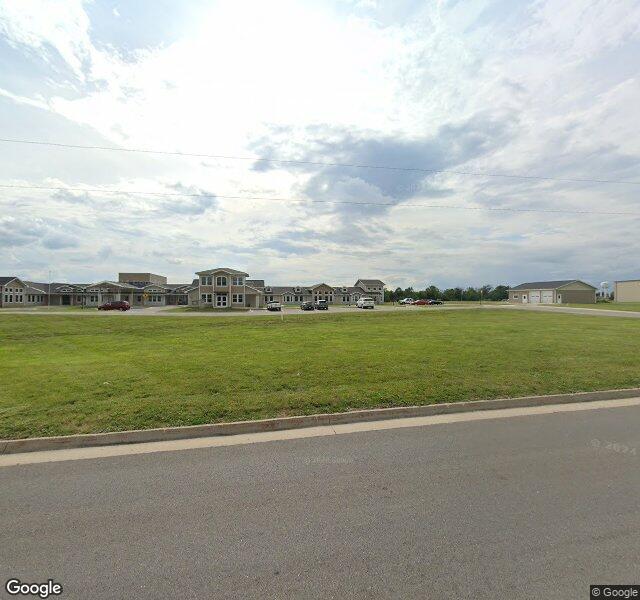
TWIN PINES ADULT CARE CENTER

1900 S JAMISON, KIRKSVILLE, MO 63501 (660) 665-2887
Non profit - Other 120 Beds Independent Data: November 2025
Trust Grade
48/100
#311 of 479 in MO
Last Inspection: October 2024

Within standard 12-15 month inspection cycle. Federal law requires annual inspections.

Overview

Twin Pines Adult Care Center in Kirksville, Missouri, has a Trust Grade of D, indicating below-average care with some concerning issues. It ranks #311 out of 479 facilities in Missouri, placing it in the bottom half, but is the best option out of just two facilities in Adair County. The facility is worsening, with the number of issues increasing from 10 in 2023 to 11 in 2024. Staffing is a relative strength with a rating of 4 out of 5 stars and a turnover rate of 40%, better than the state average of 57%. However, the facility has $5,000 in fines, which is considered average, suggesting some compliance problems, and there have been serious concerns such as failing to properly label and date food, which could lead to health risks for residents, and not training staff on grievance procedures, leaving residents unaware of how to voice their concerns.

Trust Score
D
48/100
In Missouri
#311/479
Bottom 36%
Safety Record
Low Risk
No red flags
Inspections
Getting Worse
10 → 11 violations
Staff Stability
○ Average
40% turnover. Near Missouri's 48% average. Typical for the industry.
Penalties
✓ Good
$5,000 in fines. Lower than most Missouri facilities. Relatively clean record.
Skilled Nurses
⚠ Watch
Each resident gets only 21 minutes of Registered Nurse (RN) attention daily — below average for Missouri. Fewer RN minutes means fewer trained eyes watching for problems.
Violations
⚠ Watch
32 deficiencies on record. Higher than average. Multiple issues found across inspections.
★★☆☆☆
2.0
Overall Rating
★★★★☆
4.0
Staff Levels
★★☆☆☆
2.0
Care Quality
★★☆☆☆
2.0
Inspection Score
Stable
2023: 10 issues
2024: 11 issues

The Good

  • 4-Star Staffing Rating · Above-average nurse staffing levels
  • Full Sprinkler Coverage · Fire safety systems throughout facility
  • No fines on record
  • Staff turnover below average (40%)

    8 points below Missouri average of 48%

Facility shows strength in staffing levels, fire safety.

The Bad

2-Star Overall Rating

Near Missouri average (2.5)

Below average - review inspection findings carefully

Staff Turnover: 40%

Near Missouri avg (46%)

Typical for the industry

Federal Fines: $5,000

Below median ($33,413)

Minor penalties assessed

The Ugly 32 deficiencies on record

Oct 2024 11 deficiencies
CONCERN (D)

Potential for Harm - no one hurt, but risky conditions existed

Deficiency F0554 (Tag F0554)

Could have caused harm · This affected 1 resident

Based on observation, interview, record review, and policy review, the facility failed to ensure residents who self-administered medications had a self-administration of medications assessment, a phys...

Read full inspector narrative →
Based on observation, interview, record review, and policy review, the facility failed to ensure residents who self-administered medications had a self-administration of medications assessment, a physician's order, and a care plan completed for two of two residents (Resident (R) 4 and R44) reviewed for self-administration of medications out of a total sample of 22 residents. Failure to assess and care plan residents for self-administration of medications increases the potential of medication errors for residents. Findings include: Review of the facility's policy titled, Self-Administration of Medications, revised 02/2021, indicated, Resident have the right to self-administer medications if the interdisciplinary team has determined that it is clinically appropriate and safe for the resident to do so. Policy Interpretation and Implementation: 1. As part of the evaluation comprehensive assessment, the interdisciplinary team (IDT) assesses each resident's cognitive and physical abilities to determine whether self-administering medications is safe and clinically appropriate for the resident .3. If it is deemed safe and appropriate for a resident to self-administer medications, this is documented in the medical record and the care plan. The decision that a resident can safely self-administer medications is re-assessed periodically based on changes in the resident's medical and/or decision-making status .8. Self-administered medications are stored in a safe and secure place, which is not accessible by other residents. If safe storage is not possible in the resident's room, the medications of residents permitted to self-administer are stored on a central medication cart or in the medication room. A licensed nurse transfers the unopened medication to the resident when the resident requests them. 1. Review of R4's Face Sheet, located under the Profile tab in the Electronic Medical Record (EMR) indicated that R4 was admitted to the facility with diagnoses which included allergic rhinitis. During observation on 10/08/24 at 10:20 AM of R4's room a white box with a bottle of nasal spray inside was observed on the resident's bedside table. The label read Azelastine Hydrochloride Nasal Spray (this medication is used for seasonal allergies). R4 said that she took one spray each nostril in the morning and at night. R4 said that the facility knew she had them because the facility just re-ordered her a new bottle. Review of R4's quarterly Minimum Data Set (MDS) with an Assessment Reference Date (ARD) of 08/25/24 and located in the resident's EMR under the MDS tab indicated the facility assessed the resident to have a Brief Interview for Mental Status (BIMS) score of 14 out of 15 which indicated the resident was cognitively intact. Review R4's Physician Orders, dated 09/01/23, provided by the facility indicated Azelastine HCl Nasal Solution 0.1 % (Azelastine HCl) 137 micrograms (mcg) in each nostril two times a day for allergic rhinitis, may keep at bedside. Review of R4's EMR under the Assessments tab revealed no documented evidence that the resident had been assessed for self-administration of medication. Review of R4's Care Plan, located under the Care Plan tab in the EMR indicated no evidence of a self-administration of medication care plan. Observation on 10/10/24 at 8:30 AM and 10:08 AM of R4's room revealed a box with nasal spray on R4's over the bed table. During an observation and interview on 10/10/24 at 10:20 AM, Licensed Practical Nurse (LPN) 3, confirmed that R4 had nasal spray next to her bed. LPN3 stated she was unsure if R4 had been assessed for self-administration of medication. Continued interview revealed that the LPN3 was not sure if residents should be care planned if they self-administered their medications. During an interview on 10/10/24 at 11:25 AM, the Director of Nursing (DON) confirmed for a resident to self-administer medications, the resident required a physician's order, assessment, care plan for self-administration, and a way to lock up the medication. The DON confirmed R4 was not assessed for self-administration of medication and was not care planned for self-administration of medication. 2. Review of R44's Face Sheet, located under the Profile tab of the EMR indicated R44 was admitted to the facility with diagnoses which included Chronic Obstructive Pulmonary Disease (COPD). Observation of medication administration on 10/09/24 at 8:27 AM, Certified Medication Technician (CMT) 6 gathered R44's morning medication and went into R44's room with Advair hydrofluoroalkane (HFA) inhaler (this is an inhaler to help breathing) and a vital sign machine. Once inside R44's room, CMT6 handed the inhaler to R44 and took R44's vital signs. The CMT left the room prior to observing R44 administer the inhaler medication. After two minutes, CMT6 returned to R44's room, handed R44 her other medication, and asked R44 if she administered her inhaler medication. R44 said yes and handed the inhaler back to CMT6. Review of R44's quarterly MDS with an ARD of 07/21/24 and located under the MDS tab in the EMR revealed the facility assessed the resident to have a BIMS score of 15 out of 15 which indicated the resident was cognitively intact. Review of R44's Physician Orders, dated 02/05/24 and located under the Orders tab in the EMR, indicated, Advair HFA Inhalation Aerosol 115-21 MCG/Asthma Control Test (ACT) (Fluticasone-Salmeterol), two puffs inhale orally two times a day related to COPD. Continued review of R44's Physician Orders revealed no documented evidence of an order for R44 to self-administer any medications. Review of R44's EMR under Assessments tab indicated no documented evidence that the resident had been assessed for self-administration of medications. Review of R44's Care Plan, located under the Care Plan tab in the EMR indicated no evidence of self-administration of medication care plan. During an interview on 10/10/24 at 11:15 AM, the Nursing Supervisor (NS) confirmed R44 did not have a physician's order, was not assessed for self-administration of medications, and the resident' care plan did not reflect self-administration of medications. During an interview on 10/10/24 at 11:25 AM, the DON confirmed R44 was not assessed to determine if the resident was able to safely self-administer medications, the resident was not ordered by their physician to self-administer their medications, and the resident's care plan did not reflect self-administration of medication.
CONCERN (D) 📢 Someone Reported This

A family member, employee, or ombudsman was alarmed enough to file a formal complaint

Potential for Harm - no one hurt, but risky conditions existed

Quality of Care (Tag F0684)

Could have caused harm · This affected 1 resident

**NOTE- TERMS IN BRACKETS HAVE BEEN EDITED TO PROTECT CONFIDENTIALITY** Based on observation, interview, and record review, the facility failed to provide the physician follow up information on a skin...

Read full inspector narrative →
**NOTE- TERMS IN BRACKETS HAVE BEEN EDITED TO PROTECT CONFIDENTIALITY** Based on observation, interview, and record review, the facility failed to provide the physician follow up information on a skin condition for one resident (Resident (R) 45) delaying treatment and failed to assess the need to crush medications for one resident (R5) out of a total sample of 22 residents. These failures increased the risk that residents would not receive timely and/or effective treatments. Findings include: 1. Review of R45's admission Record, located under the Profile tab of the electronic medical record (EMR) identified R45 was admitted on [DATE]. Review of R45's quarterly Minimum Data Set (MDS), located under the RAI tab in the Electronic Medical Record (EMR), with an Assessment Reference Date (ARD) of 09/01/24, revealed a Brief Interview for Mental Status (BIMS) score of 99 which indicated R45 had short and long term memory problems, and the staff could not determine a BIMS score. R45 was identified as being dependent on staff for activities of daily living (ADL's). Review of R45's Nurses Note located under the Progress Notes tab in the EMR read 9/21/2024 16:03 [4:03 PM] Health Status Note: Resident has multiple blood blisters on palm of Rt [right] hand, some have opened & [and] are dried. Resident winces when hand is examined & she stated she doesn't know what happened. The note was completed by Licensed Practical Nurse (LPN) 5. Review of R45's communication form, dated 09/22/24, located under the MISC tab in the EMR, noted Blood blisters palm of right hand, some intact, some open and dried. Resident grimaces when hand examined. The form was signed by LPN5. There was no documented evidence in the EMR that the resident's physician had responded to the faxed communication form. During an interview on 10/10/24 at 2:23 PM, LPN4 confirmed that there was no evidence in the EMR that the resident's physician had responded to the 09/21/24 faxed communication form. Review of R45's Skin Condition Evaluation, located under the Assessments tab, noted the following information: On 09/21/24, R45 was identified to have Multiple blood blisters palm of Rt [right] hand, some have opened & dried. Resident winces when hand is examined. On 09/30/24, R45 was identified to have Palm of rt [right] hand has blisters bruising to bilat [bilateral] arms. On 10/05/24, R45 was identified to have Blisters noted to both palms of hands- RT [right] worse than LT [left]- some are popped and open- others are still blistered over- unknown etiology. During an interview on 10/10/24 at 3:51 PM, R45's primary care physician (PCP) confirmed receipt of the faxed notification of blood blisters on palm of right hand. R45's physician stated, The resident had been transferred to the hospital shortly after the fax was sent for treatment of pneumonia. The physician stated that she had responded to the fax and asked for a report of the condition of the hand upon return to the facility. The physician was informed that her faxed return with the request for an update on the resident's hand upon return from the hospital was not located in the EMR. The physician stated I received a fax on 10/06/24 identifying bilateral palm blisters and on inner thighs. The facility asked for a culture. I received the fax at 9:07 AM on 10/07/24 and responded at 10:41 AM ordering the culture. The facility thought it might be staph [an infection caused by staphylococcus bacteria] possibly contact dermatitis. I instructed the staff to make an appointment with dermatology, if persists. I was told the resident representative declined to have the resident sent to dermatology. R45's physician said she did not believe the blisters started prior to 09/21/24 because she had seen R45 prior to that time without any skin concerns. R45's physician confirmed that she should have received the requested update in order to determine the next course of action. During an interview, on 10/10/24 at 10:42 AM, the Nursing Supervisor (NS), responsible for the facility wound care program, stated, We don't know what caused the blisters. The culture was negative, the physician ordered treatment today. The order read, Triamcinolone Acetonide External Cream 0.1 % (Triamcinolone Acetonide (Topical)) Apply to affected area to both han [hands] topically every day and evening shift for blistered areas on hands. The NS said R45's hands were wrapped in gauze, prior to the 10/10/24 treatment order, to help discourage scratching the blisters. 2. Review of R5's admission Record, located under the Profile tab, indicated R5 was admitted on [DATE] with diagnoses that included spondylosis and cervicalgia. Review of R5's quarterly MDS, with an ARD of 09/22/24 revealed the facility assessed the resident to have a BIMS score of six out of 15 which indicated R45 was severely cognitively impaired. Observation on 10/08/24 at 3:12 PM revealed R5 seated in her wheelchair at a dining room table. Certified Medication Technician (CMT) 3 was observed to ask R5 her pain level on a scale of one-10. The resident stated six. CMT3 offered R5 Tylenol, which resident said would be good. CMT3 crushed the Tylenol, placed it in applesauce, brought a tissue to R5 and stated, I brought you water and a tissue, I know how much you hate this. R5 stated, I hate it, why they think I can't swallow a Tylenol. It gets under my dentures. R5 was observed to spit pieces of Tylenol into the tissue while stating I hate this. During an interview on 10/08/24 at 3:30 PM, CMT3 was asked had staff questioned if R5 could have the Tylenol administered in a different route. CMT3 stated she was not aware if that had been considered. Review of R5's Physician's Orders, located under the Orders tab in the EMR for the month of October 2024 revealed no order to crush the Tylenol or any of R5's medications. During an interview on 10/11/24 at 11:27 AM, CMT3 stated, We've always crushed all [of] R5's meds [medications] since she moved over from the other unit in April 2024. During an interview on 10/11/24 at 1:15 PM, the Director of Nursing (DON) stated, If you didn't see an order to crush, it's probably not there.
CONCERN (D)

Potential for Harm - no one hurt, but risky conditions existed

Deficiency F0919 (Tag F0919)

Could have caused harm · This affected 1 resident

**NOTE- TERMS IN BRACKETS HAVE BEEN EDITED TO PROTECT CONFIDENTIALITY** Based on observation, interview, and record review, the facility failed to ensure one of 22 sampled residents' (Resident (R) 4) ...

Read full inspector narrative →
**NOTE- TERMS IN BRACKETS HAVE BEEN EDITED TO PROTECT CONFIDENTIALITY** Based on observation, interview, and record review, the facility failed to ensure one of 22 sampled residents' (Resident (R) 4) call light was present and functioning. This failure had the potential to restrict residents from calling for assistance while using the restroom. Findings include: Review of an undated, and untitled document, provided by the facility, indicated, The nurse call policy for [name of the facility] is to ensure resident can effectively communicate with staff for assistance. Here are the key points: 1. Resident Call System Requirements:. Toilet and bathing facilities: The call system must also be accessible from toilet .Functionality: The system must be fully operational at all times .with alternative communication methods in place if necessary.'' Review of R4's admission Record, located under the Profile tab in the electronic medical record (EMR) indicated R4 was admitted to the facility on [DATE]. During an interview and observation on 10/08/24 at 10:20 AM, R4 stated she fell while in the bathroom over the weekend and could not call for help due to the facility taking the call light out of the bathroom to replace the call light in her bedroom. R4 stated her family was aware and had spoken with the facility about this. During the interview there was no call light observed next to her toilet in the bathroom. Review of R4's quarterly ''Minimum Data Set (MDS) with an assessment reference date (ARD) of 08/25/24 and located under the MDS tab in the EMR revealed the facility assessed the resident to have a Brief Interview for Mental Status (BIMS) score of 14 out of 15 which indicated R4 was cognitively intact. Further review indicated R4 did not have any impairments in her extremities and that the resident was independent for personal hygiene, meaning that she can use the bathroom without assistance. Observations on 10/09/24 at 2:00 PM and 10/10/24 at 8:30 AM revealed no call light was observed next to the toilet. During an interview on 10/10/24 at 10:20 AM, Licensed Practical Nurse (LPN) 3, confirmed R4's bathroom did not contain a call light. During an interview on 10/10/24 at 10:27 AM, the Maintenance Director stated she was aware of the missing call light last week; however, she was unable to repair the call light. The Maintenance Director stated an outside company had been contacted; however, the company had not been to the facility yet. The Maintenance Director stated she did not replace the call light with another one or gave R4 a way to call for assistance.
CONCERN (E)

Potential for Harm - no one hurt, but risky conditions existed

Employment Screening (Tag F0606)

Could have caused harm · This affected multiple residents

Based on record review, interview, and policy review, the facility failed to ensure that three of five employee files (Certified Nursing Assistant (CNA) 6, CNA7, and CNA1) reviewed had a background ch...

Read full inspector narrative →
Based on record review, interview, and policy review, the facility failed to ensure that three of five employee files (Certified Nursing Assistant (CNA) 6, CNA7, and CNA1) reviewed had a background check prior to hire. This had the potential to have staff hired that have an unknown history of abuse. Findings include: Review of facility's undated policy titled, New Employee Background Check Policy, indicated, To ensure the safety and well-being of residents by conducting thorough background checks on all prospective employees, contractors, and volunteers before they are hired or engaged by the facility .Procedure: 1. Initiating Background Checks: Human Resources (HR) will request a criminal background check for all prospective employees using the appropriate state and federal systems .2. Reviewing Background Check Results: Upon receipt of the background check results, HR will review the information to determine if the prospective employee is eligible for hire. If the background check reveals disqualifying information, HR will ensure the individual does not have contact with residents. 1. Review of Certified Nursing Assistant (CNA) 6's employee file indicated her date of hire (DOH) was 08/10/23. Further review indicated that CNA6's background check was started 08/14/23, four days after her hire date and was not completed until 09/11/23. Review of CNA6's Punch Data, dated 08/10/23 through 09/11/23, indicated CNA6 worked the following dates: 08/10/23, 08/11/23, 08/12/23, 08/13/23, 08/17/23, 08/24/23, 08/25/23, 08/26/23, 08/27/23, 08/31/23, 09/03/23, 09/04/23, 09/07/23, 09/08/23, 09/09/23, and 09/10/23. 2. Review of CNA7's employee file indicated her DOH was 03/15/23. Further review indicated CNA7's background check was submitted on 03/15/23; however, it was not completed until 03/29/23, 14 days after her hire date. Review of CNA7's Punch Data, dated 03/15/23 through 03/29/23, indicated that CNA7 worked the following dates: 03/15/23, 03/17/23, 03/18/23, 03/19/23, 03/21/23, 03/22/23, 03/24/23, 03/28/23, and 03/29/23. 3. Review of CNA1's employee file indicated her DOH was 08/16/23. Further review indicated CNA1's background check was submitted on 08/18/23, two days after her hire date and not completed until 09/15/23. Review of CNA1's Punch Data, dated 08/16/23 through 09/15/23, indicated that CNA1 worked the following dates: 08/16/23, 08/18/23, 08/21/23, 08/22/23, 08/25/23, 08/26/23, 08/27/23, 08/28/23, 08/30/23, 08/31/23, 09/01/23, 09/04/23, 09/05/23, 09/06/23, 09/08/23, 09/09/23, 09/10/23, 09/11/23, 09/13/23, and 09/15/23. During an interview on 10/11/24 at 11:00 AM, the Administrator confirmed that background checks were late and stated they should have been conducted prior to hire date. During an interview on 10/11/24 at 11:22 AM, the Infection Preventionist (IP) confirmed background checks were not fully completed on the employees above prior to the start of their first shift.
CONCERN (E)

Potential for Harm - no one hurt, but risky conditions existed

Transfer Notice (Tag F0623)

Could have caused harm · This affected multiple residents

**NOTE- TERMS IN BRACKETS HAVE BEEN EDITED TO PROTECT CONFIDENTIALITY** Based on record review, interview, and policy review, the facility failed to ensure three of three residents (Resident (R) 21, R...

Read full inspector narrative →
**NOTE- TERMS IN BRACKETS HAVE BEEN EDITED TO PROTECT CONFIDENTIALITY** Based on record review, interview, and policy review, the facility failed to ensure three of three residents (Resident (R) 21, R41, and R2) reviewed for hospitalization out of a total sample of 22 and their representatives were given a written notice of transfer to the hospital. In addition, the Ombudsman was not notified of the monthly hospitalizations. This failure created the potential for residents or their responsible party not to have the information needed to understand their transfer to the hospital. Findings include: Review of the facility's policy titled Transfer and Discharge from the Facility Policy, dated 2017, indicated, It is the policy of this facility that each resident has the right to remain in the facility and not transfer or discharge a resident unless a transfer or discharge from the facility is: A. Necessary for the resident's welfare and the resident's needs cannot be met in the facility .The resident and representative will receive timely notification, adequate preparation, orientation and information to make the transfer as orderly and safe as possible. The notice still contains information about the transfer and information about the resident's appeal rights. The facility will assist the residents to obtain, complete and submit an appeal form at the president's request. The resident will not be discharged during the appeal process. If the transfer is due to an emergency, the notice will be issued as soon as practicable. The facility forwards a copy of all discharge notices to the Office of the State Long-Term Ombudsman and required state agencies 1. Review of R21's undated ''Face Sheet, located under the Profile tab in the electronic medical record (EMR) indicated that R21 was re-admitted to the facility on [DATE]. a. Review of R21's Progress Note, dated 08/03/24, located under Notes tab in the EMR indicated [R21's Name] very anxious, tearful, and states that she is having difficulty remembering staff names and is confused .On call physician contacted and order given to transfer out R21.'' b. Review of R21's Progress Note, dated 09/28/24, located under Notes tab in the EMR indicated Spoke with [name of physician] who is on-call regarding R21 not feeling right, something is off .tremors gradually intensifying throughout the day .Nurse and R21 decided it would be best to get checked out at emergency department (ED).'' Review of the Miscellaneous tab in the EMR indicated no evidence of a written transfer hospital notification. 2. Review of R41's undated Face Sheet, located under the Profile tab in the EMR indicated R41 was admitted to the facility on [DATE]. Review of R41's facility provided Transfer Form, dated 08/17/24 indicated [R41's Name] tested positive for Coronavirus disease (COVID) this morning. R41 complained feeling chilled, noted full body tremors. R41 was sent to the emergency room (ER). Review of the Miscellaneous tab in the EMR indicated no evidence of a written transfer hospital notification. During an interview on 10/09/24 at 1:20 PM, the Ombudsman stated there had not been a monthly hospitalization list sent from the facility since January 2024. During an interview on 10/10/24 at 9:01 AM, the Director of Nursing (DON) confirmed R21 nor R41 received a written transfer notice for hospitalizations. In addition, the DON confirmed the Ombudsman was not notified of hospitalizations. During an interview on 10/10/24 at 9:30 AM, the Administrator confirmed the Ombudsman had not been notified of hospital transfers, and there was no written transfer notice given to either the resident and/or resident representative. The Administrator stated he was aware of the regulations. 3. Review of R2's admission Record, located under the Profile tab in the electronic medical record (EMR), revealed R2 was admitted to the facility on [DATE] with diagnoses that included chronic obstructive pulmonary disease, type II diabetes mellitus, and unspecified dementia. Review of R2's quarterly Minimum Data Set (MDS), with an Assessment Reference Date (ARD) of 07/07/24 and located in the MDS tab of the EMR, revealed R2 had a Brief Interview for Mental Status (BIMS) score of 11 out of 15, which indicated the resident was moderately cognitively impaired. Review of R2's Census located under the Clinical tab in the EMR, identified R2 was transferred to the hospital on [DATE] and readmitted to the facility on [DATE]. Review of R2's Nursing Note, dated 06/14/24 at 6:12 PM, located in the Progress Notes tab of the EMR, revealed Resident was eating supper when staff approached him after noticing he was acting sleepy/lethargic. Resident was unresponsive to verbal and tactile stimuli and proceeded to became very pale and slump in his wheelchair. Sternal rub performed to attempt to arouse the patient, and after 10 seconds resident woke up, coughing on food that he had pocketed into his mouth. Resident was awake and responsive at this point, but very confused. He proceeded to make animals noises at staff, growling and barking, and attempting to grope staff inappropriately. VS [vitals] were obtained at this time and were as follows: B/p [blood pressure]: 167/80, 95% on RA [oxygen on room air], HR-71 [heart rate], R-18 [respirations], T-97.6*F. [temperature] On call [physician] contacted and notified of resident's status and orders given to transfer to ED [emergency department] for further evaluation and treatment. Review of R2's Progress Notes and Misc tabs of the EMR revealed no documented evidence a written transfer notice was provided to the resident and/or the resident representative at the time of the transfer or soon after the transfer to the hospital on [DATE]. During an interview with the DON and the Administrator on 10/10/24 at 1:50 PM, both confirmed the facility did not provide transfer/discharge notices to residents, resident representatives, or the Ombudsman.
CONCERN (E)

Potential for Harm - no one hurt, but risky conditions existed

Deficiency F0625 (Tag F0625)

Could have caused harm · This affected multiple residents

**NOTE- TERMS IN BRACKETS HAVE BEEN EDITED TO PROTECT CONFIDENTIALITY** Based on record review, interview, and policy review, the facility failed to ensure three of three residents (Resident (R) 21, R...

Read full inspector narrative →
**NOTE- TERMS IN BRACKETS HAVE BEEN EDITED TO PROTECT CONFIDENTIALITY** Based on record review, interview, and policy review, the facility failed to ensure three of three residents (Resident (R) 21, R41, and R2) reviewed for hospitalization out of a total sample of 22 residents were given a written copy of a bed hold notice within 24-hours of emergency transfer to the hospital. This failure created the potential for residents and/or responsible parties not to have the information needed to safeguard their return to the facility. Findings include: Review of facility's policy titled, Bed Hold and Return to Facility Policy and Procedure, dated 2017, indicated, It is the policy of this facility that residents who are transferred to the hospital or go on a therapeutic leave are provided with written information about the State's bed hold duration and payment amount before the transfer . Residents and their representatives will be provided with bed hold and return information at admission and before a hospital transfer or therapeutic leave . Nursing and social work staff are educated about the resident's bed hold and return rights to ensure that required information is provided at the time the resident leaves the facility .Procedure: A. Bed Hold and Return Notice upon transfer: The facility will provide the resident and resident representative with a written notice which specifies the duration of the bed-hold policy at the time of transfer for hospitalization or therapeutic leave. This notice specifies the following information: a. The state bed-hold policy during which the resident is permitted to return and resume residence in the nursing facility. The facility's policies regarding bed-hold periods permitting resident to return: in the event of absence of the resident from [name of the facility] by reason of residents transfer to a hospital or other facility to receive medical care, resident may retain his/her room at [name of the facility] provided that resident/resident representative pays the daily charge for the room, [name of the facility] does not guarantee or assure that a room will be available to resident to resident at [name of the facility] any time thereafter. Medicare and [name of healthcare insurance] make no payment for holding beds, therefore, it is necessary for charge to be in pain privately. If you choose not to reserve the bed, [name of the facility] will admit the resident to the first available appropriate bed. The Social Service department will contact the resident/resident representative when this issue arises. 1. Review of undated R21's ''Face Sheet, located under the Profile tab in the electronic medical record (EMR) indicated R21 was re-admitted to the facility on [DATE]. a. Review of R21's Progress Note, dated 08/03/24, located under Notes tab in the EMR, indicated [R21's Name] very anxious, tearful, and states that she is having difficulty remembering staff names and is confused .On call physician contacted and order given to transfer out R21.'' b. Review of R21's Progress Note, dated 09/28/24, located under tab Notes in the EMR, indicated Spoke with [name of physician] who is on-call regarding [R21's Name] not feeling right, something is off .tremors gradually intensifying throughout the day .Nurse and [R21's Name] decided it would be best to get checked out at emergency department (ED).'' Review of the Miscellaneous tab in the EMR indicated no evidence of a written bed hold notification. 2. Review of R41's undated Face Sheet, located under the Profile tab in the EMR, indicated that R41 was admitted to the facility on [DATE]. Review of R41's facility provided Transfer Form, dated 08/17/24 indicated [R41's Name] tested positive for Coronavirus disease (COVID) this morning. [R41's Name] complained feeling chilled, noted full body tremors. [R41's Name] was sent to the emergency room (ER). Review of the Miscellaneous tab in the EMR indicated no evidence of a written bed hold notification. During an interview on 10/10/24 at 9:01 AM, the Director of Nursing (DON) confirmed R21 nor R41 received a written bed hold notice. The DON stated every resident was allowed back to the facility. During an interview on 10/10/24 at 9:30 AM, the Administrator confirmed the residents and/or resident representatives were not given a written bed hold notice. 3. Review of R2's admission Record, located under the Profile tab in the EMR revealed R2 was admitted to the facility on [DATE]. Review of R2's Census located under the Clinical tab in the EMR, identified R2 was transferred to the hospital on [DATE] and readmitted to the facility on [DATE]. Review of R2's Nursing Note, dated 06/14/24 at 6:12 PM, located in the Progress Notes tab of the EMR, revealed Resident was eating supper when staff approached him after noticing he was acting sleepy/lethargic. Resident was unresponsive to verbal and tactile stimuli and proceeded to became very pale and slump in his wheelchair. [A] Sternal rub was performed to attempt to arouse the patient, and after 10 seconds [the] resident woke up, coughing on food that he had pocketed into his mouth. Resident was awake and responsive at this point, but very confused. He proceeded to make animals noises at staff, growling and barking, and attempting to grope staff inappropriately. VS [vitals] were obtained at this time and were as follows: B/p [blood pressure]: 167/80, 95% on RA [oxygen on room air], HR-71 [heart rate], R-18 [respirations], T-97.6*F. [temperature] On call [physician] contacted and notified of resident's status and orders given to transfer to ED [emergency department] for further evaluation and treatment. Review of R2's Progress Notes and Misc tabs of the EMR revealed no documented evidence a written bed hold notice was provided to the resident and/or the resident representative at the time of the transfer or soon after the transfer to the hospital on [DATE]. During an interview with the DON and the Administrator on 10/10/24 at 1:50 PM, both confirmed the facility did not provide written bed hold notices to residents or resident representatives.
CONCERN (E)

Potential for Harm - no one hurt, but risky conditions existed

MDS Data Transmission (Tag F0640)

Could have caused harm · This affected multiple residents

**NOTE- TERMS IN BRACKETS HAVE BEEN EDITED TO PROTECT CONFIDENTIALITY** Based on record review, interview, and facility policy review, the facility failed to ensure three residents (Resident (R) 1, R2...

Read full inspector narrative →
**NOTE- TERMS IN BRACKETS HAVE BEEN EDITED TO PROTECT CONFIDENTIALITY** Based on record review, interview, and facility policy review, the facility failed to ensure three residents (Resident (R) 1, R23, and R24) out of 22 sampled residents' Minimum Data Set (MDS) assessments were transmitted in a timely manner. This failure has the potential of non-payment for necessary resident care. Findings include: Review of facility's policy titled, MDS Transmission for Skilled Nursing Facilities (SNF), undated, indicated, .3. Comprehensive assessments must be transmitted electronically within 14 days of the care plan completion date. All other MDS assessments must be submitted within 14 days of the MDS completion date. 1. Review of R1's admission Record, located under the Profile tab in the electronic medical record (EMR) revealed R1 was admitted to the facility on [DATE]. Review of R1's significant change in status MDS with an assessment reference date (ARD) of 03/05/23 and located under the MDS tab in the EMR revealed MDS completed on 03/17/23 and submitted on 04/12/23 which indicated it was transmitted outside the required 14 days. Review of R1's quarterly MDS with an ARD of 06/04/23 and located under the MDS tab in the EMR, revealed MDS completed on 06/16/23 and submitted on 07/07/23 which indicated it was transmitted outside the required 14 days. Review of R1's quarterly MDS with an ARD of 09/03/23 and located under the MDS tab in the EMR, revealed MDS completed on 09/15/23 and submitted on 10/06/23 which indicated it was transmitted outside the required 14 days. Review of R1's quarterly MDS with an ARD of 12/03/23 and located under the MDS tab in the EMR, revealed MDS completed on 12/15/23 and submitted on 01/11/24 which indicated it was transmitted outside the required 14 days. Review of R1's annual MDS with an ARD of 03/03/24 and located under the MDS tab in the EMR, revealed MDS completed on 03/15/24 and submitted on 04/10/24 which indicated it was transmitted outside the required 14 days. Review of R1's quarterly MDS assessment with an ARD of 06/02/24 and located under the MDS tab in the EMR, revealed MDS completed on 06/14/24 and submitted on 07/11/24 which indicated it was transmitted outside the required 14 days. 2. Review of R23's admission Record, located under the Profile tab in the EMR revealed R23 was admitted to the facility on [DATE]. Review of R23's quarterly MDS with an ARD of 03/12/23 and located under the MDS tab in the EMR, revealed MDS completed on 03/14/23 and submitted on 04/12/23 which indicated it was transmitted outside the required 14 days. Review of R23's annual MDS with an ARD of 06/04/23 and located under the MDS tab in the EMR, revealed MDS completed on 06/16/23 and submitted on 07/07/23 which indicated it was submitted outside the required 14 days. Review of R23's quarterly MDS with an ARD of 09/03/23 and located under the MDS tab in the EMR, revealed MDS completed on 09/15/23 and submitted on 10/06/23 which indicated it was transmitted outside the required 14 days. Review of R23's quarterly MDS with an ARD of 12/03/23 and located under the MDS tab in the EMR, revealed MDS completed on 12/15/23 and submitted on 01/11/24 which indicated it was transmitted outside the required 14 days. Review of R23's quarterly MDS with an ARD of 03/03/24 revealed located under the MDS tab in the EMR, MDS completed on 03/15/24 and submitted on 04/10/24 which indicated it was transmitted outside the required 14 days. Review of R23's annual MDS with an ARD of 06/02/24 located under the MDS tab in the EMR, revealed MDS completed on 06/14/24 submitted on 07/11/24 which indicated it was transmitted outside the required 14 days. 3. Review of R24's admission Record, located under the Profile tab in the EMR revealed R24 was re-admitted to the facility on [DATE]. Review of R24's admission MDS with an ARD of 06/18/23 and located under the MDS tab in the EMR, revealed MDS completed on 06/21/23 and submitted on 07/07/23 which indicated it was transmitted outside the required 14 days. Review of R24's quarterly MDS with an ARD of 12/03/23 located under the MDS tab in the EMR, revealed MDS completed on 12/15/23 and submitted on 01/11/24 which indicated it was transmitted outside the required 14 days. Review of R24's quarterly MDS with an ARD of 03/03/24 and located under the MDS tab in the EMR, revealed MDS completed on 03/15/24 and submitted on 04/10/24 which indicated it was transmitted outside the required 14 days. Review of R24's annual MDS with an ARD of 06/02/24 and located under the MDS tab in the EMR, revealed MDS completed on 06/14/24 and submitted on 07/11/24 which indicated it was transmitted outside the required 14 days. During an interview on 10/10/24 at 8:35 AM, the Director of Nursing (DON) confirmed the assessments were transmitted late and stated they should have been transmitted within 14 days of being completed. Continued interview revealed the DON was unaware of the last time that she reviewed the missing assessment report.
CONCERN (E)

Potential for Harm - no one hurt, but risky conditions existed

Deficiency F0947 (Tag F0947)

Could have caused harm · This affected multiple residents

Based on record review, interview, and policy review, the facility failed to ensure three of five Certified Nursing Assistants (CNA)1, CNA6, and CNA7) completed the minimum of 12 hours of in-service t...

Read full inspector narrative →
Based on record review, interview, and policy review, the facility failed to ensure three of five Certified Nursing Assistants (CNA)1, CNA6, and CNA7) completed the minimum of 12 hours of in-service training per year. The lack of in-service training could have a negative impact on all 72 residents currently residing at the facility by the staff not knowing how to care for the residents. Findings include: Review of the facility policy titled, In-Service/Employee Education, revised 06/12, indicated, It is the policy of [name of the facility] that all nursing employees receive, at a minimum, 12-hours in-service education yearly .All [name of the facility] employees are required to attend at least one block mandatory in-service yearly, covering state and federal requirement. Procedure: 2. All department directors are responsible for ensuring the continuing competency of the employees within that department .4. The mandatory block in-service will be offered monthly. 5. The mandatory block in-service will cover, at a minimum: Resident rights, abuse and neglect, infection control, body substance precautions, handwashing, fire safety and evacuation procedures, resident safety, emergency preparedness, corporate compliance, and health insurance portability and accountability act (HIPPA). 6. Annual nursing staff in-service will include, at a minimum: bowel and bladder retraining, restorative nursing, proper positioning, transfers, ambulation, range of motion, activities of daily living (ADL) training, care of persons with cognitive impairment or dementia, current special resident needs, and any other needs identified .13. All nursing employees must attend, at a minimum, 12-hours of in-service yearly, including the mandatory block in-services .15. All in-service hours will be tracked from anniversary date to anniversary date.'' Review of CNA1's personnel file indicated CNA1's Date of Hire (DOH) was 08/16/23 and there was no evidence of CNA1 receiving the required 12-hours of in-service training during the past year (August 2023-August 2024). Review of CNA6's personnel file indicated CNA6's DOH was 08/10/23 and there was no evidence of CNA6 receiving the required 12-hours of in-service training during the past year (August 2023-August 2024). Review of CNA7's personnel file indicated CNA7's was hired on 03/15/23 and there was no evidence of CNA7 receiving the required 12-hours of in-service training during the past year (March 2023-March 2024). During an interview on 10/11/24 at 9:30 AM, the Director of Nursing (DON) confirmed that the three CNA's personal files did not include documentation of 12-hours of in-service training for the past year.
CONCERN (F)

Potential for Harm - no one hurt, but risky conditions existed

Grievances (Tag F0585)

Could have caused harm · This affected most or all residents

Based on interview, record review, and policy review, the facility failed to have a grievance procedure with an identified person to lead investigations, a system to inform residents of their right to...

Read full inspector narrative →
Based on interview, record review, and policy review, the facility failed to have a grievance procedure with an identified person to lead investigations, a system to inform residents of their right to file a grievance, and documentation to show the results of grievance investigations for six of six residents (Resident (R) 1, R21, R28, R38, R48, and R56) interviewed in the resident group interview. The failure had the potential to affect all residents who resided at the facility to be informed of their right to file a grievance and for the facility to resolve any grievance the residents may have. Findings include: Review of the facility's undated policy titled, Grievance Policy, indicated, Objective of Grievance Policy: The objective of the grievance policy is to ensure the facility makes prompt efforts to resolve grievances a resident may have. The intent of the grievance process is to support each resident's right to voice grievances (e.g., those about treatment, care, management of funds, lost clothing, or violation of rights) and to assure that after receiving a complaint/grievance, the facility actively seeks a resolution and keeps the resident appropriately apprised of its progress toward resolution. The grievance policy will be reviewed on an annual basis or more frequently and will be integrated into the facility Quality Assurance and Performance Improvement Program (QAPI) .Procedure: A. The facility will promote the grievance process throughout the organization .B. Grievance Official: The facility will train and designate an individual who is responsible for: a. Overseeing the grievance process in conjunction with facility administration, b. Receive and track all grievances through to their conclusion .f. Complete written grievance resolutions/decisions to the resident involved .C. Resident and Resident Representative Notification: The facility will inform residents orally and in writing of their right to make complaints and grievances and the process to do so during admission, readmission and the care planning process .E. A grievance concern can be expressed orally to the grievance official or facility staff or in writing using a grievance form which will be located adjacent to the bill of rights posting located throughout the facility at each nursing station and outside the social service office. F. Grievances may be given to any staff member who will forward the grievance to the grievance office, or they may file the grievances anonymously in the designated box located outside the nursing administration office. G. Response: Any employee of this facility who receives a complaint shall immediately attempt to resolve the complaint within their role and authority .H. Resolution. The grievance official will complete a written response within seven working days to the resident or resident representative .I. The grievance officer will maintain a log of all grievances for a period of three years .J. QAPI: The facility will track, trend, and analyze the grievance process and findings for trends, performance gaps and opportunities for individual education, system, and systemic improvement.'' During the initial observational tour of the facility on 10/08/24 between 9:30 AM-11:30 AM, there were no grievance forms observed on any of the facility's four neighborhoods. There was a black box observed on the wall, labeled grievance, after entering through the main door of the facility. Further observations on 10/09/24 at 7:45 AM, 10/10/24 at 7:30 AM, and 10/11/24 at 7:45 AM revealed there were no grievance forms observed in the different neighborhoods and/or next to the grievance box which was on the wall after entering the facility. During an interview on 10/08/24 at 2:09 PM, the Administrator was asked to provide the grievance log for the previous six months for review. The Administrator denied having such a log or having documentation of grievance investigations or their results. The Administrator said, We all attend the monthly resident council meetings and handle concerns immediately. We just hired a QA (Quality Assurance) staff member to handle the grievance process. A Resident Group interview was held on 10/10/24 at 11:00 AM with six alert and oriented residents chosen by the facility (Resident (R) 1, R21, R28, R38, R48, and R56) who regularly attended the monthly Resident Council meetings. The residents were asked if they knew how to file a grievance. None of the six residents knew of a process to file a grievance. None of the residents knew of the newly hired QA staff member. Review of six months of Resident Council meeting minutes revealed no discussions about grievances, the right to file a grievance, or the right to have a conclusion to the grievance investigation. During an interview on 10/11/24 at 7:52 AM, the QA staff member said she was New to position, just over a month. The QA denied having received prior grievance concerns, upon hire, for investigation or anything new since being hired to investigate. During an interview on 10/11/24 at 1:30 PM, the MDSC indicated if a resident and/or family expressed a concern during a care conference, then she took notes and informed either the DON or the Administrator and sometimes both. The MDSC stated she would go to the department that the concern was about and let them know. The MDSC confirmed she did not write any concerns identified down on the facility's grievance form.
CONCERN (F)

Potential for Harm - no one hurt, but risky conditions existed

Food Safety (Tag F0812)

Could have caused harm · This affected most or all residents

Based on observation, interview, and facility policy review, the facility failed to ensure food stored in the kitchen was labeled and dated with an open date to ensure opened food items were discarded...

Read full inspector narrative →
Based on observation, interview, and facility policy review, the facility failed to ensure food stored in the kitchen was labeled and dated with an open date to ensure opened food items were discarded in a timely manner. This had the potential to increase the spread of foodborne illnesses for 72 out of 72 residents that receive meals from the kitchen. Findings include: Review of the facility's policy titled, Food Storage (Dry, Refrigerated, and Frozen), 2016 Edition, revealed Guideline: Food shall be stored on shelves in a clean, dry area free from contaminants. Food shall be stored at appropriate temperatures and using appropriate methods to ensure the highest level of food safety. Procedure: 1. General storage guidelines to be followed: a. All food items will be labeled. The label must include the name of the food and the date by which it should be sold, consumed, or discarded. (1) See Date Marking Guidelines in this section for exceptions to dating individual dry storage food items . c. Discard food that has passed the expiration date, and discard food that has been prepared in the facility after seven days of storing under proper refrigeration . f. Leftover contents of cans and prepared food will be stored in covered, labeled and dated containers in refrigerators and/or freezers . During the follow up observation of the kitchen with the DM (Dietary Manager) on 10/09/24 at 9:40 AM, in the cooler there were a one gallon container of sweet and sour sauce, a one gallon container of salad dressing, and a five pound container of strawberry halves that had been opened and not labeled to indicate the open date of each item. Also, the dry food storage contained three boxes of cereal that were open and not dated with the open date. During an interview on 10/09/24 at 9:50 AM, the dietary aide (DA)1 stated they were supposed to date items when opened to ensure they get rid of food that had been in the refrigerator too long. During an interview on 10/09/24 at 10:00 AM, the DM stated the staff should have put an open date on the food items. The DM said he/she was working on getting everyone to put an open date and an out date on the things they open so residents don't get outdated food.
CONCERN (F)

Potential for Harm - no one hurt, but risky conditions existed

Deficiency F0944 (Tag F0944)

Could have caused harm · This affected most or all residents

Based on record review and interview, the facility failed to ensure that five of five employee files reviewed had the required Quality Assurance and Performance Improvement (QAPI) training. This failu...

Read full inspector narrative →
Based on record review and interview, the facility failed to ensure that five of five employee files reviewed had the required Quality Assurance and Performance Improvement (QAPI) training. This failure had the potential to have a negative impact on staff for their unawareness about how to bring concerns to QAPI and in return this could impact the 72 residents currently residing at the facility. Findings include: Review of Certified Nursing Assistant (CNA)1's personnel file indicated CNA1's Date of Hire (DOH) was 08/16/23 and there was no evidence of CNA1 receiving the required QAPI training. Review of CNA6's personnel file indicated CNA6's DOH was 08/10/23 and there was no evidence of CNA6 receiving the required QAPI training. Review of CNA7's personnel file indicated CNA7's DOH was 03/15/23 and there was no evidence of CNA7 receiving the required QAPI training. Review of Environmental Services (ES) personnel file indicated ES's DOH was 03/12/87 and there was no evidence of ES receiving the required QAPI training. Review of Nursing Supervisor's (NS) personnel file indicated NS's DOH was 09/18/02 and there was no evidence of NS receiving the required QAPI training. During an interview on 10/11/24 at 9:30 AM, the Director of Nursing (DON) confirmed that there was no QAPI training for the facility staff.
Jan 2023 10 deficiencies
CONCERN (D)

Potential for Harm - no one hurt, but risky conditions existed

Deficiency F0658 (Tag F0658)

Could have caused harm · This affected 1 resident

Based on interview and record review, the facility failed to follow professional standard of practice by failure to follow the facility's policy for Hypoglycemic (low blood sugar) Protocol for one res...

Read full inspector narrative →
Based on interview and record review, the facility failed to follow professional standard of practice by failure to follow the facility's policy for Hypoglycemic (low blood sugar) Protocol for one resident (Resident #65), who presented with a low blood sugar, during a closed record review in a review of 21 sampled residents. The facility census was 67. Review of the facility policy Hypoglycemic Protocol, dated 1/27/09 and reviewed/revised 2/8/10, showed the following: -Policy: The facility provides the necessary care and services to ensure that each resident attains or maintains the highest practicable physical, mental and psychosocial well-being in accordance with the resident's comprehensive assessment and plan of care; -Procedure: Initial Evaluation: If blood sugar is found to be less than 60, assess resident's cognitive function and level of consciousness. If found to be at baseline, then proceed with Management of Mild Hypoglycemia pathway. If cognitive function or level of consciousness is impaired from baseline, then proceed with Management of Severe Hypoglycemia pathway; -Management of Mild Hypoglycemia: -Resident is to ingest 15 to 30 grams of a fast-acting carbohydrate, either by mouth or by feeding tube. Options for fast-acting carbohydrates may include, but are not limited to: glucose tablets (according to package label), one tube of glucose paste, 4-8 oz. sweetened fruit juice or one can of regular soda; -Fingerstick will be performed every 15 minutes until the blood sugar is found to be above 60. At this point, the resident should eat a snack with a complex carbohydrate, such as crackers or a sandwich; -If blood glucose does not go above 60 after one hour of consumption of the fast-acting carbohydrate, then the physician will be notified; -If the resident's cognition or level of consciousness deteriorates during this treatment period, then the Management for Severe Hypoglycemia will be initiated. 1. Review of Resident #65's face sheet, dated 8/19/22, showed his/her diagnoses included type II diabetes mellitus (too much sugar in the blood). Review of the resident's admission Minimum Data Set (MDS), a federally mandated assessment instrument required to be completed by facility staff, dated 8/24/22, showed the following: -Cognition intact; -Required extensive assistance with transfers, toileting, and locomotion off the unit; -Limited assistance of one staff member with personal hygiene, dressing, and locomotion on the unit; -Independent for eating, set-up help only. Review of the resident's care plan, dated 11/28/22, showed the following: -The resident has potential nutritional problem related to diabetes; -Monitor blood glucose as ordered. Notify physician if indicated by facility parameters; -Monitor for signs of hypoglycemia - pale skin, sudden mood changes, sudden nervousness, and rapid heartbeat. Review of the resident's Clinical Physician Orders for December 2022 showed the following: -Metformin (a medication that lowers the blood sugar levels by improving the way the body handles insulin) 500 milligrams (mg) by mouth two times daily with meals; -Accuchecks (a method to take a sample of blood to determine the blood glucose level) daily at 6:30 A.M. Review of a copy of the Vital Signs-Daily, Every shift, Every 4 hours, etc. Sheet for the resident, dated 12/3/22, showed at 8:22 P.M., the resident's blood sugar was 42 mg/dl. Staff gave gluco (glucose gel) to the resident. Review of the resident's nursing progress notes, dated 12/3/22 at 8:32 P.M., showed during assessment, the resident appeared very lethargic and tired. The resident was able to answer questions during the assessment. The resident's blood sugar reading at 42 mg/deciliter (dl) (normal value 80 mg/dl to 130 mg/dl). Because the resident was able to still swallow, this nurse administered glucagon gel. Will recheck in 15 minutes. Physician on-call for the resident's physician notified of the situation, and instructed to monitor and try to get the resident to eat when blood sugar stabilizes and to call if any further issues. Review of the resident's Weights and Vitals/Blood Sugar Summary showed on 12/3/22 at 9:48 P.M., the resident's blood sugar was 44.0 mg/dl. Review of the resident's medical record showed no documentation staff checked the resident's blood sugar between 8:32 P.M. and 9:28 P.M. (over one hour). Review of a copy of the Vital Signs-Daily, Every shift, Every 4 hours, etc. Sheet for the resident, dated 12/3/22, showed at 10:03 P.M., the resident's blood sugar was 55 mg/dl. Review of the resident's nursing progress notes, dated 12/3/22 at 10:09 P.M., showed unable to stabilize blood sugar. The resident was sent to the emergency room (ER) for evaluation per on-call physician. During interview on 1/30/23 at 1:51 P.M., Licensed Practical Nurse (LPN) B said the following: -He/She went into the resident's room between 8:00 P.M. and 9:00 P.M. (on 12/3/22) to do his/her evening assessment; -The resident seemed a little off and a little tired; -The resident was not confused and could answer his/her questions; -The resident's blood sugar was 42 mg/dl; -He/She gave the resident one tube of glucose gel from the E-kit (emergency medication kit); -He/She called the on-call physician for the resident and told him/her what was going on; -He/She rechecked the resident about 15-30 minutes later and his/her blood sugar was 55 mg/dl. (Review of documentation showed no evidence LPN B checked the resident's blood sugar at this time.); -He/She gave the resident a Glucerna Shake to drink (a diabetic-specific liquid nutrition drink used to provide protein and a lower amount of added sugar); -The resident didn't really like the Glucerna Shake and only drank about 20%; -He/She rechecked the resident's blood sugar 15 minutes later and it was 44 mg/dl. (Review of documentation showed no evidence LPN B checked the resident's blood sugar at this time.); -He/She called the on-call physician and he said to send the resident to the emergency room (ER); -He/She was familiar with the facility policy for low blood sugars. If the resident cannot take oral food or fluids, then give them glucagon gel and call the family and the physician. They are usually sent to the emergency room to make sure their blood sugars are stabilized. During interview on 1/30/23 at 12:39 P.M., the on-call physician said the following: -He/She received a call about the resident's low blood sugar that evening (12/3/22) and was told staff had given the resident some glucose gel and some juice; -He/She told staff to send the resident to the emergency room when his/her blood sugar did not come up; -If the resident is still stable and talking, can give oral supplements like juice, check the blood sugar every 15 minutes until it is normal (around 60 at least); -Nursing should expect that the oral glucose gel should have brought the resident's blood sugar up relatively quickly, by at least 10 points or more; -He would not expect the staff to wait over an hour for them to recheck the blood sugar after giving the glucose gel; -If it's one hour later and the blood sugar is only up by a few points, he would have told the staff to send the resident to the emergency room; -Nursing staff should have been more aggressive in treating the low blood sugar. During an interview on 1/30/23 at 4:47 P.M., the Director of Nurses (DON) said she would expect staff to follow the facility policy for Hypoglycemia Protocol.
CONCERN (D)

Potential for Harm - no one hurt, but risky conditions existed

Deficiency F0697 (Tag F0697)

Could have caused harm · This affected 1 resident

Based on observation, interview, and record review, the facility failed to adequately recognize, evaluate and manage pain for one resident (Resident #30), in a review of 21 sampled residents. The faci...

Read full inspector narrative →
Based on observation, interview, and record review, the facility failed to adequately recognize, evaluate and manage pain for one resident (Resident #30), in a review of 21 sampled residents. The facility census was 67. During interview on 1/30/23 at 2:30 P.M., the Director of Nurses said the facility did not have a policy for pain. A comprehensive pain assessment was completed at admission, weekly for four weeks, quarterly and with a significant change. Review of Resident #30's face sheet, undated, showed his/her diagnoses included Parkinson's disease (a progressive and debilitating neurological disorder that affects movement and often includes tremors), restless leg syndrome (a condition characterized by a nearly irresistible urge to move the legs, typically in the evenings and/or while sitting or lying down) and depression. Review of the resident's Discharge Assessment, Return Anticipated Minimum Data Set (MDS), a federally mandated assessment instrument required to be completed by facility staff, dated 12/20/22, showed the following: -Cognition intact; -Required extensive assistance with transfers, dressing and toileting; -Required limited assistance bed mobility; -Independent with locomotion on the unit; -Supervision and oversight with locomotion off unit; -No specific identification of concern related to pain; -No specific identification of concern related to behaviors. Review of the resident's care plan, dated 05/21/22 and revised 12/8/22, showed no specific care area, goal or interventions identified for pain. Review of the December 2022 Physician Order Summary (POS) showed no physician order for pain medication, including Tylenol or acetaminophen. Review of resident's Pain Level Summary showed on 12/31/22 at 5:07 A.M., the resident's pain value was a 7 (on a scale of 1 to 10). Review of the January 2023 POS showed no physician order for pain medication, including Tylenol or acetaminophen. Review of resident's Pain Level Summary showed the following: -On 1/8/23 at 12:26 P.M., the resident's pain value was a 5 (on a scale of 1 to 10). -On 1/18/23 at 5:25 P.M., the resident's pain value was a 3 (on a scale of 1 to 10). -On 1/23/23 at 12:01 P.M., the resident's pain value was a 4 (on a scale of 1 to 10). Observation on 1/24/23 at 9:50 A.M. showed the following: -The resident sat in a recliner with his/her feet elevated, and repeatedly called out, Help me. Please help me; -The Activity Director entered the resident's room and asked the resident what was wrong; -The resident said, It hurts, my left leg. Oh God, please help me; -Certified Nurse Assistant (CNA) L entered the room, and placed a pillow beneath the resident's left leg; -The resident said this is a new pain; -CNA L told the resident he/she would let the charge nurse know the resident was in pain; -The resident put on the call light when CNA L left the room, and repeatedly called out Please help me. Oh God, please help me. Observation on 1/24/23 at 10:00 A.M. showed the following: -The resident called out, and repeated, Please help me. Oh God, please hurry. Help me; -CNA L entered the resident's room, and asked the resident what was wrong; -The resident said, It's hurting worse. It's hurting so bad. Hurry God, hurry. Help me!; -CNA L readjusted the pillow beneath the resident's left leg. He/She told the resident that his/her pain medication was coming and left the room. Review of resident's Pain Level Summary showed on 1/24/23 at 10:07 A.M., the resident's pain scale was a 9 (on a scale of 1 to 10). Observation on 1/24/23 at 10:10 A.M. showed the following: -The resident repeatedly yelled, Help me. Please God, help me; -CNA L entered the resident's room and adjusted the pillow beneath the resident's left leg, and told the resident that he/she had notified the charge nurse of the resident's pain. Observation on 1/24/23 at 10:15 A.M. showed the following: -The resident yelled repeatedly, Help me, help me!; -Certified Medication Technician (CMT) B entered the room and asked the resident where his/her pain was located; -The resident said, In my left leg. Please help me; -CMT B asked the resident to rate his/her pain; -The resident said his/her pain was a 9; -CMT B said, Oh God, let's give you some Tylenol; -CMT B gave the resident the medication and left the room. (Review of the resident's POS showed no orders for pain medication.) Observation on 1/24/23 at 10:20 A.M. showed the following: -The resident yelled repeatedly, Help me, help me!; -CMT B entered the room and told the resident he/she needed to give the pain medication some time to work; -CMT B left the room. Observation on 1/24/23 at 10:25 A.M. showed the following: -The resident yelled repeatedly, Help me. Oh God, please hurry; -An unidentified staff member entered the resident's room, and asked the resident what was wrong; -The resident said his/her leg was hurting 'so bad'; -The unidentified staff told the resident he/she would check the resident's pain orders to see if he/she could have some Voltaren Cream (topical analgesic); -CNA L and an unidentified staff member entered the resident's room; -CNA L asked the resident if he/she wanted to lie down, and the resident said, yes; -CNA L left the resident's room to get the Hoyer lift to transfer the resident to bed; -The resident had swelling in his/her left foot. Review of the January 2023 POS (Physician Order Summary) on 1/24/23 at 11:02 A.M. showed the no physician order for Voltaren Gel as needed for pain. Observation on 1/24/23 at 11:30 A.M. showed the following: -The resident lay on his/her back in bed, and yelled repeatedly, Please help me, please help me; -CMT B was standing at the medication cart in the hallway, two rooms down from the resident's room; -CMT B did not respond to resident's calls. During an interview on 1/24/23 at 2:25 P.M., the resident's family member said the following: -The resident has had leg cramps in the past but he/she thought this pain may be different; -The nurses have been slow in answering the resident's call light when he/she has needed them; -The resident waited for over an hour one day for the nurse to check on him/her when he/she was having pain. Observation on 1/27/23 at 6:08 A.M. showed the following: -The resident sat in his/her wheelchair in the dining room; -He/She repeatedly called out, Help me, please help me; -An unidentified staff member walked past the resident, did not stop, and told the resident to wait just a minute. Observation on 1/27/23 showed the following: -From 6:15 A.M. to 6:28 A.M., the resident sat in a wheelchair in the dining room; -At 6:28 A.M., Dietary Manager V walked by the resident. The resident said, I need some help. Dietary Manager V asked the resident what he/she needed. The resident said he/she needed to be repositioned and Dietary Manager V told the resident he/she would go find someone; -At 6:29 A.M., Dietary Manager V walked down the hall to CMT C and told him/her the resident wanted to be repositioned, then left the unit; -At 6:30 A.M., the resident said, Please help, please help and CMT C told him/her staff were in another room. CMT C said, When they get done, they will be right with you. CMT C then pushed the medication cart down the hall away from the resident; -At 6:32 A.M., the resident said, Oh God, it really hurts. Nurse Aide (NA) P walked past the resident, and the resident said, Help me. NA P spoke briefly to the resident, and walked back down the hall away from the resident; -At 6:35 A.M., the resident called out, Help me, please help. It hurts. It hurts. It hurts. Unidentified housekeeper walked through the dining room where the resident sat. The unidentified housekeeper did not acknowledge the resident; -At 6:37 A.M., the resident said, Oh God and NA P walked through the dining room to the clean utility room. CMT C told NA P that the resident needed repositioned; -At 6:38 A.M., CMT C told the resident that he/she let staff know he/she needed to be repositioned, and said, They'll be right with you; -At 6:39 A.M., the resident complained of pain in his/her left hand. The resident's hand was contracted into a fist and his/her hand was swollen. The resident said, Oh it hurts. CMT C offered the resident some Tylenol and the resident was agreeable; -At 6:40 A.M., CNA L sat with the resident and massaged his/her left hand while CMT C administered Tylenol to the resident. The resident stated his/her pain was a nine out of ten. Observation on 1/27/23 at 6:46 A.M. showed the following: -The resident sat in his/her wheelchair at the dining room table, and called out repeatedly, Help me, please help me! Oh God, please help; -No staff were in the dining room; -Two unidentified staff sat at the nurses' station behind a glass window/door, and the door was closed; -The staff did not acknowledge the resident's calls for help. During an interview on 1/27/23 at 11:20 A.M., CNA L said the following: -The resident had been hollering like this since he/she was moved to this wing at the end of December 2022; -Some mornings the resident is just hollering help me, help me; -He/She didn't know if the resident was agitated or in pain; -He/She thought sometimes the resident was in pain; -The resident has had swelling in his/her left hand and leg for some time now; -He/She told the charge nurses when the resident was hollering; -The charge nurses (not one in particular) just usually say okay, but they don't always check on the resident. During an interview on 1/30/23 at 10:35 A.M., Licensed Practical Nurse (LPN) A said the following: -He/She has not noticed any change in the resident's behaviors; -He/She has heard the resident calling out, help me, help me; -The resident's physician just started the resident on an anti-anxiety medication on 1/30/23 in response to a nursing fax that the resident was having behaviors and calling out and being disruptive; -Sometimes when the resident called out, he/she just wanted to be pulled up in his/her chair or his/her left hand was bothering him/her. During an interview on 1/30/23 at 10:15 A.M., the resident said the following: -His/Her left leg was still hurting; -His/Her pain scale was a 3 (on a scale of 1 to 10) right now; -He/She thought Tylenol had helped him/her; -Staff have told him/her that he/she is loud sometimes and disruptive to others; -He/She didn't mean to be that way; it's the only way he/she can get staff's attention sometimes; -Sometimes he/she hollered because he/she was in pain. During an interview on 1/30/23 at 4:47 P.M., the Director of Nursing (DON) said she would expect staff to assess a resident who is hollering to determine why they are hollering, and if they had any unmet needs that needed to be addressed.
CONCERN (D)

Potential for Harm - no one hurt, but risky conditions existed

Deficiency F0728 (Tag F0728)

Could have caused harm · This affected 1 resident

Based on interview and record review, the facility failed to ensure five nurse aides (NA N, NA O, NA P, NA Q and NA R) completed a nurse aide training program within four months of their employment in...

Read full inspector narrative →
Based on interview and record review, the facility failed to ensure five nurse aides (NA N, NA O, NA P, NA Q and NA R) completed a nurse aide training program within four months of their employment in the facility. The facility census was 67. 1. During email correspondence on 2/1/23 at 10:57 A.M., the Director of Nurses (DON) said the facility did not have a policy that addressed nurse aide training. 2. Record review of Nurse Aide (NA) N's employee file showed the following: -Date of Hire: 11/24/21; -NA A classroom and on the job training hours completed on 8/26/22; -NA A approved for Certified Nurse Assistant (CNA) final examination and not completed; -The facility failed to ensure the completion of the program within four months of the hire date. 3. Record review of NA O's employee file showed the following: -Date of Hire: 2/3/22; -NA A classroom and on the job training hours completed on 8/26/22; -NA A approved for CNA final examination and not completed; -The facility failed to ensure the completion of the program within four months of the hire date. 4. Record review of NA P's employee file showed the following: -Date of Hire: 1/31/22; -NA A classroom and on the job training hours completed on 8/26/22; -NA A approved for CNA final examination and not completed; -The facility failed to ensure the completion of the program within four months of the hire date. 5. Record review of NA Q's employee file showed the following: -Date of Hire: 9/9/22; -There was no documentation NA Q completed a nurse aide training program or was currently in a nurse aide training program. 6. Record review of NA R's employee file showed the following: -Date of Hire: 4/4/22; -There was no documentation NA R completed a nurse aide training program or was currently in a nurse aide training program. During interview on 1/30/23 at 2:30 P.M. and 4:30 P.M., the administrator and DON said they were aware the waiver regarding the four month requirement to get NA's certified had ended. NA N, NA O and NA P had completed their competency sheets, but they had not gotten them signed up to test. NA Q hasn't started classes yet because he/she was going to switch departments but is now staying in nursing. NA R is in nursing school and only works as needed. He/She is trying to challenge the CNA class. It has been difficult to schedule testing for the NAs and still cover staffing.
CONCERN (D)

Potential for Harm - no one hurt, but risky conditions existed

Deficiency F0883 (Tag F0883)

Could have caused harm · This affected 1 resident

**NOTE- TERMS IN BRACKETS HAVE BEEN EDITED TO PROTECT CONFIDENTIALITY** Based on interview and record review, the facility failed to provide pneumococcal (lung inflammation caused by bacterial or vira...

Read full inspector narrative →
**NOTE- TERMS IN BRACKETS HAVE BEEN EDITED TO PROTECT CONFIDENTIALITY** Based on interview and record review, the facility failed to provide pneumococcal (lung inflammation caused by bacterial or viral infection) vaccines to two residents (Residents #6 and #59), in a review of 21 sampled residents. The facility census was 67. Review of the facility policy, Pneumococcal Vaccine Program, dated 2020, showed the following: -It is the policy of this facility that residents will be offered immunization(s) against pneumococcal disease in accordance with Advisory Committee on Immunization Practices (ACIP) recommendations; -There are two pneumococcal vaccines indicated for use among adults 65 years and older: 13 valent pneumococcal conjugate vaccine (PCV13) and 23-valent pneumococcal polysaccharide vaccine (PPSV23); -A physician order for both PPSV23 and PCV13 is required; -The Advisory Committee on Immunization Practices (ACIP) for the CDC recommends a routine single dose of PPSV23 for adults [AGE] years of age. Shared clinical decision-making is recommended regarding administration of PCV13 to persons aged 65 years who do not have an immunocompromised condition, cerebrospinal fluid leak, or cochlear implant and who have not previously received PCV13. If a decision to administer PCV13 is made, PCV 13 should be administered first, followed by PPSV23 at least one year later; -The two vaccines should not be given together; -For immunocompromised adults who previously received PPSV23 when over 65 years and for whom an additional dose of PPSV23 is indicated when 65 years, this subsequent PPSV23 dose should be given 1 year after PCV13 and one year after the most recent dose of PPSV23; -If patients do not know their vaccination history for pneumococcal vaccine they may be given both vaccines according to CDC recommendations and upon physician order. Review of the Centers for Disease Control and Prevention (CDC) recommendations for pneumococcal vaccine timing, dated 4/1/22, showed the following: -CDC recommends pneumococcal vaccination for adults [AGE] years old or older, and for adults 19 through [AGE] years old with certain underlying medical conditions including cigarette smoking: -For adults who have never received a pneumococcal vaccine, or those with unknown history, one dose of PCV15 (15-valent pneumococcal conjugate vaccine) or PCV20 (20-valent pneumococcal conjugate vaccine) should be administered: -If PCV20 is used, their pneumococcal vaccinations are complete; -If PCV15 is used, follow with one dose of PPSV23 (23-valent pneumococcal polysaccharide vaccine) with a recommended interval of at least one year; -For adults who have previously received PPSV23 but who have not received any pneumococcal conjugate vaccine (PCV), one dose of PCV15 or PCV20 may be administered with an interval of at least one year; -For adults 65 years or older without an immunocompromising condition, cerebrospinal fluid leak, or cochlear implant, who have previously received PCV13 at any age, it is recommended to receive one dose of PPSV23 at or after [AGE] years of age (at least one year after PCV13 was received). Their pneumococcal vaccinations are complete: -For adults 19 years or older with an immunocompromising condition who have previously received a PCV13 at any age, CDC recommends two doses of PPSV23 before age [AGE] and one dose of PPSV23 at the age of 65 or older: -Administer a single dose of PPSV23 at least 8 weeks after the PCV13 was received; -If the patient was younger than [AGE] years old when the first dose of PPSV23 was given and has not turned [AGE] years old yet, administer a second dose of PPSV23 at least five years after the first dose of PPSV23. This is the last dose of PPSV23 that should be given prior to [AGE] years of age; -One the patient turns [AGE] years old and at least five years have passed since PPSV23 was last given, administer a final dose of PPSV23 to complete their pneumococcal vaccinations. 1. Review of Resident #6's face sheet showed the following: -admission date 12/30/22; -The resident was over the age of 65; -Diagnoses included acute respiratory failure (serious condition that happens when your lungs cannot get enough oxygen into your blood or remove enough carbon dioxide), COVID-19 (severe acute respiratory syndrome coronavirus 2 (SARS-CoV-2), myocardial infarction (type of heart attack), pneumonia (lung infection), atrial fibrillation (irregular and often very rapid heart rhythm), non-rheumatic aortic valve stenosis (aortic valve in the heart becomes narrowed or blocked), congestive heart failure (weakened heart condition that causes fluid buildup in the feet, arms, lungs, and other organs and can't pump enough oxygen-rich blood to meet your body's needs), and diabetes mellitus type II (impairment in the way the body regulates and uses glucose as a fuel). Review of the resident's admission Minimum Data Set (MDS), a federally mandated assessment instrument completed by facility staff, dated 1/4/23, showed the following: -The resident's cognition was severely impaired; -He/She received oxygen therapy; -The pneumococcal vaccine was not offered. During an interview on 1/26/23 at 11:50 A.M., the resident's power of attorney said the facility did not offer the resident the pneumonia vaccine, but if the resident was eligible for the vaccine, then he/she would probably consent the resident receiving the vaccine. Review of the resident's medical record showed no documentation the resident received the pneumococcal vaccine prior to admission and no documentation to show the facility offered the pneumococcal vaccine to the resident. 2. Review of Resident #59's face sheet showed the following: -admission date 12/28/22: -The resident was over the age of 65; -Diagnoses included atrial fibrillation, hyperlipidemia (abnormally high concentration of fats or lipids in the blood), hypertension (high blood pressure), and weakness. Review of the resident's admission MDS, dated [DATE], showed the following: -The resident was cognitively intact; -The pneumonia vaccine was not offered. During an interview on 1/26/23 at 9:15 A.M., the resident said he/she would take the pneumonia vaccine if the physician said he/she needed one. Review of the resident's medical record showed no documentation the resident received the pneumococcal vaccine prior to admission and no documentation the facility offered the pneumococcal vaccine to the resident. 3. During an interview on 1/27/23 at 7:38 A.M., Licensed Practical Nurse (LPN I) said the following: -The Infection Preventionist reviewed new resident admission paperwork to determine which immunizations/vaccinations the residents had received and to determine which vaccines the residents needed; -The Infection Preventionist was responsible for ensuring the residents received the vaccinations that were due and received a consent to administer the vaccinations. During an interview on 1/30/23 at 2:00 P.M., the Infection Preventionist said the following: -She worked with the Director of Nursing to ensure the residents received vaccinations per CDC guidelines; -She didn't give vaccinations, but would tell Registered Nurse (RN) F or a charge nurse when a resident needed a vaccination: -She didn't know of any current residents needing any pneumococcal vaccinations. During an interview on 1/30/23 at 4:47 P.M., the Director of Nursing said the following: -The charge nurse assessed and offered pneumonia vaccines upon admission; -She expected the staff to offer pneumococcal vaccinations to the residents who qualified per CDC regulations.
CONCERN (E)

Potential for Harm - no one hurt, but risky conditions existed

Deficiency F0657 (Tag F0657)

Could have caused harm · This affected multiple residents

**NOTE- TERMS IN BRACKETS HAVE BEEN EDITED TO PROTECT CONFIDENTIALITY** 3. Review of Resident #30's Discharge Assessment, Return Anticipated Minimum Data Set (MDS), a federally mandated assessment ins...

Read full inspector narrative →
**NOTE- TERMS IN BRACKETS HAVE BEEN EDITED TO PROTECT CONFIDENTIALITY** 3. Review of Resident #30's Discharge Assessment, Return Anticipated Minimum Data Set (MDS), a federally mandated assessment instrument required to be completed by facility staff, dated 12/20/22, showed the following: -Cognition intact; -No specific identification of concern related to pain or behaviors; Review of the resident's care plan, dated 05/21/22 and revised 12/8/22, showed no specific care area, goal or interventions identified for pain or behaviors. Review of the December 2022 Physician Order Summary (POS) showed no physician order for pain medication, including Tylenol. Review of resident's Pain Level Summary showed on 12/31/22 at 5:07 A.M., the resident's pain value was a 7 (on a scale of 1 to 10). Review of resident's Pain Level Summary showed the following: -On 1/8/23 at 12:26 P.M., the resident's pain value was a 5 (on a scale of 1 to 10). -On 1/18/23 at 5:25 P.M., the resident's pain value was a 3 (on a scale of 1 to 10). -On 1/23/23 at 12:01 P.M., the resident's pain value was a 4 (on a scale of 1 to 10). Observation on 1/24/23 at 9:50 A.M. showed the following: -The resident sat in a recliner with his/her feet elevated, and repeatedly called out, Help me. Please help me; -The resident said, It hurts, my left leg. Oh God, please help me; -Certified Nurse Assistant (CNA) L entered the room, and placed a pillow beneath the resident's left leg; -The resident said this is a new pain. Observation on 1/24/23 at 10:00 A.M. showed the following: -The resident called out, and repeated, Please help me. Oh God, please hurry. Help me; -The resident said, It's hurting worse. It's hurting so bad. Hurry God, hurry. Help me!; -CNA L readjusted the pillow beneath the resident's left leg. Review of resident's Pain Level Summary showed on 1/24/23 at 10:07 A.M., the resident's pain scale was a 9 (on a scale of 1 to 10). Observation on 1/24/23 at 10:15 A.M. showed the following: -The resident yelled repeatedly, Help me, help me!; -CMT B entered the room and asked the resident where his/her pain was located; -The resident said, In my left leg. Please help me; -CMT B asked the resident to rate his/her pain; -The resident said his/her pain was a 9; -CMT B said, Oh God, let's give you some Tylenol; -CMT B gave the resident the medication and left the room. (Review of the resident's POS showed no orders for pain medication.) Observation on 1/24/23 at 10:25 A.M. showed the following: -The resident yelled repeatedly, Help me. Oh God, please hurry; -The resident said his/her leg was hurting 'so bad'; Observation on 1/27/23 showed the following: -At 6:32 A.M., the resident sat in a wheelchair in the dining room. The resident said, Oh God, it really hurts. -At 6:35 A.M., the resident called out, Help me, please help. It hurts. It hurts. It hurts. -At 6:37 A.M., the resident said, Oh God and NA P walked through the dining room to the clean utility room. CMT C told NA P that the resident needed repositioned; -At 6:39 A.M., the resident complained of pain in his/her left hand. The resident's hand was contracted into a fist and his/her hand was swollen. The resident said, Oh it hurts. CMT C offered the resident some Tylenol and the resident was agreeable; -At 6:40 A.M., CNA L sat with the resident and massaged his/her left hand while CMT C administered Tylenol to the resident. The resident stated his/her pain was a nine out of ten. During an interview on 1/27/23 at 11:20 A.M., Certified Nurse Aide (CNA) L said the following: -The resident had been hollering like this since he/she was moved to this wing at the end of December 2022; -Some mornings the resident is just hollering help me, help me; -He/She didn't know if the resident was agitated or in pain; -He/She thought sometimes the resident was in pain; -The resident has had swelling in his/her left hand and leg for some time now. During an interview on 1/30/23 at 10:35 A.M., Licensed Practical Nurse (LPN) A said the following: -He/She has heard the resident calling out, help me, help me; -The resident's physician just started the resident on an anti-anxiety medication on 1/30/23 in response to a nursing fax that the resident was having behaviors and calling out and being disruptive. (Review of the resident's care plan showed no documentation related to anxiety or disruptive behaviors.) -Sometimes when the resident called out, he/she just wanted to be pulled up in his/her chair or his/her left hand was bothering him/her. During an interview on 1/30/23 at 10:15 A.M., the resident said the following: -His/Her left leg was still hurting; -His/Her pain scale was a 3 (on a scale of 1 to 10) right now; -He/She thought Tylenol had helped him/her; -Staff have told him/her that he/she is loud sometimes and disruptive to others; -He/She didn't mean to be that way; it's the only way he/she can get staff's attention sometimes; -Sometimes he/she hollered because he/she was in pain. Review of the resident's care plan showed no specific care area, goals or interventions to address pain or anxiety for the resident. 4. Review of Resident 24's face sheet showed the resident was admitted on [DATE] and had a diagnosis of dementia, anxiety and mood disorder. Review of the resident's care plan, dated 5/8/21, showed the following: -The resident has impaired cognitive function/dementia; -Administer medications as needed; -Ask yes/no questions in order to determine the resident's needs; -Communicate with the resident/family regarding his/her capabilities and needs; -Cue, reorient and supervise as needed; -Engage the resident in simple, structured activities that avoid overly demanding tasks; -Keep routine consistent and try to provide consistent care givers as much as possible in order to decrease confusion; -Monitor/document/report as needed any changes in cognitive function, specifically changes in: decision making ability, memory, recall and general awareness, difficulty expressing self, difficulty understanding others, level of consciousness, and mental status; -Provide resident with a homelike environment; -No specific care area, goals or specific interventions related to agitation or verbal or physical aggression. Review of the resident's nurses' notes showed the following: -On 1/29/22, the resident was in dining room with other residents. He/She was getting the other residents worked up and having them all repeatedly say a discriminatory word. When the resident was politely redirected, he/she then proceeded to holler and scream at the staff. Family was notified and came to calm him/her down; -On 2/13/22, unidentified staff reported to the nurse that this resident hit another certified nurse assistant (CNA) multiple times on the aide's arm for no apparent reason. Will continue to monitor resident; -On 2/13/22, another resident was passing by his/her wheelchair and the resident said, You should have been the one to die instead. Staff redirected the resident and said that is not appropriate, then the resident continued to yell and this nurse stepped out of nurses station and attempted to redirect the resident by saying, That is inappropriate. The resident continued to yell and this nurse suggested, let's go back to your room. The resident said, No, I'm going to stay right here with him/her. For other residents' safety, nurse suggested to move other resident away from situation. The resident said, No, you're not, then proceeded to grab other residents' wheelchair and pulled him/her towards him/her, then this nurse said Stop and attempted to remove other resident from the situation. The resident then slapped this nurse's hand and this nurse called for another nurse to help assist with the situation. While other nurse was on his/her way, the resident said, I am contaminated that's why they are moving you away from me, then resident said to this nurse, Oh look he/she called for help, and then looked this nurse up and down and said, I am going to turn you in and rip you a new ass when I'm through. Then two other nurses arrived and assisted with calming the resident down and assisted the resident to his/her room; -On 2/21/22, the resident said, I am going to punch him/her if he/she tries anything. The resident was asked to sit at another table away from the other resident and then the resident continued to tell other resident, I dare you to try me. The resident was then moved to other table; -On 3/13/22, before supper this evening, this nurse witnessed the resident sitting next to another resident, who repeatedly calls out. This resident then proceeded to cover the other resident's mouth with his/her hand and said shhhh. When this nurse intervened and educated the resident in the importance of leaving our hands to ourselves, but that it was okay to speak and comfort another resident without touching, the resident then grabbed this nurse's hand and squeezed while scratching the nurse in the process. Will continue to monitor; -On 3/23/22, the resident sat by two other residents that repeat the same thing over and over. This resident put his/her hand up to their mouths trying to get them to stop, had a cloth and put it to a resident's mouth. When the CNA intervened, this resident told the CNA to leave him/her alone, he/she could do this and slung the cloth at the CNA to hit him/her with it; -On 4/14/22, the resident sat in the dining room with other residents. It was reported to this nurse that the resident became angry and yelling about the temperature in room. When a CMT went to talk to him/her about being loud and angry in dining room, the CMT said the resident slapped him/her in the face twice. The CMT told the resident that he/she is not going to hit him/her and resident replied that he/she would and smacked the aide in the arm. This nurse spoke to resident about not putting his/her hands on other people. Unable to redirect resident at this time, but when spoke to him/her 15 minutes later, the resident was calm and said that sometimes he/she over does things and knows he/she shouldn't have hit the CMT. The resident is currently sitting at the dining room table conversing pleasantly with other residents. Temperature in dining room was adjusted as several other residents were chilly as well; -On 6/19/22, the resident was hateful to staff and residents through most of shift. Most times staff were unable to redirect. Staff had to ask the resident to go to his/her room if he/she was going to continue being hateful to residents. The resident did stop when he/she was asked to go to his/her room. Review of the resident's physician's orders, dated June 2022, showed an order on 6/23/22 for Seroquel (antipsychotic) 12.5 milligrams (mg) by mouth daily. Review of the resident's quarterly MDS, dated [DATE], showed the following: -Moderately impaired cognition; -Had verbal behaviors one to three days in the seven day look-back period; -Daily antipsychotic and antidepressant medication taken. Review of the resident's care plan showed no specific care area, no goal or specific interventions identified to address the resident's agitation or verbal or physical aggression towards others and use of antipsychotic medications. 5. During an interview on 1/30/23 at 1:20 P.M., the Care Plan/MDS Coordinator said the following: -Care plans should be updated as required; -She is responsible for updating care plans for residents; -Resident behaviors should be included on the care plans. During interview on 1/30/23 at 4:48 P.M., the Director of Nurses (DON) said resident behaviors should be updated/included in the care plan. 2. Review of Resident #10's care plan, initiated on 5/17/21, showed the following: -He/She used a walker for walking; -He/She was independent for locomotion; -He/She had dementia; -Staff were to identify themselves at each interaction, face him/her when speaking and make eye contact; -He/She understood consistent, simple, directive sentences; -Staff were to present just one thought, idea, question or command at a time; -Staff were to ask yes/no questions in order to determine the resident's needs; -Staff were to cue, reorient, and supervise the resident as needed; -Staff were to provide him/her with necessary cues. Stop and return if agitated; -Staff were to keep his/her routine consistent and try to provide consistent caregivers as much as possible in order to decrease confusion. Review of the resident's progress notes, dated 4/5/22 at 1:19 P.M., showed the following: -The resident was very restless/agitated this morning, pacing back and forth from his/her room to the nursing station; -He/She demanded to know why staff was there and who was paying staff to be here in his/her house; -Staff were unable to redirect him/her and he/she wanted to know why all these people were at his/her house and where were his/her parents; -Staff attempted to explain to the resident, and he/she was not able to comprehend explanation. Review of the resident's care plan showed no documentation the resident had confusion related to others being in his/her house which caused agitation and wandering behavior. Review showed no listed interventions to address the resident's agitation and inability for staff to redirect related to his/her cognitive status. Review of the resident's annual MDS, dated [DATE], showed the following: -His/Her cognition was moderately impaired; -He/She had diagnoses of non-traumatic brain dysfunction and dementia; -He/She made himself/herself understood and he/she understood others; -He/She did not exhibit behaviors such as inattention, disorganized thinking, hallucinations, delusions, physical or verbal behaviors, rejection of care, or wandering; -He/She used a walker; -He/She used a wander/elopement alarm daily. Review of the resident's progress notes, dated 5/18/22 at 12:05 A.M., showed the following: -The resident has been confused this evening. He/She was looking for his/her family member and wanted to go home; -After several staff attempted to redirect him/her, he/she went to his/her room; -About 15 minutes later, he/she went out the door; -Staff caught up with him/her on the sidewalk, no injuries noted. Review of the resident's care plan showed no documentation the resident attempted to leave the facility on 5/18/22, and no updated interventions identified on the care plan to prevent this from reoccurring. Review of the resident's progress notes, dated 6/13/22 at 7:54 A.M., showed the following: -The resident became restless in late afternoon, was walking without his/her walker, and was turning off lights in rooms down the hall; -He/She made statements, This is my grandfather's house, and why are all these people here?; -He/She became angry with staff when staff attempted to redirect him/her. The resident did not respond to redirection. Review of the resident's care plan showed no documentation the resident had agitation and wandering behavior. Review showed no listed interventions to address the resident's agitation and inability for staff to redirect related to his/her cognitive status. Review of the resident's quarterly MDS, dated [DATE], showed the following: -His/Her cognition was moderately impaired; -He/She made himself/herself understood and he/she understood others; -He/She did not exhibit behaviors such as inattention, disorganized thinking, hallucinations, delusions, physical or verbal behaviors, rejection of care, or wandering; -He/She used a walker; -He/She used a wander/elopement alarm daily. Review of the resident's quarterly MDS, dated [DATE], showed the following: -His/Her cognition was moderately impaired; -He/She made himself/herself understood and he/she understood others; -He/She did not exhibit behaviors such as inattention, disorganized thinking, hallucinations, delusions, physical or verbal behaviors, rejection of care, or wandering; -He/She used a walker and cane/crutch; -He/She used a wander/elopement alarm daily. Review of the resident's progress notes, dated 11/1/22 at 10:57 P.M., showed the following: -The resident was very confused and agitated, and said he/she wanted to go home; -Staff were unable to help him/her understand and called the resident's family member so the resident could speak with the family member; -The resident was rude and cursed at his/her family member, and said the police would take him/her home. Review of the resident's progress notes, dated 11/2/22 at 3:02 P.M., showed the following: -He/She was up for lunch and after eating. He/She attempted to leave out of the dining room door; -He/She said he/she needed to leave and was trying to get staff to mail his/her stuff to his/her house; -Staff were unable to redirect him/her. Review of the resident's care plan showed no documentation the resident had agitation related to wanting to go home and the resident attempted to leave the facility on 11/2/22. Review showed no interventions identified on the care plan to address the resident's desire to go home and interventions to attempt in order to redirect the resident when he/she was agitated. Review of the resident's progress notes, dated 11/6/22 at 6:52 A.M., showed the following: -He/She has been agitated and restless this shift, and was going in and out of peers' rooms; -Staff tried to redirect resident out of a peer's room and resident became upset with staff, slapped the staff in the face and told the staff to mind your own business; -The resident was directed to go to his/her room, and the resident went to his/her room; -The resident was up sitting in the hall chair, asked staff questions of how he/she got there, why is he/she here, and can he/she go home; -Staff redirected him/her and reassured him/her that he/she was safe and that his/her family was aware of where he/she was. Review of the resident's care plan showed no documentation the resident had agitation related to wanting to go home and wandered into other residents' rooms. Review showed no interventions identified on the care plan to address the resident's desire to go home and interventions to attempt in order to redirect the resident when he/she was agitated. Review of the resident's fall investigation report, dated 12/21/22 at 5:20 P.M., showed the following: -The resident went out the west end doors, the main door didn't lock down or alarm; -The alarm finally went off when it was halfway open, and he/she was to the other door; -Staff took off down the hallway, and by then the resident was out the outer door. Review of the resident's care plan showed no documentation the resident attempted to leave the facility on 12/21/22, and no updated interventions identified on the care plan to prevent this from reoccurring. During an interview on 1/30/23 at 12:53 P.M., Certified Medication Technician (CMT) C said the following: -The resident wore a Wanderguard bracelet that would start beeping near exits. (Review of the resident's care plan showed no documentation the resident wore a Wanderguard bracelet.); -The resident displayed confusion at times such as when he/she would look for his/her family members. During interview on 1/30/23 at 3:07 P.M. and 4:46 P.M., the Director of Nurses (DON) said the following: -The resident wore a Wanderguard bracelet on his/her ankle; -In December the resident attempted to leave with his/her family member out the door when the family member had visited the resident; -She expected resident elopement attempts and behaviors to be included in a resident's care plan; -She expected devices, including Wanderguard devices, to be included in a resident's care plan and include information regarding what the device was and how the resident used the device. Based on observation, interview, and record review, the facility failed to update and revise the comprehensive care plans for four residents (Residents #10, #24, #30, and #48) in a review of 21 sampled residents. The facility census was 67. Review of the facility's undated policy, Comprehensive Resident Centered Care Plans, showed the following: -It is the policy of the facility to promote seamless interdisciplinary care for our residents by utilizing the interdisciplinary plan of care based on assessment, planning, treatment, service and intervention. It is utilized to plan for and manage resident care as evidenced by documentation from admission through discharge for each resident; -The care plan will contain information about the physical, emotional/psychological, psychosocial, spiritual, educational and environmental needs as appropriate; -It is our purpose to ensure that each resident is provided with individualized, goal-directed care, which is reasonable, measurable and based on resident needs. A resident's care should have the appropriate intervention and provide a means of interdisciplinary communication to ensure continuity in resident care; -A comprehensive care plan will be reviewed and revised by the interdisciplinary team after each assessment, including both the comprehensive and quarterly review assessments. Review of the Long Term Care Facility Resident Assessment Instrument (RAI) 3.0 User's Manual, Version 1.17.1, Chapter 4, dated October 2019, showed the following: -The comprehensive care plan is an interdisciplinary communication tool; -The care plan must be reviewed and revised periodically, and the services provided or arranged must be consistent with each resident's written plan of care; -A care plan that is based on a thorough assessment, effective clinical decision making, and is compatible with current standards of clinical practice can provide a strong basis for optimal approaches to quality of care and quality of life needs of individual residents. 1. Review of Resident #48's face sheet showed the resident was admitted [DATE] and had a diagnosis of dementia with behavior disturbance (a group of thinking and social symptoms that interferes with daily functioning. Review of the resident's quarterly Minimum Data Set (MDS), a federally mandated assessment instrument, dated 11/27/22, showed the following: -Moderately impaired cognition; -No behaviors, rejection of cares or wandering; -Daily antipsychotic medication taken. Review of the resident's care plan, dated 6/22/20 and last reviewed 12/12/22, showed the following: -The resident uses psychotropic medications for behavior management; -Consult with pharmacy. Physician to consider dosage reduction when clinically appropriate at least quarterly; -Monitor/document/report as needed any adverse reactions of psychotropic medications; -Monitor/record occurrence of target behavior symptoms: multiple falls due to crawling out of bed and crawling around on the floor, not sleeping, abusive towards others verbally and physically, Unable to redirect, no regard for self-safety. Review of the resident's nurses' notes showed the following: -On 1/8/23, the resident was in Resident #24's room, climbed into a peer's bed by the wall and fell asleep. Staff attempted to assist the resident out of the peer's bed and room. The resident became very angry and agitated, hitting at Nurse Assistant (NA)'s and this writer. The resident would not respond to redirection. The peer was also yelling at staff saying, Just leave him/her in here, he/she is fine. Staff left room. The resident and peer visited; -On 1/9/23, the resident lay in bed with Resident #24. He/She was combative and said he/she wanted to stay in his/her room; -On 1/10/23, the resident is confused and agitated this morning. The resident was in Resident #24's bed with him/her. The resident said he/she couldn't get out of the bed when staff tried to get him/her up. Staff attempted to get the resident up again. The resident got up and staff took him/her to the bathroom and took him/her to the table for breakfast. The resident was agitated saying he/she wanted to go to his/her family's room. This nurse attempted to redirect the resident and told him/her that his/her family was at home getting ready for work. The resident said, You don't know my family. Double doors were closed briefly to redirect the resident and the resident turned away as he/she began cursing at staff; -On 1/10/23, this nurse called the resident's family member to let him/her know the resident has had a change in behavior and that the resident believes his/her family is in Resident #24's room. Staff reported to the resident's family member that they have tried to redirect the resident by telling him/her that his/her family was getting ready for work. This nurse asked if he/she could talk to him/her or come visit him/her. The resident's family member talked to the resident. Staff has had to redirect the resident multiple times this morning telling him/her that the other resident was resting. This nurse showed the resident his/her room and showed him/her a family picture. The resident continued to be agitated and left the room, saying he/she didn't know why they wanted to lock him/her in a room, and he/she wanted to go see his/her family. Will continue to monitor; -On 1/10/23, the resident had a shower and is currently wandering in the hall in his/her wheelchair; -On 1/12/23, the resident slept in Resident #24's bed. The resident has been going into Resident #24's bathroom when he/she was in it. The resident is hateful to employees in the dining room. Attempted to hit another employee; -On 1/12/23, spoke with the resident's family today on the phone. Explained to them that the resident is still not sleeping in his/her room, and he/she is still sleeping in another resident's room with them. Family asked if this was an every night thing, and staff explained to them it was not. Just the last few nights staff have had an issue with this. Staff also explained to the resident's family member that when the resident is being redirected, he/she is getting combative towards staff. Family asked that staff test the resident to see if his/her sodium levels were low. Family said the resident has had low sodium levels before and asked that staff keep them updated on this situation; -On 1/14/23, the resident was in Resident #24's room. Resident #24 did not want this resident in his/her room. This nurse asked the resident to leave Resident #24's room. This resident became agitated and said he/she wasn't leaving, this is his/her family. This resident started swinging his/her arms trying to hit this nurse and other staff. The resident also started kicking and cursing at this nurse and other staff. The resident then planted his/her feet on the floor and wouldn't let staff take him/her out. This nurse placed his/her arm around the resident and wheeled the wheelchair backwards through the door. Once staff got the resident to the dining room, staff shut the double doors to give the resident time to calm down. The resident continued cursing and saying he/she wanted to go see his/her family. Staff attempted to redirect the resident and let him/her know that his/her family was not here; -On 1/16/23, a urinalysis (urine test for infection) obtained and lab work ordered. Observation on 1/30/23 showed the resident in his/her wheelchair. He/She propelled himself/herself to Resident #24's doorway then turned around and propelled back to the dining room. Review of the resident's care plan showed no specific care area or goal identified for behaviors, and no specific interventions listed to address the resident's behaviors toward staff and other residents.
CONCERN (E)

Potential for Harm - no one hurt, but risky conditions existed

Deficiency F0700 (Tag F0700)

Could have caused harm · This affected multiple residents

**NOTE- TERMS IN BRACKETS HAVE BEEN EDITED TO PROTECT CONFIDENTIALITY** 7. Review of Resident #10's care plan, revised 11/21/22, showed the following: -He/She was independent for transferring; -The re...

Read full inspector narrative →
**NOTE- TERMS IN BRACKETS HAVE BEEN EDITED TO PROTECT CONFIDENTIALITY** 7. Review of Resident #10's care plan, revised 11/21/22, showed the following: -He/She was independent for transferring; -The resident was independent for repositioning and turning in bed; -Bed rail as needed or desired for increased mobility and transfers. Review of the resident's quarterly MDS, dated [DATE], showed the following: -His/Her cognition was moderately impaired; -He/She had diagnoses of non-traumatic brain dysfunction and dementia; -He/She was independent with bed mobility. Review of the resident's physician's order sheet showed no orders for a bed rail. Observation on 1/26/23 at 9:18 A.M. showed the following: -The resident lay in his/her bed with his/her eyes closed; -The resident's bed had 1/4 bed rails on both sides of the bed; -The head of the bed was elevated and the resident's bed rail located closest to the door was in the raised position. During an interview on 1/30/23 at 12:36 P.M., the resident said he/she used the bed rail located on his/her bed to help him/her get out of bed. Review of the resident's medical record showed no documentation the facility assessed the resident for the use of bed rails prior to installation, reviewed the risks and benefits with the resident or his/her representative and obtained consent for the use of bed rails prior to installation, and assessed the resident's risk for entrapment from bed rails. 8. Review of Resident #47's face sheet showed his/her diagnoses included seizures, repeated falls, personal history of transient ischemic attack (a brief episode of neurological dysfunction resulting from an interruption in the blood supply to the brain or eye, sometimes a precursor of a stroke) and cerebral infarction (death of cerebral tissue) without residual deficits, hemiplegia (partial paralysis on one side of the body) and hemiparesis (weakness on one-side of the body) following cerebral infarction affecting right dominant side, aphasia (a language disorder that affects a person's ability to communicate and can occur after a stroke, head injury, disease, or brain tumor), weakness, rheumatoid arthritis (chronic inflammatory disorder affecting many joints including those in the hands and feet), and other vascular syndromes of brain in cerebrovascular diseases (all disorders in which an area of the brain is temporarily or permanently affected). Review of the resident's quarterly MDS, dated [DATE], showed the following: -He/She was independent for bed mobility; -He/She required staff supervision (oversight, encouragement or cueing) for transfers to/from bed, chair, wheelchair, standing position and walking in corridor. Review of the resident's physician's order sheet showed no orders for a bed rail. Review of the resident's care plan, revised 11/27/22, showed the following: -He/She had self-care needs for activities of daily living; -The resident was able to complete his/her own position when in bed; he/she does use the bed rail to assist him/her; -Half bed rail up per physician's order for safety during care provision, to assist with bed mobility. Observe for injury or entrapment related to bed rail use; -The resident required supervision assisted of one with use of a walker for all transfers; -He/She had impaired cognitive function/dementia or impaired thought processes related to his/her neurological symptoms; -He/She had a seizure disorder; -He/She used bed/chair alarms due to getting up on his/her own and having impaired balance. Observation on 1/26/23 at 9:25 A.M. showed the following: -The resident sat in the recliner in his/her room with his/her eyes closed; -The 1/4 bed rail located on the resident's bed was in the raised position. During an interview on 1/26/23 at 11:46 A.M., the resident said he/she used the bed rail on his/her bed when maneuvering in and out of his/her bed. Review of the resident's medical record showed no documentation the facility assessed the resident for the use of bed rails prior to installation, reviewed the risks and benefits with the resident or his/her representative and obtained consent for the use of bed rails prior to installation, and assessed the resident's risk for entrapment from bed rails. 9. During interviews on 1/30/23 at 4:47 P.M. and 5:08 P.M., the Director of Nursing (DON) said the following: -Residents should be assessed for entrapment with use of bed rails; -The facility has no policy for bed rails; -She would expect staff to review the risks and benefits of bed rails with the resident or resident representative; -She would expect staff to obtain an informed consent prior to installation or use of bed rails; -She would expect staff to ensure correct use of an installed bed rail; -She would expect bed rails be checked regularly for any maintenance issues; -She would expect there to be ongoing monitoring and supervision of bed rails in use; -Bed rail use should be identified in the residents' care plans; -She would expect physician orders to be issued for residents with bed rails. During an interview on 1/30/23 at 5:10 P.M., the administrator said the following: -He would expect staff to review the risks and benefits of bed rails with the resident or resident representative; -He would expect staff to obtain an informed consent prior to installation or use of bed rails; -He would expect bed rails be checked regularly for any maintenance issues; -He would expect there to be ongoing monitoring and supervision of bed rails in use. 4. Review of Resident #9's face sheet showed the resident's diagnoses included dementia with anxiety, repeated falls, weakness, age-related physical debility and dependence on other enabling machines and devices. Review of the resident's significant change MDS, dated [DATE], showed the following: -Cognitively intact; -Independent with bed mobility and transfers. Review of the resident's care plan, revised 10/29/22, showed the following: -The resident has impaired cognitive function/dementia or impaired thought process; -The resident is low to moderate risk for falls; -The resident is able to complete bed mobility repositioning and turning in bed without assistance. Review showed no documentation related to bed rails on the resident's care plan. Observation on 1/24/23 at 9:28 A.M., showed the resident lay in bed sleeping, with bilateral upper 1/4 bed rails. The bed rail on the right side of the resident's bed was lowered, and the bed rail on the left side of the resident's bed was raised. During an interview on 1/24/23 at 9:28 A.M., the resident said the bed rail helped him/her reposition. Observation on 1/30/23 at 8:38 A.M., showed the resident lay in bed. The bed rail on the right side of the resident's bed was lowered and the bed rail on the left side of his/her bed was raised. Review of the resident's medical record showed no documentation the facility assessed the resident for the use of bed rails prior to installation, reviewed the risks and benefits with the resident or his/her representative and obtained consent for the use of bed rails prior to installation, and assessed the resident's risk for entrapment from bed rails. 5. Review of Resident #2's face sheet showed the resident's diagnoses included muscle weakness. Review of the resident's quarterly MDS, dated [DATE], showed the following: -Cognitively intact; -Independent with bed mobility and transfers. Review of the resident's care plan, revised 11/27/22, showed the following: -The resident is assist of one for ambulation; -The resident is low to moderate risk for falls; -The resident is able to complete bed mobility without assistance; -The resident is able to complete his/her own transfers between surfaces. Review showed no documentation related to bed rails on the resident's care plan. Observation on 1/24/23 at 3:00 P.M., showed the resident lay in bed. The resident had 1/4 bed rails on both sides of the bed. The bed rail on the left side of the bed was raised and the bed rail on the right side was lowered. During an interview on 1/26/23 at 10:30 A.M., the resident said he/she used the bed rail on his/her left side when in bed for repositioning. Observation on 1/30/23 at 8:48 A.M., showed the resident lay in bed. The 1/4 bed rail on the left side of the bed was raised. Review of the resident's medical record showed no documentation the facility assessed the resident for the use of bed rails prior to installation, reviewed the risks and benefits with the resident or his/her representative and obtained consent for the use of bed rails prior to installation, and assessed the resident's risk for entrapment from bed rails. 6. Review of Resident #61's face sheet, dated 1/24/23, showed the resident's diagnoses included morbid (severe) obesity, abnormalities of gait and mobility, and weakness. Review of the resident's admission MDS, dated [DATE], showed the following: -Cognitively intact; -Independent for bed mobility and transfers. Review of the resident's care plan, revised 12/31/22, showed the following: -The resident required limited assistance from one staff to turn and reposition in bed; -The resident required limited assistance from one staff to move between surfaces. Review showed no documentation related to bed rails on the resident's care plan. Observation on 1/24/23 at 10:15 A.M., showed the resident lay in bed. The resident had 1/4 bed rails on both sides of the bed. The bed rail on the left side of the bed was lowered and the bed rail on the right side was raised. During an interview on 1/24/23 at 10:15 A.M., the resident said he/she used the bed rail on his/her right side when in bed for repositioning. Observation on 1/30/23 at 8:42 A.M., showed the resident lay in bed. The 1/4 bed rail on the right side of the bed was raised. Review of the resident's medical record showed no documentation the facility assessed the resident for the use of bed rails prior to installation, reviewed the risks and benefits with the resident or his/her representative and obtained consent for the use of bed rails prior to installation, and assessed the resident's risk for entrapment from bed rails. Based on observation, interview, and record review, the facility failed to assess residents for the use of bed rails prior to installation, failed to review the risks and benefits with the residents/resident representatives and obtain consent for the use of bed rails prior to installation, and failed to assess the residents risk for entrapment from bed rails for eight residents (Residents #2, #6, #9, #10, #33, #47, #51 and #61), in a review of 21 sampled residents. The facility census was 67. The facility did not have a policy on bed rail use. Review of the Food and Drug Administration's Guide of Bed Safety, Bed Rails in Hospitals, Nursing Homes and Home Health Care: The Facts, revised April 2010, showed the following: Patients who have problems with memory, sleeping, incontinence, pain, uncontrolled body movement, or who get out of bed and walk unsafely without assistance, must be carefully assessed for the best ways to keep them from harm, such as falling; -Assessment by the patient's health care team will help to determine how best to keep the patient safe; -Potential risks of bed rails may include strangling, suffocating, bodily injury or death when patients or part of their body are caught between rails or between the bed rails and mattress, more serious injuries from falls when patients climb over rails, skin bruising, cuts, and scrapes, feeling isolated or unnecessarily restricted, and preventing patients, who are able to get out of bed, from performing routine activities such as going to the bathroom or retrieving something from a closet; -When bed rails are used, perform an on-going assessment of the patient's physical and mental status and closely monitor high-risk patients; -Use a proper size mattress or mattress with raised foam edges to prevent patients from being trapped between the mattress and rail; -Reduce the gaps between the mattress and side rails; -A process that requires ongoing patient evaluation and monitoring will result in optimizing bed safety; -Reassess the need for using bed rails on a frequent, regular basis. 1. Review of Resident #33's face sheet showed diagnoses included history of falling, syncope (fainting) and collapse, anxiety disorder and weakness. Review of the resident's Significant Change Minimum Data Set (MDS), a federally mandated assessment instrument, dated 10/16/22, showed the following: -Moderately impaired cognition; -Required extensive assistance of two staff for bed mobility and transfers. Review of the resident's care plan, revised 11/4/22, showed the following: -Anticipate the resident's needs; -Fall precautions in place included a bolster mattress (a mattress with raised sides); -Requires extensive assistance of one staff for bed mobility and transfers; Review showed no documentation related to bed rails on the resident's care plan. Observation on 1/26/23 at 9:09 A.M. and 3:52 P.M., showed the resident lay in bed sleeping with ¼ bed rails raised on both sides of the resident's bed. The resident had a bolster mattress. Observation on 1/27/23 at 6:07 A.M. and 10:46 A.M., showed the resident lay in bed sleeping with ¼ bed rails raised on both sides of the resident's bed. The resident had a bolster mattress. Observation on 1/30/23 at 10:06 A.M. and 11:23 A.M., showed the resident lay in bed sleeping with ¼ bed rails raised on both sides of the resident's bed. The resident had a bolster mattress. Review of the resident's medical record showed no documentation the facility assessed the resident for the use of bed rails prior to installation, reviewed the risks and benefits with the resident or his/her representative and obtained consent for the use of bed rails prior to installation, and assessed the resident's risk for entrapment from bed rails. 2. Review of Resident #6's care plan, dated 1/1/23, showed the following: -The resident had an activities of daily living (ADL) self-care need; -The resident required limited assistance from one staff to turn and reposition in bed and to move between surfaces. Review showed no documentation related to bed rails on the resident's care plan. Review of the resident's admission MDS, dated [DATE], showed the following: -The resident had severely impaired cognition; -He/She required supervision with bed mobility; -He/She required limited assistance of one staff member for transfers. Observation on 1/26/23 at 9:50 A.M., showed the resident lay in bed with 1/4 bed rails raised on both sides of the bed. Observation on 1/27/23 at 6:12 A.M., showed the resident lay in bed with 1/4 bed rails raised on both sides of the bed. Review of the resident's medical record showed no documentation the facility assessed the resident for the use of bed rails prior to installation, reviewed the risks and benefits with the resident or his/her representative and obtained consent for the use of bed rails prior to installation, and assessed the resident's risk for entrapment from bed rails. 3. Review of Resident #51's face sheet showed the resident's diagnoses included anxiety disorder and mild cognitive impairment. Review of the resident's significant change MDS, dated [DATE], showed the following: -The resident was cognitively intact; -He/She was independent with bed mobility; -He/She required limited assistance from one staff member for transfers. Review of the resident's care plan, revised on 1/9/23, showed the following: -The resident had ADL self-care needs; -The resident required no staff assistance to turn and reposition in bed; -The resident required limited assistance from one staff to move between surfaces; -The resident was moderate risk for falls related to confusion and gait/balance problems; -Anticipate his/her needs. Review showed no documentation related to bed rails on the resident's care plan. Observation on 1/27/23 at 6:12 A.M., showed the resident lay in bed with 1/4 bed rails raised on both sides of the bed. Review of the resident's medical record showed no documentation the facility assessed the resident for the use of bed rails prior to installation, reviewed the risks and benefits with the resident or his/her representative and obtained consent for the use of bed rails prior to installation, and assessed the resident's risk for entrapment from bed rails.
CONCERN (E)

Potential for Harm - no one hurt, but risky conditions existed

Deficiency F0761 (Tag F0761)

Could have caused harm · This affected multiple residents

**NOTE- TERMS IN BRACKETS HAVE BEEN EDITED TO PROTECT CONFIDENTIALITY** Based on observation, interview, and record review, the facility failed to remove expired stock medication from the medication r...

Read full inspector narrative →
**NOTE- TERMS IN BRACKETS HAVE BEEN EDITED TO PROTECT CONFIDENTIALITY** Based on observation, interview, and record review, the facility failed to remove expired stock medication from the medication room and medication carts, failed to date an open insulin vial for one resident (Resident #22), and failed to keep medications secured when staff left a medication cart unlocked and unattended in a hallway when passing medications. The facility census was 67. Review of the facility's policy, Destruction/Returning of Discontinued Medications, dated [DATE], showed the following: -Purpose: To assure discontinued medications are either destroyed in a timely manner or returned to the pharmacy; -Resident medications that have been discontinued by the physician shall be either destroyed on the premises or returned to the pharmacy (in accordance with pharmacy policy and state and federal law) within 30 days; -Outdated, contaminated or deteriorated medications or non-returnable medications of a deceased resident shall be destroyed within 30 days; -All medication destruction, including controlled substances, shall involve two licensed nurses or a licensed nurse and a pharmacist and their signatures must be recorded on the Medication Destruction Record, and if applicable, on the Individual Controlled Substance record; -When a medication is discontinued on your shift, it is the charge nurse's responsibility to initiate actions for returning the medication to the pharmacy, or if indicated by state law or pharmacy policy as a medication that cannot be returned, destroying the medication; -The charge nurse/certified medication technician (CMT) on the shift that the medication was discontinued on is responsible for proper documentation on the medication administration record and on the individual controlled record if the medication is a controlled drug. (Two signatures are required on the individual controlled record). Review of the facility policy, Administering Medications, dated 2001 and revised [DATE], showed during administration of medications, the medication cart will be kept closed and locked when out of sight of the medication nurse or aide. It may be kept in a doorway of the resident's room, with open drawers facing inward and all other sides closed. The cart must be clearly visible to the personnel administering medications, and all outward sides must be inaccessible to residents or others passing by. 1. Observation on [DATE] at 11:44 A.M., showed Certified Medication Technician (CMT) B prepared medications for Resident #14 and walked into the resident's room. CMT B left the medication cart unlocked and not in his/her line of sight. The medication cart was not in the doorway to the room with the drawers facing the room. Observation on [DATE] at 11:46 A.M., showed CMT B prepared medications for Resident #28. CMT B walked into the resident's room leaving the medication cart unlocked in the hallway where staff and residents walked past. The medication cart was not in the doorway to the room with the drawers facing the room. During interview on [DATE] at 11:34 A.M., CMT B said he/she should not leave the medication cart unlocked and should have kept it in his/her line of sight. 2. Observation of the [NAME] Court and Monterey Terrace medication room on [DATE] at 12:35 P.M., showed the following: -90 capsules of fiber laxative 625 milligrams (mg), expired 7/2021; -Ferrous sulfate (iron supplement) 325 mg, 100 tablets, expired 3/2022; -Three bottles Mag Ox (supplement) 400 mg, 120 tablets per bottle, expired 5/2022; -Two bottles of vitamin E (supplement) 400 international unit (IU) 100 soft gels per bottle, expired 6/2022; -Six bottles enteric coated aspirin (used for pain, fever or inflammation) 325 mg, 100 tablets per bottle, expired 6/2022; -Six bottles of Senna S (stool softener with laxative) 60 tablets per bottle, expired 7/2022; -Four bottles of ProSight (vitamin/mineral supplement) 60 tablets per bottle, expired 8/2022; -120 tablets calcium 500 + D (supplement), expired 8/2022; -Three-fourths of a bottle of Nystatin (antifungal) powder for Resident #24, expired 9/2022; -Five bottles aspirin 325 mg, 100 tablets per bottle, expired 10/2022; -Two bottles bisacodyl (laxative) 5 mg, 100 tablets per bottle, expired 12/2022. Observation of the medication cart on Monterey Terrace on [DATE] at 2:23 P.M., showed the following: -116 tablets of Mag Ox 400 mg, expired 5/2022; -94 tablets of Senna, expired 5/2022; -39 soft gels of vitamin E, expired 6/2022; -58 tablets of Senna S, expired 7/2022; -60 tablets of ProSight, expired 8/2022. Observation of the medication storage room on Park Place on [DATE] at 2:38 P.M., showed the following: -One box of loperamide HCL (antidiarrheal) 2 mg, expired on 2/2021; -One bottle of fiber laxative 625 mg, expired on 7/2021; -Two bottles of acidophilus (a bacterium used as a probiotic), expired on 1/2022; -One bottle of Senna 8.6 mg, expired on 5/2022; -Six bottles of enteric coated aspirin 325 mg, expired on 6/2022; -Five bottles of aspirin 325 mg, expired on 6/2022; -Two bottles of vitamin E 180 mg, expired on 6/2022; -Three bottles of Senna S 8.6/50 mg, expired 7/2022; -Three bottles of ProSight Vitamin and Mineral, expired on 8/2022; -One bottle of vitamin B complex, expired on 12/2022;. Observation of the medication cart on Park Place on [DATE] at 2:30 P.M., showed the following: -One bottle of simethicone (relieve painful pressure caused by excess gas in the stomach and intestines) 80 mg, expired 3/2021; -One bottle of fiber laxative 625 mg, expired 7/2021; -One bottle of ferrous sulfate 325 mg, expired 3/2022; -One bottle of Senna 8.6 mg, opened [DATE] and expired 5/2022; -One bottle of enteric coated aspirin 325 mg, expired 6/2022; -One bottle of aspirin 325 mg, expired 6/2022; -One bottle of vitamin E 180 mg, expired 6/2022; -One bottle of Senna S 8.6/50 mg, expired 7/2022; -One bottle of Pro Sight Vitamin and Mineral, expired 8/2022; -One bottle of vitamin B complex, expired 12/2022; -One bottle of bisacodyl (laxative) 5 mg, expired 12/2022. 3. Observation of the medication storage room refrigerator on Park Place on [DATE] at 2:38 P.M., showed an open bottle of Lantus insulin for Resident #22. The bottle was not labeled with an open date or a discard date. Review of Drugs.com showed to store opened Lantus in a refrigerator or at room temperature and use within 28 days. 4. During an interview on [DATE] at 12:30 P.M., CMT T said all CMTs who used the medication carts were to check for outdated medications. During interview on [DATE] at 11:00 A.M., Licensed Practical Nurse (LPN) E said usually he/she and CMT B checked for outdated medication when restocking the medication carts. If medications could go back to pharmacy, they were sent back. If medications were not able to be sent back to the pharmacy, then staff destroyed them once a month. During interview on [DATE] at 4:50 P.M., the Director of Nursing (DON) said licensed nurses were responsible for checking for outdated medications twice a week when checking supplies in the medication carts. Expired or discontinued medication should be destroyed within 30 days. The medication cart should be locked if not within the staff person's line of sight.
CONCERN (E) 📢 Someone Reported This

A family member, employee, or ombudsman was alarmed enough to file a formal complaint

Potential for Harm - no one hurt, but risky conditions existed

Infection Control (Tag F0880)

Could have caused harm · This affected multiple residents

Based on observation, interview, and record review, the facility failed to ensure nursing staff performed acceptable infection control practices to prevent contamination when staff failed to place oxy...

Read full inspector narrative →
Based on observation, interview, and record review, the facility failed to ensure nursing staff performed acceptable infection control practices to prevent contamination when staff failed to place oxygen tubing in a plastic bag while not in use and placed contaminated nasal cannula prongs in one resident's (Resident #51) nares of 21 sampled residents. The facility also failed to ensure staff did not handle medication with their bare hands for one resident (Resident #30). Staff failed to follow appropriate handwashing after peri-care and the removal of a soiled dressing, touching the resident and supplies with soiled gloves for one resident (Resident #29). The facility's census was 67. Review of the facility's Hand Hygiene policy, dated 2019, showed the following: -Hand hygiene consistent with accepted standards of practice such as the use of alcohol-based hand rub (ABHR) instead of soap and water in all clinical situations except when: -Hands are visibly soiled (e.g., blood, body fluids); -Staff must perform hand hygiene even if gloves are utilized. Review of the facility's Infection Prevention and Control Manual Resident Care: Nursing policy, dated 2019, showed items used for resident care will be cleaned, disinfected per facility policy (using designated disinfectant-following manufacturer's recommendations) or discarded and designated for single resident's use only. 1. Review of Resident #51's physician orders, dated January 2023, showed an order for oxygen at 2 liters per nasal cannula (L/NC) to maintain oxygen saturation above 92% (normal range of 92-100%) as needed for congestive heart failure and low oxygen saturation. Review of the resident's care plan, dated 1/9/23, showed the following: -The resident had altered respiratory status/difficulty breathing; -Oxygen at 2 L/NC to maintain oxygen saturation above 92%. Observation on 1/24/23 at 1:05 P.M., showed the following: -An oxygen tank hung on the back of the resident's wheelchair and was set at 2 L/NC; -The resident's oxygen cannula hung over the arm of the wheelchair, and the prongs of the cannula touched the wheel of the wheelchair; -The resident propelled himself/herself from the sink to the recliner with the nasal cannula dragging on the floor; -After the pressure alarm activated, Certified Nurse Aide (CNA) M came into the room and picked up the oxygen cannula from the oxygen concentrator off the floor, where the nares of the nasal cannula had been touching the floor, and assisted the resident with placing the nasal cannula in his/her nose and around the ears. During interview on 1/26/23 at 10:30 A.M., CNA M said he/she didn't realize the resident's nasal cannula was on the floor or he/she would have changed it. During interview on 1/30/23 at 4:47 P.M., the Director of Nursing (DON) said the following: -Staff were expected to store oxygen cannulas in plastic bags when not in use; -The staff were expected to change dirty oxygen cannulas when needed between weekly changes. 2. Observation on 1/27/23 at 7:22 A.M., showed Certified Medication Technician (CMT) C prepared medications for Resident #30. CMT C popped ten medications out of the pharmacy bubble packs into his/her bare hand and then dumped the medications into the medication cup. One pill landed on top of the medication cart where there was no barrier, and CMT C picked it up with his/her bare hands and placed it in the medication cup. CMT C administered the medications to Resident #30. CMT C did not wash his/her hands with soap and water or use sanitizer before preparing the medications. During interview on 1/27/23 at 11:23 A.M., CMT C said he/she shouldn't pop pills into his/her bare hand and if a pill falls on the medication cart then it should be destroyed and a new one given. During interview on 1/30/23 at 4:47 P.M., the DON said the following: -Staff should pop the medications from the bubble pack directly into the medication cups and not into bare hands; -If a medication falls on to the medication cart then it should be discarded and another pill obtained. 3. Review of Resident #29's quarterly Minimum Data Set (MDS), a federally mandated assessment instrument required to be completed by facility staff, dated 10/2/22, showed the following: -Cognition moderately impaired; -Required extensive assistance for bed mobility; -Totally dependent on staff for toileting; -Always incontinent. Observation on 1/16/23 at 11:55 A.M. showed the following: -Nurse Aide (NA) O and CNA L entered the resident's room; -Both applied gloves from the glove box on the resident's bedside table; neither staff washed their hands with soap and water before applying gloves; -NA O removed the covers from the resident and unfastened the resident's disposable brief; -CNA L used a disposable cloth to wipe the resident's groin area from top to bottom, then disposed of the wipe into a small trash; -CNA L did not change gloves or wash his/her hands after providing peri-care; -CNA L and NA O assisted the resident to roll over onto his/her right side; CNA L provided the care and touched the resident's upper back with his/her soiled gloves; -CNA L removed the resident's disposable brief and wiped the resident's buttocks from top to bottom with a new disposable wipe, then he/she threw the used wipe into the trash can; -The resident's brief appeared soiled with a light yellow fluid; -CNA L removed a dressing from the resident's coccyx (the tailbone) and threw it into the trash can at the resident's bedside; -The dressing was soiled with a dried, green exudate (dried fluid that leaks out of blood vessels into nearby tissues); -With the same gloves, CNA L opened a new disposable brief and slid it under the resident's buttocks; -NA O and CNA L helped the resident to roll back onto his/her back and then left side. CNA L provided care and touched the resident's upper left shoulder, buttocks and left thigh with soiled gloves; -Both staff fastened a new brief on the resident and then pulled the covers back up on him/her; -Both staff assisted the resident up to the side of the bed; -NA O applied a gait belt to the resident while CNA L touched the resident's wheelchair with his/her soiled gloves and both staff assisted the resident into the wheelchair at bedside; -Both staff removed their gloves and threw them away into the trash can at the resident's bedside; -Both staff used a hand sanitizer on the resident's bedside table after removing their gloves; they did not use soap and water; -NA O removed the trash can liner from the trash can at the resident's bedside, tied it and then carried it to the dirty utility room and placed in into a large black receptacle labeled trash; NA O was not wearing gloves; -NA O started to wash his/her hands in the dirty utility room and then said there was no soap; he/she went out to the commons area and washed his/her hands with soap and water there. During interview on 1/30/23 at 4:47 P.M., the DON said staff were expected to follow hand hygiene standards: before procedures, after procedures, going from dirty to clean, and from one resident to the next.
CONCERN (F)

Potential for Harm - no one hurt, but risky conditions existed

Food Safety (Tag F0812)

Could have caused harm · This affected most or all residents

Based on observation, interview, and record review, the facility failed to implement sanitary practices and conditions within the dietary department to prevent the potential for contamination of food ...

Read full inspector narrative →
Based on observation, interview, and record review, the facility failed to implement sanitary practices and conditions within the dietary department to prevent the potential for contamination of food during storage, preparation, and distribution. The facility census was 67. Observations on 01/24/23 between 8:50 A.M. and 9:14 A.M. showed the following: -Dietary Aide prepared food in the kitchen. He/She had a beard and was not wearing a beard restraint; -Dietary Aide Y prepared food in the kitchen. His/Her hair was not completely covered with a hairnet, the sides of his/her hair hung out from under the hairnet; -The dietary manager prepared food in the kitchen. His/Her hair hung out from under his/her hairnet and was not completely covered. Observation on 1/24/23 at 8:58 A.M., showed a heavy brown/black buildup on the inside of the convection oven. Observation on 1/24/23 at 11:30 A.M., showed the front of the deep fryer, both sides of the fryer, and the side of the stove were covered with a thick layer of grease and food debris. During interview on 01/24/23 at 2:25 P.M., the dietary manager said the following: -She expected the dietary staff to follow the cleaning schedule that included cleaning the convection oven, the stove and deep fryer; -She expected staff to completely cover all hair and beards with hairnets and beard nets. During interview on 01/27/23 at 11:33 A.M., the administrator said he expected all hair and beards to be covered with hair and beard nets at all times in the kitchen. He expected the convection oven, the stove, and the deep fryer to be clean.
MINOR (B)

Minor Issue - procedural, no safety impact

Staffing Information (Tag F0732)

Minor procedural issue · This affected multiple residents

**NOTE- TERMS IN BRACKETS HAVE BEEN EDITED TO PROTECT CONFIDENTIALITY** Based on observation, interview, and record review, the facility failed to post the census and total hours worked by nursing sta...

Read full inspector narrative →
**NOTE- TERMS IN BRACKETS HAVE BEEN EDITED TO PROTECT CONFIDENTIALITY** Based on observation, interview, and record review, the facility failed to post the census and total hours worked by nursing staff (registered nurse (RN), certified nurse assistant (CNA), certified medication technician (CMT), and licensed practical nurse (LPN)) for each shift. The facility census was 67. Review of the facility's undated policy, New Staff Posting Form Instructions, showed the following: -Staff posting form will be initiated by the day shift house supervisor (HS). It needs to be filled out for the 7-3 shift by 9:00 A.M.; -The 3-11 and 11-7 HS will fill out the information for their shift by first break; -All HSs will need to update staffing and census changes that occurs during their shifts. Be sure when you leave that the activity/information that occurred during your shift is accurate. 1. Observation on 1/24/23 at 2:37 P.M. showed staffing posted on [NAME] Court and Monterey Terrace was dated for 1/19/23. Observation on 1/27/23 at 9:10 A.M., showed the following: -The staffing and census for the day shift on 1/27/23 was not posted on [NAME] Court; -The facility staffing sheet posted on [NAME] Court was dated 1/26/23. -Total staff, staff hours and census for the 3-11 shift and 11-7 shift on 1/26/23 were blank. Observation on 1/30/23 at 1:00 P.M., showed the following: -The staffing and census for the day shift on 1/30/23 was not posted at the front entrance; -The facility staffing posted at the front entrance was dated 1/27/23; -Total staff, staff hours and census for 3-11 shift and 11-7 shift on 1/27/23 were blank. During interview on 1/30/23 at 4:50 P.M., the Director of Nurses (DON) said the House Supervisor on each shift is responsible for posting the staffing. Posted staffing should be completed daily and all shifts should be completed. Any changes should be updated on the posting.
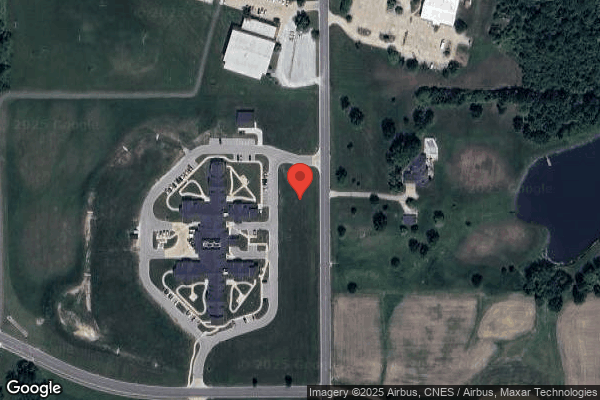
Jun 2019 11 deficiencies
CONCERN (D)

Potential for Harm - no one hurt, but risky conditions existed

Deficiency F0658 (Tag F0658)

Could have caused harm · This affected 1 resident

Based on observation, interview, and record review, the facility failed to follow physician's orders for one resident (Resident #116) who had enteral feedings through a gastrostomy tube (surgically pl...

Read full inspector narrative →
Based on observation, interview, and record review, the facility failed to follow physician's orders for one resident (Resident #116) who had enteral feedings through a gastrostomy tube (surgically placed tube into the stomach for enteral nutritional feedings), in a review of 16 sampled residents. The facility reported three residents with feeding tubes. The facility census was 64. Review of Resident #116's quarterly Minimum Data Set (MDS), a federally mandated assessment instrument completed by facility staff, dated 5/5/19, showed the following: -Severely impaired cognition; -Feeding tube; -Diagnoses included dementia and stroke. Review of the resident's care plan, revised 5/24/19, showed the following: -Diagnosis of dysphagia (difficulty in swallowing); -The resident is to receive nothing by mouth (NPO) and receives feeding through a gastrostomy tube; -The resident receives Jevity 1.2 (a high-protein, fiber-fortified nutrition that provides complete, balanced nutrition for tube feeding) at 50 milliliters (ml)/hour continuous. Review of the resident's physician order, dated June 2019, showed enteral formula feeding Jevity 1.2 at 50 ml/hour every shift for nutrition. Observations on 6/6/19 showed the following: -At 11:36 A.M., the resident lay in bed with Jevity 1.2 running at 55 ml/hour. Nurse Aide (NA) L and Registered Nurse (RN) O entered the resident's room. RN O stopped the tube feeding pump with Jevity 1.2 running at 55 ml/hour, and administered medications to the resident through the gastrostomy tube. NA L provided care to the resident, and transferred the resident to his/her wheelchair; -At 12:20 P.M., NA L took the resident to the dining room with the IV pole containing the bag of Jevity 1.2. The tube feeding pump was stopped and the tube feeding was disconnected from the resident. The resident sat in the wheelchair to the side of the dining room watching the other residents eat lunch; -At 12:37 P.M., RN O connected the tube feeding to the pump and turned it on to 55 ml/hour. During interview on 6/6/19 at 12:37 P.M., RN O said the following: -The night shift nurse changed the resident's tube feeding. The resident's bag of Jevity 1.2 was dated 6/6/19 at 4:11 A.M.; -The resident had a physician's order for Jevity 1.2 tube feeding for 50 or 55 ml/hour; -He/She was unsure the resident's rate for infusing the tube feeding, but the resident's tube feeding pump read 55 ml/hour; -He/She said the resident's tube feeding had been infusing at 55 ml/hour since he/she began working earlier this morning. During interview on 6/7/19 at 5:50 P.M., the Director of Nursing (DON) said she expected staff to administer a tube feeding at the rate in which it was ordered.
CONCERN (D)

Potential for Harm - no one hurt, but risky conditions existed

Pressure Ulcer Prevention (Tag F0686)

Could have caused harm · This affected 1 resident

**NOTE- TERMS IN BRACKETS HAVE BEEN EDITED TO PROTECT CONFIDENTIALITY** Based on observation, interview, and record review, the facility failed to notify the physician when staff identified a newly de...

Read full inspector narrative →
**NOTE- TERMS IN BRACKETS HAVE BEEN EDITED TO PROTECT CONFIDENTIALITY** Based on observation, interview, and record review, the facility failed to notify the physician when staff identified a newly developed Stage II pressure ulcer (partial thickness skin loss of dermis presenting as a shallow open ulcer with a red or pink wound bed, without slough), and failed to obtain a physician order for treatment for one resident (Resident #216), in a review of 16 sampled residents. The facility reported four residents with pressure ulcers. The facility census was 64. 1. Review of the facility's undated policy, Pressure Ulcers (Decubitus Ulcers), showed the following: -Promote healing of pressure ulcers; -See physician orders for treatment to be done for each pressure ulcer. Follow orders; -Pressure ulcers are to be measured at least weekly. Document each time treatment is done. Give detailed documentation at least weekly. If any significant changes occur, they are to be reported to the physician immediately. Document changes immediately and all conversations held with the physician or office staff. (Document names of persons spoken to.) 2. Review of Resident #216's [NAME] care plan, last revised 5/21/19, showed the following: -Requires assistance with a walker or wheelchair for ambulation; -Requires assistance with transfers; -Continent of bladder and bowel; -Bed mobility every two hours and as needed (PRN); -Alert to person, place, time, and situation. -Miscellaneous orders/notes: Buttocks - Calazyme (skin protectant). Review of the resident's Braden Scale for Predicting Pressure Ulcer Risk, dated 5/21/19, showed the resident was at low risk for developing pressure ulcers. Review of resident's discharge with return anticipated MDS, dated [DATE], showed the following: -Cognition intact; -Limited assistance from one staff member for transfers, locomotion on the unit, dressing, and personal hygiene; -Always continent of bowel and bladder; -Wheelchair and walker for mobility;; -Pressure reducing device for chair and bed; -At risk for pressure ulcers. Review of the skilled nursing readmission assessment, dated 6/1/19 at 2:00 P.M., showed the following: -Orientation/Cognition: alert to person, place, time and situation; -Neuro/muscular evaluation: paralysis (complete or partial loss of muscle function)/weakness of the left lower extremity and right lower extremity, generalized weakness; -Ambulatory: no; -Assist of two with use of gait belt for transfer, and mobility per wheelchair; -Skin conditions present: Mepilex (self-adherent foam dressing designed to absorb and hold exudate/drainage, maintaining a moist wound environment) to coccyx (tailbone) area, scabbed area to right buttocks, coccyx red. Review of the resident's June 2019 Physician Order sheets (POS) showed the following: -Diagnoses included pneumonia, respiratory failure with hypoxia (an absence of enough oxygen in the tissues to sustain bodily functions), heart failure (a chronic condition where the heart cannot pump blood as weak as well as it should) and cerebral infarction (stroke) without residual deficits; -No order for Mepilex to be applied to the coccyx. Record review of the resident's June 2019 treatment administration record showed no evidence of an order for Mepilex. Review of the resident's skilled nursing note, dated 6/2/19 for night shift, showed the following: -Pressure reducing device for the chair; -Turning and repositioning program; -Pressure ulcer care was checked yes; -Additional comments: Mepilex to buttocks; -Skilled services provided: pressure ulcer management. Record review of the resident's skilled nursing note, dated 6/3/19 for night shift, showed the following: -Pressure reducing device for chair and bed; -Turning and repositioning program; -Additional comments: Mepilex to buttocks; -Skilled services provided pressure ulcer management. Review of the resident's skilled nursing note, dated 6/4/19 for night shift, showed the following: -Pressure reducing device for the chair and bed; -Turning and repositioning program; -Additional comments: Mepilex to buttocks. Record review of the resident's skilled nursing note, dated 6/5/19 for evening shift, completed by Licensed Practical Nurse (LPN) U, showed the following: -Open area to the coccyx with erythema (redness) to both buttocks. Calazyme (skin protectant) and Mepilex applied; -Skilled nursing services provided: pressure ulcer management. Review of the resident's medical record showed no evidence staff notified the resident's physician of the open area on the resident's coccyx after staff identified the area on 6/5/19. During interview on 6/7/19 at approximately 4:30 P.M., Licensed Practical Nurse (LPN) U said there was an open area on the resident's coccyx this week. The area was very small. He/She just covered the area with Mepilex to protect the open area. He/She did not call the physician as the area was small. If he/she put Mepilex on an area for protection, he/she did not need an order. Observation on 6/7/19 at 3:30 P.M. showed the following: -The resident lay in bed on his/her side; -An undated Mepilex dressing was in place on the resident's coccyx; -LPN U removed the dressing and acknowledged there was an open area to the resident's coccyx; -He/She left the room to notify the wound nurse, so he/she could assess and measure the area; -LPN U returned to the resident's room with Wound Nurse, Registered Nurse (RN) R; -RN R said the area was a Stage II pressure ulcer and measured 0.7 centimeter (cm) by 0.5 cm. The base of the wound was yellow and the edges were red. He/She would need to call and notify the physician of the open area and obtain orders for treatment. During interview on 6/6/19 at 3:45 P.M., RN R said the facility did not need an order for the Mepilex if used for protective care. Staff was to change the Mepilex dressing every three days; the facility just followed the directions on the package insert. The area on the resident's coccyx was open now, so an order would need to be obtained for treatment. During interview on 6/7/19 at 5:50 P.M., the Director of Nursing (DON) said the following: -She expected staff to notify the physician of an open area and to obtain an order for treatment; -Staff should assess the area daily; -If the dressing is not to be changed daily, he/she expected staff to assess the dressing and the condition of the surrounding skin daily; -It is routine at the facility to use Mepilex for preventative skin care.
CONCERN (E)

Potential for Harm - no one hurt, but risky conditions existed

Safe Environment (Tag F0584)

Could have caused harm · This affected multiple residents

**NOTE- TERMS IN BRACKETS HAVE BEEN EDITED TO PROTECT CONFIDENTIALITY** Based on observation and interview, the facility failed to maintain a safe environment by not ensuring water from the showers in...

Read full inspector narrative →
**NOTE- TERMS IN BRACKETS HAVE BEEN EDITED TO PROTECT CONFIDENTIALITY** Based on observation and interview, the facility failed to maintain a safe environment by not ensuring water from the showers in residents' rooms on the 300 hall was contained to the showers and did not present as a hazard to other areas in the bathroom. The facility census was 64. Observations on 6/4/19 between 8:00 A.M. and 6:00 P.M. showed the following: -Occupied resident room [ROOM NUMBER] had a shower that ran water out onto the floor in the bathroom; -Occupied resident room [ROOM NUMBER] had a shower that ran water out onto the floor in the bathroom; -Occupied resident room [ROOM NUMBER] had a shower that ran water out onto the floor in the bathroom; -Occupied resident room [ROOM NUMBER] had a shower that ran water out onto the floor in the bathroom; -Occupied resident room [ROOM NUMBER] had a shower that ran water out onto the floor in the bathroom; -Occupied resident room [ROOM NUMBER] had a shower that ran water out onto the floor in the bathroom; -Occupied resident room [ROOM NUMBER] had a shower that ran water out onto the floor in the bathroom; -Occupied resident room [ROOM NUMBER] had a shower that ran water out onto the floor in the bathroom; -Occupied resident room [ROOM NUMBER] had a shower that ran water out onto the floor in the bathroom; -Occupied resident room [ROOM NUMBER] had a shower that ran water out onto the floor in the bathroom; -Occupied resident room [ROOM NUMBER] had a shower that ran water out onto the floor in the bathroom; -Occupied resident room [ROOM NUMBER] had a shower that ran water out onto the floor in the bathroom; -Occupied resident room [ROOM NUMBER] had a shower that ran water out onto the floor in the bathroom; -Occupied resident room [ROOM NUMBER] had a shower that ran water out onto the floor in the bathroom; -Occupied resident room [ROOM NUMBER] had a shower that ran water out onto the floor in the bathroom; -Occupied resident room [ROOM NUMBER] had a shower that ran water out onto the floor in the bathroom; -Occupied resident room [ROOM NUMBER] had a shower that ran water out onto the floor in the bathroom; -Occupied resident room [ROOM NUMBER] had a shower that ran water out onto the floor in the bathroom; -Occupied resident room [ROOM NUMBER] had a shower that ran water out onto the floor in the bathroom. During interview on 6/4/19 at 12:10 P.M. Resident #50's family member said the resident's shower leaks all over the bathroom floor creating a fall risk. The resident has to shower in the central bath instead of in his/her own shower due to the risk of falling. During interview on 6/4/19 at 12:12 P.M., Resident #52 said his/her shower leaks onto the bathroom floor. He/She is too scared to take a shower in his/her own bathroom. He/she has to use the central bath due to the wet floor in his/her bathroom. During interview on 6/4/19 at 12:14 P.M., Resident #24 said his/her shower leaks onto the bathroom floor. He/she said aides put down extra towels on the floor but he/she gets his/her feet caught in them and has almost fallen. During interview on 6/4/19 at 12:21 P.M., Resident #51 said his/her shower leaks all over the bathroom floor. It leaks so badly that the water goes under the wall and into the hallway. During interview on 6/5/19 at 2:00 P.M., the Administrator said all showers in resident hall 300 run unto the bathroom floors.
CONCERN (E)

Potential for Harm - no one hurt, but risky conditions existed

Deficiency F0657 (Tag F0657)

Could have caused harm · This affected multiple residents

**NOTE- TERMS IN BRACKETS HAVE BEEN EDITED TO PROTECT CONFIDENTIALITY** Based on interview and record review, the facility failed to update the plan of care with interventions identified following fal...

Read full inspector narrative →
**NOTE- TERMS IN BRACKETS HAVE BEEN EDITED TO PROTECT CONFIDENTIALITY** Based on interview and record review, the facility failed to update the plan of care with interventions identified following falls for four residents (Residents #8, #13, #25, and #37), in a review of 16 sampled residents. The facility census was 64. 1. Review of the facility's policy, Resident Care Plan Procedure, undated, showed the following: -The care plan must be reviewed and revised (updated) as necessary, but at least every three months. Problems, goals, and approaches must be reviewed and revised when appropriate and necessary; three months is the maximum time limit for care. Three months may be too long and not reasonable for certain short-term goals. Care plans may need to be revised when new orders are obtained; -NOTE: Remember the resident care plan is the tool used to coordinate all care provided to the resident to be sure care is necessary, appropriate, and planned to meet the individual needs of the resident consonant with the physician's plan of care for the resident. 2. Review of the Long-Term Care Facility Resident Assessment Instrument (RAI) Users Manual, Version 3.0, Chapter 4, dated October 2011, showed the following: -The care plan is driven not only by identified resident issues and/or conditions but also by a resident's unique characteristics, strengths, and needs; -A well-developed and executed assessment and care plan looks at each resident as a whole human being with unique characteristics and strengths; -The care plan should be revised on an ongoing basis to reflect changes in the resident and the care the resident is receiving; -The effectiveness of the care plan must be evaluated from its initiation and modified as necessary; -Changes to the care plan should occur as needed in accordance with professional standards of practice and documentation. The interdisciplinary team members should communicate as needed about care plan changes. 3. Review of Resident #37's care plan, dated 3/5/19, showed the following: -Resident required one assist with walker or wheelchair for ambulation/transfers; -At risk for falls; -Keep call light in reach; -Encourage/instruct to use call light; -Instruct resident on safety measures, repeat as needed; -Assess resident's footwear for proper fit and non-skid soles. Review of the the resident's admission Minimum Data Set (MDS), a federally mandated assessment instrument required to be completed by facility staff, dated 3/11/19, showed the following: -Cognition intact; -Required supervision with setup help only with transfers, to walk in room and with toilet use; -Limited assistance of one staff member with dressing, walking off unit and in corridor; -Mobility device walker and wheelchair; -Fall within in the last two to six months; Review of the resident's fall investigation, dated 4/1/19, showed the resident was found on the floor in the bathroom. He/She reported he/she rolled out of bed and could not get himself/herself up so he/she crawled to the bathroom to turn on the call light. An intervention of adaptive equipment (non-specific) was put into place. Review of the resident's care plan showed no evidence staff updated the resident's care plan to include the resident's fall on 4/1/19 or updated interventions to prevent falls after the resident fell on 4/1/19. Review of the resident's fall investigation, dated 4/10/19, showed the resident was found on the floor after he/she slipped in water on the floor in front of his/her sink. Staff observed the fall. No new interventions were initiated. Review of the resident's care plan showed no evidence staff updated the resident's care plan to include the resident's fall on 4/10/19 or updated interventions to prevent falls after the resident fell on 4/10/19. Review of the resident's fall investigation, dated 5/20/19, showed the resident was getting off the bus and fell. The resident got up and walked into the facility and said he/she was fine. The resident was returning from dialysis treatment. No new interventions were initiated. Review of the resident's care plan showed no evidence staff updated the resident's care plan to include the resident's fall on 5/20/19 or updated interventions to prevent falls after the resident fell on 5/20/19. 4. Review of Resident #8's care plan, dated 9/7/18, showed the following: -At risk for falls due to confusion; -Ensure resident is wearing appropriate footwear shoes/non-skid socks when ambulating or mobilizing in wheelchair; -Requires assist of two with a mechanical lift for transfers; -Ensure call light is in reach and encourage him/her to use it for assistance. Review of the resident's quarterly MDS, dated [DATE], showed the resident had no falls. Review of the resident's fall investigation, dated 12/14/18, showed the following: -The resident was found lying on the floor half under his/her bed. The resident had elevated the bed by mistake; -Immediate interventions taken: crash mat, bolstered mattress, and toileting program; -Additional comments: has bolstered air mattress. Review of the resident's post fall interventions, dated 12/14/18, showed to continue to monitor every two hours with neurological checks for 24 hours. Review of the resident's post fall intervention, dated 12/15/18, showed an additional intervention to increase surveillance. Review of the resident's care plan showed no evidence staff updated the resident's care plan to include the resident's fall on 12/14/18 or updated interventions to prevent falls after the resident fell on [DATE]. 5. Review of Resident #13's care plan, dated 3/7/19, showed the following: -At risk for falls related to unawareness of safety needs; -Ensure resident's call light is within reach and encourage him/her to use it for assistance as needed; -Ensure the resident is wearing appropriate footwear (non-skid socks, house slippers) when ambulating or mobilizing in the wheelchair; -Follow facility fall protocol. Review of the resident's fall investigation, dated 5/4/19, showed the resident was sitting up in his/her recliner. The chair cushion was too thick and resident sat up higher out of recliner. The resident fell to the side and was found on his/her back beside the chair. Review of the resident's post fall interventions, dated 5/6/19, showed an additional intervention to increase surveillance. Review of the resident's care plan showed no evidence staff updated the resident's care plan to include the resident's fall on 5/4/19 or updated interventions to prevent falls after the resident fell on 5/4/19. 6. Review of Resident #25's care plan, dated 9/19/17, showed the following: -At risk for falls due to use of diuretic (fluid pill); -Be sure the resident's call light is within reach and encourage him/her to use it for assistance as needed; -Ensure the resident is wearing appropriate footwear when ambulating or mobilizing in the wheelchair; -Ensure safe environment: even floors free from spills and/or clutter, adequate glare-free light and working reachable call light; -Resident uses a bedside commode due to taking a diuretic medication. Review of the resident's quarterly MDS, dated [DATE], showed the resident had no falls. Review of the resident's fall investigation, dated 2/1/19, showed the resident was found sitting on his/her buttocks on the bathroom floor. The resident reported to staff his/her knee gave out. Review of the resident's post fall interventions, dated 2/2/19, showed additional interventions to increase surveillance and to have staff assist the resident to the bathroom. Review of the resident's care plan showed no evidence staff updated the resident's care plan to include the resident's fall on 2/1/19 or updated interventions to prevent falls after the resident fell on 2/1/19. 7. During interview 06/07/19 05:12 P.M., Licensed Practical Nurse (LPN) I said the following: -He/She was responsible for updating residents' care plan after falls; -He/She only puts falls on the resident's care plan if staff put an intervention in place; -He/She completes a fall care plan follow up review form which shows interventions were reviewed. He/She does not put the review form in the chart. The form is just for him/her to keep track of and review in the morning meeting; -Staff find out if a resident had a fall on the 24-hour report sheet. 8. During interview on 6/7/19 at 5:50 P.M., the Director of Nursing (DON) said the following: -Staff do not update the care plan after each fall unless there is an intervention put into place; -A generic care plan is started upon admission and updated as needed; -The generic care plans could be more individualized; -Direct care staff utilize the care plans.
CONCERN (E)

Potential for Harm - no one hurt, but risky conditions existed

ADL Care (Tag F0677)

Could have caused harm · This affected multiple residents

**NOTE- TERMS IN BRACKETS HAVE BEEN EDITED TO PROTECT CONFIDENTIALITY** Based on observation, interview, and record review, the facility failed to ensure staff provided three residents (Residents #8, ...

Read full inspector narrative →
**NOTE- TERMS IN BRACKETS HAVE BEEN EDITED TO PROTECT CONFIDENTIALITY** Based on observation, interview, and record review, the facility failed to ensure staff provided three residents (Residents #8, #14, and #116), who were unable to perform their own activities of daily living, the necessary care and services to maintain good personal and oral hygiene, in a review of 16 sampled residents. The facility census was 64. 1. Review of the Nurse Assistant in a Long-Term Care Facility manual, 2001 revised edition, showed the procedures staff was to follow when providing perineal care for a male (steps 7 through 13) included the following: -Cover the resident; -Expose the perineal areas, wash the penis from the tip downward, rinse, and dry (specific instructions for uncircumcised); -Wash and rinse the scrotum; -Wash and rinse other skin areas between the legs; -Wash and rinse the anal area; -Pat the area dry. For the female resident (steps 7 through 14) included the following: -Cover the resident; -Expose the perineal area, wash the inner legs and outer peri area along the outside of the labia (Labia Majora); -Use a clean area of the washcloth for each wipe of the peri area; -Wash the outer skin folds from front to back; -Wash the inner labia (Labia Minora) from front to back; -Gently open all the skin folds and wash the inner area (urinary meatus and vaginal area) from front to back; -Rinse the area well, start from the innermost area and proceed outward; -Wash and rinse the anal area; -Pat the peri area dry. 2. Review of the Nurse Assistant in a Long-Term Care Facility manual, 2001 revised edition, showed the following: -A clean mouth and properly functioning teeth are essential for physical and mental well-being of the resident. Oral hygiene prevents infections in mouth, removes food particles and plaque, stimulates circulation of gums, eliminates bad taste in mouth; thus food is more appetizing; -Give oral care before breakfast, after meals, and also at bedtime; -Specific observations to make: tooth decay, any loose or broken teeth, red or swollen gums, sores or white patches in the mouth or on the tongue, changes in eating habits, and poorly fitting dentures; 3. Review of Resident #116's quarterly Minimum Data Set (MDS), a federally mandated assessment instrument required to be completed by facility staff, dated 5/5/19, showed the following: -Severely impaired cognition; -Required total assistance from one staff for personal hygiene; -Diagnoses included dementia and stroke. Review of the resident's care plan, revised 5/24/19, showed the following: -The resident required total assistance of one staff for personal hygiene; -Staff was to brush the resident's teeth at least twice a day in the A.M. and the P.M. Observation on 6/05/19 at 6:24 A.M. showed the following: -The resident lay in his/her bed; -Certified Nurse Assistant (CNA) P entered the resident's room to provide care; -The skin on the resident's face was red, dry, and flaky. The resident received continuous feeding through a gastrostomy tube (a tube inserted into the stomach for tube feeding). The resident's lips were dry and flaky and his/her teeth and mouth were gummy with saliva. CNA P did not provide oral care, or wash the resident's face. Observation on 6/5/19 at 8:20 A.M., showed the resident received continuous feeding through a gastrostomy tube. Nurse Aide (NA) L and NA M entered the resident's room. NA L and NA M provided perineal care to the resident. NA L and NA M left the room and went into another resident's room. NA L and NA M did not wash the resident's face and hands, comb his/her hair, or perform oral care. Observation on 6/6/19 at 11:36 A.M. showed the following: -Certified Medication Technician (CMT) N assisted NA L to transfer the resident from the bed to the wheelchair with a Hoyer lift (mechanical lift); -The resident's lips were dry and crusty; -NA L wiped the resident's lips but did not provide any oral care. The resident's mouth secretions were thick and sticky. NA L asked CMT N how to do the resident's oral care since he/she had never done this for the resident before. CMT N did not answer, but said he/she had to get back to his/her noon medication pass. NA L pushed the resident in the wheelchair to the dining room. NA L did not provide oral care for the resident. During interview on 6/6/19 at 11:45 A.M., NA L said he/she did not know how to do the resident's oral care and had not done it before. During interview on 6/12/19 at 4:05 P.M., CNA P said staff was to do oral care in the mornings and at night and before and after meals, like at regular times of meals. Staff should wash the resident's face and hands on days they give a bed bath and probably should every day. This was his/her first night working on this unit and he/she did not know the residents. 4. Review of Resident #8's annual MDS, dated [DATE], showed the following: -Cognitively intact; -Required extensive assistance of two staff for toileting; -Required total assistance of one staff for hygiene; -Always incontinent of bladder; -Occasionally incontinent of bowel. Review of the resident's care plan, dated 9/7/18 and last reviewed on 6/5/19, showed the following: -Resident is incontinent of bladder; -Clean perineal area with each incontinence episode; -Check every two hours and as required for incontinence. Wash, rinse and dry perineum. Observation on 6/5/19 at 06:42 A.M., showed the following: -CNA A entered the resident's room; -The resident lay on his her back in bed; -The resident was incontinent of urine; -CNA A assisted the resident to roll to his/her left side, cleansed the resident's right buttock, and placed a clean incontinence pad behind the resident; -CNA A assisted the resident to roll to his/her right side; -The incontinence pad was wet; -CNA pulled out the wet incontinence pad from under the resident and cleaned the resident's left buttock and gluteal crease; -CNA A assisted the resident to roll to his/her back and cleaned down the front genitalia; -CNA A did not clean the resident's groin areas which had been in contact with urine. During interview on 6/5/19 07:15 A.M., CNA A said staff should clean the groin areas, down the front genitalia on the front, the buttocks and gluteal crease as well as any areas that were soiled. 5. Review of Resident #14's quarterly MDS, dated [DATE], showed the following: -Severely impaired cognition; -Required extensive assistance of one staff for personal hygiene. Review of the resident's care plan, dated 6/16/17 and last revised on 5/27/19, showed the resident required set up assistance with oral care. Staff should encourage oral care and should be completed at least twice a day. Observation on 6/05/19 at 7:02 A.M. showed the following: -The resident lay in bed; -CMT C assisted the resident out of bed. The resident's mouth was dry, and his/her hair was disheveled in the back. CMT C directed the resident to a table in the dining room for breakfast. CMT C did not assist or encourage the resident to complete oral care or to wash his/her face and hands before breakfast; -CMT C walked to the resident's room, obtained a hair comb, and returned to dining room. He/She briefly combed the back of the resident's hair in the dining room. During interview on 6/6/19 at 2:40 P.M., CMT C said he/she should have assisted the resident with oral care. The resident would brush his/her teeth if he/she reminded him/her, he/she just forgot to assist the resident this morning. 6. During interview on 6/7/19 at 5:50 P.M., the Director of Nursing (DON) said the following: -Staff should clean any area of the resident's skin that has been exposed to incontinence; -Staff should provide oral care to residents when getting the resident up for the day, after meals and at bed time; -Staff should provide oral care to dependent residents every two hours.
CONCERN (E)

Potential for Harm - no one hurt, but risky conditions existed

Deficiency F0679 (Tag F0679)

Could have caused harm · This affected multiple residents

**NOTE- TERMS IN BRACKETS HAVE BEEN EDITED TO PROTECT CONFIDENTIALITY** Based on observation, interview, and record review, the facility failed to provide an ongoing program of activities based on the...

Read full inspector narrative →
**NOTE- TERMS IN BRACKETS HAVE BEEN EDITED TO PROTECT CONFIDENTIALITY** Based on observation, interview, and record review, the facility failed to provide an ongoing program of activities based on the activity assessment with specific goals and approaches, taking into account the resident's needs, strengths, and preference as part of a comprehensive care plan for two residents (Residents #14 and #46), who resided in the special care unit, in a review of 16 sampled residents. The facility census showed eight residents resided in the special care unit. The facility census was 46. 1. Review of the facility's undated policy, Resident Activities, showed the following: -Provision is made for rehabilitative and restorative activities under the direction and supervision of the activities director; -Provision is also made for religious, recreational, diversional, intellectual/educational activities designed to give patients entertainment, inter-communication, exercise, relaxation, opportunity to express creative talent and fulfill basic psychological, social and spiritual needs, under the direction of the activities director; -The activity director is responsible for planning patient's rehabilitative/restorative program as prescribed, and coordinating this service with floor nursing care. It is included in the patient's daily care plan by the nurse who sees that the patient is ready for the activity as scheduled. Nursing personnel assist patients with rehabilitative projects carried out in their rooms as part of their restorative nursing care and give encouragement. Nursing personnel report observations concerning such activities to the activity director; -Other activities designed to give patients rehabilitative and restorative opportunities are also planned in cooperation with nursing service. Nursing personnel encourages patients to participate and assist patients in selecting activities commensurate with their interests and physical capacity in plans compliance with physicians' orders and restrictions. Activities Director plans these activities far enough in advance so that they can be included in patients daily care plan by nursing personnel. Activities Director is responsible for arranging transportation and qualified supervision for patients for either outside or in-house activities. 2. Review of the Long-Term Care Facility Resident Assessment Instrument User's Manual, dated October 2013, showed the following: -Most residents capable of communicating can answer questions about what they like; -Obtaining information about preferences directly from the resident, sometimes called hearing the resident's voice, is the most reliable and accurate way of identifying preferences; -If a resident cannot communicate, then family or significant other who knows the resident well may be able to provide useful information about preferences; -Quality of life can be greatly enhanced when care respects a resident's choice regarding anything that is important to the resident; -Interviews allow the resident's voice to be reflected in the care plan; -Activities are a way for individuals to establish meaning in their lives, and the need for enjoyable activities and pastimes does not change on admission to a nursing home; -A lack of opportunity to engage in meaningful and enjoyable activities can result in boredom, depression, and behavior disturbances; -Individuals vary in the activities they prefer, reflecting unique personalities, past interests, perceived environmental constraints, religious and cultural background, and changing physical and mental abilities. 3. Review of the activity calendar for May 2019 showed the following: -Each Sunday: music, gab session, and church; -Each Monday: games, gab session, and ball toss; -Each Tuesday: music, gab session, and puzzles; -Each Wednesday: games, gab session, and music; -Each Thursday: nail treatments, gab session and housework; -Each Friday: exercise, gab session, and games; -Each Saturday: nail treatments, gab session and drinks/television. Review of the activity calendar for the June 2019 showed the following: -Each Sunday: music, gab session, and church; -Each Monday: games, gab session and ball toss; -Each Tuesday: cards, gab session and puzzles; -Each Wednesday: games, gab session and music; -Each Thursday: nail treatments, gab session and housework; -Each Friday: exercise, gab session, and games; -Each Saturday: nail treatments, gab session and drinks/television; 4. Review of Resident #14's Significant Change Minimum Data Set (MDS), a federally mandated assessment instrument required to be completed by facility staff, dated 11/18/18, showed the following: -Severely impaired cognition; -It was very important to the resident to read books, newspapers or magazines; -It was somewhat important to participate in favorite activities and in religious activities; -Required supervision for transfers, ambulation in room and corridor, and locomotion on/off the unit. Review of the resident's care plan, last revised 5/27/19, showed activities and the resident's activity preferences were not addressed on the care plan. Review of the resident's [NAME], undated, showed no evidence of activities being addressed. Review of the resident's activity log for May 2019 showed the following: -On 5/1/19, staff documented the resident participated in family/friends visits; -On 5/3/19, staff documented the resident watched/listened to television/radio; -On 5/6/19, staff documented the resident participated in family/friends visits; -On 5/7/19, staff documented the resident participated in miscellaneous activities; -On 5/8/19, staff documented the resident participated in miscellaneous and watched/listened to television/radio; -On 5/9/19, staff documented the resident participated in family/friends visits, nails and reading; -On 5/12/19, staff documented the resident participated in family/friends visits; -On 5/13/19, staff documented the resident watched/listened to television/radio; -On 5/14/19, staff documented the resident participated in gab session (talking with the residents); -On 5/15/19, staff documented the resident participated in family/friends visits; -On 5/19/19, staff documented the resident watched/listened to television/radio; -On 5/20/19, staff documented the resident participated in shape up (exercises); -On 5/21/19, staff documented the resident watched/listened to television/radio; -On 5/22/19, staff documented the resident watched/listened to television/radio; -On 5/27/19, staff documented the resident participated in one-on-one with staff; -On 5/28/19, staff documented the resident participated in one-on-one with staff; -On 5/30/19, staff documented the resident participated in music. Observation on 6/4/19 at 9:00 A.M., showed the Activity Director passed out a newspaper to the resident who sat at the dining room table. The resident faced the wall. The resident looked at the newspaper for a brief time and then laid the paper in his/her lap. Observation on 6/5/19 showed the following: -At 8:18 A.M., the resident sat at the dining room table and faced a wall. The resident stared off at the wall. There was no activity taking place; -At 10:19 A.M., the resident sat in the dining room with his/her eyes closed. The resident faced the wall. A cart of activity items sat at the end of the hall away from residents. Observation on 6/6/19 showed the following: -At 8:55 A.M., the resident sat in the recliner in his/her room. His/her eyes were open. No lights were turned on in the room and the room was quiet. The cart of activity items sat at the end of the hall away from the resident; -At 11:08 A.M., the resident sat at the dining room table with a glass of juice and faced the wall. The cart of activity items sat at the end of the hall away from residents. Review of the resident's activity log for June 2019 showed on 6/6/19, staff documented the resident participated in reading. Observation on 6/7/19 showed the following: -At 8:29 A.M., the resident lay in bed in his/her room in the dark; -At 8:54 A.M., the resident lay in bed with the covers pulled up. His/her eyes were closed and the room was dark and quiet; -At 10:00 A.M., the resident lay in his/her room awake in bed with the lights and television turned off; -At 10:45 A.M., resident lay in bed; -At 11:30 A.M., the resident sat at the dining room table facing the wall; -At 2:24 P.M., Certified Nurse Aide (CNA) D assisted the resident to walk to his/her room and sit in his/her recliner. CNA D handed the resident a newspaper, turned off the light in the room and left the resident in the dark. During interview on 6/6/19 at 2:45 P.M., Certified Medication Technician (CMT) C said the CNAs are responsible for providing the activities in the special care unit but they are too busy providing care to residents, so the activities don't get done. He/she did not get any activities done this week. He/she was not sure what music on the calendar meant because there was no radio on the unit. Passing out snacks, beauty shop (which was when a resident went to have his/her hair done) and gab (visiting with the residents) are some activities that are done on the unit. He/She charts those activities under the miscellaneous section. During interview on 6/7/19 at 2:29 P.M., CNA D said there is an activity calendar for the unit but he/she does not follow it and did not know what was scheduled on the calendar. A calendar was also kept inside the resident's wardrobe with the door shut. It is difficult to do anything with the residents due to their cognitive status. He/She was not sure of specific residents' preferences. He/She did not log any activities when he/she worked. Observation from 6/5/19 to 6/7/19 showed no scheduled activities taking place in the special care unit. 5. Review of Resident #46's annual MDS, dated [DATE], showed the following: -Severely impaired cognition; -It was very important to read books, newspapers, or magazines; being around animals such as pets; participating in favorite activities; spending time outdoors; and participating in religious activities; -It was somewhat important to listen to music, keep up with the news and doing things with groups of people; -Had adequate hearing. Review of the resident's care plan, last revised 5/1/19, showed activities or the resident's activity preferences were not addressed. Review of the resident's [NAME], undated, showed no evidence of activities being addressed. Review of the resident's activity log for May 2019 showed the following: -On 5/6/19, staff documented the resident participated in chat time; -On 5/8/19, staff documented the resident participated in reading; -On 5/9/19, staff documented the resident participated in chat time; -On 5/11/19, staff documented the resident participated in family/friends visits; -On 5/12/19, staff documented the resident participated in family/friends visits; -On 5/14/19, staff documented the resident participated in GAB session; -On 5/17/19, staff documented the resident participated in chat time and family/friends visits; -On 5/22/19, staff documented the resident participated in family/friends visits and television/radio; -On 5/23/19, staff documented the resident participated in chat time; -On 5/26/19, staff documented the resident participated in family/friends visits; -On 5/28/19, staff documented the resident participated in chat time; -On 5/29/19, staff documented the resident participated in one on one time; -On 5/30/19, staff documented the resident participated in a music activity. Review of the resident's activity log for June 2019 showed on 6/2/19, staff documented the resident participated in a nails, miscellaneous activity and gab session. Observation on 6/5/19 at 9:00 A.M., showed the resident sat in the day room with the television (to the left of the resident) turned on. No other activity took place in the area. The activity staff were assisting the podiatrist with appointments. Observation on 6/6/19 at 1:00 P.M., showed the resident sat in a chair in the dining room. The television was turned on to a cooking show out of the resident's line of sight. There were no activities taking place. Observation on 6/7/19 at 9:00 A.M., showed the resident sat in a chair at the dining room table and faced a wall. The television was to the right of him/her and not in his/her view. The television volume was turned down low. No other activity took place. Observation on 6/7/19 at 9:30 A.M., showed the resident sat in the dining room chair and the television was to the right side of him/her out of his/her line of sight. Observation on 6/7/19 from 10:41 A.M. to 11:31 A.M., showed the resident slept in a chair at the end of the hall. No lights were lit down the hall. Observation on 6/7/19 at 2:08 P.M., showed the resident sat in a chair with his/her back to the television in the dining room. No activity took place. Multiple residents were in their rooms with the lights turned off and blinds pulled. 6. During interview on 6/7/19 at 4:24 P.M., the Activity Director said the following: -She conducts an activity assessment on admission with the resident/family. The resident's activity preferences are put on the care plan; -The initial activity assessment for the resident should be on the care plan; -She posted the activity calendar but cannot guarantee it will be followed; -It depended on who was working whether the activities were being done; -She has a volunteer to conduct activities on Mondays, Tuesdays and Thursdays; -If the volunteer does not show up, then the responsibility falls to nursing to do activities with the residents; -She was unsure if the activities get done if the volunteer does not show up; -There is an activity cart at the end of the hall in the unit available for staff to provide activities to the residents; -She passed out the newspaper, fruit and visited with the residents one-on-one and those activities would be documented under miscellaneous; -A weekly hair appointment would be considered an activity; -She felt passing out snacks would be considered an activity as long as the staff was visiting with the residents as they passed out the snack. During interview on 6/7/19 at 5:50 P.M., the Director of Nursing (DON) said the following: -The Activity Director provides the supplies for activities and the CNAs should be providing the scheduled activities in the unit; -Depending on the resident, a hair appointment could be considered an activity; -Staff passing snacks would not be considered an activity; -Activity preferences should be on the [NAME] and available to staff; -Staff should be familiar with residents' preferences for activities; -Staff should encourage socialization and turn the residents toward the television if they are in the dining room after meals.
CONCERN (E)

Potential for Harm - no one hurt, but risky conditions existed

Accident Prevention (Tag F0689)

Could have caused harm · This affected multiple residents

**NOTE- TERMS IN BRACKETS HAVE BEEN EDITED TO PROTECT CONFIDENTIALITY** 7. Review of Resident #6's quarterly MDS, dated [DATE], showed the following: -Cognition was intact; -Required total assistance ...

Read full inspector narrative →
**NOTE- TERMS IN BRACKETS HAVE BEEN EDITED TO PROTECT CONFIDENTIALITY** 7. Review of Resident #6's quarterly MDS, dated [DATE], showed the following: -Cognition was intact; -Required total assistance from two staff for transfers; -Did not walk; -Impairment in both lower extremities; -Diagnosis included paraplegia (paralysis of the lower extremities). Review of the resident's care plan, revised 6/4/19, showed the following: -Complete paraplegia; -The resident was non-ambulatory; -Two staff to transfer the resident from the bed to the chair and from the chair to the bed with a Hoyer (mechanical) lift on all shifts. Observation on 6/5/19 at 8:35 A.M., showed Nurse Aide (NA) L and CNA K prepared to transfer the resident with the Hoyer lift (mechanical lift), from the wheelchair to the bed. CNA K placed the lift pad straps on the lift, raised the resident from the wheelchair, and moved the lift over to the bed. The resident's lower legs lightly swung while he/she was in the lift. CNA K lowered the resident on to the bed. NA L stood on the other side of the bed and waited for CNA K to transfer the resident and did not assist with the transfer. During interview on 6/6/19 at 12:15 P.M., NA L said he/she didn't know to help with the mechanical lift transfer. No one had told him/her he/she needed to assist with the transfer. During interview on 6/7/19 at 10:14 A.M., CNA K said a second person should always assist with the mechanical lift transfer. This person was to be close to the resident when he/she operated the lift to keep the resident from swinging and to guide the resident in the lift by holding the lift pad and/or the resident's legs while the other staff moved the lift. He/She moved the lift slowly with the resident when NA L went to the other side of the bed. He/She thought NA L knew to help with the transfer. 8. Observations on 6/6/19 between 3:28 and 4:46 P.M. showed the following: -Resident accessible exterior door 102 did not lock upon the presence of the wander guard. No alarm was sent to the nurses' station; -Resident accessible exterior door 520 was locked and did not begin the unlocking sequence when pressure was applied to the door in the presence of the wander guard. No alarm was sent to the nurses' station; -Resident accessible exterior door 400 did not lock upon the presence of the Wanderguard; -Resident accessible exterior door 103 locked in the presence of the Wanderguard but did not begin the unlocking sequence in the presence of the Wanderguard. No alarm was sent to the nurses' station; -Resident accessible exterior door 300 did not lock upon the presence of the Wanderguard and did not send an alarm to the nurses' station. During interview on 6/5/19 at 2:06 P.M., LPN E said the alarms on the exterior doors alert the nurses' station if a resident with a Wanderguard walks out the door. The doors are supposed to lock with the Wanderguard, preventing the door from opening. During interview on 6/7/19 at 1:29 P.M., the Maintenance Supervisor said he had not yet had a chance to check the doors using the Wanderguard to ensure they functioned properly. During interview on 6/20/19 at 11:14 A.M., the administrator said exterior doors are to lock once someone with a Wanderguard device approaches the door. The door is then supposed to alarm if the door is pushed and unlocked if pressure is applied for 15 seconds. There were nine residents in the facility with a Wanderguard device. Based on observation, interview, and record review, the facility failed to ensure proper safety techniques were utilized during transfers for two residents (Residents #6 and #14), in a review of 16 sampled residents, and during transport in a wheelchair for one additional resident (Resident #216). The facility failed to secure a wardrobe closet after it fell on one resident (Resident #11). The facility failed to ensure exit doors equipped with a Wanderguard system (a system for locking and/or alarming doors when residents with a Wanderguard device approach the door) functioned properly in the presence of the Wanderguard device. The facility census was 64. 1. Review of the facility's undated policy, Gait Belt Policy, showed the following: -Purpose: To assure the patient and caregiver safety during transfers and ambulation; -It is recommended the patient wear a gait belt when staff and caregivers are transferring or ambulating the patient. The gait belt provides a firm grasping surface for the staff person and protects the patient from accidental trauma to the skin. The gait belt gives the patient a sense of security as it is tightened. The belt also allows the staff person to gradually lower a patient to the floor, if necessary, without injuring self or patient; -If a gait belt is not used, there is a tendency to pull the patient up by their arms which can easily cause a back injury to the caregiver and a shoulder injury to the patient; -Gait belt is applied snugly to the patient's waist. 2. Review of the facility's policy from the Nurse Assistant in a Long-Term Care facility, 2001 revision, Two Person Transfer with a Mechanical Lift, showed the following: -Secure assistance of another nurse assistant; -Turn resident from side to side on the bed to slide the sling under the resident; -Place lift over the resident with the base beneath the bed and lock the wheels of the lift. Widen the base of the lift; -Attach the sling to the mechanical lift; -Have the resident fold both arms across the chest if possible; -Lift the resident until the buttocks are clear of the bed and make sure the resident is aligned in the sling and securely suspended in a sitting position with legs dangling over the bottom of the sling; -One nurse assistant should guide the resident's legs over the edge of the bed; release the brakes; -Move the lift away from the bed and turn the resident so that he/she faces you while the other nurse assistance guides the resident's body toward the chair by standing behind the resident; -Gradually lower into the chair. The second nurse assistant should guide the resident's hips into the chair for proper alignment. 3. Review of Resident #216's [NAME] care plan, dated 5/21/19, showed the following: -Required assistance with a walker or wheelchair to ambulate; -Required assistance to transfer; -Alert to person, place, time and situation. Review of resident's discharge with return anticipated Minimum Data Set (MDS), a federally mandated assessment instrument completed by facility staff, dated 5/25/19, showed the following: -Cognition intact; -Limited assistance of one staff member with transfers and locomotion on the unit; -Locomotion of unit did not occur; -Mobility devices: wheelchair and walker. During interview on 6/5/19 at 3:05 P.M., Certified Nurse Assistant (CNA) E said the following: -On 6/1/19, the weekend transporter, Transporter H, transported the resident from the hospital back to the facility in the facility van; -CNA E was in another resident's room and looked out the window. He/She observed the resident had slid to the very edge of his/her wheelchair; -He/She was afraid the resident was going to fall from the wheelchair as Transporter H pulled the resident backwards in his/her wheelchair. The resident's feet dragged across the concrete. He/She got Certified Medication Technician (CMT) T, grabbed a gait belt, and headed down the hall; -When they got to the resident, he/she and CMT T pulled the resident up in the chair; -The heels of the resident's socks were completely torn off due to the resident's feet being dragged against the concrete. Both the resident's heels were red in color; -He/She pushed the resident up the hall and motioned for LPN I to look at the resident's feet, and the condition of the resident's socks; -He/She reported to LPN I the position of the resident in the wheelchair being very low and how the resident's feet had dragged along the sidewalk. During interview on 6/5/19 at 3:30 P.M., the resident said the following: -Over the weekend, staff transported him/her back to the facility from the hospital; -Staff turned him/her around and pulled him/her backwards in his/her wheelchair. His/Her feet dragged across the floor and ground. He/She did not feel it as he/she has no feeling in his/her feet; -He/She was too weak to hold up his/her legs and sat very low in the wheelchair; he/she just wanted to get to the facility. During interview on 6/6/19 at 10:04 A.M., Transporter H said the following: -Over the weekend, he/she obtained a wheelchair from the resident's room and went to the hospital to pick the resident up; -The wheelchair did not have foot pedals, but he/she did not think anything about it. He/She thought the nurses would have known if the resident needed foot pedals on his/her wheelchair; -He/She pushed the resident in his/her wheelchair to the hospital elevator. The resident said he/she was not going to be able to hold his/her legs up anymore; -Once he/she got off the elevator, he/she turned the resident around and pulled him/her backwards in the wheelchair. He/She just let the resident's feet drag. He/She thought this would give the resident's legs a chance to rest, because the resident had to be able to hold his/her legs up to get on the van; -He/She hit some bumps on the way back to the facility, so the resident sat low in the wheelchair when he/she arrived to the facility; -He/She was not allowed to touch the resident as he/she was not a CNA; -He/She parked three parking spots from the door. Once the resident was off the van, he/she pulled the resident backwards in his/her wheelchair to the facility door; -The resident's feet dragged across the concrete and the new concrete was course, but the resident did not complain; -He/She was sure the resident's socks were probably torn as the sidewalk was very rough; -He/She just tried to get the resident in the facility as quick as he/she could, where the nurses pulled him/her up in the wheelchair; -He/She had not spoken to anyone at the facility about any issues with the transport; -He/She could not think of anything he/she would necessarily do differently. He/She knew if a resident could not hold his/her legs up on a future transport, he/she would turn the resident backwards like he/she had in this incident; -He/She was not sure he/she would have called for staff or came back for the wheelchair pedals, as the resident was just weak. He/she thought he/she should just get the resident back to the facility. Review of the resident's skilled nursing readmission assessment, dated 6/1/19 at 2:00 P.M., showed the following: -Orientation/Cognition: alert to person, place, time and situation; -Neuro/muscular evaluation: paralysis (loss of muscle function to part of the body)/weakness of the left lower extremity and right lower extremity, generalized weakness; -Ambulatory: no; -Assist of two with use of gait belt for transfer, and mobility per wheelchair; -Cardiovascular Evaluation: Edema present, degree to 2-3+ (observable swelling of body tissues due to fluid accumulation, that may be demonstrated by applying pressure and it leaves indention taking 15 seconds or more to rebound) bilateral lower extremity; -Skin conditions present: skin tear to left forearm, scabbed area to left wrist, Mepilex (foam adhesive dressing) to coccyx (tailbone) area, scabbed area to right buttocks, coccyx red. -The assessment did not address the status of the resident's feet or heels. Review of the resident's skilled nursing admission/readmission assessment, dated 6/2/19 on night shift, showed an open area on the resident's left heel and bruising on top of the right foot by his/her toes. Review of the resident's killed nursing admission/readmission assessment, dated 6/3/19 completed on night shift, showed an open area on the resident's left heel and bruising on the top of the resident's right foot by his/her toes. Observation on 6/6/19 at 2:30 P.M. showed the resident's heels were red, dry and cracked. The left lateral heel area was noted to have a open area approximately 1.5 centimeters (cm) by 0.5 cm in size where the skin was off. The right inner foot was noted to have a cracked area with skin off approximately 0.5 cm by 0.5 cm. During interview on 6/6/19 at 4:00 P.M., the resident's family member said the following: -He/She was very upset about the transport from the hospital; -The resident left the hospital and the wheelchair had no foot pedals in place; -The resident wore a pair of yellow gripper socks from the hospital back to the facility. The socks were completely intact and without any holes before the resident left the hospital; -He/She came right over to facility from the hospital to meet the resident. The heels of the resident's socks had been completely torn off from the resident's heels being dragged on the ground. During interview on 6/7/19 at 9:41 A.M., Certified Medication Technician (CMT) F said he/she observed Transporter H unload the resident from the van. The resident sat very low in the chair. Transporter H pulled the resident's wheelchair backwards down the sidewalk from the van to the facility. The resident's feet dragged on the ground. The resident's right sock was being pulled from the his/her foot as the resident's foot dragged against the sidewalk. During interview on 6/7/19 at 3:06 P.M., CMT T said the following: -He/She worked the day the resident returned to the facility from the hospital; -He/She observed the resident come through the double doors at the end of the hall; -The resident sat low in his/her wheelchair and he/she thought if the resident went any further down he/she would be in the floor; -He/She and CNA E pulled the resident up in the wheelchair. The wheelchair did not have foot pedals on it and the resident's socks had holes in the heels, like his/her heels were dragged; -He/She and CNA E reported the condition of the socks and what had happened to the nurse. During interview on 6/6/19 at 1:45 P.M., LPN I said the following: -He/She worked the day the resident returned to the facility from the hospital; -The resident was in his/her bed when he/she assessed him/her; -He/she assessed the resident's heels and there were no issues; -The resident's family member complained the transporter pushed the resident in his/her wheelchair and the resident's feet were dragged and socks were torn; -The staff that worked that shift did not report any issues with the socks being torn or any other issue with the transport; -He/she reported the complaint to the Director of Nursing (DON). During interview on 6/6/19 at 3:45 P.M. the DON said she received a call from the charge nurse on 6/1/19. LPN I reported the resident's family had complained and indicated Transporter H had pulled the resident in his/her wheelchair as his/her feet dragged on the ground and there was holes in the heels of the resident's socks. LPN I assessed the resident's feet and did not observe any debris or dirt on the resident's feet. LPN I had no concerns with the resident's feet. He/She called Transporter H. Transporter H said the resident's feet were on ground but the resident's feet were not dragged, nothing else was discussed about the transport. Transporter H obtained the wheelchair from the resident's room. Physical therapy had set it up and it did not have foot pedals. A wheelchair should never be pulled backwards with a resident in it. If the resident was unable to hold up his/her legs, he/she expected the transporter to get pedals for the wheelchair or call back to the facility and ask about the pedals. He/She was not aware the resident was sitting low in his/her wheelchair. If the resident was positioned low in the wheelchair, he/she would expect the transporter to inform staff at the facility so the resident could be pulled up in the wheelchair. The transporter was not a trained CNA. 4. Review of Resident #11's MDS, dated [DATE], showed the following: -Cognitively intact; -Transferred independently; -Able to walk in room and in the corridor with no help from staff; -No impairment to his/her lower extremities. Review of facility facsimile to the physician, dated 6/3/19, showed the resident's wardrobe fell over on him/her on 6/2/19. The resident was complaining of a lot of left hip pain and was unable to bear weight on his/her left leg. The resident's right forearm was very bruised and had an odd lump present. Review of the resident's care plan, updated on 6/7/19, showed the resident was no longer able to bear weight on his/her lower left extremity. (Review showed no evidence of the incident involving the wardrobe or interventions implemented to prevent further accidents with the wardrobe.) During interview on 6/4/19 at 12:49 P.M., the resident said his/her wardrobe fell on him/her on 6/2/19. His/Her wardrobe was not secured to the wall and no interventions had been put in place. He/She said he/she was unable to walk due to the wardrobe falling on him/her and continued to have pain in his/her hip. He/she said the wardrobe was top heavy. Observation on 6/4/19 at 12:50 P.M. showed the resident's wardrobe was not anchored to the wall or the floor. The resident's room did not have a closet or a dresser to store clothing. Further observation showed the wardrobe was approximately 6.5 feet tall, 3 feet wide, and 2.5 feet deep. When the doors opened, the wardrobe leaned forward. During interview on 6/20/19 at 10:25 A.M., the administrator said after the wardrobe fell on Resident #11, he checked the wardrobe and found it was wobbly. All wardrobes had been leveled using adjustable feet, but the wardrobe had been moved without being leveled. Upon investigation, the administrator said he found when the doors to the wardrobes were open and someone held onto the handles the wardrobe would lean forward. 5. During interview on 6/4/19 at 12:03 P.M., Resident #8 said he/she was afraid his/her wardrobe would fall over on him/her when trying to get something out of it since there is nothing securing the wardrobe to the wall and the wardrobes were so top heavy. Observation on 6/4/19 at 12:04 P.M. showed the resident's wardrobe in his/her room was not anchored to the wall or the floor. The resident's room did not have a closet or a dresser for storage. Further observation showed the wardrobe was approximately 6.5 feet tall, 3 feet wide, and 2.5 feet deep. When the doors opened the wardrobe leaned forward. 6. Review of Resident #14's quarterly MDS, dated [DATE], showed the following: -Severe cognition; -Required limited assistance from one staff member with transfers; -Required extensive assistance from one staff member with bathing. Review of the resident's care plan, last revised 5/27/19, showed the following: -Diagnosis included dementia with behavioral disturbance; -Transfer with limited assistance from one staff member and a gait belt (safety device used to help someone move, it helps to support a resident and helps prevent a fall) and walker to move between surfaces and as necessary. Observation on 6/06/19 at 8:50 A.M., showed the following: -The resident stood unclothed in the shower room. CMT C pulled on the resident's right arm and directed the resident to sit down on the shower chair; -The resident did not follow direction as he/she was very hard of hearing; -CMT C continued to pull on the resident's right arm and pulled the resident towards the shower chair and down onto the shower chair; -The resident was positioned very low and close to the edge of the seat. CMT C used the resident's right arm and attempted to pull him/her back on the chair, which was not successful; -CMT C showered the resident quickly, dried the resident's back with a towel and instructed the resident to stand; -Three towels lay overlapped and crumpled across the shower room floor, the resident held a towel and attempted to dry his/her torso area; -CMT C placed a walker in front of the resident and directed the resident (unclothed) to sit on the toilet, the resident, with a bath towel in his/her hands and hanging between the resident's legs, tried to grasp hold of the walker; -The resident had difficulty and was unsteady as he/she attempted to maneuver the walker and his/her bare feet across the uneven surface of crumpled towels. The resident's right foot was wet on the bare floor and the towel was under the resident's hand as he/she grasped the walker; -The resident grasped the grab bar by the toilet and sat down on to the toilet. -CMT C did not use a gait belt at any time during the transfer to and from the shower. During interview on 2:40 A.M., CMT C said the resident usually did pretty well and didn't always need a gait belt. He/She should not pull on a resident's arm to position a resident or pull the resident to a chair by the arm. During interview on 6/7/19 at 5:00 P.M., the Director of Nursing (DON) said the following: -Staff should never grab or pull a resident by the arm, a resident should have appropriate foot wear on before a resident walked out of a wet shower, a gait belt should be in place around the resident's waist and placed over clothing; -The pathway should always be clear, towels on the floor could cause the resident to fall.
CONCERN (E)

Potential for Harm - no one hurt, but risky conditions existed

Deficiency F0804 (Tag F0804)

Could have caused harm · This affected multiple residents

**NOTE- TERMS IN BRACKETS HAVE BEEN EDITED TO PROTECT CONFIDENTIALITY** Based on observation and interview, the facility failed to ensure food was served at a safe and appetizing temperature. The faci...

Read full inspector narrative →
**NOTE- TERMS IN BRACKETS HAVE BEEN EDITED TO PROTECT CONFIDENTIALITY** Based on observation and interview, the facility failed to ensure food was served at a safe and appetizing temperature. The facility census was 64. Observation on 6/4/19 showed the following: -At 12:33 P.M., staff served the first resident in the [NAME] dining room (satellite kitchen 1). Staff continued to serve residents from the steam table. The main entree for the meal was chicken; -At 12:59 P.M., the test tray was received immediately after the last resident was served. The temperature of the non-barbequed chicken (chicken served to residents on low salt and low concentrated sweet diets) was 111 degrees Fahrenheit, and ground barbequed chicken was 109 degrees Fahrenheit. The chicken was cool when taste tested. Observation on 6/5/19 showed the following: -At 12:02 P.M., staff served the first resident in the Parc Place dining room (satellite kitchen 2). Staff continued to serve residents from the steam table. The main entree for the meal was barbequed ribs; -At 12:15 P.M., the test tray was received immediately after the last resident was served. The temperature of the barbequed ribs was 100 degrees Fahrenheit. The ribs were cool when taste tested. During interview on 06/05/19 at 12:22 P.M., the dietary manager said he expected the temperature of food to be at least 120 degrees Fahrenheit when served, however, he was aware the food has been served less than 120 degrees Fahrenheit. The staff was still trying to adjust to the dry steam tables; they had never worked with them before. During interview on 06/05/19 at 1:10 P.M., the administrator said he expected the food temperatures to be at least 120 degrees Fahrenheit at the time of meal service.
CONCERN (E)

Potential for Harm - no one hurt, but risky conditions existed

Deficiency F0883 (Tag F0883)

Could have caused harm · This affected multiple residents

**NOTE- TERMS IN BRACKETS HAVE BEEN EDITED TO PROTECT CONFIDENTIALITY** Based on interview and record review, the facility failed ensure the policy for pneumococcal vaccinations was consistent with th...

Read full inspector narrative →
**NOTE- TERMS IN BRACKETS HAVE BEEN EDITED TO PROTECT CONFIDENTIALITY** Based on interview and record review, the facility failed ensure the policy for pneumococcal vaccinations was consistent with the current Centers for Disease Control (CDC) guidelines; failed to offer and vaccinate eligible residents with the pneumococcal vaccines as indicated by the current guidelines, unless the resident had previously received the vaccines, refused, or had a medical contraindication present; and failed to ensure the medical record included evidence education was provided to the resident or the resident's representative on the benefits and potential side effects of the pneumococcal vaccination for two residents (Residents #116 and #13), in a review of 16 sampled residents, and two additional residents (Residents #20 and #62). The facility census was 64. 1. Review of the facility policy Pneumococcal Vaccine Policy, dated 2017, showed the following: -Purpose was to minimize the risk of residents acquiring, transmitting or experiencing complications from pneumococcal disease by ensuring that each resident: -Informed about the benefits and risks of immunizations; -Has the opportunity to receive the pneumococcal vaccine, unless medically contraindicated, refused, or was already immunized; -Ensure documentation in the resident's medical record of the information/education provided regarding the benefits and risks of immunization and the administration or the refusal of or medical contraindications to the vaccines; -All residents should receive the pneumococcal vaccine if they are [AGE] years of age or older; or younger than 65 years with underlying conditions that are associated with increased susceptibility to infection or increased risk for serious disease and its complications; -Re-vaccination with the pneumococcal vaccine if five or more years have passed since the previous dose and the person was less than 65, however, who is now 65 or older, and/or is considered high risk for developing pneumococcal infection; -These vaccines may be administered by any appropriately qualified personnel who are following our facility procedures without the need for an individual physician evaluation or order; -Each resident's pneumococcal immunization status will be determined upon admission or soon afterwards, and will be documented in the resident's medical record. Current residents will have their immunization status determined by reviewing available past and present medical records; -All residents with undocumented or unknown pneumococcal vaccination status will be offered the vaccine; -Informed consent in the form of a discussion regarding risks and benefits of vaccination will occur prior to vaccination. (This may be with the resident's authorized representative when appropriate. If signed consent were required according to state law, it would occur at this procedural step); -Residents may refuse vaccination. Vaccination refusal and reasons why (e.g., allergic, contraindicated, did not want vaccine, etc) should be documented by the facility; -Vaccine will be administered according to the Standing Order: Administer 0.5 ml IM (intramuscular) or SC (subcutaneous) of Pneumococcal Vaccine (PPSV23) or 13-valent pneumococcal conjugate vaccine (PCV13) whichever is indicated to all residents who meet vaccination criteria; -Check resident's body temperature before giving the vaccine. Any resident who is febrile (above baseline) or being treated for an infection will not receive the vaccine until he/she has recovered; -Document administration of vaccine, including injection site, in the medical record (e.g., medication sheet, nurses' notes, immunization record, or progress sheet). 2. Review of the US Department of Health and Human Services CDC Pneumococcal Vaccine Time for Adults, dated 11/30/15, showed the following: -Two pneumococcal vaccines were recommended for adults: 13-valent pneumococcal conjugate vaccine (PCV13, PREVNAR 13) and 23-valent pneumococcal polysaccharide vaccine (PPSV23, Pneumovax 23): -One dose of PCV13 was recommended for adults 65 years or older who had not previously received PCV13; -One dose of PPSV23 was recommended for adults 65 years or older, regardless of previous history of vaccination with pneumococcal vaccines. Once a dose of PPSV23 was given at age [AGE] years or older, no additional doses of PPSV23 should be administered; -For those age [AGE] years or older who had not received any pneumococcal vaccines, or those with unknown vaccination history, administer one dose of PCV13. Administer one dose of PPSV23 at least one year later for most adults or at least eight weeks later for adults with immunocompromising conditions; -For those age [AGE] years or older who previously received one dose of PPSV23 and no doses of PCV13, administer one dose of PCV13 at least one year after the dose of PPSV23 for all adults regardless of medical conditions. 3. Review of an annual facility letter, dated 9/11/18, showed the following: -Addressed to the resident/family member/responsible party; -The facility will be conducting the annual influenza and pneumonia vaccine campaign next month for the residents and employees; -If you do not wish to consent to these immunizations, please contact the office manager by 10/1/18; -Signed by the Director of Nursing (DON). 4. During interview on 6/7/19 at 4:58 P.M., the DON said the following: -The facility receives verbal consents or refusals for influenza and pneumonia vaccines for the residents upon admission; -She sent out a letter in the fall about their annual influenza and pneumonia vaccines along with the information sheets about the vaccines as appropriate for what the resident would need; -The resident and/or family representative would call the business office to decline the vaccines if so desired; -The business office manager would let her know what families called and what vaccine was declined. 5. Review of Resident #116's face sheet showed the following: -Admit 11/20/17; -Severely impaired cognition; -The resident was over age [AGE]. Review of the resident's Immunization Record showed the resident received the PREVNAR 13 on 11/30/17. There was no evidence the resident received the PPSV23. Review of the resident's medical record showed the following: -No evidence the resident or the resident's representative received current education about the PPSV23 and PREVNAR 13 pneumococcal vaccinations; -No evidence the resident or the resident's representative declined the pneumococcal vaccinations. Review of the resident's chest x-ray report, dated 3/29/19, showed the resident had a cough and the x-ray showed left lower lobe pneumonia. During interview on 6/7/19 at 2:00 P.M., Registered Nurse (RN) R said the following: -The resident had been sick and in a weak condition. His/Her lungs were not good so he/she did not offer the PPSV23 pneumococcal vaccine; -He/She should have called the physician to ask about administering the PPSV23 pneumococcal vaccine. During interview on 6/17/19 at 8:15 A.M., the resident's representative said the following: -The resident had pneumonia in the past year; -No one had spoken to him/her about another pneumonia vaccine; -If the physician felt the resident would need the vaccine, he/she would agree to this. 6. Review of Resident #20's face sheet showed the following: -Admit 12/05/18; -Intact cognition; -The resident was over age [AGE]. Review of the resident's Immunization Record showed no pneumococcal vaccine information. Review of the resident's medical record showed the following: -No evidence the resident or the resident's representative received current education about the PPSV23 and PREVNAR 13 pneumococcal vaccinations; -No evidence the resident or family representative declined the pneumococcal vaccinations. Review of the resident's quarterly Minimum Data Set (MDS), a federally mandated assessment instrument completed by the facility staff, dated 3/3/19, showed the resident's pneumococcal vaccine was not up to date and had not been offered. 7. Review of Resident #13's Immunization Record showed the resident received the PREVNAR 13 on 12/29/16. There was no evidence the resident received the PPSV23 vaccination. Review of the resident's face sheet showed the following: -Admit 11/14/18; -Short and long-term memory problem; -The resident was over age [AGE]. Review of the resident's medical record showed the following: -No evidence the resident or the resident's representative received current education about the PPSV23 and PREVNAR 13 pneumococcal vaccinations; -No evidence the resident or the resident's representative declined the pneumococcal vaccinations. 8. Review of Resident #62's face sheet showed the following: -Admit 1/25/18; -Intact cognition; -The resident was over age [AGE]. Review of the resident's Immunization Record showed the resident received the PREVNAR 13 on 2/26/18. There was no evidence he/she received the PPSV23 vaccination. Review of the resident's medical record showed the following: -No evidence the resident or the resident's representative received current education about the PPSV23 and PREVNAR 13 pneumococcal vaccinations; -No evidence the resident or family representative declined the pneumococcal vaccinations. 9. During interview on 6/7/19 at 2:00 P.M. and 2:31 P.M., RN R, who was in charge of the influenza and pneumonia program, said the following: -When a resident is admitted and is unable to recall when they had the pneumonia vaccinations, staff talk to the family, call the resident's physician, and the pharmacy to obtain this information; -He/She used the CDC guideline logarithm for both the PREVNAR 13 and PPSV23 pneumococcal vaccine; -The educational material provided was the current information for the two pneumococcal vaccines PREVNAR 13 and PPSV23; -If a resident has not had the PREVNAR 13 or the PPSV23 pneumococcal vaccination, the facility gives the PREVNAR 13 and then waits a year to give the PPSV23; -He/She was behind at least a couple of months in giving the pneumococcal vaccines to the four residents; -He/She should probably call the physician if a resident, such as Resident #116, has lung problems and their pneumonia vaccination was due; -The facility policy for pneumonia did not include the current guidelines. 10. During interview on 6/7/19 at 5:50 P.M., the DON said the following: -She thought the facility's pneumonia policy was up to date; -She expected the facility to follow the CDC guidelines for pneumonia vaccinations; -She expected all resident's immunizations to be up to date; -The facility tries to track down a resident's immunization history upon admission; -The facility sends education on the pneumonia vaccinations to the families. If the families do not want the vaccinations, then they are to notify the facility of their refusal, otherwise the resident receives the vaccination; -There was no signed consent, only verbal; -Administering the pneumonia vaccination was a standing order at the facility per their protocol; -Resident #116 was treated in March for pneumonia. The resident may be behind on his/her pneumonia vaccination. 11. During interview on 6/17/19 at 8:34 A.M., the business office manager said the following: -He/she sends out the fall campaign letter for the influenza and pneumonia and thought the DON placed a flu vaccine information sheet with the letter. He/She was not sure if the PREVNAR 13 and PPSV23 pneumococcal vaccine information sheets were included; -He/She took the letter around to the residents who were their own person, showed them the letter, and asked them about taking the vaccines. He/She did not think he/she gave them the letter; -He/She did not think he/she sent a fall campaign letter to the contact person or family member listed on file for the residents who were their own person. He/She did not keep a list of names of individuals who were sent the letter and the family who contacted them facility in return.
CONCERN (F)

Potential for Harm - no one hurt, but risky conditions existed

Food Safety (Tag F0812)

Could have caused harm · This affected most or all residents

**NOTE- TERMS IN BRACKETS HAVE BEEN EDITED TO PROTECT CONFIDENTIALITY** Based on observation and interview, the facility failed to ensure staff wore proper hair restraints during meal preparation and ...

Read full inspector narrative →
**NOTE- TERMS IN BRACKETS HAVE BEEN EDITED TO PROTECT CONFIDENTIALITY** Based on observation and interview, the facility failed to ensure staff wore proper hair restraints during meal preparation and service. The facility census was 64. Observations on 6/04/19 between 9:12 A.M. through 12:42 P.M. during the noon meal preparation showed the following: -At 9:39 A.M. [NAME] W had a beard and did not wear a beard restraint. He/She dished up fruit for lunch in the main kitchen; -At 10:04 A.M. [NAME] X had a mustache that was not covered with a hair restraint. He/She prepared food in the main kitchen for the noon meal. The dietary manager's mustache was not covered. He walked around the main kitchen while the noon meal was being prepared. Two electrical workers were working in the kitchen area with no hairnets. One electrical worker had a beard that was not covered; -At 10:51 A.M., the electrical worker, who had a beard, was in the kitchen with no beard restraint. [NAME] W was in the main kitchen preparing the noon meal. He/She did not bear a beard restraint. [NAME] X and the dietary manager prepared the noon meal and did not wear a hair restraint over their mustaches; -At 12:42 P.M., [NAME] W served lunch in the [NAME] dining area (a satellite kitchen) and did not wear a beard restraint. Observation on 06/05/19 between 8:52 A.M. through 12:15 P.M. during the noon meal preparation showed the following: -At 8:56 A.M., [NAME] W and [NAME] Y prepared the noon meal in the main kitchen. Neither staff wore hair restraints over facial hair. The dietary manager assisted with the preparation and did not wear a hair restraint to cover his mustache. -At 9:01 A.M. Dietary Aide Z prepared side dishes for the noon meal. The back of his/her hair was not covered and hung down his/her back. -At 11:56 A.M., [NAME] Y served the noon meal in the Parc Place dining area (a satellite kitchen) and did not wear a beard restraint. During interview on 06/05/19 at 12:22 P.M., the dietary manager said he was responsible for ensuring everyone wore a hairnet. He expected staff who had facial hair to wear a hair net to cover the facial hair. He was aware several staff had uncovered facial hair. He knew he should have one on as well, he just forgot. The facility had a hair restraint policy, he just didn't know where it was. He expected staff to wear hair and facial hair restraints while in the kitchen area. During interview on 06/05/19 at 1:10 P.M., the administrator said he expected hair nets and beard restraints at all times while in the kitchen.
CONCERN (F)

Potential for Harm - no one hurt, but risky conditions existed

Infection Control (Tag F0880)

Could have caused harm · This affected most or all residents

**NOTE- TERMS IN BRACKETS HAVE BEEN EDITED TO PROTECT CONFIDENTIALITY** Based on observation, interview, and record review, the facility failed to ensure nursing staff washed their hands after each di...

Read full inspector narrative →
**NOTE- TERMS IN BRACKETS HAVE BEEN EDITED TO PROTECT CONFIDENTIALITY** Based on observation, interview, and record review, the facility failed to ensure nursing staff washed their hands after each direct resident contact and when indicated by professional standards of practice during personal care for two residents (Residents #8 and #116), in a review of 16 sampled residents; failed to wash hands and apply gloves when administering eye drops for one resident (Resident #19); and failed to develop a facility policy to address Legionella. The facility census was 64. 1. Review of the undated facility policy, Wash Hands, showed the following: -Apply a generous amount of soap to hands. Do not use bar soap; -Scrub hands for at least 15 seconds. Wash palms and back of hands with at least ten circular motions. Wash fingers and between fingers with at least ten circular motions. Wash wrists with at least ten circular motions, and wash around and under fingernails; -Rinse wrists and hands well. Keep wrists lower than elbows. 2. Review of the facility policy Soiled Laundry and Bedding from the Infection Control Policy and Procedure Manual, revised August 2009, showed the following: -Soiled laundry/bedding shall be handled in a manner that prevents gross microbial contamination of the air and persons handling the linen; -Place contaminated laundry in bags. 3. Review of the Guideline for Hand Hygiene in Health Care Setting, 10/25/02, from the Center for Disease Control and Prevention, showed the following: -Decontaminate hands before having direct contact with patients; -Decontaminate hands after contact with a patient's intact skin; -Decontaminate hands after contact with body fluids or excretions, mucous membranes, nonintact skin, and wound dressings if hands are not visibly soiled; -Decontaminate hands after contact with inanimate objects in the immediate vicinity of the patient; -Decontaminate hands after removing gloves; -Decontaminate hands if moving from a contaminated-body site to a clean-body site during patient care. Indications for, and limitations of glove use include the following: -Hand contamination may occur as a result of small, undetected holes in examination gloves; -Contamination may occur during glove removal; -Wearing gloves does not replace the need for hand hygiene; -Failure to remove gloves after caring for a patient may lead to transmission of microorganisms from one patient to another. 4. Review of the Centers for Medicare and Medicaid Services, Survey and Certification memo, revised 6/9/17, showed the following: -Legionella can cause a serious type of pneumonia in persons at risk. Those at risk include persons who are at least [AGE] years old, smokers, or those with underlying medical conditions such as chronic lung disease or immunosuppression. Outbreaks have been linked to poorly maintained water systems in buildings with large or complex water systems including long-term care facilities. Transmission can occur via aerosols from devices such as showerheads, cooling towers, hot tubs, and decorative fountains; -Facilities must develop and adhere to policies and procedures that inhibit microbial growth in building water systems that reduce the risk of growth and spread of Legionella and other opportunistic pathogens in water; -Surveyors will review the facility's policy and procedures and reports documenting water management implementation results to [NAME] the facilities: -Conduct a facility risk assessment to identify where Legionella and other opportunistic waterborne pathogens could grow and spread in the facility water system; -Implement a water management program which includes control measures such as physical controls, temperature management, disinfectant level control, visual inspections, and environmental testing for pathogens; -Specify testing protocols and acceptable ranges for control measures, and document the results of testing and corrective actions taken when control limits are not maintained. 5. During interview on 6/6/19 at 12:15 P.M., the administrator said the facility did not currently have a policy for Legionella. He was aware of areas in the facility that could harbor bacteria. There needed to be a plan on how to test for Legionella and what to do if Legionella was found. He said the facility planned to put a system in place to address this but had not put one in place at this time. 6. Review of Resident #116's quarterly Minimum Data Set (MDS), a federally mandated assessment instrument required to be completed by facility staff, dated 5/5/19, showed the following: -Required total assistance from one staff for personal hygiene; -Incontinent of bowel and bladder. Review of the resident's care plan, revised 5/24/19, showed staff was to clean the resident's perineal area with each incontinence episode. Observation on 06/05/19 at 6:24 A.M. showed Certified Nurse Assistant (CNA) P entered the resident's room and checked the resident for incontinence. The incontinence pad was wet with urine. CNA P applied gloves without washing his/her hands and performed perineal care. When finished, he/she removed the bed pad, and without removing his/her gloves, rolled the resident over, removed the resident's hospital gown, and threw the soiled urine bed pad and gown on the floor. Wearing the same gloves, he/she pulled the sheet and blanket up to cover the resident, and turned the resident to his/her left side. CNA P picked the linens up off the floor and placed them in a trash bag. During interview on 6/12/19 at 4:05 P.M., CNA P said staff was to wash hands whenever they left a room, entered a room, when they had any contact with the resident, and between cares. Staff was to remove gloves and wash hands after handling soiled linens. Staff was to place soiled linens in a trash bag and not on the floor. Observation on 6/5/19 at 8:20 A.M., showed the following: -Nurse Aide (NA) L and NA M entered the resident's room. NA M held a clean bed sheet and incontinence pad against his/her clothing when he/she came into the room; -NA L provided front perineal care to the resident who was soiled with urine; -NA M left the resident's room to get more disposable wipes. He/She returned to the resident's room, and applied gloves without washing his/her hands; -Wearing gloves, NA L turned the resident to his/her right side and provided perineal care; -NA M provided a portion of the perineal care, then removed the soiled bed pad, held it close to his/her body touching his/her clothing and placed it in a plastic trash bag; -Without removing his/her gloves, NA L assisted the resident to put on a gown. Without removing their gloves NA M and NA L, turned the resident to his/her right side and put pillows between the resident's legs and behind him/her. NA L removed the bed sheet, placed the sheet in a trash bag, and raised the resident's bed. NA L removed his/her gloves, and without washing hands, ran his/her fingers through his/her hair, and lowered the resident's bed. NA M removed his/her gloves, and without washing his/her hands, took the trash bag with soiled linens down the hall to the utility room touching the door handles. Observation on 6/6/19 at 11:36 A.M. showed the following: -NA L entered the resident's room and applied gloves without washing his/her hands; -NA L provided perineal care to the resident who had a large bowel movement. NA L picked up some of the loosely formed bowel movement with his/her gloved hand, and threw it in the trash can, removed his/her gloves, and washed his/her hands for less than five seconds; -NA L went into the hall and asked staff to help him/her; -NA L re-entered the room, put on gloves, wiped fecal material from the resident's backside, removed his/her gloves, and washed his/her hands approximately five seconds; -Certified Medication Technician (CMT) N entered the room and supported the resident on his/her side while NA L provided perineal care to the resident's posterior peri area. The resident continued to have a large loosely formed bowel movement. NA L removed the trash bag from the trash can and placed the bag directly on the resident's bed. NA L removed his/her gloves, without washing hands, left the room to get a clean bed pad off the linen cart in the hall and carried the bed pad underneath his/her arm against his/her clothing while he/she applied gloves. During interview on 6/6/19 at 2:24 P.M., NA L said he/she was told to wash his/her hands when he/she changed gloves and cares with residents. He/She didn't know to wash his/her hands every time after removing gloves and was unaware of how long or the proper way of handwashing. 7. Review of Resident #8's annual MDS, dated [DATE], showed the following: -Required extensive assistance from two staff for toileting; -Required total assistance from one staff for personal hygiene; -Always incontinent of bladder; -Occasionally incontinent of bowel. Review of the resident's care plan, dated 9/7/18 and last reviewed on 6/5/19, showed the following: -Resident is incontinent of bladder; -Clean peri-area with each incontinence episode; -Check every two hours and as required for incontinence. Wash, rinse and dry perineum. Observation on 6/5/19 at 06:42 A.M., showed the following: -CNA A entered the resident's room, washed his/her hands and applied gloves; -CNA A assisted the resident to roll to his/her left side and cleaned the resident's right buttock; -Wearing the same gloves, CNA A picked up a clean incontinence pad, placed the pad behind resident, and assisted the resident to roll to his/her right side; -The incontinence pad under the resident was wet with urine; -CNA A pulled out the wet incontinence pad and cleaned the resident's left buttock and gluteal crease; -Wearing the same gloves, CNA A assisted the resident to roll to his/her back and provided peri-care to the front genitalia; -CNA A removed his/her gloves, and without washing his/her hands, picked up the bed control and raised the head of the bed, dressed the resident in a clean gown, covered the resident with a clean sheet and repositioned the resident in bed; -CNA A picked up the trash and soiled linen bags, left the room and walked to the dirty utility room to dispose of the bags; -CNA A walked into the hall and sanitized his/her hands. During interview on 6/5/19 07:15 A.M., CNA A said the following: -Staff should wash their hands upon entering a room, wash after cleaning anything dirty and before leaving the resident's room; -Staff should not touch anything after removing gloves prior to washing hands. 8. Review of the undated facility policy Prepare, Administer, Report, and Record Ophthalmic (Eye) Medications, showed the following: -This procedure must be separate from the administration of oral medications; -Wash hands. Using antibacterial hand cleanser is NOT appropriate when administering ophthalmic medications. 9. Review of Resident #19's physician's orders, dated June 2019, showed an order for GenTeal Mild Solution 0.2% (an eye lubricant), instill one drop in both eyes two times a day for dry eyes. During observation on 6/5/19 at 7:55 A.M., the resident sat in the wheelchair in the dining room. CMT J applied hand sanitizer, and did not wash his/her hands or put on gloves. The resident tipped his/her head back for the eye drop administration. CMT J dropped one drop into the resident's eye and then with his/her bare finger, pulled up the resident's top eyelid and did the same with the other eye. During interview on 06/07/19 at 9:59 AM, CMT J said he/she was to use sanitizer or wash his/her hands before administering eye drops. He/She said he/she forgot to apply gloves. He/She did not not know he/she should have washed his/her hands instead of using hand sanitizer. 10. During interview on 6/7/19 at 5:50 P.M., the Director of Nursing said the following: -Staff should wash their hands upon entering a room, between glove changes and before leaving a room; -Staff should change their gloves and wash their hands when going from a dirty task to a clean task; -Staff should wash hands appropriately and never touch their own clothing with clean or soiled linens; -Staff should wash their hands with soap and water prior to administering eye drops and should wear gloves when administering eye drops; -Staff should not use hand sanitizer prior to administering eye drops.
Understanding Severity Codes (click to expand)
Life-Threatening (Immediate Jeopardy)
J - Isolated K - Pattern L - Widespread
Actual Harm
G - Isolated H - Pattern I - Widespread
Potential for Harm
D - Isolated E - Pattern F - Widespread
No Harm (Minor)
A - Isolated B - Pattern C - Widespread

Questions to Ask on Your Visit

  • "Can I speak with families of current residents?"
  • "What's your RN coverage like on weekends and overnight?"

Our Honest Assessment

Strengths
  • • No major safety red flags. No abuse findings, life-threatening violations, or SFF status.
  • • $5,000 in fines. Lower than most Missouri facilities. Relatively clean record.
  • • 40% turnover. Below Missouri's 48% average. Good staff retention means consistent care.
Concerns
  • • 32 deficiencies on record. Higher than average. Multiple issues found across inspections.
  • • Grade D (48/100). Below average facility with significant concerns.
Bottom line: Trust Score of 48/100 indicates significant concerns. Thoroughly evaluate alternatives.

About This Facility

What is Twin Pines Adult's CMS Rating?

CMS assigns TWIN PINES ADULT CARE CENTER an overall rating of 2 out of 5 stars, which is considered below average nationally. Within Missouri, this rating places the facility higher than 0% of the state's 100 nursing homes. A rating at this level reflects concerns identified through health inspections, staffing assessments, or quality measures that families should carefully consider.

How is Twin Pines Adult Staffed?

CMS rates TWIN PINES ADULT CARE CENTER's staffing level at 4 out of 5 stars, which is above average compared to other nursing homes. Staff turnover is 40%, compared to the Missouri average of 46%. This relatively stable workforce can support continuity of care.

What Have Inspectors Found at Twin Pines Adult?

State health inspectors documented 32 deficiencies at TWIN PINES ADULT CARE CENTER during 2019 to 2024. These included: 31 with potential for harm and 1 minor or isolated issues.

Who Owns and Operates Twin Pines Adult?

TWIN PINES ADULT CARE CENTER is owned by a non-profit organization. Non-profit facilities reinvest revenue into operations rather than distributing to shareholders. The facility operates independently rather than as part of a larger chain. With 120 certified beds and approximately 72 residents (about 60% occupancy), it is a mid-sized facility located in KIRKSVILLE, Missouri.

How Does Twin Pines Adult Compare to Other Missouri Nursing Homes?

Compared to the 100 nursing homes in Missouri, TWIN PINES ADULT CARE CENTER's overall rating (2 stars) is below the state average of 2.5, staff turnover (40%) is near the state average of 46%, and health inspection rating (2 stars) is below the national benchmark.

What Should Families Ask When Visiting Twin Pines Adult?

Based on this facility's data, families visiting should ask: "Can I visit during a mealtime to observe dining assistance and food quality?" "How do you handle medical emergencies, and what is your hospital transfer rate?" "Can I speak with family members of current residents about their experience?"

Is Twin Pines Adult Safe?

Based on CMS inspection data, TWIN PINES ADULT CARE CENTER has a clean safety record: no substantiated abuse findings (meaning no confirmed cases of resident harm), no Immediate Jeopardy citations (the most serious violation level indicating risk of serious injury or death), and is not on the Special Focus Facility watch list (a federal program monitoring the lowest-performing 1% of nursing homes). The facility has a 2-star overall rating and ranks #100 of 100 nursing homes in Missouri. While no facility is perfect, families should still ask about staff-to-resident ratios and recent inspection results during their visit.

Do Nurses at Twin Pines Adult Stick Around?

TWIN PINES ADULT CARE CENTER has a staff turnover rate of 40%, which is about average for Missouri nursing homes (state average: 46%). Moderate turnover is common in nursing homes, but families should still ask about staff tenure and how the facility maintains care continuity when employees leave.

Was Twin Pines Adult Ever Fined?

TWIN PINES ADULT CARE CENTER has been fined $5,000 across 1 penalty action. This is below the Missouri average of $33,129. While any fine indicates a compliance issue, fines under $50,000 are relatively common and typically reflect isolated problems that were subsequently corrected. Families should ask what specific issues led to these fines and confirm they've been resolved.

Is Twin Pines Adult on Any Federal Watch List?

TWIN PINES ADULT CARE CENTER is not on any federal watch list. The most significant is the Special Focus Facility (SFF) program, which identifies the bottom 1% of nursing homes nationally based on persistent, serious quality problems. Not being on this list means the facility has avoided the pattern of deficiencies that triggers enhanced federal oversight. This is a positive indicator, though families should still review the facility's inspection history directly.