PLEASANT VALLEY MANOR CARE CENTER

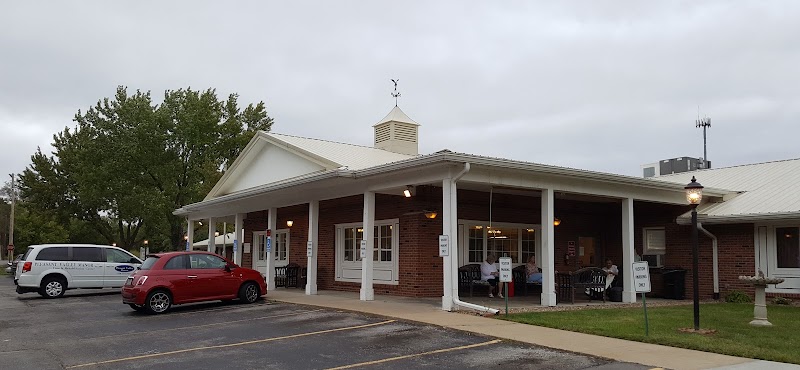
6814 SOBBIE ROAD, LIBERTY, MO 64068 (816) 781-5277
For profit - Corporation 102 Beds JUCKETTE FAMILY HOMES Data: November 2025
Trust Grade
70/100
#109 of 479 in MO
Last Inspection: September 2024

Within standard 12-15 month inspection cycle. Federal law requires annual inspections.

Overview

Pleasant Valley Manor Care Center in Liberty, Missouri, has a Trust Grade of B, which means it is a good choice overall, indicating solid care without being elite. The facility ranks #109 out of 479 in Missouri, placing it in the top half of state facilities, and #3 out of 9 in Clay County, suggesting only two local options are better. The care center is improving, with issues dropping from 14 in 2023 to 4 in 2024, and it has a good staff turnover rate of 32%, which is below the state average of 57%. Although they have no fines on record, some concerns from inspections include failures in maintaining food safety procedures and not providing residents with the dignity and respect they deserve. While staffing is rated average and RN coverage is also average, the facility does have some areas for improvement to create a more comfortable environment for its residents.

Trust Score
B
70/100
In Missouri
#109/479
Top 22%
Safety Record
Low Risk
No red flags
Inspections
Getting Better
14 → 4 violations
Staff Stability
○ Average
32% turnover. Near Missouri's 48% average. Typical for the industry.
Penalties
✓ Good
No fines on record. Clean compliance history, better than most Missouri facilities.
Skilled Nurses
⚠ Watch
Each resident gets only 25 minutes of Registered Nurse (RN) attention daily — below average for Missouri. Fewer RN minutes means fewer trained eyes watching for problems.
Violations
⚠ Watch
37 deficiencies on record. Higher than average. Multiple issues found across inspections.
★★★★☆
4.0
Overall Rating
★★★☆☆
3.0
Staff Levels
★★★☆☆
3.0
Care Quality
★★★★☆
4.0
Inspection Score
Stable
2023: 14 issues
2024: 4 issues

The Good

  • Full Sprinkler Coverage · Fire safety systems throughout facility
  • No fines on record
  • Staff turnover below average (32%)

    16 points below Missouri average of 48%

Facility shows strength in fire safety.

The Bad

Staff Turnover: 32%

14pts below Missouri avg (46%)

Typical for the industry

Chain: JUCKETTE FAMILY HOMES

Part of a multi-facility chain

Ask about local staffing decisions and management

The Ugly 37 deficiencies on record

Sept 2024 4 deficiencies
CONCERN (D)

Potential for Harm - no one hurt, but risky conditions existed

Safe Environment (Tag F0584)

Could have caused harm · This affected 1 resident

**NOTE- TERMS IN BRACKETS HAVE BEEN EDITED TO PROTECT CONFIDENTIALITY** Based on observations, interviews, record review, and facility policy review, the facility failed to ensure the sit to stand mec...

Read full inspector narrative →
**NOTE- TERMS IN BRACKETS HAVE BEEN EDITED TO PROTECT CONFIDENTIALITY** Based on observations, interviews, record review, and facility policy review, the facility failed to ensure the sit to stand mechanical lift was functioning properly before use for one of three residents (Resident (R) 5) who utilized the sit to stand lift; ensure the air conditioning unit for two of two residents (R51 and R17) was sealed to prevent pests from entering the rooms; ensure the laundry room floor was a cleanable surface; and ensure the northeast shower room was clean and safe for the residents utilizing the room of 28 sample residents. This failure had the potential to affect the 60 residents' right to reside in a safe, clean, and comfortable environment. Findings include: Review of the facility's policy titled MECHANICAL LIFT _ MANUAL OR BATTERY OPERATED, dated 06/24/24 and revealed the procedure as: 1. Assemble the equipment and supplies to perform the procedure. 2. Identify yourself and tell the resident what you are going to be doing. 3. Wash hands before beginning. 1. Review of R5's Face Sheet located under the Resident tab in the electronic medical record (EMR) revealed R5 was admitted [DATE] with diagnoses that included neuralgia and neuritis, lack of coordination, type two diabetes mellitus, anxiety disorder, and repeated falls. Review of R5's quarterly Minimum Data Set (MDS) located under the Resident Assessment Instrument (RAI) tab of the EMR, with an Assessment Reference Date (ARD) of 08/09/24 revealed a Brief Interview for Mental Status (BIMS) score of 15 out of 15, indicating R5 was cognitively intact. The MDS revealed R5 was dependent on staff for transfers. Review of R5's Care Plan located under the RAI tab of the EMR, updated 08/27/24, revealed [R5] has an ADL [activity of daily living] self-care performance deficit r/t [related to] dementia .The resident is totally dependent on x2 staff for transferring with a HOYER [mechanical] lift. During an interview on 09/04/24 at 12:03 PM, R5 stated, The equipment here doesn't work. It's always broken. I asked to go back to bed after the meeting (Resident Group) yesterday and the sit to stand didn't work. I was in it. I don't feel safe. R5 said the failures had been occurring for the past two months and I tell them all the time. R5 stated, I use the lift twice a day. R5 denied falling out of or from the lift during a transfer when the battery failed. During an interview on 09/04/24 at 12:05 PM, the Certified Nursing Assistant (CNA) 5, delivering R5's lunch tray to her room, stated Yes, the sit to stand batteries don't last. One of us (staff) has to run to get another battery. The batteries have to be put on the charger. During an interview on 09/05/24 at 12:10 PM, the Maintenance Director (MD) denied knowledge of the sit to stand lifts not working. The MD stated, staff can tell me or write it in the maintenance book at the nurses' stations so I can check. If it's something I cannot fix, there's a phone number on the machine to call for maintenance. The MD confirmed that the batteries did need to be charged. During an interview on 09/05/24 at 2:30 PM, the Director of Nursing (DON) provided a list of residents who utilized the Hoyer lift and those who utilized the sit to stand lift. R5 was one of three residents identified to use the sit to stand lift. During an interview on 09/05/24 at 1:24 PM, CNA2 stated, Yes, the batteries do run down. That happens. During an interview on 09/05/24 at 2:10 PM, CNA 1 stated, Yes, I'm the one who put [R5] to bed after the council meeting. I use the sit to stand with her. She was in it and the batteries ran out, we always have two people, I ran to get the other charged battery. She said her arms hurt. She always complains about that. During an interview on 09/05/24 at 2:05 PM, CNA3 stated, [R5] always complains about the lift not working, the batteries run out. During an interview on 09/05/24 at 2:15 PM, CNA7 stated, It doesn't happen to me because I always check for the green light on the battery before I use the lift. During an interview on 09/05/24, the DON denied knowledge of the sit to stand lifts not being charged or running out of battery charge with a resident in the lift. The DON stated, I guess I need to educate the staff about charging the batteries. I don't know why they all don't do that. 2. An environmental tour of the facility was conducted on 09/05/24 at 12:10 PM with the MD and the Housekeeping Supervisor (HSK). The following observations were made: a. R51's air conditioning unit, located in the wall under the window, was observed to have an approximate ½ inch unsealed gap which allowed one to see through the unit to the outside which allowed pests to enter the room. Both the MD and HSK confirmed the gap and the flies in the room. The casing around the window was broken with jagged edges and exposed nails. The head of R51's bed was located at the base of the window casing. The headboard had been gouged by the exposed nail. One of two window screens was located propped against the wall. The screen was severely damaged. The MD stated he was unaware of the condition of the window casing and screen. The MD said he was going to have someone seal the air conditioning unit, but it had not yet been done. R51 was unable to be interviewed about the air conditioner, window, screen, or flies in the room. b. R17's air conditioning unit, located in the wall under the window, was observed to have an approximate ½ inch unsealed gap which allowed one to see through the unit to the outside which allowed pests to enter the room. Both the MD and HSK confirmed the gap and the flies in the room. The window screen was off the window, propped against the wall. The screen was severely damaged. Flies were observed in the room along with a live black spider in the corner of the window, just above R17's headboard. R17 was unable to be interviewed about the air conditioner, window, screen, flies, or spider in the room. During an interview on 09/03/24 at 12:33 PM, Family Member (FM) 1 for R17 moved the curtain back and there was a bent window screen. The window also had exposed wood where a piece was missing and had rough edges. There was also a nail head sticking out. Also, the air conditioner had a gap at the top where the outside light could be seen. c. Observation of the Northeast shower room on 09/05/24 at 12:20 PM with the MD and the HSK revealed a soiled privacy curtain in front of the toilet stall. The HSK stated, Oh, I'll take care of that, it should be clean. An electrical outlet, located inside the toilet stall, was falling out of the wall. d. Observation of the laundry room floor, on 09/05/24 at 12:40 PM, revealed an exposed, unsealed, concrete floor with minimal floor tiles in place. The HSK confirmed the condition of the floor and stated, It's supposed to be retiled in two weeks, we have 30 boxes of tile. During an interview on 09/05/24 at 7:00 PM, the Administrator stated, I was not aware of the air conditioners, that's not acceptable.
CONCERN (D)

Potential for Harm - no one hurt, but risky conditions existed

Deficiency F0698 (Tag F0698)

Could have caused harm · This affected 1 resident

**NOTE- TERMS IN BRACKETS HAVE BEEN EDITED TO PROTECT CONFIDENTIALITY** Based on record review and interview, the facility failed to coordinate resident care with other health care providers who provi...

Read full inspector narrative →
**NOTE- TERMS IN BRACKETS HAVE BEEN EDITED TO PROTECT CONFIDENTIALITY** Based on record review and interview, the facility failed to coordinate resident care with other health care providers who provide care for one of three residents (Resident (R) 32) with care provided by an outside health care agency of 28 sample residents. The facility's failure to provide ongoing communication with the outside health care provider places the resident at risk for inadequate or inappropriate care. Findings include: Review of the undated Face Sheet located in the electronic medical record (EMR) under the Census tab for R32 revealed an admission date of 03/11/21 with diagnosis including end-stage renal disease. Review of the admission Minimum Data Set (MDS) with an Assessment Reference Date (ARD) of 05/23/24 revealed R32 was dependent on one to two staff for activities of daily living (ADL) and a Brief Interview for Mental Status (BIMS) score of five out of 15 which indicated R32 was severely cognitively impaired. Review of R32's Care Plan located under the Care Plan tab of the EMR and updated upon the resident's return from the hospital on [DATE], informed staff the resident was on dialysis, was served a liberalized diet and the nurse was to assess the thrill and bruit (the access used by dialysis) each shift. During an interview on 08/04/24 at 8:59 AM, the Certified Medication Technician (CMT) confirmed the facility did not prepare and send information regarding R32 for the dialysis treatment, nor did the dialysis center return documents with R32's information to the facility following the treatment. During an interview on 09/04/23 at 11:32 AM, the Director of Nursing (DON) confirmed the facility lacked policies and procedures for the ongoing care of R32 by the dialysis center including the sharing of pertinent clinical information, physician orders, and R32's response to the treatment. The DON stated that no documentation (including vital signs, weights, medications ordered/ administered, and other pertinent resident information) was prepared by the facility and sent to the dialysis provider for the continuing care of R34.
CONCERN (D)

Potential for Harm - no one hurt, but risky conditions existed

Deficiency F0730 (Tag F0730)

Could have caused harm · This affected 1 resident

Based on record review, interview, and facility policy review, the facility failed to ensure two of three Certified Nursing Assistants (CNA) 1 and CNA2 reviewed had received annual performance reviews...

Read full inspector narrative →
Based on record review, interview, and facility policy review, the facility failed to ensure two of three Certified Nursing Assistants (CNA) 1 and CNA2 reviewed had received annual performance reviews along with 12 hours of in-service training for the last year. This deficient practice had the potential to allow CNAs to not receive the in-service training based on the outcome of the performance review. Findings include: Review of the facility's policy titled, In-Service Training Program, Nurse Aide, revised date May 2019, revealed Policy Statement: All nurse aide personnel participate in regularly scheduled in-service training classes. Policy Interpretation .1. All personnel are required to attend regularly scheduled in -service training classes. 2. The facility completes a performance review of nurse aides at least every 12 months .8. All training classes attended by employee are entered in the respective employe's Record of In-Service by the department supervisor or other person(s) as designated by the supervisor . Review of CNA1's employee file revealed a hire date of 08/06/23. There was no performance review over 13 months ago. Review of CNA1's in-service training revealed the hours were not being tracked. Review of CNA2's employee file revealed a hire date of 07/21/17. The last performance review was dated 07/13/23, over 13 months ago. Review of CNA2's in-service training revealed the hours were not being tracked. During an interview on 09/05/24 at 5:07 PM, the Director of Nursing (DON) was asked about the training hours. The DON stated, We make the calendar from the state requirements. We put out January through December what training they will be. We are not tracking the training hours. The DON was asked about the performance reviews. I get a folder monthly with the performance reviews that are due. I am behind in getting them completed.
CONCERN (E)

Potential for Harm - no one hurt, but risky conditions existed

Food Safety (Tag F0812)

Could have caused harm · This affected multiple residents

Based on observations, interviews, and facility policy review, the facility failed to ensure food stored in the main kitchen was labeled, dated, disposed of upon expiration, and the thermometer was pr...

Read full inspector narrative →
Based on observations, interviews, and facility policy review, the facility failed to ensure food stored in the main kitchen was labeled, dated, disposed of upon expiration, and the thermometer was properly sanitized in-between taking temperatures of the food. These failures had the potential to increase the prevalence and spread of foodborne illnesses and infection for all 60 facility residents. Findings include: Review of the facility's undated policy titled, Handling Leftover Foods, indicated that leftover foods will be properly handled, cooled, and stored to ensure food safety. Review of the facility's undated policy titled, Monitoring Food Temperatures, indicated that the probe should be washed, rinsed, and sanitized with an alcohol wipe and re-sanitized after each use. During an observation of the kitchen on 09/02/24 at 8:48 AM, the following items were observed in reach-in refrigerator one and verified by Dietary Aide (DA) 1 during the initial kitchen tour: -One carton of Almond Milk opened, with no open date with manufacturer's instructions (written on the carton) to use within seven days of opening. -One carton of thickened lemon water opened, with no open date with manufacturer's instructions to use within seven days. -One carton of thickened Orange Juice with an open date of 8/13 (08/13/24) with manufacturer's instructions to use within seven days. -One carton of thickened Iced Tea with an open date of 8/13 (08/13/24) with manufacturer's instructions to use within 10 days. During an observation of the kitchen on 09/02/24 at 8:48 AM, the following items were observed in reach-in refrigerator two and verified by DA1 during the initial kitchen tour: -An opened package of deli ham with a use by date of 8/28 (08/28/24). During an observation of the tray line on 09/04/24 at 11:29 AM, DA1 was observed to take the temperature of the food which included pot roast, asparagus tips, beef gravy, mashed potatoes, ground pot roast, pureed asparagus, and pureed pot roast; without sanitizing the thermometer before use and in between each food item tested. During an interview on 09/04/24 11:38 AM, DA1 stated that she usually sanitized the thermometer when taking temperatures but had run out of alcohols swabs and was in a hurry. During an interview on 09/05/24 9:12 AM, the Dietary Manager (DM) stated that she did not know to look at the manufacturer's instructions for expiration dates.
Sept 2023 2 deficiencies
CONCERN (D) 📢 Someone Reported This

A family member, employee, or ombudsman was alarmed enough to file a formal complaint

Potential for Harm - no one hurt, but risky conditions existed

Report Alleged Abuse (Tag F0609)

Could have caused harm · This affected 1 resident

Based on interview and record review, the facility failed to report to law enforcement (LE) and the Department of Health and Senior Services (DHSS) when the facility Director of Nursing (DON) became a...

Read full inspector narrative →
Based on interview and record review, the facility failed to report to law enforcement (LE) and the Department of Health and Senior Services (DHSS) when the facility Director of Nursing (DON) became aware on 9/9/23 that there was an allegation of abuse by Certified Nurse Aide (CNA) A towards Resident #1. This affected one of five sampled residents (Resident #1). The facility census was 69. Review of the facility Abuse Prevention Policy, dated 11/2017, showed: -All allegations of suspected abuse/neglect/exploitation as defined in this policy, whether or not an actual injury occurred, will be reported immediately in compliance with state law and regulation. -Any and all identified types of allegations will be investigated. The DON/designee will be responsible for conducting an investigating and reporting the results to the proper authorities. -In the event an allegation that meets or has the potential to meet one of the definitions stated in the policy on abuse/neglect, the Administrator will contact Missouri Department of Health and Senior Services hotline immediately or within no more than two hours. The investigation will proceed after reporting to the state agency. All reports will be forwarded to Missouri Department of Health and Senior Services within five working days of the allegation. Review of the facility Compliance and Ethic Investigation/Reporting policy, undated, showed: -The facility will follow the regulations for investigating and reporting suspected abuse neglect or other potential crimes against a resident. -If the incident results in serious bodily injury the report must be made within 2 hours. If there is no serious injury the report is to be made within 24 hours. 1. Review of Resident #1's quarterly Minimum Data Set (MDS), a federally mandated instrument completed by facility staff, dated 9/5/23, showed: -Extensive assistance with two person physical assist with bed mobility and transfers. -Brief Interview Mental Status (BIMS) a mandatory tool used to screen and identify the cognitive condition of residents upon admission into long term care facility) of 12, resident has mild cognitive impairment; -Highly impaired hearing, used hearing aid -Severely impaired vision -Diagnoses included: heart disease and peripheral vascular disease (the reduced circulation of blood to a body part other than brain or heart), and chronic obstructive pulmonary disease (a group of lung disease that block airflow and make it difficult to breathe). During an observation and interview on 9/25/23 at 9:01 A.M., Resident #1 said: -When CNA A was getting him/her up in the morning on September 9, 2023 CNA A pushed his/her lips shut. -Resident #1 demonstrated actions of CNA A using index and middle finger pushing together lips in a duck like pose. -CNA A was rough with the rest of his/her care while wiping his/her bottom and putting him in his/her recliner. Review of facility investigation report showed DON documented the time of the abuse allegation reported to him/her as 9/9/2023 at 2:47 P.M. Review of electronic medical record showed entry made by Registered Nurse (RN) A on 9/9/23 at 2:47 P.M. said Resident #1 verbalized concern regarding care from morning shift being rough. Skin assessment was completed and showed his/her skin was intact, and no bruises noted. His/her family member was notified. DON was made aware as well. Review of DHSS intake report showed report was received on 9/11/23 at 2:33 P.M. During an interview on 9/25/23 at 11:00 A.M., the Administrator said: -He/She started an investigation on 9/11/23 at approximately 11:00 A.M.; -DON reported the allegation investigation to him/her; -He/She would consider the allegation abuse if everything the resident stated had happened; - He/She did not contact law enforcement. During an interview on 9/25/23 at 11:24 A.M., the DON said: -He/She became aware of the abuse allegation when RN A contacted her on 9/10/23; -He/She did not contact Administrator because administrator was gone; -The facility started interviews immediately on Monday morning with the Assistant DON questioning staff and Social Services Director interviewing residents about CNA A; -When he/she interviewed Resident #1 he/she vocalized abuse from CNA A; -The resident took fingers and put on his/her lips showing what CNA A had done to him/her; -The resident said he/she never wanted CNA A in his/her room again -CNA A was agency staff; -CNA A had already left shift for the day, agency was notified of facility investigation and that CNA A was not to return to facility. During an interview on 9/25/23 at 12:15 P.M., RN A said: -He/She was receiving report on 9/9/23 at shift change when CNA B came to report allegation against CNA A; -CNA A was no longer on site as it was shift change; -He/She went to talk to the resident about the incident; -The resident said CNA A told him/her to shhh and put fingers on his/her lips; -He/She contacted the resident's family member; -He/She contacted the DON immediately on 9/9/23; -DON advised him/her to contact staffing agency and notify staffing agency not to allow CNA A to return to facility. During an interview on 9/25/23 at 12:40 P.M., Administrator said: -He/She did not report within two hours as he/she did not consider the abuse allegation serious harm; -He/She did not report to law enforcement as there was no serious injury that would result in criminal offense. MO224273
CONCERN (D) 📢 Someone Reported This

A family member, employee, or ombudsman was alarmed enough to file a formal complaint

Potential for Harm - no one hurt, but risky conditions existed

Investigate Abuse (Tag F0610)

Could have caused harm · This affected 1 resident

Based on interview and record review, the facility Administrator and Director of Nursing (DON) failed to investigate allegations of abuse from Resident #1 when the DON was made aware on 9/9/23 that CN...

Read full inspector narrative →
Based on interview and record review, the facility Administrator and Director of Nursing (DON) failed to investigate allegations of abuse from Resident #1 when the DON was made aware on 9/9/23 that CNA A held Resident #1's mouth closed with his/her fingers. This affected one of one sampled residents. The facility census was 69. Review of the facility Abuse Prevention Policy, dated 11/2017, showed: -All allegations of suspected abuse/neglect/exploitation as defined in this policy, whether or not an actual injury occurred, will be reported immediately in compliance with state law and regulation. -Any and all identified types of allegations will be investigated. The DON/designee will be responsible for conducting, investigating and reporting the results to the proper authorities. -In the event an allegation that meets or has the potential to meet one of the definitions stated in the policy on abuse/neglect, the Administrator will contact Missouri Department of Health and Senior Services hotline immediately or within no more than two hours. The investigation will proceed after reporting to the state agency. Review of the facility Compliance and Ethic Investigation/Reporting policy, undated, showed: -The facility will follow the regulations for investigating and reporting suspected abuse neglect or other potential crimes against a resident. -If the incident results in serious bodily injury the report must be made within 2 hours. If there is no serious injury the report is to be made within 24 hours. 1. Review of Resident #1's quarterly Minimum Data Set (MDS), a federally mandated instrument completed by facility staff, dated 9/5/23, showed: -Extensive assistance with two person physical assist with bed mobility and transfers. -Brief Interview Mental Status (BIMS) a mandatory tool used to screen and identify the cognitive condition of residents upon admission into long term care facility) of 12, resident has mild cognitive impairment; -Highly impaired hearing, used hearing aid -Severely impaired vision -Diagnoses included: heart disease and peripheral vascular disease (the reduced circulation of blood to a body part other than brain or heart), and chronic obstructive pulmonary disease (a group of lung disease that block airflow and make it difficult to breathe). During an observation and interview on 9/25/23 at 9:01 A.M., the resident said: -When Certified Nurses Aide (CNA) A was getting him/her up in the morning, CNA A pushed his/her lips shut. -The resident demonstrated the actions of CNA A using his/her index and middle finger pushing together his/her lips in a duck like pose. -CNA A was physicially rough with the rest of his/her care while wiping his/her bottom and putting him in his/her recliner. Review of facility investigation showed the investigation was started by DON and Assistant DON on 9/11/23. The resident and other residents were not interviewed by the DON until 9/11/23. Staff interviews were conducted on 9/11/23. Record review showed CNA B notified RN A following starting his/her shift at 2:00 P.M. on 9/9/23 after Resident #1 told him/her about the abuse allegation. The DON was notified by RN A on 9/9/23 at 2:47 P.M. During an interview on 9/25/23 at 11:00 A.M., the Administrator said: -He/She started investigation on 9/11/23 at approximately 11:00 A.M.; -DON reported the allegation to him/her on 9/11/23; During an interview on 9/25/23 at 11:24 A.M., the DON said: -The facility abuse investigator was the Administrator -He/She became aware of allegation when RN A contacted her on Sunday 9/10/23; -He/She did not contact the Administrator because the administrator was gone; -The facility started interviews immediately on Monday morning with the Assistant DON questioning staff and Social Services Director interviewing residents about CNA A; -When he/she interviewed the resident he/she vocalized the abuse allegation from CNA A; -The resident used his/her fingers and put on his/her lips showing what CNA A had done to him/her; During an interview on 9/25/23 at 11:30 A.M., the Assistant DON said: -He/She interviewed staff as a part of the investigation on 9/11/23. During an interview on 9/25/23 at 12:15 P.M., RN A said: -He/She was receiving report on 9/9/23 at shift change when CNA B came to report allegation against CNA A; -He/She went to talk to the resident about the incident; -The resident said CNA A told him/her to shhh and put fingers on his/her lips; -He/She contacted DON immediately about the abuse allegation on 9/9/23; MO224273
Jun 2023 11 deficiencies
CONCERN (E)

Potential for Harm - no one hurt, but risky conditions existed

Resident Rights (Tag F0550)

Could have caused harm · This affected multiple residents

**NOTE- TERMS IN BRACKETS HAVE BEEN EDITED TO PROTECT CONFIDENTIALITY** Based on observation, interview, and record review, the facility failed to ensure they cared for residents in a dignified way th...

Read full inspector narrative →
**NOTE- TERMS IN BRACKETS HAVE BEEN EDITED TO PROTECT CONFIDENTIALITY** Based on observation, interview, and record review, the facility failed to ensure they cared for residents in a dignified way that a reasonable person would expect when they failed to respond to residents yelling out, provide privacy during catheter peri-cares, provide clothing assistance to resident with belly exposed, notify a visually impaired person they were leaving, did not cover a catheter bag, and did not provide residents access to call buttons. This affected four of 16 sampled residents (Residents #10, #48 , #57, and #179). The facility census was 76. The facility policy, dignity, dated February 2021, showed: -Each resident shall be cared for in a manner that promotes and enhances his or her sense of well-being, level of satisfaction with life, and feelings of self-worth and self-esteem. 1. Residents are treated with dignity and respect at all times. 2. The facility culture supports dignity and respect for residents by honoring resident goals, choices, preferences, values, and beliefs. This begins with the initial admission and continues throughout the resident's facility stay. 3. Individual needs and preferences of the resident are identified through the assessment process. 4. Residents may exercise their rights without interference, coercion, discrimination, or reprisal from any person or entity associated with this facility. 5. When assisting with care, residents are supported in exercising their rights. a. groomed as they wish to be groomed b. encouraged to attend the activities of their choice, including religious, political, civic, recreational, or social activities; c. encouraged to dress in clothing they prefer d. allowed to choose when to sleep, eat, and conduct activities of daily living; and e. provided with a dignified dining experience. 6. Residents' private space and property are respected at all times. Staff do not handle or move a resident's personal belongings without the resident's permission. 7. Staff are expected to knock and request permission before entering residents' rooms. 8. Staff speak respectfully to residents at all times, including addressing the resident by his or her name of choice ad not 'labeling' or referring to the resident by his or her room number, diagnosis, or care needs. 9. Staff inform and orient residents to their environment. Procedures are explained before they are performed and residents will be told in advance if they are going to be taken out of their usual or familiar surroundings. 10. Staff protect confidential clinical information. Examples include the following: a. Verbal staff-to-staff communication are conducted outside the hearing range of residents and the public. b. Signs indicating the resident's clinical status or care needs are not openly posted in the resident's room unless specifically requested by the resident or family member. Discreet posting of important clinical information for safety reasons is permissible. c. In the interest of public health, posting the resident's isolation status or transmission-based precautions is permissible as long as the type of infection remains confidential. d. The display of the resident's name on the door or the presence of memorabilia among the resident's belongings is not considered a violation of the resident's privacy or dignity. 11. Staff promote, maintain, and protect resident privacy, including bodily privacy during assistance with personal care and during treatment procedures. 12. Demeaning practices and standards of care that compromise dignity are prohibited. Staff are expected to promote dignity and assist residents; for example: a. helping the resident to keep urinary catheter bags covered; b. promptly responding to a resident's request for toileting assistance; and c. allowing residents unrestricted access to common areas open to the public, unless this poses a safety risk for the resident. 13. Staff are expected to treat cognitively impaired residents with dignity and sensitivity; for example: a. addressing the underlying motives or root causes for behavior; and b. not challenging or contradicting the resident's beliefs and statements. 1. Review of Resident #10's admission Minimum Data Set (MDS), a federally mandated instrument completed by facility staff, dated 6/7/23, showed: -Extensive assistance with two person physical assist with bed mobility and transfers. -Brief Interview Mental Status (BIMS) a mandatory tool used to screen and identify the cognitive condition of residents upon admission into long term care facility) of 13, resident is cognitively intact; -Highly impaired hearing, used hearing aid -Severely impaired vision -Diagnoses included: heart disease and peripheral vascular disease (the reduced circulation of blood to a body part other than brain or heart). Review of care plan dated 6/19/23 showed: -Resident has an Activity of Daily Living (ADL) self-care performance deficit due to blindness and he/she was hard of hearing, (speak to left ear); -He/She is able to feed him/herself when the staff tell him/her where items are on his/her plate. During an observation on 6/19/23 at 12:08 P.M., - The facility staff placed his/her lunch in front of him/her, but the staff member did not tell resident what was on his/her plate. - Certified Nurse Aide (CNA) F told the resident someone would be over to help him/her eat. Observation showed on 6/19/23 at 12:24 P.M.: - A staff member placed the resident's plate in front of him/her at 12:08 P.M., uncovered it and walked away. Observation on 6/19/23 at 12:37 P.M. showed: - CNA G sat next to the resident and began assisting resident to eat, twenty-nine minutes after meal had been served to resident. During an interview on 6/19/23 at 1:53 P.M., resident said: -Staff will leave and not tell him/her they have left and he/she will still be talking. - He/She wishes staff would say something to him/her before they leave. 3. Review of Resident #57's quarterly MDS dated [DATE], showed: -Severe cognitive impairment; -Extensive assistance of two staff for bed mobility and transfers; -Extensive assistance of one staff for dressing, personal hygiene; -Indwelling catheter; -On hospice services; -Diagnosis included cancer, coronary artery disease (a disease in there hearts major blood vessels) and heart failure. Review of the resident's are plan dated 4/25/23 showed: -Resident was dependent on staff for meeting emotional, intellectual, physical, and social needs; - Ensure the resident's call light is within reach; -Resident will maintain or develop clean and intact skin; -Residents dignity and autonomy will be maintained at highest level; -Has indwelling catheter; -Ensure that a catheter leg strap/anchor is in place; -Resident is receiving Hospice services. Observation of CNA on 6/22/23 at 2:39 P.M., showed: -CNA A doing perineal care on the resident; -The resident was exposed from the waist down; -The window curtains were open; -CNA A opened the privacy curtain and opened the door then went down the hall; -The door to the resident's room was left open; -The resident was exposed from the waist down; -The resident can be seen from the hall; -The resident's room mate walked into the room. During an interview on, 6/22/23, at 5:12 P.M., CNA A said: -The door to a residents room should be shut during cares; -The curtains on the window should be closed when providing care; -The privacy curtain should be pulled closed between residents if the resident has a room mate. 4. A review of Resident #179's quarterly MDS dated [DATE], showed: -No cogitative impairment; -Total dependence with bed mobility, transfers, -Assist of one for dressing and ADL's; -The resident had an indwelling catheter -Diagnosis included Multiple Sclerosis (a disease in which the immune systems eats away at the protective covering of the nerves) stroke, and heart failure. A review of the resident's care plan dated, 4/25/23 showed: -The resident has an ADL self-care performance deficit related to Multiple Sclerosis; -The resident was totally dependent on staff to provide showers; -The resident was totally dependent on staff for dressing; -The resident had an indwelling suprapubic catheter (a tube inserted in the bladder through the abdomen to drain urine); -The resident will be/remain free from catheter-related trauma. Observation of CNA on 6/19/23 at 9:53 A.M., showed: -The resident was propelling himself/herself down the hall in a wheel chair; -The resident's shirt was raised up above his/her naval and his/her chest was showing; -The resident's catheter drainage bag was on dragging on the floor behind the wheel chair; -CNA H walked by the resident and did not pull the resident's shirt down or pick the catheter drainage bag up off the floor. Observation of CNA J on 6/19/23 at 2:20 P.M., showed: -CNA J pushing the resident down the hall a wheel chair; -The resident's shirt was pulled up above the resident's navel; -The resident's pants had a yellow substance on the left leg. During an interview on, 6/22/23, at 5:20 P.M., CNA J said: -He/She should ensure the resident's catheter is not on the floor and secured to the wheel chair; -He/she ensure the resident is wearing clean clothes and that that the resident is dressed appropriately; -He/she should have pulled down the resident's shirt before leaving the resident's room. 5. During an interview on, 6/22/23, at 6:22 P.M., the Director of Nursing (DON) said: -The door should be closed when providing resident care; -The staff should knock, pull the window curtains and privacy curtain and shut the door; -The staff should ensure the residents' clothes are fitting appropriately; -Staff should address residents in the dining room that are yelling to see if they need assistance; -Residents should be in an upright position at meals. 6. During an interview on, 6/22/23, at 6:25 P.M., the administrator said: -The door should be closed when providing resident care; -The staff should knock, pull the window curtains and privacy curtain and shut the door; -The staff should ensure the residents' clothes are fitting appropriately; -Staff should address residents in the dining room that are yelling to see if they need assistance; -Residents should be in an upright position at meals. 2. Review of resident #55 Quarterly MDS dated [DATE] showed: - BIMS of 0 which indicated severe cognitive defect. - Dependence of 2 staff for ADL's - Incontinence of bowel and bladder. Review of the resident's comprehensive care plan dated 1/29/2023 showed: -He/She had an ADL self-care performance deficit due to a diagnosis of Alzheimer's. (a disorder of the brain that causes problems with memory, thinking and behavior) -He/She was dependent on staff for meeting emotional,intellectual, physical and social needs due to his/her cognitive deficits. -Staff are to anticipate his/her needs and wants. Observation on 6/19/23 at 11:33 A.M. the resident was in a broda chair (a large reclining wheeled chair) in the dining room. He/She was slouched down in the chair with his/her bottom on the foot rest. His/her shirt hem was above his/her belly button. He/She was scratching at his/her bottom/pants. Observation on 6/21/23 at 10:47 A,AM., the resident was sitting in the dining room in his/her broda chair. lying flat on back. His/her right hand was down the front of his/her pants, inside his/her adult brief, scratching at him/her self. Resident then removed his/her hand, rubbed along his/her forehead, eyes and nose picked his/her nose, rubbed his/ her legs and exposed his/her abdomen above the belly button and under his/her breasts. He/She then put his/her hand inside the adult brief again , took it out and began rubbing face. Other residents sitting at dining room table with resident. At 12:27 P.M. the residents meal tray was served. He/She remained in reclined position . Other residents are sitting at the table, and in the dining area. During an interview on 6/22/23 at 12:01 P.M. CNA H said the resident should be covered up. He/she had not had time to assist this resident today. The resident constantly moves, scratches and rubs.
CONCERN (E)

Potential for Harm - no one hurt, but risky conditions existed

Safe Environment (Tag F0584)

Could have caused harm · This affected multiple residents

**NOTE- TERMS IN BRACKETS HAVE BEEN EDITED TO PROTECT CONFIDENTIALITY** Based on observation, record review, and interviews, the facility failed to maintain the building in a homelike environment. The...

Read full inspector narrative →
**NOTE- TERMS IN BRACKETS HAVE BEEN EDITED TO PROTECT CONFIDENTIALITY** Based on observation, record review, and interviews, the facility failed to maintain the building in a homelike environment. The facility failed to provide an environment with comfortable sound levels when a door alarm went off multiple times throughout the day. The facility also failed to monitor and maintain air temperatures in the 71 degrees Fahrenheit and 120 degrees Fahrenheit. The facility failed to replace broken blinds, mount mirror to wall, and replace light bulb in a resident room. The facility census was 76. The facility did not provide a policy on homelike environment. 1. Review of resident #66's annual Minimum Data Set (MDS), a federally mandated instrument completed by facility staff, dated 4/11/23 showed: -Brief Interview Mental Status (BIMS) a mandatory tool used to screen and identify the cognitive condition of residents upon admission into long term care facility) of 14, resident is cognitively intact; -Minimal difficulty with hearing -Diagnoses included insufficient intake of food and water and hypertension Observation and interview on 6/21/23 at 4:01 P.M. showed Resident holding hands over his/her ears after someone entered facility setting off the door alarm. 2. Review of Resident #43's quarterly MDS, dated [DATE], showed: -BIMS of 15, resident is cognitively intact -No difficulty in hearing in normal conversations -Diagnoses included: stroke and depression Observation on 6/19/23 at 11:42 A.M. showed alarm went off as facility guest entered building. Resident sitting in dining room advised person entering building the code, then that they were entering code on the wrong key pad. Guest responded 'they shouldn't have two buttons at the door, that makes it difficult'. 3. Review of Resident #59's quarterly MDS, dated [DATE], showed: -BIMS of 12, showed moderately impaired -Diagnoses included: anxiety, depression, unsteadiness on feet, and need for assistance with personal care. -Hearing showed no difficulty in normal conversation. During an interview on 6/22/23 at 4:44 P.M., The resident said: -Alarm bothers him/her sometimes as he/she can hear it in the middle of the night in his/her room; -The alarm has awakened him/her when he/she was sleeping; -The front door alarm should not have to be that loud. 4. Review of Resident #51's quarterly MDS, showed -BIMS of 13, moderately impaired cognition. -Diagnoses included: anxiety and depression. -Hearing showed no difficulty in normal conversation. During an interview on 6/22/23 at 4:44 P.M., Resident, said: -He/she did not like alarm and did not understand the reason for it because it is so loud. During an observation and interview on on 6/22/23 at 4:03 P.M., Social Services stated when front entry alarm was sounding off and heard from inside social services office with the door closed 'I wish we didn't have to have that alarm on, it is so loud.' During an interview on 6/22/23 at 4:48 P.M., Medication Technician A stated: -He/she frequently has had to go shut off alarm or tell guests to enter code; -Residents often tell people entering how to turn off alarm. During an interview on 6/22/23 at 4:57 P.M., LPN A said: -Staff complain about the noise of the front entry alarm; -Alarm is irritating for staff and residents. A lot of the residents do not like the loud noise the alarm makes; -The alarm does not promote a home like environment; -He/she would not have the alarm in his/her home; -Alarm went off more frequently during the day shift due to more visitors to the facility; -During the night shift the alarm does not alert often. During an interview on 6/22/23 at 4:57 P.M., RN B said: -Residents tell people the code to the door frequently. -Alarm is not set off as frequently after 6:00 P.M. as it calms down during evening hours and will likely only go off two to three more times during his/her shift; -There are two key code boxes, one on the door and one next to the door and guests get confused where to enter the code; -Alarm is set off more frequently when new residents families come in to visit or new vendors enter due to them not knowing about the door alarm; During an interview on 6/22/23 at 6:19 P.M., the Director of Nursing (DON) said: -Front entry alarm is for security so facility staff know if a resident exits the facility. -Residents shout the door code out to everyone who sets off the alarm -The alarm did not promote a home like environment when resident's were in the dining room. During an interview on 6/22/23 at 7:06 P.M., the Administrator said: -Front entry alarm notified staff when someone exited facility; -Front entry alarm had one sound, all other door alarms in facility make a different sound; -Alarm did not promote home like environment; -Front entry alarm had two boxes, the other box was for delayed egress system; -He/she would have to hire electrician to take old box out; -Most people knew how to use door code but forget setting alarm off. Observation on 06/19/23 at 3:22 P.M. the back west hall temperature was 81.5 degrees Fahrenheit. Observation on 6/19/23 at 3:36 P.M. on the back east hallway temperature was 84.3 degrees Fahrenheit. The outside temperature was 92 degrees Fahrenheit. Observations on 6/22/23 at 2:43 P.M. showed the back west hallway temperature was 81.5 degrees Fahrenheit . Observations on 6/22/23 at 3:26 P.M. the center hall temperature was 81.5 degrees Fahrenheit. The outside temperature was 91 degrees Fahrenheit. During an interview on 6/19/23 at 3:36 P.M. Resident # 5 said it was very hot and stuffy in the facility halls. It was uncomfortable at times. During an interview on 6/19/23 at 3:45 P.M the Administrator said the hallways do not have air conditioning. The hallways are cooled only by resident rooms and dining room air conditioners. It will get warm in the halls when the residents have their doors shut. Sometimes staff have had to tell the residents to open their doors up.
CONCERN (E)

Potential for Harm - no one hurt, but risky conditions existed

Abuse Prevention Policies (Tag F0607)

Could have caused harm · This affected multiple residents

**NOTE- TERMS IN BRACKETS HAVE BEEN EDITED TO PROTECT CONFIDENTIALITY** Based on the record review and interview, the facility staff failed to check the Certified Nurses' Assistant (CNA) Registry for ...

Read full inspector narrative →
**NOTE- TERMS IN BRACKETS HAVE BEEN EDITED TO PROTECT CONFIDENTIALITY** Based on the record review and interview, the facility staff failed to check the Certified Nurses' Assistant (CNA) Registry for all staff to ensure they did not have a Federal Indicator (a marker given by the federal government to individuals who have committed abuse/neglect). This affected four of ten sampled staff (Dietary Aide A, Housekeeper A, Dietary Aide B, and Laundry Aide A). The facility census was 76. Review of the facility policy, Abuse Prevention Policy, dated 11/2017., showed: -To ensure screening and training of potential employees, have procedures in place for prevention, to identify alleged abuse/neglect/exploitation, procedures in which to investigate and protect residents, and immediate resorting of any alleged, suspected or witnessed abuse/neglect/exploitation to any resident. -Screening: No later than two working days of the date an applicant for a position to have contact with residents is hired, a request for a criminal background check will be completed, as well as a check of the employee disqualification list. This facility will not employ individuals who have been [NAME] guilty of abusing, neglecting, or mistreating elders by a court of law. All claims of professional licensure listed on employment application or resume will be verified with the appropriate professional agency or board. Any person whose name appears on the employee disqualification list will be terminated upon notification. Testing for the presence of drugs may be conducted prior to employment and at the request of the department director and or administrator. Attempts will be made to check personal/professional references to verify information. 1. Review of Dietary Aide A's employee file showed: -Hired on 5/16/23; -No CNA Registry check found. 2. Review of Housekeeper A's employee file showed: -Hired on 1/5/23; -No CNA Registry check found. 3. Review of Dietary Aide B's employee file showed: -Hired on 8/9/22; -No CNA Registry check found. 4. Review of Laundry Aide A's employee file showed: -Hired on 8/15/22; -No CNA Registry check found. During an interview on 6/21/23 at 2:20 P.M., the Staffing Coordinator, said: -He/she has been in the position for two weeks. -The nurse aide registry checks are only completed on Certified Nurse's Aides (CNA's); -He/she did not complete registry checks on dietary, housekeeping, laundry, and nursing staff. During an interview on 6/21/23 at 2:27 P.M., the Administrator said: -The nurse aide registry checks are completed upon hire for nurse aides only. - The facility does not check nurse aide registry for employees hired who are not certified nurse aides, a dietary person is not going to be on CNA registry.
CONCERN (E)

Potential for Harm - no one hurt, but risky conditions existed

Comprehensive Care Plan (Tag F0656)

Could have caused harm · This affected multiple residents

**NOTE- TERMS IN BRACKETS HAVE BEEN EDITED TO PROTECT CONFIDENTIALITY** 4. Review of Resident #10's admission MDS, a federally mandated instrument completed by facility staff, dated 6/7/23, showed: -E...

Read full inspector narrative →
**NOTE- TERMS IN BRACKETS HAVE BEEN EDITED TO PROTECT CONFIDENTIALITY** 4. Review of Resident #10's admission MDS, a federally mandated instrument completed by facility staff, dated 6/7/23, showed: -Extensive assistance with two person physical assist with bed mobility and transfers -BIMS of 13, indicating the resident was cognitively intact; -Restraints showed bed rail not used; -Highly impaired hearing, used hearing aid -Severely impaired vision -Diagnoses included: heart disease, peripheral vascular disease (the reduced circulation of blood to a body part other than brain or heart), and hyperlipidemia During an interview on 06/19/23 at 1:55 PM resident stated he/she smokes twice a day. Staff have to wheel him/her outside and light his cigars for him/her. Observation on 6/19/23 at 2:03 PM showed resident had side half side rail on left side of bed, and partial side rail on right side of bed closest to the wall. During an interview on 06/22/23 at 11:30 AM, resident said his/her side rails help him/her to turn over. Review of care plan dated 6/19/23 showed side rails and smoking not care planned. Review of electronic medical record showed: -Smoking assessment completed 5/31/23, he/she follows facility policy on location and time of smoking, smokes cigars, and staff lights cigar for him/her. Resident is able to hold his/her own cigar without difficulty and staff will extinguish if needed. -Side rail assessment completed on 5/26/23 showed side rails not indicated at that time. -No entrapment assessment. During an interview on 6/22/23 at 11:17 A.M., Maintenance director said: -He/she did not assess resident's bed, it is a hospice bed. During an interview on 6/22/23 at 11:30 A.M., Physical Therapist said: -Resident's family requested the side rails on the bed. 5. Review of Resident #18's quarterly MDS, dated [DATE], showed: -BIMS of 13, cognitively intact; -Independent with bed mobility, transfers, and walking; -One fall with no injury since prior assessment; -Diagnoses included: Lung cancer, heart failure, anxiety, depression and respiratory failure. Review of care plan, dated 1/25/23, showed: -He/she is a moderate risk for falls, will have no injuries due to falling. -No interventions added since recent falls have occurred. During an interview on 6/19/23 at 2:58 P.M. resident stated he/she had a fall on May 11 th and broke his/her arm. Review of electronic medical record showed: -Fall risk evaluation completed 2/2/23 with score of 10.0 showed balance problem with walking and required use of assistive devices. -Progress notes showed fall occurred 5/18/23, a x-ray was completed on 5/19/23 which showed an acute and non-displaced humeral neck fracture -Progress notes resident had a fall on 6/16/23 -Post fall assessment completed 6/15/23-6/20/23 when resident he/she went to roll over and rolled out of bed. -No interdisciplinary meeting notes to address falls found. During an interview on 6/22/23 at 4:57 P.M. the MDS Coordinator said: -The Interdisciplinary Team met every Wednesday to discuss any changes in the residents. -He/she updates care plan from that meeting. - The charge nurses can activate the baseline care plan. -The nurses can update the care plan with falls, side rails/assist bar, and specific interventions for the resident During an interview on 6/22/23 at 6:19 P.M., Director of Nursing (DON) said: -The nurses can updated resident's care plans; -He/she would expect care plan to be updated with change of condition, new medications, falls, psychiatric med changes, significant change, hospice, side rails; -Everything about specific to resident should be care planned. During an interview on 6/22/23 at 7:06 P.M., the Administrator said: -Care plans should be updated quarterly and as changes occur with the resident. -He/she would expect hospice to be care planned. -Care plans should be specific to each resident. -Nurses can access and update care plans. Based on observation, interview and record review, the facility failed to develop and implement a comprehensive person-centered plan of care which included measurable objectives and timeframe's for five sampled residents (Resident #12, #57, #48, #10 and #18). The facility census was 76. Review of the facility's Comprehensive, Person-Centered Care Plan Policy, revised December 2016, showed: - The comprehensive, person-centered care plan will: o Include measurable objectives and timeframe's; o Describe the services that are to be furnished to attain or maintain the resident's highest practicable physical, mental, and psychosocial well-being; o Included the resident's stated goals upon admission and desired outcomes; o Incorporate identified problem areas; o Reflect treatment goals, timetables and objectives in measurable outcomes; o Assessments of residents are ongoing and care plans are revised as information about the resident and the resident's conditions change. 1. Review of Resident #12's quarterly Minimum Data Set (MDS), a federally mandated assessment instrument completed by facility staff, dated 4/7/23, showed: - Severe cognitive impairment; - Extensive assist of two with bed mobility, transferring, dressing, toileting and personal hygiene; - Incontinent of bowel and bladder; - Bed rails not used; - Diagnoses included dementia (a condition that causes impairment to brain function, such as memory loss and impaired judgement), high blood pressure seizure disorder. Review of the resident's care plan dated 4/25/23, showed: - The resident was dependent on staff for meeting physical needs due to cognitive deficits; - The resident had a seizure disorder; -The care plan did not address the use of side rails. A review of the resident's medical record showed no side rail assessment or entrapment assessment. Observation on 6/19/23 at 11:11 A.M., showed: -The resident in his/her room sitting in a Broda Chair (an adjustable wheelchair that is used for the prevention of skin breakdown and positioning needs) two feet away from the foot of the bed facing toward the door; - A cane rail at the head of the bed on the left side; - The resident's call light was wrapped around the left cane rail at the head of the bed. Observation on 6/19/23 at 3:11 P.M., showed: -The resident lying in bed and yelling for the staff; -The resident's call light was sitting on the air-conditioning unit at the foot of the bed; -A cane rail at the head of the bed on the left side. Observation on 6/21/23 at 8:48 A.M., showed: -The resident lying in bed; -The resident's call light was sitting on the air-conditioning unit at the foot of the bed; -A cane rail at the head of the bed on the left side. 2. Review of Resident #57's quarterly MDS dated [DATE], showed: -Severe cognitive impairment; -Extensive assistance of two staff for bed mobility and transfers; -Extensive assistance of one staff for dressing, personal hygiene; -Indwelling catheter (a tube inserted into the bladder to drain urine); -On Hospice Services; -Diagnoses included: Cancer, coronary artery disease (CAD), and heart failure. Review of the resident's are plan dated 4/25/23 showed: -Resident was dependent on staff for meeting emotional, intellectual, physical, and social needs; - Ensure the resident's call light is within reach; - Resident will maintain or develop clean and intact skin; - Residents and autonomy will be maintained at highest level; - Has indwelling catheter; - Ensure that a catheter leg strap/anchor is in place; - The care plan did not address specific person-centered objectives and timeframe's. Observation on 6/19/23, at 12:50 P.M., showed; -The resident's catheter drainage bag was laying on the floor on the left side of the bed; -The call light was on the bedside table that was three feet away next to the privacy curtain. During an interview on 6/22/23, 5:12 P.M., CNA A said: -The call light should be within reach; -Catheter bags should not be on the floor. 3. Review of Resident #48 admission MDS dated [DATE] showed: -Brief Interview of Mental Status (BIMS) of 10 which indicates some cognitive deficit. -Extensive assistance of one staff for dressing, toilet use, and hygiene. -Occasional incontinence of bowel and bladder. Review of the residents medical record showed: -Fall risk assessment (FRA) score of 6 on 4/13/23, 8 on 5/5/23 and 10 on 6/16/23. A score of 10 or higher indicated the resident was at high risk. -The resident was found on the floor of his/her room with skin tears to his/her elbow. -Physician orders for oxygen at 4 liters per minute (LPM) via nasal cannula (tube that delivers oxygen and fits into the nose) -The resident was admitted to Hospice services on 6/16/23 Review of the resident's comprehensive care plan showed: -No care plan for fall risk. -No care plan for use of oxygen -No care plan for Hospice services. Observation on 6/19/23 03:14 PM showed the resident was lying in bed, O2 on at 4 LPM per nasal cannula. Observation on 6/20/23 at 9:34 AM showed the resident lying in bed with O2 on at 4 LPM per nasal cannula. Wedge cushion lying on floor beside bed. During an interview on 06/22/23 09:29 AM Licensed Practical Nurse (LPN) C said the resident uses oxygen at all times; he/she is a fall risk During an interview on 6/22/23 at 12:01 PM CNA H said the resident has fallen before; he/she wears oxygen all the time. He/she does not know if oxygen and falls are care planned for this resident. During an interview on 6/22/23 at 5:29 P.M. RN A said: -Charge nurse do not change care plan, that would come from the MDS Coordinator.
CONCERN (E)

Potential for Harm - no one hurt, but risky conditions existed

Deficiency F0675 (Tag F0675)

Could have caused harm · This affected multiple residents

**NOTE- TERMS IN BRACKETS HAVE BEEN EDITED TO PROTECT CONFIDENTIALITY** Based on observations, interviews, and record review the facility failed to provide appropriate positioning for four of 16 sampl...

Read full inspector narrative →
**NOTE- TERMS IN BRACKETS HAVE BEEN EDITED TO PROTECT CONFIDENTIALITY** Based on observations, interviews, and record review the facility failed to provide appropriate positioning for four of 16 sampled residents (Resident #72, #38, #55, and #4) while eating. The facility census was 76. Facility did not provide a policy on positioning during meals. Facility policy titled activities of daily living (ADL), supporting, dated March 2018, showed: -Residents will be provided care, treatment, and services as appropriate to maintain or improve their ability to carry out activities of daily living (ADL's). -Residents who are unable to carry out activities of daily living independently will receive the services necessary to maintain good nutrition, grooming, and personal and oral hygiene. -Appropriate care and services will be provided for residents who are unable to carry out ADL's independently, with the consent of the resident and in accordance with the plan of care, including appropriate support and assistance with, dining. -Interventions to improve or minimize a resident's functional ability's will be in accordance with the resident's assessed needs, preferences, stated goals, and recognized standards of practice. 1. Review of Resident #72's quarterly Minimum Data Set ((MDS) a federally mandated assessment instrument completed by facility staff), dated 4/14/23, showed: -Total dependence on one staff for eating. -Dependent on staff to reposition from sitting to lying. -Dependent on wheelchair for locomotion. -Diagnoses included: Alzheimer disease (a type of dementia that affects memory, thinking, and behavior), diabetes (a disease that result in too much sugar in the blood), muscle weakness, cognitive communication deficit, need for assistance with personal care, During an observation on 6/19/23 at 11:56 A.M., aide was feeding resident while they were reclined in geri-chair. 2. Review of Resident #38's quarterly MDS, dated [DATE], showed: -BIMS of 9, showed moderately impaired cognition -Supervision oversight for eating with setup or clean-up assistance; -Dependent on staff to change position from sitting to lying; -Use of wheelchair for mobility; -Diagnoses included: stroke, type 2 diabetes, fatigue, generalized muscle weakness, unsteadiness on feet, and cognitive communication deficit. During an observation on 6/19/23 at 12:14 P.M., resident's wheelchair reclined and wheels not locked. Resident attempted to pull self up to the table and his/her wheelchair kept sliding back from the table. During an observation on 6/19/23 at 12:18 P.M. Resident continued using hand to grip onto table to hold self up to the table. 3. Review of Resident #55's quarterly MDS, dated [DATE], showed: -Dependent on staff for eating and repositioning. -Diagnoses included dementia (condition of regressive or persistent loss of intellectual functioning, especially with impairment of memory and abstract thinking, and often with personality change), anxiety disorder, gastro-esophageal reflux disease with esophagitis (condition in which stomach contents move up into the esophagus), and abnormal weight loss During an observation on 6/22/23 at 5:41 P.M. showed resident laying down in geri chair eating food. Certified Nurse Aide (CNA D) gave him/her drinks with a straw and bites of food as the resident laid at a 160 degree angle. 4. Review of Resident #4's quarterly MDS, dated [DATE], showed: -Dependent on extensive assistance by one person for eating; -Required supervision or touching assistance while eating; -Extensive assistance needed for bed mobility by one person assist; -Substantial or maximum assistance needed for moving from sitting to lying; -BIMS of 5, severely cognitively impaired; -Diagnoses included: bipolar disorder (a mental health condition that causes extreme mood swings), gastro esophageal reflux disease (digestive disease when stomach acid or bile irritates the food pipe lining), functional quadriplegia (complete inability to move due to severe disability), lack of coordination, abnormal posture, and abnormal weight loss. Review of care plan, dated 1/17/23, showed resident is at risk of weight loss due to impaired mobility. -Ensure he/she is in proper position, with dentures for meals. During an observation on 6/22/23 at 5:41 P.M. showed resident was eating in a reclined position in his/her wheelchair. 5. During an interview on 6/22/23 at 6:19 P.M., the Director of Nursing (DON) said: -He/she expected residents head's to be up when residents were eating in rooms or in their beds. -He/she expected the chairs to be in an upright position when the resident was eating or drinking.
CONCERN (E)

Potential for Harm - no one hurt, but risky conditions existed

ADL Care (Tag F0677)

Could have caused harm · This affected multiple residents

**NOTE- TERMS IN BRACKETS HAVE BEEN EDITED TO PROTECT CONFIDENTIALITY** Based on observation, interview and record review, the facility failed to ensure facility staff provided three of 16 sampled res...

Read full inspector narrative →
**NOTE- TERMS IN BRACKETS HAVE BEEN EDITED TO PROTECT CONFIDENTIALITY** Based on observation, interview and record review, the facility failed to ensure facility staff provided three of 16 sampled residents (Resident #28, #48 and #55), that were unable to do their own activities of daily living (ADLs tasks done in a day to care for oneself such as bathing, toileting, personal hygiene, etc), the necessary care and services to maintain good personal hygiene. The facility census was 76. Review of the facility provided policy Activities of Daily Living dated March 2018 showed in part: -Residents will be provided with care, treatment and services as appropriate to mainitain or improve their ability to carry out activities of daily living. -Resident who are unable to carry out activities of daily living independently will receive the services necessary to maintian good nutrition, grooming and personal and oral hygiene. 1. Review of Resident #28 Quarterly Minimum Data Set (MDS a federally mandated assessment tool completed by facility staff) dated 4/3/23 showed: -Brief Interview of Mental Status (BIMS) of 14; indicating no cognitivie defecits. -Extensive assistance to total dependence for ADL's. -Incontinent of bowel and bladder -Diagnoses included: Muscle weakness, Restless Leg Syndrome, need for assistance with personal care, and shortness of breath. -Review of the resident's comprehensive care plan showed: -The resident needs assistance with ADL's related to decreased mobility. -Check nail length, trim and clean on bath days and as necessary. -The resident is completely dependent on staff for repositioning and turning. -The resident is completely dependent on staff for personal hygiene. Observations on 6/19/23 at 11:23 A.M. showed the resident's toe nails were very long, thick, and adhered to the tip of the toe. His/her toes were discolored with brown scaling on pads of toes and tips of toes. His/her hair was greasy and long. During an interview on 6/19/23 at 11:23 A.M the resident said he/she has not had a bed bath in 3 weeks, has gone a long time without getting his/her pants changed because there was not enough staff and they just do not get to him/her. He/she has not gotten a haircut for over a year. Continuous observation on 6/22/23 showed: -9:32 AM the resident was lying flat in bed; hair greasy and long, -10:44 AM the resident remained in bed on his/her back, toes exposed. -11:44 AM The resident remained in bed, on his/her back -12:00 PM no change in the resident's position. No staff had entered room. No meal tray brought to the resident. -2:08 PM staff provided incontinent care for the resident. He/She was wet, throught the incontinent pads and onto the bed sheets, buttocks and thighs were red with no open areas. During an interview on 6/22/23 at 12:01 PM Certified Nurse Aide (CNA) H said:, -Residents who are incontinent should be changed every 2 hours. -There was only 1 CNA for each side of the hall. -Staff do not always have time to get to every resident in the 2 hour window. -The resident should have been changed but it was busy and he/she was just not able to do it with only 1 CNA on each side. -Most days there was only one CNA on each side. 2. Review of Resident # 48 admission MDS dated [DATE] showed: -BIMS of 10; indicating some cognitive defecit. -Extensive assistance with dressing, toilet use and personal hygiene. -Occasional incontinence of bowel and bladder -Diagnosis of sepsis (the body's extreme response to an infection and can be life threatening) , Diabetes, Congestive Heart Failure (CHF a long-term condition that happens when your heart can't pump blood well enough to give your body a normal supply) kidney disease and falls Review of the resident's comprehensive care plan dated 5/1/23 showed: -The resident was at risk for ADL deficit related to decreased mobility. -Check the resident's nail length, trim and clean on bath day and as necessary. Report any changes to the nurse. -The resident requires assistance by getting pulled up in the bed by 2 staff to turn and reposition in bed as necessary. -The resident requires transfer assistance and at times, clean up assistance by staff for toileting. Observation on 6/19/23 at 3:14 PM showed -The resident was in bed lying sideways with legs out, yelling out help, hey help. -No call light in reach. -The resident was calling hello? hello? Please please help me! please help me. -3:36 PM the resident was yelling out please please help. He/she was trying to get out of bed. His/her brief was exposed, and saturated. His/her fingernails were long, chipped with thick brown debris underneath. His/her hair was disheveled and greasy. -4:21 PM staff entered room, put the residents legs back into the bed, covered the resident up and left the room.
CONCERN (E)

Potential for Harm - no one hurt, but risky conditions existed

Accident Prevention (Tag F0689)

Could have caused harm · This affected multiple residents

**NOTE- TERMS IN BRACKETS HAVE BEEN EDITED TO PROTECT CONFIDENTIALITY** Based on observation, interview and record review, the facility failed to provide a safe environment for three sampled residents...

Read full inspector narrative →
**NOTE- TERMS IN BRACKETS HAVE BEEN EDITED TO PROTECT CONFIDENTIALITY** Based on observation, interview and record review, the facility failed to provide a safe environment for three sampled residents when staff did not ensure call lights were accessible to Resident #12, #13 and #57. The facility failed to ensure Resident #31 did not have access to medication that he/she did not have an order for. The facility census was 76. Review of the facility's Answering the Call Light Policy, revised March 2021, showed: - Staff are to be sure the call light is plugged in and fuctioning; -When the resident is in bed or confined to a chair, be sure the call light is within easy reach of the resident; - Staff are to check on residents that may not be able to use their call light frequently. 1. Review of Resident #12's Quarterly Minimum Data Set (MDS), a federally mandated assessment instrument completed by facility staff, dated 4/7/23, showed: - BIMS (a mandatory tool used by facility staff to screen and identify the cognitive condition of residents upon admission into a long term care facility) of 3 (severe cognitive impairment); - Extensive assist of two nursing staff with bed mobility, transferring, dressing, toileting and personal hygiene; - Incontinent of bowel and bladder; -Bed rails not used; - Diagnoses included dementia (a condition that causes impairment to brain function, such as memory loss and impaired judgement), high blood pressure and seizure disorder. Review of the resident's care plan, dated 4/25/23, showed: - The resident is dependent on staff for meeting physical needs due to cognitive deficits; - The resident has a seizure disorder; -The care plan did not address the use of side rails. A review of the resident's medical record showed no side rail assessment or entrapment assessment was completed. Observation on 6/19/23, at 11:11 A.M., showed: -The resident in his/her room, sitting in a Broda Chair (an adjustable wheelchair that is used for the prevention of skin breakdown and positioning needs) two feet away from the foot of the bed, facing towards the door; - A cane rail at the head of the bed, on the left side, in the upward position; - The resident's call light is wrapped around the left cane rail at the head of the bed. Observation on 6/19/23, at 3:11 P.M., showed: -The resident lying in bed and yelling for the staff; -The resident's call light was setting on the air-conditioning unit at the foot of the bed and not within reach. -A cane rail at the head of the bed on the left side in the upward position. Observation on 6/21/23, at 8:48 A.M., showed: -The resident lying in bed; -The resident's call light was setting on the air-conditioning unit at the foot of the bed and not in reach. -A cane rail at the head of the bed on the left side in the upward position. 2. Review of the Resident #13's annual MDS, dated [DATE], showed: - BIMS of 2 (severe cognitive impairment); - Extensive assist of one with with bed mobility, transferring, dressing, toileting and personal hygiene; - Incontinent of bowel and bladder; - Bed rails not used; - Diagnoses included diabetes (diseases that results in too much sugar in the blood), coronary artery disease (damage to heart's major blood vessels), and high blood pressure. A review of the resident's care plan, dated 6/20/23, showed: -Total dependent on one nursing staff for toilet use; - Staff are to encourage the resident to use call light to call for assistance; -The care plan did not address the use of side rails. A review of the resident's medical record showed no side rail assessment or entrapment assessment was completed. Observation on 6/19/23, at 11:15 P.M., showed: -The resident in bed with cane rails on the left and right side and in the upward position at the top of the bed. - A fall matt on the floor on the left side of the bed; - The call light was hanging down beside of the foot of the bed and out of reach for the resident. Observation on 6/21/23, at 9:22 A.M., showed: -The resident in bed with cane rails on the left and right side in the upward position at the top of the bed. - A fall matt on the floor on the left side of the bed; - The call light was hanging down beside of the foot of the bed and out of reach of the resident. During an interview on 6/22/23, at 4:20, P.M., Certified Nurses Aide (CNA) C said: -The resident uses the bed rails for positioning; -The resident requires assist of one staff member for transferring to the wheel chair and toileting; -The resident uses the call light when he/she remembers to. During an interview on 6/22/23, at 5:17, P.;M., Licensed Practical Nurse (LPN) A said: -Residents use their side rails for positioning; -The call light should be within the resident's reach; -The side rails are ordered by therapy; - He/she was not sure who did the side rail assessments. During an interview on 6/22/23, at 6:54, P.M., the Director of Nursing (DON) said: -The residents use the bars for mobility; -He/she did not consider the bars the resident used for mobility as bed rails; -No bed rail assessments or entrapment assessments have been done. During an interview on 6/22/23, at 7:06, P.M., the administrator said: -The residents use the bars for mobility; -He/she did not realize bed rail assessments had to be done for all bed rails; -He/she did not know that bed rail assessments or entrapment assessments haven't been done. 3. A review of Resident #31's quarterly MDS dated [DATE] showed: -BIMS of 3 (severe cognitive impairment); -Extensive assistance of two staff for bed mobility and transfers; -Assist of one staff for ADL's; -Incontinent of bowel and bladder; -Diagnoses included Alzheimer's disease (a progressive disease that destroys memory and other important mental function ), high blood pressure and anemia a condition that can lead to reduced oxygen flow to the body's organs). Observation on 6/20/23, at 8:26 A.M., showed: -The resident laying in bed with access to the night stand. -A 10 ounce bottle of wound cleanser was setting on the the night stand next to the bed; -A bottle of 2% fungal powder was setting on the night stand next to the bed; -The bottle of fungal powder was open with powder on top of the bottle and on the surface of the night stand. Observation on 6/21/23, at 11:04 A.M., showed: -The resident propelling himself/herself around the facilty; -The resident propelled himself/herself back to his/her room and sat in his/her wheel chair; -The bottle of wound cleanser and fungal powder were on the night stand by the bed; -The bottle of fungal powder was open. 4. Review of Resident #57's quarterly MDS, dated [DATE], showed: -BIMS of 2 (severe cognitive impairment); -Extensive assistance of two staff for bed mobility and transfers; -Extensive assistance of one staff for dressing, personal hygiene; -Indwelling catheter; -On hospice Services; -Diagnoses included cancer, coronary artery disease, and heart failure. Review of the resident's are plan, dated 4/25/23 showed: -Resident is dependent on staff for meeting emotional, intellectual, physical, and social needs; - Ensure the resident's call light is within reach; -Resident will maintain or develop clean and intact skin; -Residents and autonomy will be maintained at highest level; -Has indwelling catheter; -Ensure that a catheter leg strap/anchor is in place; -Resident is receiving Hospice services. Observation on 6/19/23, at 12:50 P.M., showed; -The resident's catheter drainage bag was laying on the floor on the left side of the bed; -The call light was on the bedside table that was three feet away next to the privacy curtain. Observation on 6/19/23, at 2:20 P.M., showed: -The resident's catheter drainage bag was laying on the floor on the left side of the bed; -The call light was on the bedside table that was three feet away next to the privacy curtain. Observation on 6/21/23, at 9:01 A.M., showed the call light was on the bedside table that was two feet away next to the wall. During an interview on 6/22/23, at 4:20, P.M., Certified Nurses Aide (CNA) C said: -No chemicals, cleaning supplies or anything that could be hazardous to the residents should be kept where the residents could have access to them; -He/she thought the housekeeper was in charge of making sure the MSDS (Material and Safety Data Sheets) were kept up to date; -He/she was not sure who is responsible. -He/she was not sure were the MSDS sheets were kept. During an interview on 6/22/23, at 5:17, P.M., Licensed Practical Nurse (LPN) A said: -No hazardous chemicals should be in the resident rooms, because too many residents wander; - Chemicals and cleaning supplies are to be kept wear the residents don't have access to them. During an interview on 6/22/23, at 6:54, P.M., the Director of Nursing (DON) said: -Chemicals/hazardous chemicals should be locked up and secured away from residents; - Residents should not have hazardous chemicals in their room; - He/she was not aware that a resident had medications at bedside. During an interview on 6/22/23, at 7:06, P.M., the Administrator said: -Residents should not have access to hazardous materials; -Any cleaning chemicals in the shower rooms should be locked in a cabinet; -Medications should not be kept at the bedside unless there is a specific order for this.
CONCERN (E)

Potential for Harm - no one hurt, but risky conditions existed

Incontinence Care (Tag F0690)

Could have caused harm · This affected multiple residents

**NOTE- TERMS IN BRACKETS HAVE BEEN EDITED TO PROTECT CONFIDENTIALITY** Based on observation, interview and record review, the facility failed to ensure staff used proper infection control techniques ...

Read full inspector narrative →
**NOTE- TERMS IN BRACKETS HAVE BEEN EDITED TO PROTECT CONFIDENTIALITY** Based on observation, interview and record review, the facility failed to ensure staff used proper infection control techniques when performing catheter care for Resident #57 and when staff failed to ensure that catheter drainage bags for Resident #57 and Resident #179 were secured and not touching the floor. The deficient practice affect two of 16 sampled residents. The facility census was 76. Review of the facility's Indwelling Catheter Care policy, revised 7/13/21, showed: -Hold the catheter at the insertion site to prevent tugging and clean the catheter tubing by wiping from the insertion site away from the resident; -Use one cloth per swipe. Review of the facility's Perineal Care Policy, revised 7/12/21, showed: -For female residents, separate the skin folds; -Cleanse moving from the front to the back; -Wash each side of the skin folds and in the center over the urethral opening; -Wash thighs and buttocks. The facility did not provide an infection control policy. 1. Review of Resident #57's quarterly MDS, dated [DATE], showed: -Severe cognitive impairment; -Extensive assistance of two staff for bed mobility and transfers; -Extensive assistance of one staff for dressing, personal hygiene; -Indwelling catheter; -On hospice Services; -Diagnosis included cancer, coronary artery disease (CAD, plaque buildup in the wall of the arteries that supply blood to the heart), and heart failure. Review of the resident's are plan, dated 4/25/23 showed: -Resident is dependent on staff for meeting emotional, intellectual, physical, and social needs; - Ensure the resident's call light is within reach; -Resident will maintain or develop clean and intact skin; -Residents and autonomy will be maintained at highest level; -Has indwelling catheter; -Ensure that a catheter leg strap/anchor is in place; -Resident is receiving Hospice services. Observation on 6/19/23, at 12:50 P.M., showed; -The resident's catheter drainage bag was laying on the floor on the left side of the bed; -The call light was on the bedside table that was three feet away next to the privacy curtain. Observation on 6/19/23, at 2:20 P.M., showed: -The resident's catheter drainage bag was laying on the floor on the left side of the bed; -The call light was on the bedside table that was three feet away next to the privacy curtain. Observation on 6/21/23, at 9:01 A.M., showed the call light was on the bedside table that was two feet away next to wall. Observation on 6/22/23 at 2:39 P.M., showed: -Certified Nurses Aide (CNA) A washed his/her hands and applied clean gloves; -CNA A did not spread the skin folds and clean all areas that urine had touched; -CNA A did not clean the catheter tubing; -The bottom and sides of the inside of the urine graduate (a plastic cylinder used to collect and measure fluids) was coated with dirt and debris: -CNA B held the urine graduate and emptied the catheter drainage bag into the graduate; -The urine graduate was not dated. During an interview on, 6/22/23, at 5:12 P.M., CNA A said: -Catheter drainage bags should not be on the floor; -The drainage bags should be hanging on the bed or wheel chair, below bladder level; - If a staff member sees a catheter bag on there floor they should put in back on the bed or secure to the wheel chair; -During perineal care all skin folds that have touched urine or feces should be spread apart and cleaned; -Catheter care should be performed when doing perineal care by using a clean cloth and wipe away from the reside; -Drainage bags should not be emptied into graduates that are dirty. During an interview on, 6/22/23, at 5:18 P.M., CNA B said: -Catheter drainage bags should not be on the floor; -The drainage bags should be hanging on the bed; -Catheters should not be on the floor; -All skin that has contact with urine or feces should be cleansed;During perineal care all skin folds that have touched urine or feces should be spread -Catheter care is to be done at the same time as peri care, -Cleanse from the insertion site of the catheter away from the body; -Drainage bags should not be emptied into graduates that are dirty. During an interview on, 6/22/23, at 6:19 P.M., the Director of Nursing (DON) said: -Catheter drainage bags should never be touching the floor; -He/She expected staff to secure the drainage bag up of the floor if they see it; -All skin folds should be separate and any areas that have touched urine should be cleansed; -Catheter care should be done by cleaning cleaning away from the resident, using a new wipe with each swipe. During an interview on, 6/22/23, at 7:06 P.M., the administrator said: -Catheter drainage bags should be hanging on the bedside or wheel chair; -The drainage bags should never be on the floor; -He/she expects staff to secure the drainage bag up of the floor if they see it; -All skin folds should be separate and any areas that have touched urine should be cleansed; -Catheter care should be done by cleaning cleaning away from the resident, using a new wipe with each swipe. 2. A review of Resident #179's quarterly MDS dated [DATE], showed: -No cogitative impairment; -Total dependence with bed mobility, transfers, -Assist of one for dressing and ADL's; -The resident had an indwelling catheter -Diagnosis included Multiple Sclerosis (a disease in which the immune systems eats away at the protective covering of the nerves) stroke, and heart failure. A review of the resident's care plan dated, 4/25/23 showed: -The resident has an ADL self-care performance deficit related to Multiple Sclerosis; -The resident is totally dependent on staff to provide showers; -The resident is totally dependent on staff for dressing; -The resident has an indwelling suprapubic catheter; -The resident will be/remain free from catheter-related trauma. Observation of CNA on 6/19/23 at 9:53 A.M., showed: -The resident was propelling himself/herself down the hall in a wheel chair; -The resident's catheter drainage bag was on dragging on the floor behind the wheel chair; -CNA H walked by the resident and did not pick the catheter drainage bag up off the floor. During an interview on, 6/22/23, at 5:20 P.M., CNA J said: -He/She should ensure the resident's catheter is not on the floor and secured to the wheel chair; During an interview on, 6/22/23, at 6:19 P.M., the Director of Nursing (DON) said: -Catheter drainage bags should never be touching the floor; -He/She expects staff to secure the drainage bag up of the floor if they see it; -All skin folds should be separate and any areas that have touched urine should be cleansed; -Catheter care should be done by cleaning cleaning away from the resident, using a new wipe with each swipe. During an interview on, 6/22/23, at 7:06 P.M., the administrator said: -Catheter drainage bags should be hanging on the bedside or wheel chair; -The drainage bags should never be on the floor; -He/she expects staff to secure the drainage bag up of the floor if they see it; -All skin folds should be separate and any areas that have touched urine should be cleansed; -Catheter care should be done by cleaning cleaning away from the resident, using a new wipe with each swipe.
CONCERN (E)

Potential for Harm - no one hurt, but risky conditions existed

Deficiency F0700 (Tag F0700)

Could have caused harm · This affected multiple residents

**NOTE- TERMS IN BRACKETS HAVE BEEN EDITED TO PROTECT CONFIDENTIALITY** Based on observation, record review, and interviews, the facility failed to ensure they assessed residents for risk of entrapmen...

Read full inspector narrative →
**NOTE- TERMS IN BRACKETS HAVE BEEN EDITED TO PROTECT CONFIDENTIALITY** Based on observation, record review, and interviews, the facility failed to ensure they assessed residents for risk of entrapment from bed rails prior to installation, failed to review the risk and benefits with the resident or the resident representative and obtain informed consent prior to installation, and failed to ensure the bed's dimensions were appropriate for the resident's size and weight for four of 16 residents sampled (Residents #10, #12 , #13 and #59). The facility census was 76. Review of the facility policy titled Entrapment Assessment, dated 10/12/18, showed: -The facility desires to remain a restraint free facility and prefers not to use side rails -If situation indicates side rails are required the following areas shall be monitored to ensure that entrapment with the side rail did not occur. -The maintenance department (or designee) will complete the side rail entrapment review. -The review will be done quarterly. Review of the facility policy titled Proper Use of Side rails, revised December 2016, showed: --Side rails are considered a restraint when they are used to limit the resident's freedom of movement (prevent the resident from leaving his/her bed). -Side rails are only permitted if they are used to treat a resident's medical symptoms or to assist with mobility and transfer of residents. -An assessment will be made to determine the resident's symptoms, risk of entrapment and reason for using side rails. When used for mobility or transfer, an assessment will include a review of the resident's a. Bed mobility; b. Ability to change positions, transfer to and from bed or chair, and to stand and toilet; c. Risk of entrapment from the use of side rails; d. That the bed's dimensions are appropriate for the resident's size and weight. -The use of side rails as an assistive device will be addressed in the resident care plan. -Consent for using restrictive devices will be obtained from the resident or legal representative per facility protocol. -Less restrictive interventions that will be incorporated in care planning include: a. Provide restorative care to enhance abilities to stand safely and to walk; b. Providing a trapeze to increase bed mobility; c. Placing the bed lower to the floor and surrounding the bed with a soft mat; d. Providing staff monitoring at night with periodic assisted toileting for residents attempting to arise to use the bathroom; e. Furnishing visual and verbal reminders to use the call bell for residents who can comprehend this information; -Documentation will indicate if less restrictive approaches are not successful, prior to considering the use of side rails. -The risks and benefits of side rails will be considered for each resident; -Consent for side rail use will be obtained from the resident or legal representative, after presenting potential benefits and risks. -Manufacturer instructions for the operation of side rails will be adhered to. -The resident will be checked periodically for safety relative to side rail use. -If side rail use is associated with symptoms of distress, such as screaming or agitation, the resident's needs and use of side rails will be reassessed. -When side rail usage is appropriate, the facility will assess the space between the mattress and side rails to reduce the risk for entrapment (the amount of safe space may vary, depending on the type of bed and mattress being used). -Side rails with padding may be used to prevent resident injury in situations of uncontrollable movement disorders, and are still restraints if they meet the definition of restraint. -Facility staff, in conjunction with the attending physician, will assess and document the resident's risk for injury due to neurological disorders or other medical conditions. 1. Review of Resident #10's admission Minimum Data Set (MDS), a federally mandated instrument completed by facility staff, dated 6/7/23, showed: -Extensive assistance with two person physical assist with bed mobility and transfers; -Brief Interview Mental Status (BIMS) a mandatory tool used to screen and identify the cognitive condition of residents upon admission into long term care facility) of 13, resident is cognitively intact; -Restraint section showed bed rail not used; -Highly impaired hearing, used hearing aid; -Severely impaired vision -Diagnoses included: heart disease, peripheral vascular disease (the reduced circulation of blood to a body part other than brain or heart), and hyperlipidemia (a condition where there are high levels of fat in blood). Review of care plan dated 6/19/23 showed side rails not care planned. Review of electronic medical record showed: -Bed rail assessment completed 5/26/23 indicated resident is visually challenged, did have difficulty with balance and poor trunk control, and resident did not express the desire to have side rails / assist bar for safety and comfort. Side rail placement recommendations showed side rails / assist bar are not indicated at that time. No entrapment assessment documented. During an observation on 6/19/23 at 2:03 P.M. showed half side rail on left side of the bed, closest to wall and partial side rail on the right side of bed. During an interview on 6/22/23 at 11:30 A.M., resident stated his/her side rails help him to turn over. 2. Review of Resident #12's quarterly MDS, dated [DATE], showed: - BIMS of 3 (severe cognitive impairment); - Extensive assist of two with bed mobility, transferring, dressing, toileting and personal hygiene; - Incontinent of bowel and bladder; - Bed rails not used; - Diagnoses included dementia (a condition that causes impairment to brain function, such as memory loss and impaired judgement), high blood pressure and seizure disorder. Review of the resident's care plan dated 4/25/23, showed: - The resident is dependent on staff for meeting physical needs due to cognitive deficits; - The resident has a seizure disorder; -The care plan did not address the use of side rails. A review of the resident's medical record showed no side rail assessment or entrapment assessment was found. Observation on 6/19/23 at 11:11 A.M., showed: -The resident in his/her room setting in a Broda Chair (an adjustable wheelchair that is used for the prevention of skin breakdown and positioning needs) two feet away from the foot of the bed facing toward the door; - A cane rail at the head of the bed on the left side; - The resident's call light is wrapped around the left cane rail at the head of the bed. Observation on 6/19/23 at 3:11 P.M., showed: -The resident lying in bed and yelling for the staff; -The resident's call light was setting on the air-conditioning unit at the foot of the bed; -A cane rail at the head of the bed on the left side. Observation on 6/21/23 at 8:48 A.M., showed: -The resident lying in bed; -The resident's call light was setting on the air-conditioning unit at the foot of the bed; -A cane rail at the head of the bed on the left side. 3. Review of the Resident #13's annual MDS dated [DATE], showed: - BIMS of 2 (severe cognitive impairment); - Extensive assist of one with with bed mobility, transferring, dressing, toileting and personal hygiene; - Incontinent of bowel and bladder; - Bed rails not used; - Diagnoses included diabetes (diseases that results in too much sugar in the blood), coronary artery disease (damage to heart's major blood vessels), and high blood pressure. A review of the resident's care plan dated 6/20/23, showed: - Total dependent on staff of one for toilet use; - Staff are to encourage the resident to use call light to call for assistance; -The care plan did not address the use of side rails. A review of the resident's medical record showed no side rail assessment or entrapment assessment was found. Observation on 6/19/23, at 11:15 P.M., showed: -The resident in bed with cane rails on the left and right side sides of the head of the bed: - A fall matt on the floor on the left side of the bed; - The call light was hanging down, beside the foot of the bed. Observation on 6/21/23, at 9:22 A.M., showed: -The resident in bed with cane rails on the left and right side sides of the head of the bed: - A fall matt on the floor on the left side of the bed; - The call light was hanging down, beside the foot of the bed. During an interview on 6/22/23, at 4:20, P.M., Certified Nurses Aide (CNA) C said: -The resident uses the bed rails for positioning; -The resident requires assist of one staff for transferring to the wheel chair and toileting; -The resident uses the call light when he/she remembers to. During an interview on 6/22/23, at 5:17, P.M., Licensed Practical Nurse (LPN) A said: -Residents use their side rails for positioning; -The call light should be within the resident's reach; -The side rails are ordered by therapy; - He/she was not sure who did the side rail assessments. During an interview on 6/22/23, at 6:54, P.M., the Director of Nursing (DON) said: -The residents use the bars for mobility; -He/she did not consider the bars the resident used for mobility as bed rails; - He/she was unaware that bed rail assessments or entrapment assessments have been done. During an interview on 6/22/23, at 7:06, P.M., the Administrator said: -The residents use the bars for mobility; -He/she did not realize bed rail assessments had to be done for all bed rails; -He/she was unaware that bed rail assessments or entrapment assessments have been done. 4. Review of Resident #59's quarterly MDS dated [DATE], showed: -BIMS of 8 (moderate cognitive impairment); -Independent with bed mobility and transfers; -Assist of one with ADL's; -Occasionally incontinent of bowel and bladder; -No bed rails used; -Diagnoses included stroke, high blood pressure and anemia. Review of the resident's care plan dated 3/1/23, showed: -Resident is a high fall risk; -Side rails were not addressed on the care plan. A review of the resident's medical record showed: -Bed rail assessment dated [DATE] that showed no side rails were indicated at this time; -No entrapment assessment was found. Observation on 6/19/23, at 11:16 A.M., showed: -The resident in bed with cane rails on the left and right side, at the head of the bed; - A fall matt on the floor on the left side of the bed. Observation on 6/21/23, at 8:52 A.M., showed: -The resident in bed with cane rails on the left and right side at the head of the bed; - A fall matt on the floor on the left side of the bed. Observation and interview on 6/21/23, at 4:18 P.M., showed: -The resident setting in his/her room in a wheel chair; -Bed rails on the left and right side, at the head of the bed: -The resident said he/she uses the bed rails to get out of bed. During an interview on 6/22/23 at 11:17 A.M., Maintenance Director said: -Resident #10's bed is a hospice bed; he did not assess that bed because it is a hospice bed. During an interview on 6/22/23 at 11:30 A.M., Physical Therapist said: -Resident #10's family requested the side rail. 5. During an interview on 6/22/23 at 11:37 A.M., Maintenance Director said: -The facility got rid of all side rails; -The facility doesn't have assist bars; -He did not do any measurements of side rails. 6. During an interview on 6/22/23 at 11:40 A.M., Physical Therapist said: -The Physical Therapy department does not assess hospice beds; -The facility is generally a side bar or assist bar free facility; -The nurse contacts hospice and they contact Durable Medical Equipment; -He/she did not know if hospice completed assessments for side rails. 7. During an interview on 6/22/23 at 6:19 P.M., the DON said: -All cane rails in facility were for positioning only; -He/she does not complete any kind of side rail assessments for entrapment; -The only side rail assessment used is in the facility's electronic medical record and is completed at admission; -The facility does not take any bed rails in facility above a quarter rail in size; -Side rail assessments should be completed upon admission and quarterly; -Therapy will sometimes recommend that residents need a grab bar for pulling themselves over; -The facility did not call them side rails, but rather mobility bars; -He/she did not know who should complete entrapment assessments. 8. During an interview on 6/22/23 at 6:19 P.M., the Assistant DON said: -He/she understood that the side rails were just grab bars., -He/she did not know an entrapment assessment should be completed. 9. During an interview on 6/22/23 at 7:06 P.M., the Administrator said: -He/she did not realize the facility needed to complete entrapment assessments for side rails; -Nobody has ever said anything about the side rails or the need for assessments; -Some side rails in the facility have been on the beds for years.
CONCERN (E)

Potential for Harm - no one hurt, but risky conditions existed

Drug Regimen Review (Tag F0756)

Could have caused harm · This affected multiple residents

**NOTE- TERMS IN BRACKETS HAVE BEEN EDITED TO PROTECT CONFIDENTIALITY** Based on record review and interview, the facility failed to ensure pharmacy services thoroughly reviewed the resident medicatio...

Read full inspector narrative →
**NOTE- TERMS IN BRACKETS HAVE BEEN EDITED TO PROTECT CONFIDENTIALITY** Based on record review and interview, the facility failed to ensure pharmacy services thoroughly reviewed the resident medication regimens to identify irregularities related to the use of psychotropic medications for four of 16 sampled residents (Resident #4, #31, #24, and #65). The facility census was 76. Review of the facilty's Drug Regimen Review Monitoring, revised, on 6/24/21, showed: -It is the facilty policy to ensure each resident receives medications in a manner that follows best practice; -A pharmacist shall review the resident's medical record monthly and make recommendations; -The recommendations shall be given to the director of nursing; -The Director of Nursing (DON) shall review the recommendations and contact the physician within five working days; -After orders are received they will be processed in a timely manner. 1. Review of Resident #4's quarterly Minimum Data Set (MDS), a federally mandated assessment instrument completed by facility staff, dated 6/21/23, showed: - Severe cognitive impairment; - Assist of one with bed mobility, transferring, dressing, toileting and personal hygiene; - Incontinent of bowel and bladder; - Bed rails not used; - Diagnoses included dementia (a condition that causes impairment to brain function, such as memory loss and impaired judgement), high blood pressure, and depression. Review of the resident's care plan, dated 3/19/23, showed: -The resident has impaiared cognative function; -The resident uses psychotropic ( medications that affects how the brain works and causes changes in mood, awareness, thoughts, feelings, or behavior) medications; -The resident will be/remain free of psychotropic drug related complications; -Consult with pharmacy and physician to consider dosage reduction. Review of the resident's Physicians Order Sheet (POS), dated June 2023, showed: -Diagnoses included dementia with psychotic disturbance and major depressive disorder ( a mood disorder that affects the whole body including mood and thoughts); -Start date: 1/4/23, Olanzapine ( used to treat symptoms of mental health conditions) 7.5 milligrams (mg), take one table at bedtime; -Start date: 1/3/23, Sertraline ( used to treat depression) 50 mg, give one tablet daily; -Start date: 1/3/23, Trazodone (used to treat mood disturbance) 50 mg, give one half tablet daily. A review of the resident's medical record showed: -Medication regimen review dated, 8/25/22; -Medication regimen review dated, 3/21/23; -No other medication regimen reviews were found. 2. Review of Resident #31's quarterly MDS, dated [DATE] showed: -Severe cognitive impairment; -Extensive assistance of two staff for bed mobility and transfers; -Assist of one staff for ADL's; -Incontinent of bowel and bladder; -Diagnoses included: Alzheimer's disease (a progressive disease that destroys memory and other important mental function ), high blood pressure and anemia a condition that can lead to reduced oxygen flow to the body's organs). Review of the resident's care plan dated, dated 3/30/23, showed: -The resident had impaiared cognative function; -The resident uses psychotropic medications; -The resident will be/remain free of psychotropic drug related complications. Review of the resident's POS, dated June 2023, showed: -Diagnoses included dementia, anxiety, and personality disorder (a mental disorder); -Start date: 1/4/13, Quietapine 50 mg, (used to treat mental conditions), take one tablet daily; -Start date: 1/4/23, Buspirone 10 mg, (used to treat anxiety), take one tablet twice daily; -Start date 1/4/23, Sertraline 25 mg (used to treat depression), take three tabs daily A review of the resident's medical record showed: -Medication regimen review dated, 5/20/22; -Medication regimen review dated, 2/24/23; -No other medication regimen reviews were found. During an interview on, 6/22/23, at 6:19 P.M., the DON said: -The MRR (Medication Regimen Review)'s, have been a mess; -The MRRs should come by email; -The administrator recievies the email and then prints them out then he/she gives them to the physician to address; -He/she expects MRRs to be addressed by the physician within one week. During an interview on, 6/22/23, at 7:06 P.M., the administrator said: -MRR are done monthly and emailed to him/her. the DON or the Assistant Director of Nursing (ADON); -He/she does not print them or do anything with them.
CONCERN (E)

Potential for Harm - no one hurt, but risky conditions existed

Deficiency F0909 (Tag F0909)

Could have caused harm · This affected multiple residents

**NOTE- TERMS IN BRACKETS HAVE BEEN EDITED TO PROTECT CONFIDENTIALITY** Based on observation, record review, and interviews, the facility failed to complete entrapment assessments for four of 16 sampl...

Read full inspector narrative →
**NOTE- TERMS IN BRACKETS HAVE BEEN EDITED TO PROTECT CONFIDENTIALITY** Based on observation, record review, and interviews, the facility failed to complete entrapment assessments for four of 16 sampled residents with side rails (Residents #10, #12, #13, and #59, ) to ensure the environment remained safe and free of accident hazards. The facility census was 76. Facility policy titled entrapment assessment, dated 10/12/18, showed: -Facility desires to remain a restraint free facility and prefers not to use side rails -If situation where side rails are required the following areas shall be monitored to ensure that entrapment with the side rail did not occur. -The maintenance department (or designee) will complete the side rail entrapment review -The review will be done quarterly Facility policy titled proper use of side rails, revised December 2016, showed: -Side rails are considered a restraint when they are used to limit the resident's freedom of movement (prevent the resident from leaving his/her bed) -Side rails are only permitted if they are used to treat a resident's medical symptoms or to assist with mobility and transfer of residents -An assessment will be made to determine the resident's symptoms, risk of entrapment and reason for using side rails. When used for mobility or transfer, an assessment will include a review of the resident's a. Bed mobility; b. Ability to change positions, transfer to and from bed or chair, and to stand and toilet; c. Risk of entrapment from the use of side rails; and d. That the bed's dimensions are appropriate for the resident's size and weight. -The use of side rails as an assuasive device will be addressed in the resident care plan. -Consent for using restrictive devices will be obtained from the resident or legal representative per facility protocol -Less restrictive interventions that will be incorporated in care planning include: a. Provide restorative care to enhance abilities to stand safely and to walk; b. Providing a trapeze to increase bed mobility; c. Placing the bed lower to the floor and surrounding the bed with a soft mat; d. Providing staff monitoring at night with periodic assisted toileting for residents attempting to arise to use the bathroom; and/or e. Furnishing visual and verbal reminders to use the call bell for residents who can comprehend this information; -Documentation will indicate if less restrictive approaches are not successful, prior to considering the use of side rails. -The risks and benefits of side rails will be considered for each resident; -Consent for side rail use will be obtained from the resident or legal representative, after presenting potential benefits and risks. -Manufacturer instructions for the operation of side rails will be adhered to. -The resident will be checked periodically for safety relative to side rail use. -If side rail use is associated with symptoms of distress, such as screaming or agitation, the resident's needs and use of side rails will be reassessed. -When side rail usage is appropriate, the facility will assess the space between the mattress and side rails to reduce the risk for entrapment (the amount of safe space may vary, depending on the type of bed and mattress being used). -Side rails with padding may be used to prevent resident injury in situations of uncontrollable movement disorders, but are still restraints if they meet the definition of restraint. -Facility staff, in conjunction with the attending physician, will assess and document the resident's risk for injury due to neurological disorders or other medical conditions. 1. Review of Resident #10's admission Minimum Data Set (MDS), a federally mandated instrument completed by facility staff, dated 6/7/23, showed: -Extensive assistance with two person physical assist with bed mobility and transfers -Brief Interview Mental Status (BIMS) a mandatory tool used to screen and identify the cognitive condition of residents upon admission into long term care facility) of 13, resident is cognitively intact; -Restraints showed bed rail not used; -Highly impaired hearing, used hearing aid. -Severely impaired vision. -Diagnoses included: heart disease and peripheral vascular disease (the reduced circulation of blood to a body part other than brain or heart) Review of care plan dated 6/19/23 showed side rails not care planned. Review of electronic medical record showed: -Bed rail assessment completed 5/26/23 indicated resident was visually challenged. - He/She had difficulty with balance. - He/She did not express desire to have side rails and/or assist bar for safety and comfort. - Side rail placement recommendations showed side rails/assist bar are not indicated at that time. No entrapment assessment was completed. During an observation on 6/19/23 at 2:03 P.M. showed half side rail on left side of bed closest to wall and partial side rail on right of bed. During an interview on 6/22/23 at 11:30 A.M., the resident stated his/her side rails help him to turn over. During an interview on 6/22/23 at 11:17 A.M., Maintenance Director said: -Resident #10's bed is a hospice provided bed. - he did not assess the resident's bed because it is a hospice provided bed. During an interview on 6/22/23 at 11:30 A.M., Physical Therapist said: -Resident #10's family requested the side rail. During an interview on 6/22/23 at 11:17 A.M., Maintenance Director said: -The facility got rid of all side rails; - The facility utilizes assist bars. - He did not do any measurements of the side rails. During an interview on 6/22/23 at 6:19 P.M., the Assistant DON said: -He/she was under the understanding that the side rails were just grab bars, the facility never looked at them as being like a bed rail that required assessments; -He/She did not know an entrapment assessment should be completed. 2. Review of Resident #12's quarterly Minimum Data Set (MDS), a federally mandated assessment instrument completed by facility staff, dated 4/7/23, showed: - BIMS of 2 (severe cognitive impairment); - Extensive assist of two with bed mobility, transferring, dressing, toileting and personal hygiene; - Incontinent of bowel and bladder; - Bed rails not used; - Diagnoses included dementia (a condition that causes impairment to brain function, such as memory loss and impaired judgement), high blood pressure seizure disorder. Review of the resident's care plan dated 4/25/23, showed: - The resident was dependent on staff for meeting physical needs due to cognitive deficits; - The resident had a seizure disorder; -The care plan did not address the use of side rails. A review of the resident's medical record showed no side rail assessment or entrapment assessment. Observation on 6/19/23 at 11:11 A.M., showed: -The resident in his/her room sitting in a Broda Chair (an adjustable wheelchair that is used for the prevention of skin breakdown and positioning needs) two feet away from the foot of the bed facing toward the door; - A cane rail at the head of the bed on the left side; - The resident's call light was wrapped around the left cane rail at the head of the bed. Observation on 6/19/23 at 3:11 P.M., showed: -The resident lying in bed and yelling for the staff; -The resident's call light was sitting on the air-conditioning unit at the foot of the bed; -A cane rail at the head of the bed on the left side. Observation on 6/21/23 at 8:48 A.M., showed: -The resident lying in bed; -The resident's call light was sitting on the air-conditioning unit at the foot of the bed; -A cane rail at the head of the bed on the left side. 3. Review of the Resident #13's annual MDS dated [DATE], showed: - BIMS of 2 (severe cognitive impairment); - Extensive assist of one with with bed mobility, transferring, dressing, toileting and personal hygiene; - Incontinent of bowel and bladder; - Bed rails not used; - Diagnoses included diabetes (diseases that results in too much sugar in the blood), coronary artery disease (damage to heart's major blood vessels), and high blood pressure. A review of the resident's care plan dated 6/20/23, showed: - Total dependent on staff of one for toilet use; - Staff are to encourage the resident to use call light to call for assistance; -The care plan did not address the use of side rails. A review of the resident's medical record showed no side rail assessment or entrapment assessment was found. Observation on 6/19/23, at 11:15 P.M., showed: -The resident in bed with cane rails on the left and right side sides of the head of the bed: - A fall matt on the floor on the left side of the bed; - The call light was hanging down, beside the foot of the bed. Observation on 6/21/23, at 9:22 A.M., showed: -The resident in bed with cane rails on the left and right side sides of the head of the bed: - A fall matt on the floor on the left side of the bed; - The call light was hanging down, beside the foot of the bed. During an interview on 6/22/23, at 4:20, P.M., Certified Nurses Aide (CNA) C said: -The resident uses the bed rails for positioning; -The resident requires assist of one staff for transferring to the wheel chair and toileting; -The resident uses the call light when he/she remembers to. During an interview on 6/22/23, at 5:17, P.M., Licensed Practical Nurse (LPN) A said: -Residents use their side rails for positioning; -The call light should be within the resident's reach; -The side rails are ordered by therapy; - He/she was not sure who did the side rail assessments. 4. Review of Resident #59's quarterly MDS dated [DATE], showed: -BIMS of 8 (moderate cognitive impairment); -Independent with bed mobility and transfers; -Assist of one with ADL's; -Occasionally incontinent of bowel and bladder; -No bed rails used; -Diagnoses included stroke, high blood pressure and anemia. Review of the resident's care plan dated 3/1/23, showed: -Resident is a high fall risk; -Side rails were not addressed on the care plan. A review of the resident's medical record showed: -Bed rail assessment dated [DATE] that showed no side rails were indicated at this time; -No entrapment assessment was found. Observation on 6/19/23, at 11:16 A.M., showed: -The resident in bed with cane rails on the left and right side, at the head of the bed; - A fall matt on the floor on the left side of the bed. Observation on 6/21/23, at 8:52 A.M., showed: -The resident in bed with cane rails on the left and right side at the head of the bed; - A fall matt on the floor on the left side of the bed. Observation and interview on 6/21/23, at 4:18 P.M., showed: -The resident setting in his/her room in a wheel chair; -Bed rails on the left and right side, at the head of the bed: -The resident said he/she uses the bed rails to get out of bed. 5. During an interview on 6/22/23, at 6:54, P.M., the Director of Nursing (DON) said: -The residents use the bars for mobility; -He/she did not consider the bars the resident used for mobility as bed rails; - He/she was unaware that bed rail assessments or entrapment assessments have been done. 6. During an interview on 6/22/23, at 7:06, P.M., the Administrator said: -The residents use the bars for mobility; -He/she did not realize bed rail assessments had to be done for all bed rails; -He/she was unaware that bed rail assessments or entrapment assessments have been done.
Apr 2023 1 deficiency
CONCERN (E) 📢 Someone Reported This

A family member, employee, or ombudsman was alarmed enough to file a formal complaint

Potential for Harm - no one hurt, but risky conditions existed

ADL Care (Tag F0677)

Could have caused harm · This affected multiple residents

**NOTE- TERMS IN BRACKETS HAVE BEEN EDITED TO PROTECT CONFIDENTIALITY** Based on observation, interview, and record review, the facility failed to ensure staff provided showers to dependent residents ...

Read full inspector narrative →
**NOTE- TERMS IN BRACKETS HAVE BEEN EDITED TO PROTECT CONFIDENTIALITY** Based on observation, interview, and record review, the facility failed to ensure staff provided showers to dependent residents when staff did not provide at least two showers a week to five residents (Resident #10, #11, #12, #13, #14) of eight residents sampled. The facility census was 72. Review of the facility's policy on bathing, dated 6/23/21, showed: -It is the policy of the facility to ensure that all residents are clean and well groomed; -Each resident will receive one to two showers weekly; -If a resident desires more than two showers weekly the facility will attempt to provide the additional showers; -The facility provides showers and tubs for bathing. Resident preference will be considered; -Hair care will be done with bathing unless the resident requests that it not be done. 1. Review of Resident #10's admission Minimum Data Set (MDS, a federally mandated assessment completed by facility staff), dated 3/7/23, showed: -Resident was cognitively intact with a BIMS, (Brief Interview Mental Status a mandatory tool used to screen and identify the cognitive condition of residents upon admission to a long term care facility),score of 13; -Bathing showed totally dependent on staff; -Required extensive assistance with two person physical assist for transfers; -Totally dependent for personal hygiene with one person physical assist; -Diagnoses included congestive heart failure, fracture of lower end of left femur, need for assistance with personal care, difficulty in walking, and lack of coordination. Review of the resident's care plan, dated 12/27/22, showed: -Provide sponge bath when a full bath or shower cannot be tolerated; -No documented shower frequency preferences . Review of the resident's face sheet showed: -Date of admission (DOA) was 12/13/22. During an observation and interview on 4/13/23 at 10:10 A.M., Resident #10 said and showed: -Hair was greasy; -Odor of urine incontinence; -He/she was embarrassed as he/she felt like a baby with a diaper. Review of the electronic medical record showed: -One shower in April on 4/11/23; -Four showers received in March on 3/2/23, 3/3/23, 3/8/23, and 3/9/23; -Two showers received in February on 2/19/23 and 2/26/23 . 2. Review of Resident #11's admission MDS, dated [DATE], showed: -Resident was cognitively intact with a BIMS score of 14; -Bathing showed requires physical help limited to transfer only; -Required set up or clean up assistance; -Diagnoses included muscle weakness, cancer (with treatments of chemotherapy and radiation therapy), and arthritis. Review of the resident's care plan, dated 1/25/23, showed: -Shower chair for showering; -Monitor for decline in activities of daily living (ADL) and Independent Activities of Daily Living (IADL); -Offer to administer pain medications prior to showers; -Resident has potential for decreased ability to complete own ADLs; -No specific ADL goal on bathing or shower preferences. Review of the resident's face sheet showed: -DOA on 12/30/2013. During an interview and observation on 4/13/23, Resident #11 said: -He/she was lucky to get a shower once a week; -His/her showers were supposed to be twice a week but only got them once a week. Review of the electronic medical record showed: -Three showers in January on 1/8/23, 1/9/23, and 1/28/23. -One shower in February on 2/9/23; -One shower in March on 3/30/23; -No showers documented for April; 3. Review of Resident #12's admission MDS, dated [DATE], showed: -Resident was cognitively intact with a BIMS score of 15; -Bathing showed totally dependent on staff; -Required total dependence with transfers requiring a two person physical assist; -Totally dependent for personal hygiene with one person physical assist; -Diagnoses included chronic kidney disease, neuralgia and/or neuritis (a nerve pain caused by inflammation, injury, or infection or by damage, degeneration, or dysfunction of the nerves), history of urinary tract infections, and repeated falls. Review of the resident's care plan, dated 2/16/23, showed: -Resident had an ADL self-care performance deficit due to dementia; -Bathing/shower: Avoid scrubbing and pat dry sensitive skin; -Bathing/showering: Check nail length and trim and clean on bath day and as necessary. Report any changes to nurse; -No documented shower preferences or frequency; -Personal hygiene/oral care: The resident is totally dependent on staff for personal hygiene and oral care; -Assist resident with ADLS and ambulation as needed. Review of the resident's face sheet showed: -DOA on 2/3/23. During an interview and observation on 4/13/23 at 10:38 A.M., Resident #12 said and showed: -His/her biggest complaint was showers as he/she did not get them; -He/she did not get a shower on Wednesday or on Saturday; -He/she was scheduled to get showers on Wednesdays and Saturdays; -His/her last shower was at least a week ago Saturday; -He/she felt smelly and terrible when he/she did not get showered; -Hair was greasy. Review of the electronic medical record showed: -Two showers in March on 3/15/23 and 3/30/23; -No showers in April; 4. Review of Resident #13's quarterly MDS, dated [DATE], showed: -Resident was moderately impaired with a BIMS score of 10; -Bathing showed totally dependent on staff; -Required total dependence with one person physical assistance with personal hygiene; -Diagnoses included unspecified dementia, shortness of breath, and Wernicke's encephalopathy (a degenerative brain disorder caused by lack of vitamin B1). Review of the resident's care plan, dated 1/30/23, showed: -Resident was at risk of an ADL self-care performance deficit; -Bathing/showering: Avoid scrubbing and pat dry sensitive skin; -Bathing/showering: Check nail length and trim and clean on bath day and as necessary. Report any changes to nurse; -Bathing/showering: Resident was able to give himself/herself a shower when staff let him/her know it was his/her shower day; -Preferences of shower frequency and times of day was not care planned. During an observation on 4/13/23 at 11:30 A.M., Resident #13 showed: -Hair was going all different directions; -He/she had one centimeter (cm) of facial hair on face. Review of the electronic medical record showed: -Three showers documented in January on 1/8/23, 1/9/23, and 1/28/23. -No showers documented in February; -One shower documented in March on 3/30/23; -No showers documented in April; 5. Review of Resident #14's significant change MDS, dated [DATE], showed: -Resident had a severe cognitive impairment with a BIMS score of 3; -Bathing showed physically helps in part of bathing activity; -Shower/Bathe self requires substantial/maximal assistance; -Diagnoses included unspecified dementia, arthritis, systemic sclerosis (the hardening and tightening of the skin), difficulty in walking, unsteadiness on feet, and abnormalities of gait and mobility. Review of the resident's care plan, dated 12/28/22, showed: -Resident had an ADL self-care performance deficit due to dementia; -Bathing/showering: Avoid scrubbing and pat dry sensitive skin; -Bathing/showering: Check nail length and trim and clean on bath day and as necessary. Report any changes to the nurse; -Bathing/showering: Provide sponge bath when a full bath or shower cannot be tolerated. -Preferences of shower frequency and times of day was not care planned. During an observation on 4/13/23 at 9:50 A.M., Resident #14 showed: -No sheets on the mattress; -The resident had an odor of urine; -The resident was laying in bed; -His/her hair was greasy. Review of the electronic medical record showed: -Two showers received in January on 1/26/23 and 1/31/23 . -Two showers received in February on 2/23/23 and 2/26/23; -Three showers received in March on 3/1/23, 3/8/23, and 3/9/23; -Two showers received in April on 4/6/23 and 4/11/23 ; During an interview on 4/13/23 at 11:35 A.M., Certified Nurses Aide (CNA) A said: -He/she was agency and it was his/her second day working in facility; -The nurse provided a piece of paper with showers that were assigned each day for his/her shift. During an interview on 4/13/23 at 3:15 P.M., CNA B said: -There was issues with showers getting done when the facility was short staffed; -If showers were not done, they were rescheduled to the next shift or the next day; -Resident #11 looked forward to showers, was alert, orientated and always wanted one; -Resident #12 had never refused showers; -Resident #13 did not fancy showers, he/she supplied the resident with everything and he/she would choose to take his/her shower late at night and either say yes or no. During an interview on 4/13/23 at 3:20 P.M., CNA C said -He/she had to skip showers if short staffed; -If residents refused the first shower offered, he/she offered again later or reported that the shower was not completed to the nurse. During an interview on 4/13/23 at 3:46 P.M., the Director of Nursing (DON) said: -He/she just returned from retirement as the DON back to the facility on 3/8/23; -Showers should be provided twice a week unless requested by the resident; -He/she was unaware showers were not being completed; -The charge nurse checked shower sheets upon arrival to shift; -Many residents received showers once a week. During an interview on 4/13/23 at 3:59 P.M., the Administrator said: -He/she expected showers to be provided weekly, preferably twice a week unless there was a reason otherwise detrimental to the resident to have the minimum. MO216329
Nov 2022 1 deficiency
CONCERN (E) 📢 Someone Reported This

A family member, employee, or ombudsman was alarmed enough to file a formal complaint

Potential for Harm - no one hurt, but risky conditions existed

Incontinence Care (Tag F0690)

Could have caused harm · This affected multiple residents

**NOTE- TERMS IN BRACKETS HAVE BEEN EDITED TO PROTECT CONFIDENTIALITY** Based on observation, record review and interviews, the facility staff failed to provide catheter care that adhered to catheter ...

Read full inspector narrative →
**NOTE- TERMS IN BRACKETS HAVE BEEN EDITED TO PROTECT CONFIDENTIALITY** Based on observation, record review and interviews, the facility staff failed to provide catheter care that adhered to catheter care guidelines when facility staff failed to wash their when providing catheter care for one resident (Resident #1) and failed to wipe the resident's catheter with a clean wipe at the insertion site. The facility staff failed to ensure three of three sampled residents (Residents #1, #2, and #3) had a device to secure the catheter tubing to the residents' thighs. The facility census was 76. Review of the urinary catheter care policy dated September 2014 showed: - The facility staff are to ensure that the catheter tubing is secured to the resident's thigh to prevent pulling and friction. - The facility staff are to wash their hand before putting on gloves and when soiled. 1. Review of Resident #1's admission Minimum Data Set, (MDS, a federally mandated assessment completed by the facility staff), dated 10/9/22 showed: - Diagnoses include: Urinary Tract Infection (UTI), cancer of the rectum and heart failure. - He/she had a Brief Interview for Mental Status, (BIMS), score of 0, indicating severe cognitive deficit. - He/she required the assistance of two staff members to reposition while in bed and to transfer. - He/she required the assistance of one staff member to get dressed, use the toilet and provide personal hygiene. - He/ she had an indwelling urinary catheter and was occasionally incontinent of bowel movement. Review of the physician's order sheet (POS) dated November 2022 showed: - Orders dated 10/25/22 to provide indwelling catheter care every shift, change the indwelling urinary catheter every 30 days, and change the bedside drainage bag every week. Review of the resident's indwelling urinary catheter care plan dated 11/2/22 showed: - The facility staff are to ensure the catheter tubing was secured to the resident's thigh with a leg strap to prevent tugging. - The facility staff are to provide catheter care every shift per facility policy. Review of the resident's record showed the following nurses' notes: - Licensed Practical Nurse (LPN) A documented on 9/22/22 the resident had dark yellow urine leaking from the urinary catheter that had a foul odor. He/she removed the indwelling urinary catheter, provided catheter care and replaced the urinary catheter that quickly filled with brown urine. He/she called the primary care provider (PCP) who told him/her to obtain a urine sample to check for a UTI. - Registered Nurse (RN) A documented on 9/22/22 at 7:31 P.M. the resident's PCP ordered his/her to go the Emergency Department (ED) because the resident was more confused and had abnormal lab work. The resident was admitted to the hospital for a UTI. - 9/27/22 the resident returned to the facility. - 10/18/22 RN A documented the resident was admitted to the hospital for increased confusion and UTI. - 10/25/22 the resident returned to the facility. During an observation and interview on 11/2/22 at 8:49 A.M. Certified Nurse Aide (CNA) A: - Entered the resident's room from the hallway to provide catheter care. CNA A did not wash his/her hands and did not use alcohol- based hand rub (ABHR). - He/she put on gloves, pulled the resident's blanket back, and exposed the resident's lower body. - The catheter tubing was pulled taut across the resident's right upper thigh; the resident was not wearing a leg strap to secure the catheter tubing to his/her thigh. - CNA A moved the catheter tubing to lie between the resident's legs, an indentation of the tubing was left where it had been pulled taut. - CNA used a wipe in his/her right hand and swiped up and down the catheter tubing from the resident's urinary opening to three inches down the tubing and did not lift the wipe until he/she finished. - CNA A removed his/her gloves, did not wash his/her hands or use ABHR, and immediately put on a clean pair of gloves. - CNA A used another wipe and cleaned each side of the resident's perineal area and used a different wipe for each side and swiped downward. - CNA A took his/her gloves off, did not wash his/her hands and did not use ABHR, and immediately put on a pair of clean gloves. - CNA A turned the resident to his/her side, cleaned his/her backside with two separate wipes and then assisted the resident to his/her back. - CNA A then removed his/her gloves, collected the trash bag and exited the resident's room and did not wash his/her hands and did not use ABHR. - CNA A said he/she should have washed his/her hands when he/she entered the resident's room and when he/she changed his/her gloves. - CNA A said he/she should have used a clean wipe with each swipe of the catheter tubing when he/she cleaned it. - CNA A said that the resident was supposed to wear leg straps to secure the catheter tubing to his/her leg to prevent pulling. 2. Review of Resident #2's catheter care plan dated 6/18/21 showed: - The facility staff were to provide catheter care every shift. - The facility staff were to ensure that the resident had his/her catheter tubing secured to his/her thigh to prevent pulling. Review of the resident's annual MDS dated [DATE] showed: - Diagnoses include: Neurogenic bladder (the nerves in the bladder do not function properly and caused the bladder to not work properly) and acute kidney failure. - BIMS score of 11, indicating minimal cognitive deficit. - He/she required the assistance of two staff to reposition while in bed and transfer. - He/she required the assistance of one staff to get dressed, use the toilet and perform personal hygiene. - He/she had an indwelling urinary catheter and was incontinent of bowel movement. Review of the POS dated November 2022 showed the following orders: - 10/14/20 Provide catheter care every shift. - Change the indwelling urinary catheter with a size 16 French (unit of measure) 30 ml bulb every 30 days. Observation and interview on 11/2/22 at 9:20 A.M. with CNA A showed the following: - Provided catheter care to Resident #2. - The resident's urinary catheter tubing was draped over his/her right thigh and pulled taut. - The resident was not wearing a device to secure the catheter tubing to the resident's thigh to prevent pulling. - CNA B said that the resident was supposed to wear a leg strap securing the catheter to his/her leg to prevent pulling. - The CNA's were to get the leg straps from the nurse but they get busy and forget to ask the nurse for one. 3. Review of Resident #3's catheter care plan dated 4/20/20 showed: - The facility staff were to provide catheter care every shift. - The facility staff were to ensure that the resident's catheter tubing was secured to his/her thigh to prevent pulling. Review of the resident's quarterly MDS dated [DATE] showed: - Diagnoses included: Neurogenic bladder, traumatic brain injury and history of UTI's. - BIMS score of 0, indicating severe cognitive deficit. - He/she required the assistance of one staff to reposition while in bed, get dressed, eating, and toilet use. - He/she required the assistance of two staff to transfer. - He/she had an indwelling urinary catheter and was incontinent of bowel. Review of the resident's POS dated November 2022 showed the following orders: - 12/28/21 the nurse is to change the suprapubic (urinary catheter tubing entering the bladder through the abdomen) every 30 days with a 28 French 30 ml bulb. - Check the placement of the catheter leg strap every shift. Observation on 11/2/22 at 9:30 A.M. of Resident #3 showed: - The resident was lying in his/her bed, he/she was wearing a brief otherwise he/she was uncovered from the waist down. - The resident's catheter tubing was pulled [NAME] across his/her upper right thigh, there was tan colored sediment in the lower part of the catheter tubing. - The resident was not wearing a device to secure the catheter tubing to his/her thigh. During an interview on 11/2/22 at 9:40 A.M. LPN B said: - He/she expected CNA A to wash his/her hands upon entering Resident #1's room to provide catheter care and with each glove change. - He/she expected CNA A to clean the catheter tubing from the point that the tubing entered Resident #1's body using one swipe downward and expected CNA A to use a separate wipe with each swipe. - He/she expected the CNA's to ensure that Resident's #1, 2, and 3 wore a leg strap securing the catheter tubing to those resident's thighs to prevent pulling. During an interview on 11/2/22 at 9:47 A.M. the Director of Nursing (DON) said: - She expected CNA A to wash his/her hands upon entering Resident #1's room to provide catheter care and with each glove change. - She expected CNA A to clean the catheter tubing from the point that the tubing entered Resident #1's body using one swipe downward and expected CNA A to use a separate wipe with each swipe. - She expected the CNA's to ensure that Resident's #1, 2, and 3 had a leg strap on securing the catheter tubing to those resident's thighs to prevent pulling. During an interview on 11/2/22 at 9:57 A.M. the Administrator said: - She expected CNA A to follow the facilities policy when he/she provided catheter care to Resident #1. She expected CNA A to wash his/her hands upon entering Resident #1's room to provide catheter care and with each glove change. - She expected CNA A to clean the catheter tubing from the point that the tubing entered Resident #1's body using one swipe downward and expected CNA A to use a separate wipe with each swipe. - She expected the CNA's to ensure that Resident's #1, 2, and 3 had a leg strap on, securing the catheter tubing to those resident's thighs to prevent pulling. MO208649
Jul 2021 18 deficiencies
CONCERN (D)

Potential for Harm - no one hurt, but risky conditions existed

Deficiency F0558 (Tag F0558)

Could have caused harm · This affected 1 resident

**NOTE- TERMS IN BRACKETS HAVE BEEN EDITED TO PROTECT CONFIDENTIALITY** Based on observation, interview and record review, facility staff failed to make reasonable dining accommodations for one of 18 ...

Read full inspector narrative →
**NOTE- TERMS IN BRACKETS HAVE BEEN EDITED TO PROTECT CONFIDENTIALITY** Based on observation, interview and record review, facility staff failed to make reasonable dining accommodations for one of 18 sampled residents (Resident #28), when staff failed to ensure a mattress fit Resident #75's bed. The facility census was 78. 1. Review of Resident #75's annual MDS, dated [DATE], showed: - Had modified independence with cognitive skills for daily decision making; - Required extensive assistance of one staff for bed mobility and transfers; - Upper extremities impaired on both sides; - Lower extremity impaired on one side; - Height 69; - Diagnoses included quadriplegia (paralysis of all four limbs), anxiety, and traumatic brain injury (occurs as a result of a severe sports injury or car accident). Observation on 6/28/21 at 3:04 P.M., showed: - The resident's mattress did not fit the resident's bed; - Approximately six inches of the bed frame showed at the top. Observation on 7/1/21 at 10:03 A.M., showed: - The resident's mattress had been adjusted and showed it was approximately three inches too short at the top of the bed frame and approximately two inches too short at the bottom of the bed frame. During an interview on 7/1/21 at 2:50 P.M., the Administrator said: - The mattresses should fit the residents' bed frame; - The facility had been purchasing three to four new mattresses a month.
CONCERN (D)

Potential for Harm - no one hurt, but risky conditions existed

Deficiency F0570 (Tag F0570)

Could have caused harm · This affected 1 resident

Based on record review and interview, the facility failed to purchase a surety bond in an amount of at least one and one half times the average monthly balance of the reconciled bank statements for th...

Read full inspector narrative →
Based on record review and interview, the facility failed to purchase a surety bond in an amount of at least one and one half times the average monthly balance of the reconciled bank statements for the resident trust. Facility census was 78. Review of facility policy, Resident Funds/Trust, not dated, showed: -Facility will maintain a surety bond of at least 1.5% of the quarterly average balance. Review of the facility's surety bond dated 8/3/20 showed the amount of $60,000; During multiple interviews between 6/28/21 and 6/30/21 the Administrator said: -Staff had reconciled May bank statements and alerted the administrator to the amount being close to $60,000. -Corporate approved to increase the surety bond to $90,000 on 6/30/21. Review of the Resident Funds Worksheet dated 7/1/21, completed with the last 12 months of reconciled bank statements showed: -The required bond amount needed was $64,500. -Grand totals for May 2021: $59,664.60 -Grand totals for April 2021: $57,736.87 -Grand totals for March 2021: $45, 624.99 -Grand totals for February 2021: $41,606.17 -Grand totals for January 2021: $45,403.27 -Grand totals for December 2021: $51,083.06
CONCERN (D)

Potential for Harm - no one hurt, but risky conditions existed

Transfer Notice (Tag F0623)

Could have caused harm · This affected 1 resident

2. Review of Resident #52's nurses notes showed: -On 3/3/21: Resident continues to have four plus pitting edema (most severe type of pitting edema, the pressure leaves an indentation of 8 millimeters ...

Read full inspector narrative →
2. Review of Resident #52's nurses notes showed: -On 3/3/21: Resident continues to have four plus pitting edema (most severe type of pitting edema, the pressure leaves an indentation of 8 millimeters or deeper) with weeping bilateral lower extremities. Fax sent to doctor and orders received. Consulted with Director of Nursing and Medical Director again and order to send to the emergency room was given. Notified daughter. Report and paperwork given/ready. Review of Resident #52's Notice of Transfer or Discharge paper provided by the facility showed: -Transfer or Discharge effective date: 3/3/21. -Reason for Transfer or discharge: the transfer or discharge is necessary to meet the resident's welfare and the resident's needs cannot be met in the facility. 3. During an interview on 7/01/21 at 2:15 P.M. the Administrator said: -Social services should document that the transfer and bedhold policy are given. -He/she did not know the reason for transfer needed to be specific to the resident and medical care required. Based on interviews and record review, the facility failed to ensure staff provided a written notice of transfer or discharge to residents and their representative, including the reason for the transfer, in writing and in a language they understood. This affected two of 18 sampled residents, (Resident #52 and #53). The facility census was 78. Review of the facility's resident discharge policy, dated 7/14/17, showed: - When a resident is being discharged , this includes, but not limited to, the hospital, home or another facility it is important to ensure that all information is provided to the receiving location; - The following shall be provided when discharging a resident:any pertinent nurses notes that might be valuable to the next location; any labs, x-rays or other tests that might be valuable to the next location; vital signs; if transfer to a hospital, explain in nurses notes and discharge summary reason for transfer; copy of the face sheet; copy of the current physician order sheet (POS); complete the resident discharge summary; any other documentation that might be valuable to the next location. 1. Review of Resident #53's quarterly Minimum Data Set (MDS), a federally mandated assessment instrument completed by facility staff, dated 5/21/21 showed: - Cognitive skills moderately impaired; - Limited assistance of one staff for bed mobility; - Required extensive assistance of one staff for transfers dressing and toilet use; - Upper and lower extremities impaired on one side; - Had one fall with minor injury; - Diagnoses included stroke and hemiplegia (paralysis affecting one side of the body). Review of Resident #53's nurses notes showed: - 6/14/21 at 7:09 P.M. Licensed Practical Nurse (LPN) C walked into the resident's room and observed the resident on his/her left side pushing against the wall and roll off the bed to the floor. Assessment done and the resident was able to do passive range of motion to extremities. Neurological checks ( an evaluation of a person's nervous system) within normal limits (WNL). Abrasion and some swelling above left and right eyebrow, ice applied. Noted skin tears to top of right hand, approximately one centimeter (cm.) and left hand approximately three cm., left elbow old skin tear reopened approximately five cm., small abrasion below right knee, all skin tears cleansed with normal saline and steri strips applied. Denied any complaints of pain at the time. Physician and daughter notified; - 6/15/21 at 11:21 A.M. The Nurse Practitioner (NP) saw the resident due to fall with orders for a CT (computed tomography) scan (anatomic details of internal organs that cannot be seen in conventional x-rays). The ambulance picked the resident up at approximately 11:15 A.M.; - Staff did not document that they provided a written discharge notice to the resident and his/her representative; - 6/15/21 at 9:40 P.M., the resident returned from the emergency room and no new order received. During an interview on 6/30/21 at 8:14 A.M., LPN E said: - When a resident was sent to the hospital, the staff send the resident's POS, face sheet, discharge summary and the code status; - They do not send the transfer or bed hold letter to the resident's representative or the resident. During an interview on 7/1/21 at 2:15 A.M., the Social Services Director (SSD) said: - It should be documented that the transfer and bed hold policy was given.
CONCERN (D)

Potential for Harm - no one hurt, but risky conditions existed

Deficiency F0658 (Tag F0658)

Could have caused harm · This affected 1 resident

Based on observation, interview, and record review, the facility failed to ensure staff followed physician orders for three of 18 sampled residents, when staff failed to check for residual (fluid/cont...

Read full inspector narrative →
Based on observation, interview, and record review, the facility failed to ensure staff followed physician orders for three of 18 sampled residents, when staff failed to check for residual (fluid/contents that remain in the stomach) prior to administering enteral tube (tube surgically entered through the abdominal wall into the stomach) medications (Resident #43), failed to apply lacrimal pressure (pressure applied to the inner eye) for Resident #17 and failed to administer Azelastine hydrochloride nasal spray (used to treat seasonal allergies) correctly which affected Resident #55. Facility census was 78. Review of facility policy, Administration of Medication through an Enteral Tube, dated 3/19/16, showed: -Gently pull back on the syringe to aspirate stomach content. If the stomach content can not be aspirated, pull back slightly on the tube to reposition. If the tube is still not patent, withhold medication and notify the physician. If receiving bolus feedings there should be no more than 100 milliliters (ml) of stomach content, if so, withhold the medication and notify the physician. Return the gastric contents to the stomach. Review of the facility's undated administration of nasal medications, showed, in part: - Position of the resident: for nasal spray may tilt their head back slightly; - Insert the spray nozzle gently into the nose and spray, wipe away any excess; - Remind the resident not to blow nose or sniff for a few minutes. Review of the website www. drugs.com for how to administer Azelastine nasal spray (is used to treat hay fever and allergy symptoms) showed: - Blow your nose to clear your nostrils; - Keep your head tilted downward toward your toes; - Place the tip into your nostril; - Use your finger to close the nostril on the other side not receiving the medicine; - Repeat for the other nostril. Review of the facility's undated administering eye drops policy/procedure, showed, in part: - The purpose of this procedure is to provide guidelines for safe administration of eye drops; - Gently pull down the lower lid and ask the resident to look up (this helps to ensure the drop does not land directly onto the cornea); - Instill the drops into the space created; - Release the eyelid and dab any excess from the cheek; - The policy did not address applying lacrimal pressure. Review of the website www.webmd.com for how to administer Dorzolamide and timolol ophthalmic eye drops (is used to treat glaucoma, a condition in which increased pressure in the eye can lead to gradual loss of vision) showed: - Hold the dropper directly over your eye and place one drop into the pouch as directed; - Gently close your eyes and place one finger at the corner of your eye (near the nose); - Apple gentle pressure for one to two minutes before opening your eyes. 1. Review of Resident #43's quarterly minimum data set (MDS, a federally mandated assessment completed by facility staff), dated 5/11/21 showed: -Resident has a feeding tube. Review of resident's care plan dated 3/13/20 showed: -Resident has an abdominal tube (PEG) and is at risk for aspiration. Staff will assess feeding tube placement, patency, and residual every shift and before and after administration of any fluids or medications. During an interview and observation on 6/30/21 at 1:36 P.M. Licensed Practical Nurse (LPN) E said and did the following: -Reviewed physician orders to check placement and residual, flush and medication orders. -Entered Resident #43's room and washed hands. Checked enteral tube placement with clean equipment. Did not check residual. Administered flushes and medication via enteral tube. -He/she said he/she forgot to check residual. 2. Review of Resident #17's medication administration record (MAR), dated June 2021, showed: - Dorzolamide-timolol eye drops, instill one drop in both eyes twice daily for dry eyes. Review of the resident's physician order sheet (POS), dated July 2021, showed: - An order for Dorzolamide-timolol eye drops, instill one drop in both eyes twice daily for dry eyes. Observation on 7/1/21 at 7:20 A.M., showed: - LPN A handed the resident a Kleenex; - LPN A pulled the lower eye lid down and instilled one drop in the resident's right eye; - LPN A pulled the lower eye lid down and instilled one drop in the resident's left eye; - LPN A did not apply lacrimal pressure and did not give the resident any instructions. During an interview on 7/1/21 at 9:00 A.M., LPN A said: - He/she should have applied lacrimal pressure. 3. Review of Resident #55's MAR, dated June 2021, showed: - Azelastine 0.1%, administer two sprays to each nostril twice daily for allergies. Review of the resident's POS, dated July 2021, showed: - An order for Azelastine 0.1%, administer two sprays to each nostril twice daily for allergies. Observation on 7/1/21 at 8:48 A.M., showed: - LPN A handed the nasal spray to the resident and did not give him/her any instructions; - The resident shook the bottle, removed his/her oxygen, gave two quick sprays in one nostril then gave two quick sprays in the other nostril; - The resident did not blow his/her nose and did not hold one side of his/her nostril closed. During an interview on 7/1/21 at 9:00 A.M., LPN A said: - He/she should give the resident instructions when they self administer the medicine; - He/she should follow the guidelines for the administration of nasal spray. During an interview on 7/1/21 at 2:50 P.M., the Administrator said: - Staff should follow the guideline for administering eye drops and nasal sprays.
CONCERN (D)

Potential for Harm - no one hurt, but risky conditions existed

ADL Care (Tag F0677)

Could have caused harm · This affected 1 resident

**NOTE- TERMS IN BRACKETS HAVE BEEN EDITED TO PROTECT CONFIDENTIALITY** Based on observations, interviews, and record review, the facility failed to ensure dependent residents who were unable to carry...

Read full inspector narrative →
**NOTE- TERMS IN BRACKETS HAVE BEEN EDITED TO PROTECT CONFIDENTIALITY** Based on observations, interviews, and record review, the facility failed to ensure dependent residents who were unable to carry out activities of daily living (ADL) received the necessary services to maintain good personal hygiene when staff did not provide complete perineal care, which affected two of 18 sampled residents, (Resident #53 and Resident #63). The facility census was 78. 1. Review of the facility's peri care policy, updated 1/13/21, showed, in part: - Peri care will be provided at least every shift and as needed; - Expose the peri area; - Using a circular motion, gently wash the pubis and skin folds from the tip downward; - If uncircumcised, pull back the skin fold and wash, rinse and dry, then return the skin fold to the normal position; - Rinse and dry the perineal folds; - Wash and rinse the perineal folds (use one wash cloth for each motion); - Turn resident and wash, rinse and dry the anal area. 2. Review of Resident #53's quarterly Minimum Data Set (MDS), a federally mandated assessment instrument completed by facility staff, dated 5/21/21, showed: - Cognitive skills were moderately impaired; - Required extensive assistance of one staff for transfers, dressing and toilet use; - Upper and lower extremities impaired on one side; - Frequently incontinent of urine; - Occasionally incontinent of bowel; - Diagnoses included stroke, depression and hemiplegia (paralysis affecting one side of the body). Review of the resident's care plan, dated 6/9/21, showed: - The resident is incontinent of bowel and bladder; - Staff will check on him/her approximately every two hours and assist with toileting as needed; - Peri care will be provided after each incontinent episode. Observation on 6/30/21 at 10:58 A.M., showed: - Certified Nurse Aide (CNA) D unfastened the resident's soiled incontinent brief; - CNA B wiped down each side of the resident's groin with a different wash cloth each time; - CNA B did not separate and clean all the skin folds; - CNA B and CNA D turned the resident onto his/her side; - CNA B wiped up one side of the buttocks with fecal material; - CNA B wiped the other side of the buttocks with a new wash cloth; - CNA B wiped the rectal area with fecal material then dried the rectal area with a smear of fecal material; - CNA D place a clean incontinent brief on the the resident. During an interview on 6/30/21 at 1:39 P.M., CNA B said: - He/she should have separated and cleaned all the perineal skin folds. 3. Review of Resident #63's care plan, review date 4/20/21, showed: - Staff will check on resident approximately every two hours and assist with toileting as needed; - Peri care will be provided after each incontinent episode. Review of the resident's medical record showed a laboratory report dated 5/13/21, showed moderate bacteria indicative of a urinary tract infection (UTI), an infection in any part of the urinary system, the kidneys, bladder or urethra (duct from which urine is conveyed out the body from the bladder). Review of the progress notes, dated 5/15/21 at 1:33 A.M., showed: - New order received to start Keflex 500 milligrams (mg.) twice daily for five days for UTI. Review of the resident's significant change in status MDS, dated [DATE], showed: - Cognitive skills severely impaired; - Dependent on the assistance of two staff for bed mobility and transfers; - Dependent on the assistance of one staff for dressing and toilet use; - Always incontinent of bowel and bladder; - Diagnoses included Alzheimer's disease (a progressive neurologic disorder that causes the brain to shrink and brain cells to die) and depression. Observation on 6/30/21 at 9:05 A.M., showed: - CNA A and CNA E used the mechanical lift and transferred the resident from his/her broda chair (a type of reclining geri chair) to the bed; - CNA A wiped down each side of the groin with a new wash cloth on each side; - CNA A used the same area of a new wash cloth and cleaned different areas of the skin folds; - CNA A did not separate and clean all areas of the skin folds; - CNA A turned the resident onto his/her side; - CNA A used a new wash cloth and wiped from front to back with fecal material, flipped the wash cloth, wiped up one side of the buttocks, flipped the wash cloth and wiped the rectal areas with fecal material, flipped the wash cloth and wiped up the other side of the buttocks; -- CNA A applied house barrier to the resident's buttocks; - CNA A removed his/her gloves, used hand sanitizer and applied new gloves. CNA A placed a clean incontinent brief on the resident and pulled his/her pants up. CNA A and CNA E used the mechanical lift and transferred the resident into his/her broda chair. During an interview on 6/30/21 at 1:26 P.M., CNA A said: - He/she should have separated and cleaned all areas of the skin where urine or feces had touched; - He/she should have used a different wash cloth for different areas of the skin, should not have flipped the wash cloth. 4. During an interview on 7/1/21 at 2:50 P.M., the Administrator said: - Staff should separate and clean all areas of the skin where urine or feces had touched; - Staff should not use the same area of the wash cloth to clean different areas of the skin; - Would prefer staff to use one wash cloth for one swipe.
CONCERN (D)

Potential for Harm - no one hurt, but risky conditions existed

Accident Prevention (Tag F0689)

Could have caused harm · This affected 1 resident

**NOTE- TERMS IN BRACKETS HAVE BEEN EDITED TO PROTECT CONFIDENTIALITY** Based on observations, interview and record review, the facility failed ensure staff used proper techniques to reduce the possib...

Read full inspector narrative →
**NOTE- TERMS IN BRACKETS HAVE BEEN EDITED TO PROTECT CONFIDENTIALITY** Based on observations, interview and record review, the facility failed ensure staff used proper techniques to reduce the possibility of accidents or injuries when transferring two of 18 sampled residents, ( Resident #53 and #62) during a gait belt (safety device and mobility aid used to provide assistance during transfers, ambulation or repositioning) transfer. The facility census was 78. 1. Review of the facility's gait belt use policy, updated 6/24/21, showed: - The purpose is to provide increased security for the resident and staff during transfers and assisted ambulation; - The benefits of a gait belt include: providing a firm grasping surface for the staff; protects the resident from accidental trauma to the skin; gives the resident a sense of security as it is tightened; helps to reduce staffs lower back strain; and allows the staff to gradually lower a resident to the floor without injuring the staff or resident; - Considerations when using a gait belt: recent colostomy (surgical procedure in which a piece of the colon is diverted to an artificial opening in the abdominal wall) or iliostomy (connects the last part of the small intestine to the abdominal wall) surgery; a severe cardiac condition; severe respiratory problems; recent abdominal , chest or back surgery; abdominal aneurysm; or phobia regarding belts; - Use of gait belt: put the gait belt around the waist over the clothing with the buckle in front; if female resident, make sure the belt is under the breasts; tighten the belt snug- leave just enough room to get fingers underneath the belt; - The policy did not address where staff should place their hands on the gait belt. 2. Review of Resident #53's quarterly Minimum Data Set (MDS), a federally mandated assessment instrument completed by facility staff, dated 5/21/21, showed: - Cognitive skills moderately impaired; - Required extensive assistance of one staff for transfers, dressing and toilet use; - Upper and lower extremities impaired on one side; - Had one fall with minor injury; - Diagnoses included stroke and hemiplegia (paralysis affecting one side of the body). Review of the resident's care plan, dated 6/9/21, showed: - The resident is unable to transfer independently due to general decline; - The resident is currently a one person gait belt transfer; - Follow proper procedure with gait belt transfers. Observation on 6/30/21 at 10:58 A.M., showed: - Certified Nurse Aide (CNA) B and CNA D sat the resident on the side of the bed and placed his/her shoes on him/her; - CNA C placed the wheelchair beside the bed and locked the brakes; - CNA B placed the gait around the resident's lower waist; - CNA B and CNA D grabbed the side of the gait belt with one hand and placed their other hand under the resident's arm pit; - CNA B and CNA D stood the resident up and transferred him/her into the wheelchair and removed the gait belt. During an interview on 6/30/21 at 1:36 P.M., CNA D said: - He/she grabbed the gait belt with one hand and placed his/her other hand under the resident's arm pit; - That's how he/she was trained at the facility. During an interview on 6/30/21 at 1:39 P.M., CNA B said: - He/she grabbed the side of the gait belt and placed his/her other hand under the resident's arm pit. 3. Review of Resident #62 MDS dated [DATE] showed: - Brief Interview of Mental Status (BIMS) of 11. This indicates small cognitive deficit. - Extensive assistance of one staff member for transfers. Review of Physician's Orders for June 2021 showed diagnosis of - Weakness -Difficulty walking -Unsteadiness -Muscle weakness -Leukemia -Kidney Failure. Review of Progress Notes dated 5/18/21 to 6/29/21 showed: - Resident is a maximum assist of one to two staff member(s) for transfers. Review of Resident's care plan dated 6/15/21 showed: - He/she is unable to transfer independently. - Resident is assist of two staff members for transfers. - Follow proper procedure with gait belt transfers. -He/she is a risk for falls. Observation and interview on 06/29/21 at 1:28 P.M. showed: - CNA F and CNA G applied the gait belt around the resident's waist, over his/her t- shirt and the resident was instructed to stand up by CNA G. -CNA G and CNA F placed their forearms under resident's armpits, lifting up with forearms, putting pressure on resident's armpits and pulling resident up from the bed. - The Resident leaned forward heavily. Both CNA G and CNA F pulled the resident up further with their forearms putting more pressure on the Resident's armpits. -CNA G had one hand on the back of the gait belt. -CNA F had other hand on resident's back. -The Resident sat into wheelchair with CNA G and CNA F assistance. -CNA G removed gaitbelt - Resident did not complain of pain from transfer. During interview on 6/29/21 at 1:28 P.M. CNA F stated: -The gait belt should be held at the back and staff arm goes under resident's arm. 4. During interview on 7/1/21 at 2:50 P.M. Administrator stated: - Staff should place one hand on the back of the gait belt and one hand on the front of the gait belt. Staff should not place arm under resident's armpit. -She would expect staff to follow proper procedure for use of gait belts.
CONCERN (D)

Potential for Harm - no one hurt, but risky conditions existed

Infection Control (Tag F0880)

Could have caused harm · This affected 1 resident

Based on observation, interview, and record review, the facility failed to provide care in a manner to prevent infection or the possibility of infection when staff failed to wash hands between clean a...

Read full inspector narrative →
Based on observation, interview, and record review, the facility failed to provide care in a manner to prevent infection or the possibility of infection when staff failed to wash hands between clean and dirty tasks which affected three of 18 sampled residents (Resident #63, #64 and #22), and failed to clean the port before they attached the needle to the insulin pen which affected two residents (Resident #24 and #42). The facility census was 78. Review of the facility's policy for hand washing procedure, revised 9/24/20, showed, in part: - This facility considers hand hygiene the primary means to prevent the spread of infection. Hands should always be washed before and after applying gloves, after touching unclean surfaces, before and after touching food, after using the restroom and anytime hands may be contaminated; - Wet hands under running water; - Vigorously lather hands with soap and rub them together, creating friction on all surfaces for at least 40 - 60 seconds (enough to sing Happy Birthday twice) under the running water; - Rinse hands thoroughly under the running water (ensure to hold hands with fingers angled downward and do not touch the sink); - Dry hands thoroughly with paper towels (it should take more than one to dry well); - Obtain a clean dry paper towel to turn off faucets. 1. Review of Resident #63's care plan, dated 4/9/20, showed: - The resident was incontinent of bowel and bladder; - Peri care will be provided after each incontinent episode and apply skin protectant as needed. Review of the resident's significant change in status Minimum Data Set (MDS), a federally mandated assessment instrument completed by facility staff, dated 6/7/21, showed: - Cognitive skills severely impaired; - Dependent on the assistance of two staff for bed mobility and transfers; - Always incontinent of bowel and bladder. Observation on 6/30/21 at 9:05 A.M., showed: - CNA A provided peri care and catheter (sterile tube inserted into the bladder to drain urine) care to the front perineal folds of the resident; - CNA A turned the resident onto his/her side. CNA A used a wash cloth and wiped from front to back with fecal material, flipped the wash cloth, wiped up one side of the buttocks, flipped the wash cloth and wiped the rectal area with fecal material, flipped the wash cloth and wiped up one side of the buttocks; - CNA A did not perform hand hygiene and used the same gloves. He/She used a new wash cloth and with the same area of the wash cloth wiped both sides of the buttocks, flipped the wash cloth and wiped the rectal area with a smear of fecal material; - CNA A with the same gloves applied house barrier cream to the buttocks; - CNA A removed his/her gloves, used hand sanitizer and applied new gloves. CNA A placed a clean incontinent brief on the resident and pulled his/her pants up. CNA A and CNA E used the mechanical lift and transferred the resident into his/her broda chair. During an interview on 6/30/21 at 1:26 P.M., CNA A said: - He/she should have washed his/her hands after cleaning fecal material. 2. Observation on 6/30/21 at 10:46 A.M., showed: - CNA F exited an unidentified resident room with gloves on, holding a bag of trash and a soiled brief in his/her gloved hands. - He/she entered the soiled utility room, disposed of the trash, removed his/her gloves. - No hand hygiene was performed. - He/she proceeded to touch Resident #64 on the face and top of the head with his/her ungloved hands. During an interview on 6/30/21 at 11:10 A.M., CNA F said: -He/she uses hand sanitizer; -He/she is not sure why he/she didn't perform hand after removal of his/her gloves. -He/she should perform hand hygiene after completing care. 3. Observation on 6/30/21 at 1:40 P.M., showed: - CNA D exited an unidentified resident's room with gloves on, carrying a soiled brief and a bag of trash in gloved hands. - He/She entered the soiled utility and disposed of the bag of trash and the soiled brief and exited the soiled utility room without washing his/her hands or using hand sanitizer. - He/she then touched the kiosk pen and screen; - He/she then opened Resident #22's room door and entered the room. - He/she held Resident #22's hand, then exited the room; - No hand hygiene was completed. During interview on 6/30/21 at 1:57 P.M., CNA D said: - He/she forgot to perform hand hygiene. - He/she should have performed hand hygiene between all residents and tasks. During an interview on 7/1/21 at 2:50 P.M., the Administrator said: - Staff should wash their hands when they enter the resident's room, before they leave the room, between glove changes, or if they are visibly soiled; - Staff should remove their gloves and wash hands after cleaning fecal material. 4. Review of the facility's policy for administration of insulin via pen, revised 1/13/21, showed, in part: - The purpose is to improve the accuracy of insulin dosing and to provide for increased resident comfort; - Remove the cap from the insulin pen, wipe the rubber seal with an alcohol pad, screw the safety needle securely onto the insulin pen. 5. Review of Resident #42's care plan, dated 6/28/21, showed: - Check the resident's blood sugar according to the physician order sheet (POS). - Staff will administer insulin as ordered. Review of the resident's POS, dated July 2021, showed: - An order for Humalog (fast acting insulin) per sliding scale daily before meals for diabetes mellitus. Observation on 7/1/21 at 11:08 A.M., showed: - Licensed Practical Nurse (LPN) B did not clean the port with an alcohol wipe and attached a needle to the Humalog insulin pen. 6. Review of Resident #24's care plan, dated 6/4/21, showed: - Check blood sugars according to the POS. Notify the physician if they are below 70 or above 400. - Staff will administer insulin as ordered. Review of the resident's, dated July 2021, showed: - An order for Humalog insulin seven units before meals for diabetes mellitus. Observation on 7/1/21 at 11:29 A.M., showed: - LPN B did not clean the port with an alcohol wipe and attached the needle to the Humalog insulin pen. During an interview on 7/1/21 at 11:32 A.M., LPN B said: - He/she should have cleaned the port with an alcohol wipe prior to attaching the needle to the insulin pen. During an interview on 7/1/21 at 2:50 P.M., the Administrator said: - Staff should clean the port of the insulin pen with an alcohol wipe before they attach the needle.
CONCERN (E)

Potential for Harm - no one hurt, but risky conditions existed

Deficiency F0553 (Tag F0553)

Could have caused harm · This affected multiple residents

**NOTE- TERMS IN BRACKETS HAVE BEEN EDITED TO PROTECT CONFIDENTIALITY** Based on observation, interview, and record review, the facility failed to ensure residents or their representatives had the rig...

Read full inspector narrative →
**NOTE- TERMS IN BRACKETS HAVE BEEN EDITED TO PROTECT CONFIDENTIALITY** Based on observation, interview, and record review, the facility failed to ensure residents or their representatives had the right to participate in the development and implementation of the residents' person-centered plan of care when staff did not invite three of 18 sampled residents (Residents #51, #53 and #75) and/or their families to attend scheduled meetings to develop a plan of care based on the residents' comprehensive assessments. The facility census was 78. A review of the facility's Policy Care Plans, Comprehensive Person-Centered revised December 2016 showed in part: -Incorporate identified problem areas. -Identify problem areas and their cause, and developing interventions that are targeted and meaningful to the resident are the endpoint of an interdisciplinary process. -The interdisciplinary team must review and update the care plan: -When there has been a significant change in the resident's condition -When the desired outcome is not met; -When the resident has been readmitted to the facility from a hospital stay; and at least quarterly, in conjunction with the required Minimum Data Set (MDS), a federally mandated assessment instrument completed by staff, assessment. 1. Review of Resident #51's MDS, dated [DATE], included the following: - Date admitted [DATE]; - Cognitively intact. -Always incontinent. A review of Nurses progress notes dated 5/31/21 monthly summary state in part: -Maximum assist of two staff members for transfers but resident chooses to never get out of bed. Incontinent of bowel and bladder. During an interview on 6/28/21 at 11:37 A.M., the resident said: -He/she stated they did not know about their care plan. He/she did not know he/she could attend a care plan meeting. During an interview on 06/30/21 at 1:31 P. M., with the Care plan Coordinator: -He/she started this job at the end of May. Since starting there has been no care plan meetings . He/she is not sure if there is a record of previous meetings that have already taken place. He/she is not sure if they would have taken place in person due to COVID. He/she is not sure where it is documented. During an interview on 06/30/21 at 1:51 P. M., the Care plan Coordinator stated: -He/she cannot find anything documented. The person who used to do the care plans is no longer working here. Review of the resident's medical record did not show documentation of a recent care plan meeting. 2. Review of Resident #53's care plan, start date 6/9/20 showed: - Resident/representative was involved/informed of the care plan via telephone. Review of the resident's quarterly MDS, dated [DATE] showed: - admitted [DATE]; - Cognitive skills moderately impaired; - Diagnoses included stroke and hemiplegia (paralysis affecting one side of the body). During an interview on 6/28/21, at 3:21 P.M., Resident #53 said: - He/she had not been to a care plan meeting in a long time; - He/she did not recently remember being invited to his/her care plan meeting. 3. Review of Resident #75's care plan, start date 4/20/21 showed: - Resident/representative was involved/informed of the care plan via telephone. Review of the resident's annual MDS, dated [DATE], showed: - Had modified independence with cognitive skills for daily decision making; - Diagnoses included quadriplegia (paralysis of all four limbs), anxiety, and traumatic brain injury (occurs as a result of a severe sports injury or car accident). During an interview on 6/28/21 at 3:06 P.M., the resident said he did not remember the last time he was invited to a care plan meeting. During an interview on 7/1/21 at 2:50 P.M., the Administrator said: - The Care Plan Coordinator had recently started in the position; - There's no record saying when a resident had a care plan meeting or if the resident had been invited; - She would expect the resident to have care plan meetings and be invited to them.
CONCERN (E)

Potential for Harm - no one hurt, but risky conditions existed

Safe Environment (Tag F0584)

Could have caused harm · This affected multiple residents

**NOTE- TERMS IN BRACKETS HAVE BEEN EDITED TO PROTECT CONFIDENTIALITY** Based on observation and interview, the facility failed to maintain a safe, clean and comfortable homelike environment. This had...

Read full inspector narrative →
**NOTE- TERMS IN BRACKETS HAVE BEEN EDITED TO PROTECT CONFIDENTIALITY** Based on observation and interview, the facility failed to maintain a safe, clean and comfortable homelike environment. This had the potential to affect all resident in the affected areas. The facility census was 78. 1. Observation on 7/11/21 beginning at 12:05 P.M. showed the following: - room [ROOM NUMBER]- there was a black substance around the base of the toilet and there was dust and dirt in the corners of the room that was removed with a wet paper towel; - room [ROOM NUMBER]- approximately a 2 inch () by 3 piece of kick plate was missing from the door, an 8 tall area on the corner of the wall where the metal corner bead was exposed from missing drywall, a tennis ball sized hole in the wall, there was missing baseboard next to the vanity, the bathroom door had multiple scratches and scrapes, and multiple scrapes and gouges in the drywall, dirt and dust was in the corner of the wall behind the door, and the floor had approximately a five inch area that was missing tile; - room [ROOM NUMBER]- Dust was in the window screen; - room [ROOM NUMBER]- The air conditioning unit was dripping in to a plastic tub placed on the floor, dirt and dust was in the corner behind the bedroom door; - room [ROOM NUMBER]- The window sill was caked with dust; - room [ROOM NUMBER]- Dirt and dust was in the corner behind the bedroom door; - room [ROOM NUMBER]- 7.5 of the top (finish) layer of one dresser drawer was missing, dirt and debris was caked under the vanity which could be removed with a wet paper towel; -room [ROOM NUMBER]- Four screw heads were exposed and sticking out about ¼ on the outside edge of the door, under the vanity there was a black substance on the wall from liquid running down it, a water supply line under the vanity was wrapped with plastic and water dripped from it when touched; - room [ROOM NUMBER]- One foot by 2 area of gouges and scrapes on the edge of the door; - room [ROOM NUMBER]- Floor tile missing next to the entry way; - room [ROOM NUMBER]- Beach ball sized area on the wall next to the back bed where paint had scrapes and scratches; - room [ROOM NUMBER]- Dirt and dust on the floor in the corners, the top (finish) layer was chipped off the top dresser drawer; -room [ROOM NUMBER]- The floor heater cover was pulling away from the wall and was damaged; -room [ROOM NUMBER]- Large area on the wall at the head of the bed with scrapes and scratches; -room [ROOM NUMBER]- [NAME] substance around the base of the toilet, paint was chipping in multiple areas on the wall; -room [ROOM NUMBER]- [NAME] substance around the base of the toilet, baseball sized untainted area on the bathroom wall -room [ROOM NUMBER]- Dirt and dust on the floor in the corners; -room [ROOM NUMBER] Black substance around the base of the toilet, four areas on the bathroom wall where paint was pealing; -room [ROOM NUMBER]- 2 area where the metal corner bead was exposed from missing drywall next to the vanity, the floor heater was damaged and was pulling away from the wall and dust was caked inside; -room [ROOM NUMBER] - 3 area where the metal cornerbead was exposed from missing drywall next to the vanity, four unpainted patches next to the back bed; -room [ROOM NUMBER]- Baseboard was missing next to the closet, the bathroom and corridor doors had several scratches and scrapes; -room [ROOM NUMBER]-Approximately 2 by 5 hole in the bottom corner of the bathroom wall -room [ROOM NUMBER]- The floor was discolored black that could be removed with a wet paper towel; - room [ROOM NUMBER]- Watermelon sized area on the wall next to the bed had scrapes and paint chips missing, the top layer of the top edge of a dresser drawer was missing, dirt and debris in the corners on the floor; - Dirt and dust caked underneath all of the floor vents in the South dining room - The air conditioning in the following rooms had black substance in the vents: --The kitchen; --#25, #27, #28, #31, #32, #54, #57 and #58. 2. During an interview on 7/1/21 at 4:30 P.M. the Maintenance Director said: - A maintenance request list was kept at the nurse station for staff to write down requests, residents would sometimes just tell him what needed to be repair; - He had repaired a wall in a resident's room on the Southeast side several times; - He had not been able to get in rooms to paint them due to COVID-19; - He did not keep a running list of maintenance needs; - He was always touching up with paint; - The screws on the edges of the doors were from the kick plates being tore off. No one had told him of any doors that had happened to; - He had not received any complaints from residents regarding maintenance needs. 3. During a phone interview on 7/2/21 at 2:00 P.M. the Housekeeping Supervisor said: - Floors in hallways, rooms and bathrooms were cleaned daily; - They have been short on housekeepers, they just added a new staff member; - The Northeast and Southeast halls floors were dirty; - They had three housekeeping staff on the floor and that have a daily checklist. 4. During an interview on 7/1/21 at 5:00 P.M. the Administrator said: - Maintenance requests were kept on a clipboard that Maintenance checked daily; - Rooms were cleaned daily, including mopping by housekeeping except on weekends where high priority areas were completed; - She had not received any complaints about maintenance or housekeeping services.
CONCERN (E)

Potential for Harm - no one hurt, but risky conditions existed

Comprehensive Care Plan (Tag F0656)

Could have caused harm · This affected multiple residents

**NOTE- TERMS IN BRACKETS HAVE BEEN EDITED TO PROTECT CONFIDENTIALITY** Based on observation, interview, and record review the facility failed to ensure Bladder and Bowel Incontinence was care planned...

Read full inspector narrative →
**NOTE- TERMS IN BRACKETS HAVE BEEN EDITED TO PROTECT CONFIDENTIALITY** Based on observation, interview, and record review the facility failed to ensure Bladder and Bowel Incontinence was care planned for one of 18 sampled residents (Resident #51) ; failed to update Resident #63's dietary care plan and failed to update the care plan Resident #64's activity care plan. The facility census was 78. A review of the facility's Policy Care Plans, Comprehensive Person-Centered revised December 2016 showed in part: -Incorporate identified problem areas. -Identify problem areas and their cause, and developing interventions that are targeted and meaningful to the resident are the end point of an interdisciplinary process. -The interdisciplinary team must review and update the care plan: -when there has been a significant change in the resident's condition -when the desired outcome is not met; -when the resident has been readmitted to the facility from a hospital stay; and -at least quarterly, in conjunction with the required MDS assessment. -A comprehensive person centered care plan that includes measurable objectives and timetables to meet the resident's physical,psychosocial and functional needs is developed and implemented for each resident. - The Care Plan will incorporate identified problem areas. - Assessments of the residents are ongoing and care plans are revised as information about the resident and the resident's conditions change. 1. Review of Resident #51's admission minimum data set (MDS, a federally mandated assessment completed by facility staff), dated 5/19/21, showed: -He/she was admitted [DATE]; -He/she is dependent on one staff member for toilet use, hygiene. -He/she is always incontinent. A review of Nurses progress notes dated 5/31/21 monthly summary state in part: -Maximum assistance of two staff members for transfers but resident chooses to never get out of bed. Incontinent of bowel and bladder. During an interview on 06/28/21 at 11:51 A.M., Resident # 51 stated : - He/she urinates all the time. - Staff are to check him/her every two hours - He/she is not checked every two hours consistently. - He/she would prefer a female staff member. - He/she has requested staff assistance, but assistance does not come quickly enough and he/she has an incontinent episode in the bed. Review of care plan dated 6/28/21 showed: -No care plan for incontinence or bladder management. 2. Review of Resident #63's nutrition care plan, review date 4/20/21, showed: - Current diet order is mechanical soft; - Do not use straws with liquids. Review of Resident #63's significant change in status MDS, dated [DATE], showed: - Cognitive skills severely impaired; - Dependent on the assistance of one staff for eating; - Diagnoses included Alzheimer's disease (a progressive neurologic disorder that causes the brain to shrink and brain cells to die) and depression. Review of the resident's physician order sheet (POS) dated June, 2021, showed: - An order for pureed diet, spoon feed honey thickened liquids. During an interview on 6/30/21 at 1:55 P.M., the Care Plan Coordinator said: - He/she had recently started in the current position; - The resident's care plan should be updated with the residents' diet. During an interview on 7/1/21 at 2:50 P.M., the Administrator said: - The plan of care states to follow the physician's orders and the menu card would have the resident's diet on it; - The care plan should say to follow the diet as ordered. 3. Review of Resident #64's admission MDS dated [DATE] showed: - Activity areas of high importance to him/her include: - doing favorite activities - going outside - participating in religious practices -Activity areas of somewhat importance to him/ her include: - listening to music - animals - keeping up with the news - groups of people Review of Resident # 64's annual MDS dated [DATE] showed: -admission date of 5/19/21 -Diagnosis of Cognitive Communication Deficit (a progressive degenerative brain disorder that causes difficulty with thinking and communication) - Brief Interview of Mental Status (BIMS) of 4. (This indicates severe cognitive impairment. ) - Short term memory problem. - No preferences for activity noted. Review of Progress notes dated 5/23/21 to 6/30/21 showed: -He/she yells out on a consistent basis. - He/she is not easily redirected. Review of Activity participation logs for May and June 2021 showed: - He/she attended 1:1 activities on - May 20, 2021 - June 3, 2021 - June 21, 2021 - June 22, 2021 - June 23, 2021 - June 30, 2021 -He/she attended group activities on - June 8, 2021 - June 9, 2021 - June 16, 2021 - June 22, 2021 Review of Resident Care Plan dated 6/11/21 showed: - He/she is at risk for confusion forgetfulness and potential anxiety. - If resident is having anxious or fretful moments attempt to gently redirect with magazines, books, snacks or music. - No problem or interventions noted for behavior of yelling out. -No care plan for activity participation or offerings. During interview on 06/29/21 at 10:20 AM Certified Nurse Aide (CNA) F stated: - Resident yells continuously. - Resident sometimes sits with the Nurse at the desk. - Is unsure if Resident has a care plan. During interview on 06/30/21 at 10:26 AM Licensed Practical Nurse (LPN) B stated: - Resident yells out daily. - Resident will occasionally quiet when his/her head is rubbed or someone is talking to him/her. - He/she is unsure if the behavior is addressed in care plan. During interview on 07/01/21 at 04:41 P.M. the Administrator stated: - Anyone can update a care plan, but ultimately it is the Care Plan Coordinator's responsibility. - He/she expects care plans to be updated with any behaviors and interventions for those behaviors.
CONCERN (E)

Potential for Harm - no one hurt, but risky conditions existed

Deficiency F0679 (Tag F0679)

Could have caused harm · This affected multiple residents

**NOTE- TERMS IN BRACKETS HAVE BEEN EDITED TO PROTECT CONFIDENTIALITY** Based on observation, interview and record review, the facility failed to provide an on-going program of activities for resident...

Read full inspector narrative →
**NOTE- TERMS IN BRACKETS HAVE BEEN EDITED TO PROTECT CONFIDENTIALITY** Based on observation, interview and record review, the facility failed to provide an on-going program of activities for residents who required one-to-one activities. This affected four of eighteen sampled residents (Residents #34, 3, 64, and 22). The facility census was 78. It is the policy of Pleasant Valley Manor to enhance the lives of the residents with activities that they may participate in either directly or through observation. All residents are to be encouraged to attend, but are not required to do so. Activities may be held in the dining rooms, outside or in the resident room. Activities may include: board games or other types of games, bingo, spa days, crafts, cooking, music and other entertainment, reading, movies, exercise. Activity Director shall keep a record of the attendance of residents. 1. Review of Resident #34's Minimum Data Set (MDS) a federally mandated assessment instrument completed by facility staff, dated 5/2/20, showed: -He/she has difficulty making herself understood; -He/she at risk for memory problems related to a diagnosis of dementia; -He/she has decreased ability to complete own ADL's due to general decline; -He/she enjoys activities that involve music; Review of #34's Activity Participation Logs showed: -January 2021: He/she received a one to one activity four times of reading. -April 2021 participation log showed one to one activity once of reading. -May 2021 participation log showed he/she got one on one activity two times of reading and music. -There was not a participation log for February 2021, March 2021 or June 2021. Review of Resident #34's MDS (5/2/21) showed: -The resident is rarely or never understood or understands, has severe cognitive impairment, vision and hearing is adequate, has unclear speech, BIMS (Brief Interview for Mental Status, an assessment to determine if the resident is alert and oriented) not completed due to not being understood, activity preferences and mood not completed. Record review of the one to one participation log for January 2021 through May 2021 showed Resident #34 received activity interaction seven out of 104 possible days. Observations from June 28, 2021 through July 1, 2021 at various times during scheduled activities and throughout the days, showed Resident # 34 lying in his/her bed with the curtains pulled. The lights were off majority of the time. Resident was observed going to dining room for meals. There was no activity calendar in room. Observation on all days of the survey, June 28, 2021 through July 1, 2021, showed Resident #34 laying in bed or sitting in room unless he/she was eating in the dining room. 2. Review of Resident # 3's annual MDS dated [DATE] showed: -He/she has a diagnosis of dementia; at risk for increased confusion, forgetfulness and potential anxiety; -He/she has a decreased ability to complete own ADL's due to general decline Review of the residents medical record showed no activity care plan. Review of Resident #3's Activity Participation Logs showed: -March 2021 showed he/she received one to one activity three times of manicures and music. -April 2021 participation log showed one to one four times consisting of music, reading and manicure. -May 2021 participation log showed three one on ones consisting of music, reading and lotion therapy. -There was not a participation log for January 2021, February 2021 or June 2021. Review of #3's MDS dated [DATE] showed that resident is rarely or never understood, sometimes understands, has clear speech, has minimal difficulty hearing, adequate vision, and BIMS score was not done. Observations of Resident #3's showed him/her in bed other than meal time, one on one activity was not observed during the observation period. A May 2021 activity calendar was in room. Observations June 28, 2021 through July 1, 2021, showed Resident #3 laying in bed or sitting in room unless he/she was eating in the dining room. During an interview on 6/30/21 at 10:50 A.M. Resident #3 said: -He/she gets bored sometimes but unable to state what he/she would like to do. Record review of the one to one participation log January 2021 through May 2021 showed Resident #3 received activity interaction 10 out of 104 possible days. During an interview on 6/30/21 at 9:35 A.M. the Activity Director (AD) said: -He/she did not have a current list of residents who required one to one activities. -He/she does not have a schedule of when he/she does one on ones, he/she fits them in he/she can. 3. Review of Resident #64's admission MDS dated [DATE] showed: - admission date of 5/19/21 -Diagnosis of Cognitive Communication Deficit (a progressive degenerative brain disorder that causes difficulty with thinking and communication) - Brief Interview of Mental Status (BIMS) of 12. (Which indicates full cognitive abilities. ) - Activity areas of high importance to him/her include: - doing favorite activities - going outside - participating in religious practices -Activity areas of somewhat importance to him/ her include: - listening to music - animals - keeping up with the news - groups of people. Review of Resident # 64's annual Minimum Data Set, dated [DATE] showed: - BIMS of 4. (This indicates severe cognitive impairment. ) - Short term memory problems. Review of Progress notes dated 5/23/21 to 6/30/21 showed: -He/she yells out on a consistent basis. - He/she is at times easily redirected, and other times not easily redirected. Review of Activity participation logs for May and June 2021 showed: - He/she attended 1:1 activities on - May 20, 2021 - June 3, 2021 - June 21, 2021 - June 22, 2021 - June 23, 2021 - June 30, 2021 -He/she attended group activities on - June 8, 2021 - June 9, 2021 - June 16, 2021 - June 22, 2021. Observation on 06/29/21 10:20 A.M. showed: - Resident sitting in hallway at nurse's station yelling out. - No activity offered. Observation on 06/29/21 at 12:32 P. M. showed: - Resident sitting in hallway yelling out. -No activity offered. -Observation on 06/30/21 at 10:30 A.M. showed: - Resident in hall yelling out. - No activity offered. Observation on 6/30/21 at 11:30 A.M. showed: - Resident in hall way by nurse's station yelling out. - No activity offered. Observation on 07/01/21 at 10:52 A.M. showed: - Resident sitting in hall yelling out. -No activity offered. Review of Resident Care Plan dated 6/11/21 showed: -No care plan for activity participation, offerings or preferences. During interview on 7/1/21 at 9:17 A.M., the A.D. said: - Resident #64 receives music, what nots to play with, conversation time and reading. -He/she completes 1:1 activities as often as she can but is not always able to get to everyone. -The Care plan coordinator is responsible for care planning activity. 4. Review of Resident #22 admission MDS dated [DATE] showed: - BIMS of 1 (indicates severe cognitive impairment) - Diagnosis of Alzheimer's Dementia, Anemia, Heart Failure, and Chronic Kidney Disease - Short term memory problems. Review of Progress Notes dated 4/14/21 to 6/25/21 showed: - Resident alert to self, staff assist with all Activities of Daily Living and to anticipate needs. -He/she spends most of time in recliner. Review of Activity participation logs for April to June 2021 showed: - He/she attended 1:1 activities on: -4/16/21 -5/25/21 -6/23/21 - No other activities noted. Ruing interview on 07/01/21 at 11:26 A.M. Activity Director said: - The Resident doesn't attend activities often. -The Resident likes music. - The Resident receives music, conversation time and reading. -He/she completes 1:1 activities as often as she can but is not always able to get to everyone. -The Care plan coordinator is responsible for care planning activity. -He/she doesn't have time to ask every resident to every activity or do an activity with every resident. -He/she is the only staff member in Activity Department. 5. During interview on 7/1/21 at 2:50 P.M. the Administrator said: - She would expect resident's who spend a lot of time in their room to have 1:1 activity such as: read, talk, at least two times per week. - Would like to see them out of their room but not all residents want out of their room.
CONCERN (E)

Potential for Harm - no one hurt, but risky conditions existed

Incontinence Care (Tag F0690)

Could have caused harm · This affected multiple residents

Based on observations, interviews, and record review, the facility failed to ensure staff provided care to prevent urinary tract infections (UTIs) for a resident with a suprapubic catheter (a catheter...

Read full inspector narrative →
Based on observations, interviews, and record review, the facility failed to ensure staff provided care to prevent urinary tract infections (UTIs) for a resident with a suprapubic catheter (a catheter which enters the bladder through the lower abdomen) which affected one of 18 sampled residents, (Resident #13). The facility census was 78. 1. Review of the facility's indwelling catheter care policy, updated 5/18/21, showed: - The purpose of proper catheter care is to decrease infection and reduce irritation; - Cleanse well at catheter insertion site, use circular motion (if uncircumcised-ALWAYS PULL FORESKIN BACK TO CLEAN); - Wash catheter tubing with a clean wash cloth downward; - DO NOT PULL ON CATHETER; - This is the policy also used for suprapubic catheters. Review of Resident #13's admission Minimum Data Set (MDS), a federally mandated assessment instrument completed by facility staff, dated 4/7/21, showed: - Cognitive skills moderately impaired; - Dependent on the assistance of two staff for bed mobility, transfers, and toilet use; - Had a indwelling catheter; - Always incontinent of bowel; - Diagnoses included neurogenic bladder (a dysfunction that results from interference with the normal nerve pathways associated with urination), multiple sclerosis (a progressive deteriorating nervous system disease that results in a gradual of loss of muscle function) and Hemiplegia (paralysis affecting one side of the body). Review of the resident's urinalysis (UA, a test to analyze urine contents), dated 4/13/21, showed the presence of bacteria indicative of a possible urinary tract infection (UTI). Review of the resident's urine and culture sensitivity ( UA with C & S, identifies the amount and type of bacteria present and the medications appropriate to treat the infection), dated 4/15/21, showed the presence of organisms indicative of a possible UTI. Review of the resident's progress notes, dated 4/15/21, at 6:21 P.M., showed: - New orders obtained for ceftriaxone ( a medication used to treat a wide variety of bacterial infections) one gram intramuscularly (IM) (given by needle into the muscle) daily for ten days for UTI. Review of the resident's physician order sheet (POS) dated April, 2021, showed: - An order for Ceftriaxone one gram IM daily for ten days for UTI. Review of the resident's care plan, dated 6/9/21 showed it did not address the resident having a suprapubic catheter. Observation on 6/30/21, at 9:25 A.M., showed: - The resident sat in his/her wheelchair with the drainage bag under the wheelchair and did not have dignity cover; - Certified Nurse Aide (CNA) A pulled the catheter tubing out of the top of the resident's pants; - CNA A used the same area of the wash cloth and wiped around the insertion site and did not anchor the catheter tubing and wiped back and forth on the catheter tubing; - CNA A placed a drain sponge dressing around the suprapubic site, removed his/her gloves, sanitized his/her hands and applied new gloves. During an interview on 6/30/21 at 1:26 P.M., CNA A said: - The drainage bag should have a dignity cover; - He/she should have anchored the catheter tubing and wiped down it, not back and forth; - He/she should not use the same area of the wash cloth to clean different areas of the catheter tubing. During an interview on 7/1/21 at 2:50 P.M., the Administrator said: - Staff should clean the catheter tubing with soap and water; - Staff should anchor the catheter tubing and wipe down the tubing in one swipe, not back and forth.
CONCERN (E)

Potential for Harm - no one hurt, but risky conditions existed

Unnecessary Medications (Tag F0759)

Could have caused harm · This affected multiple residents

Based on observations, interviews, and record review, the facility failed to ensure staff maintained a medication error rate of less than five percent. Staff made six medication errors out of 25 oppor...

Read full inspector narrative →
Based on observations, interviews, and record review, the facility failed to ensure staff maintained a medication error rate of less than five percent. Staff made six medication errors out of 25 opportunities for error, which resulted in a medication error rate of 24%, which affected four out of 18 sampled residents, (Resident #14, #24, #42 and #47). The facility census was 78. 1. Review of the facility's medication policy, revised 1/3/19, showed, in part: - Medications shall be administered in accordance with the established policies and procedures to assure compatible and safe medication delivery and to minimize medication administration errors. Review of the medication crush policy, revised 3/20/14, showed, in part: - Medications may be crushed, when appropriate, to facilitate administration; - If a resident cannot take a solid form of medication, request that the physician change the order to a liquid form or dissolving tablet form, if available and appropriate; - If a medication is on the Do Not Crush list and is not available in another form, contact the physician for a specific order to crush that medication or determine if the physician would prefer to prescribe another medication; - A physician's order is to be obtained to crush medications; - Crush orders must be documented on the medication administration record (MAR) and the physician order sheet (POS); - For questions regarding crushing medication, contact the pharmacist or refer to Do Not Crush List in the appendix of the Partners Pharmacy Manual. Review of the website www.webmd.com for zinc (used for supplement) and for multivitamin (supplement) showed: - Best to swallow whole; - Do not crush or chew. Review of the website www.drugs.com for metoprolol tartrate ( used to treat high blood pressure) showed: - Swallow the tablet whole; Do not crush, chew or break it. 2. Review of Resident #47's POS, dated July, 2021 showed: - May crush medications unless contraindicated; - An order for zinc tablet 220 mg daily for supplement; - An order for metoprolol tartrate 25 mg. daily for high blood pressure; - An order for multivitamin tablet daily for supplement. Observation on 7/1/21 at 8:48 A.M., showed Licensed Practical Nurse (LPN) A did the following: - Placed the zinc tablet, metoprolol tartrate and the multivitamin in a plastic pouch and crushed it and placed it in a medication cup with pudding and administered it to the resident as the resident was eating breakfast. 3. Review of Resident #14's POS, dated July, 2021 showed: - An order for Stiolto respimat inhalation spray 2.5/25 micrograms (mcg.) two puffs daily for chronic obstructive pulmonary disease (COPD), an obstruction of air flow that interferes with normal breathing. Observation and interview on 7/1/21 at 7:36 A.M., showed: - LPN A entered the resident's room, said the resident administers the Stiolto inhaler her/himself; - The resident took the Stiolto inhaler, shook it and inhaled one time and took a drink of water; - The resident did not take two inhalations and LPN A did not give the resident any instructions. During an interview on 7/1/21 at 9:00 A.M., LPN A said: - He/she should have instructed the resident when he/she administered the inhaler and made sure the resident gave the correct dose of inhalations; - If pills were not supposed to be crushed, it would be noted on the MAR. During an interview on 7/1/21 at 2:50 P.M., the Administrator said: - Staff should follow the physician's order and administer the correct amount of inhalations; - Unable to specifically answer how a staff member would know if medications should be crushed or not. 4. Review of the manufacturer's guidelines for Humalog (fast acting) insulin showed: - Humalog insulin should given within 15 minutes before a meal or immediately after a meal. Review of Resident #42's POS, dated July 2021 showed: - An order for Humalog Kwikpen per sliding scale, 221-260, administer eight units for diabetes mellitus. Observation on 7/1/21 showed: - At 11:08 A.M., LPN B obtained the resident's blood sugar of 254; - At 11:19 A.M., LPN B administered eight units of Humalog insulin; - At 12:05 P.M., staff took the resident to the dining room for lunch; - At 12:16 P.M., the resident was served his/her lunch tray and the resident took his/her first bite of food at 12:17 P.M. (58 minutes after the injection of fast acting insulin); - No staff approached the resident during that time to offer the resident any type of snack prior to the meal. 5. Review of Resident #24's POS, dated July 2021 showed: - An order for Humalog Kwikpen, seven units daily before meals for diabetes mellitus. Observation on 7/1/21 showed: - At 11:30 A.M., LPN B administered seven units of Humalog insulin; - The resident remained in his/her room; - At 12:22 P.M., the resident was served a hall tray and took their first bite at 12:23 P.M. (43 minutes after the injection of fast acting insulin); - No staff approached the resident during that time to offer the resident any type of snack prior to the meal. During an interview on 7/1/21 at 11:32 A.M., LPN B said: - He/she did not give either resident a snack after they received the fast acting insulin. During an interview on 7/1/21 at 2:50 P.M., the Administrator said: - The residents should have a meal within 30 minutes after fast acting insulin was administered.
CONCERN (E)

Potential for Harm - no one hurt, but risky conditions existed

Deficiency F0761 (Tag F0761)

Could have caused harm · This affected multiple residents

Based on observations, interviews and record review, the facility failed to discard expired medications and medical supplies stored in the medication room on the front hall, the nurse's medication car...

Read full inspector narrative →
Based on observations, interviews and record review, the facility failed to discard expired medications and medical supplies stored in the medication room on the front hall, the nurse's medication cart on the front hall and the nurse's medication cart on the back hall. The facility census was 78. 1. Review of the facility's undated discontinued/expired medication policy, showed: - Staff shall destroy discontinued or expired medications or shall return then to the pharmacy; - The medications shall be monitored in the medication carts for any expired medications and they shall be removed; - All discontinued or expired medications shall be written up for destruction. 2. Observation and interview on 6/29/21 at 1:41 P.M., showed the following in the medication room on the front hall: - Six Tylenol suppositories 650 milligrams (mg.), expired 2/21; - Eight luer lock safety syringe with needle, three milliliter (ml.) 22 gauge x 1.5 needle, expired 5/20; - Five Star swabs for culture, expired 3/13/21; - One sterile cotton tipped applicator, expired 10/2019; - Licensed Practical Nurse (LPN) C said him/her and another nurse try to check the medication rooms and the medication carts at least three to four times a week on the evening shift. Expired medications and supplies should be destroyed and not used. 3. Observation and interview on 6/29/21 at 2:13 P.M., showed the following in the nurse's medication cart on the back hall: - One povidone-iodine swabstick, expired 4/20 and three expired 1/1/2018; - One Humalog insulin pen had the label removed and staff used a piece of tape and wrote Resident #24's name on the piece of tape; - A package of Xeroform petroleum gauze was opened and stuck to the bottom drawer of the medication cart; - An unopened box of Anucort- HC (used to treat hemorrhoids) had the label removed. Registered Nurse (RN) A said he/she did not know who it belonged to but medications should have a pharmacy label on them to indicate who they belonged to; - A package of non-conductive connecting tubing expired 9/2012; - RN A said the night shift should check the medication cart every night. Expired medications or treatment supplies should not be used, they should be discarded. 4. Observation and interview on 6/29/21 at 4:13 P.M., showed the following in the nurse's medication cart on the front hall: - Three pack of povidone - iodine swabstick expired 2018; - 19 Dulcolax suppositories were not in a package and no label to indicate who they belonged to; - One opened bottle of Dakin's solution (used to clean wounds), expired 1/21; - LPN D said expired medications or treatment supplies should not be used, they should be destroyed. Medications should be in a package even if it's over the counter medications. During an interview on 7/1/21 at 2:50 P.M., the Administrator said: - The Assistant Director of Nursing (ADON) had checked the medication rooms and carts and he/she had been gone since June and that task has probably fallen through. If medications or wound treatment supplies are expired, they should be discarded.
CONCERN (E)

Potential for Harm - no one hurt, but risky conditions existed

Food Safety (Tag F0812)

Could have caused harm · This affected multiple residents

Based on observations, interviews and record review, the facility failed to prepare and serve food in accordance with professional standards for food service safety when staff failed to date food when...

Read full inspector narrative →
Based on observations, interviews and record review, the facility failed to prepare and serve food in accordance with professional standards for food service safety when staff failed to date food when it was opened, failed to ensure puree foods were at an appropriate consistency, failed to ensure staff washed their hands when necessary, failed to maintain ceiling vents free of dust. The facility census was 78. 1. Cleaning of dietary ceiling vents, dated 11/2018, showed: - The ceiling vents shall be kept clean and free of debris; - Ceiling vents need to be cleaned on a weekly basis; - The Dietary Manager and/or designee shall be responsible to ensure the vents are clean; - Prior to cleaning, move or cover any surfaces (other than the floor) that debris may fall on; - Use the dust broom/brush to clean both the inside and outside of the vent; - If dirt or debris remains it may be necessary to use a soap and water solution to wipe down the vent. 2. Review of the facility's hand washing procedure, revised 9/24/20, showed: - This facility considers hand hygiene the primary means to prevent the spread of infection; - Hands should always be washed before and after applying gloves, after touching unclean surfaces, before and after touching food and anytime hands may be contaminated; - Wet hands under running water; - Vigorously lather hands with soap and rub them together, creating friction on all surfaces for at least 40 - 60 seconds (enough to sing Happy Birthday twice) under the running water; - Rinse hands thoroughly under the running water (ensure to hold hands with fingers angled downward and do not touch the sink); - Dry hands thoroughly with paper towels (it should take more than one to dry well); - Obtain a clean dry paper towel to turn off faucets. 3. Review of the facility's use of hair nets for dietary policy, revised 6/24/21 showed: - It is the policy of the facility to cover, hair, both on head and facial; - The following procedures will apply: whenever you are in the kitchen all hair on head and face shall be covered; put the hair net on and make sure it is fully covering all hair; - If you have long hair, make sure to put it up and put all hair under the hair net. Observation on 6/28/21 at 9:34 A.M., showed: - Dietary Aide (DA) A entered the kitchen, washed his/her hands then used her hand to open the lid of the trash can; - In the dry storage area there were three pre-packaged containers of bread with black substance on them; two opened chocolate cake mixes wrapped in saran wrap and not dated; one opened yellow cake mix wrapped in saran wrap and not dated; one opened buttermilk biscuit mix wrapped in saran wrap and not dated; one opened chocolate frosting mix wrapped in saran wrap and not dated; one opened package of powder sugar wrapped in saran wrap and not dated; - One opened container of chocolate syrup in the refrigerator not dated; - Two dusty ceiling vents. Observation on 6/29/21 at 11:35 A.M., showed: - The dietary cook entered the kitchen with the food thermometer, did not wash his/her hands and applied gloves; - The dietary cook temped the food then used his/her gloved hands and touched the trash can lid when he/she threw the alcohol wipes away then used the same gloved hands and temped the rest of the food, removed his/her gloves did not wash his/her hands and placed a towel across the ledge of the steam table; - Puree test tray showed the pasta salad had a gritty, not smooth consistency. During an interview on 6/30/21 at 10:48 A.M., the Dietary Manager (DM) said: - He/she had been the DM for two years; - Staff should not touch the trash can lid with their bare hands; - The dishwasher cleaned the vents twice weekly; - The pureed food should be smooth and have a baby food consistency; - Staff should wash hands when they enter the kitchen and after removing gloves.
CONCERN (E)

Potential for Harm - no one hurt, but risky conditions existed

Deficiency F0923 (Tag F0923)

Could have caused harm · This affected multiple residents

**NOTE- TERMS IN BRACKETS HAVE BEEN EDITED TO PROTECT CONFIDENTIALITY** Based on observation and interview, the facility failed to maintain the exhaust system to remove odors. The facility census was ...

Read full inspector narrative →
**NOTE- TERMS IN BRACKETS HAVE BEEN EDITED TO PROTECT CONFIDENTIALITY** Based on observation and interview, the facility failed to maintain the exhaust system to remove odors. The facility census was 78. 1. Observation on 7/1/21 beginning at 12:05 P.M. showed the following rooms' bathroom exhaust vents were caked with dust: - room [ROOM NUMBER], #9, #21, #22, #24, #36, #37, #38, #39, #49, #50, #53, #57, shower room in the Southwest hall, Linen closet in the Northwest hallway, shower room in the Northwest hallway, laundry room, the Minimum Data Set (MDS) Coordinator's office). During an interview on 7/1/21 at 4:00 P.M. the Maintenance Director said housekeeping was responsible for cleaning the exhaust vents. During a phone interview on 7/2/21 at 2:00 P.M. the Housekeeping Supervisor said: - Housekeeping was responsible for cleaning the exhaust vents but she had not had the time to do it; - They had been short on housekeepers; - The facility just hired a new housekeeping staff to do them. During an interview on 7/1/21 at 5:00 P.M. the Administrator said housekeeping cleaned exhaust vents on the weekends.
MINOR (B)

Minor Issue - procedural, no safety impact

Deficiency F0883 (Tag F0883)

Minor procedural issue · This affected multiple residents

Based on observation, interview, and record review, the facility failed to ensure residents and/or resident representatives were provided education regarding the benefits and/or risks of immunizations...

Read full inspector narrative →
Based on observation, interview, and record review, the facility failed to ensure residents and/or resident representatives were provided education regarding the benefits and/or risks of immunizations prior to receiving the influenza or pneumoccal vaccines and document the education was provided. This affected three out of three sampled residents (Resident #48, 28, and 75). Facility census was 78. Review of facility policy, Influenza Vaccine Program, dated 9/23/20, showed: -Residents or the responsible party will be notified and given access through the Centers for Disease Control (CDC) website or they may request printed information from the facility. Review of facility policy, Pneumoccal Vaccine Program, dated 10/1/20, showed: -No parameters regarding education provided. 1. Review of Resident #48's electronic chart on 06/29/21 at 9:00 A.M. showed: -Pneumoccocal vaccine admistered on 1/10/14. No documentation of education provided. -Influenza vaccine administered on 10/7/20. No documentation of education provided. 2. Review of Resident #28's electronic chart on 06/29/21 at 9:00 A.M. showed: -Pneumoccocal vaccine admistered on 9/15/20. No documentation of education provided. -Influenza vaccine administered on 10/7/20. No documentation of education provided. 3. Review of Resident #75's annual minimum data set (MDS, a federally mandated assessment completed by facility staff), dated 6/15/21 showed: -Pneumoccocal vaccine up to date. -Influenza vaccine administered on 10/7/20. Review of Resident #75's electronic chart on 06/29/21 at 9:00 A.M. showed: -No documentation of education provided regarding the pneumoccocal or influenza vaccine. Review of the facility form for Influenza and Pneumonia Vaccination for 2020-2021 showed: -The CDC has recommendations regarding the influenza and pneumonia vaccine. If you desire any information regarding either of these vaccinations you may go to www.cdc.gov for additional information. You may also stop by the front office for information. During an interview on 7/1/21 at 02:15 P.M. the Administrator said: -He/she did not know education regarding the vaccines had to be provided. He/she thought it was acceptable as long as residents and responsible parties knew where to find the information.
MINOR (C)

Minor Issue - procedural, no safety impact

Staffing Information (Tag F0732)

Minor procedural issue · This affected most or all residents

Based on observation, interview, and record review, the facility failed to ensure nurse staffing was posted daily for the entire day. Facility census was 78. Review of facility policy, Staffing Posti...

Read full inspector narrative →
Based on observation, interview, and record review, the facility failed to ensure nurse staffing was posted daily for the entire day. Facility census was 78. Review of facility policy, Staffing Posting, not dated, showed: -A Daily Nursing Sheet will be posted daily showing the current census, staff type, shift totals. This will be done for each shift. This sheet is to be posted in a visible location. Observation on 06/29/21 at 12:40 P.M. showed the daily staffing sheet only filled out for the 6 a.m. to 2 p.m. shift. The other two shifts not filled out. Observation on 06/29/21 at 02:09 P.M. showed the daily staffing sheet not updated. Observation on 06/30/21 at 01:28 P.M. showed the daily staffing sheet not posted. Observation on 7/1/21 at 8:48 A.M. showed the daily staffing sheet not posted. During an interview on 07/01/21 at 02:15 P.M. the Administrator said: -Daily staffing should be posted. -Daily staffing should be posted for the whole day.
Understanding Severity Codes (click to expand)
Life-Threatening (Immediate Jeopardy)
J - Isolated K - Pattern L - Widespread
Actual Harm
G - Isolated H - Pattern I - Widespread
Potential for Harm
D - Isolated E - Pattern F - Widespread
No Harm (Minor)
A - Isolated B - Pattern C - Widespread

Questions to Ask on Your Visit

  • "Can I speak with families of current residents?"
  • "What's your RN coverage like on weekends and overnight?"

Our Honest Assessment

Strengths
  • • No major safety red flags. No abuse findings, life-threatening violations, or SFF status.
  • • No fines on record. Clean compliance history, better than most Missouri facilities.
  • • 32% turnover. Below Missouri's 48% average. Good staff retention means consistent care.
Concerns
  • • 37 deficiencies on record. Higher than average. Multiple issues found across inspections.
Bottom line: Mixed indicators with Trust Score of 70/100. Visit in person and ask pointed questions.

About This Facility

What is Pleasant Valley Manor's CMS Rating?

CMS assigns PLEASANT VALLEY MANOR CARE CENTER an overall rating of 4 out of 5 stars, which is considered above average nationally. Within Missouri, this rating places the facility higher than 99% of the state's 100 nursing homes. This rating reflects solid performance across the metrics CMS uses to evaluate nursing home quality.
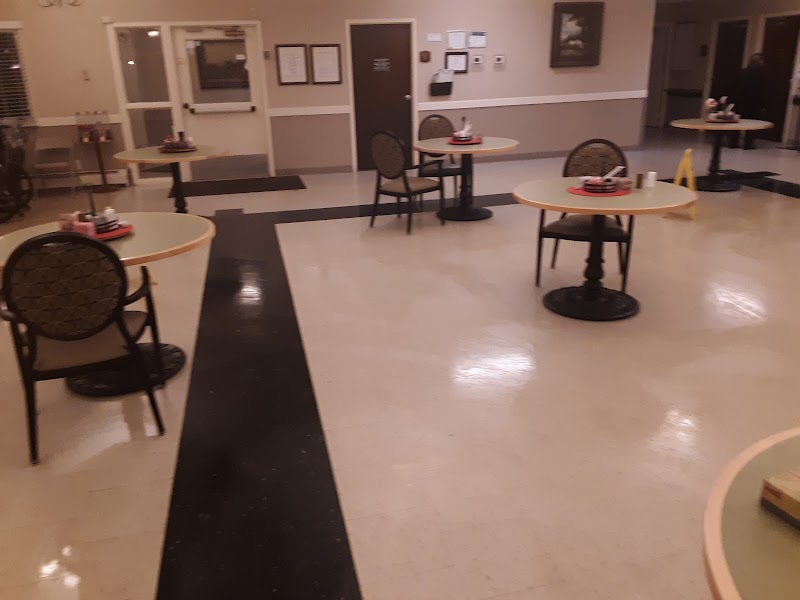
How is Pleasant Valley Manor Staffed?

CMS rates PLEASANT VALLEY MANOR CARE CENTER's staffing level at 3 out of 5 stars, which is average compared to other nursing homes. Staff turnover is 32%, compared to the Missouri average of 46%. This relatively stable workforce can support continuity of care.

What Have Inspectors Found at Pleasant Valley Manor?

State health inspectors documented 37 deficiencies at PLEASANT VALLEY MANOR CARE CENTER during 2021 to 2024. These included: 35 with potential for harm and 2 minor or isolated issues.

Who Owns and Operates Pleasant Valley Manor?

PLEASANT VALLEY MANOR CARE CENTER is owned by a for-profit company. For-profit facilities operate as businesses with obligations to shareholders or private owners. The facility is operated by JUCKETTE FAMILY HOMES, a chain that manages multiple nursing homes. With 102 certified beds and approximately 65 residents (about 64% occupancy), it is a mid-sized facility located in LIBERTY, Missouri.
How Does Pleasant Valley Manor Compare to Other Missouri Nursing Homes?

Compared to the 100 nursing homes in Missouri, PLEASANT VALLEY MANOR CARE CENTER's overall rating (4 stars) is above the state average of 2.5, staff turnover (32%) is significantly lower than the state average of 46%, and health inspection rating (4 stars) is above the national benchmark.

What Should Families Ask When Visiting Pleasant Valley Manor?

Based on this facility's data, families visiting should ask: "Can I visit during a mealtime to observe dining assistance and food quality?" "How do you handle medical emergencies, and what is your hospital transfer rate?" "Can I speak with family members of current residents about their experience?"

Is Pleasant Valley Manor Safe?

Based on CMS inspection data, PLEASANT VALLEY MANOR CARE CENTER has a clean safety record: no substantiated abuse findings (meaning no confirmed cases of resident harm), no Immediate Jeopardy citations (the most serious violation level indicating risk of serious injury or death), and is not on the Special Focus Facility watch list (a federal program monitoring the lowest-performing 1% of nursing homes). The facility has a 4-star overall rating and ranks #1 of 100 nursing homes in Missouri. While no facility is perfect, families should still ask about staff-to-resident ratios and recent inspection results during their visit.

Do Nurses at Pleasant Valley Manor Stick Around?

PLEASANT VALLEY MANOR CARE CENTER has a staff turnover rate of 32%, which is about average for Missouri nursing homes (state average: 46%). Moderate turnover is common in nursing homes, but families should still ask about staff tenure and how the facility maintains care continuity when employees leave.

Was Pleasant Valley Manor Ever Fined?

PLEASANT VALLEY MANOR CARE CENTER has no federal fines on record. CMS issues fines when nursing homes fail to meet care standards or don't correct problems found during inspections. The absence of fines suggests the facility has either maintained compliance or corrected any issues before penalties were assessed. This is a positive indicator, though families should still review recent inspection reports for the full picture.

Is Pleasant Valley Manor on Any Federal Watch List?

PLEASANT VALLEY MANOR CARE CENTER is not on any federal watch list. The most significant is the Special Focus Facility (SFF) program, which identifies the bottom 1% of nursing homes nationally based on persistent, serious quality problems. Not being on this list means the facility has avoided the pattern of deficiencies that triggers enhanced federal oversight. This is a positive indicator, though families should still review the facility's inspection history directly.