NHC HEALTHCARE, MARYLAND HEIGHTS

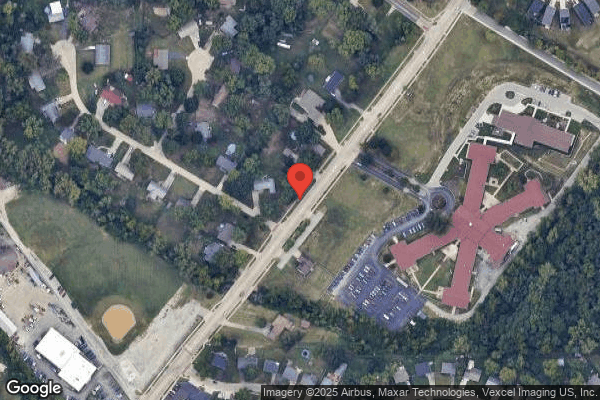
2920 FEE FEE ROAD, MARYLAND HEIGHTS, MO 63043 (314) 291-0121
For profit - Limited Liability company 220 Beds NATIONAL HEALTHCARE CORPORATION Data: November 2025
Trust Grade
65/100
#179 of 479 in MO
Last Inspection: May 2024

Within standard 12-15 month inspection cycle. Federal law requires annual inspections.

Overview

NHC Healthcare in Maryland Heights has a Trust Grade of C+, indicating it is slightly above average but not without its issues. It ranks #179 out of 479 facilities in Missouri, placing it in the top half, and #21 out of 69 in St. Louis County, meaning only 20 local options are better. The facility's performance trend is worsening, with concerns increasing from 5 issues in 2022 to 6 in 2024, indicating potential ongoing problems. Staffing is a weakness, rated at 1 out of 5 stars, though the turnover rate of 41% is better than the state average, which suggests some staff stability. While there have been no fines, specific incidents include failing to maintain a clean environment, not properly storing chemicals, and allowing outdated medications to remain accessible, which raises concerns about safety and overall care quality.

Trust Score
C+
65/100
In Missouri
#179/479
Top 37%
Safety Record
Low Risk
No red flags
Inspections
Getting Worse
5 → 6 violations
Staff Stability
○ Average
41% turnover. Near Missouri's 48% average. Typical for the industry.
Penalties
✓ Good
No fines on record. Clean compliance history, better than most Missouri facilities.
Skilled Nurses
○ Average
RN staffing data not reported for this facility.
Violations
⚠ Watch
17 deficiencies on record. Higher than average. Multiple issues found across inspections.
★★★☆☆
3.0
Overall Rating
★☆☆☆☆
1.0
Staff Levels
★★★★☆
4.0
Care Quality
★★★★☆
4.0
Inspection Score
Stable
2022: 5 issues
2024: 6 issues

The Good

  • 4-Star Quality Measures · Strong clinical quality outcomes
  • Full Sprinkler Coverage · Fire safety systems throughout facility
  • No fines on record
  • Staff turnover below average (41%)

    7 points below Missouri average of 48%

Facility shows strength in quality measures, fire safety.

The Bad

3-Star Overall Rating

Above Missouri average (2.5)

Meets federal standards, typical of most facilities

Staff Turnover: 41%

Near Missouri avg (46%)

Typical for the industry

Chain: NATIONAL HEALTHCARE CORPORATION

Part of a multi-facility chain

Ask about local staffing decisions and management

The Ugly 17 deficiencies on record

May 2024 6 deficiencies
CONCERN (D)

Potential for Harm - no one hurt, but risky conditions existed

Respiratory Care (Tag F0695)

Could have caused harm · This affected 1 resident

Based on observation, interview and record review, the facility failed to ensure respiratory services were provided, consistent with professional standards of practice for one resident (Resident #81) ...

Read full inspector narrative →
Based on observation, interview and record review, the facility failed to ensure respiratory services were provided, consistent with professional standards of practice for one resident (Resident #81) when staff failed to follow the facility policy and obtain physician orders related to cleaning the resident's Bi-level Positive Airway Pressure (BiPAP, non-invasive ventilation therapy). Three residents were sampled with BiPAP machines. The sample was 35. The census was 191. Review of the facility's Non-invasive Positive Pressure Ventilation Continuous Positive Airway Pressure (CPAP), a device that uses mild air pressure to keep breathing airways open while sleeping, BiPAP policy, revised July, 2014, showed: -Purpose: -The purpose of a CPAP and BiPAP are to: -Correct hypoxemia (low oxygen levels) by keeping the alveolus (part of the lung) expanded which increases Functional Residual Capacity (FRC), the body's lung capacity; -Provide positive pressure to keep the airway open; -Equipment: -Appropriate face or nose mask for CPAP or BiPAP; -Continuous oxygen if ordered; -CPAP or BiPAP machine; -Infection control: -Proper handwashing is vital in providing care to residents with respiratory problems; -The mask should be cleaned daily with soap and water; -Headgear should be cleaned when soiled with soap and water weekly; -The hose needs to be cleaned with soap and water weekly; -Clean the machine cabinet as needed with mild detergents and damp cloth; -Change filters as recommended by the manufacturer. Review of Resident #81's quarterly Minimum Data Set (MDS), a federally mandated assessment instrument completed by facility staff, dated 4/14/24, showed: -Severe cognitive impairment; -Requires substantial assistance with toileting, upper and lower body dressing and personal hygiene; -Uses a non-invasive mechanical ventilation: BiPAP. Review of the resident's face sheet, undated, showed diagnoses included heart failure, end stage renal disease, kidney transplant, long term use of immunosuppressive (suppresses the immune system) biologics (manufactured medications), diabetes, personal history of infectious and parasitic diseases (diseases caused by organisms that live off of another living thing), shingles (a viral infection that causes a painful rash), obstructive sleep apnea (pauses in breathing) and dementia. Review of the resident's care plan, in use at the time of survey, showed: -Problem: Respiratory complications related to sleep apnea and a history of smoking; -Plan: Apply BiPAP at night and remove in the morning; Observe for signs and symptoms of infection; -The care plan did not address cleaning or maintenance of the resident's BiPAP machine. Review of the resident's physician order sheets (POS), dated April 2024, showed: -An order, dated 4/8/24, apply BiPAP at night and remove in the morning; -No further orders for cleaning or maintenance of the resident's BiPAP machine were noted. Observation and interview on 5/1/24 at 8:45 A.M. and 10:20 A.M., showed the resident's BiPAP machine located on his/her nightstand table labeled with the resident's name. The BiPAP mask, head gear and tubing were on the floor next to the resident's bed. The resident said he/she has been using the BiPAP machine nightly for many years. Observation on 5/3/24 at 5:17 A.M., showed the resident's BiPAP machine was located on his/her nightstand. The headgear and tubing lay on the resident's bed. During an interview on 5/3/24 at 5:25 A.M., Registered Nurse (RN) A said the resident wears his/her BiPAP mask every night. Sometimes, the resident will remove the mask at night, and he/she usually has to be reminded to place his/her BiPAP mask back on. During an interview on 5/6/24 at 8:00 A.M., Licensed Practical Nurse (LPN) G said the resident can apply his/her BiPAP mask on him/herself and staff will replenish the machine with distilled water (water that has had impurities removed). The setting on the resident's BiPAP machine is already pre-programmed. LPN G was not aware of any special cleaning instructions related to the resident's BiPAP machine but would reach out to the resident's family member for cleaning instructions. During an interview on 5/6/24 at approximately 1:00 P.M., LPN H said there should be orders for cleaning the BiPAP mask, tubing and machine. The BiPAP mask is to be cleaned weekly and the tubing can either be replaced, or it needs to be deep cleaned weekly with soap and water. It is necessary for the BiPAP machine to be cleaned so the resident does not get infections, such as pneumonia. During an interview on 5/6/24 at 2:55 P.M., the Director of Nursing (DON) said he expected nursing staff to clean the resident's BiPAP machine, mask and tubing as per the policy or manufacturer's instructions. The cleaning is to help prevent any type of respiratory infections.
CONCERN (D)

Potential for Harm - no one hurt, but risky conditions existed

Laboratory Services (Tag F0770)

Could have caused harm · This affected 1 resident

Based on observation, interview and record review, the facility failed to obtain laboratory services to meet the needs of the residents by failing to ensure the quality of the labs obtained when staff...

Read full inspector narrative →
Based on observation, interview and record review, the facility failed to obtain laboratory services to meet the needs of the residents by failing to ensure the quality of the labs obtained when staff failed to follow manufactures directions for blood glucose (sugar) test strips to ensure accurate results. The census was 191. Review of the facility's Centers for Medicare and Medicaid Services (CMS) Clinical Laboratory Improvement Amendments (CLIA) certification of waiver, effective 9/1/22 and expiration 8/31/24, showed: -Laboratory name and address, listed the facility name and address; -The above named laboratory located at the address shown hereon may accept human specimens for the purpose of performing laboratory examinations or procedures. Review of the FORA GD20 Operations and Procedures Manual for glucometer strips, showed write the opening date on the vial label when you first open it. Discard remaining strips after 90 days. 1. Observation of the nurse cart for the 300 hall on 5/3/24 at 9:02 A.M., showed a container of blood glucose check strips without an open date. 2. Observation of the nurse cart for the 100 hall on 5/3/24 at 9:08 A.M., showed a container of blood glucose check strips without an open date. 3. During an interview on 5/14/24 at 10:57 A.M., the Director of Nursing said the container for the blood glucose (sugar) test strips should be dated when opened.
CONCERN (E)

Potential for Harm - no one hurt, but risky conditions existed

Safe Environment (Tag F0584)

Could have caused harm · This affected multiple residents

**NOTE- TERMS IN BRACKETS HAVE BEEN EDITED TO PROTECT CONFIDENTIALITY** Based on observation, interview, and record review, the facility failed to provide a clean and homelike environment when staff f...

Read full inspector narrative →
**NOTE- TERMS IN BRACKETS HAVE BEEN EDITED TO PROTECT CONFIDENTIALITY** Based on observation, interview, and record review, the facility failed to provide a clean and homelike environment when staff failed to ensure furniture in the common area on the Ivy hall was free from visible soiling and stains. The facility failed to ensure resident rooms on the Meadow unit were adequately supplied with toilet paper and hand towels, and to ensure toilets were maintained with all standard parts. The sample was 35. The census was 191. Review of the facility's Procedures for Housekeeping, undated, showed: -When you enter the room: --Fill soap and paper towel dispensers. 1. Observations on 5/1/24 at 10:24 A.M., 5/2/24 at 7:20 A.M., and 5/3/24 at 6:40 A.M., showed four rocking recliners and a navy blue plaid couch located on the Ivy Hall in the common area. The recliners had worn arm rests, cracked and faded seats. The sides of the recliners had upholstery on the side of the chairs. The upholstered area of the chairs had multiple layers of brown and white crusted drip-like stains down the sides of each chair. The couch had multiple dark and white stains to the seat cushions and arms. A large amount of food crumbs were located between the seat cushions. Residents were observed sitting in the recliners and on the couch during the survey. During an interview on 5/6/24 at 9:45 A.M., [NAME] K said he/she was not aware of the stains on the chairs and couch on the Ivy unit. He/She did not feel that the soiled chairs and couch were acceptable and were not home-like. He/She thought the furniture could be cleaned with an upholstery cleaner or steamer. During an interview on 5/6/24 at 2:10 P.M., the Housekeeping Supervisor said the housekeepers are expected to complete routine checks for cleanliness of the furniture when they are cleaning each unit. The chairs and couch located on Ivy Hall could be cleaned with an upholstery cleaner. The facility has ordered new chairs and couch but would expect staff to clean the old furniture until the new furniture arrived. During an interview on 5/6/24 at 2:55 P.M., the Administrator said the furniture on the Ivy hall was grimy and she expected staff to wipe down the furniture when stains were present. 2. Observations of the Meadow unit on 5/1/24, showed: -At 5:13 P.M., room [ROOM NUMBER], shared by two residents, with no hand towels -At 5:17 P.M., room [ROOM NUMBER], shared by two residents, with no toilet paper or hand towels; -At 5:26 P.M., room [ROOM NUMBER], shared by two residents, with no toilet paper or hand towels; -At 5:29 P.M., room [ROOM NUMBER], shared by two residents, with no toilet paper or hand towels; -At 5:55 P.M., room [ROOM NUMBER], shared by two residents, with no toilet paper or hand towels; -At 5:55 P.M., the restroom shared by rooms [ROOM NUMBERS], shared by four residents, with no toilet paper; -At 6:17 P.M., room [ROOM NUMBER], shared by three residents, with no toilet paper or hand towels; -At 6:18 P.M., the restroom shared by rooms [ROOM NUMBERS], shared by three residents, with no toilet paper. Observations of the Meadow unit on 5/2/24, showed: -At 7:27 A.M., the restroom shared by rooms [ROOM NUMBERS], shared by four residents, with no toilet paper. No hand towels in either room; -At 7:29 A.M., room [ROOM NUMBER], shared by three residents with no toilet paper or hand towels; -At 7:32 A.M. and 1:16 P.M., room [ROOM NUMBER], shared by two residents, with no toilet paper or hand towels. Urine in the toilet; -At 7:38 A.M. and 1:17 P.M., room [ROOM NUMBER], shared by two residents, with no toilet paper or hand towels. A soiled brief on the floor of the restroom; -At 7:41 A.M. and 12:55 P.M., room [ROOM NUMBER], shared by two residents with no toilet paper or hand towels; -At 7:45 A.M., room [ROOM NUMBER], shared by two residents, with no hand towels. At 12:57 P.M., urine and feces in the toilet. No hand towels in the restroom; -At 7:47 A.M. and 12:56 P.M., room [ROOM NUMBER], shared by two residents, with no toilet paper or hand towels; -At 7:49 A.M., the restroom shared by rooms [ROOM NUMBERS], shared by three residents, with no toilet paper. Observations of the Meadow unit on 5/3/24, showed: -At 10:26 A.M., and 1:17 P.M., the restroom shared by rooms [ROOM NUMBERS], shared by four residents, with no toilet paper. No hand towels in either room; -At 10:32 A.M., the restroom shared by rooms [ROOM NUMBERS], shared by three residents, with no toilet paper. A resident seated on the toilet; -At 10:35 A.M. and 1:19 P.M., room [ROOM NUMBER], shared by two residents, with no toilet paper or hand towels; -At 10:40 A.M. and 1:21 P.M., room [ROOM NUMBER], shared by two residents with no toilet paper or hand towels; -At 10:41 A.M. and 1:22 P.M., room [ROOM NUMBER], shared by two resident with no toilet paper or hand towels; -At 10:42 A.M. and 1:21 P.M., room [ROOM NUMBER], shared by two residents, with no toilet paper or hand towels; -At 10:47 A.M., room [ROOM NUMBER], occupied by one resident, with no toilet paper or hand towels. A soiled brief on the floor of the restroom and urine in the toilet; -At 10:49 A.M. and 1:23 P.M., room [ROOM NUMBER], shared by two residents, with no toilet paper or hand towels; -At 1:17 P.M., room [ROOM NUMBER], shared by two residents, with no toilet paper or hand towels. During an interview on 5/6/24 at 11:00 A.M., Certified Nurse Aide (CNA) S said the residents on the Meadow unit who can stand on their own use the restrooms in their rooms. The residents who required staff assistance used the restroom in the shower room, which is locked. Most of the residents used the restroom in the shower room because it was closer to the dining room and staff have everything they need in the shower room to provide assistance with personal care. He/She was not sure why there were no hand towels in resident rooms. Each restroom should be supplied with toilet paper. During an interview on 5/6/24 at 10:35 A.M., [NAME] K said he/she cleans the main areas on the Meadow unit. Housekeeping cleans the individual resident rooms and fills the paper products. The residents on the Meadow unit were very confused. It might be that some of the residents did not get toilet paper because they would flush it all and clog the toilets. During an interview on 5/6/24 at 11:32 A.M., Housekeeping Partner L said he/she cleaned the resident rooms on the Meadow unit daily. He/She does not stock hand towels in resident rooms because one resident on the unit will take them and throw them away. Residents have to request toilet paper. He/She does not stock toilet paper in rooms on the back of the hall, only the rooms on the front of the hall, because it will get thrown away. During an interview on 5/6/24 at 11:48 A.M., Licensed Practical Nurse (LPN) J said nursing staff try to make sure all residents are toileted in the shower room. The residents on the Meadow unit were confused and have dementia. Most of the residents who can walk were wanderers. Some of the residents on the unit dig in the toilets and a couple residents take and hoard toilet paper. Some residents need to be watched closely because they are sneaky and will try to use the restrooms on their own in their rooms. If the resident can use their restroom on their own, they are able to keep toilet paper, but most residents use the toilet in the shower room. During an interview on 5/6/24 at 1:38 P.M., CNA Q said all of the residents on the Meadow unit were confused and cognitively impaired. Most of the residents on the unit wander. Toilet paper on the unit is locked up. One resident on the unit likes to take things, such as toilet paper and hand towels. Some residents on the unit can use the restrooms in their rooms independently, including residents in rooms [ROOM NUMBER]. The residents who use their restrooms independently can have toilet paper in their rooms. During an interview on 5/6/24 at 2:10 P.M., the Housekeeping Supervisor said housekeeping is responsible for restocking toilet paper and hand towels when they clean resident rooms. Toilet paper should be stocked in resident rooms unless there is a note saying not to, due to dignity issues. Most of the residents on the Meadow unit are toileted by staff. Toilet paper is no longer stocked in resident rooms on the Meadow unit due to issues of residents flushing excessive toilet paper and clogging the toilets. 3. Observations on 5/1/24 at 5:13 P.M., 5/2/24 at 7:47 A.M., 5/3/24 at 1:22 P.M., and 5/6/24 at 7:40 A.M., showed room [ROOM NUMBER] on the Meadow unit with no lid on the toilet tank in the restroom shared by two residents. Observations on 5/1/24 at 6:18 P.M., 5/2/24 at 7:49 A.M., 5/3/24 at 1:19 P.M., and 5/6/24 at 7:51 A.M., showed the restroom shared by rooms [ROOM NUMBERS] on the Meadow unit, a total of four residents, with no lid on the toilet tank. Observations on 5/1/24 at 5:55 P.M., 5/2/24 at 7:27 A.M., 5/3/24 at 1:17 P.M., and 7:52 A.M., showed the restroom shared by rooms [ROOM NUMBERS] on the Meadow unit, a total of four residents, with no lid on the toilet tank. During an interview on 5/6/24 at 11:32 A.M., Housekeeper L said he/she was not sure why the toilet tank lids in some resident rooms were missing. During an interview on 5/6/24 1:38 P.M., CNA Q said a couple residents on the Meadow unit like to play in their toilets. Some of the toilet tank lids are missing in resident rooms because they were taken off, unknown by whom. The toilet tanks should have lids. During an interview on 5/6/24 at 2:10 P.M., the Housekeeping Supervisor said she was not aware of tank lids missing on toilets on the Meadow unit. During an interview on 5/6/24 at 3:46 P.M., the Maintenance Director said he was not aware tank lids were missing on toilets on the Meadow unit. He expected staff to report something like this to Maintenance. 4. During an interview on 5/6/24 at 2:50 P.M., the Director of Nurses (DON) and Administrator said staff toilet all residents on the Meadow unit in the shower room. Staff toilet residents in a structured manner after meals. Several residents on the Meadow unit like to go throughout the unit and grab all of the toilet paper and hand towels. There is one resident in particular who takes paper products and shreds them as his/her coping mechanism and staff have attempted different interventions to address this, but it is still an ongoing behavior. All residents on the Meadow unit should be toileted in the shower room and staff should try to deter residents from using the toilets in their rooms. The DON and Administrator were not sure why tank lids are missing on some toilets on the Meadow unit. They expected staff to report this to Maintenance. All staff have access to reporting Maintenance issues through the facility's building management platform.
CONCERN (E)

Potential for Harm - no one hurt, but risky conditions existed

Accident Prevention (Tag F0689)

Could have caused harm · This affected multiple residents

**NOTE- TERMS IN BRACKETS HAVE BEEN EDITED TO PROTECT CONFIDENTIALITY** Based on observation, interview and record review, the facility failed to ensure staff took appropriate precautions to prevent p...

Read full inspector narrative →
**NOTE- TERMS IN BRACKETS HAVE BEEN EDITED TO PROTECT CONFIDENTIALITY** Based on observation, interview and record review, the facility failed to ensure staff took appropriate precautions to prevent potential injury while assisting one resident in propelling their wheelchair (Resident #45). The facility failed to ensure a shower room floor was clear of trip hazards for one resident at risk of falls (Resident #77). The facility failed to ensure chemicals were stored properly on the Meadow memory care unit, where the facility identified 20 out of 27 residents with wandering behavior, including one resident with known behavior of rummaging (Resident #4). The facility failed to ensure chemicals were stored properly in the 300 hall shower room and to ensure cleaning chemicals were utilized in a manner to prevent potential injury (Resident #45). The facility failed to ensure staff took appropriate precautions to prevent potential slips and falls while floors were being mopped on the Meadow unit (Residents #109 and #122). The sample was 35. The census was 191. Review of the facility's Chemical Storage policy, undated, showed chemicals will be kept in the visual sight of a staff member. When not in view of a staff member, should be in a secured area. 1. Review of Resident #45's medical record, showed diagnoses included Alzheimer's disease, vascular dementia, depression, other speech and language deficits following stroke, hemiplegia (paralysis to one side of the body) and hemiparesis (weakness to one side of the body) following stroke affecting right dominant side, non-pressure chronic ulcer of other part of right lower leg, and personal history of healed pathological fracture (broken bone due to disease) to right hip. Review of the resident's quarterly Minimum Data Set (MDS), a federally mandated assessment instrument completed by facility staff, dated 3/11/24, showed: -Resident rarely/never understood; -Use of wheelchair; -Supervision or touching assistance for wheeling 50 feet. Review of the resident's care plan, in use at the time of survey, showed: -Problem: Activities of daily living (ADLs). Limited ability to perform self-care, hemiplegia and hemiparesis affecting right dominant side, history of fracture of neck of left femur (thigh bone), incontinence of bowel and bladder, dementia, atrial fibrillation (irregular heartbeat), hypertension (high blood pressure) and major depressive disorder; -Approaches included: Encourage/assist with ambulation as needed. Explain all procedures before beginning. Resident is in a wheelchair and will propel him/herself to wherever he/she needs to be on the unit. Observation on 5/1/24 at 12:24 P.M., showed the resident sat in a wheelchair in between the sitting area and dining room of the Meadow memory care unit. No footrests were on the resident's wheelchair and the resident wore non-slip socks without shoes. Certified Nurse Aide (CNA) F approached the resident and grasped the handles of the wheelchair. Without saying anything to the resident, CNA F pushed the resident's wheelchair to a table in the dining room. While the CNA moved the wheelchair, the resident's feet dragged on the floor, approximately ten feet, and one of the resident's socks was pulled down to the middle of the resident's foot. During an interview on 5/6/24 at 11:00 A.M., CNA S said the resident used to be able to use his/her own wheelchair, but now needs assistance from staff with propelling. Most of the residents on the Meadow unit can hold their feet up when staff assist them with propelling. Residents in wheelchairs should have their feet up on footrests when staff took them somewhere. During an interview on 5/6/24 at 5/6/24 at 11:48 A.M., Licensed Practical Nurse (LPN) J said residents in wheelchairs who do not use their feet have footrests on their wheelchairs. The resident is calm during day shift, at which time staff will assist him/her with propelling in his/her wheelchair. The resident sundowns (demonstrates increased confusion, restlessness, agitation, or irritability as night approaches) and is more able to propel him/herself in his/her wheelchair in the evening. The resident is able to pick his/her feet up when staff assists him/her with propelling. Before staff assist a resident with propelling, they should explain what they are about to do, then ask the resident to lift up their feet. During an interview on 5/6/24 at 1:38 P.M., CNA Q said most of the residents on the Meadow unit do not have footrests on their wheelchairs. Staff can assist a resident with propelling without the resident having footrests. Before propelling the resident, staff should tell the resident where they are taking the resident and ask the resident to lift their feet. The resident would be able to lift his/her feet if asked to lift them. During an interview with the Director of Nurses (DON) and Administrator on 5/6/24 at 2:50 P.M., the Administrator said the resident is sometimes able to propel him/herself in his/her wheelchair. Most residents on the Meadow unit do not have footrests on their wheelchairs because they become a trip hazard for the memory care residents. The DON said when staff provide a resident with assistance propelling in their wheelchair, staff should approach the resident and explain what they are going to do. He expected staff to ask a resident to hold their feet up before propelling the resident in their wheelchair. 2. Review of Resident #77's medical record, showed diagnoses included dementia, Alzheimer's disease, anxiety, hypertension, history of falling and difficulty in walking. Review of the resident's annual MDS, dated [DATE], showed: -Resident rarely/never understood; -Use of walker; -Mobility performance: Supervision or touching assistance for walking; -Two or more falls since last assessment. Review of the resident's care plan, in use at the time of survey, showed: -Problem: Activities of daily living (ADLs) functional status/rehabilitation potential. ADLs: Limited ability to perform self care, hypertension, dementia, Alzheimer's disease; -Approaches included: Anticipate ADL needs. Resident is limited assist of one for toileting and showers, and supervision of one with dressing and hygiene. Encourage/assist with ambulation as needed. Resident ambulates around the unit with a wheeled walker. -Problem: Falls. Resident at risk for falls related to scored items on the Morse Fall Scale (MFS, an assessment tool used to determine likelihood of falling), history of falling and hypertension; -Goal: Resident will have no injuries related to falls; -Approaches included: observed and unobserved falls documented 8/16/22, 9/28/22, 12/31/22, 8/8/23, 12/9/23, 1/27/24, 3/29/24, 4/14/24, 4/20/24. Review of the resident's MFS, dated 3/1/24, showed a score of 70.0, high risk for falls. Observation on 5/1/24 at 12:11 P.M., showed the resident attempted to turn the knob on the door to the Meadow unit shower room. CNA M entered a code on the keypad outside of the shower room and opened the door for the resident. The resident used a wheeled walker while he/she ambulated into the shower room. An untied, loose plastic bag containing clothing was on the shower room floor, approximately six feet from the shower room entrance. The front leg of the resident's walker caught on the plastic bag and the resident stumbled forward one step. CNA M kicked the bag toward the wall while the resident moved his/her walker and continued to ambulate through the shower room. Observation on 5/1/24 at 1:05 P.M., showed the Meadow unit shower room with a plastic bag of clothing on the floor underneath the sink, to the right of the shower room entry. During an interview on 5/6/24 at 11:00 A.M., CNA S said most of the residents on the Meadow unit use the shower room for toileting. The shower room is cleaned by housekeeping staff and nursing staff is responsible for maintaining the shower room and ensuring it remains free from trip hazards. Soiled linens should be stored in a soiled bin. Bags and linens should not be placed on the floor of the shower room. During an interview on 5/6/24 at 1:38 P.M., CNA Q said the resident is confused and has a history of falls. He/She uses the toilet in the Meadow unit shower room, as do most of the residents on the unit. Housekeeping keeps the shower room clean and nursing staff is responsible for ensuring the shower room is picked up and clear of accident hazards. Clean linens should go in the closet and soiled linens should go in the hamper. Bags should not be kept on the shower room floor. During an interview on 5/6/24 at 11:48 A.M., LPN J said the resident has a history of falls. He/She uses a walker to ambulate. He/She uses the toilet in the shower room so he/she can be supervised by staff. Nursing staff should make sure bags and linens are kept off the floor of the shower room and the area is clear of accident hazards. During an interview on 5/6/24 at 2:50 P.M., the DON and Administrator said the Meadow unit is for residents with late-stage memory impairments. Normally, all of the residents on the Meadow unit use the toilet in the shower room instead of the restrooms in their rooms. The residents on the Meadow unit are unable to care for themselves and staff assist them with toileting in the shower room. All staff are responsible for ensuring shower rooms are free from accident hazards. Soiled linens should be contained in a bin and clean linens should be stored in clean linen areas, not on the floor. When nursing staff assist a resident in the shower room, it is expected that staff ensure the floors are clear and free from trip hazards. 3. Review of the Safety Data Sheet (SDS) for Clorox Bleach Germicidal Wipes, revised August 2017, showed: -Toxicological information: -Inhalation: May cause irritation of respiratory tract; -Eye contact: May cause slight irritation; -Skin contact: Substance may cause slight skin irritation; -Ingestion: Ingestion may cause irritation to mucous membranes. Ingestion may cause gastrointestinal irritation, nausea, vomiting and diarrhea. Review of the facility's list of residents with wandering behavior on the Meadow memory care unit, provided 5/6/24, showed 20 residents identified of the 27 total residents on the unit, including Resident #4. Review of Resident #4's medical record, showed diagnoses included Alzheimer's disease, dementia (severe) with anxiety, dementia (severe) with other behavioral disturbance, anxiety disorder, obsessive-compulsive disorder (OCD, uncontrollable and recurring thoughts and compulsions), insomnia and autistic disorder (neurological and developmental disorder that affects how people interact with others, communicate, learn, and behave). Review of the resident's quarterly MDS, dated [DATE], showed: -Resident rarely/never understood; -Other behavioral symptoms not directed toward others occurred 1-3 days; -Wandering behavior exhibited daily. Review of the resident's care plan, in use at the time of survey, showed: -Problem: ADLs. Limited ability to perform self-care. Alzheimer's disease, dementia, severe cognitive impairment; -Approaches included: -At times the resident will be up throughout the night; -Resident will attempt to take food/drinks from other residents. Staff redirect him/her as needed. He/She likes to snack on peanut butter and soda; -Resident ambulate independently and wanders throughout the Meadows; -Resident likes to rummage through trashcans and drawers that may cause bruising, skin tears, abrasions, etc., to his/her body due to him/her leaning on the object, putting his/her arms in the drawers, hitting the sides or top of the dresser, etc.; -Staff to redirect resident to the common area and give him/her a diversional activity when he/she is rummaging, picking things off the floor; -Problem: Due to diagnosis of autism and mental retardation, resident does not establish meaningful relationships with others. He/She appears to have the mentality of a 4-6 year old. Observation of the Meadow unit on 5/2/24 at 7:40 A.M., showed the cabinets and drawers at the nurse's station unlocked. A container of Clorox Bleach Germicidal Wipes was in the bottom right unlocked cabinet of the nurse's station. Review of the container for Clorox Bleach Germicidal Wipes, showed: -Keep out of reach of children; -Caution: Liquid causes moderate eye irritation. Further observations of the Meadow unit, showed: -On 5/2/24 at 1:24 P.M., the cabinets and drawers at the nurse's station were unlocked and the area was unattended by staff. Resident #4 opened drawers at the nurse's station, removed items, and walked back and forth between the nurse's station and sitting area. At 1:26 P.M., CNA Q walked by the sitting area and found a bottle of soda on the recliner where the resident had been. CNA Q removed the soda and called out to CNA M, who said the resident must have gone through the drawers at the nurse's station to find CNA M's soda; -On 5/6/24 at 7:25 A.M., the cabinets and drawers at the nurse's station were unlocked. During an interview on 5/2/24 at 1:31 P.M., LPN J said the resident is a busy body. He/She wanders and likes to get into things. During an interview on 5/2/24 at 1:35 P.M., CNA M said he/she put his/her soda in a drawer at the nurse's station earlier that day. The resident has been finding the CNA's soda all day. He/She knows the CNA's hiding places. He/She waits for his/her opportunity when staff are busy, and then goes for what he/she wants. During an interview on 5/6/24 at 11:00 A.M., CNA S said the resident likes to go through trash cans and cabinets in the kitchenette. He/She likes to grab things off the nurse's station. Staff need to redirect him/her and he/she responds well to this. During an interview on 5/6/24 at 1:38 P.M., CNA Q said the resident likes to rummage through everything. He/She likes to take things, including paper and bags. The other day, he/she took an employee's soda out of the drawer at the nurse's station. 4. Review of the SDS for Dermavera, dated 8/18/24, showed: -Toxicological information: -Health hazards: Irritating if placed in eyes, or if ingested. Observations of room [ROOM NUMBER] on the Meadow unit, on 5/2/24 at 7:32 A.M. and 1:16 P.M., 5/3/24 at 10:49 A.M. and 1:23 P.M., and 5/6/24 at 7:36 A.M., showed a gallon-sized jug of Dermavera skin and hair cleanser with no lid, on the floor underneath the sink in the resident's restroom. Observations of room [ROOM NUMBER] on the Meadow unit, showed: -On 5/2/24 at 7:41 A.M., Certified Medication Technician R exited the room. A gallon-sized jug of Dermavera skin and hair cleanser with no lid on top of the toilet tank in the resident's restroom; -On 5/2/24 at 12:55 P.M. and 5/6/24 at 7:57 A.M., a gallon-sized jug of Dermavera skin and hair cleanser with no lid on top of the toilet tank in the resident's restroom. During an interview on 5/6/24 at 11:00 A.M., CNA S said most of the residents on the Meadow unit have wandering behavior, including all of the residents who walk independently. Some residents like to take things. All chemicals should be locked in the closet or shower room. The gallon-sized jugs of Dermavera soap should be kept in the locked shower room. Bleach wipes should be locked up in the housekeeping closet or on the nurse's cart. During an interview on 5/6/24 at 1:38 P.M., CNA Q said all of the residents on the Meadow unit are confused and cognitively impaired. Most of the residents who walk have wandering behavior. Some residents rummage through drawers and cabinets. All chemicals should be locked up and out of resident reach. Chemicals can be locked up in the storage room or shower room. Dermavera skin and hair cleanser should not be in resident rooms and should be locked up for safety. During an interview on 5/6/24 at 11:48 A.M., LPN J said residents on the Meadow unit are confused. All chemicals, including Dermavera soap, should be stored in locked areas, such as the shower room, nurse's cart, housekeeping cart, or housekeeping closet. Chemicals should be locked for safety. During an interview on 5/6/24 at 11:32 A.M., Housekeeping Partner L said all chemicals on the Meadow unit should be locked up for safety. 5. Review of the SDS for Clorox Commercial Clean-Up Disinfectant Cleaner with Bleach, showed: -Hazard statements: Causes mild skin irritation. Causes serious eye irritation; -Hygiene measures: Avoid contact with skin, eyes, or clothing. Do not eat, drink, or smoke when using this product. Observation of the unlocked 300 hall shower room, for four of four days, 5/1/24 at 9:39 A.M., 5/2/22 at 7:06 A.M., 5/3/22 at 6:54 A.M., and 5/6/22 at 9:00 A.M., showed a bottle of Clorox Clean-up Disinfectant Cleaner with Bleach spray, on the shelf next to the shower. The bottle was approximately half full. The warning label, showed a caution warning for eye and skin irritant. Keep out of reach of children. During an interview on 5/6/24 at 9:23 A.M., CNA O said that chemicals should be secured so that residents do not ingest them. During an interview on 5/6/24 at 9:18 A.M., LPN P said that the chemicals should be secured because some residents are not able to distinguish the liquids. 6. During an interview on 5/6/24 at 9:29 A.M., the DON said chemicals should be secured to prevent a resident from accessing them. During an interview on 5/6/24 at 2:50 P.M., the DON and Administrator said Dermavera soap should be stored in the locked shower room on the Meadow unit, not in the rooms of residents on the Meadow unit. If providing care to a resident in the resident's room on the Meadow unit, staff should bring the supplies they need, such as soap, then leave the room with those supplies. As long as staff have eyes on a chemical, it is not an issue. When chemicals are not in use or in an employee's line of sight, they should be stored in a secure area. 7. Review of the SDS for Ecolab Neutral Disinfectant Cleaner, dated 8/24/20, showed: -Product as sold hazard statements: Harmful if swallowed, in contact with skin or if inhaled. Causes severe skin burns and eye damage; -Product at use dilution hazard statement: Harmful if inhaled. Avoid breathing dust/fume/gas/mist/vapors/spray. Use only outdoors or in a well-ventilated area. Observation of the Meadow unit on 5/2/24, showed at 1:06 P.M., several residents seated at tables throughout the dining room. Resident #45 was seated at a table with a cup of lemonade in front of him/her. [NAME] K held a spray bottle labeled, Ecolab Neutral Disinfectant Cleaner, and sprayed the resident's table, within two feet of the resident. [NAME] K sprayed his/her rag and wiped another table, where two residents were seated. Resident #45 drank from the cup of lemonade. [NAME] K sprayed his/her rag, then sprayed another table, where two residents were seated. The table was visibly wet after being wiped. At 1:09 P.M., [NAME] K sprayed his/her rag, then wiped a table where one resident was seated. He/She sprayed another table, where one resident was seated. At 1:11 P.M., he/she sprayed his/her rag and wiped another table where two residents were seated. Observation of the Meadow unit on 5/3/24 at 1:27 P.M., showed Resident #45 seated at a table with a plate of food in front of him/her, eating lunch. [NAME] K held a bottle of Clorox Disinfectant Cleaner with Bleach and sprayed a table, where one resident was seated. He/She wiped the table with a rag, then sprayed the rag and used it to wipe the table where Resident #45 was eating his/her lunch. [NAME] K rinsed the rag in the kitchenette, then returned to the table and sprayed the rag and used it to wipe the table. He/She shook the rag over a trash can and approached another table adjacent to Resident #45's table, then sprayed the table, where another resident was seated. He/She approached a table diagonal from Resident #45's table, and sprayed the table, where another resident. [NAME] K walked over to two tables pushed together, where a total of three residents were seated, and sprayed the table with the Clorox spray, then wiped the table. During an interview on 5/6/24 at 10:35 A.M., [NAME] K said the residents on the Meadow unit are very confused. He/She uses a disinfectant spray or Clorox spray to clean the dining tables in the dining room. Sometimes he/she sprays the rag to wipe the tables first, and sometimes he/she sprays the tables directly. He/She understands it might be better to spray the rag instead of directly spraying the table while residents are seated there. During an interview on 5/6/24 at 2:10 P.M., the Housekeeping Supervisor said Porters are responsible for cleaning common areas, such as dining rooms. When cleaning dining tables, staff should wet a rag with water first. Then, staff should spray the rag with the cleaning solution and use the rag to wipe the tables. Disinfectant sprays can be used while residents are seated at the table. Residents must be removed from dining tables before they are cleaned with Clorox spray. It is not acceptable to spray chemicals directly on the table, instead of on a rag. During an interview with the DON and Administrator on 5/6/24 at 2:50 P.M., the Administrator said she expected staff from all departments to partner together and remove residents from the dining tables when it is time to clean the dining room on the Meadow unit. If a resident is still eating, staff should wait for the resident to finish before they begin cleaning the table. When using a cleaning spray, staff should spray a rag, not the table, to ensure it does not splash residents. 8. Review of Resident #109's annual MDS, dated [DATE], showed: -Resident rarely/never understood; -Wandering behavior exhibited daily; -Independent with walking; -No falls since last assessment; -Diagnoses included Alzheimer's disease, seizures, anxiety disorder, depression and schizophrenia (serious mental illness that affects how a person thinks, feels, and behaves). Review of the resident's care plan, in use at the time of survey, showed: -Problem: At risk for falls related to fall scale, dementia, chronic kidney disease, heart disease, poor safety awareness, wandering; -Approaches included: Resident wanders and paces throughout the unit. Nine documented incidents of observed or unobserved falls. Review of Resident #122's quarterly MDS, dated [DATE], showed: -Resident rarely/never understood; -Wandering behavior exhibited daily; -Independent with walking; -One fall since last assessment; -Diagnoses included dementia and anxiety. Review of the resident's care plan, in use at the time of survey, showed: -Problem: At risk for falls related to fall scale, wandering, Alzheimer's disease, dementia, unsteady gait, hypertension, epilepsy (seizure disorder), history of falling: -Approaches included seven documented incidents of observed falls, unobserved falls, or seizure activity. Observations of the Meadow unit on 5/2/24 at 12:56 A.M., showed: -room [ROOM NUMBER] with wet floors throughout the room. No wet floor sign in the doorway of the room; -room [ROOM NUMBER] with wet floors throughout the room. No wet floor sign in the doorway of the room; -One resident wandering the hallway in front of rooms [ROOM NUMBERS]. Observations of the Meadow unit on 5/3/24 showed: -At 10:27 A.M., rooms [ROOM NUMBERS] doors open with wet floors in both rooms. No wet floor sign in the doorways of either room. Housekeeper L working around room [ROOM NUMBER]. Resident #109 wandering up and down the hall; -At 10:29 A.M., room [ROOM NUMBER] door open with wet floors in the room. No wet floor sign in the doorway of the room; -At 10:35 A.M., room [ROOM NUMBER] door open with wet floors in the room; -At 10:36 A.M., Resident #122 wandered into room [ROOM NUMBER]; -At 10:37 A.M., Resident #109 wandering the hall; -At 10:39 A.M., Resident #122 walking on the wet floor in room [ROOM NUMBER]; -At 11:00 A.M., Resident #109 wandered down the hall and into room [ROOM NUMBER]. During an interview on 5/6/24 at 11:00 A.M., CNA S said most of the residents who walk on the Meadow unit wander, including Residents #109 and #122, who wander in and out of resident rooms. When housekeeping mops resident rooms, there should be wet floor signs and residents should know to stay out of those rooms. During an interview on 5/6/24 at 11:32 A.M., Housekeeper L said he/she lets nursing staff know to keep the area clear so he/she can mop and residents don't trip and fall. He/She puts wet floor signs in the doorways of resident rooms when he/she mops, so residents know they should not go in there. He/She usually has about 3-4 wet floor signs with him/her as he/she works his/her way down the hall. A wet floor sign should remain in the doorway of a room until the floor is dry. During an interview on 5/6/24 at 11:48 A.M., LPN J said the residents who walk independently on the Meadow unit are wanderers. Residents #109 and #122 wander in and out of room. While housekeeping is mopping the floors in resident rooms, staff should keep the areas clear and wet floor signs should remain in the doorway of the room until the floor is dry. During an interview with the DON and Administrator on 5/6/24 at 2:50 P.M., the Administrator said using wet floor signs on the Meadow unit could at times be a trip hazard. The DON and Administrator said they expected there to be a system in place to deter wandering residents from entering resident rooms while the floors are wet from being mopped.
CONCERN (E)

Potential for Harm - no one hurt, but risky conditions existed

Deficiency F0761 (Tag F0761)

Could have caused harm · This affected multiple residents

**NOTE- TERMS IN BRACKETS HAVE BEEN EDITED TO PROTECT CONFIDENTIALITY** Based on observation, interview and record review, the facility failed to ensure that medications kept in the facility medicatio...

Read full inspector narrative →
**NOTE- TERMS IN BRACKETS HAVE BEEN EDITED TO PROTECT CONFIDENTIALITY** Based on observation, interview and record review, the facility failed to ensure that medications kept in the facility medication rooms and on medication carts were within the date of expiration, for 2 of 4 medication rooms checked and 2 of 7 medication/treatment carts checked. The facility census was 191. 1. Review of the facility's Medication Storage in the Facility policy, revised in [DATE] showed: -Medications and biologicals are stored safely, securely, and properly, following manufacturers recommendations or those of the supplier. The medication supply is accessible only to licensed nursing personnel, pharmacy personnel, or staff members lawfully authorized to administer medications; -Outdated, contaminated, or deteriorated medications and those in containers that are cracked, soiled, or without secure closures are removed from inventory, disposed of according to producers for medication disposal. Medications awaiting disposal may be stored in a designated area in the medication room for up to 30 days; -Certain medications or package types, such as intravenous (IV) solutions, multiple does injectable vials, blood sugar testing solutions and strips, once opened, require an expiration date shorter than the manufacturer's expiration date to insure medication purity and potency. For products that require shortened expiration dates upon opening, the nurse will document the date opened on the label. 2. Review of the Tubersol, Tuberculin Purified Protein Derivative (PPD, solution to test for tuberculosis exposure), injection Data Sheet, showed a vial containing any unused product 30 days after the first dose is withdrawn should be discarded since oxidation and degradation may reduce potency. Observation of the 100 hall medication room on [DATE] at 10:47 A.M., showed an open multi-dose vial of Tubersol 5 milliliters (ml) with no open date, stored in the medication room refrigerator. 3. Review of the Basaglar KwikPen (used to treat diabetes) instruction for use, showed for an in-use pen, throw away the pen after using for 28 days, even if there is still insulin left in the vial. Review of the Breo Ellipta (inhaler to treat asthma) Consumer Medication Information, showed: -Do not open Breo Ellipta until you are ready to use it for the first time; -Safely throw away Breo Ellipta one month after you open the foil tray or when the counter reads 0, whichever comes first. Write the date the inhaler should be discarded on the label space provided. The date should be added as soon as the inhaler has been removed from the tray. Observation of the 100 hall medication cart on [DATE] at 9:03 A.M., showed: -A used single dose injection pen Basaglar KwikPen U-100 insulin with no open date; -A multidose inhaler Breo-ellipta with no open date. 4. Review of the Humulin R (short acting insulin) instruction for use, showed after vials have been opened, throw away after 31 days even if there is still insulin in the vial. Observation of the 200 hall medication room on [DATE] at 10:57 A.M., showed an opened multidose vile of Humulin R with no open date. 5. Review of the Soliqua 100/33 (used to treat diabetes) prescribing information, showed after the first use, discard the pen after 28 days. Observation of the 400 hall medication cart on [DATE] at 9:13 A.M., showed: -A used single dose injection pen Soliqusa 100/33 with no open date. The date dispensed shown on the pharmacy sticker was [DATE]. Licensed Practical Nurse (LPN) W said that the medication has been discontinued and should not be on the cart. 6. During an interview on [DATE] at 9:18 A.M., LPN P said that insulin pens should be dated when opened so that the nurse knows how long the medication is good for. 7. During an interview on [DATE] at 9:29 A.M., the Director of Nursing said that insulin pens and vials should be dated when opened so that staff know when the medication is expired.
CONCERN (E)

Potential for Harm - no one hurt, but risky conditions existed

Food Safety (Tag F0812)

Could have caused harm · This affected multiple residents

**NOTE- TERMS IN BRACKETS HAVE BEEN EDITED TO PROTECT CONFIDENTIALITY** Based on observation, interview and record review, the facility failed to ensure staff performed hand hygiene during meal servic...

Read full inspector narrative →
**NOTE- TERMS IN BRACKETS HAVE BEEN EDITED TO PROTECT CONFIDENTIALITY** Based on observation, interview and record review, the facility failed to ensure staff performed hand hygiene during meal service in the main dining room. The census was 191. The sample was 35. Review of a Texas Health and Human Services document the facility used to in- service staff on hand washing, dated 12/2022, showed: -Key elements: Infection control in dining and meal service is important to prevent the spread of infectious diseases to vulnerable people living in long term care facilities. -Best practices include but are not limited to: Hand hygiene performed prior to and during meal service by facility staff, hand hygiene any time contact is made with contaminated surfaces. 1. Observation on 5/1/24 at 12:19 P.M., showed (Certified Nursing Assistant) CNA F picked up two clothing protectors and placed them on two different residents. He/She assisted another employee with transferring a resident from a couch to a wheelchair, touching a gait belt, the resident, and the resident's wheelchair during the transfer. CNA F touched the handles of the resident's wheelchair while pushing the wheelchair from the sitting area to the dining room. He/She touched another resident's walker while moving it in the dining room. At 12:23 P.M., CNA F picked up a plastic cup by the rim and poured water into the cup, then repeated the process for two more cups. He/She delivered the three cups of water to three different residents in the dining room. At 12:24 P.M., CNA F held the handles of another resident's wheelchair while moving the resident to a dining room table. He/She picked up two plastic cups by the rims of the cups, placing his/her fingers inside the cups, poured water into the cups, and delivered them to two residents. At 12:26 P.M., he/she picked up two cups by the rims of the cups and delivered them to two residents. At 12:27 P.M., he/she called out the name of one resident seated at the dining room table, touched the resident's right ear using his/her left hand, and walked back to the kitchenette, where he/she filled a pitcher of water. At 12:29 P.M., he/she picked up a cup by the rim of the cup and delivered the cup to one resident. He/She touched the rims of two cups while moving the cups on the table for another resident. At 12:31 P.M., he/she held a cup of lemonade by the rim while delivering the cup to a resident. At 12:34 P.M., he/she held a cup of lemonade by the rim while moving it on the table in front of a resident. During the observations, CNA F did not wash or sanitize his/her hands. 2. Observation of the dinner service in the main dining room on 5/1/24 at 4:42 P.M. showed (Certified Medication Technician) CMT I passed dinner trays, drinks, and provided feeding assistance to residents. CMT I passed two meal trays to different residents, set up residents' silverware and trays, then returned to the kitchen service window area to retrieve a tray of drinks. CMT I passed the three drinks to three different residents and proceeded to cut up one of the resident's food items, touching the resident's silverware and tray while doing so. CMT I then returned to the kitchen window service area to retrieve a handful of condiments and two stain protectors, passing the condiments to residents and placing the stain protectors on two residents seated together at a table for residents who require feeding assistance with meals. CMT I did not wash his/her hands or use alcohol-based sanitizer to perform hand hygiene for the duration of the meal service. 3. Observation of the main dining room during the dinner meal on 5/1/24 at 4:46 P.M., showed CNA U sat at a resident table and while assisting a resident, CNA U touched his/her hair, flipped his/her hair over his/her shoulder. CNA U continued to assist the resident with feeding, with no hand hygiene performed after touching his/her hair. Observation of the main dining room during the dinner meal on 5/1/24 at 4:49 P.M., showed CNA T assisted a resident by cleaning his/her mouth with a clothing protector, and then turned around to assist feeding another resident, with no hand hygiene performed between the assistance of the two residents. Observation of the main dining room during the dinner meal on 5/1/24 at 5:22 P.M., showed CNA V took a resident's plate to the microwave, re-heated the food, and while returning to the table, CNA V pinned her/his hair back on one side with her/his hand. CNA V placed the warmed plate in front of the resident, assisted another resident with his/her wheelchair locks, and then proceeded to assist the resident with his/her meal with no hand hygiene performed prior to the assistance. 4. Observation of the main dining room during breakfast on 5/2/24 at 7:29 A.M., showed CNA E poured a resident's drinks and then walked to the trash can and opened the trash can lid with his/her hands to throw away trash. CNA E then walked back to the table and without performing hand hygiene, he/she grabbed another resident's cup to pour drinks. 5. Review of Resident #51's quarterly Minimum Data Set (MDS), a federally mandated assessment instrument completed by facility staff, dated 2/8/24, showed the resident was dependent on assistance for eating. Review of Resident #46's quarterly MDS, dated [DATE], showed partial to moderate assistance needed with eating. Observation on 5/2/24 at 8:15 A.M., showed CNA D sat at a dining room table, providing feeding assistance to Residents #51 and #46. Resident #51 wore a clothing protector. Using his/her right hand, CNA D held a spoon while using it to feed Resident #51. CNA D used his right hand to hold a fork while using it to feed Resident #46. CNA D used his/her right hand to pick up the clothing protector around Resident #51's neck and wiped Resident #51's mouth. CNA D removed Resident # 51's clothing protector and placed it on the table. Using his/her right hand, CNA D held a beverage cup to Resident #46's mouth and used a fork to feed the resident. Using his/her left hand, CNA D readjusted Resident #51's shirt. CNA D rested the side of his/her face on his/her left hand. He/She scratched his/her left eyebrow with his/her left hand. He/She used his/her left hand to hold a cup of juice by the rim of the cup, and moved the cup closer to Resident #46. Resident #46 drank from the cup of juice with his/her mouth on the rim of the cup. During the observation, CNA D did not wash or sanitize his/her hands. 6. During an interview on 5/6/24 at 10:09 A.M., Dietary Aide C said hand washing should be performed before meal time, during meals, and after assisting residents. 7. During an interview on 5/6/24 at 10:42 A.M., CNA E said staff should perform hand washing before, during, and after assisting residents. He/She said hand hygiene was important to prevent illness. 8. During an interview on 5/6/24 at 9:31 A.M., the Dietary Manager said he would expect for all staff to perform proper hand hygiene during meal time. Hand washing should be performed anytime a staff member touches something. 9. During an interview on 5/6/24 at 3:00 P.M., the Administrator said she would expect all staff to be performing proper hand hygiene in the dining room. She would expect staff to wash or sanitize their hands anytime they touch something.
Oct 2022 5 deficiencies
CONCERN (D)

Potential for Harm - no one hurt, but risky conditions existed

Safe Environment (Tag F0584)

Could have caused harm · This affected 1 resident

**NOTE- TERMS IN BRACKETS HAVE BEEN EDITED TO PROTECT CONFIDENTIALITY** Based on observation, interview and record review, the facility failed to ensure a personal inventory sheet was completed upon a...

Read full inspector narrative →
**NOTE- TERMS IN BRACKETS HAVE BEEN EDITED TO PROTECT CONFIDENTIALITY** Based on observation, interview and record review, the facility failed to ensure a personal inventory sheet was completed upon admission to track residents' personal belongings brought in to provide a homelike environment and assist in investigating missing items, for four residents (Resident #107, #112, #52 and #315 ) and failed to update an inventory sheet for one resident (Resident #143). The sample was 35. The census was 190. Review of the facility's Personal Inventory Sheet Policy, undated, showed the personal inventory sheet should be completed, dated, and signed by staff member and patient or family member on the day of admission. If unable to obtain the appropriate signature, the reason must be charted on the form. Professional title should follow signature of the staff member. 1. Review of Resident #107's medical record, showed: -admit date [DATE]; -A nurse's note, dated 6/3/22, showed the resident's representative informed the facility his/her gold necklace with a gold cross was missing and staff did not recall seeing the necklace; -No documentation of an inventory sheet with a record of items accompanying the resident when he/she was admitted . During an interview on 9/30/22 at 12:04 P.M., Social Services Manager I said the facility did not have an inventory sheet for the resident and one should have been completed upon admission. 2. Review of Resident #112's medical record, showed: -admitted on [DATE]; -Cognitively intact; -Diagnoses included: multiple sclerosis (MS, a chronic and progressive disease involving damage to the nerve cells in the brain and spinal cord), anxiety, depression, and bipolar disease (a mental health condition that causes extreme mood swings). Observation and interview on 9/27/22 at 11:00 A.M., showed the resident dressed in regular clothes with his/her socks and shoes on. The resident's closet tied closed with a clear plastic bag. The resident said he/she had items missing from his/her room. The items missing included: a pair of scissors, a blue and white pillow, a pillow case, a blue and white strip blouse, and a pink butterfly jogging set, socks, a red long moo moo, a soap dish, a nail file, paperclips, large rubber bands and a box of greeting cards. Review of the resident's inventory of personal belonging, dated 5/26/22, showed it was blank. During an interview on 9/29/22 at 2:00 P.M., Social Worker (SW) T said the resident said he/she had items missing and gave the social worker the same list of missing items, about a week ago. The SW was working with the Responsible Party (RP) to verify the resident had the items listed. The RP told SW T, the resident had been losing items and he/she does not remember it and the RP brought items in from his/her old apartment and the resident will say those are not my items. During an interview on 10/3/22 at 1:11 P.M., Social Service Manager I said the facility was still working with the RP to verify the resident's had those items listed as missing. 3. Review of Resident #52's medical record, showed: -admitted on [DATE]; -Resident rarely or never understood; -Had both long term and short term memory loss; -Diagnoses included: high blood pressure, hip fracture and dementia. Observation on 9/27/22 at 12:25 P.M., showed the resident sat up in a reclining wheelchair. The resident had a blanket across his/her lap. A splint on the left wrist, and non-slip socks on his/her feet with heel protectors. A pair of shoes was on the floor in the resident's room. During an interview on 9/27/22 at 1:00 P.M., Family Member U, said the resident's shoes were missing for about three weeks but they showed back up. He/she is missing their diabetic socks. Review of the electronic medical record, showed no personal inventory sheet completed. During an interview on 9/30/22 at 12:04 P.M., Social Services Manager I said the facility did not have an inventory sheet for the resident and one should have been completed upon admission. 4. Review of Resident #315's medical record, showed: -admitted [DATE]; -discharged [DATE]; -Diagnoses included Alzheimer's disease, dementia, major depression and lack of coordination; -No documentation of an inventory sheet with a record of items accompanying the resident when he/she was admitted . During an interview on 9/30/22 at 12:04 P.M., the Social Services Director said there was no inventory sheet for the resident. The resident should have had one completed upon admission and as needed. 5. Review of Resident #143's medical record, showed: -admission date: 6/20/22; -Severe cognitive impairment; -Diagnoses included: atrial fibrillation (a-fib, irregular heart rhythm), heart failure, high blood pressure and diabetes. During an interview on 9/29/22 at 4:57 P.M., Family Member V said the facility has lost over $500.00 of the resident's personal belonging, including night gowns, socks, and clothing. The family labeled the residents items with his/her initials and the last four numbers of the resident's social security number. Observation on 9/30/22 at 8:40 A.M., showed the resident sat on the side of the bed, dressed in a hospital gown, with socks and shoes on. In the residents closet was four shirts, underwear and socks. A grey sweater lay on the chair next to where the resident sat. The resident said he/she did not know if he/she had any items missing. Further observation on 9/30/22 at 12:10 P.M., showed the resident sat on the side of the bed, dressed in a pink t-shirt and black pants. Review of the inventory of personal belonging, dated 6/20/22, showed one bra and one pair of slippers. No other items listed. During an interview on 10/3/22 at 11:30 A.M., the Social Services Manager I said the daughter did speak with the facility about missing items. The facility has found a lot of the residents belongings. Some of the items the daughter was looking for was found in the resident's room. The family mislabeled the residents belonging. They labeled the items with the last four numbers of the resident's social security number. Admissions is responsible for notifying families on how to label the residents belonging. The facility has asked the family to give the facility one more week to try to locate the belongings. If the items are not located the facility will replace the items. 6. During an interview on 9/23/22 at 2:00 P.M., Social Worker T, said, when a resident is unable to find an item, they report it to the nurse or social worker. A pink concern form is completed. A copy of the form goes to the department head of what the concern is about and social services keeps a copy of the form. The concern is discussed during the weekly meeting on Thursday. Missing items are usually found in the resident's room or if the resident was recently moved, in the old room. If an item is not found and the resident/family has a receipt for the item and/or a picture of the item with cost, the item will be reimbursed. The Social Worker Manager will make the decision if an item is reimbursed or not and the administrator has to approve it. 7. During an interview on 10/3/22 at 2:00 P.M., the administrator said all residents should have an inventory sheet completed. The personal inventory sheets are completed on admission and the families are instructed on how to label the items. Then, families are asked when items are brought into the facility to bring them to the nurse's station, so they can be added to the inventory sheet. MO00188997 MO00207707
CONCERN (D)

Potential for Harm - no one hurt, but risky conditions existed

Pharmacy Services (Tag F0755)

Could have caused harm · This affected 1 resident

Based on observation, interview, and record review, the facility failed to complete the controlled substance inventory sheets appropriately to maintain accurate accountability of the inventory of all ...

Read full inspector narrative →
Based on observation, interview, and record review, the facility failed to complete the controlled substance inventory sheets appropriately to maintain accurate accountability of the inventory of all controlled substances administered at all times. The facility had incomplete controlled substance sheets for three of six narcotic count sheets sampled. The sample size was 35 and the census was 190. Review of the medication ordering and receiving controlled substances policy, revised 1/1/19, showed: -Policy: medications included in the drug enforcement administration (DEA) as controlled substances and medications classified as controlled substances by state law are subject to special ordering, receipt and record keeping requirements by the facility in accordance with federal and state laws and regulations; -Controlled substances will be tracked from delivery to disposition: -At each shift change, or when the keys are transferred, the following information will be verified by the on-coming and off-going licensed nurses together and a signature by the nurses indicate the information is correct. The number of doses or quantity of each controlled substance prescription and total number of controlled substance prescriptions will be verified; -Any variation in the dose/quantity count, the total number of controlled substances, or stat narcotic count must be immediately reported to the nurse supervisor with both licensed partners remaining in the building until released by the supervisor. 1. Review of the September 2022 100 hall nurse's station controlled substance shift change count check sheet, on 9/28/22 at 12:34 P.M., showed: -Irregularities must be immediately reported to the Director of Nursing (DON); -Blank 17 of 82 opportunities; -Only one staff initials 29 of 82 opportunities; -Two staff initials with no count documented three of 82 opportunities. 2. Review of the September 2022 wing 100 medication cart controlled substance shift change count check sheet, on 9/28/22 at 12:40 P.M., showed: -Irregularities must be immediately reported to the DON; -Blank 21 of 82 opportunities; -Only one staff initials 28 of 82 opportunities. 3. Review of the September 2022 wing three controlled substance shift change count check sheet, on 9/28/22 at 12:50 P.M., showed: -Irregularities must be immediately reported to the DON; -Blank 47 of 82 opportunities; -Only one staff initials five of 82 opportunities; -Two staff initials with no count documented one of 82 opportunities; -Narcotic count with no initials documented four of 82 opportunities. 4. During an interview on 9/29/22 at 11:50 A.M., the DON said all nurses and certified medication technicians CMTs are expected to conduct a narcotic shift change sheet with the off-going and on-coming staff. If the narcotic count is not completed or incorrect, all staff are expected to remain onsite until the DON arrives to conduct an investigation.
CONCERN (D)

Potential for Harm - no one hurt, but risky conditions existed

Deficiency F0761 (Tag F0761)

Could have caused harm · This affected 1 resident

Based on observation, interview and record review, the facility failed to storage drugs and biologicals in accordance with State and Federal laws, when narcotic medications were not stored in double l...

Read full inspector narrative →
Based on observation, interview and record review, the facility failed to storage drugs and biologicals in accordance with State and Federal laws, when narcotic medications were not stored in double locked compartments. In addition, staff pre-pulled medications and stored them unlabeled in the top drawer of the medication cart for two residents (Resident #134 and #47). For one of two medication room refrigerators reviewed and two of four medication carts reviewed. The census was 190. Review of the medication ordering and receiving controlled substances policy, revised 1/1/19, showed: -Policy: medications included in the drug enforcement administration (DEA) as controlled substances and medications classified as controlled substances by state law are subject to special ordering, receipt and record keeping requirements by the facility in accordance with federal and state laws and regulations; -Procedures: Medications listed in schedule II, III, IV and V are stored under double lock. The access key or code to the controlled substances is not the same key or code that allows access to other medications; -Controlled substances that require refrigeration are stored within a locked box within the refrigerator and should be attached to the refrigerator. 1. Observation on 9/28/22 at 8:29 A.M., of the 400 hall medication room refrigerator, showed one bottle of Ativan (medication used to treat anxiety) intensol 30 milliliter (ml) bottle, 2 milligram (mg)/ml. The refrigerator with an external lock, but the lock not secured. Registered Nurse (RN) A said the refrigerator should be locked if there are narcotics inside. 2. During an observation and interview on 9/28/22 at 12:34 P.M., of the 100 hallway certified medication technician (CMT) medication cart, showed CMT O unlocked a single drawer and opened the drawer. Inside the single locked drawer and accessible was one card of 27 count alprazolam (used to treat anxiety) 0.5 mg and one card of 59 count tramadol (used to treat pain) 50 mg. CMT O said both of the medication cards are a controlled substance, the double lock box on the medication cart was broken and the narcotic cards were kept in a single locked drawer. 3. Review of Resident #134's medical record, showed: -Diagnoses included epilepsy (seizure disorder); -An order dated 8/11/21, for vimpat (narcotic medication used to treat seizure disorder), 100 mg every 12 hours at 9:00 A.M. and 9:00 P.M. Review of Resident #47's medical record, showed: -Diagnoses included convulsions (seizures); -An order dated 1/8/20, for clonazepam (used to treat seizures) 0.5 mg every 12 hours at 10:30 A.M. and 10:30 P.M. Observation on 9/28/22 at 8:40 A.M., of the 300 hall medication cart, showed in the top drawer of the cart, two medication cups with one pill each in them. CMT B said they are the scheduled morning narcotics for Resident #134 and Resident #47, one is clonazepam and one is something else used to treat seizures. When he/she counts narcotics at the start of his/her shift, he/she will pull all of the routine narcotic medications for the day and place them in his/her cart. He/she had not gotten to those residents to administer their medications yet. Further observation of the medication cart, showed the two pill cups not labeled with a resident name, name of the medication or scheduled time for the medications. The pills only behind one lock. 4. During an interview on 9/29/22 at 11:50 A.M., the Director of Nursing said all narcotics should be stored behind a double lock. This ensures only the appropriate staff had access to the controlled medications. Refrigerated narcotics should be stored in a locked refrigerator. No medications should be pre-pulled. Narcotic medications should be dispensed at the time of administration. All medications should be labeled with the resident's name and date opened.
CONCERN (D)

Potential for Harm - no one hurt, but risky conditions existed

Deficiency F0888 (Tag F0888)

Could have caused harm · This affected 1 resident

Based on interview and record review the facility failed to ensure all staff providing services to residents within the facility were fully vaccinated against COVID-19 or had an approved exemption. Th...

Read full inspector narrative →
Based on interview and record review the facility failed to ensure all staff providing services to residents within the facility were fully vaccinated against COVID-19 or had an approved exemption. The facility had a vaccination rate of 98.9% of staff fully vaccinated or with an approved exemption and had no resident infections in the last four weeks. The facility had 285 staff members. Of those, three staff members had not completed a vaccination series and had not been approved for an exemption. The facility census was 190. Review of the facility's staff vaccination policy, revised 4/25/22, showed: -Purpose: to ensure all staff have received the final dose of a primary vaccination series by the Phase Two effective date of March 15, 2022; -Staff who do not receive the COVID-19 vaccination are considered to be at-risk for transmitting COVID-19 to other staff and patients; -All staff are required to have received at least one dose of an FDA-authorized COVID-19 vaccine by February 13, 2022 and the second dose by March 15, 2022; -Staff may request and be approved for medical exemptions against the vaccine; -Staff may request and be approved for religious medical exemptions against the vaccine; -Staff who refuse to complete a full series of COVID-19 vaccinations after March 15, 2022 and do not qualify for an exemption may be furloughed for 30 days at the discretion of the administrator. Further refusal to get vaccinated may result in a forfeiture of employment. Review of the facility's staff vaccination matrix on 9/29/22 at 10:23 A.M. showed three members of the facility staff not fully vaccinated (Staff AA, Staff BB, and Staff CC). Review of Staff AA's employee vaccination record, showed: -First dose of Pfizer vaccine (a two-dose series) administered on May 13, 2022; -No second dose administered. Review of Staff BB's employee vaccination record, showed: -First dose of Pfizer vaccine (a two-dose series) administered on June 27, 2022; -No second dose administered. Review of Staff CC's employee vaccination record, showed: -First dose of Moderna vaccine (a two-dose series) administered on May 24, 2022; -No second dose administered. During an interview on 9/29/22 at 11:20 A.M,. the DON said he would expect all staff working in the facility to be fully vaccinated against COVID-19, meaning two vaccines in a two-shot series or one vaccination in a one-shot series. Any employee not fully vaccinated should have a religious or medical exemption. If staff refuse to get vaccinated the facility suspends the staff member until they have been fully vaccinated or employment is terminated. He would expect the facility staff to follow the facility's policy regarding staff vaccination against COVID-19. During an interview on 10/3/22 at 2:03 P.M., the administrator said she would expect staff to follow facility policy regarding staff vaccination against COVID-19.
CONCERN (E)

Potential for Harm - no one hurt, but risky conditions existed

Deficiency F0578 (Tag F0578)

Could have caused harm · This affected multiple residents

Based on interview and record review, the facility failed to perform an annual review of code status, full code (if the heart stops beating or breathing ceases, all life-saving methods are performed) ...

Read full inspector narrative →
Based on interview and record review, the facility failed to perform an annual review of code status, full code (if the heart stops beating or breathing ceases, all life-saving methods are performed) or no code (do not resuscitate, no life prolonging methods are performed), for eight of 35 sampled residents (Residents #20, #22, #75, #86, #107, #122, #134, and #138). The census was 190. Review of the facility's Advanced Directives policy, revised 1/2013, showed the policy failed to include the process to ensure advanced directives are to be reviewed annually. 1. Review of Resident #20's electronic medical record (EMR), showed -admission date, 9/1/20; -Advanced directives dated 9/2/20; -No documented annual review of the advanced directives for 2021 and 2022. 2. Review of Resident #22's EMR, showed: -admission dated, 5/31/18; -Advanced directive dated 7/27/21; -No documented annual review of the advanced directives for 2022. 3. Review of Resident #75's EMR, showed: -admit date , 4/24/18; -Advanced directive dated 7/27/21; -No documented annual review of advanced directives for 2022. 4. Review of Resident #86's EMR, showed: -re-admission date, 6/16/21; -Advanced directive dated 7/24/20; -No documented annual review of the advanced directives for 2021 and 2022. 5. Review of Resident #107's EMR, showed: -admission date, 4/23/21; -Advanced directive dated 4/23/21; -No documented annual review of advanced directives for 2022. 6. Review of Resident #122's EMR, showed: -admission date, 7/5/19; -Advanced directive dated 7/3/19; -No documented annual review of the advanced directives for 2020, 2021 or 2022. 7. Review of Resident #134's EMR, showed: -admission date, 8/10/21; -Advanced directive dated 8/6/21; -No documented annual review of the advanced directives for 2022. 8. Review of Resident 138's EMR, showed: -admission date, 6/30/17; -Advanced directives dated 6/2018; -No documented annual review of advanced directives for 2019, 2020, 2021, and 2022. 9. During an interview on 9/29/22 at 11:44 A.M., Social Worker (SW) S, said admissions starts the conversation about advanced directives with the resident, if they are alert and oriented, or the family, on admission. All residents should have a code status. A new code status form is completed yearly when the code status is reviewed. 10. During an interview on 10/3/22 at 2:00 P.M., the administrator said code status should be reviewed annually. She was not aware the code status were not updated.
Apr 2019 6 deficiencies
CONCERN (D)

Potential for Harm - no one hurt, but risky conditions existed

Report Alleged Abuse (Tag F0609)

Could have caused harm · This affected 1 resident

**NOTE- TERMS IN BRACKETS HAVE BEEN EDITED TO PROTECT CONFIDENTIALITY** Based on observation, interview and record review, the facility failed to follow facility policy and report a resident to reside...

Read full inspector narrative →
**NOTE- TERMS IN BRACKETS HAVE BEEN EDITED TO PROTECT CONFIDENTIALITY** Based on observation, interview and record review, the facility failed to follow facility policy and report a resident to resident altercation to the Department of Health and Senior Services (DHSS) after one resident slapped another resident (Residents #103 and #157). This affected two of 35 sampled residents. The census was 189. Review of the facility's Patient Protection and Response Policy for Allegations/Incidents of Abuse, Neglect, Misappropriation of Property and Exploitation, dated 8/1/01 and revised on 12/11/17, showed: -Definition Policy: Abuse, as hereafter defined, will not be tolerated by anyone, including staff, patients, consultants, volunteers, family members or legal guardians, friends, visitors, or any other individual in this center. The patient has the right to be free from abuse; -Definitions: Abuse: The willful infliction of injury, unreasonable confinement, intimidation, or punishment resulting physical harm, pain or mental anguish. Willful, as used in this definition of abuse, means the individual must have acted deliberately, not that the individual must have intended to inflict injury or harm; -Reporting Policy: Any partner having either direct or indirect knowledge of any event that might constitute abuse, neglect, misappropriation of patient property or exploitation must report the event immediately, but not later than two hours after forming the suspicion if the events that cause the suspicion involve abuse or result in bodily injury, or not later than 24 hours if the events that cause the suspicion do not result in abuse or serious bodily injury; -It is the policy of this facility that abuse allegations are reported per Federal and State Law. Review of Resident #103's quarterly Minimum Data Set (MDS), a federally mandated assessment instrument completed by facility staff, dated 3/1/19, showed: -Moderately impaired cognition; -Exhibited verbal behaviors towards others one to three days per week; -Exhibited other behaviors not directed towards others one to three days per week; -Rejected care one to three days per week; -Required supervision and oversight of one staff for eating; -Diagnoses included asthma, heart failure and diabetes. Review of the resident's care plan, revised on 3/8/19, showed: -Problem: Behaviors. Repeatedly loudly yells out and wanders throughout the unit. He/she can become agitated and combative with staff during care or when being redirected; -Goal: Will cease yelling when approached by staff to ascertain need and will demonstrate willingness to accept limitations placed on inappropriate behavior and will demonstrate willingness to comply with care by having fewer episodes of behavior by responding appropriately to reassurance and redirection; -Approach: The resident yells out. He/she will usually stop yelling when given one on one attention, assess behavior and try to determine the cause, assess for stressors in the environment, be direct and prompt when telling the resident the behavior is inappropriate, calmly reassure the resident, minimize distractions, observe for changes in mood and behavior and observe for signs of increasing hostility. Review of the resident's nurse's notes, showed: -On 3/21/19 at 9:56 A.M., the resident was attempting to take Resident #157's food. The Certified Nurse Aide (CNA) intervened. The resident began to yell and curse at the CNA. He/she then reached for Resident #157's drink. When the other resident grabbed his/her drink, the resident hit Resident #157 in his/her face. The CNA asked the resident why he/she hit Resident #157. The resident responded, Because I can. The resident was taken to his/her room to keep others safe; -On 3/21/19 at 7:10 P.M., the resident was quiet this shift, in no apparent acute distress. Remained on observation, secondary to resident to resident aggressive behaviors; -On 3/22/19 at 2:29 P.M., the resident continues on observation for resident to resident altercation. The resident was attempting to hit other residents if they got to close to him/her or reached for his/her food. The resident was taken to his/her room for safety; -On 3/22/10 at 7:49 P.M., observation continued this shift, secondary to 3/21/19 resident to resident altercation; -On 3/23/19 at 12:15 A.M., the resident was asleep at this hour in no apparent distress. On observation secondary to resident to resident altercation on 3/21/19; -On 3/23/19 at 3:03 P.M., the resident continues on observation due to the resident to resident altercation. No aggressive behaviors noted but continues yelling out; -On 3/24/19 at 2:22 A.M., the resident on observation for resident to resident altercation. Resident up in wheelchair and watching television in his/her room. Review of the Resident #157's significant change MDS, dated [DATE], showed: -Rarely understood; -Short tempered and easily annoyed two to six days per week; -Exhibited other behaviors not directed towards others such as hitting and/or scratching self, occurred one to three days per week; -Wandered four to six days per week; -Required supervision and oversight of one staff for eating; -Diagnoses included dementia and anxiety. Review of the resident's nurse's notes, showed: -On 3/21/19 at 10:29 A.M., Resident #103 attempted to take food and drinks from others. The CNA intervened. As Resident #103 reached out for the resident's drink, he/she grabbed it first. Resident #103 grew more upset and struck the resident in the face. Resident #103 was taken to his/her room to keep the resident safe. No apparent injuries noted. Denied any complaints; -On 3/21/19 at 7:01 P.M., observation continued for the resident secondary to resident to resident aggressive behaviors; -On 3/22/19 at 7:46 P.M., observation continued this shift, secondary to resident to resident altercation; -On 3/23/19 at 12:13 A.M., continued on observation, secondary to resident to resident altercation on 3/21/19 dayshift; -On 3/23/19 at 2:59 P.M., continued on observation/struck by another resident. No complaints or altercations noted. The resident ambulates throughout. Gait unsteady. Feeds self in the dining room. Staff will continue to keep the resident safe; -On 3/24/19 at 2:15 A.M., the resident rested in bed but was awake. On observation for resident to resident altercation. The resident has a pink mark under eye lid and on the nose. The resident shows no signs or symptoms of pain or discomfort. Review of the resident's care plan, last revised on 4/15/19, showed: -Problem: Behaviors-At risk for complications. Wanders throughout the unit and is resistive to care due to confusion; -Goal: Will demonstrate willingness to comply with care by having fewer episodes of behaviors by responding appropriately to reassurance and redirection; -Approach: Wanders throughout the unit, in and out of rooms. He/she is at risk for falling, bruising, abrasions, and skin tears. Staff are to monitor for unsafe actions and intervene as needed, keep the resident in a calm and quiet environment and minimize distractions. During an interview on 4/22/19 at 10:25 A.M., CNA L said he/she was on the unit sitting on the other side of the dining table. Resident #157 reached for his/her water and the other resident wanted it. When Resident #157 grabbed his/her water, Resident #103 hit him/her in the face. The hit to the face was enough to make Resident #157's head move back. CNA L could not get to the resident in time to prevent him/her from hitting the resident. He/she was told to write a statement following the incident. During an interview on 4/22/19 at 10:20 A.M., CNA I said he/she did not witness the altercation but overheard the resident yelling. He/she then heard glass shatter and CNA L said, he/she hit him/her. He/she was not told to write a statement following the incident. During an interview on 4/22/19 at 10:15 A.M., Nurse K said he/she was at the medication cart when the incident occurred. He/she did not witness the incident, but overheard Resident #103 slap Resident #157. He/she separated the residents and told the nurse manager. He/she did not write a statement but documented the event in the nurse's note. During an interview on 4/22/19 at 9:30 A.M., Nurse M said he/she did not report the incident to the administrator or DON because he/she originally thought the incident was a behavior or an accident. He/she only received one statement from a CNA and it was brief. From what he/she understood, the residents were both reaching for the drink and Resident #103 accidentally hit Resident #157. After he/she read the nurse's note, the CNA should have been more thorough in his/her statement. Nurse M should have followed up on the investigation, conducted further interviews, obtained more statements and reported the incident to the administrator and Director of Nurses (DON). During an interview on 4/22/19 at 12:18 P.M., the DON said the resident to resident altercation was not reported to him. He expected staff to report incidents of resident to resident altercations. The incident should have been reported to DHSS.
CONCERN (D)

Potential for Harm - no one hurt, but risky conditions existed

Quality of Care (Tag F0684)

Could have caused harm · This affected 1 resident

Based on observation, interview and record review, the facility failed to notify the physician in a timely manner of one resident's development of an area of red/inflamed skin on his/her right mid/upp...

Read full inspector narrative →
Based on observation, interview and record review, the facility failed to notify the physician in a timely manner of one resident's development of an area of red/inflamed skin on his/her right mid/upper body (Resident #41). The census was 189. Review of Resident #41's quarterly Minimum Data Set (MDS), a federally mandated assessment instrument completed by facility staff, dated 1/30/19, showed: -Short/long term memory loss; -Extensive staff assistance for bed mobility, transfers and dressing; -Total staff assistance for eating, toilet use, personal hygiene and bathing; -Incontinent of bowel and bladder; -No pain; -No skin issues; -At risk for skin breakdown. Review of the resident's care plan, updated 2/5/19, showed: -Problem: Incontinent of bowel and bladder, needs total assistance with toileting; -Approach: Observe for incontinence and cleanse skin and provide incontinence care. Observe for signs and symptoms of infection, redness, warmth, pain, odor and swelling. Observation on 4/18/19 at 9:05 A.M., showed the resident lay in bed on his/her left side on a wet incontinence pad. Certified Nurse Aide (CNA) F removed the resident's cover, revealing very red, slightly raised skin on the resident's upper right side, back and hip. The CNA said he/she took care of the resident yesterday (4/17/19) and the reddened areas weren't there. He/she said the area looked like an abrasion and he/she reported it to the nurse earlier that morning. Review of the facility's mediprosity (computer program which the facility uses to notify the physician) documentation, showed: -4/18/19 at 12:18 P.M.: Message to Nurse Practitioner (NP): CNA reported during perineal care, turned the resident off his/her right side and noted redness. Resident has a large bright red rash areas to his/her right arm/elbow, right hip and stomach. All areas are warm and tender to touch. He/she showed signs of pain when touched; -4/18/19 at 12:37 P.M.: Return response by NP: Will see resident when he/she comes in. Review of the resident's progress note, dated 4/19/19 at 5:15 A.M. (recorded as a late entry on 4/19/19 at 5:42 A.M.), showed a message sent by mediprosity to nurse practitioner concerning resident's skin condition. Oncoming nurse made aware. The resident has redness to right elbow/arm abdomen and right hip. Observation during an skin assessment on 4/19/19 at 5:28 A.M., showed the resident lay in bed on his/her left side. Nurse J said he/she observed the redness/rash to right side of back and right hip on 4/18/19 at 7:00 A.M. He/she notified the nurse practitioner via mediprosity, who said he/she would see the resident when he/she came in on 4/18/19. Nurse J said he/she notified the day nurse who said he/she would notify the treatment nurse. He/she failed to document in the resident's medical record. Review of the resident's progress note, dated 4/19/19 at 5:48 A.M., showed the resident continues to have redness to right side. No longer has pain to touch at this time. CNA monitored the resident throughout the shift and kept resident off his/her right side. During an interview on 4/19/19 at 5:49 A.M., the Director of Nurses (DON) said he would expect the nurse to document in the nurse's notes when they contact the physician and to document when they receive an order. During an interview on 4/19/19 at 6:11 A.M., the wound nurse said the unit manager made her aware of the rash on 4/18/19. She informed the unit manager to notify the physician or NP through mediprosity for a diagnosis. She does not treat rashes without a diagnosis from the physician. Review of the resident's progress notes, dated 4/19/19 at 8:03 A.M., showed redness/rash remains to resident's right side. Some areas appear to be drying up. Non painful to touch. Notified NP via mediprosity. Will see resident today, 4/19/19. Review of the resident's progress note, completed by the charge nurse, dated 4/19/19 at 6:27 P.M., showed the NP present this shift. New orders received for Prednisone 40 milligrams (mg) by mouth daily times five days. Keflex 500 mg by mouth twice a day times seven days. Vaseline gauze to cover open areas (right side and lateral right hip). Review of the resident's progress note, dated 4/19/19, completed by the nurse practitioner, showed: -Seen for red rash to right side. Onset 48 hours. Painful to touch, not a hive (A skin rash triggered by a reaction to food, medicine, or other irritants). Assoc/factors include urine and fecal incontinence. No recent illness, no systemic changes; -Behavior: agitated when turned to visualize rash; -Pain: Yes; -Red, warm, excoriated rash to right side, right hip, right neck, right ear, right scalp. Pain on palpation. No wheals (an area of the skin which is temporarily raised, typically reddened, and usually accompanied by itching); -Some skin breaks on right hip and right side which appear to be an early cellulitis; -Diagnosis: 1. Right sided cellulitis (a common, potentially serious bacterial skin infection. The affected skin appears swollen and red and is typically painful and warm to the touch), abdomen, hip-hot, painful: Keflex (antibiotic used to treat bacterial infections) 500 mg twice a day for seven days. 2. Contact/irritant dermatitis related to incontinence, severe with lichenification (a skin condition that occurs in response to excessive itching or rubbing of the skin) in some areas-right ear especially. Resident to wear briefs while in bed until healed. Treat open areas with Prednisone 40 mg times five days. Review of the resident's physician's order sheet, dated 4/19/19, showed: -Prednisone 40 mg by mouth daily times five days; -Keflex 500 mg by mouth twice a day times seven days; -Vaseline gauze to cover open areas. Review of the resident's progress notes, completed by the charge nurse, dated 4/19/19, showed: -8:40 P.M.: Resident lay in bed. Afebrile, temperature (T) 98.3 (normal 98.6). Treatment to right side and lateral hip completed, resident tolerating procedure with minimal discomfort. Area cleaned with normal saline, patted dry and Vaseline gauze applied and covered with ABD pads (highly absorbent dressing) and lightly secured to prevent further irritation to skin. Will continue to monitor; -11:44 P.M.: Resident lay in bed on left side in semi-fetal position. As needed (PRN) Tylenol given via G-tube (gastrostomy tube, a sterile tube surgically inserted through the abdomen and into the stomach, used to administer fluids, medications and nourishment) secondary to facial grimacing and noted whimpering. Will continue to monitor, T 98.0. Vaseline gauze remains intact. During an interview on 4/22/19 at 9:39 A.M., the unit manager said staff had documented the rash on the 24 hour report. He/she reported the rash to the wound nurse, who said she doesn't treat rashes without a diagnosis from the physician and to report the rash to the NP via mediprosity. During an interview on 4/22/19 at 10:06 A.M., the unit manager said staff noticed the rash on 4/18/19, and reported it to the charge nurse. The nurse sent a message to the NP via mediprosity that morning. The NP responded and said she would see the resident when she came in on 4/18/19. The NP came to the facility on 4/18/19, but did not see the resident due to seeing other acute residents. The NP and physicians make the decisions regarding who they see when the come to the facility. She doesn't know why the NP didn't see the resident. The nurse should have contacted the NP before the end of his/her shift regarding the resident's rash and documented it in the medical record. During an interview on 4/22/19 at 10:30 A.M., the DON said he would have expected staff to assess the resident's skin, notify the NP/physician and document in the medical record. The nurse should have contacted the NP before the end of his/her shift regarding the resident's skin. Staff should not have waited until the next day to notify the NP/physician of the change in the resident's skin. Review of the facility's Skin Integrity Manual, updated 2014, showed: -Skin Monitoring: Daily monitoring will enable staff to remain alert to potential changes in the skin condition. Identified changes in the skin condition will prompt further evaluation and documentation of such changes; -A. What to report: 1. Patient's complaints of pain and or burning at pressure point. 2. Observation of skin changes noted during patient's bath or during activities of daily living (ADLs); -B. Available Forms/Tools for Reporting and/or Documenting Skin Changes: 1. Skin Inspection Sheet may be completed by Certified Nurse Aid (CNA) (for reporting/communication purposes only). 2. Weekly Skin Assessment Report. 3. Weekly Wound Assessment Report. Other Wound Tracking Form.
CONCERN (D)

Potential for Harm - no one hurt, but risky conditions existed

Deficiency F0697 (Tag F0697)

Could have caused harm · This affected 1 resident

Based on observation, interview and record review, the facility failed to address one resident's complaints of pain following a recent diagnosis of shingles (a viral infection that causes a painful ra...

Read full inspector narrative →
Based on observation, interview and record review, the facility failed to address one resident's complaints of pain following a recent diagnosis of shingles (a viral infection that causes a painful rash. Pain which can persist even after the rash is gone, is called postherpetic neuralgia. Treatments include pain relief and antiviral medications) (Resident #60). The census was 189. Review of Resident #60's quarterly Minimum Data Set (MDS), a federally mandated assessment instrument completed by facility staff, dated 2/18/19, showed: -Diagnoses of Alzheimer's dementia, anxiety and depression; -Short/long term memory loss; -Behaviors towards others; -Extensive staff assistance for bed mobility, transfers, dressing, toilet use, personal hygiene and bathing; -Incontinent of bowel and bladder; -Pain: None. Review of the resident's care plan, updated 2/20/19, showed no documentation regarding pain. Review of the resident's progress notes, showed: -3/16/19 at 5:47 P.M.: Noted during bedtime care, blister-type rash to the right lateral side, extending from right scapula (shoulder bone) to right axillary (arm pit) region. Will notify nurse practitioner to inform of blister type rash and await her response. 7:42 P.M.: Call placed to on call physician regarding blister type rash to right lateral side extending from right scapula, axillary area. Will await his/her return call. Resident asleep at this time. No apparent distress. 8:08 P.M.: The on call physician returned call, new order received for Acyclovir (medication used to treat infections caused by certain types of viruses, including shingles) by mouth five times per day, isolate and any expectant staff are not to be in contact with resident. Review of the resident's physician's order sheet, dated 3/10/19 through 4/22/19, showed: -Pain screen every shift; -Acyclovir 800 milligrams (mg) by mouth five times daily for seven days; -No order for pain medication. Review of the resident's progress notes, showed: -3/17/19 at 2:07 P.M.: Resident remains on Acyclior 800 mg five times per day for shingles and isolation precautions. No adverse reaction noted. Visible blisters remain to left side and axillary area. Covered area with dry dressing due to some drainage and resident scratching the area; -3/19/19 at 1:49 A.M.: Resident awake, whining and ambulating on the unit at this time. Staff has tried to redirect him/her to go to bed but he/she refuses. Her/she is on antibiotic for shingles and continuously keeps scratching all over. Staff will continue to monitor and redirect behavior. 1:05 P.M.: New orders received and noted for one set of orthostatic blood pressure (obtaining blood pressure when lying down, then seated, then standing). One piece jumpsuit on and resident showed no signs of any distress this evening. No scratching noted; -3/21/19 at 2:42 P.M.: Continues on antibiotics for shingles, area dry, no drainage or pain noted. Ambulates throughout, feeds self in dining room. Episodes of crying noted per usual; -3/23/19 at 2:53 P.M.: Continues on antibiotic for shingles, no adverse reactions noted. Resident refused to have blood pressure taken. Screamed it's too tight. Area dry, no drainage or complaints. Episodes of crying per usual; -3/24/19 at 2:28 A.M.: Resident up since the start of the shift wandering in the hallway. Redirected to his/her room several times with no success. In resident area mumbling and crying. Refused vitals to be taken. 1:34 P.M.: Staff reports resident slapped him/her in the face while staff was providing another resident care; -4/12/19 at 6:01 A.M.: Resident awake, ambulating on unit and crying, saying that it hurts, referring to old areas noted for shingles. He/she also is complaining of pain in those areas. Oncoming nurse to be made aware to follow up; -No documentation whether staff followed up on the resident's pain. Next note documented 4/19/19; -4/19/19 at 6:45 A.M.: Spoke with on physician regarding the resident's increased behaviors and anxiety that are not able to be redirected. Per staff, resident has not slept in two days, unsteady gait, paces, exit seeking, very anxious, tearful, speech is nonsensical almost all the time when he/she is anxious. Physician notified of recent discontinued medication of Nudexta (medication used to treat uncontrollable crying or laughing). New order received to administer the resident's 9:30 A.M. dose now and have the resident's physician assess medication changes. 9:28 A.M.: Staff states resident continues with increased behaviors. Incontinent of bowel, and has smeared it on his/her hands, walking and roaming on unit. Attempting to touch staff and other resident's with soiled hands. Remains with increased agitation and anxiety. Combative in shower room, swing arms and kicking at staff. Call placed to physician, informed of ongoing behaviors. Orders received for Ativan (medication used to treat anxiety) give 1 mg intramuscularly (IM) as needed twice a day until 4/22/19. Also ordered a CBC (complete blood count, a blood test used to evaluate overall health and detect a wide range of disorders including anemia, infection and leukemia), a CMP (complete metabolic panel, a blood test that provides information about liver and kidney function, sugar and protein levels and electrolyte and fluid balance) and a urine analysis. 10:30 A.M.: Ativan IM (intramuscularly) given at approximately 9:30 A.M. and appears to be somewhat effective. Resident sat in common area with his/her hand over his/her face talking nonsensically to his/herself. He/she's no longer walking/roaming the unit; -No documentation whether staff addressed the resident's complaints of pain. Observation on 4/17/19 at 4:25 P.M., showed the resident ambulating in hallways, crying at intervals. Observation on 4/18/19 at 8:18 A.M., showed the resident ambulating in the dining room and halls. During an interview on 4/22/19 at 10:51 A.M., Certified Nurse Aide (CNA) I said the resident would raise up his/her shirt and show staff the rash area on his/her side. Staff placed a jumper on the resident to stop him/her from taking off his/her clothes. He/she would show staff the rash every day. He/she would frown, was irritable and would be crying for help. He/she would point at the area and say it hurts bad. He/she reported the resident's complaints of pain the charge nurse but doesn't know what was done. The charge nurse looked at the area but he/she didn't see him/her apply any cream or administer the resident any medication. The resident's behaviors have increased and it was hard to keep him/her isolated, in his/her room. During an interview on 4/22/19 at 10:35 A.M. the unit manager said the charge nurse documented in his/her note of the resident's complaints of pain. He/she failed to address the resident's pain and failed to pass on the resident's complaints of pain in report. The resident's pain screen does not show his/her complaints of pain nor does the staff document the increase in behaviors on the behavior log. He/she would have expected the nurse to address the resident's pain, notify the physician and document. The resident doesn't have an order for routine or as needed pain medication. During an interview on 4/22/19 at 1:00 P.M., the Director of Nurses said he would have expected the staff to assess the resident's pain and obtain an order for pain medication. Review of the facility's policy on Pain Management, updated 4/2016, showed: -Purpose: The purposes of this procedure are to help the staff identify pain in the resident, and to develop interventions that are consistent with the resident's goals and needs and that address the underlying causes of pain; -General guidelines: 1. The pain management program is based on a facility wide commitment to resident comfort. 2. Pain Management is defined as the process of alleviating the resident's pain to a level that is acceptable to the resident and is based on his or her clinical condition and established treatment goals. 3. Pain management is a multidisciplinary care process that includes the following: a. Assessing the potential for pain. b. Effectively recognizing the presence of pain. c. Identifying the characteristics of pain. d. Addressing the underlying causes of the pain. e. Developing and implementing approaches to pain management. f. Identifying and using specific strategies for levels and sources for pain. g. Monitoring the effectiveness of interventions. h. Modifying approaches as necessary. 4. It is important to recognize cognitive, cultural, familial or gender specific influence on the resident's ability or willingness to verbalize pain. 5. Conduct a comprehensive pain assessment upon admission to the facility, at the quarterly review, whenever there is a onset of new pain or worsening of existing pain. 6. Assess the resident's pain and consequences of pain at least each shift for acute pain or significant changes in levels of chronic pain and at least weekly in stable chronic pain; -Recognizing Pain: 1. Observe the resident (during rest and movement) for physiologic and behavioral (non-verbal) signs of pain. 2. Possible behavioral signs of pain: a. Verbal expressions such as groaning, crying, screaming. b. Facial expressions such as grimacing, frowning, clenching of the jaw. d. Behavior such as resisting of care, irritability, depression, decreased participation in usual activities. f. Guarding, rubbing or favoring a particular part of the body. i. Evidence of depression, anxiety, fear or hopelessness. 4. Ask the resident if he/she is experiencing pain. Be aware that the resident may avoid the term pain and use other descriptors such as throbbing, aching, hurting, cramping, numbness or tingling. 5. Review the medication administration record to determine how often the individual requests and receives pain medication and to what extent the administered medications relieve the resident's pain.
CONCERN (D)

Potential for Harm - no one hurt, but risky conditions existed

Deficiency F0760 (Tag F0760)

Could have caused harm · This affected 1 resident

**NOTE- TERMS IN BRACKETS HAVE BEEN EDITED TO PROTECT CONFIDENTIALITY** Based on observation, interview and record review, the facility failed to ensure one resident receiving intravenous (IV) antibio...

Read full inspector narrative →
**NOTE- TERMS IN BRACKETS HAVE BEEN EDITED TO PROTECT CONFIDENTIALITY** Based on observation, interview and record review, the facility failed to ensure one resident receiving intravenous (IV) antibiotics received the correct dose at the correct infusion rate. The facility identified four residents receiving IV antibiotic. Two of those four were sampled and problems were identified with one (Resident #476). The census was 189. Review of Resident #476's medical record, showed: -admitted on [DATE]; -Diagnosis of bilateral knee septic (infection) arthritis with bilateral knee medial meniscal (meniscus - pad of cartilage in the knee that acts as a shock absorber) tears and status post meniscecetomy (surgical repair of the meniscus); -An order dated 4/16/19: Ceftriaxone (antibiotic) two, one gram vials (two grams) IV. Dilute each vial of ceftriaxone with 10 milliliters (ml) of sterile water and add each vial to 100 ml bag (sodium chloride). Mix and infuse two gram IV at 200 ml an hour once daily at 8:30 A.M. Observation on 4/17/19 at 9:23 A.M., showed Nurse A stood in the hall at the medication cart outside the resident's room. The nurse said he/she had already mixed the resident's ceftriaxone into the 100 ml bag of sodium chloride and was ready to infuse the IV antibiotic. Review of the bottle of ceftriaxone showed it contained one gram of the antibiotic. Review of the medication label (instructions) attached to the bottle of ceftriaxone, showed an order for two grams, to be mixed in one bag of 100 ml sodium chloride and to infuse over 30 minutes. When asked why the bottle of ceftriaxone contained one gram but the instructions showed two grams, the nurse read the bottle and then the instructions on the label. He/she reviewed the order on the electronic medication administration record (e-MAR) that showed the order had changed from one gram daily to two grams daily on 4/16/19. The nurse said he/she did not read the instructions on the label or review the e-MAR prior to mixing the antibiotic into the 100 ml of sodium chloride. He/she was about to infuse the wrong dose of the antibiotic. He/she took a second one gram bottle of ceftriaxone and mixed it into the bag of sodium chloride at that time. At 9:38 A.M., Nurse A entered the resident's room as the resident sat in a recliner. The nurse connected the 100 ml bag of sodium chloride containing two grams of ceftriaxone to the resident's IV access port and set the dial-a-flow tubing rate to 100 ml an hour and said the IV would be infused in 30 minutes. During an observation and interview on 4/17/19 at 10:15 A.M., Nurse A returned to the resident's room and found the antibiotic solution continued to infuse with approximately half still left in the bag. The nurse said he/she should have set the dial-a-flow at 200 ml an hour, not 100 ml an hour for the IV to infuse in 30 minutes. At 100 ml an hour, it will take one hour to infuse. During an interview on 4/17/19 at 12:54 PM, the Director of Nurses said Nurse A should have checked the orders for the IV antibiotics prior to mixing the antibiotic solution. The nurse should have set the dial-a-flow tubing at 200 ml an hour not 100 ml an hour. Nurse A had his/her IV certification and had been in-serviced on IV's prior to beginning to work on the floor. Review of Nurse A's license verification report, showed the nurse was IV certified and his/her license was current. Review of Nurse A's orientation and skills checklist, dated 3/25/19, showed: -Date of hire 3/25/19; Procedure and skills: -Physician orders; -Medication and treatment administration records; -Physician order transcription process; -Shift report/24 hour report; -Medication pass timing and technique; -IV Management: Peripheral lines (inserted into a small peripheral vein), central lines (inserted into a large vein), observation and care of site, dressing change, IV pump operation, monitoring of volume and rate and IV therapy documentation/intake. Review of the undated facility medication administration form, used as part of the orientation training, showed: -Medication errors can lead to medical complications and death; -Knowing the five rights of medication administration will help prevent these errors; -Five rights: Right patient, right medication, right dose, right time and right route; -Five added rights: Right documentation, right education, right to refuse, right assessment and right evaluation (right med for the resident and appropriate dose); -Check the label prior to administration; -Check the MAR three times (as you remove from storage, as you prepare the medication and before you administer the medication).
CONCERN (E)

Potential for Harm - no one hurt, but risky conditions existed

Investigate Abuse (Tag F0610)

Could have caused harm · This affected multiple residents

**NOTE- TERMS IN BRACKETS HAVE BEEN EDITED TO PROTECT CONFIDENTIALITY** Based on observation, interview and record review, the facility failed to thoroughly investigate an incident of resident to resi...

Read full inspector narrative →
**NOTE- TERMS IN BRACKETS HAVE BEEN EDITED TO PROTECT CONFIDENTIALITY** Based on observation, interview and record review, the facility failed to thoroughly investigate an incident of resident to resident abuse after one resident (Resident #103) slapped another resident (Resident #157). The facility also failed to thoroughly investigate two residents' bruises of unknown source, one with a swollen lip (Resident #41) and one with a large bruise on his/her foot (Resident #325). The census was 189. Review of the facility's Abuse and Neglect Policy, revised dated 12/11/17, showed: -Definition Policy: Abuse, Neglect, Misappropriation of Patient Property and exploitation, as hereafter defined, will not be tolerated by anyone, including staff, patients, consultants, volunteers, family members or legal guardians, friends, visitor or any other individual in this center. The patient has the right to be free from abuse neglect, misappropriation of patient property and exploitation. This includes but is not limited to freedom from corporal punishment, involuntary seclusion, and any physical or chemical restraint not required to treat the patient's medical symptoms; -Injury of Unknown Source: An injury should be classified as an injury of unknown source when both of the following conditions are met: The source of the injury was not observed by any person or the source of the injury could not be explained by the resident and the injury is suspicious because of the extent of the injury or the location of the injury (e.g., the injury is located in an area not generally vulnerable to trauma) or the number of injuries observed at one particular point in time of the incidence of injuries over time; -Internal Investigation Policy: Policy - All events reported as possible abuse, neglect, or misappropriation of patient property will be investigated to determine whether the alleged abuse, neglect, misappropriation of patient property or exploitation did or did not take place. The administrator or Director of Nurses will determine the direction of the investigation once notified of alleged incident; -Procedure: The investigation is conducted immediately under the following circumstances: When it is identified that an alleged incident may have occurred. As soon as any partner has knowledge and reports an alleged event. 1. Review of Resident #103's quarterly Minimum Data Set (MDS), a federally mandated assessment instrument completed by facility staff, dated 3/1/19, showed: -Moderately impaired cognition; -Exhibited verbal behaviors towards others one to three days per week; -Exhibited other behaviors not directed towards others one to three days per week; -Rejected care one to three days per week; -Required supervision and oversight of one staff for eating; -Diagnoses included asthma, heart failure and diabetes. Review of the resident's care plan, revised on 3/8/19, showed: -Problem: Behaviors. Repeatedly loudly yells out and wanders throughout the unit. He/she can become agitated and combative with staff during care or when being redirected; -Goal: Will cease yelling when approached by staff to ascertain need and will demonstrate willingness to accept limitations placed on inappropriate behavior and will demonstrate willingness to comply with care by having fewer episodes of behavior by responding appropriately to reassurance and redirection; -Approach: The resident yells out. He/she will usually stop yelling when given one on one attention, assess behavior and try to determine the cause, assess for stressors in the environment, be direct and prompt when telling the resident the behavior is inappropriate, calmly reassure the resident, minimize distractions, observe for changes in mood and behavior and observe for signs of increasing hostility. Review of the resident's nurse's notes, showed: -On 3/21/19 at 9:56 A.M., the resident was attempting to take Resident #157's food. The Certified Nurse Aide (CNA) intervened. The resident began to yell and curse at the CNA. He/she then reached for Resident #157's drink. When the other resident grabbed his/her drink, the resident hit Resident #157 in his/her face. The CNA asked the resident why he/she hit Resident #157. The resident responded, Because I can. The resident was taken to his/her room to keep others safe; -On 3/21/19 at 7:10 P.M., the resident was quiet this shift, in no apparent acute distress. Remained on observation, secondary to resident to resident aggressive behaviors; -On 3/22/19 at 2:29 P.M., the resident continues on observation for resident to resident altercation. The resident was attempting to hit other residents if they got to close to him/her or reached for his/her food. The resident was taken to his/her room for safety; -On 3/22/10 at 7:49 P.M., observation continued this shift, secondary to 3/21/19 resident to resident altercation; -On 3/23/19 at 12:15 A.M., the resident was asleep at this hour in no apparent distress. On observation secondary to resident to resident altercation on 3/21/19; -On 3/23/19 at 3:03 P.M., the resident continues on observation due to the resident to resident altercation. No aggressive behaviors noted but continues yelling out; -On 3/24/19 at 2:22 A.M., the resident on observation for resident to resident altercation. Resident up in wheelchair and watching television in his/her room. Review of the Resident #157's significant change MDS, dated [DATE], showed: -Rarely understood; -Short tempered and easily annoyed two to six days per week; -Exhibited other behaviors not directed towards others such as hitting and/or scratching self, occurred one to three days per week; -Wandered four to six days per week; -Required supervision and oversight of one staff for eating; -Diagnoses included dementia and anxiety. Review of the resident's nurse's notes, showed: -On 3/21/19 at 10:29 A.M., Resident #103 attempted to take food and drinks from others. The CNA intervened. As Resident #103 reached out for the resident's drink, he/she grabbed it first. Resident #103 grew more upset and struck the resident in the face. Resident #103 was taken to his/her room to keep the resident safe. No apparent injuries noted. Denied any complaints; -On 3/21/19 at 7:01 P.M., observation continued for the resident secondary to resident to resident aggressive behaviors; -On 3/22/19 at 7:46 P.M., observation continued this shift, secondary to resident to resident altercation; -On 3/23/19 at 12:13 A.M., continued on observation, secondary to resident to resident altercation on 3/21/19 dayshift; -On 3/23/19 at 2:59 P.M., continued on observation/struck by another resident. No complaints or altercations noted. The resident ambulates throughout. Gait unsteady. Feeds self in the dining room. Staff will continue to keep the resident safe; -On 3/24/19 at 2:15 A.M., the resident rested in bed but was awake. On observation for resident to resident altercation. The resident has a pink mark under eye lid and on the nose. The resident shows no signs or symptoms of pain or discomfort. Review of the resident's care plan, last revised on 4/15/19, showed: -Problem: Behaviors-At risk for complications. The resident wanders throughout the unit and is resistive to care due to confusion; -Goal: Will demonstrate willingness to comply with care by having fewer episodes of behaviors by responding appropriately to reassurance and redirection; -Approach: The resident wanders throughout the unit, in and out of rooms. He/she is at risk for falling, bruising, abrasions, and skin tears. Staff are to monitor for unsafe actions and intervene as needed, keep the resident in a calm and quiet environment and minimize distractions. During an interview on 4/22/19 at 10:25 A.M., CNA L said he/she was on the unit sitting on the other side of the dining table. Resident #157 reached for his/her water and the other resident wanted it. When Resident #157 grabbed his/her water, Resident #103 hit her in the face. The hit to the face was enough to make Resident #157's head move back. CNA L could not get to the resident in time to prevent him/her from hitting the resident. He/she was told to write a statement following the incident. During an interview on 4/22/19 at 10:20 A.M., CNA I said he/she did not witness the altercation but overheard the resident yelling. He/she then heard glass shatter and CNA L said, he/she hit him/her. He/she was not told to write a statement following the incident. During an interview on 4/22/19 at 10:15 A.M., Nurse K said he/she was at the medication cart when the incident occurred. He/she did not witness the incident, but overheard Resident #103 slap Resident #157. He/she separated the residents and told the nurse manager. He/she did not write a statement but documented the event in the nurse's note. During an interview on 4/22/19 at 9:30 A.M., Nurse M said he/she did not report the incident to the administrator or Director of Nurses (DON) because he/she originally thought the incident was a behavior or an accident. He/she only received one statement from a CNA and it was brief. From what he/she understood, the residents were both reaching for the drink and Resident #103 accidentally hit Resident #157. After he/she read the nurse's note, the CNA should have been more thorough in his/her statement. Nurse M should have followed up on the investigation, conducted further interviews and obtained more statements. During an interview on 4/22/19 at 12:18 P.M., the DON said the resident to resident altercation was not reported to him. He would have expected staff to conduct a thorough investigation. Staff was expected to conduct interviews and obtain written statements. 2. Review of Resident #41's progress note, dated 12/13/18 at 6:34 A.M., showed: -CNA making rounds found resident with large swollen, redden lip; -No opened area noted; -Resident likes to sleep with face up against wall, also CNA noted resident pulling and grabbing at clothes, which may have caused for him/her to hit himself/herself in mouth; -No opened areas noted to mouth or lip; -Physician and family made aware. Review of the resident's quarterly MDS, dated [DATE], showed: -Short/long term memory loss; -Extensive staff assistance for bed mobility, transfers and dressing; -Total staff assistance for eating, toilet use, personal hygiene and bathing; -Incontinent of bowel and bladder; -History of falls. Review of the resident's care plan, updated 2/14/19, showed: -Problem: Falls: At risk for falls related to diagnoses of Alzheimer's dementia, unsteady on feet and muscle wasting; -Approach: Bed against wall for safety, monitor for safety, wear helmet for safety, fall mat next to low bed. During an interview on 4/22/19 at 11:00 A.M., the DON said an investigation was not conducted. Staff documented the resident sleeps with his/her face against the wall and was pulling at his/her clothes, which may have caused him/her to hit himself/herself in mouth. The injury was not witnessed. 3. Review of Resident #325's admission MDS, dated [DATE], showed: -No cognitive impairment; -No behaviors; -Extensive assistance with bed mobility, transfers, locomotion on and off the unit and toilet use; -Total assistance with dressing and personal hygiene; -Diagnoses of high blood pressure, arthritis, malnutrition and anxiety. Review of the facility's incident and accident report, dated 4/7/19, showed the resident had a bruise on his/her right foot. Review of the resident's nurse's note, dated 4/7/19 at 10:22 P.M., showed the resident's family member called the nurse and said the resident has a bruise on his/her right of foot, around 4 centimeters (cm) by 3.5 cm. There was no swelling and the resident did not complain of pain or discomfort. The resident didn't know how he/she got the bruise. The nurse made an event report and kept monitoring the resident. Review of the resident's medical record, showed no documentation of an investigation into the resident's bruise. During an interview on 4/22/19 at 9:17 A.M., the DON said since no one knew how the resident got the bruise, it could be considered an injury of unknown source. There is an expectation that the facility's policy be followed and the nurse could have done a better job of documenting to have a thorough investigation. A thorough investigation would include gathering statements, interviews with involved staff and documentation. The staff did an investigation behind the scenes, but did not do any documentation to the show the investigation.
CONCERN (E)

Potential for Harm - no one hurt, but risky conditions existed

Pressure Ulcer Prevention (Tag F0686)

Could have caused harm · This affected multiple residents

**NOTE- TERMS IN BRACKETS HAVE BEEN EDITED TO PROTECT CONFIDENTIALITY** Based on observation, interview and record review, the facility failed to document a thorough description of a pressure ulcer on...

Read full inspector narrative →
**NOTE- TERMS IN BRACKETS HAVE BEEN EDITED TO PROTECT CONFIDENTIALITY** Based on observation, interview and record review, the facility failed to document a thorough description of a pressure ulcer on one resident's sacrum (area at the bottom of the spine), obtain a physician's order until 12 days after a treatment had been in use and update the wound nurse and physician promptly when the area had a noted change. In addition, the facility failed to ensure staff updated the wound nurse regarding another resident's pressure ulcer and complete and document a thorough assessment of the pressure ulcer on a weekly basis. The facility identified four residents with pressure ulcers, all four were sampled and problems were found with two (Residents #170 and #129). The census was 189. 1. Review of Resident #170's significant change of status Minimum Data Set (MDS), a federally mandated assessment instrument completed by facility staff, dated 3/25/19, showed: -Rarely/never understood/understands; -Short/long term memory problem; -Total dependence of two (+) persons required for bed mobility, transfers, dressing, personal hygiene and bathing; -Always incontinent of bowel and bladder; -Diagnoses of high blood pressure, diabetes mellitus, dementia and malnutrition; -Feeding tube (surgically inserted into the stomach to provide nutrition, hydration and medicine); -Resident has Stage I pressure ulcer (intact skin with non-blanchable redness of a localized area usually over a bony prominence) or greater, a scar over bony prominence, or a non-removable dressing/device: Yes; -Risk of developing pressure ulcers: Yes; -Unhealed pressure ulcer: No; -Applications of ointment/medications other than to the feet: Yes; -Other ulcers, wounds, skin problems: Moisture associated skin damage (MASD): Yes. Review of the resident's progress note's, showed: -3/1/19 at 12:35 P.M.: Transferred to hospital emergency room; -3/18/19 at 8:41 P.M.: readmitted from hospital. Resident is non-verbal. Resident has a wound to his/her buttocks and treatment was applied. Review of the resident's physician's order sheet (POS), showed an order dated 3/20/19 and discontinued on 4/19/19, for barrier cream (protects the skin from moisture) every shift and as necessary. Review of the facility pressure ulcer/wound tracking form, dated 3/21/19, showed for the resident: -Wound type: Other; -Acquired date: 3/18/19; -Site: Gluteal (buttock); -Treatment: Moisture barrier; -Stage: MASD; -Size: Excoriation. Review of the facility pressure ulcer/wound tracking form, dated 3/24/19, showed for the resident: -Wound type: Other; -Site: Gluteal; -Treatment: Moisture barrier; -Stage: Blank; -Size: Excoriation responding to treatment. Review of the resident's progress note dated 4/1/19 at 3:16 P.M., showed the care manager reported therapy services ending and potential for hospice services. Family did not wish to discuss hospice at this time. Review of the facility pressure ulcer/wound tracking form, dated 4/4/19, showed for the resident: -Wound type: Other; -Site: Sacral (area at the bottom of the spine); -Treatment: Triad (hydrophilic wound dressing, zinc oxide based paste that absorbs moderate amounts of wound drainage); -Stage: MASD; -Size: Blank; -Status: Blank. Review of the resident's care plan, 4/4/19, showed: -Will maintain intact skin integrity through 120 days from update/last review; -Assess skin weekly and document characteristics, changes; -Assist with bed mobility, transfers and toileting as needed; -Notify physician of any problems. Review of the facility pressure ulcer/wound tracking form, dated 4/11/19, showed for the resident: -Wound type: Other; -Treatment: Triad; -Stage: MASD; -Size: Deep tissue injury (purple or maroon localized area of discolored intact skin or blood-filled blister due to damage of underlying soft tissue from pressure and/or shear), MASD; -Status: Same. Review of the resident's POS, showed an order dated 4/16/19 and discontinued on 4/19/19, to cleanse the sacral area and apply Triad cream every shift. Review of the resident's treatment administration record, dated 4/1/19 through 4/30/19, showed: -An order dated 4/16/19: Cleanse sacral area with skin cleanser and apply Triad cream every shift; -Staff documented as completed: Days: 4/16 - 19/19, Evenings: 4/16 - 18/19 and nights: 4/16 - 18/19; -No documentation to show staff applied Triad cream prior to 4/16/19. Observation on 4/18/19 at 7:57 A.M., showed the resident lay in bed as Certified Nurse Aides (CNAs) B and C provided incontinence care. The resident had a bowel movement and was positioned onto his/her left side. An undated dressing was noted on the resident's sacral area. Bowel movement had smeared onto the dressing and the CNAs removed the dressing, revealing an open area. The bed of the open area was covered in a light yellow colored slough (non-viable yellow, tan, gray, green or brown tissue; usually moist, can be soft, stringy and mucinous in texture). After the resident was cleaned, the CNAs left the room to inform the nurse that the dressing had been taken off. At 8:26 A.M., Nurses D and E entered the room. Nurse D had a tube of Triad cream. Nurse D said the resident did not have an order for a dressing, only the Triad. Nurse D applied the Triad cream and said the area looked better that day. Observation on 4/19/19 at 8:10 A.M., showed the resident lay in bed. The facility wound nurse entered the room to observe the resident's sacrum. She said she does not do the daily treatments but she does measure all pressure ulcers and wounds weekly on Fridays. She assessed the open area on the resident's sacrum and identified it as an unstageable pressure ulcer (Full-thickness skin and tissue loss in which the extent of tissue damage within the ulcer cannot be confirmed because the wound bed is obscured by slough or eschar (dead tissue that is hard or soft in texture; usually black, brown or tan in color and may appear scab-like)) covered by 95-100% of yellow slough. The unstageable pressure ulcer was not there the last time she assessed the area. She measured the unstageable pressure ulcer and said it was 2.5 centimeters (cm) by 2.0 cm. Neither Nurse D nor E told her about the area yesterday, but they should have. She will notify the resident's physician. During an interview on 4/19/19 at 8:54 A.M., the wound nurse said she contacted the resident's physician and the treatment order was changed from Triad cream to Solosite wound gel (creates a moist wound environment which assists in debridement (removal of dead tissue) two times per day and cover with a dressing. During an interview on 4/22/19 at 7:00 A.M., the wound nurse said the gluteal area she documented on the 3/21/19 and 3/24/19, weekly pressure ulcer/wound report form is the same area she identified as the sacral area she documented on the 4/4/19 and 4/11/19 reports. She did not know why Triad cream was identified as the treatment in use on 4/4/19 and 4/11/19, when the order was not obtained until 4/16/19. The only thing she can think of, is on 4/4/19 she felt Triad cream was a better treatment option and instructed staff to begin the Triad cream. She must have forgotten to contact the physician for the Triad cream on 4/4/19 and did not obtain the order until 4/16/19. Technically they were treating the area on the resident's sacral area from 4/4/19 until 4/16/19 without a physician's order. During an interview on 4/22/19 at 6:25 A.M., the Director of Nurses (DON) said the wound nurse completes the weekly pressure ulcer/wound tracking form. He did not know why the weekly pressure ulcer/wound tracking form, dated 4/4/19 and 4/11/19, showed an order for Triad cream when the POS did not show that it was ordered until 4/16/19. He would expect any identified area to be measured and a description to be documented. The wound nurse is to measure and document the entire size of the excoriation/deep tissue injury/moisture related skin damage and document the characteristics such as the color, bleeding or draining. 2. Review of Resident #129's significant change MDS, dated [DATE], showed: -admission date of 8/26/16; -Moderately impaired cognition; -Required extensive assistance of one staff for bed mobility, transfers, dressing, toilet use, hygiene and bathing; -Diagnoses included chronic obstructive pulmonary disease (COPD, lung disease) and osteoporosis (bones become extremely porous and are subject to fracture and slow healing); -Incontinent of bowel and bladder; -Risk for pressure ulcer and no unhealed pressure ulcers; -Pressure ulcer reducing devices to chair/bed and application of ointments other than to feet. Review of the resident's Braden Scales (assessment tool used for predicting pressure ulcer development risk), showed on 3/22/19, a score of 18 (score of 15-18 indicates being at risk for pressure ulcers) and on 4/19/19, a score of 16. Review of the resident's POS, dated 3/1 through 4/19/19, showed: -An order dated 1/7/19, to cleanse area on right buttock/upper thigh with wound cleanser, apply skin prep (protective barrier) to intact skin and cover with Mepilex (absorbent dressing) dressing once every other day (discontinued 3/11/19); -An order dated 4/19/19, to cleanse area on right buttock with wound cleanser, apply triple antibiotic ointment (TAO) and cover with Mepilex dressing daily until healed. Review of the resident's weekly skin assessments, documented by nursing staff, showed: -3/22/19, open wound/red area to the resident's right buttock, no description and/or measurement; -3/29/19, tiny open area to the resident's right buttock, no description and/or measurement; -4/5/19, no open areas and no skin issues; -4/12/19, no open areas and no skin issues; -4/19/19, pressure ulcer to the resident's right elbow and small wound to right buttock, ongoing treatments for elbow and buttock. No description and/or measurements documented for either. Review of the facility's weekly pressure ulcer/wound tracking report dated 1/1 through 4/1/19, showed for the following: -Pressure ulcer Stage II (partial thickness loss of dermis presenting as a shallow open ulcer with a red or pink wound bed, without slough. May also present as intact or open/ruptured blister), on the resident's residents right buttock/right thigh, identified on 1/10/19 and healed on 1/31/19; -No further documentation of the resident's right buttock, no description and no measurements. Observation on 4/18/19 at 8:48 A.M., showed the resident in bed with a dry foam dressing intact to his/her right elbow dated 4/17/19. Staff entered the room and exposed the resident's right lower buttock, with a dry foam dressing dated 4/17/19. During an interview on 4/19/19 at 9:00 A.M., the wound nurse said the nursing staff notified her of the open area on the resident's right elbow on 4/17/19, but did not make her aware of any open area on the resident's right buttock. She expected nursing staff to have made her aware of the open area on the resident's right lower buttock so she could have assessed, monitored and measured the open area on a weekly basis when nursing staff first identified the open area. During observation and interview on 4/19/19 at 9:30 A.M., the wound nurse entered the resident's room and provided treatment and dressing change to the resident's right buttock. She removed the soiled dressing dated 4/17/19, from the resident's right buttock. The wound nurse said the opened area was a superficial Stage II pressure ulcer and there was greenish drainage on the soiled dressing she had removed. She cleansed the wound bed with wound cleanser and measured the pressure ulcer as 1.0 cm by 1.0 cm. The wound bed on the resident's right buttock was covered with pink granulation tissue. She said this was the first time she assessed the pressure ulcer on the resident's right buttock and she had not been made aware the resident had this pressure ulcer. The wound nurse said she expected nursing staff to have made her aware of the open area on the resident's right buttock so she could have assessed, monitored and measured to see if it was improving or getting worse. During an interview on 4/19/19 at 9:45 A.M., Nurse G verified he/she completed a skin assessment on the resident on 3/22/19, and identified a small open area on the resident's right buttock. The nurse said he/she measured the open area, which measured approximately 0.5 cm by 0.5 cm with pink tissue that covered the wound bed. He/she forgot to document the description of the open area and measurements. Nurse G said he/she though he/she had informed the wound nurse of the open area on the resident's right buttock because the wound nurse instructed him/her to continue to apply barrier cream. During an interview on 4/19/19 at 10:55 A.M., the wound nurse said she notified the resident's physician and obtained an order for TAO with a dry dressing daily for the open area on the resident's right buttock. She said she could not recall for sure if nursing staff had informed her of the open area on the resident's right buttock or not. During an interview on 4/22/19 at 6:40 A.M., the DON said he expected the nursing staff to have notified the wound nurse of the open area on the resident's right buttock when staff first identified it so the wound nurse could have provided on-going assessments, monitoring and measurements on a weekly basis. He expected nursing staff to have completed a thorough weekly skin assessment regarding open area on the resident's right buttock. 3. Review of the facility Skin Integrity Manual, dated 1/1/03 and revised on 3/1/10, showed: Communication; Physician: -Notify on admission if a pressure ulcer is present and notify promptly of in-house development; -Notify within 3-14 days of lack of progress in wound healing; -Notify of wounds that increase in size of depth in the absence of debridement, or of signs and symptoms of infection; -Notify timely for new orders as wound heals; -Notification of non-compliance with treatment plan.
Understanding Severity Codes (click to expand)
Life-Threatening (Immediate Jeopardy)
J - Isolated K - Pattern L - Widespread
Actual Harm
G - Isolated H - Pattern I - Widespread
Potential for Harm
D - Isolated E - Pattern F - Widespread
No Harm (Minor)
A - Isolated B - Pattern C - Widespread

Questions to Ask on Your Visit

  • "Can I speak with families of current residents?"
  • "What's your RN coverage like on weekends and overnight?"

Our Honest Assessment

Strengths
  • • No major safety red flags. No abuse findings, life-threatening violations, or SFF status.
  • • No fines on record. Clean compliance history, better than most Missouri facilities.
  • • 41% turnover. Below Missouri's 48% average. Good staff retention means consistent care.
Concerns
  • • 17 deficiencies on record. Higher than average. Multiple issues found across inspections.
Bottom line: Mixed indicators with Trust Score of 65/100. Visit in person and ask pointed questions.

About This Facility

What is Nhc Healthcare, Maryland Heights's CMS Rating?

CMS assigns NHC HEALTHCARE, MARYLAND HEIGHTS an overall rating of 3 out of 5 stars, which is considered average nationally. Within Missouri, this rating places the facility higher than 99% of the state's 100 nursing homes. This mid-range rating indicates the facility meets federal standards but may have areas for improvement.

How is Nhc Healthcare, Maryland Heights Staffed?

CMS rates NHC HEALTHCARE, MARYLAND HEIGHTS's staffing level at 1 out of 5 stars, which is much below average compared to other nursing homes. Staff turnover is 41%, compared to the Missouri average of 46%. This relatively stable workforce can support continuity of care.

What Have Inspectors Found at Nhc Healthcare, Maryland Heights?

State health inspectors documented 17 deficiencies at NHC HEALTHCARE, MARYLAND HEIGHTS during 2019 to 2024. These included: 17 with potential for harm.

Who Owns and Operates Nhc Healthcare, Maryland Heights?

NHC HEALTHCARE, MARYLAND HEIGHTS is owned by a for-profit company. For-profit facilities operate as businesses with obligations to shareholders or private owners. The facility is operated by NATIONAL HEALTHCARE CORPORATION, a chain that manages multiple nursing homes. With 220 certified beds and approximately 198 residents (about 90% occupancy), it is a large facility located in MARYLAND HEIGHTS, Missouri.

How Does Nhc Healthcare, Maryland Heights Compare to Other Missouri Nursing Homes?

Compared to the 100 nursing homes in Missouri, NHC HEALTHCARE, MARYLAND HEIGHTS's overall rating (3 stars) is above the state average of 2.5, staff turnover (41%) is near the state average of 46%, and health inspection rating (4 stars) is above the national benchmark.

What Should Families Ask When Visiting Nhc Healthcare, Maryland Heights?

Based on this facility's data, families visiting should ask: "Can you walk me through typical staffing levels on day, evening, and night shifts?" "Can I visit during a mealtime to observe dining assistance and food quality?" "How do you handle medical emergencies, and what is your hospital transfer rate?" "Can I speak with family members of current residents about their experience?" These questions are particularly relevant given the below-average staffing rating.

Is Nhc Healthcare, Maryland Heights Safe?

Based on CMS inspection data, NHC HEALTHCARE, MARYLAND HEIGHTS has a clean safety record: no substantiated abuse findings (meaning no confirmed cases of resident harm), no Immediate Jeopardy citations (the most serious violation level indicating risk of serious injury or death), and is not on the Special Focus Facility watch list (a federal program monitoring the lowest-performing 1% of nursing homes). The facility has a 3-star overall rating and ranks #1 of 100 nursing homes in Missouri. While no facility is perfect, families should still ask about staff-to-resident ratios and recent inspection results during their visit.

Do Nurses at Nhc Healthcare, Maryland Heights Stick Around?

NHC HEALTHCARE, MARYLAND HEIGHTS has a staff turnover rate of 41%, which is about average for Missouri nursing homes (state average: 46%). Moderate turnover is common in nursing homes, but families should still ask about staff tenure and how the facility maintains care continuity when employees leave.

Was Nhc Healthcare, Maryland Heights Ever Fined?

NHC HEALTHCARE, MARYLAND HEIGHTS has no federal fines on record. CMS issues fines when nursing homes fail to meet care standards or don't correct problems found during inspections. The absence of fines suggests the facility has either maintained compliance or corrected any issues before penalties were assessed. This is a positive indicator, though families should still review recent inspection reports for the full picture.

Is Nhc Healthcare, Maryland Heights on Any Federal Watch List?

NHC HEALTHCARE, MARYLAND HEIGHTS is not on any federal watch list. The most significant is the Special Focus Facility (SFF) program, which identifies the bottom 1% of nursing homes nationally based on persistent, serious quality problems. Not being on this list means the facility has avoided the pattern of deficiencies that triggers enhanced federal oversight. This is a positive indicator, though families should still review the facility's inspection history directly.