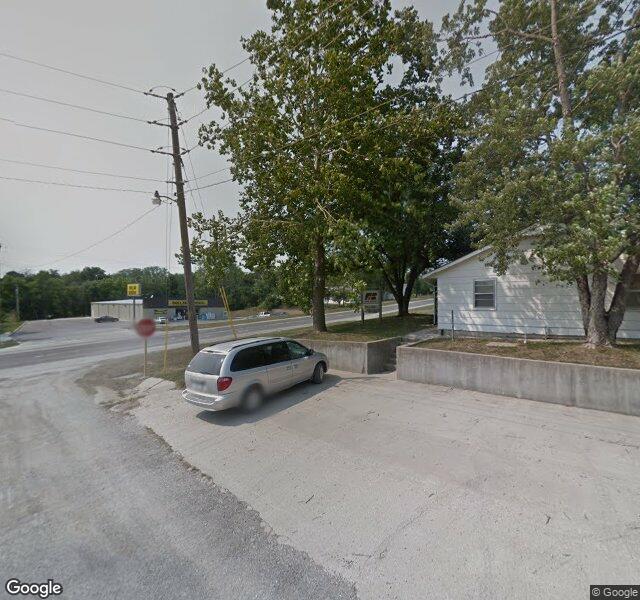
SUNSET HOME

1201 S POLK, MAYSVILLE, MO 64469 (816) 449-2158
For profit - Corporation 60 Beds JAMES & JUDY LINCOLN Data: November 2025
Trust Grade
38/100
#467 of 479 in MO
Last Inspection: August 2024

Within standard 12-15 month inspection cycle. Federal law requires annual inspections.

Overview

Sunset Home in Maysville, Missouri, has received a Trust Grade of F, indicating significant concerns about care quality. Ranked #467 out of 479 facilities in Missouri, they are in the bottom half, and only one other facility in De Kalb County is ranked lower. The facility's performance is worsening, with the number of issues increasing from 9 in 2023 to 19 in 2024. Staffing is a weak point, with a rating of 1 out of 5 stars and a troubling RN coverage situation; there were days when no RN was present for eight consecutive hours. Specific incidents include failing to conduct competency assessments for staff, not maintaining a clean kitchen, and neglecting proper food safety protocols, all of which raise serious concerns about resident care. While the facility has a relatively lower turnover rate of 52%, which is below the state average, the overall quality of care appears to be inadequate.

Trust Score
F
38/100
In Missouri
#467/479
Bottom 3%
Safety Record
Low Risk
No red flags
Inspections
Getting Worse
9 → 19 violations
Staff Stability
⚠ Watch
52% turnover. Above average. Higher turnover means staff may not know residents' routines.
Penalties
○ Average
$13,000 in fines. Higher than 72% of Missouri facilities. Some compliance issues.
Skilled Nurses
⚠ Watch
Each resident gets only 25 minutes of Registered Nurse (RN) attention daily — below average for Missouri. Fewer RN minutes means fewer trained eyes watching for problems.
Violations
⚠ Watch
40 deficiencies on record. Higher than average. Multiple issues found across inspections.
★☆☆☆☆
1.0
Overall Rating
★☆☆☆☆
1.0
Staff Levels
★★★☆☆
3.0
Care Quality
★★☆☆☆
2.0
Inspection Score
Stable
2023: 9 issues
2024: 19 issues

The Good

  • Full Sprinkler Coverage · Fire safety systems throughout facility
  • No fines on record

Facility shows strength in fire safety.

The Bad

1-Star Overall Rating

Below Missouri average (2.5)

Significant quality concerns identified by CMS

Staff Turnover: 52%

Near Missouri avg (46%)

Higher turnover may affect care consistency

Federal Fines: $13,000

Below median ($33,413)

Minor penalties assessed

Chain: JAMES & JUDY LINCOLN

Part of a multi-facility chain

Ask about local staffing decisions and management

The Ugly 40 deficiencies on record

Aug 2024 19 deficiencies
CONCERN (D)

Potential for Harm - no one hurt, but risky conditions existed

Deficiency F0699 (Tag F0699)

Could have caused harm · This affected 1 resident

Based on observation, record review, and interview, the facility failed to provide trauma informed care to one sampled resident (Resident #30) with a diagnosis of Post-Traumatic Stress Disorder (PTSD,...

Read full inspector narrative →
Based on observation, record review, and interview, the facility failed to provide trauma informed care to one sampled resident (Resident #30) with a diagnosis of Post-Traumatic Stress Disorder (PTSD, a mental health condition that is triggered by a terrifying event). The facility census was 33. The facility did not provide a policy on Trauma Informed Care. Review of Resident #30's admission Minimum Data Set (MDS: a federally mandated assessment tool completed by facility staff ) dated 7/30/24 showed: -Brief Interview of mental status (BIMS) of 15, indicated no cognitive loss -Set up assistance of staff for Activities of Daily Living (ADLs: activities done in a day to care for oneself) -Diagnoses of : Chronic Obstructive Pulmonary Disease (COPD: A lung disease that causes breathing problems and restricted airflow.) Chronic Atrial Fibrillation (Afib: a heart condition that causes rapid, irregular heart beats) Post Traumatic Stress Disorder (PTSD:A disorder in which a person has difficulty recovering after experiencing or witnessing a terrifying event.) Depression (a mood disorder that causes a persistent feeling of sadness and loss of interest) and Anxiety (a feeling of dread, fear, or uneasiness). Review of the August Physician order sheet showed the resident may see behavioral health as needed with an order date of 7/23/24. Review of the resident's medical record showed: -The Social Services assessment completed 7/26/24 was marked no for any history of trauma. -No behavior interventions, or psychiatric evaluation/assessment completed. -No care plan for diagnosis of PTSD, During an interview and observation on 08/13/24 at 11:35 AM showed: -He/She gets very nervous and worked up about things. -He/she felt worried and upset. -He/She was hurt most of his/her childhood and has nightmares about that time. -The facility has not done anything to help with the anxiety and nightmares. -The nurses were good about listening to him/her. -He/She does not see a professional and has not been told that is an option. -He/She felt he/she just needed some help. -He/She was crying, his/her hands were shaking and he/she ran his/her hands through their hair over and over. During an interview on 08/13/24 at 11:50 AM the Social Service Director said: -She did not set up behavioral health appointments. -Behavioral health is contracted and that office sends a list of residents to be seen every month. -The office was notified of new admissions and adds them to the list of residents to see. During an interview on 8/14/24 at 3:19 P.M. the Director of Nursing said: -There was a resident diagnosed with PTSD. -Behavioral health goes to the facility monthly. -The residents care plan should include the diagnosis of PTSD.
CONCERN (E)

Potential for Harm - no one hurt, but risky conditions existed

Deficiency F0578 (Tag F0578)

Could have caused harm · This affected multiple residents

**NOTE- TERMS IN BRACKETS HAVE BEEN EDITED TO PROTECT CONFIDENTIALITY** Based on record review and interview, the facility failed to accurately show the residents' correct code status in the resident'...

Read full inspector narrative →
**NOTE- TERMS IN BRACKETS HAVE BEEN EDITED TO PROTECT CONFIDENTIALITY** Based on record review and interview, the facility failed to accurately show the residents' correct code status in the resident's medical record when the code status did not match in all areas of the resident's medical record. This affected two of the 12 sampled residents (Residents #185 and #28). The facility census was 33. Review of facility policy, Advance Directive, undated, showed: -The facility will respect advance directives in accordance with state law; -Upon admission of a resident to the facility, the social services designee will provide written information to the resident concerning his/her right to make decisions concerning medical care, including the right to accept or refuse medical or surgical treatment, and the right to formulate an advance directive; -Upon admission of a resident, the social services designee will inquire of the resident, and/or his/her family members, about the existence of any written advance directives; -Information about whether or not the resident has executed an advance directive shall be displayed prominently in the medical record under the advance directive tab. 1. Review of Resident #185's entry tracking minimum data set (MDS), a federally mandated assessment tool completed by facility staff, dated [DATE], showed he/she entered from a short term general hospital stay. Review of resident's baseline care plan, dated [DATE], showed: -He/She was a do not resuscitate (DNR- no life saving measures) code status -Diagnoses included: A fracture of lower end of left radius (long bone of the arm), respiratory failure, unsteadiness on feet, weakness, and chronic pain. Review of physician's orders dated [DATE] to [DATE], showed he/she had a DNR code status. Review of resident's paper medical record showed he/she had a green sheet that stated he/she was a full code. During an interview on [DATE] at 1:17 P.M., Social Services director said: -Resident was a full code; -He/She saw that resident had wrong code status on his/her physician's orders and on their care plan; -He/She went in and changed the code status on resident's orders on [DATE] after learning they did not match. During an interview on [DATE] at 9:30 A.M., Certified Nurse Aide (CNA) B said: -He/She knew the code status by looking at the resident's paper chart and the stickers on resident's doors; -A red sticker meant the resident was a DNR and a green sticker meant he/she wanted to be full code status which meant facility would initiate cardio-pulmonary-resuscitation (CPR); -He/She would find a nurse if resident had green status since he/she was not CPR certified; 2. Review of Resident #28 Quarterly MDS dated [DATE] showed: -BIMS of 15, indicated no cognitive loss -Partial to maximum assistance of staff for ADLs. -Diagnoses of Combined Congestive Heart Failure (the heart muscle weakens and enlarges, making it difficult for the heart to pump enough blood), Atrail Fibrillation, Depression, Hypertenstion (high blood pressure) and morbid Obesity (A disorder that involves having too much body fat, which increases the risk of health problems.) Obstructive Sleep Apnea. Review of the resident's August Physician Orders showed a Code Status as DNR and dated [DATE]. Review of the resident's paper medical record showed a green FULL CODE paper in the front of the chart. Review of the resident's electronic medical record showed: -The admission checklist dated [DATE] was not completed. -The outside the Hospital DNR paperwork in the admission packet was not signed or dated by the resident or the physician Observation and interview on [DATE] at 10:22 A.M. showed a green sticker on the resident's name plate. The resident said he/she had not changed his/her code status recently. During an interview on [DATE] at 9:58 A.M. CNA A said: - [NAME] stickers on the name plate meant the resident was a full code, and red meant DNR. -If the resident had nothing on their name plate the sticker may have fallen off. -All residents should have a red or green indicator on their name plate. -The other place he/she would look for code status was in the paper chart, on top when the chart is opened. During an interview on [DATE] at 9:59 AM CNA B said: -The Resident's chart had a paper in front when opened for code status. -Resident #28 has a green sticker on his/her nameplate and would be a full code. During an interview on [DATE] at 10:30 AM the SSD said: -She was responsible for code status paperwork and signs. -Resident #28 was a full code, not a DNR. -She was not aware there was a physician's order for DNR status. During an interview on [DATE] at 10:42 AM Licensed Practical Nurse A said: -He/She would have to look at the resident's chart for code status. -Green dots on name plates mean full code and red dots mean DNR, it was the same for the paper in the resident's chart. -SSD would get the DNR signed and give it to him/her. -He/She would notify the physician, get the order and place it in the computer. During an interview on [DATE] at 1:03 P.M., Administrator said he/she expected the code status to be the same on physician's orders, electronic records, and paper chart with everything matching. During an interview on [DATE] at 3:19 P.M., Director of Nursing said: -The nurse puts the orders in the electronic records for advance directives and code status; -The social service staff was responsible for completing the code status paperwork; -A resident's code status should match in all places of their medical record; -Staff should be knowledgeable of each resident's code status; -He/She was aware that their was two residents code status that did not match in all areas of the resident's record.
CONCERN (E)

Potential for Harm - no one hurt, but risky conditions existed

Abuse Prevention Policies (Tag F0607)

Could have caused harm · This affected multiple residents

Based on interviews and record review, the facility failed to follow the written policy to check the Nurses Aide (NA) registry prior to hire for three of 5 sampled staff members. The facility census w...

Read full inspector narrative →
Based on interviews and record review, the facility failed to follow the written policy to check the Nurses Aide (NA) registry prior to hire for three of 5 sampled staff members. The facility census was 33. Review of the undated abuse and neglect policy showed: Before a prospective employee is allowed to work with the residents, a complete background check will be completed; The facility will not employ an individual who has a finding entered on the state nurse aide registry. 1. Review of Dietary Aide (DA) B personnel file showed the following: - He/She was hired 6/22/23 to work as a DA in the kitchen; - No completed NA registry check. 2. Review of Nurses Aide (NA) A's personnel fie showed the following: - He/She was hired 7/6/23 to work as an NA; - No completed NA registry check. 3. Review of the Director of Nurses (DON) personal file showed the following: - He/she was hired 4/17/23 to work as the DON; - No completed NA registry check. During an interview on 8/14/24 at 8:27 A.M. the administrator said: - The Business Office Manager (BOM) completes the NA registry checks prior to a staff member being hired; - All staff regardless if they are nursing or not are checked on the NA registry. During a follow up interview on 8/14/24 at 9:18 A.M. the Administrator said: - She expected the NA checks to be completed and in the the staff's personnel files; - She expected the NA checks to be completed prior to the staff members first day of employment.
CONCERN (E)

Potential for Harm - no one hurt, but risky conditions existed

Transfer Notice (Tag F0623)

Could have caused harm · This affected multiple residents

**NOTE- TERMS IN BRACKETS HAVE BEEN EDITED TO PROTECT CONFIDENTIALITY** Based on interviews and record review the facility failed to document and provide two residents (Resident #13 and #14), with wri...

Read full inspector narrative →
**NOTE- TERMS IN BRACKETS HAVE BEEN EDITED TO PROTECT CONFIDENTIALITY** Based on interviews and record review the facility failed to document and provide two residents (Resident #13 and #14), with written notice of transfer when the residents were transferred to local hospitals. the facility census was 33. The facility staff did not provide a policy regarding transfers. 1. Review of Resident #13's quarterly Minimum Data Set, (MDS, a federally mandated assessment completed by the facility staff), dated 8/4/24 showed: - The resident had a Brief Interview for Mental Status (BIMS) score of 15, indicating no cognitive impairment; - He/She required substantial assistance to get dressed, use the toilet and to bathe; - Diagnoses included: Bipolar disorder (mood swings that range from depression to very happy), Atrial Fibrillation ( a disorder in which the heart does not beat correctly), epilepsy (seizure disorder), and Chronic Obstructive Pulmonary Disease (COPD). During an interview on 8/12/24 at 9:55 A.M. the resident said: He/She was in the hospital after he/she fell around the beginning of the year; - The Facility staff did not provide him/her with written notice regarding the transfer before he/she went to the hospital. Review of the resident's record showed the following: - He/She returned from the hospital on 1/4/24 after being hospitalized after he/she fell and broke his/her hip; - There was no documentation of a transfer form in the resident's record. 2. Review of Resident #14's quarterly MDS dated [DATE] showed: - He/She had a BIMS score of 11, indicating moderate cognitive impairment; - He/She was dependent on the staff to use the toilet, get dressed and to shower; - Diagnoses included: Stroke, anxiety, pneumonia (an infection of the lungs), and frequent falls. Review of the resident's record showed the following: - Licensed Practical Nurse (LPN) A documented on 7/5/24 at 3:23 P.M. he/she was called to the resident's room by staff; - The resident had difficulty breathing with his/her oxygen on, and the resident was shaking; - The resident blood pressure was 170/120 (high), pulse was 150 beats per minute (high), respirations were 28 per minute (high) and the resident oxygen saturation was 76% while receiving 4 liters of oxygen (low); - The resident was sent to the hospital emergency room for further evaluation; - The resident was admitted to the hospital for pneumonia; - There was no transfer form documented in the resident's record. 3. During an interview on 8/13/24 at 11:25 A.M. the Social Services Director said: - Normally he/she completed the transfer notices, however, if the resident was transferred on the weekend, or after hours, the nurse would complete the transfer form; - Sometimes the transfer form not completed; - Resident #13 and #14 should have had a transfer form completed prior to going to the hospital. During an interview on 8/13/24 at 12:56 P.M. the Administrator said: - Resident #13 and #14 should have a transfer form completed and sent with each hospitalization; - The transfer form should be provided to the resident and the guardian in a language that can be understood; - She expected the transfer form to be documented in the resident's chart.
CONCERN (E)

Potential for Harm - no one hurt, but risky conditions existed

Deficiency F0625 (Tag F0625)

Could have caused harm · This affected multiple residents

**NOTE- TERMS IN BRACKETS HAVE BEEN EDITED TO PROTECT CONFIDENTIALITY** Based on interviews and record review the facility failed to document and provide two residents (Resident #13 and #14), with a n...

Read full inspector narrative →
**NOTE- TERMS IN BRACKETS HAVE BEEN EDITED TO PROTECT CONFIDENTIALITY** Based on interviews and record review the facility failed to document and provide two residents (Resident #13 and #14), with a notice of bed hold policy when the residents were transferred to local hospitals. The facility census was 33. Review of the undated bed hold policy showed: - All residents and guardians will be notified of bed hold guidelines; - Notification will be given upon admission and at the time of transfer to the hospital. 1. Review of Resident #13's quarterly Minimum Data Set, (MDS, a federally mandated assessment completed by the facility staff), dated 8/4/24 showed: - The resident had a Brief Interview for Mental Status (BIMS) score of 15, indicating no cognitive impairment; - He/She required substantial assistance to get dressed, use the toilet and to bathe; - Diagnoses included: Bipolar disorder (mood swings that range from depression to very happy), Atrial Fibrillation ( a disorder in which the heart does not beat correctly), epilepsy (seizure disorder), and Chronic Obstructive Pulmonary Disease (COPD). During an interview on 8/12/24 at 9:55 A.M. the resident said: He/She was in the hospital after he/she fell around the beginning of the year; - The facility staff did not give him/her a bed-hold policy form before he/she went to the hospital. Review of the resident's record showed the following: - He/She returned from the hospital on 1/4/24 after being hospitalized after he/she fell and broke his/her hip; - There was no documentation of a bed-hold policy form in the resident's record. 2. Review of Resident #14's quarterly MDS dated [DATE] showed: - He/She had a BIMS score of 11, indicating moderate cognitive impairment; - He/She was dependent on the staff to use the toilet, get dressed and to shower; - Diagnoses included: Stroke, anxiety, pneumonia (an infection of the lungs), and frequent falls. Review of the resident's record showed the following: - Licensed Practical Nurse (LPN) A documented on 7/5/24 at 3:23 P.M. he/she was called to the resident's room by staff; - The resident had difficulty breathing with his/her oxygen on, and the resident was shaking; - The resident blood pressure was 170/120 (high), pulse was 150 beats per minute (high), respirations were 28 per minute (high) and the resident oxygen saturation was 76% while receiving 4 liters of oxygen (low); - The resident was sent to the hospital emergency room for further evaluation; - The resident was admitted to the hospital for pneumonia; - There was no bed-hold policy form documented in the resident's record. 3. During an interview on 8/13/24 at 11:25 A.M. the Social Services Director said: - The bed-hold policy was signed with each resident upon admission if they want their bed held or not, but not completed again when the resident transfers transferring to the hospital; - He/She did not know why bed-hold policy was not completed with each hospitalization. During an interview on 8/13/24 at 12:56 P.M. the Administrator said: - Resident #13 and #14 should have bed-hold policy form completed and sent with them with each hospitalization; - The bed-hold policy form should be provided to the resident and the guardian in language that can be understood; - She expected the bed-hold policy form to be documented in the resident's chart.
CONCERN (E)

Potential for Harm - no one hurt, but risky conditions existed

Comprehensive Care Plan (Tag F0656)

Could have caused harm · This affected multiple residents

**NOTE- TERMS IN BRACKETS HAVE BEEN EDITED TO PROTECT CONFIDENTIALITY** 2. Review of Resident #2's Quarterly MDS, dated [DATE], showed: -He/She is moderately cognitive impaired; -He/She had clear spee...

Read full inspector narrative →
**NOTE- TERMS IN BRACKETS HAVE BEEN EDITED TO PROTECT CONFIDENTIALITY** 2. Review of Resident #2's Quarterly MDS, dated [DATE], showed: -He/She is moderately cognitive impaired; -He/She had clear speech and was able to make-self understood and understand others; -He/She was dependent on a wheelchair and walker for mobility; -He/She needed partial to moderate assistance with toileting, personal hygiene, rolling left and right and sit to lying; -He/She needed substantial/maximal assistance with moving from lying to sitting on side of bed; -Diagnoses included: Parkinson's disease (a progressive disorder that affects the nervous system and parts of the body controlled by the nerves), high blood pressure, chronic pain, tendency to fall, reduced mobility, need for assistance with personal care, history of falling, generalized muscle weakness, unsteadiness on feet, and cognitive communication deficit (a condition affecting a person's ability to think, learn, remember, use judgement, and make decisions). Review of Resident #2's Annual assessment, dated 11/11/23, showed: -It was very important for the resident to choose what clothes to wear, have snacks, take care of personal belongings, choose a bedtime, have family or close friend involved in discussions about care, -Activity preferences included: Having access to books, newspapers, magazines to read, listen to music, be around animals as pets, keep up with the news, do things with groups of people, do favorite activities, go outside and get fresh air, and participate in religious services. Review of the residents care plan, dated 7/5/24, showed his/her care plan did not address the resident's activity preferences. During an interview on 8/12/24 at 10:38 A.M. the resident said: -He/She enjoyed playing bingo and jeopardy; -He/She did not think the facility had enough activities to interest him/her; -He/She would like to see the facility offer book reviews. Review of the electronic resident medical record showed he/she had no activity notes documented in progress notes. 3. Review of Resident #13's Quarterly MDS, dated [DATE], showed: -His/Her cognition was intact; -He/She had clear speech; -He/She was able to make self-understood and understand others; -He/She was dependent on a wheelchair for mobility; -He/She required substantial assistance with moving from lying to sitting, toileting, and bathing; -He/She required partial/moderate assistance with personal hygiene, rolling left and right, sit to stand transfers, chair to bed transfers; -Diagnoses included: muscle weakness, anxiety, bipolar disorder (a disorder associated with episodes of mood swings ranging from depressive lows to manic highs), polyneuropathy (a decreased ability to move and feel sensation because of nerve damage), low back pain, and edema (a condition when tiny blood vessels in the body leak fluid). Review of Resident #13's Annual MDS, dated [DATE], showed: -He/She found it very important to go outside to get fresh air when weather was good, important to do his/her favorite activities, keep up with the news, and to listen to music he/she liked; -Care area's triggered included activities. Review of the care plan, dated 11/12/24 showed: -He/She had potential for social isolation due to lack of interest; -Allow him/her the opportunity to voice his/her feeling & fears; -Encourage him/her to attend activities which improve self esteem; -Introduce him/her to other residents; -Staff to make contact on the 1st & 2nd shift daily; -To the extent possible, offer his/her favorite activities. During an interview on 8/13/24 at 1:11 P.M., Resident said: -He/She felt activities were never geared towards men; -All activity groups were just women's groups; Review of resident's electronic medical record showed he/she had no activity notes documented in progress notes. 4. Review of Resident #20's Quarterly MDS, dated [DATE], showed: -He/She had moderate cognitive impairment; -He/She had clear speech, was able to make self-understood and understand others; -He/She was dependent on a wheelchair for mobility; -He/She required set up or clean up assistance with eating, personal hygiene, and bathing; -Diagnoses included: Multiple sclerosis (a disease in which the immune system eats away at the protective covering of nerves), depression, asthma, cellulitis of right lower limb (a skin infection caused by bacteria), pain, polyneuropathy, generalized muscle weakness, neuropathy (weakness, numbness, and pain from nerve damage, usually in the hands and feet). Review of resident's Annual MDS, dated [DATE], showed: -It was very important to him/her to have books, newspapers, and magazines to read, listen to music he/she liked, keep up with the news, to do things with groups of people, to participate in his/her favorite activities, and to go outside to get fresh air when weather was good. -Care area's triggered included activities. Review of care plan, dated 6/28/24, showed he/she had no activity preferences care planned. During an interview on 8/14/24 at 12:23 P.M., Resident said: -The facility did not have much for activities to do here; -There was not enough staff to help offer resident individual activities; -There was not enough activities that met his/her interest levels; -He/She liked to have outside activities; -He/She liked to play baseball and kickball; -Activity Director sometimes came around and invited him/her to activities; Review of the resident's electronic medical record showed he/she had no activity notes documented in progress notes. During an interview on 8/13/24 at 1:13 P.M., the Activity Director said: -He/She completed activity assessments with residents upon admission and annually; -He/She did not track activities that he/she did with each resident; -He/She did offer one on one activities like coloring, playing card games like UNO or phase 10; -He/She did not offer specific activities geared towards men but all activities except manicures were inclusive to men; -He/She offered bingo, exercise, and sweet treats; -He/She offered one on one activities by putting a music on in resident's rooms; -Activity calendar was posted on bulletin boards on each hall for residents to see; -He/She did not have a way for resident's who were in their rooms or bed bound to see activities offered each day; During an interview on 8/14/24 at 1:03 P.M., the Administrator said: -He/She expected activity preferences to be care planned when a resident had special interest or an activity that he/she liked. -He/She expected PTSD to be care planned. During an interview on 8/14/24 at 1:21 P.M., the Director of Nursing said: -He/She expected care plans to be updated with any changes and quarterly with the MDS; -He/She expected resident activity preferences to be care planned. -PTSD should be care planned. Based on observation, interview and record review, the facility failed to ensure residents had complete, accurate and individualized care plans, to address the specific needs of the residents, for three of the 12 sampled residents (Residents #2, #20 #30,). The census was 33. The facility did not provide a policy on Care Plans. 1. Review of Resident #30's admission Minimum Data Set (MDS: a federally mandated assessment tool completed by facility staff ) dated 7/30/24 showed: -Brief Interview of mental status (BIMS) of 15, indicated no cognitive loss -Set up assistance of staff for Activities of Daily Living (ADLs: activities done in a day to care for oneself) -Diagnoses of : Chronic Obstructive Pulmonary Disease (COPD: A lung disease that causes breathing problems and restricted airflow.) Chronic Atrial Fibrillation (Afib: a heart condition that causes rapid, irregular heart beats) Post Traumatic Stress Disorder (PTSD:A disorder in which a person has difficulty recovering after experiencing or witnessing a terrifying event.) Depression (a mood disorder that causes a persistent feeling of sadness and loss of interest) and Anxiety (a feeling of dread, fear, or uneasiness) Review of the resident's Initial, undated, Care Plan, showed- no care plan for the diagnosis of PTSD, use of Oxygen, use of Continuous Positive Airway Pressure(CPAP) ( A machine that uses mild air pressure to keep breathing airways open while you sleep) or a diagnosis of COPD. Review of the physician's order sheet for August 2024 showed: -Oxygen (O2) 2-5 Liters per minute (LPM) per nasal cannula, continuous every shift -No order for the c pap Observation on 08/13/24 at 8:44 AM showed: -The resident was sitting up on his/her bed with oxygen on at 3 liters per minute per nasal cannula. -Respirations are forceful and shallow -He/she cried at times -He/she ran hands through his/her hair over and over -His/her hands were shaking During an interview with the resident on 8/13/24 at 8:45 A.M. the resident said: -He/she was very short of breath -Staff assist him/her in putting on the cpap machine at night. -He/she wears O2 at all times -He/She does have a diagnosis of PTSD -He/she has nightmares at times -He/she felt as if his/her anxiety and depression were through the roof -He/She does not see a professional such as a Psychologist, Counselor or Psychiatrist. -The nurses will sit with him/her sometimes when he/she feels like he/she needs to talk. During an interview on 8/13/24 at 9:02 A.M. showed Certified Nurse Aide (CNA) D said: -He/she was not aware Resident #30 had PTSD. -He/she was aware the resident wore O2 -Information for the residents could be found in the care plan
CONCERN (E)

Potential for Harm - no one hurt, but risky conditions existed

Deficiency F0657 (Tag F0657)

Could have caused harm · This affected multiple residents

**NOTE- TERMS IN BRACKETS HAVE BEEN EDITED TO PROTECT CONFIDENTIALITY** Based on observations, interview, and record review, the facility failed to ensure staff developed and updated care plans consis...

Read full inspector narrative →
**NOTE- TERMS IN BRACKETS HAVE BEEN EDITED TO PROTECT CONFIDENTIALITY** Based on observations, interview, and record review, the facility failed to ensure staff developed and updated care plans consistent with resident's specific conditions and needs which affected one of 12 sampled residents (Resident #2). Additionally, the facility failed to conduct quarterly care plan meetings to discuss the residents plan of care. This deficient practice affected two of 12 sampled residents, (Resident #13 and #17). The facility census was 33. Review of the facility policy, MDS and Care Planning guidelines, dated September 2013, showed: -It was the policy of facility to use the most current guidelines for Centers for Medicare and Medicaid services (CMS) regarding the Minimum Data Set (MDS) Resident assessment Instrument manual, any published interim RAI manual errata documents, and applicable federal guidelines as the authoritative guide for completion of MDS, CAAs, and resident care planning. 1. Review of Resident #2's Quarterly minimum data set (MDS), A federally mandated assessment tool completed by facility staff, dated 5/13/24, showed: -He/She had moderate cognitive impairment; -He/She had clear speech and was able to make-self understood and understand others; -He/She was dependent on a wheelchair and walker for mobility: -He/She required set up or clean up assistance with eating; -He/She was on a mechanically altered diet; -Diagnoses included: Parkinson's disease (a progressive disorder that affects the nervous system and parts of the body controlled by the nerves), high blood pressure, chronic pain, tendency to fall, reduced mobility, need for assistance with personal care, history of falling, generalized muscle weakness, and unsteadiness on feet. Review of the resident's care plan, dated 5/14/24, showed: -He/She required special utensils at meals related to Parkinson's and was a potential for weight loss; -He/She was to use built up silverware with meals; -Care plan did not reflect discontinued use of weighted utensils. Review of physician's orders dated 7/1/24 to 8/31/24, showed: -He/She was on a regular diet; -He/She had no orders for weighted utensils. Review of discontinued physician's orders showed: -On 2/27/23, he/she had an order to start regular diet with built up silverware; -On 8/7/23, he/she had orders for built up silverware to be discontinued. Review of occupational therapy notes showed: -On 6/21/24, He/She was independent with eating with no assistance from helper. Observation at lunch on 8/12/24 at 1:35 P.M. showed resident was using plastic silverware and did not have weighted utensils. Observation at breakfast on 8/14/24 at 8:02 A.M. showed resident was using regular silverware and did not use weighted utensils. During an interview on 8/14/24 at 8:04 A.M., Resident said he/she did not use weighted utensils anymore. During an interview on 8/14/24 at 8:12 A.M., CNA C said: -He/She did not think resident used weighted utensils anymore; -Resident use to have weighted utensils with his/her meals. During an interview on 8/14/24 at 8:50 A.M., Licensed Practical Nurse (LPN) A said: -Resident used to use weighted silverware; -He/She was not sure if resident still had orders for weighted utensils; -He/She knew occupational therapy had originally wrote resident's orders for weighted utensils. During an interview on 8/14/24 at 1:03 P.M., the Administrator said: -He/She expected that the resident's care plan would be updated when a resident's occupational therapy orders for weighted spoon was discontinued. -He/She expected resident's care plans to be updated with changes, after an incident occurred, and quarterly. During an interview on 8/14/24 at 1:21 P.M., Director of Nursing (DON) said: -He/She expected a resident's care plan to be updated when his/her weighted spoon orders were discontinued; -Care plans should be updated quarterly and as needed with any resident or order changes; -He/She was not aware that he/she was responsible for updating care plans when he/she was hired. 2. Review of Resident #13's quarterly Minimum Data Set, (MDS, a federally mandated assessment completed by the facility staff), dated 8/4/24 showed: - The resident had a Brief Interview for Mental Status (BIMS) score of 15, indicating no cognitive impairment; - He/She required substantial assistance to get dressed, use the toilet and to bathe; - Diagnoses included: Bipolar disorder (mood swings that range from depression to very happy), Atrial Fibrillation ( a disorder in which the heart does not beat correctly), epilepsy (seizure disorder), and Chronic Obstructive Pulmonary Disease (COPD). Review of there resident's care plan showed: - 6/13/24 the resident received anti psychotic medications (medications to treat bipolar disorder); - 11/1/17 the resident had a guardian and the guardian will be encouraged to attend all care plan meetings; - 11/1/17 encourage the resident to participate in activities. During an interview on 8/12/24 at 9:50 A.M. the resident said: - He/She had never been invited to a care plan meeting; - He/She would like to know what was going on for his/her plan of care; - He/She would like to be invited and participate in his/her plan of care. 3. Review of Resident #17's quarterly MDS dated [DATE] showed: - He/She had a BIMS score of 3, indicating severe cognitive impairment; - He/She required stand by assistance to get dressed and shower; - Diagnoses included: Bipolar with psychotic features, vascular dementia (impairment of reason and memory sustained after a stroke), and Diabetes Mellitus Type II ( a disorder in which the body does not process blood sugar properly). Review of the resident's care plan showed: - 6/13/24 the resident receives medication to treat his/her bipolar disorder; - 12/16/19 the resident had a guardian and invite the guardian to care plan meetings and involve them with the plan of care changes. During an interview on 8/12/24 at 8:51 A.M. the resident said: - He/She did not know what a care plan was; - He/She would like to be a part of his/her care planning and would like to be invited to his/her care plan meeting. 4. During an interview on 8/13/24 at 9:18 A.M. the DON said: - He/She was in charge of writing the resident's care plans; - He/She was in charge of coordinating care plan meetings; - He/She was aware that each resident should have a care plan meeting quarterly; - He/She was employed at the facility in April of 2023 and had not held a care plan meeting since his/her time of hire.
CONCERN (E)

Potential for Harm - no one hurt, but risky conditions existed

Deficiency F0679 (Tag F0679)

Could have caused harm · This affected multiple residents

**NOTE- TERMS IN BRACKETS HAVE BEEN EDITED TO PROTECT CONFIDENTIALITY** 3. Review of Resident #2's Quarterly MDS., dated 5/13/24, showed: -He/She had moderate cognitive impairment; -He/She had clear s...

Read full inspector narrative →
**NOTE- TERMS IN BRACKETS HAVE BEEN EDITED TO PROTECT CONFIDENTIALITY** 3. Review of Resident #2's Quarterly MDS., dated 5/13/24, showed: -He/She had moderate cognitive impairment; -He/She had clear speech and was able to make-self understood and understand others; -He/She was dependent on a wheelchair and walker for mobility; -He/She needed partial to moderate assistance with toileting, personal hygiene, rolling left and right and sit to lying; -He/She needed substantial/maximal assistance with moving from lying to sitting on side of bed; -Diagnoses included: Parkinson's disease (a progressive disorder that affects the nervous system and parts of the body controlled by the nerves), high blood pressure, chronic pain, tendency to fall, reduced mobility, need for assistance with personal care, history of falling, generalized muscle weakness, unsteadiness on feet, and cognitive communication deficit (a condition affecting a person's ability to think, learn, remember, use judgement, and make decisions). Review of Resident #2's Annual MDS, dated [DATE], showed: -It was very important to choose what clothes to wear, have snacks, take care of personal belongings, choose bedtime, have family or close friend involved in discussions about care, -Activity preferences included have books, newspapers, magazines to read, listen to music, be around animals as pets, keep up with the news, do things with groups of people, do favorite activities, go outside and get fresh air, participate in religious services. Review of care plan, dated 7/5/24, showed: -His/Her care plan did not address resident's activity preferences. Review of the residents electronic medical record showed: -He/She had no activity notes documented in progress notes. During an interview on 8/12/24 at 10:38 A.M. Resident #2 said: -He/She enjoyed playing bingo and jeopardy; -He/She did not think the facility had enough activities to interest him/her; -He/She would like to see the facility offer book reviews; -He/She did not have any activity calendar available in his/her room. Observation on 8/12/24 at 10:38 A.M. showed no activity calendar available in resident's room. Review of the facility activity calendar showed: -8/12/24 at 10:00 A.M. bingo was scheduled; -8/12/24 at 2:00 P.M. spay day was scheduled; -8/13/24 at 10:00 A.M. exercise was scheduled; -8/13/24 at 2:00 P.M. manicures were scheduled; -8/14/24 at 10:00 A.M. bingo was scheduled. Observation on 8/12/24 at 10:00 A.M. showed no activities offered. Observation on 8/12/24 at 2:00 P.M. showed no activities offered. Observation on 8/13/24 at 2:00 P.M. showed no activities offered. Observation on 8/14/24 at 9:49 A.M., showed: -Activity Director reminded resident of upcoming activity of bingo at 10:00 A.M.; -Resident observed wheeling out of his/her room to go towards end of hall to participate in Bingo activity. Observation on 8/14/24 at 10:03 A.M. showed resident engaged in activity of bingo in south dining room. 4. Review of Resident #13's Quarterly MDS, dated [DATE], showed: -His/Her cognition was intact; -He/She had clear speech; -He/She was able to make self-understood and understand others; -He/She was dependent on a wheelchair for mobility; -He/She required substantial assistance with moving from lying to sitting, toileting, and bathing; -He/She required partial/moderate assistance with personal hygiene, rolling left and right, sit to stand transfers, chair to bed transfers; -Diagnoses included: Muscle weakness, anxiety, bipolar disorder (a disorder associated with episodes of mood swings ranging from depressive lows to manic highs), polyneuropathy (a decreased ability to move and feel sensation because of nerve damage), low back pain, and edema (a condition when tiny blood vessels in the body leak fluid). Review of Resident #13's Annual MDS, dated [DATE], showed: -He/She found it very important to go outside to get fresh air when weather was good, important to do his/her favorite activities, keep up with the news, and to listen to music he/she liked; -Care area's triggered included activities. Review of care plan, dated 11/12/24 showed: -He/She had potential for social isolation due to lack of interest; -Allow him/her the opportunity to voice his/her feeling & fears; -Encourage him/her to attend activities which improve self esteem; -Introduce him/her to other residents; -Staff to make contact on the 1st & 2nd shift daily; -To the extent possible, offer his/her favorite activities. During an interview on 8/13/24 at 1:11 P.M., Resident said: -He/She felt activities were never geared towards men; -All activity groups were more women's groups; -He/She was made aware of activities by looking at white board in hallway; -He/She did not have access to an activity schedule in his/her room. Review of facility activity calendar showed: -8/12/24 at 10:00 A.M. bingo was scheduled; -8/12/24 at 2:00 P.M. spay day was scheduled; -8/13/24 at 10:00 A.M. exercise was scheduled; -8/13/24 at 2:00 P.M. manicures were scheduled; -8/14/24 at 10:00 A.M. bingo was scheduled. Observation on 8/12/24 at 10:00 A.M. showed no activities offered. Observation on 8/12/24 at 2:00 P.M. showed no activities offered. Observation on 8/13/24 at 2:00 P.M. showed no activities offered. Observation on 8/14/24 at 9:49 A.M. showed Activity Director going to resident room to invite to bingo. Observation on 8/14/24 at 10:01 A.M. showed resident was in dining room but did not participate in bingo. 5. Review of Resident #20's quarterly MDS, dated [DATE], showed: -He/She had moderate cognitive impairment; -He/She had clear speech, was able to make self-understood and understand others; -He/She was dependent on a wheelchair for mobility; -He/She required set up or clean up assistance with eating, personal hygiene, and bathing; -Diagnoses included: Multiple sclerosis (a disease in which the immune system eats away at the protective covering of nerves), depression, asthma, cellulitis of right lower limb (a skin infection caused by bacteria), pain, polyneuropathy, generalized muscle weakness, neuropathy (weakness, numbness, and pain from nerve damage, usually in the hands and feet). Review of Resident #20's Annual MDS, dated [DATE], showed: -It was very important to him/her to have books, newspapers, and magazines to read, listen to music he/she liked, keep up with the news, to do things with groups of people, to participate in his/her favorite activities, and to go outside to get fresh air when weather was good. -Care area's triggered included activities. Review of care plan, dated 6/28/24, showed: -He/She had no activity preferences care planned. Review of facility activity calendar showed: -8/12/24 at 10:00 A.M. bingo was scheduled; -8/12/24 at 2:00 P.M. spay day was scheduled; -8/13/24 at 10:00 A.M. exercise was scheduled; -8/13/24 at 2:00 P.M. manicures were scheduled; -8/14/24 at 10:00 A.M. bingo was scheduled. Observation on 8/12/24 at 10:00 A.M. showed no activities offered; Observation on 8/12/24 at 2:00 P.M. showed no activities offered; Observation on 8/14/24 at 9:49 A.M. showed Activity Director going to resident room to invite to bingo. Observation on 8/14/24 at 10:01 A.M. showed resident participated in bingo. During an interview on 8/14/24 at 12:23 P.M., Resident said: -The facility did not have much for activities to do here; -There was not enough staff to help offer resident individual activities; -There was not enough activities that met his/her interest levels; -He/She liked to have outside activities; -He/She liked to play baseball and kickball; -Activity Director sometimes came around and invited him/her to activities; 6. During an interview on 8/13/24 at 1:13 P.M., Activity Director said: -He/She completed activity assessments with residents upon admission and annually; -He/She did not track activities that he/she did with each resident; -He/She did offer one on one activities like coloring, playing card games like UNO or phase 10; -He/She did not offer specific activities geared towards men but all activities except manicures were inclusive to men; -He/She offered bingo, exercise, and sweet treats; -He/She offered one on one activities by putting a music cd on in those resident's rooms; -Activity calendar was posted on bulletin boards on each hall for residents to see; -He/She did not have a way for resident's who were in their rooms or bed bound to see activities offered each day; During an interview on 8/14/24 at 8:14 A.M., Certified Nurse Aide (CNA) C said: -Activity Director takes residents to south hall for activities; -He/She was aware of activities of bingo and exercise occurring regularly; -Activity director offered activities 90% of time as scheduled. During an interview on 8/14/24 at 9:30 A.M., CNA B said: -Facility offered ice cream days, popcorn, movies, fingernail painting, and fake tattoos; -Facility offered a lot of bingo; -Residents are aware of activities by the activity calendar in hallway or activity director goes through halls to remind residents. During an interview on 8/14/24 at 10:29 A.M. the Director of Nursing (DON) said: - She would expect more activities to be completed than currently occur; - The AD had several other tasks assigned to him/her and was not able to complete more activities; - She would expect the large activity calendars on the wall to be up to date; - She would expect an activity calendar to be provided to each resident; - She expected all staff to help resident to activities; - She would expect all residents to be invited to activities. Based on observation, interviews and record review the facility failed to provide meaningful activities for five of 12 sampled residents (Resident #17, #21, #2, #13, #20). The facility census was 33. Review of the undated activity policy said: - Activities services will plan, organize and carry out a program of activities to meet the individual needs of the residents; - The Activities Director (AD) plans and organizes individual activities and group activities; - A calendar of events will be posted on the activity bulletin board; - All staff are responsible to assist residents to the activity - The AD will develop an activity calendar to include a wide variety of activities to include spiritual, physical, emotional, cognitive, sensory, recreational, and work service related activities; - Activities will be planned for men and women and large and small groups. 1. Review of Resident #17's quarterly Minimum Data Set (MDS, a federally mandated assessment completed by the facility staff), dated 6/7/24 showed: - He/She had a Brief Interview for Mental Status (BIMS) score of 3, indicating severe cognitive impairment; - He/She required stand by assistance to get dressed and shower; - Diagnoses included: Bipolar with psychotic features, vascular dementia (impairment of reason and memory sustained after a stroke), and Diabetes Mellitus Type II ( a disorder in which the body does not process blood sugar properly). Review of the resident's activity care plan dated 3/14/19 showed: - The resident enjoyed watching television in his/her room with his/her parent; - The staff were supposed to encourage him/her to attend activities which improve self esteem; - Allow the resident to voice his/her feelings and fears. During an interview on 8/12/24 at 8:47 A.M. the resident said: - He/She did not participate in activities because nothing interests him/her that is offered; - If they did different activities he/she would participate more; - The staff do not invite him/her to activities; - He/She would like to be invited to activities; - He/She did not know what activities there were to choose from; - It made him/her feel bad no being invited to participate in activities. Observation on 8/13/24 at 11:00 A.M. showed - No activity calendar in the common area or in the resident's room. Observation and interview on 8/14/24 at 10:00 A.M. showed: - The Activity Director (AD) setting up Bingo in the dining room; - The resident was not in the dining room; - At 10:01 the AD starts Bingo; - At 10:07 the resident was observed lying in his/her bed watching television; - At 10:10 A.M. the resident said he/she was not told Bingo was in the dining room, the resident got out of bed and walked to the dining room to attend the activity; - At 10:20 A.M. The activity concluded and residents left the dining room; - The resident returned to his/her bed; - The resident said he/she was sad he/she missed most of Bingo. During an interview on 8/14/24 at 10:10 A.M. Certified Medication Technician (CMT) A said: - The AD usually assisted the resident to the activities; - If the AD needed assistance with a resident, he/she told the staff and they helped get residents to the activity. 2. Review of Resident #21's quarterly MDS dated [DATE] showed: - BIMS score of 8, indicating moderate cognitive impairment; - He/She required assistance with transfers, bathing, toilet care, and getting dressed; - Diagnoses included: Bipolar disorder, weakness and psychosis. Review of the activity care plan dated 4/30/24 showed: - The resident was able to be involved in recreational and social activities that interest him/her; - He/She rarely participated in activities; - The staff were supposed to encourage the resident to participate in activities; - The staff were supposed to inform the resident of upcoming activities. During an interview on 8/12/24 at 9:14 A.M. the resident said: - He/She enjoyed playing Bingo; - He/She would like to participate in other activities; - He/She would like to have more music activities.
CONCERN (E)

Potential for Harm - no one hurt, but risky conditions existed

Respiratory Care (Tag F0695)

Could have caused harm · This affected multiple residents

**NOTE- TERMS IN BRACKETS HAVE BEEN EDITED TO PROTECT CONFIDENTIALITY** Based on observation, record review, and interview, the facility failed to ensure staff obtained and followed complete and accur...

Read full inspector narrative →
**NOTE- TERMS IN BRACKETS HAVE BEEN EDITED TO PROTECT CONFIDENTIALITY** Based on observation, record review, and interview, the facility failed to ensure staff obtained and followed complete and accurate physician orders for the administration of continuous positive airway pressure (CPAP: a type of ventilator that uses mild air pressure to keep breathing airways open while you sleep) for one resident . Additionally, the facility failed to label, date and clean the CPAP machines for 2 residents (Resident #30 and Resident #28) and failed to label and date open containers of distilled water for use in the CPAP machines for one resident (Resident #28) out of 12 sampled residents. The facility census was 33. Review of the undated facility provided policy on Oxygen Equipment Cleaning Guidelines showed: -Oxygen equipment will be cleaned to ensure safety in handling and administering oxygen. -Connectors must be cleaned after each resident use. Review of the undated facility provided policy CPAP Administration showed: -Check the physician orders for pressure setting and method of administration; -Fill the humidifier with distilled water to appropriate level; -Tubing should be cleaned weekly, the mask and nasal pillows connection wiped daily, clean the water holding tank with a damp cloth and mild soap weekly. For disinfecting the holding tank, use vinegar and water , let set for 30 minutes, rinse thoroughly and air dry. Review of the ResMed Manufacturer's guidelines for cleaning CPAP machines showed: -Clean the mask every day, or after each use. 1. Disassemble the mask components. 2. Thoroughly hand-wash the separated mask components by gently rubbing in warm water with mild detergent. 3. Rinse all the components well. 4. Allow to air dry out of direct sunlight and/or heat. -Clean the device weekly as described. 1. Wash the water tub and air tubing in warm water using only mild detergent. 2. Rinse the water tub and air tubing thoroughly and allow to dry out of direct sunlight and/or heat. 3. Wipe the exterior of the device with a dry cloth. 1. Review of Resident #30 admission Minimum Data Set (MDS: a federally mandated assessment tool completed by facility staff ) dated 7/30/24 showed: -Brief Interview of mental status (BIMS) of 15, indicated no cognitive loss; -Set up assistance of staff for Activities of Daily Living (ADLs: activities done in a day to care for oneself); -Diagnoses of : Chronic Obstructive Pulmonary Disease (COPD: A lung disease that causes breathing problems and restricted airflow.)Obstructive Sleep Apnea (Intermittent airflow blockage during sleep caused by partial or complete collapse of the airway) Chronic Atrial Fibrillation (Afib: a heart condition that causes rapid, irregular heart beats) Post Traumatic Stress Disorder (PTSD:A disorder in which a person has difficulty recovering after experiencing or witnessing a terrifying event.) Depression (a mood disorder that causes a persistent feeling of sadness and loss of interest) and Anxiety (a feeling of dread, fear, or uneasiness) Review of the Resident's Care Plan showed no care plan for the use of the CPAP machine. Review of the Resident's physician orders for August 2024 showed: -No order for the use of the CPAP machine. -No orders for cleaning/changing tubing/masks. Observation on 08/12/24 at 9:52 A.M. showed: -Resident lying in bed. -Large gift bag sitting on the floor at beside. -CPAP mask was in the large gift bag lying on top of a purse. -Condensation in the tubing to the mask. Observation on 08/13/24 at 8:44 AM showed: -He/She had complaints of difficulty breathing. -His/Her CPAP was lying on top of a purse, in a large shopping bag at bedside. During an interview on 8/13/24 at 8:46 A.M. the resident said: -He/She puts the mask on at night . - Staff had cleaned the machine and tubing before, but not daily. 2. Review of Resident #28 Quarterly MDS, dated [DATE]., showed: -BIMS of 15, indicated no cognitive loss. -Partial to maximum assistance of staff for ADLs. -Diagnoses of: Combined Congestive Heart Failure (the heart muscle weakens and enlarges, making it difficult for the heart to pump enough blood), Atrail Fibrillation, Depression, Hypertension (high blood pressure) and morbid Obesity (A disorder that involves having too much body fat, which increases the risk of health problems.) Obstructive Sleep Apnea. Review of the Resident's Comprehensive Care Plan dated 5/31/24 showed: -Use of CPAP at night; the resident frequently refused staff to assist with placement. Review of the Resident's August physician orders showed: -CPAP with 2 liters of O2 on at bedtime and off in AM every shift. Order date of 5/25/24 -No orders for cleaning or changing tubing/masks Observation on 8/12/24 at 9:32 A.M. showed: -The CPAP machine was sitting on the nightstand, the mask was laying on the overbed table, condensation in the mask tubing. -The tubing was not dated. -The humidifier was not dated. -Three partial gallons of distilled water sitting on floor , open and undated. Observation and interview on 8/13/24 at 9:22 A.M. showed: -The CPAP machine was sitting on the nightstand, the mask was laying on the overbed table, condensation in the mask tubing. -The tubing was not dated. -The humidifier was not dated. -Three partial gallons of distilled water sitting on the floor, open and undated. -The resident said -Staff assisted him/her to put the CPAP on when he/she wanted it on. -The gallons of distilled water were for his/her CPAP machine. -He/She was not sure when the gallons of water had been opened. -He/She was not sure when the machine is cleaned. -The mask and tubing were maybe changed once a month. During an interview on 8/19/24 at 10:30 A.M. Licensed Practical Nurse A said: -The residents take the CPAP masks off themselves, and he/she checks them at morning rounds. -He/She did not clean the masks daily. -He/She was not aware the masks needed to be cleaned daily. -Tubing and masks are changed monthly . During an interview on 8/14/24 at 3:19 P.M. the Director of Nursing said: -There should be a physician order for use of CPAP machine. -CPAP cleaning should be done by manufacturers guidelines or weekly. -Distilled water should be dated when opened and was only usable for 30 days once opened. -The Charge Nurse is responsible for cleaning and care of the CPAP machines.
CONCERN (E)

Potential for Harm - no one hurt, but risky conditions existed

Deficiency F0700 (Tag F0700)

Could have caused harm · This affected multiple residents

**NOTE- TERMS IN BRACKETS HAVE BEEN EDITED TO PROTECT CONFIDENTIALITY** Based on observation, interview, and record review, the facility staff failed to assess residents for risk of entrapment from be...

Read full inspector narrative →
**NOTE- TERMS IN BRACKETS HAVE BEEN EDITED TO PROTECT CONFIDENTIALITY** Based on observation, interview, and record review, the facility staff failed to assess residents for risk of entrapment from bed rails prior to installation and failed to ensure the bed's dimensions were appropriate for the residents size and weight, and additionally failed to complete quarterly assessments side rail and entrapment assessments (Resident #20, #13, #14, and #21), and failed to obtain a physician's order prior to installation (Resident #20, #13, and #14), failed to obtain informed consent (Resident #13, #14, and #21) for four of the 12 sampled residents (Resident #20, #13, #14, and #20). The facility census was 33. Review of facility policy, bed rails, undated, showed: -Once bed rail observation is completed, the facility will print the observation and review associated risks and benefits with the resident and/or resident representative. After review is complete, the resident and/or resident representative will sign the consent line and nurse will sign as well. -Develop a care plan that outlines the medical factors necessitating bed rails and an explanation of how the use of a bed rail is intended to treat the specific resident's condition. -When installing or maintaining bedrails, staff should follow manufactrer's recommendations and specifications for applicable bed rails, mattresses, and bedrames. -Staff will conduct regular inspections of all bedframes, mattresses, and bed rails, to identify areas of possible entrapment. When bed rails and mattresses are used and purchased separately from the bed frame, the facility will select equipment such as bed rails, mattresses, and bedframes that are compatible. -Overview of FDA potential zones of entrapment with FDA dimension recommendations: -Zone 1: within the rail -Any open space between the perimeters of the rail can present a risk of head entrapment. FDA recommended space: less than 4 and 3/4 inches -Zone 2: Under the Rail, Between the Rail supports or next to a signle rail support -The gap under the rail between the mattress, may allow for dangerous head entrapment. FDA recommended space: less than 4 and 3/4. -Zone 3: Between the rail and the mattress -The area is the space between the inside surface of the bed rail and the mattress, and if too big it can cause a risk of head entrapment. FDA recommended space: less than 4 and 3/4 inches; -Zone 4: Under the rail at the ends of the rail. -A gap between the mattress and the lowermost portion of the rail poses a risk of neck entrapment. FDA recommended space is less than 2 and 3/8 inches. -Zone 5: Between split bed rails -When partial length head and split rails are sued on the same side of the bed, the space between the rails may resent a risk of either neck or chest entrapment. -Zone 6: Between the end of the rail and the side edge of the head or foot board -A gap between the end of the bed rail and the side edge of the headboard or footboard can present the risk of resident entrapment. -Zone 7: Between the head or foot board and the end of the mattress -When there is too large of space between the inside surface of the headboard or footboard and the end of the mattress, the risk of head entrapment increases. -Prior to use of bed rails the facility should complete the matrix bed rail observation including the following: 1. Observation detail 2. Clinical Assessment 3. Alternatives attempted prior to bed rail implementation. 4. Bed rail details. 5. Assessment of potential entrapment zones. 6. Review of risk and benefits with resident and resident representative 7. Obtain informed consent with resident and/or resident representative signature 8. Obtain physician order for medical symptom assessed requiring bed rail use Review of the undated bed rail policy showed: - Bed rail use was to be care planned; - Bed rails should have regular inspections of the bed frames, mattresses and bed rails to identify possible areas of entrapments; - Prior to the installation of bed rails the facility staff should complete the bed rail observation in the Electronic Medical Record (EMR) that includes observation detail, clinical assessment, alternatives attempted prior to bed rail installation, assessment of potential entrapment zones, obtain informed consent with the resident, and obtain a physician's order for the bed rail use. 1. Review of Resident #20's Quarterly minimum data set (MDS), A federally mandated assessment tool completed by facility staff, dated 6/25/24, showed: -He/She had moderate cognitive impairment; -He/She had clear speech, was able to make self-understood and understand others; -He/She was dependent on staff for bed mobility and positioning; -He/She had 1 fall with no injury since prior assessment dated [DATE]; -He/She was taking antidepressant, anticoagulant, antibiotic, diuretic, opiod, and hypoglycemic medication; -Diagnoses included multiple sclerosis (a disease in which the immune system eats away at the protective covering of nerves), coronary artery disease (a condition resulting in narrowing coronary arteries limiting blood flow to the heart), hypertension, renal insufficiency (condition in which the kidneys lose the ability to remove waste and balance fluids), depression, asthma, cellulitis of right lower limb (a skin infection caused by bacteria), pain, polyneuropathy, generalized muscle weakness, sleep apnea, neuropathy (weakness, numbness, and pain from nerve damage, usually in the hands and feet). Review of care plan, dated 9/19/18, showed: -Resident required assistance with ADLS due to increased weakness related to his/her disease progression; -He/She had quarter bed rail to aid with positioning and transfers. Review of physician's orders, dated 8/12/24, showed: -He/She did not have orders for any side rail. Observation on 8/12/24 at 9:48 A.M. showed resident had a side rail up on his/her left side of the bed. During an interview on 8/14/24 at 12:23 P.M., Resident said he/she had side rails on right side to help boost him/her up in bed. Review of electronic medical record showed: -On 12/27/23, one bed rail facility assessment was incomplete with missing zone information and the only assessment completed in the medical record. -A quarter side rail would be used to assist with positioning and transfers; -Frequency of use was while in bed to assist with positioning; During an interview on 8/14/24 at 9:30 A.M., CNA B said: -He/She did not know why resident has side rails on his/her bed During an interview on 8/14/24 at 1:03 P.M., the Administrator said: -He/She expected side rails to be assessed quarterly for entrapment assessments; -The Director of Nursing (DON) was responsible for completing entrapment assessments; -Side rails should have physician's orders. During an interview on 8/14/24 at 1:21 P.M., DON said: -A physician's order must be obtained for side rails; -He/She did not know he/she was responsible for doing entrapment assessments until this week; -He/She was aware the MDS Coordinator had done some of the entrapment assessments for side rails; -Side rail and entrapment assessments should be completed quarterly; -Measurements of bed frame, mattresses, and side rails should be done with quarterly assessments; -He/She had not done side rail assessments. During an interview on 8/14/24 at 1:36 P.M., the Maintenance staff said: -He/She had never installed any side rails at the facility; -He/She did not complete any measurements on side rails, mattresses, or bed frames. 2. Review of Resident #13's quarterly Minimum Data Set, (MDS, a federally mandated assessment completed by the facility staff), dated 8/4/24 showed: - The resident had a Brief Interview for Mental Status (BIMS) score of 15, indicating no cognitive impairment; - He/She required substantial assistance to get dressed, use the toilet and to bathe; - Diagnoses included: Bipolar disorder (mood swings that range from depression to very happy), Atrial Fibrillation ( a disorder in which the heart does not beat correctly), epilepsy (seizure disorder), and Chronic Obstructive Pulmonary Disease (COPD). Observation on 8/12/24 at 9:55 A.M. showed: - A bed rail attached to the side of the residents bed and leaning away from the bed. Review of residents record showed the following: - The care plan addressed the use of a bed rail for the resident to assist with repositioning; - No bed rail assessment; - No entrapment assessment; - No consent for the use of the bed rail; - No physicians order for the use of a bed rail. 3. Review of Resident #14's quarterly MDS dated [DATE] showed: - He/She had a BIMS score of 11, indicating moderate cognitive impairment; - He/She was dependent on the staff to use the toilet, get dressed and to shower; - Diagnoses included: Stroke, anxiety, pneumonia (an infection of the lungs), and frequent falls. Observation on 8/12/24 at 2:17 P.M. showed: - The resident was lying in bed sleeping; - The resident had a 1/2 side rail on the right of his/her bed; - The side rail was leaning away from the bed. Observation on 8/13/24 at 9:52 A.M. showed; - The resident was in bed sleeping; - The bed rail was in the up position and leaning away from the bed. Review of the resident record showed the following: - No bed rail assessment; - No entrapment assessment; - No consent for the use of bed rails; - No alternatives documented prior to the use of bed rails; - No physicians order for the use of a bed rail; - The care plan did not address the use of a bed rail. 4. Review of Resident #21's quarterly MDS dated [DATE] showed: - BIMS score of 8, indicating moderate cognitive impairment; - He/She required assistance with transfers, bathing, toilet care, and getting dressed; - Diagnoses included: Bipolar disorder, weakness and psychosis. Observation on 8/13/24 at 9:58 A.M. showed: - The resident had 1/2 bed rails to both sides of his/her bed; - Both bed rails were in the up position. Review of the residents record showed the following: - A physicians order dated 11/15/23 for the use of the left and right bed rail for transfers and repositioning; - The care plan addressed the use of the bed rails; - No bed rail assessment; - No entrapment assessment; - No bed rail consent. 5. During an interview on 8/13/24 at 10:21 A.M. the Administrator said: - She expected the use of a bed rail to have a physicians order; - She expected the care plan to address the use of bed rails; - She expected alternative methods to be documented prior to the use of a bed rail; - She expected bed rail assessments and entrapment assessments to be completed prior to the installation of the bed rail; - She expected bed rail consents to be obtained and documented prior to the installation of bed rails.
CONCERN (E)

Potential for Harm - no one hurt, but risky conditions existed

Deficiency F0728 (Tag F0728)

Could have caused harm · This affected multiple residents

Based on interview and record review, the facility failed to ensure two nurse aides (NA) completed a nurse aide training program within four months of his/her employment in the facility. The census wa...

Read full inspector narrative →
Based on interview and record review, the facility failed to ensure two nurse aides (NA) completed a nurse aide training program within four months of his/her employment in the facility. The census was 33. The facility did not provide a policy on education and Certified Nurse Aide training. Review of the Facility Assessment, completed by facility staff, dated 6/27/24 showed: -Nursing staff must have a license/certification current and verifiable with the State of Missouri. NA's will be hired with the certainty they will be in a Certified Nursing Assistant class within 120 days. Review of employee files showed the following: -Nurse Aide (NA) A date of hire 7/6/2023 -no competency evaluation -Certification issued 5/24/2024 -NA B date of hire 3/14/2024 -no competency evaluation -no certification issued Review of the Missouri CNA Registry on 8/14/24 showed: -NA A certification was issued 5/24/24 -NA B was not found During an interview on 8/14/24 at 11:30 A.M. the Administrator said: - There were two NA's working in the facility and one that was certified in the last 90 days. -The 2 NA's are in Certified Nurse Aide training on line. -She is unsure if the Director of Nursing provides a competency evaluation before NA's have contact with residents. -NA A and B did not finish classes in the 4 month time frame because of missed classes. -She was aware the staff did not finish in the allotted time. -Staff should understand that missing class would mean they cannot work. -She is unsure why the staff were still employed after 4 months.
CONCERN (E)

Potential for Harm - no one hurt, but risky conditions existed

Deficiency F0730 (Tag F0730)

Could have caused harm · This affected multiple residents

**NOTE- TERMS IN BRACKETS HAVE BEEN EDITED TO PROTECT CONFIDENTIALITY** Based on interview and record review, the facility failed to conduct at least twelve hours of nurse aide in-service education pe...

Read full inspector narrative →
**NOTE- TERMS IN BRACKETS HAVE BEEN EDITED TO PROTECT CONFIDENTIALITY** Based on interview and record review, the facility failed to conduct at least twelve hours of nurse aide in-service education per year, failed to provide nurse aide's annual individual performance review or evaluation, failed to provide the required annual competency of Dementia Care, and failed to implement a tracking system for monitoring training hours. This effected 5 of the 7 sampled nurse aides (Certified Nurse Aide; (CNA) E and CNA F) and had the potential to effect all staff and residents. The facility's census was 33. The facility did not provide a policy regarding staff education. Review of the Facility assessment dated [DATE] showed: -Competencies will be tested every 6 months and those indicated by star will be tested at hire, for nursing staff. -Person Centered Care -Activities of Daily Living* -Disaster Procedures* -Infection Control* -Medication Administration* -Wound Care* -Measurements* -Resident assessments and observations -Caring for residents with all forms of dementia* -Specialized care-such as catheter insertion (a tube inserted into the bladder to drain urine), colostomy care (an artificial opening in the stomach to drain feces), etc. -Caring for residents with mental and psychological disorders- (including Trauma and Post Traumatic Stress Disorder (PTSD: a mental health condition that's caused by an extremely stressful or terrifying event )- implementing non-pharmacological (non medication) interventions* -Staff Training/Education: -Abuse, neglect and exploitation training will be given to the whole staff at least twice a year, -Infection control with mandatory in-services o the facility policies and procedures, -On-going inservices for culture change: person centered/directed care, -Required inservices for nurse aides: 1. Body Mechanics 2. Prohibition of abuse, neglect, exploitation and misappropriation 3. Tornado safety, missing resident, elopement protocol, incontinent care, catheter care/change, 4. Resident rights, physical assessments, infection control, 5. Universal precautions, eye wash stations, spills/blood cleanup, pharmacy, oxygen and Continuous positive airway pressure (CPAP : a machine that uses mild air pressure to keep the airways open while a person sleeps) 6. Normal nutrition, dining room monitoring, feeding techniques, Restorative dining, Adaptive equipment 7. Emergency preparedness, communication, The Health Insurance Portability and Accountability Act (HIPAA: a federal law that was passed in 1996 to protect the confidentiality and security of patient health information), blood glucose, denture/dental/mouth care. 8. Behavioral health care and services, Dementia management, behavior management, documentation of behaviors 9. Tuberculosis (TB) testing, drug testing, immunizations/vaccinations, restraints/personal alarms/bed rails, wound and skin care, 10. Disasters and the plan for each, communicable diseases, hand washing, gloving and hand gel use, Electronic Medical Record documentation. 11. Fall prevention and root cause analysis, event reports, wound care management, pressure ulcer prevention. 12. Heimlich maneuver, Do Not Resuscitate (DNR)/ Cardiopulmonary Resuscitation (CPR), death and dying, hospice, Restorative Nursing -Assessing and reporting change in condition, -On going education on the social, cultural and language needs of residents. Review of employee files and education records showed: -Certified Nurse Aide (CNA) F - Date of hire [DATE] -No proof of education tracking -Education on mechanical lift, transfer training completed [DATE], -Hand Hygiene competency dated [DATE] -CNA G -Date of hire [DATE] -No proof of education provided -No education tracking -Education on resident rights dated [DATE] -Competency on hand hygiene dated [DATE] -CNA E -Date of hire [DATE] -No tracking of education -Education on resident rights dated [DATE], mechanical lift and transfer training dated [DATE], and toileting schedules/shower sheets dated [DATE] -Competency completed for perineal care dated [DATE] - -CNA D -Date of hire [DATE] -No competency completed for 2024 -No education tracking -Education on mechanical lift and transfer training dated [DATE] -Nurse Aide A -Date of hire [DATE]. -No competency completed for 2024 -No education tracking -No proof of education During an interview on [DATE] at 3:19 P.M. with the Director of Nursing (DON) and Administrator: The DON said: -Competency assessments were to be completed annually or more often as needed. -If there is a concern with care, a competency would be completed, such as a rise in urinary tract infections . -She was not aware the Facility Assessment showed competency was to be done every 6 months. -Education is done annually. -There is not a tracking system in place -She received a calendar with scheduled education this week. -She was not aware staff did not have enough education hours. The Administrator said: -Most education is based on findings from the quarterly Quality Assurance meeting. -Competency should be completed annually and as needed. -She did not know the Facility Assessment showed competency was to be done every 6 months and at the time of hire. -CNA's must have 12 hours of training annually. -Education is completed on pay days. -Several topics may be discussed at one meeting -There is no tracking system for education and hours of education -When a staff member misses a pay day meeting, that staff member must meet with the DON or Administrator one on one. -She was not aware staff did not have 12 hours of education.
CONCERN (E)

Potential for Harm - no one hurt, but risky conditions existed

Deficiency F0804 (Tag F0804)

Could have caused harm · This affected multiple residents

**NOTE- TERMS IN BRACKETS HAVE BEEN EDITED TO PROTECT CONFIDENTIALITY** Based on observation and interviews, the facility failed to ensure staff served food to the residents that was palatable, attrac...

Read full inspector narrative →
**NOTE- TERMS IN BRACKETS HAVE BEEN EDITED TO PROTECT CONFIDENTIALITY** Based on observation and interviews, the facility failed to ensure staff served food to the residents that was palatable, attractive, and served at a safe and appetizing temperature when hot food was not served at an appetizing temperature for four of twelve sampled residents (Resident #2, #13, #21, and #185) . The facility had a census of 33. Review of facility policy, Food Temperatures, dated May 2015, included hot foods should be at least 120 degrees Fahrenheit when served to the resident. 1. Review of Resident #2's Quarterly minimum data set (MDS), a federally mandated assessment tool completed by facility staff, dated 5/13/24, showed: -He/She had moderate cognitive impairment; -He/She had clear speech and was able to make-self understood and understand others; -He/She was dependent on a wheelchair and walker; -He/She required set up or clean up assistance with eating; -He/She was on a mechanically altered diet; -Diagnoses included Parkinson's disease (a progressive disorder that affects the nervous system and parts of the body controlled by the nerves), high blood pressure, chronic pain, tendency to fall, reduced mobility, need for assistance with personal care, history of falling, I44.1, generalized muscle weakness, unsteadiness on feet, and cognitive communication deficit (a condition affecting a person's ability to think, learn, remember, use judgement, and make decisions). During an interview on 8/12/24 at 1:35 P.M., Resident said his/her food was not always served hot. 2. Review of Resident #21's Quarterly MDS, dated [DATE], showed: -He/She had moderate cognition; -He/She had clear speech; -He/She was able to make self-understood and understand others; -He/She was dependent on walker or wheelchair; -He/She required set up or clean up assistance with eating; -Diagnoses included bipolar disorder, need for assistance with personal care, tendency to fall, and schizoaffective disorder (a mental health condition including schizophrenia and mood disorder symptoms). During an interview on 8/12/24 at 9:23 A.M., the resident said food is often cold and did not taste good. 3. Review of Resident #13's Quarterly MDS, dated [DATE], showed: -His/Her cognition was intact; -He/She had clear speech; -He/She was able to make self-understood and understand others; -He/She was dependent on a wheelchair; -He/She required set up or clean up assistance with eating; -Diagnoses included muscle weakness, anxiety, bipolar disorder (a disorder associated with episodes of mood swings ranging from depressive lows to manic highs), polyneuropathy (a decreased ability to move and feel sensation because of nerve damage), low back pain, and edema (a condition when tiny blood vessels in the body leak fluid). During an interview on 8/12/24 at 9:51 A.M., the resident said food is often served to him/her cold. 4. Review of Resident #185's entry tracking MDS, dated [DATE], showed he/she entered from short term general hospital stay. During an interview on 8/14/24 at 8:56 A.M. resident said he/she's breakfast was cold and food was not always warm. During an interview on 8/12/24 at 9:21 A.M., [NAME] A said he/she did not temperature check breakfast that morning due to breakfast being served late. During an observation in the kitchen start on 8/14/24 from 10:36 A.M.-11:58 A.M., showed: -10:38 A.M. food items observed already on steam table included augratin potatoes, chicken, and peas -10:43 A.M. hot dogs added to steam table, no temperatures were taken; -10:48 A.M. Pureed augratin potatoes added to steam table; -10:51 A.M. Dinner rolls added to steam table; -10:59 A.M. No foods have been temperature checked since entry into the kitchen; -11:16 A.M. No food temperatures have been observed since entering kitchen, observation on clip board for temperature log showed cooking temperatures and holding temperatures have already been recorded for lunch. Meat temped at 200, holding was 197, Starch 214, holding was 212, vegetable 210, holding was 205 degrees/ -11:30 A.M. Lunch service started serving when [NAME] A served up first plate, no food temperatures had been taken of food items on steam table; -11:44 A.M. First trays going to be served to south side dining room' -11:52 A.M. Last cart went to the south dining room. -11:53 A.M. Test tray obtained and temperatures showed that the mechanical chicken was not at safe serving temperature when the temperature checked at 101. 3 degrees Fahrenheit (F). Items tested included peas at 157.8 degrees F, Parmesan chicken breast 173.9 degrees F, cup up potatoes 128.8 degrees F, augratin potatoes 130.7 degrees F, pork sausage puree 139.2 degrees F, saurkraut 152 degrees F. During an interview on 8/14/24 at 11:58 A.M., [NAME] A said: -He/She should temperature check foods before serving them; -He/She did not temperature check foods on the steam table prior to lunch; -He/She was not taught about food temperature checking when he/she first got hired on with facility; -He/She temperature checked food when he/she removed it from the oven and stove top. During an interview on 8/14/24 12:09 P.M. Dietary Aide A said: -Food temperature checks should be done before food was served; -Cook A did not temperature check foods prior to serving the lunch meal on 8/14/24; -Food should be temperature checked when it came out of oven and prior to serving on the steam table. During an interview on 8/14/24 at 1:03 P.M., Administrator said he/she expected food to be temperature checked before it was served from the steam table and prior to being put on steam table.
CONCERN (E)

Potential for Harm - no one hurt, but risky conditions existed

Safe Environment (Tag F0921)

Could have caused harm · This affected multiple residents

Based on observation and interview, the facility staff failed to ensure they had a back flow preventer device (a device used to keep toxins from backing up into the facility's potable water supply) on...

Read full inspector narrative →
Based on observation and interview, the facility staff failed to ensure they had a back flow preventer device (a device used to keep toxins from backing up into the facility's potable water supply) on all shower hoses. The facility census was 31. 1. Observation on 8/13/24 at 1:13 P.M., showed the shower hose in the shower room across from room six did not have a back flow preventer. During an interview on 8/13/24 at 1:13 P.M., the Maintenance Supervisor said he did not know all shower hoses needed to have a back flow preventer device.
CONCERN (E)

Potential for Harm - no one hurt, but risky conditions existed

Deficiency F0925 (Tag F0925)

Could have caused harm · This affected multiple residents

Review of Resident #6 Annual Minimum Data Set (MDS: an assessment tool completed by facility staff) dated 6/6/24 showed: -Brief Interview of Mental Status of 15, indicated no cognitive defecits -Parti...

Read full inspector narrative →
Review of Resident #6 Annual Minimum Data Set (MDS: an assessment tool completed by facility staff) dated 6/6/24 showed: -Brief Interview of Mental Status of 15, indicated no cognitive defecits -Partial to moderate assistance of staff for bathing and dressing -Supervision of staff for toileting and hygiene. -Diagnosis of Traumatic Subdural hemorrhage (a serious medical condition that occurs when blood collects between the skull and the surface of the brain), hypertension, muscle weakness, dry mouth, and difficulty walking. Review of the residents electronic medical record of a progress note dated 06/24/2024 at 2:29 PM showed: -The resident returned from being out with family, with an area to the back of his/her right calf, that was red, swollen and scabbed. The resident was seen by the phyisican on 6/24/24. The physician said it looked like an abscess or aspider bite. New orders recived for Doxycycline (antibiotic) 100mg twice a day for 10 days and a topical treatment order. During an interview on 8/14/24at 3:19 P.M with the Administrator and the Director of Nursing: The DON said: -The resident had been out with his/her family. -The physician was unsure if the area was a spider bite, but it could have been. The Administrator said: -The resident was gone over a full weekend with his/her family. -They could not know for sure it was not a spider bite. Based on observation, interview, and record review, the facility failed to ensure they had an effective pest control program when the facility had gnats in the corridors and brown recluse spiders in the sprinkler riser room. The facility census was 31. 1. Review of the pest control logs showed no specific treatments for spiders or gnats. Observation on 8/13/24 at 2:43 P.M. showed the sprinkler riser room was a ten by ten by eight foot room. The room had at least five living spiders that moved around the room as the surveyor entered the room and at least a dozen dead spiders in various levels of decay (some were just the exoskeleton) also lay on the wall and floor. During an interview on 8/13/24 at 2:43 P.M. the Maintenance Supervisor said he did not think they had a specific routine for spiders in their pest control program. During an interview on 8/14/24 at 2:30 P.M., the Administrator said they did not currently have a specific target for spiders with their pest control company. She knew general sprays would not generally kill brown recluse spiders. She did not know living and dead brown recluse spiders were in their sprinkler riser room.
CONCERN (E)

Potential for Harm - no one hurt, but risky conditions existed

Deficiency F0947 (Tag F0947)

Could have caused harm · This affected multiple residents

**NOTE- TERMS IN BRACKETS HAVE BEEN EDITED TO PROTECT CONFIDENTIALITY** Based on interview and record review, the facility failed to conduct at least 12 hours of nurse aide in-service education per ye...

Read full inspector narrative →
**NOTE- TERMS IN BRACKETS HAVE BEEN EDITED TO PROTECT CONFIDENTIALITY** Based on interview and record review, the facility failed to conduct at least 12 hours of nurse aide in-service education per year, failed to provide the required annual competency of Dementia Care and other required training's,and failed to prove education was completed from indicators of the Quality Assurance meetings. This effected 5 of the 7 sampled nurse aides (Certified Nurse Aide; (CNA) F, G,E, D and NA A) and had the potential to effect all staff and residents. The facility's census was 33. The facility did not provide a policy for education. Review of the Facility assessment dated [DATE] showed: -Competencies will be tested every 6 months and those indicated by star will be tested at hire, for nursing staff. -Person Centered Care -Activities of Daily Living* -Disaster Procedures* -Infection Control* -Medication Administration* -Wound Care* -Measurements* -Resident assessments and observations -Caring for residents with all forms of dementia* -Specialized care-such as catheter insertion (a tube inserted into the bladder to drain urine), colostomy care (an artificial opening in the stomach to drain feces), etc. -Caring for residents with mental and psychological disorders- (including Trauma and Post Traumatic Stress Disorder (PTSD: a mental health condition that's caused by an extremely stressful or terrifying event )- implementing nonpharmacological (non medication) interventions* -Staff Training/Education: -Abuse, neglect and exploitation training will be given to the whole staff at least twice a year, -Infection control with mandatory in-services of the facility policies and procedures, -On-going inservices for culture change: person centered/directed care, -Required inservices for nurse aides: 1. Body Mechanics 2. Prohibition of abuse, neglect, exploitation and misappropriation 3. Tornado safety, missing resident, elopement protocol, incontinent care, catheter care/change, 4. Resident rights, physical assessments, infection control, 5. Universal precautions, eye wash stations, spills/blood cleanup, pharmacy, oxygen and Continuous positive airway pressure (CPAP : a machine that uses mild air pressure to keep the airways open while a person sleeps) 6. Normal nutrition, dining room monitoring, feeding techniques, Restorative dining, Adaptive equipment 7. Emergency preparedness, communication, The Health Insurance Portability and Accountability Act (HIPAA: a federal law that was passed in 1996 to protect the confidentiality and security of patient health information), blood glucose, denture/dental/mouth care. 8. Behavioral health care and services, Dementia management, behavior management, documentation of behaviors 9. Tuberculosis (TB) testing, drug testing, immunizations/vaccinations, restraints/personal alarms/bed rails, wound and skin care, 10. Disasters and the plan for each, communicable diseases, hand washing, gloving and hand gel use, Electronic Medical Record documentation. 11. Fall prevention and root cause analysis, event reports, wound care management, pressure ulcer prevention. 12. Heimlich maneuver, Do Not Resuscitate (DNR)/ Cardiopulmonary Resuscitation (CPR), death and dying, hospice, Restorative Nursing -Assessing and reporting change in condition, -On going education on the social, cultural and language needs of residents. Review of employee files and education records showed: -Certified Nurse Aide (CNA) F - Date of hire [DATE] -No education tracking. -Education on mechanical lift, and transfer training completed [DATE], signed by employee, did not show length of education, start or end time. -CNA G -Date of hire [DATE] -No education tracking -Education on resident rights dated [DATE], signed by employee, did not show length of education, start or end time. -CNA E -Date of hire [DATE] -No tracking of education -Education on resident rights dated [DATE], signed by employee, did not show length of education, start or end time. -Education on mechanical lift and transfer training dated [DATE], did not show length of education, start or end time. -Education on toileting schedules/shower sheets dated [DATE], signed by employee, did not show length of education, start or end time. -CNA D -Date of hire [DATE] -No competency completed for 2024 -No education tracking -Education on mechanical lift and transfer training dated [DATE], signed by employee, did not show length of education, start or end time. -Nurse Aide A -Date of hire [DATE]. -No competency completed for 2024 -No education tracking During an interview on [DATE] at 3:19 P.M. with the Director of Nursing (DON) and Administrator: The DON said: -Competency assessments were to be completed annually or more often as needed. -If there is a concern with care from the QA meetings, a competency would be completed, such as a rise in urinary tract infections . -She was not aware what the facility assessment said. -Education is done annually, on a calendar year. -There is not a tracking system in place -She received a calendar with scheduled education this week. -She was not aware staff did not have enough education hours. The Administrator said: -Most education is based on findings from the quarterly Quality Assurance meeting. -Competency should be completed annually and as needed. -She did not know the Facility Assessment showed competency was to be done every 6 months and at the time of hire. -CNA's must have 12 hours of training annually, per calendar year. -Education is completed on pay days. -Several topics may be discussed at one meeting -There is no tracking system for education and hours of education. -When a staff member misses a pay day meeting, that staff member must meet with the DON or Administrator one on one. -She was not aware staff did not have 12 hours of education.
CONCERN (F)

Potential for Harm - no one hurt, but risky conditions existed

Deficiency F0726 (Tag F0726)

Could have caused harm · This affected most or all residents

**NOTE- TERMS IN BRACKETS HAVE BEEN EDITED TO PROTECT CONFIDENTIALITY** Based on record review and interview, the facility failed to provide competency assessments in accordance with their facility as...

Read full inspector narrative →
**NOTE- TERMS IN BRACKETS HAVE BEEN EDITED TO PROTECT CONFIDENTIALITY** Based on record review and interview, the facility failed to provide competency assessments in accordance with their facility assessment, when they failed to ensure 7 of 7 randomly selected nurse aides, had competency assessments at hire and every 6 months thereafter. This potentially effected all residents. The facility census was 33. The facility did not provide a policy for competency and education. Review of the Facility assessment dated [DATE] showed: -Competencies will be tested every 6 months and those indicated by star will be tested at hire, for nursing staff. -Person Centered Care -Activities of Daily Living* -Disaster Procedures* -Infection Control* -Medication Administration* -Wound Care* -Measurements* -Resident assessments and observations -Caring for residents with all forms of dementia* -Specialized care-such as catheter insertion (a tube inserted into the bladder to drain urine), colostomy care (an artificial opening in the stomach to drain feces), etc. -Caring for residents with mental and psychological disorders- (including Trauma and Post Traumatic Stress Disorder (PTSD: a mental health condition that's caused by an extremely stressful or terrifying event )- implementing nonpharmacological (non medication) interventions* Review of employee files and education records showed: -Certified Nurse Aide (CNA) F - Date of hire 10/21/2014 -No competency completed for 2024 -CNA G -Date of hire 5/7/22 -No competency completed for 2024 -CNA E -Date of hire 7/17/23 -No competency completed for 2024 -CNA D -Date of hire 12/27/23 -No competency completed for 2024 -Nurse Aide A -Date of hire 7/6/23. -No competency completed for 2024 -Nurse Aide B -Date of hire 3/14/24 -No competency at time of hire -No competency for 2024 -Nurse Aide C -Date of hire 7/16/24 -No competency at the time of hire During an interview on 8/14/24 at 3:19 P.M. with the Director of Nursing (DON) and Administrator: The DON said: -Competency assessments were to be completed annually or more often as needed. -If there is a concern with care, a competency would be completed, such as a rise in urinary tract infections . -She was not aware the Facility Assessment showed competency was to be done every 6 months. The Administrator said: -Most education is based on findings from the quarterly Quality Assurance meeting. -Competency should be completed annually and as needed. -She did not know the Facility Assessment showed competency was to be done every 6 months and at the time of hire.
CONCERN (F)

Potential for Harm - no one hurt, but risky conditions existed

Deficiency F0727 (Tag F0727)

Could have caused harm · This affected most or all residents

Based on interview and record review, the facility failed to provide a Registered Nurse (RN) for eight consecutive hours per day seven days a week. This deficiency had the potential to affect all resi...

Read full inspector narrative →
Based on interview and record review, the facility failed to provide a Registered Nurse (RN) for eight consecutive hours per day seven days a week. This deficiency had the potential to affect all residents. The facility census was 33. The facility did not provide a policy regarding RN coverage. Review of the facility staffing and time sheets showed no RN in the facility within a 24 hour time period on: -July: 20th and 21st. -August: 3rd and 4th. During an interview on 08/14/24 at 11:30 A.M. the Administrator said: -The facility had a waiver for RN coverage so she did not worry about not having a RN in the facility on those days. -There facility used two staffing agencies that provided RN coverage at times. -There was an add on-line for a RN. -There was a RN on call 24 hours a day, 7 days a week, either the Director of Nursing or a Corporate Nurse. -There is no care that requires a RN. -The facility did admit residents on Medicare services. -She filed for a waiver for RN coverage on June 24, 2024 and has not received approval from CMS to waive RN coverage.
CONCERN (F)

Potential for Harm - no one hurt, but risky conditions existed

Food Safety (Tag F0812)

Could have caused harm · This affected most or all residents

Based on observation, record review, and interview the facility failed to prepare and serve food in accordance with professional standards for food service safety when staff failed to maintain a clean...

Read full inspector narrative →
Based on observation, record review, and interview the facility failed to prepare and serve food in accordance with professional standards for food service safety when staff failed to maintain a clean and sanitary kitchen, did not ensure refrigerator and freezer temperatures were checked daily, did not ensure proper function of dishwasher by testing and logging it daily, did not use sanitizer solution on kitchen food preparation surfaces, staff did not practice sanitary hand washing skills, and did not ensure proper storage and labeling of foods. Additionally the facility failed to ensure food temperatures were logged and measured during meal service and cooking. The facility census was 33. Review of facility policy, handwashing, dated May 2015, showed: -If using gloves, remove gloves; -Roll down paper towels; -Turn on water and run until warm; -Wet hands and forearms with warm water; -Lather hands with antiseptic soap; -Wash hands, give particular attention to the areas between fingers, around cuticles, and under fingernails; -Wash forearms well; -Rinse thoroughly with warm water, beginning at the top of the forearm; -Wipe hands dry with clean paper towel; -Turn off water with paper towel and dispose of paper towel. Review of facility policy, glove use, dated May 2015, showed: -To ensure safe and proper food handling during food preparation and service. The food code states that food items should not be handled with bare hands. -Utensils or tongs should be used to serve or handle foods, both raw and cooked, whenever possible; -When serving, preference is not to use gloves unless only one task is being performed; -When preparing or handling food items such as meatloaf or raw chicken, gloves should be worn; -Hand washing per guidelines should occur between each task; -Gloves should be worn if handing food is necessary. Extra caution should be taken when multiple tasks are being completed; -Gloves should be removed when changing or walking away from specific tasks and hands should then be washed per guidelines. -Note: hands should be washed: -Before beginning each shift; -After breaks; -After using the restroom; -After smoking or eating; -After blowing nose; -After disposing of trash or food; -After handling dirty dishes; -After handling raw meat, poultry or eggs; -After picking up anything from the floor; -When changing tasks; -Any other time deemed necessary. 1.Review of facility policy, general dish room sanitation, dated May 2015, showed: -An associate working on the soiled end of the dish machine must wash their hands before working on the clean end of the dish machine. Observation of the kitchen during initial tour on 8/12/24 at 8:39 A.M. showed there was no paper towels at the handwashing sink. During an interview on 8/12/24 at 8:54 A.M., [NAME] A said: -He/She was out of paper towels right now. Observation of the kitchen during initial tour on 8/12/24 at 8:58 A.M. showed [NAME] A using a reusable cloth hand towel to dry his/her hands. During a continuous observation of the kitchen on 8/14/24 from 10:36 A.M.-12:09 P.M., showed: -10:37 A.M., [NAME] A observed making puree in robot cook with gloves applied; -10:40 A.M., [NAME] A rinsed out robot coupe at dishwasher, and added container to dishwasher and ran cycle; -10:44 A.M., [NAME] A obtained robot coupe off dishwasher; -10:48 A.M., [NAME] A removed his/her gloves. He/She did not wash his/her hands. -10:48 A.M [NAME] A removed raw bags of chicken from two compartment sink and added to the trash container by hand washing sink. -10:49 A.M., [NAME] A washed his/her hands. He/She used bare hands that he/she had just washed to turn off faucet, then obtained paper towel to dry of his/her hands -10:50 A.M., Dietary Aide A washed his/her hands, turned off the faucet with his/her bare hands. He/She then obtained paper towel to dry of his/her hands. -10:51 A.M., Dietary Aide A observed applying gloves; -11:03 A.M., [NAME] A washed his/her hands, turned off faucet with his/her bare hands, then dried hands with paper towel. -11:09 A.M., [NAME] A removed dishes from clean side of dishwasher. He/She then loaded additional items into dishwasher. He/She did not wash hands prior to grabbing items from clean side of dishwasher. -11:28 A.M., [NAME] A applied gloves for meal service, he/she had not washed his/her hands. -11:47 A.M., [NAME] A observed cutting up chicken with knife from steam table, then separating the meat using his/her gloves; During an interview on 8/14/24 at 11:58 A.M., [NAME] A said: -He/She should turn faucet off with paper towel; -He/She did turn off faucet with bare hands when he/she washed his/her hands. During an interview on 8/14/24 at 12:09 P.M., the Dietary Aide A said: -He/She should wash hands every time he/she touched something different, his/her face, left the kitchen and re-entered the kitchen; -It was not sanitary to touch faucet handle with his/her bare hands; -He/She did touch faucet with bare hands when turning off the water; -He/She wore gloves when he/she made drinks and did dishes. During an interview on 8/14/24 at 1:03 P.M., the Administrator said: -He/She expected dietary staff to wash hands between anything clean and dirty; -He/She expected staff to glove when they were serving food, after they had touched anything they should remove gloves and wash his/her hands then re-glove; -It was unsanitary to turn faucet off with bare hands after staff had just washed his/her hands; -He/She expected paper towels to be available to staff in dietary department when drying their hands. 2. Review of facility policy, general dish room sanitation, dated May 2015, showed: -All items must be stored inverted, covered, or stacked with top of dish/tray inverted (unless stored in an enclosed cabinet). During a continuous observation of the kitchen on 8/14/24 from 10:36 A.M.-12:09 P.M., showed: -10:52 A.M., Drink pitchers all stored upright on metal shelf along wall by entry, a three-tiered cart positioned by the steam table had dinner plates and bowls that were all stored in an upright position. During an interview on 8/14/24 at 11:58 A.M., [NAME] A said: -He/She was unsure how pitchers, bowls, and plates should be stored but thought all dishware should be stored upright. During an interview on 8/14/24 at 12:09 P.M., Dietary Aide A said: -Pitchers, plates, and bowls should be stored inverted; -The plates have always been stored upright since he/she had worked at facility; -He/She did not flip pitchers upside down because he/she placed their tops on them. During an interview on 8/14/24 at 1:03 P.M., Administrator said: -He/She expected pitchers, plates, and bowls should be stored inverted. 3. Review of facility policy, cleaning schedules, dated May 2015, showed: -It was responsibility of dining services manager to enforce the cleaning schedules and to monitor the completion of assigned cleaning tasks. -Daily, weekly, and monthly cleaning schedules prepared by dining services manager with all cleaning tasks listed will be posted in dietary department. Review of facility policy, developing cleaning schedules, dated May 2015, showed: -Grill was to be cleaned daily if used; -Stove top to be cleaned daily; -Dishwashing area to be cleaned daily; -Stove was to be cleaned weekly; -Under shelves to be cleaned weekly -Oven was to be cleaned monthly 4. Review of facility policy, guidelines for cleaning gas stove, dated May 2015, showed: -Oven will be cleaned weekly; -Remove oven racks and place them on newspaper. Review of facility policy, guidelines for cleaning stove, dated May 2015, showed: -The stove top will be cleaned after use and the oven weekly. -Wipe off any loose food. Observation of the kitchen during initial tour on 8/12/24 at 8:43 A.M., showed: -The stove had dried on brown food rumbles on burners -Ledge of front of stove had grease and food crumbs; -The side of the stove had spilled drips of food down the side; -The handles of stove had grease and grime coating the handles and burner knobs. During a continuous observation of the kitchen on 8/14/24 from 10:36 A.M.-12:09 P.M., showed: -11:01 A.M. showed the griddle on the oven stove top had food on it. Both side of range had food caked to it. There was drips of food running down side of oven. A stove rack was observed resting on the bare floor and leaning against the side of stove that had food crumbs spilled down side. 5. Review of facility policy, guidelines for cleaning microwave, dated May 2015, showed: -Wash out spills and splatters as they occur, using a detergent solution. -Sanitize with appropriate strength solution. Observation of the kitchen during initial tour on 8/12/24 at 9:01 A.M. showed the outside of microwave was covered in food debris with a sticky, grimy substance on handle and buttons. 6. Review of facility policy, cleaning floors, dated May 2015, showed: -Kitchen floor maintenance will be done after each meal. Spills need to be mopped up immediately. -Sweep the floor, pushing all debris forward, using a dustpan to remove debris. -mop one small area at a time, beginning at the rear of the room in a figure eight motion. Use a scraper to remove stubborn stains and debris on floor. Be sure to mop under and around equipment, along walls and in corners. -Rinse the area with clean warm water, use a clean mop head. -Wipe all splash and soil marks from baseboards and walls. Observation of the kitchen during initial tour on 8/12/24 at 9:03 A.M. showed the floors had not been swept or mopped. There was spilled brown pudding like chocolate substance on the floor. Food debris was noted under the stove and drink preparation area. During a continuous observation of the kitchen on 8/14/24 from 10:36 A.M.-12:09 P.M., showed: -11:01 A.M. showed the area below the stove had not been swept or mopped. During an interview on 8/14/24 at 11:58 A.M., [NAME] A said: -Dietary manager did the deep cleaning of kitchen; -Dietary manager cleaned stove, oven, and griddle with a charcoal grip; -Appliances are deep cleaned every other week; -He/She tried to clean items as he/she went. During an interview on 8/14/24 at 12:09 P.M., Dietary Aide A said: -Sweeping and mopping of the kitchen floors was done at night; -Supervisor made him/her a cleaning map of who cleans what, he/she went through and did everything on the list except the stove; -He/She did not clean stove or oven because he/she did not want to mess anything up on it. During an interview on 8/14/24 at 1:03 P.M., Administrator said: -He/She expected cleaning to be done every evening and clean as they go in dietary department; -Dietary department was supposed to have a monthly cleaning log; -Appliance should be moved, swept and mopped underneath 7. Review of facility policy, Refrigerator and Freezer Temperatures, dated May 2015, showed: -There should be a thermometer in all refrigerator and freezers. Thermometers should be located in the front of the unit. -Temperatures should be checked regularly in all refrigerators, at least every morning and every night. -Refrigerator and freezer temperatures will be logged twice daily. Observation of the kitchen during initial tour on 8/12/24 at 8:39 A.M. showed. -The refrigerator and freezer temperature log that was hanging above the handwashing sink had no entries on 8/7 and 8/8. During an interview on 8/12/24 at 9:21 A.M., [NAME] A said: -The Dietary Aides were responsible for logging the temperatures of the refrigerators and freezers; During a continuous observation of the kitchen on 8/14/24 from 10:36 A.M.-12:09 P.M., showed: -11:02 A.M. Observations of the cooler, refrigerator, and freezer temperature log was now completely filled out with no blanks on log. Previously the log was not filled out completely. During an interview on 8/14/24 at 11:11 A.M., [NAME] A said: -He/She had caught up on the logs when asked about the previous empty spaces on the logs; -He/She said Dietary Aide A filled in the log on temperature reading; -He/She did not know how staff remembered previous readings if they did not record them right away. During an interview on 8/14/24 at 1:03 P.M., Administrator said: -He/She expected staff to check the freezer and refrigerator temperatures every shift; -He/She expected there to be no blanks on the temperature recording log. 8. Review of facility policy, Dishwashing temperatures, dated May 2015, showed: -Chemical sanitizer machine. Range to be effective 75-120 degrees F. -The dishwasher machine temperatures will be recorded for the wash and rinse cycle daily for chemical sanitized (in addition to a sanitizer test strip), or each meal for high temperature sanitized or as directed by the consultant dietician. Review of facility policy, dish machine sanitation, dated May 2015, showed: -Check the machine for the next operation; -After breakfast and lunch, refill machine and turn heaters on for the next meal; Facility did not provide a policy on dishwasher de-liming. Observation of the kitchen during initial tour on 8/12/24 at 8:41 A.M. showed: -The dish machine temperature log had no entries on 8/9, 8/10 and 8/11 for breakfast, lunch and dinner. During a continuous observation of the kitchen on 8/14/24 from 10:36 A.M.-12:09 P.M., showed: -10:42 A.M., The dishwasher was observed with crumbs of brown substance all over the top of it, it was not clean. -11:02 A.M. observation of dish machine temperature log showed there was no blank entries. -11:11 A.M., [NAME] A ran test strip of dishwasher which showed 100 PPM. During an interview on 8/14/24 at 11:14 A.M. with Dietary Aide A said: -He/She did dishwasher sanitizer readings; -He/She completed the log after he/she is almost done with dishes; -He/She said that he/she checked the temperature of dishwasher before he/she washed dishes; During an interview on 8/14/24 at 11:58 A.M., [NAME] A said: -He/She did not know when dishwasher de-liming was performed. During an interview on 8/14/24 at 12:09 P.M., Dietary Aide A said: -There is someone that comes into facility one time a month to delime dishwasher and check to ensure functioning properly. -His/Her supervisor told him/her to filled in the blank spaces on the dish machine log; During an interview on 8/14/24 at 1:03 P.M., Administrator said: -He/She did not know expectation of de-liming of dishwasher; -He/She would not expect the dishwasher to have brown substance covering the top of the dishwasher. 8. Review of facility policy, Food Temperatures, dated May 2015, showed: -The DSM or designee is responsible for seeing that all food is the proper serving temperature(s) before trays are assembled. -Keep the temperature of hot foods no less than 140 degrees F during meal services. -To ensure adequate temperatures, proper-holding techniques should be used. -Food is not placed in the steam table more than 30 minutes before meal service. Observation of the kitchen during initial tour on 8/12/24 at 8:47 A.M. of the food temperature logs from 6/12/24-8/12/24 that were on a clipboard on kitchen counter next to stove, showed: -There was no log that had been started for breakfast that had already been served on 8/12; -There was no food temperatures recorded for supper on 6/12, 6/13, 6/14, 6/15, 6/17, 6/18, 6/19, 6/20, 6/22, 6/24, 6/25, 6/26, 6/28, 6/29, 6/30, 7/1, 7/2, 7/3, 7/6, 7/7, 7/10, 7/12, 7/13, 7/14, 7/15, 7/16, 7/17, 7/21, 7/22, 7/23, 7/24, 7/25, 7/27, 7/31, 8/1, 8/2, 8/5, 8/9, 8/10, and 8/11 -There was only one entry for lunch on 7/30; During an interview on 8/12/24 at 9:21 A.M., [NAME] A said: -He/She did not temperature check breakfast that morning due to breakfast being late; -The cook was responsible for documenting cooking temperatures; During a continuous observation of the kitchen on 8/14/24 from 10:36 A.M.-12:09 P.M., showed no cooking or holding temperature logs had been taken at supper on 8/12 and 8/13 meals; During a continuous observation of the kitchen on 8/14/24 from 10:36 A.M.-12:09 P.M., showed: -10:38 A.M., Food observed already covered on steam table included cut up potatoes, au gratin potatoes, parmesan chicken breast, and peas; -10:41 A.M., [NAME] A removed a bag of cooked hot dogs in boiling water from stove top, empties hot dogs into a metal container and poured hot water from boiling container into metal container with hot dogs; -10:43 A.M., [NAME] A added hot dogs added to steam table, no cooking temperatures were taken of hot dogs; -10:48 A.M., [NAME] A obtained au gratin potatoes from robot coupe and added to steam table; -10:51 A.M. Dinner rolls were added to steam table; -10:59 A.M., [NAME] A had not temperature checked any food items since entry into the kitchen at 10:36 A.M.; -11:16 A.M. No food temperatures had been observed since entering kitchen at 10:36 A.M.,, observation on clip board for temperature log showed cooking temperatures and holding temperatures had already been recorded for lunch. The meat temperature was recorded at 200 degrees F with a holding was 197, the starch was recorded at cooking temperature of 214 F and a holding was 212 degrees F, and the vegetable cooking temperature was recorded at 210 degrees F with a holding was 205 degrees F. -11:30 A.M., [NAME] A served up first lunch plate, no food temperatures taken from items that were on steam table. During an interview on 8/14/24 at 11:58 A.M., [NAME] A said: -He/She should temperature check foods when he/she pulled items out of the oven to obtain cooking temperature and right before he/she served food; -He/She did not temperature check foods prior to serving on 8/14/24; During an interview on 8/14/24 at 12:09 P.M., Dietary Aide A said: -Food temperatures are done before food was served; -Food is temperature checked right after it came out of oven or stove top and right before it went on steam table; -Cook A did not temperature check food on steam table today. During an interview on 8/14/24 at 1:03 P.M., Administrator said: -He/She expected staff to temperature check foods prior to placing foods on steam table and prior to serving foods. 9. Facility did not provide a policy on sanitizer solution. Observation of the kitchen during initial tour on 8/12/24 at 8:47 A.M. showed there was no sanitizer solution out in kitchen. Observation of the kitchen during initial tour on 8/12/24 at 9:09 A.M. showed there was hot soapy water in two compartments sink and dish soap sitting out by the faucet. Observation of the kitchen during initial tour on 8/12/24 at 9:21 A.M. showed washcloth sitting out on counter. During an interview on 8/12/24 at 9:21 A.M., [NAME] A said: -He/She used hot water with soap to wipe off surfaces in the kitchen; -He/She did not use sanitizer on kitchen surfaces; -He/She used sanitizer water out in the dining room to sanitize tables; During a continuous observation of the kitchen on 8/14/24 from 10:36 A.M.-12:09 P.M., showed: -10:37 A.M., empty bags of raw chicken and raw pieces of chicken were observed in the 2 compartment sink where dish soap was previously observed and used to sanitize kitchen surfaces; -10:40 A.M., There was two red sanitizer buckets out and filled with water on counter tops in kitchen. One located by two compartment sink and a second located by drink preparation counter. -10:48 A.M [NAME] A removed raw bags of chicken from two compartment sink and added to the trash container by hand washing sink. -10:51 A.M., a washcloth was laying on surface of steam table, not in sanitizer water; -10:54 A.M., [NAME] A removed his/her gloves and placed in trash can, he/she then grabbed sanitizer water and washcloth out of bucket and started wiping off surfaces by robot coupe; -10:55 A.M., [NAME] A put a test strip in sanitizer bucket which showed it was white showing no parts per million (PPM) of solution) -10:56 A.M., [NAME] A dumped out sanitizer solution bucket and refilled bucket with solution from hose on wall by dishwasher; -10:57 A.M., [NAME] A dipped a second test strip into refilled bucket which showed it was white, revealing the solution tested 0 PPM. The bucket of sanitizer solution was observed to have suds in it. -10:58 A.M., [NAME] A used a washcloth dipped in the second refilled sanitizer solution bucket to wipe off the kitchen preparation surfaces table located behind the steam table. -10:58 A.M. raw pieces of chicken remain laying in drain of two compartment sink. During an interview on 8/14/24 at 10:55 A.M., [NAME] A said: -He/She did not test sanitizer buckets solution; -He/She normally did not test the sanitizer solution buckets; -He/She just placed sanitizer solution in the bucket directly from the solution on wall by dishwasher; During an interview on 8/14/24 at 11:58 A.M., [NAME] A said: -He/She had never set up sanitation buckets since he/she started working in kitchen; -He/She usually put water in the sink, added soap, and plugged up the drain; -Washcloths should be stored in the water when they were not in use During an interview on 8/14/24 at 12:09 P.M., Dietary Aide A said: -He/She sanitized surfaces in kitchen with sanitizer in red bucket and use of a washcloth; -Sanitizer buckets are set up depending on who is working; -Day shift normally sat out sanitizer solution; -He/She did not test sanitizer buckets for proper PPM During an interview on 8/14/24 at 1:03 P.M., Administrator said: -He/She expected kitchen surfaces to be sanitized using sanitizing solution and a washcloth; -Washcloths should be stored in sanitizing solution; -He/She expected staff to test sanitizer solution for proper parts per million; -He/She did not expect staff to document sanitizer solution test strips. 10. Facility did not provide a policy on trash cans. Observation of the kitchen during initial tour on 8/12/24 at 8:39 A.M. showed: -the trash can lid by hand washing sink was in the up position and did not close. During a continuous observation of the kitchen on 8/14/24 from 10:36 A.M.-12:09 P.M., showed: -11:35 A.M. Trash can in dishwasher area had no lid on it; During an interview on 8/14/24 at 11:58 A.M., [NAME] A said: -Trash cans in the kitchen should have lids on them; During an interview on 8/14/24 at 12:09 P.M., Dietary Aide A said: -The trash cans in the kitchen should have lids on them. During an interview on 8/14/24 at 1:03 P.M., Administrator said: -He/She expected trash cans in the kitchen to be covered. 11. Facility did not provide a policy on dating and labeling of foods. Observation of the kitchen during initial tour on 8/12/24 at 9:05 A.M., showed -In the Refrigerator in the kitchen: -Outdated meat sauce showed dated 8/7, throw out date of 8/10; -In the kitchen: -Opened and undated package of hamburger buns; -Opened and undated whole wheat loaf of bread; -Opened and dated 8/1/24 package of potato chips; -On the spice shelf: -Opened and outdated 6/9/22 16oz whole celery seed; -Opened and outdated 3/9/23 6oz rosemary leaves; -Opened and undated 22 oz original chili container almost gone; -Opened and unsealed package of 64 oz sugar with no opened date and a received 6/7/24; -Opened and unsealed package of 32 oz flour, dated 4/16/24; -Opened with no open date, 64 oz Mediterranean style oregano leaves dated received 4/7/23; -Walk in cooler showed: -Opened Hawaiian punch dated 1/20/23; During an interview on 8/14/24 at 11:58 A.M., [NAME] A said: -He/She did not know how long spices could be maintained before expiring; -He/She dated food when it was made and then labeled it with a 3 day life span; -If he/she made something on 8/14/24 then he/she would mark it as expired 3 days later; -Dietary manager labeled food when it was received and then he/she was responsible for labeling food with the date that it was opened. During an interview on 8/14/24 at 12:09 P.M., Dietary Aide A said food should be labeled and dated as soon as it was opened and when stored for leftovers. During an interview on 8/14/24 at 1:03 P.M., Administrator said: -He/She expected food to be dated when it was received and when it was opened; -He/She expected spices to be thrown out after one year of opened date. 12. During an interview on 8/12/24 at 8:38 A.M. [NAME] A said: -He/She had worked in kitchen for almost a year; -Meals were served at 7:00 A.M., 11:30 A.M., and 5:00 P.M.; -He/She started serving to north dining room then transitioned to south dining room; -He/She usually worked evening meals; -He/She was working double shifts while the dietary manager was on vacation; During an interview on 8/14/24 at 11:58 A.M., [NAME] A said he/she had not had any training or in-services from the dietary manage. During an interview on 8/14/24 at 12:09 P.M., Dietary Aide A said: -He/She had been worked in the kitchen since September. -He/She had one day of training in kitchen; -He/She had to ask supervisor to train him/her on more stuff; -He/She worked full time in the kitchen;
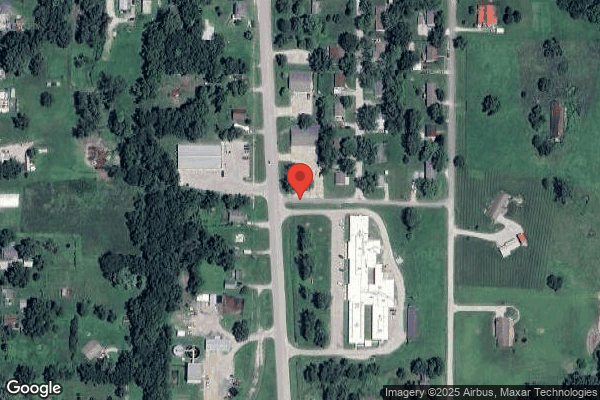
Nov 2023 1 deficiency
CONCERN (D) 📢 Someone Reported This

A family member, employee, or ombudsman was alarmed enough to file a formal complaint

Potential for Harm - no one hurt, but risky conditions existed

Quality of Care (Tag F0684)

Could have caused harm · This affected 1 resident

**NOTE- TERMS IN BRACKETS HAVE BEEN EDITED TO PROTECT CONFIDENTIALITY** Based on observation, interview and record review, the facility failed to ensure that one resident (Resident #1) out of sampled ...

Read full inspector narrative →
**NOTE- TERMS IN BRACKETS HAVE BEEN EDITED TO PROTECT CONFIDENTIALITY** Based on observation, interview and record review, the facility failed to ensure that one resident (Resident #1) out of sampled five residents, received necessary care and treatment in accordance with professional standards of practice to attain or maintain the highest practicable physical, mental, or psychosocial well-being; when the facility staff failed to obtain further testing orders from the physician or send the resident for a medical evaluation until nine days after an unwitnessed fall, causing a delay in treatment for a right hip fracture. This resulted in the staff not treating the resident's pain appropriately and placing the resident at risk for further injury of the leg and hip when the facility staff continued to transfer the resident to and from chair to bed without ensuring professional standards of care were completed first. The facility census was 33. The facility did not provide a fall policy. The facility did not provided any in-servicing or training documentation regarding falls, the management of falls or the process after a resident fall. The facility provided a tips for investigating sheet from a fall prevention manual dated June 2006. Which showed: Nothing to address the care or interventions following a fall from the nursing staff. 1. Review of Resident #1's Quarterly Minimum Data Set (MDS), a federally mandated assessment completed by facility staff on 9/24/23., showed: -Brief Interview for Mental Status (BIMS), an assessment tool used to determine the level of intact cognition score was 15, indicating fully intact cognition. -Moderate assist of two for transfers/mobility related to impaired mobility and balance with use of a gait belt. -Moderate assist of one for personal hygiene and grooming, related to impaired physical functioning limitations. -Diagnoses: Parkinson's disease (neurological condition which causes excessive shaking of the body), Peripheral neuropathy (numbness and tingling sensation of hands and feet that causes pain), Anxiety, Depression, Bipolar Disorder. -Risk for falls related to impaired mobility, balance, and pain. Review of the resident's Care Plan, last updated on 12/27/23., showed: -No revisions to the resident's care plan in 11 months. -Staff to monitor for the effectiveness of pain medication and report to physician if ineffective. -The resident was at risk for falls due to leaning forward in wheelchair to pick items up off the floor. - Staff to provide activities of daily living, grooming and hygiene care. Review of the resident's October nursing progress notes and medication record, showed: - On 10/23/23 at 10:30 A.M., Licensed Practical Nurse (LPN) A was called to the resident's room where the resident was found lying on the floor on his/her right side with complaints of discomfort to the right leg. The fall was unwitnessed. No as needed (PRN) Tylenol (a medication used to treat mild pain and fever) was administered to the resident on this day. LPN A documented that range of motion (ROM) was performed and with in normal limits. LPN A notified the resident's representative of the resident's fall. LPN A left a message for the resident's physician. - On 10/24/23 at 12:20 A.M., LPN B documented the resident complained of pain with transfers and that routine pain medication was administered. PRN Tylenol was provided on the day shift by Registered Nurse (RN) A, pain documentation was not found or assessed if Tylenol was effective. No update regarding physician's message regarding the fall. - On 10/24/23 at 3:17 P.M., RN A documented transferring of resident with two assistance and limited weight bearing, lower extremity weakness. No documentation regarding gait belt use. Up in wheelchair, resting, no indication of pain during shift. Medication record indicated PRN Tylenol was provided during RN 's shift. - On 10/25/23 at 1:36 A.M., LPN B documented resident complained of pain in the right leg, and documented that routine scheduled Tramadol (pain medication to treat mild to moderate pain) 50 mg 1/2 tablet was provided to the resident at 8:00 P.M. Routine Tylenol 325 mg (milligram) 2 tablets scheduled during day and in the evening. The facility staff did not give the resident any PRN doses of Tylenol. No documentation regarding follow up with the physician regarding pain in right leg or that physician received the message on the date of fall. - From 10/26/23-10/29/23 no documentation regarding follow up with physician about fall, pain in right leg. The facility staff did not give the resident PRN Tylenol. Routine Tramadol 50 mg 1/2 tablet at bedtime, and routine Tylenol 325 mg 2 tablets provided twice daily in the A.M. and afternoon. The facility staff documented the resident was up in his/her wheelchair, transferred by staff to and from bed. - On 10/30/23 at 9:23 A.M. LPN A documented resident complained of right hip at a level 10 (10 indicates highest level of pain) with transfers. The resident's physician was notified and received an order for mobile x-ray of the right hip. No new orders for pain medication was obtained from the physician. - At 2:05 P.M. on 10/30/23 the mobile x-ray arrived. LPN A documented that resident had been up in wheelchair to the dining room for meals with pain, pain with x-ray being obtained, and pain with transfers. PRN Tylenol 325 mg 2 tablets was given in the night around 11:00 P.M. -On 10/31/23 at 6:21 A.M., LPN A documented received fax report that resident had Acute Impacted Fracture of the Intertrochanteric Right Femur (broken hip into the femur neck). He/She called the physician and orders received to send resident to hospital of family's choice. -On 10/31/23 at 6:55 A.M., the resident left the facility via ambulance to local hospital for orthopedic care of broken right hip. Review of the X-ray report of the right hip showed: -The faxed report was dated 10/30/23 and was transmitted by fax to the facility on [DATE] at 6:46 P.M. Documentation of the report received by the facility staff was not until 10/31/23 at 6:21 A.M. - The findings of the right hip x-ray read as fracture of the right femur into the femoral neck (hip), significant Osteopenia (Bone loss), large amount of stool in intestine and rectum. During an interview on 11/3/23 at 2:15 P.M., Certified Nursing Assistant (CNA) A, said: - He/She did not witness the resident's fall and was told the resident had fallen out of his/her wheelchair last week. - On the day the resident went to the hospital, the resident was screaming in pain. This pain was different than the resident's normal pain. - If a resident was on the floor, he/she would notify the nurse immediately. - The resident spent most of day in wheelchair, in his/her room. - The resident could make his/her needs known, but was confused at times. During an interview on 11/3/23 at 2:35 P.M., LPA A said: - The resident required two staff to assist for transfers, and the resident's fall from the wheelchair was not witnessed by staff on 10/23/23. - He/She assisted with the transfer of the resident off the floor when found lying on the floor on the right side, but could not remember what other staff person assisted with the transfer of resident off of the floor. -He/She notified the resident's responsible party and sent a message to the nurse practitioner regarding the unwitnessed fall on 10/23/23 and did follow up with the physician again on 10/30/23 when pain level was described by the resident as a level 10. -He/She completed range of motion on the resident and did not believe that residents pain level warranted an X-ray on 10/23/23. -He/She said it was not until 10/30/23 when the resident was screaming that he/she requested a mobile X-ray. -He/She did not ask for additional pain medication be ordered for the resident. -He/She did not ask for an order to transfer to local hospital for evaluation of right leg pain. During a record review and interview on 11/3/23 at 2:45., the Administrator said: -There was no concerns with a possible fracture until it was confirmed with an X-ray on 10/31/23. -The resident would have told us if something was bothering him/her. -The resident did not complain of pain after he/she fell from the wheelchair. -He/She stated that the nursing staff had managed the resident's fall appropriately. -He/She confirmed that evaluation of the resident's right leg/hip was not until 9 days post fall. During a interview on 11/3/23 at 3:30 P.M., the Resident's legal guardian said: - He/She felt that the facility waited too long to send the resident to the hospital. - The resident would not be returning to the facility after recovering from surgery. - That he/she felt like the facility didn't care. MO226679
Jan 2023 8 deficiencies
CONCERN (D)

Potential for Harm - no one hurt, but risky conditions existed

Deficiency F0645 (Tag F0645)

Could have caused harm · This affected 1 resident

Based on observation, interview and record review, the facility failed to ensure staff completed a Level II PASARR (a federally mandated screening process for individuals with serious mental illness a...

Read full inspector narrative →
Based on observation, interview and record review, the facility failed to ensure staff completed a Level II PASARR (a federally mandated screening process for individuals with serious mental illness and/or intellectual disability/developmental disability related diagnosis who apply or reside in Medicaid Certified beds in a nursing facility regardless of the source of payment.). This affected one of 12 sampled residents (Resident #22). The facility census was 35. 1. The facility did not provide a policy for completing Level I (Pre-admission Screening for Mental Illness/Mental Retardation or Related Condition) and Level II PASARRs. Review of Resident #22's Level I nursing facility pre-admission screening for mental illness/mental retardation or related conditions, dated 2/13/15, showed: -Section B. Level 1 screening criteria for serious mental illness: 1. Person shows signs or symptom of major mental disorder including anxiety, paranoia, loneliness, and irritability 2. Person has been diagnosed as having schizophrenia, paranoid type 3. Person has had serious problems in levels of functioning in last six months 4. Person has received intensive psychiatric treatment in past two years Review of Resident's quarterly Minimum Data Set (MDS), a federally mandated assessment instrument completed by facility staff, dated 10/29/22, showed: - admission date of 5/5/22; - Staff made no indication on if resident had been evaluated by Level II PASRR and determined to have a serious mental illness and/or mental retardation or a related condition; did not indicate whether or not the resident had a serious mental illness, mental retardation or other related condition; - A Brief Interview for Mental Status (BIMS) score of 13, indicating no cognitive deficit; - A Resident Mood Interview score of 02, indicating minimal depression; - No behaviors during the assessment period; - Diagnoses included anxiety, depression, psychotic disorder (a severe mental disorder that causes abnormal thinking and perceptions) and schizophrenia (a mental disorder characterized by disruptions in thought processes, perceptions, emotional responsiveness, and social interactions). Review of the resident's physician's orders dated 1/1/23 to 1/31/23 showed: -Diagnosis of schizophrenia, anxiety, depression, and chronic psychosis Review of the resident's electronic medical record (EMR) on 1/17/23, showed no evidence of completion of the Level II PASRR form. During an interview on 1/17/23, at 8:54 A.M., the Social Services Director, said: -He/she could not locate Level II PASARR and checked the system and verified that one has not been done; -Resident #22's chart shows he/she should have one done but he/she could not locate one; During an interview on 1/18/23 at 7:35 P.M., Administrator said: -Social Services Director completes the the PASRR -Social Services has a binder where PASRRs are maintained and should ensures PASRRs are done and a copy is placed in the binder in Social Services office. -PASRRs should be completed prior to someone moving in as a part of the pre-admission process. -Social Services Director has received training from corporate staff members and consultants regarding completing a PASRR.
CONCERN (D)

Potential for Harm - no one hurt, but risky conditions existed

Comprehensive Care Plan (Tag F0656)

Could have caused harm · This affected 1 resident

Based on observation, interview and record review, the facility failed to ensure staff developed, implemented and updated a comprehensive, person-centered care plan which affected one resident (Reside...

Read full inspector narrative →
Based on observation, interview and record review, the facility failed to ensure staff developed, implemented and updated a comprehensive, person-centered care plan which affected one resident (Resident #4) by not addressing care resident preferences regarding personal care. The care plans were not written with person-specific goals with measurable objectives and times frames in order to evaluate the resident's progress towards obtaining his/her goals. The facility census was 35. Review of the facilities undated Comprehensive Care Plan Policy that was provided showed: - The purpose to provide an individualized comprehensive care plan that includes measurable goals and time frames specific to the resident's needs and choices. This will be completed to help the resident attain their highest practicable level of well-being and will be updated as needed to reflect challenges and strengths of the resident. 1. Review of resident # 4's Significant Change Minimum Data Set (MDS) a federally mandated assessment instrument, completed by facility staff, dated 11/10/22 showed: - Alert and Oriented with a Brief Interview for Mental Status (BIMS) score of 15 as cognitively intact. - Choice of showers and bathing is important to the resident. - Requires staff assistance of one to provide personal hygiene and grooming, including shaving. - Requires staff assistance to stand by and assist with transfers and ambulation. Review of the resident's current care plan dated 1/4/23 showed: -Resident is on comfort care hospice, and the resident has an order to discontinue hospice services in January 2023. - Weekly showers and as needed. The resident is requesting three times a week bathing. - Staff assist with personal hygiene, grooming and ambulation with resident pushing his/her four wheeled walker. - The care plan did not include the resident's preference for facial hair removal or preference for a shower at least three times a week. Observation on 1/16/23 at 11:20 A.M., showed: - The resident up in wheelchair, propelling self with feet, down the facility hallway; dressed with oily hair and two inch facial hairs on the resident's chin. During an interview on 1/16/23 at 11:45 A.M., the resident said: - I would like to have a shower more than once a week. - I don't like having hair on my chin, it is embarrassing when I am around others like in the dining room and at bingo. - I would like to be walked with my walker, or by pushing my wheelchair, but I need someone with me because I might fall. I am told often by the staff that they don't have time to walk me. - Resident is concerned for a decline in his/her physical abilities with the lack of mobility support from the nursing staff. During an interview on 1/17/23 at 8:47 A.M., Certified Nursing Assistant (CNA) A said: - That women residents are shaved on their bath/shower days only. - Women can be shaved on non-shower days, if it is requested and time if available to do it. - A residents who is requesting to be bathed more than once a week or shaved as needed should have his/her preferences honored. - The number of showers per week and the residents needs regarding removal of facial hair should be care planned so the staff know what to do. During an interview on 1/18/23 at 7:36 P.M., the Director of Nursing said: - Daily cares should always include the monitoring of all resident's facial hair and honoring the requests of residents who wish to have more than one shower a week. - She expects that all resident's specific goals, challenges and wishes regarding care is care planned according to the residents current needs or goals. During an interview on 1/18/23 at 8:00 P.M., the Administrator said: - She expects her staff to anticipate and to provide care to meet the needs of the residents, including personal grooming, shaving of facial hair, and showers/bathing. - It is her expectation that resident care plans be updated and coordinated to reflect the current needs of the resident.
CONCERN (E)

Potential for Harm - no one hurt, but risky conditions existed

Safe Environment (Tag F0584)

Could have caused harm · This affected multiple residents

**NOTE- TERMS IN BRACKETS HAVE BEEN EDITED TO PROTECT CONFIDENTIALITY** Based on observation, record review, and interviews, the facility failed to provide a safe, clean, comfortable and homelike envi...

Read full inspector narrative →
**NOTE- TERMS IN BRACKETS HAVE BEEN EDITED TO PROTECT CONFIDENTIALITY** Based on observation, record review, and interviews, the facility failed to provide a safe, clean, comfortable and homelike environment for all residents of the facility, when the staff did not keep rooms clean, floors throughout the building clean and in good repair, doors and walls in all the hallways and in resident rooms scuffed with missing paint, missing closet doors, and an overall un-cleanliness about the building which affected all of the facility's three residence halls, all common areas of the facility and outside around the entire building. The facility census was 35. The facility did not provide a policy regarding their daily cleaning check list or deep clean schedule, nor did the facility provide a policy regarding the stripping and waxing of facility floors, nor did the facility provide a policy on painting or repairs of the building or grounds maintenance. 1. Observations on 01/16/23 showed: -room [ROOM NUMBER], at 11:23 A.M. -multiple scratched areas on the wall behind the bed, -bedroom entry door frame scratched and rusted -floor tiles discolored yellow/tan -room [ROOM NUMBER], at 11:29 A.M. -restroom floor is sticky, and discolored yellow/tan -resident toilet with rust at joint of seat and commode, and at base of toilet -baseboard missing in corner of restroom. -bedroom and bathroom floor have black spots/specks on floor that do not wipe away, -yellow/tan discolored flooring throughout room and bathroom. -room [ROOM NUMBER] at 11:35 A.M. - torn area, approximately 3 feet in length, in the wall behind resident's recliner chair -yellow/tan discolored flooring throughout room and bathroom -room [ROOM NUMBER] at 11:37 A.M. - restroom floor stained with rusty brown/ black areas on tile and grout. -restroom door has rusted scratch marks and chipped paint -room [ROOM NUMBER] at 11:39 A.M. -bedroom with multiple scratch and scuff marks on the wall behind the bed. -restroom floor stained with yellow/brown/black areas -room [ROOM NUMBER] at 11:45 A.M. - multiple scuffs and tears on bedroom walls. -bathroom floor with rust/yellow discoloration around toilet. -room [ROOM NUMBER] at 11:50 A.M. -multiple scuffs and scratches in wall behind resident's bed. -ceiling tile has envelope size hole in corner by entry door. -sprinkler head has rust colored spots on spout -room [ROOM NUMBER] at 11:54 A.M. -multiple cracks in the tile under windows. -bedroom floor stained with dark brown/black areas throughout, -Scuffs and discoloration to wall behind resident's bed and dresser. -100 hall at 11:48 A.M. -baseboards have thick dark brown/black crust at wall edge and floor edge. -Dirty utility room door with a yellow brown substance running down the lower 1/3 portion of door to floor. -dining room fan is coated in thick gray fuzz and debris. -piano has thick coat of dust. -exit to patio is held shut with wooden blocks and towel at bottom of door. 2. Observations beginning on 1/16/23 at 9:30 A.M., and continuing through the last date of onsite, 1/18/23, showed the following: - The main entrance lobby floor tiles gray in color from the buildup of old wax and dirt. This continued through both of the dining room areas and the north hallway as well as resident rooms numbered from 1-14 on the north hallway; - The doors and door frames of every room and locked storage area on the north hall have peeling paint; - The facility courtyard which is visible to the residents has trash from fast food and foam cups, leaf build-up, and debris piled up; - The North hallway walls have repaired patches that need sanded, and repainted; - The North hallway resident room's 5,7,8,12 are empty with overflow equipment being stored in these rooms. These empty rooms are in need of paint repairs, and removal of old dirty wax. - The wall between the chapel door and kitchen door is falling in at the baseboards; - Paint on all the walls of the dining room were scuffed with missing paint; - The baseboards in the dining room, scuffed and large amounts of dirt on the floors under them; - All of the floors in the dining room, front entrance and nurses' station were sticky even after being mopped, dirty, scuffed with missing finish. - The North hallway's wooden handrails on the hall are loose with exposed rough wood. Observation on 1/18/23 at 9:30 A.M., of the North hall room [ROOM NUMBER] showed: - The toilet seat was stained brown and loose fitting; - The bathroom door scuffed with missing paint. - The baseboard was pulled away from the wall in the corner of the room; During an interview on 1/16/23 at 12:10 A.M. Housekeeper A said: -Resident rooms and bathrooms are mopped and cleaned daily. -He/she does not clean ceiling fans. -He/she is not sure who is responsible for ceiling fans. 3. During an interview on 1/16/23 at 11:10 A.M., Resident #14 said his/her room is sort of cleaned every day, but do not clean well enough. During an interview on 1/17/23 at 11:46 A.M., Resident #4 said his/her room was not cleaned every day, but understands that is a shortage of help. During an interview on 1/18/23 at 4:42 P.M., LPN A said: - The facility needs updating, painting, and the flooring is in rough shape. During an interview on 1/18/23 at 4:46 P.M., CMT A said: - If the staff see something that is broke or needs repair the staff will fill out a maintenance request form and we also tell the director of maintenance if he is in the building. During an interview on 1/18/23 at 8:10 P.M., the Administrator said: -He/she expects a clean homelike environment and repairs to be completed as necessary. - There has been no acting housekeeping supervisor in some time.
CONCERN (E)

Potential for Harm - no one hurt, but risky conditions existed

ADL Care (Tag F0677)

Could have caused harm · This affected multiple residents

**NOTE- TERMS IN BRACKETS HAVE BEEN EDITED TO PROTECT CONFIDENTIALITY** 3. Review of Resident #35's Quarterly MDS, completed on 1/2/23., showed: - Cognitively Intact with a BIMS score of 12; - Two per...

Read full inspector narrative →
**NOTE- TERMS IN BRACKETS HAVE BEEN EDITED TO PROTECT CONFIDENTIALITY** 3. Review of Resident #35's Quarterly MDS, completed on 1/2/23., showed: - Cognitively Intact with a BIMS score of 12; - Two person physical assist with all personal hygiene and grooming; - Diagnoses of : Weakness, high blood pressure, brain bleed, generalized muscle weakness, stiff and sore joints. Activities of Daily Living Observation on 1/16 /23 at 12:45 P.M., showed: - Resident up in wheelchair leaving the dining room with noticeable facial hair about an inch in length. - Fingernails are long about an inch past the finger tip and dirty. - Resident is extremely hard of hearing and wife answers most questions for him. During an interview on 1/16/23 at 12:50 P.M., the resident and his/her spouse said: - That bathing is not offered enough; - That shaving is not offered daily; - That they are told by the staff they do not have time; - I would like to be shaved every morning; - I would like my fingernails cut once a week after my bath. During an interview on 1/17/23 at 8:47 A.M., CNA A said: - Shaving is done on shower days and as needed for all residents; - Agreed that residents who can make their needs known should still be monitored for ADL care needs; - Resident nail care and trimming is done on shower days. During an interview on 1/18/23 at 7:45 P.M. the Director of Nursing said: - That she would expect all residents to also be shaved on shower day and as needed by nursing staff; - That she would expect finger nails to be monitored for cleanliness and trimmed as needed by nursing staff. - She expects all residents who want a shower more than one time a week, for that request to be honored. During an interview on 1/18/23 at 8:10 P.M., the Administrator said: - Resident fingernails should be trimmed and cleaned as needed. - She expects nursing staff to monitor the needs of the residents and accommodate the requests for showers and shaving for all residents. Based on record review, and interview, the facility failed to ensure 3 of 16 sampled residents who required staff assistance (Resident #16, #18, #35) received assistance with grooming, and one resident (Resident #16) received incontinence care in a timely manner. The facility census was 35. Review of the facility provided undated policy for A.M. Care (Early Morning Care) showed in part: -Purpose is to provide cleanliness, comfort and neatness. Review of the facility provided undated policy: Nails, Care Of (Fingers and Toes) showed in part: -To provide cleanliness, comfort, prevent the spread of infection. -The nurse assistants may perform nail care on the residents who are not at risk for complication of infection . Review of the facility provided undated policy: Perineal Care showed in part: -Purpose is to cleanse the perineum and prevent infection and odor. Review of facility provided undated Shower Sheet instructions showed: -Staff are to complete a shower sheet for each resident on their shower day whether they take a shower or not. -Staff are to fill shower sheets out completely. -If the resident refuses, put the number of times attempted and the reason for not showering. -Notify the Charge Nurse so they can attempt to persuade the resident. -If the shower sheet is signed the shower is completed, including a shave and nail trimming. 1. Review of Resident #16 Omnibus Reconciliation Act ( OBRA) admission Minimum Data Set (MDS: a federally mandated assessment tool completed by facility staff) dated 1/4/23 showed in part: -Brief Interview of Mental Status (BIMS) of 8 (indicates moderate cognitive deficit) -Need for extensive assistance with Activities of Daily Living (ADLs: activities related to personal care, including: bathing/ showering, dressing, using the toilet, and eating.) -Frequently incontinent of urine -Always continent of bowel -Diagnosis of Parkinson's Disease (a brain disorder that causes unintended or uncontrollable movements, such as shaking, stiffness, and difficulty with balance and coordination), acute respiratory failure, dysphagia (difficulty swallowing - taking more time and effort to move food or liquid from your mouth to your stomach), Post Traumatic Stress Disorder (PTSD a mental health condition that's triggered by experiencing or witnessing a terrifying event), major depressive disorder, borderline personality disorder (a mental health disorder that impacts the way you think and feel about yourself and others, causing problems functioning in everyday) Review of Resident #16 Comprehensive Care Plan dated 6/20/19 with a review date of 1/5/23 by Director of Nursing showed: -Potential for decline in ADLs -The resident will maintain his/her current level of independence. -Assist with bathing and dressing that he/she cannot do. -Assist with transfers and walking using a gait belt as needed -Provide supplies needed for personal grooming and hygiene and assist as needed. -No care plan for incontinency of urine. Observations on 01/18/23 beginning at 8:10 A.M. showed: -The resident on his/her back in bed and his/her sweat pants are soiled/wet in the groin area. -His/her face is dry with flaky white skin, and unshaven. -His/her room has a foul, musty odor. -Certified Medication Technician (CMT) A administered the resident's medication - 10:23 A.M. the resident remains on his/her back. His/her room continues to have musty, foul odor. Feces and urine noted on the resident's sweat pants, incontinent pad on the bed, and beginning to saturate the fitted sheet. -10:59 A.M. Certified Nurse Aide (CNA) C entered the resident's room and removed O2 tubing from chest. His/her pants/incontinent pad/bed remained soiled. then left the resident's room without providing incontinent care. -11:20 A.M. CNA A and CNA C provided incontinent care. The resident's incontinent brief was saturated with urine and feces, the inner lining was beginning to peel. His/her sweat pants were saturated through onto the incontinent pad. The incontinent pad was saturated through, and beginning to saturate the fitted bottom sheet of the bed. The resident's buttocks, and genital area are dark red/purple in color. During an interview on 1/18/23 at 5:13 P.M. Licensed Practical Nurse (LPN) A said: -He/she expects dependent residents to be checked and changed as needed. -Some residents are checked every two hours some are checked more, and some may be longer, depending on the resident and their individual needs. -Resident #16 has had a decline and should be checked at least every two hours. 2. Review of Resident #18 Significant Change MDS dated [DATE] showed: -BIMS of 10: indicates some cognitive impairment -Total dependence on staff for ADLs of transfers, dressing and toilet use -Extensive assistance from staff for ADLs of eating and personal hygiene -Always continent of urine -Occasionally incontinent or bowel. -High risk for pressure ulcerations. -Diagnosis of Bipolar Disorder (a mental health condition that causes extreme mood swings that include emotional highs and lows, Schizophrenia (a serious mental disorder in which people interpret reality abnormally.), need for assistance with personal care, morbid obesity. Review of the resident's Comprehensive Care Plan dated 11/1/17 with review on 11/18/22 showed: -The resident is at risk for skin breakdown due to decreased mobility and urinary incontinence. -Peri-care after each incontinent episode and at least two times daily. -Toilet before and after meals, at bedtime and as needed. -Resident requires assistance with ADLs -Assist with bathing at least two times weekly. -Assist with grooming and personal hygiene as needed Review of the resident's shower sheets showed: -Bath/shower days are Wednesday and Saturday -No shower sheets completed for 1/11. During an interview on 1/18/23 at 8:35 A.M. the resident said: -He/she does not get perineal/incontinent care unless he/she is in the shower. -He/she does not always receive showers two times weekly. -He/she was up at 5 A.M. this A.M. and has been sitting in his/her wheelchair since getting up. -His/her bottom and front are very sore. -It is not unusual for his/her bottom front to be sore. Observation on 1/18/23 at 8:35 A.M. showed: -He/she is in blue pajama pants, sitting up in a wheelchair at nurse's station. -He/she has several days growth of facial hair. -His/her facial skin is dry and flaking. -He/she has a odor of urine. Observation on 1/18/23 at 10:49 A.M. showed: -The resident remains at the nurse's station. -He/she remains in blue pajama pants that are slightly wet in the groin area. -He/she has odor of urine. Observation and interview on 1/18/23 at 11:22 A.M. showed: -The resident remains at nurses station in blue flannel pants that are soiled in the groin area. -He/she said he/she is wet and his/her bottom is sore and hurting. Observation on 1/18/23 at 12:10 P.M. showed: -CNA B assisted resident to the bathroom. -His/her buttocks and groin are red and excoriated. During an interview on 1/18/23 at 9:10 A.M. CNA C said: -Shaving is part of the bath unless the resident does their own. -Resident #18 tells staff when he/she needs to be freshened up. -Resident #18 is not checked and changed every 2 hours, he/she lets staff know when he/she is incontinent. During an interview on 1/18/23 at 10:10 A.M. CNA B said: -Residents who need assistance should be checked and changed at least every two hours, and provided incontinent care as needed. -Care plans should be followed. During an interview on 1/18/23 at 5:13 P.M. Licensed Practical Nurse (LPN) A said: -He/she expects dependent residents to be checked and changed as needed. -Some residents are checked every two hours some are checked more, and some may be longer, depending on the resident and their individual needs.
CONCERN (E)

Potential for Harm - no one hurt, but risky conditions existed

Deficiency F0725 (Tag F0725)

Could have caused harm · This affected multiple residents

Based on observation, interview, and record review the facility failed to ensure there was an adequate number of staff to perform duties to enhance the residents' quality of life when the facility off...

Read full inspector narrative →
Based on observation, interview, and record review the facility failed to ensure there was an adequate number of staff to perform duties to enhance the residents' quality of life when the facility offered no current restorative nursing program for any residents, and failed to have licensed nursing coverage 24 hours a day. This affects the health and wellbeing of every resident in the building. The facility census was 35. Review of the facility staffing on 1/6/23, showed: -No staffing policy was provided by the facility. Review of the facility restorative nursing schedule and resident list on 1/6/23, showed: - No residents actively engaged in any restorative nursing program in the facility. Review of the Centers for Medicare and Medicaid Services 4th Quarter PBJ Staffing Data Report as of 1/10/23 showed: - The facility failed to have licensed nursing coverage 24 hour/day on 7/2/22, 7/31/22, 8/14/22, and 9/24/22. - The facility failed to have RN coverage on 7/2/22, 7/3/22, 7/4/22, 7/9/22, 7/10/22, 7/16/22, 7/17/22, 7/23/22, 7/24/22, 7/30/22,7/31/22, 8/6/22, 8/7/22, 8/13/22, 8/14/22, 8/20/22, 8/21/22, 8/27/22,8/28/22, 9/3/22,9/4/22, 9/5/22, 9/10/22, 9/10/22, 9/11/22, 9/17/22, 9/18/22, 9/24/22, 9/25/22. - The facility triggered for four or more days within the quarter with less than 24 hours/day for licensed nursing coverage. Review of the provided facility staffing sheets for July 2022 through January 18, 2023 showed: - No set monthly schedule for nursing staff. - Stapled papers for each day and shift, with multiple cross off's of names and new names wrote in. - Multiple days of no RN coverage and No LPN coverage on some or all of 7/2/22, 7/31/22, 8/14/22, and 9/24/22. - Staffing changes made most every day from July 2022- January 2023 showed staffing difficulties for all nursing staff. During an interview on 1/17/23 at 8:25 A.M., Certified Nursing Assistant (CNA) B, said: - Today I am the float CNA for the building, and have enough staff today, I will be doing showers. - We do not always have a designated shower aid. - We do not always have enough help in the building. - We need more nurses. During an interview on 1/18/23 at 7:45 P.M., the Director of Nursing said: - She was aware that having a Registered Nurse and a licensed nurses in the building is a regulation. - She expressed that all nursing staff shortages has been difficult to hire and retain since 2020. - She expressed that Registered Nurses specifically have been extremely hard to find for long term care. During an interview on 1/18/23 at 8:05 P.M., the Administrator said: - She was aware of the nursing staffing regulations. - That she was aware that nursing staffing shortages has been a challenge for the facility. - She has reached out to agencies for licensed nursing coverage when needed, and that agency staffing has been a struggle as well.
CONCERN (E)

Potential for Harm - no one hurt, but risky conditions existed

Deficiency F0727 (Tag F0727)

Could have caused harm · This affected multiple residents

Based on interview, Centers for Medicare and Medicaid Services [NAME] Report 1705D, and staffing record review, the facility failed to provide the services of a Registered Nurse (RN), other than the D...

Read full inspector narrative →
Based on interview, Centers for Medicare and Medicaid Services [NAME] Report 1705D, and staffing record review, the facility failed to provide the services of a Registered Nurse (RN), other than the Director of Nursing (DON), for eight consecutive hours per day, seven days a week. This affected all the residents in the facility. The facility census was 35. The facility did not provide a policy for RN coverage. 1. Review of the facility's Payroll Based Journal (PBJ) report for Quarter 4 showed: - No RN hours in the month of July, 2022 on: - Saturday, 7/2; - Sunday, 7/3; - Monday, 7/4; - Saturday, 7/9; - Sunday, 7/10; - Saturday, 7/16 - Saturday, 7/23; - Sunday, 7/24; - Saturday, 7/30 - Sunday, 7/31. - No RN hours in the month of August, 2022 on: - Saturday, 8/6; - Sunday, 8/7; - Saturday, 8/13; - Sunday, 8/14; - Saturday 8/20; - Sunday, 8/21; - Saturday, 8/27; - Sunday, 8/28; During an interview on 1/6/23 at 1:38 P.M., the Director of Nursing (DON) and the Administrator said: - They have no waiver for the staffing requirement. - The facility should have an Registered Nurse (RN) working eight hours a day, seven days a week; During an interview on 1/18/23 at 8:05 P.M., the Administrator said: - She is aware of the nurse staffing requirement but nursing staffing shortages have been a challenge for the facility. - She has reached out to staffing agencies for licensed nursing coverage as needed, and agency staffing has been difficult to get as well.
CONCERN (E)

Potential for Harm - no one hurt, but risky conditions existed

Food Safety (Tag F0812)

Could have caused harm · This affected multiple residents

Based on observation, record review, and interviews, the facility failed to store, prepare, and serve food in accordance to professional standards of food service safety when staff failed to fully dat...

Read full inspector narrative →
Based on observation, record review, and interviews, the facility failed to store, prepare, and serve food in accordance to professional standards of food service safety when staff failed to fully date opened items, discard leftover timely and failed to ensure all areas of the kitchen and food storage areas remained clean. The facility census was 35. Review of facility policy regarding storage of dry food and supplies, dated May 2015 included: -Shelving is to be kept clean and free of rust and chipped paint -Open boxes are to be effectively re-resealed. -Bulk crackers, cereal, cookies, pasta, etc. are to be stored and properly labeled in sealed containers. -Food grade plastic bags are to be tightly closed after being opened. -Food should be dated when stocked after delivery. Review of facility policy on food safety requirements, specifically regarding food storage, dated May 2015 included: -All food items must be properly labeled and dated. -All foods will be considered as 'leftovers' unless in the original container with an expiration date. Observation of the kitchen area on 1/16/23 at 11:02 A. M. showed: -The top rack in kitchen holding clean dishware with areas of rust. -Crumbs on the shelf below serving table. - In the dry storage area, spilled cereal laying on top of boxes and an open box of rice crispy cereal dated 11/3, no year listed. In the freezer area, two boxes stacked directly on the floor one contained carrots and the other contained sliced yellow squash, green peppers in zip lock bag dated 1/3, no year listed and an opened bag of meat, no date listed. Observation of the cooler area showed: - Multiple bags of opened cheese, not fully dated. -An opened bag of parmesan cheese, with no open date on the package. -An open bag of flour tortilla shells in a plastic bag that was not fully dated 11/25, no year listed. -An undated 5 lb roll of hamburger in a large brown basin tub with foil on one end. -Rust on the storage racks. -A build-up of dirt and grime on the fan. -The microwave handle sticky to the touch with food substances on it. - A tall white metal trash can overflowing with trash and trash on the floor around it. -Shelf underneath serving counters and steam table have crumbs on them. -The oven racks are leaning against side of oven and resting on floor. -The side of oven is covered in grease and grime. -Food and debris is caked onto the stove burner. -Dirt caked and sitting on top of pipes along wall under window by three compartment sink. Observation of the spice shelf show: -Opened black pepper with dated 11/10, no year -Opened lemon seasoning shows 3/25, no year -Opened chili seasoning shows 2/1, no year -Opened whole grain oats shows 12/15, no year -Opened sloppy joe packed mix shows 9/16, no year -Opened whole celery seed shows 9/16, no year During an interview on 1/18/23 at 3:59 P.M., Dietary Supervisor said: -Food should be labeled with the date it is opened and discarded three days later. -He/she has never documented the year on dates of opened foods. During an interview on 1/18/23 at 8:02 P.M., Administrator, said: -Food labels should probably include the year. -Expectation of kitchen is that it should be cleaned and sanitized.
CONCERN (F)

Potential for Harm - no one hurt, but risky conditions existed

Infection Control (Tag F0880)

Could have caused harm · This affected most or all residents

**NOTE- TERMS IN BRACKETS HAVE BEEN EDITED TO PROTECT CONFIDENTIALITY** Based on record review and interview, the facility failed to implement their water management policy and procedures to reduce th...

Read full inspector narrative →
**NOTE- TERMS IN BRACKETS HAVE BEEN EDITED TO PROTECT CONFIDENTIALITY** Based on record review and interview, the facility failed to implement their water management policy and procedures to reduce the risk of growth and spread of Legionella (bacteria that causes Legionnaires' disease, a serious type of pneumonia and did not review it annually. The facility also failed to ensure facility staff were informed on the facility's Water Management Plan. The facility was 35. Review of the CMS Quality Safety and Oversight (QSO), dated 6/2/17 and revised on 7/6/18, showed: - Facilities must have water management plans and documentation that, at a minimum, ensure each facility: Conducts a facility risk assessment to identify where Legionella (a [NAME] of pathogenic Gram-negative bacteria that includes the species L. pneumophila, causing legionellosis, all illnesses caused by Legionella, and other opportunistic waterborne pathogens (e.g. Pseudomonas, Acinetobacter, Burkholderia, Stenotrophomonas, nontuberculous mycobacteria, and fungi) could grow and spread in the facility water system. - The facility should develop and implement a water management program that considers the American Society of Heating Refrigerating and Air Conditioning Engineers (ASHRAE) industry standard and the Center for Disease Control and Prevention (CDC) toolkit. 1. Review of the facility's undated policy Titled Water Management Program to Reduce Legionella Growth included the following: - The facility will develop and implement a Water Management Program to inhibit microbial growth in building water systems that reduce the risk of growth and spread of Legionella and other opportunistic pathogens in water; - The facility will create a water management committee which will consist of the Administrator, Director of Nursing, and the Maintenance Director; -The water management committee will conduct a facility risk assessment to identify where Legionella and other opportunistic waterborne pathogens could grow and spread in the facility water system; - The water management committee will implement a water management program that considered the ASHRAE industry standard and the CDC toolkit, and includes control measures such as physical control, temperature management, disinfectant level control, visual inspections, and environmental testing for pathogens. - The water management committee will specify testing protocols and acceptable ranges for control measures, and document the results of testing and corrective actions taken when control limits are not maintained. Review of the facility's undated Water Management Program showed the following: - Team: The water management team consists of the Administrator, the Maintenance Supervisor, the Director of Nursing (DON), one housekeeper, and one member of nursing staff. The team will meet bi-monthly (on even months) and as needed to examine the program effectiveness and smoothness of operation and to amend the procedures as needed. - The maintenance supervisor will do monthly temperature checks; - The housekeeper will inspect for signs of biofilm (a complex structure of microbiome having different bacterial colonies or single type of cells in a group; adhere to the surface and forms when bacteria adhere to surfaces in moist environments by excreting a slimy, glue-like substance) on the South end; - Nursing Assistant will inspect for signs of biofilm on the North end; - The DON and the Maintenance Supervisor will do monthly chlorine checks on the entire building; - The Administrator will assure that all inspections are taking place; - All members of the water management team will be fully trained on all aspects of the water management program before 9/1/17; - The log containing inspection results and the water management program for the facility will be kept in the Administrator's office; - Control Measures included the following: o Monthly temperature checks: Water heaters, faucets, shower heads and hoses. Hot water 110-120 degrees Fahrenheit (F) and cold water 50-68F; o Monthly visual checks: Water heaters, pipes, valves, fittings, shower heads, hoses, faucets, ice machines, eye wash stations, water softeners, heating and air conditioning units will be inspected for signs of biofilm or sediment; o Monthly chlorine checks: all faucets, shower heads, and ice machines will be checked monthly for the appropriate level of disinfectant using a dip/strip method; o Yearly cleaning: Faucets, shower heads, hoses, ice machines, hot water heaters, boiler, pipes, valves, fittings, water softeners, heating and air conditioners will be cleaned with a disinfecting mixture of ¼ teaspoon bleach to six gallons of water. This solution will also be used for PRN (as needed) cleaning of accumulated biofilm. - We will use the CDC suggested checklist to track all inspections. Review of the facility's Life Safety Code and infection control records showed no records of control measures being documented except for water temperatures dated 2018. During an interview on 1/19/23 at 11:55 A.M., the Maintenance Director said: - He did know anything about Legionella; - He did not know anything about the facility's water management program, no one trained him on it; - He was not doing any testing; - He checked water temps weekly. He picked rooms on each wing, ran the water for few minutes and documented. Water temperature checks were to ensure water was not too hot for residents and is adequate heat; - He was not aware of a water management committee; - He was the only one he was aware of who monitored the water in the facility. During an interview on 1/19/23 at 12:53 P.M., the Infection Preventionist/DON said: - She had been in the position since December 2022; - She had not received any training on Legionella; - She thought maintenance staff checked water temps; - She did not know what management's roll was in the water management other than reporting and making sure they are doing their checks, but that was more the administrator. During an interview on 1/19/23 at 12:59 P.M. the Administrator said: - She knew the facility was lacking on the water program; - There had not been a committee meeting for water management in a year and a half; - She did not have any records of any monitoring; - She was not familiar with the water management program, she just found it in the DON's office.
Nov 2019 12 deficiencies
CONCERN (D)

Potential for Harm - no one hurt, but risky conditions existed

Deficiency F0557 (Tag F0557)

Could have caused harm · This affected 1 resident

Based on observations and interviews the facility failed to respect the dignity of one resident (Resident #28) when staff did not assure resident's sides and abdomen remained covered when in public ar...

Read full inspector narrative →
Based on observations and interviews the facility failed to respect the dignity of one resident (Resident #28) when staff did not assure resident's sides and abdomen remained covered when in public areas for one of 14 sampled residents (Resident #28). The facility census was 52. The facility provided a copy of the Patient [NAME] of Rights, which showed: - Privacy and Respect. You shall be treated with consideration, dignity, respect and full recognition of your dignity and individuality, including privacy in treatment and in care for your personal needs. 1. Review of Resident # 28's Minimum Data Set, (MDS) a federally mandated assessment instrument completed by facility staff, dated 9/1/19, showed: - Moderately impaired decision making skills; - Required assist of staff with transfers and dressing; - Diagnoses that included bipolar disease and psychotic disorder. Observation on 11/6/19 at 2:01 P.M., showed the resident sat in his/her wheelchair in the special care unit dining room where staff assisted a group of residents gather for a meeting. The resident's front abdomen and sides were visible to all resident's in the room. The resident's green T-shirt lacked at least four inches from reaching his/her jeans. A portion of white undergarment also was visible for at least one hour. Observation on 11/8/19 at 1:58 P.M., the resident sat in his/her wheelchair up by the front entrance of the special care unit in the lobby by the door where visitors could enter the facility. The resident had on a pair of sweat pants and an orange and gray striped shirt that did not cover the resident's abdomen. At least four inches of the resident's abdomen and both sides were visible. Both male and female residents were in the lobby and hallway area. The resident started to propel him/her self to the vending machine located in the dining area when another resident came up and assisted the resident into the dining room as housekeeping staff opened the dining room doors for them. Other residents also entered the dining room. At 8:55 A.M., staff entered the dining room directly across from the resident, he/she did not assist the resident to adjust his/her clothing. During an interview on 11/8/19 at 1:09 P.M., Certified Nurse Aide (CNA) B said: - He/she floated throughout the facility and worked the SCU as well as the other hall; - Resident #28's shirts were too small; - He/she had talked to the social service staff about getting the resident some longer shirts; - In the past, social service staff monitored the resident's clothes if they were stained, had a hole or were too small, he/she took them out and replaced with others; - He/she did not know if CNAs could go through the resident's clothes and remove them. During an interview on 11/8/19 at 1:18 P.M., the Social Services Designee (SSD) said: - He/she usually heard from the resident or from staff if a resident needed clothes; - People donated clothes to the facility; - During holiday seasons, guardians wanted to buy clothes for the residents; - He/she did not routinely look in the closets to see if the residents needed clothing items; - Staff had told him/her about Resident #28 and he/she had found him/her some new sweat pants; - He/she had noticed when the resident was in his/her wheelchair that his/her abdomen showed; - A larger shirt might help. During an interview on 11/8/19 at 3:00 P.M., the Director of Nurses said: - Staff should pull down the resident's shirt or pull his/her pants up to cover the resident if skin was bare in public; - If more than one shirt allowed the resident's abdomen to show, he/she should have longer shirts; - Staff should report the need for longer shirts to the SSD.
CONCERN (D)

Potential for Harm - no one hurt, but risky conditions existed

Transfer Notice (Tag F0623)

Could have caused harm · This affected 1 resident

**NOTE- TERMS IN BRACKETS HAVE BEEN EDITED TO PROTECT CONFIDENTIALITY** Based on interviews and record review, the facility failed to ensure staff provided a written notice of transfer or discharge to...

Read full inspector narrative →
**NOTE- TERMS IN BRACKETS HAVE BEEN EDITED TO PROTECT CONFIDENTIALITY** Based on interviews and record review, the facility failed to ensure staff provided a written notice of transfer or discharge to residents and their responsible person, including the reason for the transfer in writing and in a language they understood. This affected three out of 14 sampled residents (Residents #7, #42, #33 ). The facility census was 52. 1. Review of Resident #7's quarterly Minimum Data Set (MDS), a federally mandated assessment instrument completed by facility staff, dated 7/30/19, showed: -admitted [DATE]; -Received diuretics (medication that can change sodium and potassium levels). Review of Resident #7's progress notes dated 10/7/19, showed: -Staff received an order to send the resident to the hospital due to critical lab level results. -The resident left the facility at 4:45 P.M. per ambulance. -Staff called the resident's mother and notified her that staff sent the resident to the hospital. -The social services designee (SSD) provided documentation of a letter sent to the resident's responsible person, but there was no documentation of a written discharge notice given to the resident. Review of the resident's progress notes, dated 10/19/19, showed that the resident returned to the facility from the hospital after treatment for low sodium and low potassium levels. 2. Review of Resident #42's quarterly MDS, dated [DATE], showed diagnoses that included asthma/COPD (chronic obstructive pulmonary disease-obstructs air flow in the lungs and interferes with normal breathing). Review of the resident's medical record showed: -9/12/19-sent to the hospital for evaluation related to changes in the resident's breathing status and admitted to the hospital with a diagnosis of pneumonia; -9/21/19-readmitted to the facility after a hospitalization for pneumonia; -No documentation that the resident received a written discharge letter. 3. Review of Resident #33's medical record and Electric (E Chart) showed: - Staff documented they received a new order on 10/30/19 to send the resident to a city hospital for evaluation and treatment of a positive urinalysis for a urinary tract infection. - The physician decided to treat the resident with a round of IV antibiotics as the resident had an allergy to oral antibiotics. - Staff documented readmission of the resident from the city hospital on [DATE] with a diagnosis of acute UTI. 4. During an interview and record review on 11/7/19 at 4:14 P.M., and 11/18/19 at 11:48 A.M., the SSD said he/she only gave discharge letters to residents' guardian or durable power of attorney (DPOA-person designated by the resident to make decisions for the resident). Review of documentation showed Resident #7's and Resident #42's responsible persons both received a discharge notification letter. He/she only mailed a notice of transfer to the resident's responsible party when the facility discharged them. He/she did not include in the letter the reason why he facility sent the resident to a hospital, just that the facility needed to send the resident to urgent care. During an interview on 11/8/19 at 3:00 P.M., the director of nurses (DON) said: -The SSD provided discharge notices. -He/she was not aware that both the resident and their responsible person should receive a written discharge notice.
CONCERN (D)

Potential for Harm - no one hurt, but risky conditions existed

Deficiency F0657 (Tag F0657)

Could have caused harm · This affected 1 resident

**NOTE- TERMS IN BRACKETS HAVE BEEN EDITED TO PROTECT CONFIDENTIALITY** Based on interview and record review, the facility failed to ensure staff developed and implemented individualized, person-cente...

Read full inspector narrative →
**NOTE- TERMS IN BRACKETS HAVE BEEN EDITED TO PROTECT CONFIDENTIALITY** Based on interview and record review, the facility failed to ensure staff developed and implemented individualized, person-centered comprehensive care plans that included measurable goals and timeframes to meet each resident's medical, nursing, mental and psychosocial needs. This affected one out of 14 sampled residents (Residents #8). The facility census was 52. Review of the facility's policy for comprehensive care plans, dated March 2015, showed: -The interdisciplinary care plan team, with input from the resident, family, and/or legal representative, will develop and maintain a comprehensive care plan for each resident that identifies the highest level of functioning the resident may be expected to attain; -The comprehensive care plan will be based on a thorough assessment that includes, but is not limited to, the MDS (Minimum Data Set, a federally mandated assessment instrument completed by facility staff); -Should include prevention of avoidable declines in function, managing risk factors to the extent possible, addressing ways to preserve and build upon resident strengths, respecting the resident's right to decline treatment, application of current standards of practice, evaluation of treatment goals, timetables and care outcomes, and assessing and planning for care to meet the resident's medical, nursing, mental and psychosocial needs; -Should be reviewed and updated by the interdisciplinary care plan team when a significant resident condition change occurs, at least quarterly, when changes occur that impact the resident's care; -Should be developed within seven days of the completion of the resident's comprehensive assessment. 1. Review of Resident #8's quarterly MDS, dated [DATE], showed: -Cognitively intact; -Required extensive assistance for bed mobility, transfers, toilet use and personal hygiene; -Had a urinary catheter (a sterile tube inserted into the bladder to drain urine); -Incontinent of bowel; -No discharge plans; -Did not want to talk with someone about the possibility of leaving the facility and returning to live in the community. During an interview on 11/5/19 at 10:53 A.M., the resident said he/she had someone to care for him/her and hoped to discharge back home. Review of the resident's social service progress notes, with the last entry on 11/6/19, showed no documentation related to the resident's discharge plans. Review of the resident's care plan, last revised on 11/7/19, showed no discharge planning related to plans to stay at the facility or to discharge back to the community. During an interview on 11/8/19 at 11:04 A.M., the MDS coordinator (MDSC) said: -He/she usually did not write a discharge care plan because the social service designee (SSD) had a form he/she filled out related to discharge information. -The MDSC should probably initiate the discharge care plan. -He/she just heard this week, possibly on Tuesday, that the resident might want to go home. -The department heads meet each morning and discuss things such as discharge plans, but he/she did not recall any previous discussion about the resident wanting to discharge back to home. During an interview on 11/8/19 at 11:41 A.M., the SSD said: -The resident told the SSD on Monday (11/4/19) that he/she wanted to discharge back home, hopefully by the end of this month. -He/she planned to talk to his/her boy/girlfriend, who would be his/her caregiver, and would let the SSD know his/her final plan. -The SSD had not documented anything yet, since the resident talked to him/her so recently, and because the resident was still making plans. -The resident discharged from the facility to home in April, then returned a few days later. -When the resident returned this last time, he/she did not have any plans to discharge back home because he/she knew it wouldn't work at that time. -The resident believes he/she is more medically stable now and might succeed at home this time. During an interview on 11/8/19 at 3:00 P.M., the Director of Nurses (DON) said discharge care plans should start upon admission and each resident should have one.
CONCERN (D)

Potential for Harm - no one hurt, but risky conditions existed

ADL Care (Tag F0677)

Could have caused harm · This affected 1 resident

**NOTE- TERMS IN BRACKETS HAVE BEEN EDITED TO PROTECT CONFIDENTIALITY** Based on observation, interview and record review, the facility failed to ensure staff provided complete peri-care to residents ...

Read full inspector narrative →
**NOTE- TERMS IN BRACKETS HAVE BEEN EDITED TO PROTECT CONFIDENTIALITY** Based on observation, interview and record review, the facility failed to ensure staff provided complete peri-care to residents who were incontinent and dependent on staff for care. This affected two of 14 sampled residents (Residents #7 and #46). The facility census was 52. Review of the facility's policy related to peri-care, dated March 2015, showed: -The purpose was to prevent infection and odor; -Gather supplies; -Provide privacy; -Ask the resident to separate his/her legs and flex the knees, if able, or have them lay on their side with legs flexed; -Put on disposable gloves (did not indicate when to wash/sanitize hands); - Make a mit with a wet washcloth, lightly apply soap, use on gloved hand to stabilize skin folds, and with the other hand, wash genital areas from front to back; -Rinse and pat dry -Turn the resident away from caregiver and use a new washcloth to cleanse around the rectal area, rinse and dry; -Position the resident on his/her back, remove gloves and wash/sanitize hands; -The policy did not address if there were other areas that staff should cleanse if the resident was incontinent of urine or fecal material or how often staff should get a clean moistened wipe or washcloth to cleanse after an incontinent episode. 1. Review of Resident #7's annual Minimum Data Set (MDS), a federally mandated assessment instrument completed by facility staff, dated 10/28/19, showed: -Cognitively intact; -Limited assistance required for toileting and personal hygiene; -Occasionally incontinent of bladder; -No skin issues. Review of the resident's care plan, last updated on 11/3/19, showed: -Peri-care after each incontinent episode and at least two times a day; -At risk for skin breakdown due to decreased bed mobility and urinary incontinence. During observation on 11/7/19 at 9:40 A.M., Certified Nurse Aide (CNA) A provided care for the resident in the following manner; -Gathered supplies; -Washed hands and put on gloves; -Placed wash cloths in the sink, ran water on them, then placed the cloths in a plastic bag and sprayed them with peri wash; -Positioned the resident in bed; -Removed his/her gloves, washed hands and put on new gloves; -Unfastened the resident's wet brief, then removed his/her pants and socks and stated that the resident's socks were wet too; -Cleansed under the resident's abdominal apron (excess skin that hangs at the bottom of the abdomen); -Obtained a clean cloth and used the same cloth to cleanse the resident's right groin and genital areas; -Did not cleanse the left groin area; -Turned the resident to his/her left side and removed the wet brief; -Wiped once across the resident's right buttock with the same wash cloth; -Removed his/her gloves and washed hands; -Applied barrier cream to a reddened area beneath the resident's right abdominal apron, then removed his/her gloves and washed hands; -Had the nurse check the reddened areas and apply medication; -Put clean pants and a brief on and pulled them up to the resident's knees, then put on clean socks, but did not wash the resident's feet, legs or the remainder of the resident's buttocks or rectal areas; -Assisted the resident to sit on the side of the bed, then applied a gait belt, stood the resident, pulled up the brief and pants, and assisted the resident to sit in the wheelchair; -Removed his/her gloves and washed his/her hands. During an interview on 11/7/19 at 2:10 P.M., CNA A said: -Staff should cleanse the front and back peri areas for a resident with a wet brief. -Staff should change wash cloths for each body area. 2. Review of Resident #46's care plan, updated 5/6/19, showed: - Assist to bathroom before and after meals, at bedtime and as needed; - Provide peri care after each incontinent episode and at least two times daily. Review of the resident's MDS, dated [DATE], showed - Impaired decision making skills; - Required assistance of staff with toilet use and personal hygiene; - Frequently incontinent of urine and occasionally incontinent of bowel. Observation and interview on 11/8/19 at 1:52 P.M., showed CNA B and CNA F transferred the resident to the toilet and provided perineal care in the following way: - Staff removed a brief soiled with urine and sat the resident on the toilet; - CNA B asked the resident to lean slightly forward on the toilet, took a wash cloth, reached behind the resident and wiped down toward the front, then back up from coccyx to rectum removing fecal matter with each wipe until the ninth wipe was clean; - CNA B stepped to the front of the resident, the resident sat back on the toilet and CNA B reached down and provided perineal care to the genital area, removing fecal matter with each wipe; - The last wipe from the genital area had a smear of fecal matter; - CNA B looked at the washcloth with the smear of fecal matter and said, there was no more fecal matter, changed his/her gloves before he/she assisted the resident to stand. CNA B did not wash the front genital area until clean and did not wash between the resident inner thighs. During an interview on 11/8/19 at 2:17 P.M., CNA B said: - He/she should only wipe front to back; - He/she tried to not touch the resident's skin when he/she reached behind him/her to clean fecal matter, there was much room; - He/she should have wiped until the washcloth was clean; - He/she should have cleaned all areas urine or feces could touch. 3. During an interview on 11/8/19 at 3:00 P.M., the Director of Nursing said: -Staff should cleanse everywhere the resident's skin is in contact with urine or fecal material, including the feet and legs, if the socks were wet. -Staff usually cleansed from the front peri area to the back. -Staff can wipe and fold a wash cloth three times, then they need to get a clean one. -Sometimes they should only use one wash cloth, if the cloth is fairly soiled. -If the cloth is visibly soiled with fecal material, staff should discard it and obtain a clean one. -Staff should not wipe from front to back then back to front multiple times, or with the same wash cloth. -If the resident is soiled with fecal material, staff may need to cleanse the front peri area, cleanse the back side, then cleanse the front peri area again, especially if the resident urinates again. -Staff should cleanse until no fecal material is visible on the wash cloth.
CONCERN (D)

Potential for Harm - no one hurt, but risky conditions existed

Respiratory Care (Tag F0695)

Could have caused harm · This affected 1 resident

**NOTE- TERMS IN BRACKETS HAVE BEEN EDITED TO PROTECT CONFIDENTIALITY** Based on observation, interview and record review, the facility failed to ensure staff provided proper respiratory care when the...

Read full inspector narrative →
**NOTE- TERMS IN BRACKETS HAVE BEEN EDITED TO PROTECT CONFIDENTIALITY** Based on observation, interview and record review, the facility failed to ensure staff provided proper respiratory care when they did not maintain the cleanliness of oxygen concentrators and oxygen concentrator filters for two of 14 sampled residents (Resident #7 and #49) and for Resident #11. The facility census was 52. Review of the undated oxygen concentrator maintenance information, provided in place of a policy, showed: -Use a damp cloth or sponge with a mild detergent, such as Dawn dish washing soap, to gently clean the exterior case. -Caution-Risk of Damage-to avoid damage to the internal components of the unit, DO NOT operate the concentrator without the filter installed or with a dirty filter. -Remove the filter and clean as needed. -Clean the cabinet filter with a vacuum cleaner or was with a mild liquid dish detergent and water. Rinse thoroughly. -Replace filter if any damage is found. -Reinstall the cabinet filter. 1. Review of Resident #7's annual Minimum Data Set (MDS), a federally mandated assessment instrument completed by facility staff, dated 10/28/19, showed: -Cognitively intact; -Diagnoses included congestive heart failure (CHF) and asthma/COPD (disease that obstructs air flow in the lung and interferes with normal breathing); -Received oxygen therapy. Review of the resident's November 2019 physician order sheet (POS) showed: -Check oxygen saturation every shift and maintain greater than 90% unless otherwise ordered; -Clean oxygen concentrator and clean filter weekly on Mondays. Review of the resident's October and November 2019 treatment records (TAR) showed: -Staff documented that they cleaned the oxygen concentrator filter on 10/21/19 and 10/28/19; -Did not document that they cleaned the filter during November as of 11/7/19 (11/4 was Monday). Observation and interview on 11/5/19 at 10:13 A.M. showed, and the resident said: -The oxygen concentrator alarm light stayed on all of the time. -Oxygen seemed to flow through the tubing, but the alarm stayed on. -He/she told staff, but nothing had been done yet. -The concentrator cabinet appeared dusty and dirty. Observation on 11/6/19 at 4:24 P.M., showed the resident sat in his/her recliner with oxygen on, and the resident told the certified nurse aide (CNA) about the orange alarm light on the oxygen concentrator and the CNA told the nurse. Observation and interview on 11/7/19 at 9:50 A.M. showed, and the resident said: -He/she had a different oxygen concentrator that seemed to be working ok. -The machine had two filters. The one on the left side was clean, but the one on the right side was covered with a fine, gray dust. 2. Review of Resident #49's quarterly MDS, dated [DATE], showed: -Cognitively intact; -Received oxygen therapy. Review of the resident's October and November 2019 TAR's showed: -Administer oxygen at 2-4 liters (l.) per nasal cannula to keep oxygen saturation levels above 90%; -Clean oxygen concentrator filter weekly on Mondays; -Staff documented that they cleaned the concentrator filter on 10/14 and 10/21; -Did not document that they cleaned the concentrator filter during November as of 11/7 (11/4 was Monday). Observation on 11/6/19 at 2:52 P.M., showed the resident was out of the room and the filter on the back of the oxygen concentrator in his/her room was covered with a light gray lent. Observation on 11/7/19 at 10:30 A.M. showed the resident lay in bed asleep with his/her oxygen on, and the oxygen concentrator filter remained covered with a light gray lent. 3. Review of Resident #11's admission MDS, dated [DATE], showed: -Severe cognitive impairment; -Diagnoses included CHF and asthma/COPD; -On no oxygen therapy. Review of the resident's October and November 2019 TAR's showed: -Diagnoses included pneumonia, COPD and heart failure; -Oxygen at 2 l. per nasal cannula to keep oxygen saturation levels above 90%; -Did not include instructions to clean the oxygen concentrator filter. Observation on 11/5/19 at 9:53 A.M. showed the oxygen concentrator in the resident's room had a place for a filter on the left side, but no filter present, and the filter on the right side had multiple clumps of a gray substance. During observation and an interview on 11/7/19 at 10:23 A.M., observation showed and the resident said: -The oxygen concentrator filter remained missing on the left side of the machine and the filter on the right side still had multiple clumps of a gray substance. -The resident said he/she recently had pneumonia and was using oxygen, but now used it less often. During an interview on 11/7/19 at 2:10 P.M., CNA A said: -He/she thought the night staff cleaned oxygen concentrator filters every week. -Staff should replace missing filters and clean dirty filters. During an interview on 11/8/19 at 3:00 P.M., the Director of Nurses (DON) said: -Staff should check and clean oxygen concentrator filters weekly and document it on the TAR. -Staff should make sure a filter is in place if there is a space for one on the machine. -Staff should clean a filters if the become dirty between weekly cleanings.
CONCERN (D)

Potential for Harm - no one hurt, but risky conditions existed

Unnecessary Medications (Tag F0759)

Could have caused harm · This affected 1 resident

Based on observation, interview and record review, the facility failed to ensure staff administered medications with an error rate of less than five percent. Staff made five errors out of 39 opportuni...

Read full inspector narrative →
Based on observation, interview and record review, the facility failed to ensure staff administered medications with an error rate of less than five percent. Staff made five errors out of 39 opportunities for error, resulting in an error rate of 12.82.%. This affected two of 14 sampled residents (Residents #7 and #9) and Resident #23. The facility census was 52. 1. Review of the facility's policy related to administration of eye medications, dated March 2015, showed; -Instill the eye drop on the center of the everted (turned outward) lower eye lid. -Instruct resident to close eye and gently press a tissue against the tear duct for one minute or by gentle closing of the eye for approximately three minutes after the medication instillation. Review of the facility's policy related to administration of nasal medications, dated March 2015, showed: -Assist the resident to a sitting position or lying with the head tilted backward. -Have the resident blow his/her nose and clean secretions from the nasal area with tissue wipes prior to administration of the medication. -Instill the amount ordered. -Instruct resident to remain in position a few minutes and gently inhale. Instruct the resident not to blow his/her nose. Review of the fluticasone nasal spray insert instructions for use showed: -Used to decrease nasal inflammation; -Blow your nose to clear your nostrils. -Close one nostril, tilt your head slightly forward and insert the nasal applicator into the other nostril. -Start to breathe in through your nose and press firmly and quickly down one time on the applicator to release the spray. -Breathe in gently through the nostril, then breathe out through your mouth. -If a second spray is required in that nostril, repeat the above steps. The facility policy related to aerosol treatments did not address the use of a multi-dose hand-held inhaler. Review of the Advair Diskus package insert for patient information and instructions for use showed: -Is a combination of two medications that decrease lung inflammation and help the muscles around the lung airways stay relaxed to prevent them from tightening; -Is used to treat asthma and COPD (chronic obstructive airway disease-a disease that obstructs air flow in the lungs and interferes with normal breathing); -Slide the lever away from the mouthpiece as far as it will go to set the dose; -Breath out as long as you can, put the mouthpiece to your lips and breath in quickly and deeply through the Diskus; -Hold your breath for about ten seconds, or as long as is comfortable; -Breath out slowly as long as you can; -Rinse your mouth with water and spit out the water. 2. Review of Resident #7's November 2019 physician order sheet (POS) showed: -Fluticasone nasal spray, administer two sprays to each nostril once a day; -Restasis ophthalmic drops (eye medication administered for dry eyes), instill one drop to both eyes twice a day; -Advair Diskus, inhale one puff by mouth two times a day. During an observation on 11/7/19 at 8:54 A.M., Certified Medication Technician (CMT) A administered medications to the resident in the following manner: - Washed hands and put on gloves; -Instilled one drop of Restasis in each of the resident's eyes and instructed the resident to close his/her eyes, which the resident did for one minute; -Instructed the resident to blow his/her nose, shook the fluticasone bottle, administered two quick sprays in each nostril, one after another, and did not occlude the opposite nostril during the medication administration; -Removed his/her gloves and washed his/her hands; -Set the Advair Diskus dose, held it to the resident's mouth, instructed the resident to inhale as CMT A administered the inhaler, then instructed the resident to rinse his/her mouth with water and spit; -CMT A did not instruct the resident to take a deep breath in and out before he/she administered the Advair Diskus and did not instruct the resident to hold the medication in for ten seconds, or as long as comfortable afterward; -CMT A removed his/her gloves and washed his/her hands. During an interview on 11/7/19 at 9:17 A.M., CMT A said: -Since the resident followed instructions to close his/her eyes, CMT A had the resident do that rather than applying lacrimal pressure. -The Restasis package insert did not instruct how long residents should close their eyes after administration and the instruction guide in the MAR did not give any instructions about lacrimal pressure or how long to close eyes after eye medication administration. -He/she did not know staff should occlude the opposite nostril when they administered nasal sprays, and did not know they should wait a minute between administration of the first and second sprays. -He/she had received instruction to have residents inhale and exhale before inhaler administration, and to have them hold the medication in a few seconds afterwards, but did not do that this time. 3. Review of the facility's policy related to medication administration, dated March 2015, showed: -Medications are given to benefit a resident's health as ordered by the physician. -Read the label three times before administration of the medication-when comparing the label with the medication administration record (MAR), when setting up the medication and when preparing to administer the medication. -Important-if the resident refuses the medication, indicate failure to administer the medication on the MAR by circling initials and making a notation on the back of the MAR. -The policy did not address what staff should do if they chose not to administer a medication according to nursing judgement. 4. Review of Resident #23's November 2019 POS showed: -Accu-checks (use of a machine to check blood sugar levels) before meals and at bedtime; -Novolog insulin (a fast-acting insulin used to lower blood sugar levels), administer 8 units (u.) three times a day; -Novolog insulin per sliding scale (doses given according to specific blood sugar ranges), 151-200 give 1 u., 201-250 give 2 u., 251-300 give 4 u., 301 or greater give 6 u. and hold if not eating. During an observation on 11/7/19 at 11:15 A.M., Registered Nurse (RN) A did the following as he/she administered insulin and checked blood sugars: -Took the resident to a room just off of the south dining room; -Checked the resident's blood sugar level, checked the MAR and said the blood sugar was 92, so he/she did not get any insulin; -The resident left and went into the dining room. During an interview on 11/7/19 at 3:42 P.M., RN A said: -He/she knew the resident had an order for 8 u. of Novolog insulin before each meal, plus a sliding scale insulin order. -He/she did not administer the 8 u. of Novolog insulin because the resident's blood sugar was only 92 and his/her blood sugar levels bottomed out quickly. -He/she held the insulin per nursing judgement. -The resident had no parameters that directed at what blood sugar level staff should hold an insulin dose. 5. Review of the website https://www.rapidactinginsulin.com/novolog.html showed: -Novolog is a mealtime insulin used to control high blood sugar levels. -Read the instructions for use and take exactly as directed. -Novolog is a fast-acting insulin. Eat a meal within 5 to 10 minutes after taking it. 6. Review of Resident #9's November 2019 POS showed: -Accu checks before meals and at bedtime; -Novolog insulin, administer 10 u. three times a day before meals. Observation on 11/7/19 at 11:22 A.M., showed RN A did the following: -Checked the resident's blood sugar level and said it was 324; -Administered Novolog 10 u. in the resident's left abdomen. Observation on 11/7/19 between 11:22 A.M. and 12:03 P.M., showed the resident sat in the south dining room where he/she received his/her meal at 12:03 P.M., 41 minutes after he/she received his/her insulin. He/she sat in the back of the dining room and was one of the last residents staff served. During an interview on 11/7/19 at 2:00 P.M., RN A said: -He/she forgot how long after fast-acting insulin administration staff should provide residents a meal. -He/she was not aware of any process to make sure residents who received insulin received their meals timely, but staff should pay more attention. During interviews on 11/8/19 at 3:00 and 4:30 P.M., the Director of Nurses (DON) said: -Staff should follow facility policy and manufacturer's guidelines related to administration of medications, including inhalers, eye medications, nasal sprays and insulin. -Staff should notify the physician if they hold an insulin dose and request clarification for hold parameters, if needed. -Staff should provide residents a snack or meal within 10 minutes after they administer a fast-acting insulin.
CONCERN (D)

Potential for Harm - no one hurt, but risky conditions existed

Deficiency F0761 (Tag F0761)

Could have caused harm · This affected 1 resident

Based on observation, interview, and record review, the facility failed to ensure staff labeled multi-use vial medications with an open or discard date; staff did not label a bottle of tuberculin (TB)...

Read full inspector narrative →
Based on observation, interview, and record review, the facility failed to ensure staff labeled multi-use vial medications with an open or discard date; staff did not label a bottle of tuberculin (TB) testing solution (skin test that checks for a serious infectious disease in the lungs) and did not label a multi-use vial of influenza vaccine. The north medication store room had 18 bottles of Curad packing strips (To pack wounds) with no expiration date. Staff had removed the pharmacy label on two boxes of resident's AZO (used for urinary infection pain) and placed the resident's medication into house stock. The facility census was 52. 1. Observation on 11/7/19 at 2:05 P.M., with the Director of Nurses (DON), of the north storage room showed: - One multi use bottle of TB testing solution opened 8/13/19 and a second multi use bottle opened but not dated; - One multi use bottle of influenza vaccine opened but not dated; - 18 bottles of Curad packing strips for wound packing with no expiration date; - Two boxes of AZO that had the resident's pharmacy label removed. During an interview on 11/7/19 at 2:15 P.M., the DON said: - Staff should date all multi-use bottles of vaccine when they first opened the bottle; - He/she thought the TB vaccine was only good for 28 days after staff opened it, the one opened in 8/19 should have been discarded; - Staff should never remove the pharmacy label from the resident's medications.
CONCERN (E)

Potential for Harm - no one hurt, but risky conditions existed

Safe Environment (Tag F0584)

Could have caused harm · This affected multiple residents

Based on observations and interviews,the facility failed to provide a clean environment for the residents when staff failed to clean floors in resident rooms, hallways and the dining room on the locke...

Read full inspector narrative →
Based on observations and interviews,the facility failed to provide a clean environment for the residents when staff failed to clean floors in resident rooms, hallways and the dining room on the locked unit. The facility census was 52. 1. Observations on all days of the survey 11/5/19, 11/6/19, 11/7/19 and 11/8/19 at varying times throughout the day showed: - Resident room floors on the north and south halls to appear dull with debris in the corners and under the heating and air conditioning units. The floors had blackened scuff marks and darkened areas that looked like a brownish residue underneath the wax. - The dining room on the locked unit had a metal threshold at least 12 feet long, on each side of this metal threshold there was blackened debris and scuff marks that at times were up to three and four inches from the edge of the metal. Along the walls the floor looked as though brown residue was beneath the wax. The baseboards looked as though a dirty mop had been pushed up against them, they were stained with a brownish substance. - Resident #51's floor had blackened areas about 12 inches long by six inches wide under the legs of the bed that looked like blackened scrapes where the bed had been moved back and forth. The resident had dust, lint and debris under the air conditioning unit and dark areas on either side of the threshold of his/her doorway that appeared to be residue under the wax. - The smoke/fire barrier doors close to resident #51's door had blackened areas in the corners behind the doors and around the door frames. - On the north hallway by the exit door the corners were a darkened brown, there was debris that could be moved with a pen. 2. During an observation and interview on 11/7/19, at 9:50 A.M., the maintenance supervisor (MS) said two floor level hard-wired electrical heaters on the north hall were not used due to having discolored the floor tiles by them. Observation showed discolored tiles within one to two feet of the heaters which were installed on the east corridor wall. Further observation of the north hall did show darkened areas, visible under the floor wax, alone the edges of the walls and on either side of thresholds to resident rooms. During an observation and interview on 11/8/19 at 11:00 A.M., the MS noted the darkened areas along the edges of the floor on the north hall and said he had been without a floor tech for the last two weeks and just got someone hired for the position.
CONCERN (E)

Potential for Harm - no one hurt, but risky conditions existed

Deficiency F0658 (Tag F0658)

Could have caused harm · This affected multiple residents

**NOTE- TERMS IN BRACKETS HAVE BEEN EDITED TO PROTECT CONFIDENTIALITY** Based on observation, interview and record review, the facility failed to ensure staff followed accepted standards of practice w...

Read full inspector narrative →
**NOTE- TERMS IN BRACKETS HAVE BEEN EDITED TO PROTECT CONFIDENTIALITY** Based on observation, interview and record review, the facility failed to ensure staff followed accepted standards of practice when staff did not administer insulin as ordered and did not notify the resident's physician, applied a medicated powder on top of skin barrier cream, did not identify and address red, sore skin timely, and administered expired insulin. This affected two of 14 sampled residents (Resident #7 and #41) and Residents #23, and #53. The facility census was 52. 1. Review of the facility's policy related to medication administration, dated [DATE], showed that medications are given to benefit a resident's health as ordered by the physician. The policy did not address what staff should do if they held a medication. 2. Review of Resident #23's [DATE] physician order sheet (POS) showed: -Accu-checks (machine used to check blood sugar levels) before meals and at bedtime; -Novolog insulin (a fast-acting insulin used to lower blood sugar levels) 8 units (u.) with meals; -Sliding scale insulin (insulin doses given according to specific blood sugar ranges) with the lowest dose starting with 1 u. for 151-200, and hold if not eating. During an observation on [DATE] at 11:15 A.M., Registered Nurse (RN) A did the following as he/she administered insulin and checked blood sugars: -Took the resident to a room just off of the south dining room; -Checked the resident's blood sugar level, checked the MAR and said the blood sugar was 92, so he/she did not get any insulin; -The resident left and went into the dining room. During an interview on [DATE] at 3:42 P.M., RN A said: -He/she knew the resident had an order for 8 u. of Novolog insulin before each meal, plus a sliding scale insulin order. -He/she did not administer the 8 u. of Novolog insulin because the resident's blood sugar was only 92 and his/her blood sugar levels bottomed out quickly. -He/she held the insulin per nursing judgement. -The resident had no parameters that directed when to hold an insulin dose. -He/she did not call the resident's physician for direction, but should have. 3. Review of the facility's policy related to wound and skin care, dated [DATE], showed, in part: -To promote a systematic approach and monitoring process for the care of residents with existing wounds and for those who are at risk for skin breakdown; -CNA's should complete should complete a shower review on all residents when they are bathed or showered and submit this to the charge nurse; -CNA's should also observe skin integrity during the daily provision of care and report any impairments to the charge nurse for appropriate and timely follow-up; -Findings from a weekly skin assessment should be documented by the licensed nurse on a weekly skin assessment form; -Risk factors for skin issues include exposure of skin to urine or fecal incontinence, impaired or decreased mobility and functional ability and comorbid (health conditions that contribute to other health problems) conditions, such as diabetes. 4. Review of Resident #7's annual Minimum Data Set (MDS), a federally mandated assessment instrument completed by facility staff, dated [DATE], showed: -Cognitively intact; -Limited assistance required for toileting and personal hygiene; -Occasionally incontinent of bladder; -No skin issues. Review of the resident's [DATE] POS showed: -Weekly skin assessments weekly on Tuesdays; -Apply Nystatin powder (a powder used to treat yeast/fungal infections of the skin) to red areas of groin twice a day. Review of the resident's care plan, last revised on [DATE], showed: -At risk for skin breakdown due to decreased bed mobility and urinary incontinence. -Weekly skin assessment by licensed nurse; -Report any red or open areas to charge nurse; -Initiate facility wound protocol if breakdown occurs; -Peri-care after each incontinent episode and at least two times a day. Review of the resident's CNA (certified nurse aide) skin monitoring/shower sheet, dated [DATE], showed no documentation of any skin issues. Review of the resident's weekly skin assessment, completed by a licensed nurse, and dated [DATE], showed the resident had no skin issues. During an interview on [DATE] at 9:27 A.M., the resident said he/she was incontinent of bladder at times and only received peri-care once a day. He/she got sore, at times, and currently was sore near the groin area. Observation and interview on [DATE] at 9:40 A.M., showed CNA A and RN A provided the following care: -CNA A assisted the resident to bed and provided peri-care. -The resident cried out in pain when CNA A started cleansing under the resident's abdominal apron (excess skin that hangs at the bottom of the abdomen). -CNA A lifted the abdominal apron which revealed reddened tissue on the right side of the abdomen. -CNA A continued with peri-care, cleansed under the abdominal apron and genital areas with a wet wash cloth, but did not dry any of the areas, including under the abdominal apron. -The resident asked if there was medication for the sore area on the abdomen and the CNA said he/she would ask the nurse, removed his/her gloves, washed his/her hands and left the room. -The resident said no nurse looked under the abdominal apron and they had not applied any medication to the area. -The CNA's knew the area was sore. -CNA A returned, said he/she could not find the nurse, but had skin barrier cream to apply. -CNA A squeezed barrier cream (provides a protective barrier between the skin and potential irritants) onto his gloved hand and applied it to the bright red area under the right side of the abdominal apron, which was approximately 5 inches from hip to mid abdomen and approximately 2 inches from top to bottom. -He/she lifted the abdominal apron just above the resident's left thigh and said there was a smaller area of reddened tissue there, as well. -The resident said the area on the left was not sore. -RN A then entered the room with gloves on and a box of Nystatin powder and he/she applied the Nystatin on top of the barrier cream on the right side and on bare tissue on the left side. -Both staff completed their care, removed gloves and washed their hands. During an interview on [DATE] at 2:00 P.M., RN A said: -CNA shower sheets have a place to document skin issues. -The charge nurse then reviewed the shower sheets and addresses any problems. -The nurses also do weekly skin assessments and should check under the abdominal apron for redness. -He/she received nothing in shift report about the resident having any skin issues. -Staff should cleanse the affected skin area, pat it dry, then apply any medication. -Staff should not apply Nystatin powder over skin barrier cream. During an interview on [DATE] at 3:00 P.M., the DON said: -Nurses completed skin assessments weekly for each resident and the CNA's documented skin monitoring on bath sheets with each bath. -Staff should document any red or open area on the assessment and bath sheets, and CNA's should immediately report skin issues to the charge nurse. -Staff should lift the abdominal apron when they cleanse the resident and during skin assessments. -The charge nurse should contact the resident's physician and provide appropriate follow-up care for any skin issue. -It is not acceptable to apply Nystatin powder on top of barrier cream. 5. Review of Resident #53's current 10/19, physician order sheet, showed the physician ordered: - Humalog (rapid acting insulin) per sliding scale, accucheck before meals and at bedtime 120-150 = 2 units. Observation and interview on [DATE] at 11:323 A.M., showed Licensed Practical Nurse (LPN) A did the following: - Completed an accu check with the reading of 150; - Retrieved a bottle of Humolog insulin from the medication cart dated as opened [DATE] and cleaned the rubber stopper with alcohol; - Drew up two units of insulin into a syringe and administered two units of insulin into the resident's abdomen. - LPN A looked at the bottle of insulin and said staff should have destroyed the insulin after it had been opened 28 days; - He/she would order a new bottle of insulin for the resident and discard the bottle he/she used. 6. Review of the facility Wound and Skin Care Program, revised 12/18, showed: - To prevent pressure ulcer formation by identifying those residents who are at risk for pressure ulcers and to develop appropriate interventions; - To promote a systematic approach and monitoring process for the care of residents with existing wounds and for those who are at risk for skin breakdown; - To promote healing of pressure ulcers in a cost efficient and timely manner; - When a pressure ulcer is present, daily monitoring (with accompanying documentation when a complication or change is identified), should include: - An evaluation of the ulcer; an evaluation of the status of the dressing, if present; - The status of the area surrounding the ulcer; The presence of possible complications, such as signs of increasing area of ulceration or soft tissue infection. Redness, swelling, increased drainage from the wound and whether pain is being adequately controlled. 7. Review of Resident #41's Wound Report [DATE] (last wound report in the book) showed: - Left heel 1.5 x 1.0 x 0. Clean with wound cleanser pat dry Cover with skintegrity wound gel cover with foam wrap with kerlix, change daily. Review of the resident's MDS, dated [DATE], showed: - Able to make daily decisions; - A stage II pressure ulcer (partial thickness loss of dermis presenting as a shallow open ulcer with a red or pink wound bed, without slough. May also present as an intact or opened blister). Review of the resident's current, 11/19 physician order sheet (POS) showed an order to clean left heel with wound cleanser, pat dry, cover with skintegrity wound gel dressing, cover with Kerlix. Review of the Medication Administration Record (MAR) showed a line drawn through the order and a handwritten note dc'd. healed out [DATE]. Observation and interview on [DATE] at 10:45 A.M. showed the resident sat in his/her recliner with gripper socks on and both heels laid against the foot rest of the recliner. The resident tapped his/her left leg and said his/her heel hurt, there was a sore on it that seemed like it would not heal up. Observation and interview on [DATE] at 8:57 A.M., showed the resident sat in his/her recliner with gripper socks in place covering a Kerlix bandage on the left foot (heel) resting on throw pillow. LPN A removed Kerlix and foam dressing. The left heel area had a brown scab surrounded by dry skin. LPN A flicked at the scabbed area until the scab came off. LPN A said: - LPN B documented the left heel wound was healed and discontinued treatment on [DATE]; - LPN A did not know why the resident's left heel treatment was in place; - The left heel had shades of red and dark red in an area measuring 1.7 cm x 1 cm. - He/she would not put a dressing on the heal but would speak to the DON about some skin prep for the heel. During an interview on [DATE] at 4:28 P.M., LPN B said: - He/she had been the facility wound nurse for about 4 months; - He/she had received no training in wound care other than what he/she had gotten in LPN school; - He/she didn't see the scabbed area on the resident's heel on 11/5; - The resident should not have had a treatment in place on [DATE] unless someone else saw something he/she had not; - If someone else did see something, they should have gotten an order for a treatment. During an interview on [DATE] at 3:00 P.M., the DON said: - LPN B was the facility wound nurse; - If a heel still had a scab on it, staff should not determine that it was healed; - Staff should never pick or flick a scab off; - He/she had always been taught and told staff if there is a scab leave it alone, healing is going on under it.
CONCERN (E)

Potential for Harm - no one hurt, but risky conditions existed

Accident Prevention (Tag F0689)

Could have caused harm · This affected multiple residents

**NOTE- TERMS IN BRACKETS HAVE BEEN EDITED TO PROTECT CONFIDENTIALITY** Based on observation, interview and record review, the facility failed to ensure staff used techniques that reduced the possibil...

Read full inspector narrative →
**NOTE- TERMS IN BRACKETS HAVE BEEN EDITED TO PROTECT CONFIDENTIALITY** Based on observation, interview and record review, the facility failed to ensure staff used techniques that reduced the possibility of injury during gait belt (device placed around the resident's waist to help move the resident and prevent falls) transfers, and failed to ensure staff completed thorough fall investigations. This affected four of 14 sampled residents (Residents #7, #49, #46 and #41). The facility census was 52. 1. Review of the facility's policy for event investigations, dated March 2015, showed, in part: -Purpose: to investigate the cause of all marks, discolorations, skin breaks and injuries which have not been witnessed and to identify any injuries after a resident sustains an event. -Assess the resident. -Interview the resident to determine the cause of any conditions identified. -Interview any witnesses to determine the cause of any conditions identified. -Notify the resident's attending physician of a change of condition or any concerns that have been identified. -Notify the resident's representative of a change of condition or any concerns that have been identified. -Attempt to determine the cause of any conditions identified. -Implement preventive measures as appropriate. -Complete a Report of Event form as soon as possible whenever there is an unusual, unexpected and/or unintended event that is not consistent with the routine operation of the facility or care of the resident, such as a fall or a person found on the floor. -The charge nurse is responsible for completion of the Report of Event form and should forward it to the the director of nurses (DON) as soon as possible. -Complete each area of the form, including a description of the event, where it occurred, comments made by the resident involved and any witnesses, any injuries, first aid given and actions taken to prevent reoccurrence. -Follow-up by the DON to ensure the investigation was completed to determine causal factors of the event and to determine changes in the resident plan of care or facility practice to reduce the likelihood of reoccurrence, and to ensure appropriate documentation was done. Review of the facility's policy related to the use of gait belts, dated March 2015, showed: -Purpose: To provide better control and balance while assisting resident with ambulation and transfer; -Apply to resident's waist and tighten to snugly fit with the buckle at the side; -Face the resident, and place your hands around the gait belt on each side of the resident's waist; -Bring the resident to a standing position; -After the resident is standing, the belt provides assistance stabilizing the turning of the resident. 2. Review of Resident #49's quarterly Minimum Data Set (MDS), a federally mandated assessment instrument completed by facility staff, dated 9/26/19, showed; -Cognitively intact; -Required staff oversight/supervision/cueing, but no physical assistance for transfers; -Did not ambulate in the room or hall; -Used a wheelchair for mobility; -Had one non-injury fall. Review of the resident's event report for falls, dated 10/6/19, showed: -Observed on floor, neuro checks initiated, no apparent injury noted; -No documentation in the boxes for location of fall, what the resident was doing just prior to the fall (if known), if it was witnessed, pain assessment, body observation to indicate if any injury was found, neurological assessment, mental status, possible contributing factors (such as health care factors and medications used), interventions (immediate or preventative), or outcome of interventions of notification; -The form included follow-up vital signs for 72 hours post fall, progress notes for 10/7 through 10/9/19 that documented resident assessments, and an evaluation that documented that a fall prevention program was initiated, pain was resolved, injury was resolved without complications and the care plan was updated. Review of the resident's event report for falls, dated 10/25/19, showed: -Witnessed fall in resident's room; -No documentation in the boxes for pain observation, body observation, neurological assessment, mental status, possible contributing factors, interventions, or outcome of interventions; -The form included follow-up vitals signs for 72 hours post fall, progress notes for 10/25/-10/28/19 that documented resident assessments, and an evaluation that showed a fall prevention program was initiated, pain was resolved, injury was resoled/healing without complication and the care plan was update. Review of the resident's care plan, last updated on 11/6/19, showed; -Assistance of one staff using a gait belt with transfers as needed; -Assist resident to the bathroom before and after meals, at bedtime and as needed to decrease incontinent episodes; -Encourage resident to use the call light and ask for assist with transfers; -Educate resident on proper use of a walker; -Educate resident to make sure he/she is close enough to his/her bed before sitting so that he/she does not miss and fall onto the floor; -Encourage resident to use a wheelchair at all times unless he/she is accompanied by a staff in use of her walker, added 10/6/19; -Encourage proper positioning in wheelchair, added 10/26/19. 3. Review of Resident #7's annual MDS, dated [DATE], showed: -Cognitively intact; -Required extensive assistance for transfers; -Required limited assistance for ambulation; -No falls since the last MDS assessment. Review of the resident's progress notes, dated 10/29/19, showed: -Physical therapy reported to the charge nurse that the resident's left leg gave out while he/she was walking and therapy staff lowered the resident to his/her knees with the assistance of a gait belt. -Staff then assisted the resident to a wheelchair. -Staff noted no injury. -The resident did complain of pain to the left foot and staff administered the resident's scheduled pain medication as ordered. -Will continue to monitor. -Staff documented later that the resident was out to smoke, worked well with therapy that shift and denied and pain or discomfort. The DON did not provide an investigation related to the resident's fall on 10/29/19. Review of the resident's care plan, last revised on 11/3/19, showed: -Required assistance with activities of daily living (ADL's) related to unsteadiness and increased weakness; -Required the assistance of one staff using a gait belt for all transfers; -Did not indicate he/she had any recent falls. Observation on 11/7/19 at 9:59 A.M., showed Certified Nurse Aide (CNA) A transferred the resident in the following manner: -Applied the gait belt around the resident's waist, positioned the wheelchair by the bed and locked the wheels, and placed a walker in from on the resident, who sat on the edge of the bed; -As the resident started to stand, CNA A grasped the resident under the left arm and assisted him/her to stand. During an interview on 11/7/19 at 2:10 P.M., CNA A said that staff should never lift under a resident's arm during a transfer. During interviews on 11/8/19 at 1:50 P.M. and 3:00 P.M., the DON said: -Fall investigations should be initiated by the charge nurse who was present at the time of the fall. -Investigations should include what actually occurred, where it occurred, any type of injury, immediate fall interventions, a resident interview (if possible), interviews with any witnesses, physician/resident representative notifications, contributing factors, and all applicable areas of the fall event form, as well as the 72 hour follow-up assessments. -The care plan should be updated according to the details of the resident's fall. 4. Review of Resident #41's care plan , last revised 5/16/19, showed: - Assist of one staff using gait belt transfer. Review of the resident's MDS, dated [DATE] showed: - Able to make daily decisions; - Required assistance of staff with transfers. Observation on 11/8/19 at 1:29 showed the resident in his/her wheelchair ready to be transferred off the toilet. CNA B and CNA F transferred the resident in the following way: - Staff placed the gait belt back on the resident and assisted the resident to stand for perineal care; - The resident needed to sit back down before staff completed peri care so staff pulled up the resident's pant and turned him/her to the wheel chair; - CNA F placed his/her right wrist and forearm under the resident's arm and grabbed the gait belt; - As staff lifted and turned the resident, the resident's knees did not straighten, the gait belt rose up and he/she moaned as CNA F's forearm raised under the resident's armpit and his/her feet dragged during the turn to the wheelchair; - The resident leaned to his/her left side in the wheel chair as staff pushed the wheelchair to the bed. - Without readjusting, tightening the gait belt, CNA F again reached his/her right forearm under the resident's arm and grabbed the gait belt; - The gait belt rose as staff lifted the resident from the wheelchair, CNA F's forearm rose up under the resident's armpit; - The resident's knees stayed bent and he/she moaned as staff pulled him/her around to sit on the bed; - The resident's feet dragged, he/she did not take a step. 5. Review of Resident #46's care plan, last revised 10/14/19, showed: - Resident at risk for falls due to unsteadiness related to left leg amputation; - Assist of two staff using a gait belt for all transfers. Review of the resident's MDS, dated [DATE], showed: - Severely impaired decision making skills; - Required assist of staff with transfers; - Diagnosis of hip fracture. Observation on 11/8/10 at 1:52 P.M., showed CNA F and B transferred the resident from his/her wheelchair to the toilet in the following way; - Both staff placed the gait belt on the resident and positioned the wheelchair beside the toilet; - CNA B placed one hand in front and one hand at the resident's back, fingertips pointed upward: - CNA F placed his/her left forearm under the resident's left arm and his/her right hand grabbed the gait belt at the resident's back; - Staff lifted the resident, from the wheelchair, the resident reminded them he/she was not to put much weight on his/her right leg because of the hip fracture; - The resident could not stand, CNA F let go of the gait belt at the back of the resident and grabbed his/her pants and brief to pull them down so the resident could sit on the toilet; - The resident's weight was on CNA F's forearm which was up under the resident's armpit. During an interview on 11/8/19 at 2:30 P.M., CNA F said: - He/she should place the gait belt around the resident's waist, not to tightly; - He/she should place his/her arm under the resident's arm and grab the gait belt with the fingers pointed up so the gait belt would not slip out of his/her hand; - Put his/her other hand at the resident's back and grab the gait belt; - If the gait belt does slip up, my arm goes up under the resident's armpit; - During CNA class, he/she was trained not to lift the resident under the arms because it could hurt them. During an interview on 11/8/19 at 3:00 P.M., the Director of Nurses (DON) said : - Staff should not ever lift on or under the arm for transfers; - If the gait belt did slide up on the resident, staff should stop, sit the resident down and readjust and tighten the gait belt.
CONCERN (E)

Potential for Harm - no one hurt, but risky conditions existed

Incontinence Care (Tag F0690)

Could have caused harm · This affected multiple residents

**NOTE- TERMS IN BRACKETS HAVE BEEN EDITED TO PROTECT CONFIDENTIALITY** Based on observation, interview and record review, the facility failed to ensure staff provided complete and appropriate peri-ca...

Read full inspector narrative →
**NOTE- TERMS IN BRACKETS HAVE BEEN EDITED TO PROTECT CONFIDENTIALITY** Based on observation, interview and record review, the facility failed to ensure staff provided complete and appropriate peri-care and catheter (a sterile tube inserted into the bladder to drain urine) care to prevent urinary tract infections (UTI) for four of 14 sampled residents (Residents #26, #8, #5, and #41). The facility census was 52. 1. Review of the facility's policy related to catheter care, dated March 2015, showed: -Wash hands and put on gloves; -Cleanse the genital area and between the genital skin folds; -Use one area of the wash cloth for each downward, cleansing stroke; -Cleanse the catheter insertion site; -Use a clean wash cloth to cleanse the catheter tubing from the insertion site to approximately four inches outward; -Check the drainage bag and tubing to ensure the catheter is draining appropriately; -Remove gloves and wash hands; -The policy did not address how to empty the catheter bag, maintenance of the bag below the resident's bladder, use of a privacy bag, or ensuring that the drainage/privacy bag and tubing do not touch the floor. 2. Review of Resident #26's admission Minimum Data Set (MDS), a federally mandated assessment instrument completed by facility staff, dated 8/26/19, showed: -Cognitively intact; -Continent of bowel and bladder; -Independent for transfers and ambulation. Review of the resident's care plan, last updated on 11/5/19, showed: -A new problem initiated on 10/17/19 that indicated the resident required assistance with activities of daily living (ADL's) due to pain and decreased mobility related to a hip fracture; -Required a mechanical lift for transfers; -Was at risk for a urinary tract infection (UTI) due to the presence of a urinary catheter (sterile tube inserted into the bladder to drain urine). Observation on 11/5/19 at 2:14 P.M., showed the resident lay in bed and his/her catheter drainage bag hung from the bed frame, visible from the doorway, without a privacy bag covering. Observations on 11/7/19 at 10:13 A.M. and 1:27 P.M. showed the resident sat in a wheelchair in his/her room and his/her catheter privacy bag touched the floor and approximately four inches of catheter tubing laid on the bare floor. Observation on 11/7/19 at 1:38 P.M., showed Certified Nurse Aide (CNA) G and CNA A provided care for the resident in the following manner: -Staff entered the room, shut the door and shades, and both washed hands and put on gloves; -The resident sat in a wheelchair with his/her catheter privacy bag and approximately four inches of catheter tubing on the floor; -CNA G positioned a mechanical lift in front of the resident's wheelchair and CNA A attached the catheter bag to the lower portion of the lift sling; - CNA G raised the resident off of the wheelchair with the mechanical lift, the catheter bag attached to the lift sling then raised up above the level of the resident's bladder causing urine in the catheter tubing to run backward, toward the resident's bladder; -Staff moved the resident to the bed and lowered the resident onto the bed; -CNA A removed the catheter bag from the lift sling and laid it on the bed, then both staff removed the lift sling from beneath the resident, removed the resident's pant and brief, and CNA A attached the catheter bag to the bed frame; -Both staff removed their gloves, washed hands and put on new gloves; -Staff turned the resident to his/her side and CNA G cleansed fecal material from the resident's backside; -Both removed their gloves, washed hands and put on new gloves; -CNA A cleansed the front genital folds, wiping from back to front several times, then from front to back once, with fecal material still present on the wash cloth after the final wipe around the catheter insertion site; -Staff did not clean the catheter tubing from the insertion site outward; -Both staff removed their gloves, washed hands and left the room. During an interview on 11/7/19 at 2:10 P.M., CNA A said: -Staff should cleanse a resident from front to back and should cleanse until no fecal material is present on the wash cloth. -Staff should cleanse down the tubing several inches after they cleanse the catheter insertion site. -The catheter bag should never be above the level of the resident's bladder and the bag and tubing should never be on the floor. 3. Review of Resident #8's quarterly MDS, dated [DATE], showed: -Required extensive assistance for toilet use and personal hygiene; -Had a urinary catheter. Review of the resident's care plan, last updated on 11/7/19, showed: -At risk for a urinary tract infection (UTI) due to the presence of a urinary catheter; -Catheter care each shift. During an observation on 11/7/19 at 3:03 P.M., CNA D emptied the resident's catheter in the following manner: -Washed his/her hands and put on gloves; -Placed a paper towel on the floor, placed a container on the paper towel, removed the drain spout from the catheter bag, emptied the urine into the container, then replaced the drain spout into the holder on the catheter bag; -Emptied the container in the toilet, removed his/her gloves and washed his/her hands. During an interview on 11/7/19 at 3:21 P.M., CNA D said staff should cleanse the catheter bag drain spout with alcohol before and after they empty a catheter. 4. Review of Resident #5's medical Electronic chart (Echart) showed: - Nurses note,dated 9/22/19, showed: The facility readmitted the resident from a city hospital on 9/21/19 after a hospital stay for a urinary tract infection(UTI). Review of Resident #5's care plan, dated 4/2015, showed: - Peri care after each incontinent episode and at least two times daily. Review of the resident's MDS, dated [DATE], showed: - Able to make daily decisions; - Required staff assist with toilet use and personal hygiene; - Always incontinent of bowel and bladder. Observation on 11/07/19 at 9:36 A.M., showed the resident asleep in bed. The resident lay upon an incontinent pad wet with urine. CNA B and CNA E provided peri care in the following way: - CNA E provided peri care to the residents genitals; - Staff assisted the resident to roll to his/her left side on top of the urine soaked incontinent pad; - CNA B cleaned from the rectum to the coccyx area and one hand width on each buttock; - CNA B rolled the incontinent pad under the resident and placed a clean brief under the resident; - Staff rolled the resident to his/her right side and pulled the incontinent pad out from under the resident and pulled the brief under the resident; - Staff rolled the resident to his/her back and fastened the brief. Staff did not clean the urine from the resident's complete buttocks, hips or legs. During an interview on 11/7/19 at 2:09 P.M., CNA E said: - He/she should clean all areas touched by urine and feces; - He/she should have washed between the resident's legs, down the back of the resident's legs and his/her back where the pad was wet. During an interview on 11//8/19 at 2:27 P.M., CNA B said: - For an incontinent resident, he/she should clean all areas where urine touched; - He/she should wipe front to back and wipe until no feces showed on the washcloth. 5. Review of Resident #41's care plan, dated 9/9/19, showed: - Peri care after each incontinent episode and at least two times daily. Review of the resident's MDS, dated [DATE], showed: - Able to make daily decisions; - Required assist of staff with toilet use and personal hygiene; - Occasionally incontinent of urine. Review of the resident's medical record showed he following order on the physician order sheet: - 10/21/19 urinalysis (UA) with culture and sensitivity: - 10/24/19 Macrobid (antibiotic to treat UTI) 100 milligram (mg) twice a day for 10 days. - Lab report of UA with bacteria of E Coli (bacteria found in feces) compatible with a UTI. Observation on 11/8/19 at 1:29 P.M., showed staff assisted the resident to the toilet. After he/she finished on the toilet, staff stood the resident and CNA F attempted peri care. CNA F stood in front of and to the side of the resident and reached behind the resident and wiped three times and removed fecal matter. The resident could not stand, staff pulled the resident's pants up and sat the resident in his/her wheelchair and transferred the resident from the wheelchair to the bed. CNA F continued pericare without changing gloves or washing his/her hands and did not totally manipulate and clean the perineal fold. During an interview on 11/8/19 at 2:30 P.M., CNA F said: - He/she should clean all parts of the perineal fold; - He/she washed one hand width down each buttock, not any further out on the buttocks than that. 6. During an interview on 11/8/19 at 3:00 P.M., the director of nurses (DON) said staff should: -Cleanse from front to back; -Continue cleansing until no fecal material is present on the wash cloth; -Cleanse down the catheter tubing after cleansing the catheter insertion site; -Cleanse the catheter bag drain spout with alcohol after they empty the bag, before they place the spout in the holder; -Not attach the catheter bag to the lift sling during a transfer; -Keep the catheter bag below the level of the resident's bladder, including during transfers; -Maintain the catheter bag in a privacy bag, or attach it on the opposite side of the bed so it is not in public view; -Ensure the catheter/privacy bag and tubing does not touch the floor, and if it did, staff should cleanse the bag and/or tubing with alcohol.
CONCERN (E)

Potential for Harm - no one hurt, but risky conditions existed

Infection Control (Tag F0880)

Could have caused harm · This affected multiple residents

**NOTE- TERMS IN BRACKETS HAVE BEEN EDITED TO PROTECT CONFIDENTIALITY** Based on observation, interview and record review, the facility failed to ensure staff implemented handwashing/sanitizing protoc...

Read full inspector narrative →
**NOTE- TERMS IN BRACKETS HAVE BEEN EDITED TO PROTECT CONFIDENTIALITY** Based on observation, interview and record review, the facility failed to ensure staff implemented handwashing/sanitizing protocols to prevent the spread of infection during resident personal care, blood sugar checks and medication administration. This affected four of 14 sampled residents (Residents #9, #20, #7 and #41) and Residents #25 and #15. The facility census was 52. Review of the facility's policy related to handwashing, dated March 2015, showed: -The purpose was to reduce the transmission of organisms from resident to resident, nursing staff to resident and resident to nursing staff; -Directed how to wash hands, but did not include when staff should wash or sanitize their hands. Review of the CDC's (Centers for Disease Prevention and Control) Guideline for Hand Hygiene in Health-Care Settings, dated 10/25/02, showed: -Glove use does not provide complete protection against hand contamination. -Hands should be washed/decontaminated after glove removal. -Staff should wash/decontaminate their hands before having direct contact with residents, after contact with intact skin, after contact with body fluids, excretions, mucous membranes, non-intact skin and wound dressings, when moving from a contaminated body site to a clean body site during resident care, and after inanimate objects (such as medical equipment) in the immediate vicinity of the resident. 1. Review of Resident #9's November 2019 physician order sheet (POS) showed: -Accu-checks (machine used to check blood sugar levels) before meals and at bedtime; -Novolog insulin (a fast-acting insulin used to lower blood sugar levels), administer 10 units (u.) three times a day before meals. Review of Resident #15's November 2019 POS showed: -Accu-checks before meals and at bedtime; -Novolog insulin per sliding scale (insulin doses according to specific blood sugar ranges) starting at 2 u. for a level of 120-150. Review of Resident #20's November 2019 POS showed: -Accu-checks before meals; -Humalog insulin (a fast-acting insulin used to lower blood sugar levels) before meals and at bedtime per sliding scale, starting at 1 u. for a level of 150-199. Observation and interview on 11/7/19 between 11:20 and 11:28 A.M., showed Registered Nurse (RN) A did and said the following as he/she checked blood sugar levels and administered insulin to residents in a room near the south dining room: -At 11:20 A.M.- sanitized his/her hands, put on gloves, and checked Resident #9's blood sugar; -Said the resident received Novolog 10 u. three times a day before meals; -Sanitized the Accu-check machine and set it on a clean paper towel, and with the same gloves on, opened the medication administration record (MAR) and flipped through several pages, opened the medication cart, obtained a bottle of insulin and an insulin syringe, and drew 10 u. of Novolog insulin into the syringe; -At 11:22 A.M.-still wearing the same gloves, RN A administered the insulin to Resident #9 in the left abdomen, opened a drawer in the medication cart, returned the insulin bottle to the drawer, removed his/her gloves, but did not wash or sanitize his/her hands, flipped through the MAR pages, picked up an ink pen and wrote on a note pad, then left the room and pushed Resident #15, in his/her wheelchair, from the dining room to the room near the south dining room; -At 11:23 A.M.-did not wash or sanitize his/her hands, put on gloves and checked Resident #15's blood sugar level, said it was 119 and the resident did not get any insulin; -Sanitized the Accu-check machine and laid it on a paper towel, removed his/her gloves, but did not wash or sanitize his/her hands, picked up an ink pen and wrote on a note pad, opened the medication cart drawer, disposed of an item in the sharps disposal container, then left the room, and brought Resident #20, in his/her wheelchair, from the south dining room to the room near the dining room; -At 11:28 A.M.-without washing or sanitizing his/her hands, opened the MAR and flipped through several pages, and without washing or sanitizing his/her hands, put on new gloves; -Checked Resident #20's blood sugar level and said it was 125; -With the same gloves on, opened the medication cart drawer and disposed of an item in the sharps disposal container, flipped through several pages of the MAR, opened a drawer in the medication cart and picked up the resident's insulin box, said the resident did not receive insulin for that blood sugar level, replaced the insulin box into the drawer, picked up an ink pen and wrote on a note pad, documented on the MAR, took the keys out of the cart lock and put them in his/her uniform pocket, and with the same gloves on started pushing the medication cart from the room. 2. Review of Resident #25's November 2019 POS showed an order for olanzapine 10 milligrams (mg) injected into the muscle (IM) twice a day. Observation on 11/7/19 at 8:50 A.M. showed RN A administered the resident's medication in the following manner: -Sanitized his/her hands and put on gloves -Mixed olanzapine 10 mg with sterile water and drew it into a syringe; -Took the medication to the resident's room, cleansed the injection site with alcohol and administered the medication in the resident's left upper arm, then left the room with his/her gloves still on. During interviews on 11/7/19 at 8:50 A.M. and 11:35 A.M., RN A said staff should: -Remove their gloves and wash or sanitize their hands between care of each resident and after each glove removal; -Not touch anything before they remove their gloves and wash or sanitize their hands after blood sugar checks and medication administration; -Remove their gloves and wash or sanitize their hands before they leave a resident's room after medication administration. 3. Review of Resident #7's annual Minimum Data Set (MDS), a federally mandated assessment instrument completed by facility staff, dated 10/28/19, showed: -Limited assistance required for toileting and personal hygiene; -Occasionally incontinent of bladder. Review of the resident's care plan, last updated on 11/3/19, showed: -Peri-care after each incontinent episode and at least two times a day; -At risk for skin breakdown due to decreased bed mobility and urinary incontinence. Observation on 11/7/19 at 9:40 A.M. showed CNA A provided care for the resident in the following manner after the resident requested to be cleansed due to incontinency: -Washed his/her hands in the sink and put on gloves; -Obtained supplies and placed several wash cloths in the sink and ran water on them, then placed them in a plastic bag and sprayed peri wash on them; -Positioned the resident in bed and provided incontinent care, including cleansing of a reddened, sore area beneath the resident's abdominal apron (area of excess skin that hangs at the bottom of the abdomen). During an interview on 11/7/19 at 2:10 P.M., CNA A said he/she was not instructed that staff should not place clean wash cloths they intended to use for a resident's personal care in the sink to get them wet. He/she did this to let the water run on them to get them warm. 4. Review of Resident #41's care plan, dated 9/9/19, showed: - Peri care after each incontinent episode and at least two times daily. Review of the resident's MDS, dated [DATE], showed: - Able to make daily decisions; - Required assist of staff with toilet use and personal hygiene; - Occasionally incontinent of urine. Observation on 11/8/19 at 1:29 P.M., showed staff washed their hands, gloved and then assisted the resident to the toilet. After he/she finished on the toilet, staff stood the resident and CNA F attempted peri care. CNA F stood in front of and to the side of the resident and reached behind the resident and wiped three times and removed fecal matter. The resident could not stand, without changing gloves or washing hands, CNA F pulled the resident's pants up, grabbed the gait belt and assisted the resident to sit in his/her wheelchair. Still without changing gloves or washing hands, CNA F pushed the resident's wheelchair over beside the bed, grabbed the gait belt and assisted the resident to transfer to bed. CNA B said the resident needed clean underwear, so still without changing gloves or washing hands, CNA F started opening all the resident's drawers and moved items in the drawers around as he/she looked for a clean pair of underwear. Without changing gloves or washing hands, CNA F provided peri care for the resident. Gathered up soiled linens and then removed his/her gloves and washed his/her hands. During an interview on 11/8/19 at 2:30 P.M., CNA F said: - He/she should have removed his/her gloves and washed his/her hands after he/she cleaned feces in the bathroom; - He/she should have washed his/her hands before he/she did anything else for the resident. 5. During an interview on 11/8/19 at 3:00 P.M., the Director of Nurses (DON) said: - After staff enter a resident room, they should wash their hands; - During peri care, if gloves or visibly soiled staff should remove gloves, wash hands and re-glove before proceeding; - Staff should wash hands and change gloves between dirty and clean tasks; - Staff should never touch other items with soiled gloves on. - Staff should remove gloves and wash hands when finished with peri care. -Remove their gloves and wash/sanitize their hands after they check each resident's blood sugar level or administer insulin or other medication, before they touch anything else; -Wash/sanitize their hands after each glove removal; -Not place wash cloths in the sink to wet them, but should hold them under running water since the sink was considered contaminated or dirty.
Understanding Severity Codes (click to expand)
Life-Threatening (Immediate Jeopardy)
J - Isolated K - Pattern L - Widespread
Actual Harm
G - Isolated H - Pattern I - Widespread
Potential for Harm
D - Isolated E - Pattern F - Widespread
No Harm (Minor)
A - Isolated B - Pattern C - Widespread

Questions to Ask on Your Visit

  • "Can I speak with families of current residents?"
  • "What's your RN coverage like on weekends and overnight?"

Our Honest Assessment

Strengths
  • • Licensed and certified facility. Meets minimum state requirements.
Concerns
  • • 40 deficiencies on record. Higher than average. Multiple issues found across inspections.
  • • $13,000 in fines. Above average for Missouri. Some compliance problems on record.
  • • Grade F (38/100). Below average facility with significant concerns.
Bottom line: Trust Score of 38/100 indicates significant concerns. Thoroughly evaluate alternatives.

About This Facility

What is Sunset Home's CMS Rating?

CMS assigns SUNSET HOME an overall rating of 1 out of 5 stars, which is considered much below average nationally. Within Missouri, this rating places the facility higher than 0% of the state's 100 nursing homes. A rating at this level reflects concerns identified through health inspections, staffing assessments, or quality measures that families should carefully consider.

How is Sunset Home Staffed?

CMS rates SUNSET HOME's staffing level at 1 out of 5 stars, which is much below average compared to other nursing homes. Staff turnover is 52%, compared to the Missouri average of 46%.

What Have Inspectors Found at Sunset Home?

State health inspectors documented 40 deficiencies at SUNSET HOME during 2019 to 2024. These included: 40 with potential for harm.

Who Owns and Operates Sunset Home?

SUNSET HOME is owned by a for-profit company. For-profit facilities operate as businesses with obligations to shareholders or private owners. The facility is operated by JAMES & JUDY LINCOLN, a chain that manages multiple nursing homes. With 60 certified beds and approximately 29 residents (about 48% occupancy), it is a smaller facility located in MAYSVILLE, Missouri.

How Does Sunset Home Compare to Other Missouri Nursing Homes?

Compared to the 100 nursing homes in Missouri, SUNSET HOME's overall rating (1 stars) is below the state average of 2.5, staff turnover (52%) is near the state average of 46%, and health inspection rating (2 stars) is below the national benchmark.

What Should Families Ask When Visiting Sunset Home?

Based on this facility's data, families visiting should ask: "Can you walk me through typical staffing levels on day, evening, and night shifts?" "Can I visit during a mealtime to observe dining assistance and food quality?" "How do you handle medical emergencies, and what is your hospital transfer rate?" "Can I speak with family members of current residents about their experience?" These questions are particularly relevant given the below-average staffing rating.

Is Sunset Home Safe?

Based on CMS inspection data, SUNSET HOME has a clean safety record: no substantiated abuse findings (meaning no confirmed cases of resident harm), no Immediate Jeopardy citations (the most serious violation level indicating risk of serious injury or death), and is not on the Special Focus Facility watch list (a federal program monitoring the lowest-performing 1% of nursing homes). The facility has a 1-star overall rating and ranks #100 of 100 nursing homes in Missouri. While no facility is perfect, families should still ask about staff-to-resident ratios and recent inspection results during their visit.

Do Nurses at Sunset Home Stick Around?

SUNSET HOME has a staff turnover rate of 52%, which is 6 percentage points above the Missouri average of 46%. Moderate turnover is common in nursing homes, but families should still ask about staff tenure and how the facility maintains care continuity when employees leave.

Was Sunset Home Ever Fined?

SUNSET HOME has been fined $13,000 across 1 penalty action. This is below the Missouri average of $33,209. While any fine indicates a compliance issue, fines under $50,000 are relatively common and typically reflect isolated problems that were subsequently corrected. Families should ask what specific issues led to these fines and confirm they've been resolved.

Is Sunset Home on Any Federal Watch List?

SUNSET HOME is not on any federal watch list. The most significant is the Special Focus Facility (SFF) program, which identifies the bottom 1% of nursing homes nationally based on persistent, serious quality problems. Not being on this list means the facility has avoided the pattern of deficiencies that triggers enhanced federal oversight. This is a positive indicator, though families should still review the facility's inspection history directly.