PIN OAKS LIVING CENTER
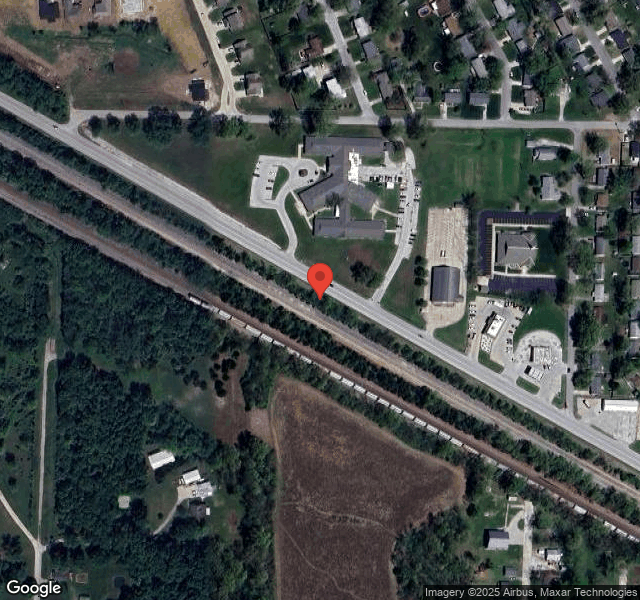
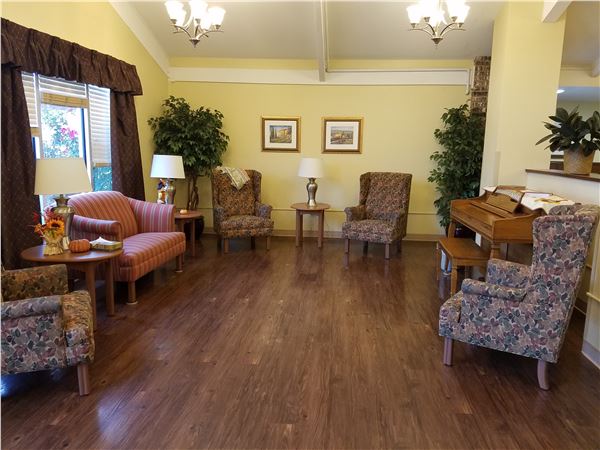
1525 WEST MONROE, MEXICO, MO 65265 (573) 581-7261
For profit - Corporation 124 Beds JAMES & JUDY LINCOLN Data: November 2025
Trust Grade
20/100
#284 of 479 in MO
Last Inspection: November 2024

Within standard 12-15 month inspection cycle. Federal law requires annual inspections.

Overview

Pin Oaks Living Center in Mexico, Missouri has received a Trust Grade of F, indicating significant concerns about the care provided there. It ranks #284 out of 479 facilities in Missouri, placing it in the bottom half, but is the top option in Audrain County. The facility is trending towards improvement, with a decrease in issues from 24 in 2023 to 20 in 2024, although they still have a total of 56 identified problems, including two serious incidents of abuse where a staff member yelled and cursed at a resident. Staffing is a relative strength, with a 4/5 star rating and a turnover rate of 45%, which is below the state average, suggesting that many staff members remain long-term. However, the facility has incurred $31,200 in fines, which is concerning and suggests ongoing compliance issues.

Trust Score
F
20/100
In Missouri
#284/479
Bottom 41%
Safety Record
High Risk
Review needed
Inspections
Getting Better
24 → 20 violations
Staff Stability
○ Average
45% turnover. Near Missouri's 48% average. Typical for the industry.
Penalties
✓ Good
$31,200 in fines. Lower than most Missouri facilities. Relatively clean record.
Skilled Nurses
○ Average
Each resident gets 36 minutes of Registered Nurse (RN) attention daily — about average for Missouri. RNs are the most trained staff who monitor for health changes.
Violations
⚠ Watch
56 deficiencies on record. Higher than average. Multiple issues found across inspections.
★★☆☆☆
2.0
Overall Rating
★★★★☆
4.0
Staff Levels
★★★★☆
4.0
Care Quality
★★☆☆☆
2.0
Inspection Score
Stable
2023: 24 issues
2024: 20 issues

The Good

  • 4-Star Staffing Rating · Above-average nurse staffing levels
  • 4-Star Quality Measures · Strong clinical quality outcomes
  • Full Sprinkler Coverage · Fire safety systems throughout facility
  • No fines on record
  • Staff turnover below average (45%)

    3 points below Missouri average of 48%

Facility shows strength in staffing levels, quality measures, fire safety.

The Bad

2-Star Overall Rating

Near Missouri average (2.5)

Below average - review inspection findings carefully

Staff Turnover: 45%

Near Missouri avg (46%)

Typical for the industry

Federal Fines: $31,200

Below median ($33,413)

Moderate penalties - review what triggered them

Chain: JAMES & JUDY LINCOLN

Part of a multi-facility chain

Ask about local staffing decisions and management

The Ugly 56 deficiencies on record

2 actual harm
Nov 2024 18 deficiencies
CONCERN (D)

Potential for Harm - no one hurt, but risky conditions existed

Deficiency F0554 (Tag F0554)

Could have caused harm · This affected 1 resident

**NOTE- TERMS IN BRACKETS HAVE BEEN EDITED TO PROTECT CONFIDENTIALITY** Based on observation, interview, record review, and facility policy review, the facility failed to ensure one resident (Resident...

Read full inspector narrative →
**NOTE- TERMS IN BRACKETS HAVE BEEN EDITED TO PROTECT CONFIDENTIALITY** Based on observation, interview, record review, and facility policy review, the facility failed to ensure one resident (Resident (R)375) observed out of a total sample of 24 residents had an assessment and an order for self-administration of medications. These failures placed R375 at risk for medication errors, overdose, or misappropriation of medications. The facility census was 71. Findings include: Review of the facility policy titled, Medication Administration Guidelines, dated 02/07/13 revealed, Remain in the room while the resident takes the medication. Review of the facility policy titled, Medications, Self-Administration, Self-Storage, Leave At Bedside dated 02/07/13 revealed, The resident has a right to self-administer medication unless the interdisciplinary team has determined that this practice is unsafe for an individual resident . Self-administration and self-storage of over-the-counter medications: The resident's ability to self-administer over-the-counter medications and store them at the bedside (including external creams and ointments) shall be determined by the assessment and reassessment. A physician's order for these medications will also include 'may keep at bedside'. Review of R375's Face Sheet tab of the electronic medical record (EMR) revealed she was admitted to the facility on [DATE] with diagnoses including insomnia, depression, anxiety, diabetes, low back pain, and constipation. Review of R375's Orders tab of the EMR revealed there was no order or assessment for R375 to have medications at her bedside for self-administration. During an observation on 11/11/24 at 12:34 PM in R375's room, revealed over-the-counter medications bottles on top of R375's dresser and on her bedside table. The room door was open and the resident was not in the room; the medications were visible from the hallway. The medications included, one bottle of melatonin pills (sleep aid), one large bottle of low dose aspirin, one bottle of opened Miralax (polyethylene glycol, a laxative), one bottle of Imodium (anti-diarrheal), one small bottle of lubricant eye drops, and one bottle of Osteo Bi-Flex (arthritis medication) capsules. During an interview on 11/12/24 at 10:26 AM, R375 said, I brought over-the counter medications in from my home. They [staff] know I have it. According to my outside doctor, I'm supposed to take it. During an observation on 11/11/24 at 12:37 PM, Certified Medication Technician (CMT) 1 provided medications in a cup to R375. CMT1 set the cup of medications on the table next to R375's plate. CMT1 walked away without observing R375 take her medications. During an interview on 11/11/24 at 12:38 PM, R375 said, I took the meds. The tech placed them on my table. During an interview on 11/11/24 at 12:40 PM, CMT1 said, Normally I stay with the residents when I pass meds. I trusted that she [R375] would take it. During an observation and interview on 11/12/24 at 10:38 AM with Licensed Practical Nurse (LPN) 2 in R375's room, the LPN confirmed the resident had medications on her dresser and/or bedside table. LPN2 said, These medications should not be in here at her bedside. It's a safety issue. I don't know who allowed her to have these medications, because on admission they are supposed to take things like this away from the residents unless they have been assessed and have a doctor's order but even so, it's still not safe because her husband (R376) has dementia and comes here to visit her. During an interview on 11/13/24 at 11:15 AM, the Director of Nursing/Infection Preventionist (DON/IP) said, Residents may have medications at the bedside if the physician approves; they need an order. Residents require observation and nurses are to complete self-administration of medication observation form [assessment] which should be in residents' chart. If the residents have medications at the bedside, that tells me staff did not go through their belongings at time of admission, that's why they were there (at the bedside). The admitting nurse should have gone through R375's belongings on admission and would have found the medications and stored them. The DON/IP said, I expect nurses to pass medications according to the five rights of medication pass. The nurses/CMTs are to watch residents take the medications, sometimes residents will cheek the medications or just don't take it.
CONCERN (D)

Potential for Harm - no one hurt, but risky conditions existed

Deficiency F0578 (Tag F0578)

Could have caused harm · This affected 1 resident

**NOTE- TERMS IN BRACKETS HAVE BEEN EDITED TO PROTECT CONFIDENTIALITY** Based on interview, record review, and facility policy review, the facility failed to ensure code status/advance directives woul...

Read full inspector narrative →
**NOTE- TERMS IN BRACKETS HAVE BEEN EDITED TO PROTECT CONFIDENTIALITY** Based on interview, record review, and facility policy review, the facility failed to ensure code status/advance directives would be honored when the facility failed to obtain a physician's signature or resident/responsible party signature for code status or advance directive paperwork for two residents (R375 and R48) of five residents reviewed for code status out of a total sample of 24 residents. The facility census was 71. Findings include: Review of the facility's undated Cardiopulmonary Resuscitation (CPR) Policy, revealed, Guidelines for CPR: NOTE: Do not initiate CPR if a valid DNR order is in place. Review of the facility's undated Advance Directive policy revealed it did not address code status and provision of or withholding CPR. 1. Review of R375's Face Sheet tab of the electronic medical record (EMR) revealed the resident was admitted to the facility on [DATE]. Diagnoses included diabetes, anxiety disorder, and depression. The Face Sheet documented, Directive Copy on File: Notes-Do Not Resuscitate (DNR). Review of form titled Outside the Hospital Do-Not-Resuscitate (DNR) Order, located in the paper chart at the nurses' station, revealed the form was signed and dated by R375 on [DATE] but there was no physician signature or date on the form. During an interview on [DATE] at 4:38 PM, the Social Services Director (SSD) confirmed R375's DNR form was faxed to the physician, however, the physician had not signed the form because she was on vacation. The SSD stated that typically the nurse would get a verbal DNR order on the same day the form was completed; however, this was not done. The SSD stated there was a covering physician and nurse practitioner on call. The SSD stated in the event there were no orders for DNR, R375 would receive CPR and be considered Full Code status. During an interview on [DATE] at 4:46 PM, Registered Nurse (RN)1 stated she would perform full resuscitation on R375. (RN)1 said, I would normally check the chart to see if the DNR form is signed and if the DNR form is not signed, I would resuscitate. RN1 stated that R375 was fully cognitively intact and made her own decisions. RN1 stated that R375 told her she elected DNR. During an interview on [DATE] at 5:40 PM, R375 said, I do not want resuscitation. It's on my file. I have already signed the DNR form, and the staff are aware of my wishes. During an interview on [DATE] at 11:16 AM, the Director of Nursing/Infection Preventionist (DON/IP) said, in the case a resident should code, a full code means CPR would be started by the nurse. If a resident is a DNR according to the EMR and chart, I would not expect nurses to perform CPR. 2. Review of R48's Face Sheet, located under the Resident tab of the EMR, revealed he was admitted to the facility on [DATE] with a diagnosis of Chronic Obstructive Pulmonary Disease (COPD). Continued review revealed a Do Not Resuscitate (DNR) code status. Review of R48's admission Minimum Data Set (MDS) with an assessment reference date (ARD) of [DATE] and located in the Resident Assessment Instrument (RAI) tab of the EMR, revealed a Brief Interview for Mental Status score (BIMS) of 13 out of 15 indicating he was cognitively intact. Review of R48's EMR under the Orders tab indicated an order dated [DATE] for Full Code status. Review of R48's Progress Note dated [DATE] revealed the Social Service Director (SSD) spoke with resident today and he has chosen to change code status to Full Code. He did not wish to be put on a vent or anything that breathes for him. Resident code status changed to Full Code. Review of R48's EMR revealed a new code status of DNR dated [DATE]. Review of R48's Care Plan, dated [DATE] and located in the Care Plan tab of the EMR, revealed, I have an Advanced Directive as evidenced by (AEB): Do Not Resuscitate, with interventions to include if observed without pulse and/or respirations, do not start cardiopulmonary resuscitation (CPR), do not call 911; keep my family informed of condition changes and review my code status quarterly and as needed. Review of R48's Hard Chart, located at the nurse's station, revealed a red laminated piece of paper located in the front of the chart that documented, Do Not Resuscitate (DNR). However, there was no documented evidence to support a physician-signed DNR order was placed in the medical record under the Advanced Directive tab or resident-signed code status election. During an interview on [DATE] at 3:30 PM with Registered Nurse (RN)1, she stated a purple signed Out of Hospital DNR form, which would contain the resident/representative signature as well as physician's signature, should be in the hard chart but R48 did not have one. She stated the DNR form should have been completed by the SSD when there was a change in code status and the SSD was responsible for ensuring the code status was updated in the medical record at the time the change was made. During an interview on [DATE] at 3:45 PM with R48, he stated staff had discussed code status with him when he arrived at the facility and he had informed them if his heart stopped beating and he stopped breathing, he did not want anything done to save him. During an interview on [DATE] at 10:20 AM with the SSD, she stated she was responsible for obtaining the code status on admission and making changes as needed. She further stated any nurse can obtain a physician's order and change code status upon the resident's request. The SSD stated changes in code status should be made immediately and a physician's order must be obtained and placed in the resident's chart and updated in the EMR. The SSD stated when a resident was found unresponsive, staff should look at the Hard Chart and the EMR to determine code status. She stated the first line of review would be to look at the Hard Chart to see if the color-coded laminated sheet was in front of the chart. She stated a red laminated sheet located in the front of the chart is for DNR and a purple form is an Out of Hospital DNR form and should be located under the Advanced Directives tab in the hard chart and the form should be signed and dated by the resident or the resident's representative and signed by the physician. She stated a green laminated sheet was located in the front of the chart for Full Code. The SSD stated RN1 brought it to her attention on [DATE] that R48 had conflicting code status orders, and a purple signed Out of Hospital DNR form was missing from R48's Hard Chart. The SSD stated she then went to R48 immediately on [DATE] and asked him what his preference was for code status and the resident told her he wanted to have CPR but if there was no hope, he did not wish to be intubated or be placed on a ventilator. The SSD stated she immediately notified the physician and made the change to the resident's chart. Review of R48's Progress Note dated [DATE] revealed the SSD documented, State surveyor alerted social services that resident had requested DNR status. Provider Partners Health Plan (PPHP), Registered Nurse (RN) and SSD spoke with the resident. It was explained to him what CPR was and what would/could happen. He stated again that he wanted CPR. The resident signed to be a Full Code and the physician signed the order. During an interview on [DATE] at 11:20 AM with the Administrator, she stated it was her expectation for all residents to have the appropriate code status on file and resident code status should be honored. During an interview on [DATE] at 1:30 PM with the Director of Nurses/ Infection Preventionist (DON/IP), she stated she expected nursing staff to obtain a signed resident or resident representative Out of Hospital DNR and signed physicians order and ensure the order was placed under the Advanced Directive tab in the resident's hard chart. She stated she expected the EMR and the Care Plan to reflect the residents' wishes regarding code status. She further stated changes in code status should be updated immediately to ensure the residents' advance directive wishes were honored.
CONCERN (D)

Potential for Harm - no one hurt, but risky conditions existed

Deficiency F0582 (Tag F0582)

Could have caused harm · This affected 1 resident

**NOTE- TERMS IN BRACKETS HAVE BEEN EDITED TO PROTECT CONFIDENTIALITY** Based on interview and record review, the facility failed to properly notify residents of potential non-coverage and beneficiary...

Read full inspector narrative →
**NOTE- TERMS IN BRACKETS HAVE BEEN EDITED TO PROTECT CONFIDENTIALITY** Based on interview and record review, the facility failed to properly notify residents of potential non-coverage and beneficiary financial liability for two of three residents (Resident (R)225 and R227) reviewed for beneficiary notification out of a total sample of 24 residents. This had the potential to place undue financial liability on residents without their knowledge. The facility census was 71. Findings include: The facility did not provide a policy related to Advanced Beneficiary Notice (ABN). 1. Review of R225's undated Face Sheet, located in the Face Sheet tab of the electronic medical record (EMR), revealed R225 was admitted to the facility on [DATE] and discharged on 10/11/24. Review of a document titled Notice of Medicare Non-Coverage (NOMNC) for R225 revealed a NOMNC dated 09/03/24 indicating a coverage end date of 09/14/24. There was no ABN with a benefits end date of 09/14/24 when R225's coverage for skilled nursing was due to end and R225 remained in the facility. Review of R225's Progress Notes revealed R225 remained in the facility and continued to receive skilled nursing care after 09/14/24. 2. Review of R227's undated Face Sheet, located in the Face Sheet tab of the EMR, revealed R227 was admitted to the facility on [DATE] and discharged on 10/01/24. Review of a NOMNC dated 08/23/24 for R227 indicated a coverage end dated 08/25/24. There was no ABN with a benefits end date of 08/25/24 when R227's coverage for skilled nursing was due to end and R227 remained in the facility. Review of R227's Progress Notes revealed R227 remained in the facility and continued to receive skill nursing care after 08/25/24. During an interview on 11/14/24 at 6:26 PM the Administrator stated they used the wrong form for beneficiary notices for R225 and R227.
CONCERN (D)

Potential for Harm - no one hurt, but risky conditions existed

Free from Abuse/Neglect (Tag F0600)

Could have caused harm · This affected 1 resident

**NOTE- TERMS IN BRACKETS HAVE BEEN EDITED TO PROTECT CONFIDENTIALITY** Based on review of facility policy, record review, and interview, the facility failed to ensure one resident (Resident (R) R25) ...

Read full inspector narrative →
**NOTE- TERMS IN BRACKETS HAVE BEEN EDITED TO PROTECT CONFIDENTIALITY** Based on review of facility policy, record review, and interview, the facility failed to ensure one resident (Resident (R) R25) out of three residents reviewed for abuse was free from resident to resident verbal abuse. R25 was verbally abused by R49. This failure created the potential for further resident to resident abuse and for R25 to experience psychosocial harm related to the abuse. A total of 24 residents were reviewed in the sample. The facility census was 71. Findings include: Review of the facility's undated Abuse, Neglect, Exploitation, Mistreatment and Misappropriation of Resident Property Policy read, in pertinent part, It is the policy of this facility that each resident will be free from Abuse. Abuse can include verbal, mental, sexual, or physical abuse, misappropriation of resident property and exploitation, corporal punishment, or involuntary seclusion; and examples include scolding, ignoring, ridiculing, or cursing a resident. 1. Review of R25's undated Face Sheet found in the Electronic Medical Record (EMR) under the Summary tab, revealed the resident was admitted to the facility on [DATE]. The resident's diagnoses included dementia without behavioral disturbance and generalized anxiety disorder. Review of R25's annual Minimum Data Set (MDS) with an Assessment Reference (ARD) date of 08/04/24 found in the EMR under the MDS tab, indicated a Brief Interview for Mental Status (BIMS) score of two out of 15 which indicated the resident was severely cognitively impaired. The assessment indicated R25 did not exhibit any behaviors during the assessment reference period. Review of R25's comprehensive Progress Notes, dated 09/01/24 through 11/15/24 found in the EMR under the Notes tab, revealed nothing related to the resident being abused. 2. Review of R49's undated Face Sheet, found in the EMR under the Summary tab, revealed the resident was admitted to the facility on [DATE]. The resident's diagnoses included Parkinson's Disease and history of hallucinations. Review of R49's annual MDS with an ARD of 08/03/24 and found in the EMR under the MDS tab, indicated a BIMS score of 15 out of 15 which indicated the resident was cognitively intact. The assessment indicated R49 did not exhibit any behaviors during the assessment reference period. Review of R49's Progress Note, dated 09/16/24 and found in the EMR under the Notes tab, indicated, Resident (R49) at desk, yelling at another resident (R25) to shut the (expletive) up you stupid (expletive)! Resident began to yell at this writer and CMT (Certified Medication Tech) calling staff stupid (expletive) can't even make her shut up. Resident was asked to return to room. Review of the facility's reportable incident documentation for 09/01/24 through 11/15/24 revealed nothing to indicate the 09/16/24 incident perpetrated by R49 toward R25 was ever investigated. During an interview with LPN1/UM on 11/13/24 at 3:19 PM, she confirmed she wrote the 09/16/24 progress note in R49's record related to the incident of resident-to-resident verbal abuse perpetrated against R25. She stated she witnessed the interaction between R49 and R25 and, although R25 did not recall the incident after it occurred and did not appear to be harmed in any way by the interaction, the incident was potential verbal abuse. During an interview with the Director of Nursing (DON) on 11/13/24 at 3:15 PM, she indicated the Unit Manager (Licensed Practical Nurse1/Unit Manager (LPN1/UM) may have reported the incident to her, but she could not recall for certain. The DON stated all residents were expected to remain free of abuse. During an interview with the Administrator on 11/13/24 at 3:27 PM, she indicated the incident had been discussed in the facility's daily nursing meeting and she was aware of the incident. She stated she was unsure of whether the incident was verbal abuse, but stated her expectation was all residents in the facility were to remain free from abuse of any kind.
CONCERN (D)

Potential for Harm - no one hurt, but risky conditions existed

Report Alleged Abuse (Tag F0609)

Could have caused harm · This affected 1 resident

**NOTE- TERMS IN BRACKETS HAVE BEEN EDITED TO PROTECT CONFIDENTIALITY** Based on review of facility policy, record review and interview, the facility failed to ensure timely reporting of allegations o...

Read full inspector narrative →
**NOTE- TERMS IN BRACKETS HAVE BEEN EDITED TO PROTECT CONFIDENTIALITY** Based on review of facility policy, record review and interview, the facility failed to ensure timely reporting of allegations of abuse related to three (Residents (R) R22, R25 and R49) out of a total of three residents reviewed for abuse. R22 reported an allegation of staff to resident abuse and R25 was verbally abused by another resident (R49) and neither incident was timely reported to the State Agency (SA), Ombudsman or local law enforcement. This failure created the potential for these and other residents to experience potential further abuse. A total of 24 residents were reviewed in the sample. The facility census was 71. Findings include: The facility's undated Abuse, Neglect, Exploitation, Mistreatment and Misappropriation of Resident Property Policy read, in pertinent part, It is the policy of this facility that each resident will be free from Abuse. Abuse can include verbal, mental, sexual, or physical abuse, misappropriation of resident property and exploitation, corporal punishment, or involuntary seclusion; and examples include scolding, ignoring, ridiculing, or cursing a resident; and The Nursing Home Administrator or designee will report abuse to the state agency per State and Federal requirements. 1. Review of R22's undated Face Sheet found in the Electronic Medical Record (EMR) under the Summary tab, revealed the resident was admitted to the facility on [DATE]. Review of R22's quarterly Minimum Data Set (MDS) with an Assessment Reference (ARD) of 10/04/24 and found in the EMR under the MDS tab, indicated a Brief Interview for Mental Status (BIMS) score of 13 out of 15 which indicated the resident was cognitively intact. The assessment indicated the resident did not exhibit any behaviors during the assessment reference period. During an interview with R22 on 11/12/24 at 9:47 AM, she reported an allegation of potential staff to resident abuse perpetrated against her by a Certified Medication Tech (CMT). The resident did not give the CMT's name. R22 stated whenever she had a bowel movement (BM) in her bed, the staff member would get mean. R22 stated she felt humiliated by the way the staff member spoke to her and stated, She (the staff member) talks to me like I am a piece of (expletive). She is very stern and very nasty. R22 stated when the staff member assisted her with changing her clothing after she had a BM in her bed a couple of days earlier the staff member had grabbed her leg and hurt her and then had yelled at her when she removed the staff member's hand from her leg. R22 stated she had not reported the incident to anyone at the facility. R22's allegation of potential abuse was reported by the surveyor to the Administrator on 11/12/24 at 10:50 AM. The Administrator acknowledged the report and stated she would follow up and initiate an investigation into the allegation. During a follow-up interview with the Administrator on 11/13/24 at 2:32 PM, the survey requested an update on the progress of the investigation. The Administrator stated an investigation into the allegation was ongoing, however no report had been made related to the incident to the SA, the Ombudsman or local law enforcement. She stated she did not know she was required to report to these entities when a recertification survey was being conducted since she thought the surveyors would take care of all of the reporting related to the incident. 2. Review of R25's undated Face Sheet, found in the EMR under the Summary tab, revealed the resident was admitted to the facility on [DATE]. Review of R25's annual MDS with an ARD of 08/04/24 and found in the EMR under the MDS tab, indicated a BIMS score of two out of 15 which indicated the resident was severely cognitively impaired. The assessment indicated R25 did not exhibit any behaviors during the assessment reference period. 3. Review of R49's undated Face Sheet, found in the EMR under the Summary tab, revealed the resident was admitted to the facility on [DATE]. Review of R49's annual MDS with an ARD of 08/03/24 and found in the EMR under the MDS tab, indicated a BIMS score of 15 out of 15 which indicated the resident was cognitively intact. The assessment indicated R49 did not exhibit any behaviors during the assessment reference period. Review of R49's Progress Note, dated 09/16/24 and found in the EMR under the Notes tab, indicated, Resident (R49) at desk, yelling at another resident (R25) to shut the (expletive) up you stupid (expletive)! Review of the facility's reportable incident documentation from 09/01/24 through 11/15/24 revealed nothing to indicate the 09/16/24 incident perpetrated by R49 toward R25 was ever reported to the SA, local law enforcement or the local Ombudsman. During an interview with LPN1/UM on 11/13/24 at 3:19 PM, she confirmed she wrote the 09/16/24 progress note in R49's record related to the incident of resident-to-resident verbal abuse perpetrated against R25 and stated the incident had been reported immediately to the DON. During an interview with the Director of Nursing (DON) on 11/13/24 at 3:15 PM, she indicated the Unit Manager (Licensed Practical Nurse1/Unit Manager (LPN1/UM) may have reported the incident to her, but she could not recall for certain. The DON further stated she did not think the incident had ever been reported to any outside agency, including the SA, the local Ombudsman or local law enforcement. The DON stated the reporting should have been done within two hours after the incident occurred. During an interview with the Administrator on 11/13/24 at 3:27 PM, she indicated she was aware of the incident and confirmed the incident had never been reported to the SA, the Ombudsman, or local Law Enforcement. The Administrator stated she was unsure of the reporting requirements related to an incident of Resident-to-Resident abuse.
CONCERN (D)

Potential for Harm - no one hurt, but risky conditions existed

Investigate Abuse (Tag F0610)

Could have caused harm · This affected 1 resident

**NOTE- TERMS IN BRACKETS HAVE BEEN EDITED TO PROTECT CONFIDENTIALITY** Based on review of facility policy, record review, and interview, the facility failed to ensure a thorough investigation was com...

Read full inspector narrative →
**NOTE- TERMS IN BRACKETS HAVE BEEN EDITED TO PROTECT CONFIDENTIALITY** Based on review of facility policy, record review, and interview, the facility failed to ensure a thorough investigation was completed related to an incident of resident-to-resident verbal abuse involving two (Residents (R )25 and R49) out of a total of three residents reviewed for abuse. This failure created the potential for R25 and other residents to experience further abuse. A total of 24 residents were reviewed in the sample. The facility census was 71. Findings include: Review of the facility's undated Abuse, Neglect, Exploitation, Mistreatment and Misappropriation of Resident Property Policy read, in pertinent part, Investigation: It is the policy of his facility that reports of abuse (mistreatment, neglect, or abuse, including injuries of unknown source, exploitation and misappropriation of property) are promptly and thoroughly investigated. 1. Review of R25's Face Sheet, found in the Electronic Medical Record (EMR) under the Summary tab, revealed the resident was admitted to the facility on [DATE]. The resident's diagnoses included dementia without behavioral disturbance and generalized anxiety disorder. Review of R25's annual Minimum Data Set (MDS) with an Assessment Reference Date (ARD) of 08/04/24 and found in the EMR under the MDS tab, indicated a Brief Interview for Mental Status (BIMS) score of two out of 15 which indicated the resident was severely cognitively impaired. 2. Review of R49's Face Sheet, found in the EMR under the Summary tab, revealed the resident was admitted to the facility on [DATE]. The resident's diagnoses included Parkinson's Disease and history of hallucinations. Review of R49's annual MDS with an ARD of 08/03/24 and found in the EMR under the MDS tab, indicated a BIMS score of 15 out of 15 which indicated the resident was cognitively intact. Review of R49's Progress Note, dated 09/16/24 and found in the EMR under the Notes tab, indicated, Resident (R49) at desk, yelling at another resident (R25) to shut the (expletive) up you stupid (expletive)! resident asked to please return to room and not to speak to other residents that way. Review of the facility's reportable incident documentation from 09/01/24 through 11/15/24 revealed nothing to indicate the 09/16/24 incident perpetrated by R49 toward R25 was ever investigated by the facility. During an interview with Licensed Practical Nurse/Unit Manager (LPN1/UM) on 11/13/24 at 3:19 PM, she confirmed she wrote the 09/16/24 progress note in R49's record related to the incident of resident-to-resident verbal abuse perpetrated against R25 and stated she did not know if the incident had ever been investigated as abuse. During an interview with the Director of Nursing (DON) on 11/13/24 at 3:15 PM, she indicated she thought the incident of abuse might have been reported to her, but she did not know if the incident had ever been investigated by the facility. The DON confirmed it was the responsibility of the Administrator, the DON, and/or the Social Services Director (SSD) to conduct investigations into any allegation of potential abuse or neglect. The DON stated she thought the abuse should probably have been investigated. During an interview with the Administrator on 11/13/24 at 3:27 PM, she indicated she was aware of the incident and confirmed the incident had never been investigated. The Administrator stated the management team had discussed psychiatric services for R49, however the incident had not necessarily been interpreted as abuse. The Administrator stated she was unsure of the investigation procedures related to an incident of Resident-to-Resident abuse.
CONCERN (D)

Potential for Harm - no one hurt, but risky conditions existed

Comprehensive Care Plan (Tag F0656)

Could have caused harm · This affected 1 resident

**NOTE- TERMS IN BRACKETS HAVE BEEN EDITED TO PROTECT CONFIDENTIALITY** 2. Review of R48's Face Sheet, located under the Resident tab of the electronic medical record (EMR), revealed he was initially ...

Read full inspector narrative →
**NOTE- TERMS IN BRACKETS HAVE BEEN EDITED TO PROTECT CONFIDENTIALITY** 2. Review of R48's Face Sheet, located under the Resident tab of the electronic medical record (EMR), revealed he was initially admitted to the facility on [DATE] with a diagnosis of COPD. Review of R48's EMR under the Orders tab indicated orders dated 07/24/24 for hydroxyzine HCl (antihistamine) 50 milligrams (mg), one tablet orally three times a day as needed for depressive disorder and lorazepam (antianxiety) 0.5 mg 1 tablet orally three times a day as needed for COPD. Review of R48's Comprehensive Care Plan located in the EMR under the RAI tab dated 04/01/24 revealed: I have COPD with interventions to include, administer my medications as ordered . Continued review revealed R48 had not been care planned for Depressive Disorder or Anxiety related to COPD. 3. Review of R9's undated Face Sheet, found in the Electronic Medical Record (EMR) under the Summary tab, indicated the resident was admitted to the facility on [DATE]. The document indicated the resident's diagnosis included dementia. Review of R9's quarterly Minimum Data Set (MDS) with an Assessment Reference Date (ARD) of 10/21/24 and found in the EMR under the MDS tab, revealed a Brief Interview for Mental Status (BIMS) score of eight out of 15, which indicated the resident was moderately cognitively impaired. Review of R9's Progress Notes, dated 11/08/24 and found in the EMR under the Notes tab, revealed, R9 returned from dining room by Certified Nursing Assistant (CNA) resident had spilled hot coffee on her left arm and abdomen. Noted resident to have redness with small blisters noted to left wrist and forearm, redness and small blisters also noted to left abdomen. Clothing removed and cool moist compresses held to areas. (Physician) notified of incident and NNO (no new orders) received at this time. (Family Member) notified of incident. Review of R9's comprehensive Care Plan most recently dated 10/21/24 and found in the EMR under the Care Plan tab, revealed nothing to indicate the resident's Care Plan had been updated with interventions to prevent the resident from experiencing another coffee burn. During an interview on 11/14/24 at 10:00 AM with Registered Nurse (RN)1 confirmed R48 was not care planned for his diagnoses of depressive disorder and anxiety so staff would know what to do to treat the resident appropriately. During an interview on 11/14/24 1:30 PM with the Director of Nursing/ Infection Preventionist (DON/IP) she confirmed R48 should have been care planned for his diagnoses of depressive disorder and anxiety to ensure staff provided the care needed to improve R48's overall well-being and quality of life. During an interview with the Administrator and DON together on 11/11/24 at 2:35 PM, the DON stated a lid had been added to R9's coffee cup to prevent further burns, however she was not sure if the intervention had been added to the resident's care plan. Based on record review and staff interview, the facility failed to ensure three residents (R9, R48, and R53) of a total of 24 residents reviewed had comprehensive care plans in place to address all of their needs. R9 did not have a care plan with interventions to prevent the resident from experiencing another coffee burn. R48 did not have a care plan in place to address his behaviors or the administration of his psychotropic medications and R53 did not have a care plan in place to address the administration of her oxygen. This failure created the potential for comprehensive care to not be provided for the residents. The facility census was 71. Findings include: 1. Review of R53's Face Sheet, found in the Electronic Medical Record (EMR) under the Summary tab, indicated the resident was admitted to the facility on [DATE]. The document indicated the resident's diagnosis included chronic obstructive pulmonary disease (COPD). Review of R53's quarterly Minimum Data Set (MDS)with an Assessment Reference Date (ARD) of 10/25/24 and found in the EMR under the MDS tab, revealed a Brief Interview for Mental Status (BIMS) score of 12 out of 15, which indicated the resident was moderately cognitively impaired. The assessment indicated the resident was receiving oxygen therapy. Review of R53's physician's Orders, found in the EMR under the Orders tab, revealed an order, dated 09/05/24, that indicated the resident was to receive oxygen 1 to 2 liters per minute (lpm) via nasal cannula as needed for shortness of breath. Review of R53's comprehensive Care Plan, most recently dated 10/25/24 and found in the EMR under the Care Plan tab, revealed no care plan for the resident's use of oxygen. During an observation on 11/11/24 at 10:29 AM, R53 was observed in her room receiving oxygen, as well as on 11/12/24 at 10:22 AM, 3:08 AM, on 11/13/24 at 7:54 AM and 9:26 AM. During an interview with Licensed Practical Nurse/Unit Manager (LPN1/UM) on 11/13/24 at 10:46 AM, she confirmed there was no care plan in the resident's record for the use of oxygen and stated there should be a care plan in place. During an interview with the Director of Nursing (DON) on 11/13/24 at 12:14 PM, she confirmed her expectation was care plans should be in place for residents to address all of their needs. During an interview with the MDS Coordinator (MDSC) on 11/14/24 at 11:48 AM, she stated she was behind with care planning for residents and confirmed a care plan should be in place for the administration of R53's oxygen.
CONCERN (D)

Potential for Harm - no one hurt, but risky conditions existed

Deficiency F0661 (Tag F0661)

Could have caused harm · This affected 1 resident

**NOTE- TERMS IN BRACKETS HAVE BEEN EDITED TO PROTECT CONFIDENTIALITY** Based on interview, record review, and facility policy review, the facility failed to ensure a final discharge summary was compl...

Read full inspector narrative →
**NOTE- TERMS IN BRACKETS HAVE BEEN EDITED TO PROTECT CONFIDENTIALITY** Based on interview, record review, and facility policy review, the facility failed to ensure a final discharge summary was completed upon discharge for one resident (Resident (R) 17) of three residents reviewed for discharge out of a total sample of 24 residents. This deficient practice had the potential to contribute to a lack of continuity of care and lack of necessary treatment and services. The facility census was 71. The findings include: Review of the facility's policy titled, Resident Discharge/Transfer Policy dated March 2015, revealed, Complete discharge summary and post discharge plan of care form. Have resident and/or representative or person responsible for care sign discharge summary and post discharge care form. Place the original form in the record. Review of R17's Face Sheet tab of the electronic medical record (EMR) revealed he was admitted to the facility on [DATE] with diagnoses that included: sepsis, palliative care, morbid (severe) obesity, schizophrenia, peripheral vascular disease, pain, diarrhea, constipation, multiple myeloma, type 2 diabetes mellitus. R17 was discharged from the facility on 10/12/24. Review of R17's Recapitulation of Stay and Discharge Summary form, dated 10/12/24 and located in the Observations tab of the EMR, revealed the form was not completed, all questions were left blank. During an interview on 11/14/24 at 1:47 PM, the Social Services Director (SSD) stated R17 was discharged to another facility upon his request on 10/12/24. The SSD stated R17 was admitted from the hospital with a diagnosis of multiple myeloma and was placed on hospice and since R17 had family in another city, he decided to transfer to a facility closer to his family. The SSD verified R17's Recapitulation of Stay and Discharge Summary electronic discharge summary was not completed.
CONCERN (D)

Potential for Harm - no one hurt, but risky conditions existed

Deficiency F0679 (Tag F0679)

Could have caused harm · This affected 1 resident

**NOTE- TERMS IN BRACKETS HAVE BEEN EDITED TO PROTECT CONFIDENTIALITY** Based on facility policy review, observation, record review, and interviews, the facility failed to implement their scheduled ac...

Read full inspector narrative →
**NOTE- TERMS IN BRACKETS HAVE BEEN EDITED TO PROTECT CONFIDENTIALITY** Based on facility policy review, observation, record review, and interviews, the facility failed to implement their scheduled activities programs for residents. The facility also failed to ensure one (Resident (R)9) of two residents reviewed for activities was provided with a consistent activity program to meet their needs. The resident was not offered activities based on assessment of her activity preferences. This failure created the potential for the resident to experience isolation related to lack of participation in facility activities. A total of 24 residents were reviewed in the sample. The facility census was 71. Findings include: Review of the facility's Activity, Volunteer and Recreational Services Policy dated 03/2012 read, in pertinent part, The facility provides for an ongoing program of activities designed to meet, in accordance with the comprehensive assessment, the interests and the physical, mental, and psychosocial well-being of each resident. 1. Review of the facility's activity calendars for 11/01/24 through 11/30/24 were reviewed and showed activities such as Coffee and Donuts, BINGO, Word Find, Puzzles, Exercise, Whack a Mole, Coloring and Nail Care scheduled at specific times between 10:00 AM and 2:00 PM Monday through Friday. There were religious services offered by the local church on Sundays at 2:00 PM. Scheduled activities during the survey conducted between 11/11/24 and 11/14/24 were as follows: 11/11/24 (Monday): 10:00 AM Veteran's Day Recognition, 12:00 Puzzle, 2:00 Veteran's Day Craft. 11/12/24 (Tuesday): 10:00 AM Whack a Mole, 12:00 Coloring, 2:00 Nail Care. 11/13/24 (Wednesday): 10:00 1:1 Visits, 12:00 Word Find, 2:00 BINGO. 11/14/24 (Thursday) 10:00 Exercise, 12:00 Puzzle, 2:00 Glascow and Friends. Observations of scheduled activities on 11/11/24 through 11/14/24, showed of the 12 activities that were scheduled during that period of time, only the Veteran's Day Recognition (Monday), Whack a Mole (Tuesday), BINGO (Wednesday), and Glascow and Friends (Thursday) occurred. During a phone interview with the Activities Director on 11/14/24 at 1:25 PM, she stated she had been out of the facility for a couple of weeks, and thought other staff members were conducting scheduled activities when she was not in the facility, including evenings and on weekends. The AD stated she had not had time to document activity participation in resident activity logs for the previous few weeks. The AD stated she thought a lot of the residents participated in the church service on Sundays, but did not know if attendance was being documented or not. She stated the facility's Bookkeeper helped with BINGO on BINGO days and she thought Restorative Staff did exercises with residents sometimes. 2. Review of R9's undated Face Sheet, found in the Electronic Medical Record (EMR) under the Summary tab, indicated the resident was admitted to the facility on [DATE]. Review of R9's quarterly Minimum Data Set (MDS) with an Assessment Reference Date (ARD) of 10/21/24 and found in the EMR under the MDS tab, revealed a Brief Interview for Mental Status (BIMS) score of eight out of 15, which indicated the resident was moderately cognitively impaired. Review of R9's Activities Care Plan, dated 04/26/22 and found in the EMR under the Care Plan tab, revealed the resident attended activities that she enjoyed with encouragement from staff and that she required staff supervision with activities. The care plan indicated the resident enjoyed going outside and BINGO. Interventions included encourage me to socialize during group activities, give me an activities calendar, and provide one to one visits for sensory stimulation, socialization, and emotional support. Review of R9's Interview for Resident Preferences and Activities Assessment, dated 01/17/24 and found in the EMR under the Observations tab, revealed it was somewhat important or very important for the resident to have books, the newspaper, and/or magazines to read, do things with groups of people, do favorite activities, and participate in religious activities. Review of R9's most recent Activities Assessment, dated 07/29/24 and found in the EMR under the Observations tab, revealed the resident participated in 1:1 activities, group activities, physical activities, projects, and resident council. The assessment indicated the resident enjoyed playing cards, crafts, exercise, music, and watching TV. The assessment indicated the resident's preferred activity participation time was in the afternoon and indicated the resident participated in activities 1/3 to 2/3 of the time. Review of R9's Activities Participation Documentation, dated 09/01/24 through 11/14/24 and provided directly to the surveyor in a binder kept in the Activities Director's Office, revealed no documentation of activity participation between 09/27/24 and 11/14/24. During observations of R9 she was observed either sleeping in her bed or seated in her Broda chair by the nurse's station on 11/12/24 at 9:16 AM, 2:37 PM, 3:05 PM, on 11/13/24 at 9:12 AM, 2:08 PM, on 11/14/24 at 9:35 AM, 1:05 PM and 2:21 PM. The resident was not observed participating in activities during any of the observations. BINGO was offered in the facility's dining room on 11/13/23 from 2:00 PM through 2:45 PM and a music program (Glascow and Friends) was offered on 11/14/24 from 2:00 PM through 3:00 PM, and although the resident was observed to be awake and seated in her Broda chair at the nurse's station at the time of these activities, she was not observed to participate in either of the activities even though the resident's activities assessments indicated interest in these activities. No alternative or 1:1 activities were observed to be offered to R9 during the survey period. During an interview with Licensed Practical Nurse/Unit Manager (LPN1/UM) on 11/12/24 at 2:37 PM, she stated no group activities were being offered on that date because the Activity Director (AD) was out of the building for personal reasons. LPN1/UM confirmed activities were on the activity schedule for 11/12/24, but had not been offered on that day since there was no staff in the building to do them. During an interview conducted by phone with the AD on 11/14/24 at 1:25 PM, she confirmed group activities had not been offered routinely during the most recent two weeks as she had been out of the facility on some days related to personal issues. The AD confirmed R9's activities participation had not been documented on her participation log. During an interview with the Administrator on 11/14/24 at 1:47 PM, she stated activities were expected to be provided to residents based on their individual activities assessment and preferences and participation in activities was expected to be documented.
CONCERN (D)

Potential for Harm - no one hurt, but risky conditions existed

Pressure Ulcer Prevention (Tag F0686)

Could have caused harm · This affected 1 resident

**NOTE- TERMS IN BRACKETS HAVE BEEN EDITED TO PROTECT CONFIDENTIALITY** Based on facility policy review, review of Broda chair instructions, observation, record review, and interview, the facility fai...

Read full inspector narrative →
**NOTE- TERMS IN BRACKETS HAVE BEEN EDITED TO PROTECT CONFIDENTIALITY** Based on facility policy review, review of Broda chair instructions, observation, record review, and interview, the facility failed to ensure one resident (R9) of two residents reviewed for pressure sores was provided with adequate care and treatment to prevent skin breakdown. This failure created the potential for the resident to experience further skin breakdown. A total of 24 residents were reviewed in the sample. The facility census was 71. Findings include: Review of the facility's undated Wound Care and Treatment Policy read, in pertinent part, It is the purpose of this facility to prevent and treat all wounds; and There must be a specific order for the treatment; and The care plan should reflect the current status of the wound and appropriate goals and approaches. Review of the facility's undated Instructions for Use When Using a Broda Chair document, provided directly to the survey team, read, Are Additional Cushions Recommended or Required? Not necessarily. Our proprietary Comfort Tension Seating system is typically sufficient for most users when paired with the standard Broda padding that comes with your wheelchair. Whether to use an alternative cushion depends on various factors, including the wheelchair user's skin integrity, wound history, medical conditions, etcetera. Review of R9's undated Face Sheet, found in the Electronic Medical Record (EMR) under the Summary tab, indicated the resident was admitted to the facility on [DATE]. The document indicated the resident's diagnoses included dementia and type 2 diabetes. Review of R9's quarterly Minimum Data Set (MDS) with an Assessment Reference Date (ARD) of 10/21/24 and found in the EMR under the MDS tab, revealed a Brief Interview for Mental Status (BIMS) score of eight out of 15, which indicated the resident was moderately cognitively impaired. The assessment indicated the resident was at risk for developing pressure ulcers but did not have any current pressure ulcers at the time of the assessment. The assessment indicated a pressure reducing mattress was being used on the resident's bed but indicated a pressure reducing cushion was not in use on the resident's wheelchair. Review of R9's Progress Notes, dated 11/04/24 and found in the EMR under the Notes tab, revealed, Resident has a 2cm (centimeter) slit type open area in coccyx area, order received to start xeroform and cover with mepore (dressing) daily til (sic) healed. Review of R9's pressure ulcer Care Plan, most recently dated 11/13/24 and found in the EMR under the Care Plan tab, revealed the resident had developed a stage 2 pressure ulcer to her coccyx. The care plan indicated the area was to be kept clean and dry, wound treatment was to be done per physician's orders, and a pressure reducing cushion was to be applied to the resident's Broda chair. Review of R9's comprehensive physicians Orders, dated 11/14/24 and found in the EMR under the Orders tab, indicated orders, 11/08/24, that indicated the resident was to receive the following treatment: Xeroform (a wound dressing treatment) once per day (5 (inches) X 9 (inches) topical (to the resident's skin). The order did not include specifics related to what the dressing was being used for, where the dressing was to be applied, or instructions for cleansing and prepping the area of concern when the dressing was applied. Observations of R9 on 11/13/24 at 7:59 AM, 7:59 AM, 9:29 AM, 10:10 AM, 10:56 AM, 12:12 PM and on 11/14/24 at 9:35 AM revealed the resident was sitting in her Broda chair. There was not a pressure relieving cushion on the resident's Broda chair during any of the observations. During an observation of R9 on 11/13/24 at 10:20 AM along with Licensed Practical Nurse/Unit Manager (LPN1/UM) revealed R9 was laying in her bed and her Broda chair was next to the bed. LPN1/UN confirmed there was not a pressure reducing cushion on the resident's Broda chair. LPN1/UM confirmed the resident had developed a stage 2 pressure sore on 11/06/24. She stated administration told her pressure reducing cushions could not be applied to Broda chairs and that was why there wasn't one on R9's chair. LPN1/UM acknowledged there were no specific instructions entered into the wound care orders and stated she would update the orders to indicate the location of the wound and cleansing and dressing instructions related to the wound. During an interview with the Director of Nursing (DON) on 11/13/24 at 12:28 PM, she stated previous administration told her a pressure relieving cushion could not be used in a Broda chair and stated no pressure reducing cushion was being applied since the resident needed a Broda chair. The DON stated she thought the manufacturer's guidelines indicated a pressure reducing cushion could not be used in the Broda chair and stated she would see if she could find the manufacturer's instructions for use for the Broda chair. The DON stated her expectation was orders for wound care were to be complete and specific and the resident's care plan was to be accurate and followed related to the resident's wound care. During a follow-up interview with the DON on 11/13/24 at 3:33 PM, she provided the manufacturer's instructions for use for the Broda chair and confirmed there was nothing on the document to indicate a pressure reducing cushion could not be used in the chair. She stated, a cushion can be used and should have been applied (to the resident's Broda chair).
CONCERN (D)

Potential for Harm - no one hurt, but risky conditions existed

Accident Prevention (Tag F0689)

Could have caused harm · This affected 1 resident

**NOTE- TERMS IN BRACKETS HAVE BEEN EDITED TO PROTECT CONFIDENTIALITY** Based on observation, interview, record review, and review of facility policy, the facility failed to ensure residents were free...

Read full inspector narrative →
**NOTE- TERMS IN BRACKETS HAVE BEEN EDITED TO PROTECT CONFIDENTIALITY** Based on observation, interview, record review, and review of facility policy, the facility failed to ensure residents were free from potential accident and hazards during smoking for one of one (Resident (R) 67) reviewed for safe environment out of a sample of 24 residents. This had the potential to place residents at risk of injury from a potential fire. The facility census was 71. Findings include: Review of the Oxygen Therapy Safety Guidelines from the National Institute of Health revealed the following: -Keep oxygen cylinders away from heat sources; -Keep oxygen delivery systems at least 5 feet from any heat source; -Oxygen supports combustion. No smoking is permitted around any oxygen delivery devices in the hospital or home environment. Review of the facility policy (undated) titled, Smoking-Resident revealed Anyone who provides smoking supervision to residents shall be advised of any restrictions/concerns and the plan of care related to smoking. Review of a document titled Dependent Resident Smoking Times undated and posted on the 100 hall nurses stations indicated maintenance, activities, housekeeping, laundry, and nursing staff were assigned to provide supervision for smokers. The document did not provide any instructions related to smokers and oxygen use. Review of R67's undated Face Sheet, located in the Face Sheet tab of the electronic medical record (EMR), revealed R67 was admitted to the facility on [DATE]. Diagnoses included chronic obstructive pulmonary disease. Review of R67's Orders located in the EMR under the Orders tab revealed an order dated 09/04/24 for oxygen 1-2 liters per minute (lpm) per nasal cannula continuous may titrate to keep oxygen saturation above 94%. Review of a 5-day Minimum Data Set (MDS) with an Assessment Reference Date (ARD) of 09/05/24 revealed R67 was staff assessed as having short-term and long-term memory problems and received continuous oxygen therapy. During observations on 11/14/24 at 9:30 AM, the Floor Tech (FT) was observed receiving a lighter from a nursing staff member, and then proceeded to walk down the hall to assist R67 to the door of the smoking patio. At this time, R67 was observed sitting in a wheelchair using oxygen via nasal cannula with the oxygen tank secured to the back of the wheelchair with the oxygen turned on. The FT then parked R67 in his wheelchair in the smoking patio next to another resident who was smoking. The surveyor who witnessed this immediately notified the Administrator who was standing at the doorway to the library across the hallway from the smoking patio door. The Administrator exited the hallway to the smoking patio and had the Maintenance Director (MD) remove the oxygen tank from the back of R67's wheelchair and the smoking patio. During an interview on 11/14/24 at 9:50 AM the FT stated he had not received any formal orientation or training to supervise smokers only that someone from nursing had told him to make sure the oxygen was turned off when residents use oxygen and smoke. He stated he had not been instructed to remove the oxygen tank from the smoking area. He stated he routinely supervised smokers during smoke breaks and there was a schedule regarding which department was to supervise smokers posted at the nurse's station. The FT stated he had assisted R67 to the smoking patio, ensured the oxygen was turned off and had not lit the cigarette before the Administrator arrived to intervene. He confirmed that there was already another resident smoking sitting next to R67 when he assisted R67 to the smoking patio. During an interview on 11/14/24 at 10:00 AM the Director of Nursing (DON) stated she was unaware of what training was provided to the staff who are assigned to supervise residents who smoke but they should not have the oxygen tanks in the smoking area. The DON confirmed that maintenance, activities, housekeeping, laundry, and nursing staff provide supervision to smokers. During interviews on 11/14/24 from 10:40 AM to 11:00 AM the Maintenance Director (MD), Housekeeper (HK) 1, and the Housekeeping Supervisor (HKS) stated they supervised residents during smoke breaks but had not received formal training related to smokers and oxygen use and were told only to turn off the oxygen when supervising residents who smoke. During an interview on 11/14/23 at 11:00 AM the Administrator confirmed staff had not received training related to smokers and oxygen use. The Administrator stated oxygen tanks should be kept away from the smoking area.
CONCERN (D)

Potential for Harm - no one hurt, but risky conditions existed

Deficiency F0698 (Tag F0698)

Could have caused harm · This affected 1 resident

**NOTE- TERMS IN BRACKETS HAVE BEEN EDITED TO PROTECT CONFIDENTIALITY** Based on review of facility policy, record review, and interview, the facility failed to ensure comprehensive dialysis services ...

Read full inspector narrative →
**NOTE- TERMS IN BRACKETS HAVE BEEN EDITED TO PROTECT CONFIDENTIALITY** Based on review of facility policy, record review, and interview, the facility failed to ensure comprehensive dialysis services were provided for one resident (R22) out of a total of one resident reviewed for dialysis. There were no orders in place related to the care and maintenance of the resident's intravenous (IV) dialysis catheter. This failure created the potential for R22 to receive incomplete and inconsistent care of her dialysis catheter. A total of 24 residents were reviewed in the sample. The facility census was 71. Findings include: Review of the facility's undated Dialysis, Care of a Resident Receiving Policy read, in pertinent part, Care of a Subclavian or Femoral Vein Catheter: Treatment for cleaning as ordered by the physician .Nurses to maintain dressing to access site at all times. Site to be checked every shift and dressing reapplied or reinforced as needed. Review of R22's undated Face Sheet, found in the Electronic Medical Record (EMR) under the Summary tab, revealed the resident was admitted to the facility on [DATE]. The resident's diagnosis included End Stage Renal Disease (ESRD) and indicated the resident was receiving hemodialysis. Review of R22's quarterly Minimum Data Set (MDS)' with an Assessment Reference Date (ARD) of 10/04/24 and found in the EMR under the MDS tab, indicated a Brief Interview for Mental Status (BIMS) score of 13 out of 15 which indicated the resident was cognitively intact. The assessment indicated the resident was receiving routine hemodialysis services. Review of R22's comprehensive physician's Orders, dated 11/01/24 through 11/14/24 and found in the EMR under the Orders tab, revealed no orders for the care or maintenance of the resident's hemodialysis catheter. Review of R22's Medication Administration Record (MAR) and Treatment Administration Record (TAR), dated 11/01/24 through 11/14/24 and found in the EMR under the Orders tab, revealed nothing to indicate routine care and/or maintenance of the resident's dialysis catheter was being done. Review of R22's Dialysis Care Plan, dated 10/01/24 and found in the EMR under the Care Plan tab, revealed the resident was receiving dialysis three times per week at a dialysis center in the community and a dialysis catheter was in place. The Care Plan indicated the resident frequently attempted to dislodge her dialysis catheter and/or remove the catheter dressing. Interventions included reminding the resident to not bother the catheter. The Care Plan indicated most of the catheter care would be provided by the dialysis center. During an interview with the Licensed Practical Nurse/Unit Manager (LPN1/UM) on 11/14/24 at 9:25 AM, she confirmed there were no orders for the care and maintenance of R22's dialysis catheter. She stated the orders should be in place in the resident's record. During an interview with the Director of Nursing (DON) on 11/14/24 at 10:01 AM, she stated her expectation was orders would be in place related to the care and maintenance of R22's dialysis catheter.
CONCERN (D)

Potential for Harm - no one hurt, but risky conditions existed

Deficiency F0700 (Tag F0700)

Could have caused harm · This affected 1 resident

**NOTE- TERMS IN BRACKETS HAVE BEEN EDITED TO PROTECT CONFIDENTIALITY** Based on record review, staff interviews, and facility policy review, the facility failed to ensure two residents (R9 and R53) o...

Read full inspector narrative →
**NOTE- TERMS IN BRACKETS HAVE BEEN EDITED TO PROTECT CONFIDENTIALITY** Based on record review, staff interviews, and facility policy review, the facility failed to ensure two residents (R9 and R53) of a total of nine residents reviewed for accidents was appropriately assessed for the use of side rails on their beds. The facility further failed to ensure both residents had an informed consent for the use of rails on their beds. This failure created the potential for the residents to be injured related to use of potentially unnecessary side rails installed and in use on their beds. A total of 24 residents were reviewed in the sample. The facility census was 71. Findings include: Review of the facility's undated Bed Rails Policy read, in pertinent part, Prior to use of bed rails the facility should complete the Matrix Bed Rail Observation including the following: 1. Observation Detail 2. Clinical Assessment 3. Alternatives attempted prior to bed rail implementation 4. Bed Rail Details 5. Assessment of potential entrapment zones 6. Review of the risks and benefits with the resident and resident representative 7. Obtain informed consent with the resident and/or resident representative signature 8. Obtain physician order for medical symptom assessed requiring bed rail use; and Care Plan: Develop a care plan that outlines the medical factors necessitating bed rails and an explanation of how the use of a bed rail is intended to treat the specific resident's condition. 1. Review of R9's undated Face Sheet, found in the Electronic Medical Record (EMR) under the Summary tab, indicated the resident was admitted to the facility on [DATE]. The document indicated the resident's diagnoses included dementia and repeated falls. Review of R9's quarterly Minimum Data Set (MDS) with an Assessment Reference Date (ARD) of 10/21/24 and found in the EMR under the MDS tab, revealed a Brief Interview for Mental Status (BIMS) score of eight out of 15, which indicated the resident was moderately cognitively impaired. The assessment indicated the resident required partial to moderate assistance of staff to roll from side to side in her bed and substantial to maximum assistance from staff to transfer in and out of her bed. The assessment indicated side rails were not in use for R9. During an observation on 11/12/24 at 2:37 PM, at 3:06 PM, and on 11/13/24 at 9:12 AM revealed R9 was observed laying in her bed with one 1/3 bed rail and one 1/8 bed rail in the raised position at the head of her bed. Review of R9's comprehensive physicians Orders dated 11/14/24 and found in the EMR under the Orders tab, indicated no orders for the resident's use of bed rails. Review of R9's comprehensive Care Plan most recently dated 09/20/24 and found in the EMR under the Care Plan Tab, indicated nothing to reflect the resident's use of side rails. Review of R9's EMR revealed nothing to show the resident had recently been assessed for use of bed rails or that informed consent had been provided for the use of rails. During an observation on 11/13/24 at 10:20 PM with Licensed Practical Nurse/Unit Manager (LPN1/UM) LPN1/UM confirmed the rails on R9's bed were in the raised position. R9's EMR was reviewed with LPN1/UM and she verified there was no assessment, physician's order, care plan or signed informed consent for the bed rails. 2. Review of R53's undated Face Sheet, found in the EMR under the Summary tab, indicated the resident was admitted to the facility on [DATE]. The document indicated the resident's diagnosis included type 2 diabetes. Review of R53's quarterly MDS with an ARD of 10/25/24 and found in the EMR under the MDS tab, revealed a BIMS score of 12 out of 15, which indicated the resident was moderately cognitively impaired. The assessment indicated the resident was independent with rolling from side to side in her bed and required supervision or touching assistance from staff to transfer in and out of her bed. The assessment indicated side rails were not in use for R53. During an observation on 11/13/24 at 7:54 AM and on 11/14/24 at 9:33 AM revealed R53 was observed laying in her bed with bilateral 1/3 bed rails in the raised position at the head of her bed. During an observation on 11/13/24 at 9:59 AM with Certified Nursing Assistant (CNA)3 confirmed R53's bed rails were in the raised position and stated the resident's rails were up all the time. Review of R53's comprehensive physicians Orders dated 11/14/24 and found in the EMR under the Orders tab, indicated an order for bilateral assist rails to aid in transfers and movement in bed. The original order date was 01/01/23. Review of R53's comprehensive Care Plan dated 09/22/22 and found in the EMR under the Care Plan tab, indicated nothing to reflect the resident's use of side rails. Review of R53's EMR revealed nothing to show the resident had been recently assessed for use of bed rails or that an informed consent had been provided for the use of rails. During an interview with R53 on 11/12/24 at 10:14 AM, she indicated she was able to use the rails on her bed for mobility. During an observation on 11/13/24 at 10:13 AM along with LPN1/UM on confirmed R53's bed rails were in the raised position. R53's EMR was reviewed with LPN1/UM and she confirmed the most recent assessment for the resident's use of bed rails had been completed on 01/01/23 (almost two years prior) and confirmed there was no care plan or signed consent for the use of the rails. During an interview with the Director of Nursing (DON) on 11/13/24 at 12:34 PM, she stated her expectation was use of bed rails required a current bed rail assessment (within the past year), physician's orders for the use of the rails, a care plan related to the rails and informed consent for the use of the rails.
CONCERN (D)

Potential for Harm - no one hurt, but risky conditions existed

Deficiency F0909 (Tag F0909)

Could have caused harm · This affected 1 resident

**NOTE- TERMS IN BRACKETS HAVE BEEN EDITED TO PROTECT CONFIDENTIALITY** Based on record review, staff interview, and facility policy review, the facility failed to ensure the physical safety of bed ra...

Read full inspector narrative →
**NOTE- TERMS IN BRACKETS HAVE BEEN EDITED TO PROTECT CONFIDENTIALITY** Based on record review, staff interview, and facility policy review, the facility failed to ensure the physical safety of bed rails for two (Residents (R)9 and R53) of a total of nine residents reviewed for accidents. Bed rails on both residents' beds were observed to be loose. This failure created the potential for the residents to be injured by improperly applied and unmaintained bed rails. A total of 24 residents were reviewed in the sample. The facility census was 71. Findings include: Review of the facility's undated Bed Rails Policy read, in pertinent part, Staff will conduct regular inspections of all bedframes, mattresses, and bed rails, to identify areas of possible entrapment. 1. Review of R9's undated Resident Face Sheet, found in the Electronic Medical Record (EMR) under the Summary tab, indicated the resident was admitted to the facility on [DATE]. The document indicated the resident's diagnoses included dementia and repeated falls. Review of R9's quarterly Minimum Data Set (MDS) with an Assessment Reference Date (ARD) of 10/21/24 and found in the EMR under the MDS tab, revealed a Brief Interview for Mental Status (BIMS) score of eight out of 15, which indicated the resident was moderately cognitively impaired. The assessment indicated the resident required partial to moderate assistance of staff to roll from side to side in her bed and substantial to maximum assistance from staff to transfer in and out of her bed. The assessment indicated side rails were not in use for R9. During observations on 11/12/24 at 2:37 PM, 3:06 PM, on 11/13/24 and 9:12 PM revealed R9 was observed laying in her bed with one 1/3 bed rail and one 1/8 bed rail in the raised position at the head of her bed. The bed rail closest to the window was observed to be very loose. During an observation on 11/13/24 at 10:20 AM along with Licensed Practical Nurse/Unit Manager (LPN1/UM) on 11/13/24 at 10:20 AM. LPN1/UM confirmed the rails on R9's bed were in the raised position and the rail closest to the window was very loose. LPN1/UM stated, This rail is too loose. It should not be that loose. I will let maintenance know (about the loose rail). LPN1/UM stated an entry could be made in the unit's maintenance log to indicate the loose rail so that it cold be repaired and confirmed an entry had not been made related to the resident's loose bed rail prior to that date. 2. Review of R53's undated Face Sheet, found in the EMR under the Summary tab, indicated the resident was admitted to the facility on [DATE]. The document indicated the resident's diagnoses included type 2 diabetes. Review of R53's quarterly MDS with an ARD of 10/25/24 and found in the EMR under the MDS tab, revealed a BIMS score of 12 out of 15, which indicated the resident was moderately cognitively impaired. The assessment indicated the resident was independent with rolling from side to side in her bed and required supervision or touching assistance from staff to transfer in and out of her bed. The assessment indicated side rails were not in use for R53. During observations on 11/13/24 at 7:54 AM and on 11/14/24 at 9:33 AM R53 was observed laying in her bed with bilateral 1/3 bed rails in the raised position at the head of her bed. The rail closest to the door was observed to be very loose. During an observation on 11/13/24 at 9:59 AM along with Certified Nursing Assistant (CNA)3 on 11/13/24 at 9:59 AM. CNA3 confirmed the resident's rails were too loose. During an interview with R53 on 11/12/24 at 10:14 AM, she indicated she was able to use the rails on her bed for mobility but stated, Look at that rail (pointing at the raised rail closest to the door). It's very loose. During an observation on 11/13/24 at 10:20 AM with LPN1/UM of R9 and R53's beds the LPN1/UM confirmed the rails on R9 and R53's beds were very loose. LPN1/UM stated, The rails are too loose. They should not be that loose. I will let maintenance know (about the loose rails). LPN1/UM stated an entry could be made in the unit's maintenance log to indicate the loose rails so that they could be repaired and confirmed an entry had not been made related to either resident's loose bed rails prior to that date. During an observation on 11/13/24 at 11:10 AM with the Maintenance Director (MD) confirmed the bed rails were too loose on R9 and R53's bed. He further stated R53's bed was a hospice bed and maintenance had been told not to touch it. The MD stated if he happened to be in a resident's room he would look at the overall bed, but the facility did not have a formal process to ensure beds were routinely monitored to ensure the physical safety of bed rails. During an interview with the Director of Nursing (DON) on 11/13/24 at 12:34 PM, she stated her expectation was bed rails were to maintained and physically safe to use.
CONCERN (E)

Potential for Harm - no one hurt, but risky conditions existed

Medication Errors (Tag F0758)

Could have caused harm · This affected multiple residents

**NOTE- TERMS IN BRACKETS HAVE BEEN EDITED TO PROTECT CONFIDENTIALITY** 5. Review of R48's Face sheet, located under the Resident tab of the electronic medical record (EMR), revealed he was admitted t...

Read full inspector narrative →
**NOTE- TERMS IN BRACKETS HAVE BEEN EDITED TO PROTECT CONFIDENTIALITY** 5. Review of R48's Face sheet, located under the Resident tab of the electronic medical record (EMR), revealed he was admitted to the facility on [DATE] with a diagnosis of chronic obstructive pulmonary disease (COPD). Review of R48's Quarterly Minimum Data Set (MDS), with an assessment reference date (ARD) of 09/27/24 revealed a Brief Interview for Mental Status (BIMS) score of nine out of 15, indicating moderate cognitive impairment. Continued review revealed R48 score zero for little interest or pleasure in doing things and feeling down, depressed, or hopeless and did not exhibit behaviors during the seven-day lookback period. Review of R48's comprehensive Care Plan located in the EMR under the Care Plan tab revealed, I have COPD with interventions to include: Administer my medications as ordered . The Care Plan did not address the resident's use of psychotropic medications, symptoms of anxiety, or behavioral interventions. Review of R48's EMR under the Orders tab indicated orders dated 07/24/24 for hydroxyzine (antihistamine) 50 milligrams (mg), one tablet orally three times a day as needed (PRN) for depressive disorder and lorazepam (Antianxiety) 0.5 mg 1 tablet orally three times a day PRN, for COPD. Review of R48's Medication Administration Record (MAR), dated 10/15/24 through 11/13/24 and located in the Reports tab of the EMR, revealed hydroxyzine and lorazepam had been administered concurrently on 10/16/24 at 10:13 PM, 10/18/24 at 10:56 PM, 10/26/24 at 5:22 PM, 10/29/24 at 4:20 PM, 10/30/24 at 5:57 PM, 10/31/24 at 1:39 AM, 11/02/24 at 4:13 PM, 11/03/24 at 4:01 PM, 11/07/24 at 3:53 PM, 11/08/24 at 9:37 PM, and 11/11/24 at 8:42 PM for behaviors/anxiety. Additional review revealed both medications had been effective for treating the behaviors/anxiety. However, the MAR did not indicate the specific behavior treated for each medication. Review R48's Progress Notes tab of the EMR revealed there was no documentation of behaviors expressed by the resident to warrant administration of either PRN medication. During an interview on 11/14/24 at 10:00 AM with Registered Nurse (RN)1, she confirmed R48 did not have monitoring in place related to the psychotropic medications he was being administered. During an interview on 11/14/24 at 1:30 PM with the DON/IP, she stated she expected nursing staff who were administering medications to monitor the effectiveness of the medication as well as the behaviors/symptoms the resident was exhibiting and report unresolved issues to the charge nurse and or the physician as needed to ensure the resident's quality of life and overall wellbeing. Based on interview, record review, and facility policy review, the facility failed to ensure residents were monitored who were administered psychotropic medications for five of six residents (R23, R48, R49, R56 and R57) reviewed for unnecessary medications out of a total sample of 24 residents. This failure had the potential to lead to unwarranted medication side effects or improperly treated symptoms. The facility census was 71. Findings include: Review of the facility policy (undated) titled; Antipsychotic Medication revealed Antipsychotic medication therapy shall be used only when it is necessary to treat a specific condition. The staff will observe, document, and report to the attending physician information regarding the effectiveness of any interventions, including antipsychotic medications. Review of an undated facility policy titled Antipsychotic Medication Use indicated that the attending physician and other staff will gather and document information to clarify a resident's behavior, mood, function, medical condition, symptoms, and risks; the attending physician will identify, evaluate and document, with input from other disciplines and consultants as needed, symptoms that may warrant the use of antipsychotic medications; the staff will observe, document, and report to the attending physician regarding the effectiveness of any interventions, including antipsychotic medications; nursing staff shall monitor and report any of the following side effects to the attending physician: sedation, orthostatic hypotension, lightheadedness, dry mouth blurred vision, constipation, urinary retention, increased psychotic symptoms, extrapyramidal effects, akathisia, dystonia, tremor, rigidity and Akinesia or tardive dyskinesia. The facility did not have a policy specific to monitoring for antidepressant agents or psychotropic agents. 1. Review of R23's undated Face Sheet, located in the Face Sheet tab of the electronic medical record (EMR), revealed R23 was admitted to the facility on [DATE]. R23's diagnosis included depression unspecified. Review of R23's Minimum Data Set (MDS) with an Assessment Reference Date (ARD) of 10/11/24 revealed R23 was assessed by staff to have had memory problems. The MDS indicated R23 had depression and had received antipsychotic medication and antidepressant medication during the seven days prior to the ARD. Review of R23's Orders located in the EMR under the Orders tab revealed an order for Cymbalta (antidepressant) 60 milligrams (mg) twice daily for depressive disorder and quetiapine 25 mg (antipsychotic agent) at bedtime for depressive disorder. The Orders did not include an order for behavior monitoring or side effect monitoring. Review of R23's Care Plan, located in the resident EMR under the Care Plan tab, indicated a focus area for antidepressant medications with interventions which included attempt GDR (gradual dose reduction) per pharmacy recommendations and as needed, assess behavioral symptoms, monitor for adverse reactions to medications. Review of R23's Observations,, Medication Administration Record (MAR), Treatment Administration Record (TAR), Point of Care response, Vitals, and Progress Notes in the EMR revealed no routine documentation related to behavior monitoring or antidepressant/antipsychotic side effect monitoring. During an interview on 11/13/24 at 12:20 PM Licensed Practical Nurse/Unit Manager (LPN/UM) 1 stated if a resident was on a psychotropic medication there should also be an order for behavior and side effect monitoring. Then the monitoring could be viewed on the MAR. She stated the facility used to have behavior and side effect monitoring on everyone but now no one on psychotropic medications had orders for monitoring. LPN1/UM confirmed there were no orders, or documentation, of monitoring for behaviors and side effects for R23. She also confirmed there was no other location in the EMR to routinely document behavior and side effect monitoring. During an interview on 11/13/24 at 5:05 PM the Director of Nursing (DON) stated residents do not have routine behavior and side effect monitoring because the staff document by exception. 4. Review of R57's undated admission Record located in the EMR under the Admission tab, indicated the resident was admitted to the facility on [DATE] with diagnoses of dementia with anxiety, major depressive disorder, anxiety disorders, and Alzheimer's disease. Review of R57's Physician Orders dated 10/13/24 - 11/13/24, located in the EMR under the Orders tab, revealed an order for Seroquel (an antipsychotic medication) 25 mg (milligrams) one tablet every day in the morning and Seroquel 100 mg one tablet every day in the evening. Review of R57's November 2024 Medication Administration Record (MAR) and Treatment Administration Record (TAR) revealed there was no evidence of any monitoring of behaviors, efficacy or side effects related to the antipsychotic medication administered. 2. Review of R49's undated Face Sheet, found in the EMR under the Summary tab, revealed the resident was admitted to the facility on [DATE]. The resident's diagnoses included depression, history of hallucinations, and anxiety. Review of R49's annual Minimum Data Set (MDS) with an Assessment Reference Date (ARD) of 08/03/24 and found in the EMR under the MDS tab, indicated a Brief Interview for Mental Status (BIMS) score of 15 out of 15 which indicated the resident was cognitively intact. The assessment indicated R49 did not exhibit any behaviors or signs and symptoms of depression during the assessment reference period. Review of R49's physicians Orders dated 11/14/24 and found in the EMR under the Orders tab, revealed an order dated 05/32/22, for Clonazepam (an antianxiety medication) 1 milligrams (mg)by mouth every evening for anxiety and an order dated 06/08/23 for Sertraline (an antidepressant medication) 100 mg by mouth every night for depression. Review of R49's Psychotropic Drug Use Care Plan, dated 06/01/22 and found in the EMR under the Care Plan tab, revealed the resident was receiving psychotropic medications for anxiety and depression. Interventions included please monitor me for an increase in behaviors and adverse reaction/response to my medication and administer my medications as ordered. The plan of care did not indicate any specific behaviors to be monitored related to the administration of R49's psychotropic medication. Review of R49's Medication Administration Recor (MAR) and Treatment Administration Record (TAR), dated 11/01/24 through 11/14/24 and found in the EMR under the Orders tab, revealed nothing to indicate specific behaviors related to the administration of R49's psychotropic medications or side effects of the medication were being monitored. Review of R49's comprehensive EMR revealed nothing to show specific behaviors related to the administration of the resident's psychotropic medications had been identified and were being tracked, side effects of the resident's psychotropic medications were being tracked, or informed consent had been obtained for the administration of R49's psychotropic medications. 3. Review of R56's undated Face Sheet, found in the EMR under the Summary tab, revealed the resident was admitted to the facility on [DATE]. The resident's diagnoses included vascular dementia with behaviors, depression, and anxiety. Review of R56's significant change MDS with an ARD of 08/15/24 and found in the EMR under the MDS tab, indicated a BIMS score of 12 out of 15 which indicated the resident was moderately cognitively impaired. The assessment indicated R56 exhibited behaviors (verbal and other behavioral symptoms) on one to three days of the reference period and signs or symptoms of depression on two to six days of the reference period. Review of R56's physicians Orders dated 11/14/24 and found in the EMR under the Orders tab, revealed an order, with an original order date of 06/12/24, for Lexapro (an antidepressant medication) 10 mg by mouth daily for depression, an order, dated 07/24/24, for Lorazepam (an antianxiety medication) 0.5 mg every 8 hours as needed for generalized anxiety disorder, an order dated 98/01/24, for Lorazepam 1.0 mg twice daily routinely for generalized anxiety disorder, an order dated 11/05/24, for Remeron (an antidepressant medication) 30 mg by mouth every morning for depression, and an order dated 11/05/24, for Olanzapine (an antipsychotic medication) 5 mg by mouth twice daily for depression. Review of R56's comprehensive Care Plan dated 11/14/24 and found in the EMR under the Care Plan tab, revealed nothing to indicate a care plan was in place for the resident's behaviors or administration of resident's psychotropic medication. Review of R56's Medication Administration Recor (MAR) and Treatment Administration Record (TAR), dated 11/01/24 through 11/14/24 and found in the EMR under the Orders tab, revealed nothing to indicate specific behaviors related to the administration of R56's psychotropic medications or side effects of the medication were being monitored. Review of R56's comprehensive EMR revealed nothing to show specific behaviors related to the administration of the resident's psychotropic medications had been identified and were being tracked, side effects of the resident's psychotropic medications were being tracked, or informed consent had been obtained for the administration of R56's psychotropic medications. During an interview with the DON on 11/13/24 at 12:14 PM, she confirmed her expectation was a care plan was expected to be in place for resident behaviors and administration of psychotropic medications, side effects of the medications were expected to be tracked. The DON stated she was not aware informed consent should be received for the administration of psychotropic medication or that specific behaviors should be identified and tracked related to the administration of each individual psychotropic medication.
CONCERN (E)

Potential for Harm - no one hurt, but risky conditions existed

Deficiency F0761 (Tag F0761)

Could have caused harm · This affected multiple residents

Based on observation, interview, and facility policy review, the facility failed to ensure one medication cart observed out of five medications carts was locked when left unattended. The facility furt...

Read full inspector narrative →
Based on observation, interview, and facility policy review, the facility failed to ensure one medication cart observed out of five medications carts was locked when left unattended. The facility further failed to ensure 18 cards of controlled medications were stored in a double lock manner. Lastly, the facility failed to ensure one medication room observed out of three medications rooms was locked when left unattended. This had the potential for residents, staff, and visitors to access the medications for possible misappropriation. The facility census was 71. Findings include: Review of the undated Medications, Storage of policy indicated that 1. All medications for residents must be stored at or near the nurse's station in a locked cabinet, a locked medication room, or one or more locked mobile medication carts. 2. All mobile medication carts must be under visual control of the staff at all times when not stored safely and securely. Carts must be either in a locked room or otherwise made immobile, and 15. An unattended medication cart must remain locked at all times. In the event the nurse is distracted from the task of passing medications by some unforeseen occurrence, the cart must be locked before leaving it or secured in a locked medication room. 1. During an observation on 11/13/24 at 7:53 AM, the medication cart on Hall 500 on South II Wing was left unlocked and unattended. There were no observed residents in the hallway. Observation further revealed Licensed Practical Nursing (LPN)2 returned to the cart after one minute and noticed that it was unlocked. LPN2 locked the cart and stated she thought she had locked it when she left the cart and had not noticed that it was unlocked. 2. During an observation on 11/14/24 at 3:34 PM, in Hall 100 on North Wing revealed the medication room door was wide open and no staff were in the area or in the medication room to monitor the room. Certified Medication Technician (CMT)3 returned from a room on Hall 100 approximately two to three minutes after the initial observation of the open medication room door and confirmed the door to med room was open. Approximately one minute later LPN1/Unit Manager (UM) came out of the Director of Nursing's (DON) office across the hall from the medication room. LPN1/UM confirmed the door was open and the cabinet with controlled medication in it was also unlocked. Both LPN1/UM and CMT3 confirmed the door to the medication room was to be locked when unattended at all times. LPN1/UM stated the cupboard door containing controlled medications was also to be locked at all times when nursing staff were not accessing the controlled medications. CMT3 was in possession of keys to both the medication room and the cupboard containing cards of overflow-controlled medications. 3. During an observation and interview with LPN1/UM on 11/14/24 at 4:35 PM revealed 18 cards of controlled medications were observed in the medication room on top of the counter, one card each of clonazepam (a medication used to treat seizure disorders and panic disorders 0.5 mg (milligrams), pregabalin (a medication used to treat seizures, fibromyalgia, and nerve pain) 75 mg, lorazepam (a medication used to treat anxiety disorders) 0.5mg and lacosamide (a medication used to treat seizures) 200 mg; two cards each of Oxycodone (a narcotic medication used to treat pain) 5 mg and Hydrocodone (a narcotic medication used to treat pain) 5/325; three cards of Tramadol (a narcotic medication used to treat pain) 50 mg; and seven cards of lorazepam (a medication used to treat anxiety disorders) 1 mg. The LPN1/UM confirmed the 18 cards of narcotic medications were left on the counter and not locked in the cabinet. During an interview on 11/14/24 at 9:41 AM the Administrator confirmed medication carts should be locked at all times. During an interview on 11/14/24 at 4:50 PM the Administrator stated that the expectation going forward is for medication rooms to be locked at all times when unattended and that controlled medications will be maintained in a double lock manner.
CONCERN (E)

Potential for Harm - no one hurt, but risky conditions existed

Infection Control (Tag F0880)

Could have caused harm · This affected multiple residents

**NOTE- TERMS IN BRACKETS HAVE BEEN EDITED TO PROTECT CONFIDENTIALITY** 2. Review of R48's Face Sheet, located under the Resident tab of the electronic medical record (EMR), revealed he was admitted t...

Read full inspector narrative →
**NOTE- TERMS IN BRACKETS HAVE BEEN EDITED TO PROTECT CONFIDENTIALITY** 2. Review of R48's Face Sheet, located under the Resident tab of the electronic medical record (EMR), revealed he was admitted to the facility on [DATE] with a diagnosis of Chronic Obstructive Pulmonary Disease (COPD). Review of R48's EMR under the Orders tab indicated orders to administer budesonide (used to treat inflammation in the lungs) suspension for nebulization; 0.5 milligrams (mg)/2 milliliters (mL); 1 ampule (amp); inhalation twice a day and ipratropium-albuterol solution (used to treat COPD) for nebulization; 0.5 mg-3 mg base)/3 mL; 1 ampule; inhalation four times a day. Review of R48's quarterly Minimum Data Set (MDS) with an assessment reference date (ARD) of 09/27/24 revealed a Brief Interview for Mental Status (BIMS) score of nine out of 15 indicating moderate cognitive impairment. During an interview and observation on 11/11/24 at 10:15 AM, R48 stated the nurse hands him the nebulizer and when his treatment is finished, he hangs the mask on the bedrail, and it stays there until his next treatment. R48 continued to state he has never seen the nurse clean the nebulizer cylinder after each use and the mask has never been placed in a bag at the bedside. During observations of R48's room on 11/11/24 at 10:15 AM, on 11/11/24 at 11:43 AM, on 11/12/24 at 10:45 AM, on 11/13/24 at 8:25 AM, and on 11/14/24 at 9:25 AM, a nebulizer mask was hanging on the bedrail next to the window, not bagged or dated. During an interview and observation on 11/14/24 at 9:44 AM with Certified Medication Technician (CMT)1 confirmed R48's nebulizer mask was hanging on the bedrail next to the window, not bagged or dated. She stated the nebulizer mask should be bagged after each use and the medication cylinder should be washed with warm water after each use to prevent mold and the collection of germs. She stated the oxygen tubing and nebulizer equipment are changed weekly on Sundays by the night nurse and placed in a new bag and the bag is dated so staff know it's been changed, and then the person changing the equipment out is to initial it off on the Treatment Administration Record (TAR). During an interview on 11/14/24 at 1:30 PM with the DON/IP stated it was her expectation for all staff to follow the facility's Infection Control Policy and the nurses should be cleaning the nebulizer equipment and bagging it after each use to prevent the residents from getting a potential respiratory infection. 3. Review of the Wound Care and Treatment policy, note dated, revealed hand washing must be done as outlined in the guidelines . 3. Put gloves on. 4. Remove the soiled dressing and place it in the trash bag. Place the soiled scissors on one corner of the setup, not touching any of the other supplies. 5. Remove the gloves and discard them in the bag. 6. Clean scissors with 60 seconds of contact with alcohol and place on a clean [NAME] of setup. 7. Wash your hands and put on clean gloves. Review of R64's Face Sheet, located under the Resident tab of the EMR, revealed he was admitted to the facility on [DATE] with a diagnosis of skin ulcers. Review of R64's EMR under the Orders tab indicated an order dated 10/18/24 to clean left lateral ankle with normal saline (NS), pat dry, apply Xeroform to wound bed. Keep off edges if able, cover with four-by-four and optifoam daily. Review of R64's quarterly MDS with an ARD of 11/01/24 revealed a BIMS of 15 out of 15 indicating the resident was cognitively intact. Continued review revealed R64 had three venous wounds. During observation of R64's wound care on 11/13/24 at 10:45 AM, the Director of Nurses/ Infection Preventionist (DON/IP) applied a gown and gloves outside R64s room prior to entering the room. The DON/IP removed R64's left sock, removed her gloves, applied new gloves without sanitizing her hands first, grabbed a 4x4 gauze in one hand and a bottle of wound cleanser, sprayed the gauze with wound cleanser, and cleaned the left ankle wound. The IP/DON removed her gloves, did not wash, or sanitize her hands, applied new gloves, picked up the xeroform gauze and placed it over the wound, grabbed the optifoam dressing and secured it over the xeroform. The DON/IP then reached in her pocket, removed her ink pen, and dated the new dressing with her gloved hands. Continued observation revealed the DON/IP removed her gloves and without washing or sanitizing her hands she applied new gloves. The DON/IP then picked up a 4x4 gauze in one hand, and a bottle of wound cleanser in the other hand, sprayed the gauze with wound cleanser, cleaned the right-hand skin tear, and applied kerlix and tape with her gloved hands. During an interview on 11/14/24 at 1:30 PM with the DON/IP she stated she was very nervous during the wound care observation and realized after completing R64's treatment she had not washed or sanitized her hands between glove changes during R64's treatments to her wounds and should have. The DON/IP, also stated it was her expectation for all staff to follow the facility's Infection Control Policy. During an interview with the Administrator, she stated for the safety and wellbeing of the residents, she expected all facility staff to follow the facility's Infection Control Policy to prevent the development of diseases and infections. Based on observation, interview, record review, and facility policy review, the failed to ensure infection control was maintained during medication administration, failed to ensure oxygen tubing was dated to ensure potential respiratory infection was prevented, and failed to ensure hand hygiene was completed during wound care. This affected four of 24 (Residents (R) 39, R53, R48, and R64) residents. This had the potential for a potential transmission of infection. The facility census was 71. Findings include: 1. During an observation on 11/13/24 at 8:03 AM, Licensed Practical Nurse (LPN)2 poured one ferrous sulfate tablet 324 milligrams (mg) from the pill bottle directly into her bare hand. LPN2 then administered the medication to R39. During an interview on 11/13/24 at 8:23 AM, LPN2 stated that she normally poured a pill directly from the medicine bottle into the medicine cup prior to administration. LPN2 stated that this pill tends to fly away, so she poured it into her hand. LPN2 stated that she did not recall receiving training regarding touching pills with bare hands during medication administration. During an interview on 11/14/24 at 9:41 AM the Administrator stated there was not a specific policy that covered touching pills with bare hands during medication administration. When asked what her expectations were regarding infection control and sanitary practices during medication pass, she stated she expected that medications would be dispensed directly from the pharmacy card or bottle directly into the medicine cup and not touched by hands. 4. Review of the facility's undated Oxygen Administration Policy read, in pertinent part, Change humidifier and tubing per cleaning guidelines. Review of R53's Face Sheet, found in the Electronic Medical Record (EMR) under the Summary tab, indicated the resident was admitted to the facility on [DATE]. Diagnosis included chronic COPD. Review of R53's quarterly Minimum Data Set (MDS) Assessment with an Assessment Reference Date (ARD) of 10/25/24 and found in the EMR under the MDS tab, revealed a Brief Interview for Mental Status (BIMS) score of 12 out of 15, which indicated the resident was moderately cognitively impaired. The assessment indicated the resident was receiving oxygen therapy. Review of R53's physician's Orders found in the EMR under the Orders tab, revealed an order dated 09/05/24, that indicated the resident was to receive oxygen 1 to 2 liters per minute (lpm) via nasal cannula as needed for shortness of breath. Review of R53's comprehensive Care Plan dated 10/25/24 and found in the EMR under the Care Plan tab, revealed no Care Plan for the resident's use of oxygen. During an observation on 11/11/24 at 10:29 AM, on 11/12/24 at 10:22 AM, 3:08 PM, on 11/13/24 at 7:54 AM, and 9:26 AM revealed R53 was observed in her room and the resident's oxygen tubing had a label with a date of 10/21/24 (approximately three to three and one-half weeks prior to the observation dates). During an observation on 11/13/24 with Certified Nursing Assistant (CNA)3 confirmed the resident's oxygen tubing in use was dated 10/21/24 and stated she thought the tubing was supposed to be changed at least once per week. During an observation on 11/13/24 at 10:20 AM along with Licensed Practical Nurse/Unit Manager (LPN1/UM) confirmed the resident's oxygen tubing was dated 10/21/24 and stated the tubing was expected to be changed at least once per week on Sunday nights for prevention of potential infection. She stated the tubing change had been missed. During an interview on 11/13/24 at 12:34 PM with the Director of Nursing (DON) she stated her expectation was oxygen tubing was to be changed at least weekly on Sunday nights for infection prevention.
CONCERN (F)

Potential for Harm - no one hurt, but risky conditions existed

Deficiency F0727 (Tag F0727)

Could have caused harm · This affected most or all residents

Based on observation, interview, and review of the Director of Nursing's (DONs) job description, the facility failed to ensure the DON served full time as DON and did not serve as charge nurse when th...

Read full inspector narrative →
Based on observation, interview, and review of the Director of Nursing's (DONs) job description, the facility failed to ensure the DON served full time as DON and did not serve as charge nurse when the facility had an average daily occupancy of over 60 residents. This failure had the potential to affect the completion of nursing administration duties, including (but not limited to) staff training, quality improvement activities, and incident management for all 71 facility residents. The facility census is 71. Findings include: Review of the facility's DON Job description, dated May 2006 provided by the facility, revealed The DON must be in facility, or involved in other work-related activities a minimum of eight hours per day, Monday through Friday. ln addition, routine second shift, third shift, and weekend on-site inspections are to be maintained. During observations during the survey from Monday, 11/11/24 through Thursday 11/14/24, the DON/Infection Preventionist (DON/IP) was observed working on Unit 1 as a floor nurse/charge nurse. During an interview on 11/14/24 at 1:30 PM with the DON/IP, she stated that antibiotics reviews should be done every day, but she was not always able to do this because of having to work as the interim DON/IP and working on the floor. She stated she worked on the floor when needed and typically worked on the floor three days a week as a nurse. The DON/IP commented that she was hired two years ago in another position and was supposed to be the full time IP, but has worked as an interim DON several times over the last year and a half. During an interview on 11/14/24 at approximately 5:20 PM, with the Administrator and DON/IP, the DON/IP said, I work two weeks straight and then off for one day. The Administrator confirmed the DON/IP worked 120 hours every two weeks. The DON/IP stated, When I work on the floor as a nurse, I am the charge nurse. I pass meds [medications], provide wound measurements for the residents. When I'm the nurse in charge I do admissions and discharges. I work two to three days a week as a charge nurse on the unit. The IP/DON said, In between charting, providing treatments for residents, and passing meds, I can make rounds to check on them [the staff] on other units and could delegate nursing responsibilities to other floor nurses when able to focus on DON duties, if possible. The IP/DON stated that she was also the IP. When asked how many hours she serves as the IP, the DON said, 30 hours. The DON stated she had been working dual roles for three and a half months, when two day-shift nurses and two night-shift nurses left. The Administrator stated she worked Monday through Friday and though she could be contacted by staff on the weekend via phone if there was an issue, she typically did not come into the facility on the weekend. The Administrator stated she had contacted the corporate office months ago regarding the use of agency nurses to supplement staff but added, We are still waiting for feedback on agency staffing.
Oct 2024 2 deficiencies
CONCERN (D) 📢 Someone Reported This

A family member, employee, or ombudsman was alarmed enough to file a formal complaint

Potential for Harm - no one hurt, but risky conditions existed

Deficiency F0602 (Tag F0602)

Could have caused harm · This affected 1 resident

**NOTE- TERMS IN BRACKETS HAVE BEEN EDITED TO PROTECT CONFIDENTIALITY** Based on interview and record review, the facility failed to protect residents from misappropriation of property when 40 tablets...

Read full inspector narrative →
**NOTE- TERMS IN BRACKETS HAVE BEEN EDITED TO PROTECT CONFIDENTIALITY** Based on interview and record review, the facility failed to protect residents from misappropriation of property when 40 tablets of oxycodone/acetaminophen (narcotic pain medication used to treat moderate to severe pain) and five tablets of gabapentin (used to treat nerve pain) were determined missing for one resident (Resident #1), when in the possession of facility staff. A sample of seven residents was selected for review. The facility census was 68. Review of the facility's Abuse Prohibition Protocol, undated, showed the following: -It is the policy of this facility that reports of misappropriation of property are promptly investigated; -Misappropriation of resident property means the deliberate misplacement, exploitation, or wrongful, temporary, or permanent use of a resident's belongings or money without the resident's consent; -The staff will complete an active search of missing items including documentation of the investigation, and interview with staff members having contact with the resident during the relevant periods of the alleged incident. Review of the facility policy, Medications Scheduled II-V (drugs, substances, and certain chemicals used to manufacture have been classified into categories based upon the drugs acceptable use and drug's abuse or dependency potential), undated, showed the following: -To provide medication for residents as prescribed by facility medication personnel and to comply with State and Federal guidelines regarding these medications; -All Schedule II, III, IV or V medications must be counted (comparing pills and disposition record) at every change of shift by two certified medication technicians (CMT), or one CMT and one licensed nurse. Both personnel must sign verification of correct count for schedule II, III, IV and V medications; -If, at any time the count is incorrect, the CMT must notify licensed nursing staff, who will call the Director of Nursing (DON) or designee for instruction. 1. Review of Resident #1's undated face sheet showed the following: -The resident admitted to the facility on [DATE] at 3:15 P.M. -Diagnoses included chronic inflammatory demyelinating polyneuritis (a disorder that involves nerve swelling and irritation that leads to a loss of strength and sensation), polymyalgia rheumatica (an inflammatory disorder causing muscle pain and stiffness around the shoulders and hips), and unspecified pain. Review of the resident's nursing note, dated 9/19/24 at 3:33 P.M., showed the resident admitted to the facility via personal vehicle accompanied by his/her family member. Review of the resident's Physician Order Sheet (POS), dated September 2024, showed the following: -Oxycodone/acetaminophen 5 milligrams (mg) /325 mg one tablet every six hours as needed (PRN) for pain; -Gabapentin 600 mg one tablet every six hours at 6:00 A.M., 12:00 P.M., 6:00 P.M. and 12:00 A.M. for chronic inflammatory demyelinating polyneuritis. Review of the resident's Medication Administration Record (MAR), dated September 2024, showed the following: -On 9/19/24 at 7:48 P.M., CMT C documented he/she administered one tablet of oxycodone 5 mg/acetaminophen 325 mg and gabapentin 600 mg; -On 9/20/24 at 12:00 A.M., Registered Nurse (RN) D documented he/she administered gabapentin 600 mg; -On 9/20/24 at 10:43 A.M. CMT B documented he/she administered one tablet of oxycodone 5 mg/acetaminophen 325 mg. Review of the resident's Controlled Drug Receipt/Record/Disposition Form for September 2024 showed CMT C signed out one tablet, the form did not include the name of the medication, but showed the original amount was 338 tablets. CMT C signed out one tablet on 9/19/24 at 8:00 P.M., making the amount left 337 tablets . Review of the resident's Controlled Drug Receipt/Record/Disposition Form for September 2024 showed on 9/19/24 at 11:30 P.M. RN D signed out gabapentin 300 mg, two capsules making the amount left 184 tablets. Review of the facility investigation, dated 9/20/24 at 1:00 P.M., showed the following: -Allegation type: Suspected crime and misappropriation of resident property; -Allegation details: RN A and CMT B reported they counted the resident's bottle of oxycodone/acetaminophen 7.5 mg/ 325 mg bottle that was brought in from home and there were 338 tablets in the bottle and there were 85 gabapentin in one bottle and 186 gabapentin in another bottle. The two staff reported they passed it off to CMT C to count; -The following morning (9/20/24), the count was not done between shifts. CMT B counted all the resident's narcotics and there were only 296 oxycodone/acetaminophen tablets in the bottle. The resident had received two oxycodone/acetaminophen in the night. The Director of Nursing (DON) counted the oxycodone/acetaminophen and gabapentin with RN A and there were 40 missing oxycodone/acetaminophen tablets, along with five missing gabapentin tablets. During an interview on 10/1/24 at 2:30 P.M. the resident's family member said the following: -He/She was asked to bring the resident's medications from home to the facility on 9/19/24 when the resident was admitted . The facility said they were going to use the resident's medications until the resident's medications arrived from the pharmacy; -Originally, the bottle of oxycodone/acetaminophen contained 450 tablets. He/She was not sure of the amount of oxycodone/acetaminophen in the bottle at the time the resident admitted to the facility. The resident would combine his/her oxycodone/acetaminophen into one bottle when it arrived in the mail when he/she was at home. The resident had a couple bottles of gabapentin, but he/she was not sure of the amount. -He/She gave all the resident's medications to RN A. The staff at the facility were to count the medications and document the amount. During interview on 10/1/24 at 9:25 A.M. CMT B said the following: -On 9/19/24 the resident was admitted to the facility from home. The resident's family member brought in medications that could be used until the resident's medications came in from the pharmacy. It was common practice for the facility to use medications from home; -CMT B and RN A counted the oxycodone/acetaminophen and gabapentin multiple times until they agreed on the same amount. There were 338 oxycodone/acetaminophen tablets and two bottles of gabapentin. One bottle contained 186 tablets and the second bottle contained 85 tablets; -The following day (9/20/24) at 6:30 A.M. at the start of CMT B's shift, he/she found multiple clear bags of gabapentin unlabeled, and stapled shut inside the narcotic drawer of the medication cart. Five of the gabapentin tablets and 40 of the oxycodone/acetaminophen tablets were missing. During an interview on 9/30/24 at 5:00 P.M. CMT C said the following: -On 9/19/24 at 2:00 P.M., he/she counted narcotics and gabapentin at the start of his/her shift with CMT B. Resident #1 had just been admitted to the facility from home so his/her medications were not a part of the count at shift change; -CMT C was to count with RN D when he/she arrived at 6:00 P.M., but he/she did not because RN D didn't normally count narcotics at shift change; -CMT C administered one tablet of gabapentin 300 mg (he/she was to administer two but misread the order) and one tablet of oxycodone/acetaminophen on his/her shift to the resident. The narcotic count sheets didn't have the name of medications on them. CMT C was not sure if he/she signed the medications out on the correct narcotic sheet; -There were so many gabapentin tablets, CMT C divided them up into clear bags of ten tablets and stapled them shut. RN D said not to divide them into bags so CMT C stopped after dividing up one bottle of the gabapentin. He/She did not label the bags of gabapentin and placed them in the narcotics drawer, located in the medication cart; -It was routine to use medications that were brought in by family from home, once those medications were used up, medications were ordered from pharmacy; -CMT C did not count with RN D when RN D took over the medication cart at 10:00 P.M. During an interview on 10/1/24 at 8:30 A.M. RN A said the following: -On 9/19/24, at approximately 2:30 P.M., the resident was admitted to the facility directly from home. The resident's family brought in medications from home for the facility to use until the resident's medications arrived from pharmacy. The DON directed staff to count the resident's oxycodone/acetaminophen and gabapentin, as there had been an issue with missing gabapentin in the past; -There were two bottles of gabapentin and a large bottle of oxycodone/acetaminophen; -RN A and CMT B counted the oxycodone/acetaminophen several times to ensure the amount was accurate and counted 338 tablets total; -CMT B filled out the narcotic count sheets and gave the medications to CMT C to recount with RN D when he/she came on duty at 6:00 P.M.; -RN D (the oncoming charge nurse for 6:00 P.M. to 6:00 A.M.) refused to count narcotics when he/she came on to start his/her shift. RN D routinely refused to count the narcotics when he/she worked, RN D would leave the facility before staff had a chance to count or said it would take too much time; -On 9/20/24 (the following morning) at 6:00 A.M., RN A worked the day shift (6:00 A.M. to 6:00 P.M.) and RN D refused to count the narcotics at the end of his/her shift; -CMT B started his/her shift at 6:30 A.M. and was scheduled to pass medications for the resident's hall. CMT B found eight clear bags containing capsules, 10 per pack, stapled shut in the narcotic drawer of the medication cart. The bags were unlabeled. CMT B identified the clear bags to contain gabapentin, as one bottle of the resident's gabapentin was missing. Staff counted the gabapentin and five tablets were unaccounted for from the previous count the evening before; - RN A and CMT B counted the resident's oxycodone/acetaminophen and there were 40 tablets missing from the previous count the evening before. Staff re-counted the medication and they came up with the same number. The missing oxycodone/acetaminophen and gabapentin were reported to the Administrator. During an interview on 9/30/24 at 5:40 P.M. RN D said the following: -On 9/19/24, he/she worked 6:00 P.M. to 6:00 A.M. CMT C left at 10:00 P.M. and RN D took over the medication cart. RN D and CMT C did not complete a narcotic count when RN D took over the cart. It was common for staff not to count narcotics at shift change; -RN D only administered gabapentin 600 mg (two 300 mg capsules) to the resident on his/her shift. During an interview on 9/30/24 3:15 P.M. the DON said the following: -She would expect staff to follow the facility policies, regarding medication count verification; -She questioned whether RN A and CMT B counted the resident's medications on 9/19/24 when the resident arrived at the facility as the count was not documented; -Staff did not document count verification at 10:00 P.M. on 9/19/24 at shift change or at 6:00 A.M. the morning of 9/20/24 at shift change; -CMT C documented he/she administered one oxycodone/acetaminophen on 9/19/24 at 7:48 P.M., and signed out one tablet on the Controlled Drug Receipt/Record Disposition Form. The form did not indicate the medication, but showed an original count of 338; - CMT B administered one oxycodone/acetaminophen the morning of 9/20/24, but didn't sign it out on the Controlled Drug Receipt/Record Disposition Form; -The DON counted 298 oxycodone/acetaminophen on 9/20/24 during the investigation into the missing narcotics. There were 40 missing oxycodone/acetaminophen tablets if the previous count was correct; -The DON counted the gabapentin, one bottle contained 184 capsules. RN D administered two capsules from this bottle on his/her shift. There were eight bags of gabapentin, each contained 10 tablets of gabapentin, 80 tablets total. CMT C documented on the MAR he/she administered gabapentin, one 300 mg tablet, but didn't document this on the Controlled Drug Receipt/Record Disposition Form. The DON determined there were five missing gabapentin tablets if the count was correct upon admission. During an interview on 10/1/24 the Administrator said the following: -She would expect staff to follow the facility policies regarding medication count verification at shift change; -The facility could not determine if staff miscounted the resident's narcotics and other medication upon admission or if staff misappropriated the medications. MO242410
CONCERN (D) 📢 Someone Reported This

A family member, employee, or ombudsman was alarmed enough to file a formal complaint

Potential for Harm - no one hurt, but risky conditions existed

Deficiency F0761 (Tag F0761)

Could have caused harm · This affected 1 resident

Based on interview, and record review, the facility failed to ensure narcotic counts were completed to ensure any missing doses could be readily detected, failed to label medications, and failed to st...

Read full inspector narrative →
Based on interview, and record review, the facility failed to ensure narcotic counts were completed to ensure any missing doses could be readily detected, failed to label medications, and failed to store medications in a safe and effective manner. Licensed staff failed to complete on-coming and off-going controlled drug counts to verify the correct count of narcotics for one resident (Resident #1). Licensed staff also failed to follow the facility policy when accepting medications that were brought from home for the resident to ensure the medications were examined and positively identified by the pharmacist and approved for the resident's use. The facility census was 68. Review of the facility policy, Medications Scheduled II-V (drugs, substances, and certain chemicals used to manufacture them have been classified into categories based upon the drugs acceptable use and abuse or dependency potential), undated, showed the following: -To provide medication for residents as prescribed by facility medication personnel and to comply with State and Federal guidelines regarding these medications; -All Schedule II, III, IV or V medications must be counted (comparing pills and disposition record) at every change of shift by two Certified Medication Technicians (CMT), or one CMT and one licensed nurse. Both personnel must sign verification of correct count for schedule II, III, IV and V medications. Review of the facility's policy, Medication, Acceptance on Admission, undated, showed the following: -Medications, including drugs, sedatives, narcotics, medicated lotions, and ointments, brought by or with the resident upon admission to the facility may not be used unless the contents of the container have been examined and positively identified by the pharmacist or the resident's attending physician; -Medications examined and approved for resident's use must be properly labeled in accordance with the established facility policies governing the labeling of medications; -Medications that are accepted, but do not meet facility labeling requirements, must be forwarded to the pharmacy for proper labeling prior to administration of the medication; -The staff/charge nurse was responsible for documenting the results of the facility's decision to accept or reject medications brought by the resident during the admission process; -If the medication is accepted, the name, strength, and quantity of the medication must be included; -Staff must also document if the medications had to be identified or relabeled, the name and title of the person identifying the medications or authorizing the acceptance of them and any other information deemed appropriate and necessary and the name and title of person recording the data. 1. Review of Resident #1's nursing note, dated 9/19/24 at 3:33 P.M., showed the resident admitted to the facility via personal vehicle accompanied by his/her family member. Review of the resident's physician order sheet (POS), dated September 2024, showed the following: -Oxycodone/acetaminophen 5 milligrams (mg) /325 mg one tablet every six hours as needed (PRN) for pain; -Gabapentin 600 mg one tablet every six hours at 6:00 A.M., 12:00 P.M., 6:00 P.M. and 12:00 A.M. for chronic inflammatory demyelinating polyneuritis. Review of the Narcotic Card Inventory (for all residents) dated September 2024 showed the following: -On 9/19/24 (6:00 A.M. to 2:00 P.M. shift) there was no evidence the off-going staff verified the controlled drug count was correct with the on-coming staff; -On 9/19/24 (2:00 P.M. to 10 P.M. shift) there was no evidence the on-coming staff verified the controlled drug count was correct with the off-going staff; -On 9/19/24 (10 P.M. to 6:00 A.M. shift) there was no evidence the on-coming staff verified the controlled drug count was correct with the off-going staff; On 9/20/24 (6:00 A.M. to 2:00 P.M. shift) there was no evidence the off-going staff verified the controlled drug count was correct with the on-coming staff. During an interview on 10/1/24 at 2:30 P.M. the resident's family member said the following: -Facility staff asked him/her to bring the resident's medications from home to the facility on 9/19/24 when the resident was admitted . Staff said they were going to use the resident's medications until medications arrived from the pharmacy; -He/She gave all the resident's medications to Registered Nurse (RN) A. The staff at the facility were to count the medications and document the amount. Review of the resident's medical record showed staff did not document the staff member who authorized the acceptance of the medications from home upon admission. Also, staff did not document the name, strength and quantity of medications accepted. There was no evidence the medications were examined and positively identified by the pharmacist or physician. During an interview on 10/1/24 at 9:25 A.M. CMT B said the following: -On 9/19/24 the resident was admitted to the facility from home. The resident's family member brought in medications that could be used until the resident's medications came in from the pharmacy. It was common practice for the facility to use medications from home. He/She was not aware medications brought in from home needed to be verified by the pharmacist or the physician; -CMT B and RN A counted the oxycodone/acetaminophen and gabapentin multiple times until CMT B and RN A agreed on the same amount. There were 338 oxycodone/acetaminophen tablets and two bottles of gabapentin. One bottle contained 186 capsules and the second bottle contained 85 capsules; -The following day, 9/20/24 at 6:30 A.M. at the start of the shift, CMT B found multiple clear bags of gabapentin unlabeled, and stapled shut inside the narcotic drawer of the medication cart. Five of the gabapentin and 40 of the oxycodone/acetaminophen tablets were missing. During an interview on 9/30/24 at 5:00 P.M. CMT C said the following: -On 9/19/24 at 2:00 P.M., he/she counted narcotics and gabapentin at the start of his/her shift with CMT B. Resident #1 had just been admitted to the facility from home, so his/her medications were not a part of the count at shift change; -CMT C was to count with RN D when he/she arrived at 6:00 P.M., but CMT C did not because RN D didn't normally count narcotics at shift change; -CMT C administered one gabapentin 300 mg capsule (he/she was to administer two but misread the order), and one oxycodone/acetaminophen tablet on his/her shift to the resident. The narcotic sheets didn't have the name of medications on them. CMT C was not sure if he/she signed the medications out on the correct narcotic count sheet; -There were so many gabapentin capsules CMT C decided to divide them up into clear bags of ten and stapled them shut. RN D said not to divide them into bags so CMT C stopped after dividing up one bottle of the gabapentin. CMT C did not label the bags of gabapentin and placed them in the narcotics drawer, located in the medication cart; -It was routine to use medications that were brought in by family from home. Once those medications were used up, medications were ordered from the pharmacy; -CMT C did not count with RN D when RN D took over the cart at 10:00 P.M. He/She should have counted, but just didn't get it done. During an interview on 10/1/24 at 8:30 A.M. RN A said the following: -On 9/19/24, at approximately 2:30 P.M., the resident was admitted to the facility directly from home. The resident's family brought in medications from home for the facility to use until the resident's medications arrived from pharmacy. The Director of Nursing (DON) directed staff to only count the resident's oxycodone/acetaminophen and gabapentin because there had been an issue with missing gabapentin in the past; -There were two bottles of gabapentin, a large bottle of oxycodone/acetaminophen, various over the counter medications along with medications that the resident did not have a physician's order for. The medications were not verified with the pharmacist or the physician. RN A was not aware that needed to be done; -CMT B started his/her shift at 6:30 A.M. and was scheduled to pass medications for the resident's hall. CMT B found eight clear bags containing capsules (10 per pack) stapled shut in the narcotic drawer of the medication cart. The bags were unlabeled. CMT B identified the clear bags to contain gabapentin, because one bottle of the resident's gabapentin was missing. During an interview on 9/30/24 at 5:40 P.M. RN D said on 9/19/24, he/she worked 6:00 P.M. to 6:00 A.M. CMT C left at 10:00 P.M. and RN D took over the medication cart. RN D and CMT C did not complete a narcotic count when RN D took over the cart. It was common for staff not to count narcotics at shift change. During an interview on 9/30/24 3:15 P.M. the DON said the following: -She would expect staff to follow the facility policies regarding acceptance of medications, verification of the medications, storage and count verification of narcotics at change of shift or when a different staff member took over the medication cart; -The DON was not aware the facility policy directed staff to verify medications with a pharmacist or the physician when medications were brought in by a resident;. -The resident's orders were for oxycodone/acetaminophen 5 mg/325 mg, but the medication brought in from home for the resident was oxycodone/acetaminophen 7.5 mg/ 325 mg tablets. Also, the orders for gabapentin was for 600 mg one capsule, but the medication brought in from home was gabapentin 300 mg capsules. During an interview on 10/1/24 the Administrator said the following: -She would expect staff to follow the facility policies regarding acceptance and verification of medications, along with medication storage. Staff should also follow the policy for count verification of narcotics at shift change; -She would expect staff to notify the physician if a resident brought in his/her medications from home and obtain direction/orders if those medications/narcotics could be accepted at the facility and used for the resident. MO242410
Nov 2023 1 deficiency
CONCERN (E) 📢 Someone Reported This

A family member, employee, or ombudsman was alarmed enough to file a formal complaint

Potential for Harm - no one hurt, but risky conditions existed

Deficiency F0557 (Tag F0557)

Could have caused harm · This affected multiple residents

**NOTE- TERMS IN BRACKETS HAVE BEEN EDITED TO PROTECT CONFIDENTIALITY** Based on interview and record review, the facility failed to ensure staff treated three residents (Residents #7, #8 and #9), in ...

Read full inspector narrative →
**NOTE- TERMS IN BRACKETS HAVE BEEN EDITED TO PROTECT CONFIDENTIALITY** Based on interview and record review, the facility failed to ensure staff treated three residents (Residents #7, #8 and #9), in a review of ten sampled residents, with dignity and respect when they refused to provide assistance and verbalized rude and disrespectful comments to the residents. The facility census was 71. Review of the facility undated policy Resident's Rights showed the following: -Long-term care residents have a right to care which maintains or enhances the quality of life; -Residents should be treated with consideration and respect, with full recognition of their dignity and individuality. Review of the undated facility admission packet showed the following: -As a nursing home resident, you have the right to privacy and respect; -You shall be treated with consideration, respect and full recognition of your dignity and individuality; -It is the intent of the facility to promote and ensure that highest standards of conduct and reliability by its employees and consultants to in turn produce environments in the facility that promote the highest standards of care and security for our residents and the families we serve. 1. Review of Resident #7's care plan, dated 4/3/23, showed the following: -The resident required assistance with his/her activities of daily living (ADLs); -The resident was incontinent of bowel and bladder and used briefs for dignity. Review of the resident's quarterly Minimum Data Set (MDS), a federally mandated assessment instrument required to be completed by facility staff, dated 8/9/23, showed the following: -The resident was cognitively intact; -The resident was frequently incontinent of bladder and bowel. During an interview on 11/7/23 at 2:03 P.M., Resident #7 said the following: -He/She had a fall to the floor when he/she attempted to transfer to his/her bed; -(Certified Nurse Aide) CNA B called him/her a fatty and told the resident they would have to use a Hoyer lift (a mechanical lift to transfer residents from one surface to another) to get the resident into bed; -CNA B also told the resident if he/she fell again, the CNA would leave the resident on the floor and no one would help him/her; -On one occasion, CNA B was changing the resident's brief and told the resident, your pee stinks and you need to drink more water; -One morning the resident was still asleep when CNA B came into his/her room and pulled the covers off of the resident to wake him/her. CNA B did not speak to the resident at all while getting the resident up for breakfast; -The resident had used his/her call light and at times CNA B came to the resident's room and turned off the call light and told the resident he/she would be back to help but didn't come back. The resident had to push his/her call light again and a different CNA would always answer the call light. CNA B would never come back when he/she said he/she would; -CNA B was rowdy, loud, and cusses when he/she was in the resident's room. If something wasn't going just right CNA B would use the F word and other cuss words; -The resident didn't like cussing and did not like it when CNA B used cuss words; -CNA B made Resident #7 feel disrespected when they spoke to the resident about his/her urine, leaving the resident on the floor if he/she fell again, and not responding to his/her call light; -The resident felt CNA B did not like him/her. 2. Review of Resident #8's care plan, dated 9/30/22, showed the following: -The resident required assistance with his/her ADLs; -The resident transferred with a Hoyer lift and assist of two staff; -The resident used a wheelchair for mobility; -The resident had multiple sclerosis (MS, a disease that affects the central nervous system (brain, spinal cord and optic nerves), chronic obstructive pulmonary disease (COPD, refers to a group of diseases that cause airflow blockage and breathing-related problems), congestive heart failure (CHF, when the heart muscle doesn't pump blood as well as it should); -The resident was at risk for falls due to his/her diagnoses of multiple sclerosis, diabetes, MS, COPD and CHF and the need for assistance with ADLs. Review of the resident's significant change MDS, dated [DATE], showed the following: -The resident was cognitively intact; -The resident required substantial/maximum assistance (helper did more than one half the effort) to roll left to right in bed, sitting to lying and lying to sitting positions; -The resident was unable to stand; -The resident was dependent on staff for chair to bed transfers, bathing and toileting (the resident had an indwelling catheter (a tube inserted into the bladder allowing urine to drain freely) and a colostomy ( a hole (stoma) in the abdominal wall allowing waste to leave the body. A colostomy bag attaches to the stoma to collect the waste). During an interview on 11/7/23 at 11:46 A.M. and 11/15/23 at 10:00 A.M., Resident #8 said the following: -CNA B was very rude and talked down to him/her; -CNA B talked to the resident as if he/she were a child; -CNA B told the resident that it stunk in his/her room and it was going to make him/her sick. This made the resident upset and mad and the resident just asked all the staff to leave his/her room; -The resident said he/she had a colostomy and he/she knew it smelled but the resident could not help it; -CNA B told the resident his/her room was a mess and the resident needed to clean it up because it made the CNAs obsessive compulsive disorder (OCD, a long-lasting disorder in which a person experiences uncontrollable and recurring) act up; -The resident said he/she was bed bound and was not able to get up and clean his/her room and it really frustrated him/her when CNA B said that; -The resident said he/she did cry about how CNA B talked to him/her; -CNA B made the resident feel frustrated and angry. 3. Review of Resident #9's undated Continuity of Care Document showed the following: -The resident had diagnoses that included muscle weakness, difficulty in walking, chronic kidney disease, and malignant neoplasm of the colon and a history of a cerebral infarction (stroke, a result of disrupted blood flow to the brain due to problems with the blood vessels that supply it). Review of the resident's care plan, dated 10/20/23, showed the following: -The resident was admitted to the facility on [DATE]; -The resident had an advanced directive: do not resuscitate. During an interview on 11/7/23 at 11:49 A.M., the resident said the following: -On 11/4/23 or 11/5/23, the resident put his/her call light on because he/she needed to be changed, the resident had soiled his/her incontinence brief; -CNA B came into the resident's room and told the resident it was time to get up; -The resident told CNA B he/she needed to be changed because he/she had a bowel movement; -CNA B put both hands up to the side of his/her head and said, I have other people to take care of. CNA B also said he/she couldn't change the resident right then. CNA B turned off the call light and left the room; -CNA B did not come back to change the resident and the resident had to turn on his/her call light again to get help; -The resident was angry he/she did not get changed and had a dirty brief; -The resident said he/she did not have control over his/her bladder or bowels and could not help it. During an interview on 11/8/23 at 1:37 P.M. CNA D said the following: -CNA B and CNA E had never said they wouldn't work with or assist Resident #7 or Resident #9, but if their calls lights went off and CNA B and CNA E were at the nurse's station, CNA B and CNA E would not answer their lights. CNA B and CNA E would continue to talk at the nurse's station until someone else answered their call lights; -CNA B did call Resident #7 a fatty and said the resident needed to lose some weight when the resident was on the floor after a fall; -CNA E entered Resident #7's room when CNA D called out for help. When CNA E saw the resident on the floor he/she said I'm not going to lift the resident. You are going to have to call the ambulance to get the resident up; -CNA D had heard CNA B and CNA E cuss in the presence of residents; -On one occasion, CNA D and a couple of other CNAs were in Resident #8's room to assist with care. CNA B came in the room and Resident #8 said to get him/her out of the resident's room; -CNA B did go into Resident #8's room once with his/her shirt pulled up over his/her nose. CNA B said I can't take it. That smells so bad. It makes me want to throw up. CNA D said Resident #8 had a wound that did have a foul odor but staff should not say things like that. During an interview on 11/7/23 at 1:51 P.M., Licensed Practical Nurse (LPN) C said the following: -LPN C knew CNA B told Resident #8 his/her room was a mess and they needed to clean it up; -LPN C talked to CNA B and told him/her not to talk to the resident like that. It was the staff's responsibility to clean the resident's room because the resident was not able to get out of bed on his/her own: -LPN C also told CNA B he/she should not have talked about how the resident's room made the CNA feel. During an interview on 11/7/23 at 2:30 P.M., the Interim Director of Nursing (DON) said the following: -She was not aware that CNA B turned off call lights and did not assist residents and then left the room, pulled blankets off of a resident to wake them up, cussed in the presence of residents, or called a resident a name (fatty); -She would expect CNA B and all staff to treat the residents with respect; -She wouldn't want staff to talk down to the residents or cuss in the presence of the residents. During an interview on 11/7/23 at 3:45 P.M. the Administrator said the following: -She would expect all staff to treat the residents with dignity and respect; -She was not aware of the things CNA B had said to Residents #7, #8 and #9. MO226983
Jul 2023 2 deficiencies 1 Harm
SERIOUS (G) 📢 Someone Reported This

A family member, employee, or ombudsman was alarmed enough to file a formal complaint

Actual Harm - a resident was hurt due to facility failures

Free from Abuse/Neglect (Tag F0600)

A resident was harmed · This affected 1 resident

Refer to 09H12 Based on interview and record review, the facility failed to ensure one resident (Resident #1) was free from abuse when nurse aide (NA) A yelled and cursed at the resident. The facility...

Read full inspector narrative →
Refer to 09H12 Based on interview and record review, the facility failed to ensure one resident (Resident #1) was free from abuse when nurse aide (NA) A yelled and cursed at the resident. The facility census was 62. Review of the facility Abuse Prevention Policy and Procedure Checklist, undated, showed the following: -The resident has the right to be free from abuse by anyone; -Verbal abuse is defined as the use of oral, written or gestured language that willfully includes disparaging and derogatory terms to residents or their families, or within their hearing distance, regardless of their age, ability to comprehend, or disability. Review of the resident's annual Minimum Data Set (MDS), a federally mandated assessment instrument, completed by the facility staff, dated 4/6/23, showed the following: -Adequate hearing; -Makes self-understood and understands others; -Severe cognitive impairment; -Required limited assistance of one staff member with toilet use and personal hygiene; -Required extensive assistance of one staff member with dressing; -Frequently incontinent of bowel and bladder; -Diagnoses included unspecified dementia (a mental disorder in which a person loses the ability to think, remember, learn, make decisions and solve problems). Review of the resident's care plan last revised, 4/17/23, showed the following: -The resident will be allowed to make decisions regarding his/her daily care; -The resident had incontinence of bowel and bladder and needed assistance with toileting and hygiene; -The resident needed cueing and assistance with personal hygiene. Review of the facility's Initial Reporting form, dated 7/4/23, at 3:00 P.M. showed the following: -Allegation of verbal/mental abuse, alleged perpetrator was NA A; -Date and time of incident, 7/3/23 at 8:30 P.M. to 10:00 P.M.; -Witnesses, NA B and NA C; -Reported by certified nurse aide (CNA) D on 7/4/23 at 2:00 P.M. During an interview on 7/18/23 at 2:15 P.M. NA B said the following: -He/She worked 2:00 P.M. to 10:00 P.M. on 7/3/23. NA A came in early, around 6:00 P.M. to help out; -NA B heard NA A yelling at the resident and NA B looked down the hall, the resident was in the hallway, outside of his/her room; -NA A was up in Resident #1's face and the resident was crying. The resident asked NA A what did he/she do wrong. NA A told the resident to shut up and go back into his/her room; -The resident walked backwards into his/her room and looked like he/she was afraid. NA A walked away and said in a loud tone, I wish someone would give his/her ass an Ativan ( medication used for anxiety) and drug him/her up, because he/she (Resident #1) was getting on his/her nerves. During an interview on 7/18/23 at 2:45 P.M. NA C said the following: On 7/3/23 at around 8:30 P.M. to 9:00 P.M., he/she was assisting residents to bed for the night when he/she and NA B were at the nurse's station and heard Resident #1 crying and asked will you help me, I'm wet. The resident was standing in the doorway of his/her room; -NA A was up in the resident's face waving his/her hands and started yelling, You are fine, shut the hell up and go back in your room. The resident asked what he/she did wrong. The resident became more upset with actual tears running down his/her face. The resident often cried out for help and would repeat help me, help me, but the resident never had tears. The resident scooted backwards and appeared afraid; -NA A started to walk away and yelled out, Will someone give this resident an Ativan!. During an interview on 7/18/23 at 1:30 P.M., CNA D said he/she worked 6:00 A.M. to 2:00 P.M. shift on 7/4/23. NA A was hateful and yelled at the resident. During an interview on 7/18/23 at 12:40 P.M. the Director of Nursing (DON) said the following: -She interviewed both NA B and NA C separately and both reported that NA A yelled at Resident #1 and told the resident to shut up, and that NA A was waving his/her hands in the resident's face and said someone give the resident a sleeping pill; -She questioned the resident about the incident and at first the resident didn't want to say anything, then the resident said he/she and the aide were yelling at each other, and it was over, the resident said he/she did not know why the staff member thought he/she could bully him/her, and said he/she was not having it; -After the investigation was completed NA A was terminated for verbal abuse. During an interview on 7/18/23 at 1:00 P.M. the administrator said the following: -On 7/4/23 the DON called her and said that staff had reported that NA A told the resident to shut up and go back to his/her room; -She told the DON to suspend NA A and to start an investigation; -At first she thought only NA C witnessed the incident, then they interviewed NA B separately and he/she also witnessed the incident, and their version of events were similar; -The resident was interviewed and was able to recall the incident the following day and said the staff member had tried to bully him/her; -After completing the investigation NA A was terminated for verbal abuse. MO00220964
CONCERN (D) 📢 Someone Reported This

A family member, employee, or ombudsman was alarmed enough to file a formal complaint

Potential for Harm - no one hurt, but risky conditions existed

Report Alleged Abuse (Tag F0609)

Could have caused harm · This affected 1 resident

Refer to 09H12 Based on interview and record review, the facility failed to report an allegation of verbal abuse by Nurse Aide (NA) A to the state agency within two hours of the allegation for one res...

Read full inspector narrative →
Refer to 09H12 Based on interview and record review, the facility failed to report an allegation of verbal abuse by Nurse Aide (NA) A to the state agency within two hours of the allegation for one resident (Resident #1) in a review of nine sampled residents. Two staff witnessed the abuse on 7/3/23 around 8:30 to 9:00 P.M. and did not report the incident. The alleged perpetrator, NA A continued to work until 6:00 A.M. on 7/4/23. The facility did not report the allegation of abuse to the state survey agency until 7/4/23 at 3:00 P.M. The facility census was 62. Review of the facility Abuse Prevention Policy and Procedure Checklist, undated, showed the following: -The facility must ensure that all alleged violations involving abuse are reported immediately, but no later than two hours after the allegation is made, if the events that cause the allegation involve abuse (all abuse allegations are to be reported within 2 hours) to the administrator of the facility and other officials including the state survey agency. 1. Review of Resident #1's annual Minimum Data Set (MDS), a federally mandated assessment instrument, completed by facility staff, dated 4/6/23, showed the following: -Adequate hearing; -Makes self-understood and understands others; -Severe cognitive impairment; -Diagnoses included unspecified dementia (a mental disorder in which a person loses the ability to think, remember, learn, make decisions and solve problems). Review of the facility's Initial Reporting form, dated 7/4/23 at 3:00 P.M., showed the following: -Allegation of verbal/mental abuse, alleged perpetrator was NA A; -Date and time of incident was 7/3/23 at 8:30 P.M. to 10:00 P.M.; -Witnesses, NA B and NA C; -Reported by Certified Nurse Aide (CNA D) on 7/4/23 at 2:00 P.M. During an interview on 7/18/23 at 2:15 P.M. NA B said the following: -He/She worked 2:00 P.M. to 10:00 P.M. on 7/3/23. NA A came in early, around 6:00 P.M. to help out; -NA B heard NA A yelling at Resident#1 and NA B looked down the hall; -The resident was in the hallway. NA A was up in Resident #1's face and the resident was crying. The resident asked NA A what did he/she do wrong. NA A told the resident to shut up and go back into his/her room; -The resident walked backwards into his/her room and looked like he/she was afraid. NA A walked away and said in a loud tone, I wish someone would give his/her ass an Ativan ( medication used for anxiety) and drug him/her up, because he/she (Resident #1) was getting on NA A's nerves; -NA B left at 10:00 P.M., and did not report the incident to anyone. NA B wasn't sure who to report it to. During an interview on 7/18/23 at 2:45 P.M. NA C said the following: -On 7/3/23 at around 8:30 P.M. to 9:00 P.M., he/she was assisting residents to bed for the night when he/she and NA B were at the nurse's station and heard Resident #1 crying and asking will you help me, I'm wet. The resident was standing in the doorway of his/her room; -NA A was up in the resident's face waving his/her hands and started yelling, You are, shut the hell up and go back in your room! The resident asked what he/she did wrong. The resident became more upset with actual tears running down his/her face. The resident often cried out for help and would repeat help me, help me, but the resident never had tears. The resident scooted backwards and appeared afraid; -NA A started to walk away and yelled out,Will someone give this resident an Ativan!; -The charge nurse was not around and NA C didn't really know what the protocol was on reporting abuse. NA C left around 10:00 P.M. and did not report the incident to anyone. During an interview on 7/18/23 at 12:40 P.M. the Director of Nursing (DON) said the following: -She was leaving the facility for the day on 7/4/23 around 2:00 P.M. when CNA D came up to her and asked if she heard about the incident with NA A and Resident #1 that occurred yesterday (7/3/23), and that NA C observed NA A yelling at the resident to shut up; -She immediately started an investigation as soon as she was aware of the allegation of abuse and suspended NA A pending the investigation; -She would expect staff to report an allegation of abuse immediately to administration, and to the state agency with in two hours of the allegation. During an interview on 7/18/23 at 1:00 P.M. the administrator said the following: -On 7/4/23 the DON called her and said that staff had reported that NA A told the resident to shut up and go back to his/her room on 7/3/23; -She told the DON to suspend NA A and to start an investigation; -After completing the investigation NA A was terminated for verbal abuse; -She would expect staff to report an allegation of abuse immediately and suspend the staff member pending investigation; -She would expect the allegation of abuse be reported to the state agency within in two hours of the allegation. MO00220964
Jun 2023 4 deficiencies 1 Harm
SERIOUS (G) 📢 Someone Reported This

A family member, employee, or ombudsman was alarmed enough to file a formal complaint

Actual Harm - a resident was hurt due to facility failures

Free from Abuse/Neglect (Tag F0600)

A resident was harmed · This affected 1 resident

Based on interview and record review, the facility failed to ensure one resident (Resident #1) was free from abuse when nurse aide (NA) A yelled and cursed at the resident. The facility census was 62....

Read full inspector narrative →
Based on interview and record review, the facility failed to ensure one resident (Resident #1) was free from abuse when nurse aide (NA) A yelled and cursed at the resident. The facility census was 62. Review of the facility Abuse Prevention Policy and Procedure Checklist, undated, showed the following: -The resident has the right to be free from abuse by anyone; -Verbal abuse is defined as the use of oral, written or gestured language that willfully includes disparaging and derogatory terms to residents or their families, or within their hearing distance, regardless of their age, ability to comprehend, or disability. Review of the resident's annual Minimum Data Set (MDS), a federally mandated assessment instrument, completed by the facility staff, dated 4/6/23, showed the following: -Adequate hearing; -Makes self-understood and understands others; -Severe cognitive impairment; -Required limited assistance of one staff member with toilet use and personal hygiene; -Required extensive assistance of one staff member with dressing; -Frequently incontinent of bowel and bladder; -Diagnoses included unspecified dementia (a mental disorder in which a person loses the ability to think, remember, learn, make decisions and solve problems). Review of the resident's care plan last revised, 4/17/23, showed the following: -The resident will be allowed to make decisions regarding his/her daily care; -The resident had incontinence of bowel and bladder and needed assistance with toileting and hygiene; -The resident needed cueing and assistance with personal hygiene. Review of the facility's Initial Reporting form, dated 7/4/23, at 3:00 P.M. showed the following: -Allegation of verbal/mental abuse, alleged perpetrator was NA A; -Date and time of incident, 7/3/23 at 8:30 P.M. to 10:00 P.M.; -Witnesses, NA B and NA C; -Reported by certified nurse aide (CNA) D on 7/4/23 at 2:00 P.M. During an interview on 7/18/23 at 2:15 P.M. NA B said the following: -He/She worked 2:00 P.M. to 10:00 P.M. on 7/3/23. NA A came in early, around 6:00 P.M. to help out; -NA B heard NA A yelling at the resident and NA B looked down the hall, the resident was in the hallway, outside of his/her room; -NA A was up in Resident #1's face and the resident was crying. The resident asked NA A what did he/she do wrong. NA A told the resident to shut up and go back into his/her room; -The resident walked backwards into his/her room and looked like he/she was afraid. NA A walked away and said in a loud tone, I wish someone would give his/her ass an Ativan ( medication used for anxiety) and drug him/her up, because he/she (Resident #1) was getting on his/her nerves. During an interview on 7/18/23 at 2:45 P.M. NA C said the following: On 7/3/23 at around 8:30 P.M. to 9:00 P.M., he/she was assisting residents to bed for the night when he/she and NA B were at the nurse's station and heard Resident #1 crying and asked will you help me, I'm wet. The resident was standing in the doorway of his/her room; -NA A was up in the resident's face waving his/her hands and started yelling, You are fine, shut the hell up and go back in your room. The resident asked what he/she did wrong. The resident became more upset with actual tears running down his/her face. The resident often cried out for help and would repeat help me, help me, but the resident never had tears. The resident scooted backwards and appeared afraid; -NA A started to walk away and yelled out, Will someone give this resident an Ativan!. During an interview on 7/18/23 at 1:30 P.M., CNA D said he/she worked 6:00 A.M. to 2:00 P.M. shift on 7/4/23. NA A was hateful and yelled at the resident. During an interview on 7/18/23 at 12:40 P.M. the Director of Nursing (DON) said the following: -She interviewed both NA B and NA C separately and both reported that NA A yelled at Resident #1 and told the resident to shut up, and that NA A was waving his/her hands in the resident's face and said someone give the resident a sleeping pill; -She questioned the resident about the incident and at first the resident didn't want to say anything, then the resident said he/she and the aide were yelling at each other, and it was over, the resident said he/she did not know why the staff member thought he/she could bully him/her, and said he/she was not having it; -After the investigation was completed NA A was terminated for verbal abuse. During an interview on 7/18/23 at 1:00 P.M. the administrator said the following: -On 7/4/23 the DON called her and said that staff had reported that NA A told the resident to shut up and go back to his/her room; -She told the DON to suspend NA A and to start an investigation; -At first she thought only NA C witnessed the incident, then they interviewed NA B separately and he/she also witnessed the incident, and their version of events were similar; -The resident was interviewed and was able to recall the incident the following day and said the staff member had tried to bully him/her; -After completing the investigation NA A was terminated for verbal abuse. MO00220964
CONCERN (D) 📢 Someone Reported This

A family member, employee, or ombudsman was alarmed enough to file a formal complaint

Potential for Harm - no one hurt, but risky conditions existed

Report Alleged Abuse (Tag F0609)

Could have caused harm · This affected 1 resident

Based on interview and record review, the facility failed to report an allegation of verbal abuse by Nurse Aide (NA) A to the state agency within two hours of the allegation for one resident (Resident...

Read full inspector narrative →
Based on interview and record review, the facility failed to report an allegation of verbal abuse by Nurse Aide (NA) A to the state agency within two hours of the allegation for one resident (Resident #1) in a review of nine sampled residents. Two staff witnessed the abuse on 7/3/23 around 8:30 to 9:00 P.M. and did not report the incident. The alleged perpetrator, NA A continued to work until 6:00 A.M. on 7/4/23. The facility did not report the allegation of abuse to the state survey agency until 7/4/23 at 3:00 P.M. The facility census was 62. Review of the facility Abuse Prevention Policy and Procedure Checklist, undated, showed the following: -The facility must ensure that all alleged violations involving abuse are reported immediately, but no later than two hours after the allegation is made, if the events that cause the allegation involve abuse (all abuse allegations are to be reported within 2 hours) to the administrator of the facility and other officials including the state survey agency. 1. Review of Resident #1's annual Minimum Data Set (MDS), a federally mandated assessment instrument, completed by facility staff, dated 4/6/23, showed the following: -Adequate hearing; -Makes self-understood and understands others; -Severe cognitive impairment; -Diagnoses included unspecified dementia (a mental disorder in which a person loses the ability to think, remember, learn, make decisions and solve problems). Review of the facility's Initial Reporting form, dated 7/4/23 at 3:00 P.M., showed the following: -Allegation of verbal/mental abuse, alleged perpetrator was NA A; -Date and time of incident was 7/3/23 at 8:30 P.M. to 10:00 P.M.; -Witnesses, NA B and NA C; -Reported by Certified Nurse Aide (CNA D) on 7/4/23 at 2:00 P.M. During an interview on 7/18/23 at 2:15 P.M. NA B said the following: -He/She worked 2:00 P.M. to 10:00 P.M. on 7/3/23. NA A came in early, around 6:00 P.M. to help out; -NA B heard NA A yelling at Resident#1 and NA B looked down the hall; -The resident was in the hallway. NA A was up in Resident #1's face and the resident was crying. The resident asked NA A what did he/she do wrong. NA A told the resident to shut up and go back into his/her room; -The resident walked backwards into his/her room and looked like he/she was afraid. NA A walked away and said in a loud tone, I wish someone would give his/her ass an Ativan ( medication used for anxiety) and drug him/her up, because he/she (Resident #1) was getting on NA A's nerves; -NA B left at 10:00 P.M., and did not report the incident to anyone. NA B wasn't sure who to report it to. During an interview on 7/18/23 at 2:45 P.M. NA C said the following: -On 7/3/23 at around 8:30 P.M. to 9:00 P.M., he/she was assisting residents to bed for the night when he/she and NA B were at the nurse's station and heard Resident #1 crying and asking will you help me, I'm wet. The resident was standing in the doorway of his/her room; -NA A was up in the resident's face waving his/her hands and started yelling, You are, shut the hell up and go back in your room! The resident asked what he/she did wrong. The resident became more upset with actual tears running down his/her face. The resident often cried out for help and would repeat help me, help me, but the resident never had tears. The resident scooted backwards and appeared afraid; -NA A started to walk away and yelled out,Will someone give this resident an Ativan!; -The charge nurse was not around and NA C didn't really know what the protocol was on reporting abuse. NA C left around 10:00 P.M. and did not report the incident to anyone. During an interview on 7/18/23 at 12:40 P.M. the Director of Nursing (DON) said the following: -She was leaving the facility for the day on 7/4/23 around 2:00 P.M. when CNA D came up to her and asked if she heard about the incident with NA A and Resident #1 that occurred yesterday (7/3/23), and that NA C observed NA A yelling at the resident to shut up; -She immediately started an investigation as soon as she was aware of the allegation of abuse and suspended NA A pending the investigation; -She would expect staff to report an allegation of abuse immediately to administration, and to the state agency with in two hours of the allegation. During an interview on 7/18/23 at 1:00 P.M. the administrator said the following: -On 7/4/23 the DON called her and said that staff had reported that NA A told the resident to shut up and go back to his/her room on 7/3/23; -She told the DON to suspend NA A and to start an investigation; -After completing the investigation NA A was terminated for verbal abuse; -She would expect staff to report an allegation of abuse immediately and suspend the staff member pending investigation; -She would expect the allegation of abuse be reported to the state agency within in two hours of the allegation. MO00220964
CONCERN (D) 📢 Someone Reported This

A family member, employee, or ombudsman was alarmed enough to file a formal complaint

Potential for Harm - no one hurt, but risky conditions existed

Investigate Abuse (Tag F0610)

Could have caused harm · This affected 1 resident

Based on interview and record review, the facility failed to conduct a thorough investigation after one resident's (Resident #17), family member reported $60.00 was missing from the resident's purse. ...

Read full inspector narrative →
Based on interview and record review, the facility failed to conduct a thorough investigation after one resident's (Resident #17), family member reported $60.00 was missing from the resident's purse. The facility failed to follow their policy and interview all staff who had contact with the resident during the time the money went missing, and failed to conduct follow up interviews to clarify any discrepancies. A sample of 16 residents was selected for review. The facility census was 63. Review of the undated facility policy, Investigation, showed the following: -The facility staff will complete an active search for missing item(s) including documentation of investigation; -An interview with staff members having contact with the resident during the relevant periods or shifts of the alleged incident; -If known, the person accused of performing the alleged act(s) shall be asked to complete Witness Statement before leaving the facility; -Witness Statement or a statement on a separate piece of paper will be completed by the alleged offender, everyone seeing or hearing anything related to the incident, and if possible everyone in the facility that was working during that period of time. 1. Review of the facility's investigation, dated 5/18/23, showed the following: -The Social Services statement, dated 5/18/23, showed the following: -She interviewed the resident and the resident's spouse; -The resident's spouse said he/she left the money with the resident yesterday (5/17/23) for the resident's hair; -The spouse left the money folded in the resident's purse; -There were two $20.00 bills, one $10.00 bill, and some $1.00 bills; -The resident said the purse was on the bed the night of 5/17/23; -The witness statement, provided by Licensed Practical Nurse (LPN) D, showed the following: -Licensed Practical Nurse (LPN) D saw the money in a pack of cigarettes in the resident's room at approximately 9:30 A.M.; -Nurse Aide (NA) M assisted the resident locate cigarettes to join in the 9:30 A.M. scheduled smoke break; -All other staff members were on the other hallway assisting residents; -NA M went into the resident's room numerous times by himself/herself while the resident was in the courtyard smoking; -NA M was the only one to enter the resident's room until the money was discovered missing. -A written statement was not provided by Nurse Assistant (NA) M (the alleged perpetrator); -NA M told the Interim Director of Nursing via telephone on 5/18/23 that he/she was in the resident's room with the staff on nights and the rest of the day he/she was busy (NA M worked the day shift on 5/18/23). During interviews on 6/14/23 at 12:33 P.M. and 2:08 P.M., the resident's spouse said the following: -He/She left $60.00 at the top of the resident's purse the night before the money went missing (5/17/23); -The resident said he/she did not move the money; -He/She immediately reported the money ($60.00) missing to staff on 5/18/23. -The resident had $8.00 to $10.00 in $1.00 bills in an empty cigarette pack inside his/her purse and that money did not go missing. During interviews on 6/8/23 at 2:30 P.M. and 6/14/23 2:00 P.M., LPN D said the following: -The resident wanted to go out for a smoke break at approximately 10:30 A.M. (on 5/18/23), but could not find his/her cigarettes; -LPN D went into the resident's room to assist with looking for the cigarettes; -He/She knew the resident kept an empty cigarette pack with money in it the front pocket of his/her purse, because he/she recommended it to the resident as a spot to hide his/her money when the resident was worried about leaving money in his/her room while he/she was at dialysis; -LPN D looked for the cigarette pack in the resident's purse and saw the empty cigarette pack with money in it was in the front pocket: -NA M went into the resident's room, and LPN D told him/her the cigarettes were not in the resident's room; -NA M said he/she was going to look again; -LPN D saw NA M go in and out of the resident's room by himself/herself; -LPN D could not see what NA M was doing because he/she was busy with other residents; -He/She did not witness NA M take the money, but he/she did not see anyone else go in the resident's room. During interviews on 6/8/23 at 9:53 A.M. and on 6/14/23 at 11:00 A.M., Nurse Aide (NA) M said the following: -NA M worked with another staff member (night shift) to get the resident up and change the resident's colostomy bag; -He/She did not go into the resident's room again after getting him/her up that morning with night shift staff; -He/She did not see any money in the resident's room, however, he/she did not look for any money; -The resident couldn't find his/her cigarettes for the mid-morning smoke break at approximately 10:00 A.M., so he/she assisted the resident to search for the cigarette pack around the resident's wheelchair; -Someone from the laundry department returned the resident's jacket and the cigarette pack with the resident's cigarettes was still in the pocket; -He/She did not know about the money missing until after he/she came back from lunch break; -The Administrator called him/her to her office at the end of the day shift and accused him/her of stealing money; -No one from the facility requested him/her to give a statement. During a telephone interview on 6/14/23 at 1:52 P.M., the Director of Social Services said the following: -She was asked to interview the resident and spouse; -The resident's spouse showed her where he/she put the money in the top of the resident's purse; -The resident denied moving the money out of his/her purse and said he/she didn't look for it until it was needed. During an interview on 6/8/23 at 12:58 P.M., and 6/27/23 at 3:20 P.M.,the Administrator said the following; -The resident's spouse reported the money missing to staff on 5/18/23; -The police department was contacted; -The police officer took staff's statements; -Licensed Practical Nurse (LPN) D witnessed NA M going into the resident's room; -LPN D reported he/she saw the money in the resident's purse after the night shift had left; -She asked the staff if they had seen the money in case it was somewhere else; -She thought NA M was the alleged perpetrator because he/she was working on the resident's hall and was witnessed going into the resident's room by himself/herself; -The administration did not ask NA M for a statement because NA M became agitated when the police officer was asking questions and left the facility; -She was not aware LPN D looked through the resident's purse in his/room for cigarettes. LPN D only said he/she saw the money; -She was not aware the money LPN D witnessed in the cigarette pack in the resident's purse was not the same money the resident's spouse left in the resident's purse ($60.00 and reported missing). -Staff did not interview the night shift staff on 5/17/23 and 5/18/23 regarding the money, because LPN D said the money was in the resident's purse after the night shift left; -No other ancillary staff, such as housekeeping or laundry staff were interviewed about the missing money because LPN D did not witness any other staff going into the resident's room other than NA M. MO00218635
CONCERN (D) 📢 Someone Reported This

A family member, employee, or ombudsman was alarmed enough to file a formal complaint

Potential for Harm - no one hurt, but risky conditions existed

Deficiency F0658 (Tag F0658)

Could have caused harm · This affected 1 resident

**NOTE- TERMS IN BRACKETS HAVE BEEN EDITED TO PROTECT CONFIDENTIALITY** Based on interview and record review, the facility failed to obtain physician's orders for the care and maintenance of a periphe...

Read full inspector narrative →
**NOTE- TERMS IN BRACKETS HAVE BEEN EDITED TO PROTECT CONFIDENTIALITY** Based on interview and record review, the facility failed to obtain physician's orders for the care and maintenance of a peripherally inserted central catheter (PICC line; a long, thin tube that is inserted through a vein in the arm and passed through to the larger veins near the heart), including PICC line flushes (administer solution as ordered into the PICC line to help keep the PICC line open and to prevent blood clots) and dressing changes, for one resident (Resident #11), in a review of 16 sampled residents, after the resident was readmitted to the facility with a PICC line and orders for intravenous (IV; administered directly into a vein) antibiotics. The census was 63. The facility did not provide a policy for care and maintenance of a PICC line. 1. Review of Resident 11's face sheet showed he/she had a diagnosis of methicillin-resistant staphylococcus aureus (MRSA; an infection caused by a type of bacteria that's become resistant to many of the antibiotics used to treat ordinary staph infections). Review of the resident's hospital discharge instructions, dated [DATE] at 12:25 P.M., showed the following: -The resident's discharge diagnosis was sepsis (major infection); -Antibiotic dose: IV vancomycin (antibiotic) 1250 milligrams (mg) every 12 hours and ceftriaxone (antibiotic) 2 gram (g) IV daily; -Give these antibiotic medications for two weeks, starting them on 5/21/23 and stopping them on 6/04/23. Review of the resident's progress notes, dated 5/24/23 at 3:21 P.M., showed the following: -The resident returned to the facility from his/her hospital stay; -An IV catheter (PICC line) was in right AC (accessory cephalic vein is a vein that passes along the radial border of the forearm). Review of the resident's Physician Order Report, dated May 2023, showed no orders for PICC line use or maintenance. Review of the resident's baseline care plan, dated 5/25/23, showed no documentation for intravenous (IV) medication or PICC line. Review of the resident's Medication Administration History, dated May 2023, showed the following: -On 5/24/23 at 10:00 P.M., staff administered vancomycin 1250 mg IV; -On 5/25/23 through 5/31/23, staff administered vancomycin 1250 mg IV and ceftriaxone 2 g IV at 10:00 A.M. each day, and administered vancomycin 1250 mg IV at 10:00 P.M. each day. Review of the resident's Medication Administration History, dated June 2023, showed on 6/1/23 through 6/2/23, staff administered vancomycin 1250 mg IV and ceftriaxone 2 g IV at 10:00 A.M. each day, and administered vancomycin 1250 mg IV at 10:00 P.M. each day. Review of the resident's progress notes on 6/03/23 at 2:03 P.M., showed staff attempted to administer IV antibiotic this morning and noted the resident's PICC line in right upper arm was not present. Review of the resident's medical record showed no documentation staff flushed the PICC line or changed the dressing on the PICC line from 5/24/23 through 6/3/23. During an interview on 6/08/23 at 4:00 P.M., the resident said the following: -No staff member had ever changed his/her dressing while he/she had the PICC line. -The square bandage that was over the PICC line site had started to curl back around the edges and he/she thought it was going to fall off; -The PICC line seemed looser and he/she reported it to a staff member; -The staff member put a piece of tape on the edge of the bandage and the PICC line fell out that night. During an interview on 6/08/23 at 8:35 P.M., Licensed Practical Nurse (LPN) L said the following: -The nursing staff should have an order for a PICC line before administering any medications using the PICC line; -The admitting nurse normally will put in the orders for the PICC line, the PICC line dressing changes, the resident's arm circumference measurements, the number of lumens (a smaller tube of the PICC line on the outside the body used to access the PICC line), the length of the lumens, and the flushes. During an interview on 6/15/23 at 920 A.M., Registered Nurse (RN) C said the following: -If a resident was admitted with a PICC line, he/she would expect to see physician orders for the medication, dressing changes, check the arm circumference and flushing; -Staff should call the physician and get an order for the PICC line, as well as the care and maintenance of the PICC line. There was no standard protocol for PICC line; staff have to have an order. -When administering an antibiotic for the resident with a PICC line, staff would need a physician's order to flush. During an interview on 6/15/23 at 9:37 A.M., RN N (who was responsible to the resident's medication upon admission) said the following: -He/She called the physician for a PICC line order and was told the physician was not available at all that day; -He/She did not obtain an order for the PICC line and he/she did not follow up with the physician; -He/She administered the antibiotic to the resident and would have had to have an order for a flush. During an interview on 6/16/23 at 10:34 AM, LPN D said the following: -He/She did not call the physician for an order to flush the PICC line when giving the IV antibiotics; -He/She did not know if the PICC line dressing needed to be changed; -He/She did not look at the treatment record to see if there was any treatments for the PICC line; During interviews on 6/09/23 at 10:00 A.M. and on 6/28/23 at 2:15 P.M., the Director of Nursing said the following: -She expected the staff to obtain a physician order for the PICC line use and also the care and maintenance of the PICC line. -When a resident is admitted to the facility with a PICC line, she would expect the admitting nurse to call the physician for orders to include: -Use of the PICC line; -Medications that are to be given via the PICC line; -PICC line flushes per the Saline/Administer Medication/Saline/Heparin (SASH) Method; -Dressing changes to be done weekly and as needed if become loose or soiled; -Measurements of the arm in which the PICC line is located; -She would expect the facility to have a PICC line policy; -Currently, nursing staff who take care of residents' with PICC line would have had to pull from their knowledge of previous experience, or ask another nurse what needed to be done to care for a PICC line. MO 219406
Mar 2023 2 deficiencies
CONCERN (D) 📢 Someone Reported This

A family member, employee, or ombudsman was alarmed enough to file a formal complaint

Potential for Harm - no one hurt, but risky conditions existed

Deficiency F0602 (Tag F0602)

Could have caused harm · This affected 1 resident

**NOTE- TERMS IN BRACKETS HAVE BEEN EDITED TO PROTECT CONFIDENTIALITY** Based on interview and record review the facility failed to ensure two residents (Residents #1 and #2) of six sampled residents,...

Read full inspector narrative →
**NOTE- TERMS IN BRACKETS HAVE BEEN EDITED TO PROTECT CONFIDENTIALITY** Based on interview and record review the facility failed to ensure two residents (Residents #1 and #2) of six sampled residents, remained free from misappropriation of property when the facility was notified by the local police department the residents' nerve pain medication (gabapentin) was found at certified med technician (CMT) E's home. The facility census was 67. Review of the undated facility's Abuse Policy showed the following: - It is the policy of the facility to identify, correct and intervene in situations in which misappropriation of resident's property may occur; -Monitoring for indicators misappropriation will be conducted by all staff and reported immediately to the administrator and/or Director of Nursing. Staff will intervene appropriately. 1. Review of Resident #1's face sheet showed the following: -The resident was admitted to the facility on [DATE] and remained in the facility; -The resident's primary payer source was Medicaid (health care insurance coverage); -The resident had a responsible party for his/her finances; -The resident had diagnoses that included diabetic neuropathy (a type of nerve damage that can occur with diabetes). Review of the resident's physician order sheet (POS), dated January 2023, showed the following: -Gabapentin (nerve pain medication) 600 milligrams (mg) one tablet three times a day; -Gabapentin 600 mg discontinued on 1/24/23; -Gabapentin 800 mg one tablet three times a day start on 1/24/23. 2. Review of Resident #2's face sheet showed the following: -The resident was admitted to the facility on [DATE]; -The resident was discharged from the facility on 12/1/22; -The resident's primary payer source was Medicaid; -The resident was his/her own responsible person; -The resident had diagnoses that included spondylosis with myelopathy, cervical region (cervical spondylosis myelopathy (CSM) is a neck condition that arises when the spinal cord becomes compressed or squeezed), radiculopathy, lumbar region (an inflammation of a nerve root in the lower back, which causes symptoms of pain or irritation in the back and down the legs), spinal stenosis, lumbar region (a narrowing of the spinal canal, compressing the nerves traveling through the lower back into the legs) and low back pain. Review of the resident's POS, dated November 1, 2022 - December 1, 2022, showed an order for gabapentin 600 mg one tablet three times a day. 3. During an interview on 3/22/23 at 3:19 P.M., CMT E's family member said the following: -He/She found two bubble pack medication cards of gabapentin in CMT E's dresser drawer in CMT E's home; -The medication cards had Resident #1's and #2's names on the labels and the labels also showed the medication was gabapentin; -He/She told CMT E he/she found the medication and CMT E was angry and said there was no way he/she could prove anything; -He/She said CMT E and another family member in the house do not have prescriptions for gabapentin. Review of an email on 3/23/23 from CMT E's family member showed pictures of two medication cards. One card with Resident #1's name on it for gabapentin 600 mg take one tablet three times a day. The card showed eight missing pills out of 30. One card with Resident #2's name on it for gabapentin 600 mg take on tablet three times a day. The card showed 27 missing pills out of 30. During an interview on 3/21/23 at 9:24 A.M. and 1:02 P.M. and 4/10/23 at 9:50 A.M., the administrator said the following: -On 4/10/23 CMT E was terminated from employment. The administrator did not know any other way the medications could have gotten to CMT E's home unless he/she took them from the facility; -She wouldn't expect staff to take medications from the facility. All medications are for resident use only and should only be administered to residents or destroyed if not used. MO215119 MO215192
CONCERN (E) 📢 Someone Reported This

A family member, employee, or ombudsman was alarmed enough to file a formal complaint

Potential for Harm - no one hurt, but risky conditions existed

Deficiency F0761 (Tag F0761)

Could have caused harm · This affected multiple residents

**NOTE- TERMS IN BRACKETS HAVE BEEN EDITED TO PROTECT CONFIDENTIALITY** Based on observation, interview and record review, the facility failed to have a system in place to log and keep track of reside...

Read full inspector narrative →
**NOTE- TERMS IN BRACKETS HAVE BEEN EDITED TO PROTECT CONFIDENTIALITY** Based on observation, interview and record review, the facility failed to have a system in place to log and keep track of residents' medications that were to be destroyed, returned to the pharmacy, sent home with a resident, or discontinued by the physician for two residents (Resident #1 and #2) in a review of six sampled residents. The facility census was 67. Review of the undated facility policy Medications, Destruction Of, showed the following: -The facility will destroy and dispose of medication in a safe manner and in accordance to applicable law; -All medications not returned to the issuing pharmacy will be destroyed; -Two licensed nurses or one licensed nurse and the facility pharmacist will destroy all medication, except controlled substances which will require director of nursing (DON) supervision; -Documentation of medication destruction will include: date, name of medication, prescription number, amount of medication to be destroyed, method of destruction and signatures of nurses and/or pharmacist; -Schedule II - IV medication will be destroyed as stated above with the following exceptions: -The controlled medication count sheet will include the following information: signature of nurses and/or pharmacist destroying the medication, amount destroyed and date destroyed; -The following method of destroying medications will be utilized: -medications to be destroyed including pills, capsules, liquids, creams, etc , will be placed in a sealable container such as a plastic bag; -an unpalatable substance such as kitty litter or used coffee grounds will be added to the plastic bag of medications; -before sealing plastic bag approximately one cup of fluid (i.e., water, liquid detergent etc .) will be added to the plastic bag of medications; -the plastic bag will then be sealed and placed in the trash. 1. Review of Resident #1's face sheet showed the following: -The resident was admitted to the facility on [DATE] and remained in the facility; -The resident had diagnoses that included diabetic neuropathy (a type of nerve damage that can occur with diabetes). Review of the resident's physician order sheet (POS), dated January 2023, showed an order for gabapentin (nerve pain medication) 600 milligrams (mg) one tablet three times a day. Review of an email, dated 4/6/23, from the facility's pharmacy consultant showed gabapentin 600 mg, quantity: 90, delivered to the facility on 1/9/23. Review of the resident's January 2023 Medication Administration Record (MAR) showed the following: -From 1/9/23 through 1/23/23 the resident received gabapentin 600 mg three times a day as ordered (45 tablets); -On 1/24/23 the resident received gabapentin 600 mg twice prior to the medication being discontinued (two tablets). Review of the resident's physician order sheet (POS), dated January 2023, showed gabapentin 600 mg was discontinued on 1/24/23. The facility had no documentation to show the resident's remaining 43 tablets of gabapentin 600 mg were destroyed or returned to the pharmacy by facility staff. 2. Review of Resident #2's face sheet showed the following: -The resident was admitted to the facility on [DATE]; -The resident was discharged from the facility on 12/1/22 at 10:00 P.M.; -The resident was his/her own responsible person; -The resident had diagnoses that included spondylosis with myelopathy, cervical region (Cervical spondylosis myelopathy (CSM) is a neck condition that arises when the spinal cord becomes compressed or squeezed), radiculopathy, lumbar region (an inflammation of a nerve root in the lower back, which causes symptoms of pain or irritation in the back and down the legs), spinal stenosis, lumbar region (a narrowing of the spinal canal, compressing the nerves traveling through the lower back into the legs) and low back pain. Review of the resident's POS, dated November 1, 2022 - December 1, 2022, showed the following: -Lidocaine (used to treat painful nerve diseases and long-term pain problems) patch 5%, one patch daily; -Gabapentin 600 mg one tablet three times a day; -Haloperidol (antipsychotic used to treat schizophrenia) 5 mg, one tablet two times a day; -Cymbalta (used to treat major depressive disorder in adults. It is also used to treat general anxiety disorder) 30 mg, one capsule daily. Review of an email, dated 4/6/23, from the facility's pharmacy consultant showed the following about the deliveries and quantities of the resident's medications: -Lidocaine patches; quantity: 30, delivered to facility:11/25/22; -Gabapentin 600 mg; quantity 90, delivered to facility; 12/1/22; -Haloperidol 5 mg; quantity 60, delivered to facility: 11/4/22; -Cymbalta 30 mg; quantity 30, delivered to facility: 11/10/22; The facility had no documentation to show the following medications were destroyed by facility staff, returned to the pharmacy, or sent home with the resident: -88 tablets of gabapentin 600 mg; -Five tablets of haloperidol 5 mg; -Nine tablets of Cymbalta 30 mg. Review of the resident's pharmacy Patient Specific Report, dated 1/19/23, showed the facility accessed the pharmacy website and entered a disposition of eight lidocaine patches. (23 patches remained from delivery to the facility on [DATE]). The facility had no record of the resident's remaining 23 lidocaine patches showing they were destroyed, returned to the pharmacy, or sent home with the resident. During an interview on 3/21/23 at 10:20 A.M., Certified Med Tech (CMT) A said the following: -If a resident is discharged from the facility, he/she gives all the resident's medication to the nurse and they are to be sent home with the resident; -If medications need to be destroyed the card is put in the North Hall medication room in a red bin and two nurses destroy them; -CMT's cannot destroy medications. During an interview on 3/21/23 at 10:31 A.M. and 12:00 P.M., Licensed Practical Nurse (LPN) B said the following: -Pharmacy staff usually makes deliveries between 11:00 P.M. and midnight Monday through Saturday. If there are full medication cards to be returned to the pharmacy, they will pick them up at that time; -If medication cards are pulled and put in the North Hall medication room red bin he/she would have to go off of memory to know if all the medications were still in the bin to be destroyed or returned to the pharmacy; -Two nurses are required to destroy medications. A nurse had to scan the medication card into the pharmacy website, enter the amount to be destroyed, and both nurses sign that the medication was destroyed. There is a report to print off and is given to the Director of Nurses (DON); -Drug Buster (a solution used to dissolve medications (tablets, capsules, creams and transdermal patches (patches placed on the skin that release medication through the skin) is used to destroy medications; -If he/she put medications in the red bin he/she would remember what was in the bin, but if someone else put medications in the red bin he/she wouldn't know what was supposed to be in there; -There was no list or log to keep track of the medications in the North Hall medication room red bin; -He/She did not know Residents #1 and #2's medications were missing and had not been destroyed. During an interview on 3/21/23 at 12:10 P.M., LPN C said the following: -Two licensed nurses have to destroy medications; -Drug Buster is used to destroy the medications. The nurses have to use the pharmacy website to scan the medication card, enter the amount to be destroyed, and both nurses sign; -If medications need to be destroyed they go in the South Hall medication room on the counter; -They do not keep a count or track medication until they are destroyed or sent back to the pharmacy; -They would not be able to tell if there were medications missing; -The nurses try to destroy the medications within a days' time. During an interview on 3/21/23 at 12:22 P.M. and 3/30/23 at 10:5 A.M., the facility's pharmacy consultant said the following: -Facility staff is supposed to use the pharmacy website when destroying medications and returning medications to the pharmacy and to destroy the medications per the facility policy; -The only record of medications destroyed for Resident #1 was for lidocaine on 1/19/23 for a quantity of eight patches. Lidocaine was last delivered to the facility on [DATE] with a quantity of 30 patches; -There was no record of any medications destroyed for Resident #2. During an interview on 3/21/23 at 12:47 P.M., Registered Nurse (RN) D said the following: -He/She tried to destroy medications immediately but if he/she couldn't they would be placed on the South Hall medication room counter; -The nurses do not keep track of the medications that need to be destroyed. During an interview on 3/21/23 at 1:25 P.M., the DON said the following: -Medications that need to be destroyed that are not narcotics are placed in a red bin (North Hall) and on the counter (South Hall) in medication rooms; -Medications should be destroyed at the end of each shift or within 24 hours; -There is no process in place to keep track of medications until they are destroyed; -The nurses give him the reports they print from the pharmacy website when they destroy medications. He has been looking them over and trying to compare for audit purposes. During an interview on 3/21/23 at 9:24 A.M. and 1:02 P.M. and 4/10/23 at 9:50 A.M., the administrator said the following: -When Resident #1 got a new prescription for gabapentin the old prescription should have been destroyed; -She does not know what happened to Resident #2's medication when he left the facility. He/She left on his/her own and to her knowledge the resident did not come back for his/her medications; -Resident #2's narcotic sheets that showed they were destroyed was the only documentation the facility had of his/her medications being destroyed; -The nurses scan and destroy the medications through the pharmacy website; -She is not sure what happens to the pharmacy reports when the nurses destroy the medications. The facility does not print them; -She didn't know how the nurses and Certified Med Tech's (CMTs) keep track of the medications that need to be destroyed, need to be returned to the pharmacy, or if they are supposed to go home with a resident upon discharge, or the medications that are in the medication rooms for a period of time. The facility does not have a log for tracking the medications or a system in place to monitor the medications to be destroyed or returned; -The facility does not audit the reports from the pharmacy to see what was destroyed and what was discontinued for accuracy. During an interview on 3/31/23 at 2:06 P.M. the medical director said the following: -He would expect the staff to document when medications were destroyed, discontinued, or sent home with a resident; -It is the law to keep track of all medications, especially narcotics. MO215119 MO215192
Feb 2023 15 deficiencies
CONCERN (D) 📢 Someone Reported This

A family member, employee, or ombudsman was alarmed enough to file a formal complaint

Potential for Harm - no one hurt, but risky conditions existed

Deficiency F0558 (Tag F0558)

Could have caused harm · This affected 1 resident

Based on observation, interview, and record review, the facility failed to ensure call lights were in reach for two residents (Residents #4 and #62), in a review of 18 sampled residents. The facility ...

Read full inspector narrative →
Based on observation, interview, and record review, the facility failed to ensure call lights were in reach for two residents (Residents #4 and #62), in a review of 18 sampled residents. The facility census was 67. Review of facility's undated call light policy showed the following: -Purpose: To respond promptly to resident's call for assistance; -When providing care to residents, be sure to position the call light conveniently for the resident's use; -Be sure all call lights are placed on the bed at all times, never on the floor or bedside stand. 1. Review of Resident #4's Face Sheet showed the resident's diagnoses included chronic obstructive pulmonary disease (COPD) (a condition involving constriction of the airways and difficulty or discomfort in breathing), orthostatic hypotension (a form of low blood pressure that happens when standing up from sitting or lying position), depression, hallucinations (an experience involving the apparent perception of something not present), muscle weakness, and unspecified visual loss. Review of the resident's admission Minimum Data Set (MDS), a federally mandated assessment instrument completed by facility staff, dated 1/30/23, showed the following: -Intact cognition; -Required extensive assistance from two or more staff for transfers and locomotion on the unit; -Used a wheelchair for mobility; -Had a history of falls. Review of the resident's Care Plan, revised 2/3/23, showed the following: -The resident used a wheelchair for mobility. He/She needed assistance with propelling his/her wheelchair; -The resident transferred with a stand-up lift (a type of mechanical lift). Observation on 2/21/23 at 9:00 A.M. showed the following: -The resident sat in a recliner in his/her room; -The resident reached for the call light that was located across the room on the other side of his/her bed. The call light was not in the resident's reach. During interview on 2/21/23 at 9:00 A.M., the resident's spouse said the following: -The resident's call light was never within the resident's reach when he/she was in the recliner; -Staff leave the call light on the resident's bed. Observation on 2/22/23 at 8:09 A.M., showed the following: -The resident sat in a recliner in his/her room eating breakfast; -The resident's call light was across the room on the other side of the resident's bed and not within the resident's reach 2. Review of Resident #62's face sheet showed his/her diagnoses include personal history of poliomyelitis (polio - an infectious viral disease that affects the central nervous system and can cause temporary or permanent paralysis) and weakness. Review of the resident's significant change in status MDS, completed 2/9/23, showed the following: -Severely impaired cognition; -Required limited assistance from at least one staff for transfers; -Two non-injury falls since admission. Review of resident's baseline care plan, dated 2/14/22, showed the following: -Confused cognition; -Required assistance from at least one staff for bed mobility, transfer, and locomotion; -The resident was non-ambulatory and used a wheelchair. -Safety concerns: history of falls; unsteady/unsafe independent transfers, balance/gait unsteady, muscle weakness, fatigue/endurance concerns. Observation on 2/21/22 at 8:05 A.M., showed the following: -The resident sat in a wheelchair to the left of his/her bed; -The resident wore a metal leg brace on his/her right leg; -The resident's right wheelchair leg was elevated at a 45 degree and was stuck underneath the bed frame; -The resident's call light was located on the right side of his/her bed on the floor out of the resident's reach; -The resident said he/she could not reach call light. During an interview on 3/2/23 at 4:02 P.M., Certified Medication Technician (CMT) V said the resident's call light should be in reach at all times. During interview on 2/23/23 at 7:05 P.M., the Director of Nursing and the Administrator said call lights should be within a resident's reach.
CONCERN (D)

Potential for Harm - no one hurt, but risky conditions existed

Deficiency F0604 (Tag F0604)

Could have caused harm · This affected 1 resident

Based on observation, interview, and record review, the facility failed to evaluate one resident's (Resident #41's) wheelchair as a restraint, in a review of 18 sampled residents. The resident's wheel...

Read full inspector narrative →
Based on observation, interview, and record review, the facility failed to evaluate one resident's (Resident #41's) wheelchair as a restraint, in a review of 18 sampled residents. The resident's wheelchair was positioned so the resident's legs were in front of him/her (horizontal with the floor). Staff documented the resident had poor safety awareness and impulsive behavior, and frequently attempted to get out of his/her wheelchair. The facility census was 67. Review of undated facility policy, Physical Restraints, showed the following: -Physical restraints are defined as any manual method or physical or mechanical device, material, or equipment attached or adjacent to the resident's body that the individual cannot remove easily, which restricts freedom of movement or normal access to one's body. -Purpose: -To restrict movement to protect the resident during treatment and diagnostic procedures; -To prevent the resident from injuring himself/herself or others; -To improve the resident's mobility and independent function; -To treat the resident's medical symptoms -Guidelines: -Assess resident's need for restraint use. Use restraint tree; -Obtain physician's order for restraint; -Develop or review the resident care plan for type of restraint, reason for use, alternate methods to be used and method of application. List medical symptoms to be treated and methods to reduce and eliminate restraint; -Place resident in a supervised area and check frequently; -Remove restraint every two hours and change the resident's position. 1. Review of Resident #41's face sheet showed his/her diagnoses included dementia with other behavioral disturbance, anxiety disorder, chronic pain, repeated falls, other lack of coordination, personal history of (healed) osteoporosis fracture, and muscle weakness. Review of the resident's plan of care, dated 9/9/22, showed the following: -Problem start date: 9/9/22; -The resident was at risk for falls related to dementia and being non-ambulatory; -He/She would fall from a recliner if left unattended. Do not keep a recliner in his/her room; -If the resident appeared anxious, divert his/her attention with a book or magazine; -Increased staff supervision with intensity based on his/her needs as needed; -When the resident was anxious, he/she would attempt to get up. Staff were to intervene. Review of the resident's physician order history for November 2022 showed no documentation the resident utilized a restraint (chair that prevents rising) and no documentation to show the medical symptom the restraint was treating. Review of the resident's progress notes dated 11/9/22 at 7:03 A.M., showed the resident's last fall was on 9/9/22. The resident has a history of multiple falls during his/her stay. The resident attempts to get out of his/her wheelchair multiple times on his/her own. The resident has poor safety awareness and would benefit from being placed in high traffic areas for close monitoring. Review of the resident's progress notes dated 11/16/22 at 11:02 A.M., showed staff documented the resident continues to attempt to get up out of his/her wheelchair. The resident has poor safety awareness. Review of the resident's progress notes dated 11/30/22 at 9:25 A.M., showed staff documented the resident had impulsive behavior, and tried to get out of his/her wheelchair often on his/her own. Review of the resident's physician order history from for November 2022 showed no documentation the resident utilized a restraint (chair that prevents rising) and no documentation to show the medical symptom the restraint was treating. Review of the resident's quarterly Minimum Data Set (MDS), a federally mandated assessment instrument completed by facility staff, dated 12/5/22, showed the following: -The resident had short and long-term memory problems; -Cognitive skills were severely impaired; -Required extensive assistance from two or more staff for transfers; -Only able to stabilize with human assistance with moving from seated to stand or surface to surface transfers; -No restraints used in chair or out of bed; -Chair that prevents rising was not used. Review of the resident's progress notes dated 12/06/22 at 3:06 P.M., showed staff documented the resident was very agitated this afternoon and tried to crawl out of his/her chair. Review of the resident's progress notes dated 12/07/22 at 10:06 A.M., showed staff documented the resident had impulsive behavior, and tried to get out of his/her wheelchair often on his/her own. Review of the resident's progress notes dated 1/19/23 at 10:17 A.M., showed staff documented the resident has poor safety awareness and tried getting out of his/her wheelchair often. Review of the resident's physician orders history for February 2022 showed no documentation the resident utilized a restraint (chair that prevents rising) and no documentation to show the medical symptom the restraint was treating. Review of the resident's progress notes dated 2/9/23 at 10:37 A.M., showed staff documented the resident continues to get up out of wheelchair and has poor safety awareness. (Staff documented the resident had poor safety awareness and impulsive behavior, and tried to get out of his/her wheelchair often. Review of the resident's medical record showed no documentation staff evaluated the resident's wheelchair and cushion as a restraint.) Observation on 2/20/23 at 1:00 P.M., showed the resident sat in a wheelchair with both legs rests positioned directly out in front of the resident (horizontal with the floor). A square cushion was placed on the leg rests that kept the resident's legs in a horizontal position out in front of the resident. Observations on 2/21/23 at 5:00 A.M., 5:30 A.M., and 6:00 A.M., showed the resident sat in a wheelchair in front of the nurses station with both of his/her legs over the left side of the wheelchair. The wheelchair legs were straight out in front of the resident (horizontal with the floor) and a cushion sat on the top of the wheelchair legs. Observation on 2/21/23 at 6:40 A.M., showed the resident sat in a wheelchair in front of the nurses station with his/her right leg over the left side of the wheelchair. The wheelchair legs were straight out in front of the resident and a cushion sat on the top of the wheelchair legs. During an interview on 2/22/23 at 1:35 P.M., Licensed Practical Nurse (LPN) W said the resident had a cushion under his/her legs because he/she liked to sleep in the wheelchair. The resident can remove the cushion if he/she wants. The resident removes the cushion a least once per week. The resident's chair does not prevent him/her from getting up and LPN W would not consider it a restraint. During an interview on 2/22/23 at 1:55 P.M., the Director of Nursing (DON) said the resident tries to get out of his/her wheelchair and is hard to redirect him/her due to some behavioral issues due to dementia. The cushion on the wheelchair foot petal was for support to prevent skin breakdown because the resident was in his/her wheelchair a lot per the resident's preference based on the resident's agreeable and friendly behavior when in the wheelchair. The resident kicks the cushion off his/her wheelchair quite a bit and he/she would not consider it a restraint. Therapy conducts an evaluation as to what can be used on a wheelchair. There is no need for a physician's order for the cushion to be used on the legs of the wheelchair. During an interview on 2/22/23 at 2:21 P.M., the Director of Rehabilitation Department said the resident was a hospice resident and hospice would have had to ask therapy staff for an evaluation for the resident's wheelchair. There was no documentation showing any requests were made to evaluate the resident's wheelchair (with elevated legs and a cushion). Hospice provided the resident's chair and cushion. During an interview on 3/8/23 at 8:51 A.M., LPN W said when COVID-19 pandemic started, the resident was in a broda chair (tilt in space wheelchair), but the chair was considered a restraint. The resident was switched to a high back chair, but the facility could not get foot buddies (padded foot rests) from the supplier, so the resident was put in a regular wheelchair with an extra cushion on raised leg rests. He/She was not part of the evaluation process that led to the resident being in the current wheelchair set up. If a resident needs a wheelchair evaluation, staff set it up with therapy. Physical therapy will evaluate and give their recommendations and those are sent to the primary care physician for review and their approval/disapproval. (Review of the resident's medical record showed no documentation staff evaluated the resident's wheelchair and cushion as a restraint.)
CONCERN (D) 📢 Someone Reported This

A family member, employee, or ombudsman was alarmed enough to file a formal complaint

Potential for Harm - no one hurt, but risky conditions existed

Deficiency F0658 (Tag F0658)

Could have caused harm · This affected 1 resident

Based on interview and record review, the facility failed to follow physician orders for one resident (Resident #4), in a review of 18 sampled residents. Staff failed to administer three doses of orde...

Read full inspector narrative →
Based on interview and record review, the facility failed to follow physician orders for one resident (Resident #4), in a review of 18 sampled residents. Staff failed to administer three doses of ordered medication and to obtain laboratory testing as ordered following the resident's return from the hospital. The facility census was 67. Review of the undated facility policy, Physician Orders, showed the following: -Current lists of orders must be maintained in the clinical record of each resident to avoid confusion and errors; -Physician orders must be reviewed and renewed. 1. Review of Resident #4's Face Sheet showed the resident's diagnoses included hypokalemia (a blood level that is below normal in potassium, which can result in fatigue, muscle cramps, and abnormal heart rhythms). Review of the resident's progress note, dated 2/1/23 at 2:40 A.M., showed the following: -The resident arrived back to facility from the hospital emergency room; -Abnormal lab was potassium of 2.9 (normal blood potassium level is 3.6 to 5.2 millimoles per liter); -Additional instructions from the emergency room physician to take potassium 20 milliequivalents (meq) for three days and have potassium rechecked; -Follow up with primary as needed. Review of the resident's Care Plan, revised 2/3/23, showed staff was to obtain the resident's labs as ordered and notify his/her physician of any abnormal labs. Review of resident's physician orders for February 2023 showed the following: -No new order entered for potassium 20 meq for three days; -No new order for potassium lab. Record review of the resident's February 2023 Medication Administration Record (MAR) showed no documentation staff administered potassium 20 meq to the resident. During an interview on 2/22/23 at 9:15 A.M., Licensed Practical Nurse (LPN) Q said the following: -All new orders should be written in a progress note, then the order should be entered in the physician's orders; -If a lab is ordered, it should be put in the lab system; -It looks like the night shift nurse put in the progress note but forgot to put in the order for potassium 20 meq and the potassium lab. During interview on 2/22/23 at 8:48 A.M., the Director of Nursing (DON) said the following: -There was no lab drawn for potassium as ordered; -The potassium order for 20 meq for three days was not given as ordered. During an interview on 2/23/23 at 7:05 P.M., the DON said the following: -When a resident returns from the hospital, the nurse is to look through the hospital discharge paperwork for new physician orders, then enter the orders in the electronic medical record and then notify the primary care physician of the new orders; -He checks to make sure the orders are put in the computer. MO183422 MO186090 MO183422
CONCERN (D) 📢 Someone Reported This

A family member, employee, or ombudsman was alarmed enough to file a formal complaint

Potential for Harm - no one hurt, but risky conditions existed

Pressure Ulcer Prevention (Tag F0686)

Could have caused harm · This affected 1 resident

Based on observation, interview, and record review, the facility failed to ensure one resident (Resident #120), in a review of 18 sampled residents, received necessary care/treatments to prevent and/o...

Read full inspector narrative →
Based on observation, interview, and record review, the facility failed to ensure one resident (Resident #120), in a review of 18 sampled residents, received necessary care/treatments to prevent and/or heal pressure ulcers. Staff failed to ensure the resident, who had a pressure ulcer on his/her left heel, had heel protectors on while he/she was in bed. The facility census was 67. Review of facility's undated policy, Pressure Ulcer Care and Prevention, showed the following: -The purpose was to prevent and treat further breakdown of pressure ulcers; -The nurse was responsible for carrying out the treatment as ordered by the attending physician and for implementing measures to prevent pressure ulcers; -Staff should use heel protectors if needed. 1. Review of Resident #120's Braden skin assessment for pressure ulcer risk (an assessment tool for evaluation pressure ulcer risk), dated 2/9/23, showed he/she was at high risk for developing pressure ulcers. Review of the resident's wound documentation, dated 2/9/23 at 6:00 P.M., showed the resident had a 1 centimeter (cm) by 0.4 cm pressure ulcer of the left heel. Review of the resident's care plan, dated 2/10/23, showed the following: -The resident had a pressure ulcers to the left heel; -Interventions included elevation of heels and use of heel protectors while the resident was in bed. Review of the resident's wound documentation, dated 2/14/23 at 10:36 A.M., showed the resident had a 1 cm by 0.4 cm pressure ulcer of the left heel. Review of the resident's skin assessment, dated 2/15/23 at 11:39 P.M., showed the resident had a pressure ulcer on the left heel that was improving. (There was no evidence to show staff documented measurements with this assessment.) Review of the resident's skin assessment, dated 2/21/23 at 9:31 P.M., showed the resident had an improving, small Stage 1 (intact skin with non-blanchable redness) pressure ulcer on the left heel. (There was no evidence to show staff documented measurements with this assessment). Observation on 2/21/23 at 10:00 AM. showed the resident lay in bed. The resident's heels were not elevated and he/she did not have heel protectors on while in his/her bed. One heel protector lay on the resident's wheelchair and the other lay on the heating unit. Observation on 2/21/23 at 2:54 P.M. showed the resident lay in bed. The resident's heels were not elevated and he/she did not have heel protectors on while in his/her bed. One heel protector lay on the resident's wheelchair and the other lay on the heating unit. Observation on 2/22/23 at 4:38 P.M. showed the resident lay in bed. The resident's heels were not elevated and he/she did not have heel protectors on while in his/her bed. One heel protector lay on the resident's wheelchair and the other lay on the heating unit. Observation on 2/22/23 at 5:05 A.M. showed the resident lay in bed. The resident's heels were not elevated and he/she did not have heel protectors on while in his/her bed. One heel protector lay on the heating unit and the other lay on the resident's wheelchair. Observation on 2/22/23 at 6:11 A.M. showed Licensed Practical Nurse (LPN) W was at the resident's bedside assisting the resident to eat breakfast. The resident's heels were not elevated and heel protectors were not on the resident. One heel protector lay on the heater and the other heel protector lay on the resident's wheelchair. During an interview on 2/23/23 at 10:45 A.M., LPN W said the resident was supposed to have heel protectors on both feet when he/she was in bed. It was the nurses and the certified nurse assistants (CNAs) responsibility to ensure the heel protectors were on the resident. LPN W was unaware the heel protectors were not on the resident. During an interview on 2/23/23 at 7:05 P.M., the Director of Nursing (DON) said if heel protectors were indicated, they were to be on a resident while in bed. Heel protectors should not be on the heater and wheelchair while the resident was in bed. During an interview on 2/23/23 at 7:05 P.M., the Administrator said heel protectors were to be on while residents were in bed if indicated. Heel protectors should not be on the heater and wheelchair while the resident was in bed. MO170791 MO171926 MO174338 MO175278 MO182163 MO170062 MO177084 MO180916 MO185394 MO186440 MO186589 MO186871 MO170961 MO178178 MO178448 MO182781 MO186090 MO193560
CONCERN (D) 📢 Someone Reported This

A family member, employee, or ombudsman was alarmed enough to file a formal complaint

Potential for Harm - no one hurt, but risky conditions existed

Incontinence Care (Tag F0690)

Could have caused harm · This affected 1 resident

Based on observation and interview, the facility failed to provide proper care to a urinary catheter (a tube inserted in to the bladder to excrete urine out of the body) for one resident (Resident #12...

Read full inspector narrative →
Based on observation and interview, the facility failed to provide proper care to a urinary catheter (a tube inserted in to the bladder to excrete urine out of the body) for one resident (Resident #120), in a review of 18 sampled residents, by failing to keep the catheter drainage bag and catheter tubing from touching the floor. The facility identified two residents with a urinary catheter. The facility census was 67. Review of the facility's undated policy, Catheter/Emptying a Urinary Drainage Bag, showed to keep the drainage bag and tubing off of the floor at all times to prevent contamination and damage. 1. Review of Resident #120's quarterly Minimum Data Set (MDS), a federally mandated assessment to be completed by facility staff, dated 8/22/22, showed he/she had a urinary catheter. Review of the resident's physician's orders, dated 2/9/23, showed the resident had a urinary catheter. Review of the resident's care plan, dated 2/10/23, showed the resident's diagnoses included history of urinary tract infections (UTI). (The resident's care plan did not identify the resident had a urinary catheter or approaches to address the care of the resident's urinary catheter.) Review of the resident's nursing progress notes, dated 2/17/23 at 6:55 P.M., showed the resident was sent to the hospital with amber colored urine and abnormal vital signs. Review of resident's nursing progress notes, dated 2/17/23 at 8:15 P.M., showed the resident returned to the facility with orders for doxycycline (an antibiotic) 100 milligrams (mg), one tablet twice a day for treatment of a UTI. Observation on 2/22/23 at 5:05 A.M. showed the resident's catheter drainage bag, which was inside a dignity bag, and the resident's catheter tubing, with contained cloudy colored urine, rested on the floor. Registered Nurse (RN) N was present in the room assessing the resident's respiratory status. RN N did not adjust the catheter drainage bag and catheter tubing before he/she exited the room. The catheter drainage bag and tubing remained on the floor. Observation on 2/23/23 at 10:00 A.M., showed the resident sat in his/her wheelchair in the hallway next to the nurse's station. The resident's catheter drainage bag, which was inside a dignity bag, and the catheter tubing rested on the floor. Certified Nurse Assistant (CNA) U walked over to the resident who was hollering for assistance, and adjusted the resident's blanket but did not adjust the catheter drainage bag and catheter tubing prior to walking away from the resident. The catheter drainage bag and catheter tubing remained on the floor. Observation on 2/23/23 at 10:06 A.M. showed the resident sat in his/her wheelchair in the hallway next to the nurse's station. The resident's catheter drainage bag, which was inside a dignity bag, and the catheter tubing rested on the floor. Certified Medication Technician (CMT) B walked over to the resident who was hollering for assistance. CMT B talked with the resident and walked away. CMT B did not adjust the catheter drainage bag or catheter tubing which remained on the floor. Observation on 2/23/23 at 10:20 A.M. showed Licensed Practical Nurse (LPN) W assisted the resident back to his/her room via wheelchair. The resident's catheter drainage bag and catheter tubing drug on the floor as LPN W pushed the resident to his/her room. During interview on 2/23/23 at 10:45 A.M., CNA U said catheter bags and catheter tubing should not touch the floor. During interview on 2/23/23 at 10:52 A.M., LPN W said catheter drainage bags and catheter tubing should never touch the floor. During interview on 2/23/23 at 7:05 P.M., the Director of Nursing (DON) said he/she expected staff to keep catheter drainage bags and catheter tubing from touching the floor. Staff should identify if catheter bags and catheter tubing were on the floor and adjust them to the proper position. MO185394
CONCERN (D) 📢 Someone Reported This

A family member, employee, or ombudsman was alarmed enough to file a formal complaint

Potential for Harm - no one hurt, but risky conditions existed

Deficiency F0699 (Tag F0699)

Could have caused harm · This affected 1 resident

**NOTE- TERMS IN BRACKETS HAVE BEEN EDITED TO PROTECT CONFIDENTIALITY** Based on observation, interview, and record review, the facility failed to implement trauma informed care for one resident (Resi...

Read full inspector narrative →
**NOTE- TERMS IN BRACKETS HAVE BEEN EDITED TO PROTECT CONFIDENTIALITY** Based on observation, interview, and record review, the facility failed to implement trauma informed care for one resident (Resident #307), in a review of 18 sampled residents. The resident had a diagnosis of post traumatic stress disorder with a history suicidal ideations. The facility census was 67. Review of Resident #307's Preadmission Screening and Resident Review (PASRR) II (evaluation on a resident who demonstrates increased behavioral, psychiatric, or mood-related symptoms), dated 1/30/21, showed the following: -The resident was admitted in 1993 in a hospital with suicidal gesture, cut wrists, inpatient for a month; -The resident's parent passed away from brain aneurysm (weakness in a blood vessel in the brain that can leak or rupture, causing life-threatening bleeding) from the motor vehicle accident when the resident was 14 or l5 years old; -The resident was molested by his/her step parent as a child; -Diagnoses of bipolar disorder (brain disorder that causes changes in a person's mood, energy, and ability to function), post traumatic stress disorder (PTSD; psychiatric disorder that may occur in people who have experienced or witnessed a traumatic event), and anxiety from his/her parent's death and sexual abuse by step parent from age 9 to age [AGE]; -Assessment and implementation of behavioral support plan; 1. Monitor for behavioral symptoms; 2. Provision of behavioral support; 3. Monitor for signs and symptoms of depression, offering time to talk about current issues; -Crisis Intervention Services 1. Monitor for suicidal ideation and anniversary dates; 2. Plan should identify clear steps that will be taken to support individual during a crisis situation, specify who to contact for assistance, how staff should work together with individual during the crisis, as well as identify when the physician, emergency medical services and/or low enforcement should be contacted; 3. Facility may also wish to unitize the Department of Mental Health Behavioral Health Crisis Hotline; -Development of Personal Support networks; 1. Assess and plan for meaningful socialization and recreational activities to diminish tendencies towards isolation, withdrawal, etc. 2. Assess, plan, and develop appropriate personal support network through community and social connections. Review of the resident's face sheet, undated, showed the following: -The resident was admitted on [DATE]; -He/She was his/her own responsible party. Review of the resident's care plan, dated 10/4/22, showed the following: -The resident had attention seeking and manipulative behaviors; -The nurse assessed the resident's behavior to determine if he/she endangered himself/herself and/or other residents, and intervened when necessary; -Avoid over-stimulation; -Avoid power struggles with the resident; -Convey an attitude of acceptance towards the resident; -Do not engage the resident in sensitive topics; -The resident was seen at the local medical center (which provided medical and mental health services); -The resident had a history of calling 911, the State and the suicide hotline for attention; -The resident went from office to office for attention. If he/she didn't received desired attention, then he/she hit and kicked the doors and walls, and threatened to harm himself/herself; -The resident pretended to pass out during activities/group events to seek attention; -The staff was to offer reassurance instead of trying to reason with the resident when he/she had delusions/hallucinations; -The staff was to maintain a calm environment and approach with the resident; -The staff was to provide one-on-one sessions with the resident as needed. (The resident's care plan did not identify the resident's history of trauma from a motor vehicle accident resulting in his/her parent's death, the resident's history of sexual abuse in childhood, and the resident's history with suicidal ideations and attempts. The care plan did not identify trigger-specific interventions to decrease the resident's exposure to triggers which re-traumatized the resident, as well as identify ways to mitigate or decrease the effects of the trigger on the resident.) Review of the resident's admission Minimum Data Set (MDS), a federally mandated assessment instrument completed by facility staff, dated 1/24/23, showed the following: -The resident was cognitively intact; -He/She had mild depression; -He/She didn't have behaviors; -Diagnoses included anxiety disorder, depression, bipolar disorder, and obsessive-compulsive disorder (common mental health condition where a person has obsessive thoughts and compulsive behaviors); -He/She received an antipsychotic and antidepressant medication seven out of the seven days of the review. Review of the resident's nurse note, dated 1/23/23 at 10:44 P.M., showed the resident said he/she was scared and the nurse reassured the resident, then the resident told jokes by the end of their conversation. Review of the resident's physician orders, dated February 2023, showed the following: -Citalopram (antidepressant) 40 mg administer one tablet orally daily; -Clonazepam (anxiolytic) 0.5 mg administer one tablet orally once a day as needed for anxiety; -Depakote (anticonvulsant) delayed release 500 mg administer two tablets orally twice a day for bipolar disorder; -Effexor (antidepressant) extended release 150 mg administer one capsule daily; -Hydroxyzine HCL (anxiolytic) 25 mg administer one tablet orally daily; -Mirtazapine (antidepressant) 30 mg administer one tablet orally daily; -Risperidone (antipsychotic) 0.5 mg administer one tablet orally twice a day; -Behavior monitoring every shift; -Behavior interventions every shift. Review of the resident's nurse note, dated 2/3/23 at 4:29 P.M., showed the following: -The resident was anxious, stating no one was listening to him/her; -The social services director reassured the resident that the staff were there to help and the staff was aware of how he/she was feeling; -The resident was calmer when the staff left the room. Review of the resident;s Clinical Care Specialist report, dated 2/3/23 at 7:27 P.M., showed the following: -The resident said he/she was having suicidal thoughts because of staff being inattentive; -The resident was not currently suicidal, just said in the last two months he/she had been progressively becoming suicidal. During interview on 2/20/23 at 3:40 P.M., the resident said the following: -He/She was in a motor vehicle accident at age [AGE], resulting in his/her parent's death; -He/She was in a coma for four months after the accident and spent several months in the hospital; -He/She was sexually abused by his/her step parent from the age of 8 through 15; -He/She reported what happened to him/her, then social services removed him/her from his/her home and bounced him/her around different foster homes; -Telling jokes helps him/her cope with his/her feelings; (Observation showed the resident told jokes frequently throughout the interview to change the subject from childhood trauma.) Observation on 2/21/23 at 3:42 P.M., showed the resident lay in bed with the television on. The resident was crying. During interview on 2/21/23 at 3:42 P.M., the resident said the following: -He/She felt depressed and missed his/her parent; -An unidentified person told him/her that he/she should be over his/her parent's death because it was a long time ago; -He/She will never be over it; -The resident wished the staff knew how much sadness and anxiety loosing his/her parent caused him/her; -He/She felt lonely and alone in the world where it appeared no one cared about him/her or his/her well being; -He/She enjoyed when a staff would read out of his/her binder that contained printed copies of jokes and inspiring quotes; -He/She couldn't read it because his/her vision was severely impaired; -The pages helped him/her get through depressing times. During interview on 2/23/23 at 9:45 A.M., Nurse Aide (NA) J said the following: -He/she took the resident to his/her room and talked with him/her when the resident was upset or having behaviors; -The quiet room helped the resident. During interview on 2/22/23 at 1:43 P.M., Certified Nurse Aide (CNA) R said the following: -The resident had days were he/she was more anxious and became upset easier; -CNA R remained calm with resident when he/she experienced increased anxiousness and allowed the resident to voice what he/she needed or what bothered him/her; -The resident became upset when staff made him/her wait or didn't do what the resident asked immediately. During interview on 2/22/23 at 1:54 P.M., CNA S said the following: -The resident had days where he/she became upset easier than other days; -The resident didn't like to wait; -The resident became upset then threatens to report the staff member to State. During interview on 2/22/23 at 11:11 A.M., Licensed Practical Nurse (LPN) Q said the following: -The resident referred to flashbacks when he/she displays negative behaviors; -The resident became upset easily; -When the resident asked for something, then he/she wanted it immediately; -The staff tried many different interventions; -The staff sat down and had one-on-one time with the resident; -The nurse administered clonazepam a few times a week; -The resident attended appointments with mental health; -The resident called the State hotline when he/she wanted to speak with administration and they were delayed. Observation on 2/23/23 at 3:25 P.M., showed the following: -The resident sat in wheelchair on opposite side of desk from the Administrator; -The resident had tissue in his/her left hand; -The police officer sat in a chair next to the resident with the Administrator present. During interview on 2/23/23 at 3:35 P.M., the Administrator said the following: -The resident was transferred out of the facility for claims of suicidal ideation; -The resident had expressed suicidal ideation in the past and was sent out for evaluation and treatment; -The staff was expected to follow the care plan interventions when the resident displayed behaviors; -The care plan was expected to include pertinent mental health interventions from the PASRR II.
CONCERN (E) 📢 Someone Reported This

A family member, employee, or ombudsman was alarmed enough to file a formal complaint

Potential for Harm - no one hurt, but risky conditions existed

Safe Environment (Tag F0584)

Could have caused harm · This affected multiple residents

**NOTE- TERMS IN BRACKETS HAVE BEEN EDITED TO PROTECT CONFIDENTIALITY** Based on observation and interview, the facility failed to maintain exhaust vents, lighting, heating/ventilation units, walls, c...

Read full inspector narrative →
**NOTE- TERMS IN BRACKETS HAVE BEEN EDITED TO PROTECT CONFIDENTIALITY** Based on observation and interview, the facility failed to maintain exhaust vents, lighting, heating/ventilation units, walls, ceilings, and flooring in good repair and free of a buildup of debris. The facility census was 67. Observation and interview on 2/21/23 at 9:34 A.M. in occupied resident room [ROOM NUMBER] showed the brown wall paint was marred with exposed drywall behind the bed closest to the room door. A large patch of drywall compound was visible in the sink vanity area next to the mirror. Maintenance Staff C said the old soap dispenser had been removed and relocated. The area needed to be finished and painted. Observation on 2/21/23 at 9:42 A.M. in occupied resident room [ROOM NUMBER], showed the brown wall paint was marred behind the bed closest to the door. Observation on 2/21/23 at 9:47 A.M. in occupied resident room [ROOM NUMBER], showed a buildup of debris on the exhaust fan cover in the restroom. Observation on 2/21/23 at 9:50 A.M., in occupied resident room [ROOM NUMBER], showed the yellow wall paint was marred behind the bed closest to the door. Observation on 2/21/23 at 9:58 A.M., in occupied resident room [ROOM NUMBER], showed a moderate buildup of debris on the exhaust fan cover in the restroom. Observation on 2/21/23 at 10:02 A.M., in medical records (room [ROOM NUMBER]), showed water on the floor in the restroom and the lid had been removed off the toilet tank. Observation on 2/21/23 at 10:10 A.M., in occupied resident room [ROOM NUMBER], showed the wall by the sink vanity had a large area of dry wall compound that had not been painted. The exhaust fan cover in the restroom had a buildup of debris. Observation on 2/21/23 at 10:15 A.M. in occupied resident room [ROOM NUMBER], showed the light cover in the restroom was full of dead bugs and the exhaust fan cover had a buildup of debris. Observation on 2/21/23 at 10:23 A.M. in occupied resident room [ROOM NUMBER], showed a mild buildup of debris on the exhaust fan cover in the restroom and a mild accumulation of dead bugs in the light cover. Observation and interview on 2/21/23 at 10:25 A.M. in occupied resident room [ROOM NUMBER], showed the restroom door was missing. The restroom light cover was broken. Maintenance Staff D said he didn't know what happened to the door. The door was missing when he started working at the facility. Corporate office said a replacement door had been ordered last September, but a door had never been delivered or replaced. Observation on 2/21/23 at 10:35 A.M., in unoccupied resident room [ROOM NUMBER], showed two light fixture covers in the shower area were full of dead bugs. Observation on 2/21/23 at 10:41 A.M., near the north nurses's station, showed a 2 foot by 3 foot area of wall had been patched and was unpainted. Observation on 2/21/23 at 10:46 A.M., in the recreation services restroom, showed a buildup of dead bugs in the light fixture cover in the restroom. Observation on 2/21/23 at 10:48 A.M., in the bathing room (located across the hall from the recreation services room), showed a 12 inch by 18 inch vent on the wall had two screws missing which created a 0.25 inch gap between the cover and wall, and a 12 inch by 12 inch ceiling vent had a heavy buildup of dust/debris. Observation on 2/21/23 at 10:56 A.M., in occupied resident room [ROOM NUMBER], showed a heavy buildup of debris on the exhaust fan cover in the restroom. Observation on 2/21/23 at 10:57 A.M., in occupied resident room [ROOM NUMBER], showed a heavy buildup of debris on the exhaust fan cover in the restroom. Observation on 2/21/23 at 10:59 A.M., in occupied resident room [ROOM NUMBER], showed a mild buildup of debris on the exhaust fan cover in the restroom and a heavy buildup of cobwebs all over the restroom ceiling. Observation and interview on 2/21/23 at 11:01 A.M., in occupied resident room [ROOM NUMBER], showed the light fixture cover was missing in the restroom. Maintenance Staff C said the light cover probably got hit with a mop handle and got broken. He was unaware the cover was missing. Observation on 2/21/23 at 11:03 A.M., in occupied resident room [ROOM NUMBER], showed the ventilation cover in the restroom had a moderate buildup of dust/debris. Observation on 2/21/23 at 11:08 A.M., in occupied resident room [ROOM NUMBER], showed the heating/ventilation unit cover was broken in several places. A moderate buildup of debris was visible on the exhaust fan cover in the restroom. The wall by the sink vanity had an area with a different color paint where the soap dispenser had been moved and had not been repainted. Observation on 2/21/23 at 11:16 A.M., in unoccupied resident room [ROOM NUMBER], showed the heating/ventilation unit cover was broken and had pieces missing. A moderate buildup of debris was visible on the exhaust fan cover in the restroom, and a buildup of dead bugs were present in the light fixture cover in the restroom. Observation on 2/21/23 at 11:20 A.M., in occupied resident room [ROOM NUMBER], showed a mild buildup of debris on the exhaust fan cover in the restroom. The cable TV wiring cover in the wall did not cover the hole in the wall and was offset. The night light cover in the wall was loose and not secure. The wall by the sink had drywall compound that had not been repainted. Observation and interview on 2/21/23 at 11:22 A.M., in occupied resident room [ROOM NUMBER], showed a heavy buildup of dead bugs in the light fixture cover in the restroom, a moderate buildup of debris on the exhaust fan cover in the restroom, and the toilet would not flush. The resident in the first bed said he/she would like to use the restroom in the room instead of being taken down the hall. Maintenance Staff D said the plumber had recently worked on this toilet. The resident kept putting towels down the toilet and the toilet had been plugged up. Observation on 2/21/23 at 11:24 A.M., in occupied resident room [ROOM NUMBER], showed large scrapes and marred areas on the wall behind the bed closest to the window, the ventilation cover in the restroom had a moderate buildup of dust/debris, and the light cover in the restroom had a mild accumulation of dead bugs. Observation on 2/21/23 at 11:25 A.M., in occupied resident room [ROOM NUMBER], showed large scrapes and marred areas on the wall behind the bed closest to the window. The exhaust vent cover in the restroom had a moderate buildup of debris. Observation on 2/21/23 at 11:26 A.M., in occupied resident room [ROOM NUMBER], showed the soap dispenser had been moved leaving an area on the wall that needed to be repainted. Observation on 2/21/23 at 11:30 A.M., in occupied resident room [ROOM NUMBER], showed a heavy buildup of debris on the exhaust fan cover in the restroom. Observation on 2/21/23 at 11:32 A.M., in occupied resident room [ROOM NUMBER], showed the light cover in the restroom was missing and the interior portion of the exhaust vent had a heavy buildup of dust/debris. Observation on 2/21/23 at 11:40 A.M., in occupied resident room [ROOM NUMBER], showed a heavy buildup of debris inside the exhaust fan in the restroom. The light fixture cover was missing in the restroom over the shower. Observation and interview on 2/21/23 at 11:46 A.M., in occupied resident room [ROOM NUMBER], showed a heavy buildup of debris inside the exhaust fan in the restroom. The restroom floor was discolored with dark debris that extended from the restroom floor out into the room flooring. Maintenance Staff C said staff swept and mopped the floors daily and waxed the floors once a year. Observation on 2/21/23 at 11:51 A.M., in occupied resident room [ROOM NUMBER], showed approximately 10 areas of drywall compound all over the walls in the room that had not been painted. The light bulb over the shower in the restroom was burned out. Observation and interview on 2/21/23 at 11:53 A.M., in occupied resident room [ROOM NUMBER], showed the light bulb over the shower in the restroom was burned out. A heavy buildup of debris was visible inside the exhaust vent. Two round areas on the restroom ceiling were discolored yellow/brown and had peeling paint. Maintenance Staff C said the ceiling had a water leak from the roof. Observation on 2/21/23 at 12:04 P.M., in occupied resident room [ROOM NUMBER], showed the restroom flooring was discolored with dark debris around the toilet base and continued out in the room. A moderate buildup of debris was visible inside the exhaust fan in the restroom. The resident in the first bed said the flooring felt sticky on his/her feet. Observation on 2/21/23 at 12:08 P.M., in occupied resident room [ROOM NUMBER], showed a heavy buildup of debris inside the exhaust fan in the restroom. Observation on 2/21/23 at 12:15 P.M., in occupied resident room [ROOM NUMBER], showed the restroom flooring had a buildup of dark debris. Dry wall compound was visible on the sink vanity wall where the soap dispenser had been moved and had not been re-painted. Observation on 2/21/23 at 12:20 P.M., in occupied resident room [ROOM NUMBER], showed a heavy buildup of debris inside the exhaust fan in the restroom. Observation on 2/21/23 at 12:26 P.M., in occupied resident room [ROOM NUMBER], showed a heavy buildup of debris inside the exhaust fan in the restroom. Four large areas of drywall compound were visible on the wall behind the bed closest to the door. Two other areas of drywall compound were visible on the wall behind the bed closest to the window. Observation on 2/21/23 at 12:28 P.M., in occupied resident room [ROOM NUMBER], showed the light in the bathroom shower was not working. Observation on 2/21/23 at 1:54 P.M., in occupied resident room [ROOM NUMBER], showed a moderate buildup of debris inside the exhaust fan in the restroom. Observation on 2/21/23 at 1:56 P.M., in occupied resident room [ROOM NUMBER], showed a moderate buildup of debris inside the exhaust fan in the restroom. Observation on 2/21/23 at 2:06 P.M., in occupied resident room [ROOM NUMBER], showed a heavy buildup of debris inside the exhaust fan in the restroom. Observation on 2/21/23 at 2:10 P.M., in occupied resident room [ROOM NUMBER], showed a heavy buildup of debris inside the exhaust fan in the restroom. Observation on 2/21/23 at 2:15 P.M., in unoccupied resident room [ROOM NUMBER], showed the restroom flooring had a buildup of dark debris, the exhaust fan in the restroom had a buildup of heavy debris inside the cover, and a 2 inch by 3 inch area of the wall was unpainted. Observation on 2/21/23 at 2:17 P.M. in the beauty shop, showed the ceiling vent had heavy buildup of debris, an 8 inch by 8 inch ceiling vent cover had a moderate buildup of dust/debris, a 12 inch by 12 inch ceiling vent had areas of rust, a 2 inch by 2 inch area on the ceiling had flaking paint, and the window was cracked with the metal window frame containing areas of rust that were unpainted. Observation on 2/21/23 at 2:21 P.M. in the maintenance office, showed a 8 inch by 8 inch ceiling vent cover had a moderate buildup of dust/debris. Observation on 2/21/23 at 2:24 P.M. in the unisex restroom near the 400 and 500 halls, showed the ventilation cover on the ceiling had a moderate buildup of dust/debris. Observation on 2/21/23 at 2:34 P.M. in the 400 hall janitor room, showed a moderate buildup of debris on the ceiling vent. Observation on 2/21/23 at 2:35 P.M. in unoccupied resident room [ROOM NUMBER], showed a heavy buildup of debris inside the restroom exhaust fan. Observation on 2/21/23 at 2:36 P.M. in unoccupied resident room [ROOM NUMBER], showed a heavy buildup of debris inside the restroom exhaust fan. Observation on 2/21/23 at 2:37 P.M. in unoccupied resident room [ROOM NUMBER], showed a heavy buildup of debris inside the restroom exhaust fan. The heating/ventilation cover was broken and missing pieces. Observation on 2/21/23 at 2:38 P.M. in unoccupied resident room [ROOM NUMBER], showed a mild buildup of debris inside the restroom exhaust fan. Observation and interview on 2/21/23 at 2:40 P.M. in unoccupied resident room [ROOM NUMBER], showed a heavy buildup of debris inside the restroom exhaust fan. Observation on 2/21/23 at 2:43 P.M. in unoccupied resident room [ROOM NUMBER], showed a moderate buildup of debris inside the restroom exhaust fan. Observation on 2/21/23 at 2:44 P.M. in unoccupied resident room [ROOM NUMBER], showed a heavy buildup of debris inside the restroom exhaust fan. Observation on 2/21/23 at 2:45 P.M. in unoccupied resident room [ROOM NUMBER], showed a heavy buildup of debris inside the restroom exhaust fan. Observation on 2/21/23 at 2:46 P.M. in unoccupied resident room [ROOM NUMBER], showed a heavy buildup of debris inside the restroom exhaust fan. Observation and interview on 2/21/23 at 2:47 P.M. in unoccupied resident room [ROOM NUMBER], showed a mild buildup of debris was visible inside the restroom exhaust fan. In addition, numerous long white streaks and markings were visible on the brown flooring. Maintenance Staff D said a water leak had occurred in the room and the suction machine had been used to clean up water. The machine had created the marks on the flooring. The leak occurred approximately two months ago. Observation on 2/21/23 at 2:48 P.M. in unoccupied resident room [ROOM NUMBER], showed the interior portion of the bathroom vent had a heavy buildup of dust/debris. Observation on 2/21/23 at 2:51 P.M. in unoccupied resident room [ROOM NUMBER], showed a heavy buildup of debris inside the restroom exhaust fan. Observation on 2/21/23 at 3:03 P.M. in the 500 Hall bathing room, showed a heavy buildup of debris inside the exhaust fan. Observation on 2/21/23 at 3:04 P.M. in the second 500 Hall bathing room, showed a heavy buildup of debris inside the exhaust fan. Observation on 2/21/23 at 3:05 P.M. in unoccupied resident room [ROOM NUMBER], showed a heavy buildup of debris inside the restroom exhaust fan. Observation on 2/21/23 at 3:06 P.M. in unoccupied resident room [ROOM NUMBER], showed the interior portion of the bathroom vent had a heavy buildup of dust/debris. Observation on 2/21/23 at 3:07 P.M. in unoccupied in resident room [ROOM NUMBER], showed the interior portion of the bathroom vent had a heavy buildup of dust/debris. Observation on 2/21/23 at 3:09 P.M. in unoccupied in resident room [ROOM NUMBER], showed the interior portion of the bathroom vent and the exterior cover had a heavy buildup of dust/debris. Observation on 2/21/23 at 3:11 P.M. in unoccupied in resident room [ROOM NUMBER], showed the interior portion of the bathroom vent had a heavy buildup of dust/debris. Observation on 2/21/23 at 3:13 P.M. in unoccupied in resident room [ROOM NUMBER], showed the interior portion of the bathroom vent had a heavy buildup of dust/debris. Observation on 2/21/23 at 3:15 P.M. in unoccupied in resident room [ROOM NUMBER], showed the interior portion of the bathroom vent had a heavy buildup of dust/debris. Observation on 2/21/23 at 3:17 P.M. in the therapy storage room, showed a moderate buildup of debris inside the restroom exhaust fan. Observation on 2/21/23 at 3:18 P.M. in unoccupied in resident room [ROOM NUMBER], showed the interior portion of the bathroom vent had a heavy buildup of dust/debris. Observation on 2/21/23 at 3:19 P.M. in unoccupied in resident room [ROOM NUMBER], showed the heating/cooling unit vent cover was broken. Observation on 2/21/23 at 3:21 P.M. in the rehabilitation room, showed four 6 inch by 6 inch ceiling vent covers and the interior portion of those vents had a moderate buildup of dust/debris. Observation on 2/21/23 at 3:25 P.M. in unoccupied resident room [ROOM NUMBER], showed a moderate buildup of debris inside the exhaust fan. Observation on 2/22/23 at 10:13 A.M. in the bathing room (located by resident room [ROOM NUMBER]), showed a 5 foot by 5 foot area on the ceiling with flaking paint. Observation on 2/22/23 at 11:33 A.M. showed a 2 foot by 4 foot area of ceiling in the hallway by the library room was unpainted and a 12 inch by 12 inch hole in the ceiling covered with plastic. Observation on 2/21/23 at 1:36 P.M. showed a 2 foot by 2 foot hole in the ceiling in the laundry services room that was covered with plastic. During an interview on 2/21/23 at 1:38 P.M., Maintenance Staff D said workers of a fire protection company stepped through the ceiling when in the attic performing maintenance about a month ago. During an interview on 2/21/23 at 9:34 A.M. and at 1:22 P.M., Maintenance Staff C said repairs were not tracked. Staff would fill out a work order and place it in the slot in the maintenance office door or leave them at the nurse's station Staff would also just pass along repairs needed by giving maintenance a sticky note with information or communicate a repair verbally to maintenance staff. Maintenance did not keep the work orders or document when a repair was complete. The work orders were thrown away after a repair was done. Maintenance Staff C had retired from the facility in 2021, but had come back to help train Maintenance Staff D. The dark discolorations in the flooring was caused by ground up dirt in the floor wax. The flooring needed to be stripped and re-waxed. During an interview on 2/21/23 at 10:20 A.M., Maintenance Staff C said the light fixture covers and the exhaust fan covers were cleaned once yearly. Maintenance Staff D said housekeeping and maintenance were responsible for cleaning light covers and exhaust fans regularly, but this was not documented. MO180916 MO186589
CONCERN (E) 📢 Someone Reported This

A family member, employee, or ombudsman was alarmed enough to file a formal complaint

Potential for Harm - no one hurt, but risky conditions existed

ADL Care (Tag F0677)

Could have caused harm · This affected multiple residents

**NOTE- TERMS IN BRACKETS HAVE BEEN EDITED TO PROTECT CONFIDENTIALITY** Based on observations, interview, and record review, the facility failed to ensure staff provided the necessary care and service...

Read full inspector narrative →
**NOTE- TERMS IN BRACKETS HAVE BEEN EDITED TO PROTECT CONFIDENTIALITY** Based on observations, interview, and record review, the facility failed to ensure staff provided the necessary care and services to maintain good personal hygiene for three residents (Resident #9, #32, and #370), who required assistance to perform their activities of daily living, in a review of 18 sampled residents. The facility census was 67. Review of the facility's undated policy, Bath (Shower), showed the following: -The purpose was to maintain skin integrity, comfort and cleanliness; -Wash face, upper extremities and body, lower extremities and feet, perineal area, and shampoo hair; -Dress resident, comb and style hair. (The facility's policy did not identify when staff were to bathe a resident.) Review of the facility's undated policy, Shaving the Resident, showed to remove facial hair and improve the resident's appearance and morale. (The facility's policy did not identify when staff were to shave a resident.) 1. Review of Resident #9's care plan, dated 10/4/22, showed the following: -The resident was dependent on staff for his/her personal hygiene, brushing or combing hair and washing face and hands; -He/She required one staff to assist with bathing; -He/She required assistance with dressing. (The resident's care plan did not address how often the resident was to receive a shower.) Review of the resident's significant change Minimum Data Set (MDS), a federally mandated assessment instrument completed by facility staff, dated 1/9/23, showed the following: -The resident had moderate cognitive impairment; -He/She did not reject care; -He/She required extensive assistance from two staff for dressing, personal hygiene, and bathing. Review of the resident's shower sheets, dated 2/1/23 through 2/21/23, showed the following: -The resident received a shower on 2/1/23; -No documentation the resident received a shower on 2/2/23 through 2/5/23; (four days) -The resident received a shower on 2/6/23 and 2/8/23; -No documentation the resident received a shower on 2/9/23 through 2/12/23; (four days) -He/She received a shower on 2/13/23 and 2/15/23; -No documentation the resident received a shower on 2/16/23 through 2/20/23 (five days). Observation on 2/20/23 at 12:05 P.M., showed the resident sat in wheelchair in his/her room. The resident's hair was oily and he/she had facial hair. Observation on 2/21/23 at 8:50 A.M., showed the resident sat in wheelchair in the hallway. The resident's hair was oily and he/she facial hair. The resident wore the same shirt he/she wore the day before. Observation on 2/21/23 at 2:13 P.M., showed the resident sat in wheelchair in the hallway. He/She wore the same shirt he/she wore the day before. Review of the resident's shower sheets showed the resident received a shower on 2/21/23 (six days after his/her last document shower). Observation on 2/22/23 at 7:00 A.M., showed the resident sat in wheelchair in the hallway. The resident had facial hair. During interview on 2/22/23 at 10:20 A.M., Licensed Practical Nurse (LPN) Q said the following: -The resident had a shower yesterday (2/21/23); -The staff was unable to shave the resident because the resident became upset with staff during the shower. 2. Review of Resident #370's care plan, dated 10/4/22, showed the resident required assistance from one staff for bathing. Review of the resident's admission MDS, dated [DATE], showed the following: -The resident was cognitively intact; -He/She did not reject care; -He/She was dependent on two staff for bathing. Review of the resident's shower sheets, dated 1/25/23 through 2/20/23, showed the following: -No documentation the resident received a shower on 1/25/23 through 1/29/23 (five days); -The resident received a shower on 1/30/23; -No documentation the resident received a shower on 1/31/23 through 2/5/23 (six days); -The resident received a shower on 2/6/23; -The resident was in the hospital from [DATE] through 2/10/23; -No documentation the resident received a shower on 2/10/23 through 2/13/23; -The resident received a shower on 2/14/23; -No documentation the resident received a shower on 2/15/23 through 2/20/23 (six days). Observation on 2/20/23 at 3:40 P.M., showed the resident sat in wheelchair in his/her room. The resident's hair was oily. During interview on 2/20/23 at 3:40 P.M., the resident said the following: -The staff were supposed to provide him/her a shower twice a week, but he/she received one shower a week; -He/She wanted two showers a week to make him/her feel better. 3. Review of Resident #32's care plan, dated 7/26/22, showed the following: -The resident was dependent on staff for personal hygiene like brushing/combing his/her hair and washing his/her face and hands; -He/She required assistance with dressing and bathing. Review of the resident's quarterly MDS, dated [DATE], showed the following: -The resident had severely impaired cognition; -He/She did not reject care; -He/She required extensive assistance from two staff for personal hygiene and bathing. Observations on 2/20/23 at 1:05 P.M. and 4:35 P.M., showed the following: -The resident sat in a wheelchair in the hallway; -The resident had a dried food substance on his/her face and shirt; -He/She had dried eye drainage around his/her eyes and face; -His/Her hair was disheveled, uncombed, and oily; -He/She had facial hair. Observation on 2/21/23 at 8:24 A.M., showed the following: -The resident sat in wheelchair in his/her room; -The resident had a dried food substance on his/her face, facial hair, and dry eye drainage around both eyes and face; -He/She wore the same shirt with the dried food substance he/she wore the day before. Observation on 2/22/23 at 9:00 A.M., showed the resident sat in wheelchair in the hallway. The resident had facial hair on his/her upper lip and on the sides of his/her neck. During interview on 2/22/23 at 11:11 A.M., LPN Q said the following: -The hospice staff bathed and shaved the resident yesterday; -The hospice staff left the oxygen cannula in place leaving the resident's upper lip unshaved; -The residents should not wear the same clothing for multiple days in a row; -The evening staff was expected to take the resident's clothes off at night and put them in the dirty clothes cart to be laundered. 4. During interview on 2/23/23 at 7:05 P.M., the Director of Nursing (DON) said the following: -It was the facility's policy for residents to receive two showers a week; -If the resident refused a bath/shower, then the staff asked again the next day, reproached again. MO171926 MO174338 MO182163 MO182365 MO175967 MO180916 MO185394 MO186440 MO186948 MO187978 MO191642 MO191993 MO178448 MO178178 MO179465 MO193560
CONCERN (E) 📢 Someone Reported This

A family member, employee, or ombudsman was alarmed enough to file a formal complaint

Potential for Harm - no one hurt, but risky conditions existed

Accident Prevention (Tag F0689)

Could have caused harm · This affected multiple residents

**NOTE- TERMS IN BRACKETS HAVE BEEN EDITED TO PROTECT CONFIDENTIALITY** Based on observation, interview, and record review, the facility failed to safely transfer three residents (Residents #4, #53, a...

Read full inspector narrative →
**NOTE- TERMS IN BRACKETS HAVE BEEN EDITED TO PROTECT CONFIDENTIALITY** Based on observation, interview, and record review, the facility failed to safely transfer three residents (Residents #4, #53, and #62), in a review of 18 sampled residents; failed to utilize a gait belt when repositioning two residents (Residents #6 and #62); and failed to safely transport one resident (Resident #4) in a wheelchair. The facility census was 67. Review of the facility's undated policy for wheelchair use showed footrests should be lowered and the resident's feet placed on them if used. The resident's feet and legs should be placed in good body alignment. Review of an undated facility policy for gait belt use showed the following: -Purpose: To provide better control and balance while assisting resident with ambulation and transfer. -Resident transfers: -Assist resident to a sitting position; -Apply belt to resident's waist; tighten to fit snugly with the buckle at the side; -Face the resident; -Bend your knees and place your hands around the gait belt on each side of the resident's waist; -Bring resident to a standing position while straightening your knees; -After the resident is standing, the belt provides assistance stabilizing the turning the resident. 1. Review of Resident #62's face sheet showed the resident's diagnoses included personal history of poliomyelitis (polio; an infectious viral disease that affects the central nervous system and can cause temporary or permanent paralysis) and weakness. Review of the resident's significant change in status Minimum Data Set (MDS), a federally mandated assessment instrument, completed [DATE], showed the following: -Severely impaired cognition; -Required limited assist and from one staff member for transfers; -Two non-injury falls since admission. Review of resident's baseline care plan dated [DATE], showed the following: -Confused cognition; -Requires assistance of at least one staff member for transfers; -Non-ambulatory; uses wheelchair; -Safety concerns: history of falls; unsteady/unsafe independent transfers, balance/gait unsteady, muscle weakness, fatigue/endurance concerns. Observation on [DATE] at 11:25 A.M., showed the following: -The resident sat with his/her legs off of the right side of his/her bed; -The resident wore a leg brace on his/her right leg; -Certified Nurse Assistant (CNA) X fastened a gait belt around the resident's waist; -Licensed Practical Nurse (LPN) K stood on the right side of the bed facing the resident's right side; -CNA X positioned the resident's wheelchair next to the bed, and stood on the left side of the wheelchair, opposite of LPN, K, and was not at the resident's left side. -LPN K assisted the resident to stand by holding the resident under the resident's right arm. LPN K did not utilize the gait belt. As the resident stood, the resident became unsteady; -CNA X stepped around the resident's wheelchair and helped to steady the resident by reaching for the resident's left hip. CNA X did not utilize the gait belt; -CNA X and LPN K grabbed the resident's pants by the waist band and lowered the resident onto the front of his/her wheelchair. Neither LPN K or CNA X utilized the gait belt; -LPN K continued to hold the resident under the resident's arm while using the waist band to lower the resident onto the front of his/her wheelchair. LPN K did not utilize the gait belt; -CNA X steadied the resident by holding onto his/her hip; -CNA X and LPN K, without the use of the gait belt, picked the resident up by his/her waistband of his/her pants and repositioned the resident so his/her back was against the back of the wheelchair. During an interview on [DATE] at 3:59 P.M., LPN K said the following: -When transferring a resident, he/she held onto the gait belt with his/her hand and moved the resident back into wheelchair; -He/She did not remember using the resident's pants to move the resident back in his/her wheelchair. 2. Review of Resident #4's admission MDS, dated [DATE], showed the following: -Intact cognition; -Required extensive assistance from two or more staff for transfers and locomotion on unit; -Used a wheelchair for mobility; -History of falls. Review of the resident's Care Plan, revised [DATE], showed the following: -The resident used a wheelchair for mobility. He/She needed assistance with propelling his/her wheelchair; -Transfer with stand-up lift (a type of mechanical lift). Review of resident's progress note dated [DATE] showed the resident requires assistance from one staff with a stand-up lift. Observation on [DATE] at 10:45 A.M. showed LPN Q pushed the resident down the hallway in a wheelchair into the resident's room. The resident's wheelchair did not have foot pedals, and the resident's feet drug the floor. Observation on [DATE] at 9:00 A.M. showed the following: -The resident sat in a recliner; -LPN Q put a gait belt on the resident and transferred the resident to a wheelchair by way of stand/pivot transfer. The resident leaned onto the wheelchair and was unsteady during the transfer; -LPN Q then pushed the resident down the hallway to the bathroom in the wheelchair. The resident's wheelchair did not have foot pedals, and the resident's feet drug the floor. During interview on [DATE] at 9:00 AM, LPN Q said the resident was able to hold up his/her feet in the wheelchair. During an interview on [DATE] at 11:45 A.M., the resident said he/she felt safer when staff transferred him/her with the stand-up lift. During an interview on [DATE] at 11:50 A.M., LPN Q said the following: -The resident transferred with assistance from one staff and a gait belt; -The resident has used the stand up lift for transfers, but usually did okay with assist of one staff and a gait belt during the day; -At night, the resident was drowsy and required the stand-up lift. 3. Review of Resident #53's care plan, dated [DATE], showed the following: -The resident required assistance of two staff members for transfers; -He/She was non-weight bearing to the left lower extremity related to prior surgery. Review of the resident's admission MDS, dated [DATE], showed the following: -The resident was cognitively intact; -He/She required extensive assistance of two staff members for transfers; -He/She had impaired range of motion to one lower extremity. Observation on [DATE] at 5:20 A.M., showed the following: -CNA H placed a gait belt around the resident's waist; -He/She held onto the gait belt in the front and back of the resident as the resident stood up; -The resident pivoted to face away from the wheelchair. The resident bore weight on his/her right lower extremity while keeping his/her left lower extremity bent; -The resident fell back into the wheelchair causing the front wheels of the wheelchair to come up off the floor. During interview on [DATE] at 5:25 A.M., CNA H said the following: -The transfer didn't go as intended; -He/She assisted the resident to a standing position and pivoted him/her towards the wheelchair, but he/she (CNA H) wasn't close enough to the wheelchair so he/she didn't have control when sitting the resident in the wheelchair. 4. Review of Resident #6's face sheet showed the resident's diagnoses included dementia, difficulty walking, muscle weakness, and repeated falls. Review of the resident's care plan, dated [DATE], showed the resident was non-ambulatory and used a wheelchair for mobility. Review of the resident's significant change in status MDS, dated [DATE], showed the resident required extensive assistance from two staff for transfers. Observation on [DATE] at 9:20 A.M., showed the following: -CNA I and Nurse Aide (NA) J assisted the resident to transfer to the wheelchair; -The resident sat on the front edge of the wheelchair; -CNA I and NA J held the resident under his/her arms and the back of the resident's pants to reposition the resident further back into his/her wheelchair. Neither CNA I or NA J utilized a gait belt. During an interview on [DATE] at 9:42 A.M., CNA I said when repositioning a resident in a wheelchair, he/she was taught to hold the resident under the arm and use the waistband of the resident's pants to help the resident sit back against the wheelchair. During an interview on [DATE] at 7:05 P.M., the Director of Nursing (DON) said the following: -He expected staff to use a gait belt to reposition a resident, instead of using the waist band on the resident's pants; -He expected foot pedals to be on wheelchairs when staff pushed residents in wheelchairs. MO170062 MO187067 MO186183 MO187978 MO188924 MO189018 MO190852 MO191992 MO191993 MO213550 MO183422
CONCERN (E) 📢 Someone Reported This

A family member, employee, or ombudsman was alarmed enough to file a formal complaint

Potential for Harm - no one hurt, but risky conditions existed

Respiratory Care (Tag F0695)

Could have caused harm · This affected multiple residents

**NOTE- TERMS IN BRACKETS HAVE BEEN EDITED TO PROTECT CONFIDENTIALITY** Based on observation, interview, and record review, the facility failed to implement respiratory and oxygen interventions and mo...

Read full inspector narrative →
**NOTE- TERMS IN BRACKETS HAVE BEEN EDITED TO PROTECT CONFIDENTIALITY** Based on observation, interview, and record review, the facility failed to implement respiratory and oxygen interventions and monitoring and maintain continuous positive airway pressure (CPAP; machine that uses mild air pressure to keep breathing airways open while you sleep) equipment according to the facility's policy for four residents (Resident #1, #4, #9 and #24), in a review of 18 sampled residents. The facility census was 67. Review of the facility's undated policy, Cleaning Guidelines-Oxygen Equipment, showed tubing, masks, and cannulas used with oxygen therapy should be replaced monthly and as needed (PRN), and marked with date and initials. Review of the facility's Oxygen Administration policy, undated, showed the following: -A reserve oxygen tank should be available to provide continuity of care; -Label reusable humidifiers with date and time opened; -Change humidifier and tubing per cleaning guidelines; -At regular intervals, check and clean oxygen equipment, masks, tubing and cannulas; -At regular intervals, check liter flow contents of oxygen cylinder, fluid level in humidifier and assess resident's respiration to determine further need for oxygen therapy; -Place cannula tubing in plastic bag attached to concentrator when tubing is not in use. 1. Review of Resident #1's face sheet showed his/her diagnoses included chronic obstructive pulmonary disease (COPD), allergic rhinitis (an allergic response causing itchy, watery eyes, sneezing, and other similar symptoms), emphysema (a lung condition that causes shortness of breath), shortness of breath, and obstructive sleep apnea (intermittent airflow blockage during sleep). Review of resident's physician order sheet (POS) for January 2023, showed no order for oxygen or CPAP. Review of the resident's progress notes, dated 1/24/23, showed the resident requires oxygen at 3 liters per minute per nasal cannula and oxygen with CPAP at night. Review of the resident's progress notes, dated 1/26/23, showed the resident wears oxygen at 3 liters per minute per nasal cannula continuously. Review of the resident's admission Minimum Data Set (MDS), a federally mandated assessment instrument completed by facility staff, dated 1/30/23, showed the following: -admission date 1/23/23; -Intact cognition; -Received oxygen therapy. Review of resident's POS for February 2023, showed no order for oxygen or CPAP. Review of the resident's care plan, revised 2/3/23, showed no indication of oxygen or CPAP usage. Observation on 2/21/23 at 8:36 A.M. showed the following: -The resident sat in a recliner with the oxygen nasal cannula laid across his/her lap; -The resident's oxygen cylinder was set at 1.5 liters per minute. The oxygen cylinder was in the red zone (indicating the cylinder was empty). During interview on 2/21/23 at 8:36 A.M., the resident said the following: -He/She had cut the oxygen down to 1.5 liters per minute because the facility only provided him/her with one tank of oxygen a day. Staff tell him/her that he/she should use the oxygen concentrator instead of the tanks; -He/She was supposed to be on 3 liters of oxygen per minute; -The oxygen tank ran out of oxygen this morning; -He/She slept with the oxygen concentrator fed through the CPAP, but used the portable oxygen tank during the day; -He/She didn't feel like the concentrator put out as much oxygen as the tanks; -He/She felt short of breath all of the time. Observation on 2/21/23 at 9:00 A.M., showed the following: -Licensed Practical Nurse (LPN) Q was in the resident's room to attend to the resident's roommate; -The resident asked LPN Q if he/she would get him/her a new tank of oxygen. Observation on 2/21/23 at 9:21 A.M., showed the following: -LPN Q brought a new oxygen cylinder for the resident; -The resident asked LPN Q to put the oxygen on 1.5 liters per minute. LPN Q put the oxygen on at 1.5 liters per minute. (The resident had been without continuous oxygen as administered through the oxygen cylinder/concentrator since at least 8:36 A.M.) Observation on 2/22/23 at 5:25 A.M., showed the resident sat in the recliner in his/her room. The resident did not have a nasal cannula on to administer oxygen. During interview on 2/22/23 at 5:25 A.M., LPN Y said the resident should receive oxygen at 2 liters per minute unless his/her oxygen dropped, and then it is titrated up to 4 liters per minute. Review of the resident's medical record showed staff were not monitoring the resident's oxygen saturation. Observation on 2/22/23 at 7:08 A.M., showed no water in the reservoir of the resident's CPAP machine. Observation on 2/23/23 at 9:15 A.M. showed the following: -The resident sat in the recliner in his/her room; -The nasal cannula was on the resident's lap and the resident's portable oxygen cylinder was set at 1 liter per minute and was in the red zone (indicating the cylinder was empty); -Certified Medication Technician (CMT) F came into the resident's room to pass medication. CMT F did not apply oxygen to the resident from the oxygen concentrator or get the resident a new oxygen cylinder. During an interview on 2/22/23 at 7:08 A.M., the resident said the following: -Staff never clean the CPAP machine or mask; -Staff never change his/her oxygen tubing; -His/Her family member usually changed out the portable oxygen tank and filled the water in the CPAP machine. During an interview on 2/23/23 at 11:45 A.M., LPN Q said there were no current orders in the computer for oxygen for this resident. During an interview on 2/23/23 at 11:54 A.M., the Director of Nursing (DON) said the following: -He checked the computer and there was no order for the resident's oxygen; -The resident wears oxygen at 3 liters per minute during the day and a CPAP with oxygen at 3 liters per minute at night. 2. Review of Resident #4's face sheet showed the resident's diagnoses included COPD, wheezing, and pulmonary fibrosis (a lung disease that occurs when lung tissue becomes damaged and scarred). Review of resident's POS for February 2023, showed no order for CPAP. Review of the resident's Care Plan, revised 2/3/23, showed an order to wear 2.5 liters oxygen per nasal cannula continuously. The care plan did not address the resident's CPAP use. Review of the resident's MDS, dated [DATE], showed the following: -Intact cognition; -Oxygen therapy. -The MDS did not address the resident's CPAP use. Observation on 2/20/23 at 12:03 P.M., showed the following: -The resident sat in wheelchair in the dining room coughing and sleeping at the dining table; -The resident's oxygen tank meter indicator (the meter that indicates how much oxygen is left in the tank or indicates when the tank is empty and needs changed) was in the red zone (indicating the tank is empty); the tank was set to administer 2 liters per minute. Observation on 2/20/23 at 12:45 P.M., showed the resident's family member took the resident to his/her room and placed oxygen from the oxygen concentrator on the resident. The resident's portable oxygen tank remained in the red zone. Observation on 2/21/23 at 9:15 A.M. showed the oxygen tubing connected to the portable oxygen cylinder on the back of the resident's wheelchair and oxygen tubing connected to the resident's oxygen concentrator were not dated. Observation on 2/22/23 at 7:08 A.M., showed the resident's CPAP machine had no water in the reservoir. The mask lay on top of the machine and was not in a storage bag. The tubing and mask were not dated. During interview on 2/22/23 at 7:08 A.M., the resident said he/she was unaware if any of his/her masks and/or tubing had ever being cleaned or changed since he/she has been at the facility (one month). During interview on 2/21/23 at 9:00 A.M., the resident's spouse said the following: -The resident wore the CPAP at night with oxygen; -Staff had not been changing or cleaning the oxygen tubing or CPAP mask. 3. Review of Resident #9's care plan, dated 10/4/22, showed the resident wore oxygen at 2 liters/minute per nasal cannula continuously. Review of the resident's significant change in status MDS, dated [DATE], showed the resident was on oxygen therapy. Review of the resident's Physician Orders, dated February 2023, showed the following: -Oxygen 2 liters per minute per nasal cannula continuous; -Change oxygen tubing monthly on the first of the month. Review of the resident's medical record showed no documentation staff changed the resident's oxygen tubing in February 2023. Observation on 2/21/23 at 8:50 A.M., showed the following: -The resident sat in wheelchair in the hallway with nasal cannula in his/her nares (nostrils). The oxygen tubing was not connected to the oxygen cylinder regulator (a pressure-reducing device that lowers the pressure of the oxygen from a cylinder to a level that can safely be used); -The oxygen cylinder sat in the holder on the back of wheelchair with dial set to 2 liters/minutes. Observation on 2/21/23 at 2:13 P.M., showed the resident sat in wheelchair in the hallway. The nasal cannula was in his/her nares, but the oxygen tubing was still not connected to the oxygen cylinder regulator. 4. Review of Resident #24's face sheet showed the resident's diagnoses included acute respiratory disease, acute upper respiratory infection, chronic bronchitis, COPD, dependence on supplemental oxygen, dyspnea (shortness of breath), and tracheostomy (an opening created at the front of the neck so a tube can be inserted into the windpipe (trachea) to help you breathe.). Review of the resident's Care Plan, revised 1/15/23, showed the following: -He/She has a tracheostomy; -He/She wears oxygen at 2 liters per minute per trach mask continuously. Review of the resident's physician orders, dated February 2023, showed the following: -Change nebulizer tubing monthly; -Change oxygen tubing monthly; -Oxygen at 2 liters per minute per nasal cannula. Review of the resident's annual MDS, dated [DATE], showed the following: -Intact cognition; -Respiratory treatments included oxygen therapy, suctioning, and tracheostomy care. Observation on 2/22/23 at 8:15 A.M., showed the following: -No water in the resident's oxygen concentrator reservoir; -The resident sat up in bed doing a nebulizer treatment with oxygen set at 4 liters per minute with no water in the reservoir. The tubing for the resident's oxygen and nebulizer were not dated. During interview on 2/21/23 at 8:15 A.M., the resident said there should be water in the oxygen concentrator reservoir for humidification. 5. During interview on 2/23/23 at 7:05 P.M., the Director of Nursing said the following: -The nurses were responsible for changing oxygen tanks; -The staff were expected to look at the oxygen cylinder regulator dial to see if the tank was out of oxygen; -Cognitive residents told the staff they are out of oxygen; -The nurses were responsible for filling chambers in the CPAP and oxygen concentrators; -The staff were expected to change oxygen tubing every Sunday and to document on the treatment administration record or progress notes; -The staff should label the tubing with the date it was changed; -The expectation was water to be in chamber of CPAP and oxygen concentrator; -The expectation was oxygen cannula and CPAP mask be stored in plastic bag when not in use and items on the floor or touching the floor is not appropriate.
CONCERN (E)

Potential for Harm - no one hurt, but risky conditions existed

Food Safety (Tag F0812)

Could have caused harm · This affected multiple residents

Based on observation and interview, and record review, the facility failed to implement sanitary practices and conditions within the dietary department to prevent the potential for contamination of fo...

Read full inspector narrative →
Based on observation and interview, and record review, the facility failed to implement sanitary practices and conditions within the dietary department to prevent the potential for contamination of food during storage, preparation, and distribution. The facility census was 67. Observation on 02/21/23 of the noon meal preparation and service showed the following: -At 9:22 A.M., the Dietary Manager and Dietary Aide B prepared food for the noon meal. Both staff had hair hanging out of the sides of their hairnets; -At 10:18 A.M., the Dietary Manager helped prepare the lunch meal, and did not have the top of his/her hair covered with a hairnet; -At 10:22 A.M., the Dietary Manager made cornbread and the sides and top of his/her hair were not covered with a hairnet; -At 11:33 A.M., the Dietary Manager cut corn bread and the sides and top of his/her hair was not covered with a hairnet; -At 11:34 A.M., Dietary Aide B made drinks for the noon meal and the sides of his/her hair were not in the hairnet; -At 11:57 A.M., Dietary Aide B helped serve lunch plates and the sides of his/her hair were not in a hairnet. During interview on 02/21/23 at 2:22 P.M., the Dietary Manager said he/she expected staff to wear hairnets at all times while in the kitchen and expected all hair to be covered by the hairnets. During interview on 02/22/23 at 9:53 A.M., the Administrator said she expected all hair to be covered by a hairnet while in the kitchen area. Hairnets are to be worn at all times while in the kitchen.
CONCERN (E) 📢 Someone Reported This

A family member, employee, or ombudsman was alarmed enough to file a formal complaint

Potential for Harm - no one hurt, but risky conditions existed

Infection Control (Tag F0880)

Could have caused harm · This affected multiple residents

**NOTE- TERMS IN BRACKETS HAVE BEEN EDITED TO PROTECT CONFIDENTIALITY** Based on observation, interview, and record review, the facility failed to ensure staff washed their hands and changed their glo...

Read full inspector narrative →
**NOTE- TERMS IN BRACKETS HAVE BEEN EDITED TO PROTECT CONFIDENTIALITY** Based on observation, interview, and record review, the facility failed to ensure staff washed their hands and changed their gloves after each direct resident contact and when indicated by facility policy during personal care for four residents (Residents #21, #24, #30, and #44), in a review of 18 sampled residents, and for one additional resident (Resident #3). The facility failed to ensure sanitary practices when handling wound care supplies during and after wound care for one resident (Resident #120), and failed to ensure proper infection control practices were utilized for respiratory care supplies for two residents (Residents #4 and #370). The facility failed to ensure all procedures were implemented to address prevention, development, and transmission of Tuberculosis (TB) as directed by facility policy. The facility failed to ensure Tuberculin Skin Tests (TST; a small injection in the top layer of skin in the forearm that contains purified protein derivative, PPD) were completed and documented as directed by facility policy for four of seven sampled employees reviewed. The facility census was 67. Review of the facility's undated policy for gloving showed the following: -Gloves must be changed between residents and between contact with different body sites of the same resident; -Dirty gloves were worse than dirty hands because microorganisms adhere to the surface of a glove easier than to the skin on hands; -Handling medical equipment and devices with contaminated gloves was not acceptable. Review of the facility's undated Handwashing policy showed the following: -The purpose of handwashing was to reduce transmission of organisms from; -Resident to resident; -Nursing staff to resident; -Resident to nursing staff; (The policy did not address when staff should wash their hands.) Review of the facility's undated policy for hand cleanser (sanitizer) showed the purpose was to cleanse the hands between resident contacts during care and to prevent spread of infection. (The policy did not address when staff should use of hand sanitizer.) 1. Review of Resident #44's quarterly Minimum Data Set (MDS), a federally mandated assessment instrument, dated 12/21/22, showed the following: -His/Her cognition was severely impaired; -He/She required extensive assistance with toileting and personal hygiene; -He/She was frequently incontinent of bowel and bladder. Review of the resident's care plan, last reviewed on 1/27/23, showed the following: -He/She was incontinent of bowel and bladder; -He/She required assistance with toileting and hygiene; -Staff were to provide peri-care after each incontinence episode. Observation on 2/21/23 at 10:11 A.M., showed the following: -The resident was incontinent of urine; -Licensed Practical Nurse (LPN) K entered the resident's room to provide incontinence care, and put on gloves without washing/sanitizing their hands; -LPN K cleansed the resident's perineal area; -Without removing his/her gloves, LPN K touched the resident's new incontinence brief and placed a package of cleansing wipes on the resident's bedside table; -LPN K removed his/her gloves and put on new gloves without performing hand hygiene; -Certified Nurse Assistant (CNA) L entered the resident's room and put on gloves without washing his/her hands; -CNA L placed a bed pad under the resident and assisted the resident with positioning. Observation on 2/22/23 at 5:40 A.M., showed the following: -The resident was incontinent of bowel and bladder; -CNA M entered the resident's room and put on gloves without washing/sanitizing his/her hands; -CNA M removed the resident's soiled incontinence brief, cleaned the resident's perineal area, and assisted the resident to his/her left side, touching the resident with his/her soiled gloves; -CNA M cleaned feces from the resident's buttocks and rectal area, and without removing his/her gloves placed a new incontinence brief under the resident, dressed the resident in a gown, attached the call light on the resident's gown, opened the room door by turning the door handle, walked out of room to the dirty utility room, and opened the door to the utility room to discard the soiled linens. During interview on 2/22/23 at 6:00 A.M., CNA M said he/she should not touch any clean surfaces with contaminated gloves. He/She should have changed his/her gloves during cares when his/her gloves became contaminated and washed his/her hands between each glove change. 2. Review of Resident #21's quarterly MDS, dated [DATE], showed the following: -He/She required extensive assistance from two or more staff with personal hygiene and toileting; -He/She was frequently incontinent of bowel and bladder. Review of the resident's care plan, last reviewed on 1/23/23, showed the following: -He/She had mixed incontinence of bowel and bladder; -He/She required staff assistance with toileting and hygiene. Observation on 2/22/23 at 6:52 A.M., showed the following: -CNA I entered the resident's rooms and put on gloves without washing and/or sanitizing his/her hands; -CNA I removed a pillow from under the resident's legs, removed his/her gloves, and without washing/sanitizing his/her hands, exited the room to obtain an incontinence brief for the resident; -CNA I returned to the room and put on gloves without washing/sanitizing his/her hands; -The resident was incontinent of bladder; -CNA I provided incontinence care for the resident; -Without removing his/her contaminated gloves, CNA I put a new incontinence brief on the resident, opened the resident's closet to obtain the resident's pants, and retrieved the Hoyer lift (mechanical lift) pad from the bathroom; -CNA I removed his/her gloves and put on new gloves without washing/sanitizing his/her hands; -CNA I placed the Hoyer lift pad under the resident and assisted to transfer the resident from the resident's bed to the wheelchair with the Hoyer lift; -CNA I removed his/her gloves, did not wash/sanitize his/her hands, and assisted the resident out of the room and toward the dining room in the wheelchair. During an interview on 2/22/23 at 1:10 P.M., CNA I said he/she was supposed to wash hands before he/she entered a room, before providing care, when finished with care, and between glove changes. He/She should not have touched clean items/surfaces with contaminated gloves. 3. Review of Resident #30's annual MDS, dated [DATE], showed the following: -He/She required limited assistance from one staff with toileting and personal hygiene; -He/She was occasionally incontinent of bladder; -He/She was frequently incontinent of bowel. Review of the resident's care plan, last reviewed on 1/28/23, showed he/she was continent of bowel and bladder and needed staff assistance with toileting. Observation on 2/21/23 at 3:00 P.M. showed the following: -The resident was incontinent of bowel and bladder; -With gloved hands, Nurse Assistant (NA) T and CNA U removed the resident's soiled pants and incontinence brief. Without removing his/her gloves CNA U cleaned feces from the resident's buttock/rectal areas; -Without removing their gloves, CNA U and NA T placed a new incontinence brief on the resident. CNA U opened the resident's closet door, removed clean pants from the closet and put them on the resident, opened the resident's room door by turning the door handle, and exited the room with soiled linens. Observation on 2/22/23 at 8:46 A.M., showed the following: -The resident was incontinent of bowel; -CNA G assisted the resident to the shower room; -The resident's sweat pants and UNNA boot dressing (a compression bandage that is applied by a healthcare provider to treat slow healing lower leg wounds and ulcers) on the resident's right leg were soiled with feces; -With gloved hands, CNA G removed the resident's soiled pants, soiled incontinence brief, and feces soiled dressing from the resident's lower right leg; -Without removing his/her gloves CNA G applied a gait belt to the resident's waist, assisted the resident stand, held onto the gait belt as the resident pivoted and sat down on the shower chair, turned on the water to the shower by touching the shower's faucet, assisted the resident with his/her shower by holding the hand held shower tool, placed clean clothes on the resident, applied a gait belt around the resident, assisted the resident to the wheelchair, opened the supply cabinets to obtain supplies to shave the resident, and shaved the resident. During an interview on 2/22/23 1:17 P.M., CNA G said he/she should change gloves when they were visibly soiled and he/she should perform hand hygiene between glove changes. He/She should not have touched clean items with his/her contaminated gloves. He/She didn't because he/she didn't think about it, but should have changed his/her gloves after he/she removed the resident's soiled clothing and dressing before touching clean surfaces. 4. Review of Resident #3's quarterly MDS, dated [DATE], showed the following: -The resident had moderately impaired cognition; -He/She required extensive assistance from one staff for personal hygiene and bathing. Observation on 2/22/23 on 5:25 A.M., showed the following: -CNA O entered the resident's room, used hand sanitizer and applied gloves; -The resident was incontinent of urine; -CNA O performed incontinence care using disposable wipes, and did not change gloves; -CNA O pulled a new disposable wipe out of the package while touching the package with contaminated gloves; -Without removing his/her gloves, CNA O placed a new incontinence brief under the resident, removed the bed linens from the bed, touched the door handle to open the resident's door, and took the linens to the dirty linen cart in the hallway. 5. Review of Resident #24's care plan, revised 1/15/23, showed the resident was incontinent of bowel and bladder and required assistance with toileting. Review of resident's annual MDS, dated [DATE], showed the following: -Intact cognition; -Required extensive assistance with bed mobility, toileting, and personal hygiene; -Occasionally incontinent of bladder and frequently incontinent of bowel. Observation on 2/22/23 at 5:03 A.M., showed the following: -CNA O exited another resident's room carrying a wet incontinence pad with his/her gloved hand; -CNA O placed the wet incontinence pad in the dirty linen cart in the hallway, removed his/her glove, and walked back into the resident's room; -CNA O exited another resident's room carrying a wet blanket in his/her bare hands, and placed the wet blanket in the dirty linen cart; -Without washing his/her hands, CNA O walked into Resident #24's room to answer the resident's call light and change the resident's incontinence brief. CNA O did not wash his/her hands prior to providing care to the resident. During interview on 2/22/23 at 5:40 A.M., CNA O said he/she changed his/her gloves if they were soiled. 6. Review of the facility's undated Cleaning Guidelines-Oxygen Equipment policy showed tubing, masks, and cannula's used with oxygen therapy should be replaced monthly and as needed (PRN), and marked with date and initials. Review of the facility's undated Oxygen Administration policy showed to place cannula tubing in a plastic bag attached to the concentrator when tubing is not in use. Review of the facility's undated Tracheostomy Care policy, showed the following: -The purpose was to maintain a patent airway, to evacuate secretions, and to prevent and/or reduce infection; -The equipment needed included sterile suction catheter and connecting tubing; -The procedure included opening a sterile catheter using aseptic technique and suction tracheostomy tube using sterile technique. 7. Review of Resident #370's admission MDS, dated [DATE], showed the following: -The resident was cognitively intact; -His/Her vision was severely impaired; -He/She had oxygen therapy, tracheostomy (a surgically created hole in the windpipe that provides an alternative airway for breathing) and suctioning. Review of the resident's care plan, last updated 12/8/22, showed no documentation regarding the resident's tracheostomy or any instructions regarding care of the tracheostomy (trach). Review of the resident's physician orders, dated February 2023, showed the following: -Change trach inner cannula (a tube within the outer tube which can be removed and cleaned easily, without having to change the whole (outer) tracheostomy tube) weekly on Friday and as needed; -Change trach tubing and mask weekly on Mondays; -Trach care every shift. Observation on 2/20/23 at 11:35 A.M., showed the following: -The resident's suction machine (medical equipment that is used to remove obstructions from a person's airway) sat on the floor in the resident's room; -The staff left open suction tubing connected to the machine that was also touching the floor. Observation on 2/20/23 at 3:35 P.M., showed the resident's trach oxygen mask (a mask that allows for the delivery of oxygen therapy to patients who have had a tracheostomy) sat directly on the floor. Observation on 2/20/23 at 3:40 P.M., showed CNA S picked up the resident's trach oxygen mask off the floor and placed it over the resident's trach. During interview on 2/22/23 at 1:54 P.M., CNA S said the following: -The staff was expected to change out oxygen tubing, masks, etc. when they becomes dirty; -The resident's trach oxygen mask was not visibly dirty. During interview on 2/22/23 at 11:11 A.M., LPN Q said staff was expected to change oxygen cannulas if they were on the floor. During interview on 2/22/23 at 1:43 P.M., CNA R said if an oxygen cannula, trach mask, or nebulizer kit falls on the floor, then it must be changed. During interview on 2/23/23 at 10:20 A.M., LPN Q said the resident's suction machine sat on the floor due to limited space in the resident's room. 8. Review of Resident #4's face sheet showed the resident's diagnoses included chronic obstructive pulmonary disease (COPD; a condition involving constriction of the airways and difficulty or discomfort in breathing), wheezing, and pulmonary fibrosis (a lung disease that occurs when lung tissue becomes damaged and scarred). Review of the resident's care plan, revised 2/3/23, showed the resident wore 2.5 liters oxygen per nasal cannula continuously. Review of the resident's admission MDS, dated [DATE], showed the following: -The resident was admitted to the facility on [DATE]; -No cognitive impairment; -Oxygen therapy. Review of the resident's physician order, dated 1/23/23, showed the resident had an order for oxygen 2.5 liters per minute per nasal cannula continuous. Observation on 2/20/23 at 10:45 A.M., showed the resident's nebulizer mask lay on the floor (not in a bag) near the resident's recliner. Observation on 2/21/23 at 9:15 A.M., showed LPN Q hung the resident's oxygen tubing and nasal cannula on the portable oxygen cylinder that was on the back of the resident's wheelchair. The nasal cannula touched the floor. Observation on 2/22/23 at 8:45 A.M., showed the following: -The resident's oxygen tubing hung on the portable oxygen cylinder on the back of the resident's wheelchair. The nasal cannula touched the floor; -LPN Q picked up the nasal cannula from the floor and put it into the resident's nose and wheeled the resident in the wheelchair out of the room. During interview on 2/22/23 at 11:11 A.M., LPN Q said staff were to change nasal cannulas if they were on the floor. During interview on 2/23/23 at 7:05 P.M., the Director of Nurses (DON) said the oxygen cannula and respiratory masks were to be stored in plastic bag when not in use. It is not appropriate to be on the floor or touching the floor. 9. Review of facility's undated policy on wound care and treatment showed the following: -Purpose: It is the purpose of this facility to prevent and treat all wounds; -NOTE: Clean technique is used. Care must be taken to prevent contamination of the supplies and surfaces used in wound care; -Guidelines; -The treatment cart should be left in the hall and locked. Move the cart to the resident's room and park it outside the room. Remove the supplies needed; -Medications should be for one designated resident only except large volume liquids (i.e., saline). These may be poured into a cup to take to the bedside. A medication tube or bottle lip should not touch any item; -Set up the supplies on a clean surface at the bedside. Cover the surface with a clean, impervious barrier before putting the supplies down. Supplies are never placed on the bed. Review of Resident #120's physician's orders showed an order, dated 2/11/23, for staff to cleanse open area on coccyx (tailbone) and right buttock with wound cleanser, pat dry, apply xeroform petrolatum dressing (dressing to cover and protect low to non-exudating wounds that is excellent for maintaining a moist wound environment while promoting healing), and cover with optifoam once daily. Observation on 2/22/23 at 10:00 A.M., showed the following: -LPN K brought wound care cleanser and dressing supplies into the resident's room and laid them directly on the counter by the sink while he/she washed his/her hands and applied gloves; -LPN K placed the xeroform optifoam 6X6 dressing, xeroform petrolatum dressing, 4X4 gauze and scissors on top of the resident's bed without a barrier; -LPN K provided treatment to the resident's wounds. During the treatment, he/she placed the wound cleanser bottle directly on the resident's bed after spraying cleaner on the resident's wound. The bottle fell over and the nozzle on the bottle landed on the resident's bed linens. LPN K used the scissors to cut open the xeroform petrolatum dressing and to cut three separate small square pieces of the dressing to cover the resident's wounds on his/her coccyx. He/She placed the scissors on top of the resident's bed without a barrier; -After providing the treatment, LPN K placed the skin integrity wound cleanser and scissors on top of the treatment cart, locked the treatment cart and placed the skin integrity wound cleanser in the bottom supply drawer that held other supplies; -LPN K did not clean the scissors or the wound cleanser bottle. During an interview on 2/22/23 at 10:20 A.M., LPN K said when he/she set up for a dressing change, he/she normally used the resident's bed side table and set the supplies on a clean barrier. She would normally clean the wound cleanser bottle and scissors before putting them in the treatment cart. 9. During an interview on 2/23/23 at 7:05 P.M., the DON said the following: -Staff was to perform hand hygiene between care, after contamination, and after removing gloves; -He would not expect staff to place wound treatment supplies on a resident's bed; -Staff should clean scissors before putting them back on the treatment cart. -Oxygen cannulas and masks were to be stored in a plastic bag when not in use, and it was not appropriate for these items to be on the floor or touching the floor. 10. Review of the facility's Tuberculosis Screening for Employees, undated, showed the following: -All employees will be screened for active TB disease, using TST of PPD and symptom screening, prior to beginning employment; -If the employee does not have documentation of a prior PPD, the first-step PPD will be administered by the nursing department, documented on the Employee Immunization record, and must be read prior to or no later than start date; -After a negative result on the first-step, a second-step is to be administered within one to three weeks, and results read two to three days after administration; -If the employee has documented evidence of prior two-step PPD, the decision tree for employee accepts position will be followed. 11. Record review of LPN E's employee file showed the following: -Date hired 11/16/21; -Documentation a first-step TST was administered on 10/12/21. The results of the first-step TST were read on 10/14/21; -No record of second-step administered within one to three weeks after administration of the first-step TST. 12. Record review of Certified Medication Technician (CMT) F's employee file showed the following: -Date hired 3/24/22 (he/she transferred from another facility); -Documentation a first-step TST was administered on 1/12/20. The results of the first-step TST were read on 1/14/20; -No record of second-step administered within one to three weeks after administration of the first-step TST. 13. Record review of CMT G's employee file showed the following: -Date hired 8/20/19; -First-step TST was administered on 8/20/19 (the same day on his/her start date). Staff read the results of the first-step TST on 8/22/19. 14. Record review of CMT H's employee file showed the following: -Date hired 1/28/19; -First-step TST was administered on 1/28/19 (the same day as his/her start date). Staff read the results of the first-step TST on 1/30/19. 15. During an interview on 2/23/23 at 10:09 A.M., the Infection Preventionist (IP) said the following: -She and the DON administer the TST first-step and second-step screenings; -The first-step TST was to be administered prior to employment; -The second-step TST was to be administered within one to three weeks and results read within 48-72 hours of administration; -She expected staff follow the facility's TB control policy. During an interview on 2/23/23 at 11:30 A.M., the DON said the following: -He and the IP administer the first-step TST and the second-step TST screenings; -The first-step TST was to be administered prior to employment; -The first-step TST was read two to three days after administration and prior to, or in conjunction with the employee start date; -The second-step TST was to be administered within one to three weeks and results read within 48-72 hours of administration; -He expected staff to follow the facility's TB control policy. During an interview on 3/1/23 at 8:55 A.M., the Administrator said the following: -Since 2019, there had been leadership changes in the Administrator, DON and IP positions; -She, the DON, and IP have only been at the facility within the past 12 months; -The DON, IP and facility Human Resource (HR) positions now work in conjunction with one another to ensure the facility complies with the TB Control Policy by screening and monitoring staff; -She expected staff to follow the facility's TB control policy. MO182781
MINOR (B) 📢 Someone Reported This

A family member, employee, or ombudsman was alarmed enough to file a formal complaint

Minor Issue - procedural, no safety impact

Deficiency F0582 (Tag F0582)

Minor procedural issue · This affected multiple residents

Based on interview and record review, the facility failed to provide documentation to show a Notice of Medicare Provider Non-Coverage (NOMNC; from CMS-10123) and a Skilled Nursing Facility Advanced Be...

Read full inspector narrative →
Based on interview and record review, the facility failed to provide documentation to show a Notice of Medicare Provider Non-Coverage (NOMNC; from CMS-10123) and a Skilled Nursing Facility Advanced Beneficiary Notice (SNFABN) (form CMS-10055) or a denial letter at the initiation, reduction, or termination of Medicare Part A benefits for two residents (Residents #3 and #9), who remained in the facility upon discharge from Medicare A services. The facility census was 67. Review of the Centers for Medicare and Medicaid Services Survey and Certification memo (S&C-09-20), dated 1/9/09, showed the following: -The NOMNC is issued when all covered Medicare services end for coverage reasons; -If the skilled nursing facility (SNF) believes on admission or during a resident's stay that Medicare will not pay for skilled nursing or specialized rehabilitative services and the provider believes that an otherwise covered item or service may be denied as not reasonable or necessary, the facility must inform the resident or his/her legal representative in writing why these specific services may not be covered and the beneficiary's potential liability for payment for the non-covered services. The SNF's responsibility to provide notice to the resident can be fulfilled by the use of either the SNFABN (form CMS-10055) or one of the five uniform denial letters; -The SNFABN provides an estimated cost of items or services in case the beneficiary had to pay for them himself/herself or through other insurance they may have; -If the SNF provides the beneficiary with either the SNFABN or a denial letter at the initiation, reduction, or termination of Medicare Part A benefits, the provider has met is obligation to inform the beneficiary of his/her potential liability for payment and related standard claim appeal rights. Issuing the NOMNC to a beneficiary only conveys notice to the beneficiary of his/her right to an expedited review of a service termination. Review of facility records showed the facility used the SNF Notices of Non-Coverage Cheat Sheet, dated 3/19/14 (http://www.wpsmedicare.com) for scenarios, what notice(s) to give, if notice(s) required, and when to give notice. The Cheat Sheet showed the facility was to provide notice no later than two days before covered services end. 1. Review of Resident #3's Therapy Discharge Summary showed the resident was discharged from Medicare Part A services (occupational therapy) on 1/27/23. During an interview on 3/1/23 at 1:15 P.M., the Social Service Director said the resident remained in the facility after discharge from Medicare services and had 69 Medicare days remaining. 2. Review of Resident #9's Therapy Discharge Summary showed the resident was discharged from Medicare Part A services (occupational therapy and physical therapy) on 2/3/23. During an interview on 3/1/23 at 1:15 P.M., the Social Service Director said the resident remained in the facility after discharge from Medicare services and had 71 Medicare days remaining. 3. During an interview on 2/23/23 at 12:40 P.M., the Administrator said the following: -She expected the residents to receive the Skilled Nursing Facility Advance Beneficiary Notice (SNFABN) and Notice of Medicare Non-Coverage (NOMNC) in the required time frames; -The facility does not have notices of Medicare non-coverage for Residents #3 and #9; -The Social Service Director was responsible for discharges and providing notices to residents. During an interview on 3/1/23 at 1:15 P.M., the Social Service Director said the following: -She was responsible for initiating discharges and providing notices; -She expected residents to receive the SNFABN and NOMNC when required; -The facility does not have notices of non-coverage for Residents #3 and #9; -She verbally notified Residents #3 and #9 of the Medicare discharge; -She did not know why she was unable to locate the prepared notices for Resident #3 and #9 in the facility's medical records.
MINOR (B) 📢 Someone Reported This

A family member, employee, or ombudsman was alarmed enough to file a formal complaint

Minor Issue - procedural, no safety impact

Transfer Notice (Tag F0623)

Minor procedural issue · This affected multiple residents

**NOTE- TERMS IN BRACKETS HAVE BEEN EDITED TO PROTECT CONFIDENTIALITY** Based on interview and record review, the facility failed to provide a written notice of transfer/discharge to the resident and/...

Read full inspector narrative →
**NOTE- TERMS IN BRACKETS HAVE BEEN EDITED TO PROTECT CONFIDENTIALITY** Based on interview and record review, the facility failed to provide a written notice of transfer/discharge to the resident and/or the resident representative when five residents (Residents #4, #9, #21, #62, and #370) in a review of eighteen sampled residents were transferred to the hospital. The facility census was 67. During interview on 2/28/23 at 2:00 P.M., the administrator said there was no specific policy for written notices of transfer/discharge to the residents and/or the resident representatives, but was aware they were required. 1. Review of Resident #21's face sheet showed the resident was his/her own responsible party. Review of the resident's nurse's notes, dated 2/3/23 at 4:45 P.M , showed the resident was sent to the emergency room for treatment of visual disturbances. Review of the resident's nurse's notes, dated 2/4/23 at 4:28 A.M., showed the resident was discharged from the emergency room to return back to the facility. Review of the resident's medical record showed no documentation staff informed the resident in writing of the transfer and the reasons for the transfer resident's transfer to the hospital on 2/3/23. 2. Review of Resident #9's face sheet showed the resident was his/her own responsible party. Review of the resident's nurse notes, dated 12/5/22 at 7:02 A.M., showed the following: -The resident had agonal (gasping for air) breathing with cyanotic (bluish or purplish discoloration) lips and nail beds; -Oxygen saturation of 67% on 3 liters/minute (normal is above 92%); -The resident was unresponsive to verbal stimuli; -The physician ordered the staff to send the resident to the emergency department for an evaluation. Review of the resident's nurse notes, dated 12/5/22 on 12:07 P.M., showed the resident was admitted to the intensive care unit (ICU) for bacterial pneumonia and possible sepsis (serious condition in which the body responds improperly to an infection). Review of the resident's medical record showed no documentation the facility staff informed the resident in writing of the transfer and the reason for the transfer to the hospital on [DATE]. 3. Review of Resident #370's face sheet showed the resident was his/her own responsible party. Review of the resident's nurse notes, dated 12/8/22 at 1:10 P.M., showed the following: -The resident's blood pressure was 80/64 (low blood pressure) and appeared lethargic; -The physician ordered the staff to send the resident to the hospital for evaluation and treatment. Review of the resident's nurse notes, dated 12/8/22 at 1:36 P.M., showed the resident was admitted (to the hospital) with diagnosis of sepsis. Review of the resident's nurse note, dated 2/3/23 at 9:46 A.M., showed the following: -The resident complained of not being able to breathe; -Oxygen saturation was 62% on 4 liters/minute, so nurse increased it to 5 liters/minute; -The nurse administered two nebulizer (machine that turns liquid medicine into a fine mist for breathing in medication) medication treatments, but didn't increase oxygen saturation; -The physician ordered the staff to send the resident to the emergency department. Review of the resident's nurse note, dated 2/4/23 at 3:10 A.M., showed the resident was discharged back to the facility from the emergency department. Review of the resident's nurse note, dated 2/6/23 at 9:40 A.M., showed the following: -The resident complained of difficulty breathing, blood pressure 74/60, pulse 146 beats per minute (elevated), and oxygen saturation of 100% on 2 liters/minute; -The physician ordered the staff to send the resident to the hospital for evaluation and treatment. Review of the resident's nurse notes, dated 2/6/23 at 6:56 P.M., showed the resident was admitted (to the hospital) with aspiration pneumonia. Review of the resident's medical record showed no documentation the facility staff informed the resident in writing of the transfer and the reason for the transfer to the hospital on [DATE], 2/3/23 and 2/6/23. 4. Review of Resident #62's face sheet showed the following: -The resident was admitted on [DATE]; -The resident was his/her own responsible party from 12/16/22 through 1/10/23; -Durable Power of Attorney (DPOA) received 1/10/23. Review of the resident's progress notes dated 12/30/22 at 12:25 P.M., showed the following: -The resident was very lethargic while sitting at the (nurses) desk; -The resident felt cool and clammy, not responding to this staff with a blank stare; -The resident had his/her chin to chest with his/her mouth partly open but not speaking; -The physician ordered the staff to send the resident to the hospital for evaluation and treatment. Review of the resident's progress notes dated 12/30/22 at 10:11 P.M., showed the resident was admitted to the hospital for altered mental status changes and fatigue. Review of the resident's medical record showed no evidence the facility staff informed the resident in writing of the transfer and the reason for the transfer to the hospital on [DATE]. Review of the resident's progress notes dated 2/9/23 at 12:04 P.M., showed the following: -The resident had increased confusion, vomiting and hypotensive (low blood pressure); -The resident's blood pressure was 88/60 (low); -The physician ordered the staff to send the resident to the hospital for evaluation and treatment. Review of the resident's progress notes on 2/14/23 at 5:10 P.M., showed the resident was readmitted to the facility (from hospital) per ambulance. Review of resident's medical record showed no documentation the facility staff informed the resident's DPOA in writing of the transfer and the reason for transfer to the hospital on 2/9/23. 5. Review of Resident #4's face sheet showed the resident was his/her own responsible party. Review of the resident's progress notes, dated 1/31/23 at 5:07 P.M., showed the resident was sent to the hospital emergency department for evaluation due to chest pain. Review of the resident's progress notes, dated 2/1/23 at 12:57 P.M., showed the resident was discharged from the hospital and was returning to the facility. Review of the resident's medical record showed no documentation the facility staff informed the resident in writing of the transfer and the reason for the transfer to the hospital on 1/31/23. 6. During an interview on 2/23/23 at 2:45 P.M., Registered Nurse (RN) Z said social service staff was responsible for the written bed hold/transfer notifications and the business office manager (BOM) was filling in for social service staff at this time. During an interview on 2/23/23 at 3:00 P.M., the BOM said the following: -He/She did not know who was responsible for providing the transfer notifications; -He/She has filled in for the social service staff since 2/6/23; -No resident had gone to the hospital since he/she has covered for social service staff. During interview on 2/23/23 at 7:05 P.M., the Director of Nursing said the following: -The nurse should completed the discharge/transfer forms; -When the social services director returns, he/she will make sure the forms are sent out. MO180916
MINOR (B) 📢 Someone Reported This

A family member, employee, or ombudsman was alarmed enough to file a formal complaint

Minor Issue - procedural, no safety impact

Deficiency F0625 (Tag F0625)

Minor procedural issue · This affected multiple residents

**NOTE- TERMS IN BRACKETS HAVE BEEN EDITED TO PROTECT CONFIDENTIALITY** Based on interview and record review, the facility failed to provide a written notice of bed hold with required information to t...

Read full inspector narrative →
**NOTE- TERMS IN BRACKETS HAVE BEEN EDITED TO PROTECT CONFIDENTIALITY** Based on interview and record review, the facility failed to provide a written notice of bed hold with required information to the resident and/or resident representative when the facility initiated a transfer to the hospital for five residents (Residents #4, #9, #21, #62, and #370), in a review of 18 sampled residents. The facility census was 67. Review of the facility's undated policy, Bed Hold Guidelines, showed the following: -This facility will notify all residents and/or their representative of the bed hold guidelines; -The notification shall be given on admission to the facility, at the time of transfer to the hospital and at the time of non-covered therapeutic leave; -If the resident or resident representative wants to hold the bed, a signed authorization must be obtained with each discharge. 1. Record review of Resident #21's face sheet showed the resident was his/her own responsible party. Review of the resident's nurse's notes, dated 2/3/23 at 4:45 P.M., showed the resident was sent to the emergency room for treatment of visual disturbances. Review of the resident's nurse's notes dated 2/4/23 at 4:28 A.M. showed resident was discharged from the emergency room to return back to the facility. Review of the resident's medical record showed no documentation staff informed the resident in writing of the facility's bed hold policy prior to transfer to the hospital on 2/3/23. 2. Review of Resident #9's face sheet showed the resident was his/her responsible party. Review of the resident's nurse notes, dated 12/5/22 at 7:02 A.M., showed the following: -The physician ordered the staff to send the resident to the emergency department for an evaluation. -The ambulance transported the resident to the hospital. Review of the resident's discharge Minimum Data Set (MDS), a federally mandated assessment instrument completed by facility staff, dated 12/5/22, showed the resident was discharged to an acute care hospital. Review of the resident's nurse note, dated 1/3/23 at 2:50 P.M., showed the resident was readmitted to the facility (from the hospital). Review of the resident's medical record showed no evidence staff informed the resident in writing of the facility's bed hold agreement at the time of the transfer (for the 12/5/22 discharge) which included the following: -The duration of the state bed-hold policy, during which the resident is permitted to return and resume residence in the nursing facility; -The reserve bed payment policy; -The nursing facility's policies regarding bed-hold periods; -Permitting a resident to return. 3. Review of Resident #370's face sheet showed the resident was his/her own responsible party. Review of the resident's nurse notes, dated 12/8/22 at 1:10 P.M., showed the physician ordered the staff to send the resident to the hospital for evaluation and treatment. Review of the resident's nurse note, dated 12/8/23 at 1:36 P.M., showed the ambulance transferred the resident to the hospital. Review of the resident's discharge MDS, dated [DATE], showed the resident was discharged to an acute care hospital. Review of the resident's nurse note, dated 1/18/23 at 2:20 P.M., showed the resident was readmitted to the facility (from the hospital). Review of the resident's nurse note, dated 2/6/23 at 9:40 A.M., showed the following: -The physician ordered the staff to send the resident to the emergency department; -The ambulance transferred the resident to the hospital. Review of the resident's discharge MDS, dated [DATE], showed the resident was discharged to an acute care hospital. Review of the resident's nurse note, dated 2/10/23 at 6:47 P.M., showed the resident was readmitted to the facility (from the hospital). Review of the resident's medical record showed no evidence staff informed the resident in writing of the facility's bed hold agreement at the time of the transfer (for the 12/5/22 or 2/6/23 discharge) which included the following: -The duration of the state bed-hold policy, during which the resident is permitted to return and resume residence in the nursing facility; -The reserve bed payment policy; -The nursing facility's policies regarding bed-hold periods; -Permitting a resident to return. 4. Review of Resident #62's face sheet showed the following: -The resident was his/her own responsible party from 12/16/22 through 1/10/23; -Durable Power of Attorney (DPOA) received 1/10/23. Review of the resident's progress notes dated 12/30/22 at 12:25 P.M., showed the following: -The physician ordered the staff to send the resident to the hospital for evaluation and treatment; -The ambulance transferred resident to the hospital. Review of the resident's progress notes dated 12/30/22 at 10:11 P.M., showed the resident was admitted to the hospital for altered mental status changes and fatigue. Review of the resident's nurse note, dated 1/3/23 at 2:50 P.M., showed the resident was readmitted to the facility (from the hospital). Review of the resident's medical record showed no evidence staff informed the resident in writing of the facility's bed hold agreement at the time of the transfer for the 12/30/22 discharge which included the following: -The duration of the state bed-hold policy, during which the resident is permitted to return and resume residence in the nursing facility; -The reserve bed payment policy; -The nursing facility's policies regarding bed-hold periods; -Permitting a resident to return. Review of the resident's progress notes dated 2/9/23 at 12:04 P.M., showed the following: -The physician ordered the staff to send the resident to the hospital for evaluation and treatment; -The ambulance transferred resident to the hospital. Review of the resident's discharge MDS, dated 2/923, showed the resident was discharged to an acute care hospital. Review of the resident's progress notes dated 2/14/23 at 5:10 P.M., showed the resident was readmitted to facility (from hospital) per ambulance. Review of the resident's medical record showed no evidence the facility staff informed the resident's DPOA in writing of the transfer and the reason for transfer to the hospital on 2/9/23. Review of the resident's medical record showed no evidence staff informed the DPOA in writing of the facility's bed hold agreement at the time of the transfer for the 2/9/23 discharge which included the following: -The duration of the state bed-hold policy, during which the resident is permitted to return and resume residence in the nursing facility; -The reserve bed payment policy; -The nursing facility's policies regarding bed-hold periods; -Permitting a resident to return. 5. Review of Resident #4's face sheet showed the resident was his/her own responsible party. Review of the resident's progress notes, dated 1/31/23 at 5:07 P.M., showed the resident was sent to the hospital emergency department for evaluation due to chest pain. Review of the resident's progress notes, dated 2/1/23 at 12:57 P.M., showed the resident was discharged from the hospital and was returning to the facility. Review of the resident's medical record showed no documentation staff informed the resident in writing of the facility's bed hold policy prior to transfer to the hospital on 1/31/23. 6. During an interview on 2/23/23 at 2:45 P.M., Registered Nurse (RN) Z said social service staff was responsible for providing the written bed hold notifications. The business office manager (BOM) was filling in for social service staff at this time. During an interview on 2/23/23 at 3:00 P.M., the BOM said the following: -He/She did not know who was responsible for providing the bed hold notifications; -He/She has filled in for social service staff since 2/6/23; -No resident had gone to the hospital since he/she covered for social service staff. During interview on 2/23/23 at 7:05 P.M., the Director of Nursing said the following: -The nurse should complete the bed hold forms; -When the social services director returns, he/she will make sure the forms are sent out.
Aug 2019 12 deficiencies
CONCERN (D)

Potential for Harm - no one hurt, but risky conditions existed

Deficiency F0657 (Tag F0657)

Could have caused harm · This affected 1 resident

**NOTE- TERMS IN BRACKETS HAVE BEEN EDITED TO PROTECT CONFIDENTIALITY** Based on observation, interview, and record review, the facility failed to develop, maintain, and update a plan of care consiste...

Read full inspector narrative →
**NOTE- TERMS IN BRACKETS HAVE BEEN EDITED TO PROTECT CONFIDENTIALITY** Based on observation, interview, and record review, the facility failed to develop, maintain, and update a plan of care consistent with residents' specific conditions, needs, and risks based on their comprehensive assessment for one resident (Resident #65), in a of 22 sampled residents. The facility census was 76. 1. Review of the facility policy Care Plan Comprehensive, dated March 2015, showed the following: -The comprehensive care plan will be based on a thorough assessment that includes, but is not limited to, the Minimum Data Set (MDS, a federally mandated assessment instrument required to be completed by facility staff); Assessment of each resident is ongoing process and the care plan will be revised as changes occur in the resident's condition; -The resident's comprehensive care plan is developed within seven days of the completion of the resident's comprehensive assessment; -The interdisciplinary care plan team is responsible for periodic review and updating of care plans when a significant change in the resident's condition has occurred, at least quarterly, when changes occur that impact the residents care (i.e., change in diet, discontinuation of therapy, changes in care areas that do not require a significant change assessment). 2. Review of Resident #65's care plan, last revised on 3/15/19, showed the following; -Requires one assist with transfers, but may need assistance of two at times; -History of falling and remains at risk for falls, requires assistance with transfers and does not walk; -The resident was able to self-propel his/her wheelchair; -The resident has a pressure ulcer on his/her coccyx. Care will be followed by wound care team with a treatment of Santyl/hydrogel (debriding ointment) with boarder and gauze dressing; -Urinary catheter placed while in the hospital on 2/16/19. Provide urinary catheter care routinely and after each incontinent stool; -The resident was able to position himself/herself in bed. Review of the resident's physician orders, dated 5/9/19, showed to discontinue the resident's urinary catheter. Review of skin assessment for 5/11/19 showed no documentation of a pressure ulcer. Review of the resident's significant change MDS, dated [DATE], showed the following: -Required extensive assistance from two staff for bed mobility and transfers; -Required extensive assistance from one staff for locomotion on and off the unit; -Always incontinent of bowel and bladder; -No pressure ulcers. Review of the resident's current care plan, dated as last revised 3/15/19, showed no evidence staff updated the care plan to reflect the resident's status as identified on the significant change MDS completed 7/13/19. Observations throughout survey from 8/6/19 to 8/9/19 showed the resident was dependent on staff to propel him/her in his/her wheelchair to and from meals. The resident required total assistance with turning and repositioning in bed, and did not bear weight with a two person transfer. There was no evidence the resident had a pressure ulcer. The resident was incontinent of bowel and bladder and did not have a catheter. During interview on 8/9/19 at 10:15 A.M., Licensed Practical Nurse (LPN) A said the resident's catheter was discontinued in May 2019 and the pressure ulcer was healed in May 2019. During interview on 8/9/19 at 2:24 P.M., the MDS Coordinator/Registered Nurse said the care plans were behind and needed to be updated when she started in her position on 7/22/19. She was trying to update care plans as she completed MDS assessments. Resident #65's care plan was not accurate as the resident did not have a catheter or a pressure ulcer. During interview on 8/9/19 at 2:45 P.M., the Director of Nursing said the care plans were behind with updates when she started in her position in May 2019. She would expect the care plans to be updated.
CONCERN (E)

Potential for Harm - no one hurt, but risky conditions existed

Deficiency F0565 (Tag F0565)

Could have caused harm · This affected multiple residents

Based on observation, interview, and record review, the facility failed to act promptly upon the grievances and recommendations of the resident council concerning resident care in the facility; and fa...

Read full inspector narrative →
Based on observation, interview, and record review, the facility failed to act promptly upon the grievances and recommendations of the resident council concerning resident care in the facility; and failed to provide the resident council with responses, actions and rationale taken regarding their concerns. The facility census was 76. 1. Review of the facility's policy, Resident Council, dated March 2012, showed the following: -The resident population will elect a resident council annually in the facility. Monthly meetings will be held with minutes of the meetings documented. Recommendations for changes by the council will be given to the administrator who will evaluate the recommendations. The resident council serves as a liaison between the employees, residents and others who interface with the facility; -Concerns and needs are addressed as voiced by members of the council; -All department leaders are encouraged to attend the meeting for problem resolution. 2. Review of the facility Resident Council Minutes, dated 5/23/19, showed the following: -Eight residents, including Residents #11, #38, #59, and #100, attended the meeting; -Old Business: Left blank; -New Business: Food concerns. The residents would like some different foods; -Care concerns: Not enough staffing (evening shift never on the floor); the residents feel like staff are not happy working here; staff needs to be on time; residents not getting baths; staff taking too long to answer lights; and staff being too loud at night; -Laundry concerns: losing clothes; -Housekeeping concerns: rooms not clean and linen not changed. Review of the facility Resident Council Minutes, dated 6/13/19, showed the following: -Four residents, including Residents #11 and #100, attended the meeting; -Old Business: left blank; -New Business: Need to keep snacks out at night; lunch room locked at night; and switch up lunch menu; -Care concerns: Staffing; water not passed at night; staff is bitter; pills and blood not being done on time; residents not being able to lie down when they want; -Laundry concerns: Laundry room locked at night, changed; -Housekeeping concerns: Staff not changing linens and cleaning rooms, and a bad smell in the building; -Other issues to address: need one nurse to pass medications. Review of the facility Resident Council Minutes, dated 7/17/19, showed the following: -Six residents, including Residents #11, #23, and #38, attended the meeting; -Administrator invited to the meeting; -Old Business: Laundry, showers, staffing, meals, building not being clean, and waiting too long to go to the restroom; -Food concerns: Water not being passed on north side. No one passes out evening meals; -Care concerns: Resident #11 does not want to get up last everyday; Resident #23 wants to go to bed at 8:30 P.M. and not at 10:30 P.M.; -Laundry concerns: Losing clothes, -Housekeeping concerns: No wipes (They ordered flushable wipes); -Other issues to address: The administrator discussed all the residents' issues and explained how they would fix the situation. She explained they will have washcloths to clean up with after meals. 3. During the group interview on 8/6/19 at 1:24 P.M., showed the following: -Residents #33, #11, and #100 said the facility does not consider the views of the resident council and act promptly upon grievances and recommendations. Staff do not get back to the group about the concerns brought up in council meetings; -Resident #100 said the facility did not have enough help for the concerns they had. He/She has had to wait up to one hour for staff to answer his/her call light. His/her biggest worry is there was not enough help to provide cares; -Resident #11 said staff had come to see what he/she wanted but did not return, and he/she had to relieve himself/herself (became incontinent) in the bed. This made him/her feel humiliated. He/She has a bedside commode to use but staff assist the resident when it was convenient for them. The resident said he/she doesn't feel like they have any rights since there was not enough staff to fulfill the rights; -Resident #33 said there was not enough staff to do showers. He/She has had to wait 30 to 40 minutes for staff to answer the call light. The administrator did not want to hear from him/her about his/her concerns. The residents have to get snacks at the nurses' station because the staff do not bring them to the residents; -Resident #38 said he/she had anaccident (became incontinent in the bed or chair) while waiting on staff to help take him/her to the bathroom; -Resident #23 said staff bring a bowl of snacks to the nurses' station. Staff don't normally bring snacks to the residents' rooms. He/She would like at bed time snack. 4. During interview on 8/9/19 at 8:16 A.M., the activity director said the following: -She arranges the resident council meetings and takes minutes; -After the meeting, she takes a copy of the minutes to the administrator and the administrator sends any concerns to the affected departments; -She revisits issues identified from the previous months in the resident council meetings to see if the residents have any new concerns; -She continues to report issues even when they are the same issues as previously reported. 5. During interview on 8/9/19 at 2:42 P.M., the director of nurses said she had requested copies of the resident council minutes and the only issue she was aware of was the showers were not getting done. She thought staff were doing better at getting the showers done. If a resident has a concern, they should tell the charge nurse and the charge nurse can notify the appropriate department. If the charge nurse does not handle the issue, then the resident can always come to her or the administrator. She was not sure how things get back to the residents as far as a resolution. 6. During interview on 8/9/19 at 3:45 P.M., the administrator said the activity director is to let the affected department heads know of any issues. Those concerns are brought to the interdisciplinary team (IDT) meeting and the resident who had the concern is assigned a resident council champion. The resident council champion is to work on the resident's concern and follow-up with the resident. If the issue is not resolved by the next council meeting, then the issue is reviewed again.
CONCERN (E)

Potential for Harm - no one hurt, but risky conditions existed

Safe Environment (Tag F0584)

Could have caused harm · This affected multiple residents

**NOTE- TERMS IN BRACKETS HAVE BEEN EDITED TO PROTECT CONFIDENTIALITY** Based on observation and interview, the facility failed to keep the floors and walls in good repair, and failed to maintain comf...

Read full inspector narrative →
**NOTE- TERMS IN BRACKETS HAVE BEEN EDITED TO PROTECT CONFIDENTIALITY** Based on observation and interview, the facility failed to keep the floors and walls in good repair, and failed to maintain comfortable temperatures in the facility. The census was 76. 1. Observation on 8/6/19 at 3:34 P.M. showed black marls on the bathroom floor and around the toilet in the bathroom for room [ROOM NUMBER]. The soap dispenser on the wall by the sink had been removed leaving holes in the wall from where it had been attached. Observation on 8/6/19 at 10:45 A.M. showed the wall behind the bed in room [ROOM NUMBER] was marred with multiple areas of chipped and missing paint. Observations on from 8/6/19 to 08/09/19 showed the following: -Multiple areas of chipped paint on the wall behind bed 1 in room [ROOM NUMBER]; -Multiple areas of chipped paint on the wall behind bed 2 in room [ROOM NUMBER]; -Multiple areas of chipped paint on the wall behind bed 2 in room [ROOM NUMBER]; -Multiple areas of chipped paint on the wall behind bed 1 and 2 in room [ROOM NUMBER]; -Multiple areas of chipped paint on the wall behind bed 1 in room [ROOM NUMBER]; -Multiple areas of chipped paint on the wall behind bed 1 and 2 in room [ROOM NUMBER], and chipped paint on the wall to the right upon entering the room approximately 1 foot above the baseboard; -Multiple areas of chipped paint on the wall behind bed 1 and 2 in room [ROOM NUMBER] and along the wall next to the closets; -Multiple areas of chipped paint on the wall behind bed 1 in room [ROOM NUMBER]; -Multiple areas of chipped paint on the wall behind bed 1 and 2 in room [ROOM NUMBER]; -Multiple areas of chipped paint on the wall behind bed 1 in room [ROOM NUMBER], and six 0.5 inch holes in the wall at eye level from previous television bracket that were removed across from bed 1; -Multiple areas of chipped paint on the wall behind bed 2 in room [ROOM NUMBER]; -Multiple areas of chipped paint on the wall behind bed 1 in room [ROOM NUMBER]; -Multiple areas of chipped paint on the wall behind bed 2 in room [ROOM NUMBER]. Observation on 8/9/19 at 1:44 P.M. showed the bathroom floor in room [ROOM NUMBER] was dirty and stained with brown debris. During interview on 08/09/19 at 11:06 A.M., Licensed Practical Nurse (LPN) A said if he/she sees any environmental area that need fixed, he/she lets the maintenance director know and he usually takes care of it. He/she has reported to him in the past about beds leaving marks on the walls in resident rooms. During interview on 8/7/19 at 4:47 P.M., the maintenance supervisor said he relies on nursing staff to inform him when there is an issue with a resident room, such as chipped and missing paint. He was not aware of any present issues. Housekeeping is responsible for maintaining the bathrooms. During interview on 8/9/19 at 10:28 A.M., the housekeeping supervisor said staff were to clean the bathroom floors daily. She conducts random spot checks to ensure cleanliness. 2. Observation on 8/6/19 at 3:50 P.M. showed the temperature in the resident library, area utilized by residents, was 83.4 degrees Fahrenheit (F). Observation on 8/6/19 at 3:55 P.M. showed the men's restroom near the kitchen was 96.8 degrees F. The temperature in the women's restroom was 94.2 degrees F. Observation on 8/6/19 at 4:49 P.M. showed the temperature in Resident #101's room was 78.1 degrees F. During interview on 8/6/19 at 4:49 P.M., Resident #101 said it is always hot in his/her room and he/she does not like it hot. He/She has the thermostat as low as it will go and will it not get any cooler in his/her room. He/She has reported this to staff and nothing has changed. He/She said staff even complain about how hot it is in his/her room. During interview on 8/7/19 at 4:47 P.M., the maintenance supervisor said he monitors temperatures by looking at the thermostats. He does not know why the building is so humid.
CONCERN (E)

Potential for Harm - no one hurt, but risky conditions existed

Deficiency F0658 (Tag F0658)

Could have caused harm · This affected multiple residents

**NOTE- TERMS IN BRACKETS HAVE BEEN EDITED TO PROTECT CONFIDENTIALITY** Based on observation, interview, and record review, the facility failed to follow standards of practice and physician orders for...

Read full inspector narrative →
**NOTE- TERMS IN BRACKETS HAVE BEEN EDITED TO PROTECT CONFIDENTIALITY** Based on observation, interview, and record review, the facility failed to follow standards of practice and physician orders for three residents (Residents #11, #31, and #54), in a review of 22 sampled residents. The facility failed to provide one resident (Resident #54) with honey thickened (liquids thickened to honey consistency) water in his/her room; failed to ensure oxygen administration was set at prescribed level as physician ordered for three residents (Residents #54, #31, and #11). The facility census was 76. 1. Review of the facility policy Physician Orders, dated March 2015, showed the following: -Current list of orders must be maintained in the clinical record of each resident to avoid confusion and errors; -Orders must be signed by the physician and dated when such order was signed; -Physician orders must be reviewed and renewed; -Oxygen orders: Specify the rate of flow, route, and rationale (i.e., 2-3 liters/minute per nasal cannula as needed (PRN) for shortness of breath); -PRN medications: specify the type, route, dosage, frequency, strength and reason for the administration. 2. Review of Resident #11's significant change Minimum Data Set (MDS), a federally mandated assessment instrument required to be complete by facility staff, dated 6/6/19, showed the following: -Cognitively intact; -Totally dependent on two staff for bed mobility and toilet use; -Totally dependent of one staff for personal hygiene and transfers; -Received oxygen therapy. Review of the resident's care plan, last reviewed on 6/14/19, showed the resident required oxygen therapy due to obesity. Administer oxygen as ordered. Review of the resident's Physician Order Sheet (POS), dated 7/7/19 to 8/8/19, showed the following: -Diagnoses included morbid (severe) obesity with alveolar hypoventilation (primary) (combination of obesity and hypoxemia (falling oxygen levels in the blood) during the night and hypoventilation (excessively slow or shallow breathing) during the day), dependence on supplemental oxygen, -Oxygen at 3 liters per nasal cannula continuously every shift day and night. Observation on 8/6/19 at 4:07 P.M. showed the resident sat in his/her wheelchair. The resident had a nasal cannula in place, but the oxygen concentrator was turned off. The resident said he/she wore oxygen at 3 liters continuously. Observation on 8/7/19 at 12:47 P.M. showed the resident sat in his/her wheelchair with nasal cannula in place. The dial on the portable oxygen tank on the resident's wheelchair was in the red, indicating refill needed. Observation on 8/8/19 at 7:10 A.M. showed Certified Nurse Assistant (CNA) B and Nurse Assistant (NA) D entered the resident's room to assist the resident out of bed for the day. The resident's oxygen was turned off and the nasal cannula and tubing was rolled up on concentrator at the resident's bedside. Staff transferred the resident to his/her wheelchair. A portable oxygen tank hung on the back of the resident's wheelchair. The nasal cannula was attached to the concentrator at bedside. Staff did not provide the resident with oxygen. CNA B pushed the resident to the dining room without oxygen. Observation on 8/8/19 at 7:46 A.M., showed CNA B pushed the resident in his/her wheelchair to the dining room and positioned the resident at the table for breakfast. The resident did not have oxygen on. Observation on 8/8/19 at 7:51 A.M., showed the resident sat at the table in the dining room eating breakfast without oxygen on. Observation on 8/8/19 at 8:15 A.M., showed the resident sat at the dining room table and finished his/her her breakfast. The resident was not wearing oxygen. The resident's respiration rate was 28 to 30 breaths per minute (normal respiration rate for an adult at rest is 12-20 breaths per minute) and his/her breathing was shallow. During interview on 8/8/19 at 8:40 A.M., the resident said any exertion, including eating meals, caused him/her to be breathless. The CNAs were busy. Sometimes staff forgot to turn on his/her oxygen. During interview on 8/9/19 at 10:15 A.M., Licensed Practical Nurse (LPN) A said the resident had an order for oxygen at 3 liters continuously. Normally, the resident let the staff know if he/she was out and needed it. The CNAs were busy and short-staffed and things were getting missed. During interview on 8/15/19 at 9:18 A.M., CNA S said the following: -He/She had worked at the facility the past three weeks; -The nurse aides were to always ask the charge nurse where the residents' oxygen level was to be set; -The nurse aides can change and set the oxygen levels on the oxygen concentrators or the oxygen tanks; -Staff try to keep an eye on the residents' oxygen; -Staff were to always make sure oxygen was in the tank on the wheelchair, and the residents' oxygen was on while in bed if ordered; -He/she did not know the setting for Resident #11's oxygen level. 3. Review of Resident #54's care plan, dated 4/10/19, showed the following: -The resident required a mechanically altered diet with honey thickened liquids; -The resident uses oxygen when in bed and at night. Review of the resident's significant change MDS, dated [DATE], showed the following: -Severely impaired cognition; -Limited assistance of one staff for eating; -Oxygen administration; -Diagnoses included dementia, diabetes mellitus, and chronic obstructive pulmonary disease. Review of the resident's physician orders, dated 7/8/19-8/8/19, showed the following: -Diagnosis of dysphagia (difficulty swallowing); -Mechanical soft diet with honey thick liquids; -No straws; -Oxygen two liters per minute per nasal cannula while in bed every shift and at night. Observation on 8/7/19 at 2:20 P.M. showed the resident lay in bed with the head of the bed elevated. A water pitcher and a cup sat on the resident's bedside table. The resident wore oxygen per nasal cannula. The resident's oxygen concentrator was set at 5 liters per minute. The resident's family member turned the oxygen concentrator level to 2 liters per minute. The resident's family member did not know why the resident's oxygen had been set at 5 liters per minute. The resident asked for a drink of water and his/her family member gave the resident a drink from a water cup on the bedside table. The water in the pitcher was not thickened and was normal consistency. (The water pitcher nor the plastic cup with water were labeled as honey thickened water). Observation on 8/8/19 at 10:45 A.M., showed the resident sat in the wheelchair in his/her room. A water pitcher, containing regular consistency water, sat on the resident's bedside table. The resident said he/she was a little thirsty. The director of nursing (DON) gave the resident a drink of water and said she would get a straw for the resident's water pitcher. Observation showed a white board on the wall in the resident's room which read No straw in large letters. The DON said she was unaware the resident was not to have a straw. The DON gave the resident a cup with regular consistency water and the resident drank a sip of water from the cup. During interview on 8/8/19 at 1:14 P.M., CNA F said he/she was unaware of any special kind of thickened liquids for the resident. During interview on 8/8/19 at 1:19 P.M., the DON said residents were to have fresh ice water. Staff were to bring fresh water to all residents' rooms, including those residents on thickened liquids, every shift. The kitchen thickened the fluids and placed a sticker on the top of the pitcher with the date. During interviews on 8/8/19 at 2:00 P.M. and 8/9/19 at 2:44 P.M., the DON said they had not communicated about thickened liquids before with the staff. During interview on 8/15/19 at 9:05 A.M., CNA F said the following: -The charge nurses were responsible for the residents' oxygen; -The nurse aides can turn on the oxygen and place the oxygen on the resident; -When he/she does not know a resident's ordered oxygen level, he/she asks the charge nurse; -The oxygen level is usually set on the oxygen concentrators in the residents' rooms; -He/she thought Resident #54's oxygen was set at 4 liters. 4. Review of Resident #31's care plan, dated 8/9/18, showed the following: -Impaired cardiovascular (heart) and pulmonary (lung) status; -Oxygen as ordered and monitor oxygen saturation level as ordered and as needed. Review of the resident's physician orders, dated 7/8/19-8/8/19, showed the following: -Diagnoses included chronic obstructive pulmonary disease (lung disease) and dyspnea (shortness of breath); -An order for continuous oxygen 3 liters per minute per nasal cannula. Observation on 8/7/19 at 2:35 PM, showed the resident sat on the edge of his/her bed. He/She wore oxygen per nasal cannula. The resident's oxygen concentrator was set at 4 liters per minute. During interview on 8/7/19 at 2:35 P.M., the resident said the physician ordered the oxygen to be set at 3 liters per nasal cannula. During interview on 8/15/19 at 9:05 A.M., CNA F said he/she thought Resident #31's oxygen was ordered for 2 liters per minute. 5. During interview on 8/9/19 at 2:42 P.M., the director of nursing said the following: -She expected staff to turn on oxygen and the oxygen tanks to be full if the oxygen is ordered to be continuous; -Staff should follow the physician's orders and CNAs should know what the oxygen orders are; -The charge nurses should only adjust the oxygen levels; -She expected staff to implement physician orders obtained following a pharmacy recommendation.
CONCERN (E)

Potential for Harm - no one hurt, but risky conditions existed

ADL Care (Tag F0677)

Could have caused harm · This affected multiple residents

**NOTE- TERMS IN BRACKETS HAVE BEEN EDITED TO PROTECT CONFIDENTIALITY** Based on observation, interview, and record review, the facility failed to ensure staff provided six residents (Residents #11, #...

Read full inspector narrative →
**NOTE- TERMS IN BRACKETS HAVE BEEN EDITED TO PROTECT CONFIDENTIALITY** Based on observation, interview, and record review, the facility failed to ensure staff provided six residents (Residents #11, #28, #47, #54, #55, and #65), in a review of 22 sampled residents, and two additional residents (Residents #8 and #66), who were unable to perform their own activities of daily living, the necessary care and services to maintain good personal and oral hygiene. The facility census was 76. 1. Review of the facility's policy, Perineal Care, dated March 2015, showed the following: -Purpose: to cleanse the perineum and to prevent infection and odor; -Female perineal care: Put on disposable gloves. Wet washcloth and make a mitt with it. Apply soap lightly, use one gloved hand to stabilize and separate the labia. With the other hand, wash from front to back, rinse and pat dry; -Male perineal care: Put on disposable gloves. Wet washcloth and make a mitt with it. Apply soap lightly, wash pubis and penis. If uncircumcised, pull back foreskin of penis and wash. Carefully dry and return foreskin to normal position. Make sure shaft of penis is dry; -Turn resident away from you. Use a new washcloth and wash around the anus. Rinse and dry. 2. Review of the facility's policy, Oral Hygiene, dated March 2015, showed the following: -Purpose: to cleanse the mouth, teeth and dentures; -Offer oral hygiene before breakfast, after each meal, and at bedtime. 3. Review of the facility's policy, Care of Nails (Fingers and Toes), dated March 2015, showed the following: -Purpose: to provide cleanliness, comfort and prevent the spread of infection; -NOTE: the nursing assistants may perform nail care on the residents who are not at risk for complications of infection. The licensed nurse or podiatrist must perform nail care on residents suffering from diabetes or vascular disease. -The facility policy did not direct staff when or how often they should provide nail care. 4. Review of Resident #54's care plan, revised 4/10/19, showed staff to provide incontinence care after each incontinent episode. The resident's care plan did not address oral or mouth care. Review of the resident's significant change Minimum Data Set (MDS), a federally mandated assessment instrument required to be completed by facility staff, dated 7/17/19, showed the following: -Severely impaired cognition; -Required extensive assistance from one staff for bed mobility and personal hygiene; -Totally dependent on two staff for toileting; -Always incontinent of bowel and bladder; -Had no natural teeth. Observation on 8/8/19 at 7:15 A.M., showed Certified Nurse Assistant (CNA) F and CNA E removed the resident's incontinence brief which was wet with urine. CNA F used a disposable wipe to wipe down both sides of the resident's inner legs and the front perineal area with the same surface of the disposable wipe. CNA F used another wipe to cleanse the resident's external genitalia which was reddened. He/She removed the resident's wet incontinence brief, turned the resident, and wiped three times between the resident's buttocks front to back using the same surface of the wipe. There was a slight smear of feces on the wipe. CNA F and CNA E pulled up the resident's incontinence brief, put pants on the resident, transferred him/her to the wheelchair, and combed the resident's hair. The resident's mouth was dry and crusty and the resident did not have any teeth. Staff did not provide oral care to the resident. During interview on 8/8/19 at 1:42 P.M., CNA F said staff were to use one wipe for each wipe front to back. 5. Review of Resident #11's significant change MDS, dated [DATE], showed the following: -Cognitively intact; -Totally dependent on two staff for bed mobility and toilet use; -Totally dependent on one staff for personal hygiene and transfers; -Frequently incontinent of bladder; -Always continent of bowel. Review of the resident's care plan, last revised on 6/14/19, showed the following: -Diagnoses included morbid obesity, -The resident needed assistance with his/her activities of daily living (ADLs); -At risk for pressure ulcers related to weakness, obesity and mobility; -Keep skin clean and dry; -Provide incontinence care after each incontinence episode. Observation on 8/8/19 at 7:15 A.M. showed the following: -CNA B and NA D prepared to get the resident up for the day; -CNA B provided front perineal care, CNA B and Nurse Aide (NA) D assisted the resident to his/her right side; -CNA B acknowledged the resident was saturated with urine and asked the resident if he/she got changed at all last night. The resident said, No; -The resident's buttocks were a lighter pink color, and appeared wet and macerated (softened by soaking in a liquid); -The resident's incontinence brief, cloth bed pad, and fitted sheet were saturated with urine. A light brown ring covered the bed pad and fitted sheet; -CNA B cleansed the resident's back perineal area with a soapy wash cloth wiping multiples times. Each time the cloth was soiled with a dark yellow to light brown substance. It took multiple attempts to cleane the resident's skin thoroughly. During interview on 8/8/19 at 9:45 A.M., the resident said he/she often did not get changed throughout the night. The facility was so short of help, they just did not get it done. 6. Review of Resident #28's Significant Change MDS, dated [DATE], showed the following: -Severely impaired cognition; -Required total assistance from two staff for toileting; -Required supervision of one staff for personal hygiene; -Always incontinent of bowel and bladder. Review of the resident's care plan, dated 12/26/18 and last reviewed 7/22/19, showed the following: -Functional urinary incontinence related to decreased mobility and age; -Provide incontinence care after each incontinent episode. Observation on 08/07/19 at 9:43 A.M., showed the following: -CNA B and NA C transferred the resident to bed; -The resident had been incontinent of bowel; -CNA B removed the resident's pants, loosened the front of the resident's incontinence brief, cleansed the resident's left groin and part of his/her front genitalia with the same cloth surface multiple times; -CNA B picked up a new disposable wipe and cleansed the resident's right groin area; -CNA B assisted the resident to roll to his/her right side and cleansed the resident's rectal area with a new disposable wipe; -CNA B picked up a clean disposable wipe and cleansed the resident's buttocks in a back and forth motion. During interview on 8/8/19 at 1:51 P.M., CNA B said the following: -Staff should clean the groin areas, the front genitalia, buttocks and rectal area; -If using disposable wipes, staff should only use one wipe per swipe; -If using washcloths, staff should fold the cloth after each wipe; -If staff do not change cloth surfaces when providing perineal care, then germs are being spread. 7. Review of Resident #47's Significant Change MDS, dated [DATE], showed the following: -Moderately impaired cognition; -Required limited assistance of one staff for toileting and personal hygiene; -Always incontinent of bowel and bladder; -Had a UTI in the last 30 days. Review of the resident's care plan, dated 3/15/19 and last reviewed on 7/14/19, showed the following: -Functional urinary continence related to weakness and decreased mobility; -Provide incontinence care after each incontinent episode. Observation on 8/8/19 at 10:44 A.M., showed the following: -The resident lay on his/her back in bed; -NA D pulled down the resident's pants and incontinence brief; -The resident was soiled with urine; -NA D applied peri-wash to a wet washcloth, cleansed both groin areas in a back and forth motion with the same cloth surface; -Using the same cloth surface, NA D cleansed the resident's front genitalia multiple times; -NA D assisted the resident to roll to his/her right side in bed; -NA D applied peri-wash to a wet washcloth and cleansed the resident's buttocks and rectal area in a back and forth motion. During interview on 8/8/19 at 10:55 A.M., NA D said staff should fold the cloth after each wipe to prevent spreading germs. 8. Review of Resident #8's care plan, last revised on 6/7/19, showed resident required assist with ADLs, toileting, and hygiene. Review of the resident's annual MDS, dated [DATE], showed the following: -Makes self understood and understands others; -Moderate cognitive impairment; -Limited assistance of one staff member with personal hygiene. Observation on 8/6/19 at 10:30 A.M., showed the resident's nails were long with brown debris underneath many of the nails. Gold fingernail polish covered only the tips of a few nails and the nails curled slightly along the sides. Observation on 8/9/19 at 2:00 P.M., showed the resident's nails were long with brown debris underneath many of the nails. Gold fingernail polish covered only the tips of a few nails and the nails curled slightly along the sides. During interview on 8/9/19 at 2:02 P.M., the resident said he/she always kept his/her nails trimmed neatly and polished when he/she was at home. During interview on 8/9/19 at 2:05 P.M., CNA B said the CNAs were responsible for trimming the resident's nails. Nail care did not get done, as the facility was short staffed. The staff were too busy feeding, changing incontinent residents and giving showers. 9. Review of Resident #66's care plan, dated 7/10/19, showed no direction regarding nail care for the resident. Review of the resident's significant change MDS, dated [DATE], showed the following: -Long and short-term memory problem; -Required extensive assistance from one staff for personal hygiene; -Diagnoses included dementia. Observation on 8/8/19 at 5:30 A.M., showed night aide CNA J assisted the resident to dress, provided perineal care, and transferred the resident to the wheelchair. CNA J brushed the resident's teeth, and combed the resident's hair. The resident's nails were long and had chipped nail polish. There was dark debris underneath the resident's fingernails. CNA J pushed the resident down the hall and positioned the resident across from the nurse's desk. 10. Review of Resident #65's care plan, last revised on 3/15/19, showed the following; -Help the resident up around 6:00 A.M.; -The care plan did not address oral care or morning cares provided. Review of the resident's significant change MDS, dated [DATE], showed the following: -Long and short-term memory problem; -Cognitive skills for daily decision making, moderately impaired -Limited assistance of one staff member with personal hygiene. Observation on 8/8/19 at 7:00 A.M. showed the following: -NA R and CNA B dressed and transferred the resident to his/her wheelchair; -CNA B washed the resident's face and NA R placed the resident's glasses on the resident's face; -NA R pushed the resident in his/her wheelchair to the dining room and positioned him/her at the table. Staff did not offer or assist the resident with oral care. During interview on 8/8/19 at 2:15 P.M., NA R said he/she did not complete oral care on the resident this morning; he/she did not have time. 11. Review of Resident #55's care plan, dated 3/15/19 and last reviewed on 6/18/19, showed no direction was provided to staff regarding when to provide or assist the resident with oral care. Review of the resident's Significant Change MDS, dated [DATE], showed the following: -Moderately impaired cognition; -Required limited assistance of one staff for personal hygiene; -Diagnoses included Parkinson's disease. Observation on 8/8/19 at 06:56 A.M., showed NA D assisted the resident to dress and get ready for breakfast. He/She cleaned the resident's glasses and handed them to him/her, and then took the resident in his/her wheelchair to the dining room. NA D did not offer or assist the resident with oral care. During interview on 8/8/19 10:55 A.M., NA D said staff should brush a resident's teeth as part of morning cares. He/She did not provide oral care to the resident this morning. 12. During interview on 8/9/19 at 2:42 P.M., the director of nursing (DON) said the following: -Staff should cleanse any part of the perineal area that was soiled; -Staff should use a clean wipe with each swipe when providing perineal care, especially if the wipe if really soiled; -Staff should not wipe back and forth or using the same surface of the cloth when performing perineal care; -She expected staff to check and change residents when incontinent every two hours. -Staff should provide perineal care, wash a resident's face and hands, brush the resident's hair and assist with oral care as a part of morning cares; -If the resident does not have teeth, staff should use the mouth swabs to clean the resident's mouth; -The activity director does nail care on Tuesdays, unless the resident is diabetic; -CNAs would also do nail care during showers if needed; -If a resident's nails are dirty, staff should clean them.
CONCERN (E)

Potential for Harm - no one hurt, but risky conditions existed

Accident Prevention (Tag F0689)

Could have caused harm · This affected multiple residents

**NOTE- TERMS IN BRACKETS HAVE BEEN EDITED TO PROTECT CONFIDENTIALITY** Based on observation, interview, and record review, the facility failed to provide oversight to prevent one additional resident ...

Read full inspector narrative →
**NOTE- TERMS IN BRACKETS HAVE BEEN EDITED TO PROTECT CONFIDENTIALITY** Based on observation, interview, and record review, the facility failed to provide oversight to prevent one additional resident (Resident #61) from wandering outside the facility in a wheelchair. The resident left the facility through an unlocked and unalarmed door. The facility failed to safely transfer three residents (Residents #24, #54 and #65), in a review of 22 sampled residents. The facility census was 76. 1. Review of the facility policy Elopement-Missing Resident from the Nursing Guidelines Manual, dated March 2015, showed the guidelines discussed a resident missing, who to notify, thorough search, notifying law enforcement, and when located, to assess for injuries. The policy did not address assessing residents for elopement/wandering risk and prevention measures. 2. Review of the facility's [NAME] 3000 Arjo (a standing and raising aide used for transferring residents) instructions for stand-up lift, dated August 2013, showed the following: -A mobile raising aid for raising to a standing position and short transfer of resident that sits in a wheelchair, able to partially bear weight on at least one leg, and has some trunk stability; -Before attempting to use [NAME] 3000, a full clinical assessment of the resident's condition must be carried out by a qualified person; -An assessment must be made for each resident being raised by a medically qualified person as to whether the resident requires the lower leg straps when using the standing sling. 3. Review of the facility policy Transfer Activities from the Nursing Guidelines Manual, dated March 2015, showed the following: -Depending upon the amount of assistance required, the nurse may either support the resident on his/her affected side or stand in front of the resident. Support may be provided by use of a waist belt; -NOTE: Do not support the resident under the arms. (The facility's policy did not address a gait belt transfer with two staff assistance.) 4. Review of Resident #61's care plan, revised 11/16/18, showed the following: -Independent with transfers; -Wheelchair for mobility. Review of the resident's Elopement/Wandering Assessment Form, dated 7/20/19, showed the following: -Ambulatory or self-mobile in a wheelchair; -Confusion; -Not at risk for wandering or elopement. Review of the resident's significant change Minimum Data Set (MDS), a federally mandated assessment completed by facility staff, dated 7/25/19, showed the following: -Severely impaired cognition; -Diagnoses included Alzheimer's disease and depression; -Did not wander; -Transferred with supervision with one staff support; -Did not walk in the room or the corridor; -Limited staff assistance to move himself/herself in the wheelchair. During interview on 8/6/19 at 10:24 AM, Resident #61's family member said the resident was up walking at night and tries to go out the doors. The resident's family members come stay and help the resident during the day and then the nurses watch the resident during the night. Observation on 8/7/19 at 5:05 A.M., showed the resident sat in his/her wheelchair close to the front doors to the facility. The resident wore a houserobe and his/her eyes were closed. Certified Nurse Assistant (CNA) J spoke to the resident to wake him/her and encouraged the resident to go back to bed. Observations on 8/6/19-8/9/19 showed the inside door at the front entrance to the facility was locked. The door could be unlocked by entering a code into the key pad next to the door. A sign on the door said the door was locked from 10:00 P.M. to 7:00 A.M. If anyone needed to come in any time other than these hours, they were to call a telephone number provided. Observation on 8/9/19 at 7:10 AM, showed the resident was outside the facility in his/her wheelchair approximately 25 to 30 feet from the building in the circular drive. There were no staff outside with the resident. The resident was dressed and wore soft soled shoes. A car was parked in front of the entrance to the facility. Certified Medication Technician (CMT)/Transporter O walked outside and took the resident back into the facility. Several residents ate breakfast in the dining room and staff were assisting the residents to eat. During interview on 8/9/9/19 at 7:15 A.M., CMT O, who was passing medications in the dining room, said the person who delivered newspapers called the facility to let them know the resident was outside in the driveway. Staff were unaware the resident was outside until the newspaper person called the facility. When CMT O opened the front door to get the resident from outside, the door was unlocked and opened easily. After he/she brought the resident back inside the facility ,the resident told CMT O he/she was going to see his/her family member. Resident #61 had been trying to leave the facility more lately and this was a recent change. During interview on 8/9/19 at 7:25 A.M., the director of nursing (DON) said the following: -She just heard about the incident involving Resident #61 outside the facility; -The door alarm on the front door will sound when someone does not punch in the code (on the key pad near the door) and goes out the front door; -No staff heard the alarm sound this morning; -She was in the dining room assisting residents with feeding when the resident wheeled himself/herself out the two doors to the circular drive; -The maintenance supervisor took a resident to dialysis earlier in the morning. She was unsure what time he/she left for the transport. The maintenance supervisor deactivated the front door alarm and forgot to put the alarm back on after he left the facility. During interview on 8/9/19 at 7:33 A.M., the maintenance supervisor said the following: -He was transporting residents today for CMT O who is the regular transporter; -He left the facility this morning around 6:50 A.M. to take a resident to dialysis and another resident to work in the community. He used a key to silence the alarm on the front door and forgot to turn it back on. He was running late this morning. It was his fault the door alarm on the front door was not turned on; -Before 7:00 A.M., the front door was locked and staff opened the door with a key. After 7:00 A.M., staff entered a code in the key pad which kept the alarm from sounding. After 7:00 A.M., if someone opens the door without using the key pad, the door will alarm; -Staff turn off the alarm on the front door when they have to take a bariatric resident out of the building and if there are multiple residents going out the door; -The resident has a purpose looking for family and goes up to the area by the front door to look out the window. The resident is up by the front door a lot. The resident never asks to go outside but will check the door to see if it is locked. He has seen him/her do this often. During interview on 8/9/19 at 7:43 A.M., Certified Nurse Aide (CNA) E said the resident always sat by the front door and watched for family to come. He/She didn't feel the resident was an elopement risk, but not was not sure. During interview on 8/9/19 at 11:30 A.M., the activity director said she has not seen the resident try to open the front door, the resident asks, Can someone take me home? She tells the resident his/her family member will come, and tries to distract him/her, or get him/her coffee. During interview on 8/9/19 at 11:33 A.M., the resident said he/she was going outside this morning because he/she was going to work. He/She did not have a car and if he/she walked, maybe someone would stop and pick him/her up and take him/her to work. During interview on 8/9/19 at 11:44 A.M., CNA F said one of the resident's family members, who stays with the resident for several hours a day, said the resident was up at night roaming around in the wheelchair, and then calls his/her family member several times a night and wants to go home. The resident says he/she is scared. During interview on 8/9/19 at 2:44 P.M., the DON said the following: -The resident roams all the time in the halls around the facility. -The resident was outside this morning. She was shocked to see the resident go outside. -If a resident voices he/she wanted to go home, the resident would be considered an elopement risk and this should be addressed on the resident's care plan. Staff should also watch the resident more; -She was not aware the resident sat at the front door of the facility and tried to push open the door. This would be something she would like to have known; -She did not know staff unlock the front door to let residents out for early morning appointments; -She was up in the dining room feeding residents when the resident took himself/herself out the front doors of the facility. -She felt the resident was an elopement risk. They had not care planned for the resident's potential to leave the facility. -The resident's elopement risk was not coded correctly and if the assessment had been correct then different measures would have been in place to safeguard against elopement; During interview on 8/13/19 at 12:05 P.M., the administrator said she was not aware Resident #61 tried to go out the front door on 8/9/19. She said the resident was able to get around and go to the window but had not wheeled himself/herself up to the door as if to go outside. Staff have had several visits with the family and the resident was not an elopement risk. It was just an accident the front door was unlocked and the resident had gone outside. This was not normal for the resident. 5. Review of Resident #54's care plan, dated 4/10/19, showed the following: -At risk for falls related to decreased mobility; -Staff to give verbal reminders not to ambulate or transfer without assistance; -Keep call light in reach at all times; -Staff to observe frequently and place in supervised area when out of bed. (The care plan did not address how many staff and what type of transfer assistance the resident needed). Review of the resident's significant change MDS, dated [DATE], showed the following: -Severely impaired cognition; -Required extensive assistance from one person for bed mobility; -Totally dependent on two staff to assist with transfers; -Did not walk; -Diagnoses included dementia, diabetes mellitus, chronic obstructive pulmonary disease, and neuropathy. Observation on 8/6/19 at 11:35 A.M., showed the resident sat in the wheelchair in the room and reached over to the bed as if to try to get into the bed. There was a stand-up lift in the room. The call light was not within the resident's reach. No staff were present in the resident's room. During interview on 8/6/19 at 11:35 A.M., the resident asked for help to get him/her into bed since he/she had been sitting up all morning. During interview on 8/7/19 at 2:20 P.M., the resident's family said the staff used a stand-up lift to transfer the resident. Normally, one staff transfers the resident with the lift. If the resident needs to be cleaned up, then they use two staff. Observation on 8/8/19 at 7:15 A.M., showed the resident's call light was on the floor. CNA F and CNA E entered the resident's room. CNA F placed the lift pad for the stand-up lift around the resident's abdomen. There was a belt on the lower part of the stand-up lift frame to buckle the resident's feet. Staff did not apply the lower belt around the resident's feet. CNA E raised the resident and transferred the resident to the wheelchair with the stand-up lift. During interview on 8/8/19 at 7:42 A.M., CNA E and CNA F said they were told they only used the lower belt on the stand-up lift if the resident was unsteady. They only used the lower belt on a few residents, especially the ones whose legs came off the stand. If a resident helped stand, they didn't use it. 4. Review of Resident #24's care plan, dated 9/21/18, showed the following: -Limited in mobility/functional status and requires the use of the wheelchair; -Staff to provide assistance with toileting every two hours with assist of two people. Keep call light within reach and remind resident to call for help with transfers. Review of the resident's quarterly MDS, dated [DATE], showed the following: -Intact cognition; -Required extensive assistance from two staff for transfers and toileting; -Did not walk; -Functional limitation in range of motion with impairment of one lower extremity. Review of the resident's progress notes, dated 7/13/19 at 9:45 A.M., showed an unwitnessed fall. A nurse aide found the resident on the floor in the resident's room. The resident sat on the floor with the bedside commode pushed up by the bed. There was urine on the floor. The resident said, I couldn't hold it. I had to go real bad. I felt my leg give way and knew it was better to slide down. Staff reeducated the resident that is why he/she needed to wait for someone to help toilet him/her. Three staff assisted the resident into bed. Review of the resident's physician orders, dated 7/8/19-8/8/19, showed diagnoses that included vascular dementia, generalized muscle weakness, left toes amputation of second, third, and fifth toes, and absence of right leg below knee. During interview on 8/8/19 at 5:53 A.M., CNA J, night aide, said he/she took the resident to the bathroom that night, 8/8/19, with the stand-up lift. The resident pivots on one leg. He/she toileted the resident by himself/herself with the lift. He/she worked on the 200 and 300 hall as the only aide that night. During interview on 8/9/19 at 2:44 P.M., the DON said staff were to use the stand up lift on a resident who should bear weight and cognitively understand directions. They were to always have two staff for the stand up lift transfers. 5. Review of Resident #65's care plan, last revised on 3/15/19, showed the following; -Diagnoses included dementia without behavioral disturbances, osteoporosis (a condition where bones become weak and brittle) and chronic pain syndrome (persistent pain); -Requires assistance from one staff with transfers, but may need assistance from two staff at times; -History of falling and remains at risk for falls, requires assistance with transfers and does not walk. Review of the resident's significant change MDS, dated [DATE], showed the following: -Long and short-term memory problem; -Cognitive skills for daily decision making, moderately impaired -Required extensive assistance from two staff with bed mobility and transfers; -Lower extremity impairment on one side. Observation on 8/6/19 at 5:00 P.M. showed the following: -CNA Q and CNA N entered the resident's room and prepared to transfer the resident to his/her wheelchair. The resident had limited use of his/her upper and lower extremities; -CNA Q placed the gait belt around the resident's waist and fastened it. CNA Q and CNA N both grabbed under the resident's arms, positioning their arms in the resident's arm pits. CNA Q and CNA N grasped the gait belt and the resident's waist band with the other hand and lifted the resident by the arm pits and pulled on waist band; -CNA Q and CNA N pivoted the resident, the resident's knees buckled, the resident's feet slid across the floor, and the resident's shoulders were at the level of the resident's jaw line as CNA Q and CNA N transferred the resident into his/her wheelchair; -CNA Q said the resident was not in the correct wheelchair. CNA N placed the gait belt loosely on the resident's waist. CNA Q and CNA N put their arms under the resident's arm pits and grabbed the loose gait belt and top of the resident's waist band and lifted the resident by the arm pits and pulled on waist band, the residents knees buckled and feet slid with the transfer and the resident's shoulders were at level of the resident's jaw. During interview on 8/6/19 5:28 P.M., CNA N said the resident requires assistance from two stand to pivot transfer. The resident did not bear weight this evening with the transfer. The gait belt should be tighter on the resident. He/She normally grabbed the resident under the arms and grabbed hold of the pants when transferring the resident. During interview on 8/07/19 at 5:30 P.M., CNA Q said the resident did not bear weight with transfers. The gait belt should be tighter on the resident during transfers. The CNAs always grabbed the resident under the arms and grabbed hold of the waist band with transfers. Observation on 8/08/19 at 7:36 A.M., showed the following: -Nurse Assistant (NA) R and CNA B dressed the resident and assisted him/her to sit on the edge of the bed; -CNA B applied the gait belt on the resident, walked around the bed, and put an arm under the resident's armpit. NA R placed his/her arm under the resident's opposite armpit, and both grabbed the resident's waist band and loose gait belt with the other hand and lifted the resident up by the arm pits and waist of pants and loose gait belt; - NA R and CNA B pivoted lifting the resident, the resident did not bear any weight and his/her feet did not touch the floor; -The resident's shoulders were pulled up to the level of the resident's jaw during the transfer, the resident was placed in his/her wheelchair. During interview on 8/8/19 at 9:50 A.M., CNA B said the following: -The resident was non weight-bearing and definitely should be transferred with a mechanical lift; -The CNAs should have reported this to the charge nurse, but were too busy trying to do the basics with care as quick as they can due to shortage of staff; -The resident was contracted now and could not do anything for himself/herself. During interview on 8/8/19 at 2:20 P.M., NA R said he/she had worked at the facility for two months and had not started CNA classes. The resident did not bear weight at all during transfers. He/she put the resident back to bed by himself/herself today after breakfast. NA R had the resident grab him/her with a bear hug to transfer. There was not enough staff to help him/her. He/she just did what he/she could do to get the transfer completed. He/She was not sure how the resident was to be transferred. He/She always grabbed under the resident's arms and grabbed hold of the resident's pants. All of the CNAs transferred the resident that way. He/She was not sure of any reason why the resident should not be transferred that way. He/She just picked the resident up as the resident did not bear weight. During interview on 8/9/19 at 10:15 A.M., Licensed Practical Nurse (LPN) A said the CNAs should inform him/her if a resident could not bear weight with gait belt transfers. The resident would need a physical therapy evaluation. The CNAs should never go under the arms and grab a resident's pants during a transfer if a resident could not bear weight. If a resident could not bear weight, the resident should no longer be a pivot transfer. 6. During interview on 8/9/19 at 2:42 P.M., the DON said the following: -She would expect NAs to only do tasks they were comfortable with performing; -She would not expect staff to transfer Resident #65 by themselves; -A pivot transfer would be appropriate if the resident can stand and is able to cognitively understand commands; -Staff should apply the gait belt around the resident's waist for transfers; -She would not expect staff to put their arms under the resident's armpits, lift the resident up and drag the resident's feet across the floor during a transfer; -If a resident is not bearing weight with transfers, she would expect staff to notify the charge nurse or herself; -Residents should be able to bear weight when using a stand-up lift and should have the cognition to understand directions; -Staff should only apply the safety belt around the legs of particular residents including those that cannot keep their feet in the appropriate place; -There should be two staff with any type of mechanical or stand-up lift transfers.
CONCERN (E)

Potential for Harm - no one hurt, but risky conditions existed

Deficiency F0725 (Tag F0725)

Could have caused harm · This affected multiple residents

**NOTE- TERMS IN BRACKETS HAVE BEEN EDITED TO PROTECT CONFIDENTIALITY** Based on observation, interview, and record review, the facility failed to provide sufficient nursing staff to meet residents' ...

Read full inspector narrative →
**NOTE- TERMS IN BRACKETS HAVE BEEN EDITED TO PROTECT CONFIDENTIALITY** Based on observation, interview, and record review, the facility failed to provide sufficient nursing staff to meet residents' needs for seven residents (Residents #11, #17, #24, #31, #33, #54, and #65), in a review of 22 sampled residents, and three additional residents (Residents #8, #38, and #100). The facility census was 76. 1. During interview on 8/9/19 at 2:30 P.M., the director of nursing said the facility had no policy regarding facility staffing. 2. During interview with the facility's resident council on 8/6/19/19 at 1:24 P.M. showed the following: -Residents #33 said he/she has had to wait 30 to 40 minutes for staff to answer his/her call light and doesn't feel there are enough staff to get the showers done. He/she feels all three shifts need more help; -Residents #100 said he/she had to wait up to an hour for staff assistance; -Resident #11 said staff come to see what he/she wants when they answer his/her call light, but staff do not return from going to get help. He/she has had to relieve himself/herself in bed because staff took too long to come back and this made him/her feel humiliated; -Resident #38 said he/she has had an accident (incontinence) due to having to wait on assistance to get to the bathroom. 3. Review of Resident #11's significant change Minimum Data Set (MDS), a federally mandated assessment completed by facility staff dated 6/6/19 showed the following: -Cognitively intact; -Total dependence of two staff members with bed mobility and toilet use; -Total dependence of one staff member with personal hygiene; -Frequently incontinent of urine. Review of the resident's care plan, last revised on 6/14/19, showed the following: -The resident needed assistance with his/her activities of daily living (ADLs); -Keep skin clean and dry; -Provide incontinence care after each incontinence episode. Observation on 8/8/19 at 7:15 A.M. showed the following: -Certified Nurse Assistant (CNA) B and Nurse Aide (NA) D prepared to get the resident up for the day; -CNA B acknowledged the resident was saturated with urine and said did you not get changed all night? The resident said. No; -The resident's buttocks were a lighter pink color, and appeared wet and macerated (softened by soaking in liquid); -The resident's incontinence brief, cloth bed pad, and fitted sheet were saturated with urine and a light brown ring covered the bed pad and fitted sheet. During interview on 8/8/19 at 9:45 A.M., the resident said he/she often did not get changed throughout the night. The facility was so short of help and they just did not get it done. During interview on 8/8/19 at 10:51 A.M., CNA B said the following: -The facility was short staffed 24 hours a day seven days a week. He/She worked with two NAs today and could not even monitor them. They were just on their own transferring residents and providing cares when they are not even trained; -NA transferred residents by himself/herself. Staff were not really trained to do that alone. Staff are too busy answering lights; -Many things don't get done for the residents because of being short staffed. Residents' face/hands don't get washed, oral care gets missed and residents don't get toileted unless the resident asked; -Staff do not check and change the residents every two hours like they are supposed to. Staff tried to change the residents in the morning when the residents got up, at lunch and at bedtime; -The residents are found saturated. Resident #11 was often found saturated with urine down to the sheet, with a ring of urine around him/her. Staff often did not change the resident all night; -Residents and family routinely complained to him/her about there not being enough staff to care for the residents. 4. Review of Resident #24's care plan, dated 9/21/18, showed the following: -Staff to provide assistance with toileting every two hours with assistance of two people; -The resident was a right below knee amputee and had toes removed on the left foot; -Unable to bear weight at this time; -The resident knows when he/she needs to go to the bathroom, but must have assistance soon; -Staff were to use the stand-up lift for transfers. Review of the resident's quarterly MDS, dated [DATE], showed the following: -Intact cognition; -Required extensive assistance of two staff for transfers and toilet use; -Functional limitation in range of motion with impairment of one lower extremity; -Occasionally incontinent of bladder; -Continent of bowel. Observation on 8/6/19 at 10:10 A.M., showed the resident sat outside the shower/bathroom in the hall close to the nurse's station. The resident repositioned himself/herself from side to side and showed facial grimacing. During interview on 8/6/19 at 10:15 A.M., the resident said the following: -He/She had waited over 20 minutes for staff to assist him/her to go to the bathroom; -He/she felt so uncomfortable waiting such long periods to go to the toilet; -The biggest issue with the facility was not enough staff to help. During interview on 8/06/19 at 3:34 PM., the resident said sometimes he/she had a problem getting his/her call light answered. The staff were stretched thin and there was not enough help; it affected everyone. During interview on 8/7/19 at 9:40 A.M., the resident said the following: -He/she had wet himself/herself two times yesterday waiting for staff to assist him/her to the bathroom; -It was so upsetting to have an accident, as he/she normally did not do that before; -Waiting long periods for the staff to assist him/her to the bathroom caused his/her bladder to be sore; -Earlier this week, he/she waited in bed until after 8:00 A.M. for staff to get him/her up for the day and have breakfast which was around 7:30 A.M. The administrator said they would hold a breakfast tray back for the resident since they had staffing issues. During interview on 8/8/19 at 5:53 A.M., CNA J said he/she took the resident to the bathroom in the night with the stand-up lift by himself/herself. He/She did well to do rounds every two hours to check and change the residents. They worked with minimum staff and did the best they could with what staff they had. During interview on 8/9/19 at 2:44 P.M., the director of nursing said staff were always to transfer a resident with a stand-up lift with two staff. 5. Review of Resident #17's care plan, last revised 4/19/19, showed the following: -Required varying degrees of assistance with activities of daily living; -One staff assistance to transfer, for wheelchair mobility, and bathing. Review of the resident's quarterly MDS, dated [DATE], showed the following: -Cognition was intact; -Totally dependent on two staff for transfers and bathing; -Totally dependent on one staff to move between locations in his/her room and the corridor, and for dressing. Observation on 8/8/19 at 10:15 A.M. showed the resident sat in wheelchair across from the shower room on the 300 hall. The resident wore a bathrobe. The resident's head was down toward his/her chest. During interview on 8/8/19 at 10:15 A.M., the resident said he/she was waiting to get a shower. Observation on 8/8/19 at 1:15 P.M. showed the resident sat in the wheelchair in the hallway across from the nurses station between the 200 and 300 halls. The resident wore a bathrobe. During interview on 8/8/19 at 1:15 P.M., the resident said he/she didn't have his/her shower yet. During interview on 8/8/19 at 3:04 P.M., the shower aide, Certified Nurse Assistant (CNA) N, said he/she came in to work today on his/her day off to do showers. He/She had a list of 19 residents he/she was to assist with showers. He/She said the resident was on the list to get a shower today. He/She did not get Resident #17's shower done until after lunch. During interview on 8/9/19 at 9:00 A.M., the resident said he/she usually got a shower around 9:00 A.M. He/She did not get a shower until 1:30 P.M. The resident said he/she had complained before about having to wait for his/her showers and it didn't do any good. She ate lunch today while wearing his/her bathrobe. 6. Review of Resident #8's care plan, last revised on 6/7/19, showed resident required assist with ADLs and hygiene. Review of the resident's annual MDS, dated [DATE], showed the following: -Makes self understood and understands others; -Moderate cognitive impairment; -Limited assistance of one staff member with personal hygiene. Observation on 8/6/19 at 10:30 A.M., showed the resident's nails were long with brown debris underneath many of the nails. Gold fingernail polish covered only the tips of a few nails and the nails curled slightly along the sides. Observation on 8/9/19 at 2:00 P.M., showed the resident's nails were long with brown debris underneath many of the nails. Gold fingernail polish covered only the tips of a few nails and the nails curled slightly along the sides. During interview on 8/9/19 at 2:02 P.M., the resident said he/she always kept his/her nails trimmed neatly and polished when he/she was at home. During interview on 8/9/19 at 2:05 P.M., CNA B said the CNAs were responsible for trimming the resident's nails. Nail care did not get done, as the facility was short staffed. The staff were too busy feeding, changing incontinent residents and giving showers. 7. Review of Resident #65's significant change MDS, dated [DATE], showed the following: -Long and short-term memory problem; -Limited assistance of one staff member with personal hygiene. Observation on 8/8/19 at 7:00 A.M. showed the following: -NA R and CNA B dressed and transferred the resident to his/her wheelchair; -CNA B washed the resident's face and NA R placed the resident's glasses on the resident's face; -NA R pushed the resident in his/her wheelchair to the dining room and positioned him/her at the table. Staff did not offer or assist the resident with oral care. During interview on 8/8/19 at 2:15 P.M., NA R said he/she did not complete oral care on the resident this morning; he/she did not have time. 8. During interview on 8/06/19 at 10:12 AM, Resident #31 said the facility didn't have enough staff to help the residents. It took a long time for staff to answer call lights. 9. During interview on 8/07/19 at 2:20 P.M., Resident #54's family member said there was not enough staff. One staff normally transferred Resident #54 with the stand-up lift. Two staff only help to transfer the resident in the lift when the resident was incontinent and needed cleaned up. She has heard staff tell the resident to just go to the bathroom in his/her diaper since they don't take him/her to the toilet. 10. During interview on 8/8/19 at 3:30 P.M., a frequent visitor in the facility said it was very common when he/she came into the facility that Resident #27 was in the wheelchair and needed assistance back to bed. It was very hard for him/her to find staff to transfer the resident to bed and he/she often transferred the resident back to bed by himself/herself. The resident usually had a wet incontinence brief and the brief was saturated today. Often the visitor had to locate the call light for the resident because it was not within reach. Often the visitor had to locate the call light for Resident #54 because it was not within the resident's reach. Staff has told Resident #54 to just urinate in his/her pants because there wasn't enough staff available to assist him/her to the toilet. He/She talked to the administrator about not having enough staff to care for the residents and nothing has been done. 11. During interview on 8/8/19 at 1:45 P.M., CNA E said the following: -Staff can't keep up with cares for 29 residents with two aides; (CNA E worked the 200-300 hall) -Staff haven't had a charge nurse in five days; -Showers were not done in the past three days. During interview on 8/8/19 at 3:00 P.M., CNA G said the following: -There was not enough staff to get everything done; -Showers did not always get done; -He/she has assisted residents to bed that would normally require two staff by himself/herself, because there wasn't anyone to assist him/her. During interview on 8/15/19 at 9:18 A.M., CNA S said the following: -Staff took residents to the bathroom if the residents ask to go to the toilet; -Some days it took longer to toilet residents. It depended on the work load and on staffing; -Today, staff could not promise to get residents toileted but did the best they could; -When staff served breakfast trays to the residents who remained in bed, they were not able to toilet residents before the trays were passed; -It worked best to have four nurse aides to toilet the residents every two hours, however, three aides can handle it. Today, they only had two aides to care for the residents (400-500 hall). 12. During interview on 8/9/19 at 2:42 P.M., the director of nursing said the following: -She feels the facility is short on nurses and CNAs; -She did not feel the facility had enough staff and was trying to get more staff hired. -Staff at the facility worked 12-hour shifts. The facility did not have enough staff to cover the shifts. 13. During interview on 8/9/19 at 3:45 P.M., the administrator said the following: -She was trying to get more staff hired; -She felt the facility was staff compromised, however, she felt there were enough staff to meet the needs of the residents; -There was a shower aide on the North and South 1 units. If the shower aide was not able to get all the showers done, then the next shift would make up the showers or the CNAs on the floor would do the showers; -She would like to be able to staff the facility based on the residents' acuity (their nursing care needs).
CONCERN (E)

Potential for Harm - no one hurt, but risky conditions existed

Deficiency F0804 (Tag F0804)

Could have caused harm · This affected multiple residents

Based on observation, interview, and record review, the facility failed to ensure staff served food at an appetizing temperature. The facility census was 76. 1. Review of the facility policy, Food Tem...

Read full inspector narrative →
Based on observation, interview, and record review, the facility failed to ensure staff served food at an appetizing temperature. The facility census was 76. 1. Review of the facility policy, Food Temperatures, dated May 2015, showed hot food should be at least 120 degrees Fahrenheit (F) when served to the resident. 2. During interview on 8/6/19 at 1:37 P.M., Resident #5 said the food served was always cold. The dietary staff brought a cart of trays to the dining room (located by the 400 and 500 hall) for each meal. Staff did not get those trays served for over 15 to 20 minutes. When staff finally got around to passing out the meal trays, the food was cold. 3. Observation on 8/7/19 at 1:14 P.M. of the test tray, obtained after staff served the last resident in the 400/500 hall dining room, showed the temperature of the ground chicken was 92 degrees Fahrenheit, the temperature of the pureed carrots was 94 degrees Fahrenheit, the temperature of the fried chicken was 112 degrees Fahrenheit, and the regular consistency carrots were 92 degrees Fahrenheit. The food was cool to taste. During an interview on 08/07/19 at 2:32 P.M., the dietary manager said all hot foods should be 120 degrees Fahrenheit when served to the residents. During interview on 08/07/19 at 4:53 P.M., the administrator said she expected the food temperatures to be at least 120 degrees Fahrenheit at the time of service.
CONCERN (E)

Potential for Harm - no one hurt, but risky conditions existed

Deficiency F0809 (Tag F0809)

Could have caused harm · This affected multiple residents

Based on observation and interview, the facility failed to offer residents a daily bedtime snack. The census was 76. During group interview on 8/6/19 at 1:24 P.M., the residents said the following: -R...

Read full inspector narrative →
Based on observation and interview, the facility failed to offer residents a daily bedtime snack. The census was 76. During group interview on 8/6/19 at 1:24 P.M., the residents said the following: -Resident #2 said he/she had to get bedtime snacks at the nurses station. Staff do not bring bedtime snacks to the residents; -Resident #5 said staff bring a bowl of snacks to the nurses station but they do not normally bring the snacks to the residents' rooms. He/she would like a snack at night; -Resident #4 said staff will eventually bring a snack if he/she asks for it. Observation on 8/7/19 at 8:00 A.M., showed a blue bowl sat on the nurses station containing various snacks. Observation on 8/8/19 at 5:30 A.M., showed a blue bowl sat on the nurses station containing various snacks. During interview on 8/9/19 at 8:22 A.M., Licensed Practical Nurse (LPN) A said the dietary staff bring out a snack bowl in the evening and staff are to offer the residents a snack and document the intake or refusal in the computer. During interview on 8/9/19 at 8:29 A.M., the dietary manager said bedtime snacks are sent out from the kitchen around 8:00 P.M., and staff are to offer snacks to residents. During interview on 8/9/19 at 2:42 P.M., the director of nursing said any staff should be offering residents a bedtime snack and documenting the intake in the computer. She knew there was an issue with staff not documenting the intake of snacks.
CONCERN (E)

Potential for Harm - no one hurt, but risky conditions existed

Infection Control (Tag F0880)

Could have caused harm · This affected multiple residents

**NOTE- TERMS IN BRACKETS HAVE BEEN EDITED TO PROTECT CONFIDENTIALITY** Based on observation, interview, and record review, the facility failed to ensure staff washed their hands after each direct res...

Read full inspector narrative →
**NOTE- TERMS IN BRACKETS HAVE BEEN EDITED TO PROTECT CONFIDENTIALITY** Based on observation, interview, and record review, the facility failed to ensure staff washed their hands after each direct resident contact and when indicated by professional standards of practice during personal care for four residents (Residents #28, #37, #47 and #54), in a review of 22 sampled residents Facility staff failed to transport clean linens in such a way as to prevent cross-contamination. The facility census was 76. 1. Review of the facility's policy, Gloves, dated March 2015, showed the following: -Wear gloves when it can be reasonably anticipated that hands will be in contact with mucous membranes, non-intact skin, any moist body substances (blood, urine, feces, wound drainage, oral secretions, sputum, vomitus, or items/surfaces soiled with these substances) and/or persons with a rash. Gloves must be changed between residents and between contacts with different body sites of the same resident; -REMEMBER: Gloves are not a cure-all. They should reduce the likelihood of contaminating the hands, but gloves cannot prevent penetrating injuries due to needles or sharp objects. Dirty gloves are worse than dirty hands because microorganisms adhere to the surface of a glove easier than to the skin on your hands. Handling medical equipment and devices with contaminated gloves is not acceptable. 2. Review of the facility's linen handling policy showed the facility followed the Infection Control Guidelines for Long Term Care Facilities. 3. Review of the Infection Control Guidelines for Long Term Care Facilities, January 2005 edition, Section 3.0, Body Substance Precautions, Subsection 3.2 Implementing the Body Substance Precautions System, showed the Guidelines for appropriate management of soiled linen include: ·Place all soiled linens in laundry bags provided at the point of use. ·Avoid contact with your uniform/clothing and surrounding patient care equipment. ·Do not shake or place linen directly on the floor. ·For linens lightly to moderately moist, fold and/or roll in such a way as to contain the moist area in the center of the soiled linen. ·For soiled linens that are saturated with moisture, place them in a plastic bag followed by tying or knotting the open end. The plastic bag containing wet linens should then be placed in an approved laundry bag and closed before transporting to the proper designated area. ·DO NOT OVERFILL BAGS more than 2/3 of capacity as overfilled bags tend to rupture if they are dropped. 4. Review of Resident #28's Significant Change Minimum Data Set (MDS), a federally mandated assessment instrument required to be completed by facility staff, dated 6/24/19, showed the following: -Required total assistance of two staff for toileting; -Always incontinent of bowel and bladder. Review of the resident's care plan, dated 12/26/18 and last reviewed 7/22/19, showed the following: -Functional urinary incontinence related to decreased mobility and age; -Provide incontinence care after each incontinent episode. Observation on 08/07/19 at 9:43 A.M., showed the following: -Nurse Assistant (NA) C picked up clean bed linens, held the linens next to his/her body, entered the resident's room with the clean linens and lay the clean linens on the resident's roommate's made bed; -NA C made the resident's bed with the linens that sat on top of the roommate's bed; -Certified Nurse Assistant (CNA) B entered the resident's room, washed his/her hands and put on gloves; -NA C and CNA B transferred the resident to his/her bed; -CNA B removed the resident's pants, pulled out several disposable wipes, and loosened the front of the resident's incontinence brief. The resident was soiled with urine. CNA B provided peri-care for the resident; -Without removing his/her gloves, CNA B assisted the resident to roll to his/her right side. The resident was incontinent of bowel. CNA B cleansed the resident's rectal area and buttocks; -CNA B removed the resident's soiled incontinence brief and handed the brief to NA C who lay the soiled brief directly on the floor; -Wearing the same soiled gloves, CNA B picked up the clean incontinence brief, positioned it behind the resident, and assisted the resident to roll to his/her back. CNA B opened the closet door, picked up a clean quilted chux pad, positioned it under the resident, and assisted the resident to roll to his/her left side; -NA C removed the soiled quilted chux from under the resident and laid it directly on the floor; -Wearing the same soiled gloves, CNA B positioned the pillows under the resident's head, covered the resident with blankets, picked up the bed control and lowered the bed; -NA C pulled a trash bag out of his/her pocket and placed the soiled brief in the bag. During interview on 8/8/19 at 1:51 P.M., CNA B said the following: -Staff should wash their hands upon entering a room, in between glove changes, after removing gloves and before leaving a room; -Staff should not touch any clean items after removing their gloves and before washing hands due to contamination. During interview on 8/9/19 at 8:57 A.M., NA C said the following: -Staff should wash their hands upon entering a room, before leaving a room and if the gloves get dirty; -Staff should remove their gloves and wash their hands before touching anything considered clean. 5. Review of Resident #47's Significant Change MDS, dated [DATE], showed the following: -Required limited assistance of one staff for toileting and personal hygiene; -Always incontinent of bowel and bladder. Review of the resident's care plan, dated 3/15/19 and last reviewed on 7/14/19, showed the following: -Functional urinary incontinence related to weakness and decreased mobility; -Provide incontinence care after each incontinent episode. Observation on 8/8/19 at 10:44 A.M., showed the following: -The resident lay on his/her back in bed; -Without washing his/her hands, NA D put on gloves, pulled down the resident's pants and incontinence brief; -The resident was soiled with urine; -NA D provided peri-care to the resident; -Without removing his/her gloves, NA D assisted the resident to roll to his/her right side in bed; -NA D provided peri-care to resident's buttocks and rectal area; -Without removing his/her gloves, NA D picked up a clean incontinence brief, assisted the resident to put on the brief, placed the resident's pants on the resident's wheelchair, removed his/her gloves, did not wash his/her hands, gathered the trash, left the resident's room and opened the door to the dirty utility room. During interview on 8/8/19 at 10:55 A.M., NA D said staff should wash their hands before and after cares. He/She had watched the videos on personal cares including handwashing and gloving. 6. Review of Resident #54's care plan, revised 4/10/19, showed the following: -Provide incontinence care after each incontinent episode; -Staff to apply moisture barrier to the skin. Review of the resident's significant change MDS, dated [DATE], showed the following: -Severely impaired cognition; -Required extensive assistance from one staff for bed mobility and personal hygiene; -Always incontinent of bowel and bladder. Observation on 8/8/19 at 7:15 A.M., showed the following: -CNA F and CNA E, without washing their hands, put on gloves; -CNA F and CNA E removed the resident's urine soiled incontinence brief; -CNA F performed perineal care with wet wipes; -Without removing his/her gloves, CNA F obtained a tube of diaper rash ointment from the resident's dresser drawer and applied it with soiled gloves on the resident's reddened perineal creases. CNA F and CNA E pulled up the resident's new incontinence brief. CNA E put pants on the resident, removed his/her gloves, and did not wash his/her hands. CNA E and CNA F transferred the resident to the wheelchair, and CNA E combed the resident's hair. During interview on 8/8/19 at 1:42 P.M., CNA F said staff should wash hands and put on gloves before and after resident cares and after handling the resident. 7. Review of Resident #37's Significant Change MDS, dated [DATE], showed the following: -Required total assistance from two staff for toileting; -Required extensive assistance from one staff for personal hygiene; -Had a urinary catheter; -Always incontinent of bowel. Review of the resident's care plan, dated 6/28/18 and last reviewed on 7/22/19, showed the resident requires a urinary catheter related to multiple sclerosis, retention of urine and frequent urinary tract infections (UTIs). The resident is incontinent of bowel. Observation on 08/08/19 at 8:27 A.M., showed the following: -The resident lay on his/her right side in bed; -CNA B entered the resident's room, and without washing his/her hands, put on gloves; -CNA B provided catheter care for the resident; -Without removing his/her gloves, CNA B picked up a new disposable wipe, assisted the resident to roll to his/her right side in bed, and cleansed the resident's buttocks and rectal area; -Without removing his/her gloves, CNA B picked up a clean incontinence brief, positioned it behind the resident, assisted the resident to roll onto his/her back and secured the brief. CNA B repositioned the resident's legs, covered the resident with a sheet, picked up the bed control and raised the head of the bed. During interview on 8/8/19 at 1:51 P.M., CNA B said the following: -Staff should wash their hands upon entering a room, in between glove changes, after removing gloves and before leaving a room; -Staff should not touch any clean items after removing gloves and before washing hands due to contamination. 8. During interview on 8/9/19 at 2:42 P.M., the director of nursing said the following: -Staff should wash their hands when they enter a room, when their gloves get soiled, anytime staff change gloves, and before staff leave a room; -Staff should not touch anything in a room after removing gloves and before washing their hands; -Staff should place soiled linens and soiled incontinence briefs in a bag and not lay them on the floor; -Staff should lay clean linens on a clean bed while making it and not on the roommate's bed; -Clean linen should not touch the staff person's uniform.
MINOR (B)

Minor Issue - procedural, no safety impact

Deficiency F0625 (Tag F0625)

Minor procedural issue · This affected multiple residents

Based on interview and record review, the facility failed to inform residents and resident representatives of their bed hold policy at the time of transfer to the hospital for three residents (Residen...

Read full inspector narrative →
Based on interview and record review, the facility failed to inform residents and resident representatives of their bed hold policy at the time of transfer to the hospital for three residents (Residents #47, #59, and #68), in a review of 22 sampled residents. The facility census was 76. 1. Review of the facility's undated policy, Bed Hold Policy Notification, showed staff will give this policy to the resident or resident representative at the time of admission, at the time of transfer to the hospital, and at the time of non-covered therapeutic leave. 2. Review of Resident #47's census report showed the resident was transferred to the hospital on 4/20/19. Review of the resident's medical record showed no documentation the facility provided the resident or the resident's representative with written notice which specified the duration of the facility's bed-hold policy at the time of transfer on 4/20/19. 3. Review of Resident #59's census report showed the resident was transferred to the hospital on 7/8/19. Review of the resident's medical record showed no documentation the facility provided the resident or the resident's representative with written notice which specified the duration of the facility's bed-hold policy at the time of transfer on 7/8/19. 4. Review of Resident #68's census report showed the resident was transferred to the hospital on 6/20/19. Review of the resident's medical record showed no documentation the facility provided the resident or the resident's representative with written notice which specified the duration of the facility's bed-hold policy at the time of transfer on 6/20/19. 5. During interview on 8/8/19 at 12:37 P.M., the director of nurses said since a change in management, staff did not know they were supposed to be informing the resident/resident representative of the bed hold policy upon discharge to the hospital and had not been doing so.
MINOR (C)

Minor Issue - procedural, no safety impact

Deficiency F0577 (Tag F0577)

Minor procedural issue · This affected most or all residents

Based on observation and interview, the facility failed to prominently post the results of the most recent standard survey, any deficiencies resulting from subsequent complaint investigations, and any...

Read full inspector narrative →
Based on observation and interview, the facility failed to prominently post the results of the most recent standard survey, any deficiencies resulting from subsequent complaint investigations, and any plans of correction in a place readily accessible to residents, family members, and legal representatives. The facility failed to post a notice of the availability of such reports in areas that are prominent and accessible to the public. The facility also failed to have reports from any surveys, certifications, and complaint investigations during the three preceding years, and any corresponding plans of correction available for individuals to review upon request. The facility census was 76. Observations on 8/6/19 through 8/7/19 showed a black notebook on the small round table by the front door to the facility. Survey Result was printed in approximately 0.5 inch lettering on the spine of the notebook. The spine of the notebook faced toward the wall. There was no posted information to show residents and family where the survey results were located. The notebook contained the results of the last survey in 2018. The notebook did not contain deficiencies and plans of corrections from complaint investigations completed since the survey in 2018. No information was available to request complaint inspections and results for review. Observations on 8/8/19 and 8/9/19 showed the black notebook containing the 2018 survey results was not located on the table at the front entrance to the facility. There was no sign to show where the survey results were located. During the group interview on 8/6/19 at 1:30 P.M., Residents #100, #33, #59, #14, #23, #38 said they were unaware of the survey results and where they were located in the building. During interview on 8/7/19 at 2:00 P.M., Resident #65's family member said he/she was at the facility almost everyday and did not know where the survey results were located. During interview on 8/8/19 at 4:15 P.M., Resident #54's family member said he/she was at the facility everyday and was unaware of where the survey results were located. During interview on 8/9/19 at 2:44 P.M., the director of nurses said she did not know anything about posting survey results. During interview on 8/9/19 at 5:30 P.M., the administrator said the letter for the survey results was posted outside her office. Observation on 8/9/19 at 5:30 P.M., showed a survey letter in a frame posted high on the wall in the hall outside the administrator's office. The letter did not convey information to residents, family, and general public where to view the results of the most recent survey, the plan of correction, complaint investigation reports.
Understanding Severity Codes (click to expand)
Life-Threatening (Immediate Jeopardy)
J - Isolated K - Pattern L - Widespread
Actual Harm
G - Isolated H - Pattern I - Widespread
Potential for Harm
D - Isolated E - Pattern F - Widespread
No Harm (Minor)
A - Isolated B - Pattern C - Widespread

Questions to Ask on Your Visit

  • "What safeguards are in place to prevent abuse and neglect?"
  • "Can I speak with families of current residents?"
  • "What's your RN coverage like on weekends and overnight?"

Our Honest Assessment

Strengths
  • • 45% turnover. Below Missouri's 48% average. Good staff retention means consistent care.
Concerns
  • • Multiple safety concerns identified: Federal abuse finding, 2 harm violation(s), $31,200 in fines, Payment denial on record. Review inspection reports carefully.
  • • 56 deficiencies on record, including 2 serious (caused harm) violations. Ask about corrective actions taken.
  • • $31,200 in fines. Higher than 94% of Missouri facilities, suggesting repeated compliance issues.
  • • Grade F (20/100). Below average facility with significant concerns.
Bottom line: This facility has a substantiated abuse finding. Extreme caution advised. Explore alternatives.

About This Facility

What is Pin Oaks Living Center's CMS Rating?

CMS assigns PIN OAKS LIVING CENTER an overall rating of 2 out of 5 stars, which is considered below average nationally. Within Missouri, this rating places the facility higher than 0% of the state's 100 nursing homes. A rating at this level reflects concerns identified through health inspections, staffing assessments, or quality measures that families should carefully consider.
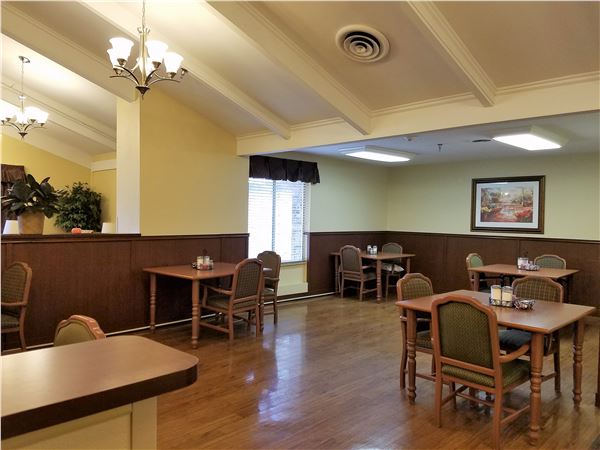
How is Pin Oaks Living Center Staffed?

CMS rates PIN OAKS LIVING CENTER's staffing level at 4 out of 5 stars, which is above average compared to other nursing homes. Staff turnover is 45%, compared to the Missouri average of 46%. This relatively stable workforce can support continuity of care.

What Have Inspectors Found at Pin Oaks Living Center?

State health inspectors documented 56 deficiencies at PIN OAKS LIVING CENTER during 2019 to 2024. These included: 2 that caused actual resident harm, 49 with potential for harm, and 5 minor or isolated issues. Deficiencies causing actual harm indicate documented cases where residents experienced negative health consequences.
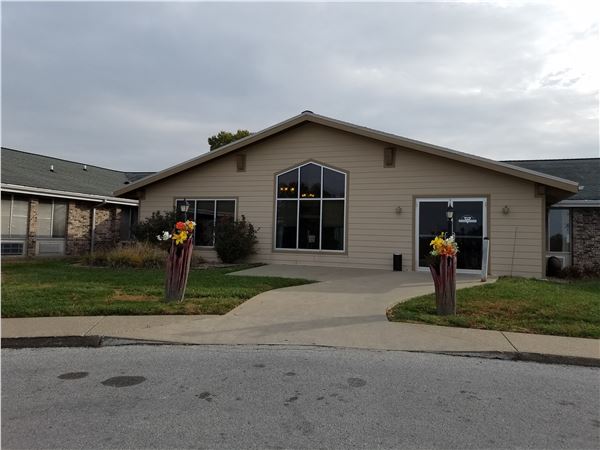
Who Owns and Operates Pin Oaks Living Center?

PIN OAKS LIVING CENTER is owned by a for-profit company. For-profit facilities operate as businesses with obligations to shareholders or private owners. The facility is operated by JAMES & JUDY LINCOLN, a chain that manages multiple nursing homes. With 124 certified beds and approximately 83 residents (about 67% occupancy), it is a mid-sized facility located in MEXICO, Missouri.

How Does Pin Oaks Living Center Compare to Other Missouri Nursing Homes?

Compared to the 100 nursing homes in Missouri, PIN OAKS LIVING CENTER's overall rating (2 stars) is below the state average of 2.5, staff turnover (45%) is near the state average of 46%, and health inspection rating (2 stars) is below the national benchmark.

What Should Families Ask When Visiting Pin Oaks Living Center?

Based on this facility's data, families visiting should ask: "What safeguards and monitoring systems are in place to protect residents from abuse or neglect?" "Can I visit during a mealtime to observe dining assistance and food quality?" "How do you handle medical emergencies, and what is your hospital transfer rate?" "Can I speak with family members of current residents about their experience?" These questions are particularly relevant given the substantiated abuse finding on record.

Is Pin Oaks Living Center Safe?

Based on CMS inspection data, PIN OAKS LIVING CENTER has documented safety concerns. The facility has 1 substantiated abuse finding (meaning confirmed case of resident harm by staff or other residents). The facility has a 2-star overall rating and ranks #100 of 100 nursing homes in Missouri. Families considering this facility should ask detailed questions about what corrective actions have been taken since these incidents.

Do Nurses at Pin Oaks Living Center Stick Around?

PIN OAKS LIVING CENTER has a staff turnover rate of 45%, which is about average for Missouri nursing homes (state average: 46%). Moderate turnover is common in nursing homes, but families should still ask about staff tenure and how the facility maintains care continuity when employees leave.

Was Pin Oaks Living Center Ever Fined?

PIN OAKS LIVING CENTER has been fined $31,200 across 2 penalty actions. This is below the Missouri average of $33,391. While any fine indicates a compliance issue, fines under $50,000 are relatively common and typically reflect isolated problems that were subsequently corrected. Families should ask what specific issues led to these fines and confirm they've been resolved.

Is Pin Oaks Living Center on Any Federal Watch List?

PIN OAKS LIVING CENTER is not on any federal watch list. The most significant is the Special Focus Facility (SFF) program, which identifies the bottom 1% of nursing homes nationally based on persistent, serious quality problems. Not being on this list means the facility has avoided the pattern of deficiencies that triggers enhanced federal oversight. This is a positive indicator, though families should still review the facility's inspection history directly.