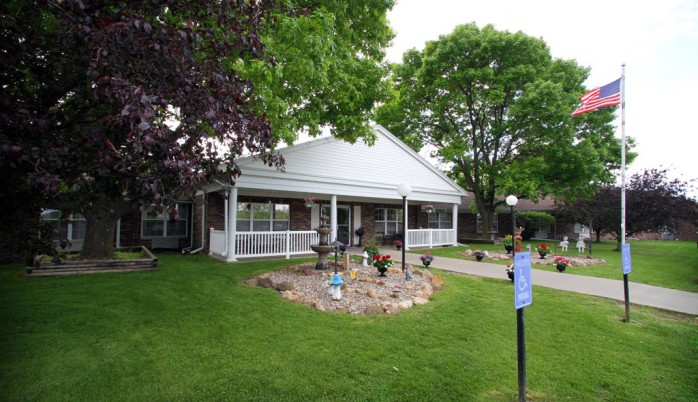
MILAN HEALTH CARE CENTER

52435 INFIRMARY ROAD, MILAN, MO 63556 (660) 265-4032
For profit - Corporation 100 Beds RELIANT CARE MANAGEMENT Data: November 2025 1 Immediate Jeopardy citation
Trust Grade
3/100
#423 of 479 in MO
Last Inspection: March 2025

Within standard 12-15 month inspection cycle. Federal law requires annual inspections.

Overview

Milan Health Care Center has received a Trust Grade of F, indicating poor quality and significant concerns. It ranks #423 out of 479 facilities in Missouri, placing it in the bottom half, and it is the only facility in Sullivan County. The situation appears to be worsening, as the number of reported issues has increased from 5 in 2024 to 17 in 2025. Staffing at the facility is a concern, with a turnover rate of 63%, which is higher than the Missouri average of 57%, and overall staffing is rated 1 out of 5 stars. Additionally, the facility has incurred $47,869 in fines, which raises red flags about compliance issues. Specific incidents include a critical fire safety violation where a small fire occurred in two residents' rooms due to improperly stored materials, and the facility did not have a full-time Director of Nursing during periods of high resident census, which is a significant oversight. While the RN coverage is average, the overall conditions and multiple violations suggest that families should carefully consider their options before choosing this facility.

Trust Score
F
3/100
In Missouri
#423/479
Bottom 12%
Safety Record
High Risk
Review needed
Inspections
Getting Worse
5 → 17 violations
Staff Stability
⚠ Watch
63% turnover. Above average. Higher turnover means staff may not know residents' routines.
Penalties
✓ Good
$47,869 in fines. Lower than most Missouri facilities. Relatively clean record.
Skilled Nurses
⚠ Watch
Each resident gets only 15 minutes of Registered Nurse (RN) attention daily — below average for Missouri. Fewer RN minutes means fewer trained eyes watching for problems.
Violations
⚠ Watch
44 deficiencies on record. Higher than average. Multiple issues found across inspections.
★☆☆☆☆
1.0
Overall Rating
★☆☆☆☆
1.0
Staff Levels
★☆☆☆☆
1.0
Care Quality
★☆☆☆☆
1.0
Inspection Score
Stable
2024: 5 issues
2025: 17 issues

The Good

  • Full Sprinkler Coverage · Fire safety systems throughout facility
  • No fines on record

Facility shows strength in fire safety.

The Bad

1-Star Overall Rating

Below Missouri average (2.5)

Significant quality concerns identified by CMS

Staff Turnover: 63%

17pts above Missouri avg (46%)

Frequent staff changes - ask about care continuity

Federal Fines: $47,869

Above median ($33,413)

Moderate penalties - review what triggered them

Chain: RELIANT CARE MANAGEMENT

Part of a multi-facility chain

Ask about local staffing decisions and management

Staff turnover is elevated (63%)

15 points above Missouri average of 48%

The Ugly 44 deficiencies on record

1 life-threatening
Jul 2025 2 deficiencies
CONCERN (E) 📢 Someone Reported This

A family member, employee, or ombudsman was alarmed enough to file a formal complaint

Potential for Harm - no one hurt, but risky conditions existed

Deficiency F0725 (Tag F0725)

Could have caused harm · This affected multiple residents

Deficiency Text Not Available

Read full inspector narrative →
Deficiency Text Not Available
CONCERN (F) 📢 Someone Reported This

A family member, employee, or ombudsman was alarmed enough to file a formal complaint

Potential for Harm - no one hurt, but risky conditions existed

Deficiency F0727 (Tag F0727)

Could have caused harm · This affected most or all residents

Deficiency Text Not Available

Read full inspector narrative →
Deficiency Text Not Available
May 2025 3 deficiencies
CONCERN (D) 📢 Someone Reported This

A family member, employee, or ombudsman was alarmed enough to file a formal complaint

Potential for Harm - no one hurt, but risky conditions existed

Free from Abuse/Neglect (Tag F0600)

Could have caused harm · This affected 1 resident

**NOTE- TERMS IN BRACKETS HAVE BEEN EDITED TO PROTECT CONFIDENTIALITY** Based on interview and record review, the facility failed to ensure one resident (Resident #1), in a review of seven sampled res...

Read full inspector narrative →
**NOTE- TERMS IN BRACKETS HAVE BEEN EDITED TO PROTECT CONFIDENTIALITY** Based on interview and record review, the facility failed to ensure one resident (Resident #1), in a review of seven sampled residents, was free from physical abuse by Resident #2 when Resident #2 hit Resident #1 in the face with a fist multiple times. The facility census was 91. Review of the facility's Abuse and Neglect Policy, revised 6/12/24, showed the following: -Abuse is the willful infliction of injury, intimidation, or punishment with resulting physical harm, pain or mental anguish, which can include staff to resident abuse and certain resident to resident altercations; -Physical abuse is the purposeful beating, striking, wounding, or injury of any resident or any manner whatsoever mistreating or maltreating a resident in a brutal or inhumane manner. Physical abuse includes, hitting, slapping, punching, biting, and kicking; -The facility will identify and correct by providing interventions in which abuse is more likely to occur, such as more secluded areas in the facility and ensuring the staff are knowledgeable of resident care needs. Prevention will also include assessment, care planning and monitoring of residents with needs or behaviors which may lead to conflict; -As part of the resident social history assessment, staff will identify residents with increased vulnerability for abuse or who have needs and behaviors that might lead to conflict. Through the care planning process, staff will identify any problems, goals, and approaches which would reduce the chances of mistreatment for these residents. 1. Review of Resident #1's undated face sheet showed the following: -The resident admitted on [DATE]; -Diagnoses included encephalopathy (any disorder or disease of the brain, especially chronic degenerative conditions), bipolar II disorder (condition that causes unusual shifts in mood, energy, activity levels and the ability to carry out day-to-day tasks), schizoaffective disorder (chronic mental illness that causes a person to experience dramatic changes in their thoughts, moods, and behaviors), and anxiety disorder (mental health condition characterized by excessive and persistent fear or anxiety that interferes with daily life, causing significant distress). Review of the resident's Care Plan, dated 5/28/24, showed the following: -The resident was at risk for aggression and other personality change related to diagnosis of traumatic brain injury; -Avoid confrontation; -Do not argue or get defensive with the resident; -The resident had behavioral symptoms related to his/her mental illness, wandered around the facility at times and was easily anxious; -Intervene as necessary to protect the rights and safety of others, remove from situation and take to alternate location as needed. Review of the resident's Care Plan, updated 6/21/24, showed the following: -The resident could be verbally aggressive and intrusive related to ineffective coping skills, mental/emotional illness, poor impulse control; -When the resident became agitated, intervene before agitation escalated, guide away from source of distress, engage calmly in conversation. Review of the resident's significant change MDS, dated [DATE], showed the following: -The resident had mild cognitive impairment; -He/She experienced verbal behaviors towards others and other behavioral symptoms not directed towards others that occurred 1-3 days out of seven days of the assessment; -The behaviors put the resident at significant risk for physical illness or injury; -He/She wandered 1-3 days out of seven days of the assessment; -He/She needed supervision with ambulation. Review of the resident's nurse note, dated 5/16/25 at 5:14 P.M., showed the following: -Peers of the resident came to tell staff that another peer was hitting the resident; -Peers said the resident walked down the sidewalk toward the carport and the other peer started yelling at the resident to get back over to the supervised smoking area; -The other peer went over to the resident and punched him/her multiple times in the face; -The staff sent the resident to the emergency department via ambulance for evaluation; -The psych physician, primary care physician, guardian, administrator, and management were notified. During an interview on 5/23/25 at 1:30 P.M., Resident #1 said the following: -Resident #2 hit him/her on the chin; -The altercation made him/her mad; -He/She felt safe now because Resident #2 was gone. 2. Review of Resident #2's undated face sheet showed the following: -The resident admitted on [DATE]; -Diagnoses included generalized anxiety disorder, major depressive disorder (mental health condition characterized by persistent feelings of sadness, emptiness, and a loss of interest or pleasure in daily activities), and dementia (general term for a group of symptoms that affect memory, thinking, and other cognitive abilities). Review of the resident's admission MDS, dated [DATE], showed the following: -The resident was cognitively intact; -He/She required supervision for ambulation. Review of the resident's care plan, dated 2/21/25, showed the resident had impaired thought processes related to dementia and often had mood disturbances with agitation. Review of the resident's care plan, updated on 4/16/25, showed the following: -Begin behavior monitoring; -Skilled nursing to increase frequency of assessment of behavior monitoring (aggressive/hostile behavior). Behavior monitoring will increase with frequency during the skilled timeframe; -Increase detection and assessment of triggers and identify alternate approaches. Review of the resident's nurse note, dated 4/18/25 at 11:58 A.M., showed the following: -The resident sat in the town square of the facility with peers on couches and the nurse overheard the resident yell loudly and scream profanity; -The resident was upset about another resident that wanted to sit on the couch and he/she did not want the peer to sit on the couch; -The nurse explained to the resident, screaming foul words in front of other residents and staff who may find this offensive, the area he/she displayed behavior was not appropriate as it was a community environment, and if the resident wanted to continue discussing things in that manner, he/she could go to a private area; -The resident declined and continued to raise his/her voice and said more profanities. The resident said he/she would continue to act this way and the nurse could try and put his/her hands on the resident and see what happens; -Staff present during behavior crisis with no redirection effective; -The nurse contacted the police. Review of the resident's nurse note, dated 5/16/25 at 4:24 P.M., showed the following: -The resident's peer went inside the facility to tell staff that there was a resident altercation; -The staff went outside to separate the residents and bring them back inside the facility; -The resident said, he/she hit Resident #1; -The Administrator advised the resident, his/her actions were not appropriate; -The resident said Resident #1 should have stayed away from him/her; -A police officer responded to the facility and spoke with the resident, who admitted he/she hit Resident #1. During an interview on 5/23/25 at 11:53 A.M., Resident #2 said the following: -The staff changed his/her status from supervised smoker to unsupervised smoker to get Resident #1 away from him/her; -On the day of the altercation, Resident #1 went over to the unsupervised smoking area; -He/She told Resident #1 to go back to the other area; -Resident #1 started in on him/her and he/she hit Resident #1. 3. During an interview on 5/23/25 at 10:45 A.M., Resident #4 said the following: -Resident #2 was a bully that didn't like weak residents with mental illness; -He/She witnessed the resident yell at other residents and threatened to kick their ass; -Resident #1 went out the supervised smoking area door early to wait to smoke; -Resident #2 went out the unsupervised smoking area door and saw Resident #1, then told Resident #1 to go back to the other area; -Resident #1 did not comply, Resident #2 started hitting Resident #1 in the face; -The altercation occurred on the sidewalk between the supervised and unsupervised smoking area. During an interview on 5/23/25 at 1:15 P.M., Licensed Practical Nurse (LPN) A said the following: -Resident #2 had a temper; -Resident #1 was annoying at times to the other residents and Resident #2 did not like it; -There was an incident that occurred prior to this altercation where Resident #1 pushed another resident in a wheelchair down the 100 Hall. Resident #2 saw it from the common area and yelled at Resident #1 to stop pushing the other resident, Resident #1 yelled back, he/she was not doing anything wrong. Resident #2 charged down the 100 Hall towards Resident #1, and the staff intervened before anything happened; -Resident #2 had a target on Resident #1. During an interview on 5/23/25 at 2:01 P.M., and 5/28/25 at 3:42 P,M. the Administrator said the following: -Resident #2 did not have any issues with other residents prior to the altercation; -The resident never mentioned to the DON or herself that he/she had any issues with Resident #1 and the Administrator never expected the altercation to happen; -She did not consider the altercation as being abuse, nor preventable. MO254376
CONCERN (E) 📢 Someone Reported This

A family member, employee, or ombudsman was alarmed enough to file a formal complaint

Potential for Harm - no one hurt, but risky conditions existed

Deficiency F0725 (Tag F0725)

Could have caused harm · This affected multiple residents

**NOTE- TERMS IN BRACKETS HAVE BEEN EDITED TO PROTECT CONFIDENTIALITY** Based on observation, interview and record review, the facility failed to provide sufficient nursing staff to meet residents' ne...

Read full inspector narrative →
**NOTE- TERMS IN BRACKETS HAVE BEEN EDITED TO PROTECT CONFIDENTIALITY** Based on observation, interview and record review, the facility failed to provide sufficient nursing staff to meet residents' needs for three residents (Resident #6, #7 and #8), in a review of eight sampled residents, when staff failed to answer the resident's call light in a timely manner, resulting in the residents' toileting needs not being met, episodes of bladder incontinence (loss of bladder control), and prolonged time the resident remained in a soiled incontinence brief. The facility census was 86.Based on observation, interview and record review, the facility failed to provide sufficient nursing staff to meet residents' needs for three residents (Resident #6, #7 and #8), in a review of eight sampled residents, when staff failed to call lights in a timely manner, resulting in the residents' toileting needs not being met, episodes of bladder incontinence (loss of bladder control), and prolonged time the resident remained in a soiled incontinence brief. The facility census was 86. 1. Review of the Facility Assessment, dated 03/03/25, showed the following:-The facility assessment will be used to inform staffing decisions to ensure a sufficient number of staff with the appropriate competencies and skill sets necessary to care for residents' needs as identified through resident assessments and plans of care; -Consider specific staffing needs for each shift, such as day, evening, night and adjust as necessary based on any changes to its resident population; -The average daily census was 93 residents; -The residents were either disabled or incapacitated; -This staffing plan is based on the facility assessment, along with facility-based and community-based risk assessments to inform staffing decisions to ensure that there are a sufficient number of staff to care for the residents' needs;-This document is updated and adjusted as necessary based on changes to the resident population;-Staffing needs as per resident unit included four to six Certified Nurse Assistants (CNAs) for day shift, and three to four CNAs for night shift. 2. Review of the facility's staffing sheets, of the staff who worked, showed the following: -06/11/25: three CNAs scheduled for the day shift (which is less than the four to six CNAs needed for day shift as indicated by the facility staffing assessment); -06/12/25: three CNAs scheduled for the day shift (which is less than the four to six CNAs needed for day shift as indicated by the facility staffing assessment); -06/17/25: three CNAs scheduled for the day shift (which is less than the four to six CNAs needed for day shift as indicated by the facility staffing assessment);-06/24/25: three CNAs scheduled for the day shift (which is less than the four to six CNAs needed for day shift as indicated by the facility staffing assessment); -06/27/25: three CNAs scheduled for the day shift (which is less than the four to six CNAs needed for day shift as indicated by the facility staffing assessment);-07/07/25: three CNAs scheduled for the day shift (which is less than the four to six CNAs needed for day shift as indicated by the facility staffing assessment). 3. Review of Resident #6's care plan, last revised 05/08/24, showed the following: -Resident had an Activity of Daily Living (ADL) self-care performance deficit related to activity intolerance and impaired balance; -Resident required extensive assistance by one staff for toileting. Review of the resident's annual Minimum Data Set (MDS), a federally mandated assessment instrument, completed by facility staff on 05/15/25, showed the following: -Makes self understood; -Understands others; -Cognitively intact; -No rejection of cares; -Dependent for toileting;-Had a colostomy and was always incontinent of bladder. During an interview on 07/09/25 at 1:40 P.M., the resident said the following: -The facility did not have enough staff; there were four halls and when there were only three CNAs, it made it rough for staff to help everyone; -He/She required a mechanical lift for transfers and that took two staff to operate; sometimes he/she would have to wait for a while until staff could help him/her; -A couple of weeks ago, he/she had to wait over 30 minutes for his/her call light to be answered; he/she had wet (had been incontinent of urine) the bed; -He/She was uncomfortable in the wet bed and embarrassed. 4. Review of Resident #7's care plan, last revised 06/09/22, showed the following: -Resident had bladder incontinence related to limited range of motion (ROM), and gait imbalance; -Resident used disposable (incontinence) briefs, check and change every two hours and as needed, change clothing as needed after incontinence episodes. Review of the resident's annual MDS, dated [DATE], showed the following: -Makes self understood; -Understands others; -No rejection of cares; -Partial to moderate assistance for toileting;-Always incontinent of bowel and bladder. During an interview on 07/09/25 at 10:27 A.M., the resident said the following: -He/She needed help to go to the bathroom; -He/She wore incontinence briefs; -His/Her incontinence brief was currently wet; -Sometimes staff did not answer the call light right away and he/she would urinate in the brief. Observation on 07/09/25 at 10:27 A.M. showed the following: -The resident sat in a wheelchair in his/her room; -There was a strong smell of urine in the resident's room; -The front of the resident's pants was wet; -The resident pushed his/her call light to get staff assistance;-The call light emitted a loud sound, and a light came on outside and above the resident's door;-CNA A entered the resident's room [ROOM NUMBER] minutes later, at 10:45 A.M., spoke with the resident, turned the call light off and left. During an interview on 07/09/25 at 10:45 A.M., the resident said the following; -CNA A came in and asked what he/she needed, the resident told staff he/she was wet and needed to be changed; -Staff said they were running behind and needed help but would be back in a little bit to change the resident. Observation on 07/09/25 at 11:00 showed the resident in his/her room sitting in a wheelchair. The resident's pants remained wet, and a strong urine smell persisted in the room. 5. Review of Resident #8's care plan, last revised on 08/23/24, showed the following: -Resident had an ADL self-care performance deficit related to fatigue and impaired balance; -Resident required limited assistance of one staff for toileting; -Resident was at risk for impaired skin integrity related to urinary incontinence, chronic rash and need for assistance; -Evaluate for urinary incontinence; -Provide skin care per facility guidelines and as needed. Review of the resident's quarterly MDS, dated [DATE], showed the following: -Makes self understood; -Understands others; -No rejection of cares; -Substantial to maximum assistance for toileting;-Frequently incontinent of bowel and bladder. During an interview on 07/09/25 at 2:45 P.M., the resident said the following: -He/She needed help to go to the bathroom; -He/She had a history of sensitive skin and broke out easily when he/she was wet (incontinent); -About one month ago, staff did not answer his/her call light for over an hour, and he/she needed to go to the bathroom; -He/She wet the bed because staff did not answer the call light; -He/She felt terrible when he/she wet the bed and staff had to clean him/her up; -The facility did not have enough help; they often did not answer the call light when he/she needed something. 6. During an interview on 07/10/25 at 11:10 A.M., CNA A said the following: -The facility did not have enough staff; call lights were hard to get to when the facility was short-staffed; -There were seven residents on one hall that needed a mechanical lift for transfers, and eight on another hall;-Mechanical lifts required two staff to operate; there had been times when he/she would use the lift by himself/herself because there was not enough staff to help. During an interview on 07/09/25 at 4:15 P.M. and 07/10/25 at 1:20 P.M., the Director of Nurses (DON) said the following: -She was familiar with the facility assessment but was not sure what the actual staffing needs per resident unit included;-Four (or less) CNAs on day shift for the four facility halls, with an average daily census of 90, was not enough staff to provide appropriate resident care. During an interview on 07/10/25 at 2:00 P.M., the Administrator said the following: -She was familiar with the facility assessment and what the staffing needs per resident unit included; -Three CNAs on day shift was not enough staff to provide care to residents based on the facility assessment. 1539071
CONCERN (F) 📢 Someone Reported This

A family member, employee, or ombudsman was alarmed enough to file a formal complaint

Potential for Harm - no one hurt, but risky conditions existed

Deficiency F0727 (Tag F0727)

Could have caused harm · This affected most or all residents

Based on interview and record review, the facility failed to provide a full time Director of Nursing (DON), who did not serve as a charge nurse, when the facility had a census over 60. The facility ce...

Read full inspector narrative →
Based on interview and record review, the facility failed to provide a full time Director of Nursing (DON), who did not serve as a charge nurse, when the facility had a census over 60. The facility census was 86.Based on interview and record review, the facility failed to provide a full time Director of Nursing (DON), who did not serve as a charge nurse, when the facility had a census over 60. The facility census was 86. Review of the facility Registered Nurse (RN) Policy, revised 04/30/24, showed the facility will designate a Registered Nurse to serve as the Director of Nursing on a full-time basis. Review of the facility's staffing sheets showed the facility did not have DON coverage on the following dates: -06/16/25, facility census 86;-06/17/25, facility census 86; -06/19/25, facility census 86; -06/23/25, facility census 86;-06/24/25, facility census 86;-06/25/25, facility census 86;-06/27/25, facility census 87. During an interview on 07/09/25 at 4:15 P.M., the DON said the following:-She had previously served as the DON, but during the month of May and June 2025, worked as a charge nurse because the facility was short-staffed; -The current (interim) administrator had been the DON during this time, but had been pulled to other facilities for a couple of weeks in June, so there were several days when there was no DON in the facility; -She reassumed the DON position full-time on or about 07/02/25. During an interview on 07/10/25 at 2:00 P.M., the administrator said the following: -She was previously the acting DON for the facility, as the former DON was pulled back to a charge nurse position due to staffing issues; -There were several days in June that she was away from the facility, so there was no DON coverage on those dates. 1539073
Mar 2025 11 deficiencies
CONCERN (D)

Potential for Harm - no one hurt, but risky conditions existed

Deficiency F0558 (Tag F0558)

Could have caused harm · This affected 1 resident

**NOTE- TERMS IN BRACKETS HAVE BEEN EDITED TO PROTECT CONFIDENTIALITY** Based on observation, interview and record review, the facility failed to ensure residents had the right to be as independent as...

Read full inspector narrative →
**NOTE- TERMS IN BRACKETS HAVE BEEN EDITED TO PROTECT CONFIDENTIALITY** Based on observation, interview and record review, the facility failed to ensure residents had the right to be as independent as possible when one resident (Resident #30), in a review of 24 sampled residents, who required a power wheelchair to be fully independent with mobility, was denied the assistance in obtaining a power wheelchair. Resident #30 was told by the administrator she forbid power chairs at the facility because they could hurt someone and that he/she would need to move to another facility if he/she wanted a power chair. The resident felt hopeless and discriminated against. Resident #11 had a power wheelchair, but said the administrator had threatened to take it away. The administrator said the resident failed his/her driver test and she was looking to take the resident's chair as she did not want any motorized chairs in the building. The resident's medical record showed no documentation the resident had failed his/her driving test. The threat of having the chair taken away made the resident feel more depressed at the thought of having his/her independence taken away, causing him/her to be more dependent on staff for things he/she could do for him/herself if he/she was allowed to keep his/her motorized chair. The facility census was 98. Review of the facility policy, Use of Assistive Devices, last revised 05/18/24, showed the following: -The purpose of this policy is to provide a reliable process for the proper and consistent use of assistive devices for those residents requiring equipment to maintain or improve function and/or dignity; -Assistive devices are tools, products, types of equipment or technology that help individuals perform tasks and activities. They may help the individual move around, see, communicate, eat or get dressed. Assistive devices included mobility aids (i.e. walker, cane, wheelchair, raised toilet seat); -The use of assistive devices will be based on the resident's comprehensive assessment, in accordance with the resident's plan of care; -The facility will provide assistive devices for residents who need them. Nursing, dietary, social services and therapy departments will work together to ensure availability of devices, such as for ordering and/or replacement; -Facility staff will provide appropriate assistance to ensure that the resident can use the assistive devices. This may include education or therapy sessions for training on the use of the device, set up assistance, supervision or physical assistance as needed; -Direct care staff will be trained on the use of the devices as needed to carry out their roles and responsibilities regarding the devices. Training will also include when to refer to other departments for changes in condition or problems with the device; -A nurse with responsibility for the resident will monitor for the consistent use of the device and safety in the use of the device. Refusals of use, or problems with the device, will be documented in the medical record. Modifications to the plan of care will be made as needed. Review of the facility policy, Resident Rights, dated 07/05/23, showed residents have the to right to accommodation of needs, residents have the right to reside and receive services with reasonable accommodation of individual needs and preferences, except when the health or safety of the individual or other residents would be endangered. 1. Review of Resident #30's face sheet, showed the resident was his/her own responsible party. Review of the resident's care plan, last revised 04/17/24, showed the following: -Resident had chronic pain related to chronic physical disability which is paraplegia (paralysis of legs); -He/She used a geri chair (reclining chair on wheels; (this type of chair cannot be self propelled and requires staff to push for mobility); -Resident will remain free of complications related to immobility; -Resident was non-weight bearing; -Resident was dependent on staff for locomotion using gerichair; -No indication the resident must be reclined or could not sit upright. Review of the resident's quarterly Minimum Data Set (MDS), a federally mandated assessment instrument completed by facility staff, dated 02/27/25, showed the following: -Cognitively intact; -Diagnosis of paraplegia (paralysis of the legs and lower body); -Impairment to functional range of motion (ROM) to both lower extremities, no documentation of impairment to upper extremities; -Dependent on staff for toileting hygiene, shower/bathing, lower body dressing, all transfers and wheelchair mobility. -No therapy services. Observation on 03/02/25 at 5:54 P.M., showed the resident in his/her room in a geri chair that was reclined. During an interview on 03/05/25 at 2:17 P.M., the resident said the following: -He/She was a paraplegic. He/She had his/her own power chair for years when he/she was at another facility; -While he/she was at the hospital, he/she decided to change facilities. The previous facility threw his/her motorized wheelchair in the dumpster; it had some issues and was old, but it worked fine; -He/She has been at this facility for 17 months and therapy was trying to get him/her a new power chair; -He/She had a physician's order and it was approved by Medicaid but the administrator stopped the order; -The Administrator said she forbid power chairs at the facility because they could hurt someone; -He/She has never hurt anyone and had driven safely for over 11 years; -He/She felt like he/she had lost his/her independence; -He/She felt hopeless and was at the mercy of everyone else; -He/She felt he/she was discriminated against because there was another resident that had and used a power chair in the facility; -The administrator said he/she could not have the power chair and would need to move to another facility if he/she wanted a power chair; -He/She felt he/she missed out on a lot and wanted to move to a facility that allowed him/her to have a power chair because he/she wanted to be independent; -He/She was depressed because he/she was stuck in a geri chair and could not be independent in areas that he/she could be independent in; -When he/she had a power chair he/she could go all over the facility and outside independently; now he/she was stuck in a gerichair and at the mercy of the staff. No one would like to have to be dependent for every aspect of their life if there was a way to have some freedom; -He/She felt he/she had no control of his/her life even though he/she was his/her own person. During an interview on 03/19/25 at 1:30 P.M., the Therapy Director said the following: -The resident wanted a motorized wheelchair; -They spoke with the physician and got the order to have the resident evaluated by the durable medical equipment company that specialized in wheelchairs and the resident was approved; -The Administrator preferred not to have power chairs at the facility because of an incident in the past when a resident in the facility was run over by a resident using a power chair; the current residents were not involved in that incident; -Therapy staff did not know of any issues with the resident utilizing a power chair; -He offered to help the resident look at a manual tilt in space chair but the resident insisted on wanting more independence that the power chair would give him/her; -He believed the resident was being discharged tomorrow to a home that would allow him/her to have a power chair. During an interview on 03/05/25 at 8:00 P.M., the Administrator said the following: -To have a motorized chair, the residents have to be safe and pass a test; -The residents go through therapy and do a testing (cognition test and abilities) and the physicians get involved; -The resident was eligible for a new chair; the chair he/she has does not fit appropriately and the wheels have fallen apart because the resident was too large for the gerichair; -The resident wanted an electric wheelchair, but the resident cannot sit upright; -The resident will not get into a regular manual wheelchair and refused the manual wheelchair; -Therapy spoke with the resident and with the wheelchair company, and they measured to see what the resident would qualify for; -She was not sure if the resident could be reclined in a motorized chair and drive it; -She told therapy not to order the motorized wheelchair for the resident and offered for him/her to go to another home. 2. Review of Resident #11's annual MDS, dated [DATE] showed the following: -Cognitively intact; -Dependent for bed mobility, transfers, dressing and bathing; -Used a motorized chair; -Functional limitation in range of motion of bilateral upper and lower extremities; -Once seated in chair, able to wheel 50 feet (ft) with two turns with no assistance from helper; -Once seated in chair, able to wheel 150 ft in corridor or similar space with no assistance from helper; -No behaviors affecting others.; -No Occupational Therapy, Physical Therapy or Restorative Nursing minutes documented. Review of the resident's Power-Mobility Indoor Driving Assessment, dated 02/06/25 showed the following: -The assessment was completed by the physical therapy department; -The resident owned his/her motorized chair; -The chair had a horn for a safety device; -The resident was able to explain or demonstrate how each accessory was used; -The resident could turn device on and off, utilize the braking system, use the speed control switch, use special features of the device and request assistance if necessary; -The resident could not transfer him/herself on and off the device; -Handwritten comments authored by the medical director, dated 2/9/25 read: I have reviewed these notes, I agree. He/She was not safe to drive based on history of running into residents repeatedly; -Score of 79% with handwritten note: Resident would benefit from mirrors to see behind/beside him/her due to impaired cervical ROM. Resident would benefit from decreased speed; -The assessment did not indicate what was a passing or failing score; -Opinion: Able to drive with some difficulty. Review of the resident's care plan, last revised 02/13/25, showed the following: -ADL self-care performance deficit related to multiple sclerosis (MS-nerve damage disrupting communication between the brain and the body) and fatigue; -Totally dependent of one to two staff for bathing, bed mobility, dressing; -Dependent on two staff and a mechanical lift for transfers; -Encourage resident to discuss feelings about self-care deficit frequently; -Encourage resident to participate to the fullest extent possible with each interaction; -Encourage use of prescribed assistive devices (12/21/23). Review of the resident's physician order sheet (POS), dated 03/2025, showed he/she had diagnoses that included MS, depression and anxiety. Review of the resident's facility electronic medical record showed no documentation the resident had run his/her motorized chair into other residents repeatedly and no documented safety concerns regarding the resident's use of his/her motorized chair. There was no documentation to show mirrors had been installed on his/her motorized wheelchair or that the speed had been decreased. During an interview on 03/02/25 at 4:52 P.M., the resident said the following: -The facility told him/her that he/she could not have his/her motorized chair and had threatened to take it away; -His/Her chair was the only way he/she had any independence and could do things for him/herself; -He/She would be mostly dependent on staff without the chair; -He/She would become more depressed without the chair; -Therapy had evaluated him/her in the chair and he/she had never hit anyone in his/her motorized chair. Observations during the survey process from 03/02/25 to 03/05/25, showed the resident up in his/her motorized chair in his/her room and in the common areas without any concerns of unsafe driving of the motorized chair or excessive speed. No mirrors were observed on the resident's motorized chair. During an interview on 03/19/25 at 1:30 P.M., the Therapy Director said the following: -The scoring of the power-mobility indoor driving assessment did not indicate a pass or fail; -The resident had not run into any residents when accompanied by therapy; -Therapy could help the resident to use the chair safely. During an interview on 03/05/25, at 8:00 P.M. and 3/19/256 at 2:19 P.M., the Administrator said the following: -Therapy evaluated the resident, and the resident failed the test; -The resident wanted to drive too fast; -The resident has not had an accident she was aware of; -She worried about the safety of others; -She knew the company which provided/attached safety devices to the motorized chairs had been in the facility a few times but they always worked on the resident's chair in his/her room; -She did not know if the company had attempted to turn the speed down or apply mirrors (per the assessment recommendations) to the resident's chair or not; -The resident failed his/her driver test and she was looking to take his/her chair as she did not want any motorized chairs in the building; -Therapy will evaluate to put him/her in a chair in which he/she could maintain level of function.
CONCERN (D)

Potential for Harm - no one hurt, but risky conditions existed

Deficiency F0688 (Tag F0688)

Could have caused harm · This affected 1 resident

**NOTE- TERMS IN BRACKETS HAVE BEEN EDITED TO PROTECT CONFIDENTIALITY** Based on observation, interview and record review, the facility failed to provide restorative nursing services to assist two res...

Read full inspector narrative →
**NOTE- TERMS IN BRACKETS HAVE BEEN EDITED TO PROTECT CONFIDENTIALITY** Based on observation, interview and record review, the facility failed to provide restorative nursing services to assist two residents (Resident #30 and #55), in a review of 24 sampled residents, in attaining or maintaining their highest level of functioning. The facility failed to follow their policy to develop restorative plans with the problem, needs/strengths, measurable goals with a target date, specific interventions/task to be provided, frequency and duration of interventions/task, such as number of repetitions, length of time, or direction to staff to meet resident needs. The facility census was 98. Review of the facility policy, Restorative Nursing Program (RNP), dated 04/30/24, showed the following: -It is the policy of this facility to provide maintenance and restorative services designed to maintain or improve a resident's abilities to the highest practicable level; -Restorative nursing program refers to nursing interventions that promote the resident's ability to adapt and adjust to living as independently and safely as possible. This concept actively focuses on achieving and maintaining optimal physical, mental, and psychosocial functioning; -Cognitive and physical functioning of all residents will be assessed in accordance with the facility's assessment protocols; -The interdisciplinary team, with the support and guidance from the physician, will assure the ongoing review, evaluation and decision making regarding the services needed to maintain or improve resident's abilities in accordance with the resident's comprehensive assessment; -Nursing personnel are trained on basic, or maintenance nursing care that does not require the use of a qualified therapist or licensed nurse oversight. This training may include, but is not limited to: -Maintaining proper positioning and body alignment; -Assisting residents with range of motion exercises, performing passive range of motion for residents who lack active range of motion ability; -All residents will receive maintenance nursing services as described above, as needed, by certified nursing assistants; -The Restorative Nurse and restorative aides receive additional training on restorative nursing program activities upon hire and as needed; -Residents, as identified during the comprehensive assessment process, will receive services from restorative aides when they are assessed to have a need for restorative nursing services and may include passive or active range of motion; -Residents may receive restorative nursing services upon admission when not a candidate for specialized rehabilitation services, when restorative needs arise during the course of a longer term stay, in conjunction with specialized rehabilitation therapy, or upon discharge from therapy; -The Restorative Nurse is responsible for maintaining a current list of residents who require restorative nursing services and for ensuring that all elements of each resident's program are implemented; -A resident's Restorative Nursing plan will include: -a. The problem, need or strength the restorative tasks are to address; -b. The type of activities to be performed; -c. Frequency of activities; -d. Duration of activities; -e. Measurable goal and target date; -Restorative aides will implement the plan for a designated length of time, performing the activities, and documenting in the Electronic Health Record; -The Restorative Nurse, or designated licensed nurse, will provide oversight of the restorative aide activities, review the documentation at least weekly and evaluate the effectiveness of the plan monthly; -The facility maintains complete, accurate and organized documentation of restorative treatments and the response to those treatments; -The need for restorative nursing services will be documented in the medical record and indicated on the resident's plan of care. Documentation shall include: -a. The problem, need or strength that is being addressed; -b. A measurable goal with target date; -c. The specific interventions/treatments to be provided; -d. The frequency and duration of interventions/treatments; -Treatment provided as part of a restorative nursing program will be documented on a daily basis by the restorative aide or other trained individual providing the treatment; -a. The treatment as described in the resident's care plan will be written on the designated restorative flowsheet; -b. The specific treatment provided will be initialed daily or as specified by the care plan; -d. If the treatment is refused or withheld, a narrative note will be written explaining why; -A weekly progress note will be written by the restorative aide and countersigned by a licensed nurse (if allowed by state practice act). The progress note shall include, but is not limited to: -a. The treatment provided (ambulation, etc.); -b. The specific distance or repetitions; -c. The use of assistive devices; -d. The endurance and tolerance level; -e. The amount of assistance needed and why; -The Restorative Nurse will document an evaluation monthly. The evaluation will include: -a. The problem, need or strength that is being addressed; -b. The resident's progress towards goals; -c. The resident's tolerance or response to the treatments; -d. Any complications or risks associated with the restorative interventions; -e. A determination regarding the need for continued restorative services or rationale for discontinuing restorative services; -The resident's plan of care will be updated at routine intervals and as indicated. 1. Review of Resident #30's care plan, last revised 04/17/24, showed the following: -Resident has chronic pain related to chronic physical disability which is paraplegia (paralysis of legs); -He/She uses a gerichair (reclining chair on wheels) pushed/propelled by staff for mobility; -Resident will remain free of complications related to immobility, including contractures; -Observe and report decrease in functional abilities, decrease Range of Motion (ROM), and withdrawal or resistance to care; -Resident is non-weight bearing; -Resident is dependent on staff for locomotion using gerichair; -Monitor/document/report contractures forming or worsening; -Provide gentle range of motion as tolerated with daily care. Review of the resident's Physician's Orders Sheet (POS), dated 06/07/24 (and still active), showed the resident was to receive restorative nursing for passive PROM. Review of the resident's annual Minimum Data Set (MDS), a federally mandated assessment completed by facility staff, dated 10/03/24, showed the following: -Cognitively intact; -Diagnosis of paraplegia (paralysis of the legs and lower body); -Impairment to functional ROM to both lower extremities; -Requires partial/moderate assistance from staff for personal hygiene and upper body dressing; -Dependent on staff for toileting hygiene, shower/bathing, lower body dressing all transfers and wheelchair mobility; -No documentation of restorative nursing minutes and no therapy services. Review of the resident's quarterly MDS, dated [DATE], showed no restorative nursing minutes, and not receiving therapy services. Review of the resident's electronic medical record showed no evidence the resident's order for RN and PROM had been discontinued. Review of the resident's restorative log, for January 2025, showed staff documented completing the following: -01/02/25, 10 minutes of passive ROM; -01/08/25, 10 minutes of passive ROM; -01/09/25, 12 minutes of passive ROM; -01/17/25, 10 minutes of passive ROM; -01/21/25, 10 minutes of passive ROM; -No documentation to show the resident ever refused PROM offered; -This documentation did not include the location PROM was to be completed for, the frequency of activities, duration of activities or the measurable goal and target date. Review of the resident's restorative log, for February 2025, showed staff documented the following: -02/07/25, 10 minutes of passive ROM; -02/17/25, 10 minutes of passive ROM; -02/18/25, 10 minutes of passive ROM; -02/21/25, 10 minutes of passive ROM; -02/25/25, 8 minutes of passive ROM; -02/27/25, 10 minutes of passive ROM; -No documentation to show the resident ever refused PROM offered; -This documentation did not include the location PROM was to be completed for, the frequency of activities, duration of activities or the measurable goal and target date. Review of the resident's quarterly MDS, dated [DATE], showed the following: -Cognitively intact; -Diagnosis of paraplegia; -Impairment to functional ROM to both lower extremities; -Requires partial/moderate assistance from staff for personal hygiene and upper body dressing; -Dependent on staff for toileting hygiene, shower/bathing, lower body dressing, all transfers and wheelchair mobility; -No restorative nursing, and no therapy. Review of the resident's electronic medical record showed no documentation of restorative minutes on 02/27/25 or 02/28/25, including refusals of PROM by the resident. Review of the resident's facility electronic medical record showed no documentation of restorative minutes on 03/01/25 through the review period of 03/03/25, including refusals of PROM by the resident. Review of the resident's restorative log, for 03/01/25 through 03/04/25, showed the resident received 10 minutes of passive ROM on 03/04/25, the documentation did not show any refusals, the body location that PROM was to be performed on, frequency of activities, duration of activities or the measurable goal and target date. Review of the resident's facility electronic medical record showed no documentation of a restorative plan of care to include restorative plans with the problem, needs/strengths, measurable goals with a target date, specific interventions/task to be provided, frequency and duration of interventions/task, such as number of repetitions, length of time, or direction to staff to meet resident needs. The electronic medical record also showed no documentation of the Restorative Nurse, or designated licensed nurse, documenting a weekly review or evaluation of the effectiveness of the plan monthly. Observation on 03/02/25 at 5:54 P.M., showed the resident in his/her room in a reclining chair on wheels (gerichair); the resident's lower extremities were paralyzed and contracted. During an interview on 03/05/25 at 2:17 P.M., the resident said the following: -He/She is a paraplegic and unable to move his/her legs; -He/She has contractures and was supposed to have restorative services three times per week; -The Restorative Aide (RA) says he/she is pulled to the floor and doesn't have time to complete his/her restorative program; -He/She may have one day of restorative and then go without any restorative nursing for two to three weeks; -He/She was having more spasms in his/her legs and they hurt; -He/She felt like his/her contractures were getting worse; he/she needed to have aggressive stretching to prevent worsening of contractures and to help his/her spasms. 2. Review of Resident #55's facility document, Point of Care Restorative Tasks, showed the following: -Date initiated: 02/14/2022; -Last revision: 08/28/24; -Task: Restorative: PROM; -Description: daily; -Instruction: [NAME] resting hand splint to contracture two to four hours after completion of ROM; -Frequency: Monday, Tuesday, Wednesday, Thursday and Friday, every shift, days 6:00 A.M. to 6:00 P.M. Review of the resident's annual MDS, dated [DATE], showed the following: -Severe cognitive impairment; -Diagnosis: stroke, hemiplegia (paralysis of one side of the body), seizure disorder and depression; -Functional limitation in ROM both upper and lower extremities; -Wheelchair propelled by staff; -Dependent all ADL's; -No documentation of therapy and no restorative nursing. Review of the resident's Physician's Order Sheet, dated January 2025 (and still active) showed an order for passive ROM. Review of the resident's restorative log, for January 2025, showed staff documented completing the following: -Resident is scheduled for passive ROM daily: -01/01/25, 10 minutes of passive ROM; -01/02/25, 10 minutes of passive ROM; -01/03/25, 12 minutes of passive ROM; -No documentation of restorative nursing documented 01/04/25 through 01/06/25; no documentation the resident refused; -01/07/25, 10 minutes of passive ROM; -01/08/25, 10 minutes of passive ROM; -01/09/25, eight minutes of passive ROM; -01/10/25, 12 minutes of passive ROM; -No documentation of restorative nursing documented 01/11/25 through 01/13/25; no documentation the resident refused; -01/14/25, 10 minutes of passive ROM; -01/15/25, seven minutes of passive ROM; -01/16/25, seven minutes of passive ROM; -01/17/25, 12 minutes of passive ROM; -No documentation of restorative nursing documented 01/18/25 or 01/19/25; no documentation the resident refused; -01/20/25, 10 minutes of passive ROM; -01/21/25, 10 minutes of passive ROM; -01/22/25, 10 minutes of passive ROM; -01/24/25, 10 minutes of passive ROM; -No restorative nursing minutes documented between 01/25/25 and 01/31/25; no documentation the resident refused; -This documentation did not include the location PROM was to be completed for, the frequency of activities, duration of activities or the measurable goal and target date. Review of the resident's restorative log, for February 2025, showed the following: -Passive ROM scheduled daily; -No documentation of restorative nursing documented for 02/01/25 or 02/02/25; no documentation the resident refused; -02/03/25, eight minutes of passive ROM; -No documentation of restorative nursing documented for 02/04/25 through 02/12/25; no documentation the resident refused; -02/13/25, 10 minutes of passive ROM; -No documentation of restorative nursing documented for 02/14/25 through 02/16/25; no documentation the resident refused; -02/17/25, 10 minutes of passive ROM; -No documentation of restorative nursing documented for 02/18/25 or 02/19/25; no documentation the resident refused; -02/20/25, 14 minutes of passive ROM; -02/21/25, 15 minutes of passive ROM; -No documentation of restorative nursing documented for 02/22/25 through 02/23/25; no documentation the resident refused; -02/24/25, 10 minutes of passive ROM. -02/25/25, 12 minutes of passive ROM; -02/26/25, 10 minutes of passive ROM; -02/27/25, 12 minutes of passive ROM; -02/28/25, 15 minutes of passive ROM. -This documentation did not include the location PROM was to be completed for, the frequency of activities, duration of activities or the measurable goal and target date. Review of the resident's facility electronic medical record showed no documentation of a restorative plan of care to include: restorative plans with the problem, needs/strengths, measurable goals with a target date, specific interventions/task to be provided, frequency and duration of interventions/task, such as number of repetitions, length of time, or direction to staff to meet resident needs. The electronic medical record also showed no documentation of the Restorative Nurse, or designated licensed nurse, documenting a weekly review or evaluation of the effectiveness of the plan monthly. 4. During an interview on 03/03/25 at 2:30 P.M., Certified Nurse Assistant (CNA) O said the following: -He/She was the restorative aide (RA); -He/She was pulled to the floor a lot and was unable to fulfill the RNP or resident PROM duties; -There had been weeks when she was not able to do restorative nursing at all because of staffing, the Director of Nursing tried not to pull her but sometimes there is no choice; -He/She does not make a weekly or monthly note, he/she follows what tasks are in the electronic medical record. During an interview on 03/05/25 at 8:05 P.M. and 03/20/25 at 12:41 P.M., the Director of Nursing said the following: -She would like to see the Restorative Program stronger, -She tries very hard not to pull the RA to the floor, but sometimes had no choice; -She would like all residents to get restorative nursing; -Therapy recommends residents for restorative nursing; -She believed therapy recommended restorative nursing for Residents #30; -She was not sure if the facility still had the written therapy recommendations for restorative therapy because once the recommendation is entered in the computer, they do not keep the paper form; -Resident #55 should have PROM for the rest of his/her life due to being bedridden. During an interview on 03/05/25 at 8:00 P.M., the Administrator said the following: -Restorative Nursing is important to maintain the resident's abilities and prevent declines in function; -The restorative aide does get pulled to work as a CNA on the floor especially with recent staffing challenges.
CONCERN (E)

Potential for Harm - no one hurt, but risky conditions existed

Deficiency F0637 (Tag F0637)

Could have caused harm · This affected multiple residents

**NOTE- TERMS IN BRACKETS HAVE BEEN EDITED TO PROTECT CONFIDENTIALITY** Based on interview and record review, the facility failed to complete a significant change in status assessment (SCSA) Minimum D...

Read full inspector narrative →
**NOTE- TERMS IN BRACKETS HAVE BEEN EDITED TO PROTECT CONFIDENTIALITY** Based on interview and record review, the facility failed to complete a significant change in status assessment (SCSA) Minimum Data Set (MDS), a federally mandated assessment tool required to be completed by facility staff, for four residents (Resident #18, #36, #59, and #79) in a review of 24 sampled residents. This assessment should have been completed within 14 days after the facility determined, or should have determined, there had been a significant change (a decline or improvement in two or more assessed areas of resident status) in the resident's physical or mental condition which had an impact on more that one area of the resident's health status, or was placed under hospice care, and required interdisciplinary review and/or revisions of the care plan. The facility census was 98. Review of the Centers for Medicare and Medicaid Services (CMS), Long-Term Care Facility Resident Assessment Instrument (RAI) 3.0 User's Manual, Version 1.18.11, Chapter 2, revised October 2023, showed the following: -The significant change in status assessment (SCSA) is a comprehensive MDS assessment for a resident that must be completed when the Interdisciplinary team (IDT) has determined that a resident meets the significant change guidelines for either major improvement or decline. It can be performed at any time after the completion of an admission assessment, and its completion dates (MDS/CAA(s)/care plan) depend on the date that the IDT's determination was made that the resident had a significant change; -A significant change is a major decline or improvement in a resident's status that: 1. Will not normally resolve itself without intervention by staff or by implementing standard disease-related clinical interventions, the decline is not considered self limiting; 2. Impacts more than one area of the resident's health status; and 3. Requires interdisciplinary review and/or revision of the care plan; - When a resident's status changes and it is not clear whether the resident meets the SCSA guidelines, the nursing home may take up to 14 days to determine whether the criteria are met; -After the IDT has determined that a resident meets the significant change guidelines, the nursing home should document the initial identification of a significant change in the resident's status in the clinical record; -An SCSA is appropriate when: 1. There is a determination that a significant change (either improvement or decline) in a resident's condition from their baseline has occurred as indicated by comparison of the resident's current status to the most recent comprehensive assessment and any subsequent Quarterly assessments and the resident's condition is not expected to return to baseline within two weeks; 2. An SCSA is required to be performed when a terminally ill resident enrolls in a hospice program (Medicare-certified or State-licensed hospice provider) or changes hospice providers and remains a resident at the nursing home. -The ARD must be within 14 days from the effective date of the hospice election (which can be the same or later than the date of the hospice election statement, but not earlier than); -An SCSA must be performed regardless of whether an assessment was recently conducted on the resident; -This is to ensure a coordinated plan of care between the hospice and nursing home is in place. Review of the facility policy, Significant Change, revised on 11/06/23, showed the following: -The facility will identify within 14 days of a significant change in two or more areas of decline or improvement in the resident's physical or mental condition; -If the resident shows a decline or improvement in two or more areas, a significant change assessment will be completed within 14 days; -A significant change will be defined as a major decline or improvement in the resident's status that will not normally resolve itself without further intervention by staff or by implementing standard disease-related clinical interventions, that has an impact on more than one area of the resident's health status, and requires interdisciplinary review or revision of the care plan or both. -The following are the criteria for a significant change: a. Is not self limiting; b. Impacts one or more of the resident's health status; c. Being placed on hospice or discharged off of hospice care; d. Requires an inter-disciplinary review of the care plan or MDS within 14 days of the significant change; e. A significant change assessment is indicated if decline or improvement is consistently noted in two or more areas of decline or two or more areas of improvement; -If the resident experiences a significant change in status, the next annual assessment is not due until 366 days after the significant change assessment has been completed; -The MDS/Care Plan Coordinator will complete a significant change assessment when the resident meets the criteria as defined by a significant change; -The Physician, Family Member/Legal Guardian/Responsible Party and Interdisciplinary Team will be informed of any significant changes and changes in interventions included in the plan of care. 1. Review of Resident #18's admission Minimum Data Set (MDS), a federally mandated assessment completed by staff, dated 06/10/24, showed the following: -Cognitively intact; -Diagnosis of dementia, diabetes mellitus (inability to control blood sugar), bipolar (a mental health condition that causes extreme mood swings emotional highs(mania) and lows (depression)), schizophrenia (a serious mental illness that affects how a person thinks, feels, and behaves), extrapyramidal (describes involuntary movements that you cannot control cause by antipsychotic medications) and movement disorders; -Independent with eating, rolling left and right and propelling wheelchair 150 feet; -Set up or clean up assistance from staff for oral hygiene; -Requires supervision/touching assistance from staff members for toilet hygiene, upper body dressing, put on/take off footwear, personal hygiene, sit to lying, lying to sitting on the side of the bed, sit to stand, chair/bed-to-chair transfer and toilet transfers; -Requires partial/moderate assistance from staff for lower body dressing and tub/shower transfers; -Requires substantial/maximal assistance from staff to shower/bathe; -Scheduled pain medications, with the resident saying no pain present during assessment. Review of the resident's quarterly MDS, dated [DATE], showed the following -Severe cognitive impairment (previous assessment cognitively intact); -New diagnosis of pneumonia, and new pressure ulcer that is Stage III (Wound with full thickness tissue loss. Subcutaneous fat may be visible but bone, tendon or muscle are not exposed. Slough may be present but does not obscure the depth of tissue loss. May include undermining and tunneling); -New indwelling urinary catheter (tube inserted in bladder to drain urine); -Set up or clean up assistance from staff for eating (was independent previously); -Requires substantial/maximal assistance from staff for oral hygiene (was set up), upper body dressing (was supervision/touching), lower body dressing (was partial/moderate), personal hygiene (was supervision/touching), rolling left and right (was independent), and sit to lying (was supervision/touching); -Dependent on staff for toilet hygiene (was supervision/touching), shower/bathe (was substantial/maximal), put on/take off footwear (was supervision/touching), chair/bed-to-chair transfer (was supervision/touching), tub/shower transfer (was partial/moderate) and propelling wheelchair (was independent); -Not attempted during this assessment: lying to sitting on the side of the bed, sit to stand, and toilet transfer; -New mechanical soft diet; -New Stage III pressure ulcer present. A SCSA was not completed after the resident had a decline in cognition, new diagnosis that could change the resident's care plan, new urinary catheter, decline in several activities of daily living (ADL's), new diet and new Stage III pressure ulcer. 2. Review of Resident #36's admission MDS, dated [DATE], showed the following: -Cognitively intact; -Diagnosis include: dementia (15/15 on cognitive test), Parkinson's (a movement disorder of the nervous system), Traumatic brain injury (TBI-an injury to the brain caused by an external force, such as a blow, bump, jolt or penetration to the head. It can result in temporary or permanent damage to the brain, affecting cognitive, physical and emotional functions), anxiety, depression, Lewy body dementia (progressive brain disorder characterized by abnormal protein deposits called Lewy bodies in the brain); -Independent with all ADL's and walks without devices; -Occasionally incontinent of bowel and bladder; -No shortness of breath when lying flat; -Weight 181 pounds (lbs); -No falls. Review of the resident's quarterly MDS, dated [DATE], showed the following: -New delusions (a false belief or judgment about external reality, held despite incontrovertible evidence to the contrary) present; -New diagnosis of bipolar disorder; -New wheelchair use; -Independent with propelling wheelchair 50 feet and wheel wheelchair 150 feet (did not use devices on last assessment); -Requires supervision/touching assistance from staff members for eating, oral hygiene, sit to lying (was independent with these ADL's); -Requires partial/moderate assistance from staff for toileting hygiene, upper body dressing, lower body dressing, putting on/taking off footwear, personal hygiene, lying to sitting on side of bed, sit to stand, chair/bed-to-chair transfer, toilet transfer, and tub/shower transfers (was independent with these ADL's); -Requires substantial/maximal assistance from staff to shower/bathe (was independent with these ADL's); -Did not attempt walking due to medical condition (ambulated independently without devices prior assessment); -Frequently incontinent of bowel and bladder (previous assessment occasionally incontinent); -New shortness of breath when lying flat; -Two or more non injury falls, and two or more injury falls; -Weight 160 lbs.; significant weight loss (11.6 percent (%) weight loss since 07/19/24), not on a physician prescribed plan; -New intravenous (IV) access. The facility failed to complete a SCSA when the resident had many changes including new delusions, diagnosis of bipolar disorder, new wheelchair use, decline in all ADL's, increased incontinence, new shortness of breath when lying flat, four or more falls, significant weight loss and new IV access. 3. Review of Resident #59's annual MDS, dated [DATE], showed the following: -Cognitively intact; -Diagnosis: Diabetes mellitus (DM inability to regulate blood sugar), thyroid disorder, depression, respiratory failure, acute and chronic respiratory failure with hypoxia (lack of oxygen to the brain), fluid overload, stage 3 kidney disease, chronic obstructive pulmonary (respiratory) disease and chronic pain; -Moderate signs and symptoms of depression; -Rejection of care; -Independent with wheelchair propelling 50 feet and 150 feet; -Requires partial/moderate assistance from staff for upper body dressing, personal hygiene, rolling left and right, lying to sitting on side of bed, sit to stand, chair/bed-to-chair transfer and tub/shower transfer; -Requires substantial/maximal assistance from staff for toileting hygiene, shower/bathe, lower body dressing, putting on/taking off footwear and sit to lying; -Frequently incontinent; -Scheduled pain medications; -Occasionally has pain, rates pain six on one to ten scale; -Weight 258 lbs. Review of the resident's quarterly MDS, dated [DATE], showed the following: -New diagnosis of pneumonia; -Moderate cognitive impairment (decline in cognitive abilities); -Requires substantial/maximal assistance from staff for upper body dressing, personal hygiene, rolling left and right (previous assessment required partial/moderate assistance); -Dependent on staff for toileting hygiene (previous assessment required partial/moderate assistance), shower/bathe (previous assessment required partial/moderate assistance), lower body dressing (previous assessment required partial/moderate assistance), putting on/taking off footwear (previous assessment required substantial/maximal assistance), chair/bed-to-chair transfer(previous assessment required partial/moderate assistance), tub/shower transfer (previous assessment required partial/moderate assistance), wheel 50 feet (the resident was independent on the previous assessment), wheel 150 feet (the resident was independent on the previous assessment); -Not attempted due to medical or safety concerns for sit to lying, lying to sitting on side of bed, sit to stand and toilet transfer; -Always incontinent (decline from previous assessment); -Frequent pain, occasionally effects sleep, rates a five on a one to ten scale (pain increased in frequency and now effects the resident's sleep); -New shortness of breath when laying flat; -Weigh 237 lbs, significant weight loss not on a plan; -New anticoagulant medication. A SCSA was not completed by staff when the resident had multiple changes on the 01/16/25 MDS including a new diagnosis of pneumonia, decline in cognition, decline in ADL's, increase in incontinence, increase in effects from pain, new shortness of breath, a significant weight loss and new anticoagulant medication. Review of the resident's undated census sheet showed the resident started on hospice services 01/28/25. Review of the resident's electronic medical record showed a SCSA open with an assessment reference date (ARD) of 03/09/25, the assessment had not been started or completed within 14 days of beginning hospice services (the SCSA ARD was required to be schedule on or before 02/10/25), the assessment was approximately a month late from when hospice began. During an interview on 03/04/25 at 1:36 P.M., the resident's durable power of attorney said the resident has declined physically and medically. 4. Review of Resident #79's face sheet showed the following: -The resident had a guardian; -Diagnoses include vascular dementia (brain damage caused by multiple strokes that can cause memory loss in older adults) , anxiety disorder (a mental health disorder characterized by feelings of worry, anxiety, or fear that are strong enough to interfere with one's daily life) and unspecified psychosis (a term used when a person experiences symptoms of psychosis that do not meet the full criteria for a specific psychotic disorder, such as schizophrenia or schizoaffective disorder) not due to a substance or known physiological condition. Review of the resident's March 2025 Physician Order Sheet (POS) showed local hospice group to evaluate and treat with an order start date of 02/07/25. Review of the resident's undated census sheet showed hospice Medicaid as primary payer with an effective date of 02/08/25. Review of the resident's quarterly MDS, dated [DATE], showed the following: -Moderate cognitive impairment; -Hospice care. Review of the resident's care plan, revised on 03/02/25, showed the resident admitted to a local hospice group for end of life care on 02/28/25. Record review showed no SCSA MDS completed within 14 days of the resident starting hospice care on 02/08/25; the SCSA MDS should have been completed by 02/22/25. During an interview on 03/05/25 at 1:36 P.M., the MDS Coordinator said the following: -She followed the RAI manual to complete an MDS; -She has been the MDS coordinator at the facility for the last few months but had been an MDS coordinator at the facility in the past and has not attended any formal MDS/RAI training; -A SCSA should be done within two weeks of the resident's changes, decline or improvement in two or more areas, or if a resident is admitted to hospice care; -It was not communicated to her when Resident #79 started hospice and she noticed the SCSA had not been opened within 14 days of the resident being placed on hospice; -Since the Director of Nursing (DON) and administrator had been working the floor as charge nurses so many shifts, the daily nursing meetings were not occurring; -Resident status changes are discussed in the daily nursing meetings, and since they were not occurring, she felt like that was why she missed the communication of resident's going on hospice care; -She currently was the MDS coordinator at this facility and a sister facility. During an interview on 03/05/25 at 8:19 P.M., the DON said the following: -The MDS Coordinator had been at the facility for a few months, and had been in that same position in the past; -The MDS Coordinator was completing the MDS information for this facility and also goes to a sister facility one day a week; -She would expect the MDS Coordinator to follow the RAI manual for MDS completions; -A SCSA needs to be completed if there is a decline or improvement in two or more areas in the MDS. During an interview on 03/05/25 at 7:51 P.M., the administrator said the following: -The MDS Coordinator completed the MDS's for this facility and one day a week at a sister facility; -She would expect the MDS Coordinator to follow the RAI manual for MDS completion.
CONCERN (E)

Potential for Harm - no one hurt, but risky conditions existed

Assessment Accuracy (Tag F0641)

Could have caused harm · This affected multiple residents

**NOTE- TERMS IN BRACKETS HAVE BEEN EDITED TO PROTECT CONFIDENTIALITY** Based on interview and record review, the facility failed to accurately code the Minimum Data Set (MDS), a federally mandated as...

Read full inspector narrative →
**NOTE- TERMS IN BRACKETS HAVE BEEN EDITED TO PROTECT CONFIDENTIALITY** Based on interview and record review, the facility failed to accurately code the Minimum Data Set (MDS), a federally mandated assessment completed by staff, according to the Resident Assessment Instrument (RAI) manual for four sampled residents (Resident #30 #33, #36 and #71), in a review of 24 sampled residents. The facility census was 98. Review of the Resident Assessment Instrument (RAI) Manual, version 1.18.11, dated October 2023, showed the following: -Medicare and Medicaid participating long-term care facilities are required to conduct comprehensive, accurate, standardized and reproducible assessments of each resident's functional capacity and health status; -The RAI process has multiple regulatory requirements. Federal regulations require that (1) the assessment accurately reflects the resident's status (2) a registered nurse conducts or coordinates each assessment with the appropriate participation of health professionals (3) the assessment process includes direct observation, as well as communication with the resident and direct care staff on all shifts; -It is important to note here that information obtained should cover the same observation period as specified by the MDS items on the assessment and should be validated for accuracy (what the resident's actual status was during that observation period) by the Interdisciplinary Team (IDT) completing the assessment. As such, nursing homes are responsible for ensuring that all participants in the assessment process have the requisite knowledge to complete an accurate assessment; -Cognitive patterns: The items in this section are intended to determine the resident's attention, orientation and ability to register and recall new information and whether the resident has signs and symptoms of delirium. These items are crucial factors in many care-planning decisions; -Preferences for customary and routine activities: The intent of items in this section is to obtain information regarding the resident's preferences for their daily routine and activities. This is best accomplished when the information is obtained directly from the resident or through family or significant other, or staff interviews if the resident cannot report preferences. The information obtained during this interview is just a portion of the assessment. Nursing homes should use this as a guide to create an individualized plan based on the resident's preferences and is not meant to be all-inclusive. Review of the facility policy, MDS 3.0, Care Assessment Summary and Individualized Care Plans, revised on 11/06/23, showed the following: -The MDS 3.0 with the Care Area Assessment (CAA) summaries is a much more user-friendly assessment tool that addresses the holistic person, including functional status, quality of life and individual plan of care to address and meet the needs of the individual resident; -Section C is to be completed by Social Service Director (SSD). These involve cognition, orientation and ability to recall short and long-term situations; -Section F is to be completed by Activity Director (AD) which allows the resident to determine his or her own preferences for daily activities. Patient Health Questionnaire is used here; -MDS's must be kept current and up to date. 1. Review of Resident #30's annual Minimum Data Set (MDS), a federally mandated assessment instrument completed by facility staff, dated 10/03/24, showed the following: -Cognitively intact; -Diagnosis of paraplegia (paralysis of the legs and lower body); -Section F Preferences for Daily Routine, for all preference: choosing what clothing to wear, take care of personal belongings or things, choose type of bathing, snacks between meals, choose own bedtime, have family involved in discussions about your care, using the phone in private and having a place to lock your things and keep them safe; are all marked somewhat important (choices are very important, somewhat important, not important at all, important but can't do or no choice, or no response); -Section F Activity Preferences, for all activities: having things to read, listen to music you like, be around animals such as pets, keep up with the news, doing things with groups of people, doing favorite activities, going outside when the weather is good and participate in religious activities/practices; are all marked somewhat important (choices are very important, somewhat important, not important at all, important but can't do or no choice, or no response). -The resident was the primary respondent for Section F. All interviews were conducted for this MDS. Review of the resident's quarterly MDS, dated [DATE], showed the following: -Section B staff documented the resident is understood and understands with clear speech; -Brief interview for mental status should not be conducted because the resident is rarely/never understood; -Short and long term memory is ok; -Resident knows current season, location of own room, staff names and faces and that he/she is in a nursing home; -The resident is modified independent for cognitive skills for daily decision making; -Section D mood is marked the interview should not be conducted because the resident is rarely/never understood; -Section J pain interview was conducted and the resident said he/she has pain frequently and rates the his/her pain as a four; -Interviews were not conducted for Section B and D and resident marked as able to understand and understood in Section A and J, but marked as not able to understand or understood on Section B and D. On the 11/27/24 staff marked the resident as rarely/never understood for the cognitive, and mood interviews (Section C and D) but interview was conducted for section J. During an interview on 03/05/25 at 2:17 P.M., the resident was alert and oriented and could be understood. (most recent MDS showed the resident was rarely/never understood). 2. Review of Resident #33's face sheet showed the following: -The resident had a guardian; -Diagnoses include unspecified dementia without behavioral disturbance, psychotic disturbance, mood disturbance and anxiety, delusional disorders, paranoid schizophrenia , mild neurocognitive disorder due to known physiological condition with behavior disturbance and major depressive disorder. Review of the resident's annual MDS, dated [DATE], showed the following: -Severe cognitive impairment (the last four assessments showed the same with the last assessment showing more than severed cognitive impairment in 2022); -Unclear speech or mumbles; -Sometimes able to make self understood; -Sometimes understands others; -Section F, each question answered as somewhat important with questions indicated as answered by the resident. During an interview on 03/02/25 at 7:59 P.M. and 03/05/25 at 11:58 A.M. the resident was unable to consistently answer any questions presented by the surveyor with a routine response of yep or ok. During an interview on 03/18/25, at 2:55 P.M., the Activity Director said the following: -Resident #33 was comfortable talking to her and will have a conversation and answer yes/no questions when presented; -For the annual activity questionnaire, Section F, of the MDS she presented each question to the resident as, Is this really important and the resident would answer yes or no; if no, she would ask the resident if the specific question was kinda important and the resident answered yes to each question resulting in the 2, or somewhat important value, for the MDS assessment. 3. Review of Resident #36's admission MDS, dated [DATE], showed the following: -Cognitively intact; -Diagnosis include: dementia (15/15 on cognitive test), Parkinson's (a movement disorder of the nervous system), Traumatic brain injury (TBI-an injury to the brain caused by an external force, such as a blow, bump, jolt or penetration to the head. It can result in temporary or permanent damage to the brain, affecting cognitive, physical and emotional functions), anxiety, depression, Lewy body dementia (progressive brain disorder characterized by abnormal protein deposits called Lewy bodies in the brain); -Section F Activity Preferences, for all activities: having things to read, listen to music you like, be around animals such as pets, keep up with the news, doing things with groups of people, doing favorite activities, going outside when the weather is good and participate in religious activities/practices; are all marked somewhat important (choices are very important, somewhat important, not important at all, important but can't do or no choice, or no response); -The resident was the primary respondent. During an interview on 03/04/25 at 3:32 P.M., the resident was alert and oriented. He/She was able to express his/her needs and interests. Resident said there were some activities he/she enjoyed more than others. 4. Review of Resident #71's electronic medical record census showed the resident began hospice services on 04/30/24. Review of the resident's significant change in status MDS, dated [DATE], showed the following: -Severe cognitive impairment; -Diagnoses included diabetes mellitus, stroke with hemiplegia (paralysis affecting left dominant side), Schizophrenia (mental illness), Dysphagia, traumatic brain injury, impulse disorder, extrapyramidal and movement disorder (movement disorder caused by medications); -Section F Preferences for Daily Routine, for all preferences: choosing what clothing to wear, take care of personal belongings or things, choose type of bathing, snacks between meals, choose own bedtime, have family involved in discussions about your care, using the phone in private and having a place to lock your things and keep them safe; are all marked somewhat important (choices are very important, somewhat important, not important at all, important but can't do or no choice, or no response); -Section F Activity Preferences, for all activities: having things to read, listen to music you like, be around animals such as pets, keep up with the news, doing things with groups of people, doing favorite activities, going outside when the weather is good and participate in religious activities/practices; are all marked somewhat important (choices are very important, somewhat important, not important at all, important but can't do or no choice, or no response); -Functional limitation in ROM one upper and one lower extremity; -Wheelchair use; -Hospice. Review of the resident's care plan, last revised on 05/08/24, showed the resident has an Activity of daily living (ADL) self-care performance deficit related to confusion, spastic hemiplegia affecting the resident's left dominate side with limited ROM and extrapyramidal and movement disorder. Review of the resident's quarterly MDS, dated [DATE], showed the following: -Functional limitations in ROM in both upper and both lower extremity; -No wheelchair or mobility device (no documentation to show the resident had had a significant change and no longer needed a wheelchair or mobility device); -Hospice. Review of the resident's quarterly MDS, dated [DATE], showed the following: -No limitations in functional ROM (no documentation to show the resident had had a significant change and now had no limitations); -Wheelchair use; -Resident is not receiving hospice. Review of the resident's electronic medical record census showed the resident had not been discharged from hospice since he/she was admitted to hospice services. Review of the resident's quarterly MDS, dated [DATE], showed the following: -No limits in functional ROM (no documentation to show the resident had had a significant change and now had no limitations); -Wheelchair use; -Hospice . Observation on 03/03/25 at 12:31 P.M., showed the resident in a broda style chair (reclining chair on wheels). The resident had a mechanical lift sling under him/her, was not able to use the left side of his/her body and had visible limits to range of motion on the left side of his/her body. 5. During an interview on 03/19/25 at 8:17 A.M., the Activity Director said the following: -She has been in this position for three years; -She does resident interviews for the MDS section F for comprehensive assessments; -There have been several MDS coordinators in the last year and sometimes MDS's were opened and completed and she didn't know they were scheduled; -She was doing her interviews in her section and thought they would pull over to the MDS but then found out they were not pulling over like she thought they were; -Resident' #30 and #36 are very alert and oriented and have differing preferences on what they like to do and do not like to do, she was not sure why the section F preferences and activities were all marked somewhat important. During an interview on 03/05/25 at 1:36 P.M., the MDS/Care Plan Coordinator said the following: -She has been the MDS Coordinator since January 3, 2025; -She had noticed a lot of changes on the MDS's when reviewing past MDS's; -She said some items were not coded correctly prior to her employment; she does not have time to figure out the old MDS issues so she was focusing on completing current MDS's; -There were several MDS Coordinators in the last year and corporate helped offsite at some point; -She does MDS's for this facility four days a week and for another facility one day per week; -She follows the RAI manual the best she can; -She has not had formal MDS training; -Communications about changes with the residents has been difficult since the Director of Nursing (DON) had been working the floor frequently as a charge nurse; -She was responsible for all of the sections except sections completed by other departments; -She does the nursing sections of the MDS, each discipline does their own sections; -Residents who can communicate would not be marked as unable to understand or not understood. During an interview on 03/05/25 at 8:00 P.M., the Administrator said the following: -She expected the MDS to reflect the resident and the care they needed accurately; -Staff are expected to complete the MDS accurately according to the RAI manual; -She expected staff completing MDS interviews to leave their office and go talk to the residents.
CONCERN (E)

Potential for Harm - no one hurt, but risky conditions existed

Deficiency F0657 (Tag F0657)

Could have caused harm · This affected multiple residents

**NOTE- TERMS IN BRACKETS HAVE BEEN EDITED TO PROTECT CONFIDENTIALITY** Based on observation, interview and record review, the facility failed to update and revise problems and interventions in reside...

Read full inspector narrative →
**NOTE- TERMS IN BRACKETS HAVE BEEN EDITED TO PROTECT CONFIDENTIALITY** Based on observation, interview and record review, the facility failed to update and revise problems and interventions in resident care plans to reflect current care needs for four residents (Resident #18, #25, #33 and #54) in a sample of 24 residents. The facility census was 98. Review of the facility policy Comprehensive Care Plans, last revised 10/31/24 showed the following: -The comprehensive care plan will be reviewed and revised by the interdisciplinary team after each comprehensive and quarterly MDS assessment; -The comprehensive care plan will include measurable objectives and time frames to meet the resident's needs as identified in the resident's comprehensive assessment. The objectives will be utilized to monitor the resident's progress. Alternative interventions will be documented, as needed; -The Individualized Care Service Plan (ICSP), (also called the bedside care plan) will be updated with pertinent information needed for nursing staff on the floor to provide the needed care for residents. The ICSP is located in Point Click Care under the Point Of Care tab. 1. Review of Resident #18's admission Minimum Data Set (MDS), a federally mandated assessment instrument completed by facility staff, dated 06/10/24, showed the following: -Cognitively intact; -Diagnosis of dementia, diabetes mellitus (inability to control blood sugar), bipolar (a mental health condition that causes extreme mood swings emotional highs(mania) and lows (depression)), schizophrenia (a serious mental illness that affects how a person thinks, feels, and behaves), extrapyramidal (describes involuntary movements that you cannot control cause by antipsychotic medications) and movement disorders; -Independent with eating, rolling left and right and propelling wheelchair 150 feet; -Set up or clean up assistance from staff for oral hygiene; -Requires supervision/touching assistance from staff members for toilet hygiene, upper body dressing, put on/take off footwear, personal hygiene, sit to lying, lying to sitting on the side of the bed, sit to stand, chair/bed-to-chair transfer and toilet transfers; -Requires partial/moderate assistance from staff for lower body dressing and tub/shower transfers; -Requires substantial/maximal assistance from staff to shower/bathe. Review of the resident's care plan, last revised 06/17/24, showed the following: -Activities of Daily Living (ADL) deficit related to dementia, limited mobility and poor safety awareness; -Requires supervision to limited assist of one staff member to move between surfaces (transfers), to dress, personal hygiene, and toilet use; -Resident requires extensive assist of one staff member for bathing/showering; -Resident requires encouragement and/or assist of one staff member for bed mobility related to turning and repositioning every two hours. Review of the resident's quarterly MDS, dated [DATE], showed the following -Severe cognitive impairment (previous assessment cognitively intact); -New diagnosis of pneumonia and new pressure ulcer that is Stage III (Wound with full thickness tissue loss. Subcutaneous fat may be visible but bone, tendon or muscle are not exposed. Slough may be present but does not obscure the depth of tissue loss. May include undermining and tunneling); -New indwelling urinary catheter (tube inserted in bladder to drain urine); -Set up or clean up assistance from staff for eating (was independent previously); -Requires substantial/maximal assistance from staff for oral hygiene (was set up), upper body dressing (was supervision/touching), lower body dressing (was partial/moderate), personal hygiene (was supervision/touching), rolling left and right (was independent), and sit to lying (was supervision/touching); -Dependent on staff for toilet hygiene (was supervision/touching), shower/bathe (was substantial/maximal), put on/take off footwear (was supervision/touching), chair/bed-to-chair transfer (was supervision/touching), tub/shower transfer (was partial/moderate) and propelling wheelchair (was independent); -Not attempted during this assessment: lying to sitting on the side of the bed, sit to stand, and toilet transfer; -New Stage III pressure ulcer present. The resident's care plan did not show revision to reflect the resident's current condition after the resident had a new urinary catheter, decline in several activities of daily living (ADL's), and a new Stage III pressure ulcer. Review of the resident's census record showed the resident discharged to the hospital 10/11/24 and readmitted to the facility on [DATE]. Review of the resident's admission MDS, dated [DATE], showed the following: -Severe cognitive impairment; -Usually understood, usually understands (new); -Functional limitation in range of motion in both upper and both lower extremities (new); -Requires partial/moderate assistance from staff for sit to lying; -Requires substantial/maximal assistance from staff for oral hygiene, upper body dressing, personal hygiene, rolling left and right, lying to sitting on the side of the bed, -Dependent on staff for toilet hygiene, shower/bathe, lower body dressing, put on/take off footwear, chair/bed-to-chair transfer, and to wheel wheelchair; -The resident was not able to perform sit to stand, tub/shower transfer, and toilet transfer; -Indwelling urinary catheter; -New ostomy (colostomy (a surgical procedure that creates an opening in the abdominal wall to divert feces from the colon to an external collection bag) new since hospitalization); -New surgical wound. The resident's care plan did not show revision to reflect the resident's current conditions and care requirements after the resident had a new urinary catheter, new colostomy, new limits to functional range of motion, decline in several ADL's and the pressure ulcer changed to a surgical wound. Observation on 03/02/25 at 6:35 P.M., showed the following: -The resident sat in a reclined wheelchair in his/her room; -The resident had a mechanical lift sling under him/her; -The resident did not have a catheter, but had a urinal present; -The resident had a colostomy bag; -The resident was unable to communicate verbally but could nod head up and down (yes and no) and would point at what he/she was trying to convey. During an interview on 03/04/25 at 10:54 P.M., Registered Nurse (RN) B said the following: -The resident was very sick and in the hospital for an extended time; -The resident's wound originally looked like a pressure ulcer; -While in the hospital it was found that the resident had a fistula from his/her bowel that was causing the wound and it was surgically cleaned, so now the wound was coded as surgical; -The resident was now a mechanical lift transfer because of his/her extensive physical decline and the resident now had a colostomy; -The resident had a catheter but it was removed and the resident was able to use the urinal. Review of the resident's care plan did not include evidence the care plan was revised after the resident had a decline in several ADL's before and after a long hospitalization which now required him/her to be a mechanical transfer and dependent in several areas he/she had previously only needed supervision or limited assistance with, a urinary catheter inserted then later removed, a new colostomy, a change to his/her communication abilities and a pressure ulcer that was later discovered to be a fistula with surgical intervention. 2. Review of Resident #25's care plan, last revised 12/29/24, showed it did not address the presence, the use, or the care of a peripherally inserted central catheter (PICC) line (a form of intravenous ((IV) - in the vein) access that can be used for a prolonged period of time by the insertion of a catheter entering the body through the skin and stays in place for days, weeks or even months for administration of treatment substances). Review of the resident's quarterly Minimum Data Set (MDS), a federally mandated assessment instrument completed by facility staff, dated 02/24/25, showed the following: -Cognitively intact; -One unstageable (known but unstageable due to coverage the wound bed by slough (necrotic/avascular tissue in the process of separating from the viable portion of the body, usually light colored, soft, moist and stringy) and or eschar (thick leathery, frequently black or brown in color, necrotic tissue). Until enough slough and/or eschar is removed to expose the base of the wound, the true depth, and therefore stage, cannot be determined) deep tissue (purple or maroon area of discolored intact skin due to damage of underlying soft tissue damage. The area may be preceded by tissue that is painful, firm, mushy, boggy, warmer or cooler as compared to adjacent tissue) pressure ulcer (localized injury to the skin and/or underlying tissue usually over a bony prominence, as a result of pressure, or pressure in combination with shear and/or friction) -One surgical wound; -Intravenous access while a resident; -IV medications while a resident. Review of the resident's physician order sheet (POS), dated 03/2025, showed the following: -Diagnoses included unstageable pressure ulcer, sacral area (referring to the lower back region, specifically the triangular-shaped bone called the sacrum) and osteomyelitis (inflammation /infection of the bone); -Change PICC line dressing and needle hub connector (device that connects to the end of the PICC catheter) to right upper extremity (RUE) via sterile technique. Review of the resident's treatment medication record (TAR), dated 3/2025 showed the following: -Change PICC line dressing and needle hub connectors to right upper extremity via sterile technique on day shift every seven days (order date of 01/31/25); -Meropenem (antibiotic) IV solution reconstituted one gram: Use one gram intravenously in the evening for surgical care of right buttock pressure ulcer times 14 days (order date of 02/28/25); -Normal saline flush intravenous solution 0.9 percent (%) use 10 milliliters (ml's) intravenously in the morning for antibiotic use for 13 days. Ten ml's per lumen (the PICC line outer tube that allows fluid and medications to be administered into the body), pre and post IV antibiotic(order date of 02/15/25). Observation of the resident, on 03/02/25 at 5:15 P.M., showed the resident in his/her bed. An occlusive (a waterproof, airtight bandage that covers and seals what is below)dressing covered a PICC line located on the resident's right upper arm. During an interview on 03/02/25 at 5:20 P.M., the resident said he/she received antibiotics for a wound through his/her PICC line. 3. Review of Resident #33's face sheet showed the following: -The resident had a guardian; -Diagnoses include unspecified dementia without behavioral disturbance (symptoms of dementia but with specific underlying cause without behaviors), psychotic disturbance (a mental health condition characterized by a loss of touch with reality), mood disturbance (a group of psychiatric conditions that can cause intense and persistent changes in mood, energy and behavior), delusional disorders (a serious mental illness that causes people to have unshakeable false beliefs for at least a month), paranoid schizophrenia (a subtype of schizophrenia characterized by persistent delusions and hallucinations, often with a paranoid theme) and major depressive disorder (persistent feelings of sadness, hopelessness, and loss of interest or pleasure in activities that were once enjoyable). Review of the resident's care plan, revised on 01/12/2025, showed the following: -Documented safety concerns, encourage use of assistive devices; -The resident has an activity of daily living (ADL) self-care performance deficit related to dementia and often needs staff to cue and assist to ensure he/she is getting the assistance needed; -Bathing/showering: required limited assistance of one staff for showers twice a week and as necessary; -Allow sufficient time for dressing and undressing, assist the resident to choose simple comfortable clothing that enhances his/her ability to dress self; -Need for assistance with dressing fluctuates but often needs limited assist of one staff to dress; -Personal hygiene: requires oversight or limited assist of one staff with personal hygiene and oral care to ensure it is being done, needs assistance shaving; -The resident has impaired cognitive function/dementia or impaired thought processes related to dementia, speech is clear, hearing is adequate, has trouble at times understanding what is being said or making self understood due to cognition. He/She will answer yes or no questions and speaks softly; -Ask yes/no questions in order to determine the resident's needs. Review of the resident's quarterly MDS, dated [DATE], showed the following: -Unclear speech or mumbles (a change from clear speech); -Sometimes able to make self understood (a change from trouble making self understood); -Usually understands others (a change from has trouble at times understanding what is being said); -Other behavior symptoms not directed toward others one to three days during observation period (new documentation of behaviors towards others); -Independently ambulatory with no range of motion limitations (ambulatory status not addressed on previous care plan); -Partial to moderate staff assistance for dressing, oral hygiene, upper and lower body dressing and putting on/taking off footwear (change limited assistance); -Substantial to maximum staff assistance for personal hygiene, toileting hygiene, and bathing (change from oversight or limited assistance). Observation on 03/02/25 at 7:59 P.M., showed the following: -The resident walked down the hall with staff; -Hair was disheveled and noted to have approximately ½ inches of whisker growth on face; -Sweatpants front and back and hem of shirt noted to be wet and had a moderate urine smell; -Certified Nursing Assistant (CNA) K and Nursing Assistant (NA) L led the resident to his/her room with gloved hands; -Noted to be wearing a pull up incontinence product as well as an adult brief, both noted to be saturated with urine and had a strong odor of urine when removed; -CNA K sat the resident on the toilet and removed his/her wet pants; -After the resident was toileted CNA K wiped the resident's upper thighs and groin with toilet paper and applied a new adult brief; -CNA K assisted the resident to bed. Observation on 03/03/25 at 11:36 A.M., showed the resident walking down the hall. The resident had an approximate ½ inch of whisker/beard growth on his/her face and disheveled hair. Observation on 03/04/25 at 9:56 A.M., showed the resident sat in the downtown common area and had a ½ inch growth of whiskers on his/her face with disheveled hair. Observation on 03/04/25 at 10:31 A.M., showed the resident with wet spots in the groin area and back of his/her pants. Observation on 03/04/25 at 11:00 A.M., showed the resident continued to have wet pants and had a slight smell of urine. Observation on 03/04/25 at 11:58 A.M., showed the following: -Dietary staff took to resident to his/her room and CNA M assisted the resident to the bathroom; -The resident had been incontinent of urine; -CNA M performed peri-care; -CNA M applied a new incontinent product and dry clothes. Review of the resident's care plan showed no evidence the plan had been updated based on the most up to date MDS assessment. 4. Review of Resident #54's face sheet showed his/her diagnoses include chronic obstructive pulmonary disease (a group of lung diseases that block airflow and make it difficult to breathe), chronic respiratory failure with hypoxia (a condition where the lungs struggle to deliver enough oxygen to the blood, leading to low blood oxygen levels and potentially requiring long-term oxygen therapy), major depressive disorder, anxiety disorder (a mental health disorder characterized by feelings of worry, anxiety, or fear that are strong enough to interfere with one's daily activities) and cerebral infarction (a condition where blood flow to the brain is interrupted, causing brain cells to die). Review of the resident's care plan, updated 02/25/25, showed the following: -The resident was independent in ADL's; -He/She will have no decline in ADL performance through the next review; -Provide protective oversight and assist where needed; -Oxygen setting: continuous humidified oxygen via nasal cannula (prongs in the nares that deliver oxygen) at three liters; -The resident is on enhanced barrier precautions (EBP - infection control strategy that expands the use of personal protective equipment (PPE) during high-contact resident care activities to reduce the transmission of multidrug-resistant organisms (MDROs) in addition to universal precautions (a set of infection control measures designed to prevent the transmission of bloodborne pathogens from one person to another) related to wounds requiring dressings. Review of the resident's annual MDS, dated [DATE], showed the following: -Supervision by staff for transfers, personal and toileting hygiene and dressing (a change from the resident being independent with ADL's noted on the care plan); -Substantial to maximum assist for bathing (a change from the resident being independent with ADL's);; -No skin issues (a change from the resident having wounds). -Uses oxygen therapy. Review of the resident's March 2025 Physician Order Sheet (POS) showed the following: -Elevate head of bed due to shortness of air while lying flat; -Oxygen at two liters via nasal cannula continuously when not wearing Bilevel Positive Airway Pressure (BiPaP - a non-invasive ventilation technique that helps individuals with breathing difficulties); -No current wound dressing orders. Observation on 03/03/25 at 11:18 A.M., showed the resident sat in his/her recliner in his/her room with oxygen via nasal cannula in use. No observation or need for EBP noted. Observation on 03/04/25 at 9:44 A.M., showed the resident lay awake in his/her bed with pajamas on and head of bed elevated with oxygen via nasal cannula being used. Hair was slightly oily appearance. No observation or need for EBP noted. Observation on 03/05/25 at 10:50 A.M., showed the resident sat in his/her recliner in his/her room with oxygen via nasal cannula being used. Hair was pulled slightly oily appearance. No observation or need for EBP noted. During an interview on 03/05/25 at 10:50 A.M., the resident said since he/she had been in the hospital he/she needs more help in the shower. He/She used oxygen all of the time and carting around the oxygen tank in the holder on wheels was difficult for him/her. Review of the resident's care plan showed no evidence the plan had been updated based on the most up to date MDS assessment. The plan indicated an incorrect amount of oxygen ordered for the resident and also did not address the resident's head of the bed was to be elevated when in bed or that he/she utilized a BiPaP. 5. During an interview on 03/05/25 at 1:36 P.M., the Care Plan Coordinator said the following: -She has been the MDS Coordinator and has been responsible for updating the resident care plans since January 2025; -Department heads were also responsible for updating care plans; -She normally received information to update care plans during the daily nursing meetings, but the meetings have not been occurring regularly since the Director of Nursing (DON) had been working the floor frequently as a charge nurse. During an interview on 03/05/25 at 8:10 P.M., the DON said the following: -She had not been having the daily nursing meetings due to frequently working the floor as a charge nurse; -Not having the nursing meeting affected the communication between the departments for care plan updates; -She would expect care plans to be up-to-date to reflect the most current care necessary for the resident; -Any member of the Interdisciplinary Team (IDT) can update the care plan; -The MDS Coordinator also updates the resident care plans. During an interview on 3/5/25 at 7:51 P.M., the Administrator said the following: -She would expect care plans to be up-to-date and reflect the most current level of care for the residents; -All department heads are responsible for updating care plans; -The nursing department was responsible for updating care plans for medical issues, the activity director for activities and dietary for nutrition.
CONCERN (E)

Potential for Harm - no one hurt, but risky conditions existed

ADL Care (Tag F0677)

Could have caused harm · This affected multiple residents

**NOTE- TERMS IN BRACKETS HAVE BEEN EDITED TO PROTECT CONFIDENTIALITY** Based on observation, interview and record review, the facility failed to ensure facility staff provided six residents (Resident...

Read full inspector narrative →
**NOTE- TERMS IN BRACKETS HAVE BEEN EDITED TO PROTECT CONFIDENTIALITY** Based on observation, interview and record review, the facility failed to ensure facility staff provided six residents (Resident #3, #11, #30, #33, #54 and #79), of 24 sampled residents that were unable to perform their own activities of daily living (ADL), the necessary care and services to maintain good personal hygiene and prevent body odor. The facility census was 98. Review of the facility's policy for ADLs, revised on 05/18/24, showed the following: -The facility will, based on the resident's comprehensive assessment and consistent with the resident's needs and choices, ensure a resident's abilities in ADLs do not deteriorate unless deterioration is unavoidable. -Care and services will be provided for bathing, dressing, grooming, toileting and oral care; -A resident who is unable to carry out activities of daily living will receive the necessary services to maintain good nutrition, grooming, and personal and oral hygiene. Review of the facility's policy for Peri-Care, revised on 06/29/23, showed the following: -The purpose of this policy is to ensure that the resident's genital area is kept clean and proper techniques are used to prevent skin break down, infections or any other impairments that can be caused from not using proper aseptic technique; -Perineal care is usually called peri care. It means washing the genitals and anal area. Peri care can be done during a bath or as a separate procedure. Peri-care prevents skin breakdown of perineal area, itching, burning, odor and infections. Perineal care is very important in maintaining the residents' comfort. More frequent care is required for residents who are incontinent or for those who have an indwelling catheter. Make every effort to respect the modesty of residents and be gentle when cleansing this sensitive area; -Other than soap and water, different products may be used when giving peri care. A non-rinse peri-wash, a peri-wash that requires rinsing, skin-barrier creams, or pre-moistened wipes are also acceptable. Use peri-care products according to the service plan and follow the manufacturer's directions for use. Review of the facility's policy for Resident Showers, revised on 06/26/24, showed the following: -It is the practice of this facility to assist residents with bathing to maintain proper hygiene, stimulate circulation and help prevent skin issues as per current standards of practice; -Residents will be provided showers as per request or as per facility schedule protocols and based upon resident safety; -Partial baths may be given between regular shower schedules as per facility policy. 1. Review of Resident #3's care plan, last revised 01/26/25, showed the following: -Incontinent of bladder and bowel; -Resident will remain free from skin breakdown due to incontinence; -Clean peri-area with each incontinence episodes. Wash, rinse and dry perineum. Review of the resident's quarterly Minimum Data Set (MDS), a federally mandated assessment, completed by facility staff, dated 02/16/25, showed the following: -No rejection of care; -Independent for transfers; -Used a wheelchair; -Frequently incontinent of bladder and bowel; -Partial to moderate assist with toileting. Observation on 03/02/25 at 6:08 P.M. showed the following: -The resident ambulated to the bathroom while pulling his/her pants and feces/urine soiled incontinent pull up down and then sat on the toilet; -Nurse Aide (NA) J donned gloves, removed the soiled pull up and placed it in the trash; -NA J cleaned the resident's rectal area and buttocks with perineal wipes; -NA J did not clean the resident's front peri-area. During an interview on 03/18/25 at 10:40 A.M. NA J said that the front perineal area, as well as the back should be cleaned when performing incontinent care on a resident. 2. Review of Resident #11's annual MDS, dated [DATE], showed the following: -Cognitively intact; -Dependent for transfers and bathing; -Diagnoses included multiple sclerosis (MS-nerve damage disrupting communication between the brain and the body); -No rejection of care. Review of the resident's care plan, last revised 02/13/25, showed the following: -Self-care performance deficit; -Totally dependent on one to two staff for bathing twice weekly and as needed. Review of the resident's shower/bath documentation for 02/09/25 to 03/05/25, showed the following: -Resident preferred day showers; -Showers were scheduled for Tuesdays and Thursdays; -Documentation for the week of 02/09/25 through 02/15/25 showed the resident received a shower on 02/11/25 (five days from his/her previous documented shower); -There was no documentation to show the resident had been offered or refused a second shower for this week; -Documentation for the week of 02/16/25 through 02/22/25 showed no documentation the resident had been offered or refused two showers for the week; -Documentation for the week of 02/23/25 through 03/01/25 showed Certified Nurse Aide (CNA) O and NA D documented not applicable (NA) on 02/25/25; -There was no documentation to show the resident had been offered or refused a second shower for this week; -Documentation for the week of 03/02/25 through the review period of 03/05/25 showed the resident received a shower on 03/04/25 (21 days from his/her previous documented shower); -The resident was to have received seven showers for this time period but had only received two. Review of the resident's facility census showed the resident had not had a leave of abscessed or hospital stay from 02/01/25 through 03/05/25. During an interview on 03/04/25 at 11:45 A.M. the resident said he/she did not receive showers on a regular basis and definitely not two times weekly. Residents were lucky to get one shower a week. 3. Review of Resident #30's face sheet, showed the resident was his/her own responsible party. Review of the resident's care plan, last revised 01/05/25, showed the following: -Resident has an ADL self-care performance deficit related to paraplegia (paralysis of legs); -Resident is alert and oriented; -Resident is totally dependent on one staff to shower twice weekly and as necessary; -Resident refuses showers frequently if he/she feels they are too close to smoke break. Review of he resident's shower record, dated 02/02/25-03/05/25, showed the following: -The resident's shower days were to be Tuesdays and Thursdays; -Documentation for the week of 02/02/25 through 02/08/25 showed no documentation the resident was offered or refused a shower twice that week; -Documentation for the week of 02/09/25 through 02/15/25 showed staff documented giving the resident a shower on 02/13/25; -There was no documentation the resident had been offered or refused a second shower for the week; -Documentation for the week of 02/16/25 through 02/22/25 showed staff documented giving the resident a shower on 02/20/25; -There was no documentation the resident had been offered or refused a second shower for the week; -Documentation for the week of 02/23/25 through 03/01/25 showed no documentation the resident was offered or refused a shower twice that week; -Documentation for the week of 03/01/25 through the review period of 03/05/25 showed no documentation the resident was offered or refused a shower twice that week; it had been 13 days since the resident's last shower. Review of the resident's facility census showed the resident had not had a leave of absence or hospital stay from 02/05/25 through 03/05/25. Observation on 03/02/25 at 5:54 P.M., showed the resident in his/her room. The resident's hair was greasy and he/she had dry flaky skin. Observation on 03/04/25 at 11:10 A.M., showed the resident had greasy, disheveled hair and flaky skin visible on his/her arms. During an interview on 03/04/25 at 11:10 A.M., the resident said the shower aide was not always able to get to him/her. He/She gets frustrated because the shower aide has time constraints and he/she could not get a shower when he/she wanted one. At minimum, the resident would like one good shower a week (Thursdays), but really wanted two showers a week. The staff only had time to do one shower a week, so if you were busy or not feeling great that day, you were out of luck. He/She should not have to miss smoke break or an activity to take his/her shower. He/She felt like he/she had no control of his/her life sometimes even though he/she was his/her own person. 4. Review of Resident #33's face sheet showed diagnoses include unspecified dementia without behavioral disturbance (symptoms of dementia but with specific underlying cause without behaviors). Review of the resident's care plan, revised on 01/12/2025, showed the following: -The resident wandered throughout the facility; -Implement a scheduled toileting program; -The resident had an ADL self-care performance deficit related to dementia and often needs staff to cue and assist to ensure he/she is getting the assistance needed; -The resident needed to be shown where his/her bathroom was; -Required limited assistance of one staff for showers twice a week and as necessary; -Required oversight or limited assist of one staff with personal hygiene and needs assistance shaving; -Toilet use need for assistance fluctuates, he/she takes self to the bathroom at times, but needs assistance when incontinent of bowel and bladder to ensure he/she was clean and changed. Review of the resident's quarterly MDS, dated [DATE], showed the following: -Severe cognitive impairment; -No rejection of cares; -Substantial to maximum staff assistance for personal hygiene, toileting hygiene, and bathing; -Always incontinent of urine and frequently incontinent of bowel. Review of the resident's electronic health record, shower/bath documentation, for 02/05/25 to 03/05/25, showed the following: -Resident prefers day showers; -Schedule bath/shower days are Monday and Thursday; -Documentation for the week of 02/05/25 through 02/08/25 showed no documentation staff offered or the resident refused the scheduled shower for 02/06/25; -Documentation for the week of 02/16/25 through 02/22/25 showed showed no documentation the staff offered or the resident refused two showers for this week; -Documentation for the week of 02/23/25 through 03/01/25 showed showed no documentation staff offered or the resident refused two showers for this week; -Documentation for the week of 03/02/25 through end of review period 03/05/25 showed no documentation of the scheduled shower on Monday, 03/03/25; -The resident was to have eight showers for this time period but had only received two, with no documentation of refusal of showers. His/Her last shower was on 02/13/25, 20 days prior to 03/05/25. Review of the resident's facility census showed the resident had not had a leave of absence or hospital stay from 02/05/25 through 03/05/25. Observation on 03/02/25 at 7:59 P.M., showed the following: -The resident's hair was disheveled and he/she had approximately ½ inch whisker growth on his/her face; -The front and back of the resident's sweat pants and hem of his/her shirt were wet and had a urine smell; -Certified Nursing Assistant (CNA) K and NA L led the resident to his/her room; -CNA K assisted the resident in pulling his/her sweat pants down, the resident wore a pull up incontinent product as well as an adult brief; both were saturated with urine and a strong urine odor was noted when removed; -CNA K sat the resident on the toilet and removed his/her wet pants; -After the resident toileted, CNA K wiped the resident's upper thighs and groin with toilet paper and applied a new adult brief; -CNA K nor NA L performed peri care with the use of soap and water, peri-wash or pre-moistened wipes per the facility policy. Observation on 03/03/25 at 11:36 A.M., showed the resident walking down the hall. The resident had approximately ½ inch whisker/beard growth on his/her face and disheveled hair. Observation on 03/04/25 at 9:56 A.M., showed the resident sat in the downtown common area. The resident had approximately ½ inch whiskers on his/her face and disheveled hair. Observation of the resident on 03/04/25 showed the following: -At 10:31 A.M., the resident had wet spots, approximately the size of a baseball, in the groin area and back of his/her pants and sat down in a chair in the downtown common area; -At 11:00 A.M., the resident continued to sit with wet pants and had a slight smell of urine; -At 11:53 A.M., dietary staff assisted the resident to a standing position and took him/her toward the dining room; -At 11:58 A.M., dietary staff took the resident to his/her room and CNA M assisted the resident to toilet; the resident's adult incontinent product was saturated with urine; -CNA M performed peri-care and the resident said ouch when CNA M cleansed his/her bilateral groin areas; -The resident's bilateral groin was slightly dark pink in color; -CNA M applied a new incontinent product and dry clothes. During an interview on 03/05/25 at 1:15 P.M., the resident's guardian said the following: -He/She would want the resident to be neat and clean; -He/She would want the resident to be clean shaven if that is what the resident wanted on that day; -He/She would want the resident to receive his/her showers as scheduled; -He/She would expect staff to check the resident frequently for incontinence and staff change the resident in a timely manor. The resident should not walk around in soiled clothes. During an interview on 03/04/25 at 12:05 P.M., CNA M said the following: -He/She was assigned the 400 hall residents to care for but helped on 300 hall (the hall that Resident #33 resided on) when needed; -If there was not enough staff for each hall to have a CNA, the charge nurse and department heads were to help and cover the unassigned hall; -Charge nurse and department heads were helping on the 300 hall at this time; -Residents should be checked and changed at a minimum of every two hours; -He/She tries to keep extra clothes for Resident #33 on the hall he/she was working and would sometimes just take the resident into the bathroom on his/her hall and provide incontinence care for the resident since he/she wanders up and down the halls quite a bit; -Showers are supposed to be given twice a week, but when short handed, he/she was not sure if they were being given or not. During an interview 03/12/25 at 4:05 P.M., NA L said the following: -He/She assisted CNA K in providing care for the resident on 03/02/25; -The resident was noted to be wet and had two incontinent products on and his/her pants were wet; -He/She was not scheduled to work on the resident's hall that night but was helping catch up and get resident's ready for bed; -He/She had just started his/her shift at 6:00 P.M. on 03/02/25 and had not performed a check until he/she assisted CNA K; -He/She was unsure who was responsible for the resident's care prior and was unsure when he/she had been checked last as this was the resident's first check since he/she had been on shift; -Residents should not be double briefed at any time and is not sure why that occurred or who did the double briefing; -Peri-care should be performed every time a resident is incontinent; -Peri-care should not be performed only using toilet paper; -Residents should be checked for incontinence at least every two hours; -He/She thinks the residents are given showers a couple of times a week and as needed, but does not work the day shift when the scheduled showers are given. During an interview on 03/12/25 at 4:20 P.M., CNA K said the following: -He/She assisted NA L in providing care for the resident on 03/02/25; -The resident was noted to be wet and had two incontinent products on and his/her pants were wet; -He/She was surprised two incontinent products were on the resident as that was not a normal practice; -He/She was unsure who put two incontinent products on the resident or why that would have occurred; -He/She had just started his/her shift at 6:00 P.M. on 03/02/25 and had not performed a check until he/she assisted NA L; -He/She was unsure who was responsible for the resident's care prior and was unsure when he/she had been checked last as this was the resident's first check since he/she had been on shift; -Peri-care should not be performed with only toilet paper, but at the moment care was provided for the resident, there were no clean wash cloths to use; (meaning none available; none on the linen cart); -He/She could have used a large towel, but was frustrated that the necessary supplies were not available to use, such as the wash cloths; -Showers should be given twice a week and as needed. 5. Review of Resident #54's face sheet showed his/her diagnoses include chronic obstructive pulmonary disease (a group of lung diseases that block airflow and make it difficult to breathe), chronic respiratory failure with hypoxia (a condition where the lungs struggle to deliver enough oxygen to the blood, leading to low blood oxygen levels and potentially requiring long-term oxygen therapy), major depressive disorder, anxiety disorder (a mental health disorder characterized by feelings of worry, anxiety, or fear that are strong enough to interfere with one's daily activities) and cerebral infarction (a condition where blood flow to the brain is interrupted, causing brain cells to die). Review of the resident's electronic health record, shower/bath documentation, for 02/23/25 to 03/05/25, showed the following: -Resident prefers day shower; -Scheduled bath/shower days were Sunday and Thursday; 2/20 -Documentation for the week of 02/23/25 through 03/01/25 showed one scheduled shower on 02/23/25 documented as not applicable with no documentation to show the resident refused the shower or was out of the building; no documentation to show a second shower was offered/refused for this week; -Documentation for the week of 03/02/25 through review period of 03/05/25 showed no documentation the resident had been offered or refused a shower; -The resident was to have received three showers in this time period and had only received one and the resident had not received a shower for 13 days. Review of the resident's care plan, updated 2/25/25, showed the following: -The resident was independent in ADL's; -He/She will have no decline in ADL performance through the next review; -Provide protective oversight and assist where needed. Review of the resident's annual MDS, dated [DATE], showed the following: -Cognitively intact; -Able to make needs known, makes self understood and understands others; -No behaviors or rejection of cares; -Supervision by staff for personal hygiene; -Substantial to maximum assist for bathing; -Occasionally incontinent of urine, continent of bowel; -Uses oxygen therapy. During an interview on 03/02/25, at 6:19 P.M., the resident said the following: -He/She was supposed to get a shower two times a week, on Sunday or Tuesday and Thursday; -He/She preferred at least one weekly, usually on Thursday, on day shift; -He/She preferred to take a shower between 10:00 A.M. and 12:00 P.M. because that was when he/she felt the best due to breathing issues; -He/She had not had a shower for ten days. Observation on 03/03/25 at 11:18 A.M., showed the resident sat in his/her recliner in his/her room. His/Her hair was pulled back and had an oily appearance. During an interview on 03/03/25 at 11:18 A.M. the resident said he/she did not get a shower on 03/02/25 and would like one. Observation on 03/04/25 at 9:44 A.M., showed the resident lay awake in his/her bed. His/Her hair was pulled back and had an oily appearance. During an interview on 03/04/25 at 9:44 A.M., the resident said he/she did not receive a shower yesterday and would like one, it had been almost two weeks since his/her last shower. Observation on 03/05/25 at 10:50 A.M., showed the resident sat in his/her recliner in his/her room. His/Her hair was pulled back and had an oily appearance. During an interview on 03/05/25 at 10:50 A.M., the resident said the following: -He/She still has not received a shower this week; -He/She did not get a shower last week and so far, none this week. 6. Review of Resident #59's care plan, dated 04/05/24, showed the following: -Resident is able feed himself/herself with set up assistance at times to cut meats and open cartons; -Resident requires extensive assist of one to two staff to move between surfaces as necessary. Review of the resident's quarterly MDS, dated [DATE], showed the following: -Moderate cognitive impairment; -Diagnoses included diabetes mellitus (DM), respiratory failure, fluid overload, chronic obstructive pulmonary (respiratory) disease COPD, and chronic pain; -Functional limits in ROM both upper and lower extremities; -Required supervision/touching assistance from staff members for eating; -Required substantial/maximal assistance from staff to roll left and right; -Dependent on staff for chair/bed-to-chair transfer; -Significant weight loss not on a plan (9.5% since 7/16/24). Observation and interview on 03/02/25 at 6:15 P.M., showed the following: -NA L brought the resident's supper tray into his/her room and sat the tray on the bedside table, approximately one foot from the resident's bed; he/she took the cover off the resident's plate and left the room; -The resident lay in bed on his/her back and the resident's head was approximately two feet from the top of the bed and his/her feet were next to the footboard; -The resident tried to adjust his/her bed with the remote, but the resident's head did not rise with the bed (because of his/her placement on the bed); -The resident said he/she could not reach his/her food; -The resident said it was hard to eat in bed, especially when he/she could not reach his/her tray; -The resident said it would be easier to eat if he/she was sitting up in a chair; -He/She had a stroke and had a hard time eating; -He/She would go to the dining room, but they said he/she was not supposed to. Observation and interview on 03/02/25 at 6:45 P.M., showed the following: -The resident remained in the same position as the 6:15 P.M. observation, and his/her bedside table with supper tray sat approximately one foot from the bed; -The resident had consumed a small amount of food located at the edge of his/her plate but less than 10 percent (%) had been consumed. Review of the resident's medical record did not show any orders the resident could not get up or go to the dining room. During an interview on 03/02/25 at 6:50 P.M., NA L said the following: -He/She has been employed by the facility for two weeks; -He/She was not sure how much assistance Resident #59 needed. During an interview on 03/05/25, at 8:05 P.M., the Director of Nursing said the following: -Staff are expected to sit a resident upright and get their tray set up where everything was easily accessible to the resident; -Staff are expected to offer to get all residents up for meals and assist them during a meal; -There was no order that the resident could not get up to his/her wheelchair, so it was up to the resident. Staff are expected to offer and encourage the resident to get up. 7. Review of Resident #79's face sheet showed the following: -The resident had a guardian; -Diagnoses include vascular dementia (brain damage caused by multiple strokes), anxiety disorder and unspecified psychosis not due to a substance or known physiological condition (a term used when a person experiences symptoms of psychosis that do not meet the full criteria for a specific psychotic disorder). Review of the resident's quarterly MDS, dated [DATE], showed the following: -Moderate cognitive impairment; -No behaviors or rejection of cares; -Partial to moderate staff assistance for upper and lower body dressing; -Substantial to maximum staff assistance for bathing, toileting hygiene and personal hygiene; -Frequently incontinent of bowel and bladder. Review of the resident's care plan, revised on 03/02/25, showed the following: -Needs one assist with showers; -Please ask the resident if he/she needs to use the restroom and show the resident where the bathroom was located every two hours and as needed; -Provide protective oversight and assist where needed; -The resident has bowel and bladder incontinence at times related to confusion and dementia and required one assist at times of incontinence; -Clean peri-area with each incontinence episode; -Check every two hours and as required for incontinence, wash, rinse and dry perineum; -Change clothing as needed after incontinence episodes; -Staff to direct to the bathroom every two hours while awake, due to confusion need to show the resident where bathroom was located and assist with toileting if needed. Review of the resident's electronic health record, shower/bath documentation, for 02/05/25 to 03/05/25, showed the following: -Resident prefers day showers; -Schedule bath/shower days were Monday and Thursday; -Documentation for the week of 02/05/25 through 02/08/25 showed staff documented not applicable on 02/07/25 with no documentation to show the resident refused the shower or was out of the building; -Documentation for the week of 02/09/25 through 02/15/25 showed staff documented not applicable on 02/14/25 with no documentation to show the resident refused the shower or was out of the building; no documentation to show a second shower was offered/refused for this week; -Documentation for the week of 02/16/25 through 02/22/25 showed showed no documentation the resident had been offered or refused two showers for this week; -Documentation for the week of 02/23/25 through 03/01/25 showed the resident received one of his/her scheduled showers on 02/27/25 (Thursday); -Documentation for the week of 03/02/25 through end of review period 03/05/25 showed no documentation of the scheduled shower on 03/03/25; -The resident was to have nine showers for this time period but had only received one with no documentation of refusal of showers. The resident's last shower was five days prior. Observation on 03/02/25 at 8:10 P.M., showed the following: -CNA K and NA L assisted the resident to the bathroom; -The resident wore two incontinent products, one pull-up type and one brief, tab type under his/her sweat pants; -The outer incontinence product was noted to be dry; -The pull-up incontinent product was wet with a slight urine odor; -CNA K removed both incontinent products and placed a clean incontinent brief on the resident; -CNA K completed no peri-care and assisted the resident to bed. Observation on 03/04/25 at 9:00 A.M., showed the following: -The resident sat in a chair in the downtown common area; -His/Her sweat pants were wet in the front; -Multiple staff members were in an around the area with no staff assisting the resident. Observation at 03/04/25 at 9:55 A.M., showed the following: -The resident sat in the same location in the downtown common area; -His/Her sweat pants remained wet in the front. Observation on 03/04/25 at 10:56 A.M., showed the following: -The resident in the same location with wet pants; -Hospice staff took the resident to shower and change clothes. During an interview 03/12/25, at 4:05 P.M., NA L said the following: -He/She assisted CNA K in providing care for the resident on 03/02/25; -The resident was noted to be wet and had two incontinent products on; -He/She was not scheduled to work on the resident's hall that night but was helping catch up and get resident's ready for bed; -Resident's should not be double briefed at any time. During an interview on 03/12/25, at 4:20 P.M., CNA K said the following: -He/She assisted NA L in providing care for the resident on 03/02/25; -The resident had been incontinent of urine and had two incontinent products on with only the inner incontinent product slightly wet; -He/She was surprised that two incontinent products were on the resident as that was not a normal practice; -He/She was unsure who put two incontinent products on the resident or why that would have occurred. -He/She had not performed peri care because the resident was not incontinent. 8. During an interview on 03/03/25 at 1:29 P.M. NA D said he/she was the shower aide for 200 and 400 halls. He/She would have to do 20 showers per day for all of the residents to get two showers a week, and that doesn't happen because there was not enough time. He/She tried to make sure all the residents gets one shower a week. If a resident wants more showers, it probably would not happen unless another aide had time. During an interview on 03/18/25 at 10:51 A.M., NA J said the following: -He/She normally worked the 200 hall; -Department heads do not give showers; -He/She thought the resident's on 100 hall (Resident #54) did their own showers. During an interview on 03/05/25 at 8:10 P.M., the Director of Nursing (DON) said the following: -She would expect peri-care to be done with each incontinent episode using soap and water or peri-care spray, and not done only using toilet paper; -Residents should not be wearing two incontinence briefs; -Every area that was exposed to urine or feces should be completely cleaned during cares; -Residents should be checked and changed at a minimum of every two hours; -She would expect a resident to be offered a shower on scheduled shower days two times a week; -If a shower was not able to be performed on the scheduled shower day it should be offered the next day; -She would expect staff to change a resident who is soiled as soon as possible; -She thought the showers were getting completed two times a week but reviewing requested shower documentation showed this was not done. During an interview on 03/05/25 at 7:51 P.M., the Administrator said the following: -If there was no specific staff member assigned to the 300 hall, the 400 hall CNA was to help those residents along with the charge nurse and any department head that was qualified to provide care; -She expected incontinent residents to be checked and changed every two hours and as needed; -She expected showers to be given two times a week; -If a resident wanted a shower at a specific time that request should be honored; -Recently there had not been enough staff to complete all of the showers.
CONCERN (E)

Potential for Harm - no one hurt, but risky conditions existed

Deficiency F0725 (Tag F0725)

Could have caused harm · This affected multiple residents

**NOTE- TERMS IN BRACKETS HAVE BEEN EDITED TO PROTECT CONFIDENTIALITY** Based on observation, interview, and record review, the facility failed to provide sufficient nursing staff to meet residents' n...

Read full inspector narrative →
**NOTE- TERMS IN BRACKETS HAVE BEEN EDITED TO PROTECT CONFIDENTIALITY** Based on observation, interview, and record review, the facility failed to provide sufficient nursing staff to meet residents' needs for five residents (Resident #33, #54, #29, #11 and #30) in a review of 24 sampled residents. Staff failed to provide routine showers to ensure good personal hygiene, failed to provide restorative nursing to prevent decline in Activities of Daily Living (ADL's) and new or worsening contractures (a condition of shortening and hardening of muscles, tendons, or other tissue, often leading to deformity and rigidity of joints). The facility census was 98. Review of the Facility Assessment, dated 08/04/24, showed the following: -Federal regulations will require that facilities must provide 3.48 hours per resident day (HPRD) of direct care with 0.55 HPRD from registered nurses (RNs) and 2.45 HPRD from nurse aides (Certified Nurse Assistants (CNAs), Nurse Aides (NAs), or medication technicians/aides); -The remaining 0.48 HPRD can be a combination of nurse staff (RNs, Licensed Practical Nurses (LPNs)/Licensed Vocational Nurses (LVNs) or nurse aides) to comply with the minimum; -Listed below are some tables the facility can utilize to help determine their staffing needs based on the Federal minimum staffing standards, however, if State regulations require a higher standard, then the higher standard should be met; -The minimum staffing standard is considered the floor of the standard. Facilities with higher resident acuities and needs may need to adjust their staffing numbers higher than the minimum standard; -This staffing plan is based on the facility assessment, along with facility-based and community-based risk assessments to inform staffing decisions to ensure that there are a sufficient number of staff to care for the residents' needs; -This document is updated and adjusted as necessary based on changes to the resident population; -Additionally, this plan includes plans to maximize recruitment and retention of direct care staff along with contingency planning for events that do not require activation of the facility's emergency plan, but do have the potential to affect resident care; -This can include, but is not limited to, the availability of direct care nurse staffing or other resources needed for resident care. The facility assessment did not list number of staff by discipline/shift/day. 1. Review Resident #30's care plan, last revised 01/05/25, showed the following: -Resident has an ADL self-care performance deficit related to paraplegia (paralysis of legs); -Resident was totally dependent on one staff to shower twice weekly and as necessary. Review of the resident's shower record, dated February 2025, showed the following: -The resident's shower days were to be Tuesdays and Thursdays; -The resident only received a shower on 02/13/25 and 02/20/25; (Review showed no documentation the resident refused a shower during February.) Review of the resident's shower record for 03/01/25 through 03/05/25 showed no documentation the resident received or refused a shower. Observation on 03/02/25 at 5:54 P.M., showed the resident in his/her room. The resident's hair was greasy and he/she had dry flaky skin. Observation on 03/04/25 at 11:10 A.M., showed the resident had greasy, disheveled hair and flaky skin visible on his/her arms. During an interview on 03/04/25 at 11:10 A.M., the resident said the shower aide was not always able to get to him/her. He/She gets frustrated because the shower aide has time constraints and he/she could not get a shower when he/she wanted one. At minimum, the resident would like one good shower a week (Thursdays), but really wanted two showers a week. The staff only had time to do one shower a week, so if you were busy or not feeling great that day, you were out of luck. He/She should not have to miss smoke break or an activity to take his/her shower. He/She felt like he/she had no control of his/her life sometimes even though he/she was his/her own person. 2. Review of Resident #33's care plan, revised on 01/12/25, showed the following: -The resident had an ADL self-care performance deficit related to dementia and often needs staff to cue and assist to ensure he/she is getting the assistance needed; -Required limited assistance of one staff for showers twice a week and as necessary; -Required oversight or limited assist of one staff with personal hygiene and needs assistance shaving. Review of the resident's quarterly MDS, dated [DATE], showed the following: -Severe cognitive impairment; -No rejection of cares; -Substantial to maximum staff assistance for personal hygiene and bathing. Review of the resident's electronic health record, shower/bath documentation, for 02/05/25 to 03/05/25, showed the following: -Schedule bath/shower days are Monday and Thursday; -Documentation for the week of 02/05/25 through 02/08/25 showed no documentation staff offered or the resident refused the scheduled shower for 02/06/25; -Documentation for the week of 02/16/25 through 02/22/25 showed showed no documentation the staff offered or the resident refused two showers for this week; -Documentation for the week of 02/23/25 through 03/01/25 showed showed no documentation staff offered or the resident refused two showers for this week; -Documentation for the week of 03/02/25 through end of review period 03/05/25 showed no documentation of the scheduled shower on Monday, 03/03/25; -The resident was to have eight showers for this time period but had only received two, with no documentation of refusal of showers. His/Her last shower was on 02/13/25, 20 days prior to 03/05/25. During an interview on 03/05/25 at 1:15 P.M., the resident's guardian said the following: -He/She would want the resident to be neat and clean; -He/She would want the resident to be clean shaven if that is what the resident wanted on that day; -He/She would want the resident to receive his/her showers as scheduled. During an interview on 03/04/25 at 12:05 P.M., Certified Nurse Aide (CNA) M said the following: -He/She was assigned the 400 hall residents to care for but helped on 300 hall (the hall that Resident #33 resided on) when needed; -If there was not enough staff for each hall to have a CNA, the charge nurse and department heads were to help and cover the unassigned hall; -The charge nurse and department heads were helping on the 300 hall at this time; -Showers were supposed to be given twice a week, but when short handed, he/she was not sure if they were being given or not. 3. Review of Resident #54's electronic health record, shower/bath documentation, for 02/23/25 to 03/05/25, showed the following: -Resident prefers day shower; -Scheduled bath/shower days were Sunday and Thursday; -Documentation for the week of 02/23/25 through 03/01/25 showed one scheduled shower on 02/23/25 documented as not applicable with no documentation to show the resident refused the shower or was out of the building; no documentation to show a second shower was offered/refused for this week; -Documentation for the week of 03/02/25 through review period of 03/05/25 showed no documentation the resident had been offered or refused a shower; -The resident was to have received three showers in this time period and had only received one and the resident had not received a shower for 13 days. Review of the resident's annual MDS, dated [DATE], showed the following: -Cognitively intact; -No behaviors or rejection of cares; -Substantial to maximum assist for bathing. During an interview on 03/02/25, at 6:19 P.M., the resident said the following: -He/She was supposed to get a shower two times a week, on Sunday or Tuesday and Thursday; -He/She preferred at least one weekly, usually on Thursday, on day shift; -He/She had not had a shower for ten days. Observation on 03/03/25 at 11:18 A.M., showed the resident's hair had an oily appearance. During an interview on 03/03/25 at 11:18 A.M., the resident said he/she did not get a shower on 03/02/25 and would like one. Observation on 03/04/25 at 9:44 A.M., showed the resident's hair had an oily appearance. During an interview on 03/04/25 at 9:44 A.M., the resident said he/she did not receive a shower yesterday and would like one, it had been almost two weeks since his/her last shower. Observation on 03/05/25 at 10:50 A.M., showed the resident's hair had an oily appearance. During an interview on 03/05/25 at 10:50 A.M., the resident said the following: -He/She still has not received a shower this week; -He/She did not get a shower last week and so far, none this week. 4. Review of Resident #11's annual MDS, dated [DATE], showed the following: -Cognitively intact; -Dependent for bathing; -No rejection of care. Review of the resident's care plan, last revised 02/13/25, showed the following: -Self-care performance deficit; -Totally dependent on one to two staff for bathing twice weekly and as needed. Review of the resident's shower/bath documentation for 02/09/25 to 03/05/25, showed the following: -Showers were scheduled for Tuesdays and Thursdays; -Documentation for the week of 02/09/25 through 02/15/25 showed the resident received a shower on 02/11/25 (five days from his/her previous documented shower); -There was no documentation to show the resident had been offered or refused a second shower for this week; -Documentation for the week of 02/16/25 through 02/22/25 showed no documentation the resident had been offered or refused two showers for the week; -Documentation for the week of 02/23/25 through 03/01/25 showed Certified Nurse Aide (CNA) O and NA D documented not applicable (NA) on 02/25/25; -There was no documentation to show the resident had been offered or refused a second shower for this week; -Documentation for the week of 03/02/25 through the review period of 03/05/25 showed the resident received a shower on 03/04/25 (21 days from his/her previous documented shower); -The resident was to have received seven showers for this time period but had only received two. During an interview on 03/04/25 at 11:45 A.M., the resident said he/she did not receive showers on a regular basis and definitely not two times weekly. Residents were lucky to get one shower a week. During an interview on 03/03/25, at 1:29 P.M., Nurse Aide (NA) D said he/she was the shower aide for 200 and 400 hall. He/She would have to do 20 showers per day for all of the residents to get two showers a week, and that doesn't happen because there was not enough time. He/She tried to make sure all the residents get one shower a week. If a resident wants more showers, it probably would not happen. 5. Review of Resident #30's care plan, last revised 04/17/24, showed the following: -Resident has chronic pain related to chronic physical disability which is paraplegia (paralysis of legs); -Resident will remain free of complications related to immobility, including contractures; -Observe and report decrease in functional abilities, decrease Range of Motion (ROM), and withdrawal or resistance to care; -Monitor/document/report contractures forming or worsening; -Provide gentle range of motion as tolerated with daily care. Review of the resident's Physician's Orders Sheet (POS), dated 06/07/24 (and still active), showed the resident was to receive restorative nursing for passive PROM. Review of the resident's annual Minimum Data Set (MDS), a federally mandated assessment completed by facility staff, dated 10/03/24, showed the following: -Cognitively intact; -Diagnosis of paraplegia (paralysis of the legs and lower body); -Impairment to functional ROM to both lower extremities; -No documentation of restorative nursing minutes and no therapy services. Review of the resident's quarterly MDS, dated [DATE], showed no restorative nursing minutes, and not receiving therapy services. Review of the resident's electronic medical record showed no evidence the resident's order for RN and PROM had been discontinued. Review of the resident's restorative log, for January 2025, showed staff documented completing the following: -01/02/25, 10 minutes of passive ROM; -01/08/25, 10 minutes of passive ROM; -01/09/25, 12 minutes of passive ROM; -01/17/25, 10 minutes of passive ROM; -01/21/25, 10 minutes of passive ROM; -No documentation to show the resident ever refused PROM. Review of the resident's restorative log, for February 2025, showed staff documented the following: -02/07/25, 10 minutes of passive ROM; -02/17/25, 10 minutes of passive ROM; -02/18/25, 10 minutes of passive ROM; -02/21/25, 10 minutes of passive ROM; -02/25/25, 8 minutes of passive ROM; -02/27/25, 10 minutes of passive ROM; -No documentation to show the resident ever refused PROM. Review of the resident's quarterly MDS, dated [DATE], showed the following: -Cognitively intact; -Diagnosis of paraplegia; -Impairment to functional ROM to both lower extremities; -No restorative nursing and no therapy. Review of the resident's electronic medical record showed no documentation of restorative minutes on 02/27/25 or 02/28/25, including refusals of PROM by the resident. Review of the resident's facility electronic medical record showed no documentation of restorative minutes on 03/01/25 through the review period of 03/03/25, including refusals of PROM by the resident. Review of the resident's restorative log, for 03/01/25 through 03/04/25, showed the resident received 10 minutes of passive ROM on 03/04/25. Observation on 03/02/25 at 5:54 P.M., showed the resident in his/her room in a reclining chair on wheels (gerichair). The resident's lower extremities were paralyzed and contracted. During an interview on 03/05/25 at 2:17 P.M., the resident said the following: -He/She was paraplegic and unable to move his/her legs; -He/She has contractures and was supposed to have restorative services three times per week; -The Restorative Aide (RA) says he/she was pulled to the floor and doesn't have time to complete his/her restorative program; -He/She may have one day of restorative and then go without any restorative nursing for two to three weeks; -He/She was having more spasms in his/her legs and they hurt; -He/She felt like his/her contractures were getting worse; he/she needed to have aggressive stretching to prevent worsening of contractures and to help his/her spasms. 6. Review of Resident #55's facility document, Point of Care Restorative Tasks, showed the following: -Date initiated: 02/14/2022; -Last revision: 08/28/24; -Task: Restorative: PROM; -Description: daily; -Instruction: [NAME] resting hand splint to contracture two to four hours after completion of ROM; -Frequency: Monday, Tuesday, Wednesday, Thursday and Friday, every shift, days 6:00 A.M. to 6:00 P.M. Review of the resident's annual MDS, dated [DATE], showed the following: -Severe cognitive impairment; -Diagnosis: stroke, hemiplegia (paralysis of one side of the body), seizure disorder and depression; -Functional limitation in ROM both upper and lower extremities; -Dependent all ADL's; -No documentation of therapy and no restorative nursing. Review of the resident's Physician's Order Sheet, dated January 2025 (and still active) showed an order for passive ROM. Review of the resident's restorative log, for January 2025, showed staff documented completing the following: -Resident is scheduled for passive ROM daily: -01/01/25, 10 minutes of passive ROM; -01/02/25, 10 minutes of passive ROM; -01/03/25, 12 minutes of passive ROM; -No documentation of restorative nursing documented 01/04/25 through 01/06/25; no documentation the resident refused; -01/07/25, 10 minutes of passive ROM; -01/08/25, 10 minutes of passive ROM; -01/09/25, eight minutes of passive ROM; -01/10/25, 12 minutes of passive ROM; -No documentation of restorative nursing documented 01/11/25 through 01/13/25; no documentation the resident refused; -01/14/25, 10 minutes of passive ROM; -01/15/25, seven minutes of passive ROM; -01/16/25, seven minutes of passive ROM; -01/17/25, 12 minutes of passive ROM; -No documentation of restorative nursing documented 01/18/25 or 01/19/25; no documentation the resident refused; -01/20/25, 10 minutes of passive ROM; -01/21/25, 10 minutes of passive ROM; -01/22/25, 10 minutes of passive ROM; -01/24/25, 10 minutes of passive ROM; -No restorative nursing minutes documented between 01/25/25 and 01/31/25; no documentation the resident refused. Review of the resident's restorative log, for February 2025, showed the following: -Passive ROM scheduled daily; -No documentation of restorative nursing documented for 02/01/25 or 02/02/25; no documentation the resident refused; -02/03/25, eight minutes of passive ROM; -No documentation of restorative nursing documented for 02/04/25 through 02/12/25; no documentation the resident refused; -02/13/25, 10 minutes of passive ROM; -No documentation of restorative nursing documented for 02/14/25 through 02/16/25; no documentation the resident refused; -02/17/25, 10 minutes of passive ROM; -No documentation of restorative nursing documented for 02/18/25 or 02/19/25; no documentation the resident refused; -02/20/25, 14 minutes of passive ROM; -02/21/25, 15 minutes of passive ROM; -No documentation of restorative nursing documented for 02/22/25 through 02/23/25; no documentation the resident refused; -02/24/25, 10 minutes of passive ROM. -02/25/25, 12 minutes of passive ROM; -02/26/25, 10 minutes of passive ROM; -02/27/25, 12 minutes of passive ROM; -02/28/25, 15 minutes of passive ROM. Review of the resident's facility electronic medical record showed no documentation of a restorative plan of care to include: restorative plans with the problem, needs/strengths, measurable goals with a target date, specific interventions/task to be provided, frequency and duration of interventions/task, such as number of repetitions, length of time, or direction to staff to meet resident needs. The electronic medical record also showed no documentation of the Restorative Nurse, or designated licensed nurse, documenting a weekly review or evaluation of the effectiveness of the plan monthly. During an interview on 03/03/25 at 2:30 P.M., CNA O said the following: -He/She was the restorative aide (RA); -He/She was pulled to the floor a lot and was unable to fulfill the RNP or resident PROM duties; -There have been weeks when she was not able to do restorative nursing at all because of staffing, the Director of Nursing tried not to pull him/her but sometimes there was no choice. 7. During an interview on 03/05/25 at 11:41 A.M. and 8:10 P.M., the DON said the following: -The facility identified the following staffing was required to meet the needs of the residents: -Day shift: Two charge nurses (12 hour shifts), two CMTs (eight hour shifts on days) and six CNAs (12 hour shifts); -Night shift: Two charge nurses (12 hour shifts), two CMTs (eight hour shifts on evenings) and four to five CNAs; -She has not been able to maintain staffing at the levels to meet all the residents' needs; -Nursing administration was covering charge nurse and floor roles daily and other department heads have had to assist; -At times, the facility has had other departments assist with nursing tasks they can do like pass ice, make beds and washing equipment, so nursing staff can focus on care; -Agency staff stopped January 1st; that decision was not made at the facility level. Review of the facility's staffing sheets, dated 02/01/25 through 02/28/25, showed the following: -02/01/25: 6:00 A.M. to 6:00 P.M., one CNA and two NAs (department heads was written in for one of the CNA spots). (Three CNAs/NAs worked instead of the six the DON said it would require to meet residents' needs.) 6:00 P.M. to 6:00 A.M., there were three CNAs. (The DON said four to five CNAs would be required to meet the residents' needs). The facility census was 93; -02/02/25: 6:00 A.M. to 6:00 P.M., one CNA and one NA (department heads was written in for one of the CNA spots) (Two CNAs/NAs worked instead of the six the DON said it would require to meet residents' needs.) 6:00 P.M. to 6:00 A.M., there were three CNAs. (The DON said four to five CNAs would be required to meet the residents' needs). The facility census was 92; -02/03/25: 6:00 A.M. to 6:00 P.M., two charge nurses (one was the DON), three CNAs and one NA. (Four CNAs/NAs worked this shift. One of the CNAs was the restorative aide who was scheduled with a floor assignment.) 6:00 P.M. to 6:00 A.M., there were only two CNAs (instead of four to five CNAs the DON said was needed to meet the residents' needs). The facility census was 92; -02/04/25: 6:00 A.M. to 6:00 P.M., two charge nurses (one was the DON), four CNAs and one NA. (Five CNAs/NAs worked this shift. One of the CNAs was the restorative aide who was scheduled with a floor assignment.) 6:00 P.M. to 6:00 A.M., there was only one CNA (instead of four to five CNAs the DON said was needed to meet the residents' needs). The facility census was 92; -02/05/25: 6:00 A.M. to 6:00 P.M., two charge nurses (one was the DON), three CNAs and one NA. (Four CNAs/NAs worked this shift. One of the CNAs was the restorative aide who was scheduled with a floor assignment.) The facility census was 91; -02/06/25: 6:00 A.M. to 6:00 P.M., there were three CNAs and one NA. (Four CNAs/NAs worked this shift. One of the CNAs was the restorative aide who was scheduled with a floor assignment.) 6:00 P.M. to 6:00 A.M., there were two CNAs and one NA (instead of four to five CNAs the DON said was needed to meet the residents' needs). The facility census was 91; -02/07/25: 6:00 A.M. to 6:00 P.M., the DON as the only charge nurse. 6:00 P.M. to 6:00 A.M., there was one CNA and one NA (instead of four to five CNAs the DON said was needed to meet the residents' needs). The facility census was 91; -02/08/25: 6:00 A.M. to 6:00 P.M., there were five CNAs (no RA or shower aide was scheduled). 6:00 P.M. to 6:00 A.M., there was one CNA and two NAs (instead of four to five CNAs the DON said was needed to meet the residents' needs). The facility census was 91; -02/09/25: 6:00 A.M. to 6:00 P.M., there were four CNAs (four out of six needed CNAs, and no RA or shower aide was scheduled); 6:00 A.M.-2:00 P.M., there was one CMT (one CMT out of two needed CMT's), 2:00 P.M.-10:00 P.M., one CMT (one CMT out of two needed CMT's); The facility census was 91; -02/10/25: 6:00 A.M. to 6:00 P.M., the DON and the administrative were the charge nurses, three CNAs and two NAs (five out of six needed CNAs; one of the CNAs was the restorative aide who was scheduled with a floor assignment); 6:00 P.M. to 6:00 A.M., two CNAs (instead of four to five CNAs the DON said was needed to meet the residents' needs). The facility census was 91; -02/11/25: 6:00 A.M. to 6:00 P.M., two charge nurses (one was the DON), four CNAs and one NA (five out of six needed CNAs, and no RA was scheduled); 6:00 P.M. to 6:00 A.M., there were two CNAs and one NA (instead of four to five CNAs the DON said was needed to meet the residents' needs). The facility census was 92; -02/12/25: 6:00 A.M. to 6:00 P.M., there were two charge nurses (one was the DON) and three CNAs (department heads was written in with no specific assignments or job titles) (three out of six needed CNAs, and no RA or shower aide was scheduled); 6:00 P.M. to 6:00 A.M., there was one CNA and two NAs (instead of four to five CNAs the DON said was needed to meet the residents' needs). The facility census was 92; -02/13/25: 6:00 A.M. to 6:00 P.M., two charge nurses (one was the administrator), four CNAs and one NA (five out of six needed CNAs, and no RA was scheduled); 6:00 P.M. to 6:00 A.M., one CNA and two NAs (instead of four to five CNAs the DON said was needed to meet the residents' needs). The facility census was 93; -02/14/25: 6:00 A.M. to 6:00 P.M., two charge nurses (one was the DON); 6:00 P.M. to 6:00 A.M., one CNA and two NAs (instead of four to five CNAs the DON said was needed to meet the residents' needs). The facility census was 93; -02/15/25: 6:00 A.M. to 6:00 P.M., the DON and the administrator were the charge nurses, two CNAs and two NAs (four out of six needed CNAs, and no RA or shower aide was scheduled). The facility census was 92; -02/16/25: 6:00 A.M. to 6:00 P.M., two CNAs and two NAs (four out of six needed CNAs, and no RA or shower aide was scheduled). The facility census was 93; -02/17/25: 6:00 A.M. to 6:00 P.M., the DON and the administrator were the charge nurses, three CNAs and one NA (four out of six needed CNAs, and no RA was scheduled). 6:00 A. M-2:00 P.M., there was one CMT (one of two needed CMT's). 6:00 P.M. to 6:00 A.M., two CNAs and one NA (instead of four to five CNAs the DON said was needed to meet the residents' needs). The facility census was 94; -02/18/25: 6:00 A.M. to 6:00 P.M., two charge nurses (one was the DON). 6:00 P.M. to 6:00 A.M., one CNA and two NAs (instead of four to five CNAs the DON said was needed to meet the residents' needs). The facility census was 94; -02/19/25: 6:00 A.M. to 6:00 P.M., two charge nurses (one was the administrator), two CNAs and two NAs (four out of six needed CNAs. One of the CNAs was the restorative aide who was scheduled with a floor assignment.) 2:00 P.M.-10:00 P.M., there was one CMT (out of two needed CMT's). 6:00 P.M. to 6:00 A.M., two CNAs and one NA (instead of four to five CNAs the DON said was needed to meet the residents' needs). The facility census was 94; -02/20/25: 6:00 A.M. to 6:00 P.M., two charge nurses (one was the DON). 6:00 A.M.-2:00 P.M., one CMT (out of two needed CMT's). The facility census was 94; -02/21/25: 6:00 A.M. to 6:00 P.M., two charge nurses (one was the DON), one CNA and three NAs (four out of six needed CNAs, with the RA being one of the CNAs on the floor assignment). 2:00 P.M.-10:00 P.M., one CMT (out of two needed CMTs). The facility census was 96; -02/22/25: 6:00 P.M. to 6:00 A.M., two CNAs and one NA (instead of four to five CNAs the DON said was needed to meet the residents' needs). The facility census was 96; -02/23/25: 6:00 A.M. to 6:00 P.M., four CNAs and one NA (five out of six needed CNAs, and no RA or shower aide was scheduled). 6:00 P.M. to 6:00 A.M., one CNA and two NAs (instead of four to five CNAs the DON said was needed to meet the residents' needs). The facility census was 95; -02/24/25: 6:00 A.M. to 6:00 P.M., two charge nurses (one was the DON). 2:00 P.M.-10:00 P.M., one CMT (one of two needed CMTs). The facility census was 95; -02/25/25: 6:00 P.M. to 6:00 A.M., two CNAs and one NA (instead of four to five CNAs the DON said was needed to meet the residents' needs). The facility census was 96; -02/26/25: 6:00 A.M. to 6:00 P.M., the DON and the administrator were the charge nurses. 6:00 A.M.-2:00 P.M., one CMT (one out of two needed). 6:00 P.M. to 6:00 A.M., two CNAs and one NA (instead of four to five CNAs the DON said was needed to meet the residents' needs). The facility census was 96; -02/27/25: 6:00 A.M. to 6:00 P.M., two charge nurses (one was the administrator). 6:00 P.M. to 6:00 A.M., the DON was the only charge nurse (out of two charge nurses needed), one CNA and two NAs (instead of four to five CNAs the DON said was needed to meet the residents' needs). The facility census was 98; -02/28/25: 6:00 A.M. to 6:00 P.M., two charge nurses (one was the DON). 6:00 P.M. to 6:00 A.M., one CNA and two NAs (instead of four to five CNAs the DON said was needed to meet the residents' needs). The facility census was 98. During an interview on 03/02/25 at 4:21 P.M., the administrator said the facility did not have enough licensed nursing staff, have had vacancies, and have several NAs (uncertified aides); -Agency staff were utilized prior to 01/01/25 but the facility was not allowed to use agency staffing at this time. During an interview on 03/03/25 at 1:18 P.M., the Regional Director of Operations said the facility has had staffing challenges. The company may have to bring agency staffing back in the building. The agency contract ended on 01/01/25.
CONCERN (E)

Potential for Harm - no one hurt, but risky conditions existed

Deficiency F0804 (Tag F0804)

Could have caused harm · This affected multiple residents

Based on observation, interview, and record review, the facility failed to follow policy to check temperatures during the meal service and failed to serve food items in a manner to ensure the food was...

Read full inspector narrative →
Based on observation, interview, and record review, the facility failed to follow policy to check temperatures during the meal service and failed to serve food items in a manner to ensure the food was at a safe and appetizing temperature. The facility census was 98. Review of the facility's policy, Receiving and Storing Food and Supplies, last revised 6/30/23, showed the following: -Record reading on Food Temperature Chart form at beginning of tray line and during the tray line. If temperatures do not meet acceptable serving temperatures, reheat the product or chill the product to the proper temperature. Take the temperature of each pan of product before serving; -Acceptable serving temperatures are: casseroles (greater than 135 degrees Fahrenheit); hot pureed food (greater than 135 degrees Fahrenheit); hazardous salads and desserts (less than 41 degrees Fahrenheit). 1. During an interview on 03/02/25 at 6:05 P.M., Resident #43 said he/she sometimes ate in the dining room and sometimes ate in his/her room. The food was not very warm when served. During an interview on 03/02/25 at 6:25 P.M., Resident #44 said he/she normally ate in his/her room. The food was not always warm when served. During an interview on 03/02/25 at 6:33 P.M., Resident # 19 said he/she ate in his/her room most of the time, and his/her food was always cold. Even when he/she ate in the dining room, the food was cold. During an interview on 03/03/25 at 1:41 P.M., Resident #59 said his/her food was barely warm, it was not served hot. The food would taste better if it was hot. During an interview on 03/03/25 at 1:45 P.M., Resident # 70 said the food was warm, not hot. The food was never hot. During an interview on 03/03/25 at 2:01 P.M., Resident #30 said the food was never hot. Today's food was barely warm and that was the usual. 2. Review of the Resident Diet Type Report dated 3/2/25, showed 62 residents were on a regular diet. Review of the Diet Spreadsheet Menu for the dinner meal on 03/02/25 showed residents on a regular diet were to receive tuna noodle casserole and tossed salad/dressing. Review of the recipe for the regular tuna noodle casserole showed to maintain at 135 degrees Fahrenheit or above. Review of the recipe for the tossed salad/dressing showed to maintain at 41 degrees Fahrenheit or below. Observation on 3/2/25 at 4:45 P.M., showed staff took the final cooking temperatures of the food items (all were within acceptable parameters for temperature prior to meal service) and placed the food items on the steam table for the supper meal. Observation on 03/02/25 at 5:05 P.M., showed staff began the dinner meal service. Staff served plates from the steam table in the kitchen to residents in the main dining room. Observation on 03/02/25 at 5:43 P.M., showed staff served the last tray to residents in the dining room. Observation on 03/02/25 at 5:45 P.M., showed the following: -Staff began preparing hall trays from the steam table in the kitchen; -Staff placed the food items, including the tuna noodle casserole and the tossed salad on hot/warm plates on insulated bases, covered the plates with insulated tops, and placed them in a covered food transport rack. Observation on 3/2/25 at 6:02 P.M., showed staff prepared the last hall tray from the steam table. (Staff did not take the temperature of the food items during the meal service (per policy) to ensure the food was an appropriate temperature.) Observation on 3/2/25 at 6:32 P.M., showed staff served the last tray from the hall cart. Observation of the food temperatures for the test tray (received after the last tray was served from the hall tray cart) on 3/2/25 at 6:34 P.M., taken with a digital metal stem type thermometer, showed the following: -Tuna noodle casserole was 118.2 degrees Fahrenheit; -Tossed salad/dressing was 77.0 degrees Fahrenheit. During an interview on 3/3/25 at 10:30 A.M., the Dietary Manager said the following: -The cook did not always check the temperature of the food midway through meal service; -She expected meals to be served at safe and appetizing temperatures (hot foods hot and cold foods cold). During an interview on 3/5/25 at 11:30 A.M., the Administrator said she expected hot foods to be served hot and cold foods to be served cold.
CONCERN (E)

Potential for Harm - no one hurt, but risky conditions existed

Infection Control (Tag F0880)

Could have caused harm · This affected multiple residents

**NOTE- TERMS IN BRACKETS HAVE BEEN EDITED TO PROTECT CONFIDENTIALITY** Based on observation, interview and record review, the facility failed to ensure nursing staff washed their hands after each dir...

Read full inspector narrative →
**NOTE- TERMS IN BRACKETS HAVE BEEN EDITED TO PROTECT CONFIDENTIALITY** Based on observation, interview and record review, the facility failed to ensure nursing staff washed their hands after each direct resident contact and between glove changes, for three residents (Resident #3, #33, #79) of 24 sampled residents, failed to ensure soiled surfaces were sanitized appropriately, failed to ensure proper infection control was utilized for respiratory care supplies for one resident, (Resident #7), and failed to wear gloves when administering eye drops for one resident (Resident #25). The facility census was 98. Review of the facility policy, Hand Hygiene, revised on 06/26/24, showed the following: -Purpose: All staff will perform proper hand hygiene procedures to prevent the spread of infection to other personnel, residents and visitors. This applies to all staff working in all locations within the facility; -Hand hygiene is a general term for cleaning your hands by handwashing with soap and water or the use of an antiseptic hand rub, also known as alcohol-based hand rub (ABHR); - Staff will perform hand hygiene when indicated, using proper technique consistent with accepted standards of practice; -Alcohol-based hand rub with 60 to 95% alcohol is the preferred method for cleaning hands in most clinical situations. Wash hands with soap and water whenever they are visibly dirty, before eating and after using the restroom; - The use of gloves does not replace hand hygiene. If your task requires gloves, perform hand hygiene prior to donning gloves and immediately after removing gloves. Review of the facility policy, Glove Utilization, revised on 05/18/25, showed the following: -Purpose: The purpose of this procedure is to provide guidelines for the use of gloves. To prevent the spread of infection and disease to residents and employees; to protect wounds from contamination; to protect hands from potentially infectious material; and to prevent exposure to the HIV (AIDS) and Hepatitis B (HBV) viruses from blood or body fluids; - When gloves are indicated, disposable single-use gloves should be worn; - Non-sterile gloves should be used primarily to prevent the contamination of the employee's hands when providing treatment or services to the resident and when cleaning contaminated surfaces; -Wash hands after removing gloves. (Note: gloves do not replace hand washing); - When changing dressings, after the dirty dressing is removed, gloves should be removed, hands washed and clean gloves donned before applying the clean dressing; - Gloves should be removed before removing the mask and gown and should be discarded into the designated waste receptacle inside the room; - When to use gloves: When touching excretions, secretions, blood, body fluids, mucous membranes, or non-intact skin. Gloves need to be used during removal of wound dressings. Gloves are to be changed and hands are washed, new gloves donned before a clean dressing is applied. When the employee's hands have any cuts, scrapes, wounds, chapped skin, dermatitis, etc. When cleaning up spills or splashes of blood or body fluids. When cleaning potentially contaminated items; -Wash hands after glove removal. 1 Review of the Resident #3's care plan, last revised 01/26/25, showed the resident was incontinent of bladder and bowel. Review of the resident's quarterly Minimum Data Set (MDS), a federally mandated assessment instrument, completed by facility staff, dated 02/16/25, showed the following: -Frequently incontinent of bladder and bowel; -Partial to moderate assist with toileting; -Supervision to touch assist with dressing. Observation on 03/02/25 at 6:08 P.M. showed the following: -Nurse Assistant (NA) J followed the resident to his/her room; -The resident ambulated to the bathroom in his/her room while pulling his/her pants and incontinence brief down. The brief was soiled with feces and urine. The resident sat on the toilet; -Without washing hands, NA J donned gloves, removed the soiled brief and placed it in the trash; -NA J retrieved a clean brief, without changing gloves or washing hands, and applied it over the resident's feet up to mid calf; -The resident stood and NA J cleansed the resident's buttocks and rectal area using approximately ten perineal wipes. NA J pulled the clean incontinent brief up with his/her soiled gloves; -The resident attempted to sit back on the toilet with feces noted on the toilet seat. NA J touched the resident's right arm with his/her soiled gloves and instructed the resident to not sit; -NA J wiped the feces from the seat with perineal wipes; -The resident sat back on the seat; The resident had feces on his/her socks and feces were noted on the floor; -NA J removed the resident's socks and wiped the feces from the floor with another wipe; -Without changing gloves and performing hand hygiene, NA J applied the resident's pants; -The resident stood and NA J pulled the resident's pants up; -The resident ambulated into his/her room, obtained clean socks and returned to sit on the toilet seat; -Wearing the same soiled gloves, NA J applied the clean socks; -The resident stood and ambulated back to his/her chair; -NA J picked up the bagged, soiled clothing, opened the door with his/her soiled, gloved hand, removed the soiled gloves and exited the room without washing his/her hands. During an interview on 3/18/24 at 10:40 A.M., NA J said the following: -Hands should be washed before cares, with glove changes, when they become soiled and after cares; -Clean items/areas should not be touched by soiled hands/gloves; -Gloves should be changed after becoming soiled; -He/She had only known to clean feces from surfaces with the white cloths they used for perineal care, perineal wipes or a washcloth with soap; -He/She had not been instructed or shown to use a disinfectant when cleaning feces from surfaces. 2. Review of Resident #33's care plan, revised on 01/12/25, showed the following: -The resident had an activity of daily living (ADL) self-care performance deficit related to dementia and often needed staff to cue and proved needed assistance; -Toilet use need for assistance fluctuated; the resident takes self to the bathroom at times, but needs assistance when incontinent of bowel and bladder. Review of the resident's quarterly MDS, dated [DATE], showed the following: -Substantial to maximum staff assistance for personal hygiene, toileting hygiene, and bathing; -Always incontinent of urine and frequently incontinent of bowel. Observation on 03/02/25 at 7:59 P.M., showed the following: -The resident walked down the hall with staff going to his/her room; -The front and back of the resident's sweat pants and hem of his/her shirt were wet and had a moderate urine smell; -Certified Nursing Assistant (CNA) K and NA L led the resident to his/her room with gloved hands; -CNA K assisted the resident to pull his/her sweat pants down, the resident wore a pull up incontinent product as well as an adult brief; both were saturated with urine and had a strong urine odor; -CNA K sat the resident on the toilet and removed the resident's wet pants; -After the resident used the toilet, CNA K wiped the resident's upper thighs and groin with toilet paper and applied a new adult brief. CNA K removed his/her gloves and applied a clean pair of gloves without hand hygiene prior; -NA L assisted in dressing the resident, took the trash to the soiled utility room, and removed gloves; -NA L reapplied gloves without hand hygiene between glove changes and made the resident's bed; -CNA K assisted the resident to bed, removed his/her gloves and without washing his/her hands, left the room to get a pillow for the resident. 3. Review of Resident #79's care plan, revised on 03/02/25, showed the following: -The resident has bowel and bladder incontinence related to confusion and required one assist when incontinent; -Clean peri-area with each incontinence episode; -Check every two hours and as required for incontinence, wash, rinse and dry perineum. Review of the resident's quarterly MDS, dated [DATE], showed the following: -Partial to moderate staff assistance for upper and lower body dressing; -Substantial to maximum staff assistance for bathing, toileting hygiene and personal hygiene. Observation on 03/02/25 at 8:10 P.M., showed the following: -CNA K and NA L assisted the resident to the bathroom; -CNA K and NA L entered the resident's room with gloves on that were applied in the hallway prior to assisting the resident; -The resident's pull-up was noted to be slightly wet with a slight urine smell; -CNA K removed the incontinence product and with the same soiled gloves, he/she applied a clean brief on the resident; -CNA K noticed what appeared to be dried feces on the resident's bed sheet, removed the sheet and placed it in a bag to take to the laundry; -CNA K removed his/her gloves and without completing any hand hygiene left the room. During an interview on 03/12/25 at 4:05 P.M., NA L said the following: -Hands should be washed all of the time when providing for the residents in any way; -Hands should be washed before applying gloves, when changing gloves and after gloves are removed; -He/She did not wash his/her hands when providing care for Resident #33 or Resident #79 on 03/02/25; -He/She should have washed his/her hands between glove changes and when he/she removed gloves after providing resident cares. During an interview on 03/12/25 at 4:20 P.M., CNA K said the following: -He/She assisted NA L in providing care for the resident on 03/02/25; -The resident was incontinent of urine, had two incontinent products on, and his/her pants were wet; -Hands should be washed every step of resident care, before providing care, when soiled and when gloves are changed; -He/She did not wash his/her hands between glove changes when providing care for Resident #33 and Resident #79; -He/She should have washed his/her hands each time gloves were changed and between residents and did not. 4. Review of Resident #45's care plan, dated 5/24/23 showed the following: -Diabetes Mellitus (high blood glucose); -Diabetes medication as ordered by physician; -Resident approved to have accuchecks and insulin administered in the dining room. Review of the resident's POS, dated 3/2025 showed the following: -Humalog injection solution 100 unit/ml (Insulin Lispro-fast acting insulin used to treat diabetes) inject as per sliding scale: For blood glucose of: 0-149=0 units, 150-199=5 units , 200-250=10 units, 251-300=15 units, 301-350=20 units, 351-400=25 units, 401-500=30 units and call primary care physician if over 500 and give full dose subcutaneously three times daily for Type II diabetes. Observation on 3/4/25 showed the following: -At 11:32 A.M. Registered Nurse (RN) B performed an accucheck on the resident in the resident's room, removed gloves and without washing/sanitizing his/her hands, regloved and wrapped the glucometer in a disinfectant wipe; -At 12:35 P.M. RN B prepared to administer the resident's insulin. The resident sat in his/her wheelchair in the dining room. Without washing/sanitizing hands, he/she removed the insulin from the cart, cleaned the top of the vial with alcohol, withdrew 15 units of Lispro insulin and administered it into the resident's abdomen. He/She removed his/her gloves and did not perform hand hygiene, placed the insulin vial in the cart, documented the administration in the electronic health record, locked the medication cart and pushed the cart out of the dining room. During an interview on 3/14/25 at 3:45 P.M. RN B said the following: -Hands should be washed when physically soiled and between residents; -Staff should deglove and wash/sanitize hands after administering insulin and before touching clean surfaces; -Hands should be washed/sanitized after removing gloves. 5. Review of Resident #7's care plan, last revised 1/31/25 showed the following: -Diagnoses included obstructive sleep apnea (sleep disorder in which breathing repeatedly stops and starts) and emphysema (difficulty breathing); -BiPAP (bilevel positive airway pressure-a non-invasive ventilation therapy) with distilled, humidified water at 16/8 with two liters oxygen (O2) bleed in during hours of sleep; -Total dependence of staff for transfers, hygiene and -The care plan did not address the use of a nebulizer for inhalation therapy or how to store respiratory equipment when not in use. Review of the resident's POS, dated 3/2025, showed the following; -BiPaP with distilled, humidified water at 16/8 with two liters O2 bleed in during hours of sleep (2/1/25); -Albuterol Sulfate (bronchodilator-relaxes airway muscles) inhalation nebulization solution (2.5 milligrams (mg)/three milliliters (ml)-inhale one vial via nebulizer two times daily (2/1/25); -Review of the resident's Medication Administration Record (MAR), dated 3/2025 showed the following -Albuterol Sulfate inhalation nebulization solution (2.5 mg's/three ml's)-inhale one vial via nebulizer two times daily at 6:00 A.M. and 7:00 P.M. (2/1/25). Treatment documented as administered two times daily from 3/1/25 to 3/5/25. Review of the resident's TAR dated 3/2025 showed the following: -BiPaP with distilled, humidified water at 16/8 with two liters oxygen bleed in during hours of sleep every night shift related to obstructive sleep apnea (2/1/25). Observation showed the following: -On 3/3/25 at 11:15 A.M. the resident was up in his/her chair in his/her room. The BiPaP equipment lay unbagged, on the bedside table next to the resident's bed; -On 3/4/24 at 11:47 A.M. the resident's nebulizer equipment lay unbagged, on the bedside table. The BiPaP tubing hung from the table and the mask lay on the floor between the bed and the outside wall. During an interview on 3/4/2025 the resident said he/she had been using his/her BiPaP lately as he/she has had a cold and used the nebulizer for treatments two times daily. During an interview on 3/18/25 at 8:07 P.M. Licensed Practical Nurse P said the following: -A BiPaP/ Continuous Positive Air Pressure (CPAP) mask should not touch the floor and should be stored in a plastic bag when not in use; -If a BiPaP mask was on the floor, it should be replaced or disinfected. 6. Review of Resident #25's face sheet showed his/her diagnoses include bilateral ocular hypertension (a condition where the pressure inside both eyes is elevated above normal levels) and dry eye syndrome. Review of the resident's March 2025 Physician Order Sheet (POS) showed the following: -Artificial tears ophthalmic solution (an eye drop used to treat dry eyes), instill one drop into both eyes daily; -Timolol maleate ophthalmic solution 0.5 percent (%) (an eye drop used to treat high pressure inside the eye) instill one drop into both eyes daily. Observation on 03/04/25 at 10:28 A.M., showed the following: -Certified Medication Technician (CMT) N administered artificial tears for Resident #25 without using gloves; -CMT N used an alcohol based hand rub after exiting the resident's room. During an interview on 03/04/25 at 11:00 A.M., CMT N said he/she did not use gloves when administering eye drops to the resident and he/she should have. During an interview on 03/05/25 at 8:10 P.M., the Director of Nursing said the following: -Hands should be washed before applying gloves, when removing gloves and in between glove changes; -Gloves should be worn when providing resident care; -Gloves should be worn when instilling eye drops or with wound care; -Gloves should be changed when soiled; -Hands should be washed after performing an accucheck and upon exiting a resident's room. During an interview on 03/05/25 at 7:51 P.M., the Administrator said the following: -Hands should be washed before all cares, when hands are soiled and before and after using gloves; -Gloves should be worn when providing resident care, and should be changed when soiled; -Respiratory equipment should not touch the floor and should be stored in a plastic bag when not in use.
CONCERN (F)

Potential for Harm - no one hurt, but risky conditions existed

Deficiency F0727 (Tag F0727)

Could have caused harm · This affected most or all residents

Based on observation, interview and record review, the facility failed to provide a full time Director of Nursing (DON), who did not serve as a charge nurse, when the facility had a census over 60. Fu...

Read full inspector narrative →
Based on observation, interview and record review, the facility failed to provide a full time Director of Nursing (DON), who did not serve as a charge nurse, when the facility had a census over 60. Further review showed the facility did not have eight consecutive hours of Registered Nurse staffing daily for two days. The facility census was 98. Review of the facility Registered Nurse (RN) Policy, revised 04/30/24, showed the following: -It is the intent of the facility to comply with Registered Nurse staffing requirements; -Full-time is defined as working 40 or more hours a week; -Charge Nurse is a licensed nurse with specific responsibilities designated by the facility that may include staff supervision, emergency coordinator, physician liaison, as well as direct resident care; -The facility will utilize the services of a Registered Nurse for at least eight consecutive hours per day, seven days per week; -The facility will designate a Registered Nurse to serve as the Director of Nursing on a full time basis; -The Director of Nursing may serve as a charge nurse only when the facility has average daily occupancy of 60 or fewer residents. 1. Review of the Facility Assessment, dated 08/04/24, showed the following: -Federal regulations will require that facilities must provide 3.48 hours per resident day (HPRD) of direct care with 0.55 HPRD from registered nurses (RNs); -The remaining 0.48 HPRD can be a combination of nurse staff, including RNs. The facility assessment did not list number of staff by discipline/shift/day. 2. Review of the facility's staffing sheets, dated 01/01/25 through 01/31/25, showed the following: -01/01/25 charge nurse for the 300/400 hall was the DON from 6:00 A.M. to 12:00 noon, facility census 90; -01/05/25 charge nurse for the 100/200 hall was the DON from 6:00 A.M. to 6:00 P.M., facility census 91; -01/10/25 charge nurse for the 100/200 hall was the DON from 6:00 A.M. to 6:00 P.M., facility census 91; -01/11/25 one charge nurse (LPN) listed for day shift, and no RN listed on the staffing sheet, facility census 91 (there was not eight consecutive hours of RN coverage); -01/12/25 no RN listed on the staffing sheet, facility census 90 (there was not eight consecutive hours of RN coverage); -01/17/25 charge nurse for the 100/200 hall was the DON from 6:00 A.M. to 6:00 P.M., facility census 92; -01/22/25 charge nurse for the 100/200 hall was the DON from 6:00 A.M. to 6:00 P.M., facility census 90; -01/25/25 charge nurse for the 100/200 hall was the DON from 6:00 A.M. to 6:00 P.M., facility census 90; -01/27/25 charge nurse for the 100/200 hall was the DON from 6:00 A.M. to 6:00 P.M., facility census 94; -01/28/25 charge nurse for the 300/400 hall was the DON (half the shift) 12:00 Noon to 6:00 P.M., facility census 93; -01/30/25 charge nurse for the 100/200 hall was the DON from 6:00 A.M. to 6:00 P.M., facility census 92. Review of the facility's staffing sheets, dated 02/01/25 through 02/28/25, showed the following: -02/01/25 charge nurse for the 100/200 hall was the DON from 6:00 A.M. to 6:00 P.M., facility census 93; -02/02/25 charge nurse for the 100/200 hall was the DON from 6:00 A.M. to 6:00 P.M., facility census 92; -02/04/25 charge nurse for the 100/200 hall was the DON from 6:00 A.M. to 6:00 P.M., facility census 92; -02/05/25 charge nurse for the 100/200 hall was the DON from 6:00 A.M. to 6:00 P.M., facility census 91; -02/07/25 one charge nurse, the DON, listed for day shift 6:00 A.M. to 6:00 P.M., facility census 91; -02/08/25 charge nurse for the 100/200 hall was the DON from 6:00 A.M. to 6:00 P.M., facility census 91; -02/10/25 charge nurse for the 100/200 hall was the DON from 6:00 A.M. to 6:00 P.M., facility census 91; -02/11/25 charge nurse for the 100/200 hall was the DON from 6:00 A.M. to 6:00 P.M., facility census 92; -02/12/25 charge nurse for the 100/200 hall was the DON from 6:00 A.M. to 6:00 P.M., facility census 92; -02/14/25 charge nurse for the 100/200 hall was the DON from 6:00 A.M. to 6:00 P.M., facility census 93; -02/15/25 charge nurse for the 300/400 hall was the DON from 6:00 A.M. to 6:00 P.M., facility census 92; -02/16/25 charge nurse for the 300/400 hall was the DON from 6:00 A.M. to 6:00 P.M., facility census 93; -02/17/25 charge nurse for the 300/400 hall was the DON from 6:00 A.M. to 6:00 P.M., facility census 94; -02/18/25 charge nurse for the 300/400 hall was the DON from 6:00 A.M. to 6:00 P.M., facility census 94; -02/20/25 charge nurse for the 100/200 hall was the DON from 6:00 A.M. to 6:00 P.M., facility census 94; -02/21/25 charge nurse for the 100/200 hall was the DON from 6:00 A.M. to 6:00 P.M., facility census 96; -02/22/25 charge nurse for the 100/200 hall was the DON from 6:00 A.M. to 6:00 P.M., facility census 96; -02/24/25 charge nurse for the 100/200 hall was the DON from 6:00 A.M. to 6:00 P.M., facility census 95; -02/26/25 charge nurse for the 100/200 hall was the DON from 6:00 A.M. to 6:00 P.M., the DON was also listed for the Certified Medication Technician (CMT) role passing medications on the 300/400 hall for 6:00 A.M. to 6:00 P.M., facility census 96; -02/28/25 charge nurse for the 100/200 hall was the DON from 6:00 A.M. to 6:00 P.M., facility census 98. Review of the facility's staffing sheets, dated 03/01/25, showed one charge nurse, the DON, listed from 6:00 A.M. to 6:00 P.M.; the facility census was 98. 3. Review of the staffing sheets, dated 03/04/25, showed the charge nurse for the 100/200 hall was the DON from 6:00 P.M. to 6:00 A.M.; the facility census was 98. Observation on 03/04/25 at 6:00 P.M., during the survey process, showed the DON worked as the charge nurse for the 100/200 hall. 4. Review of the staffing sheets, dated 03/05/25, showed the charge nurse for the 100/200 hall was the DON from 6:00 P.M. to 6:00 A.M.; the facility census was 98. Observation on 03/05/25 at 6:00 P.M., during the survey process, showed the DON worked as the charge nurse for the 100/200 hall. During an interview on 03/05/25 at 11:41 A.M., the DON said the following: -Nursing administration covered charge nurse and floor roles daily and other department heads have had to assist; -The facility had used agency staff to fill charge nurse roles prior to January 1st 2025; -The facility had relied on agency staffing for licensed staffing, but that had stopped January 1st (2025); -She had worked almost every day as a charge nurse; she had been working an eight to thirteen day stretch with one day off the month of February; -The month of March, she was scheduled to be on nights full time; -In February, she only worked as the DON for eight hours; -She had not been able to keep up with education or other tasks that needed to be done; -When she was the charge nurse on the floor, she could not get interviews and new hire paper work completed; -If the facility did not have enough nurses, she had been on the floor working or helping. During an interview on 03/02/25 at 4:21 P.M., the administrator said the following: -The DON had worked the floor most of the month of February as a charge nurse; -The DON was only able to work in the DON role two days in February; -The facility did not have enough licensed nursing staff; -Agency staff had been utilized prior to 01/01/25 but the facility was not allowed to use agency staffing at this time. During an interview on 03/03/25 at 1:18 P.M., the Regional Director of Operations said the DON has been working the floor a lot. The company may have to bring agency staffing back in the building. The agency contract ended on 01/01/25.
CONCERN (F)

Potential for Harm - no one hurt, but risky conditions existed

Food Safety (Tag F0812)

Could have caused harm · This affected most or all residents

Based on observation, interview, and record review, the facility failed to ensure ceilings in the dishwasher room, dry food storage room, and above food preparation and serving areas were clean and ma...

Read full inspector narrative →
Based on observation, interview, and record review, the facility failed to ensure ceilings in the dishwasher room, dry food storage room, and above food preparation and serving areas were clean and maintained in good condition to ensure food items were not subject to potential contamination. The facility failed to maintain a drain air gap between the ice machine and the floor drain. The facility census was 98. Review of the facility's policy, Dietary Equipment Operations, Infection Control, and Sanitation, last revised 02/02/24, showed the following: -Ceilings must be free of chipped and/or peeling paint; -Ceilings must be washed thoroughly at least twice a year. Heavily soiled surfaces must be cleaned more frequently and as required. It is important to repair peeling paint areas as soon as they appear. 1. Observation on 3/2/25 between 2:50 P.M. and 9:00 P.M., showed the following: -A ceiling area approximately 2 feet wide by 8 feet long above the door inside the dry food storage room had moisture damage and dark stains; -The ceiling in the dishwasher room had cracked, chipped, and flaking paint above the dirty and clean ends of the dishwashing area and above the clean item racks; -Above the steam table, two ceiling vents and the areas on the ceilings around each vent had a buildup of dust and debris. During an interview on 3/3/25 at 10:30 A.M., the Dietary Manager said the following: -She had not really noticed the identified areas on the ceilings. The maintenance department would be responsible for making ceiling repairs and cleaning the ceiling vents; -The maintenance department usually checked and cleaned vents monthly. During an interview on 3/5/25 at 8:40 A.M., the Maintenance Director said the following: -He was aware of the identified ceiling areas; -The maintenance department was responsible for repairing/maintaining the ceilings in the kitchen, and cleaned the ceiling vents quarterly and as needed; -He expected the identified areas on the ceilings in the kitchen to be clean and maintained. 2. Observation on 3/3/25 at 12:59 P.M., of the ice machine, located in the dining room, showed two 1-inch drain pipes exited the ice machine into a 3-inch flanged drain pipe at the floor. The two 1-inch drain pipes extended approximately 0.5-inches below the flood rim level of the 3-inch flanged drain pipe and did not contain an air gap. During an interview on 3/3/25 at 1:00 P.M., the Maintenance Supervisor said he was unaware the ice machine drain did not contain a sufficient air gap. During an interview on 3/5/25 at 9:00 A.M., the Administrator said she expected the ice machine drain to have an air gap, and expected the ceilings in the kitchen to be free of dust and debris and maintained in good repair.
Jan 2025 1 deficiency 1 IJ
CRITICAL (J) 📢 Someone Reported This

A family member, employee, or ombudsman was alarmed enough to file a formal complaint

Immediate Jeopardy (IJ) - the most serious Medicare violation

Accident Prevention (Tag F0689)

Someone could have died · This affected 1 resident

Based on interview and record review, the facility failed to provide protective oversight to ensure residents did not have materials to start a fire after staff identified a fire had been started in R...

Read full inspector narrative →
Based on interview and record review, the facility failed to provide protective oversight to ensure residents did not have materials to start a fire after staff identified a fire had been started in Resident #1 and Resident #2's room. On 1/12/25 at approximately 12:45 A.M., staff noted an odor coming from Resident #1 and Resident #2's room. Resident #1 said there was a small fire in the bathroom trash can that he/she extinguished with water. Staff noted a small amount of melted plastic in the bathroom trash can. Staff searched the room and found cigarettes in Resident #2's drawer, ashes in Resident #2's bed, and a cigarette butt on Resident #1's side of the room. Staff did not locate a lighter or any other lighting materials. On 1/12/25 at 1:07 A.M., the fire alarm sounded and at 1:09 A.M. staff observed Resident #1 walk up the hall. Staff noted a red glow and flames coming from the resident's room. Staff responded and found a box on fire on Resident #1's side of the room by the door. Staff extinguished the fire while other staff evacuated residents to the common area and called a Code Red (fire emergency that requires immediate attention). Resident #2 was transferred to the emergency room for evaluation as a result. A sample of ten residents was selected for review. The facility census was 92. The administrator was notified of the Immediate Jeopardy (IJ) on 1/16/25 at 3:04 P.M. which began on 1/12/25. The IJ was removed on 1/20/25 as confirmed by surveyor onsite verification. Review of the facility policy titled Smoking Contraband, reviewed 5/18/24, showed the following: -The purpose of the policy was to define what the facility classifies as smoking contraband and to provide safety and protective oversight to the residents and employees by monitoring the smoking contraband in the facility. It was the goal of the facility to provide a safe environment for all; -The facility defined contraband as cigarettes, electronic cigarettes, cigars, vaporizing electronic cigarettes, tobacco, lighters, matches, any other smoking materials (including illegal substances), and any other type of smoking device utilized to smoke; -Residents will not be allowed to carry or keep any smoking contraband on the unit or in their rooms; -Residents who have been assessed to be safe to smoke unsupervised and have purchased their own smoking contraband, will be allowed to sign out their own personal smoking contraband from the staff to utilize when they wish to smoke; -Unused personal smoking contraband must be turned back into the facility staff and signed back in when the resident returns to the unit; -Facility staff must initial and sign all smoking contraband out and back in to keep an accurate record and account of all smoking contraband on the unit; -In the event that smoking contraband was unable to be located, or was not properly turned in, the charge nurse will be notified. Assessment of independent smoking will be reassessed should smoking contraband not be turned in and was found on their person or in their possession on the unit or in their rooms. The staff will ensure the Resident Care Coordinator (RCC), Director of Nursing (DON), administrator and legal guardian (if applicable) was notified; -Further direction may be given by the facility administrator and/or the legal guardian for resident/room searches to locate the smoking contraband. 1. Review of Resident #1's smoking safety evaluation, dated 12/11/24, showed the resident used tobacco and was an unsupervised smoker. Review of the resident's annual Minimum Data Set (MDS, a federally mandated assessment instrument required to be completed by facility staff), dated 12/17/24 showed the following: -Diagnoses included depression and schizophrenia (a chronic mental illness characterized by significant disruptions in thought processes, perceptions, emotions, and behaviors); -Mild cognitive impairment; -Hallucinations (perpetual experiences in the absence of real external sensory stimuli) present; -Independent with mobility. Review of the resident's Care Plan, revised 12/29/24, showed the following: -The resident had mental illness with history of frequent psychiatric hospital admissions. Provide 1:1 interventions as needed; -The resident tended to wander and think rules do not apply to him/her. Mood was labile, elevated/expansive. The resident communicated inappropriately, had poor concentration, judgment and insight. Recommended for the resident to be in a locked facility. Staff will observe for and report behaviors and redirect the resident when negative behaviors are observed; -The resident had behavioral challenges that required protective oversight in a secure setting. The resident had diagnoses of paranoid schizophrenia (subtype of schizophrenia that's characterized by paranoia, hallucinations, and delusions), polysubstance abuse, impulse control disorder (a group of mental health conditions characterized by difficulty controlling impulsive behaviors and thoughts), psychotic disorder (a mental health condition characterized by a loss of touch with reality), borderline intellectual functioning, developmental delay and dependent personality disorder; -The resident is a smoker and required supervision while smoking. Instruct the resident on the facility smoking policy, locations, times and safety concerns. Notify the charge nurse immediately if it was suspected the resident has violated the facility smoking policy. Review of a list of residents who smoke, provided by the facility on 1/14/25, showed Resident #1 was an unsupervised smoker. 2. Review of Resident #2's undated face sheet showed the following: -Diagnoses included paranoid schizophrenia and chronic obstructive pulmonary disease (COPD, a progressive lung disease that makes it difficult to breathe. Review of the resident's Care Plan, revised 4/3/24, showed the following: -The resident is a full-time smoker and was aware of the smoke break times and the designated smoking area; -Independent with activities of daily living; -The resident was at risk for impaired respiratory status due to smoking. The resident smoked cigar type cigarettes with unsupervised smoking groups. Sometimes the resident would save cigarette butts if there were a few puffs left and put them in his/her pocket and take it to the next cigarette break, despite staff education; -The resident would attempt to hide lighters to smoke at nonsmoke break times; -Conduct a smoking safety evaluation upon admission and as needed; -Instruct the resident on the facility policy on smoking, locations, times and safety concerns; -The resident can smoke unsupervised; -The resident's smoking supplies were stored in the storage room on the unsupervised hall entrance; -Observe clothing and skin for signs of cigarette burns. Review of the resident's smoking safety evaluation, dated 6/1/24, showed the resident utilized tobacco products and was a supervised smoker. Review of the resident's Care Plan showed no update following the resident's smoking safety evaluation, dated 6/1/24, which identified the resident was a supervised smoker. Review of the resident's nurse's notes showed the following: -On 6/27/24 at 10:06 A.M., staff observed the resident in the courtyard with a lit cigarette. The resident was unable to truthfully tell staff how he/she got possession of the cigarette or the lighter. Staff reviewed the smoking contraband policy with the resident and discussed concerns of unsupervised smoking. Resident aware of changes to smoking limitations if further actions occurred. Resident verbalized understanding; -On 11/3/24 5:33 P.M., the nurse aide came to the nurse's station and asked the nurse to go down and smell the resident's room because it smelled of cigarettes. The nurse went with the aide to the resident's room and agreed the room smelled like a cigarette had been lit in the room. The nurse and aide lifted the resident's mattress and found a lighter that fell onto the floor between the bed and the nightstand. Staff confiscated the lighter. The resident returned to his/her room after seeing staff come out of the room. The resident was instantly upset and yelled at multiple staff members. The resident tried to say the lighter belonged to his/her roommate. The resident continued to be upset, yell and pointed a finger in the nurse's face. The resident's guardian was notified. The guardian said if the resident could not follow the rules or be respectful, he/she would not be allowed to smoke. The guardian instructed the resident there would be no smoking that night and the guardian would follow up with facility office staff the following day with further instructions. Review of the resident's smoking safety evaluation, dated 12/1/24, showed the following: -Supervised smoker; -Rummaged through ashtrays. Review of a list of residents who smoke, provided by the facility on 1/14/25, showed Resident #2 was a supervised smoker. Review of the resident's Care Plan showed no update to reflect the resident was a supervised smoker. 3. Review of the facility's timeline of events showed the following: -On 1/12/25 at 12:45 A.M., staff noted an odor in Resident #1 and Resident #2's shared room and a trash can with melted plastic and a melted/charred plastic bag in the sink; -Certified Nurse Aide (CNA) A reported to charge nurses Licensed Practical Nurse (LPN) B and LPN C, and all three staff investigated; -During an interview with staff, Resident #1 said he/she did not start the fire or have a lighter. Resident #1 said he/she was cupping water with his/her hands to put out the fire and said the fire was approximately the size of his/her cupped hands; -Staff asked Resident #1 to empty his/her pockets and he/she did, producing a burnt end cigarette butt with charring to the pocket of his/her jacket; -During the room search, staff found approximately six cigarettes from Resident #2's (Resident #1's roommate) possession. Resident #2 denied possession of a lighter; -On 1/12/25 at 1:07 A.M., the fire alarm company submitted first warning trigger; -On 1/12/25 at 1:09 A.M., CNA A observed flames and smoke and called a Code Red as simultaneously the fire alarm panel alarmed; -LPN C called 911; -As staff responded, Resident #1 was observed walking in the hallway, in the opposite direction of the fire towards the common area; -Staff evacuated Resident #2 from the room as well as residents in the adjoining room (connected by a bathroom); -LPN B and LPN C extinguished the fire with a fire extinguisher through the resident's doorway; -Staff checked rooms and closed doors as the location was evacuated and secured and brought other residents to the common area; -On 1/12/25 at 1:12 A.M., staff notified the DON; -On 1/12/25 at 1:13 A.M., staff notified the ADON (Assistant Director of Nurses); -On 1/12/25 at 1:30 A.M., the fire department arrived on scene with police and emergency medical services (EMS); -Staff completed room searches and utilized a fan to ventilate and removed a burned box from the scene; -On 1/12/25 at 1:31 A.M., the administrator was made aware; -Resident #2 was transferred to the emergency room and treated for COPD exacerbation. During an interview on 1/14/25 at 9:00 P.M., CNA A said he/she walked down the hall and smelled something burning which he/she reported to LPN B and LPN C. The staff searched the room and found some new cigarettes and old butts in Resident #2's dresser. One of the resident's coats was found with a burn mark and a cigarette butt in the pocket. No lighters were found. Staff left the room when the search was completed. About 20 minutes later CNA A noticed a red glow coming from the room and called a Code Red. At this time Resident #1 walked up the hallway. Another staff member got Resident #2 out of the room as other staff extinguished the fire. The fire was located in a box that was on Resident #1's side of the room by the door. The box contained a couple of coats and papers and odd and ends. Resident #1 was seated on a couch in the common area, rocking back and forth. Resident #1 appeared anxious and CNA A could tell something was off. Resident #2 had a habit of hiding lighters. It was unknown how Resident #2 acquired them. Staff are to keep all smoking materials including lighters. Staff hang their coats on the 200 hall or in the shower room as there are not enough lockers for all staff to have one. CNA A has told night shift in the past to be sure and keep their lighters on their person. During an interview on 1/14/25 at 4:50 P.M., LPN C said CNA A reported to him/her and LPN B a smell like something was burning. LPN C and LPN B went to Resident #1 and Resident #2's room. Resident #1 stood beside the bed, Resident #2 lay in his/her bed. Resident #1 said there was a little fire in the bathroom, but he/she had put it out with water. LPN C removed the melted trash can liner where the fire had been located. It was not hot. LPN B and LPN C searched the room and bathroom and found a cigarette in Resident #1's night stand drawer and ashes in Resident #2's bed and a burn mark on the inside of Resident #2's jacket pocket. LPN C and LPN B left the room and went to the desk and notified supervisors. Resident #2 went back to sleep. Approximately 10 to 15 minutes later, CNA A yelled out, Code Red!. LPN C saw flames coming from Resident #1 and #2's room. LPN C grabbed a fire extinguisher. Resident #1 walked up the hallway, away from the room and towards the common area. Resident #1 looked nervous and sat on the couch. LPN C extinguished the fire with the extinguisher. The fire department arrived and removed the box that was burned from the room. The fire department cleared residents to return to their rooms. Staff searched the room again. LPN B interviewed Resident #1 and Resident #2 about the fire. LPN C assessed the residents. Resident #2's breathing became worse and was sent to the emergency room for evaluation around 10:00 A.M. Resident #1 and Resident #2 has been known to dig through the ashtrays for cigarette butts in the past. Review of the written statement obtained by the surveyor from LPN C, dated 1/15/25, showed the following: -On 1/12/25 at 12:45 A.M., CNA A came to the nurse's station and reported there was a smell of something burning. LPN B and LPN C went down the hall and followed the smell to Resident #1 and Resident #2's room; -LPN B and LPN C entered the room and there was a strong odor of smoke; -Resident #1 sat on his/her bed and said there was a small fire in the bathroom trash can that he/she put water on; -LPN B and LPN C observed a melted trash bag in the trash can and ashes in the sink in the bathroom; -Aides searched the room for contraband as LPN B and LPN C went back to the nurse's station to notify supervisors; -Aides found contraband on both Resident #1's and Resident #2's side of the room and brought it to the nurse's station; -At 1:00 A.M., CNA A yelled Code Red and Resident #1 and 2's room number; -Staff observed flames coming from the room and Resident #1 walking away from the room towards the common area; -LPN C grabbed the fire extinguisher as CNA A woke up Resident #2 and evacuated him/her from the room; -All aides began to evacuate all residents from their rooms to the common area; -At 1:09 A.M., staff called 911; -Immediately after the fire department cleared the smoke from the hallway, fire department staff searched rooms. The fire department cleared all residents to return to their rooms, expect the four residents whose rooms were affected due to smoke and fire damage; -Staff assessed Resident #1 and Resident #2. Resident #2's assessment showed wheezes in his/her lungs and an oxygen saturation level (the percentage of oxygen molecules carried by red blood cells. Normal is between 95% and 100%) of 84%. Staff applied supplemental oxygen at 3 liters per nasal cannula and Resident #2's oxygen saturation increased to 91%; -LPN B interviewed Resident #1 and Resident #2 separately about what happened. During an interview on 1/16/25 at 12:55 P.M., CNA E said after the first fire he/she helped with the room search to try and determine what started the fire. Staff searched everything, including under Resident #1's and #2's mattresses. Staff also searched the bathroom and the adjoining room. No lighter was found. As CNA D and CNA E started the 15 minute checks for the four residents in the room and adjoining room where the first fire started, the big fire was observed. LPN C pulled the fire alarm and got the fire extinguisher and CNA A and CNA D got Resident #2 out of the room. Resident #1 was already in the common area. There was approximately 20 minutes between the fires. During an interview on 1/14/25 at 8:41 P.M., CNA D said he/she was told there had been a fire in a trash can on the 300 hall. When CNA D arrived to the room there were two other staff already searching the room. Staff found six or seven cigarettes in Resident #2's bedside table. CNA D observed ashes in Resident #2's bed around where the resident had laid, which he/she reported to LPN B and LPN C. No lighter was found. About 10 minutes later the fire alarm went off. CNA D ran back to the 300 hall which was full of smoke. Staff already had about half of the residents evacuated from the hall. After the first fire, Resident #1 was seated in the common area. At the time of the second fire, Resident #1 was no longer sitting in the common area. During an interview on 11/15/24 at 3:30 P.M. LPN B said he/she interviewed Resident #1 and Resident #2 after both fires. Neither resident admitted to having a lighter or starting the fire. After the first fire, the room was searched, including looking under their mattresses. No lighter was found. During an interview on 1/14/25 at 12:50 P.M., Resident #2 said he/she guessed Resident #1 started a fire in their room with a lighter, but he/she didn't see it because he/she was sleeping. The resident went to the hospital after the fire as he/she was not feeling well and returned to the facility from the hospital on 1/13/24. Resident #2 denied having a lighter or cigarettes or bringing cigarette butts back from smoke times. Resident #2 said he/she suspected Resident #1 brought cigarette butts back into the room, but could not prove this. During an interview on 1/16/25 at 11:41 A.M., the Assistant Director of Nursing (ADON) said the following: -After the first fire incident occurred, staff were to intensively monitor Resident #1 and keep him/her in staff's line of sight; -Intensive monitoring was defined as staff checking on residents at a frequency of less than an hour between each check and keeping the resident in line of sight; -Resident #1 was not placed on a 1:1 staff-to-resident monitoring because that was considered a within arms reach check and she and the Administrator did not feel the resident needed to be within arms length of staff, just that the resident was in the line of sight of staff; -She expected if staff saw Resident #1 enter his/her room during line of sight monitoring that staff follow him/her into his/her room; -No particular staff was assigned to monitor Resident #1, staff just made a team effort to monitor him/her. During interviews on 1/14/25 at 11:50 A.M. and 1/16/25 at 10:23 A.M., the Administrator said both Resident #1 and Resident #2 had a history of sneaking cigarette butts back into the facility after smoke times. Resident #2 was already a supervised smoker. Prior to the fires, Resident #1 was an unsupervised smoker. Staff were expected to extinguish supervised residents' cigarettes when finished. Staff were expected to empty the ashtrays after each smoke break and were expected to monitor the box of cigarettes and lighters at all times and not to leave them unattended around residents. Intensive monitoring, 15-minute checks, and staff having a resident in their line of sight were considered the same thing. After the fire incidents occurred, Resident #1 was not placed on 1:1 staff-to-resident monitoring with an assigned staff member. NOTE: At the time of the abbreviated survey, the violation was determined to be at the immediate jeopardy level J. Based on observation, interview and record review completed during the onsite visit, it was determined the facility had implemented corrective action to remove the IJ violation at the time. A final revisit will be conducted to determine if the facility is in substantial compliance with participation requirements. At the time of exit, the severity of the deficiency was lowered to the D level. This statement does not denote that the facility has complied with State law (Section 198.026.1 RSMo.) requiring that prompt remedial action to be taken to address Class I violation(s). MO247905 MO247912
Oct 2024 2 deficiencies
CONCERN (D) 📢 Someone Reported This

A family member, employee, or ombudsman was alarmed enough to file a formal complaint

Potential for Harm - no one hurt, but risky conditions existed

Report Alleged Abuse (Tag F0609)

Could have caused harm · This affected 1 resident

**NOTE- TERMS IN BRACKETS HAVE BEEN EDITED TO PROTECT CONFIDENTIALITY** Based on interview and record review, the facility failed to report an allegation of sexual abuse involving two residents (Resid...

Read full inspector narrative →
**NOTE- TERMS IN BRACKETS HAVE BEEN EDITED TO PROTECT CONFIDENTIALITY** Based on interview and record review, the facility failed to report an allegation of sexual abuse involving two residents (Resident #1 and #2), in the review of six sampled residents to the state agency. The facility census was 94. Review of the facility Abuse and Neglect policy, last revised 06/12/2024, showed the following: - It is the policy of the facility to report all allegations of abuse are reported immediately to the Administrator of the facility and to other appropriate agencies in accordance with current state and federal regulations within the prescribed time frames; -Sexual abuse is non-consensual contact of any type with a resident. Sexual abuse includes, but is not limited to, the following: -Unwanted intimate touching of any kind especially of breasts or perineal area (the area of the body between the anus (rectal opening) and the external genitalia-the male or female reproductive organs); -All types of sexual assault or battery, such as rape, sodomy, and coerced nudity; -This also includes failure to intervene or attempt to stop or prevent non-consensual sexual activity or performance between residents; -The facility will investigate all allegations and types of incidents as listed in accordance to facility accordance to facility procedure for reporting and response; -The facility will report all alleged violations and all substantiated incidents to the state agency and to all other agencies as required; -Best practice refer to the State Operations [NAME] (SOM) for reporting and utilize the abuse-neglect reporting decisions tree to assess the incident. Should the incident be a reportable event, notify the appropriate agencies immediately: as soon as possible, but no later than 24 hours after the discovery of the incident; -Follow-up with appropriate agencies, during business hours, to confirm the report was received; -Within five working days of the incident report sufficient information to describe the results of the investigation, and indicate any corrective actions taken, if the allegation was verified. 1. Review of Resident #1's Face Sheet, undated, showed the following: -The resident was admitted to the facility on [DATE]; -He/She had a legal guardian; -Diagnoses included unspecified dementia (a term used to describe a group of symptoms affecting memory, thinking and social abilities) and bipolar disorder (a disorder associated with episodes of mood swings ranging from depressive lows to manic highs). Review of the resident's Care Plan dated 6/11/24, showed the following: -The resident has a communication problem related to dementia, hearing deficit, inattention and disorganized thinking -The resident had a psychosocial wellbeing problem due to distractibility and inability to concentrate. Encourage participation from the resident who depends on others to make own decisions, when conflict arises move the resident to a safe, calm environment, allow the resident to vent feelings. Review of the resident's quarterly Minimum Data Set (MDS), a federally mandated assessment instrument required to be completed by facility staff, dated 8/31/24, showed the resident was cognitively intact. He/She exhibited no behavioral symptoms. 2. Review of Resident #2's Face Sheet, undated, showed the following: -The resident was admitted to the facility on [DATE]; -He/She had a legal guardian -Diagnoses include early onset of Alzheimer's disease (a progressive disease that destroys memory and other important mental functions) and dementia. Review of the resident's baseline Care Plan, dated 10/3/2, showed the following: -The resident was cognitively impaired and had a diagnosis of Alzheimer's disease. The resident communicated easily with staff and understood staff; -The resident did not require staff setup or physical assistance to walk in room, corridor, or locomotion on the unit. 3. During an interview on 10/15/24 at 8:55 A.M. Nurse Aide (NA) B said on 10/6/24 at approximately 10:00 P.M., he/she entered Resident #1's room. Certified Nurse Aide (CNA) C was already in the room. Resident #2 stood beside Resident #1's bed. Resident #2 zipped up his/her pants when NA B walked in the room. Resident #2 tried to hit NA B and was agitated when staff assisted him/her out of Resident #1's room. Resident #2 was new to the facility and staff did not know a lot about him/her. During an interview on 10/15/24 at 9:30 A.M. CNA D said the following: -He/She worked the day shift on 10/7/24. Staff from the previous shift reported the two residents (Resident #1 and #2) were having sex the night before; -Resident #2 tried to go down Resident #1's hall several times throughout the day shift. CNA D thought Resident #1 was looking for Resident #2 and it worried him/her; -The charge nurse said to keep an eye on Resident #1 and to make sure he/she wasn't on Resident #2's hall. During an interview on 10/15/24 at 1:25 P.M., CNA C said the following: -On 10/6/24 at approximately 10:00 P.M., he/she answered Resident #1's roommate's call light. Resident #1's privacy curtain was pulled when he/she entered the room. CNA C left the room to get ice for the roommate; -Upon returning to the room, CNA C heard a noise on Resident #1's side of the room. CNA C pulled the privacy curtain back and observed Resident #2 standing beside Resident #1's bed (Resident #1 faced Resident #2). Resident #1 abruptly zipped up his/her pants; -Resident #2 was new to the facility. Resident #2 tensed up and pulled away from staff, when he/she was redirected out of the room. CNA A reported to Licensed Practical Nurse (LPN) A that he/she felt something sexual had occurred between the two residents. CNA C was concerned for Resident #1's safety and was also concerned it wasn't reported to the state agency. During an interview on 10/14/24 at 11:35 A.M. LPN A said the following: -On 10/6/24 at approximately 10:00 P.M.,CNA C and NA B reported Residents #1 and #2 were were having oral sex. LPN A told CNA C and CNA B he/she did not feel anything had happened. He/She thought Resident #2 just helped Resident #2 back to his/her room and the staff were being dramatic about the situation; -LPN A called the Assistant Director of Nursing (ADON) and reported what the aides said occurred. LPN A kept a close eye on Resident #2 in case what NA B reported had actually occurred. He/She didn't interview Resident #1. The ADON said he/she would look into the incident the next day. During an interview on 10/15/24 at 1:00 P.M. the ADON said the following: -LPN A called him/her on 10/6/24 at approximately 10:00 P.M. and said CNA C found Resident #2 in Resident #1's room. CNA C said he/she thought something sexual occurred or was going to occur; -The ADON thought CNA C was being dramatic and the ADON told LPN A he/she would look into it in the morning and to keep the two residents separated; -He/She did not instruct LPN A to report the incident to the state agency as he/she didn't feel it was necessary. The ADON thought what CNA C said was a gossip and the staff exaggerated; -Staff redirected Resident #2 back to his/her hall; -The following morning the ADON asked Resident #1 if he/she felt safe and he/she said yes, or if he/she had anything to report and Resident #1 said no. The ADON assumed nothing happened. During an interview on 10/17/24 at 10:20 A.M. the Director of Nursing said she would expect an allegation of sexual abuse be reported to the state agency. During an interview on 10/17/24 at 10:18 A.M. the Administrator said she would expect staff to report an allegation of sexual abuse to the state agency.
CONCERN (D) 📢 Someone Reported This

A family member, employee, or ombudsman was alarmed enough to file a formal complaint

Potential for Harm - no one hurt, but risky conditions existed

Investigate Abuse (Tag F0610)

Could have caused harm · This affected 1 resident

**NOTE- TERMS IN BRACKETS HAVE BEEN EDITED TO PROTECT CONFIDENTIALITY** Based on interview and record review, the facility failed to complete a thorough investigation of an allegation of sexual abuse ...

Read full inspector narrative →
**NOTE- TERMS IN BRACKETS HAVE BEEN EDITED TO PROTECT CONFIDENTIALITY** Based on interview and record review, the facility failed to complete a thorough investigation of an allegation of sexual abuse between two residents (Resident #1 and #2), of six residents sampled residents. The facility did not complete resident interviews with other residents following the incident to assess if they felt safe or had been subjected to or witnessed abuse and did not interview all staff present at the time of the alleged incident of abuse. The facility census was 94. Review of the facility Abuse and Neglect policy, last revised 06/12/2024, showed the following: -Sexual abuse is non-consensual contact of any type with a resident. Sexual abuse includes, but is not limited to, the following: -Unwanted intimate touching of any kind especially of breasts or perineal area (the area of the body between the anus (rectal opening) and the external genitalia-the male or female reproductive organs); -All types of sexual assault or battery, such as rape, sodomy, and coerced nudity; -This also includes failure to intervene or attempt to stop or prevent non-consensual sexual activity or performance between residents; -The facility will investigate all allegations and types of incidents as listed in accordance with facility procedure for reporting and response; -When suspicion of abuse or reports of abuse occur, the licensed nurse will respond to the needs of the resident and protect him/her from further incident; -The Administrative/Designee will complete an administrative investigation to include personal statements from staff and residents involved in a situation that has any type of accusations of abuse either staff or resident abuse, or when administrative staff feel uncomfortable in any situation involving resident care or treatment; -The administrative investigation will also include a review of the resident's record to ensure that the documentation reveals that the legal guardian and/or responsible party was notified (if applicable), the physician was made aware, the resident was fully assessed, interventions and physician's orders were followed, the resident was re-evaluated, and the plan of care was updated to reflect the change in medical or behavioral status; -The facility Director of Nursing/Designee will ensure all clinical details and supportive plan of care interventions are completed for the administrative investigation. 1. Review of Resident #1's Face Sheet, undated, showed the following: -The resident was admitted to the facility on [DATE]; -He/She had a legal guardian; -Diagnoses included unspecified dementia (a term used to describe a group of symptoms affecting memory, thinking and social abilities), and bipolar disorder (a disorder associated with episodes of mood swings ranging from depressive lows to manic highs). Review of the resident's Care Plan dated, 6/11/24, showed the following: -The resident has a communication problem related to dementia, hearing deficit, inattention and disorganized thinking -The resident had a psychosocial well-being problem due to distractibility and inability to concentrate. Encourage participation from the resident who depends on others to make decisions. When conflict arises move the resident to a safe, calm environment and allow the resident to vent feelings. Review of the resident's quarterly Minimum Data Set (MDS), a federally mandated assessment instrument required to be completed by facility staff, dated 8/31/24, showed the resident was cognitively intact. He/She exhibited no behavioral symptoms. 2. Review of Resident #2's Face Sheet, undated, showed the following: -The resident was admitted to the facility on [DATE]; -He/She had a legal guardian -Diagnoses include early onset of Alzheimer's disease (a progressive disease that destroys memory and other important mental functions) and dementia. Review of the resident's baseline Care Plan, dated 10/3/24, showed the following: -The resident was cognitively impaired and had a diagnosis of Alzheimer's disease, the resident communicated easily with staff and understood staff; -The resident did not require staff setup or physical assistance to walk in room, corridor, or locomotion on the unit. 3. During an interview on 10/15/24 at 8:55 A.M., Nurse Aide (NA) B said on 10/6/24 at approximately 10:00 P.M., he/she entered Resident #1's room. Certified Nurse Aide (CNA) C was already in the room. Resident #2 stood beside Resident #1's bed. Resident #2 zipped up his/her pants when NA B walked in the room. Resident #2 tried to hit him/her (NA B) and was agitated when staff assisted him/her out of Resident #1's room. Resident #2 was new to the facility and staff did not know a lot about him/her. During an interview on 10/15/24 at 9:30 A.M. CNA D said the following: -He/She worked the day shift on 10/7/24. Staff from the previous shift reported the two residents (Resident #1 and #2) had sex the night before; -Resident #2 tried to go down Resident #1's hall several times throughout the day shift. CNA D thought Resident #1 was looking for Resident #2 and it worried CNA D; -The charge nurse said to keep an eye on Resident #1 and to make sure he/she wasn't on Resident #2's hall. During an interview on 10/15/24 at 1:25 P.M.,. CNA C said the following: -On 10/6/24 at approximately 10:00 P.M., he/she answered Resident #1's roommate's call light. Resident #1's privacy curtain was pulled when he/she entered the room. CNA C left the room to get ice for the roommate; -Upon returning to the room, CNA C heard a noise on Resident #1's side of the room, CNA C pulled the privacy curtain back and observed Resident #2 standing beside Resident #1's bed (Resident #1 faced Resident #2). Resident #1 abruptly zipped up his/her pants; -Resident #2 was new to the facility. Resident #2 tensed up and pulled away from staff when he/she was redirected out of the room. CNA C reported to Licensed Practical Nurse (LPN) A that he/she felt something sexual had occurred between the two residents. CNA C was concerned for Resident #1's safety. During an interview on 10/14/24 at 11:35 A.M. LPN A said the following: -On 10/6/24 at approximately 10:00 P.M.,CNA C and NA B reported Residents #1 and #2 were were having oral sex. LPN A told CNA C and NA B he/she did not feel anything had happened. LPN A thought Resident #2 just helped Resident #2 back to his/her room and the staff were being dramatic about the situation; -LPN A called the Assistant Director of Nursing (ADON) and reported what the aides said occurred. LPN A kept a close eye on Resident #2 in case what NA B and CNA C reported had actually occurred. LPN A didn't interview Resident #1 or anyone else. He/She didn't obtain statements from residents or the staff involved. The ADON told LPN A he/she would look into the incident the next day. During an interview on 10/15/24 at 1:00 P.M. the ADON said the following: -LPN A called him/her on 10/6/24 approximately 10:00 P.M. and said CNA C found Resident #2 in Resident #1's room. CNA C said he/she thought something sexual occurred or was going to occur; -The ADON thought CNA C was being dramatic and told LPN A he/she would look into it in the morning and to keep the two residents separated. He/She thought what CNA C said was a gossip and staff exaggerated; -Staff redirected Resident #2 back to his/her hall; -The following morning, the ADON asked Resident #1 if he/she felt safe and he/she said yes, or if he/she had anything to report and Resident #1 said no. The ADON assumed nothing happened. He/She didn't complete an investigation into the incident. During an interview on 10/17/24 at 10:20 A.M. the Director of Nursing said she thought the comments the CNAs made were poor humor. She did not feel there were any concerns at the time of the incident. She would expect an allegation of sexual abuse be investigated. During an interview on 10/17/24 at 10:18 A.M. the Administrator said she was not aware a staff member had reported an allegation of sexual abuse on 10/6/24. She would expect staff to investigate any allegation of sexual abuse brought to them by a staff member.
Oct 2024 1 deficiency
CONCERN (D) 📢 Someone Reported This

A family member, employee, or ombudsman was alarmed enough to file a formal complaint

Potential for Harm - no one hurt, but risky conditions existed

Accident Prevention (Tag F0689)

Could have caused harm · This affected 1 resident

Based on observation, interview, and record review, the facility failed to ensure staff safely secured one resident (Resident #1), in a review of six residents, in the facility van during transport. T...

Read full inspector narrative →
Based on observation, interview, and record review, the facility failed to ensure staff safely secured one resident (Resident #1), in a review of six residents, in the facility van during transport. The facility census was 93. On 10/2/24 at 11:25 A.M., the administrator was notified of the past noncompliance which occurred on 9/11/24. Upon notification of the incident, the facility completed an investigation and notified appropriate parties. The facility reeducated the transportation staff how to safely secure residents in the transport van. The deficiency was corrected on 9/11/24. During an interview on 10/1/24 at 11:15 A.M., the administrator said the facility did not have a policy for how to safely secure a resident in the transport van. 1. Review of Resident #1's significant change Minimum Data Set (MDS), a federally mandated assessment instrument, dated 7/24/24, showed the following: -Severely impaired cognition; -Required moderate assistance of staff for transfers; -Used a wheelchair for mobility; -Diagnosis frontotemporal neurocognitive disorder (group of brain diseases that mainly affect the frontal and temporal lobes of the brain). Review of the resident's care plan, last reviewed 8/18/24, showed the following: -Self performance fluctuates throughout the day; -Abilities range from independent to partial/moderate assistance of one staff for transfers; -Care plan does not include the use of a wheelchair for mobility. Review of the resident's late entry progress note (from an incident that occurred on 9/11/24), dated 9/12/24, showed SSD/Transporter D called the facility and reported the resident slid out of his/her wheelchair on the transportation van. The transportation van was stopped at the end of the facility driveway. Code Blue fall was called and available staff responded. When staff entered the van, the resident lay on his/her left side with his/her head against the wall of the van. His/Her legs were slightly bent, his/her left arm was bent up against the wall of the van, and his/her right arm lay on the right side of his/her body. The resident had a skin abrasion on his/her left elbow. The resident complained of neck pain saying, feels like my neck is broke. The resident said he/she just slid out of the chair. Staff called 911, and facility staff assisted ambulance staff to place the resident on a backboard and then a stretcher. Administration and the Maintenance Supervisor provided transportation education to SSD/Transporter D. During interview on 10/1/24 at 9:20 A.M. and 10/2/24 at 11:25 A.M., the Administrator said SSD/Transporter D picked up the resident from the hospital (in the facility transportation van). SSD/Transporter D pulled into the end of the facility parking lot and the resident had scooted far enough forward to tip out of the wheelchair. The resident did not have foot pedals on his/her wheelchair. SSD/Transporter D called the facility for assistance. Staff called 911 and the ambulance took the resident back to the hospital for evaluation. SSD/transporter D trained with the previous SSD about a month before he/she was on his/her own. The Maintenance Director re-educated SSD/transporter D again after this incident occurred including making sure the resident has foot pedals on the wheelchair. SSD/Transporter D had worked at the facility for one and a half months and trained with the former SSD for a month. She did not have any documentation to show when SSD/Transporter D was trained and by whom. During interview on 10/1/24 at 9:51 A.M., the Director of Nurses (DON) said the facility got a call at end of the day (between 5:30 P.M. and 6:00 P.M.) from SSD/Transporter D who said there was an emergency in the parking lot. She called a Code Blue fall and several staff responded. The responding nurses assessed the resident and she interviewed SSD/Transporter D on what had happened. The resident lay on his/her left side in the wheelchair. The back wheels of the wheelchair were still secured and the shoulder/lap belt was still secured. SSD/Transporter D told her that when the transport van turned into the driveway, the wheelchair tilted to the left enough that the resident slid out and the wheelchair folded on itself (with the resident still in the wheelchair). The resident had a skin tear on his/her left elbow and was sent back to the hospital for evaluation. The Maintenance Director looked over the transport van to see if there was anything functionally wrong that would have caused the resident to tip over in his/her wheelchair. There wasn't anything wrong with the van. The Maintenance Director re-educated the SSD/Transporter D on the correct way to secure a resident in the van for transport, including making sure the seatbelt went under the arm rests of the wheelchair instead of over the top and making sure the front wheels of the wheelchair were secured with ratchet straps. During interview on 10/1/24 at 10:19 A.M., Licensed Practical Nurse (LPN) A said he/she responded to the code blue fall in the parking lot. The resident lay on his/her left side in the wheelchair with his/her head against the wall of the van. The resident had blood on his/her elbow. The resident told him/her that he/she slid out of the wheelchair but didn't know what happened. SSD/Transporter D said, I don't know what happened. He/She just fell over. The resident said, I think my neck is broken. Staff called 911 and assisted the ambulance crew to stabilize the resident and transfer him/her to the stretcher. He/She wasn't aware of any injuries other than the skin tear to the resident's left elbow. Review of the hospital emergency room report, dated 9/11/24, showed facility staff transported the resident in the facility's van. Apparently, the resident slid out of his/her wheelchair. The resident complained of neck and pain to the back of his/her head. There was no loss of consciousness. There is no mental status change and no localizing motor or sensory deficits. CT scan (computed tomography scan is a medical imaging technique used to obtain detailed internal images of the body) of cervical spine (neck area) showing moderately severe multilevel degenerative spondylosis (age-related arthritis) of the cervical spine encroaching the central canal at multiple levels. CT scan of the head with no acute pathology reported. Observation on 10/1/24 at 10:53 A.M., showed the following: -The administrator sat in a wheelchair; -Transporter C loaded the wheelchair onto the wheelchair lift on the transport van, locked the wheelchair, attached a seatbelt around the back of the wheelchair and flipped up the stopper on the bottom of the platform of the wheelchair lift (to stop anything from rolling off backwards); -Transporter C raised the wheelchair on the lift to the floor level of the van and wheeled the administrator on to the van; -Transporter C positioned the wheelchair at the back of the van, attached a ratchet strap (anchored to the floor) through the back wheel on each side and hooked them to the crossbar under the wheelchair, attached a ratchet strap (also anchored to the floor in front of the wheelchair on either side) to the bar above the front wheels on the wheelchair on both sides and secured a seatbelt run through/under the arm rests of the wheelchair so the seatbelt fit snugly against the administrator's stomach. During interview on 10/1/24 at 11:07 A.M., the Maintenance Director said he trained Transporter C and SSD/Transporter D on how to secure a resident for transport and retrained SSD/Transporter D after the resident fell in the van. SSD/Transporter D had not secured the front wheels of the wheelchair during the transport when the resident fell. During interview on 10/2/24 at 3:20 P.M., SSD/transporter D said she picked up the resident from the hospital, and when turning into the parking lot of the facility, she hit a bump. She then heard the resident yell. The hook popped off the right side of the wheelchair and the resident tipped over onto his/her left side. The resident was still in his/her wheelchair laying on his/her left side. The resident's wheelchair was locked and the back wheels were secured with hooks that went through each big wheel and attached to a bar under the wheelchair. She didn't remember being told to secure the front of the wheelchair prior to the incident. She was only trained twice with Transporter C (the main transporter). She secured the seatbelt around the front of the armrest of the wheelchair (not under the armrest). The Maintenance Director reviewed with him/her, after the resident went to the emergency room, how a resident should be secured in the van. MO242330
May 2024 2 deficiencies
CONCERN (D) 📢 Someone Reported This

A family member, employee, or ombudsman was alarmed enough to file a formal complaint

Potential for Harm - no one hurt, but risky conditions existed

Free from Abuse/Neglect (Tag F0600)

Could have caused harm · This affected 1 resident

**NOTE- TERMS IN BRACKETS HAVE BEEN EDITED TO PROTECT CONFIDENTIALITY** Based on interview and record review, the facility failed to protect two residents' (Resident #1 and #2's) of six sampled reside...

Read full inspector narrative →
**NOTE- TERMS IN BRACKETS HAVE BEEN EDITED TO PROTECT CONFIDENTIALITY** Based on interview and record review, the facility failed to protect two residents' (Resident #1 and #2's) of six sampled residents, right to be free from sexual abuse. The facility had not assessed either resident for capacity to consent to sexual contact when staff observed the residents touching, kissing and fondling each other. Resident #2 had a history of hypersexual behavior, was under guardianship and cognitively impaired. Resident #1 was under guardianship and had severely impaired cognition. On 4/28/24, staff found the residents without clothing and in bed together with physical indications the residents had been sexually intimate. The facility census was 89. Review of the facility policy and procedure, Sexual Activity/Abuse and Neglect, dated (origination) 4/6/2017, and last reviewed/revised 4/18/22, showed the following: -The purpose of this policy is to ensure that the facility provides protective oversight and care for all residents requesting to engage in sexual activity/intercourse while at the same time protecting their rights; -Residents that are wishing to engage in sexual activity/intercourse will be allowed to participate in these activities as long as both parties consent and have the ability to consent; -Determination of ability to consent: -a. If the resident has a guardian or a physical and/or cognitive impairment, an assessment should be completed to determine the resident's ability to consent. This assessment will be completed by the Interdisciplinary Care Team (ICT), with the assistance of the resident's physician and/or psychiatrist as needed. The assessment shall include the following: -i. Awareness of the relationship including awareness of who is initiating the relationship, identify of the other person, and comfort level with sexual intimacy; -ii. Ability to avoid exploitation including the resident's values and ability to refuse unwanted advances; -iii. Awareness of potential risk associated with the relationship, including sexually transmitted diseases or pregnancy, if applicable, or reaction if the relationship ends; -The resident's guardian (if applicable) will be invited to provide their guidance/opinion to the ICT. Family members may be involved in the assessment as appropriate; -b. All documentation regarding the resident's ability to consent shall be maintained in the resident's medical file, and if appropriate, in the resident's care plan; - If a resident has been deemed to be unable to consent to sexual activity, the resident will be told that they are not permitted to engage in sexual activity; -If non-consensual sexual activity occurs, the abuse and neglect policy will be followed. 1. Review of Resident #1's face sheet showed the following: -He/She was admitted on [DATE]; -He/She had a durable power of attorney (DPOA)/legal guardian; -Medical diagnoses included unspecified dementia (a term used to describe a group of symptoms affecting memory, thinking and social abilities), unspecified severity, with agitation and vascular dementia (changes in memory, thinking and behavior resulting from conditions that affect the blood vessels in the brain, such as strokes). Review of the resident's admission history and physical, dated 05/04/23, showed the following: -The resident had a history of wandering; -The resident had a history of incarceration related to sexual behaviors. Review of the resident's quarterly Minimum Data Set (MDS), a federally mandated assessment instrument required to be completed by facility staff, dated 02/08/24, showed staff assessed the resident as: -Cognition is severely impaired; resident is rarely/never understood; -Had behavioral symptoms not directed towards others that occurred one to three days during the look-back period; -No rejection of cares; -Independent with transfers and mobility. Review of the resident's nursing progress notes showed staff documented the following: -On 4/27/24 at 10:01 P.M., staff observed the resident wandering into other residents' rooms, resident redirected easily; -On 4/28/24 at 2:29 P.M., staff saw the resident multiple times with Resident #2 going into other residents' rooms, resident continues to be inappropriate with Resident #2, redirected as ordered; -On 4/28/24 at 3:03 P.M., staff observed the resident and Resident #2 walking throughout the halls today and looking in other rooms, resident asked to allow privacy of others and redirected without concern; -On 4/28/24 at 8:30 P.M., staff found the resident with Resident #2, a resident of the opposite sex, in his/her bed naked and on top of each other. After separation, the residents were assessed. Guardian notified, assistant director of nurses (ADON) notified; -On 4/28/24 at 10:52 P.M., the resident's nurse practitioner (NP) was notified of the incident, initiation of 15-minutes checks completed, capacity to consent completed with resident and discussed with DPOA (following the incident). Review of the resident's care plan, revised 04/29/24, showed the following: -The resident grasped staff inappropriately while staff was assisting with a shower; -Staff of the same sex to shower the resident if he/she becomes sexually inappropriate; -Provide protective oversight and assist where needed; -The resident is an elopement risk/wanderer related to disoriented to place, history of attempts to leave facility unattended, impaired safety awareness, significantly intrudes on the privacy or activities of others. The resident wanders into other peer's rooms; -Identify pattern of wandering, is the wandering purposeful, aimless, or escapist? Is the resident looking for something; -Monitor location every 30 minutes; -The resident has participated in consensual activities per his/her report with a resident of the opposite sex related to his/her request to engage, and delusional belief that the resident was his/her spouse; -Interventions: -4/28/24: 15-minute face checks scheduled in electronic medical record; -4/28/24: Completion of capacity to consent to sexual activity; -Psych consult for medication adjustments as needed/ordered; -5/1/24-Acute psych visit with medication change and diagnosis of vascular dementia moderate with mood disturbance; -New order, Rexulti (an antipsychotic medication used to treat major depressive disorder), schizophrenia (a mental disorder characterized by disruption in thought processes, perceptions, emotional responsiveness and social interactions) and agitation associated with dementia due to Alzheimer's disease-a progressive disease that destroys memory and other important mental functions) related to sexual behavior symptoms secondary to dementia. During an interview on 05/07/24 at 10:00 A.M., the resident's legal guardian said the following: -Resident #1 had had a stroke in the past that affected his/her ability to speak and think; -He/She was notified by facility staff that Resident #1 and Resident #2 had been found in Resident #1's bed naked together. 2. Review of Resident #2's preadmission screening and resident review (PASARR), a federally mandated screening process for individuals with serious mental illness, dated 11/17/23, showed per previous evaluation, historical symptoms have included periods of mania (abnormally elevated, extreme changes in mood, emotions, energy or activity level), decreased sleep, loud, intrusive behaviors, disrobing, risk-taking behaviors, paranoia, hallucinations and delusions. Review of the resident's face sheet showed the following: -He/She was admitted on [DATE]; -He/She had a legal guardian; -Medical diagnoses included bipolar disorder (a disorder associated with episodes of mood swings ranging from depressive lows to manic highs), vascular dementia and high-risk heterosexual behavior. Review of the resident's psychiatric telemedicine visit, dated 12/05/23, showed the following: -The resident had been delusional believing he/she and a member of the opposite sex were in love with each other and had sexual intercourse and they were going to fight in Armageddon together; -Had run down the hall naked on several occasions. Review of the resident's hospital history and physical, dated 12/11/23, showed the following: -The resident's legal guardian said the resident had struggled in the past with his/her mental health; -He/She goes through spells when he/she is off and he/she gets hypersexual, stops taking care of himself/herself. Review of the resident's quarterly MDS, dated [DATE], showed staff assessed the resident as: -Cognition moderately impaired; -Independent with transfers and mobility. Review of the resident's nursing progress notes showed staff documented the following: -On 04/25/24 at 9:38 A.M., communication with the guardian by Social Services Director (SSD): SSD called guardian's office today to discuss Resident #2's attention seeking behaviors (sitting close to Resident #1 and holding hands); guardian and deputy guardian are going to collaborate next week and get back with (the SSD) about solutions to this; -On 4/27/24 at 12:12 P.M. spoke with resident with Certified Medication Technician (CMT) and activity aide present. Spoke with resident at length regarding his/her opposite-sex attention seeking behavior with Resident #1, who has limitations with his/her guardian, (no capacity to consent to sexual activity evaluation completed at that time). Resident verbalized understanding of limitations and requested a meeting with guardians and administration regarding limitations. Resident verbalized he/she would keep to him/herself until meeting could be organized. Review of the resident's care plan, dated 4/29/24, showed the following: -Problem: the resident has participated in consensual activities per his/her report with Resident #1, a resident of the opposite sex, related to high-risk heterosexual diagnosis; -Interventions: 4/28/24 completion of capacity to consent to sexual activity and psychosocial post incident assessment; -4/28/24, 15-minute face checks scheduled in electronic medical record (EMR); -Intervene as necessary to protect the rights and safety of others. Review of Resident #2's nursing progress notes, dated 04/30/24 at 11:31 A.M., showed the DON documented the following: -Communication email sent to guardian requesting thoughts and insight on 15-minute face checks, inpatient psych evaluation, facility implemented interventions. Return call from legal guardian. Presented this nurse with history of residing at other facilities and hypersexual behavior. Resident would disrobe, wander halls undressed, attempted to leave with residents of the opposite sex who he/she thought he/she was in love with, promiscuous and provocative behavior. During an interview on 05/07/24 at 1:12 P.M., Resident #2's deputy legal guardian said the following: -Resident #2 had a history of trying to hook up with a member of the opposite sex at previous facilities; -The facility sent a capacity to consent to sexual activity after Residents #1 and #2 were found in bed together naked, but the Public Administrator declined on behalf of Resident #2. Review of an electronic mail (email) correspondence on 4/29/24 at 5:21 P.M., in response to the Facility DON's request for the capacity to consent to sexual activity form, Resident #2's legal guardian declined to sign the document at this time and said she believed that Resident #2 did not have the capacity to understand and/or consent currently as he/she is currently being treated for a urinary tract infection (UTI, an infection of the bladder). Hypersexuality had been a part of his/her mental illness for many years and typically manifested when his/her mental health declined. 3. During an interview on 05/21/24 at 9:15 A.M., LPN C said the following: -Resident #1 and Resident #2 just started to seek each other out about three to four days before they were found naked in bed together on the evening of 4/28/24; -On 4/28/24 in the afternoon, in about one hour's time, he/she pulled the residents' out of empty rooms at least three times; -On 04/28/24 at 2:29 P.M., he/she saw both residents come out of an empty resident room and both residents had red faces, and Resident #2's clothing was disheveled; -He/She did not ask the residents at that time what, if anything, had occurred; -He/She saw Resident #1 put his/her hand inside Resident #2's clothing on several occasions; -Administration was aware of these behaviors, staff were told through the grapevine (to mean staff had talked amongst themselves) to keep an eye on both residents and separate them or redirect them when/as needed. During an interview on 05/21/24 at 9:38 A.M., LPN D said the following: -Resident #1 and Resident #2 just started to seek each other out randomly about one week prior to the incident on the evening of 4/28/24; -The residents would walk hand in hand down the hall and would kiss in plain sight; -Their behaviors seemed innocent enough and did not seem like any type of abuse; -He/She saw Resident #1 put his/her hands inside Resident #2's clothing several times; -Resident #2 started wearing (looser) clothing to allow Resident #1 easier access, staff tried to redirect Resident #2 to wear more restrictive clothing, but he/she would refuse; -Even though staff would redirect the residents, they would ultimately get back together; -Resident #1 could be redirected easily enough, Resident #2 would ask why he/she could not be with Resident #1 and would try to seek Resident #1 out if they were separated; -Administration was aware of the behaviors because that's who told the staff to keep an eye on the residents and redirect/separate them when needed; -He/She found out about the incident where the two residents were found naked in bed together from the night charge nurse's report sheet when he/she came to work the next morning; -15-minute face checks of Resident #1 and #2 were started after they were found naked in bed together on the evening of 4/28/24. During an interview on 05/07/24 at 5:05 P.M., the SSD said the following: -She and some of the staff saw Resident #1 and Resident #2 holding hands and sitting close to each other prior to the staff finding both residents naked in bed together; -She called the resident's legal guardian on the morning of 4/25/24 to discuss the resident's attention seeking behaviors towards the opposite sex and was told that the legal guardian was out of the office and the deputy (legal guardian) would discuss it with him/her and call the facility back the following week; -She did not notify Resident #1's legal guardian about his/her behaviors at that time; -The DON reached out to Resident #1 and Resident #2's legal guardians about the capacity to consent to sexual activity following the incident on the evening of 4/28/24. During an interview on 05/07/24 at 5:05 P.M. the DON said the following: -Resident #2 started having some affectionate behavior towards Resident #1 on 04/22/24, not hypersexual, just hand holding at times and sitting on the couch together; -Facility staff told her the behavior of both Resident #1 and #2 seemed to escalate, they would look for empty rooms, but no specific interventions were put in place for this at that time; -She was aware that Resident #1 had a history of being a sex offender, but there had been no further information regarding that history when he/she was admitted to the facility; -She was not aware that Resident #2 had a history of hypersexual behavior until after Resident #1 and Resident #2 were found naked in bed together on the evening of 4/28/24; -She came into the facility to investigate the report of the residents being naked in bed together on the evening of 4/28/24 and interviewed both residents involved; -She instructed LPN A to tell the oncoming shift then to continue every 15-minute checks on both residents and document those, as well as to continue to keep the residents separated; -She emailed the legal guardian of Resident #2 on 4/29/24 at 10:57 A.M. to obtain a capacity to consent to sexual activity document, and that's when she learned of Resident #2's past hypersexual behavior; -Resident #2's legal guardian declined to agree to the capacity to consent to sexual activity on 4/29/24; -Resident #1's legal guardian signed and approved his/her capacity to consent to sexual activity on 4/28/24 after the incident occurred. MO235367
CONCERN (D) 📢 Someone Reported This

A family member, employee, or ombudsman was alarmed enough to file a formal complaint

Potential for Harm - no one hurt, but risky conditions existed

Investigate Abuse (Tag F0610)

Could have caused harm · This affected 1 resident

**NOTE- TERMS IN BRACKETS HAVE BEEN EDITED TO PROTECT CONFIDENTIALITY** ar reviewing Based on interview and record review, the facility failed to complete a thorough investigation of an allegation of ...

Read full inspector narrative →
**NOTE- TERMS IN BRACKETS HAVE BEEN EDITED TO PROTECT CONFIDENTIALITY** ar reviewing Based on interview and record review, the facility failed to complete a thorough investigation of an allegation of sexual abuse between two residents (Resident #1 and #2) of six sampled residents. The facility's investigation did not include interviews with other residents following the incident to assess if they felt safe or had been subjected to or witnessed abuse, and did not inteview all staff present at the time of the alleged incident of abuse. The facility census was 89. Review of the facility Abuse and Neglect policy, dated (origination) 11/28/2016 and last reviewed/revised 04/30/2024, showed the following: -Purpose: To outline procedures for reporting and investigating complaints of sexual abuse, and misuse of funds/property, and to define terms of types of abuse/neglect and misappropriation of funds and property. To ensure immediate reporting of all abuse allegations to the Administrator or designees and the Director of Nursing or designee and outside persons or agencies. To establish actions related to the alleged perpetrator and to ensure investigation and assessment of all residents involved is completed; -Sexual abuse: sexual abuse is non-consensual contact of any type with a resident. Sexual abuse includes, but is not limited to, the following: -Unwanted intimate touching of any kind especially of breasts or perineal area (the area of the body between the anus (rectal opening) and the external genitalia-the male or female reproductive organs); -All types of sexual assault or battery, such as rape, sodomy and coerced nudity; -This also includes failure to intervene or attempt to stop or prevent non-consensual sexual activity or performance between residents; -Abuse is prohibited by this facility. This includes physical abuse, sexual abuse, verbal abuse, mental abuse and involuntlary seclusion; -This facility is committed to protecting our residents from abuse by anyone including, but not limited to, facility staff, other residents, consultants, volunteers, and staff from other agencies providing services to the individual, family members or legal guardians, friends, or any other individuals; -Resident assessment: as part of the resident social history assessment, staff will identify residents with increased vulnerability for abuse or who have needs and behaviors that might lead to conflict. Through the care planning process, staff will identify any problems, goals, and approaches which would reduce the chances of mistreatment for these residents. Staff will continue to monitor the goals and approaches on a regular basis; -Reporting and investigation allegations: -Employees and vendors are required immediately to report any occurrence of potential mistreatment including alleged violations, mistreatment, neglect, abuse, sexual assault, and injuries of unknown source and misappropriation of resident property they observe, hear about or suspect to a supervisor or the administrator; -D. Investigation: -Appointing an investigator: The investigation will include assessment of all residents involved and interventions to ensure protective oversight of all residents and involved residents n the facility. 1. Review of Resident #1's face sheet showed the following: -He/She was admitted on [DATE]; -He/She had a durable power of attorney (DPOA)/legal guardian; -Medical diagnoses included unspecified dementia (a term used to describe a group of symptoms affecting memory, thinking and social abilities), unspecified severity, with agitation and vascular dementia (changes in memory, thinking and behavior resulting from conditions that affect the blood vessels in the brain, such as strokes). Review of the resident's quarterly Minimum Data Set (MDS), a federally mandated assessment instrument required to be completed by facility staff, dated 02/08/24, showed staff assessed the resident as: -Cognition: severely impaired; resident is rarely/never understood; -Had behavioral symptoms not directed towards others that occurred one to three days during the look-back period; -No rejection of cares; -Independent with transfers and mobility. Review of the resident's care plan, revised 04/29/24, showed the following: -Problem: the resident grasped staff inappropriately while staff was assisting with shower; -Interventions: Staff of the same sex to shower the resident if he/she becomes sexually inappropriate; -Problem: the resident has participated in consensual activities per his report with Resident #2, a resident of the opposite sex, related to his/her request to engage, and delusional belief that Resident #2 is his/her spouse. 2. Review of Resident #2's face sheet showed the following: -He/She was admitted on [DATE]; -He/She had a legal guardian; -Medical diagnoses included bipolar disorder (a disorder associated with episodes of mood swings ranging from depressive lows to manic highs), vascular dementia and high-risk heterosexual behavior. Review of the resident's psychiatric telemedicine visit, dated 12/05/23, showed the following: -The resident had been delusional, believing he/she and a member of the opposite sex were in love with each other and had had sexual intercourse and they were going to fight in Armageddon together; -Had run down the hall naked on several occasions. Review of the resident's hospital history and physical, dated 12/11/23, showed the following: -The resident's legal guardian said the resident had really struggled in the past with his/her mental health; -He/She goes through spells when he/she is off and he/she gets hypersexual, stops taking care of himself/herself. Review of the resident's quarterly MDS, dated [DATE], showed staff assessed the resident as: -Cognition moderately impaired; -Independent with transfers and mobility. Review of the resident's care plan, dated 4/29/24, showed the following: -Problem: the resident has participated in consensual activities per his/her report with Resident #1, a resident of the opposite sex, related to high-risk heterosexual diagnosis; -Interventions: 4/28/24, completion of capacity to consent to sexual activity and psychosocial post incident assessment; -4/28/24, 15-minute face checks scheduled in electronic medical record (EMR). Review of the facility's initial reporting form, dated 04/28/24 showed the DON documented the following: -Date and time staff became aware of the incident: 04/28/24 at 8:30 P.M.; -Date and time administrator was notified: 04/28/24 at 8:52 P.M.; -Licensed Practical Nurse (LPN) A reported observing Resident #1 and Resident #2 lying undressed in Resident #1's bed. At the time of the incident, Resident #1 and #2 agreed they were okay with and enjoying the acts they were performing (kissing and touching each other); -Place of occurrence: Resident #1's room. During an interview on 05/07/24 at 5:05 P.M. the Director of Nurses (DON) said the following: -Resident #2 started having some affectionate behavior towards Resident #1 on 04/22/24, not hypersexual, just handholding at times and sitting on the couch together; -Facility staff told her the behavior of both Resident #1 and #2 seemed to escalate, they would look for empty rooms, but no specific interventions were put in place for this at that time; -She was aware that Resident #1 had a history of being a sex offender, but there had been no further information regarding that history when he/she was admitted ; -She was not aware that Resident #2 had a history of hypersexual behavior until after the incident on the evening of 4/28/23; -On the evening of 4/28/24 she came into the facility to investigate the report of Resident #1 and #2 who were found naked in bed together; -She interviewed Resident #1 and #2 who were involved in this incident, but she did not interview any other residents of the facility to see if they felt safe or if they had been approached by Resident #1 or #2 prior to or since the incident on the evening of 4/28/24; -She interviewed licensed practical nurse (LPN) A about the incident and obtained a written statement from him/her, but did not interview other staff present in the facility; -She instructed LPN A to tell the on-coming shift to continue every 15-minute checks on both residents and document those, as well as to continue to keep the residents separated. MO00235367
Nov 2023 1 deficiency
CONCERN (D) 📢 Someone Reported This

A family member, employee, or ombudsman was alarmed enough to file a formal complaint

Potential for Harm - no one hurt, but risky conditions existed

Transfer Notice (Tag F0623)

Could have caused harm · This affected 1 resident

**NOTE- TERMS IN BRACKETS HAVE BEEN EDITED TO PROTECT CONFIDENTIALITY** Based on interview and record review, the facility failed to provide a written notice of discharge with the required information...

Read full inspector narrative →
**NOTE- TERMS IN BRACKETS HAVE BEEN EDITED TO PROTECT CONFIDENTIALITY** Based on interview and record review, the facility failed to provide a written notice of discharge with the required information to the resident and/or resident representative for one resident (Resident #3), in a review of seven sampled residents. The facility initiated a transfer to the hospital, denied the resident readmission to the facility and did not find appropriate placement for the resident. The facility census was 89. Review of the facility Resident Transfer/Discharge Written Notification Policy and Procedure, dated [DATE], showed the following: -If a resident was transferred with the expectation of returning to the facility and the resident cannot return to the facility, the facility must follow the requirements for a discharge; -If you do not agree with the facility's decision to discharge you/your ward, you have the right to file an appeal on this notice to the Administrative Hearings Unit within 30 days of notice. 1. Review of Resident #3's quarterly Minimum Data Set (MDS), a federally mandated assessment instrument required to be completed by facility staff, dated [DATE], showed the following: -readmission date of [DATE]; -Diagnoses included medically complex conditions, septicemia (the clinical name for blood poisoning by bacteria), dementia, seizure disorder, malnutrition, traumatic brain injury, and schizophrenia. Review of the resident's progress note, dated [DATE] at 11:00 P.M., showed the following: -The nurse was called to the resident's room; -The resident was vomiting, had increased respirations and general lethargy; -The physician was notified and the resident was transferred by ambulance to the local hospital. Review of the resident's progress note, dated [DATE] at 8:10 A.M., showed the following: -The resident returned to the facility from the hospital on supplemental oxygen to keep his/her oxygen saturation (level of oxygen within the blood) within normal limits; -The nurse checked on the resident at 6:15 A.M. and the resident was noted to have high respirations, high blood pressure and low oxygen saturation on five liters of oxygen; -The resident's lips were white, he/she shook and jerked. His/Her eyes were large and rolled back in their sockets, the resident was tearful, moaned and rolled side to side; -The nurse notified the hospital and was instructed to send the resident back to the emergency department. The resident was transferred to the local hospital by ambulance. Review of the resident's progress note, dated [DATE] at 8:25 A.M., showed both of the resident's guardians were contacted by phone regarding the resident's condition and transfer to the hospital. Review of the resident's progress note, dated [DATE] at 11:06 A.M., showed the following: -The nurse called the hospital for an update on the resident's condition; -The hospital reported the resident had been intubated (the placement of a flexible plastic tube into the trachea (windpipe) to maintain an open airway) and was getting prepped to be flown to another hospital; -One of the resident's guardians was notified of the resident's current condition and transfer to another hospital. Review of the resident's progress notes, dated [DATE] at 5:06 P.M., showed the facility called the guardian and obtained verbal permission for an electronic signature on a transfer/discharge/bed hold notice. Review of the resident's Resident/Discharge Written Notification, dated [DATE], showed the following: -The resident was transferred from the facility to the local hospital for a facility initiated transfer for emergent/urgent care; -The resident's return was anticipated; -The resident received a bed hold policy for the current transfer/discharge on [DATE] at 6:30 A.M. in person; -The resident was transferred by physician order and the guardian was notified; -The Director of Nursing (DON) provided the bed hold policy to the resident's representative on [DATE] at 5:04 P.M.; -The resident's representative electronically signed the notice stating the resident was transferred and he/she understood the bed hold policy on [DATE] at 5:05 P.M. Review of the resident's progress note, dated [DATE] at 8:36 P.M., showed the resident continued to be hospitalized . Review of the referral from the long term acute care hospital to the facility, dated [DATE], showed the following: -Expected discharge date was [DATE]; -Physician progress notes on [DATE] showed the resident had not required mechanical ventilation since [DATE]. The tracheostomy (a procedure to help air and oxygen reach the lungs by creating an opening into the trachea from outside the neck) tube was capped (covering the tracheostomy tube to force the resident to breathe in and out through their nose and mouth. This is often the last step before the tracheostomy is removed) and he/she did not require restraints; -Physician progress notes on [DATE] showed the resident was no longer being restrained. Review of the resident's Immediate Notice of Discharge, Resident Needs Cannot Be Met By Facility, dated, [DATE], showed the following: -The letter was sent to both of the resident's guardians; -The reason for the immediate discharge was because of the severity of the resident's medical issues the facility was unable to meet the resident's needs; -The resident struggled with chronic antibiotic use and secondary infections. The resident required restraints when hospitalized to keep him/her from removing tubes, but restraints could not be utilized at the facility; -The resident had a history of removing his/her feeding tube often and the facility had concerns that he/she would also try to remove his/her tracheostomy. Due to his/her increased medical needs and medical diagnoses at that time, the facility could not meet the resident's needs; -The effective date of discharge was [DATE]; -The resident's discharge location was listed as the long term acute care hospital. During an interview on [DATE] at 11:00 A.M., [DATE] at 2:50 P.M. the administrator said the following: -The facility could not meet Resident #3's needs due to him/her being on a ventilator and having a tracheostomy; -The facility did receive a referral from the long term acute care hospital for Resident #3 on [DATE], but the administrator told the hospital the facility could not take the resident back due to him/her having a tracheostomy; -She did not send a discharge notice on [DATE] because the hospital asked if the resident's tracheostomy was removed would the facility take the resident back; -She said she would have taken the resident back, but she did not know what the outcome was going to be of the resident's hospital stay; -The resident would continually pull out his/her feeding tube and the staff would have to put it back in and she did not want to take the resident back and risk him/her pulling out his/her tracheostomy; -The resident was a full code and it would have been devastating to her staff if they had to perform cardiopulmonary resuscitation (CPR-the process of providing rescue ventilation and chest compression to maintain circulation of blood) on the resident if he/she pulled out the tracheostomy; -On [DATE] the facility issued a discharge notice to the long term care acute hospital that sent a referral, the ombudsman and to the resident's guardians; -She could not accept the resident back into the facility during the appeal process because they were not able to meet the resident's needs. If the facility wanted to discharge the resident then she shouldn't have to accept the resident during the appeals when the facility was unable to care for him/her; -The facility had made several attempts at referrals for placement for the resident at other facilities, but no other facilities would accept the resident; -The facility did not receive a referral from the long term acute care hospital on [DATE] and she was not aware the resident no longer had a tracheostomy. During an interview on [DATE] at 12:21 P.M. the long term acute care hospital representative said the following: -On [DATE] the hospital sent a referral to the facility. On [DATE] it was sent again and on [DATE] the hospital representative called the facility. The facility said they could not take the resident back due to him/her having a tracheostomy; -On [DATE] the tracheostomy was removed from the resident; -On [DATE] the hospital sent another referral to the facility and did not hear back from them; -The hospital had been actively sending referrals to over 50 facilities trying to find placement for the resident; -The resident remained in the acute care hospital. During an interview on [DATE] at 3:00 P.M. the facility Admissions Coordinator said the following: -The resident left the faciity on [DATE] and went to the local hospital. He/She was then transferred to a hospital with a higher level of care and then was transferred to the long term acute care hospital; -She spoke with the higher level of care hospital a few times and kept up on the resident's medical status. She did tell them the facility could not take the resident back if he/she had a tracheostomy; -The facility had not received a referral from the long term acute care hospital since [DATE]. During an interview on [DATE] at 3:33 P.M. the Appeals Unit representative said the following: -On [DATE] the facility issued an immediate discharge notice to the resident and the guardian appealed the discharge with the Appeals Unit; -On [DATE] a notice of a hearing was sent to the guardians and the facility; -On [DATE] a hearing was held but the guardians did not appear so the appeal was dismissed. If the guardians had appeared the discharge would have been denied because the facility did not update the discharge notice with appropriate placement for the resident. The [DATE] discharge notice from the facility listed a discharge placement of the current hospital the resident was in and that was not appropriate placement; -The facility was still responsible for finding an alternative placement for the resident. MO225516
Jun 2023 18 deficiencies
CONCERN (D)

Potential for Harm - no one hurt, but risky conditions existed

Assessment Accuracy (Tag F0641)

Could have caused harm · This affected 1 resident

**NOTE- TERMS IN BRACKETS HAVE BEEN EDITED TO PROTECT CONFIDENTIALITY** Based on observation, interview and record review, the facility failed to accurately code section G Functional Status of the Min...

Read full inspector narrative →
**NOTE- TERMS IN BRACKETS HAVE BEEN EDITED TO PROTECT CONFIDENTIALITY** Based on observation, interview and record review, the facility failed to accurately code section G Functional Status of the Minimum Data Set (MDS), a federally required assessment completed by staff, according to the Resident Assessment Instrument (RAI) manual for two sampled residents (Resident #13 and #18) in a review of 23 sampled residents. The facility census was 93. Review of the CMS's RAI version 3.0 Manual, dated October 2019, showed the following: -Coding Instructions for G0110, Column 1, Activity of Daily Living (ADL) Self-Performance: -Code 0, independent if resident completed activity with no help or oversight every time during the 7-day look-back period and the activity occurred at least three times; -Code 1, supervision if oversight, encouragement, or cueing was provided three or more times during the last 7 days; -Code 2, limited assistance if resident was highly involved in activity and received physical help in guided maneuvering of limb(s) or other non-weight-bearing assistance on three or more times during the last 7 days; -The Rule of 3 is a method that was developed to help determine the appropriate code to document ADL Self-Performance on the MDS. ·It is very important that staff who complete this section fully understand the components of each ADL, the ADL Self-Performance coding level definitions, and the Rule of 3. -Coding Instructions for G0110, Column 2, ADL Support Code for the most support provided over all shifts. Code regardless of how Column 1 ADL Self Performance is coded. -Code 0, no setup or physical help from staff: if resident completed activity with no help or oversight. -Code 1, setup help only: if resident is provided with materials or devices necessary to perform the ADL independently. This can include giving or holding out an item that the resident takes from the caregiver. -Code 2, one person physical assist: if the resident was assisted by one staff person. -Code 3, two+ person physical assist: if the resident was assisted by two or more staff persons. - Code 8, ADL activity itself did not occur during the entire period: if the activity did not occur or family and/or non-facility staff provided care 100% of the time for that activity over the entire 7-day period. 1. Review of Resident #13's admission MDS, dated [DATE], showed the following: -Cognitively intact; -Diagnosis of diabetes mellitus (inability to regulate blood sugar), history of stroke, traumatic brain injury, anxiety, depression, schizophrenia (disorder that affects a person's ability to think, feel, and behave clearly), major depressive disorder (MDD), and extrapyramidal (involuntary movements that you cannot control) and movement disorder; -Requires supervision with locomotion off the unit, eating, and hygiene. Review of the resident's quarterly MDS, dated [DATE], showed the resident required supervision for bed mobility, transfers, walk in room, walk in corridor, locomotion on unit, locomotion off unit, dressing, eating, toilet use and personal hygiene. Review of the resident's nursing progress notes showed no documentation the resident had a decline in function in January 2023, and the facility did not complete a significant change in status assessment. Review of the resident's quarterly MDS, dated [DATE], showed the resident required supervision for locomotion off the unit and for hygiene. The resident is independent with bed mobility, transfers, walk in room, walk in corridor, locomotion on unit, locomotion off unit, dressing, eating, toilet use and personal hygiene. Observation on 06/05/23, at 11:59 A.M., showed the following: -The resident independently stood up from his/her bed, no staff were present; -The resident independently, briskly walked from his/her room to the dining room and sat a down at the dining room table. During an interview on 06/06/23, at 2:45 P.M., the resident said he/she was not sick in January, and has always done his/her own ADLs, staff does not supervise him/her. 2. Review of Resident #18's admission MDS, dated [DATE], showed the following: -Cognitively intact -Diagnosis diabetes mellitus, anxiety, depression, bipolar (periods of depression or elated moods), schizophrenia, antisocial personality disorder (mental health disorder characterized by disregard for other people); -Independent with all ADLs. Review of the resident's quarterly MDS, dated [DATE], showed the resident was independent with all ADLs. Review of the resident's quarterly MDS, dated [DATE], showed the resident was independent with all ADLs. Review of the resident's quarterly MDS, dated [DATE], showed the resident required supervision for bed mobility, transfers, walk in room, walk in corridor, locomotion on unit, locomotion off unit, dressing, eating, toilet use and personal hygiene. Review of the resident's nursing progress notes showed no documentation the resident had a decline in function in March of 2023, and the facility did not complete a significant change in status assessment. Observation and interview on 06/06/23, at 12:16 P.M., showed the following: -The resident was in his/her room; -The resident transferred him/herself on and off the bed easily. The resident sat with his/her legs crossed on the bed, the resident also picked up a chair and moved it across the room for State Agency staff; -The resident said he/she has always done all of his/her own ADLs, he/she prefers to eat in his/her room, and staff just sit his/her meal tray on the bed. During an interview on 06/13/23, at 3:07 P.M., the MDS Coordinator said the following: -She has been the MDS coordinator since June of 2022; -She is responsible to complete Section G of the MDS; -Section G is based off of Certified Nurse Assistant (CNA) documentation; -She did not verify if the CNA's documentation was accurate or if CNAs understood the charting; -When the independent residents were being coded as requiring supervision,she did not catch it before the MDSs were completed from January to March. During an interview on 06/13/23, at 3:40 P.M., the Director of Nursing said the following: -The resident MDS should be completed accurately according to the RAI manual; -Supervision should not be coded for independent residents.
CONCERN (D)

Potential for Harm - no one hurt, but risky conditions existed

Deficiency F0658 (Tag F0658)

Could have caused harm · This affected 1 resident

Based on observation, interview, and record review, the facility failed to follow professional standard of care for two residents (Resident #71 and #84), in a review of 23 sampled residents, when staf...

Read full inspector narrative →
Based on observation, interview, and record review, the facility failed to follow professional standard of care for two residents (Resident #71 and #84), in a review of 23 sampled residents, when staff failed to follow physician's orders for treatments. The facility census was 93. Review of the facility policy, Transcription of Orders/Following Physician's Orders, revised 07/09/21, showed all physician orders should be followed. Review of the facility policy, Medication Administration and Monitoring, revised on 09/17/21, showed the following: -Medications are to be given per physician's orders; -Watch the resident take the medication. 1. Review of Resident #71's face sheet showed the resident's diagnoses included diabetes mellitus (too much sugar in the bloodstream) and cellulitis of unspecified part of limb (a common and potentially serious bacterial skin infection). Review of the resident's June 2023 physician order sheet showed an order for Mupirocin 2% ointment (an antibiotic ointment used to treat skin infections), apply to left heel every day shift for open area. Cleanse with Nexodyn (a sprayable wound cleanser), pat dry, apply mupirocin, and cover with silicone or equivalent. Observation on 06/07/23, at 3:25 P.M., showed the following: -The resident lay awake in bed with his/her left foot resting in a heel protector boot; -Licensed Practical Nurse (LPN) J lifted the resident's left foot and removed the heel protector boot; -LPN J cleaned the resident's left heel with wound cleanser and wiped with a clean 4x4 gauze pad; -LPN J applied bacitracin zinc ointment (an antibiotic ointment that can prevent infection of minor cuts, burns, and scrapes) to a small pink area on the left heel; -LPN J did not have a dressing to apply to the resident's heel and sat the resident's foot back into the heel protector boot with no covering over the newly applied ointment; -LPN J went to the treatment cart and took out a border gauze dressing (a 2 x 2 pad bordered with tape) to apply to the resident's left foot; -LPN J lifted the resident's left heel from the heel protector boot, did not clean the left heel or apply new ointment, and applied a clean dressing to the resident's left heel. (LPN J did not apply the ordered ointment and instead applied an ointment that was not ordered for the resident) During interview on 06/08/23 at 5:52 P.M., LPN J said the following: -He/She should follow physician orders as written when completing a treatment; -When he/she completed the treatment to Resident #71's left heel on 06/07/23, he/she thought mupirocin 2% ointment and bacitracin zinc ointment were the same thing; -He/She should not have put the resident's left heel back into the heel protector without a dressing to cover the treatment site; -He/She should have completed the treatment again (after the resident's heel was in the heel protector without a dressing); -He/She did not follow the physician treatment orders when completing the resident's dressings. 2. Review of the Resident #84's face sheet showed the resident's diagnoses included chronic obstructive pulmonary disease (COPD, a group of lung diseases that block airflow and make it difficult to breathe), chronic non-pressure ulcer right and left lower legs (open wounds not related to pressure), and cellulitis of right and left lower limb. Review of the resident's June 2023 physician order sheet showed the following: -Cleanse bilateral lower extremities with soap and water, pat dry, apply calcium alginate (a highly absorptive dressing used on wounds to maintain a physiologically moist environment and minimized bacterial infections at the wound site) to open, weeping areas. Apply abdominal pad for weeping, and wrap with kling (a wrap to secure a dressing) daily; -Albuterol sulfate inhalation nebulization solution (an inhaled mist medication used to treat COPD), one vial inhale orally via nebulizer two times a day. Review of the resident's June 2023 medication administration record showed on 06/07/23, at 6:00 A.M., Certified Medication Technician (CMT) H administered one vial of Albuterol sulfate inhalation nebulization solution 2.5 mg/3 ml. Observation on 06/07/23, at 9:55 A.M., showed the following: -The resident had a nebulizer mask in his/her room with clear liquid in the nebulizer reservoir; -The resident sat up in a wheelchair in his/her room with dressings removed due to a recent bath; -LPN J entered the resident's room with dressing supplies for the treatment to the resident' bilateral lower legs; -LPN J measured the pink, wet/weeping areas on the resident's right and left legs and cut the calcium alginate dressing to size, wet the dressing with wound cleanser, and applied the wet calcium alginate to the pink, wet/weeping areas on the resident's right and left leg; LPN J abdominal pad applied over the dressing and secured with kling wrap. (There was no order to apply wound cleanser to the calcium alginate and then apply to the resident's skin). During an interview on 06/08/23, at 9:50 A.M., the resident said staff usually left his/her breathing treatment when they passed his/her morning medications. He/She just told staff when he/she took the treatment. He/She thought he/she had already taken the treatment but must have forgotten (to take the treatment). During an interview on 06/14/23, at 11:38 A.M., CMT H said the following: -He/She passed medications on Resident #84's hall on 06/07/23; -The resident does not have an order to have medication at bedside; -The resident tells staff when he/she takes his/her breathing treatment; -He/She usually applies the breathing treatment mask to the resident when he/she administers the resident's medications; -He/She is not sure why he/she left the breathing treatment in the resident's set up and did not administer; -Staff should probably not leave the breathing treatment at the resident's bedside for the resident to take at a later time. During interviews on 06/07/23 at 10:25 A.M., and 06/08/23 at 5:52 P.M., LPN J said the following: -He/She should follow physician orders as written when completing a treatment; -He/She was trained to moisten the calcium alginate dressing to apply to the resident, but should have followed the physician orders to apply his/her dressing dry; -He/She did not follow the physician treatment orders when completing the resident's dressings; -Medication such as nebulizer treatments should not be left at a resident's bedside, and staff should monitor to ensure the treatment was completed. During an interview on 06/08/23, at 9:55 A.M., the wound care nurse practitioner said the following: -For Resident #71, bacitracin ointment was not the same as mupirocin ointment and should not be used in place of the mupirocin; -For Resident #84, the purpose of the calcium alginate dressing was to draw out moisture and should not be moistened with anything prior to application; -She expected staff to follow the orders as written for wound care. During an interview on 6/13/23, at 3:40 P.M., the Director of Nursing said the following: -She expected staff to follow physician's orders and to complete treatments as ordered; -Calcium Alginate should not be moistened unless the order says to moisten it; -Mupirocin and bacitracin are not the same; -No residents were approved to administer their own nebulizer treatments; -Staff should apply the nebulizer mask on the resident, and ensure the treatment was completed before leaving the room.
CONCERN (D)

Potential for Harm - no one hurt, but risky conditions existed

ADL Care (Tag F0677)

Could have caused harm · This affected 1 resident

Based on observation, interview, and record review, the facility failed to ensure staff provided the necessary care and services to maintain good oral hygiene for one resident, (Residents #64), in a r...

Read full inspector narrative →
Based on observation, interview, and record review, the facility failed to ensure staff provided the necessary care and services to maintain good oral hygiene for one resident, (Residents #64), in a review of 23 sampled residents, who took no fluids or nutrition in by mouth (NPO) and required assistance to perform their activities of daily living (ADL). The facility census was 93. Review of the facility policy, Oral Care, revised 03/25/2022, showed residents should all receive good oral hygiene. The facility did not provide a policy for addressing oral care in residents who were not able to to receive anything by mouth, (NPO). 1. Review of Resident #64's face sheet showed diagnoses including traumatic brain injury (brain dysfunction caused by an outside force, usually a violent blow to the head), epilepsy (seizure disorder), encephalopathy (a brain disease that alters brain function or structure) and malignant neoplasm of brain (a fast growing cancer that spreads to other areas of the brain and spine). Review of the resident's care plan, revised on 02/02/23, showed the following: -The resident has limited physical mobility related to neurological deficits and is dependent on assistance with all activities of daily living (ADLs); -The resident has no teeth; -Perform oral care twice daily and as needed. Review of the resident's quarterly Minimum Data Set (MDS), a federally mandated assessment instrument completed by facility staff, dated 05/03/23 showed the following: -Severely impaired cognition; -No behaviors or rejection of cares; -Extensive assistance of two staff members for personal hygiene; -Nothing by mouth (NPO) for oral intake and total nutrition is by tube feeding (a flexible plastic tube placed into the stomach to help get nutrition when someone is unable to eat); -No indication of oral status marked. Observation on 06/05/23, at 12:16 P.M., showed the resident lay in bed sleeping, breathing with mouth open and with a moderate amount of dry, brown, crusty build-up on his/her upper and lower lip. Observation on 06/06/23, at 8:15 P.M., showed the resident lay awake in bed, watching television and talking to staff during medication administration. The resident's lips were noted to be dry and with a small amount of brown build-up on his/her upper and lower lips and a moderate amount of dry, brown, crust inside his/her mouth. Staff did not provide oral care during medication administration. During interview on 06/06/23, at 8:15 P.M., staff do not provide oral care very often and his/her mouth was dry all of the time. Observation on 06/07/03, at 11:10 A.M., showed the resident lay in bed sleeping, both upper and lower lips noted to have a moderate about of dry, brown crusty build-up. During interview on 06/07/23, at 11:10 A.M., Nursing Assistant (NA) F said the charge nurses do oral care on the resident a couple of times a day. During an interview on 06/13/23, at 3:40 P.M., the Director of Nursing (DON) said residents that are NPO should have oral care performed with toothettes or lemon glycerine swabs each shift at minimum.
CONCERN (D)

Potential for Harm - no one hurt, but risky conditions existed

Deficiency F0825 (Tag F0825)

Could have caused harm · This affected 1 resident

**NOTE- TERMS IN BRACKETS HAVE BEEN EDITED TO PROTECT CONFIDENTIALITY** Based on interview and record review, the facility failed to obtain the services of a Speech Therapist (ST) for one sampled resi...

Read full inspector narrative →
**NOTE- TERMS IN BRACKETS HAVE BEEN EDITED TO PROTECT CONFIDENTIALITY** Based on interview and record review, the facility failed to obtain the services of a Speech Therapist (ST) for one sampled resident (Resident #90) out of 23 sampled residents and one additionally sampled resident (Resident #73) or obtain testing needed for ST to evaluate residents for appropriate diets. The facility census was 93. Review of the facility's policy Physician's Orders for Therapy, dated 1/19/22, showed the following: -All admissions, re-admissions and changes in functional status, that require therapeutic intervention will be screened for therapy services; -When evaluation and treatment orders are obtained by the Director of Nursing/Designee or MDS Coordinator, they will be transcribed to the Physician's Orders; -The therapy recommendations will be reviewed by the Administrator and Director of Nursing. Only after the Licensed or Registered Nurse receives Physician's orders (therapy clarification orders) designating the type of therapy (Physical Therapy, Occupational Therapy and Speech Therapy), times per week, number of weeks, and functional reason, can therapy proceed with the recommended therapy services; -The therapist will develop a Plan of Care that includes the number of weeks and days per week, discipline, functional reason, short and long term goals. This Plan of Care will be reviewed by the physician, and if approved; -Therapy is to initiate the physician's plan of care within 24 hours. 1. During an interview on 6/22/23, at 2:17 P.M., the Director of Therapy said the following: -The facility lost their ST last Fall (2022); -The only ST the facility could get was through telehealth; -The telehealth ST can only see a resident through telehealth at most two times a week; -The telehealth therapist is unable to do the exercises, observations, or bedside swallow evaluations because they are not physically with the resident; -This prevented the ST from being able to upgrade any diets; -Because the facility has not had an in person therapist since last fall, the facility has had to try to schedule modified barium swallow (MBS) studies at the local hospitals; -This has been a problem because many of the MBS studies have been cancelled related to not having the availability of a ST; -Resident's who may have been able to upgrade from a pureed diet or a mechanical soft diet have not been able to be upgraded because the facility has not had the services of a ST to do proper exercises, techniques, and bedside swallow evaluations. 2. Review of the Resident 90's Diagnosis list, dated 3/2/23, showed the following: -Gastrostomy status (an opening into the stomach from the abdominal wall, made surgically for the introduction of food); -Unspecified protein-calorie malnutrition; -Dysphagia (swallowing problems occurring in the mouth and/or throat). Review of the resident's Speech Therapy notes, dated 3/7/23, showed the following: -Evaluation completed and plan of treatment developed; -Speech-language pathologist (SLP) recommended modified barium swallow (MBS) study and facility to schedule assessment; -Current drinks/liquid; thin; -Current foods/solids; pureed. Record Review of Speech Therapy notes, dated 3/21/23, showed the following: -Current drinks/liquid; thin; -Current foods/solids; pureed; -Staff informed Speech-language pathologist that the resident was unable to complete MBS since last visit; MBS pending. Record Review of Speech Therapy notes, dated 3/30/23, showed the following: -Current drinks thin liquids; -Current foods/solids; pureed; -Resident will remain on current diet secondary to MBS scheduled for May 2023; -Resident to discharge at this date secondary to MBS scheduled for May 2023. Review of the resident's admission Minimum Date Set (MDS), a federally mandated assessment instrument completed by staff, dated 3/8/23 showed the following: -Cognition moderately impaired; -Eating required supervision with setup only; -Coughing or choking during meals or when swallowing medications; -Complaints of difficulty or pain with swallowing; -Weight 164 pounds; -Feeding tube; -Weight loss of 5% or more in last month or loss of 10% or more in last 6 months; -Not on physician prescribed weight loss program; -Poor appetite for several days. Review of the resident's Care Plan, revised 5/18/23, showed the following: -The Resident is able to feed self orally; also gets feedings via gastrostomy tube (g-tube), administered by licensed nurse; - Monitor/document/report any changes, any potential for improvement, reasons for self-care deficit, expected course, declines in function; -Encourage adequate nutrition; -Monitor/document for signs and symptoms of malnutrition; -Offer small, frequent feedings; -Monitor/document food preferences; - Refer to speech therapy for evaluation and treatment as ordered; - Registered Dietician to evaluate quarterly and as needed, monitor caloric intake, estimate needs, make recommendations for changes to tube feeding as needed; -The resident requires tube feeding related to resisting eating, weight loss; -Resident can eat and take meds by mouth; -Resident is on no added salt diet, pureed texture, regular/thin fluids. -Resident has been having trouble swallowing regular textured foods, makes him gag, but is able to swallow pureed texture. Review of resident's electronic health record for May showed no evidence of a MBS study completed. Review of the resident's quarterly MDS, dated [DATE] showed the following: -Cognition moderately impaired; -Eating required extensive assistance with one staff member; -Coughing or choking during meals or when swallowing medications; -Weight 155 pounds; -Feeding tube; -Poor appetite nearly every day. Observation on 6/6/23 at 1:55 P.M., showed the following: -Staff served the resident a pureed meal and regular liquids in the dining room; -The resident drank regular coffee and water independently with no coughing or swallowing issues; -The resident ate 0% of the pureed diet. During interview on 6/8/23 at 1:55 P.M., the resident said the following: -He/She was not sure why he/she was on a pureed diet; -Someone along the way decided I could only eat pureed food in order to eat and swallow. Look at it! I don't like any of it! Would you want to eat that?; -He/She did not like the texture of a pureed diet; -He/She was very unhappy with his/her diet; -He/She would be willing to work with Speech Therapy to advance his/her diet; -Because of the blanket put on my diet, I can't have or enjoy the food that I used to. 2. Review of Residemt #73's physician progress notes showed the following: -On 12/9/22 the resident reported choking on some fluids with no problems with any solid food. Will continue to monitor and have speech therapy for bedside swallow study; -On 12/14/22 resident reporting choking on some fluids with no problems with any solidfood. We will continue to monitor this problem at present and will have him have speech therapy for bedside swallow study. This is a first episode we have seen this happen in history; -On 12/15/22 Assessment: Resident reports to AM charge nurse on duty he/she was having some issues with swallowng and felt choked on his/her food at breakfast. Resident then reported I mean liquid.; Recommendation: Downgrade to mechanical soft diet and nectar liquid ths day, RCC to follow up; -On 12/27/22 resident receiving a mechanical soft diet with nectar thickened liquids. Review of the resident's quarterly MDS, dated [DATE] showed the following: -Cognitively intact; -Coughing or choking during meals or when swallowing medications; -Complaints of difficulty or pain with swallowing; -Supervision with set-up only with meals; -No speech therapy documented. Review of the resident's progress notes showed the following: -On 1/1/23 Resident is independent with eating but is on a special diet and thickened liquids at his request to the doctor; -On1/4/23 Resident monitored for his/her meals and has been without incident. Continues on thickened liquids as ordered. Review of the resident's quarterly MDS dated [DATE] showed: -Cognitively intact; -No coughing or choking during meals or when swallowing medications; -No Complaints of difficulty or pain with swallowing; -Supervision with set-up only with meals; -No speech therapy documented. Review of the resident's POS dated 6/23 showed the following: -Diagnoses included depression and schizophrenia (disorder that affects a person's ability to think, feel and behave clearly); -Regular diet, mechanical soft texture, mildly thick/nectar-like consistency (12/15/22); -Instrumental assessment of swallowing (VFSS- (videofluroscopic swallowing study: provides information about swallowing function and safety) to further evaluate swallowing ability due to report of choking (12/15/22). During interview on 6/6/23 at 6:00 P.M. the resident said the following: -He/She had had some choking issues and the physician wanted him/her to have a swallow study; -He/She had been waiting for the swallow study for a couple of months and it had never been completed. During interview on 6/7/23 at 4:98 P.M. the Social Service Director (SSD) said the following: -The resident had had three different swallow study appointments scheduled, however they had been cancelled either by the facility or the hospital; -The facility had had to cancel one time due to inclement weather; -The hospital had cancelled the appointment two different times due to not having staff; -To date, the swallow study had not been conducted; -The resident has a tenative appointment set for 7/12/23; -The resident is on nectar thickened liquids and a mechanicial soft diet; -He/She had been in contact with the physician and kept him/her updated; -He/She had not documented scheduled appointments, cancellations or updates to physician. During intertview on 6/8/23 at 2:30 P.M. the Director Of Nursing (DON) said the following: -The resident had reported to them that he/she was having episodes of gagging/choking; -A three day trial was completed with a physician order to downgrade the resident's diet; -He/She was made aware of the swallow study cancellations but had not documented them anywhere; -He/She would expect staff do document scheduled appointments and cancellations. 3. During an interview on 6/8/23, at 1:00 P.M., and 6/13/23, at 3:40 P.M., the DON the following: -The facility does not have a speech therapist; -The facility was utilizing the waiver by CMS, using telemedicine to provide the services of a speech therapist since last fall when the facility's ST left; -The telehealth ST cannot upgrade a resident's diet or do some of the exercises needed to get the residents strong enough to advance their diet; -When the waiver was removed in May of 2023, the facility no longer had speech therapy services from telehealth; -The facility has struggled to get swallow studies done through the hospitals, they keep getting cancelled; -Not having a speech therapist could prevent a diet upgrade, and services that could prevent a resident from aspirating. During an interview on 6/8/23, at 1:00 P.M. the administrator said the following: -The facility has attempted to obtain a speech therapist; -The facility has not had any applicants; -There has not been any solution to provide the services for the residents at this time.
CONCERN (E)

Potential for Harm - no one hurt, but risky conditions existed

Deficiency F0557 (Tag F0557)

Could have caused harm · This affected multiple residents

**NOTE- TERMS IN BRACKETS HAVE BEEN EDITED TO PROTECT CONFIDENTIALITY** Based on observation, interview and record review, the facility failed to ensure three residents (Resident #49, #59, and #89), i...

Read full inspector narrative →
**NOTE- TERMS IN BRACKETS HAVE BEEN EDITED TO PROTECT CONFIDENTIALITY** Based on observation, interview and record review, the facility failed to ensure three residents (Resident #49, #59, and #89), in a review of 23 residents and two additional sampled residents (Resident #410 and #411), were treated with dignity and respect when staff refused to provide assistance, and verbalized rude and disrespectul responses to residents. The facility census was 93. Review of the facility's policy, Dignity and Respect, revised 07/09/2021, showed the following: -Purpose to ensure that every resident is treated with dignity and respect; -Every resident has a right to be treated with dignity and respect; -All staff will speak to and treat all residents with dignity and respect. 1. Review of Resident #89's face sheet showed his/her diagnoses include major depressive disorder (a mental health disorder characterized by persistently depressed mood or loss of interest in activities, causing significant impairment in daily life), and anxiety disorder (a mental health disorder characterized by feelings of worry, anxiety, or fear that are strong enough to interfere with one's daily activities). Review of the resident's care plan, dated 04/07/23, showed the following: -The resident has an ADL self-care performance deficit related to activity intolerance, impaired balance; -The resident's need for assistance fluctuates throughout the day; -The resident often does not ask for help for cares; -The resident requires standby/limited assist of one staff for toileting, remind resident to call for assistance due to balance problems; -Encourage the resident to use bell to call for assistance. Review of the resident's admission Minimum Data Set (MDS), a federally required assessment, dated 04/14/23, showed the following: -Moderately impaired cognition; -Usually able to understand others; -Limited assist of one staff member for bed mobility, transfers and toileting; -Ambulation limited assist of one staff member; -Balance not steady but able to stabilize without staff assistance; -Wheelchair is primary mode of mobility. During interview on 06/05/23, at 11:50 A.M., the resident said the following: -He/She had recently activated his/her call light asking for assistance in emptying his/her urine collection container; -He/She was unsure who answered his/her call light, but when he/she asked staff to empty his/her urine collection container, the staff member told him/her that he/she could empty the container himself/herself and left the room; -The staff member did not empty the urine collection container, and this made the resident upset and angry; -The resident was talking to a family member on the phone when this took place. During interview on 06/05/23, at 11:55 A.M., the resident's family member said the following: -He/She had been on the phone talking to the resident some time the prior week; -He/She heard the resident ask a staff member to empty his/her urine collection container; -He/She heard a staff member, tell the resident that he/she could empty the container himself/herself and the resident said the staff member did not empty the container; -He/She was very concerned for the resident's safety if he/she tried to get up and empty the container on his/her own due to impaired balance. 2. Review of Resident #59's admission Minimum Data Set (MDS) a federally mandated assessment instrument completed by facility staff, dated 05/09/23, showed the following: -Cognitively intact; -Able to understand others; -Decisions about daily life are very important to the resident; -Extensive assistance of two staff members for bed mobility, dressing, personal hygiene and toileting; -Total dependence of two staff members for transfers and bathing; -Always incontinent of bowel and bladder. Review of the resident's care plan, revised on 05/18/23, showed the following: -The resident has an activity of daily living (ADL) self-care performance deficit related to physical limitation; -The resident requires extensive assistance by two staff member to turn and reposition in bed every two hours and as necessary; -Assist the resident to choose simple comfortable clothing that enhances the resident's ability to dress self; -The resident is extensive assist of two staff to dress; -The resident requires extensive assist by one staff member with personal hygiene and oral care; -The resident requires total assist by two staff members for toileting; -The resident requires Hoyer lift (a mechanical lift for dependent resident transfers) with two staff members for transfers; -Encourage the resident to discuss feelings about self-care deficit as needed. During interview on 06/08/23, at 2:28 P.M., the resident said that when Certified Nursing Assistant (CNA) L provides care, its CNA L's way or no way. The resident could not offer specific examples, but just said that he/she knows CNA L likes things done his/her way and he/she just knows to let the staff do it their way. The resident said he/she wants to be able to make choices about his/her care. 3. Review of Resident #49's quarterly MDS, dated [DATE], showed the following: -Mild cognitive impairment; -No difficulty, has adequate hearing; -Ability to understand others: usually understands and comprehends most conversations. During group interview on 6/6/23 at 3:00 P.M., the resident said CNA L gives him/her dirty looks, is always mean and has a mean tone when he/she speaks. 4. Review of Resident #410's quarterly MDS, dated [DATE], showed the following: -Cognitively intact; -No difficulty, has adequate hearing; -Ability to understand others: understands - clear comprehension. During group interview on 6/6/23 at 3:00 P.M., the resident said the following: -CNA L was mean and hateful; -CNA L uses a rude tone of voice toward residents all of the time. 5. Review of Resident #411's quarterly MDS, dated [DATE], showed the following: -Moderately impaired cognition; -Diagnoses included depression and schizophrenia; -No difficulty, has adequate hearing; -Understands others - clear comprehension; -Supervision with all ADLs. During group interview on 6/6/23 at 3:00 P.M., the resident said CNA L told him/her that he/she needed to be locked on a hall. During interview on 06/13/23, at 3:40 P.M., Director of Nursing (DON) said the following: -Residents should always be treated with respect and dignity; -Staff should not tell a resident to empty their own urine collection container if the resident asks for assistance; -Staff should not turn off call lights and not provide care/assistance requested; -Residents should never feel like it's the staffs' way or no way, it is the resident's home and it should be the residents way. During interview on 06/13/23, at 4:35 P.M., the administrator said the following: -Staff should speak to residents with kindness and respect; -Residents should not be told to empty their own urine collection container.
CONCERN (E)

Potential for Harm - no one hurt, but risky conditions existed

Abuse Prevention Policies (Tag F0607)

Could have caused harm · This affected multiple residents

Based on interview and record review, the facility failed to check the Family Care Safety Registry (FCSR) or a Criminal Background Check (CBC) prior to the hiring of five employees (Registered Nurse (...

Read full inspector narrative →
Based on interview and record review, the facility failed to check the Family Care Safety Registry (FCSR) or a Criminal Background Check (CBC) prior to the hiring of five employees (Registered Nurse (RN) N, the Assistant Dietary Supervisor, the Laundry Aide, the Maintenance Assistant and the Transportation staff) in a review of ten employees hired since the previous annual survey, failed to conduct an Employee Disqualification (EDL) check for any Federal Indicators of abuse, neglect, or misappropriation of property for one employee (RN N) and failed to conduct a Certified Nurse Aide (CNA) Registry check for two employees (RN N and the Maintenance Assistant). The facility census was 93. Review of the facility policy, Pre-Employment Screening,revised 5/9/22, showed the following: -Human Resources department (HR) will conduct pre-employment screens on applicants to determine whether the applicant has committed a disqualifying crime, is an excluded provider of any Federal or State healthcare programs, is eligible to work in the United States, and, if applicable, is duly licensed or certified to perform the duties of the position for which they applied; -Applicant shall complete a Request for Criminal Records Check and Request for Consent to Employee Disqualification Check Form; -Human Resources (HR) staff will conduct the following screens on potential employees prior to hire: Criminal History - Using the Request for Criminal Records Check, a criminal background check should be done through the Missouri Highway Patrol's Missouri Automated Criminal History Site (https://www.rnachs.mshp.dps.mo.gov/ MocchWeblnterface/home.html). A copy of the results must be printed with the original initiated and dated by the person who conducted the check. If a check is made through the Family Care Safety Registry showing that the applicant is registered and a no finding letter is received and printed, that will satisfy the Missouri Criminal background check requirement and no check needs to be done with the Missouri Highway Patrol; - If the applicant has not resided in the State of Missouri for five consecutive years prior to the date of his/her application for employment, or has no employment history with a licensed Missouri facility during that five year period, then a nationwide (FBI) criminal history check must be performed. This nationwide criminal history check can be made under the Missouri Highway Patrol's Missouri Volunteer and Employee Criminal History Service (VECHS) program http://www.mshp.dps.missouri.gov/ MSHPWeb/PatrolDivisions/CRID/MoVECHSProgram.html); -No applicant may be hired if they have been convicted of, pled guilty or nolo contendere to a crime which under Missouri law would be a felony in violation of the following Missouri codes (or a Misdemeanor where indicated below): -If you have any questions about whether a conviction excludes an applicant from employment, , and in all other states the employee identified as having worked. Search by license number and print the results, initial and date, and put in the employee file. The corporation will not rely on licensure documentation provided by employees contact the corporation's In-House Counsel or the corporation's Chief Compliance Officer as well as the Executive Director of Human Resources; - No applicant may begin work until the criminal background check is complete unless otherwise approved by the Executive Director of Human Resources. If the individual has obtained a written exception from the Exceptions Committee of the Missouri Department of Mental Health or a Good Cause Waiver from the Department of Health and Senior Services, the Executive Director of Human Resources must be consulted and approve the hire; -Any employee hired at a facility as an Administrator, Director of Nursing, Business Office Manager, Human Resource Manger, Resident Trust Manager or any other position handling facility money or hired at the facility in any capacity who has a felony or misdemeanor conviction for stealing/ theft, forgery, identify theft or any other financial crime must be approved for hiring by both the corporation's Executive Director, Human Resources and either the RCMC Chief Administrative Officer or RCMC Executive [NAME] President/Chief Operating Officer; -Office of Inspector General (OIG) Exclusion List - Insert the applicant's name into the database (http://exclusions.oig.hhs.gov). If there is a potential match, click on the SSN/EIN link in the same line as the name appears. Enter the SSN/EIN without dashes and click Verify. Repeat with each matched name. If the result indicates there is no match, print the results, initial and date, and place in the employee file. If the result indicates that the applicant is excluded, they cannot be hired. If you have any questions about the results, please contact the corporation's Chief Compliance Officer immediately; 2. Government Services Administration (GSA) Suspension and Debarment List (also known as the SAM list) - Enter the applicant's name in the search field of the database (https://www.sam.gov/portal/public/SAM/). If the result indicates there is no match, print the results, initial and date, and place in the employee file, If the result indicates that the applicant is excluded, they cannot be hired. If you have any questions about the results, please contact the corporation's Chief Compliance Officer immediately; C. Licensure - For licensed applicants, verify the licensee's information using the Missouri Division of Professional Registration online system. Required license confirmation must be completed before the applicant starts work. If an applicant has any restrictions on their license, that restriction must be shared with the corporation's Executive Director of Human Resources for review before the applicant can be hired. No applicant may be hired if they have a disciplinary action in effect as a result of a finding of abuse, neglect, exploitation, mistreatment of residents, or misappropriation of resident property; D. Family Care Safety Registry - Log in to the Missouri Department of Health and Senior Services website, Family Care Safety Registry (FCSR) section. This screening will check the sex offender, employee disqualification list, and other Missouri databases automatically. Enter the applicant Social Security Number, and print, date and initial the results. If the applicant's Social Security Number is not found in the database, then the applicant needs to be registered with the FCSR. The company should ensure that the applicant submits the paperwork and the fee to the FCSR. For the convenience of the applicant, the fee can be paid by the company and deducted from the applicant's first paycheck. Registration can be done online or mailed to DHSS. Registration and background check must be completed within fifteen days of the first date of employment; A. Employee Disqualification List - The Missouri Employee Disqualification List (EDL) must be checked for every applicant. Log in to the EDL at http://health.mo.gov/ safety/edl/index.php. If a record is found, the applicant is on the EDL and may not be hired. If no record is found, the applicant may be hired. The results must be printed with the original initialed and dated by the person who conducted the check; B. CNA Registry - The CNA Registry must be checked for all applicants regardless of the position for which they are applying. Log in to the CNA Registry (https://webapp01.dhss.mo.gov/cnaregistry/CNASearch.aspx) and check the applicant. Any applicants listed with background problems or a federal indicator may not be hired for any position. Any applicant being hired for a CNA or CMT position must have an active (not inactive or suspended) certification before beginning employment. The results must be printed with the original initialed and dated by the person who conducted the check; C. 1-9 Verification - Complete 1-9 verification within 72 hours of employment. The 1-9 must be completed filled out and signed by the person checking the records. Additionally, copies must be made of all supporting materials (license, passport, etc.). Maintain results in the Background File. Employees re-hired within three years must update their original 1-9 form. Employees re-hired after three years must complete a new form. 2. The results of each background check must be printed with the original initiated and dated by the person who conducted the check. This original must be maintained in the applicant's Background File. The Background Files will be kept secure and accessed only by those with need for the information. The facility HR Manager may keep a copy of the criminal background check and FCSR check in a binder for quick access during Department of Health and Senior Services inspections as long as this information is kept confidential and locked up. Discussing background information with anyone without a valid need to know will be grounds for disciplinary action up to and including termination; 3. For the positions of Director of Nursing and Administrator, the background investigations/ screening will be conducted at the direction of the corporation's Human Resources; 4. Any internal applicant who was hired before August 28, 1997 and was working in a position that did not involve direct resident contact, who subsequently applies for a promotion or transfer into a position that requires direct resident contact will be required to complete the consent form and have a background check/screen performed. The employee will not be transferred or promoted until the background check/screen is complete and is found to be satisfactory. If background check is found to be unsatisfactory, the applicant may not be transferred or promoted; SECTION 2: EMPLOYEE SCREENING The corporation and the facilities it manages will periodically conduct a background check of existing employees to determine whether the employee is an excluded provider of any federal or state healthcare programs, and, if applicable, is duly licensed or certified to perform the duties of the position; Procedure: The corporation has contracted with a company named Provider Trust to provide exclusion checks for current employees. The corporation and Facility HR personnel will ensure that all employee information is kept up to date and new employees entered promptly into the payroll system. Information from the payroll system will be used by Provider Trust to conduct the checks on a bi-weekly basis. The corporation's HR staff will ensure that it reviews all notices and reports from Provider Trust. The corporation's HR staff will review all notices to determine if it is the employee. The corporation's staff will notify the corporation's Chief Compliance Officer and the corporation's Executive Director of Human Resources immediately if any employee appears on any excluded list. Facility HR staff will have read only rights to the Provider Trust exclusion portal and any changes to the status of an employee must be approved and entered by the corporation's HR Department. Additionally, the corporation or facility HR staff will notify the corporation's Chief Compliance Officer and the corporation's Executive Director of Human Resources if any licensed employee is no longer licensed and that employee will not be allowed to work until the license is valid and current. Provider Trust will check the following lists: i. OIG exclusion list; ii. GSA (SAM) exclusion list; iii. Missouri EDL exclusion list; iv. All states exclusion lists; v. All sanctions on licensed employees. 1. Record review of RN N's employee file showed the following: - Hire date 1/25/23; - No FCSR Letter; - Nothing indicating that a CBC was requested or received; - No indication of checking the EDL; - No indication of checking the CNA Registry. 2. Record review of the Assistant Dietary Supervisor's employee file showed the following: - Hire date 6/23/22; - No FCSR Letter; - A Criminal Background Check was requested on 6/13/22; - Nothing indicating that a Criminal Background Check was received. 3. Record review of the Laundry Aide's employee file showed the following: - Hire date 3/7/23; - No Family Safety Care Registry Letter; - CBC was requested on 3/3/22; - Nothing indicating that a CBC was received. 4. Record review of the Maintenance Assistant's employee file showed the following: - Hire date 3/28/23; - No FCSR Letter; - Nothing indicating that a CBC was requested or received; - No indication of checking the CNA Registry. 5. Record review of the Transportation employee's file showed the following: - Hire date 1/9/23; - No FCSR Letter; - CBC was requested on 12/30/22; - Nothing indicating that a CBC was received. During an interview on 06/08/23 at 12:50 P.M. the Administrator said the following: - Human Resources is responsible for completing the pre-employment screenings and checks; - Human Resources has been on leave for the past week; if anymore records are found, they will be provided; -Administration and Corporate staff had filled in while the Human Resources staff was on leave; - All records that are in the files or all that were provided are all that she had.
CONCERN (E)

Potential for Harm - no one hurt, but risky conditions existed

Transfer Notice (Tag F0623)

Could have caused harm · This affected multiple residents

**NOTE- TERMS IN BRACKETS HAVE BEEN EDITED TO PROTECT CONFIDENTIALITY** Based on interview and record review, the facility failed to provide a written notice of transfer/discharge to the resident and/...

Read full inspector narrative →
**NOTE- TERMS IN BRACKETS HAVE BEEN EDITED TO PROTECT CONFIDENTIALITY** Based on interview and record review, the facility failed to provide a written notice of transfer/discharge to the resident and/or resident representative when three residents (Residents #48, #49 and #394), in a review of 23 sampled residents, were transferred to the hospital. The facility did not provide any other written documentation to the resident or resident representative of the reason and date for transfer/discharge, where the resident was transferred/discharged , ombudsman contact information, information on how to appeal a transfer/discharge, or how to contact the mental health advocacy group for residents with intellectual disabilities or mental illness. The facility census was 93. Review of the facility's policy Resident Transfer / Discharge, Immediate Discharge, and Therapeutic Leave , revised 07/12/22, showed the following: -Transfer and Discharge: Includes movement of a resident to a bed outside of the certified facility whether that bed is in the same physical plant or not. -Discharge After Emergent Transfers to Acute Care - Residents who are sent emergently to the hospital are considered facility-initiated transfers because the resident's return is generally expected. Residents who are sent to the emergency room, must be permitted to return to the facility, unless the resident meets one of the criteria under which the facility can initiate a discharge. The facility should work with the hospital to determine if the resident's condition and needs upon discharge from the hospital are within the facility's scope of care. In a situation where the facility initiates a discharge while the resident is in the hospital following an emergency transfer, the facility must have evidence that the resident's status is not based on his or her condition at the time of transfer and meets one of the criteria listed above. If a resident appeals the notice of discharge, the resident must be allowed to return to the facility during the time that the appeal is pending unless there is evidence that the resident's return would endanger the health or safety of the resident or other individuals in the facility; -Before any resident is transferred or discharged under a Facility-Initiated Transfer or Discharge, the Facility must notify the resident and the resident representative the reason for the transfer or discharge in writing in a manner they understand, notify a representative of the Office of the State Long-Term Care Ombudsman; -A copy of the discharge/transfer notice shall be sent to the Ombudsman at least 30 days in advance of the discharge or as soon as possible; -The written notice shall include the following information : 1. Reason for the transfer or discharge; 2. Effective date of the transfer or discharge; 3. Location to which the resident is being transferred or discharged , including specific address; 4. Resident's right to appeal the transfer or discharge notice to the Department of Health and Senior Services within 30 days of the receipt of the notice and the address to which the request shall be sent (Department of Health and Senior Services Appeals Unit, P.O. Box 570, 912 Wildwood Dr 3rd Floor, [NAME] City, MO 65102-0570; 573-522- 1699 phone; fax [PHONE NUMBER]; email DHHS.Appeals@health.mo.gov); 5. That if the resident files an appeal, they can remain in the Facility unless and until a hearing official finds otherwise; 6. The name, address, e-mail, and telephone number of the designated regional long-term care ombudsman office; 7. For residents with development disabilities, the mailing address, e-mail, and telephone number of the agency responsible for the protection and advocacy of individuals with developmental disabilities (Missouri Protection and Advocacy Services). 8. For residents with mental disorder or related disabilities, the mailing address, e-mail, and telephone number of the agency responsible for the protection and advocacy of individuals with a mental disorder (Missouri Protection and Advocacy Services). -The Notice of transfer or discharge shall be given at least thirty days prior to the transfer or discharge. In the case of an emergency or immediate transfer or discharge, the notice shall be as soon as practicable before the transfer/discharge. -The Administrator, Social Service Manager or their designee is responsible for drafting the transfer/discharge letter. 1. Review of Resident #48's face sheet showed diagnosis of diabetes mellitus (inability to regulate blood sugar), heart failure, depression, upper respiratory infection, and pneumonia. The resident was responsible for himself/herself. Review of the resident's Nurses Notes, dated 01/12/23, showed the following: -Resident found on the floor; -Complaints of back pain and headache; -Small raised area on his/her head; -Able to move extremities but moaned and grimaced; -Blood pressure 188/94 (normal limits less than 120/80); -Orders to send to the emergency room. Review of the resident's Nurses Notes, dated 01/14/23, showed the resident returned to the facility. Review of the resident's Nurses Notes, dated 04/07/23, showed the following: -Resident complaints of abdominal pain; -Extra large amount of red diarrhea; -Blood pressure 89/50; -Orders to send to the emergency room. Review of the resident's Nurses Notes, dated 04/11/23, showed the resident returned to the facility from the hospital with diagnosis of gastrointestinal hemorrhage (bleeding of the intestines), and paralytic illeus (condition where intestines do not allow food to move through). Review of the resident's Nurses Notes, dated 05/05/23, showed the following: -Resident complaints of left lower quadrant abdominal pain; -Rebound tenderness; -Respirations 24 (normal is 12 to 20 breaths per minute) and agonal (a certain type of gasping for air type breathing, usually during a serious medical condition or dying process); -Orders to send to the emergency room. Review of the resident's Nurses Notes, dated 05/15/23, showed the resident returned to the facility from the hospital with diagnosis of pneumonia. Review of the resident's medical record showed no evidence of written transfer notices for the emergency transfers on 01/12/23, 04/07/23 or 05/05/23. 2. Review of Resident #394's face sheet showed diagnosis of congestive heart failure (a chronic condition in which the heart doesn't pump blood as well as it should), and chronic kidney disease (longstanding disease of the kidneys leading to renal failure). The resident has a family member who was the Durable Power of Attorney (DPOA). Review of the resident's Nurses Notes, dated 05/29/23 at 3:25 P.M., showed the following: -Resident tipped wheelchair over and landed on the floor; -New orders to send resident to hospital for evaluation and treatment; -Nurse unable to notify family member by phone. Review of the resident's Nurses Notes, dated 05/29/23 at 3:25 P.M., showed the following: -Resident returned to facility; -No injuries reported; -Instructions to monitor resident. Review of the resident's medical record showed no evidence of written transfer notice for the emergency transfer on 05/29/23. 3. Review of Resident #49's face sheet showed diagnosis of schizoaffective disorder (a mental health condition including schizophrenia and mood disorder symptoms), Type 2 diabetes mellitus (a condition that affects the way the body processes blood sugar) and epilepsy (a disorder in which nerve cell activity in the brain is disturbed, causing seizures.) The resident is responsible for himself/herself for healthcare choices. The resident has a financial guardian. Review of the resident's Nurses Notes, dated 05/29/23, showed the following: -Resident said he/she did not feel well; -Resident complaining of right side abdominal pain; -Resident had temperature of 104.8 degrees; -New order to send resident to hospital for evaluation and treatment; -Resident's guardian notified. Review of the resident's medical record showed no evidence of written transfer notice for the emergency transfer on 05/29/23. During an interview on 06/08/23, at 10:45 A.M., the Social Services Designee (SSD) said the facility does not have a written transfer/discharge notice that she knows of for when resident's are sent to the hospital for emergent conditions. During an interview on 06/08/23, at 1:42 P.M., the Director of Nursing said the following: -She does not know of any written transfer/discharge notice from the facility for facility initiated discharges unless they are immediate discharges (discharges when the resident is not returning); -She did not know a written transfer/discharge notice is to be given for all facility initiated discharges.
CONCERN (E)

Potential for Harm - no one hurt, but risky conditions existed

Deficiency F0655 (Tag F0655)

Could have caused harm · This affected multiple residents

**NOTE- TERMS IN BRACKETS HAVE BEEN EDITED TO PROTECT CONFIDENTIALITY** Based on interview and record review, the facility failed to develop and implement a baseline care plan consistent with the resi...

Read full inspector narrative →
**NOTE- TERMS IN BRACKETS HAVE BEEN EDITED TO PROTECT CONFIDENTIALITY** Based on interview and record review, the facility failed to develop and implement a baseline care plan consistent with the resident's specific conditions, needs and risks that provide effective person-centered care that met professional standards of quality of care within 48 hours of admission to the facility for four residents (Resident #80, #89, #91 and #394) in a sample of 23 residents. The facility failed to provide a copy of the baseline care plan to the resident/resident representative for six residents (Resident #80, #89, #91, #93, #394 and #24). The facility census was 93. Review of the facility policy, Baseline Care Plan Rules, revised 01/19/22 showed the following: 1. The electronic medical record (EMR) care plan section has a baseline care plan library that you may choose from but you must individualize the plan of care for each resident; 2. All baseline care plan must be completed within 48 hours of admission. 3. The Baseline Care Plan must consist of the following resident information: Allergies, Alarms, Bowel and Bladder needs, Cognition Communication, Diet and Dining Needs, Discharge Planning, Hearing Needs, Mood and Behavior, Resident Risks, Medications, Safety,Weight monitoring needs, Code Status, Physician Orders, Equipment needs, Restorative Needs, Functional Goals, Skin Condition, Social Service Needs, Therapy Needs and Vision information and needs. 1. Review of Resident #80's face sheet showed the following: -admission date of 06/03/22; -Diagnoses included nontraumatic chronic subdural hemorrhage (a pool of blood between the brain and its outer most covering), spinal stenosis (a narrowing of the spinal canal), Diabetes Mellitus II (chronic condition that affects the way the body processes sugar in the blood and where the body doesn't produce enough insulin or it resists insulin), major depression disorder (a mental health disorder characterized by persistently depressed mood or loss of interest in activities, causing significant impairment in daily life) and mood disorder. Review of the resident's care plan, dated 06/03/22, showed it was revised on 07/06/22 to include Diabetes Mellitus: regular diet, monitor/report any signs/symptoms (S/S) of hypoglycemia (low blood glucose): sweating, tremors, increased heart rate, pallor, nervousness, confusion, slurred speech, lack of coordination and/or staggering gait. The initial care plan did not address the resident's diagnosis of diabetes or S/S of hypoglycemia until 07/06/22. Review of the resident's electronic medical record showed no indication a copy of the care plan was given to the resident/resident representative. 2. Review of Resident #89's face sheet showed the following: -admission on [DATE]; -Diagnoses include: acute respiratory failure with hypoxia (acute impairment of gas exchange between the lungs and blood causing low oxygen in the blood), diabetes mellitus, hypertension (high blood pressure), major depressive disorder and anxiety disorder (a mental health disorder characterized by feelings of worry, anxiety, or fear that are strong enough to interfere with one's daily activities). Review of the resident's admission Minimum Data Set (MDS) a federally mandated assessment instrument completed by facility staff, dated 04/14/23, showed the following: -New admission from acute care hospital on [DATE]; -Usually understands others; -Vision impaired and uses corrective lenses; -Moderately impaired cognition; -Supervision of one staff member for ambulation, locomotion on and off the unit and eating; -Limited assist of one staff member for bed mobility, transfers and toileting; -Extensive assist of one staff member for dressing, personal hygiene and bathing; -Wheelchair for ambulation; -Occasionally incontinent of urine; -Frequently incontinent of bowel; -Pain management scheduled pain regimen and as needed; -Current tobacco user. Review of the resident's electronic health record showed a comprehensive care plan initiated on 04/07/23. Review of the resident's electronic health record showed no baseline care plan to meet the resident's immediate needs completed within 48 hours of admission and no indication of the baseline care plan being given to the resident/resident representative. During interview on 06/05/23, at 11:50 A.M., the resident and resident representative said they did not receive a copy of a baseline care plan. 3. Review of Resident #91's face sheet showed the following: -admission on [DATE]; -Diagnoses include: dementia (a group of thinking and social symptoms that interferes with daily functioning), hypertension, and anxiety disorder. Review of the resident's admission MDS, dated [DATE], showed the following: -Severely cognitive impairment; -Inattention and disorganized thinking fluctuates; -Rarely understood; -Behaviors intrude on the privacy of others, disrupts care or living environment; -Rejection of care daily; -Wandering daily which puts resident at significant risk of getting to a dangerous place and significantly disrupts others privacy and activities; -Supervision by one staff member for eating, personal hygiene and bathing. Review of the resident's electronic health record showed a comprehensive care plan initiated on 05/02/23. Review of the resident's electronic health record showed no baseline care plan to meet the resident's immediate needs completed within 48 hours of admission and no indication of a copy of the base line care plan being given to the resident/resident representative. 4. Review of Resident #93's face sheet showed the following: -admission date of 04/07/23; -Diagnosis of Diabetes Mellitus II, presence of gastrostomy tube (tube inserted into the stomach to provide nutrition, malignant neoplasm of trachea/nasopharnyx, anxiety, depression, chronic kidney disease III (gradual loss of kidney function over time) and chronic obstructive pulmonary disease (COPD) (lung disorder). Review of the resident's undated, clinical admission assessment (provided as the baseline care plan) showed the following: -No documented code status; -Feeding tube not checked as present or the care of the tube indicated; -Diabetes diagnosis/care not addressed. Review of the resident's electronic medical record showed no indication a copy of the care plan was given to the resident/resident representative. 5. Review of the Resident #394's face sheet showed the following: -admission on [DATE]; -Diagnoses included chronic heart failure, hearing loss, chronic kidney disease, mild neurocognitive disorder (decline in cognition) due to known physiological condition with behavioral disturbance. Review of the resident's care plan, dated 5/25/23, showed the following: -Do Not Resuscitate (DNR) Code status; -The resident has a durable power of attorney (DPOA) to assist in decision making due to cognition; -The resident has an ADL (activities of daily living) self-care performance deficit related to confusion, impaired balance; -The resident came to the facility and has had a fast decline and has fallen several times; -Hospice services have begun due to failing health; -Resident has been declining since admission, decision was made to have hospice services initiated to assist during his transition to end of life care. Review of the resident's electronic medical record showed no baseline care plan to meet the resident's immediate needs completed within 48 hours of admission. Review of the resident's electronic medical record showed no indication a copy of the care plan was given to the resident/resident representative. 6. Review of Resident #24's face sheet showed the resident admitted to the facility on [DATE] with diagnosis of COPD, bipolar disease (periods of depression and elated mood), asthma, emphysema (damage to lung tissue making it hard to breathe), benign neoplasm (noncancerous abnormal growth of tissue) of the brain and post-traumatic stress disorder (PTSD). The resident had a guardian. Review of the resident's Care Plan, dated 05/18/23, showed the following: -Full code; -Behavioral and mood challenges including information from the resident's preadmission screening and resident review (PASARR) and diagnosis of PTSD, and other diagnosis with goals and interventions; -Activities of interest with goals and interventions; -Psychotropic medications with goals and interventions; -Pain with goals and interventions; -Respiratory issues, smoking and oxygen use with goals and interventions; -Visual issues with goals and interventions. Review of the resident's electronic medical record showed no indication of a copy or summary of the care plan given to or reviewed with the resident/resident representative. Review of the resident's admission MDS, dated [DATE], showed the following: -Cognitively intact with inattention and disorganized thinking; -Hearing highly impaired; -Vision impaired, corrective lenses; -Mild depression symptoms; -Hallucinations, delusions present; -Behavioral symptoms not directed towards others one to three days; -Independent with activities of daily living (ADL's), uses wheelchair; -Always continent of bladder, occasionally incontinent of bowel; -Weight 105 pounds (lbs); -Antianxiety medications every day; -Antidepressant medication six out of seven days; -Opioid use one out of seven days; -Oxygen therapy. During interview on 06/08/23 at 10:15 A.M., Licensed Practical Nurse (LPN) K said nursing staff does not change or enter anything on the care plans. During interview on 06/08/23, at 10:20 A.M., the MDS Coordinator said the following: -Baseline care plans are populated within the care plan tab of the electronic health record as part of the comprehensive care plan; -She starts the care plan at the time a resident is admitted and then it just continues to be built into a comprehensive care plan; -There is no specific, separate portion classified as baseline; -She is responsible for completing care plans; -The resident/resident representative is not given a copy of the baseline care plan. During interview on 06/13/23, at 3:40 P.M., the Director of Nursing said the following: -Baseline care plans should be completed within 24 hours to seven days; she was not completely sure of the time frame; -She recently found out that the resident/resident representative should be given a copy of the baseline care plan; -She feels like the last tab on the nursing admission assessment is a care plan tab, but that had not been utilized at present as far as she knew; -Nursing would be responsible for completing that care plan tab.
CONCERN (E)

Potential for Harm - no one hurt, but risky conditions existed

Deficiency F0728 (Tag F0728)

Could have caused harm · This affected multiple residents

**NOTE- TERMS IN BRACKETS HAVE BEEN EDITED TO PROTECT CONFIDENTIALITY** Based on interview and record review, the facility failed to ensure five nurse aides (NA B, NA C, NA D, NA E and NA F ) complete...

Read full inspector narrative →
**NOTE- TERMS IN BRACKETS HAVE BEEN EDITED TO PROTECT CONFIDENTIALITY** Based on interview and record review, the facility failed to ensure five nurse aides (NA B, NA C, NA D, NA E and NA F ) completed a nurse aide training program within four months of their employment in the facility. The facility census was 93. During an interview on [DATE], at 3:11 P.M., the Director of Nursing (DON) said the facility did not have a policy on certification of nurse assistants. Review of the facility staff title listing, dated [DATE], showed the following: -Facility hired NA B on [DATE] as a NA; -Facility hired NA C on [DATE] as a NA; -Facility hired NA D on [DATE] as a NA; -Facility hired NA E on [DATE] as a NA; -Facility hired NA F on [DATE] as a NA. 1. Review of NA B's employee file showed he/she was hired [DATE] as a NA. The employee file showed no documentation NA B completed a nurse aide training program within four months of his/her hire date. 2. Review of NA C's employee files showed the following: -He/She was hired [DATE] as a nurse assistant; -On [DATE], job title was changed to hall monitor; -He/She completed 16 hours of training for nurse assistants on [DATE]. (No documentation to show NA C had a CNA certification) Review of the nursing schedule showed NA C's title to be hall monitor. Review of daily staffing sheets, dated [DATE] through [DATE], showed the following: -[DATE], NA C listed as the CNA role on the 200 hall for the 6:00 P.M. to 6:00 A.M. shift; -[DATE], NA C listed as the CNA role on the 400 hall for the 6:00 P.M. to 6:00 A.M. shift; -[DATE], NA C listed as the CNA role on the 200 hall for the 6:00 P.M. to 6:00 A.M. shift; -[DATE], NA C listed as the CNA role on the 100/300 hall for the 6:00 P.M. to 6:00 A.M. shift; -[DATE], NA C listed as the CNA role on the 400 hall for the 6:00 A.M. to 6:00 P.M. shift; -[DATE], NA C listed as the CNA role on the 200 hall for the 6:00 P.M. to 6:00 A.M. shift; -[DATE], NA C listed as the CNA role on the 200 hall for the 6:00 P.M. to 6:00 A.M. shift. Observation on [DATE], at 7:14 P.M., showed Certified Nurse Assistant (CNA) O and NA C attach Resident #33's mechanical lift pad to the hoyer lift. CNA O stabilized the resident's feet while NA C operated the mechanical lift to raise the resident out of his/her wheelchair. Once the resident was raised from his/her wheelchair, NA C guided the mechanical lift to the resident's bed while CNA O guided the resident in place over the resident's bed. NA C lowered the resident to the bed and assisted CNA O in removing the resident's clothes. NA C left the room and CNA O provided care for the resident. 3. Review of NA D's employee file showed he/she was hired [DATE] as a NA. His/Her employee file showed no documentation NA D completed a nurse aide training program within four months of his/her hire date. 4. Review of NA E's employee file showed he/she was hired [DATE] as a NA. His/Her employee file showed no documentation NA E completed a nurse aide training program within four months of his/her hire date. 5. Review of NA F's employee file showed he/she was hired [DATE] as a NA. His/Her employee file showed the NA was previously certified, and his/her certification expired in 2017. The employee file showed no documentation NA F completed a nurse aide training program within four months of his/her hire date. During an interview on [DATE] at 4:00 P.M., the Director of Nurses (DON) said she did not know the waiver in place during COVID (severe acute respiratory syndrome coronavirus 2) was lifted and now the facility had to certify nurse assistants within four months.
CONCERN (E) 📢 Someone Reported This

A family member, employee, or ombudsman was alarmed enough to file a formal complaint

Potential for Harm - no one hurt, but risky conditions existed

Deficiency F0760 (Tag F0760)

Could have caused harm · This affected multiple residents

**NOTE- TERMS IN BRACKETS HAVE BEEN EDITED TO PROTECT CONFIDENTIALITY** Based on observation, interview and record review, the facility failed to ensure proper administration of physician ordered insu...

Read full inspector narrative →
**NOTE- TERMS IN BRACKETS HAVE BEEN EDITED TO PROTECT CONFIDENTIALITY** Based on observation, interview and record review, the facility failed to ensure proper administration of physician ordered insulin via an insulin pen for two sampled residents (Resident #18, and #50), and two additional residents (Resident #71 and Resident #52) by not holding the insulin pen in place for the appropriate amount of time per policy and per themanufacturer's instructions. Failure to follow procedure for adminsitration results in residents not recieving the ordered dose of insulin. The facility census was 93. Review of the facility policy Insulin and Insulin Pen Skill Competency Test undated showed the following: 1. Check for the Five Rights a. Identifies the correct time. b. Verifies medicine container matches the Medication Administration Record. c. Verifies the dose on medication container matches MAR. d. Verifies the medication is in the correct route identified on the MAR. 2. Check expiration date of insulin pen/vial. a. Check to see if the insulin cartridge is loaded into insulin pen. If not, load the insulin cartridge into pen. 3. Gather supplies. 4. Wash hands and apply gloves. 5. Recheck the five rights. 6. Attach pen needle by twisting the needle onto end of insulin pen. Wipe top of insulin pen/vial with alcohol swab. 7. Pull off and remove outer pen needle protective cap and cover. 8. Prime the insulin pen by dialing 2 units. 9. Push the end of the pen to push out the 2 units. a. A small drop of insulin should be visible. If insulin does not appear, repeat. 10. Dial desired insulin dosage to be administered to student. 11. Choose an injection site. 12. Cleanse injection site with alcohol swab if dirty and allow to air dry. 13. Gently pinch skin of chosen injection site and insert pen needle at a 45-90° angle into ski 14. Push injection button down at end of pen completely to give insulin. 15. Wait 5-10 seconds while keeping insulin pen and pen needle in place, to ensure all insulin is administered. 16. Pull the insulin pen and needle out from the injection site to remove needle. 17. Dispose of needle in an approved sharps disposal container. 18. Remove gloves and wash hands. 19. Document insulin administration. Review of the Flexpen Novolog insulin (rapid acting insulin used to control blood glucose) pen manufacturer's instructions showed to inject the needle into the skin (pushing the push button down) and hold in the skin for at least six seconds and to remove the used needle afterwards to ensure continuous, painless and accurate dosing. 1. Review of Resident #52's Physician Order Sheet (POS) dated 6/23 showed the following: -Diagnoses included Diabetes Mellitus II (chronic condition that affects the way the body processes blood sugar (glucose); -Novolog FlexPen Solution Pen-Injector 100 units (u) per milliliter (ml): Inject subcutaneously (SQ) before meals as per sliding scale at 4:00 P.M. (2/4/23); -Sliding scale insulin for blood glucose of 201-250=12 units. Observation on 6/7/23 at 5:36 P.M. showed the following: -Resident blood glucose reading was 236; -Licensed Practical Nurse (LPN) K prepared the resident's Novolog insulin pen, primed the pen, dialed it to 12 units and injected the pen into the resident's abdomen, holding it in place for four seconds. 2. Review of Resident #71's POS dated 6/23 showed the following: -Diagnoses included Diabetes Mellitus II; -Novolog FlexPen Solution Pen-Injector 100 units per ml: Inject SQ before meals as per sliding scale at 4:00 P.M. (5/5/23); -Sliding scale insulin for blood glucose of 201-250=eight units. Observation on 6/7/23 at 5:40 P.M. showed the following: -Resident blood glucose reading was 207; -LPN J prepared the resident's Novolog insulin pen, primed the pen, dialed to eight units and injected the pen into the resident's abdomen, holding it in place for four seconds. Observation on 6/8/23 at 12:35 P.M. in the main dining room showed the following: -LPN J opened the resident's Novolg insulin pen, removed the old needle and left the new needle and supplies near the residents unattended, walked to the med cart across the dining room and disposed of the needle in the sharps container. LPN J then cleaned the tip of the pen with alcohol swab, applied a new needle, primed the pen with 4 units, dialed the pen to 12 units, raised the resident's shirt and lowered the waistband of the resident's pants, pinched the skin, and injected the pen into the resident's abdomen, holding it in place for a count of two 2 seconds. During an interview on 6/8/23 at 12:45 P.M., LPN J said the following: - He/She always administers insulin in the dining room; - Insulin injections should be held for 2-3 seconds; - Used needles should be disposed of immediately after use. 3. Review of Resident #50's POS, dated 6/23 showed the following: -Diagnosis of Diabetes Mellitus II; -Novolog FlexPen Solution Pen-Injector 100 units per ml: Inject SQ AC and HS as per sliding scale at 4:00 P.M. (12/7/22); -Sliding scale insulin for blood glucose of 151-200=five units. During interview on 6/6/23 at 2:04 P.M Resident #50 said when certain nurses administered his/her insulin via the insulin pen, they did not hold the needle in the site long enough and the insulin would run out. Observation on 6/7/23 at 5:50 P.M. showed LPN K prepared the resident's insulin pen and injected the insulin into the resident's abdomen, holding the pen for a count of three seconds. 4. Review of Resident #18's quarterly MDS, dated [DATE], showed the following: -Cognitively intact; -Diabetes Mellitus type 1 (chronic condition in which the pancreas produces little or no insulin to regulate blood sugar); -Insulin daily. During an interview on 6/5/23, at 12:35 P.M., the resident said the following: -Staff do not know how to properly use insulin pens; -The resident had orders for insulin pens, but requested the physician change the resident to vials because of the misuse of the pens by staff; -Staff do not always flush the needle, and they would not hold the needle in the skin long enough and insulin would squirt all over his/her stomach; -His/Her blood sugars would be high. 5. During interview on 6/8/23 at 5:23 P.M. LPN K said the following: When administering insulin via an insulin pen remove the cap, cleanse the end with an alcohol pad, attach the needle, prime the pen, clean the skin, pinch the skin and inject the pen into the site and hold in place for five to ten seconds. During an interview on 6/13/23, at 3:40 P.M., the Director of Nursing and Administrator said they would expect the following when administering insulin: -Hold the pen in the skin between five and ten seconds. If the pen was not held in place for the allotted time, it would prevent residents from getting all of the medication; -Clean the stopper to insulin pen or insulin vial prior to applying needle or inserting syringe to draw up insulin; -Clean skin site with alcohol prior to injection; -The used needle should be removed from the insulin pen immediately after injection and placed in a sharps container; -If staff leave the resident to discard the old needle the medication should not be left unattended. MO195581
CONCERN (E)

Potential for Harm - no one hurt, but risky conditions existed

Deficiency F0805 (Tag F0805)

Could have caused harm · This affected multiple residents

Based on observation, interview, and record review, the facility failed to ensure residents with a physician order for a mechanical soft diet received food items with the proper texture and gravy/sauc...

Read full inspector narrative →
Based on observation, interview, and record review, the facility failed to ensure residents with a physician order for a mechanical soft diet received food items with the proper texture and gravy/sauces to allow for foods to be easily swallowed. The facility census was 93. Review of the facility policy, Dietary Food Preparation, revised 4/9/21, showed the following: -Standardized recipes will be used for all products prepared; -Procedure: -Use standardized recipes provided with menu cycle; -Standardized recipes will be adjusted for therapeutic and consistency modifications; -The Dietary Manager will monitor and check routinely the cooks' use of recipes; -Recipes have diet modifications noted. 1. Review of the Diet Orders, printed 06/05/23, showed 16 residents with a physician-ordered mechanical soft diet (with mechanical soft meat). Review of the Diet Spreadsheet, for Lunch Day 2, Monday (06/05/23), showed residents with mechanical soft diet orders were to be served ground meatballs with gravy (#8 dip) and sauce (2 ounces). Review of the recipe binder showed the following: -Ground Meatballs with Gravy: place prepared meatballs and gravy in food processor, grind to the size and texture of fine hamburger, place in a steamtable pan and add half of the gravy of choice to keep moist. Use the other half of the gravy when serving. Keep product moist. May adjust the type and/or amount of gravy as needed. Portion #8 ground meat/gravy onto the plate and ladle an additional 1 to 2 ounces of gravy over the top; -Ground Chicken Fried Chicken with Cream Gravy (alternate meal choice for 6/5/23): place prepared chicken breasts in a food processor, grind to a course texture, and place in steamtable pans. Add enough prepared hot chicken broth in with the ground meat to hold moisture. Portion #8 dipper of moist ground meat onto plate and ladle 1 to 2 ounces cream gravy on top of each serving. Observation on 06/05/23 from 12:20 P.M. to 1:47 P.M., in the kitchen during the lunch meal service, showed the following: -Dietary Manager O plated the lunch meal for residents; -There was no container of gravy or extra sauce located on the steamtable or serving area; -Dietary Manager O used a fork and knife to cut chicken fried chicken breasts into approximately 0.5 inch pieces and served the cut up chicken to residents on a mechanical soft diet who chose the alternate entree. He/She did not serve gravy or sauce with the chicken fried chicken; -He/She used a fork to mash the whole meatballs and served them to residents on a mechanical soft diet who chose the main entree. He/She did not serve gravy or sauce on the meatballs; (Staff did not prepare the mechanical soft meatballs and mechanical soft chicken fried chicken as directed by the recipe, and did not serve the meat items with gravy as directed.) Observation on 06/05/23 at 1:52 P.M. of the sample test tray, showed the following: -The fork-smashed meatballs lacked gravy or sauce on top and were slightly difficult to swallow; -The chicken fried chicken was cut into approximately 0.5 inch pieces and was not served with gravy or sauce on top. The chicken was very dry in texture and was difficult to swallow. During interviews on 06/05/23 at 3:16 P.M. and on 06/06/23 at 8:23 P.M., Dietary Manager N said the following: -He/She expected staff to follow the diet spreadsheet menu and recipes; -The chicken fried chicken, served to residents on a mechanical soft diet on 6/6/23, should have been more finely ground with the food processor, and should have been served with gravy; -He/She expected mechanical soft foods to be easily swallowed and served with a sauce or extra gravy on top of the meat. During interview on 06/06/23 at 6:34 P.M. and on 6/13/23, at 3:40 P.M., the Administrator said the following: -She expected staff to follow the diet spreadsheet menu and associated recipes; -She expected mechanical soft items to be prepared appropriately. During an interview on 6/13/23, at 2:35 P.M., the Registered Dietitian said he/she expected staff to prepare and serve foods according to the diet spreadsheet, associated recipes, diet orders and any related directions.
CONCERN (E)

Potential for Harm - no one hurt, but risky conditions existed

Deficiency F0806 (Tag F0806)

Could have caused harm · This affected multiple residents

Based on observation, interview, and record review, the facility failed to ensure each resident was provided with a nourishing, palatable, well-balanced diet when staff failed to serve replacement foo...

Read full inspector narrative →
Based on observation, interview, and record review, the facility failed to ensure each resident was provided with a nourishing, palatable, well-balanced diet when staff failed to serve replacement food items that ran out during the meal service, and failed to serve appropriate food substitutes to honor resident preferences. The facility census was 93. Review of the facility's policy, Accommodation of Needs, revised 10/12/21, showed the following: -Reasonable accommodations will be made by the Dietary Department to those residents with food preferences. A food preference inventory will be conducted during the Initial Nutritional Screen by the Dietary Manager. -Substitutes of like calorie value will be offered to the resident if the planned menu is refused. If the resident refused the nutritional substitute, a menu of like caloric value will be offered. 1. During interview on 06/06/23 at 11:16 A.M. Resident #50 said the following: -For dinner on 06/05/23, he/she was looking forward to eating the white chicken chili but it ran out and he/she received a slice of bologna on two pieces of bread with no condiments or cheese; -The only choices for meals were the main meal or leftovers from the day before; -The facility frequently ran out of food items. During interview on 6/6/23 at 11:50 A.M., Resident #22 and Resident #50 said the facility ran out of white chicken chili last night and over 20 people did not receive the chili. The only substitute offered was two pieces of stale bread with one slice of bologna and no condiments (mustard or mayonnaise). 2. Observation on 06/05/23, from 12:20 P.M. to 1:47 P.M., during the lunch meal service in the kitchen, showed the following: -Staff served meatballs with sauce, sweet potatoes, cabbage with carrots, a dinner roll with margarine, and a brownie as the main menu items; -Corn was an alternate to the cabbage and carrots; -No alternate was served in place of the sweet potatoes; -At 1:24 P.M., the sweet potatoes ran out and staff did not serve an alternate food item to approximately 24 residents; -Resident #59's meal ticket indicated the resident disliked cabbage. Staff did not serve the resident cabbage, however, they did not serve the resident an alternate vegetable with his/her meal; -Resident #401's meal ticket indicated the resident disliked carrots. Staff served the resident cabbage with carrots; -Resident #404's meal ticket indicated the resident wanted corn with his/her meal. Staff did not serve the resident corn with his/her meal; -Resident #73's meal ticket indicated the resident wanted corn with his/her meal. Staff did not serve the resident corn with his/her meal. Observation on 06/06/23, from 12:31 P.M. to 2:12 P.M., during the lunch meal service in the kitchen, showed the following: -Dietary Manager O plated the lunch meal for residents; -The steamtable contained no alternate vegetable for the Brussels sprouts; -Resident #18's meal ticket indicated the resident disliked Brussels sprouts and he/she was to receive a double portion of vegetables. Staff did not serve the resident the Brussels sprouts or an alternate for the Brussels spouts; -Resident #406's meal ticket indicated the resident disliked Brussels sprouts. Staff served the resident one dill pickle spear as an alternate to the Brussels sprouts; -Resident #407's meal ticket indicated the resident was on a pureed diet and disliked Brussels sprouts. Staff served the resident pureed Brussels sprouts; -Resident #89's meal ticket indicated the resident disliked cabbage. Staff did not serve the resident Brussels sprouts or an alternate for the Brussels sprouts. During an interview on 6/13/23, at 2:35 P.M., the Registered Dietitian said he/she expected staff to serve appropriate substitutes if a resident indicated a dislike or allergy to a food item or if a food item ran out during the meal service. During an interview on 6/13/23, at 3:40 P.M., the Administrator said all items on menus should be served unless a resident has a specific dislike for an item. Appropriate food substitutes should be offered per resident preferences, allergies, and in place of menu items that run out during the meal service.
CONCERN (E)

Potential for Harm - no one hurt, but risky conditions existed

Deficiency F0807 (Tag F0807)

Could have caused harm · This affected multiple residents

Based on observation and interview, the facility failed to provide drinks to residents who preferred to have drinks while waiting for their meals in the dining room. This affected seven residents (Res...

Read full inspector narrative →
Based on observation and interview, the facility failed to provide drinks to residents who preferred to have drinks while waiting for their meals in the dining room. This affected seven residents (Resident #68, #26, #84, #17, #23, #59, and #145) The facility census was 93. Review of the facility policy Nutrition-Hydration Protocol, dated 6/7/23, showed residents will be provided sufficient fluid intake to maintain hydration and health. During interview on 6/6/23 at 7:45 A.M., Resident #68 said he/she would like to have drinks while awaiting meals as he/she had to sit so long. He/She has to wait over an hour in the morning to get any coffee. Residents have to sit for one to two hours for supper with no drinks. During interview on 6/6/23 at 9:21 A.M., Resident #26 said he/she would like to have drinks while waiting for meals since it took a long time (to get his/her meal). Observations and interviews in the dining room on 6/6/23 showed the following: -At 12:00 P.M., observation showed many residents sat at tables in the dining room without drinks; -At 12:10 P.M., Resident #84 said residents may wait two hours for their food and drinks; -At 12:26 P.M., approximately 45 residents sat, without drinks, waiting their meal trays. Resident #23 yelled out for coffee. Resident #17 yelled out for water; -At 12:31 P.M., staff began serving the lunch meal from the steam table in the kitchen; -At 12:32 P.M. Resident #23 yelled out for coffee again while six staff members stood at the doorway to the kitchen awaiting trays. No staff responded to the resident. The resident said he/she would like coffee while waiting for meals. Resident #17 yelled for more drink; -At 12:37 P.M., Residents #23 and #59 said they would like coffee while waiting for lunch; -At 1:10 P.M., staff served Resident #23 his/her meal tray. The resident received coffee on his/her tray; -At 1:30 P.M., Resident #145 said he/she would like drinks while waiting for food. Residents wait up to two hours for their meals at times; -At 1:52 P.M., staff served the last tray in the dining room. During an interview on 06/07/23, at 1:35 P.M., Resident #84 said if he/she asked for a cup of coffee while waiting for his/her meal, the staff told him/her he/she had to wait until his/her tray was delivered. During an interview on 06/07/23, at 1:40 P.M., Resident #145 said he/she had to wait over an hour and some times longer to receive his/her tray. It would be nice to have something to drink while he/she was waiting. During an interview on 06/07/23, at 1:41 P.M., Resident #26 said he/she had to wait for an hour and a half for his/her meal at almost every meal. He/She would like to have something to drink while he/she waited. During an interview on 6/13/23, at 3:40 P.M., the Director of Nursing said residents would benefit from staff offering drinks to residents while they wait for meals. During an interview on 6/13/23, at 3:40 P.M., the Administrator said the following: -Residents should not have to wait in dining room over an hour and a half for meals; -Staff should pass fluids while waiting for meals.
CONCERN (F)

Potential for Harm - no one hurt, but risky conditions existed

Deficiency F0802 (Tag F0802)

Could have caused harm · This affected most or all residents

Based on observation, interview, and record review, the facility failed to efficiently utilize staff to serve meal trays timely. Residents sat from 45 minutes to over two hours awaiting their meals. T...

Read full inspector narrative →
Based on observation, interview, and record review, the facility failed to efficiently utilize staff to serve meal trays timely. Residents sat from 45 minutes to over two hours awaiting their meals. The census was 93. Review of the facility's meal times (provided by the facility), dated 06/05/23, showed the following: -Breakfast at 7:00 A.M.; -Lunch at 12:00 noon; -Supper at 5:00 P.M.; -100/200/400 hall hot cart after dining room; -300 hall hot cart after dining room at breakfast and lunch and before dining room at supper. 1. During an interview on 06/06/23 at 7:45 A.M., Resident #68 said he/she has to wait over one hour to get his/her breakfast. Residents have to sit and wait for one to two hours for supper. During an interview on 06/06/23 at 9:21 A.M., Resident #26 said he/she would like to have drinks while waiting for meals as it takes a long time (1 1/2 to 2 hours); During an interview on 06/06/23 at 11:16 A.M., Resident #50 said residents arrived in the dining room for lunch at noon, and staff didn't start serving food until 12:45 P.M. It was 2:30 P.M. or 2:45 P.M. before all of the residents had eaten. He/She was diabetic and received short-acting insulin at around 11:30 A.M. or 12:00 P.M., then would have to sit and wait for an hour to an hour and a half before eating which caused his/her blood sugar to bottom out quite a bit. During an interview on 06/06/23 at 12:10 P.M., Resident #84 said residents may wait two hours for their food at meals. During an interview on 06/06/23 at 1:30 P.M., Resident #145 said at times, residents have to wait up to two hours for their meals. During an interview on 6/8/23, at 5:30 P.M., Licensed Practical Nurse (LPN) G said during meals it usually took an hour and a half or longer to get all the resident trays served. 2. Observation on 06/05/23 from 12:20 P.M. to 1:47 P.M., showed Dietary Manager O plated lunch meals in the food serving area of the kitchen for residents located in the dining room and resident rooms. (The lunch meal service started 20 minutes late and took one hour and 27 minutes to complete). Observations on 06/06/23 showed the following: -At 11:24 A.M., Dietary Manager N washed dishes in the dishwashing area; -At 11:50 A.M., Dietary Manager O prepared pureed food items for the lunch meal service; -At 12:02 P.M., Dietary Manager N washed dishes in the dishwashing area and Dietary Manager O prepared pureed food items for the lunch meal service; -At 12:08 P.M., Dietary Aide M prepared drinks for the lunch meal service; -At 12:09 P.M., Dietary Manager O prepared pureed food items for the lunch meal service; -At 12:14 P.M., Dietary Aide M prepared drinks for the lunch meal service; -At 12:16 P.M., Dietary Manager O prepared pureed food items for the lunch meal service; -At 12:19 P.M., Dietary Aide M prepared drinks for the lunch meal service; -At 12:24 P.M., Dietary Manager O prepared pureed food items for the lunch meal service and Dietary Manager N washed dishes in the dishwashing area. (Dietary Manager N said the evening dishwasher staff did not show up to work so he/she was washing dishes); -At 12:26 P.M., approximately 45 residents sat in the dining room waiting for their meal trays. -At 12:31 P.M., Dietary Manager O started plating residents' trays for the lunch meal service; -At 12:35 P.M., Resident #18 said he/she took his/her insulin before 12:00 P.M. and was feeling a little dizzy; -At 12:40 P.M., staff served the first lunch meal tray to a resident in the dining room. Dietary Manager O was the only staff plating food onto residents' trays from the steamtable and serving area while Dietary Manager N observed. Dietary Aide M placed drinks on residents' meal trays and handed the trays out of the kitchen to five to six staff, who waited in the dining room to deliver trays to residents; -At 12:45 P.M., staff served Resident #18 his/her lunch tray (after the SA alerted staff of the resident's concern); -At 1:52 P.M., staff served the last lunch tray in the dining room; -At 2:12 P.M., Dietary Manager O plated the last meal tray (hall tray) and the lunch service ended. (The lunch meal service started 31 minutes late and took one hour and 41 minutes to complete). Observations and interview in the kitchen on 06/06/23 showed the following: -At 5:22 P.M., the Transportation Driver assisted Dietary Manager O plate resident meals during the dinner meal service; -Dietary Manager O said he/she had been working since 5:00 A.M. and staff who were scheduled to work that night, did not show up to work; -The Transportation Driver said he/she had worked all day and came to help staff in the kitchen since they were short staffed; -At 8:23 P.M., Dietary Manager N cleaned the kitchen floor and said he/she still needed to mop the floor before he/she left work; -Dietary Manager N said he/she had worked all day and worked three double shifts at the facility lately, which had made for some long days. During an interview on 06/13/23, at 2:35 P.M., the Registered Dietitian said the following -She last visited the facility (in person) in March 2023, -At that time, the dietary manager was the only person working, so there were issues related to lack of staffing; -Meals should not take an hour and a half or two hours to serve. During an interview on 06/06/23 at 6:34 P.M. and 06/13/23, at 3:40 P.M., the Administrator said residents should not be waiting in the dining room over an hour and a half for their meals to be served. She was aware of several issues in the kitchen and had contacted the facility's corporate office regarding providing staff assistance and training.
CONCERN (F)

Potential for Harm - no one hurt, but risky conditions existed

Menu Adequacy (Tag F0803)

Could have caused harm · This affected most or all residents

Based on observation, interview, and record review, the facility failed to ensure meals were served to meet the nutritional needs of the residents when staff failed to prepare and serve food according...

Read full inspector narrative →
Based on observation, interview, and record review, the facility failed to ensure meals were served to meet the nutritional needs of the residents when staff failed to prepare and serve food according to the diet spreadsheet menu. Staff also failed to prepare food items in accordance with facility recipes and failed to serve residents the appropriate portion sizes of food items as indicated on the spreadsheet menu. The facility census was 93. Review of the facility policy, Dietary Food Preparation, revised 4/9/21, showed the following: -Standardized recipes will be used for all products prepared; -Use standardized recipes provided with menu cycle; -Standardized recipes will be adjusted for therapeutic and consistency modifications; -The Dietary Manager will monitor and check routinely the cooks' use of recipes. If favorite recipes are added to the recipe file, they must be written, standardized and approved by the Registered Dietician; -Recipes have diet modifications noted; -Pureed recipes are found in the Recipe Binder; -The dietary department will ensure that food is prepared in a manner to preserve quality, maximize nutrient retention and to obtain maximum yield of the product. Review of the facility policy, Dietary Food Preparation, revised 4/9/21, showed the following: -Uniform food portions shall be established for each diet and served to all residents; -Provide proper equipment for portioning; -Instruct all dietary employees in the procedures of standardized portions; -Recipes and menus will have appropriate portions noted; -The Dietary Manager will monitor the cooks and their use of portion control utensils on tray line; -Dietary employees will follow the portion sizes listed in the menu binder; -Standard serving utensils will be used for serving all appropriate products; -Read menu and recipe to determine serving sizes needed; -Gather utensils needed to portion products; -Refer to Use Ladles and Scoops for Standard Portions -When necessary, have an ounce scale on tray line to weigh meat; -Use ladles and scoops for standard portions: -Number 6, six ounces in weight; -Number 8, four ounces in weight; -Number 10, three ounces in weight; -Number 12, 2.66 ounces in weight; -Number 16, two ounces in weight; -Number 20, 1.75 ounces in weight; -Standard Serving Portions - Meats and Main Entrees - portion sizes will vary to accommodate the daily portion requirements, see daily spreadsheet for exact ounces and serving sizes for meats and main entrees. 1. Review of the Diet Orders, printed 06/05/23, showed the following: -63 residents with a physician-ordered regular diet; -18 residents with a physician-ordered mechanical soft diet, two of which required pureed meats; -Eight residents with a physician-ordered pureed diet; -31 residents with a physician-ordered consistent carbohydrate (CCHO) diet. 2. Review of the Diet Spreadsheet, for Lunch Day 2, Monday (06/05/23), showed residents with a pureed diet were to be served a pureed buttered dinner roll and a pureed chocolate brownie. Observation on 06/05/23, from 12:20 P.M. to 1:47 P.M. during the lunch meal service in the kitchen, showed the following: -Staff failed to prepare or serve pureed buttered dinner rolls to residents on a pureed diet; -Staff failed to prepare or serve pureed to residents on a pureed diet. During an interview on 06/05/23 at 3:16 P.M. and 06/06/23 at 8:23 P.M., Dietary Manager N said the following: -He/She expected staff to follow the diet spreadsheet menu and recipes; -The pureed roll and pureed brownie were not made for lunch on 06/05/23. He/She was unsure why staff did not prepare the items,but thought staff just ran out of time to make them. 3. Review of the current week's Diet Spreadsheet, for 06/05/23 (Day 2, Monday) Lunch, showed the following: -Regular Diet: eight meatballs (0.5 ounce each, four ounces total) with 2 ounces of sauce; -Mechanical Soft Diet: #8 (4 ounces) dip of ground meatballs with gravy and 2 ounces of sauce; -Pureed Diet: #8 (4 ounces) dip of pureed meatballs with gravy and 2 ounces of sauce; -Consistent Carbohydrate (CCHO) Diet: eight meatballs (0.5 ounce each, 4 ounces total) with 2 ounces of sauce. Observation on 06/05/23 at 12:20 P.M. showed staff served chicken fried chicken as the alternate entree during the lunch meal service on 06/05/23. Review of the recipe binder showed the serving size for ground chicken fried chicken with cream gravy was a #8 (4 ounce) dipper of moist meat and a ladle of 1 to 2 ounces of cream gravy on top. Observation on 06/05/23 from 12:20 P.M. to 1:47 P.M., at the food serving area in the kitchen showed the following: -Dietary Staff O served meatballs with sauce, sweet potatoes, cabbage with carrots, a dinner roll with margarine, and a brownie as the main menu items; -Chicken fried chicken was an alternate to the meatballs; -Corn was an alternate to the cabbage and carrots; -Dietary Manager O served residents on a regular diet an average of five meatballs (2.5 ounces total instead of 4 ounces as indicated on the spreadsheet menu) with a very small amount of red sauce, rather than a 2 ounce portion of sauce; -Dietary Manager O served residents on a mechanical soft diet an average of five meatballs (2.5 ounces total instead of 4 ounces as indicated on the spreadsheet menu) with a very small amount of red sauce, rather than a 2 ounce portion of sauce; -Dietary Manager O served four residents on a mechanical soft diet the alternate entree option of chicken fried chicken. He/She did not serve cream gravy or sauce over the meat; -Dietary Manager O served residents on a pureed diet a 3 ounce serving of pureed meatballs (instead of 4 ounces as indicated on the spreadsheet menu), using a 3-ounce server, and did not serve 2 ounces of sauce over the pureed meatballs; -Dietary Manager O did not serve sweet potatoes, cabbage with carrots or the alternate (corn) to Resident #400. The resident's meal ticket did not indicate he/she disliked sweet potatoes, corn, or cabbage with carrots; -Dietary Manager O did not serve cabbage with carrots or the alternate (corn) to Resident #403. The resident's meal ticket did not indicate he/she disliked cabbage with carrots or corn; -Dietary Manager O did not serve sweet potatoes, cabbage with carrots or corn to Resident #405. The resident's meal ticket did not indicate he/she disliked sweet potatoes, corn, or cabbage with carrots; -Resident #409's meal ticket indicated the resident, who was on a mechanical soft diet, was to receive a double portion of protein (8 ounces total of meatballs). Dietary Manager O served the resident seven meatballs (3.5 ounces total instead of 8 ounces) and no sauce. During an interview and observation on 06/05/23 at 3:16 P.M., Dietary Manager N said the following: -The meatballs served for lunch, originated from a box of frozen meatballs, that showed each meatball was 0.5 ounces; -The diet spreadsheet menu showed a serving size was eight 0.5 ounce meatballs. He/She was unsure why the correct number of meatballs was not served. 4. Review of the Diet Spreadsheet, for Lunch Day 3, Tuesday (06/06/23), showed residents with a pureed diet were to be served pureed Brussels sprouts, pureed stuffing, and pureed buttered dinner rolls. Review of the recipe binder showed the following: -Pureed Herb Stuffing: -Ingredients: chicken base, water, herb stuffing; -For 10 servings, dissolve one tablespoon chicken base in three cups water to make chicken broth, place prepared stuffing (one quart and one cup) and broth in food processor, blend until smooth. Any liquid specified in the recipe is a suggested amount of liquid (if needed). If product needs thinning, gradually add an appropriate amount of liquid to achieve a smooth, pudding or soft mashed potato consistency; -Pureed Crumb Topped Brussels Sprouts: -Ingredients: crumb topped Brussels sprouts, chicken base, margarine, water; -For 10 servings, dissolve one teaspoon chicken base in one cup water; place prepared Brussels sprouts (one quart and one cup), margarine (0.25 cup) and broth in food processor and blend until smooth. Any liquid specified in the recipe is a suggested amount of liquid (if needed). If product needs thinning, gradually add an appropriate amount of liquid to achieve a smooth, pudding or soft mashed potato consistency; -Pureed Buttered Dinner Roll: -Ingredients: dinner roll, milk, melted margarine; -For 10 servings, place 10 dinner rolls in food processor, add 0.25 cup of melted margarine, gradually add milk (1.5 cups) as needed, blend until smooth. (Milk was not listed as an ingredient for the pureed herb stuffing or pureed crumb topped Brussels sprouts.) Observation on 06/06/23, in the kitchen food preparation area, showed the following: -At 12:02 P.M., Dietary Manager O prepared pureed stuffing by adding an unmeasured amount of milk to the prepared stuffing in the food processor and blended until smooth. He/She did not use chicken base to make broth or refer to the printed recipe; -At 12:09 P.M., Dietary Manager O prepared pureed Brussels sprouts by adding an unmeasured amount of milk to the prepared Brussels sprouts in the food processor and blended until smooth. He/She did not use chicken base or margarine or refer to the printed recipe; -At 12:24 P.M., Dietary Manager O prepared pureed rolls by adding 10 rolls and an unmeasured amount of milk in the food processor and blending until smooth. He/She did not add margarine or refer to the printed recipe. Observation on 06/06/23, from 12:31 P.M. to 2:12 P.M., during the lunch meal service in the kitchen, showed Dietary Manager O served pureed herb stuffing, pureed crumb topped Brussels sprouts, and pureed buttered dinner rolls to residents with orders for a pureed diet. Observation on 06/06/23 at 2:16 P.M., of the sample test tray food, showed the pureed Brussels sprouts were bland in flavor. 5. Review of the current week's Diet Spreadsheet, for 06/06/23 (Day 3, Tuesday) Lunch, showed the following: -Mechanical Soft Diet: #8 (4 ounce) dip of ground roast turkey and 4 ounces of soft green beans; -Pureed Diet: #8 (4 ounce) dip of pureed roast turkey with gravy; -CCHO Diet: #12 (2.66 ounces) dip of herb stuffing, 3 ounces of crumb topped Brussels sprouts. -Residents with regular, mechanical soft, and CCHO diets were to be served a dinner roll and gravy with the roast turkey. Observation on 06/06/23, from 12:31 P.M. to 2:12 P.M., during the lunch meal service in the kitchen, showed the following: -Dietary Manager O served residents on a mechanical soft diet 3 ounces of ground roast turkey (instead of 4 ounces as directed by the spreadsheet menu) and 4 ounces of Brussels sprouts (instead of soft green beans as directed on the spreadsheet menu); -Dietary Manager O served residents on a pureed diet 3 ounces of pureed roast turkey with gravy (instead of 4 ounces as directed by the spreadsheet menu); -Dietary Manager O served residents on a CCHO diet 4 ounces of herb stuffing (instead of a 2.66 ounce serving) and 4 ounces of crumb topped Brussels sprouts (instead of a 3 ounce serving as directed by the spreadsheet menu); -Dietary Manager O did not serve gravy to five residents who received the roast turkey, and did not serve a dinner roll to seven residents. 6. During an interview on 06/06/23 at 5:32 P.M., Dietary Manager O said the following: -The spreadsheet menu indicated the portion sizes and scoop sizes staff was to use for food items; -For most food items, he/she just knew what portion size to serve and what scoop size to use because he/she had prepared the same meals in the past. During an interview on 6/13/23, at 2:35 P.M., the Registered Dietitian said the following -He/She expected staff to prepare and serve foods according to the diet spreadsheet, associated recipes, and diet orders; -He/She expected all food items served to be on the diet spreadsheet and have an associated recipe. During interviews on 06/06/23 at 6:34 P.M. and on 6/13/23 at 3:40 P.M., the Administrator said she expected staff to follow the diet spreadsheet menu and associated recipes.
CONCERN (F)

Potential for Harm - no one hurt, but risky conditions existed

Deficiency F0804 (Tag F0804)

Could have caused harm · This affected most or all residents

Based on observation, interview, and record review, the facility failed to provide food and drink items at a safe and appetizing temperature. The facility census was 93. Review of the facility policy...

Read full inspector narrative →
Based on observation, interview, and record review, the facility failed to provide food and drink items at a safe and appetizing temperature. The facility census was 93. Review of the facility policy, Dietary Food Preparation, revised 4/9/21, showed the following: -Foods will be served at proper temperature to ensure food safety; -Procedure: Record temperature reading on Food Temperature Chart form at beginning of tray line and during the tray line; -Take the temperature of each pan of product before serving; -If temperatures do not meet acceptable serving temperatures, reheat the product or chill the product to the proper temperature; -Acceptable serving temperatures are: -Meat, entrees: greater than 135 degrees Fahrenheit (F), but preferably 160 to 175 degrees F; -Hot pureed foods: greater than 135 degrees F, but preferably 160 to 175 degrees F; -Hazardous salads and desserts: less than 41 degrees F; -Milk, juice: less than 41 degrees F; -If temperatures are not at acceptable levels and cannot be corrected in time for meal service, make an appropriate menu substitution and discard out of temperature range foods; -Cold food needs to be put in the freezer half hour to three-quarters hour prior to meal service. Bring only one tray at a time out on tray line, put on ice, ice down all cold foods on tray line, chill dishes to be used for cold food; -Food can only be on the steam table for two hours; -Milk will not be permitted to remain at room temperature for any length of time; -Milk will not be taken out of cooling units before tray line assembly; -Nourishments containing milk will not remain at room temperature for any length of time; -All canned fruit will be served chilled. 1. Observation on 06/05/23 from 12:20 P.M. to 1:47 P.M., showed Dietary Manager O plated lunch meals in the food serving area of the kitchen for residents located in the dining room and resident rooms. Dietary Manager O did not monitor the temperature of the food items on the steam table prior to or during the meal service. Observation on 06/05/23 at 1:49 P.M. showed Dietary Manager O prepared the sample test tray after the last resident was served. Observation on 06/05/23 at 1:52 P.M., of the sample test tray food temperatures, taken with a calibrated probe-type thermometer, showed the following: -Meatballs (mashed with a fork for residents on a mechanical soft diet) were 105.3 degrees F and tasted cool; -Cabbage with carrots was 116.2 degrees F and tasted cool; -Chicken fried chicken was 94.3 degrees F and tasted cool. The chicken was dry and was difficult to swallow. 2. Observations on 06/06/23 showed the following: -At 11:50 A.M., Dietary Manager O prepared the mechanical soft and pureed turkey, and placed the pans of mechanical soft and pureed turkey in the convection oven which was turned off. He/She did not measure the temperature of the turkey; -At 12:02 P.M., Dietary Manager O prepared the pureed stuffing, which contained milk, and placed the pan of pureed stuffing in the convection oven which was turned off. He/She did not measure the temperature of the pureed stuffing; -At 12:09 P.M., Dietary Manager O prepared the pureed Brussels sprouts and placed the pan of pureed Brussels sprouts in the convection oven which was turned off. He/She did not measure the temperature of the pureed Brussels sprouts. -At 12:16 P.M., Dietary Manager O prepared nine bowls of pureed fruit. He/She placed the bowls on a tray and put the tray on a metal rack near the food serving area. No ice or other cooling mechanism were observed to maintain cold food temperatures of the bowls of pureed fruit. He/She did not measure the temperature of the fruit. Observation on 06/06/23 at 12:23 P.M., of the temperatures taken with a calibrated infrared-type thermometer of the food items on the metal rack located near the serving area in the kitchen, showed the following: -Several bowls of regular diet fruit, 73.4 degrees F (infrared temperature taken from the outside of one of the bowls of fruit); -Nine bowls of pureed fruit, 80.5 degrees F (infrared temperature taken from the outside of one of the bowls of pureed fruit); -No ice or other cooling mechanisms were observed to maintain cold food holding temperatures. Observation on 06/06/23 at 12:24 P.M., showed Dietary Manager O prepared a pan of pureed buttered rolls, which contained milk as an ingredient to thin the pureed rolls. He/She placed the pan of pureed buttered rolls on the food serving counter in the kitchen. No ice or other cooling mechanism were observed to maintain cold food temperatures of the pureed buttered rolls, and he/she did not monitor the temperature of the pureed buttered rolls. Observation on 06/06/23, from 12:31 P.M. to 2:12 P.M., at the steamtable and serving area in the kitchen, showed Dietary Manager O plated the lunch meal for the residents. No ice or other cooling mechanisms were observed to maintain cold food. Staff did not monitor food and beverage temperatures of items at the beginning of the lunch service nor did they monitor food temperatures during the meal service. Observation on 06/06/23 at 2:04 P.M., of the temperatures taken with a calibrated infrared-type thermometer of the food items on the metal rack located near the serving area in the kitchen, showed the following: -Pureed fruit, 75.8 degrees F (infrared temperature taken from the outside of one of the bowls of fruit); -Regular fruit, 78.9 degrees F (infrared temperature taken from the outside of one of the bowls of pureed fruit); -Pureed buttered roll, 75.6 degrees F (infrared temperature taken from the open-top portion of the pan of the pureed rolls); -No ice or other cooling mechanism observed in order to maintain cold food temperatures. Observation on 06/06/23 at 2:13 P.M. showed Dietary Manager O prepared the sample test tray after the last resident was served. Observation on 06/06/23 at 2:16 P.M., of the sample test tray food temperatures taken with a calibrated probe-type thermometer, showed the following: -Pureed turkey was 93.2 degrees F and cool to taste; -Pureed Brussel sprouts were 98.1 degrees F and were bland in flavor and cool to taste; -Pureed stuffing was 98.2 degrees F and cool to taste; -Mechanical soft turkey was 101.5 degrees F, salty in flavor and cool to taste; -Stuffing (regular) was 104.1 degrees F and cool to taste -Turkey (regular) was 117.3 degrees F, salty in flavor and cool to taste. During interview on 06/06/23, at 1:35 P.M., Resident #22 said the turkey was so salty he/she could not eat it. The stuffing was just a salty. The milk on his/her tray was too warm to drink. During interview on 06/06/23, at 1:36 P.M., Resident #5 said the turkey was too salty, and the stuffing tasted scorched . He/She could not eat it. During interview on 06/06/23, at 1:41 P.M., Resident #78 said the turkey served for lunch was salty. 3. Observations on 06/06/23, beginning at 7:46 A.M., showed staff served the breakfast meal to residents in the dining room from the serving area in the kitchen. Dietary Aide M placed drinks on resident trays from the cart located near the serving area in the kitchen. The cart contained trays of cartons of chocolate shakes, cartons of orange and cranberry juice, glasses of milk, and containers of chocolate ice cream. No ice or other cooling mechanisms were observed to maintain cold food and beverage holding temperatures. Observation on 06/06/23 at 8:55 A.M., during the middle of the breakfast meal service, of the temperatures taken with a calibrated infrared-type thermometer of the food and beverage items on the cart, located near the serving area in the kitchen showed the following: -Twelve 4-ounce cartons of chocolate shakes. The temperature (taken with a calibrated infrared thermometer on the outside of the carton) of one of the cartons was 70.2 degrees F; -Twenty 4-ounce cartons of orange and cranberry juice cups. The temperature (taken with a calibrated infrared thermometer on the outside of the carton) of one of the cartons was 70.6 degrees F; -Eighteen glasses of milk. The temperature (taken with a calibrated infrared thermometer on the outside of the glass) of one of the glasses of milk was 55.5 degrees F; -Three 4-ounce containers of chocolate ice cream. The temperature (taken with a calibrated infrared thermometer on the outside of the container) of one of the ice cream containers was 67.8 degrees F; -No ice or other cooling mechanisms were observed to maintain cold food and beverage holding temperatures; -Dietary Aide M served beverages from the cart onto residents' breakfast meal trays. Staff waiting outside the kitchen in the dining room served the trays and beverages to residents sitting in the dining room. 4. Observation on 06/06/23 at 11:46 A.M., showed Dietary Aide M obtained ten 4-ounce cartons of chocolate shake from the upright refrigerator in the kitchen. He/She opened and poured the contents of the cartons into glasses and placed them on the cart located near the serving area in the kitchen in preparation for the lunch meal. Staff did not obtain any ice or other cooling mechanisms to maintain cold beverage holding temperatures, and staff did not monitor the temperatures of the beverages. Observation on 06/06/23 at 11:55 A.M., showed ten 4-ounce containers of chocolate ice cream sat on the cart located near the serving area in the kitchen. No ice or other cooling mechanism were observed to maintain cold food temperatures of the ice cream. Observation on 06/06/23 at 12:23 P.M., of the temperatures taken with a calibrated infrared-type thermometer of the beverages and food items on the cart, located near the serving area in the kitchen, showed the following: -Twelve glasses of milk. The temperature (taken with a calibrated infrared thermometer on the outside of the glass) of one of the glasses of milk was 64.5 degrees F; -Ten glasses of chocolate shake. The temperature (taken with a calibrated infrared thermometer on the outside of the glass) of one of the glasses of chocolate shake was 60.4 degrees F; -Multiple 4-ounce containers of chocolate ice cream; -No ice or other cooling mechanisms were observed to maintain cold food and beverage holding temperatures. Observation on 06/06/23, from 12:31 P.M. to 2:12 P.M., at the steamtable and serving area in the kitchen, showed Dietary Manager O plated the lunch meal for the residents. No ice or other cooling mechanisms were observed to maintain cold beverage holding temperatures. Staff did not monitor the beverage temperatures of items at the beginning of the lunch service or during the meal service. Observation on 06/06/23 at 1:32 P.M., of the temperatures taken with a calibrated infrared-type thermometer of the food and beverages on the cart, located near the serving area in the kitchen, showed the following: -The temperature (taken with a calibrated infrared thermometer on the outside of the glass) of one of the glasses of milk was 72.3 degrees F; -The temperature (taken with a calibrated infrared thermometer on the outside of the glass) of one of the glasses of chocolate shake was 69.3 degrees F; -The temperature (taken with a calibrated infrared thermometer on the outside of the container) of one of the containers of ice cream was 72.7 degrees F; -No ice or other cooling mechanisms were observed to maintain cold food and beverage holding temperatures. Observation on 06/06/23 at 2:00 P.M., of the temperatures taken with a calibrated infrared-type thermometer of food items on the cart, located near the serving area in the kitchen, showed five 4-ounce containers of chocolate ice cream. The temperature (taken with a calibrated infrared thermometer on the outside of the container) of one of the containers of ice cream was 75.2 degrees F. No ice or other cooling mechanisms were observed to maintain cold holding temperatures of the ice cream. During an interview on 06/06/23 at 11:11 A.M., Resident #89 said he/she ate ice cream twice a day and sometimes it came melted. He/She liked it to be frozen hard and did not like it melted. During interview on 06/06/23 at 11:16 A.M. Resident #50 said the hot foods were cold and the cold foods were warm. During observation and interview on 06/06/23, at 1:35 P.M., showed Resident #22 said his/her milk was warm and he/she was not going to drink it. Observation at 1:41 P.M. showed the temperature of the milk (measured with the food service thermometer) was 66 degrees F. During an interview on 06/06/23 at 5:17 P.M., Dietary Manager O said the following: -He/She got busy and didn't have time to take and record food temperatures on the food log for the breakfast and lunch meals on 06/06/23; -Food items should be held at around 180 degrees F on the steamtable; -When foods were served, he/she hoped the items did not cool down very much and would be at around 170 degrees F. During an interview on 06/06/23 at 6:34 P.M., the Administrator said she expected residents to be served hot foods hot and cold foods cold. During an interview on 6/13/23, at 2:35 P.M., the Registered Dietitian said the following -Serve out temperatures on hot foods should be above 135 degrees F and cold foods should be below 42 degrees F; -He/She expected food to served at correct temperatures.
CONCERN (F)

Potential for Harm - no one hurt, but risky conditions existed

Food Safety (Tag F0812)

Could have caused harm · This affected most or all residents

Based on observation, interview, and record review, the facility failed to store and prepare food in accordance with professional standards for food service safety. Staff failed to properly thaw poten...

Read full inspector narrative →
Based on observation, interview, and record review, the facility failed to store and prepare food in accordance with professional standards for food service safety. Staff failed to properly thaw potentially hazardous foods in order to prevent spoilage. Staff failed to monitor for and maintain appropriate holding, storage, and serving temperatures for hot and cold food items. Staff failed to discard food that was expired or showed visible signs of deterioration, failed to store and handle food products to maintain quality and free from potential contaminants, failed to store food products separately from cleaning products, and failed to label and date opened food items. The facility also failed to ensure sanitary practices in the kitchen when staff failed to ensure food tableware and beverage containers were protected from moisture, debris, and other contaminants and kitchen surfaces and equipment, such as refrigerators, freezers, fans, vents, walls, floors, ceilings, cooking appliances, were clean and maintained to prevent potential contamination. Staff also failed to ensure hygienic practices when preparing and serving food and beverages to residents and employ proper hand hygiene and surface sanitization practices. The facility census was 93. Review of the facility policy, Food and Supplies, revised 10/12/21, showed the following: -Food items will be stored, thawed, and prepared in accordance with good sanitary practice; -Raw meat is to be stored at temperatures below 41 degrees Fahrenheit (F) and on the lowest shelf in the refrigerator; -Thaw foods at 41 degrees F or below or in an airtight bag under cold running water. Thaw meat by placing in deep pans and setting on lowest shelf in refrigerator. Allow adequate time for thawing before cooking. Review of the facility policy, Dietary Food Preparation, revised 4/9/21, showed the following: -Meat will be stored in a freezer 0 degrees F or less until pulled for defrosting; -Meat which needs defrosting will be pulled three days prior to service and defrosted in a dry cool area 41 degrees F or lower. 1. Observations on 06/05/23 at 9:54 A.M., 11:11 A.M., 11:58 A.M., 2:44 P.M., and 3:30 P.M. showed two packages of frozen turkey breast and thigh roast sat thawing in the sink located near the food preparation area in the kitchen. The water at the sink was not running. Interviews with Dietary Manager O and Dietary Manager N on 06/05/23 at 3:30 P.M., showed the following: -Dietary Manager O said he/she took the two packages of turkey, which were to be used at the lunch meal on 06/06/23, from the freezer to thaw in the sink at approximately 6:00 A.M. on 06/05/23; -Dietary Manager N said staff usually took frozen items out to thaw in the refrigerator a few days prior to needing them but staff forgot to take the packages of turkey out of the freezer over the weekend. During an interview on 06/06/23 at 8:23 P.M., Dietary Manager N said he/she expected frozen items to be pulled from the freezer to thaw in the refrigerator three days prior to needing them. During an interview on 06/06/23 at 6:34 P.M. the Administrator said she expected staff to properly thaw foods. Review of the facility policy, Receiving and Storing Food and Supplies, revised 10/12/21, showed the following: -All products shall be dated upon receipt or when they are prepared; -Use Date shall be marked on all food containers according to the timetable in the Dry, Refrigerated and Freezer Storage Chart. -Any opened products shall be placed in seamless plastic or glass containers with tight-fitting lids or plastic sealable bags. Open products may also be sealed utilizing plastic film or tape; -Label and date all storage containers as follows: -The received date should already be on it; -Date opened; -Date the item expires. 2. Observation on 06/05/23 at 10:03 A.M. of the shelves in the walk-in cooler in the kitchen, showed the following: -An opened, approximately two-thirds full 5-pound bag of parmesan cheese, with the top of the bag loosely folded over and not securely sealed; -A unopened 4-ounce container of strawberry-banana flavored yogurt, lay on its side with an orange sticky substance present on the outside of the container; -An unlabeled and undated, clear plastic storage container of chopped tomatoes. The surface of the container lid contained approximately 0.25 inches of clear liquid; -A clear container with a one-quarter full package of cream cheese, labeled prepared date 3-2, with no manufacturer's expiration date; -An opened, approximately one-quarter full 16-ounce block of vegetable oil spread, loosely wrapped in its original paper packaging, was not securely sealed; -A cardboard box of seven unopened packages of turkey, bologna, and ham, with no manufacturer's expiration date; -An opened, approximately three-quarters full 5-pound bag of shredded cheddar cheese, with the top folded over and not securely sealed; -An unlabeled and undated clear plastic container with four yellow cheese slices, with no expiration or use by date; -An unopened, unlabeled and undated package of sliced lunch meat, with no manufacturer's expiration date; -Two large unopened clear packages of shredded cabbage and carrots, printed best if used by 6/3/23. One of the packages showed the once light-green cabbage was discolored light-gray throughout the package; -One opened, unlabeled and undated half-full package of lunch meat in a one-gallon zipper-top bag, with no expiration or use by date; -One unopened, unlabeled and undated large clear bag of diced unknown meat. Observations on 06/05/23 at 11:11 A.M., 11:58 A.M., 2:46 P.M. and on 06/06/23 at 8:41 A.M., of the metal rack located by the serving area in the kitchen, showed the following: -Three opened bags of dry cereal, two of which contained no expiration date. The tops of the bags were loosely folded over and were not securely sealed; -A large pan of approximately 10 bowls of dry cereal, with another large pan inverted on top of the bowls of cereal, were not securely sealed. The inverted pan did not completely cover or seal the tops of the bowls and exposed an approximate one inch by one foot area above the bowls of cereal to the air. Observation on 06/06/23 at 8:58 A.M., of the food preparation counter near the convection oven in the kitchen, showed two open, undated bags of hot dog buns. The tops of the bags were folded over and not securely sealed. Observation on 06/06/23 at 9:13 A.M. and 5:17 P.M., of the dry storage room located near the kitchen, showed the following: -Six unopened loaves of bread were firm to the touch and contained no expiration or use by date; -Approximately 25 unopened packages of 12-count hamburger buns were firm to the touch and contained no expiration or use by date. Light gray mold was visible on 10% of the contents of one package and another package contained multiple small spots of mold; -Four shriveled oranges that were discolored dark orange, various pieces of trash and individual-sized condiment packages, and an unopened bottle of lemon juice were located on the floor underneath the shelves that lined the walls of the room. Observation on 06/06/23 at 11:40 A.M. in the upright freezer in the kitchen, showed the following: -An opened, clear plastic package of bacon was not securely sealed; -Two unlabeled and undated sandwich-sized zipper-top bags of lunch meat. Observation on 06/05/23 at 9:54 A.M. and 06/06/23 at 8:58 A.M., in the upright refrigerator in the kitchen, showed one open, 8-pound metal can of grape jelly, with the metal lid intact and attached on approximately 25% of can's rim, had no open date indicated on the can. Observation on 06/06/23 at 8:58 A.M. and 9:37 A.M. of the bottom shelf of the food preparation counter, located near the convection oven in the kitchen, showed a 1-quart bottle of oven cleaner lay on its side next to containers of vinegar and vegetable oil. During an interview on 06/06/23 at 8:23 P.M., Dietary Manager N said the following: -He/She expected staff to label and date foods, and to discard expired food; -He/She was aware of the grape jelly left in its original container and said it should have been put in a different container; -He/She was unaware of the molded bread. When the facility received bread from the supplier, it was frozen so he/she thought the condensation could have caused it to mold more quickly. During an interview on 06/06/23 at 6:34 P.M., the Administrator said the following: -She expected food items to be labeled and dated, sealed and placed in containers as necessary; -She expected staff to discard expired foods. During an interview on 6/13/23, at 2:35 P.M., the Registered Dietitian said the following -He/She expected staff to prepare, store, and serve food under sanitary conditions; -He/She expected staff to label and date food items, to discard expired foods, and to seal opened food containers. 3. Observations on 06/05/23 from 9:54 A.M. to 3:00 P.M. and on 06/06/23 at 5:17 P.M., in the kitchen and adjacent dry food storage room, showed the following: -The majority of the kitchen floor surface felt sticky and contained food debris, dried substances, and various pieces of trash; -The floor under the steam table and pan storage counter had an approximate 1 inch area of red splatter, an approximate 1 inch black dried spot, two Styrofoam cups, one plastic fork, and various food debris; -The floor from the dishwashing areas to the food preparation area was discolored with multiple 0.5 inch wide sections of a dried light-gray residue across the floor's surface; -The black metal wire cover on the approximate 2-foot diameter fan, located above the steam table and food serving and preparation counters, had a moderate accumulation of dust and debris; -The four-compartment gray silverware storage unit had red drips of dried substance on its surface and food crumbs in the unit's bottom; -The front and sides of the upright freezer had various gray drips of dried substance; -The side of the upright refrigerator had red and gray drips of dried substance; -The wall, located outside of the dry food storage room entrance, contained various dried brown drips and various patched, unpainted sections of wall (a 4 inch by 6 inch area near the fire pull station, a 6 inch by 8 inch area above the fire extinguisher, a 1 foot by 1 foot area above the breaker box); -The light switch cover, located in the dry food storage room, had a brown sticky residue and the surrounding white wall around the cover was scuffed and discolored gray; -The cove base above the floor in the dry food storage room was speckled black and there was a heavy accumulation of various dried brown and gray splatters on the wall above the cove base; -The floor in the dry food storage room felt sticky and there was a gray-colored residue covering approximately 25% of the surface of the floor; -The ceiling, located above the dishwashing area, contained an approximate 1 foot by 8 foot section of peeling and flaking paint; -The ceiling, located above the food preparation counter and sink, contained four, approximately 1/8 inch by 3 foot long cracks; -The ceiling, located above the food preparation area, had an approximate 1 foot by 4 foot unpatched section that was not smooth and contained a 3 inch by 3 inch loose area of the ceiling texture and paint that hung down approximately 0.25 inches from the ceiling; -The approximate 2 foot by 4 foot vent and vent cover, located above the stand mixer and walk-in cooler, had a heavy accumulation of dust and debris; -The top of the dishwasher was covered with dried brown debris, the front left and bottom portions of the dishwasher contained an excess of white crusty buildup, the wall behind the dishwasher had a moderate accumulation of dried brown debris; -The floor under a storage rack in the dishwashing area contained discarded food wrappers, pieces of trash, and a moderate accumulation of dirt and debris; -The floor under the dishwashing sink contained pieces of trash and was discolored black near the garbage disposal unit; -An approximate 3 foot by 4 foot section of wall behind the dishwasher contained dried white splatters and there was dried white residue on the floor. Observation on 06/05/23 at 10:03 A.M., of the floor located under the shelves in the walk-in cooler in the kitchen, showed an approximate 2 foot by 6 inch area of dried raw yellow egg and various items of trash and food debris including onion skins, individual butter containers, a cabbage leaf, and a tomato. Observation on 06/05/23 at 2:46 P.M. and 06/06/23 at 8:58 A.M., of the cooking area in the kitchen, showed the following: -The white, plastic textured wall located to the left of the six-burner stove had multiple drips of dried food substance and grease splatters; -Three of three clear light covers and attached metal wire guards, located above the six-burner stove and flat griddle, were coated with a thick layer of dust, debris, and grease; -The top of the six-burner stove had a moderate accumulation of dried food debris and black charred substance; -The edges of the top portion of the flat griddle contained bits of dried food; -The top shelf, located above the six-burner stove and flat griddle, contained a moderate accumulation of food crumbs, unknown white powdery substance, and grease; -The top of the convection oven was coated in dried food debris and dust, there was a metal pan which contained two whisks that were coated in dried brown food debris; -The top, left, and front sides of the convection oven were covered in a heavy accumulation of dried food splatters, there were several dried food splatters on the interior surface, the glass windows in the doors had an accumulation of debris that allowed for less than 25% visibility through the windows, and the door handles had a thick accumulation of dried residue; -Both full-size ovens, located below the six-burner stove, had a moderate buildup of charred debris on the interior surfaces and the exterior handles were sticky to the touch. Observation on 06/06/23 at 8:49 A.M. and 10:09 A.M., of the dish storage areas located in the kitchen, showed the following: -Clear fluted plastic bowls, located in two black plastic crates, were not inverted or covered; -Black plastic plates, located in a black plastic crate, were not inverted or covered; -Clear plastic square food storage containers were stacked together and not inverted or covered, one of the containers within the stack was wet with water drips on its interior surface; -A metal plate cover storage rack, which held washed plate covers, was speckled with rust across approximately 25% of its surface and had a moderate accumulation of dust on the rungs of the rack; -The exterior surfaces of the plate covers, located on the bottom two rows of the metal plate cover storage rack, had a moderate accumulation of dust and debris; -Plastic semi-transparent beverage pitchers were inverted and stacked together on a plastic three shelf cart, which had dried red and brown drips on the second and third shelves. One of the pitchers, located within the stack of pitchers, was wet with water drips on its interior surface. Observation on 06/06/23 at 8:58 A.M. and 9:37 A.M., of the food preparation counter and shelves located near the convection oven in the kitchen, showed the following: -The black four-tiered metal wire rack, which held clean serving utensils and scoops, contained an accumulation of dried food debris, dust, and oil residue; -The bottom metal shelf, which held containers of spices, vinegar, peanut butter and vegetable oil, had areas of rust on the metal; -The bottom metal shelf and the food containers' lids and sides contained food crumbs, unknown white powdery substance, dried brown splatters, trash pieces, dust, and debris. Observation on 06/06/23 at 11:40 A.M., in the upright freezer in the kitchen, showed the following: -Five 4-ounce containers of chocolate ice cream sat on a green tray with frozen, previously-melted ice cream residue on the tray; -The lid of a 4-ounce container of vanilla ice cream and previously-melted ice cream residue were at the lower rear portion of the freezer. Observation on 06/06/23 at 11:44 A.M., of the walk-in freezer in the kitchen, showed the following: -The upper rear portion had a moderate buildup of ice and there were large chunks of ice present that had previously fallen from the upper section of the freezer; -Cardboard boxes containing food products were stacked in a disheveled manner in the center section of the freezer. Some of the boxes touched the freezer floor, and there was no room to stand on the floor to access the freezer's side shelves; -Bits of cardboard box pieces were stuck to the surfaces of some of the side shelves. During an interview on 06/06/23 at 8:06 P.M., the Maintenance Supervisor said the following: -He cleaned the vents in the kitchen quarterly but the vents may need to be cleaned more frequently, especially if kitchen staff did not utilize the range hood fan frequently; -He had planned to paint the kitchen walls but the kitchen staff didn't keep the walls clean enough to be painted. During interviews on 06/06/23 at 6:34 P.M. and on 6/13/23, at 3:40 P.M., the Administrator said the following: -She expected fans and vents to be clean; -She expected kitchen surfaces to be clean and free of food splatters, drips, and debris. -Staff should employ sanitary practices in the kitchen, such as routinely cleaning and sanitizing surfaces and equipment, and cleaning and properly storing food containers and dishes. 4. Review of the policy, Proper Hand Washing Procedure and Proper Use of Gloves, posted above the handwashing sink in the kitchen as observed on 06/05/23, showed the following: -All employees will use proper hand washing procedures and glove usage in accordance with state and federal sanitation guidelines; -All employees will wash hands upon entering the kitchen from any other location, after all breaks, and between all tasks; -Employees will wash hands before and after handling foods, after touching any part of the uniform, face, or hair, and before and after working with an individual resident; -Gloves are to be used whenever direct food contact is required with the following exception: bare hand contact is allowed with foods that are not in a ready to eat form that will be cooked or baked; -Hands are washed before donning gloves and after removing gloves; -Gloves are changed any time hand washing would be required. This includes when leaving the kitchen for a break, or to go to another location in the building, after handling potentially hazardous raw food, or if the gloves become contaminated by touching the face, hair, uniform, or other non-food contact surface, such as door handles and equipment; -Staff should be reminded that gloves become contaminated just as hands do, and should be changed often. When in doubt, remove gloves and wash hands again. Observation on 06/05/23 at 12:40 P.M., showed the following: -Dietary Manager O served food onto residents' plates during the lunch meal service; -One of the resident's paper meal tickets dropped from the steamtable serving counter onto the nearby floor; -Dietary Manager O picked up the ticket from the floor using his/her gloved hand; -He/She placed the dirty ticket with his/her dirty gloved hand onto the steamtable serving counter with the remaining resident meal tickets; -He/She did not wash his/her hands or change his/her gloves and continued serving food onto residents' plates. Observation on 06/06/23 at 8:10 A.M., in the kitchen serving area during the breakfast meal, showed Dietary Aide M handed a glass of milk to staff to serve to a resident in the adjacent dining room. When handing the glass of milk to the staff, Dietary Aide M wore gloves and held the glass with his/her gloved index finger on the inside drinking surface of the glass. His/Her gloved index finger made contact with the liquid milk in the glass. Observation on 06/06/23 at 8:14 A.M. in the dining room, showed Nurse Aide E assisted a resident during the breakfast meal. He/She used his/her bare hands, while touching the drinking surface of the glass, to pick up a glass of water to assist the resident to take a drink. Observation on 06/06/23 at 8:39 A.M. and 8:41 A.M., in the kitchen serving area during the breakfast meal, showed Dietary Aide M placed a glass of water onto a resident's meal tray, while his/her gloved finger made contact with the inside drinking surface of the glass. He/She then pulled up the waistband of his/her pants. He/She did not change his/her gloves or wash his/her hands and continued serving resident beverages. 5. Observations on 06/06/23 at 7:46 A.M., 9:10 A.M., and at 11:24 A.M., in the kitchen serving area during the breakfast and lunch meals, showed the following: -Dietary Aide M served resident drinks and food items onto trays; -He/She wore a hairnet on his/her head; -Approximately 50% of his/her hair was uncovered by the hairnet. Observation on 06/06/23 at 9:10 A.M., in the kitchen serving area during the breakfast meal, a staff member came into the kitchen from the adjacent dining room. He/She wore no hairnet to cover his/her hair and obtained a drink and packages of condiments prior to returning to the dining room. 6. Observation on 06/06/23, in the kitchen, showed the following: -At 9:31 A.M., Dietary Aide M used a green cleaning cloth from a container of sanitizing solution to wipe down the food preparation counter. He/She returned the cleaning cloth to the container of sanitizing solution but only an approximate 2 inch by 2 inch corner of the cloth was submerged in the solution and the rest of the cloth remained on the outside top edge and side of the container; -At 9:37 A.M., Dietary Manager O used the same cleaning cloth Dietary Aide M used at 9:29 A.M. to wipe down the steam table; -At 11:28 A.M., a green cleaning cloth was not fully submerged in a container of sanitizing solution with two-thirds of the cloth remained on the outside top edge and side of the container; -At 12:24 P.M., Dietary Manager O obtained a green cleaning cloth, which was visibly soiled with dark gray and brown discoloration on approximately half of the cloth, from a container of sanitizing solution to clean up milk from food preparation. He/She then returned the cloth to the sanitizing solution container. 7. During an interview on 6/13/23, at 2:35 P.M., the Registered Dietitian said he/she expected food to prepared, stored, and served under sanitary conditions During an interview on 6/13/23, at 3:40 P.M., Administrator and Director of Nurses said staff should employ sanitary practices in the kitchen, such as routinely cleaning and sanitizing surfaces and equipment, and cleaning and properly storing food containers and dishes.
CONCERN (F)

Potential for Harm - no one hurt, but risky conditions existed

Infection Control (Tag F0880)

Could have caused harm · This affected most or all residents

**NOTE- TERMS IN BRACKETS HAVE BEEN EDITED TO PROTECT CONFIDENTIALITY** Based on observation, interview, and record review, the facility failed to develop specific control parameters for addressing Le...

Read full inspector narrative →
**NOTE- TERMS IN BRACKETS HAVE BEEN EDITED TO PROTECT CONFIDENTIALITY** Based on observation, interview, and record review, the facility failed to develop specific control parameters for addressing Legionella (a bacterium that can cause a serious type of pneumonia in persons at risk), based on Center for Disease Control (CDC) and American Society of Heating, Refrigerating, and Air Conditioning Engineers (ASHRAE) standards and failed to complete a facility assessment. The facility did not have a water management team, detailed water flow map, and did not implement the facility's Legionnaire Disease (severe pneumonia like infection caused by contaminated water) policy that instructed staff how to monitor residents for Legionnaire's disease. The facility also failed to clean glucometers as directed by manufacturer's instruction between residents for one resident (Resident #18), and two additional sampled residents (Resident #39 and #46). The facility failed to clean the rubber stopper on insulin vials, pens, and the administration site for one resident (Resident #18), and failed to ensure respiratory equipment was covered in order to remain free of contaminants for four residents (Resident #16, #56, #69, #84) in a sample of 23 residents. The facility census was 93. Review of the Centers for Medicare and Medicaid Services (CMS) Survey and Certification (S&C) letter 17-30, dated 06/02/17 and revised on 06/09/17, showed the following: -The bacterium Legionella can cause a serious type of pneumonia called LD in persons at risk. Those at risk include persons who are at least [AGE] years old, smokers, or those with underlying medical conditions such as chronic lung disease or immunosuppression. Outbreaks have been linked to poorly maintained water systems in buildings with large or complex water systems including hospitals and long-term care facilities. Transmission can occur via aerosols from devices such as shower heads, cooking towers, hot tubs, and decorative fountains; -Facilities must develop and adhere to policies and procedures that inhibit microbial growth in building water systems that reduce the risk of growth and spread of Legionella and other opportunistic pathogens in water; -CMS expects Medicare certified healthcare facilities to have water management policies and procedures to reduce the risk of growth and spread of Legionella and other opportunistic pathogens in building water systems. An industry standard calling for the development and implementation of water management programs in large or complex building water systems to reduce the risk of Legionellosis was published in 2015 by American Society of Heating, Refrigerating, and Air Conditioning Engineers (ASHRAE). In 2016, the CDC and its partners developed a toolkit to facilitate implementation of this ASHRAE Standard (https://www.cdc.gov/Legionella/maintenance/wmp-toolkit.html). Environmental, clinical, and epidemiological considerations for healthcare facilities are described in this toolkit; -Surveyors will review policies, procedures, and reports documenting water management implementation results to verify that facilities: -Conduct a facility risk assessment to identify where Legionella and other opportunistic waterborne pathogens (e.g. Pseudomonas, Acinetobacter, Burkholderia, Stenotrophomonas, nontuberculous mycobacteria, and fungi) could grow and spread in the facility water system; -Implement a water management program that considers the ASHRAE industry standard and the CDC toolkit, and includes control measures such as physical controls, temperature management, disinfectant level control, visual inspections, and environmental testing for pathogens; -Specify testing protocols and acceptable ranges for control measures, and document the results of testing and corrective actions taken when control limits are not maintained. Review of the Centers for Disease Control and Prevention Legionella Environmental Assessment Form, undated, showed Legionella generally grow well between 77 degrees Fahrenheit (F) and 113 degrees F. The optimal growth range for Legionella is between 85 degrees F and 108 degrees F. Growth slows between 113 degrees F and 120 degrees F, and Legionella begin to die above 120 degrees F. Growth also slows between 68 degrees F and 77 degrees F, and Legionella become dormant below 68 degrees F. Review of the facility's policy Legionnaires' Disease, revised 2/26/21, showed the following: -Legionnaires' disease is a severe form of pneumonia - lung inflammation usually caused by infection; -Legionnaires' disease is caused by a bacterium known as Legionella -Legionnaires' disease is not spread from person-to-person contact. Instead, most people get Legionnaires' disease from inhaling the bacteria; -Older adults, smokers and people with weakened immune systems are particularly susceptible to Legionnaires' disease; -Indoors, Legionella bacteria can multiply in all kinds of water systems; -Most outbreaks have occurred in large buildings, perhaps because complex systems allow the bacteria to grow and spread more easily; -Most residents become infected when they inhale microscopic water droplets containing Legionella bacteria. This might be the spray from a shower, faucet or whirlpool, or water dispersed through the ventilation system in a large building; -Outbreaks have been linked to a range of sources, including: o Whirlpools; o Cooling towers in air conditioning systems o Decorative fountains o Physical therapy equipment o Water systems in hospitals and nursing homes -Although Legionella bacteria primarily spread through aerosolized water droplets, the infection can be transmitted in other ways, including aspiration. This occurs when liquids accidentally enter your lungs, usually because you cough or choke while drinking. If you aspirate water containing Legionella bacteria, you may develop Legionnaires' disease. -Legionnaires' disease is a sporadic and local problem in hospitals and nursing homes, where germs may spread easily and people are vulnerable to infection. 1. Review of the facility's Water Management Facility documentation form, revised 2/26/21, showed the following: -Facility Information- not completed; -Facility Location- not completed; -Point of Contact- not completed; -Developer of Sampling and Management Plan Point of contact- not completed; -Address of Company not completed; -Effective date of sampling and management plan, and beginning/ending date of sampling management plan- not completed; Environmental Information for how many potable cold water systems are in the facility?. What is the source(s) of potable water provided to the facility? Are there any water reuse systems in the facility? All not completed; -An effective Legionella water management plan (WMP) requires a multidisciplinary team including members from management, engineering, infection control, maintenance, and housekeeping, and in some instances a consultant;. -The focus of this team is to plan, execute and evaluate the results from a WMP to control Legionella and its potential effects. It is critical to establish a structure of operations to ensure there is a clear understanding of who on the WMP team is charged with various responsibilities. -The outline provides a space to list the individuals of this multidisciplinary team for a facility. However, there may be a need for more functions than those outlined below. The developer of the maintenance plan should recognize the key individuals who are tasked with the implementation of a WMP. -Team members: Not completed; -Team functions: [The following functions should be represented on the Legionella WMP team. If there are additional functions represented, then they should be documented as well. List the name of the person or persons carrying out each function.] -The functions below did not have an individual assigned to them: -Maintenance program administrator -Physical facilities management -Engineering -Infection Control -Clinical representative -Laboratory contact -External consultant -Building Water Systems Descriptions: [The building water system(s) description must be included in this section. Each potable water system (hot and cold) within the building and on the building site should be described individually.] A. Potable Water Systems List [Buildings may contain several potable water systems. Each water system should be separately listed in this section with a brief explanation of its purpose.] -Water System, location or portion of building, and purpose- not completed; B. Potable Water Systems descriptions, each water distribution system should be described in detail. o The locations of end-point uses of potable water systems (Annex A, American Society of Heating Refrigeration and Air-Conditioning Engineers, 2015). Examples of end-point uses include showers, lavatories, toilets, water fountains, water bottle fill stations, sinks for food processing, humidifiers and other uses not described above; o The locations of water processing equipment and components (Annex A, American Society of Heating Refrigeration and Air-Conditioning Engineers, 2015). Examples include cooling towers, boilers, distillation systems, deionizers, sterilizers, water hammer arrestors and filters. There may be other water system or processing devices that have not been described above. o Locations of potentially susceptible conditions that may be present in the building. Examples of these conditions include dead ends, low flow regions and other devices where Legionella and/or biofilm may grow. -A description of how water is received and processed (conditioned (treated), stored, heated, cooled, recirculated, and delivered to end-point uses) (Annex A, American Society of Heating Refrigeration and Air-Conditioning Engineers, 2015). When water enters a building, it may be used for a wide variety of applications ranging from drinking water fountains to sterilized water for surgery. Each application of water has its own set of specifications that must be met to make the water useful for its intended application. A description of each water process should be included this section. -Control locations are where maintenance measures/treatment are administered (injection points, flushing locations, etc.}. Include a piping and instrumentation diagram (P&ID) or process diagram for each of the potable {hot and cold) water systems in the building. A set of drawings on large format paper may be used and included in the appendix or referred to by drawing number. The drawings should be maintained with this document. The plan did not include drawings of the piping and instrumentation. -Legionella Sampling Plan: Legionella culture sampling is the fundamental method by which the effectiveness of the maintenance procedures is validated. The sampling data provide feedback for the team to make adjustments for improving the maintenance operations of a hot or cold water distribution system. Legionella sampling plans must be developed specifically for each facility, since each has its own unique piping, equipment layout, and conditions throughout the distribution system. [Document the sampling plan for each potable water system in the facility.] The facility did not document any sampling data. -A. Non-Medical Equipment Sampling: Facilities utilize a variety of other equipment types and processes that use water such as food preparation sites, on-site beauty salons, laundry/housekeeping and therapeutic pools, tubs. This section should include a list of equipment or sites that use water and each piece or location should be specified as to what type of water it uses(e.g. sterile, distilled, filtered, treated, etc.) and what sampling and maintenance operations will be applied to ensure the water used for or resides in the equipment does not become a potential location for the growth of Legionella. The facility did not complete equipment, water type, or sampling procedure and scheduling. -B. Infrastructure equipment sampling: Utilize this section for a variety of infrastructure elements such as sprinkler systems, decorative fountains and cooling towers. This section should include an assessment of the infrastructure components in terms of their potential contact with residents and/or visitors and a sampling and maintenance schedule for demonstrating how the potential effects of Legionella will be addressed. The facility did not complete infrastructure item, potential of contact, sample procedure and sampling scheduling. -Potable Water System Monitoring: Monitoring provides data for determining whether a water system is operating within the parameters needed to control the growth of Legionella. In this section, a monitoring plan should be outlined to document the procedures used to collect data [Enter the control point designations, control values and potential corrective actions to be taken into the table below. The facility did not complete control point, minimum/maximum range, value, frequency monitored, or corrective action. -Potable Water System Maintenance: This section needs to include various components such as boilers, heat exchangers, storage vessels, boiler water hammer arrestors, and other relevant components. Dead ends to the hot water distribution system and locations that have lower than optimum temperatures should be identified and addressed by specifying what corrective activities will be used to address these potential sites for Legionella amplification. [List the procedures used or actions taken to maintain the hot water distribution system. Procedures may include super-heated water flushing and chlorinating/or Legionella control purposes.] The facility did not complete system component and procedures/actions. -Cold Potable Water System Maintenance: Domestic cold water is provided throughout a building for a variety of uses including drinking and/or other human contact. When the cold water becomes sufficiently warm, Legionella bacteria can begin to amplify which presents a potential problem for consumers of the water. [List the procedures used or actions taken to maintain the cold water distribution system. Procedures may include intermittent water flushing and chlorination for Legionella control purposes.] The facility did not complete system component and procedures/actions. -Responding to sampling ascendances: [List the procedures used to address the presence of Legionella in the potable water system when measured levels exceed 30% of sampled sites.] The facility did not complete procedure designator, or description of procedure/event. -Procedures in event of nosocomial illnesses: In the event that there are confirmed nosocomial cases of Legionellosis associated with the facility, there must be an intervention to address the growth of and potential exposure to Legionella [Outline the activities and interventions used to protect patients and employees at a facility that tests greater than 30% positive for Legionella.] The facility did not complete procedure designator, or description of procedure/event. During an interview on 6/7/23, at 10:23 A.M., the Maintenance Director said the following: -He checked water temperatures weekly; -He only checks hot water temperatures, he does not check cold water temperatures; -He ensures water temperatures are between 105 degrees F and 120 degrees F; -He does not know anything about Legionella or other water borne pathogens, or what to monitor to prevent water borne pathogens; -The facility does not have a water flow map; -The facility does not have a water management team that he knew of; -He does not check cold water temperatures, sediment and biofilm. During an interview on 6/8/23, at 12:00 P.M., the Director of Nursing (DON)/Infection Preventionist (IP) said the following: -She was not on a water management team; -She does not know how or what to screen for possible Legionellosis or Legionnaires' disease; -She was not sure of specific symptoms for Legionellosis or Legionnaires' disease. During an interview on 6/8/23, at 2:00 P.M., the Administrator said the following: -She does not know what testing needed to be done to prevent growth or detection of Legionella; -The facility has not had a water management team meeting, completed a facility Legionella risk assessment, and does not have a water flow map; -She does not know what to monitor, or what parameters to put in place to prevent growth of Legionella; -She has not reviewed the ASHRAE standards. Review of the facility's policy Blood Glucose Monitoring and Insulin Administration, dated 7/5/22, showed the following: -To define accurate procedures to be followed when checking a blood sugar. To identify what measures will be taken in the event that a blood sugar falls out of the defined therapeutic range. To outline when the blood glucose monitor will be calibrated and checked. -Blood sugar monitoring/Accucheck orders will be obtained from the physician, including the recommended time and frequency of the monitoring; -At the scheduled time, the Licensed Nurse/Insulin Certified CMT will complete the blood sugar/Accucheck by completing the following steps; -Gather all equipment needed to complete the procedure; -Provide the resident privacy and introduce yourself and what procedure you are going to complete; -Place the equipment on a clean surface, not to contaminate the reusable equipment; -Wash hands and don gloves; -Determine the location for obtaining the blood sample and cleans it with the alcohol prep pad. Allow the location that was cleansed to dry prior to obtaining blood sample; -Load the test strip into the blood glucose meter and follow the prompts on the screen; -Prick the location with the lancet and withdraw; -Once a drop of blood emerges, touch the drop of blood to the receiving end of the test strip. Avoid touching the location with the testing strip, as this can cause an inaccurate reading; -Clean the area where the blood was obtained and apply light pressure to avoid unwanted bleeding. Apply a small dry dressing to the location if needed; -Place the used lancet in the biohazard sharps container; - View the results on the monitor and record; -Remove gloves and wash hands; -Follow the cross contamination of equipment policy. Review of the facility's policy Cross Contamination of Equipment, revised 7/5/22, showed the following: -The purpose of this policy is to define procedures to prevent the spread of infection/diseases when utilizing multiple use equipment; -Examples of multiple use equipment include the Accu check machine (glucometer); - Multiple use equipment will be cleaned after each use and allowed to dry before being placed back into its place of storage; -All multiple use equipment will be cleaned with a disinfectant wipe, bleach wipe and/or as recommended by the manufacturer. Review of the Medline Evencare G2 glucometer user guide cleaning and disinfecting guidelines showed the following: -Cleaning and disinfecting the meter is very important in the prevention of infectious disease; -Cleaning also allows for subsequent disinfection to ensure germs and disease causing agents are destroyed on the meter; -The following products are validated for disinfecting the EVENCARE G2 meter: a. Dispatch hospital cleaner disinfectant towels with bleach; b. Medline micro-kill+ disinfection, deodorizing, cleaning wipes with alcohol; c. Clorox healthcare bleach germicidal and disinfecting wipes; d. Medline micro-kill bleach germicidal bleach wipes; -To disinfect your meter wipe all external areas of the meter and allow the surface of the meter to remain wet at room temperature for the contact time listed on the wipe's directions for use; -If the meter is being operated by a second person who is providing testing assistance to the user, the meter device should be disinfected prior to use by the second person. During an interview on 6/15/23, at 4:55 P.M., the DON said the facility did not have a specific policy regarding oxygen tubing, medication nebulizer tubing, and mask cleaning and storage. 2. Review of Resident #24's face sheet showed diagnosis of chronic obstructive pulmonary disease (COPD - (a group of lung diseases that block airflow and make it difficult to breathe)), emphysema (breathing disorder), asthma, and sleep apnea. Review of the resident's Physician Orders, dated June 2023, showed the following: -Resident to have oxygen via nasal cannula between 2-5 liters to keep oxygen saturation above 90 %; -Budesonide inhalation suspension (medication to prevent asthma symptoms) 0.5 milligram (mg)/2 milliliter (ml), inhale 2 ml via nebulizer two times daily; -Ipratropium-Albuterol (medication used to treat lung disease) 0.5-2.5 (3) mg/3 ml, inhale 3 ml via nebulizer four times daily; -Change the resident's nebulizer tubing and oxygen tubing every Sunday night. Observation on 6/5/23, at 2:37 P.M., showed the resident in his/her wheelchair in his/her room. The resident's oxygen nasal cannula (tubing that delivers oxygen via nasal prongs) tubing and nebulizer mask (tubing connected to a mask with a chamber to aerosolize medication to be inhaled) tubing were labeled with a date of 5/28/23. The oxygen concentrator had a bottle to deliver humidified air that was not connected. The nebulizer mask was uncovered sitting in an upright position on the nebulizer machine with droplets in the medication chamber. The tubing was not changed as directed on the physician's order sheet 6/4/23, and the nebulizer mask was not covered between uses to prevent contamination. Observation on 6/6/23, at 7:16 P.M., showed the resident was not in his/her room. His/her oxygen nasal cannula tubing was on the floor with brown substance on the nasal prongs. The oxygen and nebulizer mask tubing was labeled with the date 5/28/23. The oxygen concentrator had a bottle to deliver humidified air that was not connected. The nebulizer mask was uncovered sitting in an upright position on the nebulizer machine with droplets in the medication chamber. The tubing was not changed as directed on the physician's order sheet 6/4/23, the resident's nasal cannula oxygen tubing had the nasal prongs on the floor, and the nebulizer mask was not covered between uses to prevent contamination. Observation on 6/7/23, at 4:37 P.M., showed the resident was not in his/her room. His/her oxygen nasal cannula tubing was on the floor with brown substance on the nasal prongs. The oxygen and nebulizer mask tubing was labeled with the date 5/28/23. The oxygen concentrator had a bottle to deliver humidified air that was not connected. The nebulizer mask was uncovered sitting in an upright position on the nebulizer machine with droplets in the medication chamber. The tubing was not changed as directed on the physician's order sheet 6/4/23, the resident's nasal cannula oxygen tubing had the nasal prongs on the floor, and the nebulizer mask was not covered between uses to prevent contamination. During an interview on 6/8/23, at 5:50 P.M., Licensed Practical Nurse (LPN) G said the following: -Oxygen and medication nebulizer tubing is changed weekly by night shift on Sunday nights; -All oxygen and nebulizer tubing should be stored in a bag when not in use; -Nebulizer tubing should be cleaned after each use with soap and water and air dried, then stored in a bag; -If oxygen tubing is on the floor it is contaminated. Staff are expected to dispose of the contaminated tubing and obtain new tubing to use. 3. Observation on 6/5/23 at 11:30 A.M. showed the following: -Resident #69's oxygen cannula lay across the top of the oxygen concentrator (unbagged) in his/her room; -Resident #16's Continuous Positive Airway Pressure (C-PAP) (form of positive airway pressure ventilation) mask and set-up lay (unbagged) on the bedside table in his/her room. 4. Review of Resident #18's face sheet showed a diagnosis of diabetes mellitus (too much sugar in the blood stream). Review of the resident's June 2023 physician order sheet showed an order for Novolog insulin (an injectable medication used to treat high blood sugar) inject 9 units subcutaneously (beneath the skin) three times a day. Additionally sliding scale of Novolog insulin 4 units for a blood sugar between 201-250. Observation on 06/06/23, at 11:53 A.M. showed the following: -LPN I obtained a blood sample to test blood sugar for the resident, with the result of 213; -LPN I removed the glucometer strip with a gloved hand and threw the strip away; -LPN I cleaned the glucometer with an alcohol swab, placed the glucometer on top of the treatment cart. 5. Observation on 06/06/23, at 11:59 A.M. showed LPN I obtained a blood sample to test blood sugar for Resident #46, using the same glucometer that was used to obtain a blood sugar for Resident #18; 6. Observation on 06/06/23, at 12:02 P.M. showed the following: -LPN I obtained a blood sample to test blood sugar for Resident #39, using the same glucometer that was used to obtain a blood sugar for Residents #18 & #46; -LPN I cleaned the glucometer with an alcohol swab and placed it on top of the treatment cart. Observation on 06/06/23, at 1:00 P.M., showed the following: -LPN I took Resident #39's insulin vial from his/her bag in the treatment cart; -LPN I drew up 13 units (9 scheduled and 4 sliding scale) of Novolog insulin from the vial without cleaning the stopper with an alcohol swab; -LPN I administered the 13 units of insulin in the resident's left side of abdomen without cleaning the resident's abdomen with an alcohol swab. During interview on 06/06/23, at 1:00 P.M., LPN I said the resident refused to have his/her abdomen wiped with alcohol. During interview on 06/06/23 at 1:15 P.M., Resident #39 said it does not bother him/her if staff use an alcohol swab to clean the area before his/her insulin shot. 7. Review of Resident #84's face sheet showed a diagnosis of chronic obstructive pulmonary disease/COPD (a group of lung diseases that block airflow and make it difficult to breathe). Review of the resident's June 2023 physician order sheet showed an order for Albuterol sulfate inhalation nebulization solution (an inhaled mist medication used to treat COPD) 1 vial inhale orally via nebulizer two times a day, with an order start date of 04/20/23. Observation on 06/07/23, at 2:17 P.M., showed the resident had a nebulizer mask with clear liquid in the reservoir sitting uncovered on his/her bedside table. During interview on 06/07/23, at 2:17 P.M., the resident said that staff leave his/her breathing treatment for him/her to take when he/she wants to and the set-up was seldom covered up. Observation on 06/08/23, at 9:55 A.M., showed the resident had a nebulizer mask with clear liquid in the reservoir sitting uncovered on his/her bedside table. During interview on 06/07/23, at 10:25 A.M., and 06/08/23, at 5:52 P.M., LPN J said oxygen tubing and nebulizer treatment masks should always be stored in a bag when not being used. 8. Review of Resident #56's face sheet showed diagnoses including heart failure. Review of the resident's Care Plan, revised 6/5/23, showed the resident has a terminal prognosis related to cancer that started as a bladder mass and has metastasized to the lungs. Review of the resident's Medication Administration Record for June 2023 showed Ipratropium-Albuterol Inhalation Solution 0.5-2.5 (3) mg/3 ml (milligrams per milliliter) 3 ml inhale orally four times a day for shortness of breath (SOB), start date 6/3/23, discontinue date 6/8/23. Observation on 6/5/23 at 1:30 P.M. showed the following: -The resident lay awake in bed; -He/She had oxygen running at 2 liters per minute, no bag for storage, no date or label on tubing; -Nebulizer machine and mask sitting on top of blankets at foot of the bed, no storage bag. Observation on 6/6/23 at 12:20 P.M. showed the following: -Resident in bed asleep; -Nebulizer machine placed on top of linens at the foot of the bed, mask stored in a bag and labeled 6/6/23. Observation on 6/6/23 at 7:30 P.M. showed the following: -The resident lay in bed asleep; -Nebulizer mask was on top of the resident's bed linens at the foot of the bed, and not in storage bag. During an interview on 6/13/23, at 3:40 P.M., the DON said the following: -Staff are expected to clean equipment between use with each resident; -Glucometers are expected to be cleaned with approved wipes according to the manufacturer's instructions, not with alcohol wipes, and allowed to air dry prior to storing; -When preparing insulin staff are expected to clean the rubber stopper on the vial or pen with and alcohol swab prior to inserting needle; -After administering an insulin injection with a pen, staff are expected to immediately remove the needle and place it into the sharps container; -Medication nebulizer tubing/masks are expected to be washed between treatments and air dried, stored in a bag, and not left out; -Oxygen and medication nebulizer tubing is changed weekly on Sunday nights; -If oxygen tubing is on the floor, staff are expected to throw it away and get a new one.
Oct 2019 3 deficiencies
CONCERN (D)

Potential for Harm - no one hurt, but risky conditions existed

Safe Environment (Tag F0584)

Could have caused harm · This affected 1 resident

Based on observation and interview, the facility failed to ensure the residents' environment on the locked mens' unit was maintained to be in good repair, clean and homelike. The census was 92. 1. Rev...

Read full inspector narrative →
Based on observation and interview, the facility failed to ensure the residents' environment on the locked mens' unit was maintained to be in good repair, clean and homelike. The census was 92. 1. Review of the facility policy Environmental Rounds revised 4/6/2017 showed the following: -To ensure the safety of all residents and staff within the unit; -Environmental rounds are to be done daily by the Department Heads; -The Department Head should be inspecting the room for potentially hazardous items and any areas that may not be in compliance of state and federal regulations. Observation on 10/6/19 at 1:03 P.M. in the locked mens' unit showed the following: -The dining room was painted lime green in color. There were multiple white patches on the green paint; -A torn cove base on wall under light switch by dining room door; -No cove base along floor beside sink area in dining room; -Multiple cracks in the ceiling in the dining room; -Dining room floor scuffed and soiled with brown black debris; -Multiple nicks and gouges on the window frame in the dining room; -Gray vinyl wall board peeled away from the wall by the door to the smoking area; -Brown buildup of debris under the air conditioner unit in the unit dining room; -Multiple scuffs in the paint above the handrail by the door to the smoking area; -Multiple scuffs in the paint on the door frame to the dining room. During interview on 10/6/19 at 10:43 A.M. Resident #91 said the dining room had been in bad shape for a long time. During interview on 10/8/19 at 8:15 A.M. Maintenance Worker A said the following: -The maintenance department was aware of the condition of the dining room in the unit; -The dining room has been in this condition for about six months; -Holes in the walls were created by an aggressive resident that is no longer living in the facilty; -The maintenance department was also aware of the condition of the ceiling. During interview on 10/8/19 at 2:58 P.M. the Maintenance Director said the following: -He patched paint in the unit dining room in the last month or so; -Department heads monitor the facility environment on daily rounds.
CONCERN (E)

Potential for Harm - no one hurt, but risky conditions existed

Employment Screening (Tag F0606)

Could have caused harm · This affected multiple residents

Based on interview and record review, the facility failed to complete required employee background screenings by failing to provide documentation of criminal background checks (CBC), employee disquali...

Read full inspector narrative →
Based on interview and record review, the facility failed to complete required employee background screenings by failing to provide documentation of criminal background checks (CBC), employee disqualification list (EDL) checks, and/or nurse aide registry checks completed prior to employment for four of ten newly hired employees reviewed. The facility census was 92. 1. Review of the facility's policy and procedure (undated) on pre-employment screening, showed the following: -Human Resources (HR) will conduct pre-employment screens on applicants to determine whether the applicant has committed a disqualifying crime, is an excluded provider of any federal or state healthcare programs, is eligible to work in the United States, and, if applicable, is duly licensed or certified to perform the duties for which they applied; -A criminal background check should be done through the Missouri Highway Patrol's Missouri Automated Criminal History Site. A copy of the results must be printed with the original initialed and dated by the person who conducted the check; -If a check is made through the Family Care Safety Registry (FCSR) showing the applicant is registered and a no finding letter is received and printed, that will satisfy the Missouri Criminal background check requirement; -The Missouri Employee Disqualification List (EDL) must be checked for every applicant. If a record is found, the applicant is on the EDL and may not be hired. If no record is found the applicant may be hired. The results must be printed with the original initialed and dated by the person who conducted the check. 2. Review of Dietary Staff E's employee file showed the following: -Hired on 11/14/18; -No documentation a CBC request, EDL check, NA registry check or FCSR check prior to 10/8/19. 3. Review of Certified Medication Technician (CMT) C's employee file showed the following: -He/She was hired on 9/12/18; -Documentation of the FCSR check was dated 10/8/19; -No documentation staff requested a CBC and conducted the EDL check prior to hire. 4. Review of Nurse Aide (NA) B's employee file showed the following: -He/She was hired on 5/23/19; -Documentation of the EDL and the nurse aide registry checks was dated 7/24/19 (two months after the hire date); -Documentation of the CBC was dated 10/8/19 (four and half months after the hire date); 5. Review of Certified Nurse Aide (CNA) D's employee file showed the following: -He/She was hired on 6/19/19; -Documentation of the FCSR and NA registry checks were dated 6/24/19 (five days after the hire date). 6. During an interview on 10/8/19 at 1:45 P.M., the business office manager (BOM) said an employee's listed date of hire was their first day of compensation by the facility. The BOM reviewed the employee files for NA B, CMT C, CNA D, and dietary staff E, and agreed required checks were missing. The BOM thought the missing checks were either misplaced or put in another employee's file by mistake. 7. During an interview on 10/8/19 at 2:45 P.M., the administrator said she expected staff to complete the required state and Federal employee checks prior to the individual being hired and before their first day of compensation.
CONCERN (E)

Potential for Harm - no one hurt, but risky conditions existed

Deficiency F0679 (Tag F0679)

Could have caused harm · This affected multiple residents

**NOTE- TERMS IN BRACKETS HAVE BEEN EDITED TO PROTECT CONFIDENTIALITY** Based on observation, interview and record review, the facility failed to design an activity program to meet the needs, interest...

Read full inspector narrative →
**NOTE- TERMS IN BRACKETS HAVE BEEN EDITED TO PROTECT CONFIDENTIALITY** Based on observation, interview and record review, the facility failed to design an activity program to meet the needs, interests, physical, mental and psychosocial well being for one resident (Resident #52) in a review of 19 sampled residents and six additional residents (Residents #47, #27, #5, #32, #30 and #91). Staff failed to ensure weekend activities were provided for residents in the locked units. The facility census was 92. 1. Review of the facility's undated policy, Activities, showed the following: -The purpose of the polity is to ensure all residents in the facility are provided an ongoing program of activities designed to meet, in accordance with comprehensive assessment, their interests and their physical, mental and psychosocial well-being; -To ensure an ongoing program of activities is designed, the life enhancement director will monitor large and small group activities, one-on-one programming and self-directed activities. The life enhancement director will modify the care plan interventions to resident centered approaches to promote self expression; -The activities calendar will be posted on each floor and will include activities that are appropriate for the general therapeutic milieu population that meets the specific needs, cognitive impairments, interests, and supports the quality of life while enhancing self-esteem and dignity. 2. Review of the September activity calendars for all residents in the facility showed the activity on Saturday was Free Will (resident directed activities). The scheduled activity on Sunday was church. Review of the October activity calendars for all residents in the facility showed the activity on Saturday and on Sunday was Free Will. 3. Review of Resident #52's activity interest survey, dated 1/25/16, showed the resident was interested in the following: -Bingo, board games, Yahtzee, dominos, sports, playing video games, and helping others; -Sewing, knitting, decorating, yoga, drawing, jewelry making, pottery, exercises, singing and listening to music; -Enjoys reading material and currently writes or enjoys writing. Review of the resident's annual Minimum Data Set (MDS), a federally mandated assessment instrument required to be completed by facility staff, dated 11/20/18, showed the following: -Cognitively intact; -Independent with activities of daily living; -Diagnoses included anxiety disorder, depression, manic depression, and post traumatic stress disorder; -Very important to listen to music he/she likes, to do things with groups of people, to do favorite activities, and to go outside to get fresh air when the weather is good; -Not important at all to participate in religious services or practices, or to have books, newspapers, and magazines to read. Review of the resident's care plan for activities, dated as last reviewed 8/6/19, showed the resident will participate in activities and therapeutic groups. He/She especially enjoys music, visiting with others and one-on-one attention from staff. Staff identified the following approaches: -The resident will participate in activities and follow guidelines or selected activities; -The resident will pay for damages that he/she causes on purpose if he/she destructs property; -The resident may receive five personal and five house cigarettes per day, and only one cigarette per smoke break; -Per the resident's guardian, he/she is not to have his/her phone in the dining room or when walking up and down the hallways. The resident is to use his/her cell phone in his/her room. He/She is not to have any Internet access via cell phone; -The resident may go outside on the front porch Monday through Friday from 8:30 A.M. to 4:30 P.M. unsupervised; -Per the resident's guardian, the resident cannot be outside during smoke break times. (The resident's care plan did not include individualized approaches to meet the resident's specific activity interests and needs.) During interviews on 10/08/19 at 8:57 A.M. and 11:06 A.M., the resident said the following: -He/She lives on the secured unit but is able to come and go from the unit as he/she pleased; -He/She likes to spend time in his/her friend's room off the unit, likes craft activities, likes to listen to music, and to play games; -During the week, an activity aide and a certified nurse assistant (CNA) work on the unit, but on the weekends, there was no activity aide and only one staff on the unit; -The CNAs are supposed to do activities with the residents in the unit on the weekends, but they do not; -The facility used to have activities on the unit on the weekends, but they don't anymore; -He/She cannot go off the unit on the weekends to visit with his/her friend, because there is not enough staff; -He/She is bored on the weekends and often stays in his/her room and sleeps so he/she doesn't get involved in the drama on the unit and get into trouble; -He/She does not participate in church or bible study; -If the facility had scheduled activities on the weekends, he/she would participate. 4. Review of Resident #47's Activity Interest Survey dated 12/1/17 showed the resident enjoyed the following activities: -Spades, rummy, poker, blackjack, 21, pool, football, basketball, fishing, hunting; -Listens to music; -Can read, newspaper, magazines; -BBQ/cook outs, wheeling, concerts and parties. Review of the resident's annual MDS dated [DATE] showed the following: -Cognitively intact; -Diagnoses of depression and schizophrenia (a long-term mental disorder of a type involving a breakdown in the relation between thought, emotion, and behavior, leading to faulty perception, inappropriate actions and feelings, withdrawal from reality and personal relationships into fantasy and delusion, and a sense of mental fragmentation); -Very important to do favorite activities. Review of the resident's care plan last revised 11/10/18 showed the following: -Resident is active in activities and therapeutic groups; -Remind resident of daily events that he/she may be interested in attending. During interview on 10/08/19 at 11:24 A.M. the resident said the following: -He/She would like to have activities on the weekend; -If football wasn't on there's nothing to do; -The residents can't go off the unit on the weekend, they can't even go out for meals; -He/She gets bored on the weekends. 5. Review of Resident #5's Activity Interest Survey dated 1/1/16 showed the resident enjoyed the following activities: -Spades, rummy, poker, blackjack, 21, Monopoly, Deal or No Deal, planting flowers, Pictionary, bingo, board games, table games, pool, Yahtzee, dominos, sports, soccer, football, basketball, baseball, volleyball, fishing, hunting, bowling, playing video games, Wii, Xbox, volunteering, helping others, planting fruits and vegetables; -Decorating, yoga, rock collecting, drawing, pottery, jewelry making, sings music, listens to music, plays instrument (guitar), favorite types of music (country), dancing, exercise, bible study, book study, singing hymns, attend services; -Can read, enjoys reading material, Bible, newspaper, magazines, novels, westerns, poetry, currently writes and enjoys writing, short stories, newsletters, speeches, essays; -Bird watching, BBQ/cook outs, walking, wheeling (four wheelers), socials, concerts, parties, going to movie theater, going shopping, going out to eat. Review of the resident's annual MDS dated [DATE] showed the following: -Cognitively intact; -Diagnoses of depression and anxiety; -Somewhat important to do favorite activities. Review of the resident's care plan last revised 3/22/19 showed the following: -Resident is an active participant in the activities and therapeutic groups, when he/she is not sleeping. He/She especially enjoys the card games and socializing with others; -Resident will participate in activities and follow guidelines of selected activity; -Resident likes to help staff with cleaning and housekeeping activities. During interview on 10/08/19 at 11:30 A.M. the resident said the following: -No activities are offered on the weekend; -He/She would attend activities on the weekend if offered. 6. Review of Resident #91's Activity Interest Survey dated 11/27/18 showed the resident enjoyed the following activities: -Rummy, other ([NAME]-Gi-Oh card collecting); -Listens to music, exercise, no religious preference; -Can read, enjoys reading material, currently writes and enjoys writing; -BBQ/cook outs, walking, parties. Review of the resident's admission MDS dated [DATE] showed the following: -Cognitively intact; -Diagnoses of cerebral palsy (a condition marked by impaired muscle coordination (spastic paralysis) and/or other disabilities, typically caused by damage to the brain before or at birth) and manic depression; -Very important to do favorite activities. Review of the resident's care plan last revised 5/20/19 showed the following: -The resident needs to be encouraged to participate in activities and therapeutic groups; -He/She enjoys watching movies, playing video games, and Pokemon; -Resident will participate in activities and follow guidelines of selected activity; -Staff will provide him/her with activity calendar so he/she is aware of daily activities available. During interview on 10/6/19 at 10:43 A.M. and 10/7/19 at 2:50 P.M. the resident said the following: -There is nothing to do in the unit on the weekends; -The only activity they have on the weekends was church; -He/She gets really bored; -He/She would do activities on the weekend if offered. 7. Review of Resident #32's care plan last revised 1/15/19 showed the following: -Resident is an active participant in activities and therapeutic groups; -Resident will participate in activities and follow guidelines of selected activities. Review of the resident's Activity Interest Survey dated 1/16/19 showed the resident enjoyed the following activities: -Football, basketball, baseball, playing video games; -Listens to music, dancing; -Can read, currently writes and enjoys writing; -BBQ/cook outs, concerts, parties. Review of the resident's admission MDS dated [DATE] showed the following: -Cognitively intact; -Diagnosis of schizophrenia; -Somewhat important to do favorite activities. During interview on 10/08/19 at 11:26 A.M. the resident said the following: -No activities were offered on the weekend; -He/She just sleeps on the weekend; -He/She would attend activities on the weekend if offered. 8. Review of Resident #27's Activity Interest Survey dated 3/7/16 showed the resident enjoyed the following activities: -Planting flowers, bingo, board games, pool, playing video games, Xbox, PS2/PS3, helping others, planting fruits/vegetables; -Exercise; -BBQ/ cook outs, wheeling, concerts, parties. Review of the resident's care plan last revised 10/22/18 showed the following: -Resident is encouraged to be an active participant in the activities and therapeutic groups; -The resident really likes game systems and playing video games; -The resident sometimes needs to be reminded to engage in other activity as the resident practically lives on the game system; -Resident will participate in activities and follow guidelines of selected activity. Review of the resident's annual MDS dated [DATE] showed the following: -Cognitively intact; -Diagnosis of schizophrenia; -Very important to do favorite activities. During interview on 10/6/19 at 1:20 P.M. the resident said the following: -There was nothing to do on the weekends; -He/She was bored and sleeps all day. 9. Review of Resident #30's Activity Interest Survey dated 8/4/14 showed the resident enjoyed the following activities: -Rummy, 21, Monopoly, fishing, hunting; -Playing video games, sings music, listens to music, bible study, attends services; -Can read; -BBQ/cook outs, wheeling. Review of the resident's care plan last revised 4/13/19 showed the following: -Resident participates in the daily activity program and therapeutic groups; -He/She especially enjoys cooking class, thirsty Thursday's, and popcorn and a movie day; -When the resident is in his/her room, he/she enjoys video games, watching TV, and reading; -Resident will participate in activities and follow the guidelines of selected activity. Review of the resident's annual MDS dated [DATE] showed the following: -Cognitively intact; -Diagnoses of anxiety and depression; -Very important to do favorite activities. During interview on 10/7/19 at 2:50 P.M. the resident said the following: -There was nothing to do in the unit on the weekends; -He/She would do activities on the weekend if offered. 10. During interview on 10/8/19 at 1:16 P.M. Activity Assistant F said the following: -He/She worked Monday through Friday; -An activity staff member comes into the facility for church on Sundays; -Activity staff leave puzzles and games in the dining room for the residents to do on their own on the weekends; -There were no scheduled activities on the weekend except for church. During an interview on 10/9/19 at 3:15 P.M., the Activity Director said the following: -There are no activity staff in the facility on Saturdays. On Sundays, one activity staff comes into the facility to have church. Only a few residents on the secured units attend the church activity; -There are coloring pages, puzzles, board games, card games, etc. available for the residents on the weekends; -The CNAs are responsible to have activities for the residents on the weekends; -The facility used to have scheduled activities on the weekends until a few months ago; -The residents would like to have scheduled activities on the weekends. During an interview on 10/9/19 at 9:11 A.M., CNA G, who works on the secured unit, said the residents on the secured unit do their own activities on the weekends. Some residents watch movies and play video games in their rooms. During an interview on 10/9/19 at 9:15 A.M., the administrator said the following: -The facility had activity staff who worked on the weekends up until a few months ago. The facility felt they could use this staff more during the week, so they changed the system where the CNAs would provide activities and the residents could participate in their own activities with the provided games, puzzles, nail care, etc. available in the facility; -The facility did not currently have scheduled activities on Saturdays; -Activity staff came to the facility on Sundays to have church with the residents.
Understanding Severity Codes (click to expand)
Life-Threatening (Immediate Jeopardy)
J - Isolated K - Pattern L - Widespread
Actual Harm
G - Isolated H - Pattern I - Widespread
Potential for Harm
D - Isolated E - Pattern F - Widespread
No Harm (Minor)
A - Isolated B - Pattern C - Widespread

Questions to Ask on Your Visit

  • "What changes have you made since the serious inspection findings?"
  • "What safeguards are in place to prevent abuse and neglect?"
  • "Why is there high staff turnover? How do you retain staff?"
  • "Can I speak with families of current residents?"
  • "What's your RN coverage like on weekends and overnight?"

Our Honest Assessment

Strengths
  • • Licensed and certified facility. Meets minimum state requirements.
Concerns
  • • Multiple safety concerns identified: Federal abuse finding, 1 life-threatening violation(s), $47,869 in fines. Review inspection reports carefully.
  • • 44 deficiencies on record, including 1 critical (life-threatening) violation. These warrant careful review before choosing this facility.
  • • $47,869 in fines. Higher than 94% of Missouri facilities, suggesting repeated compliance issues.
  • • Grade F (3/100). Below average facility with significant concerns.
Bottom line: This facility has a substantiated abuse finding. Extreme caution advised. Explore alternatives.

About This Facility

What is Milan Health's CMS Rating?

CMS assigns MILAN HEALTH CARE CENTER an overall rating of 1 out of 5 stars, which is considered much below average nationally. Within Missouri, this rating places the facility higher than 0% of the state's 100 nursing homes. A rating at this level reflects concerns identified through health inspections, staffing assessments, or quality measures that families should carefully consider.

How is Milan Health Staffed?

CMS rates MILAN HEALTH CARE CENTER's staffing level at 1 out of 5 stars, which is much below average compared to other nursing homes. Staff turnover is 63%, which is 17 percentage points above the Missouri average of 46%. High turnover can affect care consistency as new staff learn residents' individual needs.

What Have Inspectors Found at Milan Health?

State health inspectors documented 44 deficiencies at MILAN HEALTH CARE CENTER during 2019 to 2025. These included: 1 Immediate Jeopardy (the most serious level, indicating potential for serious harm or death) and 43 with potential for harm. Immediate Jeopardy findings are rare and represent the most serious regulatory concerns. They require immediate corrective action.

Who Owns and Operates Milan Health?

MILAN HEALTH CARE CENTER is owned by a for-profit company. For-profit facilities operate as businesses with obligations to shareholders or private owners. The facility is operated by RELIANT CARE MANAGEMENT, a chain that manages multiple nursing homes. With 100 certified beds and approximately 90 residents (about 90% occupancy), it is a mid-sized facility located in MILAN, Missouri.

How Does Milan Health Compare to Other Missouri Nursing Homes?

Compared to the 100 nursing homes in Missouri, MILAN HEALTH CARE CENTER's overall rating (1 stars) is below the state average of 2.5, staff turnover (63%) is significantly higher than the state average of 46%, and health inspection rating (1 stars) is much below the national benchmark.

What Should Families Ask When Visiting Milan Health?

Based on this facility's data, families visiting should ask: "What changes have been made since the serious inspection findings, and how are you preventing similar issues?" "What safeguards and monitoring systems are in place to protect residents from abuse or neglect?" "How do you ensure continuity of care given staff turnover, and what is your staff retention strategy?" "Can you walk me through typical staffing levels on day, evening, and night shifts?" These questions are particularly relevant given the facility's Immediate Jeopardy citations, the substantiated abuse finding on record, the facility's high staff turnover rate, and the below-average staffing rating.

Is Milan Health Safe?

Based on CMS inspection data, MILAN HEALTH CARE CENTER has documented safety concerns. The facility has 1 substantiated abuse finding (meaning confirmed case of resident harm by staff or other residents). Inspectors have issued 1 Immediate Jeopardy citation (the most serious violation level indicating risk of serious injury or death). The facility has a 1-star overall rating and ranks #100 of 100 nursing homes in Missouri. Families considering this facility should ask detailed questions about what corrective actions have been taken since these incidents.

Do Nurses at Milan Health Stick Around?

Staff turnover at MILAN HEALTH CARE CENTER is high. At 63%, the facility is 17 percentage points above the Missouri average of 46%. High turnover means new staff may not know residents' individual needs, medications, or preferences. It can also be disorienting for residents, especially those with dementia who rely on familiar faces. Families should ask: What is causing the turnover? What retention programs are in place? How do you ensure care continuity during staff transitions?

Was Milan Health Ever Fined?

MILAN HEALTH CARE CENTER has been fined $47,869 across 1 penalty action. The Missouri average is $33,558. While any fine indicates a compliance issue, fines under $50,000 are relatively common and typically reflect isolated problems that were subsequently corrected. Families should ask what specific issues led to these fines and confirm they've been resolved.

Is Milan Health on Any Federal Watch List?

MILAN HEALTH CARE CENTER is not on any federal watch list. The most significant is the Special Focus Facility (SFF) program, which identifies the bottom 1% of nursing homes nationally based on persistent, serious quality problems. Not being on this list means the facility has avoided the pattern of deficiencies that triggers enhanced federal oversight. This is a positive indicator, though families should still review the facility's inspection history directly.